
Featured Cabins
Itinerary
Amsterdam, Netherlands
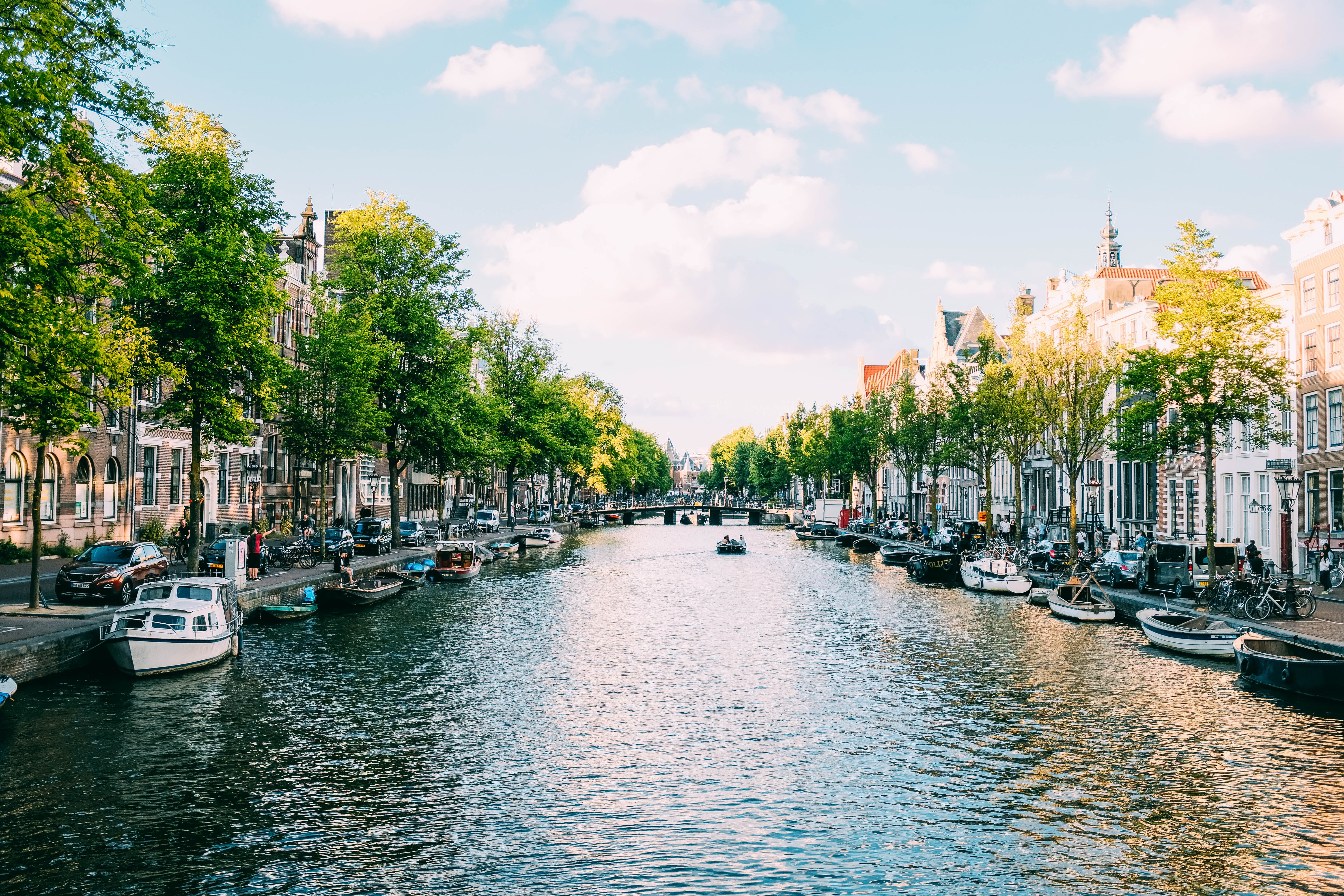
Amsterdam combines the unrivaled beauty of the 17th-century Golden Age city center with plenty of museums and art of the highest order, not to mention a remarkably laid-back atmosphere. It all comes together to make this one of the world’s most appealing and offbeat metropolises in the world. Built on a latticework of concentric canals like an aquatic rainbow, Amsterdam is known as the City of Canals—but it’s no Venice, content to live on moonlight serenades and former glory. Quite the contrary: on nearly every street here you’ll find old and new side by side—quiet corners where time seems to be holding its breath next to streets like neon-lit Kalverstraat, and Red Light ladies strutting by the city’s oldest church. Indeed, Amsterdam has as many lovely facets as a 40-carat diamond polished by one of the city’s gem cutters. It’s certainly a metropolis, but a rather small and very accessible one. Locals tend to refer to it as a big village, albeit one that happens to pack the cultural wallop of a major world destination. There are scores of concerts every day, numerous museums, summertime festivals, and, of course, a legendary year-round party scene. It’s pretty much impossible to resist Amsterdam’s charms. With 7,000 registered monuments, most of which began as the residences and warehouses of humble merchants, set on 160 man-made canals, and traversed by 1,500 or so bridges, Amsterdam has the largest historical inner city in Europe. Its famous circle of waterways, the grachtengordel, was a 17th-century urban expansion plan for the rich and is a lasting testament to the city’s Golden Age. This town is endearing because of its kinder, gentler nature—but a reputation for championing sex, drugs, and rock ’n’ roll does not alone account for Amsterdam’s being one of the most popular destinations in Europe: consider that within a single square mile the city harbors some of the greatest achievements in Western art, from Rembrandt to Van Gogh. Not to mention that this is one of Europe’s great walking cities, with so many of its treasures in the untouted details: tiny alleyways barely visible on the map, hidden garden courtyards, shop windows, floating houseboats, hidden hofjes(courtyards with almshouses), sudden vistas of church spires, and gabled roofs that look like so many unframed paintings. And don’t forget that the joy lies in details: elaborate gables and witty gable stones denoting the trade of a previous owner. Keep in mind that those XXX symbols you see all over town are not a mark of the city’s triple-X reputation. They’re part of Amsterdam’s official coat of arms—three St. Andrew’s crosses, believed to represent the three dangers that have traditionally plagued the city: flood, fire, and pestilence. The coat’s motto (“Valiant, determined, compassionate”) was introduced in 1947 by Queen Wilhelmina in remembrance of the 1941 February Strike in Amsterdam—the first time in Europe that non-Jewish people protested against the persecution of Jews by the Nazi regime.
Amsterdam, Netherlands
Amsterdam combines the unrivaled beauty of the 17th-century Golden Age city center with plenty of museums and art of the highest order, not to mention a remarkably laid-back atmosphere. It all comes together to make this one of the world’s most appealing and offbeat metropolises in the world. Built on a latticework of concentric canals like an aquatic rainbow, Amsterdam is known as the City of Canals—but it’s no Venice, content to live on moonlight serenades and former glory. Quite the contrary: on nearly every street here you’ll find old and new side by side—quiet corners where time seems to be holding its breath next to streets like neon-lit Kalverstraat, and Red Light ladies strutting by the city’s oldest church. Indeed, Amsterdam has as many lovely facets as a 40-carat diamond polished by one of the city’s gem cutters. It’s certainly a metropolis, but a rather small and very accessible one. Locals tend to refer to it as a big village, albeit one that happens to pack the cultural wallop of a major world destination. There are scores of concerts every day, numerous museums, summertime festivals, and, of course, a legendary year-round party scene. It’s pretty much impossible to resist Amsterdam’s charms. With 7,000 registered monuments, most of which began as the residences and warehouses of humble merchants, set on 160 man-made canals, and traversed by 1,500 or so bridges, Amsterdam has the largest historical inner city in Europe. Its famous circle of waterways, the grachtengordel, was a 17th-century urban expansion plan for the rich and is a lasting testament to the city’s Golden Age. This town is endearing because of its kinder, gentler nature—but a reputation for championing sex, drugs, and rock ’n’ roll does not alone account for Amsterdam’s being one of the most popular destinations in Europe: consider that within a single square mile the city harbors some of the greatest achievements in Western art, from Rembrandt to Van Gogh. Not to mention that this is one of Europe’s great walking cities, with so many of its treasures in the untouted details: tiny alleyways barely visible on the map, hidden garden courtyards, shop windows, floating houseboats, hidden hofjes(courtyards with almshouses), sudden vistas of church spires, and gabled roofs that look like so many unframed paintings. And don’t forget that the joy lies in details: elaborate gables and witty gable stones denoting the trade of a previous owner. Keep in mind that those XXX symbols you see all over town are not a mark of the city’s triple-X reputation. They’re part of Amsterdam’s official coat of arms—three St. Andrew’s crosses, believed to represent the three dangers that have traditionally plagued the city: flood, fire, and pestilence. The coat’s motto (“Valiant, determined, compassionate”) was introduced in 1947 by Queen Wilhelmina in remembrance of the 1941 February Strike in Amsterdam—the first time in Europe that non-Jewish people protested against the persecution of Jews by the Nazi regime.
Cologne, Germany
Cologne is a city in western Germany located across the Rhine river. It is the oldest in Germany, dating back 2000 years and is considered the region’s cultural hub. The city is known for its iconic landmark of the twin-spired Cologne Cathedral set against the reconstructed Old Town buildings. When in Old Town, visit the historic Old Town Hall and the Roman Church Great St Martin, or take time out and sit at one of the traditional breweries and enjoy the scenery around you. Historical sites such as the Roman Dionysus mosaic and the medieval Overstolzenhaus are worth a visit too. Another iconic sight in Cologne is at Hohenzollern Bridge. Here, local and tourist couples affix padlocks to the railings of the bridge and swear their loyalty to each other, they then throw the key into the Rhein to ensure everlasting love. Cologne is home to over 30 stages providing cabaret, free ensembles, theatre and dance and also celebrates its openly gay culture.
Lahnstein, Germany
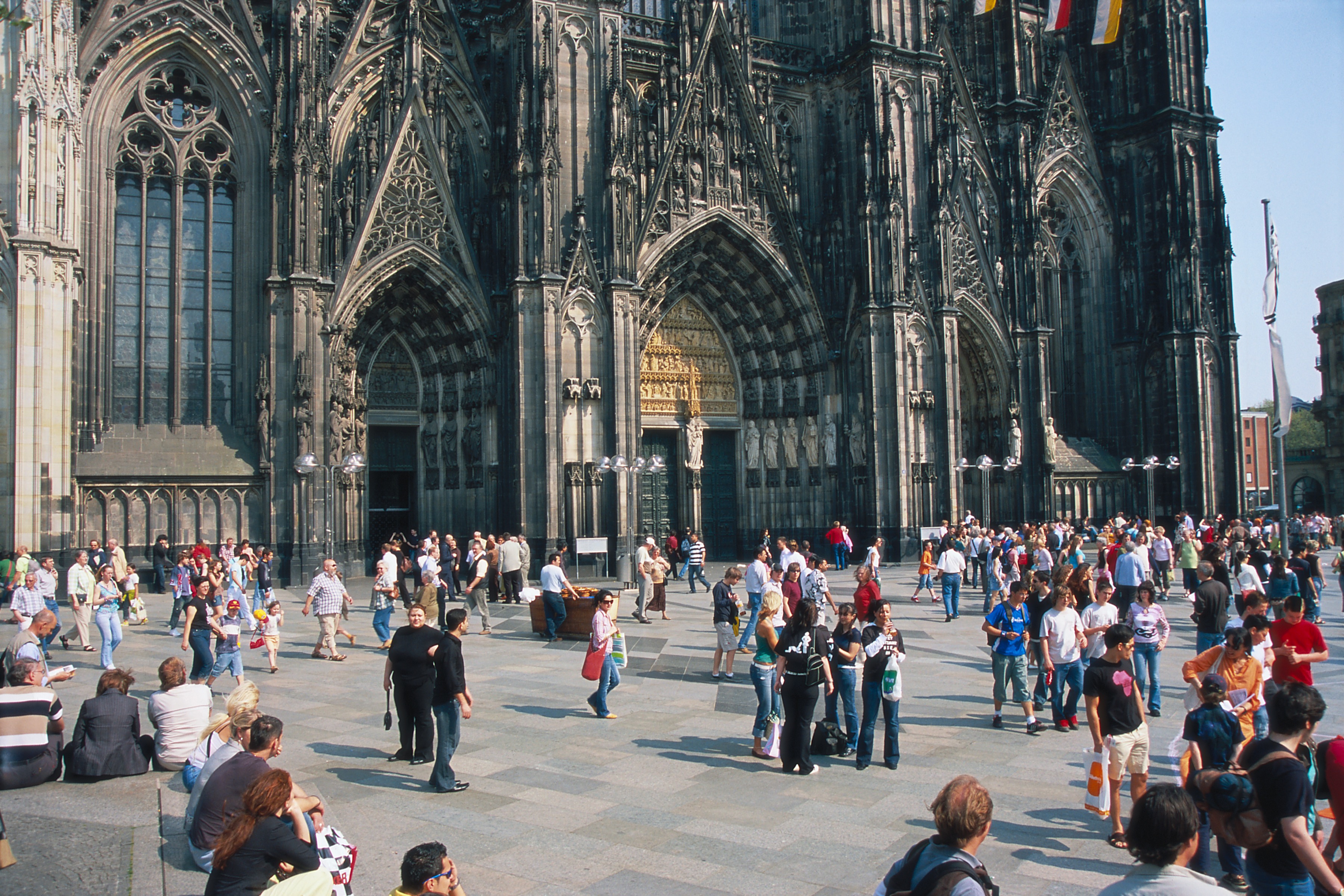
LAHNSTEIN. Visit Lahneck Castle, a 13th-century medieval fortress in the riverside town of Lahnstein. There are a treasure trove of legends surrounding this castle, some including the twelve Knights Templar. Hear these stories and more on a guided tour through this historic castle. Alternatively, head to Ehrenbreitstein Fortress to take the aerial cable car over the Rhine to Koblenz, which boasts a rich history spanning more than 2,000 years. For those seeking a more active adventure, explore the area on the “Two Rivers Bike Tour,” which takes you along both the Rhine and Moselle rivers; or go on a hike around Lahnstein to Burg Lahneck Castle. (B,L,D)
Cochem, Germany
Trier, Germany
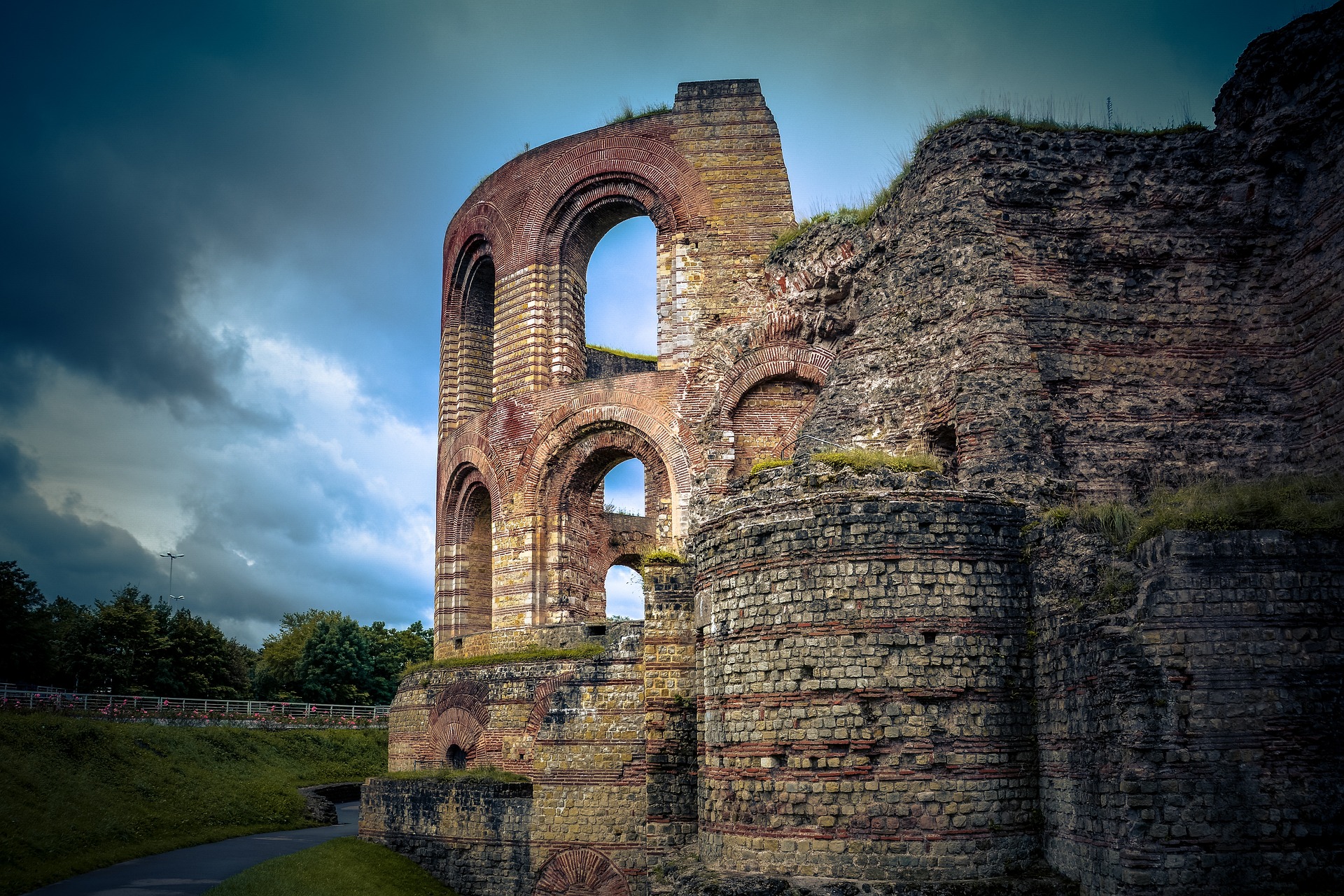
Bernkastel-Kues, Germany
BERNKASTEL. Bernkastel will enchant you as you walk through its colorful Old Town center and past many medieval and Renaissance buildings on a guided tour that also includes a winery visit and tasting. Cycling enthusiasts can choose to join a bike tour and hikers can opt to trek up to the ruins of Landshut Castle, which dates all the way back to the 9th century. (B,L,D)
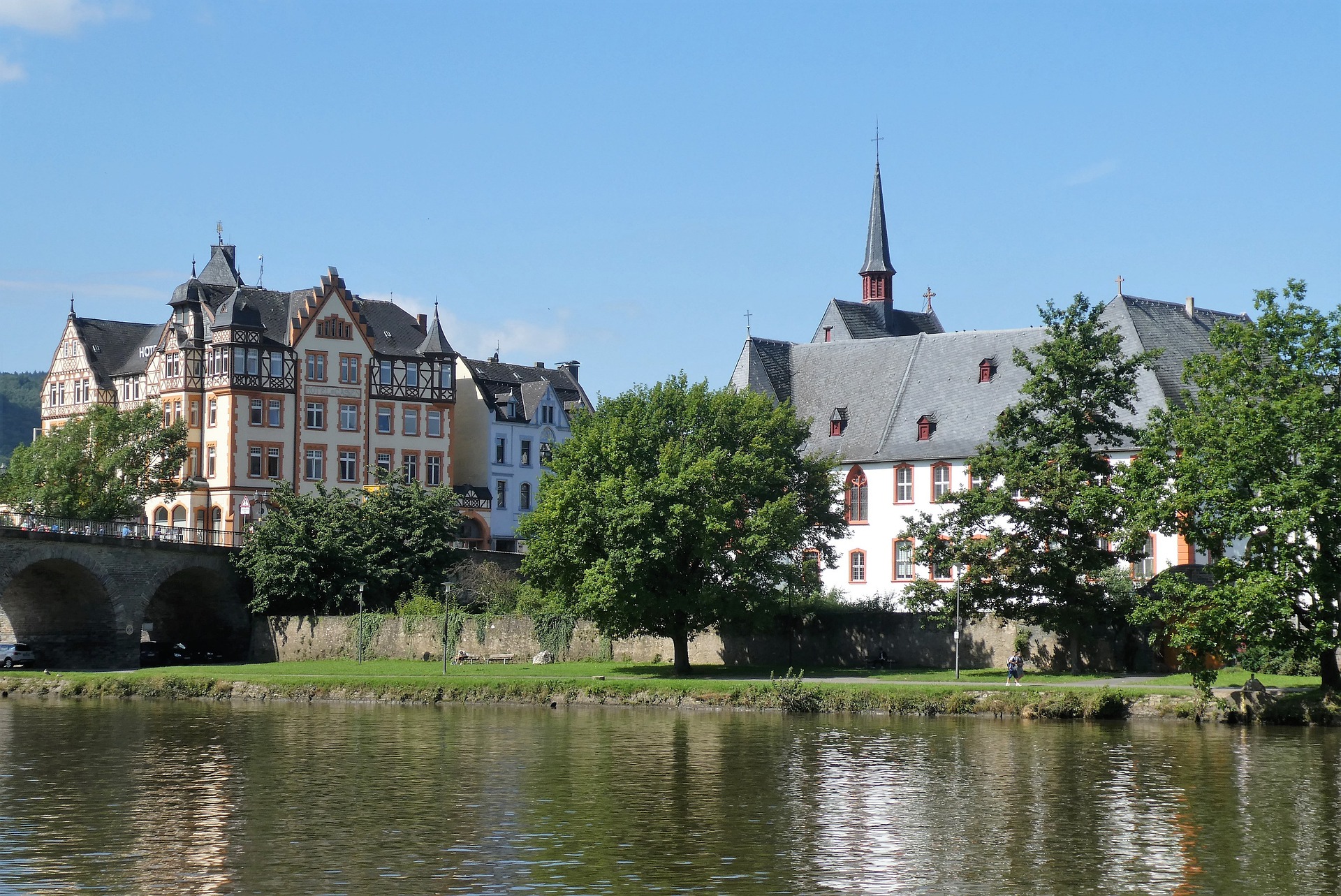
Amsterdam, Netherlands
Amsterdam combines the unrivaled beauty of the 17th-century Golden Age city center with plenty of museums and art of the highest order, not to mention a remarkably laid-back atmosphere. It all comes together to make this one of the world’s most appealing and offbeat metropolises in the world. Built on a latticework of concentric canals like an aquatic rainbow, Amsterdam is known as the City of Canals—but it’s no Venice, content to live on moonlight serenades and former glory. Quite the contrary: on nearly every street here you’ll find old and new side by side—quiet corners where time seems to be holding its breath next to streets like neon-lit Kalverstraat, and Red Light ladies strutting by the city’s oldest church. Indeed, Amsterdam has as many lovely facets as a 40-carat diamond polished by one of the city’s gem cutters. It’s certainly a metropolis, but a rather small and very accessible one. Locals tend to refer to it as a big village, albeit one that happens to pack the cultural wallop of a major world destination. There are scores of concerts every day, numerous museums, summertime festivals, and, of course, a legendary year-round party scene. It’s pretty much impossible to resist Amsterdam’s charms. With 7,000 registered monuments, most of which began as the residences and warehouses of humble merchants, set on 160 man-made canals, and traversed by 1,500 or so bridges, Amsterdam has the largest historical inner city in Europe. Its famous circle of waterways, the grachtengordel, was a 17th-century urban expansion plan for the rich and is a lasting testament to the city’s Golden Age. This town is endearing because of its kinder, gentler nature—but a reputation for championing sex, drugs, and rock ’n’ roll does not alone account for Amsterdam’s being one of the most popular destinations in Europe: consider that within a single square mile the city harbors some of the greatest achievements in Western art, from Rembrandt to Van Gogh. Not to mention that this is one of Europe’s great walking cities, with so many of its treasures in the untouted details: tiny alleyways barely visible on the map, hidden garden courtyards, shop windows, floating houseboats, hidden hofjes(courtyards with almshouses), sudden vistas of church spires, and gabled roofs that look like so many unframed paintings. And don’t forget that the joy lies in details: elaborate gables and witty gable stones denoting the trade of a previous owner. Keep in mind that those XXX symbols you see all over town are not a mark of the city’s triple-X reputation. They’re part of Amsterdam’s official coat of arms—three St. Andrew’s crosses, believed to represent the three dangers that have traditionally plagued the city: flood, fire, and pestilence. The coat’s motto (“Valiant, determined, compassionate”) was introduced in 1947 by Queen Wilhelmina in remembrance of the 1941 February Strike in Amsterdam—the first time in Europe that non-Jewish people protested against the persecution of Jews by the Nazi regime.
Amsterdam, Netherlands
Amsterdam combines the unrivaled beauty of the 17th-century Golden Age city center with plenty of museums and art of the highest order, not to mention a remarkably laid-back atmosphere. It all comes together to make this one of the world’s most appealing and offbeat metropolises in the world. Built on a latticework of concentric canals like an aquatic rainbow, Amsterdam is known as the City of Canals—but it’s no Venice, content to live on moonlight serenades and former glory. Quite the contrary: on nearly every street here you’ll find old and new side by side—quiet corners where time seems to be holding its breath next to streets like neon-lit Kalverstraat, and Red Light ladies strutting by the city’s oldest church. Indeed, Amsterdam has as many lovely facets as a 40-carat diamond polished by one of the city’s gem cutters. It’s certainly a metropolis, but a rather small and very accessible one. Locals tend to refer to it as a big village, albeit one that happens to pack the cultural wallop of a major world destination. There are scores of concerts every day, numerous museums, summertime festivals, and, of course, a legendary year-round party scene. It’s pretty much impossible to resist Amsterdam’s charms. With 7,000 registered monuments, most of which began as the residences and warehouses of humble merchants, set on 160 man-made canals, and traversed by 1,500 or so bridges, Amsterdam has the largest historical inner city in Europe. Its famous circle of waterways, the grachtengordel, was a 17th-century urban expansion plan for the rich and is a lasting testament to the city’s Golden Age. This town is endearing because of its kinder, gentler nature—but a reputation for championing sex, drugs, and rock ’n’ roll does not alone account for Amsterdam’s being one of the most popular destinations in Europe: consider that within a single square mile the city harbors some of the greatest achievements in Western art, from Rembrandt to Van Gogh. Not to mention that this is one of Europe’s great walking cities, with so many of its treasures in the untouted details: tiny alleyways barely visible on the map, hidden garden courtyards, shop windows, floating houseboats, hidden hofjes(courtyards with almshouses), sudden vistas of church spires, and gabled roofs that look like so many unframed paintings. And don’t forget that the joy lies in details: elaborate gables and witty gable stones denoting the trade of a previous owner. Keep in mind that those XXX symbols you see all over town are not a mark of the city’s triple-X reputation. They’re part of Amsterdam’s official coat of arms—three St. Andrew’s crosses, believed to represent the three dangers that have traditionally plagued the city: flood, fire, and pestilence. The coat’s motto (“Valiant, determined, compassionate”) was introduced in 1947 by Queen Wilhelmina in remembrance of the 1941 February Strike in Amsterdam—the first time in Europe that non-Jewish people protested against the persecution of Jews by the Nazi regime.
Cologne, Germany
Cologne is a city in western Germany located across the Rhine river. It is the oldest in Germany, dating back 2000 years and is considered the region’s cultural hub. The city is known for its iconic landmark of the twin-spired Cologne Cathedral set against the reconstructed Old Town buildings. When in Old Town, visit the historic Old Town Hall and the Roman Church Great St Martin, or take time out and sit at one of the traditional breweries and enjoy the scenery around you. Historical sites such as the Roman Dionysus mosaic and the medieval Overstolzenhaus are worth a visit too. Another iconic sight in Cologne is at Hohenzollern Bridge. Here, local and tourist couples affix padlocks to the railings of the bridge and swear their loyalty to each other, they then throw the key into the Rhein to ensure everlasting love. Cologne is home to over 30 stages providing cabaret, free ensembles, theatre and dance and also celebrates its openly gay culture.
Lahnstein, Germany
LAHNSTEIN. Visit Lahneck Castle, a 13th-century medieval fortress in the riverside town of Lahnstein. There are a treasure trove of legends surrounding this castle, some including the twelve Knights Templar. Hear these stories and more on a guided tour through this historic castle. Alternatively, head to Ehrenbreitstein Fortress to take the aerial cable car over the Rhine to Koblenz, which boasts a rich history spanning more than 2,000 years. For those seeking a more active adventure, explore the area on the “Two Rivers Bike Tour,” which takes you along both the Rhine and Moselle rivers; or go on a hike around Lahnstein to Burg Lahneck Castle. (B,L,D)
Cochem, Germany
Trier, Germany
Bernkastel-Kues, Germany
BERNKASTEL. Bernkastel will enchant you as you walk through its colorful Old Town center and past many medieval and Renaissance buildings on a guided tour that also includes a winery visit and tasting. Cycling enthusiasts can choose to join a bike tour and hikers can opt to trek up to the ruins of Landshut Castle, which dates all the way back to the 9th century. (B,L,D)
Rüdesheim am Rhein, Germany
Rudesheim am Rhine is a town in the Rhine Valley in Germany and part of the UNESCO World Heritage Site of Rhine Gorge. It is known for its production of Riesling wine and has been popular for its wine making since ancient times. The Medieval Bromserburg Castle is home to the Rheingau Wine Museum and wine is a crucial part of Rudesheimer culture. The town is surrounded with vineyards and wineries, as well as many local wine bars and seasonal wine taverns. Wine tasting is a must do in Rudesheim and dining out is a great accompaniment. The local cuisine is seasonal and is closely intertwined with the wine growing traditions together with soups such as Zwiebelkuchen, Handkäs mit Musik and Spundekäs. Nordic Walking is popular around town, with five adventure trails around the vicinity, as well as many popular cycling routes. Great views of the town can be found from the water, the cable car to Niederwald Monument and the Monument itself. Old Town has the best examples of the town’s architecture with Eagle Tower, Oberstrasse and Rheinstein Castle some key sites to visit.

Ludwigshafen, Germany
LUDWIGSHAFEN. You have a choice of several excursions, depending on your interest. Visit Heidelberg, a perfectly preserved medieval city nestled in the Neckar River Valley along Germany’s Castle Road. Alternatively, relive a bygone era on an excursion to the glorious Schwetzingen Baroque Palace. Tour this splendid palace furnished with over 800 exhibits. You can also hike the historic Philosopher’s Path along the Neckar River or bike to the charming town of Ladenburg and glide past its half-timbered architecture. (B,L,D)
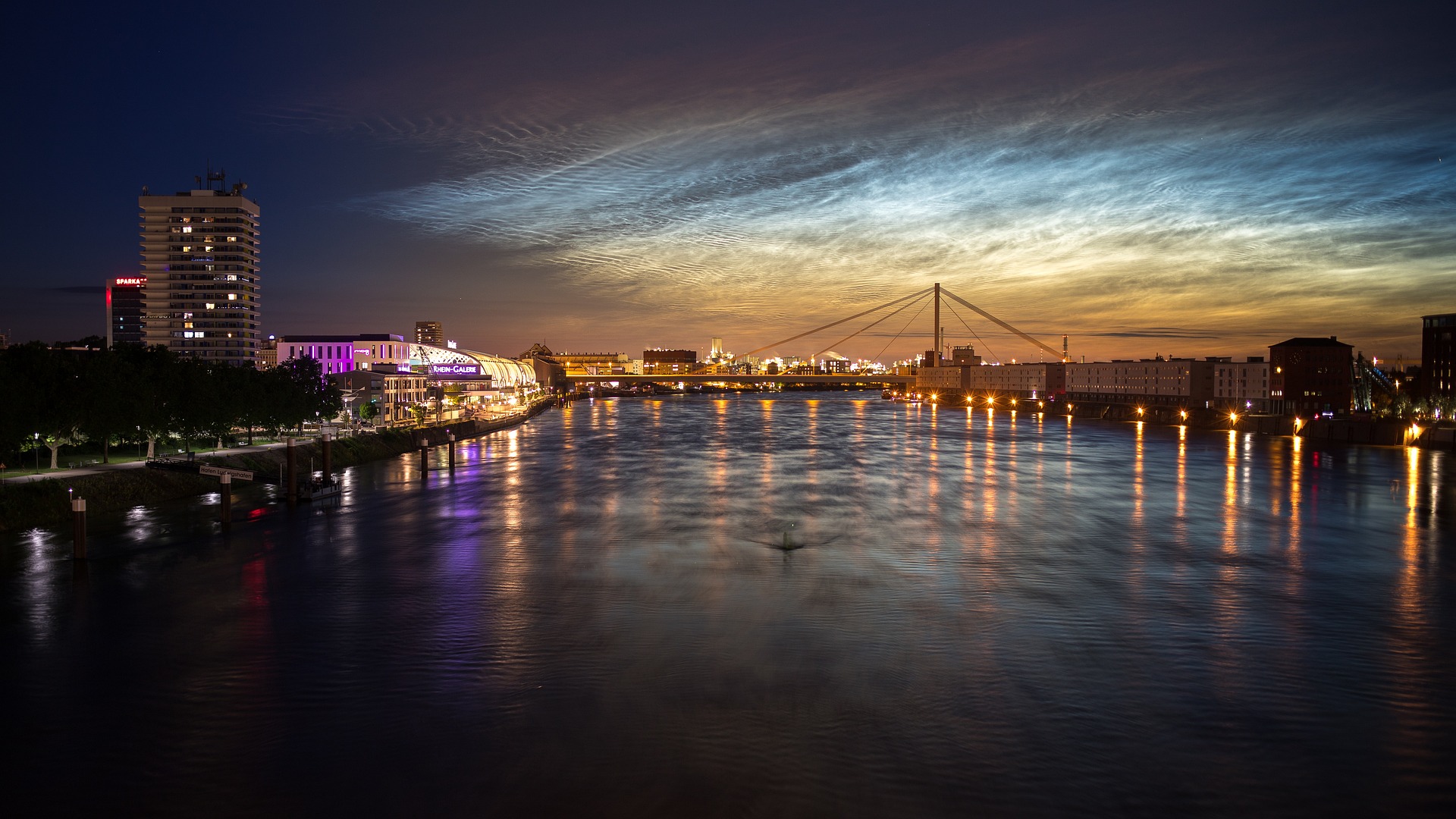
Strasbourg, France
STRASBOURG, FRANCE. Strasbourg, the capital city of Alsace, offers flavors of both France and Germany because of its borderline location. Enjoy walking through the iconic “La Petite France” district, which appears to have been lifted straight from the pages of a fairytale. Wander through these charming streets and past the Cathédrale de Nôtre Dame with its famous astronomical clock. Alternatively, the active adventurer can take a guided bike ride through the city and Parc de l’Orangerie. (B,L,D)
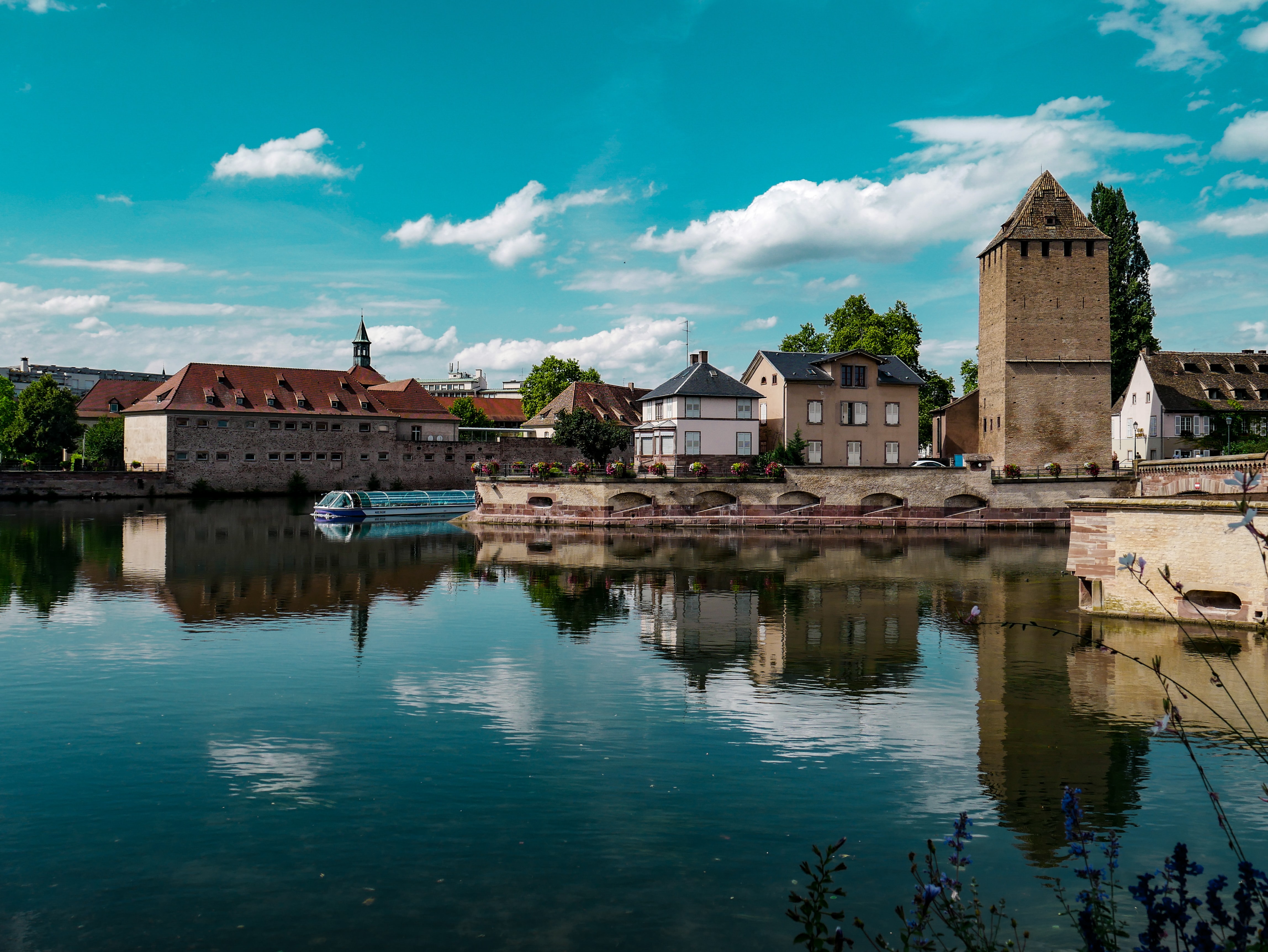
Breisach, Germany
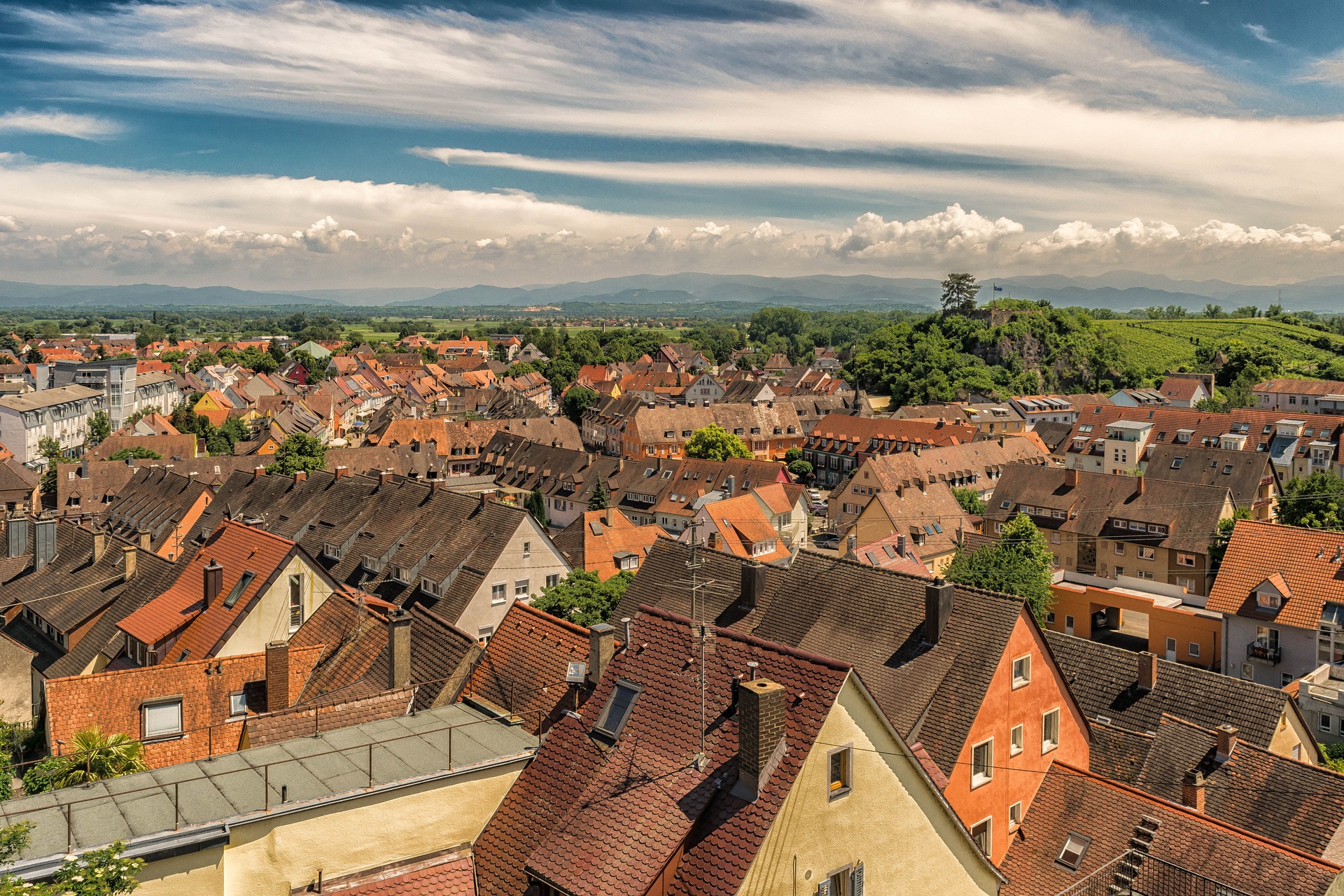
Breisach is a town located in Southwest Germany on the French border. The town is situated in the Rhine Valley on the banks of the river Rhine and dates back over four thousand years. Breisach and its history can be experienced through the City History Museum, which houses a permanent exhibition taking you from Stone Age through the Celtic, to the Romans and Middle Ages, right up to modern day. St Stephen’s Cathedral is home to the city’s famous art treasures, the wheel wells, which are housed in the neighbouring Radbrunnenturm with the forty one metre deep water well. The cathedral is also home to many other treasures including the High Altar of Master HL and wall paintings by Martin Schongauer as well as High Gothic and Roman architecture. A visit to the Blue House, the former Jewish Community Centre, is highly recommended. Now owned by the Friends of Former Jewish Community House Breisach it exhibits memorials to Breisach’s Jewish heritage.
Basel, Switzerland
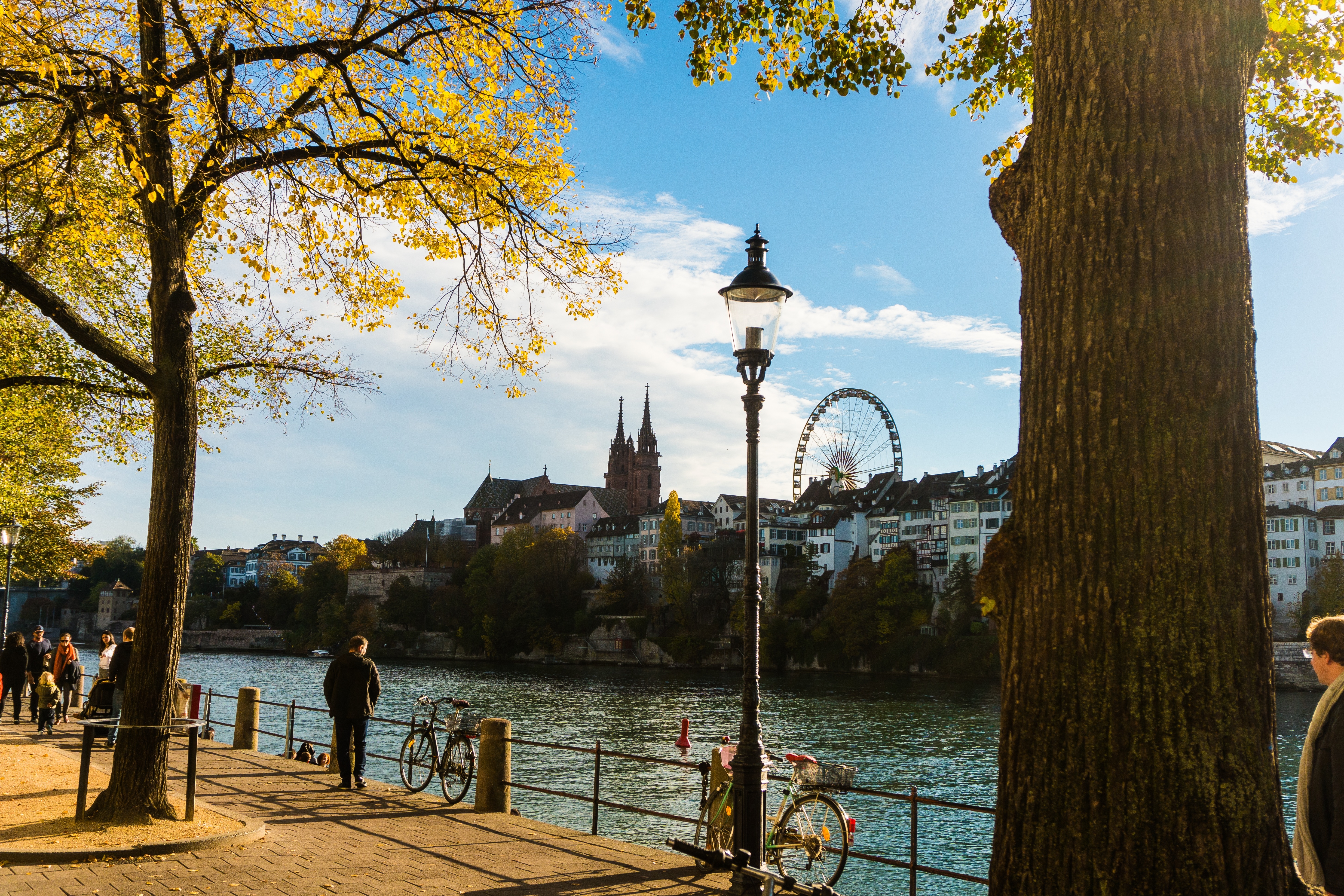
Basel is a city in northwestern Switzerland on the Swiss, French and German borders. It is located on the bend of the River Rhine and benefits from a Mediterranean climate. It is the third most populated city in Switzerland and has been the commercial hub for Swiss arts and culture since the Renaissance. In 1967 the people of Basel voted to acquire two paintings by Picasso, who was so moved by the Basel people that he donated 3 paintings and a study to the city’s Kunstmuseum (Museum of Fine Arts). Visit the Augusta Raurica, one of the largest Roman archaeology parks in Switzerland, and enjoy a river crossings over the River Rhine by non-motorised ferries. During the summer months, time is spent outdoors, either swimming in the River Rhine, dining al fresco, enjoying open air concerts, cinema, street parties and festivals. Basel is home to over 20 restaurants that have won GaultMillau or Michelin awards, and boasts Switzerland’s largest collection of theatre shows, including modern contemporary dance, touring and puppetry theatre.
Rüdesheim am Rhein, Germany
Rudesheim am Rhine is a town in the Rhine Valley in Germany and part of the UNESCO World Heritage Site of Rhine Gorge. It is known for its production of Riesling wine and has been popular for its wine making since ancient times. The Medieval Bromserburg Castle is home to the Rheingau Wine Museum and wine is a crucial part of Rudesheimer culture. The town is surrounded with vineyards and wineries, as well as many local wine bars and seasonal wine taverns. Wine tasting is a must do in Rudesheim and dining out is a great accompaniment. The local cuisine is seasonal and is closely intertwined with the wine growing traditions together with soups such as Zwiebelkuchen, Handkäs mit Musik and Spundekäs. Nordic Walking is popular around town, with five adventure trails around the vicinity, as well as many popular cycling routes. Great views of the town can be found from the water, the cable car to Niederwald Monument and the Monument itself. Old Town has the best examples of the town’s architecture with Eagle Tower, Oberstrasse and Rheinstein Castle some key sites to visit.
Ludwigshafen, Germany
LUDWIGSHAFEN. You have a choice of several excursions, depending on your interest. Visit Heidelberg, a perfectly preserved medieval city nestled in the Neckar River Valley along Germany’s Castle Road. Alternatively, relive a bygone era on an excursion to the glorious Schwetzingen Baroque Palace. Tour this splendid palace furnished with over 800 exhibits. You can also hike the historic Philosopher’s Path along the Neckar River or bike to the charming town of Ladenburg and glide past its half-timbered architecture. (B,L,D)
Strasbourg, France
STRASBOURG, FRANCE. Strasbourg, the capital city of Alsace, offers flavors of both France and Germany because of its borderline location. Enjoy walking through the iconic “La Petite France” district, which appears to have been lifted straight from the pages of a fairytale. Wander through these charming streets and past the Cathédrale de Nôtre Dame with its famous astronomical clock. Alternatively, the active adventurer can take a guided bike ride through the city and Parc de l’Orangerie. (B,L,D)
Breisach, Germany
Breisach is a town located in Southwest Germany on the French border. The town is situated in the Rhine Valley on the banks of the river Rhine and dates back over four thousand years. Breisach and its history can be experienced through the City History Museum, which houses a permanent exhibition taking you from Stone Age through the Celtic, to the Romans and Middle Ages, right up to modern day. St Stephen’s Cathedral is home to the city’s famous art treasures, the wheel wells, which are housed in the neighbouring Radbrunnenturm with the forty one metre deep water well. The cathedral is also home to many other treasures including the High Altar of Master HL and wall paintings by Martin Schongauer as well as High Gothic and Roman architecture. A visit to the Blue House, the former Jewish Community Centre, is highly recommended. Now owned by the Friends of Former Jewish Community House Breisach it exhibits memorials to Breisach’s Jewish heritage.
Basel, Switzerland
Basel is a city in northwestern Switzerland on the Swiss, French and German borders. It is located on the bend of the River Rhine and benefits from a Mediterranean climate. It is the third most populated city in Switzerland and has been the commercial hub for Swiss arts and culture since the Renaissance. In 1967 the people of Basel voted to acquire two paintings by Picasso, who was so moved by the Basel people that he donated 3 paintings and a study to the city’s Kunstmuseum (Museum of Fine Arts). Visit the Augusta Raurica, one of the largest Roman archaeology parks in Switzerland, and enjoy a river crossings over the River Rhine by non-motorised ferries. During the summer months, time is spent outdoors, either swimming in the River Rhine, dining al fresco, enjoying open air concerts, cinema, street parties and festivals. Basel is home to over 20 restaurants that have won GaultMillau or Michelin awards, and boasts Switzerland’s largest collection of theatre shows, including modern contemporary dance, touring and puppetry theatre.
Cabin Options
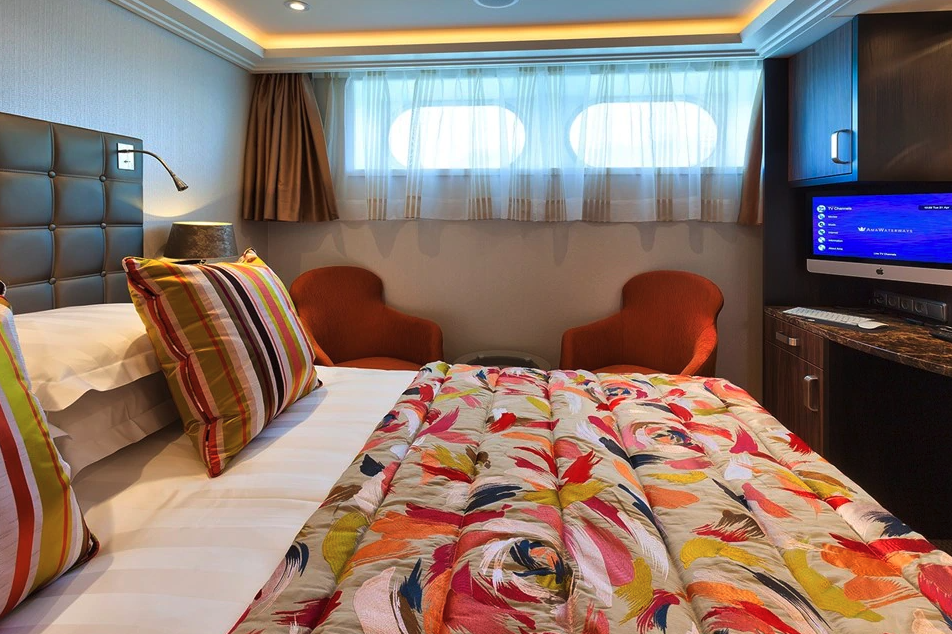
Category E Staterooms
Category D Staterooms
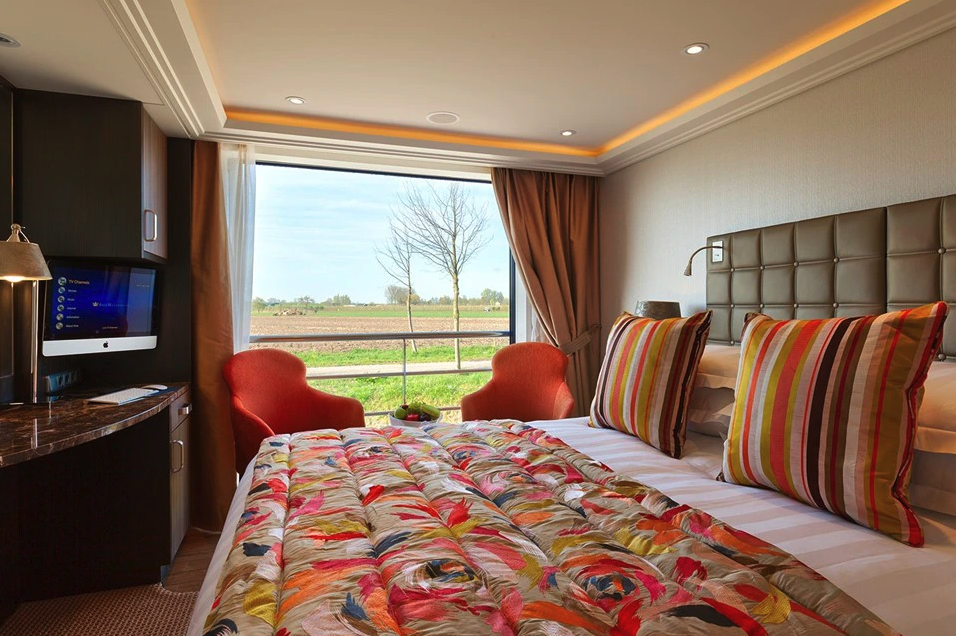
Category C Staterooms
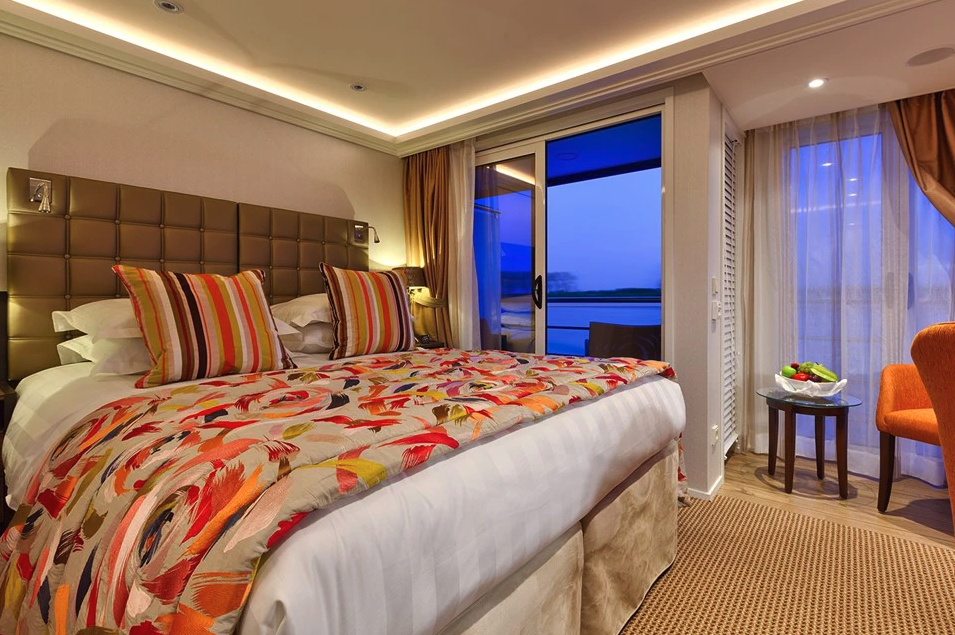
Category BB Staterooms
Category BA Staterooms
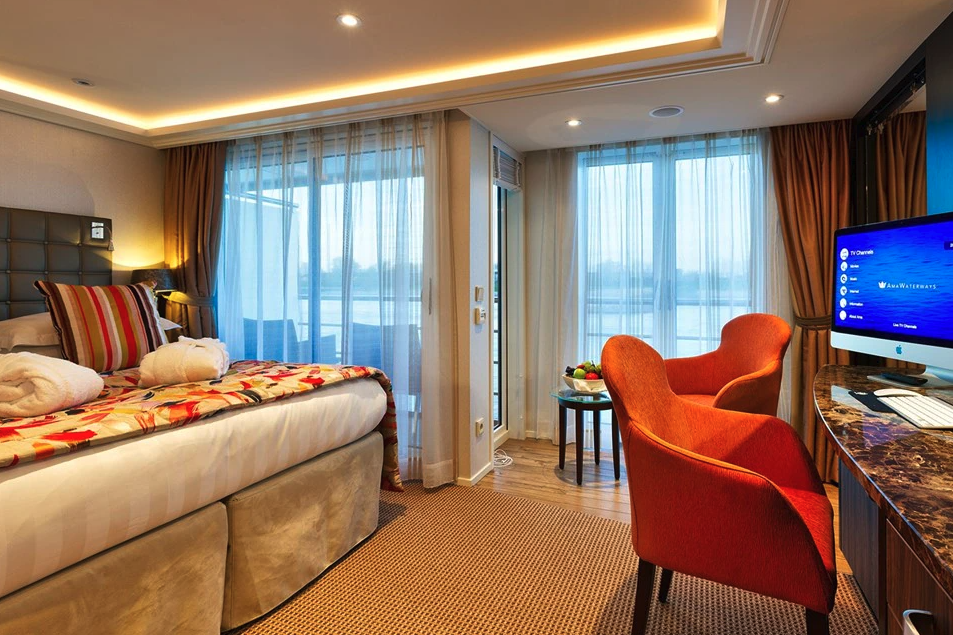
Category AB Staterooms
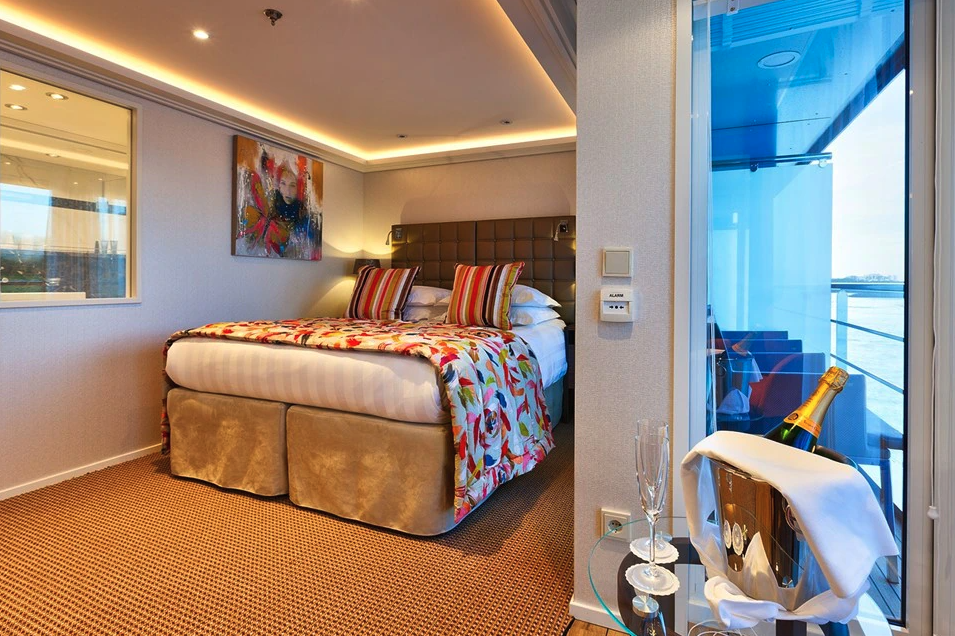
Category AA Staterooms
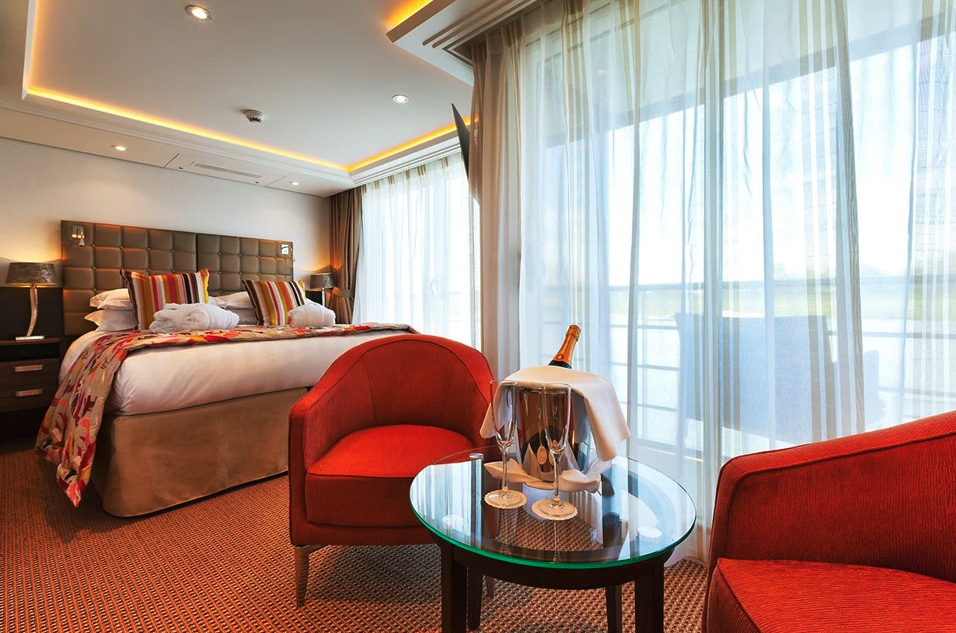
Suite
Ship Facilities
Main Restaurant
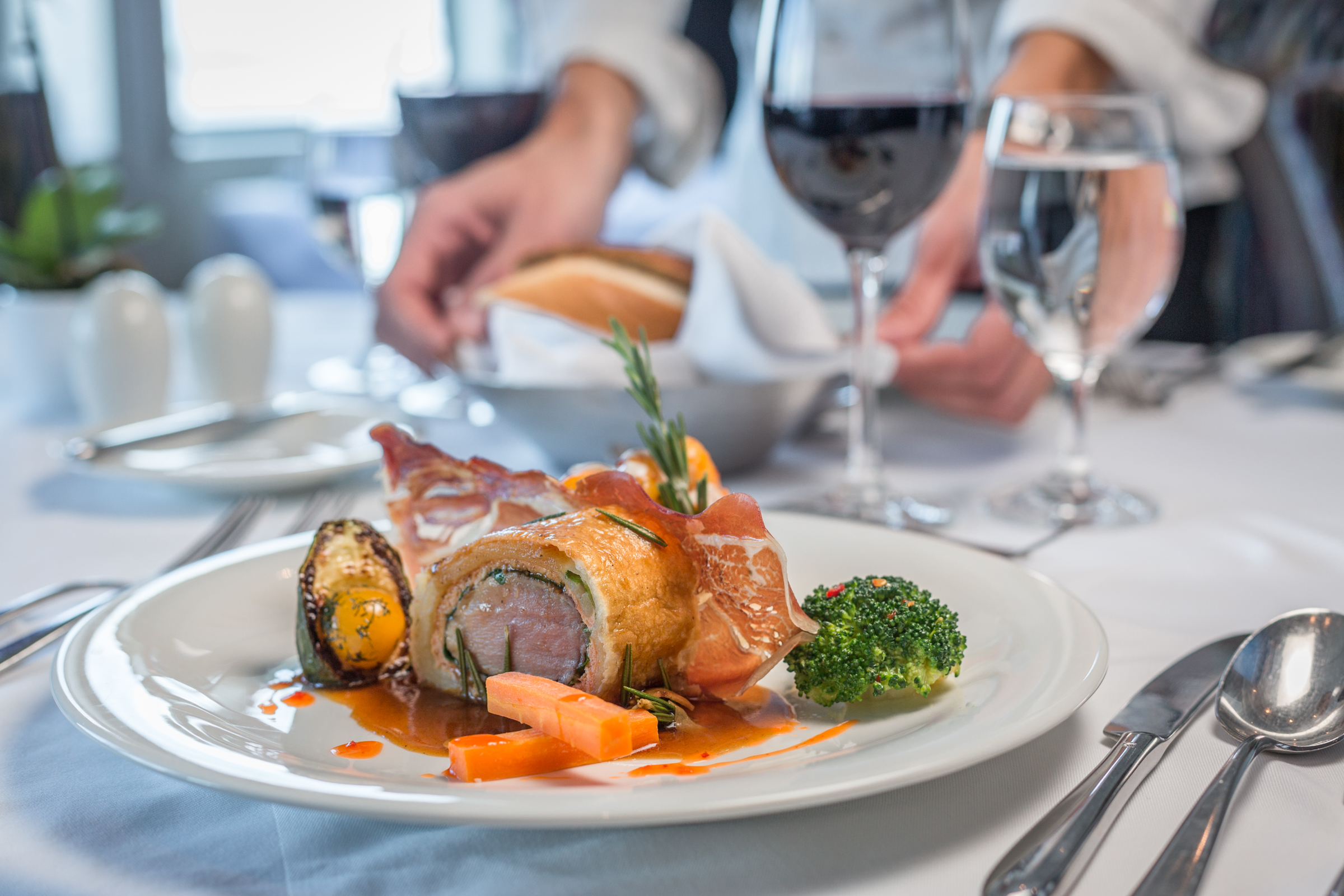
Farm-to-Table Gastronomy
For years we have sourced all our fresh produce, herbs and freshwater fish from local farmers, many of whose families have been cultivating the soil along the banks of the Danube for generations. Our shared commitment to sustainability, family and personal connection makes us proud to support these farms – guaranteeing fresh and flavorful ingredients while reducing the distance each item travels to our ships. Incorporating the highest quality seasonal ingredients, such as Marchfeld asparagus in the spring and Wachau Valley apricots in summer, our expert chefs bring the taste of the country from the fields, orchards, farms and docks to your plate at every meal.
The Chef's Table
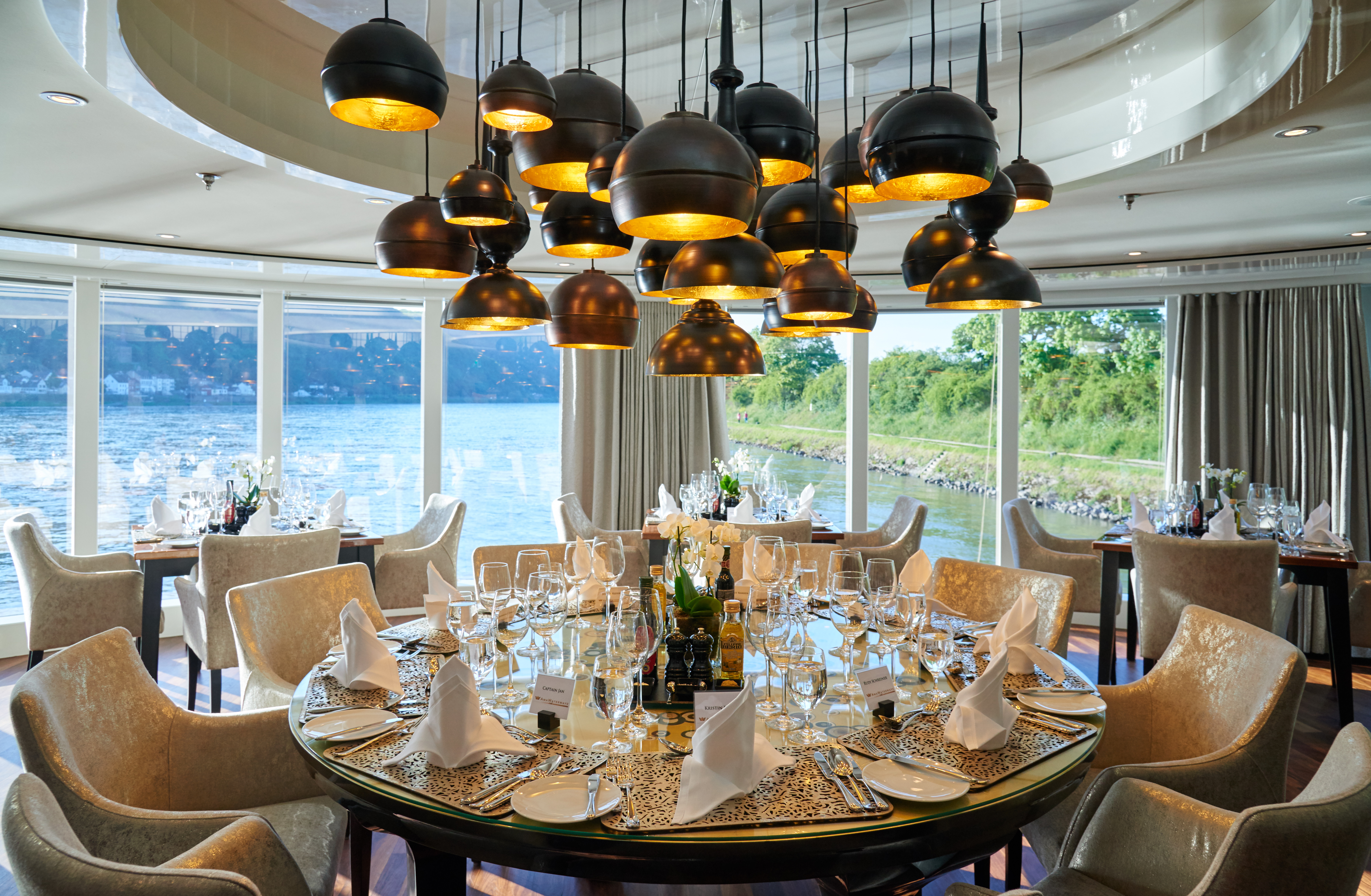
Enjoy an intimate, multi-course dinner where culinary artistry shines at The Chef’s Table, available on select sailings. Watch as our chefs prepare each course before your eyes, pairing exquisite flavors with impeccable service.
Wellness Recipes
Our skilled chefs ensure that our menus always have healthy choices prepared with the freshest locally-sourced ingredients. We are also able to accommodate dietary needs such as low-sodium, vegetarian and gluten-free. Below are some of our favorite recipes for health-conscious guests.
- Beetroot Salad – This vegetarian recipe brings vivid colors and flavors to life.
- Avocado Chocolate Mousse – An indulgent yet low-carb and sugar-free treat
- Gluten-Free Almond Cake Recipe – A delicious gluten-free way to indulge worry-free.
- Gluten-Free Pizza Recipe – An onboard gluten-free favorite you can easily make at home.

Guided Bike Tours
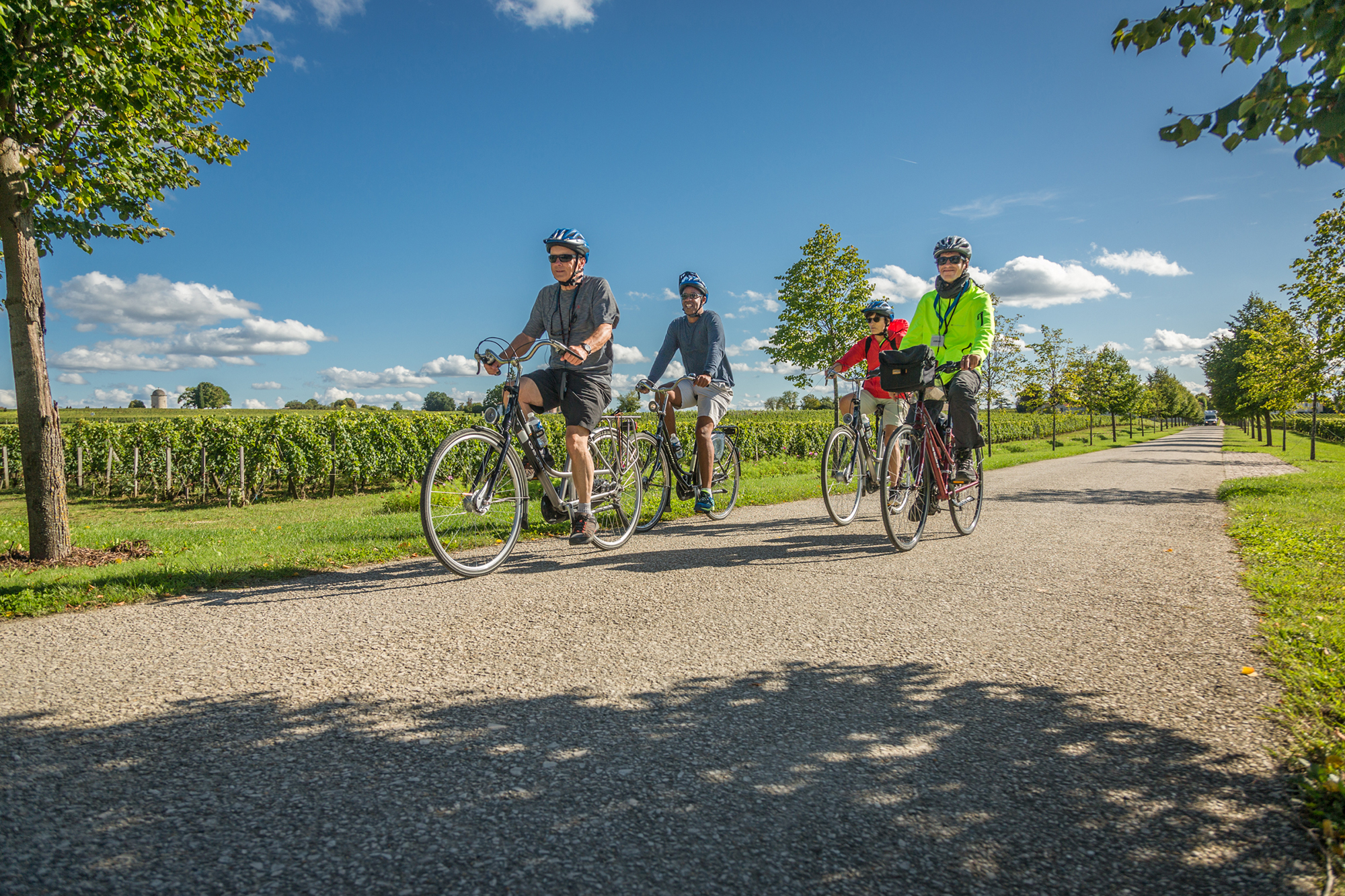
We are proud to have been the first river cruise line to carry an entire fleet of complimentary state-of-the-art bicycles on board, so you can pedal alongside enchanting riverside pathways and in city centers on a variety of included excursions throughout Europe. Whether you feel like joining one of our exclusive guided bike tours, or you want to reserve a bike to discover a destination on your own, there are many ways for you to explore on two wheels during your river cruise. From lighter five-mile bike tours to rides that stretch over 20 miles, we offer excursions for guests at any level.
Bike Tour Guides
Your guide will be sure to stop and point out highlights along the way, providing interesting facts and history, as well as much-needed water breaks! Often, there is some built-in free time for you to explore off your bike. And best of all, to ensure no guests are left behind, there is typically a guide both at the front and back of the tour group, so whatever pace you pedal, you will have peace of mind you will be taken care of and find your way back to the ship.
Child-sized Bikes
There are a limited number of child-size bicycles available on board as well. This enables you to enjoy family-friendly active excursions in many destinations along the rivers.
Guided Hiking Tours
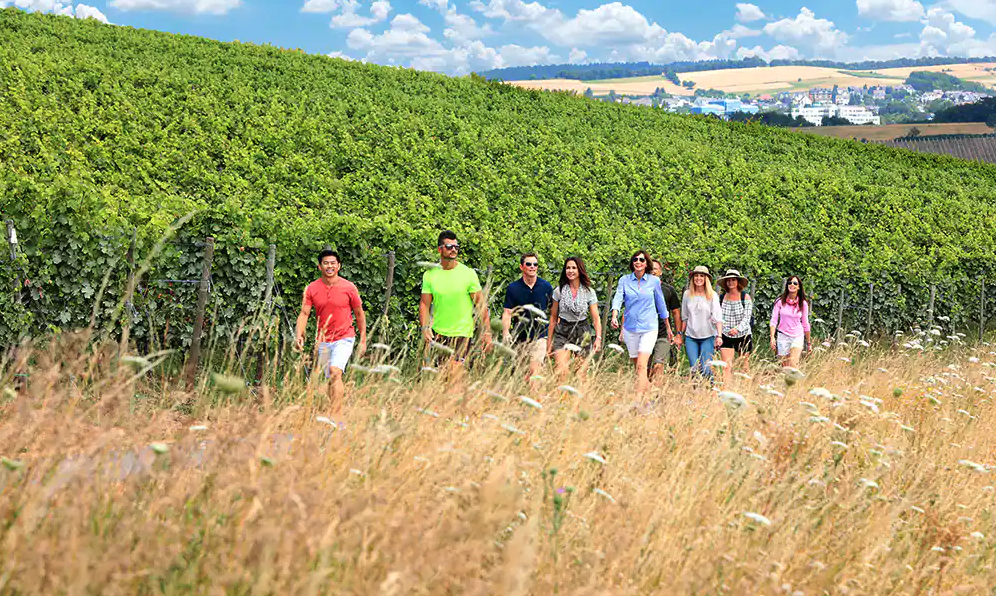
The beauty of Europe does not simply lie in its architecture and landmarks – there are also breathtaking sights when you venture out into nature. That’s why we have designed special included hikes that will take you a bit off the beaten path, showing you incredible destinations from a unique perspective and giving you a chance to revel in the fresh air. With hikes ranging anywhere from two to seven miles and varying from extended city walks to hilltop castle treks, you are sure to find a wonderful hike that suits your style.
Special Interest Tours
We offer a variety of included tours specially curated with your individual passions in mind. Enjoy exploring the world through your tastebuds? Indulge in authentic Belgian waffles and chocolate in Antwerp or learn the art of French breadmaking in Libourne. Are you interested in engineering? Venture through the immense aerospace and locomotive collections at Speyer’s Technik Museum. Do you love music? Browse the antique music boxes and organs at Siegfried’s Mechanical Instrument Cabinet while cruising the Rhine.
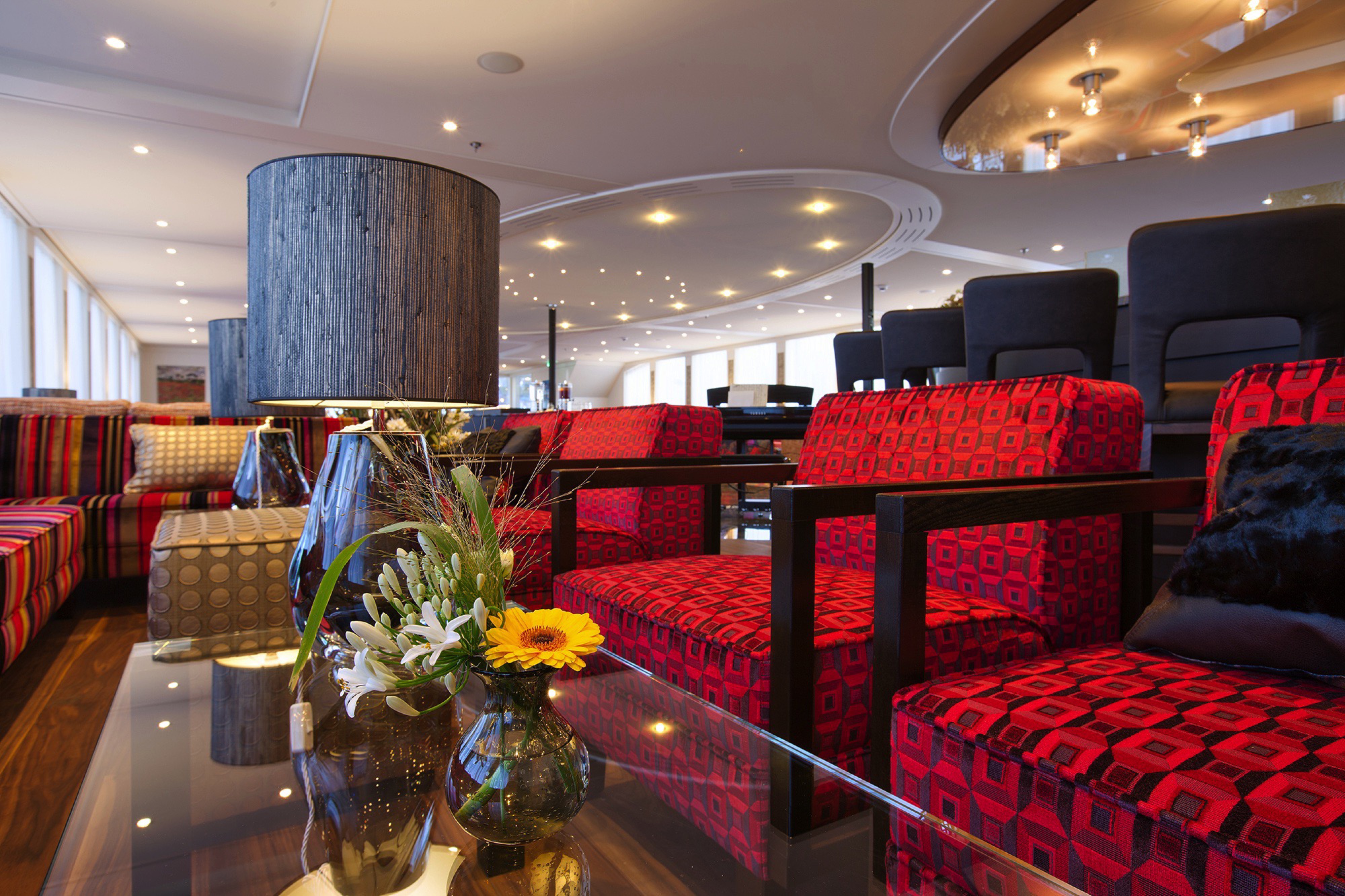
Main Lounge & Bar
This versatile space hosts a bar, dance floor, plenty of comfortable couches and big windows on three sides and is used for everything from the morning port talks, daytime reading and chatting to scenic cruising, afternoon tea and evening entertainment.
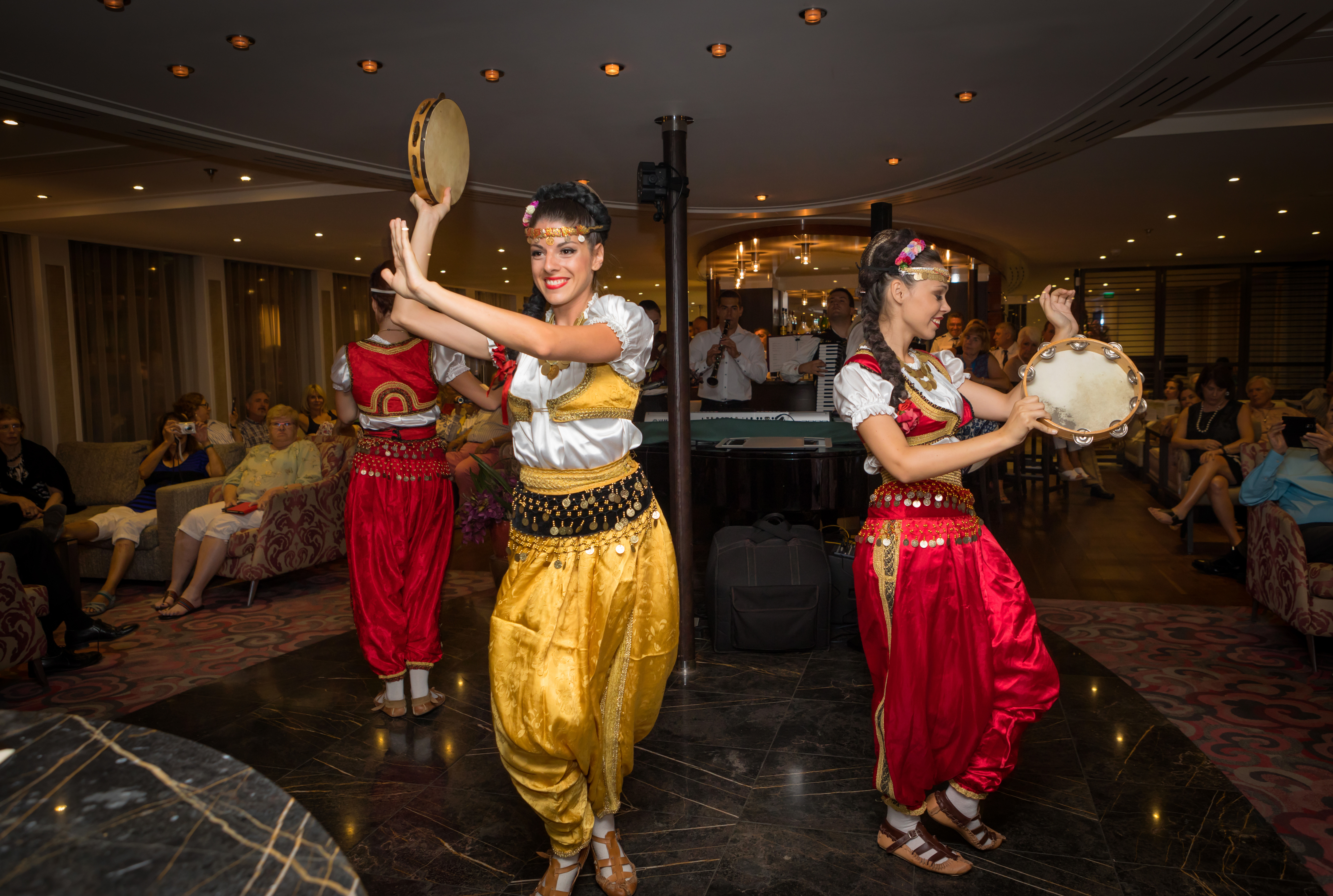
Onboard Entertainment
Whether it’s traditional Bavarian music, a local quartet or modern piano favorites, there is an eclectic schedule of entertainment on board.
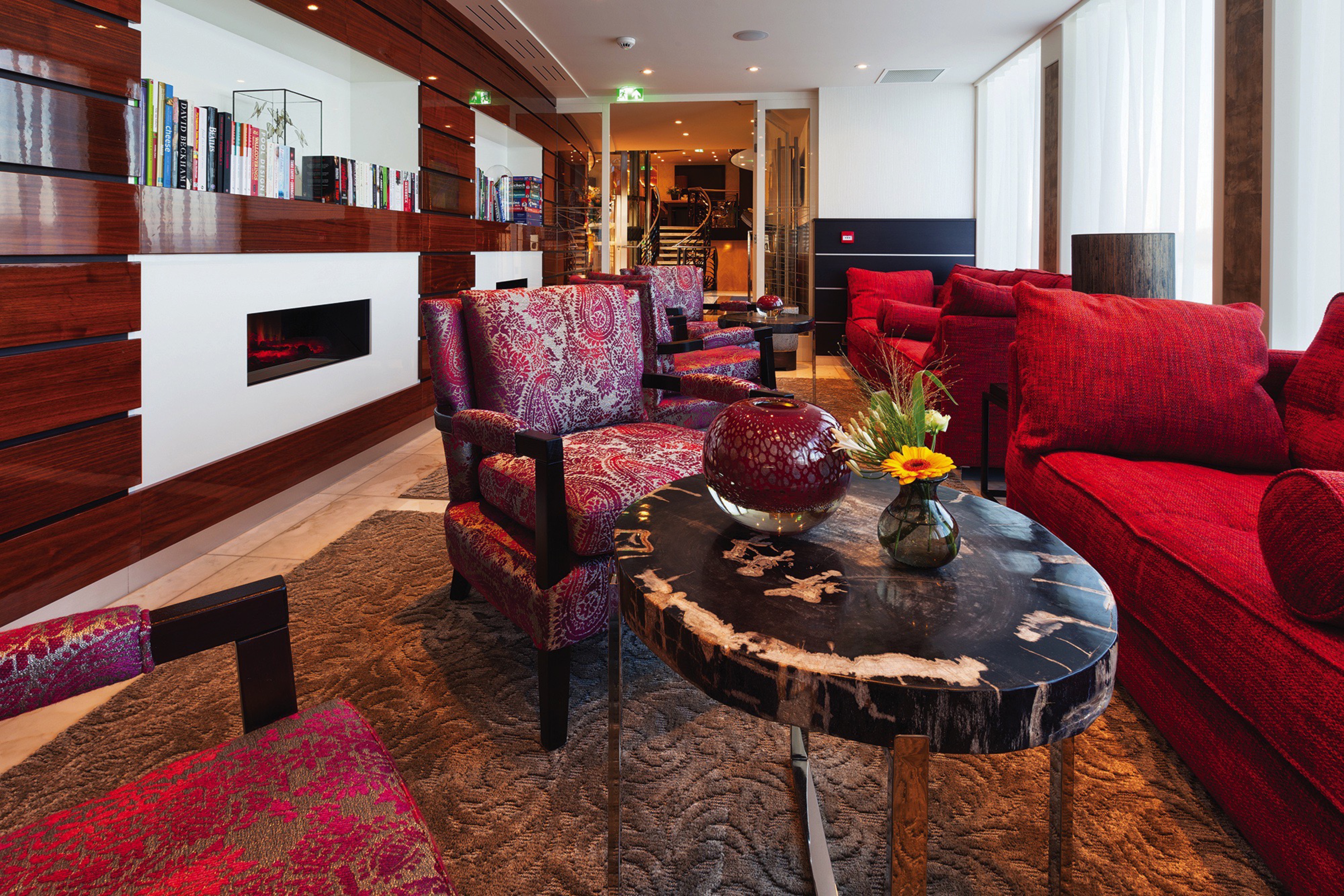
Library
The Library can be found on the Violin Deck.
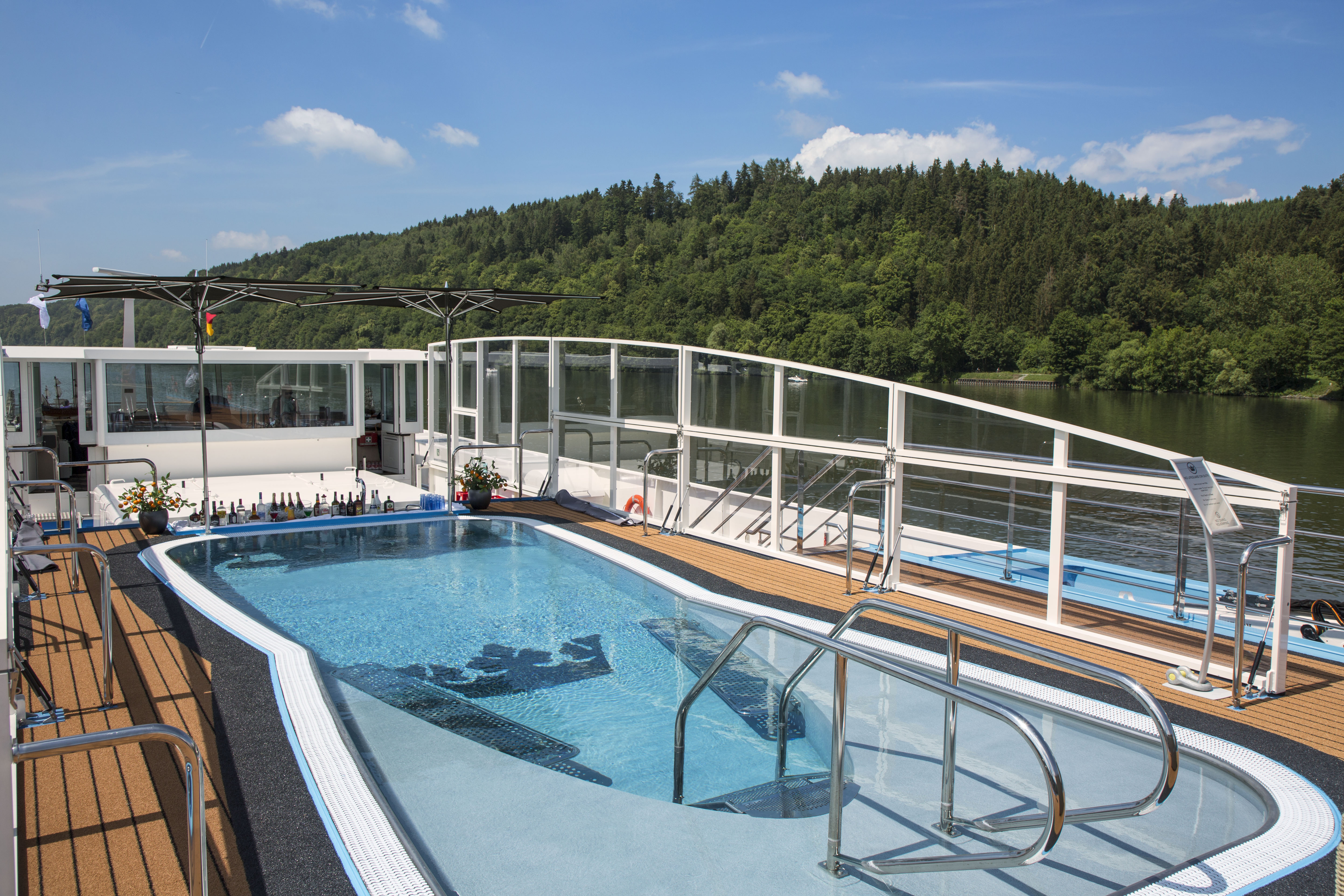
Sun Deck
Soak up some rays or take a dip in our refreshing pool with a swim-up bar as we pass by centuries-old castles, charming villages and other breathtaking scenery.
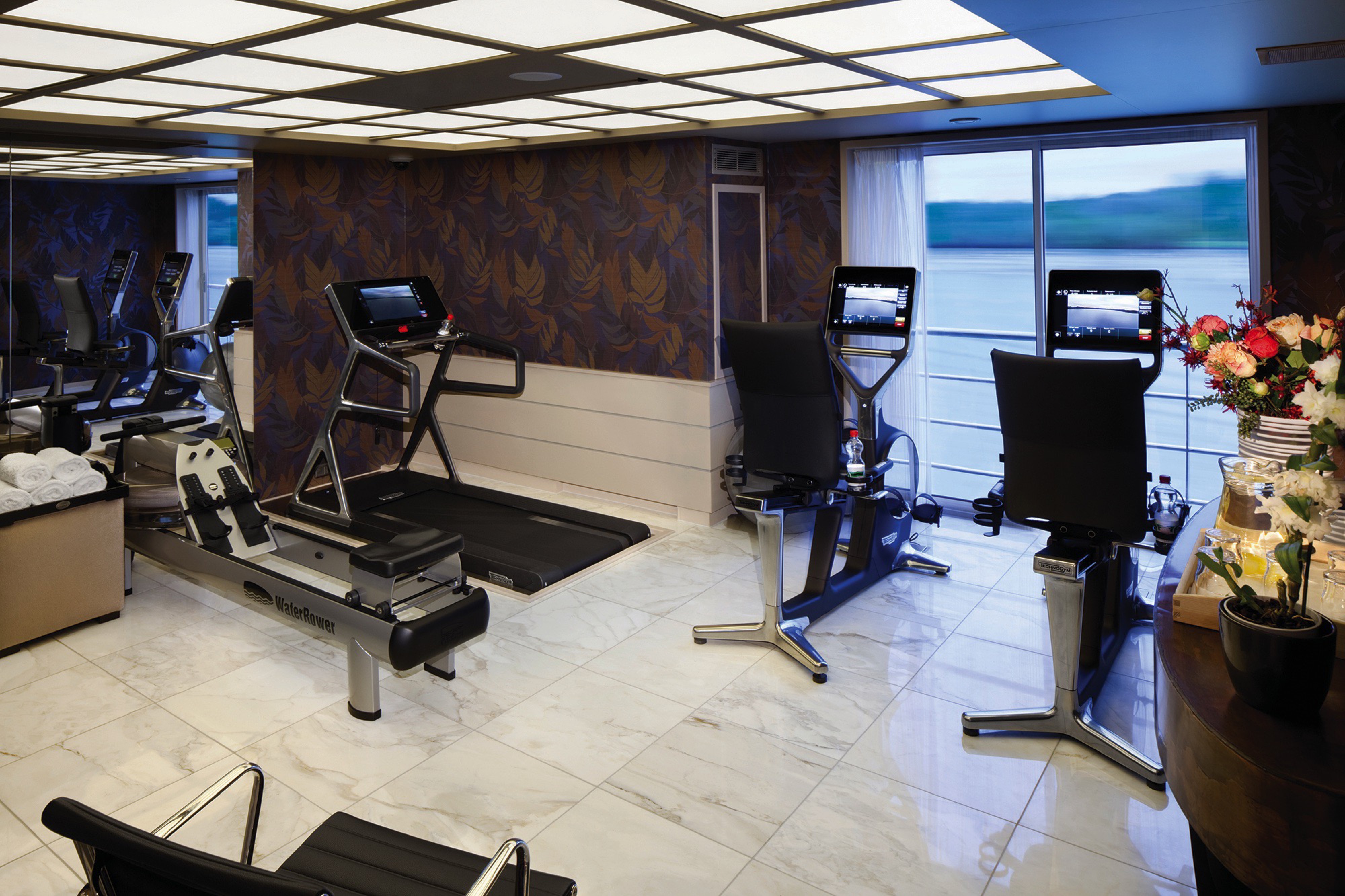
Fitness Room
Are you looking for a way to stay fit on vacation? Hit the treadmill or lift some weights while cruising from one destination to the next.
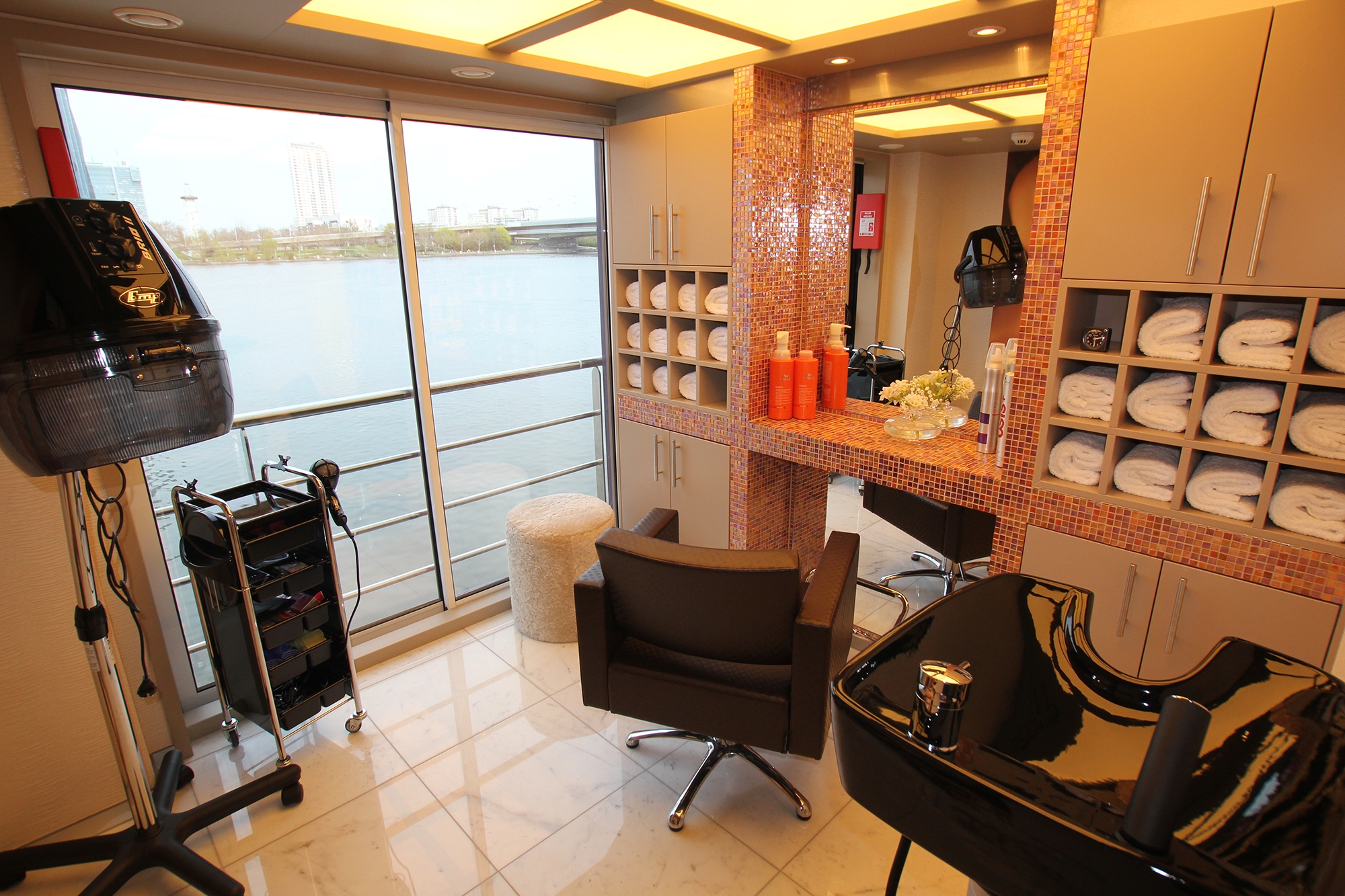
Beauty & Hair Salon
Whether you’d like to dress up for the captain’s special dinner or a night out on the town, you can complete your look by getting your hair styled in our salon.
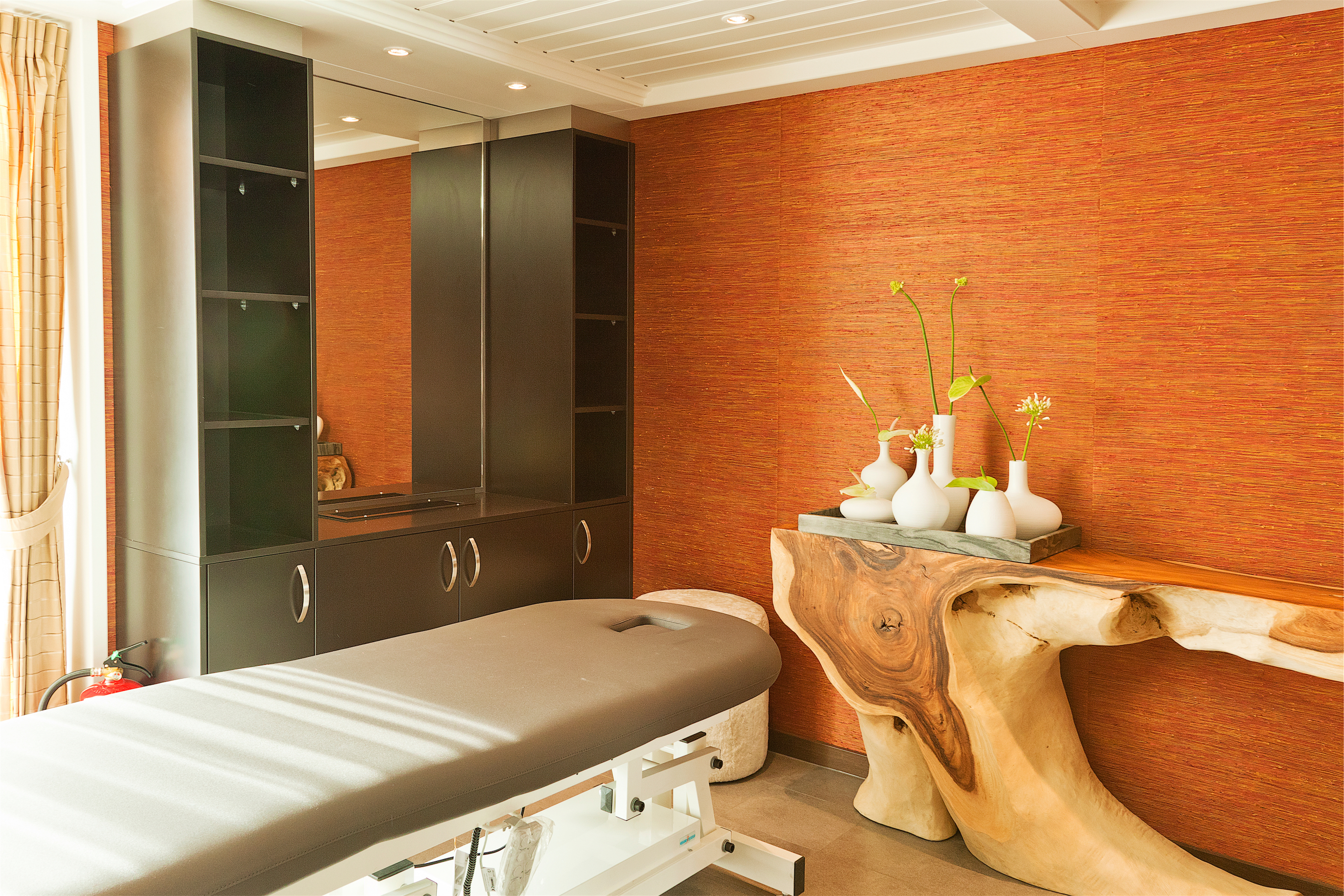
Massage Services
After a marvellous day of immersive shore excursions, return to the ship and treat yourself to a bit of pampering with a soothing massage.
**Massage services available for a nominal fee.
Fitness Classes
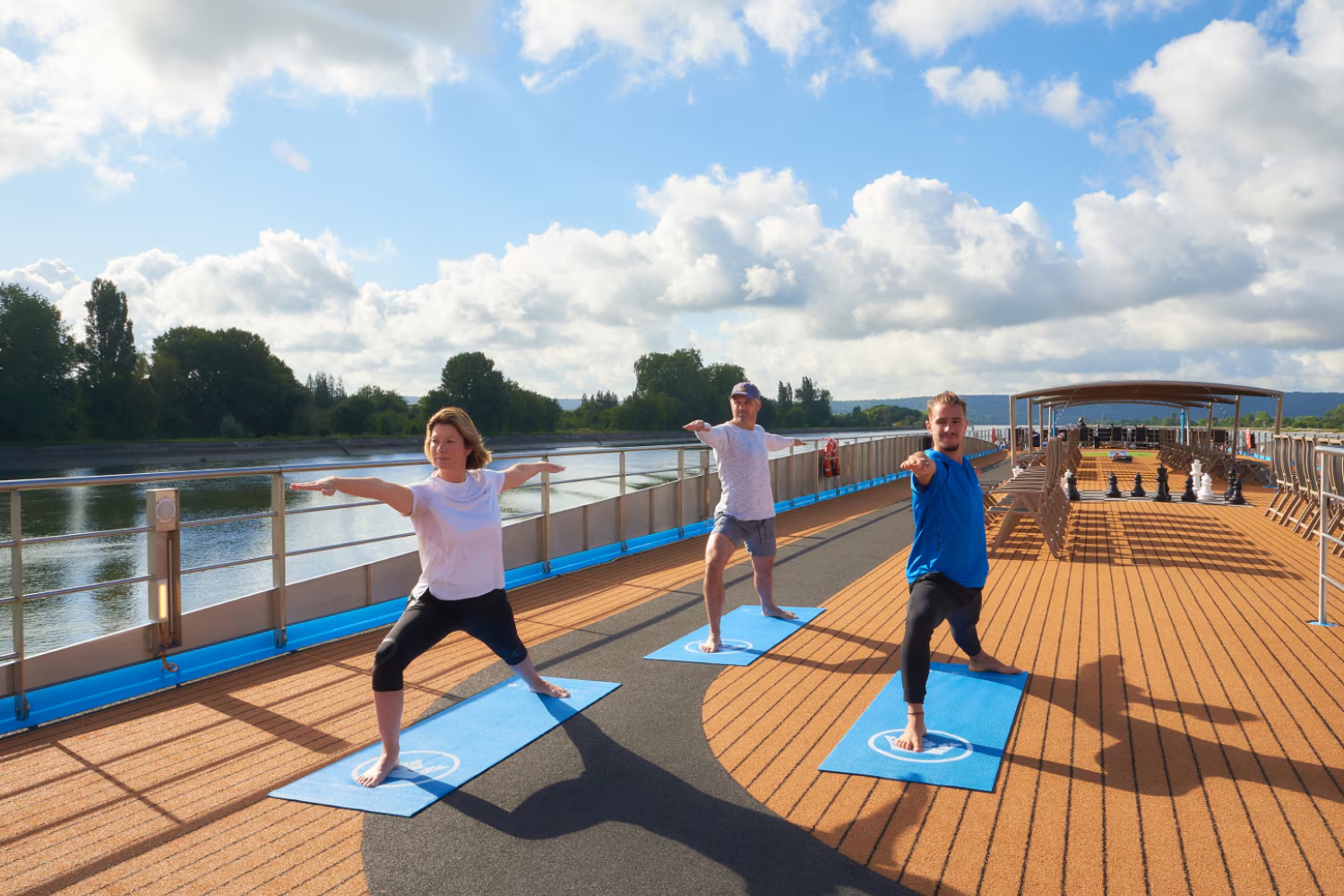
A variety of daily activities are available for guests, with group classes such as pilates, resistance band stretching, cardio, active wellness walks and dance, based on each individual Wellness Host’s expertise. Guests of all ages and activity levels are encouraged to participate and simple modifications are offered for guests with mobility limitations.
Please note: the ship does not feature any children’s facilities.
Main Restaurant
Farm-to-Table Gastronomy
For years we have sourced all our fresh produce, herbs and freshwater fish from local farmers, many of whose families have been cultivating the soil along the banks of the Danube for generations. Our shared commitment to sustainability, family and personal connection makes us proud to support these farms – guaranteeing fresh and flavorful ingredients while reducing the distance each item travels to our ships. Incorporating the highest quality seasonal ingredients, such as Marchfeld asparagus in the spring and Wachau Valley apricots in summer, our expert chefs bring the taste of the country from the fields, orchards, farms and docks to your plate at every meal.
The Chef's Table
Enjoy an intimate, multi-course dinner where culinary artistry shines at The Chef’s Table, available on select sailings. Watch as our chefs prepare each course before your eyes, pairing exquisite flavors with impeccable service.
Wellness Recipes
Our skilled chefs ensure that our menus always have healthy choices prepared with the freshest locally-sourced ingredients. We are also able to accommodate dietary needs such as low-sodium, vegetarian and gluten-free. Below are some of our favorite recipes for health-conscious guests.
- Beetroot Salad – This vegetarian recipe brings vivid colors and flavors to life.
- Avocado Chocolate Mousse – An indulgent yet low-carb and sugar-free treat
- Gluten-Free Almond Cake Recipe – A delicious gluten-free way to indulge worry-free.
- Gluten-Free Pizza Recipe – An onboard gluten-free favorite you can easily make at home.
Guided Bike Tours
We are proud to have been the first river cruise line to carry an entire fleet of complimentary state-of-the-art bicycles on board, so you can pedal alongside enchanting riverside pathways and in city centers on a variety of included excursions throughout Europe. Whether you feel like joining one of our exclusive guided bike tours, or you want to reserve a bike to discover a destination on your own, there are many ways for you to explore on two wheels during your river cruise. From lighter five-mile bike tours to rides that stretch over 20 miles, we offer excursions for guests at any level.
Bike Tour Guides
Your guide will be sure to stop and point out highlights along the way, providing interesting facts and history, as well as much-needed water breaks! Often, there is some built-in free time for you to explore off your bike. And best of all, to ensure no guests are left behind, there is typically a guide both at the front and back of the tour group, so whatever pace you pedal, you will have peace of mind you will be taken care of and find your way back to the ship.
Child-sized Bikes
There are a limited number of child-size bicycles available on board as well. This enables you to enjoy family-friendly active excursions in many destinations along the rivers.
Guided Hiking Tours
The beauty of Europe does not simply lie in its architecture and landmarks – there are also breathtaking sights when you venture out into nature. That’s why we have designed special included hikes that will take you a bit off the beaten path, showing you incredible destinations from a unique perspective and giving you a chance to revel in the fresh air. With hikes ranging anywhere from two to seven miles and varying from extended city walks to hilltop castle treks, you are sure to find a wonderful hike that suits your style.
Special Interest Tours
We offer a variety of included tours specially curated with your individual passions in mind. Enjoy exploring the world through your tastebuds? Indulge in authentic Belgian waffles and chocolate in Antwerp or learn the art of French breadmaking in Libourne. Are you interested in engineering? Venture through the immense aerospace and locomotive collections at Speyer’s Technik Museum. Do you love music? Browse the antique music boxes and organs at Siegfried’s Mechanical Instrument Cabinet while cruising the Rhine.
Main Lounge & Bar
This versatile space hosts a bar, dance floor, plenty of comfortable couches and big windows on three sides and is used for everything from the morning port talks, daytime reading and chatting to scenic cruising, afternoon tea and evening entertainment.
Onboard Entertainment
Whether it’s traditional Bavarian music, a local quartet or modern piano favorites, there is an eclectic schedule of entertainment on board.
Library
The Library can be found on the Violin Deck.
Sun Deck
Soak up some rays or take a dip in our refreshing pool with a swim-up bar as we pass by centuries-old castles, charming villages and other breathtaking scenery.
Fitness Room
Are you looking for a way to stay fit on vacation? Hit the treadmill or lift some weights while cruising from one destination to the next.
Beauty & Hair Salon
Whether you’d like to dress up for the captain’s special dinner or a night out on the town, you can complete your look by getting your hair styled in our salon.
Massage Services
After a marvellous day of immersive shore excursions, return to the ship and treat yourself to a bit of pampering with a soothing massage.
**Massage services available for a nominal fee.
Fitness Classes
A variety of daily activities are available for guests, with group classes such as pilates, resistance band stretching, cardio, active wellness walks and dance, based on each individual Wellness Host’s expertise. Guests of all ages and activity levels are encouraged to participate and simple modifications are offered for guests with mobility limitations.
Please note: the ship does not feature any children’s facilities.
About the Ship
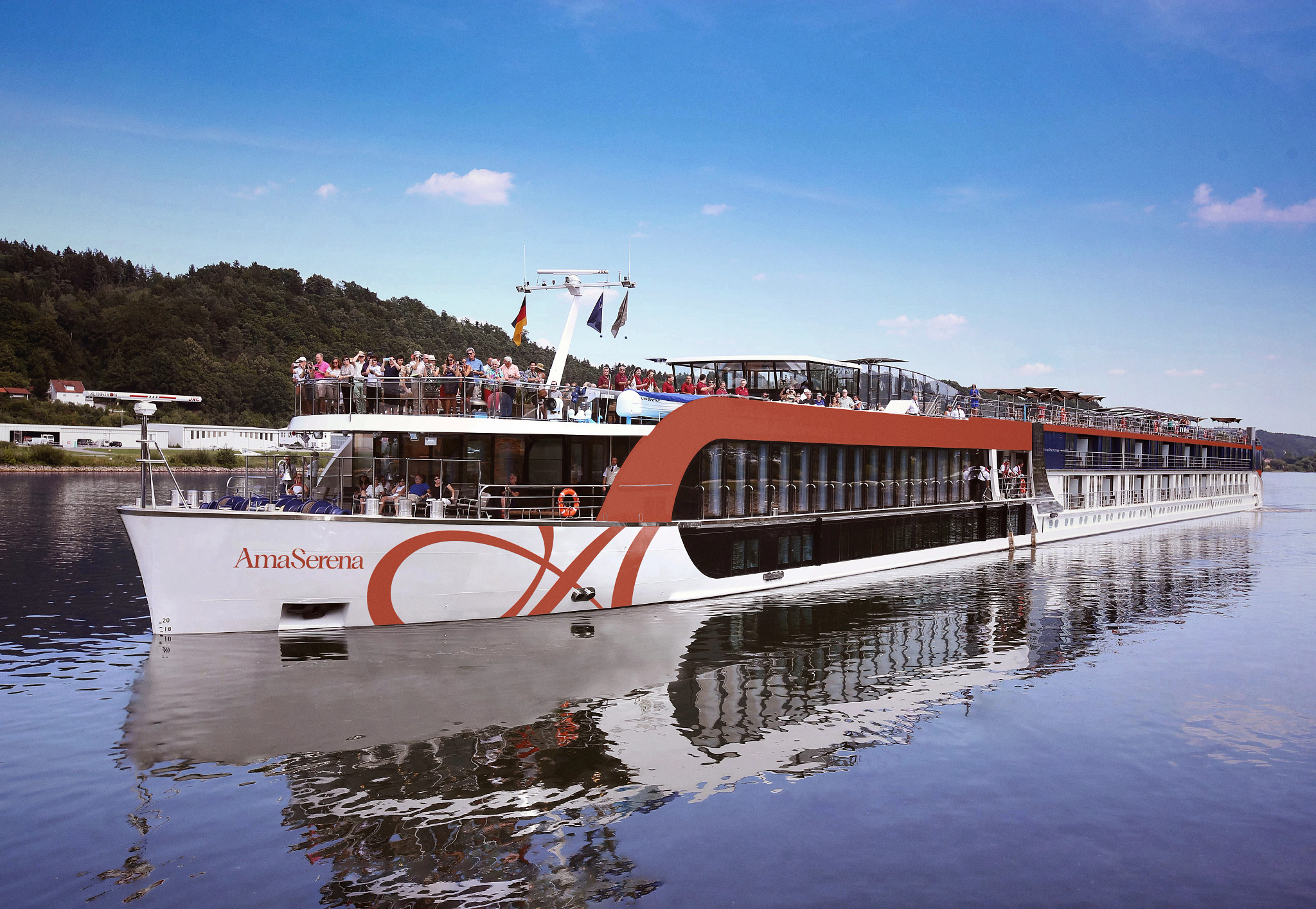
Deck Plans

- Cat D Staterooms
- Cat E Staterooms
- Crew Cabins

- Main Restaurant
- Elevator
- Cat BB Staterooms
- Cat AB Staterooms
- Cat C Staterooms

- Al Fresco Dining Terrace
- Observation Lounge
- Main Lounge & Bar
- Gift Shop
- Reception
- Fitness Room
- Massage & Hair Salon
- The Chef’s Table Restaurant
- Suite Staterooms
- Cat AA Staterooms
- Cat BA Staterooms
- Cat C Staterooms
- Elevator

- Lower Sun Deck
- Navigation Bridge
- Bicycles
- Heated Pool
- Sun Deck
- Walking Track
- Cat D Staterooms
- Cat E Staterooms
- Crew Cabins
- Main Restaurant
- Elevator
- Cat BB Staterooms
- Cat AB Staterooms
- Cat C Staterooms
- Al Fresco Dining Terrace
- Observation Lounge
- Main Lounge & Bar
- Gift Shop
- Reception
- Fitness Room
- Massage & Hair Salon
- The Chef’s Table Restaurant
- Suite Staterooms
- Cat AA Staterooms
- Cat BA Staterooms
- Cat C Staterooms
- Elevator
- Lower Sun Deck
- Navigation Bridge
- Bicycles
- Heated Pool
- Sun Deck
- Walking Track