Featured Cabins
Itinerary
Vega de Terron, Portugal, Portugal
Barca d’Alva, Portugal
Pinhão, Portugal
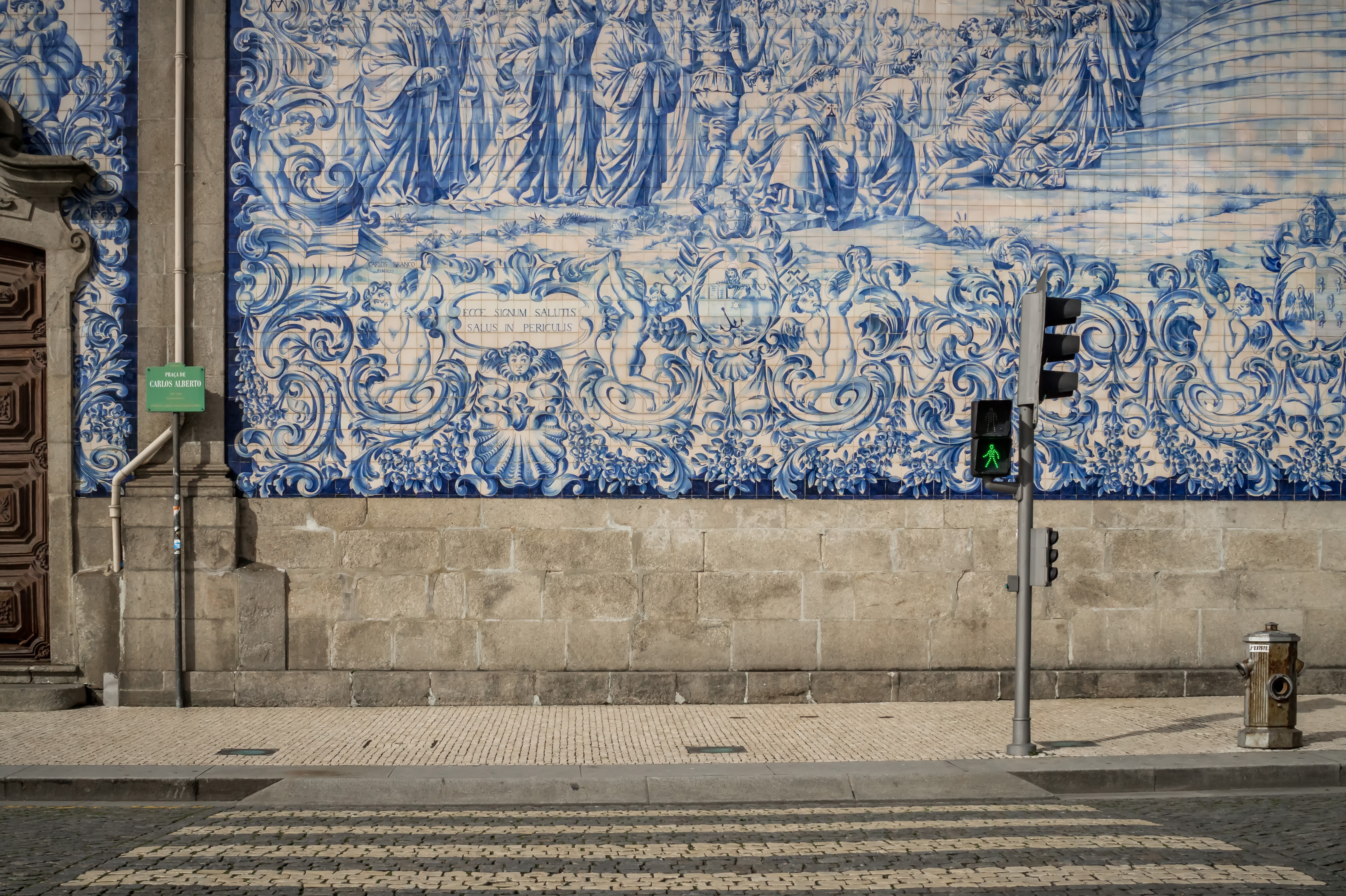
PINHÃO. Embark on a leisurely walk to the charming Pinhão Railway Station, a stunning train station along the Douro Line, one of the most iconic rail journeys in Portugal. The station’s main building is revered for its 25 tile panels, all in shades of blue, that depict scenes from the Douro region. Afterward, enjoy an exclusive lunch at Quinta de Avessada, where you’ll enjoy an authentic and traditional dining experience complete with entertainment. The warm, spirited hospitality of this family-run quinta is quite special as you will discover. Several family members play in a band, and while dining, they will entertain you. Quinta de Avessada is also a fascinating interactive museum commemorating the history and culture of wine in the Alto Douro region, so you’ll have fun discovering all the various stages of wine production as well as doing plenty of tasting. Later in the day, a wine tasting will be waiting for you in a local quinta. (B,L,D)
Régua, Portugal
RÉGUA. Discover the Baroque magic of Mateus Palace and gardens. Later in the day, you have a choice of two excursions. Your first option is an excursion to ancient and picturesque Lamego, home to one of the most important pilgrimage sites in Portugal, the Nossa Senhora dos Remédios (Sanctuary of Our Lady of Remedies). For active adventurers, you can hike up the famed Lamego Steps, also known as the Holy Staircase. (B,L,D)
Entre-os-Rios, Portugal
Porto, Portugal
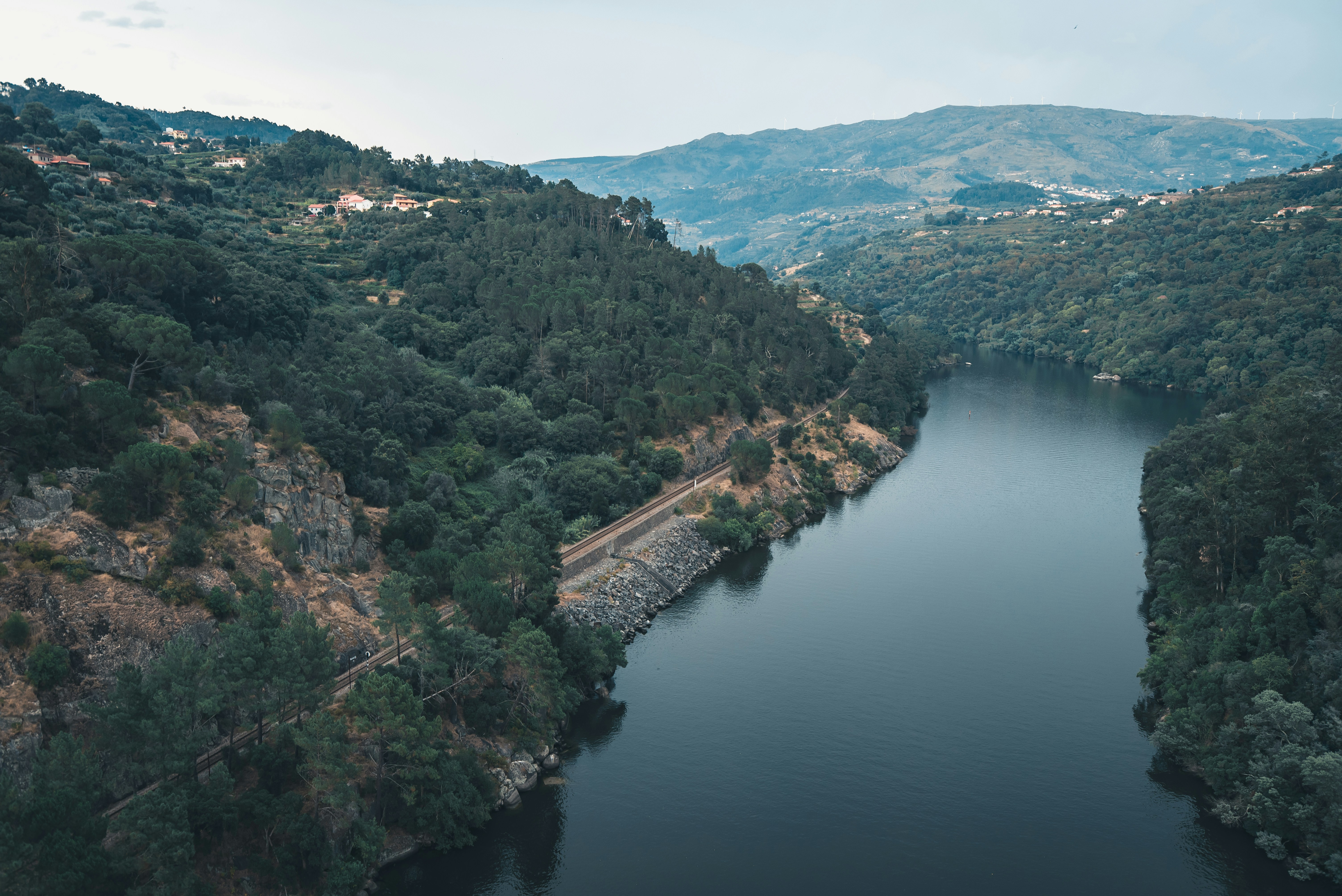
Lively, commercial Oporto is the second largest city in Portugal after Lisbon. Also called Porto for short, the word easily brings to mind the city’s most famous product – port wine. Oporto’s strategic location on the north bank of the Douro River has accounted for the town’s importance since ancient times. The Romans built a fort here where their trading route crossed the Douro, and the Moors brought their own culture to the area. Oporto profited from provisioning crusaders en route to the Holy Land and enjoyed the riches from Portuguese maritime discoveries during the 15th and 16th centuries. Later, port wine trade with Britain compensated for the loss of the spice trade and the end of gold and gem shipments from Brazil. In the 19th century, the city went through a period of new prosperity with the rise of industries. In its wake followed the building of workers’ quarters and opulent residences. Since the declaration of Oporto as a World Heritage Site by UNESCO, the city aims to build up a cultural reference that will provide it with a new image, based on deep historical roots. Among the attractions that make Oporto such an interesting place are its graceful bridges spanning the Douro River, a picturesque riverfront quarter and, most notable, its world-famous port wine lodges. Although Oporto is a bustling centre and home to many different businesses, the source of its greatest fame is the rich, sweet fortified red wine we know as port.
Porto, Portugal
Lively, commercial Oporto is the second largest city in Portugal after Lisbon. Also called Porto for short, the word easily brings to mind the city’s most famous product – port wine. Oporto’s strategic location on the north bank of the Douro River has accounted for the town’s importance since ancient times. The Romans built a fort here where their trading route crossed the Douro, and the Moors brought their own culture to the area. Oporto profited from provisioning crusaders en route to the Holy Land and enjoyed the riches from Portuguese maritime discoveries during the 15th and 16th centuries. Later, port wine trade with Britain compensated for the loss of the spice trade and the end of gold and gem shipments from Brazil. In the 19th century, the city went through a period of new prosperity with the rise of industries. In its wake followed the building of workers’ quarters and opulent residences. Since the declaration of Oporto as a World Heritage Site by UNESCO, the city aims to build up a cultural reference that will provide it with a new image, based on deep historical roots. Among the attractions that make Oporto such an interesting place are its graceful bridges spanning the Douro River, a picturesque riverfront quarter and, most notable, its world-famous port wine lodges. Although Oporto is a bustling centre and home to many different businesses, the source of its greatest fame is the rich, sweet fortified red wine we know as port.
Vega de Terron, Portugal, Portugal
Barca d’Alva, Portugal
Pinhão, Portugal
PINHÃO. Embark on a leisurely walk to the charming Pinhão Railway Station, a stunning train station along the Douro Line, one of the most iconic rail journeys in Portugal. The station’s main building is revered for its 25 tile panels, all in shades of blue, that depict scenes from the Douro region. Afterward, enjoy an exclusive lunch at Quinta de Avessada, where you’ll enjoy an authentic and traditional dining experience complete with entertainment. The warm, spirited hospitality of this family-run quinta is quite special as you will discover. Several family members play in a band, and while dining, they will entertain you. Quinta de Avessada is also a fascinating interactive museum commemorating the history and culture of wine in the Alto Douro region, so you’ll have fun discovering all the various stages of wine production as well as doing plenty of tasting. Later in the day, a wine tasting will be waiting for you in a local quinta. (B,L,D)
Régua, Portugal
RÉGUA. Discover the Baroque magic of Mateus Palace and gardens. Later in the day, you have a choice of two excursions. Your first option is an excursion to ancient and picturesque Lamego, home to one of the most important pilgrimage sites in Portugal, the Nossa Senhora dos Remédios (Sanctuary of Our Lady of Remedies). For active adventurers, you can hike up the famed Lamego Steps, also known as the Holy Staircase. (B,L,D)
Entre-os-Rios, Portugal
Porto, Portugal
Lively, commercial Oporto is the second largest city in Portugal after Lisbon. Also called Porto for short, the word easily brings to mind the city’s most famous product – port wine. Oporto’s strategic location on the north bank of the Douro River has accounted for the town’s importance since ancient times. The Romans built a fort here where their trading route crossed the Douro, and the Moors brought their own culture to the area. Oporto profited from provisioning crusaders en route to the Holy Land and enjoyed the riches from Portuguese maritime discoveries during the 15th and 16th centuries. Later, port wine trade with Britain compensated for the loss of the spice trade and the end of gold and gem shipments from Brazil. In the 19th century, the city went through a period of new prosperity with the rise of industries. In its wake followed the building of workers’ quarters and opulent residences. Since the declaration of Oporto as a World Heritage Site by UNESCO, the city aims to build up a cultural reference that will provide it with a new image, based on deep historical roots. Among the attractions that make Oporto such an interesting place are its graceful bridges spanning the Douro River, a picturesque riverfront quarter and, most notable, its world-famous port wine lodges. Although Oporto is a bustling centre and home to many different businesses, the source of its greatest fame is the rich, sweet fortified red wine we know as port.
Porto, Portugal
Lively, commercial Oporto is the second largest city in Portugal after Lisbon. Also called Porto for short, the word easily brings to mind the city’s most famous product – port wine. Oporto’s strategic location on the north bank of the Douro River has accounted for the town’s importance since ancient times. The Romans built a fort here where their trading route crossed the Douro, and the Moors brought their own culture to the area. Oporto profited from provisioning crusaders en route to the Holy Land and enjoyed the riches from Portuguese maritime discoveries during the 15th and 16th centuries. Later, port wine trade with Britain compensated for the loss of the spice trade and the end of gold and gem shipments from Brazil. In the 19th century, the city went through a period of new prosperity with the rise of industries. In its wake followed the building of workers’ quarters and opulent residences. Since the declaration of Oporto as a World Heritage Site by UNESCO, the city aims to build up a cultural reference that will provide it with a new image, based on deep historical roots. Among the attractions that make Oporto such an interesting place are its graceful bridges spanning the Douro River, a picturesque riverfront quarter and, most notable, its world-famous port wine lodges. Although Oporto is a bustling centre and home to many different businesses, the source of its greatest fame is the rich, sweet fortified red wine we know as port.
Porto, Portugal
Lively, commercial Oporto is the second largest city in Portugal after Lisbon. Also called Porto for short, the word easily brings to mind the city’s most famous product – port wine. Oporto’s strategic location on the north bank of the Douro River has accounted for the town’s importance since ancient times. The Romans built a fort here where their trading route crossed the Douro, and the Moors brought their own culture to the area. Oporto profited from provisioning crusaders en route to the Holy Land and enjoyed the riches from Portuguese maritime discoveries during the 15th and 16th centuries. Later, port wine trade with Britain compensated for the loss of the spice trade and the end of gold and gem shipments from Brazil. In the 19th century, the city went through a period of new prosperity with the rise of industries. In its wake followed the building of workers’ quarters and opulent residences. Since the declaration of Oporto as a World Heritage Site by UNESCO, the city aims to build up a cultural reference that will provide it with a new image, based on deep historical roots. Among the attractions that make Oporto such an interesting place are its graceful bridges spanning the Douro River, a picturesque riverfront quarter and, most notable, its world-famous port wine lodges. Although Oporto is a bustling centre and home to many different businesses, the source of its greatest fame is the rich, sweet fortified red wine we know as port.
Porto, Portugal
Lively, commercial Oporto is the second largest city in Portugal after Lisbon. Also called Porto for short, the word easily brings to mind the city’s most famous product – port wine. Oporto’s strategic location on the north bank of the Douro River has accounted for the town’s importance since ancient times. The Romans built a fort here where their trading route crossed the Douro, and the Moors brought their own culture to the area. Oporto profited from provisioning crusaders en route to the Holy Land and enjoyed the riches from Portuguese maritime discoveries during the 15th and 16th centuries. Later, port wine trade with Britain compensated for the loss of the spice trade and the end of gold and gem shipments from Brazil. In the 19th century, the city went through a period of new prosperity with the rise of industries. In its wake followed the building of workers’ quarters and opulent residences. Since the declaration of Oporto as a World Heritage Site by UNESCO, the city aims to build up a cultural reference that will provide it with a new image, based on deep historical roots. Among the attractions that make Oporto such an interesting place are its graceful bridges spanning the Douro River, a picturesque riverfront quarter and, most notable, its world-famous port wine lodges. Although Oporto is a bustling centre and home to many different businesses, the source of its greatest fame is the rich, sweet fortified red wine we know as port.
Cabin Options
Cat E Staterooms
Cat D Staterooms
Cat B Staterooms
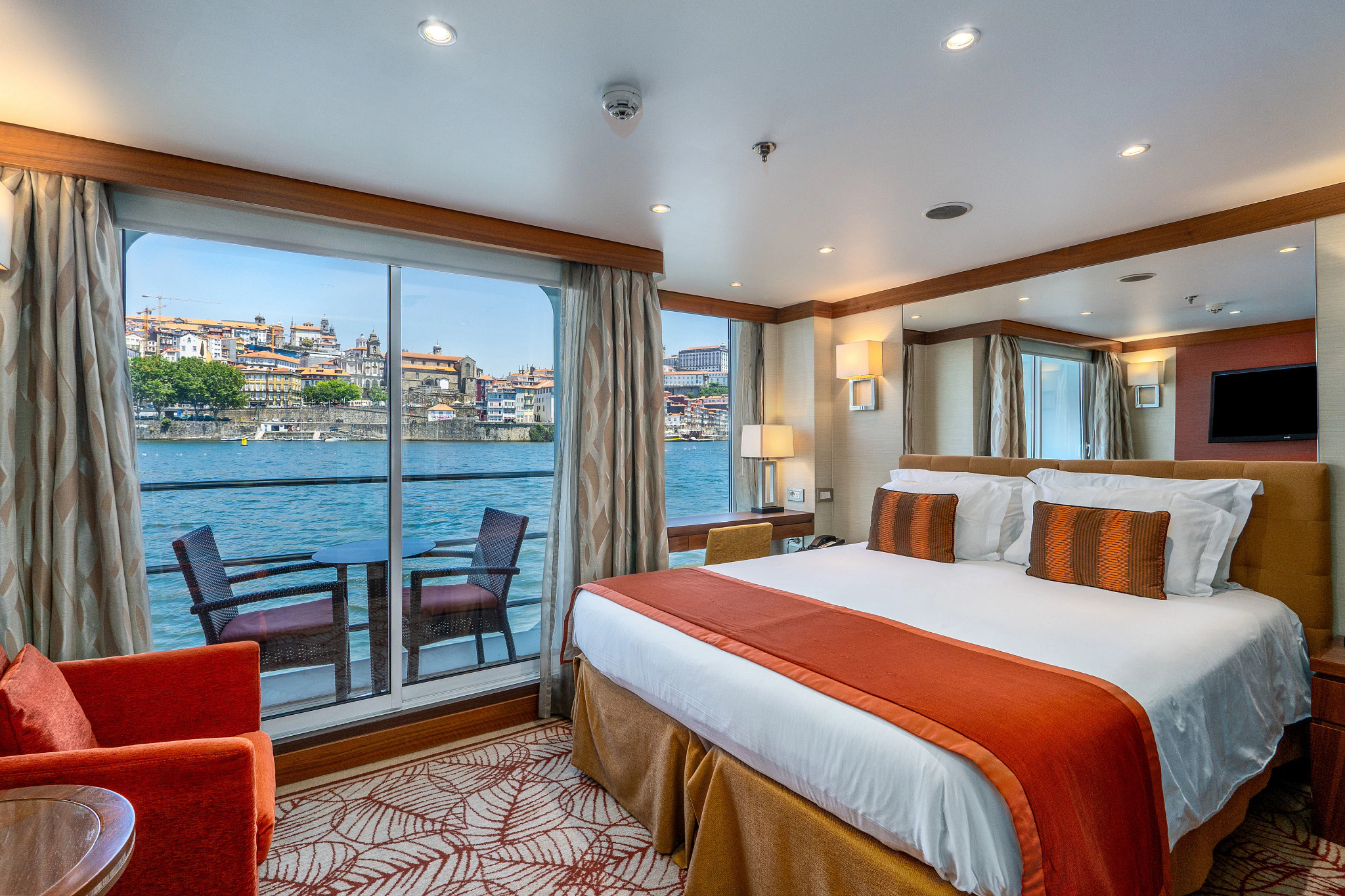
Cat A Staterooms
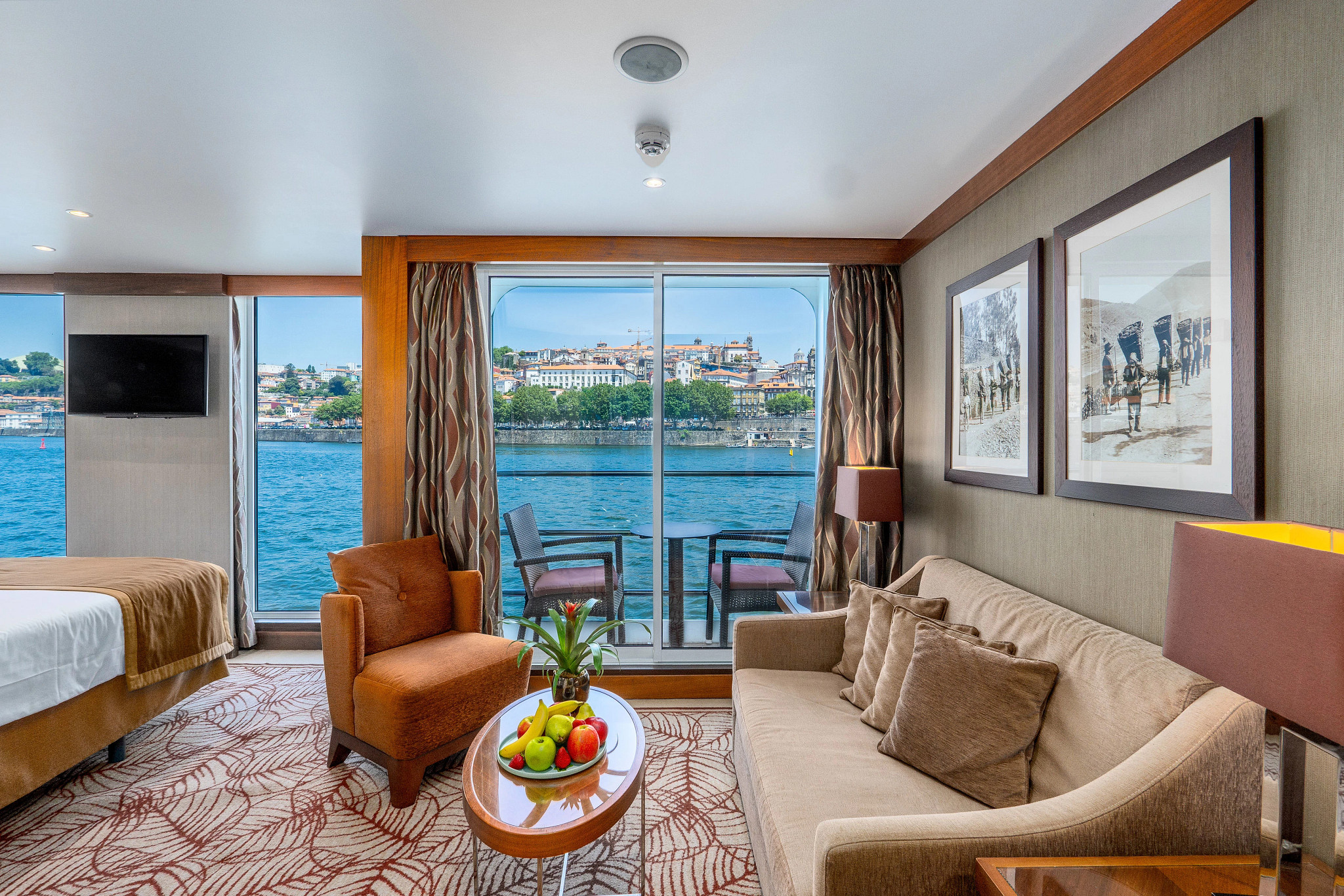
Suite
Ship Facilities
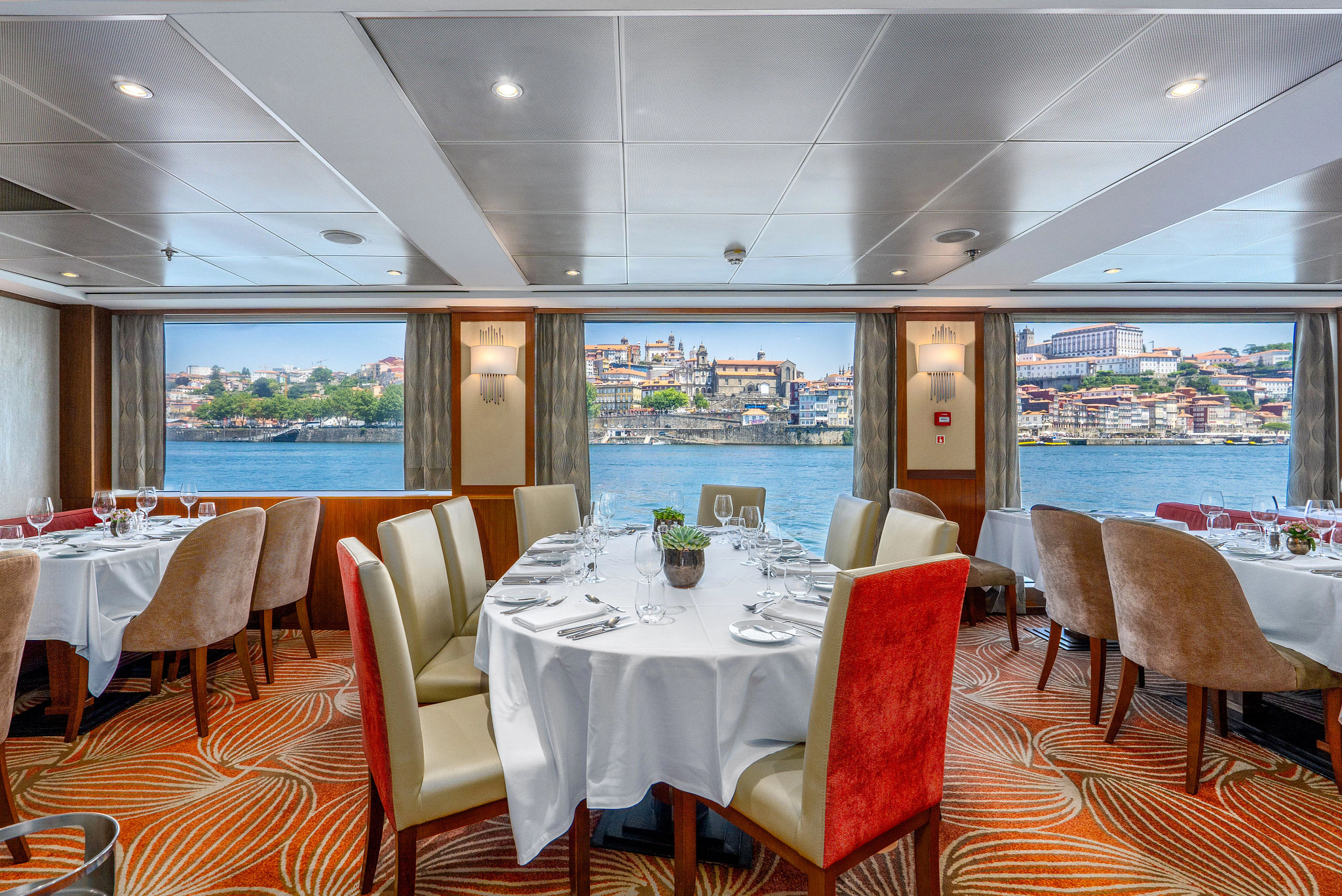
Main Restaurant
AmaWaterways’ expert chefs craft menus that feature exquisite, locally-inspired cuisine as well as traditional, Western offerings. At breakfast, sip sparkling wine as you partake fresh pastries, or opt for something made-to-order from the menu. Stop by the Main Lounge for a light lunch, or head to the restaurant for full menu service and high-quality regional wine or beer. Dinner is a delectable, multi-course affair with wine recommendations that accompany visually stunning, delicious dishes. Try local favourites — like goulash while cruising through Hungary, bratwurst and sauerkraut after returning to the ship from Vienna, or Camembert cheese while on the Seine — or something more familiar, like a sandwich. No matter what your preference, your taste buds are sure to be impressed.
Wellness Recipes
Our skilled chefs ensure that our menus always have healthy choices prepared with the freshest locally-sourced ingredients. We are also able to accommodate dietary needs such as low-sodium, vegetarian and gluten-free. Below are some of our favorite recipes for health-conscious guests.
- Beetroot Salad – This vegetarian recipe brings vivid colors and flavors to life.
- Avocado Chocolate Mousse – An indulgent yet low-carb and sugar-free treat
- Gluten-Free Almond Cake Recipe – A delicious gluten-free way to indulge worry-free.
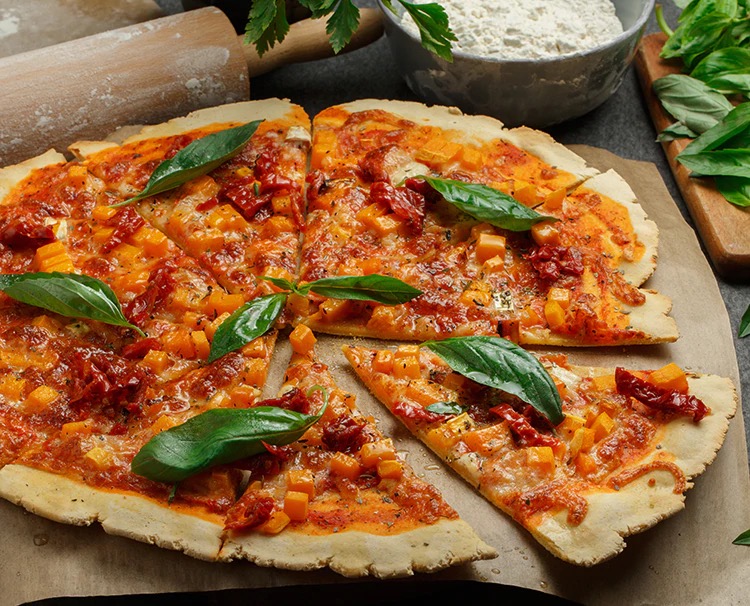
- Gluten-Free Pizza Recipe – An onboard gluten-free favorite you can easily make at home.
Guided Bike Tours
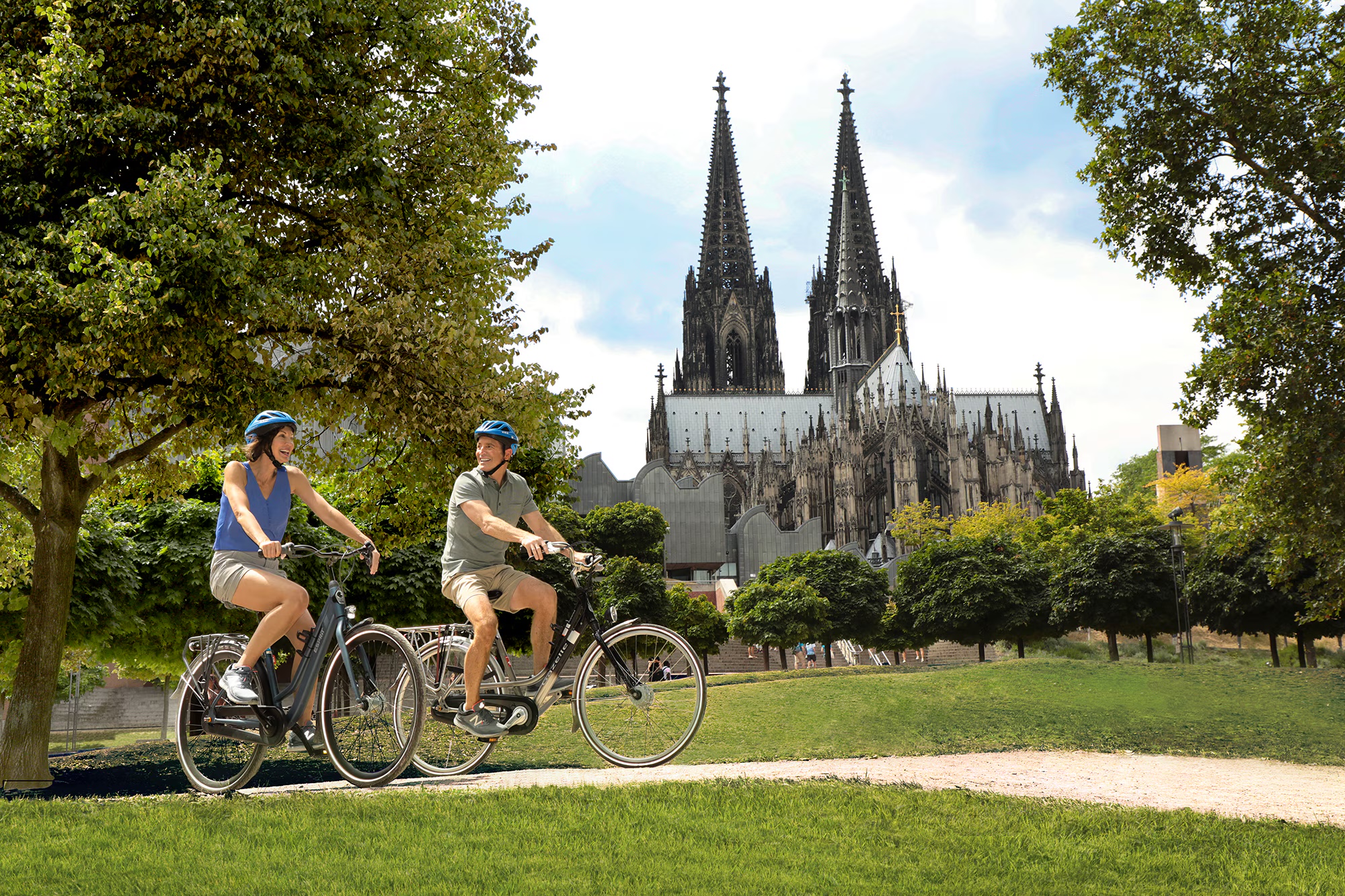
We are proud to have been the first river cruise line to carry an entire fleet of complimentary state-of-the-art bicycles on board, so you can pedal alongside enchanting riverside pathways and in city centers on a variety of included excursions throughout Europe. Whether you feel like joining one of our exclusive guided bike tours, or you want to reserve a bike to discover a destination on your own, there are many ways for you to explore on two wheels during your river cruise. From lighter five-mile bike tours to rides that stretch over 20 miles, we offer excursions for guests at any level.
Bike Tour Guides
Your guide will be sure to stop and point out highlights along the way, providing interesting facts and history, as well as much-needed water breaks! Often, there is some built-in free time for you to explore off your bike. And best of all, to ensure no guests are left behind, there is typically a guide both at the front and back of the tour group, so whatever pace you pedal, you will have peace of mind you will be taken care of and find your way back to the ship.
Child-sized Bikes
There are a limited number of child-size bicycles available on board as well. This enables you to enjoy family-friendly active excursions in many destinations along the rivers.
Guided Hiking Tours
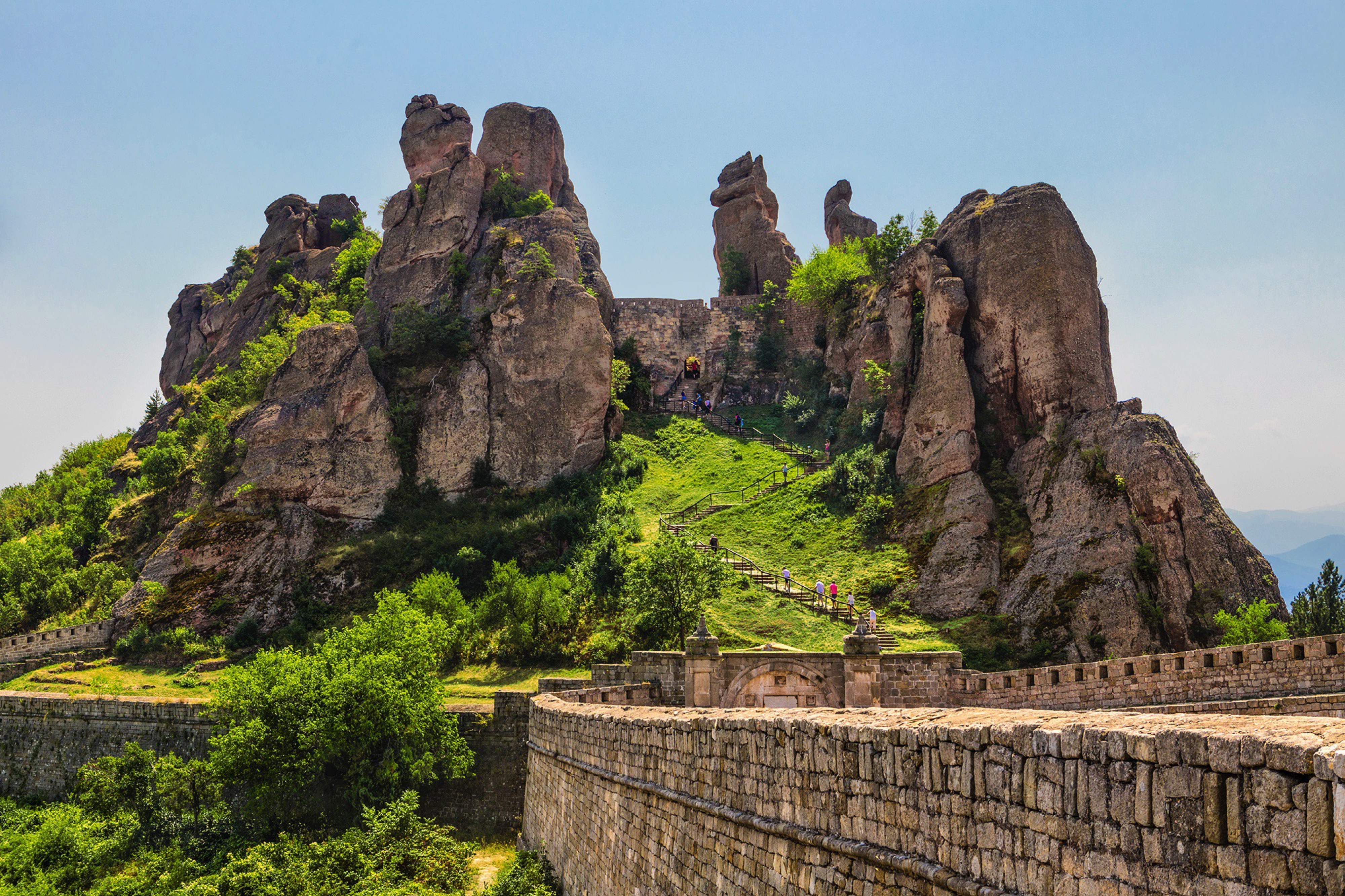
The beauty of Europe does not simply lie in its architecture and landmarks – there are also breathtaking sights when you venture out into nature. That’s why we have designed special included hikes that will take you a bit off the beaten path, showing you incredible destinations from a unique perspective and giving you a chance to revel in the fresh air. With hikes ranging anywhere from two to seven miles and varying from extended city walks to hilltop castle treks, you are sure to find a wonderful hike that suits your style.
Special Interest Tours
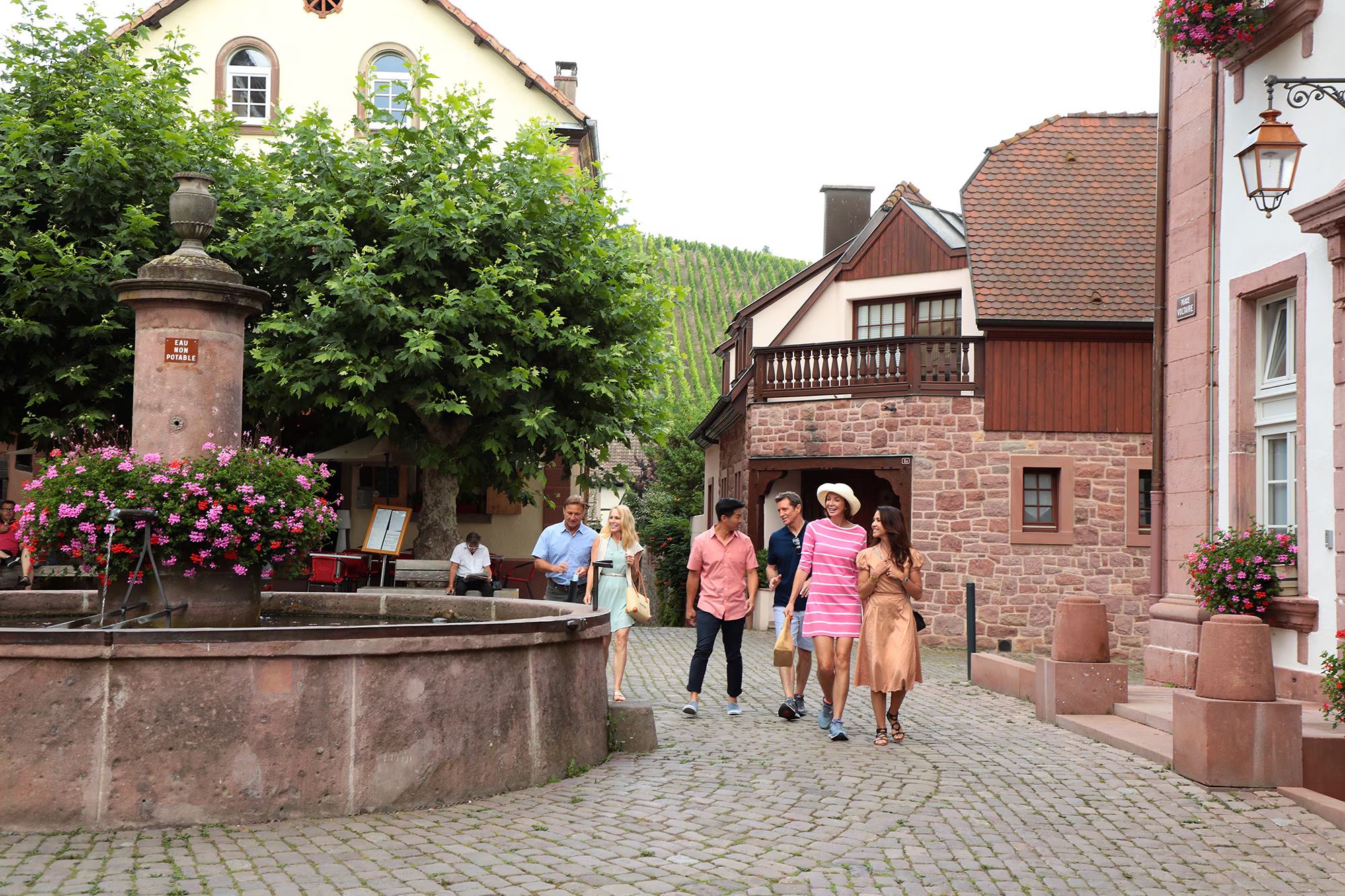
We offer a variety of included tours specially curated with your individual passions in mind. Enjoy exploring the world through your tastebuds? Indulge in authentic Belgian waffles and chocolate in Antwerp or learn the art of French breadmaking in Libourne. Are you interested in engineering? Venture through the immense aerospace and locomotive collections at Speyer’s Technik Museum. Do you love music? Browse the antique music boxes and organs at Siegfried’s Mechanical Instrument Cabinet while cruising the Rhine.
Main Lounge & Bar
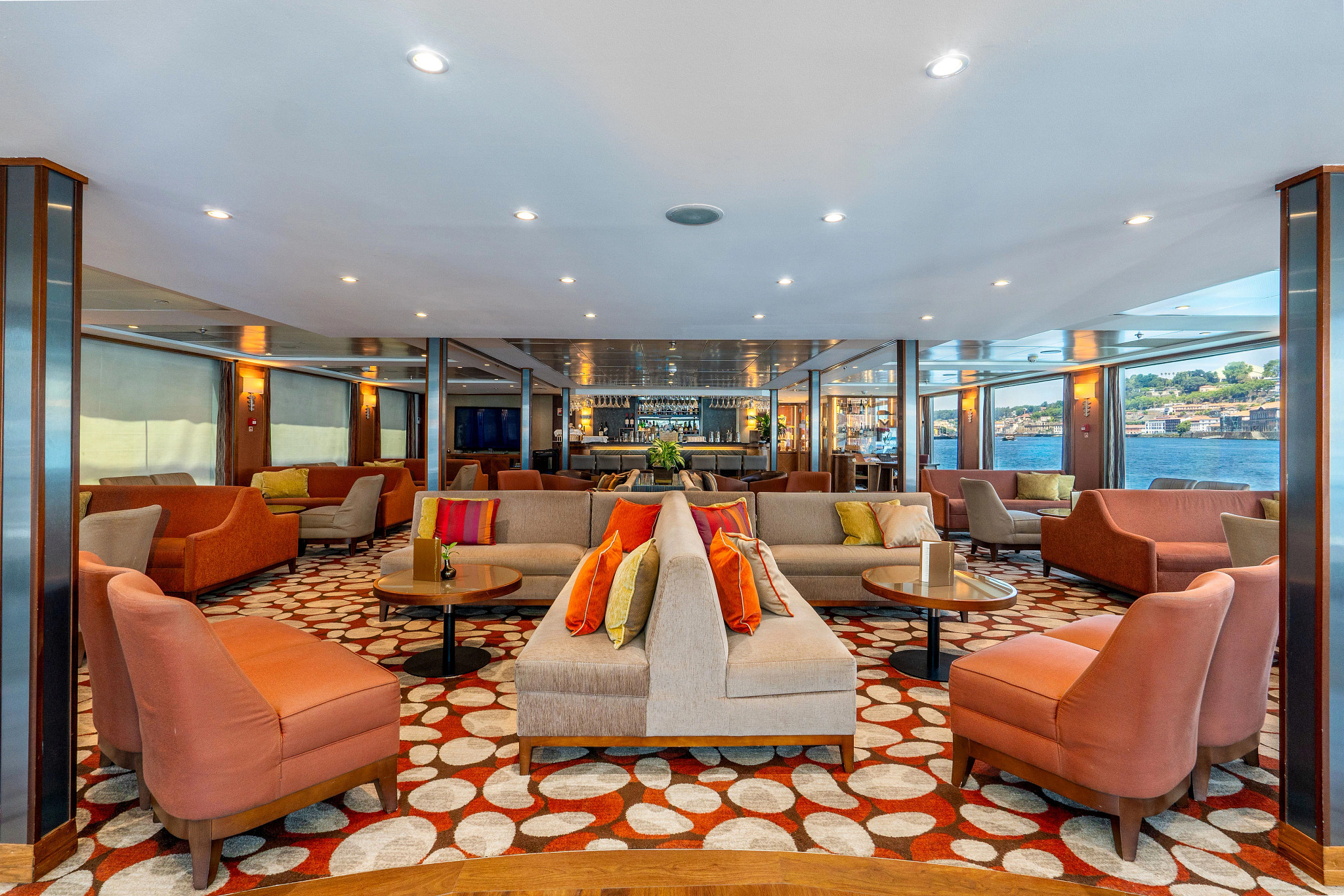
This versatile space hosts a bar, dance floor, plenty of comfortable couches and big windows on three sides and is used for everything from the morning port talks, daytime reading and chatting to scenic cruising, afternoon tea and evening entertainment.
Onboard Entertainment
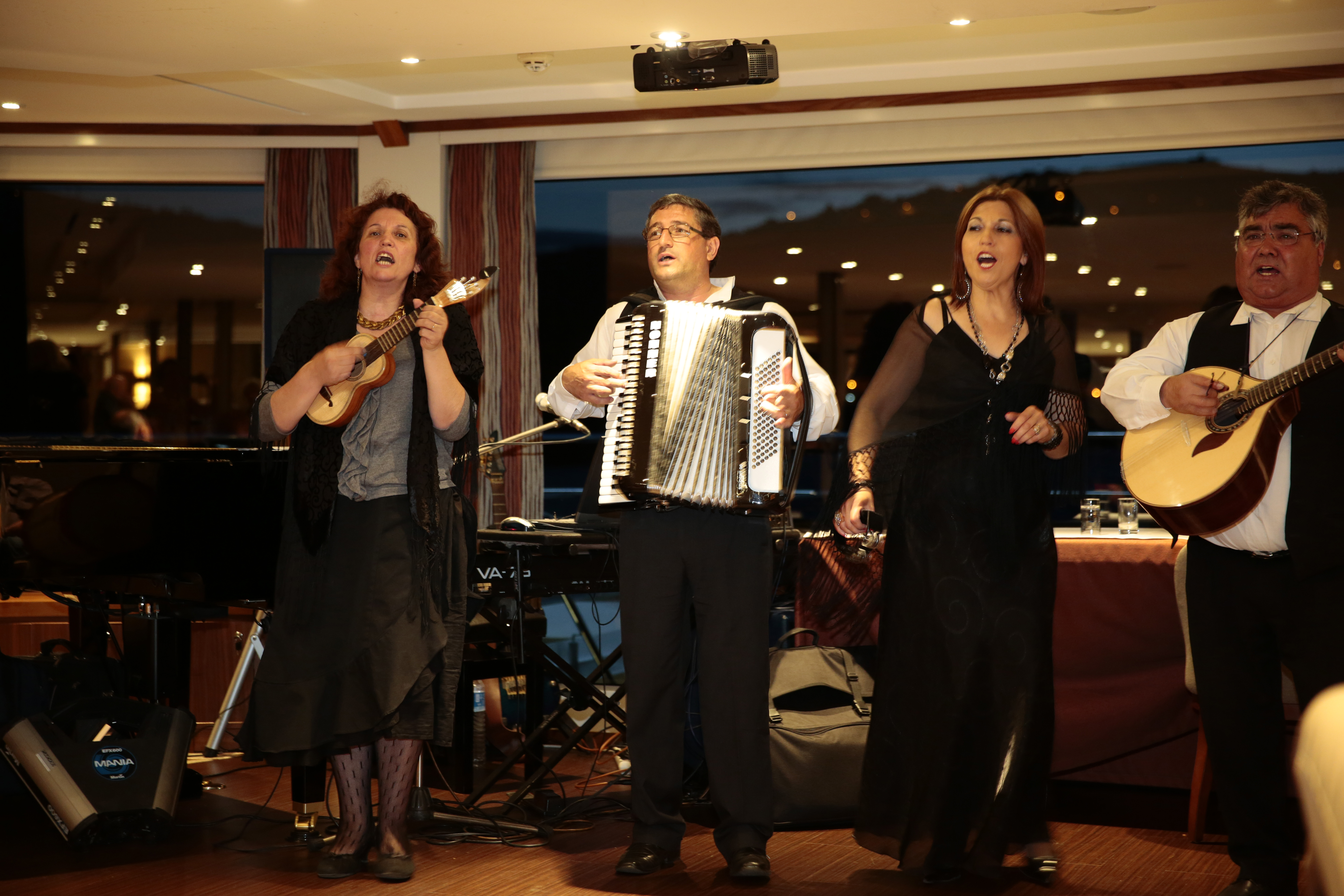
Daily entertainment including cultural performances
Gift Shop
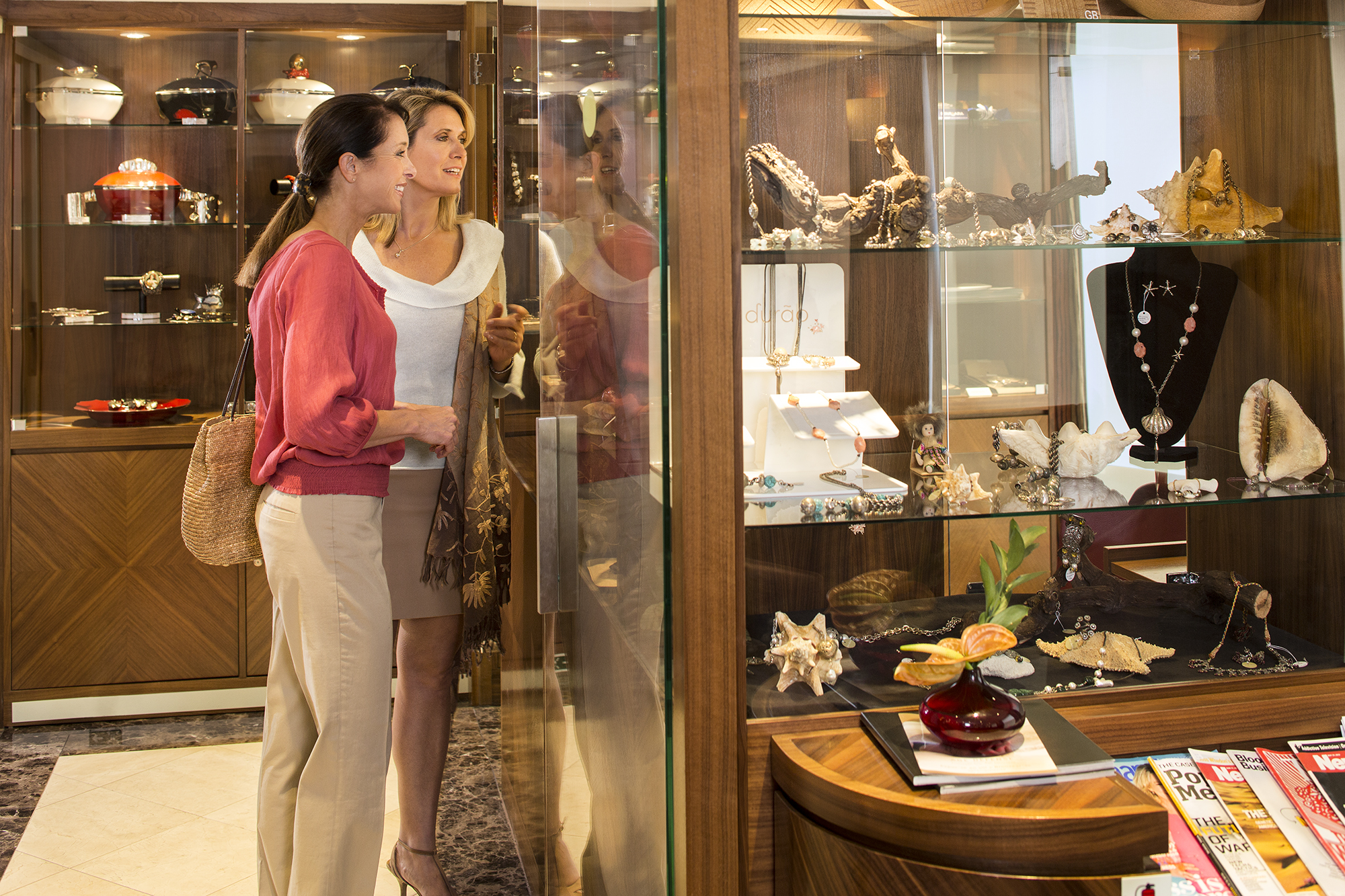
The Gift Shop can be found on the Porto Deck.
Reception
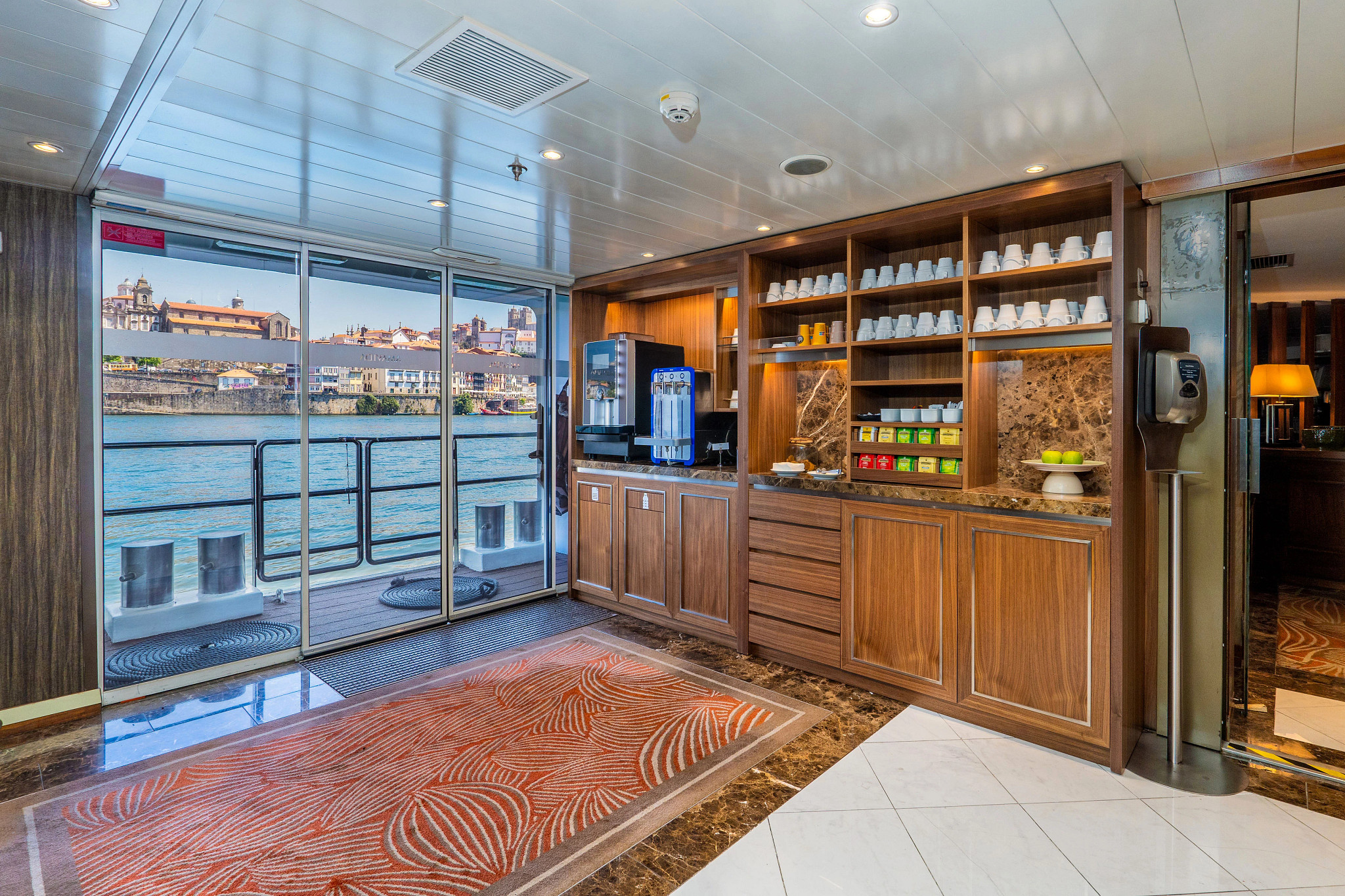
The Reception can be found on the Porto Deck.
Sun Deck
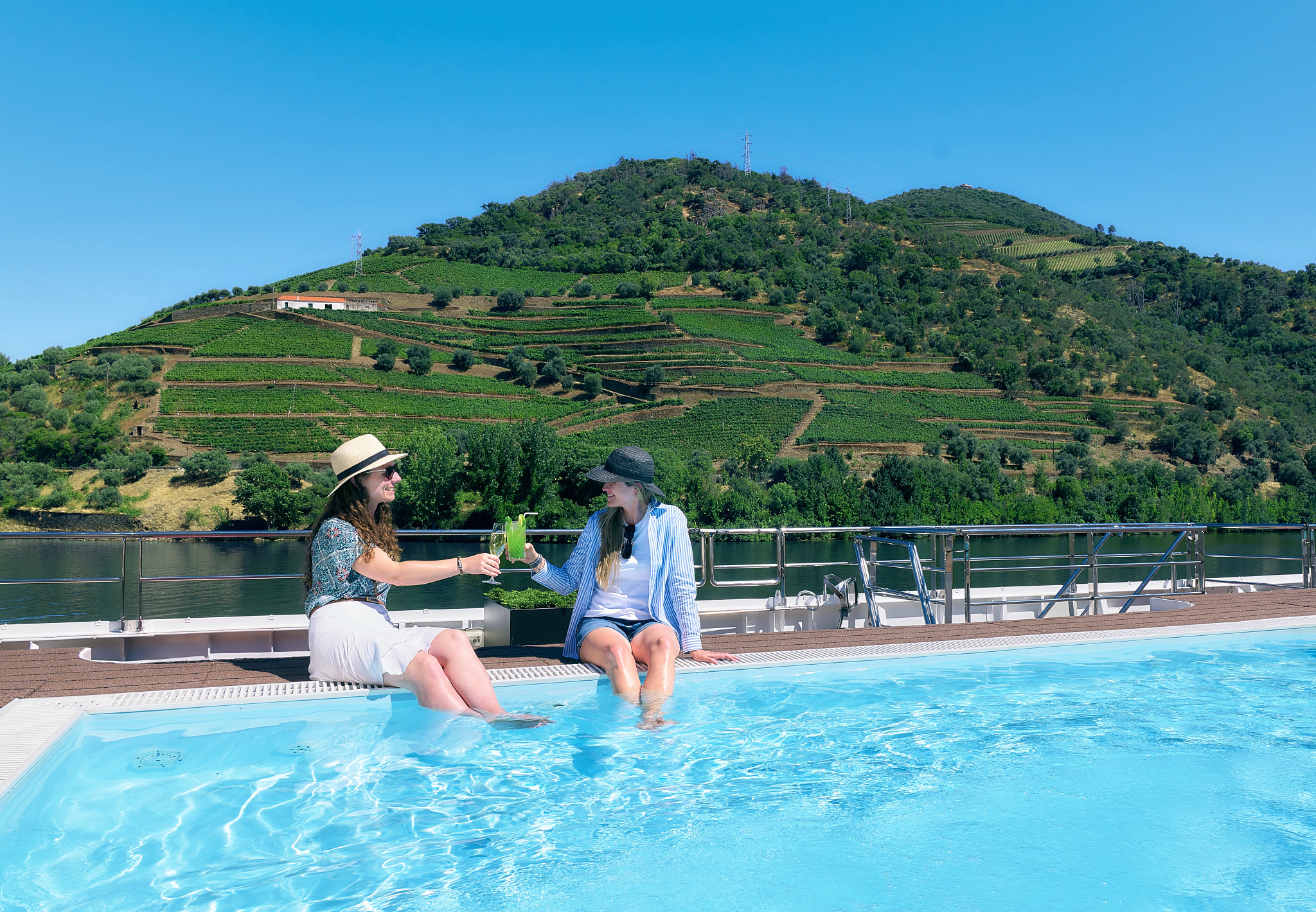
Soak up some rays or take a dip in our refreshing pool with a swim-up bar as we pass by centuries-old castles, charming villages and other breathtaking scenery.
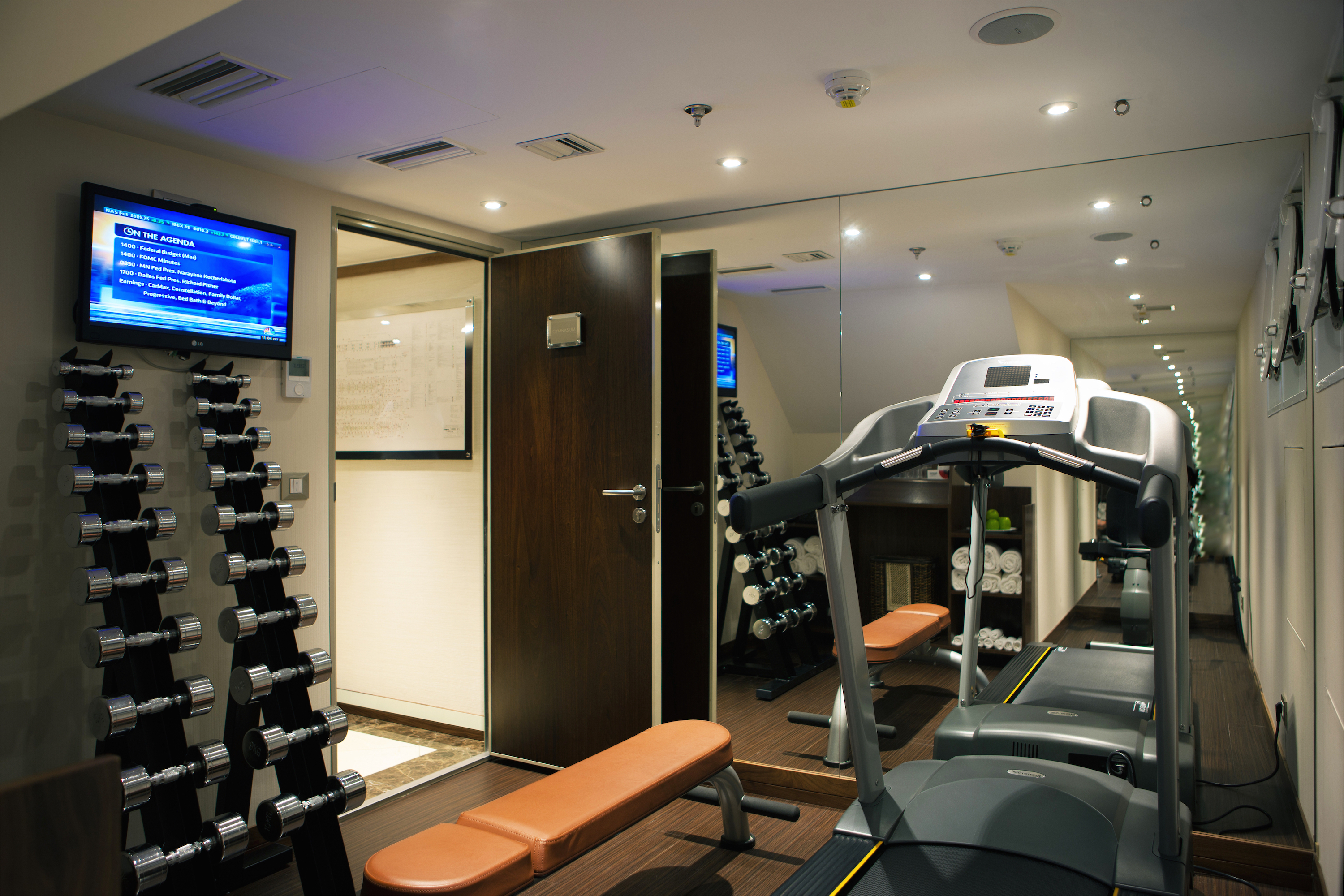
Fitness Room
Are you looking for a way to stay fit on vacation? Hit the treadmill or lift some weights while cruising from one destination to the next.
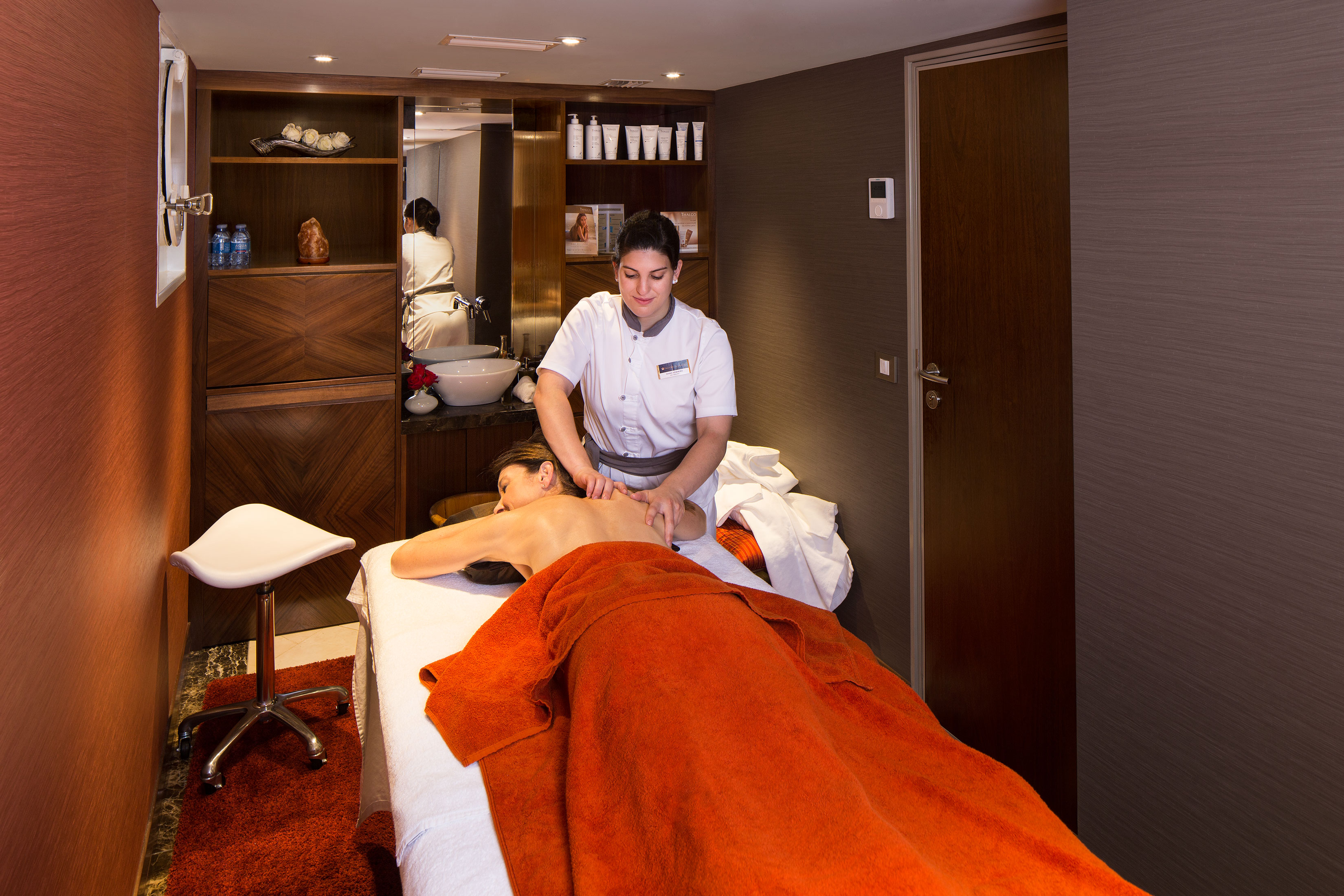
Spa
After a marvellous day of immersive shore excursions, return to the ship and treat yourself to a bit of pampering with a soothing massage.
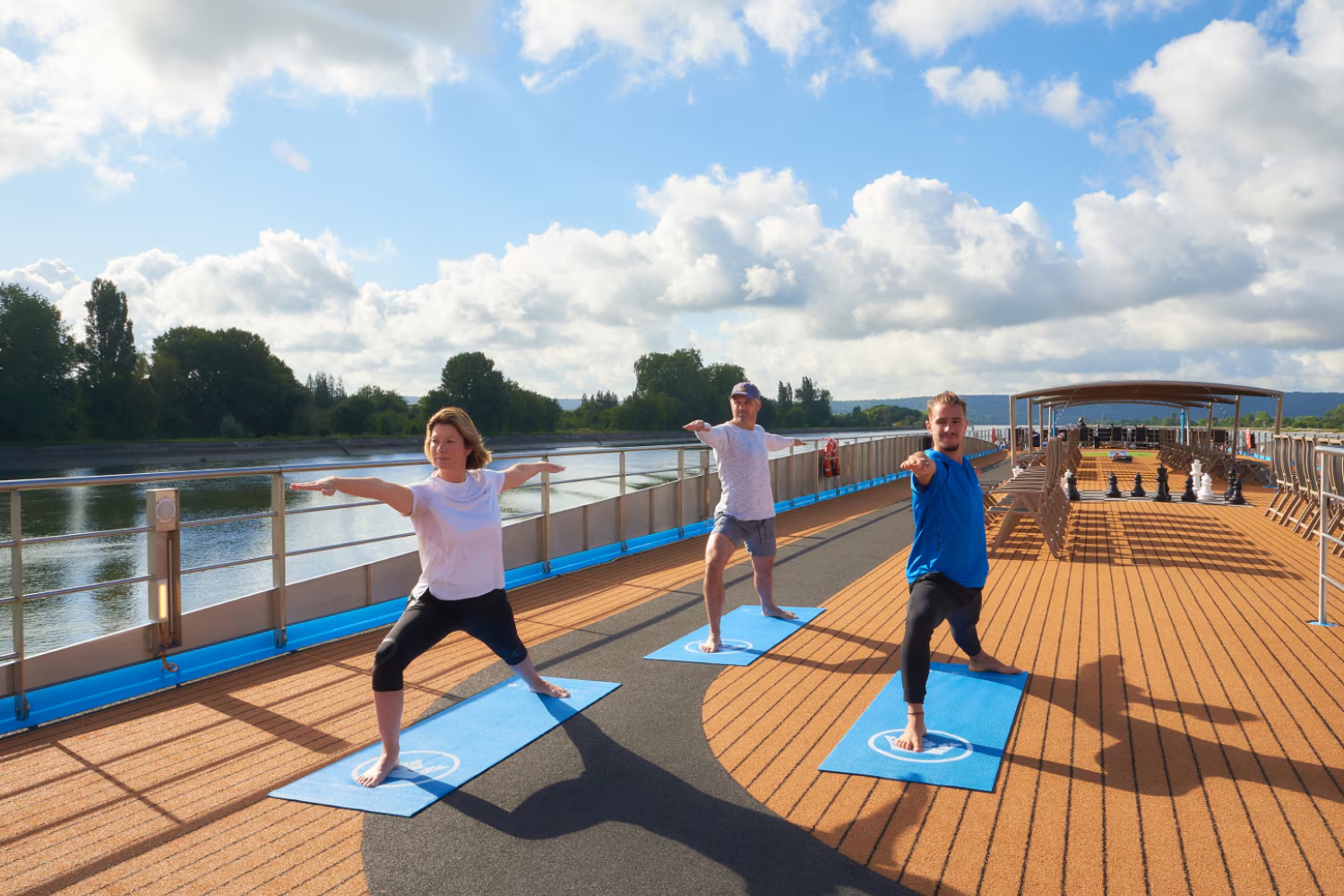
Fitness Classes
A variety of daily activities are available for guests, with group classes such as pilates, resistance band stretching, cardio, active wellness walks and dance, based on each individual Wellness Host’s expertise. Guests of all ages and activity levels are encouraged to participate and simple modifications are offered for guests with mobility limitations.
Please note that children facilities are not available onboard this ship.
Main Restaurant
AmaWaterways’ expert chefs craft menus that feature exquisite, locally-inspired cuisine as well as traditional, Western offerings. At breakfast, sip sparkling wine as you partake fresh pastries, or opt for something made-to-order from the menu. Stop by the Main Lounge for a light lunch, or head to the restaurant for full menu service and high-quality regional wine or beer. Dinner is a delectable, multi-course affair with wine recommendations that accompany visually stunning, delicious dishes. Try local favourites — like goulash while cruising through Hungary, bratwurst and sauerkraut after returning to the ship from Vienna, or Camembert cheese while on the Seine — or something more familiar, like a sandwich. No matter what your preference, your taste buds are sure to be impressed.
Wellness Recipes
Our skilled chefs ensure that our menus always have healthy choices prepared with the freshest locally-sourced ingredients. We are also able to accommodate dietary needs such as low-sodium, vegetarian and gluten-free. Below are some of our favorite recipes for health-conscious guests.
- Beetroot Salad – This vegetarian recipe brings vivid colors and flavors to life.
- Avocado Chocolate Mousse – An indulgent yet low-carb and sugar-free treat
- Gluten-Free Almond Cake Recipe – A delicious gluten-free way to indulge worry-free.
- Gluten-Free Pizza Recipe – An onboard gluten-free favorite you can easily make at home.
Guided Bike Tours
We are proud to have been the first river cruise line to carry an entire fleet of complimentary state-of-the-art bicycles on board, so you can pedal alongside enchanting riverside pathways and in city centers on a variety of included excursions throughout Europe. Whether you feel like joining one of our exclusive guided bike tours, or you want to reserve a bike to discover a destination on your own, there are many ways for you to explore on two wheels during your river cruise. From lighter five-mile bike tours to rides that stretch over 20 miles, we offer excursions for guests at any level.
Bike Tour Guides
Your guide will be sure to stop and point out highlights along the way, providing interesting facts and history, as well as much-needed water breaks! Often, there is some built-in free time for you to explore off your bike. And best of all, to ensure no guests are left behind, there is typically a guide both at the front and back of the tour group, so whatever pace you pedal, you will have peace of mind you will be taken care of and find your way back to the ship.
Child-sized Bikes
There are a limited number of child-size bicycles available on board as well. This enables you to enjoy family-friendly active excursions in many destinations along the rivers.
Guided Hiking Tours
The beauty of Europe does not simply lie in its architecture and landmarks – there are also breathtaking sights when you venture out into nature. That’s why we have designed special included hikes that will take you a bit off the beaten path, showing you incredible destinations from a unique perspective and giving you a chance to revel in the fresh air. With hikes ranging anywhere from two to seven miles and varying from extended city walks to hilltop castle treks, you are sure to find a wonderful hike that suits your style.
Special Interest Tours
We offer a variety of included tours specially curated with your individual passions in mind. Enjoy exploring the world through your tastebuds? Indulge in authentic Belgian waffles and chocolate in Antwerp or learn the art of French breadmaking in Libourne. Are you interested in engineering? Venture through the immense aerospace and locomotive collections at Speyer’s Technik Museum. Do you love music? Browse the antique music boxes and organs at Siegfried’s Mechanical Instrument Cabinet while cruising the Rhine.
Main Lounge & Bar
This versatile space hosts a bar, dance floor, plenty of comfortable couches and big windows on three sides and is used for everything from the morning port talks, daytime reading and chatting to scenic cruising, afternoon tea and evening entertainment.
Onboard Entertainment
Daily entertainment including cultural performances
Gift Shop
The Gift Shop can be found on the Porto Deck.
Reception
The Reception can be found on the Porto Deck.
Sun Deck
Soak up some rays or take a dip in our refreshing pool with a swim-up bar as we pass by centuries-old castles, charming villages and other breathtaking scenery.
Fitness Room
Are you looking for a way to stay fit on vacation? Hit the treadmill or lift some weights while cruising from one destination to the next.
Spa
After a marvellous day of immersive shore excursions, return to the ship and treat yourself to a bit of pampering with a soothing massage.
Fitness Classes
A variety of daily activities are available for guests, with group classes such as pilates, resistance band stretching, cardio, active wellness walks and dance, based on each individual Wellness Host’s expertise. Guests of all ages and activity levels are encouraged to participate and simple modifications are offered for guests with mobility limitations.
Please note that children facilities are not available onboard this ship.
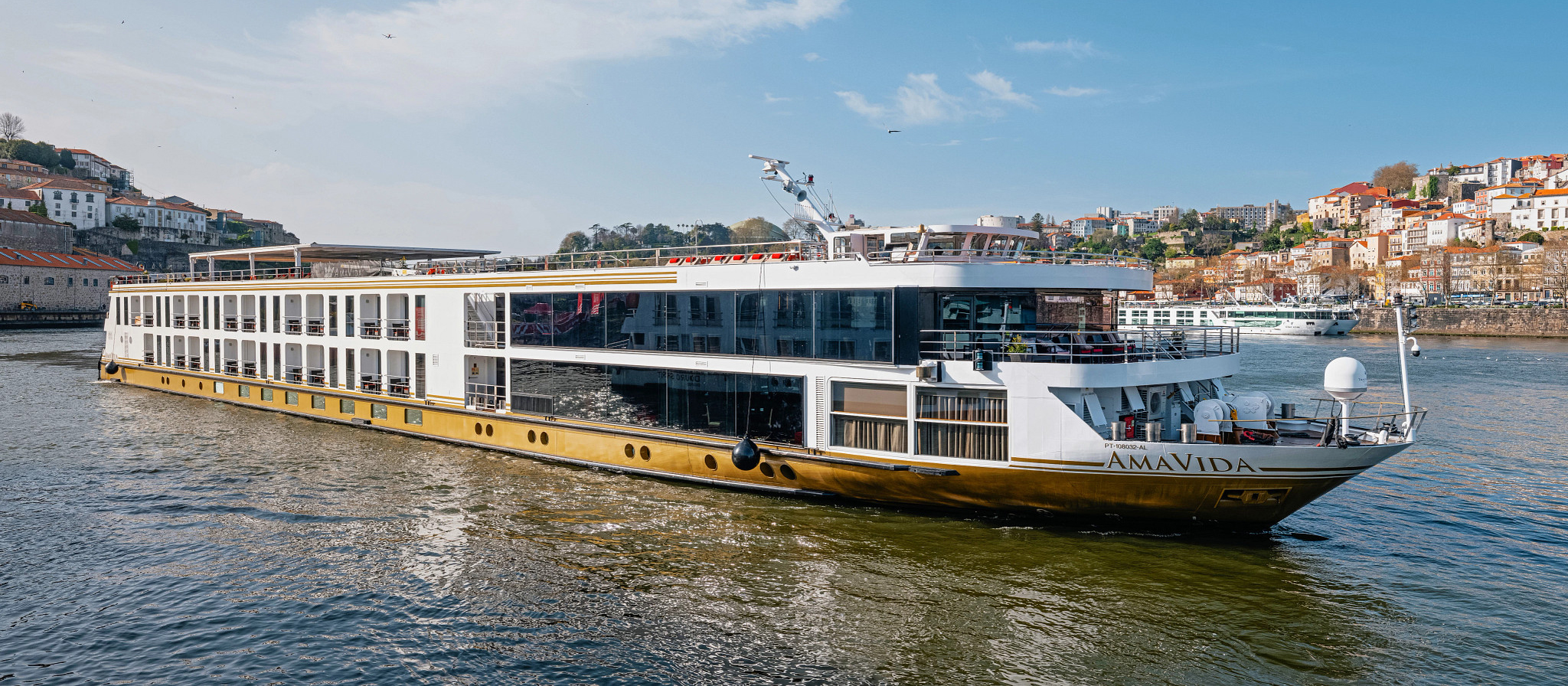
About the Ship
Deck Plans

- Fitness Room
- Spa
- Elevator
- CAT D Staterooms
- CAT E Staterooms

- Elevator
- Main Restaurant
- CAT B Staterooms

- Main Lounge
- Gift Shop
- Reception
- Elevator
- CAT A Staterooms
- Suites

- Navigation Bridge
- Heated Pool
- Sun Deck
- Fitness Room
- Spa
- Elevator
- CAT D Staterooms
- CAT E Staterooms
- Elevator
- Main Restaurant
- CAT B Staterooms
- Main Lounge
- Gift Shop
- Reception
- Elevator
- CAT A Staterooms
- Suites
- Navigation Bridge
- Heated Pool
- Sun Deck