Featured Cabins
Itinerary
Barranquilla, Colombia
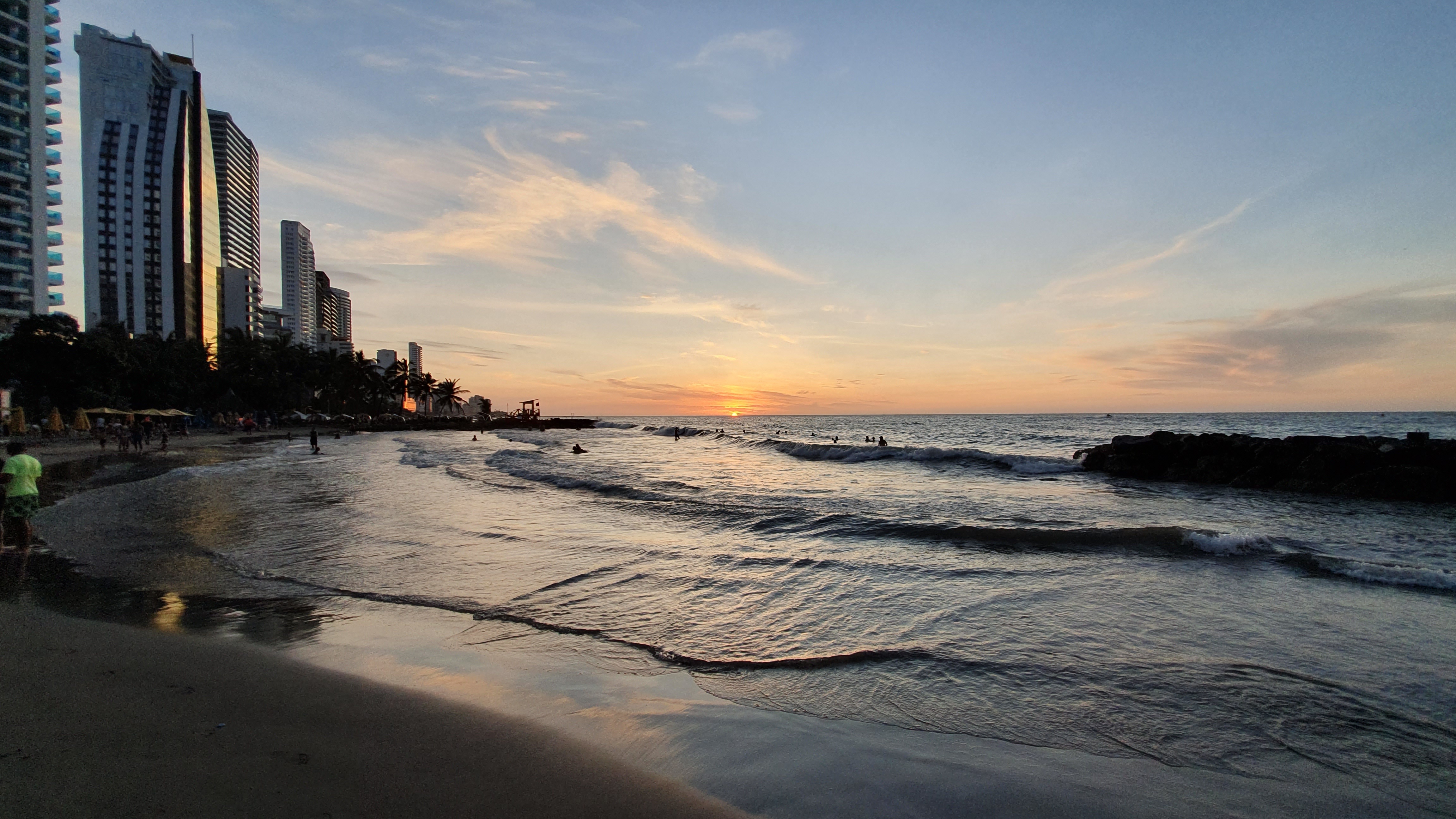
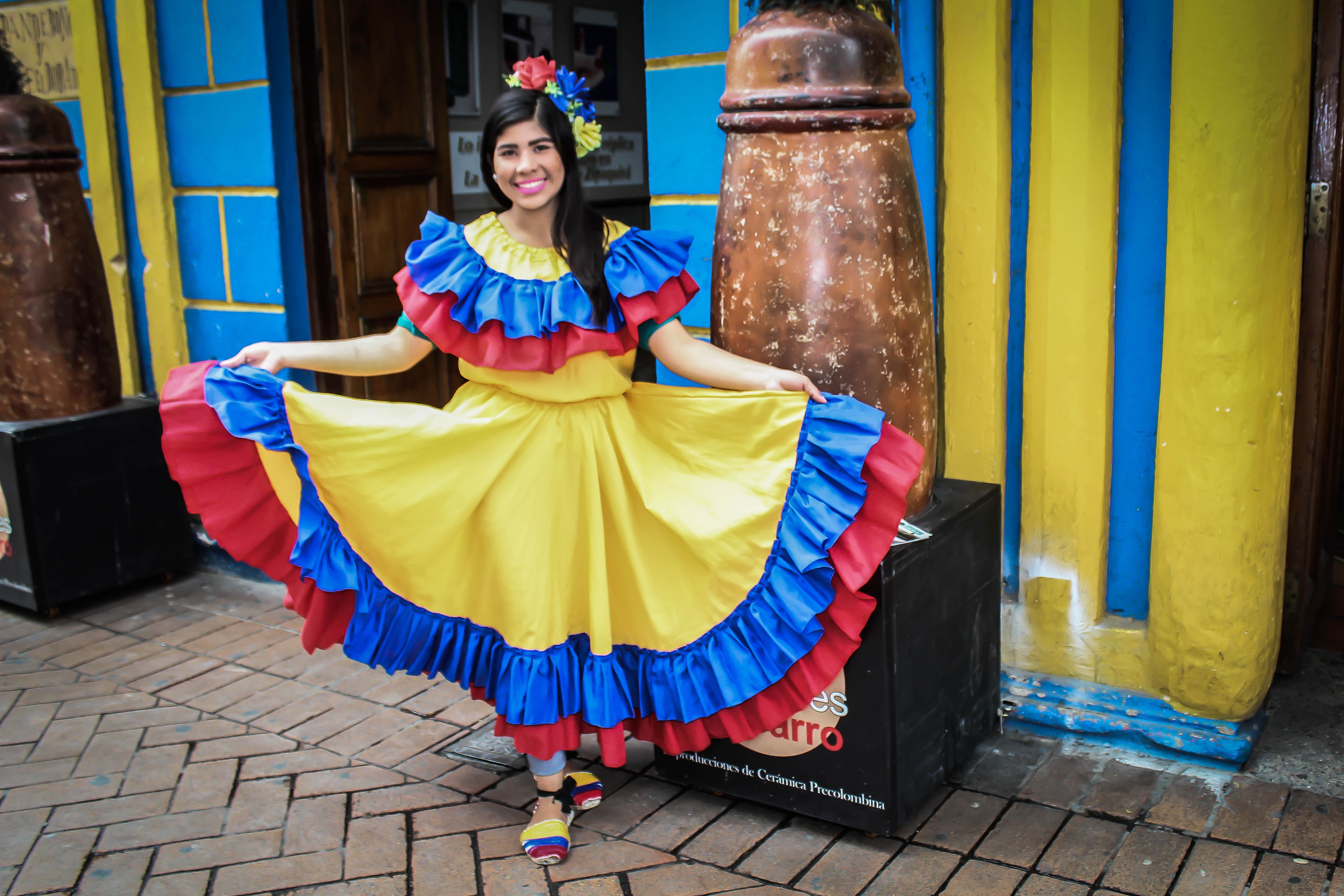
BARRANQUILLA – EMBARKATION. Arrive in Barranquilla and settle into your stateroom as you prepare for your journey along the Magdalena River. In the evening, enjoy a special Carnaval celebration, bringing the full traditional experience exclusively to AmaWaterways’ guests all-year round. Widely considered one of Colombia’s most important folkloric celebrations, the Carnaval of Barranquilla has also been declared a UNESCO Masterpiece of Oral and Intangible Heritage of Humanity, and you will get to revel in this truly authentic experience as you learn the Carnaval’s motto: Quien lo vive, es quien lo goza (Those who live it are those who enjoy it).
Sitionuevo
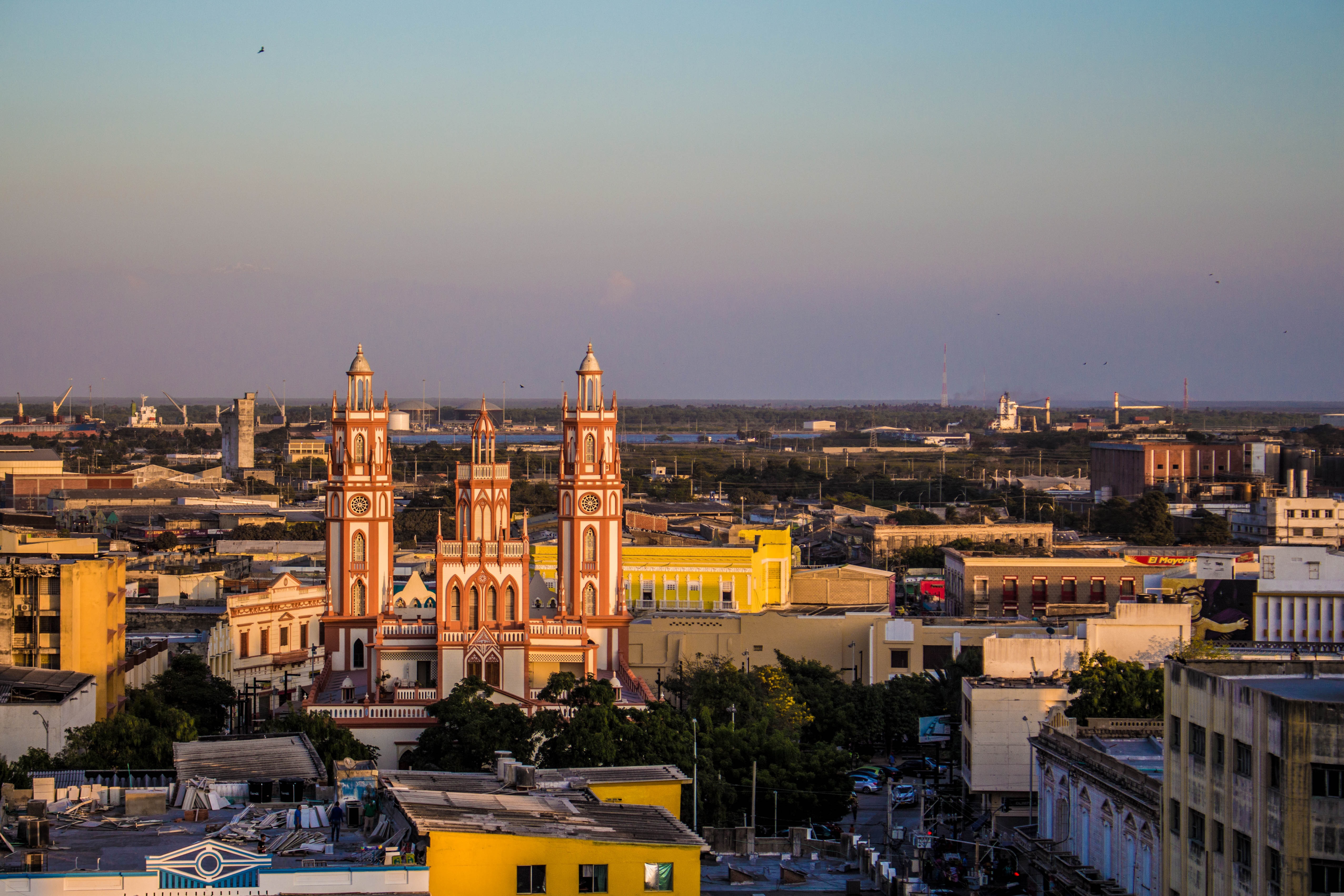
SITIO NUEVO. Today, visit a local village along the river. While here, explore this village and learn more about the lives of its people during a guided tour. Enjoy the traditional crafts and art that are on display and taste the local delicacies as you embrace this village and its unique culture. (B, L, D)
Santa Cruz de Mompox, Colombia
Santa Cruz de Mompox, Colombia
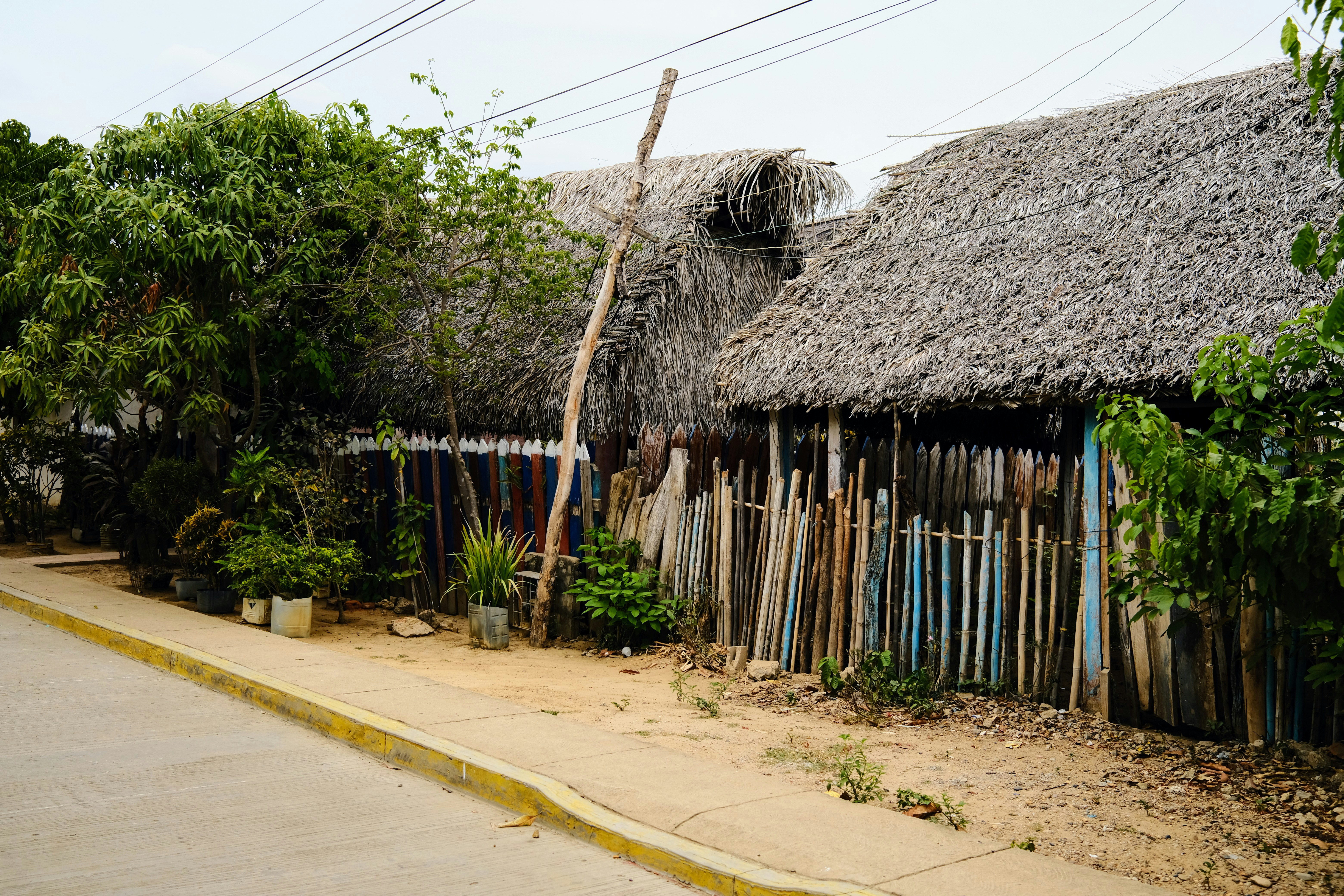
MOMPOX. A town frozen in time, Mompox embodies the appearance of what many villages looked like during colonial times. Founded in 1540, this remote village became an important Spanish trading post. Some Spaniards found Mompox to be a haven for keeping gold and other treasure protected from the pirates that pillaged coastal cities like Cartagena, and with this precious metal and the work of skilled artisans from Spain came beautifully crafted artifacts. Since then, the town has become famous for its incredible filigree jewelry, which you can learn more about during your tour of this town. While visiting the largest inland island in Latin America, journey through the beautiful wetlands, exploring the massive lake that is home to a variety of flora and fauna native to the region, with opportunities to birdwatch at sunrise, early morning and sunset. In either the morning or the afternoon, you can choose to take a stroll through this storied town on a guided tour beginning with a tuk-tuk ride from Plaza de San Francisco, visiting key landmarks. You may also visit a filigree workshop in either the morning or afternoon, witnessing the intricate jewelry artistry that defines Mompox’s renowned craftsmanship. With stunning colonial churches, breathtaking nature surrounding the town, and delicious local delights such as capa cheese and butifarra, Mompox is sure to be a highlight of your journey along the magnificent Magdalena River. (B, L, D)
Pinto, Colombia
Palenque, Colombia
Cartagena, Colombia
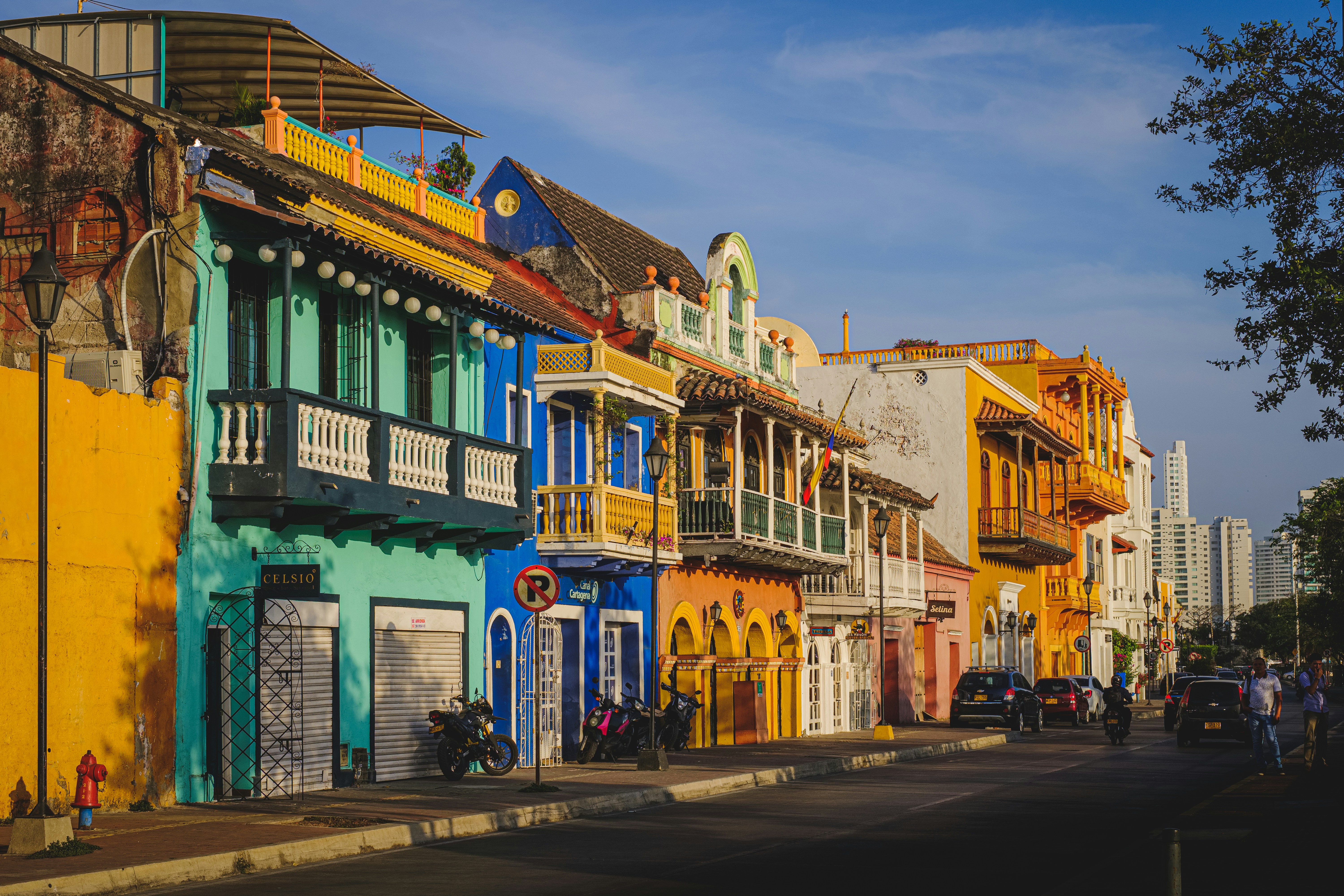
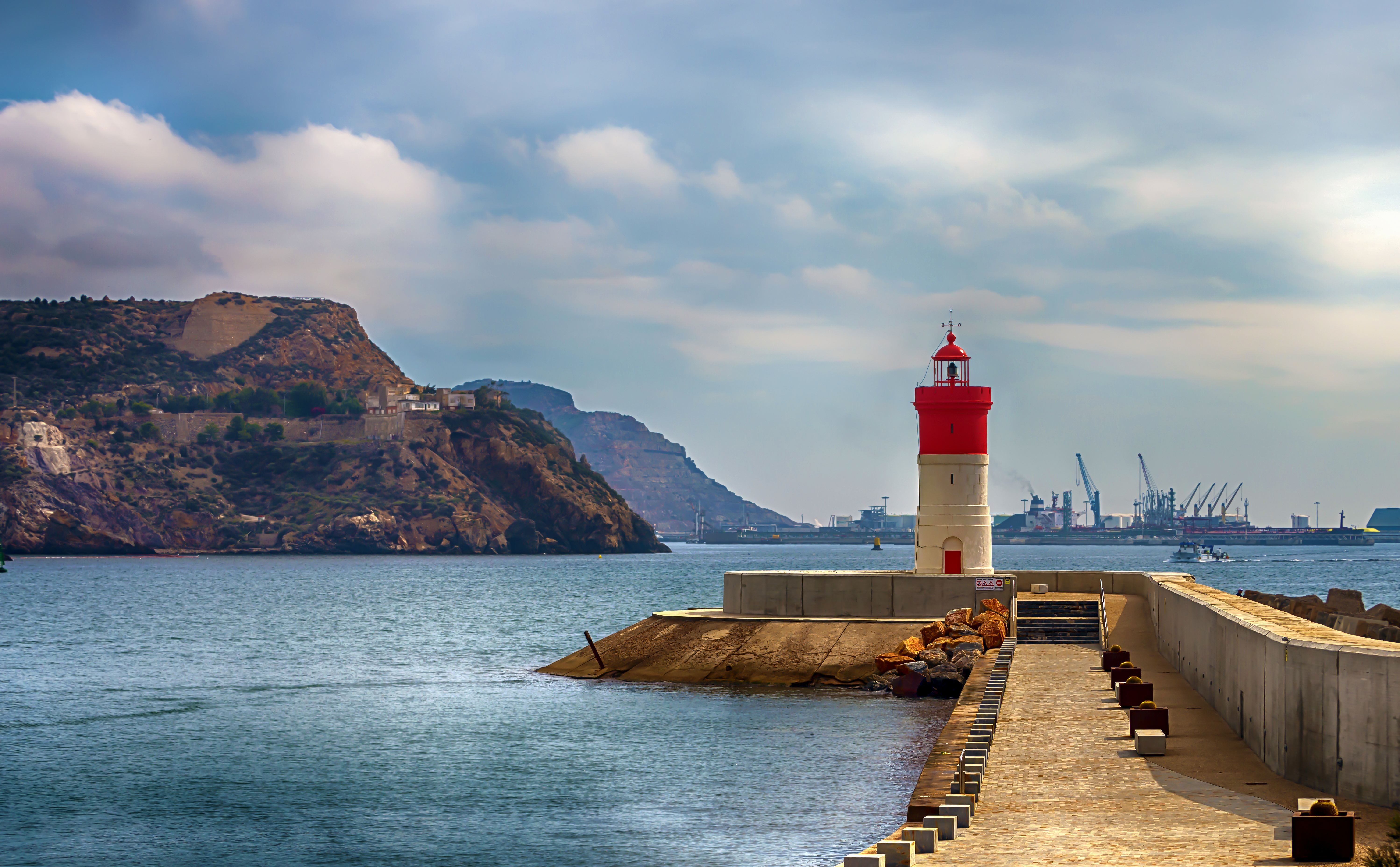
Cartagena’s magnificent city walls and fortresses, now a UNESCO World Heritage Site, enclose a well-restored historic center (the Cuidad Amurallada, or walled city) with plazas, churches, museums, and shops that have made it a lively coastal vacation spot for South Americans and others. New hotels and restaurants make the walled city a desirable place to stay, and the formerly down-at-the-heels Getsemaní neighborhood attracts those seeking a bohemian buzz. The historic center is a small section of Cartagena; many hotels are in the Bocagrande district, an elongated peninsula where high-rise hotels overlook a long, gray-sand beach.When it was founded in 1533 by Spanish conquistador Pedro de Heredia, Cartagena was the only port on the South American mainland. Gold and silver looted from indigenous peoples passed through here en route to Spain and attracted pirates, including Sir Francis Drake, who in 1586 torched 200 buildings. Cartagena’s walls protected the city’s riches as well as the New World’s most important African slave market.
Barranquilla, Colombia
BARRANQUILLA – EMBARKATION. Arrive in Barranquilla and settle into your stateroom as you prepare for your journey along the Magdalena River. In the evening, enjoy a special Carnaval celebration, bringing the full traditional experience exclusively to AmaWaterways’ guests all-year round. Widely considered one of Colombia’s most important folkloric celebrations, the Carnaval of Barranquilla has also been declared a UNESCO Masterpiece of Oral and Intangible Heritage of Humanity, and you will get to revel in this truly authentic experience as you learn the Carnaval’s motto: Quien lo vive, es quien lo goza (Those who live it are those who enjoy it).
Sitionuevo
SITIO NUEVO. Today, visit a local village along the river. While here, explore this village and learn more about the lives of its people during a guided tour. Enjoy the traditional crafts and art that are on display and taste the local delicacies as you embrace this village and its unique culture. (B, L, D)
Santa Cruz de Mompox, Colombia
Santa Cruz de Mompox, Colombia
MOMPOX. A town frozen in time, Mompox embodies the appearance of what many villages looked like during colonial times. Founded in 1540, this remote village became an important Spanish trading post. Some Spaniards found Mompox to be a haven for keeping gold and other treasure protected from the pirates that pillaged coastal cities like Cartagena, and with this precious metal and the work of skilled artisans from Spain came beautifully crafted artifacts. Since then, the town has become famous for its incredible filigree jewelry, which you can learn more about during your tour of this town. While visiting the largest inland island in Latin America, journey through the beautiful wetlands, exploring the massive lake that is home to a variety of flora and fauna native to the region, with opportunities to birdwatch at sunrise, early morning and sunset. In either the morning or the afternoon, you can choose to take a stroll through this storied town on a guided tour beginning with a tuk-tuk ride from Plaza de San Francisco, visiting key landmarks. You may also visit a filigree workshop in either the morning or afternoon, witnessing the intricate jewelry artistry that defines Mompox’s renowned craftsmanship. With stunning colonial churches, breathtaking nature surrounding the town, and delicious local delights such as capa cheese and butifarra, Mompox is sure to be a highlight of your journey along the magnificent Magdalena River. (B, L, D)
Pinto, Colombia
Palenque, Colombia
Cartagena, Colombia
Cartagena’s magnificent city walls and fortresses, now a UNESCO World Heritage Site, enclose a well-restored historic center (the Cuidad Amurallada, or walled city) with plazas, churches, museums, and shops that have made it a lively coastal vacation spot for South Americans and others. New hotels and restaurants make the walled city a desirable place to stay, and the formerly down-at-the-heels Getsemaní neighborhood attracts those seeking a bohemian buzz. The historic center is a small section of Cartagena; many hotels are in the Bocagrande district, an elongated peninsula where high-rise hotels overlook a long, gray-sand beach.When it was founded in 1533 by Spanish conquistador Pedro de Heredia, Cartagena was the only port on the South American mainland. Gold and silver looted from indigenous peoples passed through here en route to Spain and attracted pirates, including Sir Francis Drake, who in 1586 torched 200 buildings. Cartagena’s walls protected the city’s riches as well as the New World’s most important African slave market.
Cartagena, Colombia
Cartagena’s magnificent city walls and fortresses, now a UNESCO World Heritage Site, enclose a well-restored historic center (the Cuidad Amurallada, or walled city) with plazas, churches, museums, and shops that have made it a lively coastal vacation spot for South Americans and others. New hotels and restaurants make the walled city a desirable place to stay, and the formerly down-at-the-heels Getsemaní neighborhood attracts those seeking a bohemian buzz. The historic center is a small section of Cartagena; many hotels are in the Bocagrande district, an elongated peninsula where high-rise hotels overlook a long, gray-sand beach.When it was founded in 1533 by Spanish conquistador Pedro de Heredia, Cartagena was the only port on the South American mainland. Gold and silver looted from indigenous peoples passed through here en route to Spain and attracted pirates, including Sir Francis Drake, who in 1586 torched 200 buildings. Cartagena’s walls protected the city’s riches as well as the New World’s most important African slave market.
Cartagena, Colombia
Cartagena’s magnificent city walls and fortresses, now a UNESCO World Heritage Site, enclose a well-restored historic center (the Cuidad Amurallada, or walled city) with plazas, churches, museums, and shops that have made it a lively coastal vacation spot for South Americans and others. New hotels and restaurants make the walled city a desirable place to stay, and the formerly down-at-the-heels Getsemaní neighborhood attracts those seeking a bohemian buzz. The historic center is a small section of Cartagena; many hotels are in the Bocagrande district, an elongated peninsula where high-rise hotels overlook a long, gray-sand beach.When it was founded in 1533 by Spanish conquistador Pedro de Heredia, Cartagena was the only port on the South American mainland. Gold and silver looted from indigenous peoples passed through here en route to Spain and attracted pirates, including Sir Francis Drake, who in 1586 torched 200 buildings. Cartagena’s walls protected the city’s riches as well as the New World’s most important African slave market.
Cabin Options

Cat. C Stateroom
Cat. B Stateroom
Cat. A Stateroom
Junior Suite
Luxury Suite
Ship Facilities
Main Restaurant
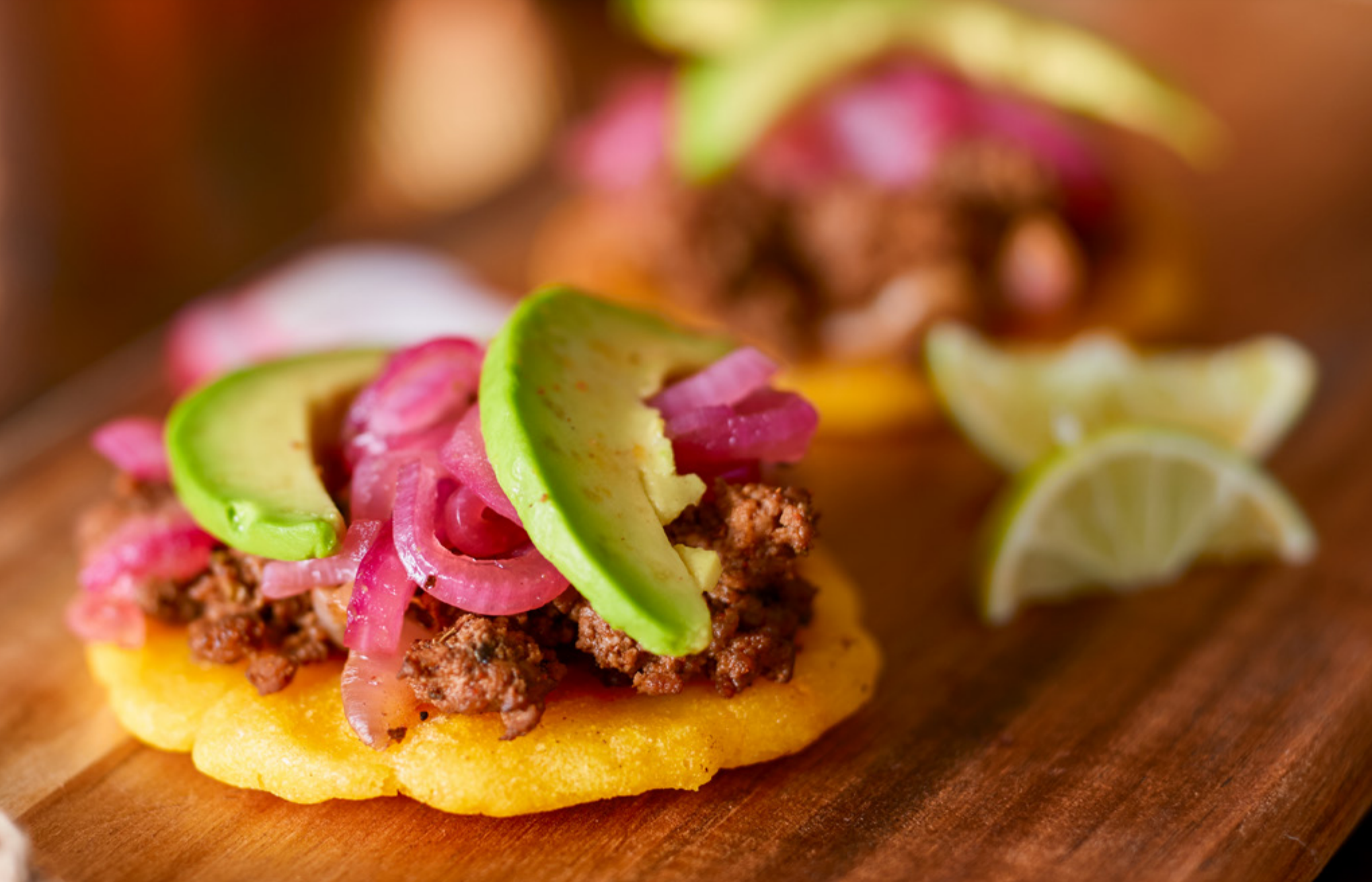
Taste exquisite, locally inspired Latin American cuisine and Western favourites within the Main Restaurant
Excursions
We appreciate that no two travellers are alike. To accommodate your unique needs and interests, we have curated a diverse menu of shore excursions. From historic city tours to guided hikes, exhilarating bike rides and tastings of local specialties, every tour is led by a knowledgeable local guide, is operated in a small group and is offered with our compliments.
Three Activity Levels – Some guests wish to journey further and move at a quicker pace during their excursions while others prefer more time to take photos or require frequent rests. To ensure every guest may explore at their own comfort level, we offer our tours at three distinct activity levels, ensuring even our most “gentle walkers” are not left behind – because why settle for anything less than perfect on your long-awaited vacation?
Inclusive and Accommodating – Our convenient Quietvox audio devices ensure you can hear your tour guide clearly amidst the hustle and bustle of cities and at the volume most comfortable for you. We also offer a limited number of Nordic walking sticks and sport seats for guests who need extra support or periodic breaks.
* Additional accommodations can be made for select groups – contact your travel advisor or call us to inquire.
Special Interest Tours – We offer a variety of included tours specially curated with your individual passions in mind. Enjoy exploring the world through your tastebuds? Indulge in authentic Belgian waffles and chocolate in Antwerp or learn the art of French breadmaking in Libourne. Are you interested in engineering? Venture through the immense aerospace and locomotive collections at Speyer’s Technik Museum. Do you love music? Browse the antique music boxes and organs at Siegfried’s Mechanical Instrument Cabinet while cruising the Rhine.
Main Lounge
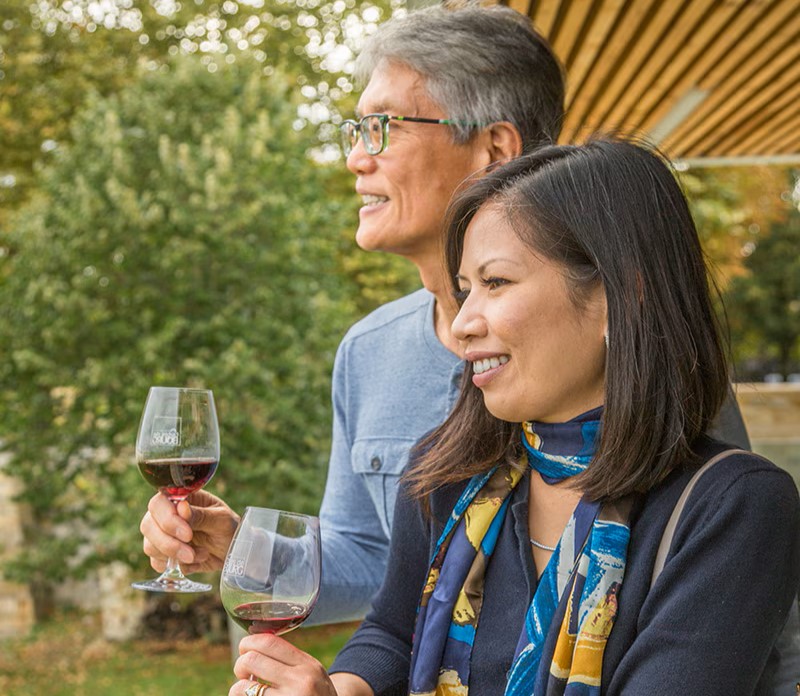
Indulge in an intimate specialty dining experience and enjoy live music and more each evening within the Main Lounge
Fitness Room
Are you looking for a way to stay fit on vacation? Hit the treadmill or lift some weights while cruising from one destination to the next.
Nail and Hair Salon
Whether you’d like to dress up for the captain’s special dinner or a night out on the town, you can complete your look by getting your hair styled in our salon.
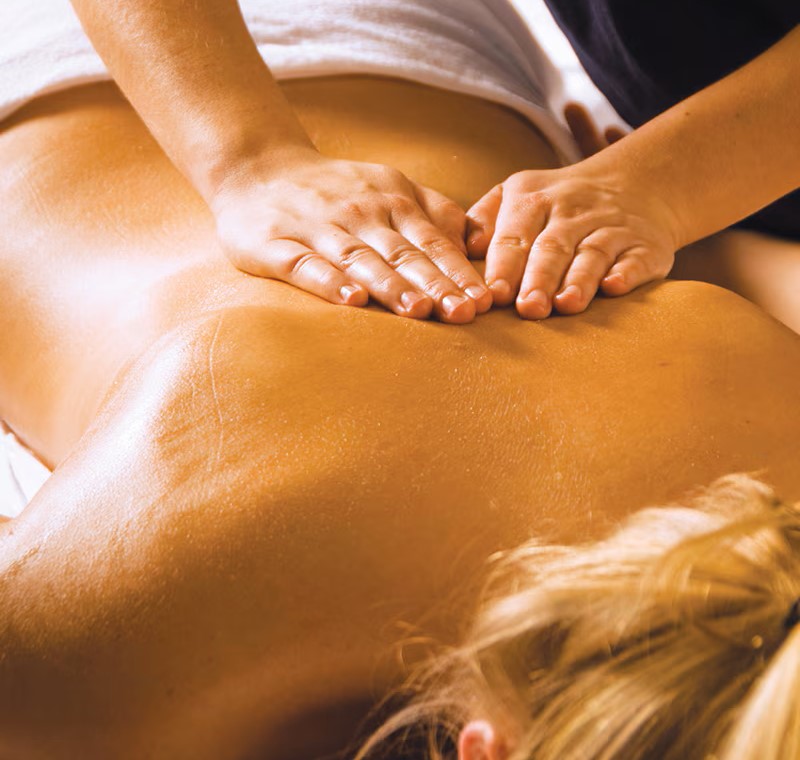
Massage Services
After a marvellous day of immersive shore excursions, return to the ship and treat yourself to a bit of pampering with a soothing massage.
Please note: There are no dedicated children’s facilities available
Main Restaurant
Taste exquisite, locally inspired Latin American cuisine and Western favourites within the Main Restaurant
Excursions
We appreciate that no two travellers are alike. To accommodate your unique needs and interests, we have curated a diverse menu of shore excursions. From historic city tours to guided hikes, exhilarating bike rides and tastings of local specialties, every tour is led by a knowledgeable local guide, is operated in a small group and is offered with our compliments.
Three Activity Levels – Some guests wish to journey further and move at a quicker pace during their excursions while others prefer more time to take photos or require frequent rests. To ensure every guest may explore at their own comfort level, we offer our tours at three distinct activity levels, ensuring even our most “gentle walkers” are not left behind – because why settle for anything less than perfect on your long-awaited vacation?
Inclusive and Accommodating – Our convenient Quietvox audio devices ensure you can hear your tour guide clearly amidst the hustle and bustle of cities and at the volume most comfortable for you. We also offer a limited number of Nordic walking sticks and sport seats for guests who need extra support or periodic breaks.
* Additional accommodations can be made for select groups – contact your travel advisor or call us to inquire.
Special Interest Tours – We offer a variety of included tours specially curated with your individual passions in mind. Enjoy exploring the world through your tastebuds? Indulge in authentic Belgian waffles and chocolate in Antwerp or learn the art of French breadmaking in Libourne. Are you interested in engineering? Venture through the immense aerospace and locomotive collections at Speyer’s Technik Museum. Do you love music? Browse the antique music boxes and organs at Siegfried’s Mechanical Instrument Cabinet while cruising the Rhine.
Main Lounge
Indulge in an intimate specialty dining experience and enjoy live music and more each evening within the Main Lounge
Fitness Room
Are you looking for a way to stay fit on vacation? Hit the treadmill or lift some weights while cruising from one destination to the next.
Nail and Hair Salon
Whether you’d like to dress up for the captain’s special dinner or a night out on the town, you can complete your look by getting your hair styled in our salon.
Massage Services
After a marvellous day of immersive shore excursions, return to the ship and treat yourself to a bit of pampering with a soothing massage.
Please note: There are no dedicated children’s facilities available
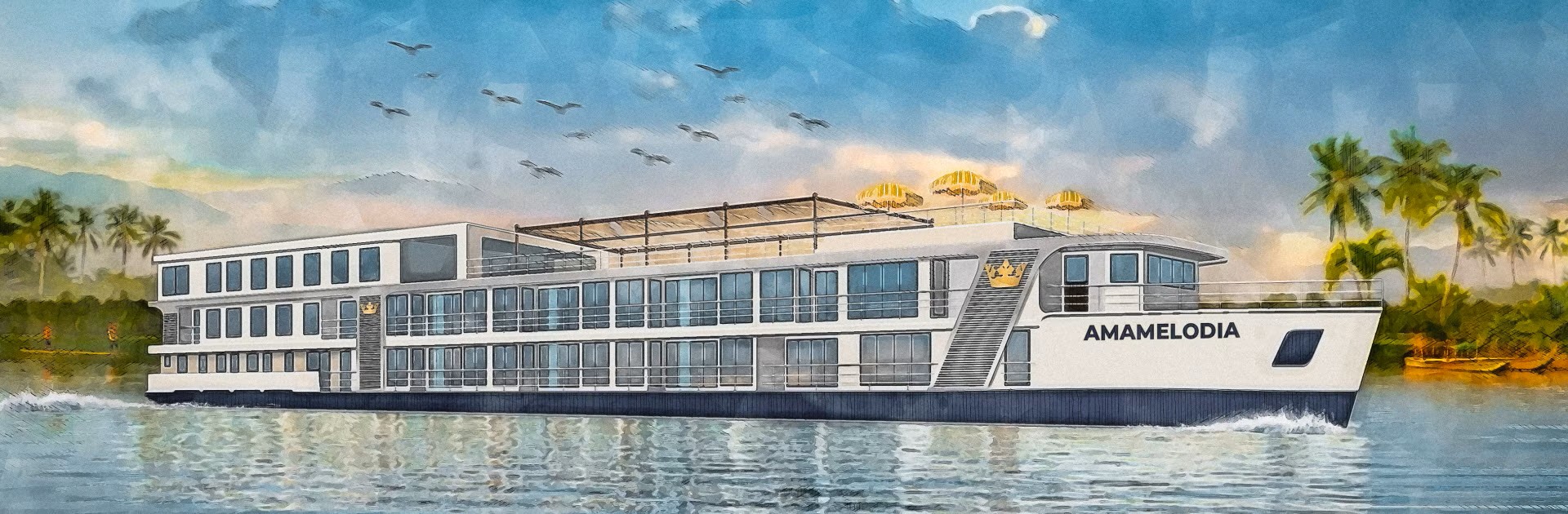
About the Ship
Deck Plans

- CAT C Staterooms
- CAT B Staterooms
- Junior Suites

Main Restaurant
- Reception
- Wheel House
- Luxury Suites
- CAT A Staterooms

Main Lounge
- Pool
- Fitness Room
- Massage Room
- CAT C Staterooms
- CAT B Staterooms
- Junior Suites
Main Restaurant
- Reception
- Wheel House
- Luxury Suites
- CAT A Staterooms
Main Lounge
- Pool
- Fitness Room
- Massage Room