Featured Cabins
Itinerary
Amsterdam, Netherlands
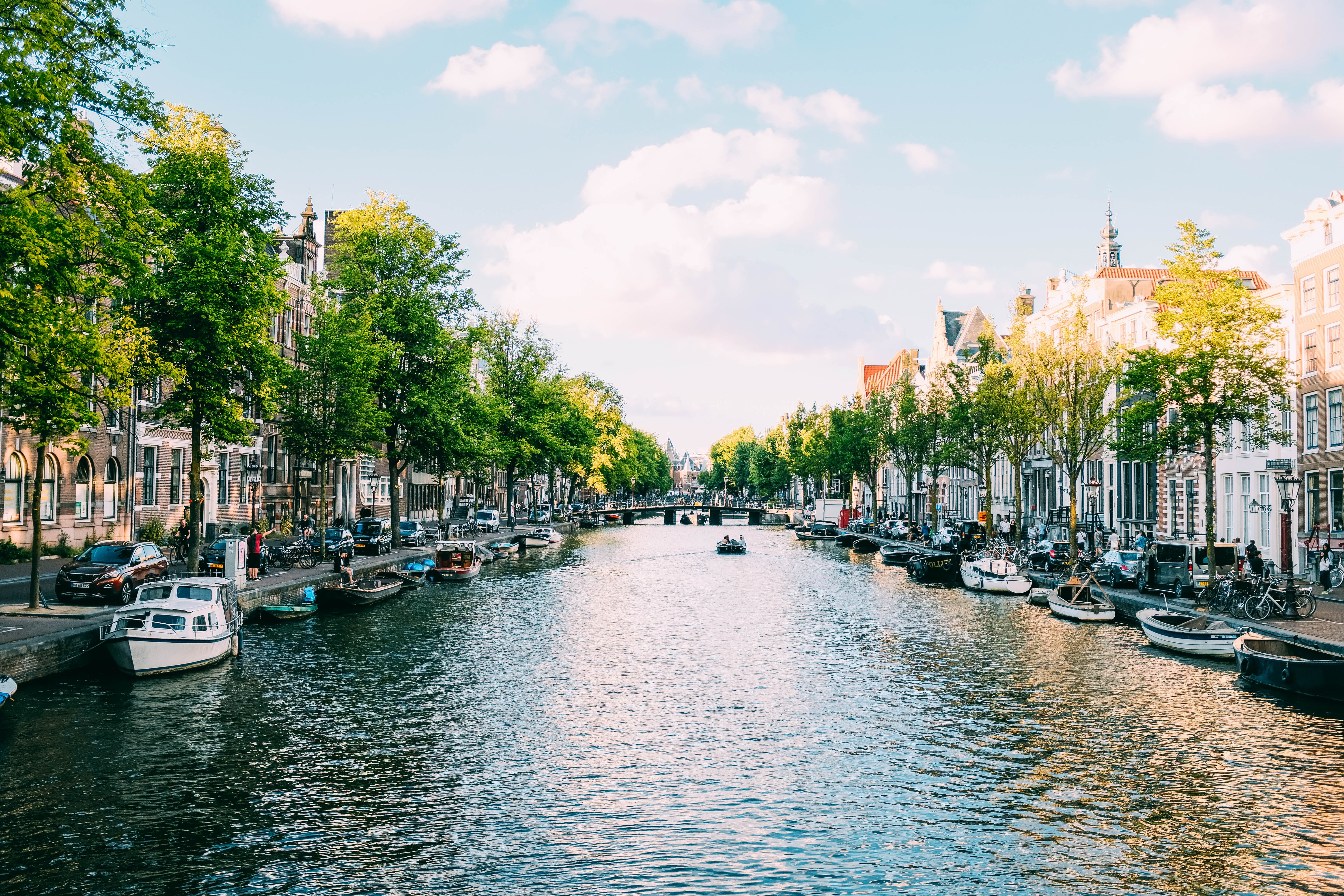
Amsterdam combines the unrivaled beauty of the 17th-century Golden Age city center with plenty of museums and art of the highest order, not to mention a remarkably laid-back atmosphere. It all comes together to make this one of the world’s most appealing and offbeat metropolises in the world. Built on a latticework of concentric canals like an aquatic rainbow, Amsterdam is known as the City of Canals—but it’s no Venice, content to live on moonlight serenades and former glory. Quite the contrary: on nearly every street here you’ll find old and new side by side—quiet corners where time seems to be holding its breath next to streets like neon-lit Kalverstraat, and Red Light ladies strutting by the city’s oldest church. Indeed, Amsterdam has as many lovely facets as a 40-carat diamond polished by one of the city’s gem cutters. It’s certainly a metropolis, but a rather small and very accessible one. Locals tend to refer to it as a big village, albeit one that happens to pack the cultural wallop of a major world destination. There are scores of concerts every day, numerous museums, summertime festivals, and, of course, a legendary year-round party scene. It’s pretty much impossible to resist Amsterdam’s charms. With 7,000 registered monuments, most of which began as the residences and warehouses of humble merchants, set on 160 man-made canals, and traversed by 1,500 or so bridges, Amsterdam has the largest historical inner city in Europe. Its famous circle of waterways, the grachtengordel, was a 17th-century urban expansion plan for the rich and is a lasting testament to the city’s Golden Age. This town is endearing because of its kinder, gentler nature—but a reputation for championing sex, drugs, and rock ’n’ roll does not alone account for Amsterdam’s being one of the most popular destinations in Europe: consider that within a single square mile the city harbors some of the greatest achievements in Western art, from Rembrandt to Van Gogh. Not to mention that this is one of Europe’s great walking cities, with so many of its treasures in the untouted details: tiny alleyways barely visible on the map, hidden garden courtyards, shop windows, floating houseboats, hidden hofjes(courtyards with almshouses), sudden vistas of church spires, and gabled roofs that look like so many unframed paintings. And don’t forget that the joy lies in details: elaborate gables and witty gable stones denoting the trade of a previous owner. Keep in mind that those XXX symbols you see all over town are not a mark of the city’s triple-X reputation. They’re part of Amsterdam’s official coat of arms—three St. Andrew’s crosses, believed to represent the three dangers that have traditionally plagued the city: flood, fire, and pestilence. The coat’s motto (“Valiant, determined, compassionate”) was introduced in 1947 by Queen Wilhelmina in remembrance of the 1941 February Strike in Amsterdam—the first time in Europe that non-Jewish people protested against the persecution of Jews by the Nazi regime.
Amsterdam, Netherlands
Amsterdam combines the unrivaled beauty of the 17th-century Golden Age city center with plenty of museums and art of the highest order, not to mention a remarkably laid-back atmosphere. It all comes together to make this one of the world’s most appealing and offbeat metropolises in the world. Built on a latticework of concentric canals like an aquatic rainbow, Amsterdam is known as the City of Canals—but it’s no Venice, content to live on moonlight serenades and former glory. Quite the contrary: on nearly every street here you’ll find old and new side by side—quiet corners where time seems to be holding its breath next to streets like neon-lit Kalverstraat, and Red Light ladies strutting by the city’s oldest church. Indeed, Amsterdam has as many lovely facets as a 40-carat diamond polished by one of the city’s gem cutters. It’s certainly a metropolis, but a rather small and very accessible one. Locals tend to refer to it as a big village, albeit one that happens to pack the cultural wallop of a major world destination. There are scores of concerts every day, numerous museums, summertime festivals, and, of course, a legendary year-round party scene. It’s pretty much impossible to resist Amsterdam’s charms. With 7,000 registered monuments, most of which began as the residences and warehouses of humble merchants, set on 160 man-made canals, and traversed by 1,500 or so bridges, Amsterdam has the largest historical inner city in Europe. Its famous circle of waterways, the grachtengordel, was a 17th-century urban expansion plan for the rich and is a lasting testament to the city’s Golden Age. This town is endearing because of its kinder, gentler nature—but a reputation for championing sex, drugs, and rock ’n’ roll does not alone account for Amsterdam’s being one of the most popular destinations in Europe: consider that within a single square mile the city harbors some of the greatest achievements in Western art, from Rembrandt to Van Gogh. Not to mention that this is one of Europe’s great walking cities, with so many of its treasures in the untouted details: tiny alleyways barely visible on the map, hidden garden courtyards, shop windows, floating houseboats, hidden hofjes(courtyards with almshouses), sudden vistas of church spires, and gabled roofs that look like so many unframed paintings. And don’t forget that the joy lies in details: elaborate gables and witty gable stones denoting the trade of a previous owner. Keep in mind that those XXX symbols you see all over town are not a mark of the city’s triple-X reputation. They’re part of Amsterdam’s official coat of arms—three St. Andrew’s crosses, believed to represent the three dangers that have traditionally plagued the city: flood, fire, and pestilence. The coat’s motto (“Valiant, determined, compassionate”) was introduced in 1947 by Queen Wilhelmina in remembrance of the 1941 February Strike in Amsterdam—the first time in Europe that non-Jewish people protested against the persecution of Jews by the Nazi regime.
Andernach, Germany
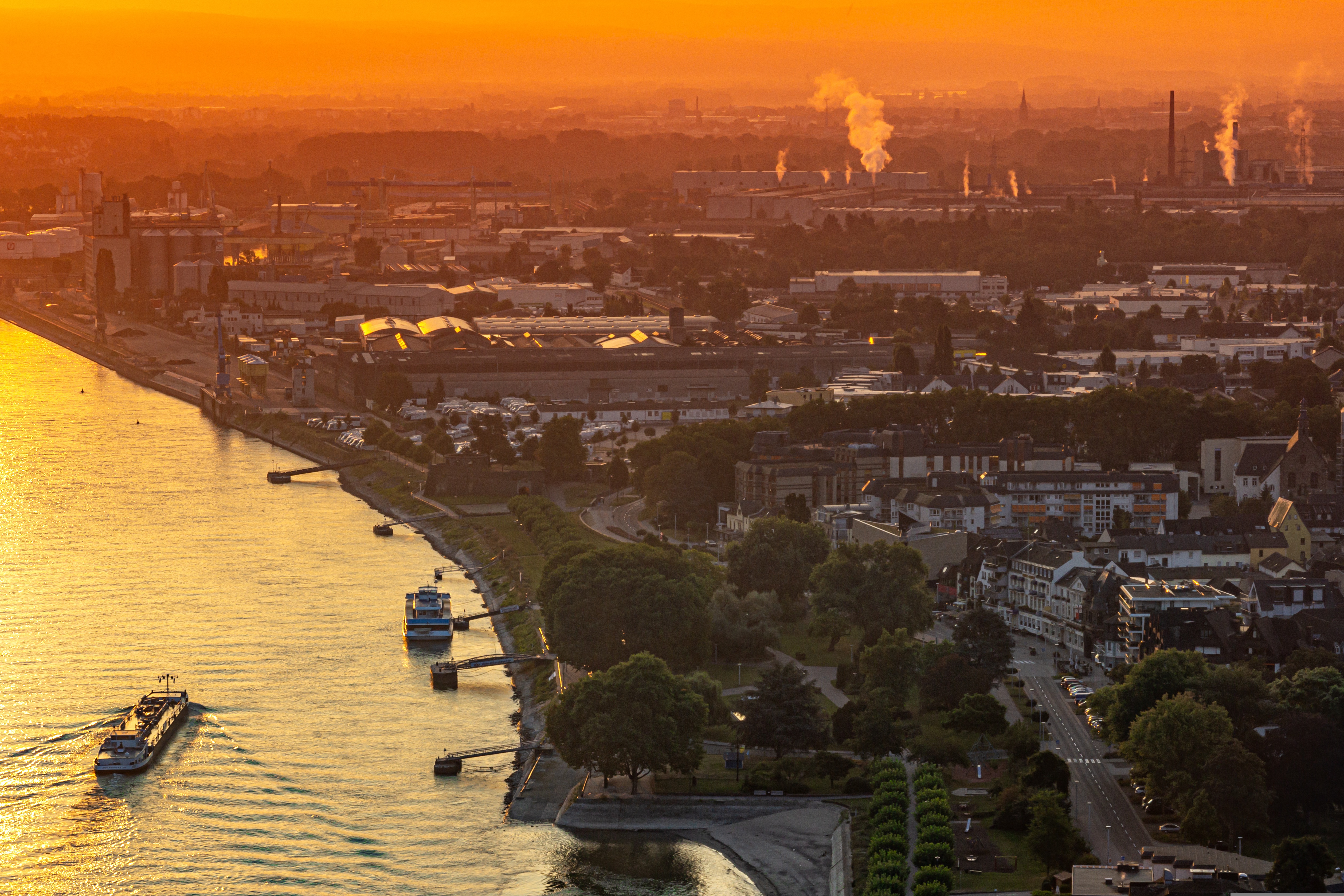
This morning will be spent cruising through Germany. Spend time enjoying the range of facilities on board. Perhaps indulge in a spa treatment or relax on the Daystar Deck and read a book. Disembark in Andernach, where an exclusive Signature Experience awaits.
Signature Experience – Namedy Castle
Princess Heide von Hohenzollern graciously welcomes APT guests into her home, Namedy Castle, a royal escape set near the Rhine River in Germany. After wandering through the castle and its manicured gardens, you’ll attend a cocktail party, where a pianist sets the mood.
Rüdesheim, Germany
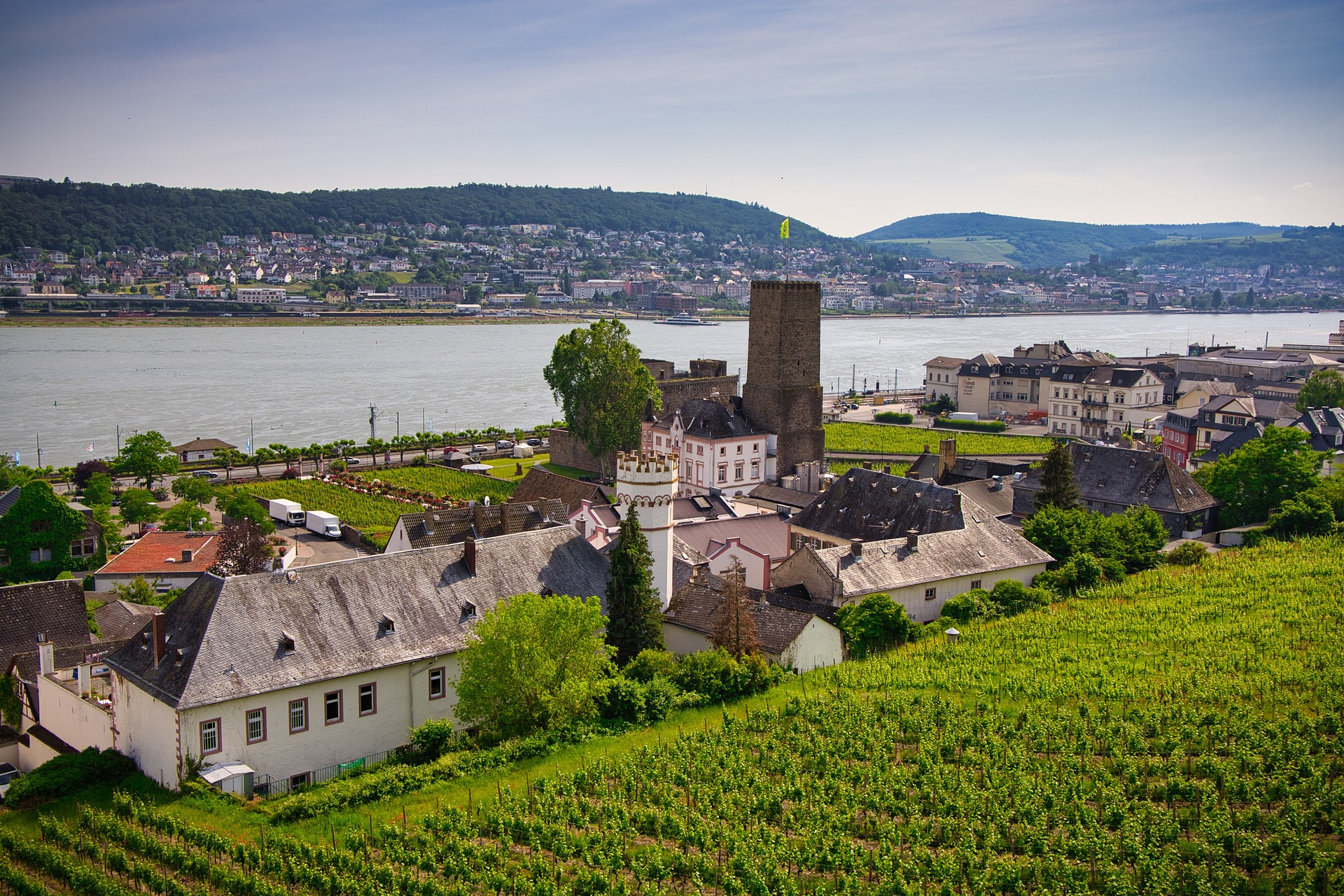
Today you’ll approach what is known as the most beautiful stretch of the Rhine River. Glide past crumbling ruins that cling to rocky cliffs and rolling hillsides marked with perfectly planted vineyards. Dock in Rüdesheim, one of Germany’s most revered cultural and historic cities. Here, you’ll set out on your chosen activity.
Freedom of Choice – Gondola Ride
Glide over the emerald vineyards of the Rhine Valley in a gondola, enjoying stunning vistas. At the top, arrive at the Niederwald Monument, commemorating the unification of Germany in 1871.
Freedom of Choice – Siegfried’s Mechanical Musical Instrument Museum
Take a tour of Siegfried’s Mechanical Musical Instrument Museum. This eccentric and unique museum is home to a beautiful collection of fascinating automated musical instruments from all stages of history.
Freedom of Choice – Visit a Historic Wine Cellar
Visit a historic wine cellar for a tasting of Rhine Valley wines. Discover why this location is one of Germany’s most well-known wine regions.
Miltenberg, Germany
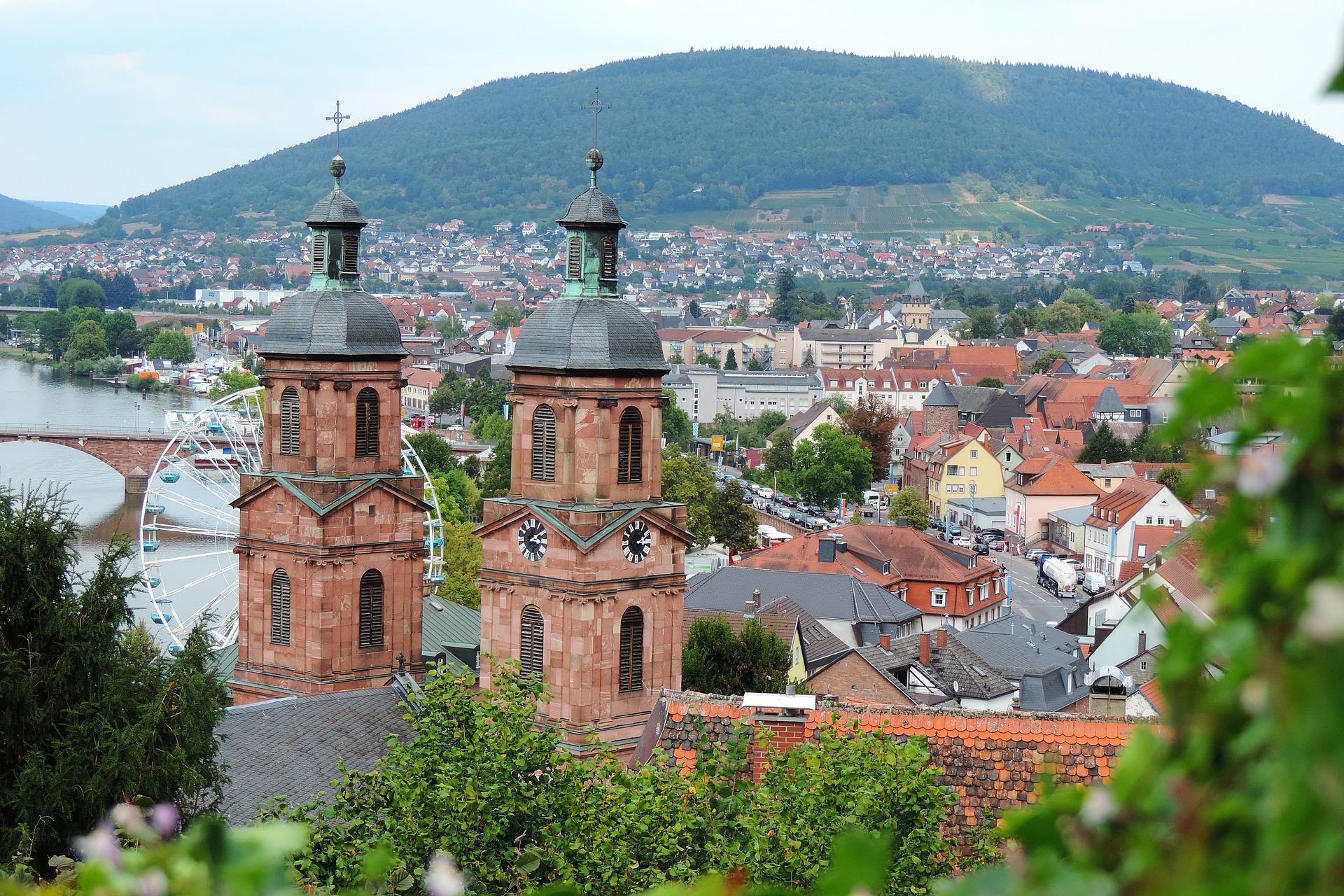
Miltenberg is a city located in Bavaria and Southern part of Germany. Located on the banks of the river Maine the city grew from its medieval roots through Viniculture, wine trade, fishery, and general river traffic, into the established and preserved town of today. Visit the Museum Stadt Miltenberg, housed in the half timbered house called the Alte Amtskellerei (The Provost’s Office) and discover the town’s history through collections depicting culture back to the Romans. A visit to castle Miltenberg is also recommended. The castle dates back to the 11th century and is now owned by the city administration. With the castle in need of rehabilitation, the Museum Burg Miltenberg was opened to exhibit classic icons and contemporary art in a historical and significant setting. The keep of the castle, which reaches twenty seven metres high, offers picturesque views of the Main Valley below and is the perfect setting to relax and enjoy some refreshments.
Würzburg, Germany
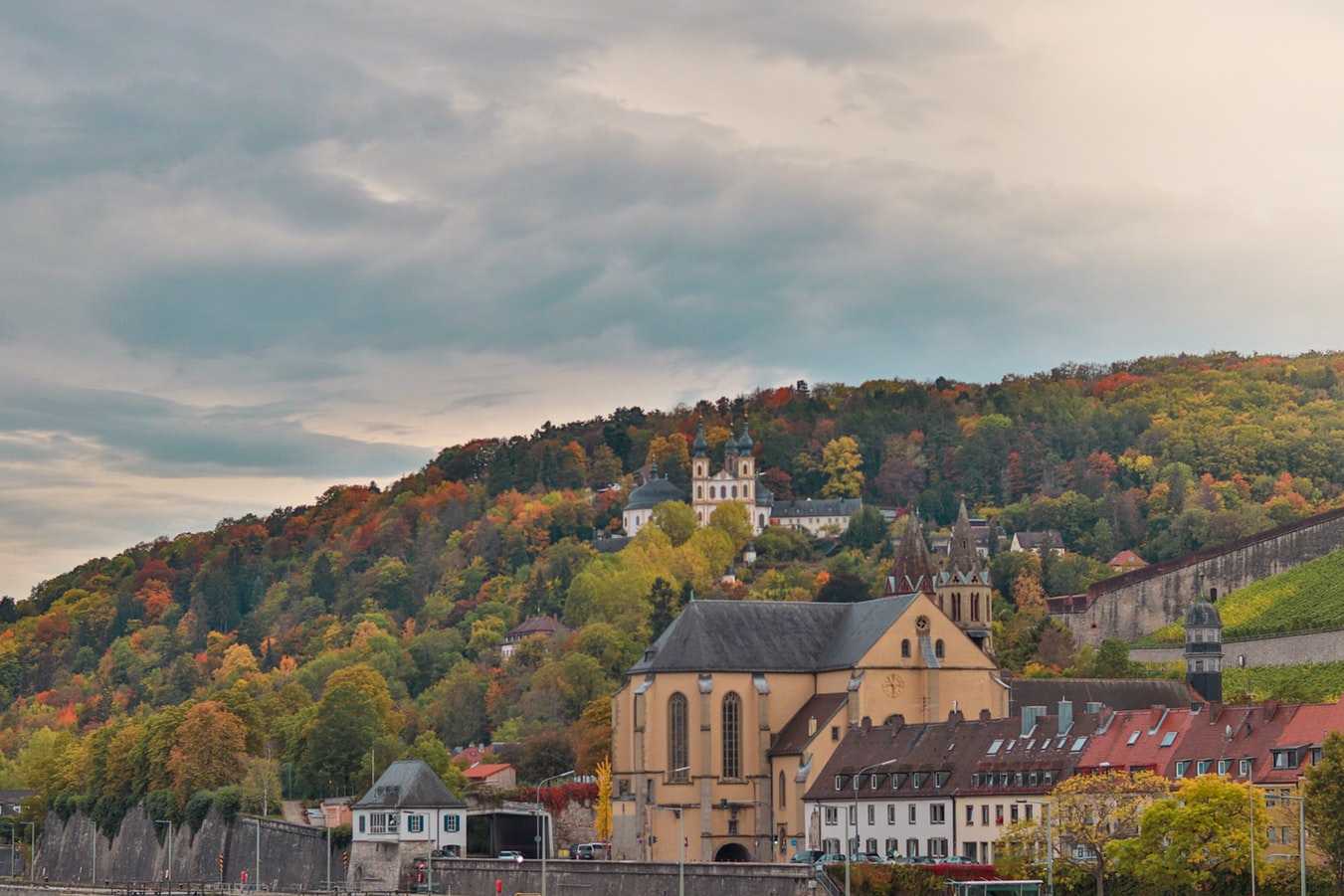
Würzburg is a city in Bavaria in southern Germany. It is located on the River Main and is famous for its lavish baroque architecture and Franconian wine. The Residence Palace is a UNESCO World Heritage Site and is highly recommended. It is a well known example of Baroque architecture with its acclaimed staircase, impressive frescos and imperial hall. Other impressive sites in Würzburg include the towering fortress of Festung Marienberg, the Alt Mainbrücke old bridge, which offers ideal views of the Marienberg, Dom St. Kilian cathedral and the many churches of Würzburg including the Romanesque Neumünster. Many of these sites have their own museums for visitors to learn of the history or view unique collections. Other museums of interest are the Mineralogical Museum, exhibiting the world of minerals and stones, and the Botanical Gardens, with various greenhouses and outdoor areas to enjoy. Wine lovers will find an abundance of wineries in Würzburg, offering cellar tours and wine tasting as well as traditional Bavarian cuisines and hospitality. Enjoy wine soup, Gerupfter (cheese spread) and Sauerbraten (braised beef in wine) in a friendly traditional wine tavern.
Bamberg, Germany
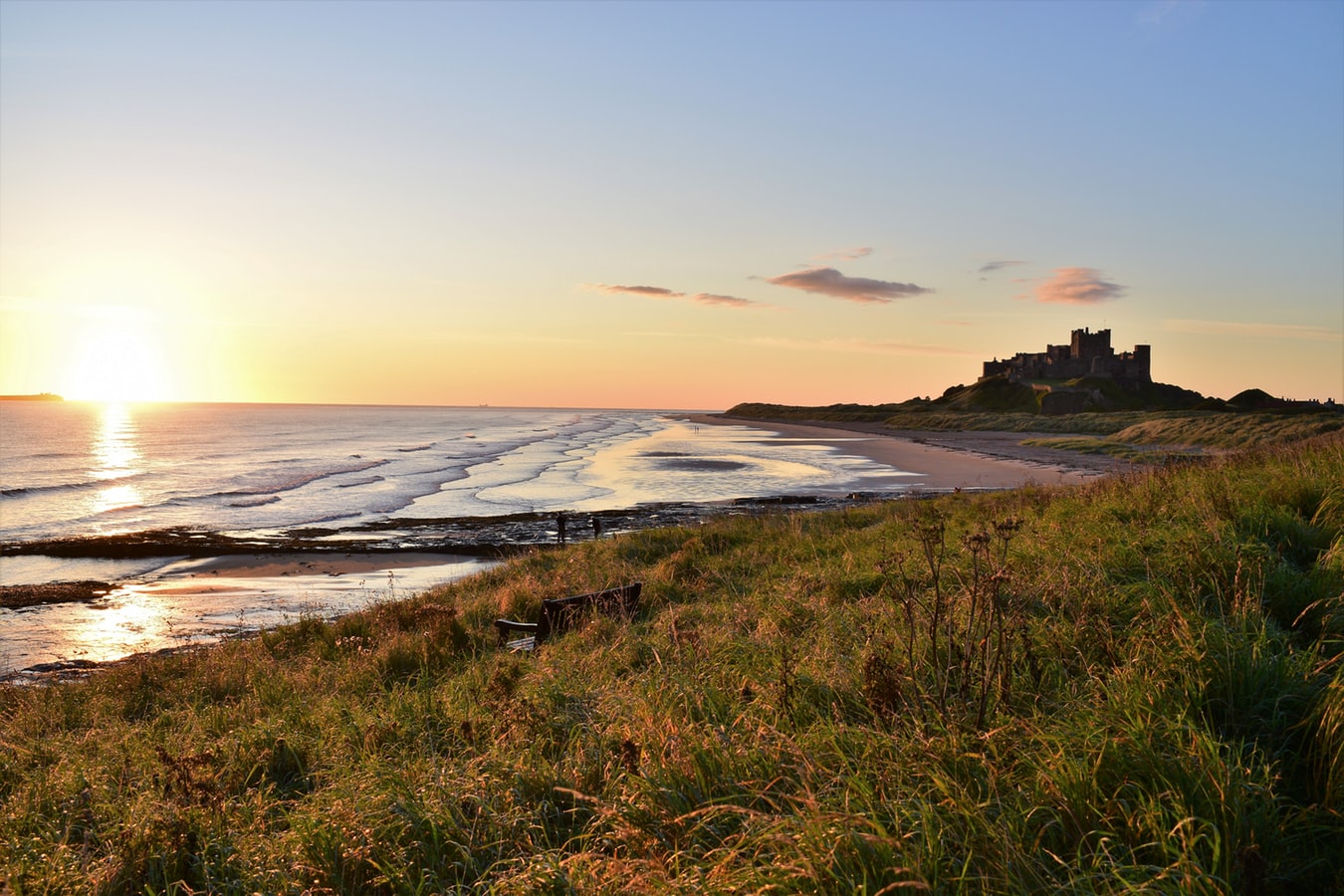
Bamberg is a German town located over a landscape of seven hills and the confluence of Regnitz and Main rivers. The town is a UNESCO World Heritage Centre with Old Town home to structures dating back to the 11th century. An iconic landmark to visit in Bamberg is the town hall Altes Rathaus, located on an island in the Regnitz and covered in murals. Bamberg Cathedral, with its four towers and numerous stone carvings, is a striking example of Romanesque architecture. Head to the Market Gardeners District and visit the historical houses where centuries ago the town gardeners would grow and export produce such as onions, seeds and liquorice. In the town centre and heart of Little Venice, the rivers and arched bridges connecting the island city are reminiscent of Venice, with a lively atmosphere and modern shops set in historical surroundings. After a day shopping, head to one of the many Brewery pubs for some popular German beer. Bamberg is famous for its beer and is where its name originated from, with the town being populated by nine traditional breweries.
Nuremberg, Germany
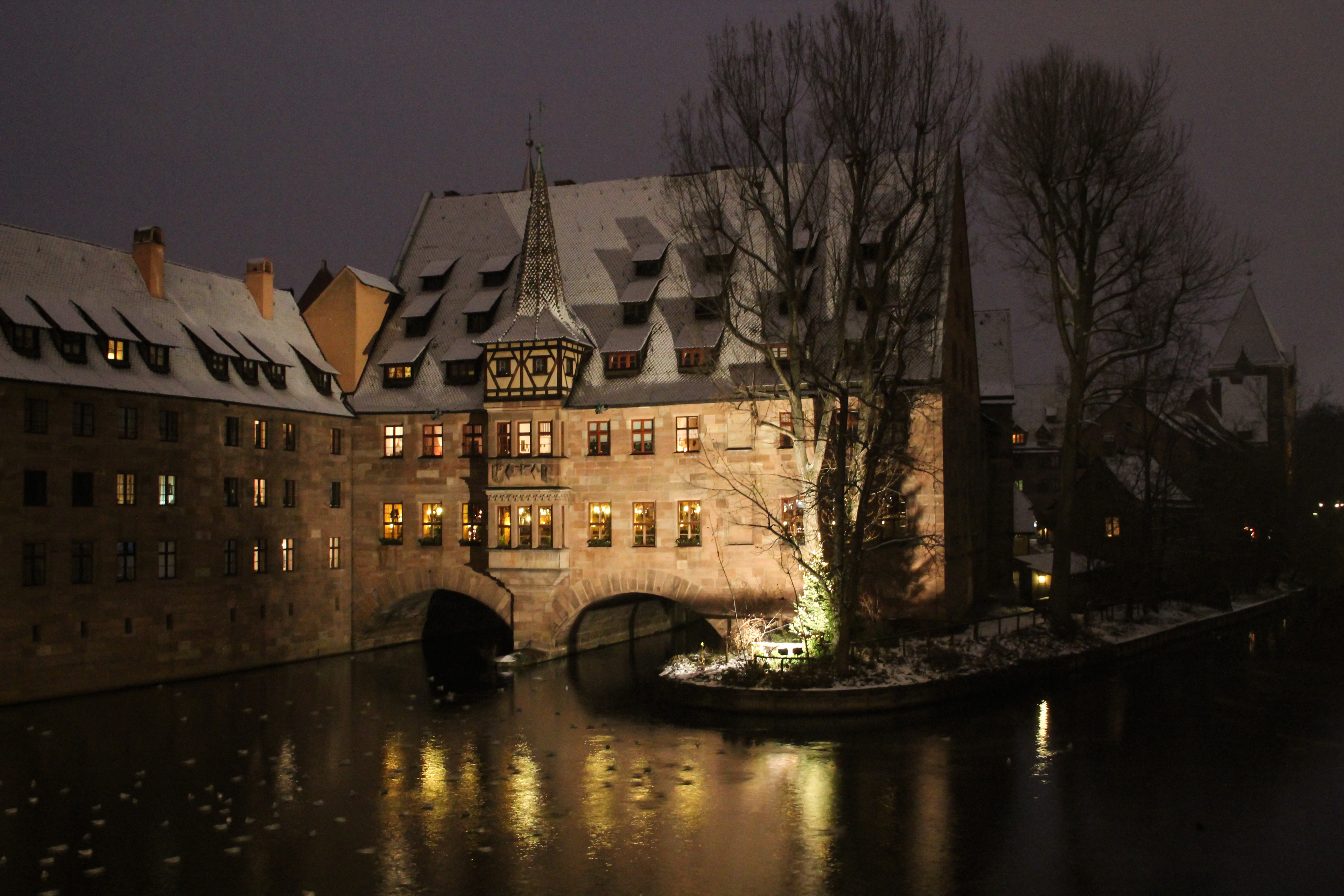
Nuremberg is a medieval city located in northern Bavaria in Germany. It is Bavaria’s second largest city and is noted for its iconic red roofed buildings and medieval architecture. The imperial Castle overlooks Nuremberg and was one of the most important fortifications of the Roman Empire. For more significant cultural history, the Germanisches Nationalmuseum, one of the largest cultural history museums in the German speaking world, offers visitors exhibitions from Prehistoric all the way to present day. Walking tours around the city offer an enjoyable and active way to learn of Nuremberg’s history and culture. Through Old Town, discover fountains, wells, churches, and art treasures, as well as learning of the colourful past and cosmopolitan present of the city and its people. Nuremberg is also home to one of the oldest Christmas markets in Germany, the Nuremberg Christkindlesmarkt, where visitors can purchase traditional handmade decorations and enjoy the famous gingerbread, mulled wine, and grilled sausage from over one hundred and eighty wooden stalls.
Regensburg, Germany
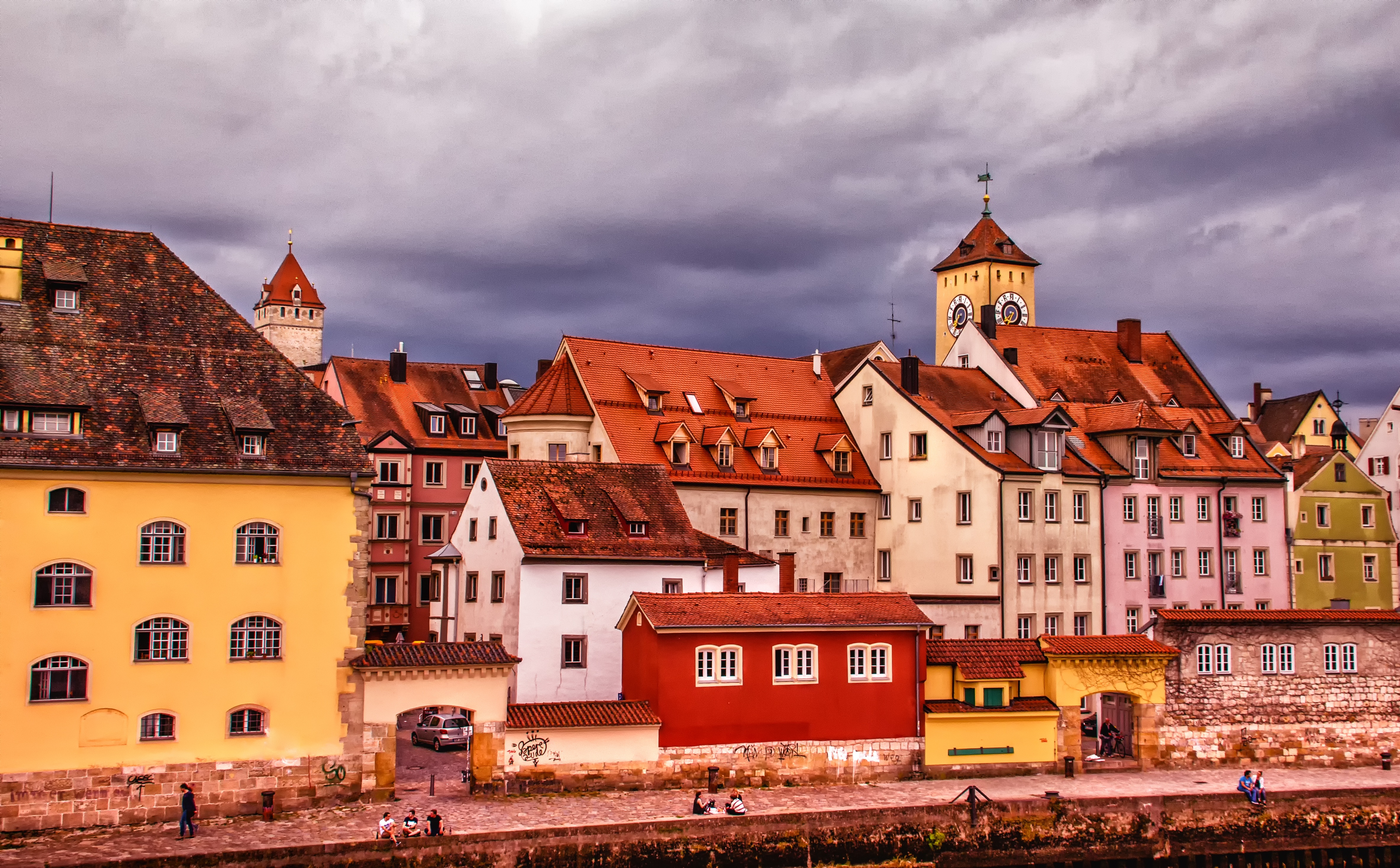
Regensburg is a medieval city of Bavaria in southeast Germany. It is situated on the northern point of the Danube River at its confluence with the Regen and Naab rivers. The city is famous for its iconic 12th Century stone bridge and sixteen arches, crossing the Danube into Old Town and is the oldest preserved bridge in Germany. Regensburg is also noted for its 13th Century Regensburg Cathedral and Gothic twin spires that feature prominently on the city’s skyline. Recently awarded UNESCO World Heritage status, the city is home to many preserved sites. Visit the the 2nd Century Porta Praetoria which served as the north gate to a Roman camp and St Peter’s Cathedral, with its French Gothic architecture. Also the 18th Century Thurn and Taxis Palace and the Old Town Hall, which is now home to the Imperial Diet Museum, are also worth a visit. Regensburg benefits from lots of parks and gardens for visitors to relax in, as well as walks and cycle paths along the banks of the rivers.
Passau, Germany
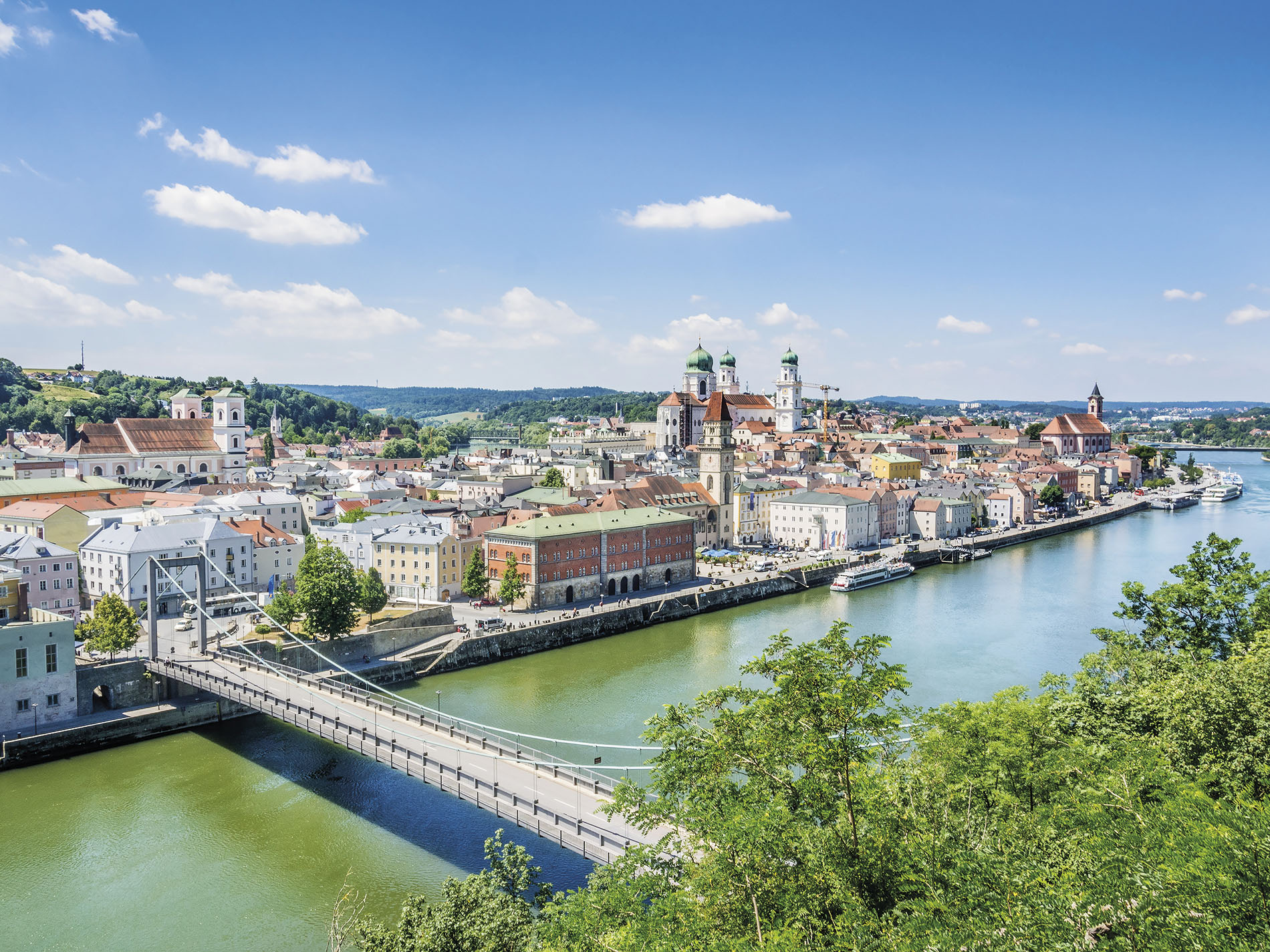
Passau is a German city located in the Southeast of Germany on the Austrian border. It is situated at the confluence of the rivers Danube, Inn and Ilz. The Three Rivers City, as it’s also known, is unique for its three contrasting currents of blue, green and black. Old Town of Passau is home to towering buildings of striking architecture: the majestic fortress Veste Oberhaus, the Pilgrimage Church Mariahilf and St Stephen’s Cathedral. Many of Passau’s attractions can be found in this area, including the New Bishop’s Residence, the Gothic Town Hall, as well as many churches and museums. Visitors can stroll along the riverfront promenades and romantic lanes whilst enjoying the picturesque landscape. For modern art, The Museum of Modern Art and Glass Museum Passau are recommended as they offer something a bit different. Theatre and cabaret are a popular evening pastime, with performances at the former Prince Bishopric Theatre or some lively cabaret and Jazz at the Scharfrichterhaus. Visitors will also find many traditional local Bavarian and Austrian cafes and restaurants offering a cosy atmosphere with home cooked food from local produce.
Salzburg, Austria
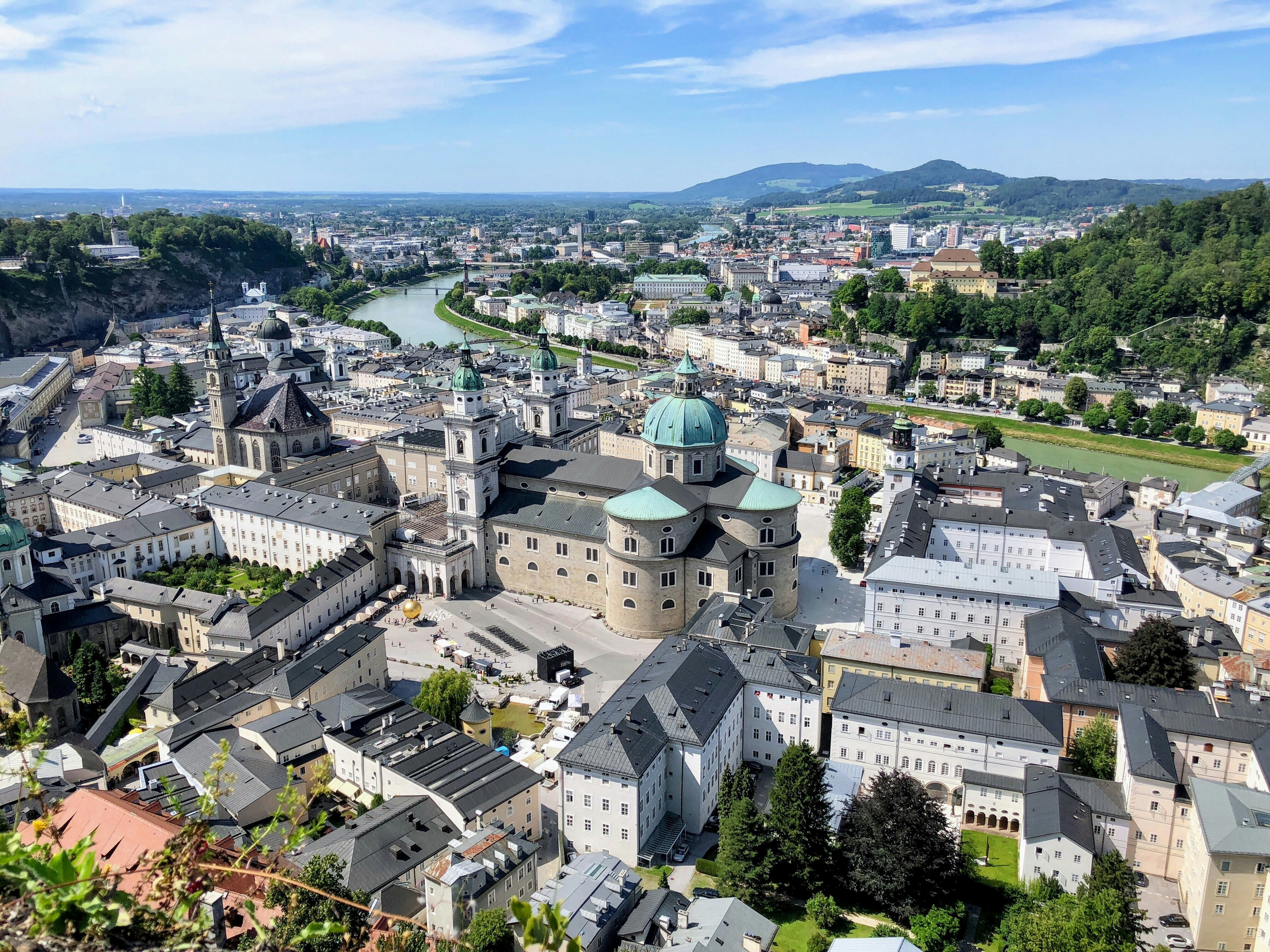
Take a guided tour of Salzburg before a Signature Experience.
Signature Experience – Gaisberg Mountain Lunch and ‘Sound of Music’ Show
Be welcomed by a Jagdhornbläser – a hunting horn blower – into a rustic, traditional restaurant on the Gaisberg mountain overlooking Salzburg. Enjoy a welcome drink as you soak in the scenery before savouring a delicious lunch, followed by a show featuring music from the classic film, The Sound of Music.
Linz, Austria
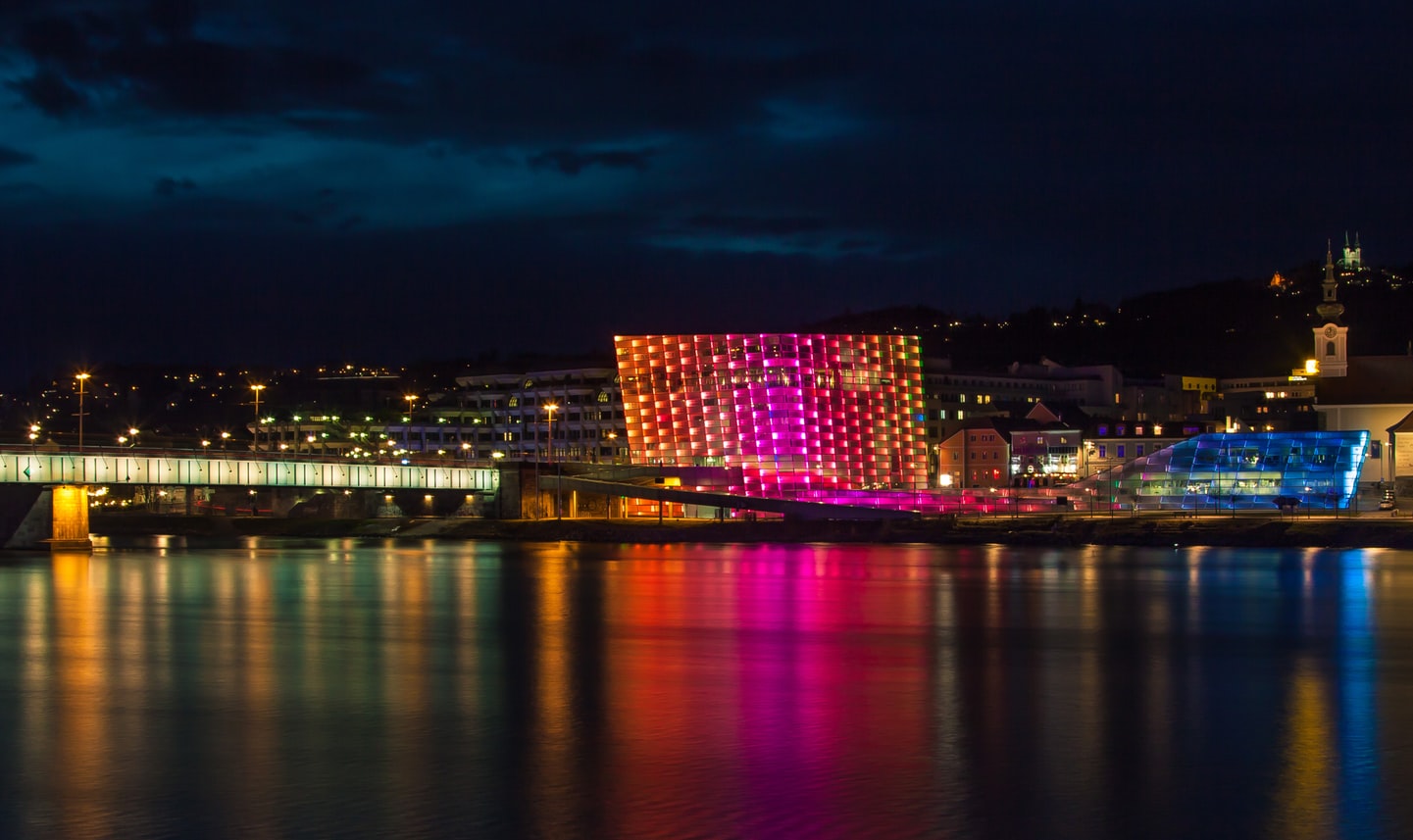
Linz is a city in northern Austria located on both banks of the Danube River and is a short distance from Salzburg and Vienna. Linz has been awarded UNESCO City of Media Arts status and prides itself on offering a broad spectrum of events, activities and cultural institutions. Enjoy popular open air concert such as Klassik am Dom and extravagant street performances, which attract large crowds and popular international artists. Art galleries and centres are in abundance around the city as well as many museums housing international collections and depictions of the history and heritage of Linz. The architecture of the city also plays an important role in Linz’s cultural heritage with Main Square, Old Town and Mariendom Cathedral being some key attractions. Families will enjoy a trip to Postlingberg, located high up in the mountains and featuring a zoo, the Grottenbahn and spectacular views of the river and city below.
Melk, Austria
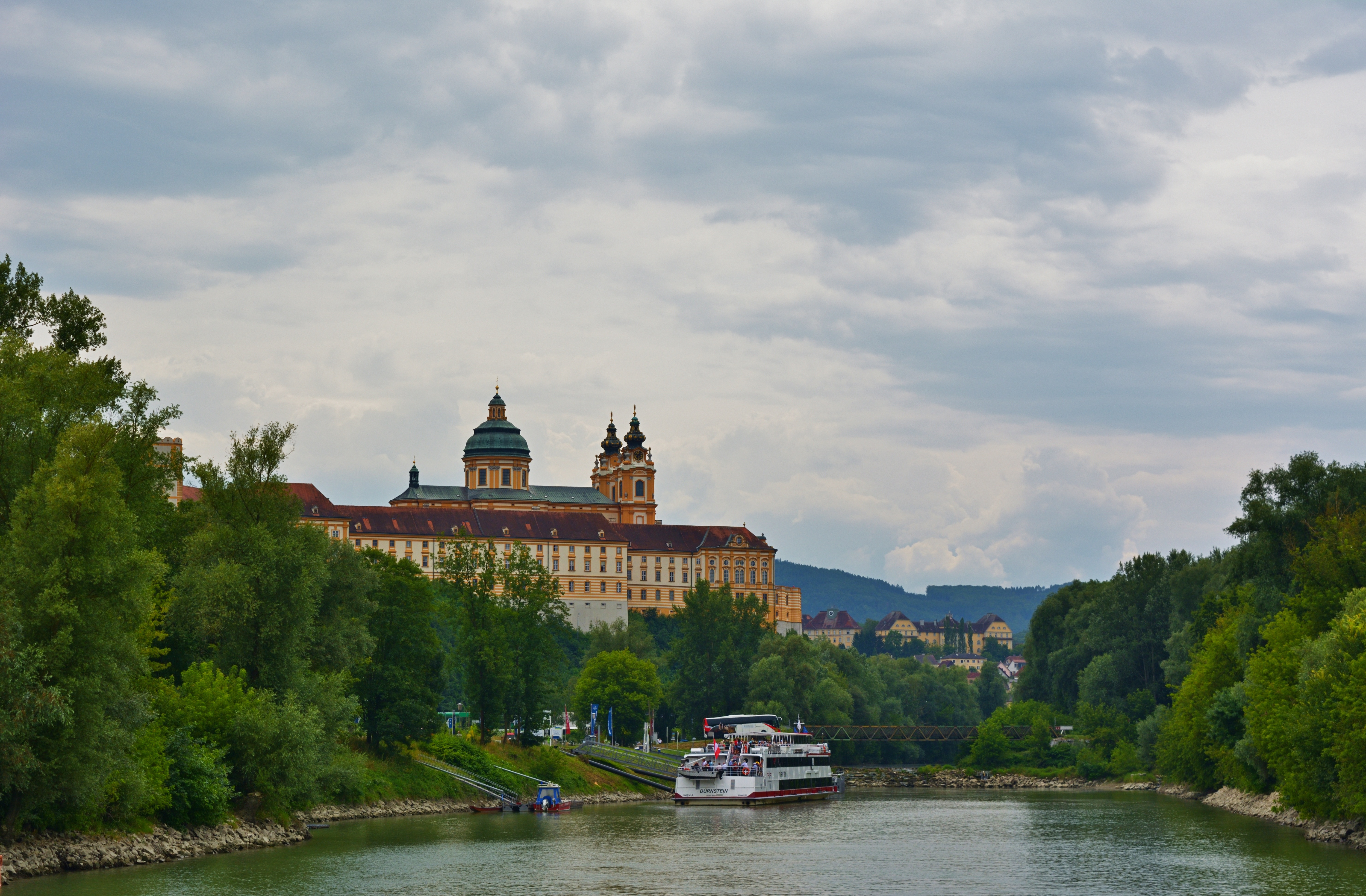
Melk is an Austrian town situated on the River Danube. Located west of Vienna, the town is mostly famous for its 11th Century Melk Abbey, a magnificent monastery built high above the town. Melk Abbey is the largest example of Baroque architecture in the Wachau Valley, with the valley itself awarded UNESCO World Heritage Site status in 2000. Its steep terraced vineyards mean vinters cultivate with traditional manual practices and the springtime sees this unique landscape covered in apricot tree blossoms. Strolling around the streets of Melk Old Town, visitors will find the Town Hall Square, the Main Square, the old Post Office, now a local museum, Old Abbey Tavern, and Kremser Strasse. River cruises, self-guided walking tours and cycle tours are also extremely popular around Melk, as the Wachau Valley offers unique landscape to be explored and enjoyed. Art festivals and Baroque music is celebrated each year with the Melk Baroque Days, an international festival.
Dürnstein, Austria
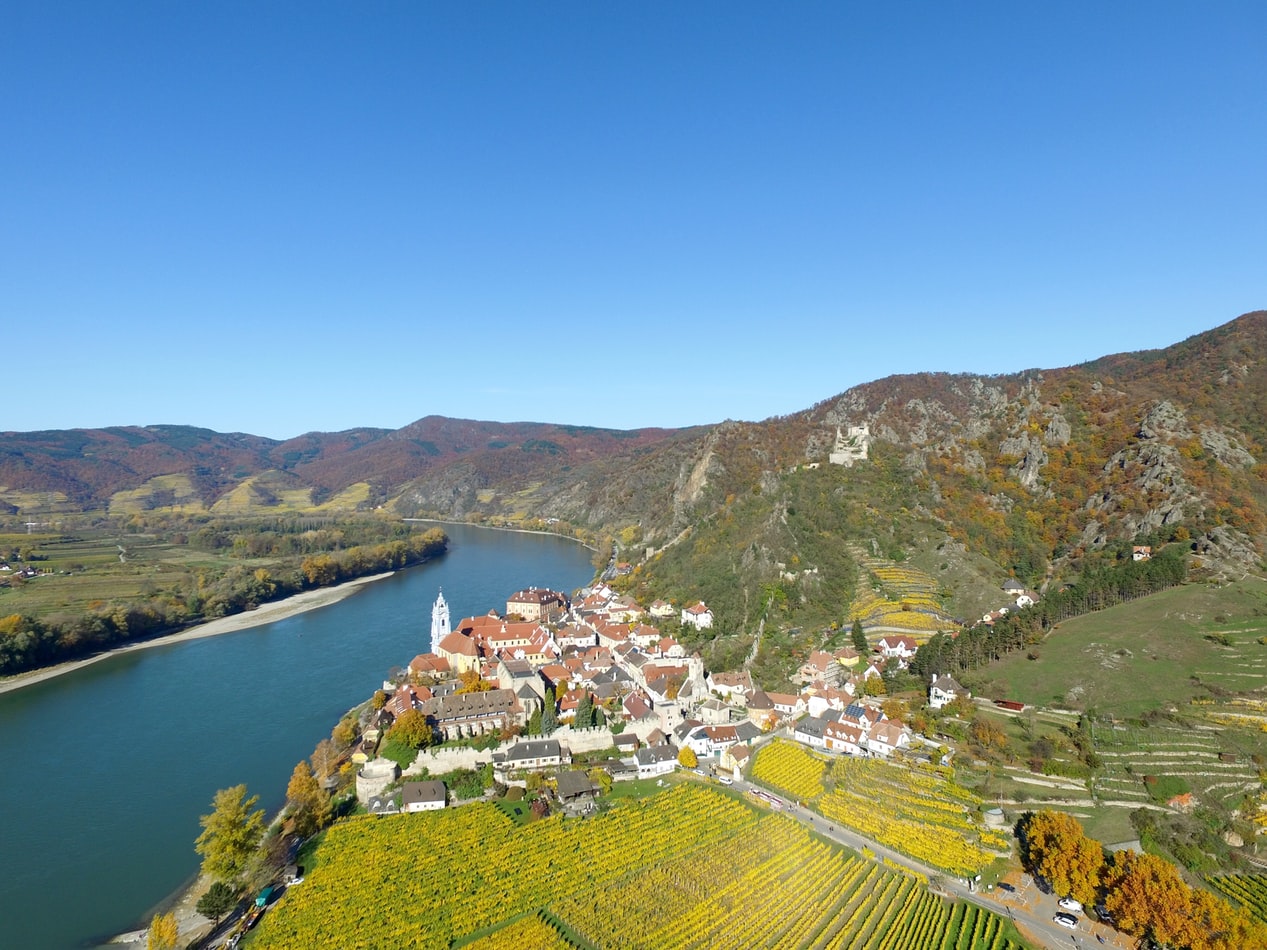
Dürnstein is a town located in the Northeast of Austria, situated on the Danube river. It is part of the UNESCO World Heritage site and wine region of Wachauer. It is a popular destination for wine lovers as many wineries offer accommodation. In addition to wine tasting and vineyard tours, visitors will find exploring the area on foot is easy and enjoyable. Take one of the many beautiful hiking trails across ancient rocks and admire the impressive views across the Danube valley. Children will enjoy exploring the outdoors of Dürnstein too, with outdoor playgrounds and theme trails available to keep them entertained. In addition, children and adults will enjoy Austria’s only outdoor biological swimming pool, Kuenringerbad, with an average temperature of 23 degrees celsius. Enjoy views of the town from overhead helicopter tours, leisurely river excursions, or hike up into the mountains and explore some of Dürnstein’s ruins. The mountains offer the ruins of Dürnstein castle and city wall as well as beautiful flora and fauna to spot.
Vienna, Austria
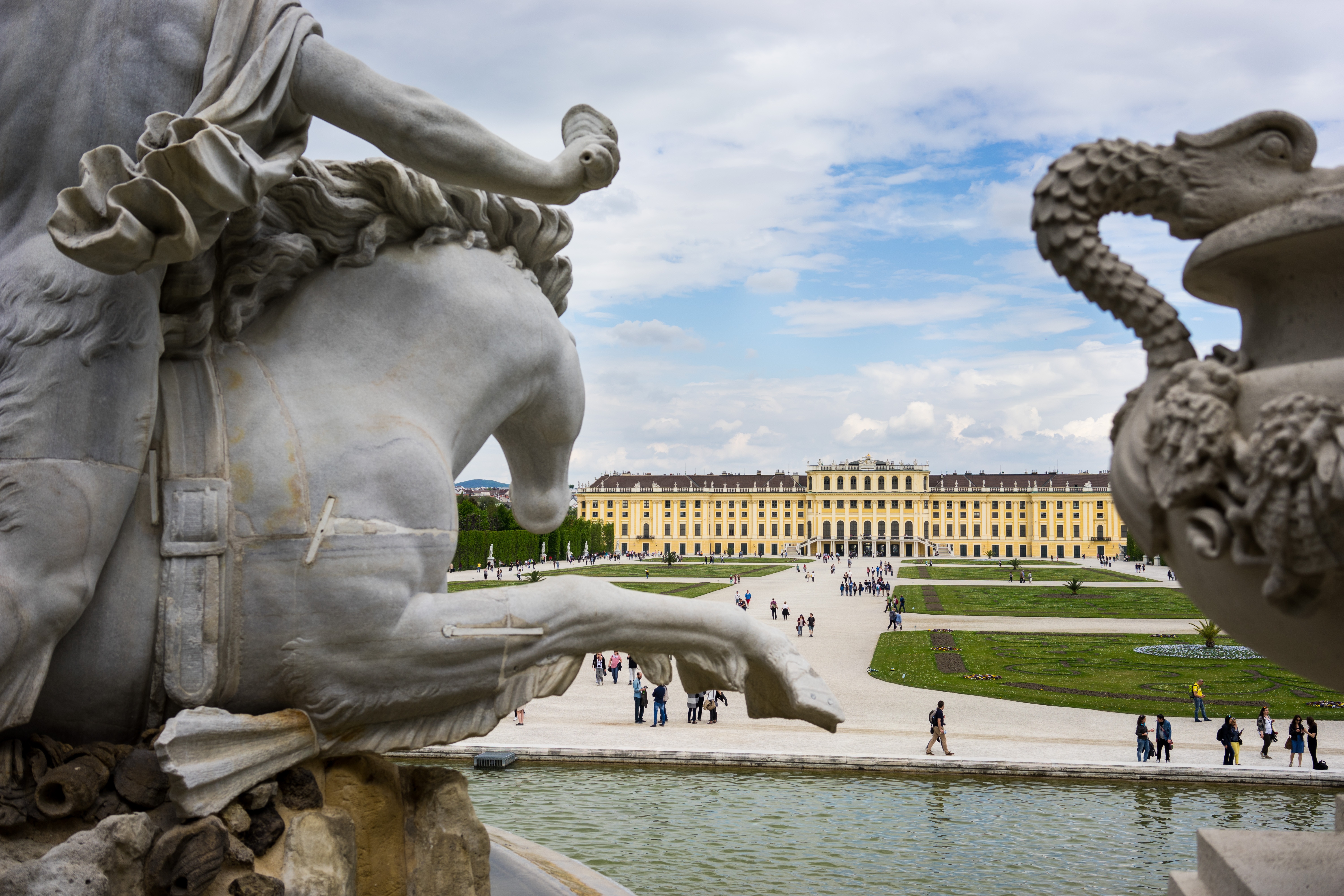
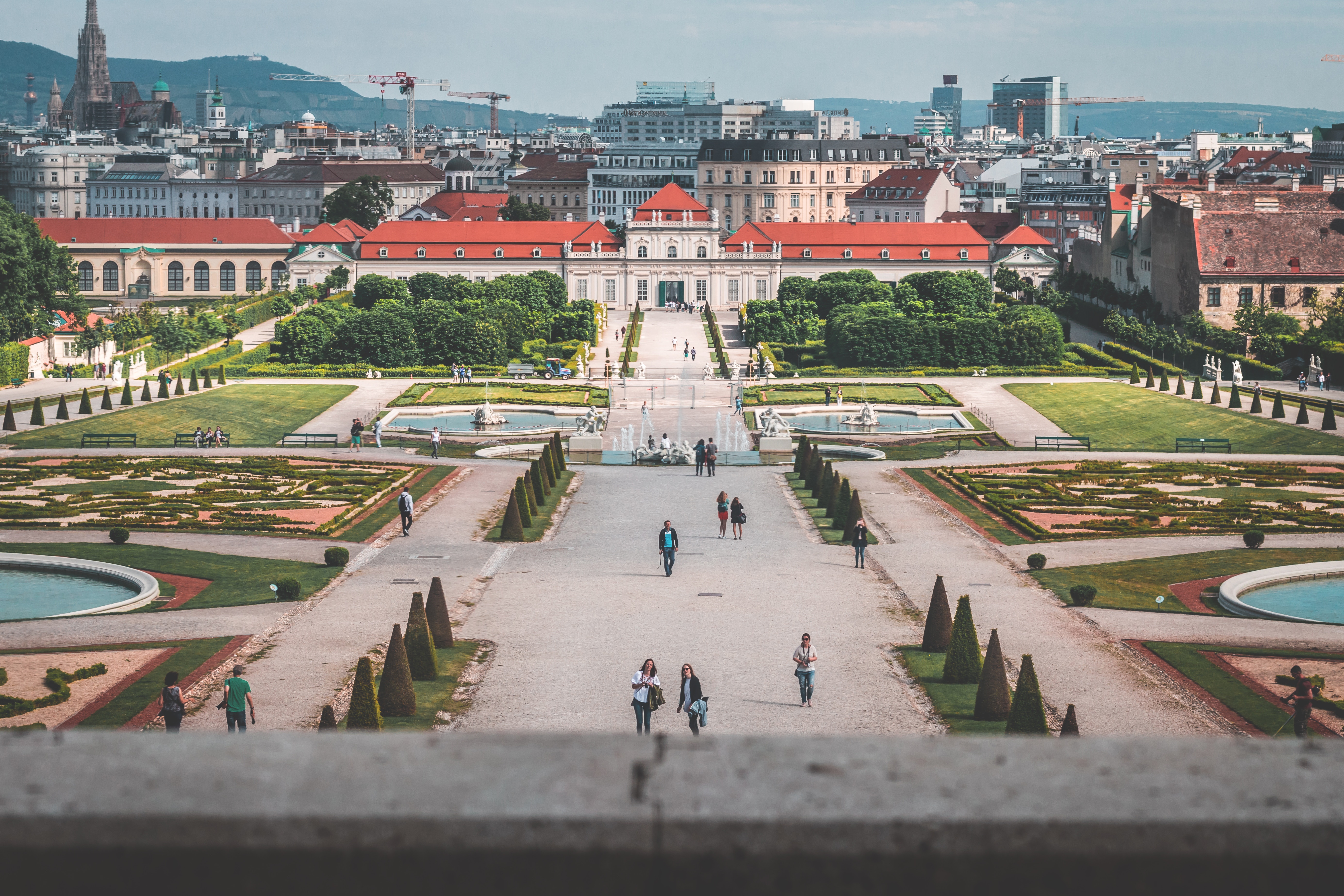
Vienna is the capital and largest city of Austria. Located on the Danube River in the East of the country, the city is renowned for its strong music heritage and rich culture, and is the largest German speaking city in the world, outside of Berlin. In 2001, Vienna was designated a UNESCO World Heritage Site and boasts magnificent architecture. The city is home to over 27 castles and 150 palaces including the symbolic Gothic St Stephen’s Cathedral and the iconic Schönbrunn Palace. Art and music are in abundance and all tastes are catered for. Live music venues offer everything from Rock to Opera. Enjoy world class performances at Vienna State Opera and experience the epicentre of international concert life at Musikverein. Modern and historical art can be found in indoor and outdoor spaces around the city, and a visit to the famous Kunsthistorisches Museum (KHM) is highly recommended. Enjoy views of the city from the Danube Tower and the Giant Ferris Wheel, then relax in the ample cosy coffee houses, cafes, bars and restaurants where traditional and international cuisines are served, as well as the locally produced wines.
Vienna, Austria
Vienna is the capital and largest city of Austria. Located on the Danube River in the East of the country, the city is renowned for its strong music heritage and rich culture, and is the largest German speaking city in the world, outside of Berlin. In 2001, Vienna was designated a UNESCO World Heritage Site and boasts magnificent architecture. The city is home to over 27 castles and 150 palaces including the symbolic Gothic St Stephen’s Cathedral and the iconic Schönbrunn Palace. Art and music are in abundance and all tastes are catered for. Live music venues offer everything from Rock to Opera. Enjoy world class performances at Vienna State Opera and experience the epicentre of international concert life at Musikverein. Modern and historical art can be found in indoor and outdoor spaces around the city, and a visit to the famous Kunsthistorisches Museum (KHM) is highly recommended. Enjoy views of the city from the Danube Tower and the Giant Ferris Wheel, then relax in the ample cosy coffee houses, cafes, bars and restaurants where traditional and international cuisines are served, as well as the locally produced wines.
Budapest, Hungary
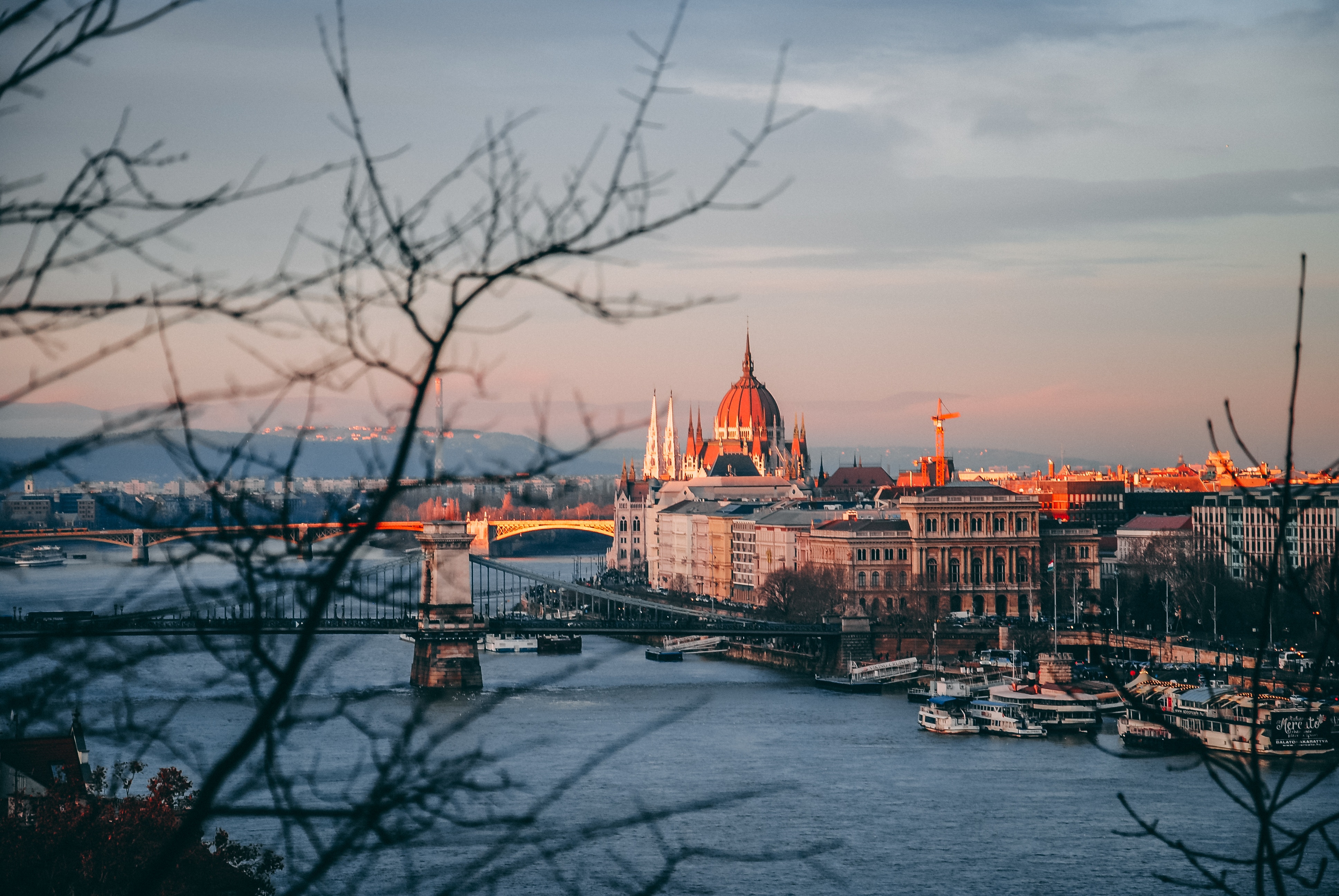
Budapest is the capital city of Hungary and is located over the River Danube. It is one of the largest cities in the European Union and much of its historical sites have been awarded UNESCO World Heritage Site status. Originally formed in 1873 by the joining of Buda, Pest and Old Buda, the city suffered heavy destruction during World War II and was rebuilt into the country’s political, cultural and commercial hub it is now. Bridges and railways connect the city over the Danube, including the six small islands situated on the river themselves. Some of Budapest’s UNESCO World Heritage sites include Chain Bridge, Budapest Parliament, the striking Matthias church and the iconic Royal Palace visible from every location within Budapest City. The Castle Hills district architecture represents over a thousand years of the city’s history with examples of Roman, Turkish, Gothic, Renaissance and Art Nouveau styles. Budapest also has a rich Jewish heritage and is home to the largest synagogue in Europe. The city has an abundance of restaurants offering international cuisines, as well as traditional Hungarian dishes ,including goulash soup, a very popular lunchtime dish. Hungarians enjoy their coffee so a traditional cafe is never hard to find.
Budapest, Hungary
Budapest is the capital city of Hungary and is located over the River Danube. It is one of the largest cities in the European Union and much of its historical sites have been awarded UNESCO World Heritage Site status. Originally formed in 1873 by the joining of Buda, Pest and Old Buda, the city suffered heavy destruction during World War II and was rebuilt into the country’s political, cultural and commercial hub it is now. Bridges and railways connect the city over the Danube, including the six small islands situated on the river themselves. Some of Budapest’s UNESCO World Heritage sites include Chain Bridge, Budapest Parliament, the striking Matthias church and the iconic Royal Palace visible from every location within Budapest City. The Castle Hills district architecture represents over a thousand years of the city’s history with examples of Roman, Turkish, Gothic, Renaissance and Art Nouveau styles. Budapest also has a rich Jewish heritage and is home to the largest synagogue in Europe. The city has an abundance of restaurants offering international cuisines, as well as traditional Hungarian dishes ,including goulash soup, a very popular lunchtime dish. Hungarians enjoy their coffee so a traditional cafe is never hard to find.
Cabin Options
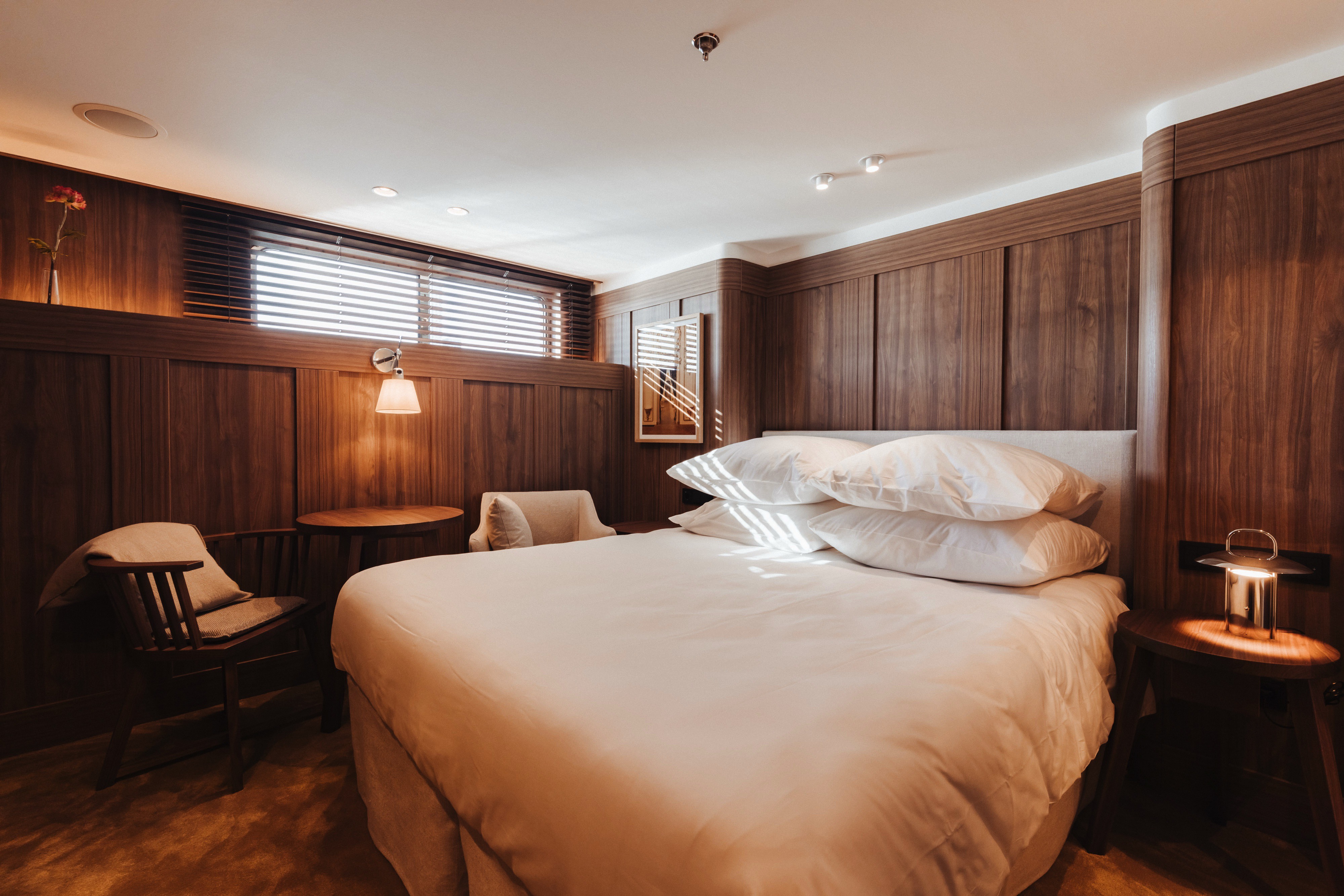
Twin Window Suites
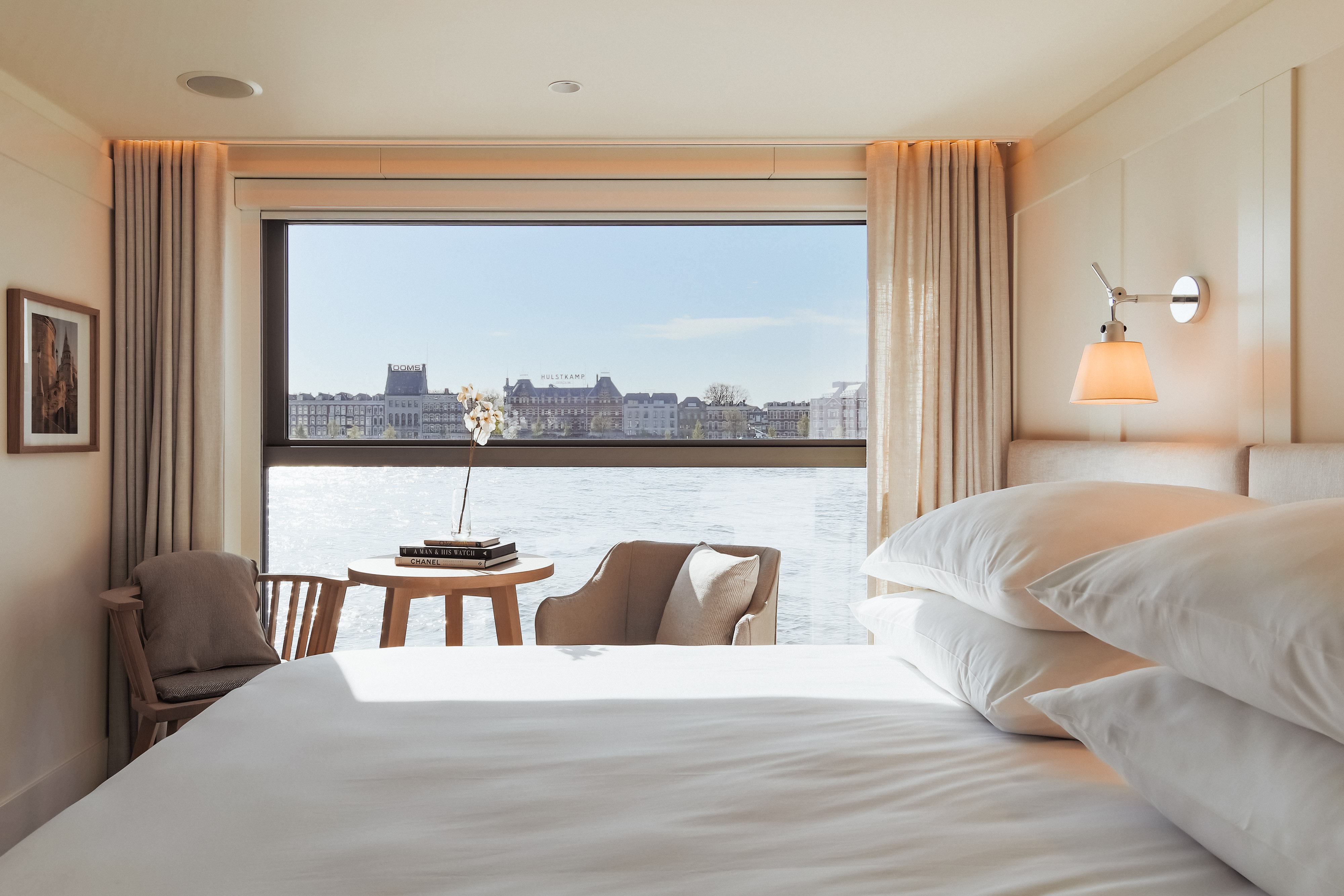
French Balcony Suites
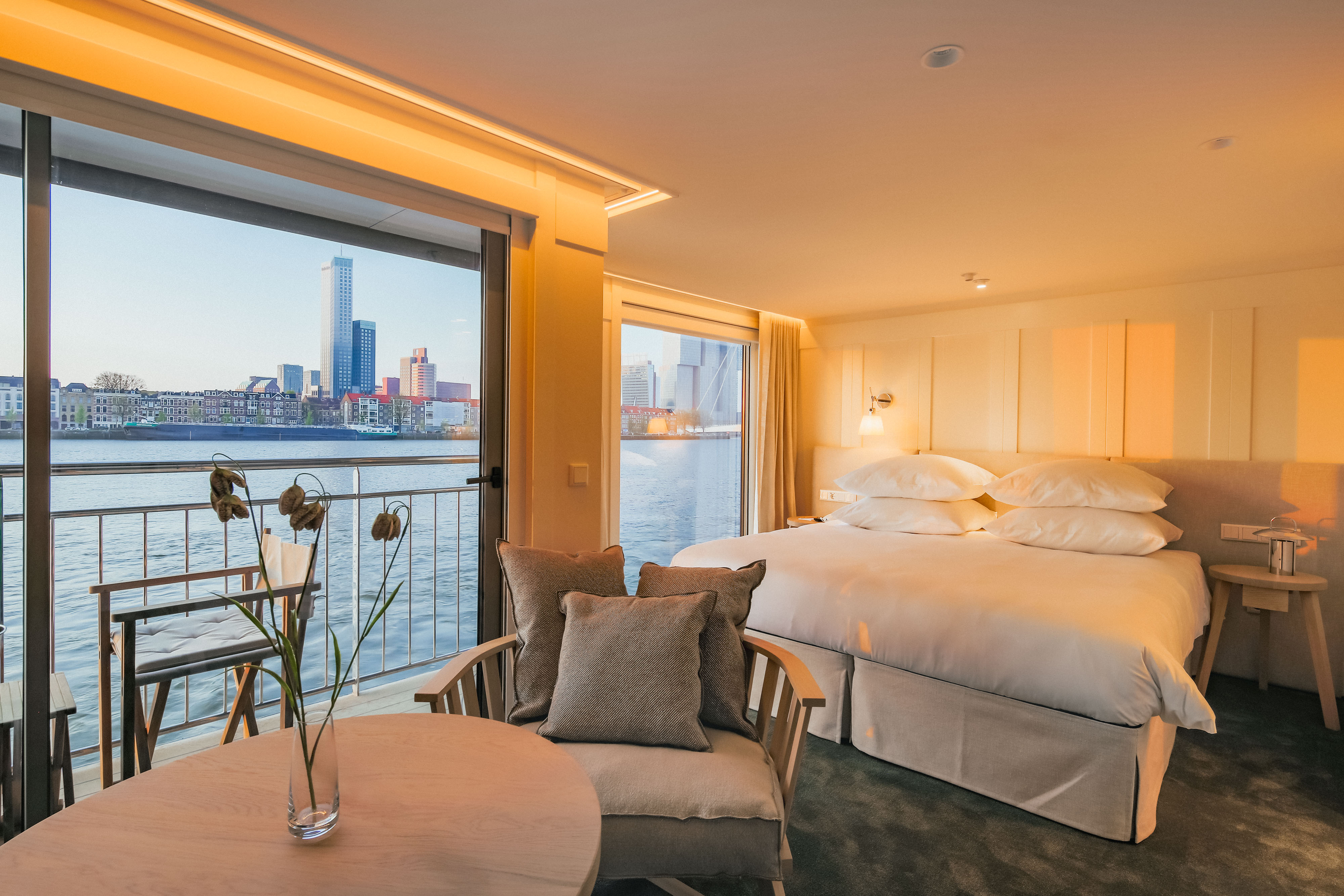
Owner's Suites
Ship Facilities
The Gruner Bar & Dining
The Most Unique Restaurant Afloat
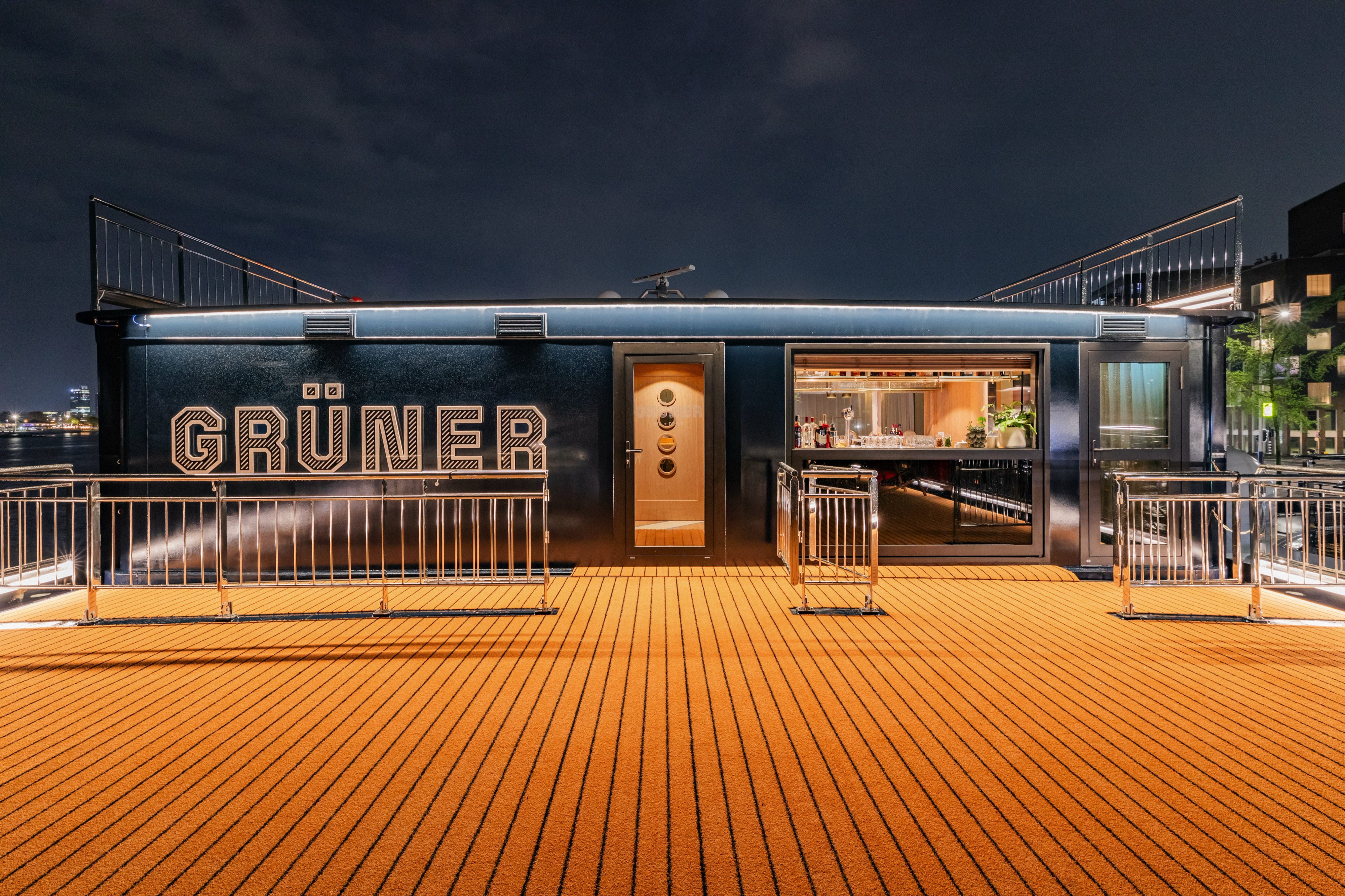
Relish the ambience of The Grüner Bar & Dining, offering local ingredients to tantalise your tastebuds. This one-of-a-kind venue quite literally raises the bar with a world-first state-of-the-art hydraulic system that lifts the entire space from the Upper Deck to the Sun Deck, offering spectacular views.
Reminiscent of a neighbourhood wine bar, The Grüner Bar & Dining serves seasonal small plates and regional fare, paired with cocktails and fine wines. A cutting-edge hydraulic system lifts the venue to the upper Sun Deck for panoramic views.
Bistro Saison
Serving dishes inspired by Europe’s classic neighbourhood bistros, the main dining room celebrates the rich European fare that locals know all too well, adding a modern twist to amplify traditional flavours.
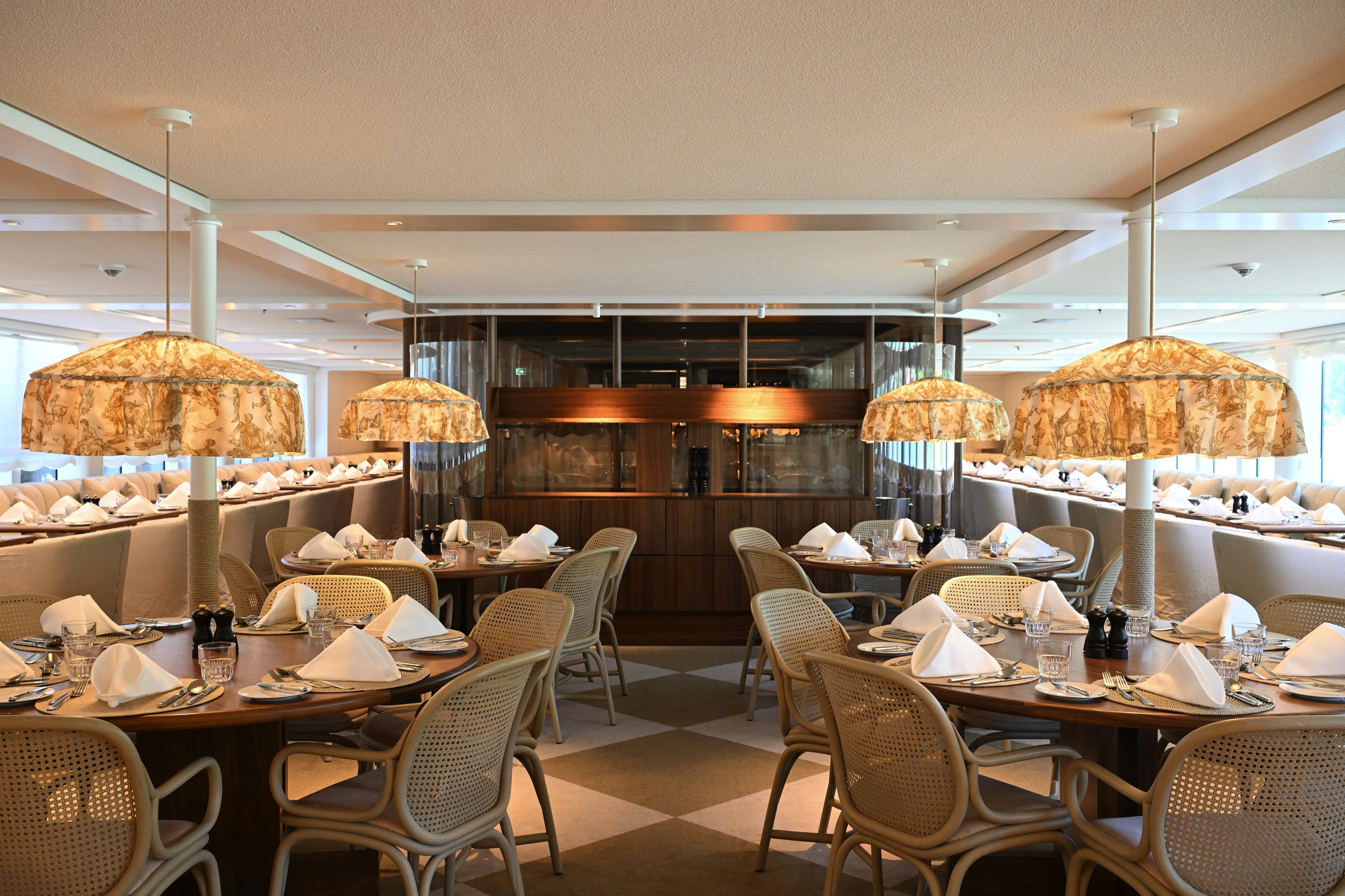
The Owner's Cellar
With sophisticated decor alluding to an exclusive atmosphere, the wine cellar offers delectable courses served from a refined menu. Dishes are designed to be shared and paired with wines from a cellar list, creating a collective experience.
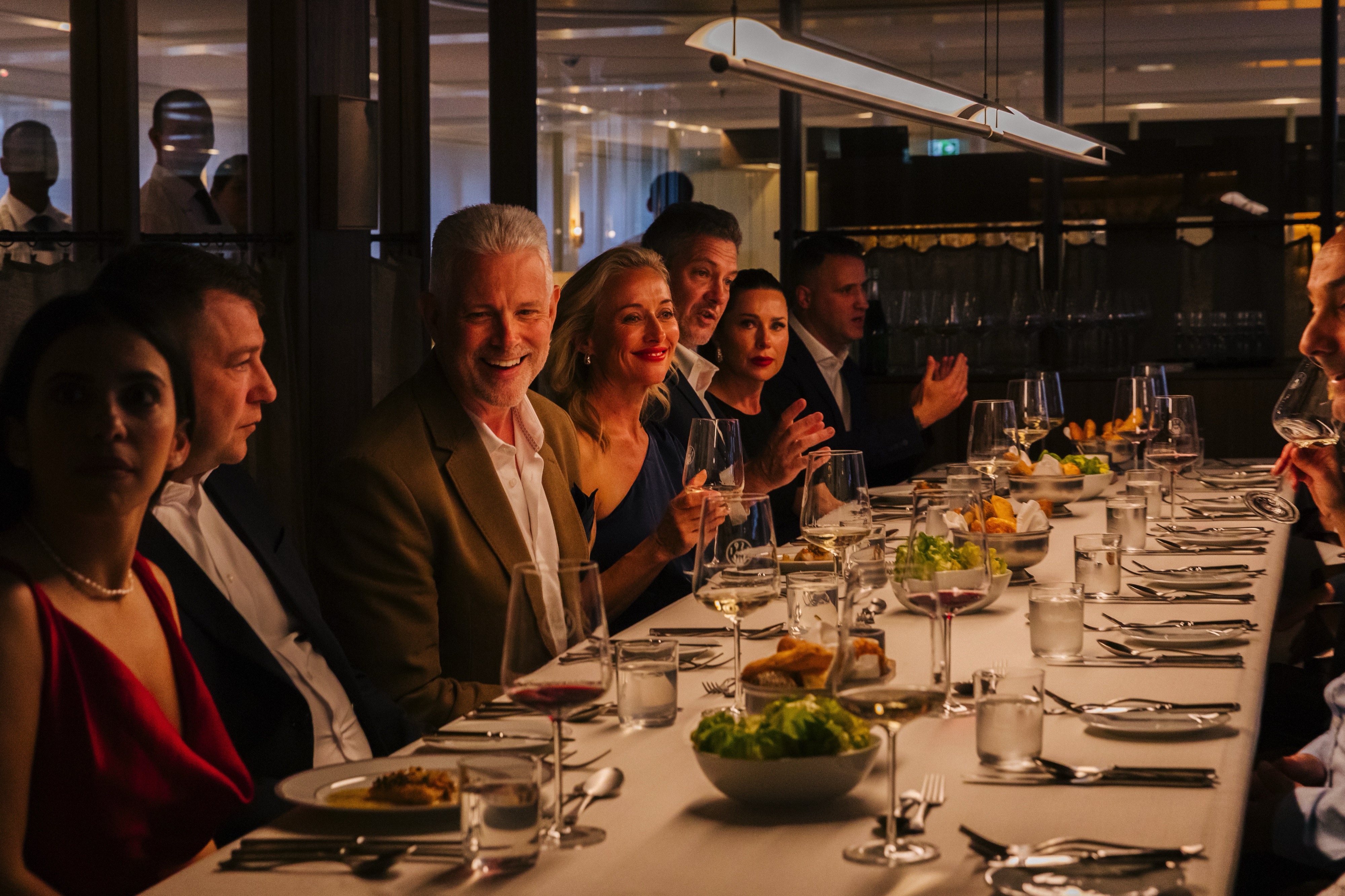
Annie's Table
Indulge in a menu full of familiar favourites in this contemporary dining venue. Share a delicious meal accompanied by your preferred beverage and toast to the day that was with your fellow travellers.

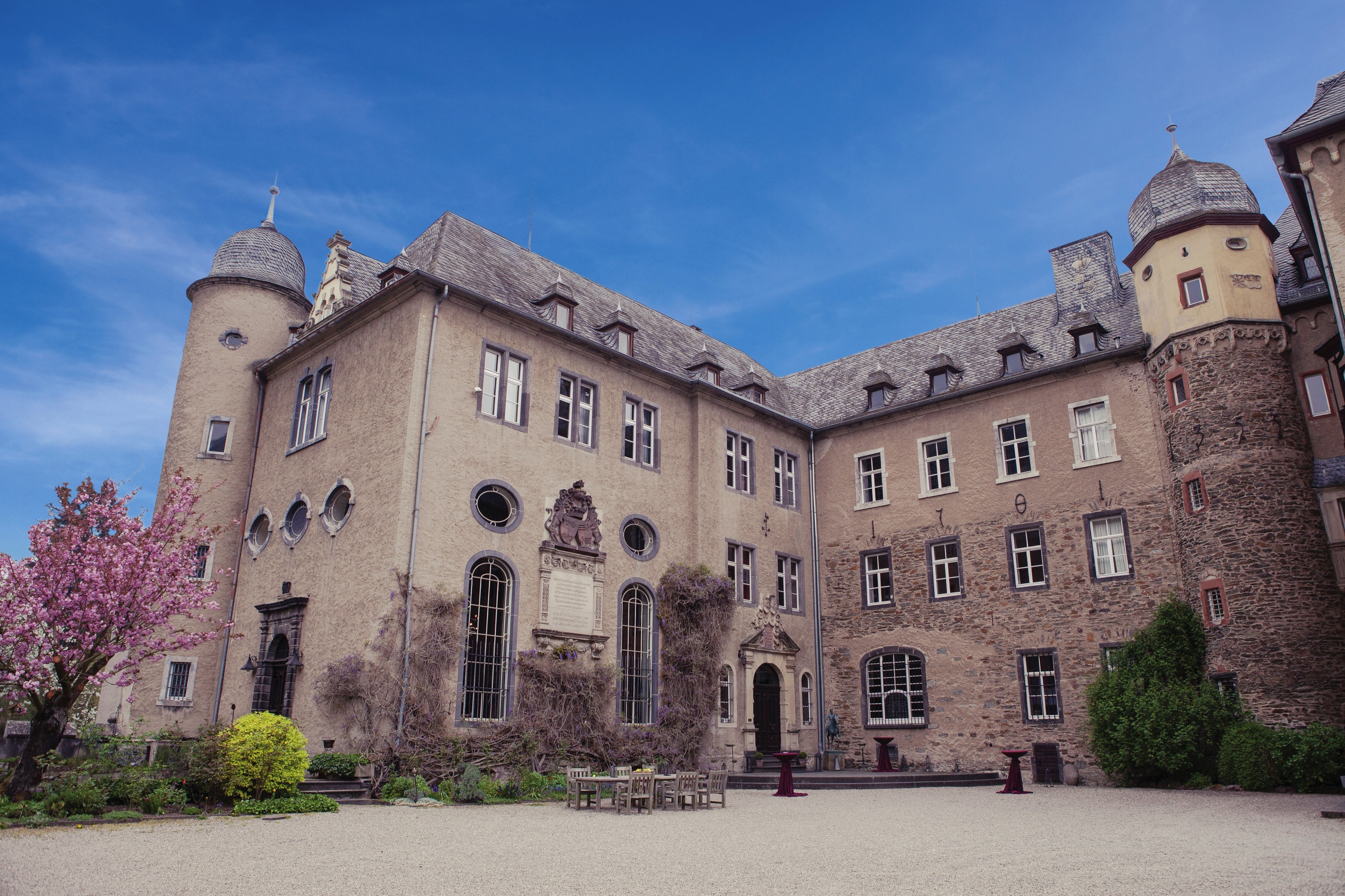
Namedy Castle
Princess Heide von Hohenzollern graciously welcomes APT guests into her home, Namedy Castle, a royal escape set near the Rhine River in Germany. After wandering through the castle and its manicured gardens during this exclusive Signature Experience, you’ll attend a morning tea, where a pianist sets the mood.
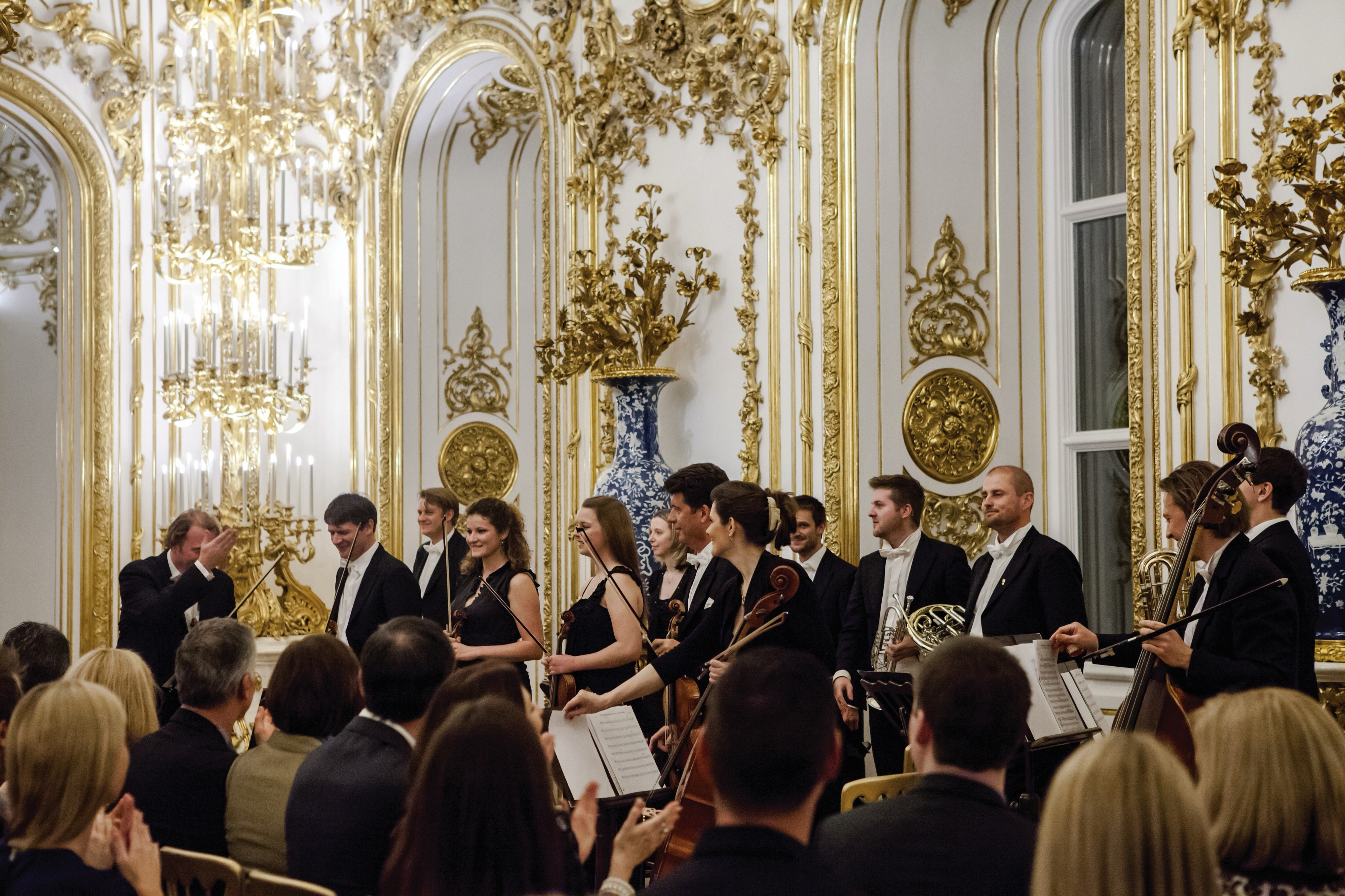
Cocktail Party and Private Performance at Vienna’s City Palace
Head to the princely family of Liechtenstein’s City Palace in the heart of the Austrian capital of Vienna, where we have arranged an exclusive cocktail party and private recital, just for you. During this extraordinary Signature Experience, a full orchestra will perform classical masterpieces by Mozart and Strauss. You will also be enchanted by an operatic recital.
Gaisberg Mountain Lunch and ‘The Sound of Music’ Show
On this incredible Signature Experience in Austria, be welcomed by a Jagdhornbläser – a hunting horn blower – into a rustic, traditional restaurant on the Gaisberg mountain overlooking Salzburg. Enjoy a welcome drink as you soak in the scenery before savouring a delicious lunch, followed by a show featuring music from the classic film, ‘The Sound of Music’.
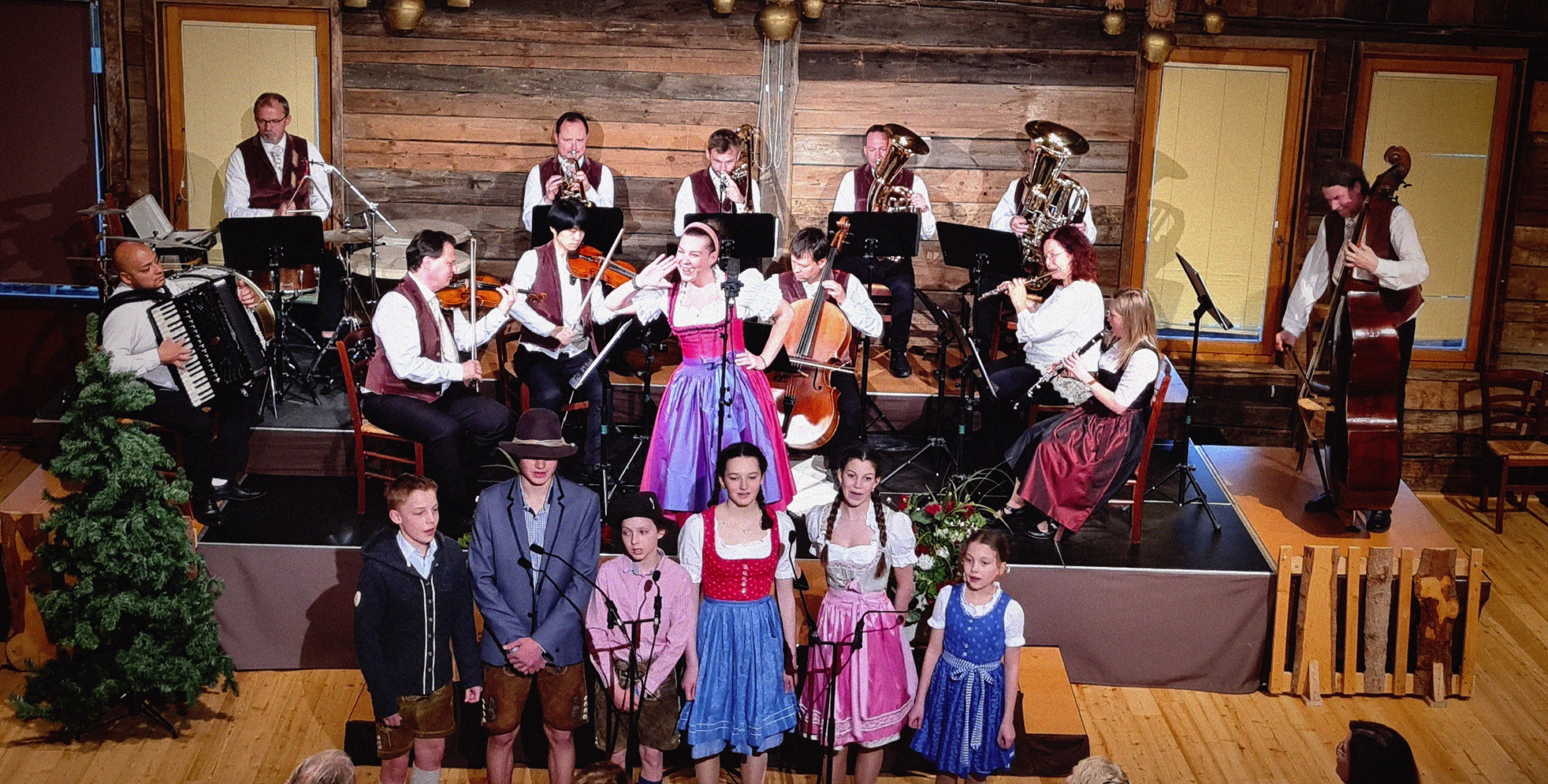
Golubac Walking Tour
On this Signature Experience, enjoy a fascinating walking tour of Golubac, a charming village in eastern Serbia. Explore the striking 14th-century Golubac Fortress, which stands at the entrance to the Iron Gates of the Danube, and hear about its captivating history from your expert guide. Then, visit a local riverside tavern, where you’ll delight in a delicious Serbian meze tasting, featuring an array of small dishes such as cheeses, cured meats and other local specialties.
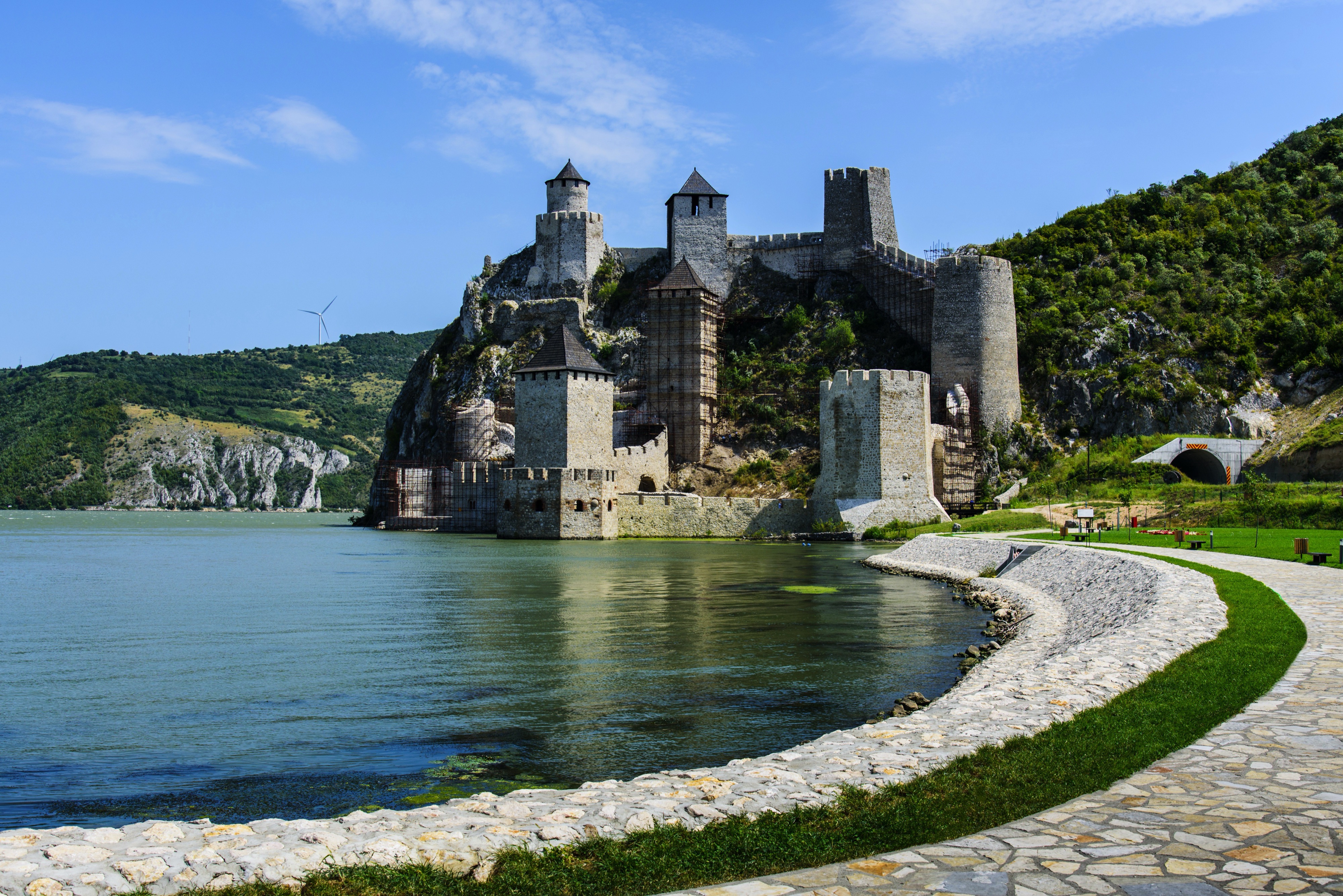
Folk Art House and Horse Show
On this memorable Signature Experience, visit the Folk Art House, where local handicrafts are on show. Then, visit a producer of one of Hungary’s spiciest exports, paprika. Afterwards, a farm in Puszta is the perfect setting for a stellar horse show and authentic Hungarian lunch.
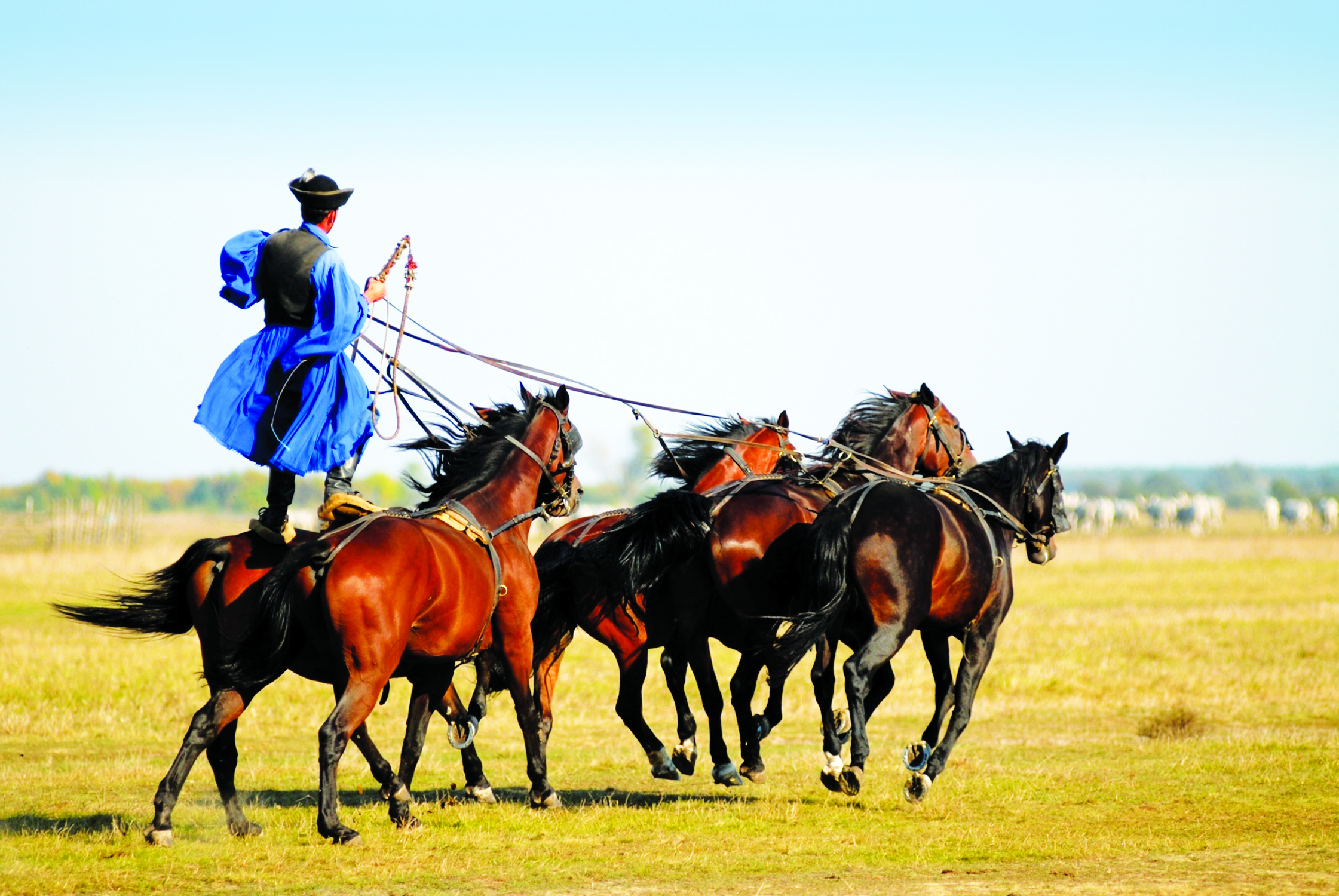
Iron Gates Cruising
Get ready to witness nature at its finest today as your ship cruises through the Iron Gates, a stunning natural wonder of lush forests, towering cliffs and rugged landscapes. This spectacular series of gorges connects Serbia and Romania and makes for an unparalleled cruising experience.
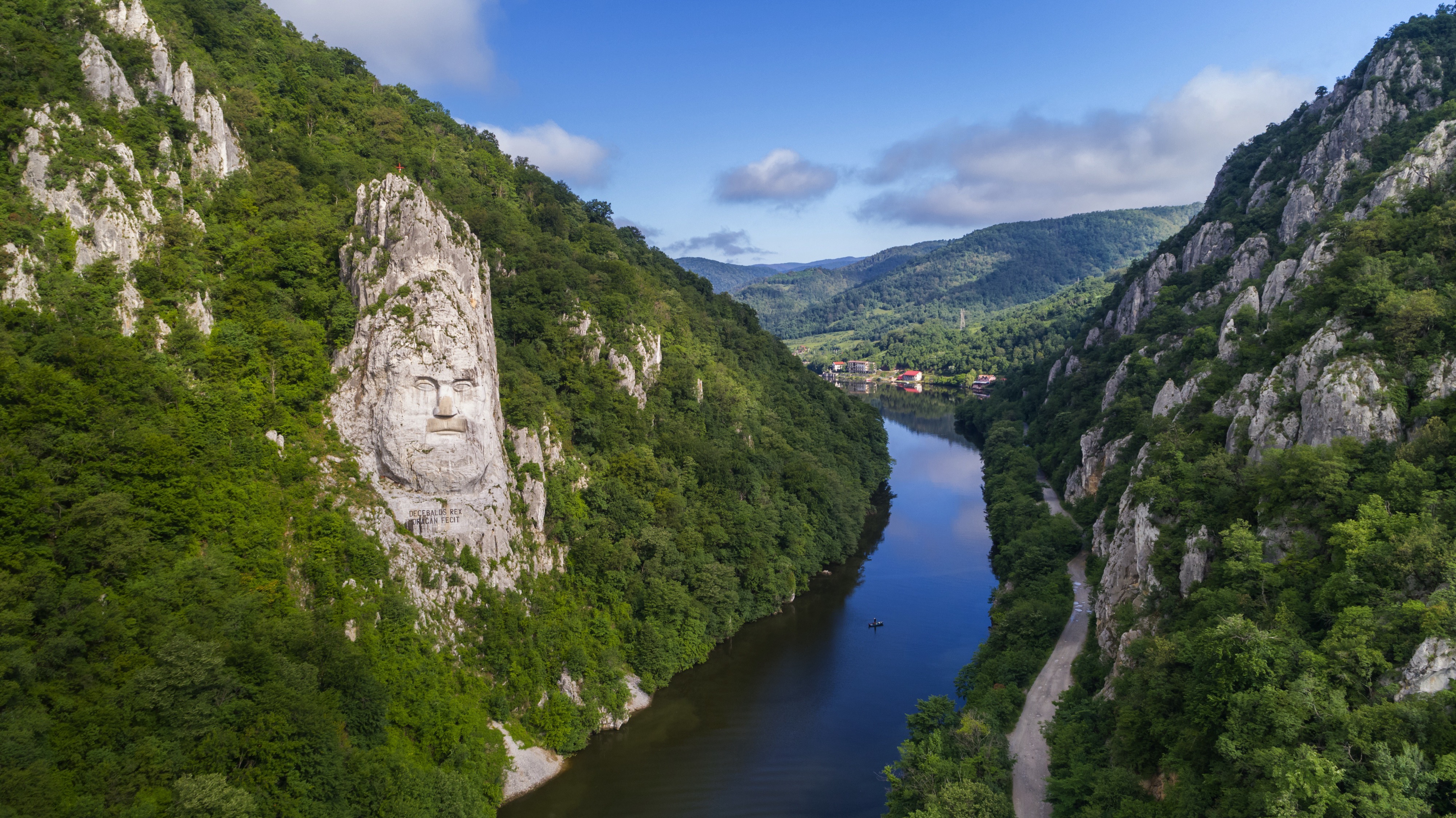
Villány Wine Tasting
On this Freedom of Choice sightseeing activity, travel to Villány, a renowned Hungarian wine region known for its red and rose varieties. Here, you will pay a visit to a local winery, where you will enjoy a tour and tasting.
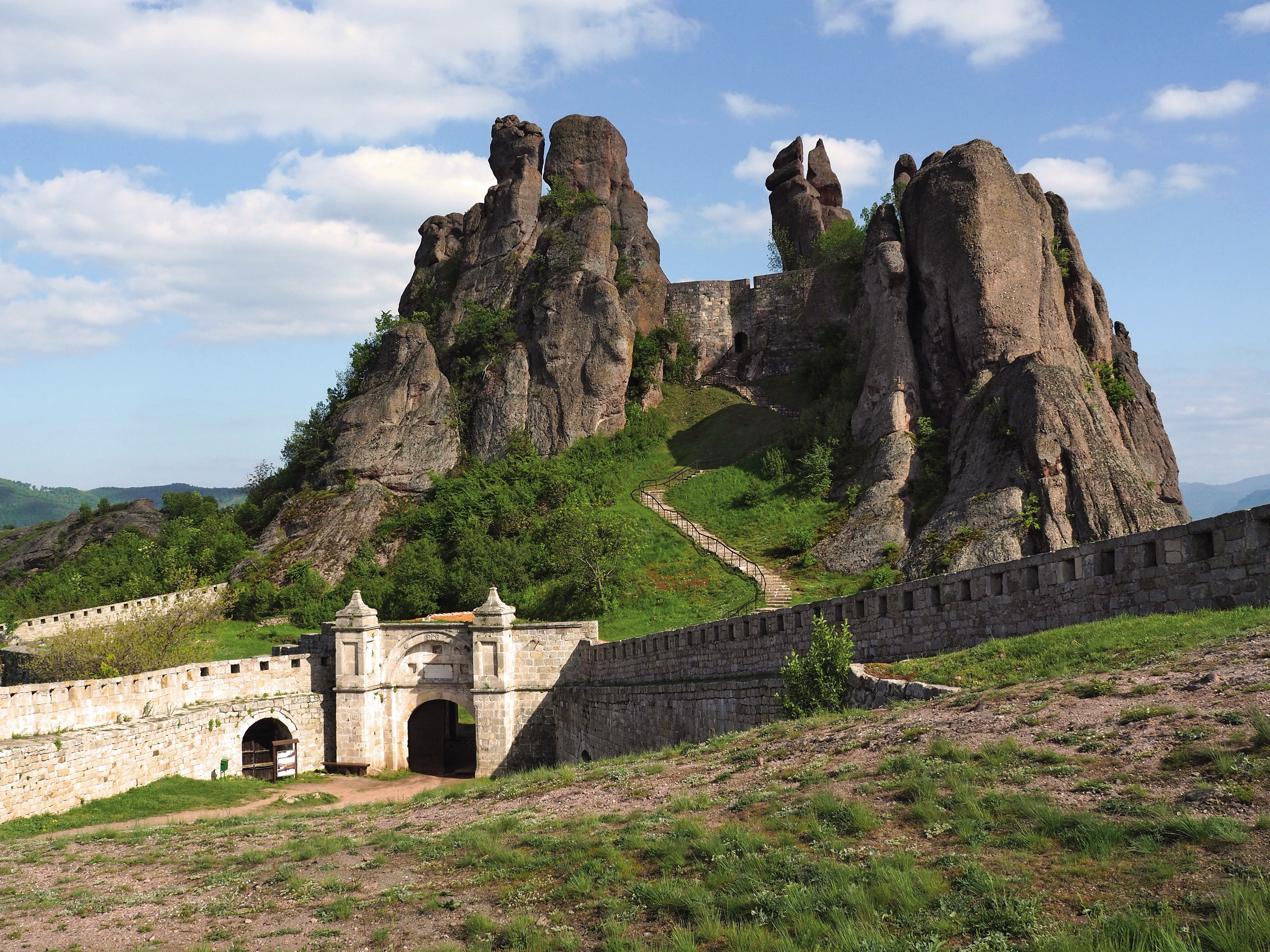
Belogradchik
Venture to the town of Belogradchik in Bulgaria and visit the ancient Belogradchik Fortress, perched on the northern slopes of the Balkan Mountains. You’ll also see the town’s unique rock formations.
Daystar Deck
With a rooftop barbeque sizzling with Mediterranean-fare, a bar offering delectable cocktails, an alluring pool and an inviting Conversation Lounge, this space is the ideal place to relax with new-found friends.
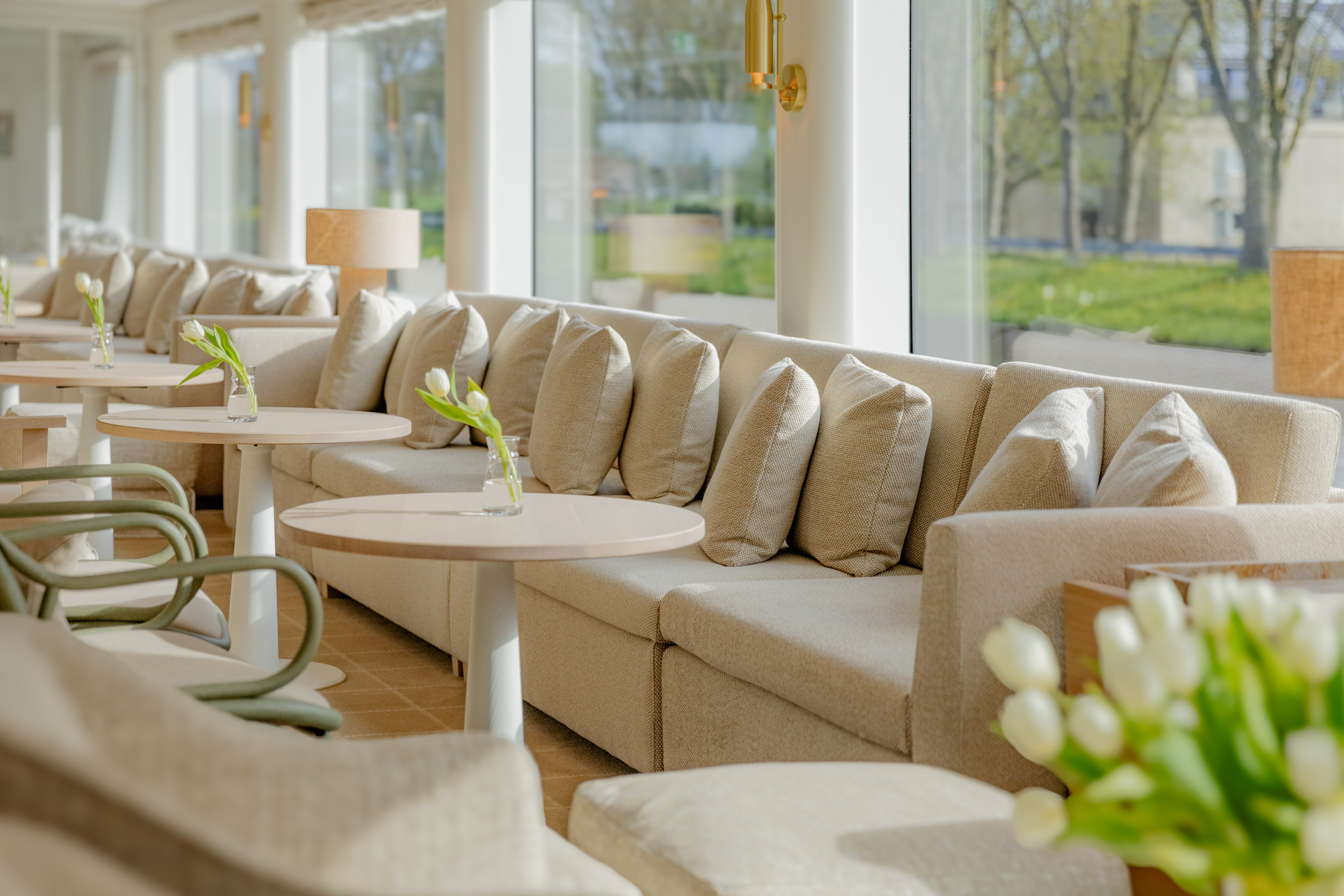
The Salon
The inviting main lounge offers a delicious array of fresh and healthy dishes over breakfast and lunch, transitioning into a vibrant venue in the evening with live entertainment.
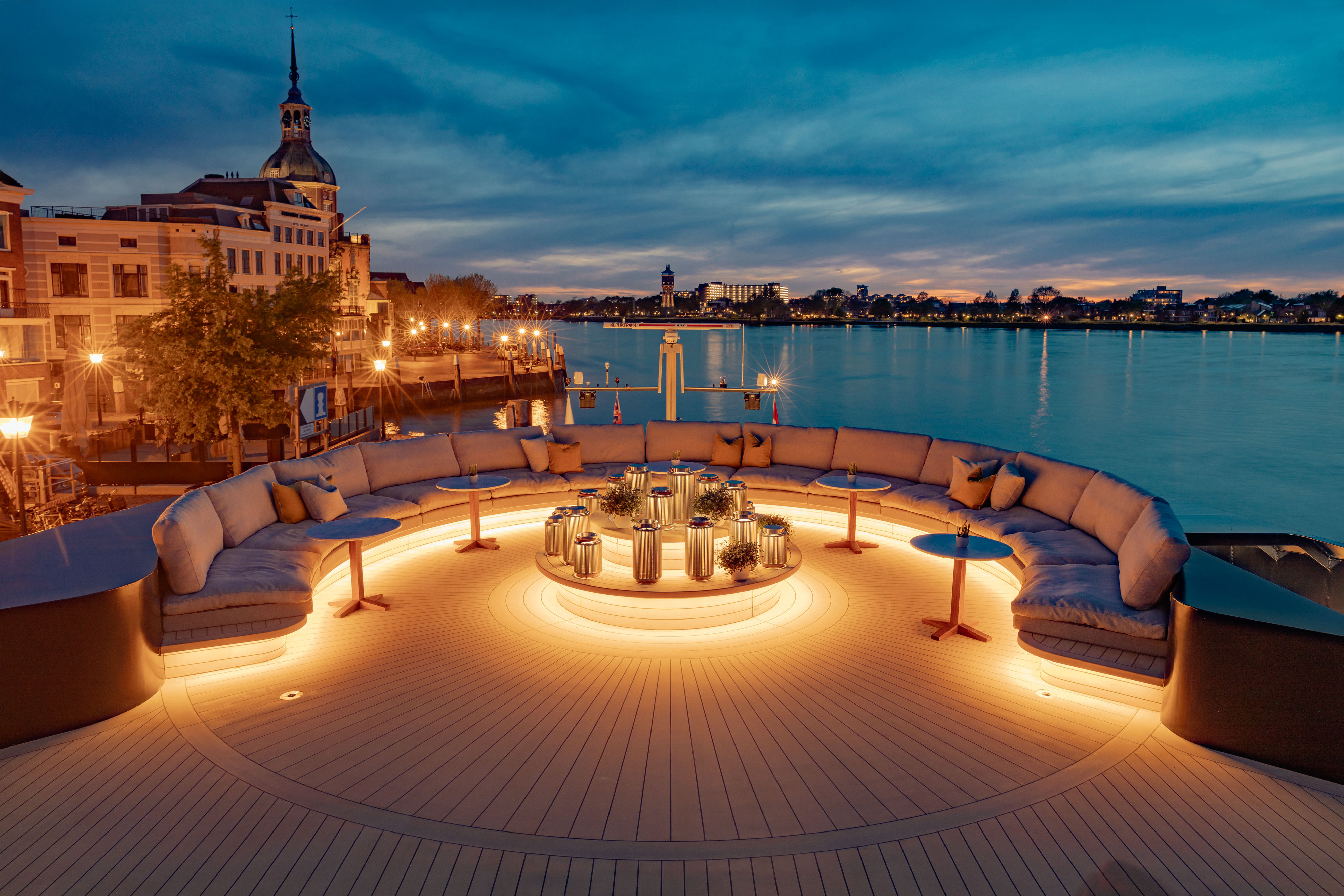
Sun Deck
The Sun Deck — a meeting place with personality and ample space, designed to be enjoyed year-round. Socialise on the Daystar Deck, while plush seating areas, sun lounges and a pool are all located on the upper Sun Deck — the ideal location to indulge in a cocktail as you relish the sunset.
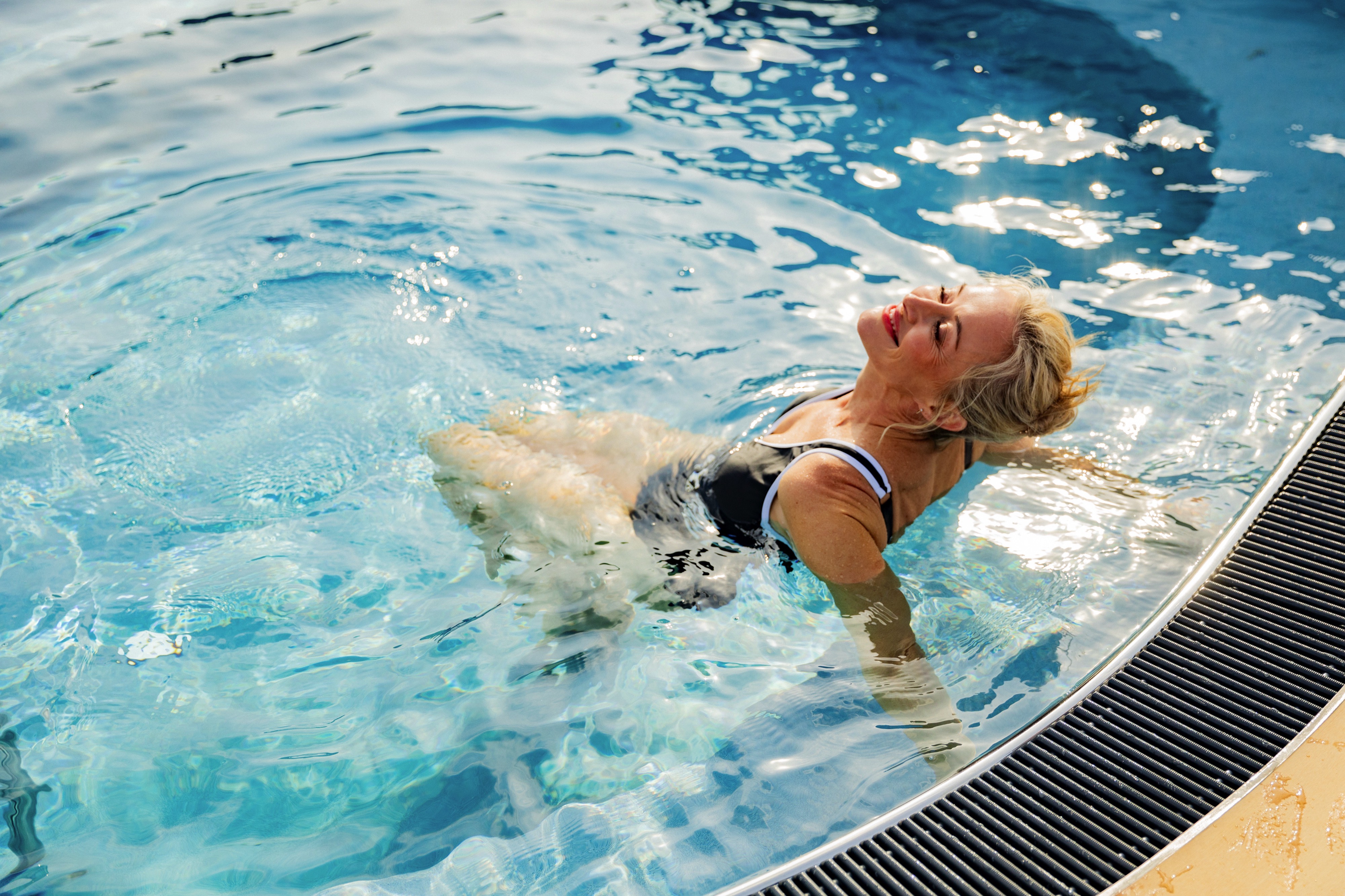
Swimming pool
The Swimming pool can be located on the Sun Deck.
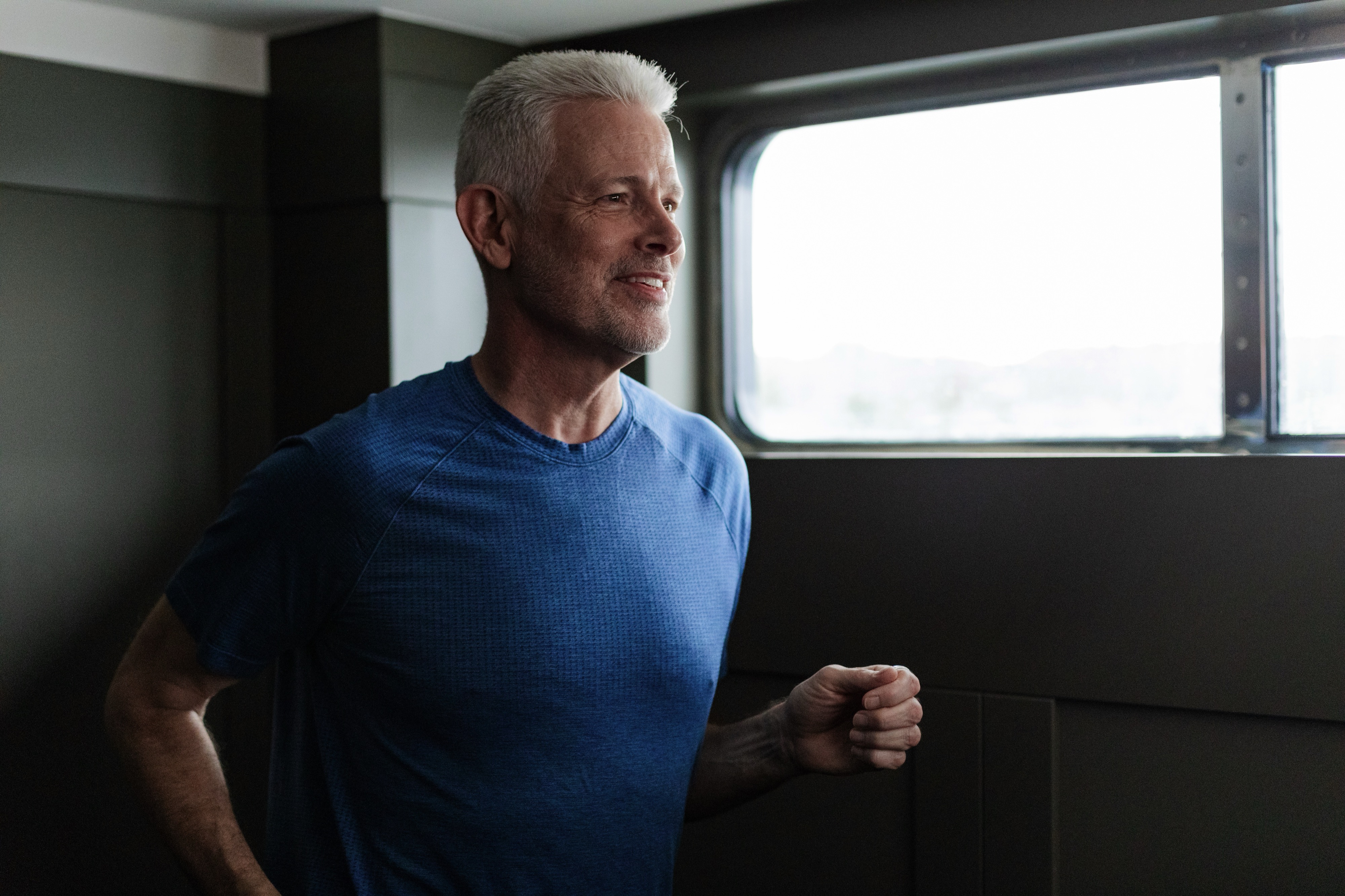
Fitness Centre
Stay active in the onboard gym.
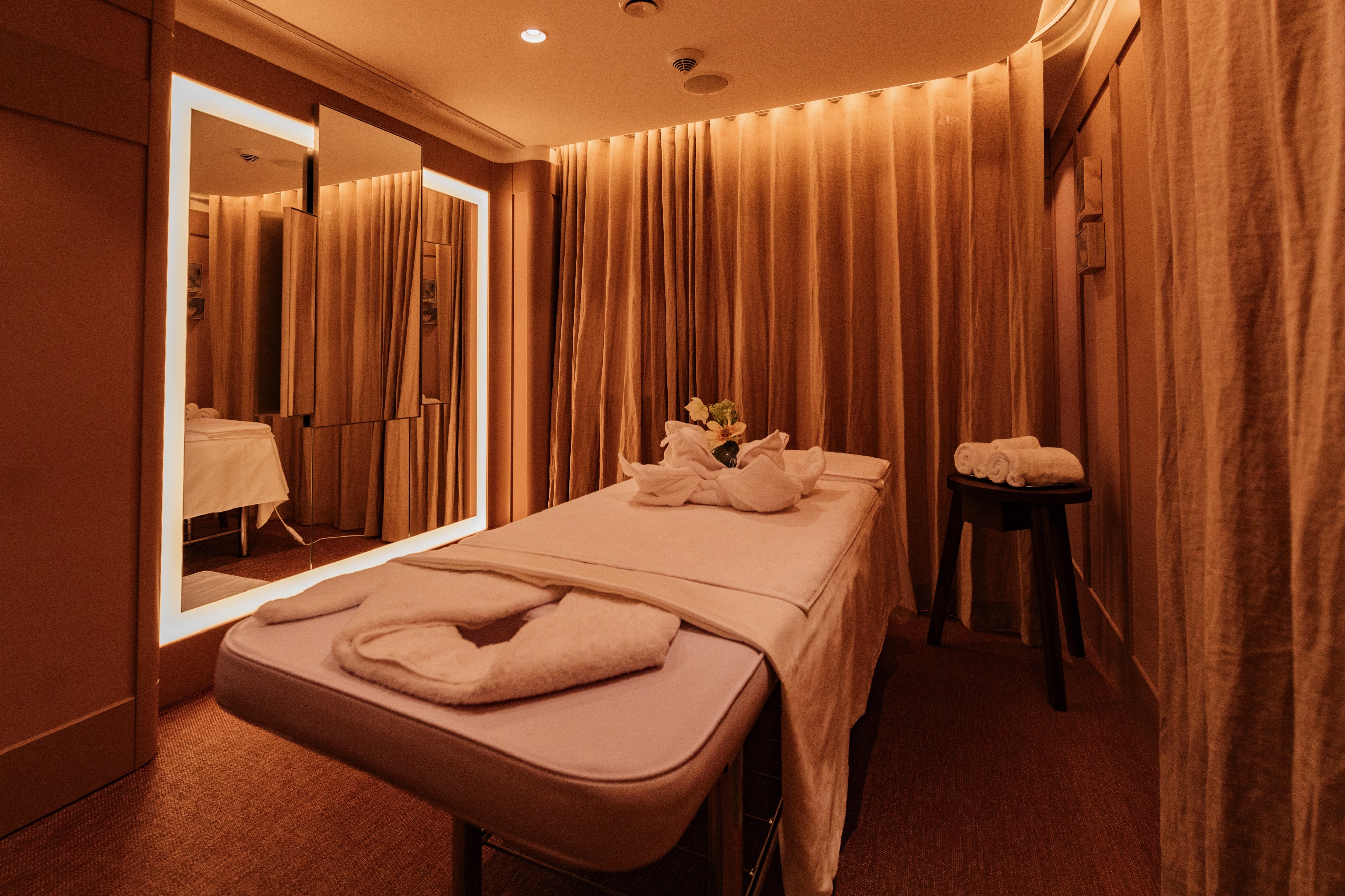
The Spa
Unwind with a spa treatment.
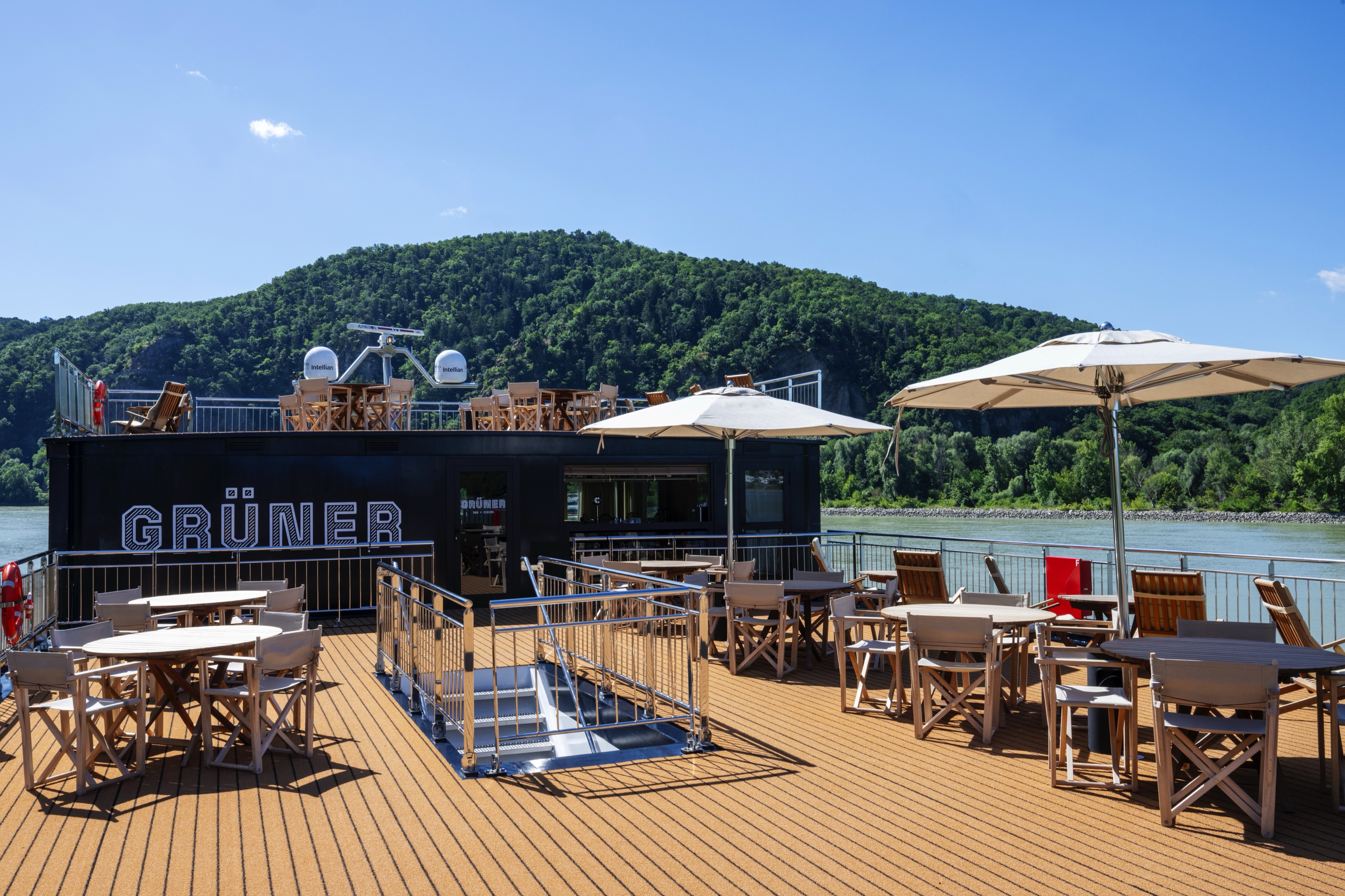
The Gruner Bar & Dining
The Most Unique Restaurant Afloat
Relish the ambience of The Grüner Bar & Dining, offering local ingredients to tantalise your tastebuds. This one-of-a-kind venue quite literally raises the bar with a world-first state-of-the-art hydraulic system that lifts the entire space from the Upper Deck to the Sun Deck, offering spectacular views.
Reminiscent of a neighbourhood wine bar, The Grüner Bar & Dining serves seasonal small plates and regional fare, paired with cocktails and fine wines. A cutting-edge hydraulic system lifts the venue to the upper Sun Deck for panoramic views.
Bistro Saison
Serving dishes inspired by Europe’s classic neighbourhood bistros, the main dining room celebrates the rich European fare that locals know all too well, adding a modern twist to amplify traditional flavours.
The Owner's Cellar
With sophisticated decor alluding to an exclusive atmosphere, the wine cellar offers delectable courses served from a refined menu. Dishes are designed to be shared and paired with wines from a cellar list, creating a collective experience.
Annie's Table
Indulge in a menu full of familiar favourites in this contemporary dining venue. Share a delicious meal accompanied by your preferred beverage and toast to the day that was with your fellow travellers.
Namedy Castle
Princess Heide von Hohenzollern graciously welcomes APT guests into her home, Namedy Castle, a royal escape set near the Rhine River in Germany. After wandering through the castle and its manicured gardens during this exclusive Signature Experience, you’ll attend a morning tea, where a pianist sets the mood.
Cocktail Party and Private Performance at Vienna’s City Palace
Head to the princely family of Liechtenstein’s City Palace in the heart of the Austrian capital of Vienna, where we have arranged an exclusive cocktail party and private recital, just for you. During this extraordinary Signature Experience, a full orchestra will perform classical masterpieces by Mozart and Strauss. You will also be enchanted by an operatic recital.
Gaisberg Mountain Lunch and ‘The Sound of Music’ Show
On this incredible Signature Experience in Austria, be welcomed by a Jagdhornbläser – a hunting horn blower – into a rustic, traditional restaurant on the Gaisberg mountain overlooking Salzburg. Enjoy a welcome drink as you soak in the scenery before savouring a delicious lunch, followed by a show featuring music from the classic film, ‘The Sound of Music’.
Golubac Walking Tour
On this Signature Experience, enjoy a fascinating walking tour of Golubac, a charming village in eastern Serbia. Explore the striking 14th-century Golubac Fortress, which stands at the entrance to the Iron Gates of the Danube, and hear about its captivating history from your expert guide. Then, visit a local riverside tavern, where you’ll delight in a delicious Serbian meze tasting, featuring an array of small dishes such as cheeses, cured meats and other local specialties.
Folk Art House and Horse Show
On this memorable Signature Experience, visit the Folk Art House, where local handicrafts are on show. Then, visit a producer of one of Hungary’s spiciest exports, paprika. Afterwards, a farm in Puszta is the perfect setting for a stellar horse show and authentic Hungarian lunch.
Iron Gates Cruising
Get ready to witness nature at its finest today as your ship cruises through the Iron Gates, a stunning natural wonder of lush forests, towering cliffs and rugged landscapes. This spectacular series of gorges connects Serbia and Romania and makes for an unparalleled cruising experience.
Villány Wine Tasting
On this Freedom of Choice sightseeing activity, travel to Villány, a renowned Hungarian wine region known for its red and rose varieties. Here, you will pay a visit to a local winery, where you will enjoy a tour and tasting.
Belogradchik
Venture to the town of Belogradchik in Bulgaria and visit the ancient Belogradchik Fortress, perched on the northern slopes of the Balkan Mountains. You’ll also see the town’s unique rock formations.
Daystar Deck
With a rooftop barbeque sizzling with Mediterranean-fare, a bar offering delectable cocktails, an alluring pool and an inviting Conversation Lounge, this space is the ideal place to relax with new-found friends.
The Salon
The inviting main lounge offers a delicious array of fresh and healthy dishes over breakfast and lunch, transitioning into a vibrant venue in the evening with live entertainment.
Sun Deck
The Sun Deck — a meeting place with personality and ample space, designed to be enjoyed year-round. Socialise on the Daystar Deck, while plush seating areas, sun lounges and a pool are all located on the upper Sun Deck — the ideal location to indulge in a cocktail as you relish the sunset.
Swimming pool
The Swimming pool can be located on the Sun Deck.
Fitness Centre
Stay active in the onboard gym.
The Spa
Unwind with a spa treatment.
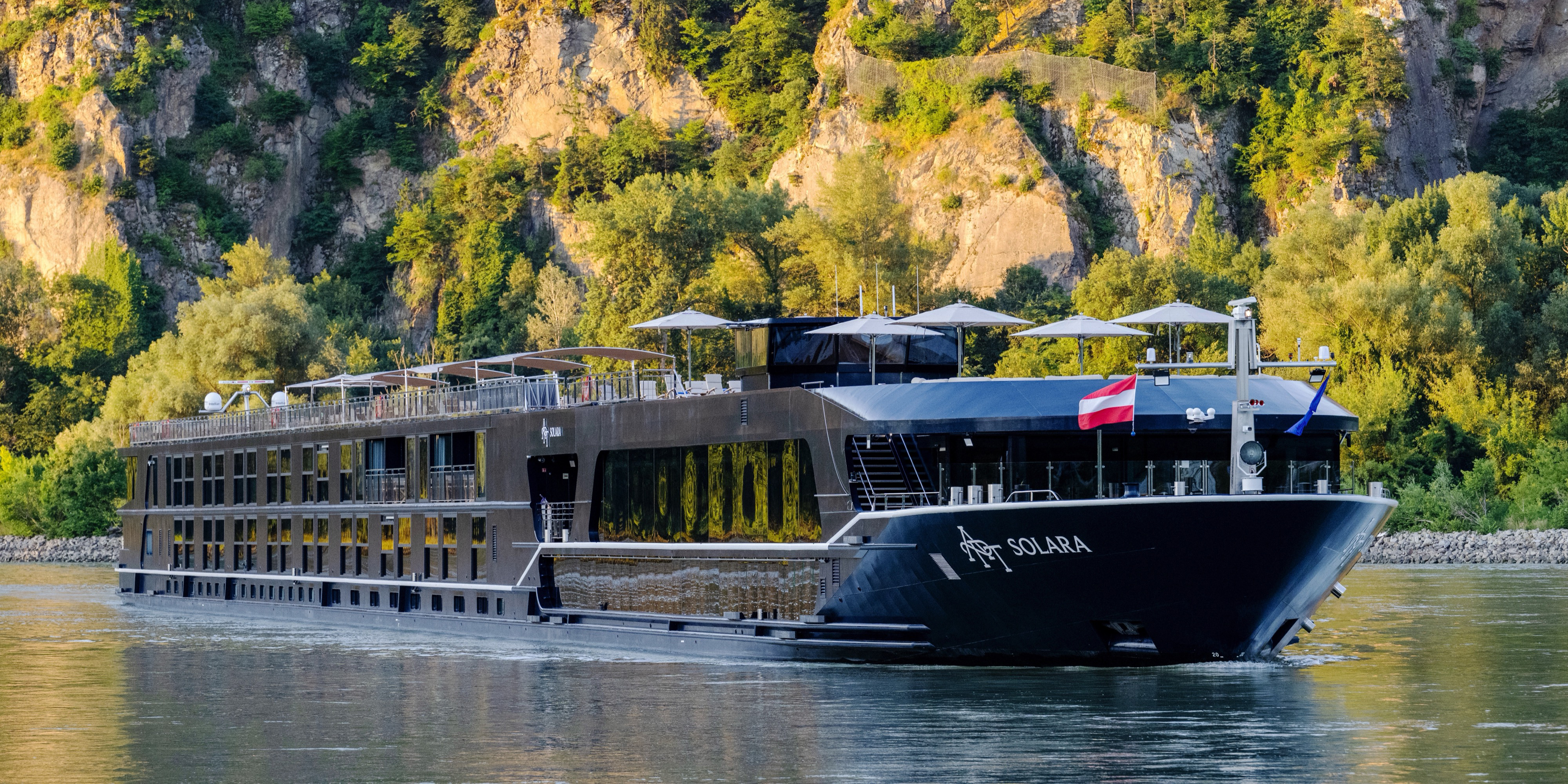
About the Ship
Deck Plans

- Crew Cabins
- Spa
- Fitness
- Elevator
- Category E, Twin Window Suites
- Category ET, Twin Window Suites

- Elevator
- Bistro Saison
- The Owner’s Cellar
- Category A, Balcony Suites

- Reception
- Elevator
- Cruise Director
- The Salon
- Annie’s Table
- The Gruners Bar & Dining
- Category P, Balcony Suites
- Category OS, Owner’s Suites

- Upper Sun Deck
- Daystar Deck
- Pool
- Rooftop BBQ
- Wheelhouse
- Lounge Area
- Conversation Pit
- Crew Cabins
- Spa
- Fitness
- Elevator
- Category E, Twin Window Suites
- Category ET, Twin Window Suites
- Elevator
- Bistro Saison
- The Owner’s Cellar
- Category A, Balcony Suites
- Reception
- Elevator
- Cruise Director
- The Salon
- Annie’s Table
- The Gruners Bar & Dining
- Category P, Balcony Suites
- Category OS, Owner’s Suites
- Upper Sun Deck
- Daystar Deck
- Pool
- Rooftop BBQ
- Wheelhouse
- Lounge Area
- Conversation Pit