Featured Cabins
Itinerary
Madrid, Spain
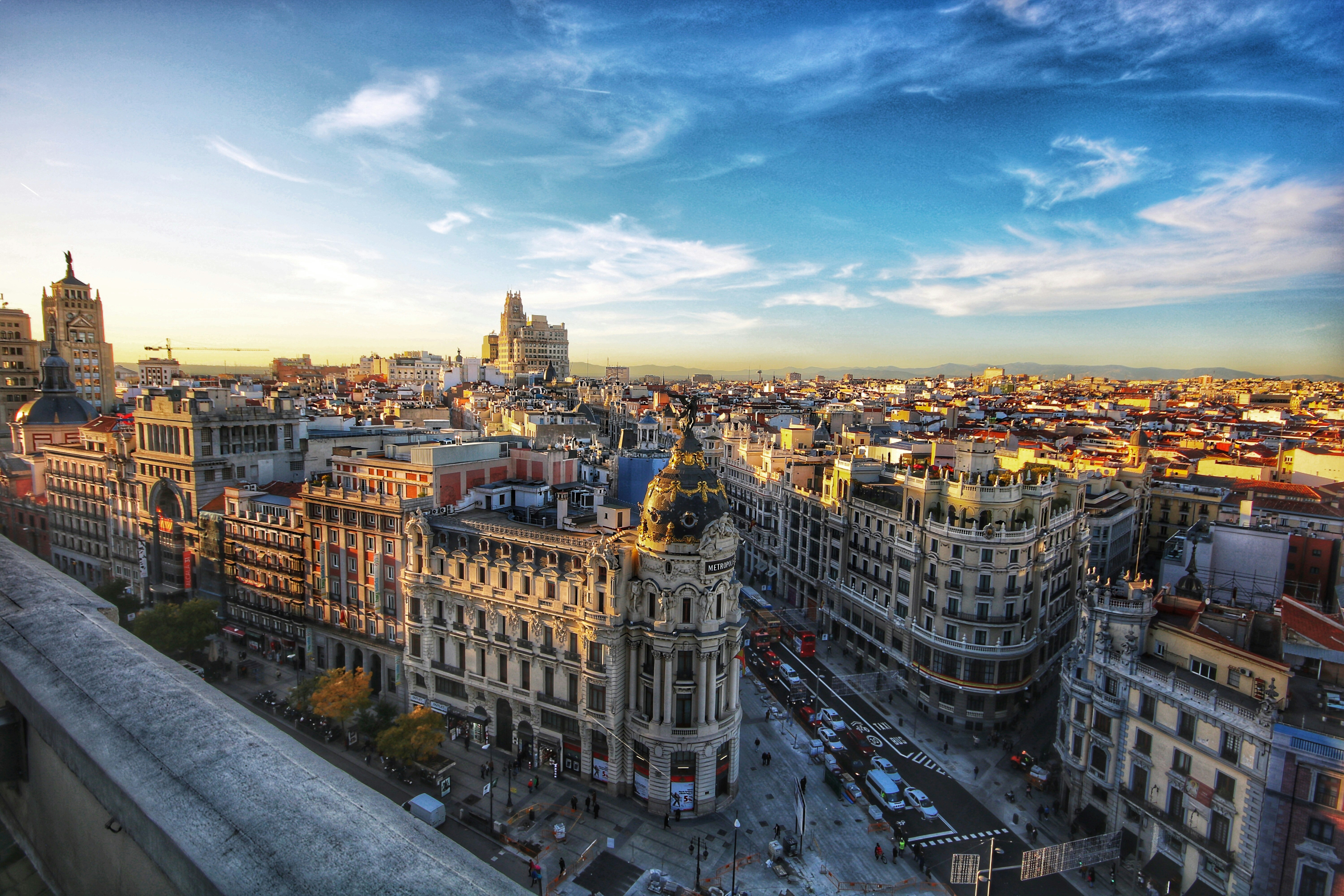
Fly from the UK to Madrid, you’ll be taken to your hotel to settle in.
Vega de Terrón, Spain
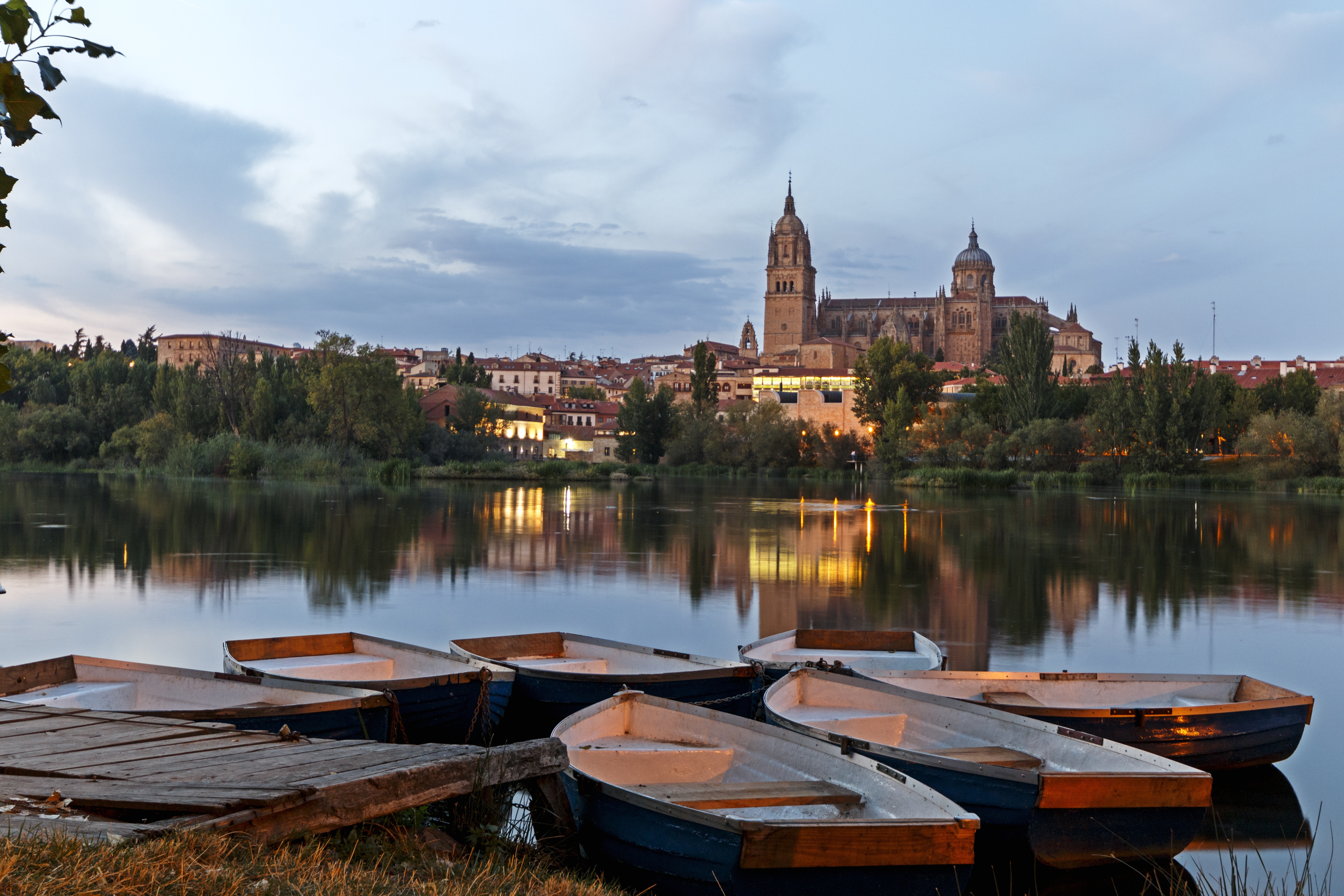
Hit the road and travel to the ancient city of Salamanca for a tour. You’ll see the University of Salamanca and the House of Shells before continuing to Vega de Terron. Board your river ship and settle in with a welcome dinner.
Pinhão, Portugal
On a tour of the town of Figueira de Castelo Rodrigo, you’ll stop to visit the castle ruins. Return to your ship and enjoy a relaxing afternoon sailing to Pinhão, where your ship will dock overnight.
Régua, Portugal
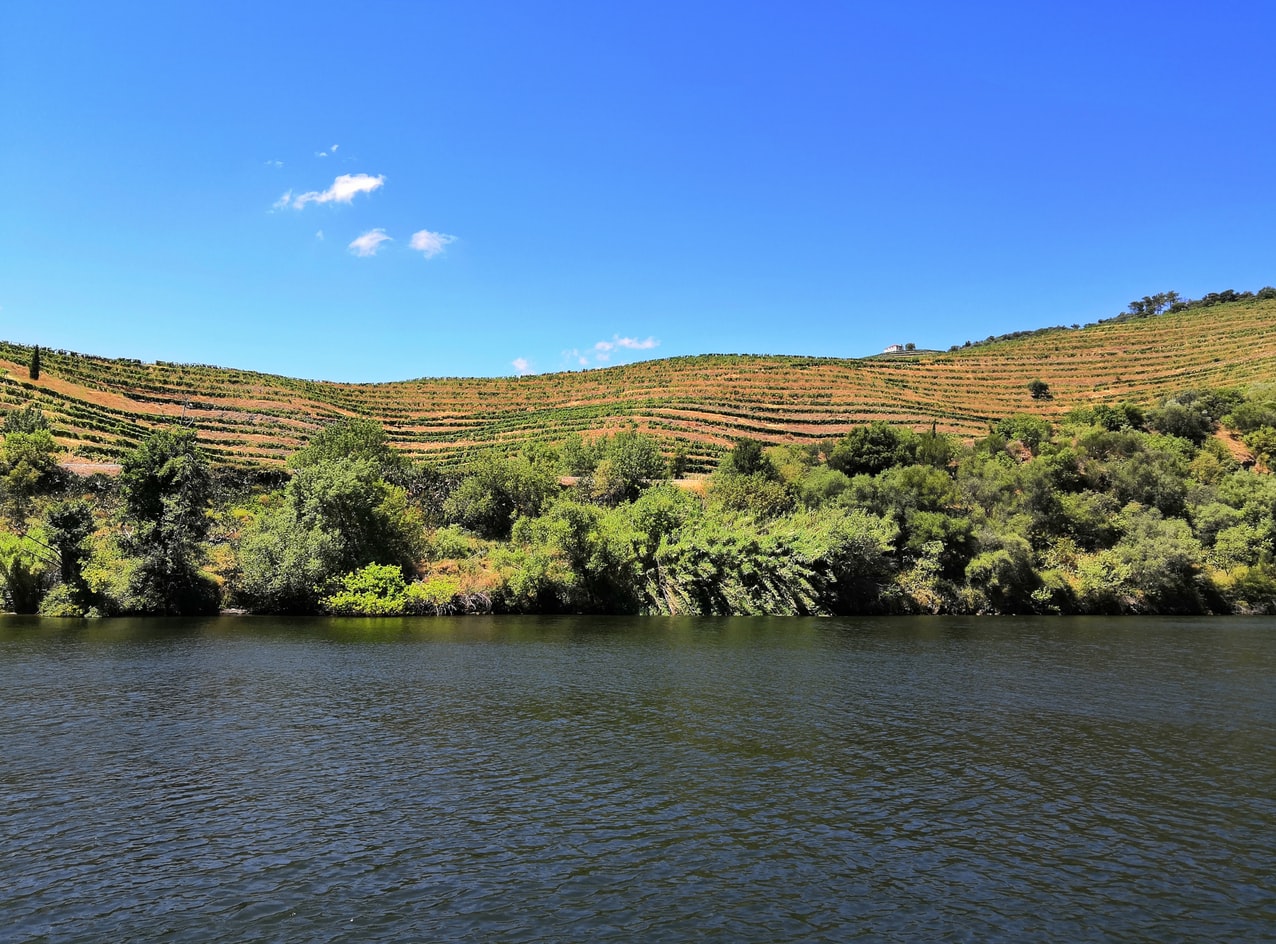
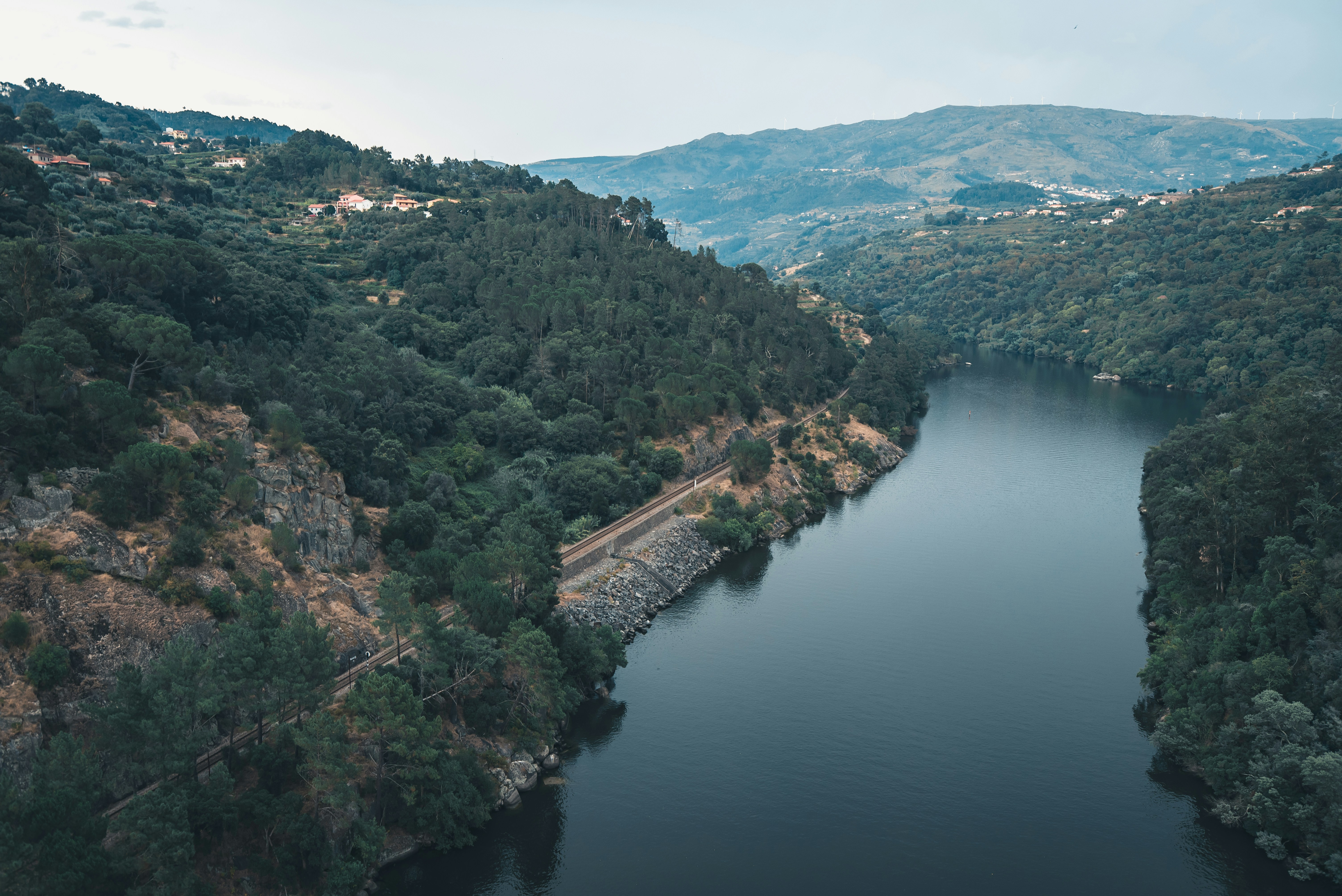
Visit Pinhão Railway Station, known as one of the most beautiful railway stations in Portugal. Built in the 19th century, its tiled walls depict the production of port. You’ll then visit a local quinta. Later, be awed by the breathtaking landscapes unfolding before you as your ship cruises through the heart of the Douro Valley region to Régua. Soak up the serenity of this enchanting setting as you glide past terraced vineyards and lush, rolling hills.
Régua, Portugal
Enjoy a full day in Régua, where you’ll have a choice of sightseeing options before a special Signature Experience.
Freedom of Choice – Tour Lamego
Set among hills adorned with vineyards in the Alto Douro region, Lamego is a charming town. On a guided tour, visit the Sanctuary of Our Lady of Remedies and sample a local speciality, Bola de Lamego.
Freedom of Choice – Visit Palácio de Mateus
Embark on a trip to Palácio de Mateus, located near the city of Vila Real. Portuguese architect Nicolau Nasoni played a pivotal role in the palace’s construction in the 18th century. The palace is also well known for being featured on the bottle labels of Mateus Rosé wine.
Signature Experience – Lunch at Quinta da Pacheca
Visit Quinta da Pacheca for a traditional lunch and tasting with views over the Douro River and Régua. Situated in the village of Cambres in the Lamego municipality, the prestigious estate dates back to the 16th century and features 75 hectares of vineyards.
Entre-os-Rios, Portugal
Enjoy a relaxing morning cruising through the Douro Valley on your way to Entre-os-Rios. On arrival, choose your sightseeing option.
Freedom of Choice – Tour Guimarães
Explore the historic city of Guimarães with a tour of its well-preserved buildings and attractions. Admire the medieval architecture in the city centre, a UNESCO World Heritage Site.
Freedom of Choice – Winery Tour and Tasting
Visit Quinta da Aveleda, a family business that has been producing wine in the Vinho Verde wine region since the 1870s. Explore the gardens and round off the day with a sampling of wine and cheese.
Porto, Portugal
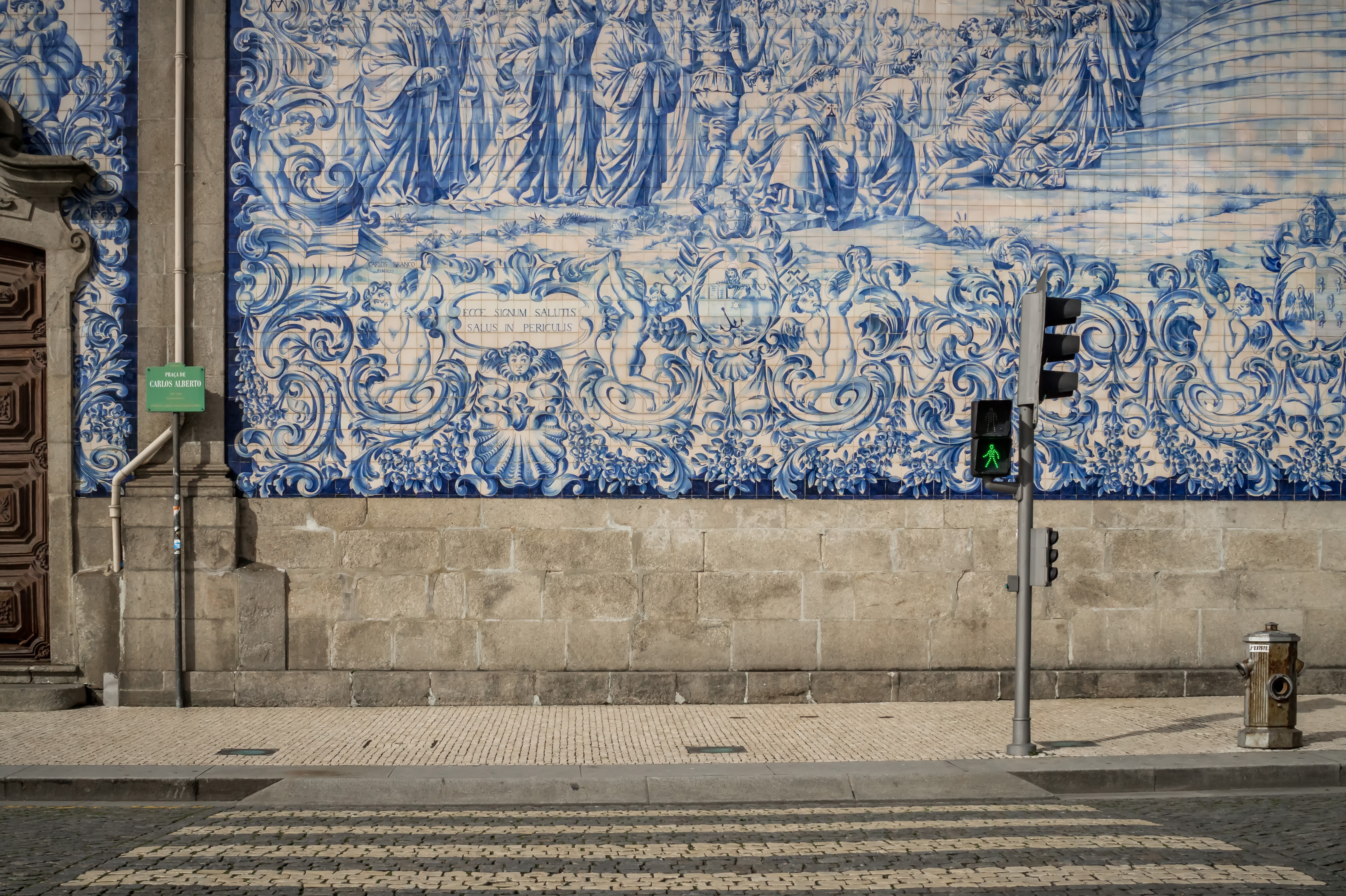
Lively, commercial Oporto is the second largest city in Portugal after Lisbon. Also called Porto for short, the word easily brings to mind the city’s most famous product – port wine. Oporto’s strategic location on the north bank of the Douro River has accounted for the town’s importance since ancient times. The Romans built a fort here where their trading route crossed the Douro, and the Moors brought their own culture to the area. Oporto profited from provisioning crusaders en route to the Holy Land and enjoyed the riches from Portuguese maritime discoveries during the 15th and 16th centuries. Later, port wine trade with Britain compensated for the loss of the spice trade and the end of gold and gem shipments from Brazil. In the 19th century, the city went through a period of new prosperity with the rise of industries. In its wake followed the building of workers’ quarters and opulent residences. Since the declaration of Oporto as a World Heritage Site by UNESCO, the city aims to build up a cultural reference that will provide it with a new image, based on deep historical roots. Among the attractions that make Oporto such an interesting place are its graceful bridges spanning the Douro River, a picturesque riverfront quarter and, most notable, its world-famous port wine lodges. Although Oporto is a bustling centre and home to many different businesses, the source of its greatest fame is the rich, sweet fortified red wine we know as port.
Madrid, Spain
Fly from the UK to Madrid, you’ll be taken to your hotel to settle in.
Vega de Terrón, Spain
Hit the road and travel to the ancient city of Salamanca for a tour. You’ll see the University of Salamanca and the House of Shells before continuing to Vega de Terron. Board your river ship and settle in with a welcome dinner.
Pinhão, Portugal
On a tour of the town of Figueira de Castelo Rodrigo, you’ll stop to visit the castle ruins. Return to your ship and enjoy a relaxing afternoon sailing to Pinhão, where your ship will dock overnight.
Régua, Portugal
Visit Pinhão Railway Station, known as one of the most beautiful railway stations in Portugal. Built in the 19th century, its tiled walls depict the production of port. You’ll then visit a local quinta. Later, be awed by the breathtaking landscapes unfolding before you as your ship cruises through the heart of the Douro Valley region to Régua. Soak up the serenity of this enchanting setting as you glide past terraced vineyards and lush, rolling hills.
Régua, Portugal
Enjoy a full day in Régua, where you’ll have a choice of sightseeing options before a special Signature Experience.
Freedom of Choice – Tour Lamego
Set among hills adorned with vineyards in the Alto Douro region, Lamego is a charming town. On a guided tour, visit the Sanctuary of Our Lady of Remedies and sample a local speciality, Bola de Lamego.
Freedom of Choice – Visit Palácio de Mateus
Embark on a trip to Palácio de Mateus, located near the city of Vila Real. Portuguese architect Nicolau Nasoni played a pivotal role in the palace’s construction in the 18th century. The palace is also well known for being featured on the bottle labels of Mateus Rosé wine.
Signature Experience – Lunch at Quinta da Pacheca
Visit Quinta da Pacheca for a traditional lunch and tasting with views over the Douro River and Régua. Situated in the village of Cambres in the Lamego municipality, the prestigious estate dates back to the 16th century and features 75 hectares of vineyards.
Entre-os-Rios, Portugal
Enjoy a relaxing morning cruising through the Douro Valley on your way to Entre-os-Rios. On arrival, choose your sightseeing option.
Freedom of Choice – Tour Guimarães
Explore the historic city of Guimarães with a tour of its well-preserved buildings and attractions. Admire the medieval architecture in the city centre, a UNESCO World Heritage Site.
Freedom of Choice – Winery Tour and Tasting
Visit Quinta da Aveleda, a family business that has been producing wine in the Vinho Verde wine region since the 1870s. Explore the gardens and round off the day with a sampling of wine and cheese.
Porto, Portugal
Lively, commercial Oporto is the second largest city in Portugal after Lisbon. Also called Porto for short, the word easily brings to mind the city’s most famous product – port wine. Oporto’s strategic location on the north bank of the Douro River has accounted for the town’s importance since ancient times. The Romans built a fort here where their trading route crossed the Douro, and the Moors brought their own culture to the area. Oporto profited from provisioning crusaders en route to the Holy Land and enjoyed the riches from Portuguese maritime discoveries during the 15th and 16th centuries. Later, port wine trade with Britain compensated for the loss of the spice trade and the end of gold and gem shipments from Brazil. In the 19th century, the city went through a period of new prosperity with the rise of industries. In its wake followed the building of workers’ quarters and opulent residences. Since the declaration of Oporto as a World Heritage Site by UNESCO, the city aims to build up a cultural reference that will provide it with a new image, based on deep historical roots. Among the attractions that make Oporto such an interesting place are its graceful bridges spanning the Douro River, a picturesque riverfront quarter and, most notable, its world-famous port wine lodges. Although Oporto is a bustling centre and home to many different businesses, the source of its greatest fame is the rich, sweet fortified red wine we know as port.
Porto, Portugal
Lively, commercial Oporto is the second largest city in Portugal after Lisbon. Also called Porto for short, the word easily brings to mind the city’s most famous product – port wine. Oporto’s strategic location on the north bank of the Douro River has accounted for the town’s importance since ancient times. The Romans built a fort here where their trading route crossed the Douro, and the Moors brought their own culture to the area. Oporto profited from provisioning crusaders en route to the Holy Land and enjoyed the riches from Portuguese maritime discoveries during the 15th and 16th centuries. Later, port wine trade with Britain compensated for the loss of the spice trade and the end of gold and gem shipments from Brazil. In the 19th century, the city went through a period of new prosperity with the rise of industries. In its wake followed the building of workers’ quarters and opulent residences. Since the declaration of Oporto as a World Heritage Site by UNESCO, the city aims to build up a cultural reference that will provide it with a new image, based on deep historical roots. Among the attractions that make Oporto such an interesting place are its graceful bridges spanning the Douro River, a picturesque riverfront quarter and, most notable, its world-famous port wine lodges. Although Oporto is a bustling centre and home to many different businesses, the source of its greatest fame is the rich, sweet fortified red wine we know as port.
Porto, Portugal
Lively, commercial Oporto is the second largest city in Portugal after Lisbon. Also called Porto for short, the word easily brings to mind the city’s most famous product – port wine. Oporto’s strategic location on the north bank of the Douro River has accounted for the town’s importance since ancient times. The Romans built a fort here where their trading route crossed the Douro, and the Moors brought their own culture to the area. Oporto profited from provisioning crusaders en route to the Holy Land and enjoyed the riches from Portuguese maritime discoveries during the 15th and 16th centuries. Later, port wine trade with Britain compensated for the loss of the spice trade and the end of gold and gem shipments from Brazil. In the 19th century, the city went through a period of new prosperity with the rise of industries. In its wake followed the building of workers’ quarters and opulent residences. Since the declaration of Oporto as a World Heritage Site by UNESCO, the city aims to build up a cultural reference that will provide it with a new image, based on deep historical roots. Among the attractions that make Oporto such an interesting place are its graceful bridges spanning the Douro River, a picturesque riverfront quarter and, most notable, its world-famous port wine lodges. Although Oporto is a bustling centre and home to many different businesses, the source of its greatest fame is the rich, sweet fortified red wine we know as port.
Porto, Portugal
Lively, commercial Oporto is the second largest city in Portugal after Lisbon. Also called Porto for short, the word easily brings to mind the city’s most famous product – port wine. Oporto’s strategic location on the north bank of the Douro River has accounted for the town’s importance since ancient times. The Romans built a fort here where their trading route crossed the Douro, and the Moors brought their own culture to the area. Oporto profited from provisioning crusaders en route to the Holy Land and enjoyed the riches from Portuguese maritime discoveries during the 15th and 16th centuries. Later, port wine trade with Britain compensated for the loss of the spice trade and the end of gold and gem shipments from Brazil. In the 19th century, the city went through a period of new prosperity with the rise of industries. In its wake followed the building of workers’ quarters and opulent residences. Since the declaration of Oporto as a World Heritage Site by UNESCO, the city aims to build up a cultural reference that will provide it with a new image, based on deep historical roots. Among the attractions that make Oporto such an interesting place are its graceful bridges spanning the Douro River, a picturesque riverfront quarter and, most notable, its world-famous port wine lodges. Although Oporto is a bustling centre and home to many different businesses, the source of its greatest fame is the rich, sweet fortified red wine we know as port.
Porto, Portugal
Lively, commercial Oporto is the second largest city in Portugal after Lisbon. Also called Porto for short, the word easily brings to mind the city’s most famous product – port wine. Oporto’s strategic location on the north bank of the Douro River has accounted for the town’s importance since ancient times. The Romans built a fort here where their trading route crossed the Douro, and the Moors brought their own culture to the area. Oporto profited from provisioning crusaders en route to the Holy Land and enjoyed the riches from Portuguese maritime discoveries during the 15th and 16th centuries. Later, port wine trade with Britain compensated for the loss of the spice trade and the end of gold and gem shipments from Brazil. In the 19th century, the city went through a period of new prosperity with the rise of industries. In its wake followed the building of workers’ quarters and opulent residences. Since the declaration of Oporto as a World Heritage Site by UNESCO, the city aims to build up a cultural reference that will provide it with a new image, based on deep historical roots. Among the attractions that make Oporto such an interesting place are its graceful bridges spanning the Douro River, a picturesque riverfront quarter and, most notable, its world-famous port wine lodges. Although Oporto is a bustling centre and home to many different businesses, the source of its greatest fame is the rich, sweet fortified red wine we know as port.
Cabin Options
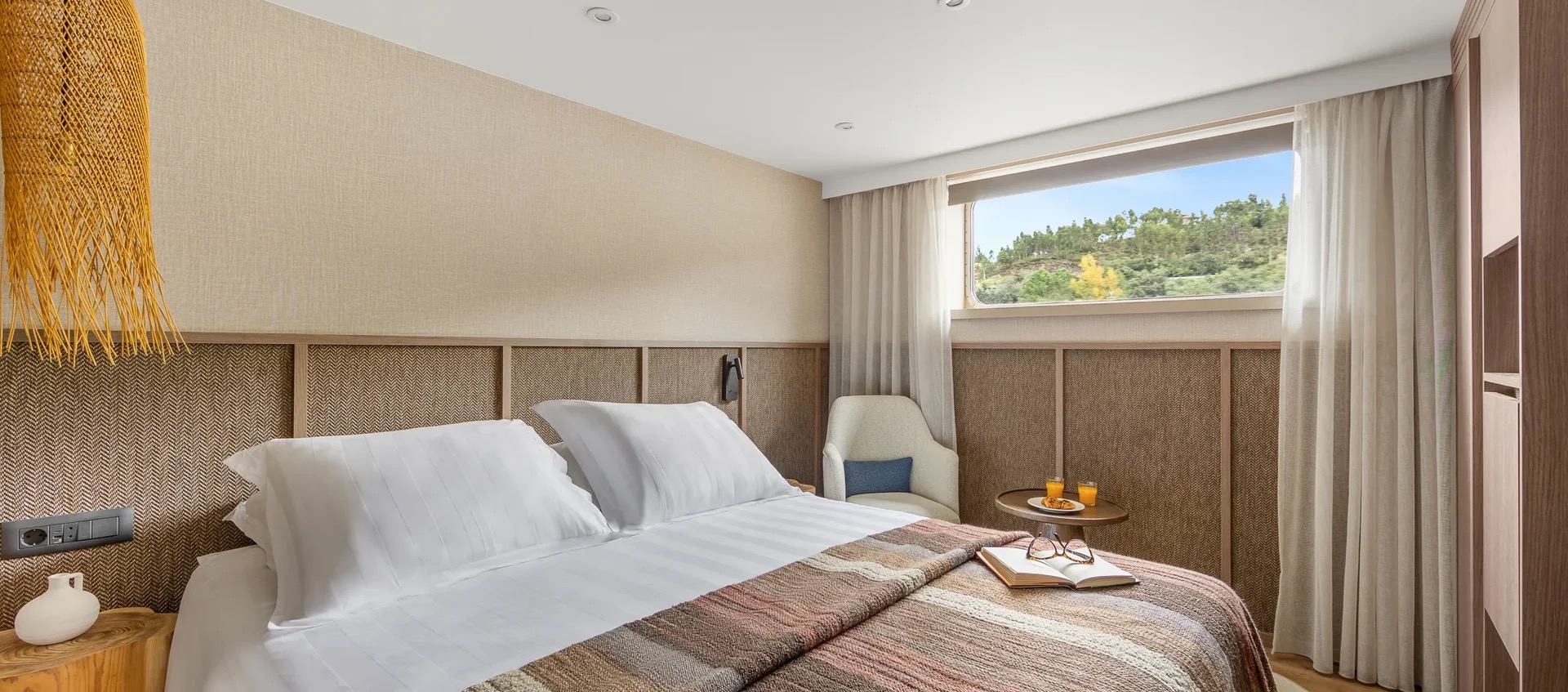
Window Staterooms
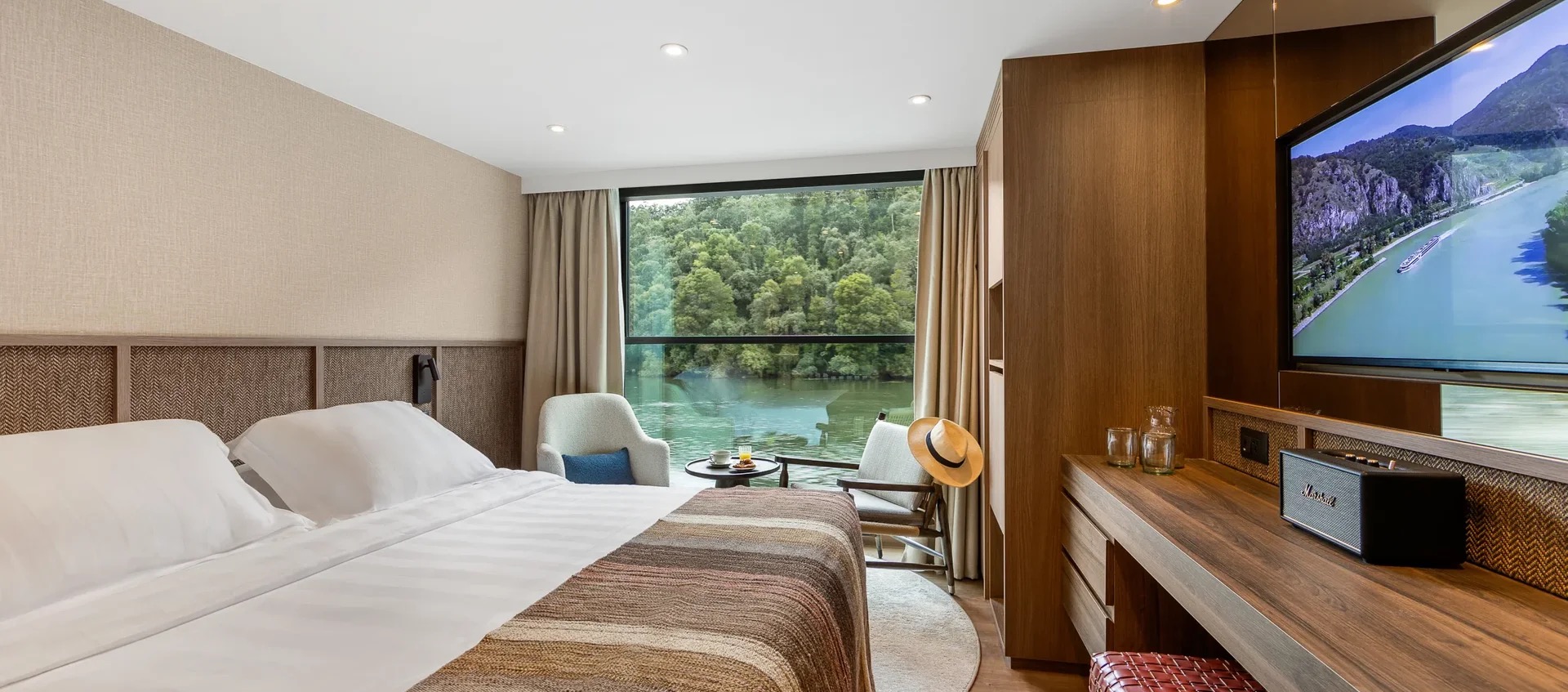
French Balcony Suites
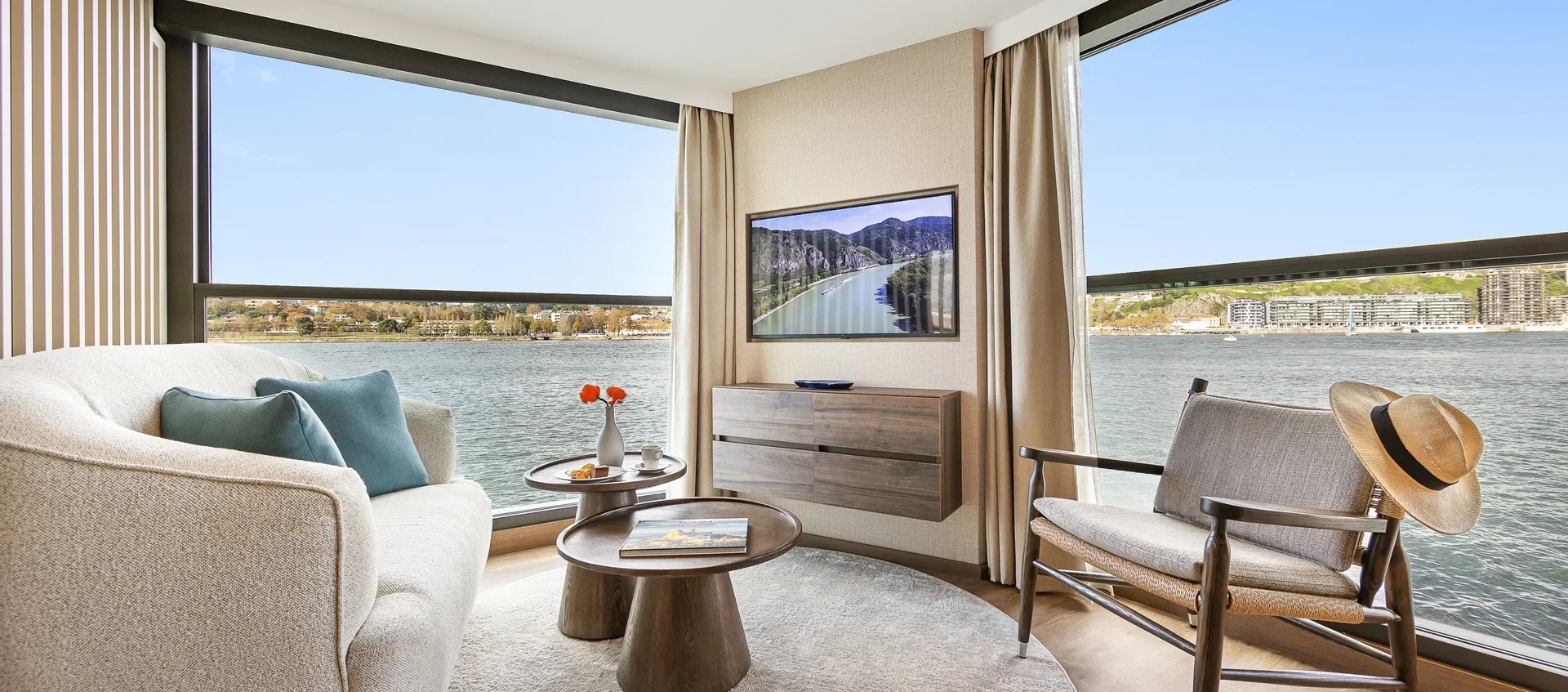
Owner's Suite
Ship Facilities
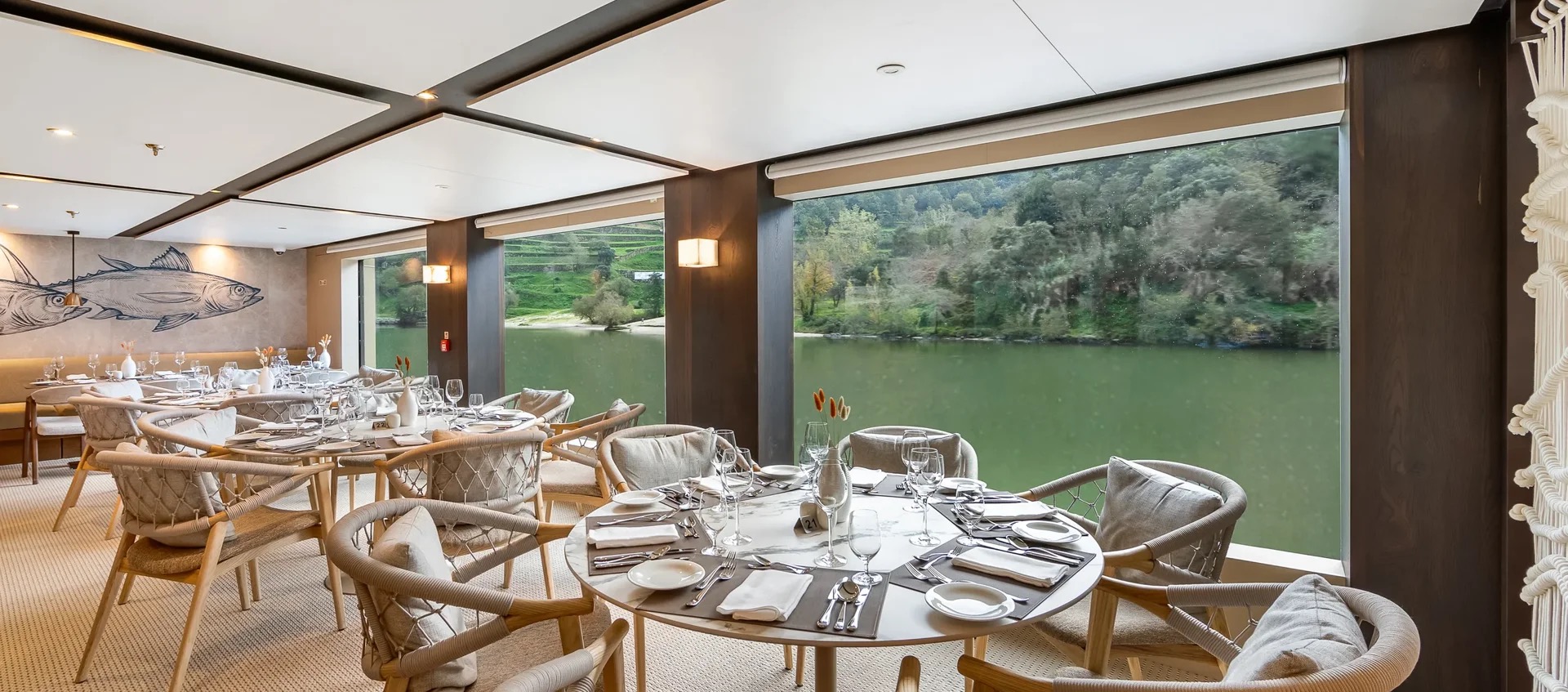
Dining
Celebrate Local Produce
Tantalise your tastebuds with flavours from Portugal and the Meditteranean. Opt to dine in the ship’s contemporary lounge or make the most of the outdoors with alfresco dining on the exterior deck.
Excursions
Local Connections: Meet with artisans, chefs, and historians who bring a personal perspective to their homelands, enriching your understanding of each destination.
Seasonal Experiences: Travel during special seasons to witness unique events like the vibrant Keukenhof tulip festival in Amsterdam or Germany’s festive Christmas markets.
Adventure and Activity: For those seeking activity, engage in guided mountain treks in Germany, cycling through French vineyards, or kayaking excursions along the Danube.
Natural Wonders: Glide past Europe’s diverse ecosystems, from the lush landscapes of the Netherlands to the dramatic Rhine gorges and the rolling hills of Portugal.
Historical Exploration: Dive into Europe’s history with guided tours of medieval castles, ancient fortresses, and significant World War landmarks that span centuries.
Cultural Immersion: Experience local traditions, from exclusive vineyard tours and tastings along the Douro to private classical concerts in Vienna’s City Palace.
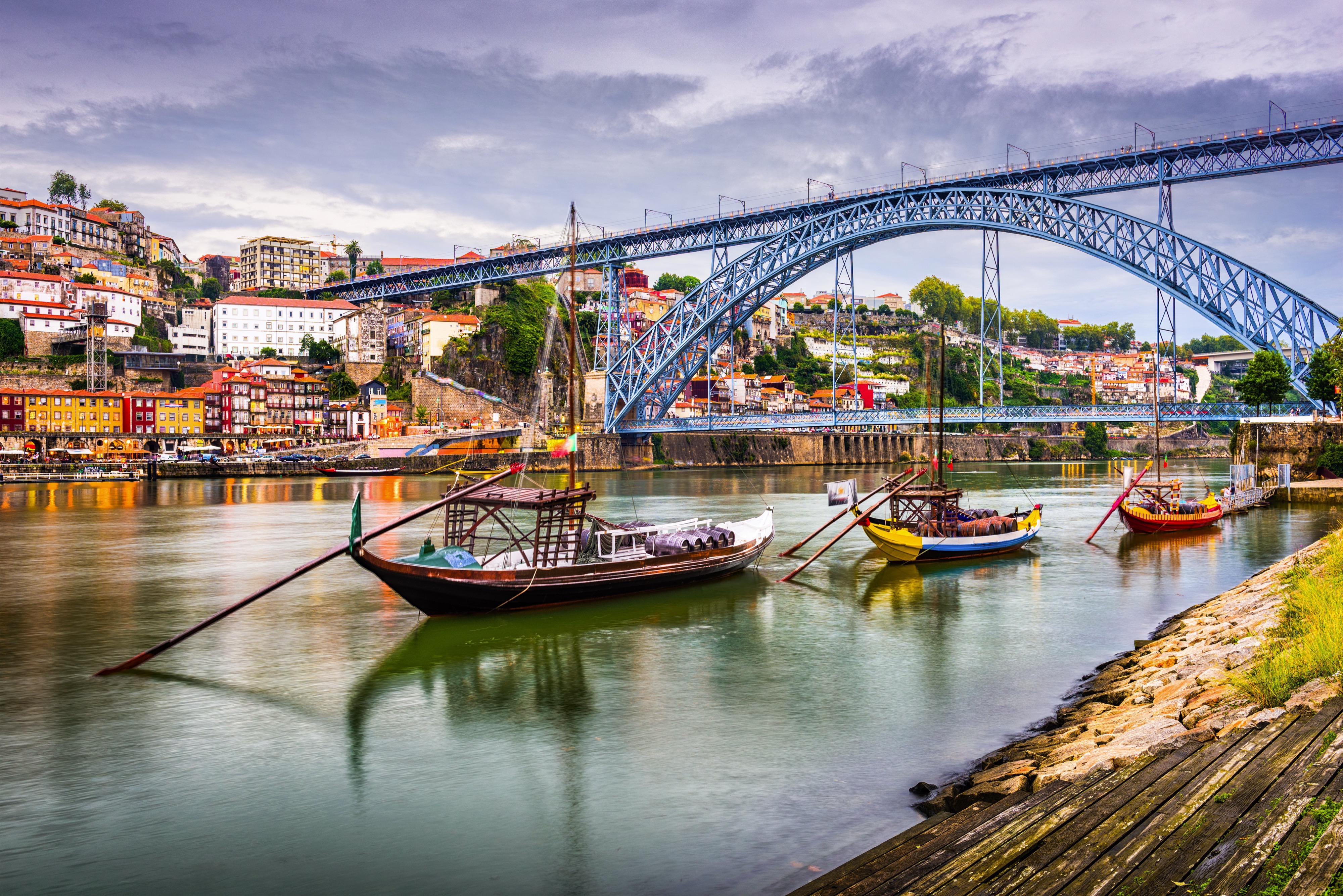
Namedy Castle
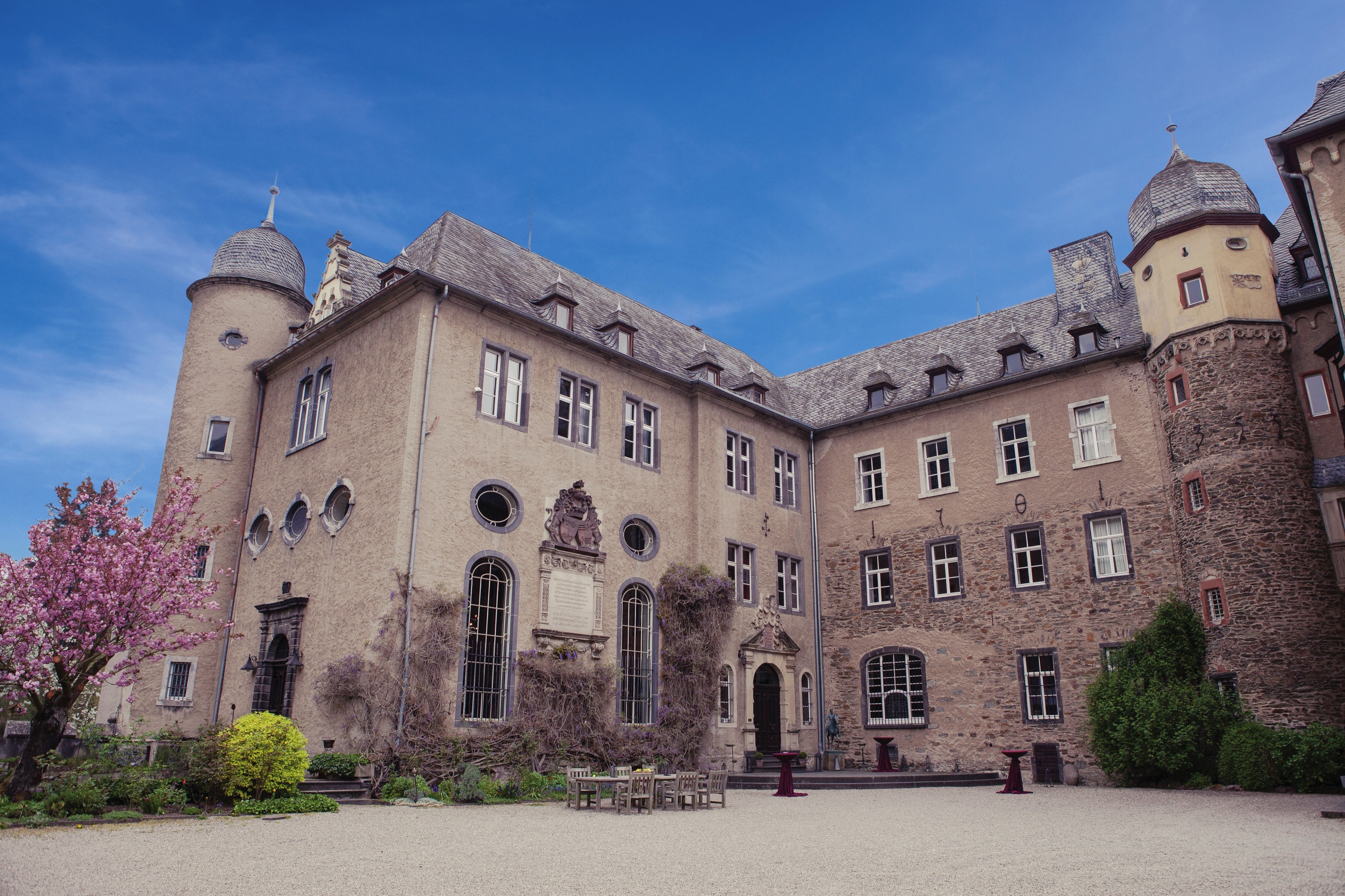
Cocktail Party and Private Performance at Vienna’s City Palace
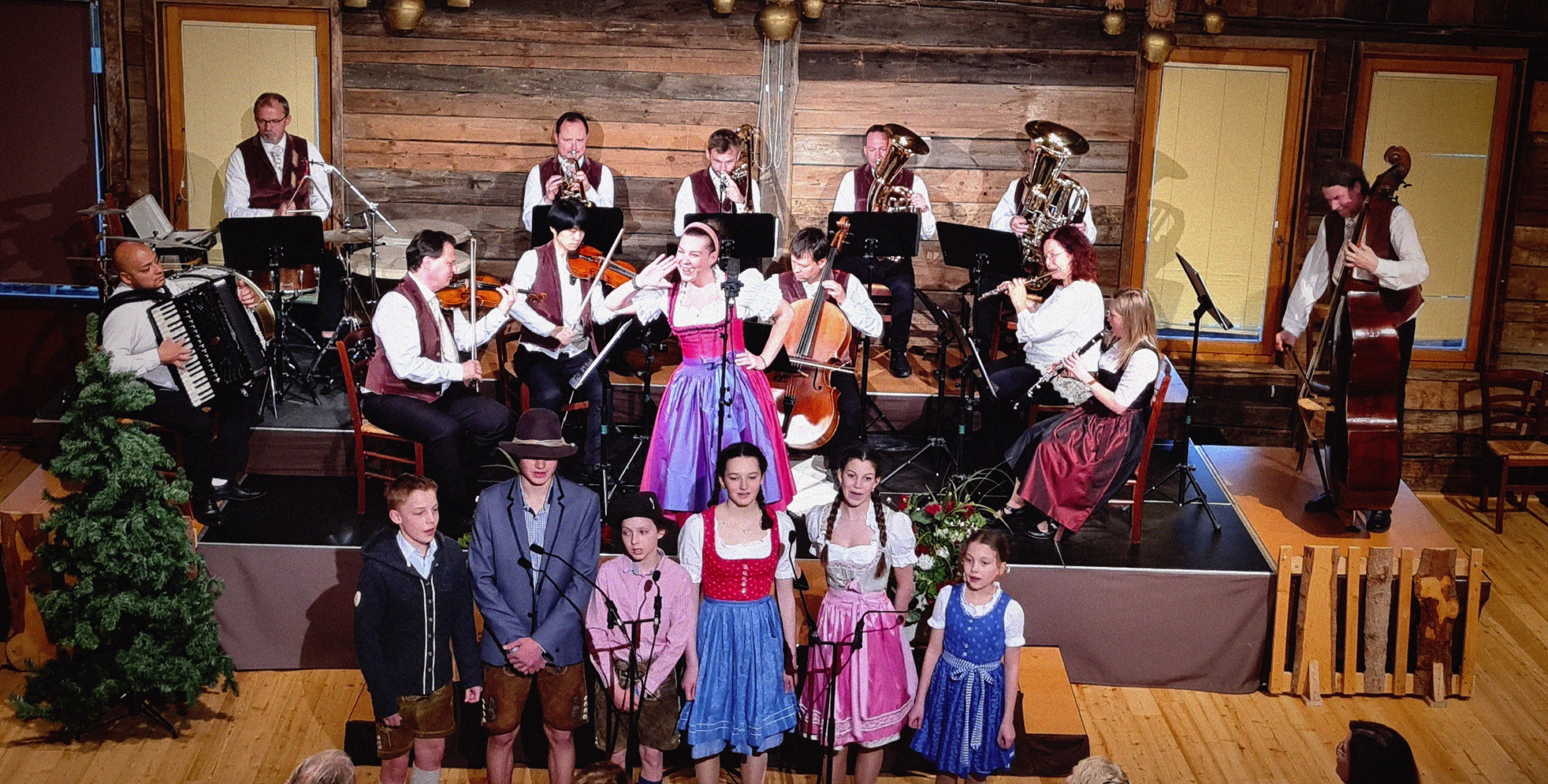
Gaisberg Mountain Lunch and ‘The Sound of Music’ Show
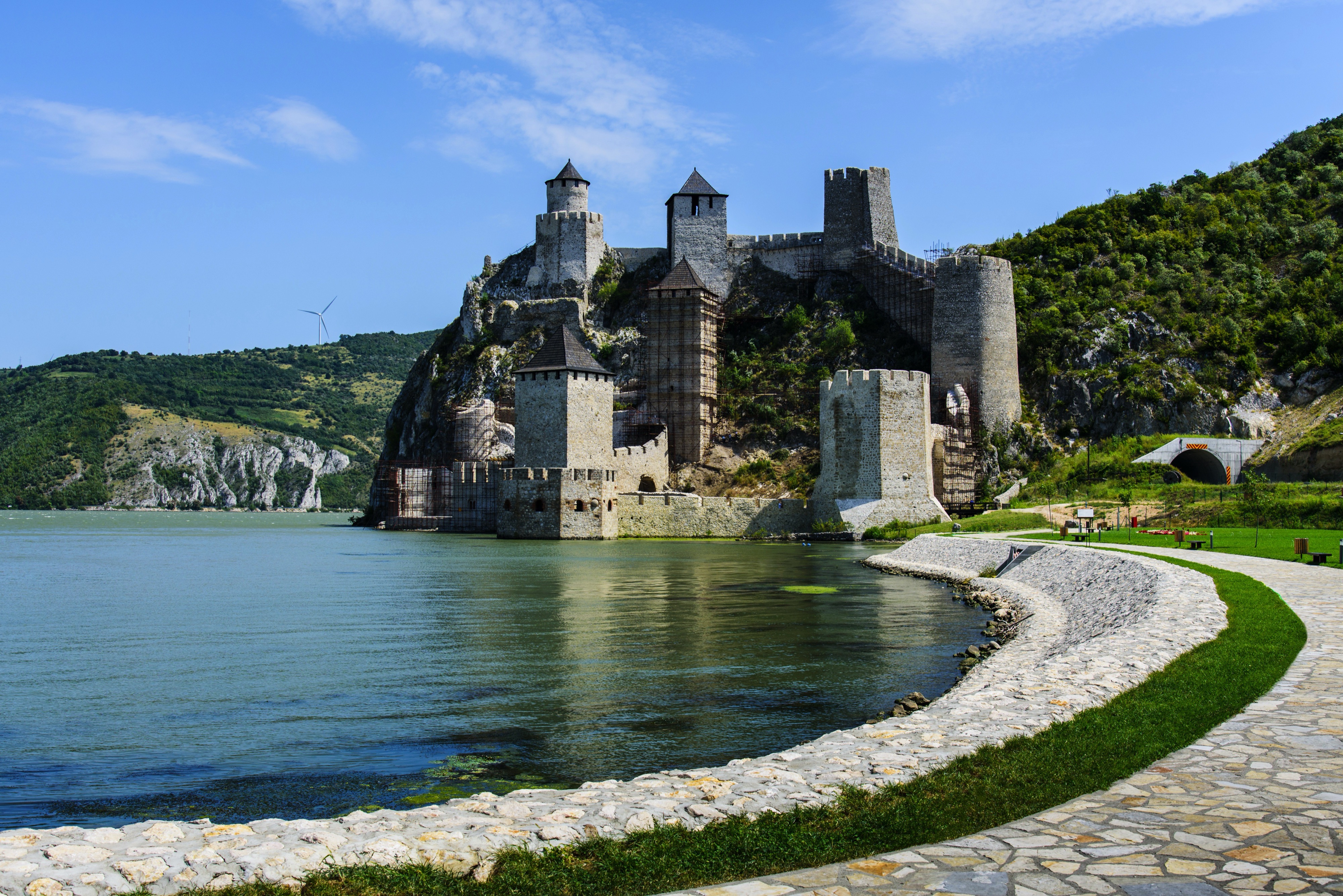
Golubac Walking Tour
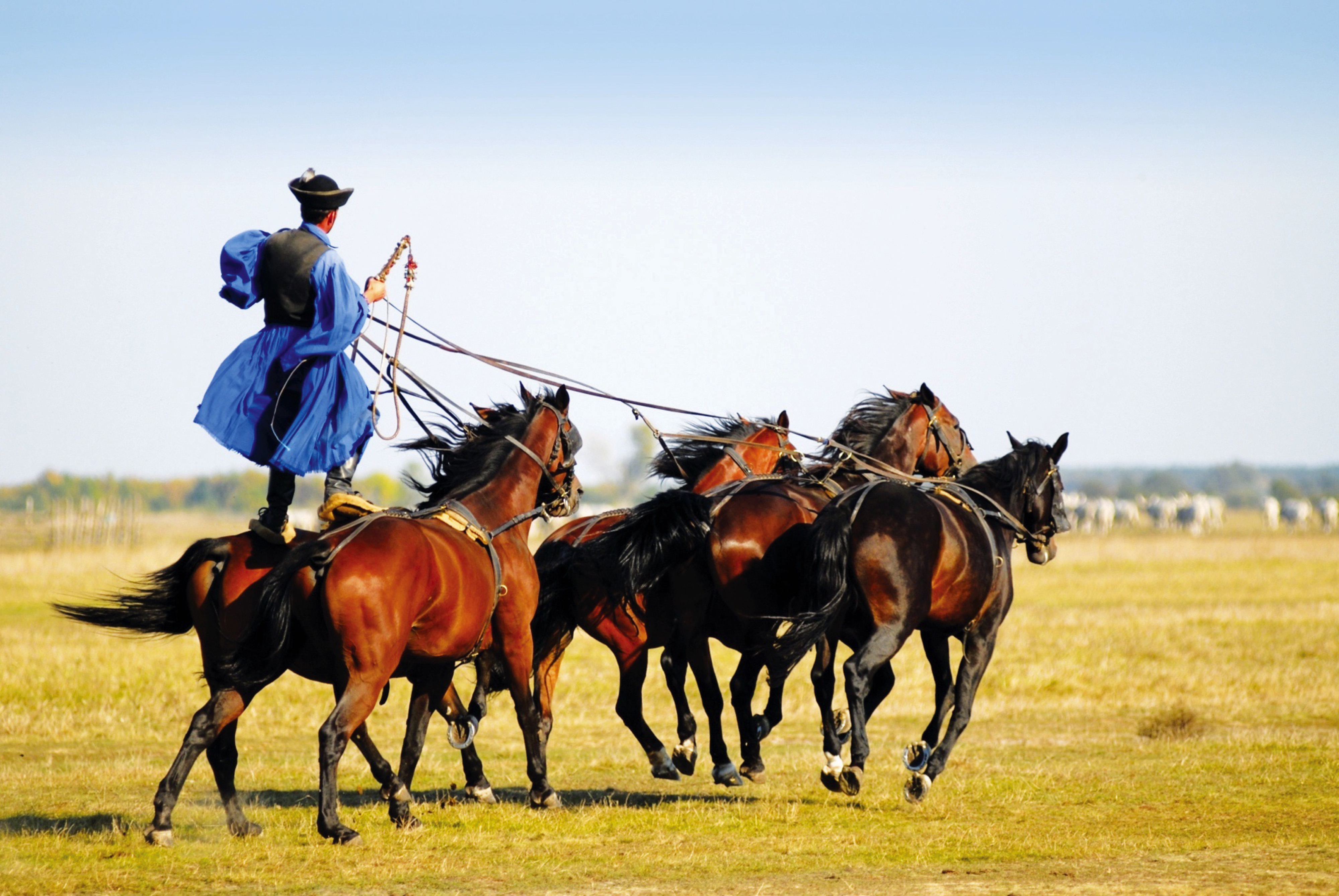
Folk Art House and Horse Show
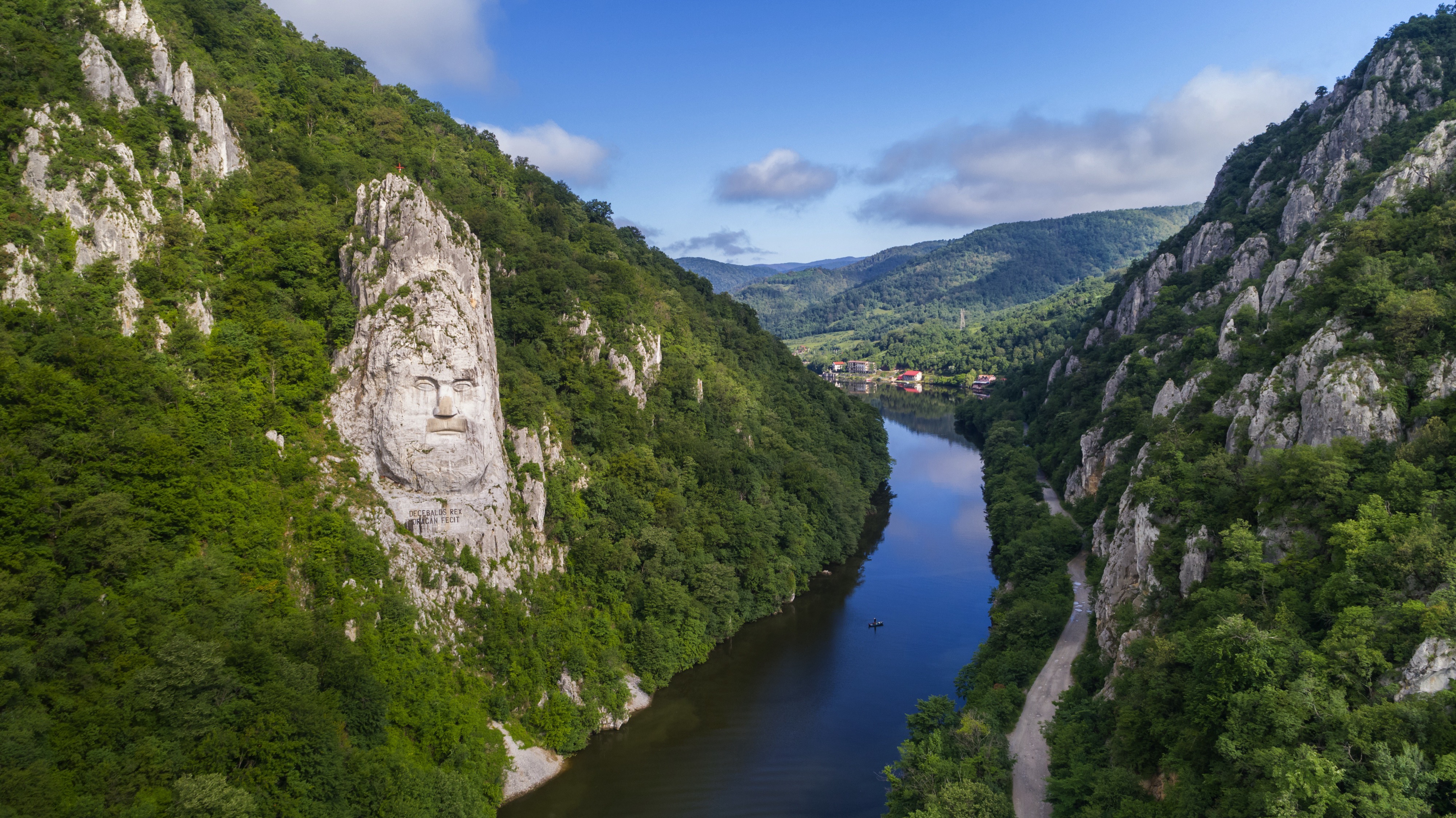
Iron Gates Cruising
Villány Wine Tasting
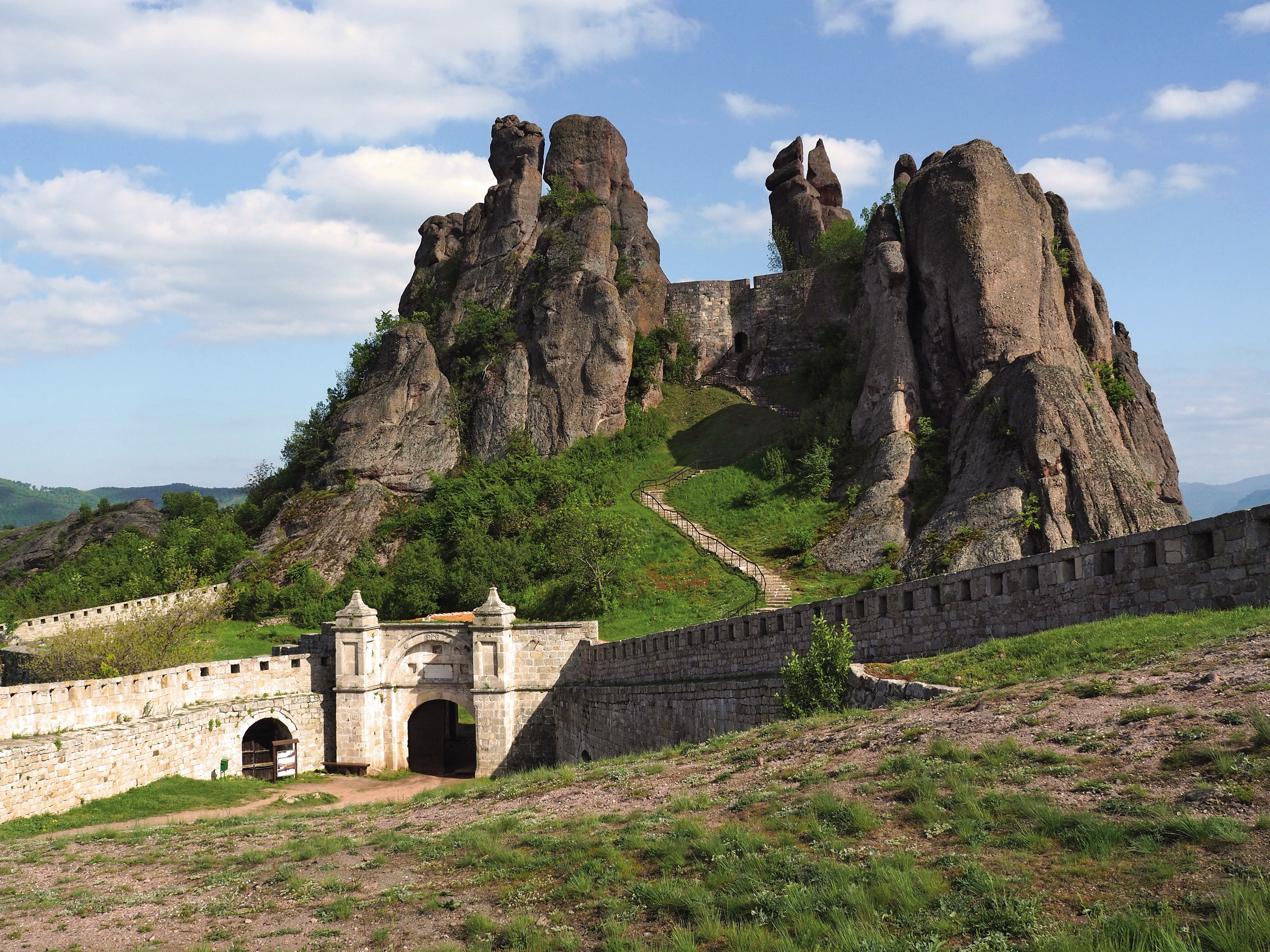
Belogradchik
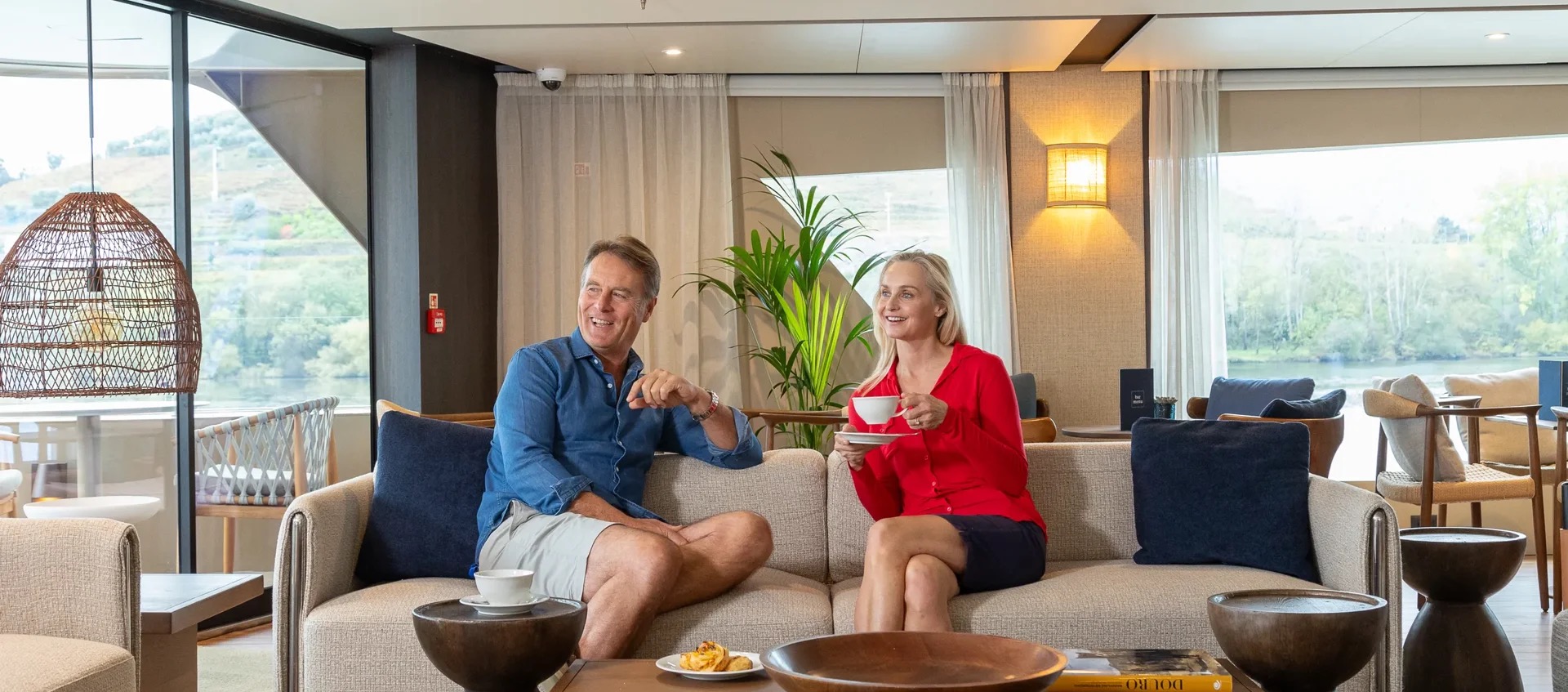
Lounge
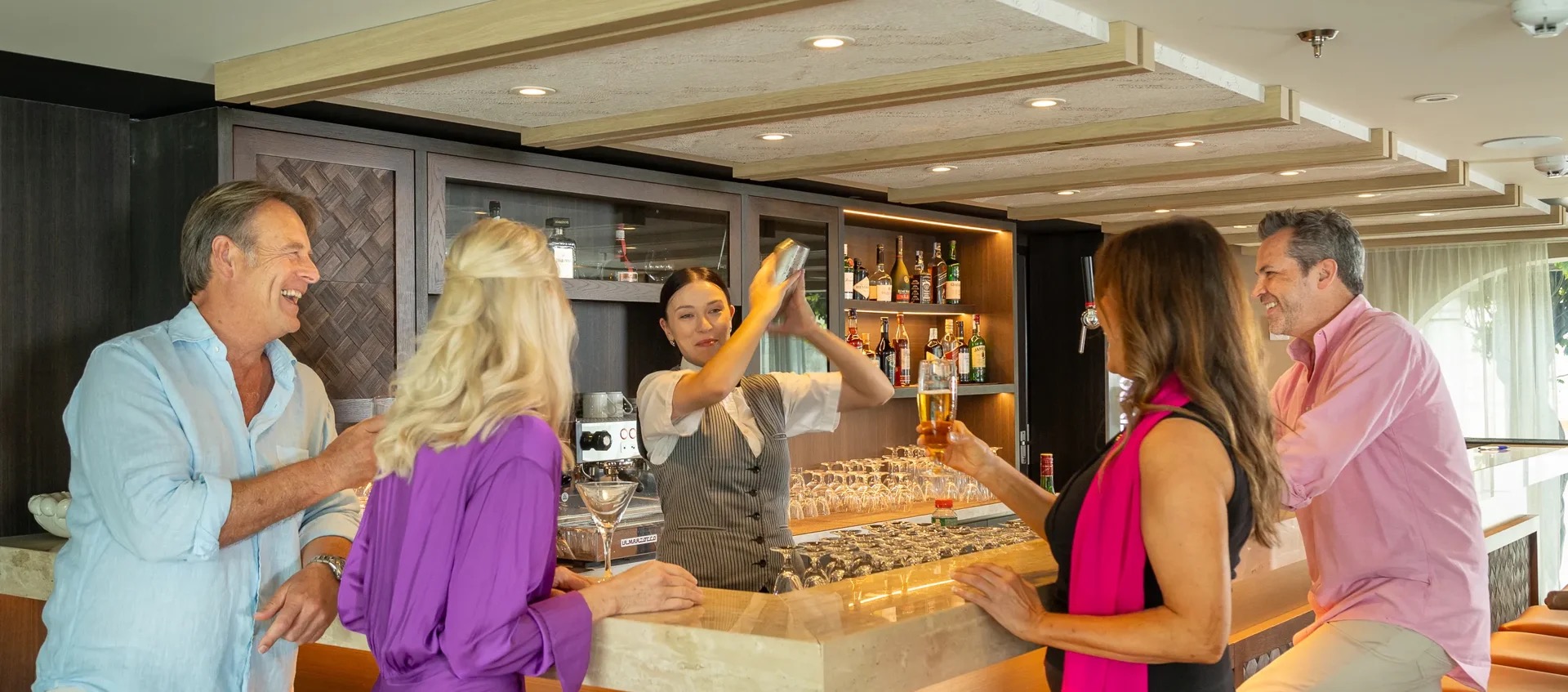
Custom-built to embrace the natural light of the sun-drenched Douro Valley, relax in the lounge accompanied by a cocktail or book. Recline on a plush couch as you watch the spectacular scenery drift by from the comfort of your climate-controlled position.
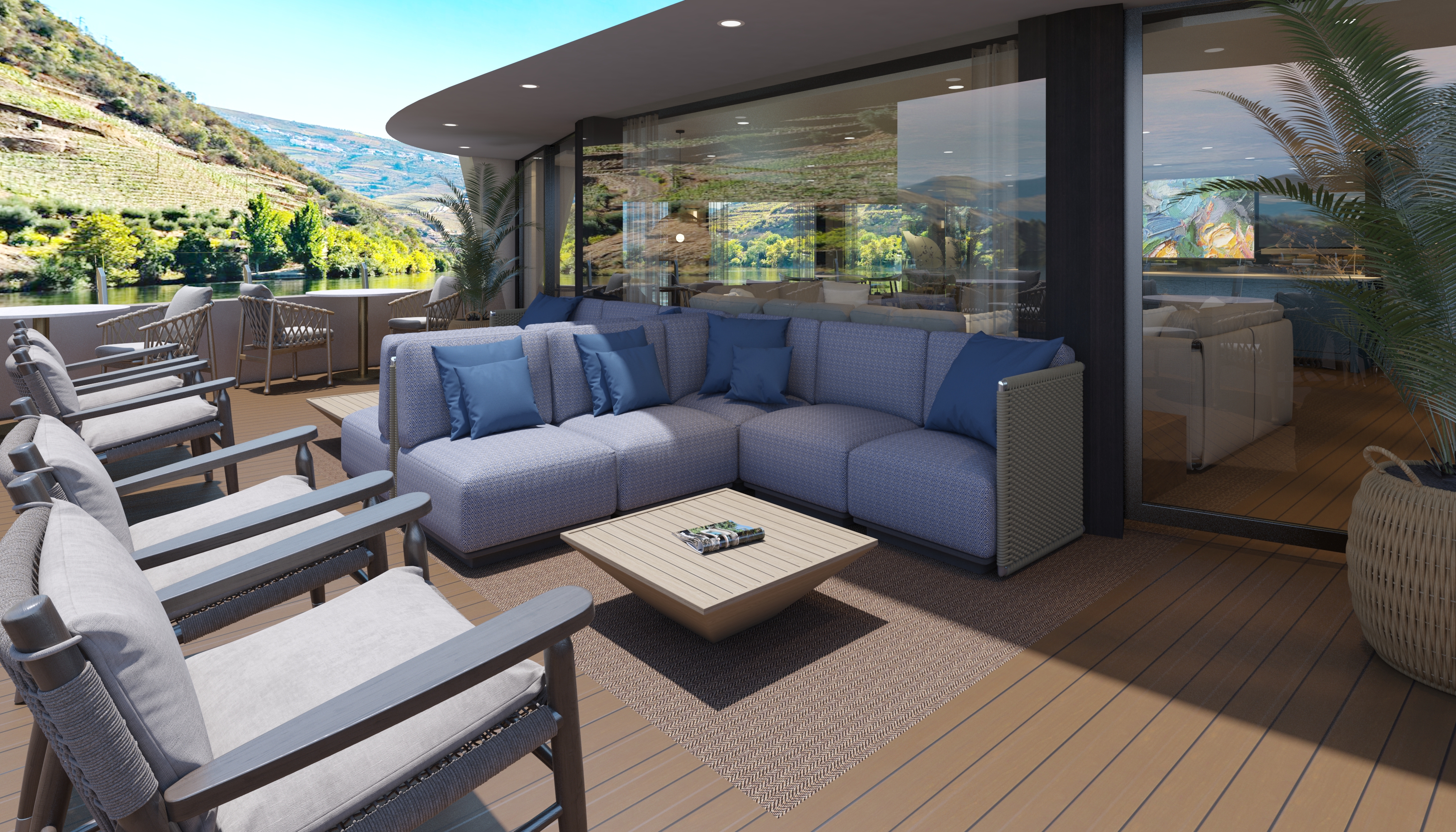
Outdoor Lounge
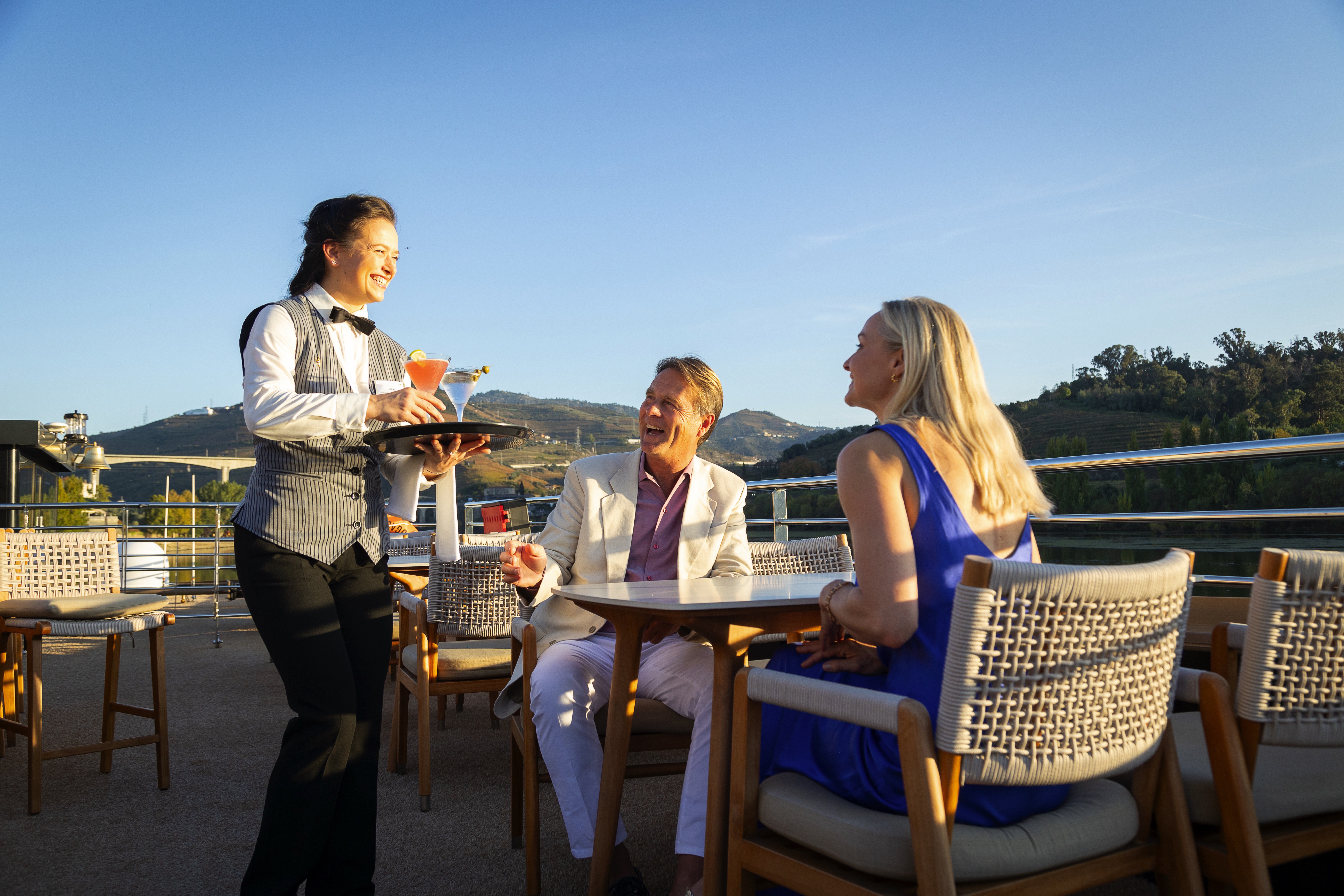
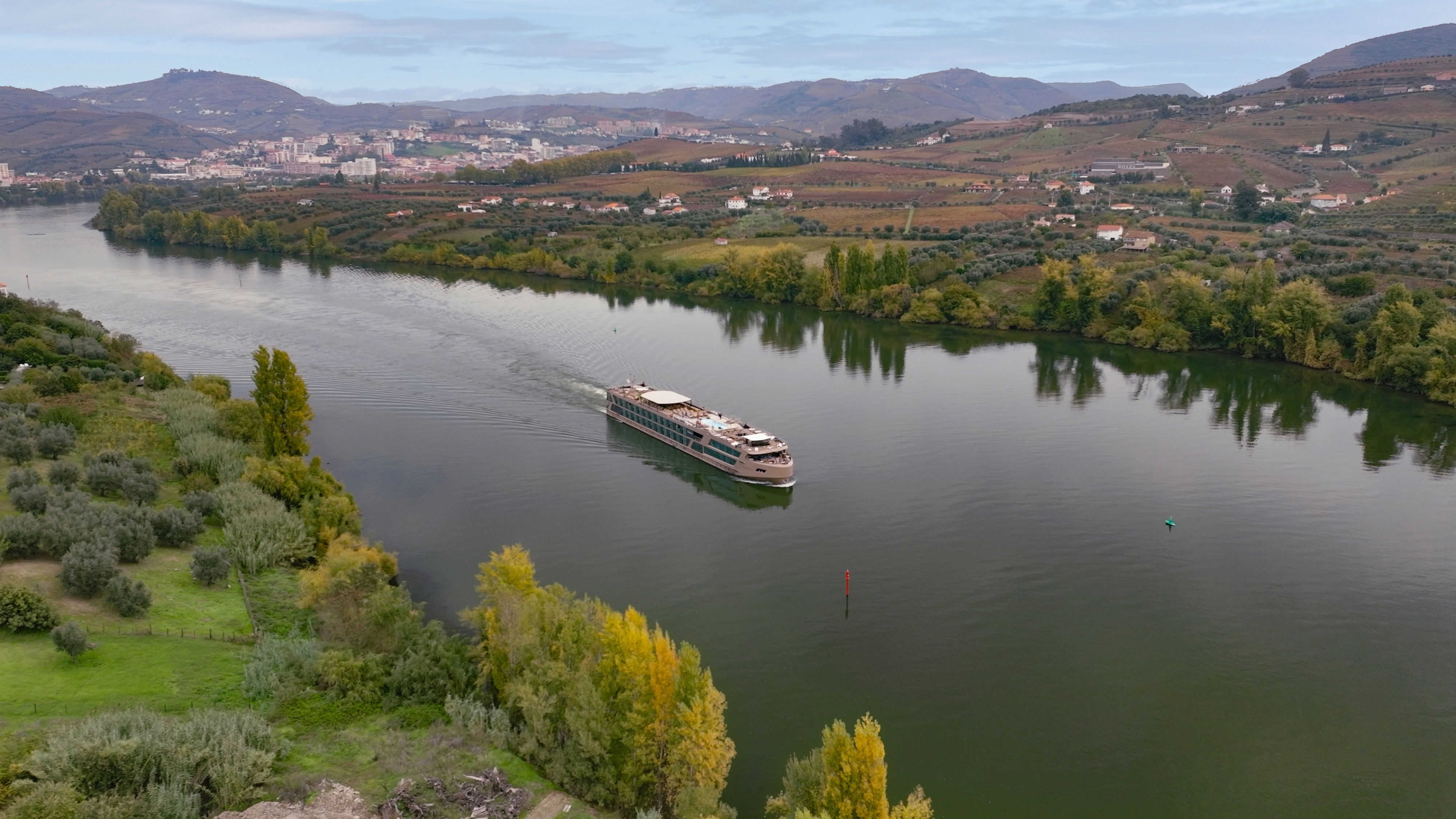
The MS Estrela offers many spaces to relax on board as a ship designed to maximise your comfort. On the Sun Deck, recline by the pool on a plush sun bed and watch the gorgeous landscapes glide by with a drink in hand.
Lobby
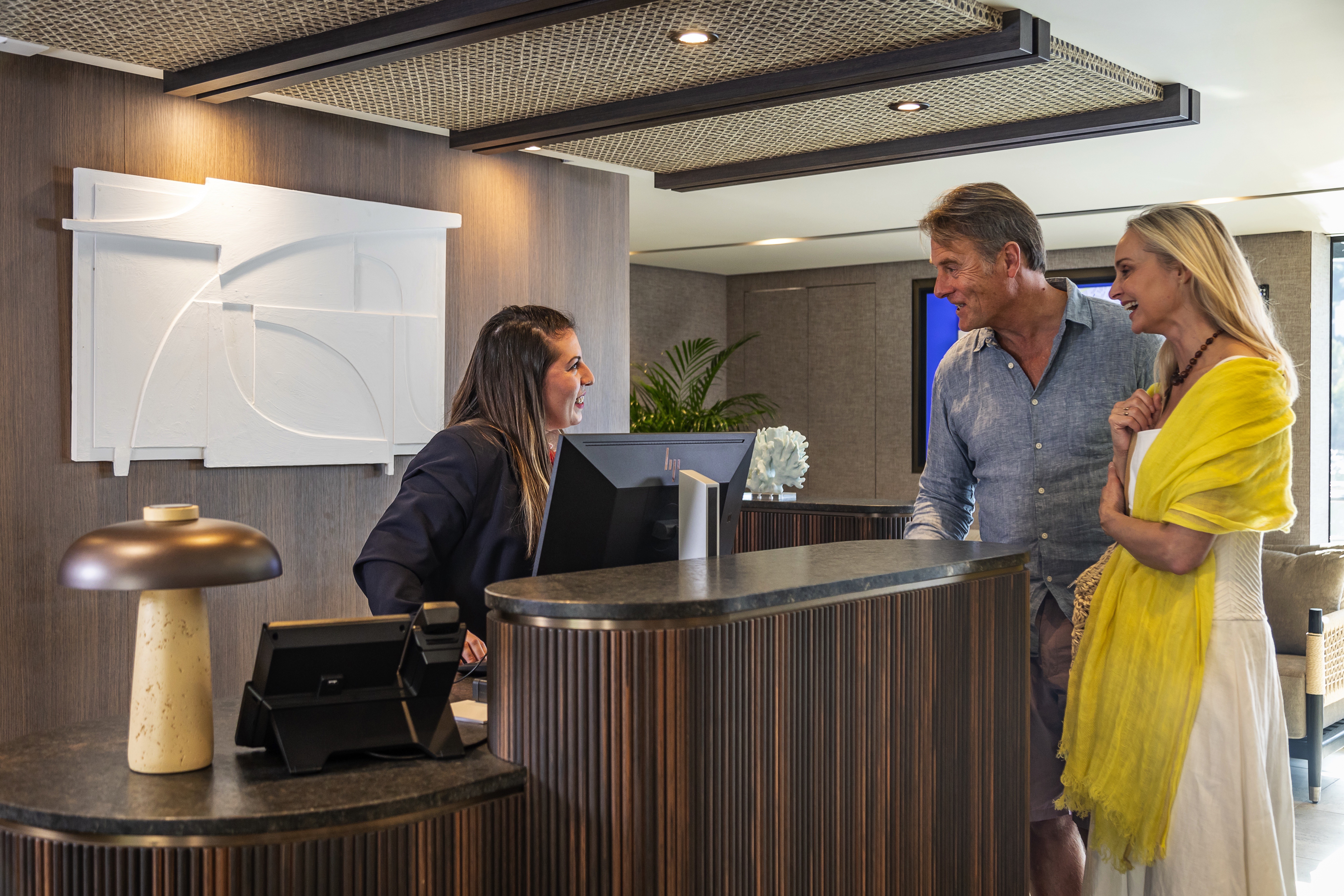
The Lobby can be found on the Upper Deck.
Sun Deck
Rejuvenate in the sun
Relax on board the MS Estrela and take in beautiful surrounds from the Sun Deck. Rest by one of the largest pools on the Douro and treasure the passing landscape. Treat yourself to a drink from the outdoor bar and recline on a plush chair.
Onboard Entertainment
Enjoy nights of wine, song and dance with onboard entertainment including Portuguese folk music. Uncover knowledge about the local culture with immersive history lessons and engaging talks with experts.
Please note that there are no children’s facilities onboard MS Estrela.
Dining
Celebrate Local Produce
Tantalise your tastebuds with flavours from Portugal and the Meditteranean. Opt to dine in the ship’s contemporary lounge or make the most of the outdoors with alfresco dining on the exterior deck.
Excursions
Local Connections: Meet with artisans, chefs, and historians who bring a personal perspective to their homelands, enriching your understanding of each destination.
Seasonal Experiences: Travel during special seasons to witness unique events like the vibrant Keukenhof tulip festival in Amsterdam or Germany’s festive Christmas markets.
Adventure and Activity: For those seeking activity, engage in guided mountain treks in Germany, cycling through French vineyards, or kayaking excursions along the Danube.
Natural Wonders: Glide past Europe’s diverse ecosystems, from the lush landscapes of the Netherlands to the dramatic Rhine gorges and the rolling hills of Portugal.
Historical Exploration: Dive into Europe’s history with guided tours of medieval castles, ancient fortresses, and significant World War landmarks that span centuries.
Cultural Immersion: Experience local traditions, from exclusive vineyard tours and tastings along the Douro to private classical concerts in Vienna’s City Palace.
Namedy Castle
Cocktail Party and Private Performance at Vienna’s City Palace
Gaisberg Mountain Lunch and ‘The Sound of Music’ Show
Golubac Walking Tour
Folk Art House and Horse Show
Iron Gates Cruising
Villány Wine Tasting
Belogradchik
Lounge
Custom-built to embrace the natural light of the sun-drenched Douro Valley, relax in the lounge accompanied by a cocktail or book. Recline on a plush couch as you watch the spectacular scenery drift by from the comfort of your climate-controlled position.
Outdoor Lounge
The MS Estrela offers many spaces to relax on board as a ship designed to maximise your comfort. On the Sun Deck, recline by the pool on a plush sun bed and watch the gorgeous landscapes glide by with a drink in hand.
Lobby
The Lobby can be found on the Upper Deck.
Sun Deck
Rejuvenate in the sun
Relax on board the MS Estrela and take in beautiful surrounds from the Sun Deck. Rest by one of the largest pools on the Douro and treasure the passing landscape. Treat yourself to a drink from the outdoor bar and recline on a plush chair.
Onboard Entertainment
Enjoy nights of wine, song and dance with onboard entertainment including Portuguese folk music. Uncover knowledge about the local culture with immersive history lessons and engaging talks with experts.
Please note that there are no children’s facilities onboard MS Estrela.
About the Ship
Deck Plans

- Category E Staterooms
- Category F Staterooms

- Category CT Staterooms
- Category B Staterooms
- Restaurant

- Owner’s Suite
- Category S Staterooms
- Category P Staterooms
- Main Lounge & Bar
- Reception
- Lift

- Putting Green
- Swimming Pool
- Outdoor Bar
- Wheelhouse
- Category E Staterooms
- Category F Staterooms
- Category CT Staterooms
- Category B Staterooms
- Restaurant
- Owner’s Suite
- Category S Staterooms
- Category P Staterooms
- Main Lounge & Bar
- Reception
- Lift
- Putting Green
- Swimming Pool
- Outdoor Bar
- Wheelhouse