Itinerary
Broome, Western Australia, Australia
Broome, a coastal town in Western Australia, is famous for its stunning beaches, rich history, and vibrant culture. Located on the Indian Ocean, it boasts Cable Beach, known for its white sand, turquoise waters, and iconic camel rides at sunset. Once a pearling hub, Broome retains its multicultural heritage, reflected in its cuisine and architecture. The town is also the gateway to the Kimberley region, offering breathtaking landscapes and unique natural attractions like the Staircase to the Moon. With warm weather year-round and a laid-back atmosphere, Broome is a perfect destination for adventure, relaxation, and cultural experiences.
Windjana Gorge, Western Australia, Australia
In Derby, visit a local art gallery to view indigenous art from across the Kimberley before joining the Gibb River Road to Windjana Gorge, where sheer cliffs tower above pristine white sands and fossils lie embedded in the gorge walls.
Bell Gorge Wilderness Lodge, Wunaamin Miliwundi Ranges, Australia
Back on the Gibb River Road, travel to Bell Gorge, where stunning cliffs surround a series of tiered waterholes. You might like to hike to the lower pool of the gorge and enjoy a dip in the waterfall below. Alternatively, relax in the shade and enjoy a spot of birdwatching.
Drysdale River Station, Western Australia, Australia
Travel through the heart of Kimberley cattle country to Galvans Gorge, where a refreshing swim awaits. Then, continue to the beautiful Manning Creek, where you’ll enjoy lunch before arriving at the historic cattle station of Drysdale River Station.
King Edward River, Western Australia, Australia
Explore the Wandjina and Gwion Gwion (Bradshaw) rock art galleries of the Mitchell Plateau before a swim in the clear waters of the King Edward River.
Signature Experience – Wandjina and Gwion Gwion (Bradshaw) Rock Art
Admire ancient Wandjina and Gwion Gwion (Bradshaw) rock art that dates back thousands of years at a gallery in Mitchell Plateau. This artwork stakes a claim as some of the earliest figurative art, distinguished by its depiction of stick-like human figures.
Mitchell Falls Wilderness Lodge, Western Australia, Australia
A world of waterfalls awaits your discovery today. Begin with a guided hike to Little Mertens Falls and view rarely seen rock art. See Big Mertens Falls, then enjoy an included helicopter flight over Mitchell Falls.
Signature Experience – Mitchell Falls Scenic Helicopter Flight
Set out on a thrilling helicopter flight to see Mitchell Falls in all its splendour from above. By gaining a bird’s-eye view of this remote region, you’ll not only see this iconic four-tiered Kimberley attraction, but also the surrounding gorges, emerald water pools, and soaring red cliffs.
El Questro Station, Western Australia
Bidding the Mitchell Plateau goodbye, rejoin the Gibb River Road and ford the Durack and Pentecost rivers towards El Questro, an incredible cattle station and nature reserve that covers a staggering 700,000 acres.
Enrich Your Experience – Upgrade Your Stay
Upgrade your stay at El Questro with an all-inclusive two-night stay at The Homestead, a secluded oasis perched above the Chamberlain River. Be treated to a stay defined by exceptional dining, curated experiences, and access to some of El Questro’s most breathtaking landscapes.
Broome, Western Australia, Australia
Broome, a coastal town in Western Australia, is famous for its stunning beaches, rich history, and vibrant culture. Located on the Indian Ocean, it boasts Cable Beach, known for its white sand, turquoise waters, and iconic camel rides at sunset. Once a pearling hub, Broome retains its multicultural heritage, reflected in its cuisine and architecture. The town is also the gateway to the Kimberley region, offering breathtaking landscapes and unique natural attractions like the Staircase to the Moon. With warm weather year-round and a laid-back atmosphere, Broome is a perfect destination for adventure, relaxation, and cultural experiences.
Windjana Gorge, Western Australia, Australia
In Derby, visit a local art gallery to view indigenous art from across the Kimberley before joining the Gibb River Road to Windjana Gorge, where sheer cliffs tower above pristine white sands and fossils lie embedded in the gorge walls.
Bell Gorge Wilderness Lodge, Wunaamin Miliwundi Ranges, Australia
Back on the Gibb River Road, travel to Bell Gorge, where stunning cliffs surround a series of tiered waterholes. You might like to hike to the lower pool of the gorge and enjoy a dip in the waterfall below. Alternatively, relax in the shade and enjoy a spot of birdwatching.
Drysdale River Station, Western Australia, Australia
Travel through the heart of Kimberley cattle country to Galvans Gorge, where a refreshing swim awaits. Then, continue to the beautiful Manning Creek, where you’ll enjoy lunch before arriving at the historic cattle station of Drysdale River Station.
King Edward River, Western Australia, Australia
Explore the Wandjina and Gwion Gwion (Bradshaw) rock art galleries of the Mitchell Plateau before a swim in the clear waters of the King Edward River.
Signature Experience – Wandjina and Gwion Gwion (Bradshaw) Rock Art
Admire ancient Wandjina and Gwion Gwion (Bradshaw) rock art that dates back thousands of years at a gallery in Mitchell Plateau. This artwork stakes a claim as some of the earliest figurative art, distinguished by its depiction of stick-like human figures.
Mitchell Falls Wilderness Lodge, Western Australia, Australia
A world of waterfalls awaits your discovery today. Begin with a guided hike to Little Mertens Falls and view rarely seen rock art. See Big Mertens Falls, then enjoy an included helicopter flight over Mitchell Falls.
Signature Experience – Mitchell Falls Scenic Helicopter Flight
Set out on a thrilling helicopter flight to see Mitchell Falls in all its splendour from above. By gaining a bird’s-eye view of this remote region, you’ll not only see this iconic four-tiered Kimberley attraction, but also the surrounding gorges, emerald water pools, and soaring red cliffs.
El Questro Station, Western Australia
Bidding the Mitchell Plateau goodbye, rejoin the Gibb River Road and ford the Durack and Pentecost rivers towards El Questro, an incredible cattle station and nature reserve that covers a staggering 700,000 acres.
Enrich Your Experience – Upgrade Your Stay
Upgrade your stay at El Questro with an all-inclusive two-night stay at The Homestead, a secluded oasis perched above the Chamberlain River. Be treated to a stay defined by exceptional dining, curated experiences, and access to some of El Questro’s most breathtaking landscapes.
El Questro Station, Western Australia
This morning hike to Emma Gorge where you’ll be rewarded with a swim beneath a towering droplet waterfall. Enjoy lunch, before relaxing at Zebedee Springs. Enjoy dinner this evening back at Emma Gorge Resort.
Signature Experience – Zebedee Springs
Venture through a pre-historic forest of Livistona and pandanus palms before arriving at a true oasis, Zebedee Springs. This permanent natural thermal spring is tucked away in a secluded pocket of El Questro’s wilderness. Enjoy time to relax as you soak in the hot springs and leave feeling refreshed.
Echidna Chasm, Purnululu, Australia
Journey into Purnululu National Park, home to the famed black and orange striped domes of the Bungle Bungle Range. Travel the Spring Creek Track before hiking to Echidna Chasm, a natural cleft in the rock. Later, arrive at your lodge in the heart of the national park.
Cathedral Gorge, Australia
Explore the magic of Purnululu for yourself and discover the depth of the Bungle Bungle Range. Created by the constant erosion of river movements over 20 million years, the range has both geological and Indigenous cultural significance. Start with a walk along Piccaninny Creek, before stopping at Cathedral Gorge.
Signature Experience – Sunset Drinks at the Bungle Bungle Range
There’s no better way to end a day of discovery than by watching the sunset over the Bungle Bungle Range. With a glass of sparkling in hand, see the massive beehive-shaped domes cast in a golden glow at this time of day.
Enrich Your Experience – Bungle Bungle Heli Flight
Experience breathtaking views of World Heritage-listed Purnululu National Park from above on a scenic helicopter flight. (own expense)
Kununurra, Western Australia, Australia
Travel along the Spring Creek Track to Kununurra, known as the gateway to eastern Kimberley.
Ord River, Western Australia, Australia
Travel to Lake Argyle today, the largest man-made lake in the Southern Hemisphere. From here, set out on a wildlife cruise along the mighty Ord River. Explore this ecological system, which has developed from the damming of the river to create an area rich in native wildlife and flora.
Nitmiluk National Park, Northern Territory, Australia
Cross the border into the Northern Territory on the way to Nitmiluk National Park. This evening, be treated to canapes and drinks on arrival at Cicada Lodge, followed by a three-course dinner showcasing local produce.
Kakadu National Park, Northern Territory, Australia
After breakfast, set out on a cruise through Nitmiluk Gorge, as you learn about the music, stories and ways of the local Jawoyn people. Next it’s on to Kakadu, Australia’s largest national park. Here, enjoy a Signature Experience, then journey to Nourlangie Rock. See its ancient rock art, dating back some 20,000 years.
Signature Experience – Yellow Water Billabong Cruise
Enjoy a relaxing cruise on Yellow Water Billabong, home to incredible landscapes and wildlife. Here, you’ll find over 60 species of bird, from whistling ducks to magpie geese and eagles . Keep watch for the crocodiles that frequent the area, and the buffalo that graze by the floodplains. ��
El Questro Station, Western Australia
This morning hike to Emma Gorge where you’ll be rewarded with a swim beneath a towering droplet waterfall. Enjoy lunch, before relaxing at Zebedee Springs. Enjoy dinner this evening back at Emma Gorge Resort.
Signature Experience – Zebedee Springs
Venture through a pre-historic forest of Livistona and pandanus palms before arriving at a true oasis, Zebedee Springs. This permanent natural thermal spring is tucked away in a secluded pocket of El Questro’s wilderness. Enjoy time to relax as you soak in the hot springs and leave feeling refreshed.
Echidna Chasm, Purnululu, Australia
Journey into Purnululu National Park, home to the famed black and orange striped domes of the Bungle Bungle Range. Travel the Spring Creek Track before hiking to Echidna Chasm, a natural cleft in the rock. Later, arrive at your lodge in the heart of the national park.
Cathedral Gorge, Australia
Explore the magic of Purnululu for yourself and discover the depth of the Bungle Bungle Range. Created by the constant erosion of river movements over 20 million years, the range has both geological and Indigenous cultural significance. Start with a walk along Piccaninny Creek, before stopping at Cathedral Gorge.
Signature Experience – Sunset Drinks at the Bungle Bungle Range
There’s no better way to end a day of discovery than by watching the sunset over the Bungle Bungle Range. With a glass of sparkling in hand, see the massive beehive-shaped domes cast in a golden glow at this time of day.
Enrich Your Experience – Bungle Bungle Heli Flight
Experience breathtaking views of World Heritage-listed Purnululu National Park from above on a scenic helicopter flight. (own expense)
Kununurra, Western Australia, Australia
Travel along the Spring Creek Track to Kununurra, known as the gateway to eastern Kimberley.
Ord River, Western Australia, Australia
Travel to Lake Argyle today, the largest man-made lake in the Southern Hemisphere. From here, set out on a wildlife cruise along the mighty Ord River. Explore this ecological system, which has developed from the damming of the river to create an area rich in native wildlife and flora.
Nitmiluk National Park, Northern Territory, Australia
Cross the border into the Northern Territory on the way to Nitmiluk National Park. This evening, be treated to canapes and drinks on arrival at Cicada Lodge, followed by a three-course dinner showcasing local produce.
Kakadu National Park, Northern Territory, Australia
After breakfast, set out on a cruise through Nitmiluk Gorge, as you learn about the music, stories and ways of the local Jawoyn people. Next it’s on to Kakadu, Australia’s largest national park. Here, enjoy a Signature Experience, then journey to Nourlangie Rock. See its ancient rock art, dating back some 20,000 years.
Signature Experience – Yellow Water Billabong Cruise
Enjoy a relaxing cruise on Yellow Water Billabong, home to incredible landscapes and wildlife. Here, you’ll find over 60 species of bird, from whistling ducks to magpie geese and eagles . Keep watch for the crocodiles that frequent the area, and the buffalo that graze by the floodplains. ��
Cannon Hill, Queensland, Australia
A local guide will join you today as you cross the East Alligator River into spiritual Arnhem Land. Experience the ancient art and natural beauty of this special place. This afternoon, return to Kakadu to discover the rock art and billabongs of Cannon Hill and Hawk Dreaming (please note Arnhem Land may be inaccessible for cultural reasons or when tides prevent the crossing of the East Alligator River).
Darwin, Northern Territory, Australia
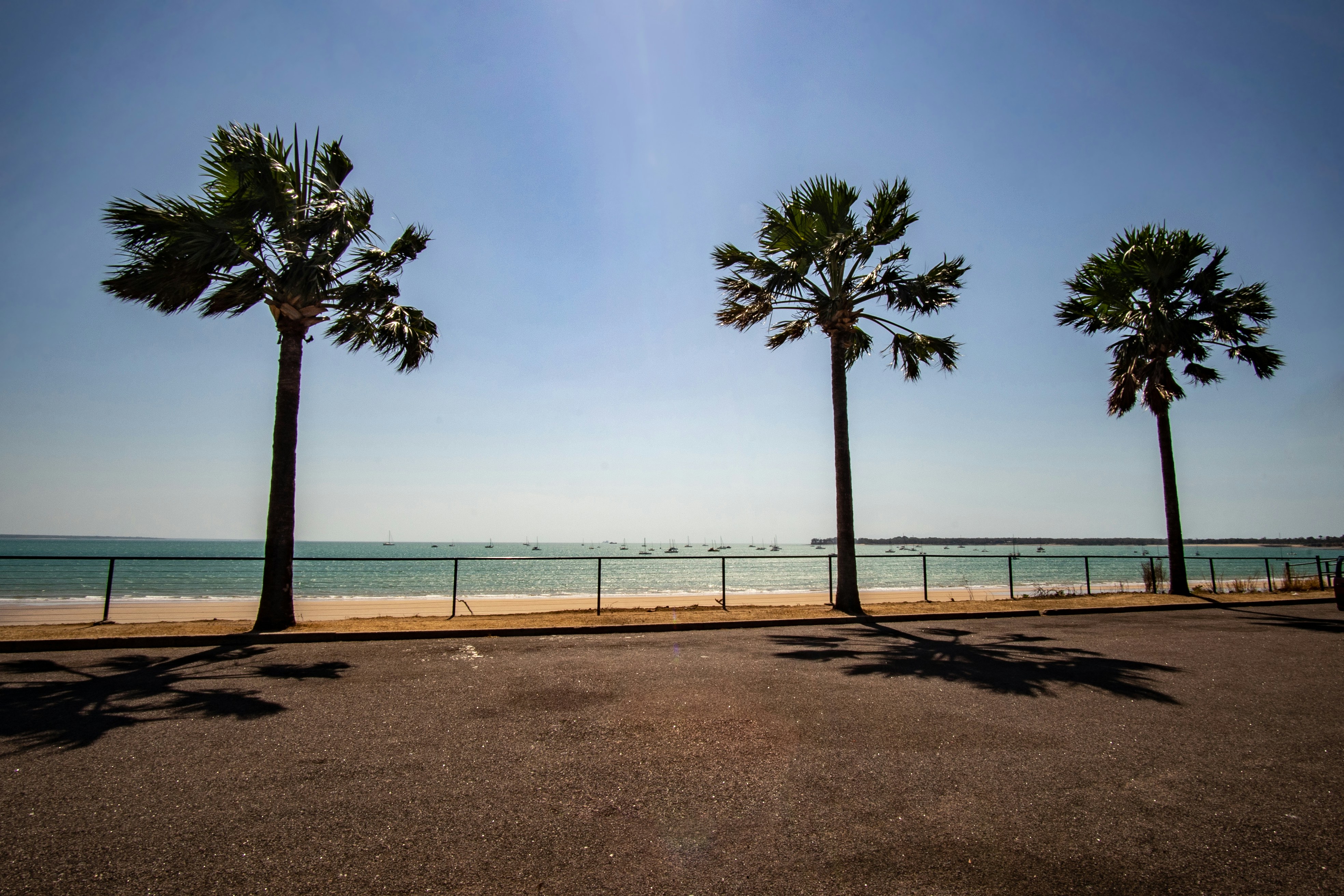
Darwin is Australia’s most colorful, and exotic, capital city. Surrounded on three sides by the turquoise waters of the Timor Sea, the streets are lined with tropical flowers and trees. Warm and dry in winter, hot and steamy in summer, it’s a relaxed and casual place, as well as a beguiling blend of tropical frontier outpost and Outback hardiness. Thanks to its close proximity to Southeast Asia and its multicultural population it also seems more like Asia than the rest of Australia. Darwin is a city that has always had to fight for its survival. The seductiveness of contemporary Darwin lifestyles belies a history of failed attempts that date from 1824 when Europeans attempted to establish an enclave in this harsh, unyielding climate. The original 1869 settlement, called Palmerston, was built on a parcel of mangrove wetlands and scrub forest that had changed little in 15 million years. It was not until 1911, after it had already weathered the disastrous cyclones of 1878, 1882, and 1897, that the town was named after the scientist who had visited Australia’s shores aboard the Beagle in 1839. During World War II it was bombed more than 60 times, as the harbor full of warships was a prime target for the Japanese war planes. Then, on the night of Christmas Eve 1974, the city was almost completely destroyed by Cyclone Tracy, Australia’s greatest natural disaster. It’s a tribute to those who stayed and to those who have come to live here after Tracy that the rebuilt city now thrives as an administrative and commercial center for northern Australia. Old Darwin has been replaced by something of an edifice complex—such buildings as Parliament House and the Supreme Court all seem very grand for such a small city, especially one that prides itself on its casual, outdoor-centric lifestyle. Today Darwin is the best place from which to explore Australia’s Top End, with its wonders of Kakadu and the Kimberley region.
Darwin, Northern Territory, Australia
Darwin is Australia’s most colorful, and exotic, capital city. Surrounded on three sides by the turquoise waters of the Timor Sea, the streets are lined with tropical flowers and trees. Warm and dry in winter, hot and steamy in summer, it’s a relaxed and casual place, as well as a beguiling blend of tropical frontier outpost and Outback hardiness. Thanks to its close proximity to Southeast Asia and its multicultural population it also seems more like Asia than the rest of Australia. Darwin is a city that has always had to fight for its survival. The seductiveness of contemporary Darwin lifestyles belies a history of failed attempts that date from 1824 when Europeans attempted to establish an enclave in this harsh, unyielding climate. The original 1869 settlement, called Palmerston, was built on a parcel of mangrove wetlands and scrub forest that had changed little in 15 million years. It was not until 1911, after it had already weathered the disastrous cyclones of 1878, 1882, and 1897, that the town was named after the scientist who had visited Australia’s shores aboard the Beagle in 1839. During World War II it was bombed more than 60 times, as the harbor full of warships was a prime target for the Japanese war planes. Then, on the night of Christmas Eve 1974, the city was almost completely destroyed by Cyclone Tracy, Australia’s greatest natural disaster. It’s a tribute to those who stayed and to those who have come to live here after Tracy that the rebuilt city now thrives as an administrative and commercial center for northern Australia. Old Darwin has been replaced by something of an edifice complex—such buildings as Parliament House and the Supreme Court all seem very grand for such a small city, especially one that prides itself on its casual, outdoor-centric lifestyle. Today Darwin is the best place from which to explore Australia’s Top End, with its wonders of Kakadu and the Kimberley region.
Cannon Hill, Queensland, Australia
A local guide will join you today as you cross the East Alligator River into spiritual Arnhem Land. Experience the ancient art and natural beauty of this special place. This afternoon, return to Kakadu to discover the rock art and billabongs of Cannon Hill and Hawk Dreaming (please note Arnhem Land may be inaccessible for cultural reasons or when tides prevent the crossing of the East Alligator River).
Darwin, Northern Territory, Australia
Darwin is Australia’s most colorful, and exotic, capital city. Surrounded on three sides by the turquoise waters of the Timor Sea, the streets are lined with tropical flowers and trees. Warm and dry in winter, hot and steamy in summer, it’s a relaxed and casual place, as well as a beguiling blend of tropical frontier outpost and Outback hardiness. Thanks to its close proximity to Southeast Asia and its multicultural population it also seems more like Asia than the rest of Australia. Darwin is a city that has always had to fight for its survival. The seductiveness of contemporary Darwin lifestyles belies a history of failed attempts that date from 1824 when Europeans attempted to establish an enclave in this harsh, unyielding climate. The original 1869 settlement, called Palmerston, was built on a parcel of mangrove wetlands and scrub forest that had changed little in 15 million years. It was not until 1911, after it had already weathered the disastrous cyclones of 1878, 1882, and 1897, that the town was named after the scientist who had visited Australia’s shores aboard the Beagle in 1839. During World War II it was bombed more than 60 times, as the harbor full of warships was a prime target for the Japanese war planes. Then, on the night of Christmas Eve 1974, the city was almost completely destroyed by Cyclone Tracy, Australia’s greatest natural disaster. It’s a tribute to those who stayed and to those who have come to live here after Tracy that the rebuilt city now thrives as an administrative and commercial center for northern Australia. Old Darwin has been replaced by something of an edifice complex—such buildings as Parliament House and the Supreme Court all seem very grand for such a small city, especially one that prides itself on its casual, outdoor-centric lifestyle. Today Darwin is the best place from which to explore Australia’s Top End, with its wonders of Kakadu and the Kimberley region.
Darwin, Northern Territory, Australia
Darwin is Australia’s most colorful, and exotic, capital city. Surrounded on three sides by the turquoise waters of the Timor Sea, the streets are lined with tropical flowers and trees. Warm and dry in winter, hot and steamy in summer, it’s a relaxed and casual place, as well as a beguiling blend of tropical frontier outpost and Outback hardiness. Thanks to its close proximity to Southeast Asia and its multicultural population it also seems more like Asia than the rest of Australia. Darwin is a city that has always had to fight for its survival. The seductiveness of contemporary Darwin lifestyles belies a history of failed attempts that date from 1824 when Europeans attempted to establish an enclave in this harsh, unyielding climate. The original 1869 settlement, called Palmerston, was built on a parcel of mangrove wetlands and scrub forest that had changed little in 15 million years. It was not until 1911, after it had already weathered the disastrous cyclones of 1878, 1882, and 1897, that the town was named after the scientist who had visited Australia’s shores aboard the Beagle in 1839. During World War II it was bombed more than 60 times, as the harbor full of warships was a prime target for the Japanese war planes. Then, on the night of Christmas Eve 1974, the city was almost completely destroyed by Cyclone Tracy, Australia’s greatest natural disaster. It’s a tribute to those who stayed and to those who have come to live here after Tracy that the rebuilt city now thrives as an administrative and commercial center for northern Australia. Old Darwin has been replaced by something of an edifice complex—such buildings as Parliament House and the Supreme Court all seem very grand for such a small city, especially one that prides itself on its casual, outdoor-centric lifestyle. Today Darwin is the best place from which to explore Australia’s Top End, with its wonders of Kakadu and the Kimberley region.