Itinerary
Tokyo, Japan
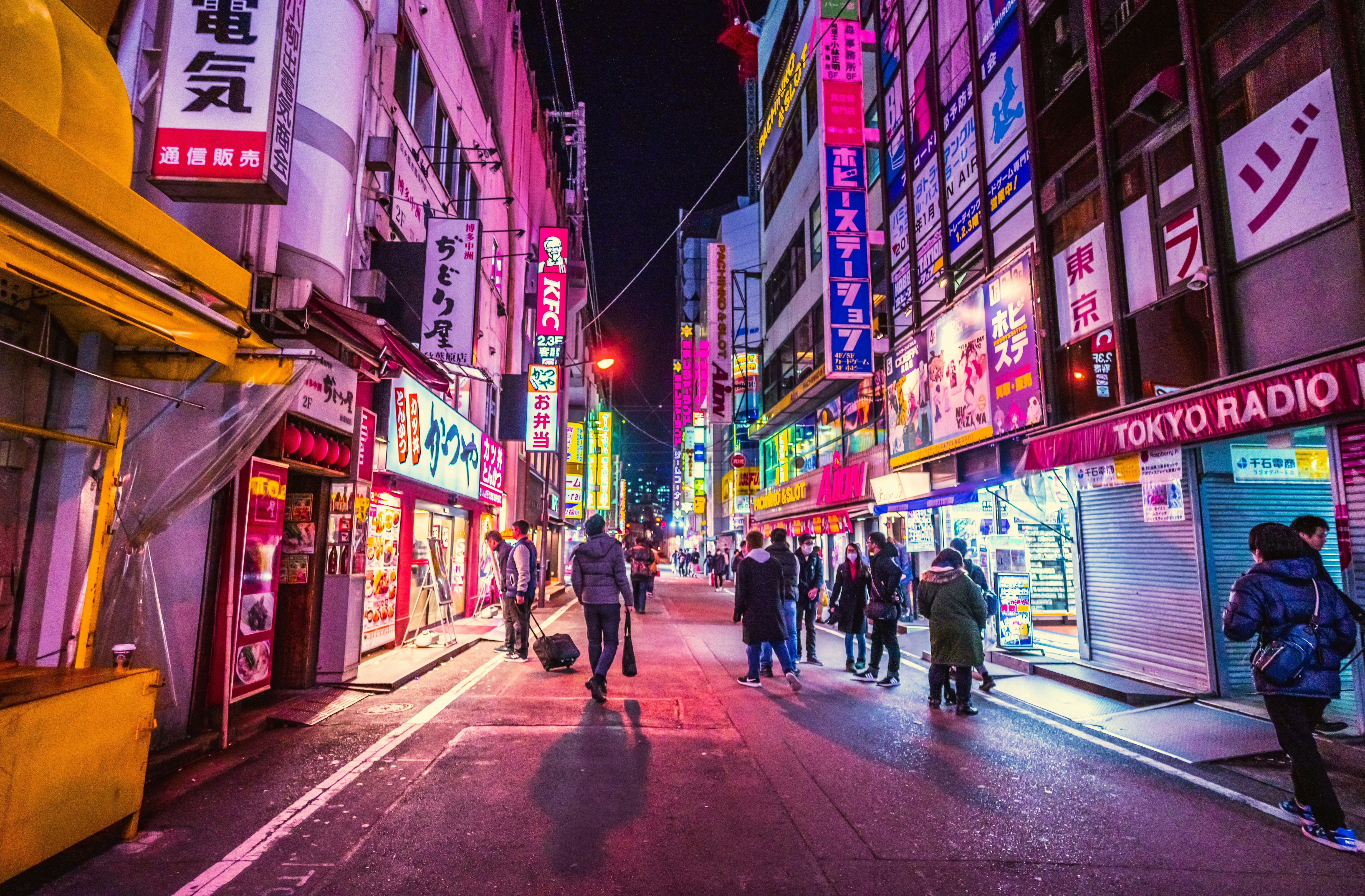
Lights, sushi, manga! Sprawling, frenetic, and endlessly fascinating, Japan’s capital is a city of contrasts. Shrines and gardens are pockets of calm between famously crowded streets and soaring office buildings. Mom-and-pop noodle houses share street space with Western-style chain restaurants and exquisite fine dining. Shopping yields lovely folk arts as well as the newest electronics. And nightlife kicks off with karaoke or sake and continues with techno clubs and more. Whether you seek the traditional or the cutting edge, Tokyo will provide it.
Tokyo, Japan
Lights, sushi, manga! Sprawling, frenetic, and endlessly fascinating, Japan’s capital is a city of contrasts. Shrines and gardens are pockets of calm between famously crowded streets and soaring office buildings. Mom-and-pop noodle houses share street space with Western-style chain restaurants and exquisite fine dining. Shopping yields lovely folk arts as well as the newest electronics. And nightlife kicks off with karaoke or sake and continues with techno clubs and more. Whether you seek the traditional or the cutting edge, Tokyo will provide it.
Tokyo, Japan
Lights, sushi, manga! Sprawling, frenetic, and endlessly fascinating, Japan’s capital is a city of contrasts. Shrines and gardens are pockets of calm between famously crowded streets and soaring office buildings. Mom-and-pop noodle houses share street space with Western-style chain restaurants and exquisite fine dining. Shopping yields lovely folk arts as well as the newest electronics. And nightlife kicks off with karaoke or sake and continues with techno clubs and more. Whether you seek the traditional or the cutting edge, Tokyo will provide it.
Hakone, Japan
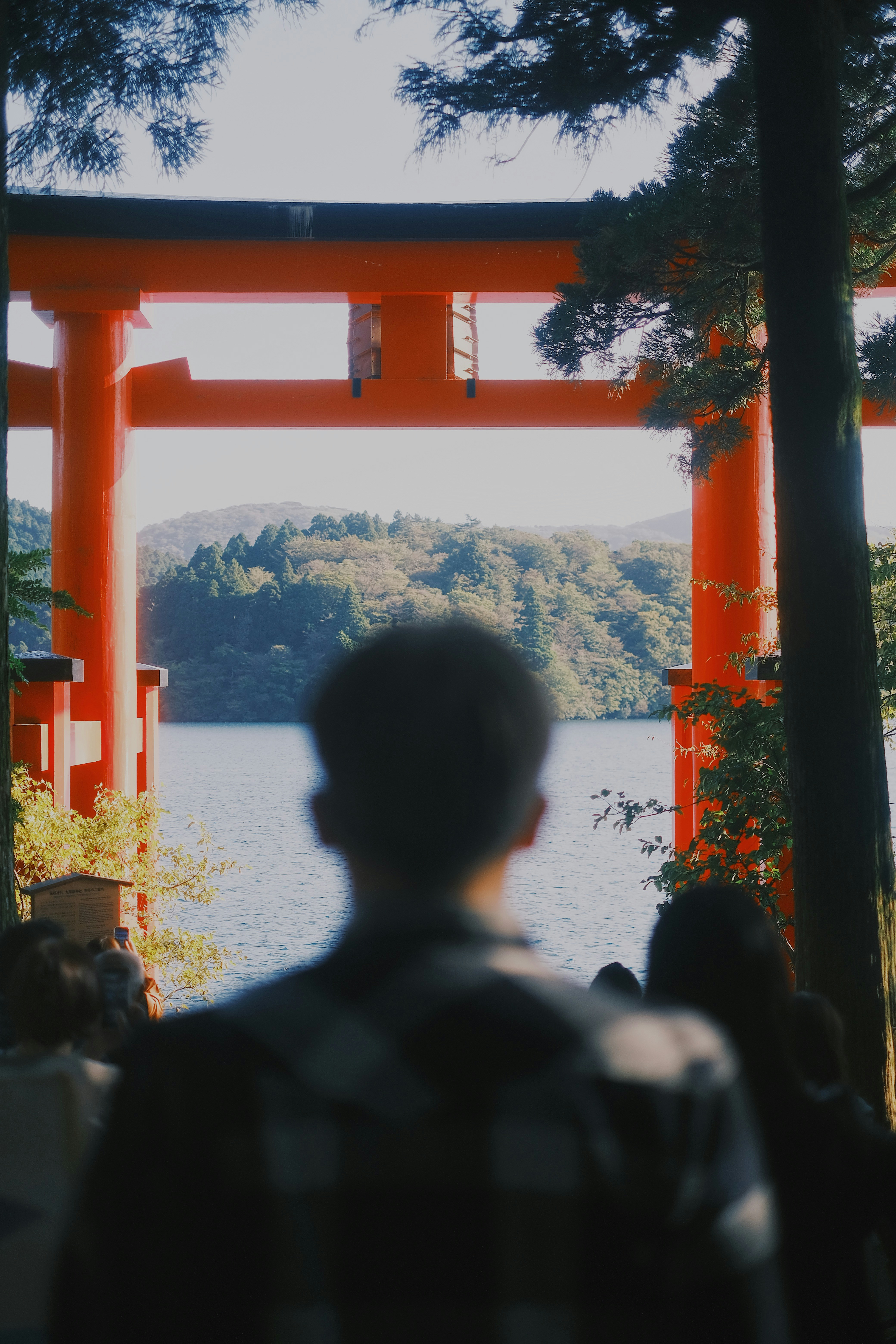
Depart for Hakone following breakfast and catch glimpses of iconic Mount Fuji if it’s a clear day. Your first stop is at Hakone Shrine, a beautiful, historic Shinto shrine nestled in the forest by the shores of Lake Ashi. Enjoy lunch before embarking on a cruise on the picturesque lake and arrive at Togendai before taking in the scenery on the way to the volcanic valley of Owakudani via the Hakone Ropeway. Follow the walking trails around the bubbling pools and steam vents and perhaps try one of the famous black eggs boiled in the area’s natural hot springs. Head to your luxury hotel, which boasts access to a naturally heated onsen, and delight in a kaiseki-style dinner, a traditional multi-course meal, this evening.
Takayama, Gifu, Japan
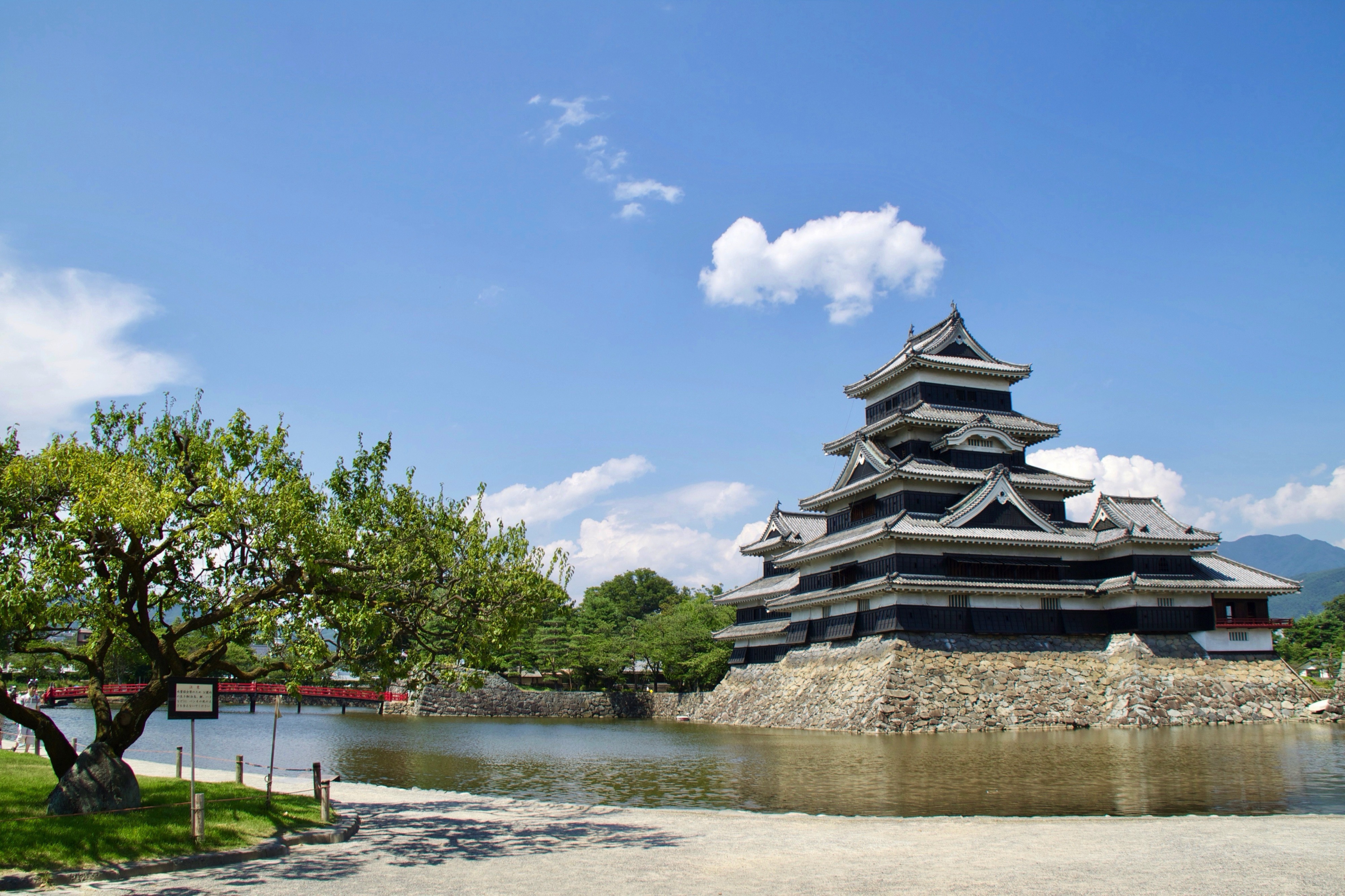
Set out this morning for a Signature Experience. Following your lunch, continue to Matsumoto and visit the spectacular Matsumoto Castle, one of Japan’s most complete original castles with a structure dating back to the 16th century. You’ll have the chance to tour the castle and its pristine grounds. This afternoon, be transferred to your new hotel in Takayama. Tonight, you’ll have the chance to try the region’s famous Hida beef at a local restaurant.
Signature Experience – Soba Noodle Cooking Lesson
Try your hand at creating some traditional cuisine today with a soba buckwheat noodle cooking lesson and savour your creations for lunch.
Takayama, Gifu, Japan
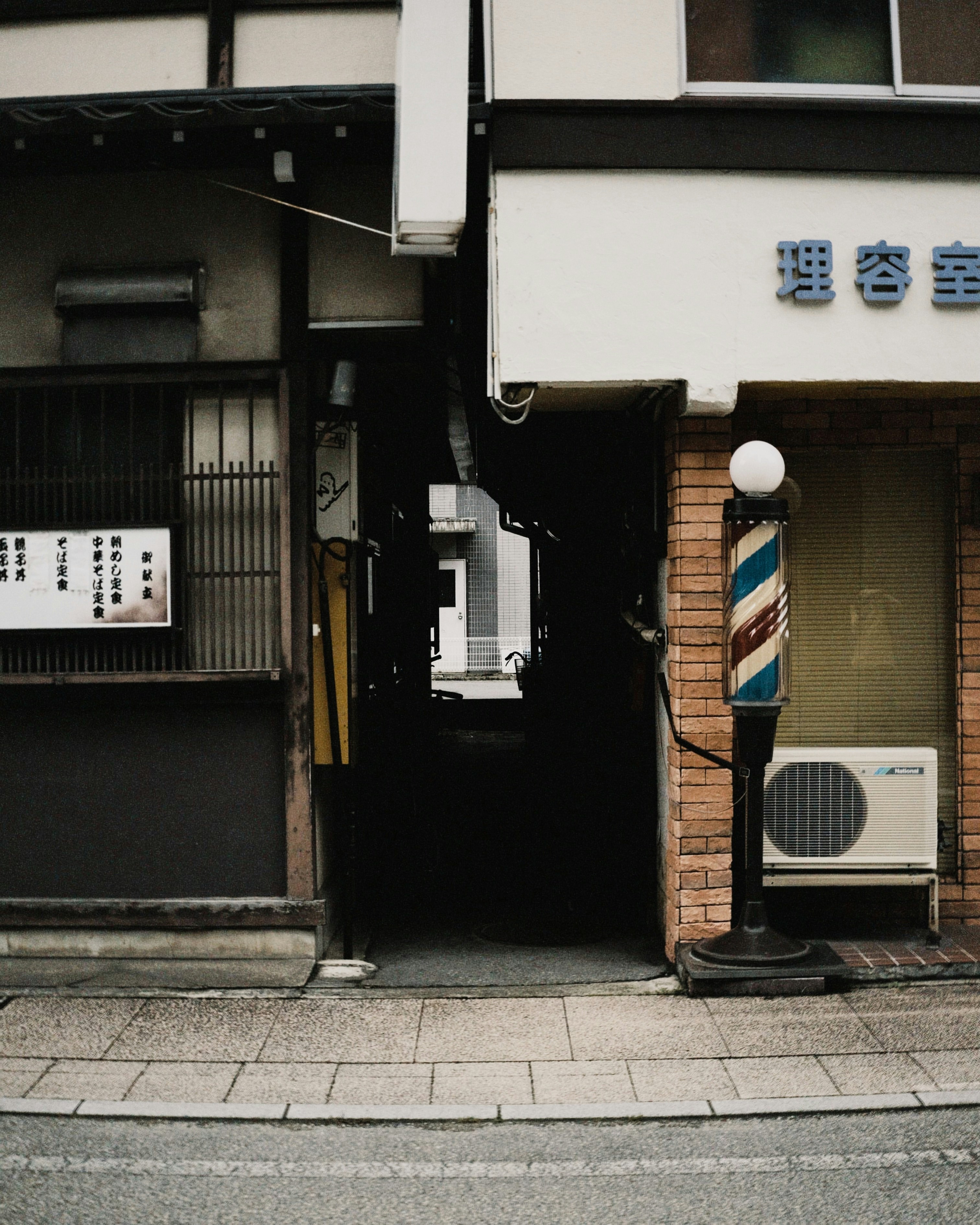
Start off the day with a morning visit to the Miyagawa morning market, one of the largest in Japan. All of the market’s traders are independent farmers and craftspeople from the region, so it’s the perfect opportunity to try some of the area’s best produce. Following your Signature Experience, take a stroll through Takayama Jinya, a beautifully preserved 17th-century building built for a noble family and the Tokugawa shonugate. Then, wander along the stunning streets of the city’s old town on the way to the Festival Floats Museum, where you’ll admire the ornamental floats of the Takayama Festival.
Signature Experience – Sarubobo-Making Experience
Enjoy a Sarubobo-making experience. An amulet particularly common in Takayama and the nearby Hida region, Sarubobo are red dolls with no facial features. Learn how to make the dolls yourself.�
Kanazawa, Japan
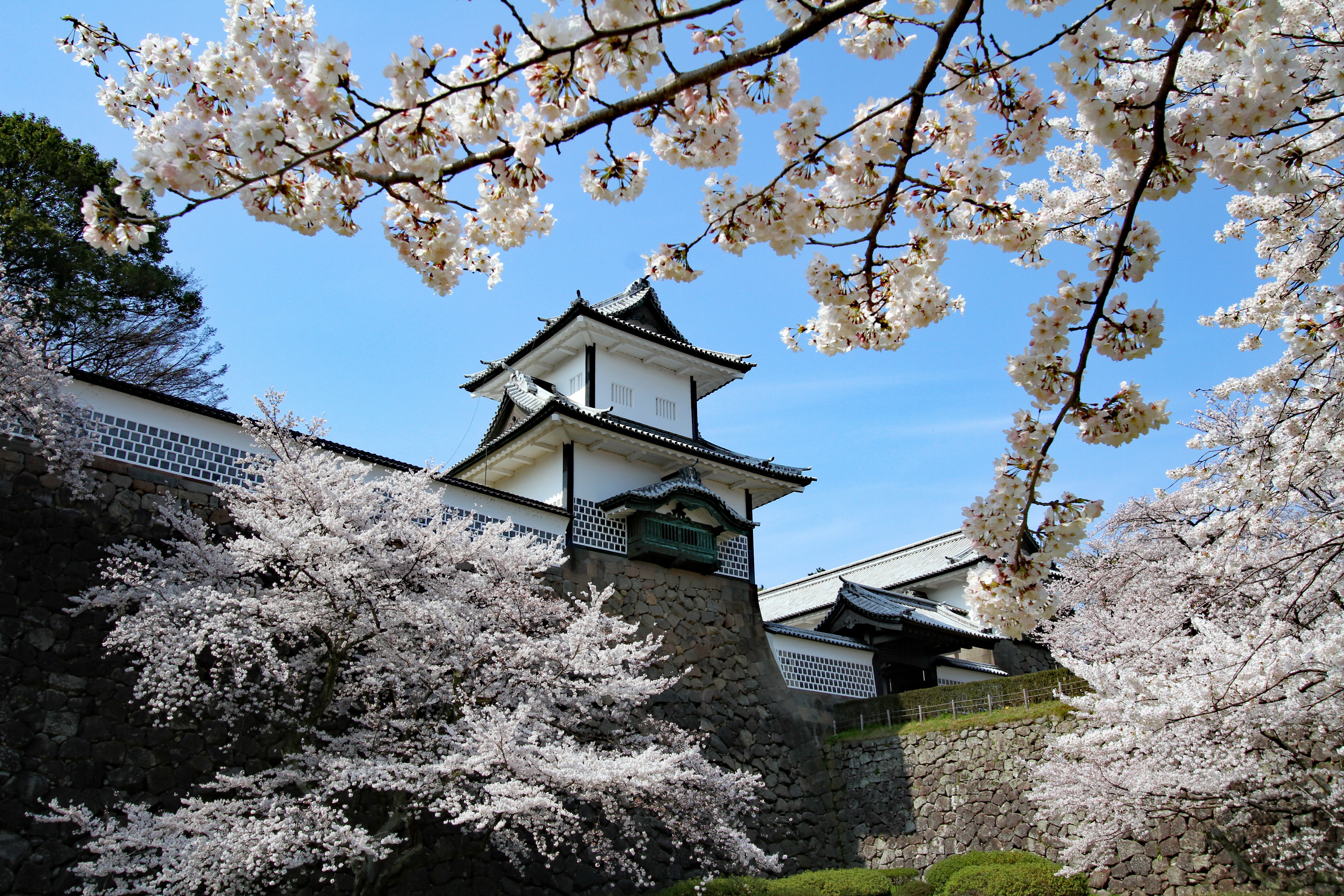
The capital of the Ishikawa Prefecture, Kanazawa once rivalled Kyoto and Edo (Tokyo) as a town rich in cultural achievements. Kanazawa escaped destruction during World War II and accordingly has been able to preserve many of the old districts in good shape. The city is famous because of Kenrokuen. Located next to Kanazawa Castle, Kenrokuen is classified as “One of the Three Gardens of Japan”. The garden has an artificial pond, and hills and houses are dotted within the 11.4 hectares. It has Japan’s oldest fountain using natural water pressure and a tea-house dating back to 1774. Close by is the Higashi Chaya Gai Geisha District, designated a National Cultural Asset and the biggest of the Geisha districts of Kanazawa. Some of the houses not only retain the original structure, but still are used as Geisha houses. Some of the streets have traditional shops creating a nostalgic atmosphere. Kanazawa is also known for its lacquer ware, Kutani-style pottery, gold-leaf workmanship and delicately painted silk kimonos.
Tokyo, Japan
Lights, sushi, manga! Sprawling, frenetic, and endlessly fascinating, Japan’s capital is a city of contrasts. Shrines and gardens are pockets of calm between famously crowded streets and soaring office buildings. Mom-and-pop noodle houses share street space with Western-style chain restaurants and exquisite fine dining. Shopping yields lovely folk arts as well as the newest electronics. And nightlife kicks off with karaoke or sake and continues with techno clubs and more. Whether you seek the traditional or the cutting edge, Tokyo will provide it.
Tokyo, Japan
Lights, sushi, manga! Sprawling, frenetic, and endlessly fascinating, Japan’s capital is a city of contrasts. Shrines and gardens are pockets of calm between famously crowded streets and soaring office buildings. Mom-and-pop noodle houses share street space with Western-style chain restaurants and exquisite fine dining. Shopping yields lovely folk arts as well as the newest electronics. And nightlife kicks off with karaoke or sake and continues with techno clubs and more. Whether you seek the traditional or the cutting edge, Tokyo will provide it.
Tokyo, Japan
Lights, sushi, manga! Sprawling, frenetic, and endlessly fascinating, Japan’s capital is a city of contrasts. Shrines and gardens are pockets of calm between famously crowded streets and soaring office buildings. Mom-and-pop noodle houses share street space with Western-style chain restaurants and exquisite fine dining. Shopping yields lovely folk arts as well as the newest electronics. And nightlife kicks off with karaoke or sake and continues with techno clubs and more. Whether you seek the traditional or the cutting edge, Tokyo will provide it.
Hakone, Japan
Depart for Hakone following breakfast and catch glimpses of iconic Mount Fuji if it’s a clear day. Your first stop is at Hakone Shrine, a beautiful, historic Shinto shrine nestled in the forest by the shores of Lake Ashi. Enjoy lunch before embarking on a cruise on the picturesque lake and arrive at Togendai before taking in the scenery on the way to the volcanic valley of Owakudani via the Hakone Ropeway. Follow the walking trails around the bubbling pools and steam vents and perhaps try one of the famous black eggs boiled in the area’s natural hot springs. Head to your luxury hotel, which boasts access to a naturally heated onsen, and delight in a kaiseki-style dinner, a traditional multi-course meal, this evening.
Takayama, Gifu, Japan
Set out this morning for a Signature Experience. Following your lunch, continue to Matsumoto and visit the spectacular Matsumoto Castle, one of Japan’s most complete original castles with a structure dating back to the 16th century. You’ll have the chance to tour the castle and its pristine grounds. This afternoon, be transferred to your new hotel in Takayama. Tonight, you’ll have the chance to try the region’s famous Hida beef at a local restaurant.
Signature Experience – Soba Noodle Cooking Lesson
Try your hand at creating some traditional cuisine today with a soba buckwheat noodle cooking lesson and savour your creations for lunch.
Takayama, Gifu, Japan
Start off the day with a morning visit to the Miyagawa morning market, one of the largest in Japan. All of the market’s traders are independent farmers and craftspeople from the region, so it’s the perfect opportunity to try some of the area’s best produce. Following your Signature Experience, take a stroll through Takayama Jinya, a beautifully preserved 17th-century building built for a noble family and the Tokugawa shonugate. Then, wander along the stunning streets of the city’s old town on the way to the Festival Floats Museum, where you’ll admire the ornamental floats of the Takayama Festival.
Signature Experience – Sarubobo-Making Experience
Enjoy a Sarubobo-making experience. An amulet particularly common in Takayama and the nearby Hida region, Sarubobo are red dolls with no facial features. Learn how to make the dolls yourself.�
Kanazawa, Japan
The capital of the Ishikawa Prefecture, Kanazawa once rivalled Kyoto and Edo (Tokyo) as a town rich in cultural achievements. Kanazawa escaped destruction during World War II and accordingly has been able to preserve many of the old districts in good shape. The city is famous because of Kenrokuen. Located next to Kanazawa Castle, Kenrokuen is classified as “One of the Three Gardens of Japan”. The garden has an artificial pond, and hills and houses are dotted within the 11.4 hectares. It has Japan’s oldest fountain using natural water pressure and a tea-house dating back to 1774. Close by is the Higashi Chaya Gai Geisha District, designated a National Cultural Asset and the biggest of the Geisha districts of Kanazawa. Some of the houses not only retain the original structure, but still are used as Geisha houses. Some of the streets have traditional shops creating a nostalgic atmosphere. Kanazawa is also known for its lacquer ware, Kutani-style pottery, gold-leaf workmanship and delicately painted silk kimonos.
Kyoto, Japan
Start your day in the Higashi Chaya District, Kanazawa’s largest geisha district. Enjoy a special Signature Experience before visiting the traditional Shima teahouse. Following lunch, be transferred to the train station to board a bullet train to Tsuruga, then change to a limited express train to Kyoto. Upon arrival, walk to your nearby accommodation and settle in before savouring a delicious dinner at the restaurant of your choice.
Signature Experience – Gold Leaf-Making Experience
Relish a gold leaf-making experience, decorating a small lacquer plate with this fragile and precious product. The production of gold leaf in Kanazawa began 400 years ago, and since then, the artform has played a role in restoring national and cultural treasures.
Freedom of Choice Dining – Benoit
Originally a Parisian bistro dating back to 1912, French chef Alain Ducasse took the restaurant international. Experience the elegance of French cuisine, including duck confit and millefeuille. The chic interiors blend classic Parisian charm with a modern Japanese twist.
Freedom of Choice Dining – Chiriri
Savour exceptional local produce at Japanese restaurant Chiriri, which specialises in shabu-shabu, a Japanese hotpot dish of thinly sliced meat and fresh vegetables served with dipping sauces, that melts in your mouth.
Kyoto, Japan
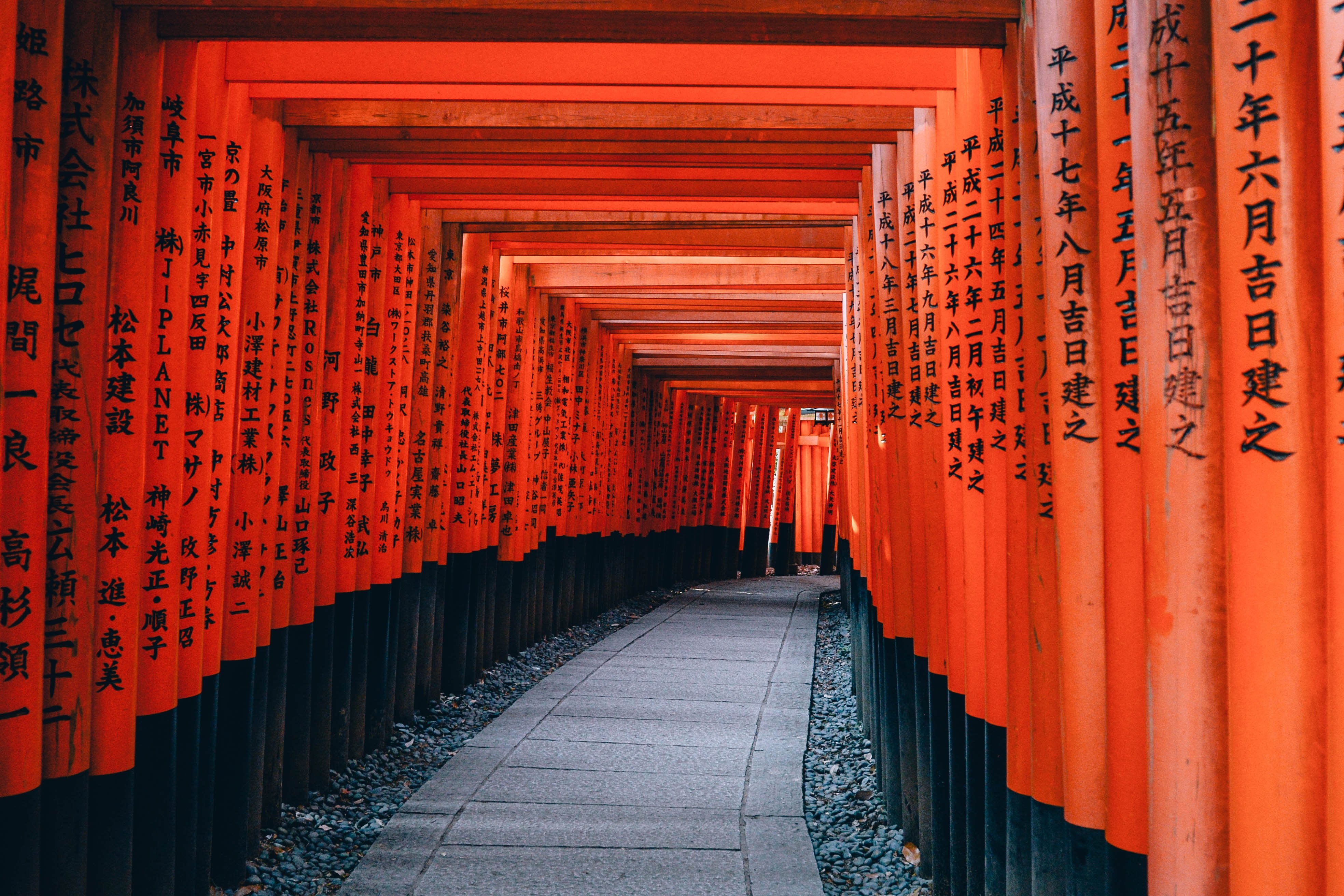
An exciting day of sightseeing lies ahead. Set out for Arashiyama this morning, climbing aboard a rickshaw for a ride past the Nonomiya Shrine and the spectacular Arashiyama Bamboo Grove. Following your rickshaw experience, stop off at the World Heritage-listed Tenryuji temple, one of the Five Great Zen Temples of Kyoto, which was founded in 1339. After lunch at a local restaurant, head to the famous Kinkakuji temple, commonly known as the Golden Pavilion for its gold-leaf-covered upper floors. You’ll then visit historic Nijo Castle before returning to your hotel and spending the evening at your leisure.
Kyoto, Japan
Begin your day with a special Signature Experience. In the afternoon, head out on your chosen Freedom of Choice activity before returning to your hotel.
Signature Experience – Japanese Tea Ceremony
Delve into traditional Japanese culture with a special tea ceremony experience. Learn all about tea varieties and the importance and process of serving tea to guests in Japan. Enhance your experience by taking part in the ceremony wearing a festive kimono and gain a better understanding of the variety of kimonos used across different occasions.
Freedom of Choice – E-Bike Cycling Tour
Ride an E-bike through the Miyagawacho and Gion geisha districts, stop off at the Imperial Palace Park and cycle along the Kamogawa River.
Freedom of Choice – Market and Sake Tour
Embark on a tour of Nishiki Market, often referred to as ‘Kyoto’s Kitchen’, before delighting in a sake-tasting tour.
Freedom of Choice – Japanese Sweets Workshop & Historic Confectionary Shop
Immerse yourself in the art of Kyoto-style wagashi (Japanese sweets) by learning to craft these delicate confections. Enjoy your handmade creations paired with a soothing cup of green tea. Afterward, visit Tsuruya Yoshinobu, a celebrated and famous confectionery shop with over two centuries of history.
Freedom of Choice – Ginkakuji and Philosopher’s Path Walking Tour
Visit the Ginkakuji Temple (Silver Pavilion), a serene Buddhist Zen temple located in the Higashiyama district of northeastern Kyoto. Later, enjoy a peaceful stroll along the Philosopher’s Path, a scenic stone-paved trail that winds between Ginkakuji and Nanzenji Temples.
Kyoto, Japan
After breakfast, board a private coach for the nearby town of Nara, once the Japanese capital for 74 years in the eighth century. Visit the incredible Todaiji Temple, one of the world’s largest wooden structures and home to the country’s largest statue of Buddha. Stroll through the fascinating temple before exploring the surrounding Nara Park, which is freely roamed by a large population of friendly deer who will generally bow their heads for a treat. Next, see Nara’s most celebrated shrine, Kasuga Taisha, which was established in AD768. Return to the hotel with free time this afternoon before savouring a special Signature Experience for dinner.
Signature Experience – Dinner with a Maiko or Geisha
A special night of private entertainment with a maiko or geisha awaits. Enjoy a wonderful dinner and drinks and have the chance to learn more about geisha and their daily life, all accompanied by music played on a shamisen, a traditional stringed instrument.
Osaka, Japan
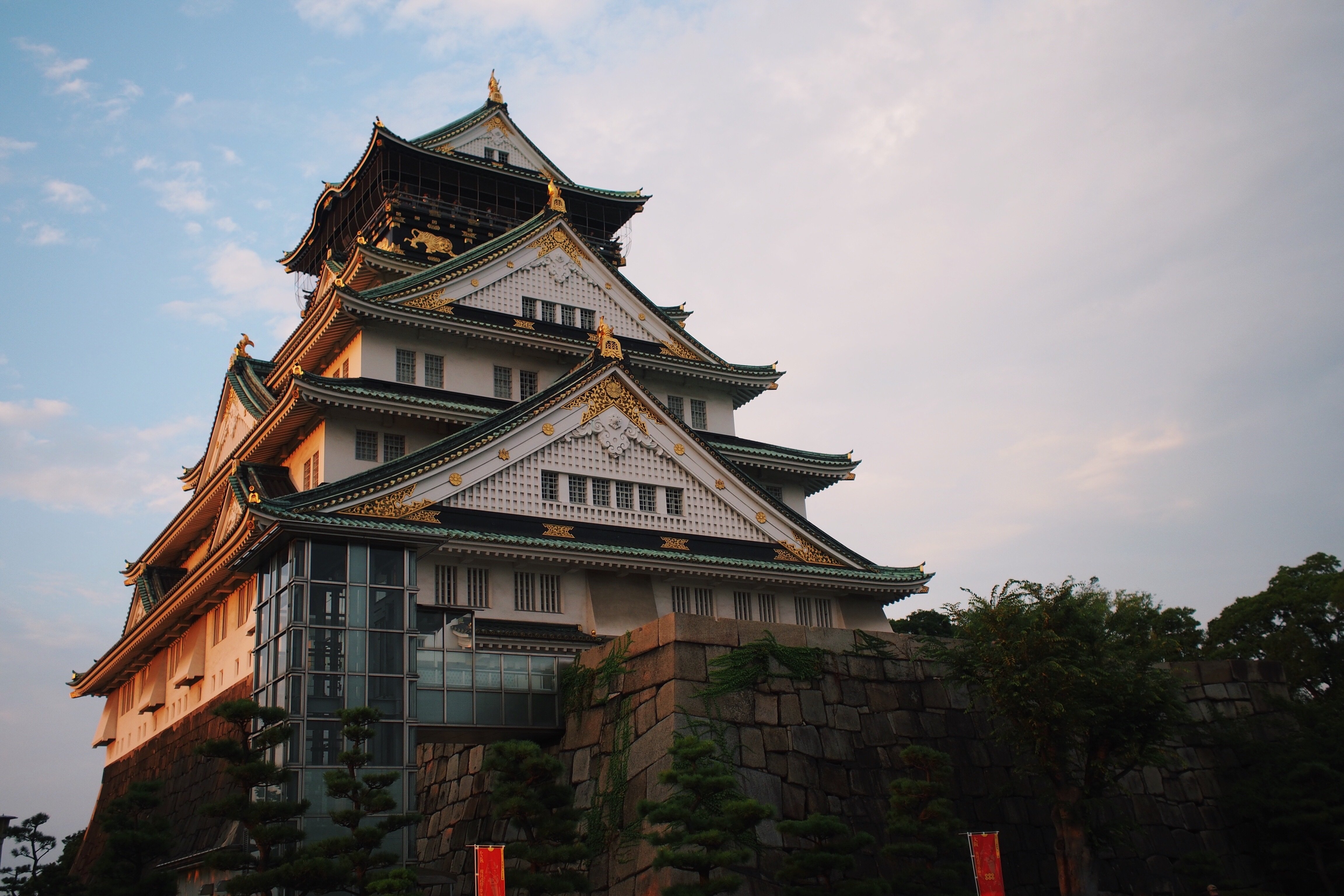
From Minami’s neon-lighted Dotombori and historic Tenno-ji to the high-rise class and underground shopping labyrinths of Kita, Osaka is a city that pulses with its own unique rhythm. Though Osaka has no shortage of tourist sites, it is the city itself that is the greatest attraction. Home to some of Japan’s best food, most unique fashions, and warmest locals, Osaka does not beg to be explored—it demands it. More than anywhere else in Japan, it rewards the impulsive turn down an interesting side street or the chat with a random stranger. People do not come here to see the city, they come to experience it.Excluded from the formal circles of power and aristocratic culture in 16th-century Edo (Tokyo), Osaka took advantage of its position as Japan’s trading center, developing its own art forms such as Bunraku puppet theater and Rakugo comic storytelling. It was in Osaka that feudal Japan’s famed Floating World—the dining, theater, and pleasure district—was at its strongest and most inventive. Wealthy merchants and common laborers alike squandered fortunes on culinary delights, turning Osaka into “Japan’s Kitchen,” a moniker the city still has today. Though the city suffered a blow when the Meiji government canceled all of the samurai class’s outstanding debts to the merchants, it was quick to recover. At the turn of the 20th century, it had become Japan’s largest and most prosperous city, a center of commerce and manufacturing.Today Osaka remains Japan’s iconoclastic metropolis, refusing to fit Tokyo’s norms and expectations. Unlike the hordes of Tokyo, Osakans are fiercely independent. As a contrast to the neon and concrete surroundings, the people of Osaka are known as Japan’s friendliest and most outgoing. Ask someone on the street for directions in Tokyo and you are lucky to get so much as a glance. Ask someone in Osaka and you get a conversation.The main areas of the city, Kita (north) and Minami (south), are divided by two rivers: the Dojima-gawa and the Tosabori-gawa. Between Kita and Minami is Naka-no-shima, an island and the municipal center of Osaka. Kita (north of Chuo Dori) is Osaka’s economic hub and contains Osaka’s largest stations: JR Osaka and Hankyu Umeda. The area is crammed with shops, department stores, and restaurants. Nearby are a nightlife district, Kita-shinchi; Naka-no-shima and the Museum of Oriental Ceramics; Osaka-jo (Osaka Castle); and Osaka Koen (Osaka Park). Restaurants, bars, department stores, and boutiques attract Osaka’s youth to Minami (south Chuo Dori); theatergoers head to the National Bunraku Theatre and electronics-lovers to Den Den Town. For a glimpse of old Osaka, visit Tenno-ji Temple and Shin Sekai. The main stations are Namba, Shin-sai-bashi, Namba Nankai, and Tenno-ji. There’s easy access to the Municipal Museum of Fine Art and Sumiyoshi Taisha (Sumiyoshi Grand Shrine).The bay area, to the west of the city center, is home to the Osaka Aquarium and Universal Studios Japan. The Shinkansen stops at Shin-Osaka, three stops (about five minutes) north of Osaka Station on the Mido-suji subway line. To the north of Shin-Osaka is Senri Expo Park.
Kyoto, Japan
Start your day in the Higashi Chaya District, Kanazawa’s largest geisha district. Enjoy a special Signature Experience before visiting the traditional Shima teahouse. Following lunch, be transferred to the train station to board a bullet train to Tsuruga, then change to a limited express train to Kyoto. Upon arrival, walk to your nearby accommodation and settle in before savouring a delicious dinner at the restaurant of your choice.
Signature Experience – Gold Leaf-Making Experience
Relish a gold leaf-making experience, decorating a small lacquer plate with this fragile and precious product. The production of gold leaf in Kanazawa began 400 years ago, and since then, the artform has played a role in restoring national and cultural treasures.
Freedom of Choice Dining – Benoit
Originally a Parisian bistro dating back to 1912, French chef Alain Ducasse took the restaurant international. Experience the elegance of French cuisine, including duck confit and millefeuille. The chic interiors blend classic Parisian charm with a modern Japanese twist.
Freedom of Choice Dining – Chiriri
Savour exceptional local produce at Japanese restaurant Chiriri, which specialises in shabu-shabu, a Japanese hotpot dish of thinly sliced meat and fresh vegetables served with dipping sauces, that melts in your mouth.
Kyoto, Japan
An exciting day of sightseeing lies ahead. Set out for Arashiyama this morning, climbing aboard a rickshaw for a ride past the Nonomiya Shrine and the spectacular Arashiyama Bamboo Grove. Following your rickshaw experience, stop off at the World Heritage-listed Tenryuji temple, one of the Five Great Zen Temples of Kyoto, which was founded in 1339. After lunch at a local restaurant, head to the famous Kinkakuji temple, commonly known as the Golden Pavilion for its gold-leaf-covered upper floors. You’ll then visit historic Nijo Castle before returning to your hotel and spending the evening at your leisure.
Kyoto, Japan
Begin your day with a special Signature Experience. In the afternoon, head out on your chosen Freedom of Choice activity before returning to your hotel.
Signature Experience – Japanese Tea Ceremony
Delve into traditional Japanese culture with a special tea ceremony experience. Learn all about tea varieties and the importance and process of serving tea to guests in Japan. Enhance your experience by taking part in the ceremony wearing a festive kimono and gain a better understanding of the variety of kimonos used across different occasions.
Freedom of Choice – E-Bike Cycling Tour
Ride an E-bike through the Miyagawacho and Gion geisha districts, stop off at the Imperial Palace Park and cycle along the Kamogawa River.
Freedom of Choice – Market and Sake Tour
Embark on a tour of Nishiki Market, often referred to as ‘Kyoto’s Kitchen’, before delighting in a sake-tasting tour.
Freedom of Choice – Japanese Sweets Workshop & Historic Confectionary Shop
Immerse yourself in the art of Kyoto-style wagashi (Japanese sweets) by learning to craft these delicate confections. Enjoy your handmade creations paired with a soothing cup of green tea. Afterward, visit Tsuruya Yoshinobu, a celebrated and famous confectionery shop with over two centuries of history.
Freedom of Choice – Ginkakuji and Philosopher’s Path Walking Tour
Visit the Ginkakuji Temple (Silver Pavilion), a serene Buddhist Zen temple located in the Higashiyama district of northeastern Kyoto. Later, enjoy a peaceful stroll along the Philosopher’s Path, a scenic stone-paved trail that winds between Ginkakuji and Nanzenji Temples.
Kyoto, Japan
After breakfast, board a private coach for the nearby town of Nara, once the Japanese capital for 74 years in the eighth century. Visit the incredible Todaiji Temple, one of the world’s largest wooden structures and home to the country’s largest statue of Buddha. Stroll through the fascinating temple before exploring the surrounding Nara Park, which is freely roamed by a large population of friendly deer who will generally bow their heads for a treat. Next, see Nara’s most celebrated shrine, Kasuga Taisha, which was established in AD768. Return to the hotel with free time this afternoon before savouring a special Signature Experience for dinner.
Signature Experience – Dinner with a Maiko or Geisha
A special night of private entertainment with a maiko or geisha awaits. Enjoy a wonderful dinner and drinks and have the chance to learn more about geisha and their daily life, all accompanied by music played on a shamisen, a traditional stringed instrument.
Osaka, Japan
From Minami’s neon-lighted Dotombori and historic Tenno-ji to the high-rise class and underground shopping labyrinths of Kita, Osaka is a city that pulses with its own unique rhythm. Though Osaka has no shortage of tourist sites, it is the city itself that is the greatest attraction. Home to some of Japan’s best food, most unique fashions, and warmest locals, Osaka does not beg to be explored—it demands it. More than anywhere else in Japan, it rewards the impulsive turn down an interesting side street or the chat with a random stranger. People do not come here to see the city, they come to experience it.Excluded from the formal circles of power and aristocratic culture in 16th-century Edo (Tokyo), Osaka took advantage of its position as Japan’s trading center, developing its own art forms such as Bunraku puppet theater and Rakugo comic storytelling. It was in Osaka that feudal Japan’s famed Floating World—the dining, theater, and pleasure district—was at its strongest and most inventive. Wealthy merchants and common laborers alike squandered fortunes on culinary delights, turning Osaka into “Japan’s Kitchen,” a moniker the city still has today. Though the city suffered a blow when the Meiji government canceled all of the samurai class’s outstanding debts to the merchants, it was quick to recover. At the turn of the 20th century, it had become Japan’s largest and most prosperous city, a center of commerce and manufacturing.Today Osaka remains Japan’s iconoclastic metropolis, refusing to fit Tokyo’s norms and expectations. Unlike the hordes of Tokyo, Osakans are fiercely independent. As a contrast to the neon and concrete surroundings, the people of Osaka are known as Japan’s friendliest and most outgoing. Ask someone on the street for directions in Tokyo and you are lucky to get so much as a glance. Ask someone in Osaka and you get a conversation.The main areas of the city, Kita (north) and Minami (south), are divided by two rivers: the Dojima-gawa and the Tosabori-gawa. Between Kita and Minami is Naka-no-shima, an island and the municipal center of Osaka. Kita (north of Chuo Dori) is Osaka’s economic hub and contains Osaka’s largest stations: JR Osaka and Hankyu Umeda. The area is crammed with shops, department stores, and restaurants. Nearby are a nightlife district, Kita-shinchi; Naka-no-shima and the Museum of Oriental Ceramics; Osaka-jo (Osaka Castle); and Osaka Koen (Osaka Park). Restaurants, bars, department stores, and boutiques attract Osaka’s youth to Minami (south Chuo Dori); theatergoers head to the National Bunraku Theatre and electronics-lovers to Den Den Town. For a glimpse of old Osaka, visit Tenno-ji Temple and Shin Sekai. The main stations are Namba, Shin-sai-bashi, Namba Nankai, and Tenno-ji. There’s easy access to the Municipal Museum of Fine Art and Sumiyoshi Taisha (Sumiyoshi Grand Shrine).The bay area, to the west of the city center, is home to the Osaka Aquarium and Universal Studios Japan. The Shinkansen stops at Shin-Osaka, three stops (about five minutes) north of Osaka Station on the Mido-suji subway line. To the north of Shin-Osaka is Senri Expo Park.