Itinerary
Vancouver, British Columbia, Canada
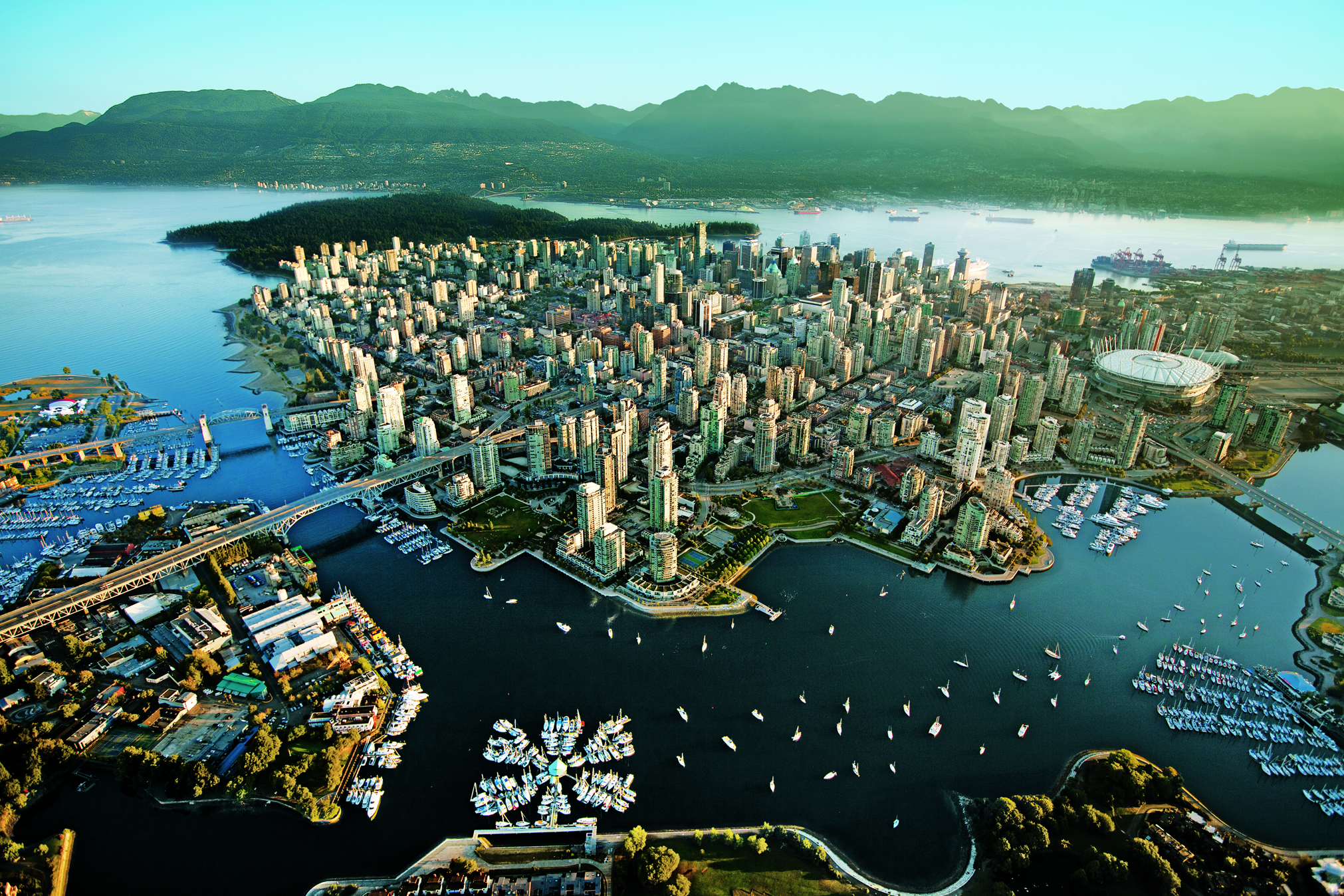
Vancouver is a delicious juxtaposition of urban sophistication and on-your-doorstep wilderness adventure. The mountains and seascape make the city an outdoor playground for hiking, skiing, kayaking, cycling, and sailing—and so much more—while the cuisine and arts scenes are equally diverse, reflecting the makeup of Vancouver’s ethnic (predominantly Asian) mosaic. Vancouver is consistently ranked as one of the world’s most livable cities, and it’s easy for visitors to see why. It’s beautiful, it’s outdoorsy, and there’s a laidback West Coast vibe. On the one hand, there’s easy access to a variety of outdoor activities, a fabulous variety of beaches, and amazing parks. At the same time, the city has a multicultural vitality and cosmopolitan flair. The attraction is as much in the range of food choices—the fresh seafood and local produce are some of North America’s best—as it is in the museums, shopping, and nightlife.Vancouver’s landscaping also adds to the city’s walking appeal. In spring, flowerbeds spill over with tulips and daffodils while sea breezes scatter scented cherry blossoms throughout Downtown; in summer office workers take to the beaches, parks, and urban courtyards for picnic lunches and laptop meetings. More than 8 million visitors each year come to Vancouver, Canada’s third-largest metropolitan area. Because of its peninsula location, traffic flow is a contentious issue. Thankfully, Vancouver is wonderfully walkable, especially in the downtown core. The North Shore is a scoot across the harbor, and the rapid-transit system to Richmond and the airport means that staying in the more affordable ’burbs doesn’t have to be synonymous with sacrificing convenience. The mild climate, exquisite natural scenery, and relaxed outdoor lifestyle keep attracting residents, and the number of visitors is increasing for the same reasons. People often get their first glimpse of Vancouver when catching an Alaskan cruise, and many return at some point to spend more time here.
Vancouver, British Columbia, Canada
Vancouver is a delicious juxtaposition of urban sophistication and on-your-doorstep wilderness adventure. The mountains and seascape make the city an outdoor playground for hiking, skiing, kayaking, cycling, and sailing—and so much more—while the cuisine and arts scenes are equally diverse, reflecting the makeup of Vancouver’s ethnic (predominantly Asian) mosaic. Vancouver is consistently ranked as one of the world’s most livable cities, and it’s easy for visitors to see why. It’s beautiful, it’s outdoorsy, and there’s a laidback West Coast vibe. On the one hand, there’s easy access to a variety of outdoor activities, a fabulous variety of beaches, and amazing parks. At the same time, the city has a multicultural vitality and cosmopolitan flair. The attraction is as much in the range of food choices—the fresh seafood and local produce are some of North America’s best—as it is in the museums, shopping, and nightlife.Vancouver’s landscaping also adds to the city’s walking appeal. In spring, flowerbeds spill over with tulips and daffodils while sea breezes scatter scented cherry blossoms throughout Downtown; in summer office workers take to the beaches, parks, and urban courtyards for picnic lunches and laptop meetings. More than 8 million visitors each year come to Vancouver, Canada’s third-largest metropolitan area. Because of its peninsula location, traffic flow is a contentious issue. Thankfully, Vancouver is wonderfully walkable, especially in the downtown core. The North Shore is a scoot across the harbor, and the rapid-transit system to Richmond and the airport means that staying in the more affordable ’burbs doesn’t have to be synonymous with sacrificing convenience. The mild climate, exquisite natural scenery, and relaxed outdoor lifestyle keep attracting residents, and the number of visitors is increasing for the same reasons. People often get their first glimpse of Vancouver when catching an Alaskan cruise, and many return at some point to spend more time here.
Vancouver, British Columbia, Canada
Vancouver is a delicious juxtaposition of urban sophistication and on-your-doorstep wilderness adventure. The mountains and seascape make the city an outdoor playground for hiking, skiing, kayaking, cycling, and sailing—and so much more—while the cuisine and arts scenes are equally diverse, reflecting the makeup of Vancouver’s ethnic (predominantly Asian) mosaic. Vancouver is consistently ranked as one of the world’s most livable cities, and it’s easy for visitors to see why. It’s beautiful, it’s outdoorsy, and there’s a laidback West Coast vibe. On the one hand, there’s easy access to a variety of outdoor activities, a fabulous variety of beaches, and amazing parks. At the same time, the city has a multicultural vitality and cosmopolitan flair. The attraction is as much in the range of food choices—the fresh seafood and local produce are some of North America’s best—as it is in the museums, shopping, and nightlife.Vancouver’s landscaping also adds to the city’s walking appeal. In spring, flowerbeds spill over with tulips and daffodils while sea breezes scatter scented cherry blossoms throughout Downtown; in summer office workers take to the beaches, parks, and urban courtyards for picnic lunches and laptop meetings. More than 8 million visitors each year come to Vancouver, Canada’s third-largest metropolitan area. Because of its peninsula location, traffic flow is a contentious issue. Thankfully, Vancouver is wonderfully walkable, especially in the downtown core. The North Shore is a scoot across the harbor, and the rapid-transit system to Richmond and the airport means that staying in the more affordable ’burbs doesn’t have to be synonymous with sacrificing convenience. The mild climate, exquisite natural scenery, and relaxed outdoor lifestyle keep attracting residents, and the number of visitors is increasing for the same reasons. People often get their first glimpse of Vancouver when catching an Alaskan cruise, and many return at some point to spend more time here.
Rocky Mountaineer Train Journey
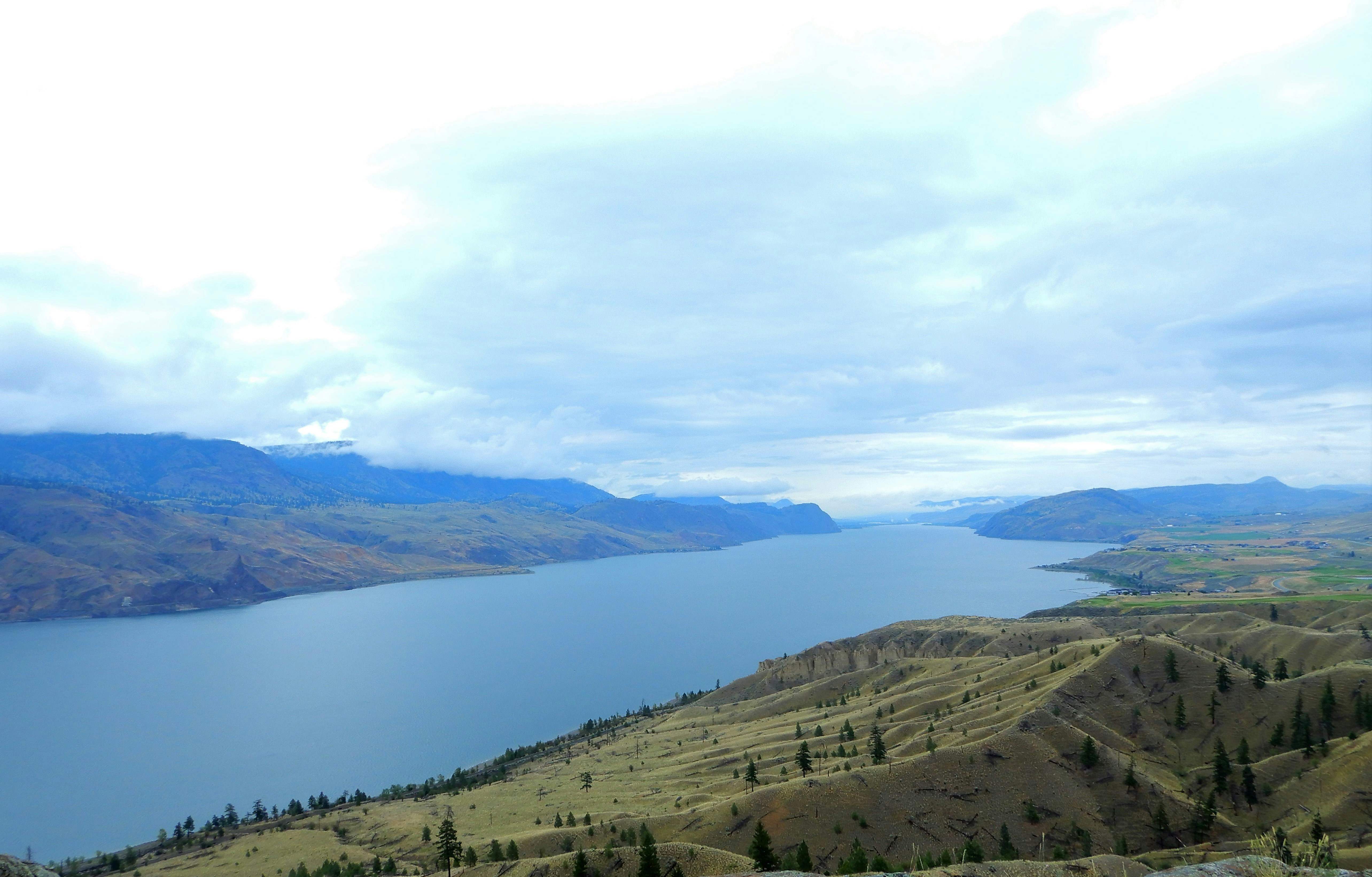
Begin your Rocky Mountaineer rail journey in GoldLeaf Service and take in the views from your bi-level glass-dome carriage. Gaze up at the Coast Mountains and pass Hell’s Gate. Follow the Thompson River on the way to Kamloops.
Kamloops, British Columbia, Canada
Begin your Rocky Mountaineer rail journey in GoldLeaf Service and take in the views from your bi-level glass-dome carriage. Gaze up at the Coast Mountains and pass Hell’s Gate. Follow the Thompson River on the way to Kamloops.
Kamloops, British Columbia, Canada
Today, your rail journey continues towards the Rockies. Marvel at the engineering feat of the Spiral Tunnels as you traverse the Kicking Horse Pass. Once in Banff National Park, head for the ‘Castle in the Rockies’, Fairmont Banff Springs.
Rocky Mountaineer Train Journey
Today, your rail journey continues towards the Rockies. Marvel at the engineering feat of the Spiral Tunnels as you traverse the Kicking Horse Pass. Once in Banff National Park, head for the ‘Castle in the Rockies’, Fairmont Banff Springs.
Banff, Banff National Park, Alberta, Canada
Today, your rail journey continues towards the Rockies. Marvel at the engineering feat of the Spiral Tunnels as you traverse the Kicking Horse Pass. Once in Banff National Park, head for the ‘Castle in the Rockies’, Fairmont Banff Springs.
Banff, Banff National Park, Alberta, Canada
Discover Banff on your own terms today with an included Freedom of Choice activity. Choose where to dine tonight from your hotel’s selection of restaurants.
Freedom of Choice – Banff Locals, Lakes and Gems
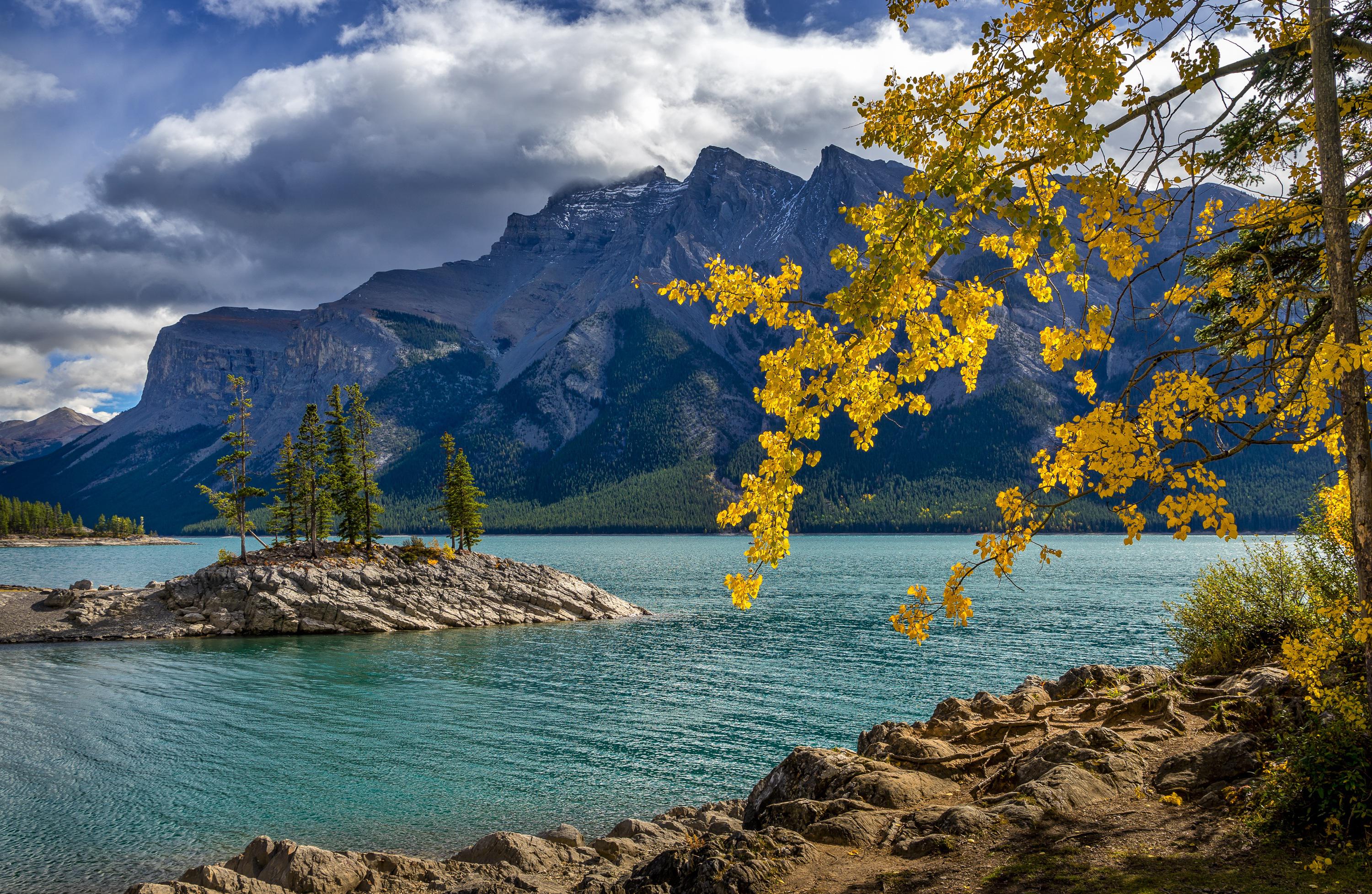
Join this exclusive small-group tour and venture off the beaten path to discover Banff National Park’s hidden gems. You’ll also enjoy more time to explore Johnson Lake, Two Jack Lake and the stunning Lake Minnewanka.
Freedom of Choice – Gondola Ride
Head to the top of Sulphur Mountain and take in Banff from above, climbing nearly 700 metres in elevation as you are carried through the pines. Once you reach the peak, you can head off for a stroll along the boardwalk.
Freedom of Choice – Heli Flightseeing
Take to the skies for a bird’s-eye view of the Rocky Mountains. Soar past snowy peaks and jagged mountains, enjoying breathtaking views of pristine lakes and alpine meadows.
Freedom of Choice – Bow River Float Trip
Embrace the tranquil atmosphere as you float down the serene Bow River, keeping your eyes peeled for any signs of cheeky wildlife on the banks. This activity is suitable for most fitness levels.
Freedom of Choice – Fairmont Spa Entry
Harking back to the hot spring that first called travellers some 100 years ago, soothe your tired muscles in the mineral pool and pulsating waterfalls at Fairmont Banff Springs.
Banff, Banff National Park, Alberta, Canada
This morning, enjoy a Signature Experience in Banff before taking a tour through the town. Then, set out along the Trans-Canada Highway and through Banff National Park to breathtaking Lake Louise. As you arrive at the hamlet of Lake Louise, you will be in awe of the unique setting. Turquoise water is bordered by a jagged mountainscape, dotted with trees. Breathe in the crisp air as you soak up the tranquillity of this stunning location. Choose where to dine tonight at one of your hotel’s extraordinary restaurants.
Signature Experience – Meet a Mountie
On an exciting morning in beautiful Banff National Park, you’ll have the chance to meet one of Canada’s renowned Mounties and hear tales from the iconic Royal Canadian Mounted Police.
Lake Louise, Banff National Park, Alberta, Canada
This morning, enjoy a Signature Experience in Banff before taking a tour through the town. Then, set out along the Trans-Canada Highway and through Banff National Park to breathtaking Lake Louise. As you arrive at the hamlet of Lake Louise, you will be in awe of the unique setting. Turquoise water is bordered by a jagged mountainscape, dotted with trees. Breathe in the crisp air as you soak up the tranquillity of this stunning location. Choose where to dine tonight at one of your hotel’s extraordinary restaurants.
Signature Experience – Meet a Mountie
On an exciting morning in beautiful Banff National Park, you’ll have the chance to meet one of Canada’s renowned Mounties and hear tales from the iconic Royal Canadian Mounted Police.
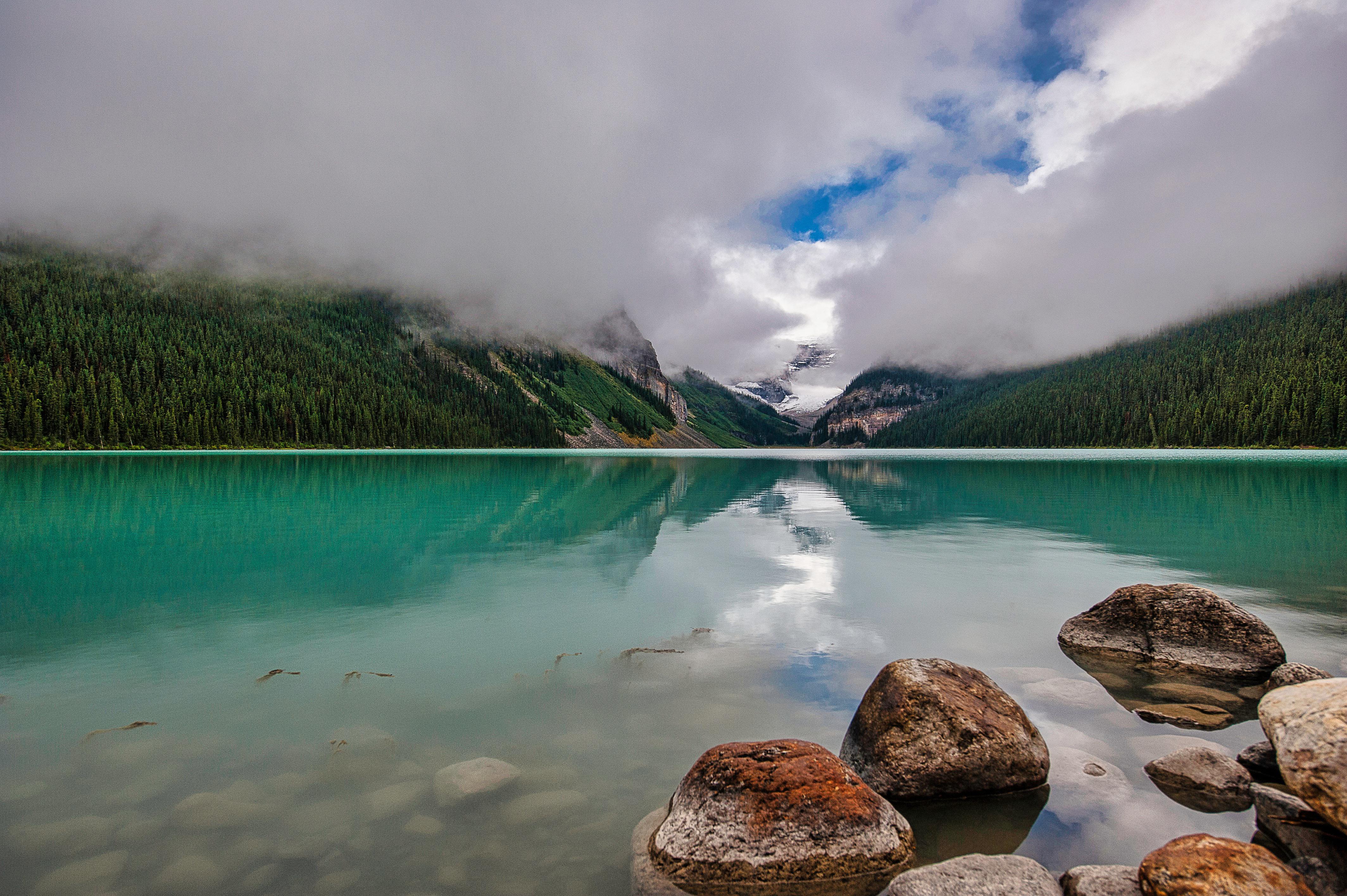
Moraine Lake, Banff National Park, Alberta, Canada
This morning, travel to Moraine Lake (season permitting) and spend time marvelling at the glacier-fed waters. Afterwards, return to Lake Louise and relax in your luxurious accommodation set within this UNESCO World Heritage Site. Perhaps delve into the Canadian wilderness with a hike, embark on a canoe ride around Lake Louise, or book a treatment at the spa (additional cost). A Signature Experience also awaits today. The evening is free for you to spend at leisure.
Signature Experience – Lake Louise Mountain Heritage Guide
On the shores of Lake Louise, join an expert Mountain Heritage Guide and learn about the area’s rich natural history.
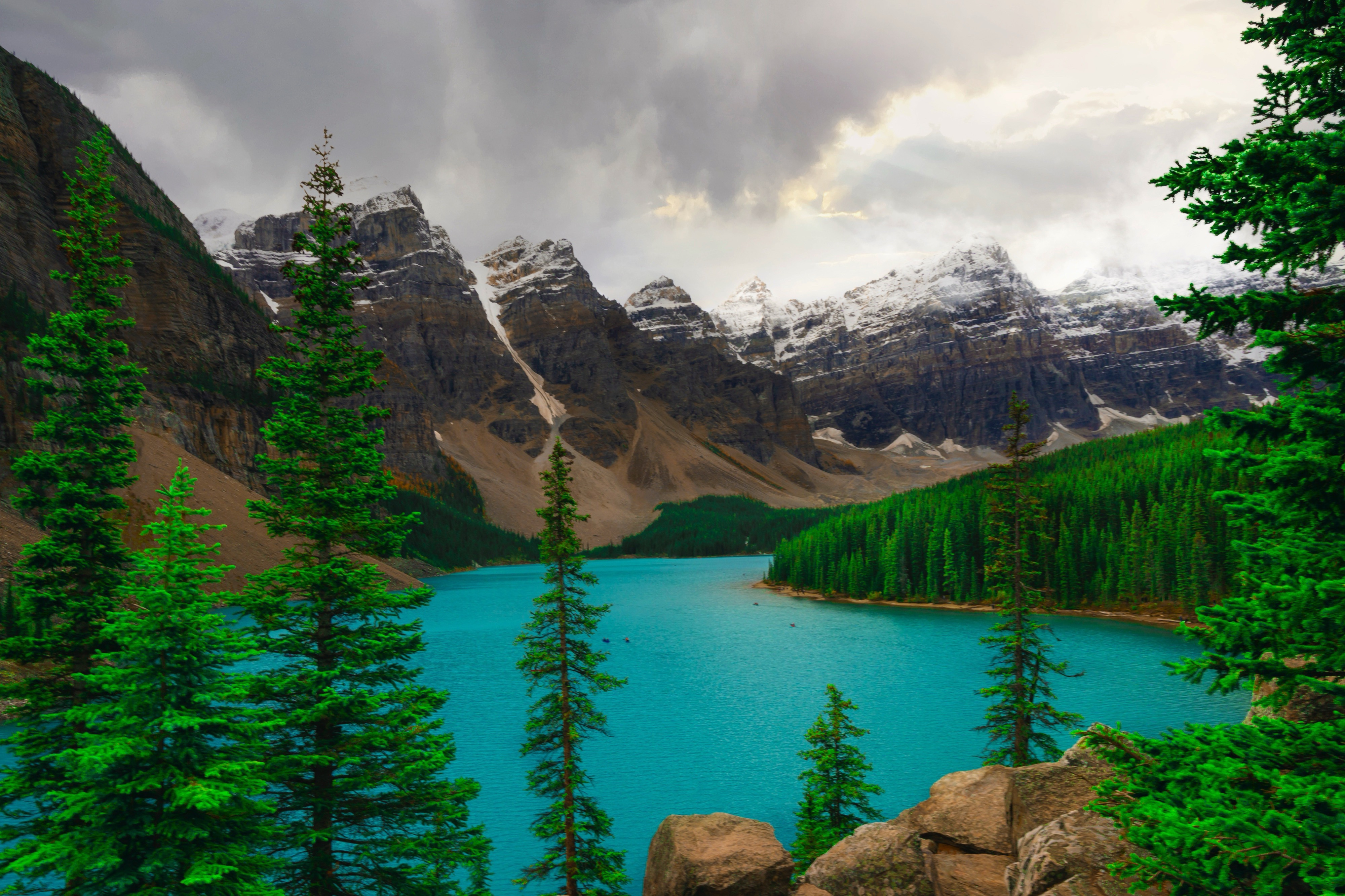
Lake Louise, Banff National Park, Alberta, Canada
This morning, travel to Moraine Lake (season permitting) and spend time marvelling at the glacier-fed waters. Afterwards, return to Lake Louise and relax in your luxurious accommodation set within this UNESCO World Heritage Site. Perhaps delve into the Canadian wilderness with a hike, embark on a canoe ride around Lake Louise, or book a treatment at the spa (additional cost). A Signature Experience also awaits today. The evening is free for you to spend at leisure.
Signature Experience – Lake Louise Mountain Heritage Guide
On the shores of Lake Louise, join an expert Mountain Heritage Guide and learn about the area’s rich natural history.
Lake Louise, Banff National Park, Alberta, Canada
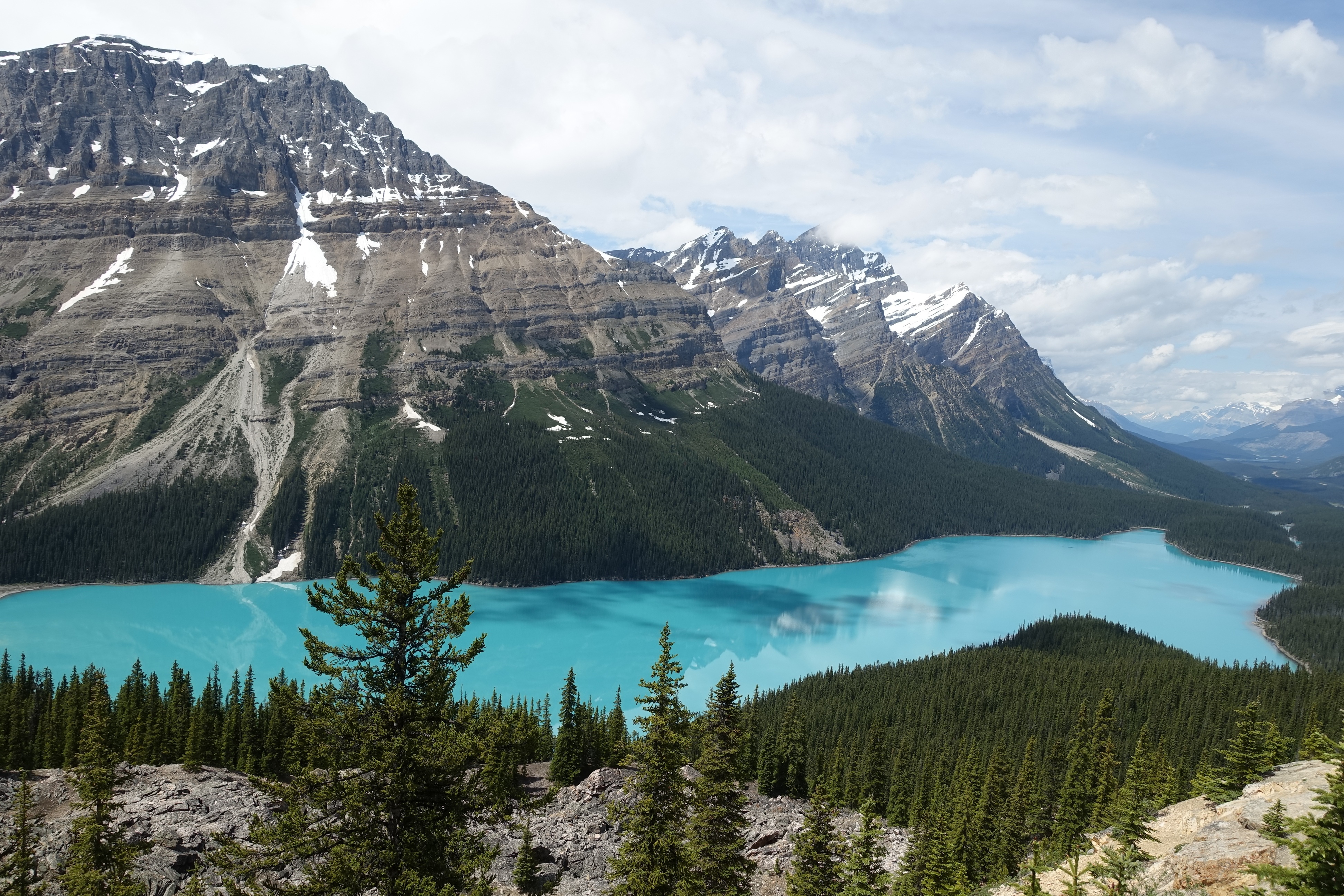
Join the Icefields Parkway, one of the world’s most scenic stretches of road, and pause at the glacier-fed Peyto Lake. Journey onwards to the Columbia Icefield, where you’ll board an Ice Explorer for an exhilarating ride onto the Athabasca Glacier. Continuing via Athabasca Falls, your day ends in Jasper. Choose where to dine this evening.
Athabasca Glacier, Alberta, Canada
Join the Icefields Parkway, one of the world’s most scenic stretches of road, and pause at the glacier-fed Peyto Lake. Journey onwards to the Columbia Icefield, where you’ll board an Ice Explorer for an exhilarating ride onto the Athabasca Glacier. Continuing via Athabasca Falls, your day ends in Jasper. Choose where to dine this evening.
Jasper, Alberta, Canada
Join the Icefields Parkway, one of the world’s most scenic stretches of road, and pause at the glacier-fed Peyto Lake. Journey onwards to the Columbia Icefield, where you’ll board an Ice Explorer for an exhilarating ride onto the Athabasca Glacier. Continuing via Athabasca Falls, your day ends in Jasper. Choose where to dine this evening.
Jasper, Alberta, Canada
Today, enjoy a Freedom of Choice activity and discover Jasper from a unique vantage point.
Freedom of Choice – Harley-Davidson Sidecar Tour
Experience the thrill of the open road as you coast through Jasper’s breathtaking wilderness on a chauffeured motorcycle sidecar tour.
Freedom of Choice – Maligne Valley Tour with Hike
Journey to Maligne Canyon, a stunning natural wonder teeming with iconic Canadian wildlife. On a trail hike, look for osprey, eagles, bighorn sheep, mountain goats, moose, elk, deer and bears.
Freedom of Choice – Maligne Valley Tour with Cruise
Set against the backdrop of jagged mountain peaks, cruise across the glacial waters of Maligne Lake to Spirit Island, a destination only accessible by boat.
Freedom of Choice – River Rafting
This is the perfect introduction to rafting. Small rapids and calm waters ease you into the activity, and your licensed guide is around to point out areas of interest and wildlife along the way.
Freedom of Choice – Jasper SkyTram
Jasper’s peak attraction provides an unforgettable view of the Athabasca Valley and Jasper National Park. Transport on the SkyTram shuttle is included.
Jasper, Alberta, Canada
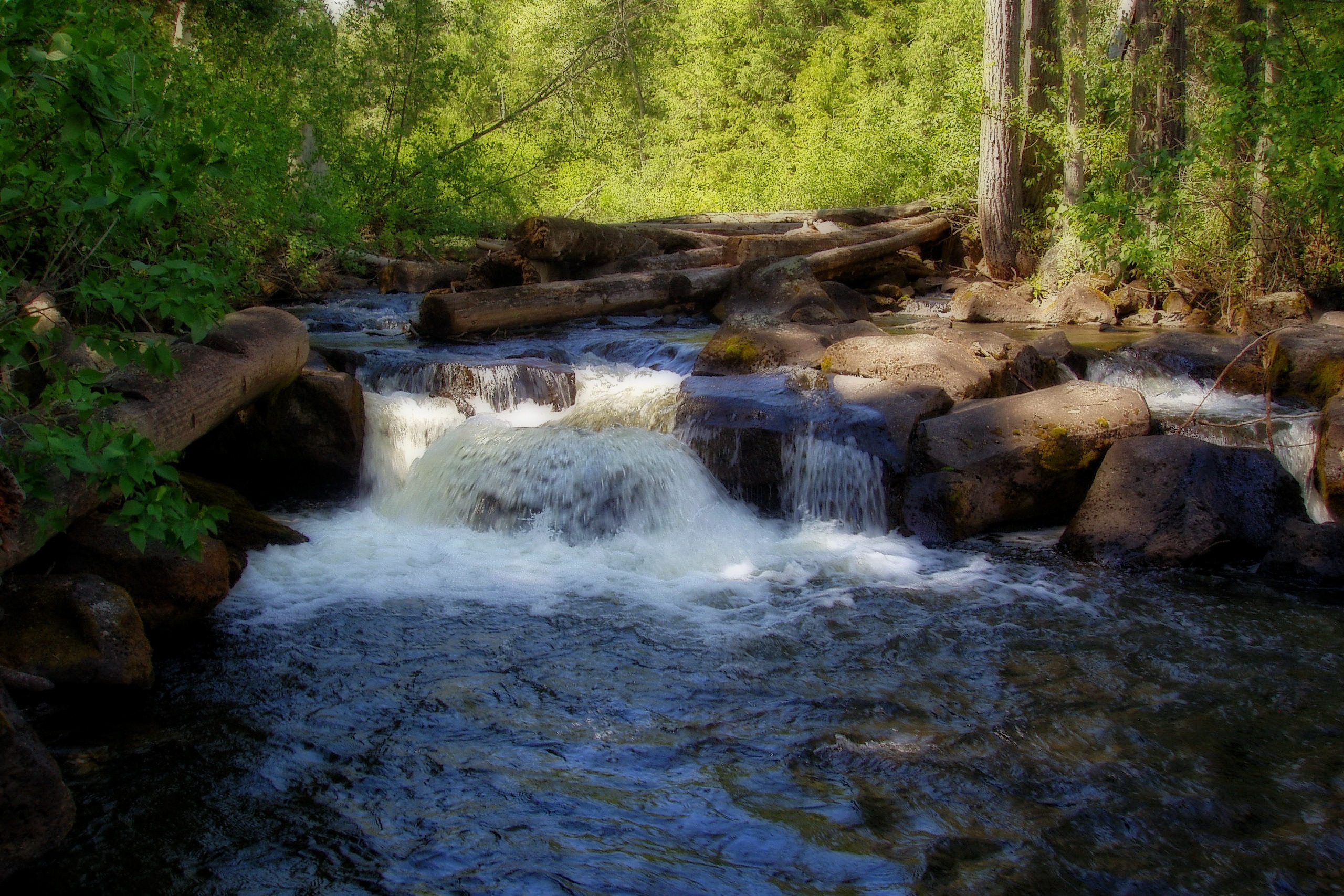
Take in views of Mount Robson as you travel along the Yellowhead Highway to Sun Peaks. Upon arrival, admire the stunning mountain vistas, visit the pedestrianised village abundant with shops, cafes and restaurants, and meet the friendly locals. With free outdoor entertainment in summer, including live music, there is plenty to explore.
Mount Robson
Take in views of Mount Robson as you travel along the Yellowhead Highway to Sun Peaks. Upon arrival, admire the stunning mountain vistas, visit the pedestrianised village abundant with shops, cafes and restaurants, and meet the friendly locals. With free outdoor entertainment in summer, including live music, there is plenty to explore.
Sun Peaks, British Columbia, Canada
Take in views of Mount Robson as you travel along the Yellowhead Highway to Sun Peaks. Upon arrival, admire the stunning mountain vistas, visit the pedestrianised village abundant with shops, cafes and restaurants, and meet the friendly locals. With free outdoor entertainment in summer, including live music, there is plenty to explore.
Sun Peaks, British Columbia, Canada
Follow the tracks of early gold rush pioneers through the Cariboo region, stopping at Seton and Duffey lakes. Later, re-enter the Coast Mountains and learn why Whistler attracts so many outdoor enthusiasts.
Whistler, British Columbia, Canada
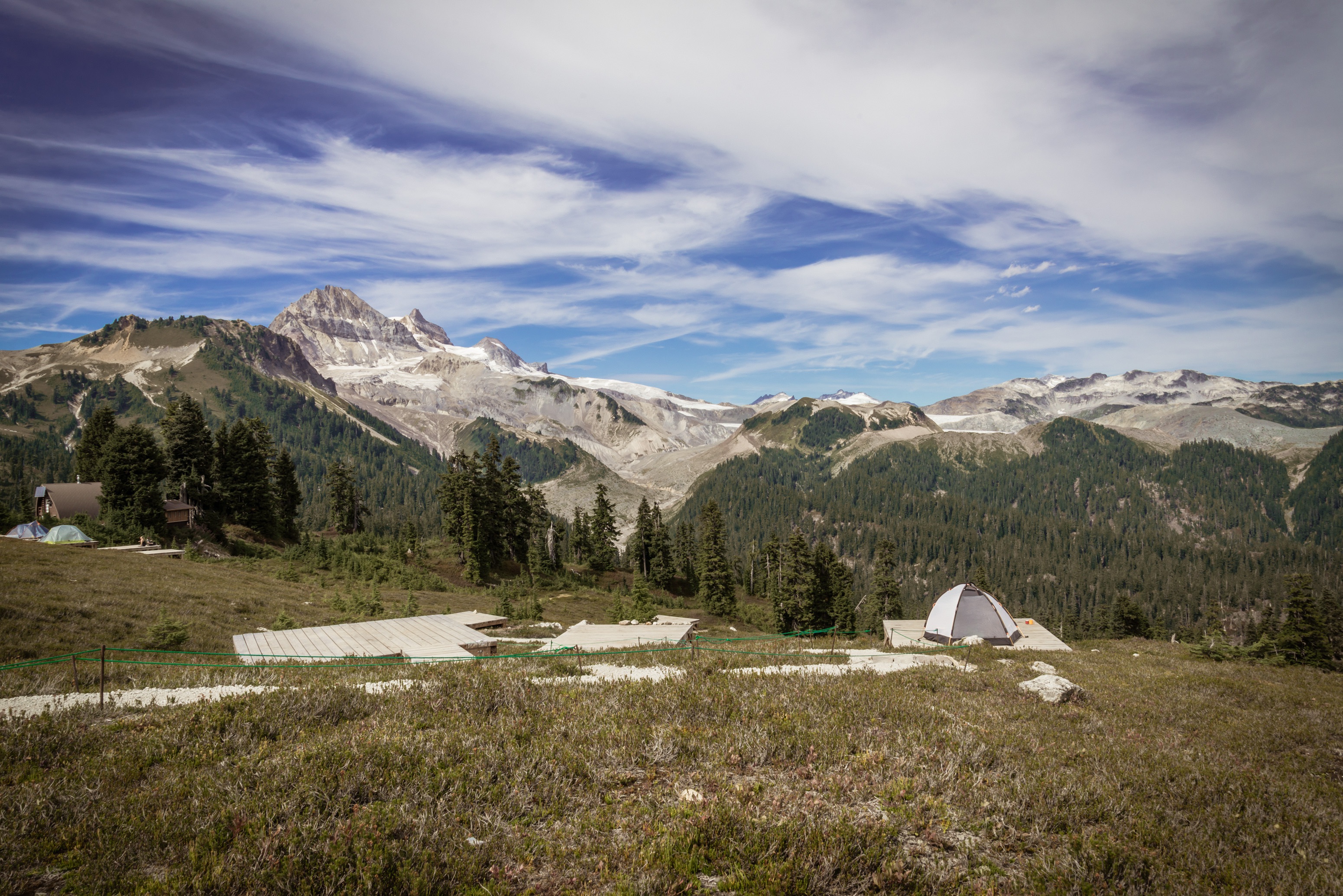
Follow the tracks of early gold rush pioneers through the Cariboo region, stopping at Seton and Duffey lakes. Later, re-enter the Coast Mountains and learn why Whistler attracts so many outdoor enthusiasts.
Whistler, British Columbia, Canada
Delight in an enriching Signature Experience today. This afternoon, discover more of Whistler as you set out on your chosen sightseeing activity.
Signature Experience – Squamish Lil’wat Cultural Centre
Visit the Squamish Lil’wat Cultural Centre and feast on a breakfast inspired by traditional First Nations food. Explore the museum, discovering your First Nations animal spirit with the help of your guide.
Freedom of Choice – Peak 2 Peak Gondola
Be swept to entirely new heights on the Peak 2 Peak Gondola. The Cloudraker Skybridge also takes you 130 metres from Whistler Peak to the West Ridge, across the Whistler Bowl.
Freedom of Choice – Tree Trek
Explore Whistler’s ancient forest on a tree trek. Breathe in the fresh mountain air as you wander through the tall pines, walking along an incredible network of suspension bridges and boardwalks.
Freedom of Choice – Ziptrek Bear Tour
Soar through the treetops during an exhilarating zipline adventure on Ziptrek Ecotours’ Bear Tour. This spectacular course takes you over the valley between Whistler and Blackcomb Peak across four ziplines and a series of suspension bridges, boardwalks and trails.
Freedom of Choice – Mountain Jeep Tour
Set off on a Jeep tour and see Whistler from a completely different altitude. Take in glorious views of Whistler Village, lakes, golf courses and the peaks of the Coast Mountains.
Freedom of Choice – Heli Flightseeing
Be awed by the sights surrounding Whistler from the air during a helicopter flight and marvel at an aerial view of the Peak 2 Peak Gondola.
Freedom of Choice – Electric Mountain Bike Rental
Exploring Whistler on an electric mountain bike is a wonderful way to spend a summer day. Feel the fresh air as you coast past lush green landscapes and mountains.
Freedom of Choice – Vallea Lumina – Multimedia Nightwalk
Experience Vallea Lumina with an immersive night time forest walk featuring lights, soundscapes, and interactive storytelling, guiding guests along a magical trail that blends nature, art, and technology.
Freedom of Choice – Whistler Bear Tour
Travel in a multi‑vehicle convoy through Whistler Olympic Park on an off‑road adventure, exploring bear habitat, scenic trails, waterfalls, and the Olympic ski jumps, with pickup included and group photo opportunities.
Whistler, British Columbia, Canada
Travel south along the Sea to Sky Highway. Journey to Vancouver Island with BC Ferries. Continue to Chemainus, a town famous for its vibrant outdoor murals, before arriving in Victoria.
Georgia Strait, Canada
Travel south along the Sea to Sky Highway. Journey to Vancouver Island with BC Ferries. Continue to Chemainus, a town famous for its vibrant outdoor murals, before arriving in Victoria.
Victoria, British Columbia, Canada
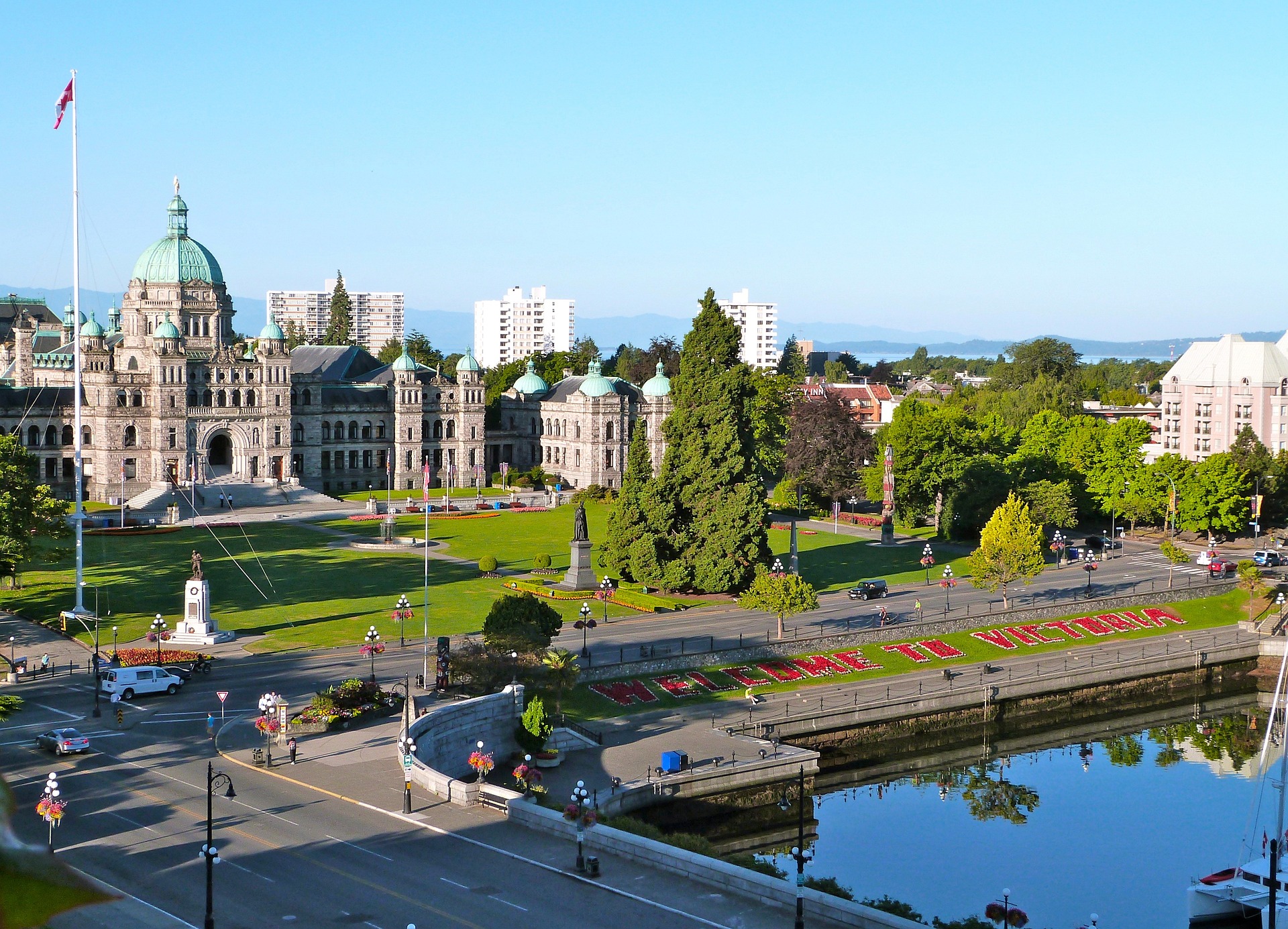
Victoria, the capital of a province whose license plates brazenly label it “The Best Place on Earth,” is a walkable, livable seaside city of fragrant gardens, waterfront paths, engaging museums, and beautifully restored 19th-century architecture. In summer, the Inner Harbour—Victoria’s social and cultural center—buzzes with visiting yachts, horse-and-carriage rides, street entertainers, and excursion boats heading out to visit pods of friendly local whales. Yes, it might be a bit touristy, but Victoria’s good looks, gracious pace, and manageable size are instantly beguiling, especially if you stand back to admire the mountains and ocean beyond. At the southern tip of Vancouver Island, Victoria dips slightly below the 49th parallel. That puts it farther south than most of Canada, giving it the mildest climate in the country, with virtually no snow and less than half the rain of Vancouver. The city’s geography, or at least its place names, can cause confusion. Just to clarify: the city of Victoria is on Vancouver Island (not Victoria Island). The city of Vancouver is on the British Columbia mainland, not on Vancouver Island. At any rate, that upstart city of Vancouver didn’t even exist in 1843 when Victoria, then called Fort Victoria, was founded as the westernmost trading post of the British-owned Hudson’s Bay Company. Victoria was the first European settlement on Vancouver Island, and in 1868 it became the capital of British Columbia. The British weren’t here alone, of course. The local First Nations people—the Songhees, the Saanich, and the Sooke—had already lived in the areas for thousands of years before anyone else arrived. Their art and culture are visible throughout southern Vancouver Island. You can see this in private and public galleries, in the totems at Thunderbird Park, in the striking collections at the Royal British Columbia Museum, and at the Quw’utsun’Cultural and Conference Centre in nearby Duncan. Spanish explorers were the first foreigners to explore the area, although they left little more than place names (Galiano Island and Cordova Bay, for example). The thousands of Chinese immigrants drawn by the gold rushes of the late 19th century had a much greater impact, founding Canada’s oldest Chinatown and adding an Asian influence that’s still quite pronounced in Victoria’s multicultural mix. Despite its role as the provincial capital, Victoria was largely eclipsed, economically, by Vancouver throughout the 20th century. This, as it turns out, was all to the good, helping to preserve Victoria’s historic downtown and keeping the city largely free of skyscrapers and highways. For much of the 20th century, Victoria was marketed to tourists as “The Most British City in Canada,” and it still has more than its share of Anglo-themed pubs, tea shops, and double-decker buses. These days, however, Victorians prefer to celebrate their combined indigenous, Asian, and European heritage, and the city’s stunning wilderness backdrop. Locals do often venture out for afternoon tea, but they’re just as likely to nosh on dim sum or tapas. Decades-old shops sell imported linens and tweeds, but newer upstarts offer local designs in hemp and organic cotton. And let’s not forget that fabric prevalent among locals: Gore-Tex. The outdoors is ever present here. You can hike, bike, kayak, sail, or whale-watch straight from the city center, and forests, beaches, offshore islands, and wilderness parklands lie just minutes away. A little farther afield, there’s surfing near Sooke, wine touring in the Cowichan Valley, and kayaking among the Gulf Islands.
Victoria, British Columbia, Canada
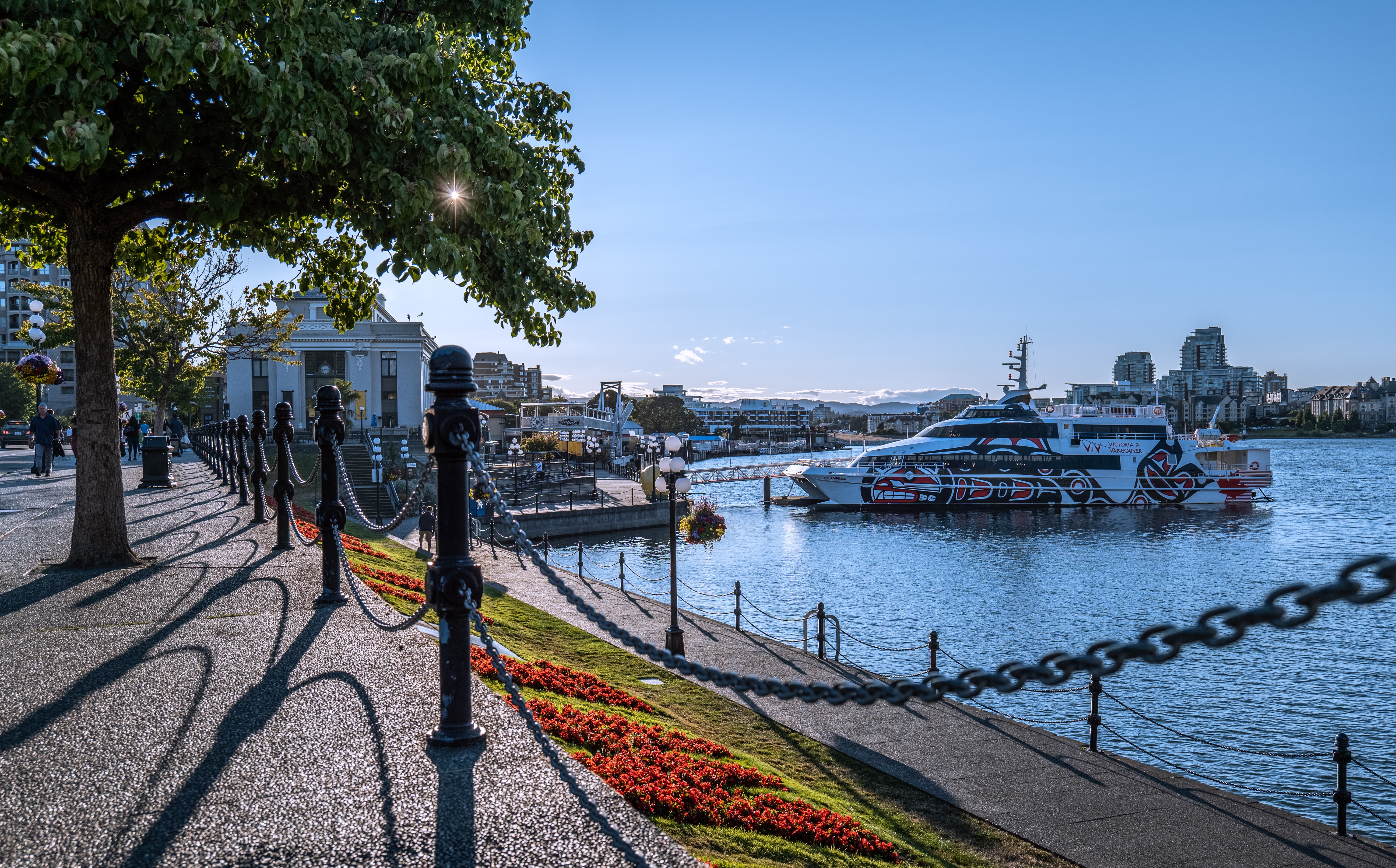
Victoria, the capital of a province whose license plates brazenly label it “The Best Place on Earth,” is a walkable, livable seaside city of fragrant gardens, waterfront paths, engaging museums, and beautifully restored 19th-century architecture. In summer, the Inner Harbour—Victoria’s social and cultural center—buzzes with visiting yachts, horse-and-carriage rides, street entertainers, and excursion boats heading out to visit pods of friendly local whales. Yes, it might be a bit touristy, but Victoria’s good looks, gracious pace, and manageable size are instantly beguiling, especially if you stand back to admire the mountains and ocean beyond. At the southern tip of Vancouver Island, Victoria dips slightly below the 49th parallel. That puts it farther south than most of Canada, giving it the mildest climate in the country, with virtually no snow and less than half the rain of Vancouver. The city’s geography, or at least its place names, can cause confusion. Just to clarify: the city of Victoria is on Vancouver Island (not Victoria Island). The city of Vancouver is on the British Columbia mainland, not on Vancouver Island. At any rate, that upstart city of Vancouver didn’t even exist in 1843 when Victoria, then called Fort Victoria, was founded as the westernmost trading post of the British-owned Hudson’s Bay Company. Victoria was the first European settlement on Vancouver Island, and in 1868 it became the capital of British Columbia. The British weren’t here alone, of course. The local First Nations people—the Songhees, the Saanich, and the Sooke—had already lived in the areas for thousands of years before anyone else arrived. Their art and culture are visible throughout southern Vancouver Island. You can see this in private and public galleries, in the totems at Thunderbird Park, in the striking collections at the Royal British Columbia Museum, and at the Quw’utsun’Cultural and Conference Centre in nearby Duncan. Spanish explorers were the first foreigners to explore the area, although they left little more than place names (Galiano Island and Cordova Bay, for example). The thousands of Chinese immigrants drawn by the gold rushes of the late 19th century had a much greater impact, founding Canada’s oldest Chinatown and adding an Asian influence that’s still quite pronounced in Victoria’s multicultural mix. Despite its role as the provincial capital, Victoria was largely eclipsed, economically, by Vancouver throughout the 20th century. This, as it turns out, was all to the good, helping to preserve Victoria’s historic downtown and keeping the city largely free of skyscrapers and highways. For much of the 20th century, Victoria was marketed to tourists as “The Most British City in Canada,” and it still has more than its share of Anglo-themed pubs, tea shops, and double-decker buses. These days, however, Victorians prefer to celebrate their combined indigenous, Asian, and European heritage, and the city’s stunning wilderness backdrop. Locals do often venture out for afternoon tea, but they’re just as likely to nosh on dim sum or tapas. Decades-old shops sell imported linens and tweeds, but newer upstarts offer local designs in hemp and organic cotton. And let’s not forget that fabric prevalent among locals: Gore-Tex. The outdoors is ever present here. You can hike, bike, kayak, sail, or whale-watch straight from the city center, and forests, beaches, offshore islands, and wilderness parklands lie just minutes away. A little farther afield, there’s surfing near Sooke, wine touring in the Cowichan Valley, and kayaking among the Gulf Islands.
The Butchart Gardens, Canada
Begin the day with a Signature Experience. Tonight, savour a special dinner with your fellow travellers.
Signature Experience – The Butchart Gardens Before Hours
Visit The Butchart Gardens before the public is granted access and enjoy breakfast in the original Butchart residence. More than 100 years in the making with a former quarry as the initial canvas, this space was transformed by Jennie Butchart into a haven overflowing with lush greenery and colourful blooms. Relish the opportunity to wander among the floral displays without the crowds.
Victoria, British Columbia, Canada
Victoria, the capital of a province whose license plates brazenly label it “The Best Place on Earth,” is a walkable, livable seaside city of fragrant gardens, waterfront paths, engaging museums, and beautifully restored 19th-century architecture. In summer, the Inner Harbour—Victoria’s social and cultural center—buzzes with visiting yachts, horse-and-carriage rides, street entertainers, and excursion boats heading out to visit pods of friendly local whales. Yes, it might be a bit touristy, but Victoria’s good looks, gracious pace, and manageable size are instantly beguiling, especially if you stand back to admire the mountains and ocean beyond. At the southern tip of Vancouver Island, Victoria dips slightly below the 49th parallel. That puts it farther south than most of Canada, giving it the mildest climate in the country, with virtually no snow and less than half the rain of Vancouver. The city’s geography, or at least its place names, can cause confusion. Just to clarify: the city of Victoria is on Vancouver Island (not Victoria Island). The city of Vancouver is on the British Columbia mainland, not on Vancouver Island. At any rate, that upstart city of Vancouver didn’t even exist in 1843 when Victoria, then called Fort Victoria, was founded as the westernmost trading post of the British-owned Hudson’s Bay Company. Victoria was the first European settlement on Vancouver Island, and in 1868 it became the capital of British Columbia. The British weren’t here alone, of course. The local First Nations people—the Songhees, the Saanich, and the Sooke—had already lived in the areas for thousands of years before anyone else arrived. Their art and culture are visible throughout southern Vancouver Island. You can see this in private and public galleries, in the totems at Thunderbird Park, in the striking collections at the Royal British Columbia Museum, and at the Quw’utsun’Cultural and Conference Centre in nearby Duncan. Spanish explorers were the first foreigners to explore the area, although they left little more than place names (Galiano Island and Cordova Bay, for example). The thousands of Chinese immigrants drawn by the gold rushes of the late 19th century had a much greater impact, founding Canada’s oldest Chinatown and adding an Asian influence that’s still quite pronounced in Victoria’s multicultural mix. Despite its role as the provincial capital, Victoria was largely eclipsed, economically, by Vancouver throughout the 20th century. This, as it turns out, was all to the good, helping to preserve Victoria’s historic downtown and keeping the city largely free of skyscrapers and highways. For much of the 20th century, Victoria was marketed to tourists as “The Most British City in Canada,” and it still has more than its share of Anglo-themed pubs, tea shops, and double-decker buses. These days, however, Victorians prefer to celebrate their combined indigenous, Asian, and European heritage, and the city’s stunning wilderness backdrop. Locals do often venture out for afternoon tea, but they’re just as likely to nosh on dim sum or tapas. Decades-old shops sell imported linens and tweeds, but newer upstarts offer local designs in hemp and organic cotton. And let’s not forget that fabric prevalent among locals: Gore-Tex. The outdoors is ever present here. You can hike, bike, kayak, sail, or whale-watch straight from the city center, and forests, beaches, offshore islands, and wilderness parklands lie just minutes away. A little farther afield, there’s surfing near Sooke, wine touring in the Cowichan Valley, and kayaking among the Gulf Islands.