Featured Cabins
Itinerary
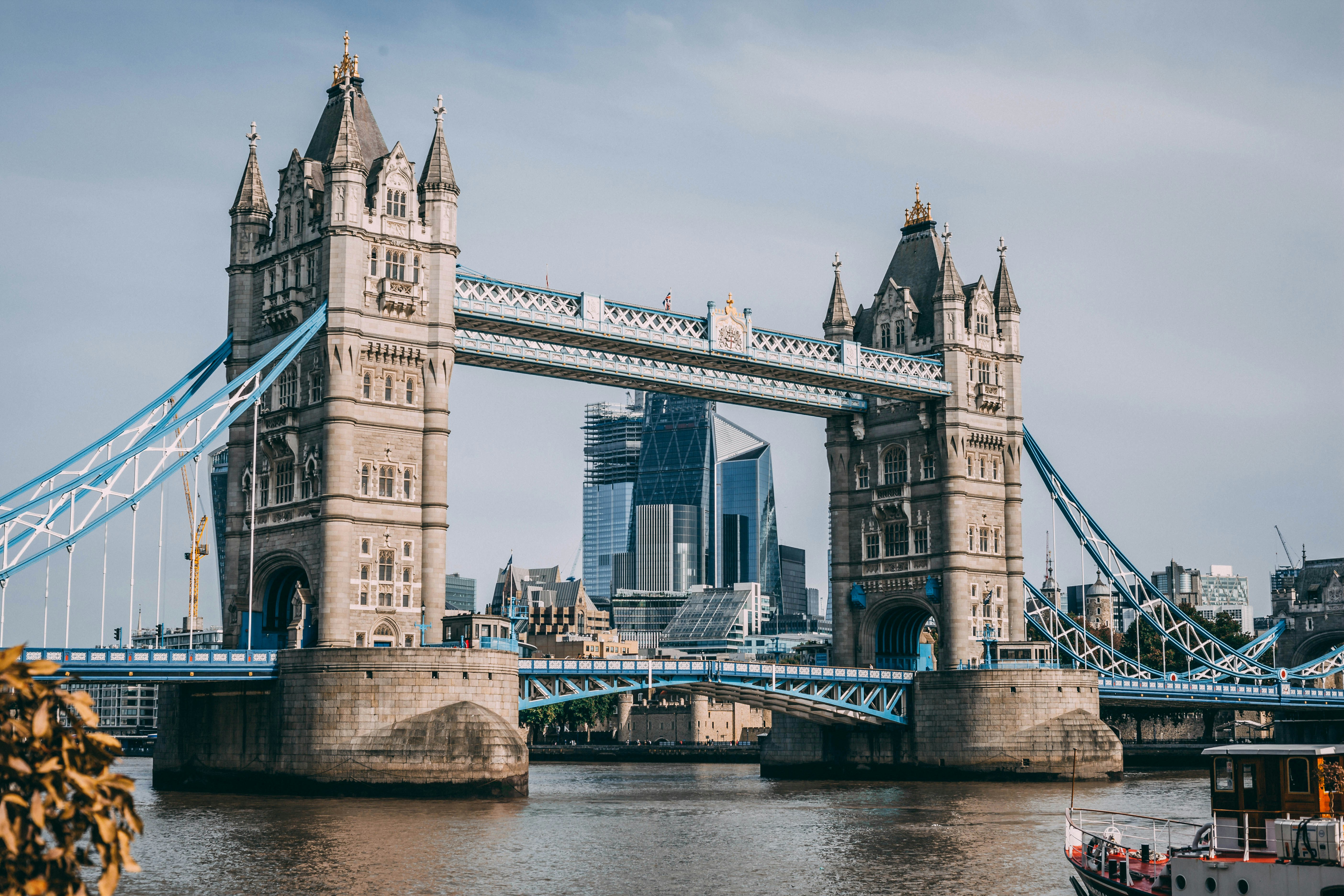
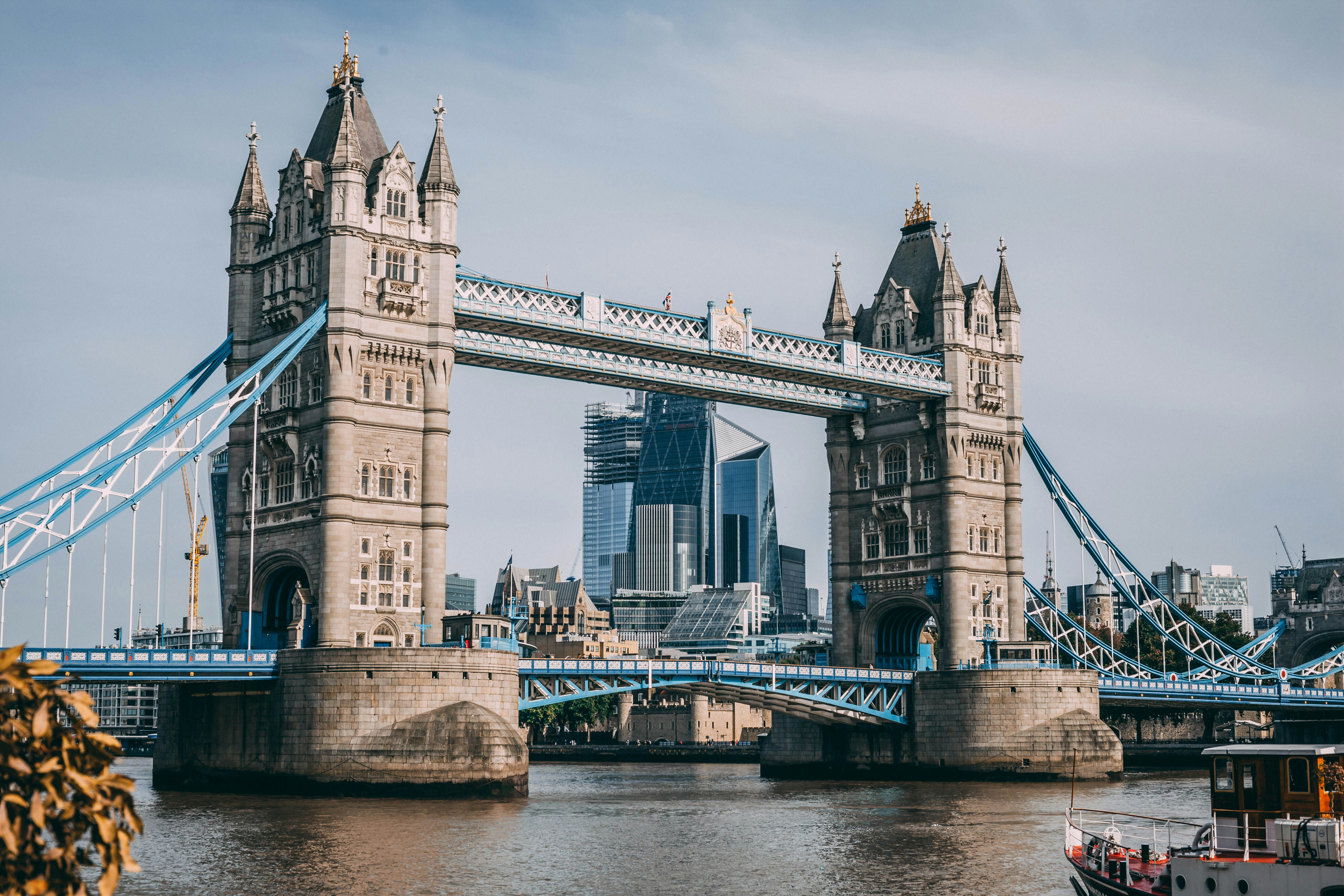
London (England), United Kingdom
Make your way to the Airport for your flight to Vietnam.
Hanoi, Vietnam
Touchdown in Hanoi and receive Fast Track Service on arrival. Later this evening, you’ll get to know your fellow travellers during a welcome dinner at Spice Garden, the hotel’s highly awarded Vietnamese restaurant.
Signature Experience – VIP Fast Track Service
Start your holiday as soon as possible when you receive Fast Track Service for a seamless arrival in Hanoi, Vietnam. Be whisked through immigration and customs, before meeting your APT representative, who will transfer you to your accommodation.
Hanoi, Vietnam
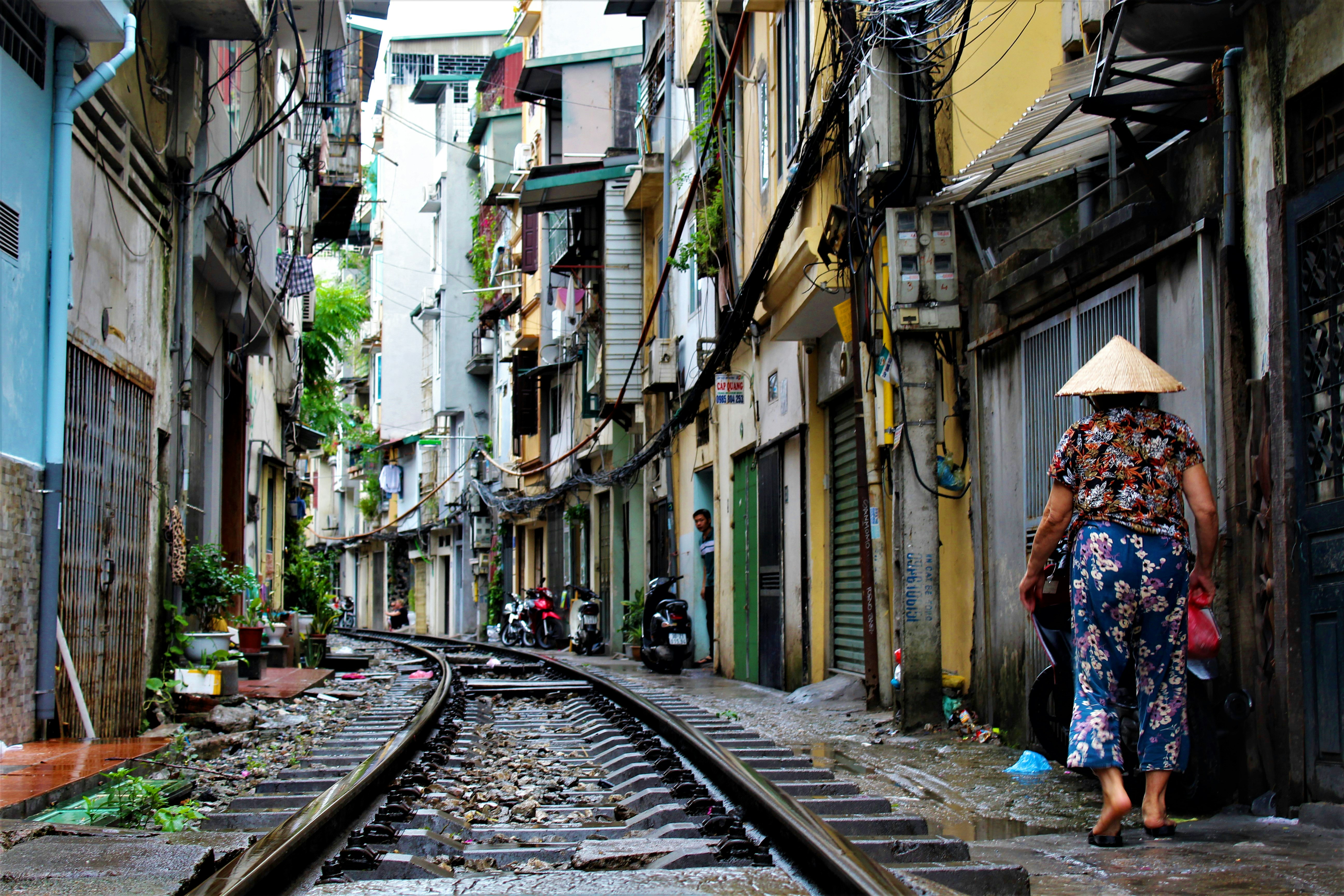
A guided tour of Hanoi takes you to the city’s most famous historical and cultural sites. Highlights include Ho Chi Minh’s Mausoleum, Ba Dinh Square, One Pillar Pagoda and the Temple of Literature, a beautiful example of Vietnamese architecture and the first university in Vietnam. You’ll also enjoy a cyclo ride through the Old Quarter. Explore the maze-like streets of this charming area, where each street conveys the name of the type of business that once operated there, such as Bamboo Street, Sugar Street and Silver Street. Then, explore more of this vibrant city on your selected Freedom of Choice experience. Tonight, choose your dining experience.
Freedom of Choice – Bat Trang Pottery Village
Journey to Bat Trang, a village where porcelain and pottery of the highest quality have been made for over 700 years. Step out with your guide on an insightful walk and hear stories about the rich clay.
Freedom of Choice – Head, Hand or Foot Massage
Indulge in a relaxing massage and soak up the atmosphere of Le Spa du Metropole overlooking the charming garden courtyard and pool of the iconic Sofitel Legend Metropole.
Freedom of Choice – Walking Tour of Hanoi
Explore Hanoi on foot. Step inside the neo-gothic St. Joseph’s Cathedral, admire the Hanoi Opera House and view exhibits at Hoa Lo Prison. Learn about Vietnam’s struggle for independence from France.
Freedom of Choice – Water Puppet Performance
Set off by foot to one of Hanoi’s most renowned water puppet theatres. Learn about the art of water puppetry and its place in Vietnamese culture, including its beginnings in the villages.
Freedom of Choice – Vietnam’s Coffee Culture
Discover the importance of coffee in Vietnam, one of the country’s largest exports. Learn about the history and cultivation of coffee and try your hand at making some unique drinks.
Freedom of Choice – La Terrasse
Savour the atmosphere of a Parisian cafe at La Terrasse at the Sofitel Legend Metropole. With its classic Parisian-inspired furniture, this is the perfect place to relax.
Freedom of Choice – La Table Hanoia
Located in the heart of the French Quarter, and previously known as the Press Club, La Table Hanoia takes you on a journey of discovery. Enjoy a fine selection of gourmet food accompanied by seamless service.
Freedom of Choice – KOTO Van Mieu
Dine on soulful Vietnamese cuisine at KOTO Van Mieu, a training restaurant for disadvantaged and at-risk youth in Vietnam. This not-for-profit social enterprise empowers youth through hospitality training.
Freedom of Choice – Lý Club Hanoi
Inspired by the legacy of the great Lý dynasty, Lý Club Hanoi offers a sensory feast of innovative Vietnamese cuisine. Located in a beautifully restored 19th-century colonial villa, the
Ha Long Bay, Vietnam
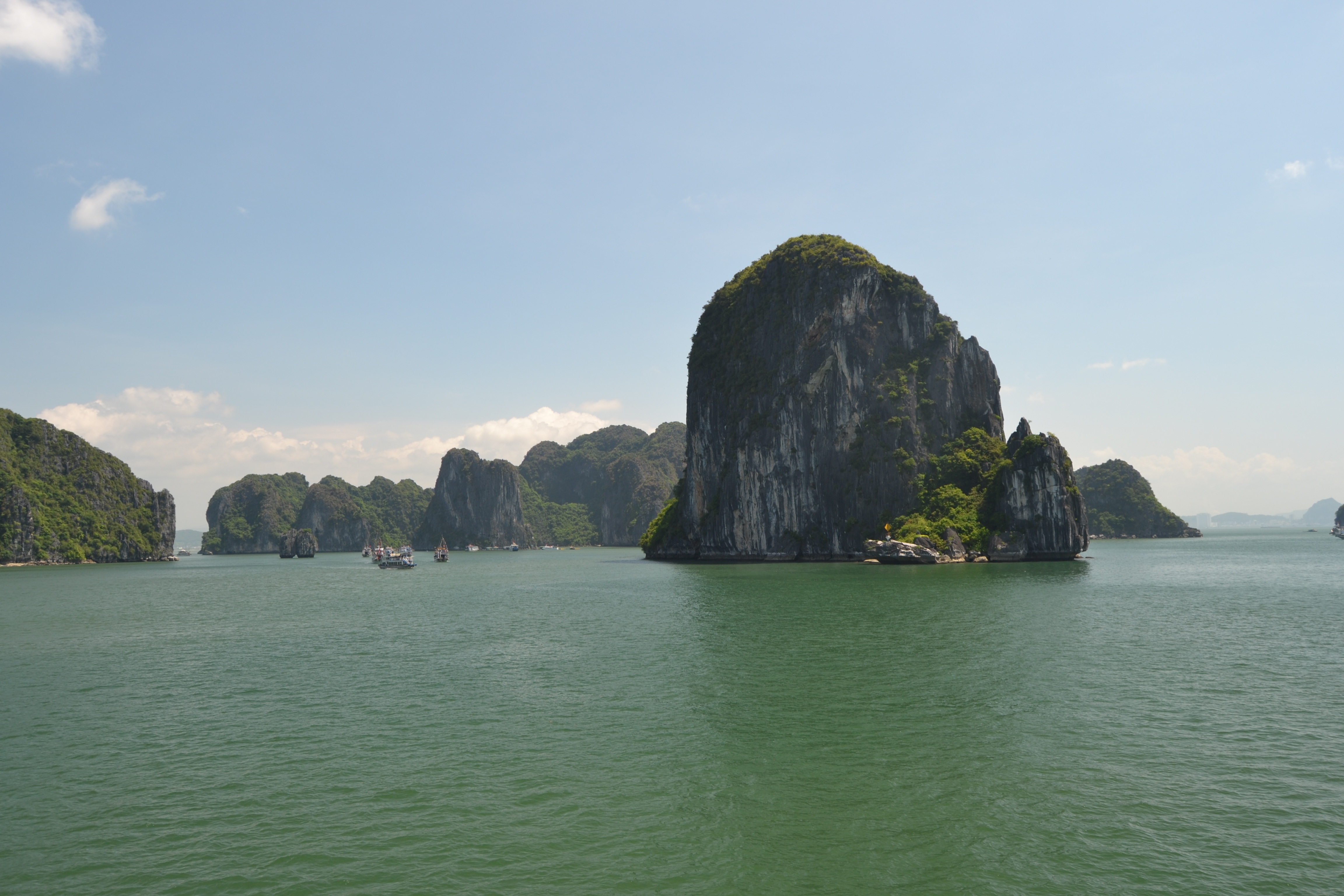
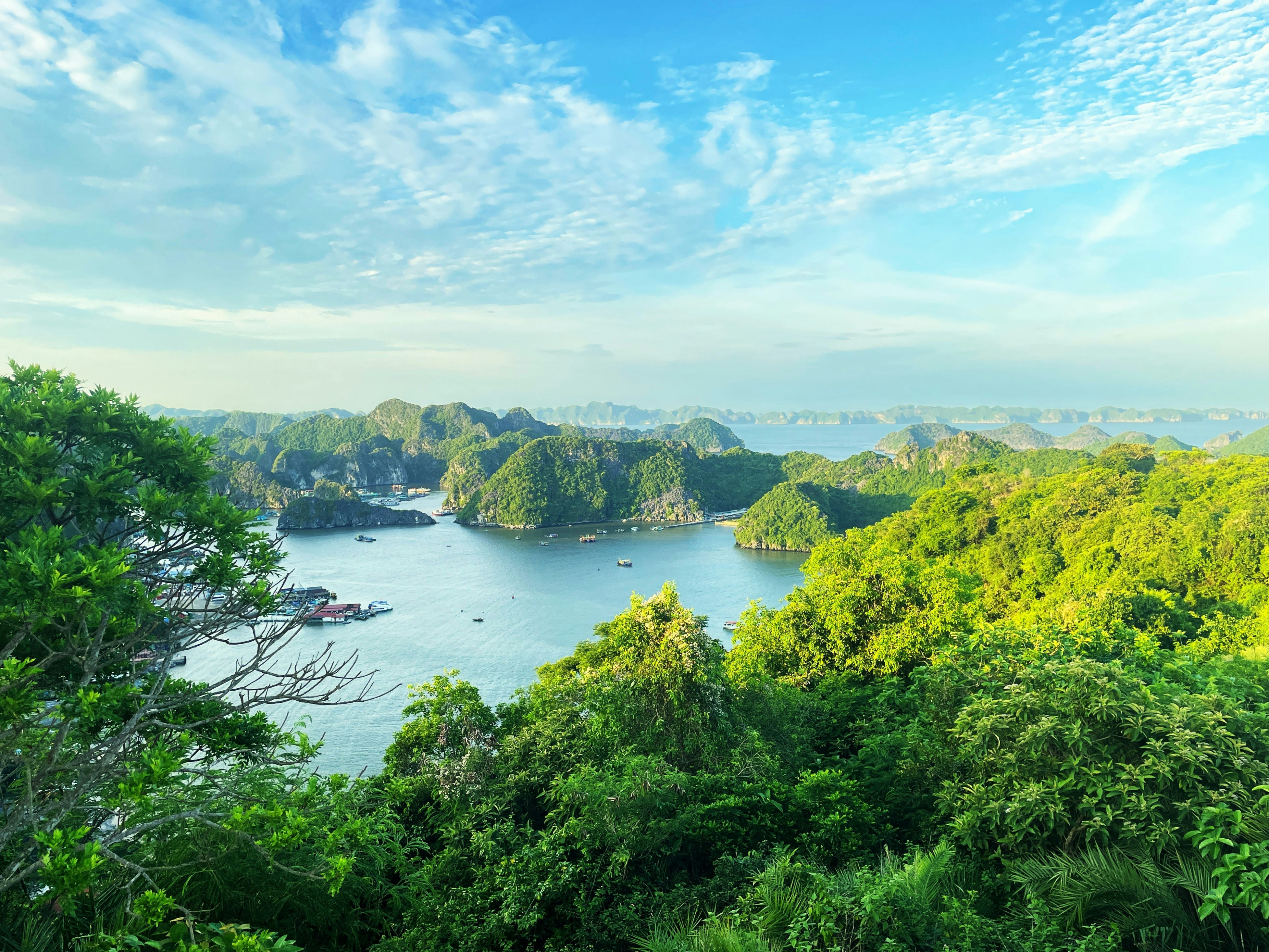
A visit to the north is not complete without a trip to Halong Bay, where placid waters give way to more than 3,000 limestone karsts and wind-sculpted limestone formations that jut from foggy lagoons. Dotting the bay are tiny islands bordered by white sandy coves and hidden caves, adding to the majestic landscape of this UNESCO World Heritage Site. Adding to this naturalist’s dream is the biodiversity of islets, grottos, and Cat Ba Island National Park. The bay, however, shows tourism’s impact: the clearing of mangrove forests to make way for jetties and piers, marine life threatened by game fishing, and garbage from passenger boats and fishing villages washed up on the shores.Beyond its geological uniqueness are activities like hiking, kayaking, rock climbing, or exploring one of the many floating villages where fishermen bring in their daily catch. The downside to all this allure is the large number of unlicensed boats it draws to the bay each day.Boat trips out onto the bay are the main tourism stock in trade farther north, but a more multifaceted side of the area can be experienced at Cat Ba Island. The largest island in Halong Bay, Cat Ba is very much its own entity. Its national park offers incredible biodiversity, with more than a thousand species of plants having been recorded here. Animal life is slightly thinner on the ground, but alert visitors may spy inhabitants such as the endangered golden-headed langur, wild boar, deer, civets, and several species of squirrel. Trekking through the wilderness is a highlight with a number of fascinating trails to follow.Cat Ba Island has also become a firm favorite with the adventure sports set. Indeed, along with Railay Beach in Thailand, it is recognized as one of the top spots in the region for rock climbing. Other outdoor pursuits include sailing and kayaking around the karsts. Although Halong Bay has arguably been tainted by over-exposure, Bai Tu Long Bay farther east toward China, retains all the majesty of Vietnam’s premier bucket-list natural attraction but sees a fraction of the traffic of its immediate neighbor to the west. Here, visitors will find islands of substantial size with deserted beaches and untamed jungle. Halong Bay’s 3,000 islands of dolomite and limestone cover a 1,500-square-km (580-square-mile) area, extending across the Gulf of Tonkin nearly to the Chinese border. According to legend, this breathtaking land- and seascape was formed by a giant dragon that came barreling out of the mountains toward the ocean—hence the name (Halong translates into “descent of the dragon”). Geologists are more likely to attribute the formations to sedimentary limestone that formed here between 300 and 500 million years ago, in the Paleozoic Era. Over millions of years water receded and exposed the limestone to wind, rain, and tidal erosion.Today the limestone formations are exposed to hordes of tourists—but don’t let that discourage you. Hundreds of fishing trawlers and tour boats share space on these crystal waters, yet there seems to be room for everyone. Most people use the main population center, Halong City, as a base from which to venture into the bay. Although it’s now officially one municipality, Halong City was, until 1996, two separate towns: Bai Chay is now Halong City West, where Halong Road winds its way around the coast and past the lifeless central beach; Hon Gai is the grimier Halong City East, where a coal transportation depot dominates the center of town and covers nearby roads and buildings with a sooty film. Locals still refer to the towns by their old names, but they are now inexorably lassoed together by a bridge. Boat trips through Halong Bay are the main attraction. Little of the majesty of this region can be found in the city, so head out onto the water and start exploring. Countless 10- and 30-foot fishing boats have been converted into Halong Bay’s formidable tourist-boat fleet. Hotels or travel agencies in Halong City or Hanoi can arrange boat trips for you (often they are part of organized tours from Hanoi). It is still possible to go down to the wharf and bargain yourself onto a boat for the day, but you are likely to be charged (sometimes significantly) more than you would pay for a prebooked tour, so this is not advised. Self-sufficient travelers have fallen victim to the old bait-and-switch: they’ve arranged a next-day boat tour with local fishermen, only to be told in no uncertain terms the following morning that they could not board their chosen boat, but they could take a different one for quite a bit more money. You may have no choice in the end. Usually travel agencies, however, have their tried-and-true favorites.
Lan Ha Bay, Vietnam
As the sun rises over the acclaimed UNESCO World Heritage Site of Ha Long Bay, rejuvenate the body and mind with a refreshing Tai Chi lesson. Delight in a hearty breakfast before your ship makes it way to Viet Hai in Lan Ha Bay, where you disembark and travel via bicycle or electric car to the small fishing village framed by highlands and thick jungle. The village offers a window into local life that has been shaped by the surrounding landscape. On arrival, visit an ancient home, meet the villagers, and learn how to make rice wine. Afterwards, visit Ba Trai Dao beach, a crescent-shaped coastline renowned for its clear water, white sands and mountainous scenery. Return to your ship for lunch and spend the rest of the day enjoying your onboard amenities.
Siem Reap, Cambodia
Begin the day with a delicious breakfast. Afterwards, board traditional rowing boats and venture to the Dark and Bright Cave. Here, discover a delightful contrast between the murky Dark Cave tunnels that swallow up the light, and the sunlight-filled Bright Cave. Return to your ship for brunch. Later, disembark and transfer to Hanoi airport for your included flight to Siem Reap in Cambodia. Upon arrival, be transferred to your hotel and enjoy dinner here with your fellow travellers.
Siem Reap, Cambodia
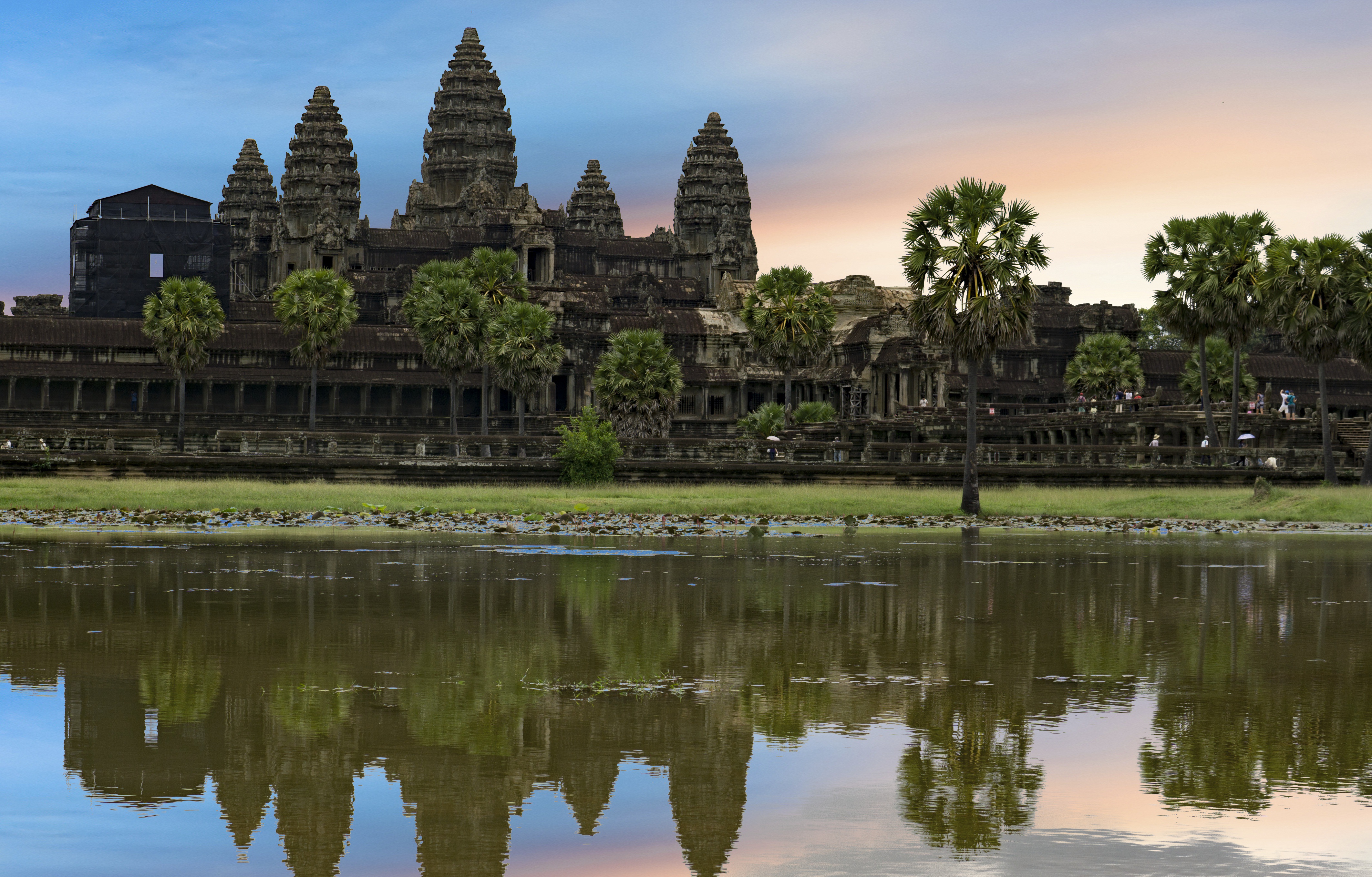
Begin your exploration of the World Heritage-listed Angkor Archaeological Park with a visit to Angkor Thom, the last and most enduring capital of the Khmer Empire. Built during the heyday of the Empire in the 12th century, this is an extraordinary complex of Hindu and Buddhist monuments. Head to the intriguing Bayon temple, with its carved stone smiling faces of gods, goddesses, and other mythological beings. Visit the Terrace of Elephants, which used to be the base for the king’s grand audience hall and the Terrace of the Leper King, which housed the royal crematory.
Journey to Ta Prohm, known for the thick jungle of fig trees and vines that have enveloped the structure, giving it a lost-world feel. Ta Prohm is commonly referred to as the ‘Tomb Raider Temple’ due to it being used as a location in the film ‘Lara Croft: Tomb Raider’, which starred Angelina Jolie. The temple offers a captivating glimpse into the past and is a testament to a bygone era. En route to the hotel, enjoy your Signature Experience. Later this evening, delight in another captivating Signature Experience.
Signature Experience – Local Charity Visit
Visit Opportunities of Development thru Art (ODA), a OneTomorrow partner. ODA provides free English education and an introduction to computer skills to children living in Siem Reap’s remote villages, with the aim to improve future employment opportunities.
Signature Experience – VIP Circus Show
Witness a mesmerising performance from your VIP seats. Combining captivating acrobatics, theatre and storytelling, this unforgettable spectacle showcases the country’s rich culture and talent.
London (England), United Kingdom
Make your way to the Airport for your flight to Vietnam.
Hanoi, Vietnam
Touchdown in Hanoi and receive Fast Track Service on arrival. Later this evening, you’ll get to know your fellow travellers during a welcome dinner at Spice Garden, the hotel’s highly awarded Vietnamese restaurant.
Signature Experience – VIP Fast Track Service
Start your holiday as soon as possible when you receive Fast Track Service for a seamless arrival in Hanoi, Vietnam. Be whisked through immigration and customs, before meeting your APT representative, who will transfer you to your accommodation.
Hanoi, Vietnam
A guided tour of Hanoi takes you to the city’s most famous historical and cultural sites. Highlights include Ho Chi Minh’s Mausoleum, Ba Dinh Square, One Pillar Pagoda and the Temple of Literature, a beautiful example of Vietnamese architecture and the first university in Vietnam. You’ll also enjoy a cyclo ride through the Old Quarter. Explore the maze-like streets of this charming area, where each street conveys the name of the type of business that once operated there, such as Bamboo Street, Sugar Street and Silver Street. Then, explore more of this vibrant city on your selected Freedom of Choice experience. Tonight, choose your dining experience.
Freedom of Choice – Bat Trang Pottery Village
Journey to Bat Trang, a village where porcelain and pottery of the highest quality have been made for over 700 years. Step out with your guide on an insightful walk and hear stories about the rich clay.
Freedom of Choice – Head, Hand or Foot Massage
Indulge in a relaxing massage and soak up the atmosphere of Le Spa du Metropole overlooking the charming garden courtyard and pool of the iconic Sofitel Legend Metropole.
Freedom of Choice – Walking Tour of Hanoi
Explore Hanoi on foot. Step inside the neo-gothic St. Joseph’s Cathedral, admire the Hanoi Opera House and view exhibits at Hoa Lo Prison. Learn about Vietnam’s struggle for independence from France.
Freedom of Choice – Water Puppet Performance
Set off by foot to one of Hanoi’s most renowned water puppet theatres. Learn about the art of water puppetry and its place in Vietnamese culture, including its beginnings in the villages.
Freedom of Choice – Vietnam’s Coffee Culture
Discover the importance of coffee in Vietnam, one of the country’s largest exports. Learn about the history and cultivation of coffee and try your hand at making some unique drinks.
Freedom of Choice – La Terrasse
Savour the atmosphere of a Parisian cafe at La Terrasse at the Sofitel Legend Metropole. With its classic Parisian-inspired furniture, this is the perfect place to relax.
Freedom of Choice – La Table Hanoia
Located in the heart of the French Quarter, and previously known as the Press Club, La Table Hanoia takes you on a journey of discovery. Enjoy a fine selection of gourmet food accompanied by seamless service.
Freedom of Choice – KOTO Van Mieu
Dine on soulful Vietnamese cuisine at KOTO Van Mieu, a training restaurant for disadvantaged and at-risk youth in Vietnam. This not-for-profit social enterprise empowers youth through hospitality training.
Freedom of Choice – Lý Club Hanoi
Inspired by the legacy of the great Lý dynasty, Lý Club Hanoi offers a sensory feast of innovative Vietnamese cuisine. Located in a beautifully restored 19th-century colonial villa, the
Ha Long Bay, Vietnam
A visit to the north is not complete without a trip to Halong Bay, where placid waters give way to more than 3,000 limestone karsts and wind-sculpted limestone formations that jut from foggy lagoons. Dotting the bay are tiny islands bordered by white sandy coves and hidden caves, adding to the majestic landscape of this UNESCO World Heritage Site. Adding to this naturalist’s dream is the biodiversity of islets, grottos, and Cat Ba Island National Park. The bay, however, shows tourism’s impact: the clearing of mangrove forests to make way for jetties and piers, marine life threatened by game fishing, and garbage from passenger boats and fishing villages washed up on the shores.Beyond its geological uniqueness are activities like hiking, kayaking, rock climbing, or exploring one of the many floating villages where fishermen bring in their daily catch. The downside to all this allure is the large number of unlicensed boats it draws to the bay each day.Boat trips out onto the bay are the main tourism stock in trade farther north, but a more multifaceted side of the area can be experienced at Cat Ba Island. The largest island in Halong Bay, Cat Ba is very much its own entity. Its national park offers incredible biodiversity, with more than a thousand species of plants having been recorded here. Animal life is slightly thinner on the ground, but alert visitors may spy inhabitants such as the endangered golden-headed langur, wild boar, deer, civets, and several species of squirrel. Trekking through the wilderness is a highlight with a number of fascinating trails to follow.Cat Ba Island has also become a firm favorite with the adventure sports set. Indeed, along with Railay Beach in Thailand, it is recognized as one of the top spots in the region for rock climbing. Other outdoor pursuits include sailing and kayaking around the karsts. Although Halong Bay has arguably been tainted by over-exposure, Bai Tu Long Bay farther east toward China, retains all the majesty of Vietnam’s premier bucket-list natural attraction but sees a fraction of the traffic of its immediate neighbor to the west. Here, visitors will find islands of substantial size with deserted beaches and untamed jungle. Halong Bay’s 3,000 islands of dolomite and limestone cover a 1,500-square-km (580-square-mile) area, extending across the Gulf of Tonkin nearly to the Chinese border. According to legend, this breathtaking land- and seascape was formed by a giant dragon that came barreling out of the mountains toward the ocean—hence the name (Halong translates into “descent of the dragon”). Geologists are more likely to attribute the formations to sedimentary limestone that formed here between 300 and 500 million years ago, in the Paleozoic Era. Over millions of years water receded and exposed the limestone to wind, rain, and tidal erosion.Today the limestone formations are exposed to hordes of tourists—but don’t let that discourage you. Hundreds of fishing trawlers and tour boats share space on these crystal waters, yet there seems to be room for everyone. Most people use the main population center, Halong City, as a base from which to venture into the bay. Although it’s now officially one municipality, Halong City was, until 1996, two separate towns: Bai Chay is now Halong City West, where Halong Road winds its way around the coast and past the lifeless central beach; Hon Gai is the grimier Halong City East, where a coal transportation depot dominates the center of town and covers nearby roads and buildings with a sooty film. Locals still refer to the towns by their old names, but they are now inexorably lassoed together by a bridge. Boat trips through Halong Bay are the main attraction. Little of the majesty of this region can be found in the city, so head out onto the water and start exploring. Countless 10- and 30-foot fishing boats have been converted into Halong Bay’s formidable tourist-boat fleet. Hotels or travel agencies in Halong City or Hanoi can arrange boat trips for you (often they are part of organized tours from Hanoi). It is still possible to go down to the wharf and bargain yourself onto a boat for the day, but you are likely to be charged (sometimes significantly) more than you would pay for a prebooked tour, so this is not advised. Self-sufficient travelers have fallen victim to the old bait-and-switch: they’ve arranged a next-day boat tour with local fishermen, only to be told in no uncertain terms the following morning that they could not board their chosen boat, but they could take a different one for quite a bit more money. You may have no choice in the end. Usually travel agencies, however, have their tried-and-true favorites.
Lan Ha Bay, Vietnam
As the sun rises over the acclaimed UNESCO World Heritage Site of Ha Long Bay, rejuvenate the body and mind with a refreshing Tai Chi lesson. Delight in a hearty breakfast before your ship makes it way to Viet Hai in Lan Ha Bay, where you disembark and travel via bicycle or electric car to the small fishing village framed by highlands and thick jungle. The village offers a window into local life that has been shaped by the surrounding landscape. On arrival, visit an ancient home, meet the villagers, and learn how to make rice wine. Afterwards, visit Ba Trai Dao beach, a crescent-shaped coastline renowned for its clear water, white sands and mountainous scenery. Return to your ship for lunch and spend the rest of the day enjoying your onboard amenities.
Siem Reap, Cambodia
Begin the day with a delicious breakfast. Afterwards, board traditional rowing boats and venture to the Dark and Bright Cave. Here, discover a delightful contrast between the murky Dark Cave tunnels that swallow up the light, and the sunlight-filled Bright Cave. Return to your ship for brunch. Later, disembark and transfer to Hanoi airport for your included flight to Siem Reap in Cambodia. Upon arrival, be transferred to your hotel and enjoy dinner here with your fellow travellers.
Siem Reap, Cambodia
Begin your exploration of the World Heritage-listed Angkor Archaeological Park with a visit to Angkor Thom, the last and most enduring capital of the Khmer Empire. Built during the heyday of the Empire in the 12th century, this is an extraordinary complex of Hindu and Buddhist monuments. Head to the intriguing Bayon temple, with its carved stone smiling faces of gods, goddesses, and other mythological beings. Visit the Terrace of Elephants, which used to be the base for the king’s grand audience hall and the Terrace of the Leper King, which housed the royal crematory.
Journey to Ta Prohm, known for the thick jungle of fig trees and vines that have enveloped the structure, giving it a lost-world feel. Ta Prohm is commonly referred to as the ‘Tomb Raider Temple’ due to it being used as a location in the film ‘Lara Croft: Tomb Raider’, which starred Angelina Jolie. The temple offers a captivating glimpse into the past and is a testament to a bygone era. En route to the hotel, enjoy your Signature Experience. Later this evening, delight in another captivating Signature Experience.
Signature Experience – Local Charity Visit
Visit Opportunities of Development thru Art (ODA), a OneTomorrow partner. ODA provides free English education and an introduction to computer skills to children living in Siem Reap’s remote villages, with the aim to improve future employment opportunities.
Signature Experience – VIP Circus Show
Witness a mesmerising performance from your VIP seats. Combining captivating acrobatics, theatre and storytelling, this unforgettable spectacle showcases the country’s rich culture and talent.
Siem Reap, Cambodia
Wake early this morning and travel back to Angkor Archaeological Park for a special Signature Experience. Afterwards, join a guided exploration of this well-preserved temple, then return to your hotel for breakfast. This afternoon, set out on your Freedom of Choice activity. Tonight, your Signature Experience awaits. Set amid a stunning garden, this promises to be an enchanting and memorable evening.
Signature Experience – Sunrise at Angkor Wat
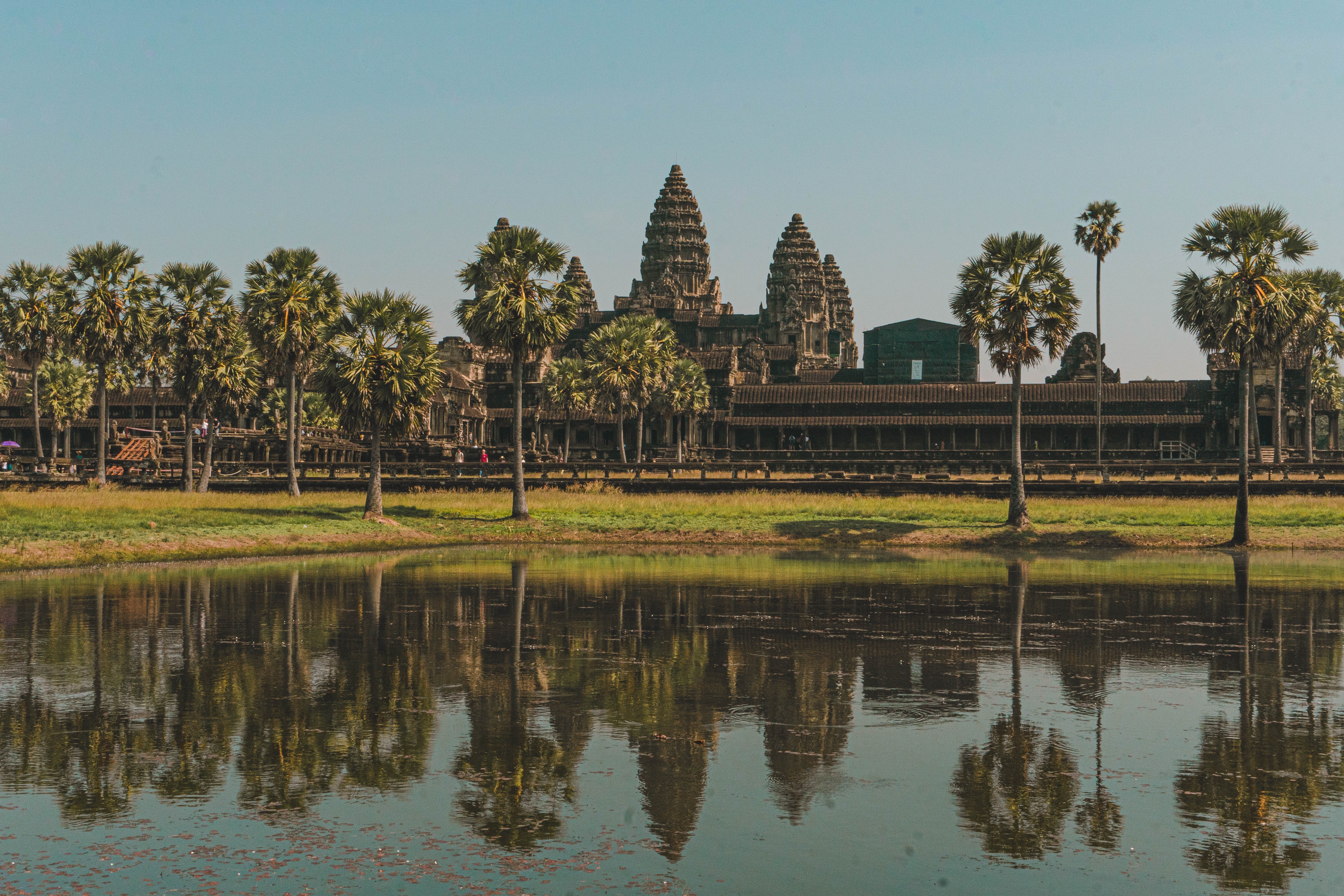
Visit Angkor Archaeological Park to witness a spectacular sunrise at the magnificent Angkor Wat. Observe the iconic temple complex shimmer in the reflective ponds in front of this World Heritage-listed monument, while brilliant shades of orange and pink light up the sky.
Signature Experience – Gallery Visit with Khmer Dinner and Apsara Performance
Treat yourself to a private visit to Theam’s Gallery and discover this talented Cambodian artist, known for his unique sculptures, paintings, and intricate crafts. Indulge in a tantalising five-course Khmer dinner while enjoying a traditional Apsara dance performance accompanied by live musicians.
Freedom of Choice – Village Bicycle Tour
Surrounded by rice paddies and ancient ponds, cycle along quiet back trails to experience local rural life at its most picturesque. Observe daily farming activities including rice planting and milling and making rice wine. Peek inside Buddhist temples and gain a deeper understanding of Khmer culture and traditional way of life.
Freedom of Choice – Quad Bike Adventure
Embark on an exhilarating quad biking experience in the Cambodian countryside outside Siem Reap. Venture along quiet off-road tracks and see rice fields, forgotten temples and local communities.
Freedom of Choice – APOPO HeroRATs Tour and Landmine Museum
Take a tour of APOPO, a non-profit organisation that trains African Giant Pouched rats to save lives by detecting landmines. Close by, the Landmine Museum will showcase the devastating impact of landmines, sharing personal stories of hope and resilience while highlighting ongoing de-mining efforts.
Freedom of Choice – Horse and Cart Ride
Climb aboard a hand-made horse cart and set off on an authentic journey into the heart of rural Cambodia. Travel off the beaten path, navigating a variety of terrain through the beautiful countryside.
Freedom of Choice – Khmer Cooking Class
Travel to a market and meet your Khmer chef. Then, continue to Lum Orng, Cambodia’s first farm-to-table restaurant, which is famed for its New Mekong cuisine. Here, prepare a selection of dishes to taste.
Freedom of Choice – Local Boutiques and Markets
Explore Siem Reap’s vibrant arts and crafts scene, starting at the Angkor Handicraft Association. This Fair-Trade Village is home to a wide variety of artisans who pr
Angkor Ban, Cambodia
Travel through remote Cambodian villages to Kampong Cham, where you’ll board the Mekong Serenity, your home for the next seven nights. Following lunch on board, discover the island of Koh Pen with its wooden stilt houses and local farming culture during your Signature Experience. Tonight, a welcome dinner awaits, showcasing the diverse flavours from the region.
Signature Experience – Tuk Tuk Tour of Koh Pen
Journey by local tuk tuk around a riverside village and gain an insight into village life. Travel along the shaded lanes past stilted houses and see a varying range of crops growing.
Phnom Penh, Cambodia
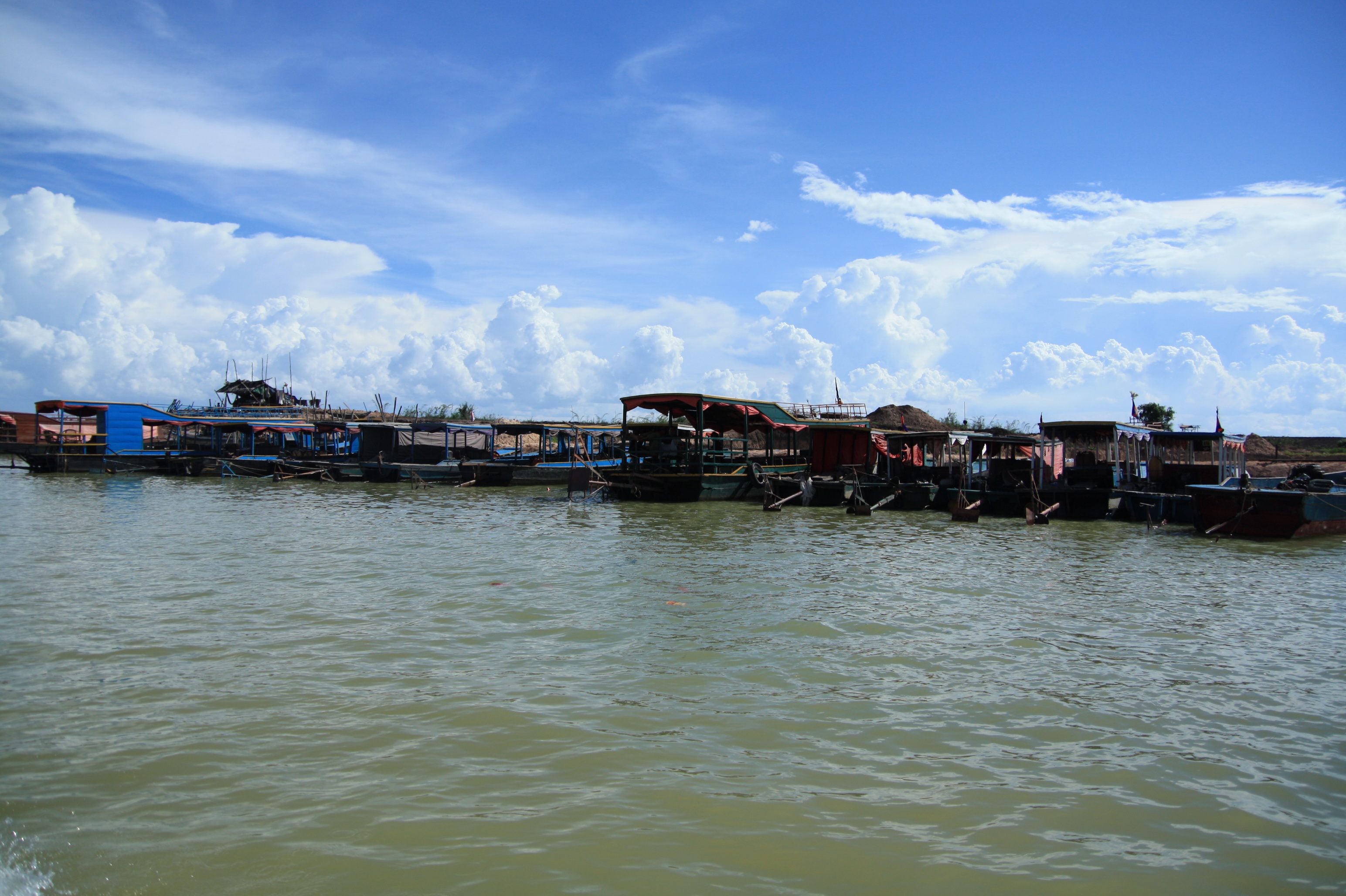
Phnom Penh, Cambodia’s busy capital, sits at the junction of the Mekong and Tonlé Sap rivers. It was a hub for both the Khmer Empire and French colonialists. On its walkable riverfront, lined with parks, restaurants and bars, are the ornate Royal Palace, Silver Pagoda and the National Museum, displaying artifacts from around the country. At the city’s heart is the massive, art deco Central Market.
Phnom Penh, Cambodia
Phnom Penh, Cambodia’s busy capital, sits at the junction of the Mekong and Tonlé Sap rivers. It was a hub for both the Khmer Empire and French colonialists. On its walkable riverfront, lined with parks, restaurants and bars, are the ornate Royal Palace, Silver Pagoda and the National Museum, displaying artifacts from around the country. At the city’s heart is the massive, art deco Central Market.
Phnom Penh, Cambodia
Phnom Penh, Cambodia’s busy capital, sits at the junction of the Mekong and Tonlé Sap rivers. It was a hub for both the Khmer Empire and French colonialists. On its walkable riverfront, lined with parks, restaurants and bars, are the ornate Royal Palace, Silver Pagoda and the National Museum, displaying artifacts from around the country. At the city’s heart is the massive, art deco Central Market.
Tân Châu, Vietnam
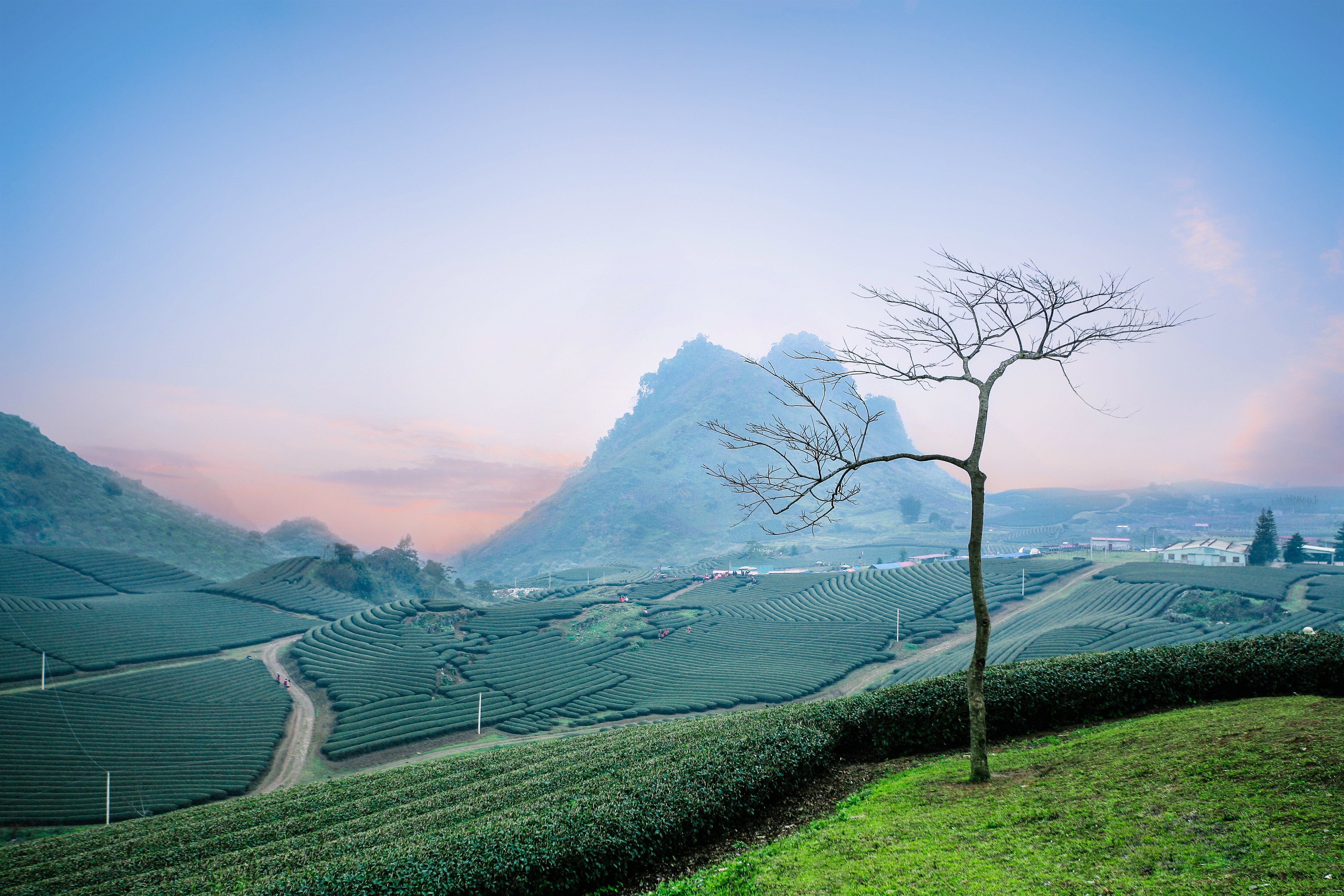
Spend the day cruising towards the Vietnamese border. While border formalities are carried out, enjoy the onboard activities, which could include a lively presentation from your local guides, a fruit-carving demonstration, or even a cooking workshop where you will learn the art of creating Vietnamese spring rolls. Alternatively, relax your body with a rejuvenating treatment from the Spa and Wellness Centre. Cross into Vietnam and cruise to the riverside town of Tan Chau, the first stop after the border.
Sa Déc, Vietnam
Transfer to a small boat for a journey along the tiny tributaries that snake around the riverside town of Tan Chau. Cruise past a floating fish farm, then step ashore for a rickshaw tour of Tan Chau. On board your rickshaw, you’ll glide past small shops and meet locals who are always eager to say hello. Stop to pay a visit to a local rattan weaving workshop. Later, step back in time during a visit to Evergreen Island, where you’ll experience authentic rural Mekong life. The remainder of today is left free for you to relax and take a moment to watch local life gently glide by as you cruise towards Sa Dec.

Siem Reap, Cambodia
Wake early this morning and travel back to Angkor Archaeological Park for a special Signature Experience. Afterwards, join a guided exploration of this well-preserved temple, then return to your hotel for breakfast. This afternoon, set out on your Freedom of Choice activity. Tonight, your Signature Experience awaits. Set amid a stunning garden, this promises to be an enchanting and memorable evening.
Signature Experience – Sunrise at Angkor Wat
Visit Angkor Archaeological Park to witness a spectacular sunrise at the magnificent Angkor Wat. Observe the iconic temple complex shimmer in the reflective ponds in front of this World Heritage-listed monument, while brilliant shades of orange and pink light up the sky.
Signature Experience – Gallery Visit with Khmer Dinner and Apsara Performance
Treat yourself to a private visit to Theam’s Gallery and discover this talented Cambodian artist, known for his unique sculptures, paintings, and intricate crafts. Indulge in a tantalising five-course Khmer dinner while enjoying a traditional Apsara dance performance accompanied by live musicians.
Freedom of Choice – Village Bicycle Tour
Surrounded by rice paddies and ancient ponds, cycle along quiet back trails to experience local rural life at its most picturesque. Observe daily farming activities including rice planting and milling and making rice wine. Peek inside Buddhist temples and gain a deeper understanding of Khmer culture and traditional way of life.
Freedom of Choice – Quad Bike Adventure
Embark on an exhilarating quad biking experience in the Cambodian countryside outside Siem Reap. Venture along quiet off-road tracks and see rice fields, forgotten temples and local communities.
Freedom of Choice – APOPO HeroRATs Tour and Landmine Museum
Take a tour of APOPO, a non-profit organisation that trains African Giant Pouched rats to save lives by detecting landmines. Close by, the Landmine Museum will showcase the devastating impact of landmines, sharing personal stories of hope and resilience while highlighting ongoing de-mining efforts.
Freedom of Choice – Horse and Cart Ride
Climb aboard a hand-made horse cart and set off on an authentic journey into the heart of rural Cambodia. Travel off the beaten path, navigating a variety of terrain through the beautiful countryside.
Freedom of Choice – Khmer Cooking Class
Travel to a market and meet your Khmer chef. Then, continue to Lum Orng, Cambodia’s first farm-to-table restaurant, which is famed for its New Mekong cuisine. Here, prepare a selection of dishes to taste.
Freedom of Choice – Local Boutiques and Markets
Explore Siem Reap’s vibrant arts and crafts scene, starting at the Angkor Handicraft Association. This Fair-Trade Village is home to a wide variety of artisans who pr
Angkor Ban, Cambodia
Travel through remote Cambodian villages to Kampong Cham, where you’ll board the Mekong Serenity, your home for the next seven nights. Following lunch on board, discover the island of Koh Pen with its wooden stilt houses and local farming culture during your Signature Experience. Tonight, a welcome dinner awaits, showcasing the diverse flavours from the region.
Signature Experience – Tuk Tuk Tour of Koh Pen
Journey by local tuk tuk around a riverside village and gain an insight into village life. Travel along the shaded lanes past stilted houses and see a varying range of crops growing.
Phnom Penh, Cambodia
Phnom Penh, Cambodia’s busy capital, sits at the junction of the Mekong and Tonlé Sap rivers. It was a hub for both the Khmer Empire and French colonialists. On its walkable riverfront, lined with parks, restaurants and bars, are the ornate Royal Palace, Silver Pagoda and the National Museum, displaying artifacts from around the country. At the city’s heart is the massive, art deco Central Market.
Phnom Penh, Cambodia
Phnom Penh, Cambodia’s busy capital, sits at the junction of the Mekong and Tonlé Sap rivers. It was a hub for both the Khmer Empire and French colonialists. On its walkable riverfront, lined with parks, restaurants and bars, are the ornate Royal Palace, Silver Pagoda and the National Museum, displaying artifacts from around the country. At the city’s heart is the massive, art deco Central Market.
Phnom Penh, Cambodia
Phnom Penh, Cambodia’s busy capital, sits at the junction of the Mekong and Tonlé Sap rivers. It was a hub for both the Khmer Empire and French colonialists. On its walkable riverfront, lined with parks, restaurants and bars, are the ornate Royal Palace, Silver Pagoda and the National Museum, displaying artifacts from around the country. At the city’s heart is the massive, art deco Central Market.
Tân Châu, Vietnam
Spend the day cruising towards the Vietnamese border. While border formalities are carried out, enjoy the onboard activities, which could include a lively presentation from your local guides, a fruit-carving demonstration, or even a cooking workshop where you will learn the art of creating Vietnamese spring rolls. Alternatively, relax your body with a rejuvenating treatment from the Spa and Wellness Centre. Cross into Vietnam and cruise to the riverside town of Tan Chau, the first stop after the border.
Sa Déc, Vietnam
Transfer to a small boat for a journey along the tiny tributaries that snake around the riverside town of Tan Chau. Cruise past a floating fish farm, then step ashore for a rickshaw tour of Tan Chau. On board your rickshaw, you’ll glide past small shops and meet locals who are always eager to say hello. Stop to pay a visit to a local rattan weaving workshop. Later, step back in time during a visit to Evergreen Island, where you’ll experience authentic rural Mekong life. The remainder of today is left free for you to relax and take a moment to watch local life gently glide by as you cruise towards Sa Dec.
My Tho, Vietnam
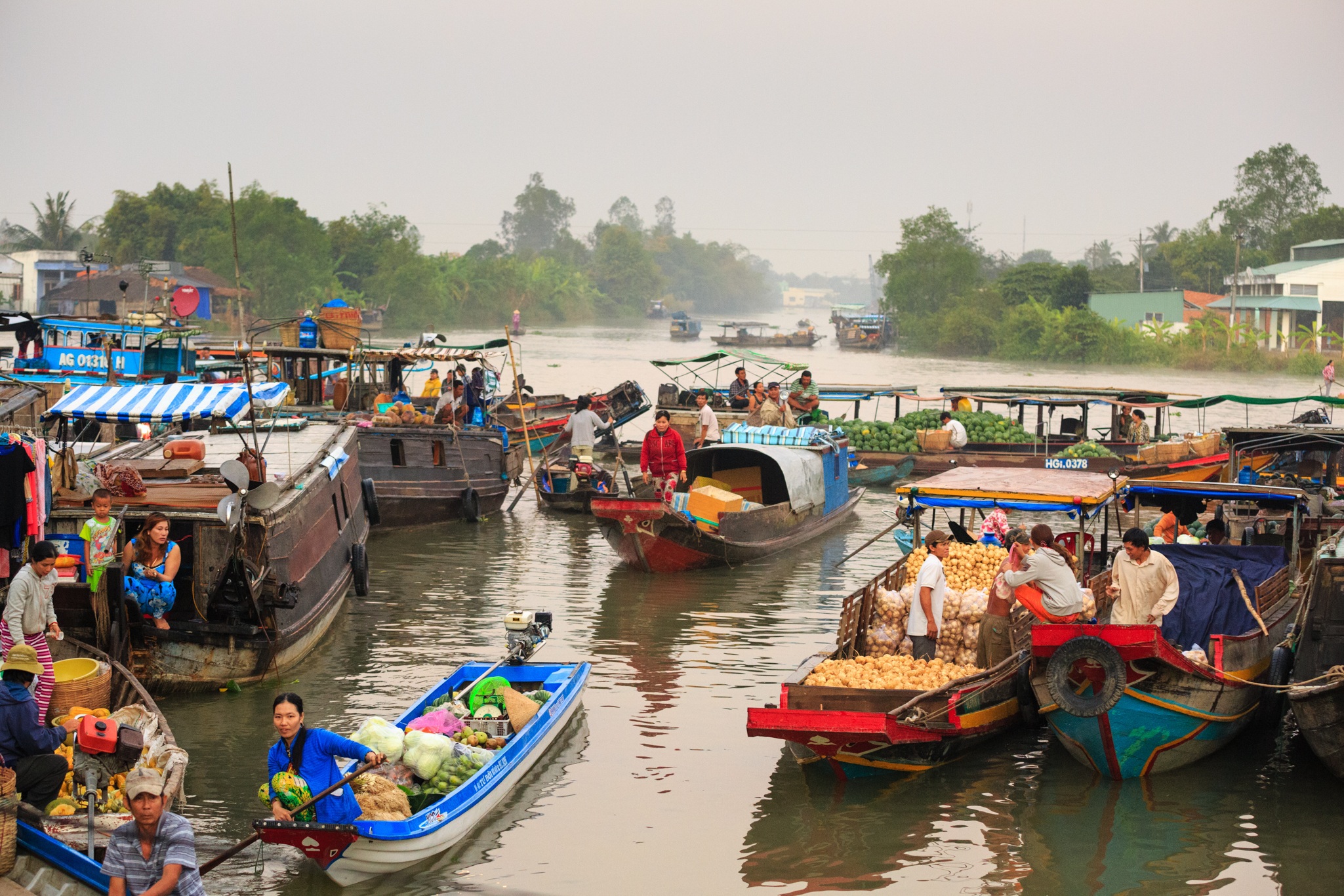
Journey by small tender boat past floating fish farms to Sa Dec, where French writer Marguerite Duras met her Vietnamese-Chinese lover, Huynh Thuy Le. Tour his former home and learn the story behind Duras’ best-selling novel, ‘The Lover’. Afterwards, visit a traditional Cao Dai temple. Return to the ship and sit down to a delicious lunch while you cruise towards Cai Be. Board your tender boat, where you’ll visit French gothic Cai Be Church and the port area. Then, visit a rice paper manufacturer to learn how this Vietnamese staple is made.
Ho Chi Minh City, Vietnam
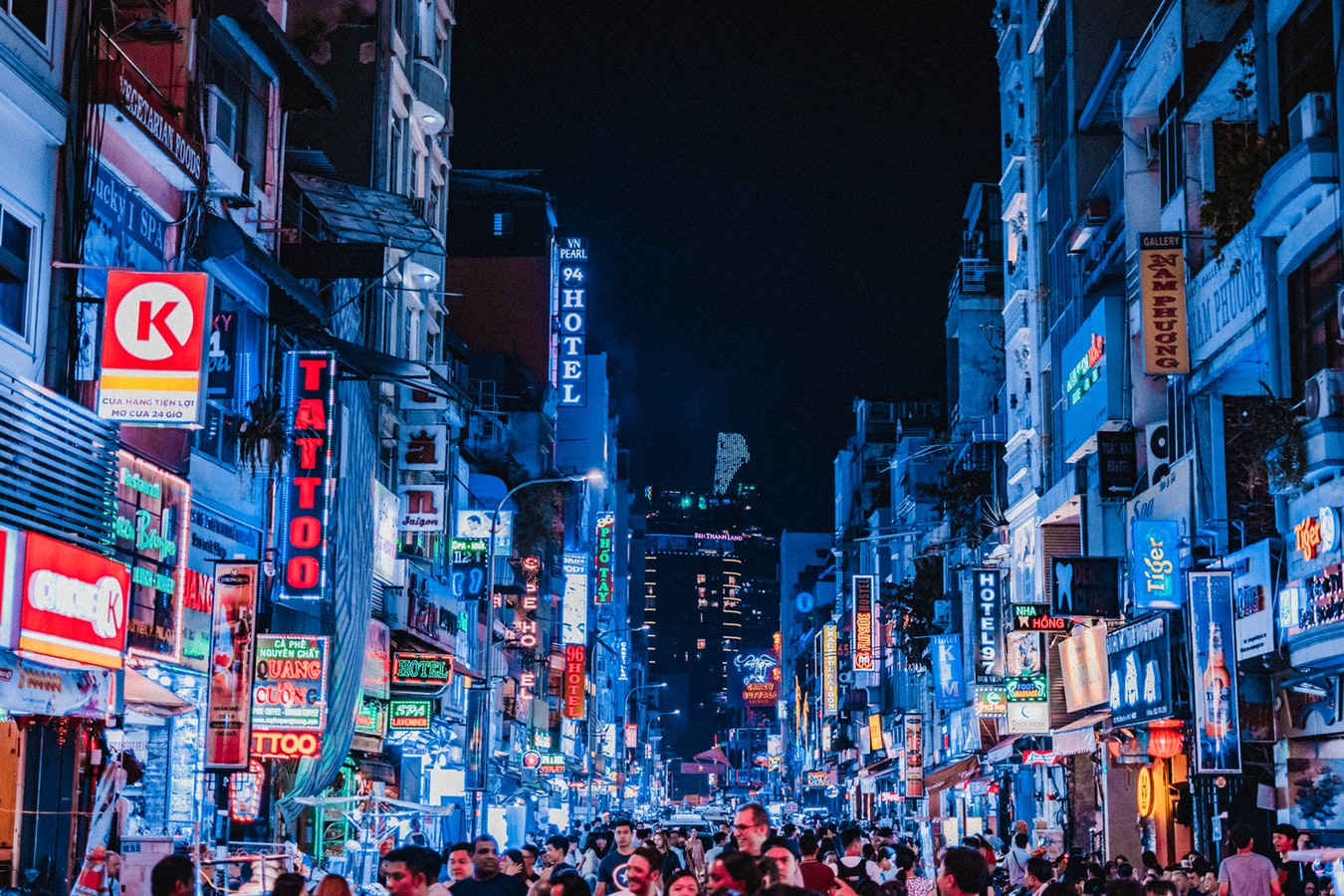
Romantically referred to by the French as the Pearl of the Orient, Ho Chi Minh City today is a super-charged city of sensory overload. Motorbikes zoom day and night along the wide boulevards, through the narrow back alleys and past vendors pushing handcarts hawking goods of all descriptions. Still called Saigon by most residents, this is Vietnam’s largest city and the engine driving the country’s current economic resurgence, but despite its frenetic pace, it’s a friendlier place than Hanoi and locals will tell you the food—simple, tasty, and incorporating many fresh herbs—is infinitely better than in the capital.This is a city full of surprises. The madness of the city’s traffic—witness the oddball things that are transported on the back of motorcycles—is countered by tranquil pagodas, peaceful parks, quirky coffee shops, and whole neighborhoods hidden down tiny alleyways, although some of these quiet spots can be difficult to track down. Life in Ho Chi Minh City is lived in public: on the back of motorcycles, on the sidewalks, and in the parks. Even when its residents are at home, they’re still on display. With many living rooms opening onto the street, grandmothers napping, babies being rocked, and food being prepared, are all in full view of passersby.Icons of the past endure in the midst of the city’s headlong rush into capitalism. The Hotel Continental, immortalized in Graham Greene’s The Quiet American, continues to stand on the corner of old Indochina’s most famous thoroughfare, the rue Catinat, known to American G.I.s during the Vietnam War as Tu Do (Freedom) Street and renamed Dong Khoi (Uprising) Street by the Communists. The city still has its ornate opera house and its old French city hall, the Hôtel de Ville. The broad colonial boulevards leading to the Saigon River and the gracious stucco villas are other remnants of the French colonial presence. Grisly reminders of the more recent past can be seen at the city’s war-related museums. Residents, however, prefer to look forward rather than back and are often perplexed by tourists’ fascination with a war that ended 40 years ago.The Chinese influence on the country is still very much in evidence in the Cholon district, the city’s Chinatown, but the modern office towers and international hotels that mark the skyline symbolize Vietnam’s fixation on the future.
Ho Chi Minh City, Vietnam
Romantically referred to by the French as the Pearl of the Orient, Ho Chi Minh City today is a super-charged city of sensory overload. Motorbikes zoom day and night along the wide boulevards, through the narrow back alleys and past vendors pushing handcarts hawking goods of all descriptions. Still called Saigon by most residents, this is Vietnam’s largest city and the engine driving the country’s current economic resurgence, but despite its frenetic pace, it’s a friendlier place than Hanoi and locals will tell you the food—simple, tasty, and incorporating many fresh herbs—is infinitely better than in the capital.This is a city full of surprises. The madness of the city’s traffic—witness the oddball things that are transported on the back of motorcycles—is countered by tranquil pagodas, peaceful parks, quirky coffee shops, and whole neighborhoods hidden down tiny alleyways, although some of these quiet spots can be difficult to track down. Life in Ho Chi Minh City is lived in public: on the back of motorcycles, on the sidewalks, and in the parks. Even when its residents are at home, they’re still on display. With many living rooms opening onto the street, grandmothers napping, babies being rocked, and food being prepared, are all in full view of passersby.Icons of the past endure in the midst of the city’s headlong rush into capitalism. The Hotel Continental, immortalized in Graham Greene’s The Quiet American, continues to stand on the corner of old Indochina’s most famous thoroughfare, the rue Catinat, known to American G.I.s during the Vietnam War as Tu Do (Freedom) Street and renamed Dong Khoi (Uprising) Street by the Communists. The city still has its ornate opera house and its old French city hall, the Hôtel de Ville. The broad colonial boulevards leading to the Saigon River and the gracious stucco villas are other remnants of the French colonial presence. Grisly reminders of the more recent past can be seen at the city’s war-related museums. Residents, however, prefer to look forward rather than back and are often perplexed by tourists’ fascination with a war that ended 40 years ago.The Chinese influence on the country is still very much in evidence in the Cholon district, the city’s Chinatown, but the modern office towers and international hotels that mark the skyline symbolize Vietnam’s fixation on the future.
Ho Chi Minh City, Vietnam
Romantically referred to by the French as the Pearl of the Orient, Ho Chi Minh City today is a super-charged city of sensory overload. Motorbikes zoom day and night along the wide boulevards, through the narrow back alleys and past vendors pushing handcarts hawking goods of all descriptions. Still called Saigon by most residents, this is Vietnam’s largest city and the engine driving the country’s current economic resurgence, but despite its frenetic pace, it’s a friendlier place than Hanoi and locals will tell you the food—simple, tasty, and incorporating many fresh herbs—is infinitely better than in the capital.This is a city full of surprises. The madness of the city’s traffic—witness the oddball things that are transported on the back of motorcycles—is countered by tranquil pagodas, peaceful parks, quirky coffee shops, and whole neighborhoods hidden down tiny alleyways, although some of these quiet spots can be difficult to track down. Life in Ho Chi Minh City is lived in public: on the back of motorcycles, on the sidewalks, and in the parks. Even when its residents are at home, they’re still on display. With many living rooms opening onto the street, grandmothers napping, babies being rocked, and food being prepared, are all in full view of passersby.Icons of the past endure in the midst of the city’s headlong rush into capitalism. The Hotel Continental, immortalized in Graham Greene’s The Quiet American, continues to stand on the corner of old Indochina’s most famous thoroughfare, the rue Catinat, known to American G.I.s during the Vietnam War as Tu Do (Freedom) Street and renamed Dong Khoi (Uprising) Street by the Communists. The city still has its ornate opera house and its old French city hall, the Hôtel de Ville. The broad colonial boulevards leading to the Saigon River and the gracious stucco villas are other remnants of the French colonial presence. Grisly reminders of the more recent past can be seen at the city’s war-related museums. Residents, however, prefer to look forward rather than back and are often perplexed by tourists’ fascination with a war that ended 40 years ago.The Chinese influence on the country is still very much in evidence in the Cholon district, the city’s Chinatown, but the modern office towers and international hotels that mark the skyline symbolize Vietnam’s fixation on the future.
London (England), United Kingdom
Arrive back in London today.
My Tho, Vietnam
Journey by small tender boat past floating fish farms to Sa Dec, where French writer Marguerite Duras met her Vietnamese-Chinese lover, Huynh Thuy Le. Tour his former home and learn the story behind Duras’ best-selling novel, ‘The Lover’. Afterwards, visit a traditional Cao Dai temple. Return to the ship and sit down to a delicious lunch while you cruise towards Cai Be. Board your tender boat, where you’ll visit French gothic Cai Be Church and the port area. Then, visit a rice paper manufacturer to learn how this Vietnamese staple is made.
Ho Chi Minh City, Vietnam
Romantically referred to by the French as the Pearl of the Orient, Ho Chi Minh City today is a super-charged city of sensory overload. Motorbikes zoom day and night along the wide boulevards, through the narrow back alleys and past vendors pushing handcarts hawking goods of all descriptions. Still called Saigon by most residents, this is Vietnam’s largest city and the engine driving the country’s current economic resurgence, but despite its frenetic pace, it’s a friendlier place than Hanoi and locals will tell you the food—simple, tasty, and incorporating many fresh herbs—is infinitely better than in the capital.This is a city full of surprises. The madness of the city’s traffic—witness the oddball things that are transported on the back of motorcycles—is countered by tranquil pagodas, peaceful parks, quirky coffee shops, and whole neighborhoods hidden down tiny alleyways, although some of these quiet spots can be difficult to track down. Life in Ho Chi Minh City is lived in public: on the back of motorcycles, on the sidewalks, and in the parks. Even when its residents are at home, they’re still on display. With many living rooms opening onto the street, grandmothers napping, babies being rocked, and food being prepared, are all in full view of passersby.Icons of the past endure in the midst of the city’s headlong rush into capitalism. The Hotel Continental, immortalized in Graham Greene’s The Quiet American, continues to stand on the corner of old Indochina’s most famous thoroughfare, the rue Catinat, known to American G.I.s during the Vietnam War as Tu Do (Freedom) Street and renamed Dong Khoi (Uprising) Street by the Communists. The city still has its ornate opera house and its old French city hall, the Hôtel de Ville. The broad colonial boulevards leading to the Saigon River and the gracious stucco villas are other remnants of the French colonial presence. Grisly reminders of the more recent past can be seen at the city’s war-related museums. Residents, however, prefer to look forward rather than back and are often perplexed by tourists’ fascination with a war that ended 40 years ago.The Chinese influence on the country is still very much in evidence in the Cholon district, the city’s Chinatown, but the modern office towers and international hotels that mark the skyline symbolize Vietnam’s fixation on the future.
Ho Chi Minh City, Vietnam
Romantically referred to by the French as the Pearl of the Orient, Ho Chi Minh City today is a super-charged city of sensory overload. Motorbikes zoom day and night along the wide boulevards, through the narrow back alleys and past vendors pushing handcarts hawking goods of all descriptions. Still called Saigon by most residents, this is Vietnam’s largest city and the engine driving the country’s current economic resurgence, but despite its frenetic pace, it’s a friendlier place than Hanoi and locals will tell you the food—simple, tasty, and incorporating many fresh herbs—is infinitely better than in the capital.This is a city full of surprises. The madness of the city’s traffic—witness the oddball things that are transported on the back of motorcycles—is countered by tranquil pagodas, peaceful parks, quirky coffee shops, and whole neighborhoods hidden down tiny alleyways, although some of these quiet spots can be difficult to track down. Life in Ho Chi Minh City is lived in public: on the back of motorcycles, on the sidewalks, and in the parks. Even when its residents are at home, they’re still on display. With many living rooms opening onto the street, grandmothers napping, babies being rocked, and food being prepared, are all in full view of passersby.Icons of the past endure in the midst of the city’s headlong rush into capitalism. The Hotel Continental, immortalized in Graham Greene’s The Quiet American, continues to stand on the corner of old Indochina’s most famous thoroughfare, the rue Catinat, known to American G.I.s during the Vietnam War as Tu Do (Freedom) Street and renamed Dong Khoi (Uprising) Street by the Communists. The city still has its ornate opera house and its old French city hall, the Hôtel de Ville. The broad colonial boulevards leading to the Saigon River and the gracious stucco villas are other remnants of the French colonial presence. Grisly reminders of the more recent past can be seen at the city’s war-related museums. Residents, however, prefer to look forward rather than back and are often perplexed by tourists’ fascination with a war that ended 40 years ago.The Chinese influence on the country is still very much in evidence in the Cholon district, the city’s Chinatown, but the modern office towers and international hotels that mark the skyline symbolize Vietnam’s fixation on the future.
Ho Chi Minh City, Vietnam
Romantically referred to by the French as the Pearl of the Orient, Ho Chi Minh City today is a super-charged city of sensory overload. Motorbikes zoom day and night along the wide boulevards, through the narrow back alleys and past vendors pushing handcarts hawking goods of all descriptions. Still called Saigon by most residents, this is Vietnam’s largest city and the engine driving the country’s current economic resurgence, but despite its frenetic pace, it’s a friendlier place than Hanoi and locals will tell you the food—simple, tasty, and incorporating many fresh herbs—is infinitely better than in the capital.This is a city full of surprises. The madness of the city’s traffic—witness the oddball things that are transported on the back of motorcycles—is countered by tranquil pagodas, peaceful parks, quirky coffee shops, and whole neighborhoods hidden down tiny alleyways, although some of these quiet spots can be difficult to track down. Life in Ho Chi Minh City is lived in public: on the back of motorcycles, on the sidewalks, and in the parks. Even when its residents are at home, they’re still on display. With many living rooms opening onto the street, grandmothers napping, babies being rocked, and food being prepared, are all in full view of passersby.Icons of the past endure in the midst of the city’s headlong rush into capitalism. The Hotel Continental, immortalized in Graham Greene’s The Quiet American, continues to stand on the corner of old Indochina’s most famous thoroughfare, the rue Catinat, known to American G.I.s during the Vietnam War as Tu Do (Freedom) Street and renamed Dong Khoi (Uprising) Street by the Communists. The city still has its ornate opera house and its old French city hall, the Hôtel de Ville. The broad colonial boulevards leading to the Saigon River and the gracious stucco villas are other remnants of the French colonial presence. Grisly reminders of the more recent past can be seen at the city’s war-related museums. Residents, however, prefer to look forward rather than back and are often perplexed by tourists’ fascination with a war that ended 40 years ago.The Chinese influence on the country is still very much in evidence in the Cholon district, the city’s Chinatown, but the modern office towers and international hotels that mark the skyline symbolize Vietnam’s fixation on the future.
London (England), United Kingdom
Arrive back in London today.
Cabin Options
Oasis Suite
Harmony Suite
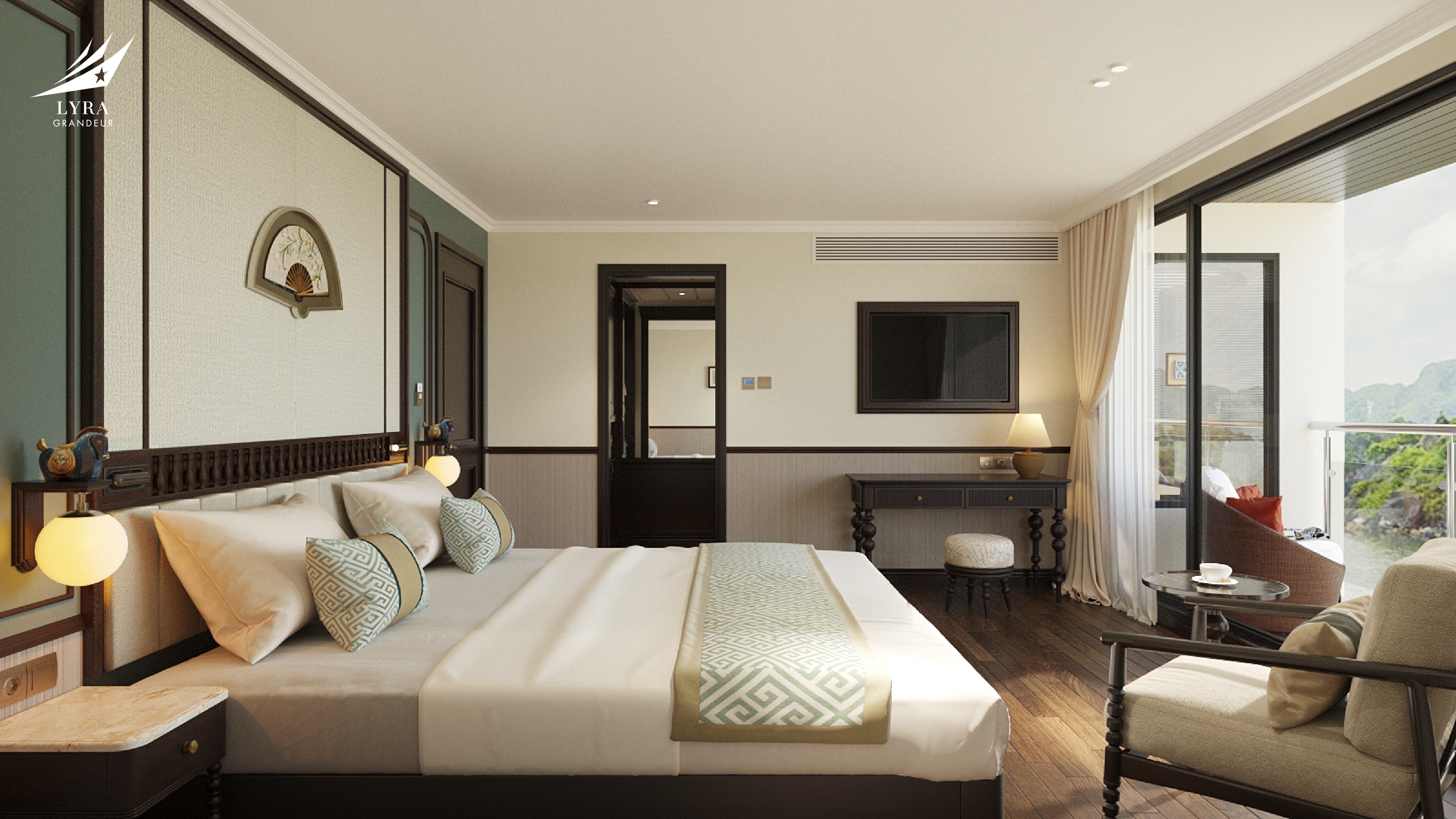
Sky Suite
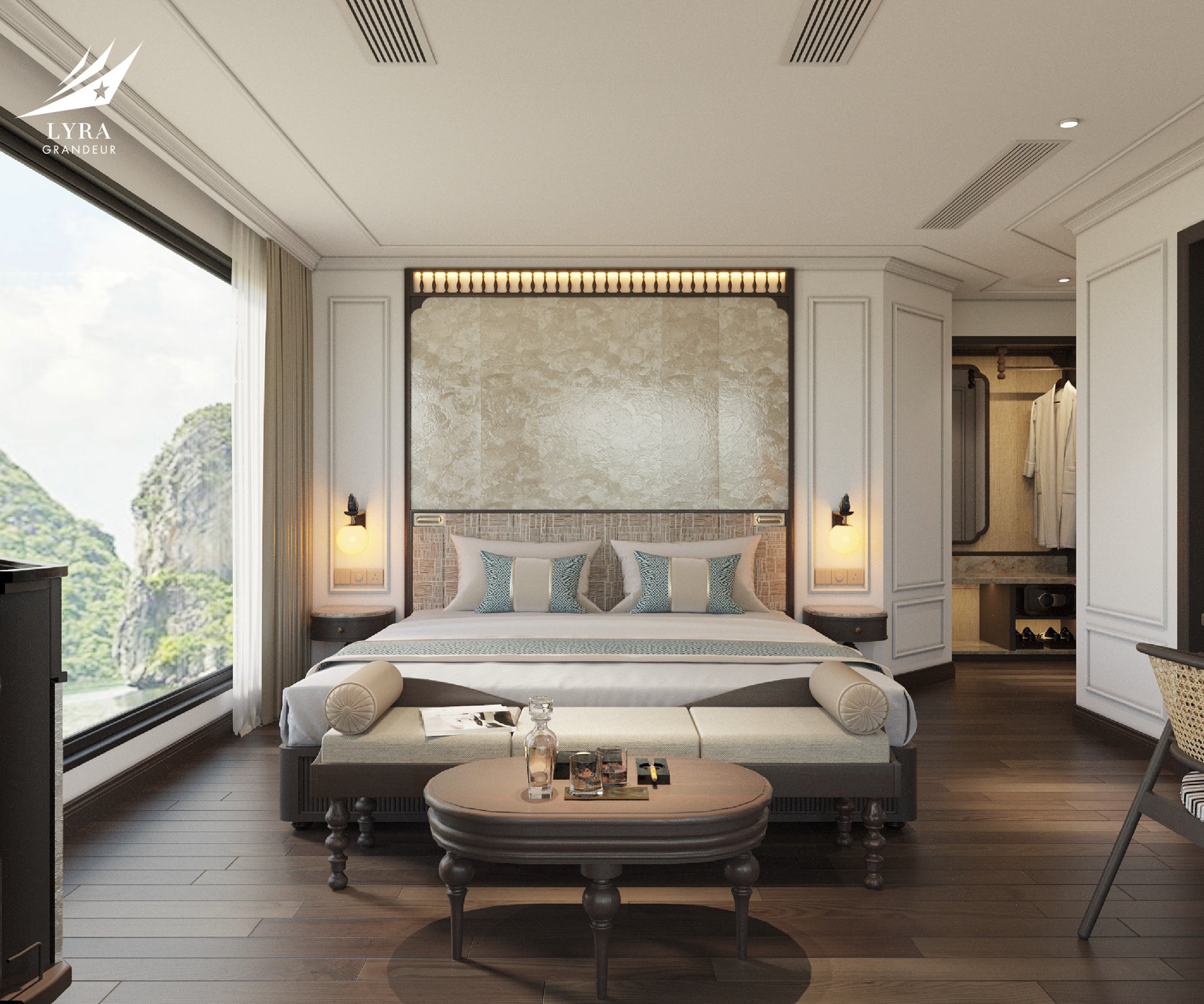
Sky Terrace Suite
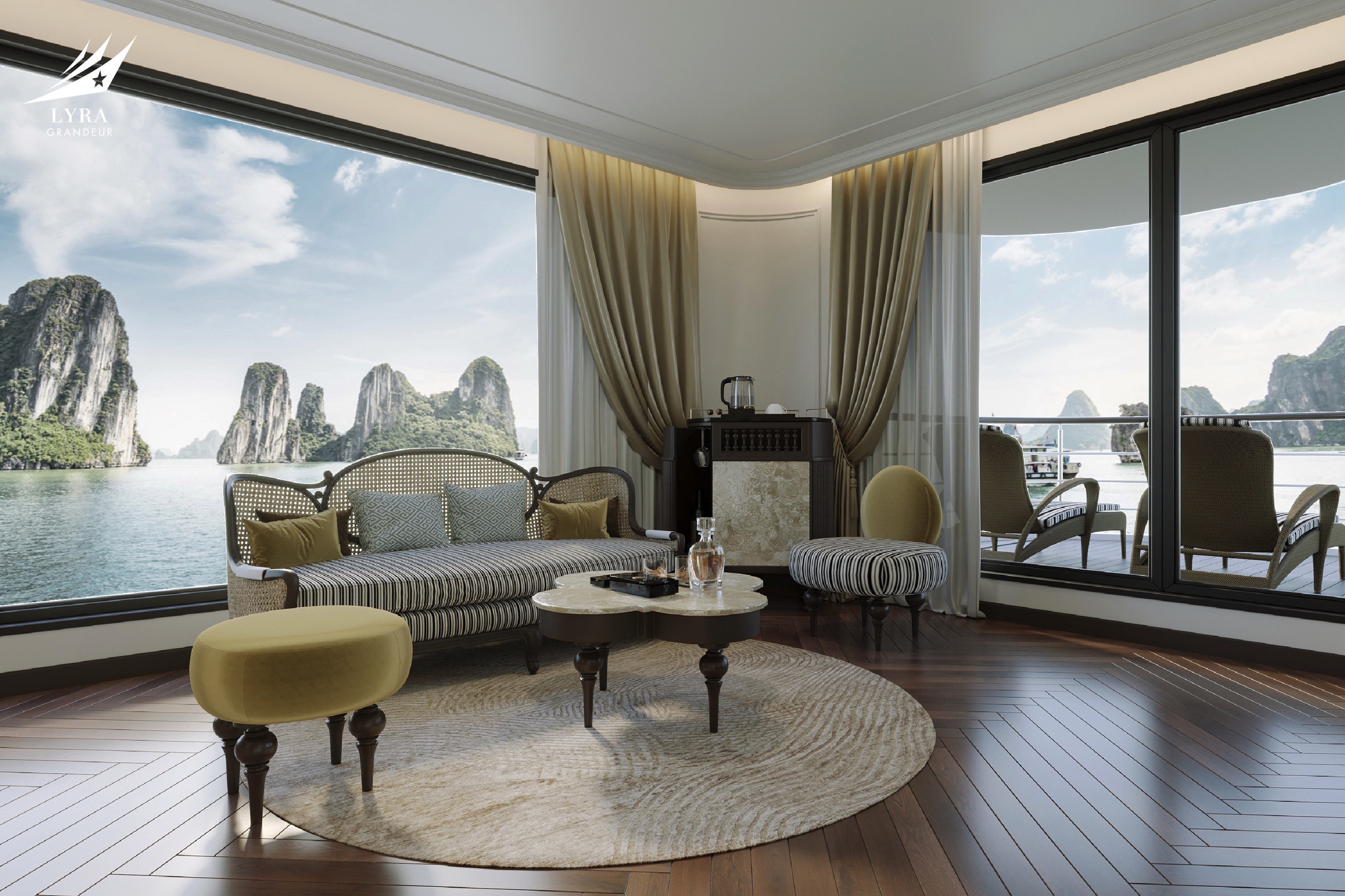
La Suite de Lyra
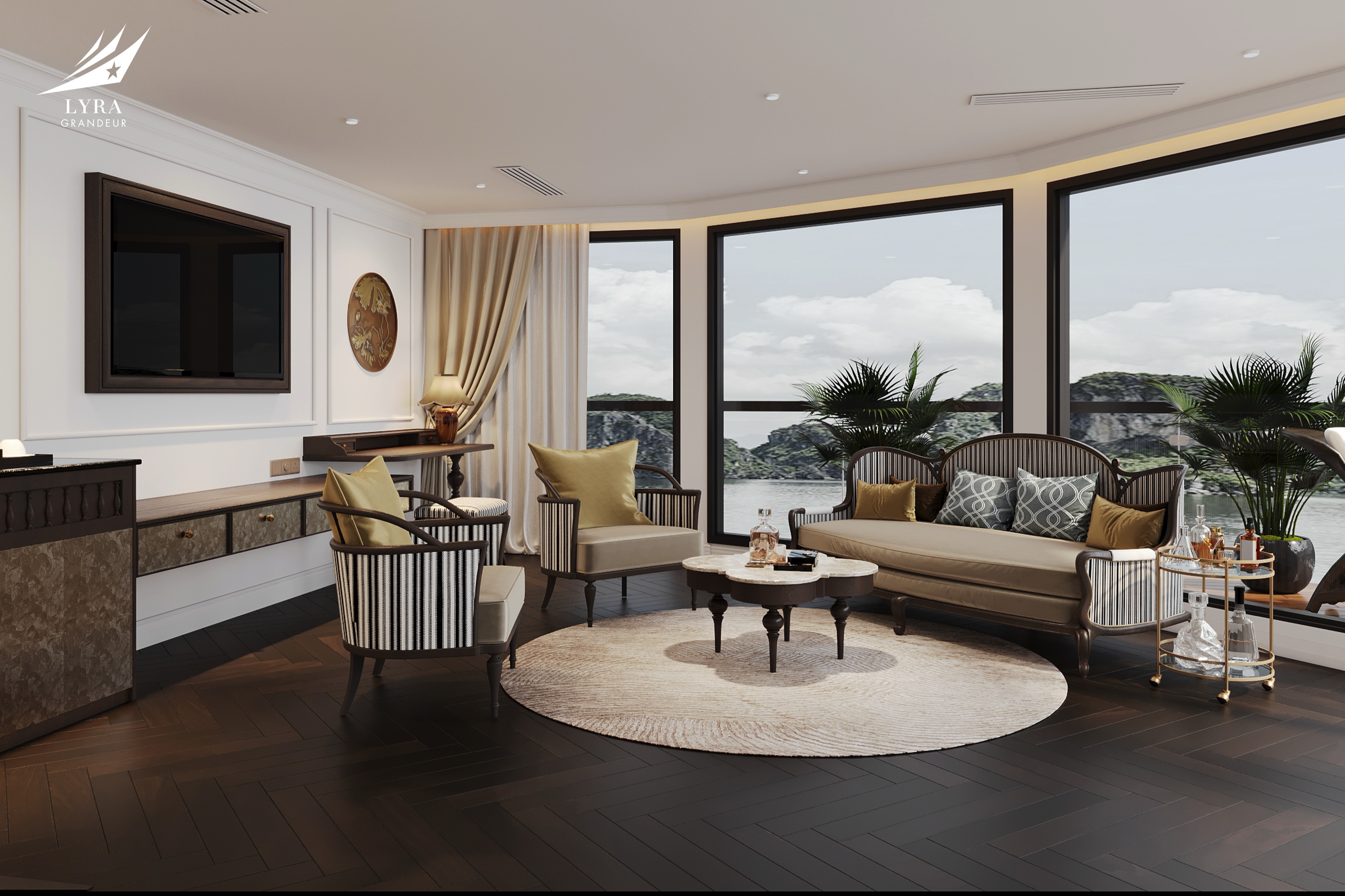
The Owner Suite
Ship Facilities
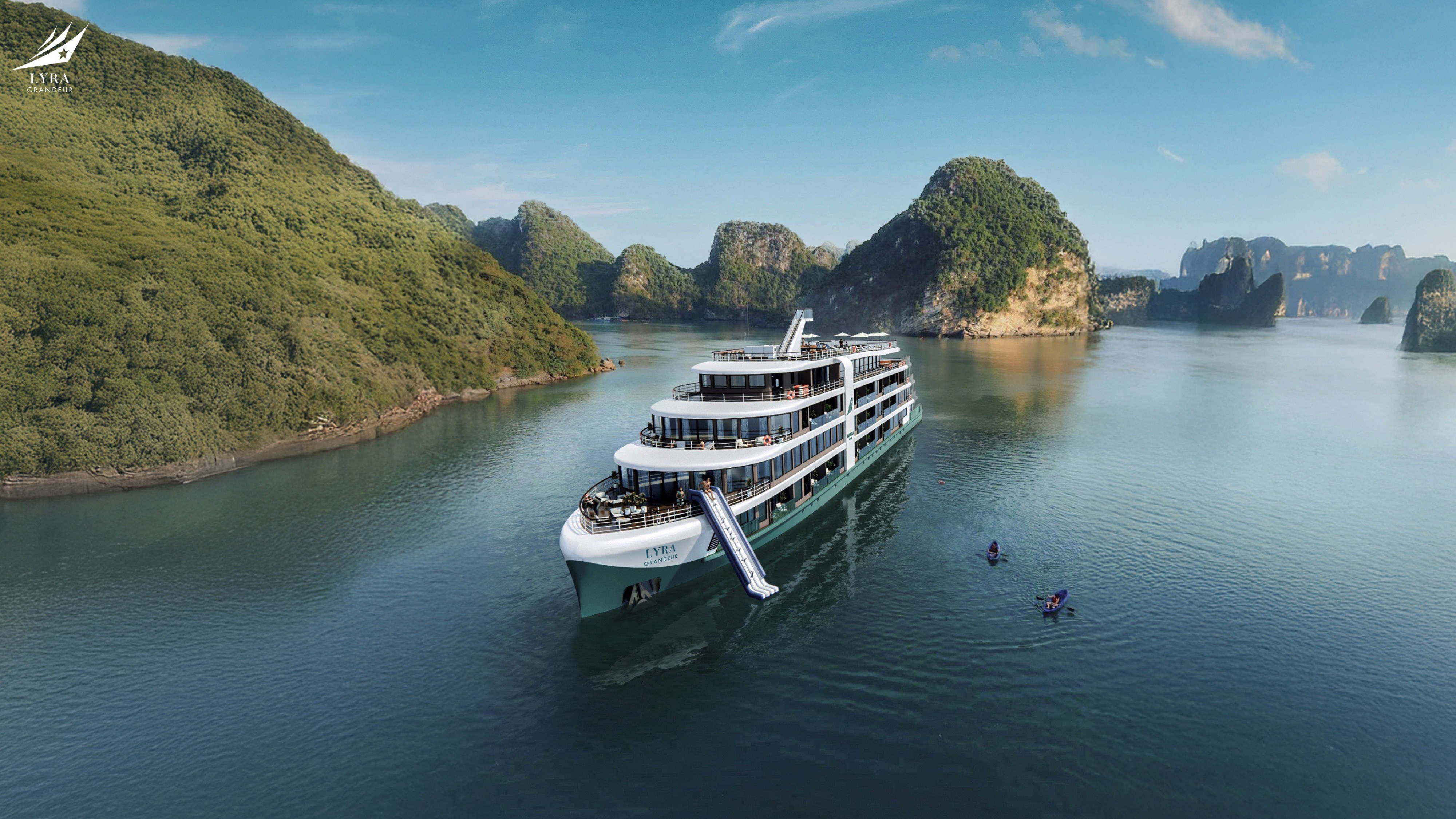
Savour authentic Vietnamese cuisine against the dramatic backdrop of Ha Long Bay and Lan Ha Bay. The Harmony of the Sea Restaurant blends relaxed elegance with panoramic views for an exclusive culinary experience.
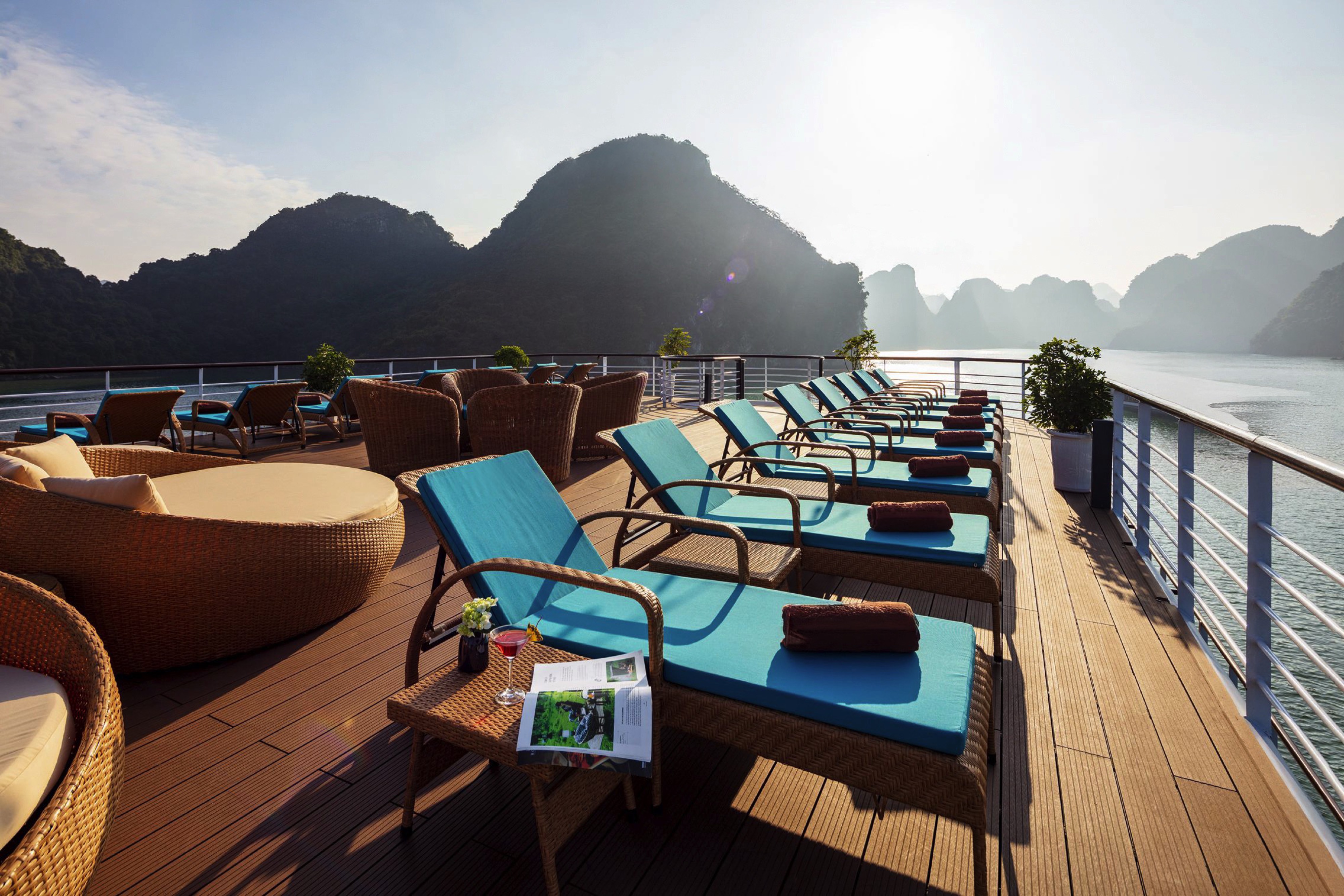
Ocean Sky Deck
Enjoy a quiet sunrise, a golden sunset, or stargazing, discover unrivalled views of Ha Long Bay and Lan Ha Bay from the Sun Deck and its 360° Observation Peak.
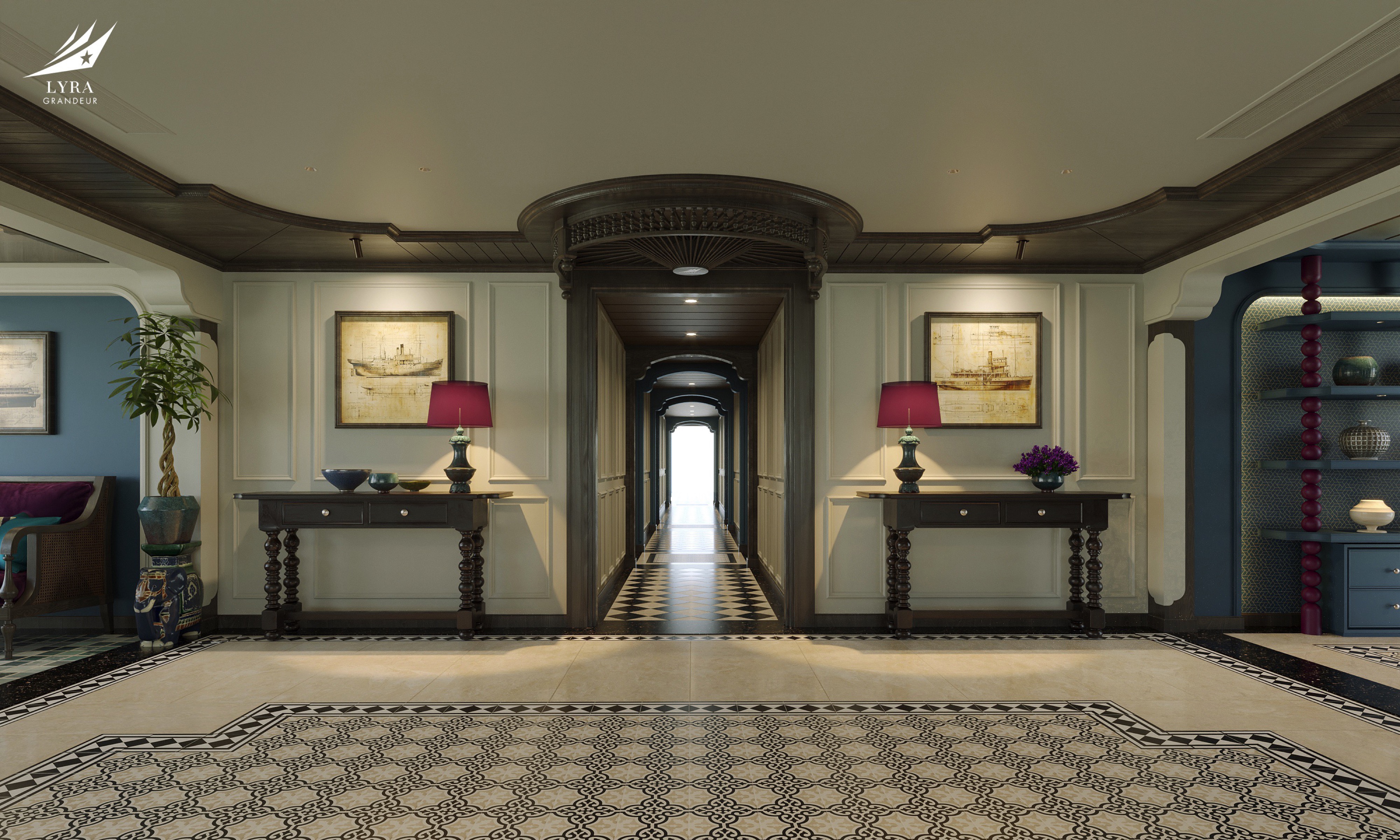
Reception
The Reception can be found on the Oasis Deck.
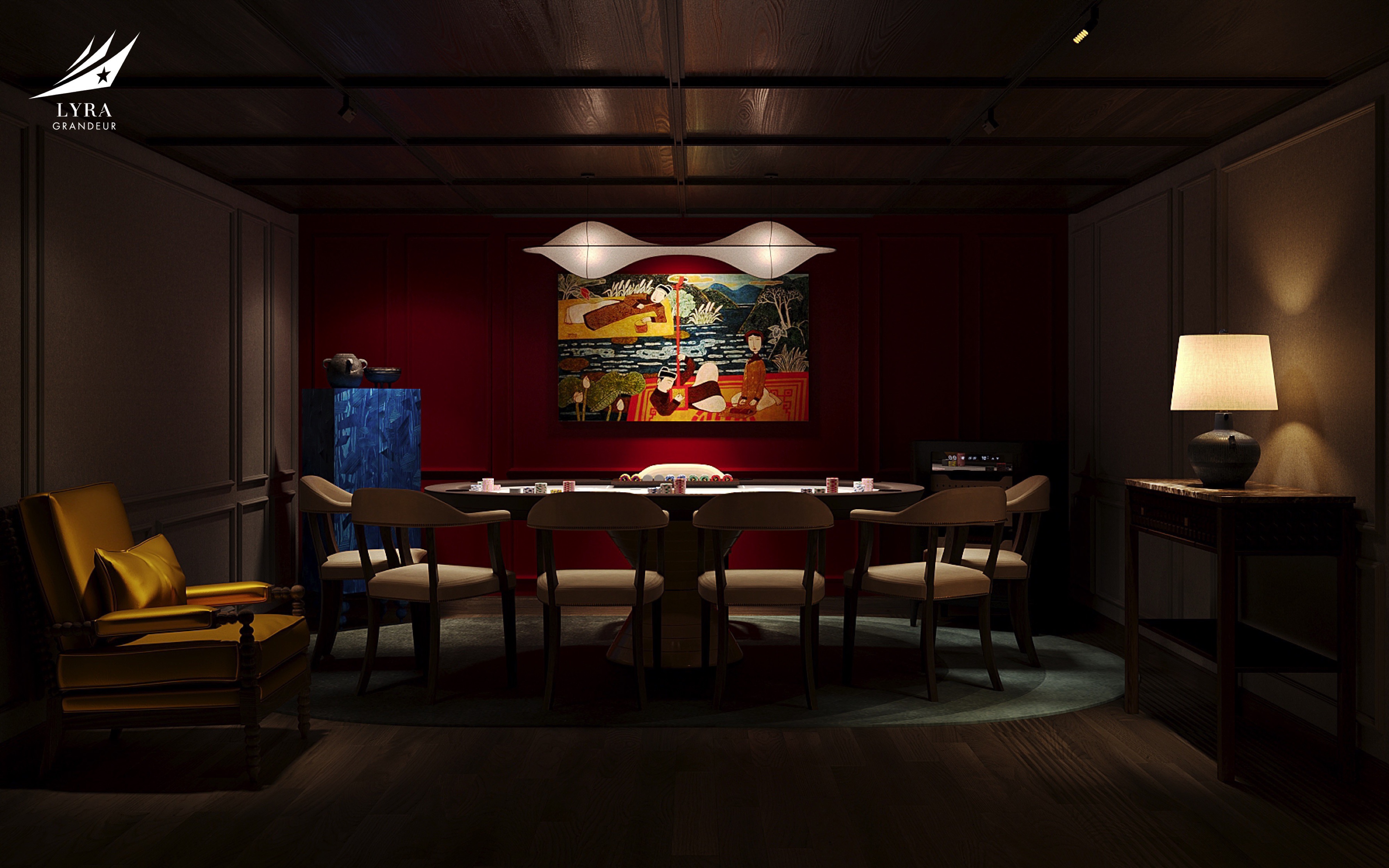
Poker
More information coming soon.
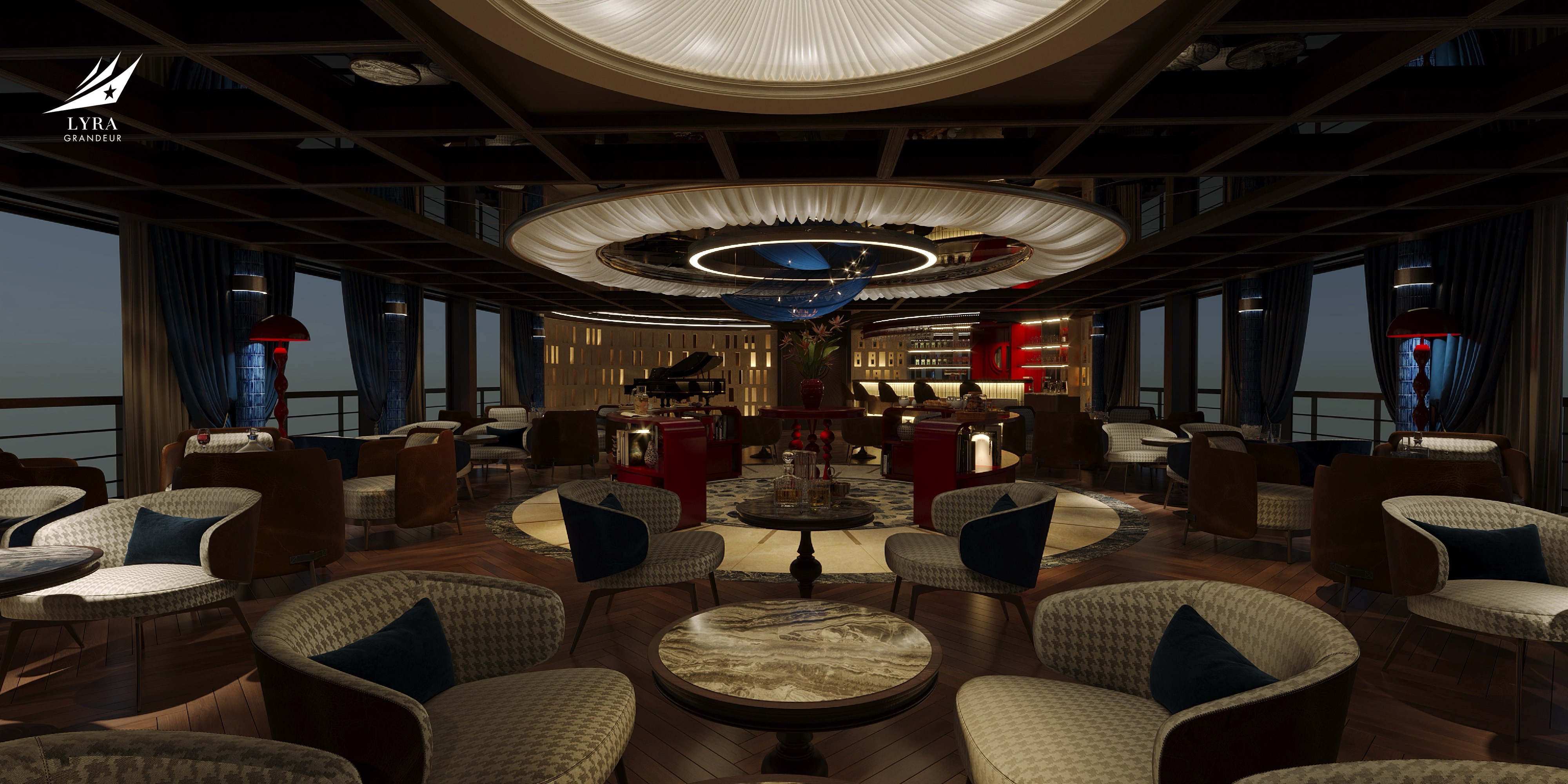
Lounge
More information coming soon.
Entertainment Room
More information coming soon.
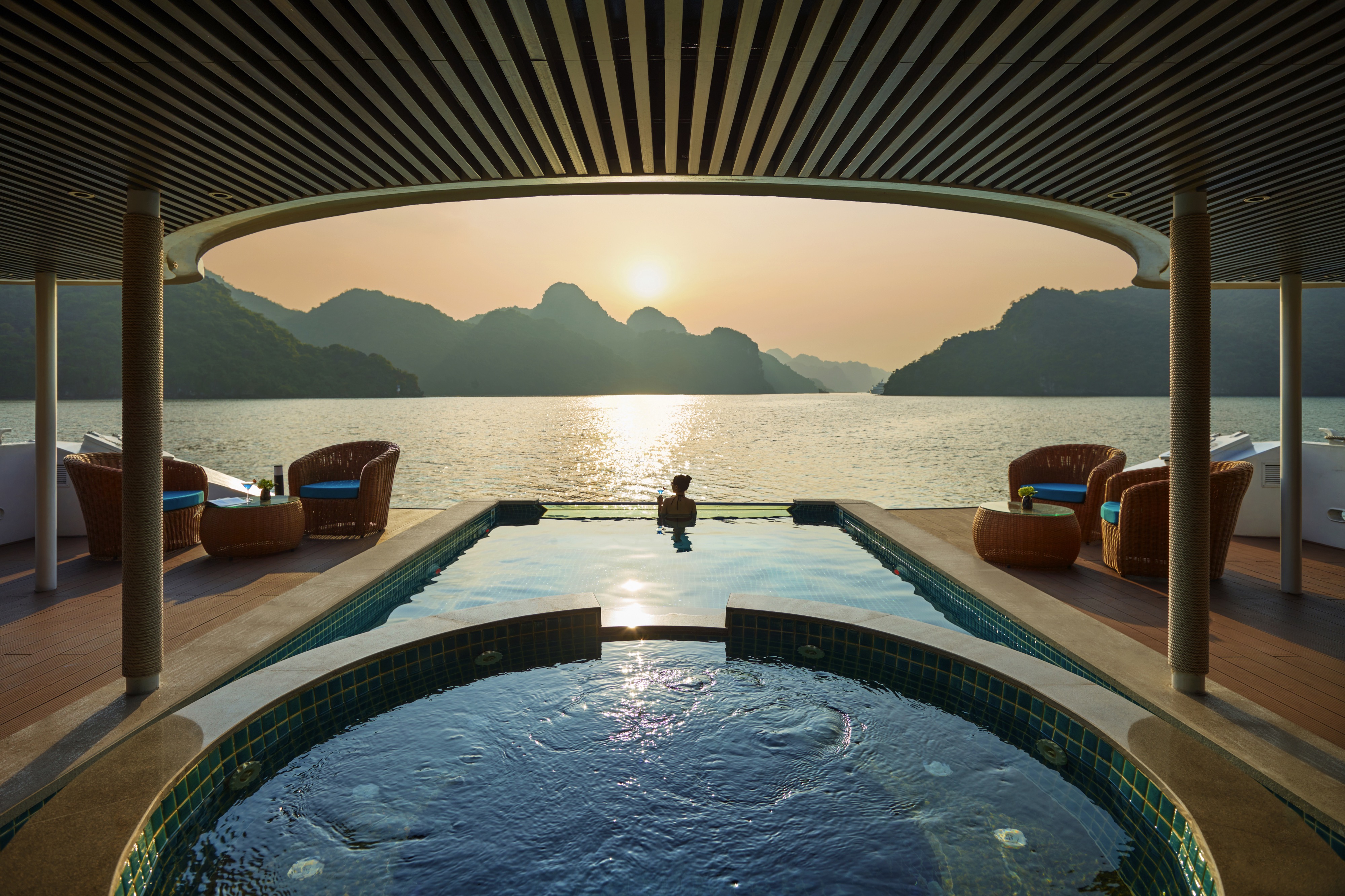
Oasis Pool and Jacuzzi
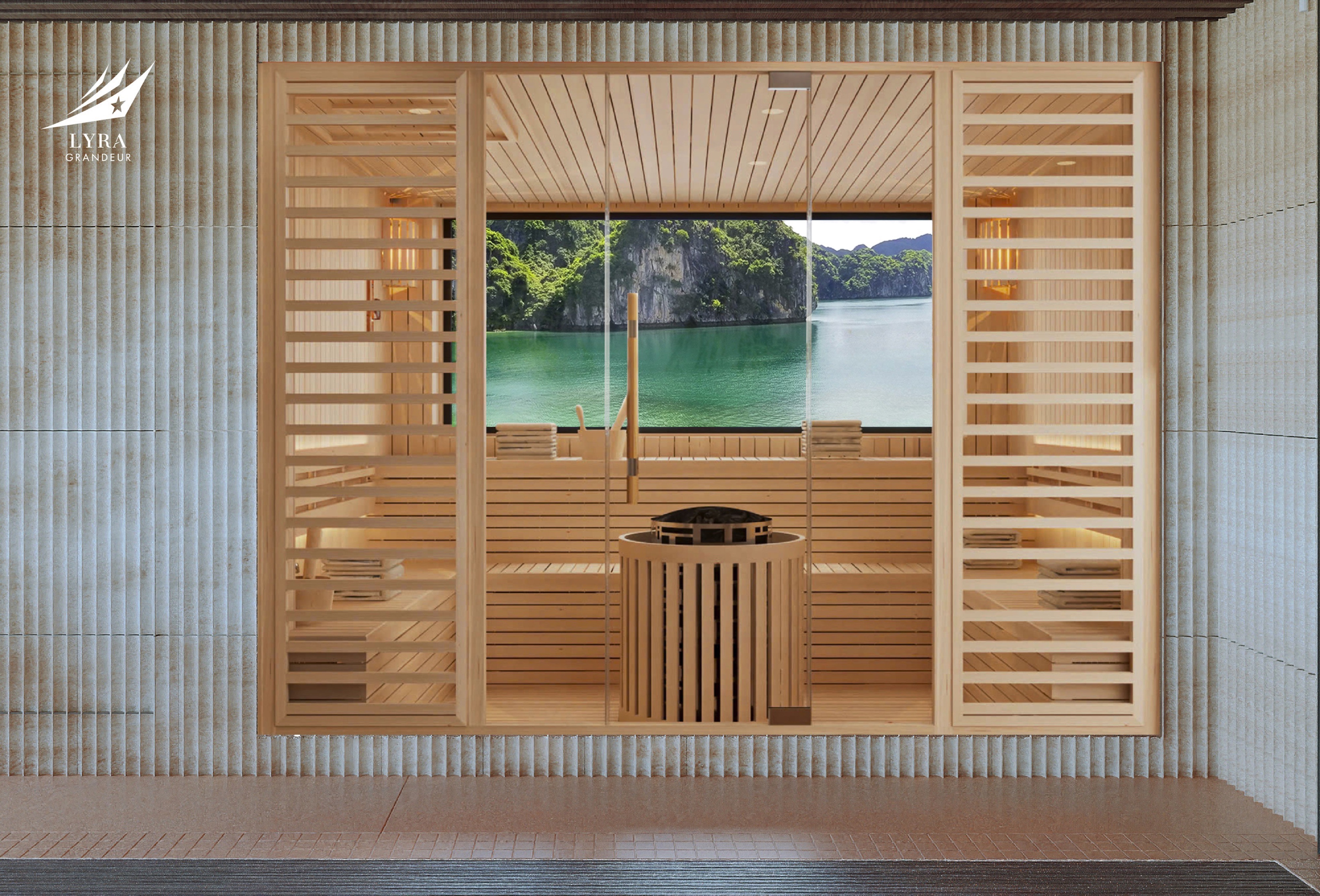
Sauna
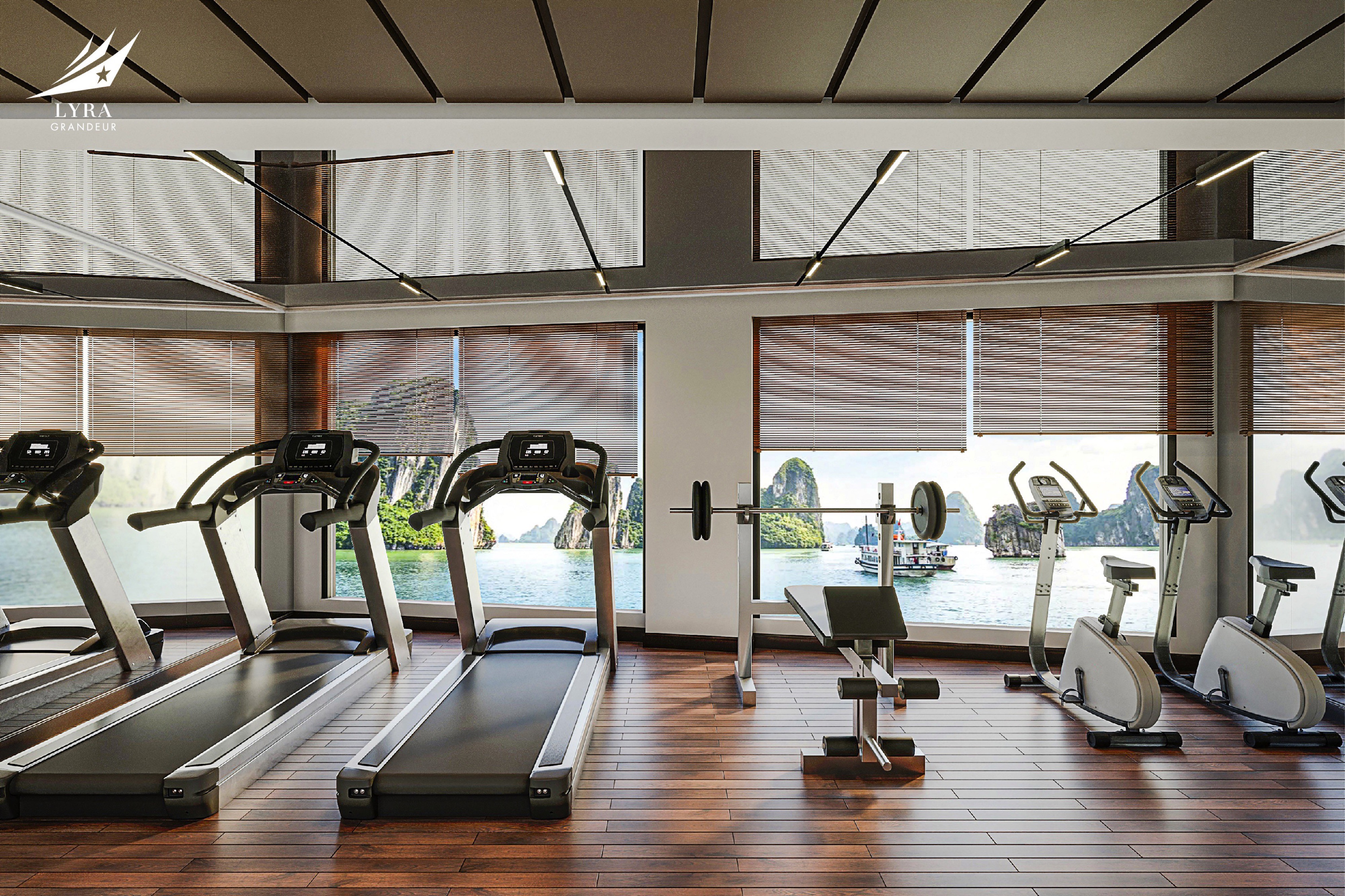
Gym
More information coming soon.
Savour authentic Vietnamese cuisine against the dramatic backdrop of Ha Long Bay and Lan Ha Bay. The Harmony of the Sea Restaurant blends relaxed elegance with panoramic views for an exclusive culinary experience.
Ocean Sky Deck
Enjoy a quiet sunrise, a golden sunset, or stargazing, discover unrivalled views of Ha Long Bay and Lan Ha Bay from the Sun Deck and its 360° Observation Peak.
Reception
The Reception can be found on the Oasis Deck.
Poker
More information coming soon.
Lounge
More information coming soon.
Entertainment Room
More information coming soon.
Oasis Pool and Jacuzzi
Sauna
Gym
More information coming soon.
About the Ship
Deck Plans

- Engine Room
- Games
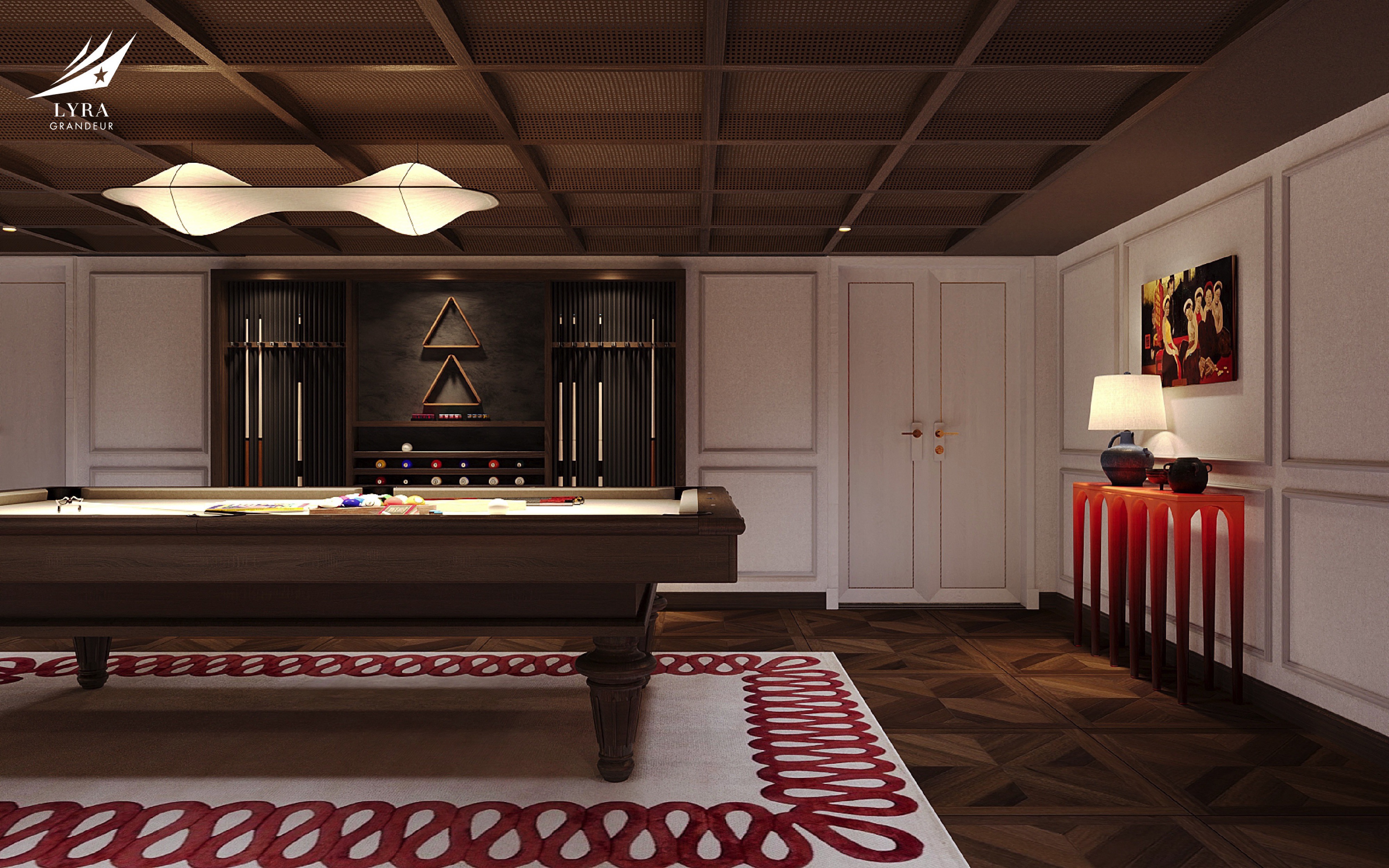
- Billards
- Table Football
- Sea Melody Theatre
- Cigar & Poker Club
- Reception
- Sea Memory Spa
- Kitchen
- Crew Cabin
- Pool

- Oasis Suite
- Fitness Room
- Elevator
- Gift Shop
- Lounge
- Reception
- Sauna
- Pool
- Jacuzzi
- Mini Bar
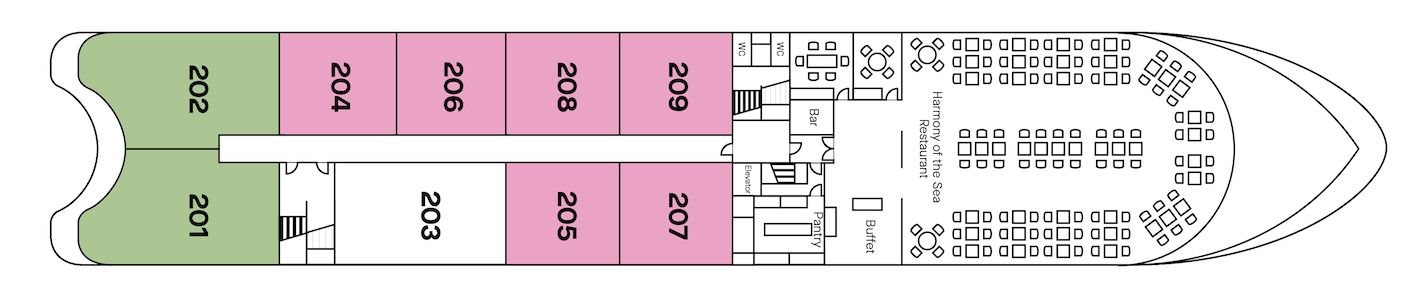
- Harmony Suite
- La Suite de Lyra
- Harmony of the Sea Restaurant
- Buffet
- Bar
- Elevator
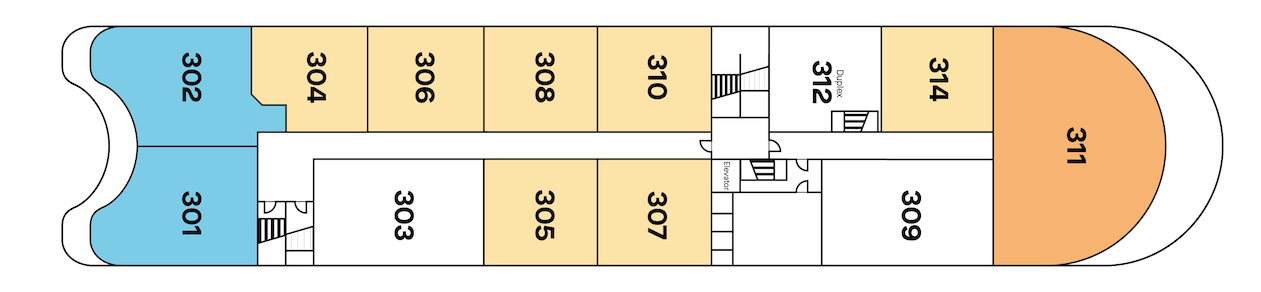
- Duplex 312
- The Owner Suite
- Sky Suite
- Sky Terrace Suite
- Elevator
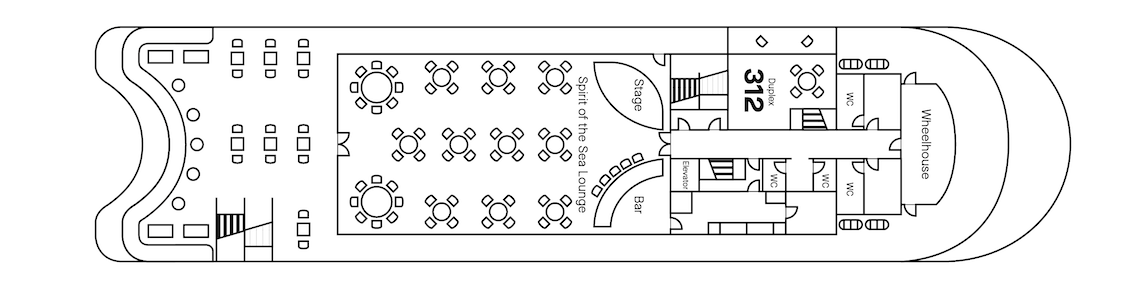
- Wheelhouse
- Duplex 312
- Bar
- Spirit of the Sea Lounge
- Elevator
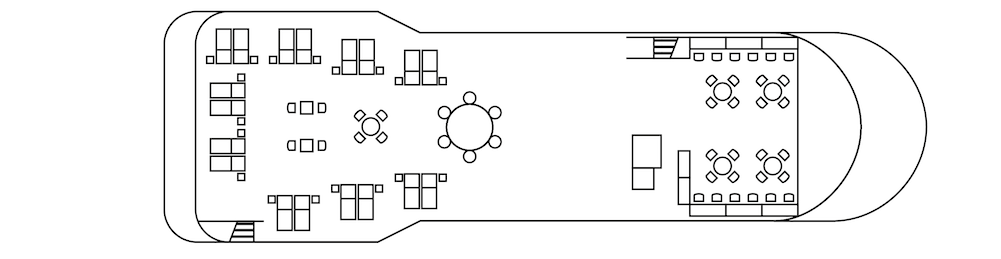
- Loungers
- Engine Room
- Games
- Billards
- Table Football
- Sea Melody Theatre
- Cigar & Poker Club
- Reception
- Sea Memory Spa
- Kitchen
- Crew Cabin
- Pool
- Oasis Suite
- Fitness Room
- Elevator
- Gift Shop
- Lounge
- Reception
- Sauna
- Pool
- Jacuzzi
- Mini Bar
- Harmony Suite
- La Suite de Lyra
- Harmony of the Sea Restaurant
- Buffet
- Bar
- Elevator
- Duplex 312
- The Owner Suite
- Sky Suite
- Sky Terrace Suite
- Elevator
- Wheelhouse
- Duplex 312
- Bar
- Spirit of the Sea Lounge
- Elevator
- Loungers