Featured Cabins
Itinerary
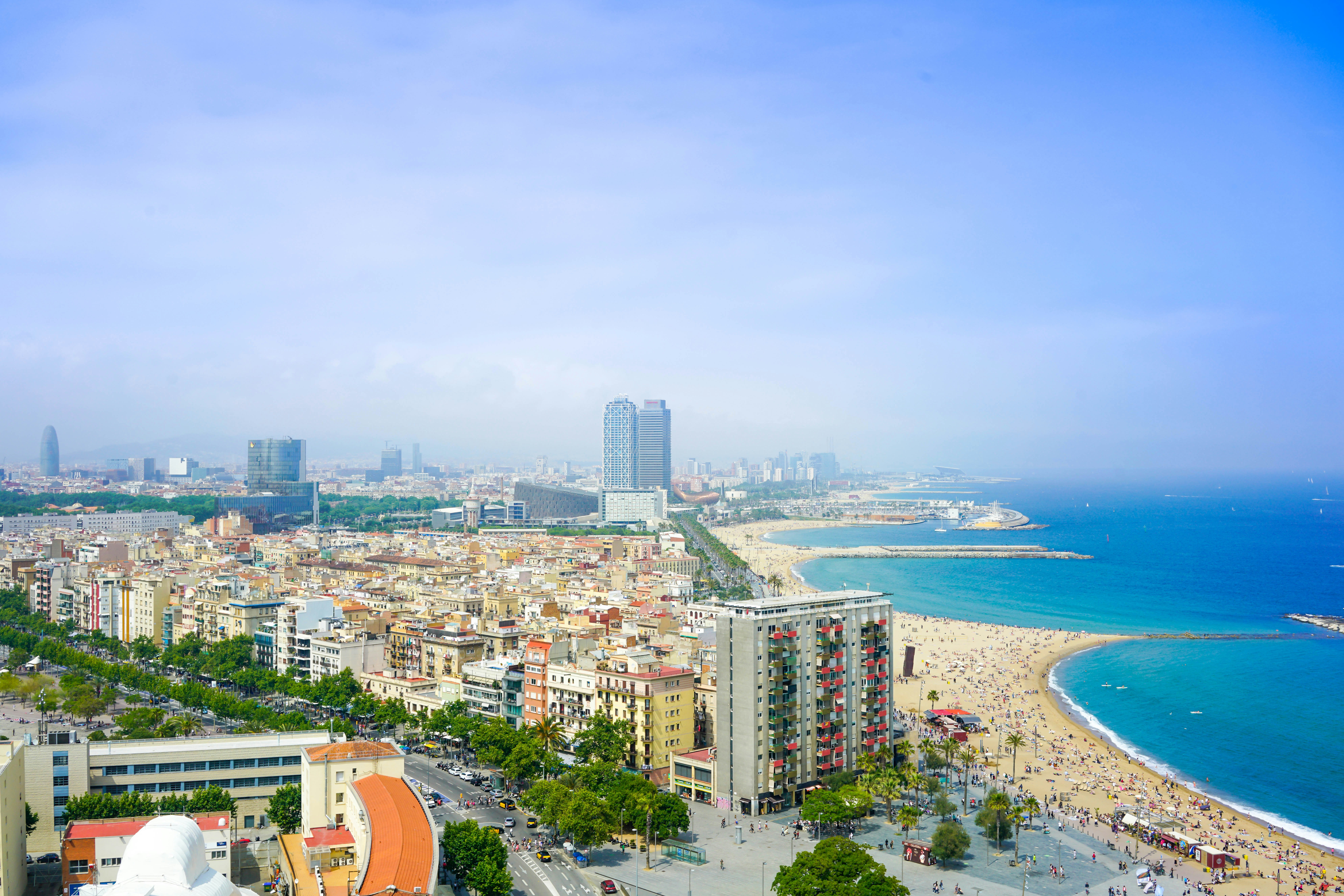
Barcelona, Spain
The infinite variety of street life, the nooks and crannies of the medieval Barri Gòtic, the ceramic tile and stained glass of Art Nouveau facades, the art and music, the throb of street life, the food (ah, the food!)—one way or another, Barcelona will find a way to get your full attention. The capital of Catalonia is a banquet for the senses, with its beguiling mix of ancient and modern architecture, tempting cafés and markets, and sun-drenched Mediterranean beaches. A stroll along La Rambla and through waterfront Barceloneta, as well as a tour of Gaudí’s majestic Sagrada Famíliaand his other unique creations, are part of a visit to Spain’s second-largest city. Modern art museums and chic shops call for attention, too. Barcelona’s vibe stays lively well into the night, when you can linger over regional wine and cuisine at buzzing tapas bars.
Barcelona, Spain
The infinite variety of street life, the nooks and crannies of the medieval Barri Gòtic, the ceramic tile and stained glass of Art Nouveau facades, the art and music, the throb of street life, the food (ah, the food!)—one way or another, Barcelona will find a way to get your full attention. The capital of Catalonia is a banquet for the senses, with its beguiling mix of ancient and modern architecture, tempting cafés and markets, and sun-drenched Mediterranean beaches. A stroll along La Rambla and through waterfront Barceloneta, as well as a tour of Gaudí’s majestic Sagrada Famíliaand his other unique creations, are part of a visit to Spain’s second-largest city. Modern art museums and chic shops call for attention, too. Barcelona’s vibe stays lively well into the night, when you can linger over regional wine and cuisine at buzzing tapas bars.
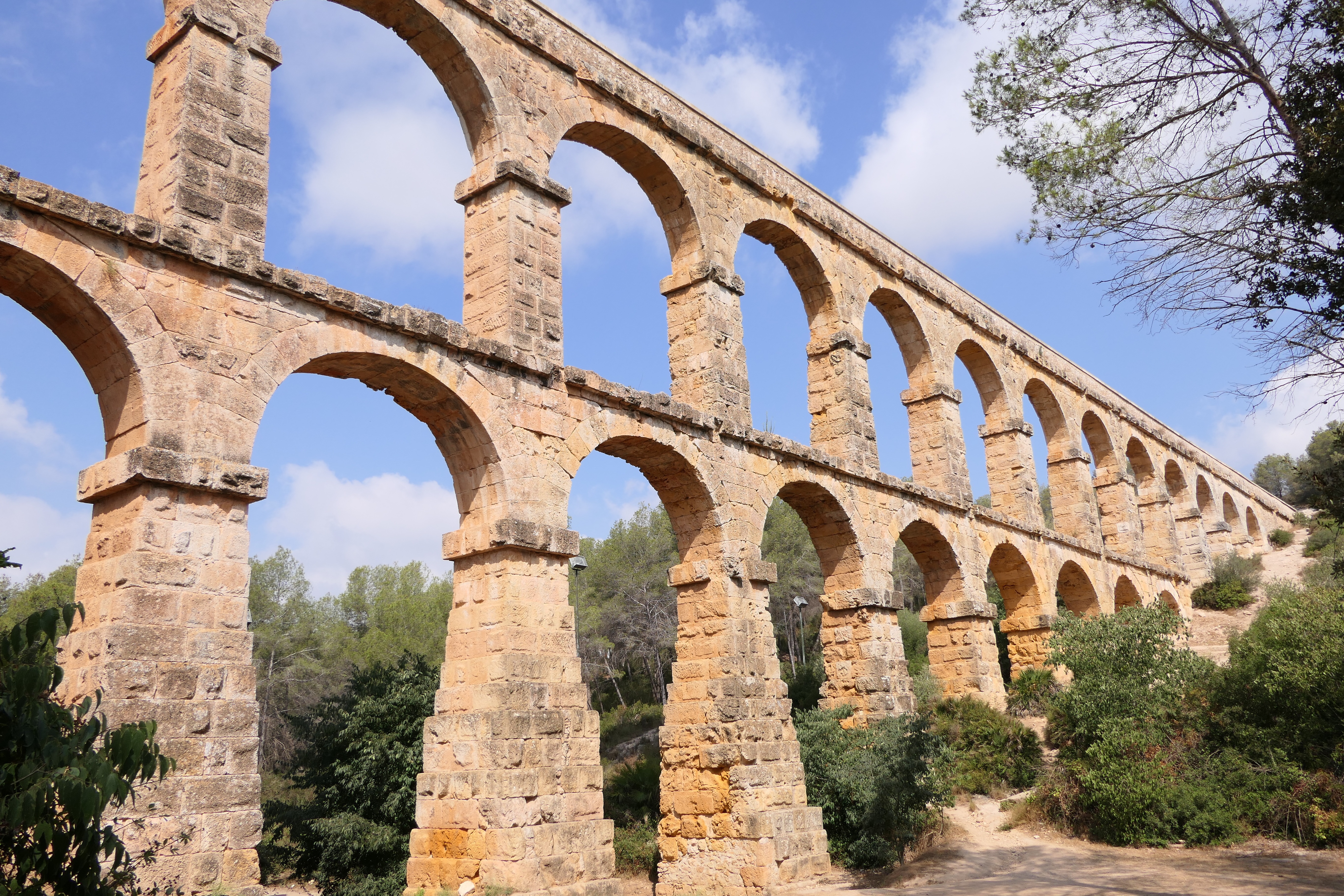
Tarragona, Spain
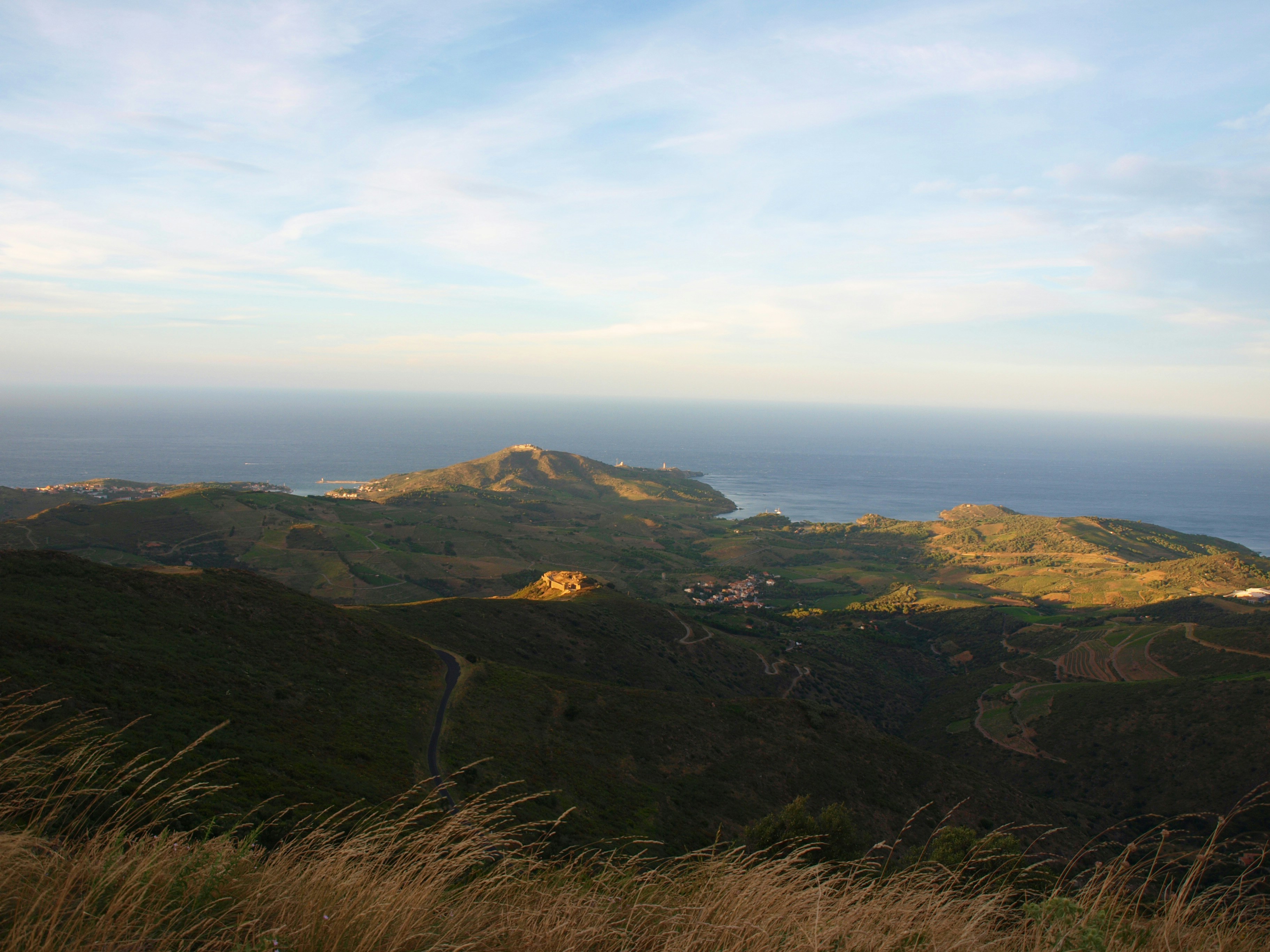
Port-Vendres, France
The intimate village of Port-Vendres provides access to inland treasures, giving us the opportunity to stroll the streets of Collioure, or scale the walls, in true Robin Hood style, of Hollywood’s favourite movie set, the fortified town of Carcassonne; well, perhaps stand in the shade of its turrets. For those opting for a morning experience, our port location offers the perfect opportunity to explore the charming streets of an authentic French coastal town.
Personalise your exploration with our included ‘Your Choice’ experiences.
Option 1 – Morning experience: Colourful Collioure
Our 15-minute drive offers us a morning filled with art as we visit the Fauvist haven of Collioure. This former pirate town is a treasure trove of maritime and medieval wealth. It's clear blue sky, colourful buildings, historic heritage and picturesque markets, have long attracted great artists like Matisse, Signac, Derain, and Picasso. We will wander the Fauvism trail with our local guide, through cobblestoned alleys to see 20 reproductions of works by Matisse and Derain, before time to enjoy the town at your own pace.
For those who would like to stretch their legs this morning, the choice will be offered to join us for a scenic 6 km walk from Port-Vendres to Collioure. Our route traces the Côte Vermeille coastline via a variety of unpaved, uneven coastal paths, waterfront promenades, paved sidewalks, and seafront walkways. Along the way, enjoy ever-changing views across the Mediterranean, passing picturesque bays, historic landmarks, and some of the region's most captivating coastal scenery before arriving in the colourful Harbor town of Collioure.
On arrival, we will continue our exploration along the Chemin du Fauvisme, following in the footsteps of Henri Matisse and André Derain through the harbour, around the Château Royal, and into the heart of the old town. After time at leisure to explore Collioure's charming streets, galleries, and cafés, a shuttle will return us to Port-Vendres.
Option 2 – Full-day experience: The Prince of Walled Cities – Carcassonne
Surrounded by turreted walls and a deep moat, Carcassonne has attracted moviemakers since 1908, after French inventors the Lumiere brothers first produced short films using their newly developed motion-picture camera and projector. The setting for Charles Perrault’s classic tale of Puss in Boots, Carcassonne’s fortified walls offered a fairy-tale ambience, yet in reality, life in Carcassonne echoed the adventurous spirit of Robin Hood: Prince of Thieves, which was fittingly filmed in the citadel. The reality of flaming arrows, grapnels, catapulted stones and towers full of French soldiers shattering the peace as the town braced itself for invasion, provides modern-day visitors with a truer tale of life in the Middle Ages. Note: To maximise your time at leisure in Carcassonne, lunch has not been included in this excursion.
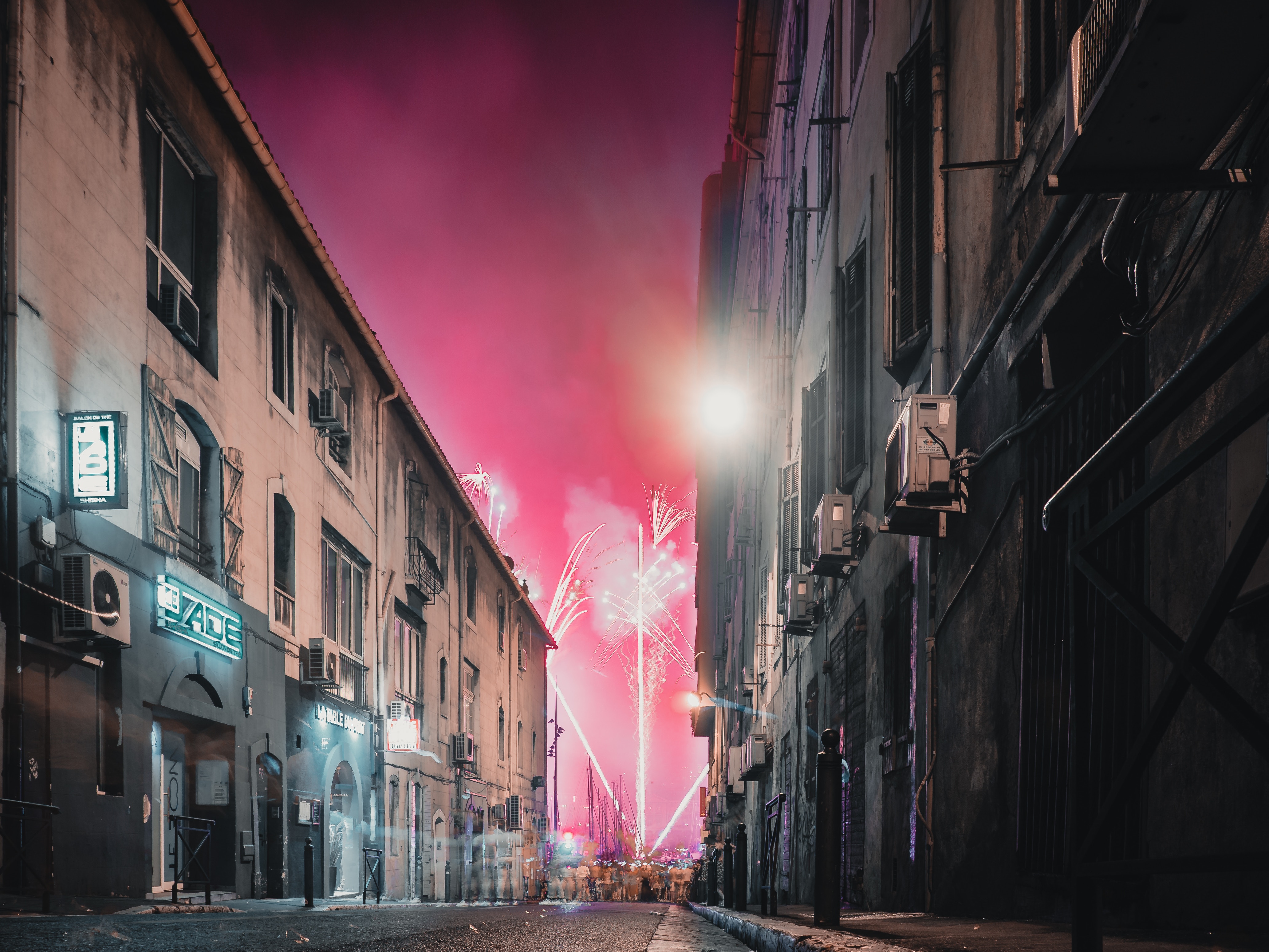
Marseille, France
Since being designated a European Capital of Culture for 2013, with an estimated €660 million of funding in the bargain, Marseille has been in the throes of an extraordinary transformation, with no fewer than five major new arts centers, a beautifully refurbished port, revitalized neighborhoods, and a slew of new shops and restaurants. Once the underdog, this time-burnished city is now welcoming an influx of weekend tourists who have colonized entire neighborhoods and transformed them into elegant pieds-à-terre (or should we say, mer). The second-largest city in France, Marseille is one of Europe’s most vibrant destinations. Feisty and fond of broad gestures, it is also as complicated and as cosmopolitan now as it was when a band of Phoenician Greeks first sailed into the harbor that is today’s Vieux Port in 600 BC. Legend has it that on that same day a local chieftain’s daughter, Gyptis, needed to choose a husband, and her wandering eyes settled on the Greeks’ handsome commander Protis. Her dowry brought land near the mouth of the Rhône, where the Greeks founded Massalia, the most important Continental shipping port in antiquity. The port flourished for some 500 years as a typical Greek city, enjoying the full flush of classical culture, its gods, its democratic political system, its sports and theater, and its naval prowess. Caesar changed all that, besieging the city in 49 BC and seizing most of its colonies. In 1214 Marseille was seized again, this time by Charles d’Anjou, and was later annexed to France by Henri IV in 1481, but it was not until Louis XIV took the throne that the biggest transformations of the port began; he pulled down the city walls in 1666 and expanded the port to the Rive Neuve (New Riverbank). The city was devastated by plague in 1720, losing more than half its population. By the time of the Revolution, Marseille was on the rebound once again, with industries of soap manufacturing and oil processing flourishing, encouraging a wave of immigration from Provence and Italy. With the opening of the Suez Canal in 1869, Marseille became the greatest boomtown in 19th-century Europe. With a large influx of immigrants from areas as exotic as Tangiers, the city quickly acquired the multicultural population it maintains to this day.
Marseille, France
Since being designated a European Capital of Culture for 2013, with an estimated €660 million of funding in the bargain, Marseille has been in the throes of an extraordinary transformation, with no fewer than five major new arts centers, a beautifully refurbished port, revitalized neighborhoods, and a slew of new shops and restaurants. Once the underdog, this time-burnished city is now welcoming an influx of weekend tourists who have colonized entire neighborhoods and transformed them into elegant pieds-à-terre (or should we say, mer). The second-largest city in France, Marseille is one of Europe’s most vibrant destinations. Feisty and fond of broad gestures, it is also as complicated and as cosmopolitan now as it was when a band of Phoenician Greeks first sailed into the harbor that is today’s Vieux Port in 600 BC. Legend has it that on that same day a local chieftain’s daughter, Gyptis, needed to choose a husband, and her wandering eyes settled on the Greeks’ handsome commander Protis. Her dowry brought land near the mouth of the Rhône, where the Greeks founded Massalia, the most important Continental shipping port in antiquity. The port flourished for some 500 years as a typical Greek city, enjoying the full flush of classical culture, its gods, its democratic political system, its sports and theater, and its naval prowess. Caesar changed all that, besieging the city in 49 BC and seizing most of its colonies. In 1214 Marseille was seized again, this time by Charles d’Anjou, and was later annexed to France by Henri IV in 1481, but it was not until Louis XIV took the throne that the biggest transformations of the port began; he pulled down the city walls in 1666 and expanded the port to the Rive Neuve (New Riverbank). The city was devastated by plague in 1720, losing more than half its population. By the time of the Revolution, Marseille was on the rebound once again, with industries of soap manufacturing and oil processing flourishing, encouraging a wave of immigration from Provence and Italy. With the opening of the Suez Canal in 1869, Marseille became the greatest boomtown in 19th-century Europe. With a large influx of immigrants from areas as exotic as Tangiers, the city quickly acquired the multicultural population it maintains to this day.
Toulon, France
Fronted by a marina packed with yachts and a port dominated by the French Navy, Toulon is a city on the rise.
Not as glitzy as Saint-Tropez, Nice or Cannes, Toulon is a working town with coastal appeal and a vibrant culinary scene, attracting predominantly French holidaymakers. A crucial naval port since the 15th century, Toulon’s strategic harbour has played a vital role in French maritime operations. During World War II, the local Resistance fighters, including the Maquis, undertook numerous acts of sabotage which stand as a testament to the city’s resilient spirit, and add to its rough charm and very “French” attitude.
Personalise your exploration with our included ‘Your Choice’ experiences.
Option 1 – Morning experience: Toulon’s finest hour
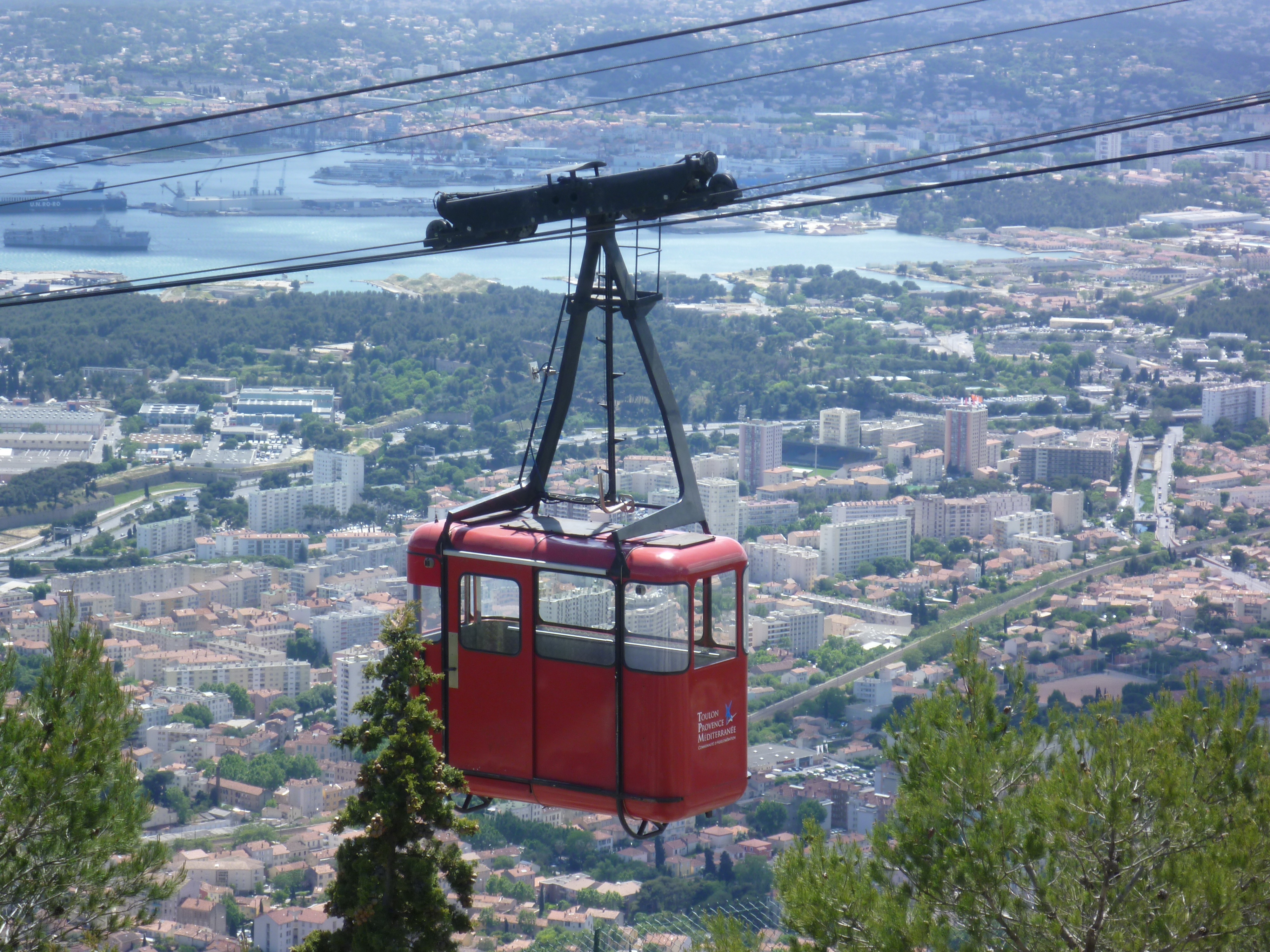
Toulon's cable car carries us high above the city to the summit of Mont Faron and the Mémorial du Débarquement et de la Libération de Provence, home to one of the most dramatic chapters in the history of southern France.
High above the harbour, Mont Faron commands sweeping views across a city whose destiny was shaped by war, occupation and liberation. During World War II, Toulon was home to the French Mediterranean Fleet and one of the most important naval bases in Europe. Recognising its strategic value, Nazi forces moved to seize the fleet in 1942.
But in an extraordinary act of defiance, French sailors chose destruction over surrender, scuttling more than 70 warships in the harbour, with the flames and smoke that engulfed the bay becoming a powerful symbol of resistance in one of France's darkest hours. Yet Toulon's story is ultimately one of liberation. Following the Allied landings in Provence in August 1944, fierce fighting engulfed the city before it was finally freed. For the people of Toulon, after years of occupation and isolation, the return of freedom brought scenes of overwhelming joy as crowds filled the streets to welcome their liberators.
These stories of courage, sacrifice and resilience come vividly to life at the Libération Museum, where personal accounts, wartime artefacts and immersive exhibits recount the battle for southern France. Following our visit, we return to the ship, leaving the afternoon free to discover historic Toulon and its waterfront directly from the ship at our own pace.
Option 2 –Full day experience: Live the High Life in Saint-Tropez
Following the narrow winding roads through rolling hills and past craggy coves for around 1 to 1.5 hours, we reach a waterfront town like no other. Few cities on the French Riviera evoke decadence like Saint-Tropez. A seaside playground adorned with superyachts, waterfront cafes and designer boutiques, it exudes luxury at every turn. Michelin-starred restaurants and chic boutiques line the marina region, frequented by the elite who arrive in Ferraris and dock their multi-million-euro yachts without turning heads.
Saint-Tropez’s allure as a playground for the super-rich began in the 1950s, when artists and celebrities discovered its charm and tranquillity. Since then, it has become synonymous with exclusivity and extravagance, drawing the world’s elite to its shores. Today, it remains a symbol of wealth and status, where a leisurely stroll offers a fleeting glimpse into a realm that epitomises the pinnacle of luxury living ‒ a place that everyone should experience at least once in their lifetime.
After a brief walking tour to points out the local sites, there’s plenty of time for you to indulge in what the French Riviera’s most famous town has to offer. Note: To maximise your time at leisure in St Tropez, lunch has not been included in this excursion.
Nice, France
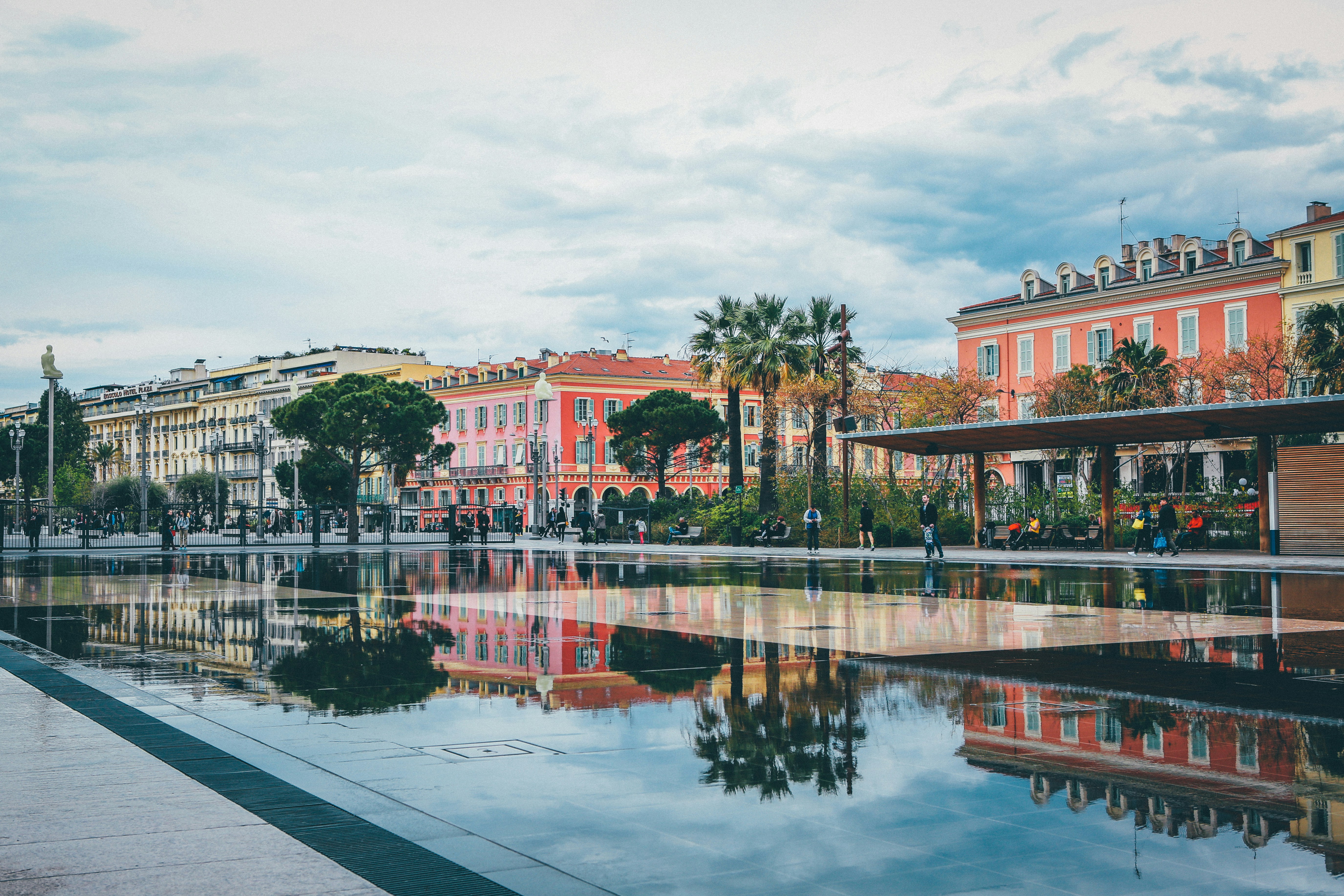
United with France only since 1860, Nice has its own history and atmosphere, which dates back 230,000 years. It was on Colline du Château (now château-less) and at the Plage des Ponchettes, in front of the Old Town, that the Greeks established a market-port in 350 BC and named it Nikaia, which would become Marseilles’ chief coastal rival. The Romans established themselves a little later on the hills of Cimiez (Cemenelum), already previously occupied by Ligurians and Celts, and quickly overshadowed the waterfront port. After falling to the Saracen invasions, Nice regained power as an independent state, becoming an important port in the early Middle Ages.So cocksure did it become that in 1388, Nice, along with the hill towns behind, effectively seceded from the county of Provence, under Louis d’Anjou, and allied itself with Savoie. Thus began its liaison with the House of Savoy, and through it with Piedmont and Sardinia, it was the Comté de Nice (Nice County). This relationship lasted some 500 years, tinting the culture, architecture, and dialect in rich Italian hues.By the 19th century Nice was flourishing commercially, locked in rivalry with the neighboring shipping port of Genoa. Another source of income: the dawning of tourism, as first the English, then the Russian nobility, discovered its extraordinary climate and superb waterfront position. A parade of fine stone mansions and hotels closed into a nearly solid wall of masonry, separated from the smooth-round rocks of the beach by what was originally named Camin deis Anglés (the English Way), which of course is now the famous Promenade des Anglais. This magnificent crescent, which is seeking UNESCO recognition, is one of the noblest in France. Many of Nice’s most delightful attractions—the Cours Saleya market, the Old Town streets, the Hotel Negresco, and the Palais Masséna—are on or close to this 10-km (6-mile) waterfront, making it the first stop for most visitors, while the redevelopment of Nice’s port, around the other side of the Colline du Château, makes it easier for amblers who want to take in the Genoese architecture or peruse the antiques at the Puces de Nice, now part of the Promenade des 100 Antiquaires, along Quai Papacino. Nice also has the distinction of the “Family Plus” label, with free strollers, play areas, and restaurants with child-friendly activities.
Monaco, Monaco
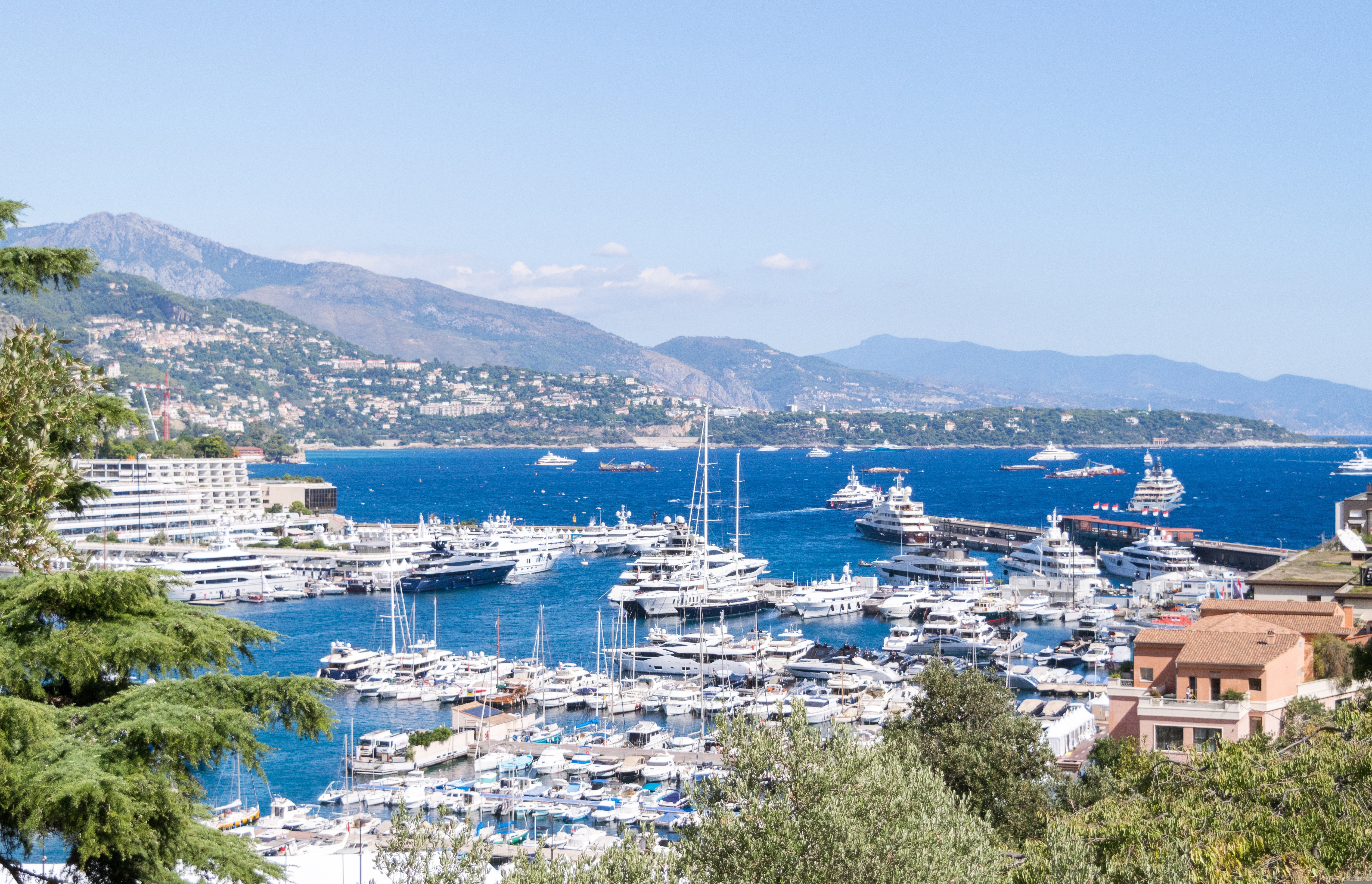
The 202-hectare Principality of Monaco is located east of France’s Mediterranean coast. Known for its royal family, especially Prince Albert of Monaco, its casinos and racetracks and for being a wealthy state with no applied taxes. Monaco is reachable by air through the French airport of Nice Côte d’Azur, located approximately 16 miles from the principality.
Nice, France
United with France only since 1860, Nice has its own history and atmosphere, which dates back 230,000 years. It was on Colline du Château (now château-less) and at the Plage des Ponchettes, in front of the Old Town, that the Greeks established a market-port in 350 BC and named it Nikaia, which would become Marseilles’ chief coastal rival. The Romans established themselves a little later on the hills of Cimiez (Cemenelum), already previously occupied by Ligurians and Celts, and quickly overshadowed the waterfront port. After falling to the Saracen invasions, Nice regained power as an independent state, becoming an important port in the early Middle Ages.So cocksure did it become that in 1388, Nice, along with the hill towns behind, effectively seceded from the county of Provence, under Louis d’Anjou, and allied itself with Savoie. Thus began its liaison with the House of Savoy, and through it with Piedmont and Sardinia, it was the Comté de Nice (Nice County). This relationship lasted some 500 years, tinting the culture, architecture, and dialect in rich Italian hues.By the 19th century Nice was flourishing commercially, locked in rivalry with the neighboring shipping port of Genoa. Another source of income: the dawning of tourism, as first the English, then the Russian nobility, discovered its extraordinary climate and superb waterfront position. A parade of fine stone mansions and hotels closed into a nearly solid wall of masonry, separated from the smooth-round rocks of the beach by what was originally named Camin deis Anglés (the English Way), which of course is now the famous Promenade des Anglais. This magnificent crescent, which is seeking UNESCO recognition, is one of the noblest in France. Many of Nice’s most delightful attractions—the Cours Saleya market, the Old Town streets, the Hotel Negresco, and the Palais Masséna—are on or close to this 10-km (6-mile) waterfront, making it the first stop for most visitors, while the redevelopment of Nice’s port, around the other side of the Colline du Château, makes it easier for amblers who want to take in the Genoese architecture or peruse the antiques at the Puces de Nice, now part of the Promenade des 100 Antiquaires, along Quai Papacino. Nice also has the distinction of the “Family Plus” label, with free strollers, play areas, and restaurants with child-friendly activities.
Nice, France
United with France only since 1860, Nice has its own history and atmosphere, which dates back 230,000 years. It was on Colline du Château (now château-less) and at the Plage des Ponchettes, in front of the Old Town, that the Greeks established a market-port in 350 BC and named it Nikaia, which would become Marseilles’ chief coastal rival. The Romans established themselves a little later on the hills of Cimiez (Cemenelum), already previously occupied by Ligurians and Celts, and quickly overshadowed the waterfront port. After falling to the Saracen invasions, Nice regained power as an independent state, becoming an important port in the early Middle Ages.So cocksure did it become that in 1388, Nice, along with the hill towns behind, effectively seceded from the county of Provence, under Louis d’Anjou, and allied itself with Savoie. Thus began its liaison with the House of Savoy, and through it with Piedmont and Sardinia, it was the Comté de Nice (Nice County). This relationship lasted some 500 years, tinting the culture, architecture, and dialect in rich Italian hues.By the 19th century Nice was flourishing commercially, locked in rivalry with the neighboring shipping port of Genoa. Another source of income: the dawning of tourism, as first the English, then the Russian nobility, discovered its extraordinary climate and superb waterfront position. A parade of fine stone mansions and hotels closed into a nearly solid wall of masonry, separated from the smooth-round rocks of the beach by what was originally named Camin deis Anglés (the English Way), which of course is now the famous Promenade des Anglais. This magnificent crescent, which is seeking UNESCO recognition, is one of the noblest in France. Many of Nice’s most delightful attractions—the Cours Saleya market, the Old Town streets, the Hotel Negresco, and the Palais Masséna—are on or close to this 10-km (6-mile) waterfront, making it the first stop for most visitors, while the redevelopment of Nice’s port, around the other side of the Colline du Château, makes it easier for amblers who want to take in the Genoese architecture or peruse the antiques at the Puces de Nice, now part of the Promenade des 100 Antiquaires, along Quai Papacino. Nice also has the distinction of the “Family Plus” label, with free strollers, play areas, and restaurants with child-friendly activities.
Cabin Options
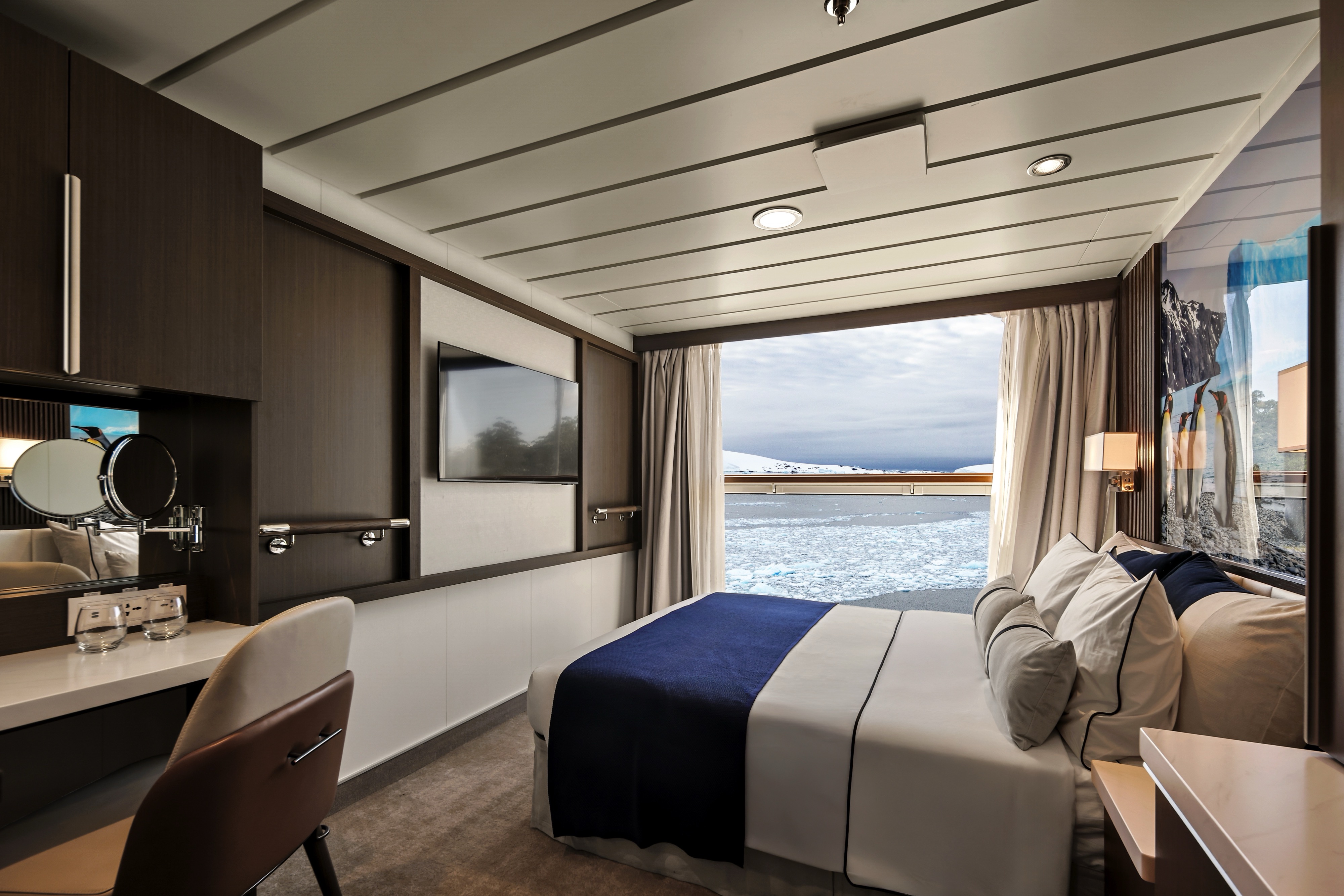
Aurora Stateroom Superior
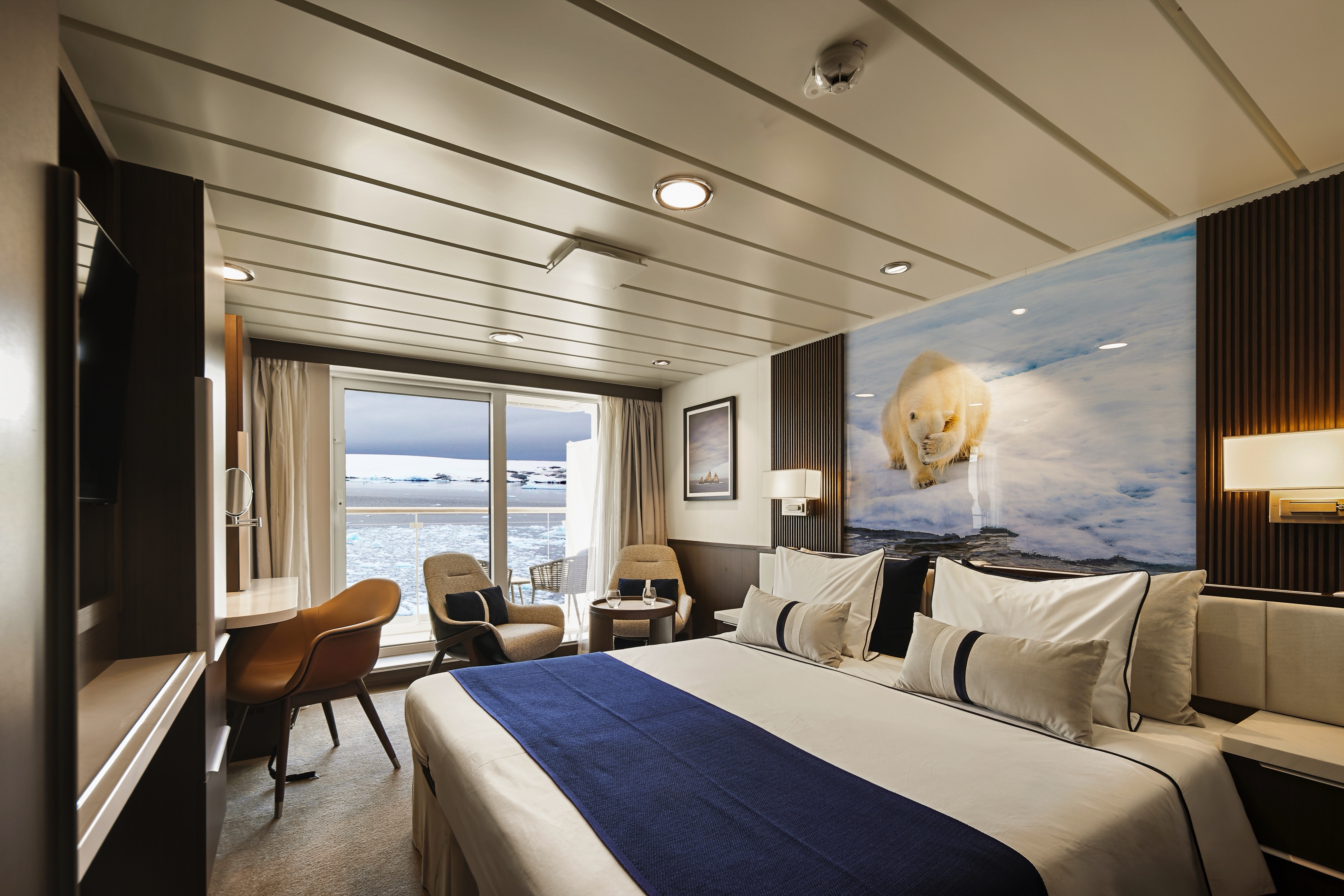
Balcony Stateroom Category C
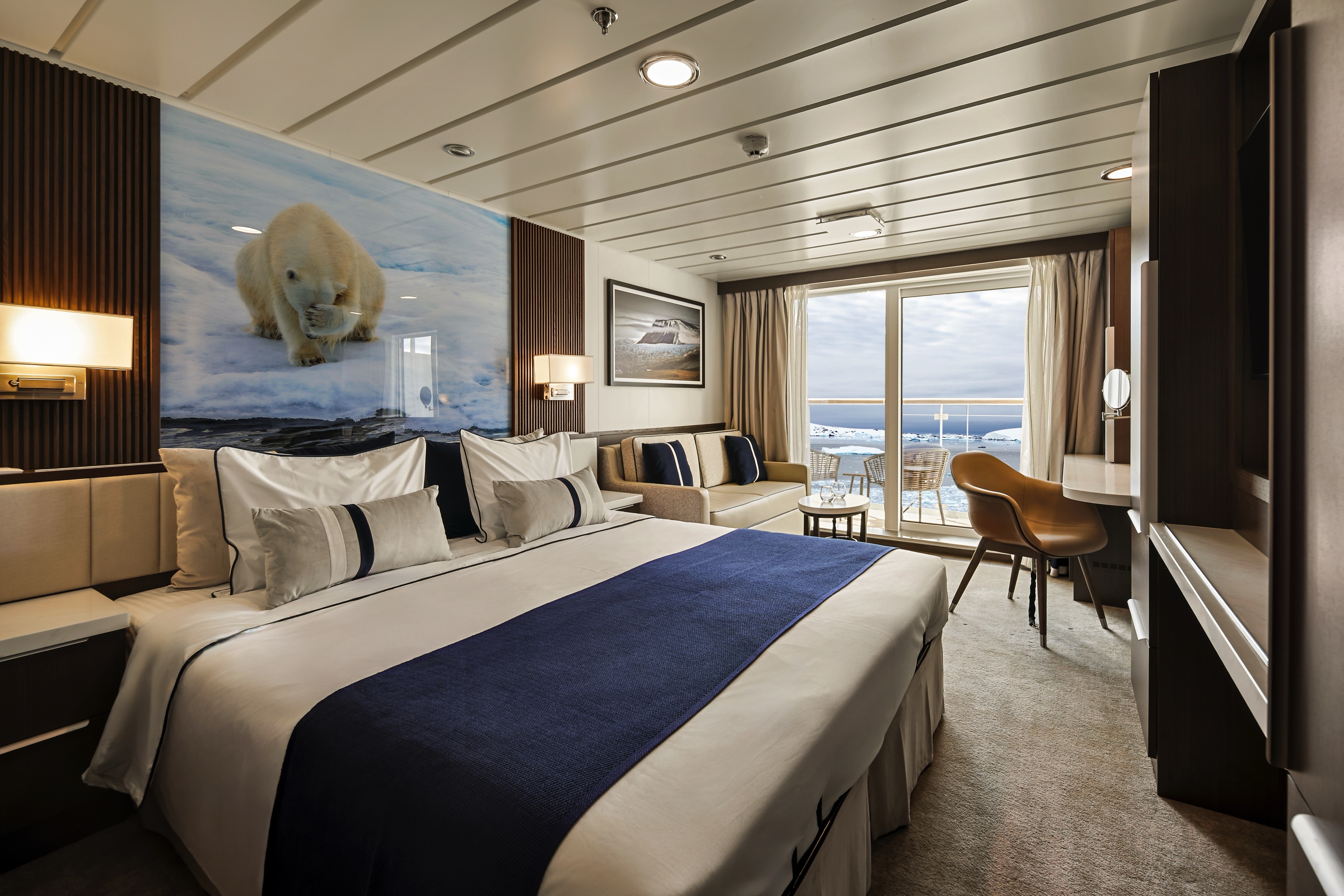
Balcony Stateroom Category B
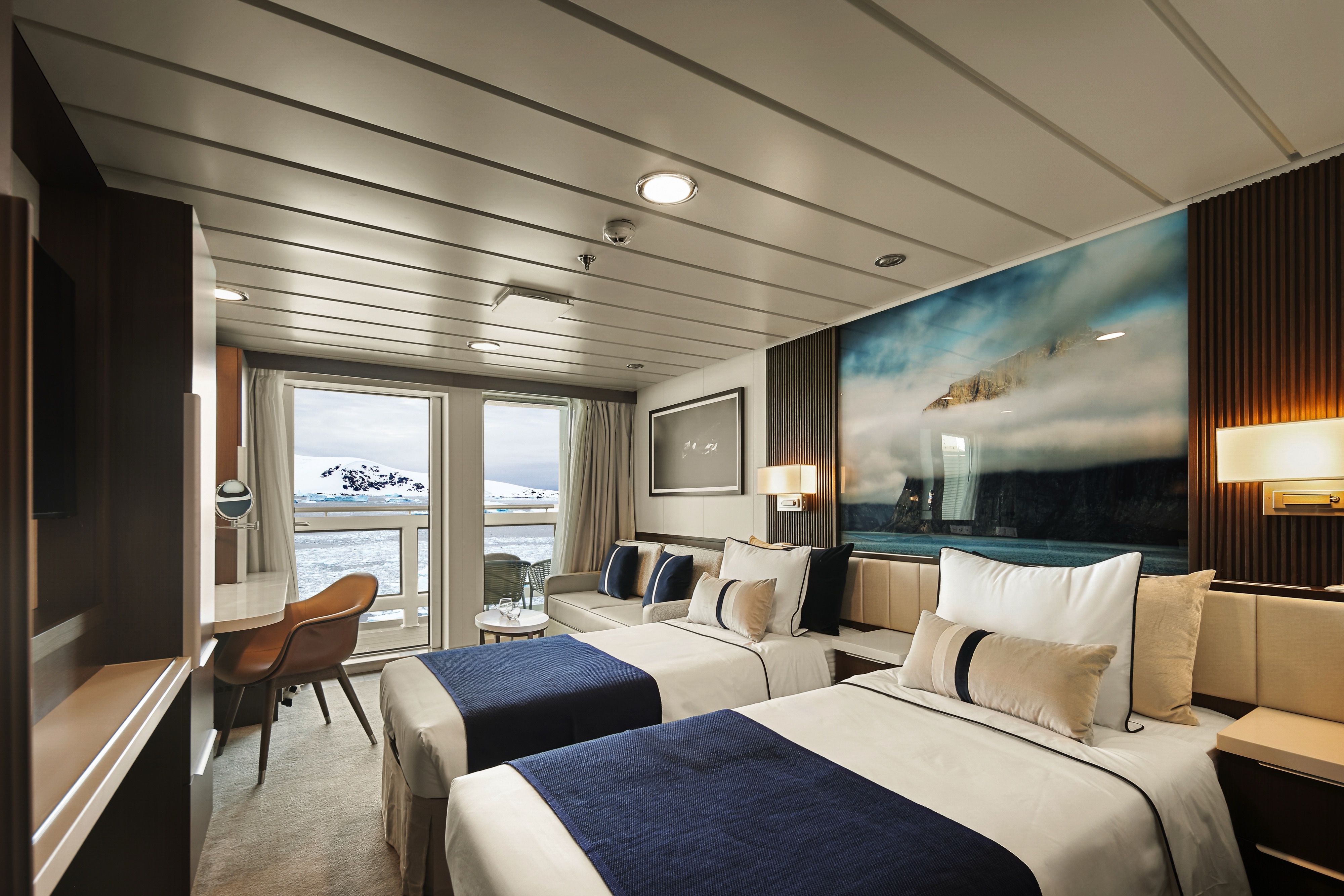
Balcony Stateroom Category A
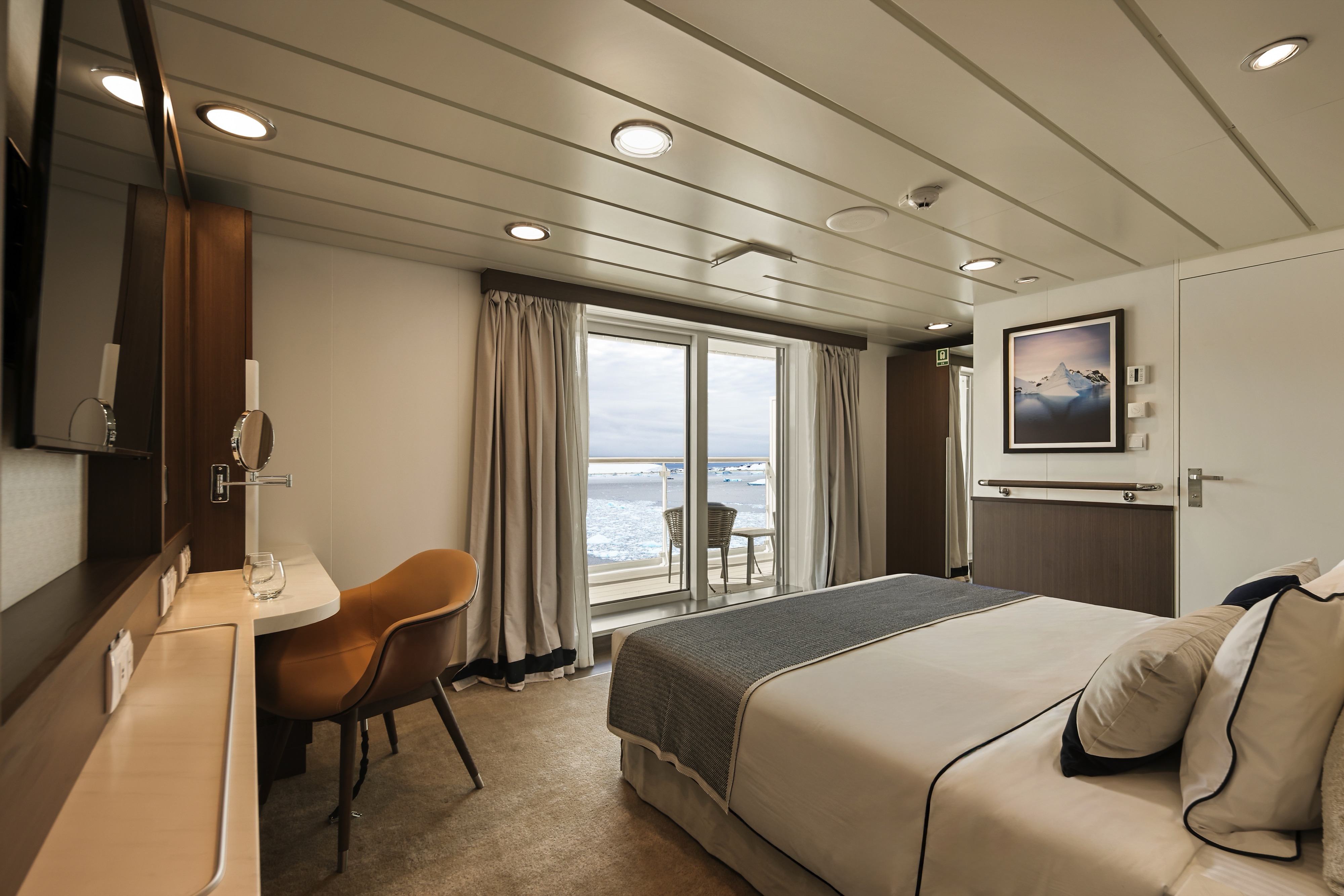
Balcony Stateroom Superior
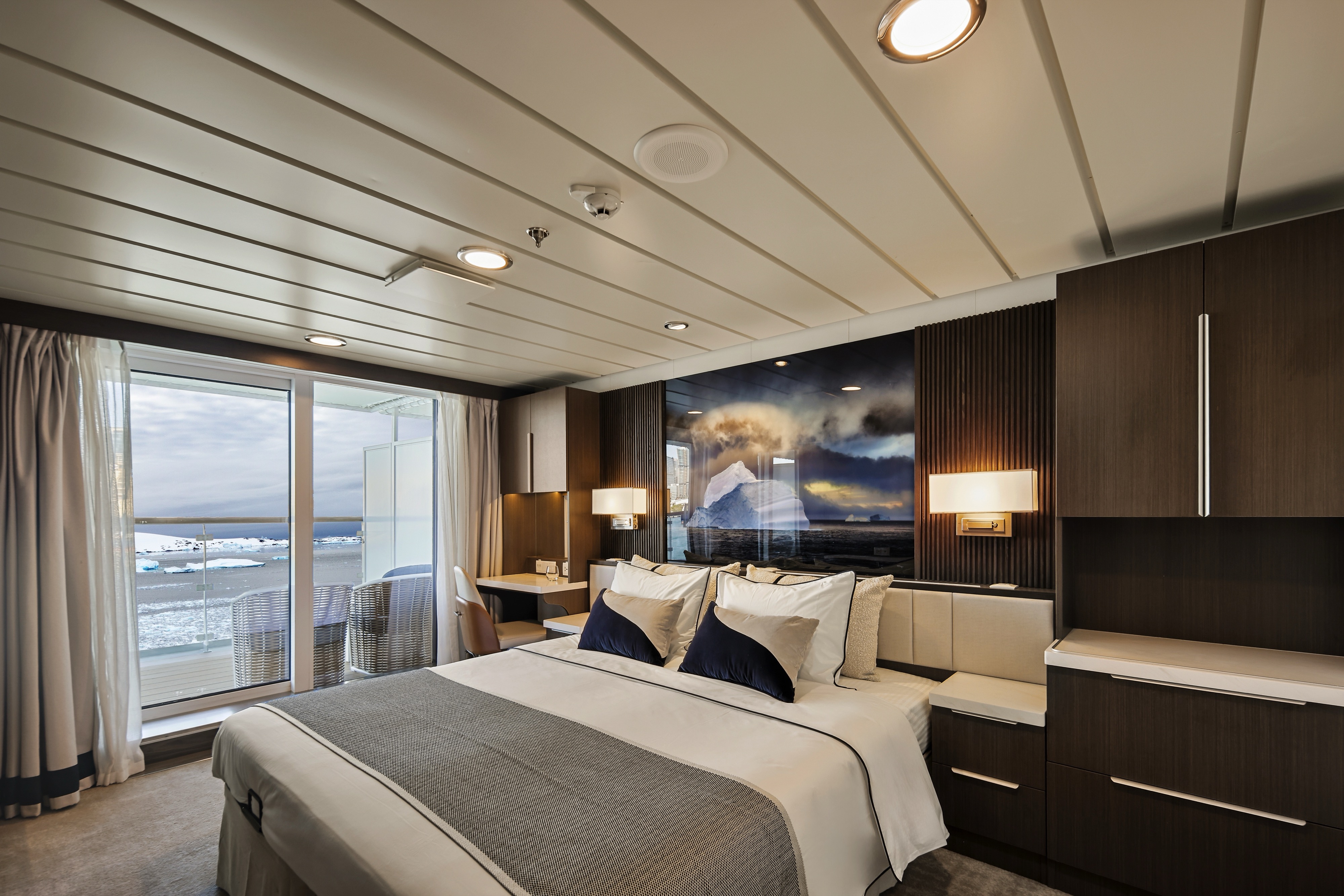
Junior Suite
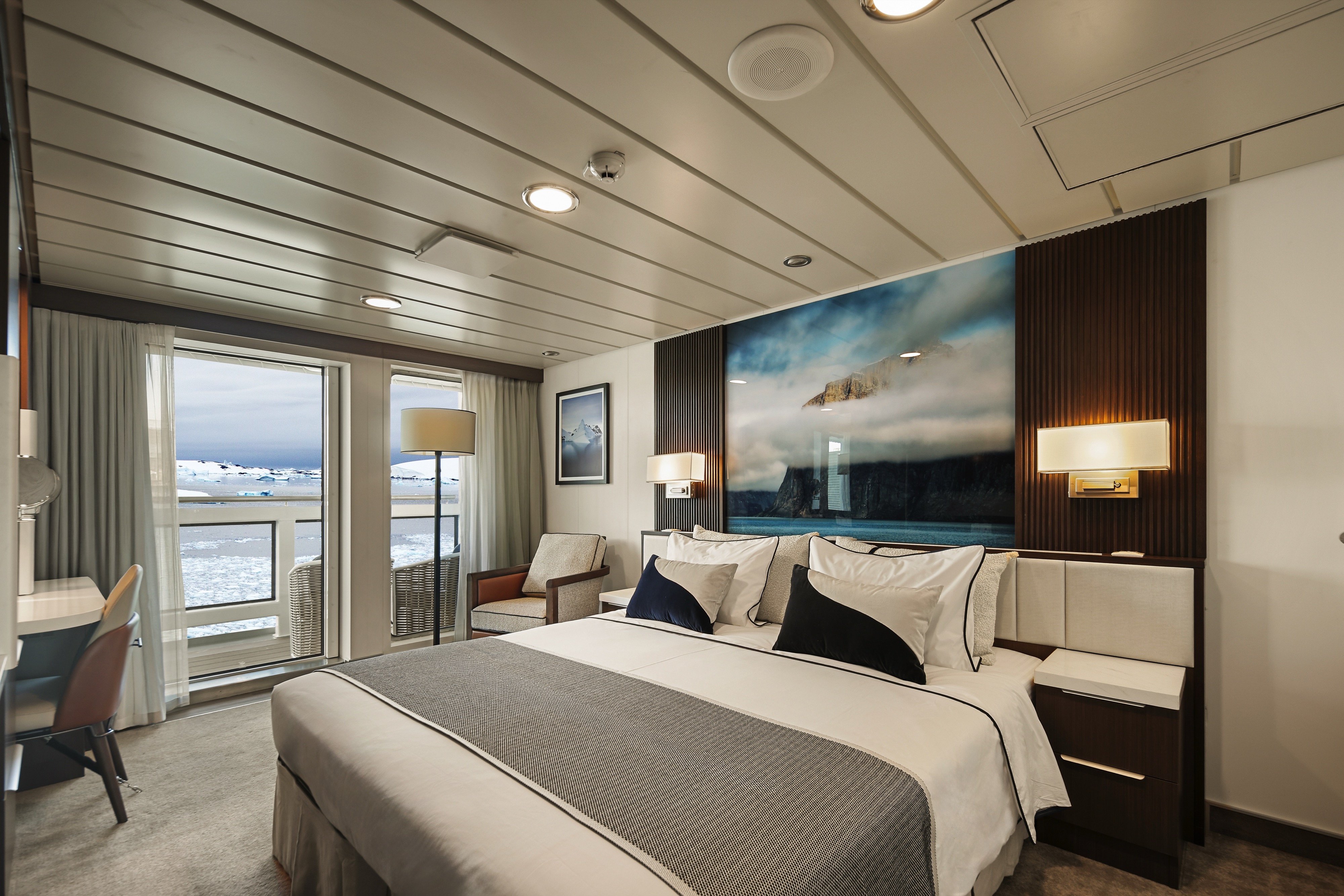
Captain's Suite
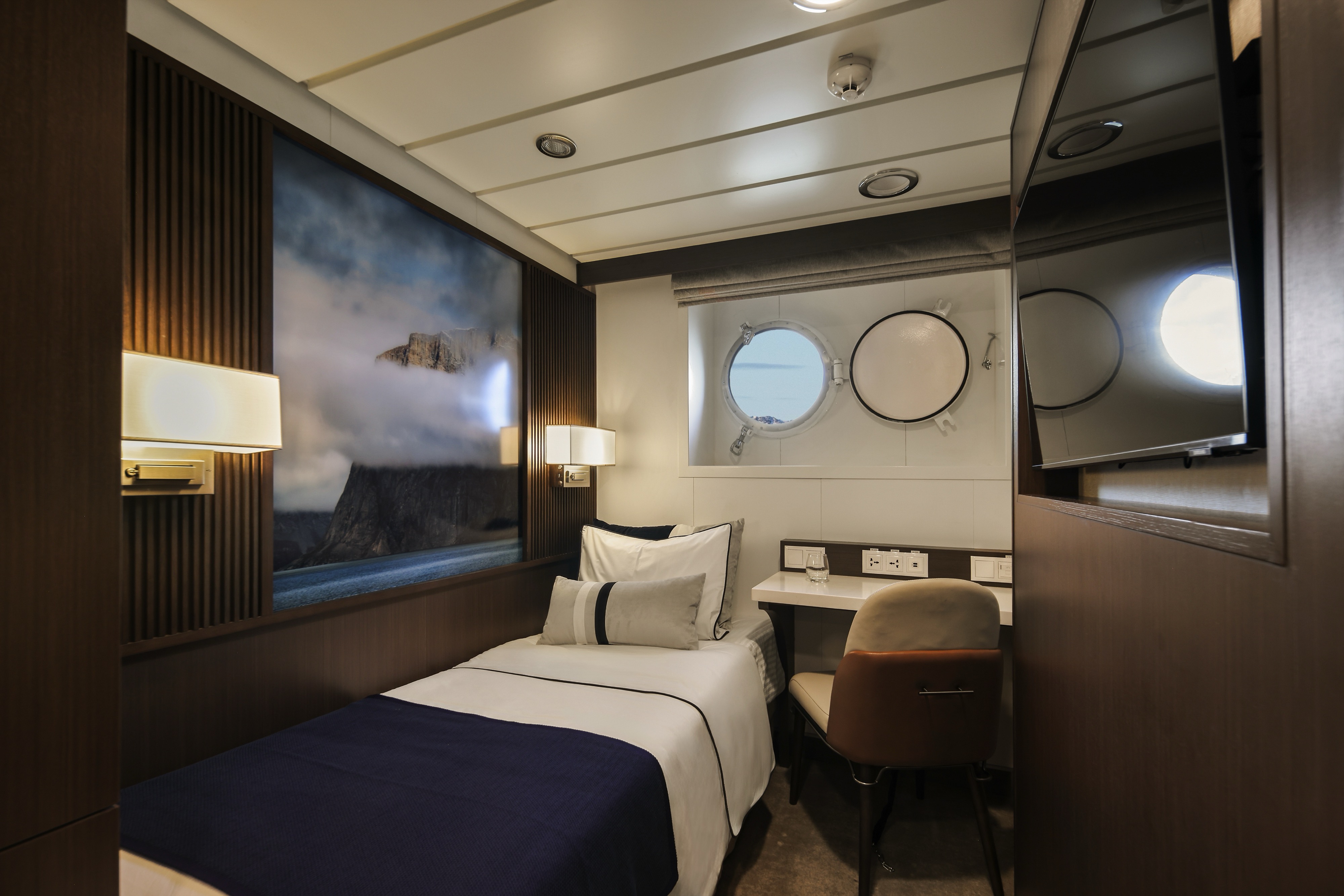
Aurora Stateroom Single
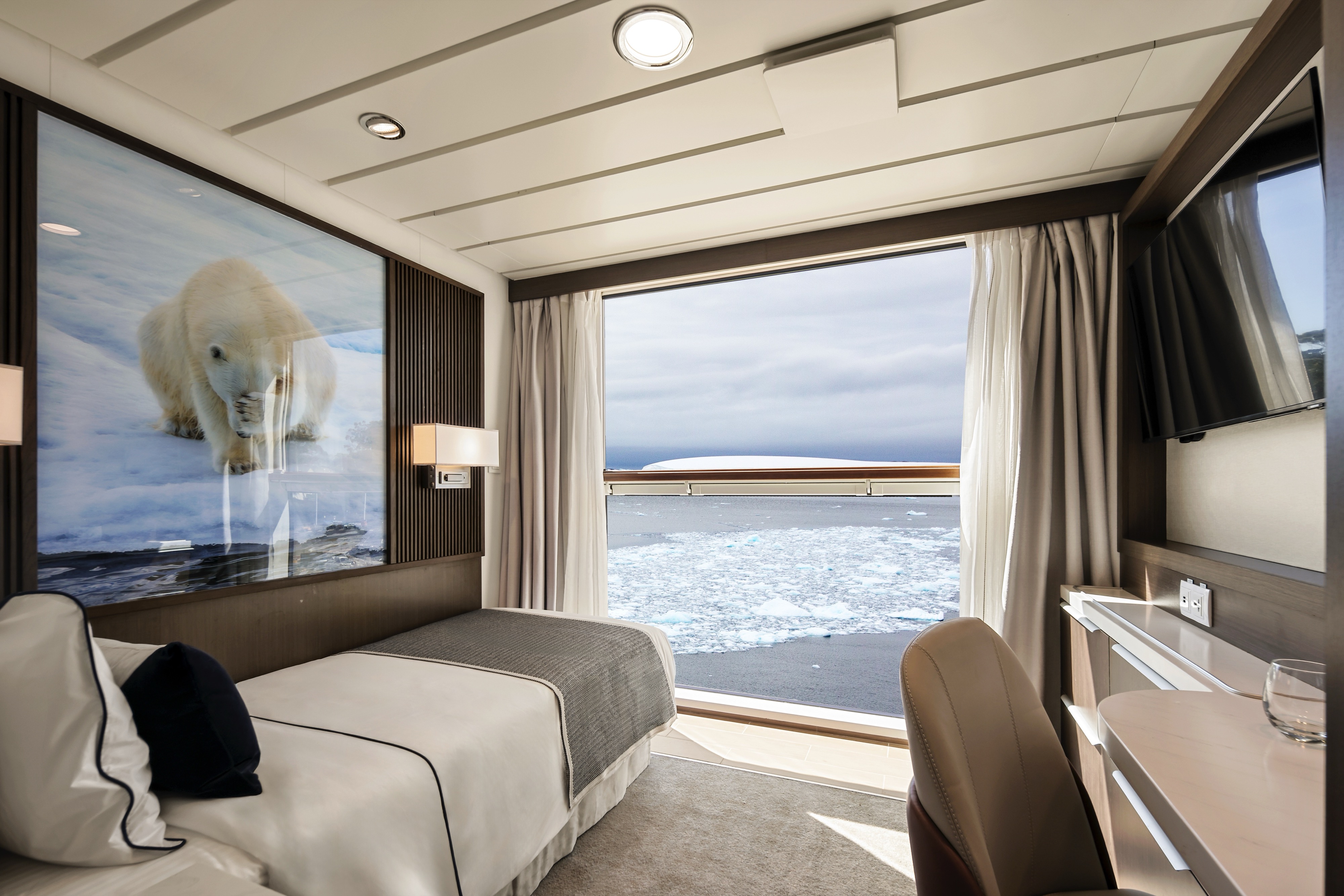
Aurora Stateroom Superior Single
Balcony Stateroom Category A – Solo
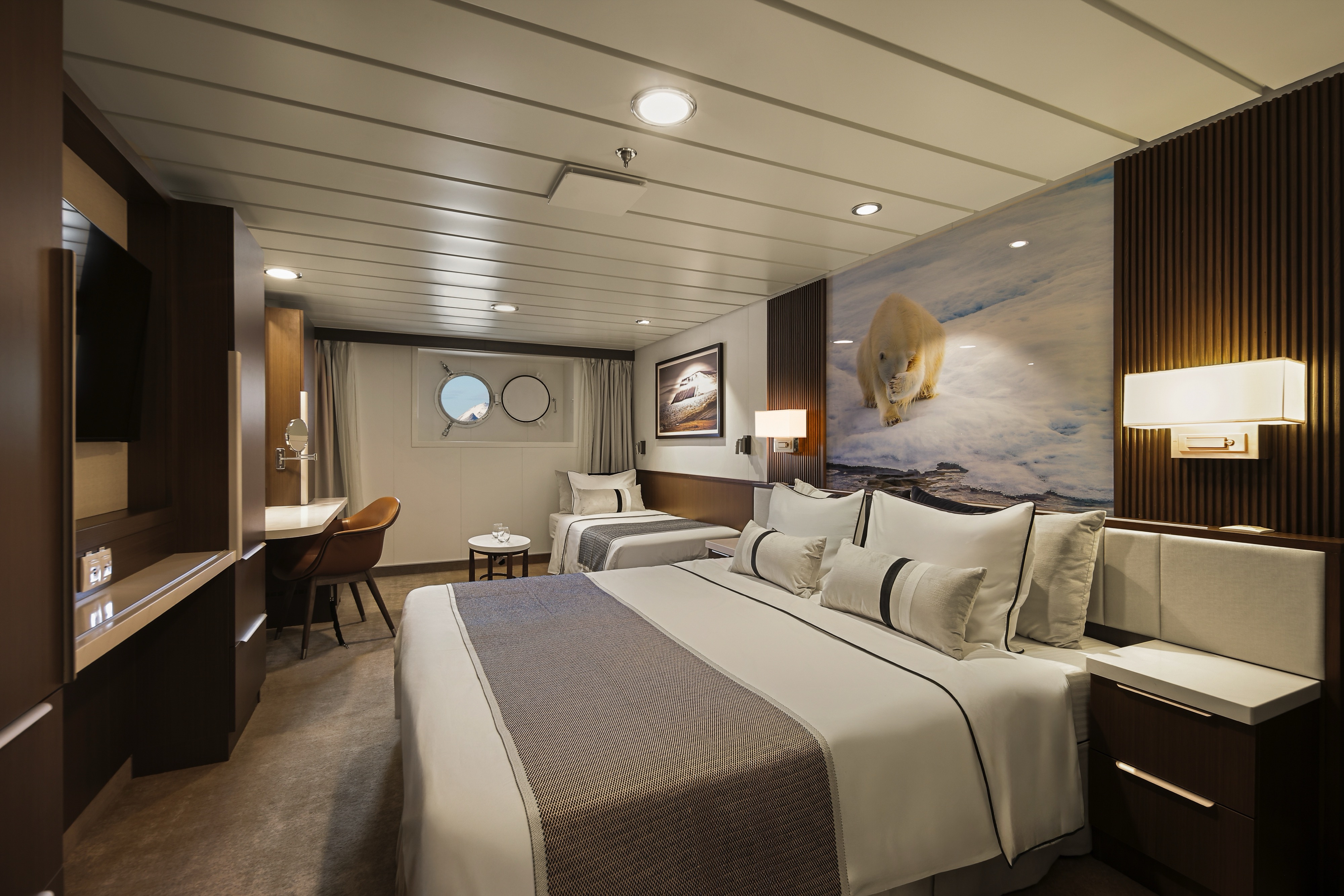
Aurora Stateroom Twin
Ship Facilities
Dining room
One of the most important parts of any expedition is the food! Start each adventure with hearty meals and delicious morning and afternoon teas prepared by our onboard chefs.
Meals are a great time to connect with fellow travellers in our open-seating dining area, sharing stories and insights from the day. Tea, coffee, and snacks are available 24/7, and our chefs offer a variety of menu options for each meal. Enjoy house wines, beers, and soft drinks with dinner after a day of exploration.
Wrap up your journey with informal Captain’s Farewell drinks, featuring complimentary beverages, cocktail appetisers, and a special three-course meal.
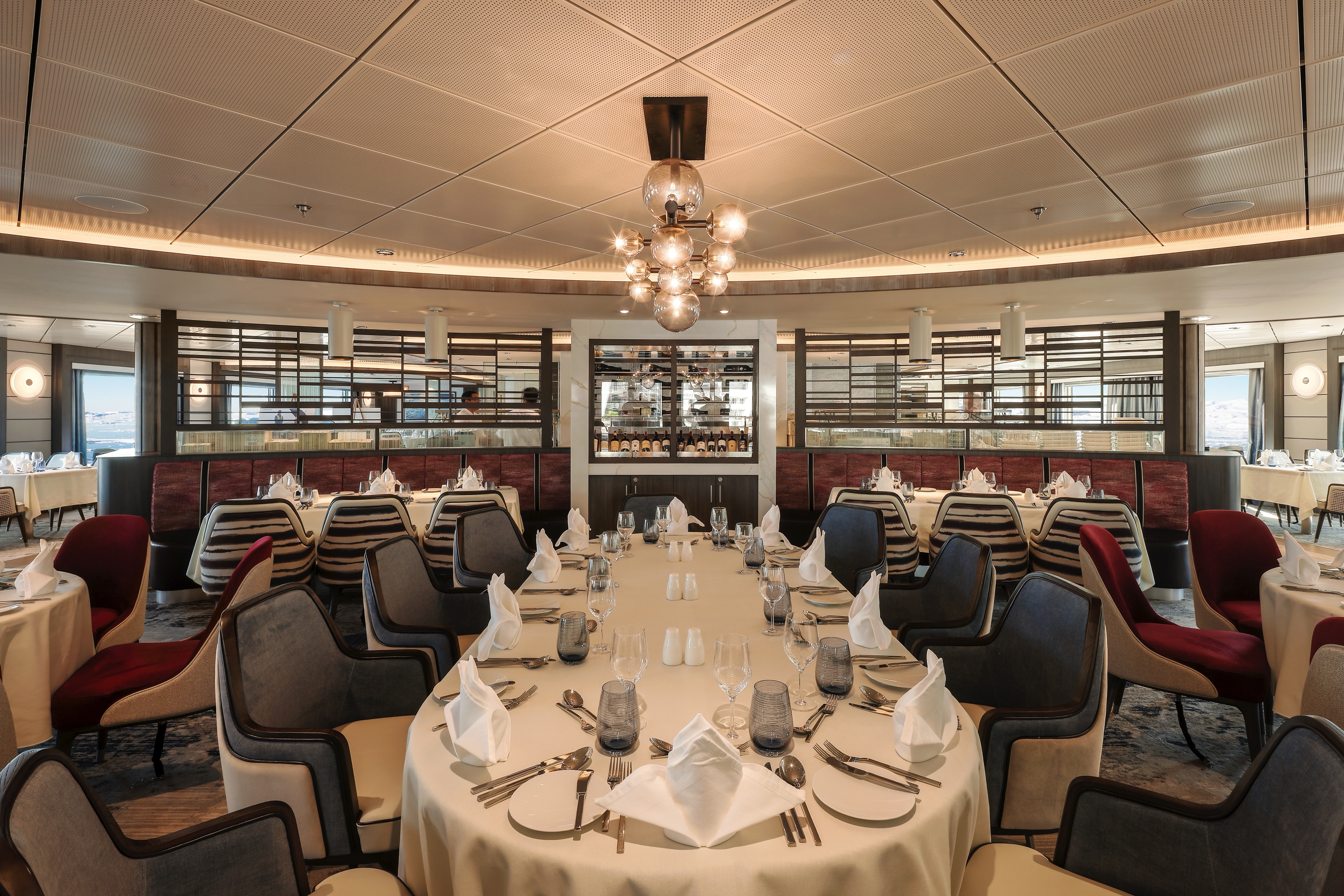
Top Deck Restaurant
The Top Deck Restaurant is located on deck 8.
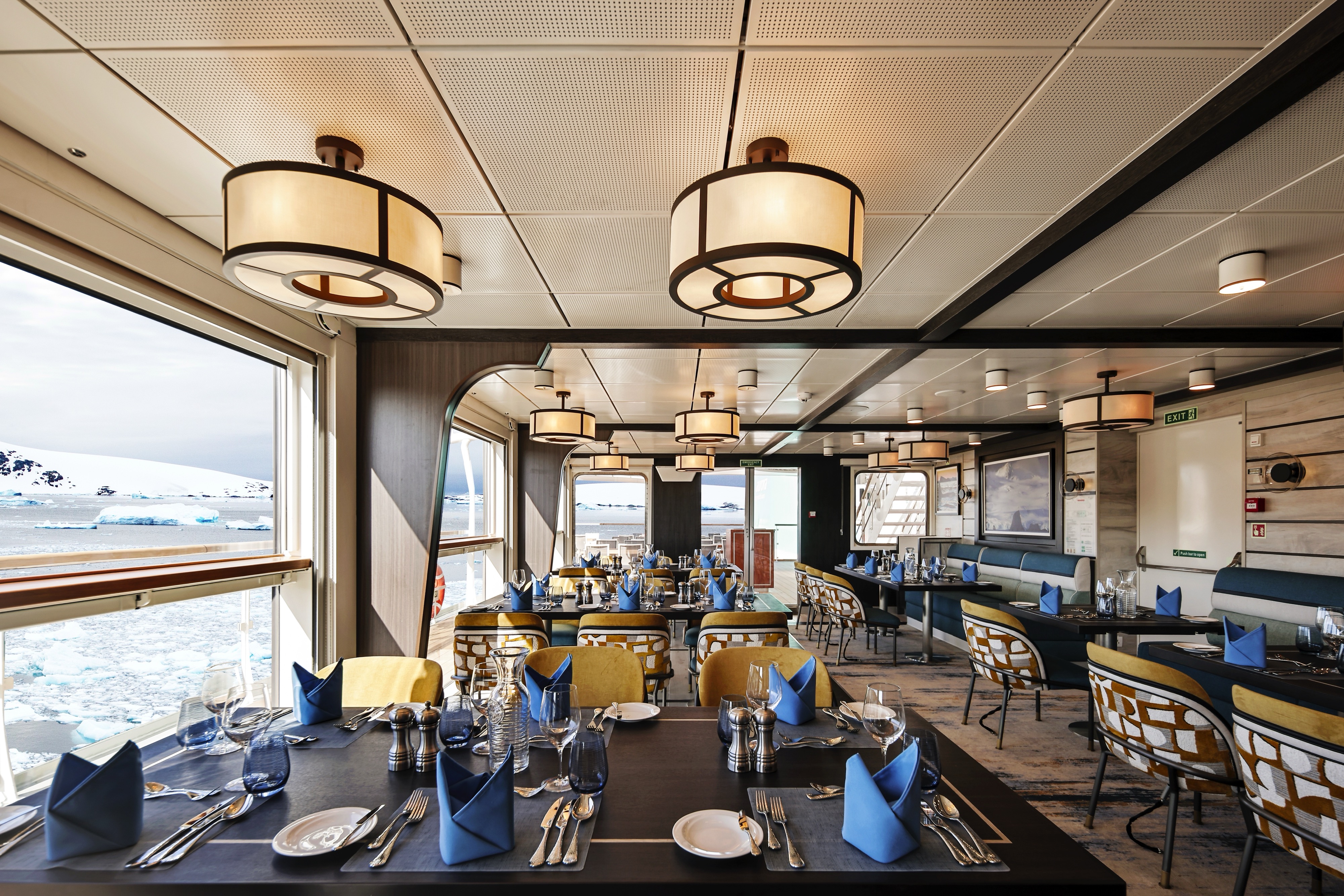
Citizen Science
Travel is always the best educator and we offer the chance to enrich your curiosity and expand your knowledge and understanding of the places we travel to. There is no better learning opportunity than being in the field with subject matter experts.
Our Citizen Science Program is designed to be an interactive forum of like-minded travellers to share new discoveries and deepen their connection to the natural world in a relaxed, informal and fun environment – both on board our ships, on our fascinating shore expeditions and in our zodiacs.
You can make a difference as we can provide invaluable data to the scientific community through you taking part. You too can become an ambassador for the protection of our majestic but fragile blue planet when you return home by sharing what you have learned.
What is Citizen Science?
Citizen Science is the collection and analysis of data relating to the natural world by members of the general public, typically as part of a collaborative project with professional scientists around the world.
Why Take Part?
Aurora Expeditions travels to some of the most unique and remote places on the planet. It is challenging for scientists to spend time in these areas, so any observations we contribute can be extremely valuable.
Gathering and sharing data is also a great way to engage and educate ourselves in pressing issues that concern us at a local, regional and global level.
How Does it Work?
Members of our passionate Expedition Team, together with a Citizen Science Coordinator, will be on hand to introduce and assist you with the projects being conducted on your voyage.
Expert guidance on the collection, storage and sharing of new scientific data will not only greatly enhance your voyage experience, but help you gain more knowledge of our ever-changing natural environment.
From the biggest mammals to the smallest marine creatures, the important part you play in our Citizen Science projects will help protect and preserve the planet for generations to come.
Our Projects
Our passengers can contribute to global research, collecting data in some of the most hard-to-reach, under-studied places on Earth. Our Citizen Science Program covers seven projects that span the globe, to advance understanding of marine ecosystems, birdlife, climate change and polar environments.
Please note: As some of our Citizen Science projects are location- and weather-dependent, we cannot operate all of the projects on all voyages. We will endeavour to include as many projects as possible on your voyage with ample time allocated to them on a day-to-day basis.
- HappyWhale uses photo ID to track individual whales. Guests can photograph encounters and log them on the database, improving knowledge about migration, population health and behaviour.
- eBird is the world’s largest biodiversity-related Citizen Science project, collecting bird observations from around the globe. Aurora passengers help to track species distribution and population changes.
- Our passengers are invited to record cloud conditions, with observations submitted to NASA GLOBE Cloud contributing to climate modelling.
- Our Citizen Scientists measure water clarity by lowering a Secchi disk, recording visibility, and sharing data with scientists that are studying the effects of climate change on ocean ecosystems. This builds a long-term global dataset, and each voyage contributes new observations from some of the least-studied waters in the world.
- Snow algae are microscopic organisms that grow on snow and ice, influencing melt rates. The Snow Algae Study engages passengers in photographing and recording snow algae sites, contributing to global research into how these organisms influence the Antarctic environment. This study is supported by the latest science from the National Snow and Ice Data Center.
- FjordPhyto invites passengers to explore phytoplankton diversity in polar fjords and coastal waters. Using simple tools, they collect samples to help scientists track phytoplankton health and its response to changing ocean conditions. These observations enhance understanding of the base of the marine food and how climate change is altering polar ecosystems. *Only available on Antarctic voyages.
- We are proudly the first expedition company to facilitate the development and execution of the TIPI pilot project, using thermal imaging to measure polar ice conditions. This project combines science, technology and storytelling to create robust datasets while engaging the public in polar research. We are collaborating with founder Joe Muise to deliver high-quality scientific outcomes.
Activities
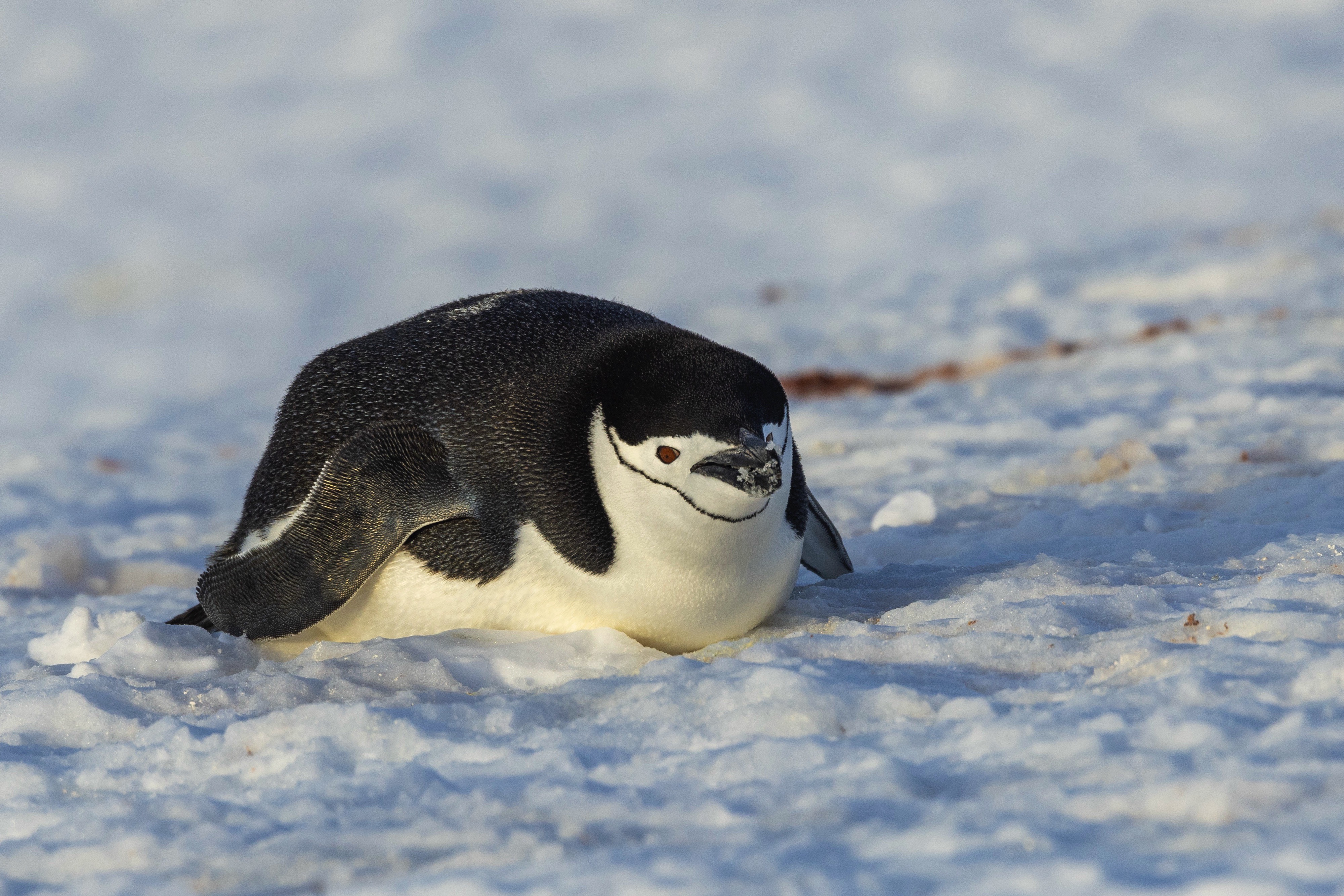
Whether it’s adventure at sea or on land that makes you tick, we have a huge range of optional activities to help you make the most of your time in some of the most beautiful places on earth.
We encourage you to make the most of every opportunity to nurture your inner adventurer. You can choose from a range of add-on adventures to make the most of your time in these beautiful places. We have pioneered more adventure activities than any polar expedition cruising company to help you explore in your own way.
We’ll get you out for your optional activities as often as possible, and this will be your main mode of exploration through your trip. Your guides* will assess the conditions at each landing, and you’ll have the option to join whenever conditions allow.
Optional activities are popular and group sizes are limited, so if you’re interested, get in touch with our team as soon as possible. Optional activities are listed on each itinerary page and additional fees apply.
Lecture Theatre
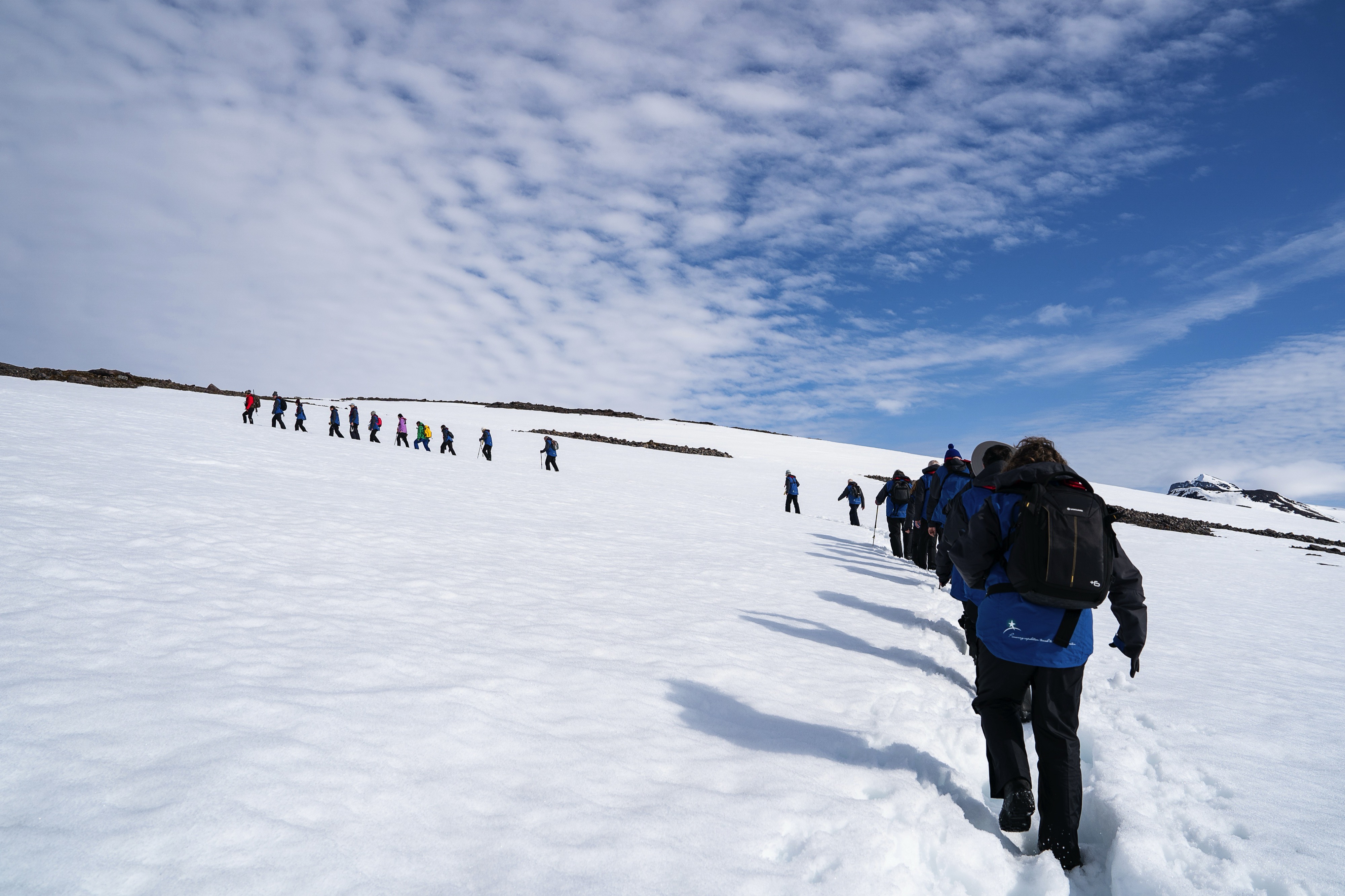
On all expeditions you will meet naturalists and local specialists, who offer presentations on their area of expertise to enhance your appreciation of the destination you are exploring.
Join the team in the lecture theatre for presentations covering a broad range of topics to suit every interest, from history and culture to biology and climate change. Regardless of the topic, they all have one thing in common: they all aim to engage, educate, entertain and turn you into an ambassador for the planet.
Activities Platform
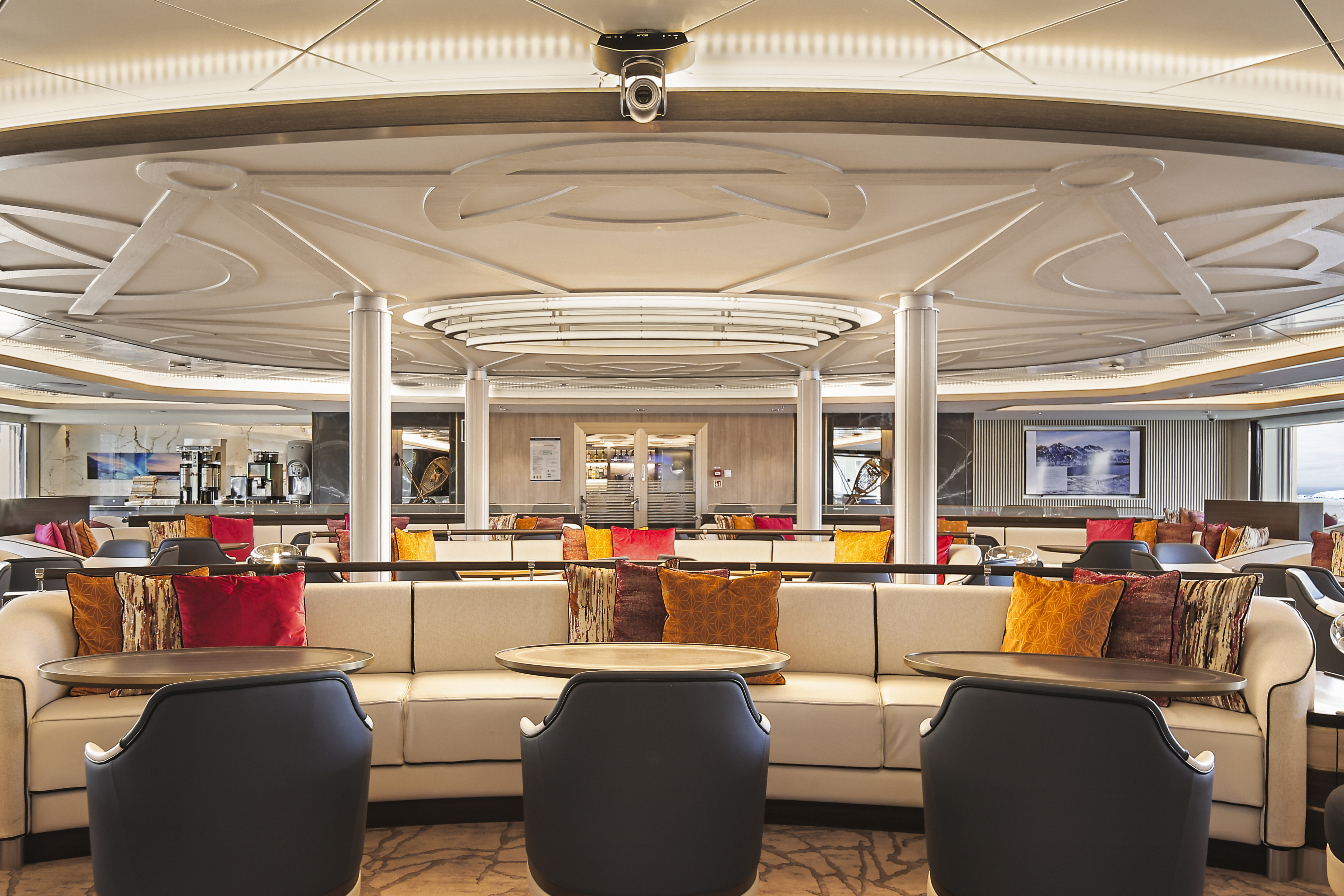
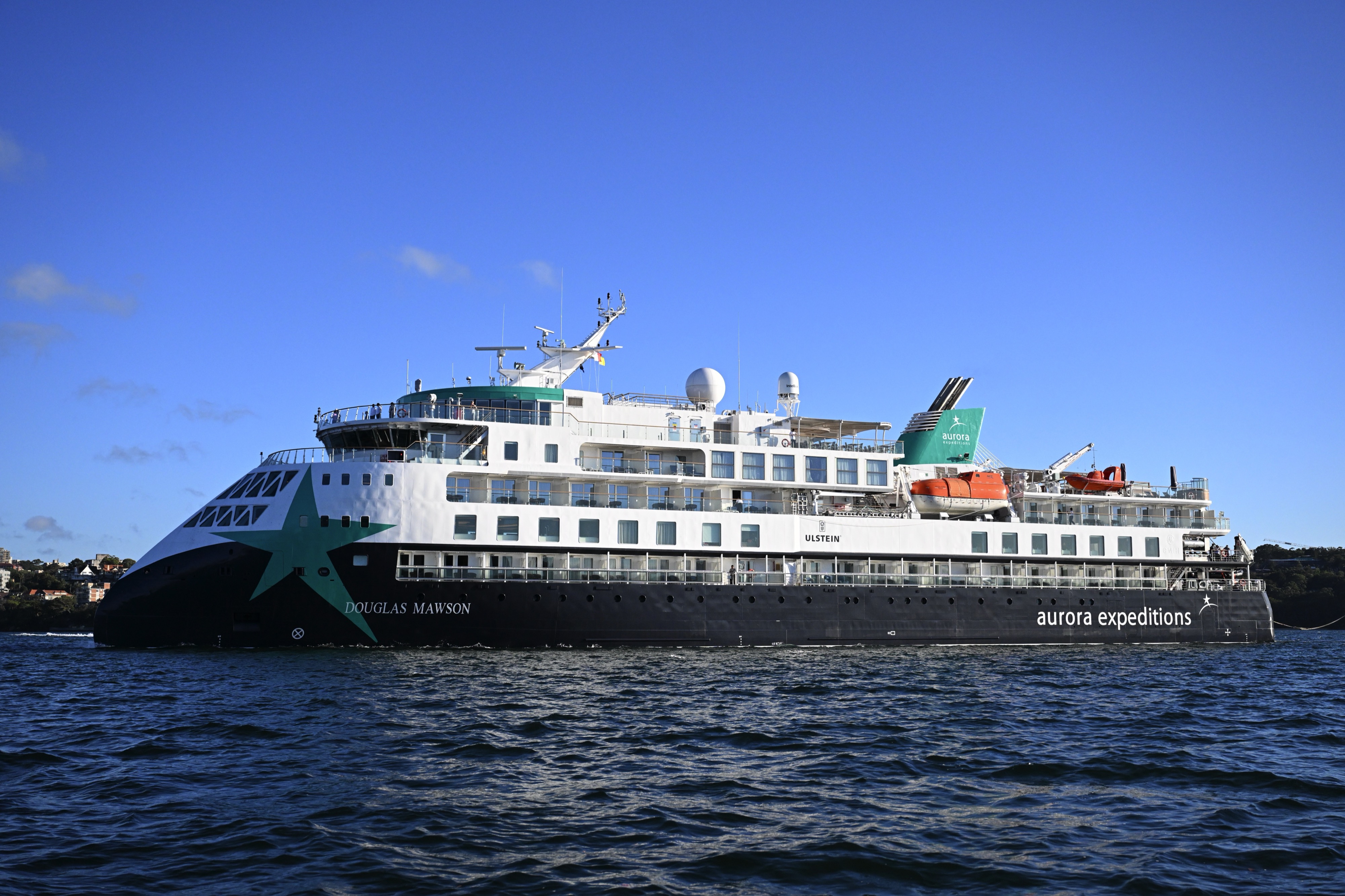
The Douglas Mawson features Zodiac access points and an activities platform, making boarding the Zodiacs as quick, efficient and safe as possible, minimising wait times and getting you closer to the action for longer.
Mudroom
Mudroom
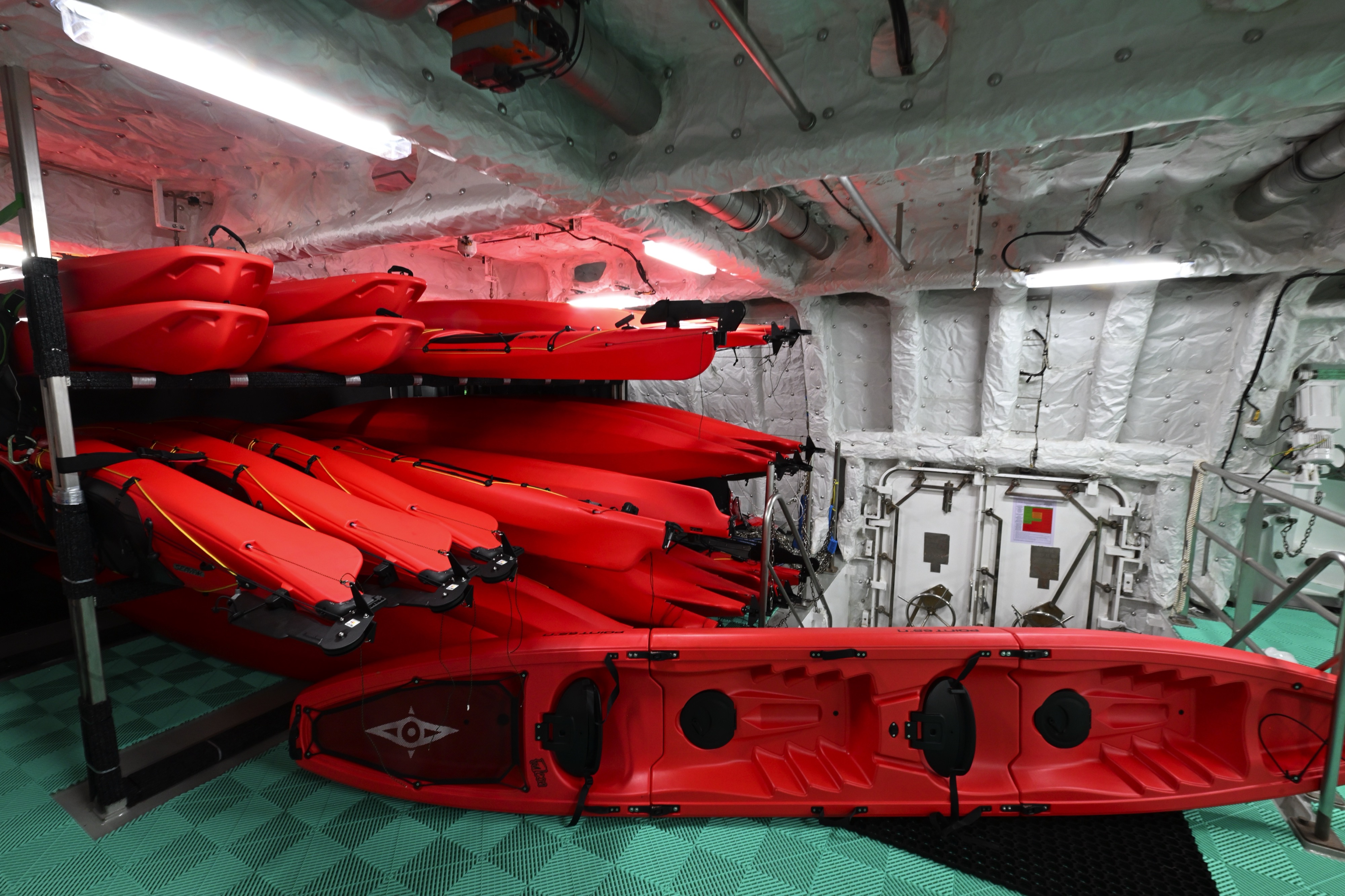
No need to take your wet expedition gear back to your cabin to dry. Keep your cabin warm and cosy by leaving your outer jackets and pants in the mudroom.
The mudroom is your launchpad for all shore excursions and activities. Here, you will have access to a locker when you can hang your gear up to dry, and store your boots between excursions.
Citizen Science Centre and Lounge
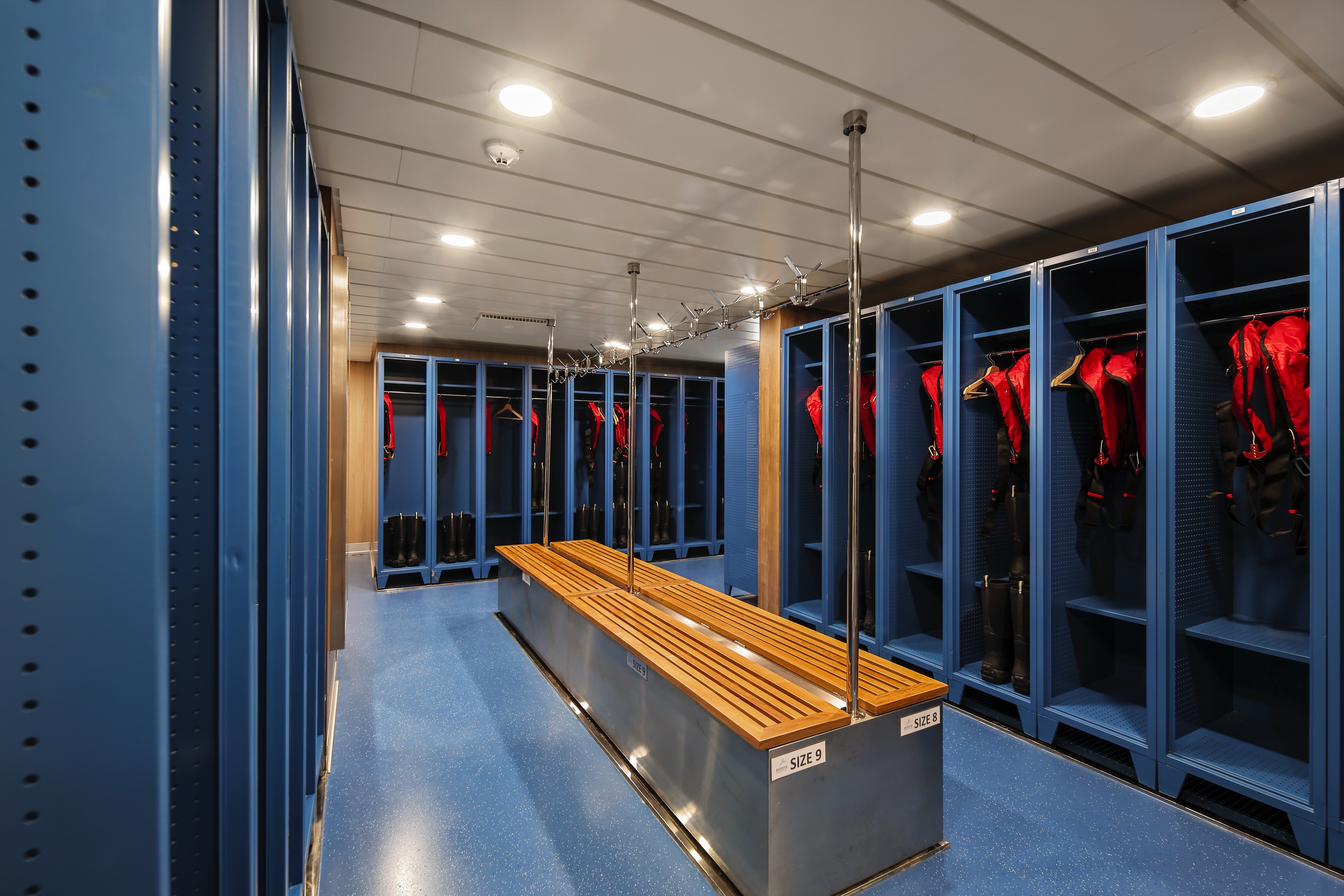
Learn more about the world and the unique destinations Aurora visits by visiting the onboard naturalist and Expedition Team in the world-class Citizen Science Center. You will be rewarded for your thirst for knowledge with one of the best views on the ship.
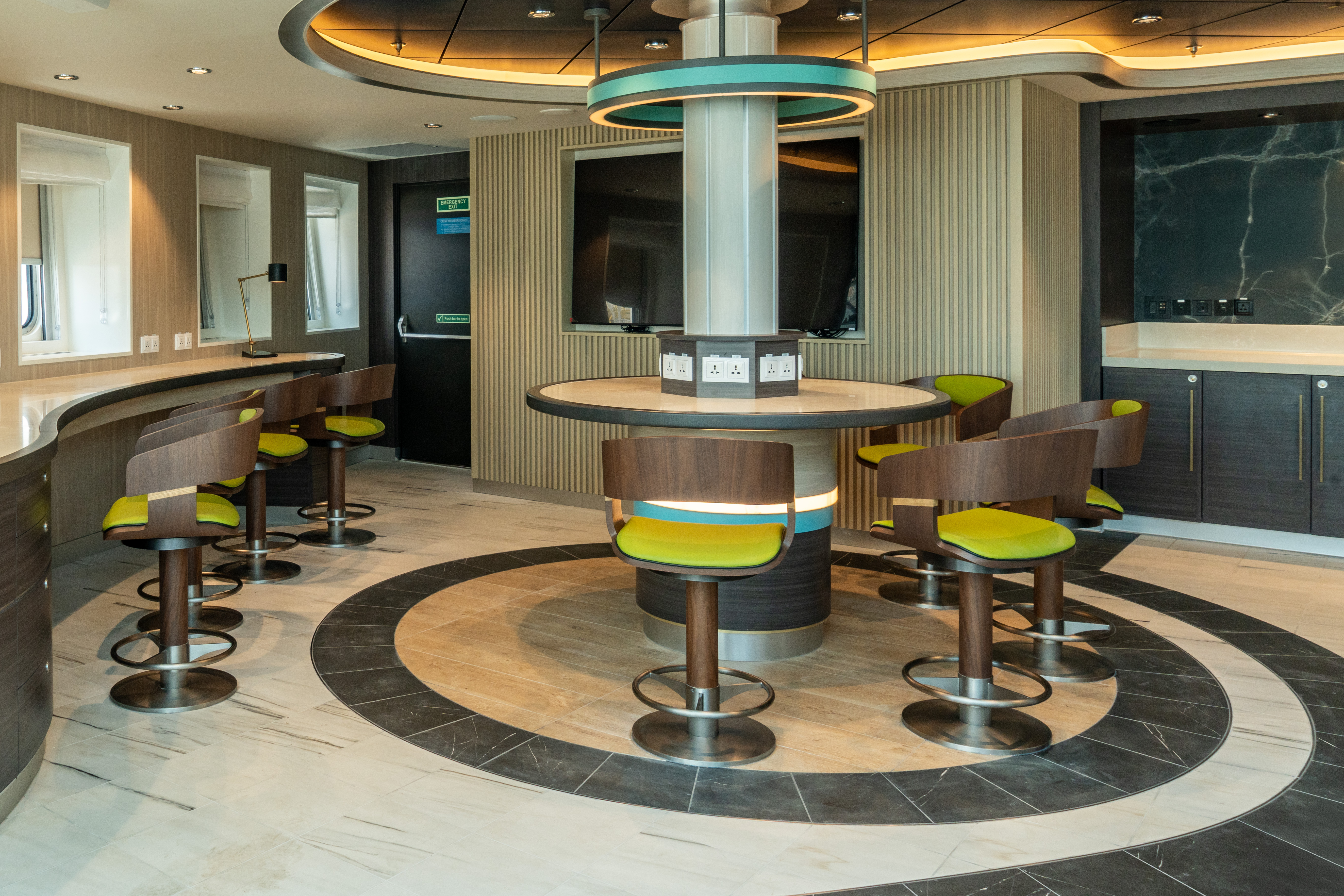
Atrium
More information coming soon.
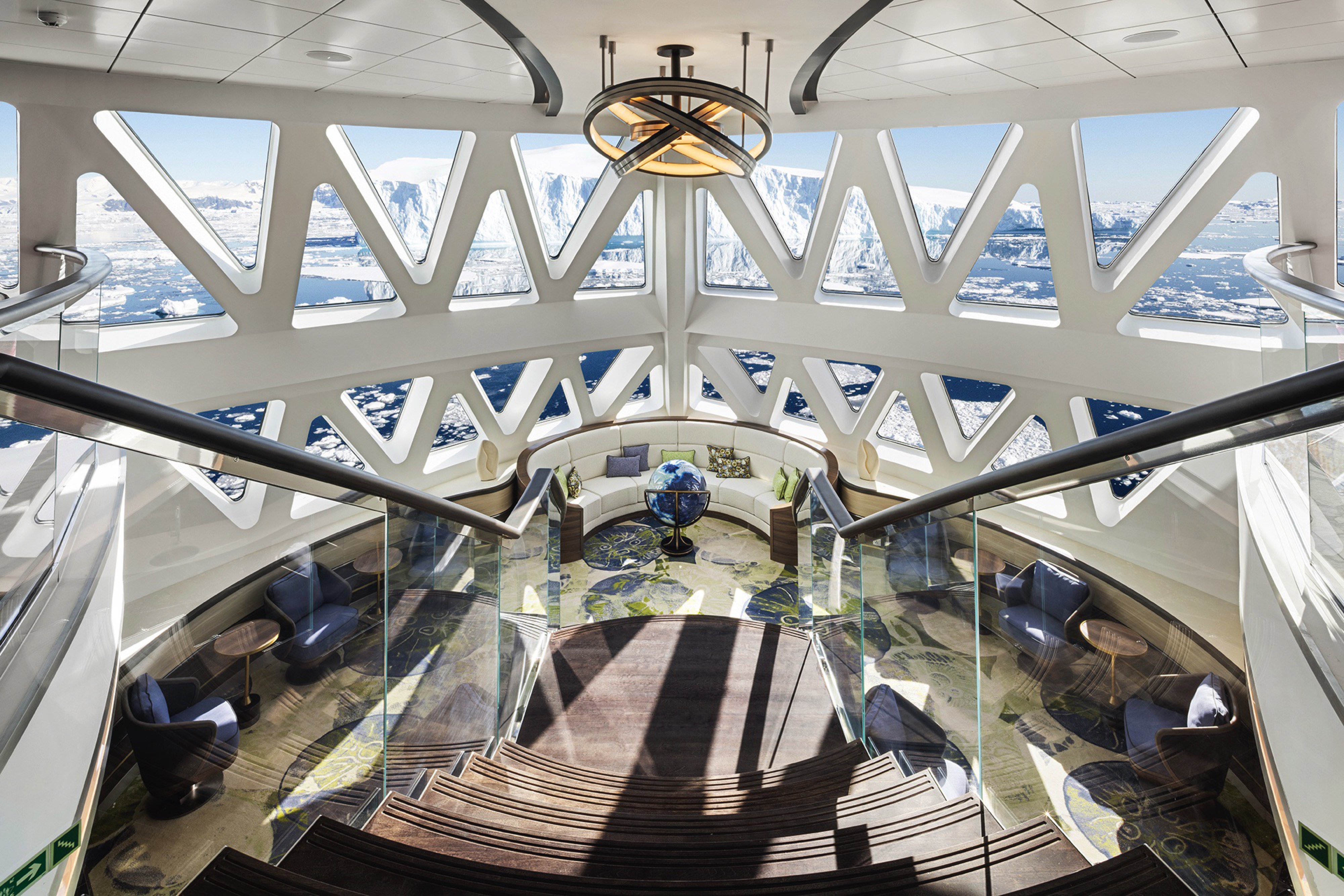
Sun Deck & Pool
In between landings, enjoy access to the onboard gym or unwind in the sauna. Or head to the back deck to swim in the heated outdoor pool, enjoy a drink at the pool bar, or soak in one of two Jacuzzis, watching the world go by.
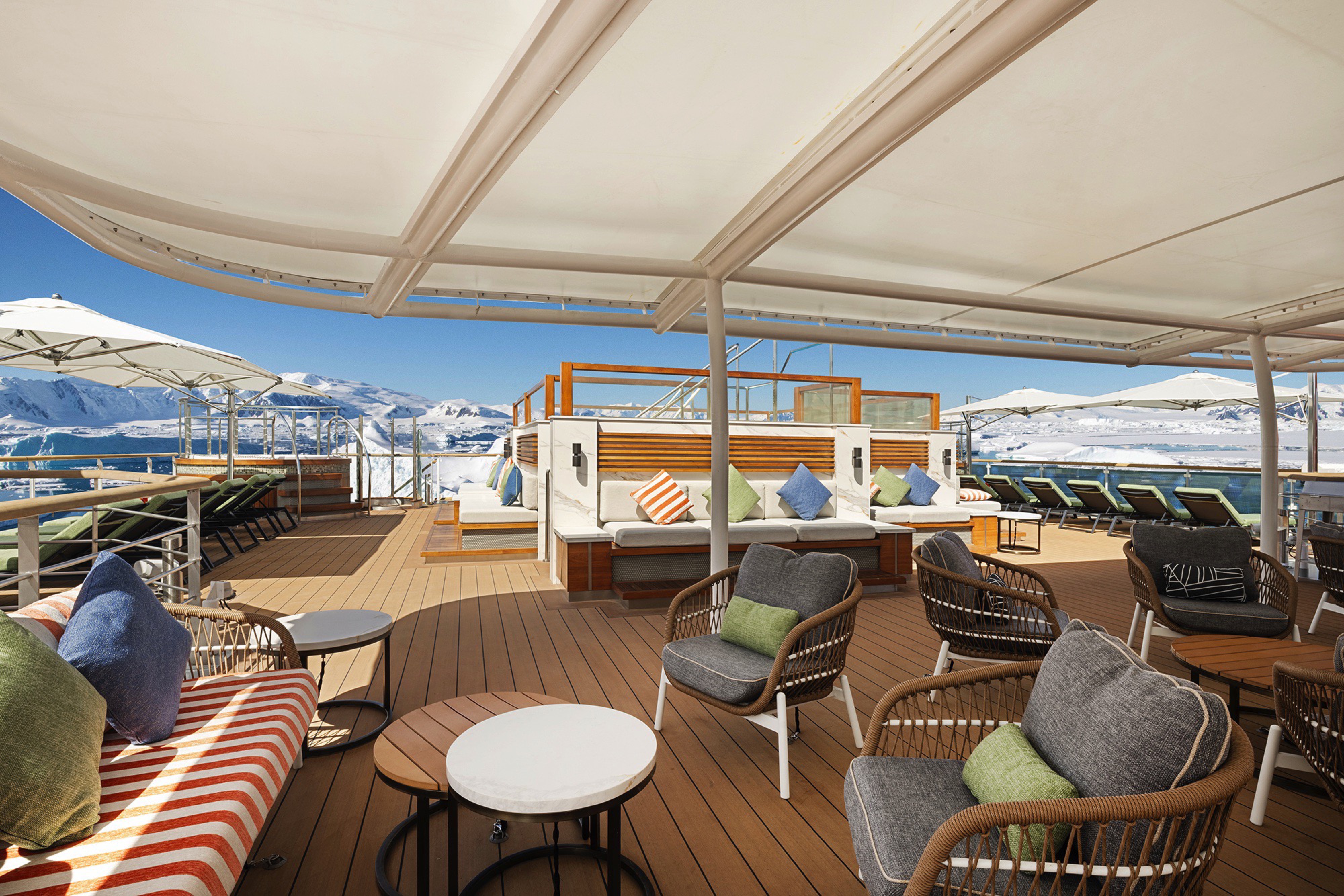
Bars & Lounges
Communal meeting areas have always played a major role in fostering the warm camaraderie on board our ships. They are the heart of the expedition, where people meet to share tales from the day, swap photos, keep an eye out for wildlife and watch the sun go down.
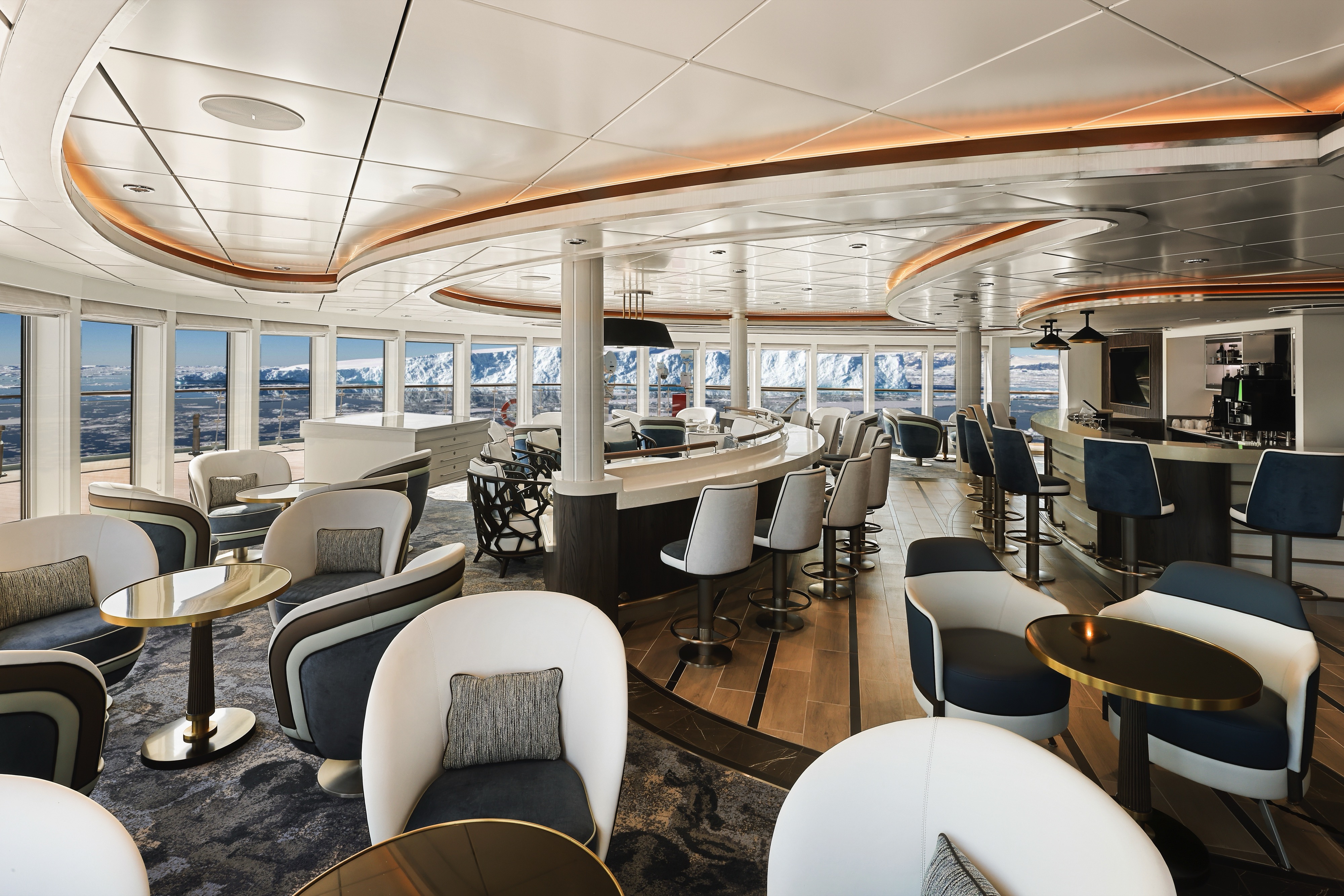
The bars and lounges on board are refined yet inviting places to gather, with floor-to-ceiling windows offering stunning views, and of course friendly bartenders to shoot the breeze with.
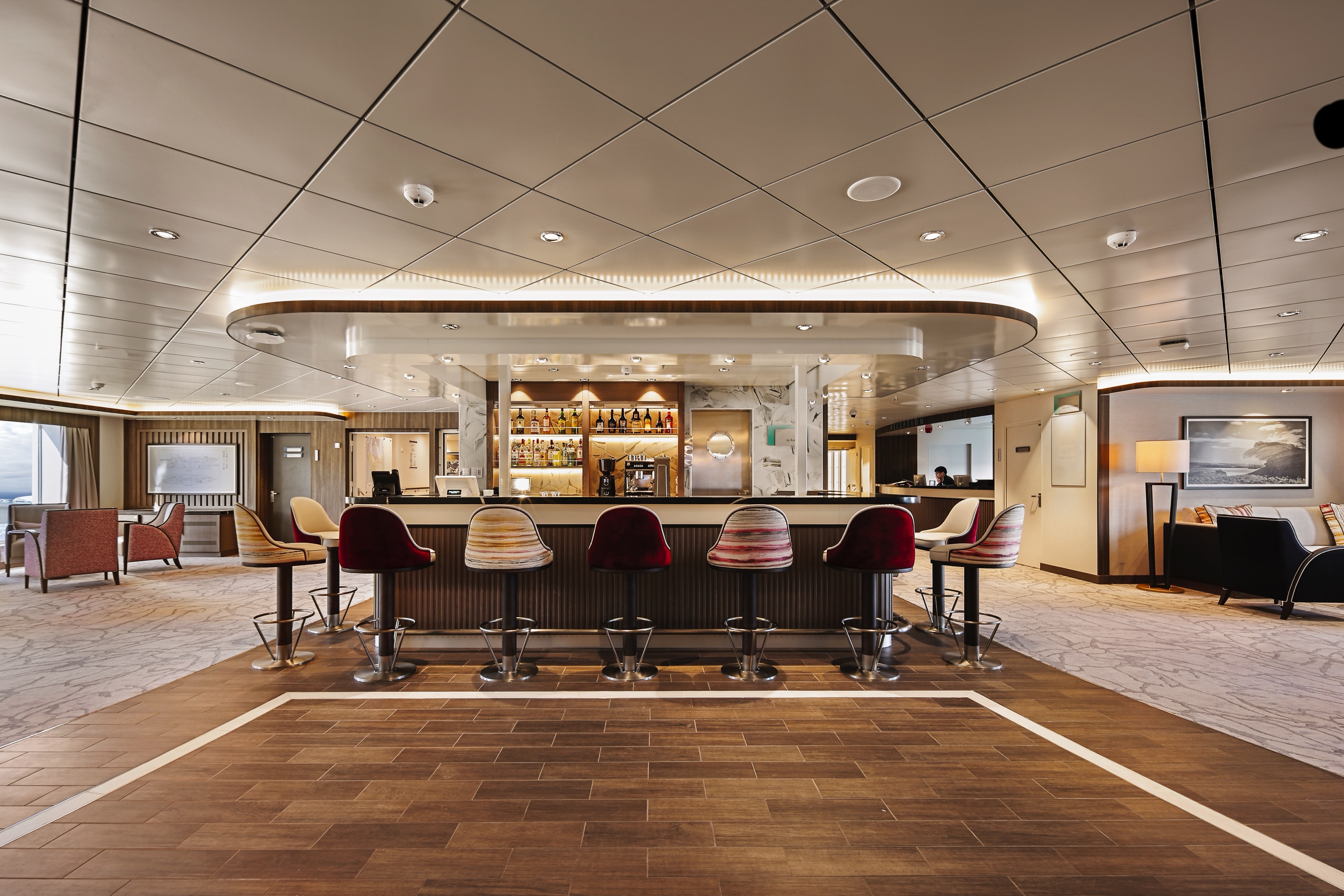
Library
With floor-to-ceiling windows, the library is a peaceful sanctuary where you can find non-fiction books to read up on the day’s destinations, use a public laptop to organise your photos or play board games with newfound friends. Choose from our range of informative non-fiction titles, wildlife guidebooks, travel journals, novels and a selection of children’s books and board games.
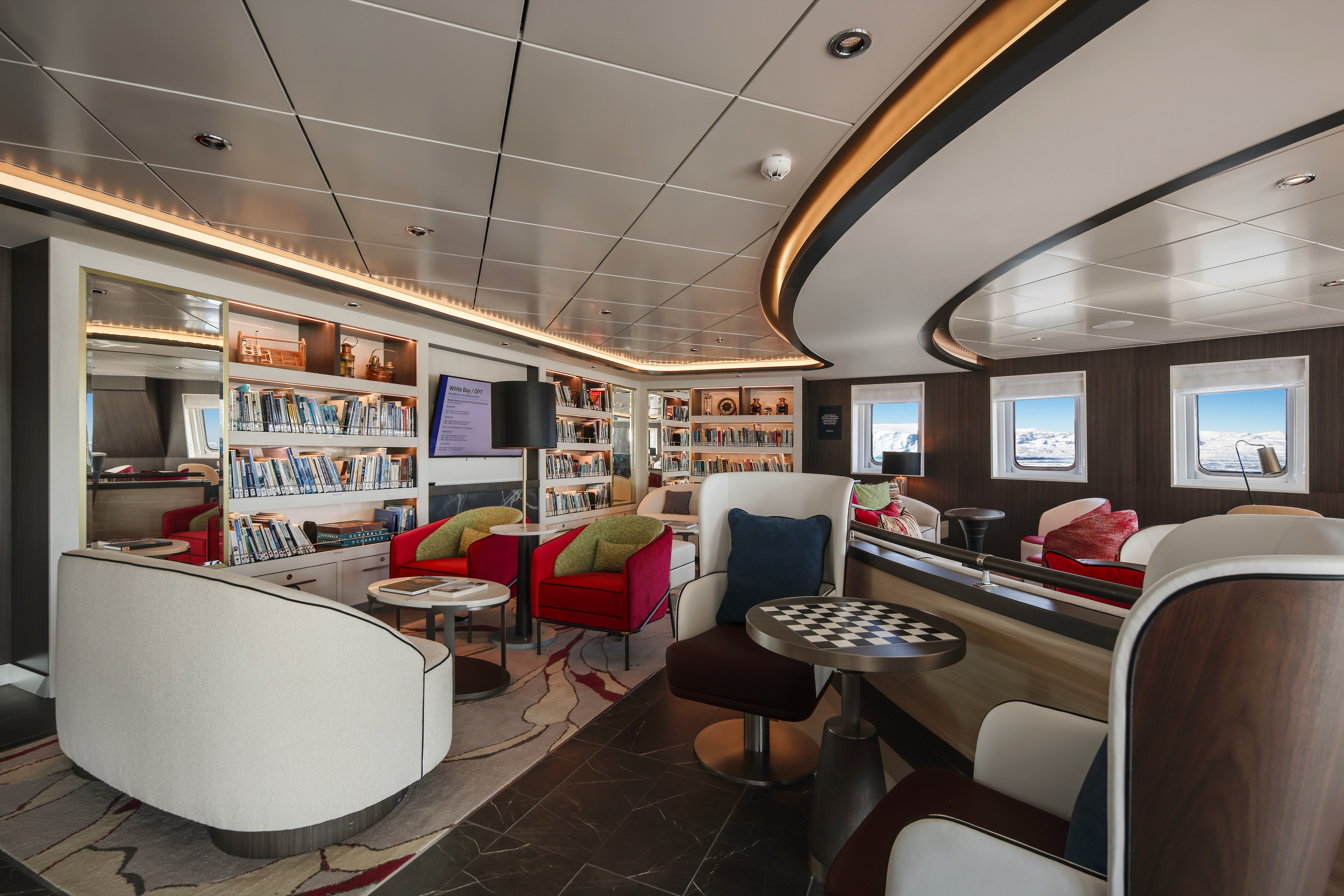
The Glass Atrium Lounge
As you explore the ship you will find indoor lounge areas with floor-to ceiling windows, and multiple open decks with expansive 270-360 degree views. The Glass Atrium Lounge inside the bow is a fantastic place to sit and watch for wildlife – with a drink in hand. There is no shortage of spaces to take in the majesty of the incredible world outside!
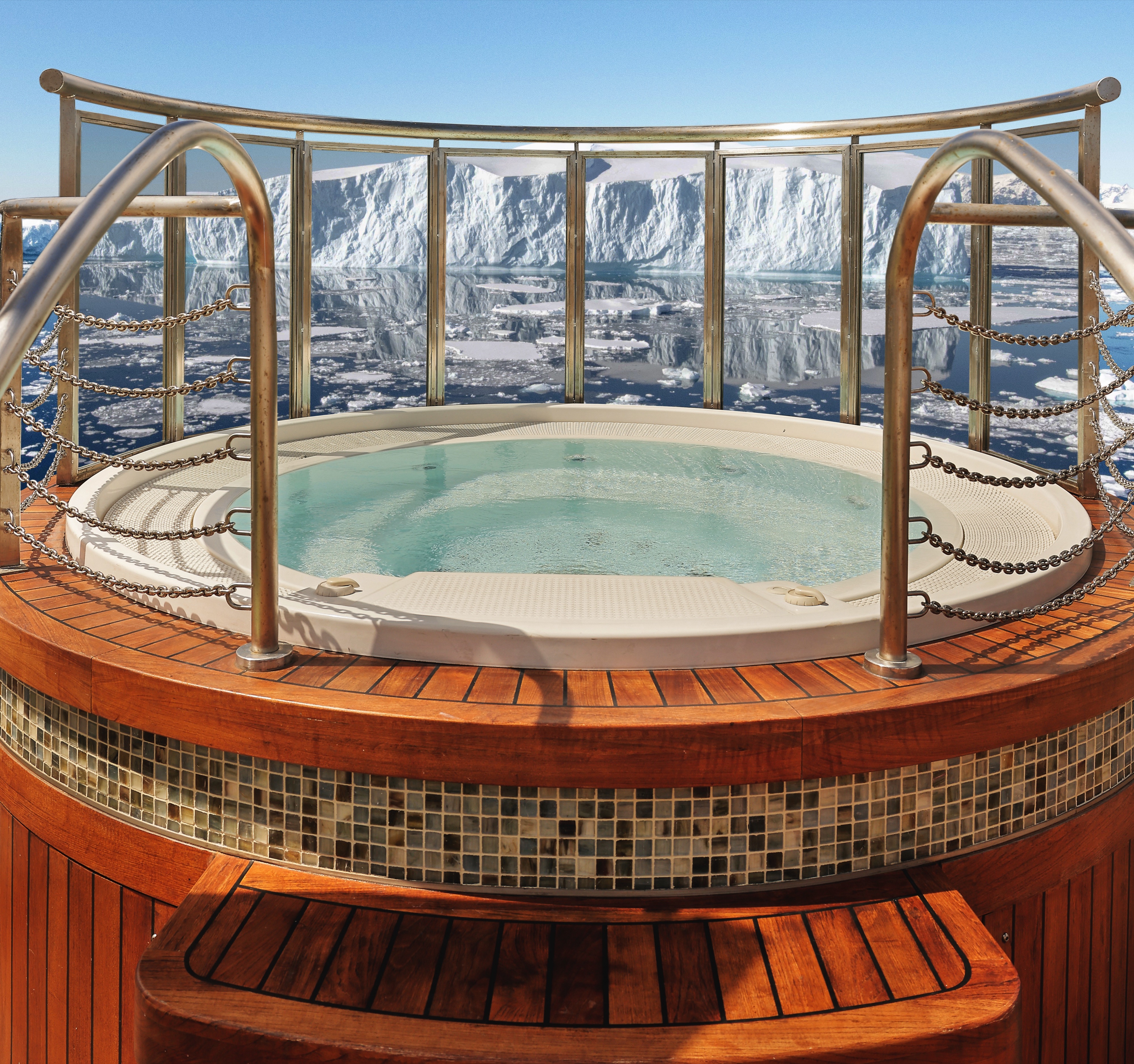
Jacuzzis
There are two Jacuzzis on the top outside deck which offer amazing views of the world outside.
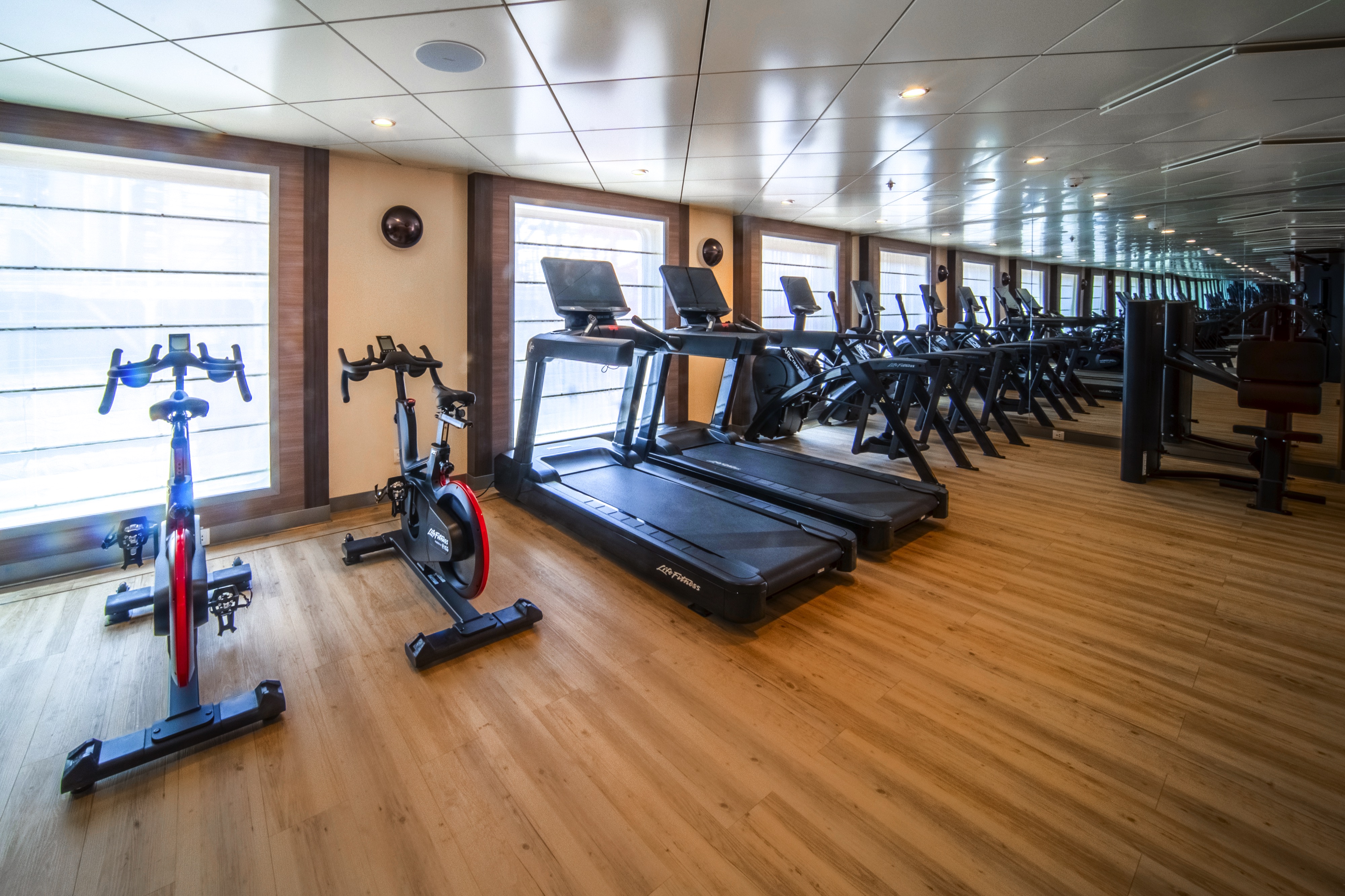
Gym & Sauna
During your voyage, enjoy complimentary access to the gym or visit our sauna, which we highly recommend after the Polar Plunge!
There are no dedicated children’s facilities onboard the Douglas Mawson
Dining room
One of the most important parts of any expedition is the food! Start each adventure with hearty meals and delicious morning and afternoon teas prepared by our onboard chefs.
Meals are a great time to connect with fellow travellers in our open-seating dining area, sharing stories and insights from the day. Tea, coffee, and snacks are available 24/7, and our chefs offer a variety of menu options for each meal. Enjoy house wines, beers, and soft drinks with dinner after a day of exploration.
Wrap up your journey with informal Captain’s Farewell drinks, featuring complimentary beverages, cocktail appetisers, and a special three-course meal.
Top Deck Restaurant
The Top Deck Restaurant is located on deck 8.
Citizen Science
Travel is always the best educator and we offer the chance to enrich your curiosity and expand your knowledge and understanding of the places we travel to. There is no better learning opportunity than being in the field with subject matter experts.
Our Citizen Science Program is designed to be an interactive forum of like-minded travellers to share new discoveries and deepen their connection to the natural world in a relaxed, informal and fun environment – both on board our ships, on our fascinating shore expeditions and in our zodiacs.
You can make a difference as we can provide invaluable data to the scientific community through you taking part. You too can become an ambassador for the protection of our majestic but fragile blue planet when you return home by sharing what you have learned.
What is Citizen Science?
Citizen Science is the collection and analysis of data relating to the natural world by members of the general public, typically as part of a collaborative project with professional scientists around the world.
Why Take Part?
Aurora Expeditions travels to some of the most unique and remote places on the planet. It is challenging for scientists to spend time in these areas, so any observations we contribute can be extremely valuable.
Gathering and sharing data is also a great way to engage and educate ourselves in pressing issues that concern us at a local, regional and global level.
How Does it Work?
Members of our passionate Expedition Team, together with a Citizen Science Coordinator, will be on hand to introduce and assist you with the projects being conducted on your voyage.
Expert guidance on the collection, storage and sharing of new scientific data will not only greatly enhance your voyage experience, but help you gain more knowledge of our ever-changing natural environment.
From the biggest mammals to the smallest marine creatures, the important part you play in our Citizen Science projects will help protect and preserve the planet for generations to come.
Our Projects
Our passengers can contribute to global research, collecting data in some of the most hard-to-reach, under-studied places on Earth. Our Citizen Science Program covers seven projects that span the globe, to advance understanding of marine ecosystems, birdlife, climate change and polar environments.
Please note: As some of our Citizen Science projects are location- and weather-dependent, we cannot operate all of the projects on all voyages. We will endeavour to include as many projects as possible on your voyage with ample time allocated to them on a day-to-day basis.
- HappyWhale uses photo ID to track individual whales. Guests can photograph encounters and log them on the database, improving knowledge about migration, population health and behaviour.
- eBird is the world’s largest biodiversity-related Citizen Science project, collecting bird observations from around the globe. Aurora passengers help to track species distribution and population changes.
- Our passengers are invited to record cloud conditions, with observations submitted to NASA GLOBE Cloud contributing to climate modelling.
- Our Citizen Scientists measure water clarity by lowering a Secchi disk, recording visibility, and sharing data with scientists that are studying the effects of climate change on ocean ecosystems. This builds a long-term global dataset, and each voyage contributes new observations from some of the least-studied waters in the world.
- Snow algae are microscopic organisms that grow on snow and ice, influencing melt rates. The Snow Algae Study engages passengers in photographing and recording snow algae sites, contributing to global research into how these organisms influence the Antarctic environment. This study is supported by the latest science from the National Snow and Ice Data Center.
- FjordPhyto invites passengers to explore phytoplankton diversity in polar fjords and coastal waters. Using simple tools, they collect samples to help scientists track phytoplankton health and its response to changing ocean conditions. These observations enhance understanding of the base of the marine food and how climate change is altering polar ecosystems. *Only available on Antarctic voyages.
- We are proudly the first expedition company to facilitate the development and execution of the TIPI pilot project, using thermal imaging to measure polar ice conditions. This project combines science, technology and storytelling to create robust datasets while engaging the public in polar research. We are collaborating with founder Joe Muise to deliver high-quality scientific outcomes.
Activities
Whether it’s adventure at sea or on land that makes you tick, we have a huge range of optional activities to help you make the most of your time in some of the most beautiful places on earth.
We encourage you to make the most of every opportunity to nurture your inner adventurer. You can choose from a range of add-on adventures to make the most of your time in these beautiful places. We have pioneered more adventure activities than any polar expedition cruising company to help you explore in your own way.
We’ll get you out for your optional activities as often as possible, and this will be your main mode of exploration through your trip. Your guides* will assess the conditions at each landing, and you’ll have the option to join whenever conditions allow.
Optional activities are popular and group sizes are limited, so if you’re interested, get in touch with our team as soon as possible. Optional activities are listed on each itinerary page and additional fees apply.
Lecture Theatre
On all expeditions you will meet naturalists and local specialists, who offer presentations on their area of expertise to enhance your appreciation of the destination you are exploring.
Join the team in the lecture theatre for presentations covering a broad range of topics to suit every interest, from history and culture to biology and climate change. Regardless of the topic, they all have one thing in common: they all aim to engage, educate, entertain and turn you into an ambassador for the planet.
Activities Platform
The Douglas Mawson features Zodiac access points and an activities platform, making boarding the Zodiacs as quick, efficient and safe as possible, minimising wait times and getting you closer to the action for longer.
Mudroom
Mudroom
No need to take your wet expedition gear back to your cabin to dry. Keep your cabin warm and cosy by leaving your outer jackets and pants in the mudroom.
The mudroom is your launchpad for all shore excursions and activities. Here, you will have access to a locker when you can hang your gear up to dry, and store your boots between excursions.
Citizen Science Centre and Lounge
Learn more about the world and the unique destinations Aurora visits by visiting the onboard naturalist and Expedition Team in the world-class Citizen Science Center. You will be rewarded for your thirst for knowledge with one of the best views on the ship.
Atrium
More information coming soon.
Sun Deck & Pool
In between landings, enjoy access to the onboard gym or unwind in the sauna. Or head to the back deck to swim in the heated outdoor pool, enjoy a drink at the pool bar, or soak in one of two Jacuzzis, watching the world go by.
Bars & Lounges
Communal meeting areas have always played a major role in fostering the warm camaraderie on board our ships. They are the heart of the expedition, where people meet to share tales from the day, swap photos, keep an eye out for wildlife and watch the sun go down.
The bars and lounges on board are refined yet inviting places to gather, with floor-to-ceiling windows offering stunning views, and of course friendly bartenders to shoot the breeze with.
Library
With floor-to-ceiling windows, the library is a peaceful sanctuary where you can find non-fiction books to read up on the day’s destinations, use a public laptop to organise your photos or play board games with newfound friends. Choose from our range of informative non-fiction titles, wildlife guidebooks, travel journals, novels and a selection of children’s books and board games.
The Glass Atrium Lounge
As you explore the ship you will find indoor lounge areas with floor-to ceiling windows, and multiple open decks with expansive 270-360 degree views. The Glass Atrium Lounge inside the bow is a fantastic place to sit and watch for wildlife – with a drink in hand. There is no shortage of spaces to take in the majesty of the incredible world outside!
Jacuzzis
There are two Jacuzzis on the top outside deck which offer amazing views of the world outside.
Gym & Sauna
During your voyage, enjoy complimentary access to the gym or visit our sauna, which we highly recommend after the Polar Plunge!
There are no dedicated children’s facilities onboard the Douglas Mawson
About the Ship
Deck Plans
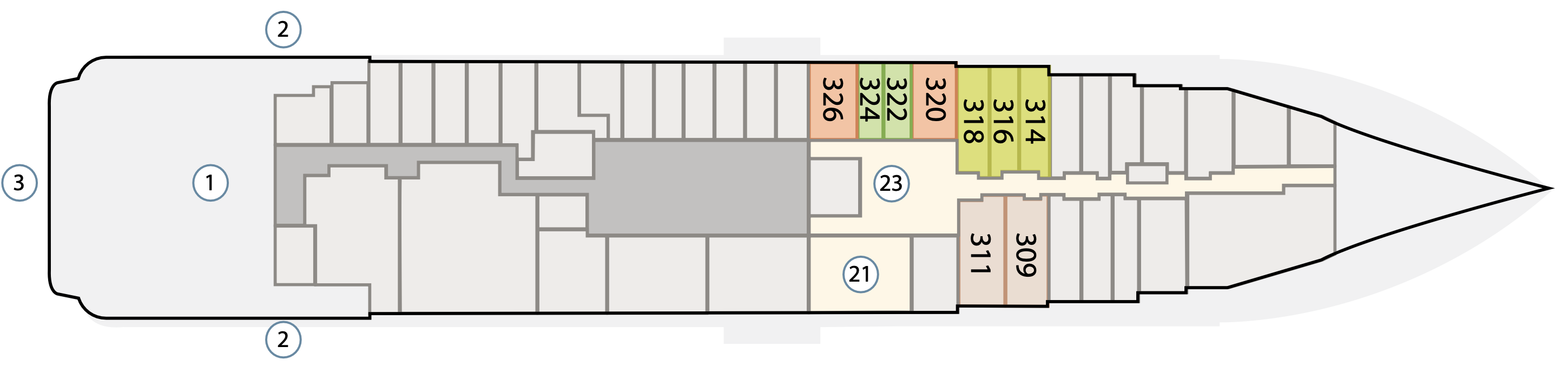
- Change room/mudroom
- Zodiac access points
- Activity launching platform
- Medical clinic
- Elevator
- Aurora Stateroom Triple
- Aurora Stateroom Twin
- Aurora Stateroom Superior Single
- Aurora Stateroom Single
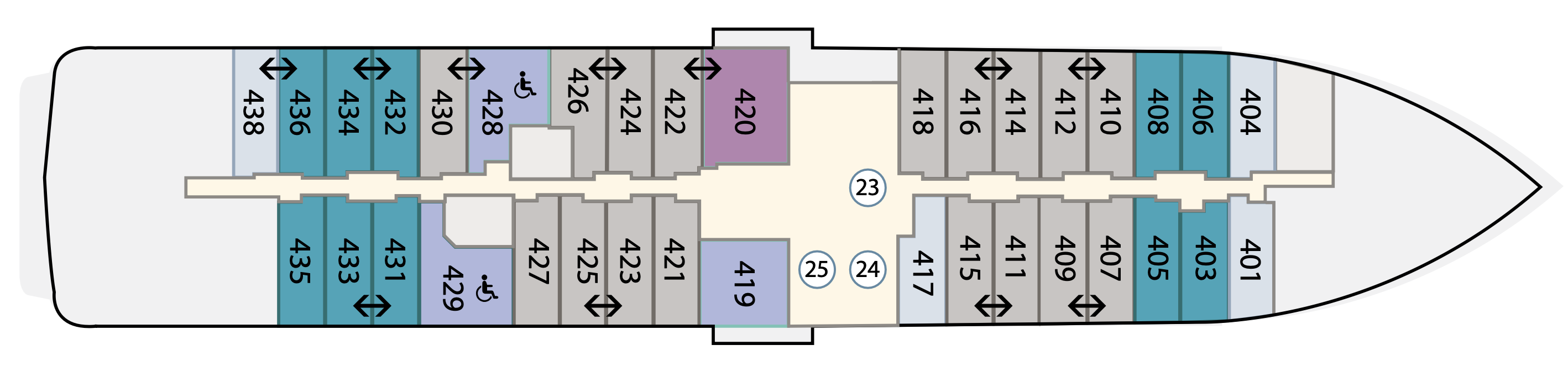
- Elevator
- Main entrance
- Expedition desk
- Captain’s Suite
- Balcony Stateroom Superior
- Balcony Stateroom (A, B, C)
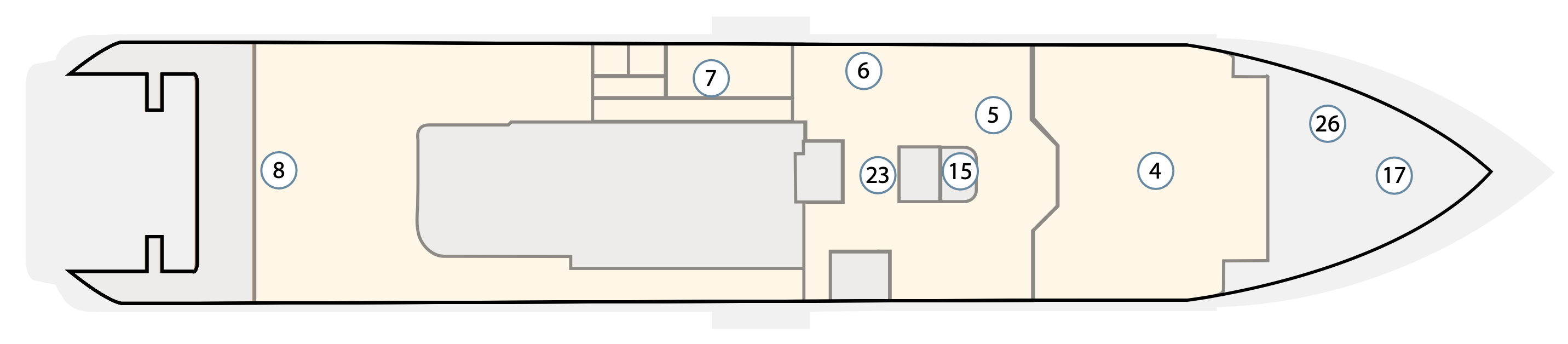
- Lecture room & lounge
- Assembly station
- Reception
- Ship shop
- Dining room
- Bar
- Lower glass atrium lounge
- Elevator
- Citizen Science centre
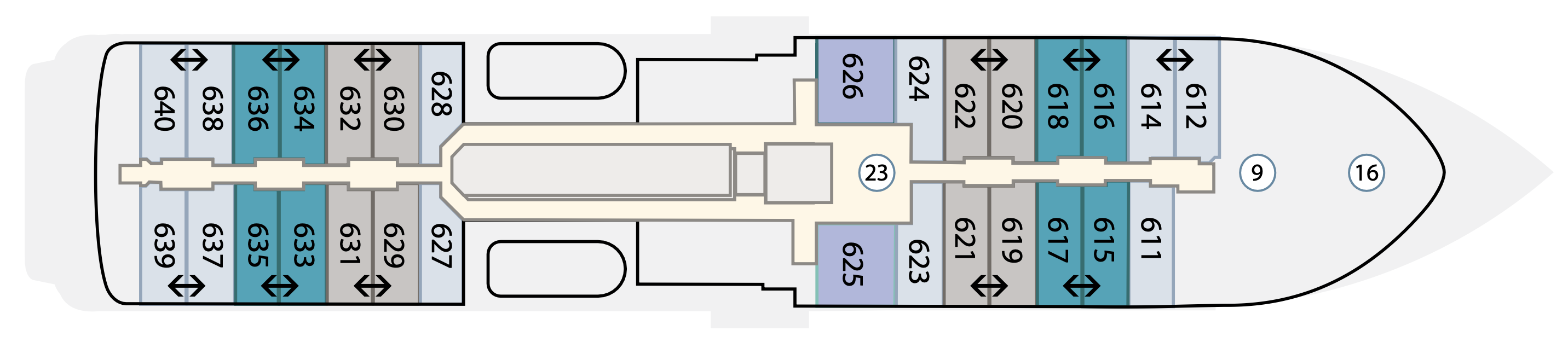
- Library
- Upper glass atrium lounge
- Elevator
- Balcony Stateroom Superior
- Balcony Stateroom (A, B, C)
- Junior Suite
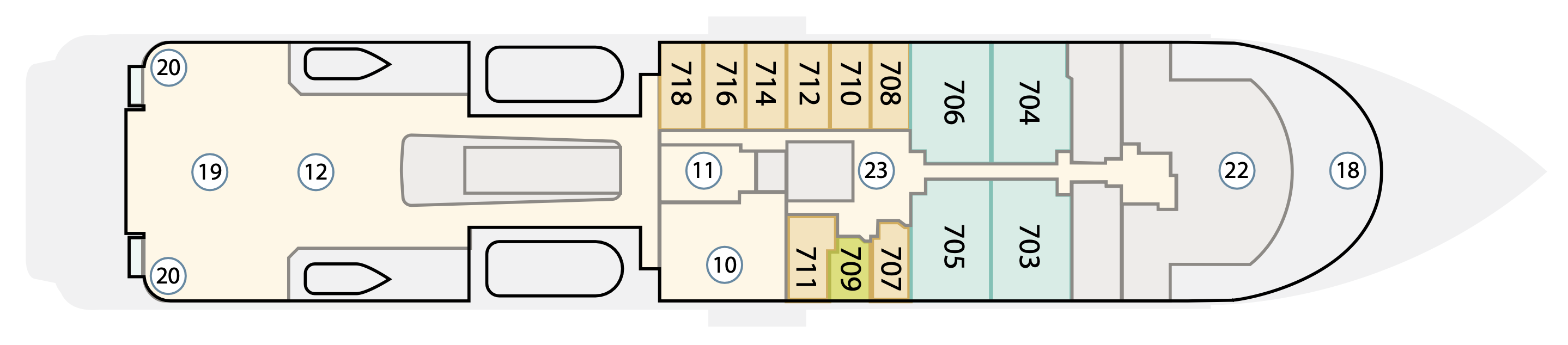
- Gym
- Sauna
- Seating area
- Observation decks
- Swimming pool and sun deck
- Jacuzzis
- Bridge
- Elevator
- Junior Suite
- Aurora Stateroom Superior
- Aurora Stateroom Superior Single
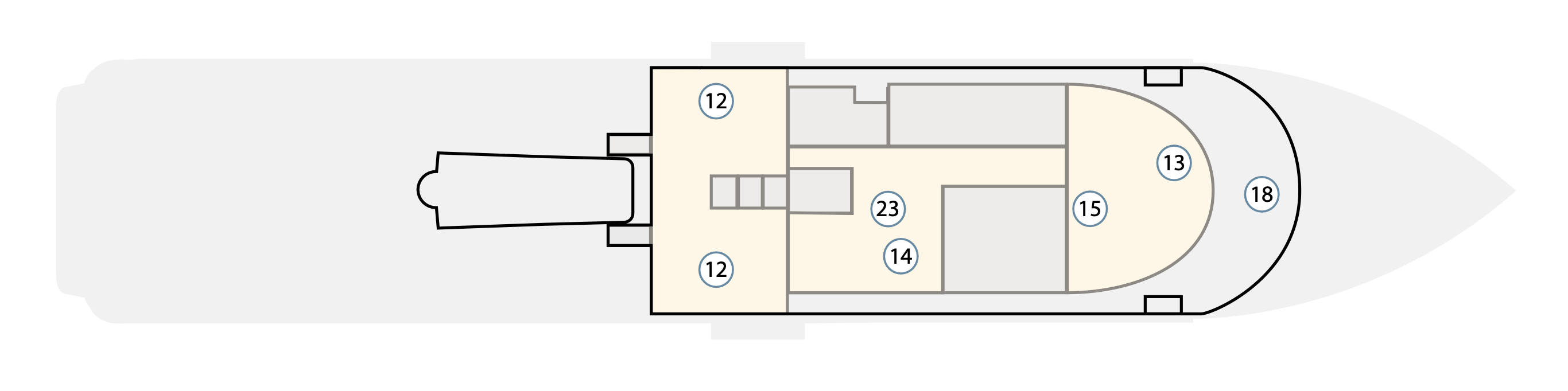
- Seating area
- Observation lounge
- Top-deck restaurant
- Bar
- Observation decks
- Elevator
- Change room/mudroom
- Zodiac access points
- Activity launching platform
- Medical clinic
- Elevator
- Aurora Stateroom Triple
- Aurora Stateroom Twin
- Aurora Stateroom Superior Single
- Aurora Stateroom Single
- Elevator
- Main entrance
- Expedition desk
- Captain’s Suite
- Balcony Stateroom Superior
- Balcony Stateroom (A, B, C)
- Lecture room & lounge
- Assembly station
- Reception
- Ship shop
- Dining room
- Bar
- Lower glass atrium lounge
- Elevator
- Citizen Science centre
- Library
- Upper glass atrium lounge
- Elevator
- Balcony Stateroom Superior
- Balcony Stateroom (A, B, C)
- Junior Suite
- Gym
- Sauna
- Seating area
- Observation decks
- Swimming pool and sun deck
- Jacuzzis
- Bridge
- Elevator
- Junior Suite
- Aurora Stateroom Superior
- Aurora Stateroom Superior Single
- Seating area
- Observation lounge
- Top-deck restaurant
- Bar
- Observation decks
- Elevator