Featured Cabins
Itinerary
San José, Costa Rica
Having made your way to San Jose, you will be met by a representative of Aurora Expeditions and transferred to our group hotel. Please visit the Aurora Expeditions hospitality desk to collect your luggage cabin tags and to speak with our ground operations team, who may have information to share with you about pre-embarkation or to provide you with information about where to dine, withdraw cash or purchase last minute items from a local pharmacy or supermarket.
Enjoy free time, and in the evening, dine at your leisure (dinner not included).
Assigned accommodation: Costa Rica Marriott Hotel Hacienda Belen
San José, Costa Rica
This morning, enjoy breakfast and check-out. Please ensure your cabin luggage is fitted with cabin tags clearly labelled with your name and cabin number. Take your cabin luggage to hotel reception, prior to, or at check-out. Your luggage will be stored and transferred directly to the port for clearance, to be placed in your cabin ahead of your arrival on board. Please keep any valuables or personal items with you throughout the day.
Today we make our way to Hacienda Doka for a unique coffee experience. Discover Costa Rica's rich coffee heritage, starting at the seedbed where the journey of every coffee bean begins. Explore the diverse coffee plant varieties and their growth cycles while learning about the local history that has shaped the country’s coffee culture. Enjoy a coffee and chocolate pairing show, followed by a traditional buffet lunch featuring typical local dishes. In the early afternoon, we head to the coastal port of Puntarenas, where we will board the Sylvia Earle.
Once onboard, there is time to settle into your cabin before attending important safety briefings. Enjoy the thrill of departure as we ‘throw the lines’ and set sail for an exciting tropical adventure.
Curú Wildlife Refuge, Costa Rica
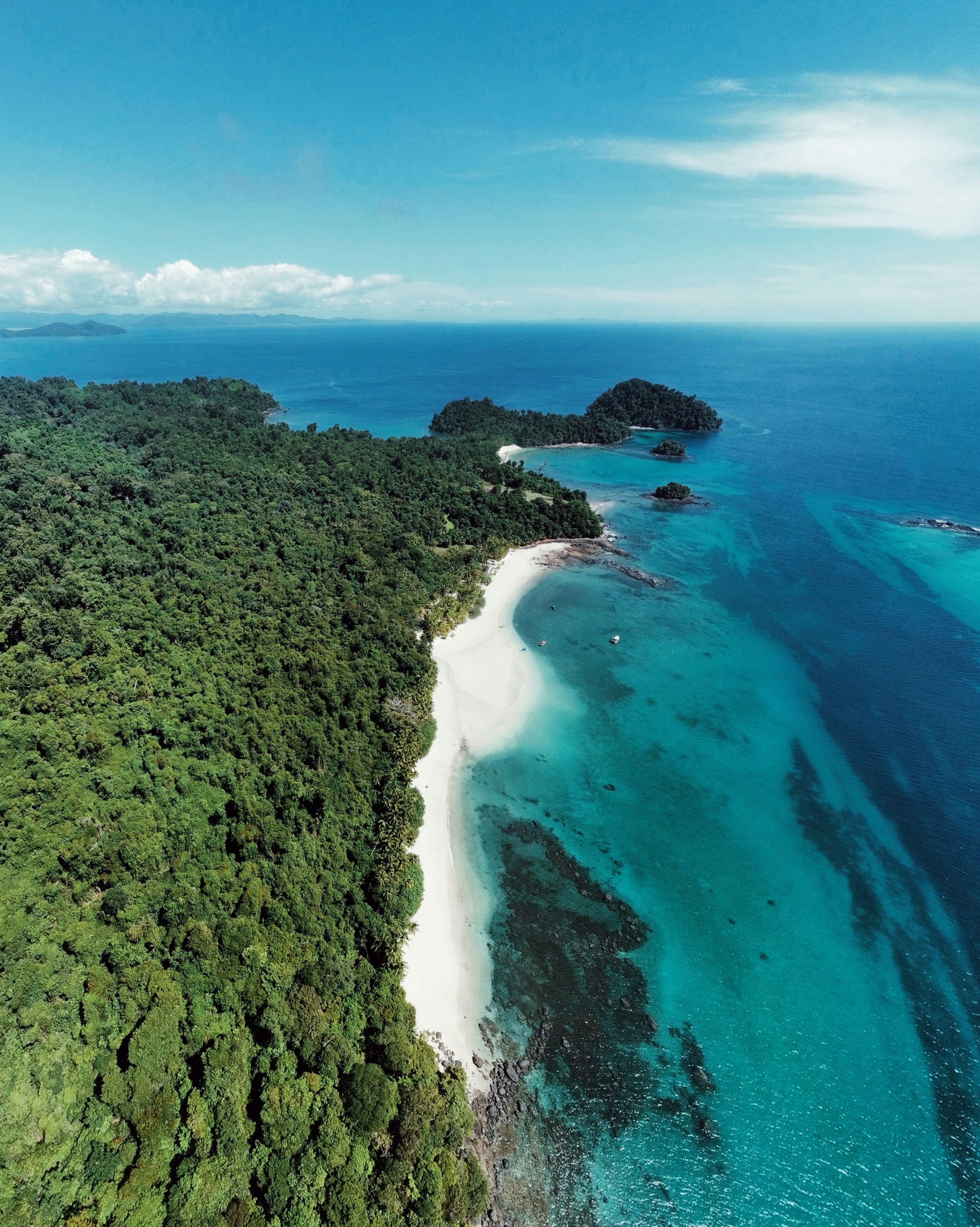
Located on the southeast tip of the Nicoya Peninsula, the Curu Wildlife Refuge is known for its pristine, white-sand beaches and impressive variety of species ranging from monkeys to sand crabs. In total the refuge covers 3,707 total acres and 656 feet of coastline. Travelers to the Curu Wildlife Refuge will quickly notice that they are in the minority at the site, with only a few people in the area among the abundance of animals and sea creatures. All of your senses will be captivated by this overwhelming amount of wildlife at the reserve, which offers some of the best eco-tourism in Costa Rica. Curu officially received support from the Costa Rican government to protect its wildlife in 1981 and the area officially became known as the Curu Wildlife Refuge in 1983. Today, the refuge is privately owned, extremely-well cared for and even more exclusive than many of the national parks in the country. If you’re looking to participate in some of the vast eco-tourism opportunities in Costa Rica, the refuge should be a top priority because of its exclusivity and the ability of visitors to personally interact with the diverse animal population. The refuge also features 17 peaceful trails, where travellers can check out this abundant wildlife in a number of different ecosystems, including mangrove swamps and both dry and wet tropical forests.
Manuel Antonio National Park, Costa Rica
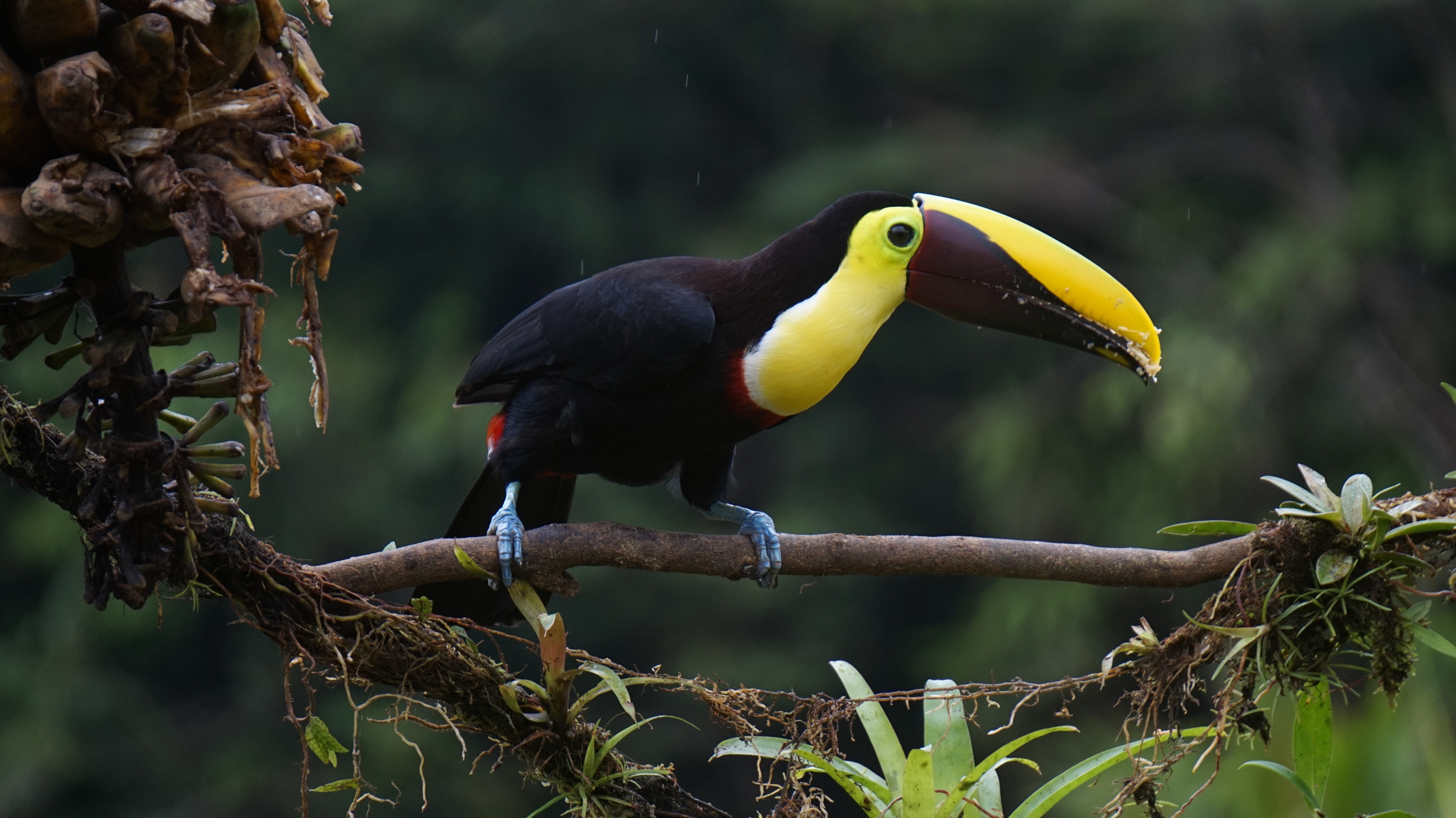
Boasting over 100 species of mammals, 184 species of birds and an impressive variety flora, Manuel Antonio National Park understandably attracts wildlife enthusiasts from all over the world. Costa Rica’s star attractions – two and three toed sloths, as well as white-faced monkeys, toucans, agoutis, armadillos and coatis are a few of the exciting animals that you may encounter within the park. We explore the park in the cool, early hours of the morning before returning to the vessel for lunch. In the afternoon, you have the option to explore Quepos town or enjoy some water activities.
Punta Rio Claro National Wildlife Refuge, Costa Rica
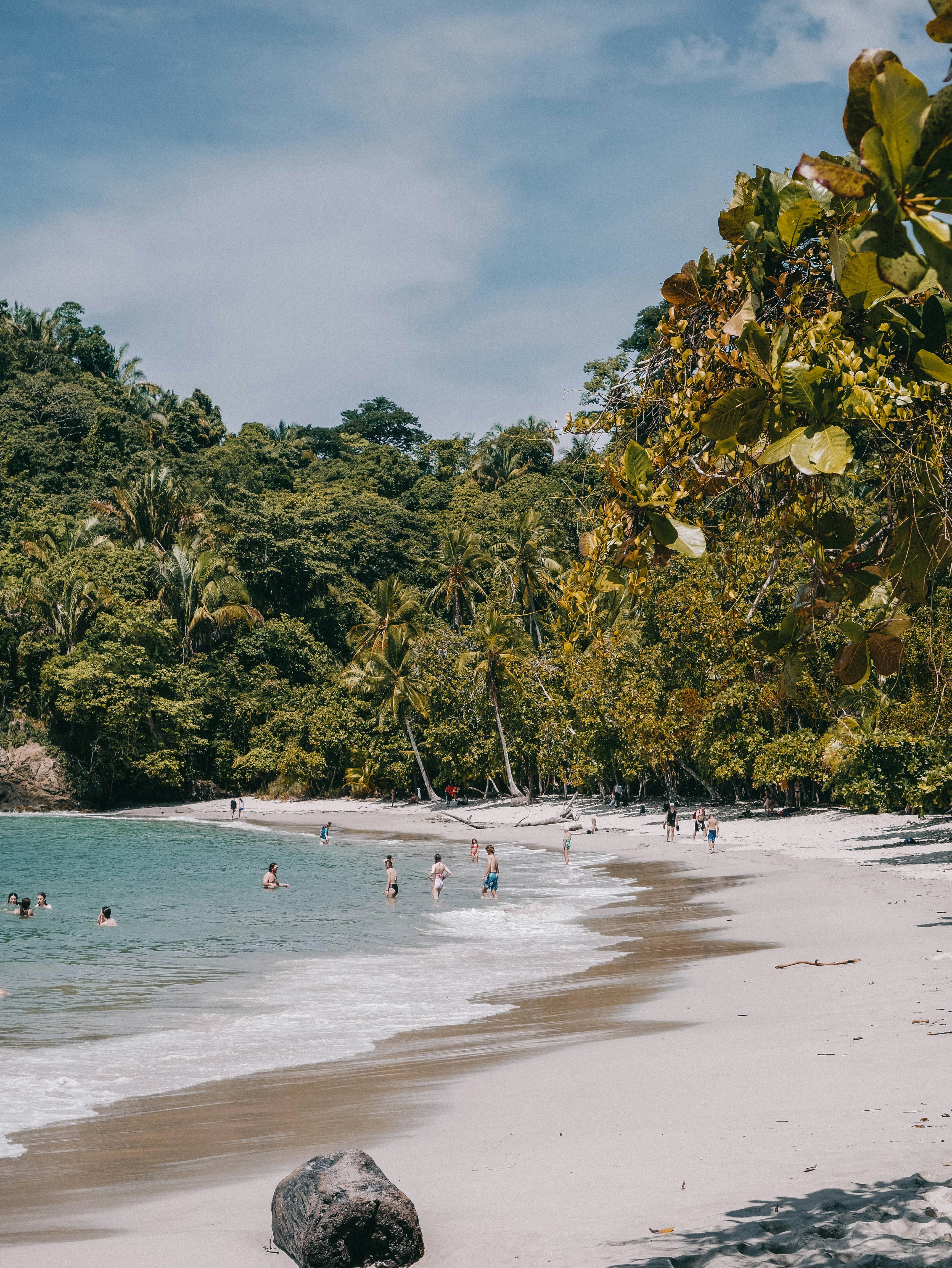
The untamed Osa Peninsula is considered by National Geographic to be ‘one of the most biologically intense places on earth’. We plan to hike the trails at Rio Claro Wildlife Refuge, a sanctuary that encompasses 500 hectares of tropical rainforests, making it one of the most important natural preserves in Central America. Rio Claro is one of the last refuges for pumas, ocelot, jaguarundis, tapirs, white-lipped peccaries and a host of other rainforest animals. The high plateau forests, with trees towering over 43 m (140 ft), supports hundreds of species of ferns, bromeliads and orchids, and creates a biological corridor between palm swamps and mangroves. It is an extension of Corcovado National Park, the country's largest and one of the most remote parks in Costa Rica.
Golfo Dulce, Costa Rica
Wild, scenic and incredibly bio-diverse, Golfo Dulce is not on most tourists itineraries. The name, says it all, Golfo Dulce or sweet gulf, in English. After a well justified visit to the Golfo Dulce, located in the South Pacific region of Costa Rica, and adjacent to the Osa Peninsula, visitors will be delighted and perplexed, wondering why they would ever leave this wonderland. Several coastal hamlets reside along this enchanting gulf, namely Puerto Jiménez, Golfito, Zancudo and Pavones, as well as the Piedras Blancas National Park. This is one stop on the itinerary that won’t soon be forgotten. Easily one of the wettest and most humid sections in the country, Golfo Dulce and the southwest can receive more than 200 inches (500 cm) of rainfall per year. This assures the surrounding area will be thriving with wild and plant life, perfect for aspiring adventurers. Surrounded by Corcovado National Park to the southwest, and Costa Rica’s mainland to the northeast, Golfo Dulce serves up a large platter of entertainment for all who visit. Sprouting along the edges of the Golfo Dulce are mangroves and estuaries full of wildlife. Explore these ecosystems crowded with crocodiles, river otters, waterfowl, monkeys and much more. Fed by the Coto Colorado River, the Coto River Swamps are an excellent choice for discovering these uncanny wetlands and the secrets that lay within.
Coiba Island, Panama
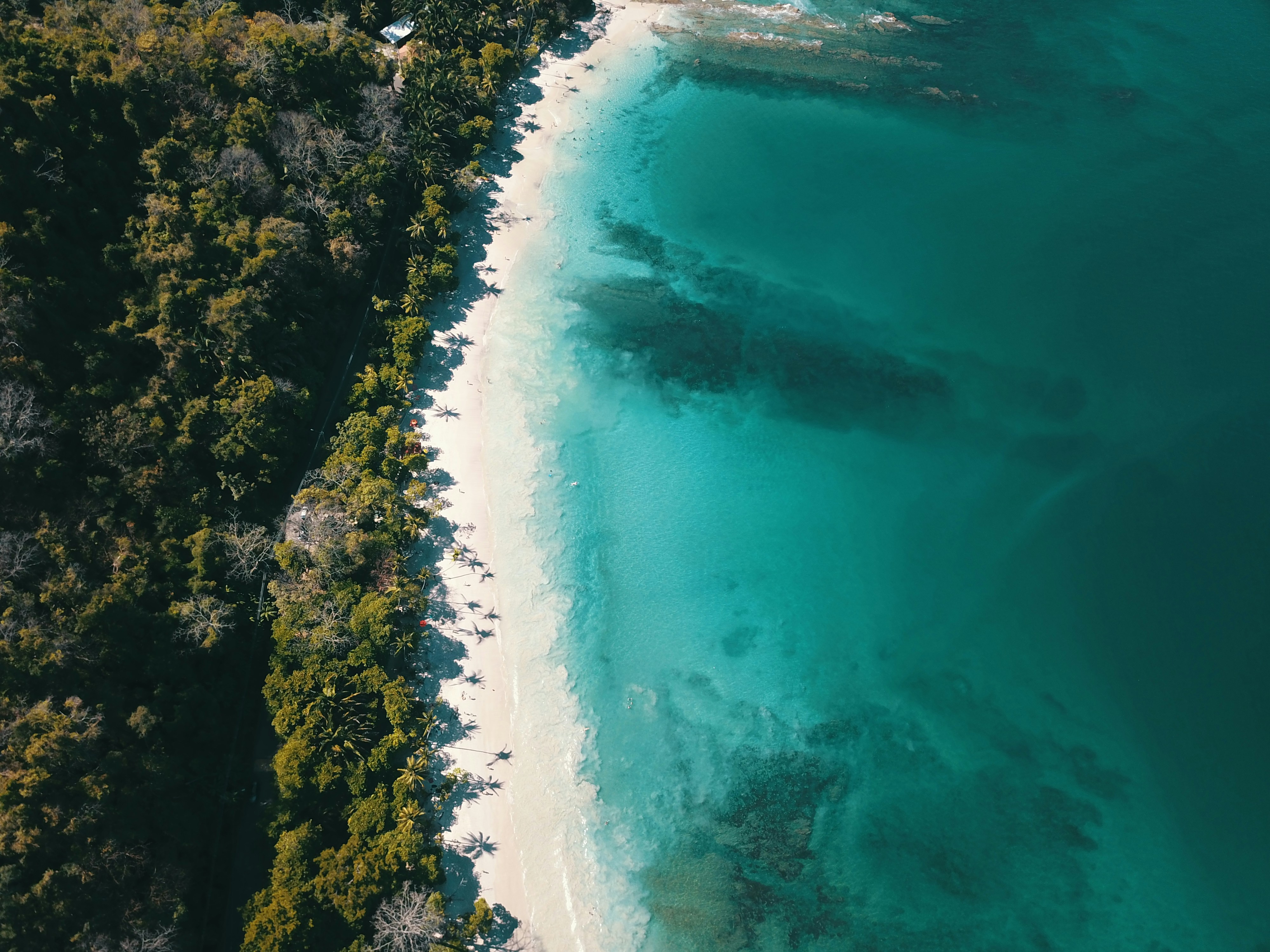
We continue to Coiba Island, a National Park and a UNESCO World Heritage site, located off the southwest coast of Panama. The national park includes the main island of Coiba and 38 smaller islands in the surrounding marine areas within the Gulf of Chiriquí. Protected from the cold winds and the effects of El Niño, the Pacific tropical forest if Coiba Island features exceptionally high levels of endemic mammals, birds and plants. It is the last refuge for a number of threatened animals including the crested eagle.
On Coiba Island, we spend the morning in the area of Granito de Oro islet, a unique place that allows snorkellers to encounter a diversity and volume of marine life that is usually reserved for scuba divers. This is one of the world’s most sought-after diving destinations. The local ranger will provide guidance on the optimal places where we can enjoy water activities.
The following morning, we plan to land at Punta Clara, which served as a penal colony from 1919 to 1996, where Panama’s most notorious criminals and political prisoners were incarcerated. At the peak of its operations, the prison housed up to approximately 3,000 inmates in about 30 camps spread around the islands. You can visit the dilapidated penitentiary buildings or walk along the beach looking for scarlet macaws, yellow caracara and various seabirds. Back on board, enjoy lunch as we set towards the Pearl Islands.
San José, Costa Rica
Having made your way to San Jose, you will be met by a representative of Aurora Expeditions and transferred to our group hotel. Please visit the Aurora Expeditions hospitality desk to collect your luggage cabin tags and to speak with our ground operations team, who may have information to share with you about pre-embarkation or to provide you with information about where to dine, withdraw cash or purchase last minute items from a local pharmacy or supermarket.
Enjoy free time, and in the evening, dine at your leisure (dinner not included).
Assigned accommodation: Costa Rica Marriott Hotel Hacienda Belen
San José, Costa Rica
This morning, enjoy breakfast and check-out. Please ensure your cabin luggage is fitted with cabin tags clearly labelled with your name and cabin number. Take your cabin luggage to hotel reception, prior to, or at check-out. Your luggage will be stored and transferred directly to the port for clearance, to be placed in your cabin ahead of your arrival on board. Please keep any valuables or personal items with you throughout the day.
Today we make our way to Hacienda Doka for a unique coffee experience. Discover Costa Rica's rich coffee heritage, starting at the seedbed where the journey of every coffee bean begins. Explore the diverse coffee plant varieties and their growth cycles while learning about the local history that has shaped the country’s coffee culture. Enjoy a coffee and chocolate pairing show, followed by a traditional buffet lunch featuring typical local dishes. In the early afternoon, we head to the coastal port of Puntarenas, where we will board the Sylvia Earle.
Once onboard, there is time to settle into your cabin before attending important safety briefings. Enjoy the thrill of departure as we ‘throw the lines’ and set sail for an exciting tropical adventure.
Curú Wildlife Refuge, Costa Rica
Located on the southeast tip of the Nicoya Peninsula, the Curu Wildlife Refuge is known for its pristine, white-sand beaches and impressive variety of species ranging from monkeys to sand crabs. In total the refuge covers 3,707 total acres and 656 feet of coastline. Travelers to the Curu Wildlife Refuge will quickly notice that they are in the minority at the site, with only a few people in the area among the abundance of animals and sea creatures. All of your senses will be captivated by this overwhelming amount of wildlife at the reserve, which offers some of the best eco-tourism in Costa Rica. Curu officially received support from the Costa Rican government to protect its wildlife in 1981 and the area officially became known as the Curu Wildlife Refuge in 1983. Today, the refuge is privately owned, extremely-well cared for and even more exclusive than many of the national parks in the country. If you’re looking to participate in some of the vast eco-tourism opportunities in Costa Rica, the refuge should be a top priority because of its exclusivity and the ability of visitors to personally interact with the diverse animal population. The refuge also features 17 peaceful trails, where travellers can check out this abundant wildlife in a number of different ecosystems, including mangrove swamps and both dry and wet tropical forests.
Manuel Antonio National Park, Costa Rica
Boasting over 100 species of mammals, 184 species of birds and an impressive variety flora, Manuel Antonio National Park understandably attracts wildlife enthusiasts from all over the world. Costa Rica’s star attractions – two and three toed sloths, as well as white-faced monkeys, toucans, agoutis, armadillos and coatis are a few of the exciting animals that you may encounter within the park. We explore the park in the cool, early hours of the morning before returning to the vessel for lunch. In the afternoon, you have the option to explore Quepos town or enjoy some water activities.
Punta Rio Claro National Wildlife Refuge, Costa Rica
The untamed Osa Peninsula is considered by National Geographic to be ‘one of the most biologically intense places on earth’. We plan to hike the trails at Rio Claro Wildlife Refuge, a sanctuary that encompasses 500 hectares of tropical rainforests, making it one of the most important natural preserves in Central America. Rio Claro is one of the last refuges for pumas, ocelot, jaguarundis, tapirs, white-lipped peccaries and a host of other rainforest animals. The high plateau forests, with trees towering over 43 m (140 ft), supports hundreds of species of ferns, bromeliads and orchids, and creates a biological corridor between palm swamps and mangroves. It is an extension of Corcovado National Park, the country's largest and one of the most remote parks in Costa Rica.
Golfo Dulce, Costa Rica
Wild, scenic and incredibly bio-diverse, Golfo Dulce is not on most tourists itineraries. The name, says it all, Golfo Dulce or sweet gulf, in English. After a well justified visit to the Golfo Dulce, located in the South Pacific region of Costa Rica, and adjacent to the Osa Peninsula, visitors will be delighted and perplexed, wondering why they would ever leave this wonderland. Several coastal hamlets reside along this enchanting gulf, namely Puerto Jiménez, Golfito, Zancudo and Pavones, as well as the Piedras Blancas National Park. This is one stop on the itinerary that won’t soon be forgotten. Easily one of the wettest and most humid sections in the country, Golfo Dulce and the southwest can receive more than 200 inches (500 cm) of rainfall per year. This assures the surrounding area will be thriving with wild and plant life, perfect for aspiring adventurers. Surrounded by Corcovado National Park to the southwest, and Costa Rica’s mainland to the northeast, Golfo Dulce serves up a large platter of entertainment for all who visit. Sprouting along the edges of the Golfo Dulce are mangroves and estuaries full of wildlife. Explore these ecosystems crowded with crocodiles, river otters, waterfowl, monkeys and much more. Fed by the Coto Colorado River, the Coto River Swamps are an excellent choice for discovering these uncanny wetlands and the secrets that lay within.
Coiba Island, Panama
We continue to Coiba Island, a National Park and a UNESCO World Heritage site, located off the southwest coast of Panama. The national park includes the main island of Coiba and 38 smaller islands in the surrounding marine areas within the Gulf of Chiriquí. Protected from the cold winds and the effects of El Niño, the Pacific tropical forest if Coiba Island features exceptionally high levels of endemic mammals, birds and plants. It is the last refuge for a number of threatened animals including the crested eagle.
On Coiba Island, we spend the morning in the area of Granito de Oro islet, a unique place that allows snorkellers to encounter a diversity and volume of marine life that is usually reserved for scuba divers. This is one of the world’s most sought-after diving destinations. The local ranger will provide guidance on the optimal places where we can enjoy water activities.
The following morning, we plan to land at Punta Clara, which served as a penal colony from 1919 to 1996, where Panama’s most notorious criminals and political prisoners were incarcerated. At the peak of its operations, the prison housed up to approximately 3,000 inmates in about 30 camps spread around the islands. You can visit the dilapidated penitentiary buildings or walk along the beach looking for scarlet macaws, yellow caracara and various seabirds. Back on board, enjoy lunch as we set towards the Pearl Islands.
Coiba Island, Panama
Pearl Islands, Panama
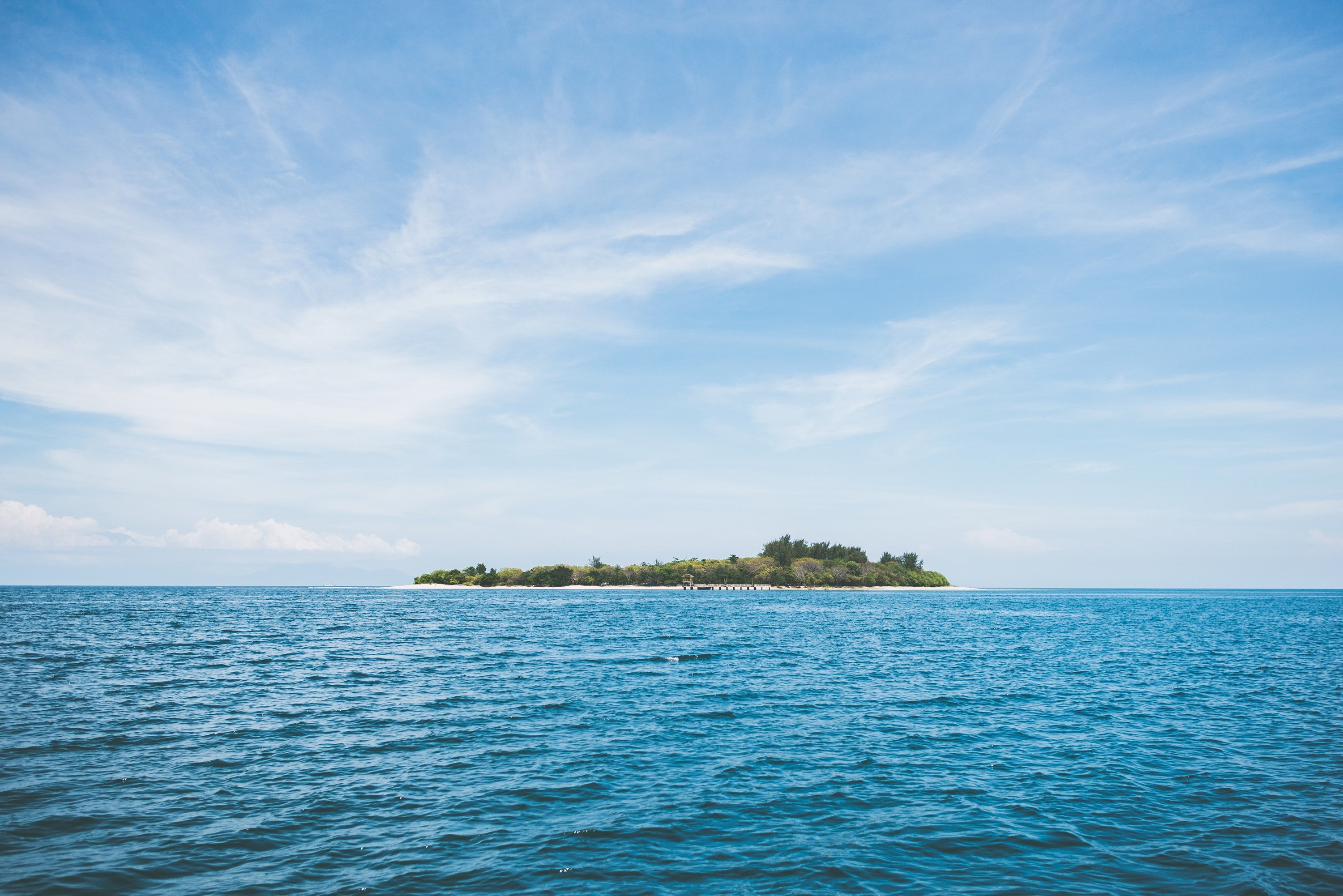
After a morning at sea, we reach The Pearl Islands of Panama, an archipelago located in the North Pacific Ocean in the Gulf of Panama, covering around 250 small islands. The Spanish Conquistadors discovered the islands in 1503 and gave the Islands its name due to the great amounts of pearls found on them. The Pearl Islands were originally named by the Spanish explorer Vasco Nuñez de Balboa due to the bountiful pearls that were harvested off the islands’ shores. The Pearl Islands are most famous for their spectacular and tranquil white sand beaches, untouched forests, and colourful coral reefs offshore. We plan to visit one of the islands to enjoy some paddleboarding, paddling in kayaks and snorkelling in the warm, turquoise waters.
Emberá Mogue Community
No additional details available for this day.
Panama Canal Transit
Crossing the Panama Canal will surely be a highlight for many travellers. Each year, over a million people visit the canal to witness this engineering marvel at work. Starting in the Pacific Ocean, you will be able to admire the Bay of Panama and Panama City’s splendid skyline before passing under the ‘Bridge of the Americas’. The vessel will then transit through the first set of locks, the Miraflores Locks, where it will be lifted 16 metres (52 foot) in two distinct steps. Next, your ship will enter Miraflores Lake, which is a small artificial body of fresh water that separates Pedro Miguel Locks from Miraflores Locks.
The vessel will transit through Pedro Miguel Locks, which is one of the two sets of locks on the Pacific side, and here the vessel is lifted 9 metres (29 foot) in one step. After exiting Pedro Miguel locks, your boat will travel through the Gaillard Cut, where the Chagres River flows into the canal. The Gaillard Cut (also known as Culebra Cut because its curves resemble a snake) is one of the main points of interest for visitors because it was carved through the Continental Divide and this section of the canal is full of history and geological value.
As you transit the cut you will see dredging occurring to control the sediments entering the canal because of the terrain’s susceptibility to landslides. Sail through Gatun Lake, which was formed by erecting the Gatun Dam across the Chagres River, and during your transit through the lake, you will pass the Smithsonian Research Station at Barro Colorado. The last of the three locks is the Gatun Locks, the only set of locks in the Atlantic sector of the canal. At Gatun Locks, the vessel will be lowered a total of 26 (85 foot) metres in three distinct chambers.
The complete crossing from the Pacific to the Atlantic Ocean takes approximately 10 hours, a journey that once took almost two weeks to complete, when vessels were forced to sail around the notoriously rough seas around Cape Horn at the bottom of South America to reach the Pacific coast.
This evening, celebrate a memorable journey at Captain’s Farewell reception.
Panama City, Panama
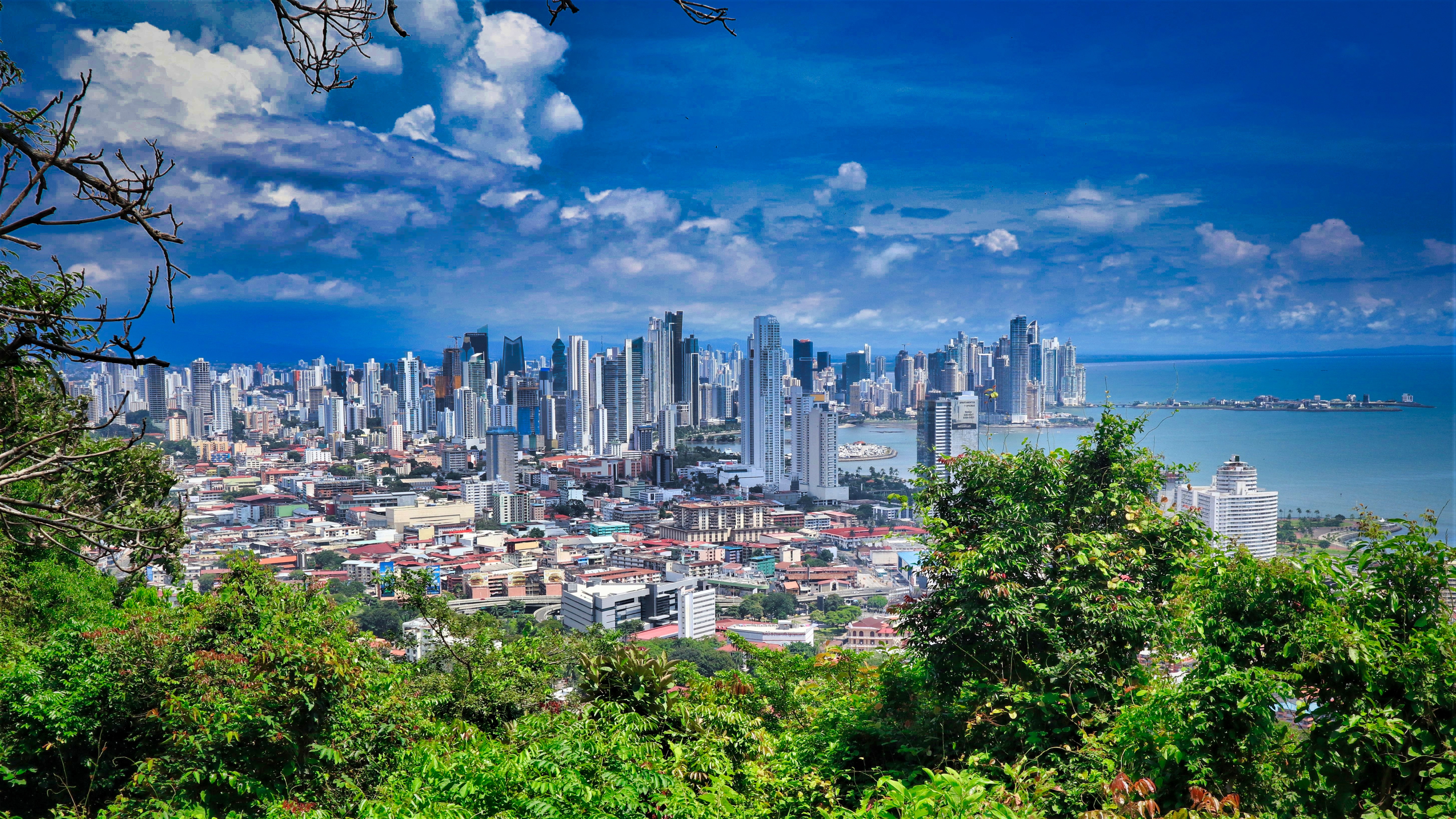
Expect incredible morning views as you arrive into the port for Panama City. Tinged with a silver pre-dawn light, the city will metamorphosise into a golden glow as the sun rises above it. And from then on expect one stunning view after another. Very interesting in its own right, Fuerte Amador is obviously overshadowed by its proximity to Panama City. So should the Miraflores museum of the Canal, which offers a comprehensive and immersive tour of the Canal including a 3-D experience, four exhibition halls, an observation deck, and a surprisingly good restaurant not interest you then there is always the option of lovely Casco Viejo – literally the old quartier of Panama. The grand old colonial houses, cobbled streets, independent boutiques and buzzing street scene make this a must stop on your itinerary. And if you like seafood, you will not want miss the many restaurants and market stalls serving different variations of so-fresh-it’s-still-practically-swimming ceviche. Best eaten like the Panamanians do, with salty crackers and a cold beer on the beach. And if money is no object, a cup of geisha coffee – supposedly the world’s best and definitely the world’s most expensive at $7 a shot is definitely a pick me up! Cool cosmopolitan capital aside, Panama has a skyscraper filled skyline that is worthy of some of its North American counterparts. But if urban utopia is not your scene then fear not, the sandy beaches and lush rainforests are never more than a short cab ride away.
Coiba Island, Panama
Pearl Islands, Panama
After a morning at sea, we reach The Pearl Islands of Panama, an archipelago located in the North Pacific Ocean in the Gulf of Panama, covering around 250 small islands. The Spanish Conquistadors discovered the islands in 1503 and gave the Islands its name due to the great amounts of pearls found on them. The Pearl Islands were originally named by the Spanish explorer Vasco Nuñez de Balboa due to the bountiful pearls that were harvested off the islands’ shores. The Pearl Islands are most famous for their spectacular and tranquil white sand beaches, untouched forests, and colourful coral reefs offshore. We plan to visit one of the islands to enjoy some paddleboarding, paddling in kayaks and snorkelling in the warm, turquoise waters.
Emberá Mogue Community
No additional details available for this day.
Panama Canal Transit
Crossing the Panama Canal will surely be a highlight for many travellers. Each year, over a million people visit the canal to witness this engineering marvel at work. Starting in the Pacific Ocean, you will be able to admire the Bay of Panama and Panama City’s splendid skyline before passing under the ‘Bridge of the Americas’. The vessel will then transit through the first set of locks, the Miraflores Locks, where it will be lifted 16 metres (52 foot) in two distinct steps. Next, your ship will enter Miraflores Lake, which is a small artificial body of fresh water that separates Pedro Miguel Locks from Miraflores Locks.
The vessel will transit through Pedro Miguel Locks, which is one of the two sets of locks on the Pacific side, and here the vessel is lifted 9 metres (29 foot) in one step. After exiting Pedro Miguel locks, your boat will travel through the Gaillard Cut, where the Chagres River flows into the canal. The Gaillard Cut (also known as Culebra Cut because its curves resemble a snake) is one of the main points of interest for visitors because it was carved through the Continental Divide and this section of the canal is full of history and geological value.
As you transit the cut you will see dredging occurring to control the sediments entering the canal because of the terrain’s susceptibility to landslides. Sail through Gatun Lake, which was formed by erecting the Gatun Dam across the Chagres River, and during your transit through the lake, you will pass the Smithsonian Research Station at Barro Colorado. The last of the three locks is the Gatun Locks, the only set of locks in the Atlantic sector of the canal. At Gatun Locks, the vessel will be lowered a total of 26 (85 foot) metres in three distinct chambers.
The complete crossing from the Pacific to the Atlantic Ocean takes approximately 10 hours, a journey that once took almost two weeks to complete, when vessels were forced to sail around the notoriously rough seas around Cape Horn at the bottom of South America to reach the Pacific coast.
This evening, celebrate a memorable journey at Captain’s Farewell reception.
Panama City, Panama
Expect incredible morning views as you arrive into the port for Panama City. Tinged with a silver pre-dawn light, the city will metamorphosise into a golden glow as the sun rises above it. And from then on expect one stunning view after another. Very interesting in its own right, Fuerte Amador is obviously overshadowed by its proximity to Panama City. So should the Miraflores museum of the Canal, which offers a comprehensive and immersive tour of the Canal including a 3-D experience, four exhibition halls, an observation deck, and a surprisingly good restaurant not interest you then there is always the option of lovely Casco Viejo – literally the old quartier of Panama. The grand old colonial houses, cobbled streets, independent boutiques and buzzing street scene make this a must stop on your itinerary. And if you like seafood, you will not want miss the many restaurants and market stalls serving different variations of so-fresh-it’s-still-practically-swimming ceviche. Best eaten like the Panamanians do, with salty crackers and a cold beer on the beach. And if money is no object, a cup of geisha coffee – supposedly the world’s best and definitely the world’s most expensive at $7 a shot is definitely a pick me up! Cool cosmopolitan capital aside, Panama has a skyscraper filled skyline that is worthy of some of its North American counterparts. But if urban utopia is not your scene then fear not, the sandy beaches and lush rainforests are never more than a short cab ride away.
Cabin Options
Aurora Stateroom Superior
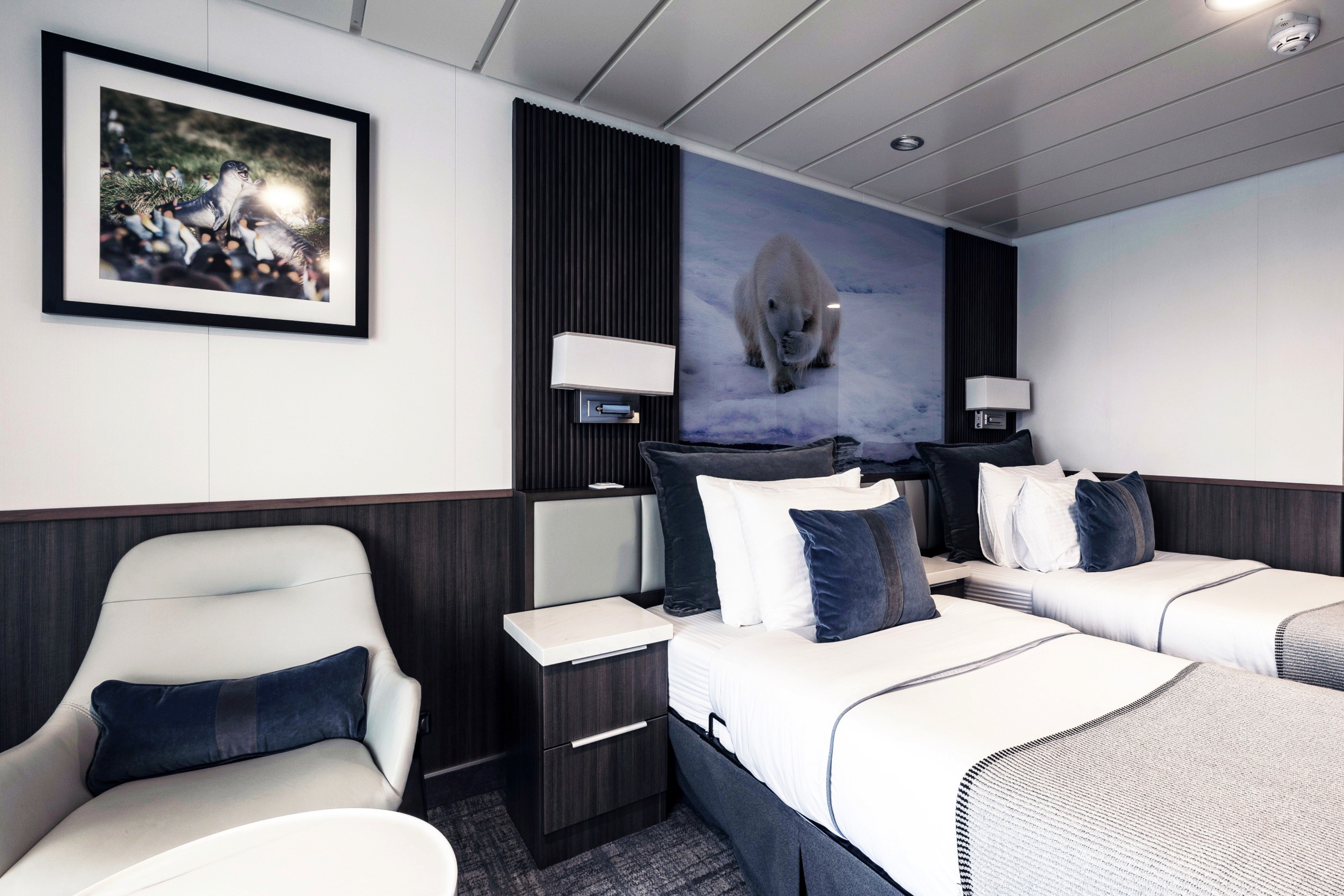
Balcony Stateroom Category C
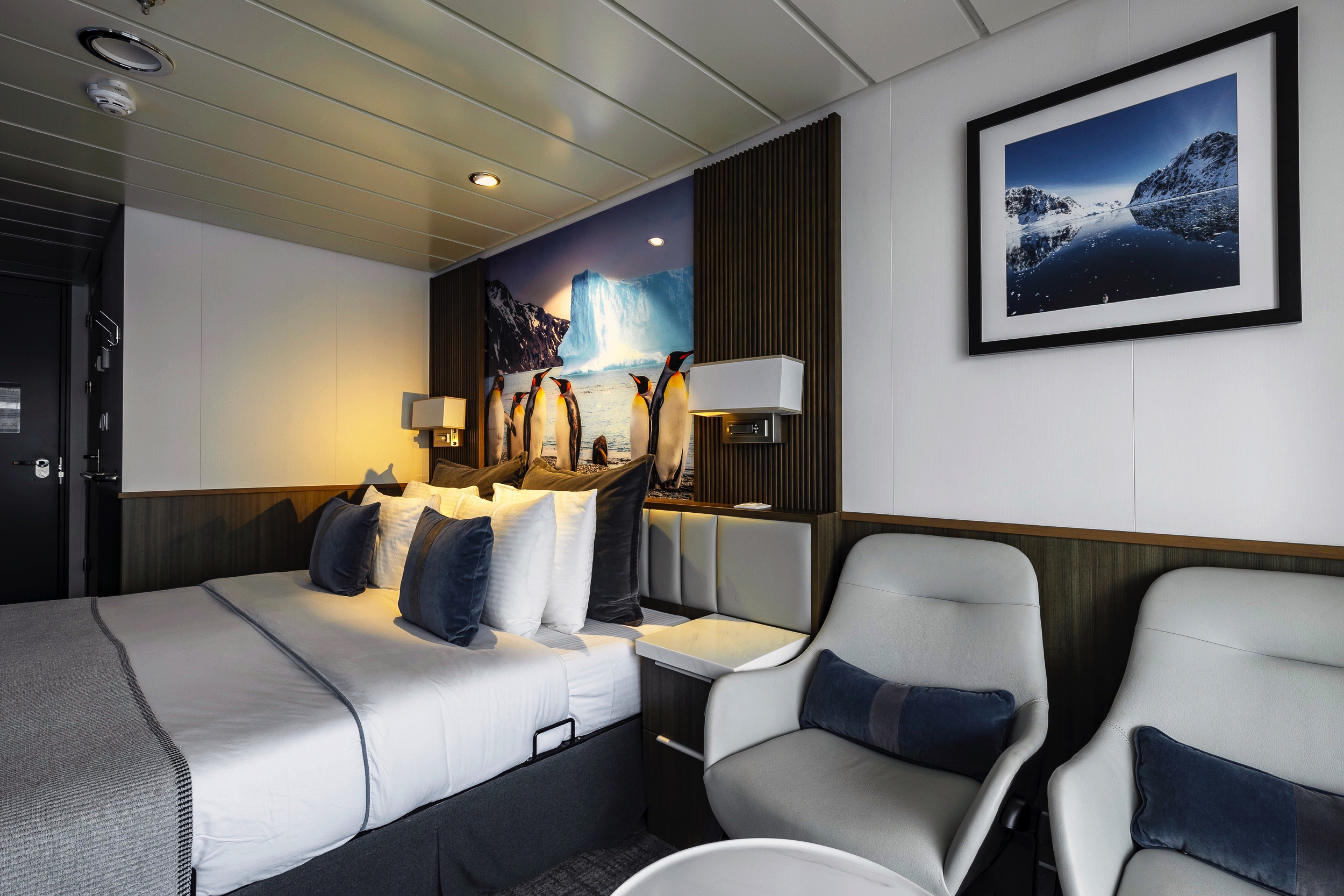
Balcony Stateroom Category B
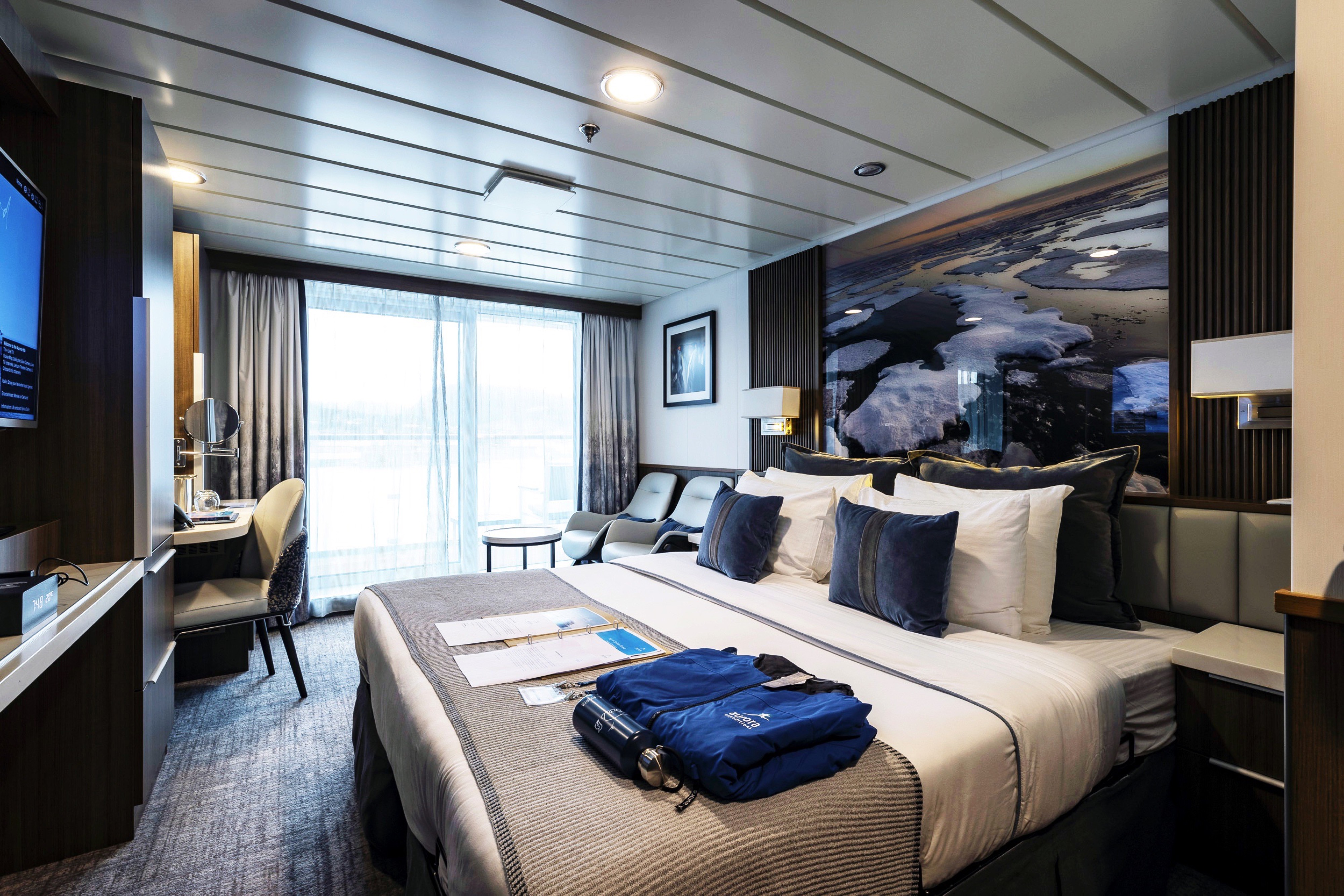
Balcony Stateroom Category A
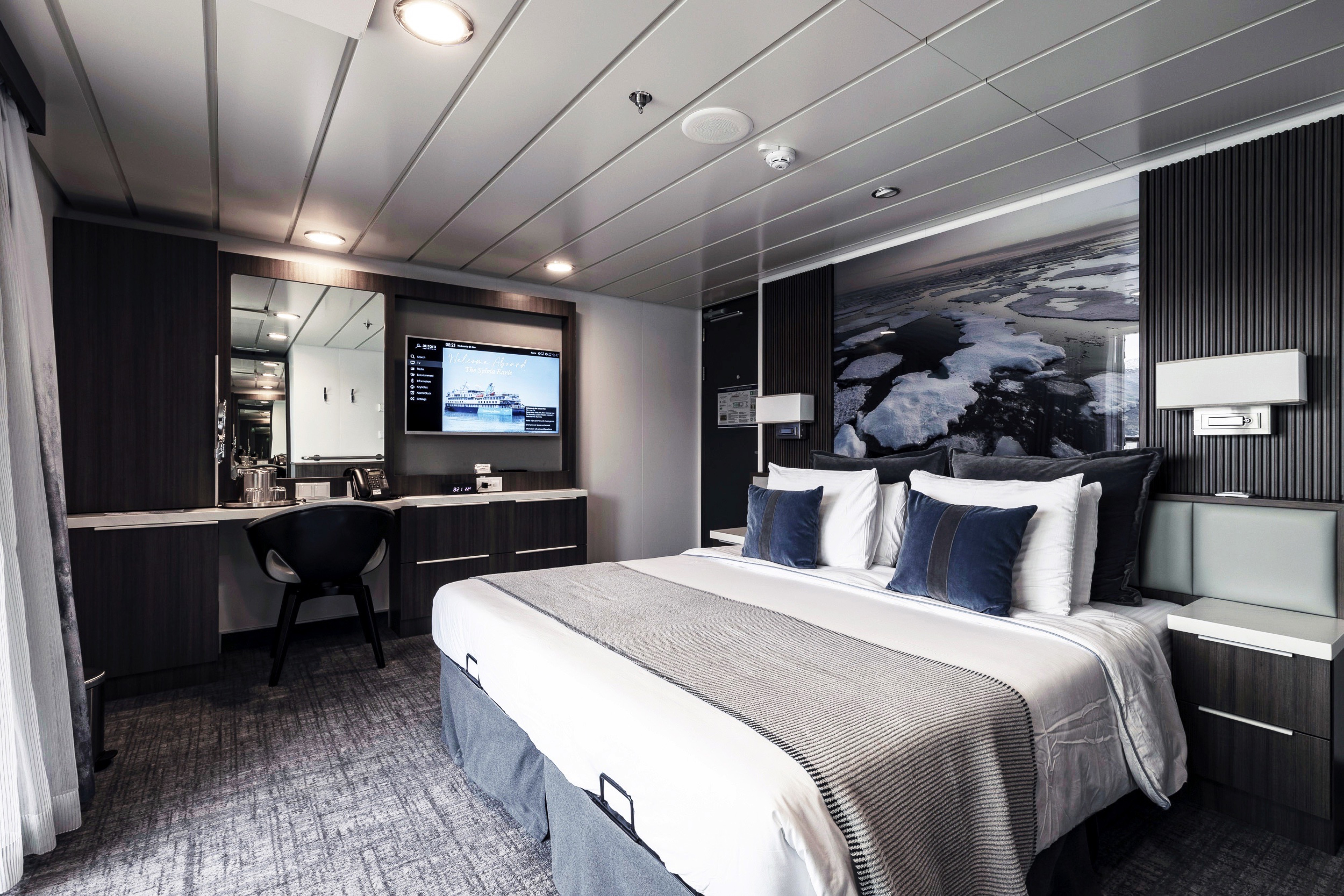
Balcony Stateroom Superior
Balcony Stateroom Category A – Solo
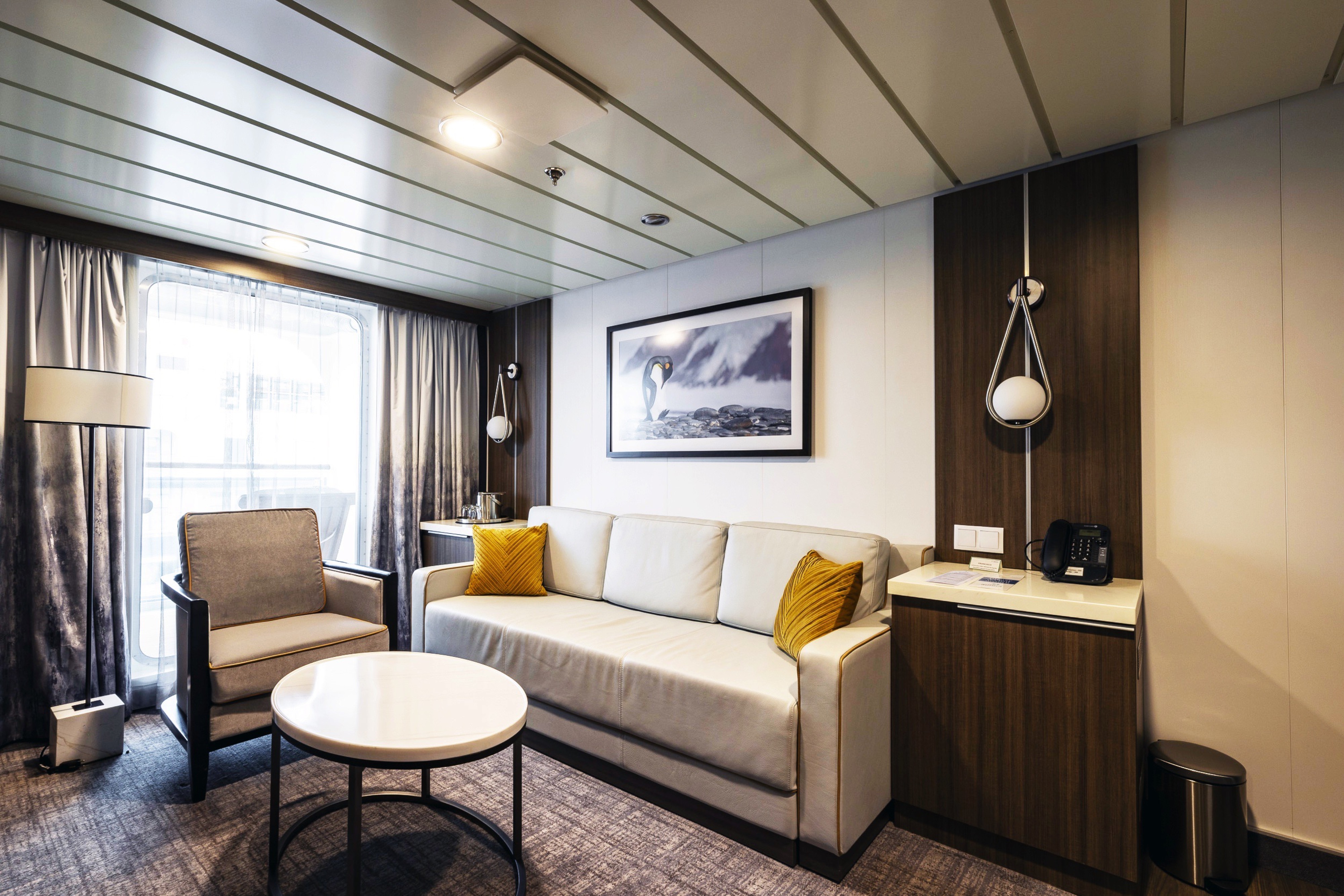
Junior Suite
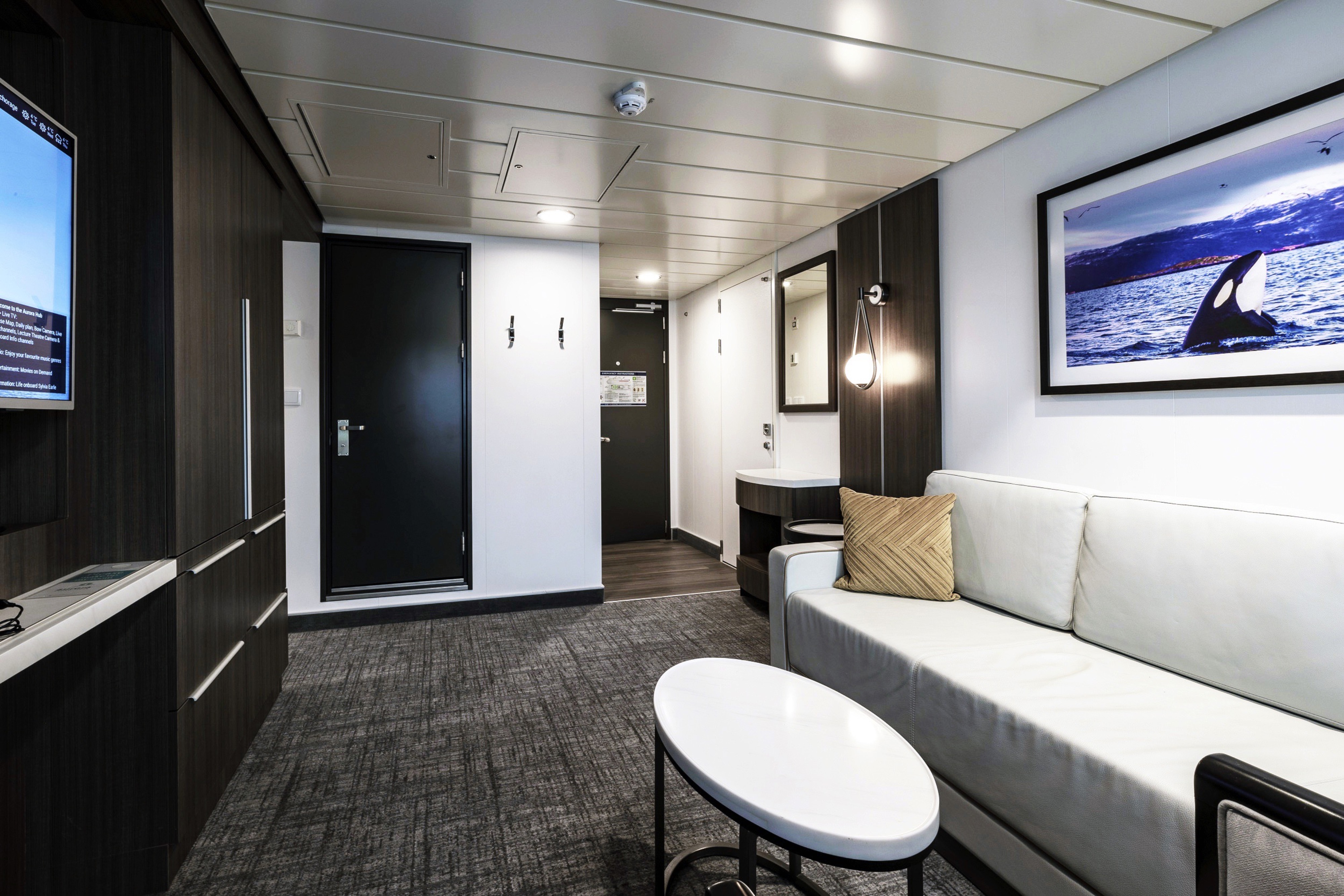
Captain's Suite
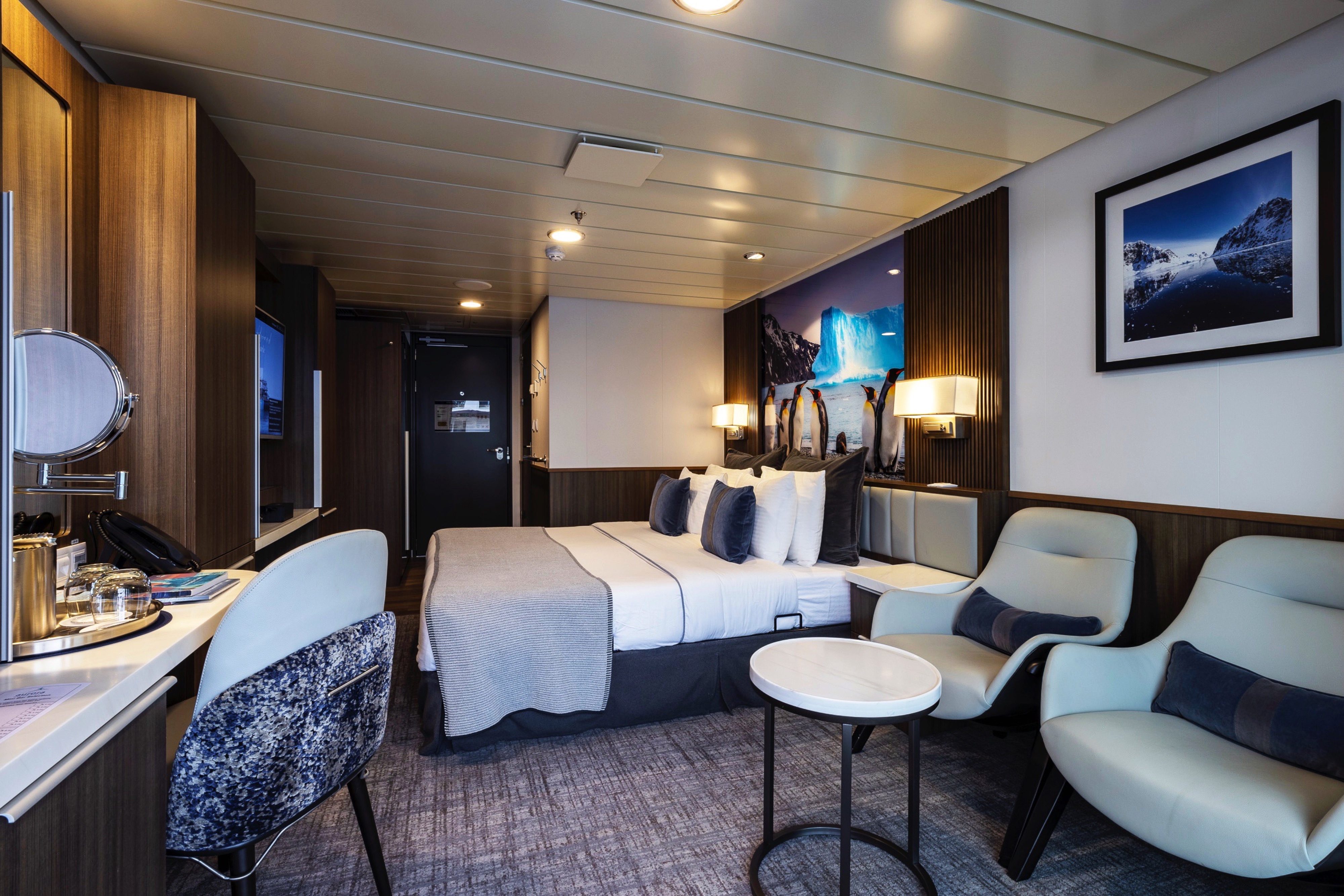
Balcony Stateroom Category B – Solo
Balcony Stateroom Category C – Solo
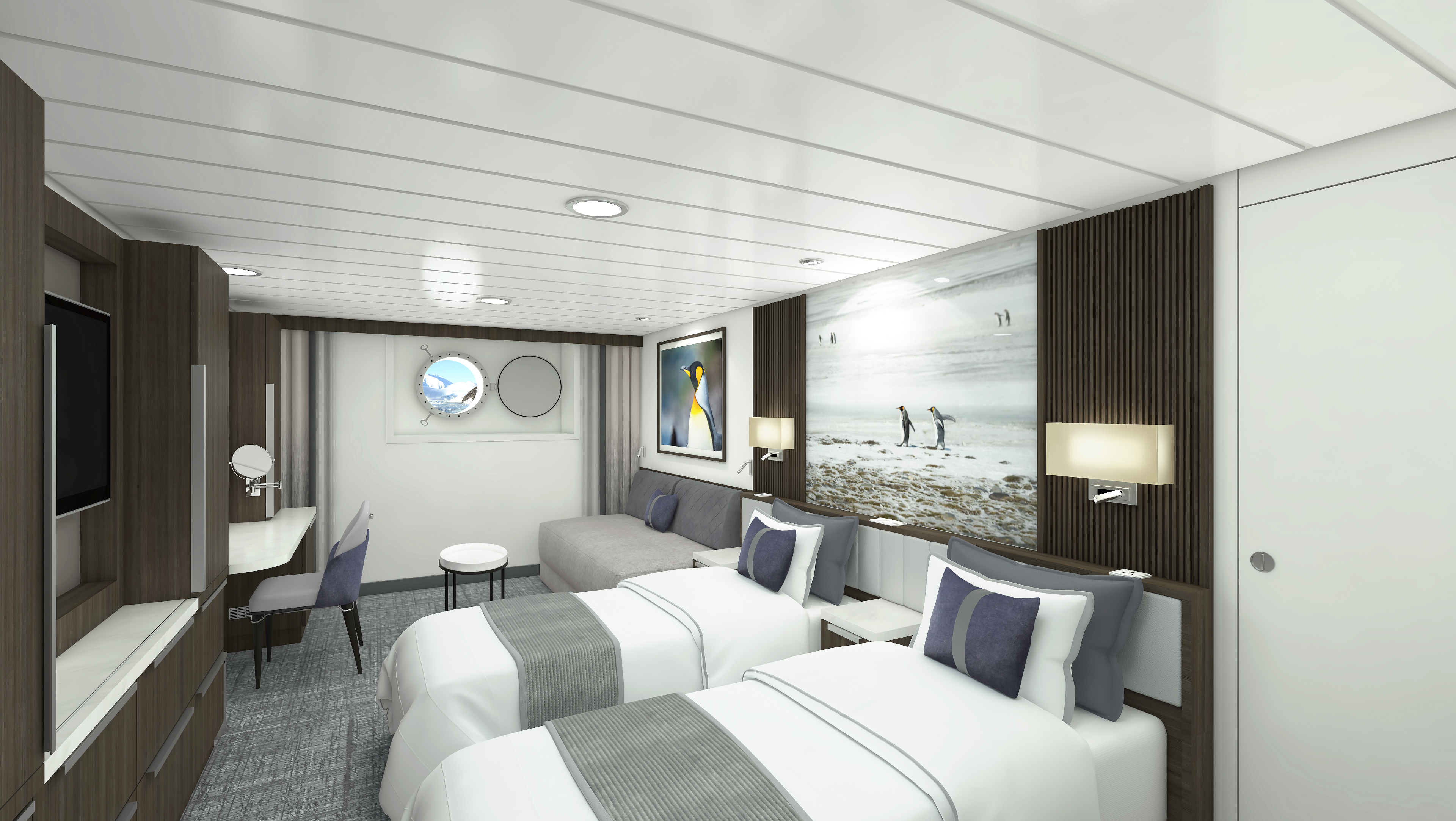
Aurora Stateroom Triple Share
Ship Facilities
Dining
Whatever adventures the day holds, you will be fuelled-up with hearty meals and delicious morning and afternoon teas cooked by our onboard chefs.
Meals are a great time to soak up the expedition camaraderie in our open seating dining area. Share stories with your fellow travellers and ask our expedition team questions that may have come up during the day.
Tea, coffee, and snacks are available 24 hours a day, and our chefs offer different menu options and courses for each meal. Enjoy the range of house wine, beers, and soft drinks included with dinner after a long day in the wild.
We also invite you to join your captain and expedition team for informal Captain’s Farewell drinks, with complimentary beverages and cocktail appetisers, followed by a 3-course meal.
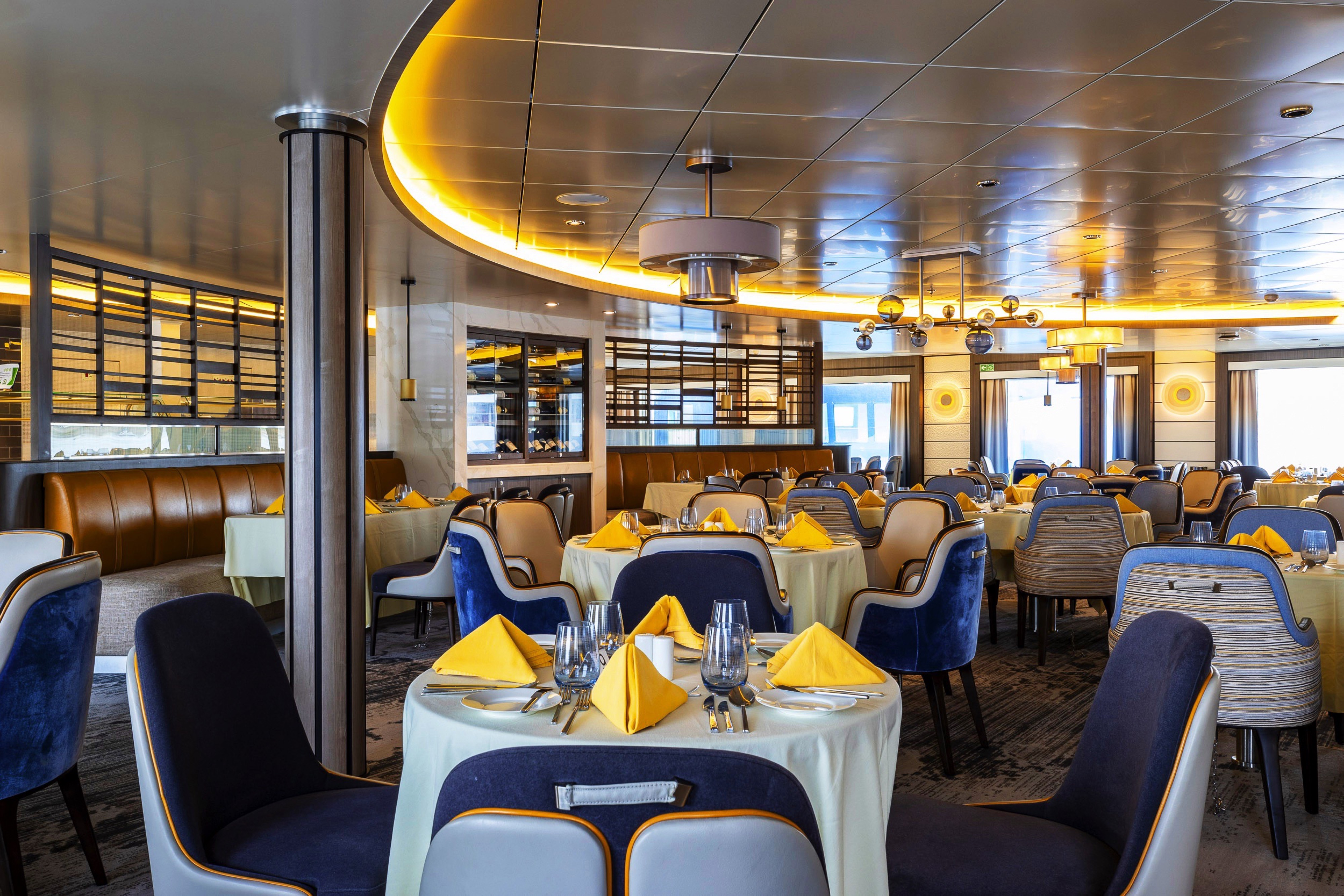
The Rockhopper Restaurant
More information coming soon.
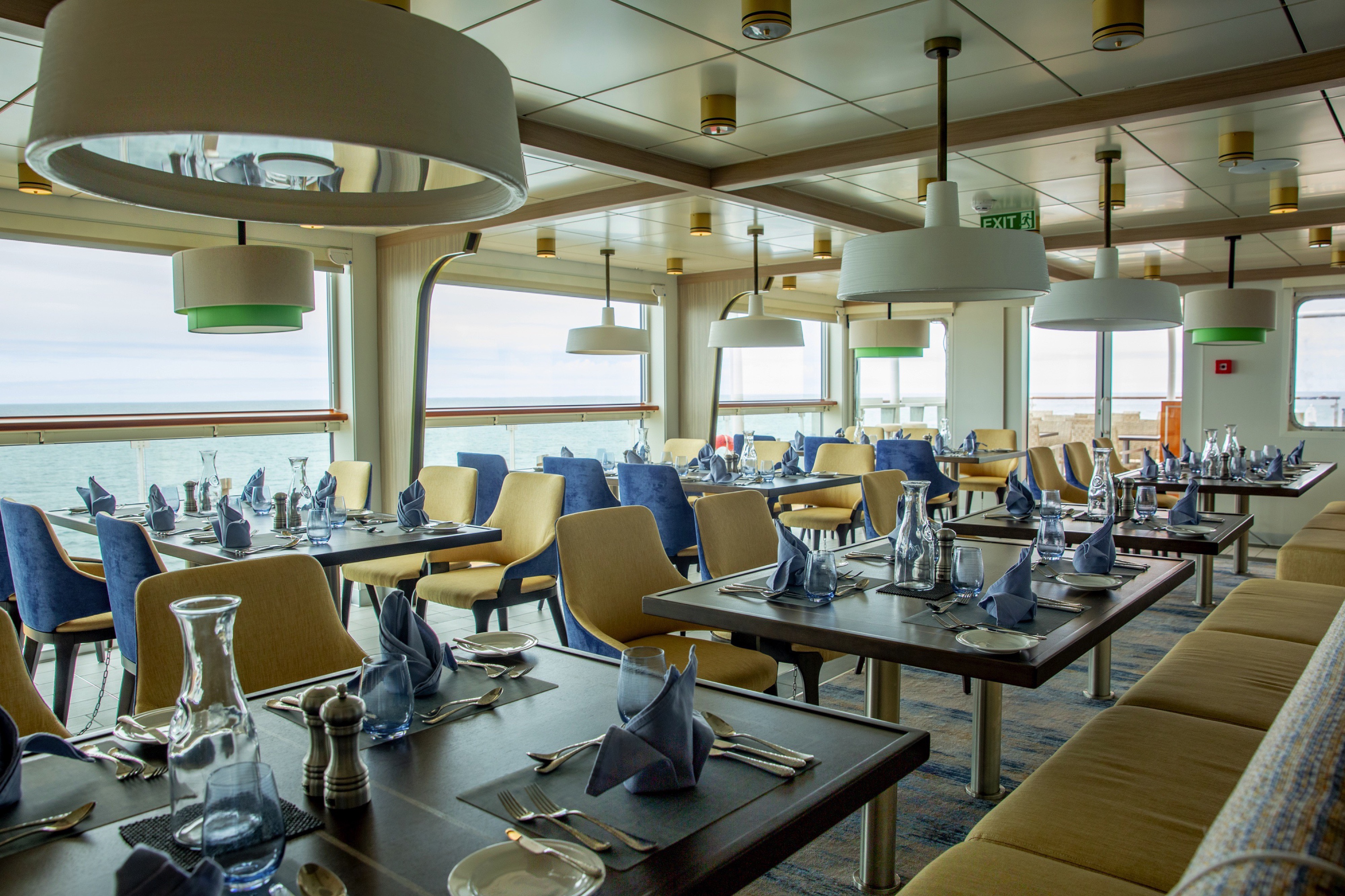
Gentoo
More information coming soon.
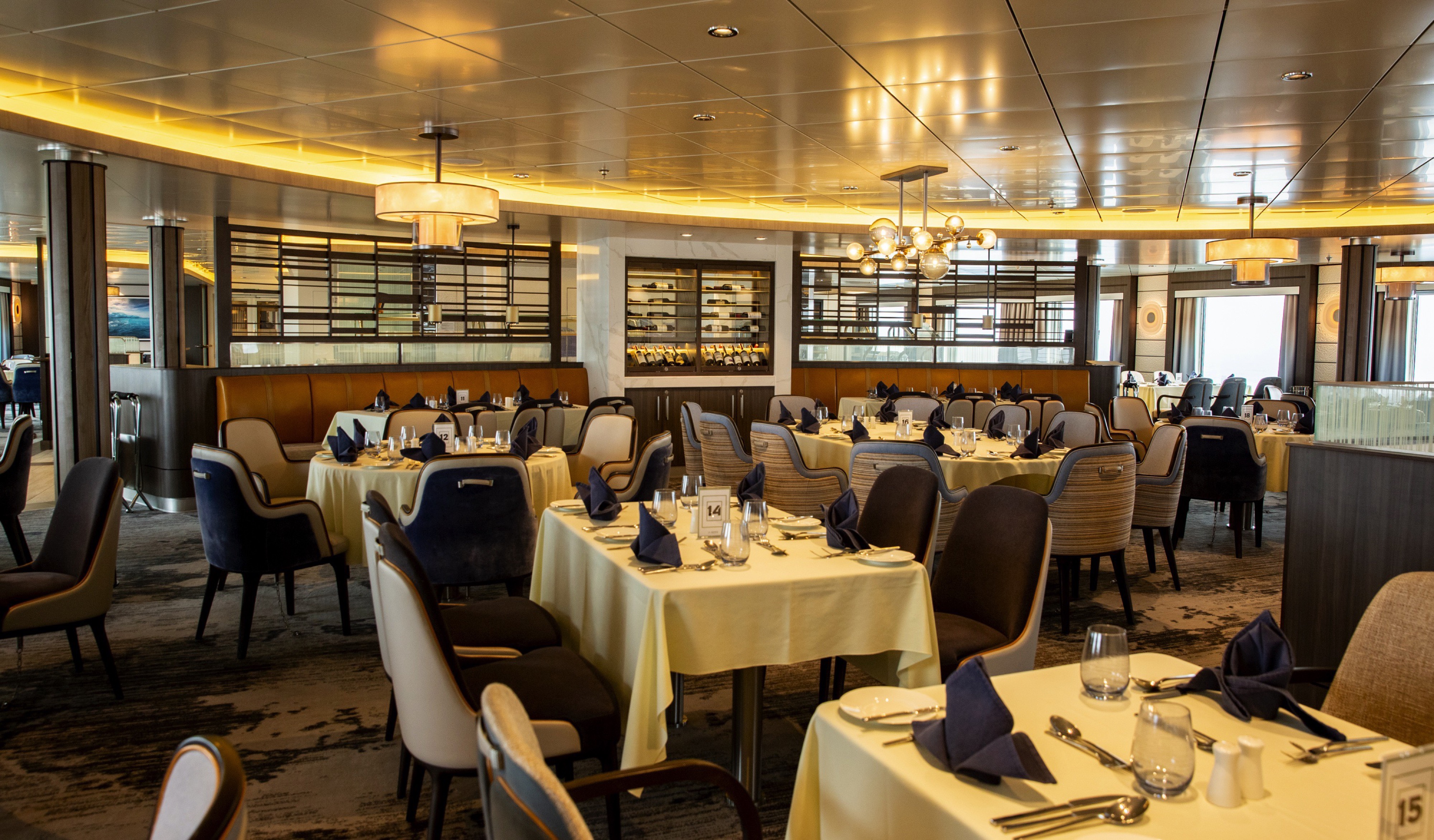
Citizen Science
Travel is always the best educator and we offer the chance to enrich your curiosity and expand your knowledge and understanding of the places we travel to. There is no better learning opportunity than being in the field with subject matter experts.
Our Citizen Science Program is designed to be an interactive forum of like-minded travellers to share new discoveries and deepen their connection to the natural world in a relaxed, informal and fun environment – both on board our ships, on our fascinating shore expeditions and in our zodiacs.
You can make a difference as we can provide invaluable data to the scientific community through you taking part. You too can become an ambassador for the protection of our majestic but fragile blue planet when you return home by sharing what you have learned.
What is Citizen Science?
Citizen Science is the collection and analysis of data relating to the natural world by members of the general public, typically as part of a collaborative project with professional scientists around the world.
Why Take Part?
Aurora Expeditions travels to some of the most unique and remote places on the planet. It is challenging for scientists to spend time in these areas, so any observations we contribute can be extremely valuable.
Gathering and sharing data is also a great way to engage and educate ourselves in pressing issues that concern us at a local, regional and global level.
How Does it Work?
Members of our passionate Expedition Team, together with a Citizen Science Coordinator, will be on hand to introduce and assist you with the projects being conducted on your voyage.
Expert guidance on the collection, storage and sharing of new scientific data will not only greatly enhance your voyage experience, but help you gain more knowledge of our ever-changing natural environment.
From the biggest mammals to the smallest marine creatures, the important part you play in our Citizen Science projects will help protect and preserve the planet for generations to come.
Our Projects
Our passengers can contribute to global research, collecting data in some of the most hard-to-reach, under-studied places on Earth. Our Citizen Science Program covers seven projects that span the globe, to advance understanding of marine ecosystems, birdlife, climate change and polar environments.
Please note: As some of our Citizen Science projects are location- and weather-dependent, we cannot operate all of the projects on all voyages. We will endeavour to include as many projects as possible on your voyage with ample time allocated to them on a day-to-day basis.
- HappyWhale uses photo ID to track individual whales. Guests can photograph encounters and log them on the database, improving knowledge about migration, population health and behaviour.
- eBird is the world’s largest biodiversity-related Citizen Science project, collecting bird observations from around the globe. Aurora passengers help to track species distribution and population changes.
- Our passengers are invited to record cloud conditions, with observations submitted to NASA GLOBE Cloud contributing to climate modelling.
- Our Citizen Scientists measure water clarity by lowering a Secchi disk, recording visibility, and sharing data with scientists that are studying the effects of climate change on ocean ecosystems. This builds a long-term global dataset, and each voyage contributes new observations from some of the least-studied waters in the world.
- Snow algae are microscopic organisms that grow on snow and ice, influencing melt rates. The Snow Algae Study engages passengers in photographing and recording snow algae sites, contributing to global research into how these organisms influence the Antarctic environment. This study is supported by the latest science from the National Snow and Ice Data Center.
- FjordPhyto invites passengers to explore phytoplankton diversity in polar fjords and coastal waters. Using simple tools, they collect samples to help scientists track phytoplankton health and its response to changing ocean conditions. These observations enhance understanding of the base of the marine food and how climate change is altering polar ecosystems. *Only available on Antarctic voyages.
- We are proudly the first expedition company to facilitate the development and execution of the TIPI pilot project, using thermal imaging to measure polar ice conditions. This project combines science, technology and storytelling to create robust datasets while engaging the public in polar research. We are collaborating with founder Joe Muise to deliver high-quality scientific outcomes.
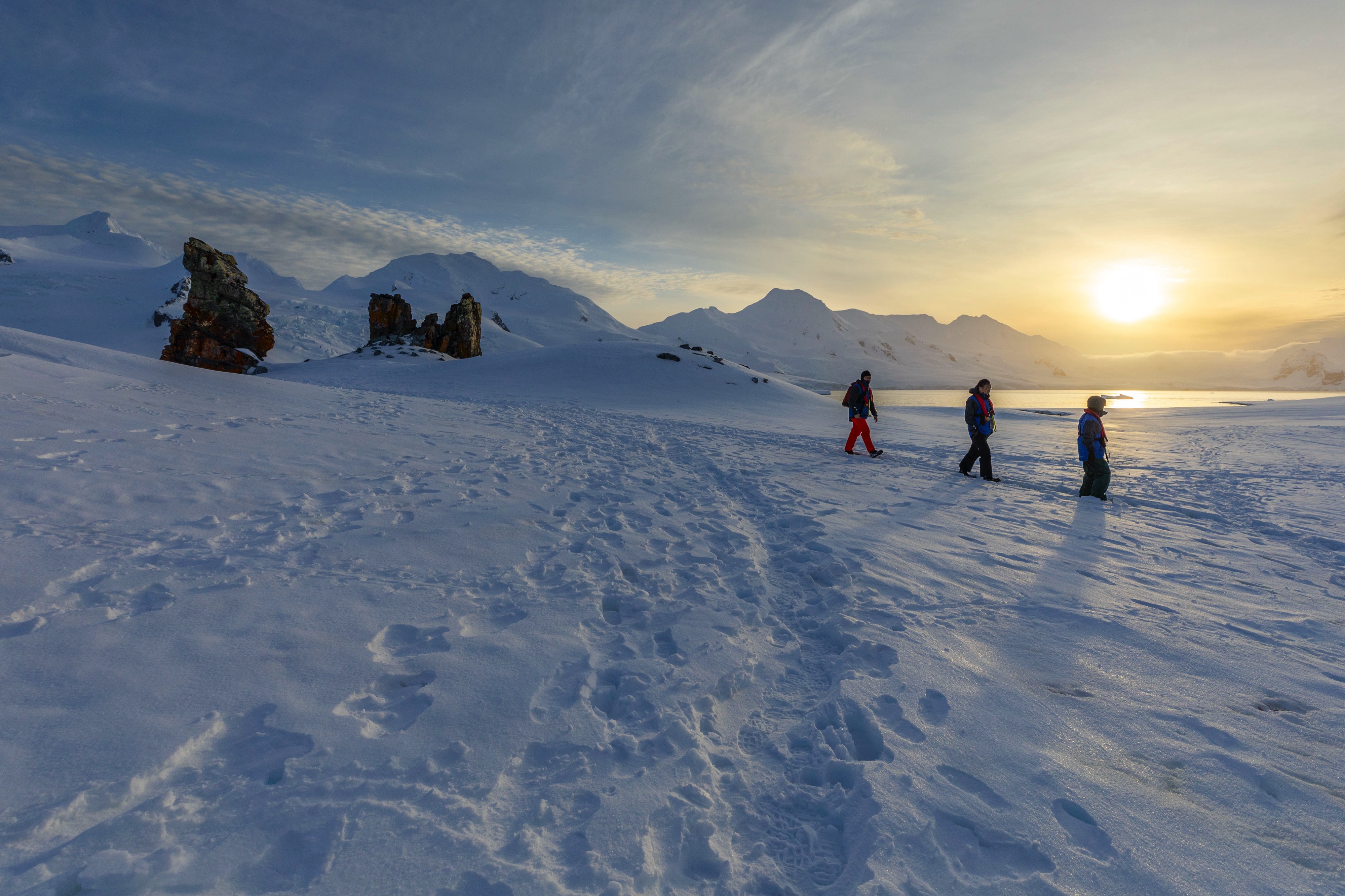
Excursions
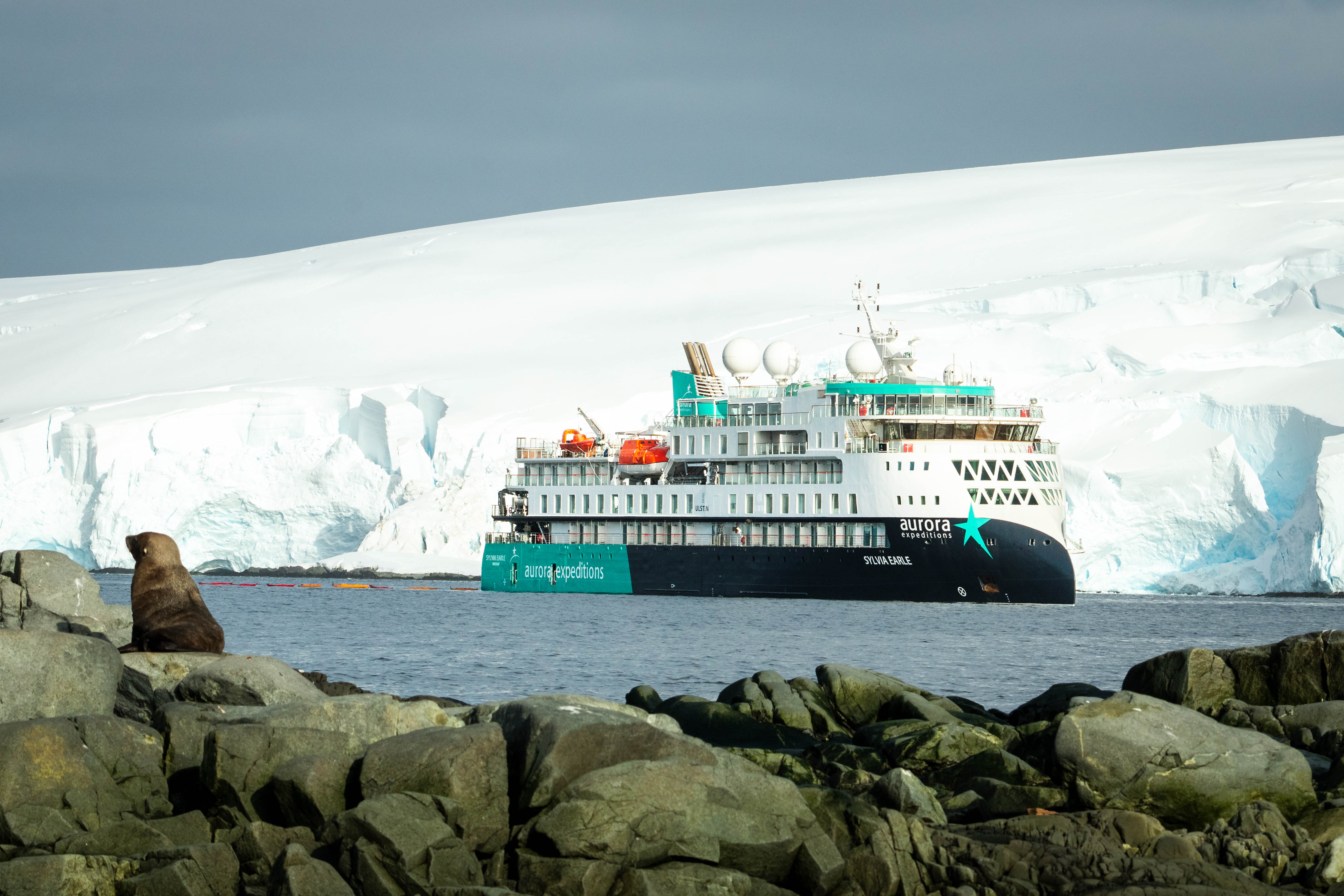
Although the ship is fun, the real enjoyment comes from the many shore excursions that are available. Depending on weather conditions, it may be possible for multiple landings, taking a look at everything from rock formations and ancient ruins to cute groups of penguins. We know time is of the essence in these wild locations, so the Sylvia Earle has been designed to carry 15 Zodiacs, which means you can maximise your time on shore.
From four dedicated sea level launching platforms, transfers are quicker, safer and enable you to get closer to the action for a longer period of time. Just remember to charge your camera before you step onto the Zodiac!
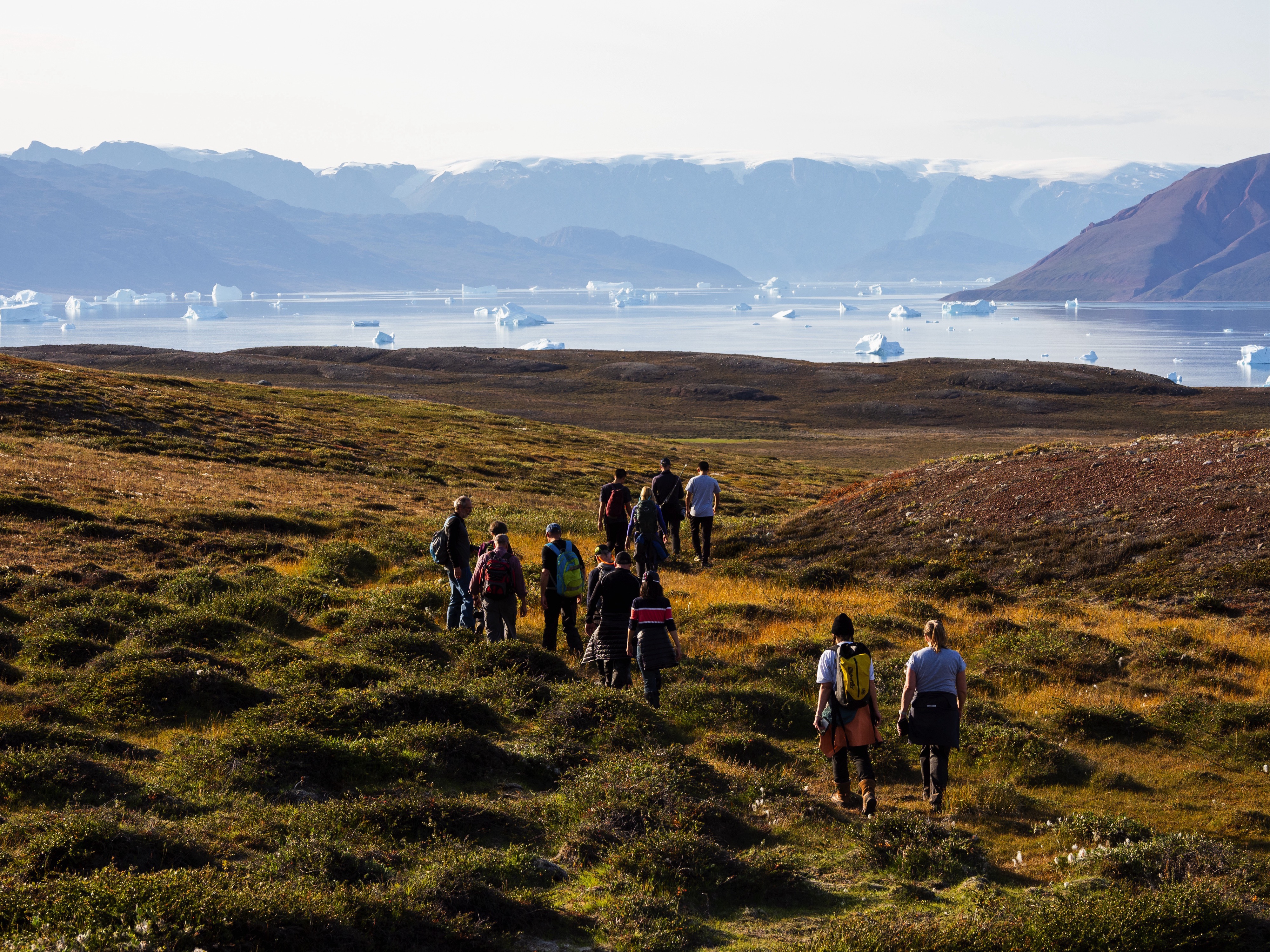
Science Centre & Lounge

Lecture Theatre
On all expeditions you will meet naturalists and local specialists, who offer presentations on their area of expertise to deepen your understanding of the region you’re visiting.
Join the team in the lecture theatre for presentations covering topics as broad as history and culture, biology and climate change, but they have one thing in common: they all aim to engage, educate and entertain.
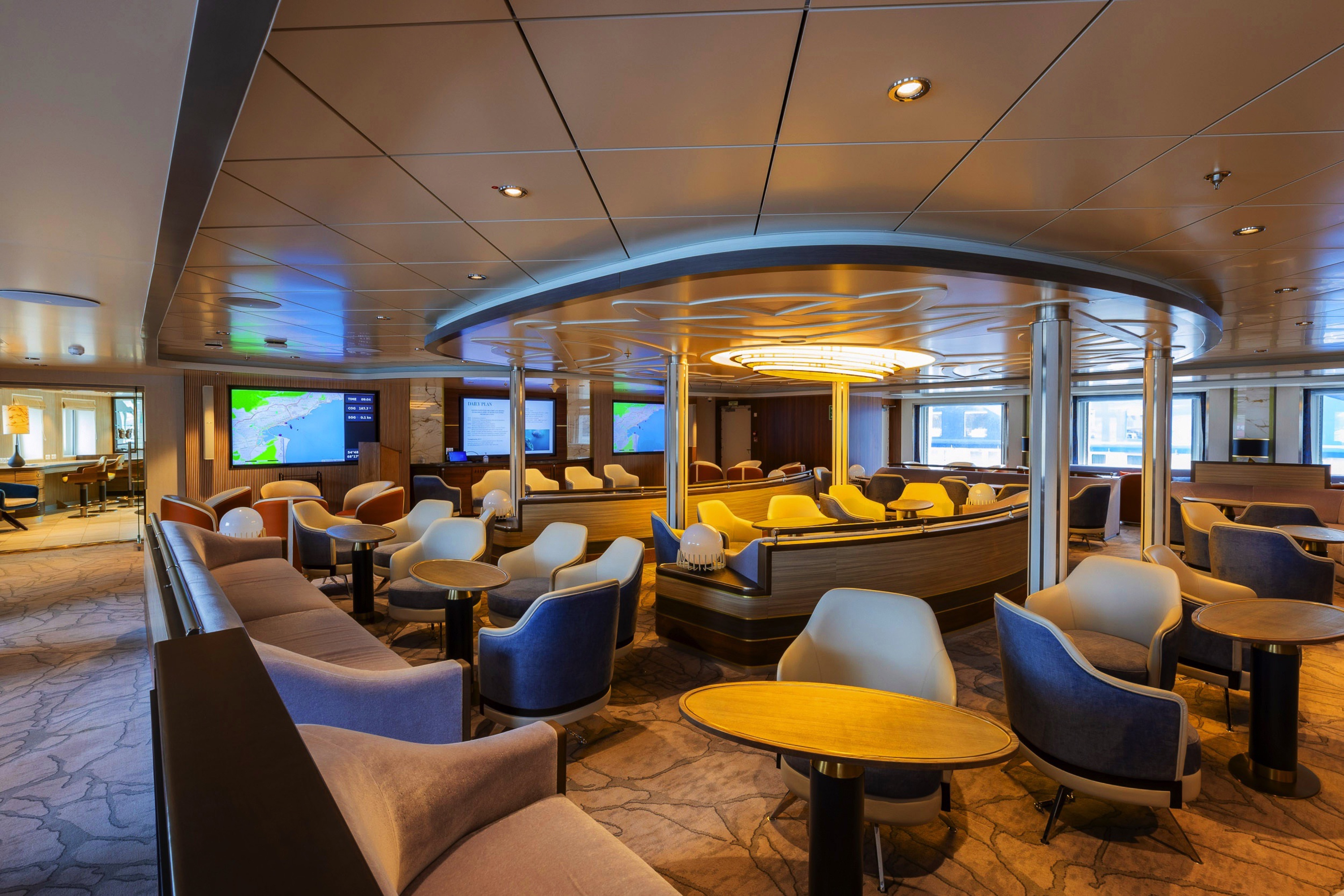
Mudroom
No need to take your wet expedition gear back to your cabin to dry. Keep your cabin warm and cosy by leaving your outer jackets and pants in the mudroom.
The mudroom is your launchpad for all shore excursions and activities. Here, you will have access to a locker when you can hang your gear up to dry, and store your boots between excursions.
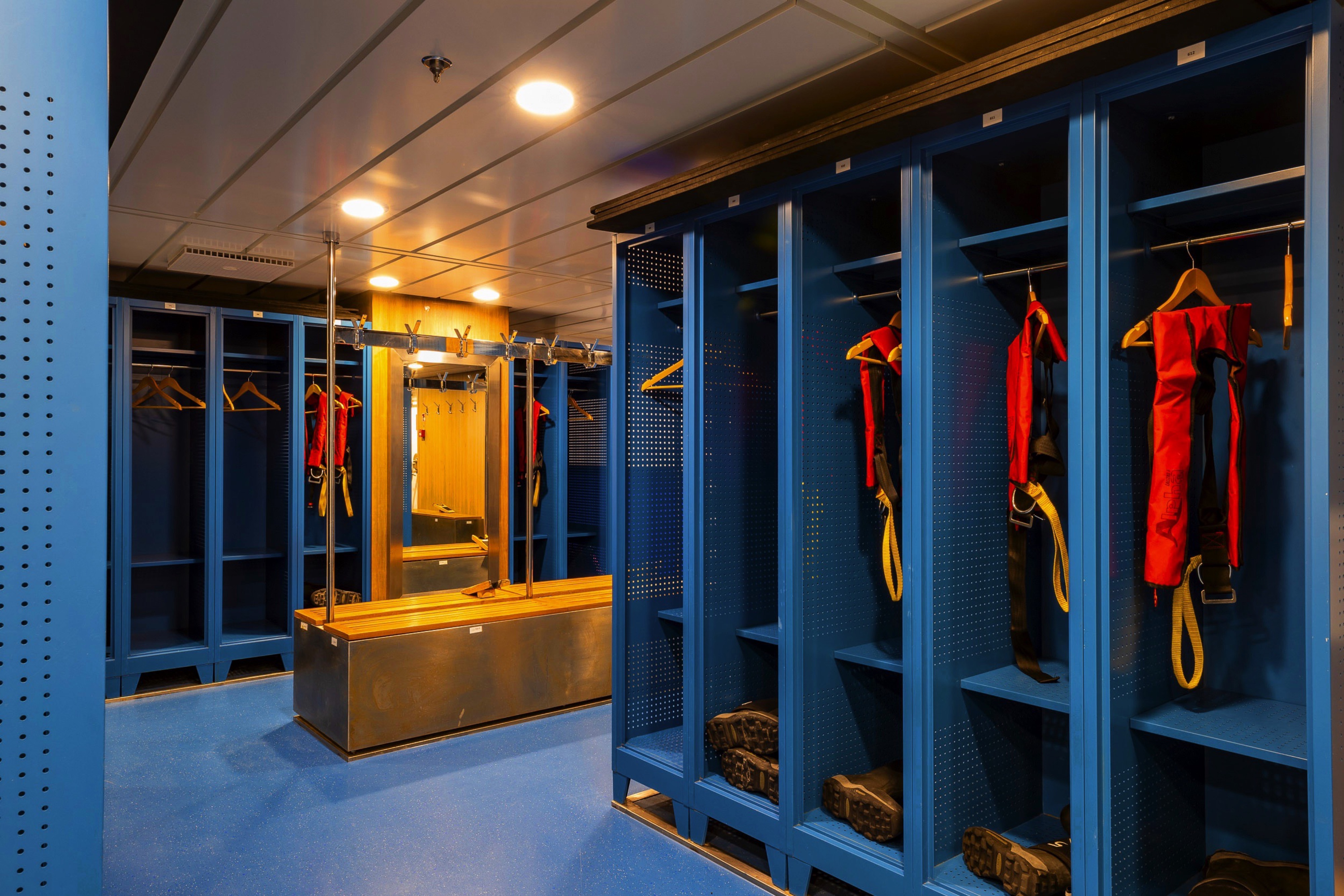
Zodiac Launching Platform
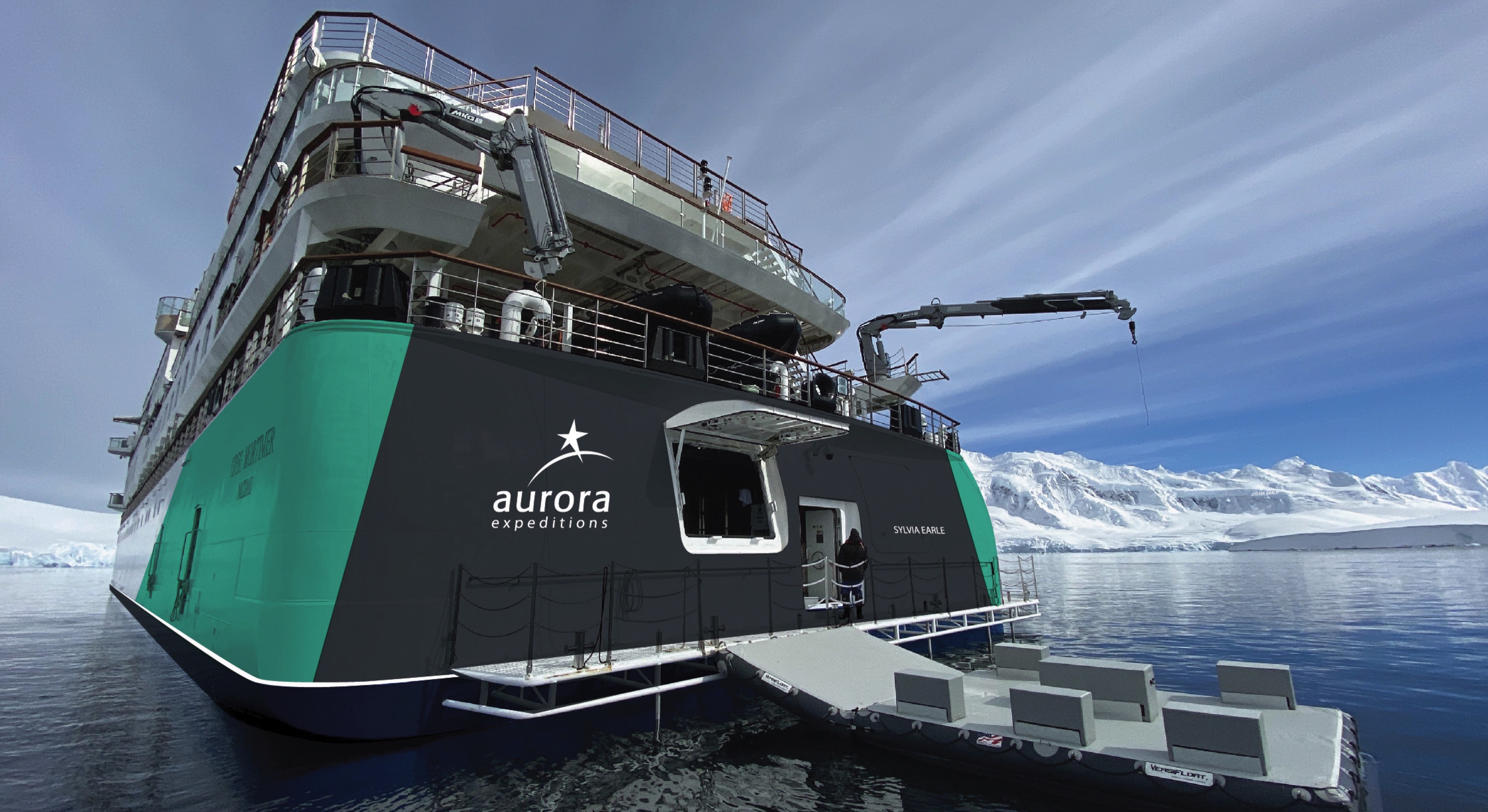
Zodiacs are a vital part of getting up close and personal on your adventure – sneaking into areas that the Sylvia Earle can’t reach. On this new ship, there are specially designed launching platforms that enables us to load Zodiacs easily and quickly, allowing you to spend more time exploring on the two to three daily landings.
There are 15 Zodiacs that are boarded from either side of Deck 3 (sea level), perfect for when there is a group of fluffy cute penguin chicks that we need a photo of!
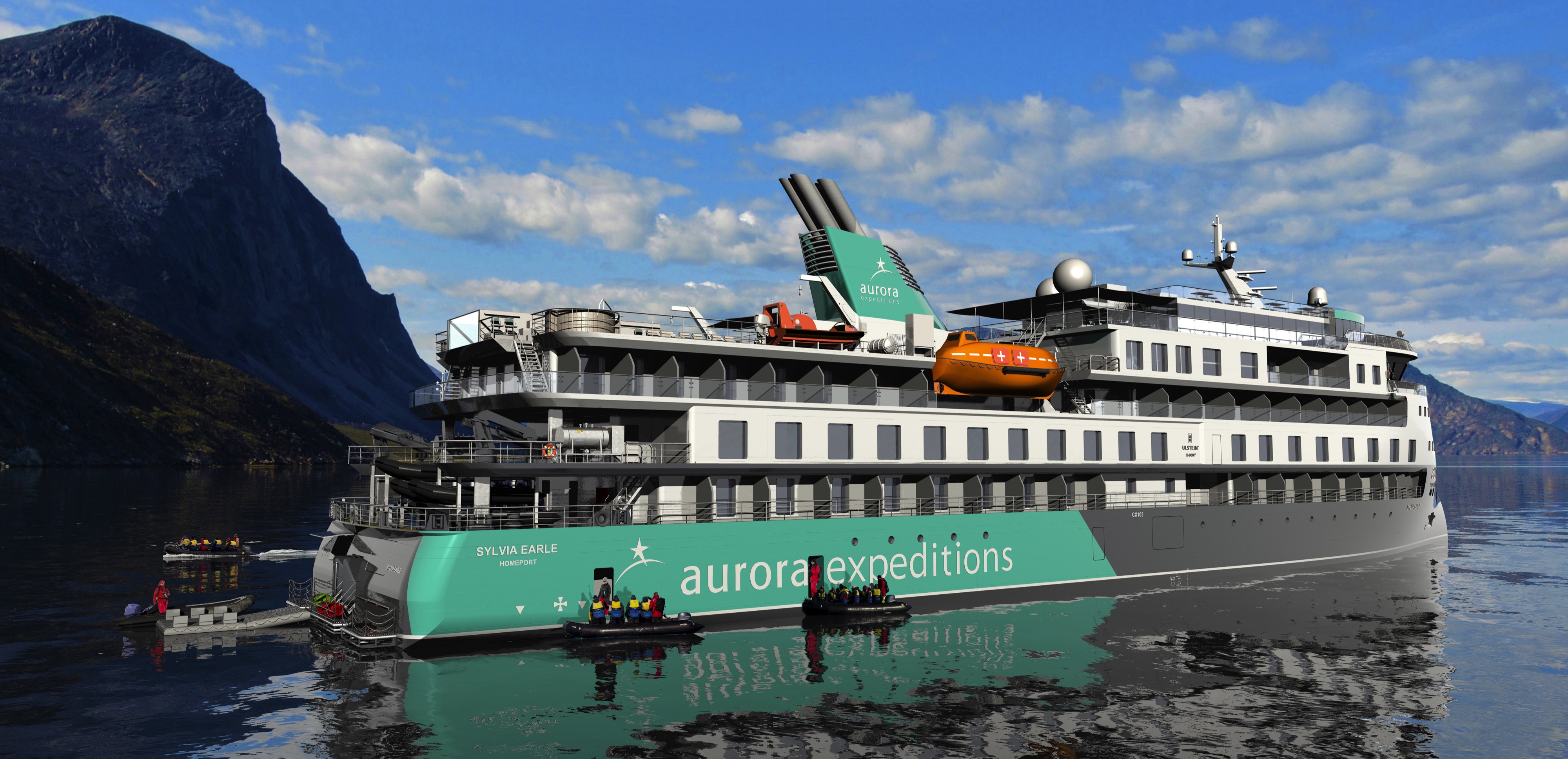
Custom-Built Activity Platform
Observation Points
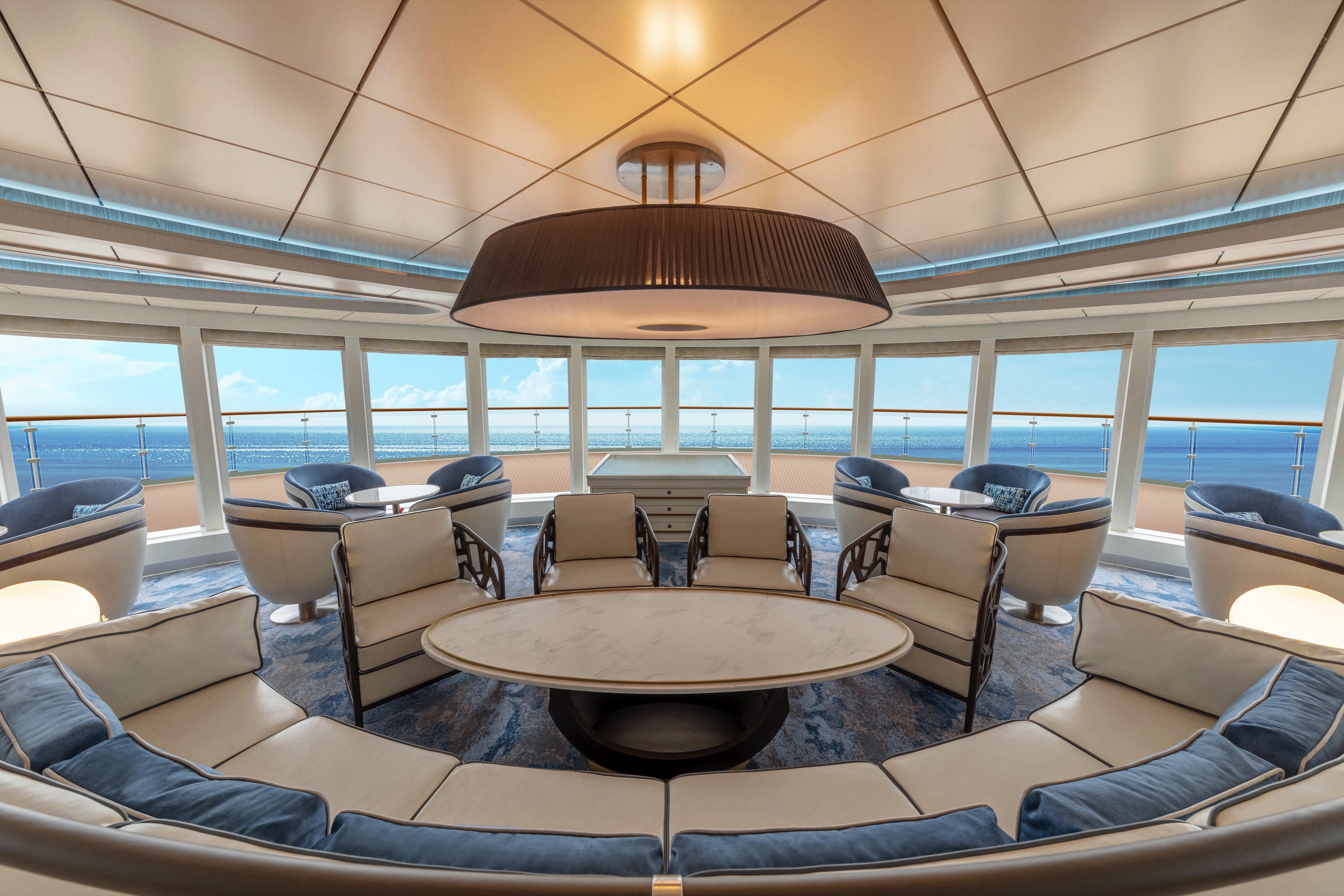
Let’s face it – you don’t want windowless rooms when travelling around some of the most beautiful locations around the world. This is why the Sylvia Earle is designed with plenty of dedicated observation spaces – ideal for keen bird spotters, wildlife watchers and those wanting to watch the scenery go past.
From the indoor 180-degree lounge and outdoor 360-degree open deck, both on deck 8, to the 270-degree open sundeck on level 7, there are plenty of observation points to share around the ship!

Bars & Lounges
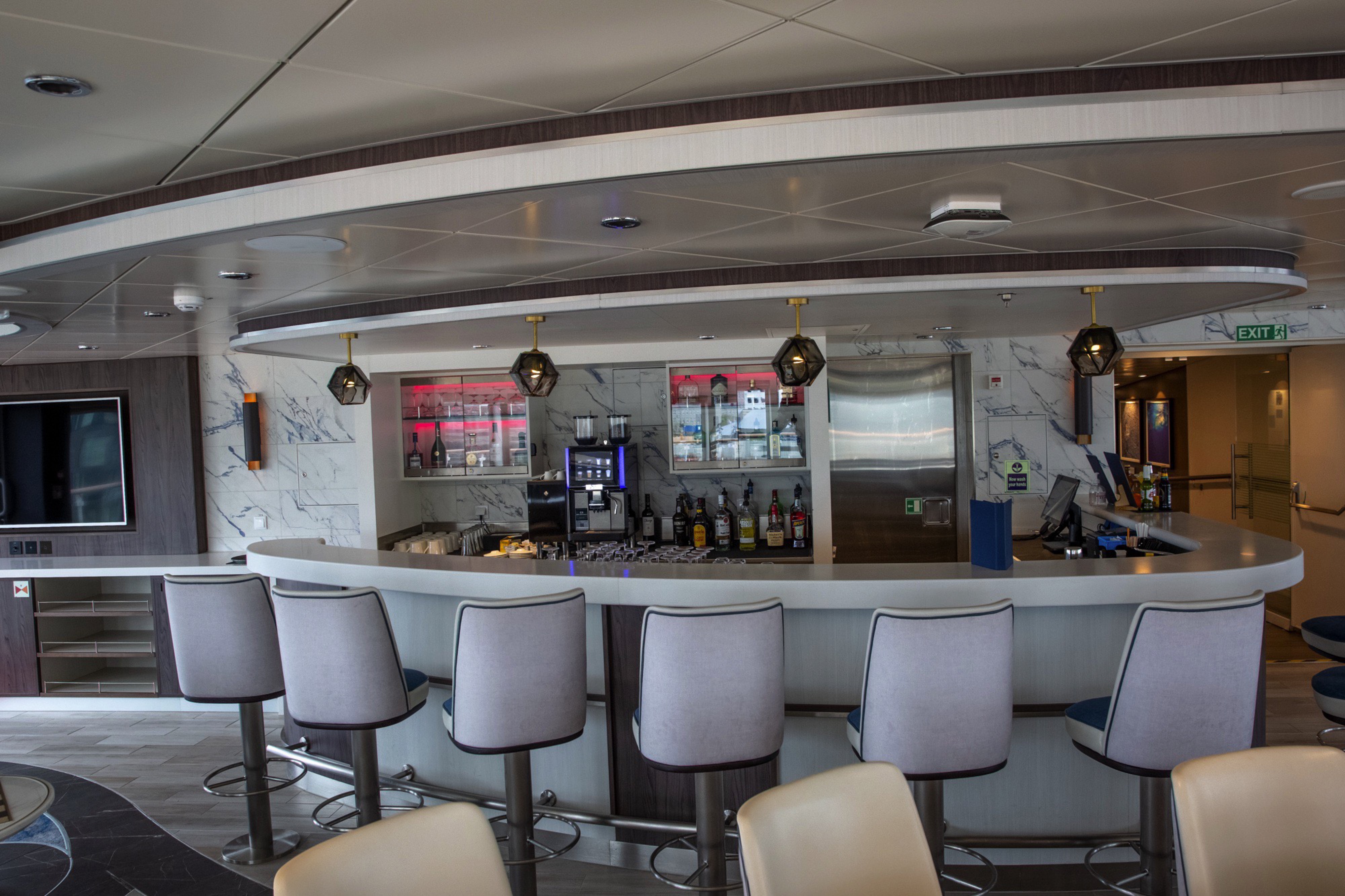
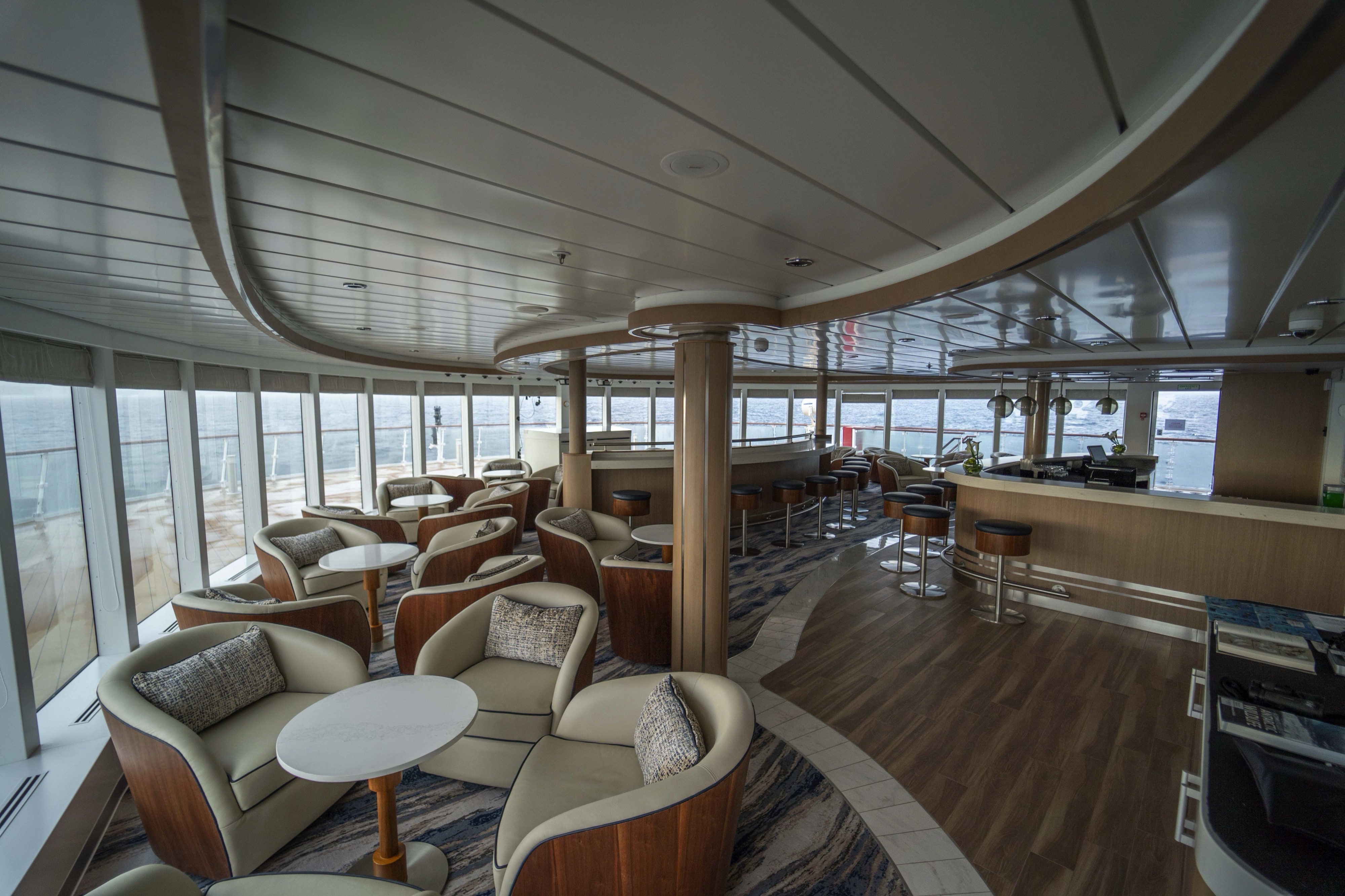
Communal meeting areas have always played a major role in fostering the warm camaraderie on board our ships. They are the heart of the expedition, where people meet to share tales from the day, swap photos, keep an eye out for wildlife and watch the sun go down.
The bars and lounges on board are refined yet inviting places to gather, with floor-to-ceiling windows offering stunning views, and of course friendly bartenders to shoot the breeze with.
Library & Multimedia Centre
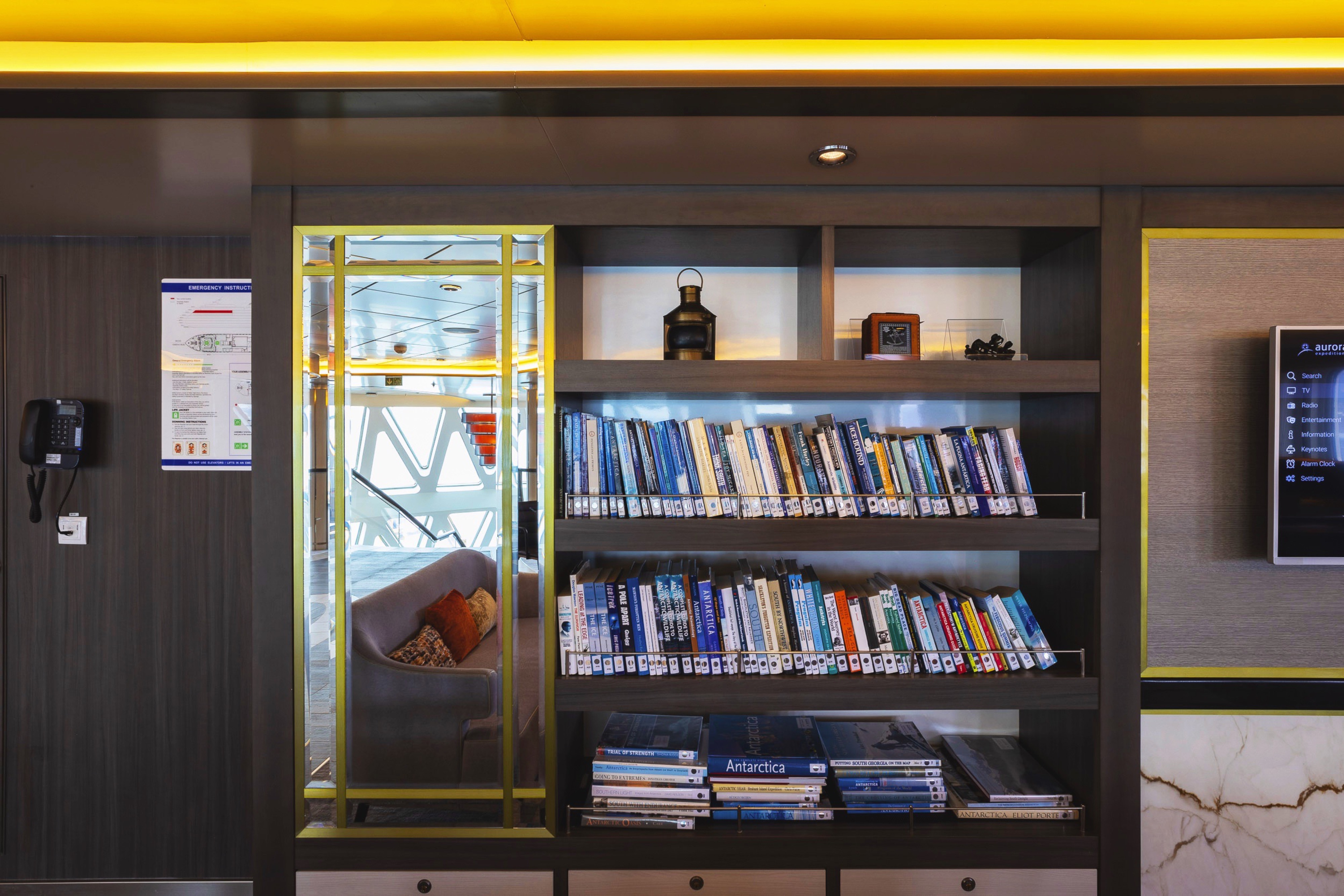
With floor-to-ceiling windows, the library is a peaceful sanctuary where you can find non-fiction books to read up on the day’s destinations, plug in and organise your photos or play board games with newfound friends.
Choose from our range of informative non-fiction titles, wildlife guidebooks, travel journals, novels and a selection of children’s books and board games.
Wildlife guides, books and binoculars can also be found on the observation lounge on Deck 7.
Glass Atrium Lounge
Observation Lounge
Wildlife guides, books and binoculars can also be found on the observation lounge on deck 8, the perfect place to relax and watch the incredible landscapes pass by, or spot unique polar wildlife.
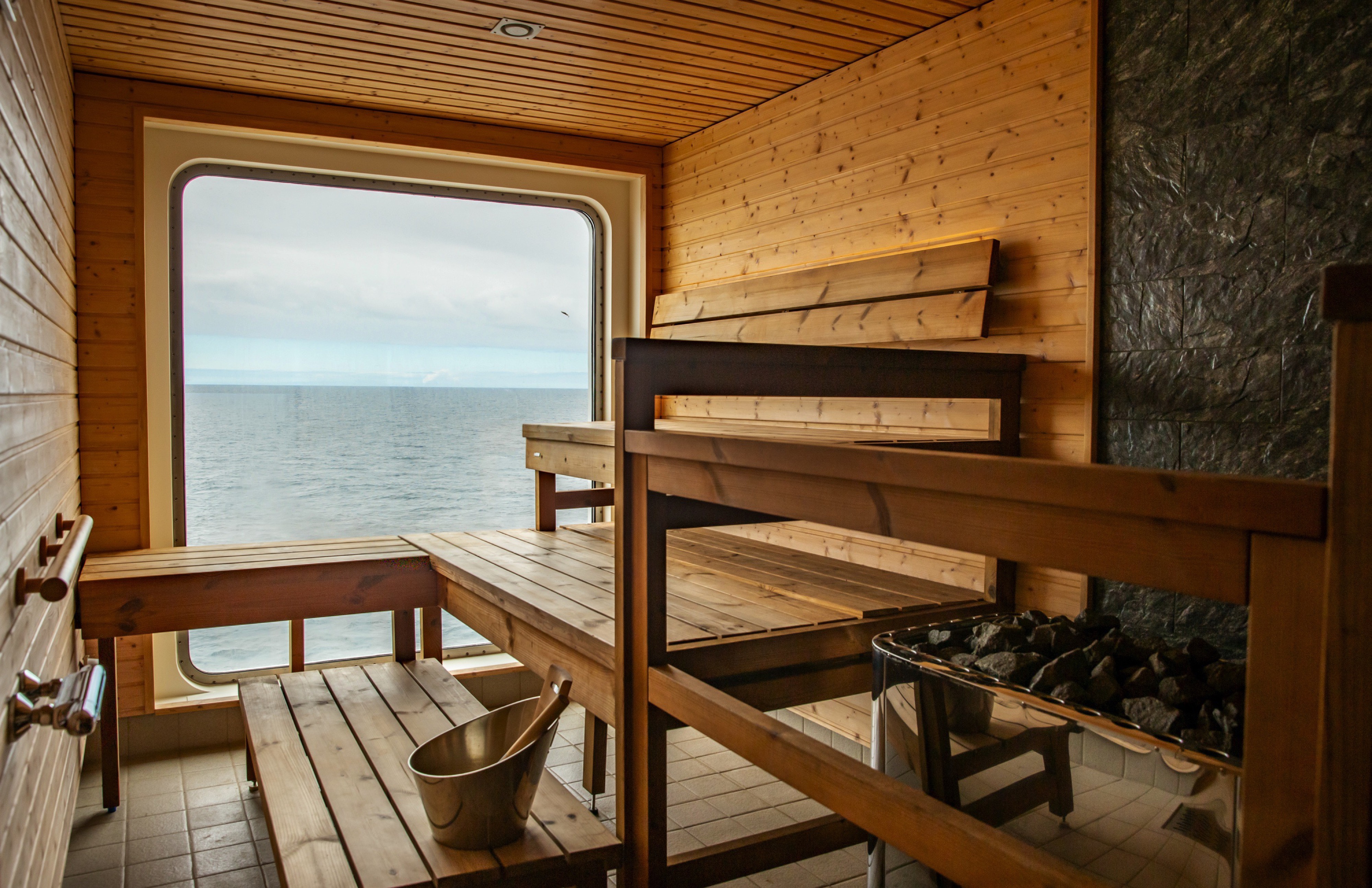
Sauna & Spa
You are welcome to visit the wellness centre during your voyage where you can use our sauna (which we highly recommend after the polar plunge!) or book a massage (additional cost applies).
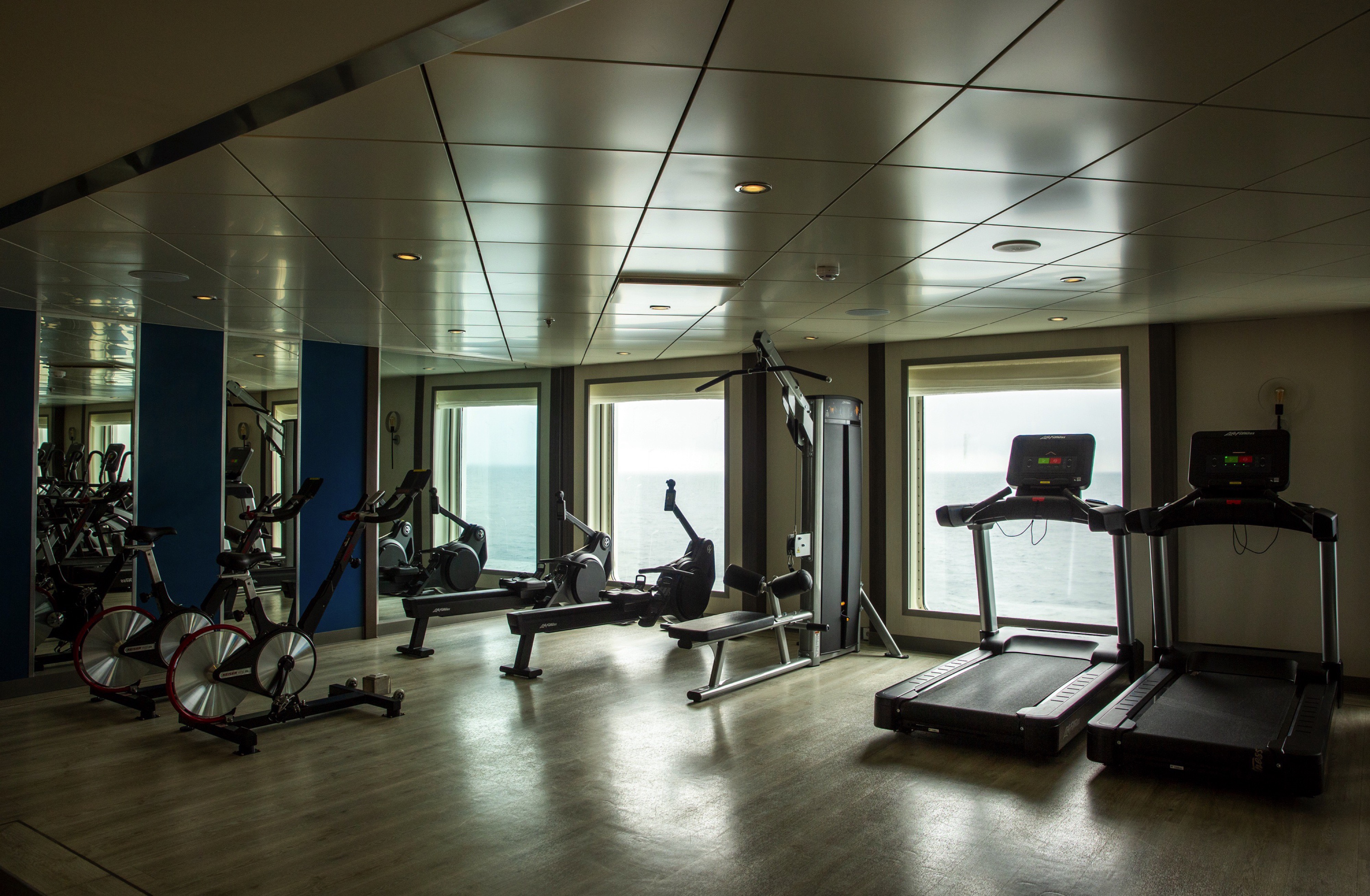
Gym
In between landings, enjoy complimentary access to the onboard gym.
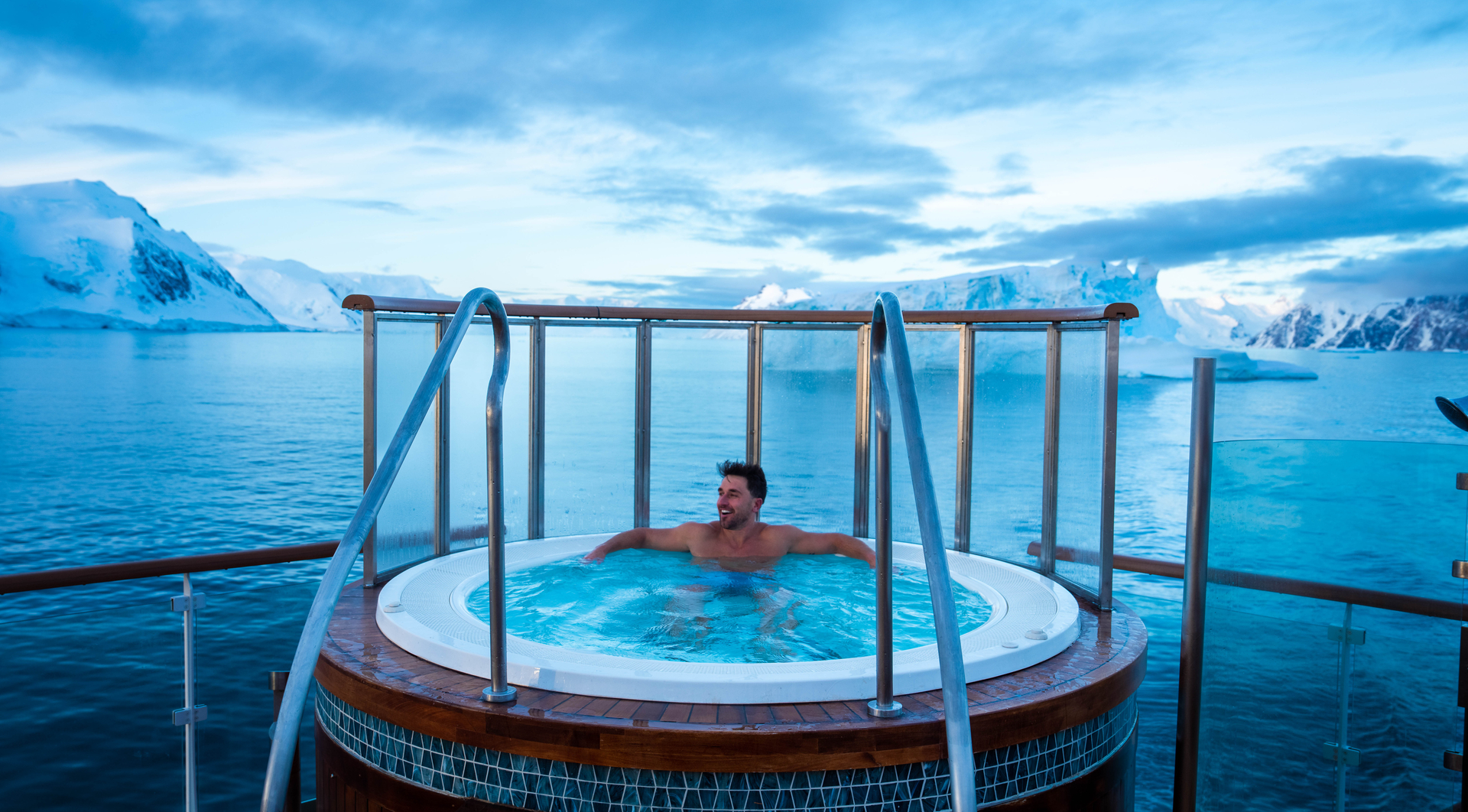
Swimming Pool & Sun Deck
There are also two jacuzzis on the top outside deck with amazing views of the world outside.
There are no dedicated children’s facilities onboard the Sylvia Earle.
Dining
Whatever adventures the day holds, you will be fuelled-up with hearty meals and delicious morning and afternoon teas cooked by our onboard chefs.
Meals are a great time to soak up the expedition camaraderie in our open seating dining area. Share stories with your fellow travellers and ask our expedition team questions that may have come up during the day.
Tea, coffee, and snacks are available 24 hours a day, and our chefs offer different menu options and courses for each meal. Enjoy the range of house wine, beers, and soft drinks included with dinner after a long day in the wild.
We also invite you to join your captain and expedition team for informal Captain’s Farewell drinks, with complimentary beverages and cocktail appetisers, followed by a 3-course meal.
The Rockhopper Restaurant
More information coming soon.
Gentoo
More information coming soon.
Citizen Science
Travel is always the best educator and we offer the chance to enrich your curiosity and expand your knowledge and understanding of the places we travel to. There is no better learning opportunity than being in the field with subject matter experts.
Our Citizen Science Program is designed to be an interactive forum of like-minded travellers to share new discoveries and deepen their connection to the natural world in a relaxed, informal and fun environment – both on board our ships, on our fascinating shore expeditions and in our zodiacs.
You can make a difference as we can provide invaluable data to the scientific community through you taking part. You too can become an ambassador for the protection of our majestic but fragile blue planet when you return home by sharing what you have learned.
What is Citizen Science?
Citizen Science is the collection and analysis of data relating to the natural world by members of the general public, typically as part of a collaborative project with professional scientists around the world.
Why Take Part?
Aurora Expeditions travels to some of the most unique and remote places on the planet. It is challenging for scientists to spend time in these areas, so any observations we contribute can be extremely valuable.
Gathering and sharing data is also a great way to engage and educate ourselves in pressing issues that concern us at a local, regional and global level.
How Does it Work?
Members of our passionate Expedition Team, together with a Citizen Science Coordinator, will be on hand to introduce and assist you with the projects being conducted on your voyage.
Expert guidance on the collection, storage and sharing of new scientific data will not only greatly enhance your voyage experience, but help you gain more knowledge of our ever-changing natural environment.
From the biggest mammals to the smallest marine creatures, the important part you play in our Citizen Science projects will help protect and preserve the planet for generations to come.
Our Projects
Our passengers can contribute to global research, collecting data in some of the most hard-to-reach, under-studied places on Earth. Our Citizen Science Program covers seven projects that span the globe, to advance understanding of marine ecosystems, birdlife, climate change and polar environments.
Please note: As some of our Citizen Science projects are location- and weather-dependent, we cannot operate all of the projects on all voyages. We will endeavour to include as many projects as possible on your voyage with ample time allocated to them on a day-to-day basis.
- HappyWhale uses photo ID to track individual whales. Guests can photograph encounters and log them on the database, improving knowledge about migration, population health and behaviour.
- eBird is the world’s largest biodiversity-related Citizen Science project, collecting bird observations from around the globe. Aurora passengers help to track species distribution and population changes.
- Our passengers are invited to record cloud conditions, with observations submitted to NASA GLOBE Cloud contributing to climate modelling.
- Our Citizen Scientists measure water clarity by lowering a Secchi disk, recording visibility, and sharing data with scientists that are studying the effects of climate change on ocean ecosystems. This builds a long-term global dataset, and each voyage contributes new observations from some of the least-studied waters in the world.
- Snow algae are microscopic organisms that grow on snow and ice, influencing melt rates. The Snow Algae Study engages passengers in photographing and recording snow algae sites, contributing to global research into how these organisms influence the Antarctic environment. This study is supported by the latest science from the National Snow and Ice Data Center.
- FjordPhyto invites passengers to explore phytoplankton diversity in polar fjords and coastal waters. Using simple tools, they collect samples to help scientists track phytoplankton health and its response to changing ocean conditions. These observations enhance understanding of the base of the marine food and how climate change is altering polar ecosystems. *Only available on Antarctic voyages.
- We are proudly the first expedition company to facilitate the development and execution of the TIPI pilot project, using thermal imaging to measure polar ice conditions. This project combines science, technology and storytelling to create robust datasets while engaging the public in polar research. We are collaborating with founder Joe Muise to deliver high-quality scientific outcomes.
Excursions
Although the ship is fun, the real enjoyment comes from the many shore excursions that are available. Depending on weather conditions, it may be possible for multiple landings, taking a look at everything from rock formations and ancient ruins to cute groups of penguins. We know time is of the essence in these wild locations, so the Sylvia Earle has been designed to carry 15 Zodiacs, which means you can maximise your time on shore.
From four dedicated sea level launching platforms, transfers are quicker, safer and enable you to get closer to the action for a longer period of time. Just remember to charge your camera before you step onto the Zodiac!
Science Centre & Lounge
Lecture Theatre
On all expeditions you will meet naturalists and local specialists, who offer presentations on their area of expertise to deepen your understanding of the region you’re visiting.
Join the team in the lecture theatre for presentations covering topics as broad as history and culture, biology and climate change, but they have one thing in common: they all aim to engage, educate and entertain.
Mudroom
No need to take your wet expedition gear back to your cabin to dry. Keep your cabin warm and cosy by leaving your outer jackets and pants in the mudroom.
The mudroom is your launchpad for all shore excursions and activities. Here, you will have access to a locker when you can hang your gear up to dry, and store your boots between excursions.
Zodiac Launching Platform
Zodiacs are a vital part of getting up close and personal on your adventure – sneaking into areas that the Sylvia Earle can’t reach. On this new ship, there are specially designed launching platforms that enables us to load Zodiacs easily and quickly, allowing you to spend more time exploring on the two to three daily landings.
There are 15 Zodiacs that are boarded from either side of Deck 3 (sea level), perfect for when there is a group of fluffy cute penguin chicks that we need a photo of!
Custom-Built Activity Platform
Observation Points
Let’s face it – you don’t want windowless rooms when travelling around some of the most beautiful locations around the world. This is why the Sylvia Earle is designed with plenty of dedicated observation spaces – ideal for keen bird spotters, wildlife watchers and those wanting to watch the scenery go past.
From the indoor 180-degree lounge and outdoor 360-degree open deck, both on deck 8, to the 270-degree open sundeck on level 7, there are plenty of observation points to share around the ship!
Bars & Lounges
Communal meeting areas have always played a major role in fostering the warm camaraderie on board our ships. They are the heart of the expedition, where people meet to share tales from the day, swap photos, keep an eye out for wildlife and watch the sun go down.
The bars and lounges on board are refined yet inviting places to gather, with floor-to-ceiling windows offering stunning views, and of course friendly bartenders to shoot the breeze with.
Library & Multimedia Centre
With floor-to-ceiling windows, the library is a peaceful sanctuary where you can find non-fiction books to read up on the day’s destinations, plug in and organise your photos or play board games with newfound friends.
Choose from our range of informative non-fiction titles, wildlife guidebooks, travel journals, novels and a selection of children’s books and board games.
Wildlife guides, books and binoculars can also be found on the observation lounge on Deck 7.
Glass Atrium Lounge
Observation Lounge
Wildlife guides, books and binoculars can also be found on the observation lounge on deck 8, the perfect place to relax and watch the incredible landscapes pass by, or spot unique polar wildlife.
Sauna & Spa
You are welcome to visit the wellness centre during your voyage where you can use our sauna (which we highly recommend after the polar plunge!) or book a massage (additional cost applies).
Gym
In between landings, enjoy complimentary access to the onboard gym.
Swimming Pool & Sun Deck
There are also two jacuzzis on the top outside deck with amazing views of the world outside.
There are no dedicated children’s facilities onboard the Sylvia Earle.
About the Ship
Deck Plans
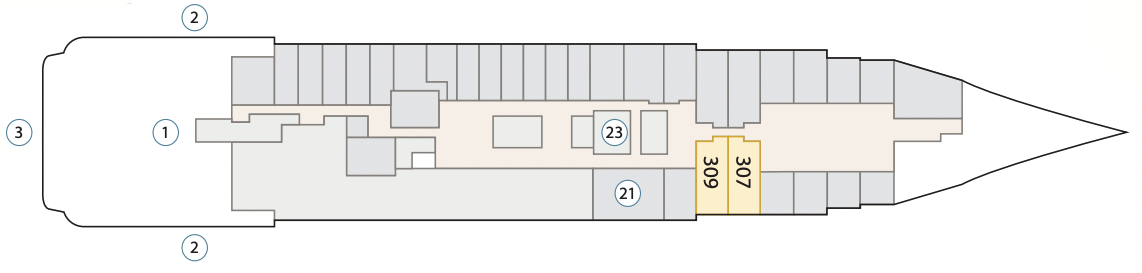
- Elevator
- Aurora Stateroom Superior
- Activity launching platform
- Zodiac Access Points
- Change room / Mudroom
- Medical Clinic
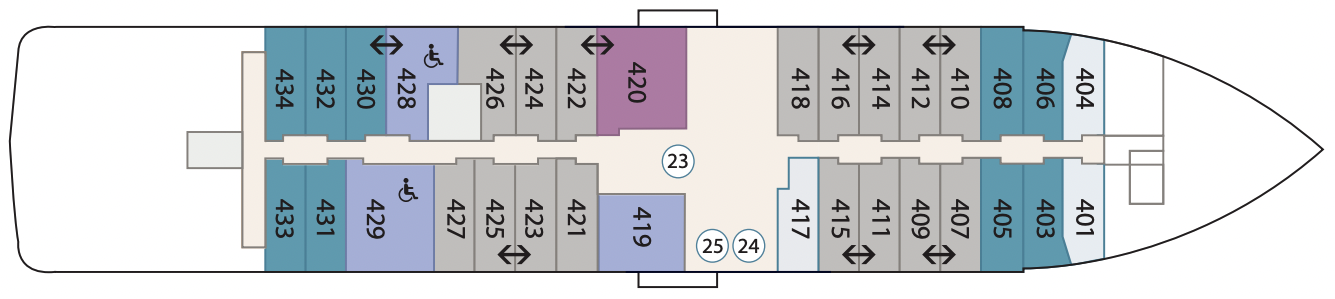
- Elevator
- Captains Suite
- Balcony stateroom (A,B,C)
- Balcony stateroom Superior
- Expedition desk
- Main entrance
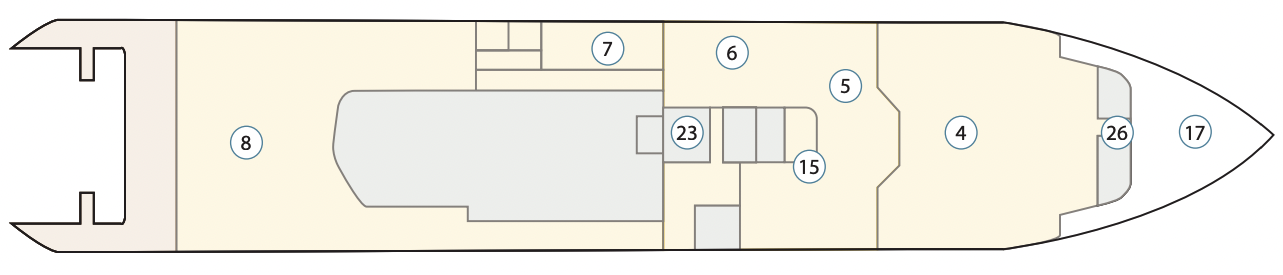
- Lower glass Atrium lounge
- Lecture room & lounge
- Assembly Station
- Reception
- Dining room
- Ship Shop
- Elevator
- Dining room
- Bar
- Citizen Science centre
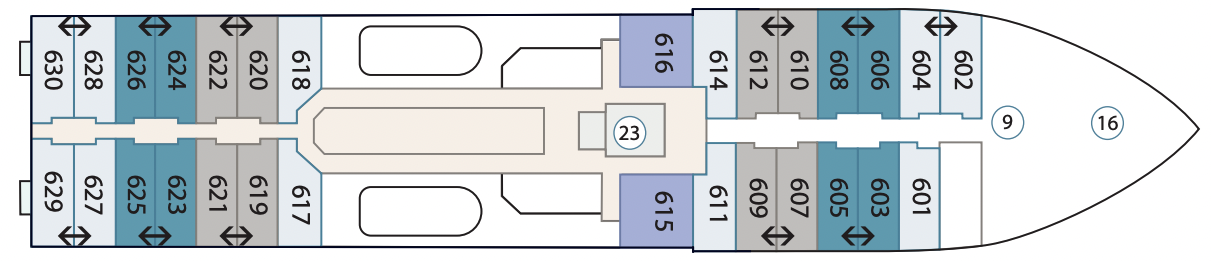
- Upper glass atrium lounge
- Library
- Elevator
- Balcony stateroom (A,B,C)
- Balcony stateroom Superior
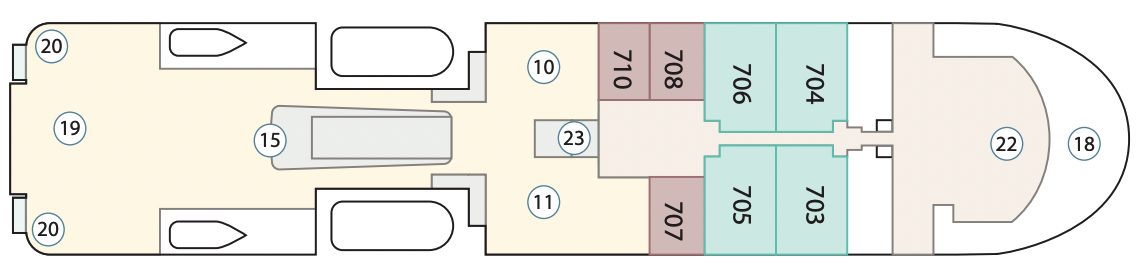
- Bridge
- Elevator
- Gym
- Wellness Centre / Sauna
- Bar
- Swimming pool & sun deck
- Jacuzzis
- Junior Suite
- Aurora stateroom Superior
- Observation decks
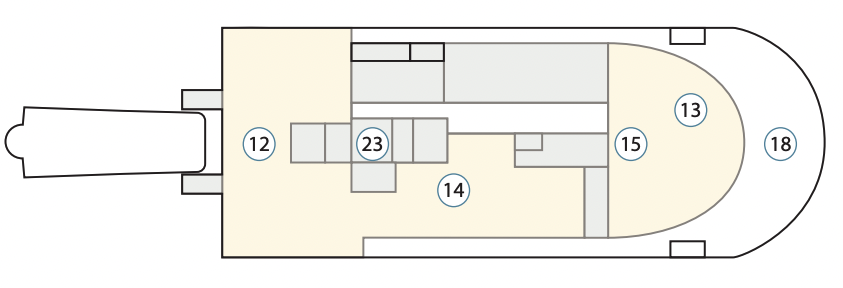
- Observation decks
- Observation lounge
- Bar
- Top deck restaurant
- Elevator
- Seating area
- Elevator
- Aurora Stateroom Superior
- Activity launching platform
- Zodiac Access Points
- Change room / Mudroom
- Medical Clinic
- Elevator
- Captains Suite
- Balcony stateroom (A,B,C)
- Balcony stateroom Superior
- Expedition desk
- Main entrance
- Lower glass Atrium lounge
- Lecture room & lounge
- Assembly Station
- Reception
- Dining room
- Ship Shop
- Elevator
- Dining room
- Bar
- Citizen Science centre
- Upper glass atrium lounge
- Library
- Elevator
- Balcony stateroom (A,B,C)
- Balcony stateroom Superior
- Bridge
- Elevator
- Gym
- Wellness Centre / Sauna
- Bar
- Swimming pool & sun deck
- Jacuzzis
- Junior Suite
- Aurora stateroom Superior
- Observation decks
- Observation decks
- Observation lounge
- Bar
- Top deck restaurant
- Elevator
- Seating area