
Featured Cabins
Itinerary
Paris, France
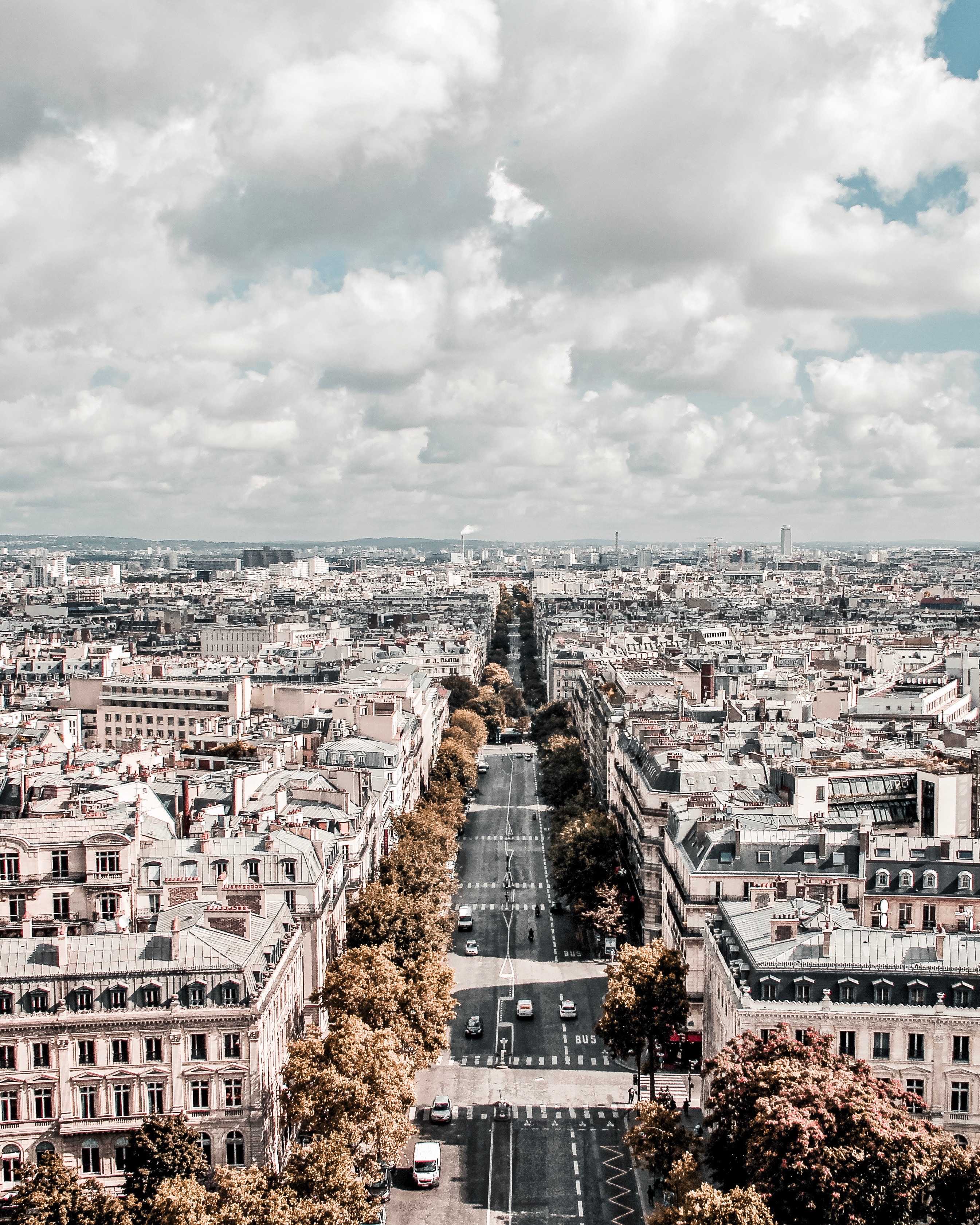
Bienvenue en France!Take free time today to fall in love with the world’s most romantic city. Get inspired by its architectural icons, exquisite cuisine, chic boutiques, and priceless artistic treasures.
Paris, France
Cafés, Cathedrals and Canvases in the City of Light
CLASSIC Join a Guided City Tour that shows the iconic sites of Paris, such as the Louvre Museum, the Arc de Triomphe, the Eiffel Tower, Opéra Garnier, and the famous Champs-Élysées.
Spend your free time strolling through the Champs-Élysées for café au lait and croissants, see the exhibits at the Louvre, or visit Montmartre’s Basilica of the Sacré Cœur. Consider browsing Paris’ classic shopping avenues and literary cafés for a true Parisian experience, or have your portrait sketched by a Parisian artist in the square at Place du Tertre.
Dijon, France
Take a High-Speed Train from Paris to Dijon, to drive on to Beaune.
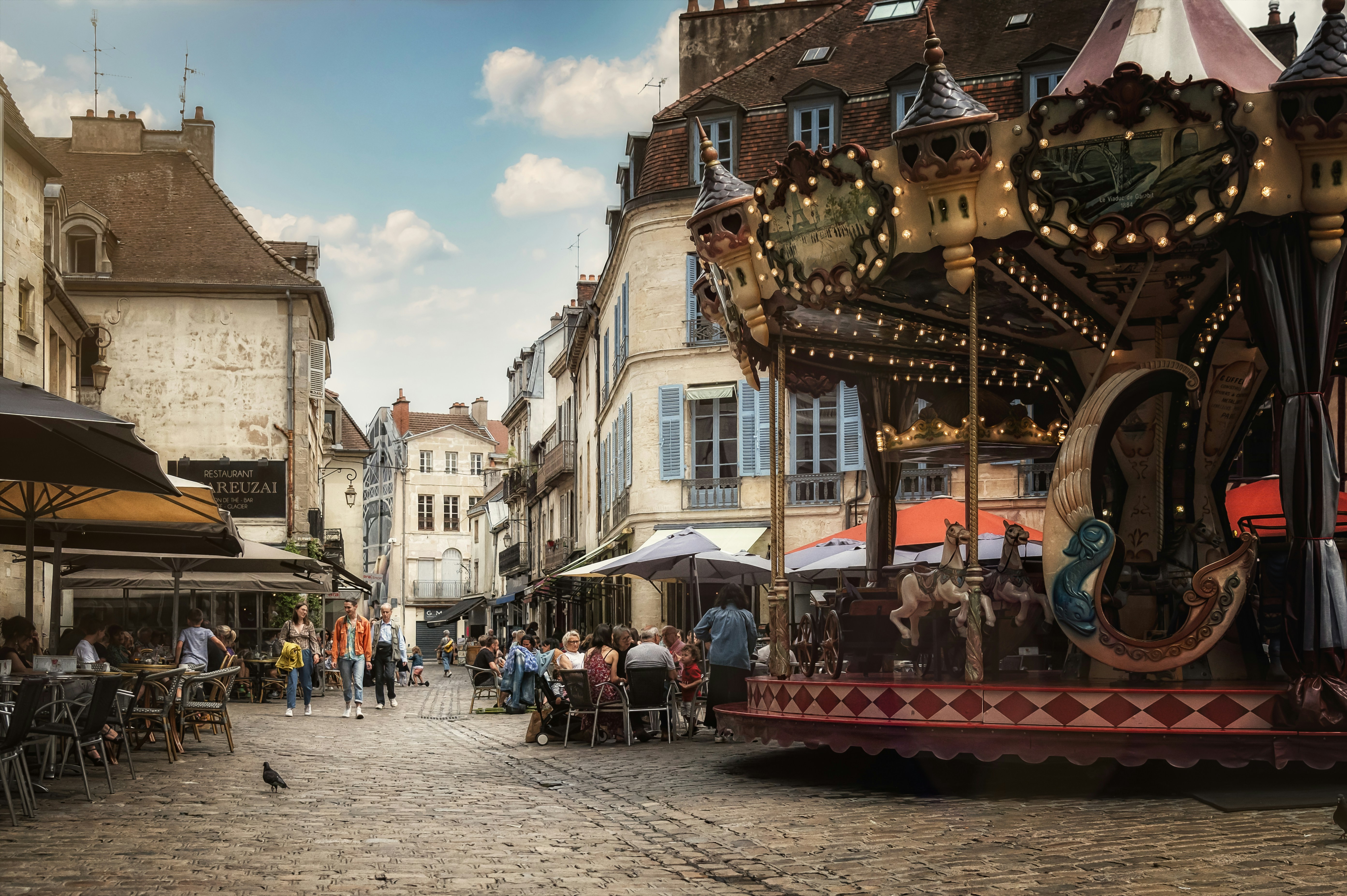
CLASSIC Visit the Hôtel-Dieu Charity Hospital in Beaune, built in 1443, today home of the Van der Weyden’s painting of the Last Judgment and one of France’s architectural highlights.
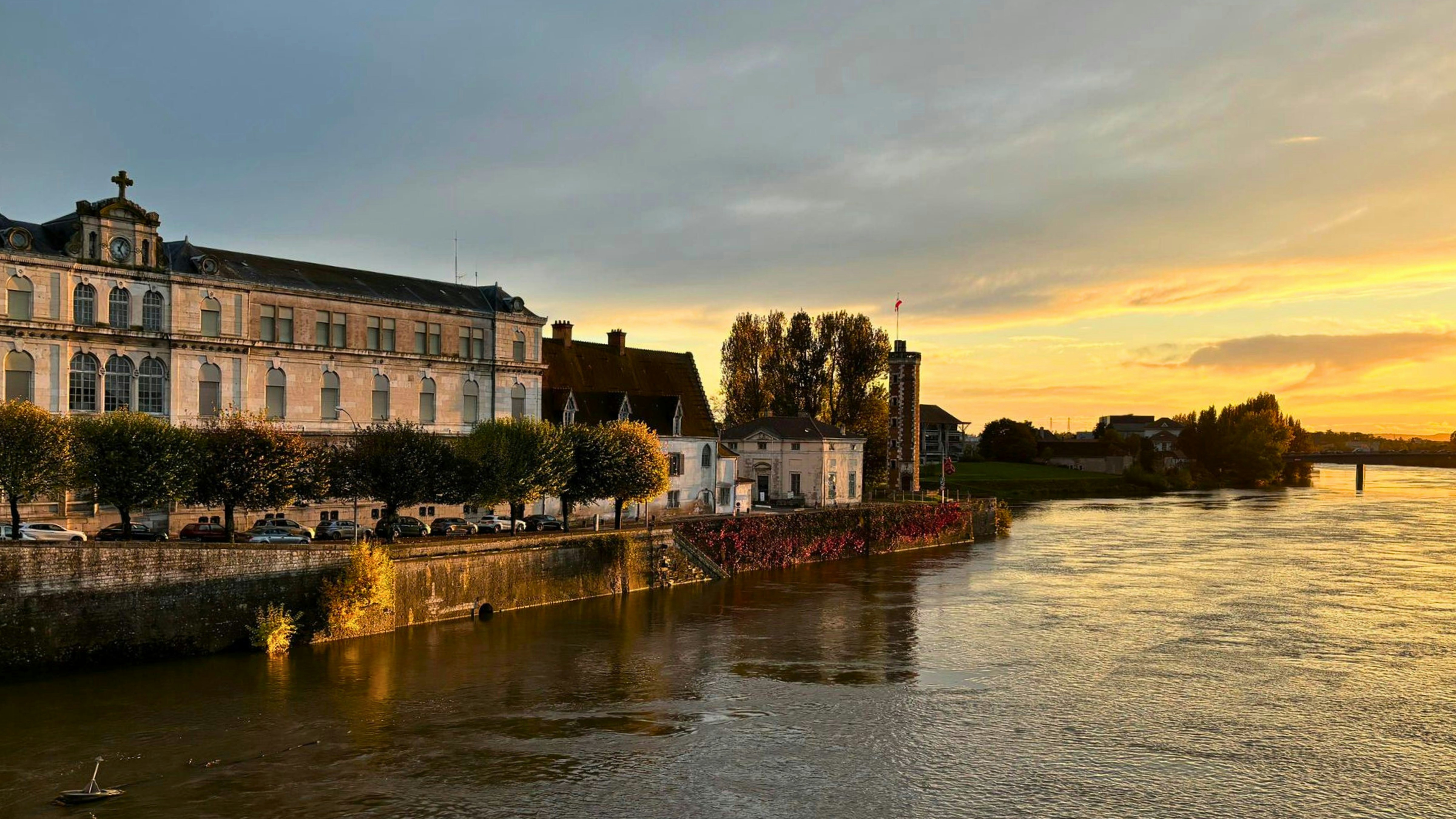
This afternoon, travel to Chalon-sur-Saône to board your Suite Ship®.
Beaune, France
Take a High-Speed Train from Paris to Dijon, to drive on to Beaune.
CLASSIC Visit the Hôtel-Dieu Charity Hospital in Beaune, built in 1443, today home of the Van der Weyden’s painting of the Last Judgment and one of France’s architectural highlights.
This afternoon, travel to Chalon-sur-Saône to board your Suite Ship®.

Chalon-sur-Saône, France
Take a High-Speed Train from Paris to Dijon, to drive on to Beaune.
CLASSIC Visit the Hôtel-Dieu Charity Hospital in Beaune, built in 1443, today home of the Van der Weyden’s painting of the Last Judgment and one of France’s architectural highlights.
This afternoon, travel to Chalon-sur-Saône to board your Suite Ship®.
Tournus, France
Pearl of Southern Burgundy Visit the Adventure Center for today’s activities with your Adventure Host.
CLASSIC Tucked away in the southeast corner of Burgundy, Tournus is one of the oldest and most important monastic centers in the region, Our Local Guide will show the highlights of this delightful town.
DISCOVERY Join an excursion that will take you to a Chardonnay cellar for a wine tasting.
DISCOVERY Join a lecture about wine hosted by your Certified Sommelier while sailing to Mâcon.

Lyon, France
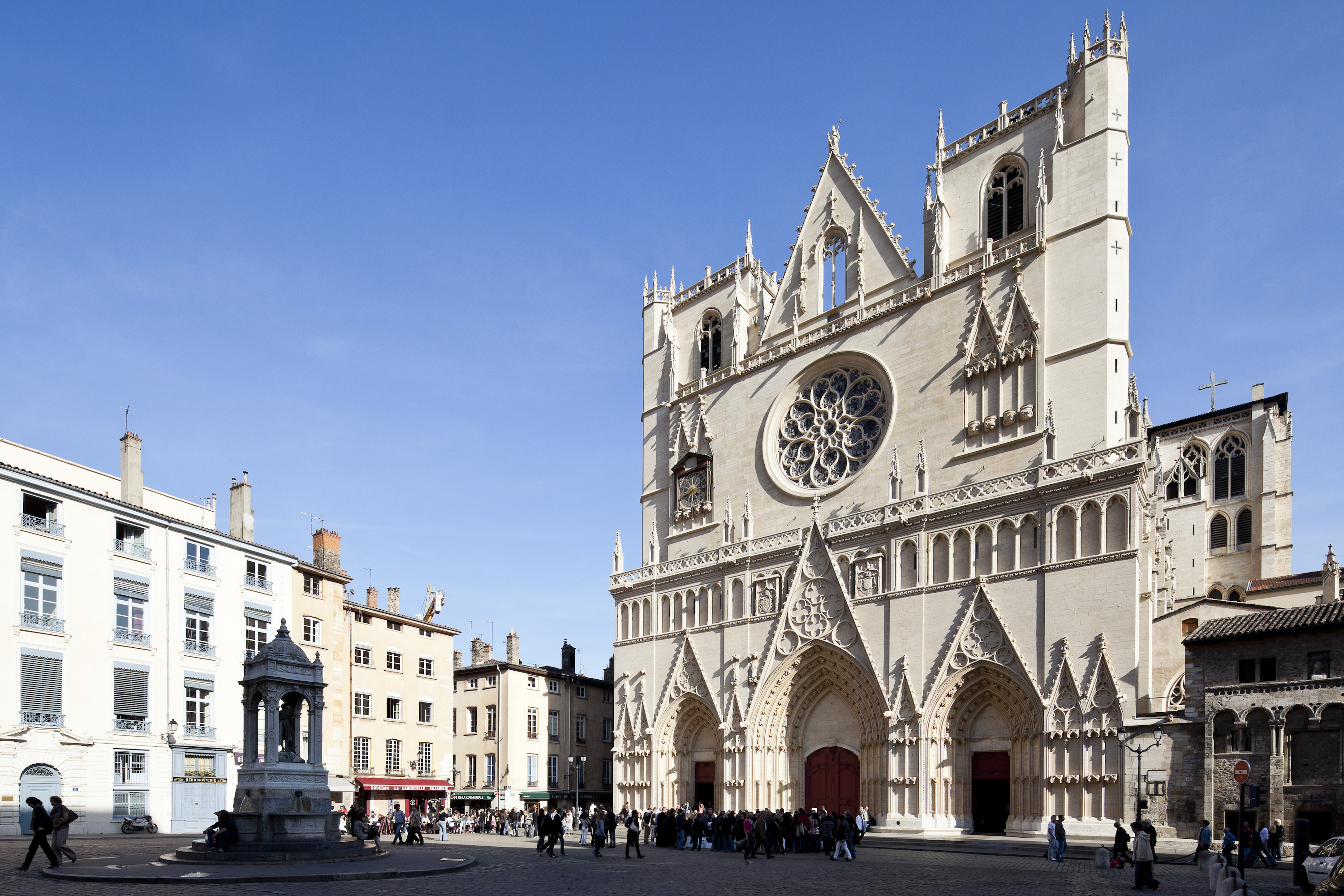
Lyon, the capital city in France’s Auvergne-Rhône-Alpes region, sits at the junction of the Rhône and Saône rivers. Its center reflects 2,000 years of history from the Roman Amphithéâtre des Trois Gaules, medieval and Renaissance architecture in Vieux (Old) Lyon, to the modern Confluence district on Presqu’île peninsula. Traboules, covered passageways between buildings, connect Vieux Lyon and La Croix-Rousse hill.
Lyon, France
Lyon, the capital city in France’s Auvergne-Rhône-Alpes region, sits at the junction of the Rhône and Saône rivers. Its center reflects 2,000 years of history from the Roman Amphithéâtre des Trois Gaules, medieval and Renaissance architecture in Vieux (Old) Lyon, to the modern Confluence district on Presqu’île peninsula. Traboules, covered passageways between buildings, connect Vieux Lyon and La Croix-Rousse hill.
Tournon-sur-Rhône, France
A Rendezvous with Castle Views and Vineyards
ACTIVE Hike in the vineyards and take in the breathtaking views from the hills (weather permitting), OR:
CLASSIC Take a morning Guided Walking Tour to explore Tournon—one of France’s oldest medieval cities with its 16th-century castle. The tour also includes a wine and chocolate tasting at the Cité du Chocolat at Valrhona.
After lunch, enjoy an onboard wine and cheese tasting hosted by your Certified Sommelier while sailing to Viviers after lunch.

Viviers, France
Viviers, France, is a charming medieval town in the Rhône-Alpes region, renowned for its well-preserved historical architecture. Nestled on the banks of the Rhône River, it features narrow, winding streets, ancient stone houses, and the impressive Saint-Vincent Cathedral. The town’s Roman and medieval heritage is evident in its old ramparts and historic buildings. Viviers’ tranquil atmosphere and picturesque surroundings offer a glimpse into the past, making it a delightful destination for history lovers and those seeking a serene escape.

Avignon, France
Avignon, France, is a historic city in Provence famed for its stunning medieval architecture. Dominated by the impressive Palais des Papes, a grand papal palace, and the iconic Pont Saint-Bénézet bridge, Avignon offers a rich cultural heritage. Its charming streets, vibrant markets, and annual theater festival, the Festival d’Avignon, add to its allure. Surrounded by picturesque vineyards and the Rhône River, Avignon blends history with a lively contemporary atmosphere, making it a must-visit for history enthusiasts and culture seekers.

Arles, France
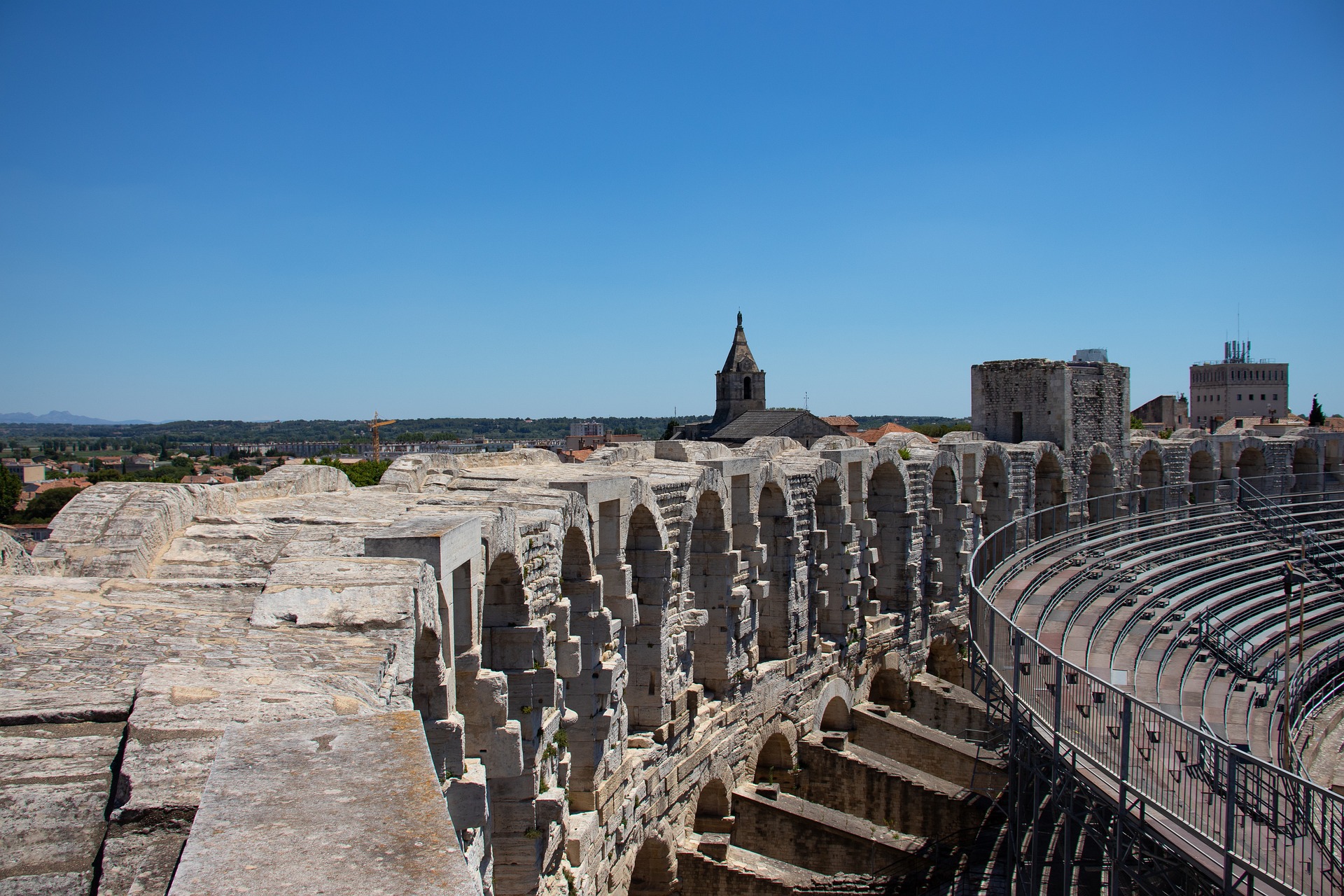
Arles, France, is a historic city in Provence renowned for its Roman heritage and artistic legacy. The ancient amphitheater and the Roman Theater are standout landmarks. Arles also boasts charming streets and vibrant markets, reflecting its rich cultural life. Known for its connection to Vincent van Gogh, the city features scenes immortalized in his paintings. The blend of historical architecture, vibrant local culture, and picturesque landscapes makes Arles a captivating destination for history buffs and art enthusiasts alike.
Arles, France
Arles, France, is a historic city in Provence renowned for its Roman heritage and artistic legacy. The ancient amphitheater and the Roman Theater are standout landmarks. Arles also boasts charming streets and vibrant markets, reflecting its rich cultural life. Known for its connection to Vincent van Gogh, the city features scenes immortalized in his paintings. The blend of historical architecture, vibrant local culture, and picturesque landscapes makes Arles a captivating destination for history buffs and art enthusiasts alike.
Nice, France
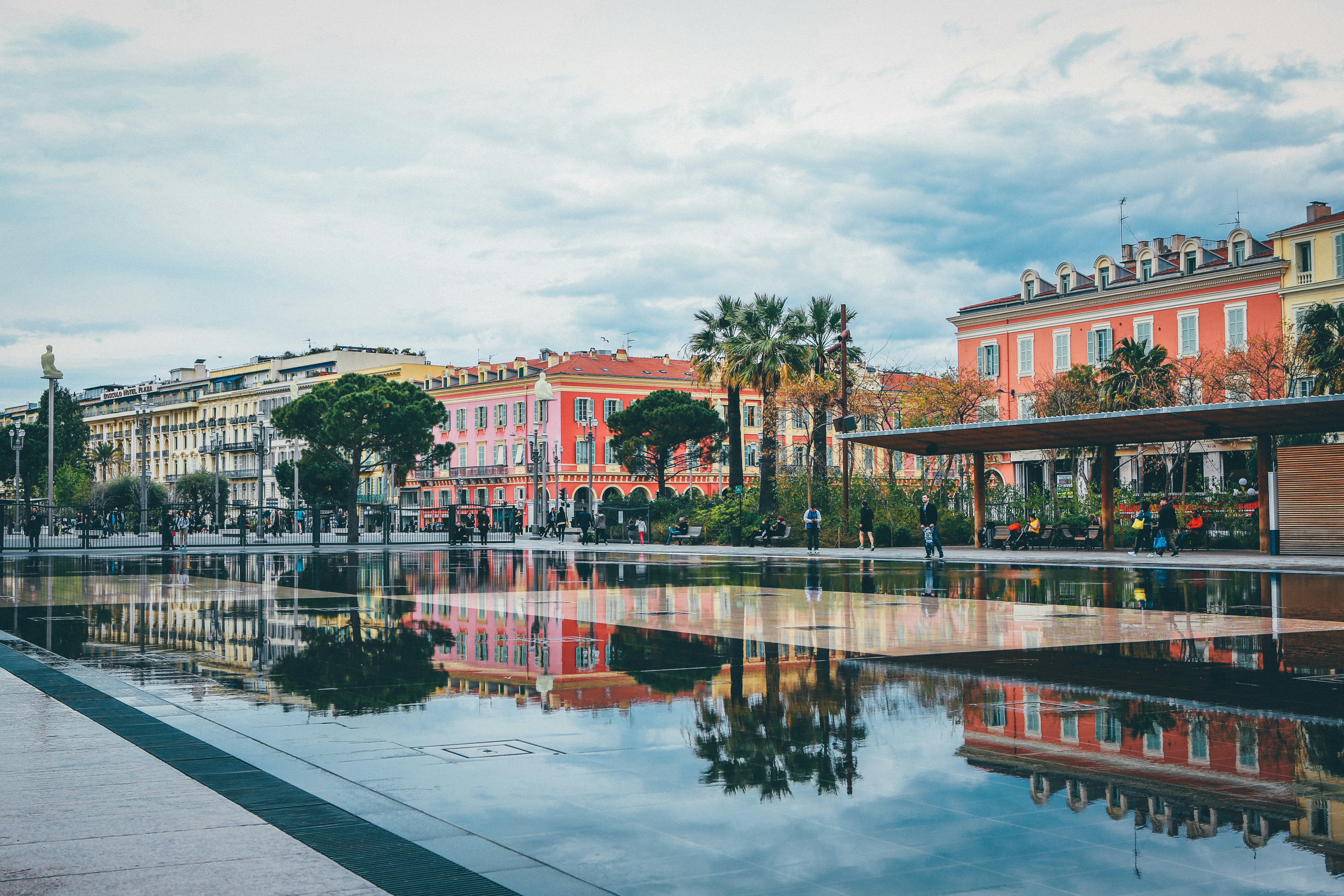
United with France only since 1860, Nice has its own history and atmosphere, which dates back 230,000 years. It was on Colline du Château (now château-less) and at the Plage des Ponchettes, in front of the Old Town, that the Greeks established a market-port in 350 BC and named it Nikaia, which would become Marseilles’ chief coastal rival. The Romans established themselves a little later on the hills of Cimiez (Cemenelum), already previously occupied by Ligurians and Celts, and quickly overshadowed the waterfront port. After falling to the Saracen invasions, Nice regained power as an independent state, becoming an important port in the early Middle Ages.So cocksure did it become that in 1388, Nice, along with the hill towns behind, effectively seceded from the county of Provence, under Louis d’Anjou, and allied itself with Savoie. Thus began its liaison with the House of Savoy, and through it with Piedmont and Sardinia, it was the Comté de Nice (Nice County). This relationship lasted some 500 years, tinting the culture, architecture, and dialect in rich Italian hues.By the 19th century Nice was flourishing commercially, locked in rivalry with the neighboring shipping port of Genoa. Another source of income: the dawning of tourism, as first the English, then the Russian nobility, discovered its extraordinary climate and superb waterfront position. A parade of fine stone mansions and hotels closed into a nearly solid wall of masonry, separated from the smooth-round rocks of the beach by what was originally named Camin deis Anglés (the English Way), which of course is now the famous Promenade des Anglais. This magnificent crescent, which is seeking UNESCO recognition, is one of the noblest in France. Many of Nice’s most delightful attractions—the Cours Saleya market, the Old Town streets, the Hotel Negresco, and the Palais Masséna—are on or close to this 10-km (6-mile) waterfront, making it the first stop for most visitors, while the redevelopment of Nice’s port, around the other side of the Colline du Château, makes it easier for amblers who want to take in the Genoese architecture or peruse the antiques at the Puces de Nice, now part of the Promenade des 100 Antiquaires, along Quai Papacino. Nice also has the distinction of the “Family Plus” label, with free strollers, play areas, and restaurants with child-friendly activities.
Nice, France
United with France only since 1860, Nice has its own history and atmosphere, which dates back 230,000 years. It was on Colline du Château (now château-less) and at the Plage des Ponchettes, in front of the Old Town, that the Greeks established a market-port in 350 BC and named it Nikaia, which would become Marseilles’ chief coastal rival. The Romans established themselves a little later on the hills of Cimiez (Cemenelum), already previously occupied by Ligurians and Celts, and quickly overshadowed the waterfront port. After falling to the Saracen invasions, Nice regained power as an independent state, becoming an important port in the early Middle Ages.So cocksure did it become that in 1388, Nice, along with the hill towns behind, effectively seceded from the county of Provence, under Louis d’Anjou, and allied itself with Savoie. Thus began its liaison with the House of Savoy, and through it with Piedmont and Sardinia, it was the Comté de Nice (Nice County). This relationship lasted some 500 years, tinting the culture, architecture, and dialect in rich Italian hues.By the 19th century Nice was flourishing commercially, locked in rivalry with the neighboring shipping port of Genoa. Another source of income: the dawning of tourism, as first the English, then the Russian nobility, discovered its extraordinary climate and superb waterfront position. A parade of fine stone mansions and hotels closed into a nearly solid wall of masonry, separated from the smooth-round rocks of the beach by what was originally named Camin deis Anglés (the English Way), which of course is now the famous Promenade des Anglais. This magnificent crescent, which is seeking UNESCO recognition, is one of the noblest in France. Many of Nice’s most delightful attractions—the Cours Saleya market, the Old Town streets, the Hotel Negresco, and the Palais Masséna—are on or close to this 10-km (6-mile) waterfront, making it the first stop for most visitors, while the redevelopment of Nice’s port, around the other side of the Colline du Château, makes it easier for amblers who want to take in the Genoese architecture or peruse the antiques at the Puces de Nice, now part of the Promenade des 100 Antiquaires, along Quai Papacino. Nice also has the distinction of the “Family Plus” label, with free strollers, play areas, and restaurants with child-friendly activities.
Cabin Options
Deluxe Stateroom
Panorama Suite
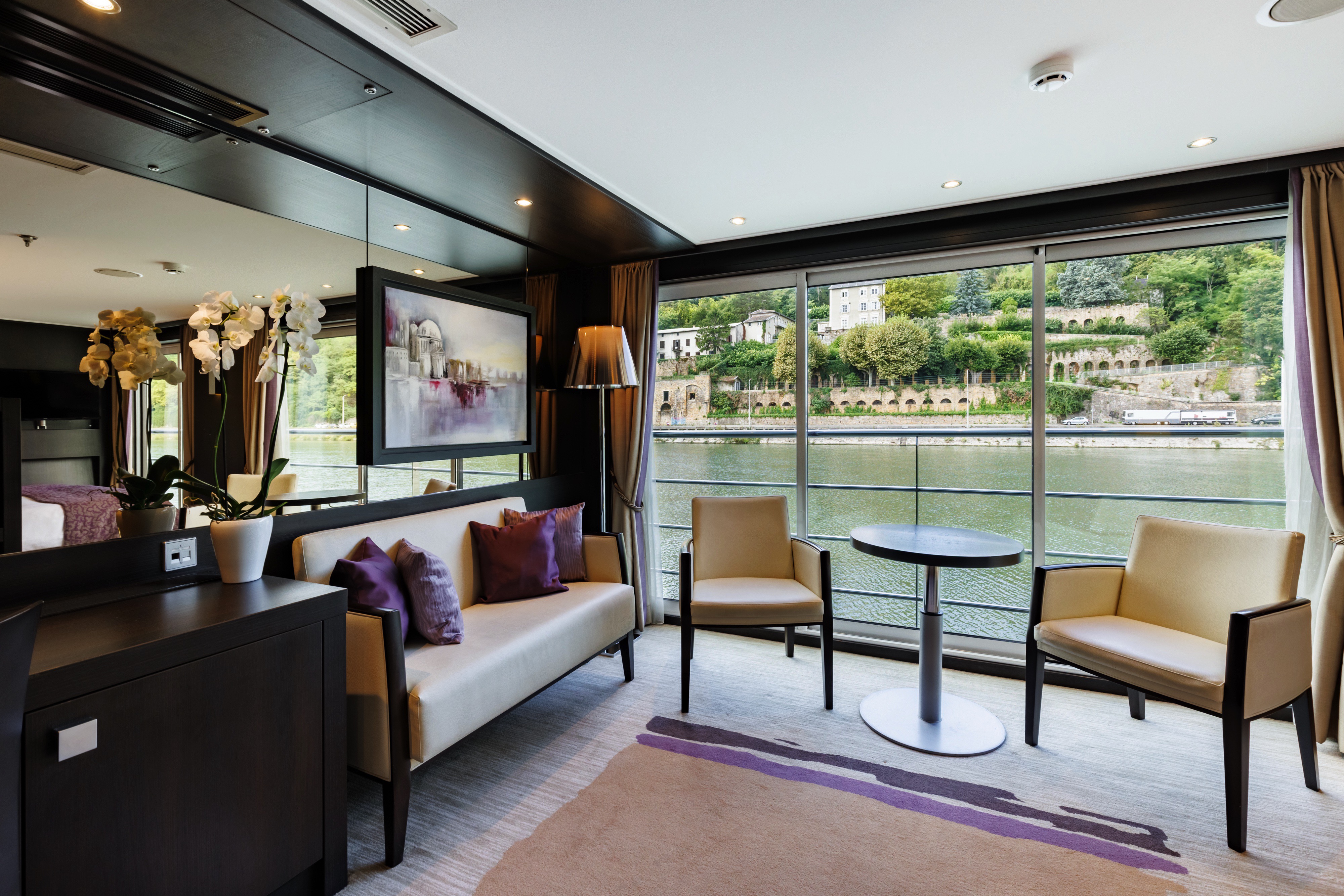
Royal Suite
Ship Facilities
Panorama Dining Room
Glass-walled and wide open, the Panorama Dining Room serves breakfast, lunch, and dinner with views for miles. Fluffy pancakes with villages, juicy filets with castles, wine with vineyards – with every meal served with unlimited complimentary views. The modular design of this spacious gathering place offers plenty of tables just for two and four, while easily expanding to accommodate larger groups. So pull up your favorite chair and savor great cuisine and good conversation with each passing panorama.
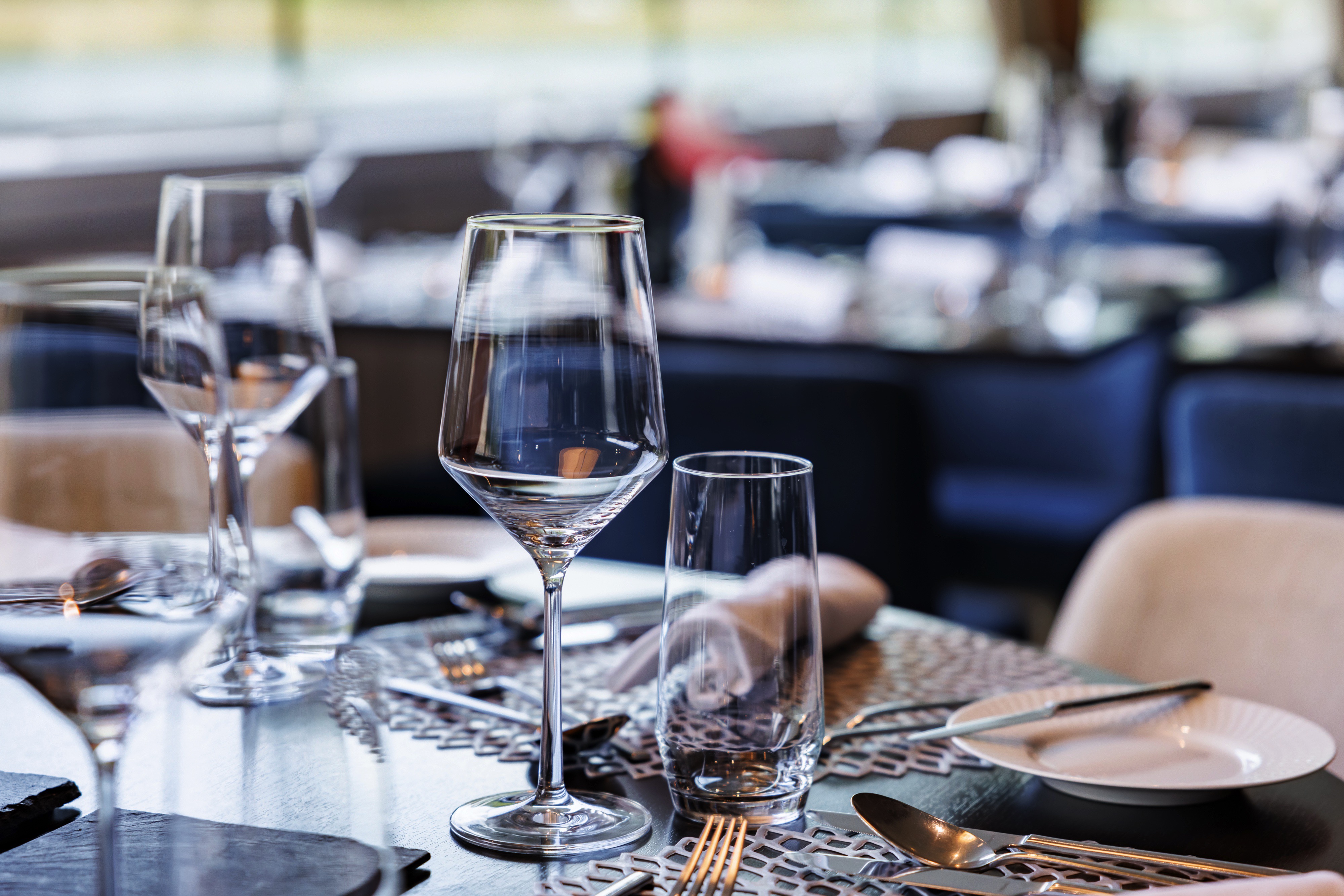
Panorama Bistro
Enjoy small plates, big favors, and al fresco dining in an intimate setting.

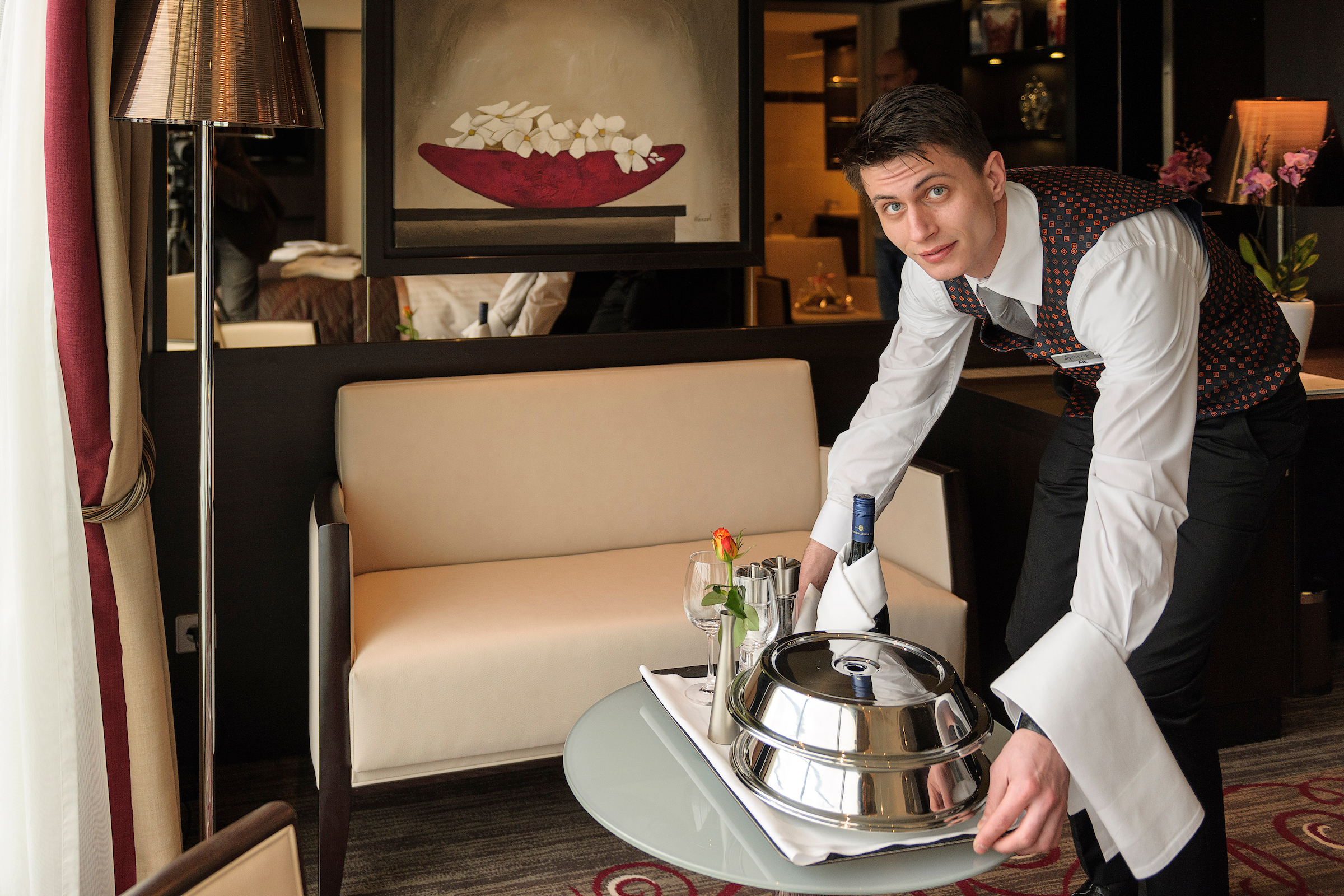
Room Service
Room service is available for Continental breakfast & beverages.
Sky Grill
Fire up your appetite with sizzling favorites served fresh from the grill – the perfect complement to open-air dining and wide-open views.
Sky Deck Soirées
Feast under the stars with our new Sky Grill dinners (select nights on warm weather cruises). These special evenings provide a deliciously open-air dining experience where fresh flavors and sunset views are always on the menu. Our expanded Sky Deck drink service also means more cocktails, more moonlight, more yes, please.

Active & Discovery Cruises
MOVE. TASTE. PADDLE. PAINT. DISCOVER.
With Avalon Choice® Excursions, every Avalon cruise invites you to sail, see, and savor. But Active & Discovery℠ cruises go further – adding a full spectrum of action verbs to your vocabulary of travel. Hike, bike, kayak, paint, cook, or sip your way through Europe’s most legendary rivers and their picture-perfect villages, towns, and cities. Does your river cruise do this?
NOT YOUR AVERAGE CRUISE
No one does cruising like this. With up to 28 excursions on a single itinerary – more than any other river cruise line – Active & Discovery cruises invite you to design every day your way. Whether you’re climbing through castles, whipping up Chantilly cream, pedaling through vineyards, or paddling picture-perfect canals, you’ll activate all your senses.
And it’s not just about activity. These itineraries were built for immersion. Imagine street art tours, foodie walks, early morning museum access, painting workshops, or underground wine tastings – each experience was crafted to move you.

Classic Excursions
For the Dreamer
For the icons, legends, and history that never go out of style.
Small Groups. Big Impressions.
No crowds. No cattle calls. Our excursions are capped for comfort and connection promising meaningful, memory-filled moments..
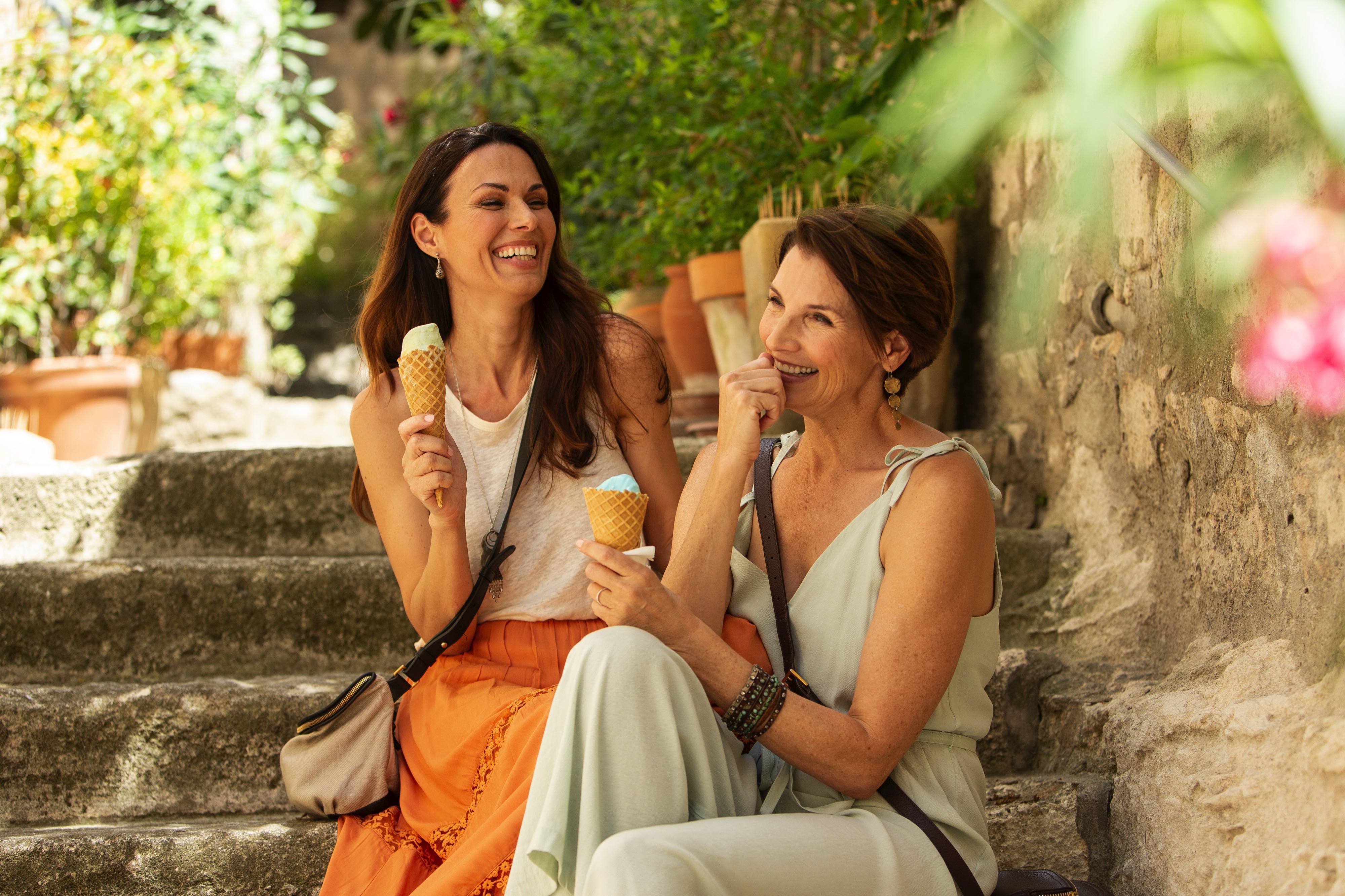
Avalon YourWay
More ways to cruise. More ways to explore.
Why let the adventure begin and end with the cruise? With Avalon YourWay, you can start sooner, stay longer, and explore deeper – with every detail seamlessly arranged for you. Add extra nights in Europe’s most iconic cities. Pair your cruise with a guided Globus tour. Or simply linger longer in the places that capture your heart. More time to discover. Less time planning.
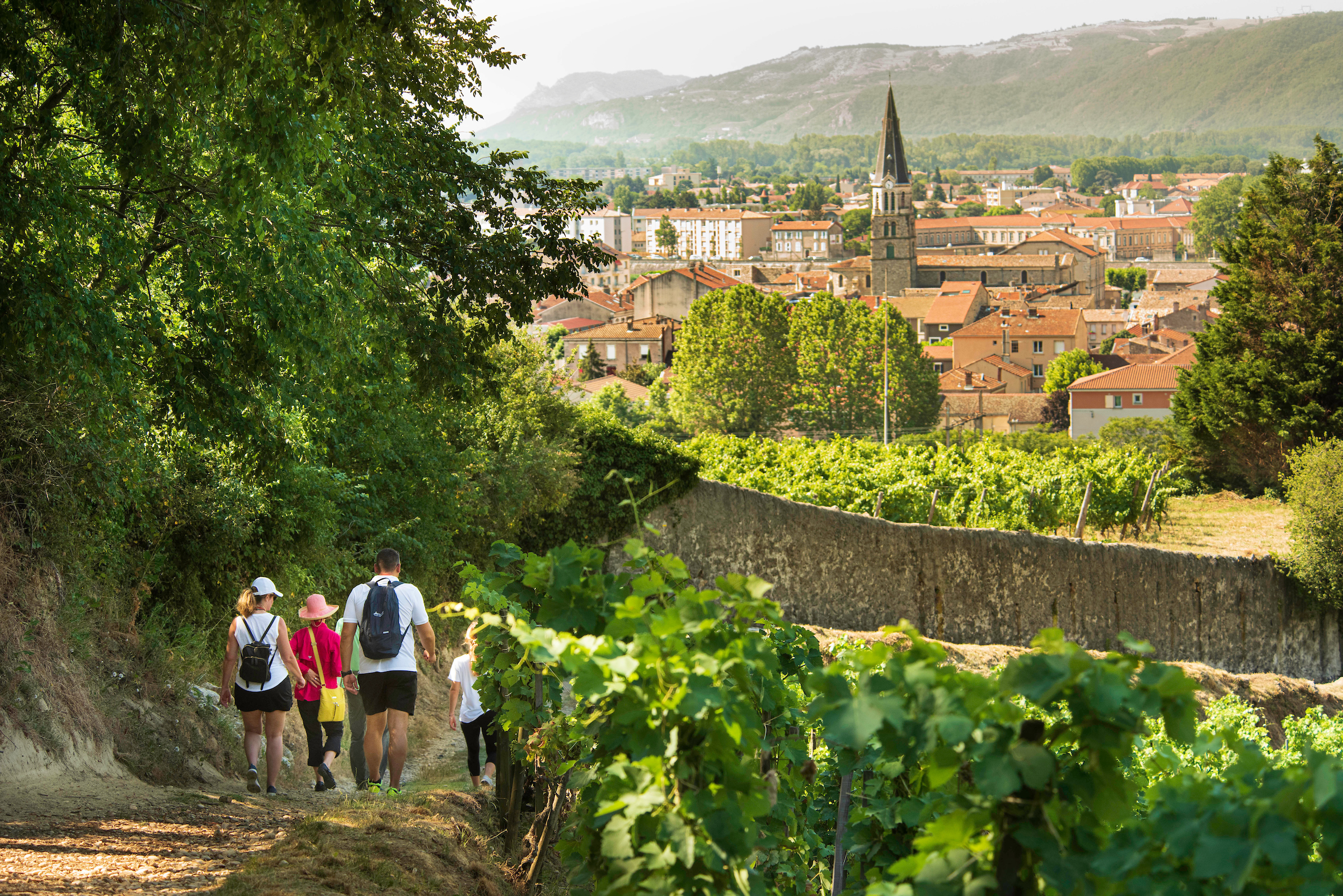
Complimentary Bicycles
Cyclists rejoice! We give freewheeling a new meaning on select Avalon ships equipped with complimentary bicycles and e-bikes for scenic land cruising and in-town adventures. See your Avalon Adventure Host for maps, suggestions and personally tailored routes created with Komoot, the top-rated planning and navigation app for cycling and hiking.

Avalon Adventure Host
The Adventure Center in your ship’s lobby has everything you need to make every day count, including FitBit trackers, stretch bands, yoga mats, and more. For those who believe the world is a gym, your Adventure Host is ready to help you cruise down the road, up a mountain, or along the riverbank with complimentary bicycles, Nordic walking sticks, and kayaks.
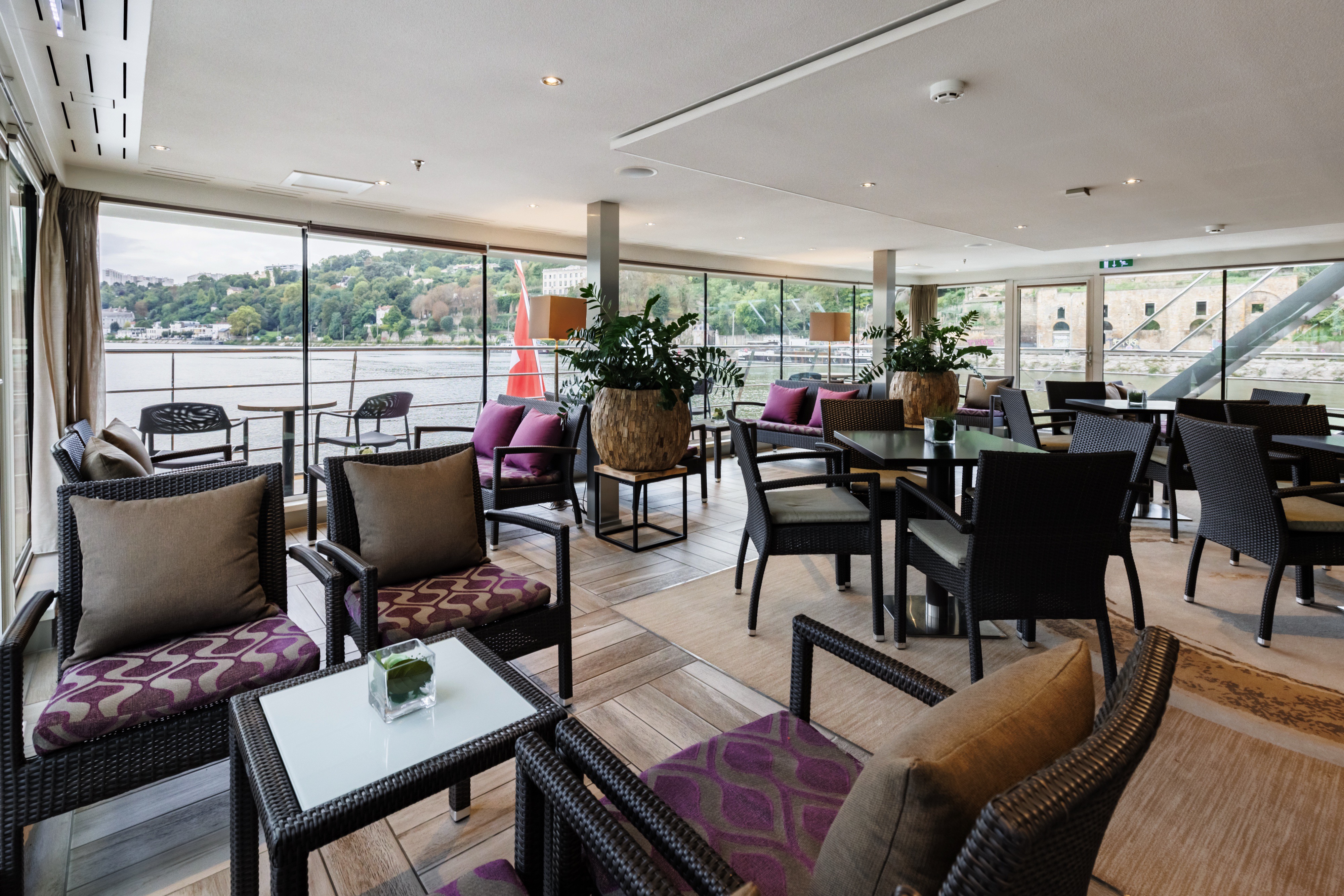
Panorama Lounge
The light-filled heart of every Suite Ship. From cappuccinos to cocktails, port talks to performances, this airy hub welcomes every guest on board with panoramic views and space for all to gather.
Lounge Vibes that Last
When the sun goes down, the Panorama Lounge heats up. We’re talking live music, karaoke, trivia nights and impromptu dance parties that’ll have you swaying, singing and savoring the moment. Awaken your inner night owl and dust off your dancing shoes to celebrate in style. After all, your Comfort Collection bed can wait a while!
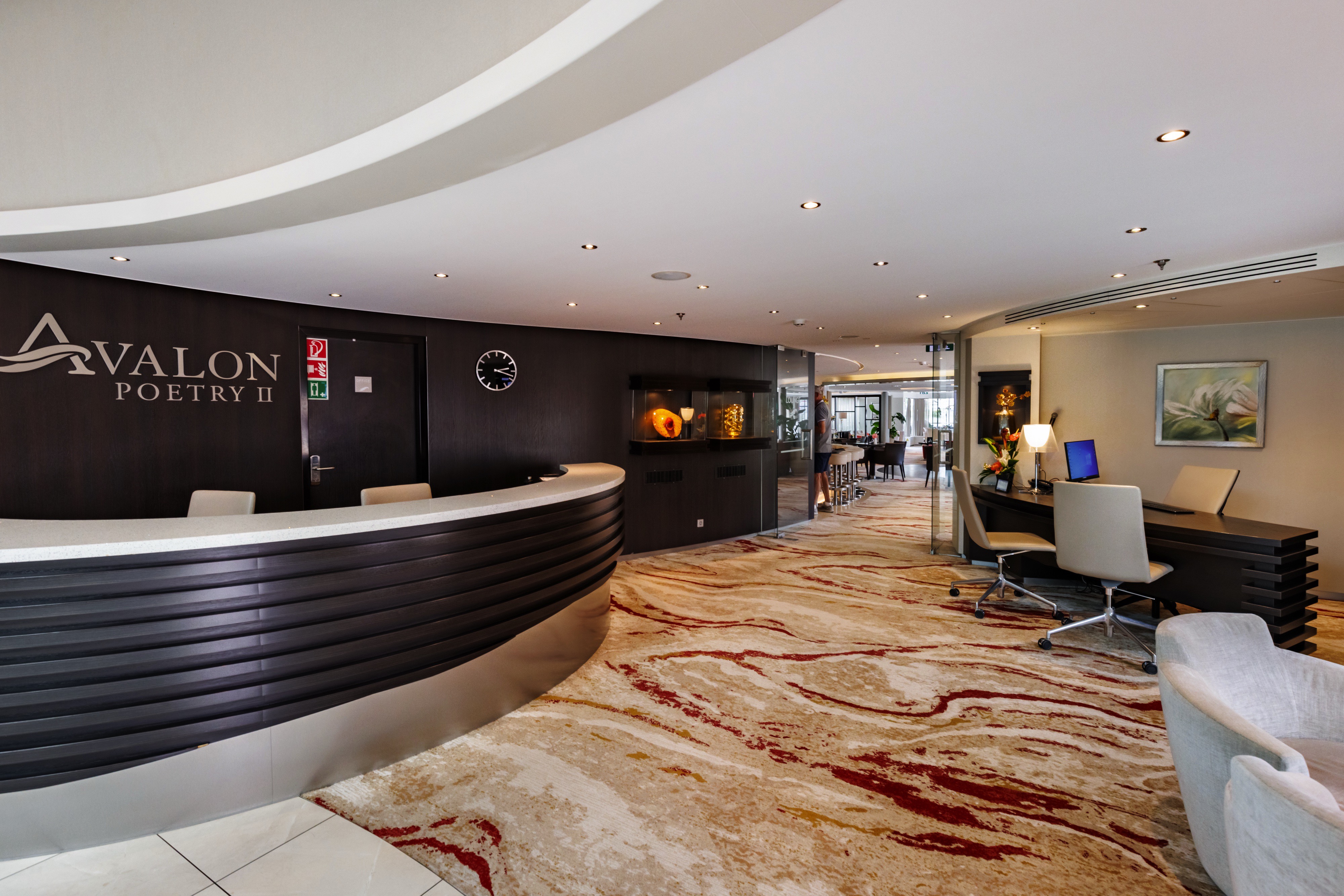
Reception
The Art of Elevated Service
Here, service feels natural with your very first hello. From the moment you step on board, the Avalon team is ready to make your journey personal – and extraordinary.
These small touches shape the feeling on board – warm, relaxed, and genuinely welcoming. Avalon’s crew takes pride in creating that atmosphere.
We understand that beautiful ships and extraordinary destinations set the stage, but the crew sailing with you make the experience.
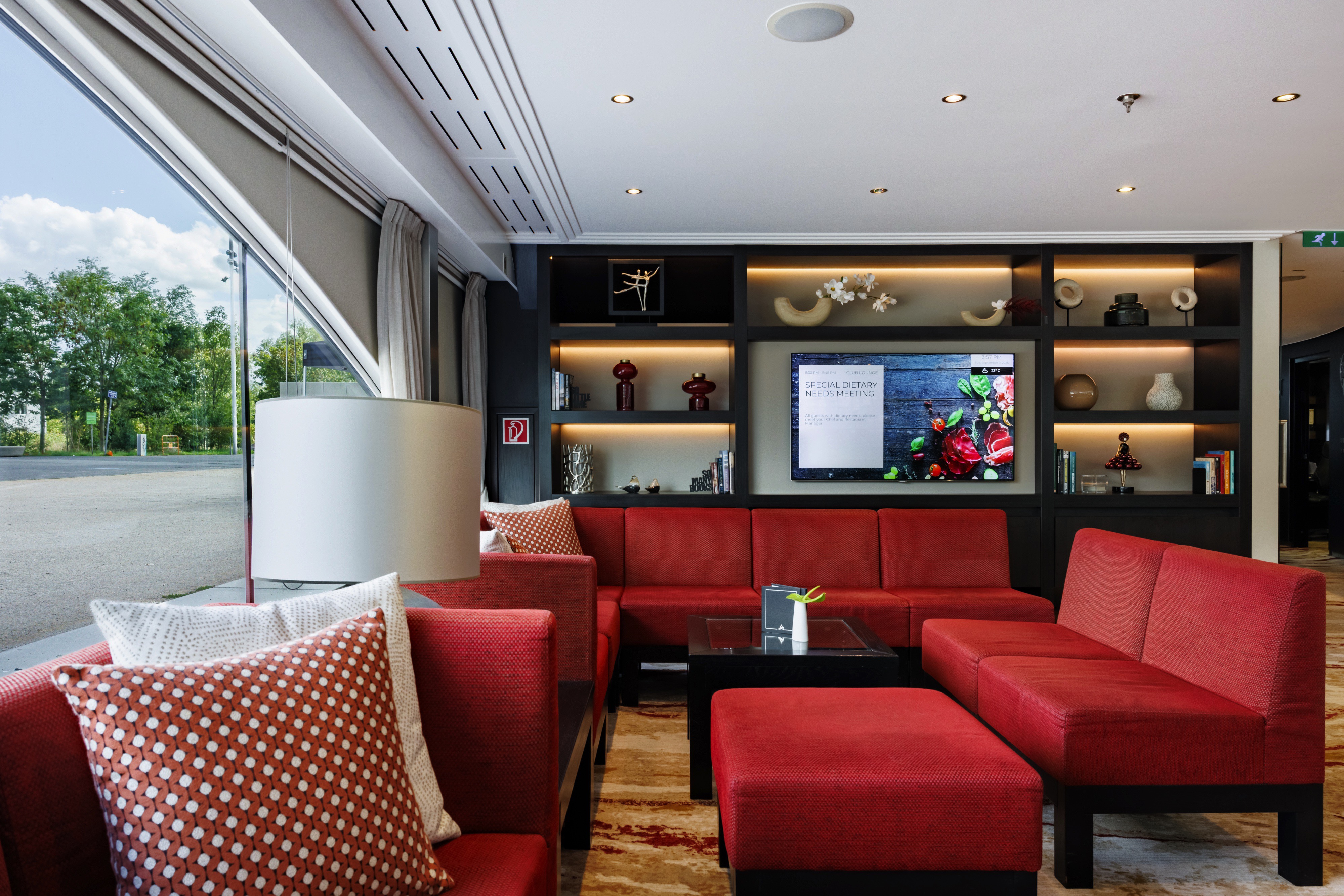
Club Lounge
Your 24/7 living room, stocked with complimentary specialty coffees, homemade cookies, snacks, teas, a BeWell water station, books, games, and scenic windows.
Twilight Toasts
We’ve partnered with award-winning mixologist Martin Hudák to raise the bar—literally. From a selection of complimentary drinks during Happy Hour to next-level nightcaps, and themed nightly specials, you’re invited to sip your way through a new lineup of premium and zero-proof cocktails for a night to remember.
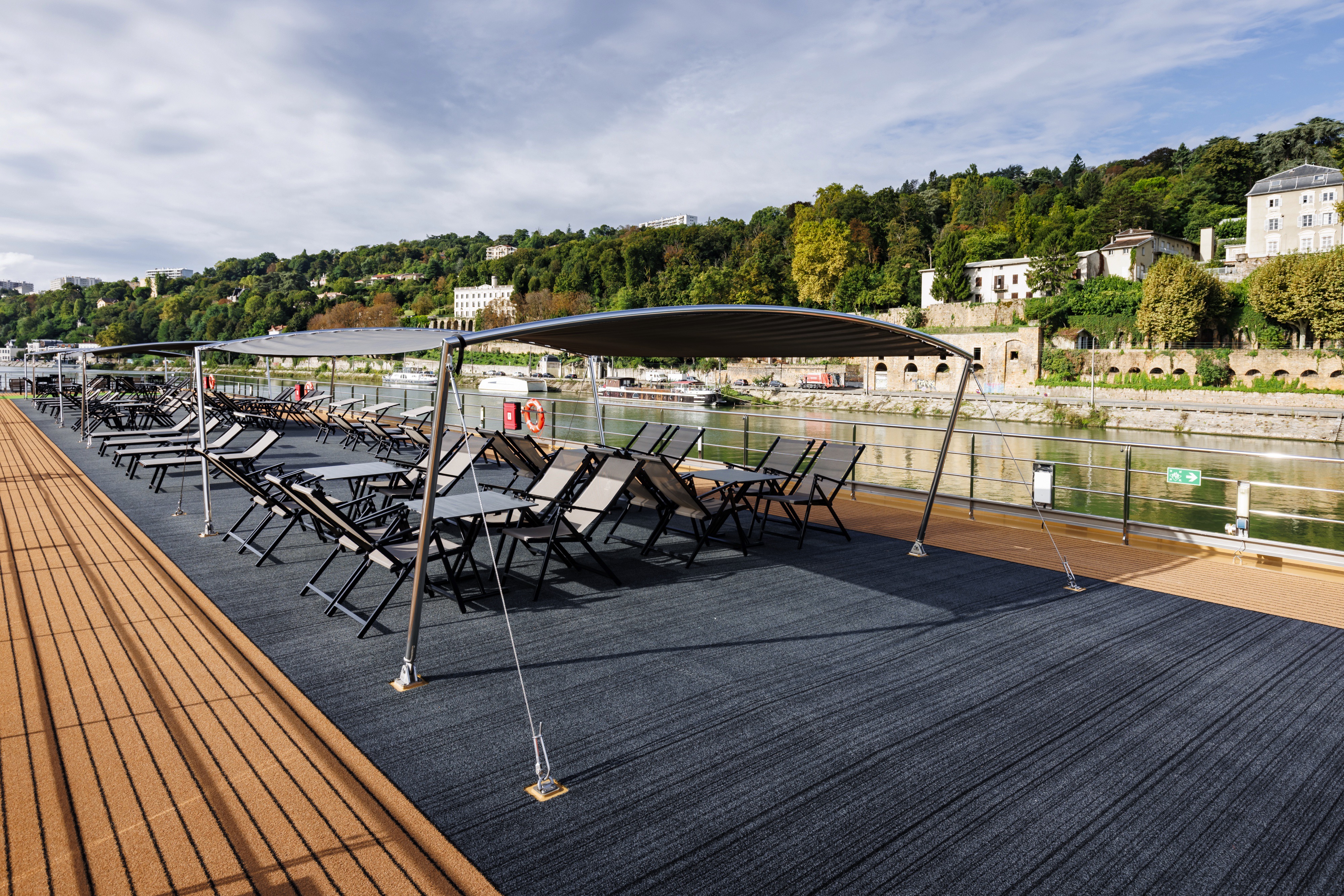
Sky Deck
The Ultimate Backyard
Nearly the size of a football field, the Sky Deck is Avalon’s open-air playground – designed for sunrise stretches, starlit toasts, and everything in between.
Forward Thinking
Keeping low bridges in mind, we’ve designed our Sky Deck to be lower in front of the wheelhouse so you’ll have more uninterrupted ‘oohs’ and ‘aahs’ along the way. Avalon’s smart design keeps much of the deck open while other cruise ships have to close their deck access. That’s forward thinking.
Tech Terrace
Even your Wi-Fi gets fresh air here. Settle in with your device, or better yet, set it aside and soak up the scenery.
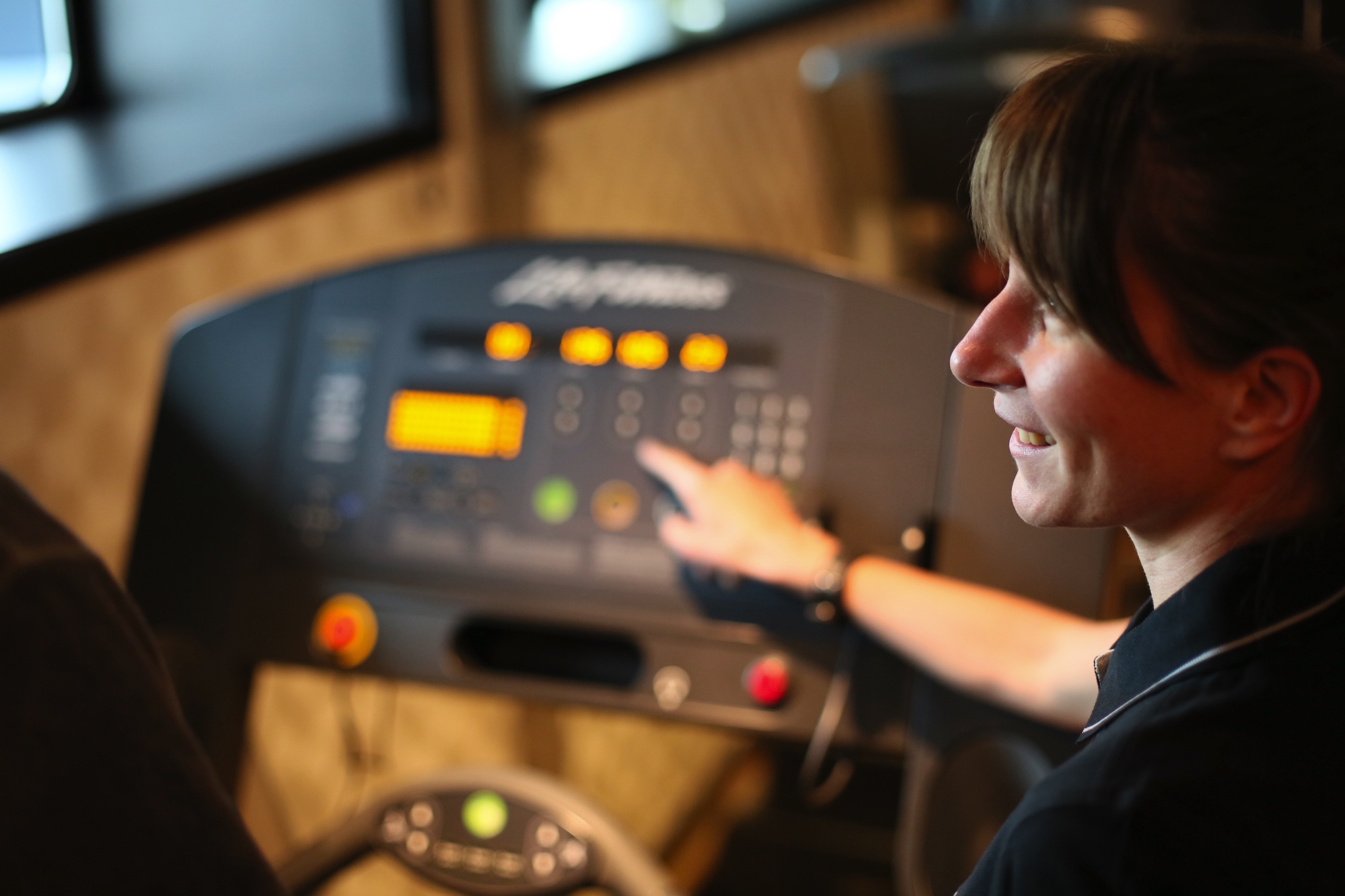
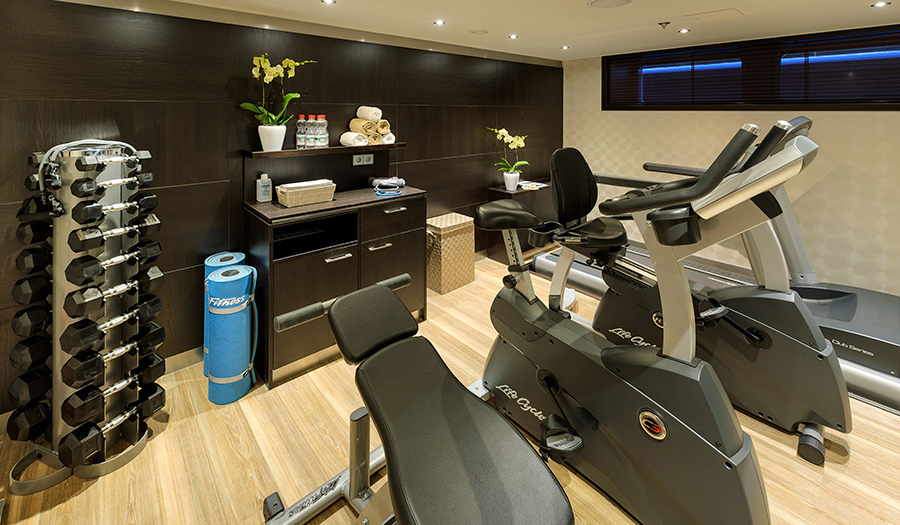
Fitness Centre
Fitness Center
Every Avalon ship features a refreshed, light-filled fitness room with cutting-edge Kinesis weight machines, free weights, and the latest cardio equipment so you can keep your routine, even while you cruise.
Track & Field
Stroll, stretch, or get a little competitive. Whether you’re keeping pace on the walking track or playing lawn games, the Sky Deck makes movement fun.
Whirlpool & Lounging
Slip into a relaxing soak or settle into a lounge chair as the world drives by. This is riverside living at its most serene.
Yoga On Board
Before you set out to discover the lives of kings, queens and conquerors, you can easily find your inner warrior, cobra or happy baby. Avalon Adventure Hosts kick-start each day with a combination of yoga poses, Pilates exercises and gentle stretches in the fresh morning air on the Sky Deck or with panoramic views in the Panorama Lounge. Downward dogs welcome.
Panorama Dining Room
Glass-walled and wide open, the Panorama Dining Room serves breakfast, lunch, and dinner with views for miles. Fluffy pancakes with villages, juicy filets with castles, wine with vineyards – with every meal served with unlimited complimentary views. The modular design of this spacious gathering place offers plenty of tables just for two and four, while easily expanding to accommodate larger groups. So pull up your favorite chair and savor great cuisine and good conversation with each passing panorama.
Panorama Bistro
Enjoy small plates, big favors, and al fresco dining in an intimate setting.
Room Service
Room service is available for Continental breakfast & beverages.
Sky Grill
Fire up your appetite with sizzling favorites served fresh from the grill – the perfect complement to open-air dining and wide-open views.
Sky Deck Soirées
Feast under the stars with our new Sky Grill dinners (select nights on warm weather cruises). These special evenings provide a deliciously open-air dining experience where fresh flavors and sunset views are always on the menu. Our expanded Sky Deck drink service also means more cocktails, more moonlight, more yes, please.
Active & Discovery Cruises
MOVE. TASTE. PADDLE. PAINT. DISCOVER.
With Avalon Choice® Excursions, every Avalon cruise invites you to sail, see, and savor. But Active & Discovery℠ cruises go further – adding a full spectrum of action verbs to your vocabulary of travel. Hike, bike, kayak, paint, cook, or sip your way through Europe’s most legendary rivers and their picture-perfect villages, towns, and cities. Does your river cruise do this?
NOT YOUR AVERAGE CRUISE
No one does cruising like this. With up to 28 excursions on a single itinerary – more than any other river cruise line – Active & Discovery cruises invite you to design every day your way. Whether you’re climbing through castles, whipping up Chantilly cream, pedaling through vineyards, or paddling picture-perfect canals, you’ll activate all your senses.
And it’s not just about activity. These itineraries were built for immersion. Imagine street art tours, foodie walks, early morning museum access, painting workshops, or underground wine tastings – each experience was crafted to move you.
Classic Excursions
For the Dreamer
For the icons, legends, and history that never go out of style.
Small Groups. Big Impressions.
No crowds. No cattle calls. Our excursions are capped for comfort and connection promising meaningful, memory-filled moments..
Avalon YourWay
More ways to cruise. More ways to explore.
Why let the adventure begin and end with the cruise? With Avalon YourWay, you can start sooner, stay longer, and explore deeper – with every detail seamlessly arranged for you. Add extra nights in Europe’s most iconic cities. Pair your cruise with a guided Globus tour. Or simply linger longer in the places that capture your heart. More time to discover. Less time planning.
Complimentary Bicycles
Cyclists rejoice! We give freewheeling a new meaning on select Avalon ships equipped with complimentary bicycles and e-bikes for scenic land cruising and in-town adventures. See your Avalon Adventure Host for maps, suggestions and personally tailored routes created with Komoot, the top-rated planning and navigation app for cycling and hiking.
Avalon Adventure Host
The Adventure Center in your ship’s lobby has everything you need to make every day count, including FitBit trackers, stretch bands, yoga mats, and more. For those who believe the world is a gym, your Adventure Host is ready to help you cruise down the road, up a mountain, or along the riverbank with complimentary bicycles, Nordic walking sticks, and kayaks.
Panorama Lounge
The light-filled heart of every Suite Ship. From cappuccinos to cocktails, port talks to performances, this airy hub welcomes every guest on board with panoramic views and space for all to gather.
Lounge Vibes that Last
When the sun goes down, the Panorama Lounge heats up. We’re talking live music, karaoke, trivia nights and impromptu dance parties that’ll have you swaying, singing and savoring the moment. Awaken your inner night owl and dust off your dancing shoes to celebrate in style. After all, your Comfort Collection bed can wait a while!
Reception
The Art of Elevated Service
Here, service feels natural with your very first hello. From the moment you step on board, the Avalon team is ready to make your journey personal – and extraordinary.
These small touches shape the feeling on board – warm, relaxed, and genuinely welcoming. Avalon’s crew takes pride in creating that atmosphere.
We understand that beautiful ships and extraordinary destinations set the stage, but the crew sailing with you make the experience.
Club Lounge
Your 24/7 living room, stocked with complimentary specialty coffees, homemade cookies, snacks, teas, a BeWell water station, books, games, and scenic windows.
Twilight Toasts
We’ve partnered with award-winning mixologist Martin Hudák to raise the bar—literally. From a selection of complimentary drinks during Happy Hour to next-level nightcaps, and themed nightly specials, you’re invited to sip your way through a new lineup of premium and zero-proof cocktails for a night to remember.
Sky Deck
The Ultimate Backyard
Nearly the size of a football field, the Sky Deck is Avalon’s open-air playground – designed for sunrise stretches, starlit toasts, and everything in between.
Forward Thinking
Keeping low bridges in mind, we’ve designed our Sky Deck to be lower in front of the wheelhouse so you’ll have more uninterrupted ‘oohs’ and ‘aahs’ along the way. Avalon’s smart design keeps much of the deck open while other cruise ships have to close their deck access. That’s forward thinking.
Tech Terrace
Even your Wi-Fi gets fresh air here. Settle in with your device, or better yet, set it aside and soak up the scenery.
Fitness Centre
Fitness Center
Every Avalon ship features a refreshed, light-filled fitness room with cutting-edge Kinesis weight machines, free weights, and the latest cardio equipment so you can keep your routine, even while you cruise.
Track & Field
Stroll, stretch, or get a little competitive. Whether you’re keeping pace on the walking track or playing lawn games, the Sky Deck makes movement fun.
Whirlpool & Lounging
Slip into a relaxing soak or settle into a lounge chair as the world drives by. This is riverside living at its most serene.
Yoga On Board
Before you set out to discover the lives of kings, queens and conquerors, you can easily find your inner warrior, cobra or happy baby. Avalon Adventure Hosts kick-start each day with a combination of yoga poses, Pilates exercises and gentle stretches in the fresh morning air on the Sky Deck or with panoramic views in the Panorama Lounge. Downward dogs welcome.
About the Ship
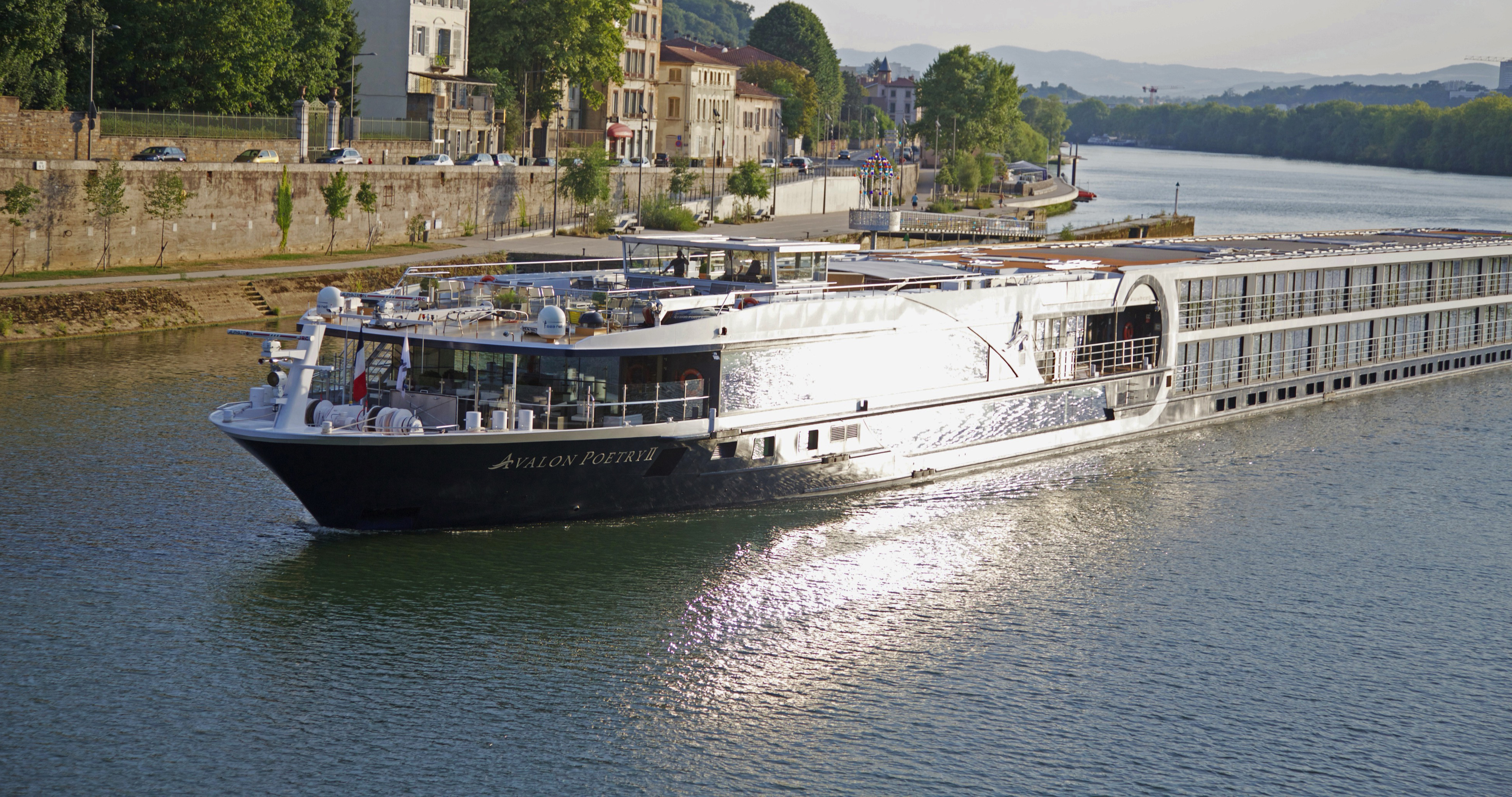
Deck Plans

- Fitness Centre (18)
- Cat. D & E Deluxe Staterooms

- Galley (16)
- Dining Room (17)
- Cat. A & B Panorama Suites

- Observation Lounge (7)
- Panorama Bistro (8)
- Panorama Lounge (9)
- Bar (10)
- Reception (11)
- Adventure Center (12)
- Lobby (13)
- Elevator (14)
- Club Lounge (15)
- Royal Suite
- Cat. P Panorama Suites

- Sky Lounge (1)
- Navigation Bridge (2)
- Sky Grill (3)
- Whirlpool (4)
- Premium Lounge Chairs and Shade Awnings (5)
- Deck Game Area (6)
- Fitness Centre (18)
- Cat. D & E Deluxe Staterooms
- Galley (16)
- Dining Room (17)
- Cat. A & B Panorama Suites
- Observation Lounge (7)
- Panorama Bistro (8)
- Panorama Lounge (9)
- Bar (10)
- Reception (11)
- Adventure Center (12)
- Lobby (13)
- Elevator (14)
- Club Lounge (15)
- Royal Suite
- Cat. P Panorama Suites
- Sky Lounge (1)
- Navigation Bridge (2)
- Sky Grill (3)
- Whirlpool (4)
- Premium Lounge Chairs and Shade Awnings (5)
- Deck Game Area (6)