Featured Cabins
Itinerary
Nice, France
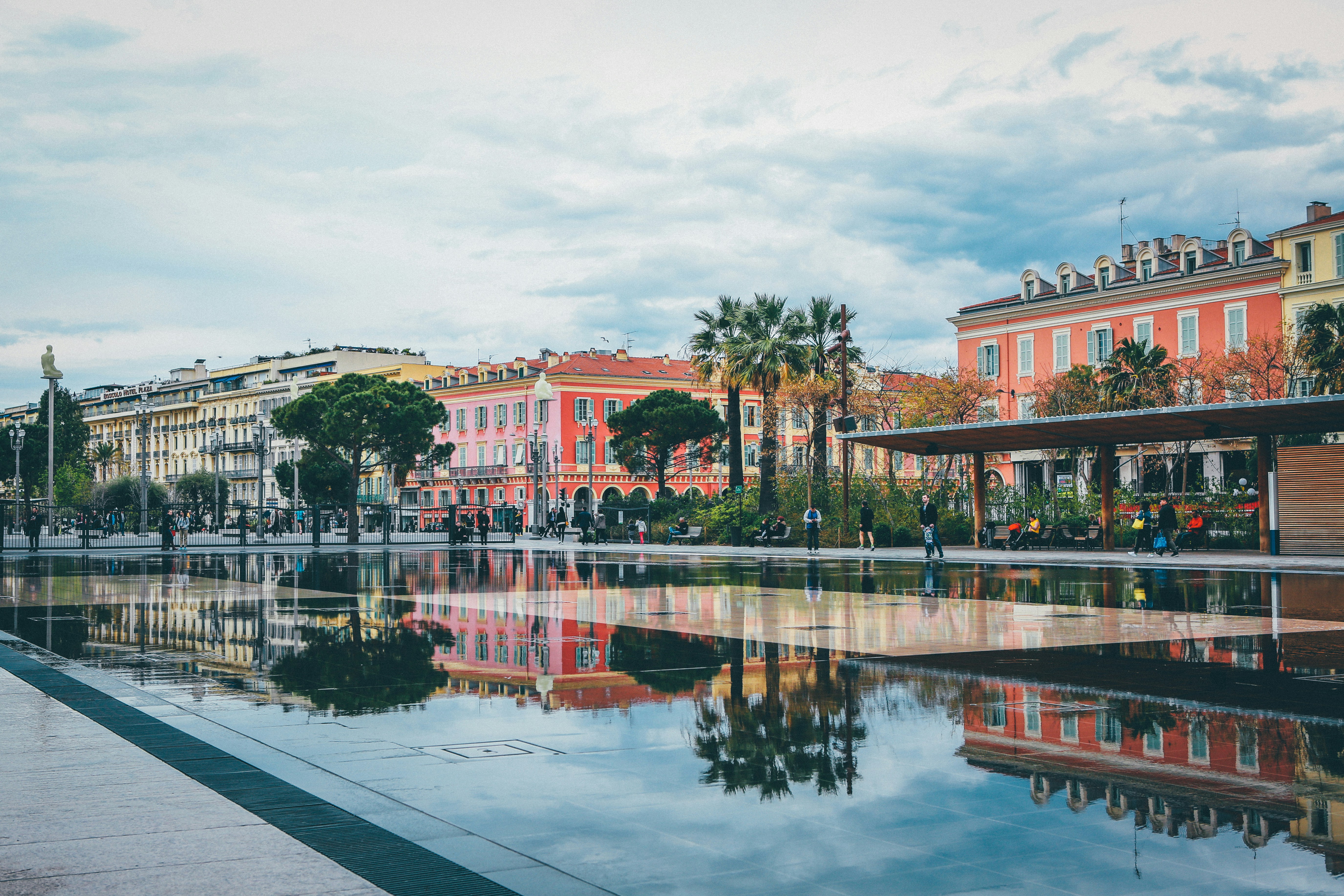
United with France only since 1860, Nice has its own history and atmosphere, which dates back 230,000 years. It was on Colline du Château (now château-less) and at the Plage des Ponchettes, in front of the Old Town, that the Greeks established a market-port in 350 BC and named it Nikaia, which would become Marseilles’ chief coastal rival. The Romans established themselves a little later on the hills of Cimiez (Cemenelum), already previously occupied by Ligurians and Celts, and quickly overshadowed the waterfront port. After falling to the Saracen invasions, Nice regained power as an independent state, becoming an important port in the early Middle Ages.So cocksure did it become that in 1388, Nice, along with the hill towns behind, effectively seceded from the county of Provence, under Louis d’Anjou, and allied itself with Savoie. Thus began its liaison with the House of Savoy, and through it with Piedmont and Sardinia, it was the Comté de Nice (Nice County). This relationship lasted some 500 years, tinting the culture, architecture, and dialect in rich Italian hues.By the 19th century Nice was flourishing commercially, locked in rivalry with the neighboring shipping port of Genoa. Another source of income: the dawning of tourism, as first the English, then the Russian nobility, discovered its extraordinary climate and superb waterfront position. A parade of fine stone mansions and hotels closed into a nearly solid wall of masonry, separated from the smooth-round rocks of the beach by what was originally named Camin deis Anglés (the English Way), which of course is now the famous Promenade des Anglais. This magnificent crescent, which is seeking UNESCO recognition, is one of the noblest in France. Many of Nice’s most delightful attractions—the Cours Saleya market, the Old Town streets, the Hotel Negresco, and the Palais Masséna—are on or close to this 10-km (6-mile) waterfront, making it the first stop for most visitors, while the redevelopment of Nice’s port, around the other side of the Colline du Château, makes it easier for amblers who want to take in the Genoese architecture or peruse the antiques at the Puces de Nice, now part of the Promenade des 100 Antiquaires, along Quai Papacino. Nice also has the distinction of the “Family Plus” label, with free strollers, play areas, and restaurants with child-friendly activities.
Nice, France
United with France only since 1860, Nice has its own history and atmosphere, which dates back 230,000 years. It was on Colline du Château (now château-less) and at the Plage des Ponchettes, in front of the Old Town, that the Greeks established a market-port in 350 BC and named it Nikaia, which would become Marseilles’ chief coastal rival. The Romans established themselves a little later on the hills of Cimiez (Cemenelum), already previously occupied by Ligurians and Celts, and quickly overshadowed the waterfront port. After falling to the Saracen invasions, Nice regained power as an independent state, becoming an important port in the early Middle Ages.So cocksure did it become that in 1388, Nice, along with the hill towns behind, effectively seceded from the county of Provence, under Louis d’Anjou, and allied itself with Savoie. Thus began its liaison with the House of Savoy, and through it with Piedmont and Sardinia, it was the Comté de Nice (Nice County). This relationship lasted some 500 years, tinting the culture, architecture, and dialect in rich Italian hues.By the 19th century Nice was flourishing commercially, locked in rivalry with the neighboring shipping port of Genoa. Another source of income: the dawning of tourism, as first the English, then the Russian nobility, discovered its extraordinary climate and superb waterfront position. A parade of fine stone mansions and hotels closed into a nearly solid wall of masonry, separated from the smooth-round rocks of the beach by what was originally named Camin deis Anglés (the English Way), which of course is now the famous Promenade des Anglais. This magnificent crescent, which is seeking UNESCO recognition, is one of the noblest in France. Many of Nice’s most delightful attractions—the Cours Saleya market, the Old Town streets, the Hotel Negresco, and the Palais Masséna—are on or close to this 10-km (6-mile) waterfront, making it the first stop for most visitors, while the redevelopment of Nice’s port, around the other side of the Colline du Château, makes it easier for amblers who want to take in the Genoese architecture or peruse the antiques at the Puces de Nice, now part of the Promenade des 100 Antiquaires, along Quai Papacino. Nice also has the distinction of the “Family Plus” label, with free strollers, play areas, and restaurants with child-friendly activities.
Arles, France
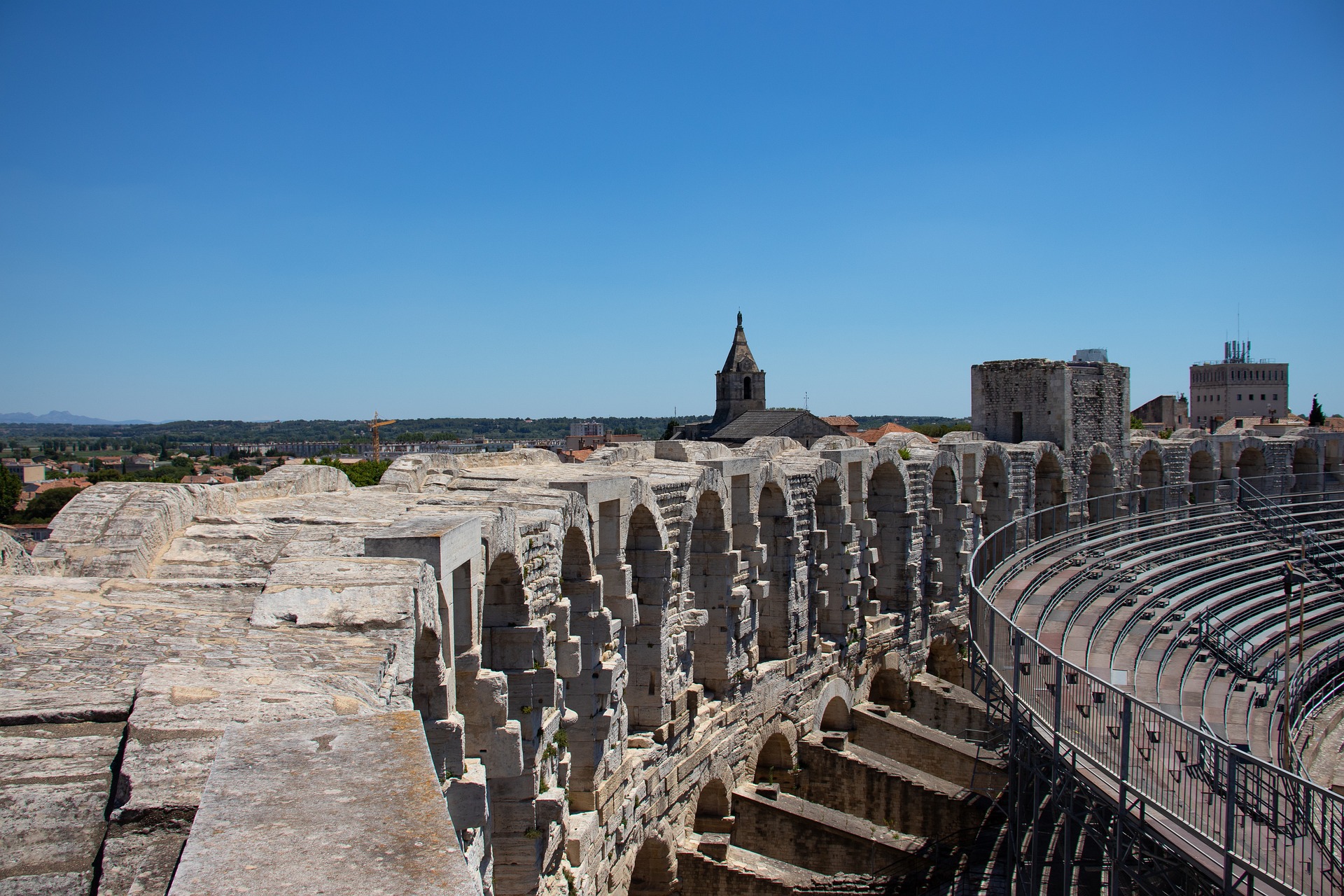
Arles, France, is a historic city in Provence renowned for its Roman heritage and artistic legacy. The ancient amphitheater and the Roman Theater are standout landmarks. Arles also boasts charming streets and vibrant markets, reflecting its rich cultural life. Known for its connection to Vincent van Gogh, the city features scenes immortalized in his paintings. The blend of historical architecture, vibrant local culture, and picturesque landscapes makes Arles a captivating destination for history buffs and art enthusiasts alike.
Arles, France
Arles, France, is a historic city in Provence renowned for its Roman heritage and artistic legacy. The ancient amphitheater and the Roman Theater are standout landmarks. Arles also boasts charming streets and vibrant markets, reflecting its rich cultural life. Known for its connection to Vincent van Gogh, the city features scenes immortalized in his paintings. The blend of historical architecture, vibrant local culture, and picturesque landscapes makes Arles a captivating destination for history buffs and art enthusiasts alike.
Avignon, France
Avignon, France, is a historic city in Provence famed for its stunning medieval architecture. Dominated by the impressive Palais des Papes, a grand papal palace, and the iconic Pont Saint-Bénézet bridge, Avignon offers a rich cultural heritage. Its charming streets, vibrant markets, and annual theater festival, the Festival d’Avignon, add to its allure. Surrounded by picturesque vineyards and the Rhône River, Avignon blends history with a lively contemporary atmosphere, making it a must-visit for history enthusiasts and culture seekers.

Viviers, France
Viviers, France, is a charming medieval town in the Rhône-Alpes region, renowned for its well-preserved historical architecture. Nestled on the banks of the Rhône River, it features narrow, winding streets, ancient stone houses, and the impressive Saint-Vincent Cathedral. The town’s Roman and medieval heritage is evident in its old ramparts and historic buildings. Viviers’ tranquil atmosphere and picturesque surroundings offer a glimpse into the past, making it a delightful destination for history lovers and those seeking a serene escape.

Tain-l'Hermitage, France
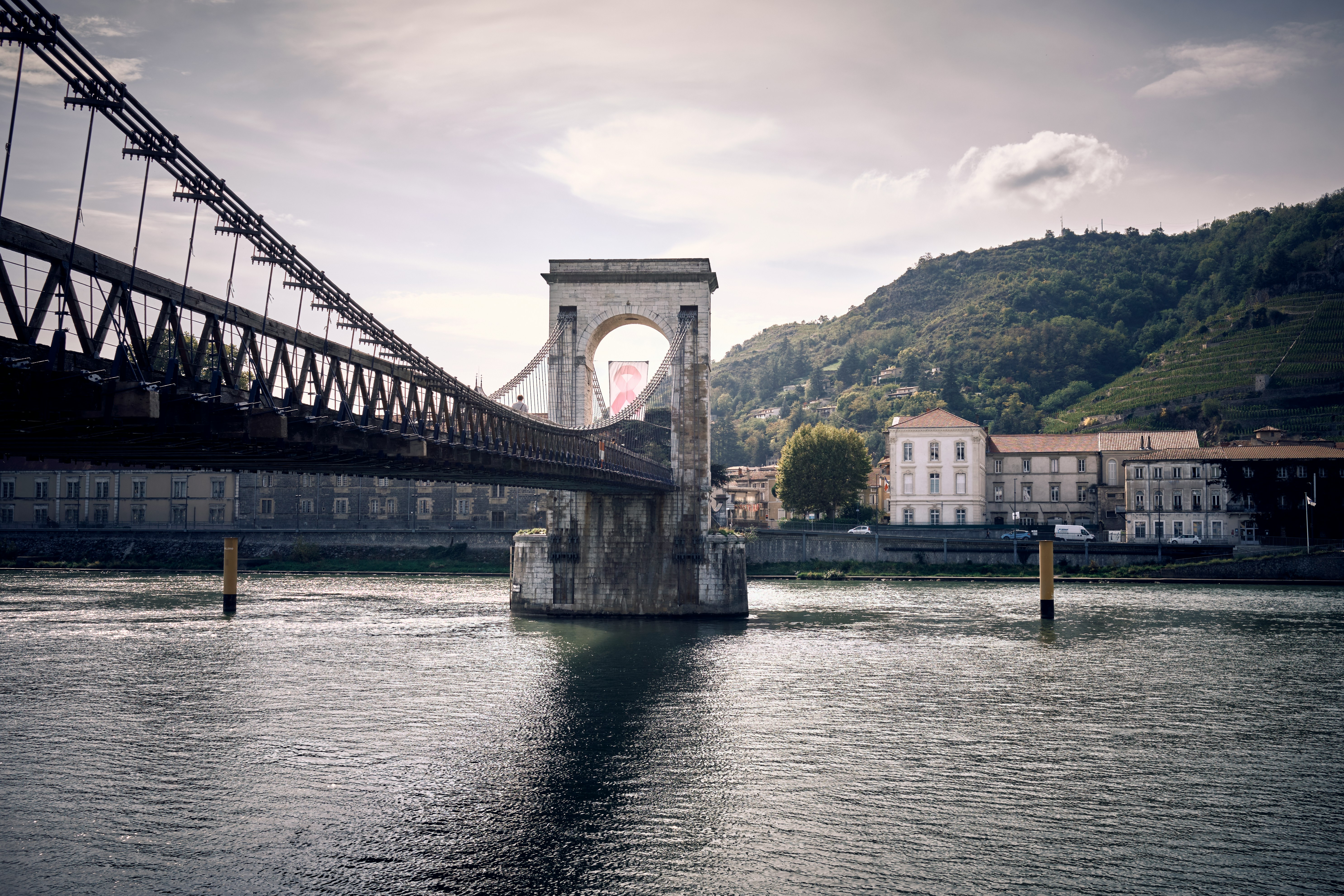
Tain-l’Hermitage, France, is a picturesque town in the Rhône-Alpes region, renowned for its exceptional wines, particularly its Syrah and Hermitage varietals. Nestled along the Rhône River and surrounded by lush vineyards, it offers scenic views and a charming atmosphere. The town features historic sites like the 12th-century Hermitage Chapel and the Cité du Chocolat, celebrating local culinary delights. With its blend of fine wine, rich history, and stunning landscapes, Tain-l’Hermitage is a captivating destination for wine enthusiasts and travelers seeking a taste of Provence.
Nice, France
United with France only since 1860, Nice has its own history and atmosphere, which dates back 230,000 years. It was on Colline du Château (now château-less) and at the Plage des Ponchettes, in front of the Old Town, that the Greeks established a market-port in 350 BC and named it Nikaia, which would become Marseilles’ chief coastal rival. The Romans established themselves a little later on the hills of Cimiez (Cemenelum), already previously occupied by Ligurians and Celts, and quickly overshadowed the waterfront port. After falling to the Saracen invasions, Nice regained power as an independent state, becoming an important port in the early Middle Ages.So cocksure did it become that in 1388, Nice, along with the hill towns behind, effectively seceded from the county of Provence, under Louis d’Anjou, and allied itself with Savoie. Thus began its liaison with the House of Savoy, and through it with Piedmont and Sardinia, it was the Comté de Nice (Nice County). This relationship lasted some 500 years, tinting the culture, architecture, and dialect in rich Italian hues.By the 19th century Nice was flourishing commercially, locked in rivalry with the neighboring shipping port of Genoa. Another source of income: the dawning of tourism, as first the English, then the Russian nobility, discovered its extraordinary climate and superb waterfront position. A parade of fine stone mansions and hotels closed into a nearly solid wall of masonry, separated from the smooth-round rocks of the beach by what was originally named Camin deis Anglés (the English Way), which of course is now the famous Promenade des Anglais. This magnificent crescent, which is seeking UNESCO recognition, is one of the noblest in France. Many of Nice’s most delightful attractions—the Cours Saleya market, the Old Town streets, the Hotel Negresco, and the Palais Masséna—are on or close to this 10-km (6-mile) waterfront, making it the first stop for most visitors, while the redevelopment of Nice’s port, around the other side of the Colline du Château, makes it easier for amblers who want to take in the Genoese architecture or peruse the antiques at the Puces de Nice, now part of the Promenade des 100 Antiquaires, along Quai Papacino. Nice also has the distinction of the “Family Plus” label, with free strollers, play areas, and restaurants with child-friendly activities.
Nice, France
United with France only since 1860, Nice has its own history and atmosphere, which dates back 230,000 years. It was on Colline du Château (now château-less) and at the Plage des Ponchettes, in front of the Old Town, that the Greeks established a market-port in 350 BC and named it Nikaia, which would become Marseilles’ chief coastal rival. The Romans established themselves a little later on the hills of Cimiez (Cemenelum), already previously occupied by Ligurians and Celts, and quickly overshadowed the waterfront port. After falling to the Saracen invasions, Nice regained power as an independent state, becoming an important port in the early Middle Ages.So cocksure did it become that in 1388, Nice, along with the hill towns behind, effectively seceded from the county of Provence, under Louis d’Anjou, and allied itself with Savoie. Thus began its liaison with the House of Savoy, and through it with Piedmont and Sardinia, it was the Comté de Nice (Nice County). This relationship lasted some 500 years, tinting the culture, architecture, and dialect in rich Italian hues.By the 19th century Nice was flourishing commercially, locked in rivalry with the neighboring shipping port of Genoa. Another source of income: the dawning of tourism, as first the English, then the Russian nobility, discovered its extraordinary climate and superb waterfront position. A parade of fine stone mansions and hotels closed into a nearly solid wall of masonry, separated from the smooth-round rocks of the beach by what was originally named Camin deis Anglés (the English Way), which of course is now the famous Promenade des Anglais. This magnificent crescent, which is seeking UNESCO recognition, is one of the noblest in France. Many of Nice’s most delightful attractions—the Cours Saleya market, the Old Town streets, the Hotel Negresco, and the Palais Masséna—are on or close to this 10-km (6-mile) waterfront, making it the first stop for most visitors, while the redevelopment of Nice’s port, around the other side of the Colline du Château, makes it easier for amblers who want to take in the Genoese architecture or peruse the antiques at the Puces de Nice, now part of the Promenade des 100 Antiquaires, along Quai Papacino. Nice also has the distinction of the “Family Plus” label, with free strollers, play areas, and restaurants with child-friendly activities.
Arles, France
Arles, France, is a historic city in Provence renowned for its Roman heritage and artistic legacy. The ancient amphitheater and the Roman Theater are standout landmarks. Arles also boasts charming streets and vibrant markets, reflecting its rich cultural life. Known for its connection to Vincent van Gogh, the city features scenes immortalized in his paintings. The blend of historical architecture, vibrant local culture, and picturesque landscapes makes Arles a captivating destination for history buffs and art enthusiasts alike.
Arles, France
Arles, France, is a historic city in Provence renowned for its Roman heritage and artistic legacy. The ancient amphitheater and the Roman Theater are standout landmarks. Arles also boasts charming streets and vibrant markets, reflecting its rich cultural life. Known for its connection to Vincent van Gogh, the city features scenes immortalized in his paintings. The blend of historical architecture, vibrant local culture, and picturesque landscapes makes Arles a captivating destination for history buffs and art enthusiasts alike.
Avignon, France
Avignon, France, is a historic city in Provence famed for its stunning medieval architecture. Dominated by the impressive Palais des Papes, a grand papal palace, and the iconic Pont Saint-Bénézet bridge, Avignon offers a rich cultural heritage. Its charming streets, vibrant markets, and annual theater festival, the Festival d’Avignon, add to its allure. Surrounded by picturesque vineyards and the Rhône River, Avignon blends history with a lively contemporary atmosphere, making it a must-visit for history enthusiasts and culture seekers.
Viviers, France
Viviers, France, is a charming medieval town in the Rhône-Alpes region, renowned for its well-preserved historical architecture. Nestled on the banks of the Rhône River, it features narrow, winding streets, ancient stone houses, and the impressive Saint-Vincent Cathedral. The town’s Roman and medieval heritage is evident in its old ramparts and historic buildings. Viviers’ tranquil atmosphere and picturesque surroundings offer a glimpse into the past, making it a delightful destination for history lovers and those seeking a serene escape.
Tain-l'Hermitage, France
Tain-l’Hermitage, France, is a picturesque town in the Rhône-Alpes region, renowned for its exceptional wines, particularly its Syrah and Hermitage varietals. Nestled along the Rhône River and surrounded by lush vineyards, it offers scenic views and a charming atmosphere. The town features historic sites like the 12th-century Hermitage Chapel and the Cité du Chocolat, celebrating local culinary delights. With its blend of fine wine, rich history, and stunning landscapes, Tain-l’Hermitage is a captivating destination for wine enthusiasts and travelers seeking a taste of Provence.
Lyon, France
Lyon, the capital city in France’s Auvergne-Rhône-Alpes region, sits at the junction of the Rhône and Saône rivers. Its center reflects 2,000 years of history from the Roman Amphithéâtre des Trois Gaules, medieval and Renaissance architecture in Vieux (Old) Lyon, to the modern Confluence district on Presqu’île peninsula. Traboules, covered passageways between buildings, connect Vieux Lyon and La Croix-Rousse hill.

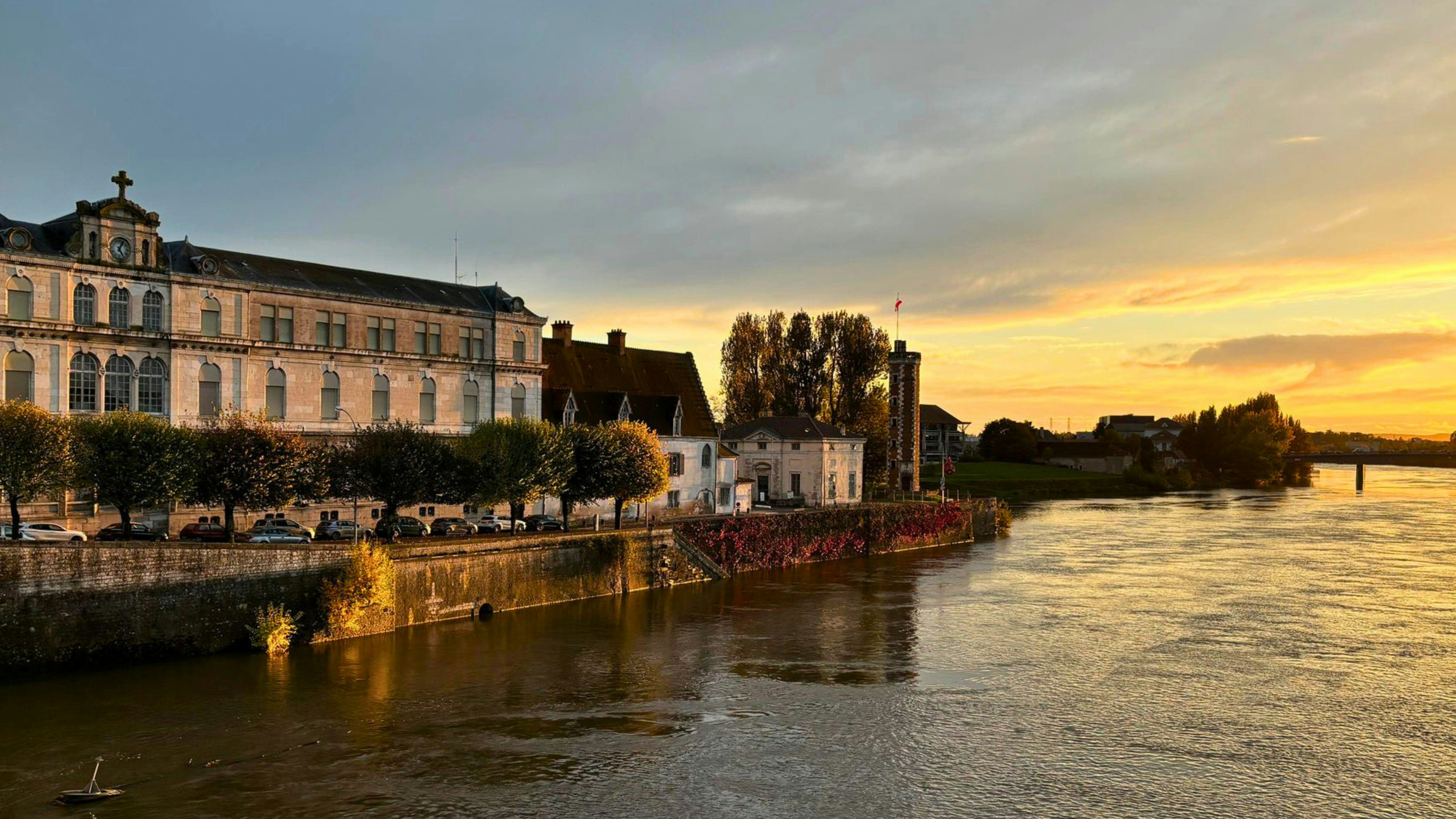
Chalon-sur-Saône, France
Wine and Cheese on the Stunning Saône
DISCOVERY Travel into the rolling landscapes of the Mâconnais region to learn about its world-famous Chardonnay vineyards, the wines produced here, and to attend a wine-tasting in the cellars of a real medieval castle!
DISCOVERY Later, enjoy a delicious Cheese Tasting on board your ship.
Enjoy live entertainment on board this evening.
Paris, France
Drive to Beaune and take a High-Speed Train from Dijon to Paris.
CLASSIC Visit the Hôtel-Dieu Charity Hospital in Beaune, built in 1443, today home of the Van der Weyden’s painting of the Last Judgment and one of France’s architectural highlights.
Paris, France
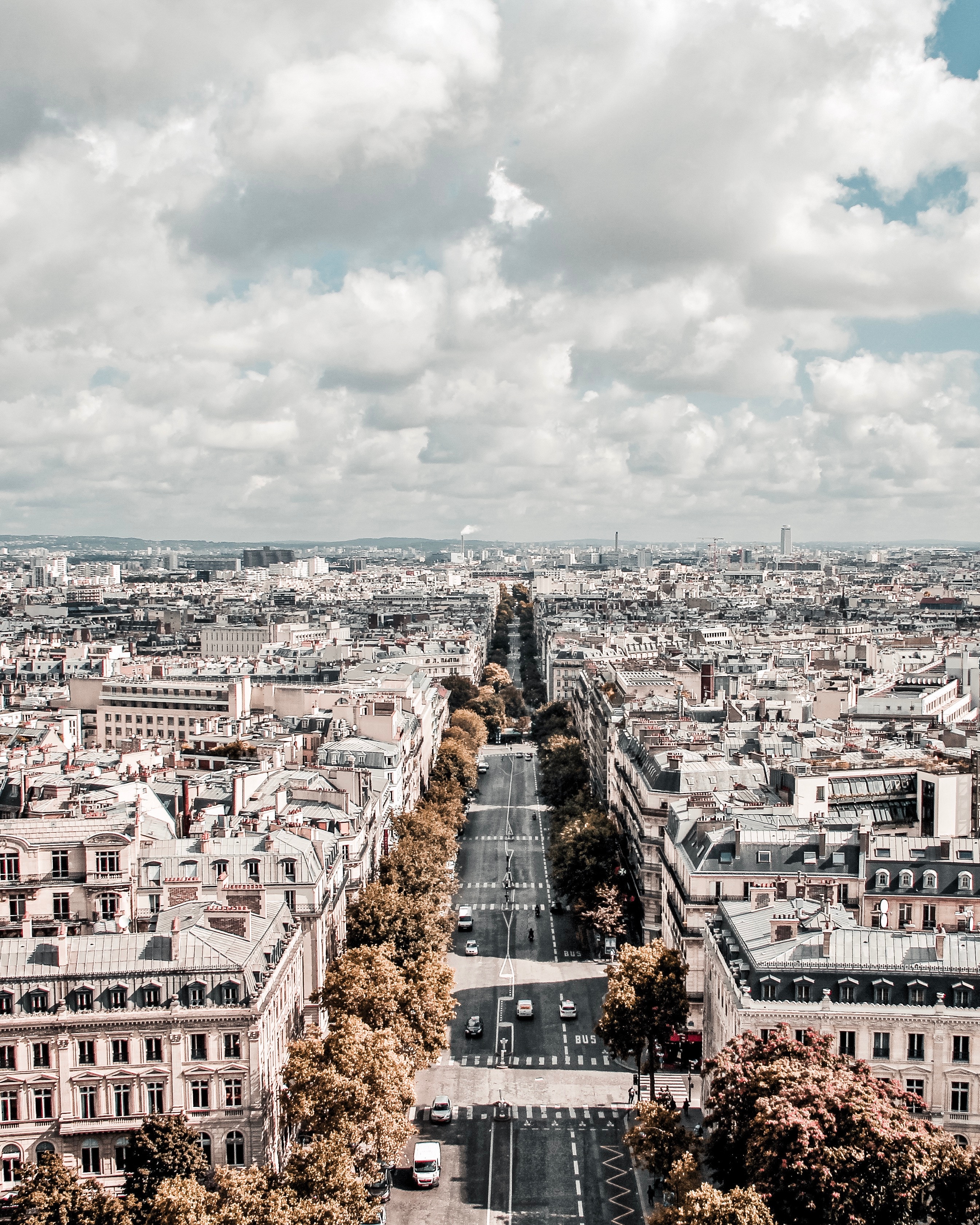
Cafés, Cathedrals and Canvases in the city of Light
CLASSIC Discover the ancient heart of Paris on a captivating Guided Walk featuring the Palais-Royal, Louvre pyramid, ancient sites on Île de la Cité, the Left Bank, bustling Latin Quarter, and more, OR:
CLASSIC Join a Guided City Tour that shows the iconic sites of Paris, such as the Louvre Museum, the Arc de Triomphe, the Eiffel Tower, Opéra Garnier, and the famous Champs-Élysées.
Spend your free time strolling through the Champs-Élysées for café au lait and croissants, see the exhibits at the Louvre, and visit Montmartre’s Basilica of the Sacré Cœur.
Paris, France
Your vacation ends with breakfast this morning.
Lyon, France
Lyon, the capital city in France’s Auvergne-Rhône-Alpes region, sits at the junction of the Rhône and Saône rivers. Its center reflects 2,000 years of history from the Roman Amphithéâtre des Trois Gaules, medieval and Renaissance architecture in Vieux (Old) Lyon, to the modern Confluence district on Presqu’île peninsula. Traboules, covered passageways between buildings, connect Vieux Lyon and La Croix-Rousse hill.
Chalon-sur-Saône, France
Wine and Cheese on the Stunning Saône
DISCOVERY Travel into the rolling landscapes of the Mâconnais region to learn about its world-famous Chardonnay vineyards, the wines produced here, and to attend a wine-tasting in the cellars of a real medieval castle!
DISCOVERY Later, enjoy a delicious Cheese Tasting on board your ship.
Enjoy live entertainment on board this evening.
Paris, France
Drive to Beaune and take a High-Speed Train from Dijon to Paris.
CLASSIC Visit the Hôtel-Dieu Charity Hospital in Beaune, built in 1443, today home of the Van der Weyden’s painting of the Last Judgment and one of France’s architectural highlights.
Paris, France
Cafés, Cathedrals and Canvases in the city of Light
CLASSIC Discover the ancient heart of Paris on a captivating Guided Walk featuring the Palais-Royal, Louvre pyramid, ancient sites on Île de la Cité, the Left Bank, bustling Latin Quarter, and more, OR:
CLASSIC Join a Guided City Tour that shows the iconic sites of Paris, such as the Louvre Museum, the Arc de Triomphe, the Eiffel Tower, Opéra Garnier, and the famous Champs-Élysées.
Spend your free time strolling through the Champs-Élysées for café au lait and croissants, see the exhibits at the Louvre, and visit Montmartre’s Basilica of the Sacré Cœur.
Paris, France
Your vacation ends with breakfast this morning.
Cabin Options
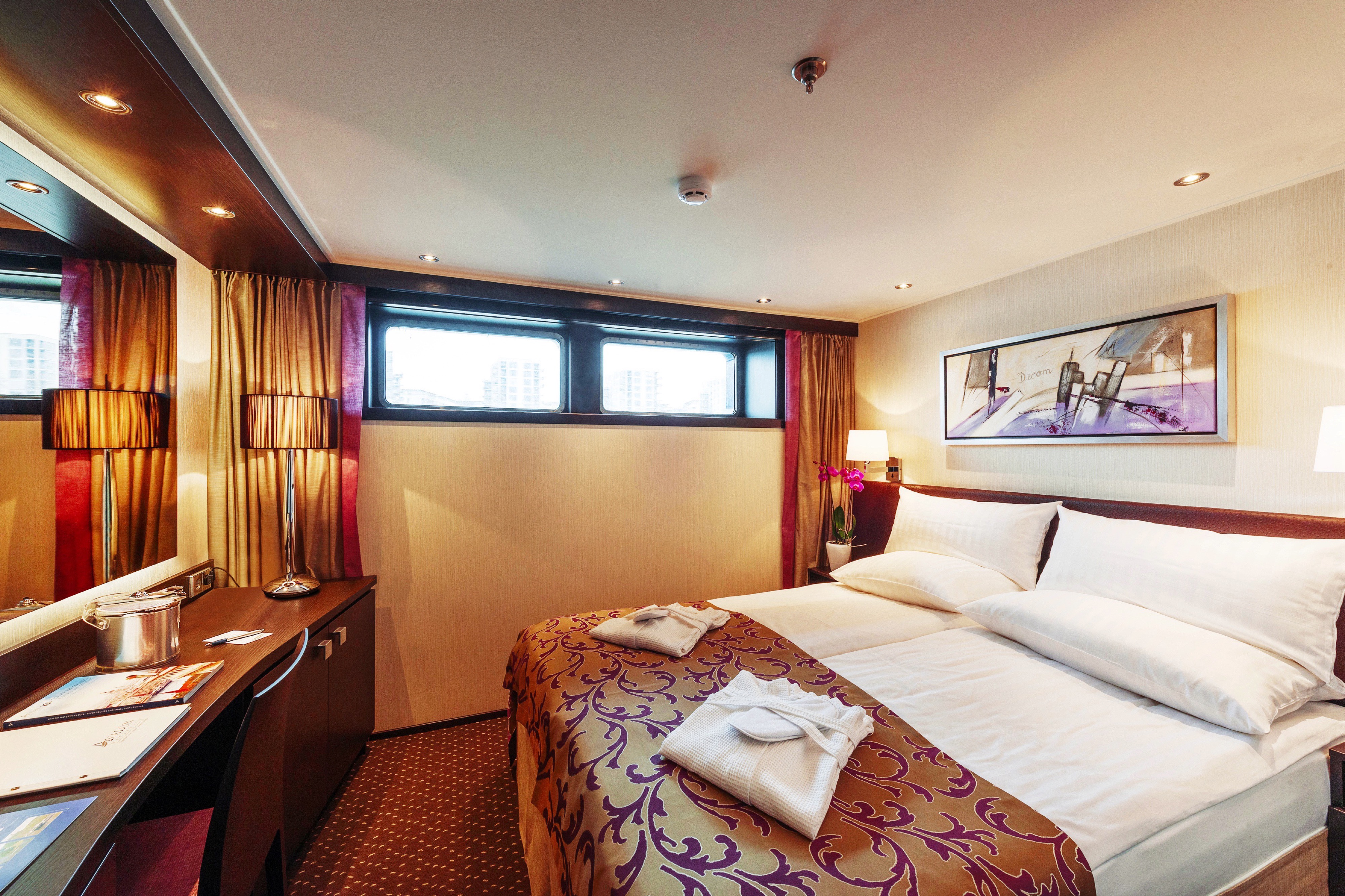
Avalon Deluxe Stateroom
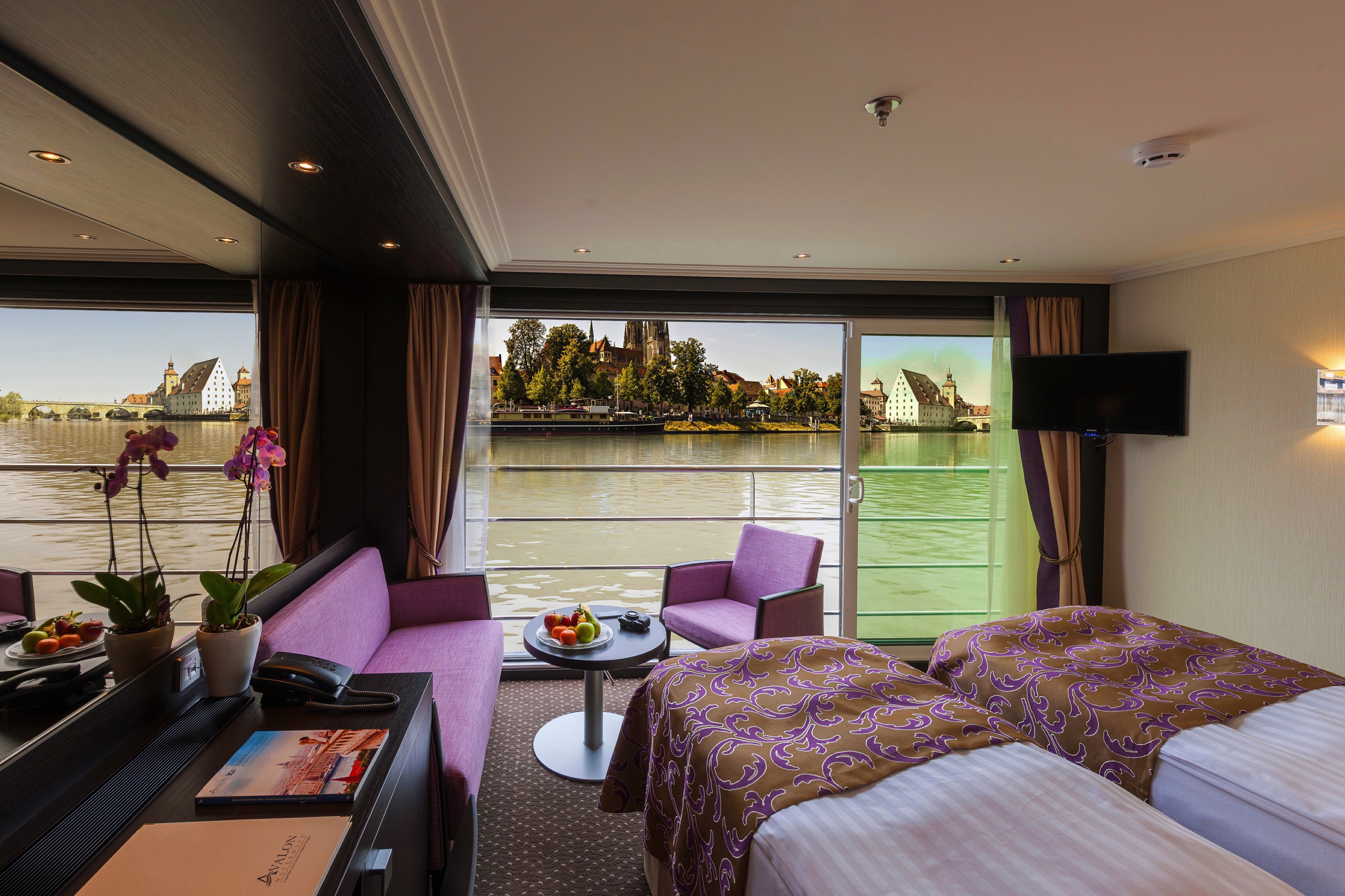
Panorama Suite
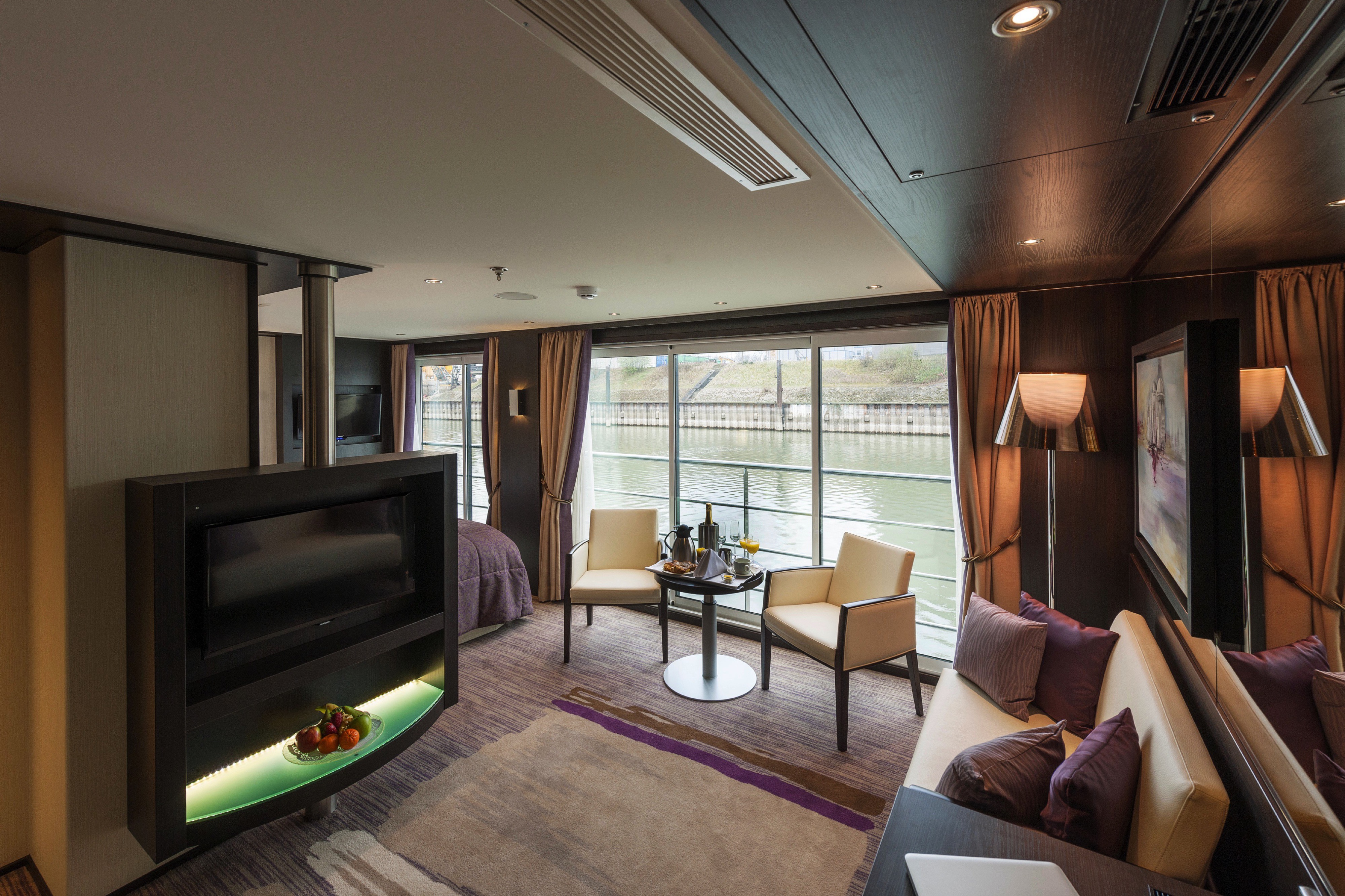
Royal Suite
Ship Facilities
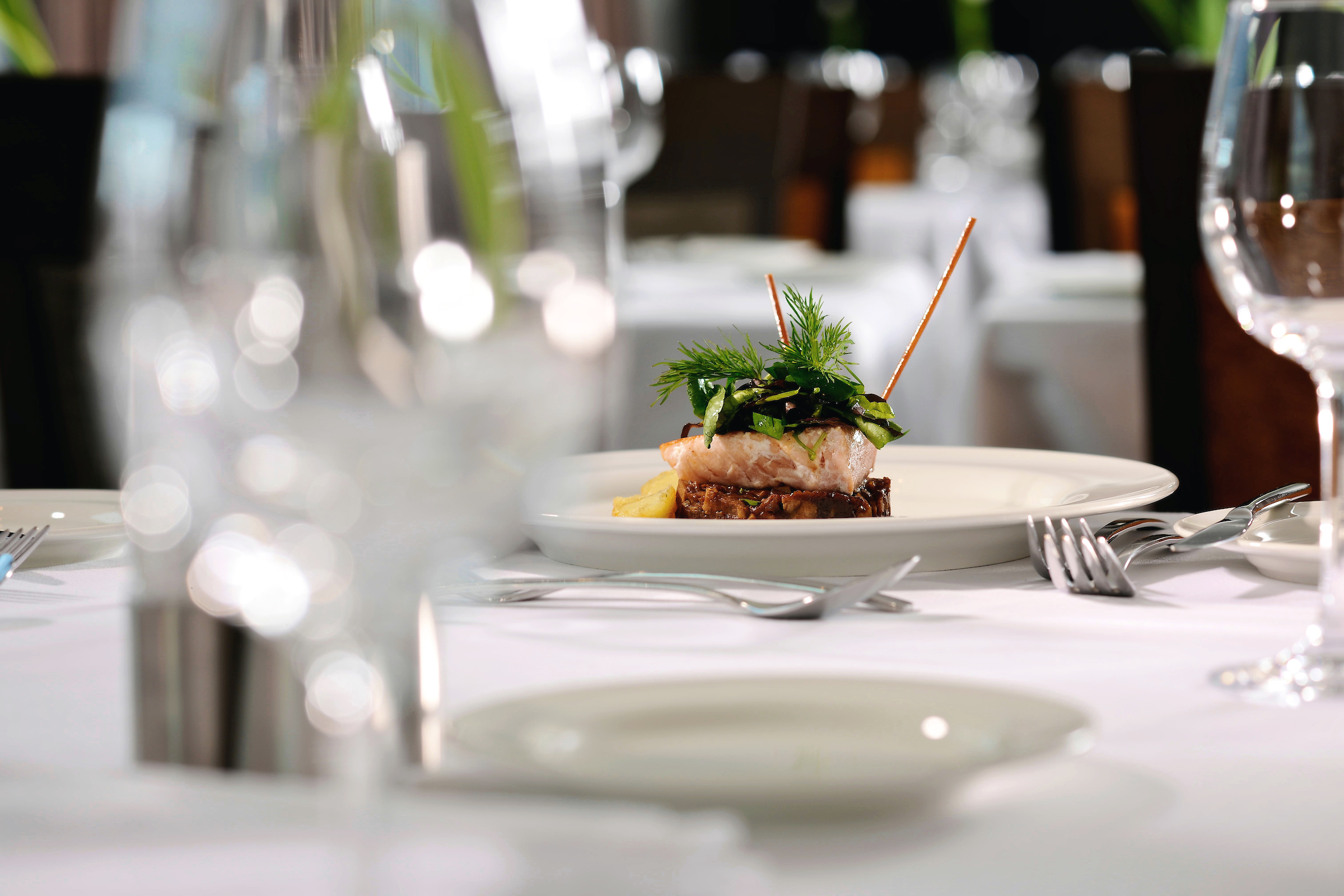
Dining Room
The ship’s main venue is the Dining Room situated on the Sapphire deck. With an elegantly simple design, you can enjoy a full buffet breakfast or lunch with special options for those who wish to eat lightly, and delicious four-course dinners in the evening.
Sky Grill
On a sunny day, enjoy hand carved meats and expansive buffets including fresh salads and amazing homemade soups, all a view courtesy of our Sky Grill.
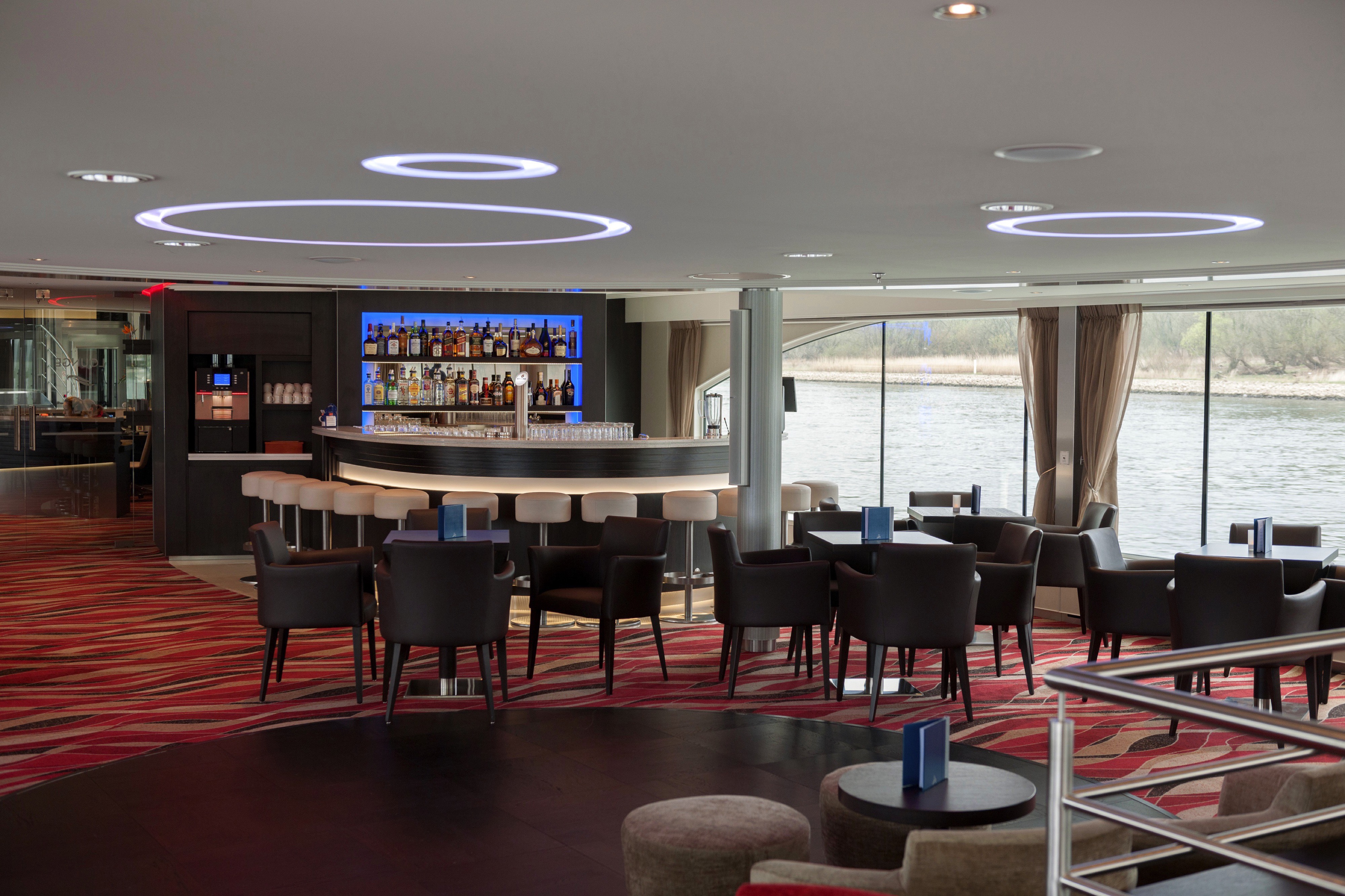
Panorama Bistro
The Panorama Lounge & Bistro, with floor-to-ceiling panoramic windows for a stunning view, offers a casual atmosphere for guests to enjoy a variety of regional and tapas-style dishes, hand-paired with local wines.
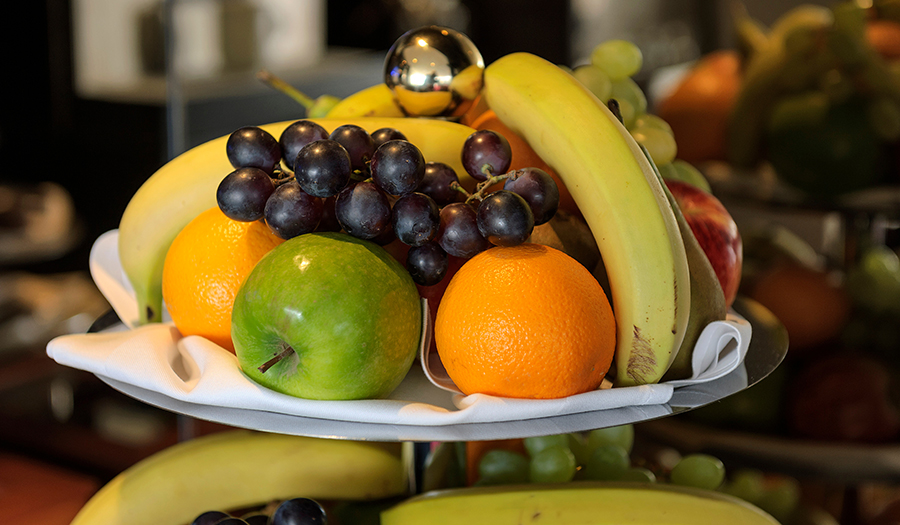
Room Service
Room service is available for Continental breakfast & beverages.
Active Excursions
FOR THE MOVER.
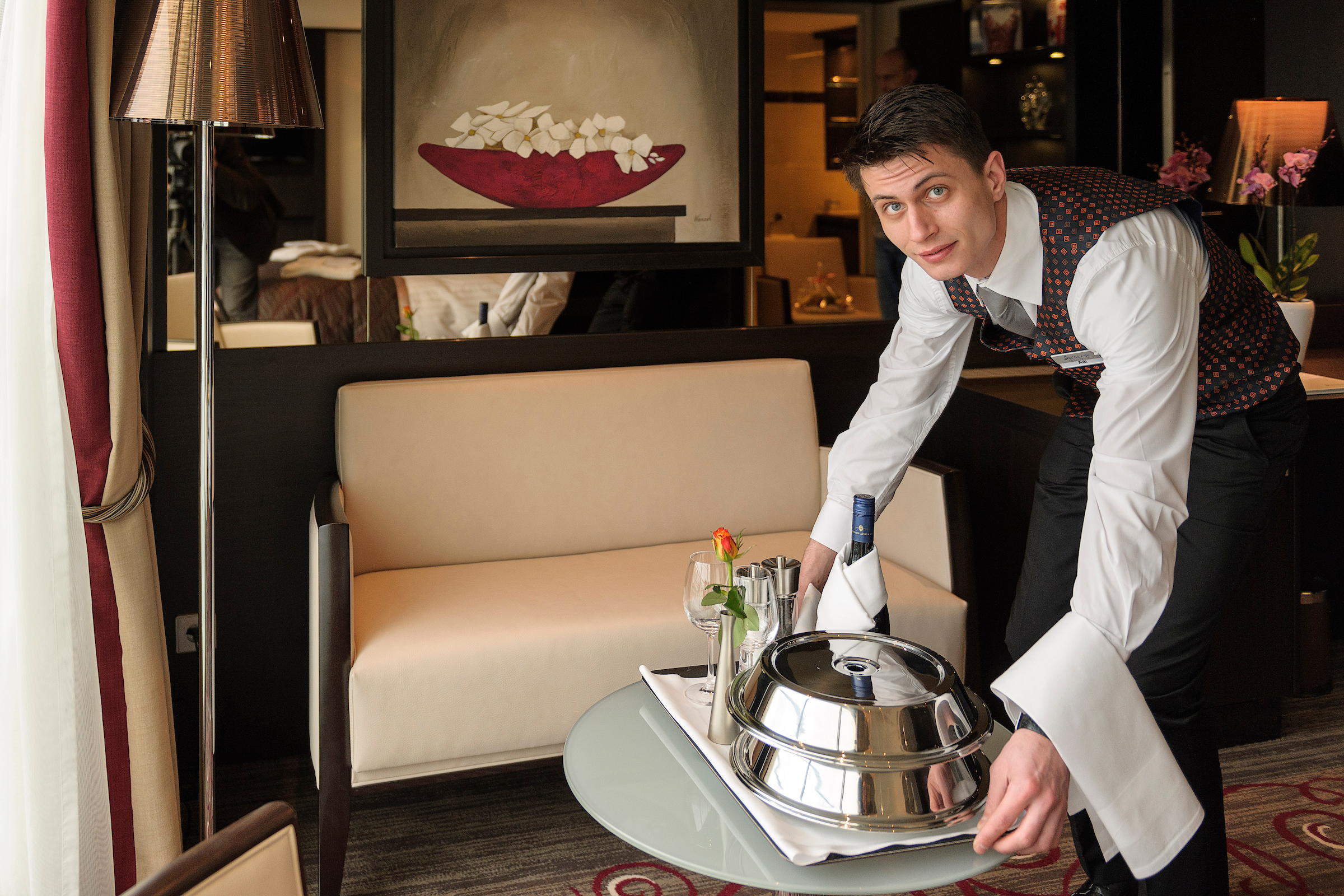
Whether you enjoy sightseeing by kayak, on two wheels, or on your own two feet, you’ll relish the energy of Avalon’s Active excursion collection. Biking, hiking, and boating tours pack real get-up-and-go for those who like to do the same.
Discovery Excursions
FOR THE DOER.
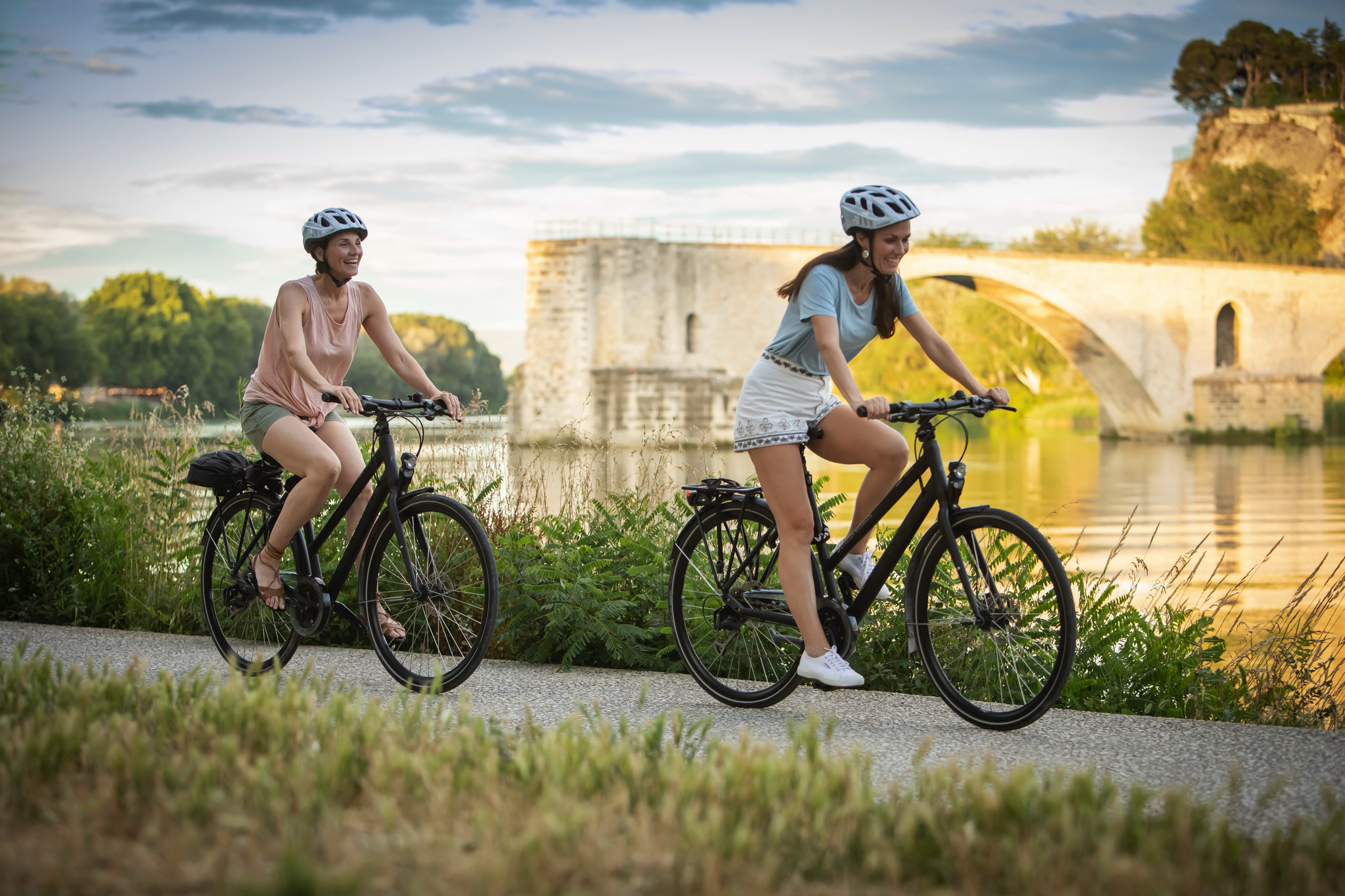
An awakening for the senses, Avalon’s Discovery excursions present heartwarming, brain-tingling, hands-on adventure. Pull up a chair to hear a Viennese waltz, roll up your sleeves to paint like Van Gogh, or grab an apron to whip up a local delicacy.

Classic Excursions
FOR THE DREAMER.
Nothing beats the classics! Avalon’s Classic excursions put you in the story with timeless tales on guided tours in iconic cities, capitals, and castles. Skip the lines while your heart skips a beat in the rooms where history happened.
Adventure Center
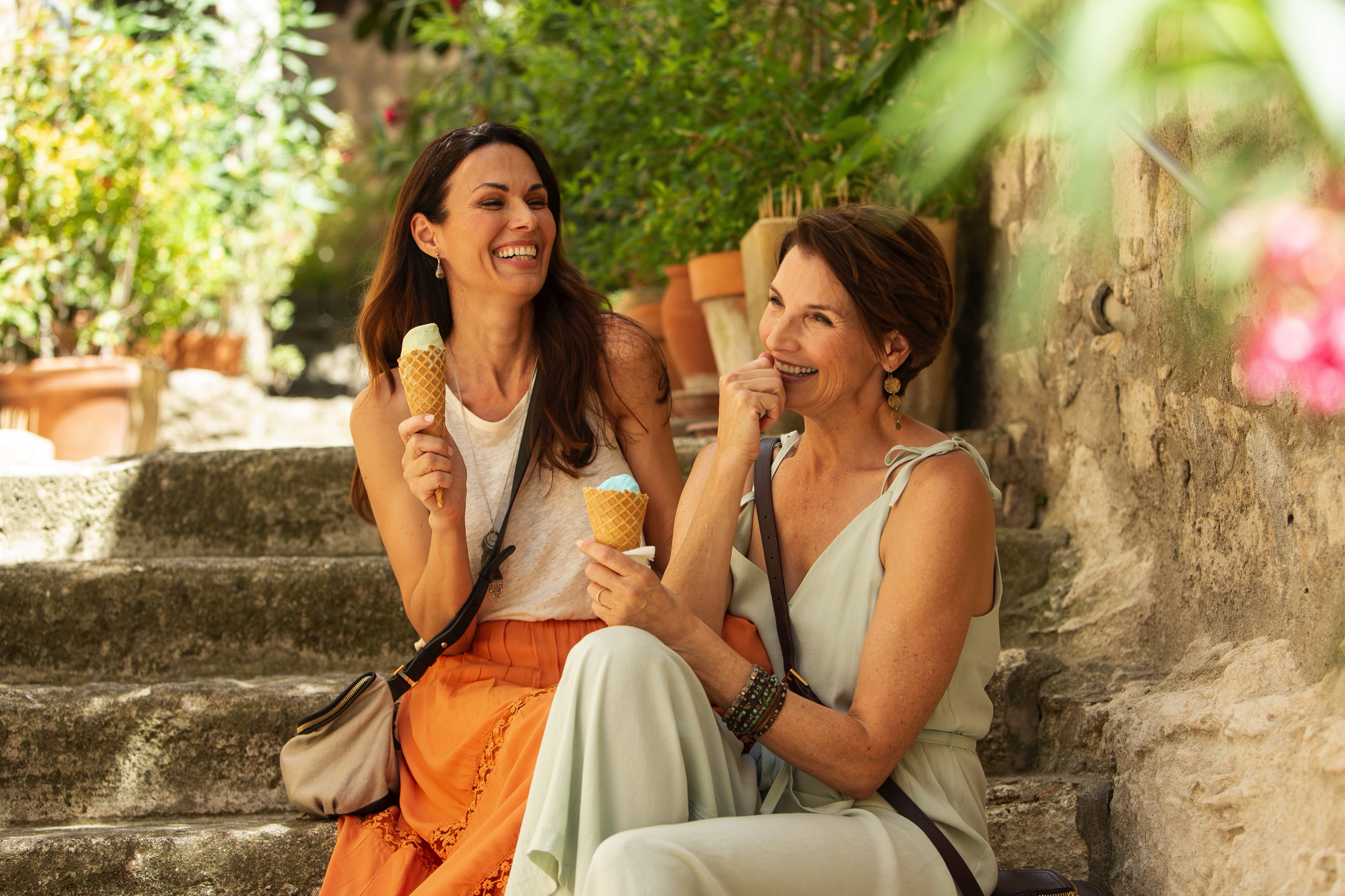
The Adventure Center in your ship’s lobby has everything you need to make every day count, including FitBit trackers, stretch bands, yoga mats and more. For those who believe the world is a gym, your Adventure Host is ready to help you cruise down the road, up a mountain, or along the riverbank with complimentary bicycles, Nordic walking sticks and kayaks.
Complimentary Bicycles
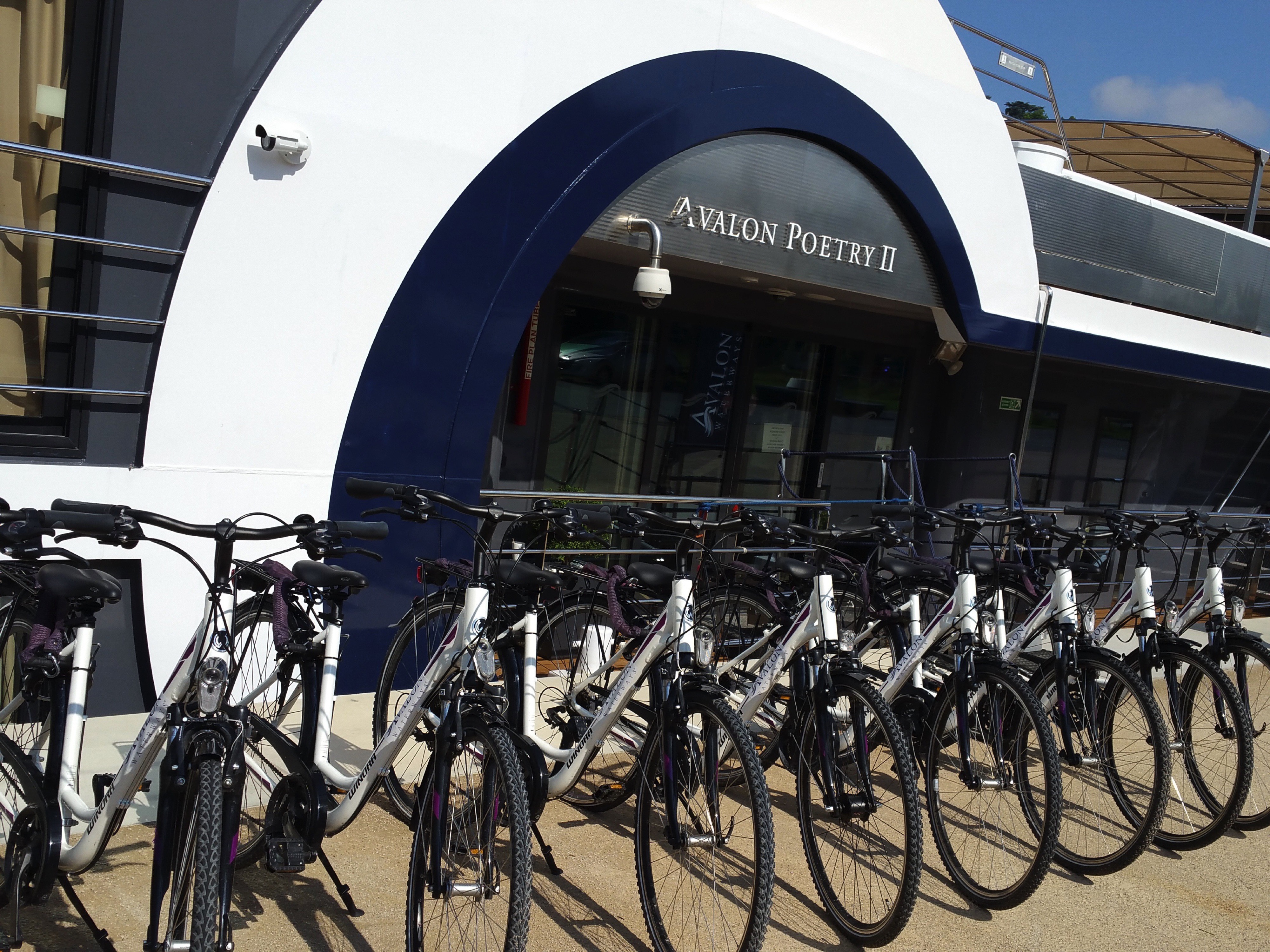
Cyclists rejoice! Every Avalon ship is equipped with complimentary bicycles and e-bikes for scenic land cruising and in-town adventures. See your Avalon Adventure Host for maps, suggestions and personally tailored routes created with Komoot, the top-rated planning and navigation app for cycling and hiking.
Panorama Lounge
Panorama Lounge & Bar with premium spirits, cozy seating, panoramic windows & dance floor.
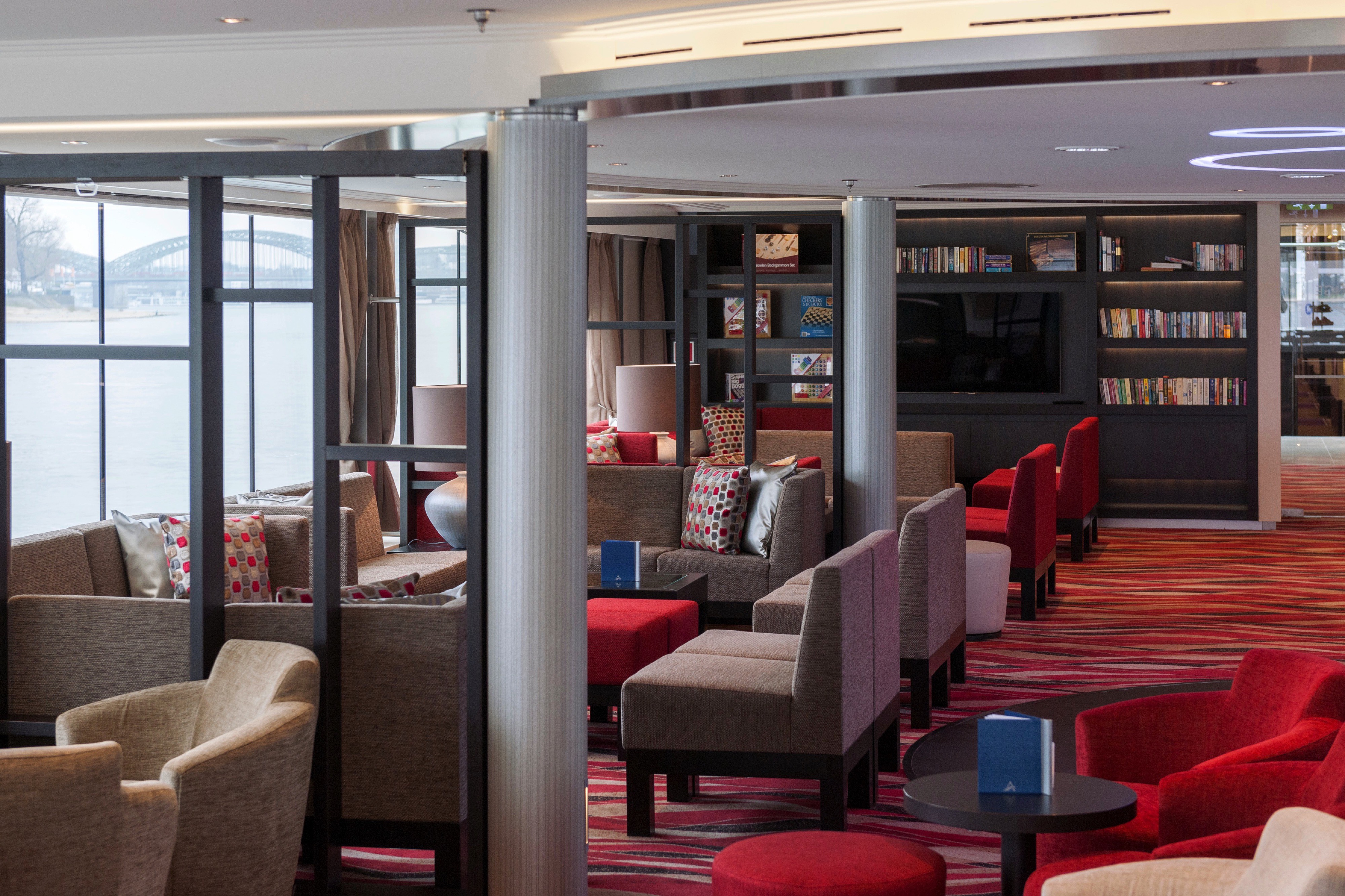
Reception

Club Lounge
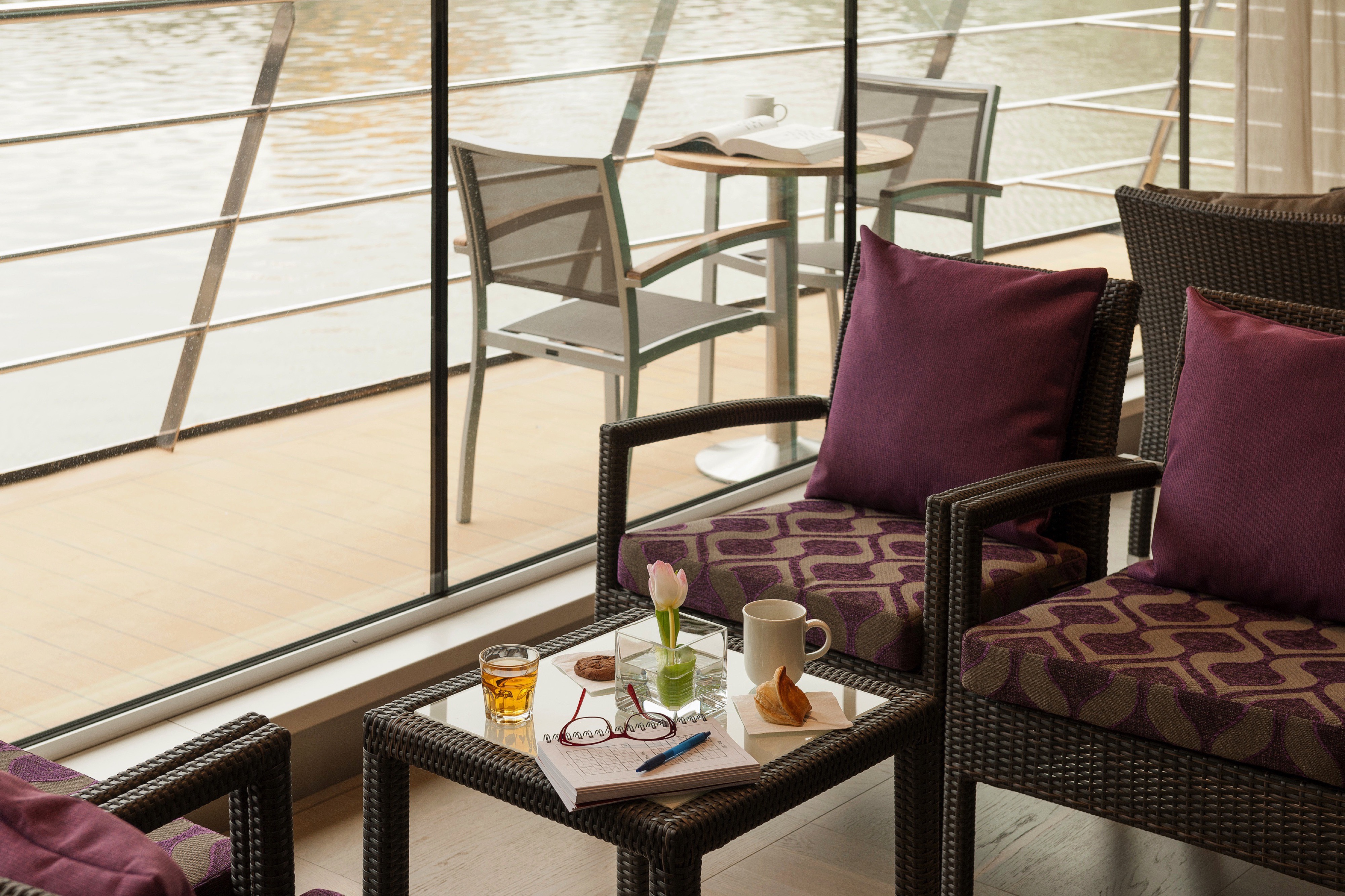
Fitness Centre
On Board Fitness Center
Although heart rates are naturally elevated on an Avalon cruise, every Avalon Suite Ship features an updated fitness center—complete with the latest cardio and weight-training equipment—for those not looking to give their abs, biceps or triceps a vacation.
Whirlpool Atop The Skydeck
Although heart rates are naturally elevated on an Avalon cruise, every Avalon Suite Ship features an updated fitness center—complete with the latest cardio and weight-training equipment—for those not looking to give their abs, biceps or triceps a vacation.
Avalon travelers enjoy immersive experiences at every turn. Soak up the culture and cuisine of fascinating regions, then toast the day with therapeutic bubbles in the soothing Sky Deck whirlpool.
Yoga On Board
Before you set out to discover the lives of kings, queens and conquerors, you can easily find your inner warrior, cobra or happy baby. Avalon Adventure Hosts kick-start each day with a combination of yoga poses, Pilates exercises and gentle stretches in the fresh morning air on the Sky Deck or with panoramic views in the Panorama Lounge. Downward dogs welcome.
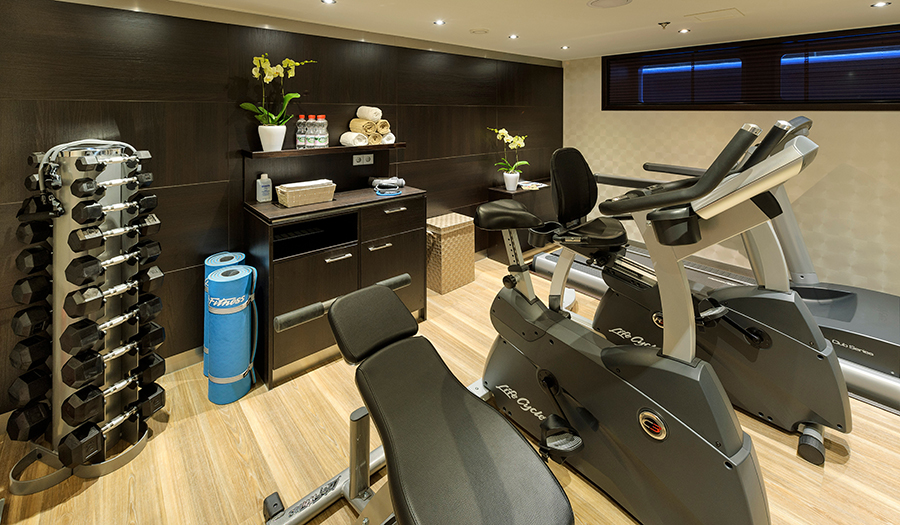
Hairdressing Salon
Visit the Hair Salon to pamper yourself with a new style by a professional hairdresser. Other treatments are available.
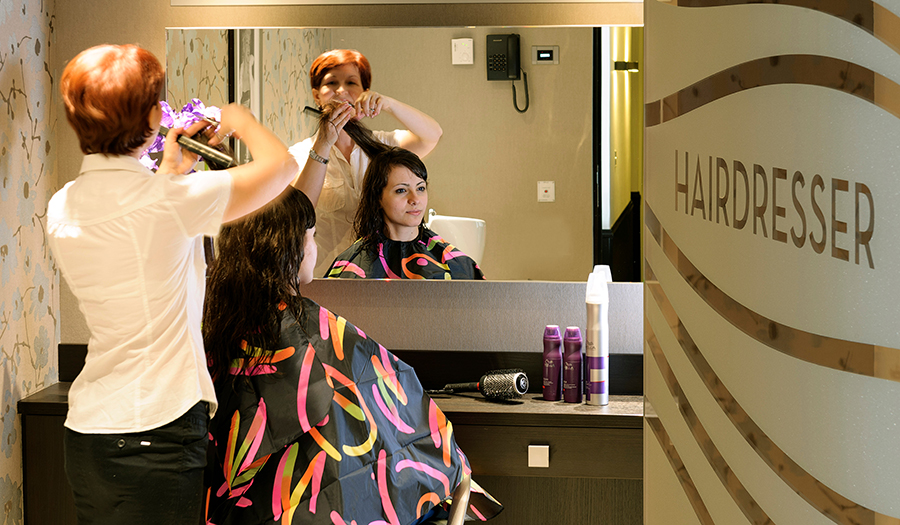
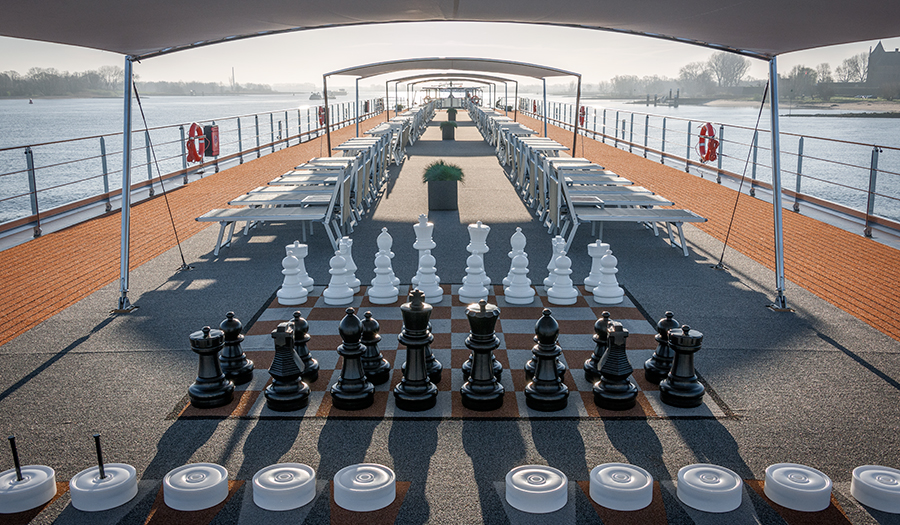
Deck Games Area
Relax after a long day and play a game with your fellow guests at the Game area towards the rear of the deck.
Avalon allow travellers from the ages of 8 and over although there are no children’s facilities on-board.
Dining Room
The ship’s main venue is the Dining Room situated on the Sapphire deck. With an elegantly simple design, you can enjoy a full buffet breakfast or lunch with special options for those who wish to eat lightly, and delicious four-course dinners in the evening.
Sky Grill
On a sunny day, enjoy hand carved meats and expansive buffets including fresh salads and amazing homemade soups, all a view courtesy of our Sky Grill.
Panorama Bistro
The Panorama Lounge & Bistro, with floor-to-ceiling panoramic windows for a stunning view, offers a casual atmosphere for guests to enjoy a variety of regional and tapas-style dishes, hand-paired with local wines.
Room Service
Room service is available for Continental breakfast & beverages.
Active Excursions
FOR THE MOVER.
Whether you enjoy sightseeing by kayak, on two wheels, or on your own two feet, you’ll relish the energy of Avalon’s Active excursion collection. Biking, hiking, and boating tours pack real get-up-and-go for those who like to do the same.
Discovery Excursions
FOR THE DOER.
An awakening for the senses, Avalon’s Discovery excursions present heartwarming, brain-tingling, hands-on adventure. Pull up a chair to hear a Viennese waltz, roll up your sleeves to paint like Van Gogh, or grab an apron to whip up a local delicacy.
Classic Excursions
FOR THE DREAMER.
Nothing beats the classics! Avalon’s Classic excursions put you in the story with timeless tales on guided tours in iconic cities, capitals, and castles. Skip the lines while your heart skips a beat in the rooms where history happened.
Adventure Center
The Adventure Center in your ship’s lobby has everything you need to make every day count, including FitBit trackers, stretch bands, yoga mats and more. For those who believe the world is a gym, your Adventure Host is ready to help you cruise down the road, up a mountain, or along the riverbank with complimentary bicycles, Nordic walking sticks and kayaks.
Complimentary Bicycles
Cyclists rejoice! Every Avalon ship is equipped with complimentary bicycles and e-bikes for scenic land cruising and in-town adventures. See your Avalon Adventure Host for maps, suggestions and personally tailored routes created with Komoot, the top-rated planning and navigation app for cycling and hiking.
Panorama Lounge
Panorama Lounge & Bar with premium spirits, cozy seating, panoramic windows & dance floor.
Reception
Club Lounge
Fitness Centre
On Board Fitness Center
Although heart rates are naturally elevated on an Avalon cruise, every Avalon Suite Ship features an updated fitness center—complete with the latest cardio and weight-training equipment—for those not looking to give their abs, biceps or triceps a vacation.
Whirlpool Atop The Skydeck
Although heart rates are naturally elevated on an Avalon cruise, every Avalon Suite Ship features an updated fitness center—complete with the latest cardio and weight-training equipment—for those not looking to give their abs, biceps or triceps a vacation.
Avalon travelers enjoy immersive experiences at every turn. Soak up the culture and cuisine of fascinating regions, then toast the day with therapeutic bubbles in the soothing Sky Deck whirlpool.
Yoga On Board
Before you set out to discover the lives of kings, queens and conquerors, you can easily find your inner warrior, cobra or happy baby. Avalon Adventure Hosts kick-start each day with a combination of yoga poses, Pilates exercises and gentle stretches in the fresh morning air on the Sky Deck or with panoramic views in the Panorama Lounge. Downward dogs welcome.
Hairdressing Salon
Visit the Hair Salon to pamper yourself with a new style by a professional hairdresser. Other treatments are available.
Deck Games Area
Relax after a long day and play a game with your fellow guests at the Game area towards the rear of the deck.
Avalon allow travellers from the ages of 8 and over although there are no children’s facilities on-board.
About the Ship
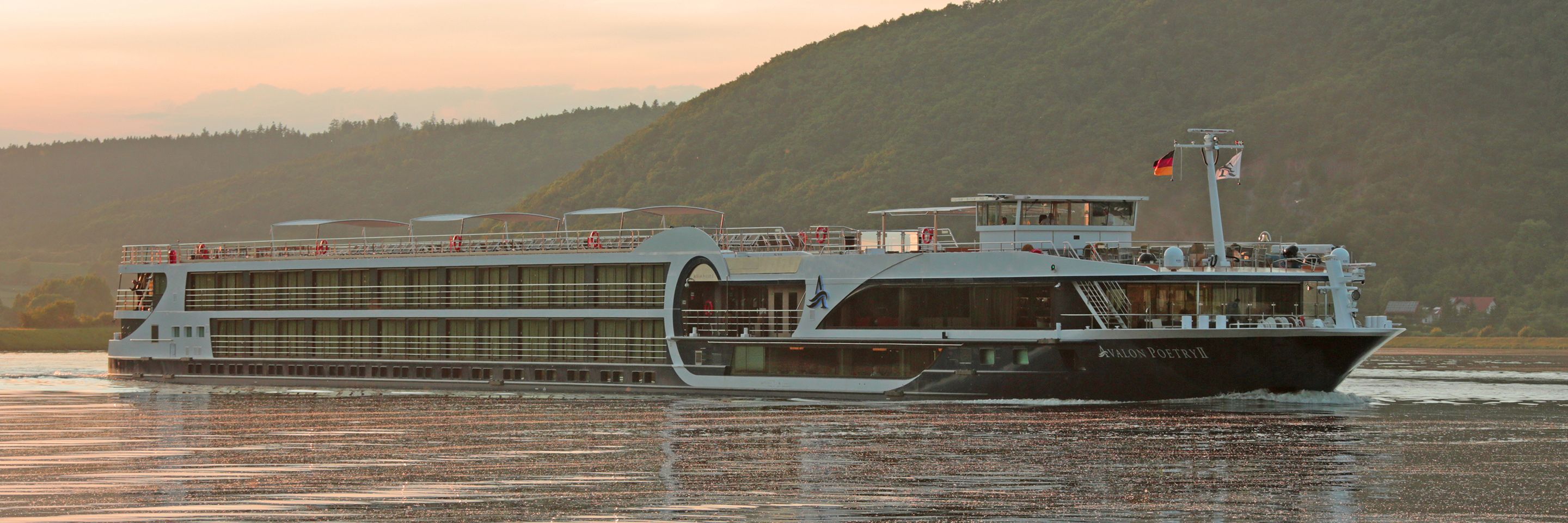
Deck Plans

- Fitness Centre (18)
- Cat. D & E Deluxe Staterooms

- Galley (16)
- Dining Room (17)
- Cat. A & B Panorama Suites

- Observation Lounge (7)
- Panorama Bistro (8)
- Panorama Lounge (9)
- Bar (10)
- Reception (11)
- Adventure Center (12)
- Lobby (13)
- Elevator (14)
- Club Lounge (15)
- Royal Suite
- Cat. P Panorama Suites

- Sky Lounge (1)
- Navigation Bridge (2)
- Sky Grill (3)
- Whirlpool (4)
- Premium Lounge Chairs and Shade Awnings (5)
- Deck Game Area (6)
- Fitness Centre (18)
- Cat. D & E Deluxe Staterooms
- Galley (16)
- Dining Room (17)
- Cat. A & B Panorama Suites
- Observation Lounge (7)
- Panorama Bistro (8)
- Panorama Lounge (9)
- Bar (10)
- Reception (11)
- Adventure Center (12)
- Lobby (13)
- Elevator (14)
- Club Lounge (15)
- Royal Suite
- Cat. P Panorama Suites
- Sky Lounge (1)
- Navigation Bridge (2)
- Sky Grill (3)
- Whirlpool (4)
- Premium Lounge Chairs and Shade Awnings (5)
- Deck Game Area (6)