Featured Cabins
Itinerary
Lisbon, Portugal
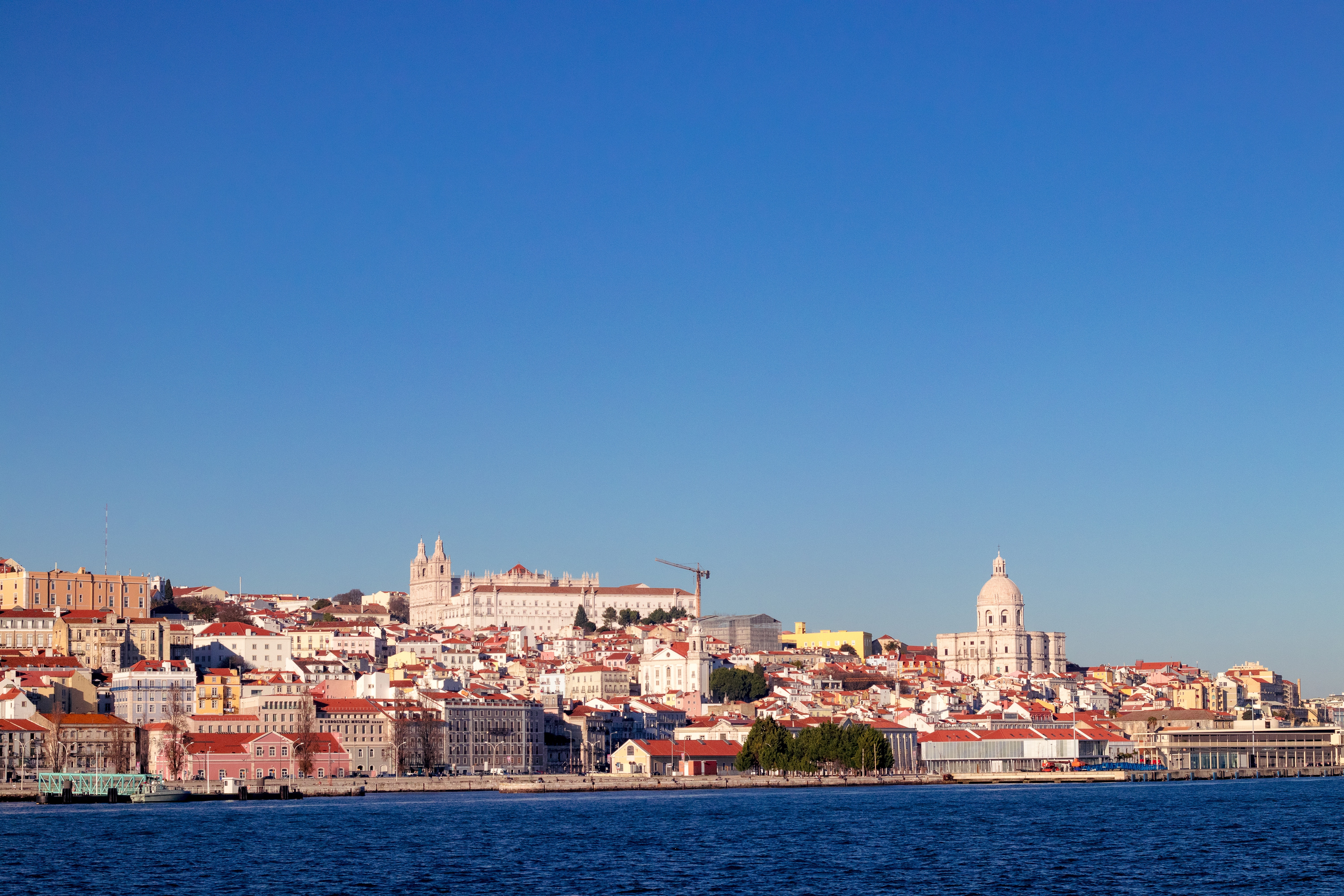
Set on seven hills on the banks of the River Tagus, Lisbon has been the capital of Portugal since the 13th century. It is a city famous for its majestic architecture, old wooden trams, Moorish features and more than twenty centuries of history. Following disastrous earthquakes in the 18th century, Lisbon was rebuilt by the Marques de Pombal who created an elegant city with wide boulevards and a great riverfront and square, Praça do Comércio. Today there are distinct modern and ancient sections, combining great shopping with culture and sightseeing in the Old Town, built on the city’s terraced hillsides. The distance between the ship and your tour vehicle may vary. This distance is not included in the excursion grades.
Leixões, Portugal
Ever since the Romans constructed a fort here and began using it as a trading post, Oporto has been a prosperous commercial centre. In the 15th and 16th centuries the city benefited from the wealth generated by Portugal’s maritime discoveries, and later, the establishment of a lucrative wine trade with Britain compensated for the loss of the spice trade. Today, Portugal’s second-largest city is a thriving, cosmopolitan place and is famous for its production of the fortified, sweet ‘port’ wine. Its historic centre is a UNESCO World Heritage Site and the city was also awarded the status of European Capital of Culture in 2001. A large sandbar prevents ships from sailing into Oporto itself, so for over a century they have used nearby Leixões instead, a man-made seaport constructed nine miles from the city. Leixões is one of Portugal’s major sea ports and is also home to one of the country’s oldest football clubs, winners of the Taça de Portugal cup in 1961.
Ferrol, Spain
El Ferrol has been inextricably linked to the sea for more than two millennia, being a major shipbuilding centre for most of its history. From its beginnings as a tiny fishing port in the 1st century BC, it endured conquests by Vandals, Suebis, Arabs and Christians. With the arrival of the Bourbons in the 18th century, Ferrol became a leading maritime centre, largely due to its large natural harbour on the Ferrol Inlet, an arm of the Atlantic. Now a large commercial port, Ferrol is also the gateway to the northern Spanish province of Galicia, a region noted for its green mountains, deep gorges and fast-flowing rivers. It is also well placed for visiting the medieval holy city of Santiago de Compostela. Interestingly, Ferrol’s city centre is modelled on Lisbon in Portugal, a country with which it has strong historical and linguistic ties. The layout comprises of a rectangle lined with six parallel streets, with two squares on each side. These squares have the city’s best shops, restaurants and bars.
Saint-Malo, France
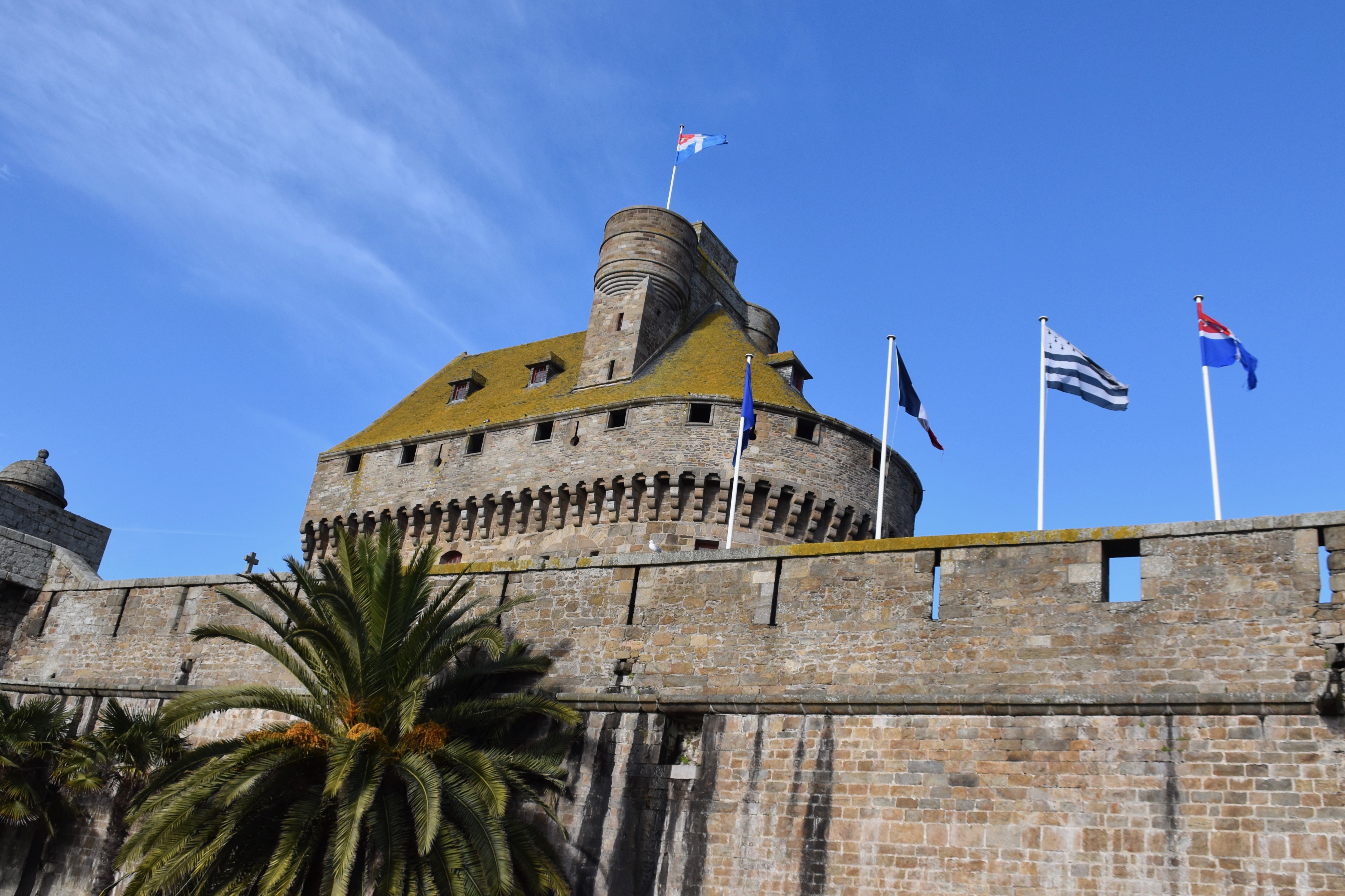
Thrust out into the sea and bound to the mainland only by tenuous man-made causeways, romantic St-Malo has built a reputation as a breeding ground for phenomenal sailors. Many were fishermen, but others—most notably Jacques Cartier, who claimed Canada for Francis I in 1534—were New World explorers. Still others were corsairs, “sea dogs” paid by the French crown to harass the Limeys across the Channel: legendary ones like Robert Surcouf and Duguay-Trouin helped make St-Malo rich through their pillaging, in the process earning it the nickname “the pirates’ city.” The St-Malo you see today isn’t quite the one they called home because a weeklong fire in 1944, kindled by retreating Nazis, wiped out nearly all of the old buildings. Restoration work was more painstaking than brilliant, but the narrow streets and granite houses of the Vieille Ville were satisfactorily recreated, enabling St-Malo to regain its role as a busy fishing port, seaside resort, and tourist destination. The ramparts that help define this city figuratively and literally are authentic, and the flames also spared houses along Rue de Pelicot in the Vieille Ville. Battalions of tourists invade this quaint part of town in summer, so arrive off-season if you want to avoid crowds.
Honfleur, France
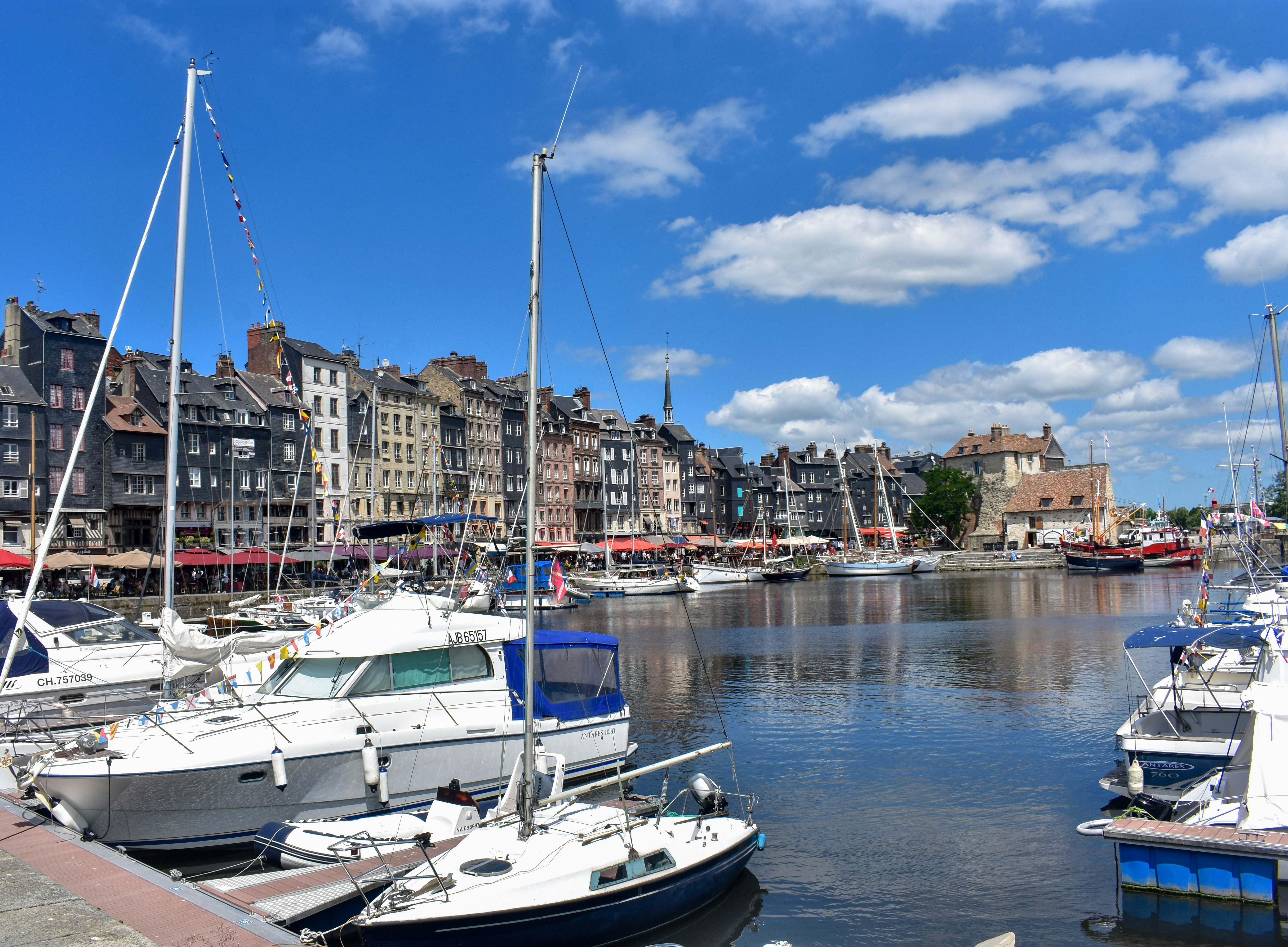
Honfleur, the most picturesque of the Côte Fleurie’s seaside towns, is a time-burnished place with a surplus of half-timber houses and cobbled streets that are lined with a stunning selection of stylish boutiques. Much of its Renaissance architecture remains intact—especially around the 17th-century Vieux Bassin harbor, where the water is fronted on one side by two-story stone houses with low, sloping roofs and on the other by tall slate-topped houses with wooden facades. Maritime expeditions (including some of the first voyages to Canada) departed from here; later, Impressionists were inspired to capture it on canvas. But the town as a whole has become increasingly crowded since the Pont de Normandie opened in 1995. Providing a direct link with Upper Normandy, the world’s sixth-largest cable-stayed bridge is supported by two concrete pylons taller than the Eiffel Tower and designed to resist winds of 257 kph (160 mph).
Dover, England
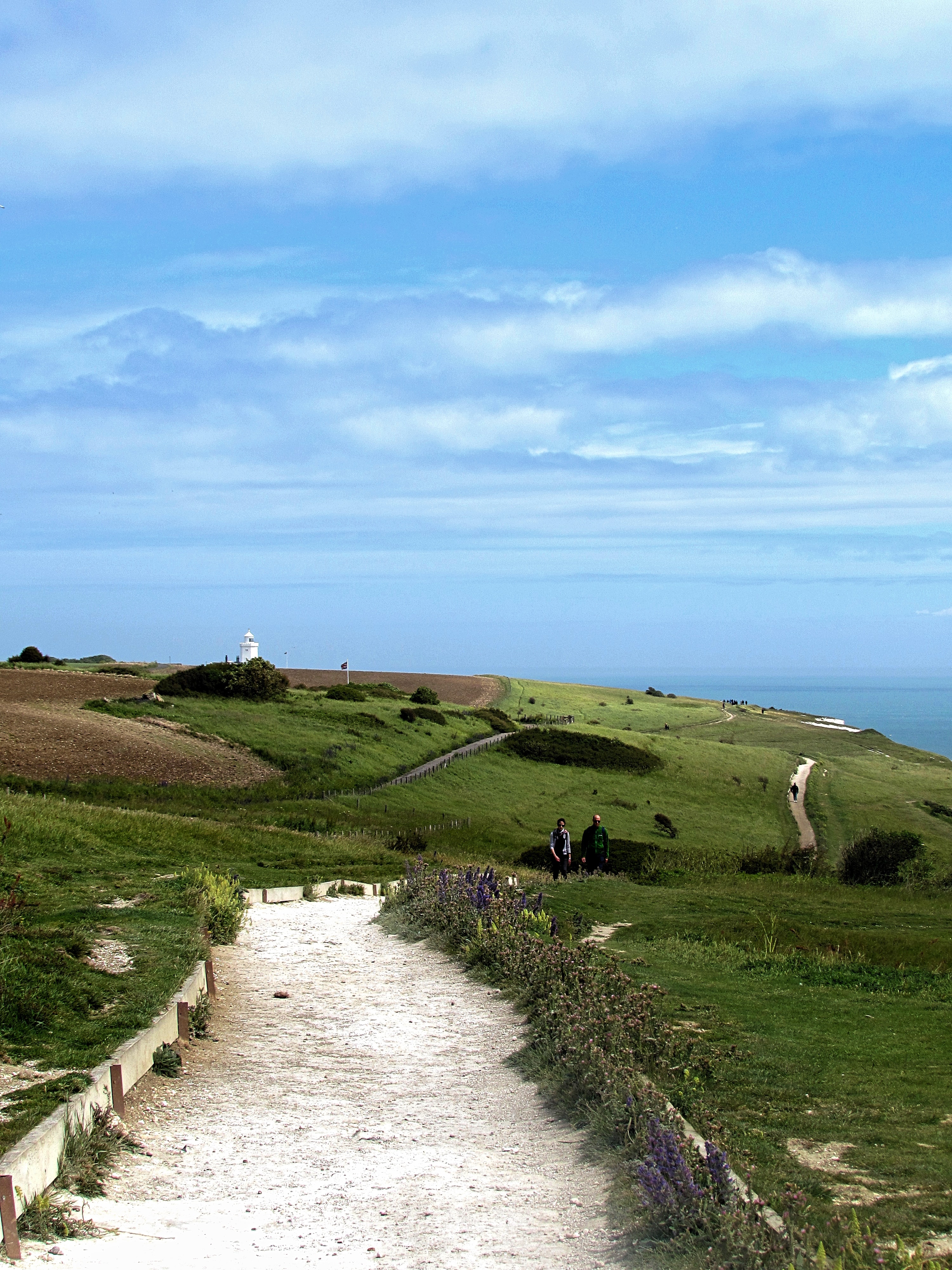
Known as the gateway of England, Dover welcomes millions of visitors from all over the globe each year in its role as the ferry capital of the world and the second busiest cruise port in the UK. The White Cliffs Country has a rich heritage. Within the walls of the town’s iconic castle, over 2,000 years of history waits to be explored, whilst the town’s museum is home to the Dover Bronze Age Boat, the world’s oldest known seagoing vessel. The town’s cliffs that are a welcome sight for today’s cross-channel travellers also served as the control centre for the Dunkirk evacuation in 1940.
Lisbon, Portugal
Set on seven hills on the banks of the River Tagus, Lisbon has been the capital of Portugal since the 13th century. It is a city famous for its majestic architecture, old wooden trams, Moorish features and more than twenty centuries of history. Following disastrous earthquakes in the 18th century, Lisbon was rebuilt by the Marques de Pombal who created an elegant city with wide boulevards and a great riverfront and square, Praça do Comércio. Today there are distinct modern and ancient sections, combining great shopping with culture and sightseeing in the Old Town, built on the city’s terraced hillsides. The distance between the ship and your tour vehicle may vary. This distance is not included in the excursion grades.
Leixões, Portugal
Ever since the Romans constructed a fort here and began using it as a trading post, Oporto has been a prosperous commercial centre. In the 15th and 16th centuries the city benefited from the wealth generated by Portugal’s maritime discoveries, and later, the establishment of a lucrative wine trade with Britain compensated for the loss of the spice trade. Today, Portugal’s second-largest city is a thriving, cosmopolitan place and is famous for its production of the fortified, sweet ‘port’ wine. Its historic centre is a UNESCO World Heritage Site and the city was also awarded the status of European Capital of Culture in 2001. A large sandbar prevents ships from sailing into Oporto itself, so for over a century they have used nearby Leixões instead, a man-made seaport constructed nine miles from the city. Leixões is one of Portugal’s major sea ports and is also home to one of the country’s oldest football clubs, winners of the Taça de Portugal cup in 1961.
Ferrol, Spain
El Ferrol has been inextricably linked to the sea for more than two millennia, being a major shipbuilding centre for most of its history. From its beginnings as a tiny fishing port in the 1st century BC, it endured conquests by Vandals, Suebis, Arabs and Christians. With the arrival of the Bourbons in the 18th century, Ferrol became a leading maritime centre, largely due to its large natural harbour on the Ferrol Inlet, an arm of the Atlantic. Now a large commercial port, Ferrol is also the gateway to the northern Spanish province of Galicia, a region noted for its green mountains, deep gorges and fast-flowing rivers. It is also well placed for visiting the medieval holy city of Santiago de Compostela. Interestingly, Ferrol’s city centre is modelled on Lisbon in Portugal, a country with which it has strong historical and linguistic ties. The layout comprises of a rectangle lined with six parallel streets, with two squares on each side. These squares have the city’s best shops, restaurants and bars.
Saint-Malo, France
Thrust out into the sea and bound to the mainland only by tenuous man-made causeways, romantic St-Malo has built a reputation as a breeding ground for phenomenal sailors. Many were fishermen, but others—most notably Jacques Cartier, who claimed Canada for Francis I in 1534—were New World explorers. Still others were corsairs, “sea dogs” paid by the French crown to harass the Limeys across the Channel: legendary ones like Robert Surcouf and Duguay-Trouin helped make St-Malo rich through their pillaging, in the process earning it the nickname “the pirates’ city.” The St-Malo you see today isn’t quite the one they called home because a weeklong fire in 1944, kindled by retreating Nazis, wiped out nearly all of the old buildings. Restoration work was more painstaking than brilliant, but the narrow streets and granite houses of the Vieille Ville were satisfactorily recreated, enabling St-Malo to regain its role as a busy fishing port, seaside resort, and tourist destination. The ramparts that help define this city figuratively and literally are authentic, and the flames also spared houses along Rue de Pelicot in the Vieille Ville. Battalions of tourists invade this quaint part of town in summer, so arrive off-season if you want to avoid crowds.
Honfleur, France
Honfleur, the most picturesque of the Côte Fleurie’s seaside towns, is a time-burnished place with a surplus of half-timber houses and cobbled streets that are lined with a stunning selection of stylish boutiques. Much of its Renaissance architecture remains intact—especially around the 17th-century Vieux Bassin harbor, where the water is fronted on one side by two-story stone houses with low, sloping roofs and on the other by tall slate-topped houses with wooden facades. Maritime expeditions (including some of the first voyages to Canada) departed from here; later, Impressionists were inspired to capture it on canvas. But the town as a whole has become increasingly crowded since the Pont de Normandie opened in 1995. Providing a direct link with Upper Normandy, the world’s sixth-largest cable-stayed bridge is supported by two concrete pylons taller than the Eiffel Tower and designed to resist winds of 257 kph (160 mph).
Dover, England
Known as the gateway of England, Dover welcomes millions of visitors from all over the globe each year in its role as the ferry capital of the world and the second busiest cruise port in the UK. The White Cliffs Country has a rich heritage. Within the walls of the town’s iconic castle, over 2,000 years of history waits to be explored, whilst the town’s museum is home to the Dover Bronze Age Boat, the world’s oldest known seagoing vessel. The town’s cliffs that are a welcome sight for today’s cross-channel travellers also served as the control centre for the Dunkirk evacuation in 1940.
Zeebrugge, Belgium
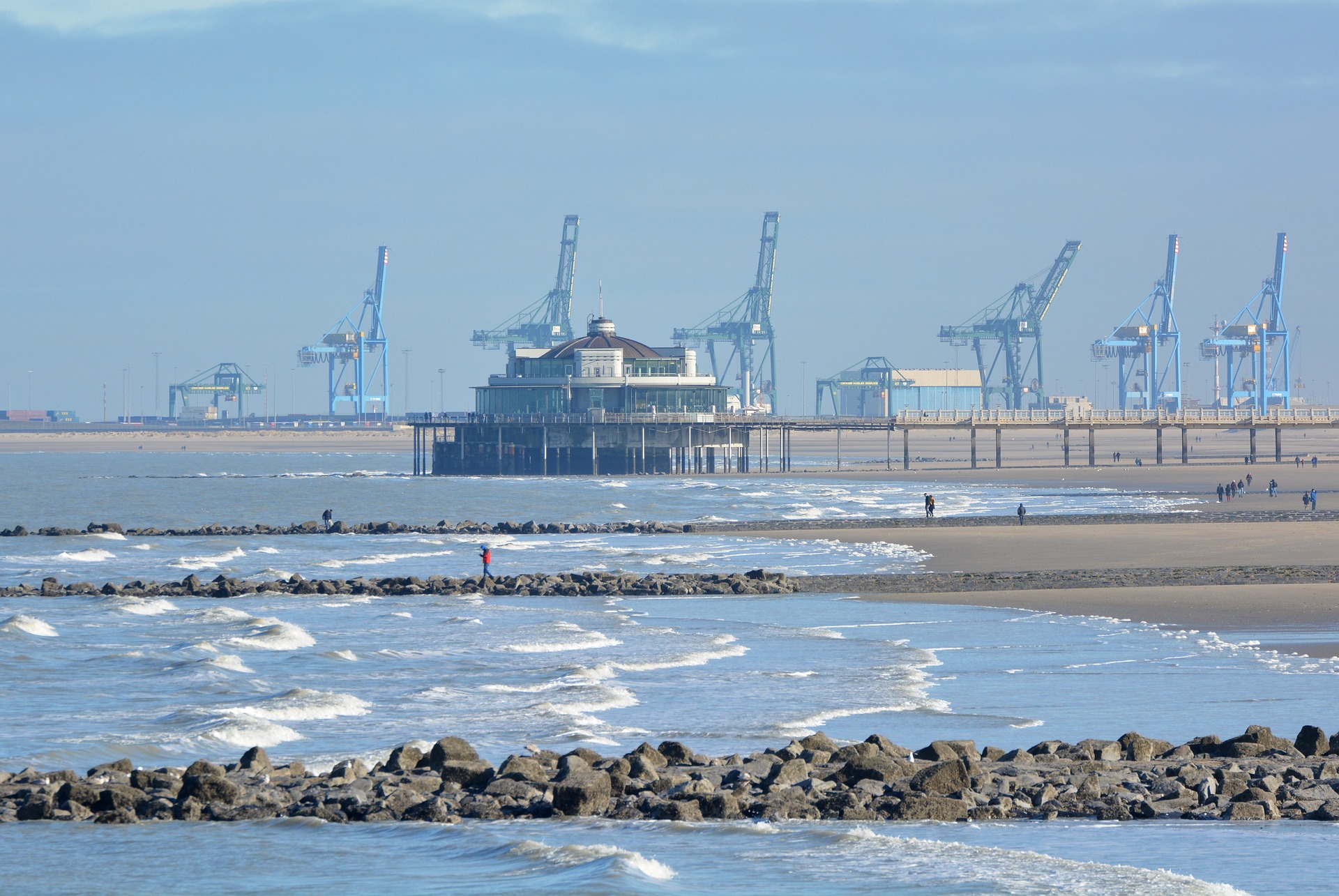
In 1895 work began to construct a new seaport and harbour next to the tiny village of Zeebrugge, situated on the North Sea coast. Today the fast-expanding port of Zeebrugge is one of the busiest in Europe and its marina is Belgium’s most important fishing port. Many attempts were made to destroy this important port during both World Wars. Zeebrugge is ideally located for discovering the historic city of Bruges, and delightful seaside resorts with long sandy beaches can be visited by using the trams that run the whole length of the Belgian coast. Please note that no food may be taken ashore in Belgium. We shall not be offering shuttle buses to Bruges, but you may visit the city on an optional excursion: those visiting Bruges should note that there may be quite a long walk from the coach to the town centre.
IJmuiden, Netherlands
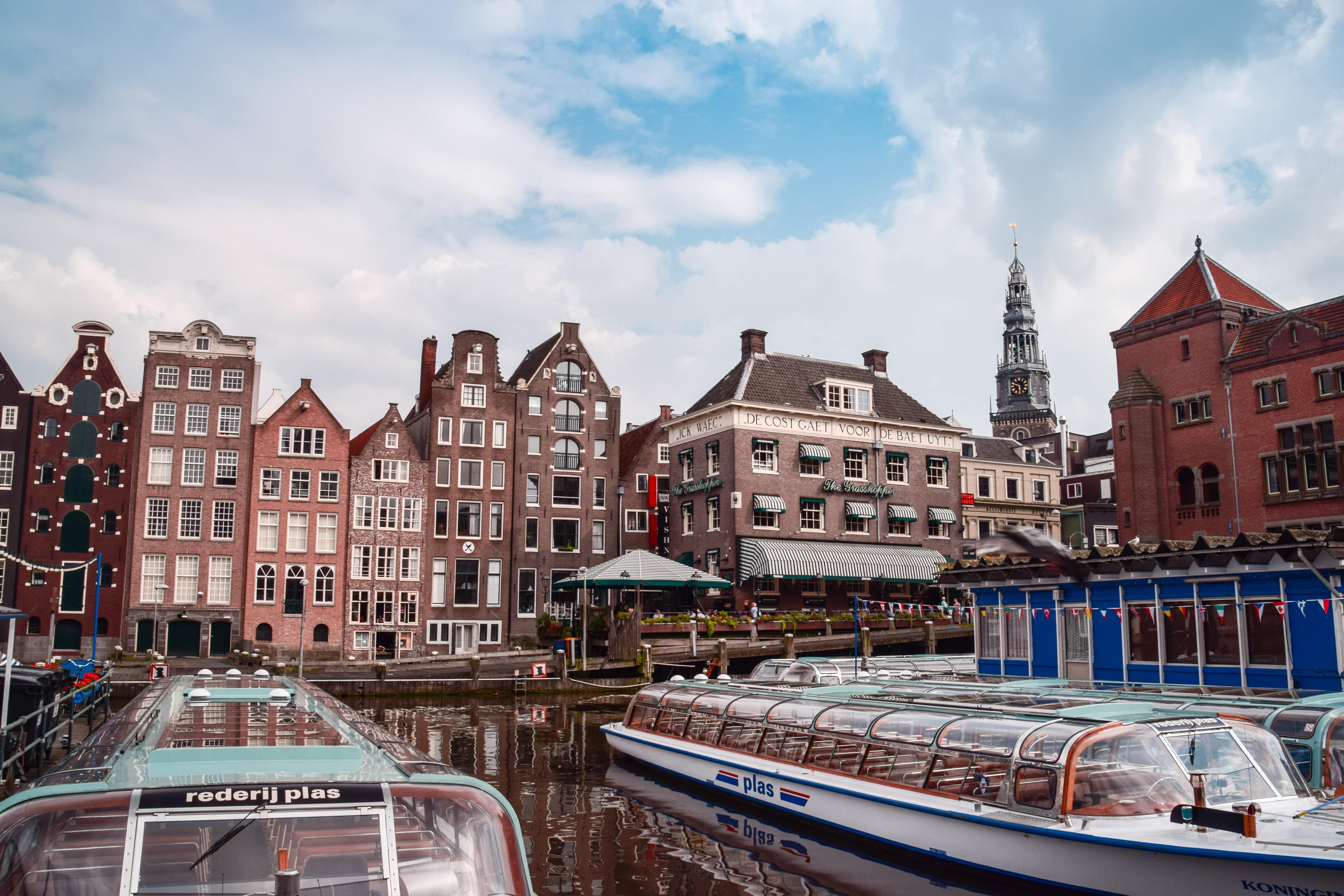
North Holland’s ‘Gate to the North Sea’, IJmuiden has four harbours: the Vissershaven, Haringhaven, IJmondhaven and the Seaport Marina – the latter used by pleasure craft. It is the largest Dutch fishing port, but is a relatively young town: it grew up in the 1870s when the North Sea Canal was opened. During World War II, the German Navy demolished much of the town and built huge fortified concrete bunkers for their torpedo boats and submarines. After 1945, the town was rebuilt by the architect Willem Marinus Dudok. He designed IJmuiden’s most impressive building, the Stadhuis van Velsen, which houses local government offices. For cruise passengers IJmuiden is the gateway to Amsterdam, the Dutch capital and one of Europe’s truly great cities, where elegant canals are lined by old brick gabled houses, and superb art galleries and museums are home to some of the world’s best-known paintings. Please note that complimentary shuttle buses operate from the port to the centre of IJmuiden, not to Amsterdam.
Hamburg, Germany
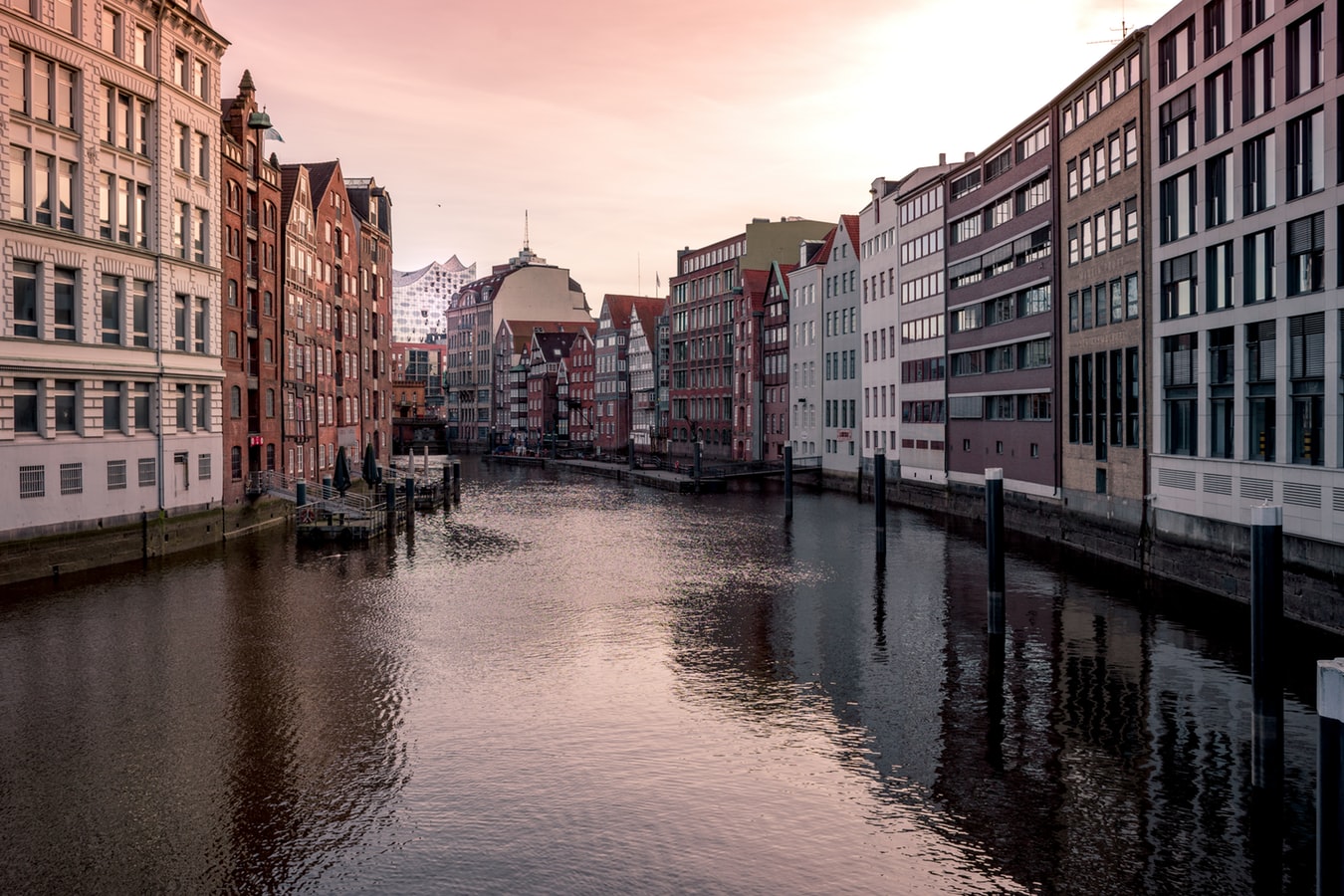
Hamburg is Germany’s second-largest city with a history dating back to Charlemagne. A major port, this vibrant city is home to art and culture, extensive shopping facilities, Baroque buildings and waterfront vistas. With its well-known fish market, art galleries and Museums together with several beautiful parks including a botanical garden, this is a city with something for everyone. British visitors who remember the Swinging Sixties may like to visit the streets around Grosse Freiheit, where an unknown pop group called The Beatles gave their first public performances in various local clubs before achieving worldwide fame.
Hamburg, Germany
Hamburg is Germany’s second-largest city with a history dating back to Charlemagne. A major port, this vibrant city is home to art and culture, extensive shopping facilities, Baroque buildings and waterfront vistas. With its well-known fish market, art galleries and Museums together with several beautiful parks including a botanical garden, this is a city with something for everyone. British visitors who remember the Swinging Sixties may like to visit the streets around Grosse Freiheit, where an unknown pop group called The Beatles gave their first public performances in various local clubs before achieving worldwide fame.
Cruising the Kiel Canal
Operating since 1895, Kiel Canal is the world’s busiest artificial waterway, linking the North Sea with the Baltic and cutting 250 miles off the journey by eliminating the need to sail around Jutland Peninsula.
Fredericia, Denmark
A warm welcome by locals can always be expected at this Danish port, and after a short stroll on the beach, a dip in the sea, and a bicycle ride around the city’s historic old town and fortress why not travel the 37 miles/60 kilometres to Odense to the birthplace of Denmark’s great children’s author, Hans Christian Andersen. Visit Andersen’s childhood home to (re)discover the works of this emblematic writer. The adjacent museum is particularly interesting as it allows a full exploration of Andersen’s creative talents and gives an idea of his enormous imagination – which was not just limited to the fairy tales that are so loved by children the world over. Do look out for the paper cuttings, which are superb in their delicacy and handling.
Copenhagen, Denmark
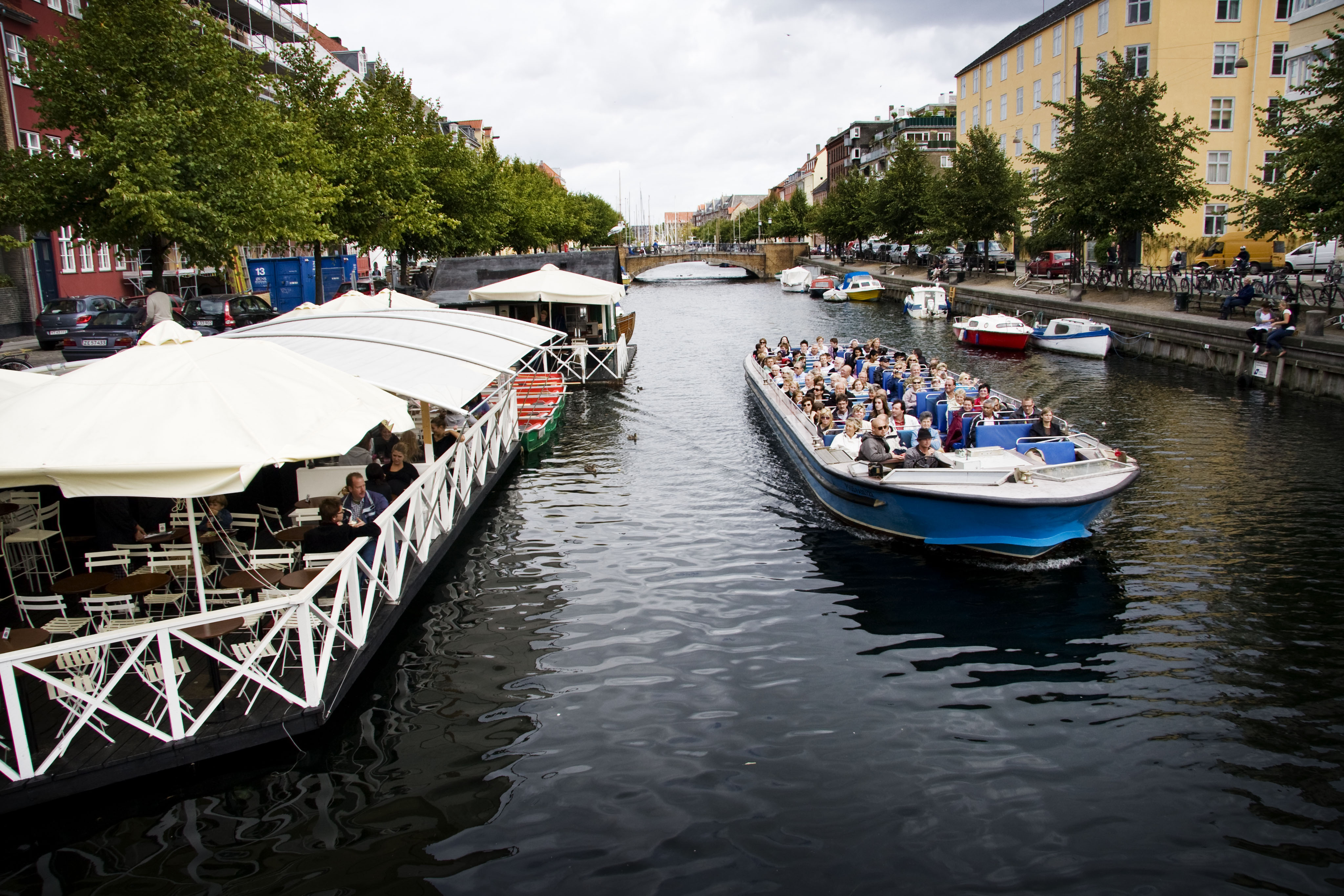
By the 11th century, Copenhagen was already an important trading and fishing centre and today you will find an attractive city which, although the largest in Scandinavia, has managed to retain its low-level skyline. Discover some of the famous attractions including Gefion Fountain and Amalienborg Palace, perhaps cruise the city’s waterways, visit Rosenborg Castle or explore the medieval fishing village of Dragoer. Once the home of Hans Christian Andersen, Copenhagen features many reminders of its fairytale heritage and lives up to the reputation immortalised in the famous song ‘Wonderful Copenhagen’.
Zeebrugge, Belgium
In 1895 work began to construct a new seaport and harbour next to the tiny village of Zeebrugge, situated on the North Sea coast. Today the fast-expanding port of Zeebrugge is one of the busiest in Europe and its marina is Belgium’s most important fishing port. Many attempts were made to destroy this important port during both World Wars. Zeebrugge is ideally located for discovering the historic city of Bruges, and delightful seaside resorts with long sandy beaches can be visited by using the trams that run the whole length of the Belgian coast. Please note that no food may be taken ashore in Belgium. We shall not be offering shuttle buses to Bruges, but you may visit the city on an optional excursion: those visiting Bruges should note that there may be quite a long walk from the coach to the town centre.
IJmuiden, Netherlands
North Holland’s ‘Gate to the North Sea’, IJmuiden has four harbours: the Vissershaven, Haringhaven, IJmondhaven and the Seaport Marina – the latter used by pleasure craft. It is the largest Dutch fishing port, but is a relatively young town: it grew up in the 1870s when the North Sea Canal was opened. During World War II, the German Navy demolished much of the town and built huge fortified concrete bunkers for their torpedo boats and submarines. After 1945, the town was rebuilt by the architect Willem Marinus Dudok. He designed IJmuiden’s most impressive building, the Stadhuis van Velsen, which houses local government offices. For cruise passengers IJmuiden is the gateway to Amsterdam, the Dutch capital and one of Europe’s truly great cities, where elegant canals are lined by old brick gabled houses, and superb art galleries and museums are home to some of the world’s best-known paintings. Please note that complimentary shuttle buses operate from the port to the centre of IJmuiden, not to Amsterdam.
Hamburg, Germany
Hamburg is Germany’s second-largest city with a history dating back to Charlemagne. A major port, this vibrant city is home to art and culture, extensive shopping facilities, Baroque buildings and waterfront vistas. With its well-known fish market, art galleries and Museums together with several beautiful parks including a botanical garden, this is a city with something for everyone. British visitors who remember the Swinging Sixties may like to visit the streets around Grosse Freiheit, where an unknown pop group called The Beatles gave their first public performances in various local clubs before achieving worldwide fame.
Hamburg, Germany
Hamburg is Germany’s second-largest city with a history dating back to Charlemagne. A major port, this vibrant city is home to art and culture, extensive shopping facilities, Baroque buildings and waterfront vistas. With its well-known fish market, art galleries and Museums together with several beautiful parks including a botanical garden, this is a city with something for everyone. British visitors who remember the Swinging Sixties may like to visit the streets around Grosse Freiheit, where an unknown pop group called The Beatles gave their first public performances in various local clubs before achieving worldwide fame.
Cruising the Kiel Canal
Operating since 1895, Kiel Canal is the world’s busiest artificial waterway, linking the North Sea with the Baltic and cutting 250 miles off the journey by eliminating the need to sail around Jutland Peninsula.
Fredericia, Denmark
A warm welcome by locals can always be expected at this Danish port, and after a short stroll on the beach, a dip in the sea, and a bicycle ride around the city’s historic old town and fortress why not travel the 37 miles/60 kilometres to Odense to the birthplace of Denmark’s great children’s author, Hans Christian Andersen. Visit Andersen’s childhood home to (re)discover the works of this emblematic writer. The adjacent museum is particularly interesting as it allows a full exploration of Andersen’s creative talents and gives an idea of his enormous imagination – which was not just limited to the fairy tales that are so loved by children the world over. Do look out for the paper cuttings, which are superb in their delicacy and handling.
Copenhagen, Denmark
By the 11th century, Copenhagen was already an important trading and fishing centre and today you will find an attractive city which, although the largest in Scandinavia, has managed to retain its low-level skyline. Discover some of the famous attractions including Gefion Fountain and Amalienborg Palace, perhaps cruise the city’s waterways, visit Rosenborg Castle or explore the medieval fishing village of Dragoer. Once the home of Hans Christian Andersen, Copenhagen features many reminders of its fairytale heritage and lives up to the reputation immortalised in the famous song ‘Wonderful Copenhagen’.
Cabin Options
World Owner's Suite
Ocean Suite
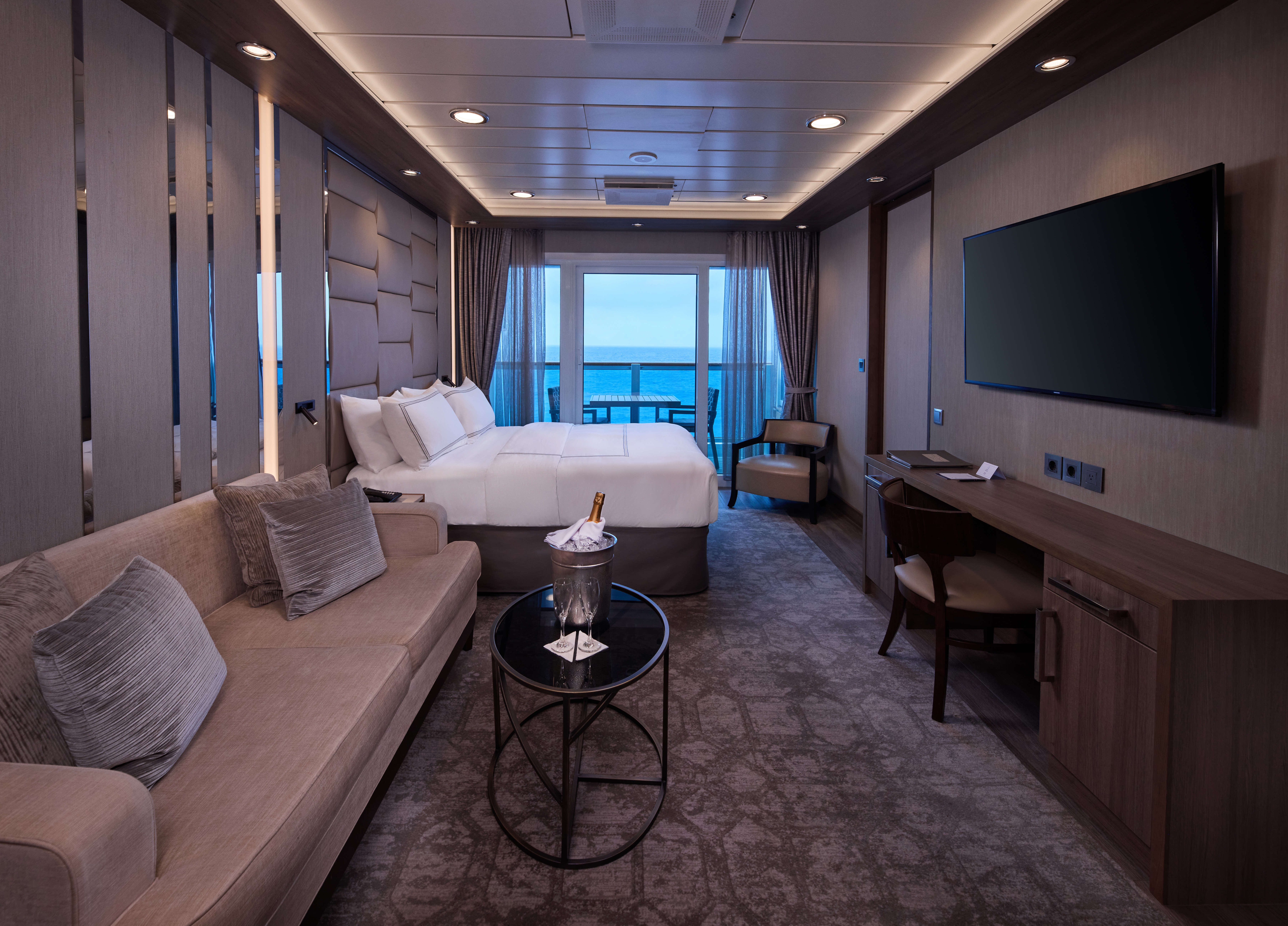
Spa Suite
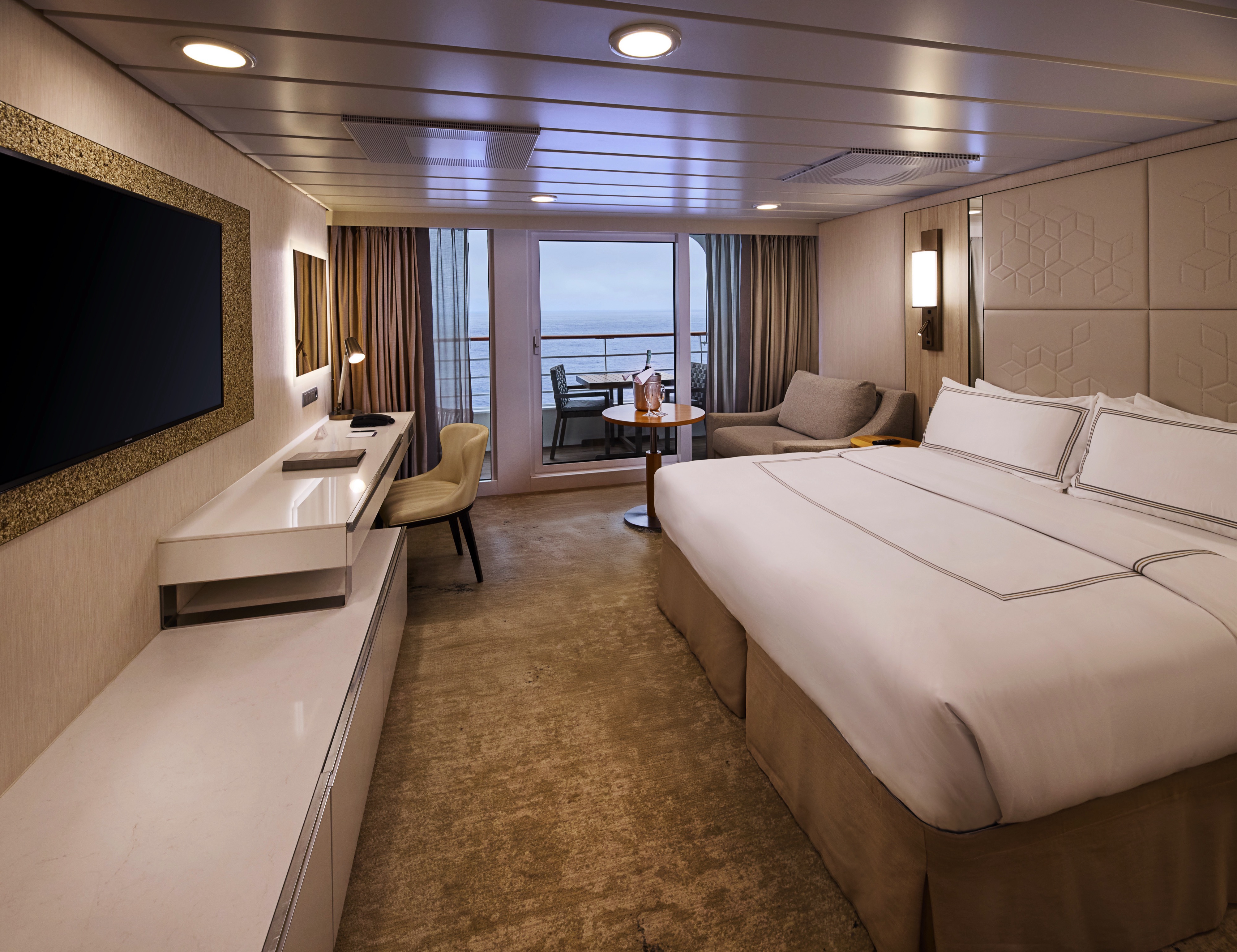
Continent Suite
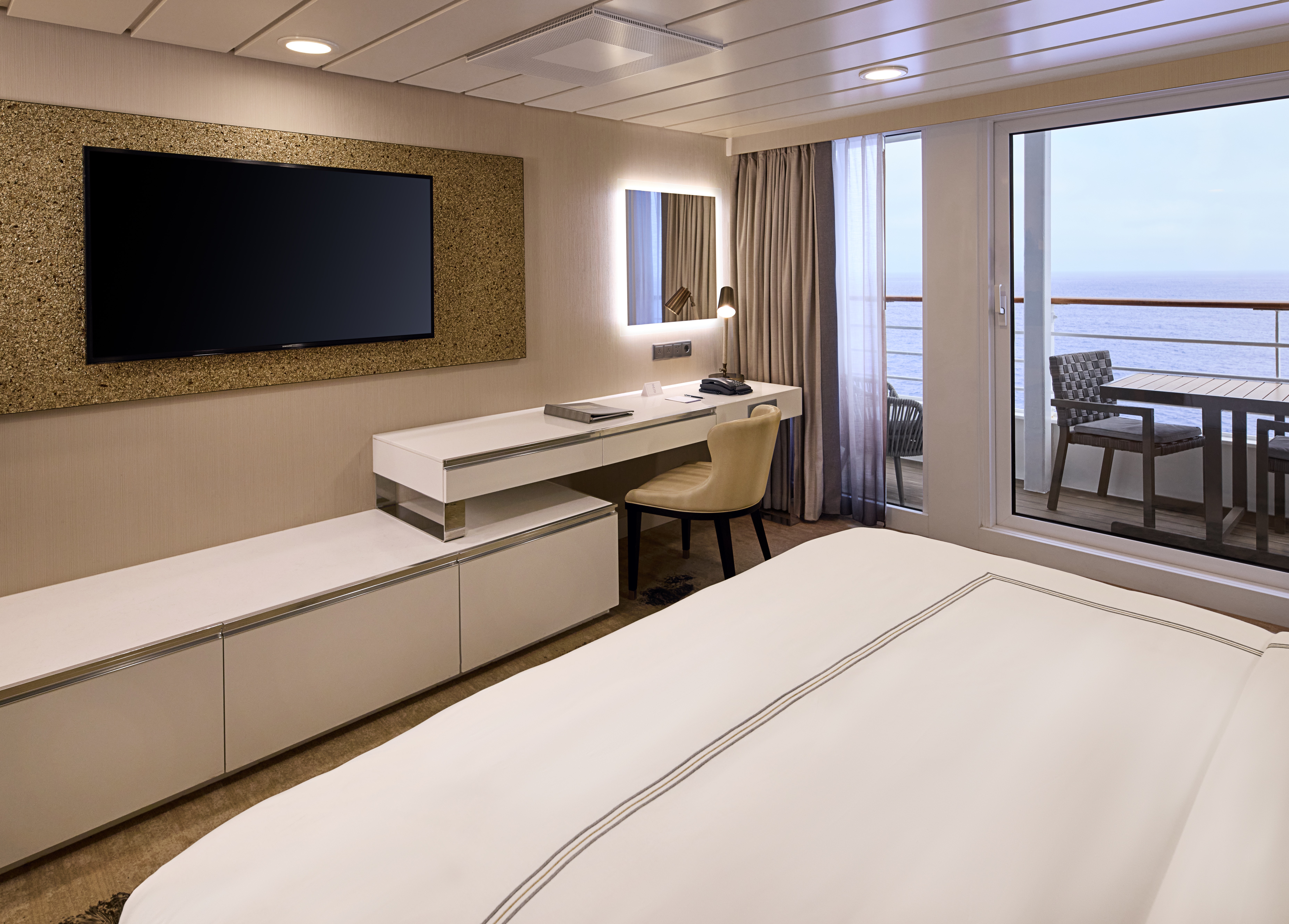
Suite Guarantee
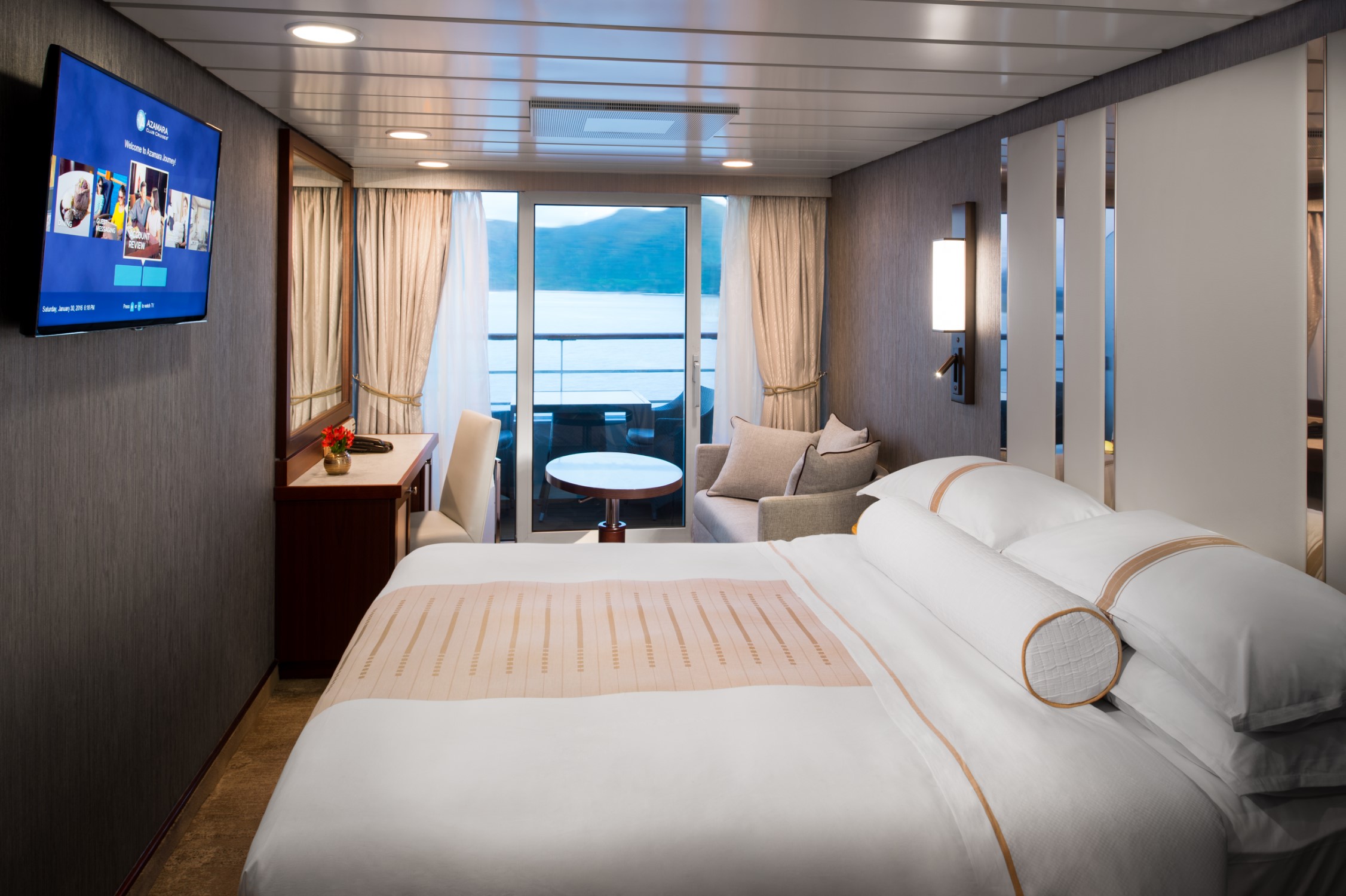
Veranda Plus
Veranda Plus Guarantee
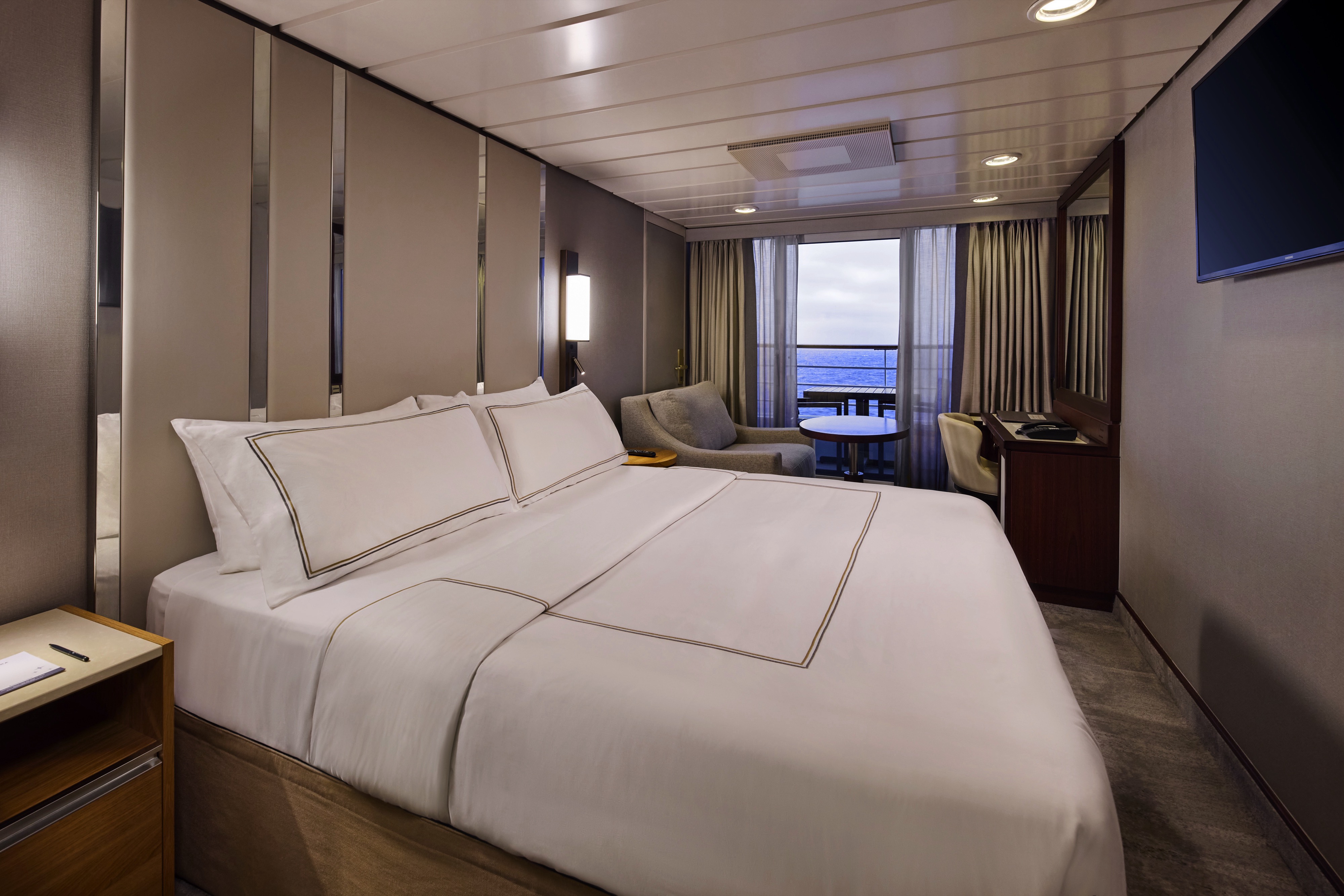
Veranda
Veranda Guarantee
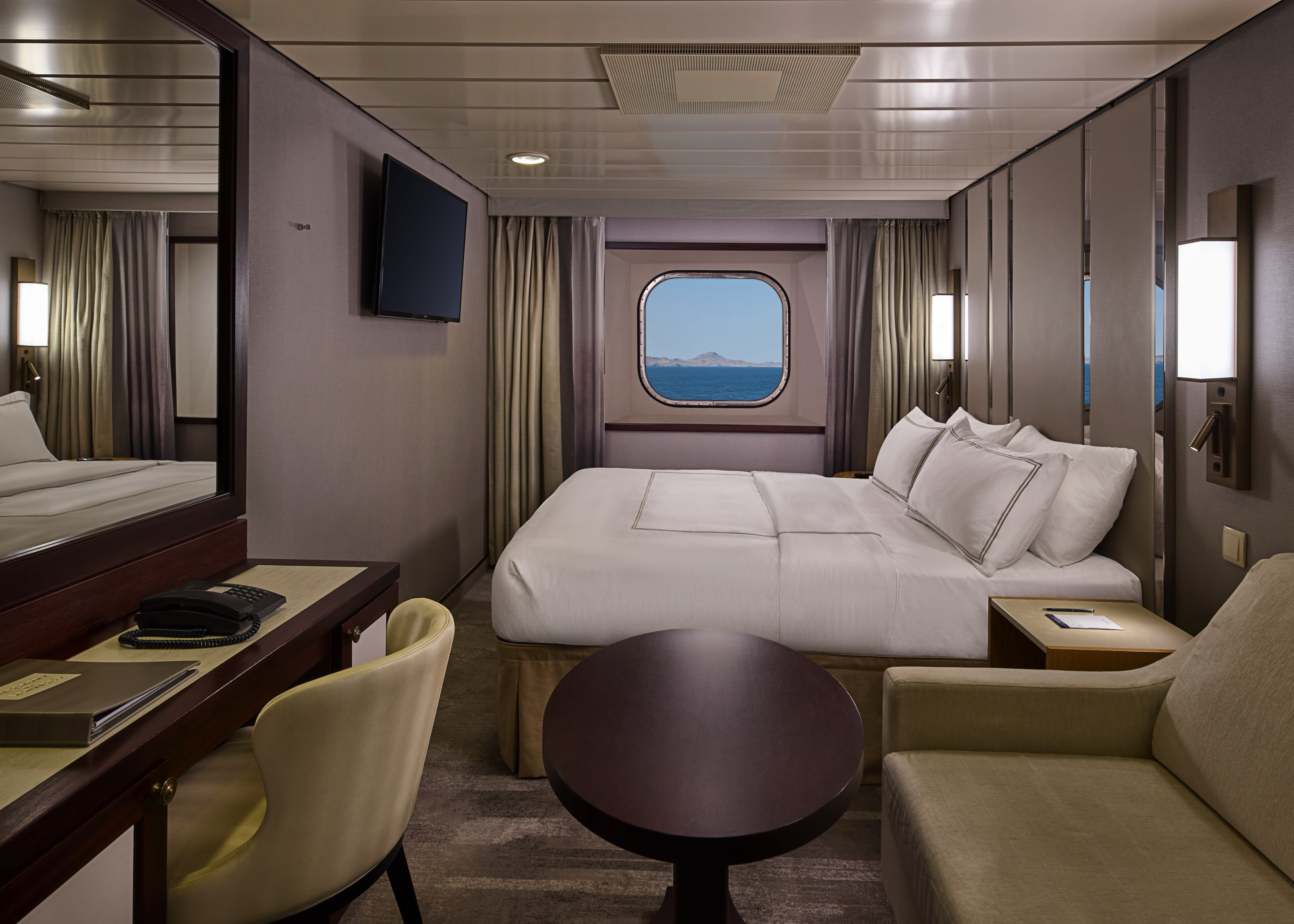
Oceanview
Oceanview Guarantee
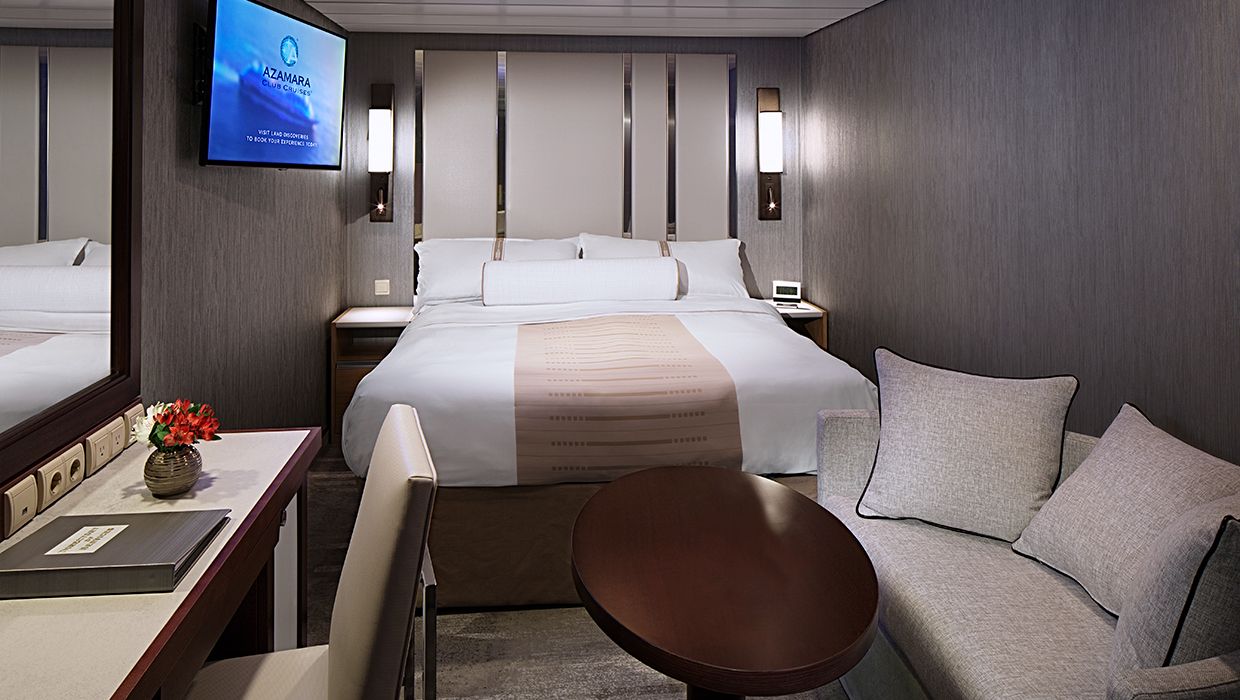
Interior
Interior Guarantee
Ship Facilities
Aqualina
At Aqualina, you’ll find some of Italy’s most authentic dishes. Pastas made from scratch, traditional recipes, and scrumptious vegetarian dishes that make sure there’s something for everyone. Plus our famous desserts: Sorrento lemon liqueur mousse, hazelnut chocolate soufflé and more.
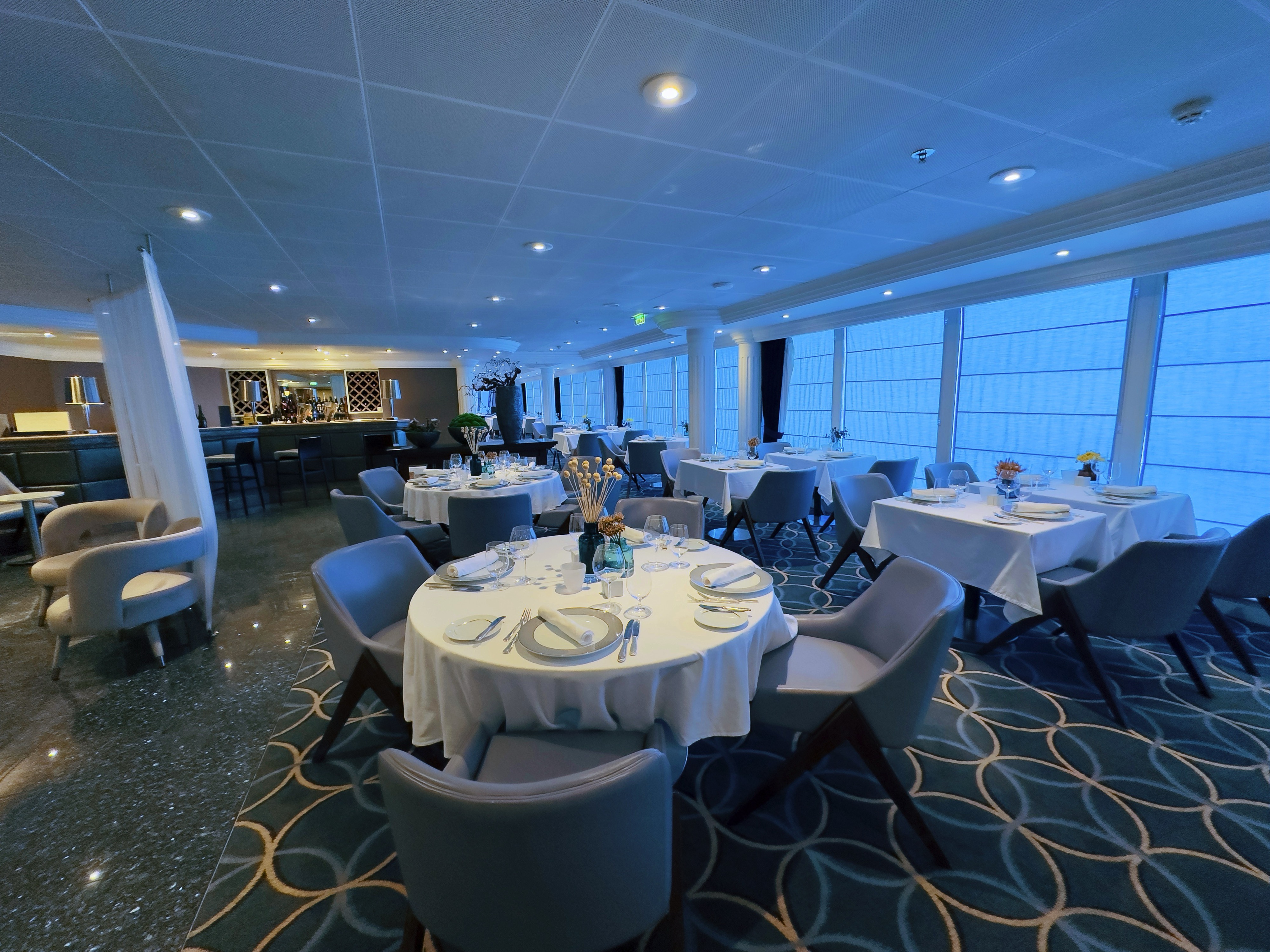
Prime C
Your choice of steak, cooked to perfection. Herb-coated rack of lamb, duck confit and Chilean sea bass—all paired with savory sides. At Prime C, you’re in for more than delectable dining. Expect a great evening with stunning views and lush décor.
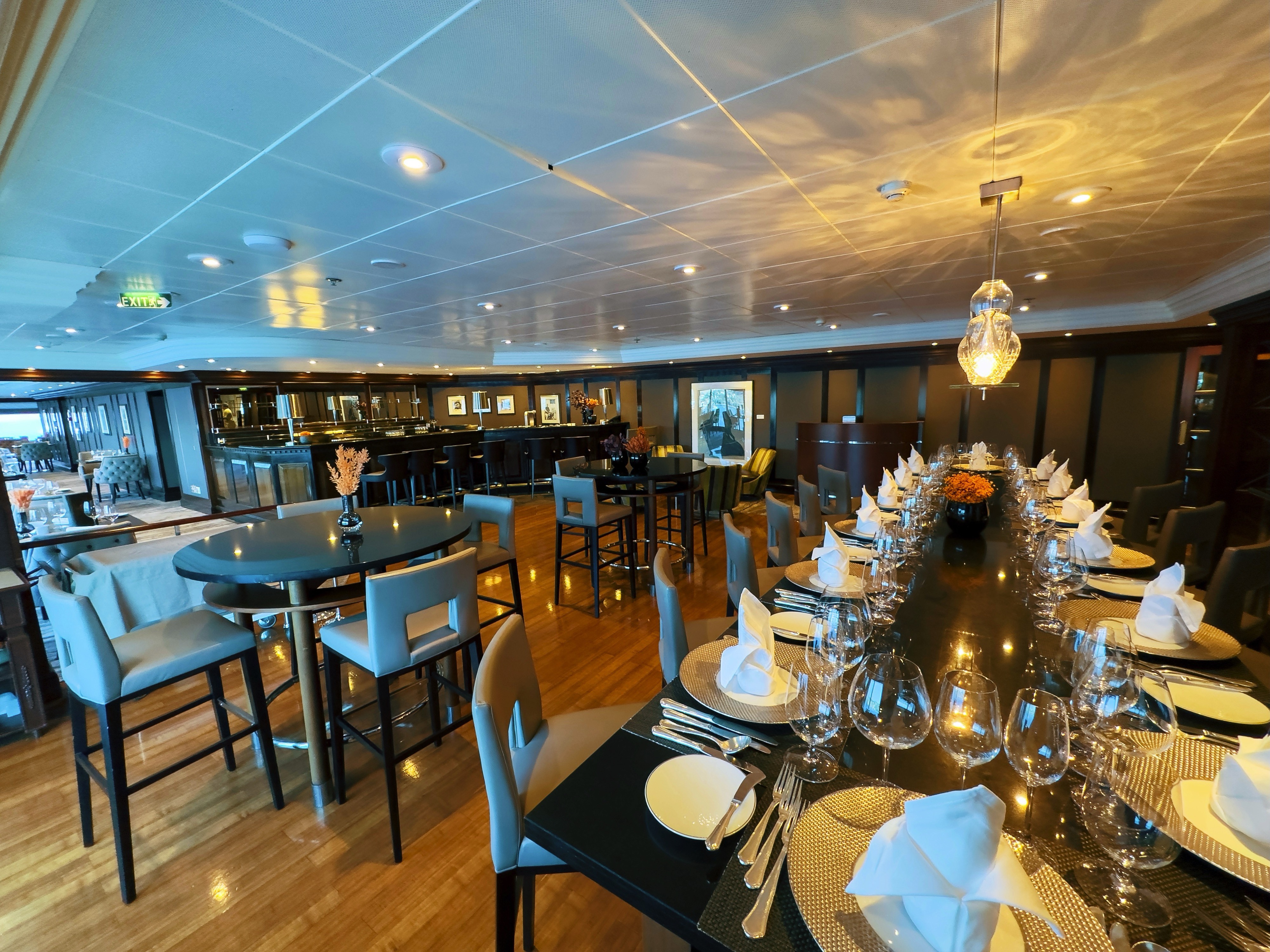
Discoveries Restaurant
Discover the world through dishes and flavors from the places we visit. Of course, you’ll also enjoy a wide variety of nightly selections such as filet mignon with black truffle sauce. Choose being seated at a table for two or as part of a larger group of fellow guests.
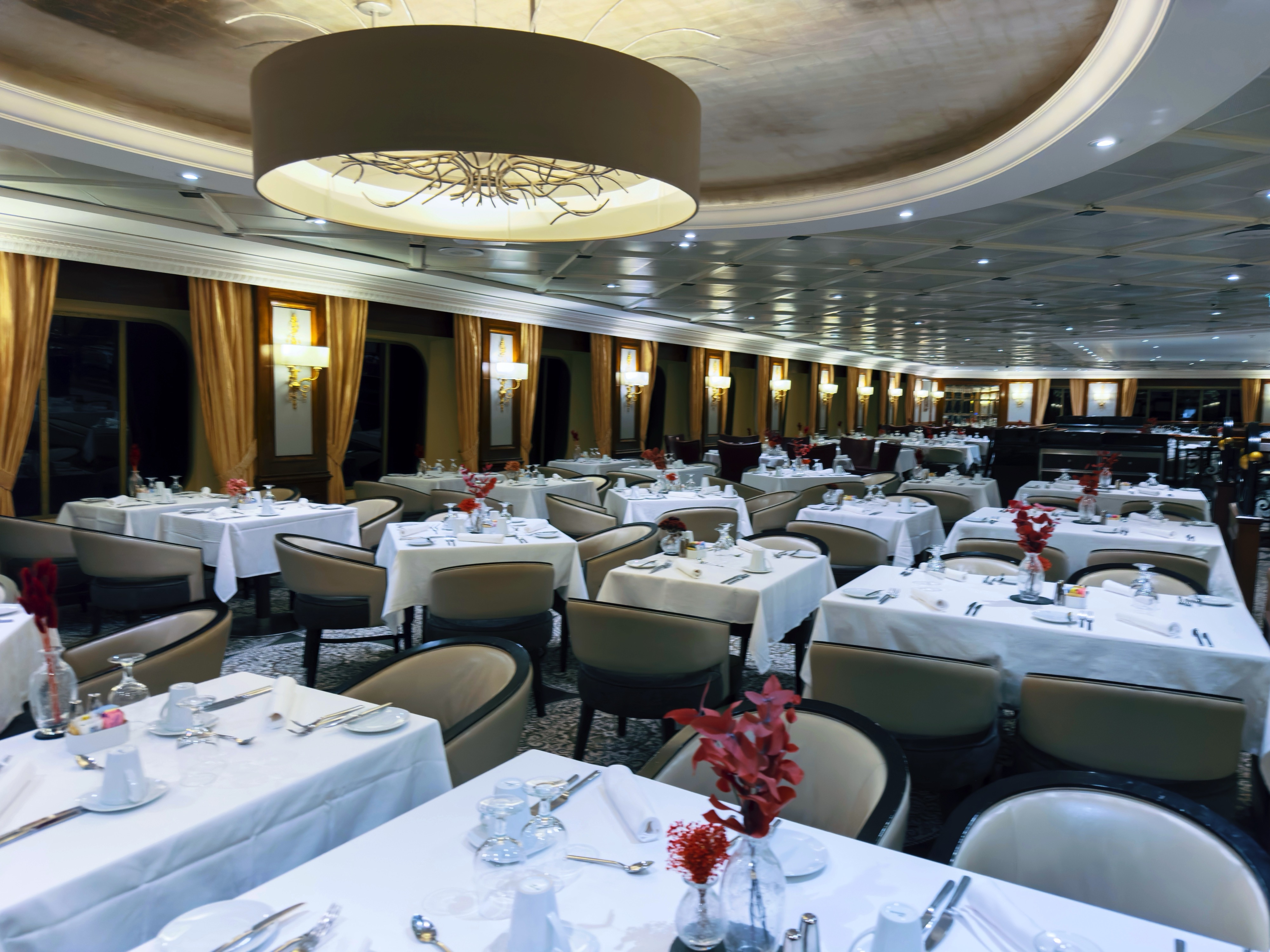
Windows Café
Our daily themed dinner often takes its inspiration from the region we’re visiting—Indian, Mexican, Spanish, Italian. We also create an extra live station made from local ingredients purchased in port: Greek salad made with local feta (Greece), pasta prepared with local mushrooms (Italy), fresh Mussels served with garlic bread (Netherlands).
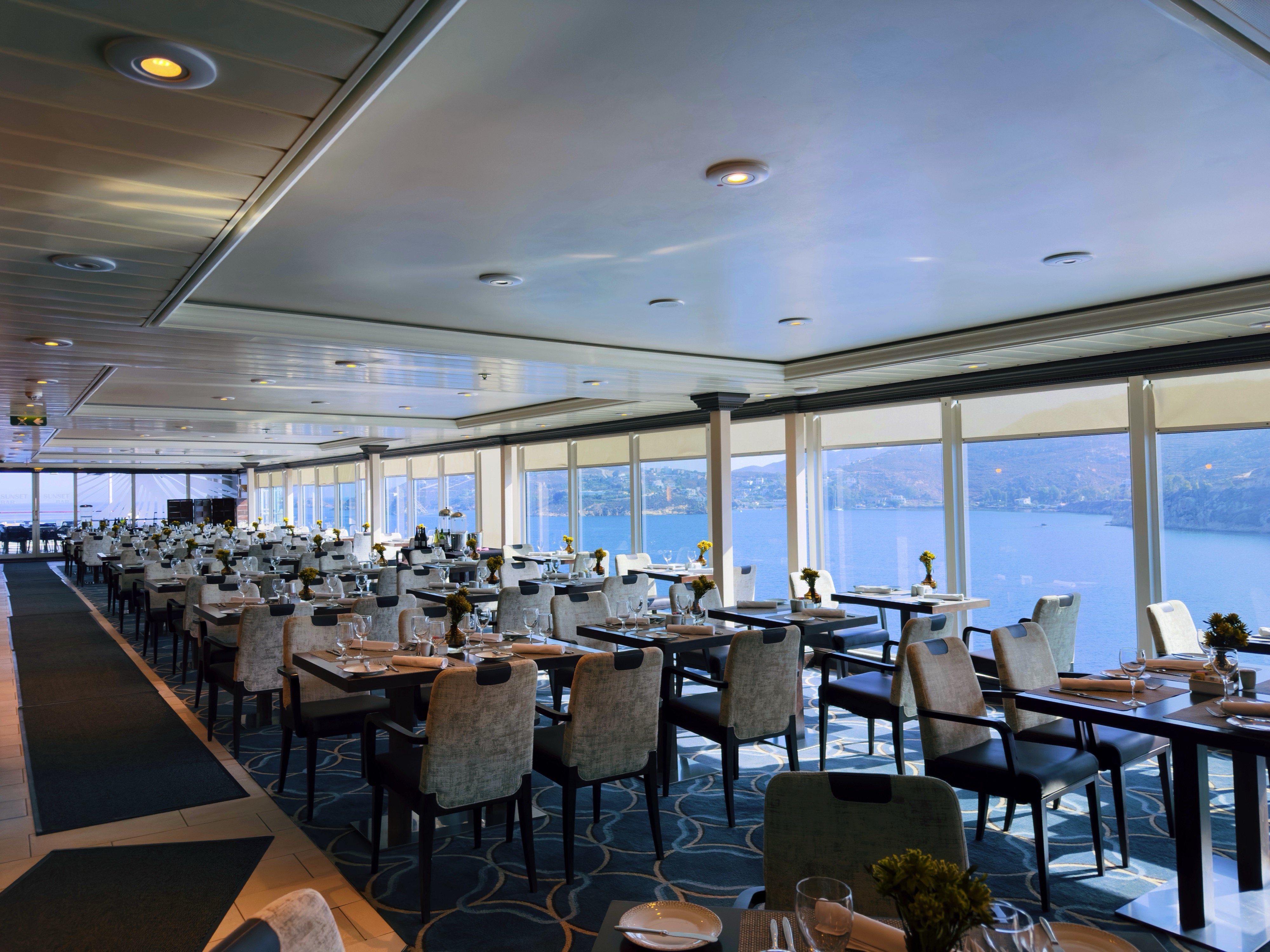
The Patio And Swirl & Top
Casual “pool grill” by day. A sit-down al fresco dining experience by night. Taste your way around the world with exclusive personalized dishes using local flavors of the places we visit. Plus a self-serve frozen yogurt station—Swirl & Top. With a variety of flavors and your choice of toppings, it’s the perfect way to cool off.
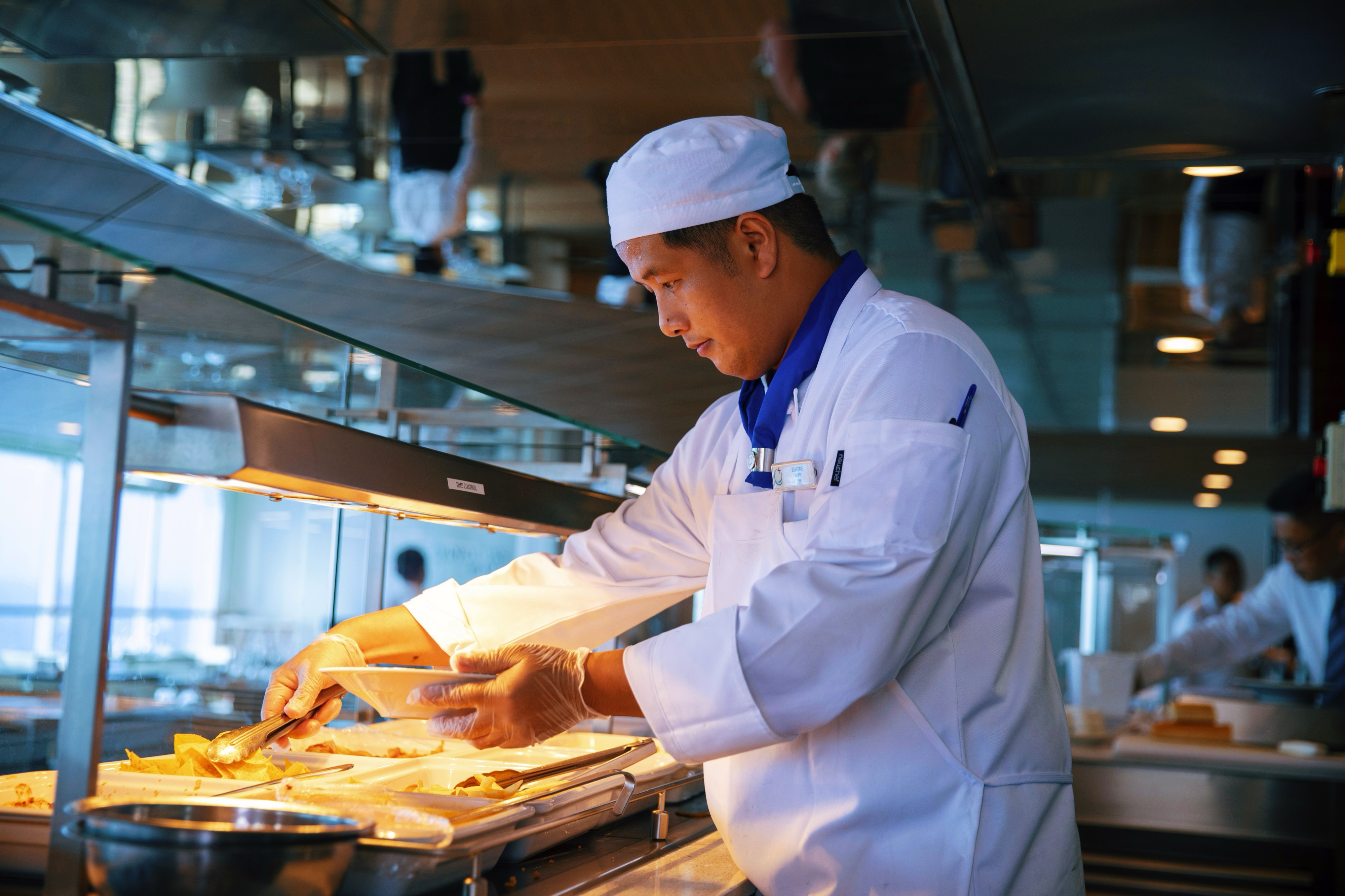
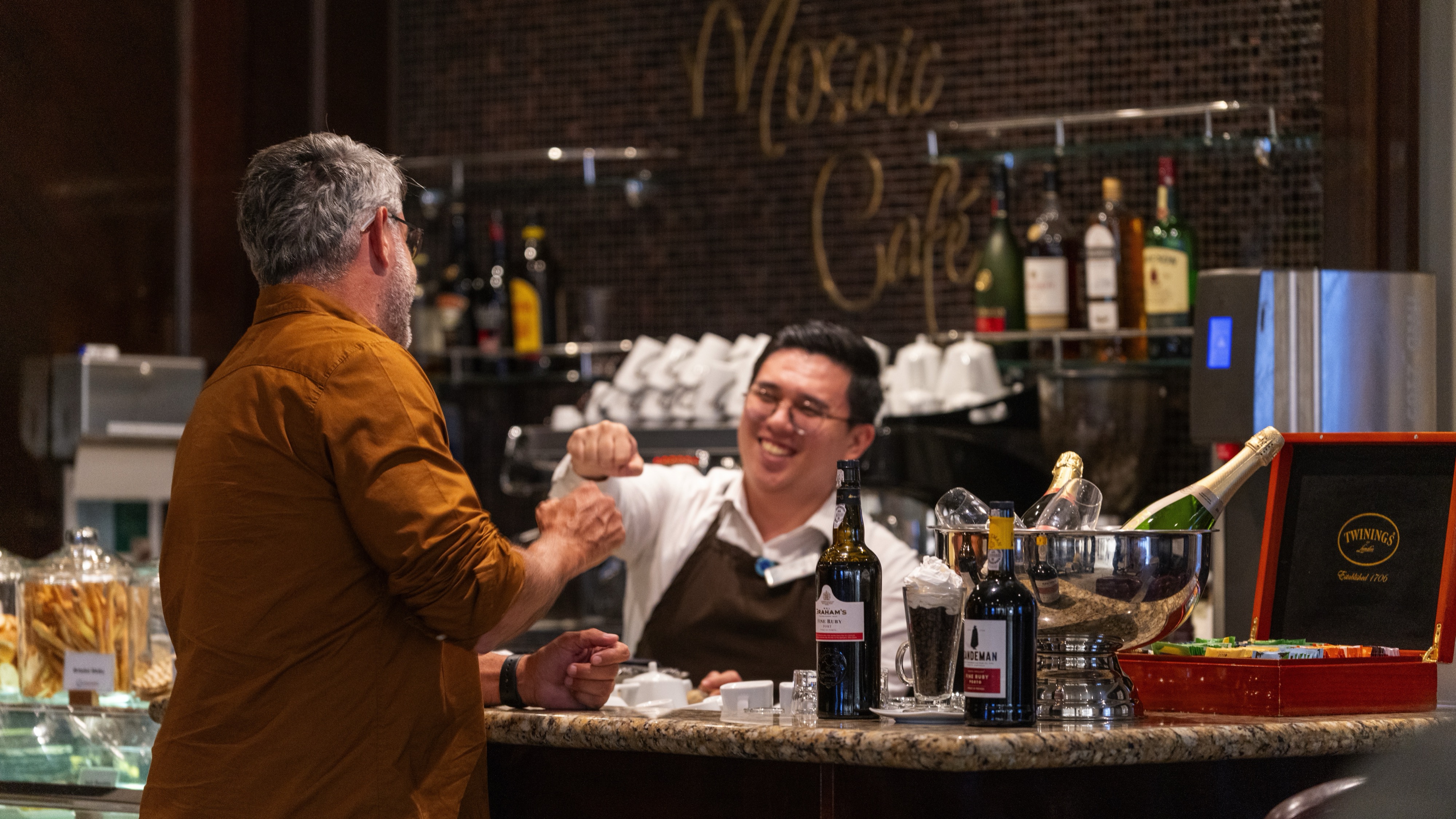
Mosaic Café
Stylish and cozy, Mosaic offers your favorite coffee drinks exactly as you like them. Relax in a comfortable seat and enjoy. It’s the perfect spot to start or end your day, and it just might become your favorite place on the ship.
Room Service
The best time for room service? Whenever you say it is, 24-hours a day. Order from the full breakfast menu between 6:30 AM and 10:00 AM, and we’ll deliver at your appointed time. Lunch and dinner room service features a menu of hearty soups, fresh salads, gourmet sandwiches, pizzas and desserts.
Exclusive Experiences
These excursions represent our most exclusive and unique opportunities to immerse yourself in our destinations. Be there as history is made at one of the world’s great celebrations, sporting events or cultural festivals. Spend a few days traveling overland on an expedition that ventures beyond the coast. Or, let us craft a private tour around your individual interests.
World Events
Join the revelry at world-renowned art shows, sporting events, culinary festivals and other local celebrations.
Overnight Experiences
Venture deeper into a destination to spend a night or more exploring iconic locales and landmarks, found beyond the harbours of your itinerary.
Private Tours
Let Azamara work with you to create the destination experience you’ve always dreamed of! Embark on a personalised Private Tour and we’ll turn that dream into reality.
Locales & Landmarks
These curated sightseeing tours reveal the hidden gems, local secrets and signature sites of a destination. Whether a cultural immersion, self-guided tour, panoramic drive, or guided visit, this series makes it easy to enjoy an authentic destination experience.
Cultural Expressions
Connect with customs, beliefs, art, and music that define local cultures through authentic, engaging encounters.
Ancient Wonders
Get immersed in epic history. Learn about the architecture, culture, and beliefs of ancient civilizations.
Food & Wine
Savor local food, wines, beers, and spirits on these culinary journeys, many led by Azamara Executive Chefs, Sommeliers and Mixologists.
Local Introductions
Spend time with local families, business owners, artists, aristocrats, and other influencers in their homes and workplaces.
Nature & Wildlife
Enjoy a close look at indigenous plants and wildlife on an ecological exploration that directly contributes to environmental stewardship.
AzAmazing Evenings
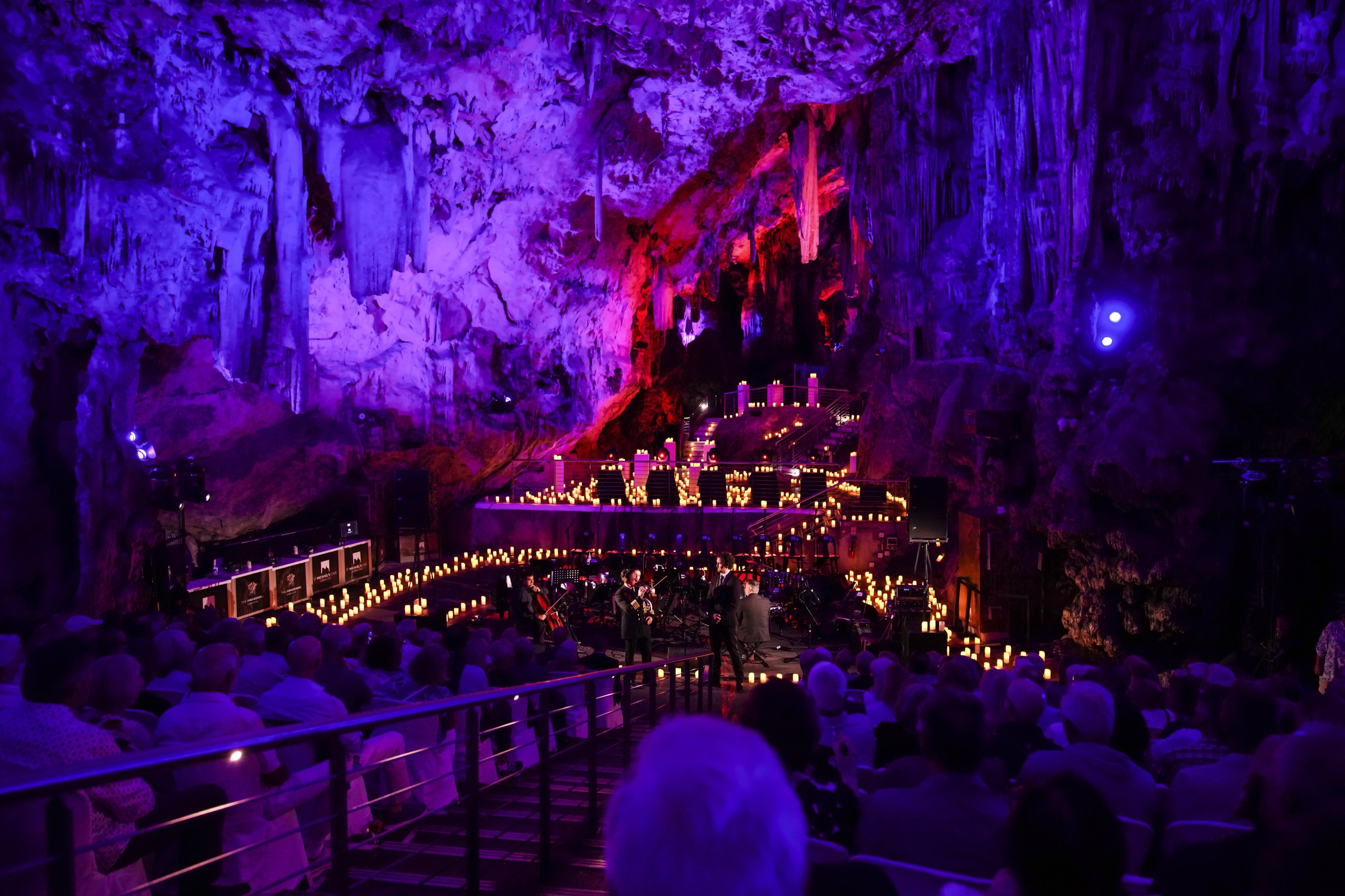
One-of-a-kind, complimentary, immersive cultural experiences exclusively created for Azamara guests, continuing our commitment to Destination Immersion®. First launched in 2011 to inspire guests to dive deeper into the heart of each destination, these extraordinary evenings showcase music, art, and culinary traditions in unique settings where authentic culture truly comes alive.
Most AzAmazing Evenings® take place ashore, often in iconic venues while the ship stays late in port, aligning with our hallmark of Destination Immersion®, bringing guests closer to local culture in remarkable locations. On select occasions, including seven- and eight-night itineraries, equally captivating experiences are brought onboard.
*For sailings of 9 nights or longer, exceptions may occur when local infrastructure does not allow for an onshore event; in such cases, the experience will be hosted onboard. In rare cases—such as select transoceanic crossings or charters—AzAmazing Evenings® will not be offered.
Enrichment Program and Classes
Your quest to learn continues with Destination Speakers offering their expertise throughout each voyage with Azamara®. Facilitated through Compass Speakers, these experts will participate in a range of programs, classes, and lecture series — all created with our incredible destinations in mind. They’ll also hold Q&A sessions!
White Night
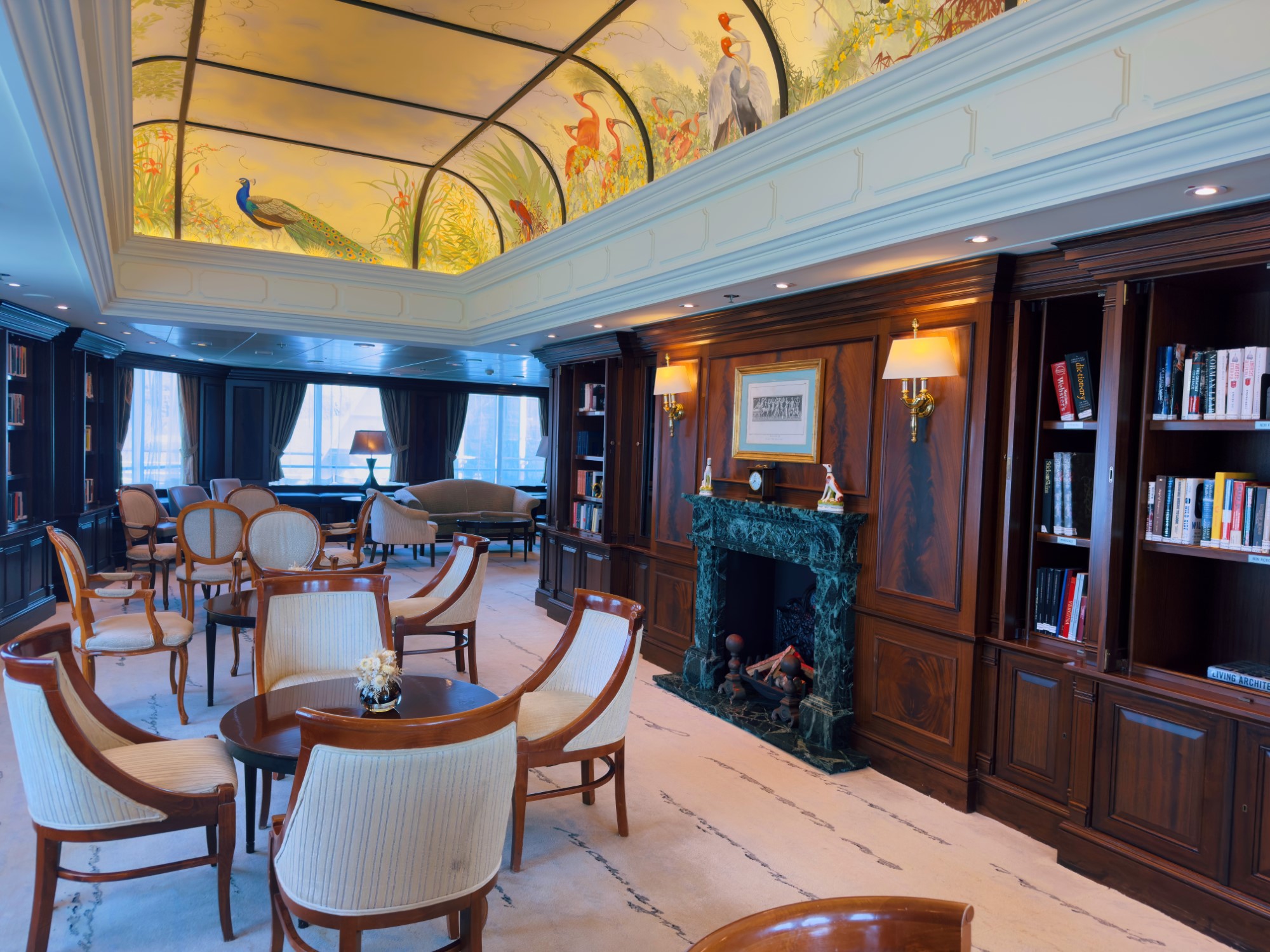
Join Azamara officers and crew for our signature dinner and entertainment event hosted al fresco on the pool deck (weather permitting). With an array of delicious food and engaging entertainment, your White Night experience will almost certainly be one of the most memorable times from your cruise. And don’t forget to bring something white to wear for the evening.
Club Crooner
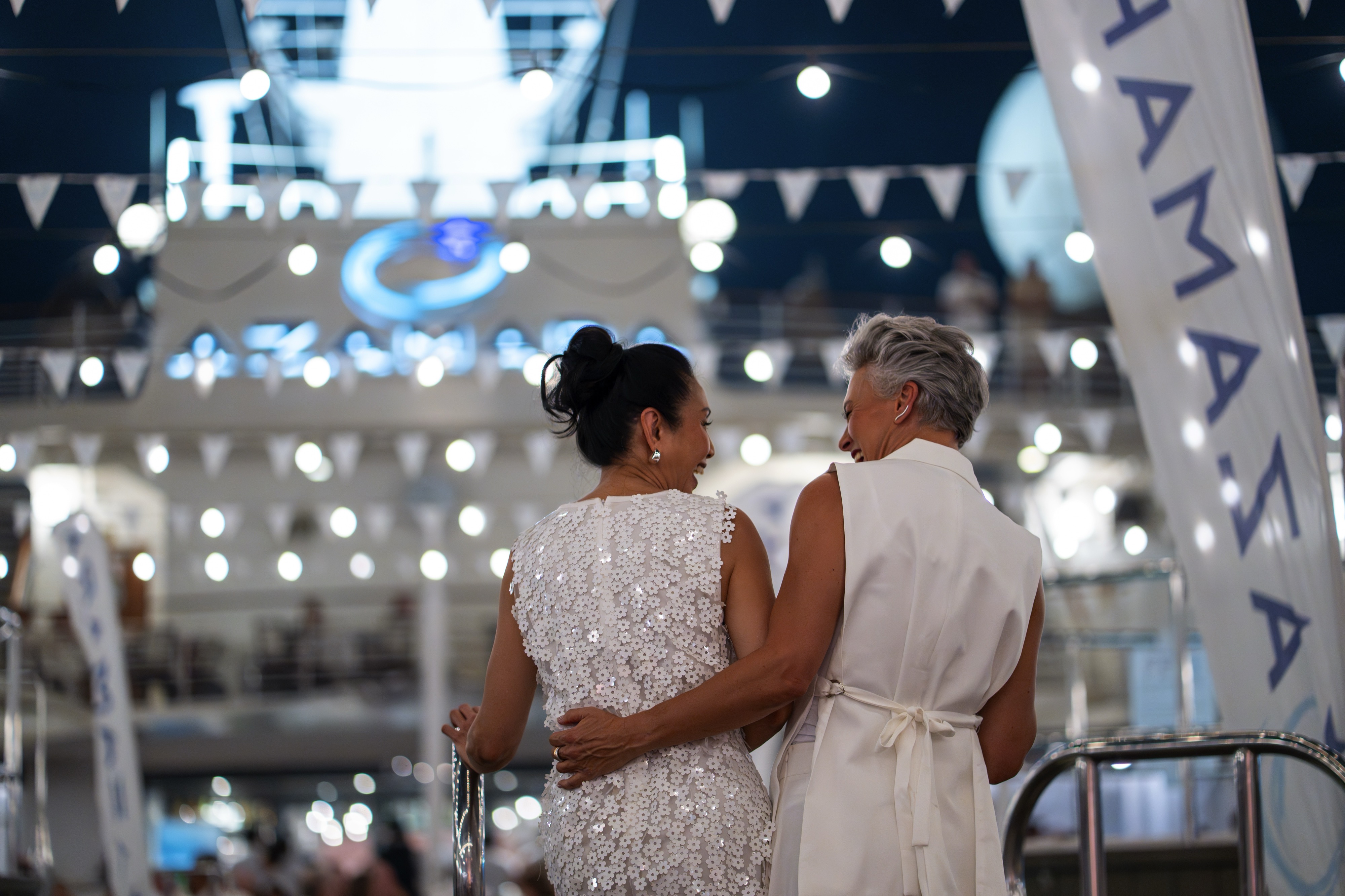
Step into a swanky nightclub as the great songs of the most magnificent artists come alive on stage. From classic crooners such as Frank Sinatra and Tony Bennett, to current songbirds such as Natalie Cole and Michael Bublé, there’s a song for every time and everyone. Enjoy a beverage, sit back, and be serenaded by the melodies of our lives with CLUB CROONER!
The Living Room
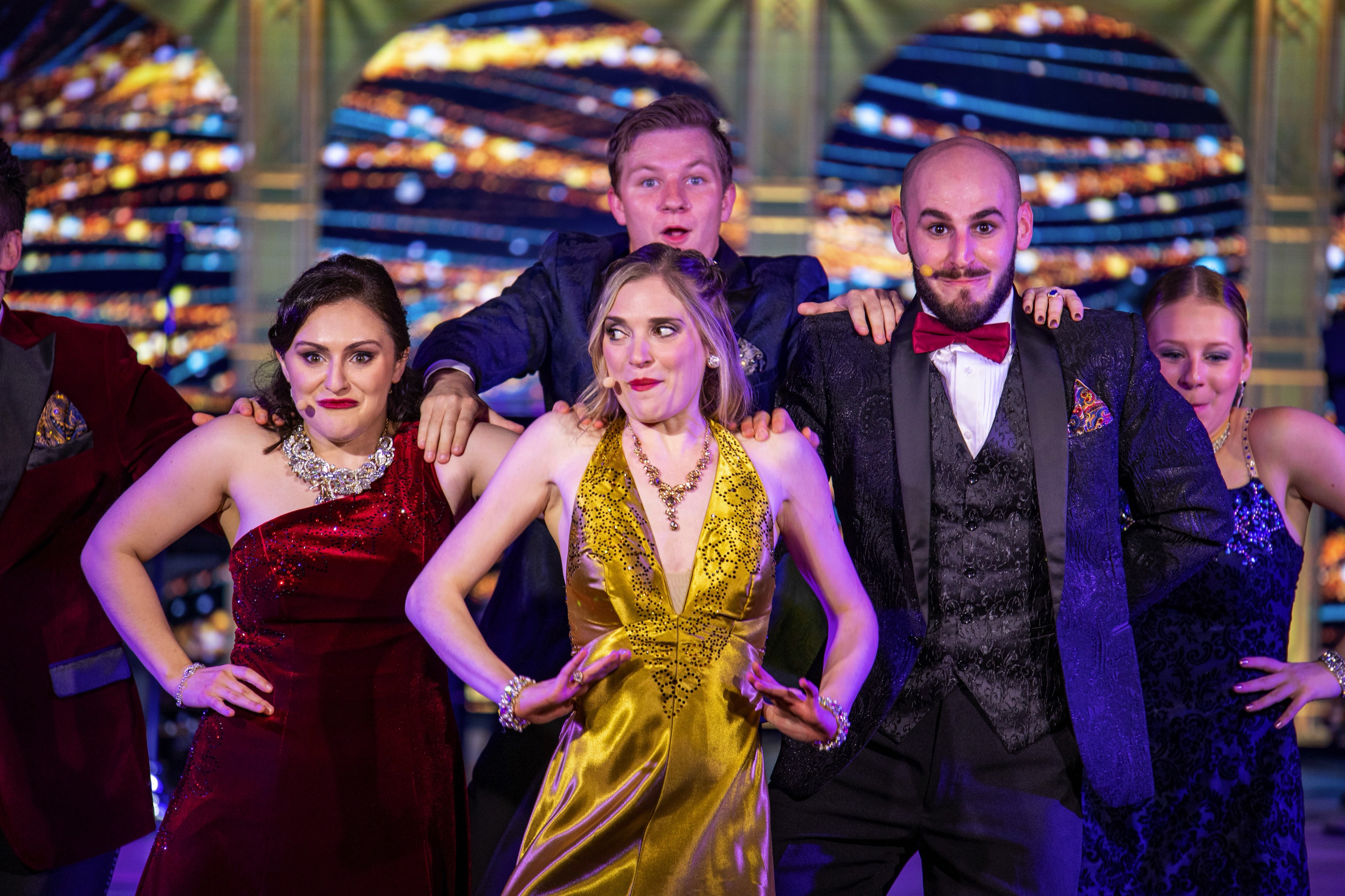
The idea of the Living Room is just that. To “live in” and to enjoy time with friends and fellow guests! Much of the room is furnished as a living room, with clusters of large comfortable chairs and sofas….
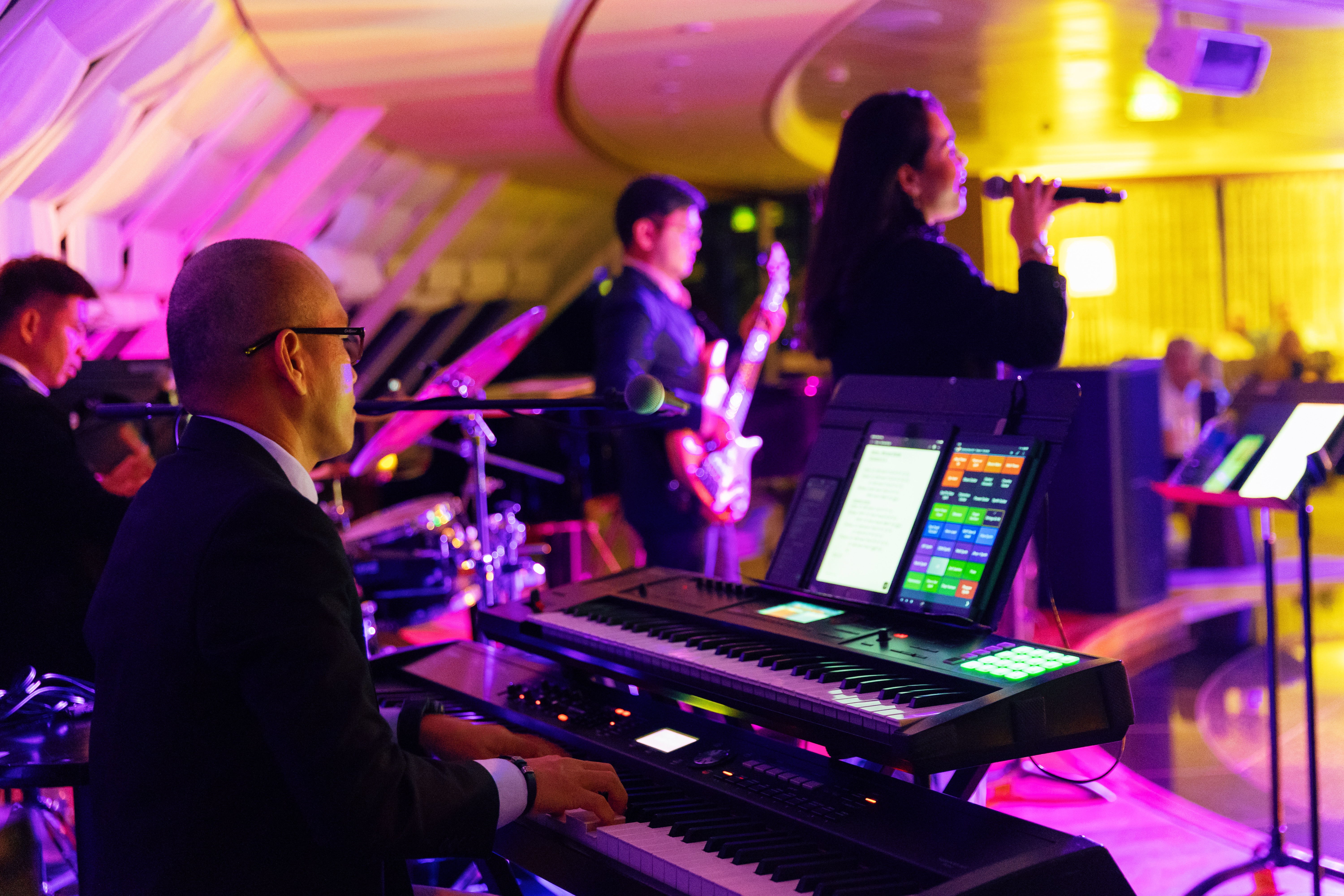
Discoveries Lounge
This congenial bar is a favorite gathering place for great conversations and delicious drinks. Bar service includes a full selection of fine wines, mixed drinks, and premium spirits…plus the entertaining banter of Azamara’s friendly bartenders.
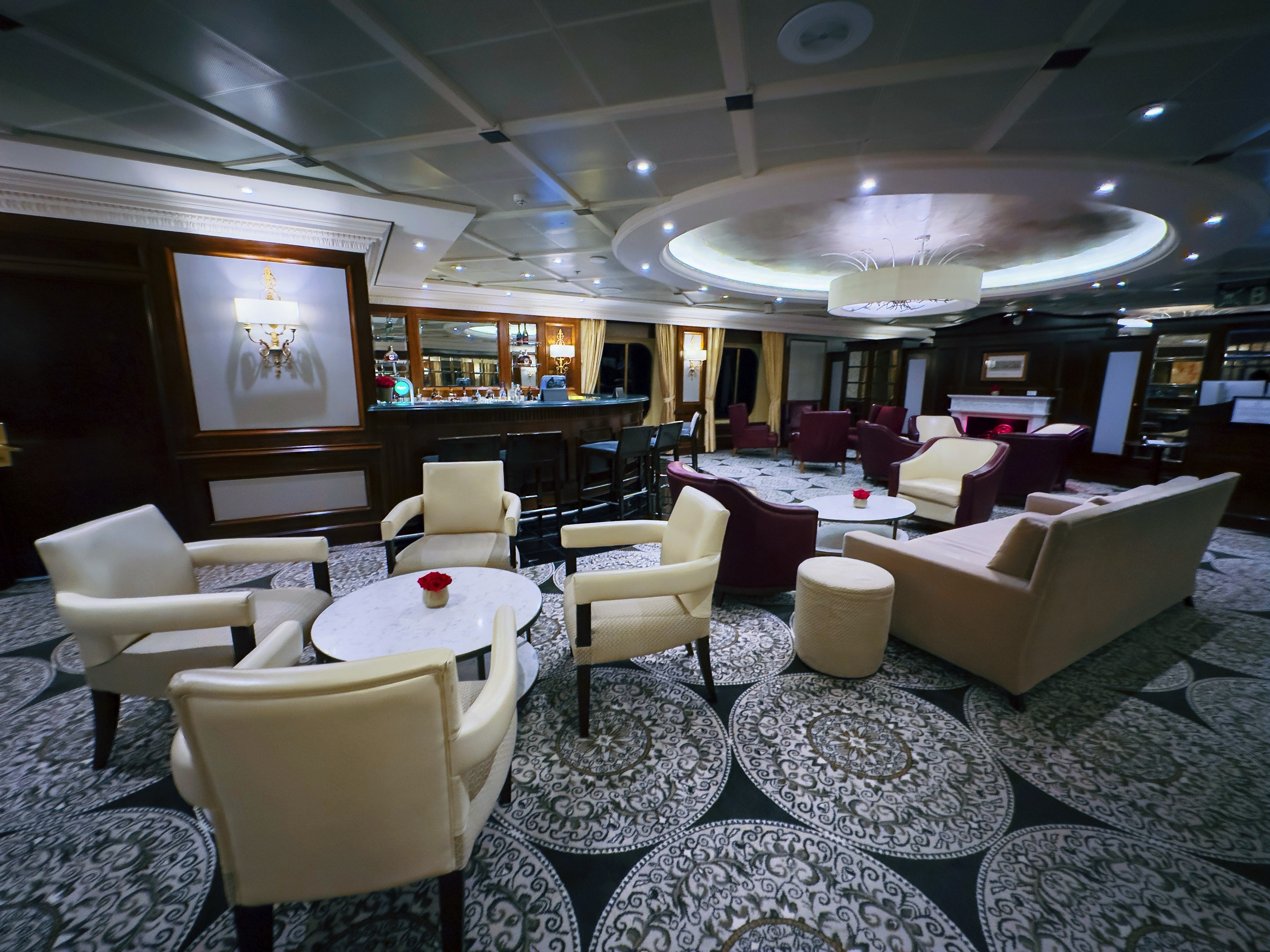
Cabaret Lounge
Enjoy live performances of professional full-stage musical revues, classical soloists, bands and other entertainment in a cabaret nightclub with a full bar and cozy tables.
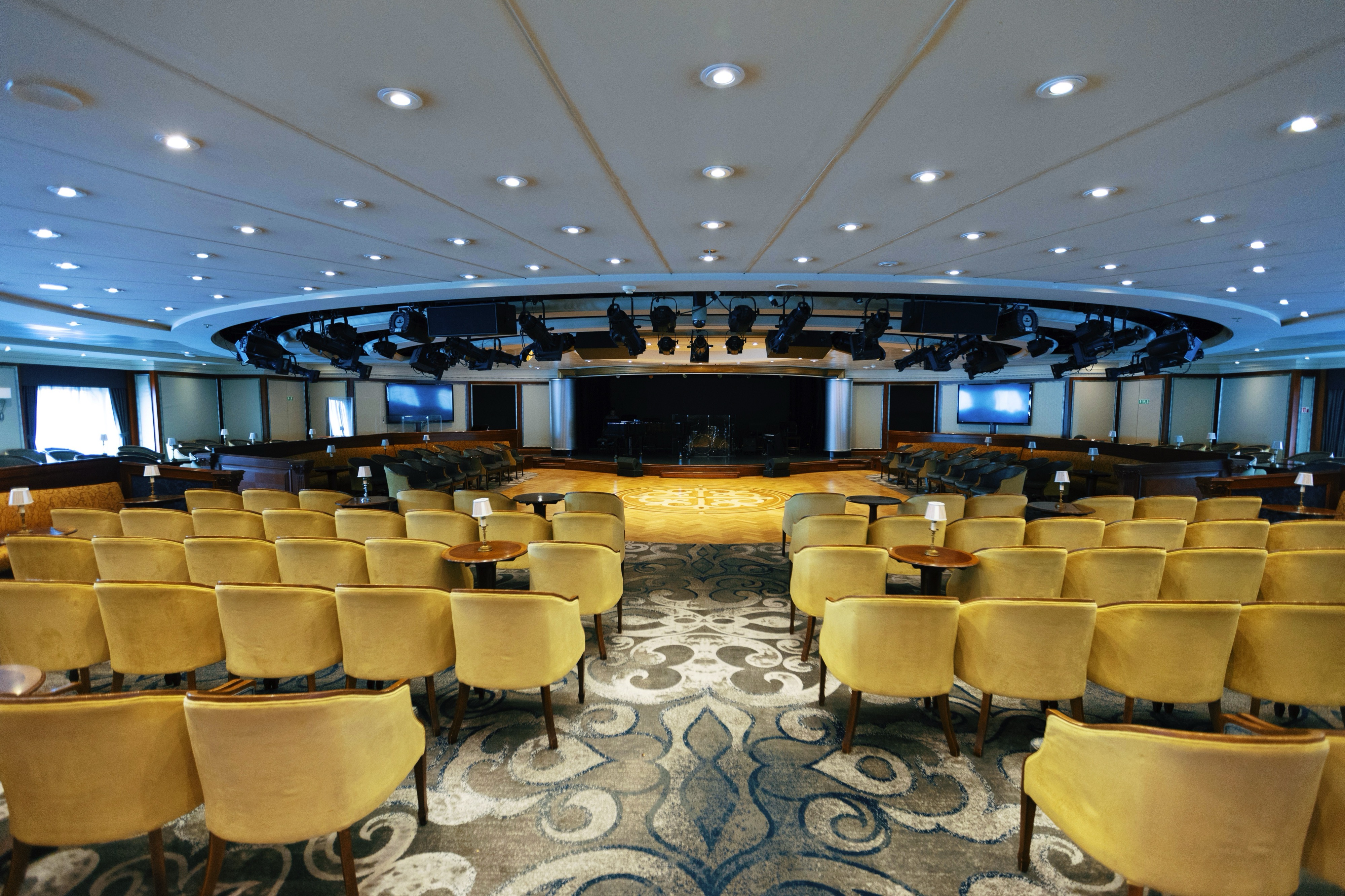
Sunset Bar
Adjacent to Windows Café, the Sunset Bar is a welcoming outdoor patio with covered and open-air seating, and a bar. It’s the perfect place for dining alfresco, enjoying a refreshing drink, taking in the sights of your favourite port, or simply watching the world sail by.
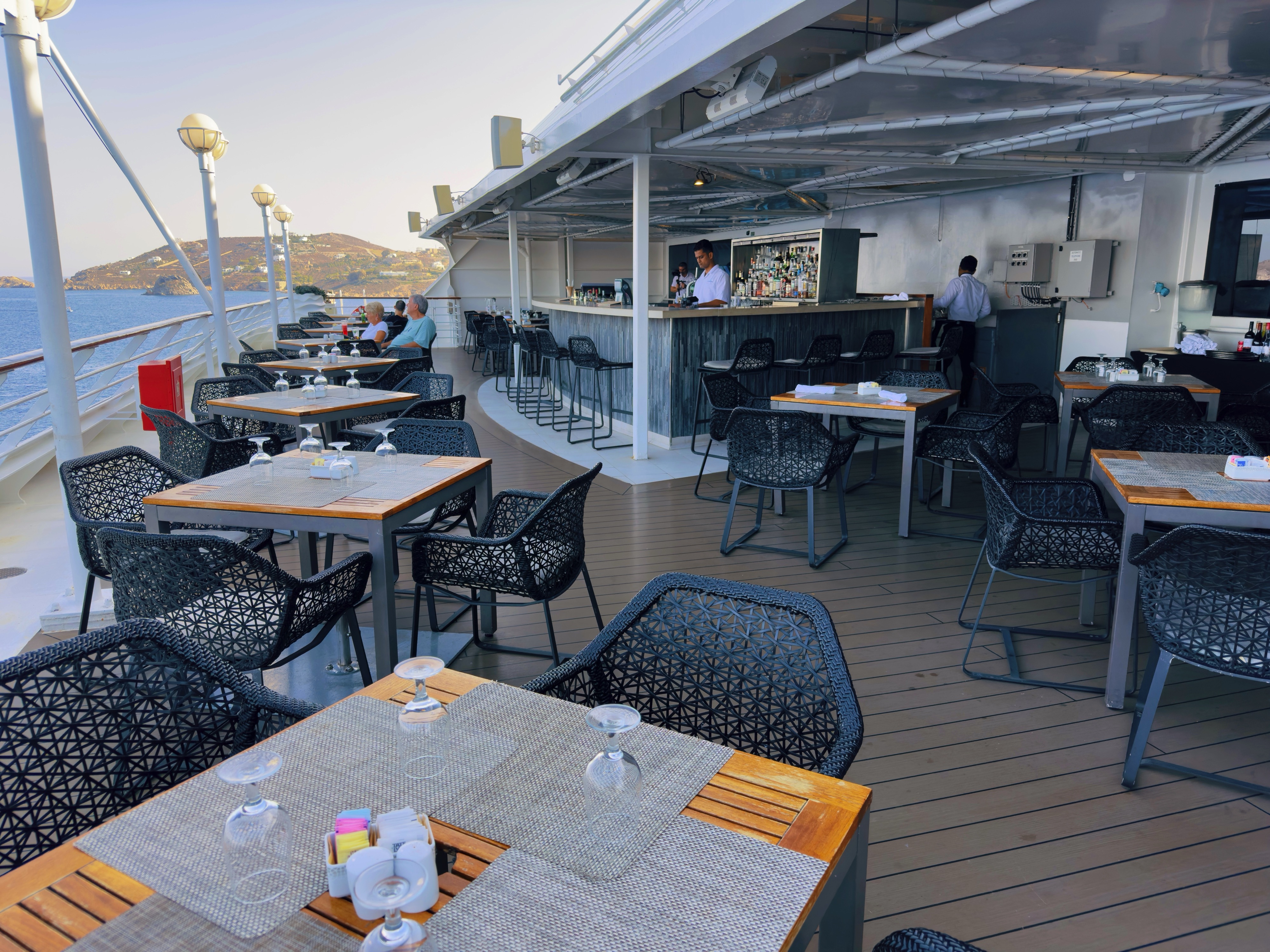
Mosaic Cafe & Mosaic Cafe @ Night
Our onboard coffee corner may very well become your favorite nook on the ship. With elegant and comfortable furniture, it’s bound to be one of the the most stylish places, too. Find all your favorite coffee drinks crafted just the way you like. Slip right into a comfortable seat and sip for a while—you never know who’ll walk by.
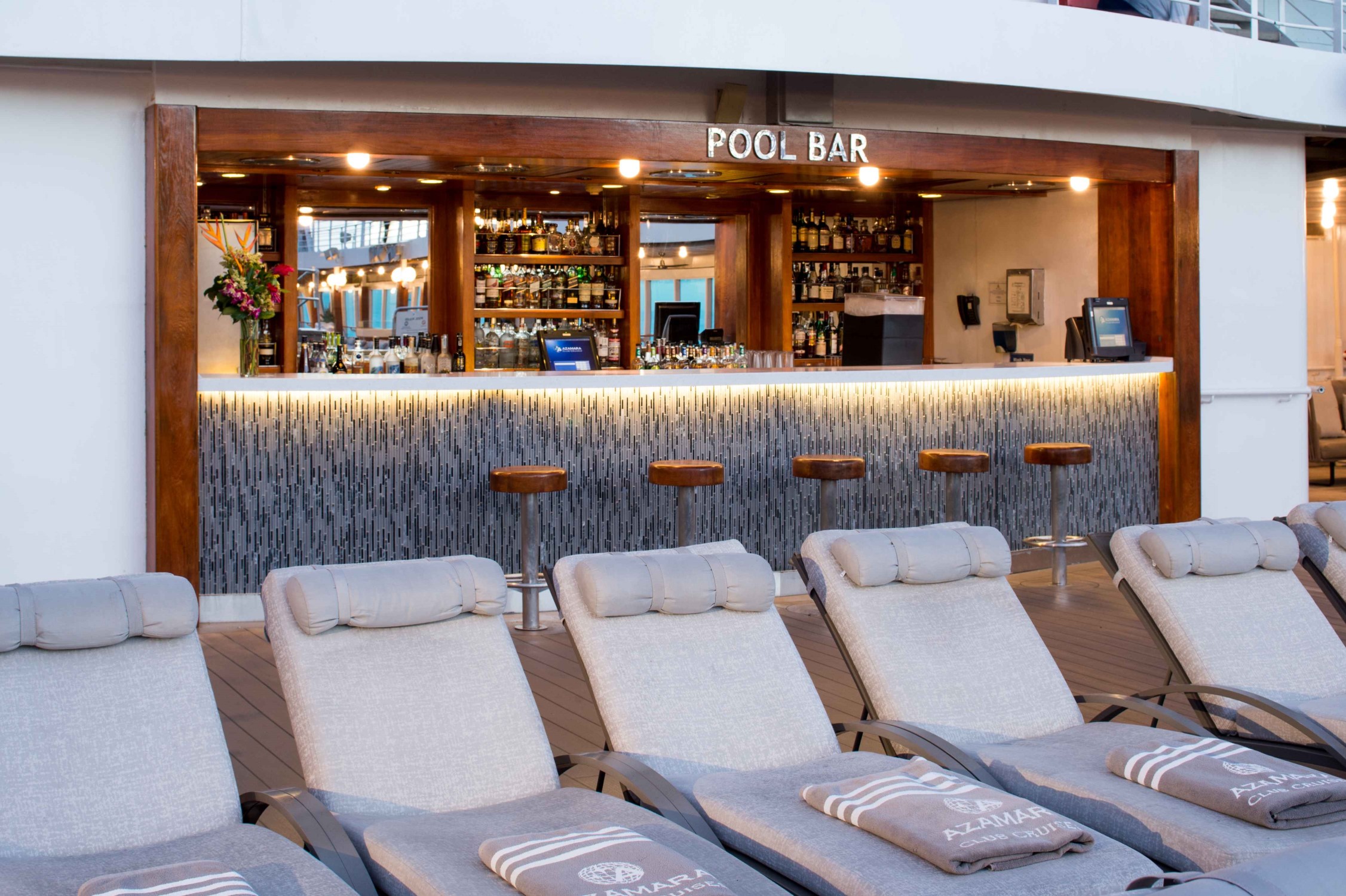
Pool Bar
Our Pool Bar serves refreshments while enjoying the Pool during the day, and cocktails of your choice in the evening.
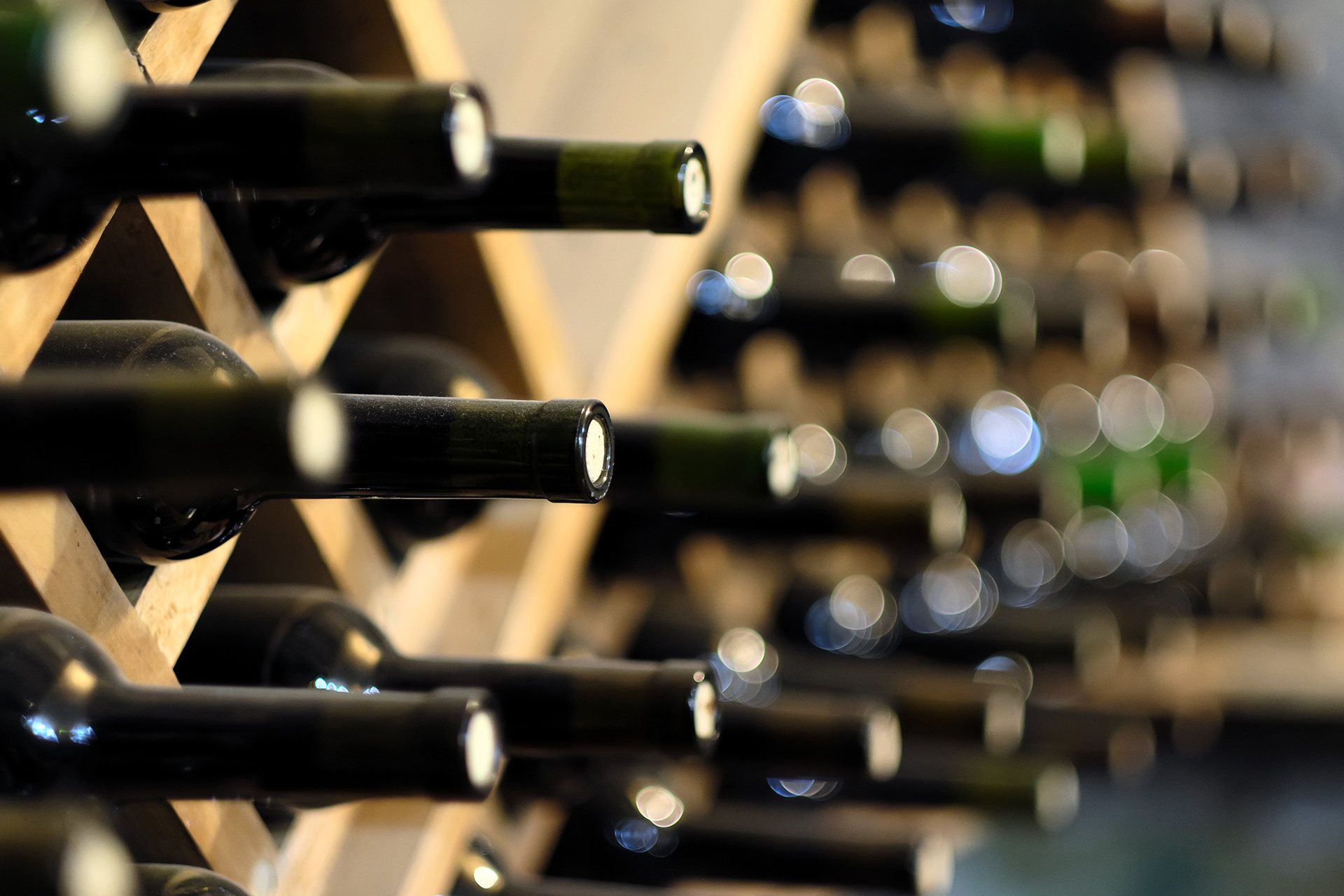
The Wine Cellar
You’ll be hard-pressed to find such a collection of limited production, small label and rare vintage wines anywhere on the high seas! And with vintages from France to California, and Argentina to South Africa, you’re sure to find a wine to suit your palate and your journey. Our knowledgeable sommeliers can help you pick the perfect wines for your evening meal.
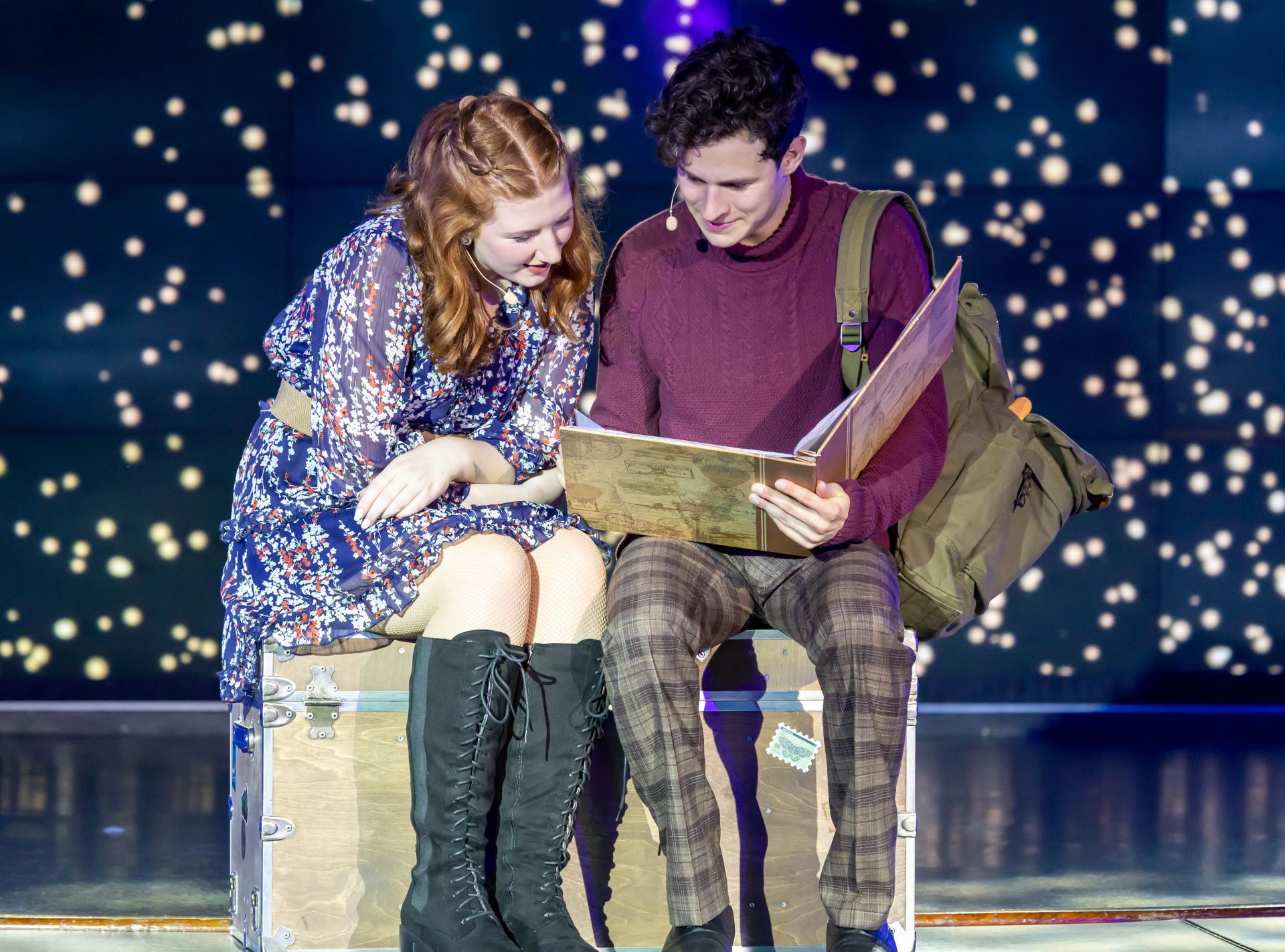
Performances
And the Beat Goes On
Join your Signature Singers and Dancers as they commemorate the greatest hits of all time in And the Beat Goes On. The night celebrates a wide variety of musical genres while exploring the influence of mainstream media in honoring the iconic cultural trends throughout the years. Featuring music from The Beatles, Earth Wind and Fire, Journey, Madonna, Ricky Martin, Katy Perry and much more. We will be sure to have you singing and dancing all night long in AND THE BEAT GOES ON!
Six Strings
The guitars are tuned, the amps are cranked up and the microphones are hot as Azamara prepares you for a night of energetic dancing, powerful vocals and iconic guitar riffs in Six Strings. The evening guarantees a Good Time with ultimate nostalgia as our Signature Singers and Dancers celebrate the most renowned classic rock artists such as Aerosmith, The Beatles, Pat Benatar, The Rolling Stones, Queen and more. Don’t miss SIX STRINGS!
Oh, What A Night
Get ready to be transported to the world’s most beloved travel destinations in one exhilarating night. As we explore all four seasons in a new city, travel along with our dynamic Signature Singers & Dancers as they sing and dance their way through an eclectic mix of music from around the world. Come and experience Oh, What A Night!
The Pool
While spending daytime sun-drenched and relaxed by the pool, don’t think of missing Azamara’s famous White Night party held at least once on every cruise (weather permitting). Colourful décor and linen-draped tables, a fabulous buffet feast, and boutique wines on the house make this an event like no other. Not to forget the fun and fast-paced show our entertainment team puts on.
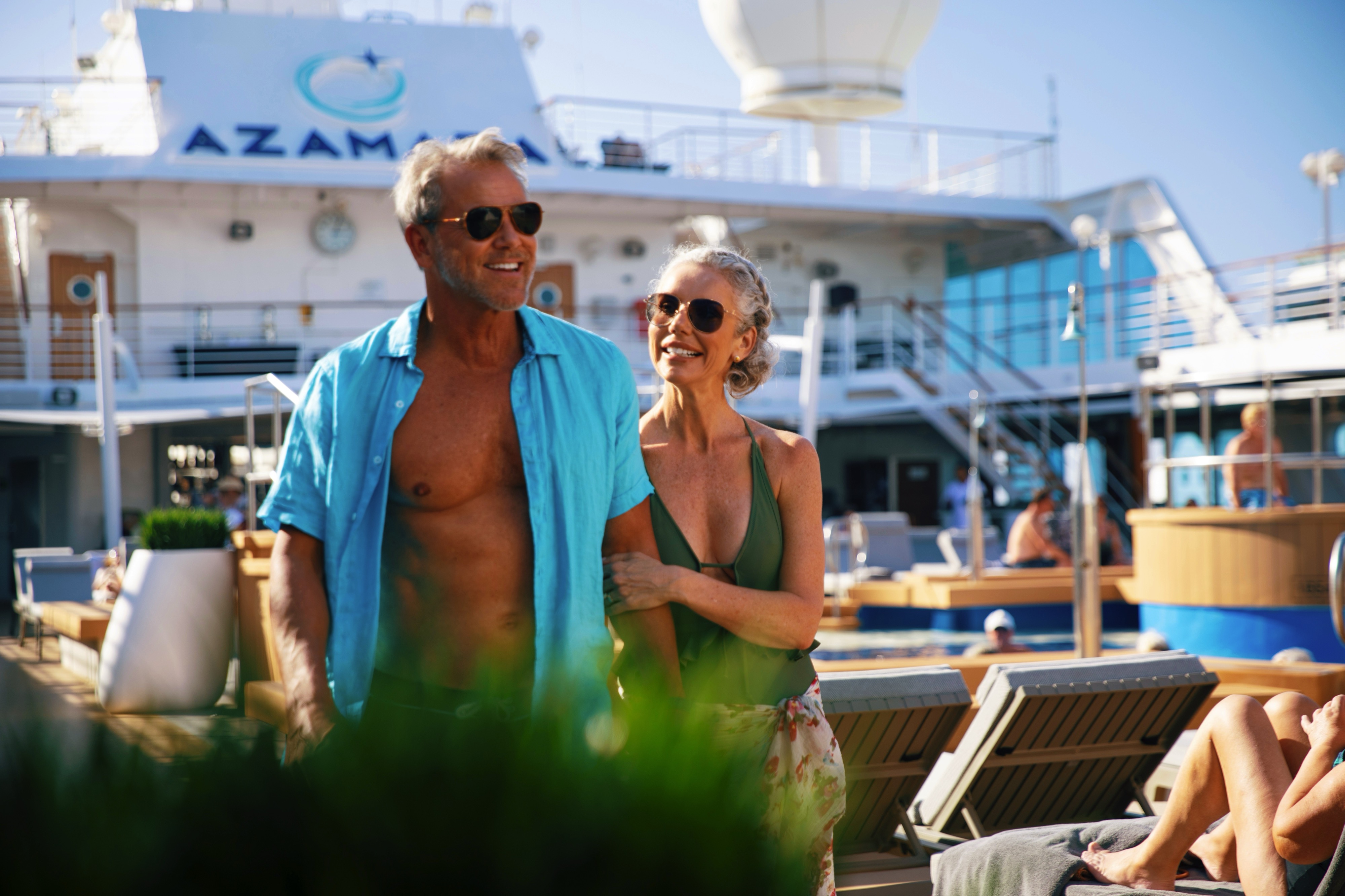
The Ship Shop
Pick up sundries, casual wear and swim fashions, sunglasses, accessories, music and shipboard keepsakes. This is a great place for small gifts to take back home.
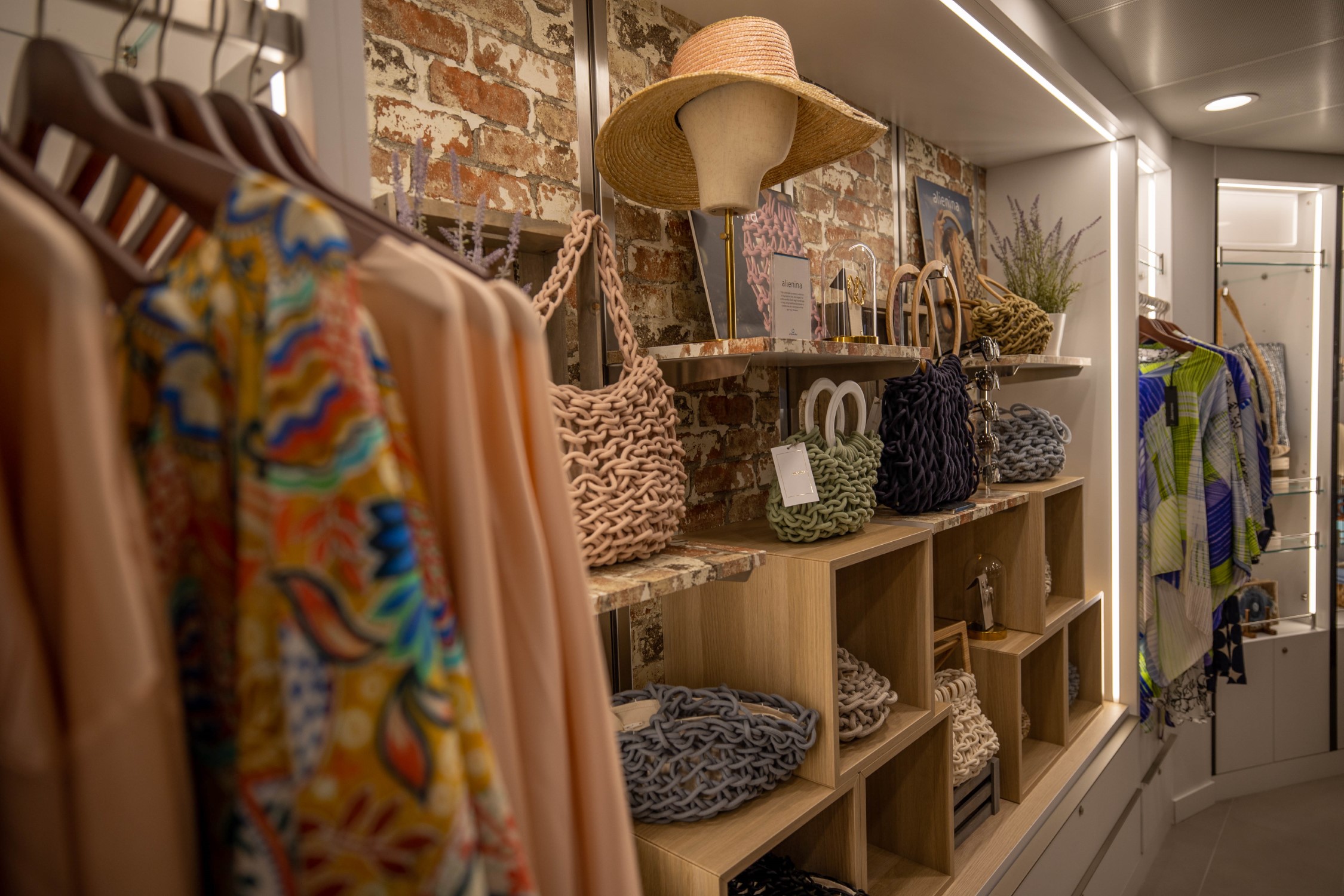
Indulgences
Aptly named, Indulgences will satisfy your desires for the finer things in life. If you are looking for designer jewellery, it’s the perfect place to window shop or to find that extra special purchase.
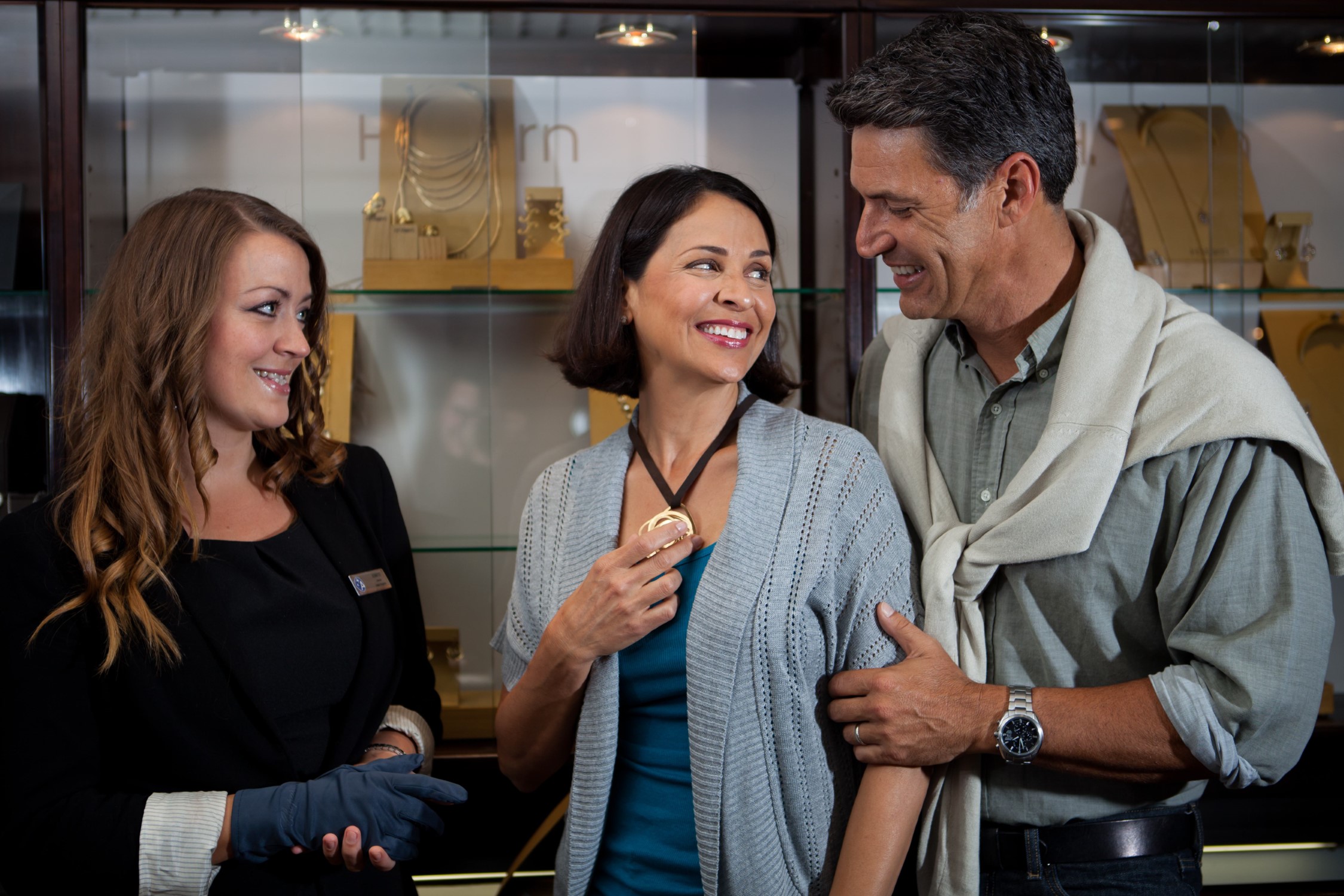
Photo Shop
Our photographers capture both fun and professional photos throughout the voyage, whether it is your portrait, or photos of the destinations you visit. You can also find an assortment of supplies for your own photographic endeavours.
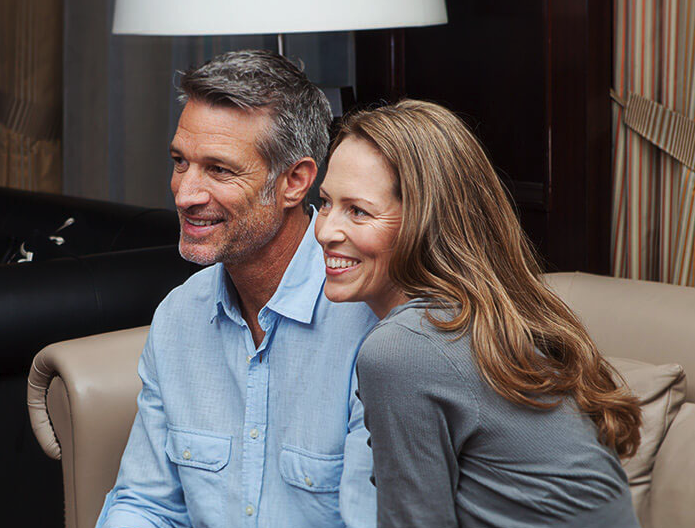
The Sanctum Spa
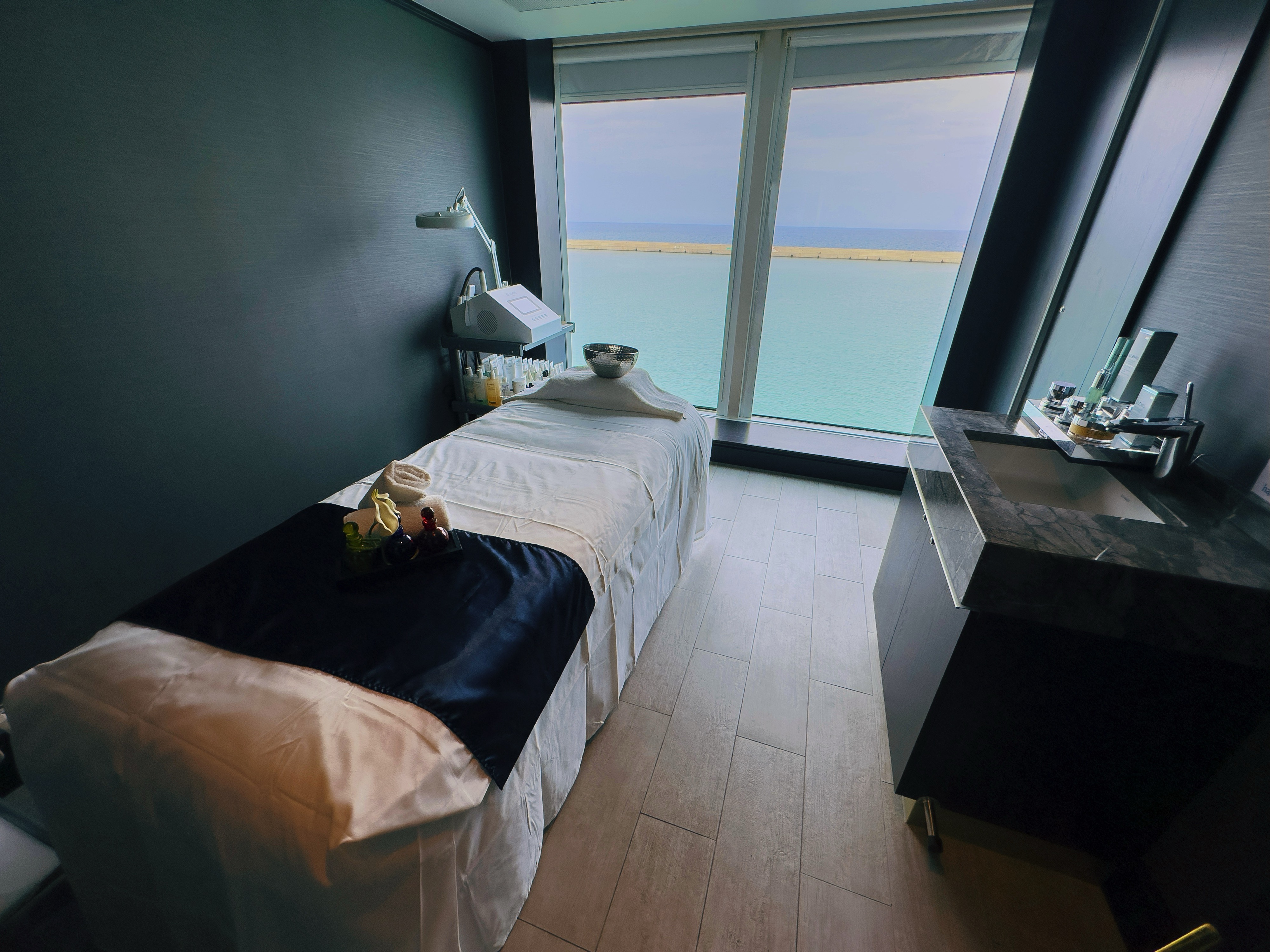
Staffed by professional aestheticians and therapists, the Azamara Spa is an oasis of tranquility. Choose from an extensive menu of services including:
Featured Spa Services
- The Sanctum Terrace: Enter your private spa deck with a bubbling salt water bath and powerful jets that massage you as you soak up the views.
- Biotec Facial Services: State of the art skin care and restorative facials for men and women.
- Massage Therapy: Hot stone therapy, deep tissue massage, bamboo massage and other exotic massage treatments from around the world.
- Body Sculpting: Renewing seaweed wraps, cellulite reduction body sculpting, lime and ginger salt glows, and more.
- Spa Rituals: A selection of carefully crafted half and full-day packages including body sculpting, facials and massage for the ultimate in relaxation.
- Teeth Whitening Services: Restore your bright and beautiful smile!
Ancient Healing
A cruise is a great time to experience the benefits of this ancient Chinese system of healing. Acupuncture strengthens the immune system, fights disease and controls pain while dissolving accumulated stress and restoring the body’s natural balance and energy.
Azamara’s acupuncturists are practitioners licensed by the National Certification Commission for Acupuncture and Chinese Medicine. A variety of treatments are available for pain management, smoking cessation, and more. You may notice immediate benefits in circulation, heart, stomach, skin and mood. Please inquire at the Spa for scheduling and pricing.
Elemis Aroma Seaweed Massage
Unwind in a warming wrap after a heated seaweed mask and essential oils are applied to your body. Detoxify and decongest with a treatment for tired muscles and arthritis or detoxification.
Elemis Aroma Stone Therapy
Feel tension and stress melt away. Enjoy the warming sensation the volcanic basalt stones provide while your body is massaged using traditional techniques and soothing aromatherapy oils.
BIOTEC Firm-a-Lift
Enjoy a youth-enhancing facial that reduces the appearance of fine lines and wrinkles while smoothing your skin tone and texture in just one treatment.
Fitness Centre & Personal Training
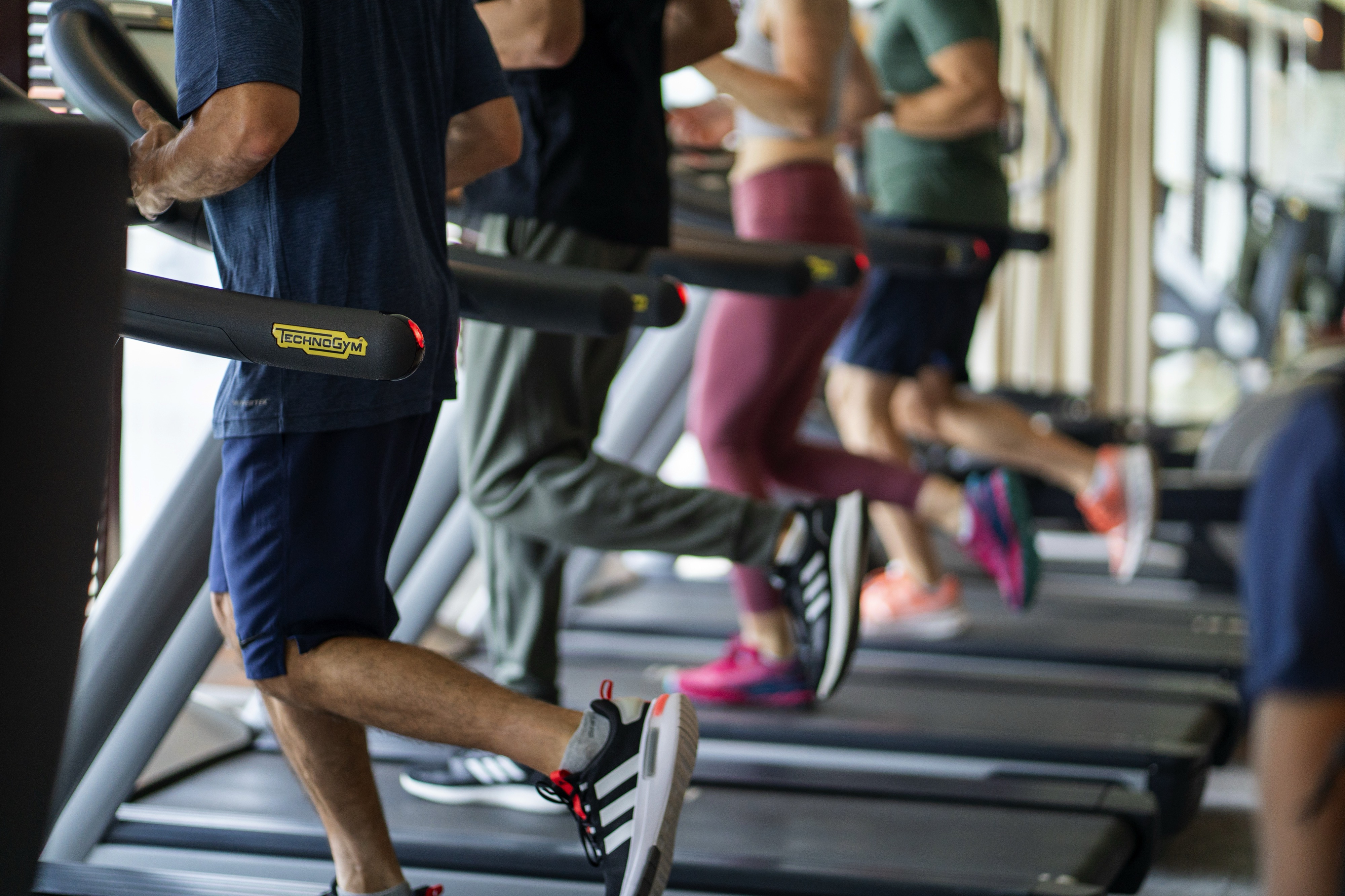
Join complimentary group classes like yoga on the deck, Pilates, cycling, core workouts, and nutrition classes. Exercise on your own at our Fitness Center, with ample equipment for a great workout with an ocean view. Customized personal training or Body Sculpt Boot Camp is also available (for additional cost).
The Salon
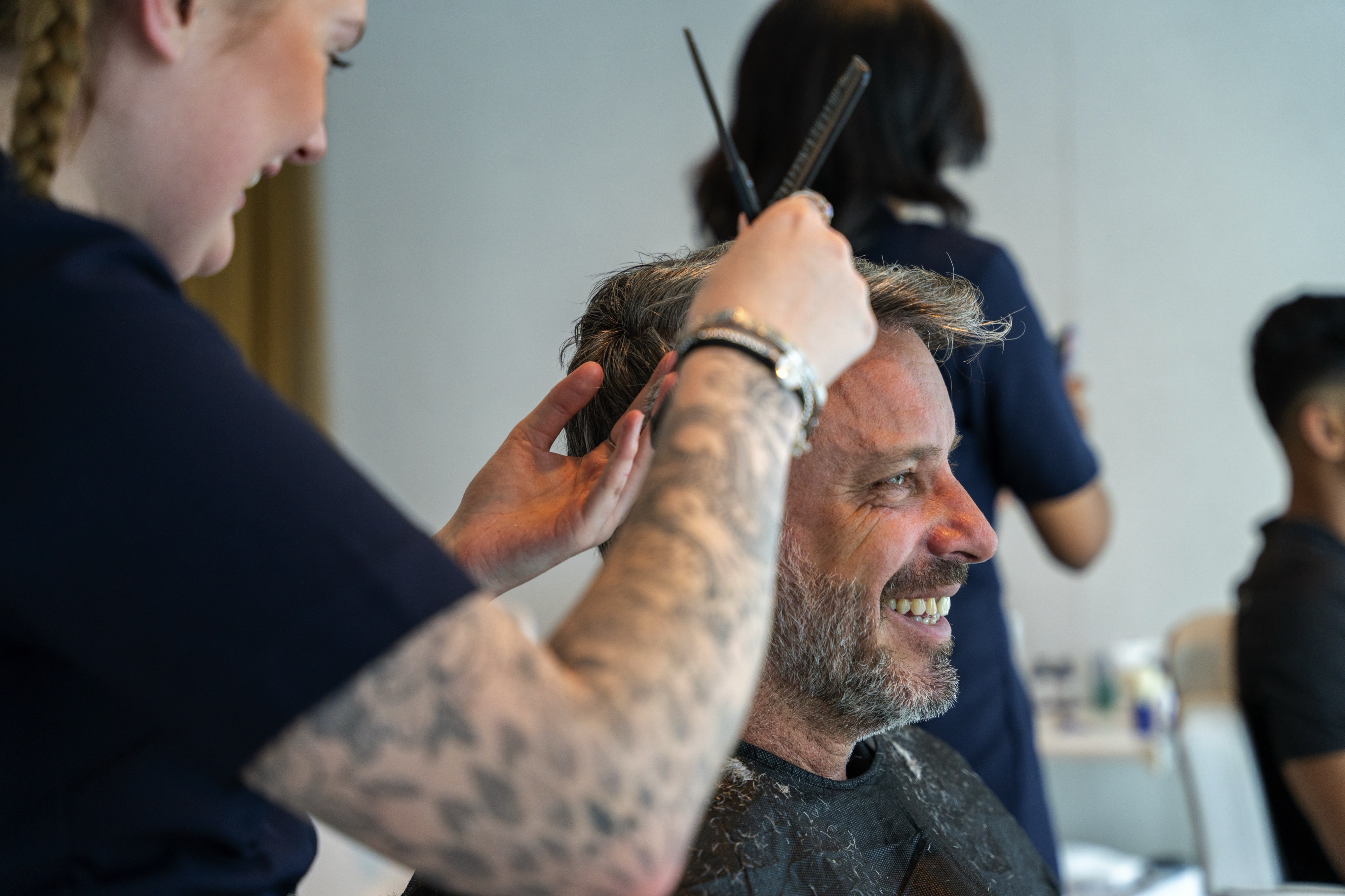
Our full-service salon offers a menu of professional services for men and women. Special packages of hair and scalp renewing rituals, pedicures with massages, grooming services, and more are available.
Aqualina
At Aqualina, you’ll find some of Italy’s most authentic dishes. Pastas made from scratch, traditional recipes, and scrumptious vegetarian dishes that make sure there’s something for everyone. Plus our famous desserts: Sorrento lemon liqueur mousse, hazelnut chocolate soufflé and more.
Prime C
Your choice of steak, cooked to perfection. Herb-coated rack of lamb, duck confit and Chilean sea bass—all paired with savory sides. At Prime C, you’re in for more than delectable dining. Expect a great evening with stunning views and lush décor.
Discoveries Restaurant
Discover the world through dishes and flavors from the places we visit. Of course, you’ll also enjoy a wide variety of nightly selections such as filet mignon with black truffle sauce. Choose being seated at a table for two or as part of a larger group of fellow guests.
Windows Café
Our daily themed dinner often takes its inspiration from the region we’re visiting—Indian, Mexican, Spanish, Italian. We also create an extra live station made from local ingredients purchased in port: Greek salad made with local feta (Greece), pasta prepared with local mushrooms (Italy), fresh Mussels served with garlic bread (Netherlands).
The Patio And Swirl & Top
Casual “pool grill” by day. A sit-down al fresco dining experience by night. Taste your way around the world with exclusive personalized dishes using local flavors of the places we visit. Plus a self-serve frozen yogurt station—Swirl & Top. With a variety of flavors and your choice of toppings, it’s the perfect way to cool off.
Mosaic Café
Stylish and cozy, Mosaic offers your favorite coffee drinks exactly as you like them. Relax in a comfortable seat and enjoy. It’s the perfect spot to start or end your day, and it just might become your favorite place on the ship.
Room Service
The best time for room service? Whenever you say it is, 24-hours a day. Order from the full breakfast menu between 6:30 AM and 10:00 AM, and we’ll deliver at your appointed time. Lunch and dinner room service features a menu of hearty soups, fresh salads, gourmet sandwiches, pizzas and desserts.
Exclusive Experiences
These excursions represent our most exclusive and unique opportunities to immerse yourself in our destinations. Be there as history is made at one of the world’s great celebrations, sporting events or cultural festivals. Spend a few days traveling overland on an expedition that ventures beyond the coast. Or, let us craft a private tour around your individual interests.
World Events
Join the revelry at world-renowned art shows, sporting events, culinary festivals and other local celebrations.
Overnight Experiences
Venture deeper into a destination to spend a night or more exploring iconic locales and landmarks, found beyond the harbours of your itinerary.
Private Tours
Let Azamara work with you to create the destination experience you’ve always dreamed of! Embark on a personalised Private Tour and we’ll turn that dream into reality.
Locales & Landmarks
These curated sightseeing tours reveal the hidden gems, local secrets and signature sites of a destination. Whether a cultural immersion, self-guided tour, panoramic drive, or guided visit, this series makes it easy to enjoy an authentic destination experience.
Cultural Expressions
Connect with customs, beliefs, art, and music that define local cultures through authentic, engaging encounters.
Ancient Wonders
Get immersed in epic history. Learn about the architecture, culture, and beliefs of ancient civilizations.
Food & Wine
Savor local food, wines, beers, and spirits on these culinary journeys, many led by Azamara Executive Chefs, Sommeliers and Mixologists.
Local Introductions
Spend time with local families, business owners, artists, aristocrats, and other influencers in their homes and workplaces.
Nature & Wildlife
Enjoy a close look at indigenous plants and wildlife on an ecological exploration that directly contributes to environmental stewardship.
AzAmazing Evenings
One-of-a-kind, complimentary, immersive cultural experiences exclusively created for Azamara guests, continuing our commitment to Destination Immersion®. First launched in 2011 to inspire guests to dive deeper into the heart of each destination, these extraordinary evenings showcase music, art, and culinary traditions in unique settings where authentic culture truly comes alive.
Most AzAmazing Evenings® take place ashore, often in iconic venues while the ship stays late in port, aligning with our hallmark of Destination Immersion®, bringing guests closer to local culture in remarkable locations. On select occasions, including seven- and eight-night itineraries, equally captivating experiences are brought onboard.
*For sailings of 9 nights or longer, exceptions may occur when local infrastructure does not allow for an onshore event; in such cases, the experience will be hosted onboard. In rare cases—such as select transoceanic crossings or charters—AzAmazing Evenings® will not be offered.
Enrichment Program and Classes
Your quest to learn continues with Destination Speakers offering their expertise throughout each voyage with Azamara®. Facilitated through Compass Speakers, these experts will participate in a range of programs, classes, and lecture series — all created with our incredible destinations in mind. They’ll also hold Q&A sessions!
White Night
Join Azamara officers and crew for our signature dinner and entertainment event hosted al fresco on the pool deck (weather permitting). With an array of delicious food and engaging entertainment, your White Night experience will almost certainly be one of the most memorable times from your cruise. And don’t forget to bring something white to wear for the evening.
Club Crooner
Step into a swanky nightclub as the great songs of the most magnificent artists come alive on stage. From classic crooners such as Frank Sinatra and Tony Bennett, to current songbirds such as Natalie Cole and Michael Bublé, there’s a song for every time and everyone. Enjoy a beverage, sit back, and be serenaded by the melodies of our lives with CLUB CROONER!
The Living Room
The idea of the Living Room is just that. To “live in” and to enjoy time with friends and fellow guests! Much of the room is furnished as a living room, with clusters of large comfortable chairs and sofas….
Discoveries Lounge
This congenial bar is a favorite gathering place for great conversations and delicious drinks. Bar service includes a full selection of fine wines, mixed drinks, and premium spirits…plus the entertaining banter of Azamara’s friendly bartenders.
Cabaret Lounge
Enjoy live performances of professional full-stage musical revues, classical soloists, bands and other entertainment in a cabaret nightclub with a full bar and cozy tables.
Sunset Bar
Adjacent to Windows Café, the Sunset Bar is a welcoming outdoor patio with covered and open-air seating, and a bar. It’s the perfect place for dining alfresco, enjoying a refreshing drink, taking in the sights of your favourite port, or simply watching the world sail by.
Mosaic Cafe & Mosaic Cafe @ Night
Our onboard coffee corner may very well become your favorite nook on the ship. With elegant and comfortable furniture, it’s bound to be one of the the most stylish places, too. Find all your favorite coffee drinks crafted just the way you like. Slip right into a comfortable seat and sip for a while—you never know who’ll walk by.
Pool Bar
Our Pool Bar serves refreshments while enjoying the Pool during the day, and cocktails of your choice in the evening.
The Wine Cellar
You’ll be hard-pressed to find such a collection of limited production, small label and rare vintage wines anywhere on the high seas! And with vintages from France to California, and Argentina to South Africa, you’re sure to find a wine to suit your palate and your journey. Our knowledgeable sommeliers can help you pick the perfect wines for your evening meal.
Performances
And the Beat Goes On
Join your Signature Singers and Dancers as they commemorate the greatest hits of all time in And the Beat Goes On. The night celebrates a wide variety of musical genres while exploring the influence of mainstream media in honoring the iconic cultural trends throughout the years. Featuring music from The Beatles, Earth Wind and Fire, Journey, Madonna, Ricky Martin, Katy Perry and much more. We will be sure to have you singing and dancing all night long in AND THE BEAT GOES ON!
Six Strings
The guitars are tuned, the amps are cranked up and the microphones are hot as Azamara prepares you for a night of energetic dancing, powerful vocals and iconic guitar riffs in Six Strings. The evening guarantees a Good Time with ultimate nostalgia as our Signature Singers and Dancers celebrate the most renowned classic rock artists such as Aerosmith, The Beatles, Pat Benatar, The Rolling Stones, Queen and more. Don’t miss SIX STRINGS!
Oh, What A Night
Get ready to be transported to the world’s most beloved travel destinations in one exhilarating night. As we explore all four seasons in a new city, travel along with our dynamic Signature Singers & Dancers as they sing and dance their way through an eclectic mix of music from around the world. Come and experience Oh, What A Night!
The Pool
While spending daytime sun-drenched and relaxed by the pool, don’t think of missing Azamara’s famous White Night party held at least once on every cruise (weather permitting). Colourful décor and linen-draped tables, a fabulous buffet feast, and boutique wines on the house make this an event like no other. Not to forget the fun and fast-paced show our entertainment team puts on.
The Ship Shop
Pick up sundries, casual wear and swim fashions, sunglasses, accessories, music and shipboard keepsakes. This is a great place for small gifts to take back home.
Indulgences
Aptly named, Indulgences will satisfy your desires for the finer things in life. If you are looking for designer jewellery, it’s the perfect place to window shop or to find that extra special purchase.
Photo Shop
Our photographers capture both fun and professional photos throughout the voyage, whether it is your portrait, or photos of the destinations you visit. You can also find an assortment of supplies for your own photographic endeavours.
The Sanctum Spa
Staffed by professional aestheticians and therapists, the Azamara Spa is an oasis of tranquility. Choose from an extensive menu of services including:
Featured Spa Services
- The Sanctum Terrace: Enter your private spa deck with a bubbling salt water bath and powerful jets that massage you as you soak up the views.
- Biotec Facial Services: State of the art skin care and restorative facials for men and women.
- Massage Therapy: Hot stone therapy, deep tissue massage, bamboo massage and other exotic massage treatments from around the world.
- Body Sculpting: Renewing seaweed wraps, cellulite reduction body sculpting, lime and ginger salt glows, and more.
- Spa Rituals: A selection of carefully crafted half and full-day packages including body sculpting, facials and massage for the ultimate in relaxation.
- Teeth Whitening Services: Restore your bright and beautiful smile!
Ancient Healing
A cruise is a great time to experience the benefits of this ancient Chinese system of healing. Acupuncture strengthens the immune system, fights disease and controls pain while dissolving accumulated stress and restoring the body’s natural balance and energy.
Azamara’s acupuncturists are practitioners licensed by the National Certification Commission for Acupuncture and Chinese Medicine. A variety of treatments are available for pain management, smoking cessation, and more. You may notice immediate benefits in circulation, heart, stomach, skin and mood. Please inquire at the Spa for scheduling and pricing.
Elemis Aroma Seaweed Massage
Unwind in a warming wrap after a heated seaweed mask and essential oils are applied to your body. Detoxify and decongest with a treatment for tired muscles and arthritis or detoxification.
Elemis Aroma Stone Therapy
Feel tension and stress melt away. Enjoy the warming sensation the volcanic basalt stones provide while your body is massaged using traditional techniques and soothing aromatherapy oils.
BIOTEC Firm-a-Lift
Enjoy a youth-enhancing facial that reduces the appearance of fine lines and wrinkles while smoothing your skin tone and texture in just one treatment.
Fitness Centre & Personal Training
Join complimentary group classes like yoga on the deck, Pilates, cycling, core workouts, and nutrition classes. Exercise on your own at our Fitness Center, with ample equipment for a great workout with an ocean view. Customized personal training or Body Sculpt Boot Camp is also available (for additional cost).
The Salon
Our full-service salon offers a menu of professional services for men and women. Special packages of hair and scalp renewing rituals, pedicures with massages, grooming services, and more are available.
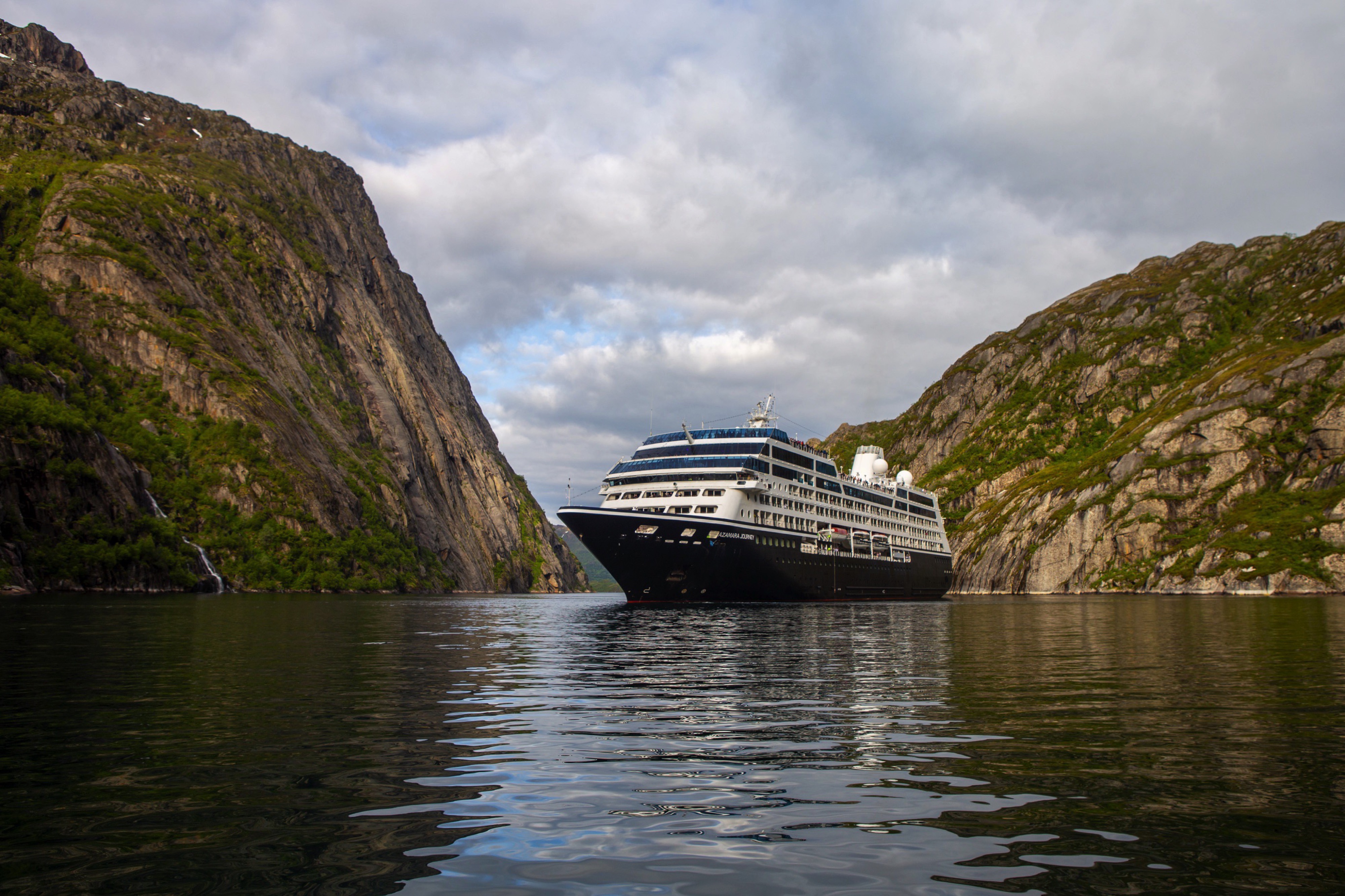
About the Ship
Deck Plans

- Oceanview Staterooms
- Interior Staterooms
- Medical Facility
- Guest Relations
- Concierge

- Cabaret Lounge
- Elevators
- Shore Excursions
- Cruise Again
- The Den
- Photo Shop
- The Journey Shops
- Indulgences
- Mosaic Café
- Discoveries Bar
- Discoveries Restaurant

- Veranda Plus Staterooms
- Veranda Staterooms
- World Owner’s Suite
- Continent Suite
- Ocean Suite
- Oceanview Staterooms
- Interior Staterooms

- Veranda Plus Staterooms
- World Owner’s Suite
- Ocean Suite
- Veranda Staterooms
- Oceanview Staterooms
- Interior Staterooms
- Self Service Laundry

- Veranda Plus Staterooms
- World Owner’s Suite
- Continent Suite
- Interior Staterooms

- The Sanctum Spa Terrace
- Salon
- The Sanctum Spa
- Fitness Center
- Pool
- Pool Bar
- Elevators
- Swirl & Top
- The Patio
- Windows Café
- Sunset Bar
- Spa Suites

- The Living Room
- Card Room
- In Touch
- Elevators
- Table Tennis
- Jogging Track
- The Drawing Room
- Prime C Speciality Dining
- Aqualina Speciality Dining

- Sun Deck
- Shuffle Board
- Oceanview Staterooms
- Interior Staterooms
- Medical Facility
- Guest Relations
- Concierge
- Cabaret Lounge
- Elevators
- Shore Excursions
- Cruise Again
- The Den
- Photo Shop
- The Journey Shops
- Indulgences
- Mosaic Café
- Discoveries Bar
- Discoveries Restaurant
- Veranda Plus Staterooms
- Veranda Staterooms
- World Owner’s Suite
- Continent Suite
- Ocean Suite
- Oceanview Staterooms
- Interior Staterooms
- Veranda Plus Staterooms
- World Owner’s Suite
- Ocean Suite
- Veranda Staterooms
- Oceanview Staterooms
- Interior Staterooms
- Self Service Laundry
- Veranda Plus Staterooms
- World Owner’s Suite
- Continent Suite
- Interior Staterooms
- The Sanctum Spa Terrace
- Salon
- The Sanctum Spa
- Fitness Center
- Pool
- Pool Bar
- Elevators
- Swirl & Top
- The Patio
- Windows Café
- Sunset Bar
- Spa Suites
- The Living Room
- Card Room
- In Touch
- Elevators
- Table Tennis
- Jogging Track
- The Drawing Room
- Prime C Speciality Dining
- Aqualina Speciality Dining
- Sun Deck
- Shuffle Board