Featured Cabins
Itinerary
Reykjavík, Iceland
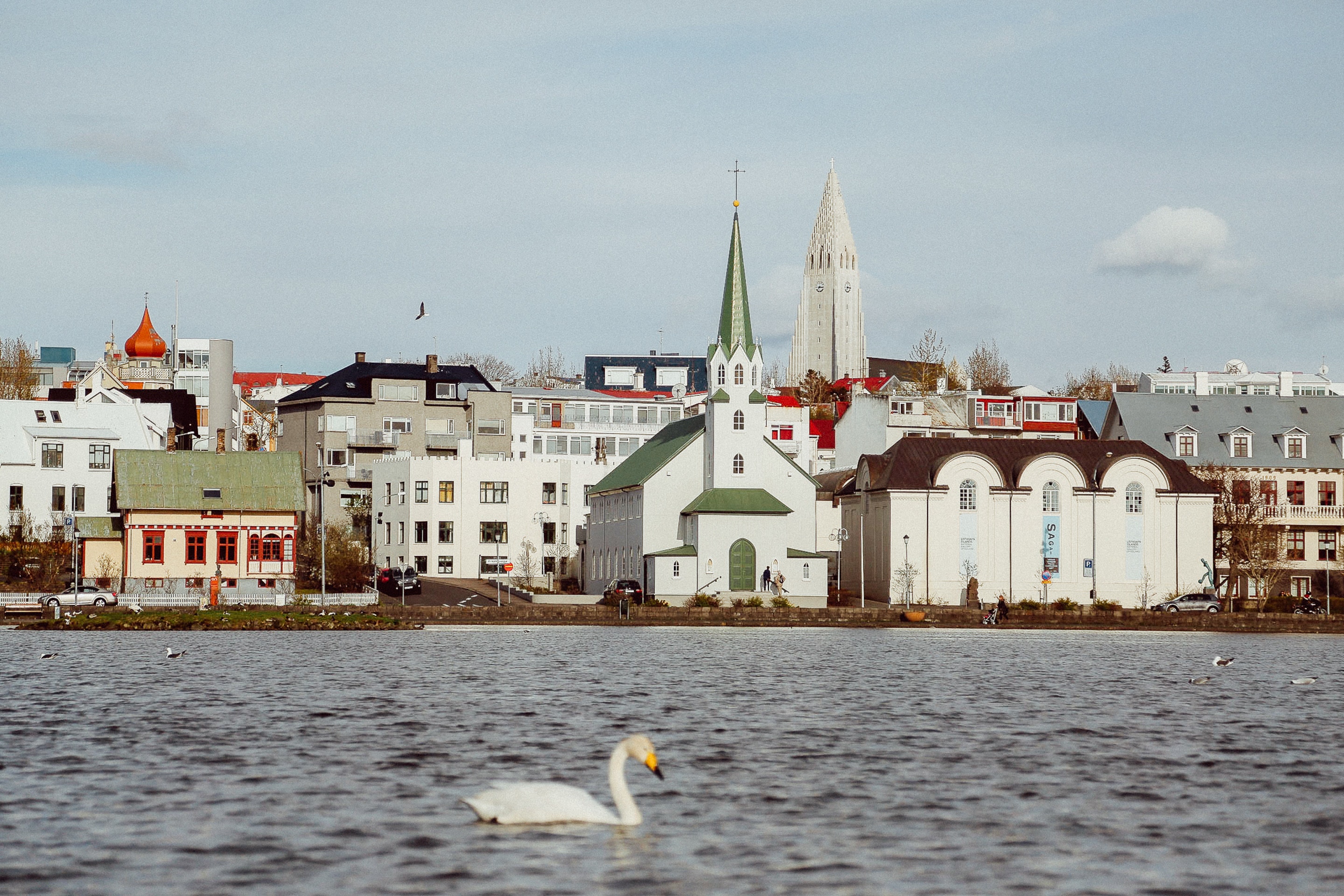
Sprawling Reykjavík, the nation’s nerve center and government seat, is home to half the island’s population. On a bay overlooked by proud Mt. Esja (pronounced eh-shyuh), with its ever-changing hues, Reykjavík presents a colorful sight, its concrete houses painted in light colors and topped by vibrant red, blue, and green roofs. In contrast to the almost treeless countryside, Reykjavík has many tall, native birches, rowans, and willows, as well as imported aspen, pines, and spruces.Reykjavík’s name comes from the Icelandic words for smoke, reykur, and bay, vík. In AD 874, Norseman Ingólfur Arnarson saw Iceland rising out of the misty sea and came ashore at a bay eerily shrouded with plumes of steam from nearby hot springs. Today most of the houses in Reykjavík are heated by near-boiling water from the hot springs. Natural heating avoids air pollution; there’s no smoke around. You may notice, however, that the hot water brings a slight sulfur smell to the bathroom.Prices are easily on a par with other major European cities. A practical option is to purchase a Reykjavík City Card at the Tourist Information Center or at the Reykjavík Youth Hostel. This card permits unlimited bus usage and admission to any of the city’s seven pools, the Family Park and Zoo, and city museums. The cards are valid for one (ISK 3,300), two (ISK 4,400), or three days (ISK 4,900), and they pay for themselves after three or four uses a day. Even lacking the City Card, paying admission (ISK 500, or ISK 250 for seniors and people with disabilities) to one of the city art museums (Hafnarhús, Kjarvalsstaðir, or Ásmundarsafn) gets you free same-day admission to the other two.
Reykjavík, Iceland
Sprawling Reykjavík, the nation’s nerve center and government seat, is home to half the island’s population. On a bay overlooked by proud Mt. Esja (pronounced eh-shyuh), with its ever-changing hues, Reykjavík presents a colorful sight, its concrete houses painted in light colors and topped by vibrant red, blue, and green roofs. In contrast to the almost treeless countryside, Reykjavík has many tall, native birches, rowans, and willows, as well as imported aspen, pines, and spruces.Reykjavík’s name comes from the Icelandic words for smoke, reykur, and bay, vík. In AD 874, Norseman Ingólfur Arnarson saw Iceland rising out of the misty sea and came ashore at a bay eerily shrouded with plumes of steam from nearby hot springs. Today most of the houses in Reykjavík are heated by near-boiling water from the hot springs. Natural heating avoids air pollution; there’s no smoke around. You may notice, however, that the hot water brings a slight sulfur smell to the bathroom.Prices are easily on a par with other major European cities. A practical option is to purchase a Reykjavík City Card at the Tourist Information Center or at the Reykjavík Youth Hostel. This card permits unlimited bus usage and admission to any of the city’s seven pools, the Family Park and Zoo, and city museums. The cards are valid for one (ISK 3,300), two (ISK 4,400), or three days (ISK 4,900), and they pay for themselves after three or four uses a day. Even lacking the City Card, paying admission (ISK 500, or ISK 250 for seniors and people with disabilities) to one of the city art museums (Hafnarhús, Kjarvalsstaðir, or Ásmundarsafn) gets you free same-day admission to the other two.
Prince Christian Sound, Greenland
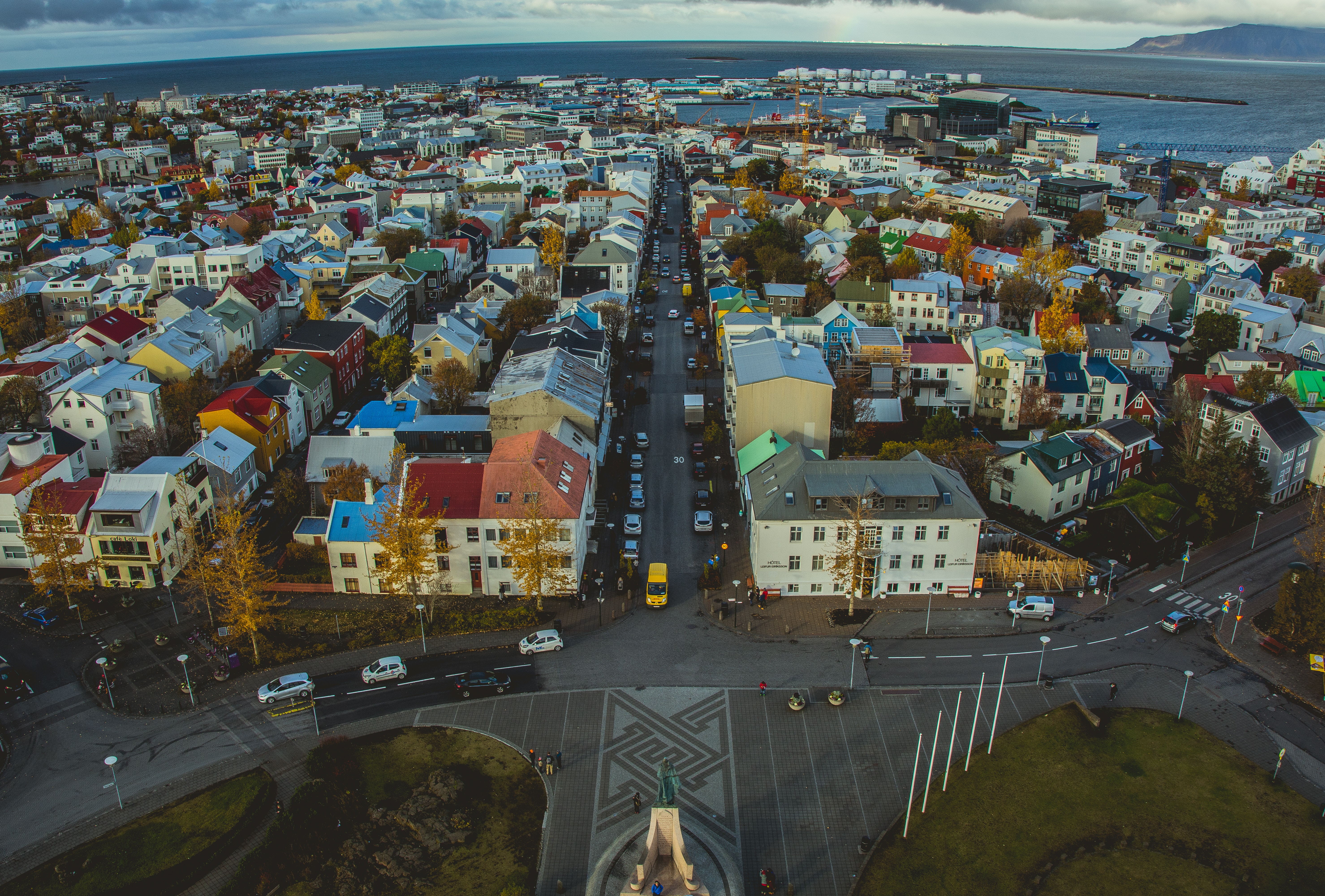
The transit through the Sound is one of this voyage’s highlights. Connecting the Labrador Sea with the Irminger Seat, Prince Christian Sound or “Prins Christian Sund” in Danish is named after Prince (later King) Christian VII (1749-1808). 100 km (60 miles ), long and at times just 500 m (1500 ft) wide, this majestic and spectacular fiord throws you back into a Viking era – flanked by soaring snow-topped mountains, rock-strewn cliffs and rolling hills, it is as if time has stood still and one easily forgets that this is the 21st century. As you marvel at the sheer size of the mountains that surround you, with the Arctic waters lapping deceptively at the hull, revel in the silence enveloping you. Icebergs float serenely by, carrying with them the ages of time. Be sure to wear warm clothing as this is one spectacle that you do not want to miss.
Qaqortoq (Julianehaab), Greenland
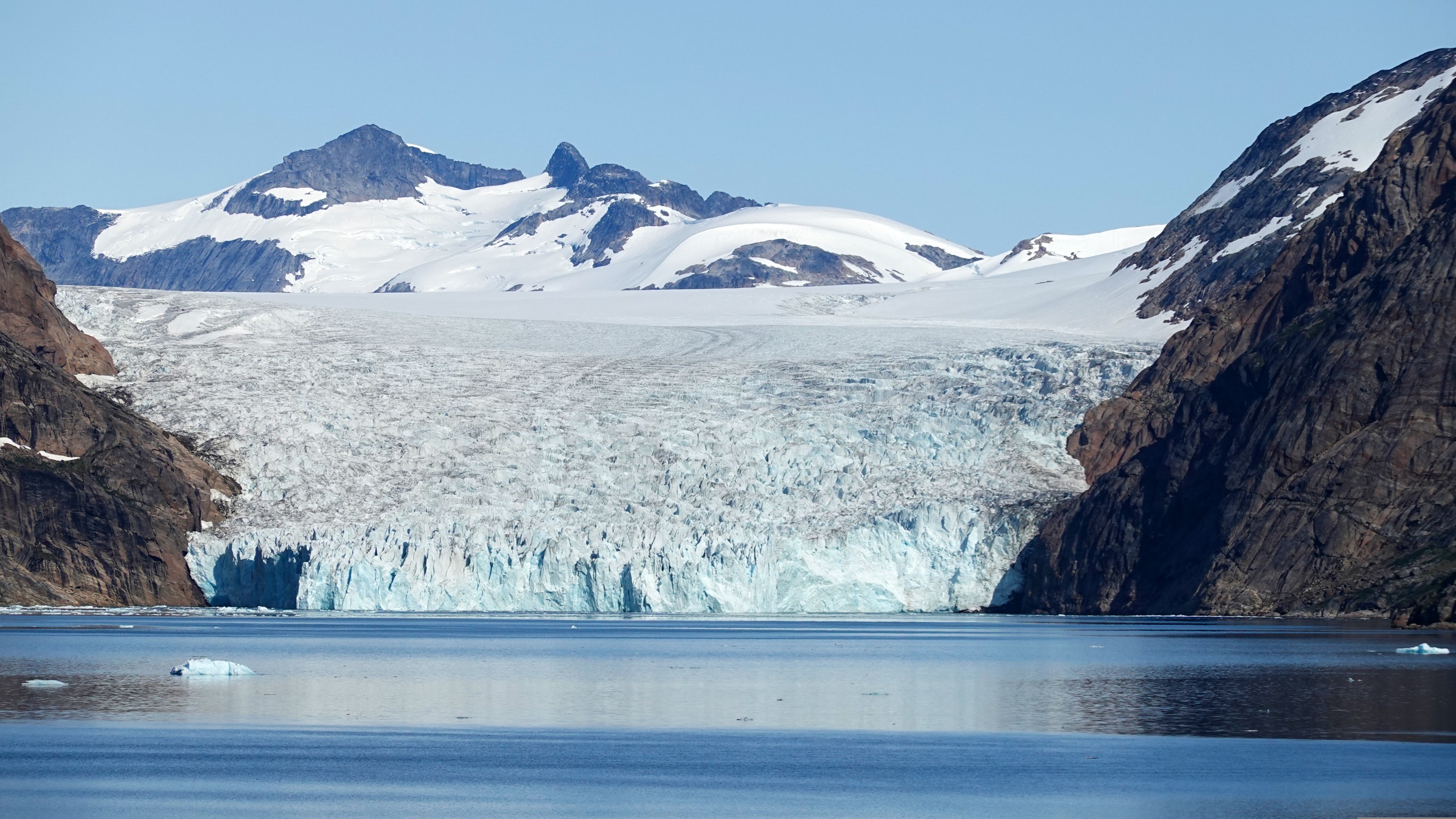
The largest town in southern Greenland, Qaqortoq has been inhabited since prehistoric times. Upon arrival in this charming southern Greenland enclave, it’s easy to see why. Qaqortoq rises quite steeply over the fjord system around the city, offering breath-taking panoramic vistas of the surrounding mountains, deep, blue sea, Lake Tasersuag, icebergs in the bay, and pastoral backcountry. Although the earliest signs of ancient civilization in Qaqortoq date back 4,300 years, Qaqortoq is known to have been inhabited by Norse and Inuit settlers in the 10th and 12th centuries, and the present-day town was founded in 1774. In the years since, Qaqortoq has evolved into a seaport and trading hub for fish and shrimp processing, tanning, fur production, and ship maintenance and repair.
Nanortalik, Greenland
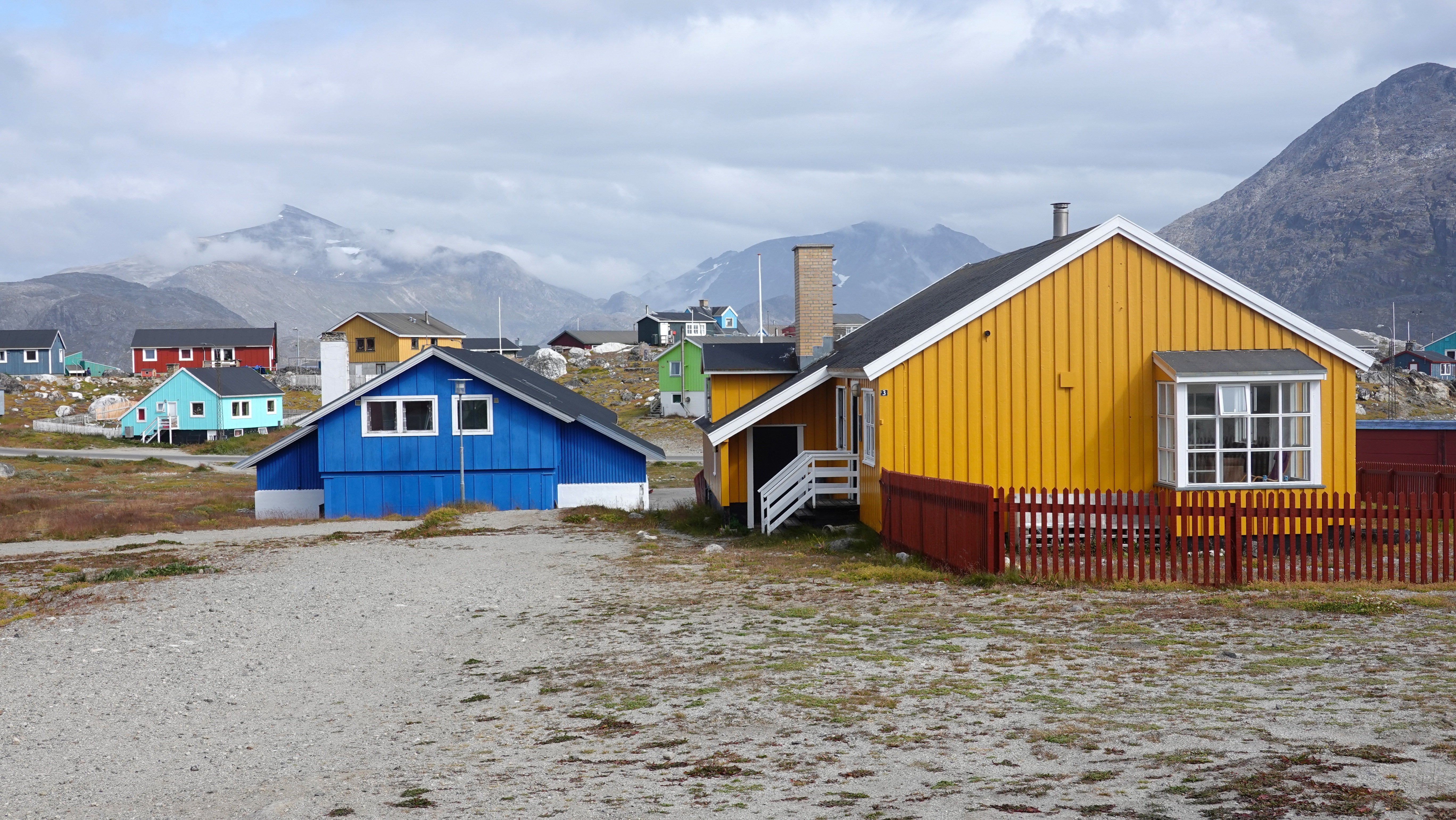
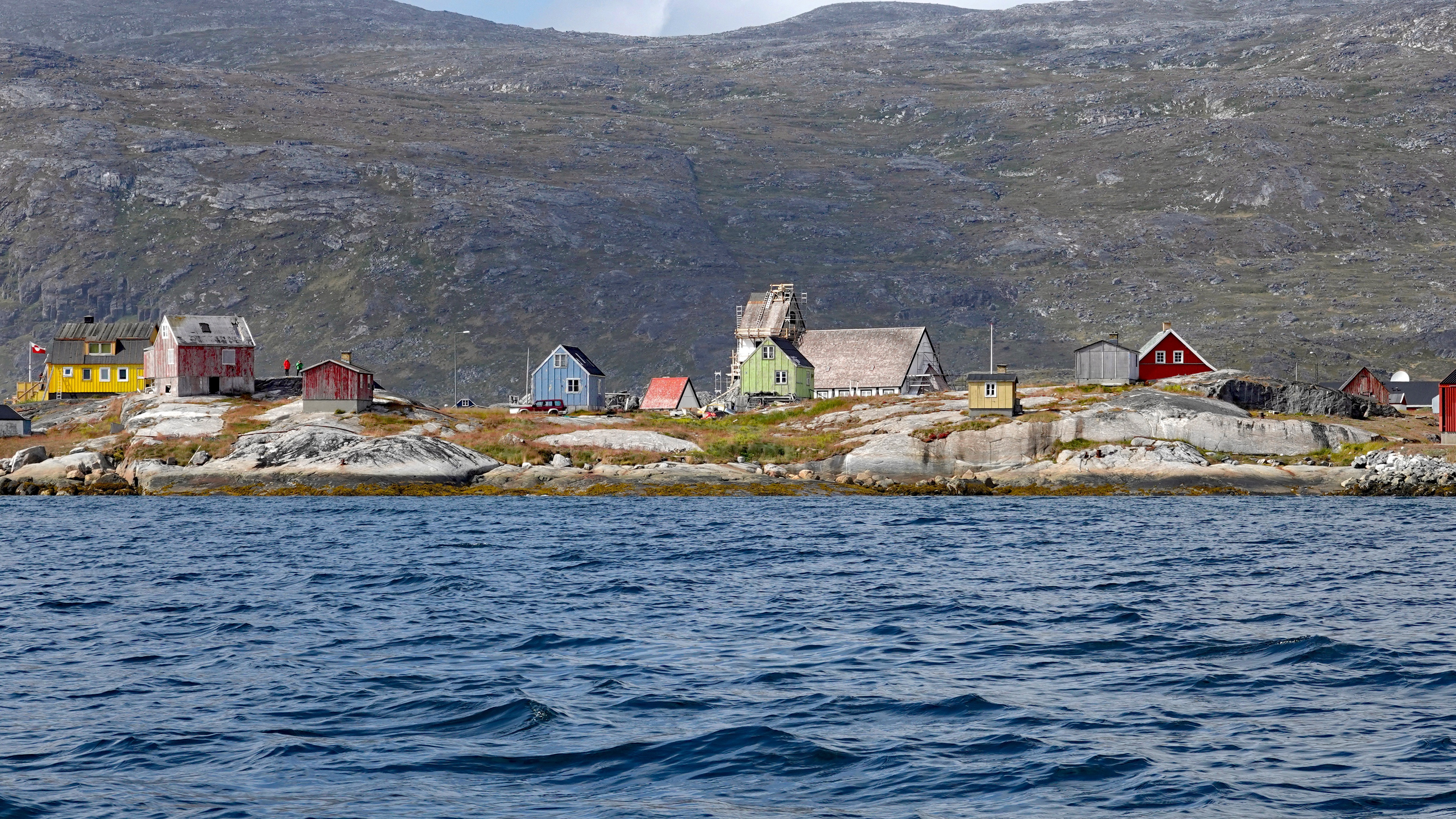
Nanortalik lies in a scenic area surrounded by steep mountainsides and is Greenland’s tenth-largest and most southerly town with less than 1500 inhabitants. The town’s name means the “place of polar bears”, which refers to the polar bears that used to be seen floating offshore on summer’s ice floes. Nanortalik has an excellent open-air museum that gives a broad picture of the region from Inuit times to today. Part of the exhibition is a summer hunting camp, where Inuit in traditional clothing describe aspects of their ancestor’s customs and lifestyle.
Reykjavík, Iceland
Sprawling Reykjavík, the nation’s nerve center and government seat, is home to half the island’s population. On a bay overlooked by proud Mt. Esja (pronounced eh-shyuh), with its ever-changing hues, Reykjavík presents a colorful sight, its concrete houses painted in light colors and topped by vibrant red, blue, and green roofs. In contrast to the almost treeless countryside, Reykjavík has many tall, native birches, rowans, and willows, as well as imported aspen, pines, and spruces.Reykjavík’s name comes from the Icelandic words for smoke, reykur, and bay, vík. In AD 874, Norseman Ingólfur Arnarson saw Iceland rising out of the misty sea and came ashore at a bay eerily shrouded with plumes of steam from nearby hot springs. Today most of the houses in Reykjavík are heated by near-boiling water from the hot springs. Natural heating avoids air pollution; there’s no smoke around. You may notice, however, that the hot water brings a slight sulfur smell to the bathroom.Prices are easily on a par with other major European cities. A practical option is to purchase a Reykjavík City Card at the Tourist Information Center or at the Reykjavík Youth Hostel. This card permits unlimited bus usage and admission to any of the city’s seven pools, the Family Park and Zoo, and city museums. The cards are valid for one (ISK 3,300), two (ISK 4,400), or three days (ISK 4,900), and they pay for themselves after three or four uses a day. Even lacking the City Card, paying admission (ISK 500, or ISK 250 for seniors and people with disabilities) to one of the city art museums (Hafnarhús, Kjarvalsstaðir, or Ásmundarsafn) gets you free same-day admission to the other two.
Reykjavík, Iceland
Sprawling Reykjavík, the nation’s nerve center and government seat, is home to half the island’s population. On a bay overlooked by proud Mt. Esja (pronounced eh-shyuh), with its ever-changing hues, Reykjavík presents a colorful sight, its concrete houses painted in light colors and topped by vibrant red, blue, and green roofs. In contrast to the almost treeless countryside, Reykjavík has many tall, native birches, rowans, and willows, as well as imported aspen, pines, and spruces.Reykjavík’s name comes from the Icelandic words for smoke, reykur, and bay, vík. In AD 874, Norseman Ingólfur Arnarson saw Iceland rising out of the misty sea and came ashore at a bay eerily shrouded with plumes of steam from nearby hot springs. Today most of the houses in Reykjavík are heated by near-boiling water from the hot springs. Natural heating avoids air pollution; there’s no smoke around. You may notice, however, that the hot water brings a slight sulfur smell to the bathroom.Prices are easily on a par with other major European cities. A practical option is to purchase a Reykjavík City Card at the Tourist Information Center or at the Reykjavík Youth Hostel. This card permits unlimited bus usage and admission to any of the city’s seven pools, the Family Park and Zoo, and city museums. The cards are valid for one (ISK 3,300), two (ISK 4,400), or three days (ISK 4,900), and they pay for themselves after three or four uses a day. Even lacking the City Card, paying admission (ISK 500, or ISK 250 for seniors and people with disabilities) to one of the city art museums (Hafnarhús, Kjarvalsstaðir, or Ásmundarsafn) gets you free same-day admission to the other two.
Prince Christian Sound, Greenland
The transit through the Sound is one of this voyage’s highlights. Connecting the Labrador Sea with the Irminger Seat, Prince Christian Sound or “Prins Christian Sund” in Danish is named after Prince (later King) Christian VII (1749-1808). 100 km (60 miles ), long and at times just 500 m (1500 ft) wide, this majestic and spectacular fiord throws you back into a Viking era – flanked by soaring snow-topped mountains, rock-strewn cliffs and rolling hills, it is as if time has stood still and one easily forgets that this is the 21st century. As you marvel at the sheer size of the mountains that surround you, with the Arctic waters lapping deceptively at the hull, revel in the silence enveloping you. Icebergs float serenely by, carrying with them the ages of time. Be sure to wear warm clothing as this is one spectacle that you do not want to miss.
Qaqortoq (Julianehaab), Greenland
The largest town in southern Greenland, Qaqortoq has been inhabited since prehistoric times. Upon arrival in this charming southern Greenland enclave, it’s easy to see why. Qaqortoq rises quite steeply over the fjord system around the city, offering breath-taking panoramic vistas of the surrounding mountains, deep, blue sea, Lake Tasersuag, icebergs in the bay, and pastoral backcountry. Although the earliest signs of ancient civilization in Qaqortoq date back 4,300 years, Qaqortoq is known to have been inhabited by Norse and Inuit settlers in the 10th and 12th centuries, and the present-day town was founded in 1774. In the years since, Qaqortoq has evolved into a seaport and trading hub for fish and shrimp processing, tanning, fur production, and ship maintenance and repair.
Nanortalik, Greenland
Nanortalik lies in a scenic area surrounded by steep mountainsides and is Greenland’s tenth-largest and most southerly town with less than 1500 inhabitants. The town’s name means the “place of polar bears”, which refers to the polar bears that used to be seen floating offshore on summer’s ice floes. Nanortalik has an excellent open-air museum that gives a broad picture of the region from Inuit times to today. Part of the exhibition is a summer hunting camp, where Inuit in traditional clothing describe aspects of their ancestor’s customs and lifestyle.
Saint-John's, Newfoundland and Labrador, Canada
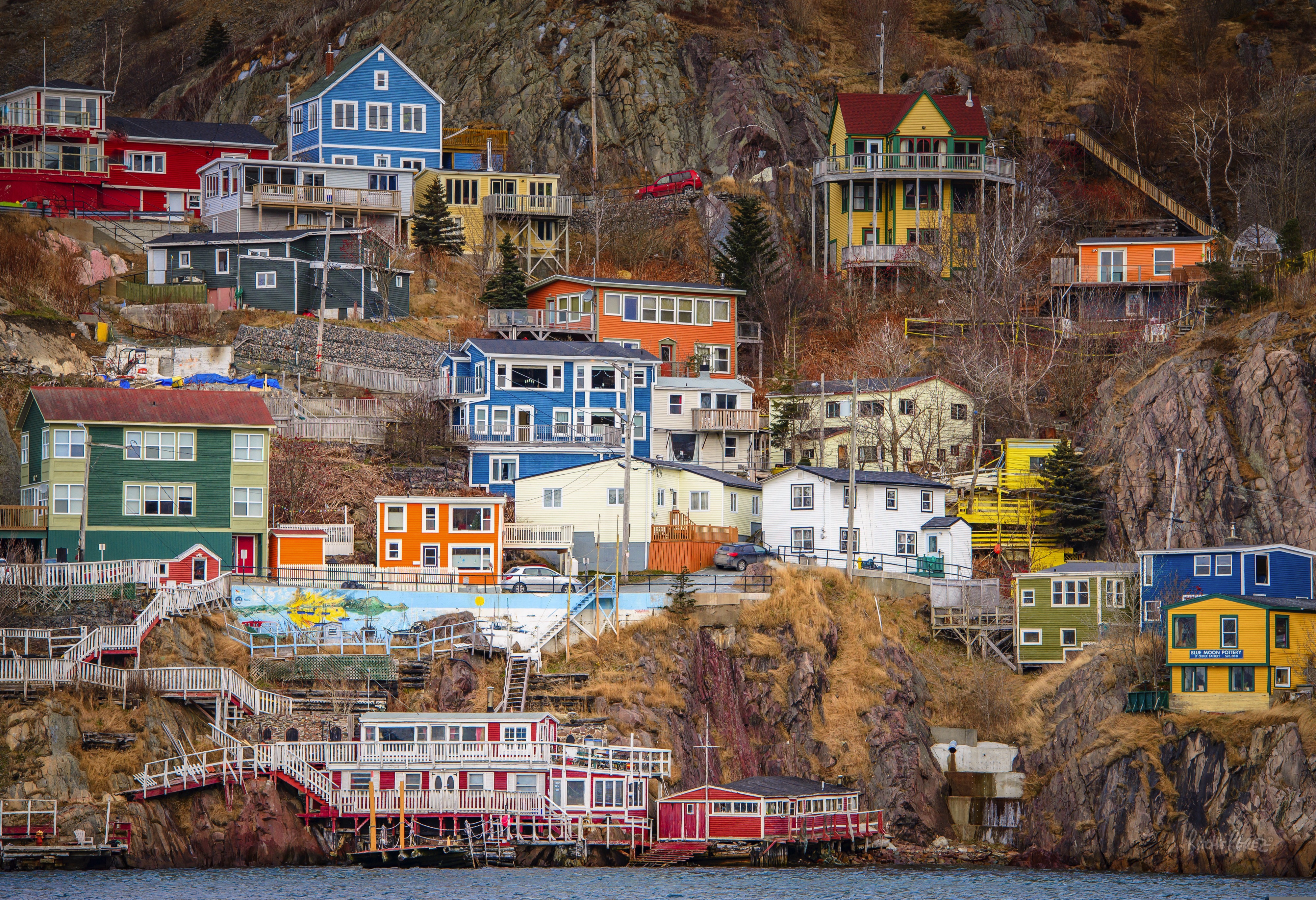
Old meets new in the province’s capital (metro-area population a little more than 200,000), with modern office buildings surrounded by heritage shops and colorful row houses. St. John’s mixes English and Irish influences, Victorian architecture and modern convenience, and traditional music and rock and roll into a heady brew. The arts scene is lively, but overall the city moves at a relaxed pace.For centuries, Newfoundland was the largest supplier of salt cod in the world, and St. John’s Harbour was the center of the trade. As early as 1627, the merchants of Water Street—then known as the Lower Path—were doing a thriving business buying fish, selling goods, and supplying alcohol to soldiers and sailors.
Saint Pierre, Saint Pierre and Miquelon
By heading almost due east from Cap-aux-Meules in Canada, it is possible to reach France in about one day’s worth of steaming! With barely 6,000 inhabitants living on tiny St. Pierre, it is the smallest French Overseas Collective. The residents of St. Pierre are predominantly descendants of Normans, Basque and Bretons and the French spoken is closer to Metropolitan French than to Canadian French. Although Basque is not spoken any longer, the influence is still felt through sport and a Basque Festival. Interestingly, this small island has two museums in part dedicated to the Prohibition. The Musée Heritage is St. Pierre’s newest museum with a focus on medical artefacts from the 19th and 20th century. Another claim to fame is a guillotine, the only one ever used in North America. In this quirky village it is easy to find the Post Office; just look for the clock tower shaped like a praying monk.
Charlottetown, Prince Edward Island, Canada
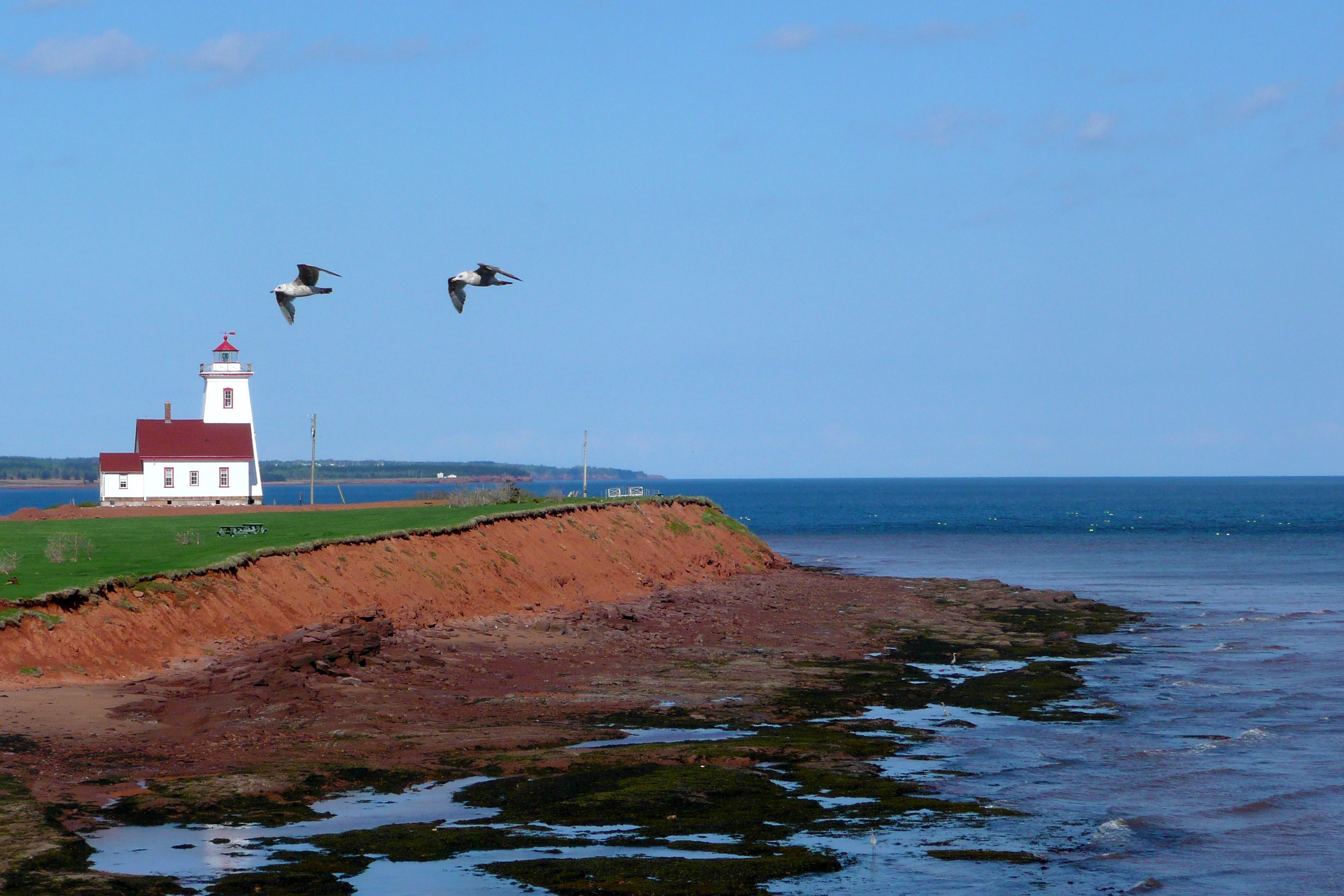
Designated as the Island capital in 1765, Charlottetown is both PEI’s oldest and largest urban center. However, since the whole “metropolitan” area only has a population of about 65,000, a pleasing small-town atmosphere remains. The city is a winner appearance-wise as well. Peppered with gingerbread-clad homes, converted warehouses, striking churches, and monumental government buildings, Charlottetown’s core seems relatively unchanged from its 19th-century heyday when it hosted the conference that led to the formation of Canada. The city is understandably proud of its role as the “Birthplace of Confederation” and, in summer, downtown streets are dotted with people dressed as personages from the past who’ll regale you with tales about the Confederation debate.
Quebec City, Québec, Canada
Québec City’s alluring setting atop Cape Diamond (Cap Diamant) evokes a past of high adventure, military history, and exploration. This French-speaking capital city is the only walled city north of Mexico. Visitors come for the delicious and inventive cuisine, the remarkable historical continuity, and to share in the seasonal exuberance of the largest Francophone population outside France.The historic heart of this community is the Old City (Vieux-Québec), comprising the part of Upper Town (Haute-Ville) surrounded by walls and Lower Town (Basse-Ville), which spreads out at the base of the hill from Place Royale. Many sets of staircases and the popular funicular link the top of the hill with the bottom. Cobblestone streets, horse-drawn carriages, and elaborate cathedrals here are charming in all seasons. The Old City earned recognition as an official UNESCO World Heritage site in 1985, thanks largely to city planners who managed to update and preserve the 400-year-old buildings and attractions without destroying what made them worth preserving. The most familiar icon of the city, Fairmont Château Frontenac, is set on the highest point in Upper Town, where it holds court over the entire city.Sitting proudly above the confluence of the St. Lawrence and St. Charles rivers, the city’s famous military fortification, La Citadelle, built in the early 19th century, remains the largest of its kind in North America. In summer, visitors should try to catch the Changing of the Guard, held every morning at 10 am; you can get much closer to the guards here than at Buckingham Palace in London.Enchanting as it is, the Old City is just a small part of the true Québec City experience. Think outside the walls and explore St-Roch, a downtown hot spot, which has artsy galleries, foodie haunts, and a bustling square. Cruise the Grande-Allée and avenue Cartier to find a livelier part of town dotted with nightclubs and fun eateries. Or while away the hours in St-Jean-Baptiste, a neighborhood with trendy shops and hipster hangouts.
Saint-John's, Newfoundland and Labrador, Canada
Old meets new in the province’s capital (metro-area population a little more than 200,000), with modern office buildings surrounded by heritage shops and colorful row houses. St. John’s mixes English and Irish influences, Victorian architecture and modern convenience, and traditional music and rock and roll into a heady brew. The arts scene is lively, but overall the city moves at a relaxed pace.For centuries, Newfoundland was the largest supplier of salt cod in the world, and St. John’s Harbour was the center of the trade. As early as 1627, the merchants of Water Street—then known as the Lower Path—were doing a thriving business buying fish, selling goods, and supplying alcohol to soldiers and sailors.
Saint Pierre, Saint Pierre and Miquelon
By heading almost due east from Cap-aux-Meules in Canada, it is possible to reach France in about one day’s worth of steaming! With barely 6,000 inhabitants living on tiny St. Pierre, it is the smallest French Overseas Collective. The residents of St. Pierre are predominantly descendants of Normans, Basque and Bretons and the French spoken is closer to Metropolitan French than to Canadian French. Although Basque is not spoken any longer, the influence is still felt through sport and a Basque Festival. Interestingly, this small island has two museums in part dedicated to the Prohibition. The Musée Heritage is St. Pierre’s newest museum with a focus on medical artefacts from the 19th and 20th century. Another claim to fame is a guillotine, the only one ever used in North America. In this quirky village it is easy to find the Post Office; just look for the clock tower shaped like a praying monk.
Charlottetown, Prince Edward Island, Canada
Designated as the Island capital in 1765, Charlottetown is both PEI’s oldest and largest urban center. However, since the whole “metropolitan” area only has a population of about 65,000, a pleasing small-town atmosphere remains. The city is a winner appearance-wise as well. Peppered with gingerbread-clad homes, converted warehouses, striking churches, and monumental government buildings, Charlottetown’s core seems relatively unchanged from its 19th-century heyday when it hosted the conference that led to the formation of Canada. The city is understandably proud of its role as the “Birthplace of Confederation” and, in summer, downtown streets are dotted with people dressed as personages from the past who’ll regale you with tales about the Confederation debate.
Quebec City, Québec, Canada
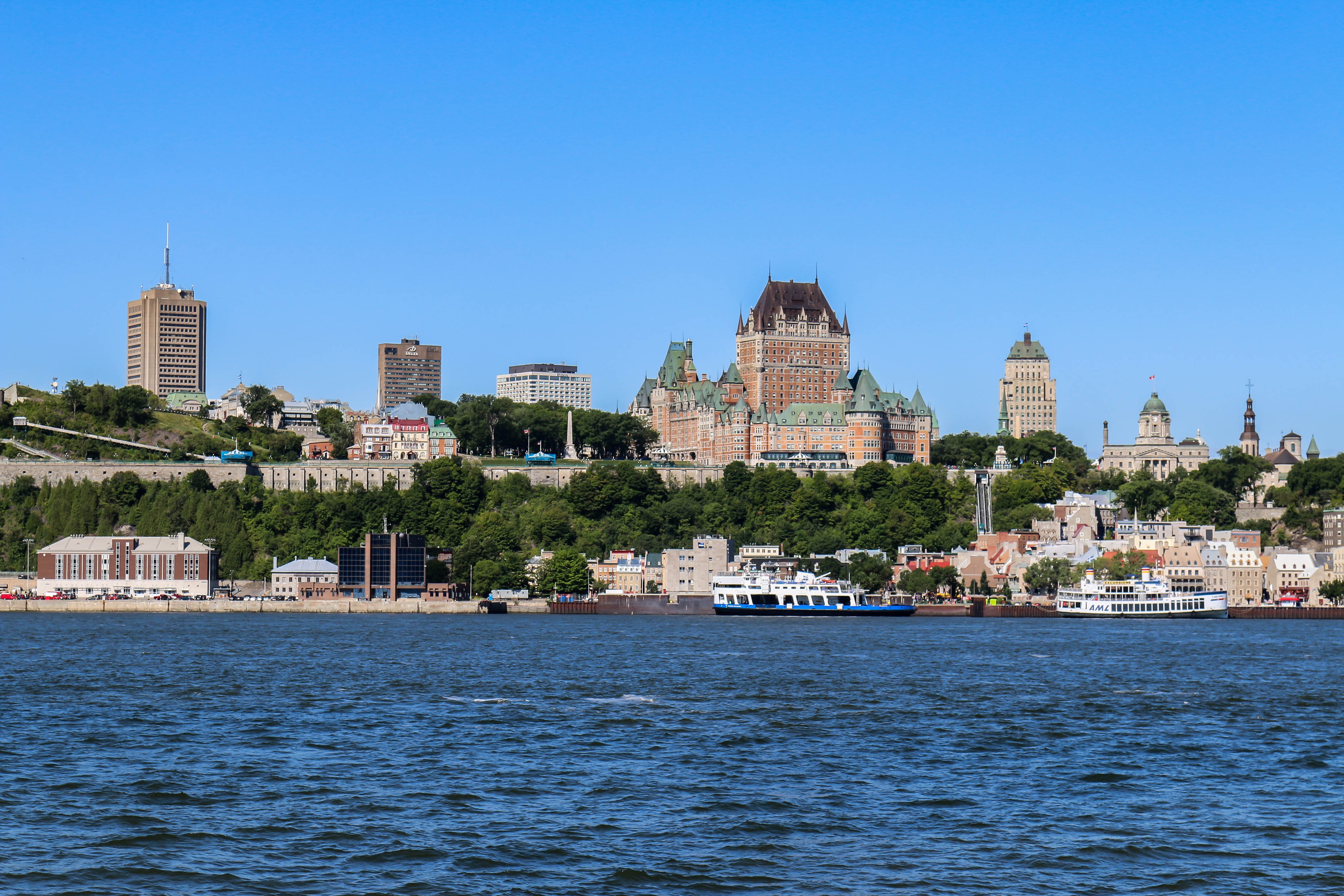
Québec City’s alluring setting atop Cape Diamond (Cap Diamant) evokes a past of high adventure, military history, and exploration. This French-speaking capital city is the only walled city north of Mexico. Visitors come for the delicious and inventive cuisine, the remarkable historical continuity, and to share in the seasonal exuberance of the largest Francophone population outside France.The historic heart of this community is the Old City (Vieux-Québec), comprising the part of Upper Town (Haute-Ville) surrounded by walls and Lower Town (Basse-Ville), which spreads out at the base of the hill from Place Royale. Many sets of staircases and the popular funicular link the top of the hill with the bottom. Cobblestone streets, horse-drawn carriages, and elaborate cathedrals here are charming in all seasons. The Old City earned recognition as an official UNESCO World Heritage site in 1985, thanks largely to city planners who managed to update and preserve the 400-year-old buildings and attractions without destroying what made them worth preserving. The most familiar icon of the city, Fairmont Château Frontenac, is set on the highest point in Upper Town, where it holds court over the entire city.Sitting proudly above the confluence of the St. Lawrence and St. Charles rivers, the city’s famous military fortification, La Citadelle, built in the early 19th century, remains the largest of its kind in North America. In summer, visitors should try to catch the Changing of the Guard, held every morning at 10 am; you can get much closer to the guards here than at Buckingham Palace in London.Enchanting as it is, the Old City is just a small part of the true Québec City experience. Think outside the walls and explore St-Roch, a downtown hot spot, which has artsy galleries, foodie haunts, and a bustling square. Cruise the Grande-Allée and avenue Cartier to find a livelier part of town dotted with nightclubs and fun eateries. Or while away the hours in St-Jean-Baptiste, a neighborhood with trendy shops and hipster hangouts.
Montréal, Québec, Canada
Canada’s most diverse metropolis, Montréal, is an island city that favors style and elegance over order or even prosperity, a city where past and present intrude on each other daily. In some ways it resembles Vienna—well past its peak of power and glory, perhaps, yet still vibrant and grand.But don’t get the wrong idea. Montréal has always had a bit of an edge. During Prohibition, thirsty Americans headed north to the city on the St. Lawrence for booze, music, and a good time, and people still come for the same things. Summer festivals celebrate everything from comedy and French music and culture to beer and fireworks, and, of course, jazz. And on those rare weeks when there isn’t a planned event, the party continues. Clubs and sidewalk cafés are abuzz from late afternoon to the early hours of the morning. And Montréal is a city that knows how to mix it up even when it’s 20 below zero. Rue St-Denis is almost as lively on a Saturday night in January as it is in July, and the festival Montréal en Lumière, or Montréal Highlights, enlivens the dreary days of February with concerts, balls, and fine food.Montréal takes its name from Parc du Mont-Royal, a stubby plug of tree-covered igneous rock that rises 764 feet above the surrounding cityscape. Although its height is unimpressive, “the Mountain” forms one of Canada’s finest urban parks, and views from the Chalet du Mont-Royal atop the hill provide an excellent orientation to the city’s layout and major landmarks.Old Montréal is home to museums, the municipal government, and the magnificent Basilique Notre-Dame-de-Montréal within its network of narrow, cobblestone streets. Although Montréal’s centre-ville, or Downtown, bustles like many other major cities on the surface, it’s active below street level as well, in the so-called Underground City–-the underground levels of shopping malls and food courts connected by pedestrian tunnels and the city’s subway system, or métro. Residential Plateau Mont-Royal and trendy neighborhoods are abuzz with restaurants, nightclubs, art galleries, and cafés. The greener areas of town are composed of the Parc du Mont-Royal and the Jardin Botanique.
Montréal, Québec, Canada
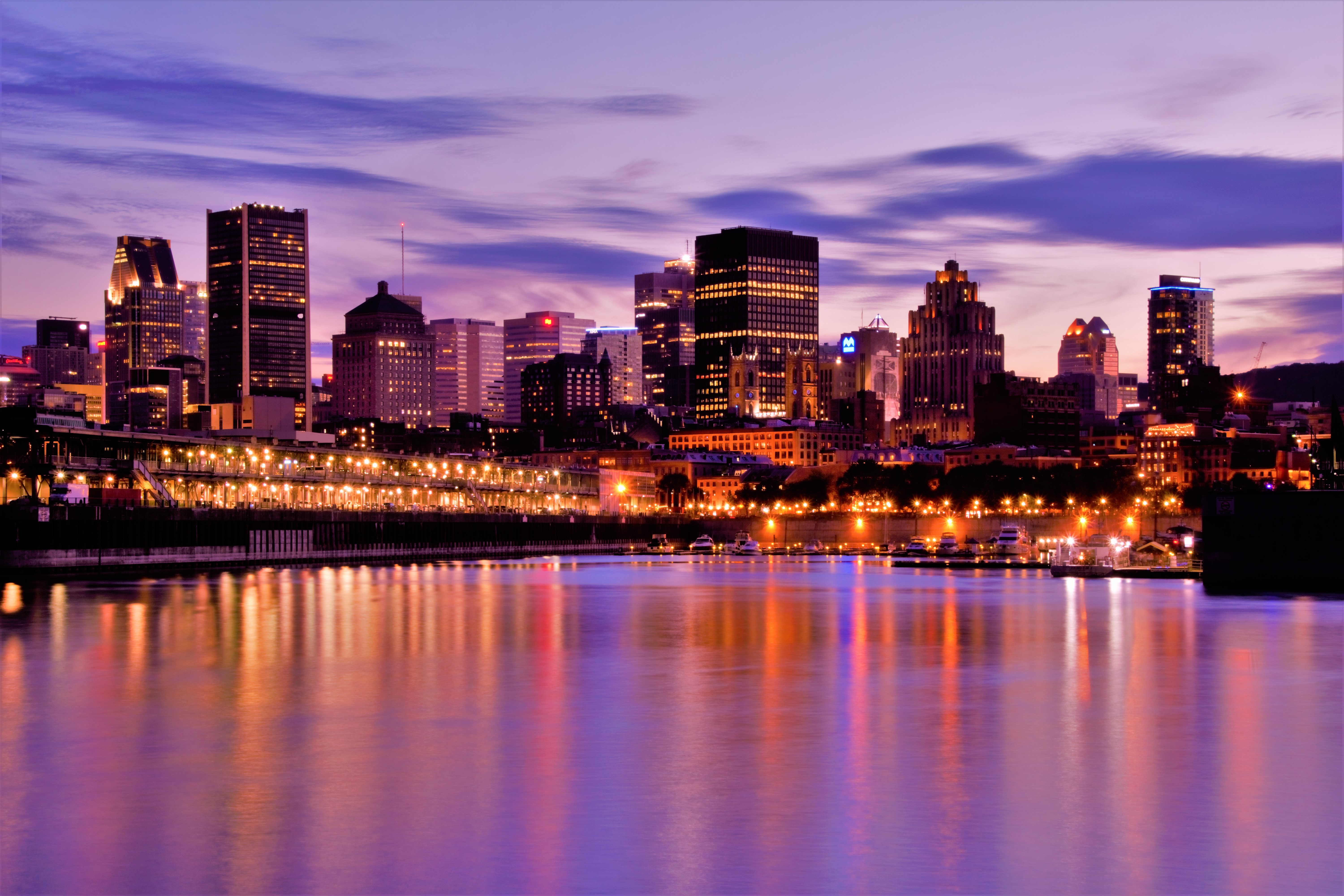
Canada’s most diverse metropolis, Montréal, is an island city that favors style and elegance over order or even prosperity, a city where past and present intrude on each other daily. In some ways it resembles Vienna—well past its peak of power and glory, perhaps, yet still vibrant and grand.But don’t get the wrong idea. Montréal has always had a bit of an edge. During Prohibition, thirsty Americans headed north to the city on the St. Lawrence for booze, music, and a good time, and people still come for the same things. Summer festivals celebrate everything from comedy and French music and culture to beer and fireworks, and, of course, jazz. And on those rare weeks when there isn’t a planned event, the party continues. Clubs and sidewalk cafés are abuzz from late afternoon to the early hours of the morning. And Montréal is a city that knows how to mix it up even when it’s 20 below zero. Rue St-Denis is almost as lively on a Saturday night in January as it is in July, and the festival Montréal en Lumière, or Montréal Highlights, enlivens the dreary days of February with concerts, balls, and fine food.Montréal takes its name from Parc du Mont-Royal, a stubby plug of tree-covered igneous rock that rises 764 feet above the surrounding cityscape. Although its height is unimpressive, “the Mountain” forms one of Canada’s finest urban parks, and views from the Chalet du Mont-Royal atop the hill provide an excellent orientation to the city’s layout and major landmarks.Old Montréal is home to museums, the municipal government, and the magnificent Basilique Notre-Dame-de-Montréal within its network of narrow, cobblestone streets. Although Montréal’s centre-ville, or Downtown, bustles like many other major cities on the surface, it’s active below street level as well, in the so-called Underground City–-the underground levels of shopping malls and food courts connected by pedestrian tunnels and the city’s subway system, or métro. Residential Plateau Mont-Royal and trendy neighborhoods are abuzz with restaurants, nightclubs, art galleries, and cafés. The greener areas of town are composed of the Parc du Mont-Royal and the Jardin Botanique.
Cabin Options
Interior
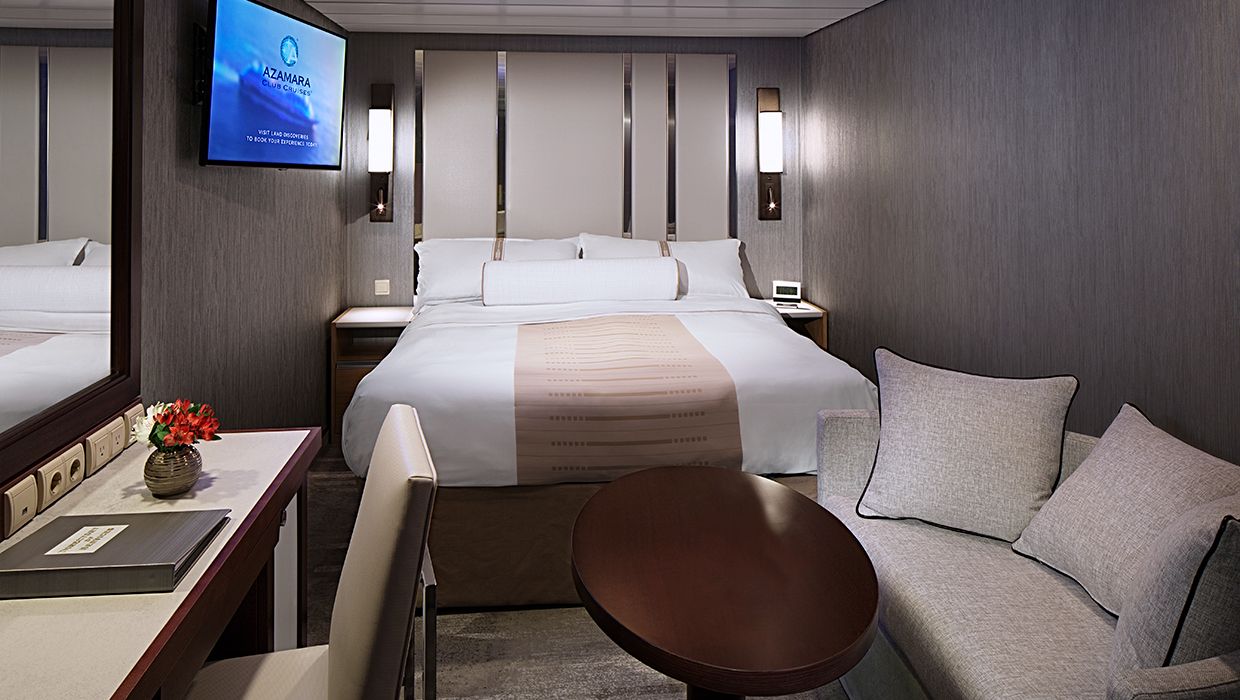
Interior Guarantee
Veranda
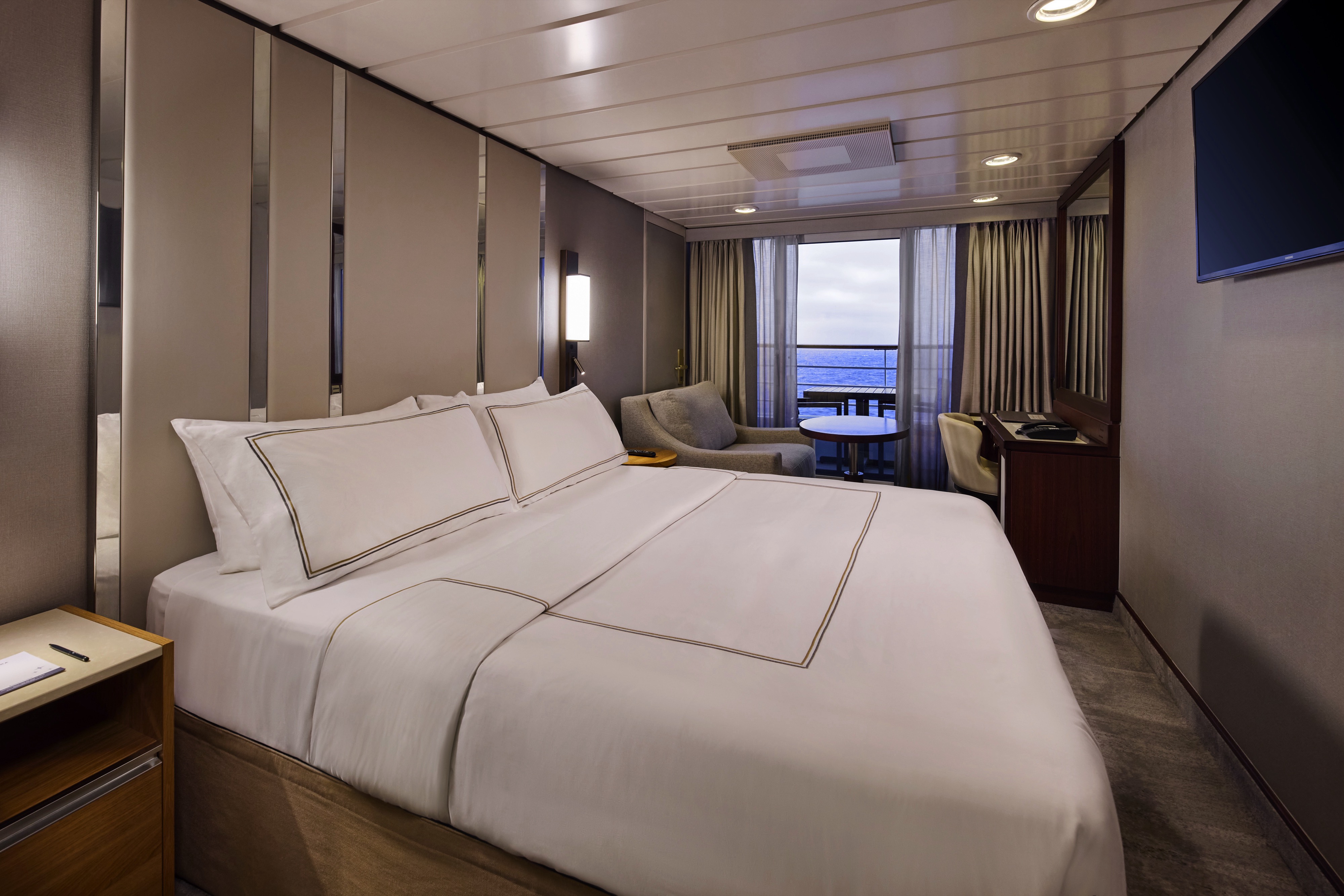
Veranda Guarantee
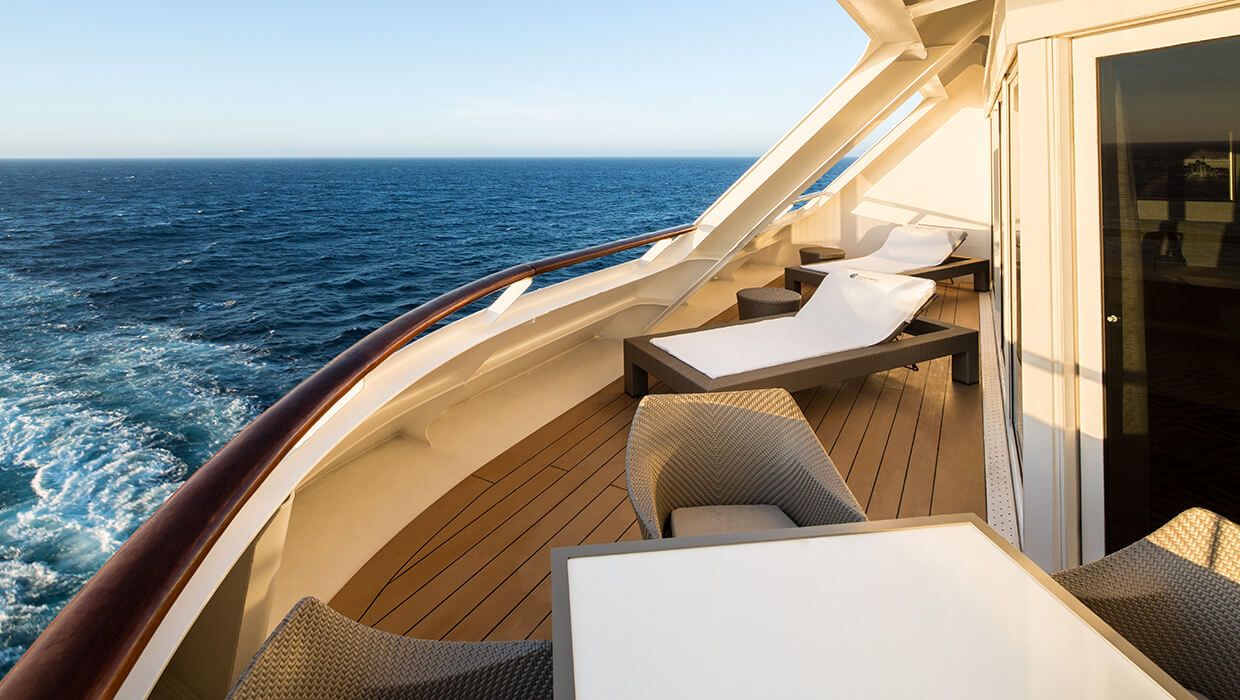
World Owner's Suite
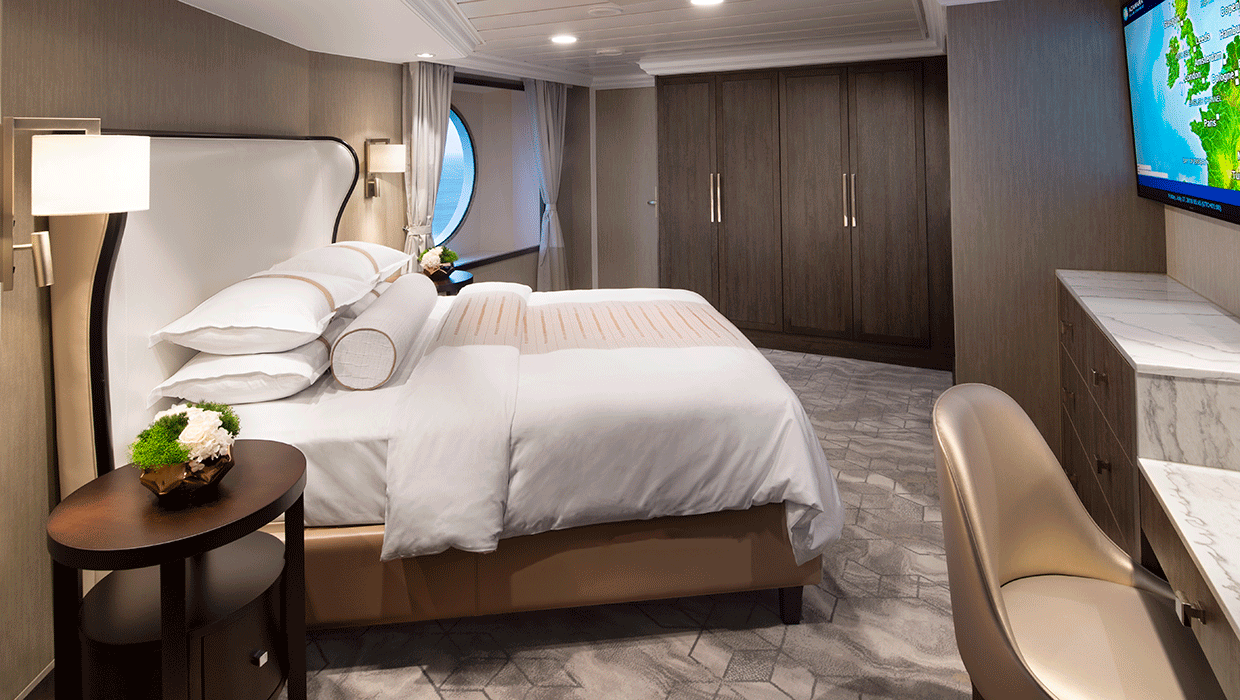
Ocean Suite
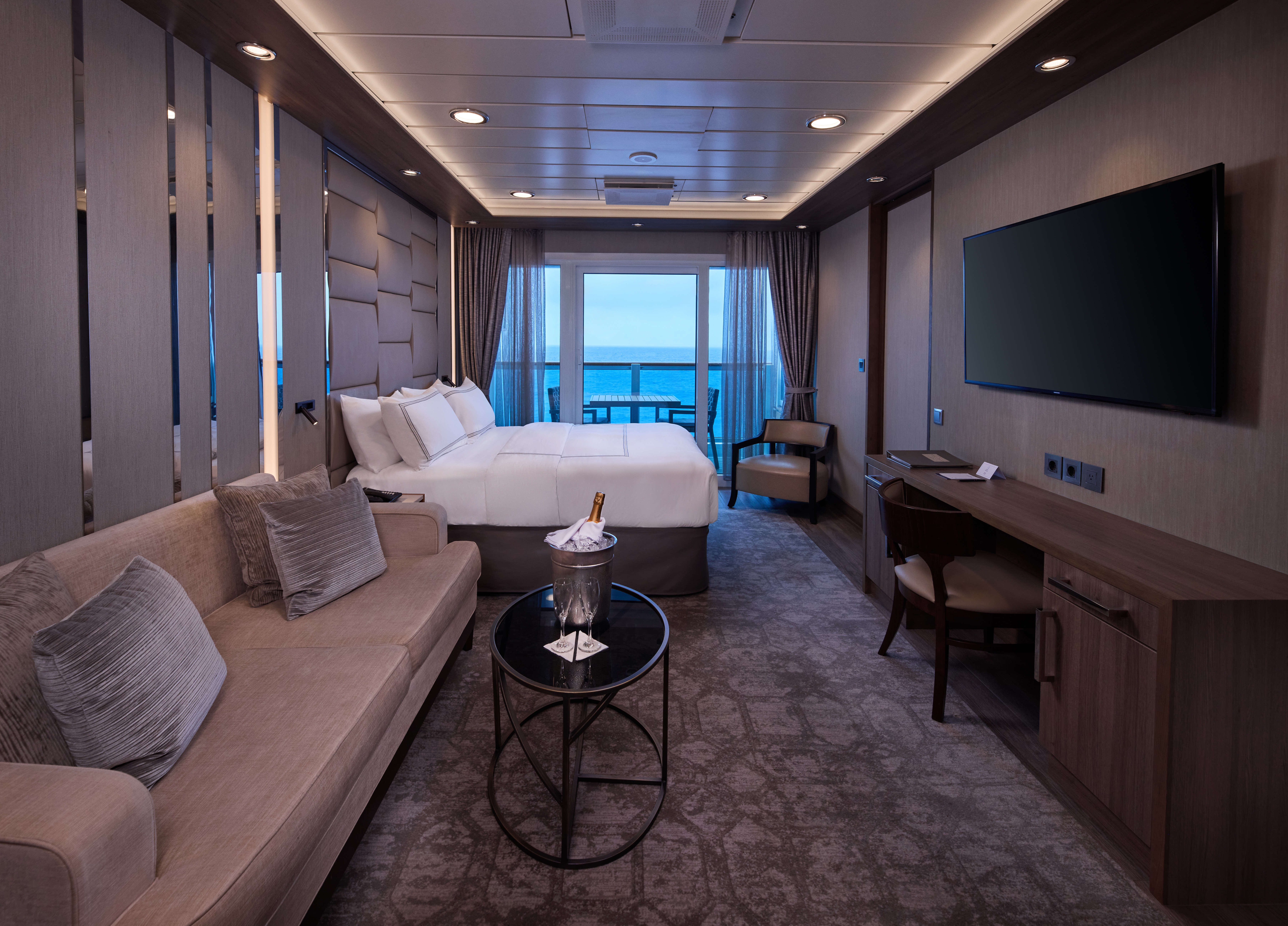
Spa Suite
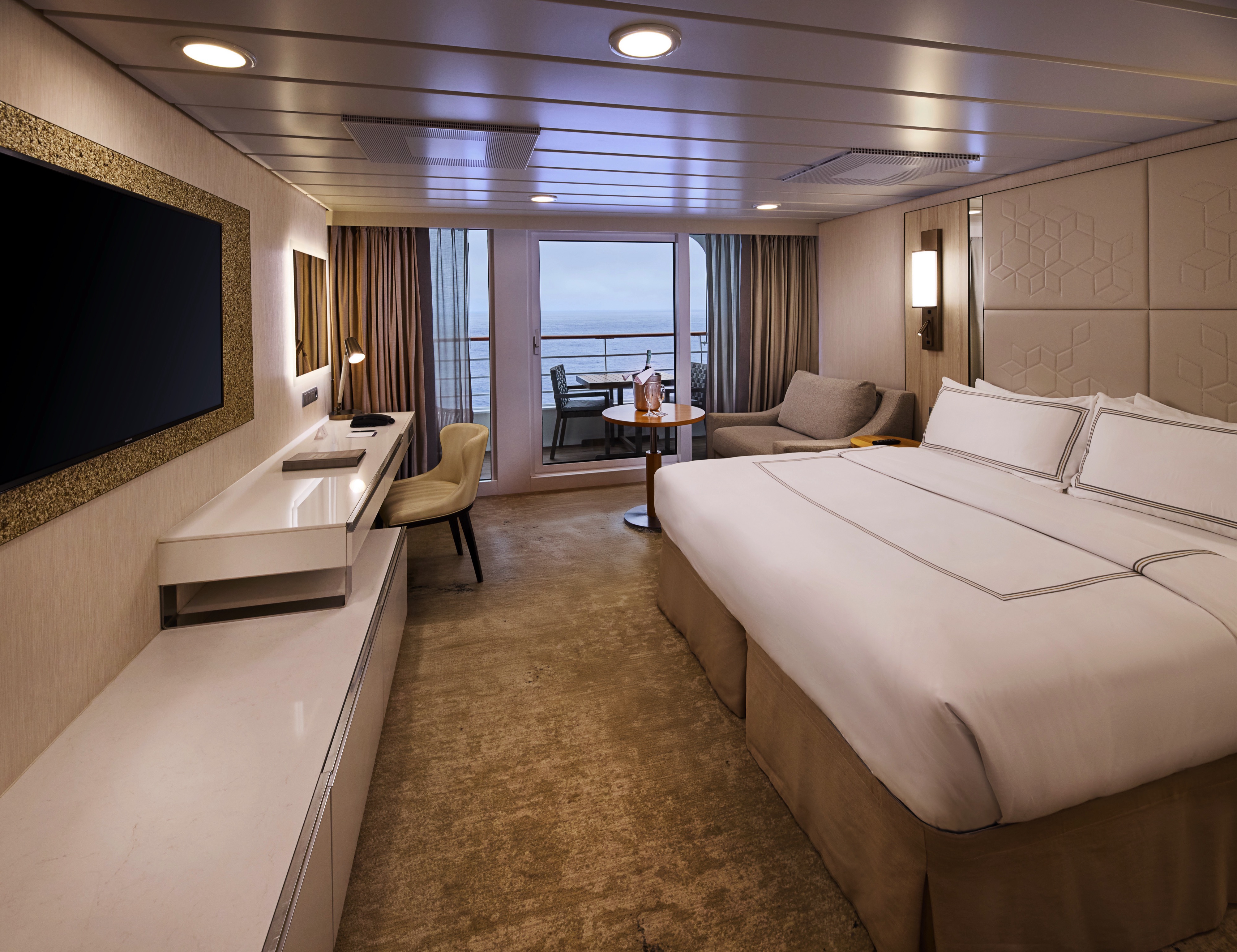
Continent Suite
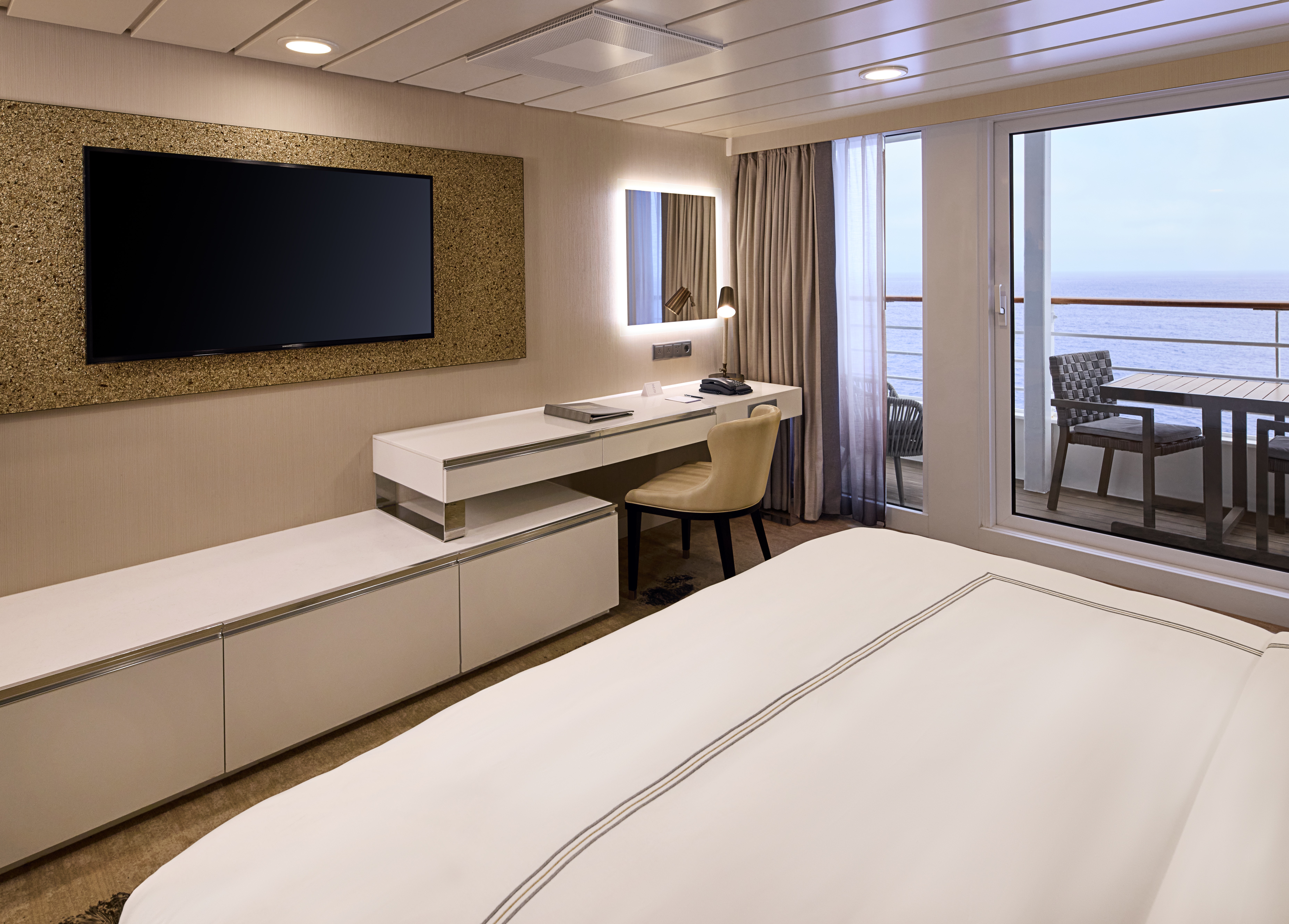
Suite Guarantee
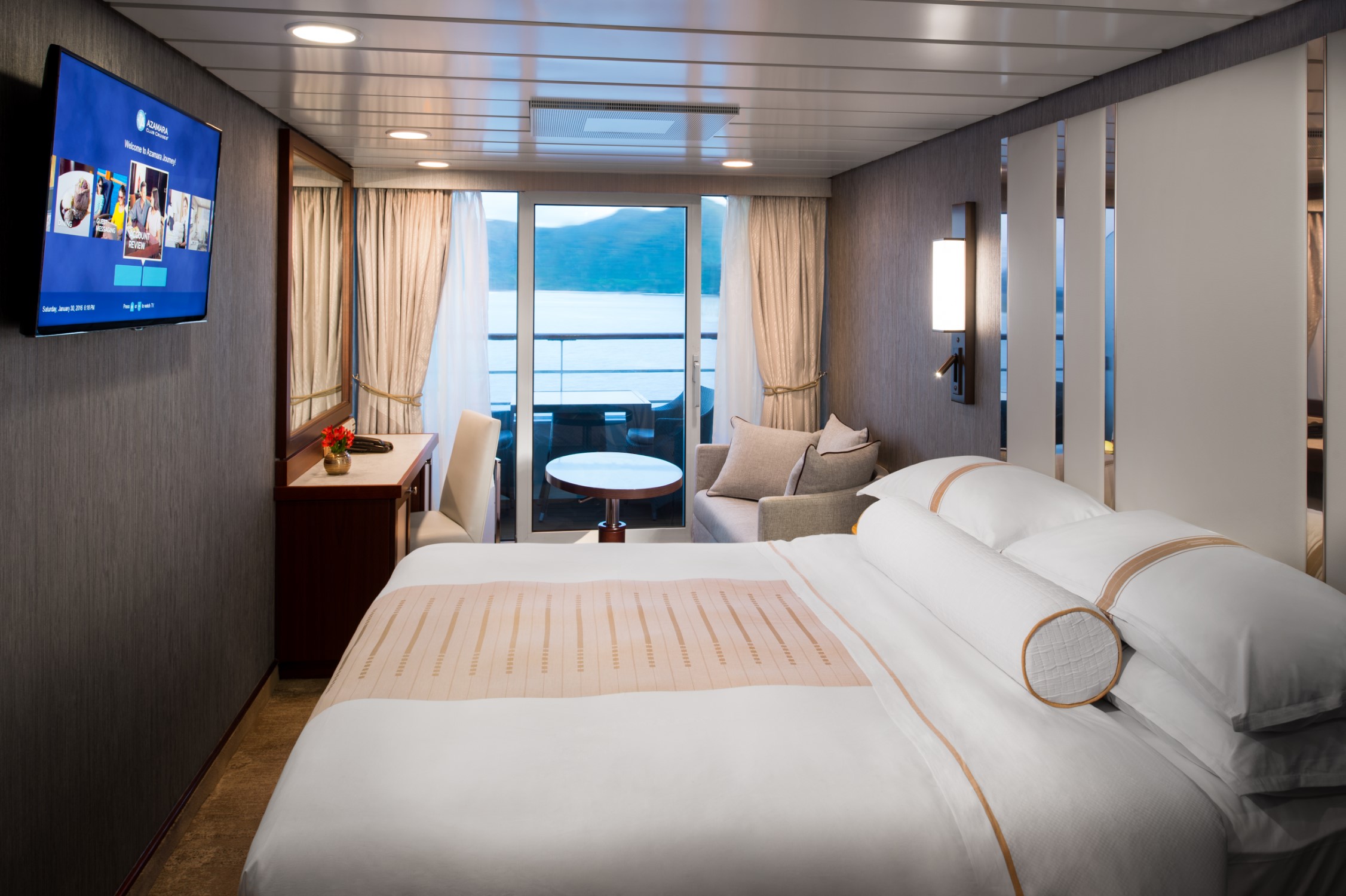
Veranda Plus
Veranda Plus Guarantee
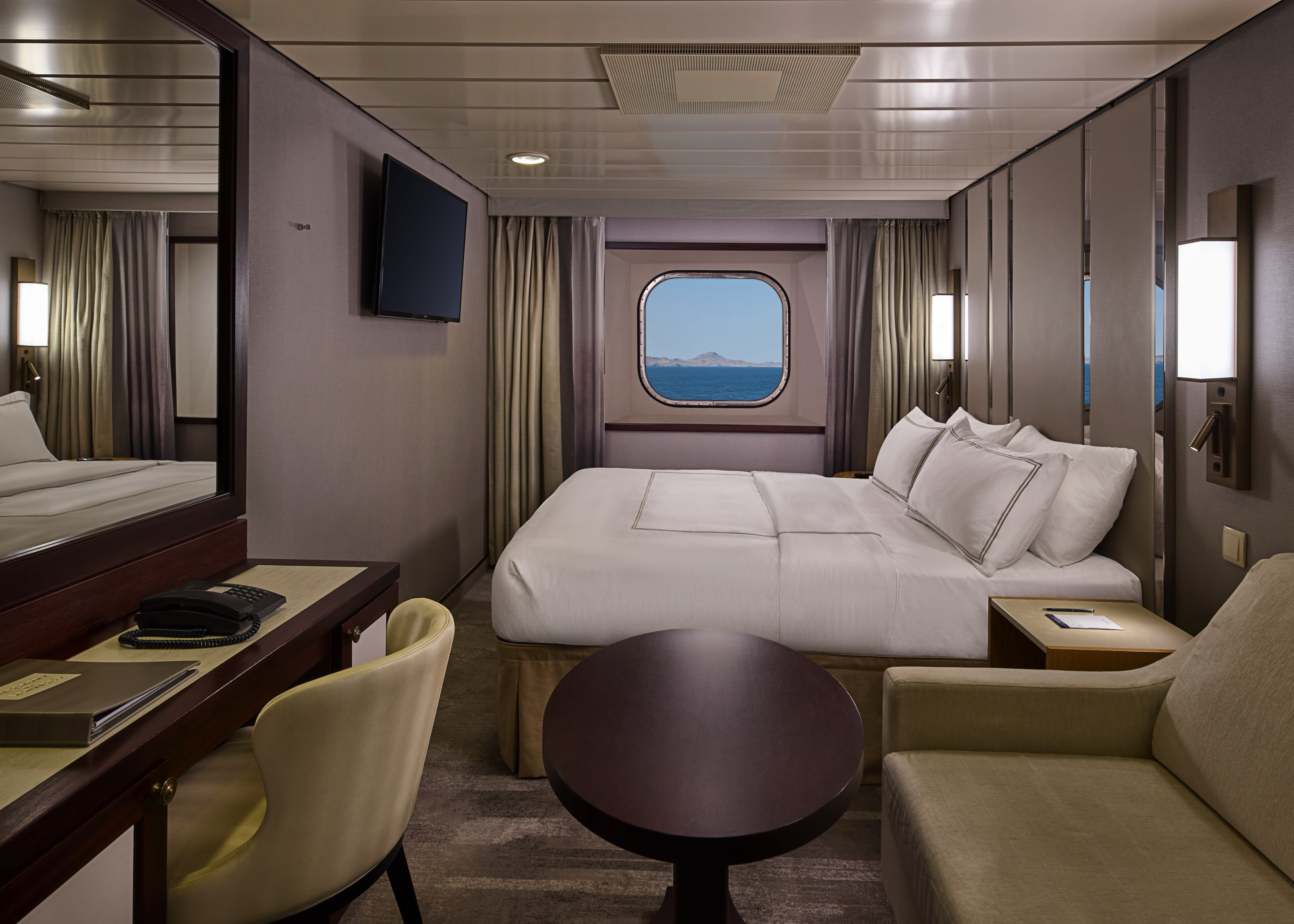
Oceanview
Oceanview Guarantee
Ship Facilities
Aqualina
At Aqualina, you’ll find some of Italy’s most authentic dishes. Pastas made from scratch, traditional recipes, and scrumptious vegetarian dishes that make sure there’s something for everyone. Plus our famous desserts: Sorrento lemon liqueur mousse, hazelnut chocolate soufflé and more.
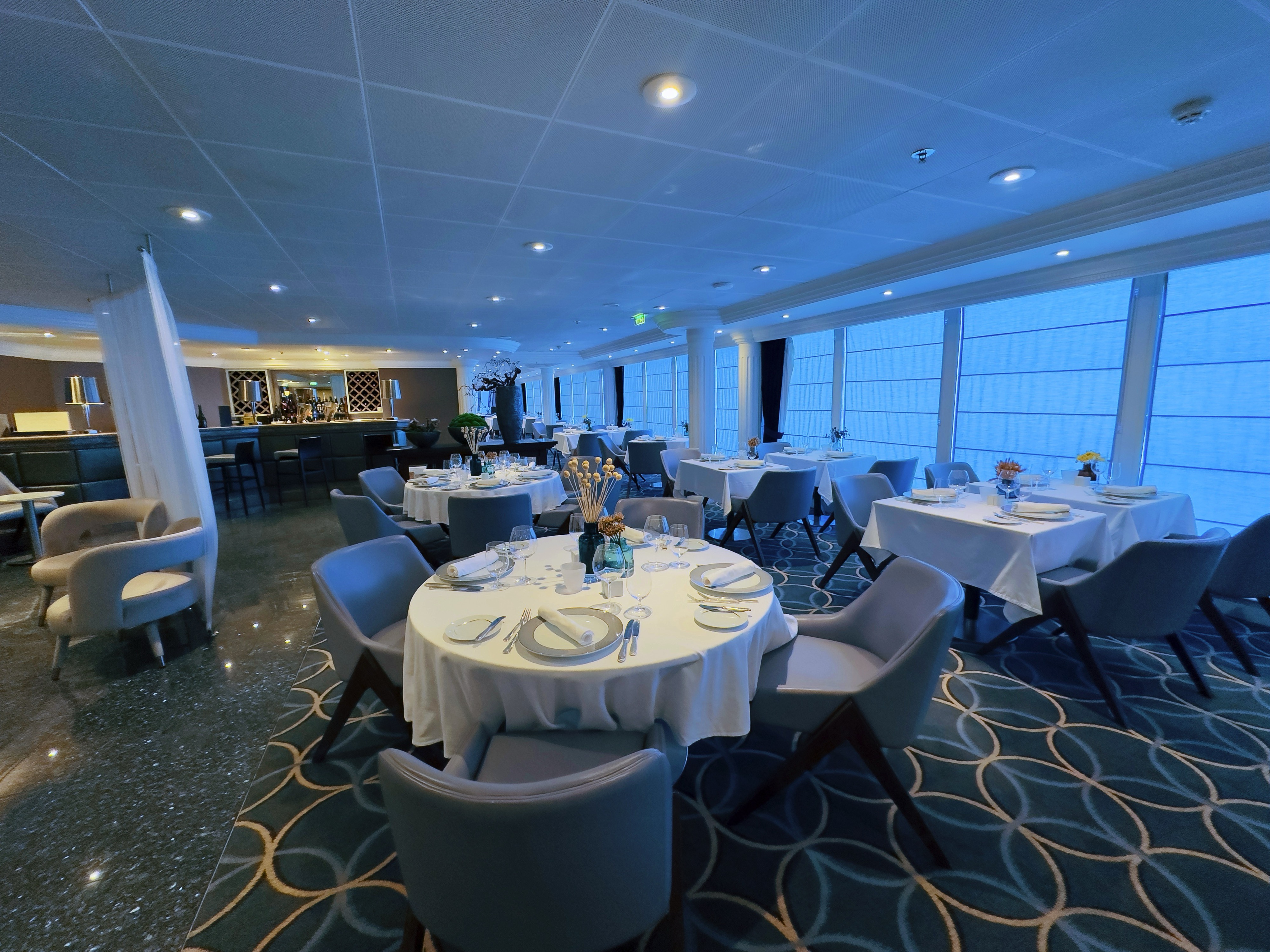
Prime C
Your choice of steak, cooked to perfection. Herb-coated rack of lamb, duck confit and Chilean sea bass—all paired with savory sides. At Prime C, you’re in for more than delectable dining. Expect a great evening with stunning views and lush décor.
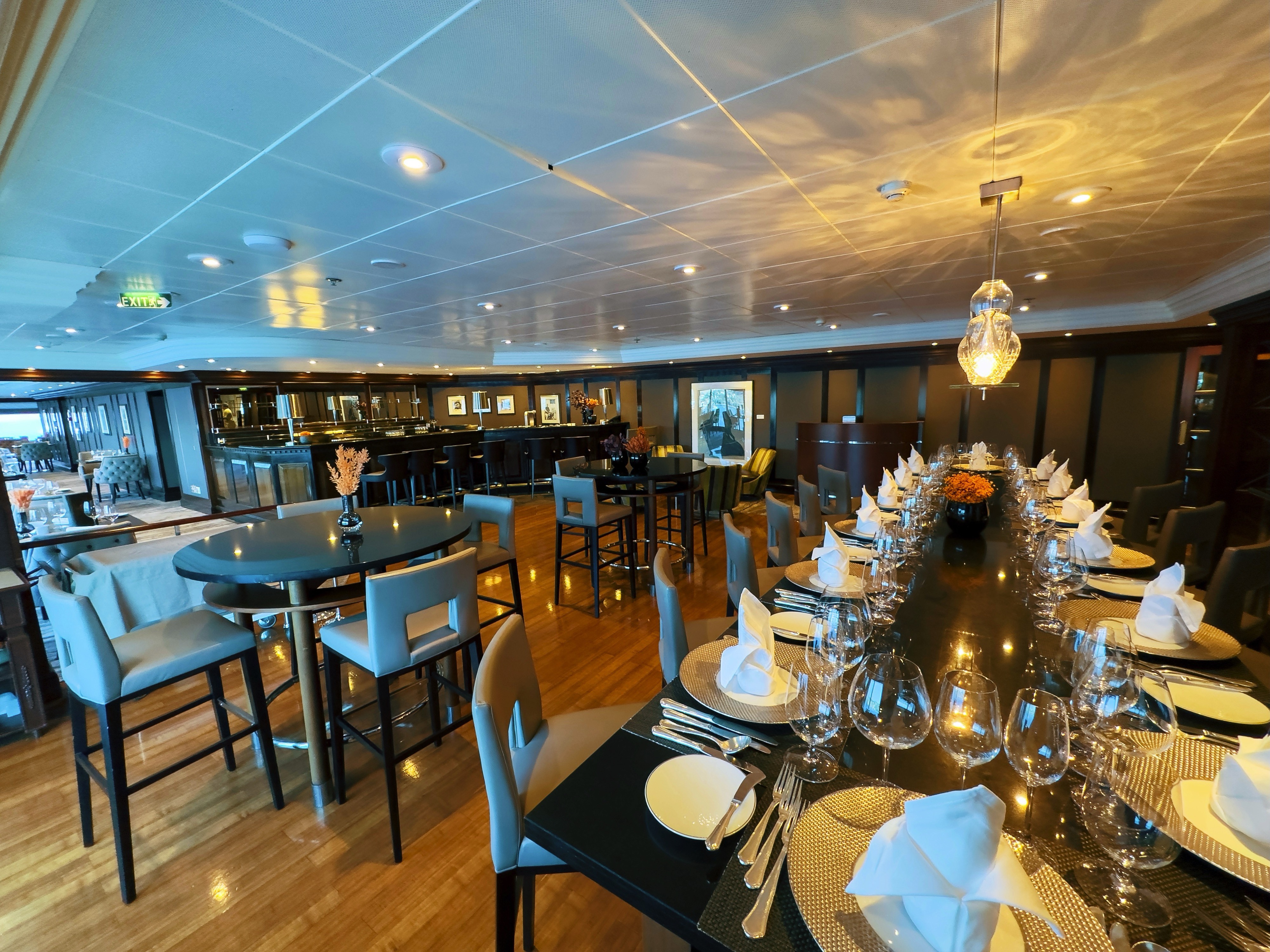
Discoveries Restaurant
Discover the world through dishes and flavors from the places we visit. Of course, you’ll also enjoy a wide variety of nightly selections such as filet mignon with black truffle sauce. Choose being seated at a table for two or as part of a larger group of fellow guests.
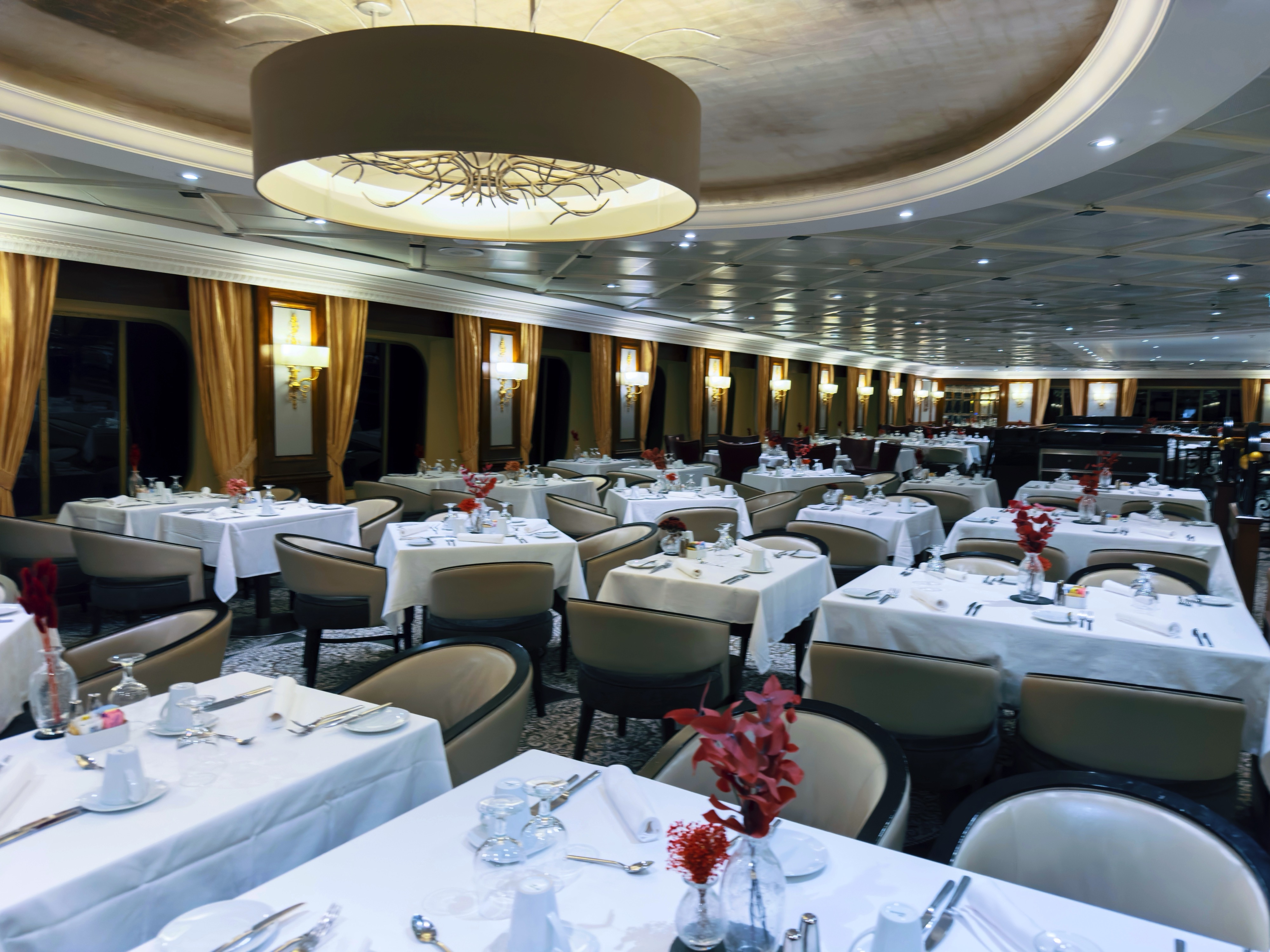
Windows Café
Our daily themed dinner often takes its inspiration from the region we’re visiting—Indian, Mexican, Spanish, Italian. We also create an extra live station made from local ingredients purchased in port: Greek salad made with local feta (Greece), pasta prepared with local mushrooms (Italy), fresh Mussels served with garlic bread (Netherlands).
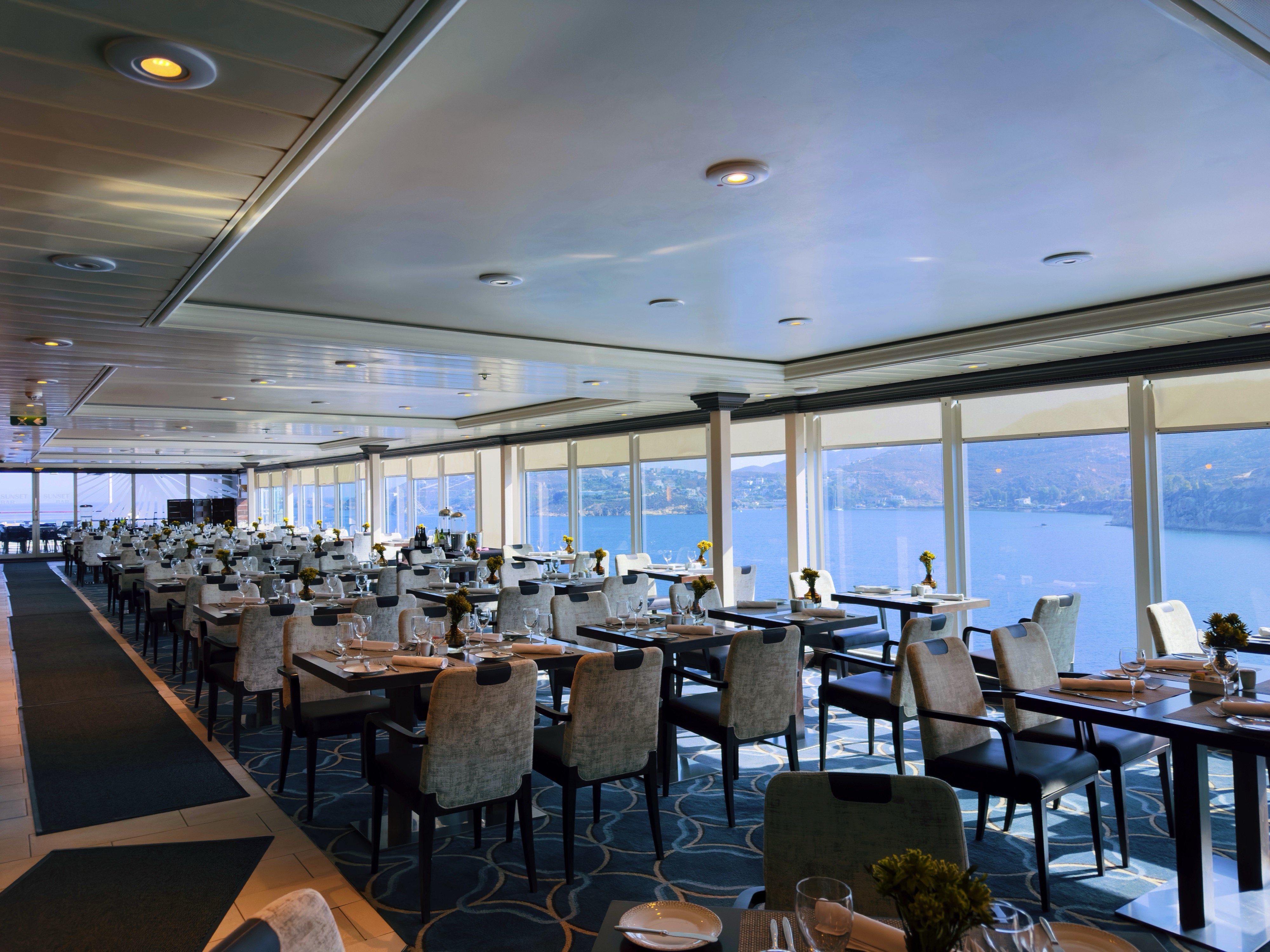
The Patio And Swirl & Top
Casual “pool grill” by day. A sit-down al fresco dining experience by night. Taste your way around the world with exclusive personalized dishes using local flavors of the places we visit. Plus a self-serve frozen yogurt station—Swirl & Top. With a variety of flavors and your choice of toppings, it’s the perfect way to cool off.
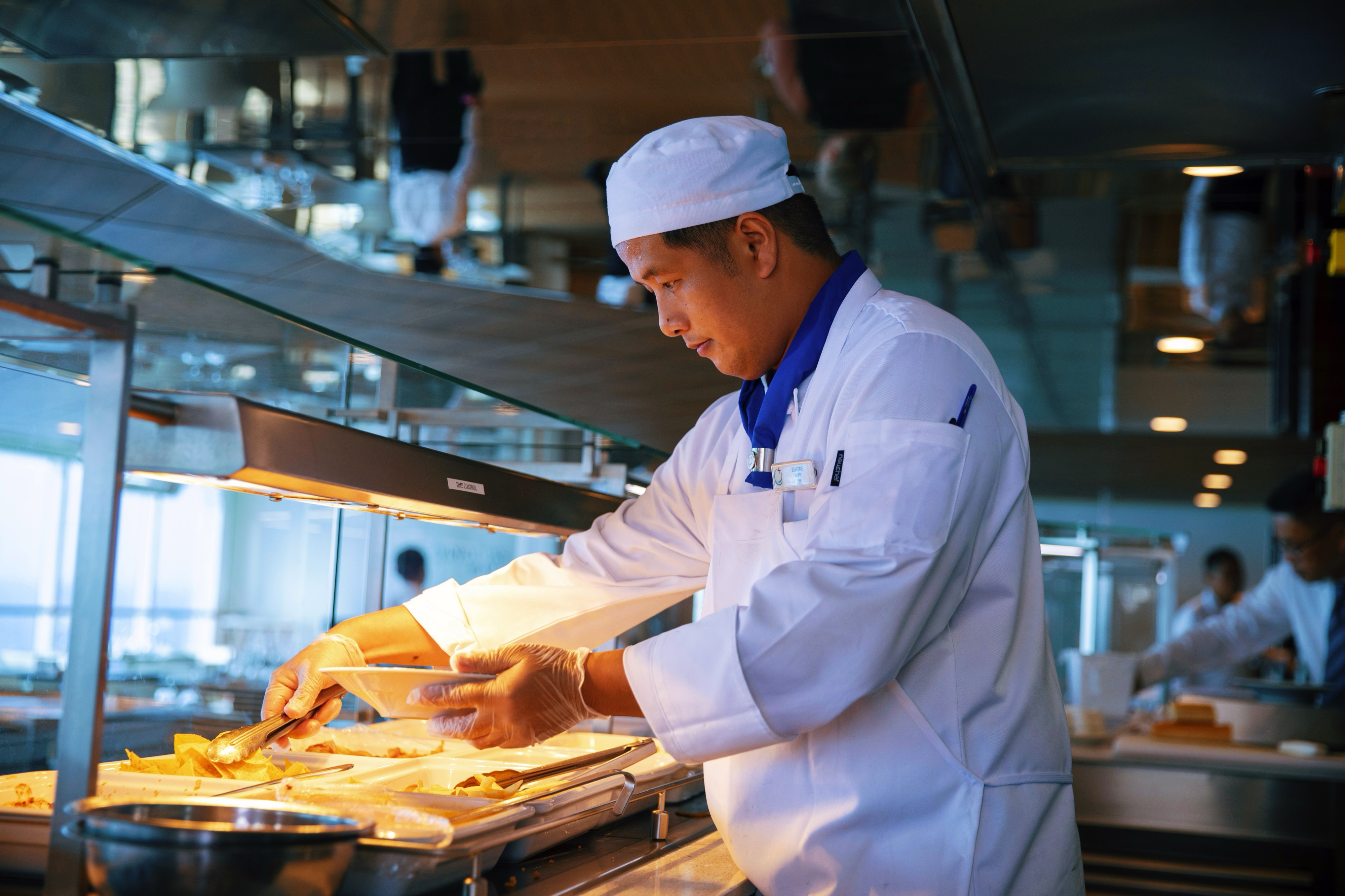
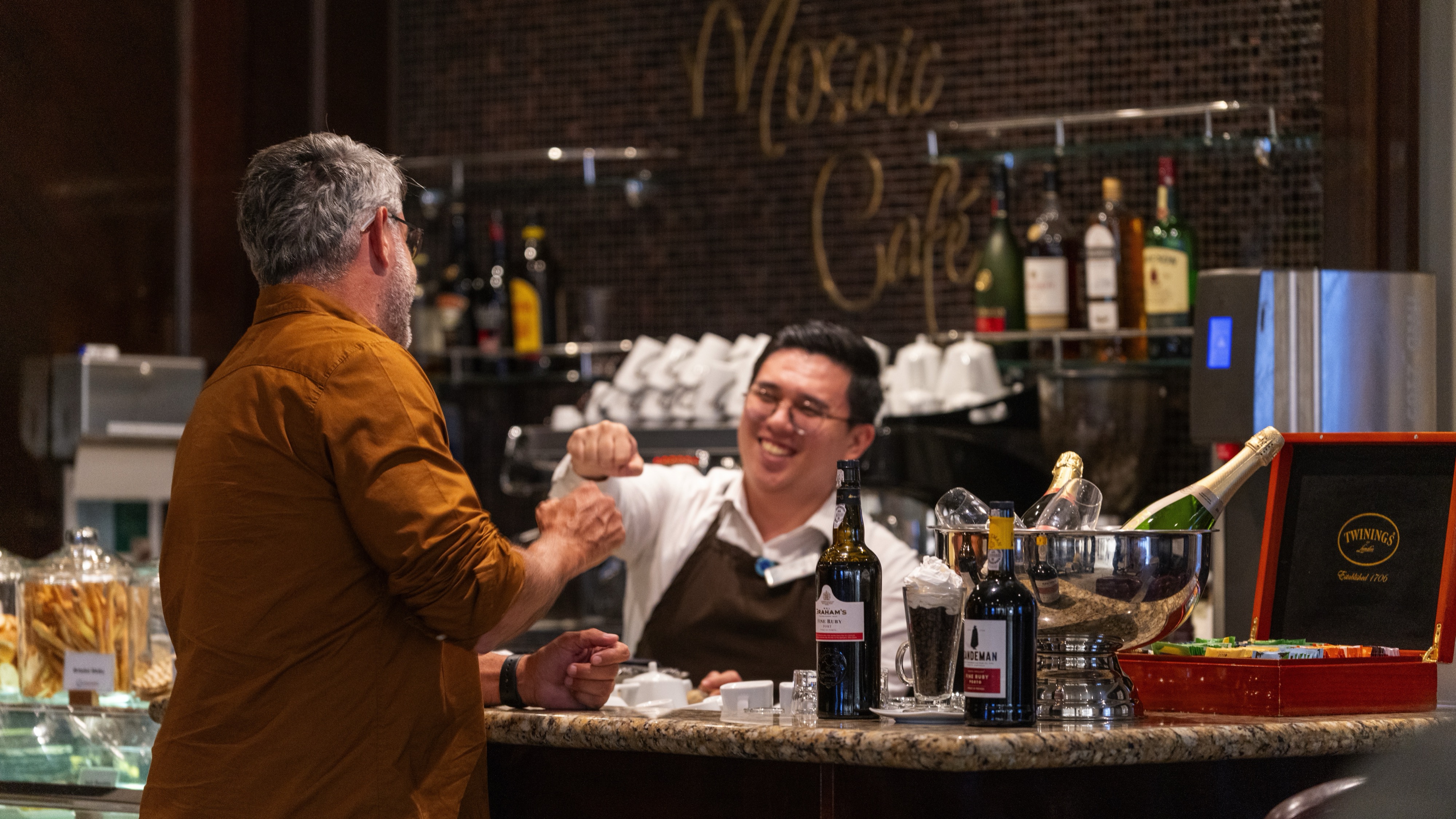
Mosaic Café
Stylish and cozy, Mosaic offers your favorite coffee drinks exactly as you like them. Relax in a comfortable seat and enjoy. It’s the perfect spot to start or end your day, and it just might become your favorite place on the ship.
Room Service
The best time for room service? Whenever you say it is, 24-hours a day. Order from the full breakfast menu between 6:30 AM and 10:00 AM, and we’ll deliver at your appointed time. Lunch and dinner room service features a menu of hearty soups, fresh salads, gourmet sandwiches, pizzas and desserts.
Exclusive Experiences
These excursions represent our most exclusive and unique opportunities to immerse yourself in our destinations. Be there as history is made at one of the world’s great celebrations, sporting events or cultural festivals. Spend a few days traveling overland on an expedition that ventures beyond the coast. Or, let us craft a private tour around your individual interests.
World Events
Join the revelry at world-renowned art shows, sporting events, culinary festivals and other local celebrations.
Overnight Experiences
Venture deeper into a destination to spend a night or more exploring iconic locales and landmarks, found beyond the harbours of your itinerary.
Private Tours
Let Azamara work with you to create the destination experience you’ve always dreamed of! Embark on a personalised Private Tour and we’ll turn that dream into reality.
Locales & Landmarks
These curated sightseeing tours reveal the hidden gems, local secrets and signature sites of a destination. Whether a cultural immersion, self-guided tour, panoramic drive, or guided visit, this series makes it easy to enjoy an authentic destination experience.
Cultural Expressions
Connect with customs, beliefs, art, and music that define local cultures through authentic, engaging encounters.
Ancient Wonders
Get immersed in epic history. Learn about the architecture, culture, and beliefs of ancient civilizations.
Food & Wine
Savor local food, wines, beers, and spirits on these culinary journeys, many led by Azamara Executive Chefs, Sommeliers and Mixologists.
Local Introductions
Spend time with local families, business owners, artists, aristocrats, and other influencers in their homes and workplaces.
Nature & Wildlife
Enjoy a close look at indigenous plants and wildlife on an ecological exploration that directly contributes to environmental stewardship.
AzAmazing Evenings
One-of-a-kind, complimentary, immersive cultural experiences exclusively created for Azamara guests, continuing our commitment to Destination Immersion®. First launched in 2011 to inspire guests to dive deeper into the heart of each destination, these extraordinary evenings showcase music, art, and culinary traditions in unique settings where authentic culture truly comes alive.
Most AzAmazing Evenings® take place ashore, often in iconic venues while the ship stays late in port, aligning with our hallmark of Destination Immersion®, bringing guests closer to local culture in remarkable locations. On select occasions, including seven- and eight-night itineraries, equally captivating experiences are brought onboard.
*For sailings of 9 nights or longer, exceptions may occur when local infrastructure does not allow for an onshore event; in such cases, the experience will be hosted onboard. In rare cases—such as select transoceanic crossings or charters—AzAmazing Evenings® will not be offered.
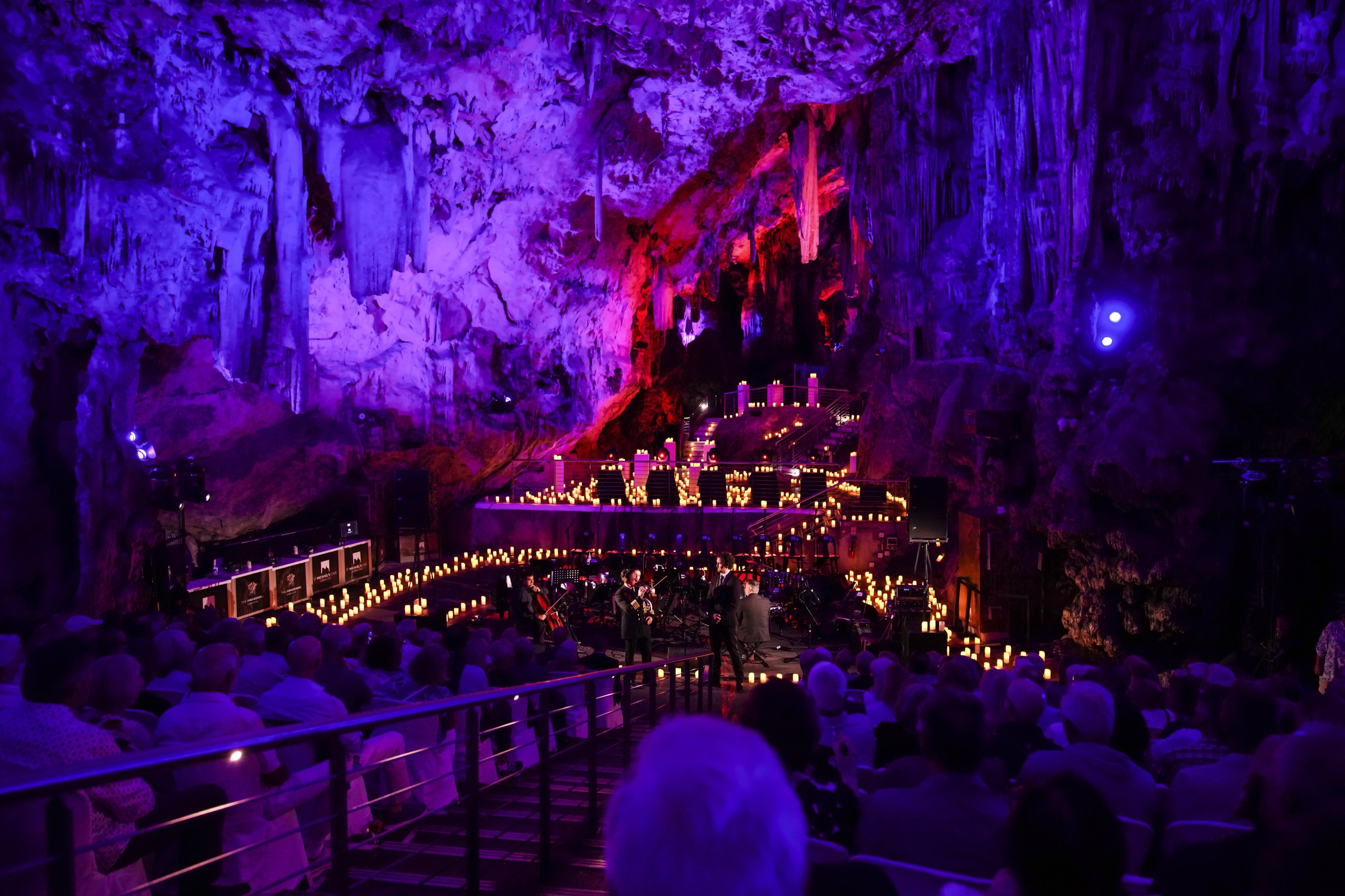
Enrichment Program and Classes
Your quest to learn continues with Destination Speakers offering their expertise throughout each voyage with Azamara®. Facilitated through Compass Speakers, these experts will participate in a range of programs, classes, and lecture series — all created with our incredible destinations in mind. They’ll also hold Q&A sessions!
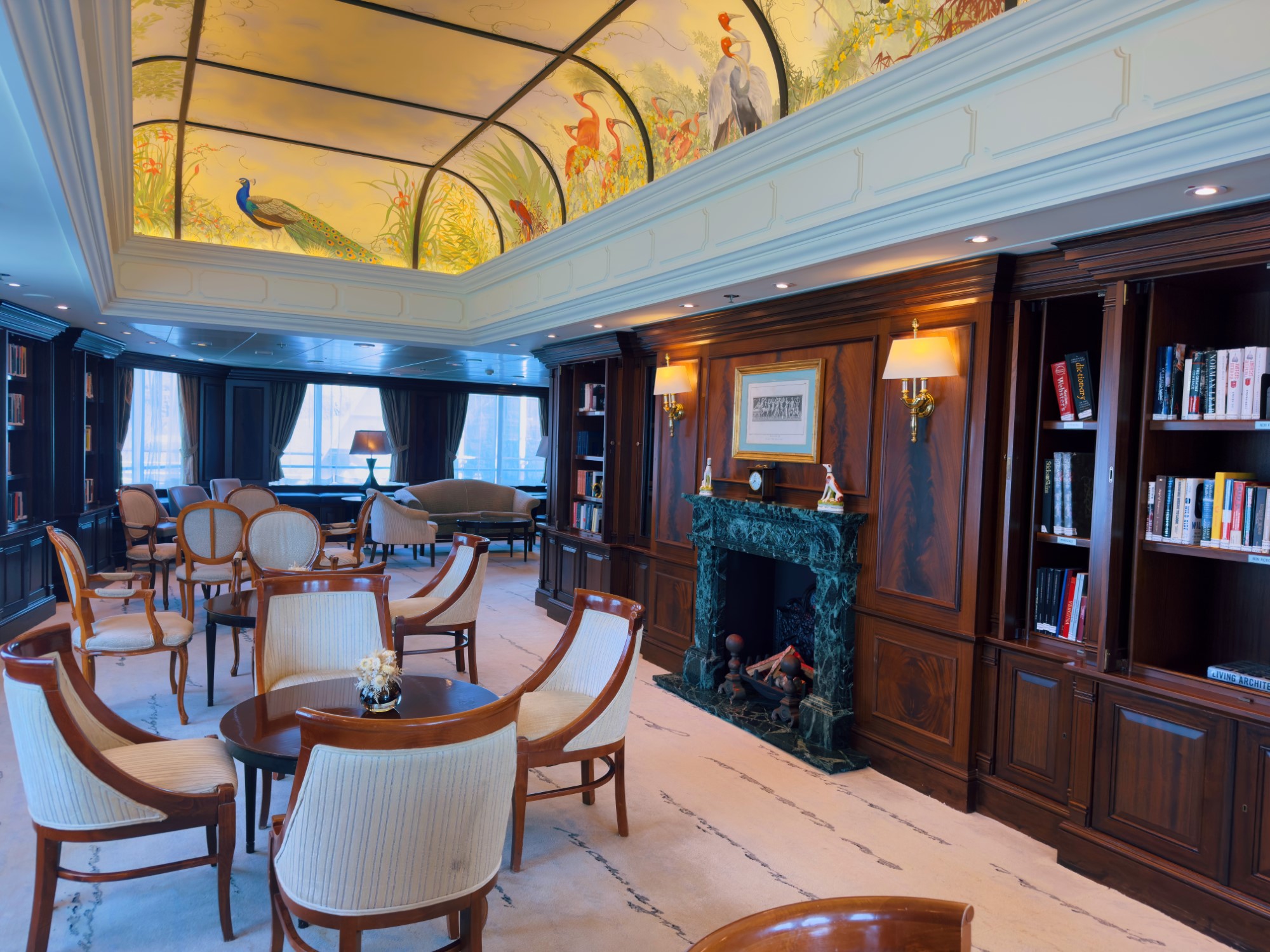
White Night
Join Azamara officers and crew for our signature dinner and entertainment event hosted al fresco on the pool deck (weather permitting). With an array of delicious food and engaging entertainment, your White Night experience will almost certainly be one of the most memorable times from your cruise. And don’t forget to bring something white to wear for the evening.
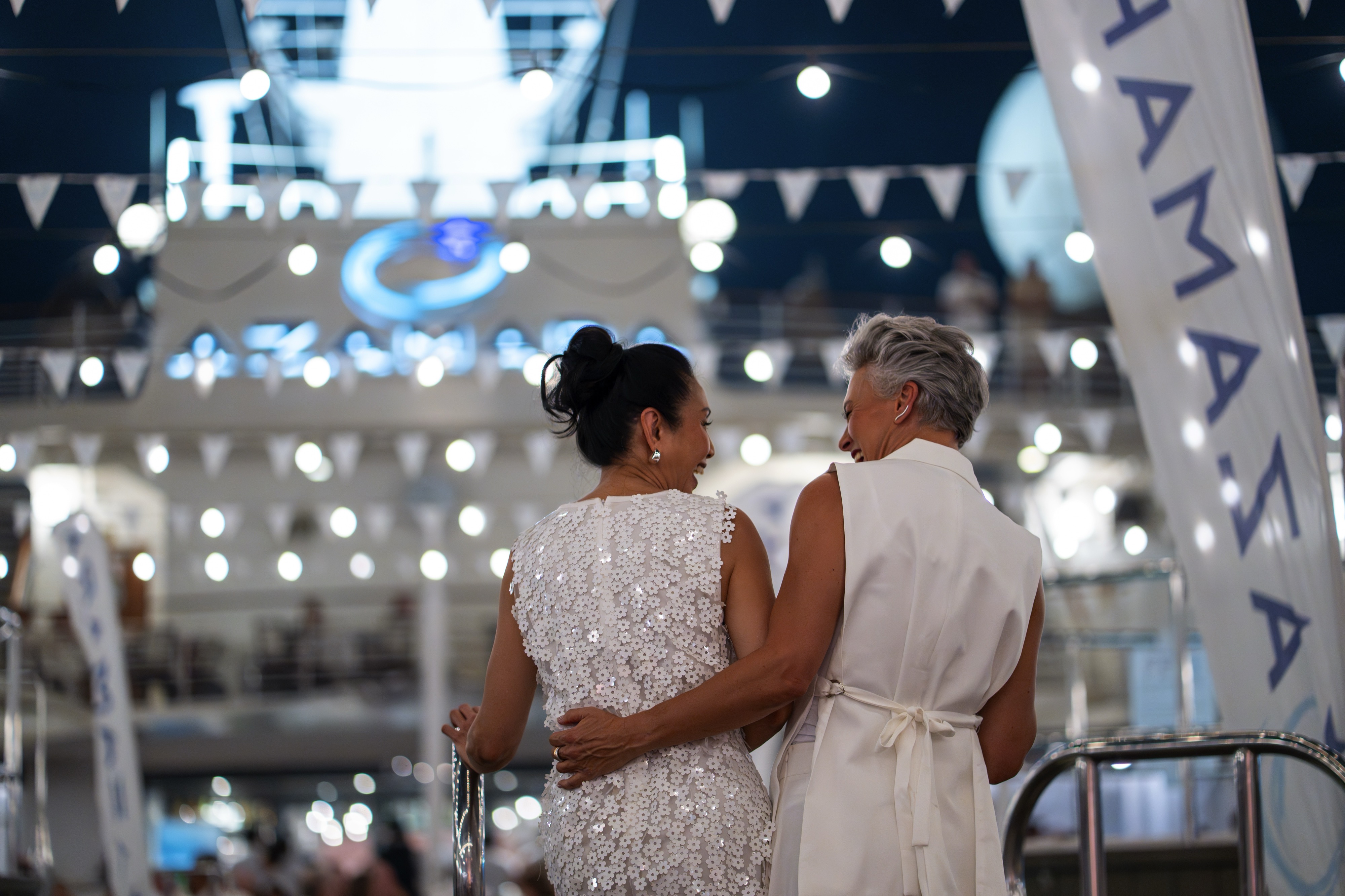
Club Crooner
Step into a swanky nightclub as the great songs of the most magnificent artists come alive on stage. From classic crooners such as Frank Sinatra and Tony Bennett, to current songbirds such as Natalie Cole and Michael Bublé, there’s a song for every time and everyone. Enjoy a beverage, sit back, and be serenaded by the melodies of our lives with CLUB CROONER!
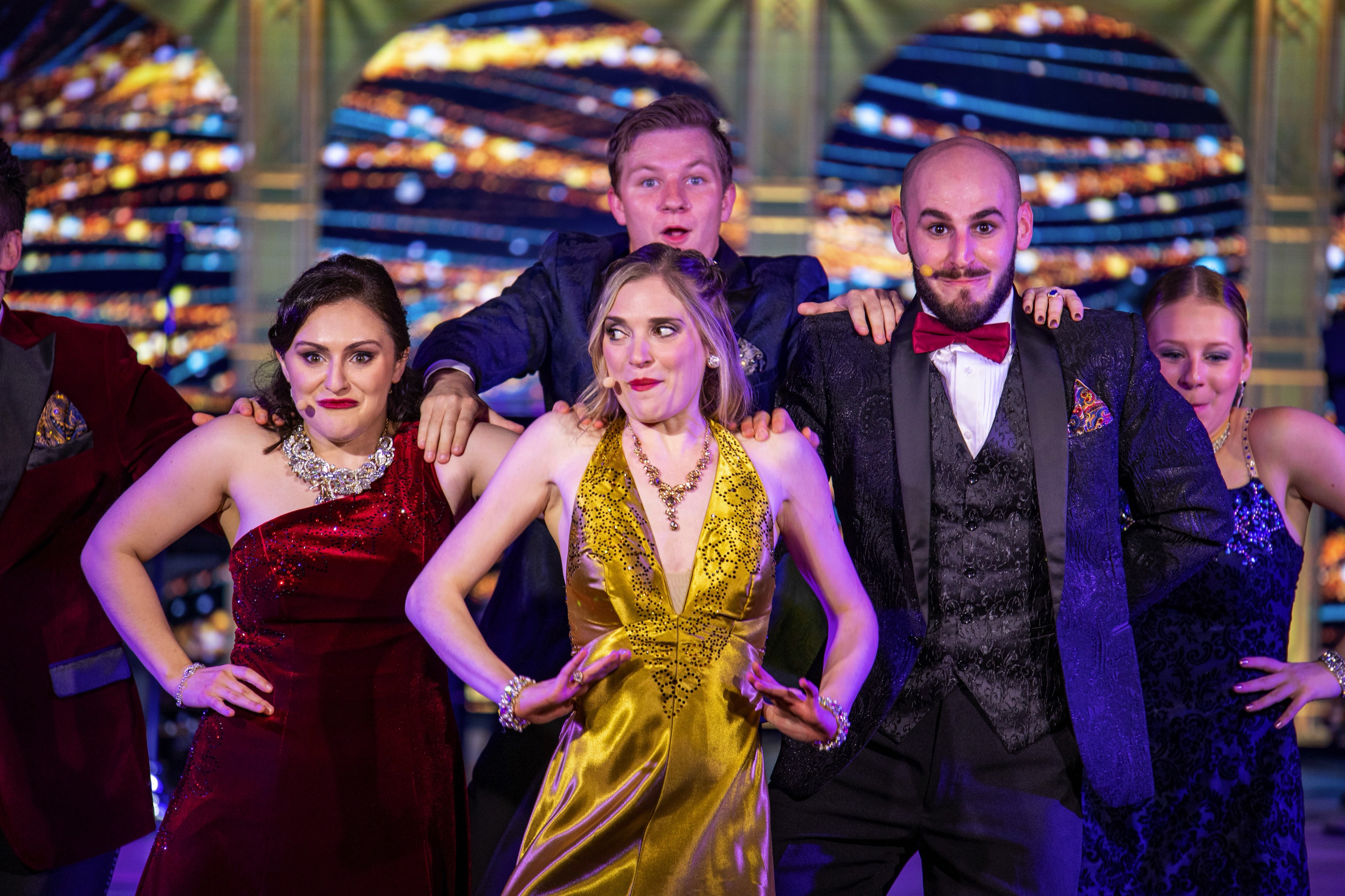
The Living Room
The idea of the Living Room is just that. To “live in” and to enjoy time with friends and fellow guests! Much of the room is furnished as a living room, with clusters of large comfortable chairs and sofas….
Discoveries Lounge
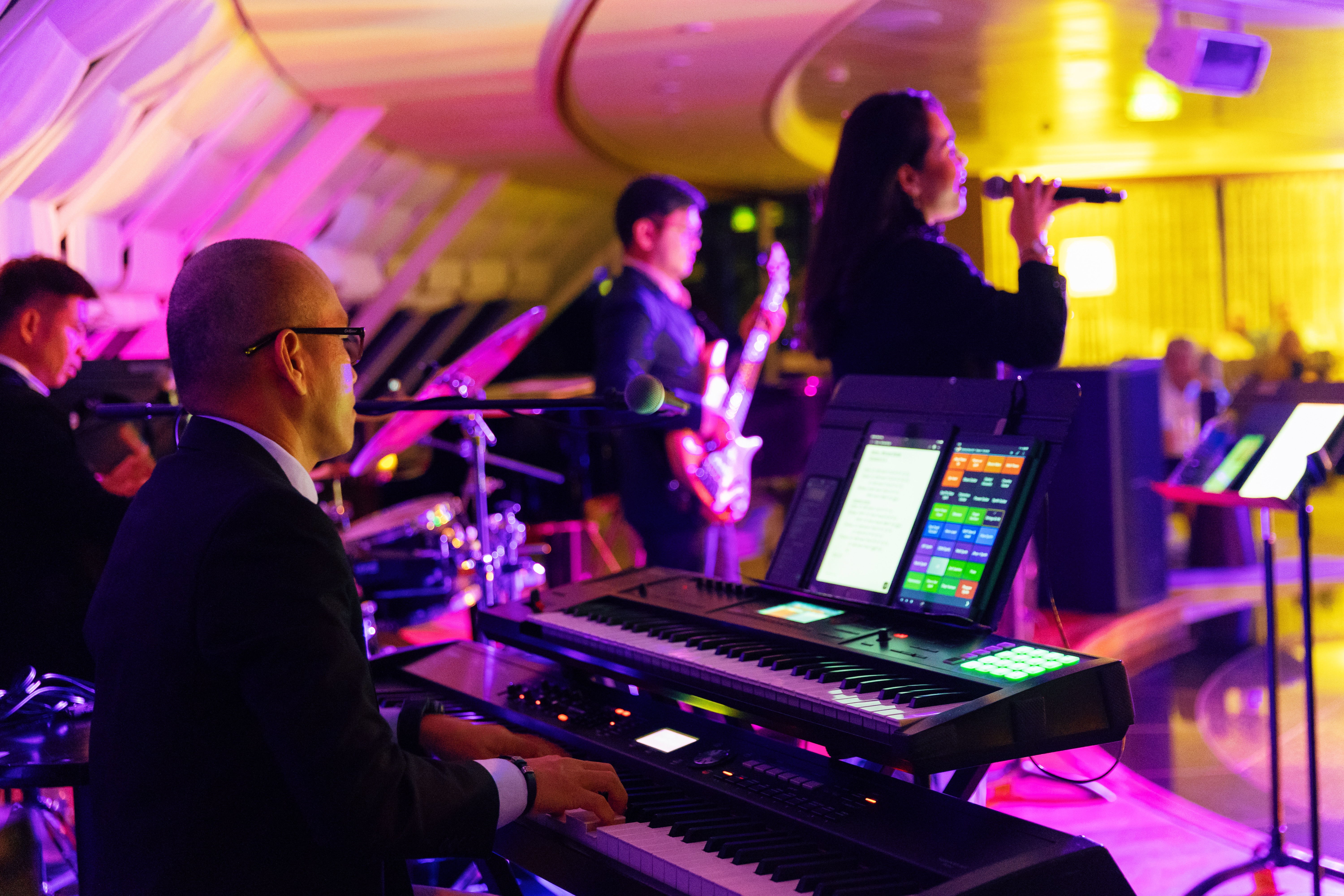
This congenial bar is a favorite gathering place for great conversations and delicious drinks. Bar service includes a full selection of fine wines, mixed drinks, and premium spirits…plus the entertaining banter of Azamara’s friendly bartenders.
Cabaret Lounge
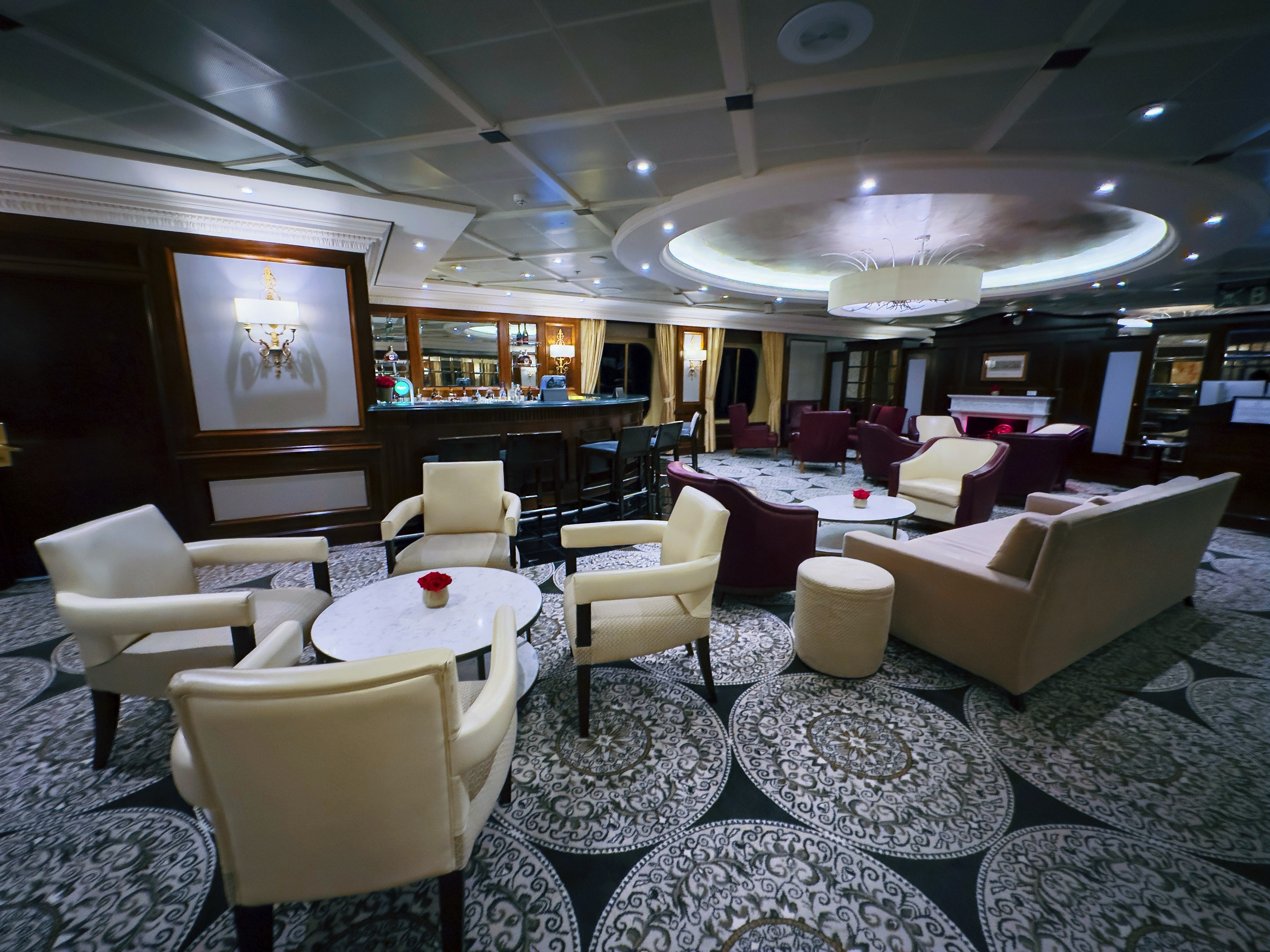
Enjoy live performances of professional full-stage musical revues, classical soloists, bands and other entertainment in a cabaret nightclub with a full bar and cozy tables.
Sunset Bar
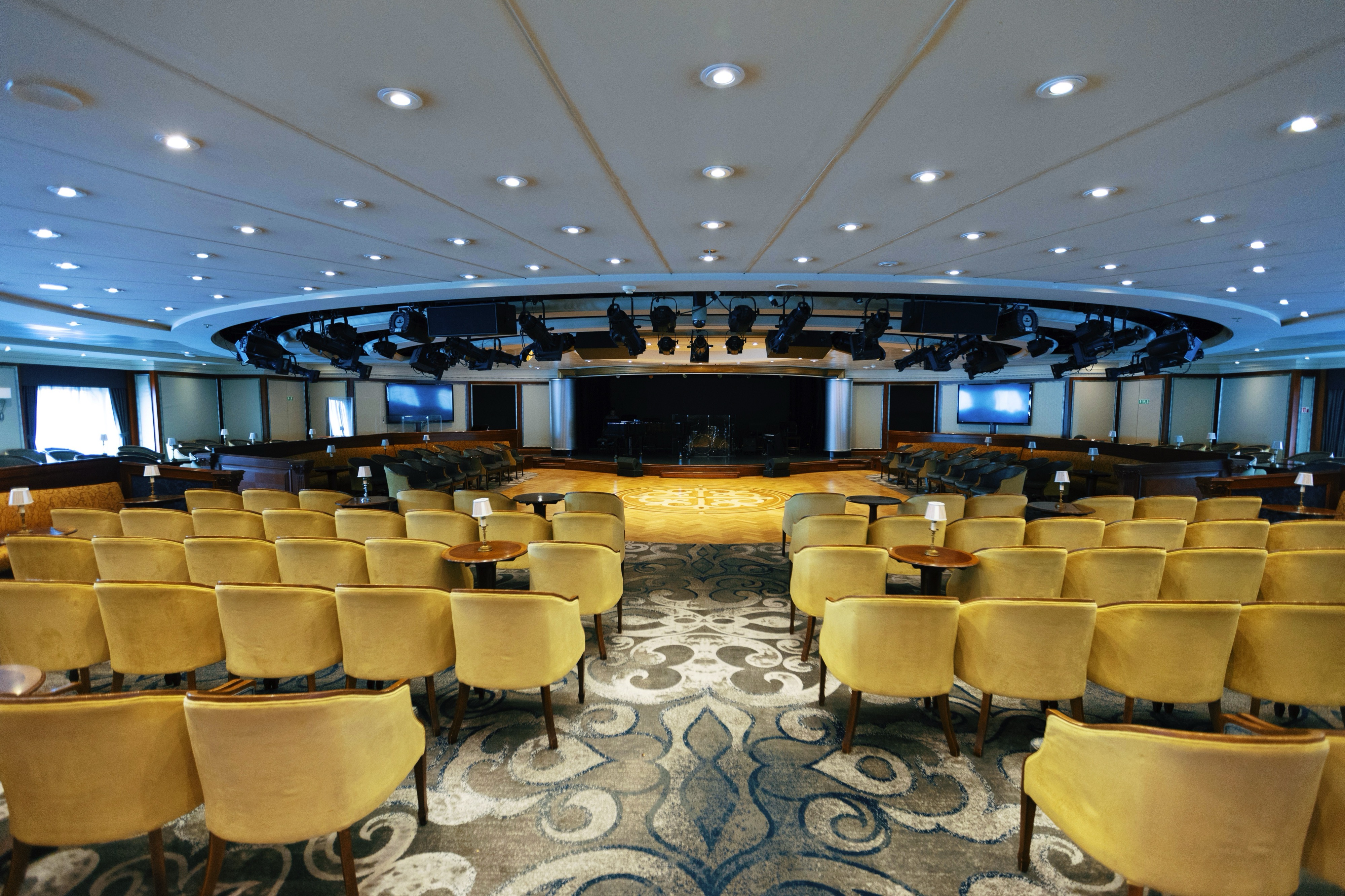
Adjacent to Windows Café, the Sunset Bar is a welcoming outdoor patio with covered and open-air seating, and a bar. It’s the perfect place for dining alfresco, enjoying a refreshing drink, taking in the sights of your favourite port, or simply watching the world sail by.
Mosaic Cafe & Mosaic Cafe @ Night
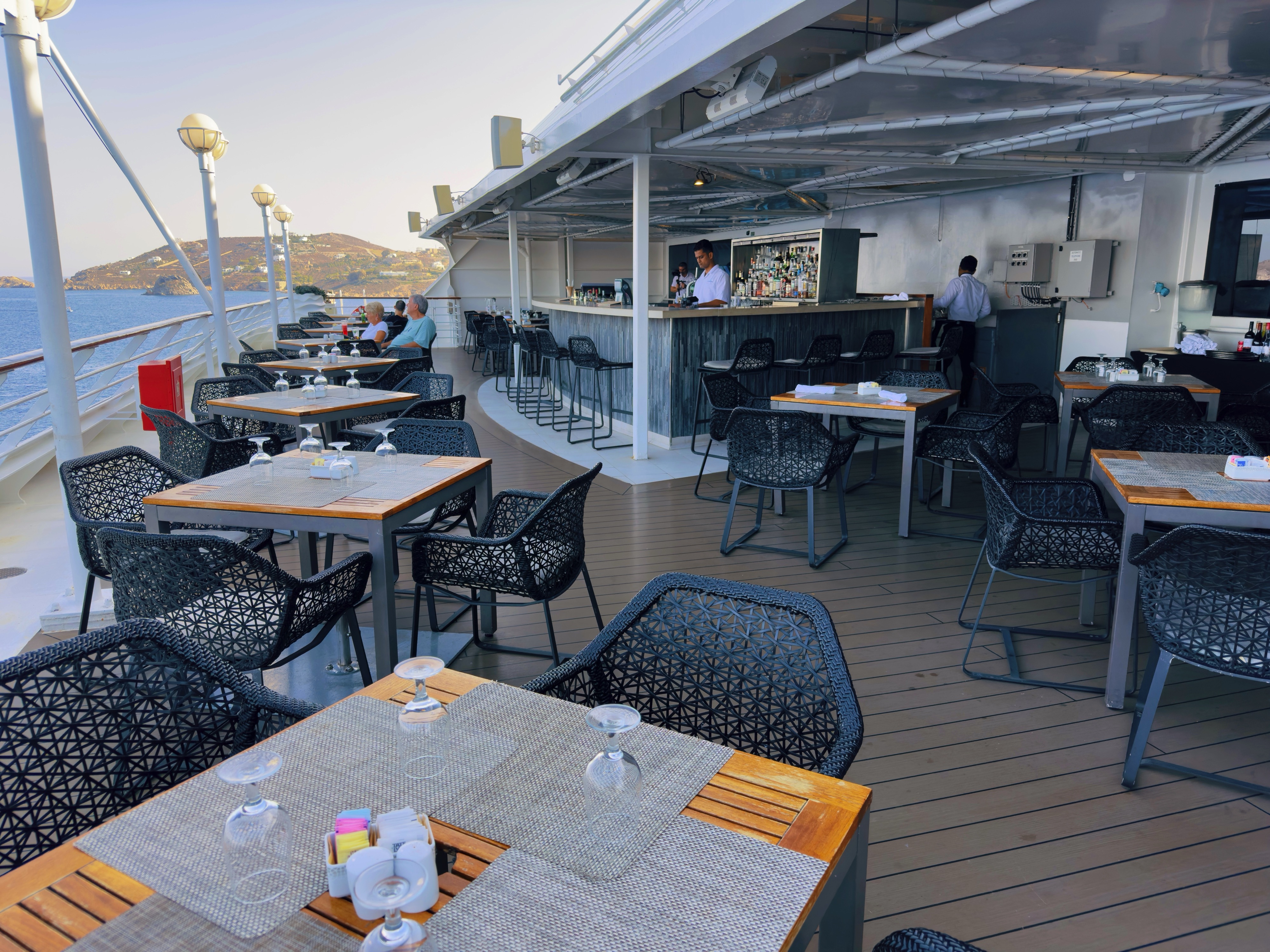
Our onboard coffee corner may very well become your favorite nook on the ship. With elegant and comfortable furniture, it’s bound to be one of the the most stylish places, too. Find all your favorite coffee drinks crafted just the way you like. Slip right into a comfortable seat and sip for a while—you never know who’ll walk by.
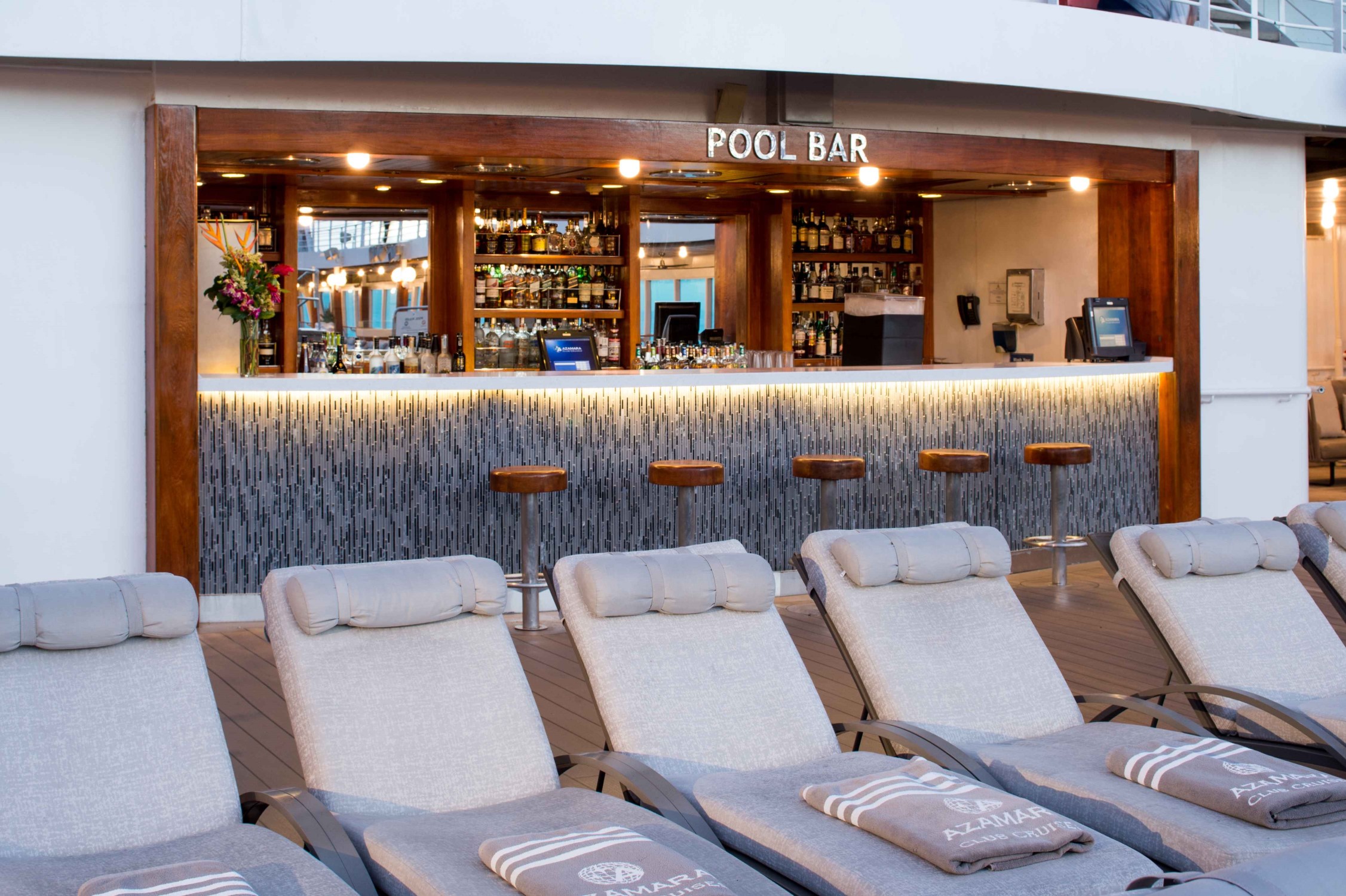
Pool Bar
Our Pool Bar serves refreshments while enjoying the Pool during the day, and cocktails of your choice in the evening.
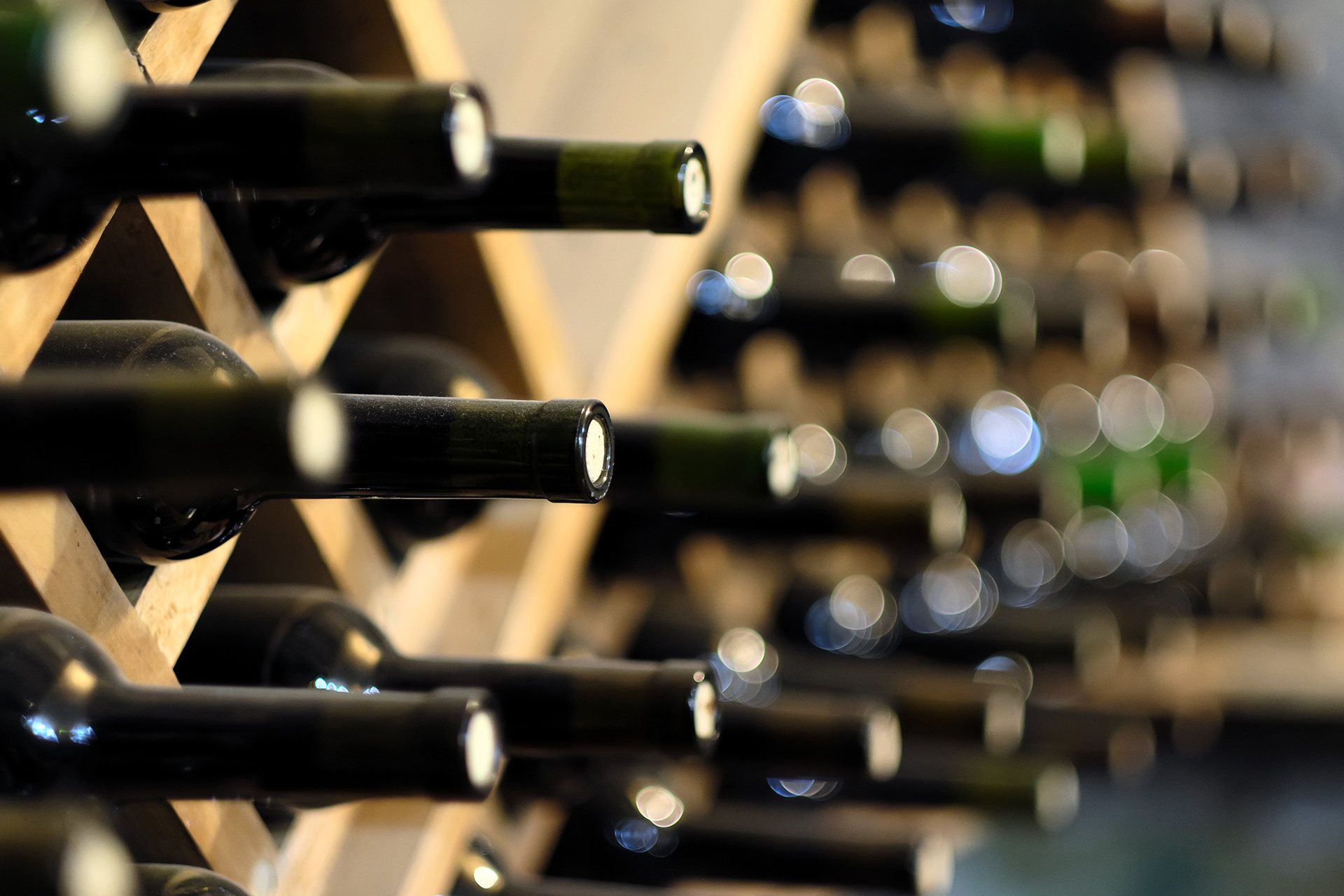
The Wine Cellar
You’ll be hard-pressed to find such a collection of limited production, small label and rare vintage wines anywhere on the high seas! And with vintages from France to California, and Argentina to South Africa, you’re sure to find a wine to suit your palate and your journey. Our knowledgeable sommeliers can help you pick the perfect wines for your evening meal.
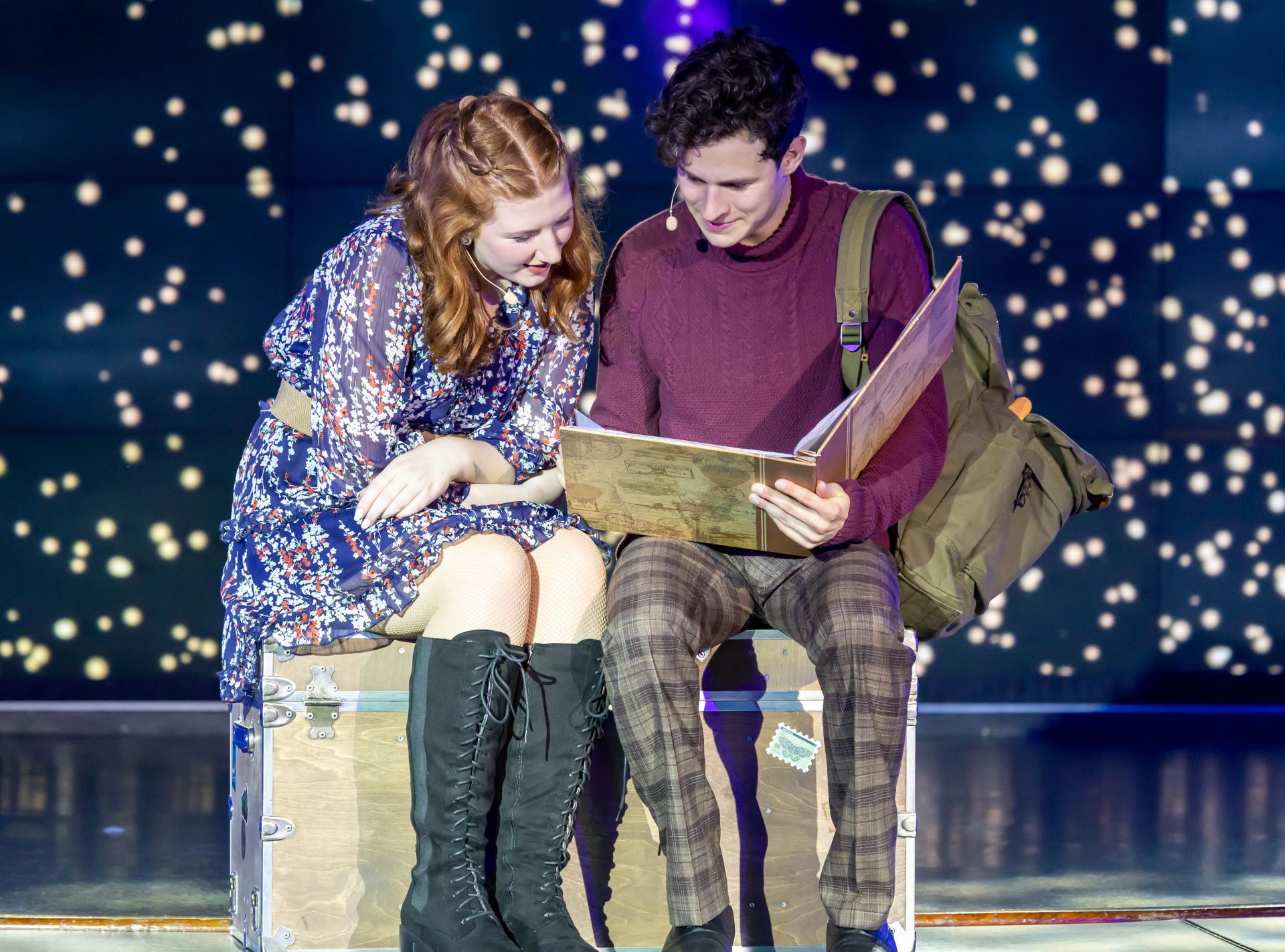
Performances
And the Beat Goes On
Join your Signature Singers and Dancers as they commemorate the greatest hits of all time in And the Beat Goes On. The night celebrates a wide variety of musical genres while exploring the influence of mainstream media in honoring the iconic cultural trends throughout the years. Featuring music from The Beatles, Earth Wind and Fire, Journey, Madonna, Ricky Martin, Katy Perry and much more. We will be sure to have you singing and dancing all night long in AND THE BEAT GOES ON!
Six Strings
The guitars are tuned, the amps are cranked up and the microphones are hot as Azamara prepares you for a night of energetic dancing, powerful vocals and iconic guitar riffs in Six Strings. The evening guarantees a Good Time with ultimate nostalgia as our Signature Singers and Dancers celebrate the most renowned classic rock artists such as Aerosmith, The Beatles, Pat Benatar, The Rolling Stones, Queen and more. Don’t miss SIX STRINGS!
Oh, What A Night
Get ready to be transported to the world’s most beloved travel destinations in one exhilarating night. As we explore all four seasons in a new city, travel along with our dynamic Signature Singers & Dancers as they sing and dance their way through an eclectic mix of music from around the world. Come and experience Oh, What A Night!
The Pool
While spending daytime sun-drenched and relaxed by the pool, don’t think of missing Azamara’s famous White Night party held at least once on every cruise (weather permitting). Colourful décor and linen-draped tables, a fabulous buffet feast, and boutique wines on the house make this an event like no other. Not to forget the fun and fast-paced show our entertainment team puts on.
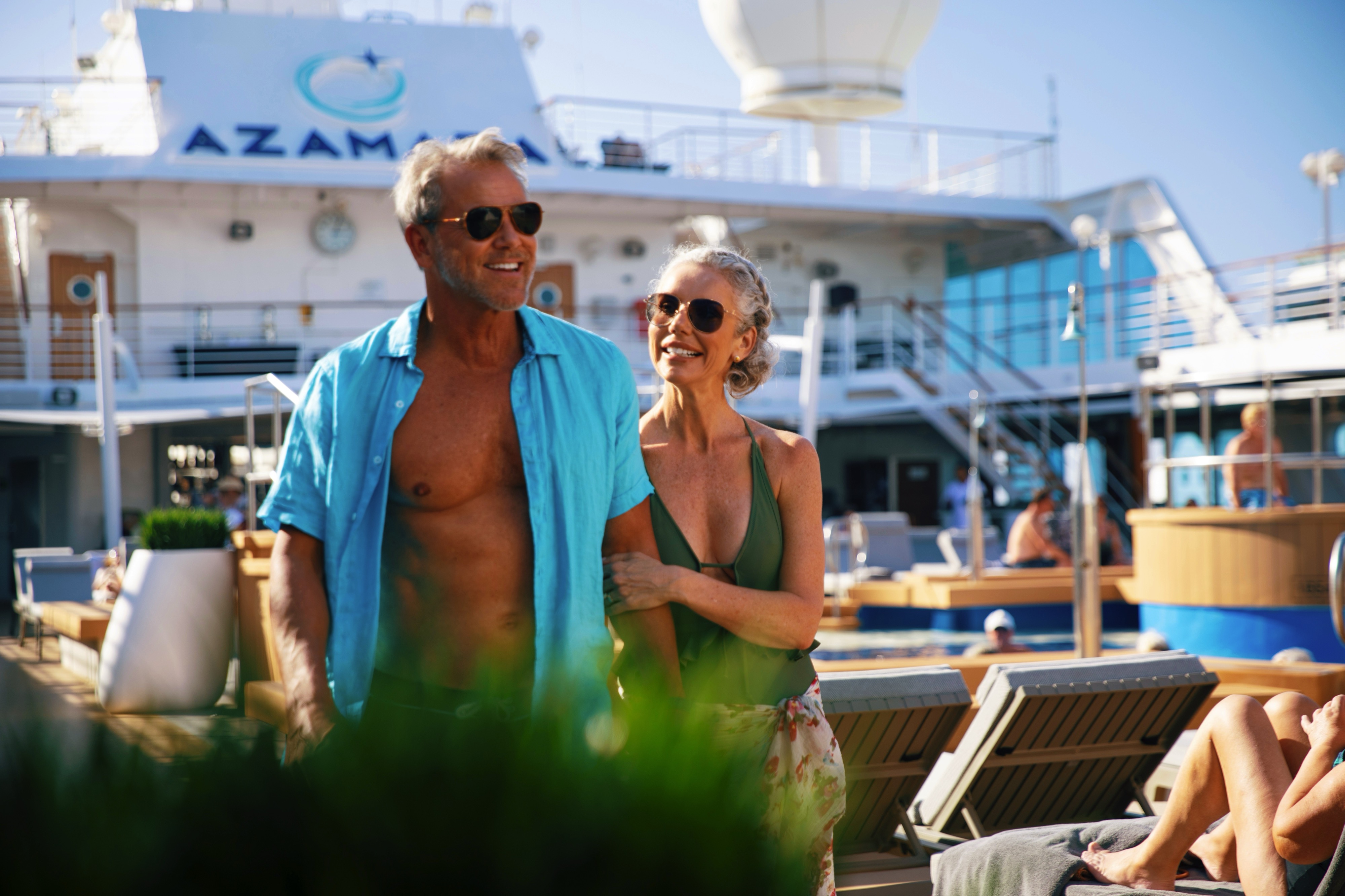
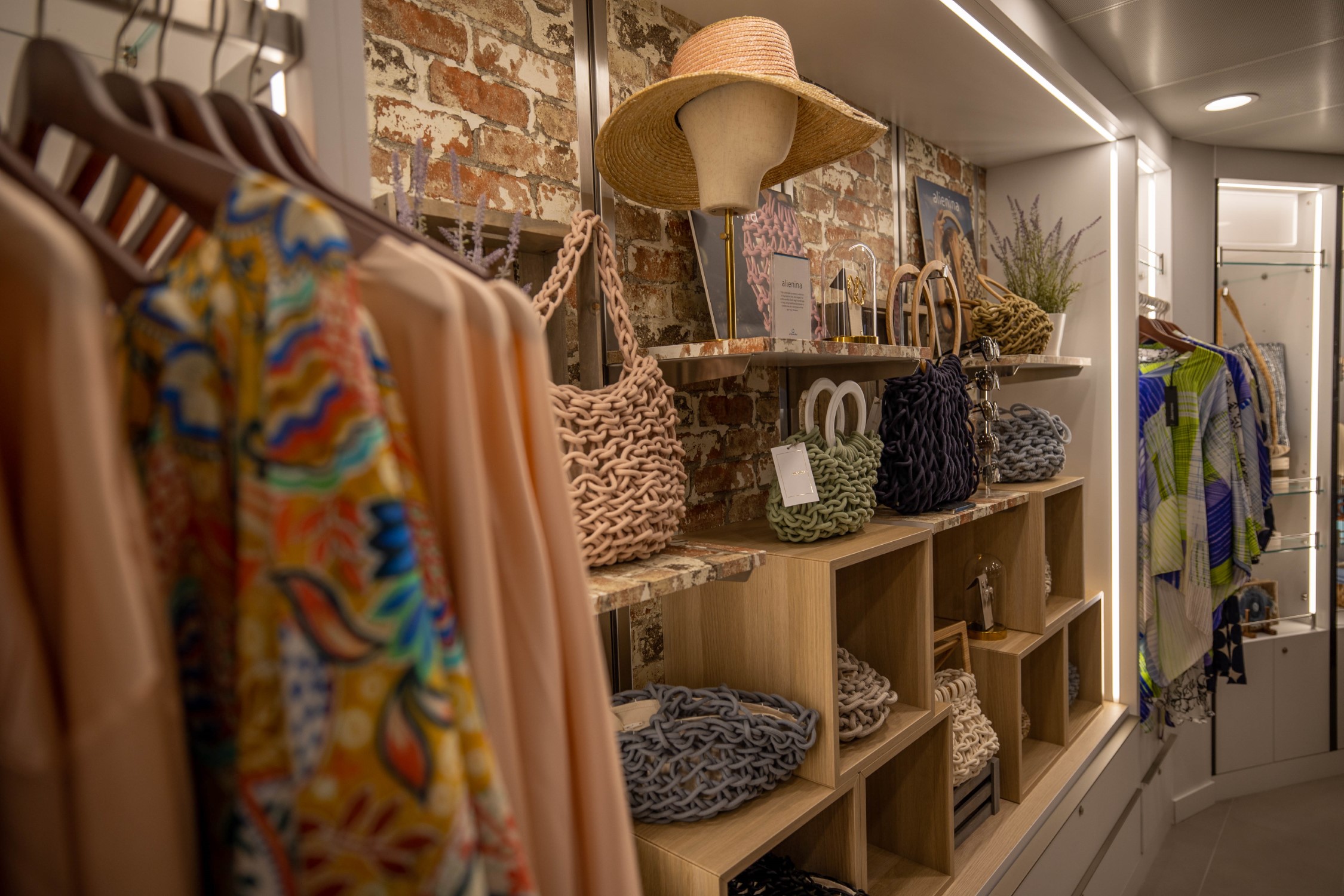
The Ship Shop
Pick up sundries, casual wear and swim fashions, sunglasses, accessories, music and shipboard keepsakes. This is a great place for small gifts to take back home.
Indulgences
Aptly named, Indulgences will satisfy your desires for the finer things in life. If you are looking for designer jewellery, it’s the perfect place to window shop or to find that extra special purchase.
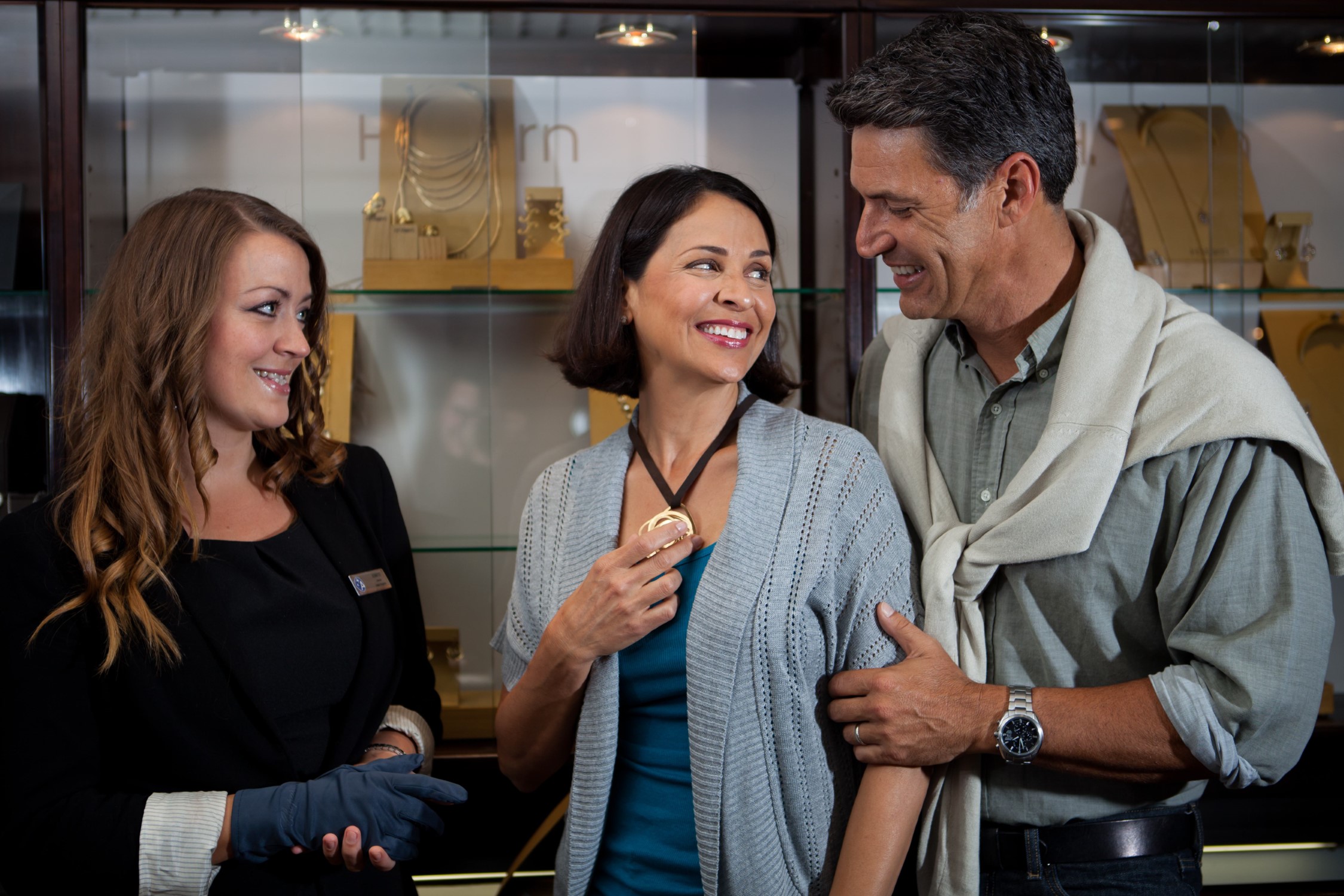
Photo Shop
Our photographers capture both fun and professional photos throughout the voyage, whether it is your portrait, or photos of the destinations you visit. You can also find an assortment of supplies for your own photographic endeavours.
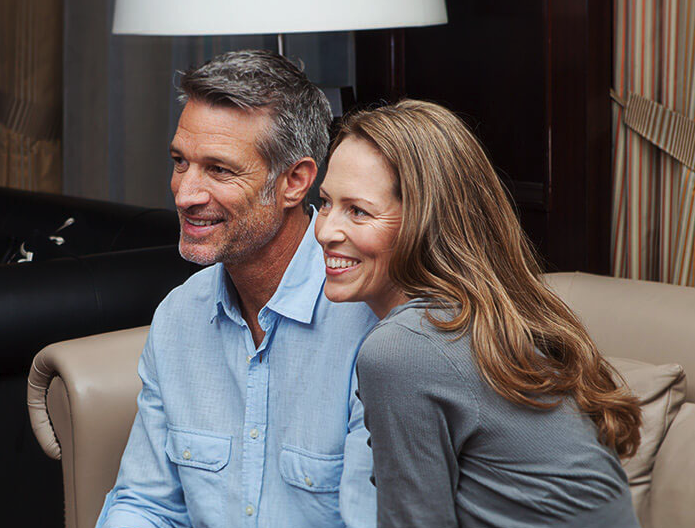
The Sanctum Spa
Staffed by professional aestheticians and therapists, the Azamara Spa is an oasis of tranquility. Choose from an extensive menu of services including:
Featured Spa Services
- The Sanctum Terrace: Enter your private spa deck with a bubbling salt water bath and powerful jets that massage you as you soak up the views.
- Biotec Facial Services: State of the art skin care and restorative facials for men and women.
- Massage Therapy: Hot stone therapy, deep tissue massage, bamboo massage and other exotic massage treatments from around the world.
- Body Sculpting: Renewing seaweed wraps, cellulite reduction body sculpting, lime and ginger salt glows, and more.
- Spa Rituals: A selection of carefully crafted half and full-day packages including body sculpting, facials and massage for the ultimate in relaxation.
- Teeth Whitening Services: Restore your bright and beautiful smile!
Ancient Healing
A cruise is a great time to experience the benefits of this ancient Chinese system of healing. Acupuncture strengthens the immune system, fights disease and controls pain while dissolving accumulated stress and restoring the body’s natural balance and energy.
Azamara’s acupuncturists are practitioners licensed by the National Certification Commission for Acupuncture and Chinese Medicine. A variety of treatments are available for pain management, smoking cessation, and more. You may notice immediate benefits in circulation, heart, stomach, skin and mood. Please inquire at the Spa for scheduling and pricing.
Elemis Aroma Seaweed Massage
Unwind in a warming wrap after a heated seaweed mask and essential oils are applied to your body. Detoxify and decongest with a treatment for tired muscles and arthritis or detoxification.
Elemis Aroma Stone Therapy
Feel tension and stress melt away. Enjoy the warming sensation the volcanic basalt stones provide while your body is massaged using traditional techniques and soothing aromatherapy oils.
BIOTEC Firm-a-Lift
Enjoy a youth-enhancing facial that reduces the appearance of fine lines and wrinkles while smoothing your skin tone and texture in just one treatment.
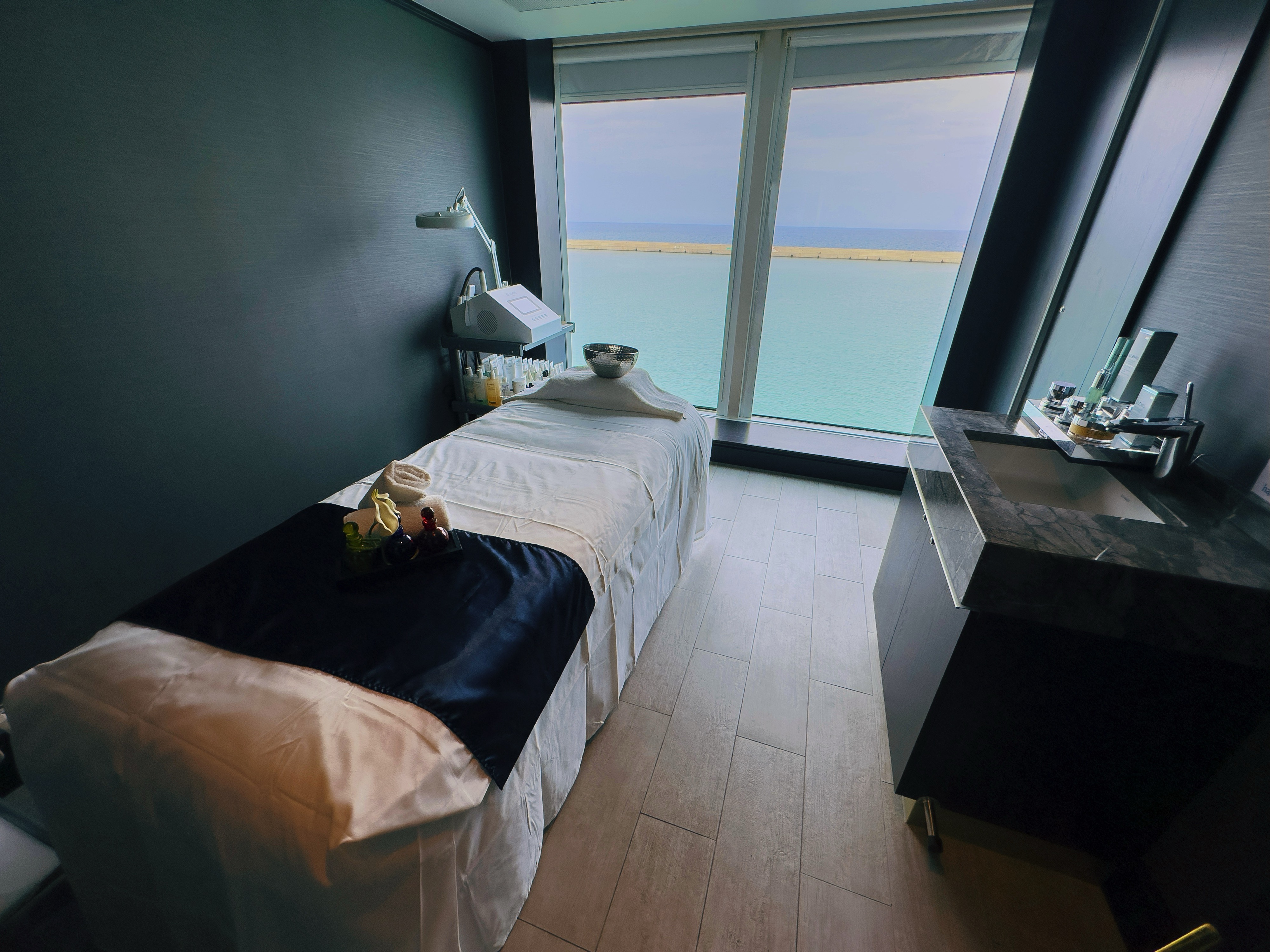
Fitness Centre & Personal Training
Join complimentary group classes like yoga on the deck, Pilates, cycling, core workouts, and nutrition classes. Exercise on your own at our Fitness Center, with ample equipment for a great workout with an ocean view. Customized personal training or Body Sculpt Boot Camp is also available (for additional cost).
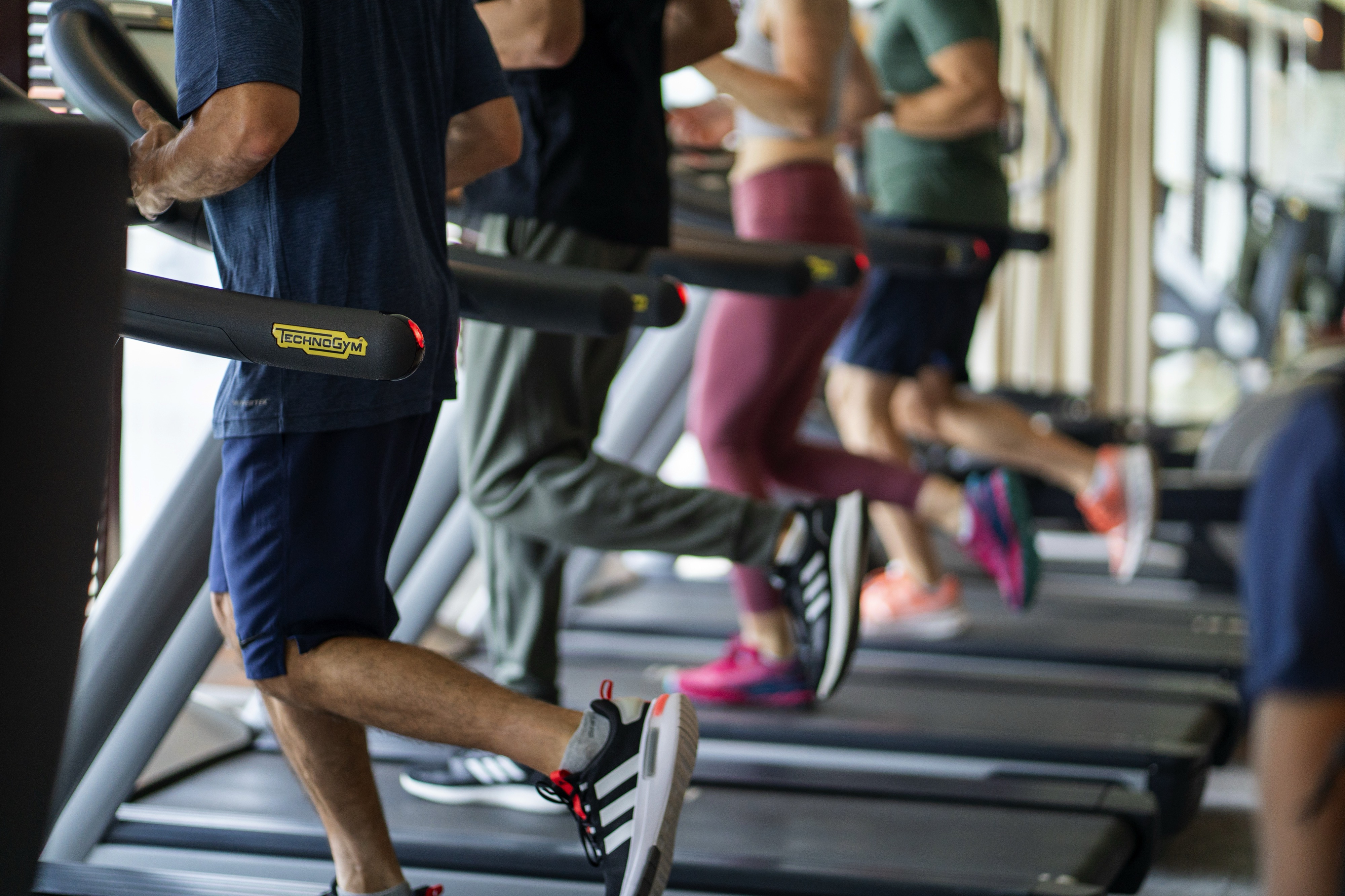
The Salon
Our full-service salon offers a menu of professional services for men and women. Special packages of hair and scalp renewing rituals, pedicures with massages, grooming services, and more are available.
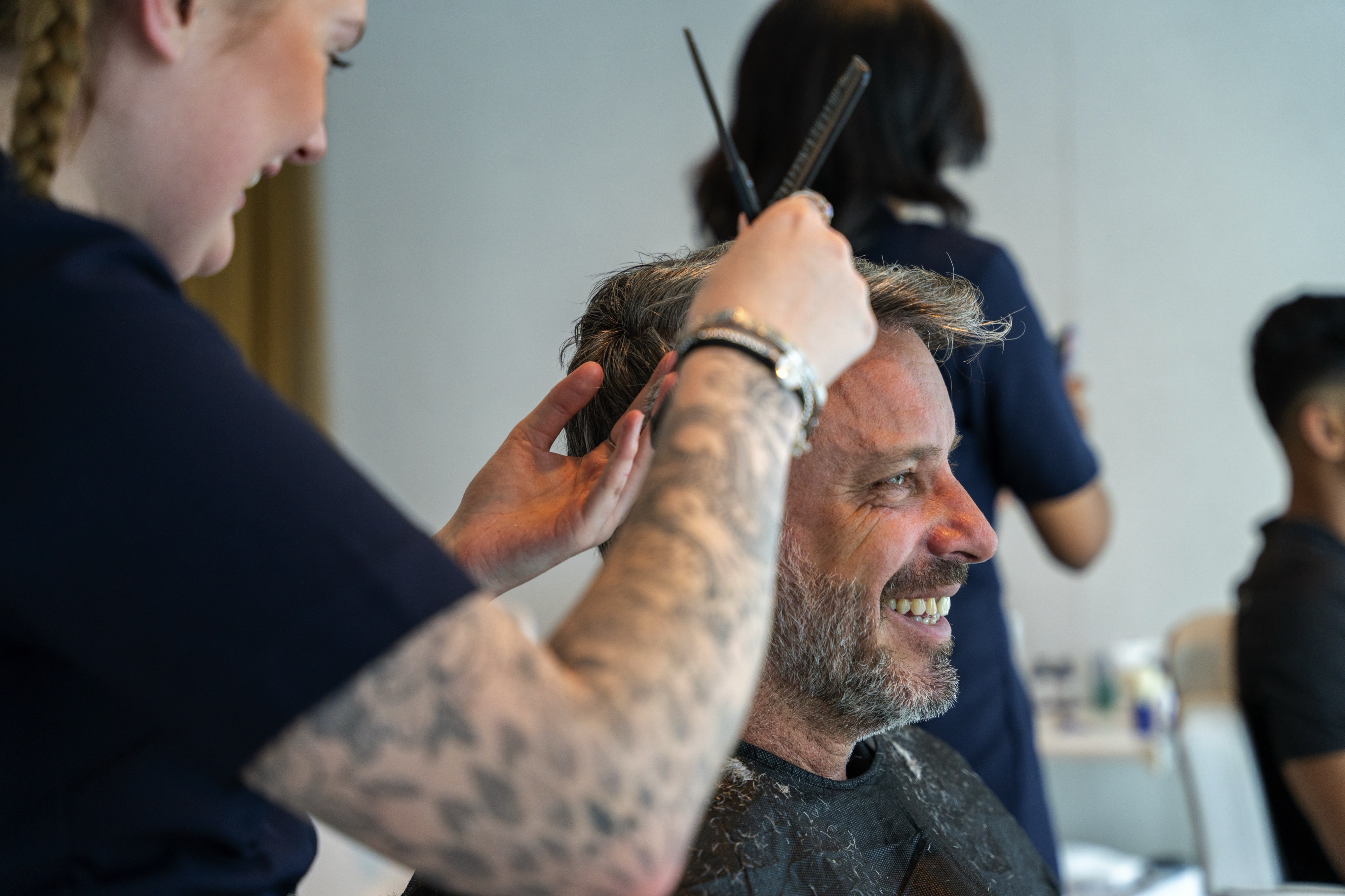
Aqualina
At Aqualina, you’ll find some of Italy’s most authentic dishes. Pastas made from scratch, traditional recipes, and scrumptious vegetarian dishes that make sure there’s something for everyone. Plus our famous desserts: Sorrento lemon liqueur mousse, hazelnut chocolate soufflé and more.
Prime C
Your choice of steak, cooked to perfection. Herb-coated rack of lamb, duck confit and Chilean sea bass—all paired with savory sides. At Prime C, you’re in for more than delectable dining. Expect a great evening with stunning views and lush décor.
Discoveries Restaurant
Discover the world through dishes and flavors from the places we visit. Of course, you’ll also enjoy a wide variety of nightly selections such as filet mignon with black truffle sauce. Choose being seated at a table for two or as part of a larger group of fellow guests.
Windows Café
Our daily themed dinner often takes its inspiration from the region we’re visiting—Indian, Mexican, Spanish, Italian. We also create an extra live station made from local ingredients purchased in port: Greek salad made with local feta (Greece), pasta prepared with local mushrooms (Italy), fresh Mussels served with garlic bread (Netherlands).
The Patio And Swirl & Top
Casual “pool grill” by day. A sit-down al fresco dining experience by night. Taste your way around the world with exclusive personalized dishes using local flavors of the places we visit. Plus a self-serve frozen yogurt station—Swirl & Top. With a variety of flavors and your choice of toppings, it’s the perfect way to cool off.
Mosaic Café
Stylish and cozy, Mosaic offers your favorite coffee drinks exactly as you like them. Relax in a comfortable seat and enjoy. It’s the perfect spot to start or end your day, and it just might become your favorite place on the ship.
Room Service
The best time for room service? Whenever you say it is, 24-hours a day. Order from the full breakfast menu between 6:30 AM and 10:00 AM, and we’ll deliver at your appointed time. Lunch and dinner room service features a menu of hearty soups, fresh salads, gourmet sandwiches, pizzas and desserts.
Exclusive Experiences
These excursions represent our most exclusive and unique opportunities to immerse yourself in our destinations. Be there as history is made at one of the world’s great celebrations, sporting events or cultural festivals. Spend a few days traveling overland on an expedition that ventures beyond the coast. Or, let us craft a private tour around your individual interests.
World Events
Join the revelry at world-renowned art shows, sporting events, culinary festivals and other local celebrations.
Overnight Experiences
Venture deeper into a destination to spend a night or more exploring iconic locales and landmarks, found beyond the harbours of your itinerary.
Private Tours
Let Azamara work with you to create the destination experience you’ve always dreamed of! Embark on a personalised Private Tour and we’ll turn that dream into reality.
Locales & Landmarks
These curated sightseeing tours reveal the hidden gems, local secrets and signature sites of a destination. Whether a cultural immersion, self-guided tour, panoramic drive, or guided visit, this series makes it easy to enjoy an authentic destination experience.
Cultural Expressions
Connect with customs, beliefs, art, and music that define local cultures through authentic, engaging encounters.
Ancient Wonders
Get immersed in epic history. Learn about the architecture, culture, and beliefs of ancient civilizations.
Food & Wine
Savor local food, wines, beers, and spirits on these culinary journeys, many led by Azamara Executive Chefs, Sommeliers and Mixologists.
Local Introductions
Spend time with local families, business owners, artists, aristocrats, and other influencers in their homes and workplaces.
Nature & Wildlife
Enjoy a close look at indigenous plants and wildlife on an ecological exploration that directly contributes to environmental stewardship.
AzAmazing Evenings
One-of-a-kind, complimentary, immersive cultural experiences exclusively created for Azamara guests, continuing our commitment to Destination Immersion®. First launched in 2011 to inspire guests to dive deeper into the heart of each destination, these extraordinary evenings showcase music, art, and culinary traditions in unique settings where authentic culture truly comes alive.
Most AzAmazing Evenings® take place ashore, often in iconic venues while the ship stays late in port, aligning with our hallmark of Destination Immersion®, bringing guests closer to local culture in remarkable locations. On select occasions, including seven- and eight-night itineraries, equally captivating experiences are brought onboard.
*For sailings of 9 nights or longer, exceptions may occur when local infrastructure does not allow for an onshore event; in such cases, the experience will be hosted onboard. In rare cases—such as select transoceanic crossings or charters—AzAmazing Evenings® will not be offered.
Enrichment Program and Classes
Your quest to learn continues with Destination Speakers offering their expertise throughout each voyage with Azamara®. Facilitated through Compass Speakers, these experts will participate in a range of programs, classes, and lecture series — all created with our incredible destinations in mind. They’ll also hold Q&A sessions!
White Night
Join Azamara officers and crew for our signature dinner and entertainment event hosted al fresco on the pool deck (weather permitting). With an array of delicious food and engaging entertainment, your White Night experience will almost certainly be one of the most memorable times from your cruise. And don’t forget to bring something white to wear for the evening.
Club Crooner
Step into a swanky nightclub as the great songs of the most magnificent artists come alive on stage. From classic crooners such as Frank Sinatra and Tony Bennett, to current songbirds such as Natalie Cole and Michael Bublé, there’s a song for every time and everyone. Enjoy a beverage, sit back, and be serenaded by the melodies of our lives with CLUB CROONER!
The Living Room
The idea of the Living Room is just that. To “live in” and to enjoy time with friends and fellow guests! Much of the room is furnished as a living room, with clusters of large comfortable chairs and sofas….
Discoveries Lounge
This congenial bar is a favorite gathering place for great conversations and delicious drinks. Bar service includes a full selection of fine wines, mixed drinks, and premium spirits…plus the entertaining banter of Azamara’s friendly bartenders.
Cabaret Lounge
Enjoy live performances of professional full-stage musical revues, classical soloists, bands and other entertainment in a cabaret nightclub with a full bar and cozy tables.
Sunset Bar
Adjacent to Windows Café, the Sunset Bar is a welcoming outdoor patio with covered and open-air seating, and a bar. It’s the perfect place for dining alfresco, enjoying a refreshing drink, taking in the sights of your favourite port, or simply watching the world sail by.
Mosaic Cafe & Mosaic Cafe @ Night
Our onboard coffee corner may very well become your favorite nook on the ship. With elegant and comfortable furniture, it’s bound to be one of the the most stylish places, too. Find all your favorite coffee drinks crafted just the way you like. Slip right into a comfortable seat and sip for a while—you never know who’ll walk by.
Pool Bar
Our Pool Bar serves refreshments while enjoying the Pool during the day, and cocktails of your choice in the evening.
The Wine Cellar
You’ll be hard-pressed to find such a collection of limited production, small label and rare vintage wines anywhere on the high seas! And with vintages from France to California, and Argentina to South Africa, you’re sure to find a wine to suit your palate and your journey. Our knowledgeable sommeliers can help you pick the perfect wines for your evening meal.
Performances
And the Beat Goes On
Join your Signature Singers and Dancers as they commemorate the greatest hits of all time in And the Beat Goes On. The night celebrates a wide variety of musical genres while exploring the influence of mainstream media in honoring the iconic cultural trends throughout the years. Featuring music from The Beatles, Earth Wind and Fire, Journey, Madonna, Ricky Martin, Katy Perry and much more. We will be sure to have you singing and dancing all night long in AND THE BEAT GOES ON!
Six Strings
The guitars are tuned, the amps are cranked up and the microphones are hot as Azamara prepares you for a night of energetic dancing, powerful vocals and iconic guitar riffs in Six Strings. The evening guarantees a Good Time with ultimate nostalgia as our Signature Singers and Dancers celebrate the most renowned classic rock artists such as Aerosmith, The Beatles, Pat Benatar, The Rolling Stones, Queen and more. Don’t miss SIX STRINGS!
Oh, What A Night
Get ready to be transported to the world’s most beloved travel destinations in one exhilarating night. As we explore all four seasons in a new city, travel along with our dynamic Signature Singers & Dancers as they sing and dance their way through an eclectic mix of music from around the world. Come and experience Oh, What A Night!
The Pool
While spending daytime sun-drenched and relaxed by the pool, don’t think of missing Azamara’s famous White Night party held at least once on every cruise (weather permitting). Colourful décor and linen-draped tables, a fabulous buffet feast, and boutique wines on the house make this an event like no other. Not to forget the fun and fast-paced show our entertainment team puts on.
The Ship Shop
Pick up sundries, casual wear and swim fashions, sunglasses, accessories, music and shipboard keepsakes. This is a great place for small gifts to take back home.
Indulgences
Aptly named, Indulgences will satisfy your desires for the finer things in life. If you are looking for designer jewellery, it’s the perfect place to window shop or to find that extra special purchase.
Photo Shop
Our photographers capture both fun and professional photos throughout the voyage, whether it is your portrait, or photos of the destinations you visit. You can also find an assortment of supplies for your own photographic endeavours.
The Sanctum Spa
Staffed by professional aestheticians and therapists, the Azamara Spa is an oasis of tranquility. Choose from an extensive menu of services including:
Featured Spa Services
- The Sanctum Terrace: Enter your private spa deck with a bubbling salt water bath and powerful jets that massage you as you soak up the views.
- Biotec Facial Services: State of the art skin care and restorative facials for men and women.
- Massage Therapy: Hot stone therapy, deep tissue massage, bamboo massage and other exotic massage treatments from around the world.
- Body Sculpting: Renewing seaweed wraps, cellulite reduction body sculpting, lime and ginger salt glows, and more.
- Spa Rituals: A selection of carefully crafted half and full-day packages including body sculpting, facials and massage for the ultimate in relaxation.
- Teeth Whitening Services: Restore your bright and beautiful smile!
Ancient Healing
A cruise is a great time to experience the benefits of this ancient Chinese system of healing. Acupuncture strengthens the immune system, fights disease and controls pain while dissolving accumulated stress and restoring the body’s natural balance and energy.
Azamara’s acupuncturists are practitioners licensed by the National Certification Commission for Acupuncture and Chinese Medicine. A variety of treatments are available for pain management, smoking cessation, and more. You may notice immediate benefits in circulation, heart, stomach, skin and mood. Please inquire at the Spa for scheduling and pricing.
Elemis Aroma Seaweed Massage
Unwind in a warming wrap after a heated seaweed mask and essential oils are applied to your body. Detoxify and decongest with a treatment for tired muscles and arthritis or detoxification.
Elemis Aroma Stone Therapy
Feel tension and stress melt away. Enjoy the warming sensation the volcanic basalt stones provide while your body is massaged using traditional techniques and soothing aromatherapy oils.
BIOTEC Firm-a-Lift
Enjoy a youth-enhancing facial that reduces the appearance of fine lines and wrinkles while smoothing your skin tone and texture in just one treatment.
Fitness Centre & Personal Training
Join complimentary group classes like yoga on the deck, Pilates, cycling, core workouts, and nutrition classes. Exercise on your own at our Fitness Center, with ample equipment for a great workout with an ocean view. Customized personal training or Body Sculpt Boot Camp is also available (for additional cost).
The Salon
Our full-service salon offers a menu of professional services for men and women. Special packages of hair and scalp renewing rituals, pedicures with massages, grooming services, and more are available.
About the Ship
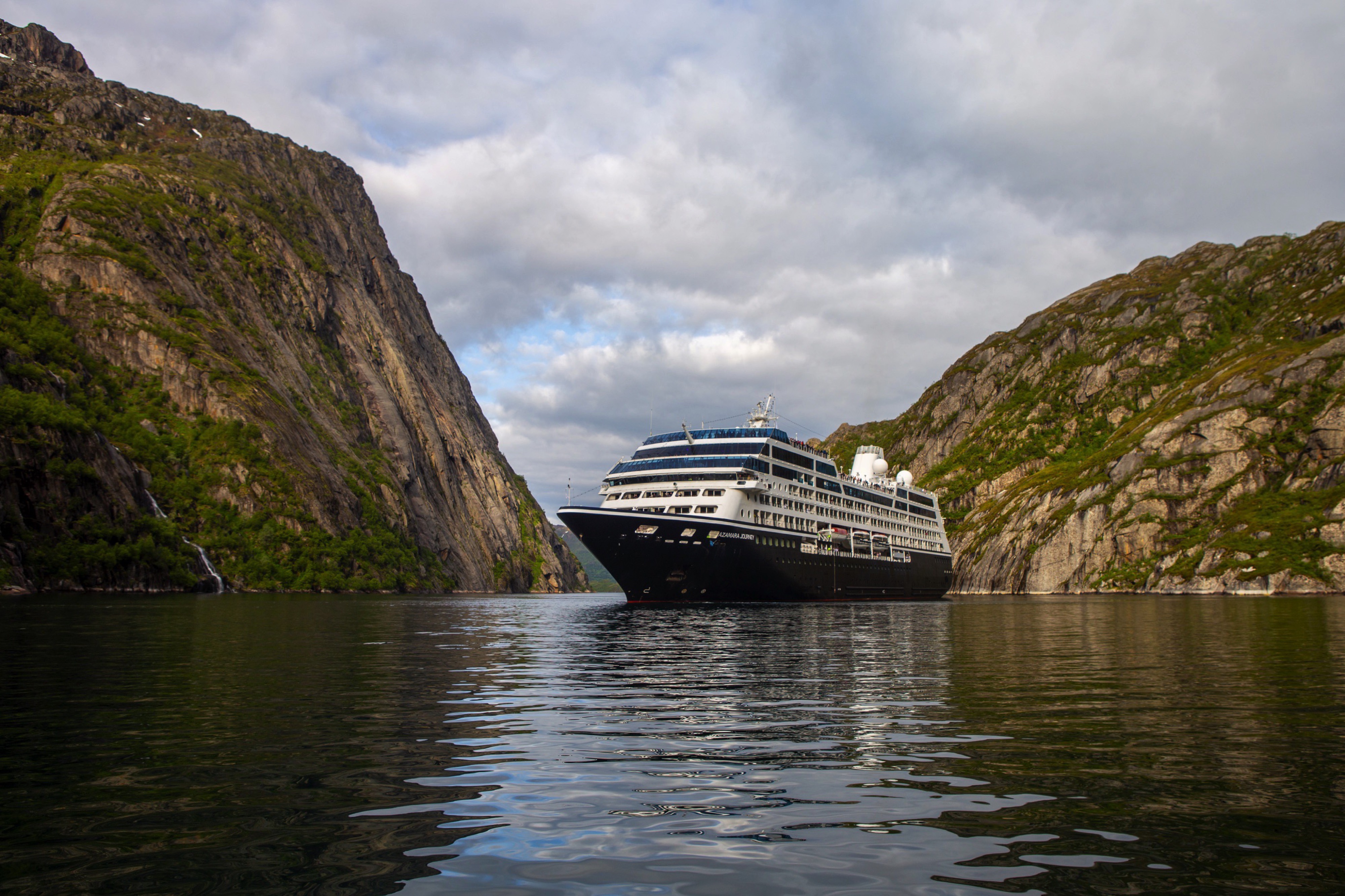
Deck Plans

- Oceanview Staterooms
- Interior Staterooms
- Medical Facility
- Guest Relations
- Concierge

- Cabaret Lounge
- Elevators
- Shore Excursions
- Cruise Again
- The Den
- Photo Shop
- The Journey Shops
- Indulgences
- Mosaic Café
- Discoveries Bar
- Discoveries Restaurant

- Veranda Plus Staterooms
- Veranda Staterooms
- World Owner’s Suite
- Continent Suite
- Ocean Suite
- Oceanview Staterooms
- Interior Staterooms

- Veranda Plus Staterooms
- World Owner’s Suite
- Ocean Suite
- Veranda Staterooms
- Oceanview Staterooms
- Interior Staterooms
- Self Service Laundry

- Veranda Plus Staterooms
- World Owner’s Suite
- Continent Suite
- Interior Staterooms

- The Sanctum Spa Terrace
- Salon
- The Sanctum Spa
- Fitness Center
- Pool
- Pool Bar
- Elevators
- Swirl & Top
- The Patio
- Windows Café
- Sunset Bar
- Spa Suites

- The Living Room
- Card Room
- In Touch
- Elevators
- Table Tennis
- Jogging Track
- The Drawing Room
- Prime C Speciality Dining
- Aqualina Speciality Dining

- Sun Deck
- Shuffle Board
- Oceanview Staterooms
- Interior Staterooms
- Medical Facility
- Guest Relations
- Concierge
- Cabaret Lounge
- Elevators
- Shore Excursions
- Cruise Again
- The Den
- Photo Shop
- The Journey Shops
- Indulgences
- Mosaic Café
- Discoveries Bar
- Discoveries Restaurant
- Veranda Plus Staterooms
- Veranda Staterooms
- World Owner’s Suite
- Continent Suite
- Ocean Suite
- Oceanview Staterooms
- Interior Staterooms
- Veranda Plus Staterooms
- World Owner’s Suite
- Ocean Suite
- Veranda Staterooms
- Oceanview Staterooms
- Interior Staterooms
- Self Service Laundry
- Veranda Plus Staterooms
- World Owner’s Suite
- Continent Suite
- Interior Staterooms
- The Sanctum Spa Terrace
- Salon
- The Sanctum Spa
- Fitness Center
- Pool
- Pool Bar
- Elevators
- Swirl & Top
- The Patio
- Windows Café
- Sunset Bar
- Spa Suites
- The Living Room
- Card Room
- In Touch
- Elevators
- Table Tennis
- Jogging Track
- The Drawing Room
- Prime C Speciality Dining
- Aqualina Speciality Dining
- Sun Deck
- Shuffle Board