Featured Cabins
Itinerary
Fort Lauderdale, Florida, United States
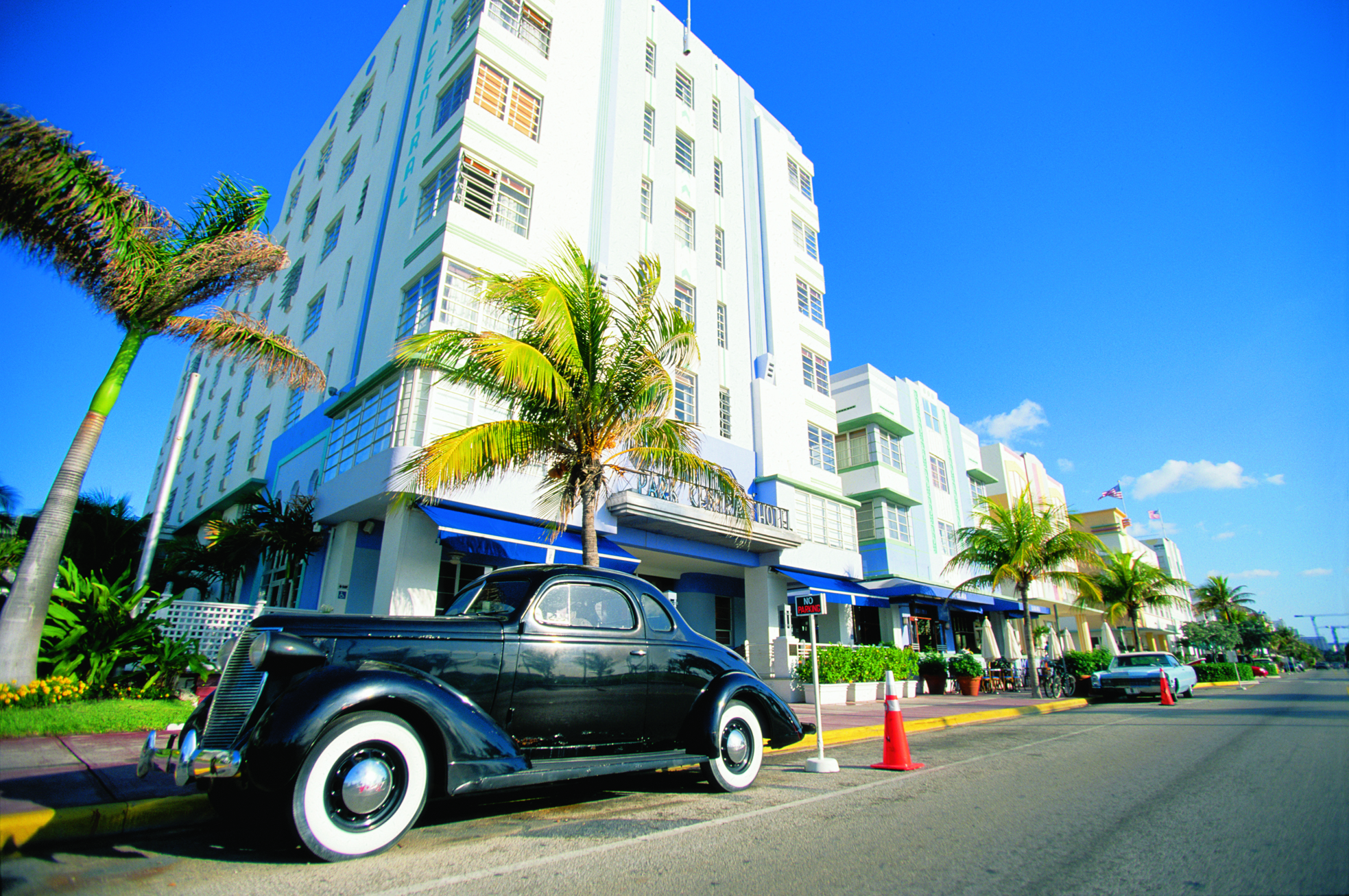
Like many southeast Florida neighbors, Fort Lauderdale has long been revitalizing. In a state where gaudy tourist zones often stand aloof from workaday downtowns, Fort Lauderdale exhibits consistency at both ends of the 2-mile Las Olas corridor. The sparkling look results from upgrades both downtown and on the beachfront. Matching the downtown’s innovative arts district, cafés, and boutiques is an equally inventive beach area, with hotels, cafés, and shops facing an undeveloped shoreline, and new resort-style hotels replacing faded icons of yesteryear. Despite wariness of pretentious overdevelopment, city leaders have allowed a striking number of glittering high-rises. Nostalgic locals and frequent visitors fret over the diminishing vision of sailboats bobbing in waters near downtown; however, Fort Lauderdale remains the yachting capital of the world, and the water toys don’t seem to be going anywhere.
Fort Lauderdale, Florida, United States
Like many southeast Florida neighbors, Fort Lauderdale has long been revitalizing. In a state where gaudy tourist zones often stand aloof from workaday downtowns, Fort Lauderdale exhibits consistency at both ends of the 2-mile Las Olas corridor. The sparkling look results from upgrades both downtown and on the beachfront. Matching the downtown’s innovative arts district, cafés, and boutiques is an equally inventive beach area, with hotels, cafés, and shops facing an undeveloped shoreline, and new resort-style hotels replacing faded icons of yesteryear. Despite wariness of pretentious overdevelopment, city leaders have allowed a striking number of glittering high-rises. Nostalgic locals and frequent visitors fret over the diminishing vision of sailboats bobbing in waters near downtown; however, Fort Lauderdale remains the yachting capital of the world, and the water toys don’t seem to be going anywhere.
Funchal, Madeira, Portugal
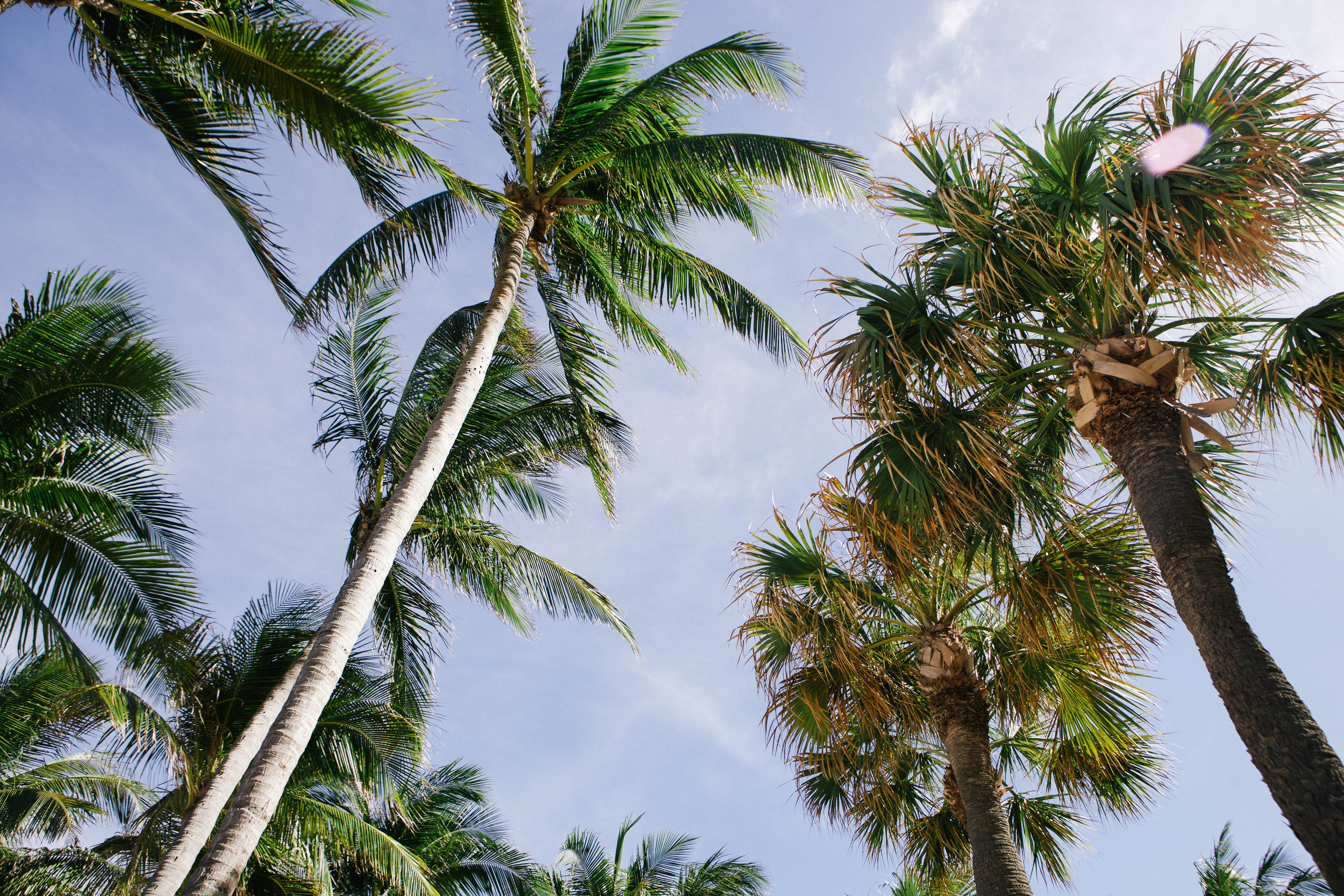
Formed by a volcanic eruption, Madeira lies in the Gulf Stream, about 500 miles due west of Casablanca. Discovered by Portuguese explorer João Gonçalves Zarco in 1419, this beautiful island became part of Portugal’s vast empire and was named for the dense forest which cloaked it – ‘Madeira’ means ‘wood’ in Portuguese. Sugar plantations first brought wealth here, and when King Charles II of England granted an exclusive franchise to sell wine to England and its colonies, many British emigrants were drawn to the capital, Funchal. Today’s travellers come to Madeira for the varied and luxuriant scenery, from mountain slopes covered with vines to picturesque villages and a profusion of wild flowers. The natural beauty of the island has earned it many pseudonyms such as ‘The Floating Garden of the Atlantic’, ‘The Island of Eternal Springtime’ and ‘God’s Botanical Gardens’ and our selection of excursions aim to show you why.
Leixões, Portugal
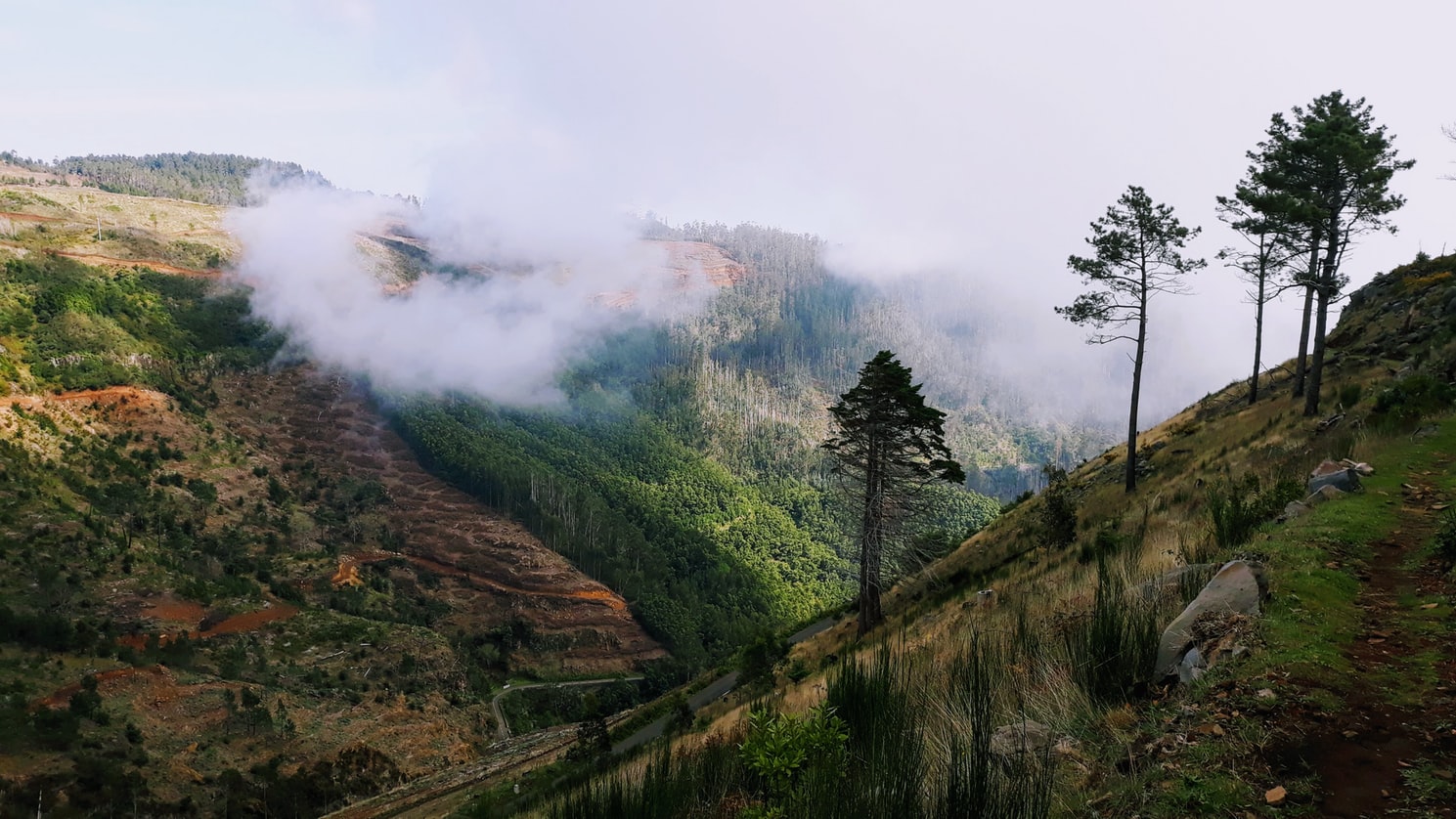
Ever since the Romans constructed a fort here and began using it as a trading post, Oporto has been a prosperous commercial centre. In the 15th and 16th centuries the city benefited from the wealth generated by Portugal’s maritime discoveries, and later, the establishment of a lucrative wine trade with Britain compensated for the loss of the spice trade. Today, Portugal’s second-largest city is a thriving, cosmopolitan place and is famous for its production of the fortified, sweet ‘port’ wine. Its historic centre is a UNESCO World Heritage Site and the city was also awarded the status of European Capital of Culture in 2001. A large sandbar prevents ships from sailing into Oporto itself, so for over a century they have used nearby Leixões instead, a man-made seaport constructed nine miles from the city. Leixões is one of Portugal’s major sea ports and is also home to one of the country’s oldest football clubs, winners of the Taça de Portugal cup in 1961.
La Coruña, Spain
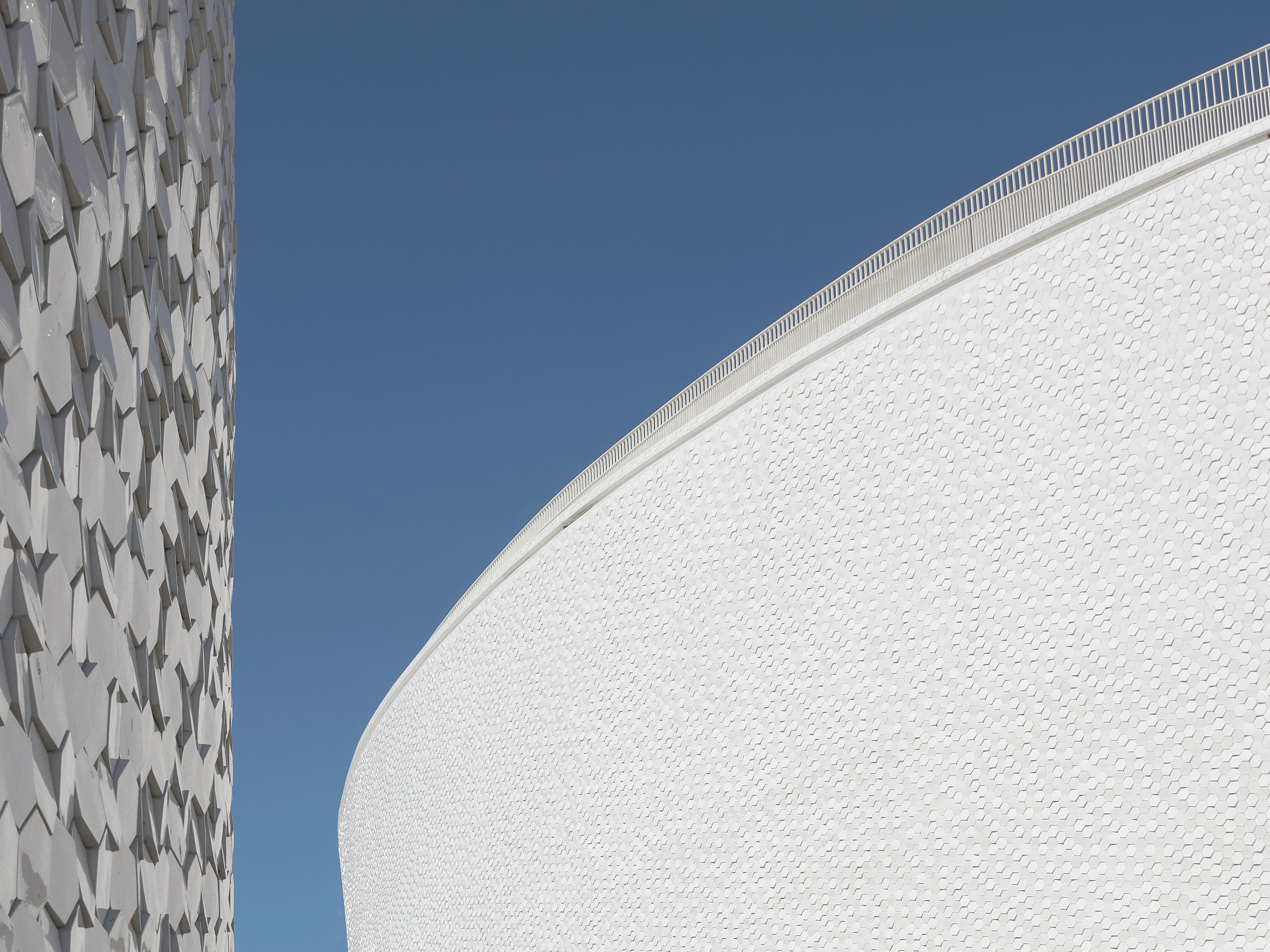
La Coruña, the largest city in Spain’s Galicia region, is among the country’s busiest ports. The remote Galicia area is tucked into the northwest corner of the Iberian Peninsula, surprising visitors with its green and misty countryside that is so much unlike other parts of Spain. The name “Galicia” is Celtic in origin, for it was the Celts who occupied the region around the 6th-century BC and erected fortifications. La Coruña was already considered an important port under the Romans. They were followed by an invasion of Suevians, Visigoths and, much later in 730, the Moors. It was after Galicia was incorporated into the Kingdom of Asturias that the epic saga of the Pilgrimage to Santiago (St. James) began. From the 15th century, overseas trade developed rapidly; in 1720, La Coruña was granted the privilege of trading with America – a right previously only held by Cadiz and Seville. This was the great era when adventurous men voyaged to the colonies and returned with vast riches. Today, the city’s significant expansion is evident in three distinct quarters: the town centre located along the isthmus; the business and commercial centre with wide avenues and shopping streets; and the “Ensanche” to the south, occupied by warehouses and factories. Many of the buildings in the old section feature the characteristic glazed façades that have earned La Coruña the name “City of Crystal.” Plaza Maria Pita, the beautiful main square, is named after the local heroine who saved the town in 1589 when she seized the English standard from the beacon and gave the alarm, warning her fellow townsmen of the English attack.
Dover, England
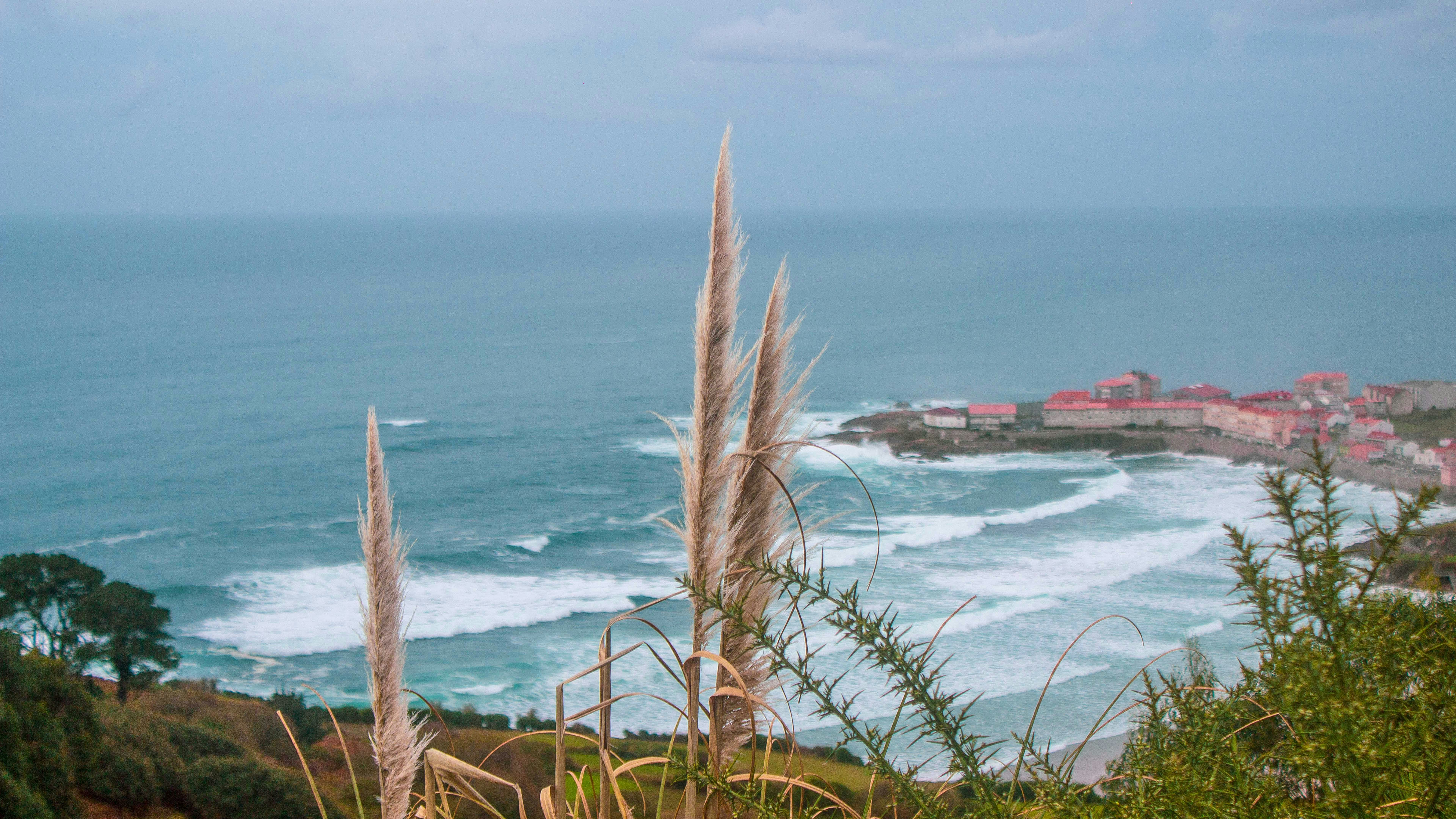
Known as the gateway of England, Dover welcomes millions of visitors from all over the globe each year in its role as the ferry capital of the world and the second busiest cruise port in the UK. The White Cliffs Country has a rich heritage. Within the walls of the town’s iconic castle, over 2,000 years of history waits to be explored, whilst the town’s museum is home to the Dover Bronze Age Boat, the world’s oldest known seagoing vessel. The town’s cliffs that are a welcome sight for today’s cross-channel travellers also served as the control centre for the Dunkirk evacuation in 1940.
Funchal, Madeira, Portugal
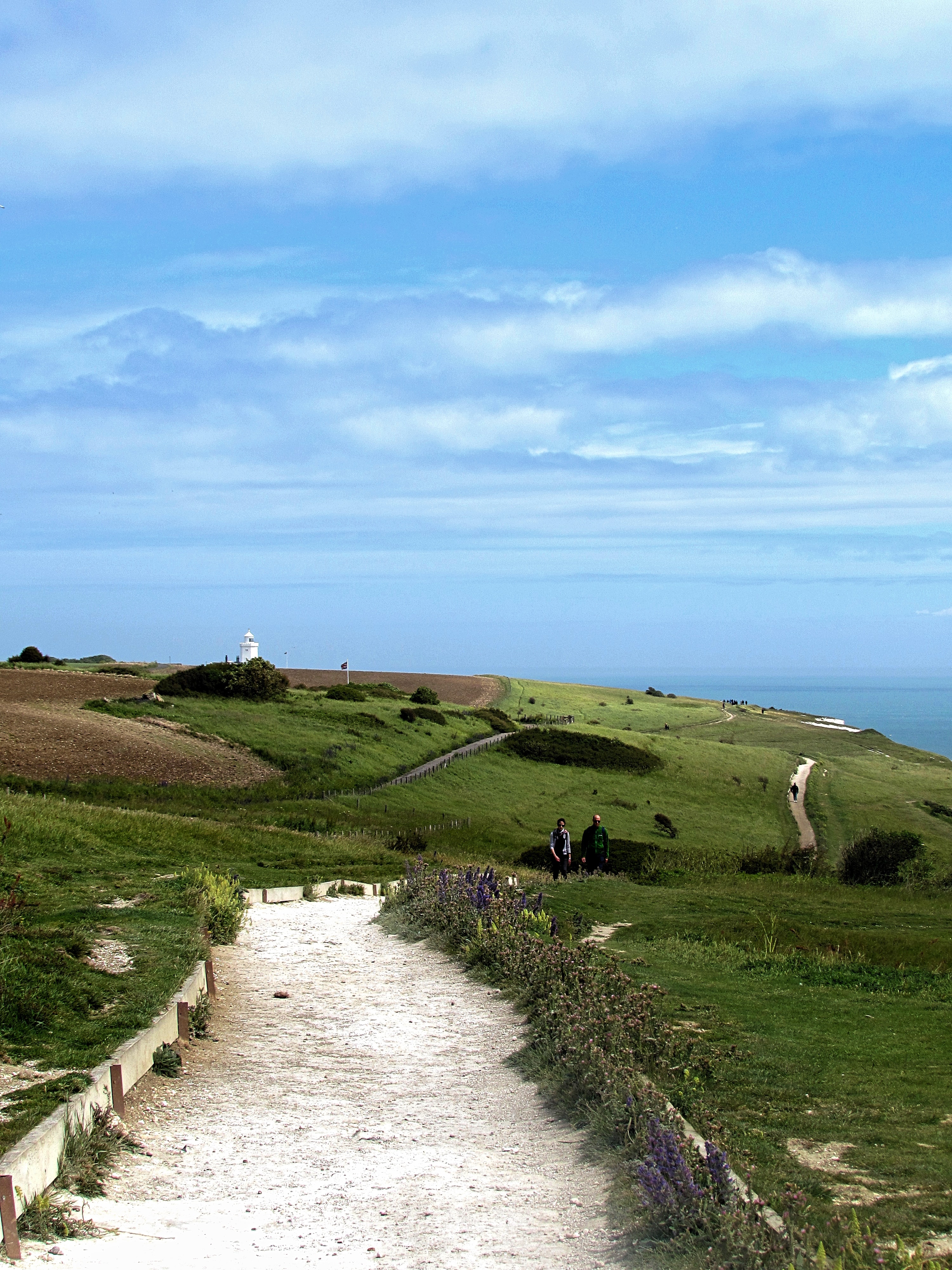
Formed by a volcanic eruption, Madeira lies in the Gulf Stream, about 500 miles due west of Casablanca. Discovered by Portuguese explorer João Gonçalves Zarco in 1419, this beautiful island became part of Portugal’s vast empire and was named for the dense forest which cloaked it – ‘Madeira’ means ‘wood’ in Portuguese. Sugar plantations first brought wealth here, and when King Charles II of England granted an exclusive franchise to sell wine to England and its colonies, many British emigrants were drawn to the capital, Funchal. Today’s travellers come to Madeira for the varied and luxuriant scenery, from mountain slopes covered with vines to picturesque villages and a profusion of wild flowers. The natural beauty of the island has earned it many pseudonyms such as ‘The Floating Garden of the Atlantic’, ‘The Island of Eternal Springtime’ and ‘God’s Botanical Gardens’ and our selection of excursions aim to show you why.
Leixões, Portugal
Ever since the Romans constructed a fort here and began using it as a trading post, Oporto has been a prosperous commercial centre. In the 15th and 16th centuries the city benefited from the wealth generated by Portugal’s maritime discoveries, and later, the establishment of a lucrative wine trade with Britain compensated for the loss of the spice trade. Today, Portugal’s second-largest city is a thriving, cosmopolitan place and is famous for its production of the fortified, sweet ‘port’ wine. Its historic centre is a UNESCO World Heritage Site and the city was also awarded the status of European Capital of Culture in 2001. A large sandbar prevents ships from sailing into Oporto itself, so for over a century they have used nearby Leixões instead, a man-made seaport constructed nine miles from the city. Leixões is one of Portugal’s major sea ports and is also home to one of the country’s oldest football clubs, winners of the Taça de Portugal cup in 1961.
La Coruña, Spain
La Coruña, the largest city in Spain’s Galicia region, is among the country’s busiest ports. The remote Galicia area is tucked into the northwest corner of the Iberian Peninsula, surprising visitors with its green and misty countryside that is so much unlike other parts of Spain. The name “Galicia” is Celtic in origin, for it was the Celts who occupied the region around the 6th-century BC and erected fortifications. La Coruña was already considered an important port under the Romans. They were followed by an invasion of Suevians, Visigoths and, much later in 730, the Moors. It was after Galicia was incorporated into the Kingdom of Asturias that the epic saga of the Pilgrimage to Santiago (St. James) began. From the 15th century, overseas trade developed rapidly; in 1720, La Coruña was granted the privilege of trading with America – a right previously only held by Cadiz and Seville. This was the great era when adventurous men voyaged to the colonies and returned with vast riches. Today, the city’s significant expansion is evident in three distinct quarters: the town centre located along the isthmus; the business and commercial centre with wide avenues and shopping streets; and the “Ensanche” to the south, occupied by warehouses and factories. Many of the buildings in the old section feature the characteristic glazed façades that have earned La Coruña the name “City of Crystal.” Plaza Maria Pita, the beautiful main square, is named after the local heroine who saved the town in 1589 when she seized the English standard from the beacon and gave the alarm, warning her fellow townsmen of the English attack.
Dover, England
Known as the gateway of England, Dover welcomes millions of visitors from all over the globe each year in its role as the ferry capital of the world and the second busiest cruise port in the UK. The White Cliffs Country has a rich heritage. Within the walls of the town’s iconic castle, over 2,000 years of history waits to be explored, whilst the town’s museum is home to the Dover Bronze Age Boat, the world’s oldest known seagoing vessel. The town’s cliffs that are a welcome sight for today’s cross-channel travellers also served as the control centre for the Dunkirk evacuation in 1940.
Amsterdam, Netherlands
Amsterdam combines the unrivaled beauty of the 17th-century Golden Age city center with plenty of museums and art of the highest order, not to mention a remarkably laid-back atmosphere. It all comes together to make this one of the world’s most appealing and offbeat metropolises in the world. Built on a latticework of concentric canals like an aquatic rainbow, Amsterdam is known as the City of Canals—but it’s no Venice, content to live on moonlight serenades and former glory. Quite the contrary: on nearly every street here you’ll find old and new side by side—quiet corners where time seems to be holding its breath next to streets like neon-lit Kalverstraat, and Red Light ladies strutting by the city’s oldest church. Indeed, Amsterdam has as many lovely facets as a 40-carat diamond polished by one of the city’s gem cutters. It’s certainly a metropolis, but a rather small and very accessible one. Locals tend to refer to it as a big village, albeit one that happens to pack the cultural wallop of a major world destination. There are scores of concerts every day, numerous museums, summertime festivals, and, of course, a legendary year-round party scene. It’s pretty much impossible to resist Amsterdam’s charms. With 7,000 registered monuments, most of which began as the residences and warehouses of humble merchants, set on 160 man-made canals, and traversed by 1,500 or so bridges, Amsterdam has the largest historical inner city in Europe. Its famous circle of waterways, the grachtengordel, was a 17th-century urban expansion plan for the rich and is a lasting testament to the city’s Golden Age. This town is endearing because of its kinder, gentler nature—but a reputation for championing sex, drugs, and rock ’n’ roll does not alone account for Amsterdam’s being one of the most popular destinations in Europe: consider that within a single square mile the city harbors some of the greatest achievements in Western art, from Rembrandt to Van Gogh. Not to mention that this is one of Europe’s great walking cities, with so many of its treasures in the untouted details: tiny alleyways barely visible on the map, hidden garden courtyards, shop windows, floating houseboats, hidden hofjes(courtyards with almshouses), sudden vistas of church spires, and gabled roofs that look like so many unframed paintings. And don’t forget that the joy lies in details: elaborate gables and witty gable stones denoting the trade of a previous owner. Keep in mind that those XXX symbols you see all over town are not a mark of the city’s triple-X reputation. They’re part of Amsterdam’s official coat of arms—three St. Andrew’s crosses, believed to represent the three dangers that have traditionally plagued the city: flood, fire, and pestilence. The coat’s motto (“Valiant, determined, compassionate”) was introduced in 1947 by Queen Wilhelmina in remembrance of the 1941 February Strike in Amsterdam—the first time in Europe that non-Jewish people protested against the persecution of Jews by the Nazi regime.
Amsterdam, Netherlands
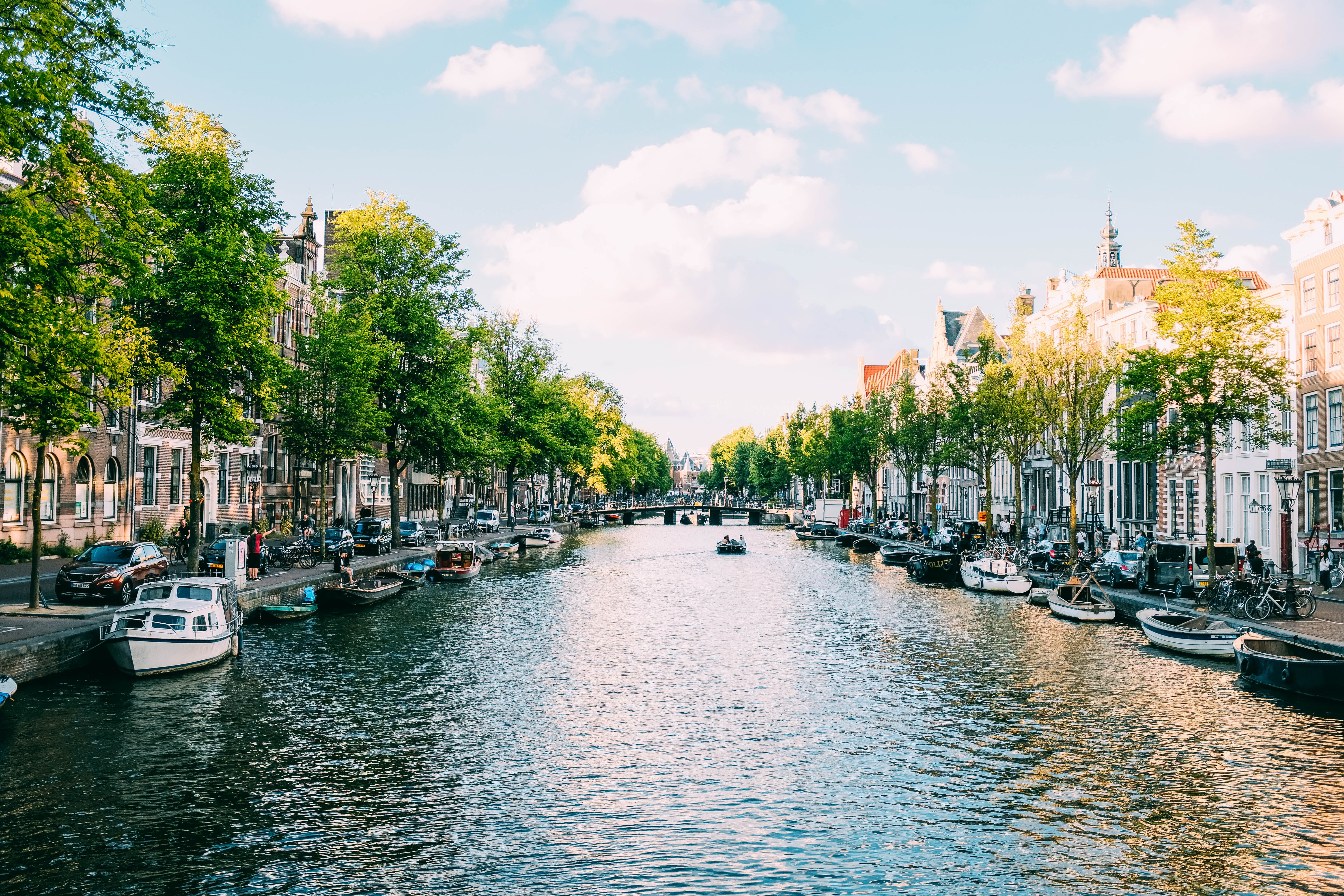
Amsterdam combines the unrivaled beauty of the 17th-century Golden Age city center with plenty of museums and art of the highest order, not to mention a remarkably laid-back atmosphere. It all comes together to make this one of the world’s most appealing and offbeat metropolises in the world. Built on a latticework of concentric canals like an aquatic rainbow, Amsterdam is known as the City of Canals—but it’s no Venice, content to live on moonlight serenades and former glory. Quite the contrary: on nearly every street here you’ll find old and new side by side—quiet corners where time seems to be holding its breath next to streets like neon-lit Kalverstraat, and Red Light ladies strutting by the city’s oldest church. Indeed, Amsterdam has as many lovely facets as a 40-carat diamond polished by one of the city’s gem cutters. It’s certainly a metropolis, but a rather small and very accessible one. Locals tend to refer to it as a big village, albeit one that happens to pack the cultural wallop of a major world destination. There are scores of concerts every day, numerous museums, summertime festivals, and, of course, a legendary year-round party scene. It’s pretty much impossible to resist Amsterdam’s charms. With 7,000 registered monuments, most of which began as the residences and warehouses of humble merchants, set on 160 man-made canals, and traversed by 1,500 or so bridges, Amsterdam has the largest historical inner city in Europe. Its famous circle of waterways, the grachtengordel, was a 17th-century urban expansion plan for the rich and is a lasting testament to the city’s Golden Age. This town is endearing because of its kinder, gentler nature—but a reputation for championing sex, drugs, and rock ’n’ roll does not alone account for Amsterdam’s being one of the most popular destinations in Europe: consider that within a single square mile the city harbors some of the greatest achievements in Western art, from Rembrandt to Van Gogh. Not to mention that this is one of Europe’s great walking cities, with so many of its treasures in the untouted details: tiny alleyways barely visible on the map, hidden garden courtyards, shop windows, floating houseboats, hidden hofjes(courtyards with almshouses), sudden vistas of church spires, and gabled roofs that look like so many unframed paintings. And don’t forget that the joy lies in details: elaborate gables and witty gable stones denoting the trade of a previous owner. Keep in mind that those XXX symbols you see all over town are not a mark of the city’s triple-X reputation. They’re part of Amsterdam’s official coat of arms—three St. Andrew’s crosses, believed to represent the three dangers that have traditionally plagued the city: flood, fire, and pestilence. The coat’s motto (“Valiant, determined, compassionate”) was introduced in 1947 by Queen Wilhelmina in remembrance of the 1941 February Strike in Amsterdam—the first time in Europe that non-Jewish people protested against the persecution of Jews by the Nazi regime.
Cabin Options
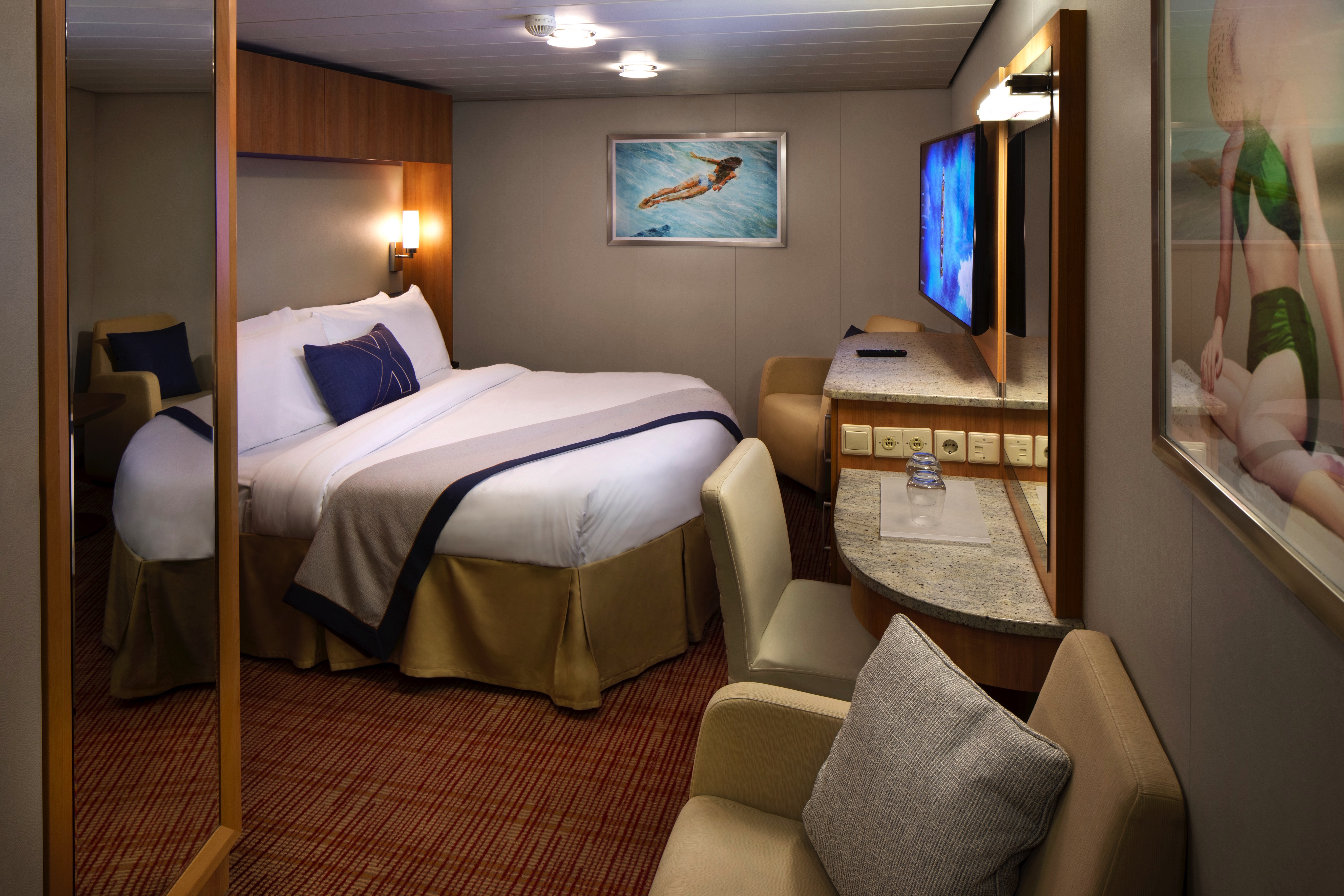
Prime Inside Stateroom
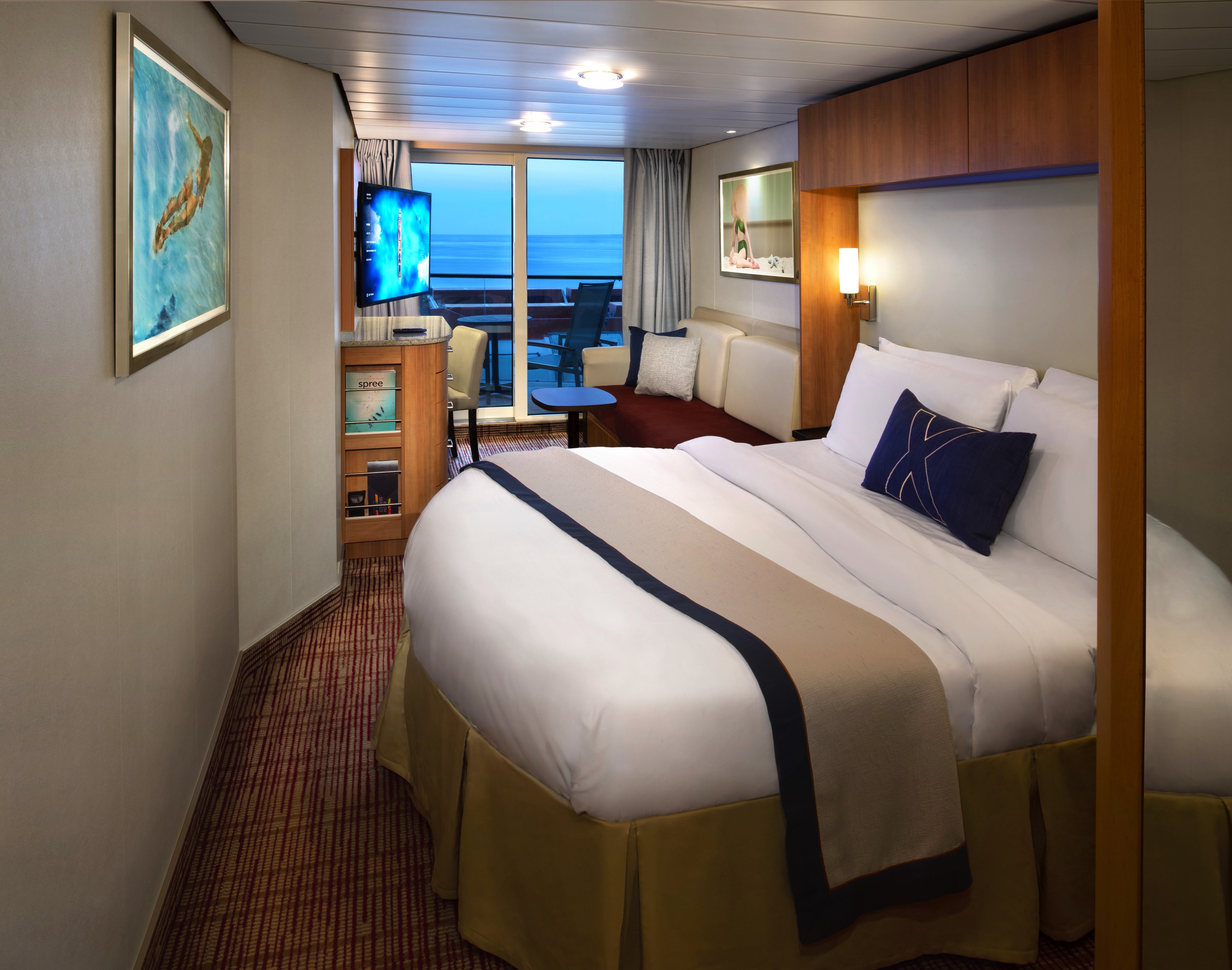
Veranda Stateroom
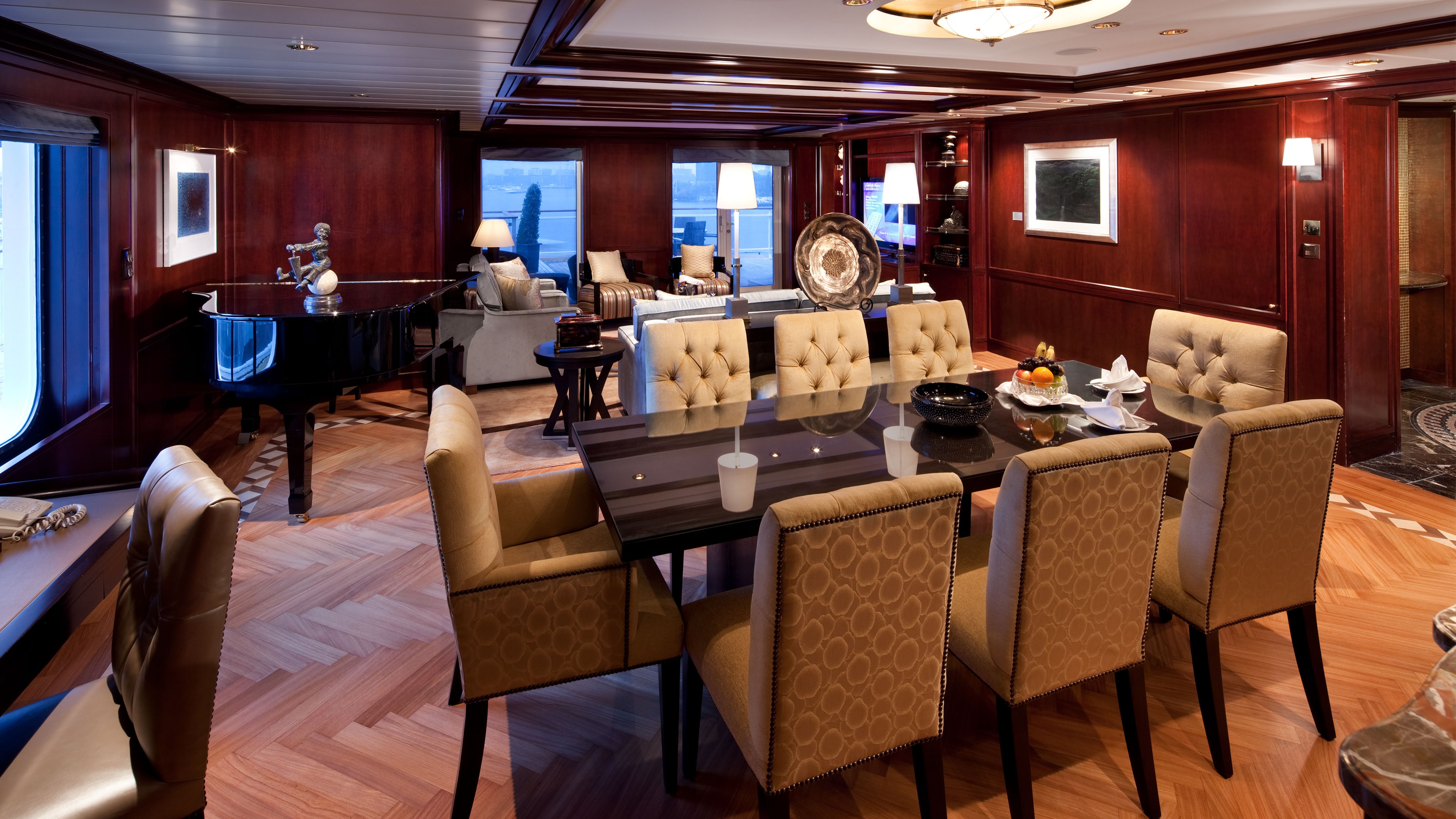
Penthouse Suite
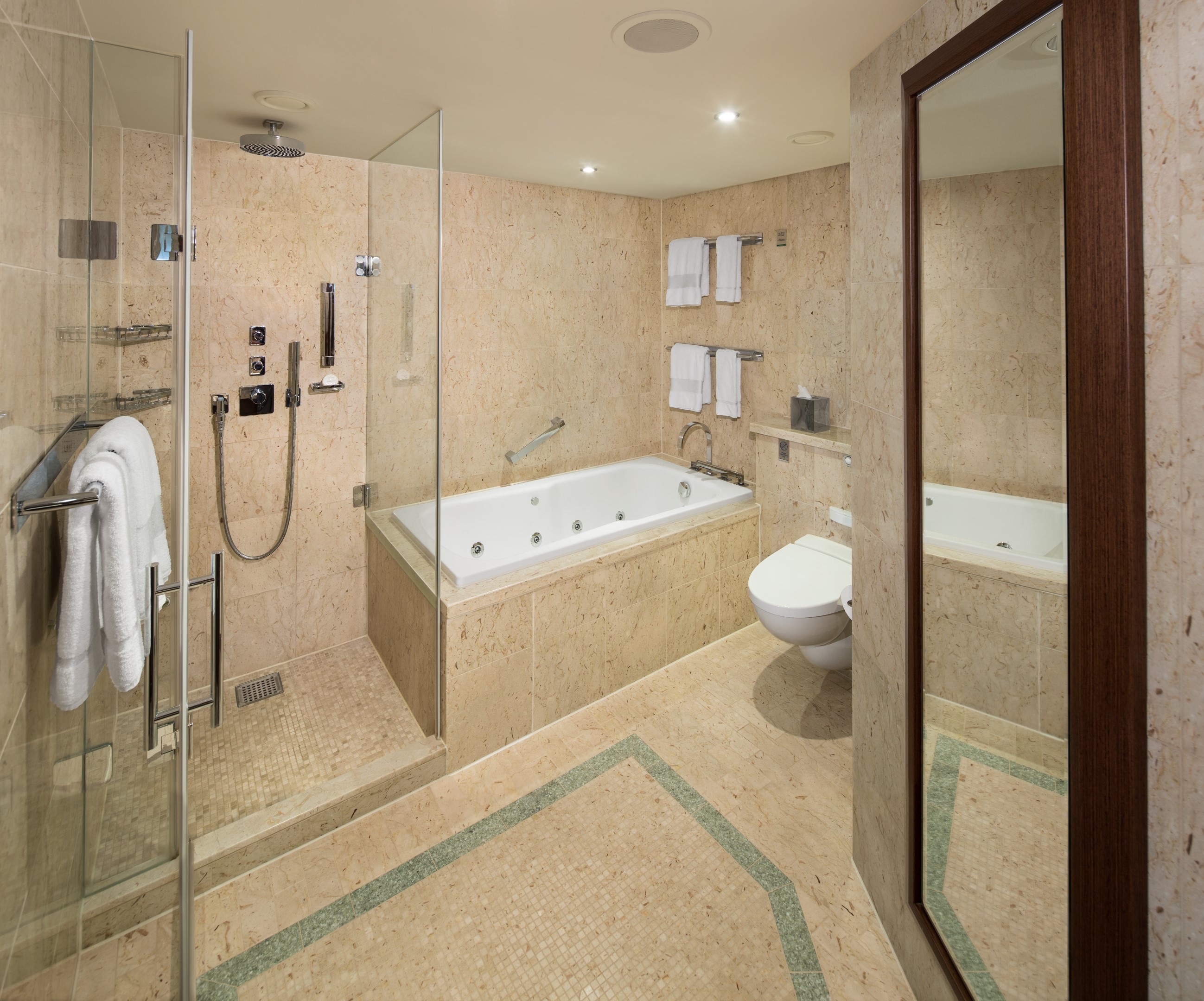
Royal Suite
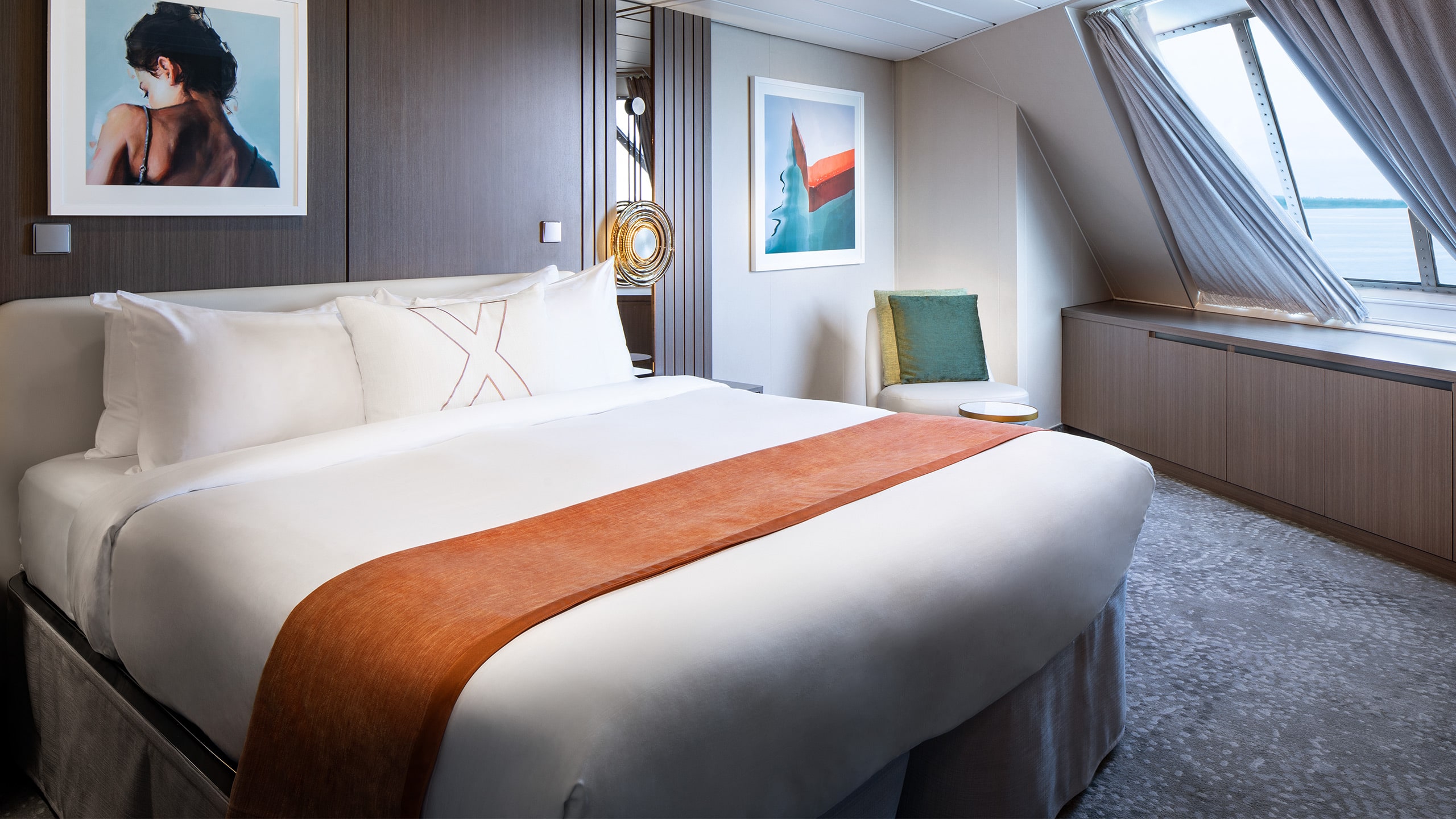
Horizon Suite
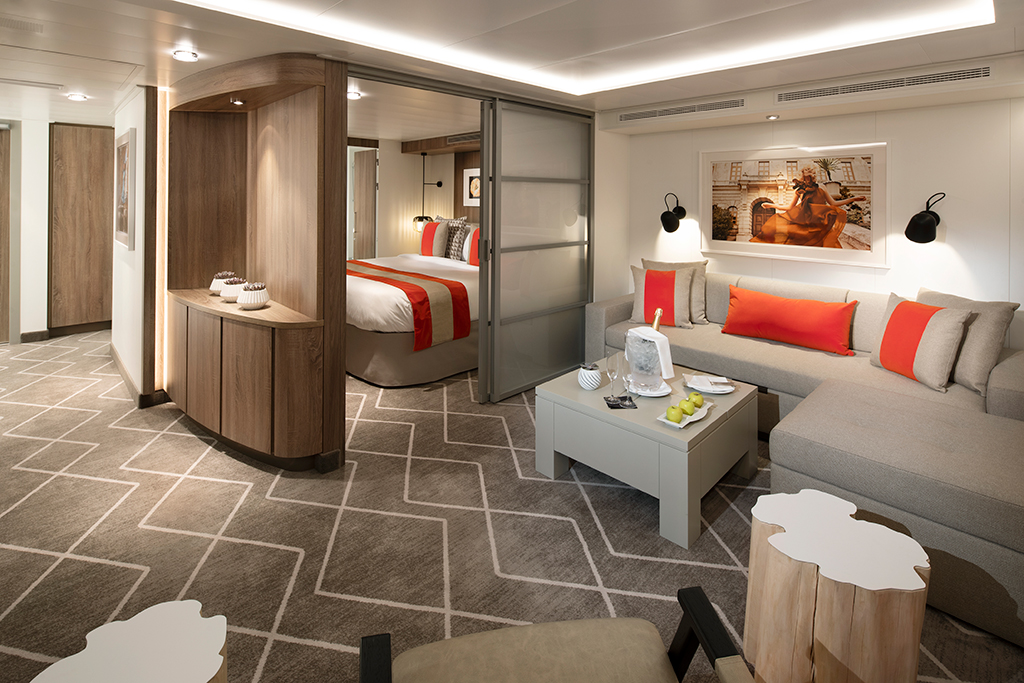
Celebrity Suite
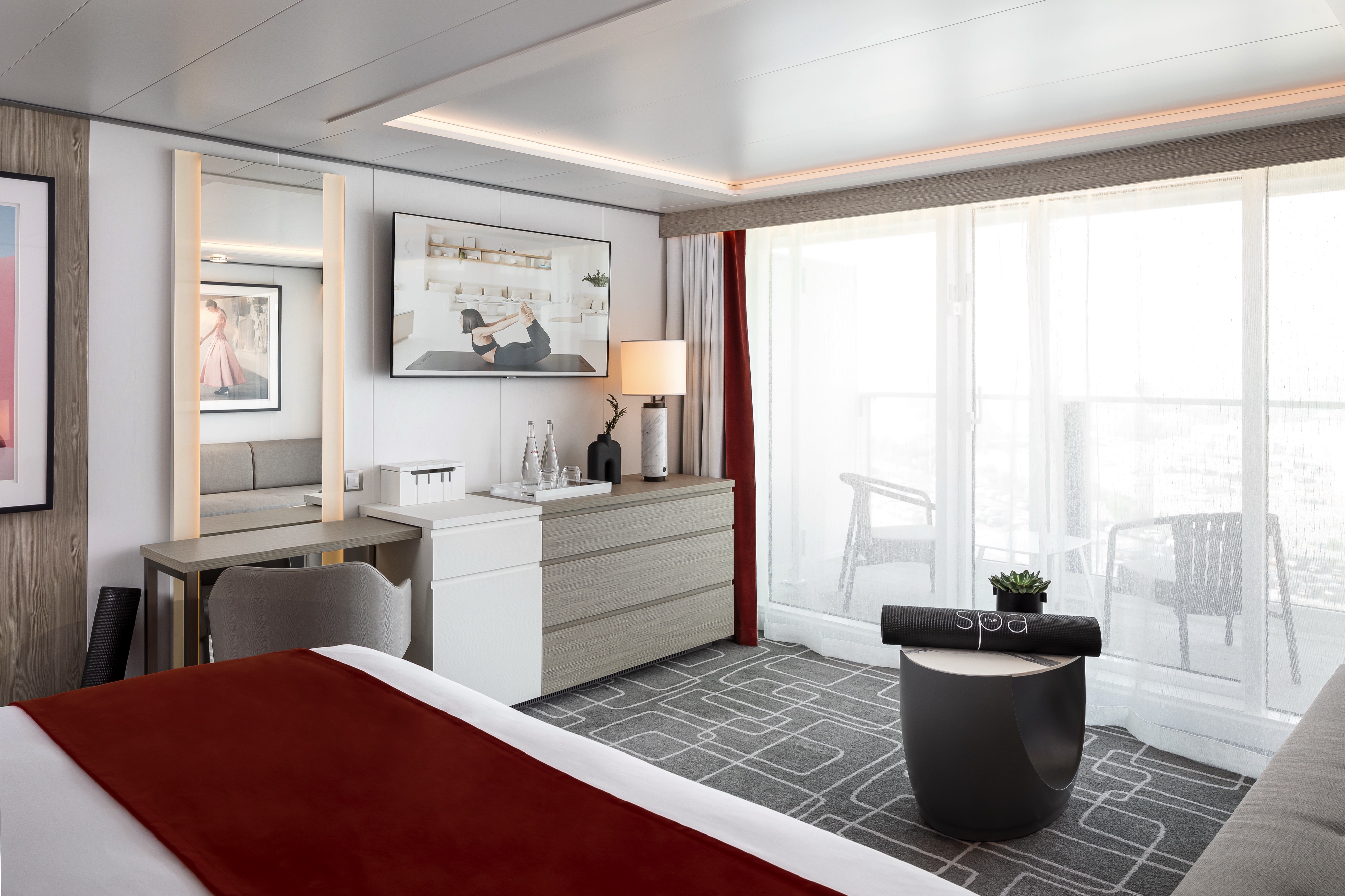
Aqua Sky Suite
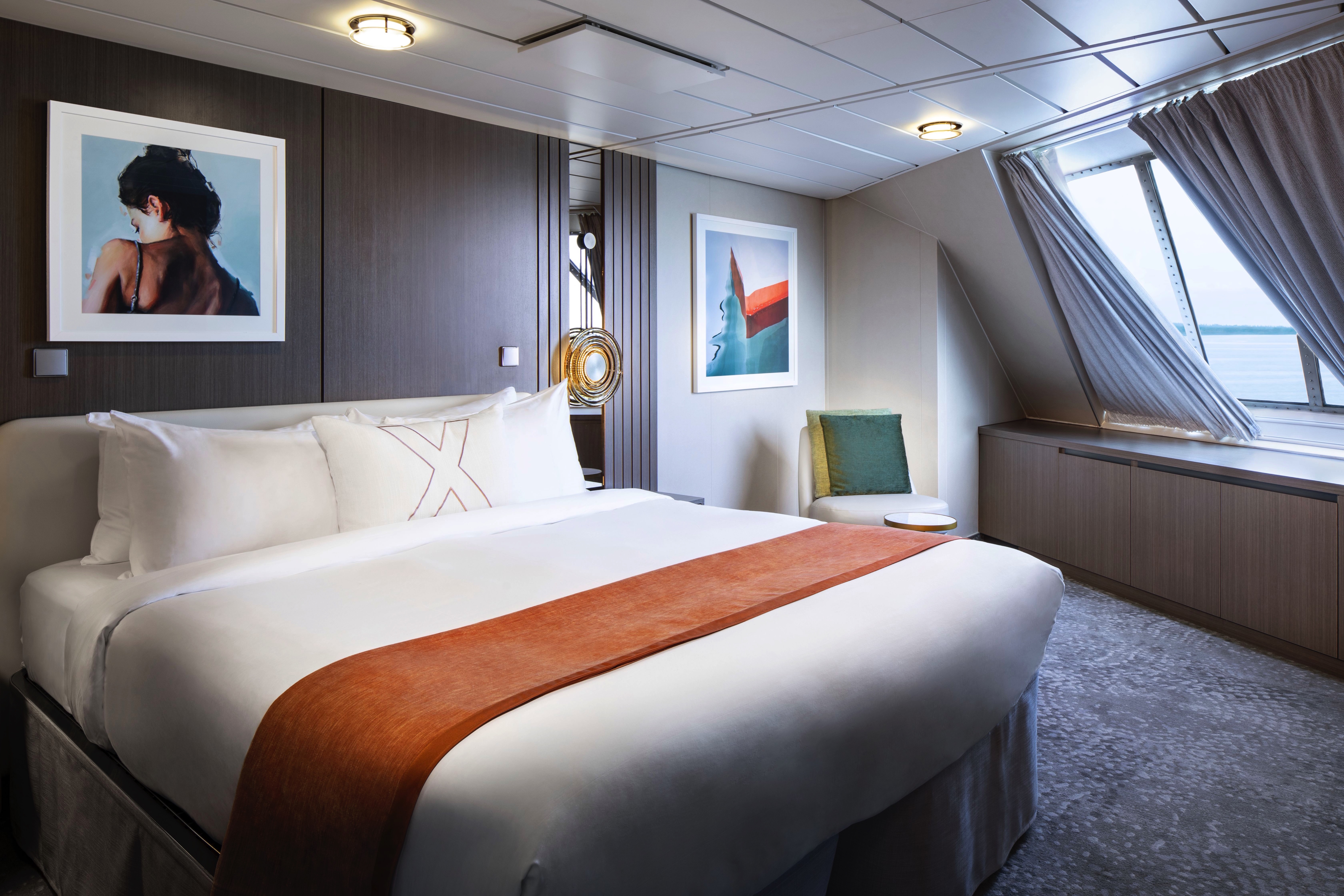
Sunset Sky Suite
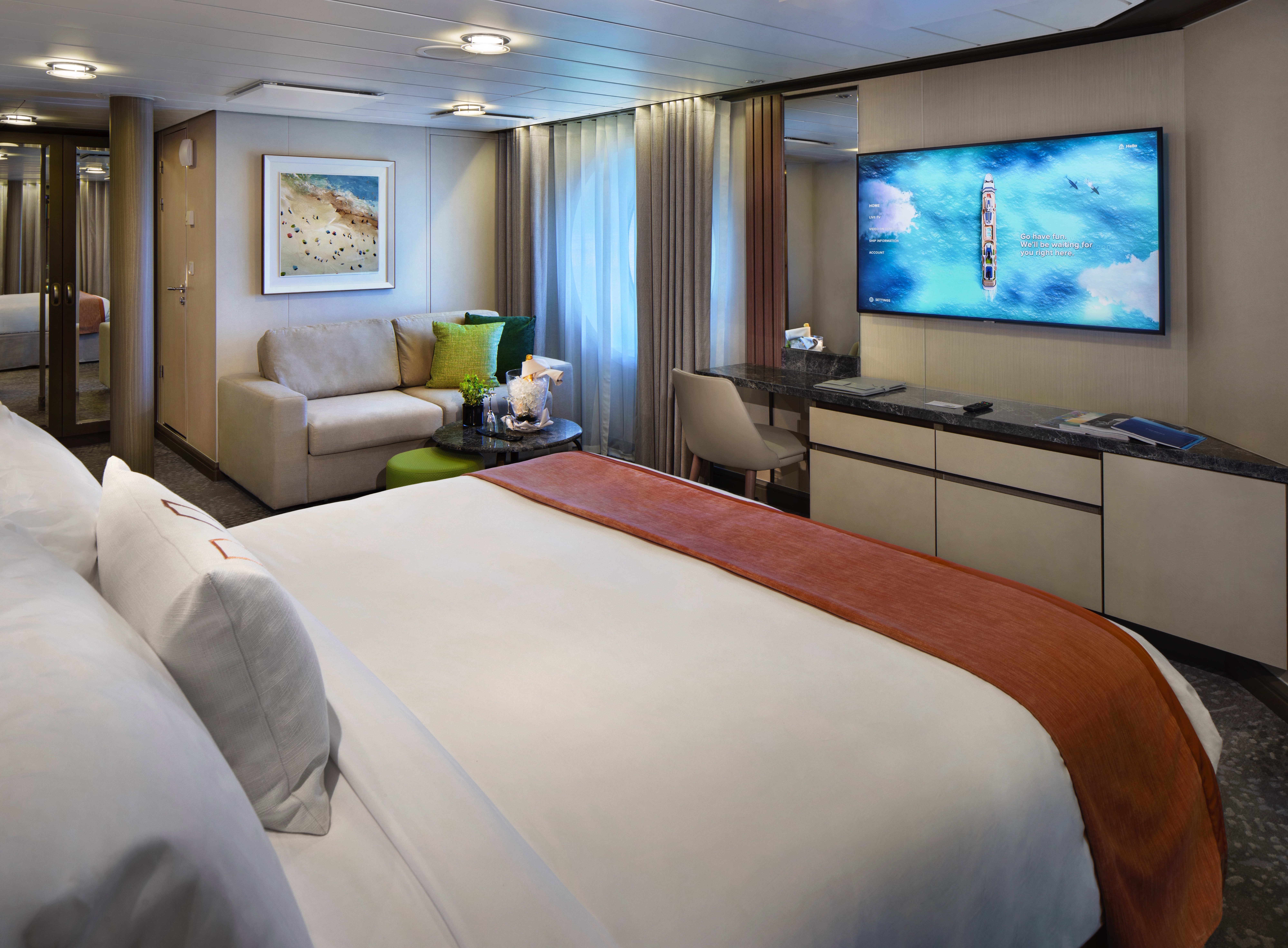
Sky Suite
Suite Guarantee
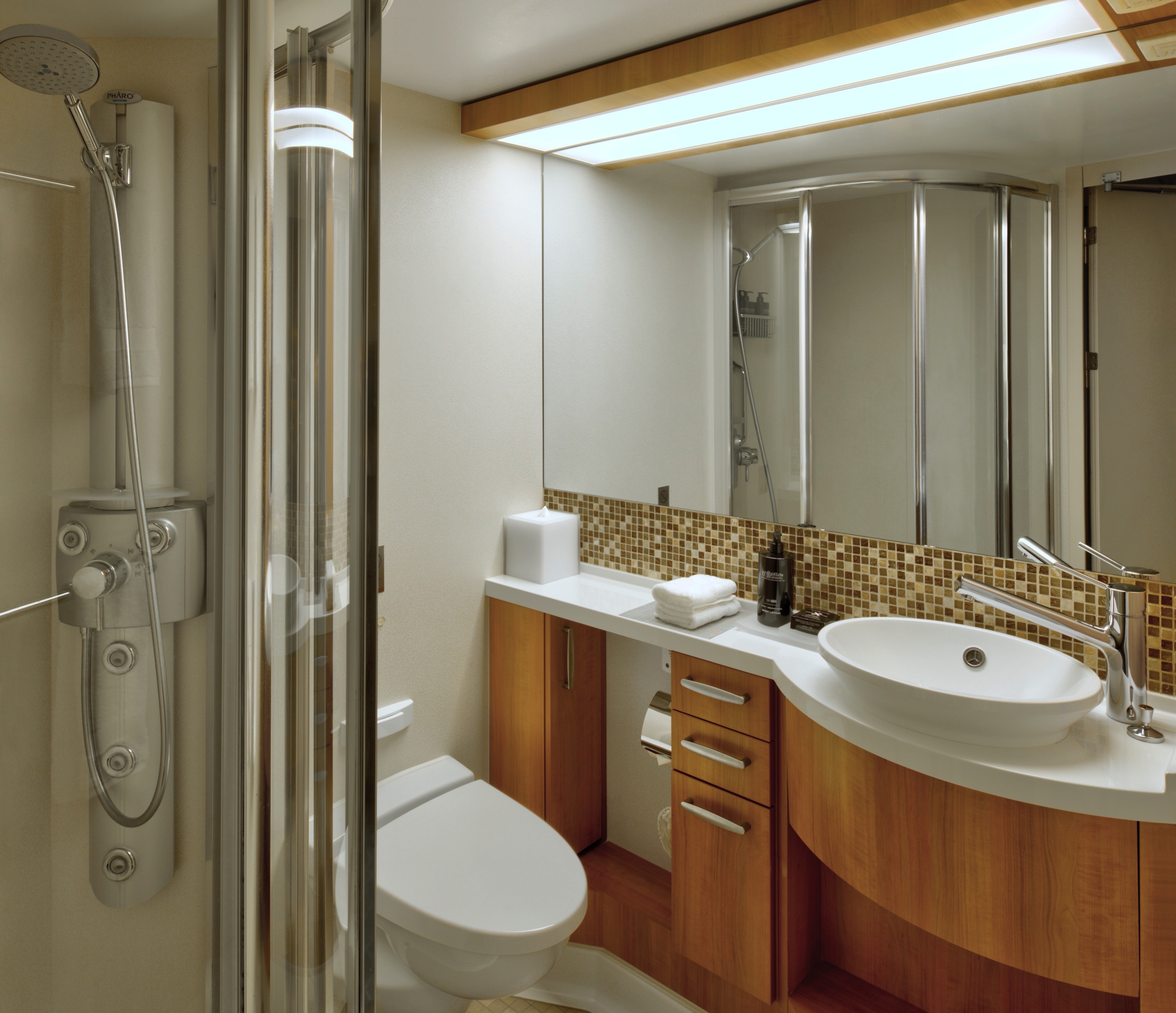
Prime AquaClass® Stateroom
AquaClass® Stateroom
AquaClass® Stateroom Guarantee
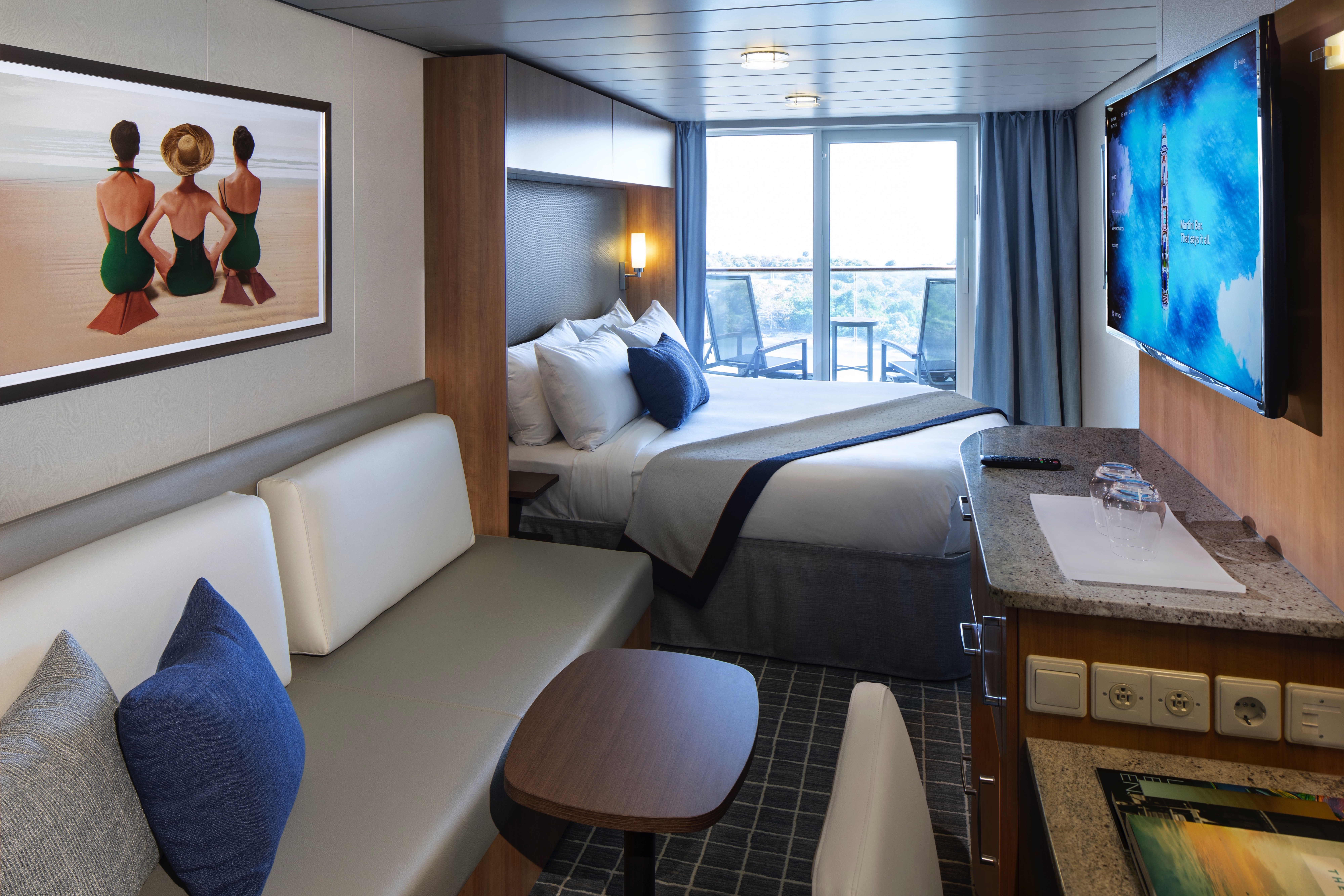
Sunset Concierge Class Stateroom
Prime Concierge Class Stateroom
Concierge Class Stateroom
Concierge Stateroom Guarantee
Sunset Veranda Stateroom
Deluxe Veranda Stateroom
Prime Veranda
Veranda Stateroom Guarantee
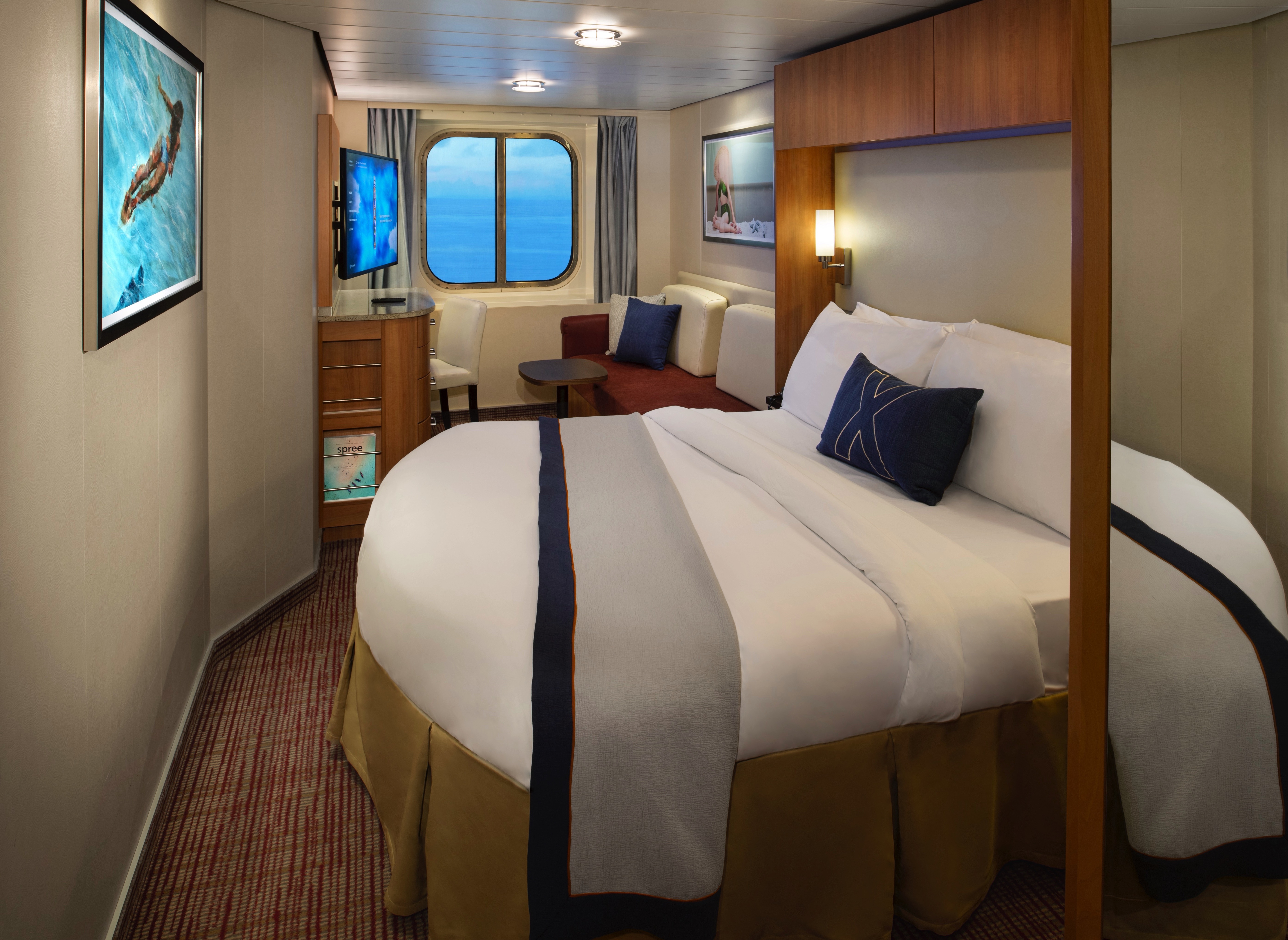
Prime Ocean View Stateroom
Ocean View Stateroom
Ocean View Stateroom Guarantee
Inside Stateroom
Inside Stateroom Guarantee
Ship Facilities
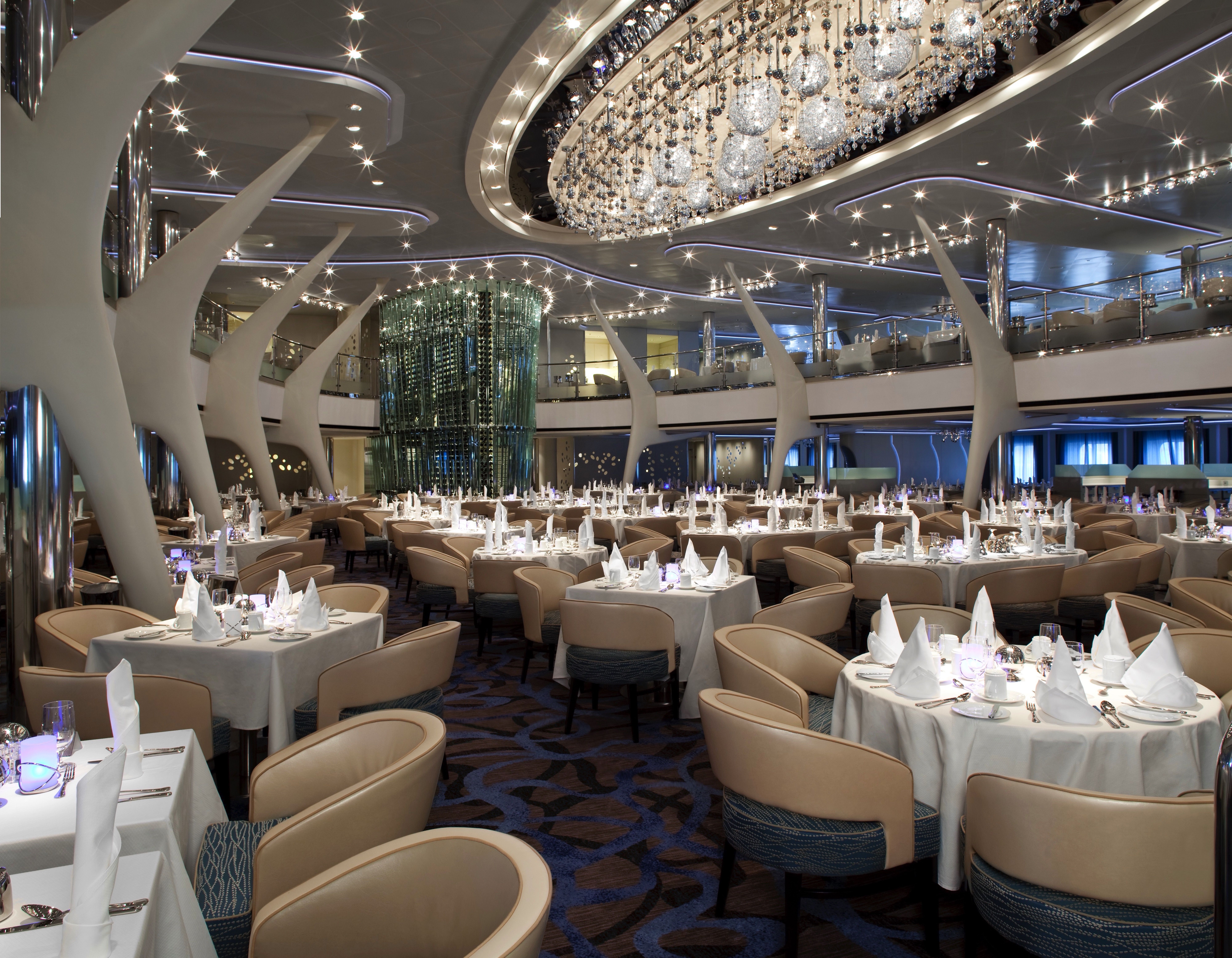
Main Restaurant
Airy and contemporary main restaurant, with a large curated menu of classic and modern, regionally inspired choices.
CELEBRITY SELECT DINING
Celebrity Select Dining is designed completely around you. Simply choose whether you’d like an early seating at 6:00 P.M., late seating at 8:30 P.M., or dine whenever you want, the choice of how you plan your evening meals is up to you.
World-Class Chefs – Our crew of chefs continually raise the bar for culinary experiences, both at sea and beyond.
An Immersive Experience – The centrepiece of our immersive and enriching range of culinary experiences. We’re proud to present an unparalleled wealth of choice every evening at the Main Restaurant. Working around the clock, the galleys delight in sending out artfully presented dishes, every delicate micro-green garnish perfectly placed.
From Our Kitchen – A sense of intimacy in a dramatic space, personal connections in a welcoming yet sophisticated venue and a world of choices.
*Menus are subject to change
Blu
Vibrant, crisp and bold flavours, exclusively for AquaClass® guests.
Intimately Elegant, yet Fresh and Modern
Clean, crisp flavours and inventive cuisine meet an extensive list of sustainable and biodynamic wines.
Experience Blu
World-Class Chefs – Our chefs continually raise the bar for culinary experiences, both at sea and beyond.
An Imaginative Experience – As an AquaClass® guest, you can enjoy this exclusive restaurant for breakfast and dinner. The spa-inspired cuisine at Blu is an imaginative way of preparing popular dishes without fussiness or pretense.
Inside Blu – Personalised service, inviting surroundings, and natural light are all part of the fresh and bold aesthetic of Blu.
*Menus are subject to change
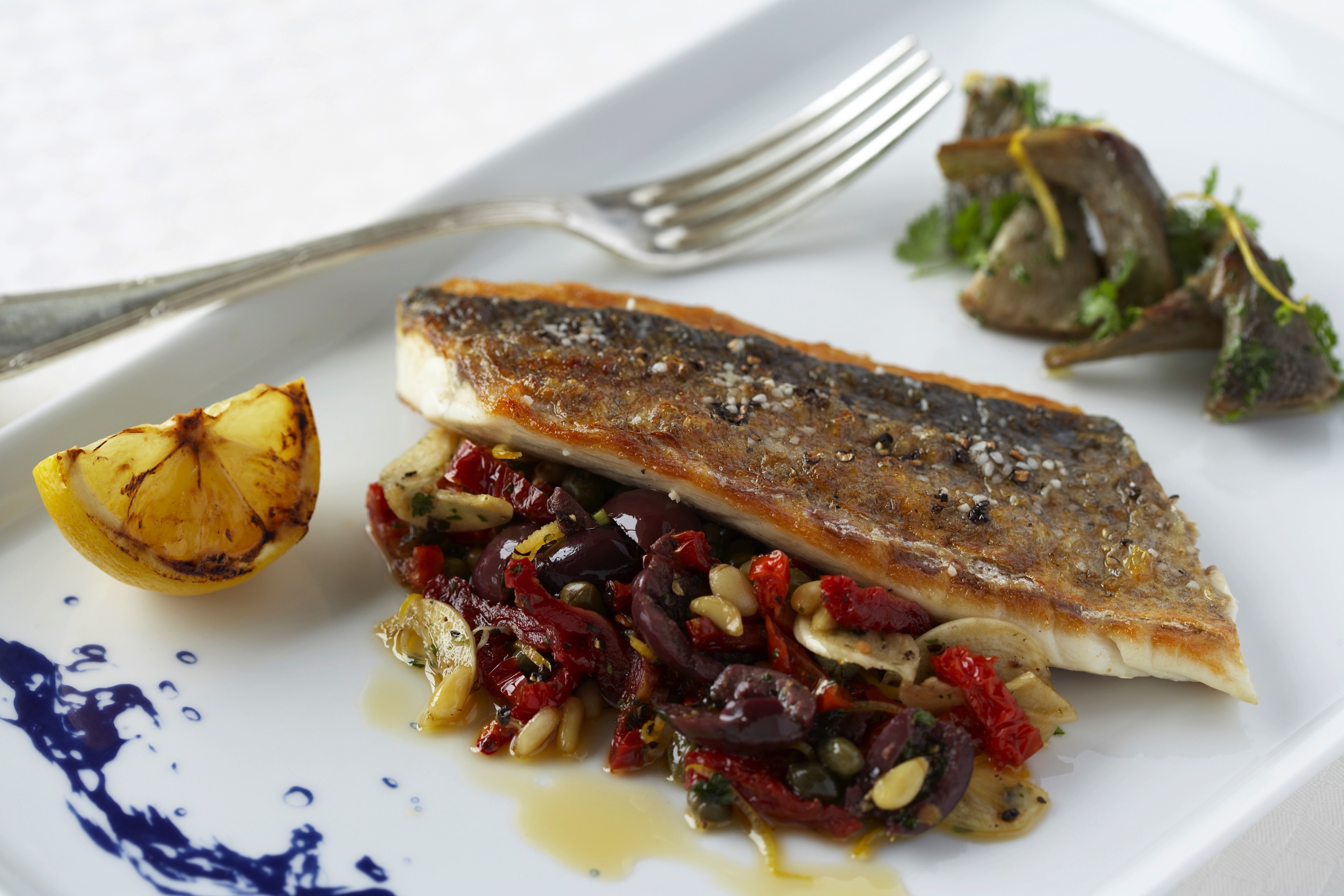
Murano
A Nouveau Take On Classic French Cuisine.
Classic French dishes—with a contemporary twist—serve as the inspiration for Murano’s menu. Enjoy nouveau cuisine with old-world charm, as we prepare some of our signature dishes tableside while you watch.
World-Class Chefs – Our crew of chefs continually raise the bar for culinary experiences, both at sea and beyond.
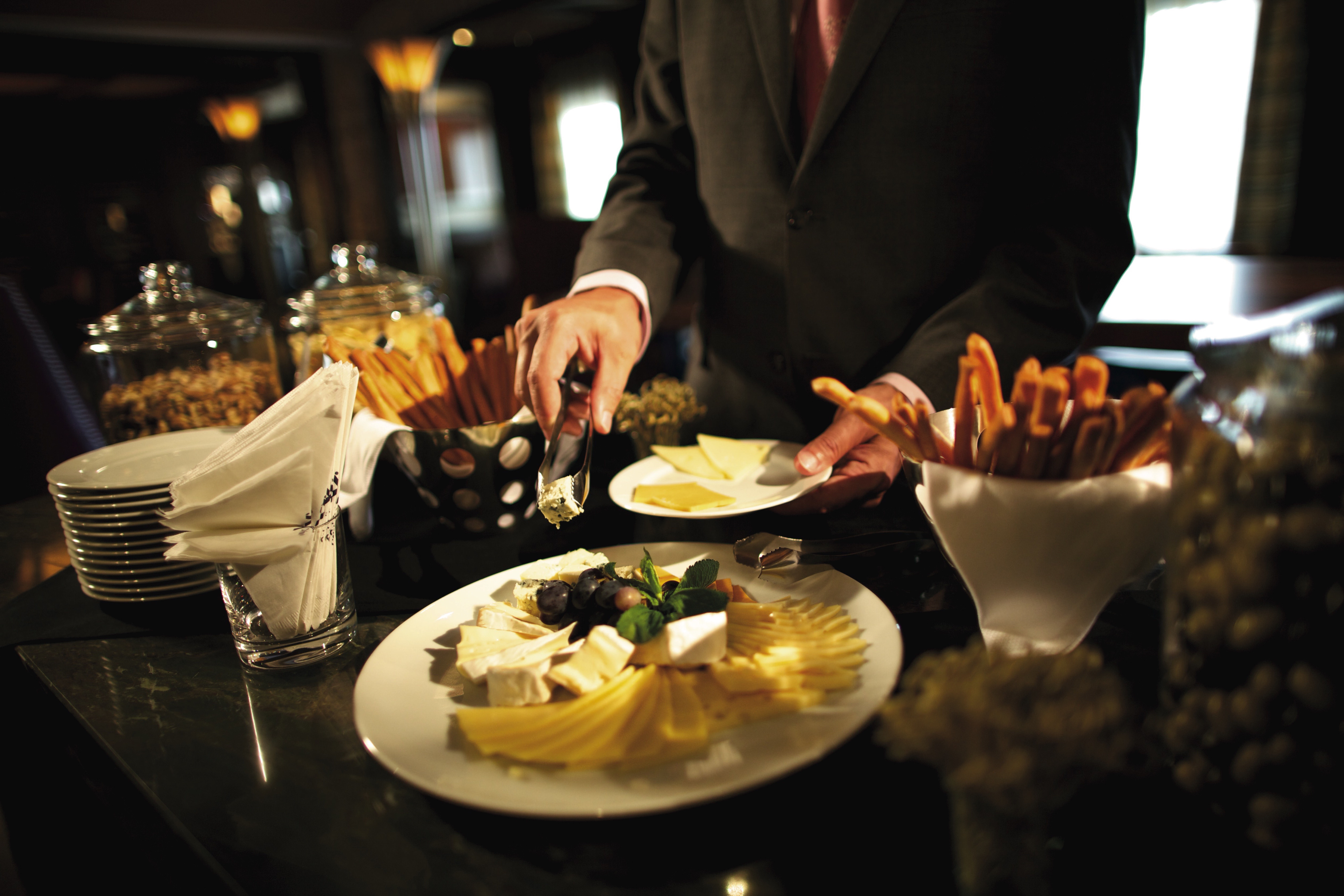
A contemporary take on classic French cuisine – Impeccable service, classic design, world-class cuisine, and comfortable sophistication are the distinguishing features of Murano. Experience tableside lobster presentation, an expansive selection of artisanal cheeses from around the world, and our extensive American and French wine lists.
From Our Kitchen – Classic French dishes serve as the inspiration for Murano’s menu; a unique contemporary twist here and there adds an element of surprise. The goal is the perfect marriage of flavours, artfully presented. We especially love to prepare some dishes tableside as you watch
Insider Tips
- Experience our Five Senses Menu: six courses are presented in a tasting menu, perfectly paired with wine, designed to stimulate all your senses.
- Enjoy the artisanal cheeses perfectly paired with port wine.
- Dine on custom Rosenthal dinnerware and Riedel® crystal.
- Your sommelier will guide you through the wine list in the private cellar.
*Menus are subject to change
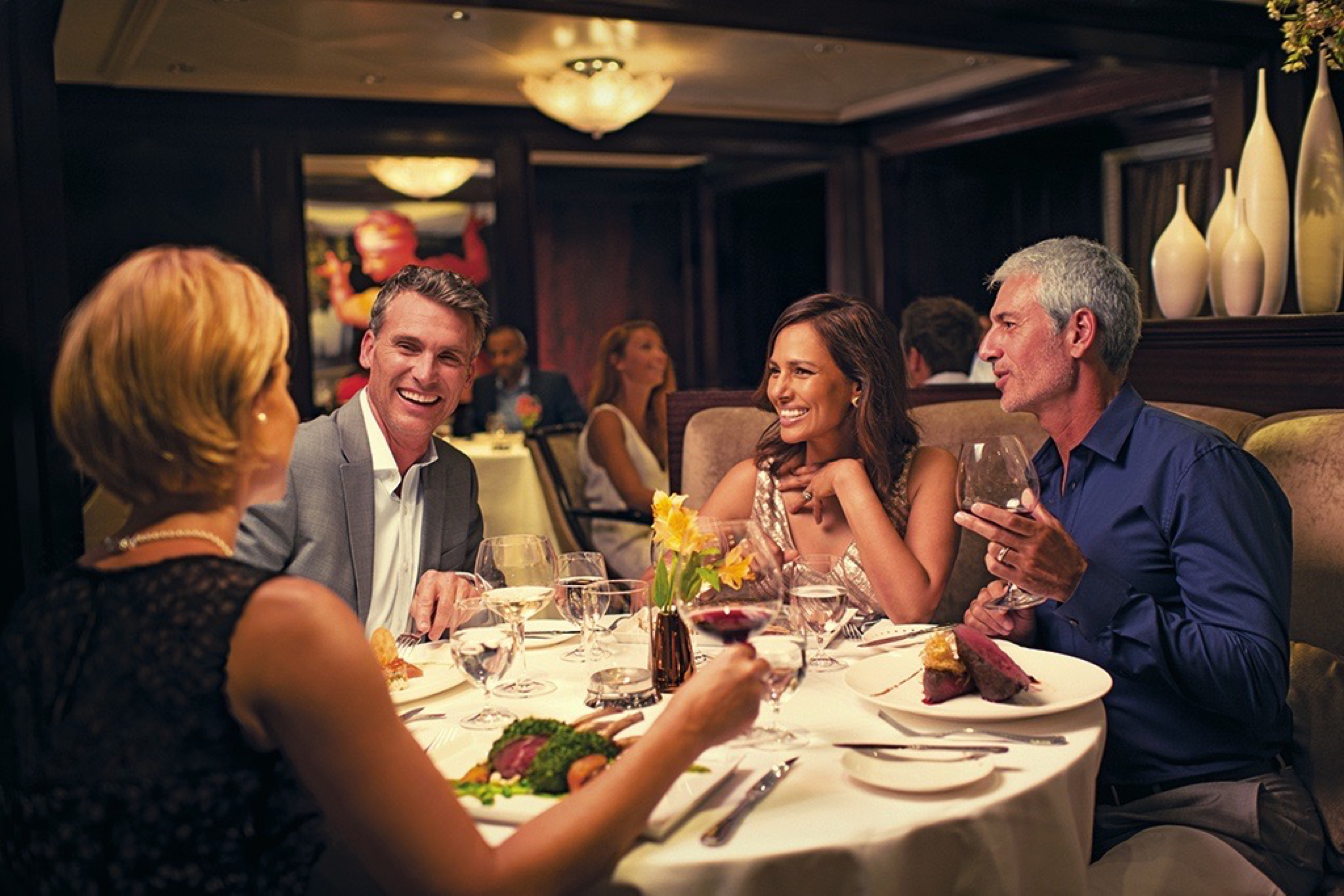
Tuscan Grille
A celebration of big, bold flavours
An Italian ristorante and enoteca with a contemporary twist.
Rustic elegance with a contemporary, minimalistic edge. Guests dining in Tuscan Grille will enjoy a lively, sophisticated atmosphere, serving iconic Italian dishes with a modern twist. Our fresh, original menu features handmade pasta, artisanal salumi, fish, butcher cut meats, and USDA Prime dry aged steaks. Our regional Italian wine menu features authentic Italian cocktails and beers.
Inside Tuscan
World-Class Chefs – Our crew of chefs continually raise the bar for culinary experiences, both at sea and beyond.
Traditional Italian with a Twist – A friendly waitstaff ensures tableside service that’s both personal and professional. And the food? Take iconic Italian classics, add contemporary influences, and serve in abundance. It’s all part of the rustic, yet modern, style of the Tuscan Grille.
From Our Kitchen – Guests dining in Tuscan Grille will enjoy a lively, contemporary and sophisticated iconic Italian accents in ambiance, service and fresh original menu which features 100% homemade pastas, artisanal salumi, fish, butcher cut meats, and USDA Prime dry aged steaks. Our regional Italian wine menu is accented by authentic Italian cocktails and beers, as well as our house made Limoncello.
*Menus are subject to change
Insider Tips
- Start with an Antipasti Board for the table, featuring artisanal salami & cheese.
- Spoil yourself with a USDA Prime Aged Steak.
- Choose from an expansive collection of Italian wines.
- Ask about our Wine Connoisseur Dinner.
- Complete your dining experience with a delicious glass of our housemade limoncello.
- Lunch served once per cruise. Check your Celebrity Today.
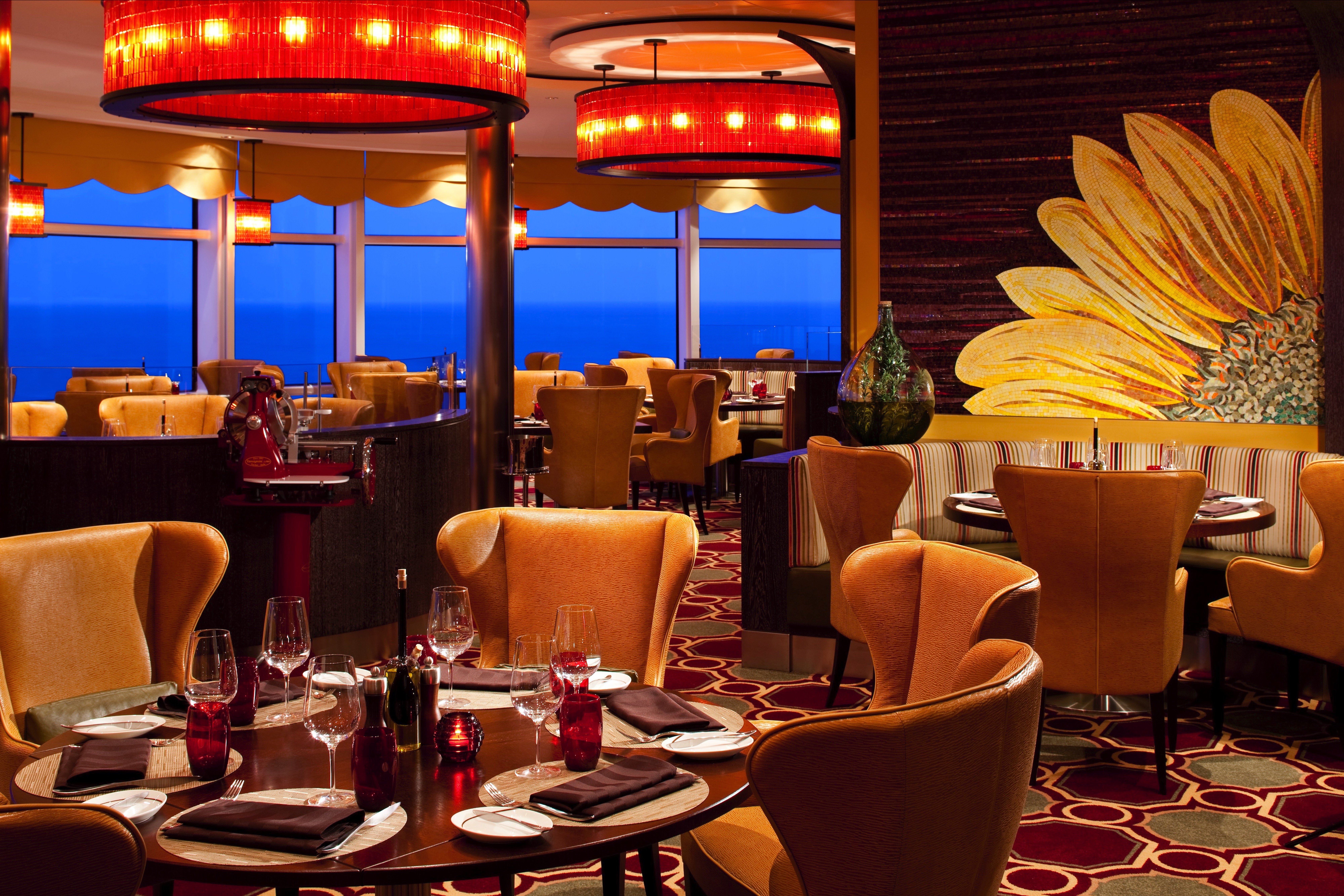
The Spa Café
Celebrity was one of the first cruise lines to offer a spa restaurant. We saw an opportunity to create an extension of our industry’s leading spa experience by introducing the Spa Café.
Renew and Refresh
Fresh, spa-inspired delights to nourish body and mind.
World-Class Chefs – Our crew of chefs continually raise the bar for culinary experiences, both at sea and beyond.
Extend Your Spa Experience – A creative take on healthy cuisine, featuring an eclectic blend of offerings that are both flavourful and good for you.
From Our Kitchen – Enjoy freshly prepared smoothies, juices & good for you treats.
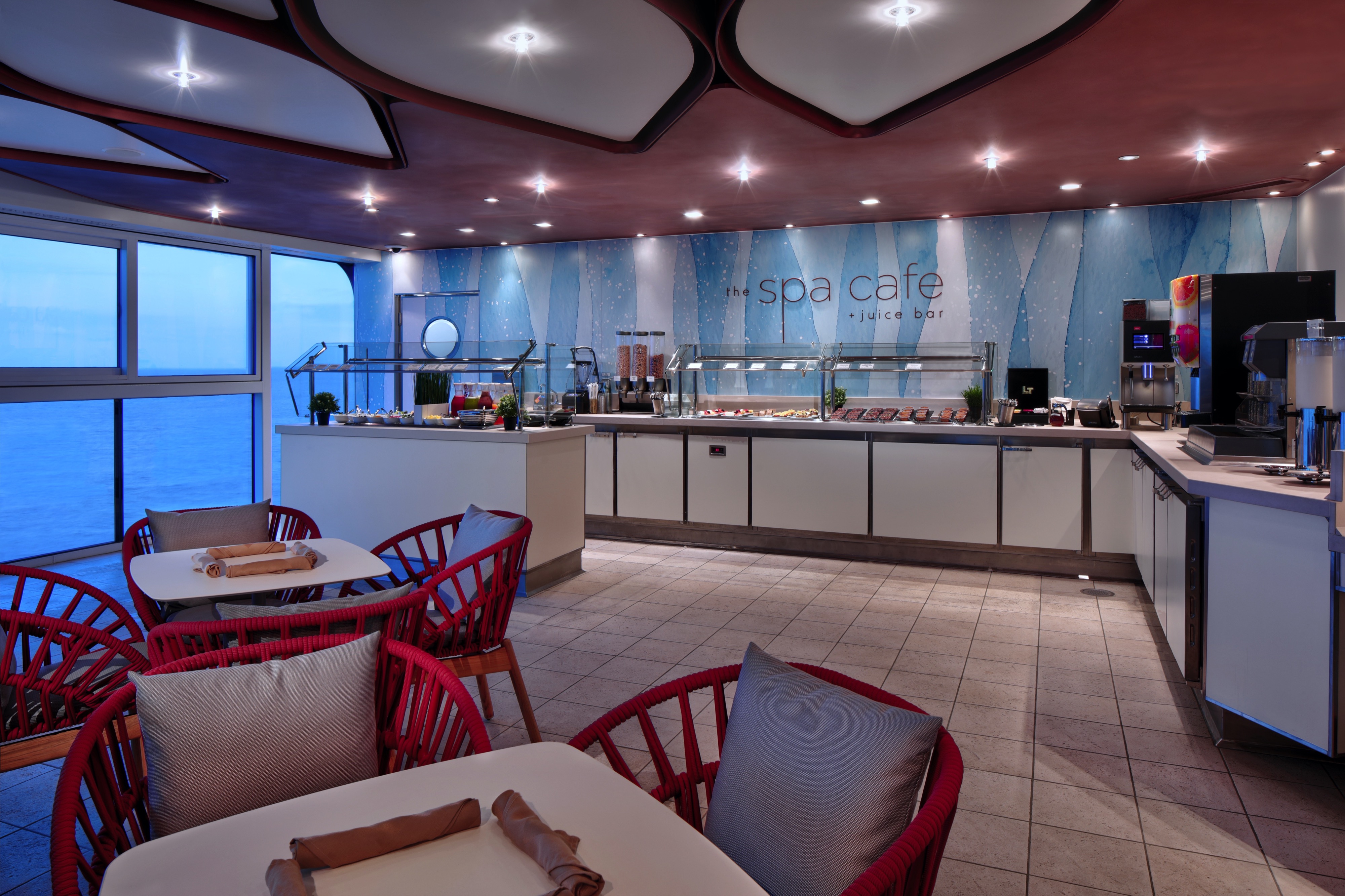

Mast Grill
Let your cravings go wild. Grab a great burger in a relaxed, poolside environment.
Gourmet food poolside. Enjoy delicious eats while you relax in the sun.
Inside The Mast Grill
World-Class Chefs – Our crew of chefs continually raise the bar for culinary experiences, both at sea and beyond.
A Relaxed Dining Experience – Let your cravings go wild.
From Our Kitchen – Grab a great burger in a relaxed, poolside environment.
Cafe al Bacio & Gelateria
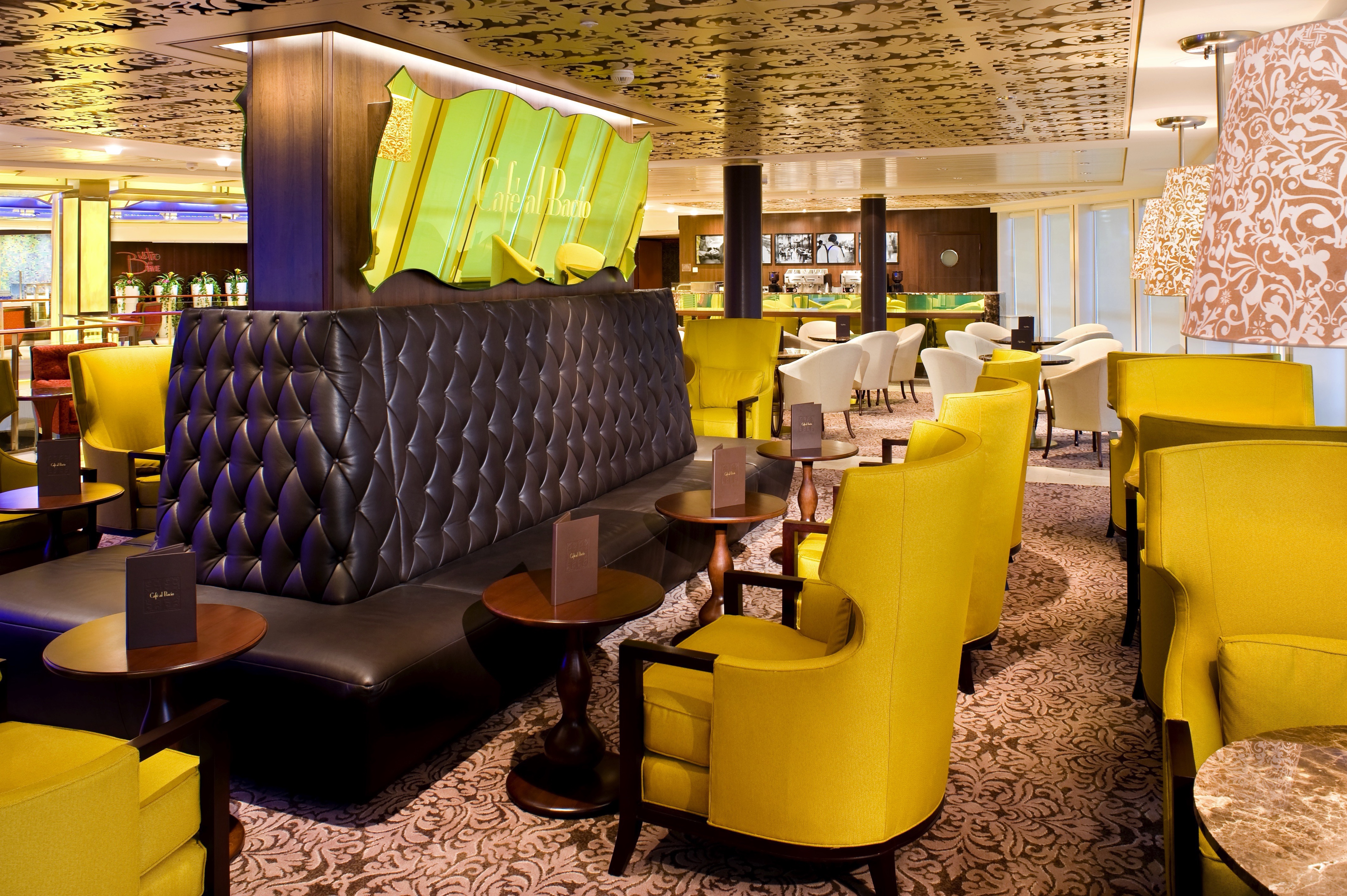
Inspired by the ambiance of European cafés, muted sepia tones and pops of citrus yellow bring this space to life.
Enjoy espresso or tea as you watch the world go by.
Inspired by the ambiance of European cafés, muted sepia tones and pops of citrus yellow bring this space to life. Follow the irresistible aroma of Lavazza espresso, or choose from over a dozen premium hot teas from the innovative Tea Forté. Daily specialties include French pastries, gourmet coffees, and elegant desserts. Café al Bacio also features an authentic Gelateria with artisan flavors and fresh fruit sorbettos—in piccolo or grande, whatever you choose.
Only Available on Millennium Series and Solstice Series Ships
Luminae
Globally inspired and cutting-edge dining, exclusively reserved for guests of The Retreat®.
The exclusive restaurant for guests of The Retreat
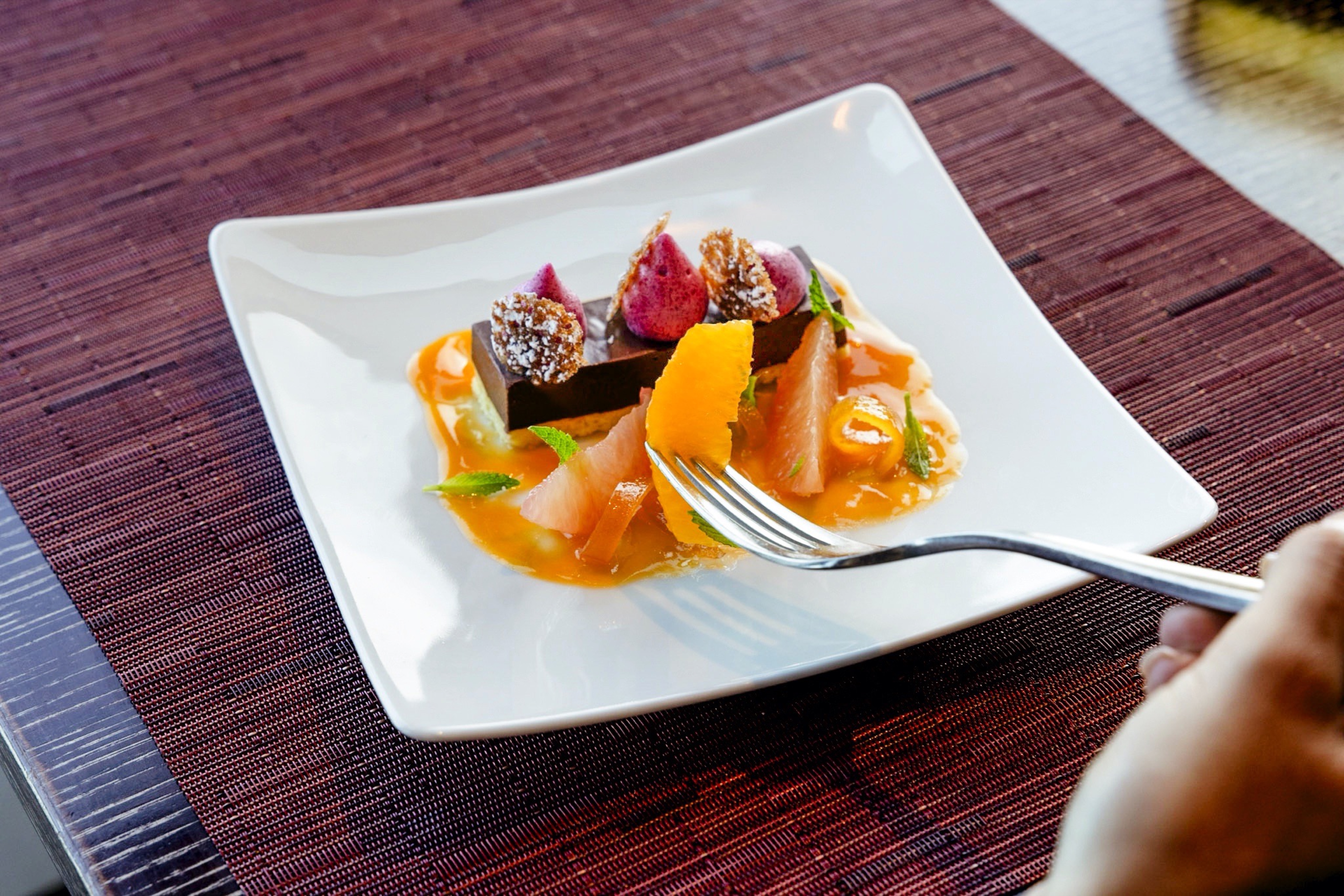
Exclusive and cutting edge, the globally inspired menus at Luminae are not available in any other restaurant on board. And, you’ll see each one only once—because every day features a fresh, new menu.
Chef Daniel Boulud
We’ve joined culinary forces with the iconic Chef Daniel Boulud. As our Global Culinary Ambassador, Chef Boulud has designed complimentary signature dishes for Luminae, our private dining experience included for all guests of The Retreat.
Inside Luminae
World-Class Chefs – Our crew of chefs continually raise the bar for culinary experiences, both at sea and beyond.An Exclusive Indulgence – Luminae is a deliciously exclusive dining experience like no other. Offering complimentary breakfast, lunch, and dinner, Luminae is a culinary experience of modern, eclectic cuisine and extraordinary service that will remind you (and your taste buds) that there’s no better way to vacation than as a guests of The Retreat.
From Our Kitchen – Not only is Luminae’s guest list exclusive, so are its globally-inspired and cutting-edge dishes. The unique menus you’ll enjoy here are not available in any other restaurant. And, you’ll see each one only once, because every day features a different menu for two full weeks.
*Menus are subject to change
Oceanview Café
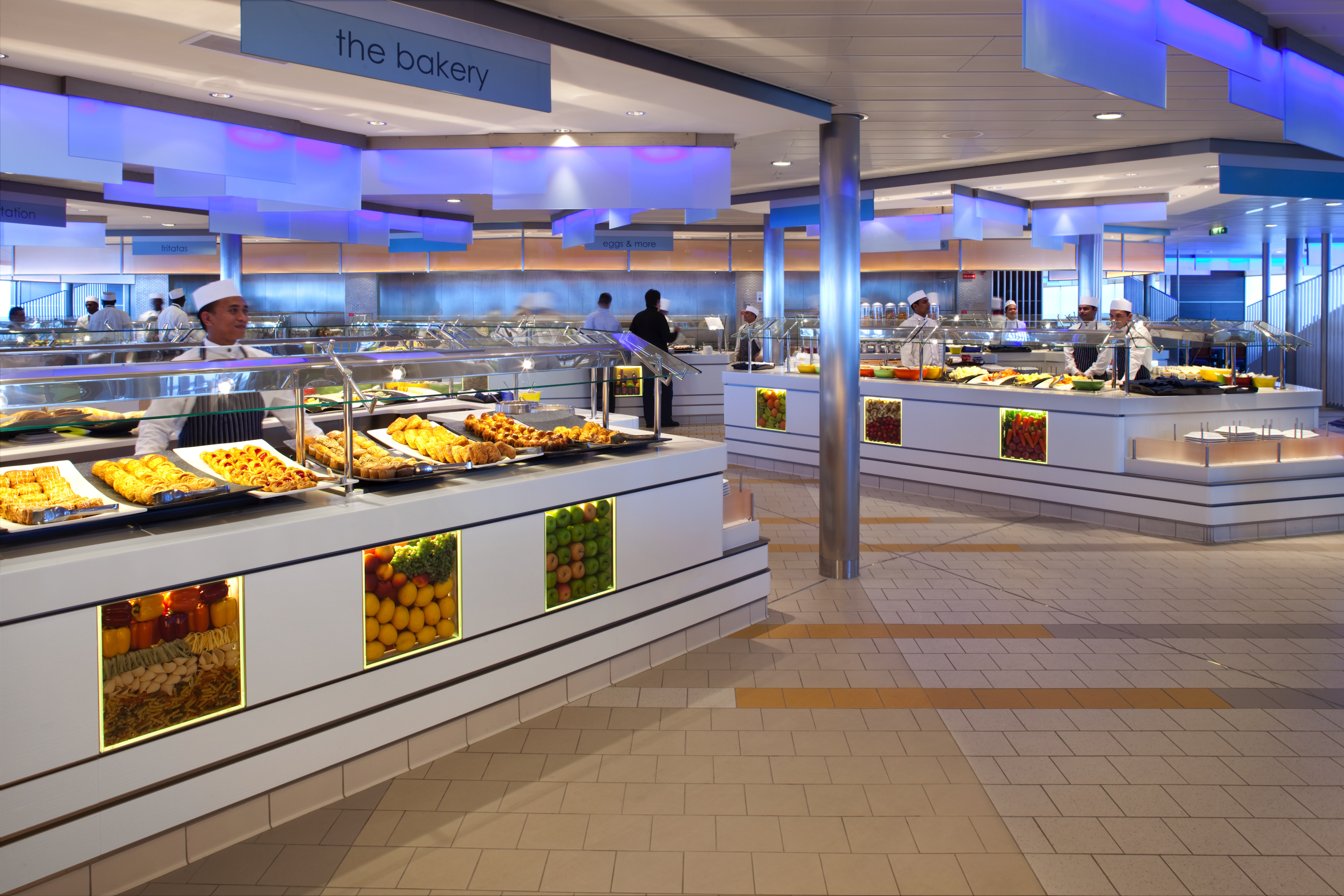
Savour a world of flavours in our market-place inspired café.
Inside Oceanview Café
World-Class Chefs – Our crew of chefs continually raise the bar for culinary experiences, both at sea and beyond.
Globally Inspired Dishes – Menus influenced by multiple cultures.
From Our Kitchen – Enjoy fresh breads, pastries, and desserts from the bakery.
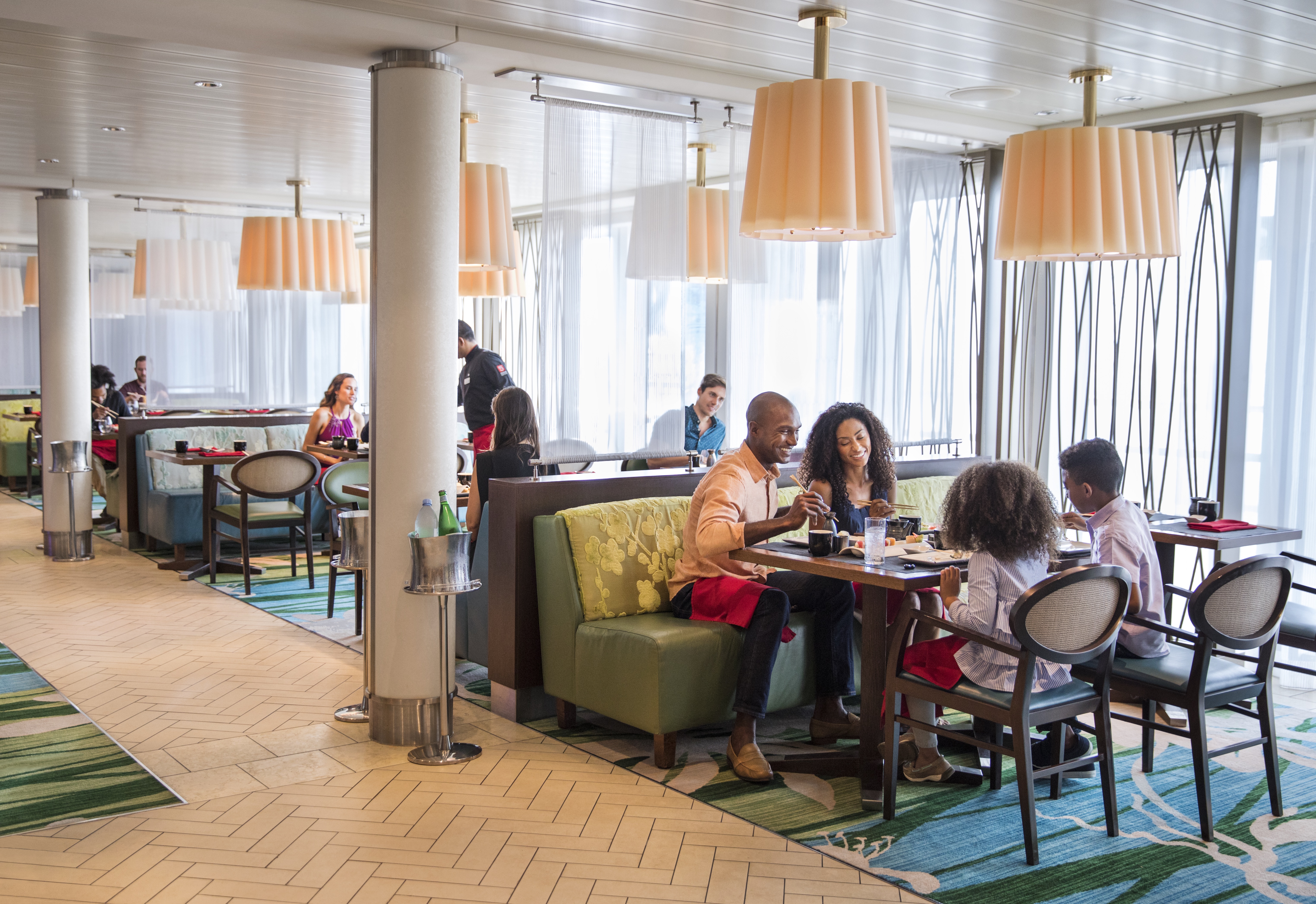
Sushi on Five
Our modern take on traditional Japanese fare.
Every sushi lovers dream
Wildly popular from the day it appeared, Sushi on Five satisfies your craving for locally sourced, authentically prepared sushi and other Japanese specialties from a menu crafted by expert restaurateur and sushi chef, Yoshikazu “Yoshi” Okada. Treat yourself to the complex flavours of a hand-made sushi roll or nigiri featuring tuna albacore, shrimp, eel, and other fresh selections, or savour the simplicity of yellowtail, salmon, and octopus sashimi. Your culinary experience would be incomplete without dessert—be sure to try the caramelised gingerbread with wasabi gelato.
Inside Sushi On Five
World-Class Chefs – Sushi on Five menu has been crafted by expert sushi chef Yoshikazu “Yoshi” Okada, originally from Japan, now a restaurateur in Hollywood.
Modern Taste Meets Traditional Japanese – Freshly prepared sushi and Japanese favourites, paired with a stellar list of imported sakes and beers.
From Our Kitchen – Treat yourself to the complex flavours of a hand-made sushi roll or nigiri featuring albacore, shrimp, eel, and other fresh selections, or savour the simplicity of yellowtail, salmon, and octopus sashimi.
*Menus are subject to change
Insider Tips
- Take the opportunity to try our premium, super-premium, and specialty sakes—selected by our sake expert.
- Ask for fresh wasabi, if you dare. It’s rare to find the real thing.
Le Petit Chef®
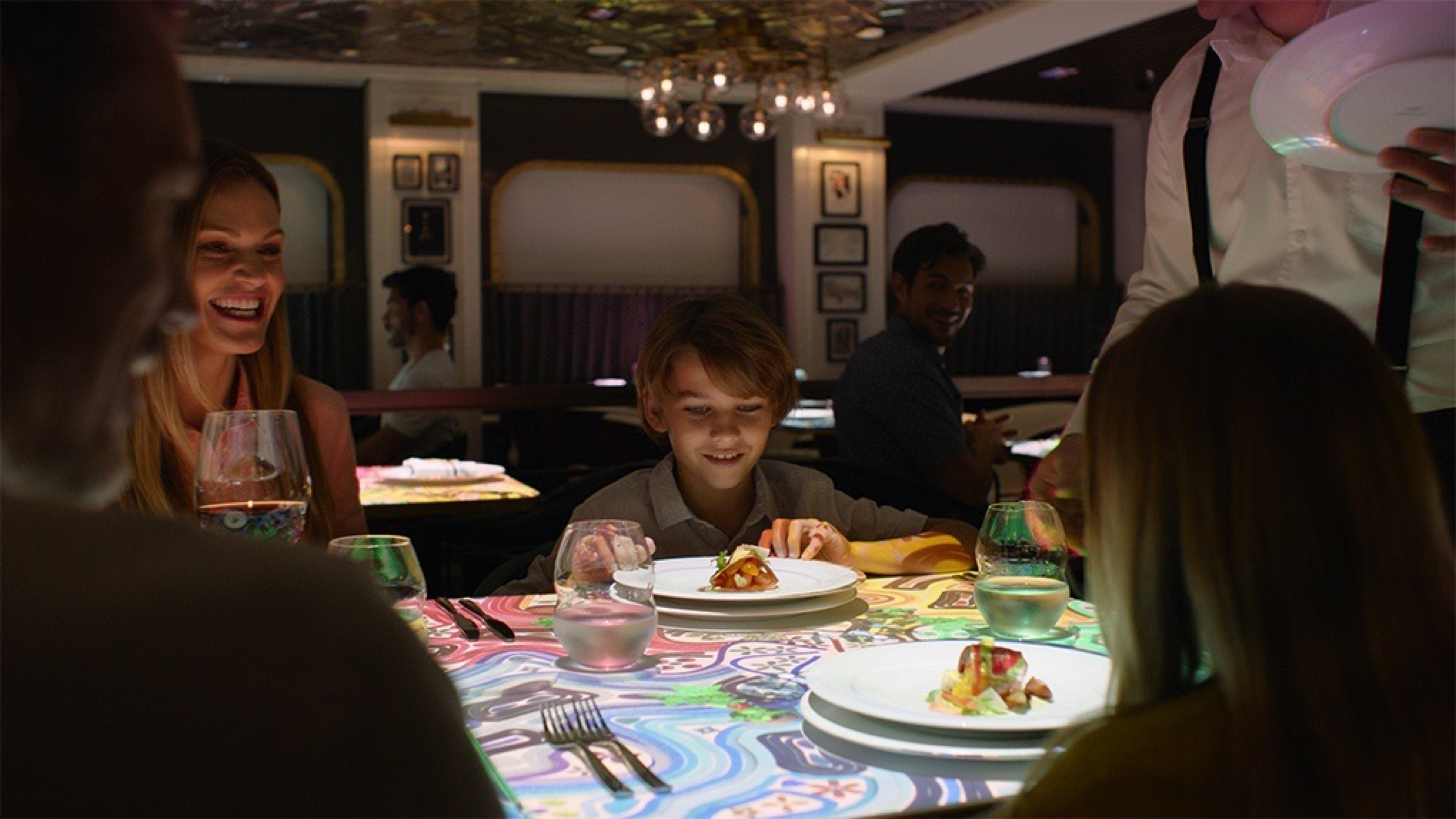
A One-of-A-Kind Dining Concept
A one-of-a-kind dining concept. Experience the fusion of entertainment and cuisine.
A Dining Experience Like No Other
Once-in-a-while something comes along that re-invents dining and you just have to see it to believe it. Experience the fusion of entertainment and cuisine. We’ve brought the table top to life in a fantastic fusion of entertainment and dining.
Le Petit Chef – The world-renown artists of Skullmapping have reached a true pinnacle of their custom 3D table animation art form. This dining experience is beautifully choreographed with an elegant menu.
Le Petit Chef offered on Celebrity Cruises® is simply one of the most unique dining events in the world.
Inside Le Petit Chef
World-Class Chefs – Our crew of chefs continually raise the bar for culinary experiences, both at sea and beyond.
An Incomparable Experience – Experience the fusion of entertainment and cuisine.
From Our Kitchen – Voilà! Savour a culinary journey filled with the delicious element of surprise.
Room Service
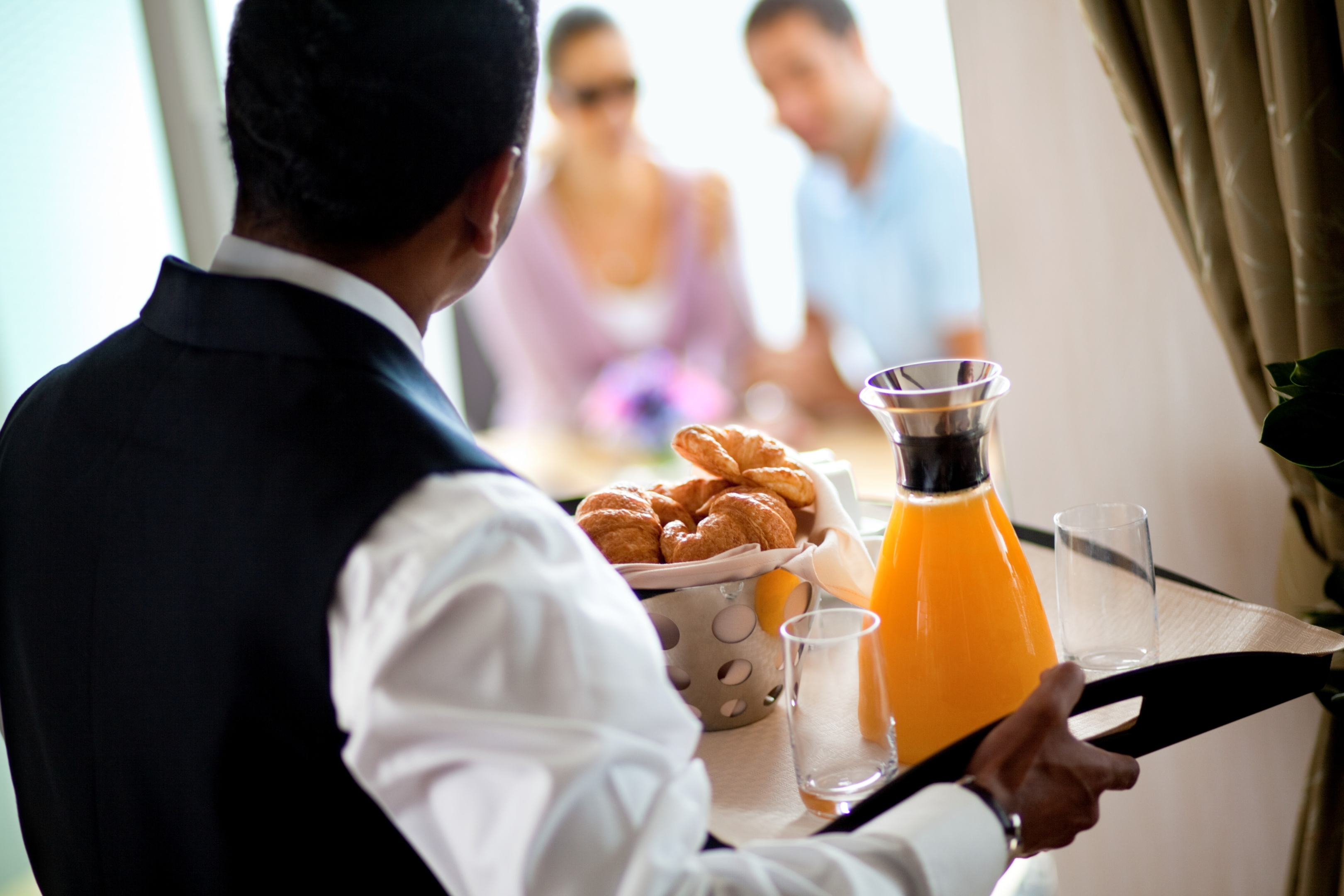
Turn your stateroom into a private dining room with one phone call. Whether you crave a gourmet breakfast in bed, a leisurely lunch, an intimate dinner, or even a late-night snack, our dedicated staff is at your service. We completely understand why you wouldn’t want to leave your stateroom, so immerse yourself in enjoying a carefully crafted menu delivered right to your door.
Excursions
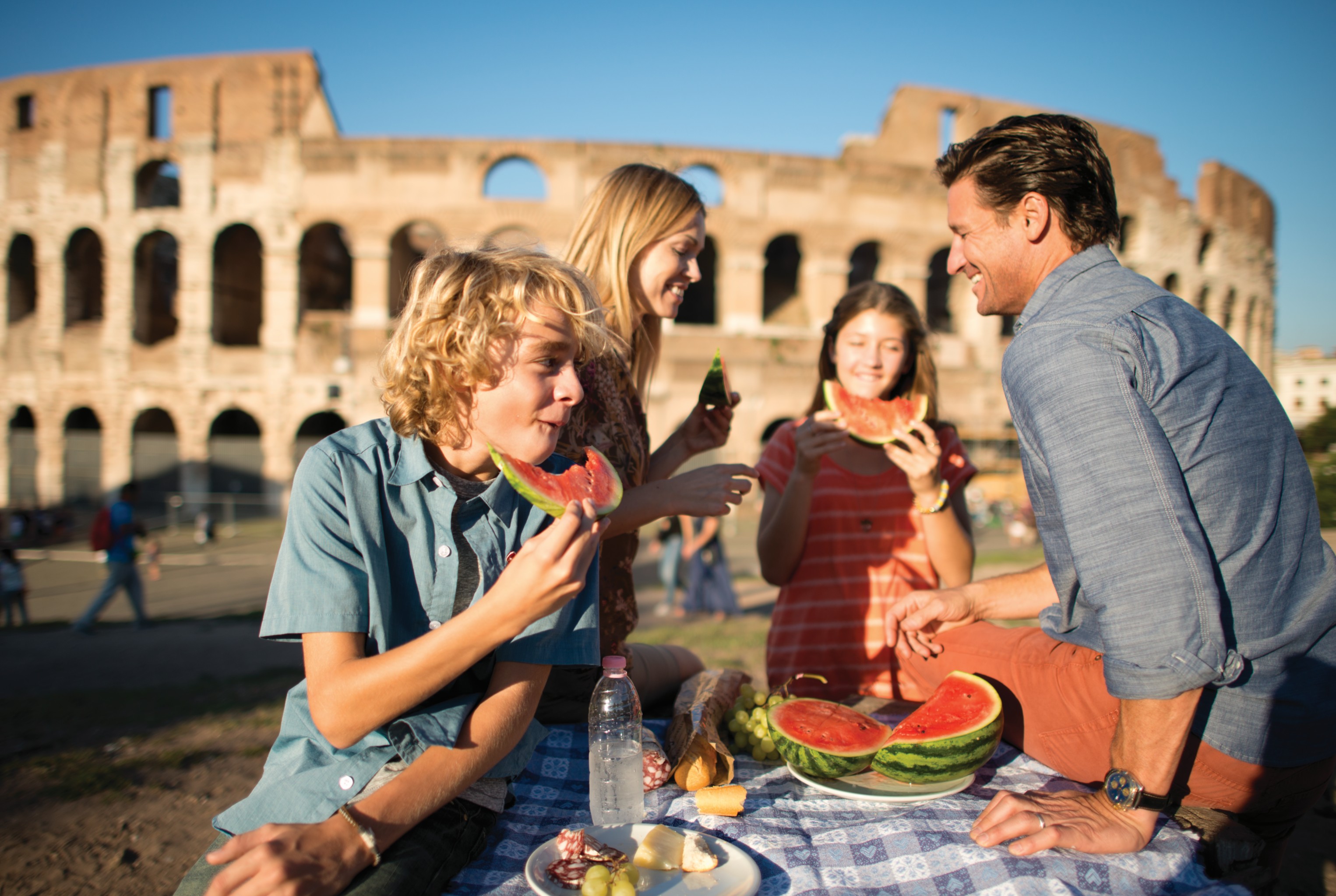
Connect to the world in ways you never imagined and embark on an excursion perfectly tailored to your interests. Whether you’re looking for a private, customisable experience, a carefully curated guided tour with a small group, or an unforgettable trip to iconic local landmarks, we have the right option to discover any destination, granting in-depth knowledge, expertise, and a truly extraordinary experience.
More Than 280 Breathtaking Destinations. Three Perfect Ways to Explore.
Private Journeys
CREATED BY YOU – Create personalised tours and explore a range of exclusive offerings. Get insights from expert local guides who will drive you to the region’s most memorable places.
Small Group Discoveries
DESIGNED FOR A FEW – Explore the best in every port with a select group of like-minded adventurers. Spend more one-on-one time with your guide, and develop a deeper appreciation of each destination you visit.
Destination Highlights
LOVED BY ALL – Experience each city’s must-see landmarks and iconic sites through shore excursions that ensure you check the most important items off your bucket list.
TOUR WITH PEACE OF MIND*
Authentic – Local Cultural Experiences
Assured – Never Left Behind
At Your Service – Easy to Plan, Easy to Book
Tours Tailored to Your Interests
ACCESSIBLE – Experience city highlights, iconic ruins, natural wonders or beautiful beaches on excursions customised for your specific needs.
SUSTAINABLE – Help preserve the destination and support the local community on tours that emphasise local history, culture and environment.
MULTI-DAY – Enjoy more time discovering each destination’s extraordinary treasures, during extended tours with overnight stays.
WELLNESS – Nourish your mind, body and spirit with tours that include a range of authentic experiences—indigenous healing practices, detoxes with local muds and minerals, destination-specific fitness, and more.
CULINARY – Savour authentic flavours or sip on the most popular drinks of each destination, during unique tasting experiences.
CULTURAL – Immerse yourself in the culture and history of each destination on your exciting itinerary, while connecting with the locals.
ADVENTURE – Add some excitement to your cruise with thrilling zip line rides, white water rafting, hiking in the mountains, and more.
AQUATIC – Spend the day on the water, sailing in a catamaran, snorkelling or scuba diving near majestic coral reefs, and reeling in some fish.
BEACH – Relax on pristine white sands, stroll down the coast and observe local wildlife, or work on your tan as you sip a tropical cocktail.
SIGHTSEEING – Explore the destination’s most iconic places and take exceptional selfies as you check famous local landmarks off your bucket list.
WILDLIFE – Join other animal lovers in your group for up-close looks at your favourite land-dwelling and aquatic creatures in their natural habitats.
FLIGHTSEEING – Soar above glorious forests, frozen lakes, magnificent glaciers and active volcanoes for panoramic views of nature’s beauty.
Team Earth
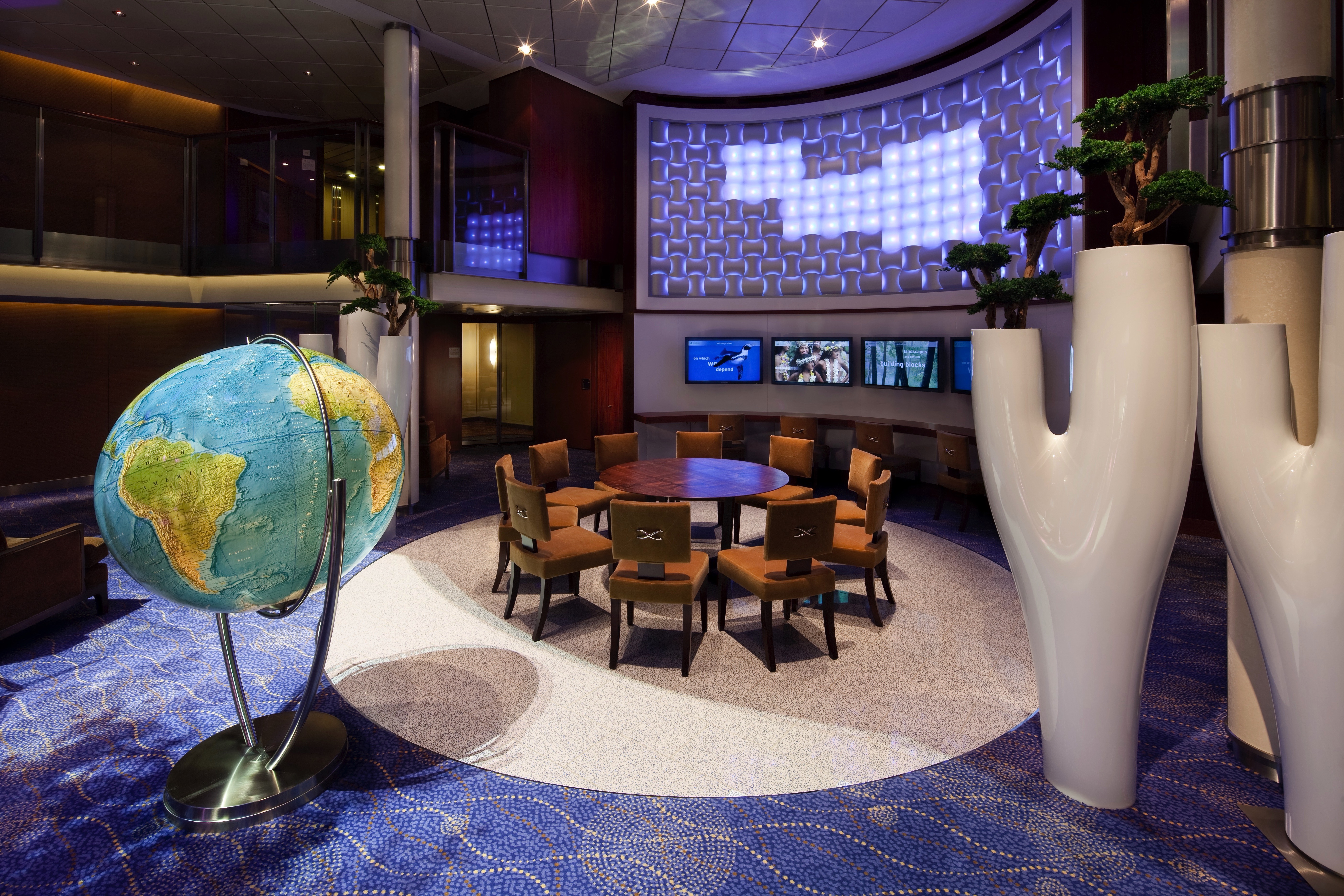
Travel meets conservation at the Team Earth venue on Celebrity Eclipse®, where guests can raise their own eco-awareness while also learning how Celebrity’s ships operate, and how their advanced systems help conserve the environment.
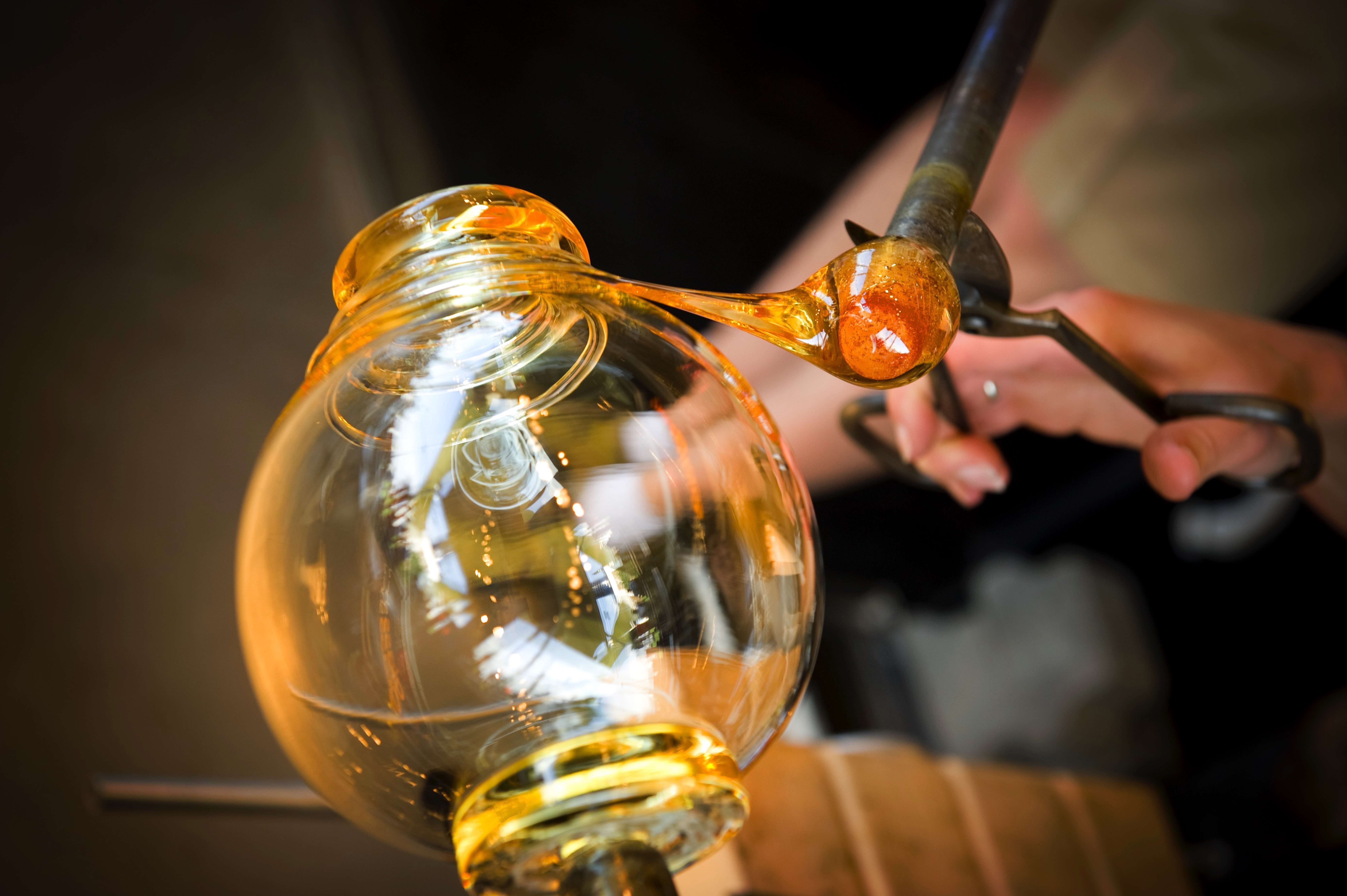
Hot Glass Class Studio
Transform molten glass into beautiful artwork.
Learn glassblowing techniques on your next cruise vacation. You’ll work with a skilled instructor at our glass blowing studio to create your very own sparkling piece of art. Choose from eight enchanting designs. Once your masterpiece has cooled we’ll safely wrap it for you to carry home. Available on board Celebrity Equinox® Celebrity Eclipse® and Celebrity Solstice®
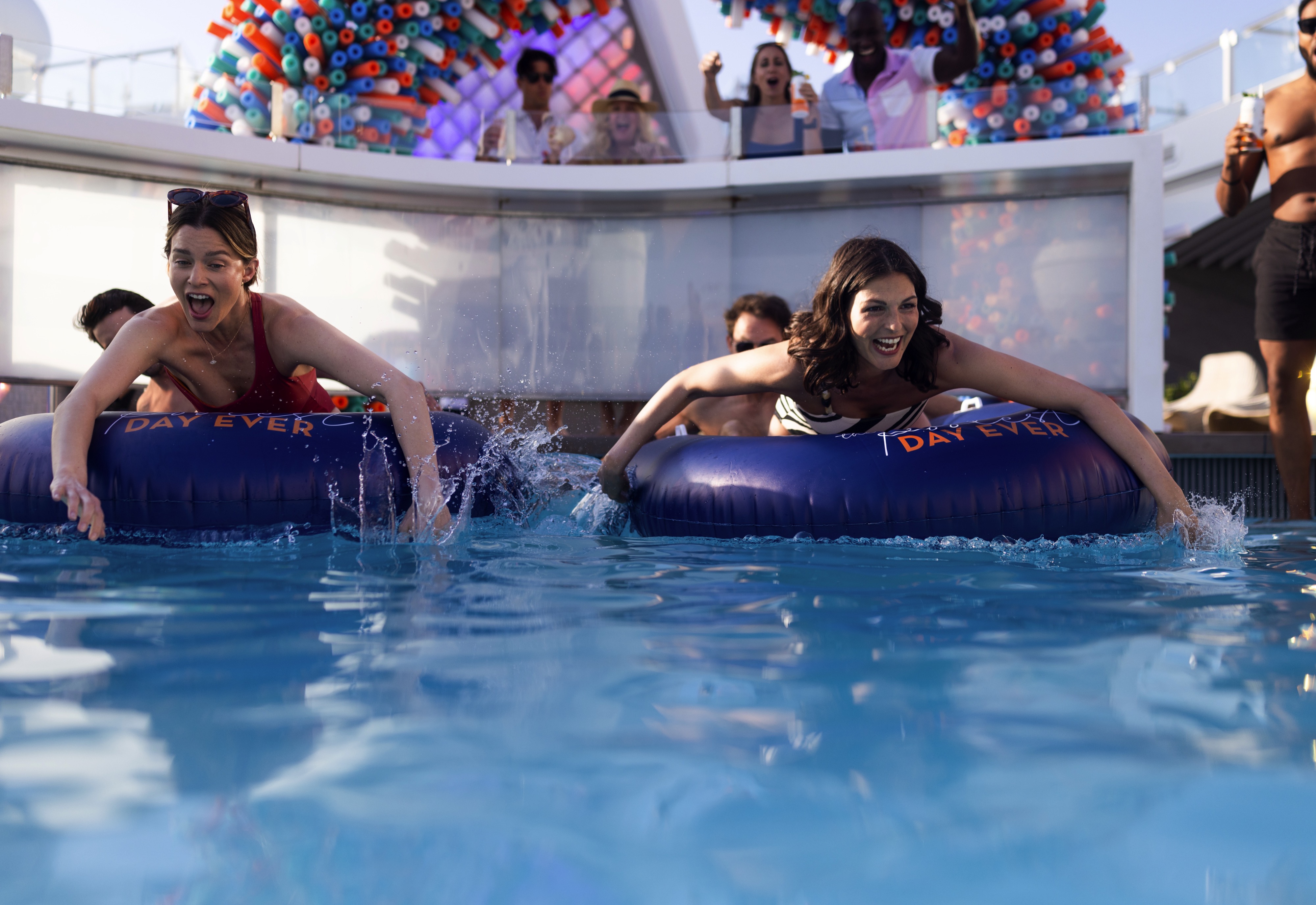
The Poolest Day Ever
Spend the day by the Pool. Relax with a book or have a bite at the grill. Enjoy the serenade of the music from the bandstand and dance your heart away on the dance floor. For a refresher, take a dip in the pool or rejuvenate in the whirlpool.
GET READY FOR A WHOLE NEW SIDE OF POOLSIDE IN THE CARIBBEAN.
Discover the Poolest Day Ever, now on every Caribbean sailing. It’s the most island you can get in between islands. From sunup to sundown, this is the place to be. Caribbean-inspired live music, DJ-spun island favourites, and ocean breezes set the vibe. Dive into the day with a guided meditation or a dance class in the pool. Soak up the sun and chill out with exclusive frozen tropical fruits, boozy ice cream, and poptails (think popsicle meets cocktail) only available at the Poolest Day Ever. Enjoy pop-up shows and friendly pool games. When the sun goes down, the energy goes up at our Shine the Night poolside party. The Poolest Day Ever brings the best of the islands along for the ride—only on Celebrity.
THE CARIBBEAN’S NEWEST DESTINATION IS RIGHT ON BOARD – Caribbean-inspired live music, DJ-spun island favourites, and the ocean as your backdrop.
SOAK UP THE SCENE – Guided meditation sessions, dance classes in the pool, pop-up shows, and our Shine the Night poolside party (after sundown).
WE’VE ADDED MORE CARIBBEAN TO THE CARIBBEAN – Frozen tropical fruits, boozy ice cream, and poptails.
POOLSIDE HAPPENINGS
Find your centre or be at the centre of the action. This is your Poolest Day Ever, and you can turn things up or down however you want with our variety of signature classes, competitions, and activities.
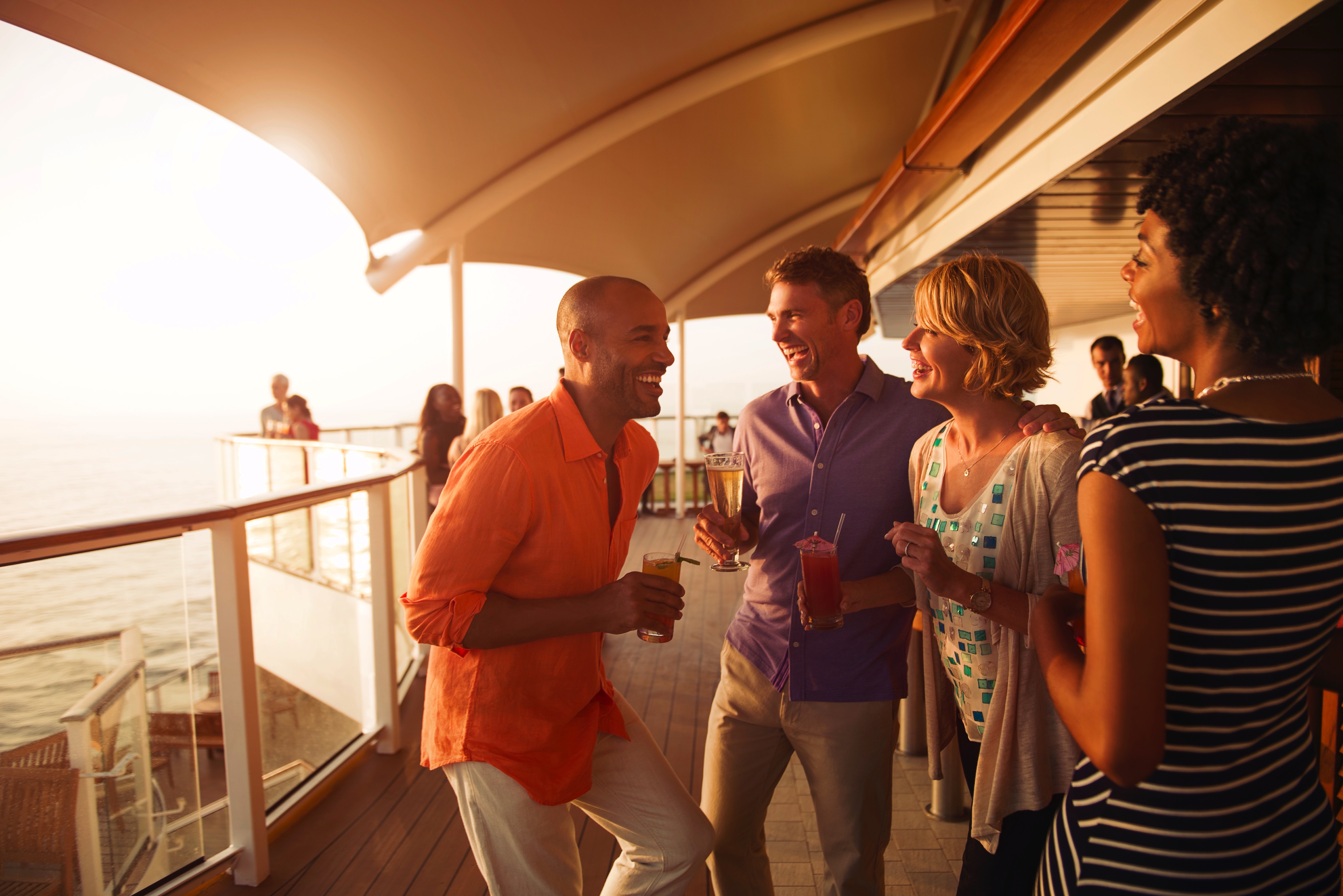
Sunset Bar
Country club atmosphere with spectacular ocean views.
Watch the world go by with a cocktail in hand.
A relaxing evening ritual. Watch the sun set on the water as live pop and folk tunes play.
Martini Bar & Crush
Classic and contemporary martinis served up on an ice-topped bar.
Totally cool, from the drinks to the ice-topped bar.
Our talented bartenders put on a high-energy show preparing an intriguing menu of classic and contemporary martinis, served on an ice-topped bar. Sit back and relax, listening to up-tempo tunes and enjoying a collection of vodkas.
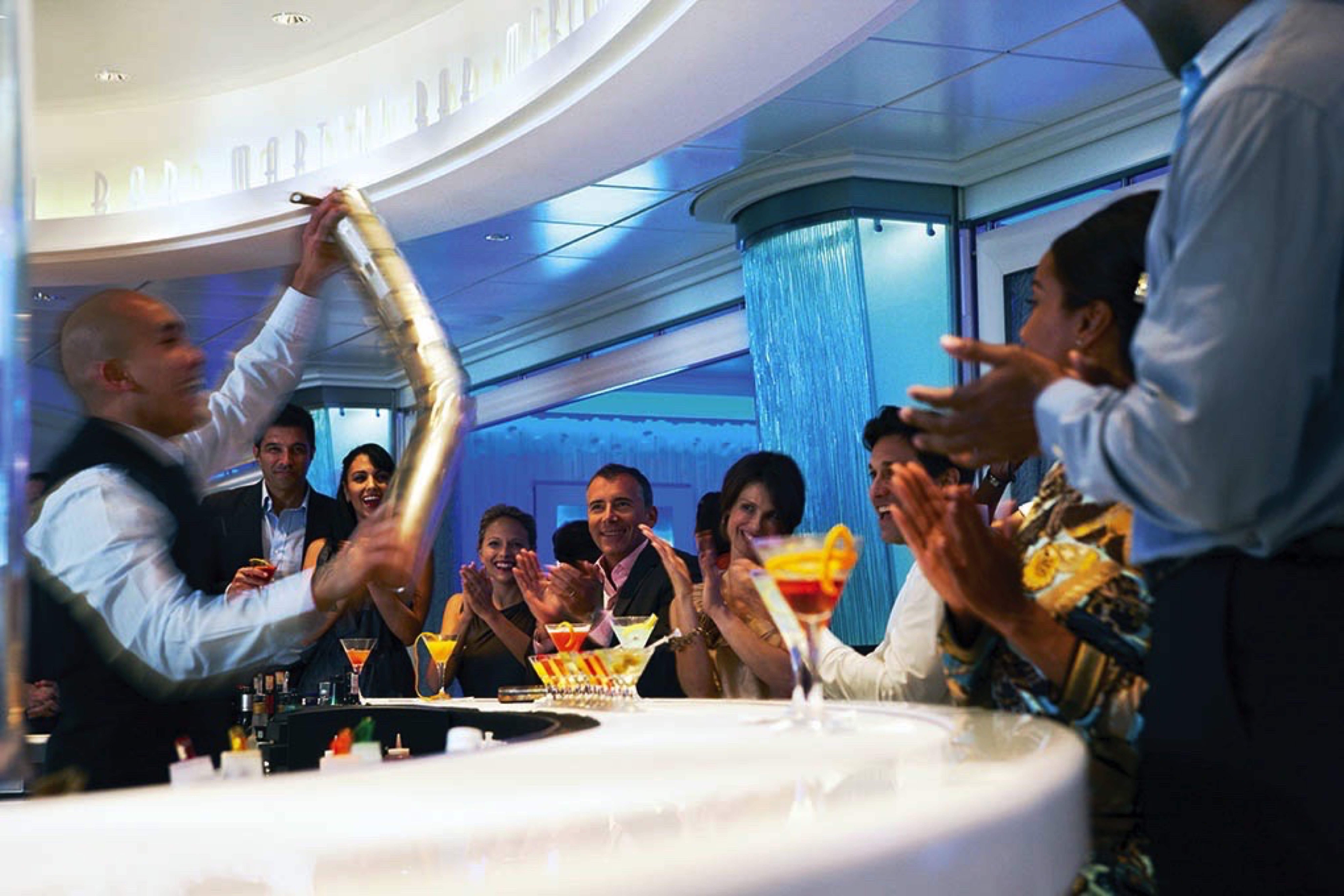
Michael's Club
Exclusive lounge for guests of The Retreat. Enjoy complimentary beverages, gourmet bites, and a stylish place to unwind in style, along with the services of a dedicated concierge.
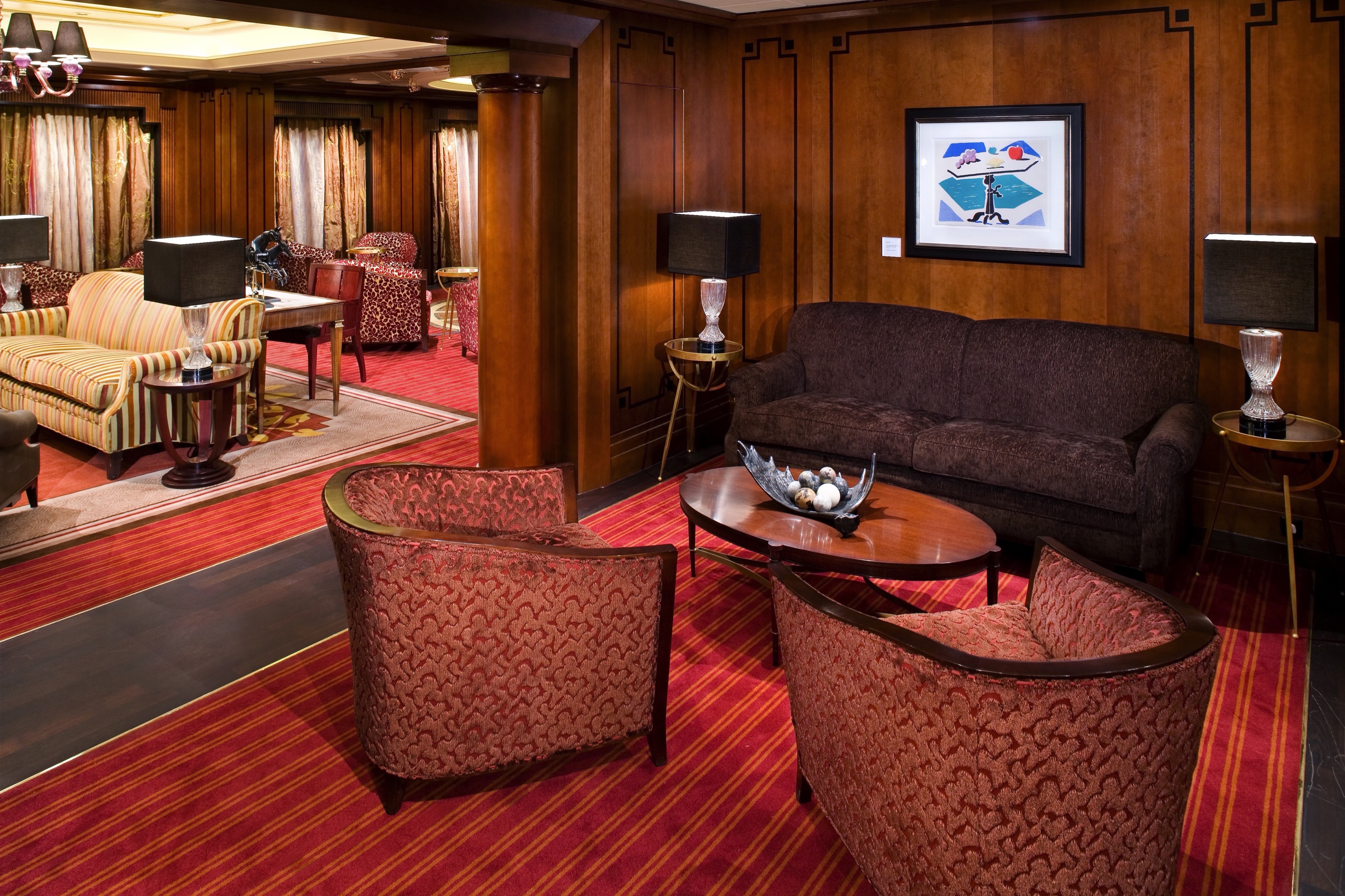
World Class Bar
A “fine drinking” experience.
Some drinks are worth waiting for…
Welcome to our “fine drinking” experience, where the ritual of making cocktails is just as exciting as drinking them. Using the freshest ingredients and the finest spirits, our expert mixologists aim to satisfy the palates of both curious newcomers and connoisseurs alike.
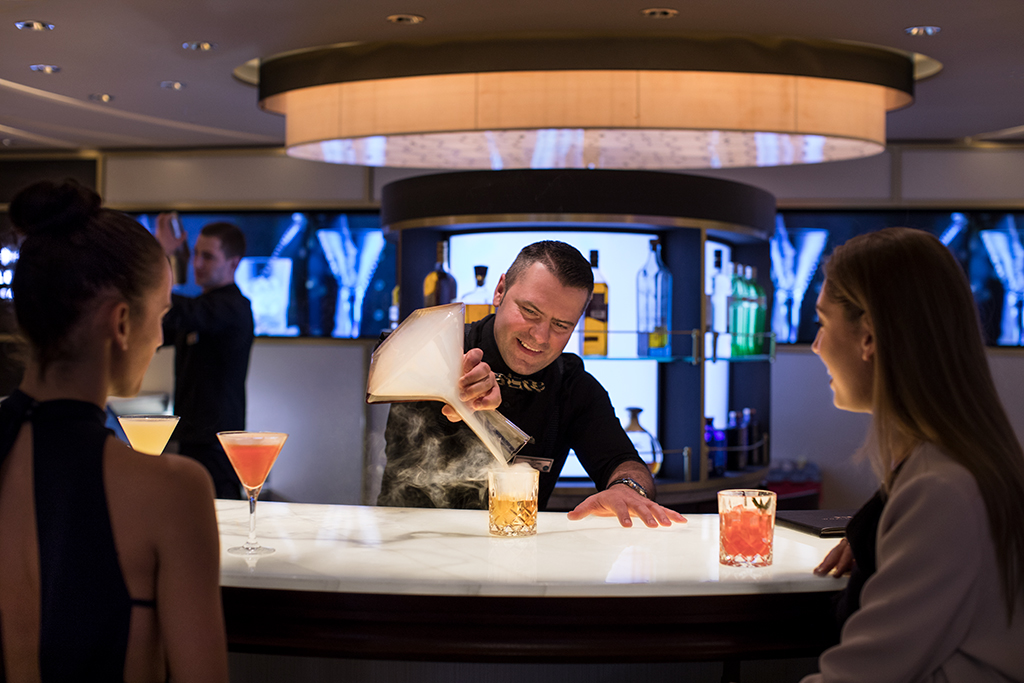
Quasar
Dance the night away in a vibrant nightclub designed for those ready to kick back and get down. Quasar is a modern nightclub like no other you will experience on the open seas. With a retro touch, it will feel like the perfect spot for adults of all ages, luring you in with its electrifying pulse.
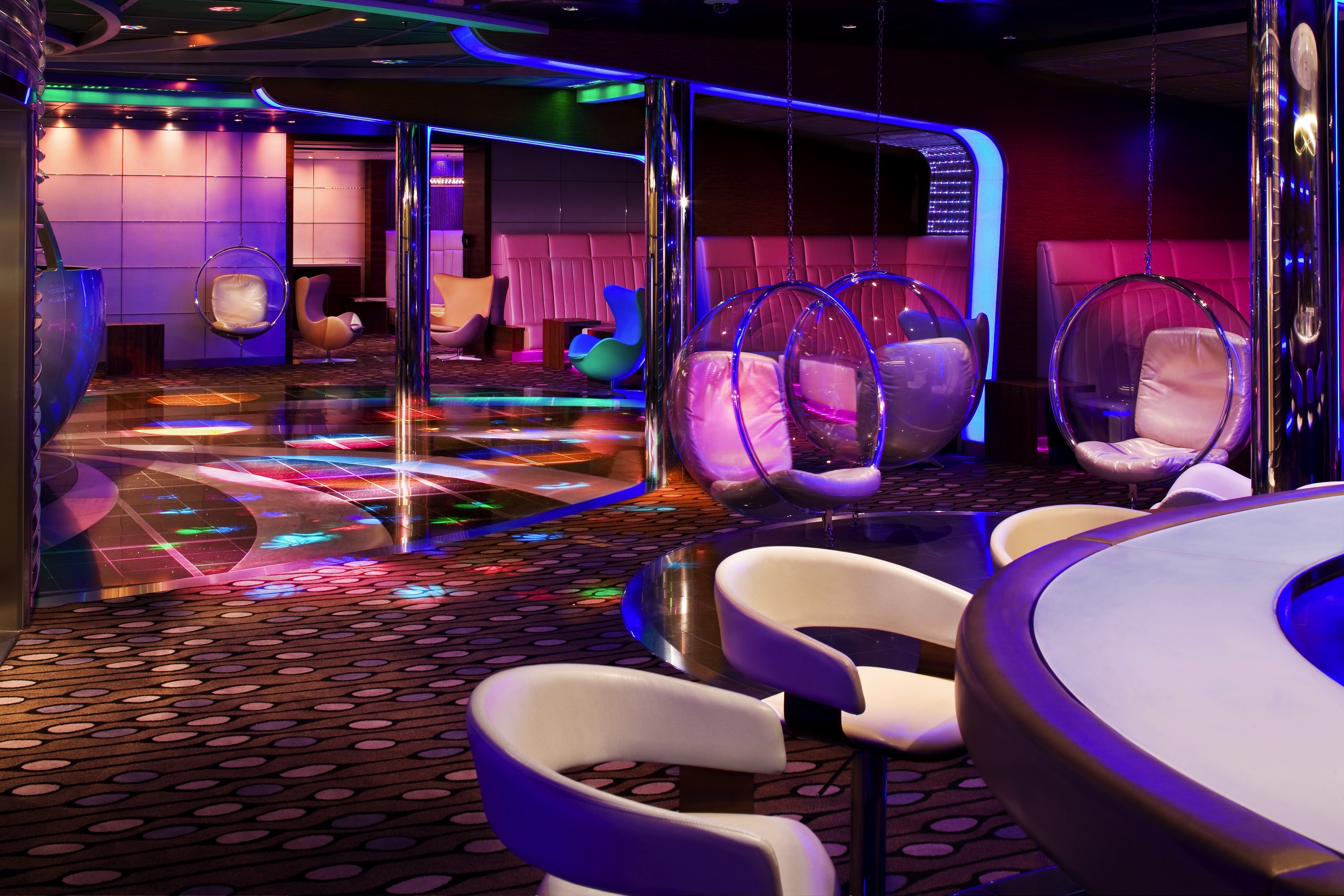
Cellar Masters
Inspired by the vineyards of the world, Cellar Masters brings to life the experience of a global wine tour, while you learn about and taste a large variety of wines from around the world. A welcoming and unique onboard environment, you’ll discover new wines, receive recommendations and enrich your knowledge of the world of wine.
Large selection of international wines, hand-picked by Celebrity sommeliers.
Immerse yourself in wine culture.
Cellar Masters lets you try a bold collection of both familiar and unknown wines from around the world.
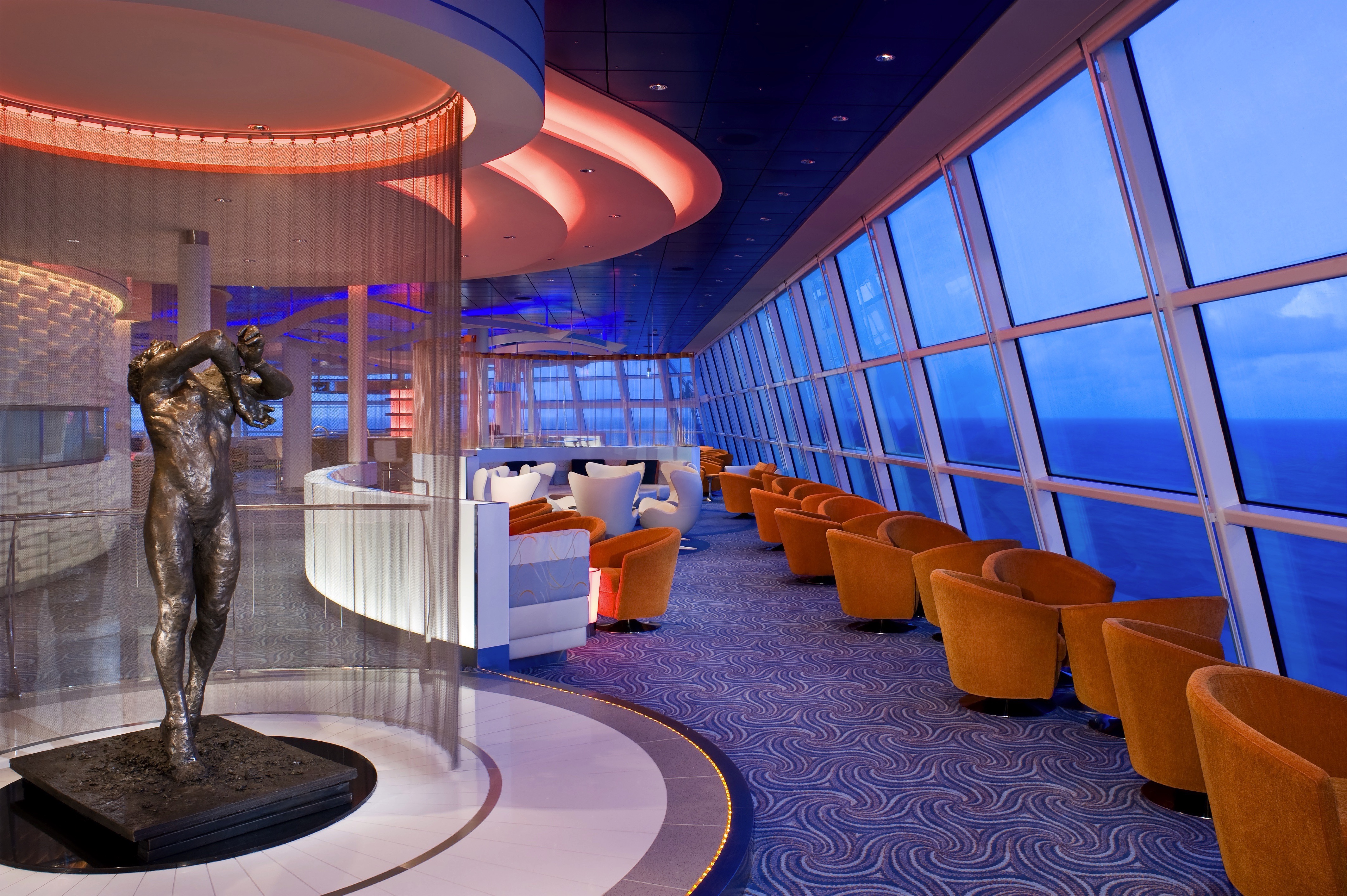
Sky Observation Lounge
A quiet refuge by day for gazing over the sea with a cocktail at hand. At night, the space comes to life with live music and dancing.
Quiet refuge by day, lively music venue by night.
A unique music venue with spectacular ocean views.
The perfect daytime spot to gaze over the sea with a cocktail in hand. At night, the space comes alive with live music and dancing. Featuring twelve signature Zodiac cocktails based on your astrological sign, all prepared by flaring mixologists.
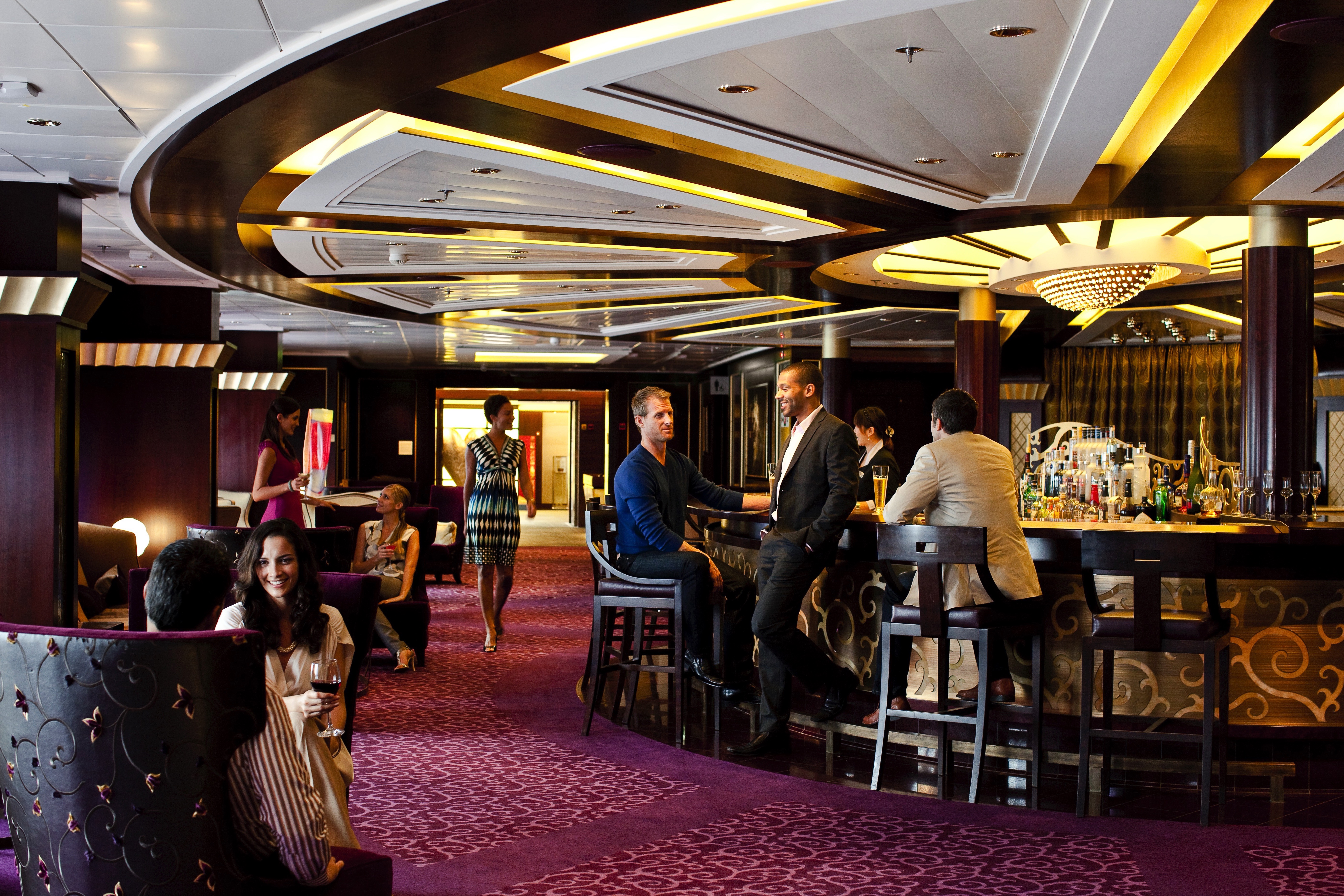
Ensemble Lounge
An elegant gateway to our restaurants, Ensemble Lounge is the ideal setting for an aperitif en route to an extraordinary specialty dining experience, or a digestif afterward. Live entertainment from world-class musicians and a “dressed for dinner” crowd make this elegant space an integral prequel or sequel to dining.
The perfect start to your evening.
Ensemble Lounge is the ideal setting for an aperitif en route to an extraordinary dining experience, or a digestif afterward. Live entertainment from world-class musicians and a “dressed for dinner” crowd make this elegant space a fantastic start or end to your evening.
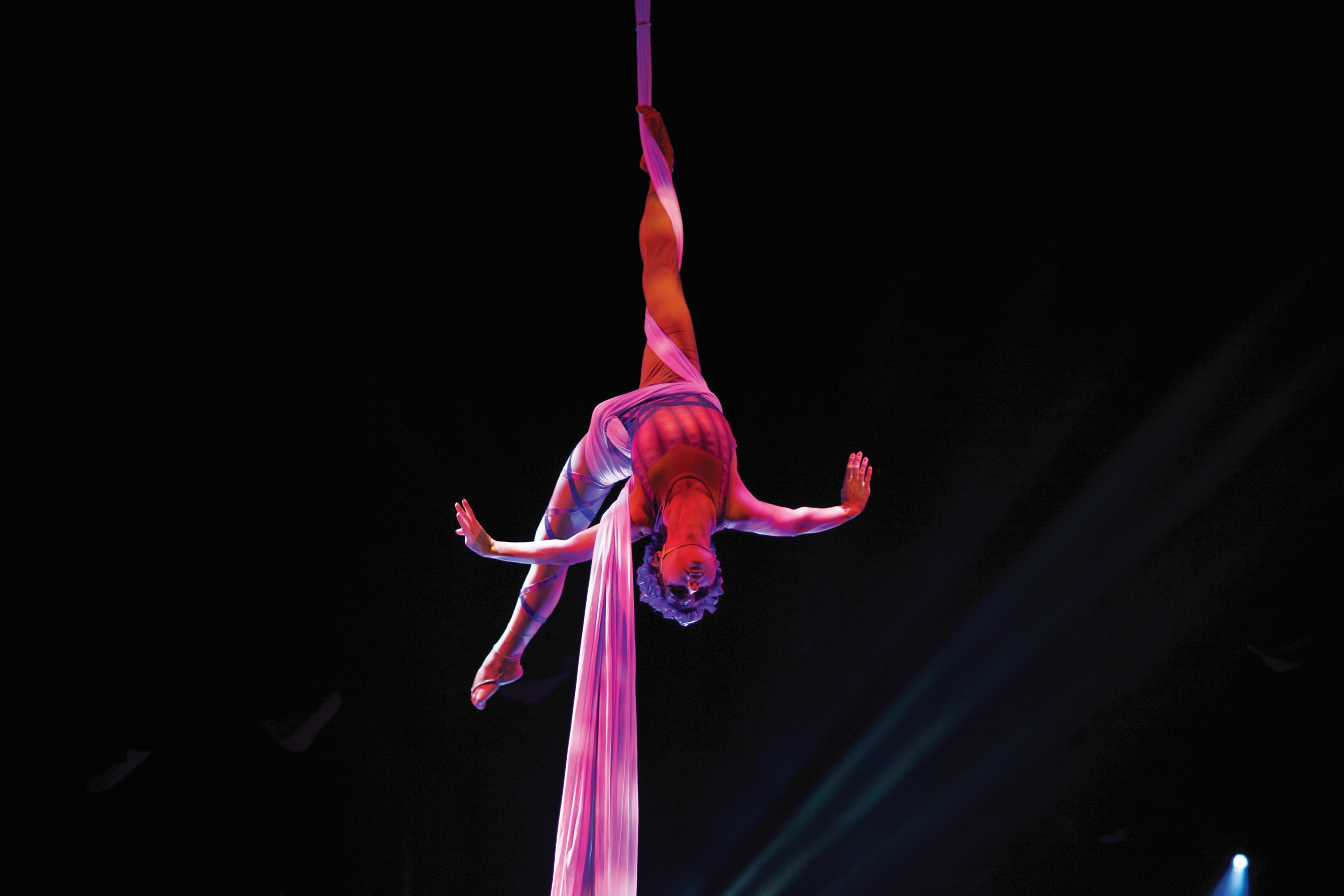
The Main Theatre
The Theatre is the premier live performance venue aboard Celebrity Eclipse®. While accommodating a generous audience, it retains a comfortable, intimate atmosphere, bringing you production shows, beautiful musical arrangements, and sidesplitting comedy.
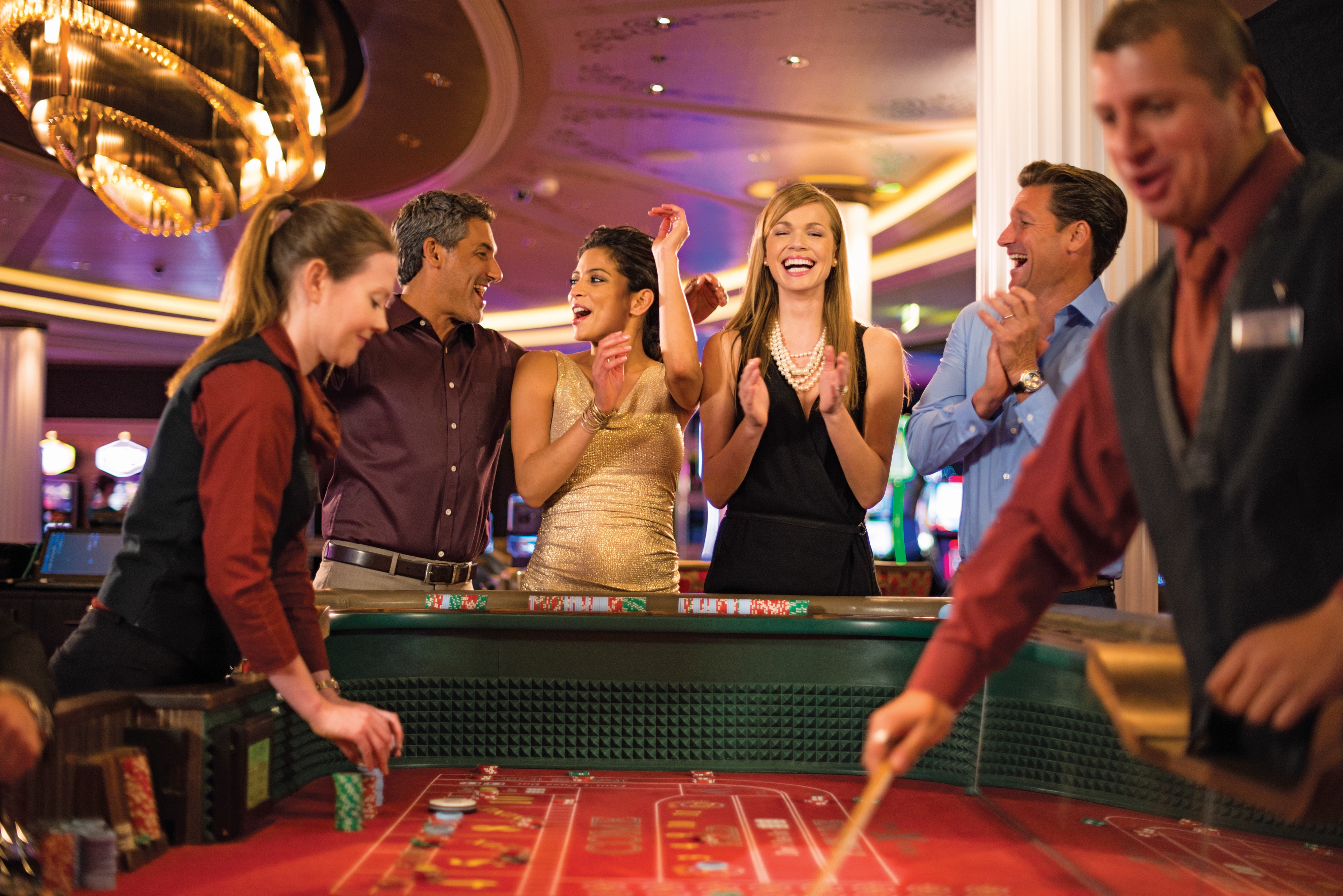
Casino
With Lady Luck by your side, spin the roulette wheel or play the slot machines in our tastefully decorated casino.
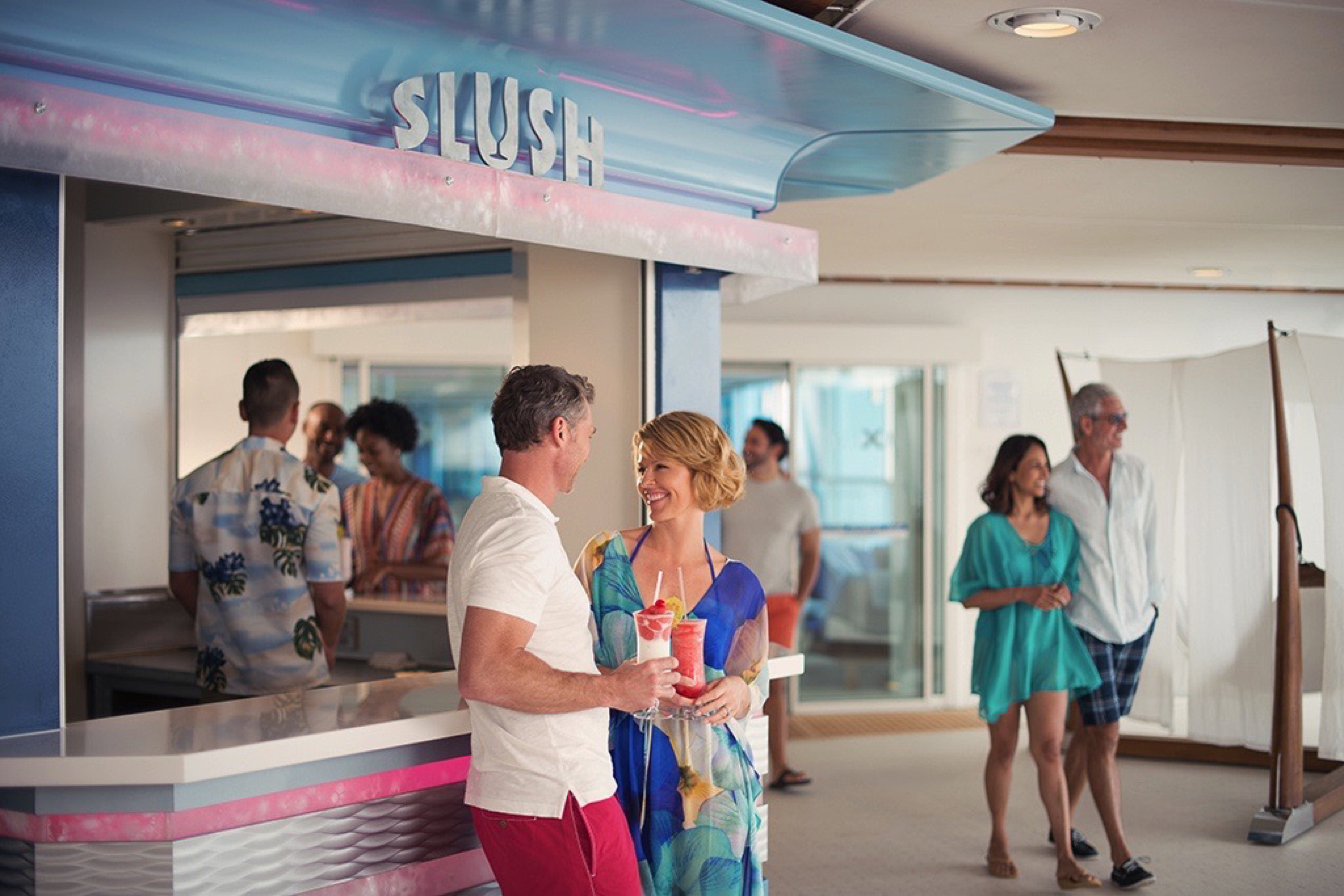
Slush
Frozen cocktails with fresh ingredients served poolside.
Frozen drinks, fresh ingredients.
Chill out with a flurry of fresh frozen cocktails, located poolside to help you keep your cool. Hand-made, frozen cocktails blended with the freshest ingredients. Several of the cocktails are also available in non-alcoholic versions.
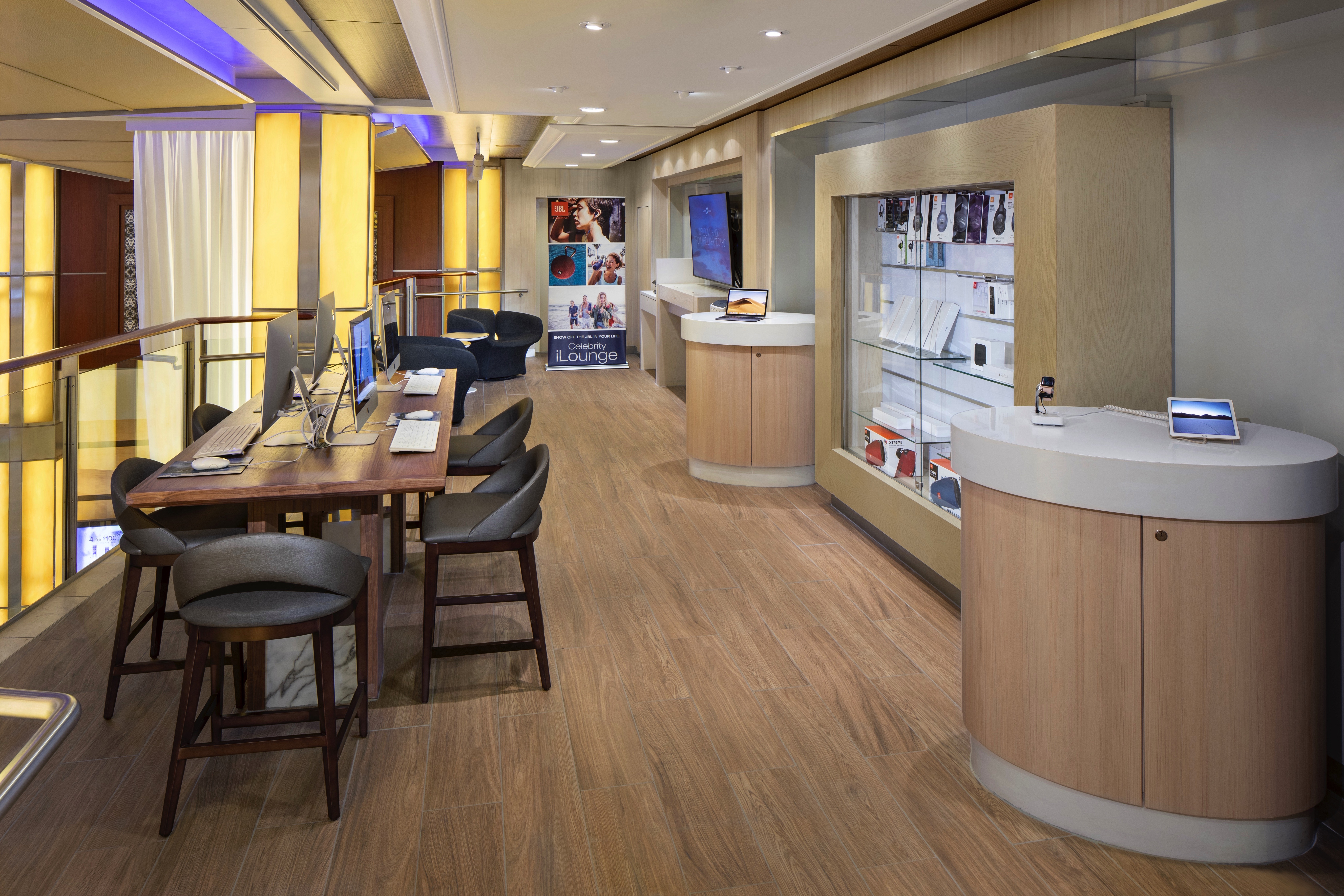
iLounge
It’s the modern way to connect while onboard. Here, you’ll find state-of-the-art workstations featuring MacBook Pro® laptops and iMac® desktops where you can take a class, check your email, and surf the web. Certified staff will help you master the latest audio and video products. Learn how to get the most from the hippest tech devices.
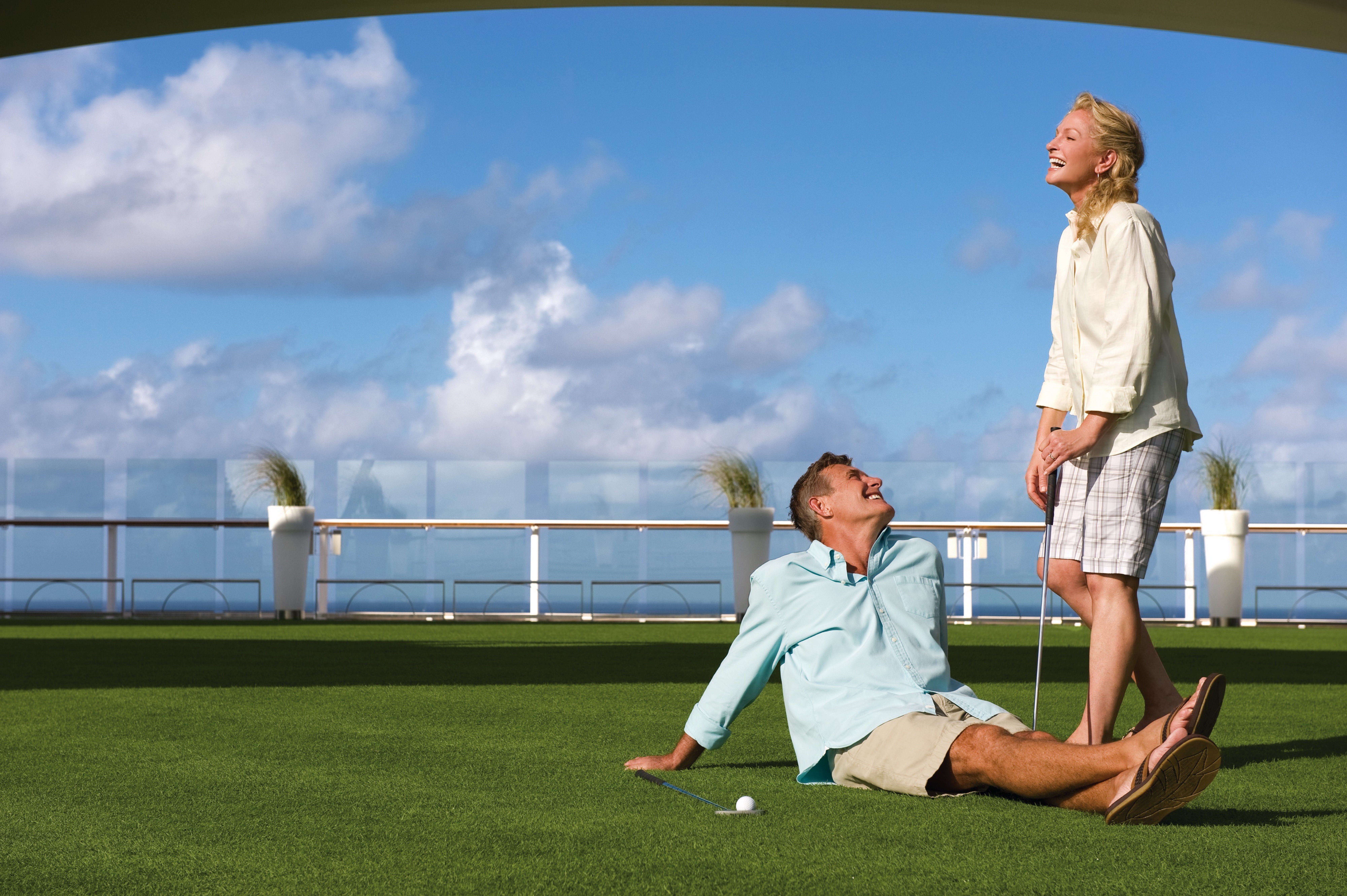
The Lawn Club
A freshly manicured lawn on the highest deck. Enjoy casual outdoor activities in a decidedly Country Club atmosphere, and let the grass between your toes take you places no cruise has gone before.
Grand Foyer
Our stunning foyer greets you with a spectacular onyx staircase, marble floors and the first panoramic ocean-view glass elevators at sea.
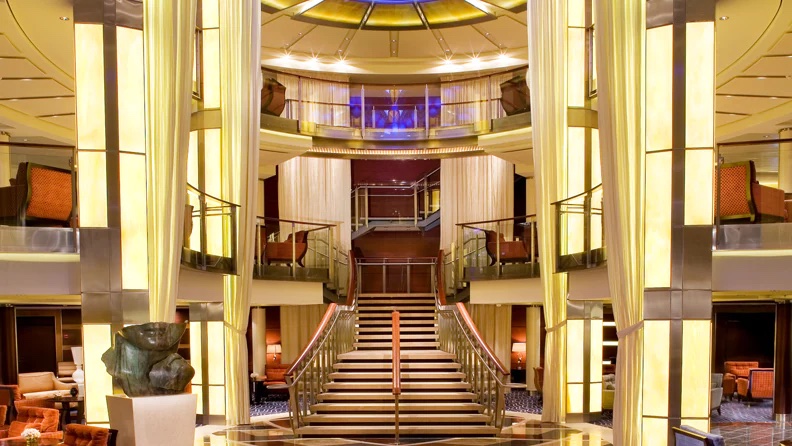
Solstice Deck
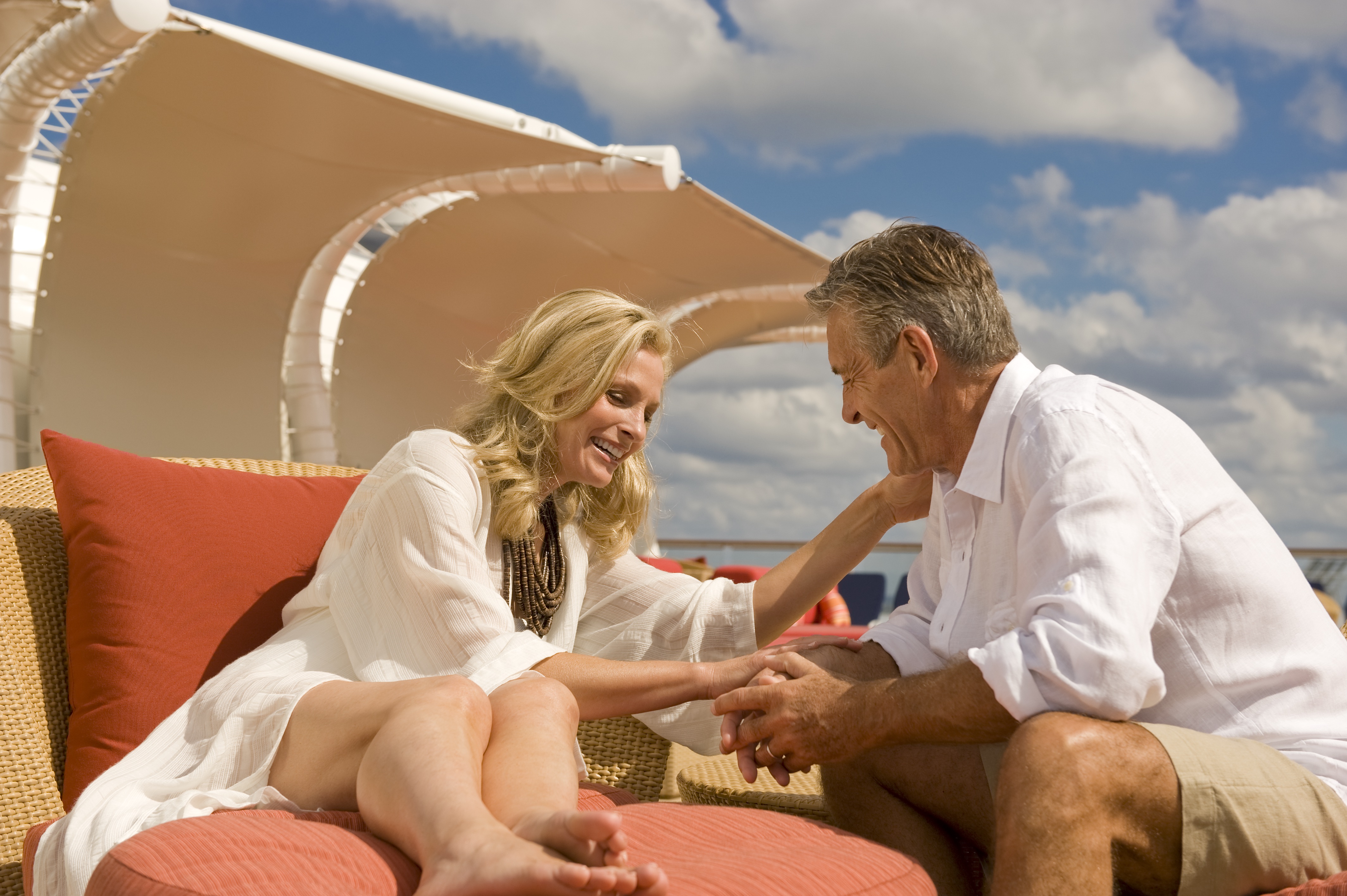
When you arrive at the highest point on the ship, you won’t be disappointed. Whether you’re looking for the ideal spot to do some early morning yoga, stretch out on a canopied lounge bed, or for the best view of the beautiful starry sky to cap off another magical evening aboard, The Solstice Deck is where your search ends and the relaxation begins.
Passport Bar
Make your way to the grand foyer, pull up a chair, take in the live music, enjoy a cocktail, and sample Japanese fare from Sushi on Five, including sashimi, sushi rolls, and desserts.
Relaxing and inviting, its position right off the grand foyer means this may be the first, but not the last, place you stop to sink into a chair and enjoy a cocktail.
Wind down with a cocktail and classical music.
Relaxing and inviting, its position right off the grand foyer means this may be the first, but not the last, place you stop to sink into a chair and enjoy a cocktail. Enjoy classical music from our string quartet, or kick off your evening with jazz, Big Band, and other popular music.
The Retreat Lounge
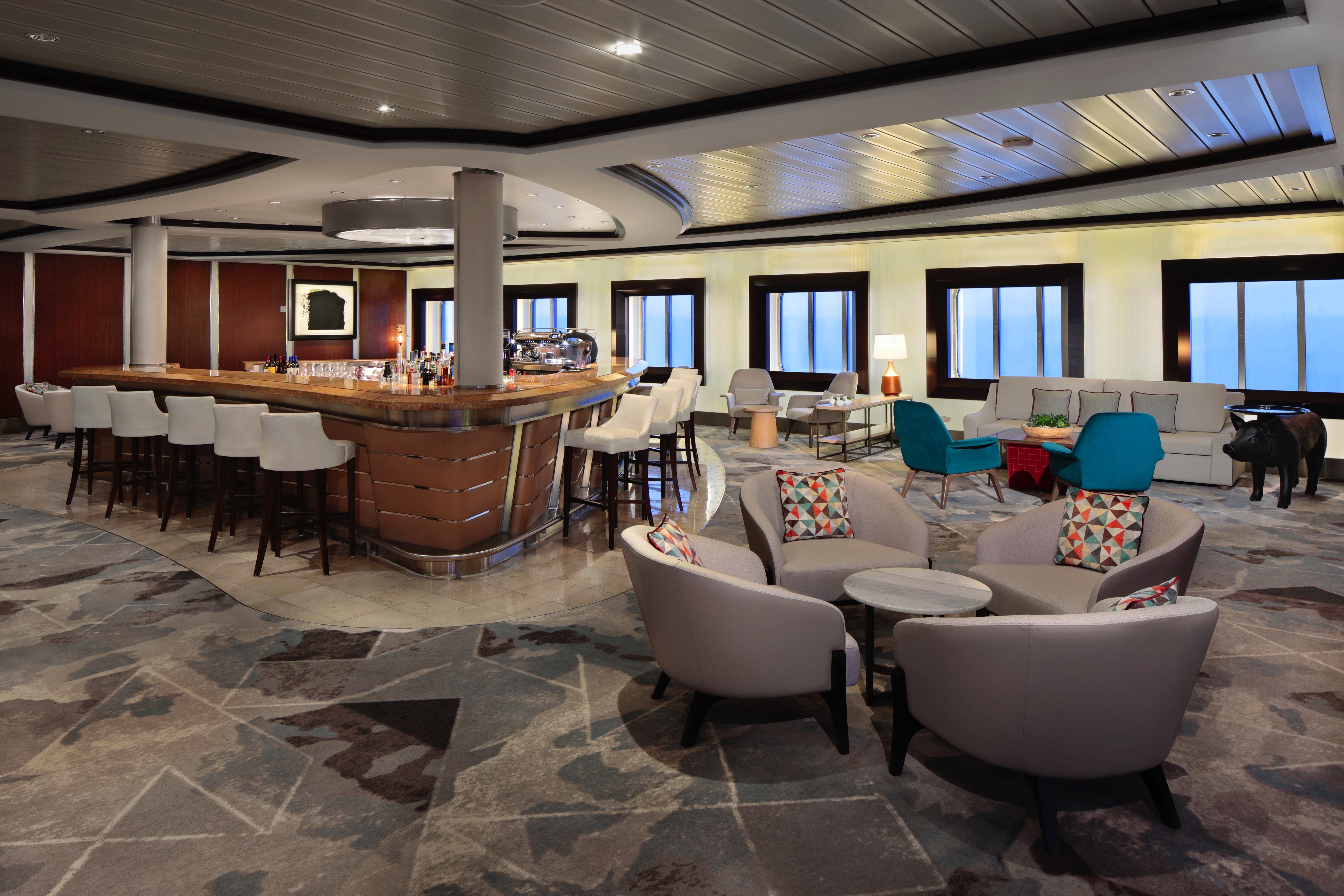
Michael’s Club is exclusive to guests of The Retreat®. This warmly inviting lounge offers a fully stocked and expertly staffed bar, gourmet bites and live entertainment.
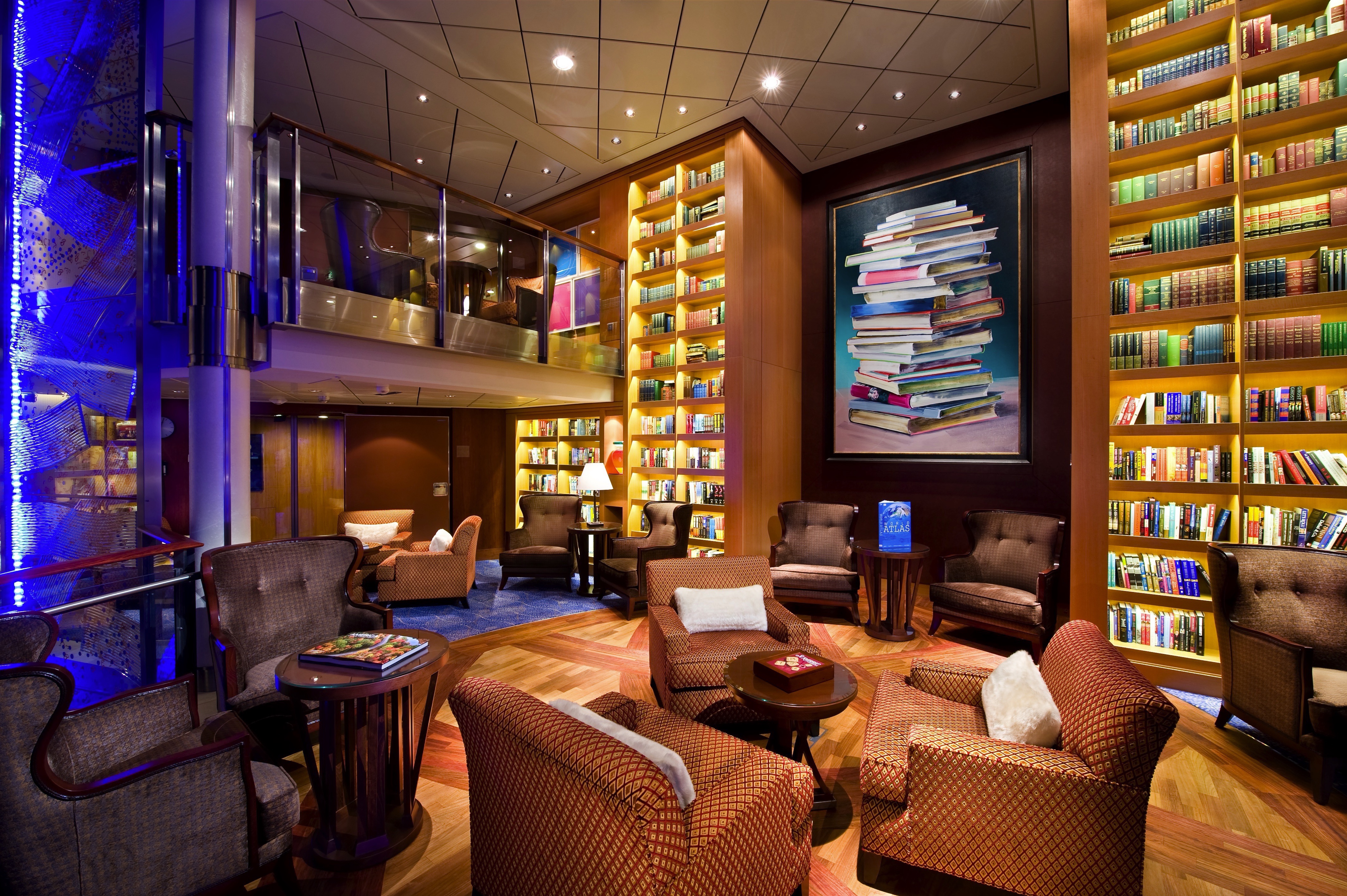
The Library
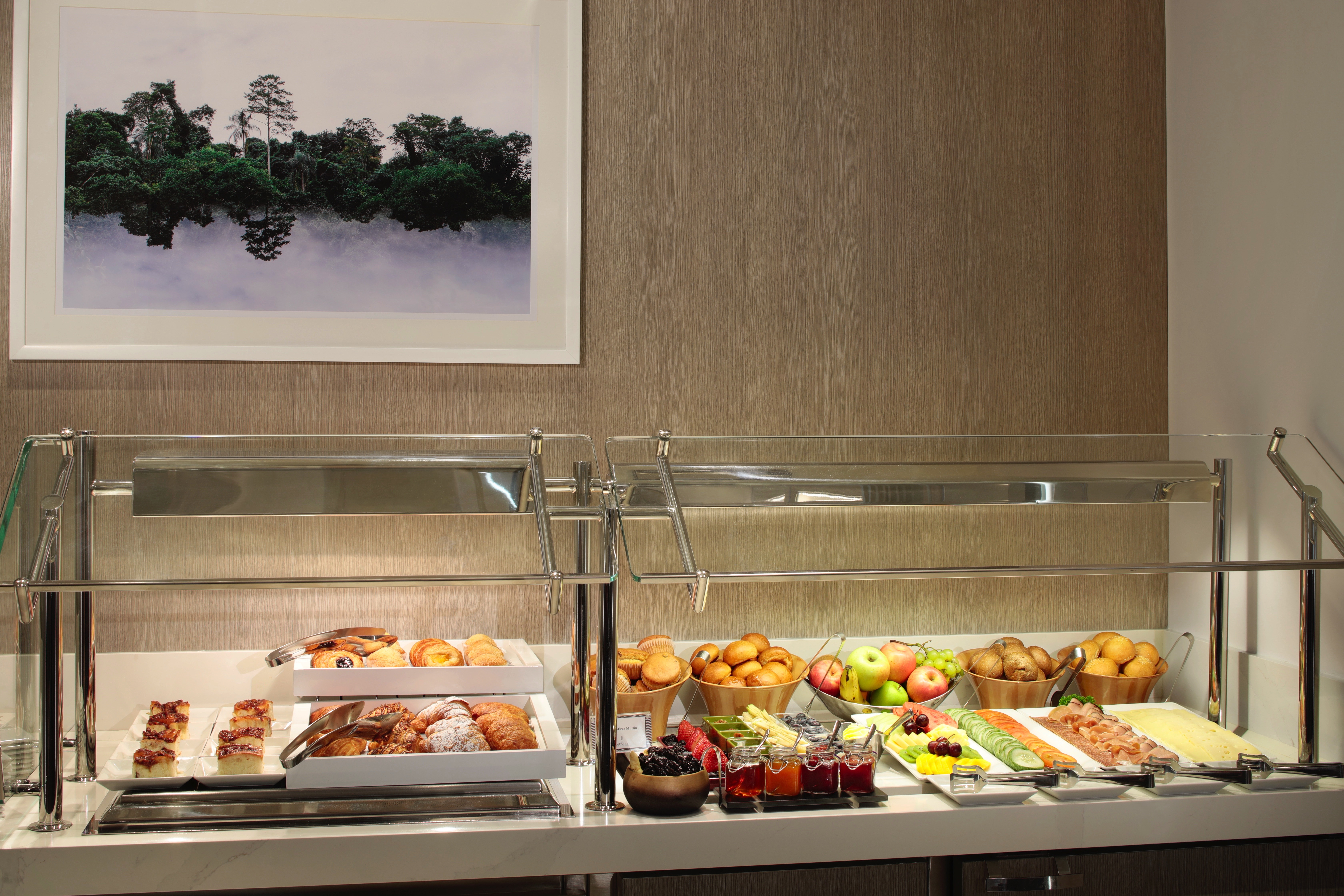
Escape into a good book or browse through some of your favourite magazines in our spacious and peaceful library; two floors of quiet contemplation and vast knowledge are at your fingertips.
Theatre Shows
Amade – Experience how Mozart and the work of other classical composers inspire, evolve, and connect to modern music. Hear current favorites remixed and re-imagined as we present Amade. Celebrate the evolution of music from classical to contemporary with this award-winning show.
Rock City – You’re invited to an epic stadium style concert, featuring iconic rock anthems–from old to new favourites.
Topper – Enter the interesting world of Sir Stuart Peabody, and his curious collection of friends who live in his giant hat, and his collection of eccentric friends. The award-winning show brings you into their world of quirky adventures.

Shopping
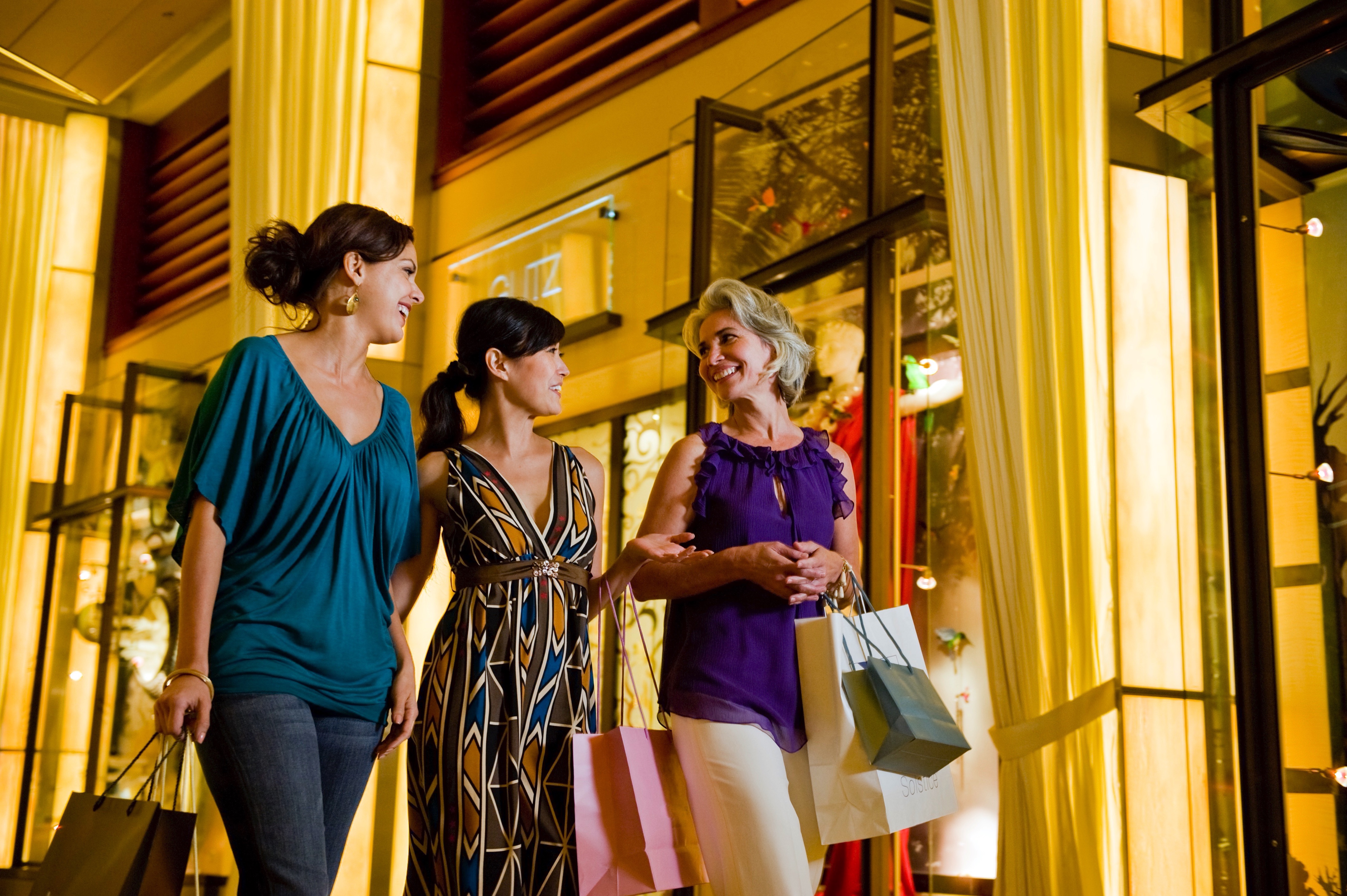
A Shopping Journey Like Nowhere Else in the World…
From jewellery to watches, beauty products to spirits, The Celebrity Shops feature a lineup of world-class brands — many of which are available at sea for the first time —with limited- edition products, and unique discovery events that tantalise all five senses.
Curators of Style – Shop with purpose and embark on a journey of self-expression with our Curators of Style.
New Horizons – Explore a refined selection of accessories, fine jewellery and Swiss timepieces from brands like Hublot, TAG Heuer, Zenith, Breitling and more.
Discover Style, Performance, & Innovation – With its Eco-Drive technology, powered by any light, Citizen offers timeless looks and cruise-only specials.
Vacation Edit – Find vacation clothing and accessories from artisanal brands and products that honour culture, heritage, and creativity, offering you a unique and meaningful memento of the destinations you’ve explored while sailing with us.
Glam Galore – Enter a realm of world-class beauty, featuring skincare essentials to cutting-edge formulas from renowned brands like Chanel, Dior and so much more.
Mary Frances – Renowned for her exquisite handbags, each Mary Frances piece is a testament to artisanal craftsmanship, joy, and individuality.
Johnnie Walker – Celebrated for its exceptional whiskies, each bottle of Johnnie Walker is a testament to masterful blending, heritage, and individuality.
What Goes Around Comes Around – Recognised for its curated vintage collections, each piece from Seth Weisser’s What Goes Around Comes Around is a testament to timeless style, authenticity, and individuality.
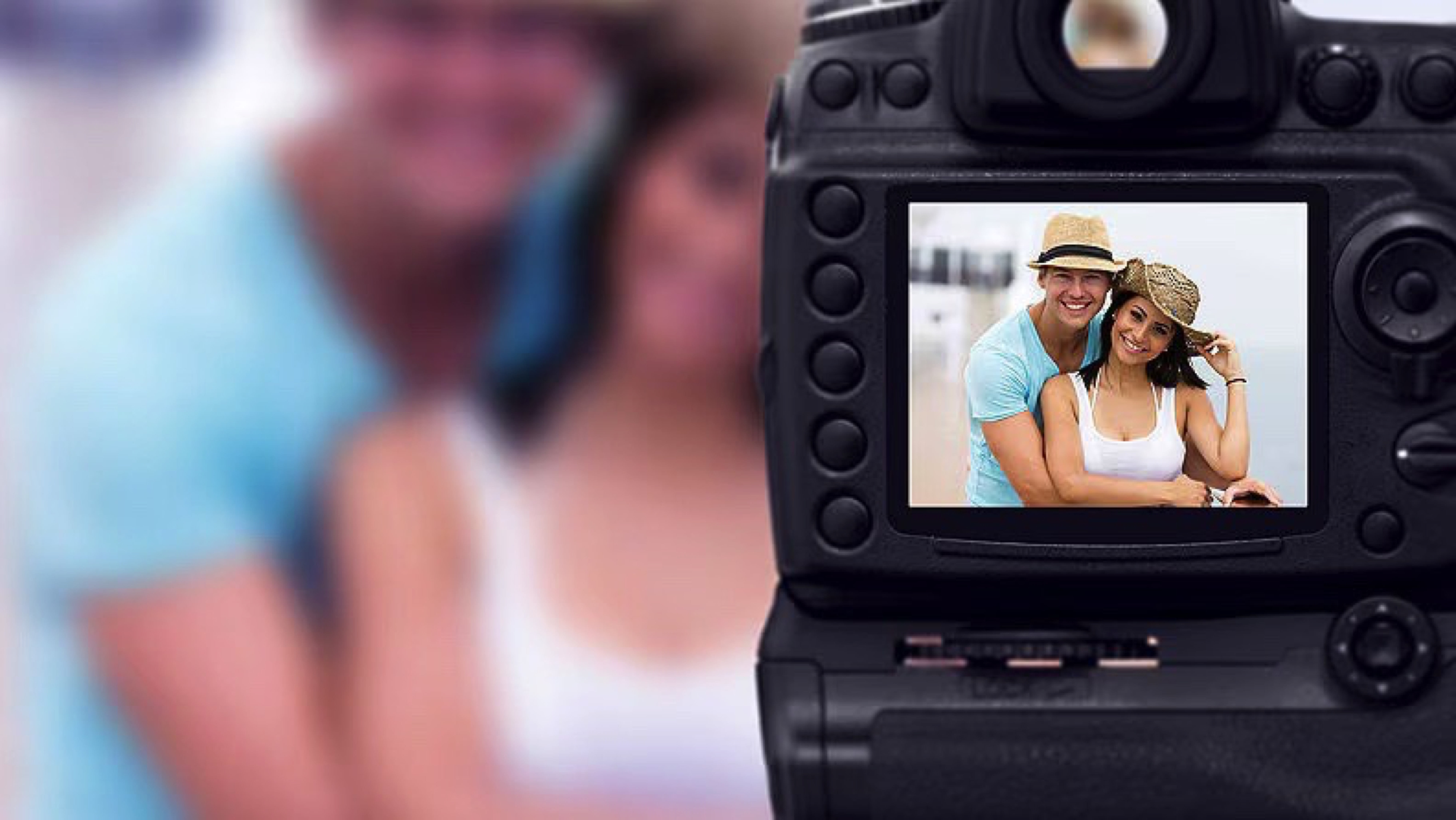
Photography
Our professional photographers are here to capture all of the special moments of your cruise—the excitement of embarkation, evening sunsets, dining experiences, fun at the pool, and much more. Your cruise photo opportunities come with no obligation to purchase, so feel free to smile for the camera! With our quick service, your favourite photos and portraits can be viewed in the Photo Gallery the following day. Don’t miss out on our photo package cruise deals so you’ll always have some of your happiest times to experience again and again.
Photo Packages – Once onboard, you’ll find plenty of opportunities to strike a pose. Take home vacation memories that will last a lifetime. You can now download all your favourite photos online to any device when you purchase your digital photo package onboard.
The Studio – Capture your most precious memories on-board Celebrity with an exclusive session in our Private Studio. Portraits are professionally shot in an interactive photo session. Our professional photographer will capture a personal collection of moments of you and your loved ones. Choose from three different types of photoshoots: lifestyle, portrait, or a combination of the two.
Photobook – Turn your vacation memories into an impressive keepsake. Purchase your photobook onboard and create it with your photos. Your hardcover, bound photobook will be delivered direct to your home after your cruise.
*Spa and Fitness excluded
Art Gallery
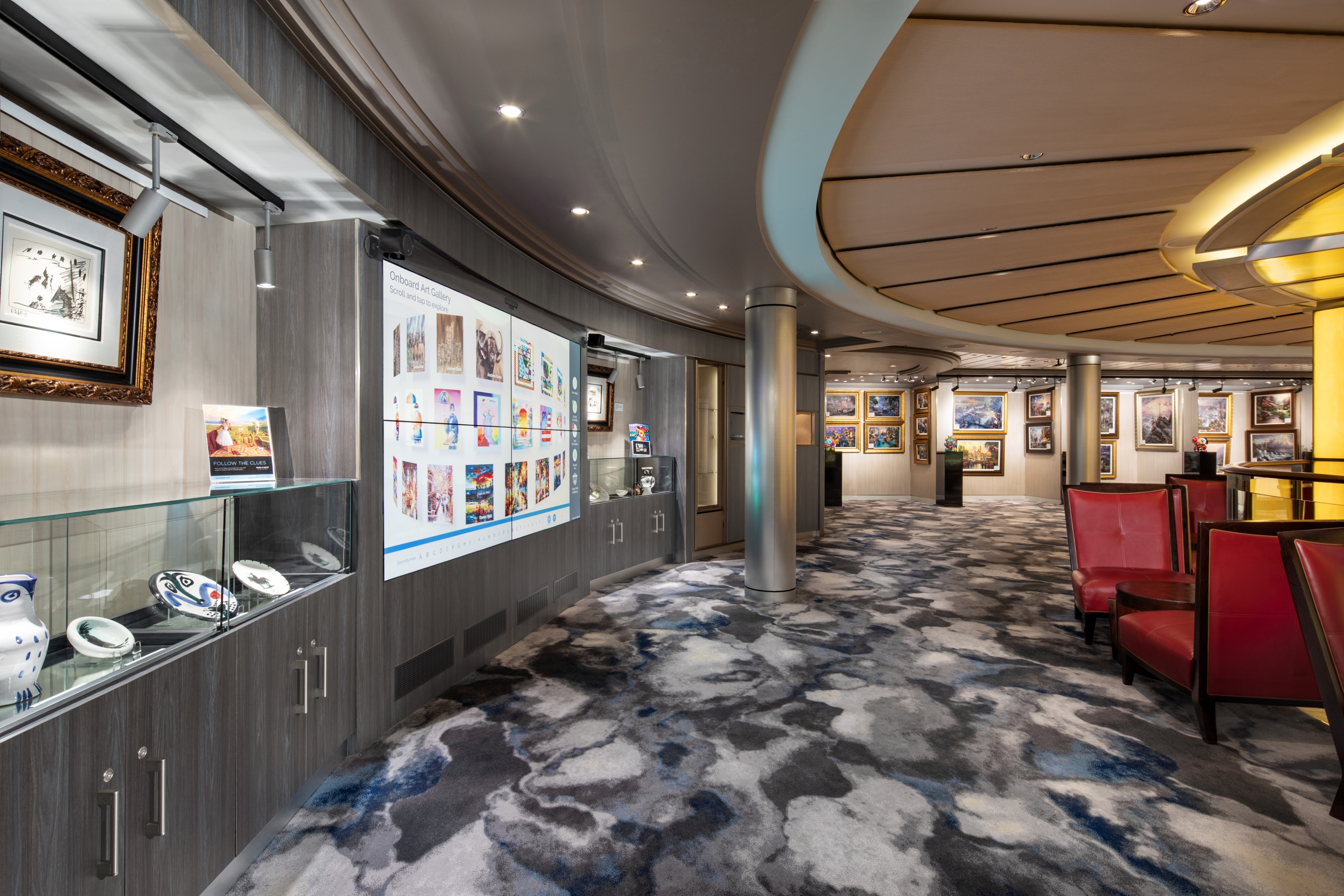
Step aboard a Celebrity ship and discover remarkable art galleries, filled with diverse works from some of the biggest names in the art world.
Our long-time partnership with Park West Gallery, the largest art dealer in the world, not only brings a collection of incredible art on board each ship, but also their high-energy, thrilling live art auctions. On your next vacation, join the excitement, have a glass of champagne, and watch the bidding get fast and furious.
The onboard galleries are filled with works from contemporary and classic artists you’ll never forget. And, if you can’t find the art you’re looking for in the ship collection, the Art Team can introduce you to Park West’s exclusive E-Gallery, which gives you access to over 10,000 works from their archives. They’re experts at helping you find the perfect art.
On select ships, you’ll also enjoy Park West’s interactive digital art walls, where you can access the entire Park West art catalog with the touch of a finger.
Browse the art gallery. Learn something new at an entertaining art seminar. Bid on works from your new favourite artist. Or do it all.
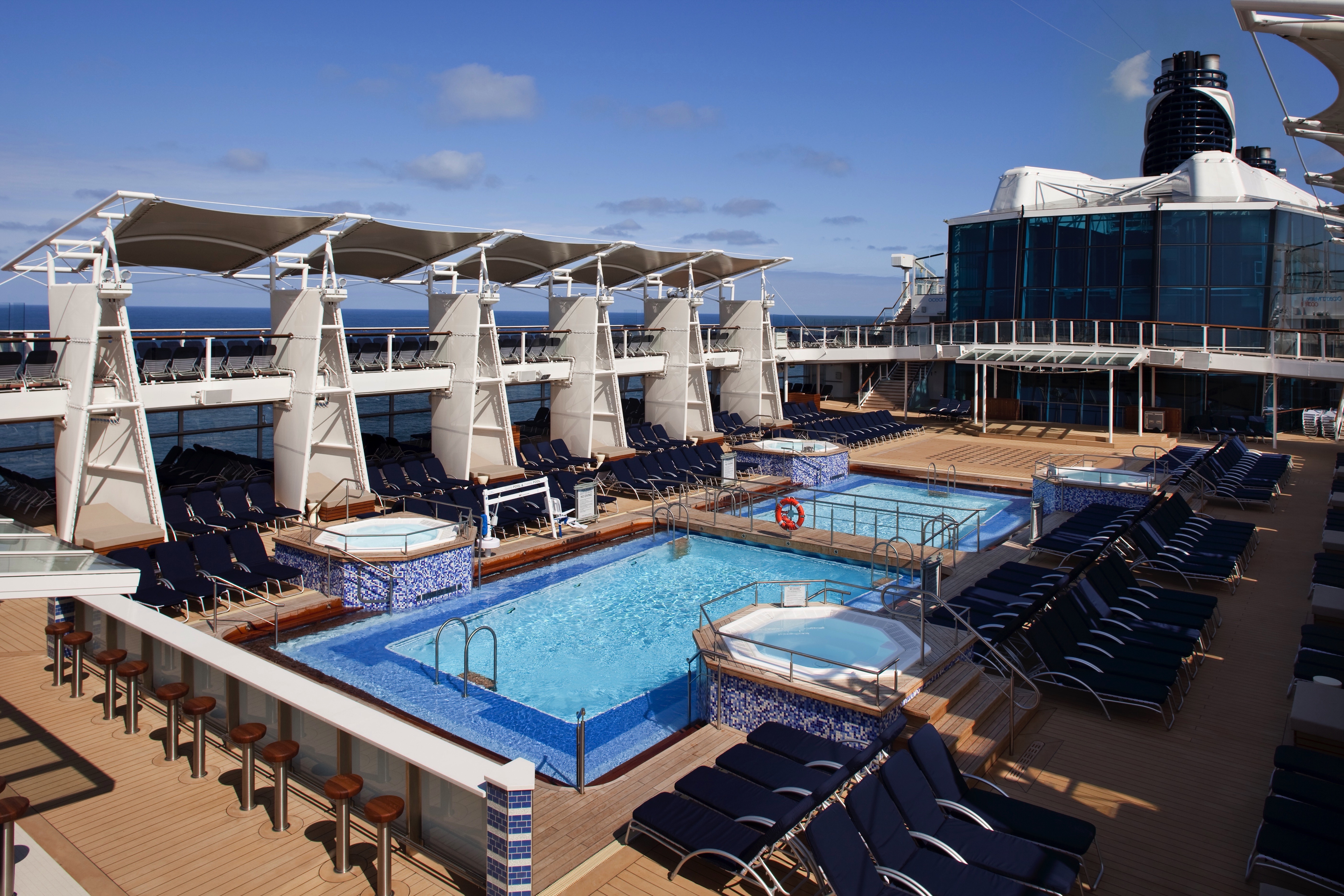
The Pool Deck
Spend the day by the Pool. Relax with a book or have a bite at the grill. Enjoy the serenade of the music from the bandstand and dance your heart away on the dance floor. For a refresher, take a dip in the pool or rejuvenate in the whirlpool.
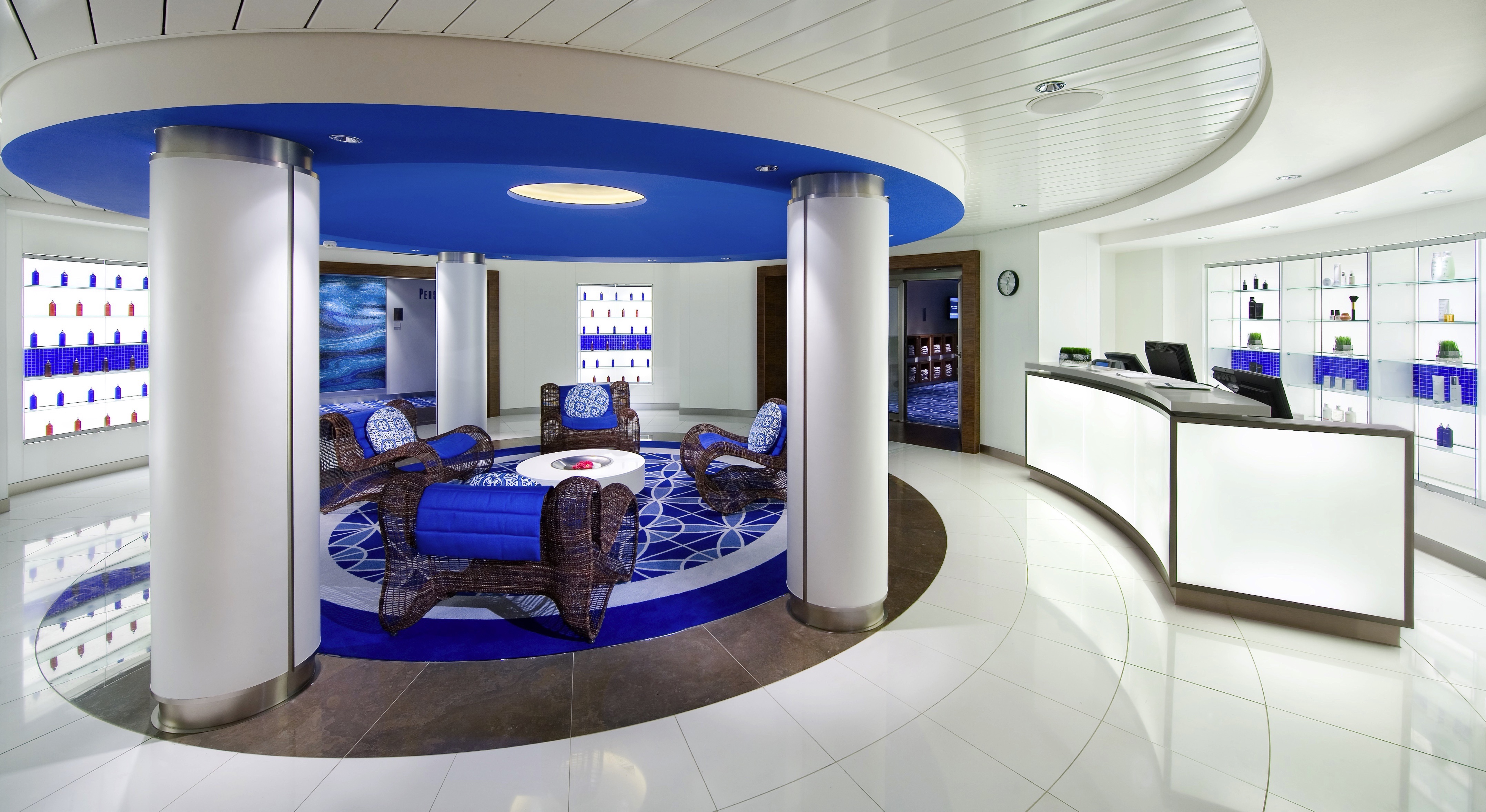
The Spa
Whether you want to clear your mind, fine-tune your body, reinvigorate your spirit—or all of the above—The Spa is a sanctuary where you can do it all. Here, we’ve introduced an array of innovative new firsts in beauty, fitness, and wellness that make finding complete bliss on vacation easier than ever. With our MLX i³ Dome, Quartz and WellMassage 4D specialty treatment beds, Kérastase Institute, Thermage® and CoolSculpting® treatments, to our interactive fitness bikes overlooking the ocean, The Spa is an escape within your escape.
An Ahh-Inspiring Escape for the Modern Traveller
Whether you want to clear your mind, fine-tune your body, reinvigorate your spirit—or all of the above—The Spa is an indulgent escape where you can do it all. The Spa introduces an array of innovative new firsts in beauty, fitness, and wellness that make finding complete bliss on vacation easier than ever.The Spa features a lineup of the most advanced ways to look and feel your best on vacation. Discover how we’ve teamed up with the leading authorities in their fields and harnessed the most cutting-edge technological innovations to create a spa experience unlike anything else at sea.
Destination Treatments – We offer an array of destination-inspired treatments that connect you to the ocean and are as unique as the places you’ll visit. From coconut-infused therapies in the Caribbean to rituals favoured by Far East royalty—we add a dose of local luxury to your experience. Where will your spa service take you?
Specialty Spa Tables* – The intertwining of groundbreaking technology and nature-inspired elements reaches to The Spa’s specialty table collection, one that’s unrivaled at sea. The Iyashi Dome, the MLX Quartz, the Spa Wave MLW Amphibia®, and the WellMassage 4D® all feature completely customisable experiences designed to relax and restore. And now introducing the MLX i³Dome, this spa table offers 3 ultra-effective detox treatment methods in one. Available on Celebrity Beyond.
Acupuncture – Celebrity Cruises offers Acupuncture as a standalone service to address a series of ailments or as part of a Pain Management program to subside discomfort while on your cruise. Whether looking for simple tune-up or treat chronic symptoms, your certified Acupuncturist and Pain Management Specialist will help you achieve a pain-free and better you.
ELEMIS® BIOTEC Facials – This collection uses the latest and most advanced facial technology to help increase your skin’s natural cellular energy. Oxygen, light therapy, and galvanic stimuli switch your skin back “on.” Choose from eight groundbreaking BIOTEC skin therapies focused on everything from anti-aging to skin pigmentation and brightening to regular care and maintenance.
Hot Mineral Body Boost – This revolutionary, mineral-charged experience will condition your skin and invigorate your body, harnessing the natural restorative power of heated minerals and a nourishing amber balm, topped off with an energising facial massage
Zero Gravity Immersion Massage – This seamlessly choreographed massage soothes every major muscle group, while the advanced technology of the WellMassage 4D® table makes you feel as though you’re suspended in air.
Aroma Spa Seaweed Massage – Feel your stress and tension float away as an aromatic seaweed mask is applied to your body, combined with a scalp and foot massage.
Restorative Salt Stone Massage – Warm salt stones are bathed in personally selected aromatics to contour the body and diffuse negative energy, reduce stress, and alleviate muscle tension, completed by a re-energising face and scalp massage for a truly uplifting experience.
R3 Pain Management Therapy – Inspired by the benefits of cryotherapy, the power of “cold therapy” is re-imagined, reducing inflammation and swelling that causes pain. Comforting heat therapy uses targeted saltstone massage to relax and soothe muscle tension for a dynamic pain relief treatment.
Thousand Flower Detox Wrap – Omega-rich Green Tea seed oil is massaged into the skin followed by the thousand flower, vitamin-packed, super nutritious earth wrap encouraging the body to surrender its toxins.
Earth Grounding Massage – Modern science has enabled the adaptation of negative electrons transferred from the Earth’s surface into the body via energy channels embedded in the treatment table to alleviate pain and inflammation, reduce stress levels, improve circulation, and aide in restful sleep. Emerge relaxed and recharged from this balancing, earthing experience.
IV Therapies & Injections* – Give your body a rejuvenating boost with personalised IV therapies and nutrient injections. These doctor-designed treatments deliver the vitamins and minerals you need directly into your bloodstream, helping to support a healthy immune system, combat dehydration, and ease nausea. Choose from an array of formulas engineered to help you manage your weight, increase energy, boost your mood, detoxify, and speed up recovery.
*Available on select ships
The Fitness Centre
Even though you’re on vacation, you won’t want to skip this gym. On Celebrity Apex® and Beyond, an expanded studio offers new programs like the first F45 classes while our fleet boasts sought-after classes: The HIIT and LIT Bungee Fit. You can stay in shape with state-of-the-art Technogym® weight machines and cardio equipment while connecting to the sea with floor-to-ceiling windows for a little motivation. Purchase an Unlimited Class Pass for a daily boost of energy.
Fitness Activities & Treatments
You may be on vacation, but you won’t want to skip The Fitness CentRE. In fact, you may find yourself looking for any excuse to work out. Our state-of-the-art weight machines and cardio equipment will take your fitness to the next level. And, if you’re looking for motivation, you can enjoy the hottest fitness trends and classes, never before seen on Celebrity. The inspiration doesn’t end there—our floor-to-ceiling windows offer invigorating views of the sea as your backdrop.
Peloton® – Enjoy the exhilaration of cycling on your own while taking part in live-streamed classes that give you the motivation you need to go the extra mile.
The HIIT – High Intensity Interval Training – Go all-out with 100 percent effort during a class featuring quick, intense bursts of exercise—followed by short, sometimes active, recovery periods. This workout will get (and keep) your heart rate up, allowing you to burn more fat in less time.
LIT Bungee Fitness – Get your heart pumping with a low impact workout that’s easy on your joints. Reduce your risk of injury using bungee support during this full body low-impact session. Available on select ships.
Pulse Barre – Challenge yourself and discover why barre is considered one of the fastest, most effective total body workouts today. Balance is the key to this high-intensity, low-impact workout.
Yoga & Meditation
Pure Form Yoga – Find your Zen through increased balance, concentration, and focus in a yoga class that’s beneficial for both the beginner and the experienced yogi.
Guided Meditation – Reduce stress and find inner peace through our unique Guided Meditation program offered throughout your voyage.
Breathing Class – Learn a short “relax-fast” recovery breathing technique that you can use daily. This lung workout exercises the diaphragm and intercostal muscles to correct your breathing—and provide immediate relief.
Body in Motion
Perfectly fit to suit the needs of everybody—wellness trainers, classes, and seminars give a boost of energy to fuel your onboard journey.
INBODY 570 Composition Analysis – See What You’re Made Of™. Understand your inner health with the most comprehensive body composition analysis. Using bioimpedance, InBody570 offers precise measurements of segmental muscle mass, body fat mass, visceral fat, metabolism, inflammation, and fluid retention levels.
Personal Training – Professional fitness trainers will help you achieve the body you have always wanted with a personalised fitness session. Plus, you’ll learn which exercises work best with your body composition.
Nutritional Consultation – Diet and exercise are lifelong pursuits. We, at The Spa, want to help you reach your wellness goals and establish a healthy diet based on your individual needs. Consult with one of our fitness professionals and develop a customised nutrition plan tailored around you.
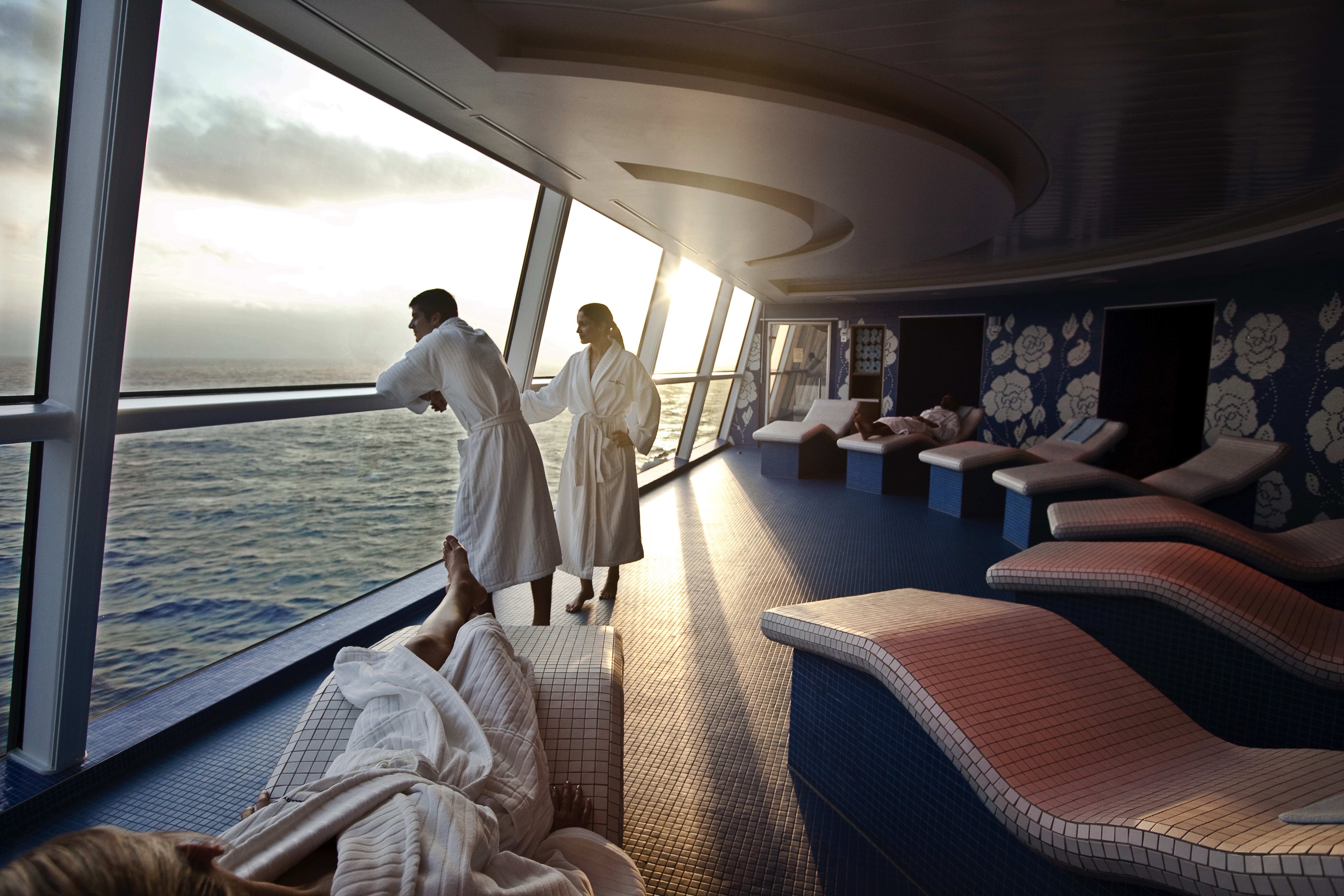
The Persian Garden
For thousands of years, people have found that moving water and temperature variations provide relief for muscle and joint issues, speed the release of toxins from the body and promote deep relaxation. The Persian Garden pass includes use of the aquatherapy environments from aromatic steam to tropical rain showers for a rejuvenating experience. AquaClass® guests enjoy unlimited access to the Adults-Only Persian Garden. If you’re not in AquaClass, you can purchase the Persian Garden Pass. Available on Millennium Series and Solstice Series ships.
Kérastase Salon
We’ve partnered with Kérastase®, one of the world’s most recognised luxury haircare brands, to create the ultimate salon experience. On Edge Series, guests will experience a couture styling session that merges exclusive products with technology and superior service that is nothing short of divine. Institute staff, along with the Kérastase Flagship Salon team in our fleet, diagnose your individual haircare needs and prescribe personalised treatment options just for you. And of course, you’ll find everything you’d expect from a full-service salon—manicures, pedicures and more.
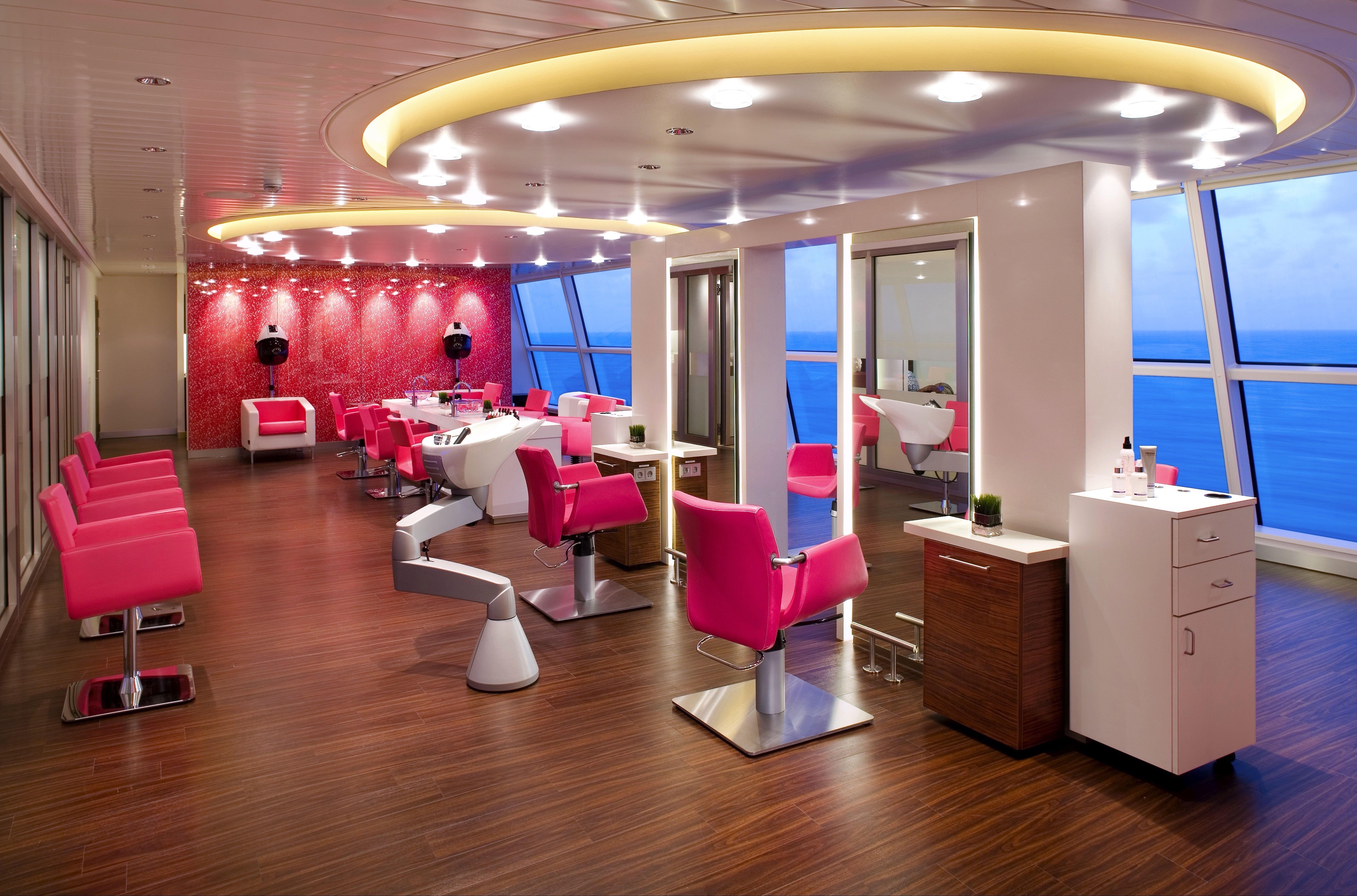
The Barber
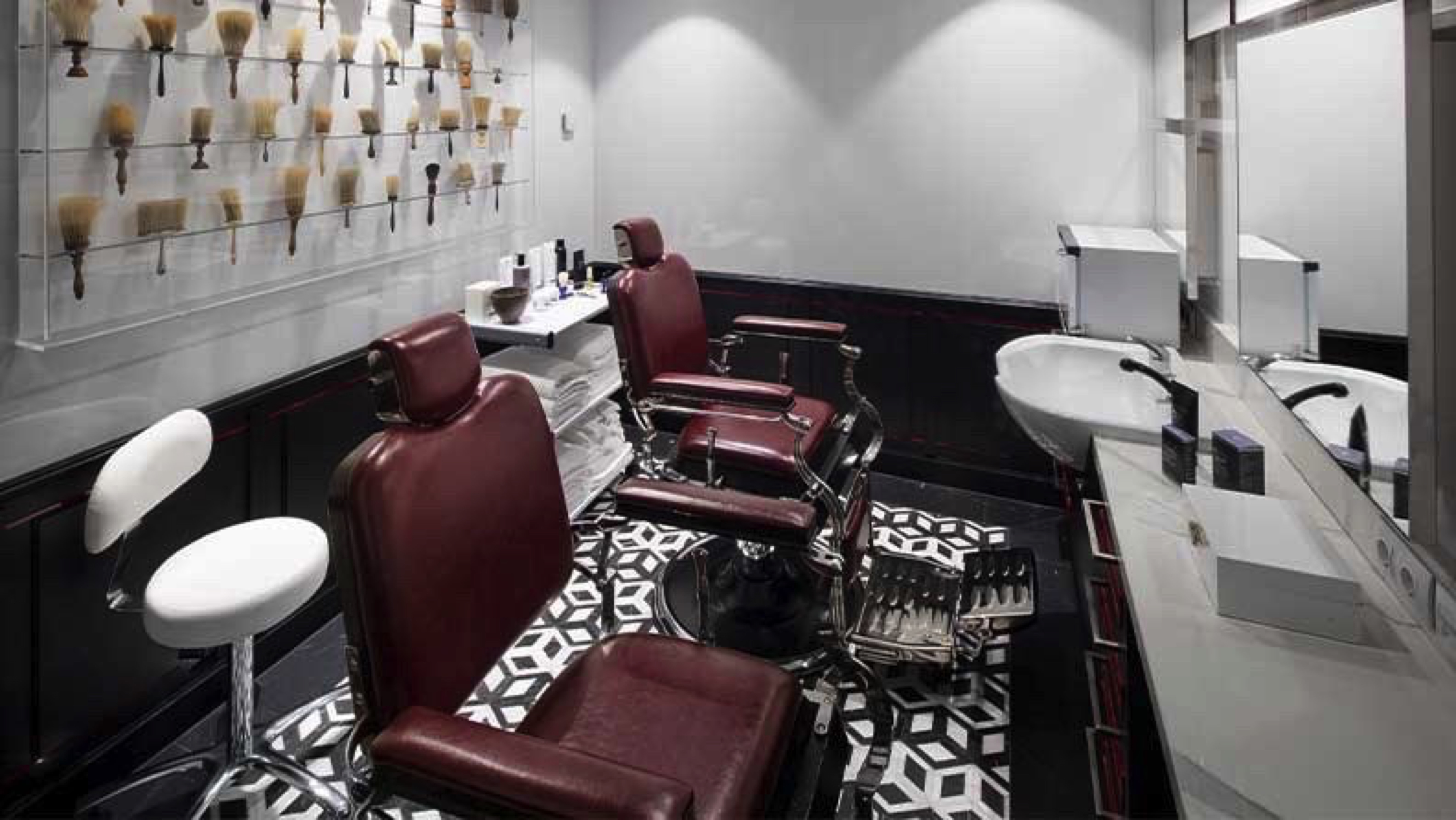
We know that today’s man wants to look fresh for a night out, too. That’s why we created The Barber at The Spa. Kelly Hoppen, CBE used warm tones and rich natural materials to create a perfectly inviting space for a traditional hot shave and trim before you hit the Martini Bar, The Club, or wherever the night takes you.The Barber is available on Edge series ships and barber services are available fleetwide.
Solarium
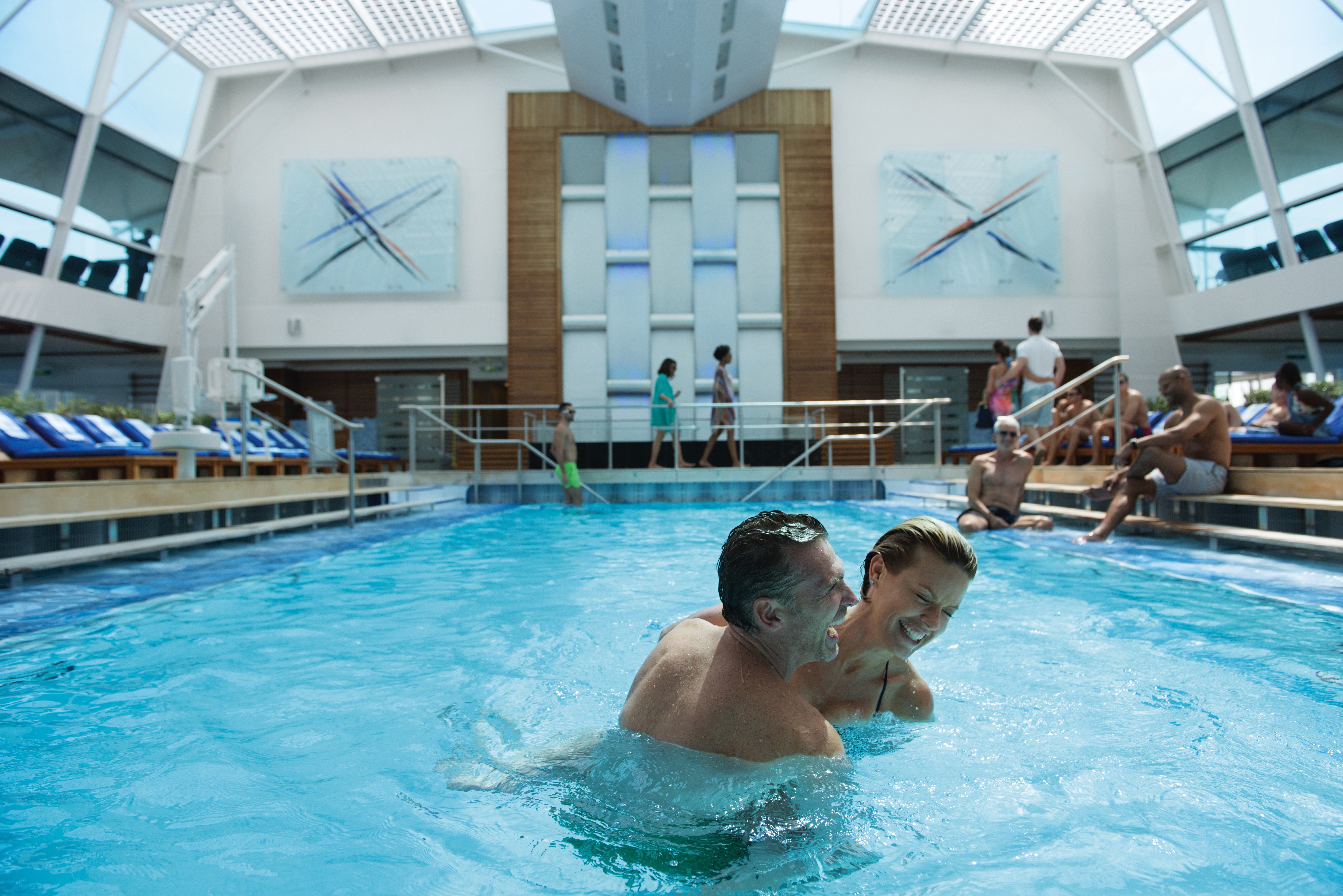
Find true poolside serenity at the Solarium. Featuring a gorgeous pool, sparkling waterfalls, thickly padded lounge chairs, and an adults-only policy, tranquility is always just a few steps away.
Pickleball
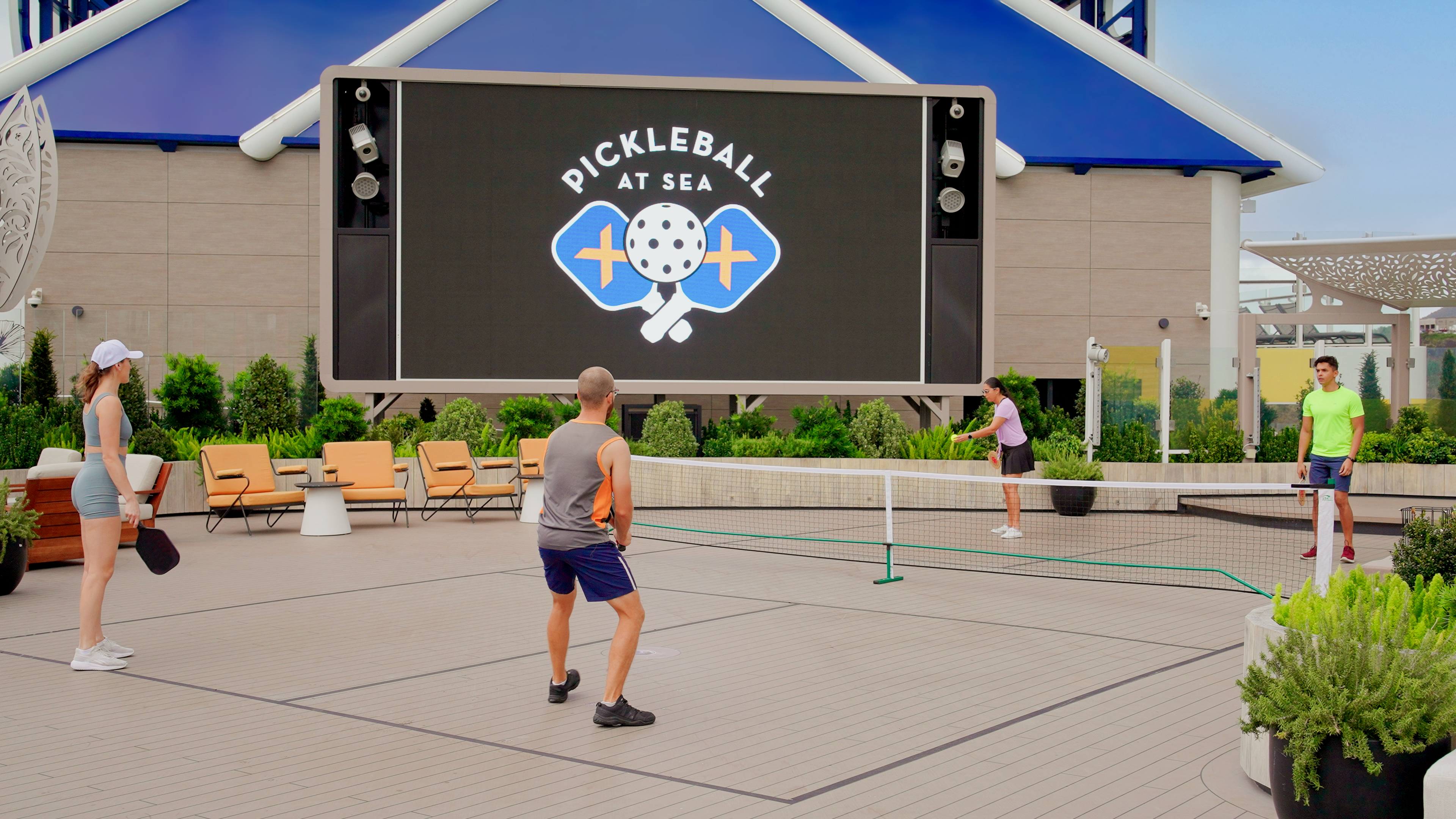
The world’s fastest growing sport comes to the world’s best ships.
Pickleball fans can bring their game to the high seas on Celebrity Cruises. Whether a first-time player or an avid pro, guests can now enjoy complimentary pickleball onboard featuring open-air courts and panoramic ocean views.
AquaClass
Thoughtful spaces for wellbeing
Wellness is so essential to who we are, we offer an entire guest experience around it with our AquaClass® staterooms.
Elements are thoughtfully infused throughout your stateroom, from verandas that allow you to walk right out to the water’s edge to a cashmere mattress and pillow menus. Savour clean cuisine, including new plant-based options, at your exclusive restaurant, Blu. Plus, you’ll enjoy access to the SEA Thermal Suite, a spa concierge, a complimentary fitness pass, preferential rates on AquaClass spa packages, daily in-room bottled water service, healthy room-service menu options, and a yoga mat for use on board. We’ve thought of everything so that you can fully focus on nurturing your mind, body, and spirit.
Spa Concierge – Whether you need a reservation at the salon or an entire personalised holistic spa regimen, your dedicated complimentary Spa Concierge will take care of everything for you.
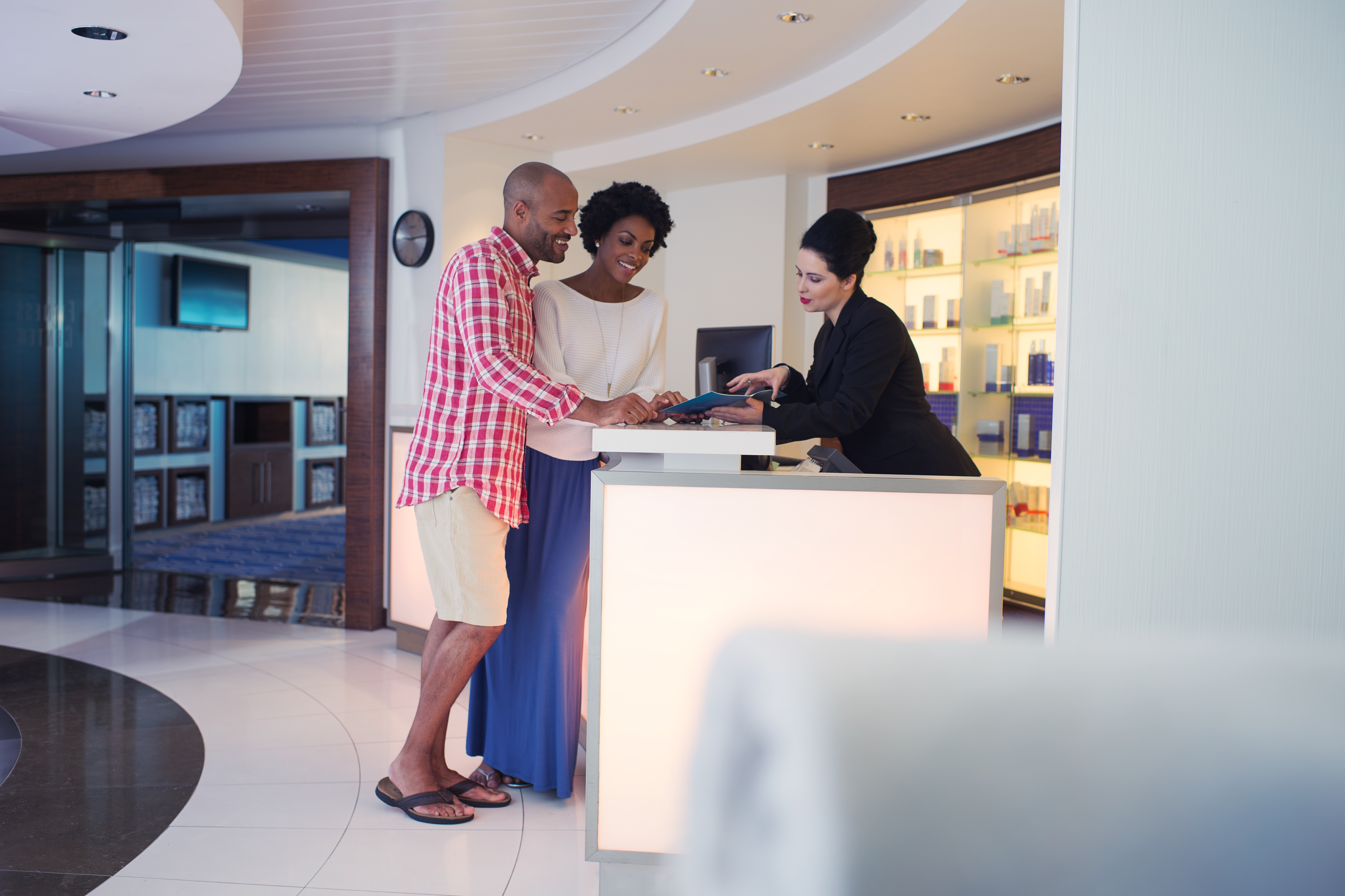
Teens
Teens can hang out at the Teen Club, a space designed exclusively for young adults, where they can socialise with other cruisers in their same age group. Teen-focused activities and events at the Teen Club include sports competitions, silent disco parties, and video game tournaments.
Ages 13-17
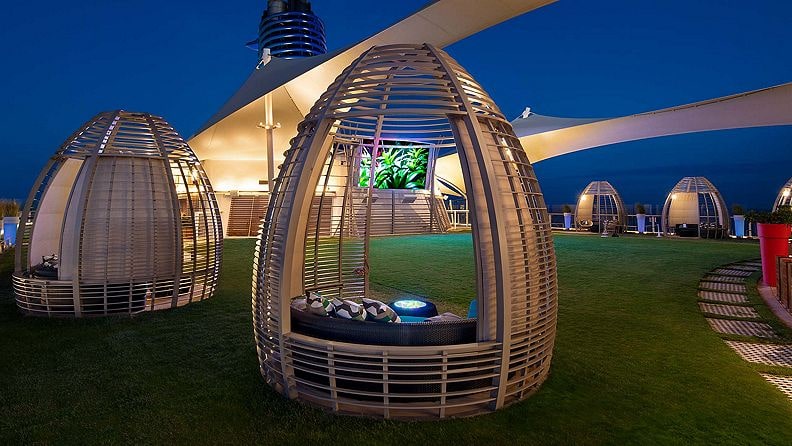
Captains
Older kids are known as Captains in our Camp at Sea program, and they enjoy more freedom while on board. You can spot Captain cruisers on scavenger hunts, STEM, and competing in various sports and gaming tournaments.
Ages 10-12
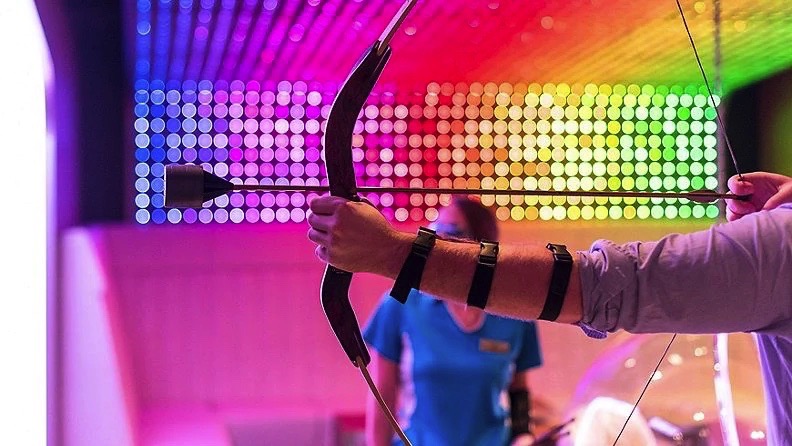
Cadets
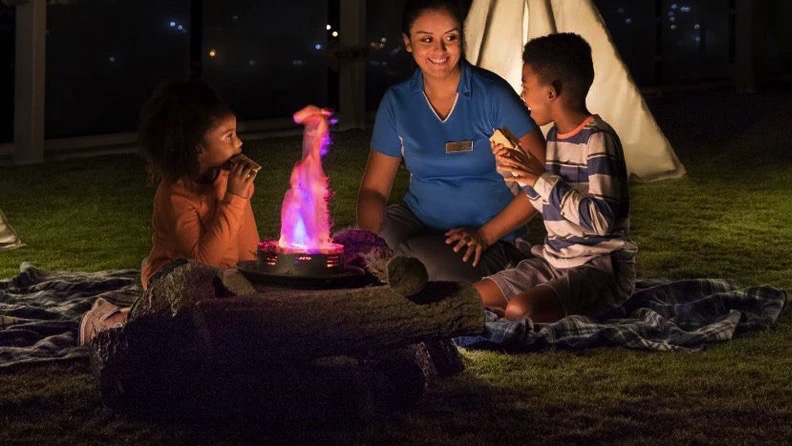
Adventure awaits on board for our Cadets, who can enrol in a one-of-a-kind nautical program, where they’ll learn the basics of sailing including navigation, time, weather patterns, and more. Cadets can also participate in activities spread throughout various venues, including Lawn Club games, campouts, and movie nights.
Ages 6-9
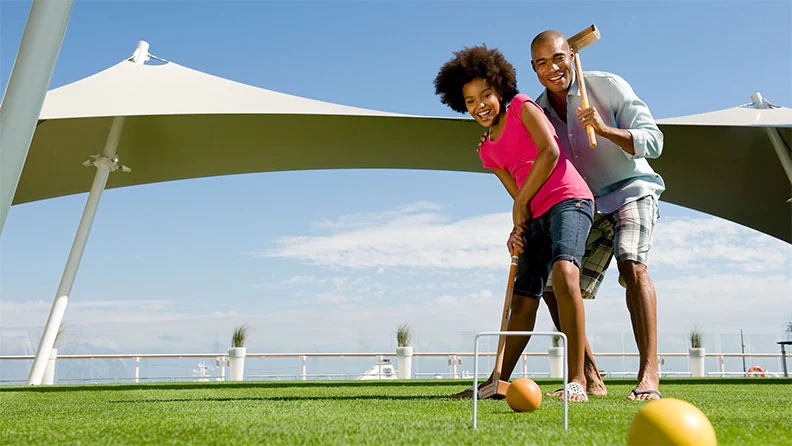
Shipmates
Young cruisers that are fully potty trained can enrol as Shipmates at our Camp at Sea program, where they’ll work on their art skills at the Creation Station, learn new camp songs, and interact with other kids under the supervision of our experienced youth staff.
Ages 3-5
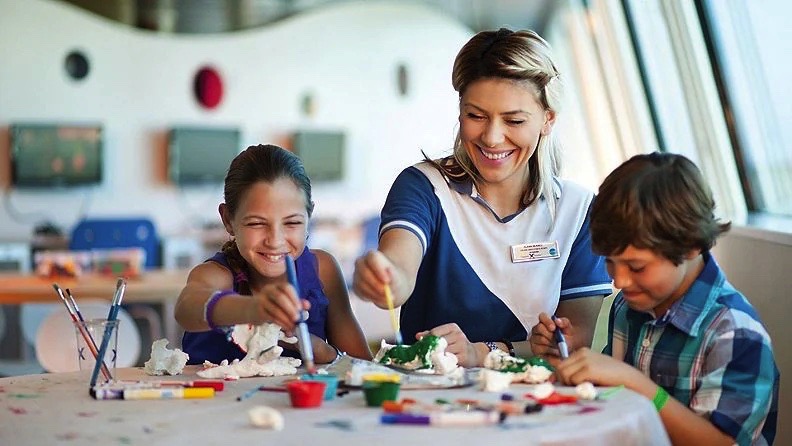
Art
Budding artists will love the Creation Station, a program that uses materials and tools for junior cruisers to express themselves through painting, collaging, and more. During our unique art activities, kids will create precious souvenirs and a number of masterpieces they will cherish long after their cruise has ended.
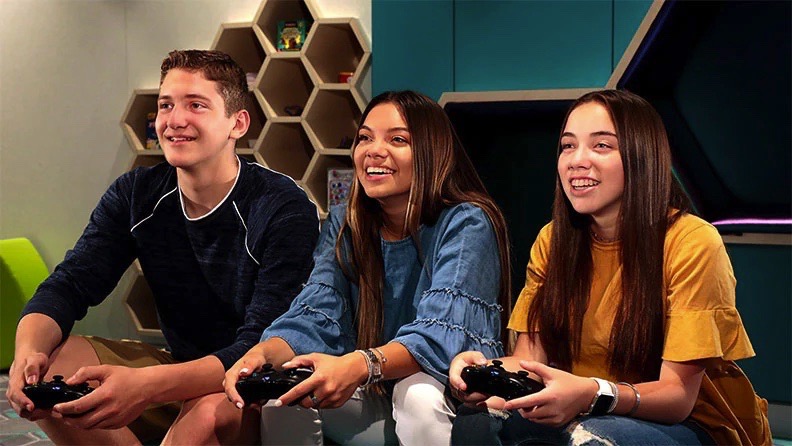
Recreation
For more active kids, there’s a wide range of games and challenges onboard to sharpen their skills and teach them the importance of teamwork. From modern twists on popular camp games to our Challenge Series that engages mind, body, and silliness—there’s something for everyone.
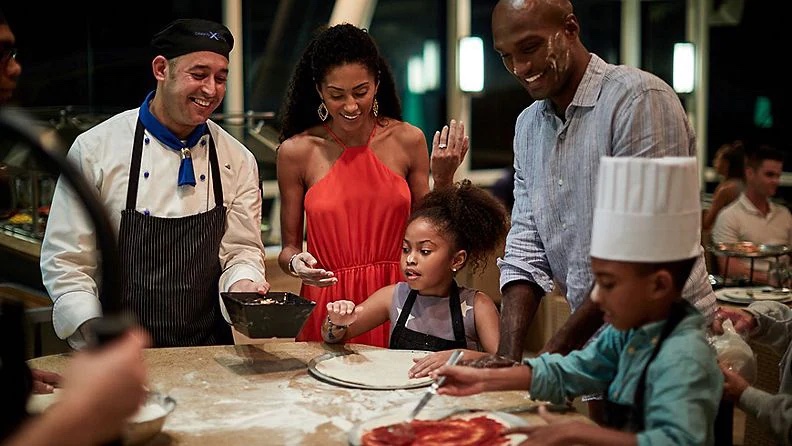
Culinary
Young foodies will want to try out the variety of culinary experiences geared towards developing the tastes of up-and-coming gourmets. It’s a mouthwatering set of fun family cruise activities sure to please everyone—taste buds and all.
Autism-Friendly Cruises
We offer a welcoming, autism-friendly environment on all of our cruise ships. Onboard, kids with special needs can enjoy sensory-friendly films, toys, and dietary menu options. Additionally, we offer a number of autism-friendly services including priority check-in and boarding.
Main Restaurant
Airy and contemporary main restaurant, with a large curated menu of classic and modern, regionally inspired choices.
CELEBRITY SELECT DINING
Celebrity Select Dining is designed completely around you. Simply choose whether you’d like an early seating at 6:00 P.M., late seating at 8:30 P.M., or dine whenever you want, the choice of how you plan your evening meals is up to you.
World-Class Chefs – Our crew of chefs continually raise the bar for culinary experiences, both at sea and beyond.
An Immersive Experience – The centrepiece of our immersive and enriching range of culinary experiences. We’re proud to present an unparalleled wealth of choice every evening at the Main Restaurant. Working around the clock, the galleys delight in sending out artfully presented dishes, every delicate micro-green garnish perfectly placed.
From Our Kitchen – A sense of intimacy in a dramatic space, personal connections in a welcoming yet sophisticated venue and a world of choices.
*Menus are subject to change
Blu
Vibrant, crisp and bold flavours, exclusively for AquaClass® guests.
Intimately Elegant, yet Fresh and Modern
Clean, crisp flavours and inventive cuisine meet an extensive list of sustainable and biodynamic wines.
Experience Blu
World-Class Chefs – Our chefs continually raise the bar for culinary experiences, both at sea and beyond.
An Imaginative Experience – As an AquaClass® guest, you can enjoy this exclusive restaurant for breakfast and dinner. The spa-inspired cuisine at Blu is an imaginative way of preparing popular dishes without fussiness or pretense.
Inside Blu – Personalised service, inviting surroundings, and natural light are all part of the fresh and bold aesthetic of Blu.
*Menus are subject to change
Murano
A Nouveau Take On Classic French Cuisine.
Classic French dishes—with a contemporary twist—serve as the inspiration for Murano’s menu. Enjoy nouveau cuisine with old-world charm, as we prepare some of our signature dishes tableside while you watch.
World-Class Chefs – Our crew of chefs continually raise the bar for culinary experiences, both at sea and beyond.
A contemporary take on classic French cuisine – Impeccable service, classic design, world-class cuisine, and comfortable sophistication are the distinguishing features of Murano. Experience tableside lobster presentation, an expansive selection of artisanal cheeses from around the world, and our extensive American and French wine lists.
From Our Kitchen – Classic French dishes serve as the inspiration for Murano’s menu; a unique contemporary twist here and there adds an element of surprise. The goal is the perfect marriage of flavours, artfully presented. We especially love to prepare some dishes tableside as you watch
Insider Tips
- Experience our Five Senses Menu: six courses are presented in a tasting menu, perfectly paired with wine, designed to stimulate all your senses.
- Enjoy the artisanal cheeses perfectly paired with port wine.
- Dine on custom Rosenthal dinnerware and Riedel® crystal.
- Your sommelier will guide you through the wine list in the private cellar.
*Menus are subject to change
Tuscan Grille
A celebration of big, bold flavours
An Italian ristorante and enoteca with a contemporary twist.
Rustic elegance with a contemporary, minimalistic edge. Guests dining in Tuscan Grille will enjoy a lively, sophisticated atmosphere, serving iconic Italian dishes with a modern twist. Our fresh, original menu features handmade pasta, artisanal salumi, fish, butcher cut meats, and USDA Prime dry aged steaks. Our regional Italian wine menu features authentic Italian cocktails and beers.
Inside Tuscan
World-Class Chefs – Our crew of chefs continually raise the bar for culinary experiences, both at sea and beyond.
Traditional Italian with a Twist – A friendly waitstaff ensures tableside service that’s both personal and professional. And the food? Take iconic Italian classics, add contemporary influences, and serve in abundance. It’s all part of the rustic, yet modern, style of the Tuscan Grille.
From Our Kitchen – Guests dining in Tuscan Grille will enjoy a lively, contemporary and sophisticated iconic Italian accents in ambiance, service and fresh original menu which features 100% homemade pastas, artisanal salumi, fish, butcher cut meats, and USDA Prime dry aged steaks. Our regional Italian wine menu is accented by authentic Italian cocktails and beers, as well as our house made Limoncello.
*Menus are subject to change
Insider Tips
- Start with an Antipasti Board for the table, featuring artisanal salami & cheese.
- Spoil yourself with a USDA Prime Aged Steak.
- Choose from an expansive collection of Italian wines.
- Ask about our Wine Connoisseur Dinner.
- Complete your dining experience with a delicious glass of our housemade limoncello.
- Lunch served once per cruise. Check your Celebrity Today.
The Spa Café
Celebrity was one of the first cruise lines to offer a spa restaurant. We saw an opportunity to create an extension of our industry’s leading spa experience by introducing the Spa Café.
Renew and Refresh
Fresh, spa-inspired delights to nourish body and mind.
World-Class Chefs – Our crew of chefs continually raise the bar for culinary experiences, both at sea and beyond.
Extend Your Spa Experience – A creative take on healthy cuisine, featuring an eclectic blend of offerings that are both flavourful and good for you.
From Our Kitchen – Enjoy freshly prepared smoothies, juices & good for you treats.
Mast Grill
Let your cravings go wild. Grab a great burger in a relaxed, poolside environment.
Gourmet food poolside. Enjoy delicious eats while you relax in the sun.
Inside The Mast Grill
World-Class Chefs – Our crew of chefs continually raise the bar for culinary experiences, both at sea and beyond.
A Relaxed Dining Experience – Let your cravings go wild.
From Our Kitchen – Grab a great burger in a relaxed, poolside environment.
Cafe al Bacio & Gelateria
Inspired by the ambiance of European cafés, muted sepia tones and pops of citrus yellow bring this space to life.
Enjoy espresso or tea as you watch the world go by.
Inspired by the ambiance of European cafés, muted sepia tones and pops of citrus yellow bring this space to life. Follow the irresistible aroma of Lavazza espresso, or choose from over a dozen premium hot teas from the innovative Tea Forté. Daily specialties include French pastries, gourmet coffees, and elegant desserts. Café al Bacio also features an authentic Gelateria with artisan flavors and fresh fruit sorbettos—in piccolo or grande, whatever you choose.
Only Available on Millennium Series and Solstice Series Ships
Luminae
Globally inspired and cutting-edge dining, exclusively reserved for guests of The Retreat®.
The exclusive restaurant for guests of The Retreat
Exclusive and cutting edge, the globally inspired menus at Luminae are not available in any other restaurant on board. And, you’ll see each one only once—because every day features a fresh, new menu.
Chef Daniel Boulud
We’ve joined culinary forces with the iconic Chef Daniel Boulud. As our Global Culinary Ambassador, Chef Boulud has designed complimentary signature dishes for Luminae, our private dining experience included for all guests of The Retreat.
Inside Luminae
World-Class Chefs – Our crew of chefs continually raise the bar for culinary experiences, both at sea and beyond.An Exclusive Indulgence – Luminae is a deliciously exclusive dining experience like no other. Offering complimentary breakfast, lunch, and dinner, Luminae is a culinary experience of modern, eclectic cuisine and extraordinary service that will remind you (and your taste buds) that there’s no better way to vacation than as a guests of The Retreat.
From Our Kitchen – Not only is Luminae’s guest list exclusive, so are its globally-inspired and cutting-edge dishes. The unique menus you’ll enjoy here are not available in any other restaurant. And, you’ll see each one only once, because every day features a different menu for two full weeks.
*Menus are subject to change
Oceanview Café
Savour a world of flavours in our market-place inspired café.
Inside Oceanview Café
World-Class Chefs – Our crew of chefs continually raise the bar for culinary experiences, both at sea and beyond.
Globally Inspired Dishes – Menus influenced by multiple cultures.
From Our Kitchen – Enjoy fresh breads, pastries, and desserts from the bakery.
Sushi on Five
Our modern take on traditional Japanese fare.
Every sushi lovers dream
Wildly popular from the day it appeared, Sushi on Five satisfies your craving for locally sourced, authentically prepared sushi and other Japanese specialties from a menu crafted by expert restaurateur and sushi chef, Yoshikazu “Yoshi” Okada. Treat yourself to the complex flavours of a hand-made sushi roll or nigiri featuring tuna albacore, shrimp, eel, and other fresh selections, or savour the simplicity of yellowtail, salmon, and octopus sashimi. Your culinary experience would be incomplete without dessert—be sure to try the caramelised gingerbread with wasabi gelato.
Inside Sushi On Five
World-Class Chefs – Sushi on Five menu has been crafted by expert sushi chef Yoshikazu “Yoshi” Okada, originally from Japan, now a restaurateur in Hollywood.
Modern Taste Meets Traditional Japanese – Freshly prepared sushi and Japanese favourites, paired with a stellar list of imported sakes and beers.
From Our Kitchen – Treat yourself to the complex flavours of a hand-made sushi roll or nigiri featuring albacore, shrimp, eel, and other fresh selections, or savour the simplicity of yellowtail, salmon, and octopus sashimi.
*Menus are subject to change
Insider Tips
- Take the opportunity to try our premium, super-premium, and specialty sakes—selected by our sake expert.
- Ask for fresh wasabi, if you dare. It’s rare to find the real thing.
Le Petit Chef®
A One-of-A-Kind Dining Concept
A one-of-a-kind dining concept. Experience the fusion of entertainment and cuisine.
A Dining Experience Like No Other
Once-in-a-while something comes along that re-invents dining and you just have to see it to believe it. Experience the fusion of entertainment and cuisine. We’ve brought the table top to life in a fantastic fusion of entertainment and dining.
Le Petit Chef – The world-renown artists of Skullmapping have reached a true pinnacle of their custom 3D table animation art form. This dining experience is beautifully choreographed with an elegant menu.
Le Petit Chef offered on Celebrity Cruises® is simply one of the most unique dining events in the world.
Inside Le Petit Chef
World-Class Chefs – Our crew of chefs continually raise the bar for culinary experiences, both at sea and beyond.
An Incomparable Experience – Experience the fusion of entertainment and cuisine.
From Our Kitchen – Voilà! Savour a culinary journey filled with the delicious element of surprise.
Room Service
Turn your stateroom into a private dining room with one phone call. Whether you crave a gourmet breakfast in bed, a leisurely lunch, an intimate dinner, or even a late-night snack, our dedicated staff is at your service. We completely understand why you wouldn’t want to leave your stateroom, so immerse yourself in enjoying a carefully crafted menu delivered right to your door.
Excursions
Connect to the world in ways you never imagined and embark on an excursion perfectly tailored to your interests. Whether you’re looking for a private, customisable experience, a carefully curated guided tour with a small group, or an unforgettable trip to iconic local landmarks, we have the right option to discover any destination, granting in-depth knowledge, expertise, and a truly extraordinary experience.
More Than 280 Breathtaking Destinations. Three Perfect Ways to Explore.
Private Journeys
CREATED BY YOU – Create personalised tours and explore a range of exclusive offerings. Get insights from expert local guides who will drive you to the region’s most memorable places.
Small Group Discoveries
DESIGNED FOR A FEW – Explore the best in every port with a select group of like-minded adventurers. Spend more one-on-one time with your guide, and develop a deeper appreciation of each destination you visit.
Destination Highlights
LOVED BY ALL – Experience each city’s must-see landmarks and iconic sites through shore excursions that ensure you check the most important items off your bucket list.
TOUR WITH PEACE OF MIND*
Authentic – Local Cultural Experiences
Assured – Never Left Behind
At Your Service – Easy to Plan, Easy to Book
Tours Tailored to Your Interests
ACCESSIBLE – Experience city highlights, iconic ruins, natural wonders or beautiful beaches on excursions customised for your specific needs.
SUSTAINABLE – Help preserve the destination and support the local community on tours that emphasise local history, culture and environment.
MULTI-DAY – Enjoy more time discovering each destination’s extraordinary treasures, during extended tours with overnight stays.
WELLNESS – Nourish your mind, body and spirit with tours that include a range of authentic experiences—indigenous healing practices, detoxes with local muds and minerals, destination-specific fitness, and more.
CULINARY – Savour authentic flavours or sip on the most popular drinks of each destination, during unique tasting experiences.
CULTURAL – Immerse yourself in the culture and history of each destination on your exciting itinerary, while connecting with the locals.
ADVENTURE – Add some excitement to your cruise with thrilling zip line rides, white water rafting, hiking in the mountains, and more.
AQUATIC – Spend the day on the water, sailing in a catamaran, snorkelling or scuba diving near majestic coral reefs, and reeling in some fish.
BEACH – Relax on pristine white sands, stroll down the coast and observe local wildlife, or work on your tan as you sip a tropical cocktail.
SIGHTSEEING – Explore the destination’s most iconic places and take exceptional selfies as you check famous local landmarks off your bucket list.
WILDLIFE – Join other animal lovers in your group for up-close looks at your favourite land-dwelling and aquatic creatures in their natural habitats.
FLIGHTSEEING – Soar above glorious forests, frozen lakes, magnificent glaciers and active volcanoes for panoramic views of nature’s beauty.
Team Earth
Travel meets conservation at the Team Earth venue on Celebrity Eclipse®, where guests can raise their own eco-awareness while also learning how Celebrity’s ships operate, and how their advanced systems help conserve the environment.
Hot Glass Class Studio
Transform molten glass into beautiful artwork.
Learn glassblowing techniques on your next cruise vacation. You’ll work with a skilled instructor at our glass blowing studio to create your very own sparkling piece of art. Choose from eight enchanting designs. Once your masterpiece has cooled we’ll safely wrap it for you to carry home. Available on board Celebrity Equinox® Celebrity Eclipse® and Celebrity Solstice®
The Poolest Day Ever
Spend the day by the Pool. Relax with a book or have a bite at the grill. Enjoy the serenade of the music from the bandstand and dance your heart away on the dance floor. For a refresher, take a dip in the pool or rejuvenate in the whirlpool.
GET READY FOR A WHOLE NEW SIDE OF POOLSIDE IN THE CARIBBEAN.
Discover the Poolest Day Ever, now on every Caribbean sailing. It’s the most island you can get in between islands. From sunup to sundown, this is the place to be. Caribbean-inspired live music, DJ-spun island favourites, and ocean breezes set the vibe. Dive into the day with a guided meditation or a dance class in the pool. Soak up the sun and chill out with exclusive frozen tropical fruits, boozy ice cream, and poptails (think popsicle meets cocktail) only available at the Poolest Day Ever. Enjoy pop-up shows and friendly pool games. When the sun goes down, the energy goes up at our Shine the Night poolside party. The Poolest Day Ever brings the best of the islands along for the ride—only on Celebrity.
THE CARIBBEAN’S NEWEST DESTINATION IS RIGHT ON BOARD – Caribbean-inspired live music, DJ-spun island favourites, and the ocean as your backdrop.
SOAK UP THE SCENE – Guided meditation sessions, dance classes in the pool, pop-up shows, and our Shine the Night poolside party (after sundown).
WE’VE ADDED MORE CARIBBEAN TO THE CARIBBEAN – Frozen tropical fruits, boozy ice cream, and poptails.
POOLSIDE HAPPENINGS
Find your centre or be at the centre of the action. This is your Poolest Day Ever, and you can turn things up or down however you want with our variety of signature classes, competitions, and activities.
Sunset Bar
Country club atmosphere with spectacular ocean views.
Watch the world go by with a cocktail in hand.
A relaxing evening ritual. Watch the sun set on the water as live pop and folk tunes play.
Martini Bar & Crush
Classic and contemporary martinis served up on an ice-topped bar.
Totally cool, from the drinks to the ice-topped bar.
Our talented bartenders put on a high-energy show preparing an intriguing menu of classic and contemporary martinis, served on an ice-topped bar. Sit back and relax, listening to up-tempo tunes and enjoying a collection of vodkas.
Michael's Club
Exclusive lounge for guests of The Retreat. Enjoy complimentary beverages, gourmet bites, and a stylish place to unwind in style, along with the services of a dedicated concierge.
World Class Bar
A “fine drinking” experience.
Some drinks are worth waiting for…
Welcome to our “fine drinking” experience, where the ritual of making cocktails is just as exciting as drinking them. Using the freshest ingredients and the finest spirits, our expert mixologists aim to satisfy the palates of both curious newcomers and connoisseurs alike.
Quasar
Dance the night away in a vibrant nightclub designed for those ready to kick back and get down. Quasar is a modern nightclub like no other you will experience on the open seas. With a retro touch, it will feel like the perfect spot for adults of all ages, luring you in with its electrifying pulse.
Cellar Masters
Inspired by the vineyards of the world, Cellar Masters brings to life the experience of a global wine tour, while you learn about and taste a large variety of wines from around the world. A welcoming and unique onboard environment, you’ll discover new wines, receive recommendations and enrich your knowledge of the world of wine.
Large selection of international wines, hand-picked by Celebrity sommeliers.
Immerse yourself in wine culture.
Cellar Masters lets you try a bold collection of both familiar and unknown wines from around the world.
Sky Observation Lounge
A quiet refuge by day for gazing over the sea with a cocktail at hand. At night, the space comes to life with live music and dancing.
Quiet refuge by day, lively music venue by night.
A unique music venue with spectacular ocean views.
The perfect daytime spot to gaze over the sea with a cocktail in hand. At night, the space comes alive with live music and dancing. Featuring twelve signature Zodiac cocktails based on your astrological sign, all prepared by flaring mixologists.
Ensemble Lounge
An elegant gateway to our restaurants, Ensemble Lounge is the ideal setting for an aperitif en route to an extraordinary specialty dining experience, or a digestif afterward. Live entertainment from world-class musicians and a “dressed for dinner” crowd make this elegant space an integral prequel or sequel to dining.
The perfect start to your evening.
Ensemble Lounge is the ideal setting for an aperitif en route to an extraordinary dining experience, or a digestif afterward. Live entertainment from world-class musicians and a “dressed for dinner” crowd make this elegant space a fantastic start or end to your evening.
The Main Theatre
The Theatre is the premier live performance venue aboard Celebrity Eclipse®. While accommodating a generous audience, it retains a comfortable, intimate atmosphere, bringing you production shows, beautiful musical arrangements, and sidesplitting comedy.
Casino
With Lady Luck by your side, spin the roulette wheel or play the slot machines in our tastefully decorated casino.
Slush
Frozen cocktails with fresh ingredients served poolside.
Frozen drinks, fresh ingredients.
Chill out with a flurry of fresh frozen cocktails, located poolside to help you keep your cool. Hand-made, frozen cocktails blended with the freshest ingredients. Several of the cocktails are also available in non-alcoholic versions.
iLounge
It’s the modern way to connect while onboard. Here, you’ll find state-of-the-art workstations featuring MacBook Pro® laptops and iMac® desktops where you can take a class, check your email, and surf the web. Certified staff will help you master the latest audio and video products. Learn how to get the most from the hippest tech devices.
The Lawn Club
A freshly manicured lawn on the highest deck. Enjoy casual outdoor activities in a decidedly Country Club atmosphere, and let the grass between your toes take you places no cruise has gone before.
Grand Foyer
Our stunning foyer greets you with a spectacular onyx staircase, marble floors and the first panoramic ocean-view glass elevators at sea.
Solstice Deck
When you arrive at the highest point on the ship, you won’t be disappointed. Whether you’re looking for the ideal spot to do some early morning yoga, stretch out on a canopied lounge bed, or for the best view of the beautiful starry sky to cap off another magical evening aboard, The Solstice Deck is where your search ends and the relaxation begins.
Passport Bar
Make your way to the grand foyer, pull up a chair, take in the live music, enjoy a cocktail, and sample Japanese fare from Sushi on Five, including sashimi, sushi rolls, and desserts.
Relaxing and inviting, its position right off the grand foyer means this may be the first, but not the last, place you stop to sink into a chair and enjoy a cocktail.
Wind down with a cocktail and classical music.
Relaxing and inviting, its position right off the grand foyer means this may be the first, but not the last, place you stop to sink into a chair and enjoy a cocktail. Enjoy classical music from our string quartet, or kick off your evening with jazz, Big Band, and other popular music.
The Retreat Lounge
Michael’s Club is exclusive to guests of The Retreat®. This warmly inviting lounge offers a fully stocked and expertly staffed bar, gourmet bites and live entertainment.
The Library
Escape into a good book or browse through some of your favourite magazines in our spacious and peaceful library; two floors of quiet contemplation and vast knowledge are at your fingertips.
Theatre Shows
Amade – Experience how Mozart and the work of other classical composers inspire, evolve, and connect to modern music. Hear current favorites remixed and re-imagined as we present Amade. Celebrate the evolution of music from classical to contemporary with this award-winning show.
Rock City – You’re invited to an epic stadium style concert, featuring iconic rock anthems–from old to new favourites.
Topper – Enter the interesting world of Sir Stuart Peabody, and his curious collection of friends who live in his giant hat, and his collection of eccentric friends. The award-winning show brings you into their world of quirky adventures.
Shopping
A Shopping Journey Like Nowhere Else in the World…
From jewellery to watches, beauty products to spirits, The Celebrity Shops feature a lineup of world-class brands — many of which are available at sea for the first time —with limited- edition products, and unique discovery events that tantalise all five senses.
Curators of Style – Shop with purpose and embark on a journey of self-expression with our Curators of Style.
New Horizons – Explore a refined selection of accessories, fine jewellery and Swiss timepieces from brands like Hublot, TAG Heuer, Zenith, Breitling and more.
Discover Style, Performance, & Innovation – With its Eco-Drive technology, powered by any light, Citizen offers timeless looks and cruise-only specials.
Vacation Edit – Find vacation clothing and accessories from artisanal brands and products that honour culture, heritage, and creativity, offering you a unique and meaningful memento of the destinations you’ve explored while sailing with us.
Glam Galore – Enter a realm of world-class beauty, featuring skincare essentials to cutting-edge formulas from renowned brands like Chanel, Dior and so much more.
Mary Frances – Renowned for her exquisite handbags, each Mary Frances piece is a testament to artisanal craftsmanship, joy, and individuality.
Johnnie Walker – Celebrated for its exceptional whiskies, each bottle of Johnnie Walker is a testament to masterful blending, heritage, and individuality.
What Goes Around Comes Around – Recognised for its curated vintage collections, each piece from Seth Weisser’s What Goes Around Comes Around is a testament to timeless style, authenticity, and individuality.
Photography
Our professional photographers are here to capture all of the special moments of your cruise—the excitement of embarkation, evening sunsets, dining experiences, fun at the pool, and much more. Your cruise photo opportunities come with no obligation to purchase, so feel free to smile for the camera! With our quick service, your favourite photos and portraits can be viewed in the Photo Gallery the following day. Don’t miss out on our photo package cruise deals so you’ll always have some of your happiest times to experience again and again.
Photo Packages – Once onboard, you’ll find plenty of opportunities to strike a pose. Take home vacation memories that will last a lifetime. You can now download all your favourite photos online to any device when you purchase your digital photo package onboard.
The Studio – Capture your most precious memories on-board Celebrity with an exclusive session in our Private Studio. Portraits are professionally shot in an interactive photo session. Our professional photographer will capture a personal collection of moments of you and your loved ones. Choose from three different types of photoshoots: lifestyle, portrait, or a combination of the two.
Photobook – Turn your vacation memories into an impressive keepsake. Purchase your photobook onboard and create it with your photos. Your hardcover, bound photobook will be delivered direct to your home after your cruise.
*Spa and Fitness excluded
Art Gallery
Step aboard a Celebrity ship and discover remarkable art galleries, filled with diverse works from some of the biggest names in the art world.
Our long-time partnership with Park West Gallery, the largest art dealer in the world, not only brings a collection of incredible art on board each ship, but also their high-energy, thrilling live art auctions. On your next vacation, join the excitement, have a glass of champagne, and watch the bidding get fast and furious.
The onboard galleries are filled with works from contemporary and classic artists you’ll never forget. And, if you can’t find the art you’re looking for in the ship collection, the Art Team can introduce you to Park West’s exclusive E-Gallery, which gives you access to over 10,000 works from their archives. They’re experts at helping you find the perfect art.
On select ships, you’ll also enjoy Park West’s interactive digital art walls, where you can access the entire Park West art catalog with the touch of a finger.
Browse the art gallery. Learn something new at an entertaining art seminar. Bid on works from your new favourite artist. Or do it all.
The Pool Deck
Spend the day by the Pool. Relax with a book or have a bite at the grill. Enjoy the serenade of the music from the bandstand and dance your heart away on the dance floor. For a refresher, take a dip in the pool or rejuvenate in the whirlpool.
The Spa
Whether you want to clear your mind, fine-tune your body, reinvigorate your spirit—or all of the above—The Spa is a sanctuary where you can do it all. Here, we’ve introduced an array of innovative new firsts in beauty, fitness, and wellness that make finding complete bliss on vacation easier than ever. With our MLX i³ Dome, Quartz and WellMassage 4D specialty treatment beds, Kérastase Institute, Thermage® and CoolSculpting® treatments, to our interactive fitness bikes overlooking the ocean, The Spa is an escape within your escape.
An Ahh-Inspiring Escape for the Modern Traveller
Whether you want to clear your mind, fine-tune your body, reinvigorate your spirit—or all of the above—The Spa is an indulgent escape where you can do it all. The Spa introduces an array of innovative new firsts in beauty, fitness, and wellness that make finding complete bliss on vacation easier than ever.The Spa features a lineup of the most advanced ways to look and feel your best on vacation. Discover how we’ve teamed up with the leading authorities in their fields and harnessed the most cutting-edge technological innovations to create a spa experience unlike anything else at sea.
Destination Treatments – We offer an array of destination-inspired treatments that connect you to the ocean and are as unique as the places you’ll visit. From coconut-infused therapies in the Caribbean to rituals favoured by Far East royalty—we add a dose of local luxury to your experience. Where will your spa service take you?
Specialty Spa Tables* – The intertwining of groundbreaking technology and nature-inspired elements reaches to The Spa’s specialty table collection, one that’s unrivaled at sea. The Iyashi Dome, the MLX Quartz, the Spa Wave MLW Amphibia®, and the WellMassage 4D® all feature completely customisable experiences designed to relax and restore. And now introducing the MLX i³Dome, this spa table offers 3 ultra-effective detox treatment methods in one. Available on Celebrity Beyond.
Acupuncture – Celebrity Cruises offers Acupuncture as a standalone service to address a series of ailments or as part of a Pain Management program to subside discomfort while on your cruise. Whether looking for simple tune-up or treat chronic symptoms, your certified Acupuncturist and Pain Management Specialist will help you achieve a pain-free and better you.
ELEMIS® BIOTEC Facials – This collection uses the latest and most advanced facial technology to help increase your skin’s natural cellular energy. Oxygen, light therapy, and galvanic stimuli switch your skin back “on.” Choose from eight groundbreaking BIOTEC skin therapies focused on everything from anti-aging to skin pigmentation and brightening to regular care and maintenance.
Hot Mineral Body Boost – This revolutionary, mineral-charged experience will condition your skin and invigorate your body, harnessing the natural restorative power of heated minerals and a nourishing amber balm, topped off with an energising facial massage
Zero Gravity Immersion Massage – This seamlessly choreographed massage soothes every major muscle group, while the advanced technology of the WellMassage 4D® table makes you feel as though you’re suspended in air.
Aroma Spa Seaweed Massage – Feel your stress and tension float away as an aromatic seaweed mask is applied to your body, combined with a scalp and foot massage.
Restorative Salt Stone Massage – Warm salt stones are bathed in personally selected aromatics to contour the body and diffuse negative energy, reduce stress, and alleviate muscle tension, completed by a re-energising face and scalp massage for a truly uplifting experience.
R3 Pain Management Therapy – Inspired by the benefits of cryotherapy, the power of “cold therapy” is re-imagined, reducing inflammation and swelling that causes pain. Comforting heat therapy uses targeted saltstone massage to relax and soothe muscle tension for a dynamic pain relief treatment.
Thousand Flower Detox Wrap – Omega-rich Green Tea seed oil is massaged into the skin followed by the thousand flower, vitamin-packed, super nutritious earth wrap encouraging the body to surrender its toxins.
Earth Grounding Massage – Modern science has enabled the adaptation of negative electrons transferred from the Earth’s surface into the body via energy channels embedded in the treatment table to alleviate pain and inflammation, reduce stress levels, improve circulation, and aide in restful sleep. Emerge relaxed and recharged from this balancing, earthing experience.
IV Therapies & Injections* – Give your body a rejuvenating boost with personalised IV therapies and nutrient injections. These doctor-designed treatments deliver the vitamins and minerals you need directly into your bloodstream, helping to support a healthy immune system, combat dehydration, and ease nausea. Choose from an array of formulas engineered to help you manage your weight, increase energy, boost your mood, detoxify, and speed up recovery.
*Available on select ships
The Fitness Centre
Even though you’re on vacation, you won’t want to skip this gym. On Celebrity Apex® and Beyond, an expanded studio offers new programs like the first F45 classes while our fleet boasts sought-after classes: The HIIT and LIT Bungee Fit. You can stay in shape with state-of-the-art Technogym® weight machines and cardio equipment while connecting to the sea with floor-to-ceiling windows for a little motivation. Purchase an Unlimited Class Pass for a daily boost of energy.
Fitness Activities & Treatments
You may be on vacation, but you won’t want to skip The Fitness CentRE. In fact, you may find yourself looking for any excuse to work out. Our state-of-the-art weight machines and cardio equipment will take your fitness to the next level. And, if you’re looking for motivation, you can enjoy the hottest fitness trends and classes, never before seen on Celebrity. The inspiration doesn’t end there—our floor-to-ceiling windows offer invigorating views of the sea as your backdrop.
Peloton® – Enjoy the exhilaration of cycling on your own while taking part in live-streamed classes that give you the motivation you need to go the extra mile.
The HIIT – High Intensity Interval Training – Go all-out with 100 percent effort during a class featuring quick, intense bursts of exercise—followed by short, sometimes active, recovery periods. This workout will get (and keep) your heart rate up, allowing you to burn more fat in less time.
LIT Bungee Fitness – Get your heart pumping with a low impact workout that’s easy on your joints. Reduce your risk of injury using bungee support during this full body low-impact session. Available on select ships.
Pulse Barre – Challenge yourself and discover why barre is considered one of the fastest, most effective total body workouts today. Balance is the key to this high-intensity, low-impact workout.
Yoga & Meditation
Pure Form Yoga – Find your Zen through increased balance, concentration, and focus in a yoga class that’s beneficial for both the beginner and the experienced yogi.
Guided Meditation – Reduce stress and find inner peace through our unique Guided Meditation program offered throughout your voyage.
Breathing Class – Learn a short “relax-fast” recovery breathing technique that you can use daily. This lung workout exercises the diaphragm and intercostal muscles to correct your breathing—and provide immediate relief.
Body in Motion
Perfectly fit to suit the needs of everybody—wellness trainers, classes, and seminars give a boost of energy to fuel your onboard journey.
INBODY 570 Composition Analysis – See What You’re Made Of™. Understand your inner health with the most comprehensive body composition analysis. Using bioimpedance, InBody570 offers precise measurements of segmental muscle mass, body fat mass, visceral fat, metabolism, inflammation, and fluid retention levels.
Personal Training – Professional fitness trainers will help you achieve the body you have always wanted with a personalised fitness session. Plus, you’ll learn which exercises work best with your body composition.
Nutritional Consultation – Diet and exercise are lifelong pursuits. We, at The Spa, want to help you reach your wellness goals and establish a healthy diet based on your individual needs. Consult with one of our fitness professionals and develop a customised nutrition plan tailored around you.
The Persian Garden
For thousands of years, people have found that moving water and temperature variations provide relief for muscle and joint issues, speed the release of toxins from the body and promote deep relaxation. The Persian Garden pass includes use of the aquatherapy environments from aromatic steam to tropical rain showers for a rejuvenating experience. AquaClass® guests enjoy unlimited access to the Adults-Only Persian Garden. If you’re not in AquaClass, you can purchase the Persian Garden Pass. Available on Millennium Series and Solstice Series ships.
Kérastase Salon
We’ve partnered with Kérastase®, one of the world’s most recognised luxury haircare brands, to create the ultimate salon experience. On Edge Series, guests will experience a couture styling session that merges exclusive products with technology and superior service that is nothing short of divine. Institute staff, along with the Kérastase Flagship Salon team in our fleet, diagnose your individual haircare needs and prescribe personalised treatment options just for you. And of course, you’ll find everything you’d expect from a full-service salon—manicures, pedicures and more.
The Barber
We know that today’s man wants to look fresh for a night out, too. That’s why we created The Barber at The Spa. Kelly Hoppen, CBE used warm tones and rich natural materials to create a perfectly inviting space for a traditional hot shave and trim before you hit the Martini Bar, The Club, or wherever the night takes you.The Barber is available on Edge series ships and barber services are available fleetwide.
Solarium
Find true poolside serenity at the Solarium. Featuring a gorgeous pool, sparkling waterfalls, thickly padded lounge chairs, and an adults-only policy, tranquility is always just a few steps away.
Pickleball
The world’s fastest growing sport comes to the world’s best ships.
Pickleball fans can bring their game to the high seas on Celebrity Cruises. Whether a first-time player or an avid pro, guests can now enjoy complimentary pickleball onboard featuring open-air courts and panoramic ocean views.
AquaClass
Thoughtful spaces for wellbeing
Wellness is so essential to who we are, we offer an entire guest experience around it with our AquaClass® staterooms.
Elements are thoughtfully infused throughout your stateroom, from verandas that allow you to walk right out to the water’s edge to a cashmere mattress and pillow menus. Savour clean cuisine, including new plant-based options, at your exclusive restaurant, Blu. Plus, you’ll enjoy access to the SEA Thermal Suite, a spa concierge, a complimentary fitness pass, preferential rates on AquaClass spa packages, daily in-room bottled water service, healthy room-service menu options, and a yoga mat for use on board. We’ve thought of everything so that you can fully focus on nurturing your mind, body, and spirit.
Spa Concierge – Whether you need a reservation at the salon or an entire personalised holistic spa regimen, your dedicated complimentary Spa Concierge will take care of everything for you.
Teens
Teens can hang out at the Teen Club, a space designed exclusively for young adults, where they can socialise with other cruisers in their same age group. Teen-focused activities and events at the Teen Club include sports competitions, silent disco parties, and video game tournaments.
Ages 13-17
Captains
Older kids are known as Captains in our Camp at Sea program, and they enjoy more freedom while on board. You can spot Captain cruisers on scavenger hunts, STEM, and competing in various sports and gaming tournaments.
Ages 10-12
Cadets
Adventure awaits on board for our Cadets, who can enrol in a one-of-a-kind nautical program, where they’ll learn the basics of sailing including navigation, time, weather patterns, and more. Cadets can also participate in activities spread throughout various venues, including Lawn Club games, campouts, and movie nights.
Ages 6-9
Shipmates
Young cruisers that are fully potty trained can enrol as Shipmates at our Camp at Sea program, where they’ll work on their art skills at the Creation Station, learn new camp songs, and interact with other kids under the supervision of our experienced youth staff.
Ages 3-5
Art
Budding artists will love the Creation Station, a program that uses materials and tools for junior cruisers to express themselves through painting, collaging, and more. During our unique art activities, kids will create precious souvenirs and a number of masterpieces they will cherish long after their cruise has ended.
Recreation
For more active kids, there’s a wide range of games and challenges onboard to sharpen their skills and teach them the importance of teamwork. From modern twists on popular camp games to our Challenge Series that engages mind, body, and silliness—there’s something for everyone.
Culinary
Young foodies will want to try out the variety of culinary experiences geared towards developing the tastes of up-and-coming gourmets. It’s a mouthwatering set of fun family cruise activities sure to please everyone—taste buds and all.
Autism-Friendly Cruises
We offer a welcoming, autism-friendly environment on all of our cruise ships. Onboard, kids with special needs can enjoy sensory-friendly films, toys, and dietary menu options. Additionally, we offer a number of autism-friendly services including priority check-in and boarding.
About the Ship
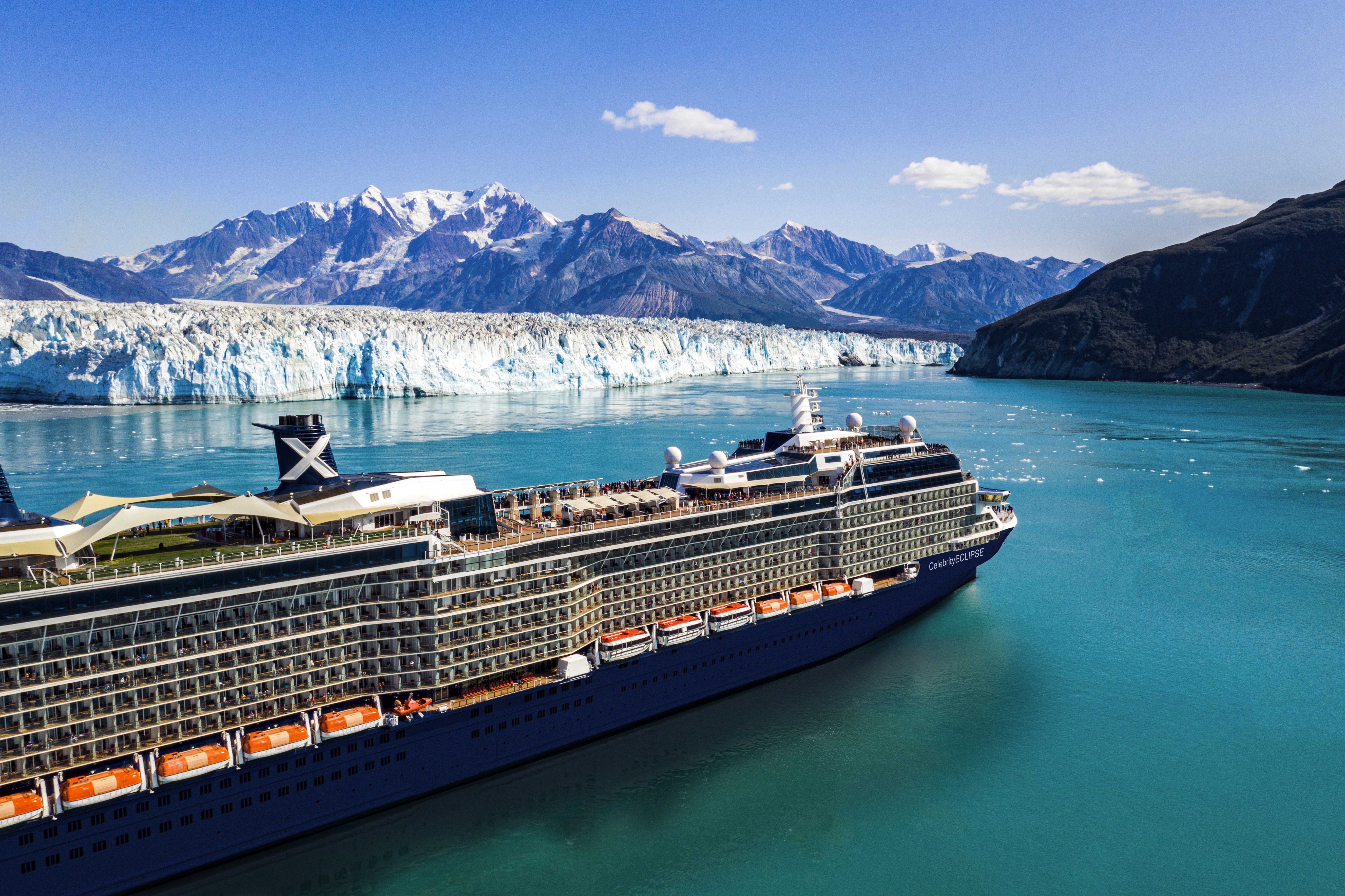
Deck Plans
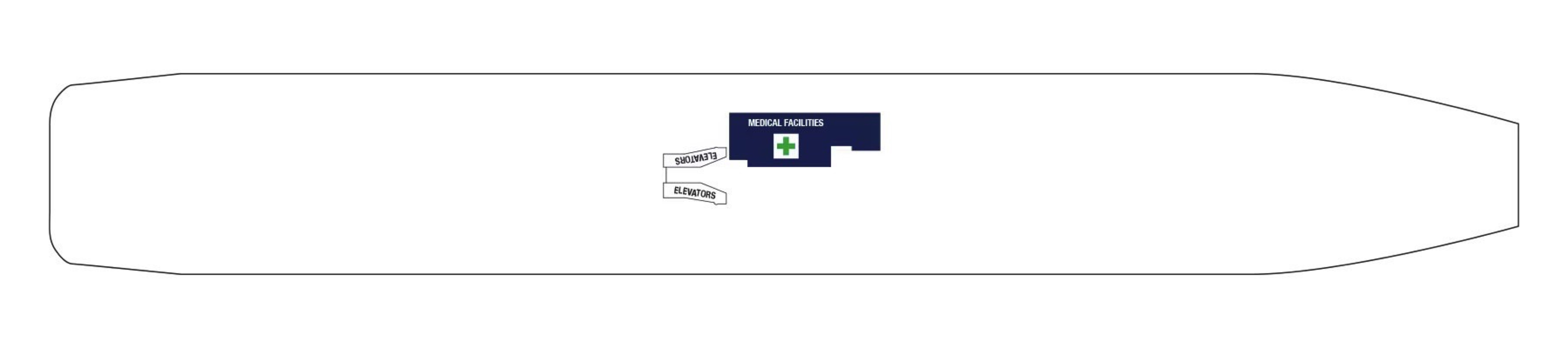
- Medical Facility – Deck 2 Located by Mid-Ship Elevators
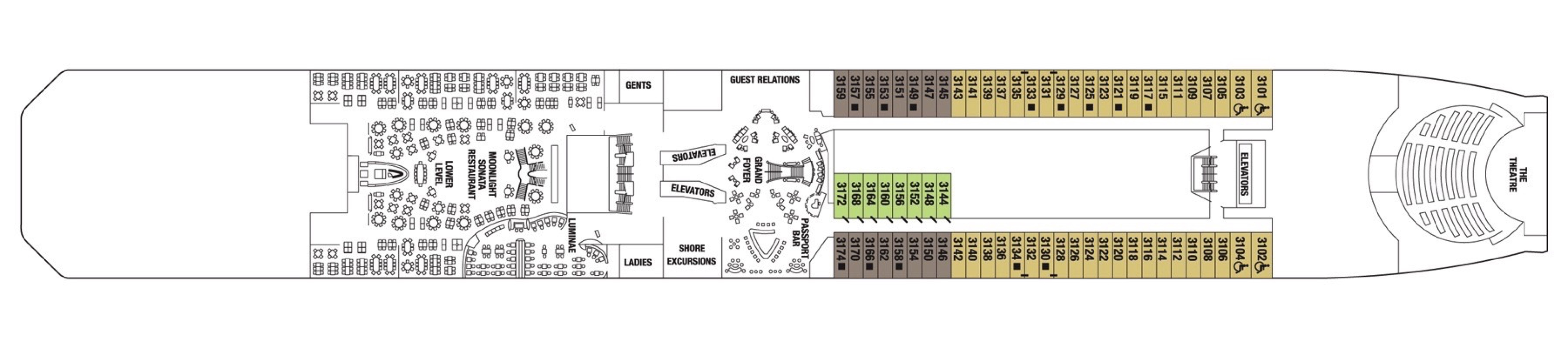
- Moonlight Sonata Restaurant
- Luminae
- Shore Excursions
- Guest Relations
- Grand Foyer
- Passport Bar
- The Theatre
- Inside Staterooms
- Prime Ocean View Staterooms
- Ocean View Staterooms
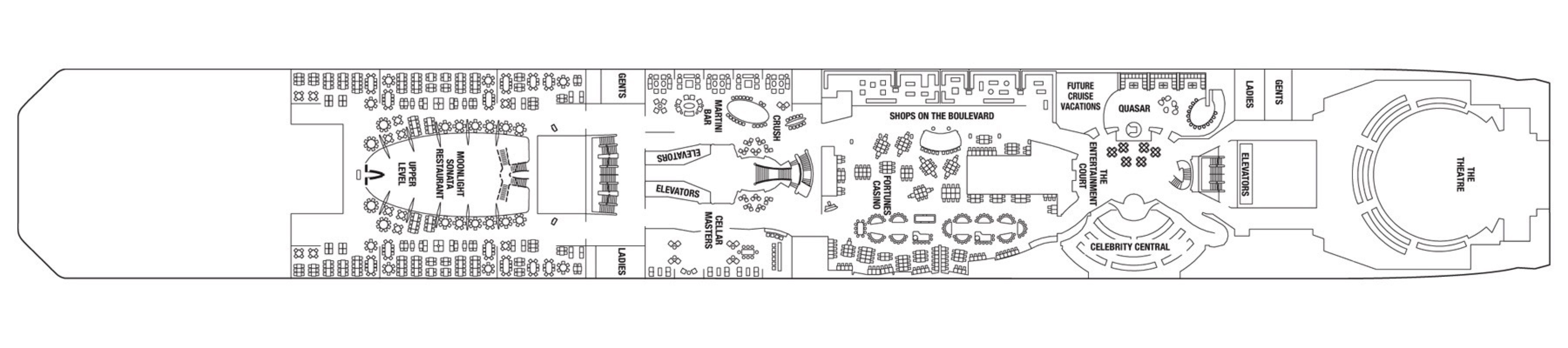
- Moonlight Sonata Restaurant
- Cellar Masters
- Martini Bar
- Crush
- Shops on the Boulevard
- Fortunes Casino
- Future Cruise Vacations
- Quasar
- The Entertainment Court
- Celebrity Central
- The Theatre
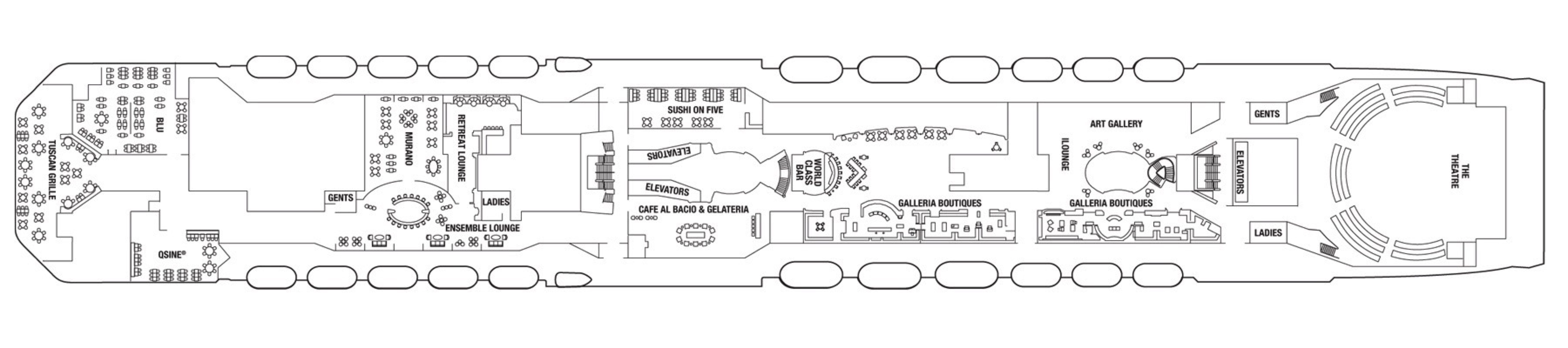
- Tuscan Grille
- Blu
- Qsine
- Murano
- The Retreat Lounge
- Ensemble Lounge
- Café Al Bacio & Gelateria
- Sushi on Five
- World Class Bar
- Galleria Boutiques
- Art Gallery
- The Theatre
- iLounge
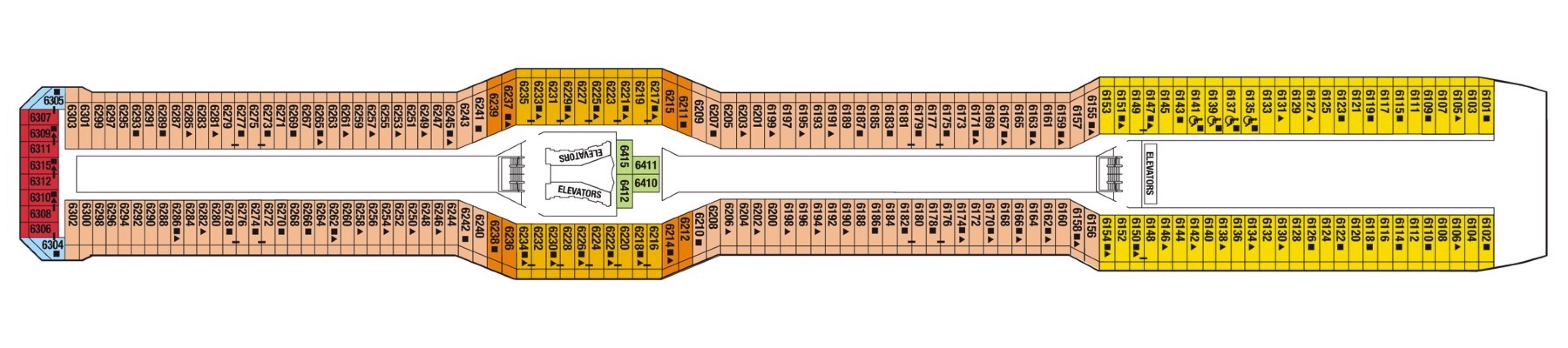
- Inside Staterooms
- Sunset Veranda Staterooms
- Prime Veranda Staterooms
- Veranda Staterooms
- Veranda Staterooms (Partial View)
- Deluxe Veranda Staterooms
- Sunset Sky Suites
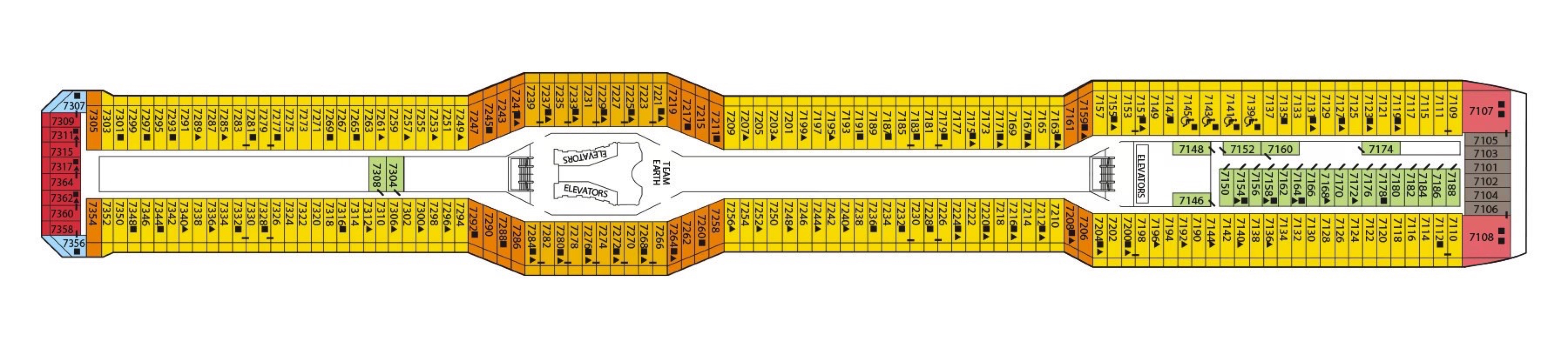
- Inside Staterooms
- Prime Ocean View Staterooms
- Sunset Veranda Staterooms
- Prime Veranda Staterooms
- Veranda Staterooms
- Deluxe Veranda Staterooms
- Ultra Deluxe Veranda Staterooms
- Sunset Sky Suites
- Horizon Suites
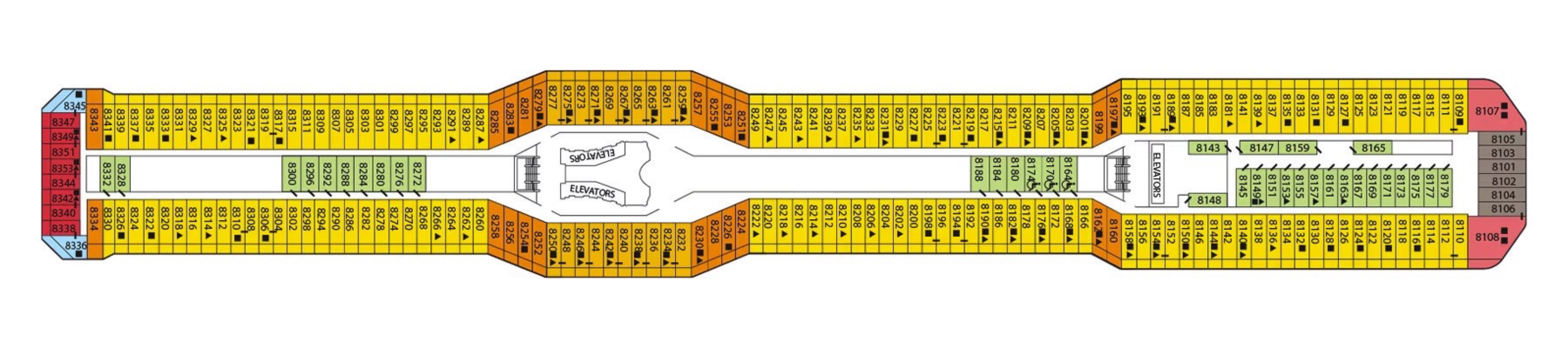
- Inside Staterooms
- Prime Ocean View Staterooms
- Sunset Veranda Staterooms
- Prime Veranda Staterooms
- Veranda Staterooms
- Deluxe Veranda Staterooms
- Ultra Deluxe Veranda Staterooms
- Sunset Sky Suites
- Horizon Suites
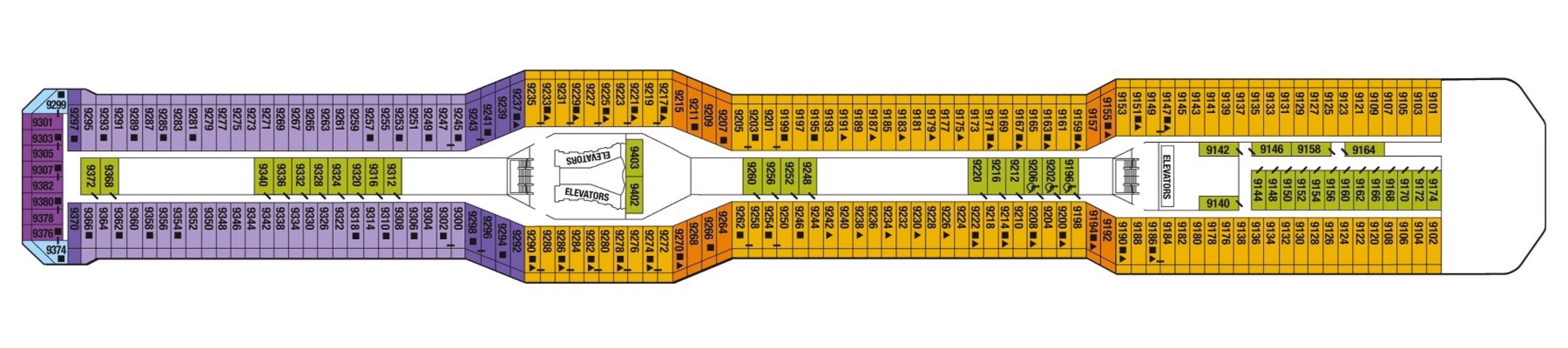
- Prime Inside Staterooms
- Prime Veranda Staterooms
- Deluxe Veranda Staterooms
- Concierge Class Staterooms
- Sunset Concierge Class Staterooms
- Prime Concierge Class Staterooms
- Sunset Sky Suites
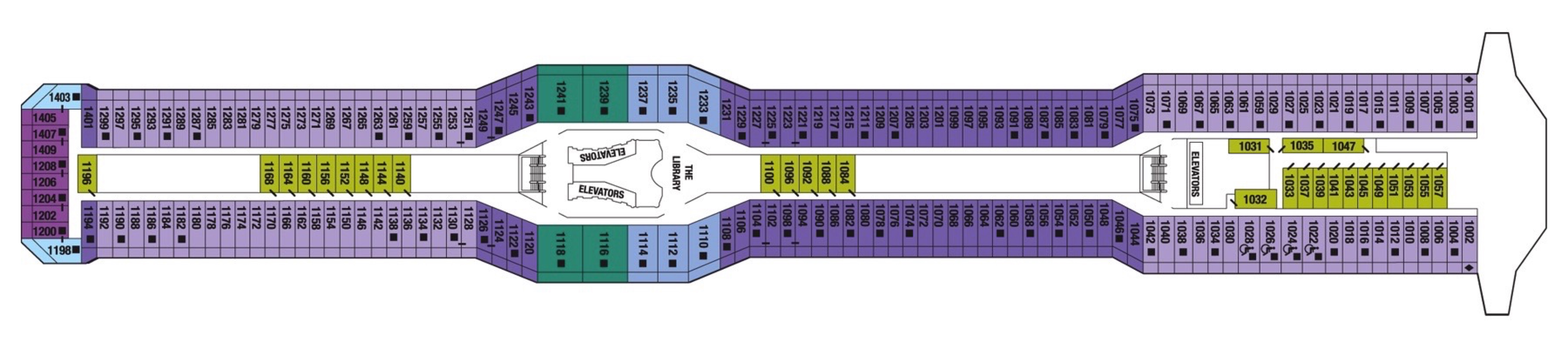
- The Library
- Prime Inside Staterooms
- Concierge Class Staterooms
- Sunset Concierge Class Staterooms
- Prime Concierge Class Staterooms
- Royal Suites
- Celebrity Suites
- Sunset Sky Suites
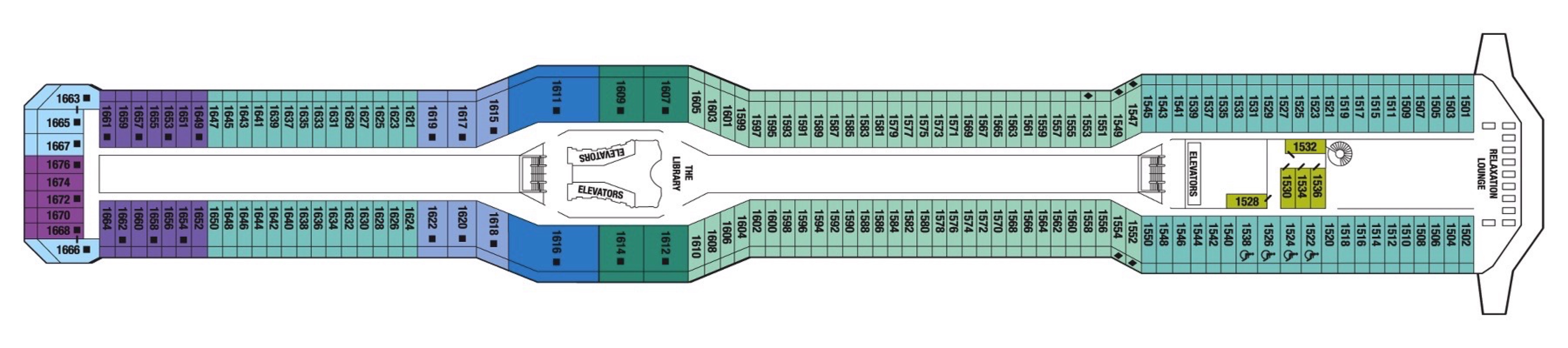
- The Library
- Relaxation Lounge
- Prime Inside Staterooms
- Sunset Concierge Class Staterooms
- Prime Concierge Class Staterooms
- AquaClass Staterooms
- Prime AquaClass Staterooms
- Penthouse Suites
- Royal Suites
- Celebrity Suites
- Sunset Sky Suites
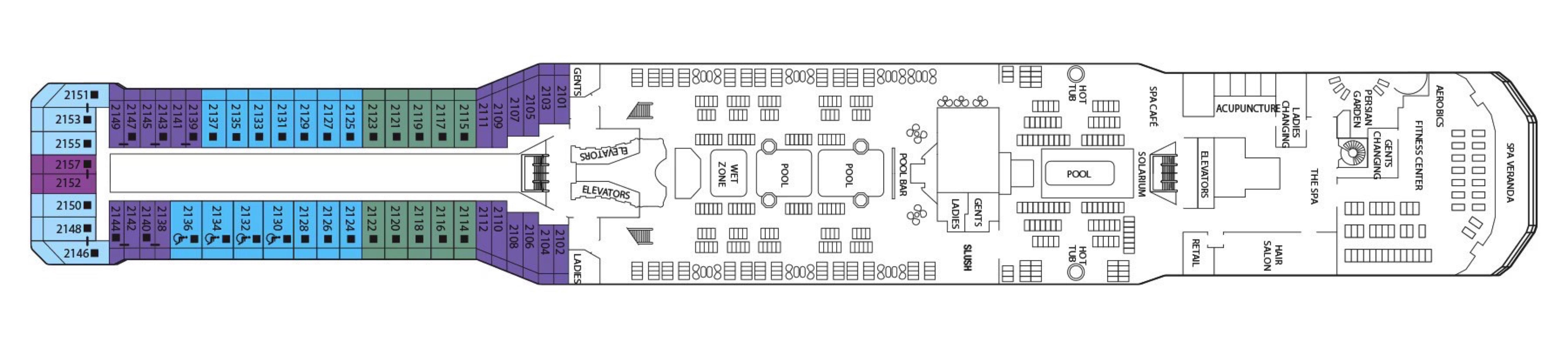
- Wet Zone
- Pools
- Pool Bar
- Slush
- Hot Tubs
- Spa Café
- Solarium
- Retail
- Acupuncture
- Hair Salon
- The Spa
- Persian Garden
- The Fitness Centre
- Aerobics
- Spa Veranda
- Sunset Concierge Class Staterooms
- Prime Concierge Class Staterooms
- Aqua Sky Suite
- Sky Suite
- Sunset Sky Suite
- Prime Inside Staterooms
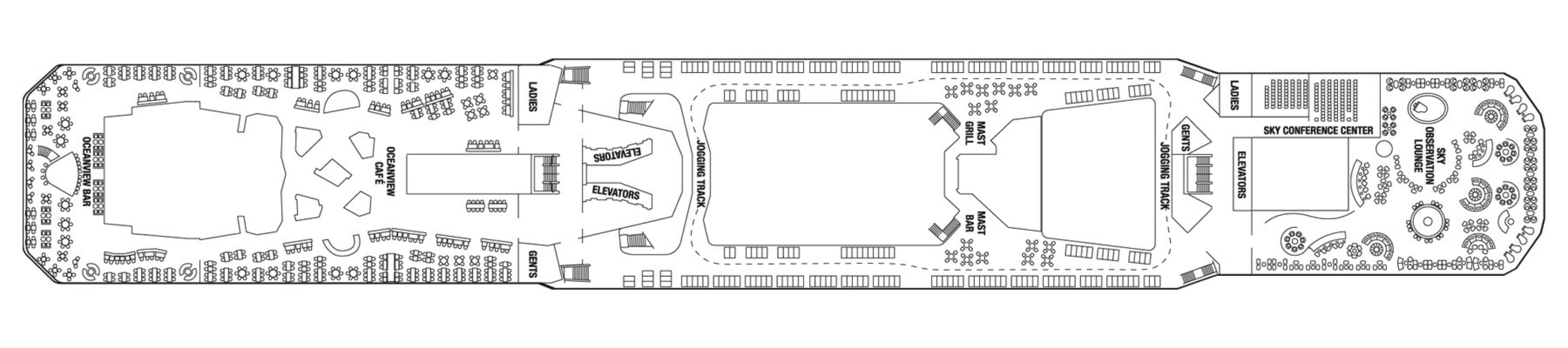
- Oceanview Bar
- Oceanview Café
- Jogging Track
- Mast Grill
- Mast Bar
- Sky Conference Centre
Sky Observation Lounge
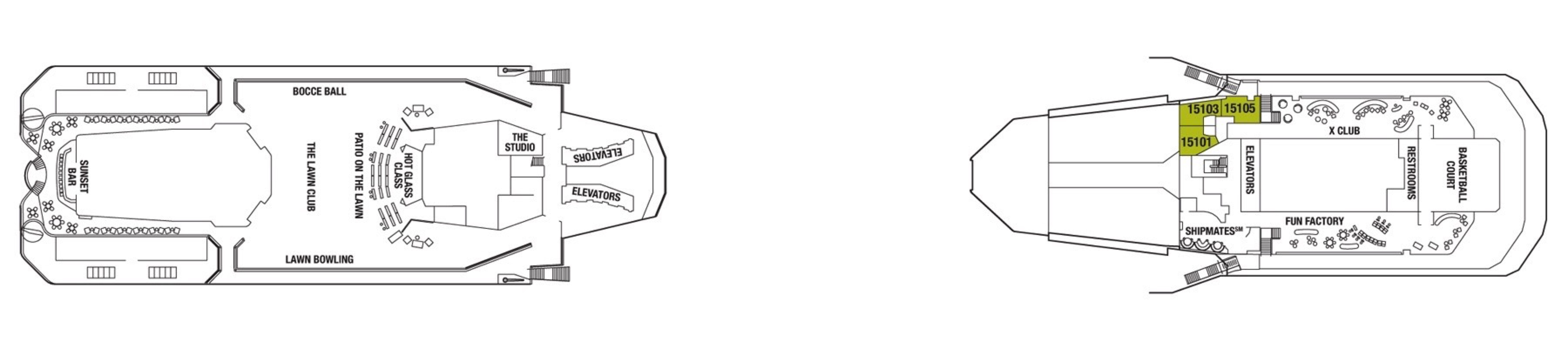
- Bocce Ball/Lawn Bowling
- Sunset Bar
- The Lawn Club
- Patio on the Lawn
- Hot Glass Class
- The Studio
- ShipMates®
- X Club
- Fun Factory
- Basketball Court
- Prime Inside Staterooms
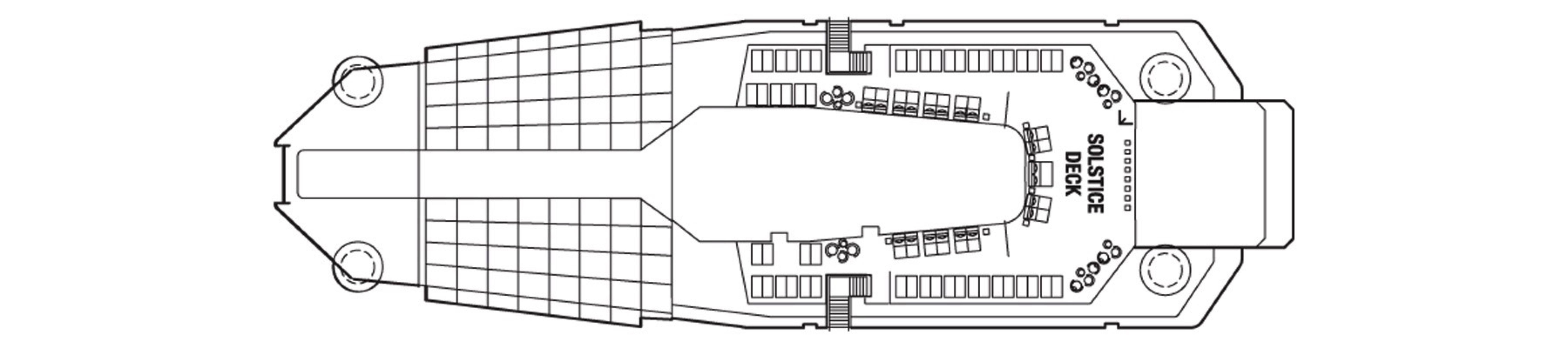
- Solstice Deck
- Medical Facility – Deck 2 Located by Mid-Ship Elevators
- Moonlight Sonata Restaurant
- Luminae
- Shore Excursions
- Guest Relations
- Grand Foyer
- Passport Bar
- The Theatre
- Inside Staterooms
- Prime Ocean View Staterooms
- Ocean View Staterooms
- Moonlight Sonata Restaurant
- Cellar Masters
- Martini Bar
- Crush
- Shops on the Boulevard
- Fortunes Casino
- Future Cruise Vacations
- Quasar
- The Entertainment Court
- Celebrity Central
- The Theatre
- Tuscan Grille
- Blu
- Qsine
- Murano
- The Retreat Lounge
- Ensemble Lounge
- Café Al Bacio & Gelateria
- Sushi on Five
- World Class Bar
- Galleria Boutiques
- Art Gallery
- The Theatre
- iLounge
- Inside Staterooms
- Sunset Veranda Staterooms
- Prime Veranda Staterooms
- Veranda Staterooms
- Veranda Staterooms (Partial View)
- Deluxe Veranda Staterooms
- Sunset Sky Suites
- Inside Staterooms
- Prime Ocean View Staterooms
- Sunset Veranda Staterooms
- Prime Veranda Staterooms
- Veranda Staterooms
- Deluxe Veranda Staterooms
- Ultra Deluxe Veranda Staterooms
- Sunset Sky Suites
- Horizon Suites
- Inside Staterooms
- Prime Ocean View Staterooms
- Sunset Veranda Staterooms
- Prime Veranda Staterooms
- Veranda Staterooms
- Deluxe Veranda Staterooms
- Ultra Deluxe Veranda Staterooms
- Sunset Sky Suites
- Horizon Suites
- Prime Inside Staterooms
- Prime Veranda Staterooms
- Deluxe Veranda Staterooms
- Concierge Class Staterooms
- Sunset Concierge Class Staterooms
- Prime Concierge Class Staterooms
- Sunset Sky Suites
- The Library
- Prime Inside Staterooms
- Concierge Class Staterooms
- Sunset Concierge Class Staterooms
- Prime Concierge Class Staterooms
- Royal Suites
- Celebrity Suites
- Sunset Sky Suites
- The Library
- Relaxation Lounge
- Prime Inside Staterooms
- Sunset Concierge Class Staterooms
- Prime Concierge Class Staterooms
- AquaClass Staterooms
- Prime AquaClass Staterooms
- Penthouse Suites
- Royal Suites
- Celebrity Suites
- Sunset Sky Suites
- Wet Zone
- Pools
- Pool Bar
- Slush
- Hot Tubs
- Spa Café
- Solarium
- Retail
- Acupuncture
- Hair Salon
- The Spa
- Persian Garden
- The Fitness Centre
- Aerobics
- Spa Veranda
- Sunset Concierge Class Staterooms
- Prime Concierge Class Staterooms
- Aqua Sky Suite
- Sky Suite
- Sunset Sky Suite
- Prime Inside Staterooms
- Oceanview Bar
- Oceanview Café
- Jogging Track
- Mast Grill
- Mast Bar
- Sky Conference Centre
Sky Observation Lounge
- Bocce Ball/Lawn Bowling
- Sunset Bar
- The Lawn Club
- Patio on the Lawn
- Hot Glass Class
- The Studio
- ShipMates®
- X Club
- Fun Factory
- Basketball Court
- Prime Inside Staterooms
- Solstice Deck