Featured Cabins
Itinerary
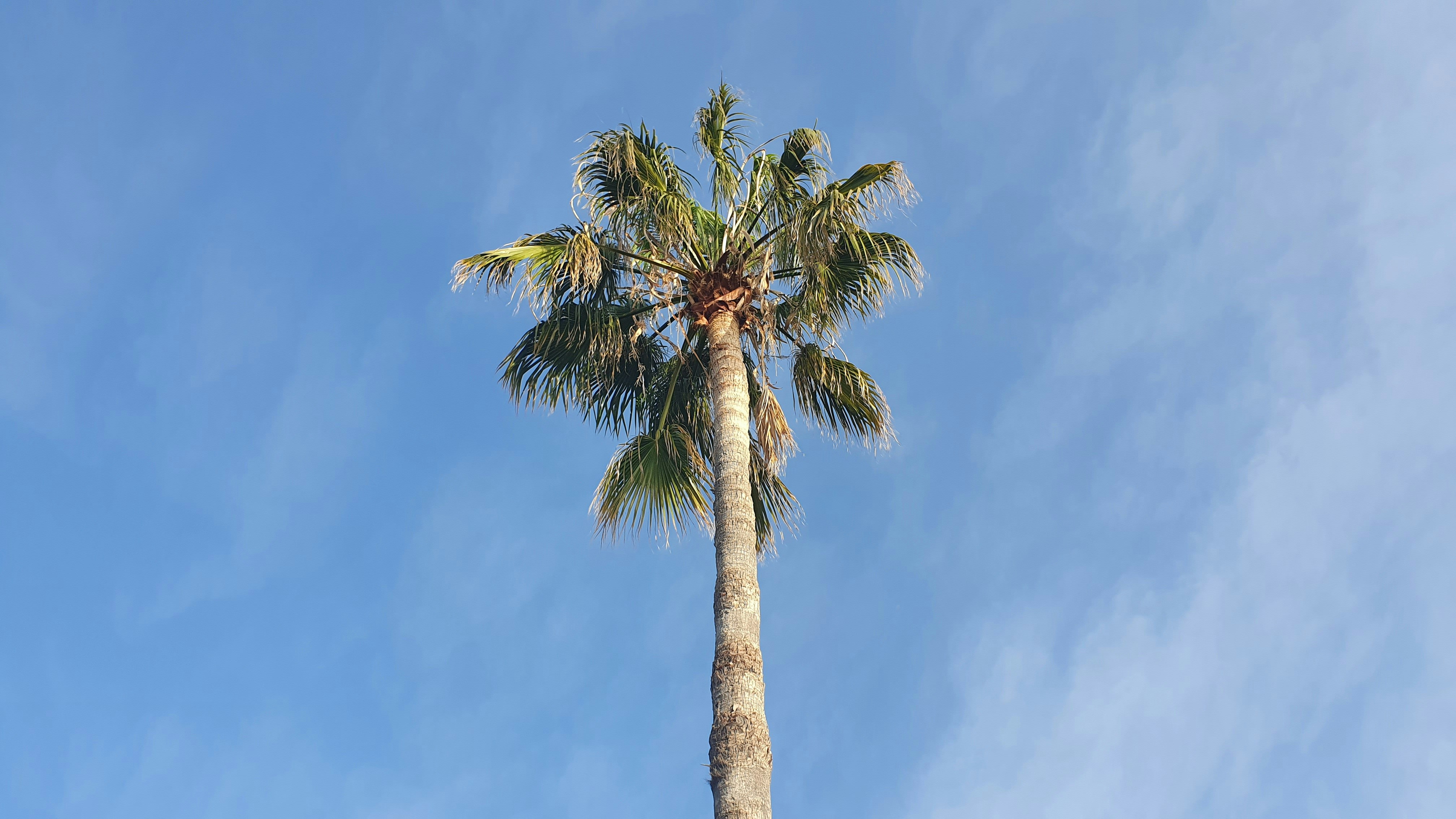
Sokhna, Egypt
Welcome to Egypt and Ain Sokhna, where you’ll step aboard your Emerald Cruises luxury yacht ready to set sail on an unforgettable cruise of the Red Sea. Ain Sokhna presents a charming coastal town in a naturally beautiful setting, popular for its soft, yellow sand beaches, clear blue waters and stunning Red Sea views.
Please book your flight to arrive into Cairo prior to 02:00 PM.
Docked: 21:00
Sharm El Sheikh, Egypt
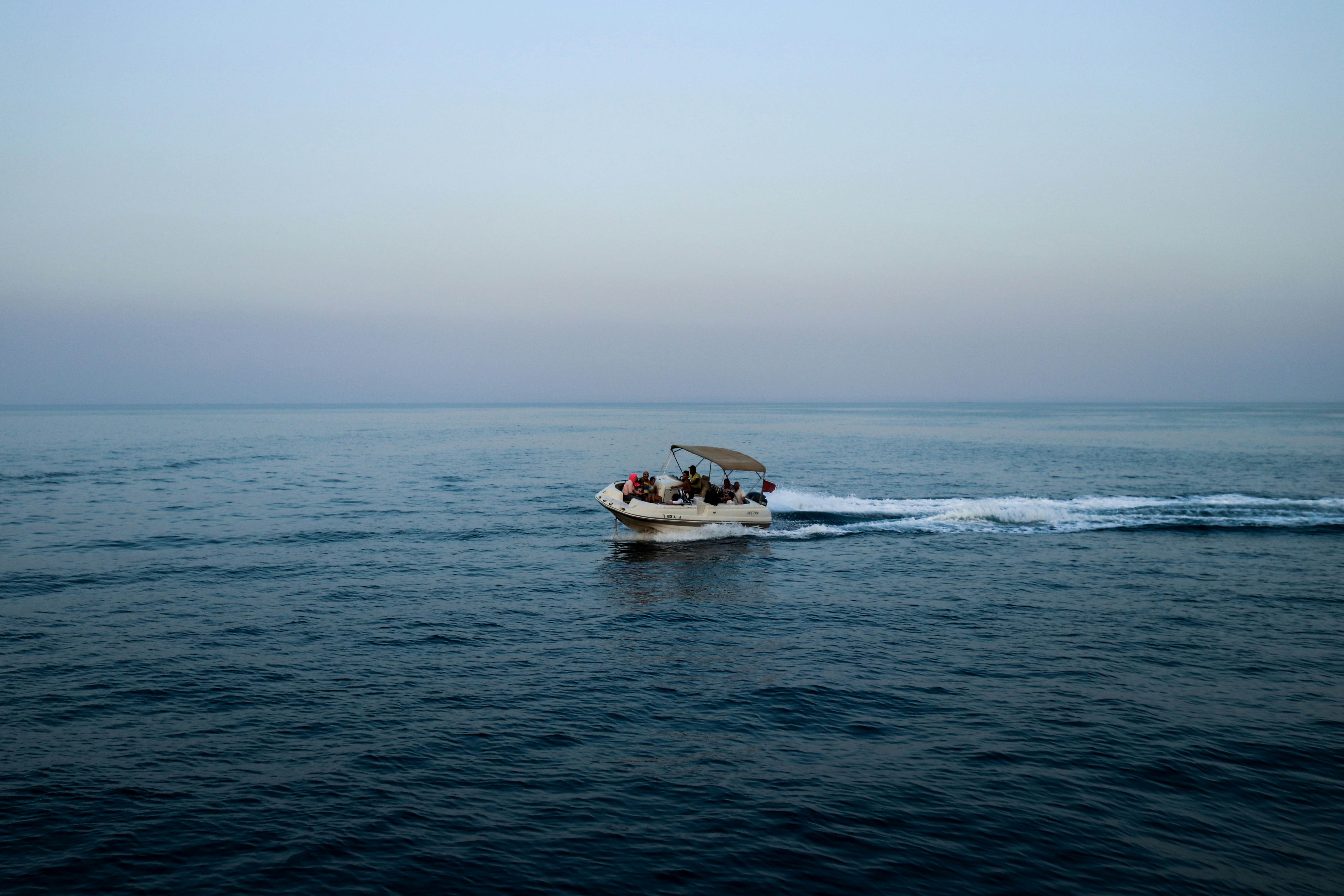
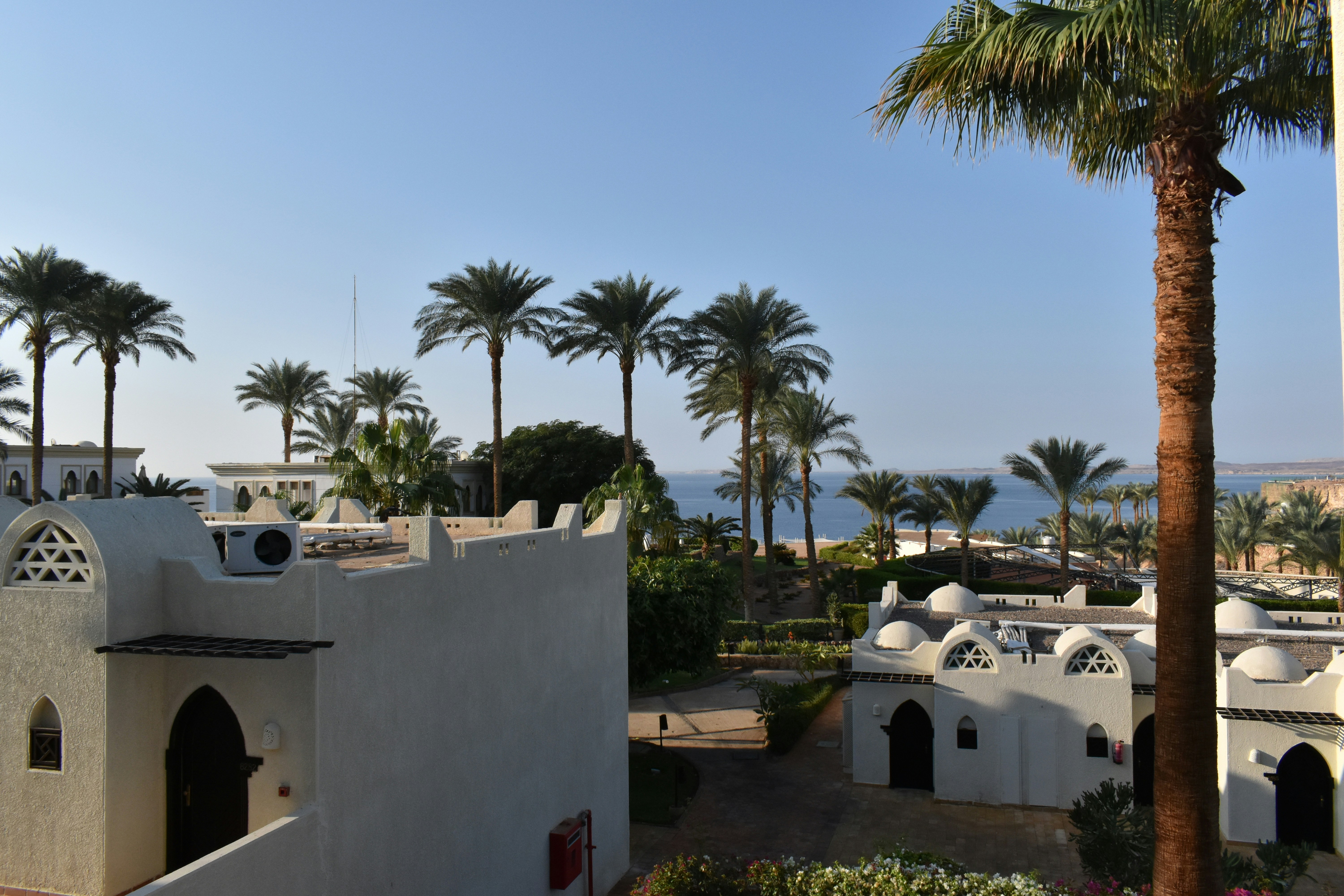
The port and town of Sharm-el-Sheikh lies near the southernmost tip of the Sinai Peninsula where the Straits of Tiran meet the Gulf of Aqaba. With its strategic position, the Sinai posed a desirable target for various rulers over the centuries. In recent times, the last battle for the Sinai was fought between Egypt and Israel from 1967 to 1979, ending with a peace treaty signed in Washington, D.C. Since the withdrawal of the Israelis, more and more Egyptians have settled in the Sinai, taking advantage of the booming tourist trade. However, vast interior regions are still sparsely populated. Many Bedouins have been affected by the advent of the 21st century, which is rapidly changing their age-old customs and nomadic lifestyle. As tourism and hotel projects continue to spring up along the Sinai coast, contact with Bedouins not involved in tourism is becoming increasingly rare. Once their nomadic life kept them on the move with their tents; today many Bedouins cultivate grain, vegetables and dates in addition to catering to the tourists. Sharm-el-Sheikh was initially developed by the Israelis during the Sinai occupation. Na’ama Bay, a short drive from the port, has grown from virtually nothing into a sizeable resort since the early 1980s. Between the two towns, a string of hotels line a once-untouched coastline. Resort hotels offer great opportunities for swimming, snorkelling and scuba diving. Glass bottom boat trips are available for those preferring to view the exotic marine life of the Red Sea without getting their feet wet.
'Aqaba, Jordan
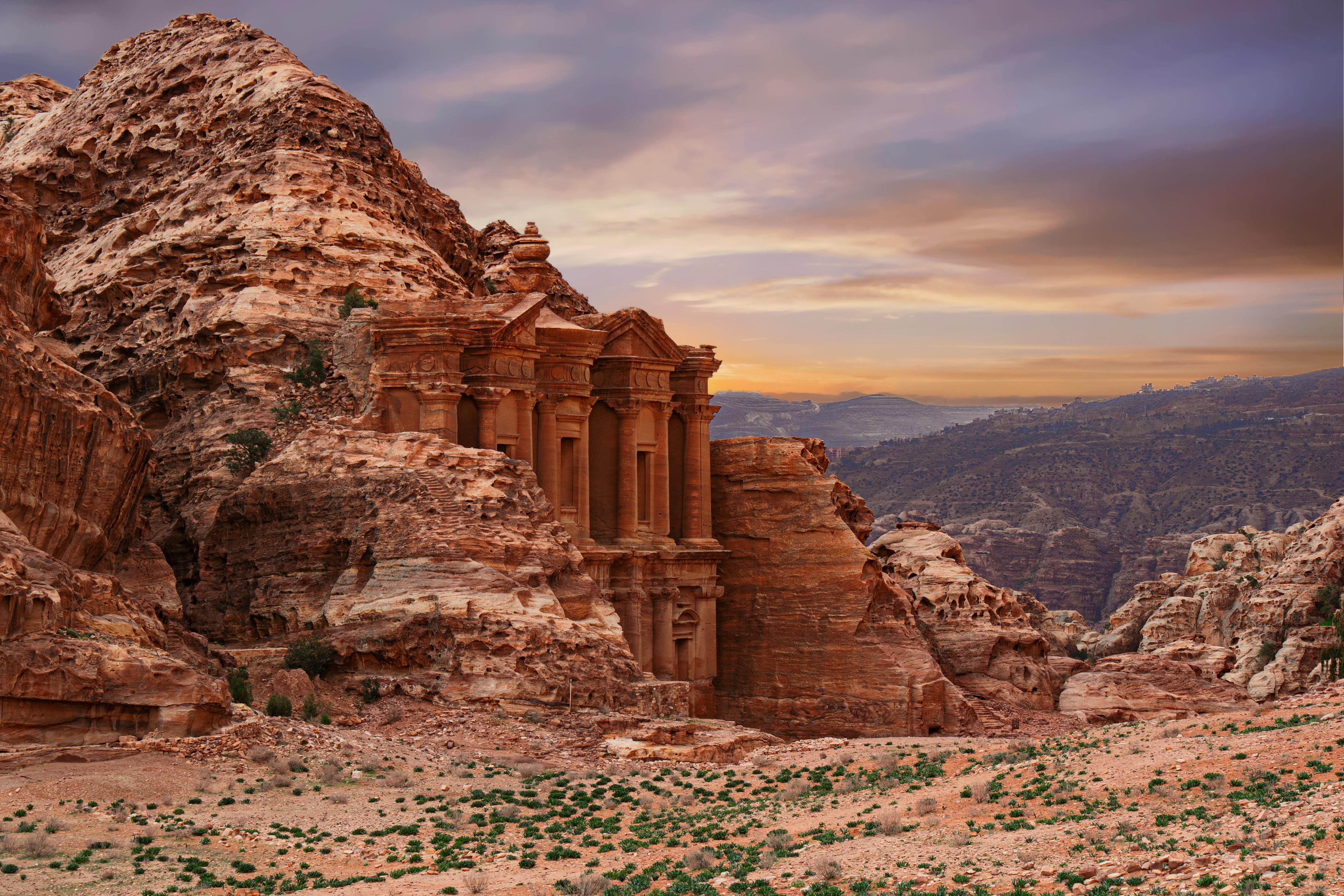
The resort town of Aqaba, on the Red Sea at the southern end of Jordan, is a popular spot for divers with some of the best coral reefs in the world. Snorkeling and other water sports are popular, and it’s easy to hire a boat for a day or half-day, including lunch.Aqaba has become quite a bustling destination, with several large luxury hotels and a large shopping area. There are many jewelry stores selling pearls, gem stones, and gold and silver jewelry. It’s worth noting that although it’s an international beach resort, Aqaba is quite conservative—certainly much more so than Amman—and North Americans tend to be more comfortable at the private hotel beaches.
'Aqaba, Jordan
The resort town of Aqaba, on the Red Sea at the southern end of Jordan, is a popular spot for divers with some of the best coral reefs in the world. Snorkeling and other water sports are popular, and it’s easy to hire a boat for a day or half-day, including lunch.Aqaba has become quite a bustling destination, with several large luxury hotels and a large shopping area. There are many jewelry stores selling pearls, gem stones, and gold and silver jewelry. It’s worth noting that although it’s an international beach resort, Aqaba is quite conservative—certainly much more so than Amman—and North Americans tend to be more comfortable at the private hotel beaches.
Hurghada, Egypt
Renowned for its stunning natural beauty, Hurghada offers a wide range of water sports and recreational activities. Its rich history and distinctive culture make this Egyptian beach resort town a remarkable destination along the Red Sea.
Included Excursion
Soma Bay Beach Break
Escape to the beautiful shores of Soma Bay, a stunning peninsula along Egypt’s Red Sea Riviera renowned for its crystal-clear waters, golden sandy beaches, and year-round sunshine. This relaxing beach break offers the perfect opportunity to unwind and enjoy a carefree day by the sea. After a scenic drive from Hurghada, arrive at the exclusive resort where sun beds, umbrellas, and towels will be provided for your comfort. Spend the day exactly as you wish — relax on the private sandy beach, take a refreshing swim in the warm Red Sea, or simply soak up the peaceful atmosphere while enjoying spectacular coastal views. For those seeking a little more adventure, optional water sports are available directly through the resort’s water sports centre for an additional charge. Shuttle transfers back to the ship operate approximately every two hours, allowing flexibility throughout the day.
Activity Level: Easy, Duration: 8 hours 30 minutes
Docked: 12:00 – 20:00
Safaga, Egypt
Port Safago has been undergoing a transformation, slowly metamorphosing into a holiday rsort. Like other cities on the Red Sea, the commercial port town sits close to great offshore dive sites. Unlike others, however, tourist development hasn’t taken off in a meaningful way. But if the mass tourism in Hurghada is a turnoff, Safaga offers a small-scale and much more low-key alternative, though the best dive sites can still be seen on a day trip from Hurghada. Safaga is also the closest beach resort to Luxor and the Valley of the Kings, which lies 200 km (124 mi) to the southwest; when cruise ships offer land excursions to Luxor, they often do so through Safaga.
Suez Canal Transit
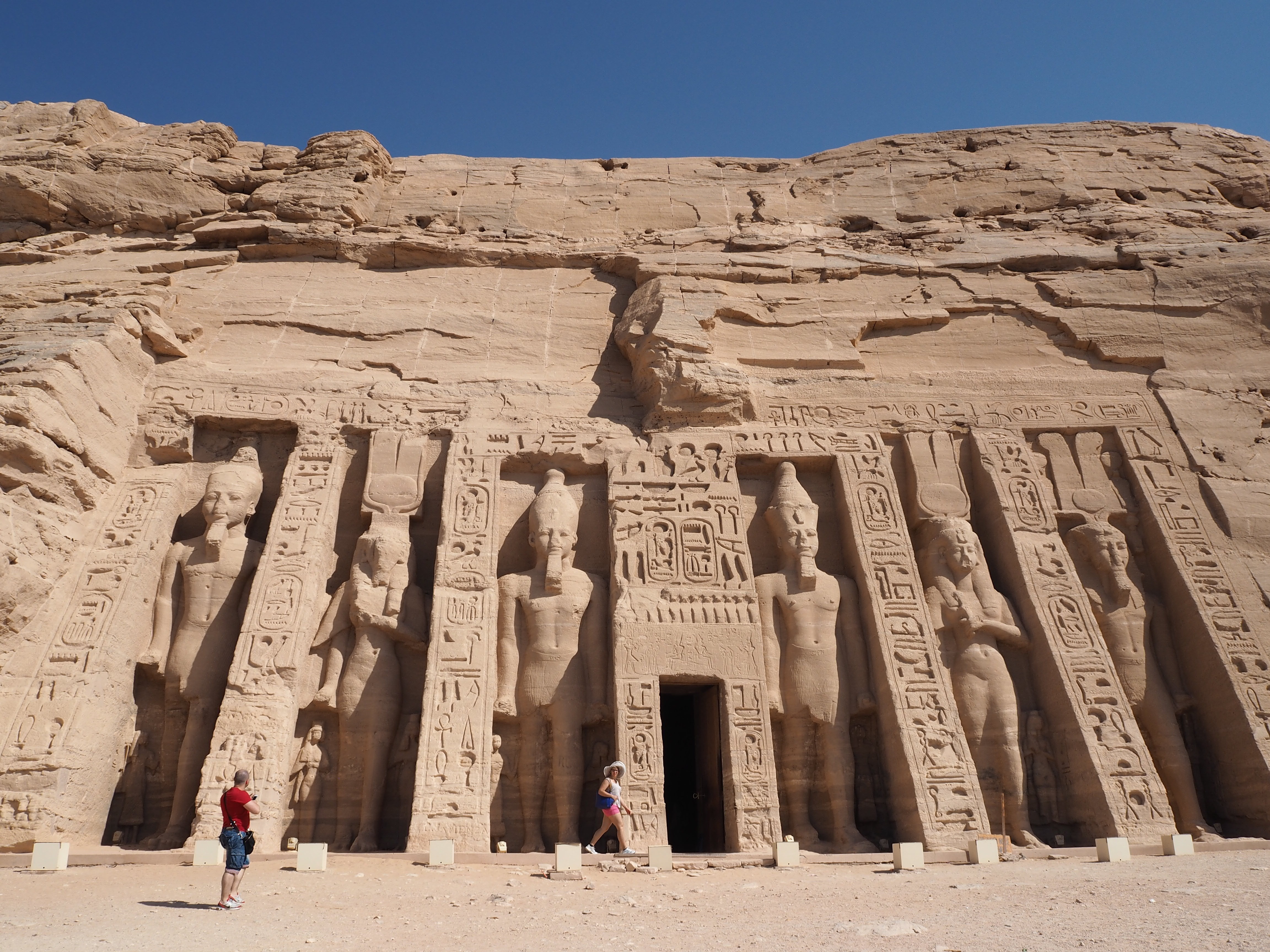
Today we cross the Suez Canal before reaching Egypt’s Ain Sokhna. The Suez Canal, built by Ferdinand de Lesseps and completed in 1869, carves through 162km of desert, linking the Mediterranean to the Red Sea.
Paphos, Cyprus
The ancient seaport of Paphos is the birthplace of Aphrodite and the entire town is a UNESCO World Heritage site. One of the city’s iconic landmarks is the Paphos Archaeological Park, home to a remarkable collection of Greco-Roman ruins. Here, you can explore the ancient Odeon amphitheatre, the Tombs of the Kings, and the stunning mosaic floors of four Roman villas.
Included Excursion
Paphos Monuments Tour
Discover the extraordinary history and archaeological treasures of Pafos, a UNESCO World Heritage Site renowned for its ancient monuments, remarkable mosaics, and enduring legends. Travel to Pafos, once the ancient capital of Cyprus, where centuries of history have earned the city international recognition for its exceptional archaeological heritage. Begin with a visit to the impressive Tombs of the Kings, a vast necropolis of monumental rock-cut tombs dating from the Hellenistic period. Although no kings were buried here, the grandeur of these tombs gave the site its famous name. Continue to the Chrysopolitissa Archaeological Site, built over the remains of the island’s largest Early Christian basilica. Here you will see St. Paul’s Pillar, traditionally believed to be the place where the Apostle Paul was flogged before converting the Roman governor Sergius Paulus to Christianity. Complete your journey at the Pafos Archaeological Park, home to some of the finest Roman mosaics in the eastern Mediterranean. Explore the beautifully preserved Houses of Dionysos, Aion, and Theseus, where intricate mosaic floors vividly depict scenes from Greek mythology and everyday life.
Activity level: Moderate, Duration: 3 hours 30 minutes
Anchored: 08:00 – 20:00
Larnaca, Cyprus
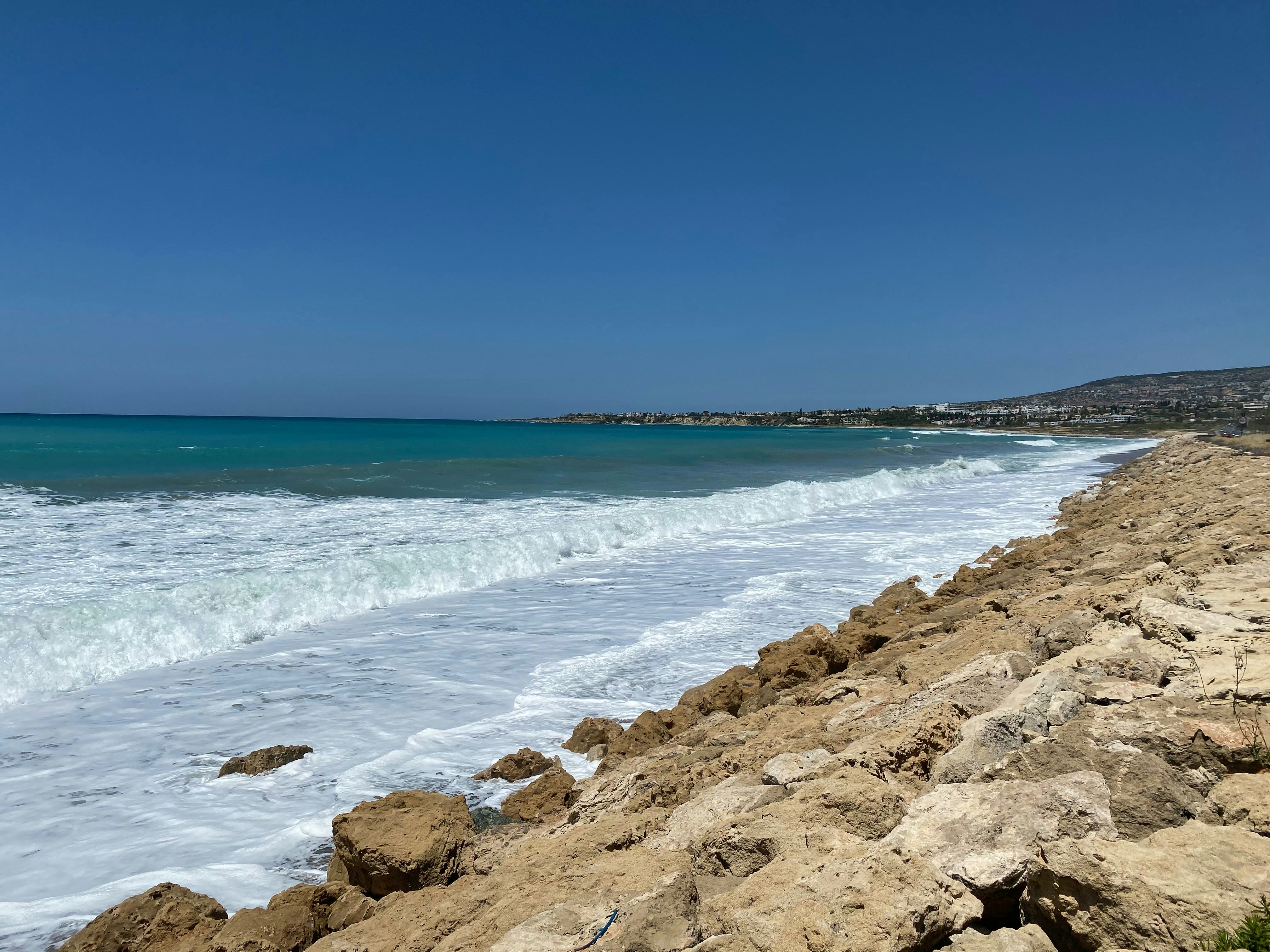
After breakfast, head out to explore this coastal city in Cyprus, known for its beautiful beaches and ancient ruins. In the afternoon, we’ll welcome you back on board your Emerald Cruises luxury yacht for the second half of your journey.
Docked: 08:00 – 21:00
Paphos, Cyprus
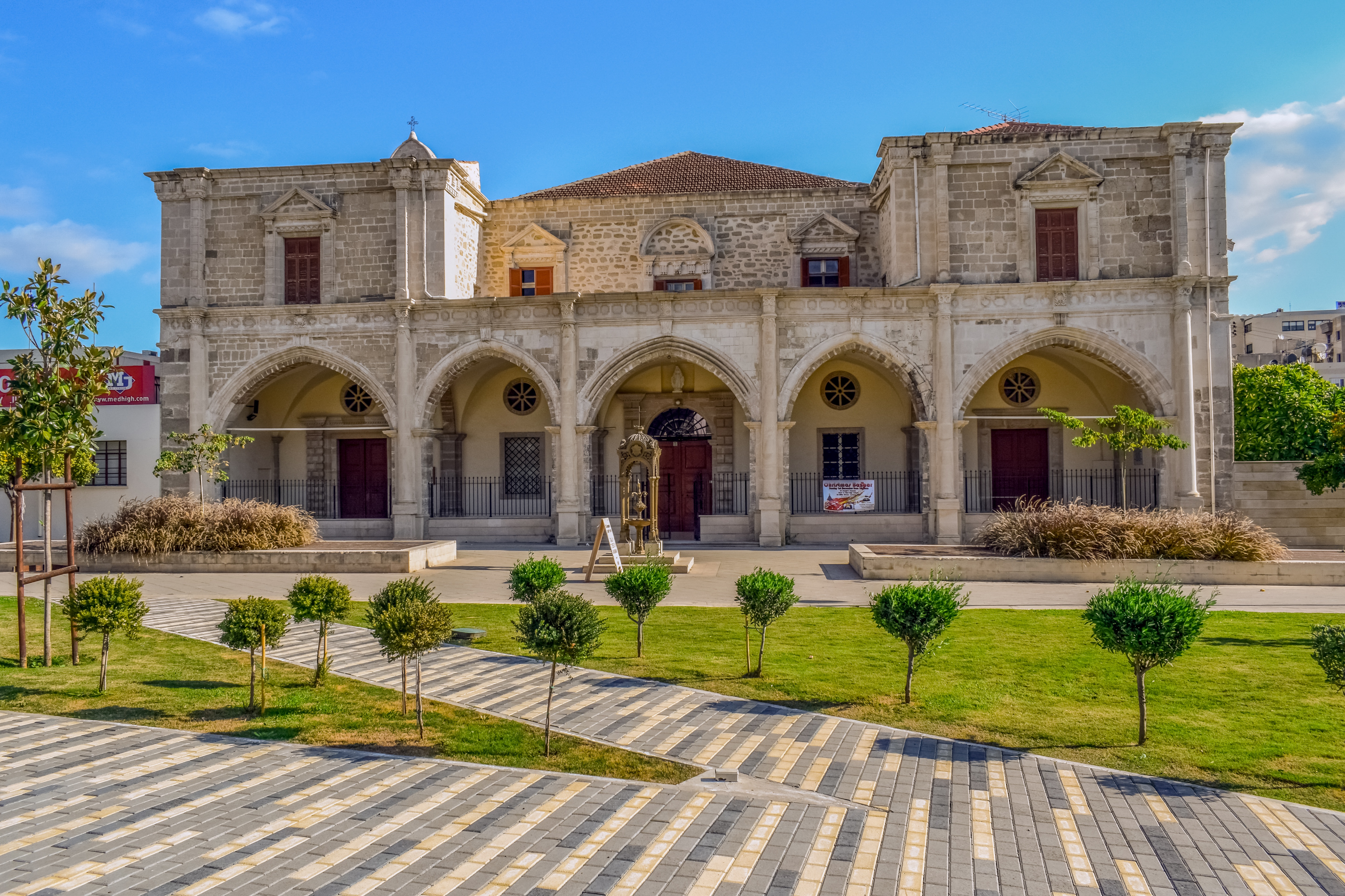
The ancient seaport of Paphos, mythically celebrated as the birthplace of Aphrodite, is home to one of the island’s most important archaeological areas. Much of the city’s heritage, including the renowned Paphos Archaeological Park and nearby Tombs of the Kings, is inscribed as a UNESCO World Heritage Site. Explore the well-preserved Greco-Roman ruins, from the ancient Odeon amphitheatre to the intricate mosaic floors of four Roman villas depicting scenes from Greek mythology.
DiscoverMORE
Paphos Monuments Tour (extra expense, must be pre-booked)
Discover the extraordinary history and archaeological treasures of Pafos, a UNESCO World Heritage Site renowned for its ancient monuments, remarkable mosaics, and enduring legends. Travel to Pafos, once the ancient capital of Cyprus, where centuries of history have earned the city international recognition for its exceptional archaeological heritage. Begin with a visit to the impressive Tombs of the Kings, a vast necropolis of monumental rock-cut tombs dating from the Hellenistic period. Although no kings were buried here, the grandeur of these tombs gave the site its famous name. Continue to the Chrysopolitissa Archaeological Site, built over the remains of the island’s largest Early Christian basilica. Here you will see St. Paul’s Pillar, traditionally believed to be the place where the Apostle Paul was flogged before converting the Roman governor Sergius Paulus to Christianity. Complete your journey at the Pafos Archaeological Park, home to some of the finest Roman mosaics in the eastern Mediterranean. Explore the beautifully preserved Houses of Dionysos, Aion, and Theseus, where intricate mosaic floors vividly depict scenes from Greek mythology and everyday life.
Activity Level: Moderate, Duration: 3 hours 30 minutes
Anchored: 08:00–14:00
Antalya, Turkey
As the largest Turkish city on the western Mediterranean coast, Antalya is a mix of antiquity and modernity. It is popular with tourist all year round for its warm climate and sandy white beaches.
Rhodes, Greece
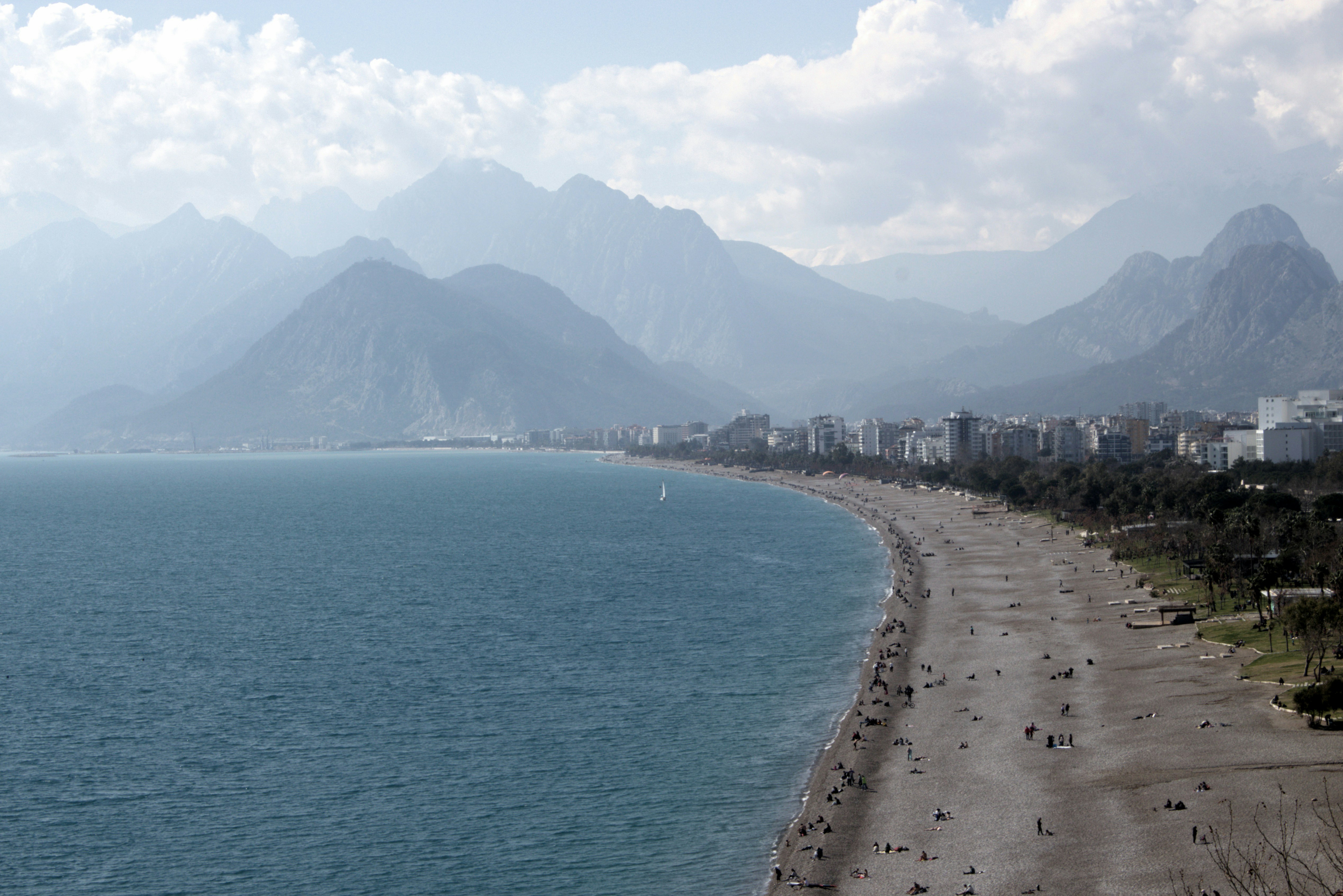
Early travelers described Rhodes as a town of two parts: a castle or high town (Collachium) and a lower city. Today Rhodes town—sometimes referred to as Ródos town—is still a city of two parts: the Old Town, a UNESCO World Heritage site that incorporates the high town and lower city, and the modern metropolis, or New Town, spreading away from the walls that encircle the Old Town. The narrow streets of the Old Town are for the most part closed to cars and are lined with Orthodox and Catholic churches, Turkish houses (some of which follow the ancient orthogonal plan), and medieval public buildings with exterior staircases and facades elegantly constructed of well-cut limestone from Lindos. Careful reconstruction in recent years has enhanced the harmonious effect.
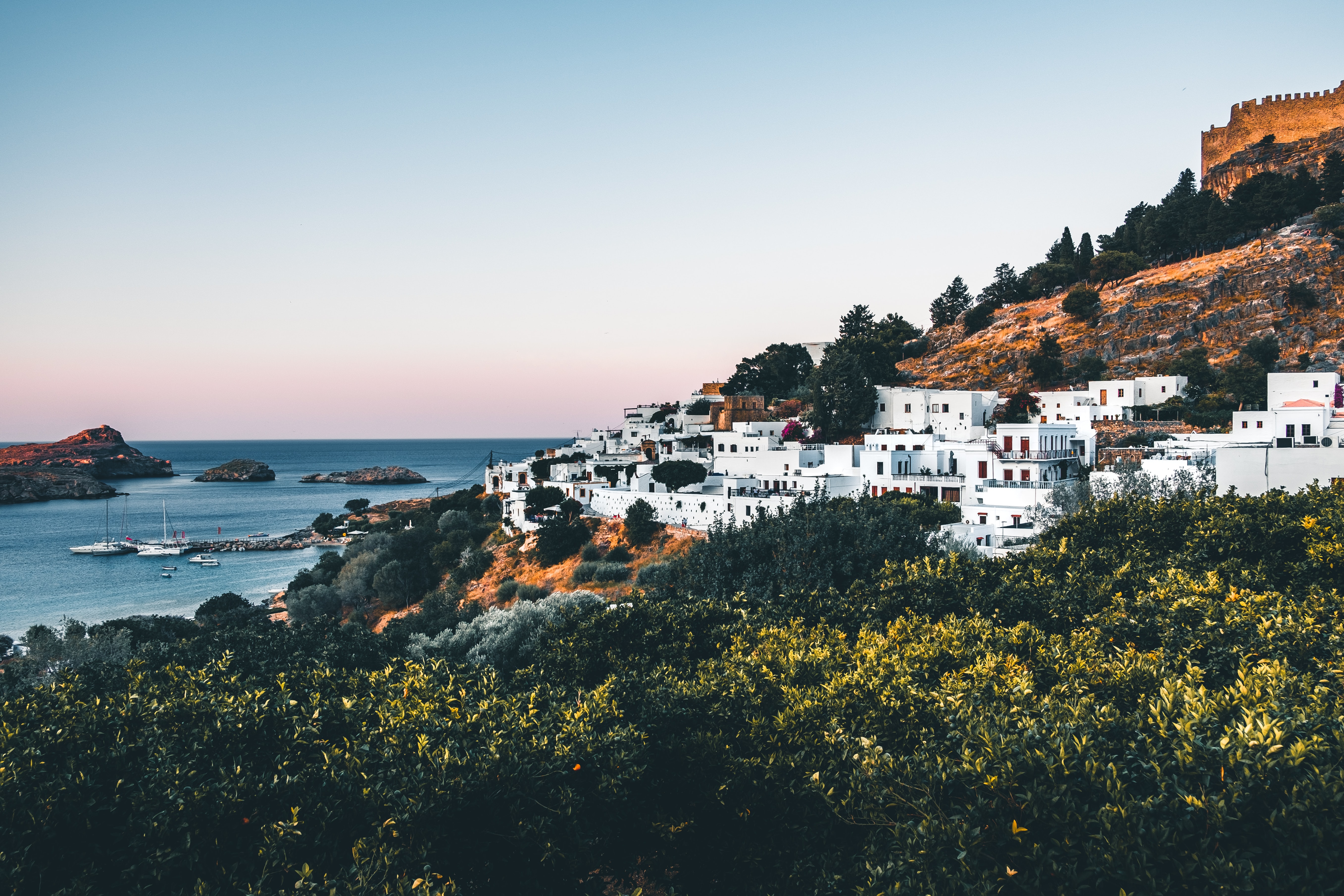
Agios Nikólaos, Kríti, Greece
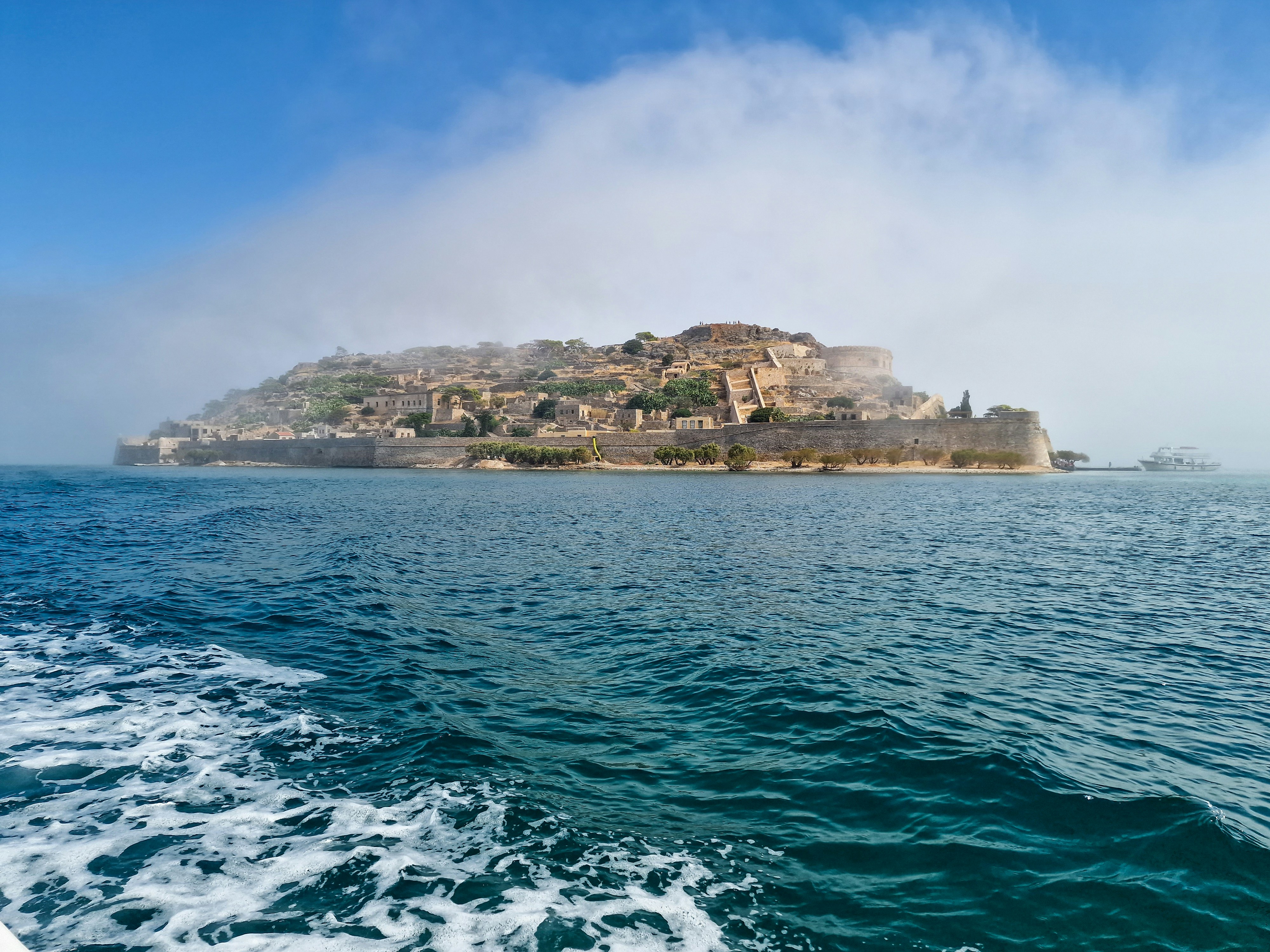
This cosmopolitan coastal town on Crete’s scenic northern shore is famed for its relaxed charm and natural beauty. At its centre lies Lake Voulismeni, whose steep cliffs and mythic legends have long fascinated visitors. Spend the day exploring nearby archaeological treasures such as the ancient city of Lato (4th century BC), relaxing on golden-sand beaches, or browsing waterfront boutiques.
DiscoverMORE
Mirabello Bay’s Kolokythia Hike (extra expense)
Experience the natural beauty of Crete on a scenic coastal hike from Elounda to the unspoilt shores opposite Kolokytha Island, where crystal-clear waters and spectacular views await. Set off on a guided walk along scenic coastal trails towards Kolokytha, a small island lying just off the Spinalonga Peninsula. The route passes rugged landscapes, ancient olive groves, and beautiful Mediterranean vegetation before reaching the idyllic Saint Luke Beach, renowned for its white sand and turquoise waters. Pause to relax, admire panoramic views towards the historic island of Spinalonga—once Europe’s last leper colony, which closed in 1957—and, weather permitting, enjoy time for a refreshing swim in the clear waters before retracing your steps to Elounda.
Activity Level: Active, Duration: 3 hours 30 minutes
EmeraldPLUS
An Evening of Greek Tradition
Celebrate the vibrant spirit of Greece with an exclusive EmeraldPLUS cultural performance presented on board before dinner. Enjoy an authentic one-hour performance featuring two talented musicians and four professional dancers dressed in traditional Greek costumes. Through lively music, energetic dances, and colourful costumes, this captivating show showcases the rich cultural heritage and enduring traditions of Greece in a warm and entertaining atmosphere.
Event duration: 1 hour
Anchored: 13:00–21:00
Santorini, Greece
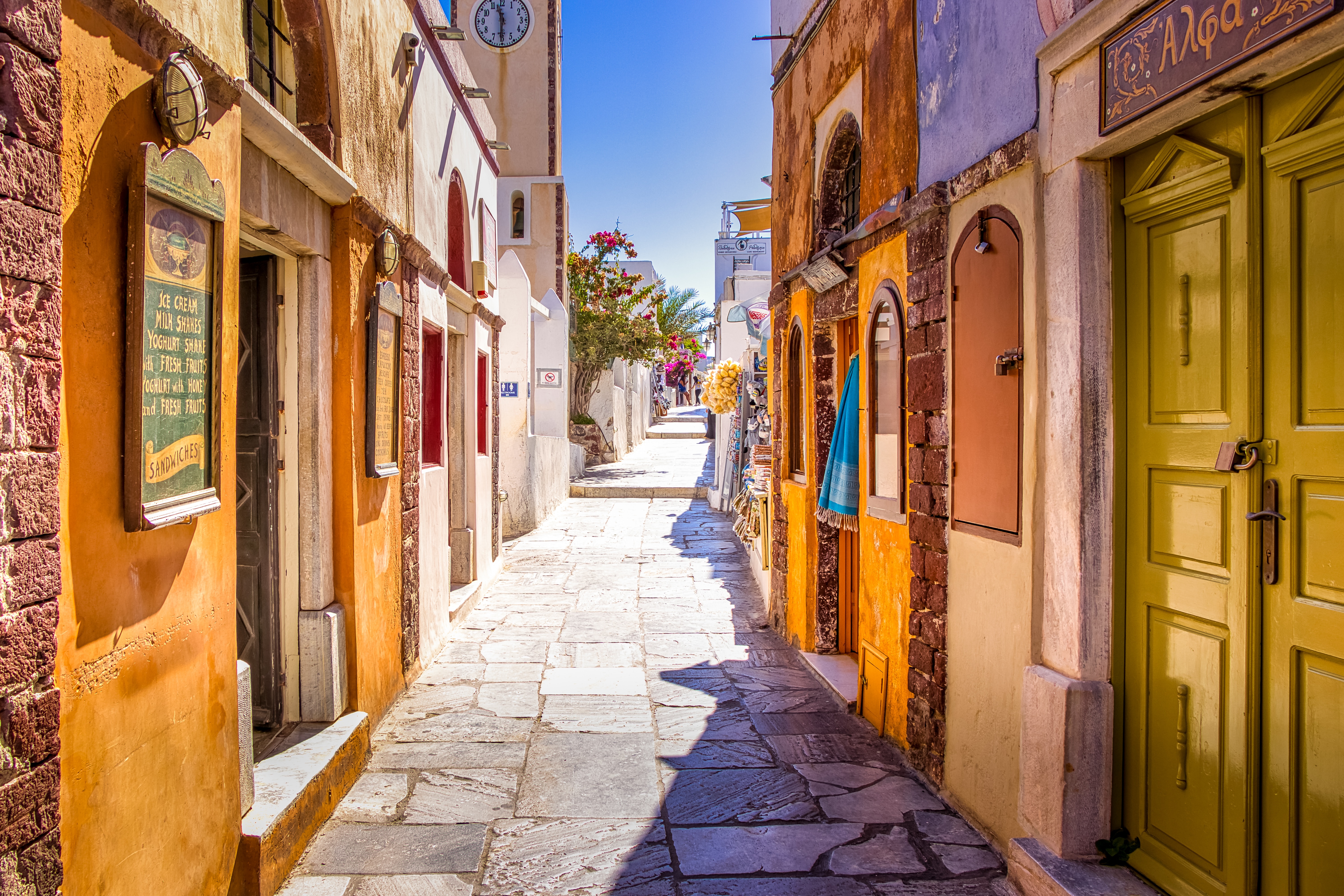
Undoubtedly the most extraordinary island in the Aegean, crescent-shape Santorini remains a mandatory stop on the Cycladic tourist route—even if it’s necessary to enjoy the sensational sunsets from Ia, the fascinating excavations, and the dazzling white towns with a million other travelers. Called Kállisti (the “Loveliest”) when first settled, the island has now reverted to its subsequent name of Thira, after the 9th-century-BC Dorian colonizer Thiras. The place is better known, however, these days as Santorini, a name derived from its patroness, St. Irene of Thessaloniki, the Byzantine empress who restored icons to Orthodoxy and died in 802. You can fly conveniently to Santorini, but to enjoy a true Santorini rite of passage, opt instead for the boat trip here, which provides a spectacular introduction. After the boat sails between Sikinos and Ios, your deck-side perch approaches two close islands with a passage between them. The bigger one on the left is Santorini, and the smaller on the right is Thirassia. Passing between them, you see the village of Ia adorning Santorini’s northernmost cliff like a white geometric beehive. You are in the caldera (volcanic crater), one of the world’s truly breathtaking sights: a demilune of cliffs rising 1,100 feet, with the white clusters of the towns of Fira and Ia perched along the top. The bay, once the high center of the island, is 1,300 feet in some places, so deep that when boats dock in Santorini’s shabby little port of Athinios, they do not drop anchor. The encircling cliffs are the ancient rim of a still-active volcano, and you are sailing east across its flooded caldera. On your right are the Burnt isles, the White isle, and other volcanic remnants, all lined up as if some outsize display in a geology museum. Hephaestus’s subterranean fires smolder still—the volcano erupted in 198 BC, about 735, and there was an earthquake in 1956. Indeed, Santorini and its four neighboring islets are the fragmentary remains of a larger landmass that exploded about 1600 BC: the volcano’s core blew sky high, and the sea rushed into the abyss to create the great bay, which measures 10 km by 7 km (6 mi by 4½ mi) and is 1,292 feet deep. The other pieces of the rim, which broke off in later eruptions, are Thirassia, where a few hundred people live, and deserted little Aspronissi (“White isle”). In the center of the bay, black and uninhabited, two cones, the Burnt Isles of Palea Kameni and Nea Kameni, appeared between 1573 and 1925. There has been too much speculation about the identification of Santorini with the mythical Atlantis, mentioned in Egyptian papyri and by Plato (who says it’s in the Atlantic), but myths are hard to pin down. This is not true of old arguments about whether tidal waves from Santorini’s cataclysmic explosion destroyed Minoan civilization on Crete, 113 km (70 mi) away. The latest carbon-dating evidence, which points to a few years before 1600 BC for the eruption, clearly indicates that the Minoans outlasted the eruption by a couple of hundred years, but most probably in a weakened state. In fact, the island still endures hardships: since antiquity, Santorini has depended on rain collected in cisterns for drinking and irrigating—the well water is often brackish—and the serious shortage is alleviated by the importation of water. However, the volcanic soil also yields riches: small, intense tomatoes with tough skins used for tomato paste (good restaurants here serve them); the famous Santorini fava beans, which have a light, fresh taste; barley; wheat; and white-skin eggplants.
Mykonos, Greece
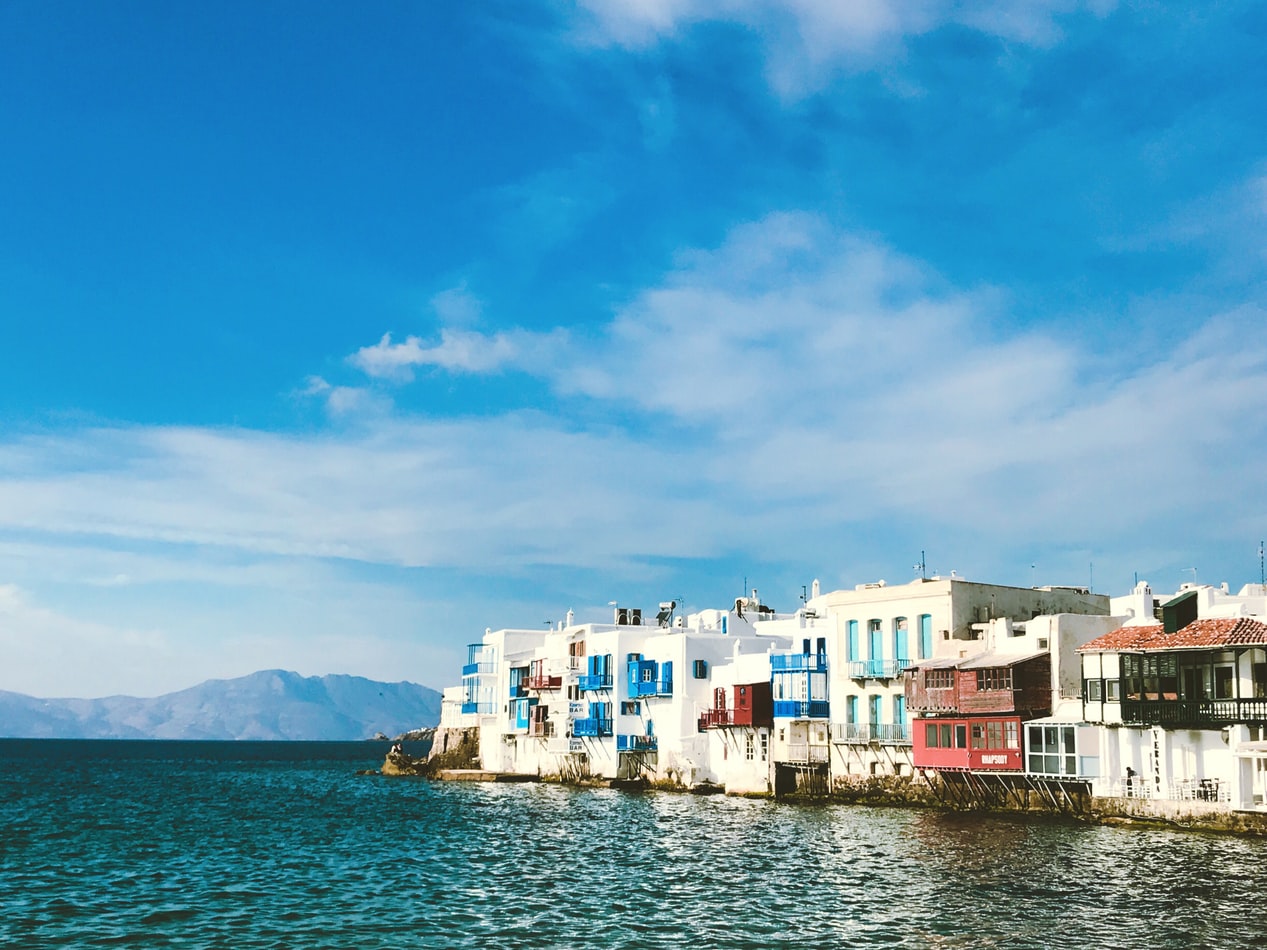
Although the fishing boats still go out in good weather, Mykonos largely makes its living from tourism these days. The summer crowds have turned one of the poorest islands in Greece into one of the richest. Old Mykonians complain that their young, who have inherited stores where their grandfathers once sold eggs or wine, get so much rent that they have lost ambition, and in summer sit around pool bars at night with their friends, and hang out in Athens in winter when island life is less scintillating. Put firmly on the map by Jackie O in the 1960s, Mykonos town—called Hora by the locals—remains the Saint-Tropez of the Greek islands. The scenery is memorable, with its whitewashed streets, Little Venice, the Kato Myli ridge of windmills, and Kastro, the town’s medieval quarter. Its cubical two- or three-story houses and churches, with their red or blue doors and domes and wooden balconies, have been long celebrated as some of the best examples of classic Cycladic architecture. Luckily, the Greek Archaeological Service decided to preserve the town, even when the Mykonians would have preferred to rebuild, and so the Old Town has been impressively preserved. Pink oleander, scarlet hibiscus, and trailing green pepper trees form a contrast amid the dazzling whiteness, whose frequent renewal with whitewash is required by law. Any visitor who has the pleasure of getting lost in its narrow streets (made all the narrower by the many outdoor stone staircases, which maximize housing space in the crowded village) will appreciate how its confusing layout was designed to foil pirates—if it was designed at all. After Mykonos fell under Turkish rule in 1537, the Ottomans allowed the islanders to arm their vessels against pirates, which had a contradictory effect: many of them found that raiding other islands was more profitable than tilling arid land. At the height of Aegean piracy, Mykonos was the principal headquarters of the corsair fleets—the place where pirates met their fellows, found willing women, and filled out their crews. Eventually the illicit activity evolved into a legitimate and thriving trade network. Morning on Mykonos town’s main quay is busy with deliveries, visitors for the Delos boats, lazy breakfasters, and street cleaners dealing with the previous night’s mess. In late morning the cruise-boat people arrive, and the shops are all open. In early afternoon, shaded outdoor tavernas are full of diners eating salads (Mykonos’s produce is mostly imported); music is absent or kept low. In mid- and late afternoon, the town feels sleepy, since so many people are at the beach, on excursions, or sleeping in their air-conditioned rooms; even some tourist shops close for siesta. By sunset, people have come back from the beach, having taken their showers and rested. At night, the atmosphere in Mykonos ramps up. The cruise-boat people are mostly gone, coughing three-wheelers make no deliveries in the narrow streets, and everyone is dressed sexy for summer and starting to shimmy with the scene. Many shops stay open past midnight, the restaurants fill up, and the bars and discos make ice cubes as fast as they can. Ready to dive in? Begin your tour of Mykonos town (Hora) by starting out at its heart: Mando Mavrogenous Square.
Piraeus, Greece
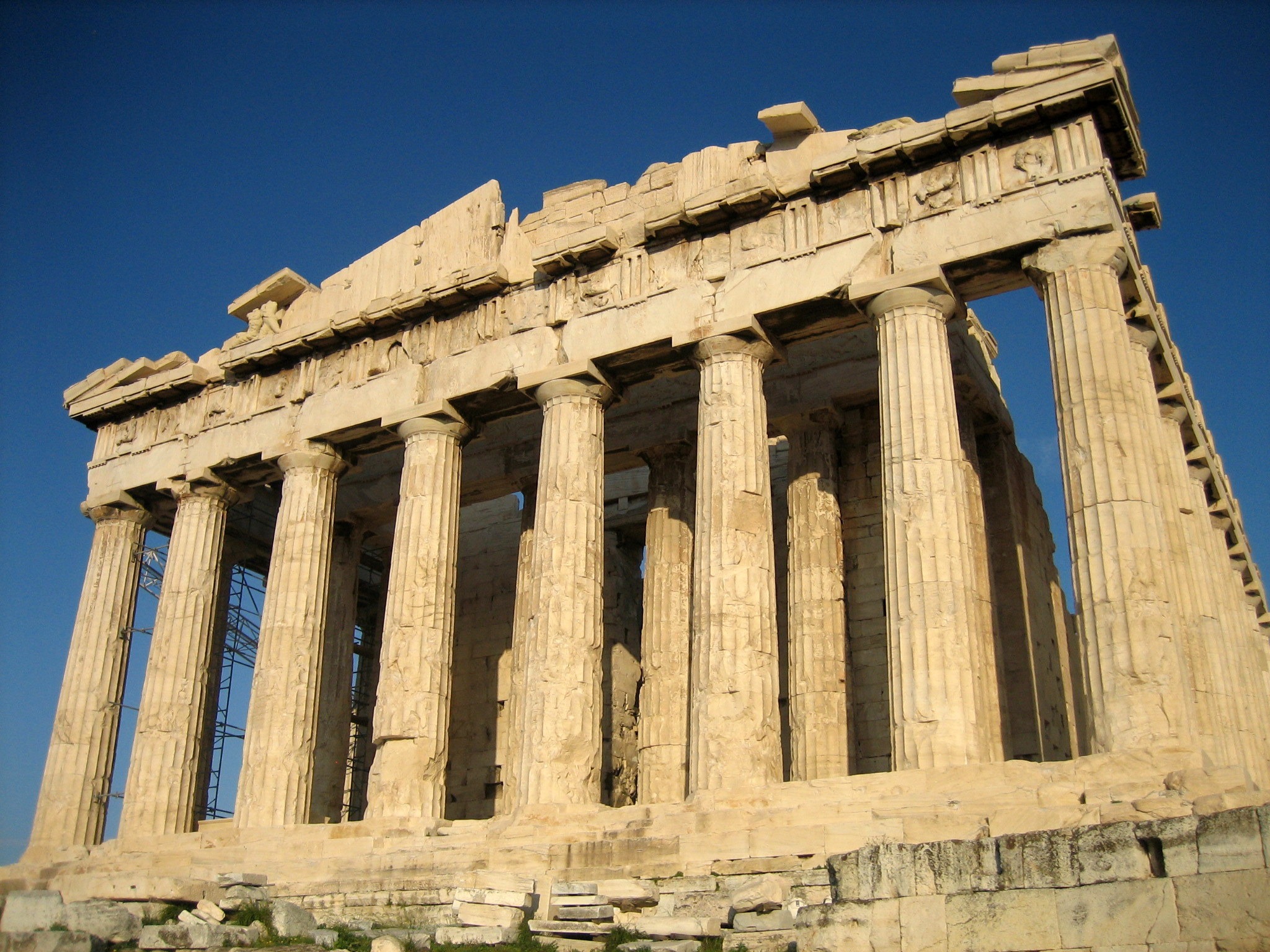
It’s no wonder that all roads lead to the fascinating and maddening metropolis of Athens. Lift your eyes 200 feet above the city to the Parthenon, its honey-color marble columns rising from a massive limestone base, and you behold architectural perfection that has not been surpassed in 2,500 years. But, today, this shrine of classical form dominates a 21st-century boomtown. To experience Athens—Athína in Greek—fully is to understand the essence of Greece: ancient monuments surviving in a sea of cement, startling beauty amid the squalor, tradition juxtaposed with modernity. Locals depend on humor and flexibility to deal with the chaos; you should do the same. The rewards are immense. Although Athens covers a huge area, the major landmarks of the ancient Greek, Roman, and Byzantine periods are close to the modern city center. You can easily walk from the Acropolis to many other key sites, taking time to browse in shops and relax in cafés and tavernas along the way. From many quarters of the city you can glimpse “the glory that was Greece” in the form of the Acropolis looming above the horizon, but only by actually climbing that rocky precipice can you feel the impact of the ancient settlement. The Acropolis and Filopappou, two craggy hills sitting side by side; the ancient Agora (marketplace); and Kerameikos, the first cemetery, form the core of ancient and Roman Athens. Along the Unification of Archaeological Sites promenade, you can follow stone-paved, tree-lined walkways from site to site, undisturbed by traffic. Cars have also been banned or reduced in other streets in the historical center. In the National Archaeological Museum, vast numbers of artifacts illustrate the many millennia of Greek civilization; smaller museums such as the Goulandris Museum of Cycladic Art Museum and the Byzantine and Christian Museum illuminate the history of particular regions or periods. Athens may seem like one huge city, but it is really a conglomeration of neighborhoods with distinctive characters. The Eastern influences that prevailed during the 400-year rule of the Ottoman Empire are still evident in Monastiraki, the bazaar area near the foot of the Acropolis. On the northern slope of the Acropolis, stroll through Plaka (if possible by moonlight), an area of tranquil streets lined with renovated mansions, to get the flavor of the 19th-century’s gracious lifestyle. The narrow lanes of Anafiotika, a section of Plaka, thread past tiny churches and small, color-washed houses with wooden upper stories, recalling a Cycladic island village. In this maze of winding streets, vestiges of the older city are everywhere: crumbling stairways lined with festive tavernas; dank cellars filled with wine vats; occasionally a court or diminutive garden, enclosed within high walls and filled with magnolia trees and the flaming trumpet-shaped flowers of hibiscus bushes. Formerly run-down old quarters, such as Thission, Gazi and Psirri, popular nightlife areas filled with bars and mezedopoleia (similar to tapas bars), are now in the process of gentrification, although they still retain much of their original charm, as does the colorful produce and meat market on Athinas. The area around Syntagma Square, the tourist hub, and Omonia Square, the commercial heart of the city about 1 km (½ mi) northwest, is distinctly European, having been designed by the court architects of King Otho, a Bavarian, in the 19th century. The chic shops and bistros of ritzy Kolonaki nestle at the foot of Mt. Lycabettus, Athens’s highest hill (909 feet). Each of Athens’s outlying suburbs has a distinctive character: in the north is wealthy, tree-lined Kifissia, once a summer resort for aristocratic Athenians, and in the south and southeast lie Glyfada, Voula, and Vouliagmeni, with their sandy beaches, seaside bars, and lively summer nightlife. Just beyond the city’s southern fringes is Piraeus, a bustling port city of waterside fish tavernas and Saronic Gulf views.
Cabin Options
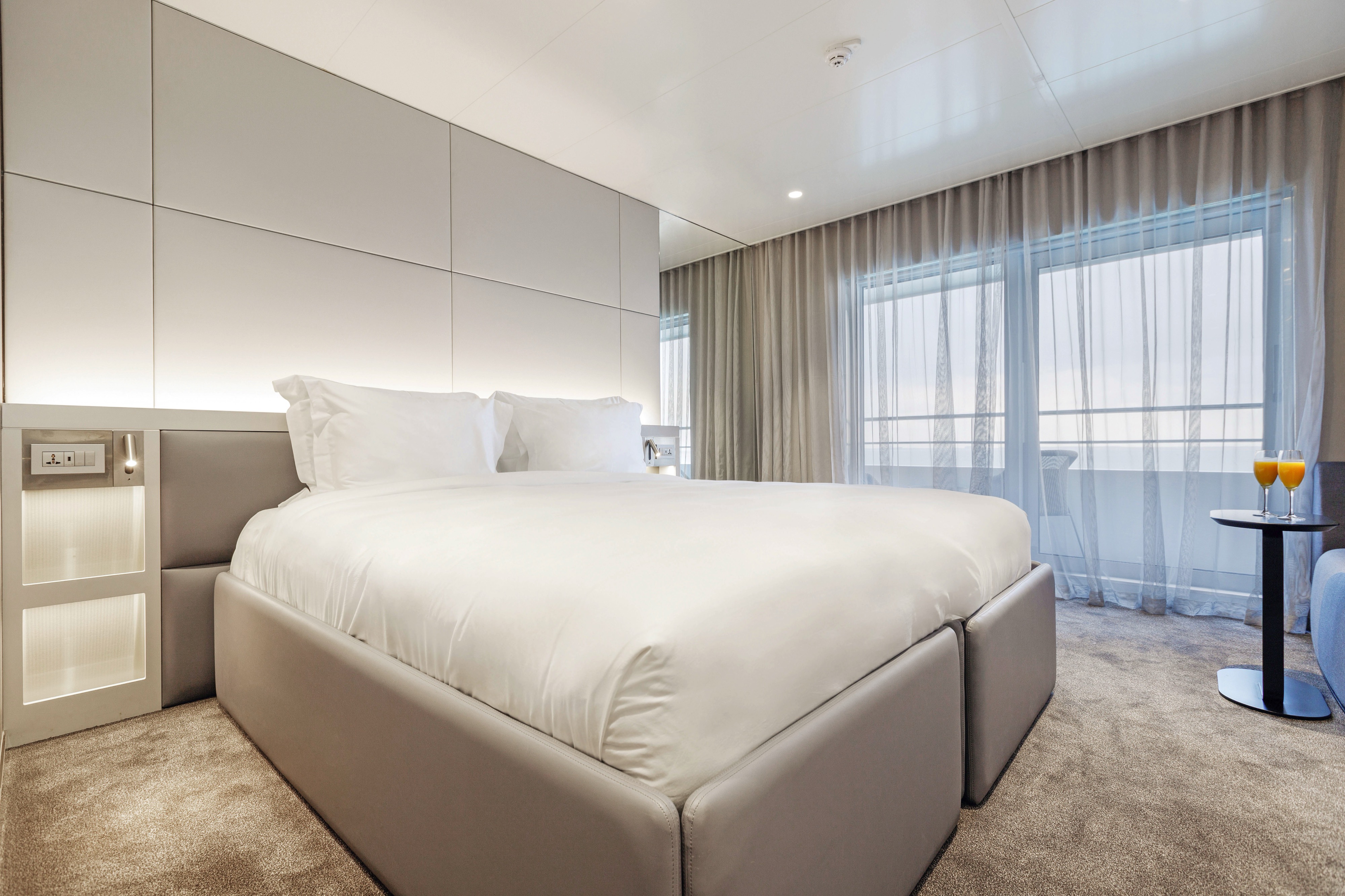
Balcony Suite
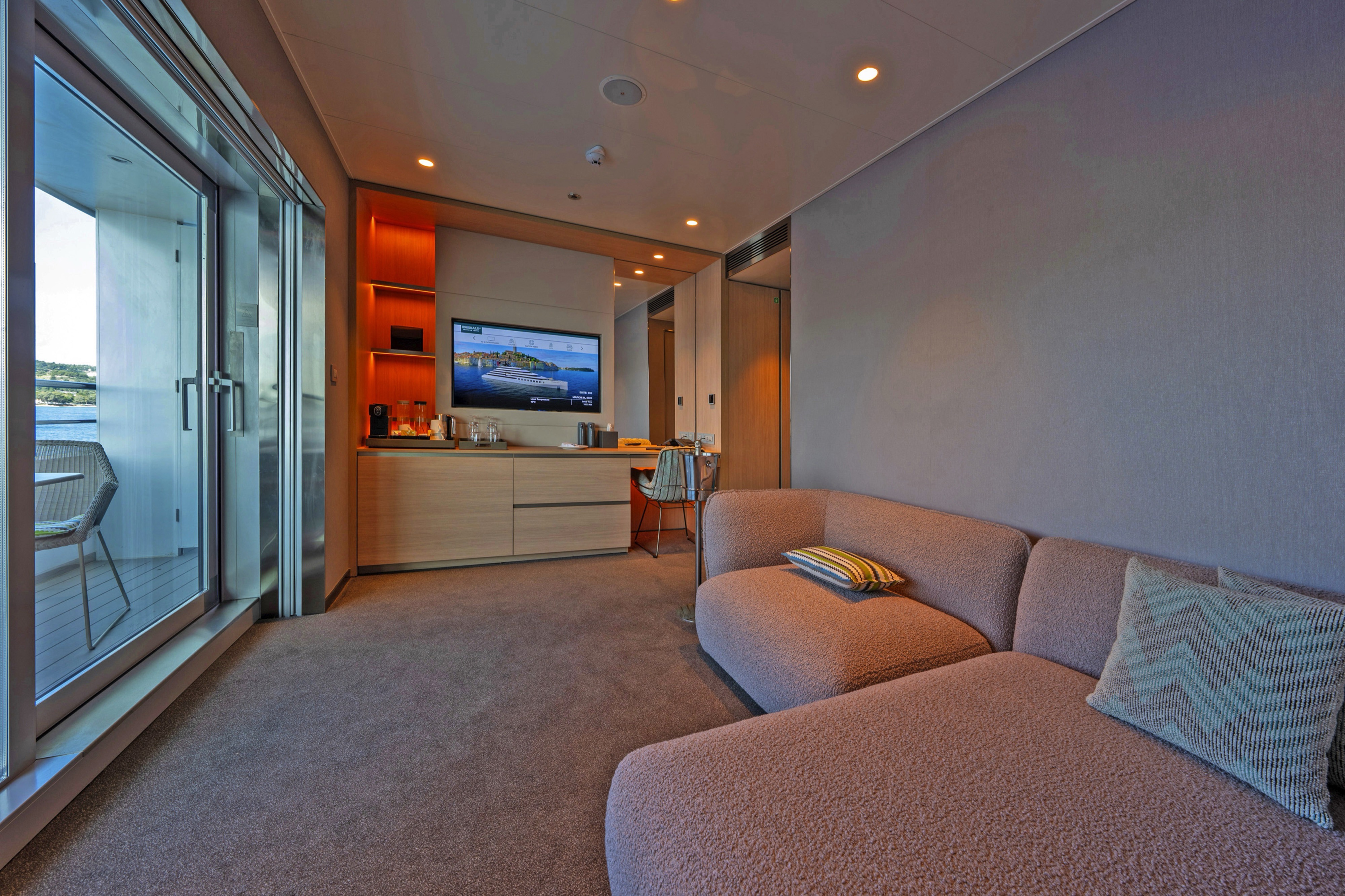
Deluxe Balcony Suite
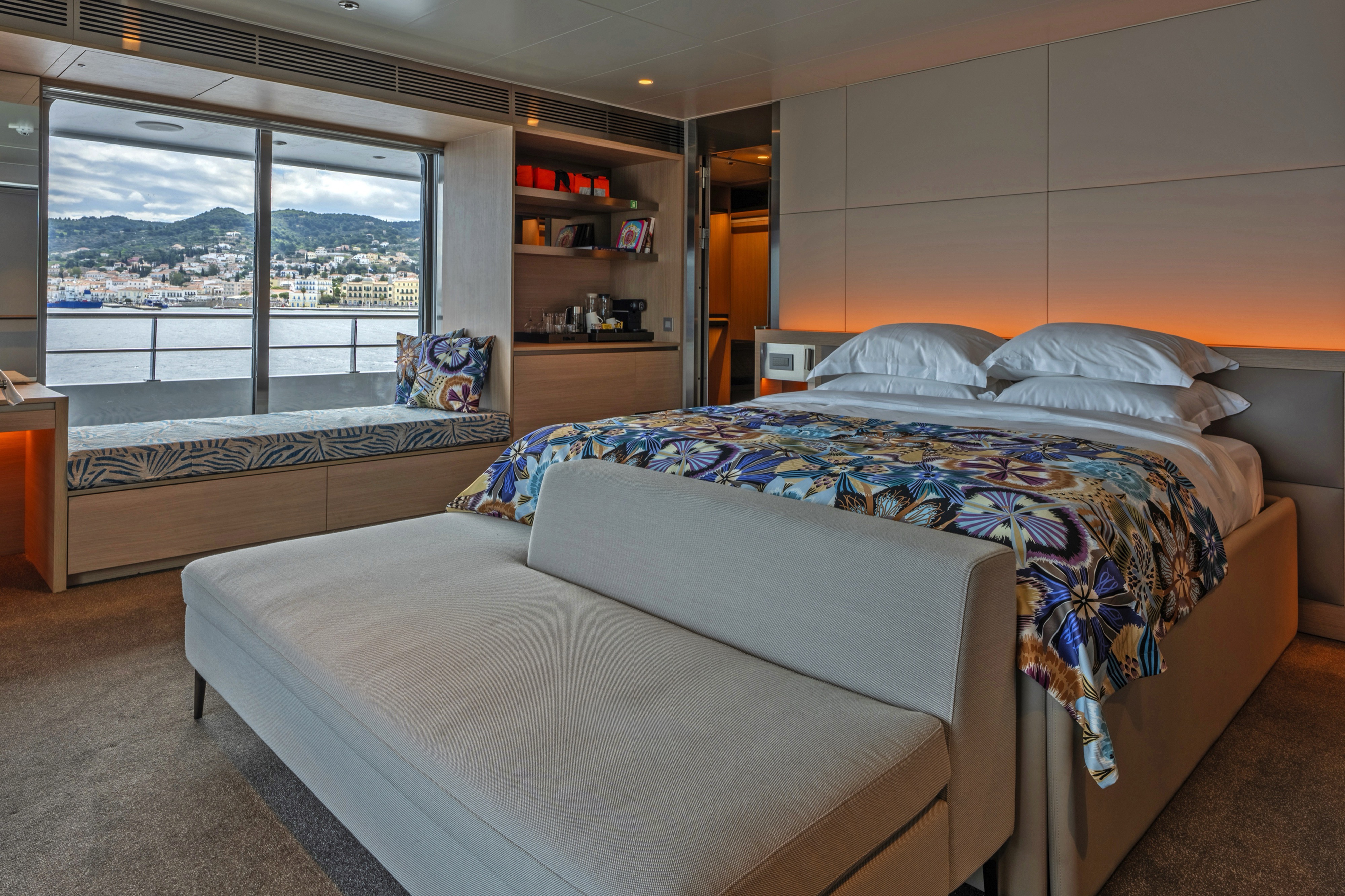
Yacht Suite
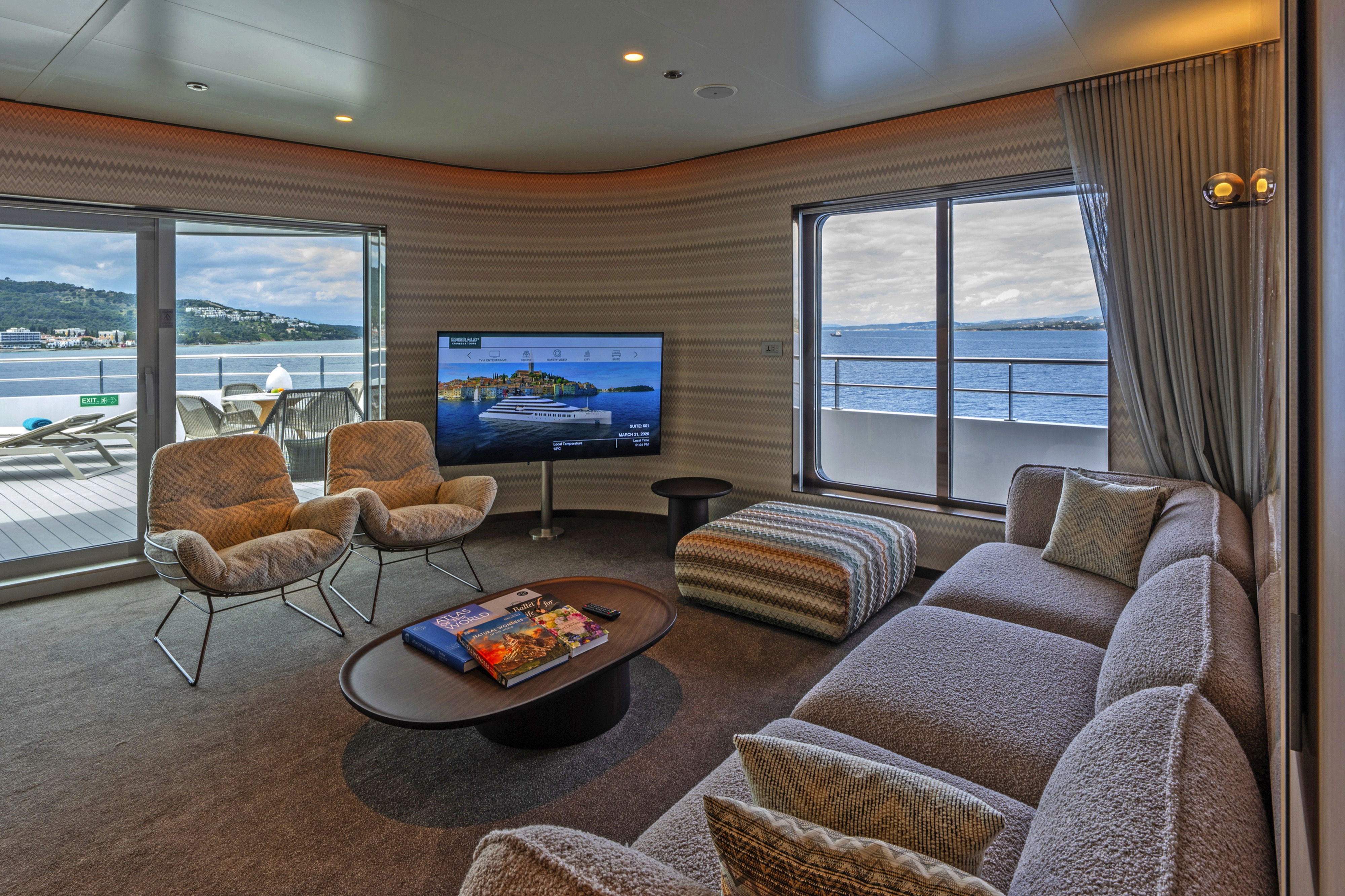
Owner's Suite
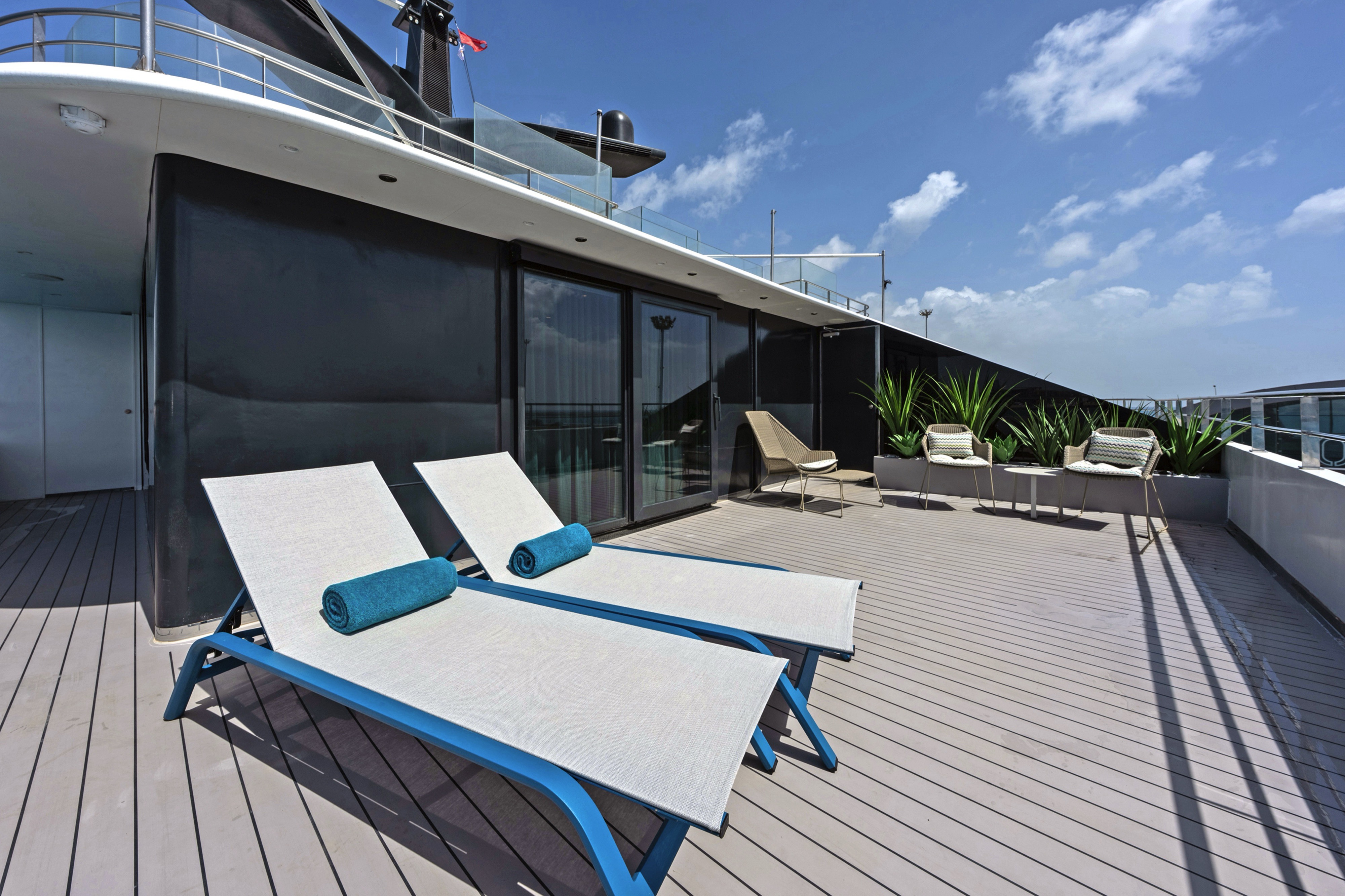
Terrace Suite
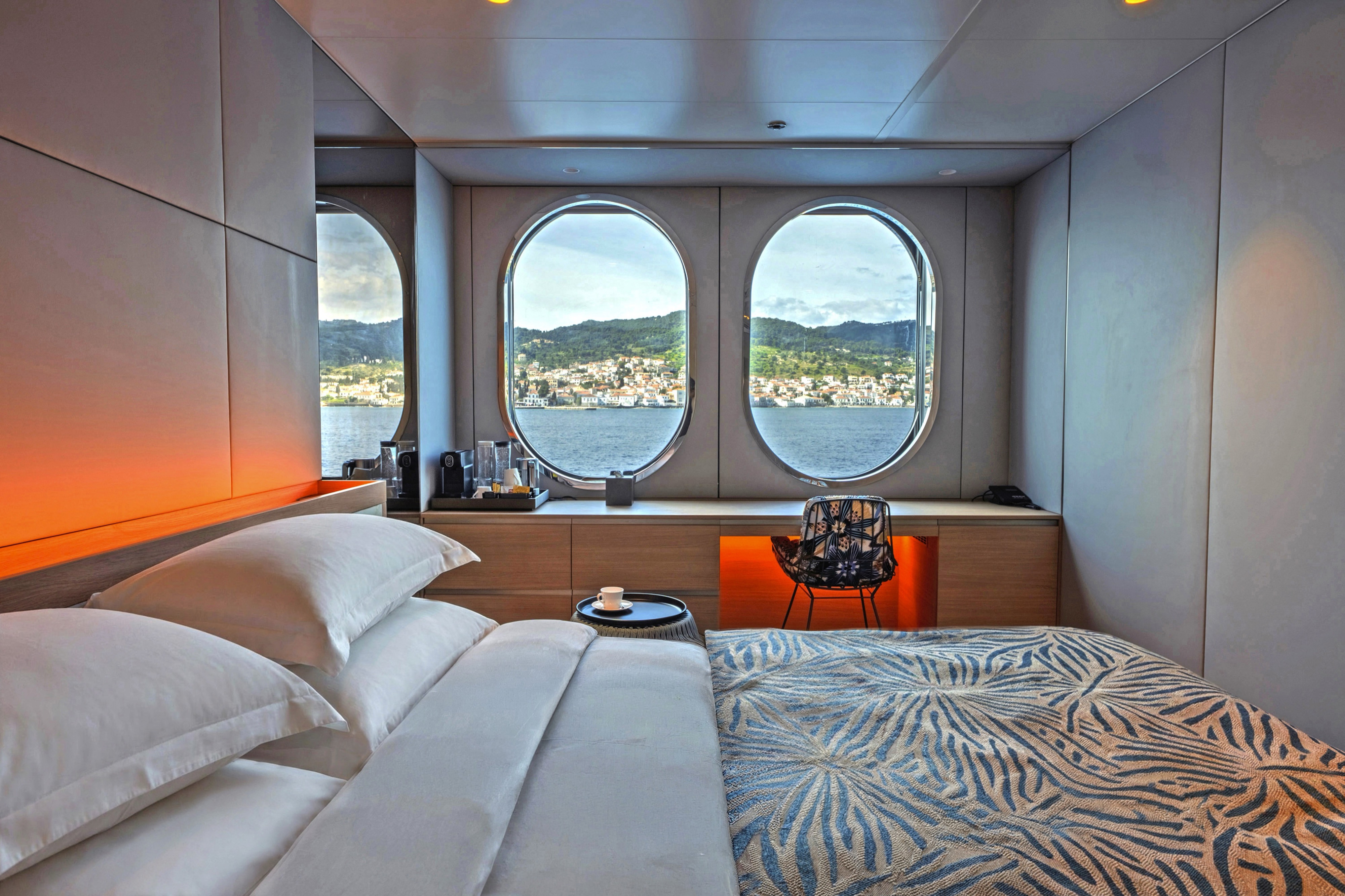
Oceanview Stateroom
Ship Facilities
Aqua Pool Cafe (Soleá Bar & Bistro)
At the aft of the yacht on the sun-kissed Pool Deck, take a leisurely dip in the infinity-style Aqua Pool. Enjoy light al fresco refreshments at the Aqua Cafe while admiring the expansive views unfolding before you.
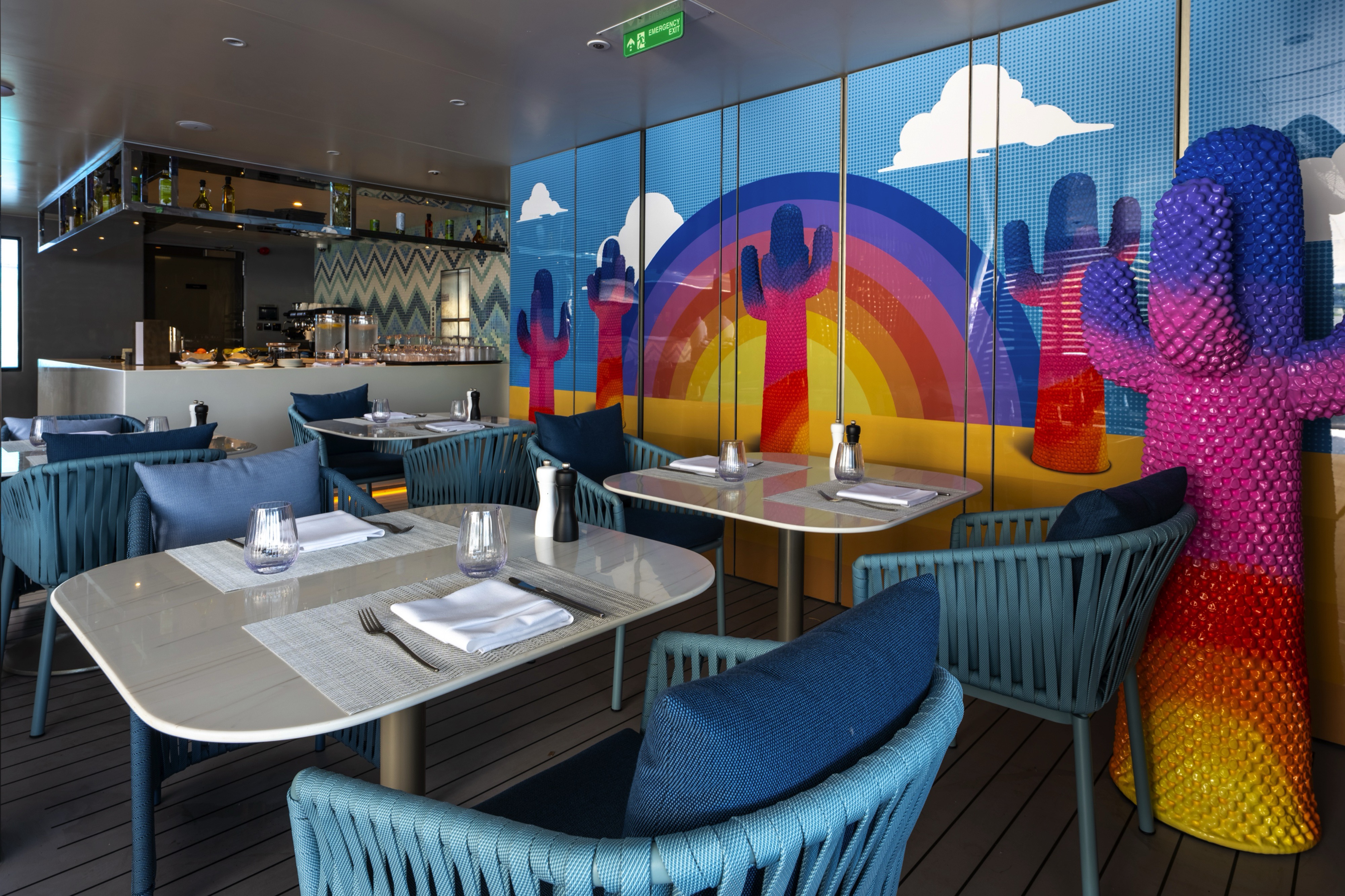
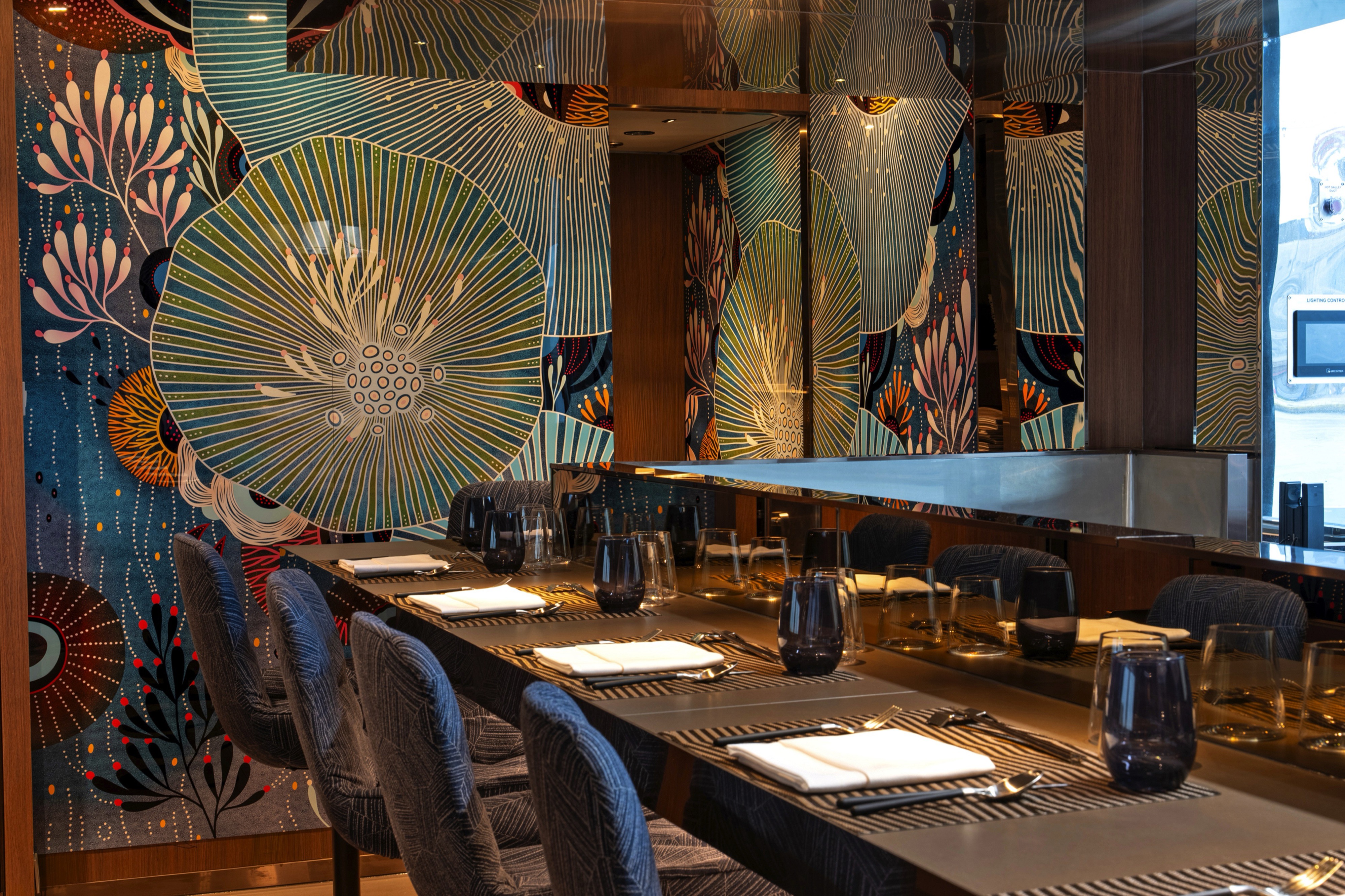
Night Market Grill
An intimate dining experience
Exclusive to Emerald Kaia, revel in one of our most unique on board dining venues. Available at an additional cost, the Night Market Grill provides an intimate setting for just eight guests, with a professionally trained chef cooking delicious cuisine in front of you on the Asian-inspired grill top.
Available on Emerald Kaia at additional cost.
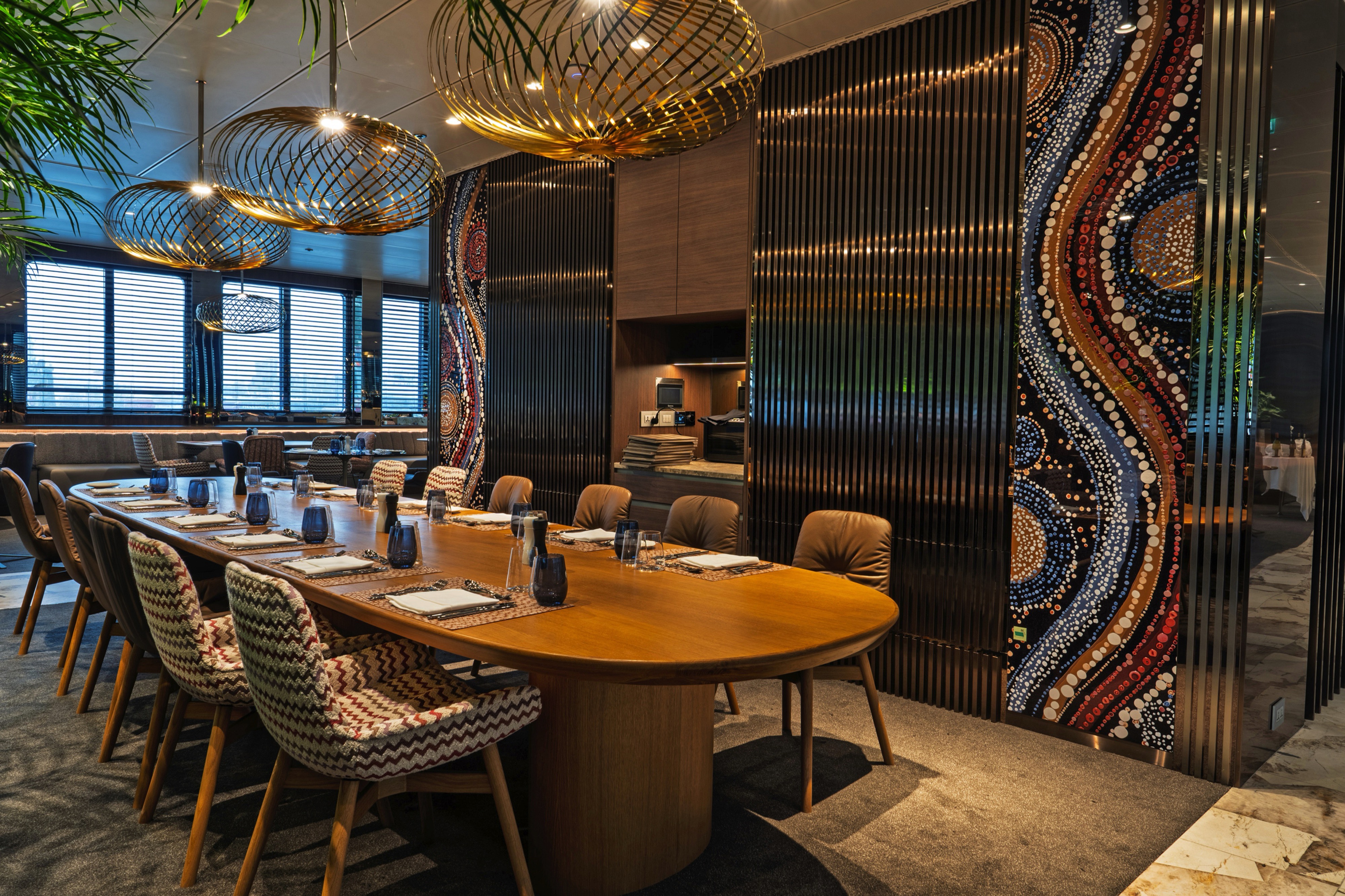
La Cucina
Our premier on board dining spot
Enjoy fine à la carte dining, as well as sumptuous breakfasts and lunches in the serene setting of our spacious La Cucina Dining, taking inspiration from the path you’re navigating. This stylish restaurant boasts ample space and you can expect fresh, locally sourced dinners, thoughtfully crafted by our expert chefs. If you prefer to dine alfresco, head out to the adjoining Terrace to enjoy your meals under the sun.
Emerald Kaia features an open kitchen, so you can watch chefs preparing your tasty meals.
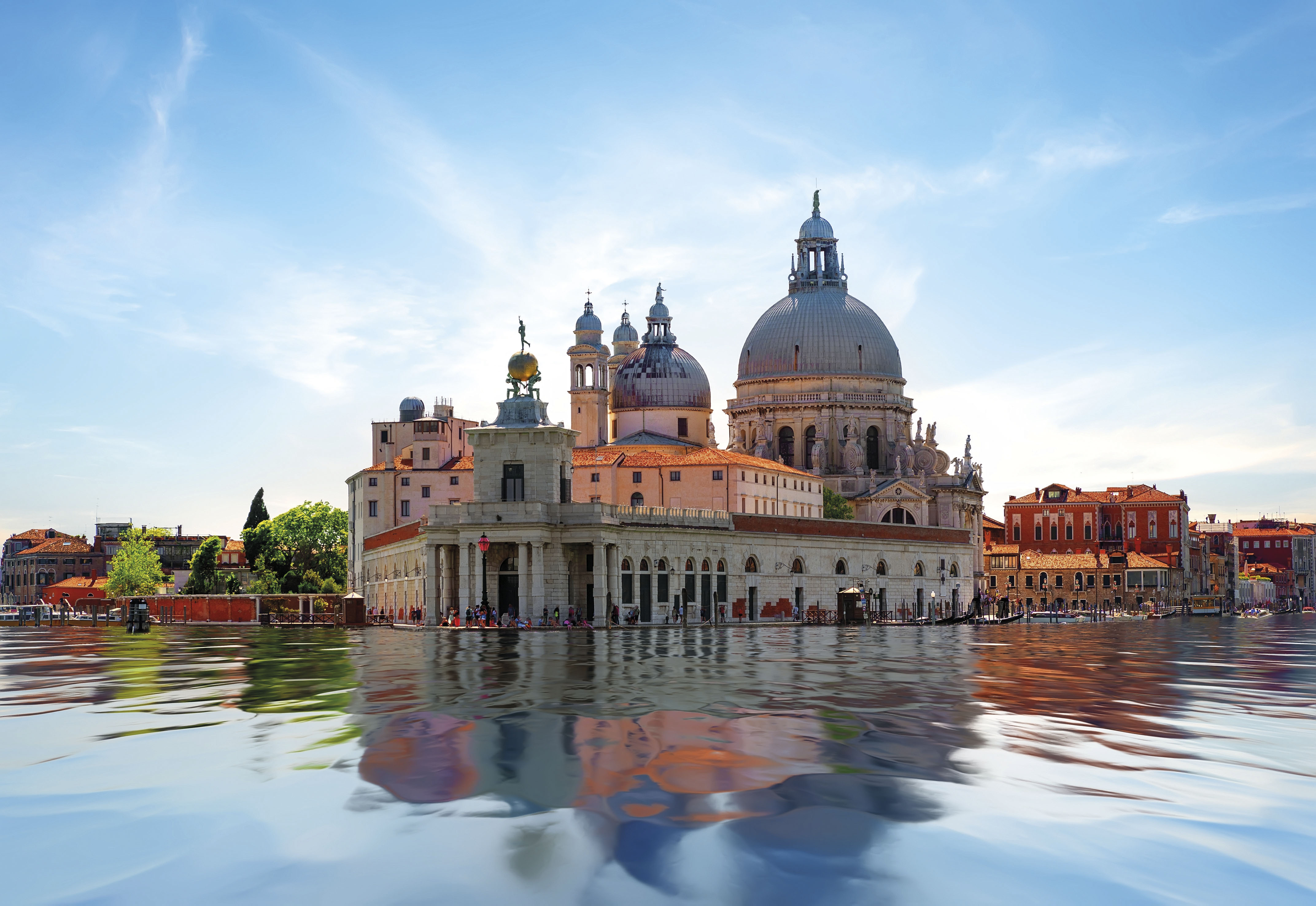
Included Excursions
EmeraldPLUS
Our EmeraldPLUS experiences brings the Mediterranean & Adriatic culture to life-with vibrant music and authentic local traditions either on board and ashore.
The life of a local
Join an array of cruise tours that showcase local customs, from exclusive concert performances to market visits.
On board activities
Revel in a range of special on board shows, sessions, and workshops, that bring the highlights of your destination to you.
In-depth specialty tours
Delve deeper into a special area of interest, sampling local treats and produce.
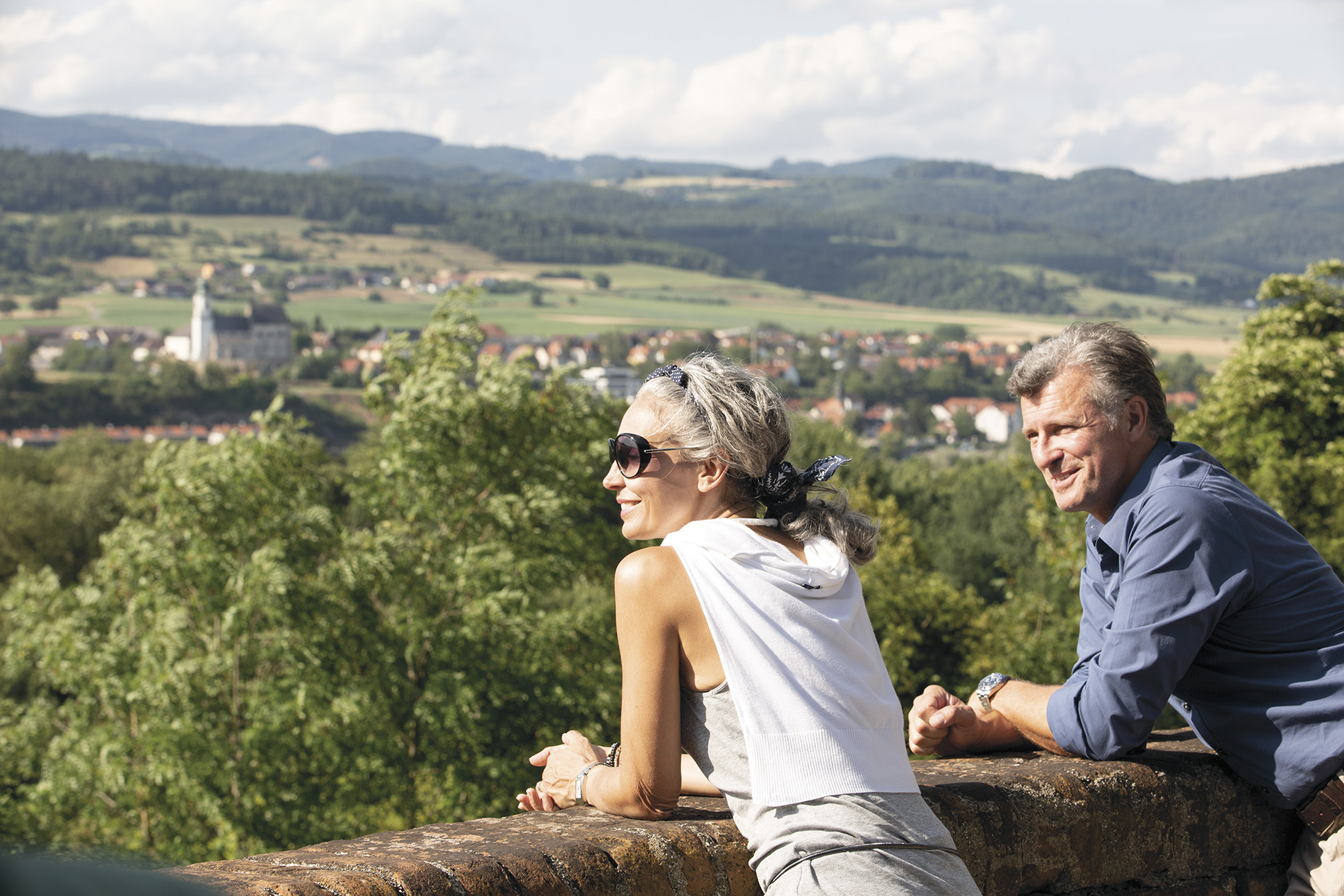
EmeraldACTIVE
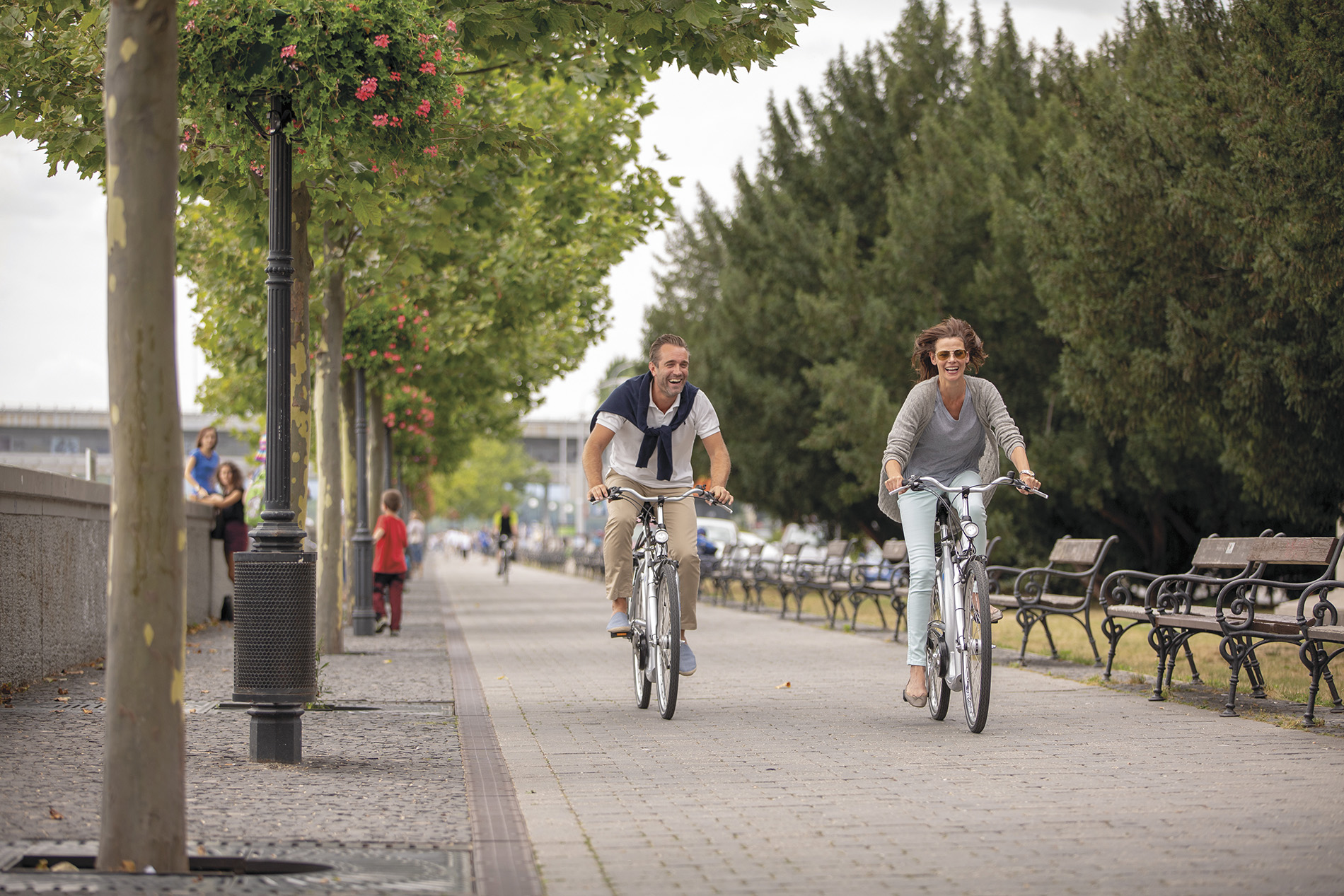
EmeraldACTIVE tours provide an invigorating way to explore your destination. Active experiences, range from inspiring hikes to e-bike excursions and run concurrently with your included excursion, allowing you to select your preferred level of activity.
An invigorating hike
Join your guide for a sight-seeing tour like no other, as you explore far and wide while keeping fit and active.
A cycling sojourn
Take advantage of our free-to-use on board bikes as your guide provides a cycling tour past picturesque scenery.
Take to the Marina Platform
On selected days, your captain will drop anchor, presenting the perfect opportunity for a swim in the sea.
DiscoverMORE
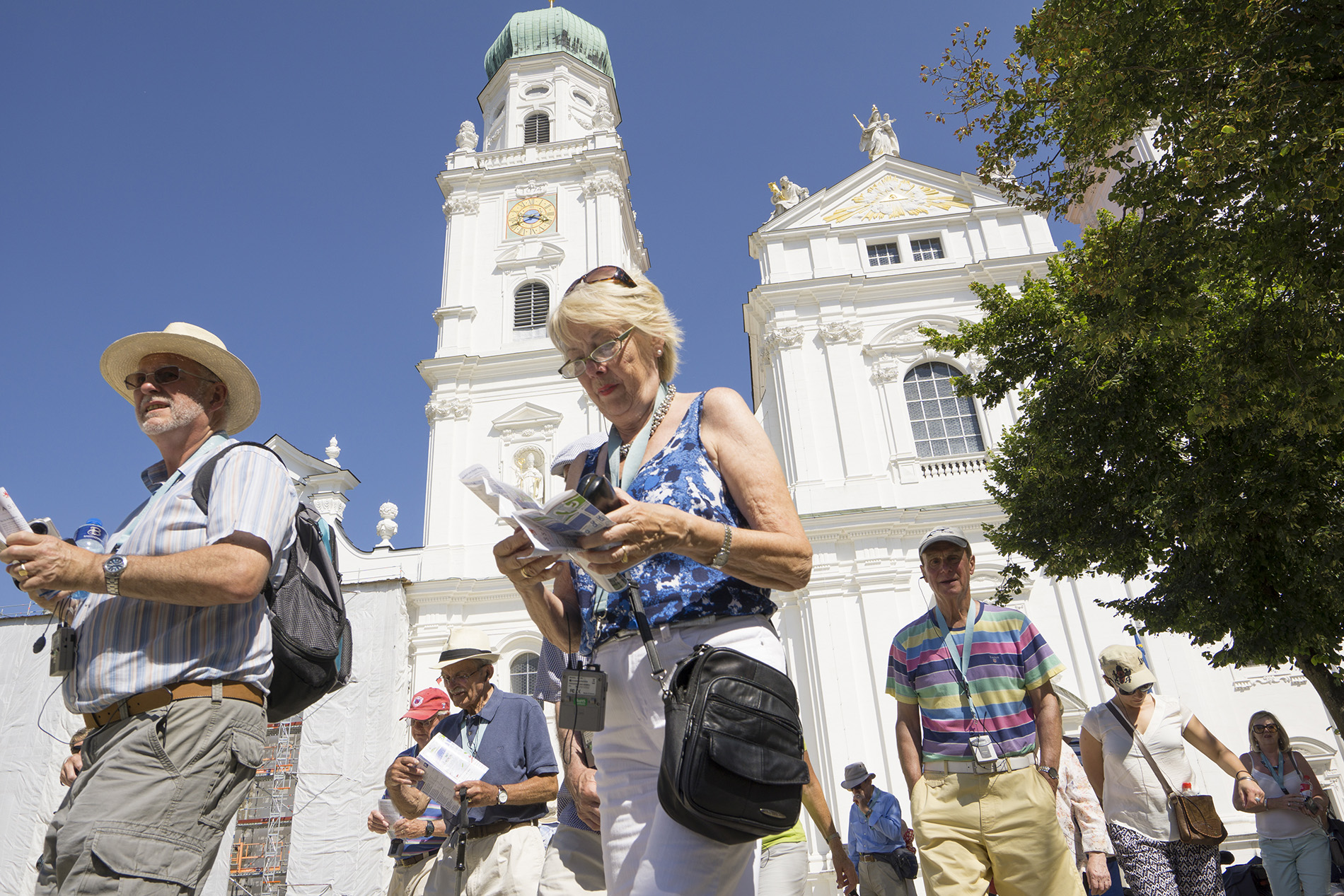
Personalise your journey with DiscoverMORE^ experiences that connect you with local artisans through masterclasses, tastings, and authentic performances. For more information, click here.
True local performances
Enjoy watching local customs creatively imagined into stunning shows and spectacles.
Workshop masterclasses and tasting sessions
Let the experts guide you through the process of making local treats before you sample the fruits of your labour.
Journey further
Exciting excursions take you to cities further afield from the coastlines, where even more adventures await you.
^DiscoverMORE excursions are available at an additional cost.
Observation Sun Deck
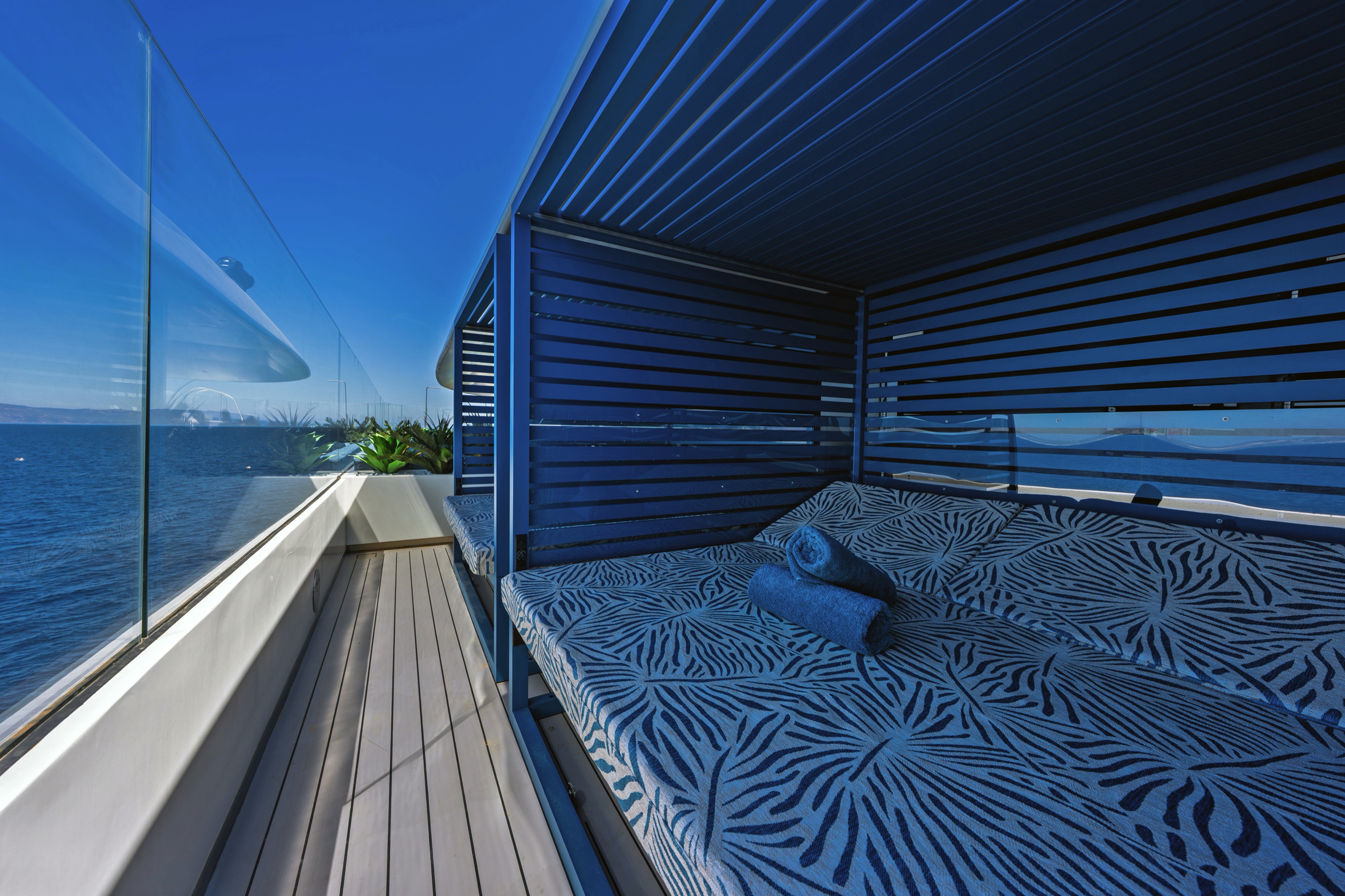
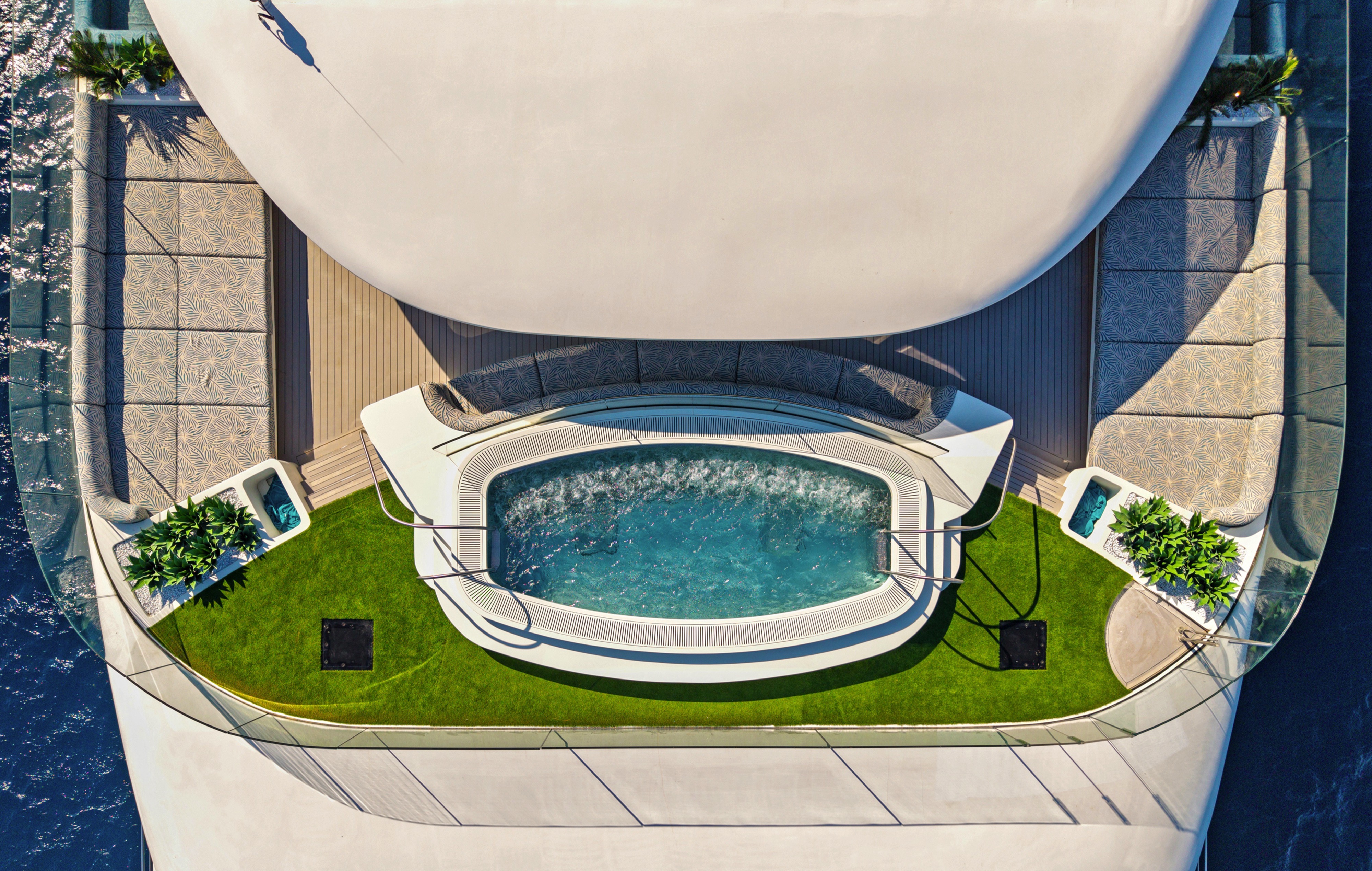
The Observation Sun Deck features a new Spa pool, sunbeds and sun loungers providing the ultimate place to unwind and take in the spectacular views.
Sky Bar
A drink with a view
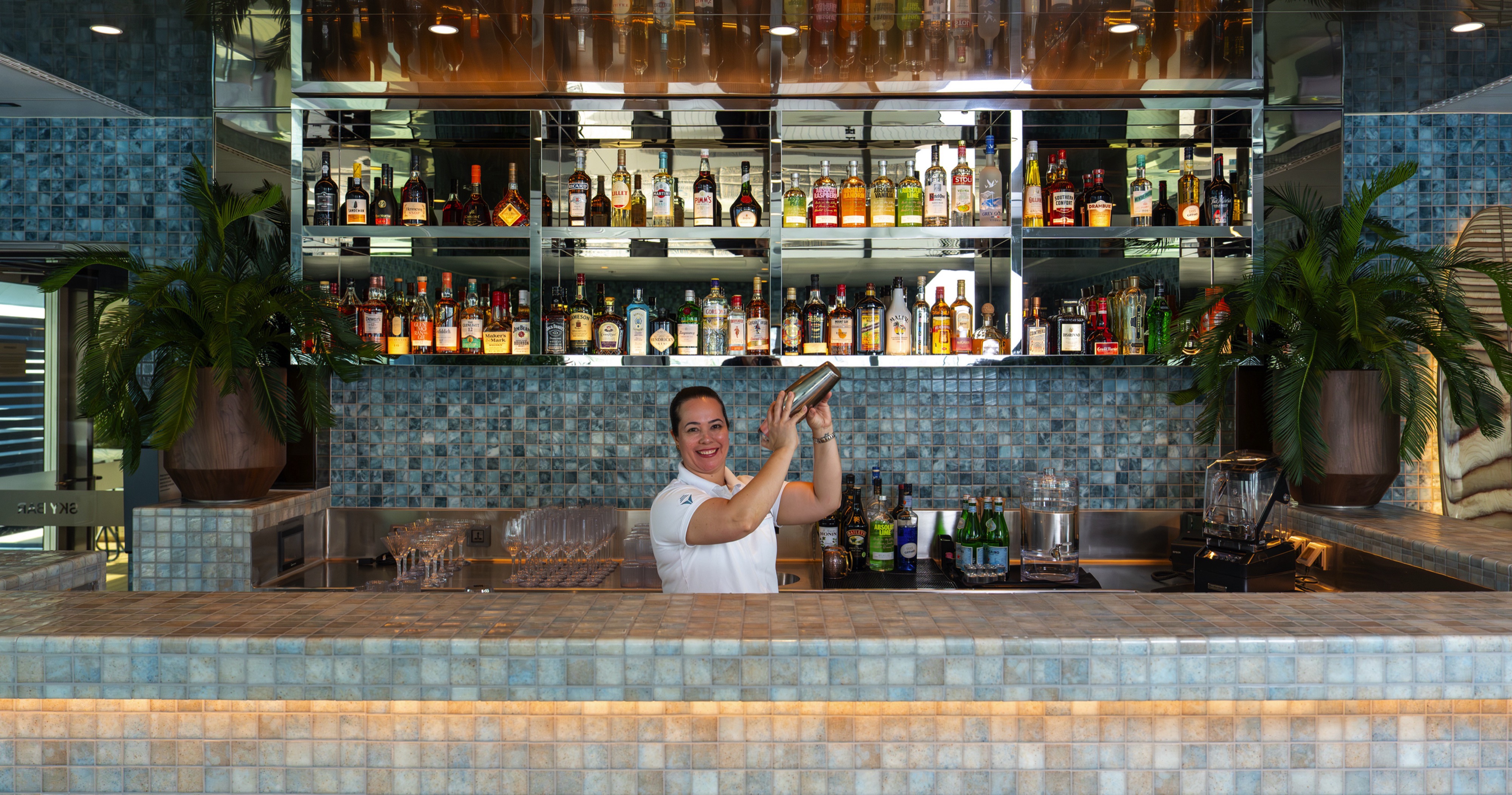
Fancy taking in stunning vistas with your favourite cocktail? Head the Sky Bar on the Sky Deck and choose from our extensive drinks menu. And, if you need to cool off from the sun, why not take a dip in the nearby Spa Pool?
Spa Pool
Relax in the inviting Spa Pool and enjoy the panoramic views.
Observation Lounge
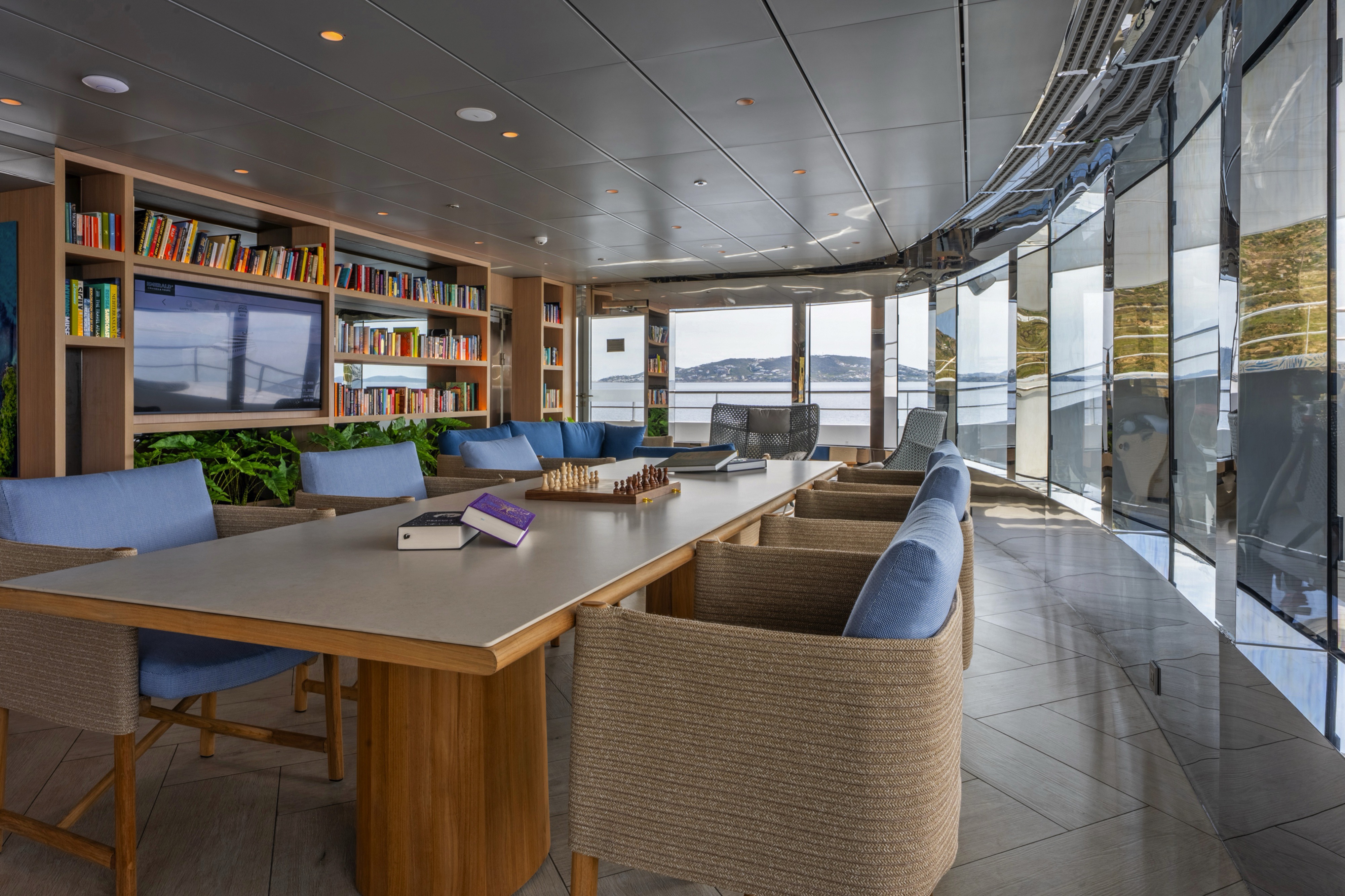
The Observation Lounge can be found on the Observation Deck.
Amici Bar & Lounge
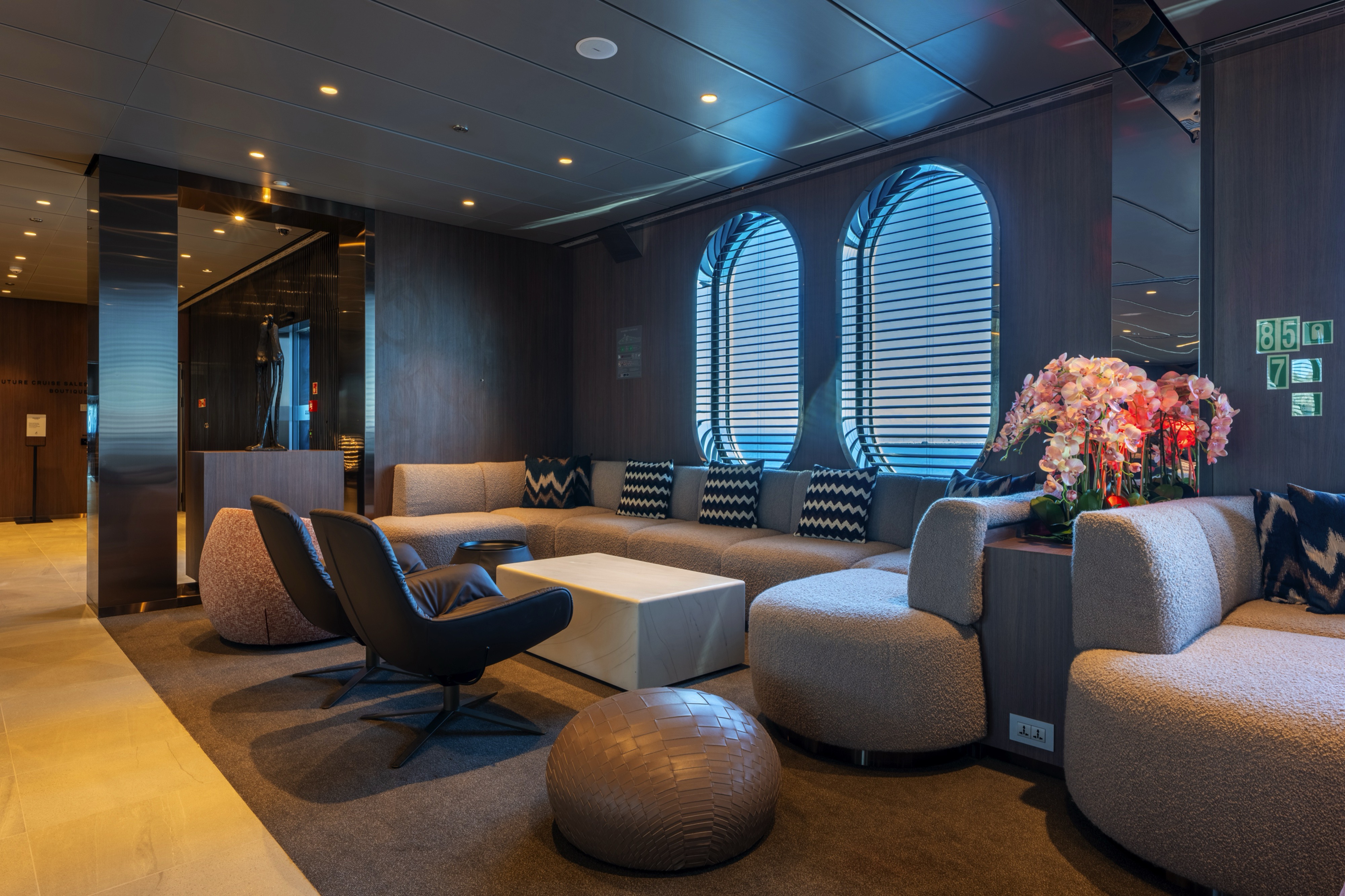
Relax and connect with fellow guests over a pre-dinner drink or evening night cap in the stylish Amici Bar & Lounge.
Marina Lounge
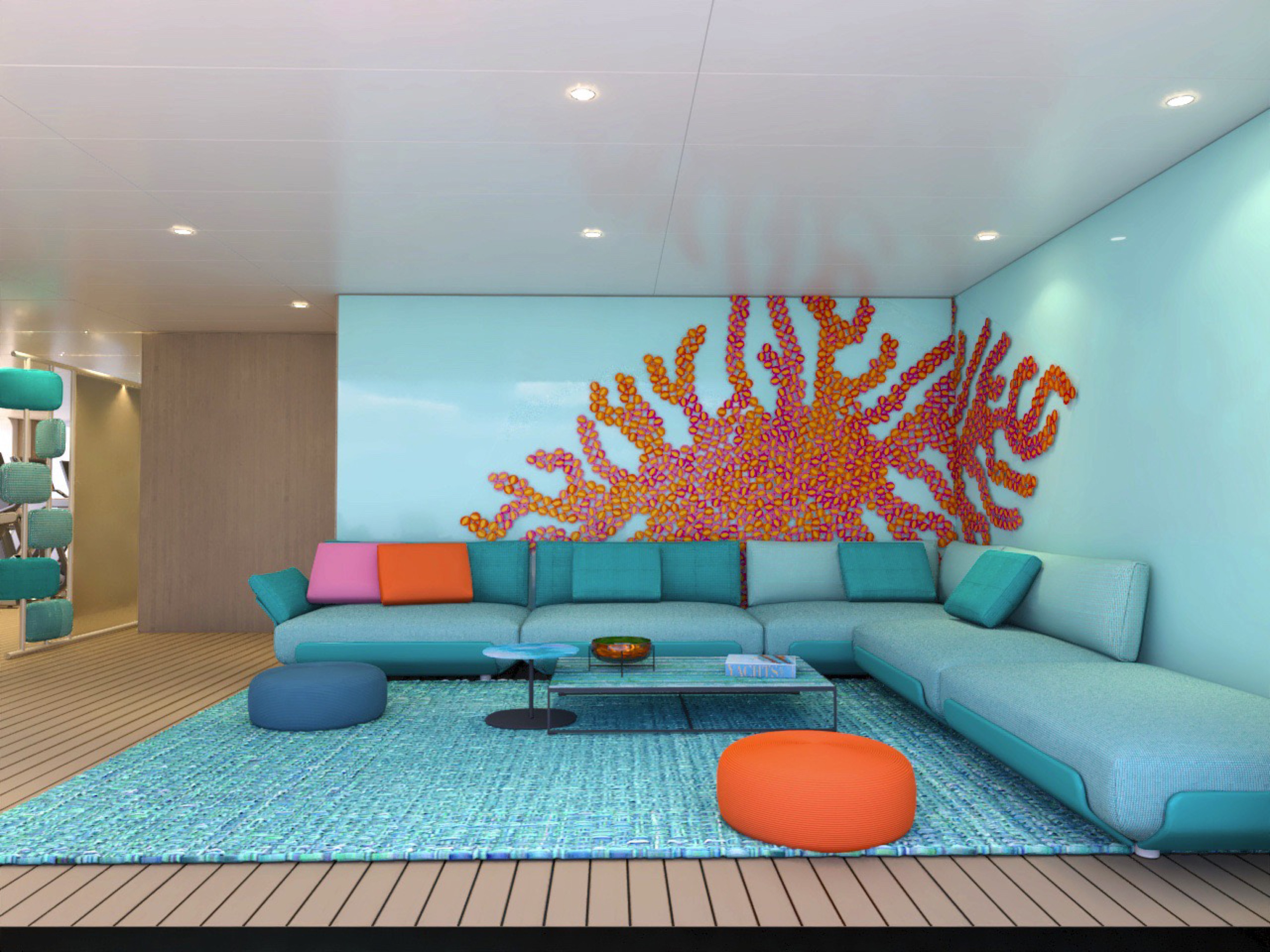
Exclusively on board Emerald Kaia, the Marina Lounge provides the ideal spot to pause, recharge and unwind.
Marina Deck
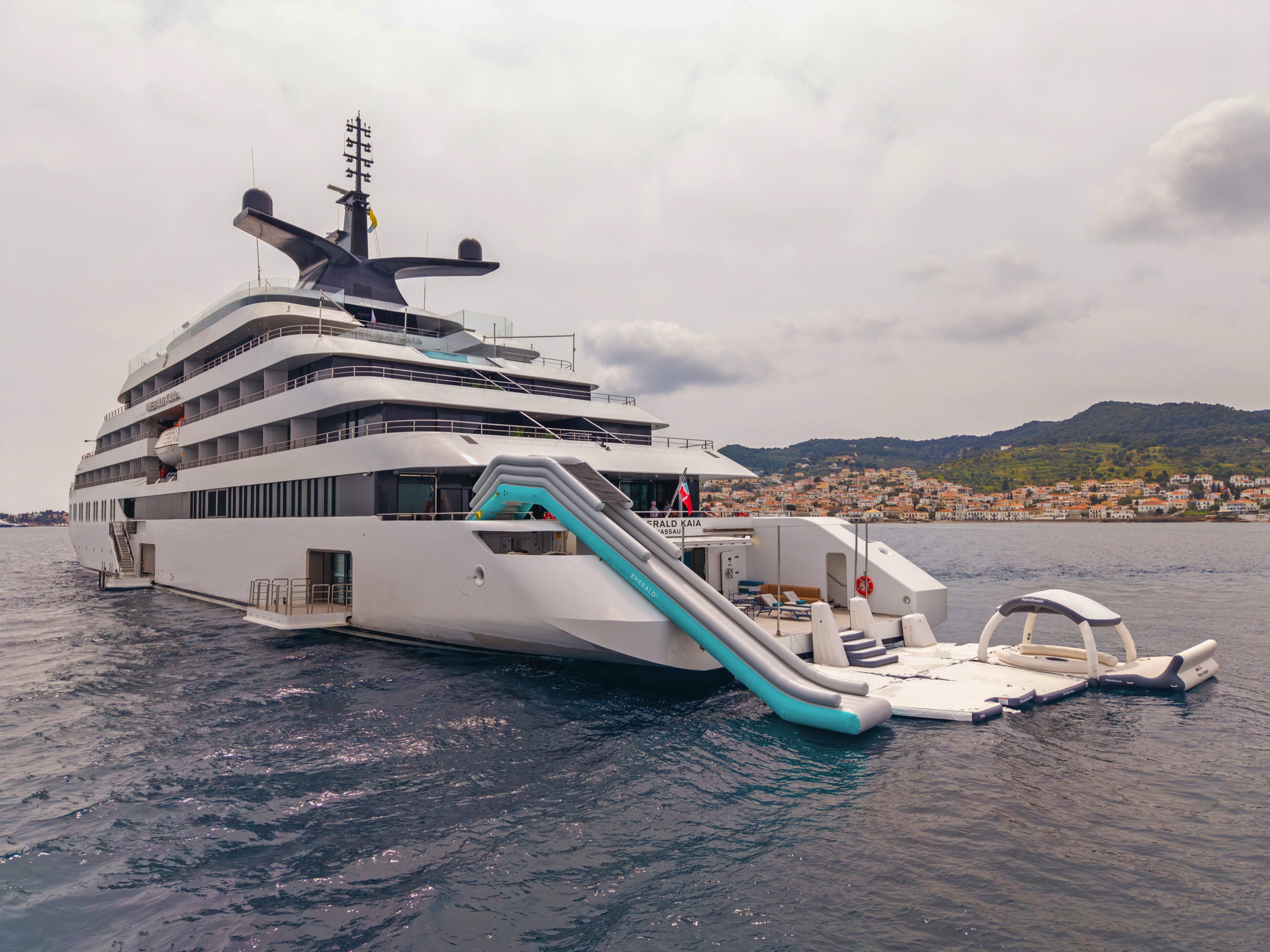
When your luxury yacht is anchored on marina days, step off from the Marina Platform to swim and enjoy our complimentary aquatic toys, including SEABOBs, inflatable kayaks, water trampolines and paddleboards.
Fun in the sea
Make the most of the Marina Platform, anchoring on selected days for incredible swim stops in the dazzling open waters.
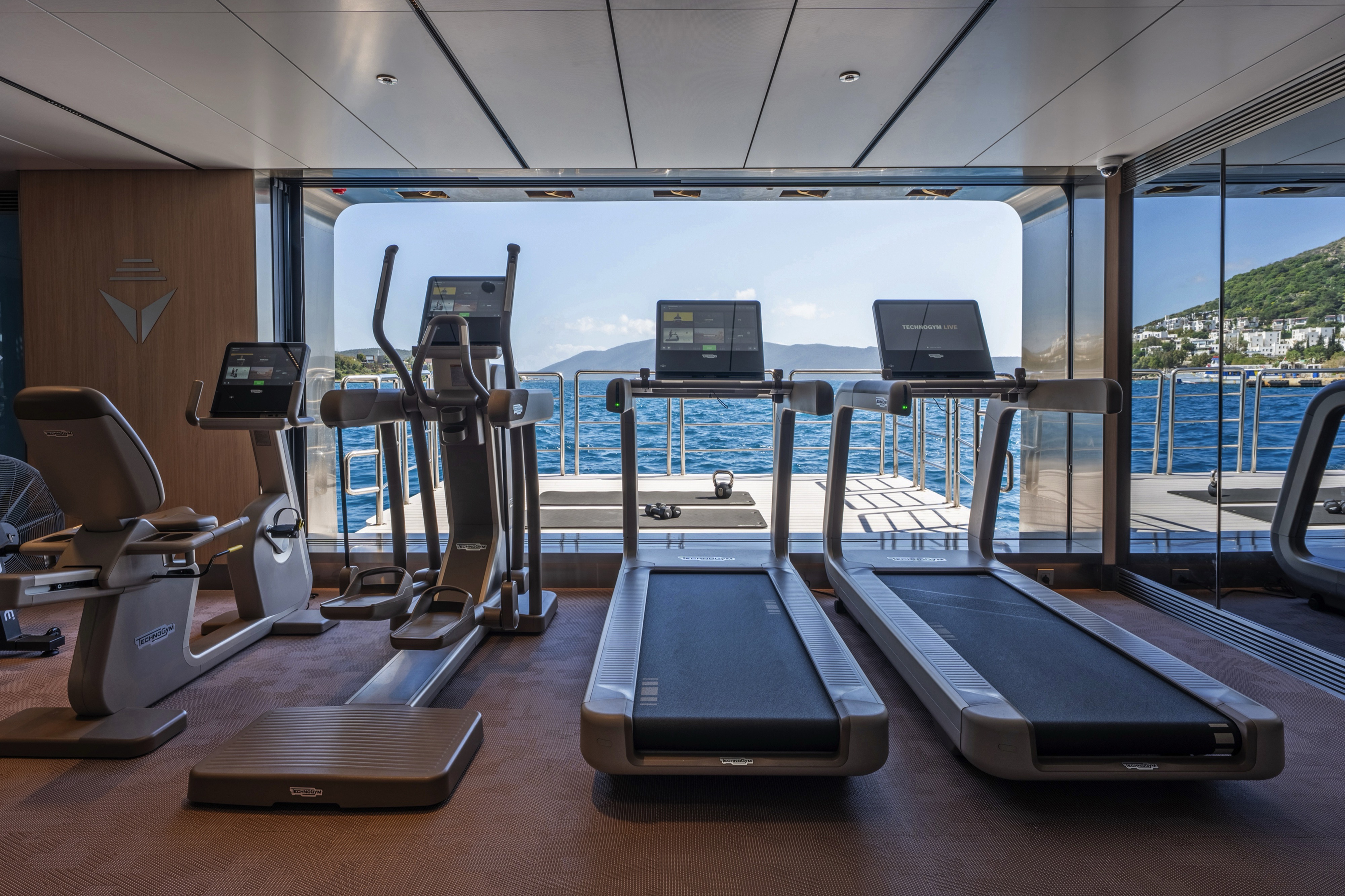
Gym
Emerald Kaia also features an expansive and innovative gym that opens up as an indoor-outdoor workout space.
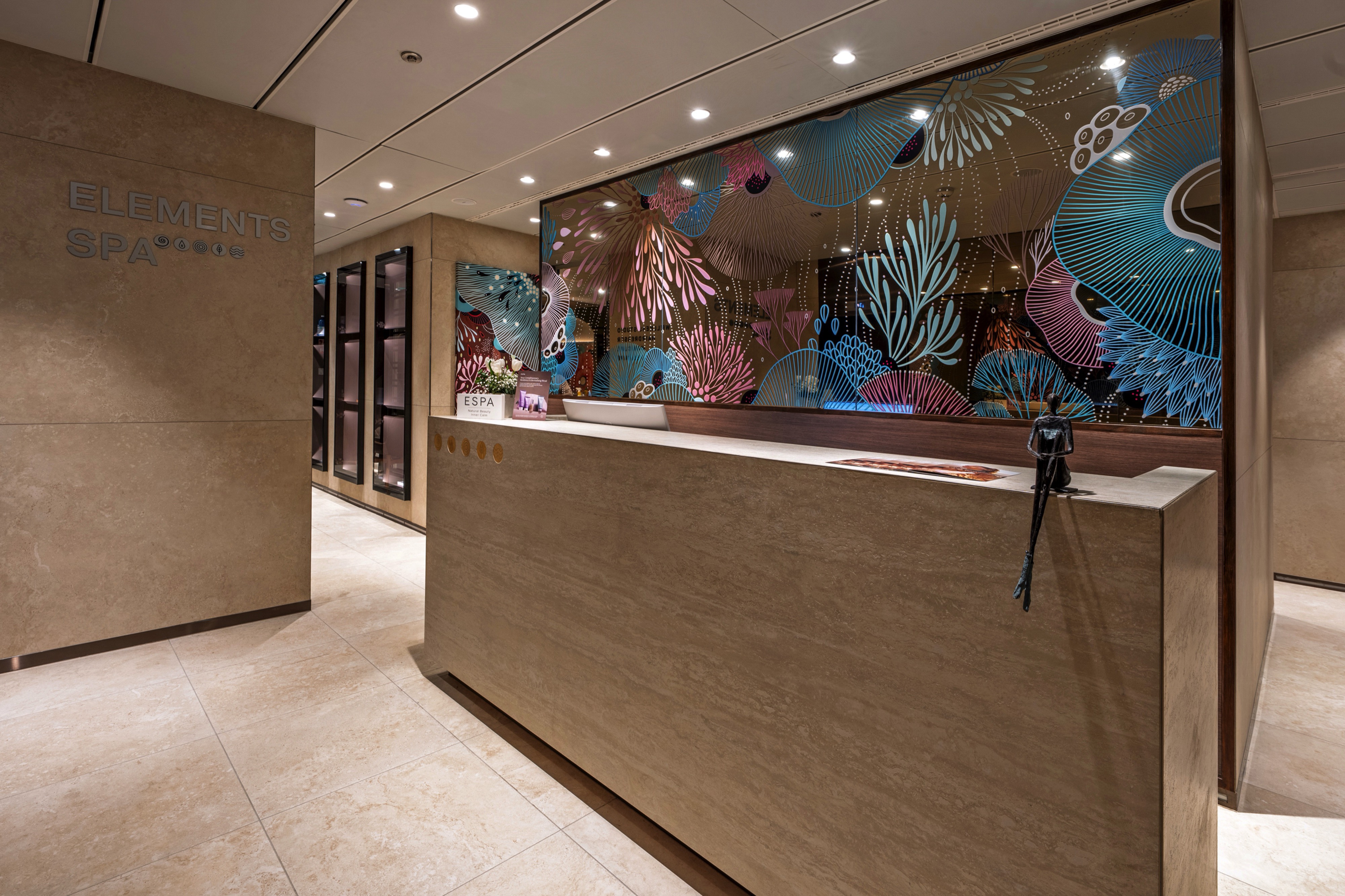
Elements Spa
At Elements Spa, indulge in blissful treatments using world- renowned ESPA products – available at an additional cost.
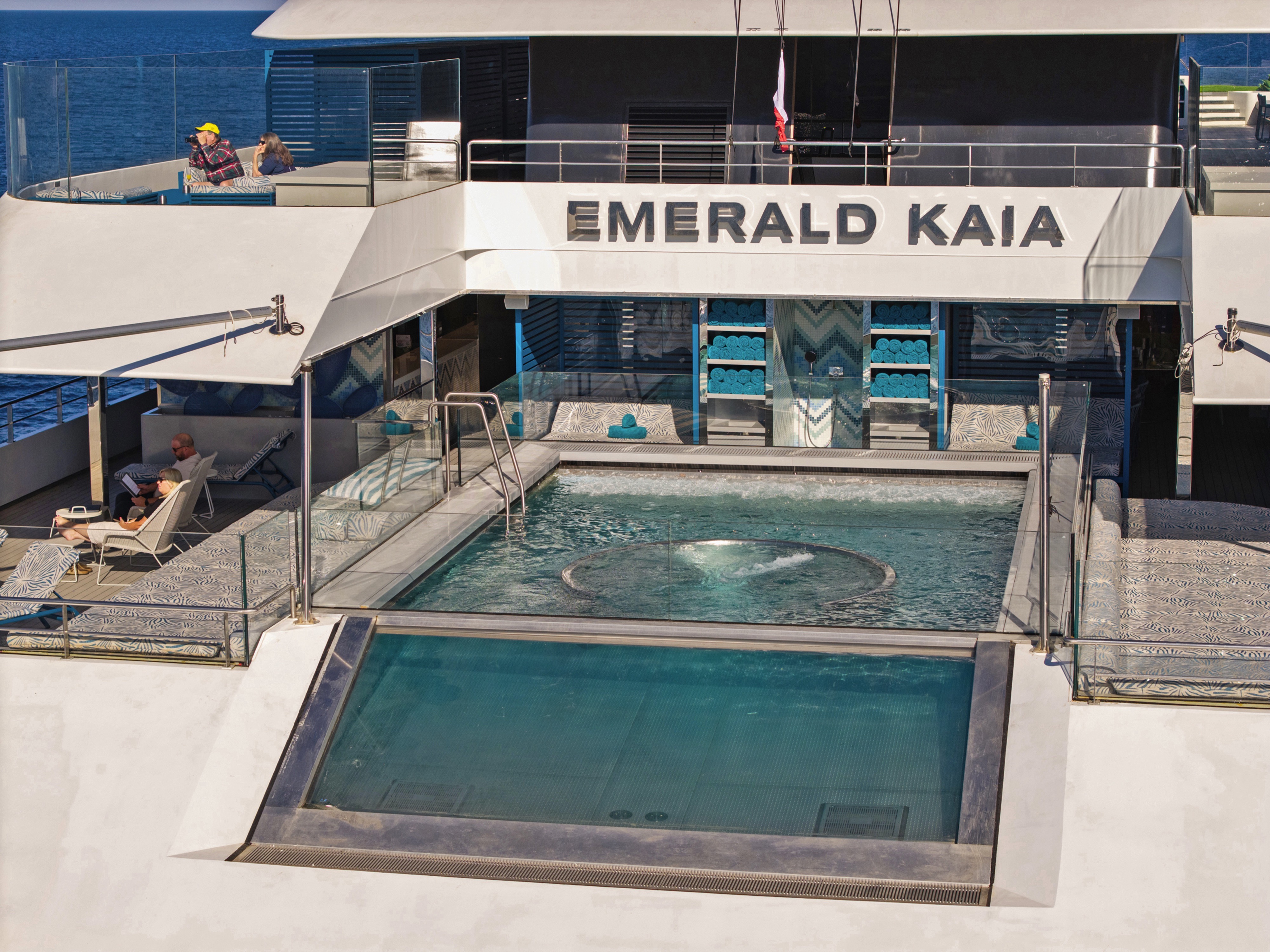
Aqua Pool
At the aft of the yacht on the sun-kissed Pool Deck, take a leisurely dip in the infinity-style Aqua Pool.
Aqua Pool Cafe (Soleá Bar & Bistro)
At the aft of the yacht on the sun-kissed Pool Deck, take a leisurely dip in the infinity-style Aqua Pool. Enjoy light al fresco refreshments at the Aqua Cafe while admiring the expansive views unfolding before you.
Night Market Grill
An intimate dining experience
Exclusive to Emerald Kaia, revel in one of our most unique on board dining venues. Available at an additional cost, the Night Market Grill provides an intimate setting for just eight guests, with a professionally trained chef cooking delicious cuisine in front of you on the Asian-inspired grill top.
Available on Emerald Kaia at additional cost.
La Cucina
Our premier on board dining spot
Enjoy fine à la carte dining, as well as sumptuous breakfasts and lunches in the serene setting of our spacious La Cucina Dining, taking inspiration from the path you’re navigating. This stylish restaurant boasts ample space and you can expect fresh, locally sourced dinners, thoughtfully crafted by our expert chefs. If you prefer to dine alfresco, head out to the adjoining Terrace to enjoy your meals under the sun.
Emerald Kaia features an open kitchen, so you can watch chefs preparing your tasty meals.
Included Excursions
EmeraldPLUS
Our EmeraldPLUS experiences brings the Mediterranean & Adriatic culture to life-with vibrant music and authentic local traditions either on board and ashore.
The life of a local
Join an array of cruise tours that showcase local customs, from exclusive concert performances to market visits.
On board activities
Revel in a range of special on board shows, sessions, and workshops, that bring the highlights of your destination to you.
In-depth specialty tours
Delve deeper into a special area of interest, sampling local treats and produce.
EmeraldACTIVE
EmeraldACTIVE tours provide an invigorating way to explore your destination. Active experiences, range from inspiring hikes to e-bike excursions and run concurrently with your included excursion, allowing you to select your preferred level of activity.
An invigorating hike
Join your guide for a sight-seeing tour like no other, as you explore far and wide while keeping fit and active.
A cycling sojourn
Take advantage of our free-to-use on board bikes as your guide provides a cycling tour past picturesque scenery.
Take to the Marina Platform
On selected days, your captain will drop anchor, presenting the perfect opportunity for a swim in the sea.
DiscoverMORE
Personalise your journey with DiscoverMORE^ experiences that connect you with local artisans through masterclasses, tastings, and authentic performances. For more information, click here.
True local performances
Enjoy watching local customs creatively imagined into stunning shows and spectacles.
Workshop masterclasses and tasting sessions
Let the experts guide you through the process of making local treats before you sample the fruits of your labour.
Journey further
Exciting excursions take you to cities further afield from the coastlines, where even more adventures await you.
^DiscoverMORE excursions are available at an additional cost.
Observation Sun Deck
The Observation Sun Deck features a new Spa pool, sunbeds and sun loungers providing the ultimate place to unwind and take in the spectacular views.
Sky Bar
A drink with a view
Fancy taking in stunning vistas with your favourite cocktail? Head the Sky Bar on the Sky Deck and choose from our extensive drinks menu. And, if you need to cool off from the sun, why not take a dip in the nearby Spa Pool?
Spa Pool
Relax in the inviting Spa Pool and enjoy the panoramic views.
Observation Lounge
The Observation Lounge can be found on the Observation Deck.
Amici Bar & Lounge
Relax and connect with fellow guests over a pre-dinner drink or evening night cap in the stylish Amici Bar & Lounge.
Marina Lounge
Exclusively on board Emerald Kaia, the Marina Lounge provides the ideal spot to pause, recharge and unwind.
Marina Deck
When your luxury yacht is anchored on marina days, step off from the Marina Platform to swim and enjoy our complimentary aquatic toys, including SEABOBs, inflatable kayaks, water trampolines and paddleboards.
Fun in the sea
Make the most of the Marina Platform, anchoring on selected days for incredible swim stops in the dazzling open waters.
Gym
Emerald Kaia also features an expansive and innovative gym that opens up as an indoor-outdoor workout space.
Elements Spa
At Elements Spa, indulge in blissful treatments using world- renowned ESPA products – available at an additional cost.
Aqua Pool
At the aft of the yacht on the sun-kissed Pool Deck, take a leisurely dip in the infinity-style Aqua Pool.
About the Ship
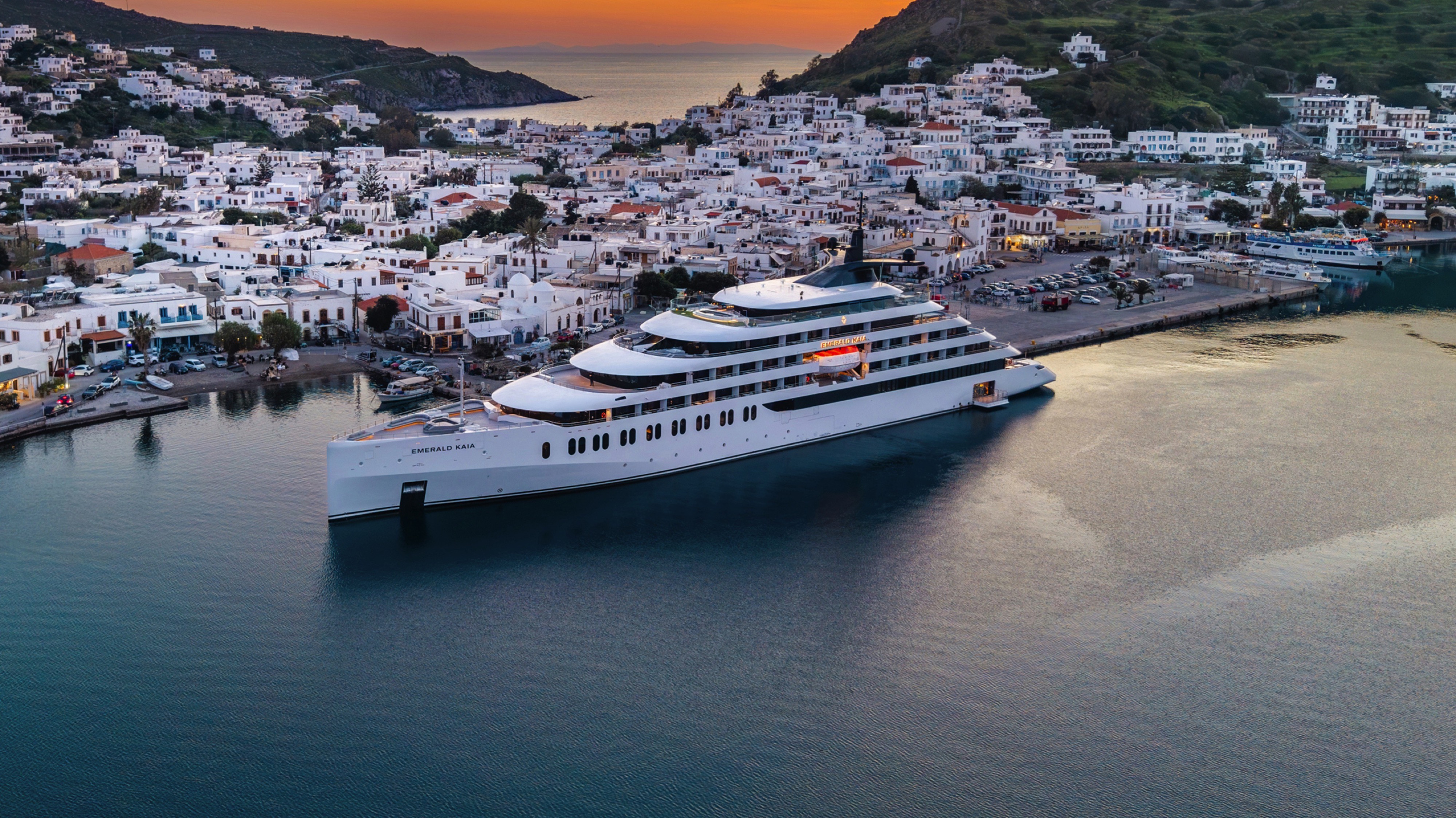
Deck Plans

- Elevators (3)
- Medical Center (19)
- Elements Spa (20)
- Sauna (21)
- Infrared Sauna (22)
- Hairdresser (23)
- Tender Boat (24)
- Zodiac (25)
- Gym (26)
- Marina Lounge (27)
- Marina Deck (28)

- Elevators (3)
- Amici Bar & Lounge (13)
- Reception (14)
- Boutique (15)
- Night Market Grill (16)
- La Cucina Terrace (18)
- La Cucina Dining (17)
- Oceanview Stateroom

- Spa Pool (9)
- Observation Sun Deck (10)
- Observation Lounge (11)
- Self-Service Laundry (12)
- Yacht Suite
- Balcony Suite
- Lift (3)

- Lift (3)
- Life Boats (8)
- Navigation Bridge (7)
- Balcony Suite
- Terrace Suite

- Elevators (3)
- Aqua Café (5)
- Aqua Pool (6)
- Owner’s Suite
- Balcony Suite
- Deluxe Balcony Suite

- Spa Pool (1)
- Sky Bar (2)
- Lift (3)
- Sky Deck Cabanas (4)
- Elevators (3)
- Medical Center (19)
- Elements Spa (20)
- Sauna (21)
- Infrared Sauna (22)
- Hairdresser (23)
- Tender Boat (24)
- Zodiac (25)
- Gym (26)
- Marina Lounge (27)
- Marina Deck (28)
- Elevators (3)
- Amici Bar & Lounge (13)
- Reception (14)
- Boutique (15)
- Night Market Grill (16)
- La Cucina Terrace (18)
- La Cucina Dining (17)
- Oceanview Stateroom
- Spa Pool (9)
- Observation Sun Deck (10)
- Observation Lounge (11)
- Self-Service Laundry (12)
- Yacht Suite
- Balcony Suite
- Lift (3)
- Lift (3)
- Life Boats (8)
- Navigation Bridge (7)
- Balcony Suite
- Terrace Suite
- Elevators (3)
- Aqua Café (5)
- Aqua Pool (6)
- Owner’s Suite
- Balcony Suite
- Deluxe Balcony Suite
- Spa Pool (1)
- Sky Bar (2)
- Lift (3)
- Sky Deck Cabanas (4)