
Featured Cabins
Itinerary
Mahé, Seychelles
Like jade-coloured jewels in the Indian Ocean, the more than 100 Seychelles Islands are often regarded as the Garden of Eden. Lying just four degrees south of the equator, the Seychelles are some 1,000 miles (1,610 km) from the nearest mainland Africa. Little more than 200 years ago, all 115 islands were uninhabited. Then in 1742 a French ship dispatched from Mauritius sailed into one of the small bays. Captain Lazare Picault was the first to explore these unnamed islands. He encountered breathtaking vistas of rugged mountains, lagoons, coral atolls, splendid beaches and secluded coves. After Picault sailed away, the islands remained untouched for the next 14 years. Then France took possession of the seven islands in the Mahé group. During an expedition Captain Morphey named them the Sechelles, in honour of Vicomte Moreau de Sechelles. This name was later anglicised to Seychelles. The first settlers arrived at St. Anne’s Island in 1770; 15 years later the population of Mahé consisted of seven Europeans and 123 slaves. Today there are about 80,000 Seychellois, the majority of whom live on Mahé; the rest are scattered in small communities throughout the archipelago. The people are a fusion of three continents – Africa, Asia and Europe. This has created a unique culture and the use of three languages – Creole, French and English. Mahé is the largest island in the archipelago and the location of the capital, Victoria. Ringed by steep, magnificent mountains, few capitals can claim a more beautiful backdrop. The town features a mixture of modern and indigenous architecture; it is the centre of business and commerce thanks to the extensive port facilities. Noteworthy sites in Victoria are the museum, cathedral, government house, clock tower, botanical gardens and an open-air market. The major attractions are found outside of town where the island’s quiet, lazy atmosphere delights visitors. With 68 pristine, white sand beaches, Mahé boasts more beaches and tourist facilities than any of the other Seychelles Islands. Beautiful and remote Mahé with its green-clad mountains and palm-fringed beaches is indeed an island of abundance; pleasant surprises are around every bend in the trail. Come ashore and discover for yourself this marvellous island paradise.
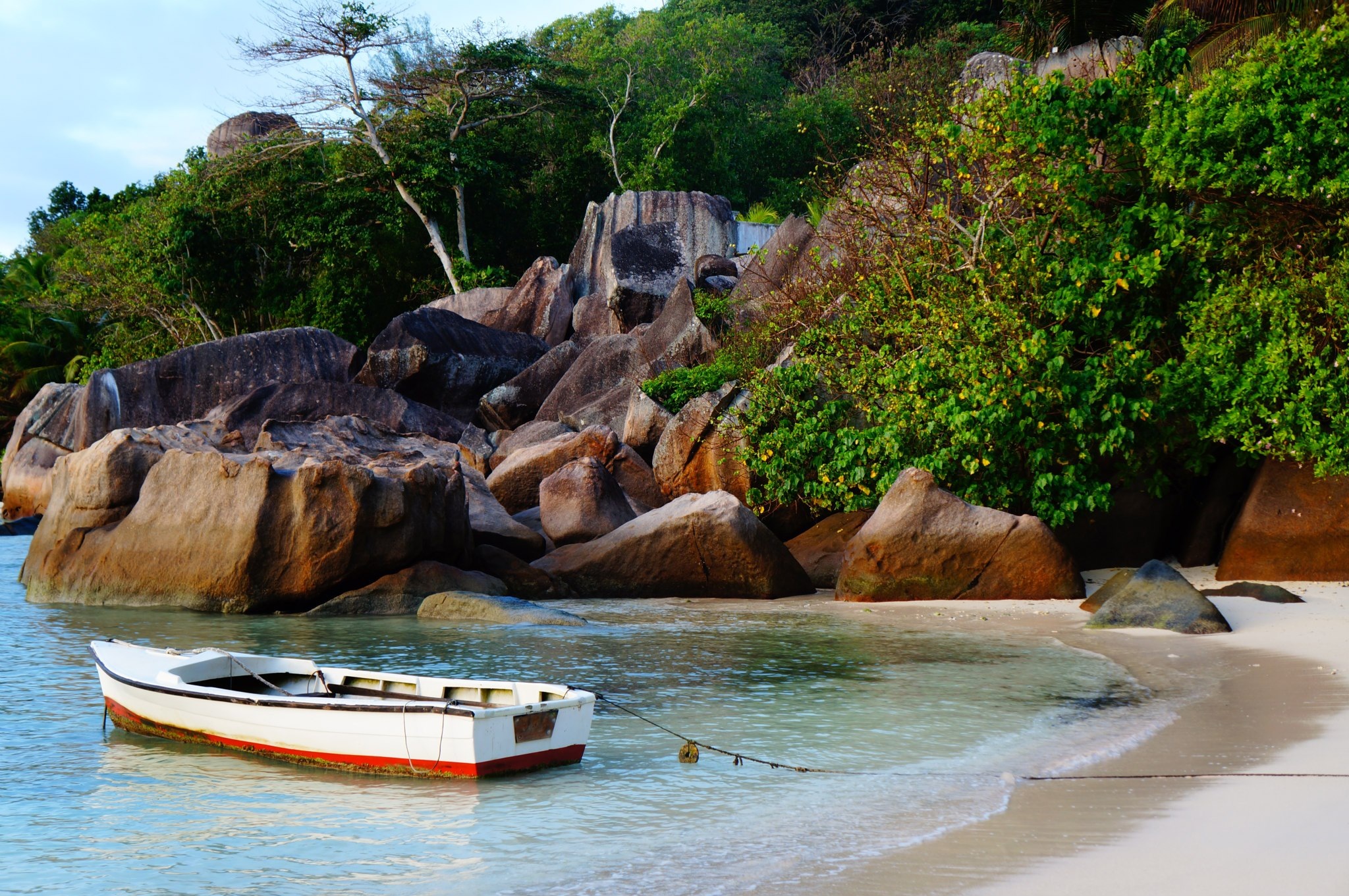
Sainte Anne Island, Seychelles
Your tropical cruise begins in Mahé island, where you’ll be transferred to your Emerald Cruises luxury yacht and embark on your discovery of the Seychelles. In the evening, we sail to Sainte Anne Channel.
Please book your flight to arrive into Mahé, Seychelles prior to 01:00 PM.
Docked: 17:45
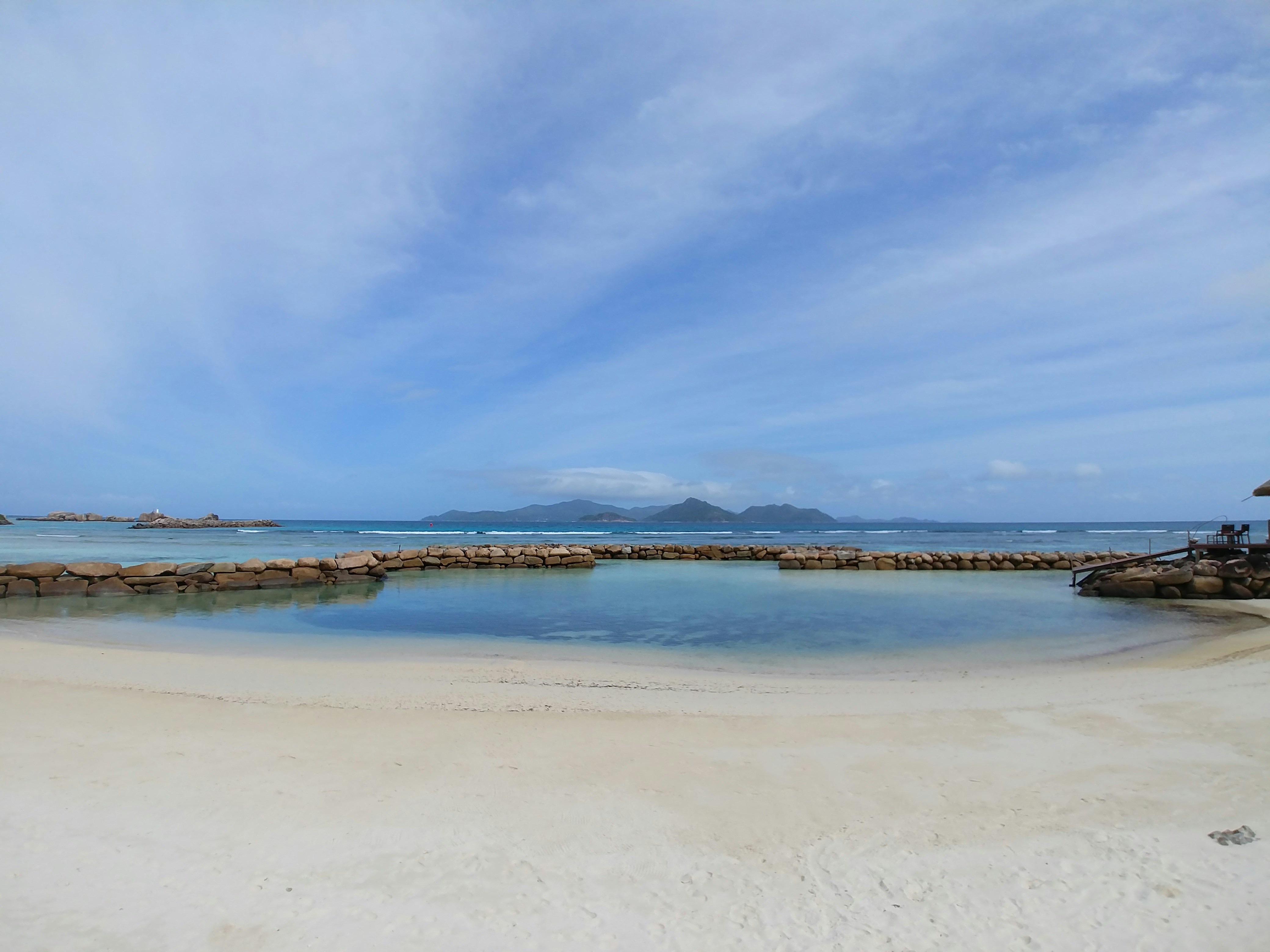
Sainte Anne Island, Seychelles
Sainte Anne Island is encircled by a Marine National Park, home to incredible marine life including more than 150 species of fish. Sainte Anne is now a significant nesting site for Hawksbill turtles.
Late morning, we sail to Cousin, a small island renowned as a haven for seabirds. The granitic islet was a private property until 1968 when it was purchased by the International Council for Bird Preservation to transform it into a nature reserve. It’s the most protected island in the archipelago, providing a breeding ground for eleven sea bird species annually and a habitat for five birds native to the Seychelles. We stay overnight in Praslin.
DiscoverMORE
Visit to Moyenne Island (extra expense, must be pre-booked)
Step ashore on enchanting Moyenne Island, located within the protected waters of Sainte Anne Marine National Park. Once a neglected island, Moyenne was lovingly restored by former newspaper editor Brendon Grimshaw, who transformed it into a flourishing nature reserve and sanctuary for wildlife. After transfer by dinghy from the ship, guests enjoy a guided walking tour along scenic trails that wind through native vegetation and shaded pathways. Meet the island’s resident giant tortoises, discover educational displays detailing Moyenne’s fascinating conservation story, and take in spectacular views across the turquoise waters of the Indian Ocean. This tranquil escape offers a unique opportunity to experience one of Seychelles’ smallest national parks, rich in history and biodiversity, before returning by dinghy to the ship.
Activity Level: Easy, Duration: 1 hour 15 minutes
Included Excursion
Cousin Island Birding Hike
Discover the extraordinary biodiversity of Cousin Island, a legally protected Special Reserve under Seychelles law. Managed for conservation, research, and carefully controlled ecotourism, Cousin is a sanctuary where wildlife protection takes absolute priority. Guests are transferred by small island boats directly onto the beach—an impressive landing manoeuvre designed to prevent the accidental introduction of pests and preserve the island’s fragile ecosystem. Upon arrival, visitors are divided into small groups and guided by one of the Reserve’s expert Wardens, who provide fascinating insight into the island’s rare birdlife, endemic species, and ongoing conservation efforts.The guided walk lasts approximately two hours and offers a flatter, smoother path suitable for guests preferring a gentler experience. After the walk, guests return to the beach for staggered departures back to the ship.
Activity Level: Easy, Duration: 3 hours
Anchored: 19:00 (previous day) – 11:30 | 14:00 – 18:00
Cousin Island, Seychelles
Sainte Anne Island is encircled by a Marine National Park, home to incredible marine life including more than 150 species of fish. Sainte Anne is now a significant nesting site for Hawksbill turtles.
Late morning, we sail to Cousin, a small island renowned as a haven for seabirds. The granitic islet was a private property until 1968 when it was purchased by the International Council for Bird Preservation to transform it into a nature reserve. It’s the most protected island in the archipelago, providing a breeding ground for eleven sea bird species annually and a habitat for five birds native to the Seychelles. We stay overnight in Praslin.
DiscoverMORE
Visit to Moyenne Island (extra expense, must be pre-booked)
Step ashore on enchanting Moyenne Island, located within the protected waters of Sainte Anne Marine National Park. Once a neglected island, Moyenne was lovingly restored by former newspaper editor Brendon Grimshaw, who transformed it into a flourishing nature reserve and sanctuary for wildlife. After transfer by dinghy from the ship, guests enjoy a guided walking tour along scenic trails that wind through native vegetation and shaded pathways. Meet the island’s resident giant tortoises, discover educational displays detailing Moyenne’s fascinating conservation story, and take in spectacular views across the turquoise waters of the Indian Ocean. This tranquil escape offers a unique opportunity to experience one of Seychelles’ smallest national parks, rich in history and biodiversity, before returning by dinghy to the ship.
Activity Level: Easy, Duration: 1 hour 15 minutes
Included Excursion
Cousin Island Birding Hike
Discover the extraordinary biodiversity of Cousin Island, a legally protected Special Reserve under Seychelles law. Managed for conservation, research, and carefully controlled ecotourism, Cousin is a sanctuary where wildlife protection takes absolute priority. Guests are transferred by small island boats directly onto the beach—an impressive landing manoeuvre designed to prevent the accidental introduction of pests and preserve the island’s fragile ecosystem. Upon arrival, visitors are divided into small groups and guided by one of the Reserve’s expert Wardens, who provide fascinating insight into the island’s rare birdlife, endemic species, and ongoing conservation efforts.The guided walk lasts approximately two hours and offers a flatter, smoother path suitable for guests preferring a gentler experience. After the walk, guests return to the beach for staggered departures back to the ship.
Activity Level: Easy, Duration: 3 hours
Anchored: 19:00 (previous day) – 11:30 | 14:00 – 18:00
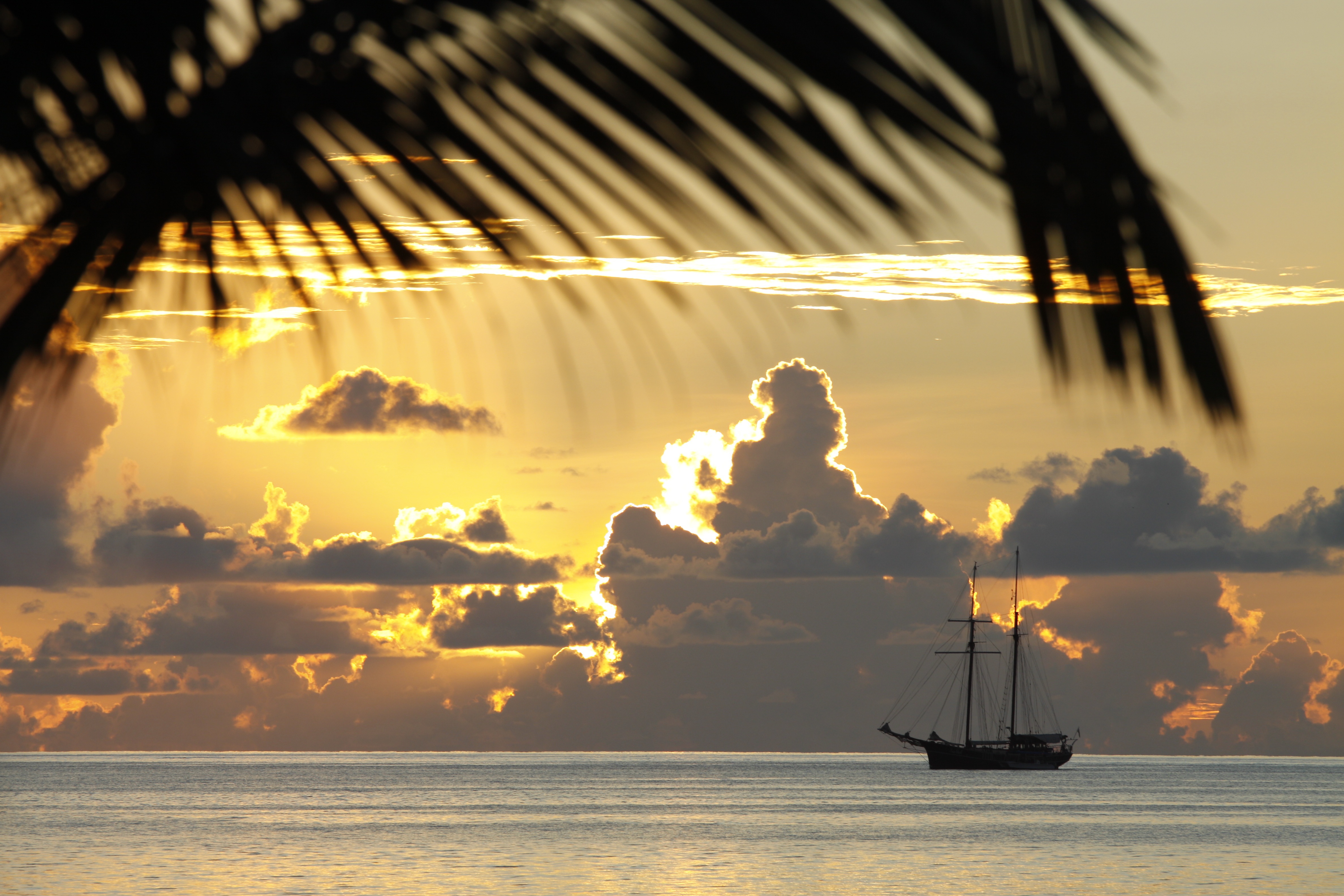
Praslin Island, Seychelles
Forty kilometers (25 miles) northeast of Mahé, Praslin is just a 15-minute flight or 45-minute ferry ride away. Praslin, at 11 km (7 miles) long and 4 km (2.5 miles) wide, is the second-largest island in the Seychelles. First settled as a hideaway by pirates and Arab merchants, the island’s original name, Isle de Palmes, bears testament to its reputation as home of the Vallée de Mai UNESCO World Heritage Site: the only place in the world where the famous Coco de Mer, the world’s heaviest nut, grows abundantly in the wild. Praslin’s endemic palm forests shelter many rare species, and the island is a major bird-watching destination. Surrounded by a coral reef, majestic bays, and gorgeous beaches, Praslin is much quieter and less developed than Mahé. With few real “sights,” the pleasures of Praslin largely involve relaxing in or exploring its stunning beaches and fantastical forests.
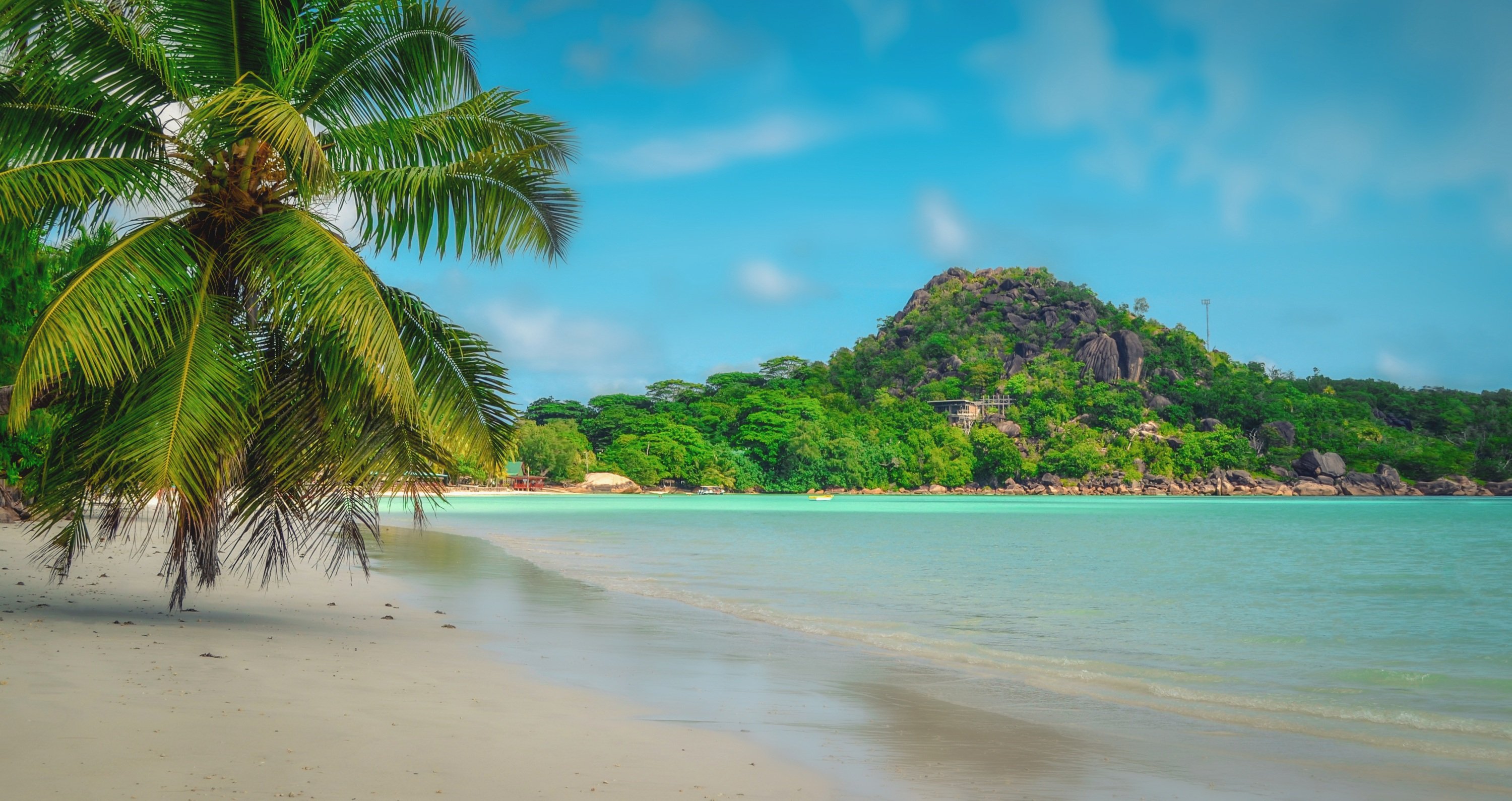
La Digue, Seychelles
La Digue Island is an island like no other. It is the smallest of the three populated islands in the Seychelles, but the tranquillity will make it feel like you’re the only one there.
The stunning surroundings should be soaked up from cycling through the vanilla plantations to lying on the white-sandy beaches, your time on La Digue should be cherished.
There is a little more to do on La Digue compared to the smaller, uninhabited islands where you can enjoy full moon tours, surfing and snorkelling with a local.
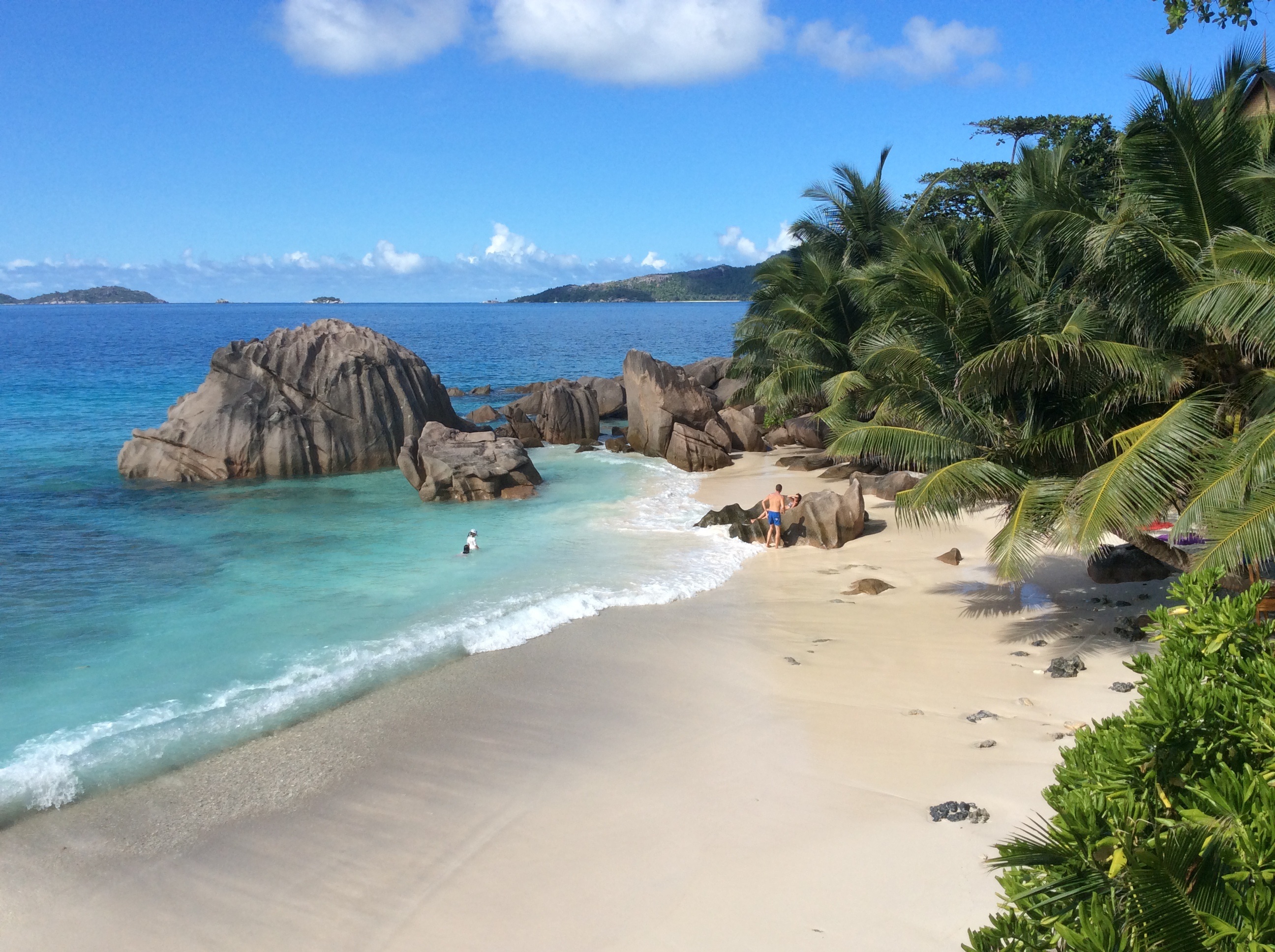
Curieuse Island, Seychelles
Curieuse is a rugged island swathed in unspoilt wilderness and home to hundreds of resident Aldabra giant tortoises. Apart from its obvious natural beauty, it has a fascinating history. It was once a quarantine station, and the original French colonial doctor’s house has a museum and visitor’s centre.
EmeraldACTIVE
Curieuse Island Hiking Exploration
Discover the wild beauty of Curieuse Island, a small granitic island located just off the north coast of Praslin. Renowned for its striking red earth and rare endemic flora, Curieuse offers an authentic nature experience within a protected marine park. Arriving by boat at Baie Laraie, guests are greeted by the island’s iconic giant Aldabra tortoises, roaming freely near the shore. The excursion continues with a one-hour guided nature trail from Baie Laraie to Anse José, where you will discover mangrove ecosystems and endemic plant species, including the legendary Coco de Mer, a cultural symbol of Seychelles found naturally only on neighbouring islands. Upon arrival at Anse José, visit the historic Doctor’s House, once a colonial residence and now a small museum, followed by time to relax on the beach before returning by boat to the ship.
Activity Level: Moderate, Duration: 2 hours 30 minutes
Anchored: 19:30 (previous day) – 06:00 (next day)
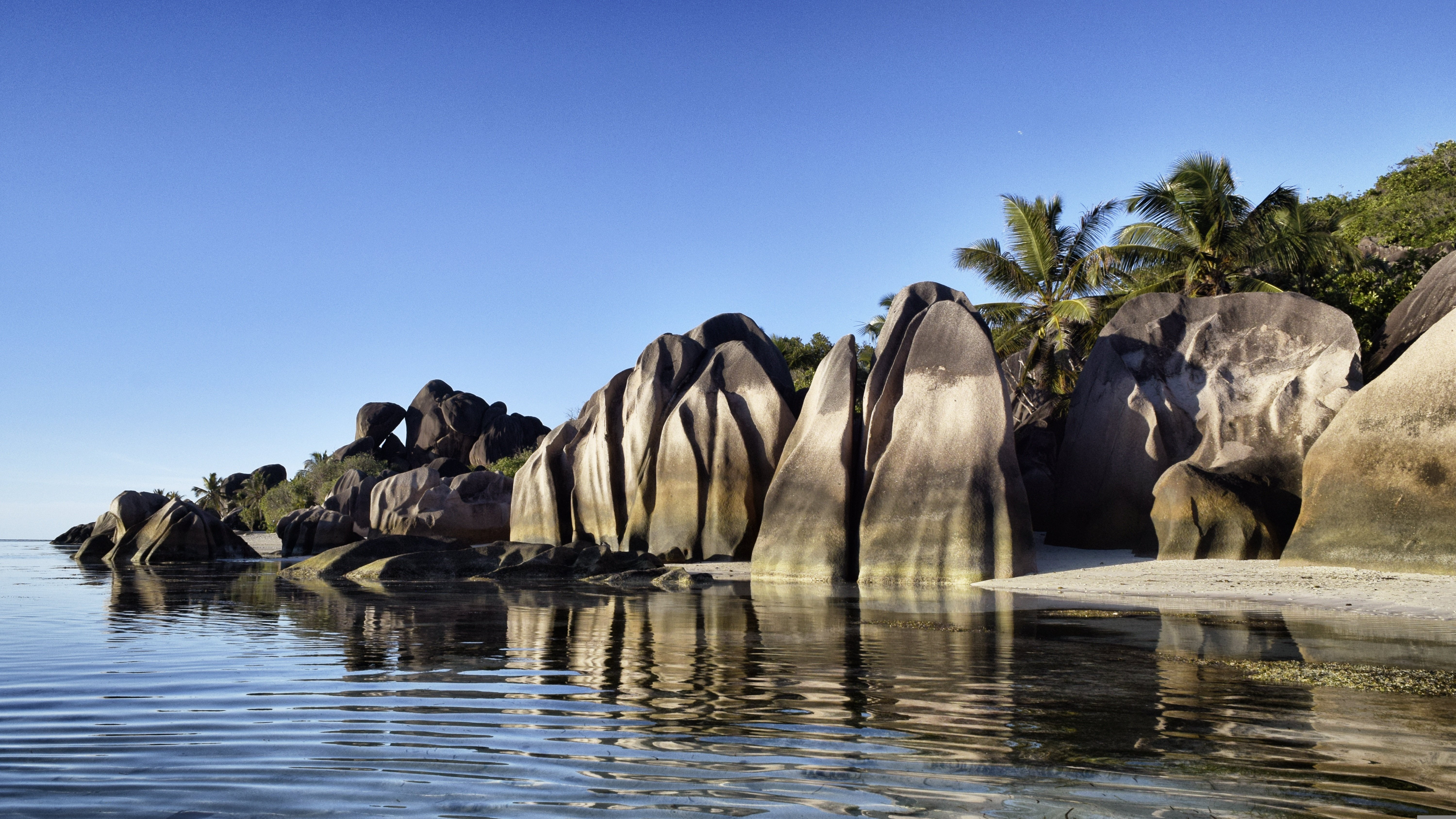
Aride Island, Seychelles
Early in the morning, we sail to Aride, a nature reserve in the Indian Ocean. Nature enthusiasts and wildlife photographers flock to this island, where more than thirty rare bird species nest in the verdant vegetation. The landscape is enticing with fine-sand beaches, coconut palms and soaring cliffs.
Included Excursion
Forest Walk
Discover the natural wonders of Aride Island on this scenic coastal exploration. Guests are transferred by small island boats from the ship to the island, arriving ashore to begin a guided walk led by island rangers. This walk focuses on the island’s shoreline ecosystem, offering insight into native flora and fauna while enjoying spectacular ocean views. Following the trail walk, guests continue with a guided stroll along the beach, where there is an opportunity to learn about the island’s turtles and their conservation.
Activity Level: Easy, Duration: 1 hour 45 minutes
Anchored: 07:30 – 12:30
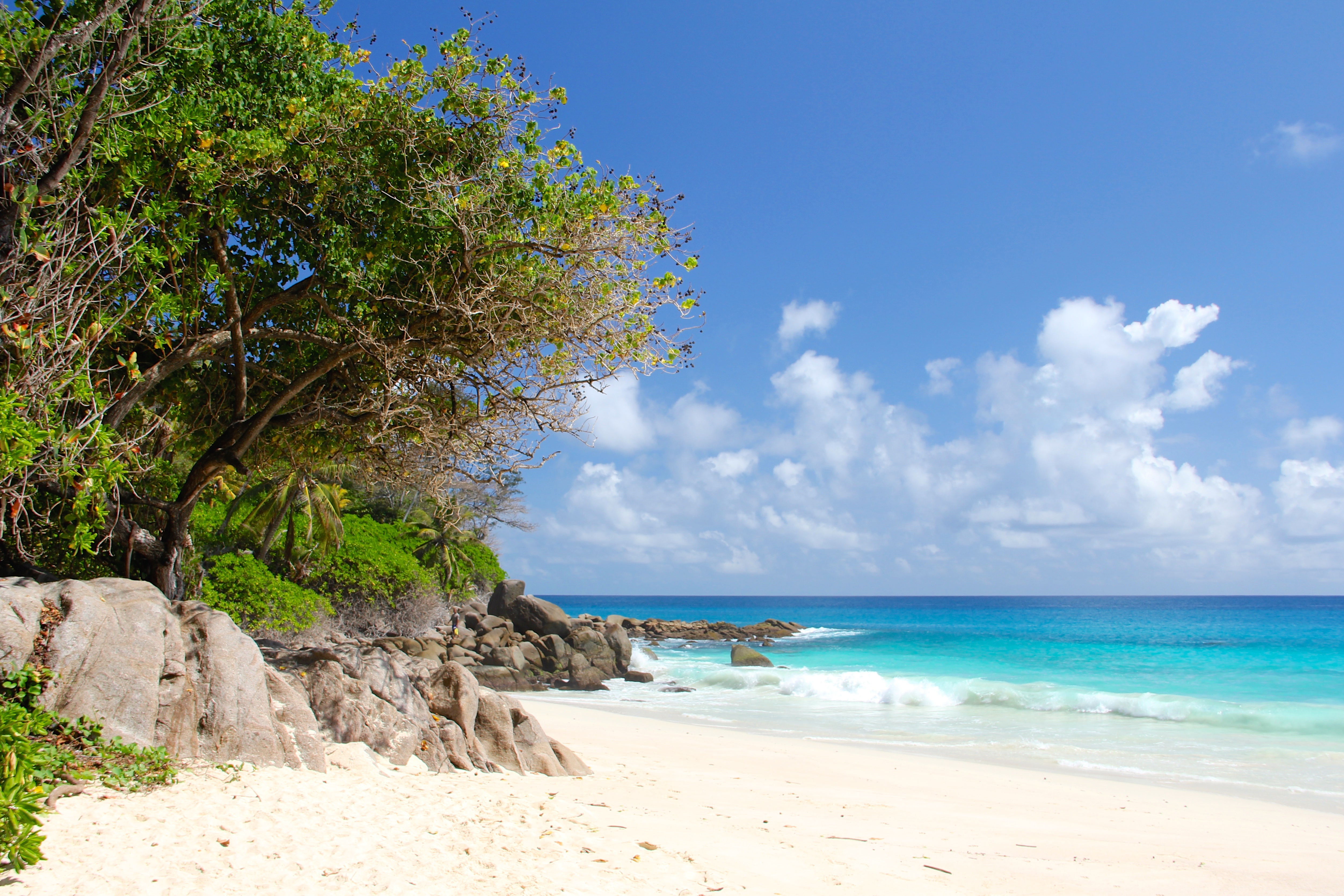
Mahé, Seychelles
Like jade-coloured jewels in the Indian Ocean, the more than 100 Seychelles Islands are often regarded as the Garden of Eden. Lying just four degrees south of the equator, the Seychelles are some 1,000 miles (1,610 km) from the nearest mainland Africa. Little more than 200 years ago, all 115 islands were uninhabited. Then in 1742 a French ship dispatched from Mauritius sailed into one of the small bays. Captain Lazare Picault was the first to explore these unnamed islands. He encountered breathtaking vistas of rugged mountains, lagoons, coral atolls, splendid beaches and secluded coves. After Picault sailed away, the islands remained untouched for the next 14 years. Then France took possession of the seven islands in the Mahé group. During an expedition Captain Morphey named them the Sechelles, in honour of Vicomte Moreau de Sechelles. This name was later anglicised to Seychelles. The first settlers arrived at St. Anne’s Island in 1770; 15 years later the population of Mahé consisted of seven Europeans and 123 slaves. Today there are about 80,000 Seychellois, the majority of whom live on Mahé; the rest are scattered in small communities throughout the archipelago. The people are a fusion of three continents – Africa, Asia and Europe. This has created a unique culture and the use of three languages – Creole, French and English. Mahé is the largest island in the archipelago and the location of the capital, Victoria. Ringed by steep, magnificent mountains, few capitals can claim a more beautiful backdrop. The town features a mixture of modern and indigenous architecture; it is the centre of business and commerce thanks to the extensive port facilities. Noteworthy sites in Victoria are the museum, cathedral, government house, clock tower, botanical gardens and an open-air market. The major attractions are found outside of town where the island’s quiet, lazy atmosphere delights visitors. With 68 pristine, white sand beaches, Mahé boasts more beaches and tourist facilities than any of the other Seychelles Islands. Beautiful and remote Mahé with its green-clad mountains and palm-fringed beaches is indeed an island of abundance; pleasant surprises are around every bend in the trail. Come ashore and discover for yourself this marvellous island paradise.
Mahé, Seychelles
Like jade-coloured jewels in the Indian Ocean, the more than 100 Seychelles Islands are often regarded as the Garden of Eden. Lying just four degrees south of the equator, the Seychelles are some 1,000 miles (1,610 km) from the nearest mainland Africa. Little more than 200 years ago, all 115 islands were uninhabited. Then in 1742 a French ship dispatched from Mauritius sailed into one of the small bays. Captain Lazare Picault was the first to explore these unnamed islands. He encountered breathtaking vistas of rugged mountains, lagoons, coral atolls, splendid beaches and secluded coves. After Picault sailed away, the islands remained untouched for the next 14 years. Then France took possession of the seven islands in the Mahé group. During an expedition Captain Morphey named them the Sechelles, in honour of Vicomte Moreau de Sechelles. This name was later anglicised to Seychelles. The first settlers arrived at St. Anne’s Island in 1770; 15 years later the population of Mahé consisted of seven Europeans and 123 slaves. Today there are about 80,000 Seychellois, the majority of whom live on Mahé; the rest are scattered in small communities throughout the archipelago. The people are a fusion of three continents – Africa, Asia and Europe. This has created a unique culture and the use of three languages – Creole, French and English. Mahé is the largest island in the archipelago and the location of the capital, Victoria. Ringed by steep, magnificent mountains, few capitals can claim a more beautiful backdrop. The town features a mixture of modern and indigenous architecture; it is the centre of business and commerce thanks to the extensive port facilities. Noteworthy sites in Victoria are the museum, cathedral, government house, clock tower, botanical gardens and an open-air market. The major attractions are found outside of town where the island’s quiet, lazy atmosphere delights visitors. With 68 pristine, white sand beaches, Mahé boasts more beaches and tourist facilities than any of the other Seychelles Islands. Beautiful and remote Mahé with its green-clad mountains and palm-fringed beaches is indeed an island of abundance; pleasant surprises are around every bend in the trail. Come ashore and discover for yourself this marvellous island paradise.
La Digue, Seychelles
La Digue Island is an island like no other. It is the smallest of the three populated islands in the Seychelles, but the tranquillity will make it feel like you’re the only one there.
The stunning surroundings should be soaked up from cycling through the vanilla plantations to lying on the white-sandy beaches, your time on La Digue should be cherished.
There is a little more to do on La Digue compared to the smaller, uninhabited islands where you can enjoy full moon tours, surfing and snorkelling with a local.
Praslin Island, Seychelles
Forty kilometers (25 miles) northeast of Mahé, Praslin is just a 15-minute flight or 45-minute ferry ride away. Praslin, at 11 km (7 miles) long and 4 km (2.5 miles) wide, is the second-largest island in the Seychelles. First settled as a hideaway by pirates and Arab merchants, the island’s original name, Isle de Palmes, bears testament to its reputation as home of the Vallée de Mai UNESCO World Heritage Site: the only place in the world where the famous Coco de Mer, the world’s heaviest nut, grows abundantly in the wild. Praslin’s endemic palm forests shelter many rare species, and the island is a major bird-watching destination. Surrounded by a coral reef, majestic bays, and gorgeous beaches, Praslin is much quieter and less developed than Mahé. With few real “sights,” the pleasures of Praslin largely involve relaxing in or exploring its stunning beaches and fantastical forests.
Amirantes Islands, Seychelles
The Amirante Islands are known for their pristine beauty, the perfect haven for nature lovers and adventurers. Their isolated location and untouched environment make them an ideal destination for diving, fishing, and wildlife observation. You could take a stroll or hike under the canopy of exotic palm trees, where various bird species can be spotted.
Opportunity to spend the day swimming and snorkelling from the yacht.
Anchored: 12:00 – 18:00
Alphonse Islands, Seychelles
Alphonse Island is an authentic, unspoiled island experience in the Seychelles.
Beautiful white-sand beaches lined with palm trees mark a break between the crystal-clear waters and dense natural forest, of which both are thriving with wildlife. Bijoutier Island is a very small island that sits within the St. François Atoll.
The uninhabited land takes its name from the French word, bijoutier, meaning “jeweller” and it is indeed a land of jewels. In 2007 the Island Conservation Society established a conservation centre on Alphonse to manage conservation on both Bijoutier and Alphonse.
Farquhar Islands, Seychelles
The Farquhar Island is part of the Farquhar Group of islands in the Seychelles and was one of the earliest of the Outer Islands to be discovered. Its coral strewn lagoon is teeming with exotic coral and fish who dance in the crystal-clear waters. The salt-water paradise attracts only the most serious of anglers due to its unique variety of species that live here.
Aldabra Atoll, Seychelles
A hidden gem in a faraway archipelago, Aldabra Atoll is one of the last virtually untouched sanctuaries on earth.
Listed as a UNESCO World Heritage Site, Aldabra Atoll is formed by 4 large coral reef islands and 40 smaller islands and rocks. It is one of the world’s most wild and remote regions with the larger reefs surrounding a shallow lagoon teeming with black-tipped sharks, sea turtles and manta rays in the centre of the atoll. Aldabra Atoll truly is a spectacular wonder that is rich in wildlife with Aldabra giant tortoises outnumbering the human population in Seychelles.
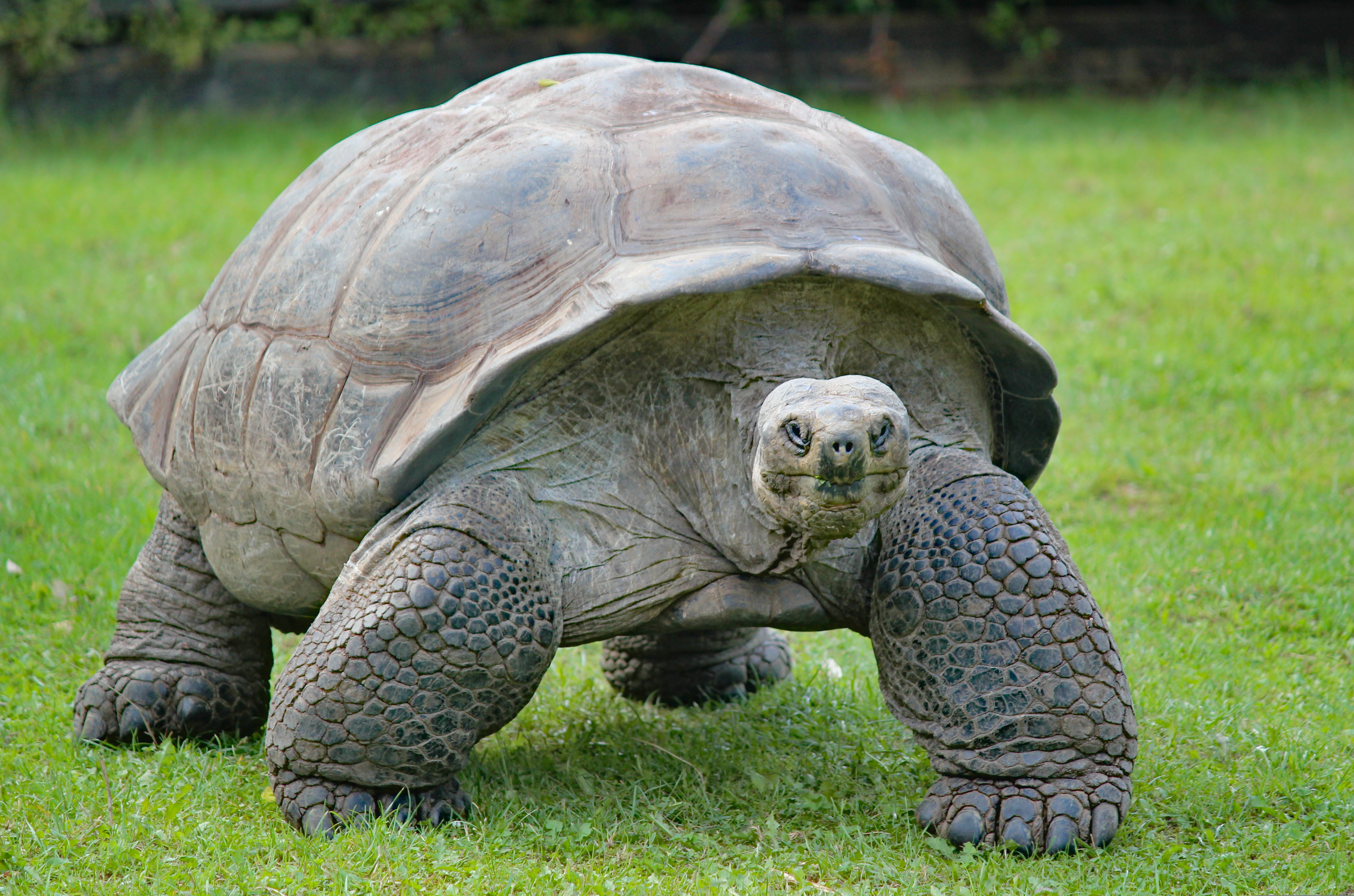
Aldabra Atoll, Seychelles
A hidden gem in a faraway archipelago, Aldabra Atoll is one of the last virtually untouched sanctuaries on earth.
Listed as a UNESCO World Heritage Site, Aldabra Atoll is formed by 4 large coral reef islands and 40 smaller islands and rocks. It is one of the world’s most wild and remote regions with the larger reefs surrounding a shallow lagoon teeming with black-tipped sharks, sea turtles and manta rays in the centre of the atoll. Aldabra Atoll truly is a spectacular wonder that is rich in wildlife with Aldabra giant tortoises outnumbering the human population in Seychelles.
Aldabra Atoll, Seychelles
A hidden gem in a faraway archipelago, Aldabra Atoll is one of the last virtually untouched sanctuaries on earth.
Listed as a UNESCO World Heritage Site, Aldabra Atoll is formed by 4 large coral reef islands and 40 smaller islands and rocks. It is one of the world’s most wild and remote regions with the larger reefs surrounding a shallow lagoon teeming with black-tipped sharks, sea turtles and manta rays in the centre of the atoll. Aldabra Atoll truly is a spectacular wonder that is rich in wildlife with Aldabra giant tortoises outnumbering the human population in Seychelles.
Kilwa Kisiwani, Tanzania
Kilwa Kisiwani is a captivating UNESCO World Heritage site, off the southern coast of Tanzania. The island was a significant trade hub from the 13th to the 16th centuries, due to its control over the gold trade. One iconic structure is the Great Mosque, the oldest standing mosque on the East African coast. With its sixteen domed and vaulted bays, the mosque’s grand architecture reflects the city’s golden age.
EmeraldPLUS
Treasures of Kilwa Kisiwani
Reach the legendary Kilwa Ruins by tender or boat, coming ashore at Kilwa Kisiwani Island, where a stone pier leads directly into the heart of this UNESCO World Heritage Site. From the top of the pier, your guide will offer a brief introduction before you set off on a fascinating walking tour through one of East Africa’s most important medieval trading centres. Divided into small groups, you will explore evocative sites such as the Malindi Mosque and cemetery, the imposing Gereza fort, and Makutani, the former royal enclave with palaces, residences, and private mosques. Scattered throughout are additional mosques and the Great House, many remarkably well preserved, allowing you to vividly imagine the wealth and power of the sultans who once ruled here.
Activity Level: Moderate, Duration 3 hours 15 minutes
Docked: 07:00 – 18:00
Mafia Island, Tanzania
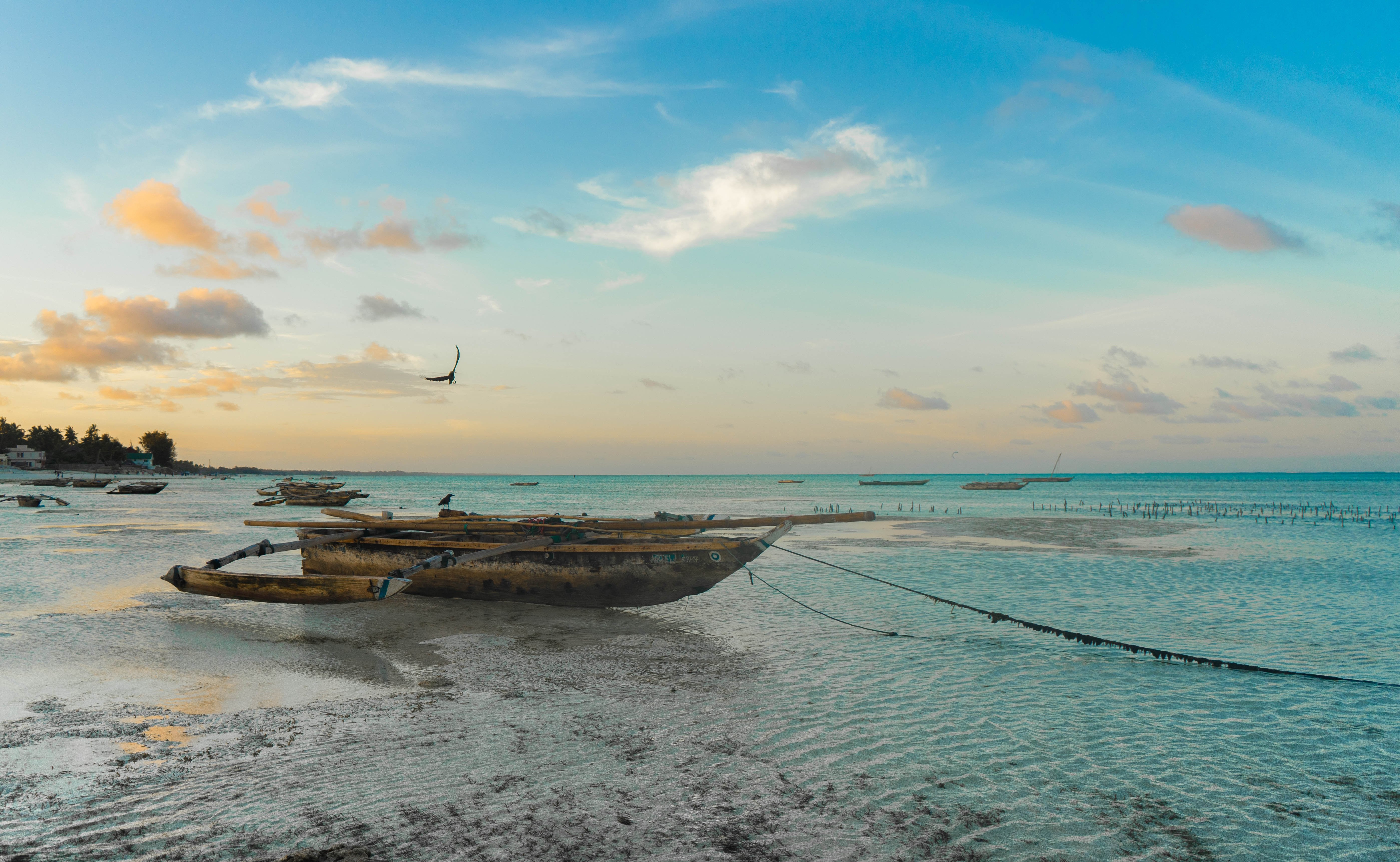
Mafia has an incredibly diverse landscape, dotted with coconut and cashew nut plantations, palm trees, tidal mangroves and plump baobab trees standing in vast African savannah grasslands. The island is also famous for its population of whale sharks, attracting tourists who wish to swim with these gentle giants. The best time to see whale sharks is usually between October and February.
EmeraldACTIVE
Chole Island Tour
Chole Island is one of the oldest inhabited islands in the Mafia archipelago. It has a long, varied history dating back to the 12th Century and was once the capital of Mafia. On this tour you can explore the ruins that have been overtaken by nature and see the Arabic and German influences, including a prison and customs house. Your guide will take you for a walk across the island through the small villages and varied vegetation (including baobab trees) and show you where traditional Swahili dhows are built by skilled craftsmen using hand tools. Chole also acts as a sanctuary for the Flying Foxes (Fruit Bats) which your guide will help you to see sleeping in the trees during the day.
Activity Level: Moderate, Duration: 2 – 3 hours
DiscoverMORE
Swimming with Whale Sharks (extra expense)
Set out from Kilindoni by motorboat for an unforgettable encounter with the ocean’s largest fish, the whale shark. Accompanied by an experienced marine guide, you cruise the plankton-rich waters of Kilindoni Bay while the crew searches for the distinctive shapes and surface activity of these gentle filter feeders. When a whale shark is located and sea conditions permit, you receive guidance on entering the water respectfully before snorkelling nearby. From a suitable distance, you may watch these remarkable animals glide through the clear tropical water, appreciating their immense scale and graceful movement. Snorkelling equipment and life jackets are provided, and your guide explains the responsible wildlife practices that protect both guests and marine life. Those who prefer not to enter the water can remain aboard to enjoy whale-shark watching from the boat. As this is an encounter with wild animals, sightings cannot be guaranteed, making every experience distinct.
Activity Level: Moderate, Duration: 4 hours 30 minutes
Anchored: 07:00 – 18:00
Zanzibar, Tanzania
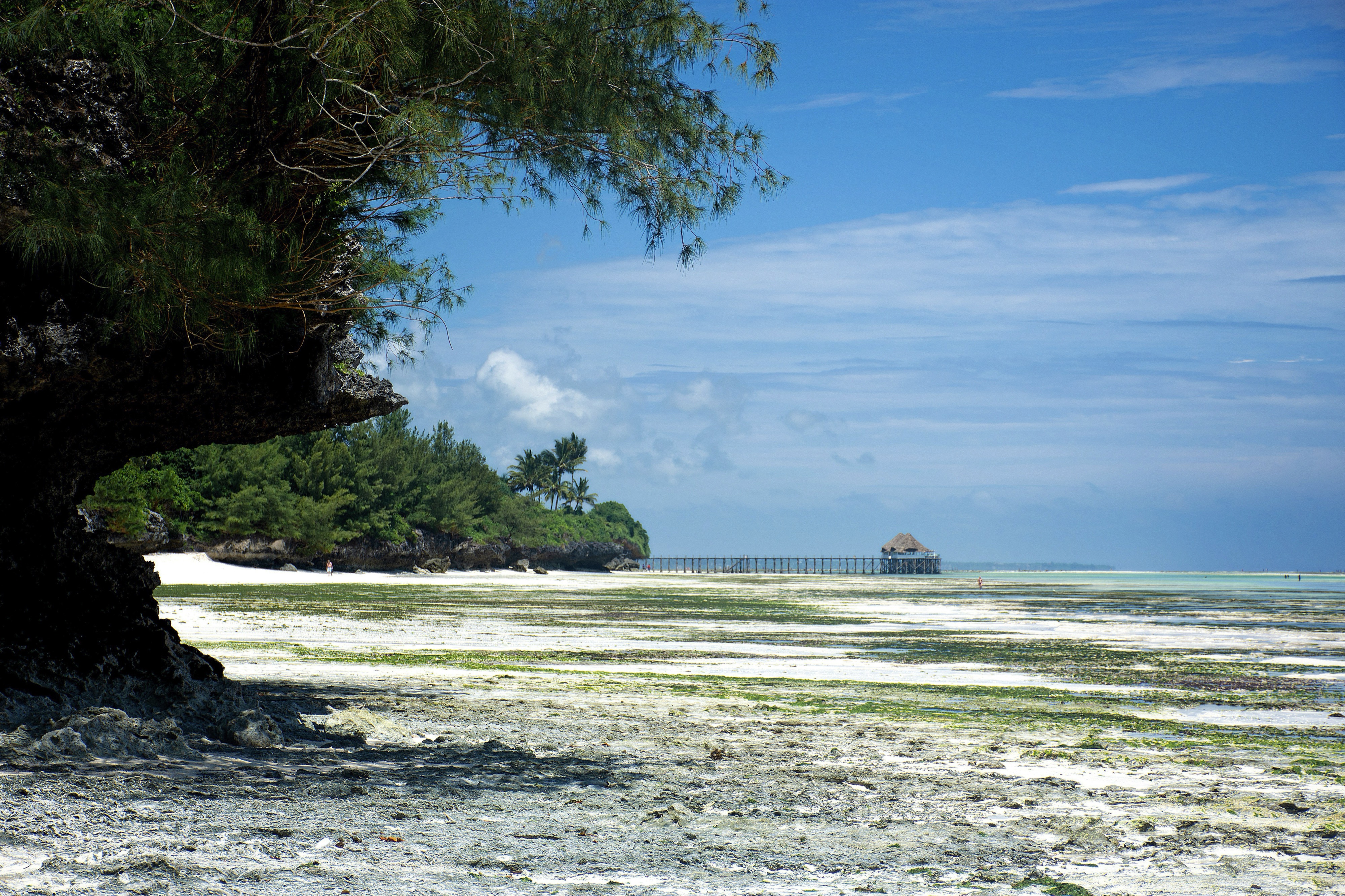
This ancient isle once ruled by sultans and slave traders served as the stepping stone into the African continent for missionaries and explorers. Today it attracts visitors intent on discovering sandy beaches, pristine rain forests, or colorful coral reefs. Once known as the Spice Island for its export of cloves, Zanzibar has become one of the most exotic flavors in travel, better than Bali or Mali when it comes to beauty that’ll make your jaw drop.Separated from the mainland by a channel only 35 km (22 miles) wide, and only 6 degrees south of the equator, this tiny archipelago—the name Zanzibar also includes the islands of Unguja (the main island) and Pemba—in the Indian Ocean was the launching base for a romantic era of expeditions into Africa. Sir Richard Burton and John Hanning Speke used it as their base when searching for the source of the Nile. It was in Zanzibar where journalist Henry Morton Stanley, perched in an upstairs room overlooking the Stone Town harbor, began his search for David Livingstone.The first ships to enter the archipelago’s harbors are believed to have sailed in around 600 BC. Since then, every great navy in the Eastern Hemisphere has dropped anchor here at one time or another. But it was Arab traders who left an indelible mark. Minarets punctuate the skyline of Stone Town, where more than 90% of the residents are Muslim. In the harbor you’ll see dhows, the Arabian boats with triangular sails. Islamic women covered by black boubou veils scurry down alleyways so narrow their outstretched arms could touch buildings on both sides. Stone Town received its odd name because most of its buildings were made of limestone and coral, which means exposure to salty air has eroded many foundations.The first Europeans who arrived here were the Portuguese in the 15th century, and thus began a reign of exploitation. As far inland as Lake Tanganyika, slave traders captured the residents or bartered for them from their own chiefs, then forced the newly enslaved to march toward the Indian Ocean carrying loads of ivory tusks. Once at the shore they were shackled together while waiting for dhows to collect them at Bagamoyo, a place whose name means, “here I leave my heart.” Although it’s estimated that 50,000 slaves passed through the Zanzibar slave market each year during the 19th century, many more died en route.Tanganyika and Zanzibar merged in 1964 to create Tanzania, but the honeymoon was brief. Zanzibar’s relationship with the mainland remains uncertain as calls for independence continue. “Bismillah, will you let him go,” a lyric from Queen’s “Bohemian Rhapsody,” has become a rebel chant for Zanzibar to break from Tanzania.Zanzibar Island, locally known as Unguja, has amazing beaches and resorts, decent dive spots, acres of spice plantations, the Jozani Forest Reserve, and Stone Town. Plus, it takes little more than an hour to fly there. It’s a popular spot to head post-safari.Stone Town, the archipelago’s major metropolis, is a maze of narrow streets lined with houses featuring magnificently carved doors studded with brass. There are 51 mosques, 6 Hindu temples, and 2 Christian churches. And though it can rightly be called a city, much of the western part of the larger island is a slumbering paradise where cloves, as well as rice and coconuts, still grow.Although the main island of Unguja feels untouched by the rest of the world, the nearby islands of Pemba and Mnemba offer retreats that are even more remote. For many years Arabs referred to Pemba as Al Khudra, or the Green Island, and indeed it still is, with forests of king palms, mangos, and banana trees. The 65-km-long (40-mile-long) island is less famous than Unguja except among scuba divers, who enjoy the coral gardens with colorful sponges and huge fans. Archaeology buffs are also discovering Pemba, where sites from the 9th to the 15th century have been unearthed. At Mtambwe Mkuu coins bearing the heads of sultans were discovered. Ruins along the coast include ancient mosques and tombs. In the 1930s Pemba was famous for its sorcerers, attracting disciples of the black arts from as far away as Haiti. Witchcraft is still practiced, and, oddly, so is bullfighting. Introduced by the Portuguese in the 17th century, the sport has been improved by locals, who rewrote the ending. After enduring the ritual teasing by the matador’s cape, the bull is draped with flowers and paraded around the village.Beyond Pemba, smaller islands in the Zanzibar Archipelago range from mere sandbanks to Changu, once a prison island and now home to the giant Aldabra tortoise, Chumbe Island, and Mnemba, a private retreat for guests who pay hundreds of dollars per day to get away from it all.
Mombasa, Kenya
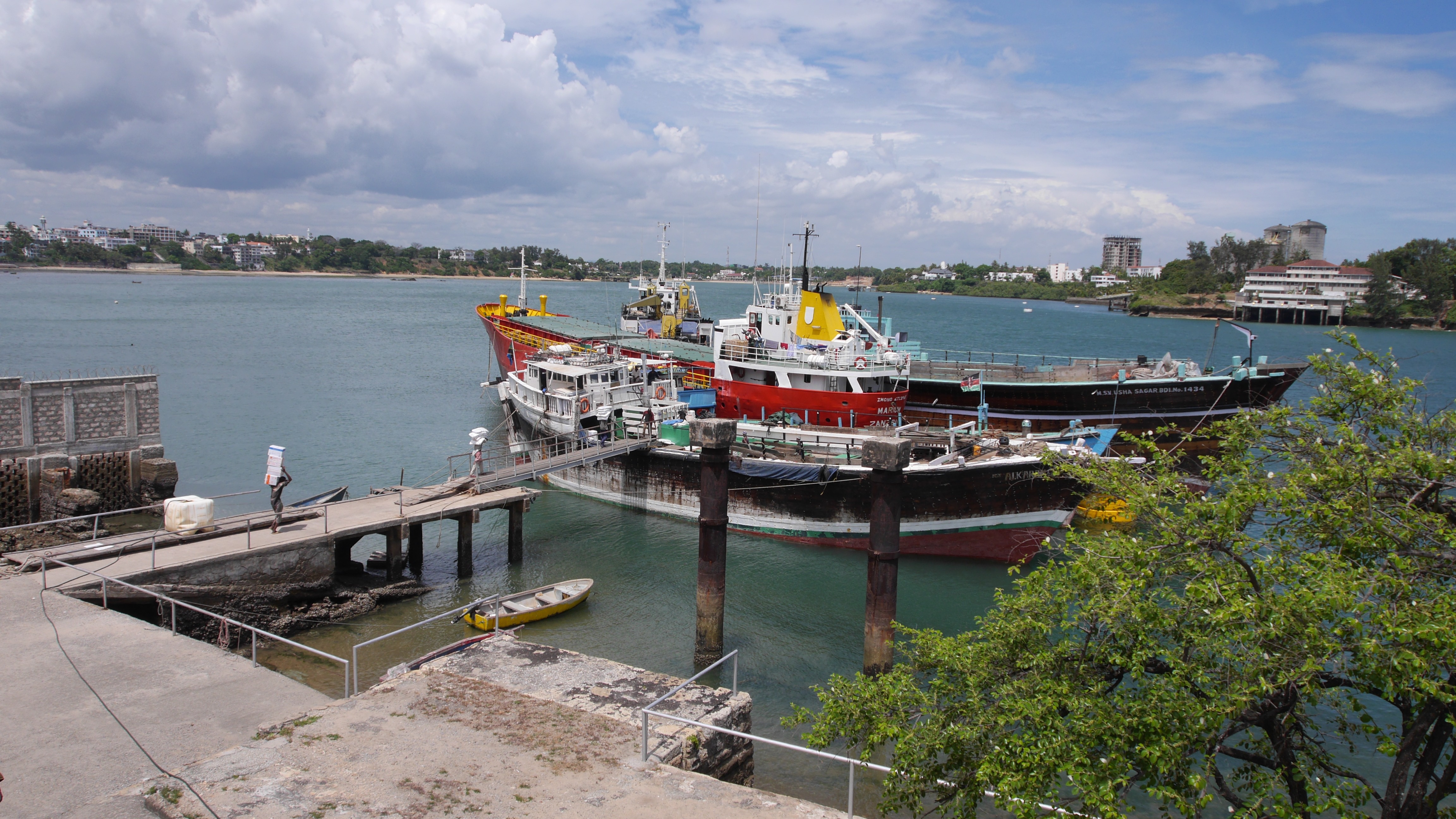
You may well find yourself in Mombasa for a few hours or an overnight stop. The city (which is actually an island linked to the mainland by a ferry) is the second oldest trade center with Arabia and the Far East. Today it still plays an important role as the main port for Kenya. Although it lacks the beautiful beaches of the north and south, it has a rich, fascinating history. Visit the Old Town with its narrow streets lined with tiny shops and souks (markets). The Old Harbour, frequented by numerous dhows, is an ideal place to arrange a short cruise on one of these local boats that have plied the oceans for centuries. Fort Jesus, designed by an Italian and built by the Portuguese in the late 16th century, is a major visitor draw and well worth a visit. In summer there’s an impressive sound-and-light show.
Cabin Options
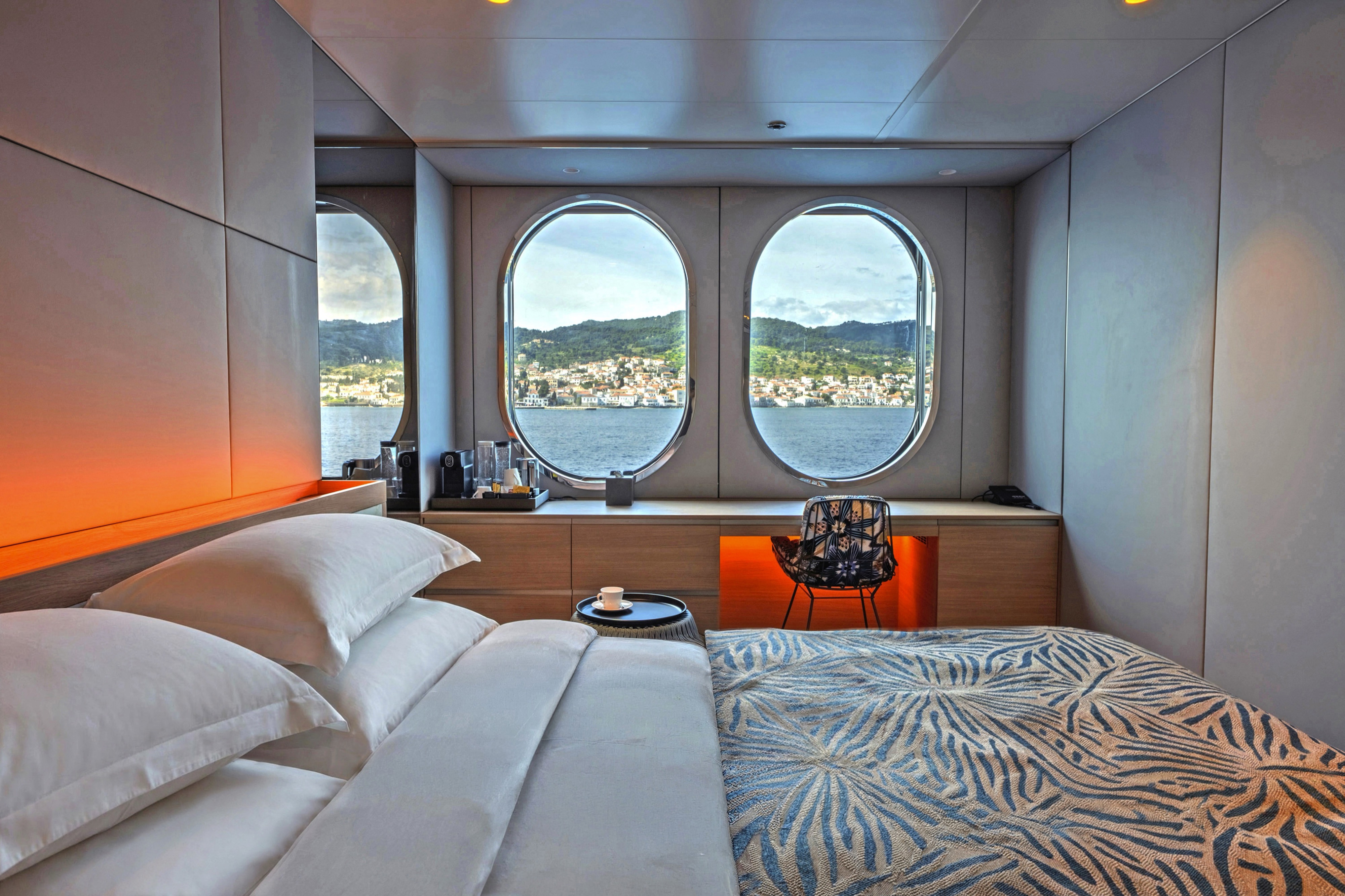
Oceanview Stateroom
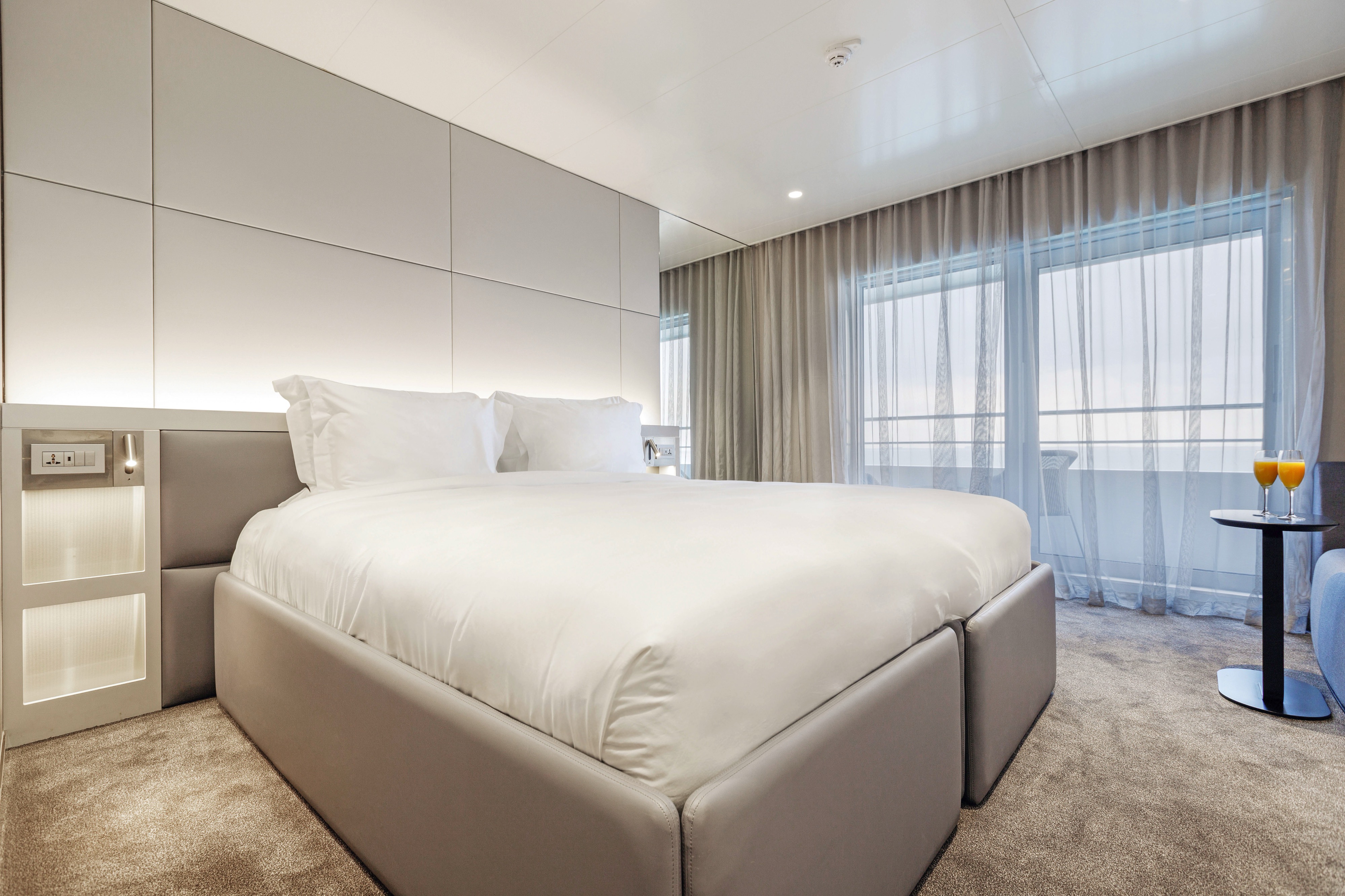
Balcony Suite
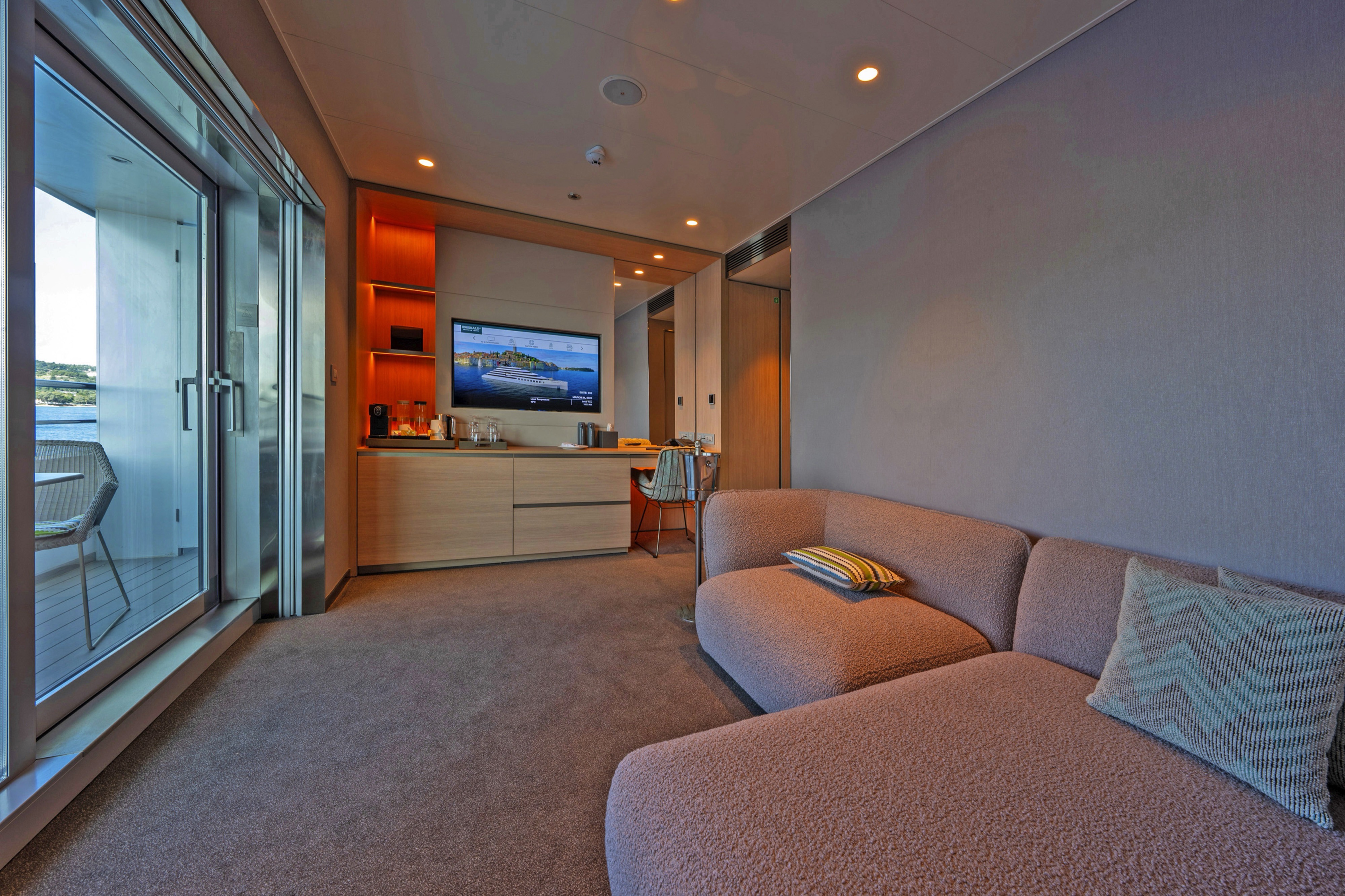
Deluxe Balcony Suite
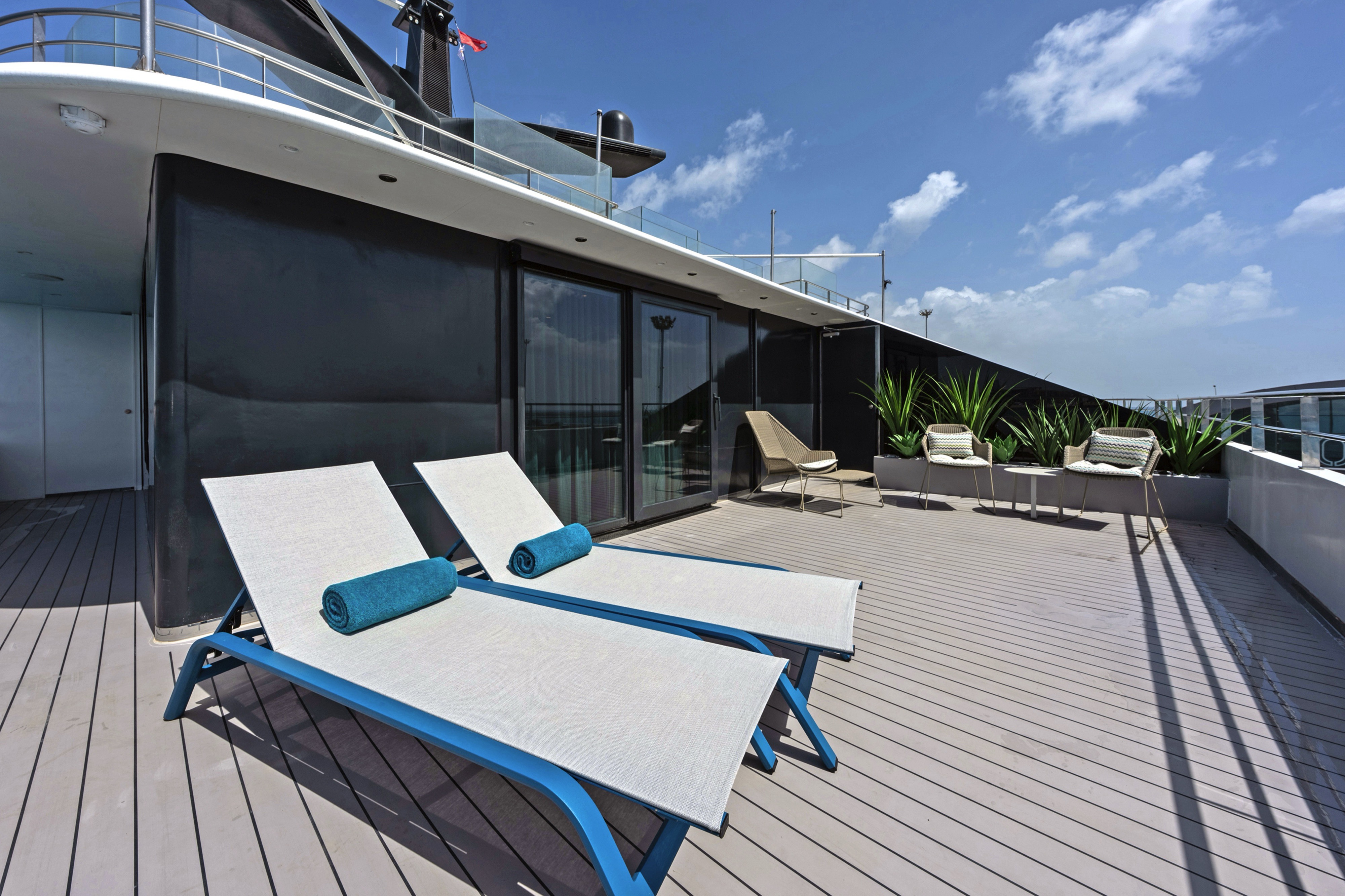
Terrace Suite
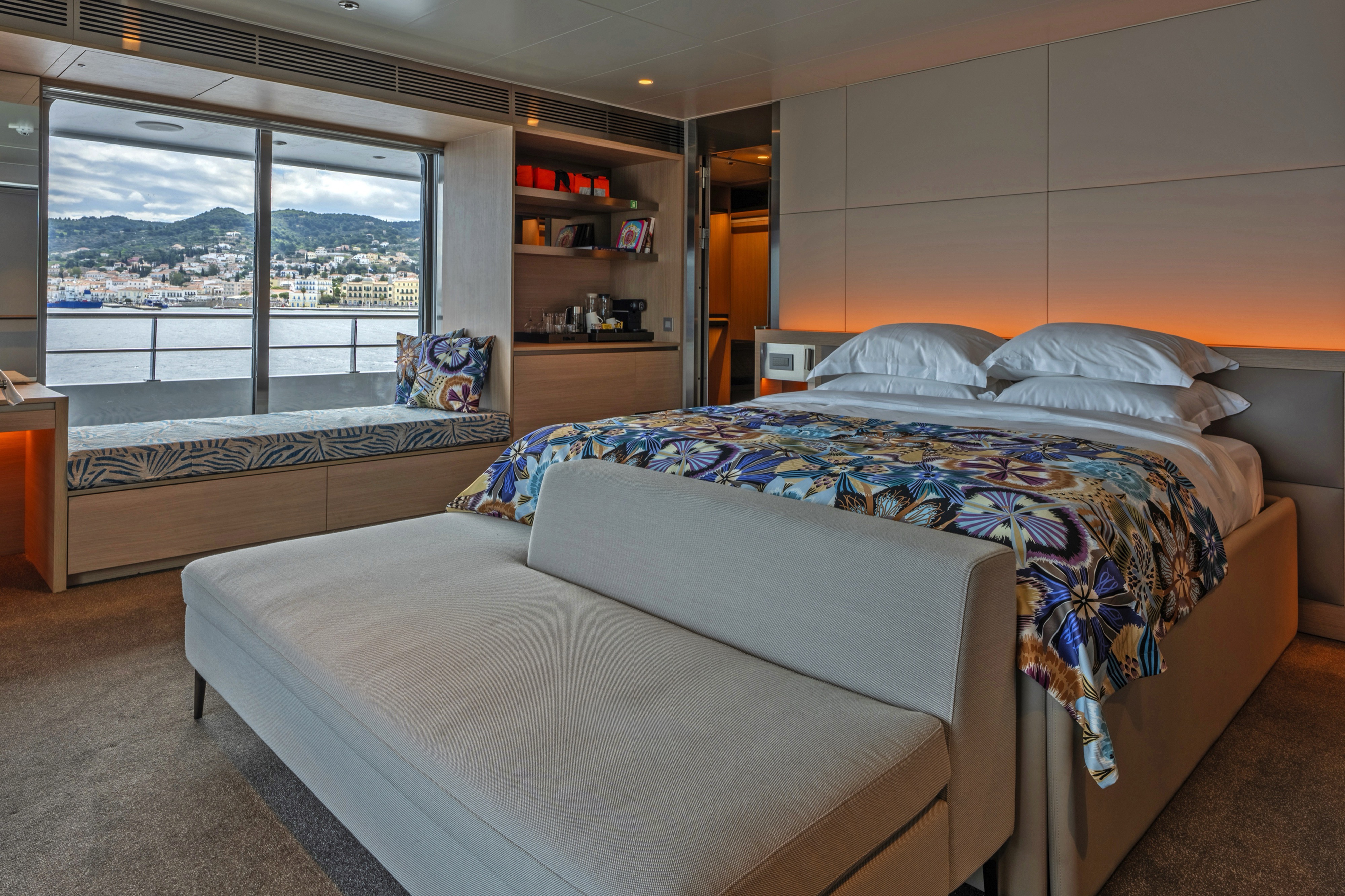
Yacht Suite
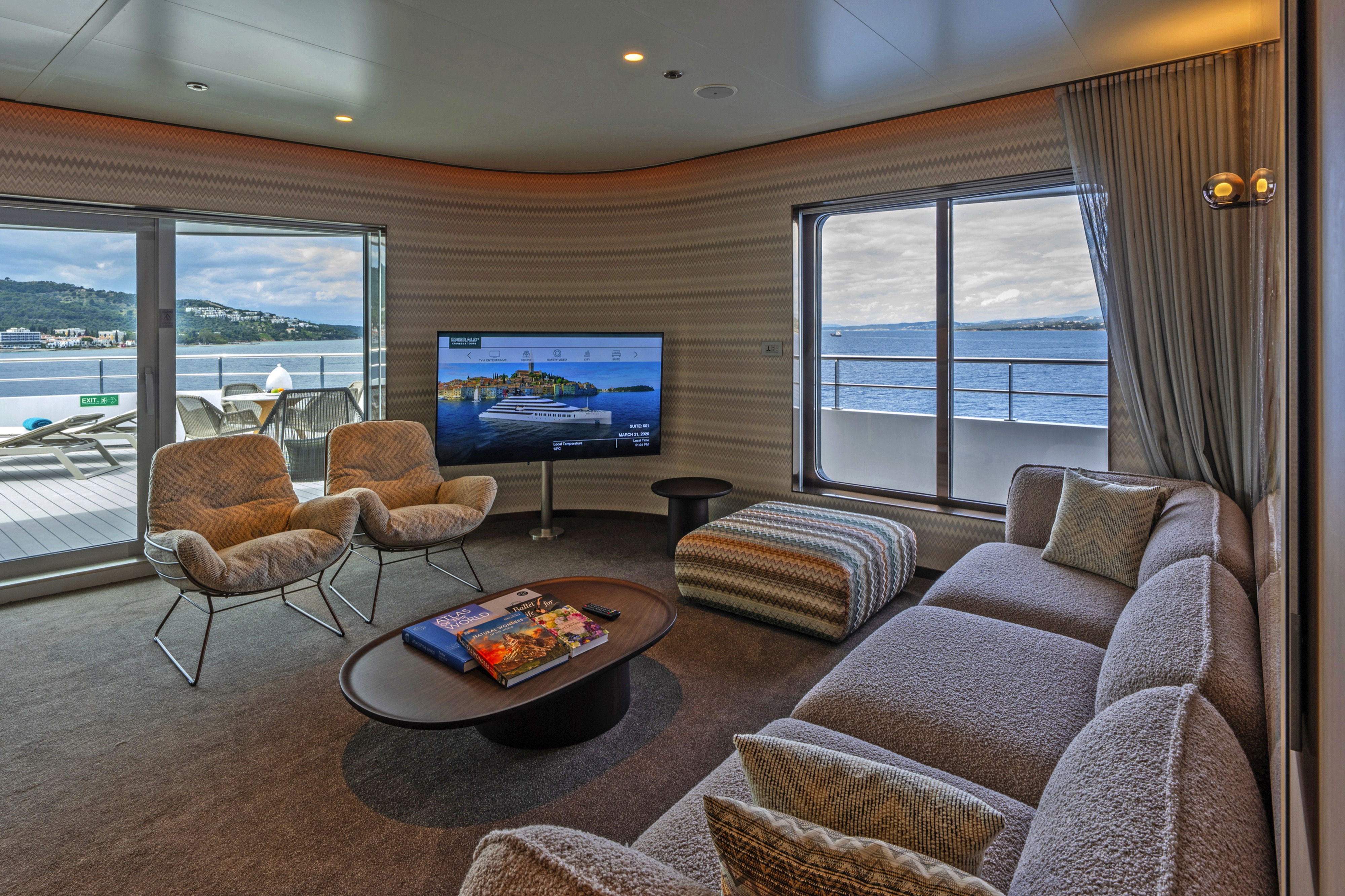
Owner's Suite
Ship Facilities
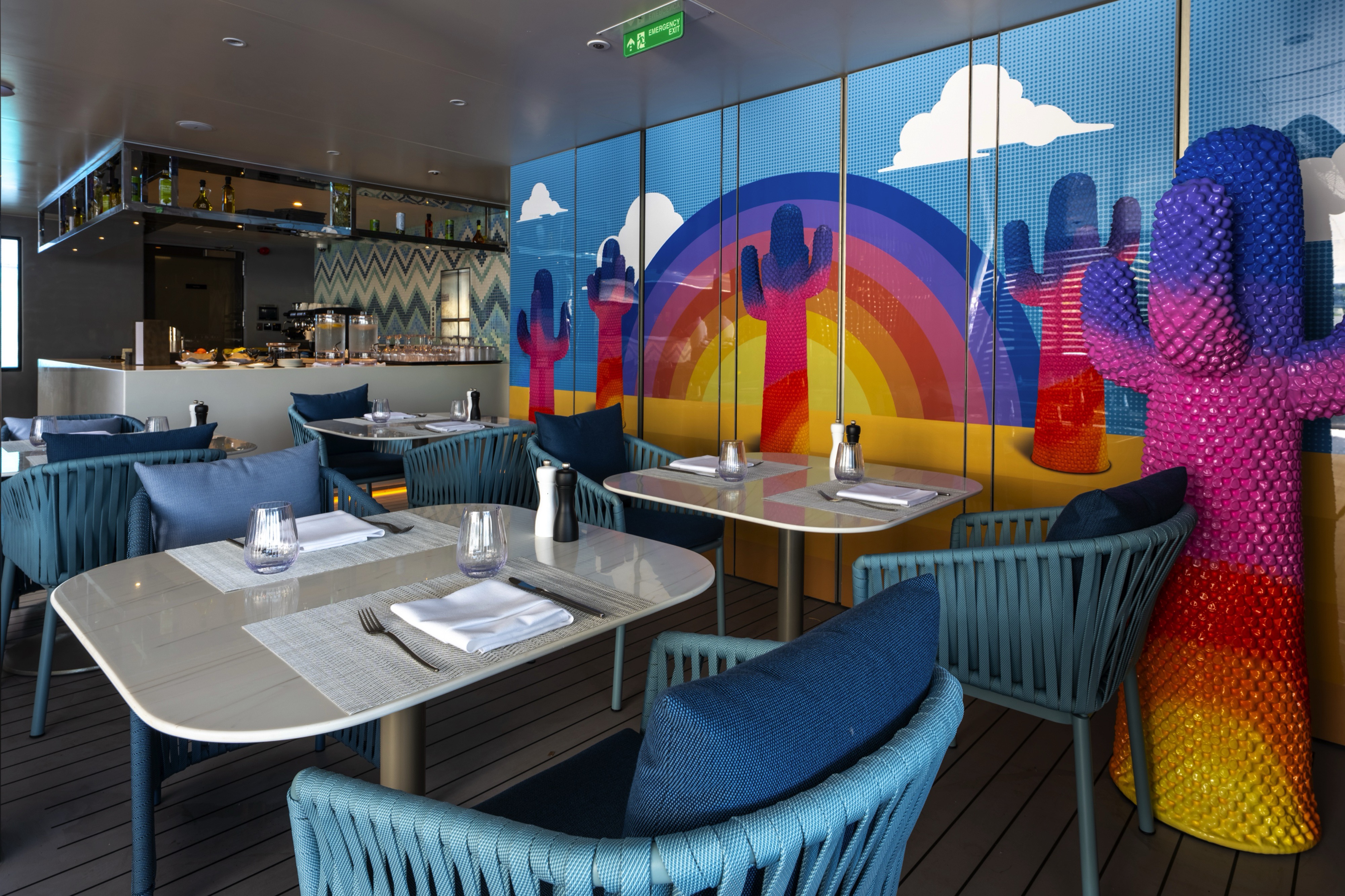
Aqua Pool Cafe (Soleá Bar & Bistro)
At the aft of the yacht on the sun-kissed Pool Deck, take a leisurely dip in the infinity-style Aqua Pool. Enjoy light al fresco refreshments at the Aqua Cafe while admiring the expansive views unfolding before you.
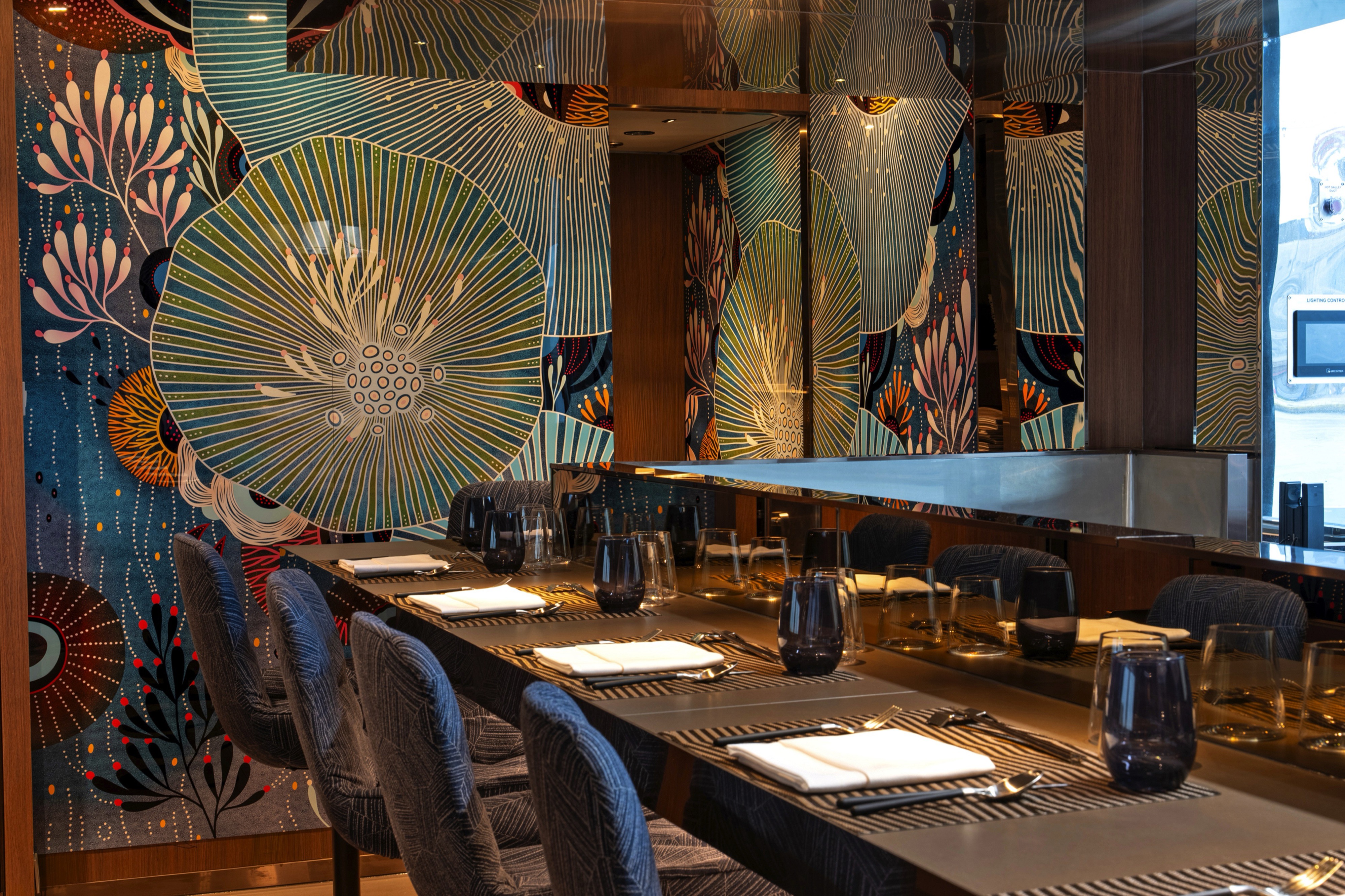
Night Market Grill
An intimate dining experience
Exclusive to Emerald Kaia, revel in one of our most unique on board dining venues. Available at an additional cost, the Night Market Grill provides an intimate setting for just eight guests, with a professionally trained chef cooking delicious cuisine in front of you on the Asian-inspired grill top.
Available on Emerald Kaia at additional cost.
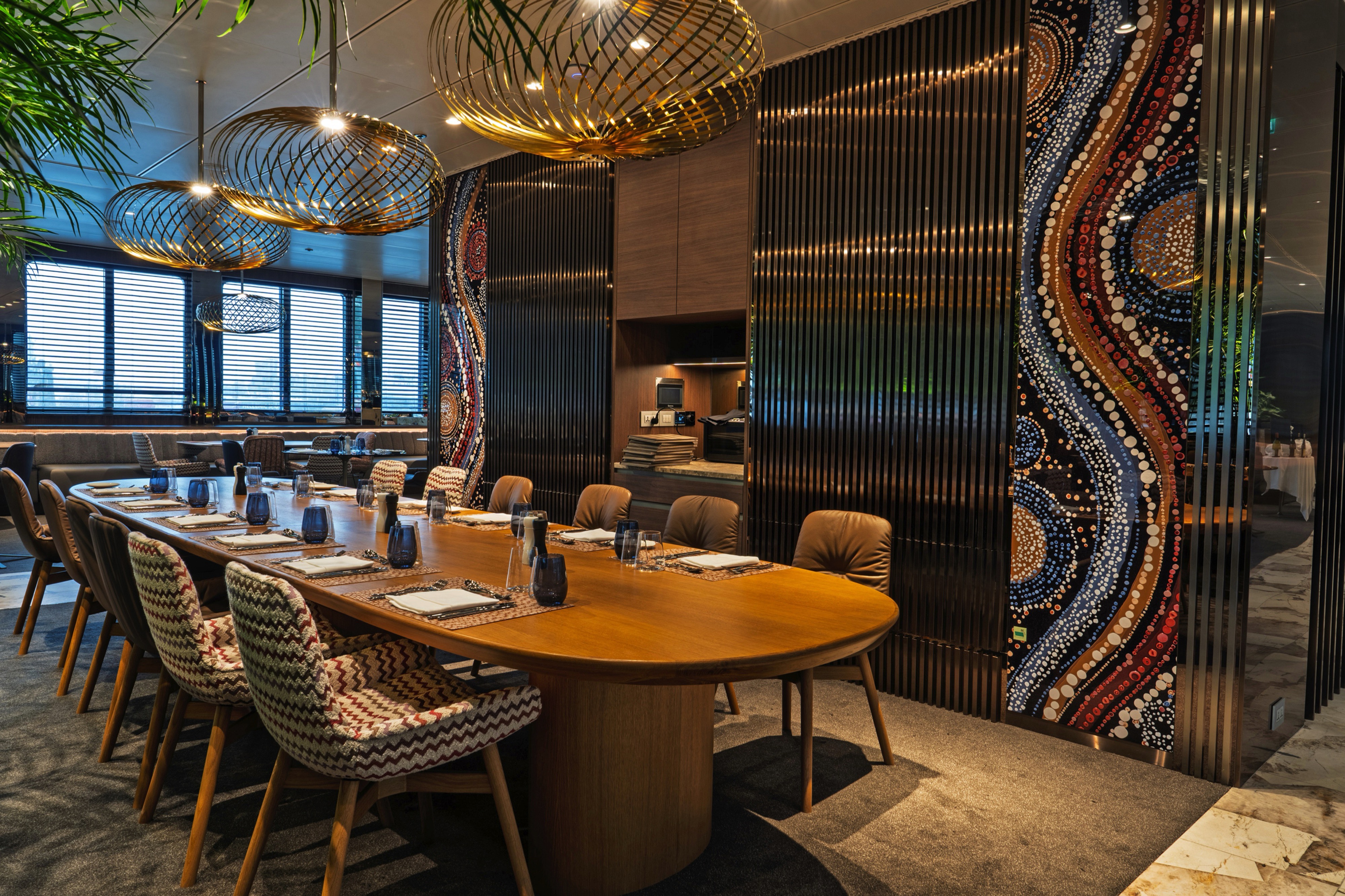
La Cucina
Our premier on board dining spot
Enjoy fine à la carte dining, as well as sumptuous breakfasts and lunches in the serene setting of our spacious La Cucina Dining, taking inspiration from the path you’re navigating. This stylish restaurant boasts ample space and you can expect fresh, locally sourced dinners, thoughtfully crafted by our expert chefs. If you prefer to dine alfresco, head out to the adjoining Terrace to enjoy your meals under the sun.
Emerald Kaia features an open kitchen, so you can watch chefs preparing your tasty meals.
Included Excursions
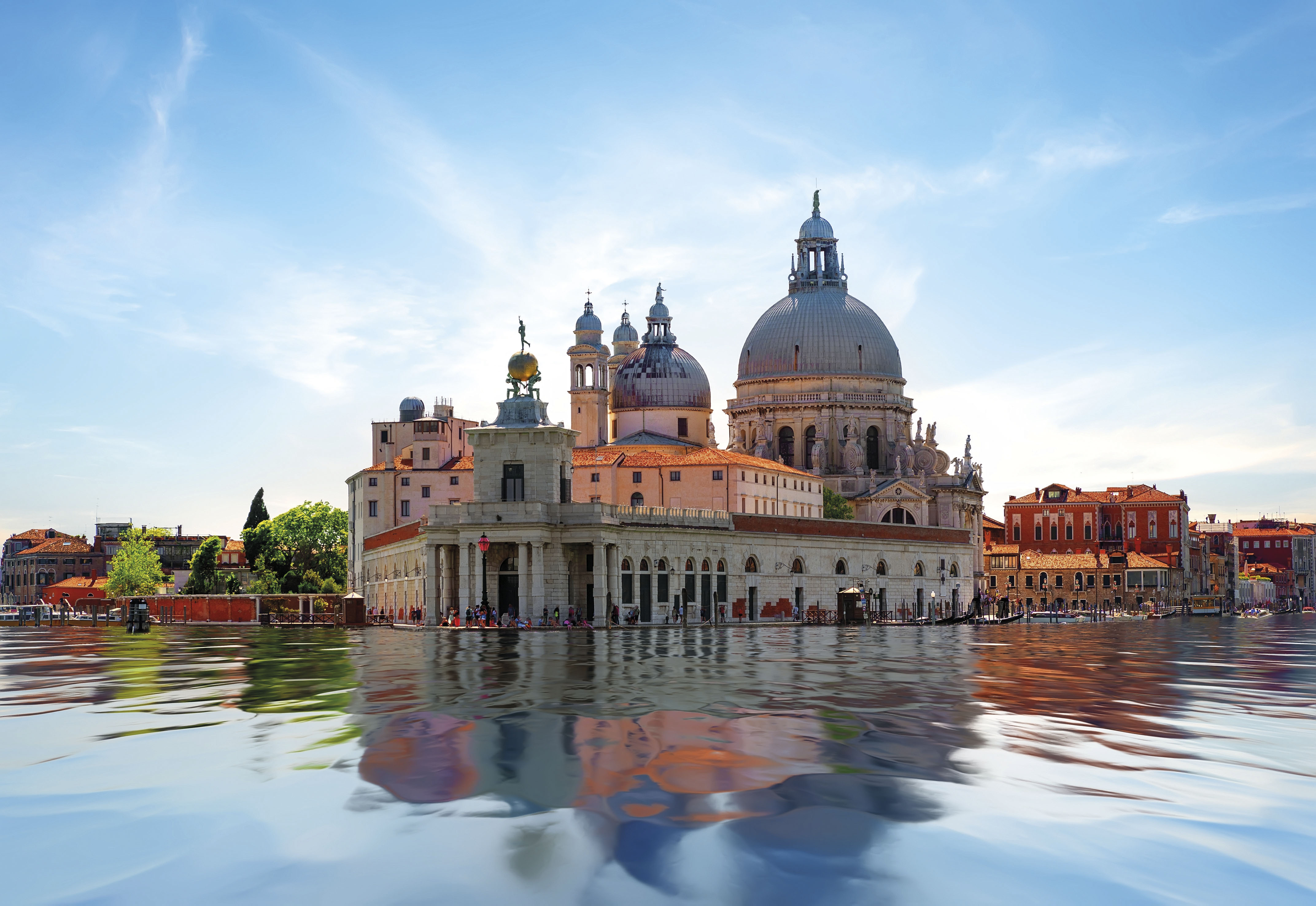
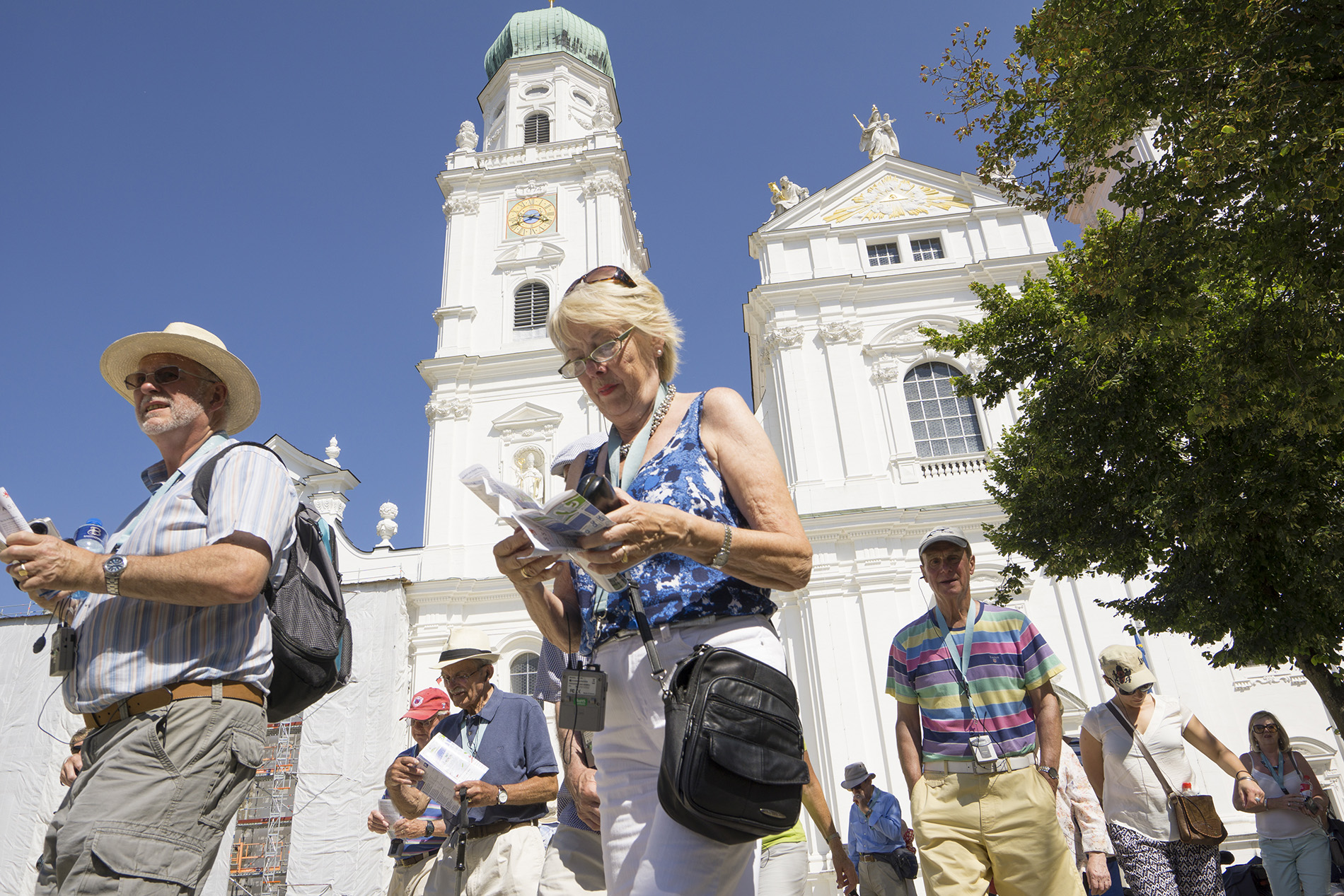
EmeraldPLUS
Our EmeraldPLUS experiences brings the Mediterranean & Adriatic culture to life-with vibrant music and authentic local traditions either on board and ashore.
The life of a local
Join an array of cruise tours that showcase local customs, from exclusive concert performances to market visits.
On board activities
Revel in a range of special on board shows, sessions, and workshops, that bring the highlights of your destination to you.
In-depth specialty tours
Delve deeper into a special area of interest, sampling local treats and produce.
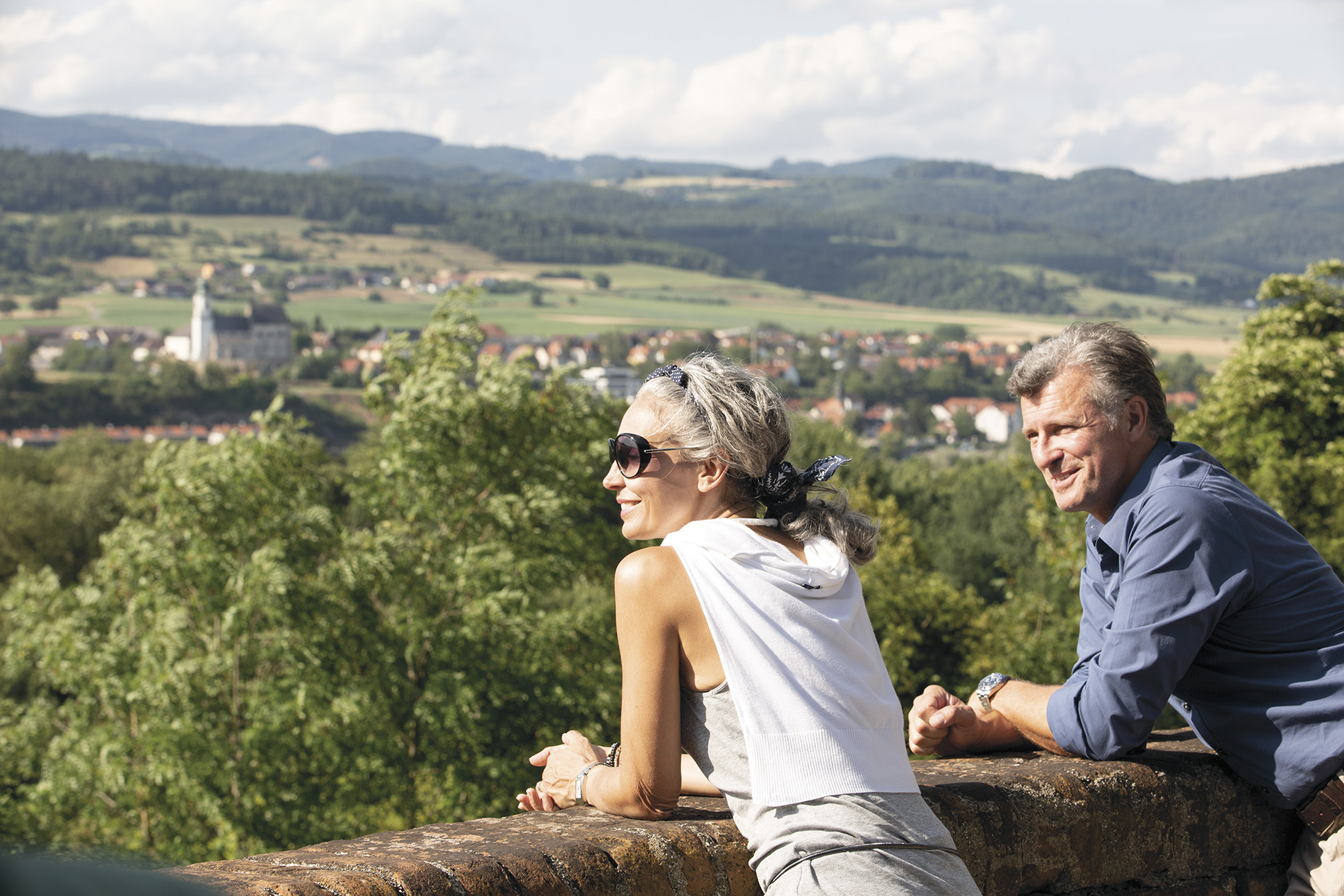
EmeraldACTIVE
EmeraldACTIVE tours provide an invigorating way to explore your destination. Active experiences, range from inspiring hikes to e-bike excursions and run concurrently with your included excursion, allowing you to select your preferred level of activity.
An invigorating hike
Join your guide for a sight-seeing tour like no other, as you explore far and wide while keeping fit and active.
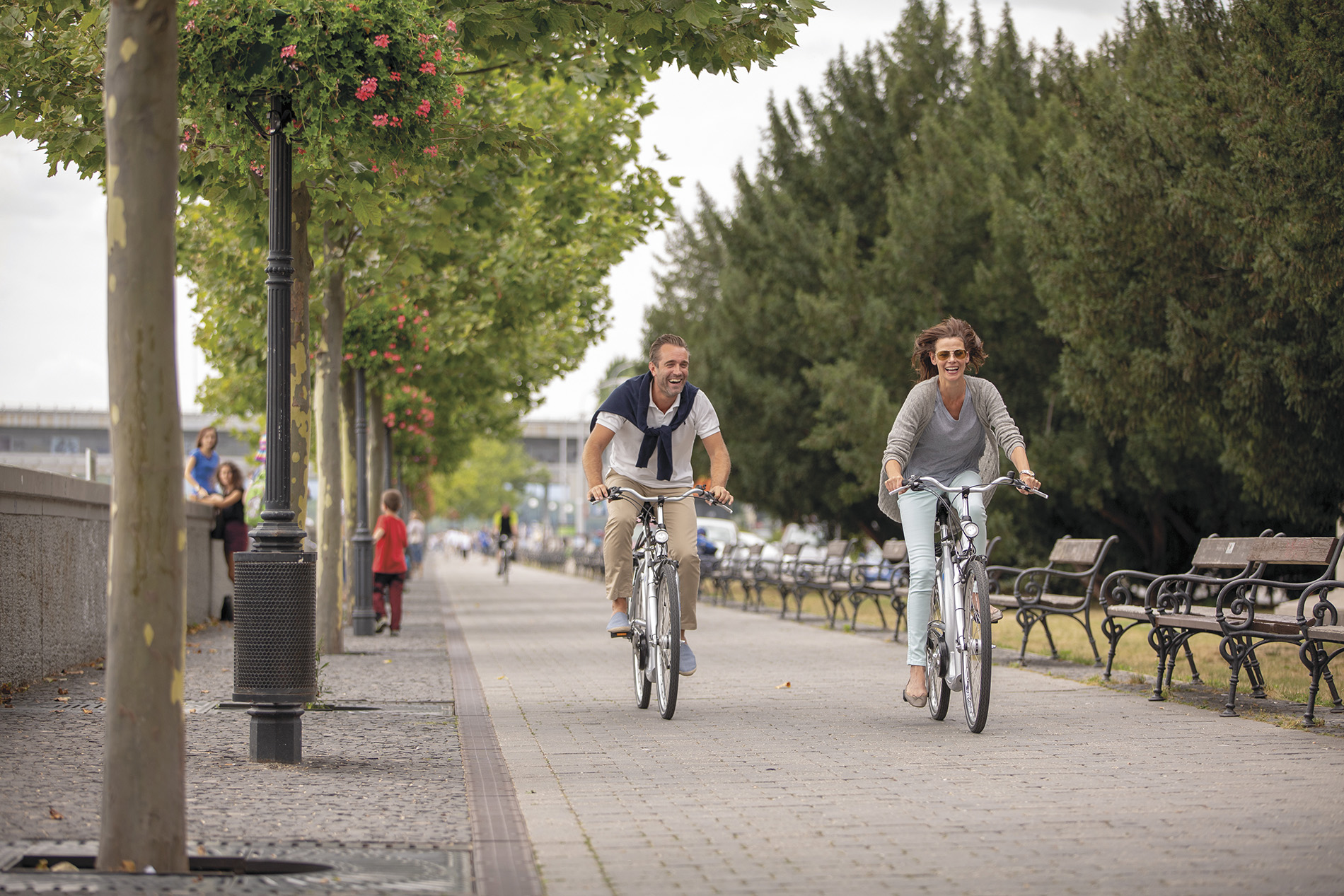
A cycling sojourn
Take advantage of our free-to-use on board bikes as your guide provides a cycling tour past picturesque scenery.
Take to the Marina Platform
On selected days, your captain will drop anchor, presenting the perfect opportunity for a swim in the sea.
DiscoverMORE
Personalise your journey with DiscoverMORE^ experiences that connect you with local artisans through masterclasses, tastings, and authentic performances. For more information, click here.
True local performances
Enjoy watching local customs creatively imagined into stunning shows and spectacles.
Workshop masterclasses and tasting sessions
Let the experts guide you through the process of making local treats before you sample the fruits of your labour.
Journey further
Exciting excursions take you to cities further afield from the coastlines, where even more adventures await you.
^DiscoverMORE excursions are available at an additional cost.
Observation Sun Deck
The Observation Sun Deck features a new Spa pool, sunbeds and sun loungers providing the ultimate place to unwind and take in the spectacular views.
Sky Bar
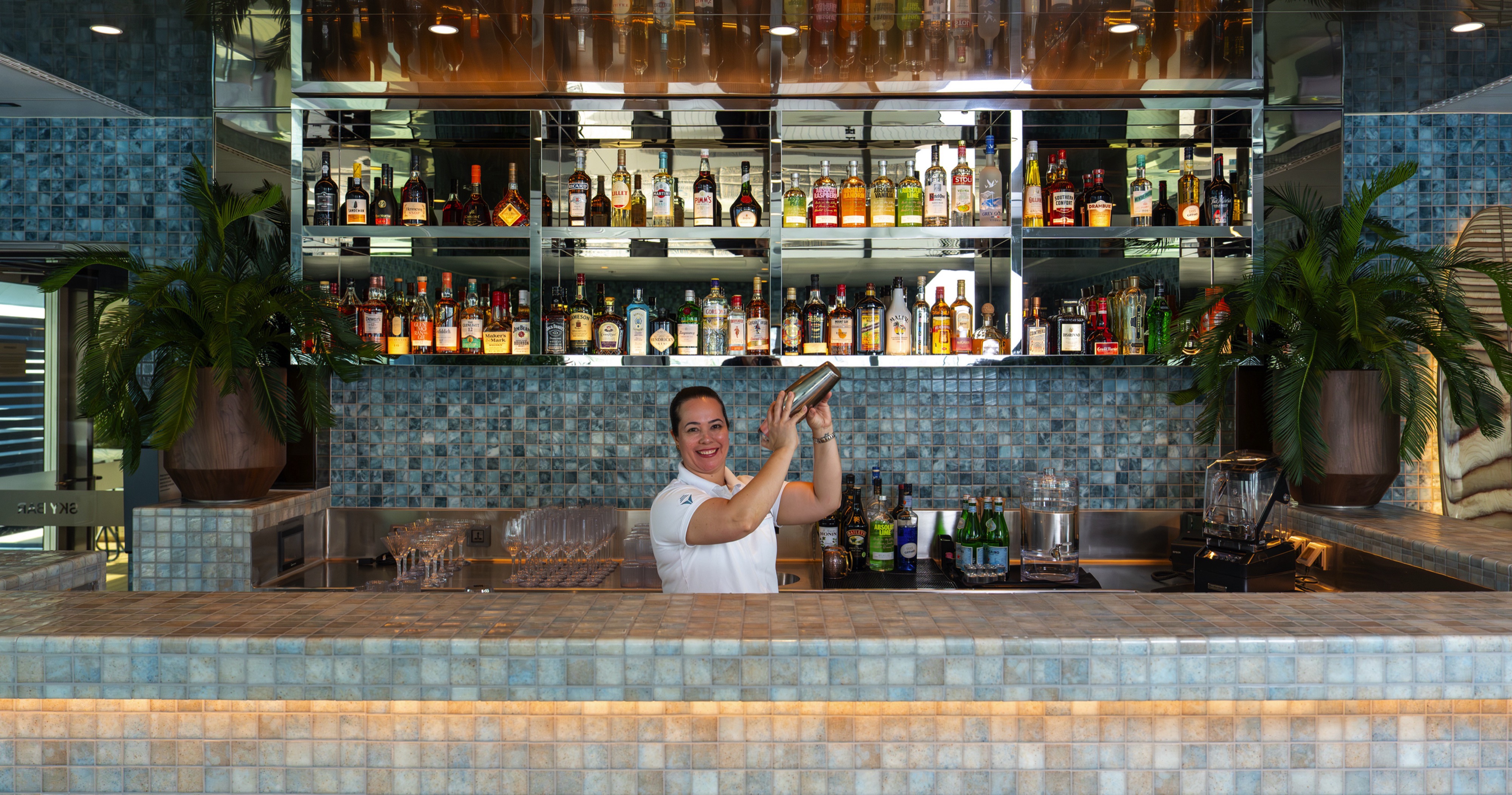
A drink with a view
Fancy taking in stunning vistas with your favourite cocktail? Head the Sky Bar on the Sky Deck and choose from our extensive drinks menu. And, if you need to cool off from the sun, why not take a dip in the nearby Spa Pool?
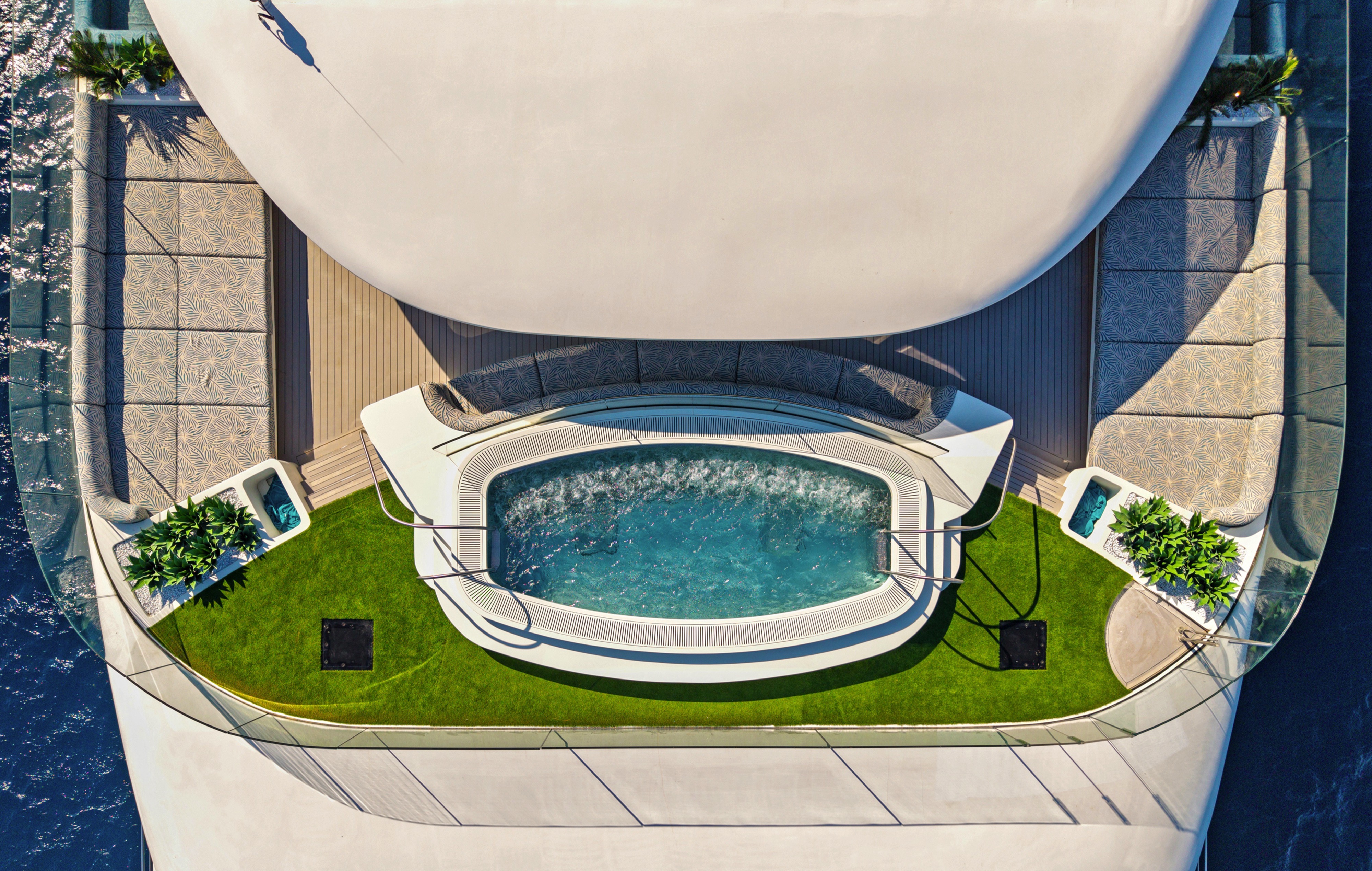
Spa Pool
Relax in the inviting Spa Pool and enjoy the panoramic views.
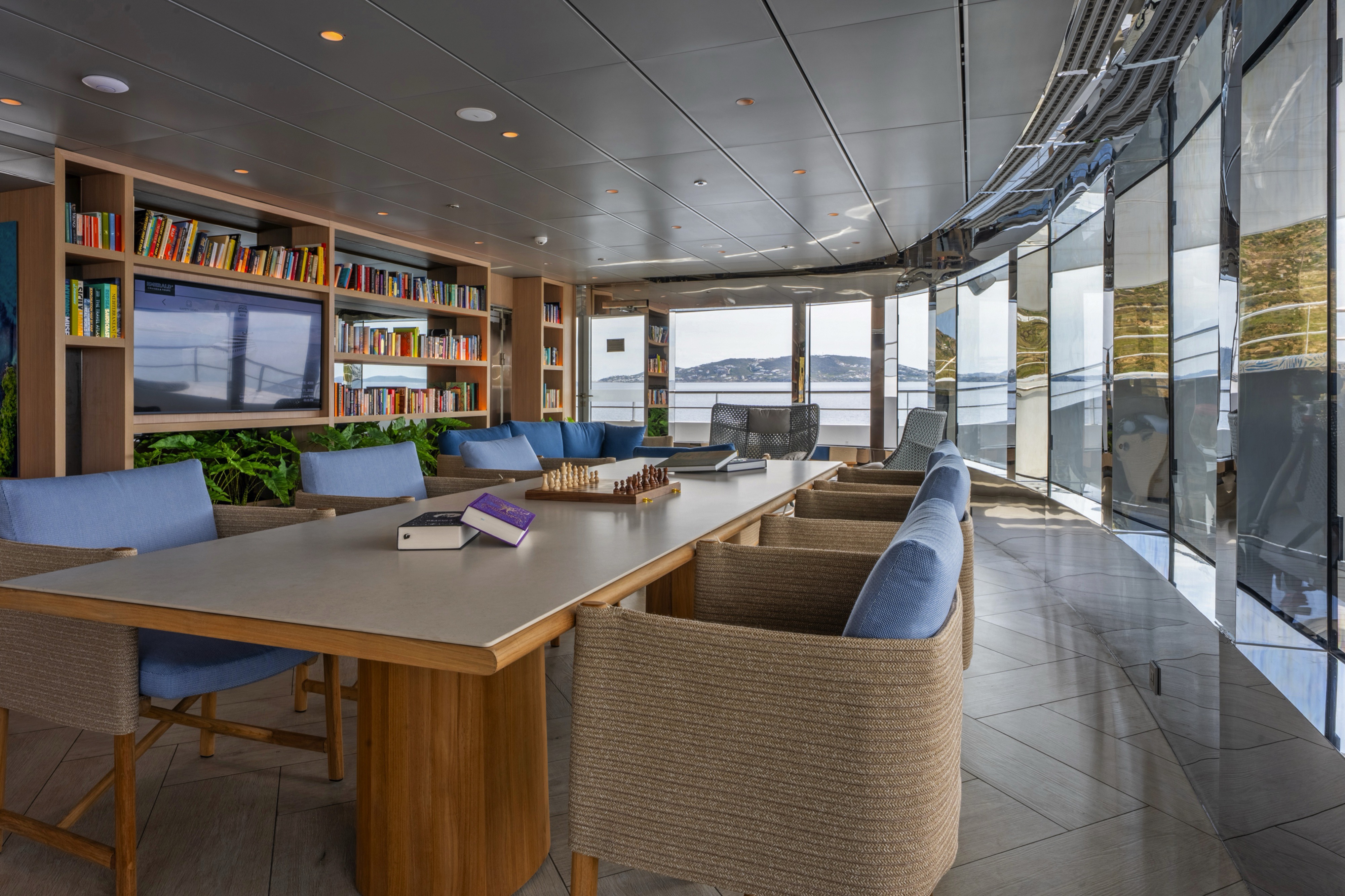
Observation Lounge
The Observation Lounge can be found on the Observation Deck.
Amici Bar & Lounge
Relax and connect with fellow guests over a pre-dinner drink or evening night cap in the stylish Amici Bar & Lounge.
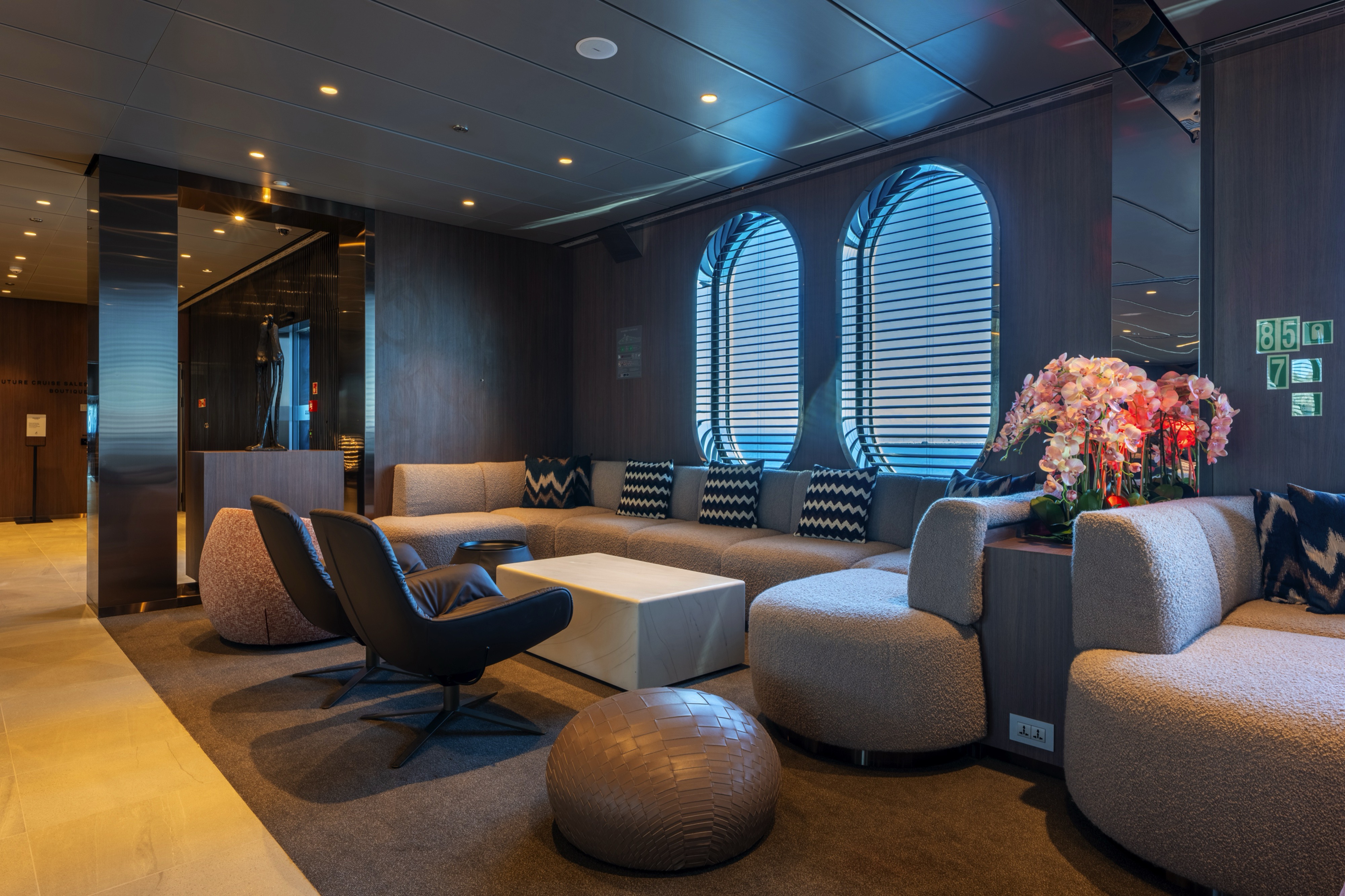
Marina Lounge
Exclusively on board Emerald Kaia, the Marina Lounge provides the ideal spot to pause, recharge and unwind.
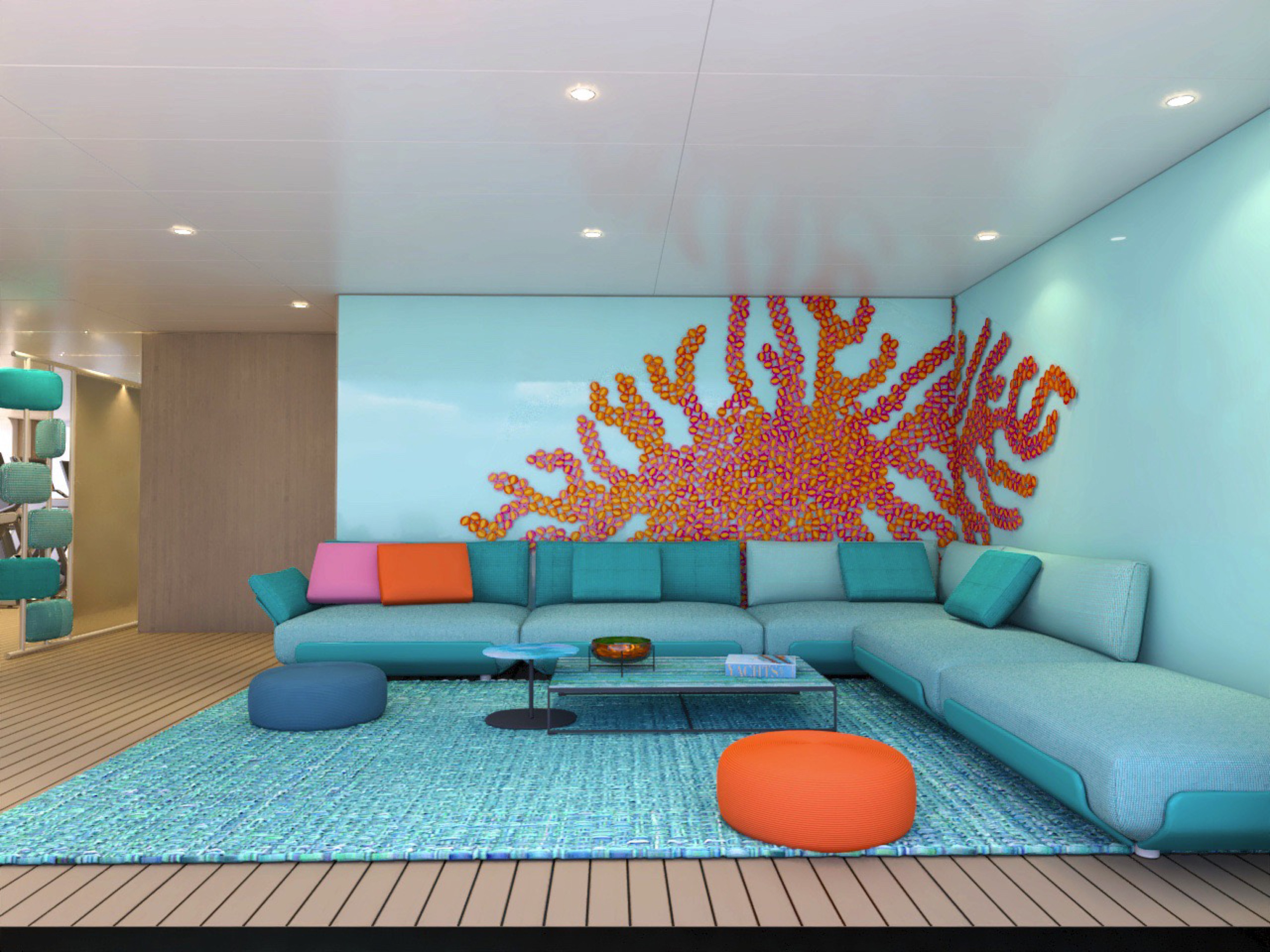
Marina Deck
When your luxury yacht is anchored on marina days, step off from the Marina Platform to swim and enjoy our complimentary aquatic toys, including SEABOBs, inflatable kayaks, water trampolines and paddleboards.
Fun in the sea
Make the most of the Marina Platform, anchoring on selected days for incredible swim stops in the dazzling open waters.
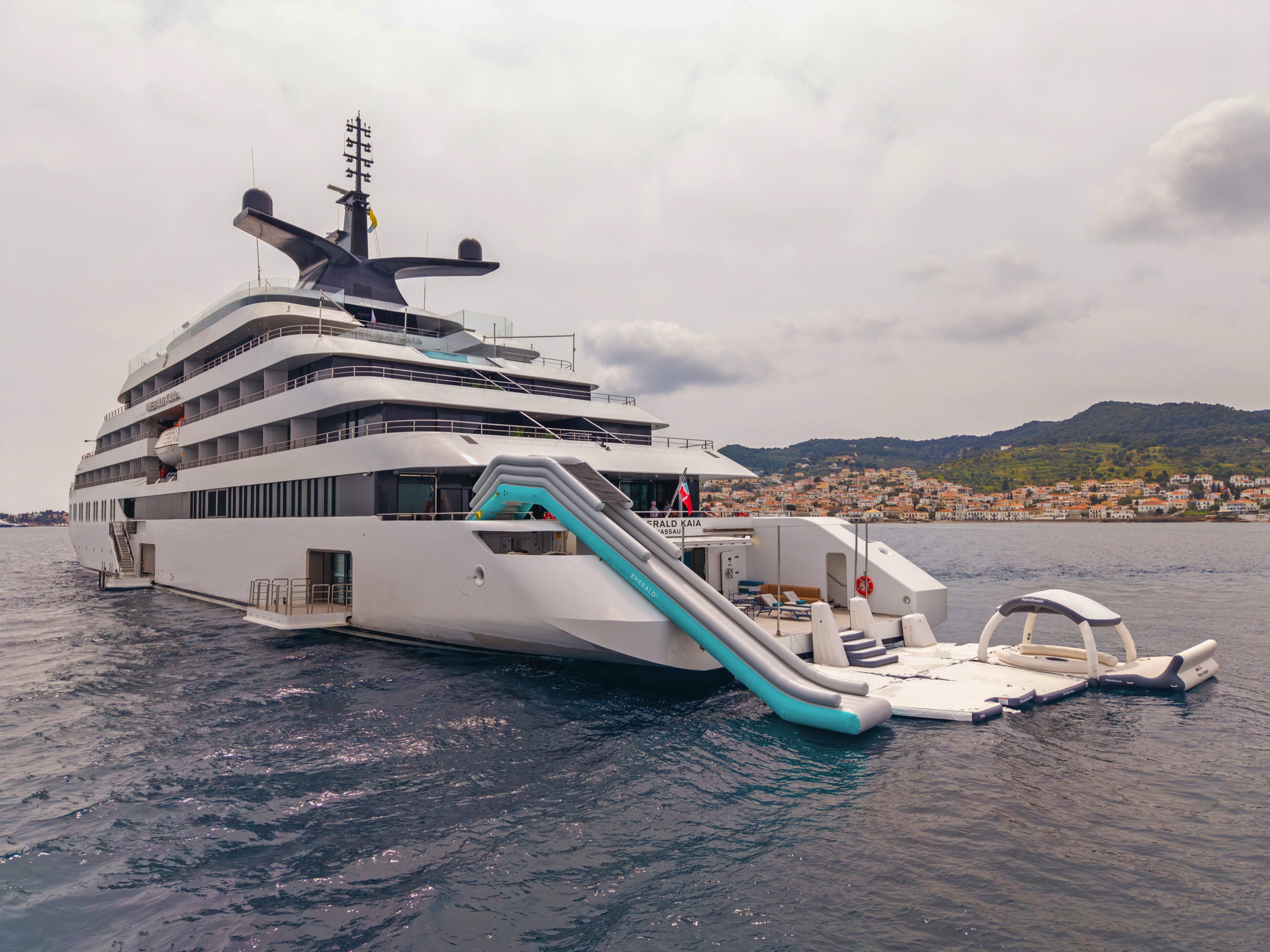
Gym
Emerald Kaia also features an expansive and innovative gym that opens up as an indoor-outdoor workout space.
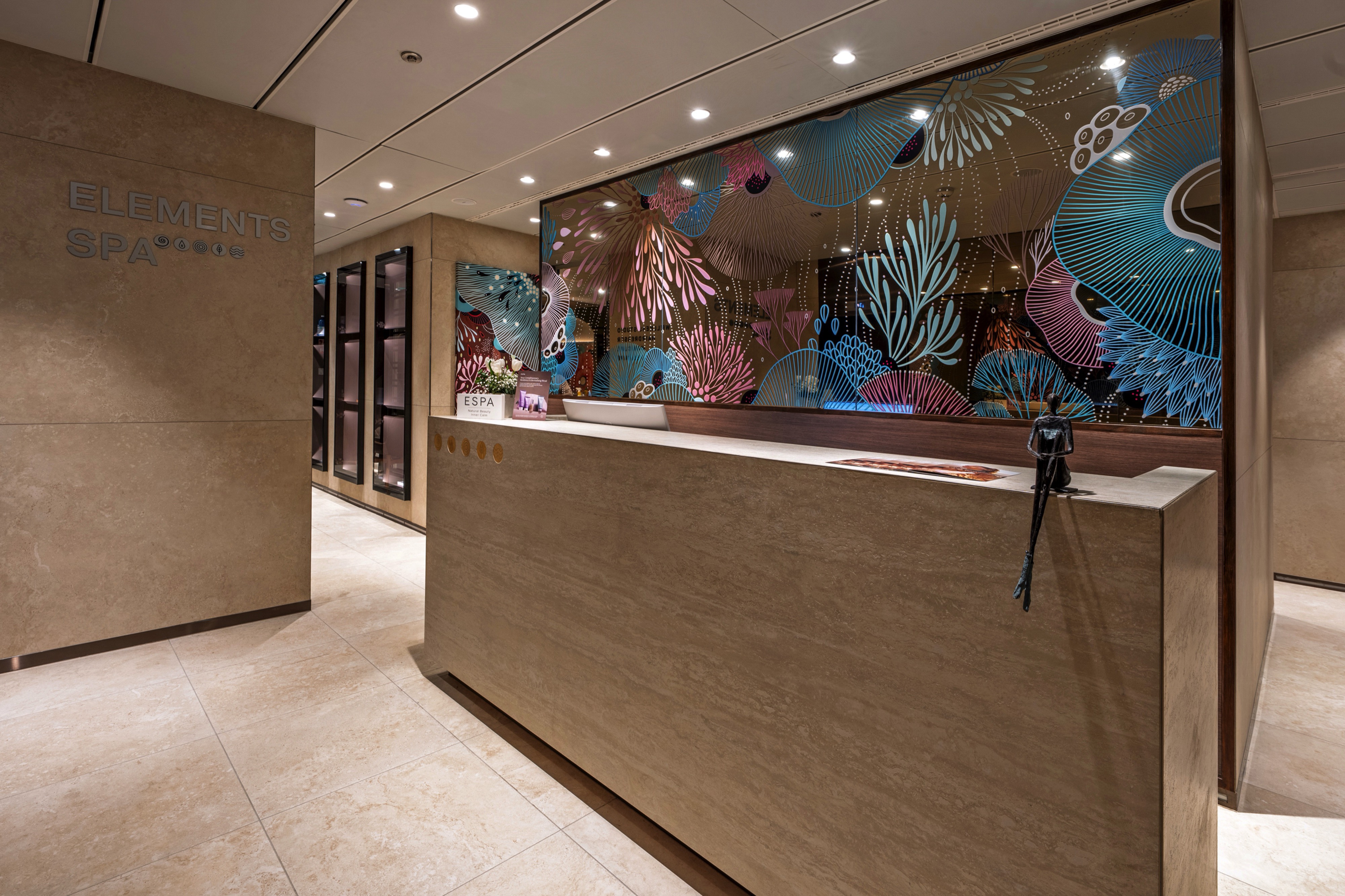
Elements Spa
At Elements Spa, indulge in blissful treatments using world- renowned ESPA products – available at an additional cost.
Aqua Pool
At the aft of the yacht on the sun-kissed Pool Deck, take a leisurely dip in the infinity-style Aqua Pool.
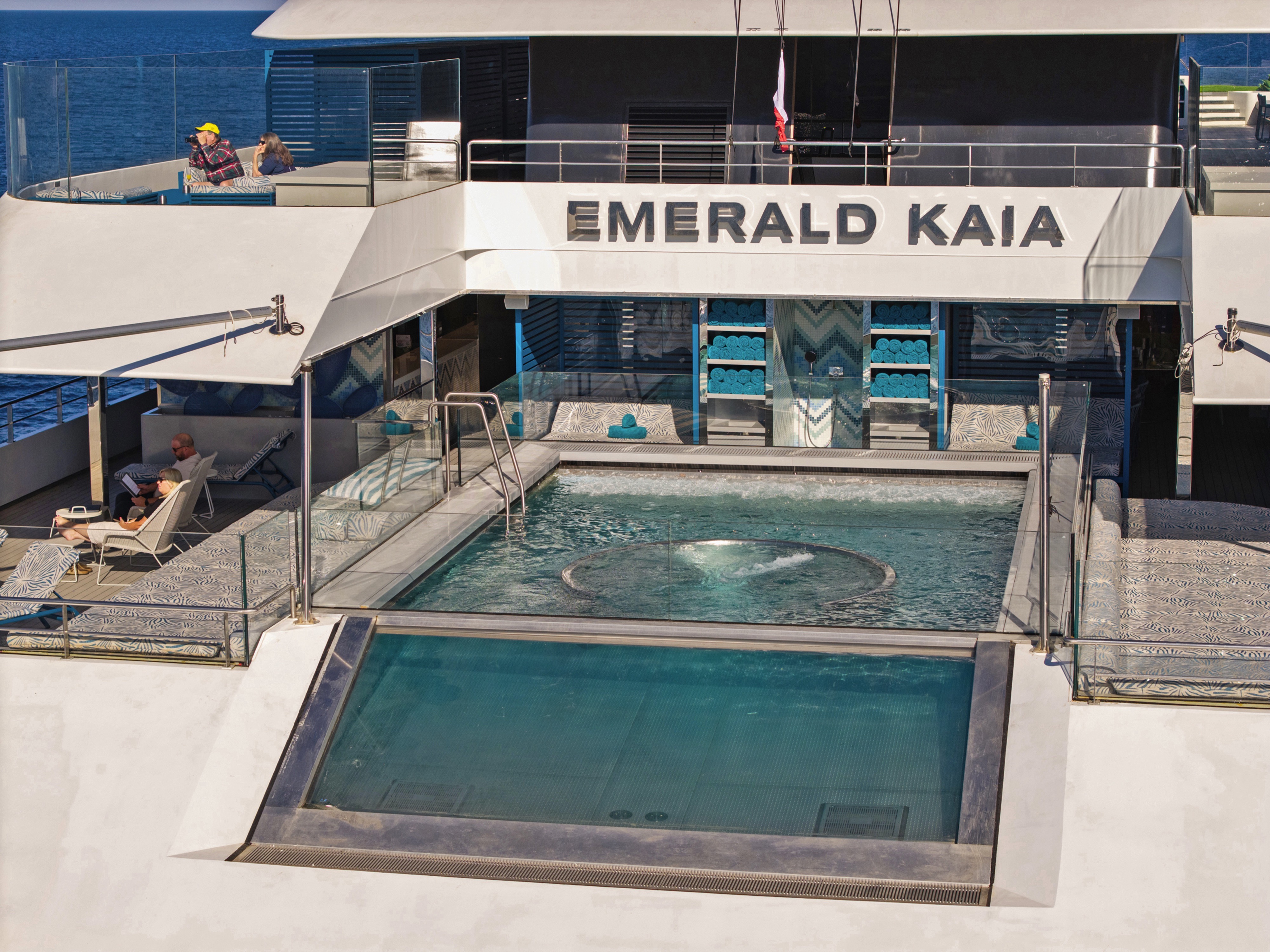
Aqua Pool Cafe (Soleá Bar & Bistro)
At the aft of the yacht on the sun-kissed Pool Deck, take a leisurely dip in the infinity-style Aqua Pool. Enjoy light al fresco refreshments at the Aqua Cafe while admiring the expansive views unfolding before you.
Night Market Grill
An intimate dining experience
Exclusive to Emerald Kaia, revel in one of our most unique on board dining venues. Available at an additional cost, the Night Market Grill provides an intimate setting for just eight guests, with a professionally trained chef cooking delicious cuisine in front of you on the Asian-inspired grill top.
Available on Emerald Kaia at additional cost.
La Cucina
Our premier on board dining spot
Enjoy fine à la carte dining, as well as sumptuous breakfasts and lunches in the serene setting of our spacious La Cucina Dining, taking inspiration from the path you’re navigating. This stylish restaurant boasts ample space and you can expect fresh, locally sourced dinners, thoughtfully crafted by our expert chefs. If you prefer to dine alfresco, head out to the adjoining Terrace to enjoy your meals under the sun.
Emerald Kaia features an open kitchen, so you can watch chefs preparing your tasty meals.
Included Excursions
EmeraldPLUS
Our EmeraldPLUS experiences brings the Mediterranean & Adriatic culture to life-with vibrant music and authentic local traditions either on board and ashore.
The life of a local
Join an array of cruise tours that showcase local customs, from exclusive concert performances to market visits.
On board activities
Revel in a range of special on board shows, sessions, and workshops, that bring the highlights of your destination to you.
In-depth specialty tours
Delve deeper into a special area of interest, sampling local treats and produce.
EmeraldACTIVE
EmeraldACTIVE tours provide an invigorating way to explore your destination. Active experiences, range from inspiring hikes to e-bike excursions and run concurrently with your included excursion, allowing you to select your preferred level of activity.
An invigorating hike
Join your guide for a sight-seeing tour like no other, as you explore far and wide while keeping fit and active.
A cycling sojourn
Take advantage of our free-to-use on board bikes as your guide provides a cycling tour past picturesque scenery.
Take to the Marina Platform
On selected days, your captain will drop anchor, presenting the perfect opportunity for a swim in the sea.
DiscoverMORE
Personalise your journey with DiscoverMORE^ experiences that connect you with local artisans through masterclasses, tastings, and authentic performances. For more information, click here.
True local performances
Enjoy watching local customs creatively imagined into stunning shows and spectacles.
Workshop masterclasses and tasting sessions
Let the experts guide you through the process of making local treats before you sample the fruits of your labour.
Journey further
Exciting excursions take you to cities further afield from the coastlines, where even more adventures await you.
^DiscoverMORE excursions are available at an additional cost.
Observation Sun Deck
The Observation Sun Deck features a new Spa pool, sunbeds and sun loungers providing the ultimate place to unwind and take in the spectacular views.
Sky Bar
A drink with a view
Fancy taking in stunning vistas with your favourite cocktail? Head the Sky Bar on the Sky Deck and choose from our extensive drinks menu. And, if you need to cool off from the sun, why not take a dip in the nearby Spa Pool?
Spa Pool
Relax in the inviting Spa Pool and enjoy the panoramic views.
Observation Lounge
The Observation Lounge can be found on the Observation Deck.
Amici Bar & Lounge
Relax and connect with fellow guests over a pre-dinner drink or evening night cap in the stylish Amici Bar & Lounge.
Marina Lounge
Exclusively on board Emerald Kaia, the Marina Lounge provides the ideal spot to pause, recharge and unwind.
Marina Deck
When your luxury yacht is anchored on marina days, step off from the Marina Platform to swim and enjoy our complimentary aquatic toys, including SEABOBs, inflatable kayaks, water trampolines and paddleboards.
Fun in the sea
Make the most of the Marina Platform, anchoring on selected days for incredible swim stops in the dazzling open waters.
Gym
Emerald Kaia also features an expansive and innovative gym that opens up as an indoor-outdoor workout space.
Elements Spa
At Elements Spa, indulge in blissful treatments using world- renowned ESPA products – available at an additional cost.
Aqua Pool
At the aft of the yacht on the sun-kissed Pool Deck, take a leisurely dip in the infinity-style Aqua Pool.
About the Ship
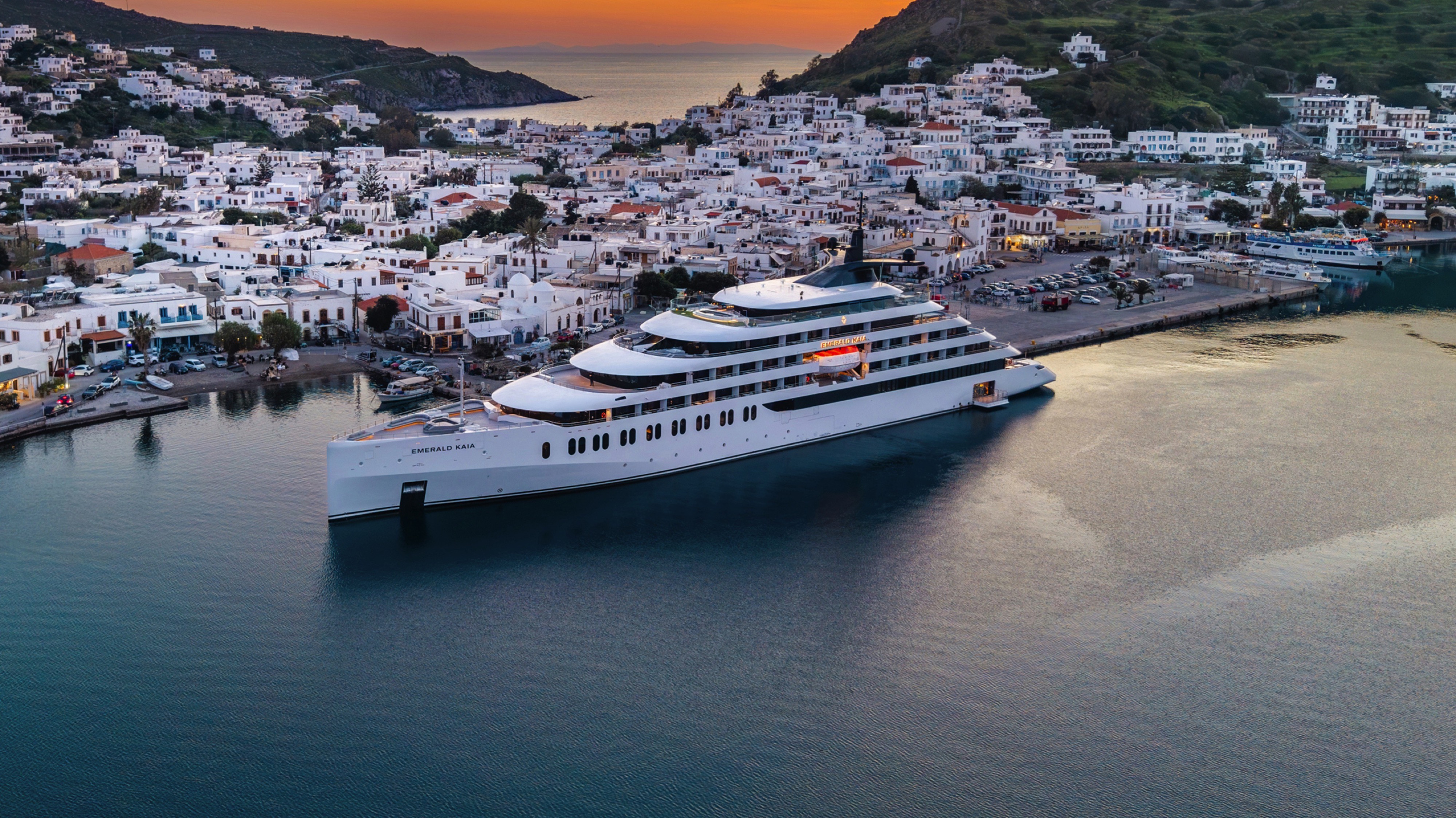
Deck Plans

- Elevators (3)
- Medical Center (19)
- Elements Spa (20)
- Sauna (21)
- Infrared Sauna (22)
- Hairdresser (23)
- Tender Boat (24)
- Zodiac (25)
- Gym (26)
- Marina Lounge (27)
- Marina Deck (28)

- Elevators (3)
- Amici Bar & Lounge (13)
- Reception (14)
- Boutique (15)
- Night Market Grill (16)
- La Cucina Terrace (18)
- La Cucina Dining (17)
- Oceanview Stateroom

- Spa Pool (9)
- Observation Sun Deck (10)
- Observation Lounge (11)
- Self-Service Laundry (12)
- Yacht Suite
- Balcony Suite
- Lift (3)

- Lift (3)
- Life Boats (8)
- Navigation Bridge (7)
- Balcony Suite
- Terrace Suite

- Elevators (3)
- Aqua Café (5)
- Aqua Pool (6)
- Owner’s Suite
- Balcony Suite
- Deluxe Balcony Suite

- Spa Pool (1)
- Sky Bar (2)
- Lift (3)
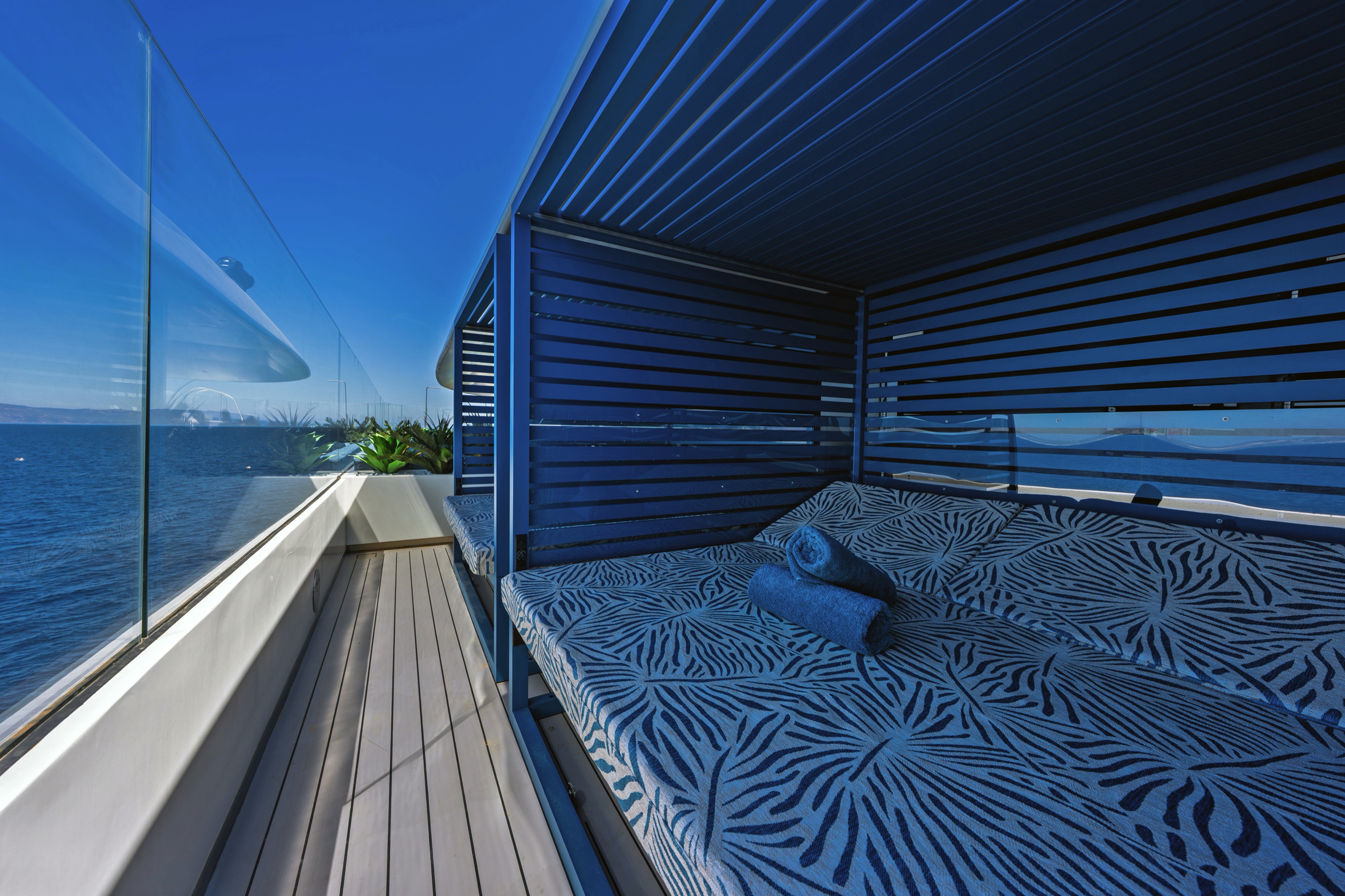
- Sky Deck Cabanas (4)
- Elevators (3)
- Medical Center (19)
- Elements Spa (20)
- Sauna (21)
- Infrared Sauna (22)
- Hairdresser (23)
- Tender Boat (24)
- Zodiac (25)
- Gym (26)
- Marina Lounge (27)
- Marina Deck (28)
- Elevators (3)
- Amici Bar & Lounge (13)
- Reception (14)
- Boutique (15)
- Night Market Grill (16)
- La Cucina Terrace (18)
- La Cucina Dining (17)
- Oceanview Stateroom
- Spa Pool (9)
- Observation Sun Deck (10)
- Observation Lounge (11)
- Self-Service Laundry (12)
- Yacht Suite
- Balcony Suite
- Lift (3)
- Lift (3)
- Life Boats (8)
- Navigation Bridge (7)
- Balcony Suite
- Terrace Suite
- Elevators (3)
- Aqua Café (5)
- Aqua Pool (6)
- Owner’s Suite
- Balcony Suite
- Deluxe Balcony Suite
- Spa Pool (1)
- Sky Bar (2)
- Lift (3)
- Sky Deck Cabanas (4)