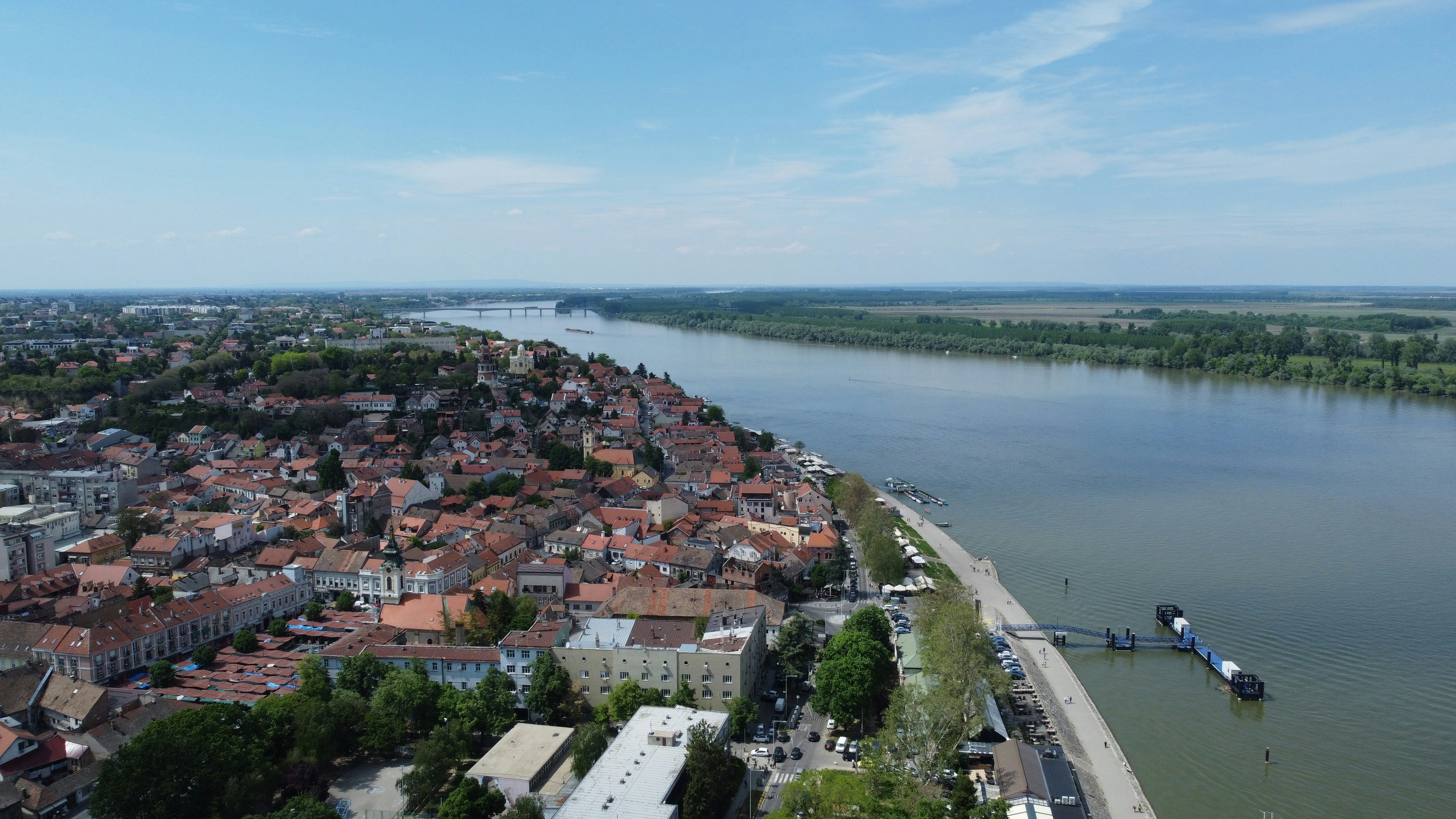
Itinerary
Budapest, Hungary
Budapest is the capital city of Hungary and is located over the River Danube. It is one of the largest cities in the European Union and much of its historical sites have been awarded UNESCO World Heritage Site status. Originally formed in 1873 by the joining of Buda, Pest and Old Buda, the city suffered heavy destruction during World War II and was rebuilt into the country’s political, cultural and commercial hub it is now. Bridges and railways connect the city over the Danube, including the six small islands situated on the river themselves. Some of Budapest’s UNESCO World Heritage sites include Chain Bridge, Budapest Parliament, the striking Matthias church and the iconic Royal Palace visible from every location within Budapest City. The Castle Hills district architecture represents over a thousand years of the city’s history with examples of Roman, Turkish, Gothic, Renaissance and Art Nouveau styles. Budapest also has a rich Jewish heritage and is home to the largest synagogue in Europe. The city has an abundance of restaurants offering international cuisines, as well as traditional Hungarian dishes ,including goulash soup, a very popular lunchtime dish. Hungarians enjoy their coffee so a traditional cafe is never hard to find.
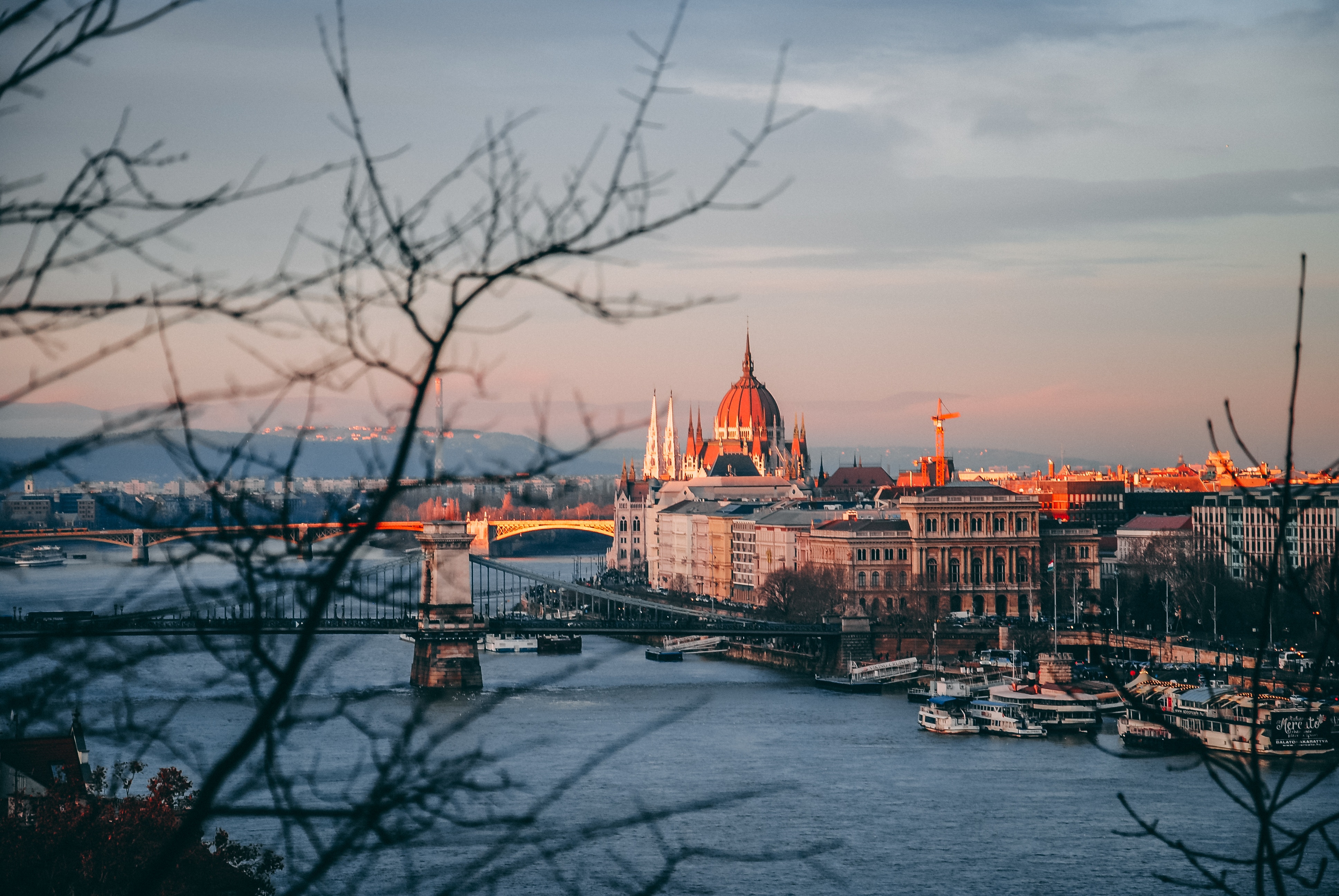
Budapest, Hungary
Budapest is the capital city of Hungary and is located over the River Danube. It is one of the largest cities in the European Union and much of its historical sites have been awarded UNESCO World Heritage Site status. Originally formed in 1873 by the joining of Buda, Pest and Old Buda, the city suffered heavy destruction during World War II and was rebuilt into the country’s political, cultural and commercial hub it is now. Bridges and railways connect the city over the Danube, including the six small islands situated on the river themselves. Some of Budapest’s UNESCO World Heritage sites include Chain Bridge, Budapest Parliament, the striking Matthias church and the iconic Royal Palace visible from every location within Budapest City. The Castle Hills district architecture represents over a thousand years of the city’s history with examples of Roman, Turkish, Gothic, Renaissance and Art Nouveau styles. Budapest also has a rich Jewish heritage and is home to the largest synagogue in Europe. The city has an abundance of restaurants offering international cuisines, as well as traditional Hungarian dishes ,including goulash soup, a very popular lunchtime dish. Hungarians enjoy their coffee so a traditional cafe is never hard to find.
Budapest, Hungary
Budapest is the capital city of Hungary and is located over the River Danube. It is one of the largest cities in the European Union and much of its historical sites have been awarded UNESCO World Heritage Site status. Originally formed in 1873 by the joining of Buda, Pest and Old Buda, the city suffered heavy destruction during World War II and was rebuilt into the country’s political, cultural and commercial hub it is now. Bridges and railways connect the city over the Danube, including the six small islands situated on the river themselves. Some of Budapest’s UNESCO World Heritage sites include Chain Bridge, Budapest Parliament, the striking Matthias church and the iconic Royal Palace visible from every location within Budapest City. The Castle Hills district architecture represents over a thousand years of the city’s history with examples of Roman, Turkish, Gothic, Renaissance and Art Nouveau styles. Budapest also has a rich Jewish heritage and is home to the largest synagogue in Europe. The city has an abundance of restaurants offering international cuisines, as well as traditional Hungarian dishes ,including goulash soup, a very popular lunchtime dish. Hungarians enjoy their coffee so a traditional cafe is never hard to find.
Ordas, Hungary
This morning, you’ll venture to the Puszta, or Great Hungarian Plain, for a traditional performance showcasing the exceptional equestrian skills of the Magyar cowboys. Sit back and enjoy the show, as you watch their spectacular horse parade and witness their exercise drills. Tonight, you’ll have plenty of opportunities to relax and meet your fellow guests during the welcome dinner & reception.
EmeraldPLUS
Puszta Equestrian Heritage
Vukovar, Croatia
This morning,you will get to learn more about Croatia and the daily life of locals, Our EmeraldPLUS excursion will bring you to the home of a Croatian family to share a typical meal from the area while getting to know the local culture and customs.
EmeraldPLUS
Home-hosted lunch with a Croatian family
DiscoverMORE
Vucedol Culture Museum (extra expense, please note this tour is not available on Mondays due to the Museums closure and will be replaced with Baranja wine region with tasting).
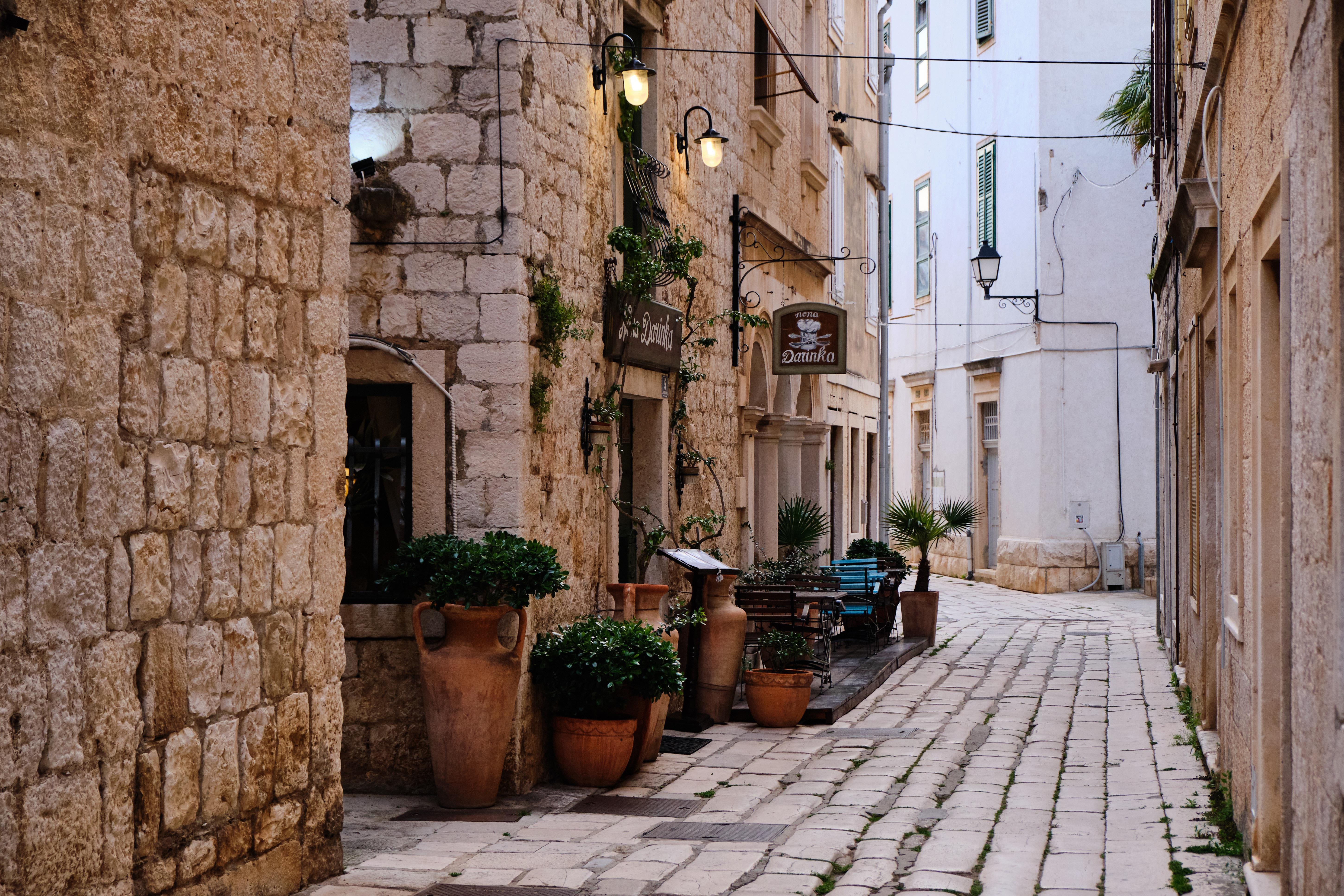
Belgrade, Serbia
The capital of Serbia awaits you today, as a city tour introduces you to the highlights of one of Europe’s oldest cities. Relax as your coach takes you through the centre of this peaceful city and witness the symmetrical façade of the Church of Saint Sava, one of the world’s largest church buildings. Stop for a tour of the Museum of Yugoslavia or learn about the history of Belgrade during a guided bike tour of the city.
This evening, relax in the Horizon Lounge with a traditional Serbian folklore show providing spectacular entertainment.
Included Excursion
Highlights of Belgrade
EmeraldPLUS
Serbian folklore evening show on board
EmeraldACTIVE
Guided bike tour in Belgrade
DiscoverMORE
Routes of Nikola Tesla (extra expense)
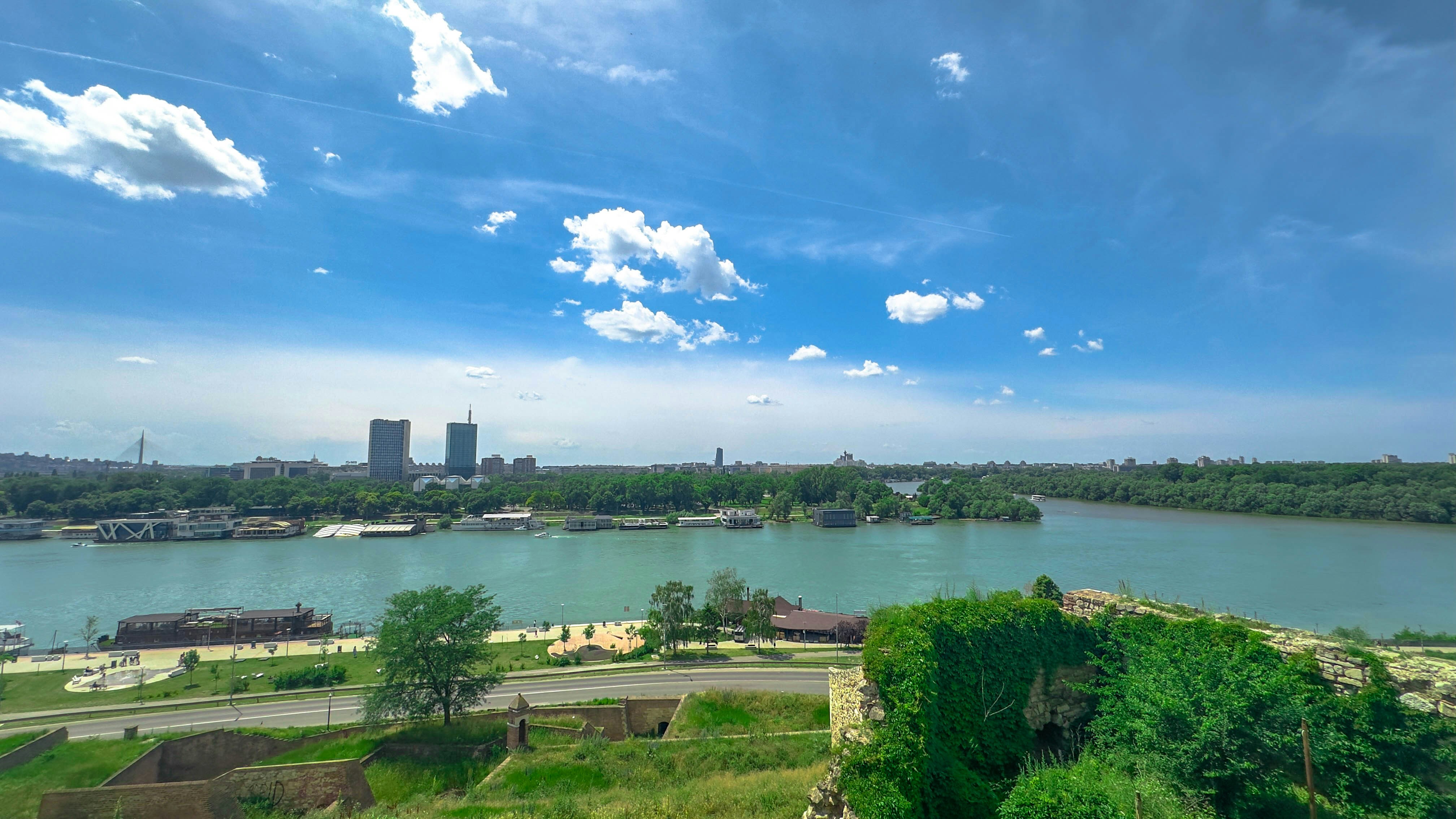
Donji Milanovac, Serbia
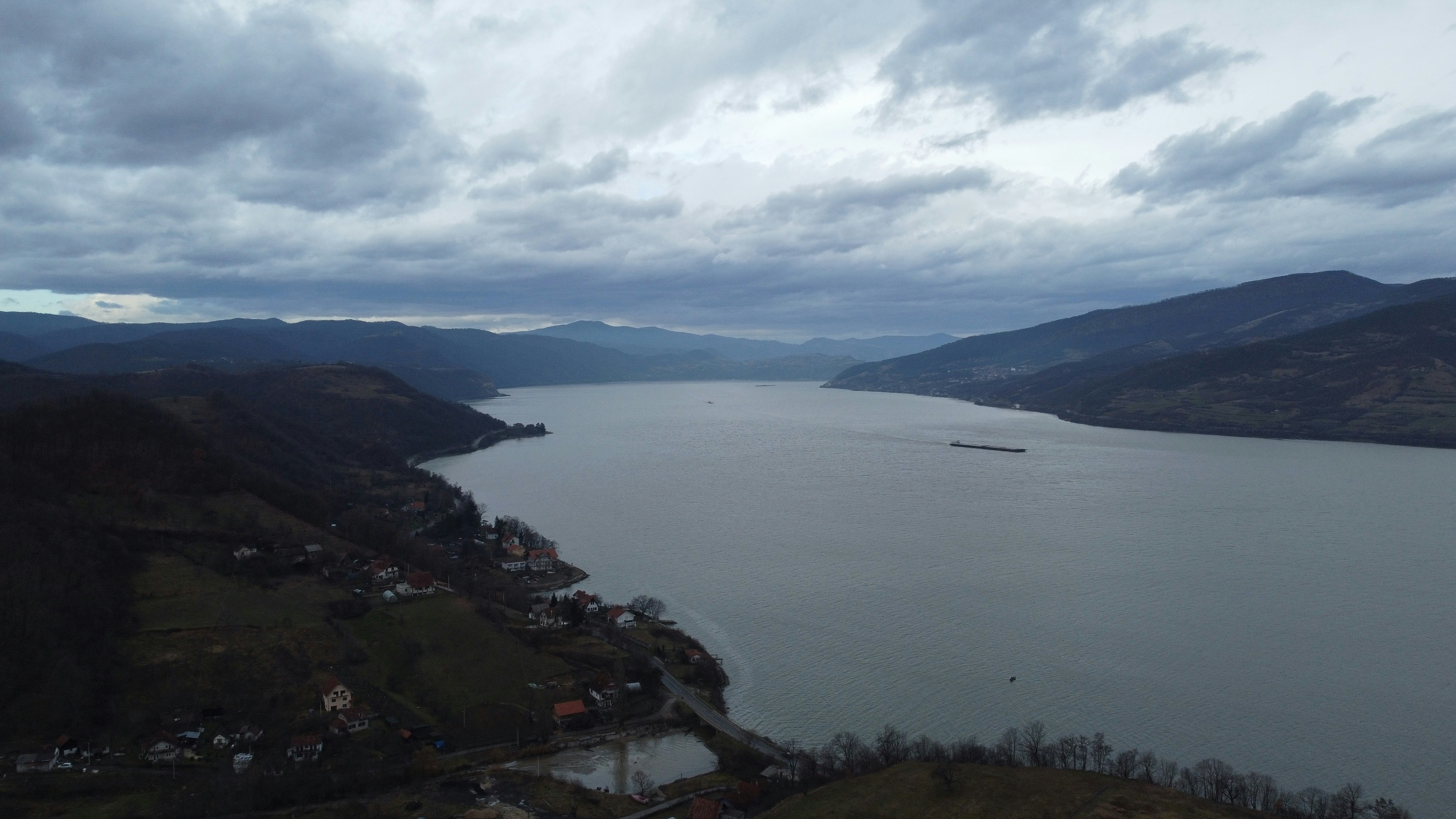
In eastern Serbia, within the Majdanpek municipality, the town of Donji Milanovac sits on the right bank of the Danube. Today, you’ll have the opportunity to visit the Palaeolithic site of Lepenski Vir on an included excursion. Enjoy learning about the importance of this archaeological site and its illustrious history, spanning more than 8 millennia. The day ends as we sail through the Iron Gates, a picturesque narrow gorge that meanders between the Carpathian Mountains and the European Alps.
Included Excursion
Visit to Lepenski Vir archaeological site and museum
DiscoverMORE
Golubac Castle visit (extra expense)
Budapest, Hungary
Budapest is the capital city of Hungary and is located over the River Danube. It is one of the largest cities in the European Union and much of its historical sites have been awarded UNESCO World Heritage Site status. Originally formed in 1873 by the joining of Buda, Pest and Old Buda, the city suffered heavy destruction during World War II and was rebuilt into the country’s political, cultural and commercial hub it is now. Bridges and railways connect the city over the Danube, including the six small islands situated on the river themselves. Some of Budapest’s UNESCO World Heritage sites include Chain Bridge, Budapest Parliament, the striking Matthias church and the iconic Royal Palace visible from every location within Budapest City. The Castle Hills district architecture represents over a thousand years of the city’s history with examples of Roman, Turkish, Gothic, Renaissance and Art Nouveau styles. Budapest also has a rich Jewish heritage and is home to the largest synagogue in Europe. The city has an abundance of restaurants offering international cuisines, as well as traditional Hungarian dishes ,including goulash soup, a very popular lunchtime dish. Hungarians enjoy their coffee so a traditional cafe is never hard to find.
Budapest, Hungary
Budapest is the capital city of Hungary and is located over the River Danube. It is one of the largest cities in the European Union and much of its historical sites have been awarded UNESCO World Heritage Site status. Originally formed in 1873 by the joining of Buda, Pest and Old Buda, the city suffered heavy destruction during World War II and was rebuilt into the country’s political, cultural and commercial hub it is now. Bridges and railways connect the city over the Danube, including the six small islands situated on the river themselves. Some of Budapest’s UNESCO World Heritage sites include Chain Bridge, Budapest Parliament, the striking Matthias church and the iconic Royal Palace visible from every location within Budapest City. The Castle Hills district architecture represents over a thousand years of the city’s history with examples of Roman, Turkish, Gothic, Renaissance and Art Nouveau styles. Budapest also has a rich Jewish heritage and is home to the largest synagogue in Europe. The city has an abundance of restaurants offering international cuisines, as well as traditional Hungarian dishes ,including goulash soup, a very popular lunchtime dish. Hungarians enjoy their coffee so a traditional cafe is never hard to find.
Budapest, Hungary
Budapest is the capital city of Hungary and is located over the River Danube. It is one of the largest cities in the European Union and much of its historical sites have been awarded UNESCO World Heritage Site status. Originally formed in 1873 by the joining of Buda, Pest and Old Buda, the city suffered heavy destruction during World War II and was rebuilt into the country’s political, cultural and commercial hub it is now. Bridges and railways connect the city over the Danube, including the six small islands situated on the river themselves. Some of Budapest’s UNESCO World Heritage sites include Chain Bridge, Budapest Parliament, the striking Matthias church and the iconic Royal Palace visible from every location within Budapest City. The Castle Hills district architecture represents over a thousand years of the city’s history with examples of Roman, Turkish, Gothic, Renaissance and Art Nouveau styles. Budapest also has a rich Jewish heritage and is home to the largest synagogue in Europe. The city has an abundance of restaurants offering international cuisines, as well as traditional Hungarian dishes ,including goulash soup, a very popular lunchtime dish. Hungarians enjoy their coffee so a traditional cafe is never hard to find.
Ordas, Hungary
This morning, you’ll venture to the Puszta, or Great Hungarian Plain, for a traditional performance showcasing the exceptional equestrian skills of the Magyar cowboys. Sit back and enjoy the show, as you watch their spectacular horse parade and witness their exercise drills. Tonight, you’ll have plenty of opportunities to relax and meet your fellow guests during the welcome dinner & reception.
EmeraldPLUS
Puszta Equestrian Heritage
Vukovar, Croatia
This morning,you will get to learn more about Croatia and the daily life of locals, Our EmeraldPLUS excursion will bring you to the home of a Croatian family to share a typical meal from the area while getting to know the local culture and customs.
EmeraldPLUS
Home-hosted lunch with a Croatian family
DiscoverMORE
Vucedol Culture Museum (extra expense, please note this tour is not available on Mondays due to the Museums closure and will be replaced with Baranja wine region with tasting).
Belgrade, Serbia
The capital of Serbia awaits you today, as a city tour introduces you to the highlights of one of Europe’s oldest cities. Relax as your coach takes you through the centre of this peaceful city and witness the symmetrical façade of the Church of Saint Sava, one of the world’s largest church buildings. Stop for a tour of the Museum of Yugoslavia or learn about the history of Belgrade during a guided bike tour of the city.
This evening, relax in the Horizon Lounge with a traditional Serbian folklore show providing spectacular entertainment.
Included Excursion
Highlights of Belgrade
EmeraldPLUS
Serbian folklore evening show on board
EmeraldACTIVE
Guided bike tour in Belgrade
DiscoverMORE
Routes of Nikola Tesla (extra expense)
Donji Milanovac, Serbia
In eastern Serbia, within the Majdanpek municipality, the town of Donji Milanovac sits on the right bank of the Danube. Today, you’ll have the opportunity to visit the Palaeolithic site of Lepenski Vir on an included excursion. Enjoy learning about the importance of this archaeological site and its illustrious history, spanning more than 8 millennia. The day ends as we sail through the Iron Gates, a picturesque narrow gorge that meanders between the Carpathian Mountains and the European Alps.
Included Excursion
Visit to Lepenski Vir archaeological site and museum
DiscoverMORE
Golubac Castle visit (extra expense)
Vidin, Bulgaria
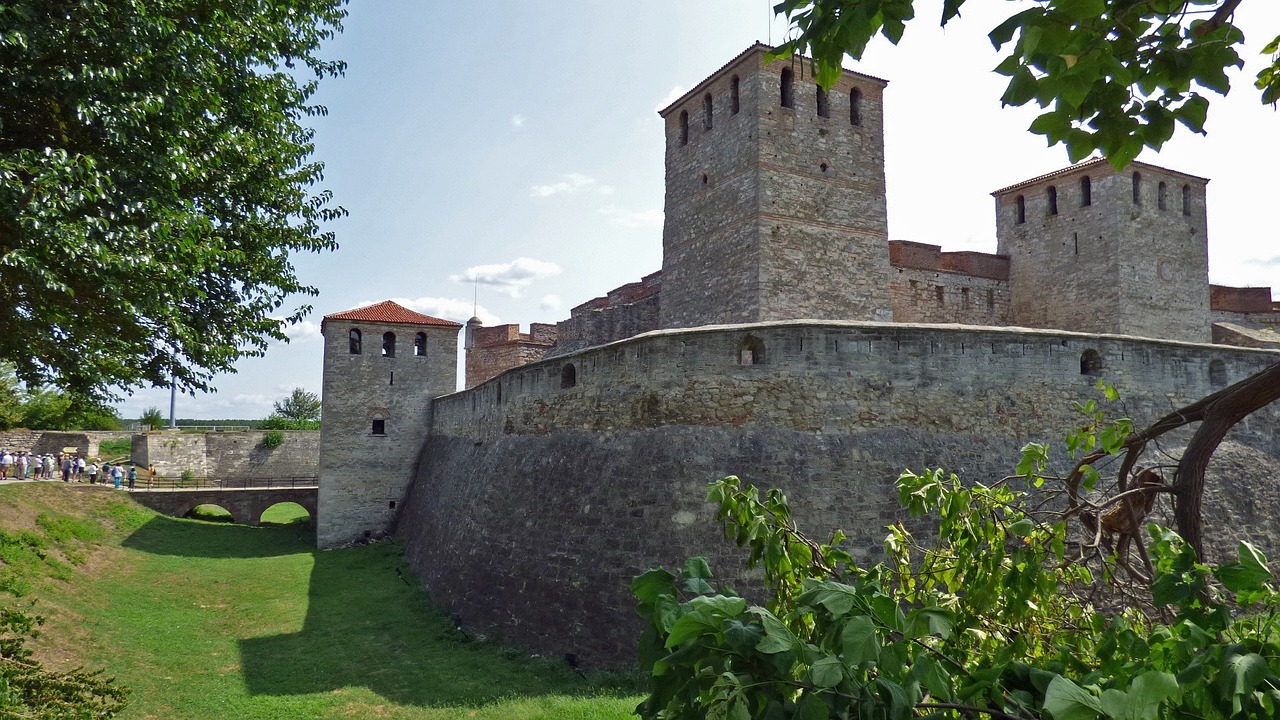
This morning, we’ll arrive in Vidin, a beautiful town in north-west Bulgaria, renowned for its wine production. Your included tour will introduce you to the best of Vidin’s viticulture, as you stroll through a local vineyard and enjoy a tasting session of their produce.
Later, venture to Baba Vida, a medieval fortress whose name can be translated to mean ‘Granny Vida’. Alternatively, hike to Belogradchik Fortress, a well-preserved stronghold that sits against a series of impressive rock formations.
Included Excursion
Visit to a local vineyard with wine tasting & a visit to Baba Vida Fortress
EmeraldACTIVE
Guided hike to Belogradchik Fortress
DiscoverMORE
Traditional Bulgarian pastry making (extra expense)
Ruse, Bulgaria
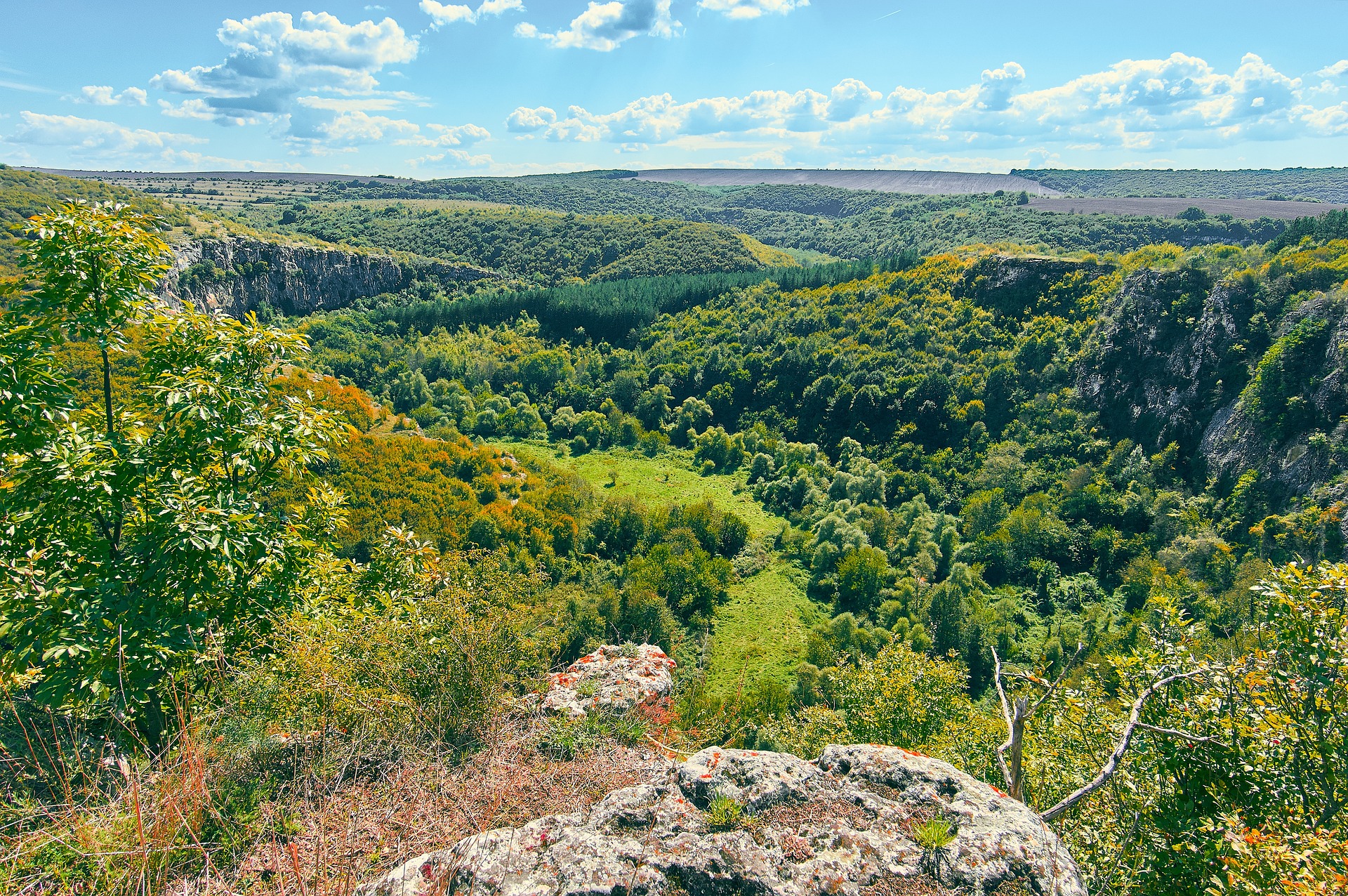
Today, your Star-Ship will cruise into Rousse, where you will have the opportunity to explore the timeless charm of its elegant architecture and cultural heritage of the city that many call “The Little Vienna”.
Alternatively, embark on a guided hike to the UNESCO World Heritage-listed Rock-Hewn Churches of Ivanovo, a complex of churches, chapels, and monasteries. Tonight, your crew will welcome you on board for a farewell dinner.
Included Excursion
Walking tour of Rousse
EmeraldPLUS
Choir performance
EmeraldACTIVE
Guided hike to Ivanovo Church
DiscoverMORE
Full day tour of Veliko Tarnovo and Arbanassi (extra expense)
Bucharest, Romania
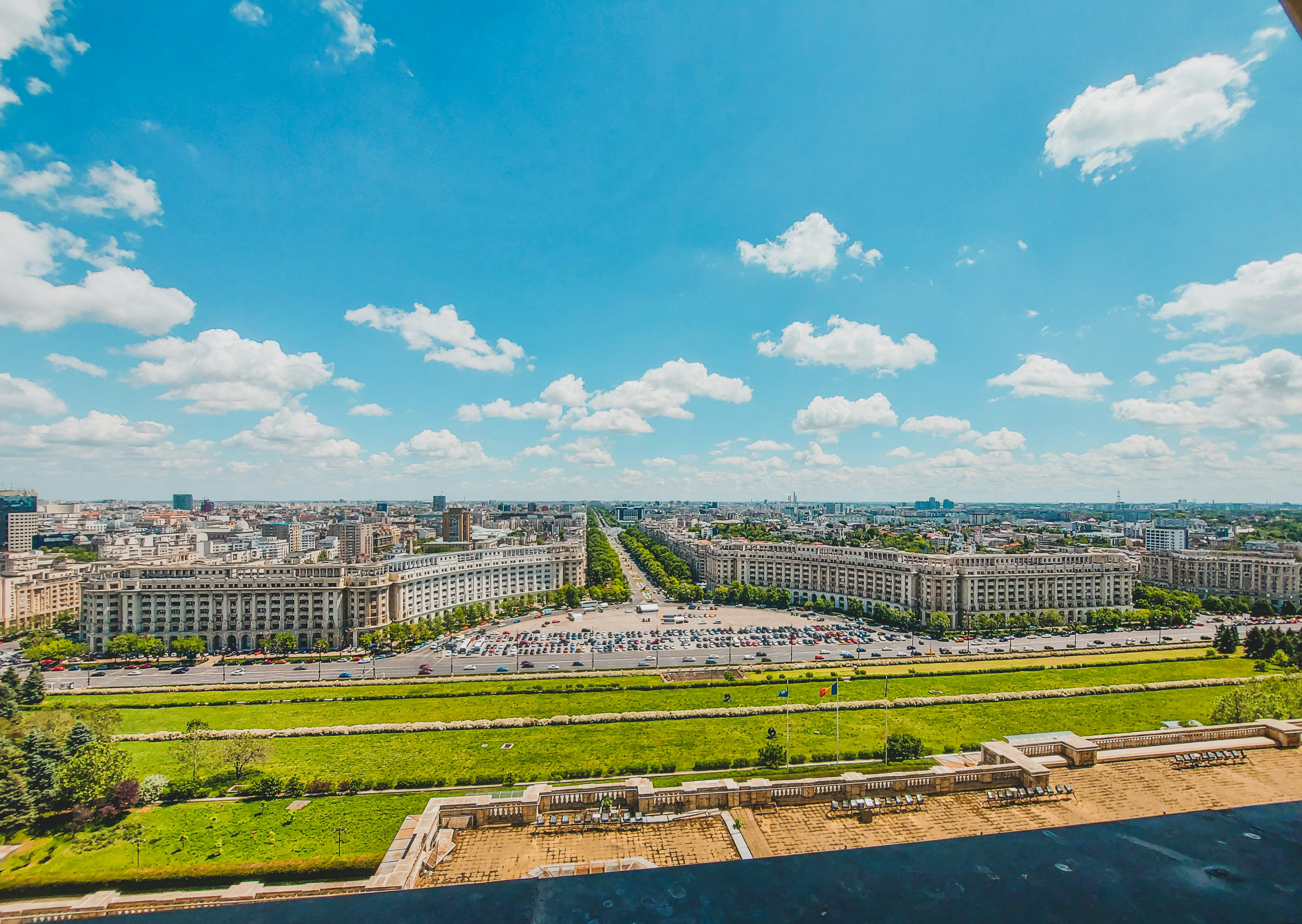
Bucharest, in southern Romania, is the country’s capital and commercial center. Its iconic landmark is the massive, communist-era Palatul Parlamentului government building, which has 1,100 rooms. Nearby, the historic Lipscani district is home to an energetic nightlife scene as well as tiny Eastern Orthodox Stavropoleos Church and 15th-century Curtea Veche Palace, where Prince Vlad III (“The Impaler”) once ruled.
Istanbul, Turkey
The only city in the world that can lay claim to straddling two continents, Istanbul—once known as Constantinople, capital of the Byzantine and then the Ottoman Empire—has for centuries been a bustling metropolis with one foot in Europe and the other in Asia. Istanbul embraces this enviable position with both a certain chaos and inventiveness, ever evolving as one of the world’s most cosmopolitan crossroads. It’s often said that Istanbul is the meeting point of East and West, but visitors to this city built over the former capital of two great empires are likely to be just as impressed by the juxtaposition of old and new. Office towers creep up behind historic palaces, women in chic designer outfits pass others wearing long skirts and head coverings, peddlers’ pushcarts vie with battered old Fiats and shiny BMWs for dominance of the noisy, narrow streets, and the Grand Bazaar competes with modern shopping malls. At dawn, when the muezzin’s call to prayer resounds from ancient minarets, there are inevitably a few hearty revelers still making their way home from nightclubs and bars. Most visitors to this sprawling city of more than 14 million will first set foot in the relatively compact Old City, where the legacy of the Byzantine and Ottoman empires can be seen in monumental works of architecture like the brilliant Aya Sofya and the beautifully proportioned mosques built by the great architect Sinan. Though it would be easy to spend days, if not weeks, exploring the wealth of attractions in the historical peninsula, visitors should make sure also to venture elsewhere in order to experience the vibrancy of contemporary Istanbul. With a lively nightlife propelled by its young population and an exciting arts scene that’s increasingly on the international radar—thanks in part to its stint as the European Capital of Culture in 2010—Istanbul is truly a city that never sleeps. It’s also a place where visitors will feel welcome: Istanbul may be on the Bosphorus, but at heart it’s a Mediterranean city, whose friendly inhabitants are effusively social and eager to share what they love most about it.
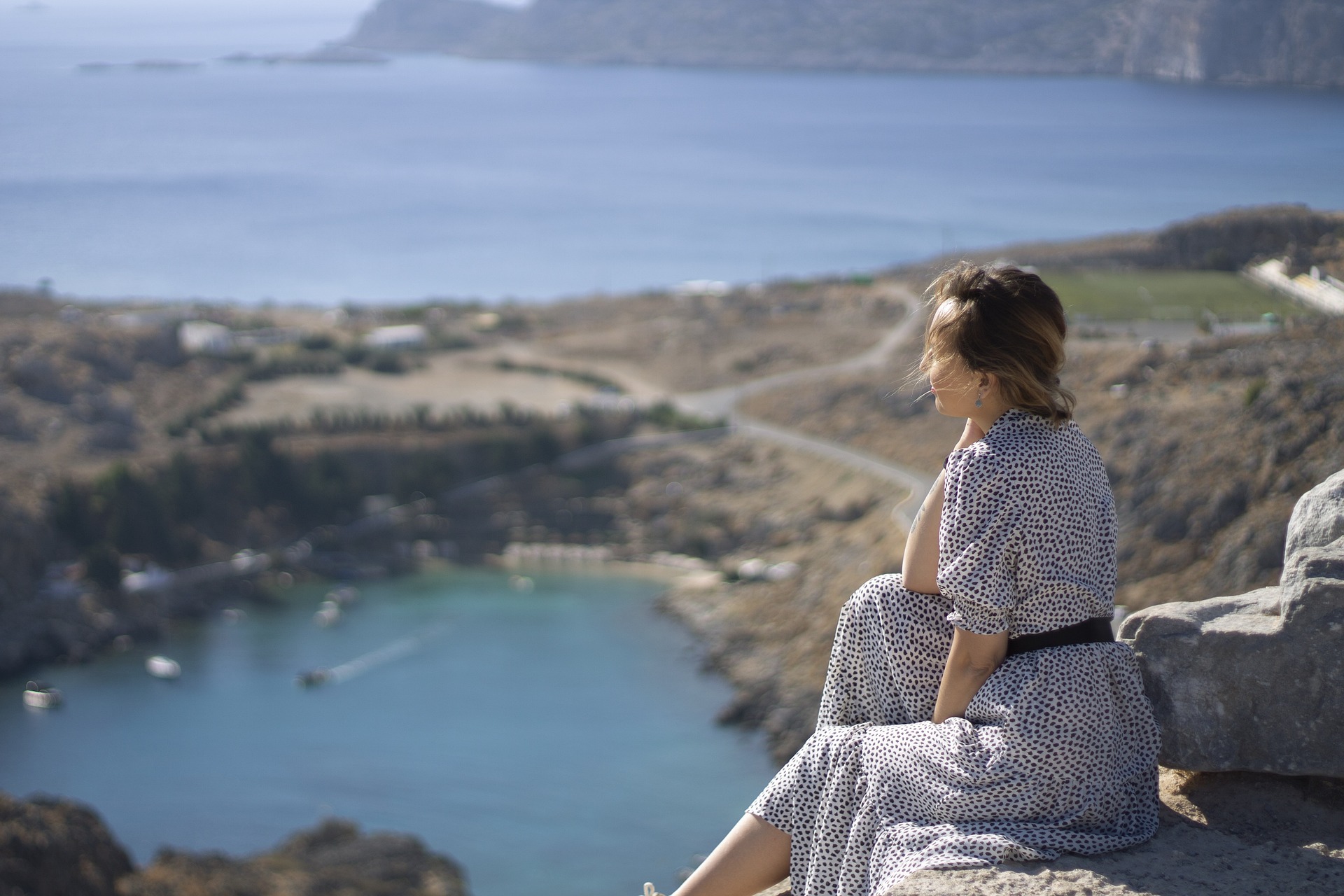
Istanbul, Turkey
The only city in the world that can lay claim to straddling two continents, Istanbul—once known as Constantinople, capital of the Byzantine and then the Ottoman Empire—has for centuries been a bustling metropolis with one foot in Europe and the other in Asia. Istanbul embraces this enviable position with both a certain chaos and inventiveness, ever evolving as one of the world’s most cosmopolitan crossroads. It’s often said that Istanbul is the meeting point of East and West, but visitors to this city built over the former capital of two great empires are likely to be just as impressed by the juxtaposition of old and new. Office towers creep up behind historic palaces, women in chic designer outfits pass others wearing long skirts and head coverings, peddlers’ pushcarts vie with battered old Fiats and shiny BMWs for dominance of the noisy, narrow streets, and the Grand Bazaar competes with modern shopping malls. At dawn, when the muezzin’s call to prayer resounds from ancient minarets, there are inevitably a few hearty revelers still making their way home from nightclubs and bars. Most visitors to this sprawling city of more than 14 million will first set foot in the relatively compact Old City, where the legacy of the Byzantine and Ottoman empires can be seen in monumental works of architecture like the brilliant Aya Sofya and the beautifully proportioned mosques built by the great architect Sinan. Though it would be easy to spend days, if not weeks, exploring the wealth of attractions in the historical peninsula, visitors should make sure also to venture elsewhere in order to experience the vibrancy of contemporary Istanbul. With a lively nightlife propelled by its young population and an exciting arts scene that’s increasingly on the international radar—thanks in part to its stint as the European Capital of Culture in 2010—Istanbul is truly a city that never sleeps. It’s also a place where visitors will feel welcome: Istanbul may be on the Bosphorus, but at heart it’s a Mediterranean city, whose friendly inhabitants are effusively social and eager to share what they love most about it.
Istanbul, Turkey
The only city in the world that can lay claim to straddling two continents, Istanbul—once known as Constantinople, capital of the Byzantine and then the Ottoman Empire—has for centuries been a bustling metropolis with one foot in Europe and the other in Asia. Istanbul embraces this enviable position with both a certain chaos and inventiveness, ever evolving as one of the world’s most cosmopolitan crossroads. It’s often said that Istanbul is the meeting point of East and West, but visitors to this city built over the former capital of two great empires are likely to be just as impressed by the juxtaposition of old and new. Office towers creep up behind historic palaces, women in chic designer outfits pass others wearing long skirts and head coverings, peddlers’ pushcarts vie with battered old Fiats and shiny BMWs for dominance of the noisy, narrow streets, and the Grand Bazaar competes with modern shopping malls. At dawn, when the muezzin’s call to prayer resounds from ancient minarets, there are inevitably a few hearty revelers still making their way home from nightclubs and bars. Most visitors to this sprawling city of more than 14 million will first set foot in the relatively compact Old City, where the legacy of the Byzantine and Ottoman empires can be seen in monumental works of architecture like the brilliant Aya Sofya and the beautifully proportioned mosques built by the great architect Sinan. Though it would be easy to spend days, if not weeks, exploring the wealth of attractions in the historical peninsula, visitors should make sure also to venture elsewhere in order to experience the vibrancy of contemporary Istanbul. With a lively nightlife propelled by its young population and an exciting arts scene that’s increasingly on the international radar—thanks in part to its stint as the European Capital of Culture in 2010—Istanbul is truly a city that never sleeps. It’s also a place where visitors will feel welcome: Istanbul may be on the Bosphorus, but at heart it’s a Mediterranean city, whose friendly inhabitants are effusively social and eager to share what they love most about it.
Istanbul, Turkey
The only city in the world that can lay claim to straddling two continents, Istanbul—once known as Constantinople, capital of the Byzantine and then the Ottoman Empire—has for centuries been a bustling metropolis with one foot in Europe and the other in Asia. Istanbul embraces this enviable position with both a certain chaos and inventiveness, ever evolving as one of the world’s most cosmopolitan crossroads. It’s often said that Istanbul is the meeting point of East and West, but visitors to this city built over the former capital of two great empires are likely to be just as impressed by the juxtaposition of old and new. Office towers creep up behind historic palaces, women in chic designer outfits pass others wearing long skirts and head coverings, peddlers’ pushcarts vie with battered old Fiats and shiny BMWs for dominance of the noisy, narrow streets, and the Grand Bazaar competes with modern shopping malls. At dawn, when the muezzin’s call to prayer resounds from ancient minarets, there are inevitably a few hearty revelers still making their way home from nightclubs and bars. Most visitors to this sprawling city of more than 14 million will first set foot in the relatively compact Old City, where the legacy of the Byzantine and Ottoman empires can be seen in monumental works of architecture like the brilliant Aya Sofya and the beautifully proportioned mosques built by the great architect Sinan. Though it would be easy to spend days, if not weeks, exploring the wealth of attractions in the historical peninsula, visitors should make sure also to venture elsewhere in order to experience the vibrancy of contemporary Istanbul. With a lively nightlife propelled by its young population and an exciting arts scene that’s increasingly on the international radar—thanks in part to its stint as the European Capital of Culture in 2010—Istanbul is truly a city that never sleeps. It’s also a place where visitors will feel welcome: Istanbul may be on the Bosphorus, but at heart it’s a Mediterranean city, whose friendly inhabitants are effusively social and eager to share what they love most about it.
Vidin, Bulgaria
This morning, we’ll arrive in Vidin, a beautiful town in north-west Bulgaria, renowned for its wine production. Your included tour will introduce you to the best of Vidin’s viticulture, as you stroll through a local vineyard and enjoy a tasting session of their produce.
Later, venture to Baba Vida, a medieval fortress whose name can be translated to mean ‘Granny Vida’. Alternatively, hike to Belogradchik Fortress, a well-preserved stronghold that sits against a series of impressive rock formations.
Included Excursion
Visit to a local vineyard with wine tasting & a visit to Baba Vida Fortress
EmeraldACTIVE
Guided hike to Belogradchik Fortress
DiscoverMORE
Traditional Bulgarian pastry making (extra expense)
Ruse, Bulgaria
Today, your Star-Ship will cruise into Rousse, where you will have the opportunity to explore the timeless charm of its elegant architecture and cultural heritage of the city that many call “The Little Vienna”.
Alternatively, embark on a guided hike to the UNESCO World Heritage-listed Rock-Hewn Churches of Ivanovo, a complex of churches, chapels, and monasteries. Tonight, your crew will welcome you on board for a farewell dinner.
Included Excursion
Walking tour of Rousse
EmeraldPLUS
Choir performance
EmeraldACTIVE
Guided hike to Ivanovo Church
DiscoverMORE
Full day tour of Veliko Tarnovo and Arbanassi (extra expense)
Bucharest, Romania
Bucharest, in southern Romania, is the country’s capital and commercial center. Its iconic landmark is the massive, communist-era Palatul Parlamentului government building, which has 1,100 rooms. Nearby, the historic Lipscani district is home to an energetic nightlife scene as well as tiny Eastern Orthodox Stavropoleos Church and 15th-century Curtea Veche Palace, where Prince Vlad III (“The Impaler”) once ruled.
Istanbul, Turkey
The only city in the world that can lay claim to straddling two continents, Istanbul—once known as Constantinople, capital of the Byzantine and then the Ottoman Empire—has for centuries been a bustling metropolis with one foot in Europe and the other in Asia. Istanbul embraces this enviable position with both a certain chaos and inventiveness, ever evolving as one of the world’s most cosmopolitan crossroads. It’s often said that Istanbul is the meeting point of East and West, but visitors to this city built over the former capital of two great empires are likely to be just as impressed by the juxtaposition of old and new. Office towers creep up behind historic palaces, women in chic designer outfits pass others wearing long skirts and head coverings, peddlers’ pushcarts vie with battered old Fiats and shiny BMWs for dominance of the noisy, narrow streets, and the Grand Bazaar competes with modern shopping malls. At dawn, when the muezzin’s call to prayer resounds from ancient minarets, there are inevitably a few hearty revelers still making their way home from nightclubs and bars. Most visitors to this sprawling city of more than 14 million will first set foot in the relatively compact Old City, where the legacy of the Byzantine and Ottoman empires can be seen in monumental works of architecture like the brilliant Aya Sofya and the beautifully proportioned mosques built by the great architect Sinan. Though it would be easy to spend days, if not weeks, exploring the wealth of attractions in the historical peninsula, visitors should make sure also to venture elsewhere in order to experience the vibrancy of contemporary Istanbul. With a lively nightlife propelled by its young population and an exciting arts scene that’s increasingly on the international radar—thanks in part to its stint as the European Capital of Culture in 2010—Istanbul is truly a city that never sleeps. It’s also a place where visitors will feel welcome: Istanbul may be on the Bosphorus, but at heart it’s a Mediterranean city, whose friendly inhabitants are effusively social and eager to share what they love most about it.
Istanbul, Turkey
The only city in the world that can lay claim to straddling two continents, Istanbul—once known as Constantinople, capital of the Byzantine and then the Ottoman Empire—has for centuries been a bustling metropolis with one foot in Europe and the other in Asia. Istanbul embraces this enviable position with both a certain chaos and inventiveness, ever evolving as one of the world’s most cosmopolitan crossroads. It’s often said that Istanbul is the meeting point of East and West, but visitors to this city built over the former capital of two great empires are likely to be just as impressed by the juxtaposition of old and new. Office towers creep up behind historic palaces, women in chic designer outfits pass others wearing long skirts and head coverings, peddlers’ pushcarts vie with battered old Fiats and shiny BMWs for dominance of the noisy, narrow streets, and the Grand Bazaar competes with modern shopping malls. At dawn, when the muezzin’s call to prayer resounds from ancient minarets, there are inevitably a few hearty revelers still making their way home from nightclubs and bars. Most visitors to this sprawling city of more than 14 million will first set foot in the relatively compact Old City, where the legacy of the Byzantine and Ottoman empires can be seen in monumental works of architecture like the brilliant Aya Sofya and the beautifully proportioned mosques built by the great architect Sinan. Though it would be easy to spend days, if not weeks, exploring the wealth of attractions in the historical peninsula, visitors should make sure also to venture elsewhere in order to experience the vibrancy of contemporary Istanbul. With a lively nightlife propelled by its young population and an exciting arts scene that’s increasingly on the international radar—thanks in part to its stint as the European Capital of Culture in 2010—Istanbul is truly a city that never sleeps. It’s also a place where visitors will feel welcome: Istanbul may be on the Bosphorus, but at heart it’s a Mediterranean city, whose friendly inhabitants are effusively social and eager to share what they love most about it.
Istanbul, Turkey
The only city in the world that can lay claim to straddling two continents, Istanbul—once known as Constantinople, capital of the Byzantine and then the Ottoman Empire—has for centuries been a bustling metropolis with one foot in Europe and the other in Asia. Istanbul embraces this enviable position with both a certain chaos and inventiveness, ever evolving as one of the world’s most cosmopolitan crossroads. It’s often said that Istanbul is the meeting point of East and West, but visitors to this city built over the former capital of two great empires are likely to be just as impressed by the juxtaposition of old and new. Office towers creep up behind historic palaces, women in chic designer outfits pass others wearing long skirts and head coverings, peddlers’ pushcarts vie with battered old Fiats and shiny BMWs for dominance of the noisy, narrow streets, and the Grand Bazaar competes with modern shopping malls. At dawn, when the muezzin’s call to prayer resounds from ancient minarets, there are inevitably a few hearty revelers still making their way home from nightclubs and bars. Most visitors to this sprawling city of more than 14 million will first set foot in the relatively compact Old City, where the legacy of the Byzantine and Ottoman empires can be seen in monumental works of architecture like the brilliant Aya Sofya and the beautifully proportioned mosques built by the great architect Sinan. Though it would be easy to spend days, if not weeks, exploring the wealth of attractions in the historical peninsula, visitors should make sure also to venture elsewhere in order to experience the vibrancy of contemporary Istanbul. With a lively nightlife propelled by its young population and an exciting arts scene that’s increasingly on the international radar—thanks in part to its stint as the European Capital of Culture in 2010—Istanbul is truly a city that never sleeps. It’s also a place where visitors will feel welcome: Istanbul may be on the Bosphorus, but at heart it’s a Mediterranean city, whose friendly inhabitants are effusively social and eager to share what they love most about it.
Istanbul, Turkey
The only city in the world that can lay claim to straddling two continents, Istanbul—once known as Constantinople, capital of the Byzantine and then the Ottoman Empire—has for centuries been a bustling metropolis with one foot in Europe and the other in Asia. Istanbul embraces this enviable position with both a certain chaos and inventiveness, ever evolving as one of the world’s most cosmopolitan crossroads. It’s often said that Istanbul is the meeting point of East and West, but visitors to this city built over the former capital of two great empires are likely to be just as impressed by the juxtaposition of old and new. Office towers creep up behind historic palaces, women in chic designer outfits pass others wearing long skirts and head coverings, peddlers’ pushcarts vie with battered old Fiats and shiny BMWs for dominance of the noisy, narrow streets, and the Grand Bazaar competes with modern shopping malls. At dawn, when the muezzin’s call to prayer resounds from ancient minarets, there are inevitably a few hearty revelers still making their way home from nightclubs and bars. Most visitors to this sprawling city of more than 14 million will first set foot in the relatively compact Old City, where the legacy of the Byzantine and Ottoman empires can be seen in monumental works of architecture like the brilliant Aya Sofya and the beautifully proportioned mosques built by the great architect Sinan. Though it would be easy to spend days, if not weeks, exploring the wealth of attractions in the historical peninsula, visitors should make sure also to venture elsewhere in order to experience the vibrancy of contemporary Istanbul. With a lively nightlife propelled by its young population and an exciting arts scene that’s increasingly on the international radar—thanks in part to its stint as the European Capital of Culture in 2010—Istanbul is truly a city that never sleeps. It’s also a place where visitors will feel welcome: Istanbul may be on the Bosphorus, but at heart it’s a Mediterranean city, whose friendly inhabitants are effusively social and eager to share what they love most about it.
Cabin Options
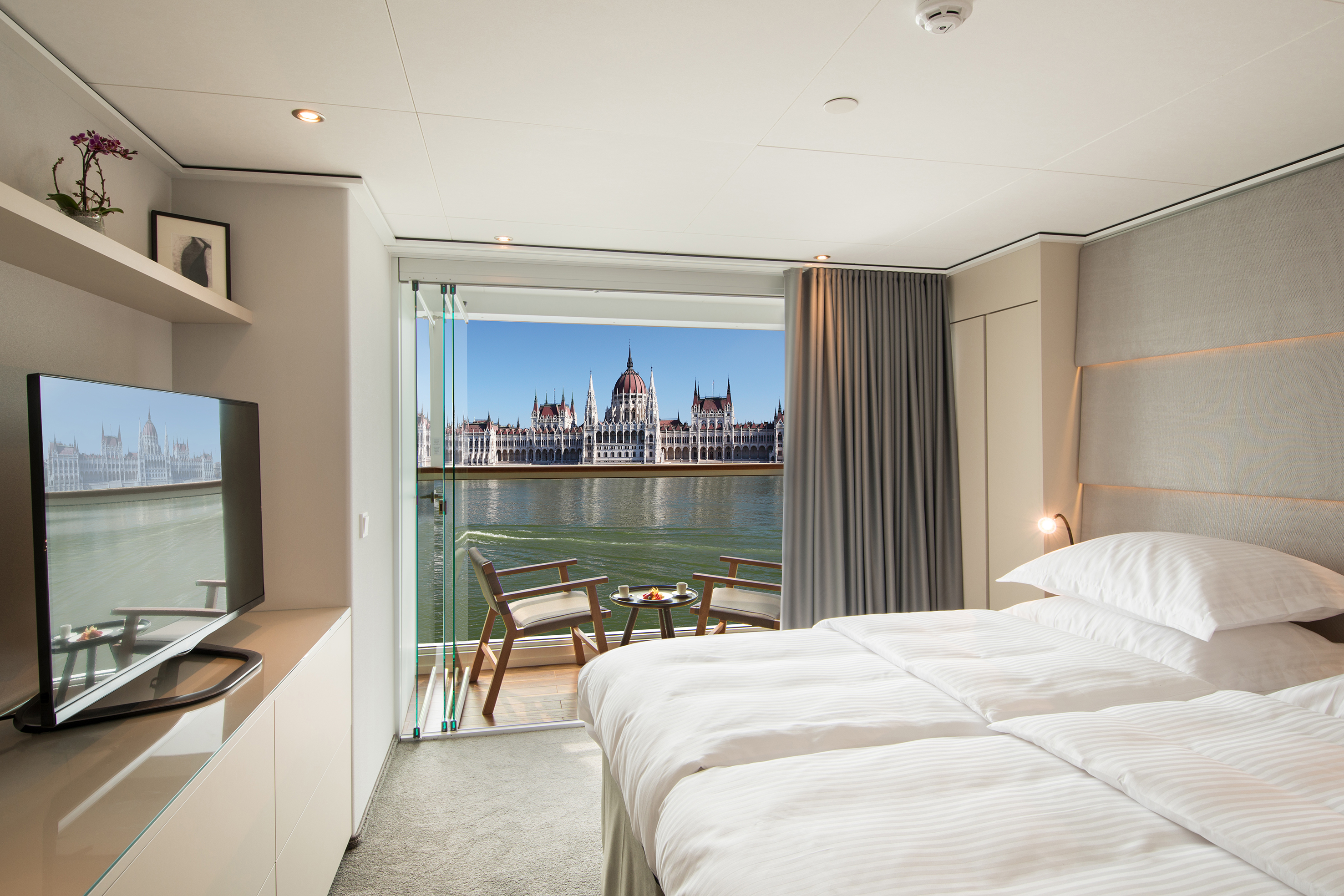
Grand Balcony Suite
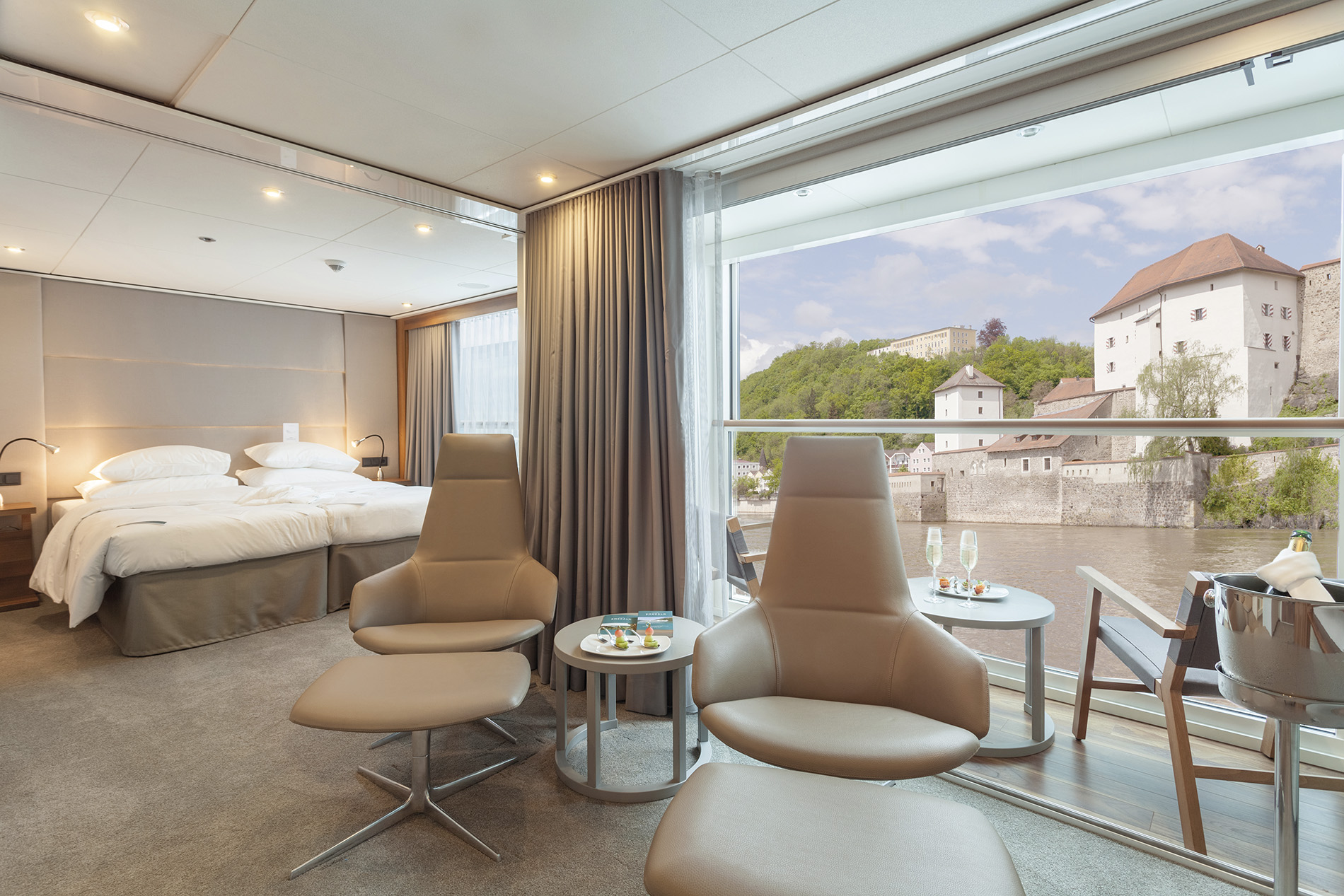
Owners One-Bedroom Suite
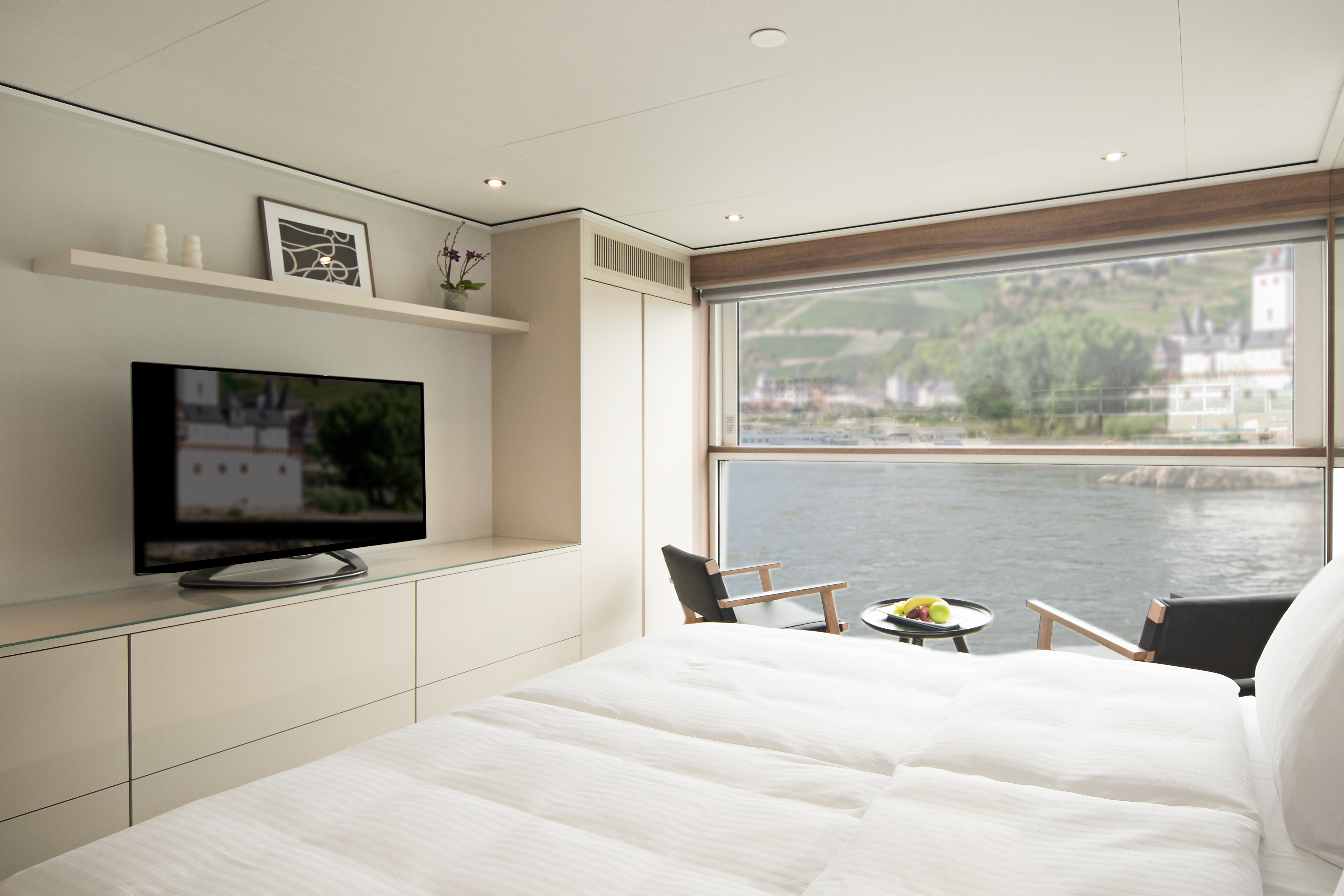
Emerald Panorama Balcony Suite
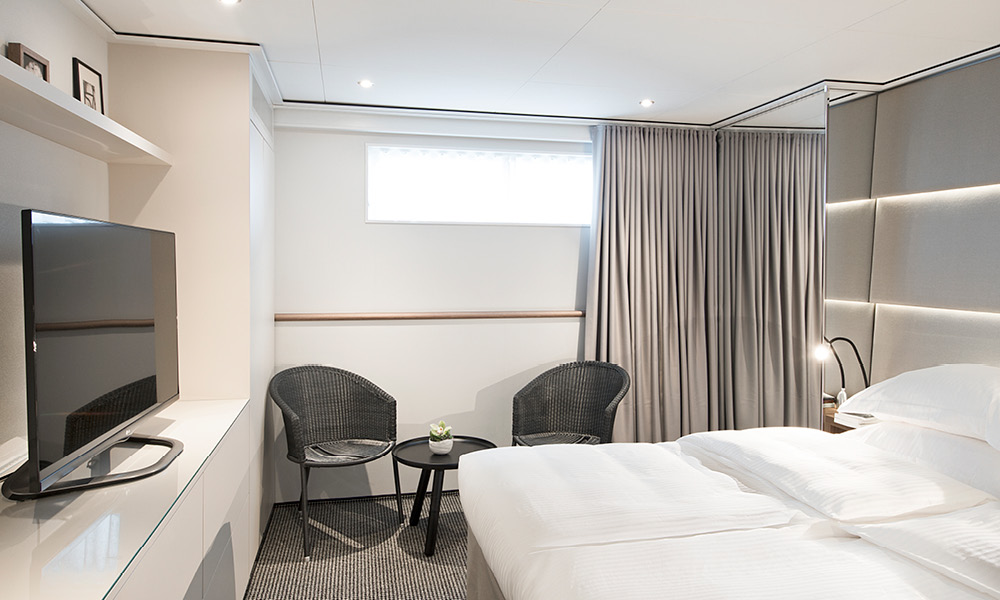
Emerald Stateroom
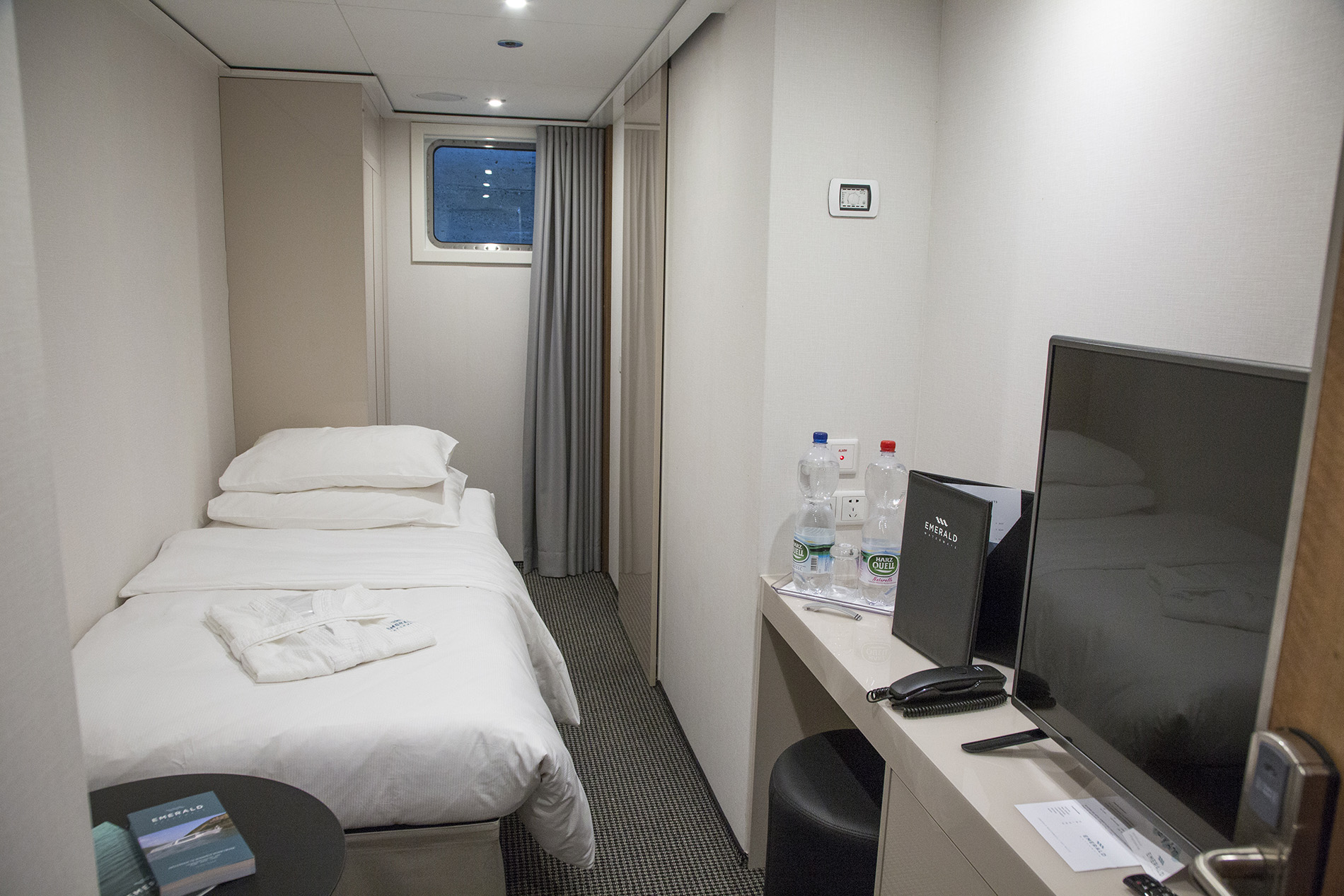
Emerald Single Stateroom – Single Occupancy Only
Ship Facilities
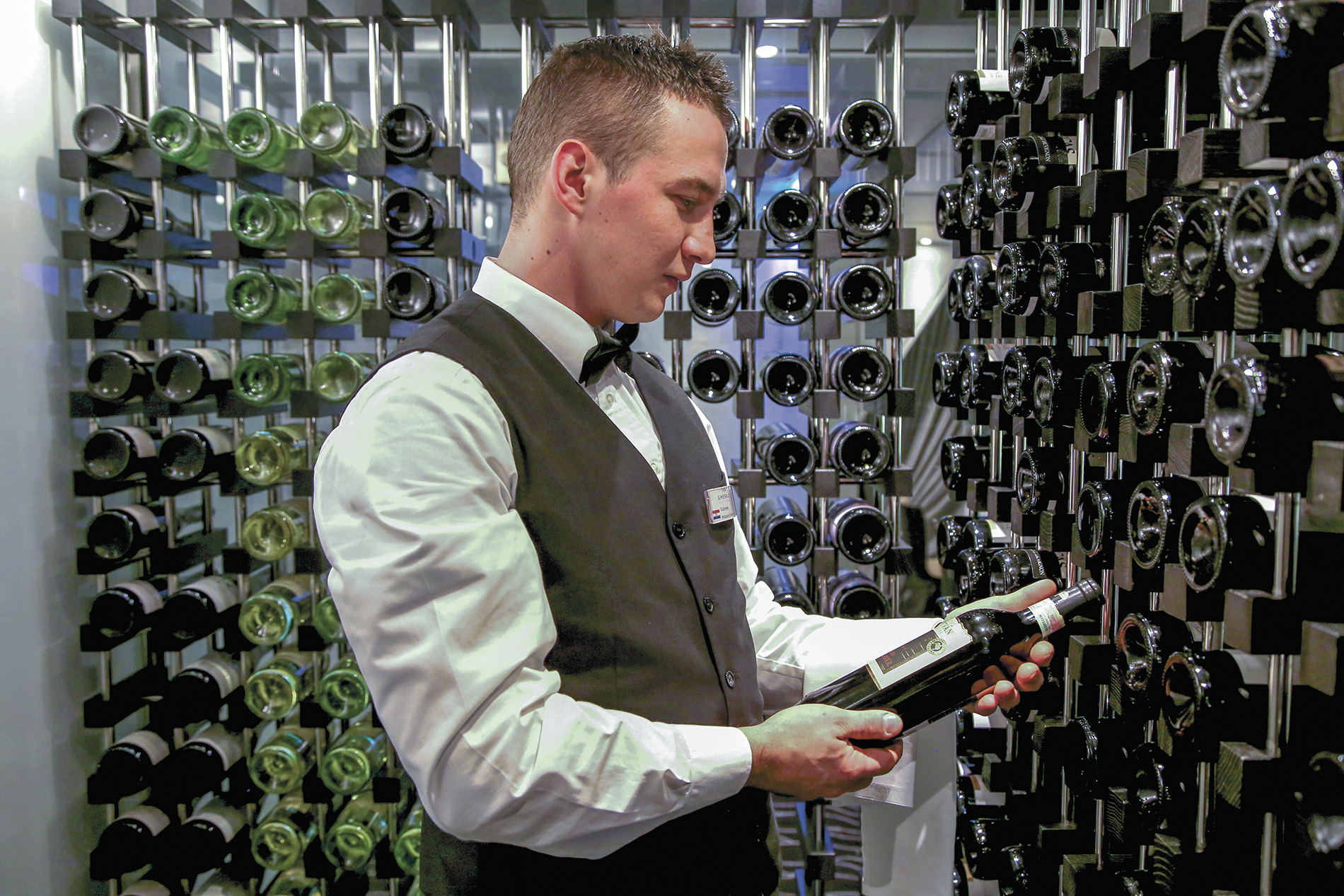
Reflections Restaurant
Our premiere on board dining spot
With open seating and elegant design, our Reflections Restaurant sets the benchmark in on board dining across our fleet of boutique Star-Ships throughout Europe and Southeast Asia. Here, savour delightful chef-prepared meals for breakfast, lunch, and dinner, with dishes inspired by local flavours and a few favourites you may recognise from home.
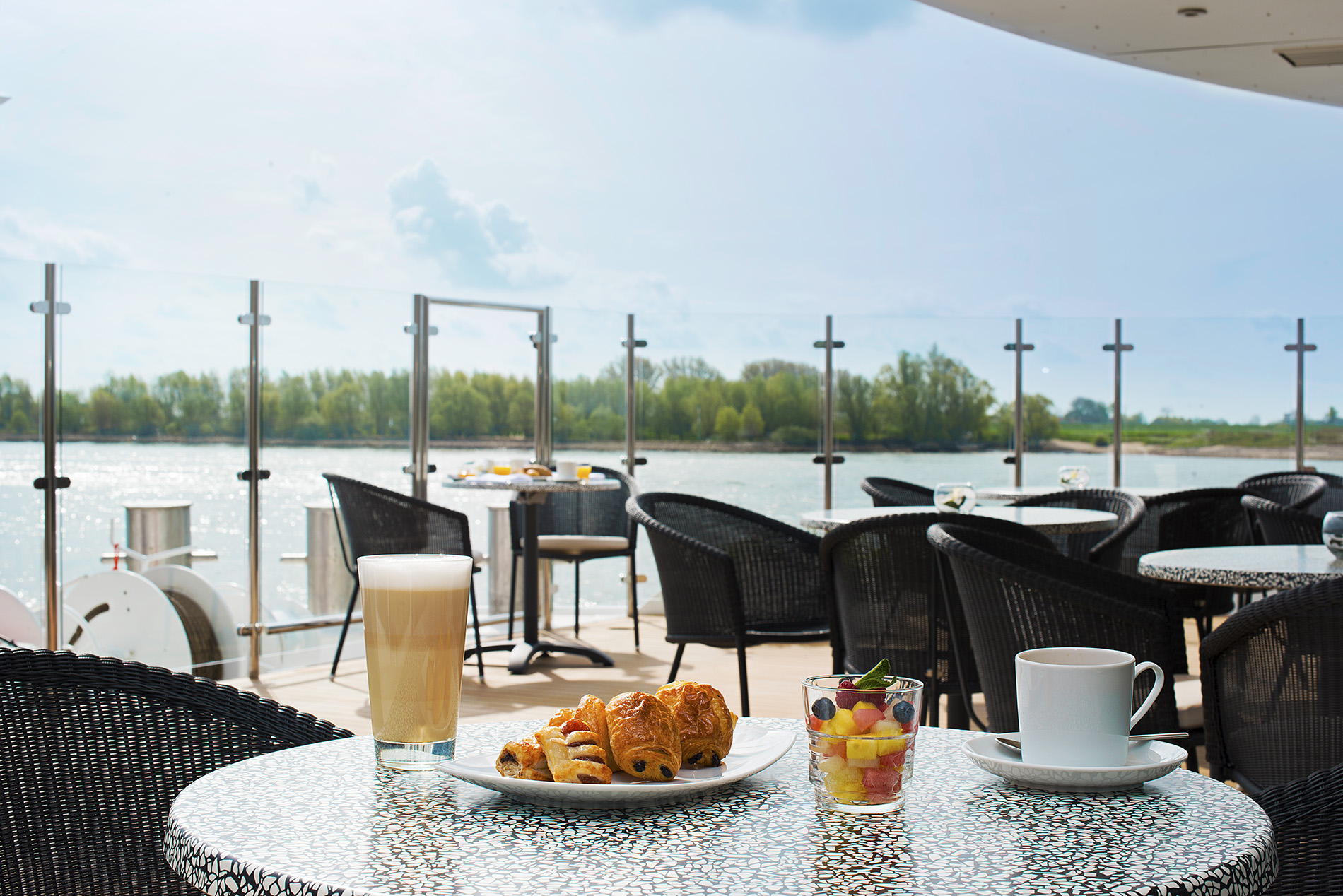
The Terrace
Dine alfresco
A beautifully decked area in the forward of our European Star-Ships, The Terrace provides a lovely retreat from which to enjoy a light snack or refreshing drink. Depending on the ship, this partly indoor and outdoor space is a spectacular vantage point from which to soak up the scenery, whatever the weather. This peaceful setting is also a great spot to enjoy a drink as the wonders of the landscape pass by.
Sky Barbecue
The Sky Barbecue can be found on the Sun Deck.
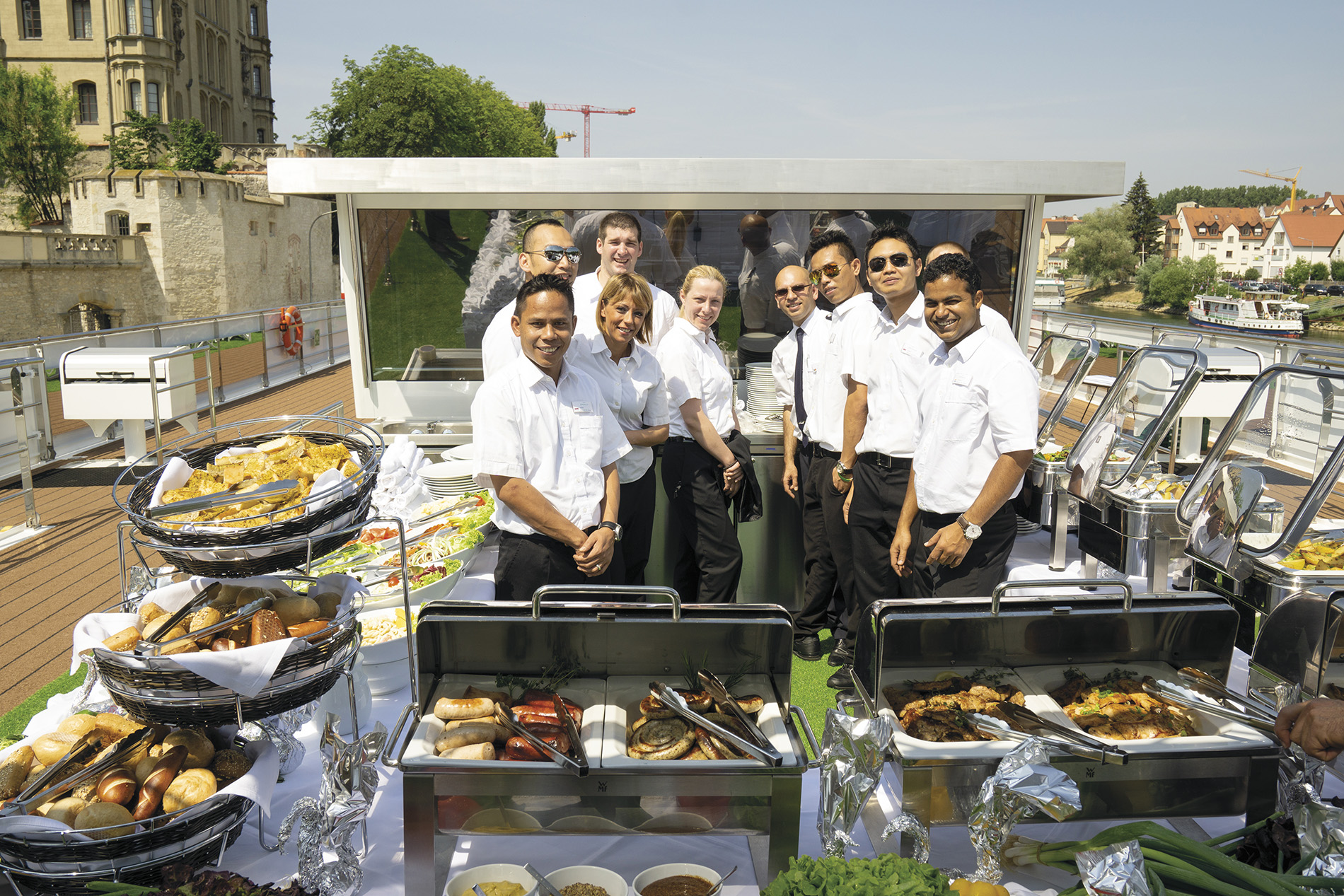
Healthy Options
The freshest ingredients
Dine on delectable meals made with fresh, locally sourced produce.
Lunch with a view
Enjoy healthy meals while soaking in the stunning views and fresh air.
A range of dietary options
Sample amazing vegetarian, vegan, and gluten-free meal options^. ^Please inform your crew of any dietary requirements.

EmeraldPLUS
The life of a local
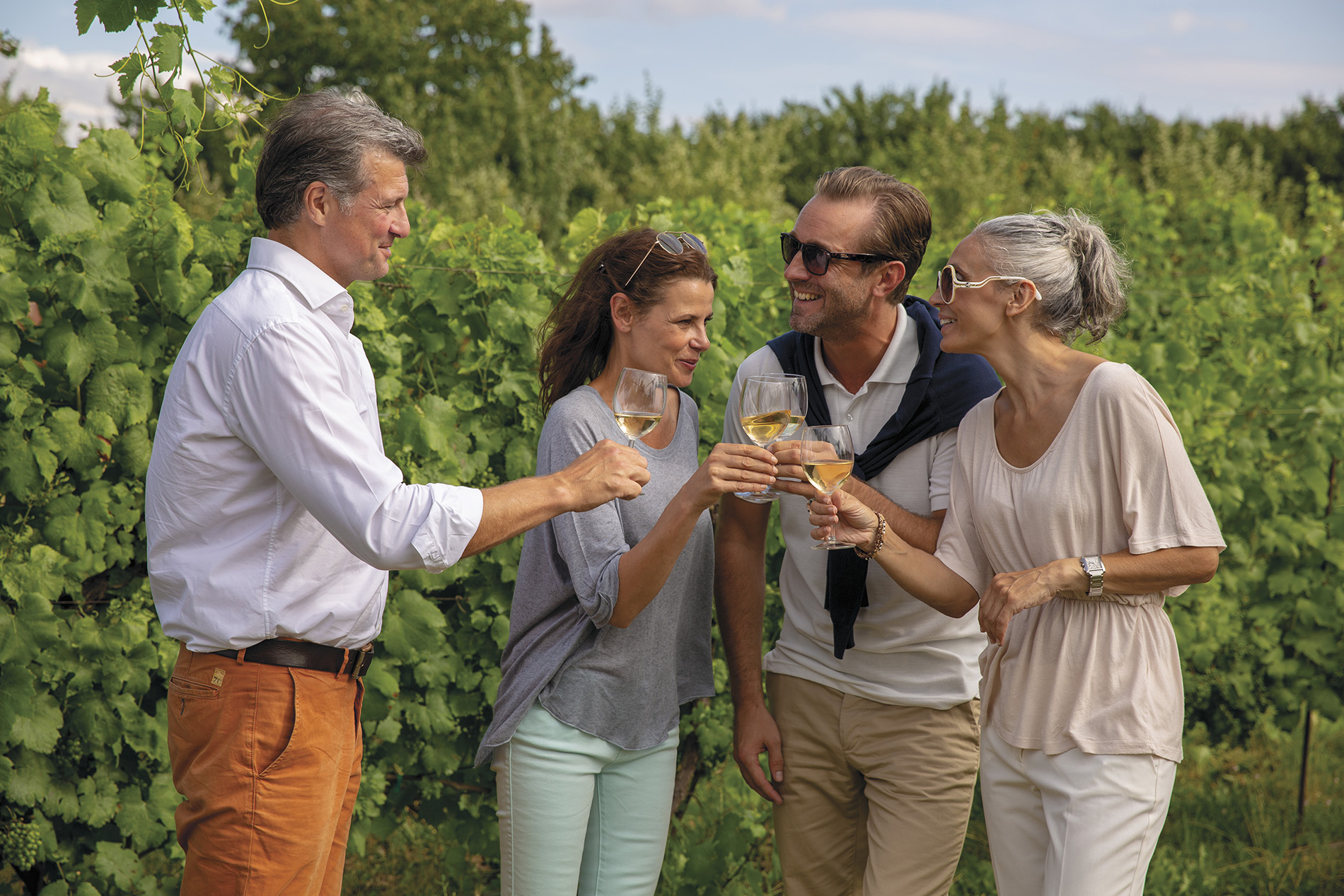
Join an array of excursions that showcase local life, from viticultural tours and wine tasting to home-hosted visits.
On board activities
Revel in a range of special on board shows, sessions, and workshops, that bring the highlights of your destination to you.
In-depth specialty tours
Delve deeper into a specialty-interest highlight, touring famed markets and sampling local treats and produce.
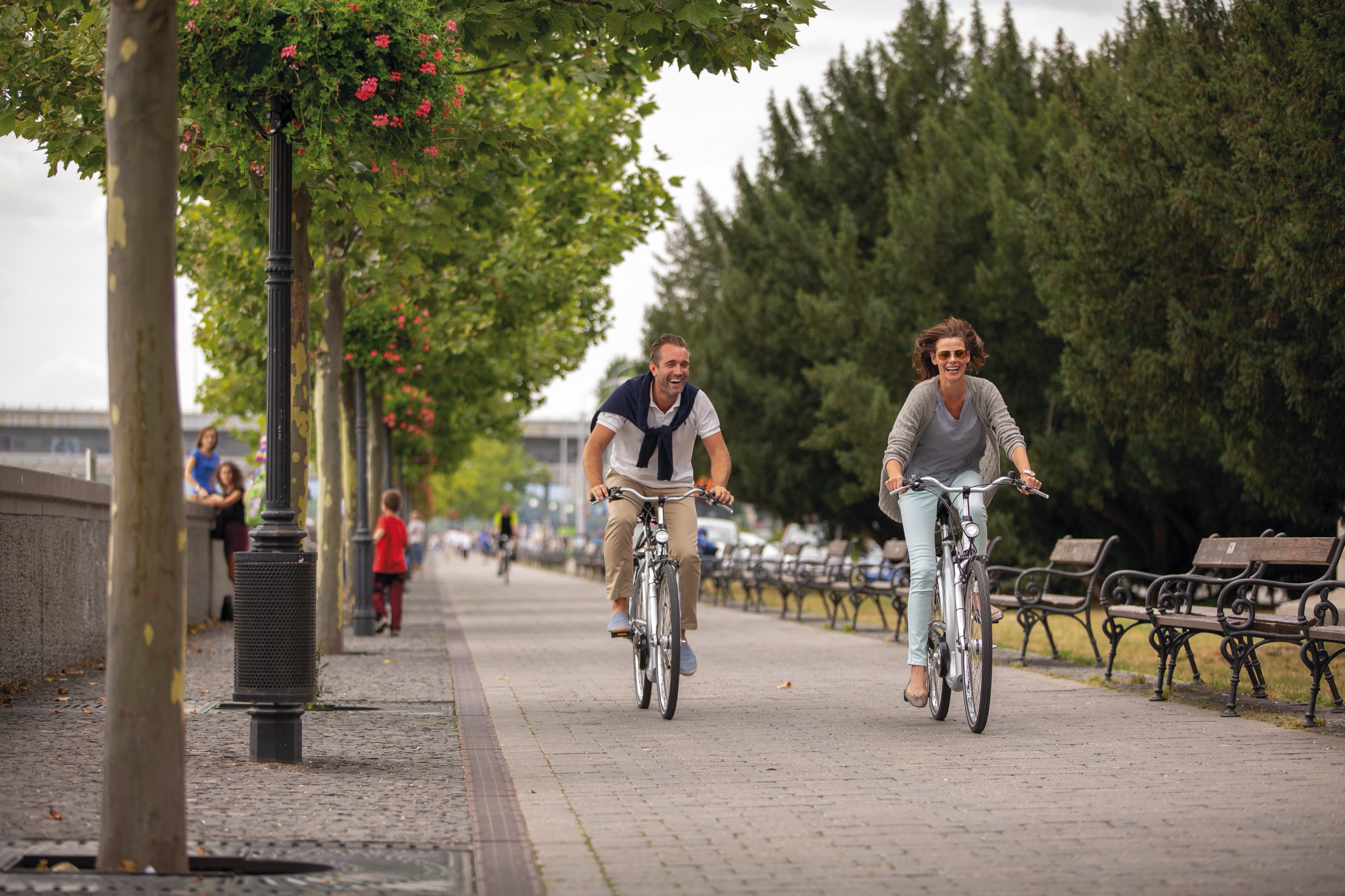
EmeraldACTIVE
An invigorating hike
Join your guide for a sight-seeing tour like no other, as you leave the beaten path to amble across hills and forestry.
A cycling sojourn
Take advantage of our free-to-use on board bikes as your guide provides a cycling tour past picturesque scenery.
Take to the waterways
A guided canoeing or kayaking experience along the river opens up a new pathway for adventure and excitement.
EmeraldPLUS
The life of a local
Join an array of excursions that showcase local life, from viticultural tours and wine tasting to home-hosted visits.
On board activities
Revel in a range of special on board shows, sessions, and workshops, that bring the highlights of your destination to you.
In-depth specialty tours
Delve deeper into a specialty-interest highlight, touring famed markets and sampling local treats and produce.
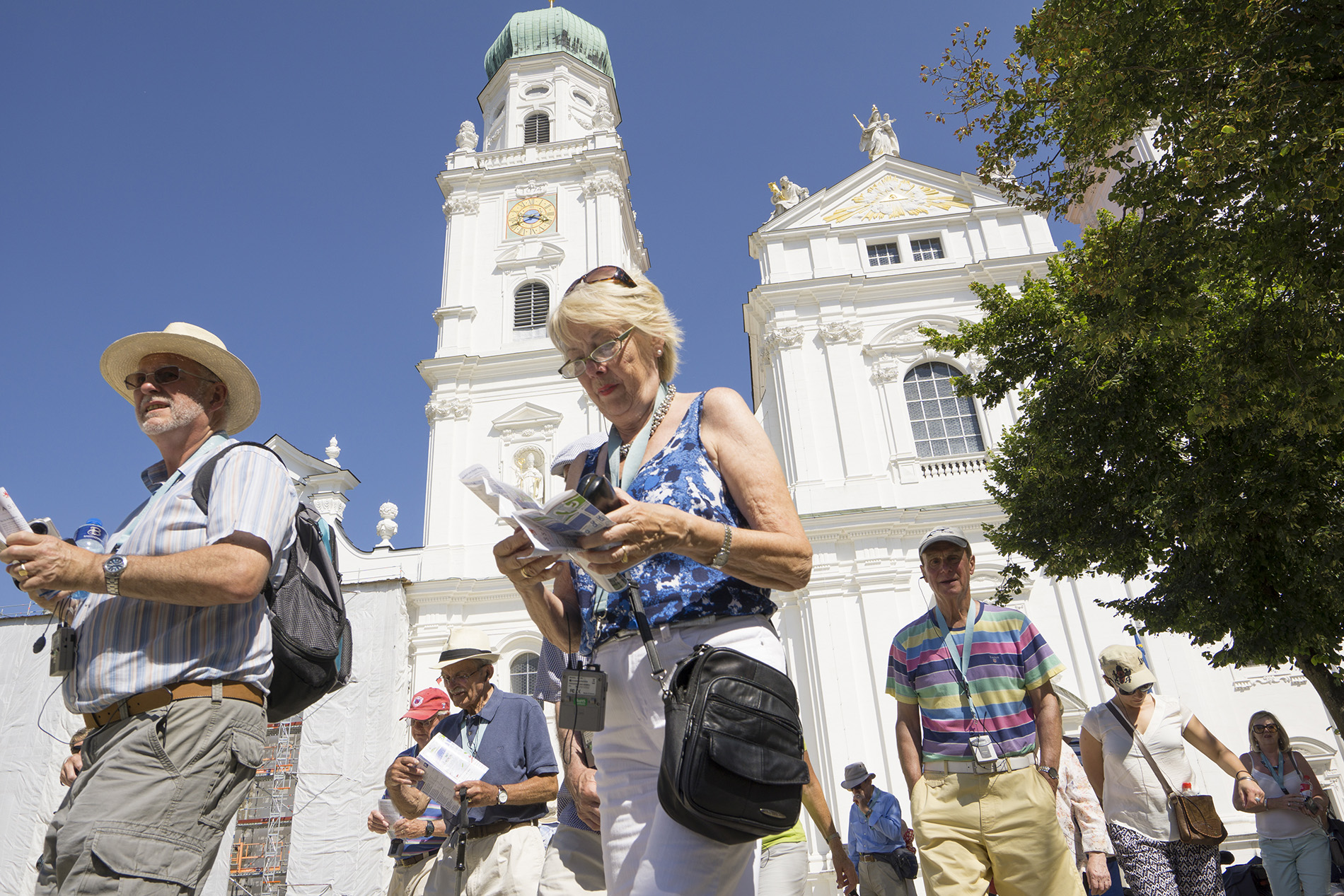
Included Excursions
Explore your surroundings
Take to the charming streets of your chosen destination for a guided tour of various villages, towns, and cities.
A relaxing coach tour
Sit back and relax, as your guide highlights a range of wonders from the comfort of an air-conditioned coach
See the sights close up
Enjoy guided tours of historical landmarks, from Benedictine abbeys to ancient Roman structures.
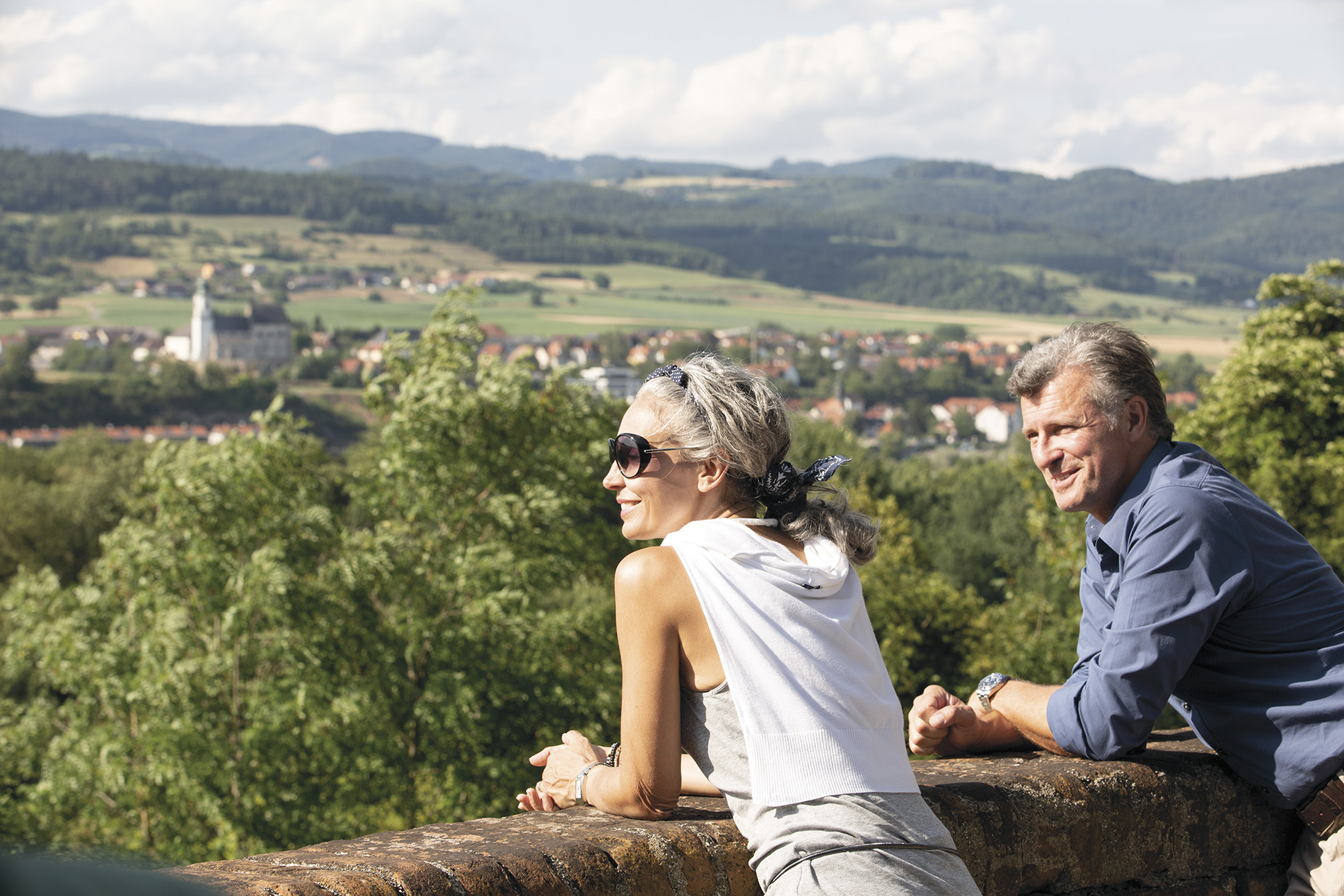
Special Dining Experiences
French cookery demonstration and tasting
Cruising the Rhône from Lyon to Arles, you’ll pass through a region steeped in gastronomic heritage. As part of our EmeraldPLUS programme, discover the depth and complexity of Provençal cuisine with an authentic on board dinner, hosted by revered French chef, Fabien Morreale.
Food and drink with a local family in Slovakia
Sharing a table with local people is the best way to experience regional food. In Bratislava, EmeraldPLUS gives you the chance to visit the home of a local Slovakian family, who will welcome you with great conversation and, of course, tasty, sweet treats and coffee.
Dining experience at Quinta de Pacheca wine estate
Savour a rural dinner at the beautiful Quinta da Pacheca, a historic farm and winery in the foothills of the famous Douro Valley. With wonderful food and port wine on offer, it’s a chance to get to grips with the traditional cuisine of northern Portugal.
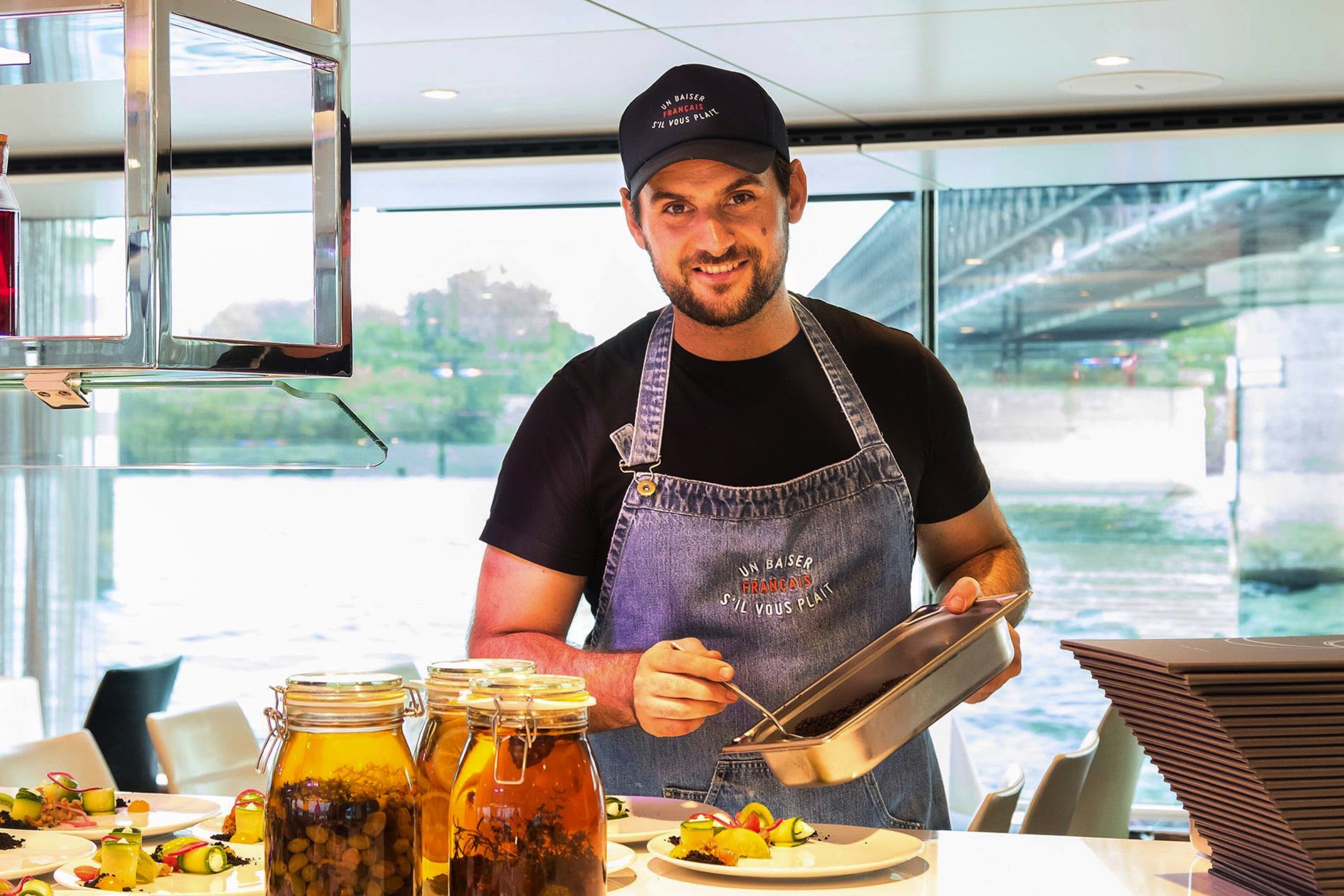
Horizon Bar and Lounge
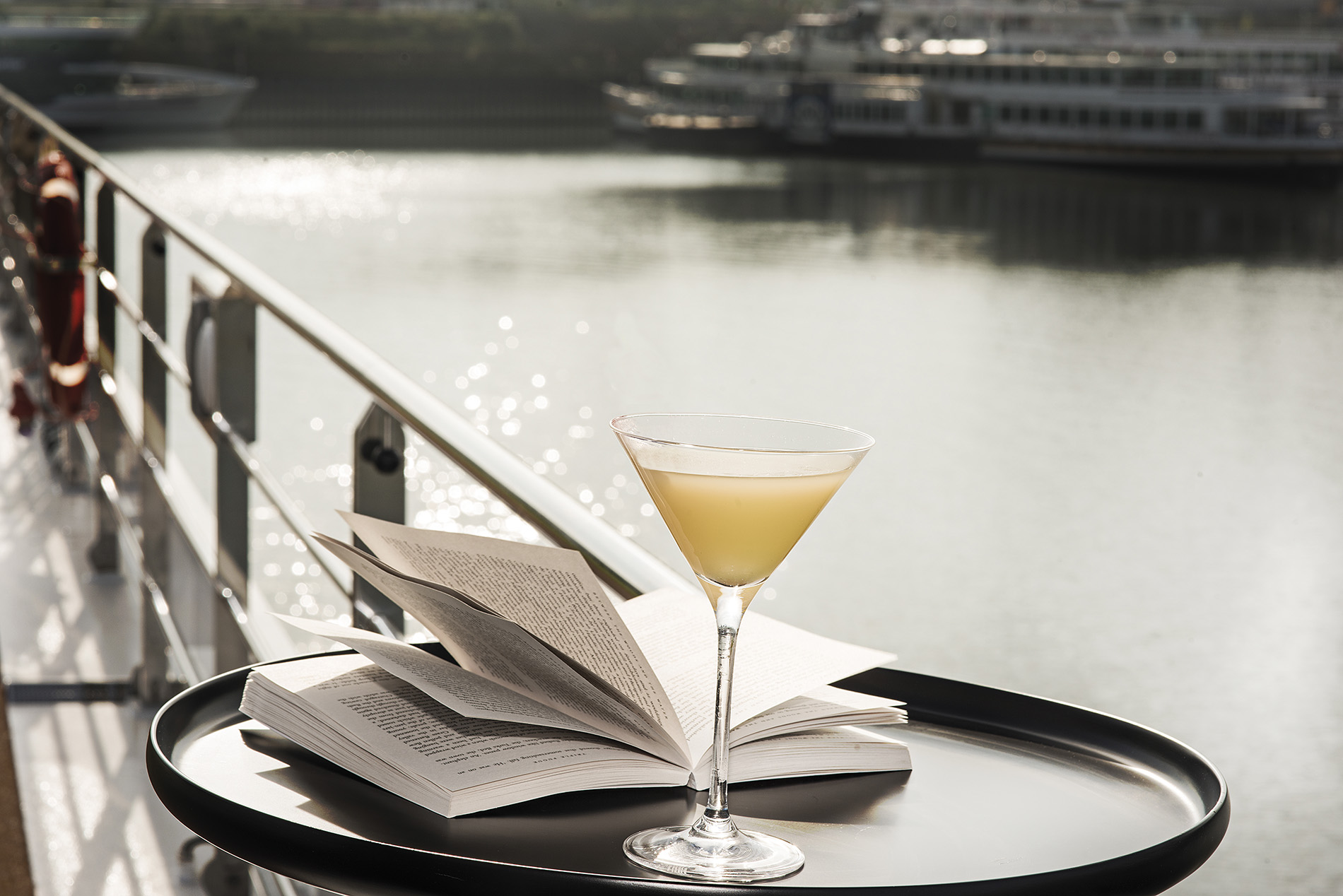
Welcome to the Horizon Bar, the main lounge area on-board. Here, in contemporary surrounds, you can relax, unwind and make new friends while enjoying a tipple or two from our comprehensive bar menu. You’ll also be able to enjoy unlimited access to our complimentary coffee machine.
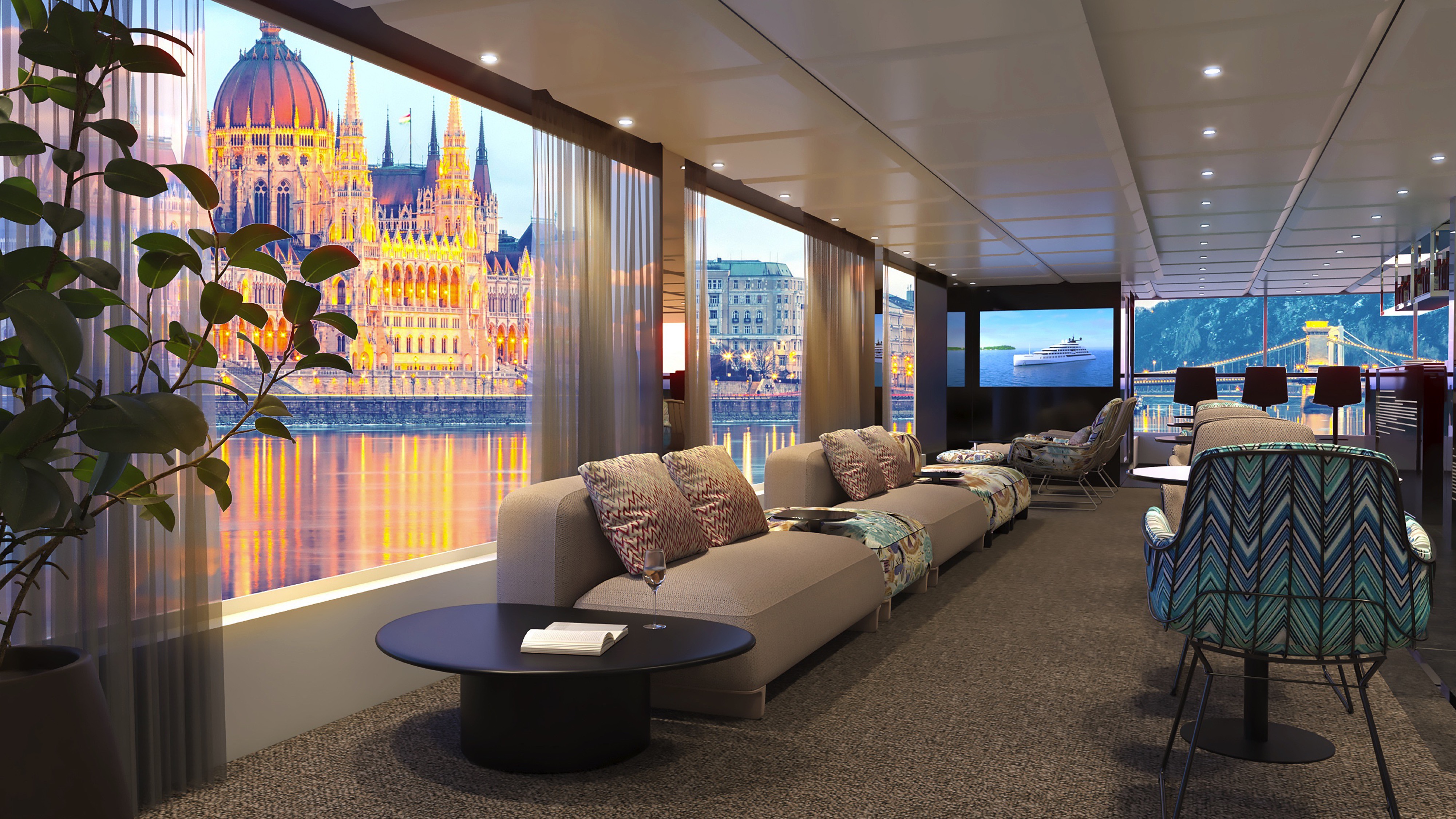
Reception
Whether you want to buy a drinks package, learn about our optional excursions or simply talk with our friendly and attentive crew, the reception is the place to go for questions and enquiries during your time on-board.
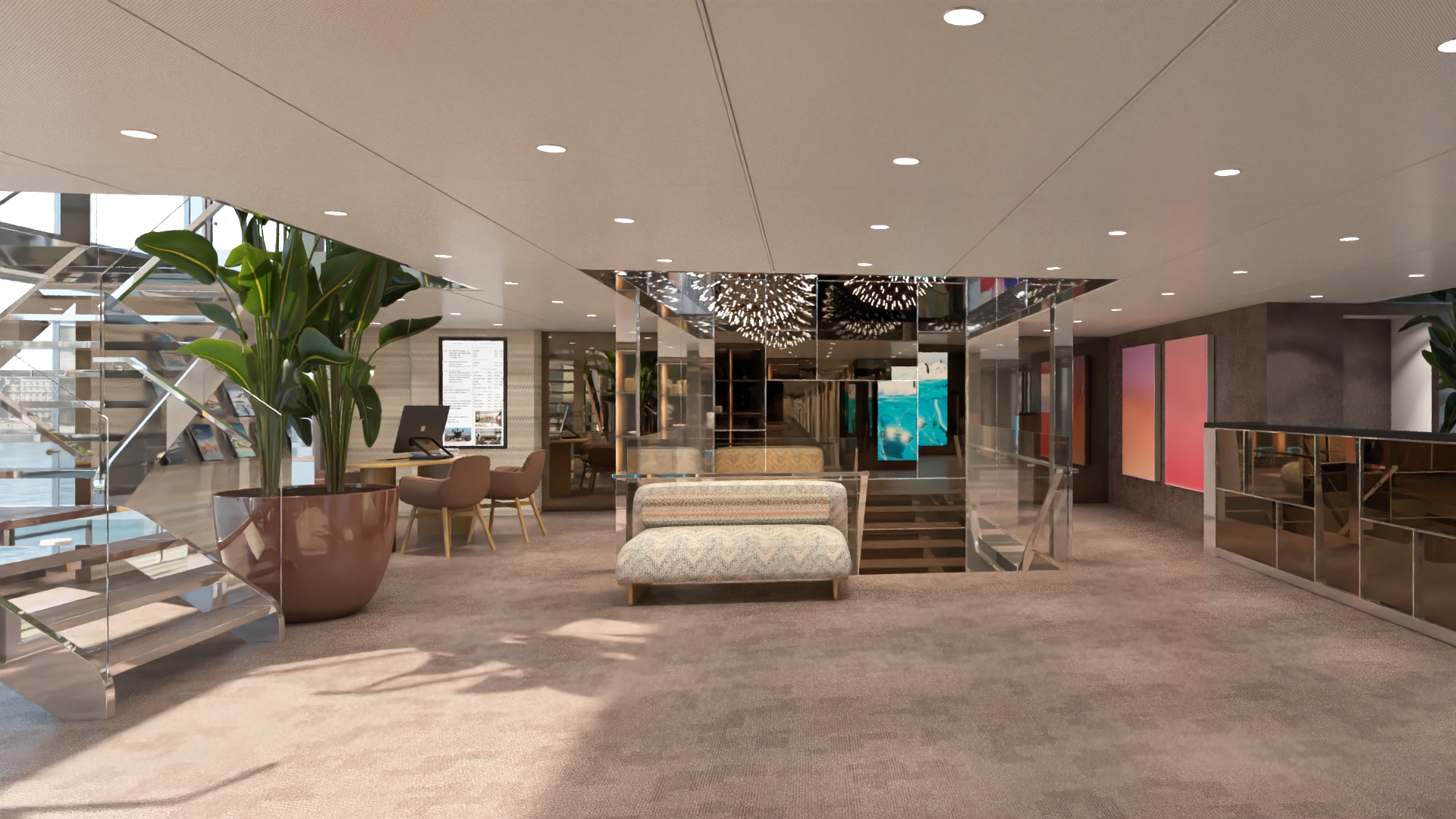
Daytime Pool & Bar/Evening Cinema
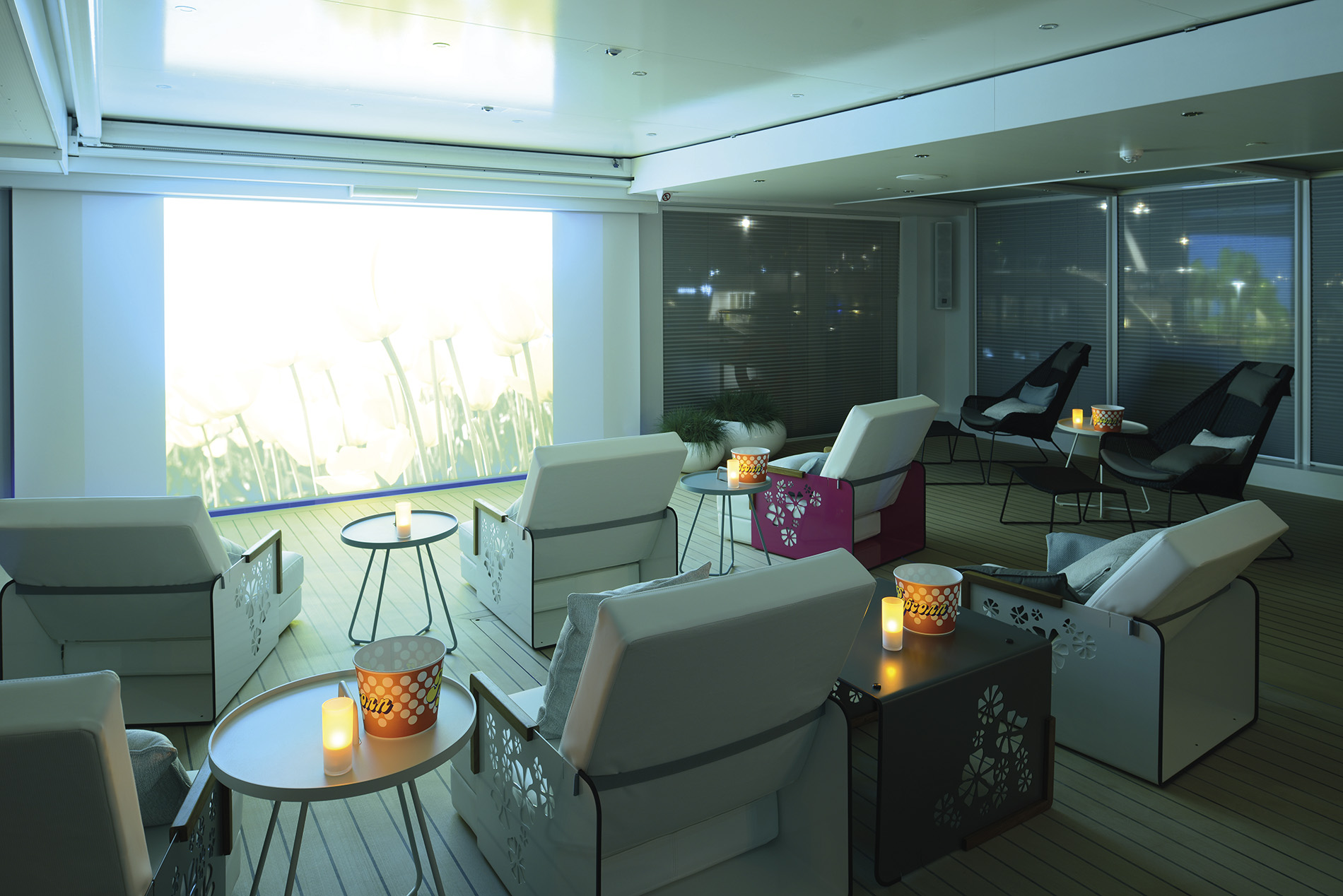
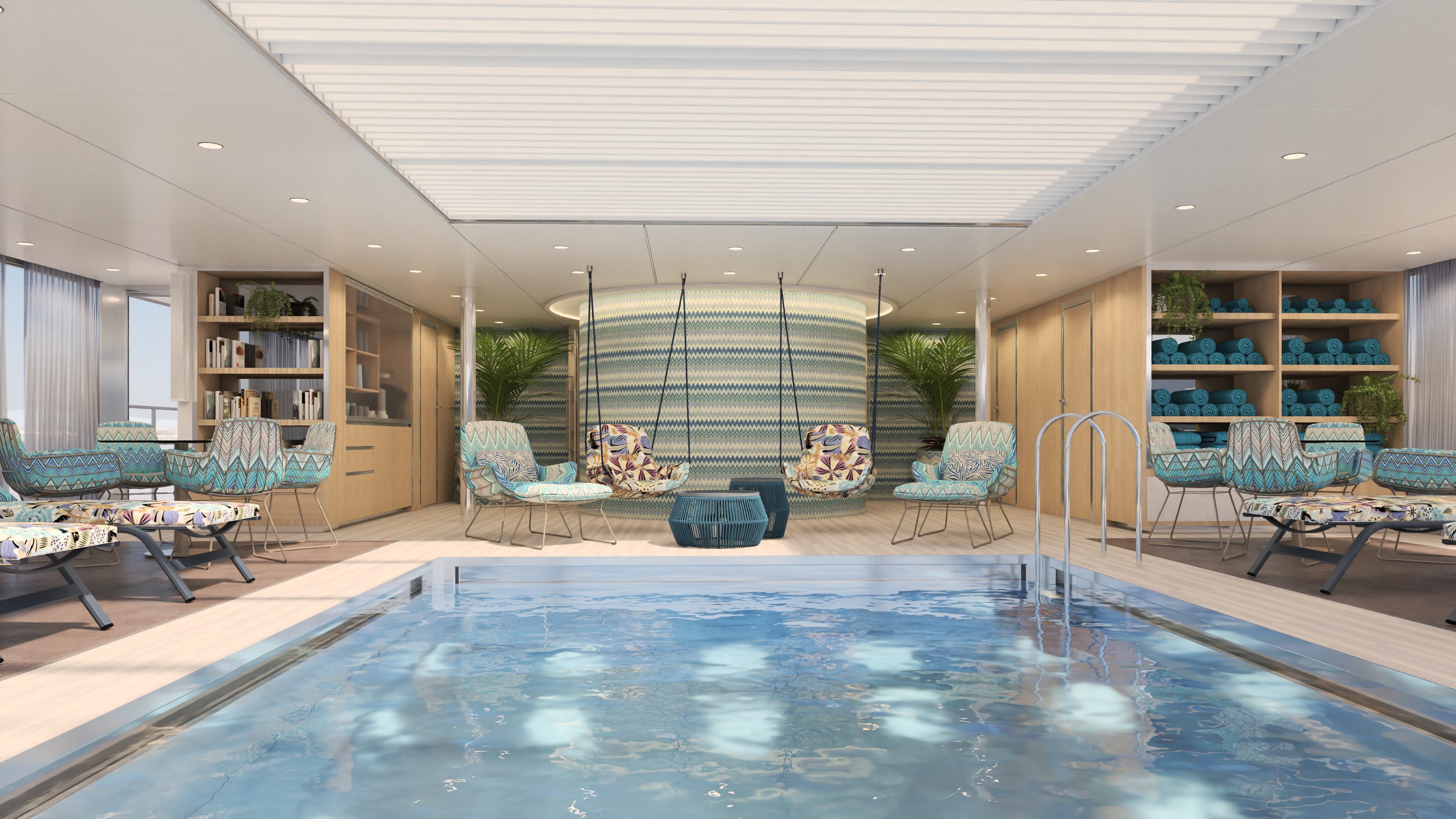
One of the greatest innovations on-board is our daytime pool and bar, which transforms into an evening cinema on selected nights during your river cruise.
Sun Deck
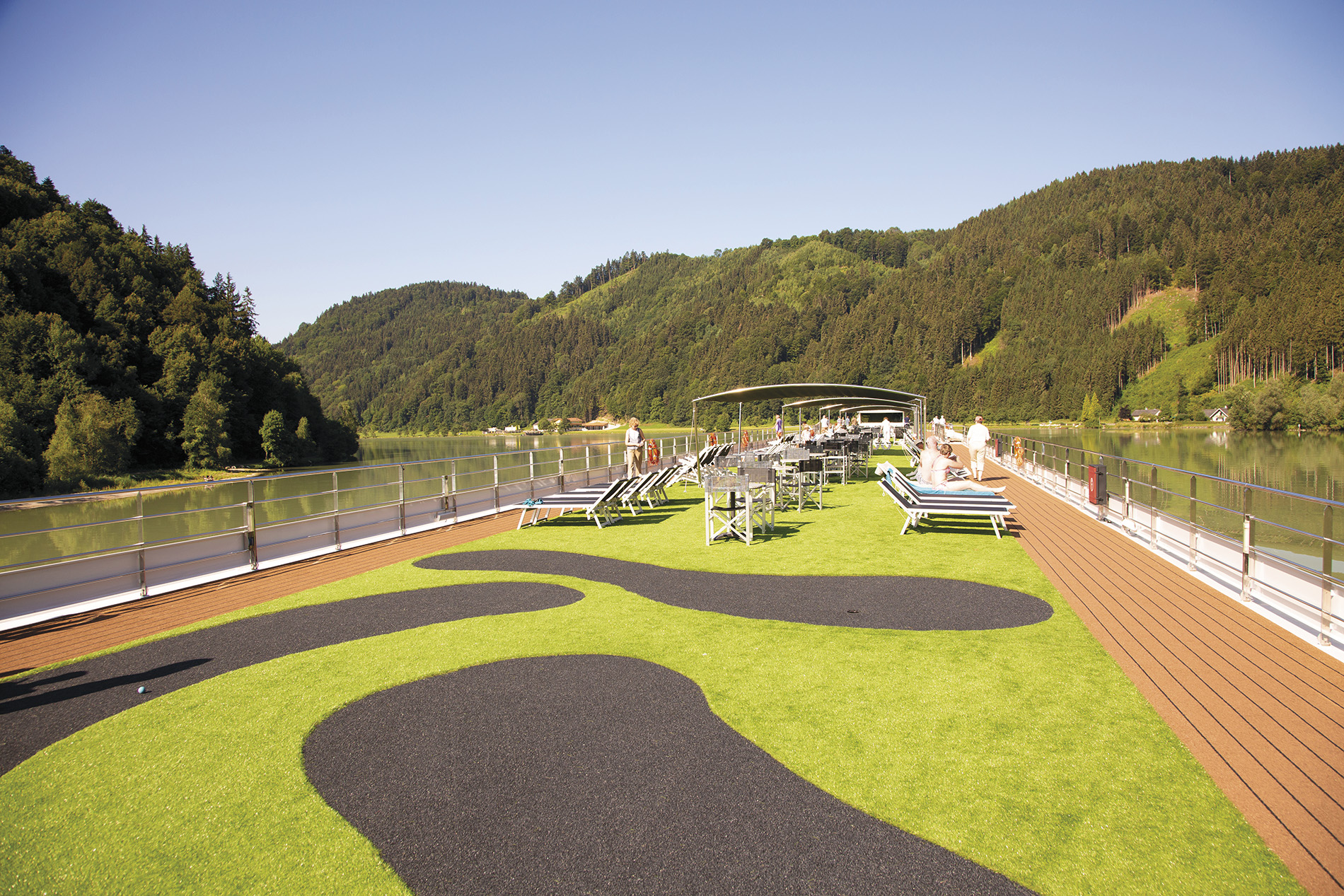
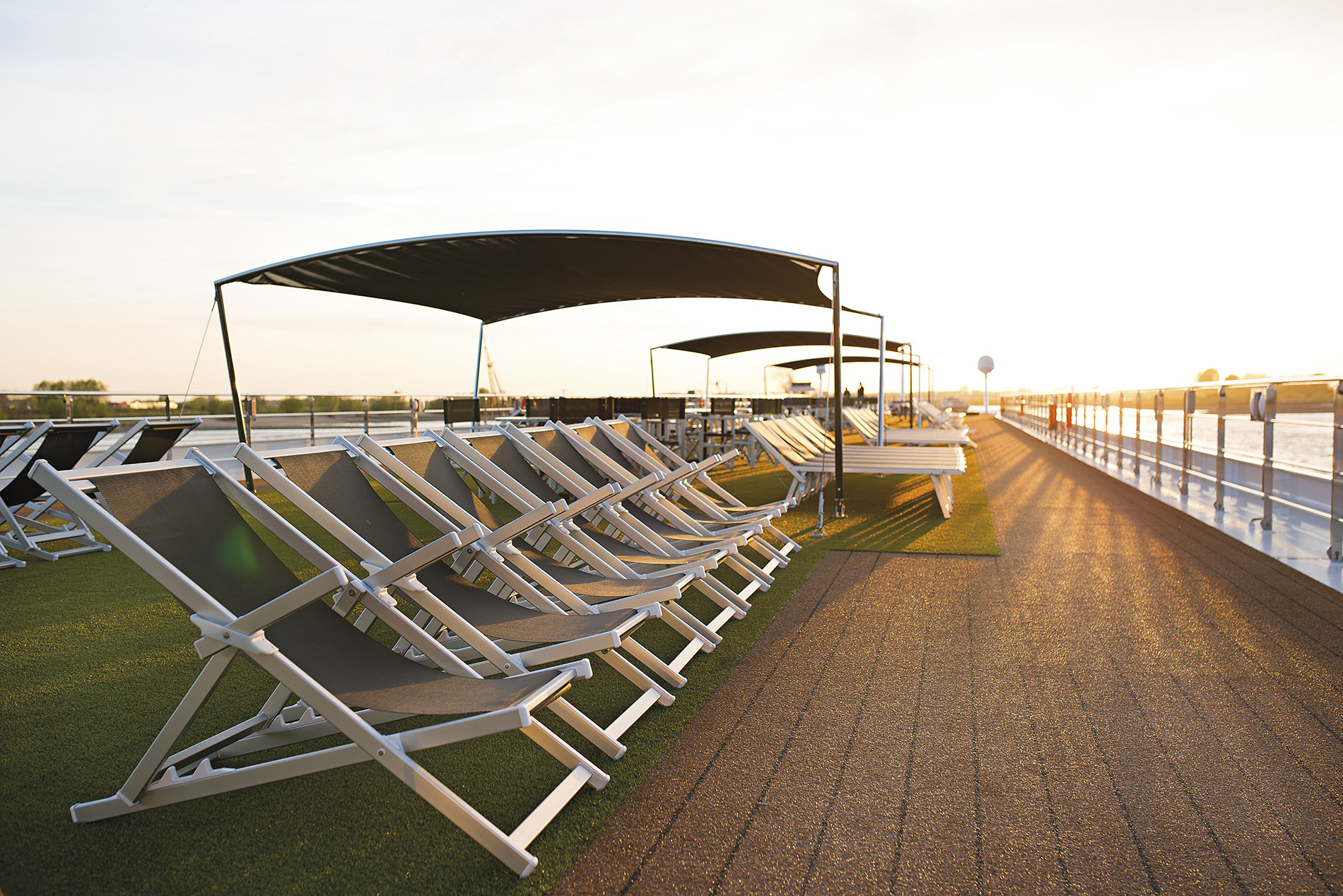
Sit back and enjoy the inspiring views of Europe from the Sun Deck, an open-air space on the top deck that’s yours to enjoy throughout your cruise. Complete with deck chairs, games area and walking track, it’s a great place to relax and unwind.
Games Area and Golf Putting Green
Practice your putting technique or challenge new friends to a game of noughts and crosses in the dedicated games area. Located on the open-air Sun Deck, it’s the perfect way to spend your downtime on-board. Wellness classes and yoga/Pilates sessions can also be enjoyed on the Sun Deck.
Pool
One of the greatest innovations on-board is our daytime pool and bar, which transforms into an evening cinema on selected nights during your river cruise.
Fitness Area
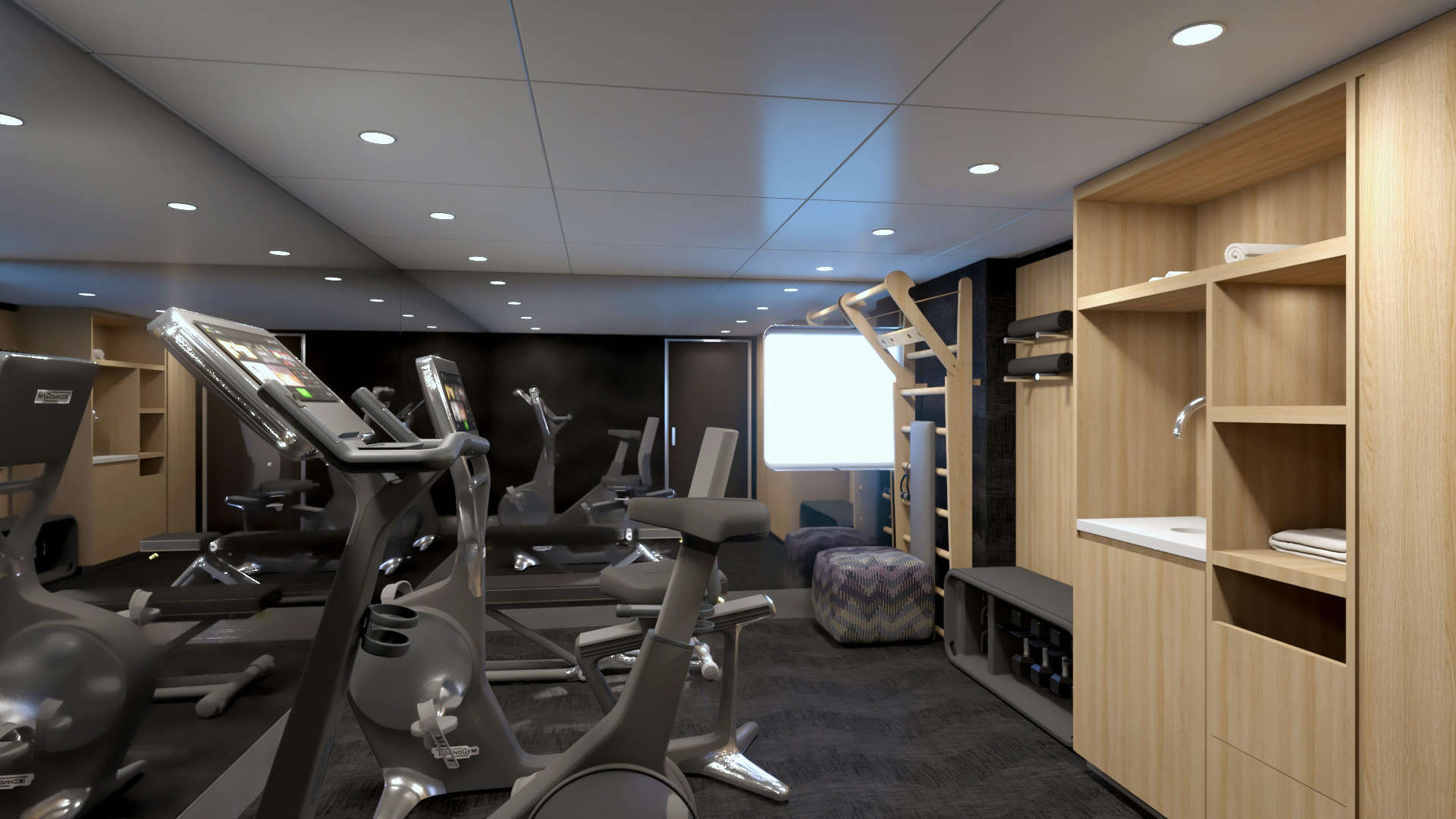
There’s no excuse for not sticking to your fitness regime on-board. The ship features a well-equipped gym with state-of-the-art workout equipment, so you can work up a sweat and get your heart pumping whenever you like.
Walking Track
Take a stroll, stretch those legs and drink in the views on our dedicated walking track. Spanning the perimeter of the ship, it’s there to help you stay active on-board.
Wellness Area
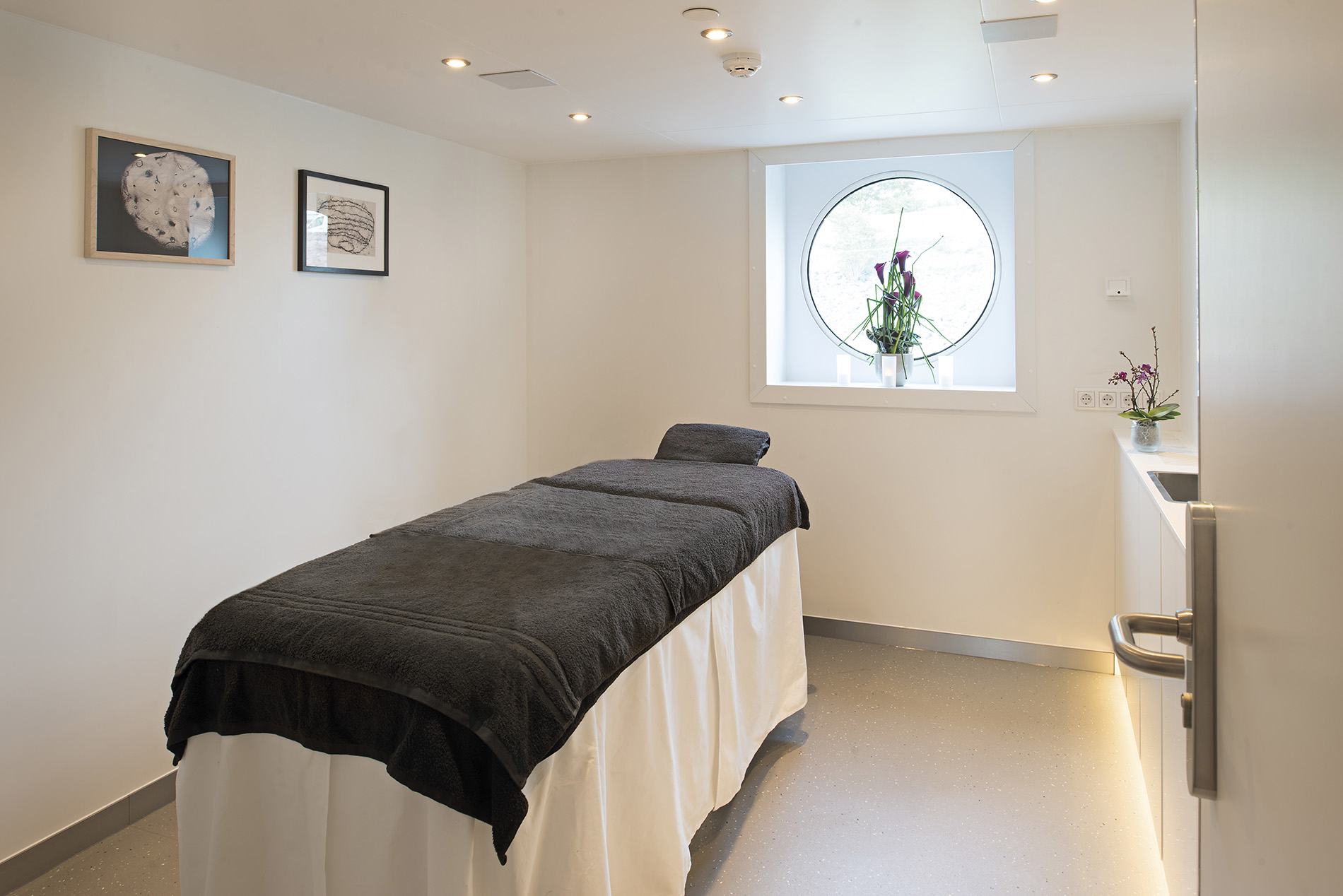
Kick back and relax in our dedicated wellness area where our specialist on-board beauty therapist can provide a range of beauty and wellness treatments to suit your needs.
Hairdressers
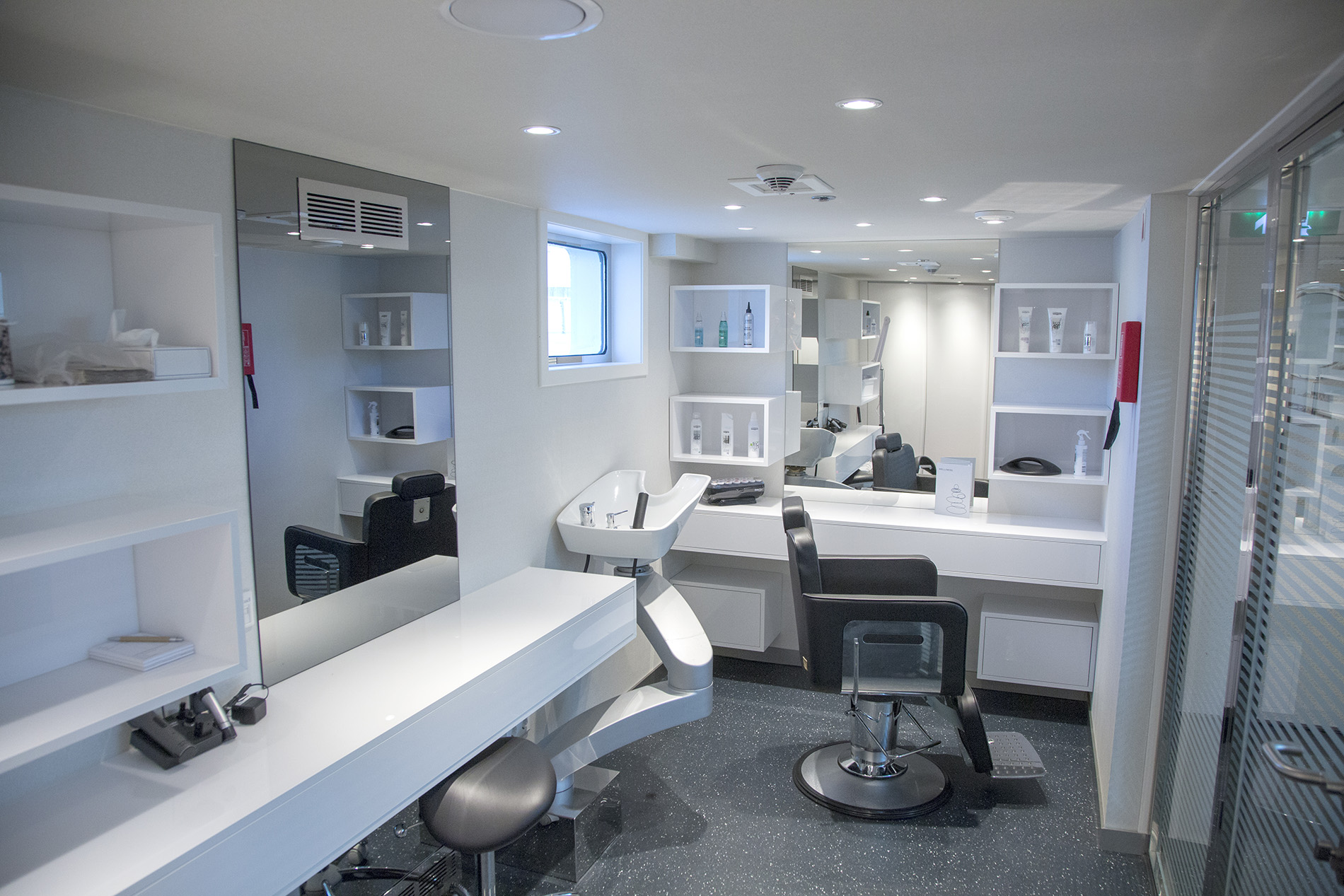
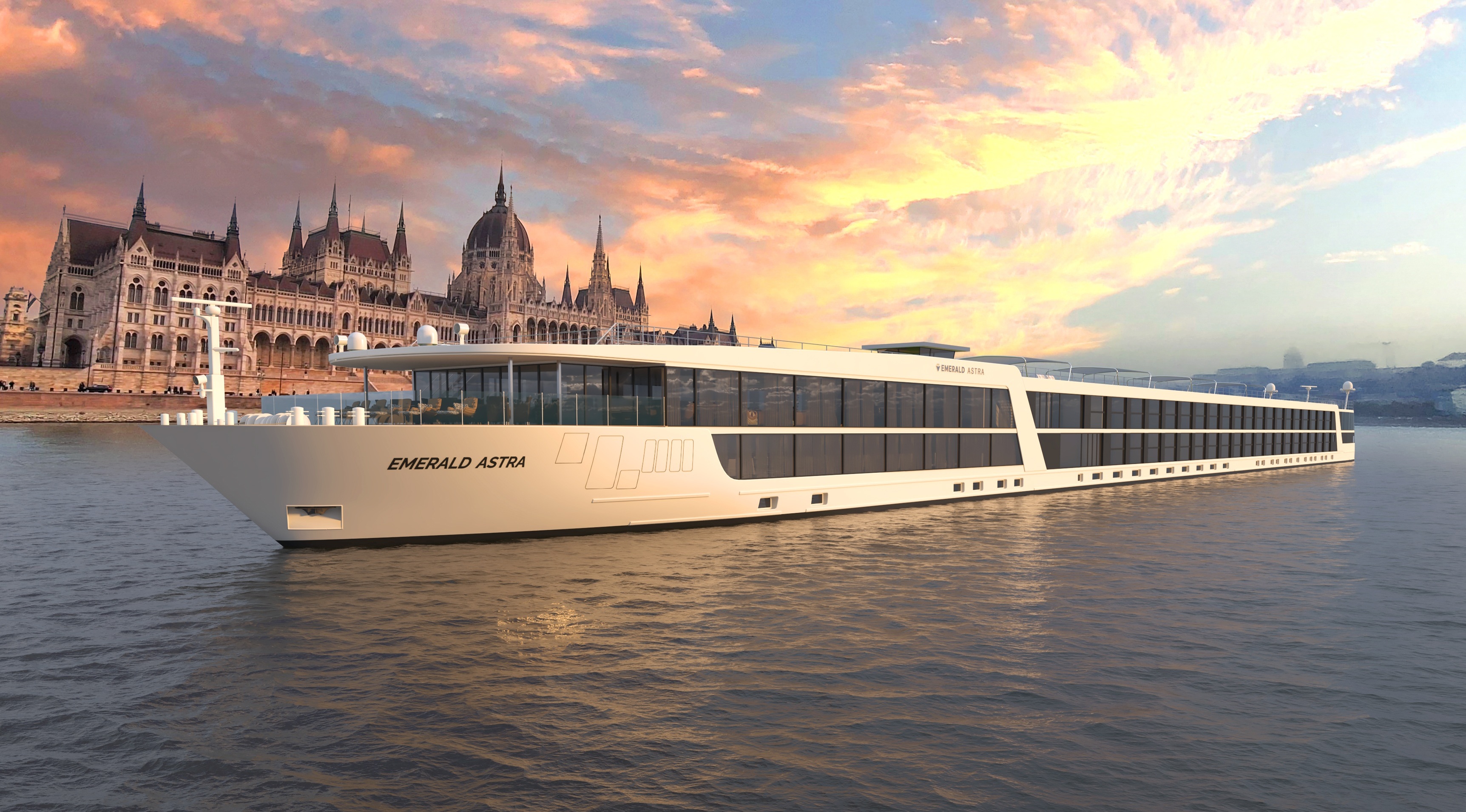
In need of a quick trim during your travels? On-board the Emerald Astra, you can treat yourself at any point during your cruise with our dedicated hairdressers – perfect if you’re looking to get spruced up for a special evening.
Please note: Emerald Astra does not have any specific facilities to accommodate Kids/Teens.
Reflections Restaurant
Our premiere on board dining spot
With open seating and elegant design, our Reflections Restaurant sets the benchmark in on board dining across our fleet of boutique Star-Ships throughout Europe and Southeast Asia. Here, savour delightful chef-prepared meals for breakfast, lunch, and dinner, with dishes inspired by local flavours and a few favourites you may recognise from home.
The Terrace
Dine alfresco
A beautifully decked area in the forward of our European Star-Ships, The Terrace provides a lovely retreat from which to enjoy a light snack or refreshing drink. Depending on the ship, this partly indoor and outdoor space is a spectacular vantage point from which to soak up the scenery, whatever the weather. This peaceful setting is also a great spot to enjoy a drink as the wonders of the landscape pass by.
Sky Barbecue
The Sky Barbecue can be found on the Sun Deck.
Healthy Options
The freshest ingredients
Dine on delectable meals made with fresh, locally sourced produce.
Lunch with a view
Enjoy healthy meals while soaking in the stunning views and fresh air.
A range of dietary options
Sample amazing vegetarian, vegan, and gluten-free meal options^. ^Please inform your crew of any dietary requirements.
EmeraldPLUS
The life of a local
Join an array of excursions that showcase local life, from viticultural tours and wine tasting to home-hosted visits.
On board activities
Revel in a range of special on board shows, sessions, and workshops, that bring the highlights of your destination to you.
In-depth specialty tours
Delve deeper into a specialty-interest highlight, touring famed markets and sampling local treats and produce.
EmeraldACTIVE
An invigorating hike
Join your guide for a sight-seeing tour like no other, as you leave the beaten path to amble across hills and forestry.
A cycling sojourn
Take advantage of our free-to-use on board bikes as your guide provides a cycling tour past picturesque scenery.
Take to the waterways
A guided canoeing or kayaking experience along the river opens up a new pathway for adventure and excitement.
EmeraldPLUS
The life of a local
Join an array of excursions that showcase local life, from viticultural tours and wine tasting to home-hosted visits.
On board activities
Revel in a range of special on board shows, sessions, and workshops, that bring the highlights of your destination to you.
In-depth specialty tours
Delve deeper into a specialty-interest highlight, touring famed markets and sampling local treats and produce.
Included Excursions
Explore your surroundings
Take to the charming streets of your chosen destination for a guided tour of various villages, towns, and cities.
A relaxing coach tour
Sit back and relax, as your guide highlights a range of wonders from the comfort of an air-conditioned coach
See the sights close up
Enjoy guided tours of historical landmarks, from Benedictine abbeys to ancient Roman structures.
Special Dining Experiences
French cookery demonstration and tasting
Cruising the Rhône from Lyon to Arles, you’ll pass through a region steeped in gastronomic heritage. As part of our EmeraldPLUS programme, discover the depth and complexity of Provençal cuisine with an authentic on board dinner, hosted by revered French chef, Fabien Morreale.
Food and drink with a local family in Slovakia
Sharing a table with local people is the best way to experience regional food. In Bratislava, EmeraldPLUS gives you the chance to visit the home of a local Slovakian family, who will welcome you with great conversation and, of course, tasty, sweet treats and coffee.
Dining experience at Quinta de Pacheca wine estate
Savour a rural dinner at the beautiful Quinta da Pacheca, a historic farm and winery in the foothills of the famous Douro Valley. With wonderful food and port wine on offer, it’s a chance to get to grips with the traditional cuisine of northern Portugal.
Horizon Bar and Lounge
Welcome to the Horizon Bar, the main lounge area on-board. Here, in contemporary surrounds, you can relax, unwind and make new friends while enjoying a tipple or two from our comprehensive bar menu. You’ll also be able to enjoy unlimited access to our complimentary coffee machine.
Reception
Whether you want to buy a drinks package, learn about our optional excursions or simply talk with our friendly and attentive crew, the reception is the place to go for questions and enquiries during your time on-board.
Daytime Pool & Bar/Evening Cinema
One of the greatest innovations on-board is our daytime pool and bar, which transforms into an evening cinema on selected nights during your river cruise.
Sun Deck
Sit back and enjoy the inspiring views of Europe from the Sun Deck, an open-air space on the top deck that’s yours to enjoy throughout your cruise. Complete with deck chairs, games area and walking track, it’s a great place to relax and unwind.
Games Area and Golf Putting Green
Practice your putting technique or challenge new friends to a game of noughts and crosses in the dedicated games area. Located on the open-air Sun Deck, it’s the perfect way to spend your downtime on-board. Wellness classes and yoga/Pilates sessions can also be enjoyed on the Sun Deck.
Pool
One of the greatest innovations on-board is our daytime pool and bar, which transforms into an evening cinema on selected nights during your river cruise.
Fitness Area
There’s no excuse for not sticking to your fitness regime on-board. The ship features a well-equipped gym with state-of-the-art workout equipment, so you can work up a sweat and get your heart pumping whenever you like.
Walking Track
Take a stroll, stretch those legs and drink in the views on our dedicated walking track. Spanning the perimeter of the ship, it’s there to help you stay active on-board.
Wellness Area
Kick back and relax in our dedicated wellness area where our specialist on-board beauty therapist can provide a range of beauty and wellness treatments to suit your needs.
Hairdressers
In need of a quick trim during your travels? On-board the Emerald Astra, you can treat yourself at any point during your cruise with our dedicated hairdressers – perfect if you’re looking to get spruced up for a special evening.
Please note: Emerald Astra does not have any specific facilities to accommodate Kids/Teens.
About the Ship
Deck Plans

- Emerald Stateroom
- Emerald Single Stateroom
- Lift

- Fitness Area
- Wellness Area
- Emerald Panorama Balcony Suite
- Reception
- Reflections Restaurant
- Lift

- Daytime Pool and Bar / Evening Cinema
- Grand Balcony Suite
- Owner’s One-bedroom Suite
- Emerald Panorama Balcony Suite
- Horizon Bar and Lounge
- The Terrace
- Lift

- Sun deck with Deck Chairs
- Navigation Bridge
- Sky Barbecue
- Golf putting green
- Games area
- Retractable glass roof
- Walking Track
- Emerald Stateroom
- Emerald Single Stateroom
- Lift
- Fitness Area
- Wellness Area
- Emerald Panorama Balcony Suite
- Reception
- Reflections Restaurant
- Lift
- Daytime Pool and Bar / Evening Cinema
- Grand Balcony Suite
- Owner’s One-bedroom Suite
- Emerald Panorama Balcony Suite
- Horizon Bar and Lounge
- The Terrace
- Lift
- Sun deck with Deck Chairs
- Navigation Bridge
- Sky Barbecue
- Golf putting green
- Games area
- Retractable glass roof
- Walking Track