Featured Cabins
Itinerary
Paris, France
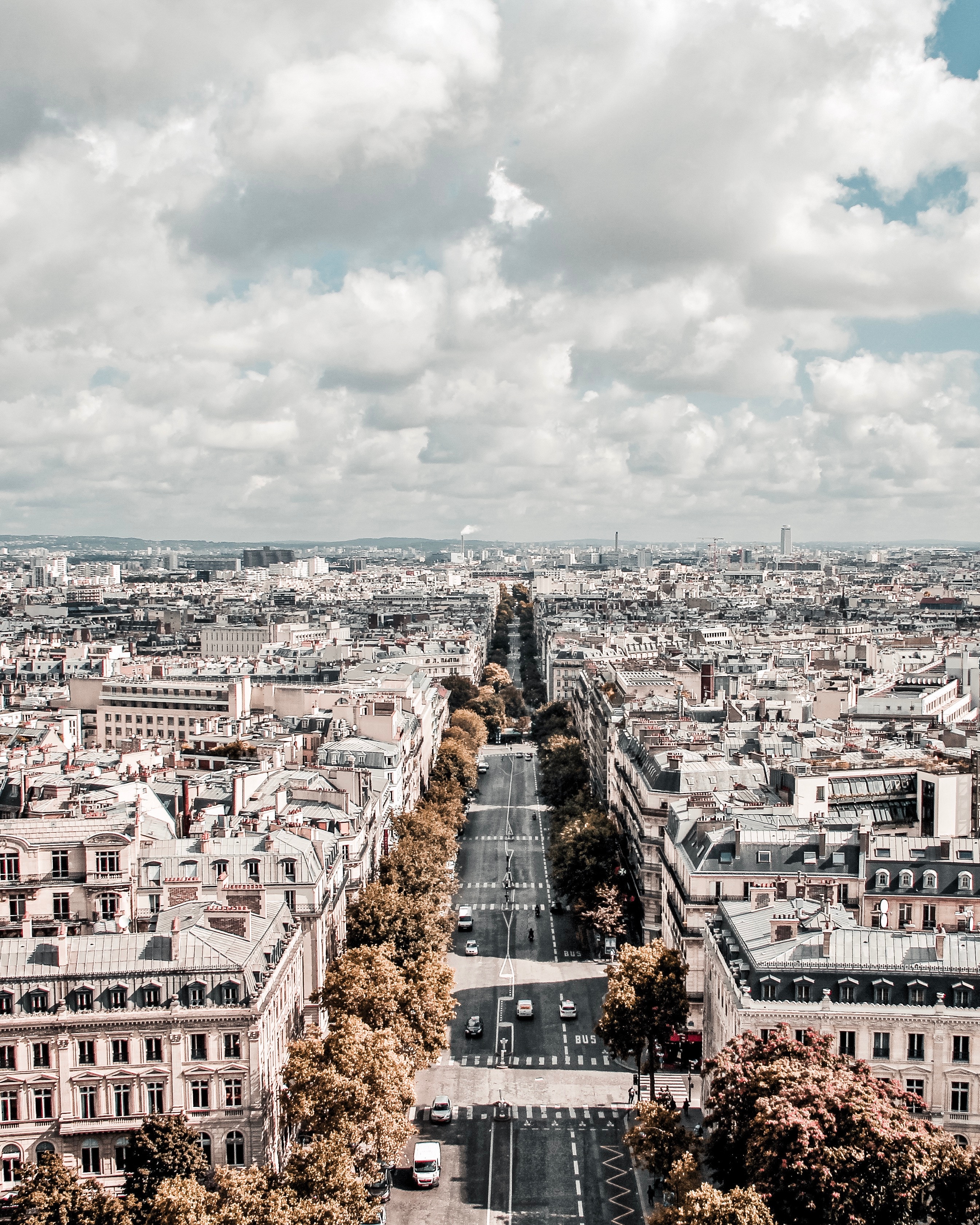
The perfect addition to any trip through the heart of Europe would have to be Paris, the world-famous “City of Light”. This breathtaking capital is known for its unique romantic atmosphere and the laid-back style of life that exists here, where a simple stroll down one of its many tree-lined boulevards will unveil a plethora of UNESCO World Heritage-listed monuments and panoramic views of the cityscape. Your itinerary includes a three-night stay.
Paris, France
Today, join a local guide for a tour of Paris, touching on some of its many iconic landmarks. The Notre-Dame de Paris is certain to delight, being one of the finest examples of French Gothic architecture in the world, as is the Arc de Triomphe, standing tall to one side of the Champs-Élysées. Later, join a river cruise along the Seine to see the Eiffel Tower overlooking the city.
Included Excursion
A guided tour of Paris and a Seine River cruise
Paris, France
The storied beauty of Paris is yours to discover independently today, perhaps choosing to visit the mighty Louvre and witness the legendary Mona Lisa or venturing below the city to explore an intricate labyrinth of catacombs that exists below the colourful streets above. Your tour director will be available to help you plan your day of independent exploration.
DiscoverMORE
Tastes of Paris (extra expense)
Amsterdam, Netherlands
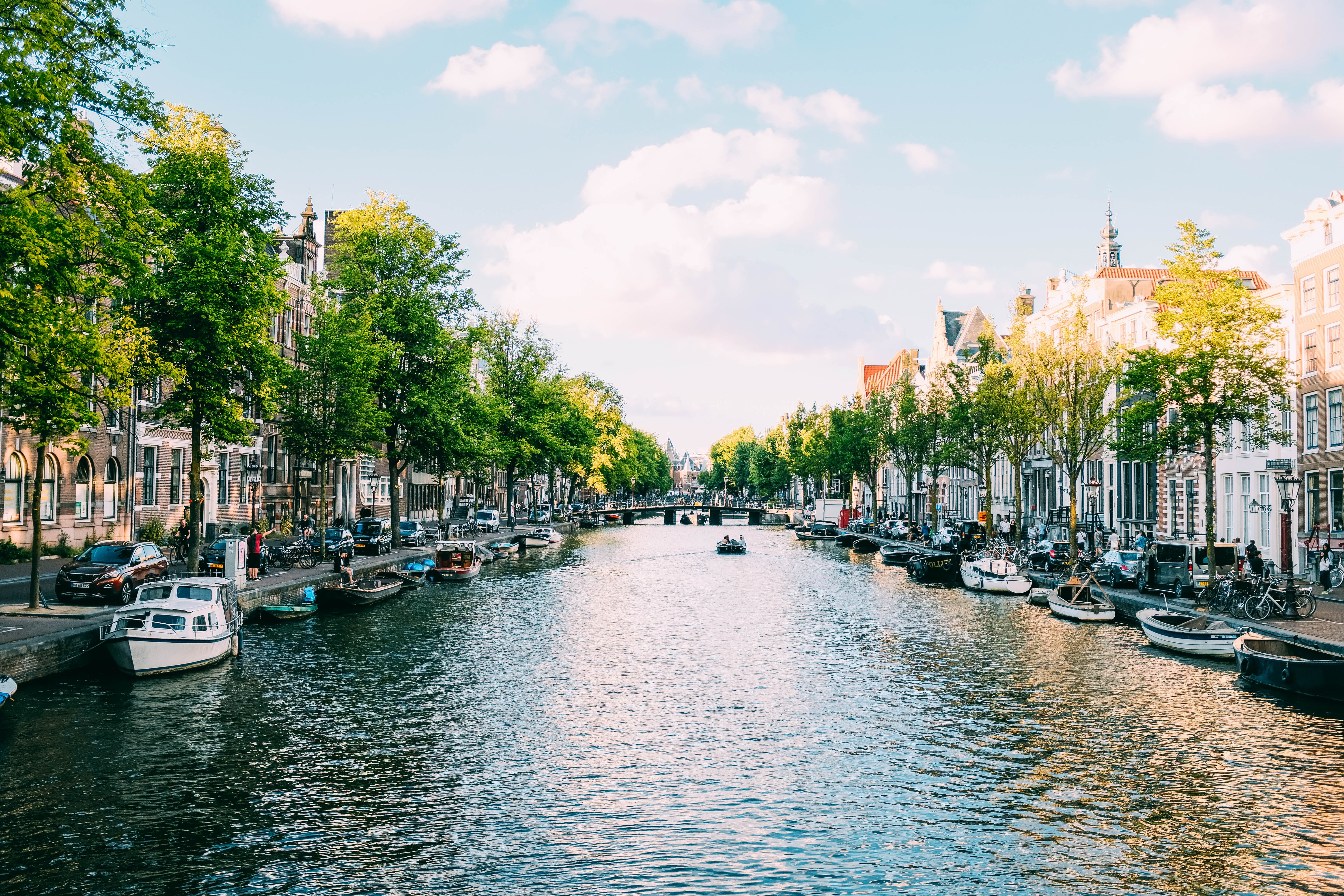
Amsterdam combines the unrivaled beauty of the 17th-century Golden Age city center with plenty of museums and art of the highest order, not to mention a remarkably laid-back atmosphere. It all comes together to make this one of the world’s most appealing and offbeat metropolises in the world. Built on a latticework of concentric canals like an aquatic rainbow, Amsterdam is known as the City of Canals—but it’s no Venice, content to live on moonlight serenades and former glory. Quite the contrary: on nearly every street here you’ll find old and new side by side—quiet corners where time seems to be holding its breath next to streets like neon-lit Kalverstraat, and Red Light ladies strutting by the city’s oldest church. Indeed, Amsterdam has as many lovely facets as a 40-carat diamond polished by one of the city’s gem cutters. It’s certainly a metropolis, but a rather small and very accessible one. Locals tend to refer to it as a big village, albeit one that happens to pack the cultural wallop of a major world destination. There are scores of concerts every day, numerous museums, summertime festivals, and, of course, a legendary year-round party scene. It’s pretty much impossible to resist Amsterdam’s charms. With 7,000 registered monuments, most of which began as the residences and warehouses of humble merchants, set on 160 man-made canals, and traversed by 1,500 or so bridges, Amsterdam has the largest historical inner city in Europe. Its famous circle of waterways, the grachtengordel, was a 17th-century urban expansion plan for the rich and is a lasting testament to the city’s Golden Age. This town is endearing because of its kinder, gentler nature—but a reputation for championing sex, drugs, and rock ’n’ roll does not alone account for Amsterdam’s being one of the most popular destinations in Europe: consider that within a single square mile the city harbors some of the greatest achievements in Western art, from Rembrandt to Van Gogh. Not to mention that this is one of Europe’s great walking cities, with so many of its treasures in the untouted details: tiny alleyways barely visible on the map, hidden garden courtyards, shop windows, floating houseboats, hidden hofjes(courtyards with almshouses), sudden vistas of church spires, and gabled roofs that look like so many unframed paintings. And don’t forget that the joy lies in details: elaborate gables and witty gable stones denoting the trade of a previous owner. Keep in mind that those XXX symbols you see all over town are not a mark of the city’s triple-X reputation. They’re part of Amsterdam’s official coat of arms—three St. Andrew’s crosses, believed to represent the three dangers that have traditionally plagued the city: flood, fire, and pestilence. The coat’s motto (“Valiant, determined, compassionate”) was introduced in 1947 by Queen Wilhelmina in remembrance of the 1941 February Strike in Amsterdam—the first time in Europe that non-Jewish people protested against the persecution of Jews by the Nazi regime.
Amsterdam, Netherlands
Amsterdam combines the unrivaled beauty of the 17th-century Golden Age city center with plenty of museums and art of the highest order, not to mention a remarkably laid-back atmosphere. It all comes together to make this one of the world’s most appealing and offbeat metropolises in the world. Built on a latticework of concentric canals like an aquatic rainbow, Amsterdam is known as the City of Canals—but it’s no Venice, content to live on moonlight serenades and former glory. Quite the contrary: on nearly every street here you’ll find old and new side by side—quiet corners where time seems to be holding its breath next to streets like neon-lit Kalverstraat, and Red Light ladies strutting by the city’s oldest church. Indeed, Amsterdam has as many lovely facets as a 40-carat diamond polished by one of the city’s gem cutters. It’s certainly a metropolis, but a rather small and very accessible one. Locals tend to refer to it as a big village, albeit one that happens to pack the cultural wallop of a major world destination. There are scores of concerts every day, numerous museums, summertime festivals, and, of course, a legendary year-round party scene. It’s pretty much impossible to resist Amsterdam’s charms. With 7,000 registered monuments, most of which began as the residences and warehouses of humble merchants, set on 160 man-made canals, and traversed by 1,500 or so bridges, Amsterdam has the largest historical inner city in Europe. Its famous circle of waterways, the grachtengordel, was a 17th-century urban expansion plan for the rich and is a lasting testament to the city’s Golden Age. This town is endearing because of its kinder, gentler nature—but a reputation for championing sex, drugs, and rock ’n’ roll does not alone account for Amsterdam’s being one of the most popular destinations in Europe: consider that within a single square mile the city harbors some of the greatest achievements in Western art, from Rembrandt to Van Gogh. Not to mention that this is one of Europe’s great walking cities, with so many of its treasures in the untouted details: tiny alleyways barely visible on the map, hidden garden courtyards, shop windows, floating houseboats, hidden hofjes(courtyards with almshouses), sudden vistas of church spires, and gabled roofs that look like so many unframed paintings. And don’t forget that the joy lies in details: elaborate gables and witty gable stones denoting the trade of a previous owner. Keep in mind that those XXX symbols you see all over town are not a mark of the city’s triple-X reputation. They’re part of Amsterdam’s official coat of arms—three St. Andrew’s crosses, believed to represent the three dangers that have traditionally plagued the city: flood, fire, and pestilence. The coat’s motto (“Valiant, determined, compassionate”) was introduced in 1947 by Queen Wilhelmina in remembrance of the 1941 February Strike in Amsterdam—the first time in Europe that non-Jewish people protested against the persecution of Jews by the Nazi regime.
Cologne, Germany
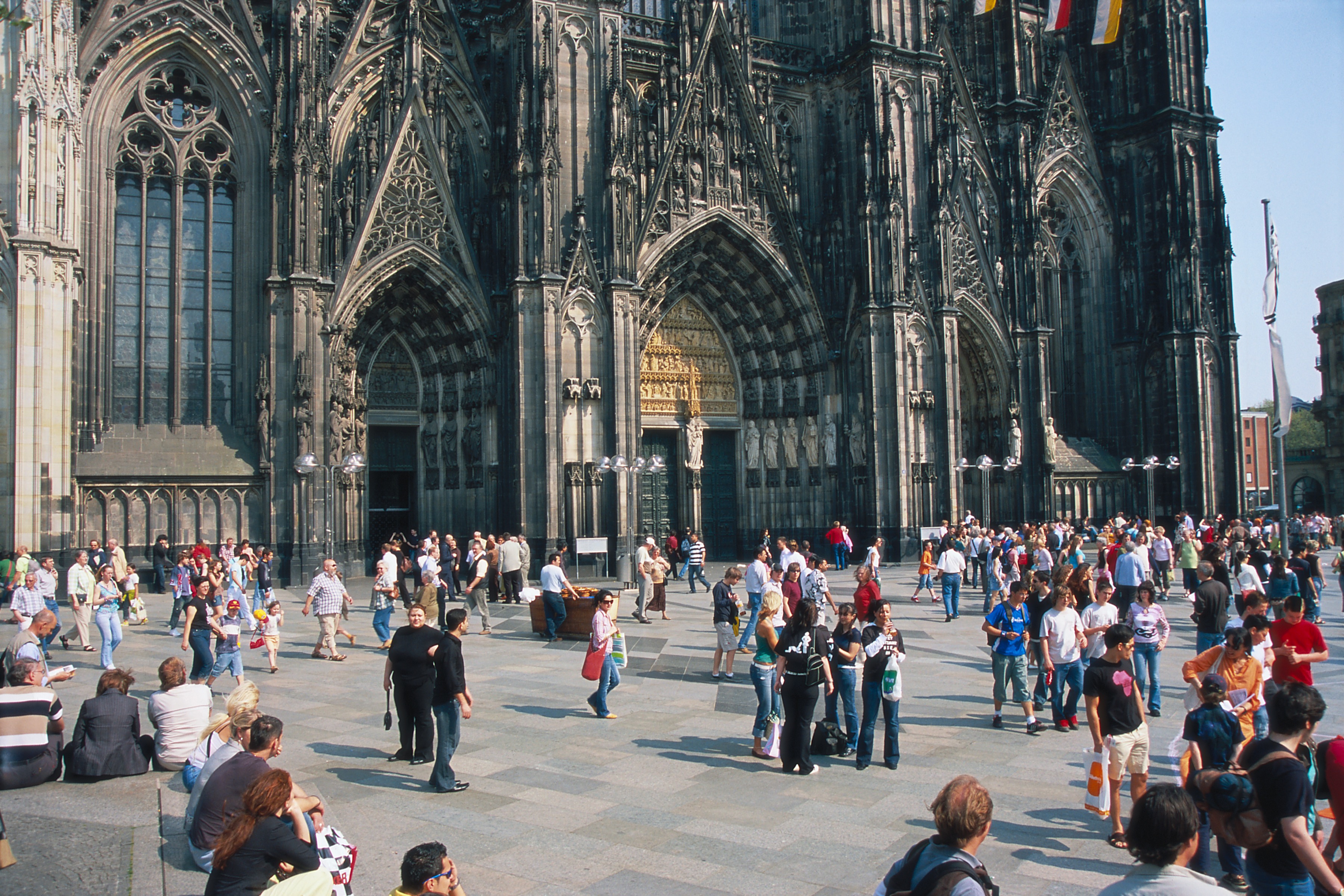
Cologne is a city in western Germany located across the Rhine river. It is the oldest in Germany, dating back 2000 years and is considered the region’s cultural hub. The city is known for its iconic landmark of the twin-spired Cologne Cathedral set against the reconstructed Old Town buildings. When in Old Town, visit the historic Old Town Hall and the Roman Church Great St Martin, or take time out and sit at one of the traditional breweries and enjoy the scenery around you. Historical sites such as the Roman Dionysus mosaic and the medieval Overstolzenhaus are worth a visit too. Another iconic sight in Cologne is at Hohenzollern Bridge. Here, local and tourist couples affix padlocks to the railings of the bridge and swear their loyalty to each other, they then throw the key into the Rhein to ensure everlasting love. Cologne is home to over 30 stages providing cabaret, free ensembles, theatre and dance and also celebrates its openly gay culture.
Rüdesheim, Germany
Today’s cruising will be a highlight of your trip, as we meander through the fairy tale-like surrounds of the UNESCO World Heritage-listed Rhine Gorge. Hilltop castles and fortresses will be yours to admire as we sail. We will pass the infamous Lorelai Rock, where sailors are said to have been lured onto treacherous rocks by an enchanting siren, and the impressive Pfalzgrafenstein Castle, a former stronghold.
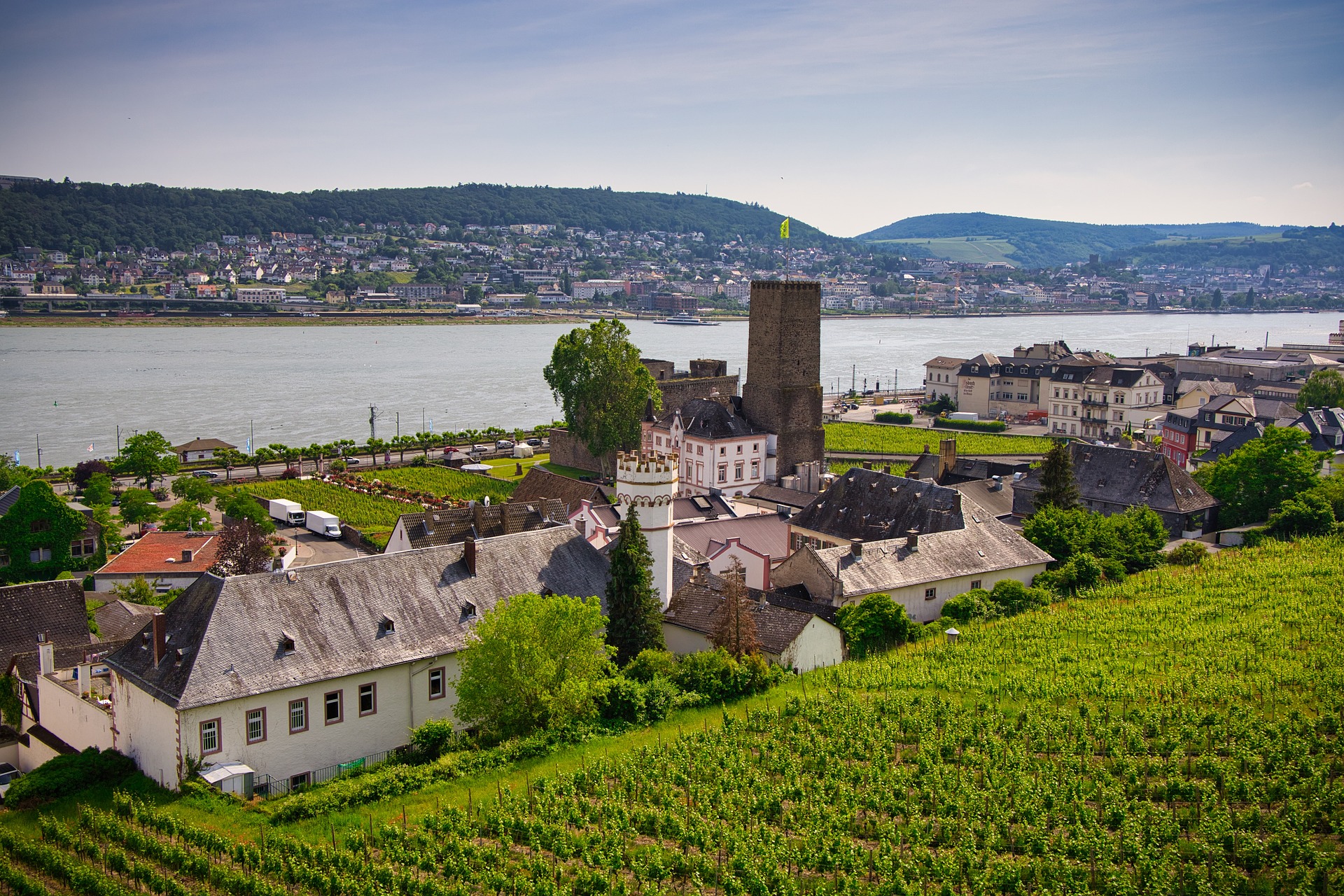
This afternoon, arrive in Rüdesheim, a town with a vibrant wine-growing heritage. You will have the choice of either riding on the Winzerexpress and visiting Siegfried’s Mechanical Music Cabinet Museum or, if you’re feeling active, taking an active hike to Niederwalddenkmal.
Included Excursion
Visit to Siegfried’s Mechanical Music Cabinet Museum
EmeraldACTIVE
Active Walk to Niederwalddenkmal
Paris, France
The perfect addition to any trip through the heart of Europe would have to be Paris, the world-famous “City of Light”. This breathtaking capital is known for its unique romantic atmosphere and the laid-back style of life that exists here, where a simple stroll down one of its many tree-lined boulevards will unveil a plethora of UNESCO World Heritage-listed monuments and panoramic views of the cityscape. Your itinerary includes a three-night stay.
Paris, France
Today, join a local guide for a tour of Paris, touching on some of its many iconic landmarks. The Notre-Dame de Paris is certain to delight, being one of the finest examples of French Gothic architecture in the world, as is the Arc de Triomphe, standing tall to one side of the Champs-Élysées. Later, join a river cruise along the Seine to see the Eiffel Tower overlooking the city.
Included Excursion
A guided tour of Paris and a Seine River cruise
Paris, France
The storied beauty of Paris is yours to discover independently today, perhaps choosing to visit the mighty Louvre and witness the legendary Mona Lisa or venturing below the city to explore an intricate labyrinth of catacombs that exists below the colourful streets above. Your tour director will be available to help you plan your day of independent exploration.
DiscoverMORE
Tastes of Paris (extra expense)
Amsterdam, Netherlands
Amsterdam combines the unrivaled beauty of the 17th-century Golden Age city center with plenty of museums and art of the highest order, not to mention a remarkably laid-back atmosphere. It all comes together to make this one of the world’s most appealing and offbeat metropolises in the world. Built on a latticework of concentric canals like an aquatic rainbow, Amsterdam is known as the City of Canals—but it’s no Venice, content to live on moonlight serenades and former glory. Quite the contrary: on nearly every street here you’ll find old and new side by side—quiet corners where time seems to be holding its breath next to streets like neon-lit Kalverstraat, and Red Light ladies strutting by the city’s oldest church. Indeed, Amsterdam has as many lovely facets as a 40-carat diamond polished by one of the city’s gem cutters. It’s certainly a metropolis, but a rather small and very accessible one. Locals tend to refer to it as a big village, albeit one that happens to pack the cultural wallop of a major world destination. There are scores of concerts every day, numerous museums, summertime festivals, and, of course, a legendary year-round party scene. It’s pretty much impossible to resist Amsterdam’s charms. With 7,000 registered monuments, most of which began as the residences and warehouses of humble merchants, set on 160 man-made canals, and traversed by 1,500 or so bridges, Amsterdam has the largest historical inner city in Europe. Its famous circle of waterways, the grachtengordel, was a 17th-century urban expansion plan for the rich and is a lasting testament to the city’s Golden Age. This town is endearing because of its kinder, gentler nature—but a reputation for championing sex, drugs, and rock ’n’ roll does not alone account for Amsterdam’s being one of the most popular destinations in Europe: consider that within a single square mile the city harbors some of the greatest achievements in Western art, from Rembrandt to Van Gogh. Not to mention that this is one of Europe’s great walking cities, with so many of its treasures in the untouted details: tiny alleyways barely visible on the map, hidden garden courtyards, shop windows, floating houseboats, hidden hofjes(courtyards with almshouses), sudden vistas of church spires, and gabled roofs that look like so many unframed paintings. And don’t forget that the joy lies in details: elaborate gables and witty gable stones denoting the trade of a previous owner. Keep in mind that those XXX symbols you see all over town are not a mark of the city’s triple-X reputation. They’re part of Amsterdam’s official coat of arms—three St. Andrew’s crosses, believed to represent the three dangers that have traditionally plagued the city: flood, fire, and pestilence. The coat’s motto (“Valiant, determined, compassionate”) was introduced in 1947 by Queen Wilhelmina in remembrance of the 1941 February Strike in Amsterdam—the first time in Europe that non-Jewish people protested against the persecution of Jews by the Nazi regime.
Amsterdam, Netherlands
Amsterdam combines the unrivaled beauty of the 17th-century Golden Age city center with plenty of museums and art of the highest order, not to mention a remarkably laid-back atmosphere. It all comes together to make this one of the world’s most appealing and offbeat metropolises in the world. Built on a latticework of concentric canals like an aquatic rainbow, Amsterdam is known as the City of Canals—but it’s no Venice, content to live on moonlight serenades and former glory. Quite the contrary: on nearly every street here you’ll find old and new side by side—quiet corners where time seems to be holding its breath next to streets like neon-lit Kalverstraat, and Red Light ladies strutting by the city’s oldest church. Indeed, Amsterdam has as many lovely facets as a 40-carat diamond polished by one of the city’s gem cutters. It’s certainly a metropolis, but a rather small and very accessible one. Locals tend to refer to it as a big village, albeit one that happens to pack the cultural wallop of a major world destination. There are scores of concerts every day, numerous museums, summertime festivals, and, of course, a legendary year-round party scene. It’s pretty much impossible to resist Amsterdam’s charms. With 7,000 registered monuments, most of which began as the residences and warehouses of humble merchants, set on 160 man-made canals, and traversed by 1,500 or so bridges, Amsterdam has the largest historical inner city in Europe. Its famous circle of waterways, the grachtengordel, was a 17th-century urban expansion plan for the rich and is a lasting testament to the city’s Golden Age. This town is endearing because of its kinder, gentler nature—but a reputation for championing sex, drugs, and rock ’n’ roll does not alone account for Amsterdam’s being one of the most popular destinations in Europe: consider that within a single square mile the city harbors some of the greatest achievements in Western art, from Rembrandt to Van Gogh. Not to mention that this is one of Europe’s great walking cities, with so many of its treasures in the untouted details: tiny alleyways barely visible on the map, hidden garden courtyards, shop windows, floating houseboats, hidden hofjes(courtyards with almshouses), sudden vistas of church spires, and gabled roofs that look like so many unframed paintings. And don’t forget that the joy lies in details: elaborate gables and witty gable stones denoting the trade of a previous owner. Keep in mind that those XXX symbols you see all over town are not a mark of the city’s triple-X reputation. They’re part of Amsterdam’s official coat of arms—three St. Andrew’s crosses, believed to represent the three dangers that have traditionally plagued the city: flood, fire, and pestilence. The coat’s motto (“Valiant, determined, compassionate”) was introduced in 1947 by Queen Wilhelmina in remembrance of the 1941 February Strike in Amsterdam—the first time in Europe that non-Jewish people protested against the persecution of Jews by the Nazi regime.
Cologne, Germany
Cologne is a city in western Germany located across the Rhine river. It is the oldest in Germany, dating back 2000 years and is considered the region’s cultural hub. The city is known for its iconic landmark of the twin-spired Cologne Cathedral set against the reconstructed Old Town buildings. When in Old Town, visit the historic Old Town Hall and the Roman Church Great St Martin, or take time out and sit at one of the traditional breweries and enjoy the scenery around you. Historical sites such as the Roman Dionysus mosaic and the medieval Overstolzenhaus are worth a visit too. Another iconic sight in Cologne is at Hohenzollern Bridge. Here, local and tourist couples affix padlocks to the railings of the bridge and swear their loyalty to each other, they then throw the key into the Rhein to ensure everlasting love. Cologne is home to over 30 stages providing cabaret, free ensembles, theatre and dance and also celebrates its openly gay culture.
Rüdesheim, Germany
Today’s cruising will be a highlight of your trip, as we meander through the fairy tale-like surrounds of the UNESCO World Heritage-listed Rhine Gorge. Hilltop castles and fortresses will be yours to admire as we sail. We will pass the infamous Lorelai Rock, where sailors are said to have been lured onto treacherous rocks by an enchanting siren, and the impressive Pfalzgrafenstein Castle, a former stronghold.
This afternoon, arrive in Rüdesheim, a town with a vibrant wine-growing heritage. You will have the choice of either riding on the Winzerexpress and visiting Siegfried’s Mechanical Music Cabinet Museum or, if you’re feeling active, taking an active hike to Niederwalddenkmal.
Included Excursion
Visit to Siegfried’s Mechanical Music Cabinet Museum
EmeraldACTIVE
Active Walk to Niederwalddenkmal
Wertheim, Germany
Welcome to Miltenberg, a picturesque village on the Main River, boasting an inimitable feeling of medieval Bavaria with its 15th century half-timbered buildings.
On your included walking tour, stroll down the cobblestone streets, lined with these colourful houses and view the Gothic Merchant Hall, an impressive symbol of past affluence. You could also enjoy an active walk through the forest to Mildenburg Castle. This iconic landmark now houses a wonderful collection of contemporary art and old masters.
Later, discover the tranquil beauty of your EmeraldPLUS programme, Bronnbach Abbey, a former Cistercian monastery nestled in the picturesque Tauber Valley.
Included Excursion
Guided tour of Miltenberg
EmeraldPLUS
Visit to Bronnbach Abbey
EmeraldACTIVE
Guided Active Walk to Mildenburg Castle
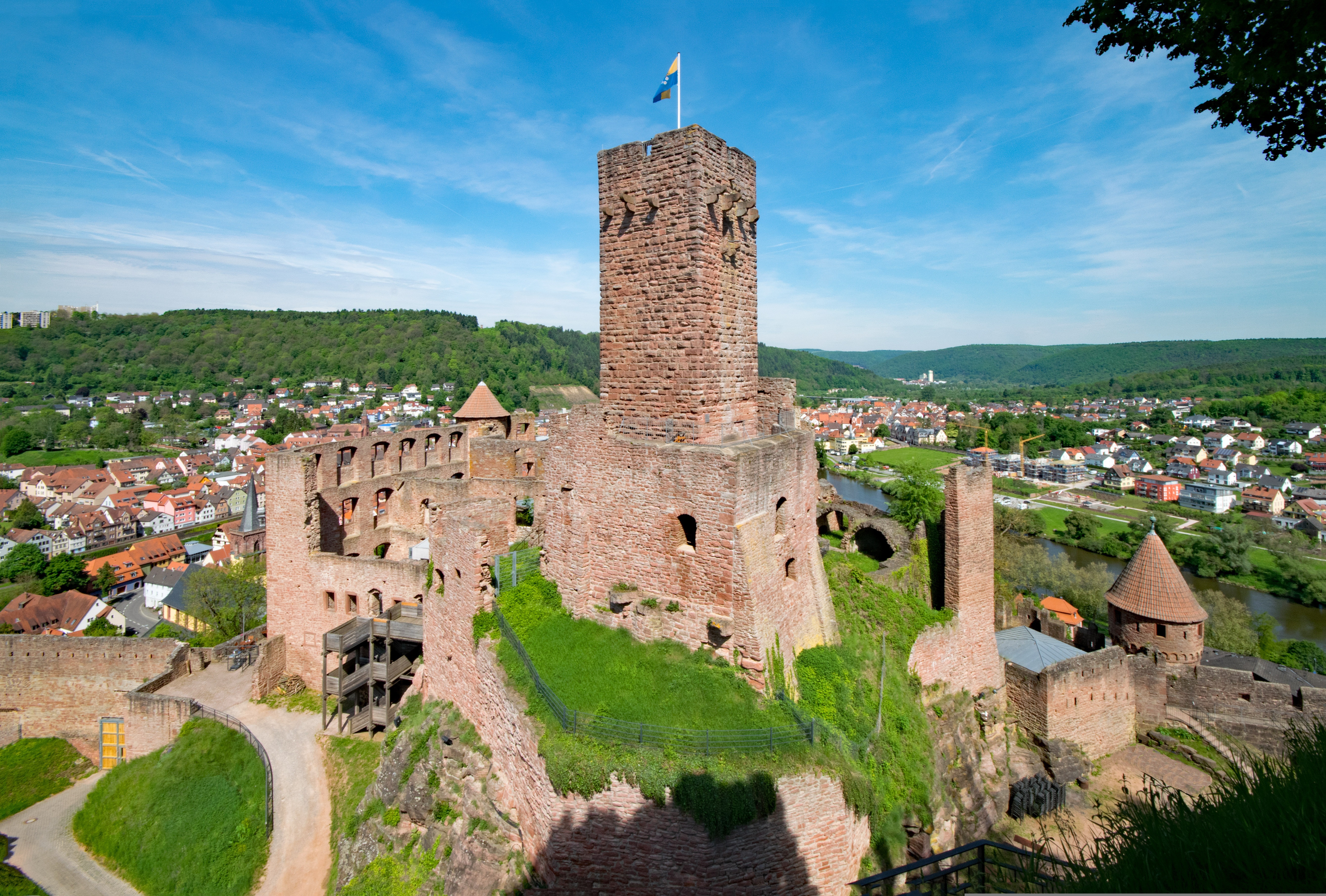
Würzburg, Germany
Würzburg is a city in Bavaria in southern Germany. It is located on the River Main and is famous for its lavish baroque architecture and Franconian wine. The Residence Palace is a UNESCO World Heritage Site and is highly recommended. It is a well known example of Baroque architecture with its acclaimed staircase, impressive frescos and imperial hall. Other impressive sites in Würzburg include the towering fortress of Festung Marienberg, the Alt Mainbrücke old bridge, which offers ideal views of the Marienberg, Dom St. Kilian cathedral and the many churches of Würzburg including the Romanesque Neumünster. Many of these sites have their own museums for visitors to learn of the history or view unique collections. Other museums of interest are the Mineralogical Museum, exhibiting the world of minerals and stones, and the Botanical Gardens, with various greenhouses and outdoor areas to enjoy. Wine lovers will find an abundance of wineries in Würzburg, offering cellar tours and wine tasting as well as traditional Bavarian cuisines and hospitality. Enjoy wine soup, Gerupfter (cheese spread) and Sauerbraten (braised beef in wine) in a friendly traditional wine tavern.
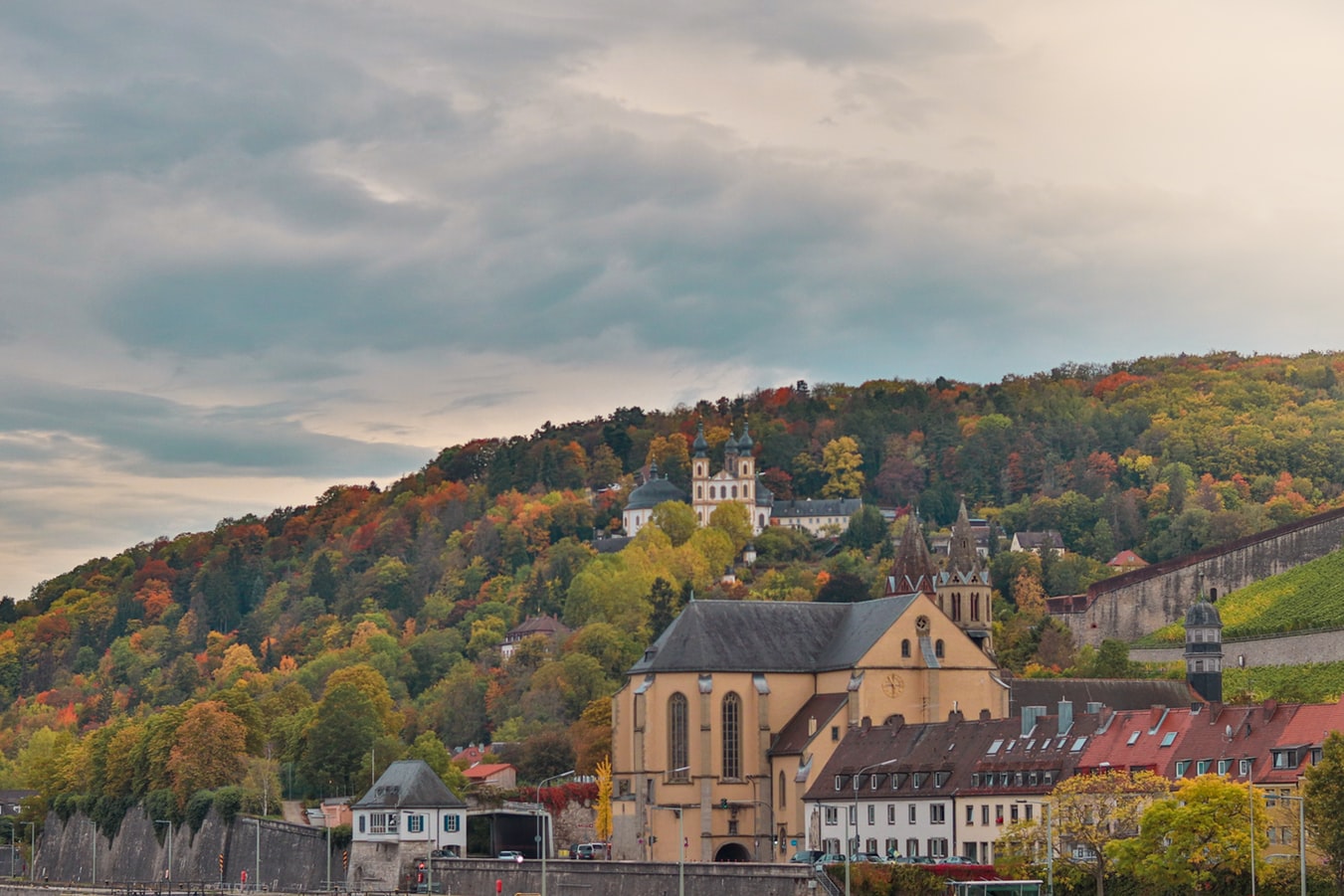
Bamberg, Germany
Bamberg is a German town located over a landscape of seven hills and the confluence of Regnitz and Main rivers. The town is a UNESCO World Heritage Centre with Old Town home to structures dating back to the 11th century. An iconic landmark to visit in Bamberg is the town hall Altes Rathaus, located on an island in the Regnitz and covered in murals. Bamberg Cathedral, with its four towers and numerous stone carvings, is a striking example of Romanesque architecture. Head to the Market Gardeners District and visit the historical houses where centuries ago the town gardeners would grow and export produce such as onions, seeds and liquorice. In the town centre and heart of Little Venice, the rivers and arched bridges connecting the island city are reminiscent of Venice, with a lively atmosphere and modern shops set in historical surroundings. After a day shopping, head to one of the many Brewery pubs for some popular German beer. Bamberg is famous for its beer and is where its name originated from, with the town being populated by nine traditional breweries.
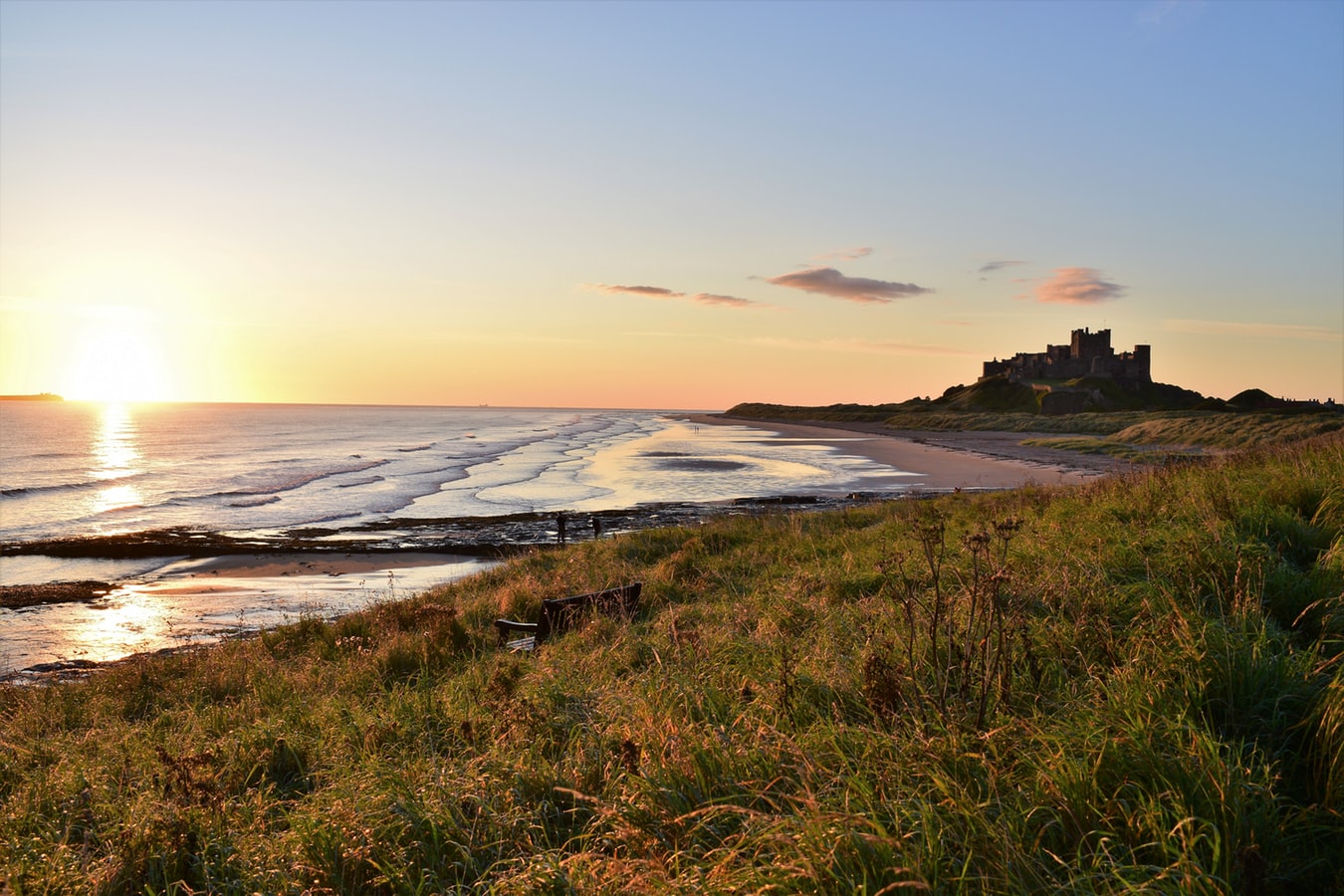
Nuremberg, Germany
Nuremberg is a medieval city located in northern Bavaria in Germany. It is Bavaria’s second largest city and is noted for its iconic red roofed buildings and medieval architecture. The imperial Castle overlooks Nuremberg and was one of the most important fortifications of the Roman Empire. For more significant cultural history, the Germanisches Nationalmuseum, one of the largest cultural history museums in the German speaking world, offers visitors exhibitions from Prehistoric all the way to present day. Walking tours around the city offer an enjoyable and active way to learn of Nuremberg’s history and culture. Through Old Town, discover fountains, wells, churches, and art treasures, as well as learning of the colourful past and cosmopolitan present of the city and its people. Nuremberg is also home to one of the oldest Christmas markets in Germany, the Nuremberg Christkindlesmarkt, where visitors can purchase traditional handmade decorations and enjoy the famous gingerbread, mulled wine, and grilled sausage from over one hundred and eighty wooden stalls.
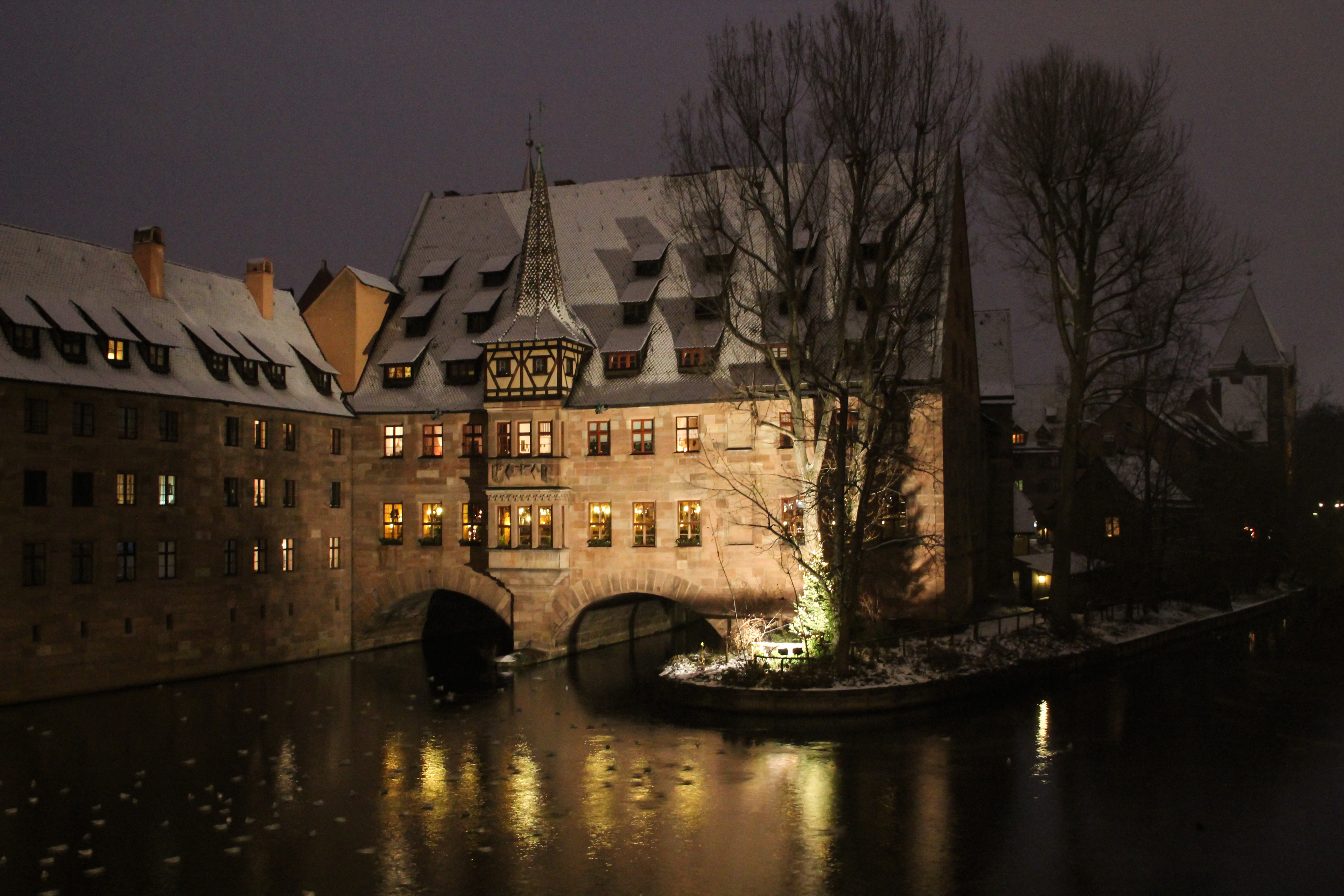
Regensburg, Germany
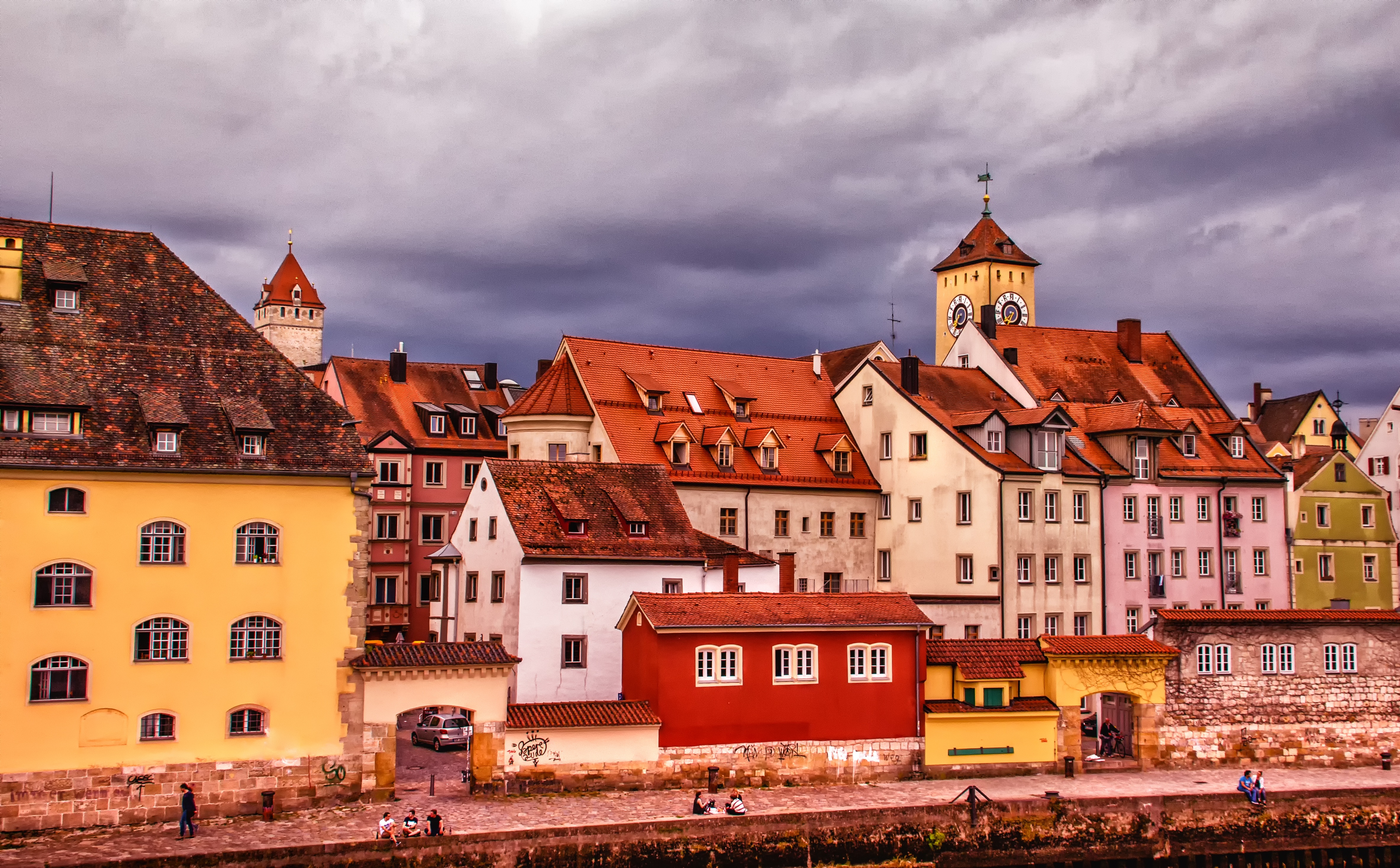
Regensburg is a medieval city of Bavaria in southeast Germany. It is situated on the northern point of the Danube River at its confluence with the Regen and Naab rivers. The city is famous for its iconic 12th Century stone bridge and sixteen arches, crossing the Danube into Old Town and is the oldest preserved bridge in Germany. Regensburg is also noted for its 13th Century Regensburg Cathedral and Gothic twin spires that feature prominently on the city’s skyline. Recently awarded UNESCO World Heritage status, the city is home to many preserved sites. Visit the the 2nd Century Porta Praetoria which served as the north gate to a Roman camp and St Peter’s Cathedral, with its French Gothic architecture. Also the 18th Century Thurn and Taxis Palace and the Old Town Hall, which is now home to the Imperial Diet Museum, are also worth a visit. Regensburg benefits from lots of parks and gardens for visitors to relax in, as well as walks and cycle paths along the banks of the rivers.
Passau, Germany
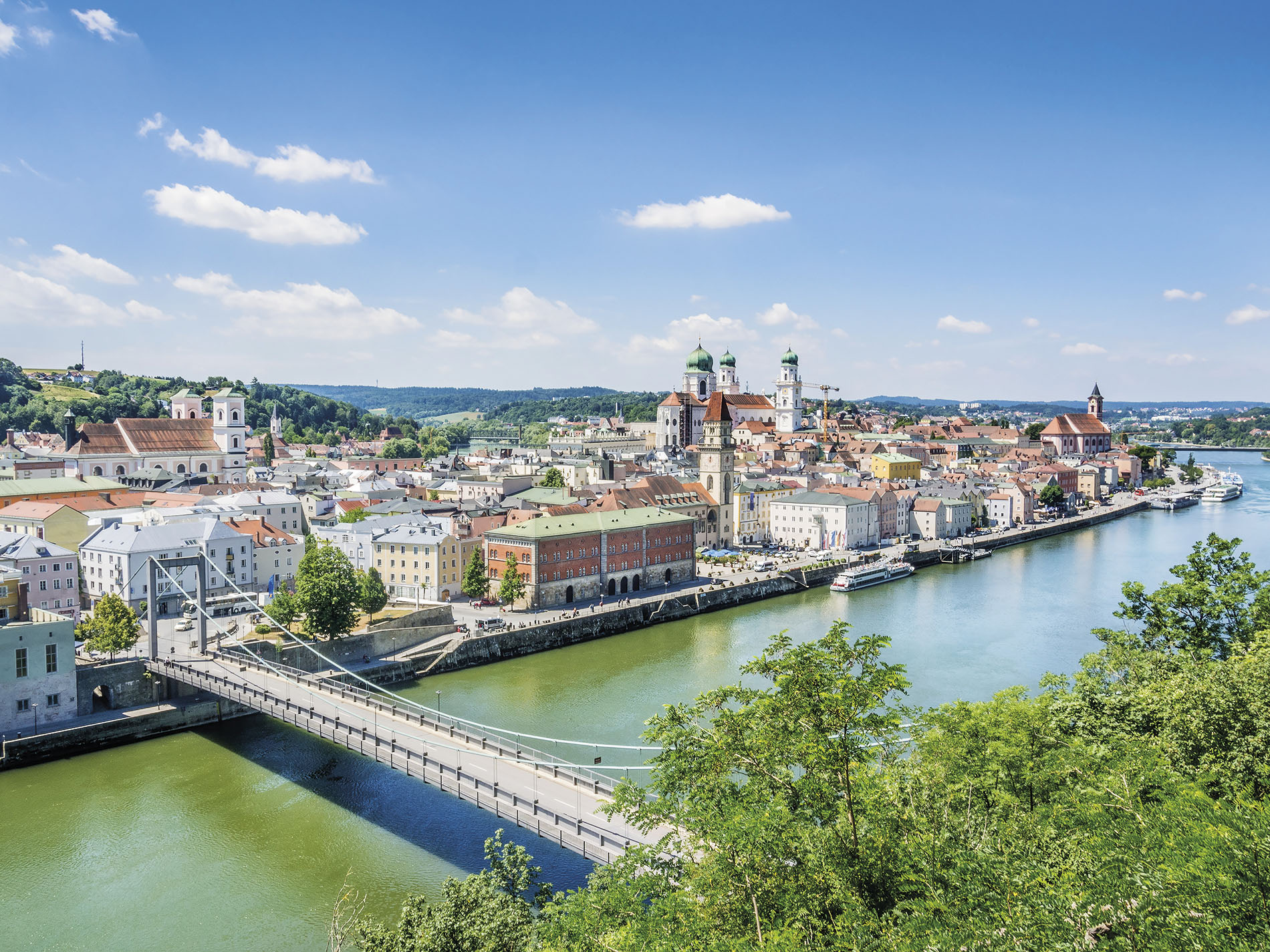
Passau is a German city located in the Southeast of Germany on the Austrian border. It is situated at the confluence of the rivers Danube, Inn and Ilz. The Three Rivers City, as it’s also known, is unique for its three contrasting currents of blue, green and black. Old Town of Passau is home to towering buildings of striking architecture: the majestic fortress Veste Oberhaus, the Pilgrimage Church Mariahilf and St Stephen’s Cathedral. Many of Passau’s attractions can be found in this area, including the New Bishop’s Residence, the Gothic Town Hall, as well as many churches and museums. Visitors can stroll along the riverfront promenades and romantic lanes whilst enjoying the picturesque landscape. For modern art, The Museum of Modern Art and Glass Museum Passau are recommended as they offer something a bit different. Theatre and cabaret are a popular evening pastime, with performances at the former Prince Bishopric Theatre or some lively cabaret and Jazz at the Scharfrichterhaus. Visitors will also find many traditional local Bavarian and Austrian cafes and restaurants offering a cosy atmosphere with home cooked food from local produce.
Dürnstein, Austria
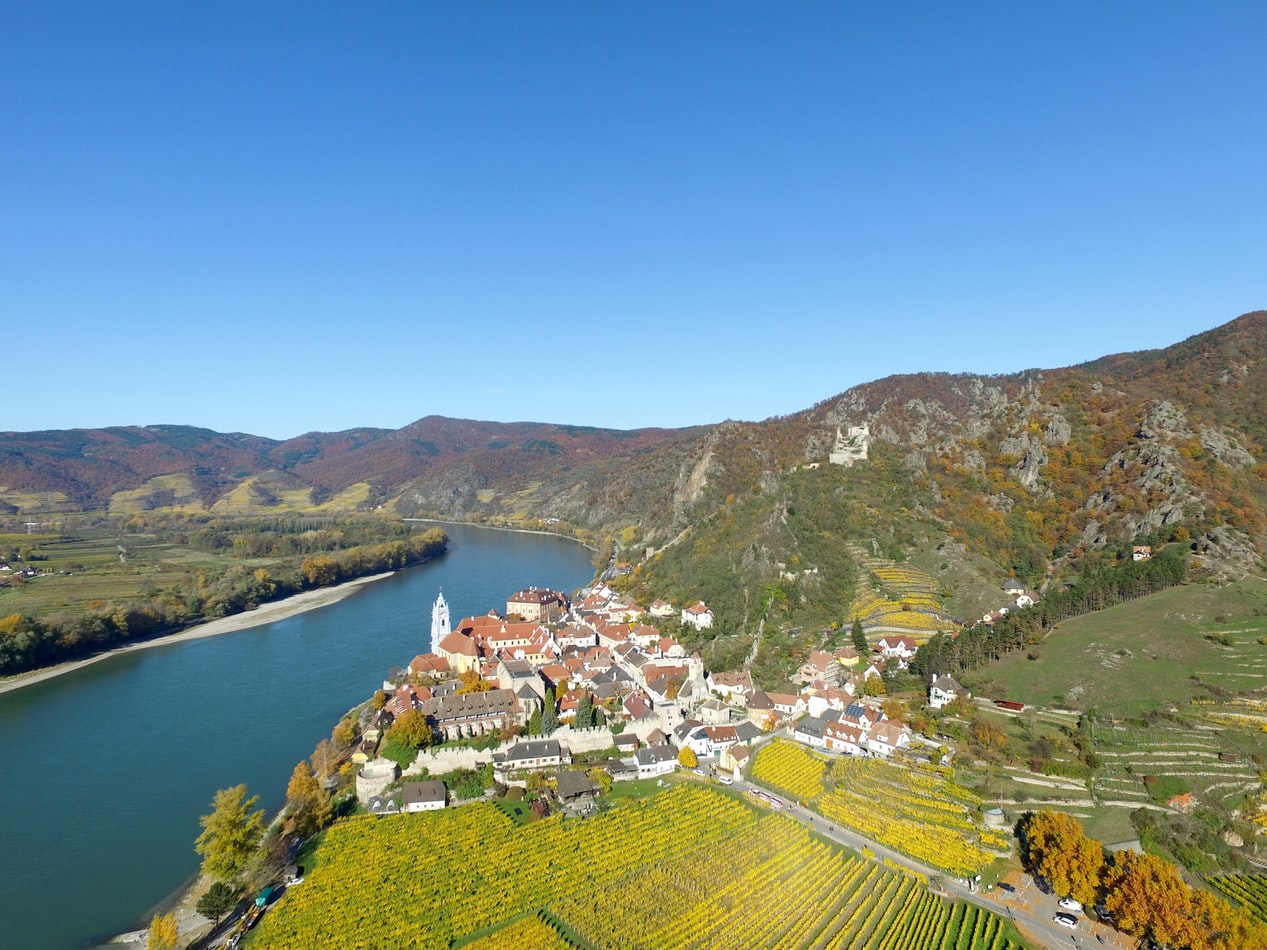
Dürnstein is a town located in the Northeast of Austria, situated on the Danube river. It is part of the UNESCO World Heritage site and wine region of Wachauer. It is a popular destination for wine lovers as many wineries offer accommodation. In addition to wine tasting and vineyard tours, visitors will find exploring the area on foot is easy and enjoyable. Take one of the many beautiful hiking trails across ancient rocks and admire the impressive views across the Danube valley. Children will enjoy exploring the outdoors of Dürnstein too, with outdoor playgrounds and theme trails available to keep them entertained. In addition, children and adults will enjoy Austria’s only outdoor biological swimming pool, Kuenringerbad, with an average temperature of 23 degrees celsius. Enjoy views of the town from overhead helicopter tours, leisurely river excursions, or hike up into the mountains and explore some of Dürnstein’s ruins. The mountains offer the ruins of Dürnstein castle and city wall as well as beautiful flora and fauna to spot.
Wertheim, Germany
Welcome to Miltenberg, a picturesque village on the Main River, boasting an inimitable feeling of medieval Bavaria with its 15th century half-timbered buildings.
On your included walking tour, stroll down the cobblestone streets, lined with these colourful houses and view the Gothic Merchant Hall, an impressive symbol of past affluence. You could also enjoy an active walk through the forest to Mildenburg Castle. This iconic landmark now houses a wonderful collection of contemporary art and old masters.
Later, discover the tranquil beauty of your EmeraldPLUS programme, Bronnbach Abbey, a former Cistercian monastery nestled in the picturesque Tauber Valley.
Included Excursion
Guided tour of Miltenberg
EmeraldPLUS
Visit to Bronnbach Abbey
EmeraldACTIVE
Guided Active Walk to Mildenburg Castle
Würzburg, Germany
Würzburg is a city in Bavaria in southern Germany. It is located on the River Main and is famous for its lavish baroque architecture and Franconian wine. The Residence Palace is a UNESCO World Heritage Site and is highly recommended. It is a well known example of Baroque architecture with its acclaimed staircase, impressive frescos and imperial hall. Other impressive sites in Würzburg include the towering fortress of Festung Marienberg, the Alt Mainbrücke old bridge, which offers ideal views of the Marienberg, Dom St. Kilian cathedral and the many churches of Würzburg including the Romanesque Neumünster. Many of these sites have their own museums for visitors to learn of the history or view unique collections. Other museums of interest are the Mineralogical Museum, exhibiting the world of minerals and stones, and the Botanical Gardens, with various greenhouses and outdoor areas to enjoy. Wine lovers will find an abundance of wineries in Würzburg, offering cellar tours and wine tasting as well as traditional Bavarian cuisines and hospitality. Enjoy wine soup, Gerupfter (cheese spread) and Sauerbraten (braised beef in wine) in a friendly traditional wine tavern.
Bamberg, Germany
Bamberg is a German town located over a landscape of seven hills and the confluence of Regnitz and Main rivers. The town is a UNESCO World Heritage Centre with Old Town home to structures dating back to the 11th century. An iconic landmark to visit in Bamberg is the town hall Altes Rathaus, located on an island in the Regnitz and covered in murals. Bamberg Cathedral, with its four towers and numerous stone carvings, is a striking example of Romanesque architecture. Head to the Market Gardeners District and visit the historical houses where centuries ago the town gardeners would grow and export produce such as onions, seeds and liquorice. In the town centre and heart of Little Venice, the rivers and arched bridges connecting the island city are reminiscent of Venice, with a lively atmosphere and modern shops set in historical surroundings. After a day shopping, head to one of the many Brewery pubs for some popular German beer. Bamberg is famous for its beer and is where its name originated from, with the town being populated by nine traditional breweries.
Nuremberg, Germany
Nuremberg is a medieval city located in northern Bavaria in Germany. It is Bavaria’s second largest city and is noted for its iconic red roofed buildings and medieval architecture. The imperial Castle overlooks Nuremberg and was one of the most important fortifications of the Roman Empire. For more significant cultural history, the Germanisches Nationalmuseum, one of the largest cultural history museums in the German speaking world, offers visitors exhibitions from Prehistoric all the way to present day. Walking tours around the city offer an enjoyable and active way to learn of Nuremberg’s history and culture. Through Old Town, discover fountains, wells, churches, and art treasures, as well as learning of the colourful past and cosmopolitan present of the city and its people. Nuremberg is also home to one of the oldest Christmas markets in Germany, the Nuremberg Christkindlesmarkt, where visitors can purchase traditional handmade decorations and enjoy the famous gingerbread, mulled wine, and grilled sausage from over one hundred and eighty wooden stalls.
Regensburg, Germany
Regensburg is a medieval city of Bavaria in southeast Germany. It is situated on the northern point of the Danube River at its confluence with the Regen and Naab rivers. The city is famous for its iconic 12th Century stone bridge and sixteen arches, crossing the Danube into Old Town and is the oldest preserved bridge in Germany. Regensburg is also noted for its 13th Century Regensburg Cathedral and Gothic twin spires that feature prominently on the city’s skyline. Recently awarded UNESCO World Heritage status, the city is home to many preserved sites. Visit the the 2nd Century Porta Praetoria which served as the north gate to a Roman camp and St Peter’s Cathedral, with its French Gothic architecture. Also the 18th Century Thurn and Taxis Palace and the Old Town Hall, which is now home to the Imperial Diet Museum, are also worth a visit. Regensburg benefits from lots of parks and gardens for visitors to relax in, as well as walks and cycle paths along the banks of the rivers.
Passau, Germany
Passau is a German city located in the Southeast of Germany on the Austrian border. It is situated at the confluence of the rivers Danube, Inn and Ilz. The Three Rivers City, as it’s also known, is unique for its three contrasting currents of blue, green and black. Old Town of Passau is home to towering buildings of striking architecture: the majestic fortress Veste Oberhaus, the Pilgrimage Church Mariahilf and St Stephen’s Cathedral. Many of Passau’s attractions can be found in this area, including the New Bishop’s Residence, the Gothic Town Hall, as well as many churches and museums. Visitors can stroll along the riverfront promenades and romantic lanes whilst enjoying the picturesque landscape. For modern art, The Museum of Modern Art and Glass Museum Passau are recommended as they offer something a bit different. Theatre and cabaret are a popular evening pastime, with performances at the former Prince Bishopric Theatre or some lively cabaret and Jazz at the Scharfrichterhaus. Visitors will also find many traditional local Bavarian and Austrian cafes and restaurants offering a cosy atmosphere with home cooked food from local produce.
Dürnstein, Austria
Dürnstein is a town located in the Northeast of Austria, situated on the Danube river. It is part of the UNESCO World Heritage site and wine region of Wachauer. It is a popular destination for wine lovers as many wineries offer accommodation. In addition to wine tasting and vineyard tours, visitors will find exploring the area on foot is easy and enjoyable. Take one of the many beautiful hiking trails across ancient rocks and admire the impressive views across the Danube valley. Children will enjoy exploring the outdoors of Dürnstein too, with outdoor playgrounds and theme trails available to keep them entertained. In addition, children and adults will enjoy Austria’s only outdoor biological swimming pool, Kuenringerbad, with an average temperature of 23 degrees celsius. Enjoy views of the town from overhead helicopter tours, leisurely river excursions, or hike up into the mountains and explore some of Dürnstein’s ruins. The mountains offer the ruins of Dürnstein castle and city wall as well as beautiful flora and fauna to spot.
Vienna, Austria
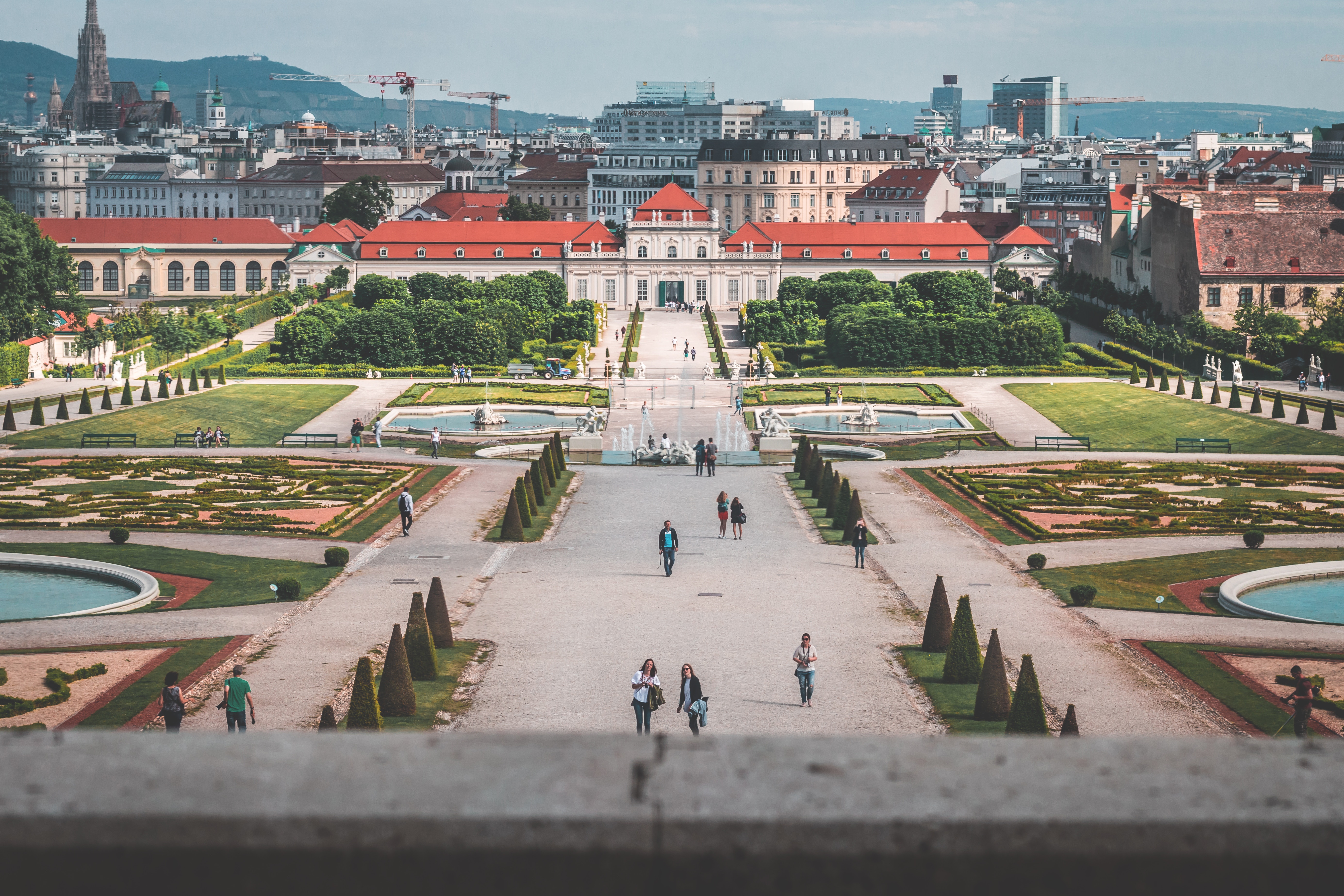
Vienna is the capital and largest city of Austria. Located on the Danube River in the East of the country, the city is renowned for its strong music heritage and rich culture, and is the largest German speaking city in the world, outside of Berlin. In 2001, Vienna was designated a UNESCO World Heritage Site and boasts magnificent architecture. The city is home to over 27 castles and 150 palaces including the symbolic Gothic St Stephen’s Cathedral and the iconic Schönbrunn Palace. Art and music are in abundance and all tastes are catered for. Live music venues offer everything from Rock to Opera. Enjoy world class performances at Vienna State Opera and experience the epicentre of international concert life at Musikverein. Modern and historical art can be found in indoor and outdoor spaces around the city, and a visit to the famous Kunsthistorisches Museum (KHM) is highly recommended. Enjoy views of the city from the Danube Tower and the Giant Ferris Wheel, then relax in the ample cosy coffee houses, cafes, bars and restaurants where traditional and international cuisines are served, as well as the locally produced wines.
Bratislava, Slovakia
Bratislava is the capital city of Slovakia and is located along the Danube a river on the borders of Austria and Hungary. The city is surrounded by the Little Carpathians Mountains and vineyards as well as its iconic reconstructed Bratislava Castle overlooking Old Town. The castle offers a picturesque view of the city, the neighbouring countries and is home to the Museum of History. Bratislava offers a blend of historic and modern attractions including the Old Town Hall, now home to the Bratislava City Museum, the UFO Bridge, Martin’s Cathedral, Michael’s Gate and Blue Church St Elizabeth’s. Bratislava is home to one of the oldest city parks in Central Europe and is popular with walkers, runners and cyclists as is the city forest park and foothills of the Carpathian Mountains. The city is popular for its locally brewed beers and has many micro-breweries and underground beer cellars. The local cuisine of Bratislava is an eclectic influence of European cultures including Slovak, Hungarian, Austrian and German and serves as a reminder of the history of this cosmopolitan city. However, visitors will find an array of offerings to suit all tastes with lunch being the main meal of the day and roast goose with lokse considered a signature dish of the area.
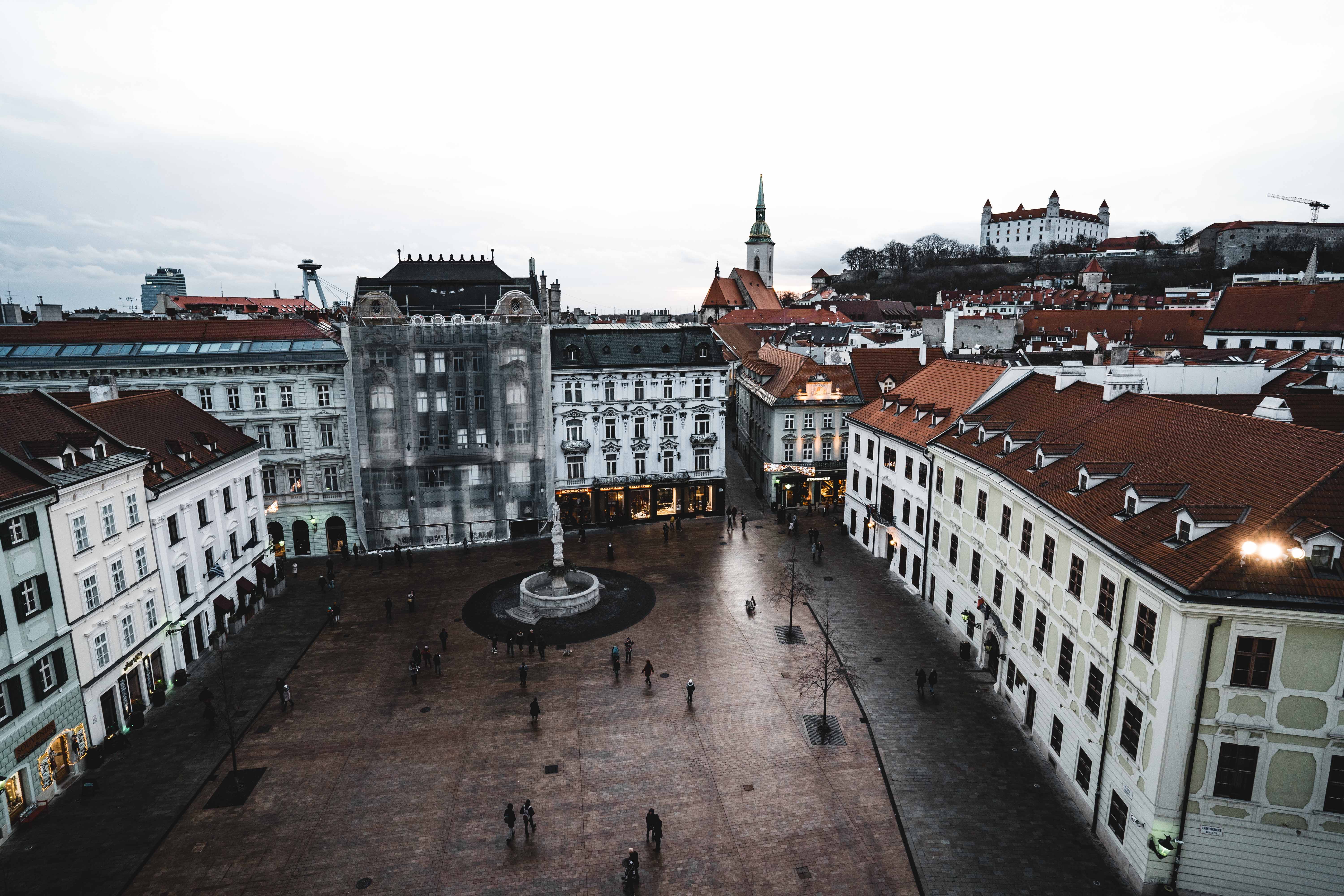
Budapest, Hungary
Budapest is the capital city of Hungary and is located over the River Danube. It is one of the largest cities in the European Union and much of its historical sites have been awarded UNESCO World Heritage Site status. Originally formed in 1873 by the joining of Buda, Pest and Old Buda, the city suffered heavy destruction during World War II and was rebuilt into the country’s political, cultural and commercial hub it is now. Bridges and railways connect the city over the Danube, including the six small islands situated on the river themselves. Some of Budapest’s UNESCO World Heritage sites include Chain Bridge, Budapest Parliament, the striking Matthias church and the iconic Royal Palace visible from every location within Budapest City. The Castle Hills district architecture represents over a thousand years of the city’s history with examples of Roman, Turkish, Gothic, Renaissance and Art Nouveau styles. Budapest also has a rich Jewish heritage and is home to the largest synagogue in Europe. The city has an abundance of restaurants offering international cuisines, as well as traditional Hungarian dishes ,including goulash soup, a very popular lunchtime dish. Hungarians enjoy their coffee so a traditional cafe is never hard to find.
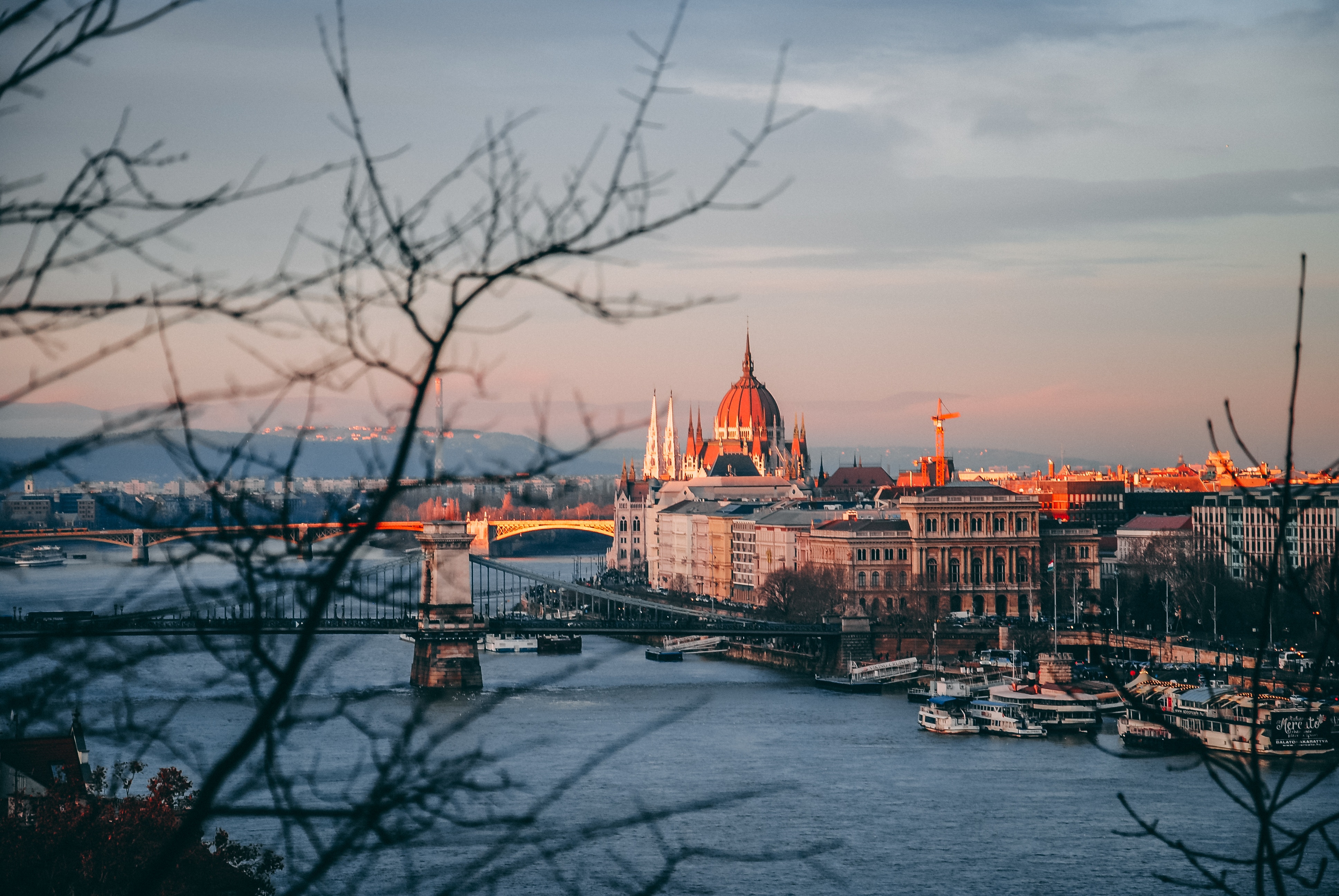
Prague, Czech Republic
After breakfast, disembark your Star-Ship to be transferred to Prague, home to some of the world’s most pristine collections of architecture from across the ages. Included is a comfortable three-night stay in the city.
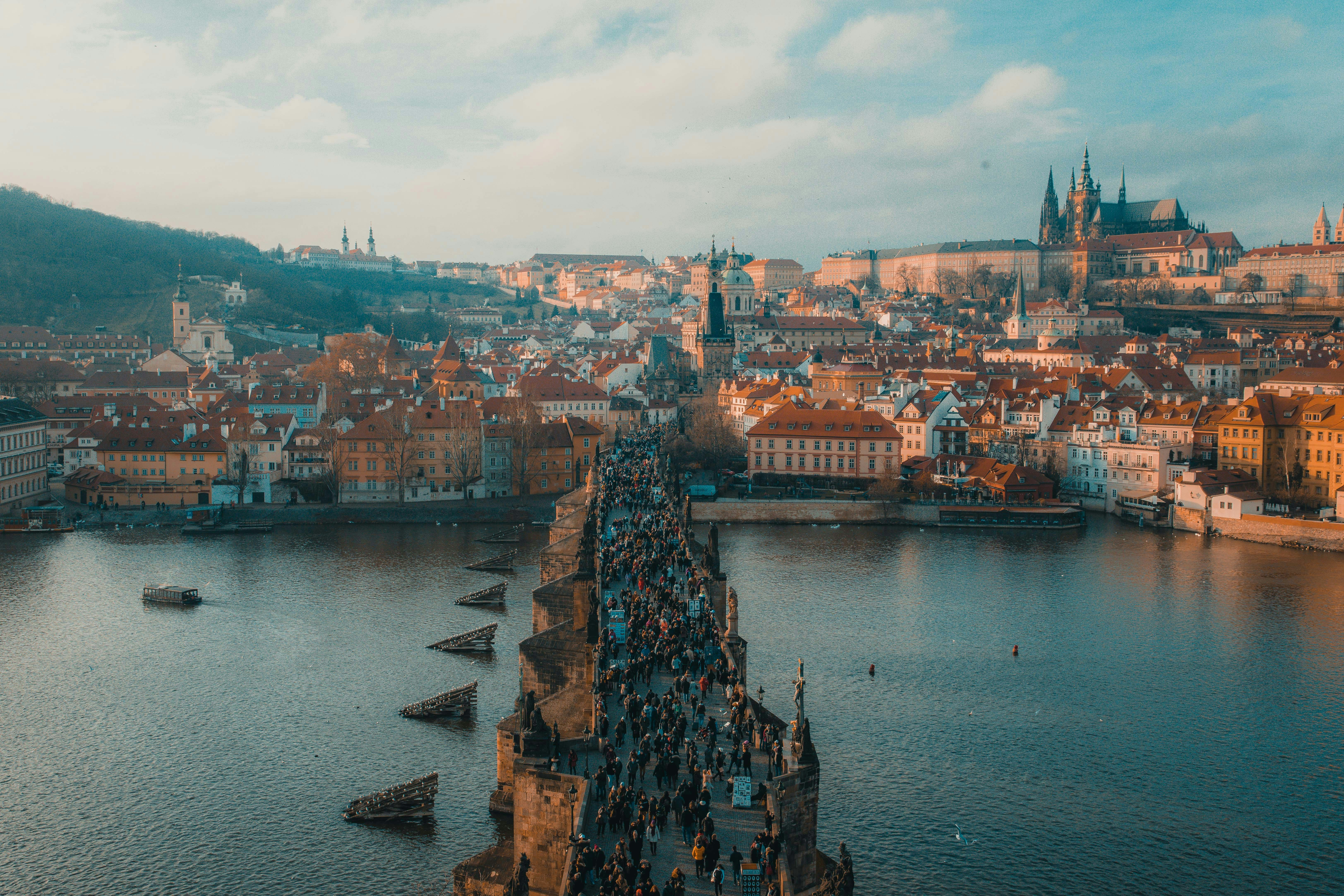
Prague, Czech Republic
The heart of Prague is an enchanting treasure trove, showcasing some of Europe’s finest and most well-preserved architectural marvels from various eras. Begin your journey by exploring three magnificent castle courtyards before stepping into the awe-inspiring St. Vitus Cathedral. From there, descend the Castle Steps, where breathtaking views of Prague unfold before your eyes. Next, we stroll across the iconic Charles Bridge, leading us to the charming Old Town. Our unforgettable city tour concludes at the legendary Astronomical Clock in the vibrant Old Town Square, leaving you captivated by Prague’s timeless beauty.
Included Excursion
A guided tour of Prague
EmeraldPLUS
Coffee & Cake at Lobkowicz Palace
Prague, Czech Republic
Prague is yours to explore independently today, perhaps enjoying some delicious Czech treats or immersing yourself in the culture that surrounds you. Your tour director will be available to help plan your day’s exploring and to answer any questions that you may have.
DiscoverMORE
Tastes of Czechia (extra expense)
Prague, Czech Republic
After breakfast, it is time to bid farewell to your fellow guests and leave Prague’s idyllic centre for your transfer to the airport, taking memories of ancient wonders and idyllic panoramic views of UNESCO World Heritage-listed areas with you.
This itinerary is a guide only and may be amended for operational reasons such as high and low water. As such, the cruise may operate altered from that stated above. Please refer to our terms and conditions for further information.
Vienna, Austria
Vienna is the capital and largest city of Austria. Located on the Danube River in the East of the country, the city is renowned for its strong music heritage and rich culture, and is the largest German speaking city in the world, outside of Berlin. In 2001, Vienna was designated a UNESCO World Heritage Site and boasts magnificent architecture. The city is home to over 27 castles and 150 palaces including the symbolic Gothic St Stephen’s Cathedral and the iconic Schönbrunn Palace. Art and music are in abundance and all tastes are catered for. Live music venues offer everything from Rock to Opera. Enjoy world class performances at Vienna State Opera and experience the epicentre of international concert life at Musikverein. Modern and historical art can be found in indoor and outdoor spaces around the city, and a visit to the famous Kunsthistorisches Museum (KHM) is highly recommended. Enjoy views of the city from the Danube Tower and the Giant Ferris Wheel, then relax in the ample cosy coffee houses, cafes, bars and restaurants where traditional and international cuisines are served, as well as the locally produced wines.
Bratislava, Slovakia
Bratislava is the capital city of Slovakia and is located along the Danube a river on the borders of Austria and Hungary. The city is surrounded by the Little Carpathians Mountains and vineyards as well as its iconic reconstructed Bratislava Castle overlooking Old Town. The castle offers a picturesque view of the city, the neighbouring countries and is home to the Museum of History. Bratislava offers a blend of historic and modern attractions including the Old Town Hall, now home to the Bratislava City Museum, the UFO Bridge, Martin’s Cathedral, Michael’s Gate and Blue Church St Elizabeth’s. Bratislava is home to one of the oldest city parks in Central Europe and is popular with walkers, runners and cyclists as is the city forest park and foothills of the Carpathian Mountains. The city is popular for its locally brewed beers and has many micro-breweries and underground beer cellars. The local cuisine of Bratislava is an eclectic influence of European cultures including Slovak, Hungarian, Austrian and German and serves as a reminder of the history of this cosmopolitan city. However, visitors will find an array of offerings to suit all tastes with lunch being the main meal of the day and roast goose with lokse considered a signature dish of the area.
Budapest, Hungary
Budapest is the capital city of Hungary and is located over the River Danube. It is one of the largest cities in the European Union and much of its historical sites have been awarded UNESCO World Heritage Site status. Originally formed in 1873 by the joining of Buda, Pest and Old Buda, the city suffered heavy destruction during World War II and was rebuilt into the country’s political, cultural and commercial hub it is now. Bridges and railways connect the city over the Danube, including the six small islands situated on the river themselves. Some of Budapest’s UNESCO World Heritage sites include Chain Bridge, Budapest Parliament, the striking Matthias church and the iconic Royal Palace visible from every location within Budapest City. The Castle Hills district architecture represents over a thousand years of the city’s history with examples of Roman, Turkish, Gothic, Renaissance and Art Nouveau styles. Budapest also has a rich Jewish heritage and is home to the largest synagogue in Europe. The city has an abundance of restaurants offering international cuisines, as well as traditional Hungarian dishes ,including goulash soup, a very popular lunchtime dish. Hungarians enjoy their coffee so a traditional cafe is never hard to find.
Prague, Czech Republic
After breakfast, disembark your Star-Ship to be transferred to Prague, home to some of the world’s most pristine collections of architecture from across the ages. Included is a comfortable three-night stay in the city.
Prague, Czech Republic
The heart of Prague is an enchanting treasure trove, showcasing some of Europe’s finest and most well-preserved architectural marvels from various eras. Begin your journey by exploring three magnificent castle courtyards before stepping into the awe-inspiring St. Vitus Cathedral. From there, descend the Castle Steps, where breathtaking views of Prague unfold before your eyes. Next, we stroll across the iconic Charles Bridge, leading us to the charming Old Town. Our unforgettable city tour concludes at the legendary Astronomical Clock in the vibrant Old Town Square, leaving you captivated by Prague’s timeless beauty.
Included Excursion
A guided tour of Prague
EmeraldPLUS
Coffee & Cake at Lobkowicz Palace
Prague, Czech Republic
Prague is yours to explore independently today, perhaps enjoying some delicious Czech treats or immersing yourself in the culture that surrounds you. Your tour director will be available to help plan your day’s exploring and to answer any questions that you may have.
DiscoverMORE
Tastes of Czechia (extra expense)
Prague, Czech Republic
After breakfast, it is time to bid farewell to your fellow guests and leave Prague’s idyllic centre for your transfer to the airport, taking memories of ancient wonders and idyllic panoramic views of UNESCO World Heritage-listed areas with you.
This itinerary is a guide only and may be amended for operational reasons such as high and low water. As such, the cruise may operate altered from that stated above. Please refer to our terms and conditions for further information.
Cabin Options
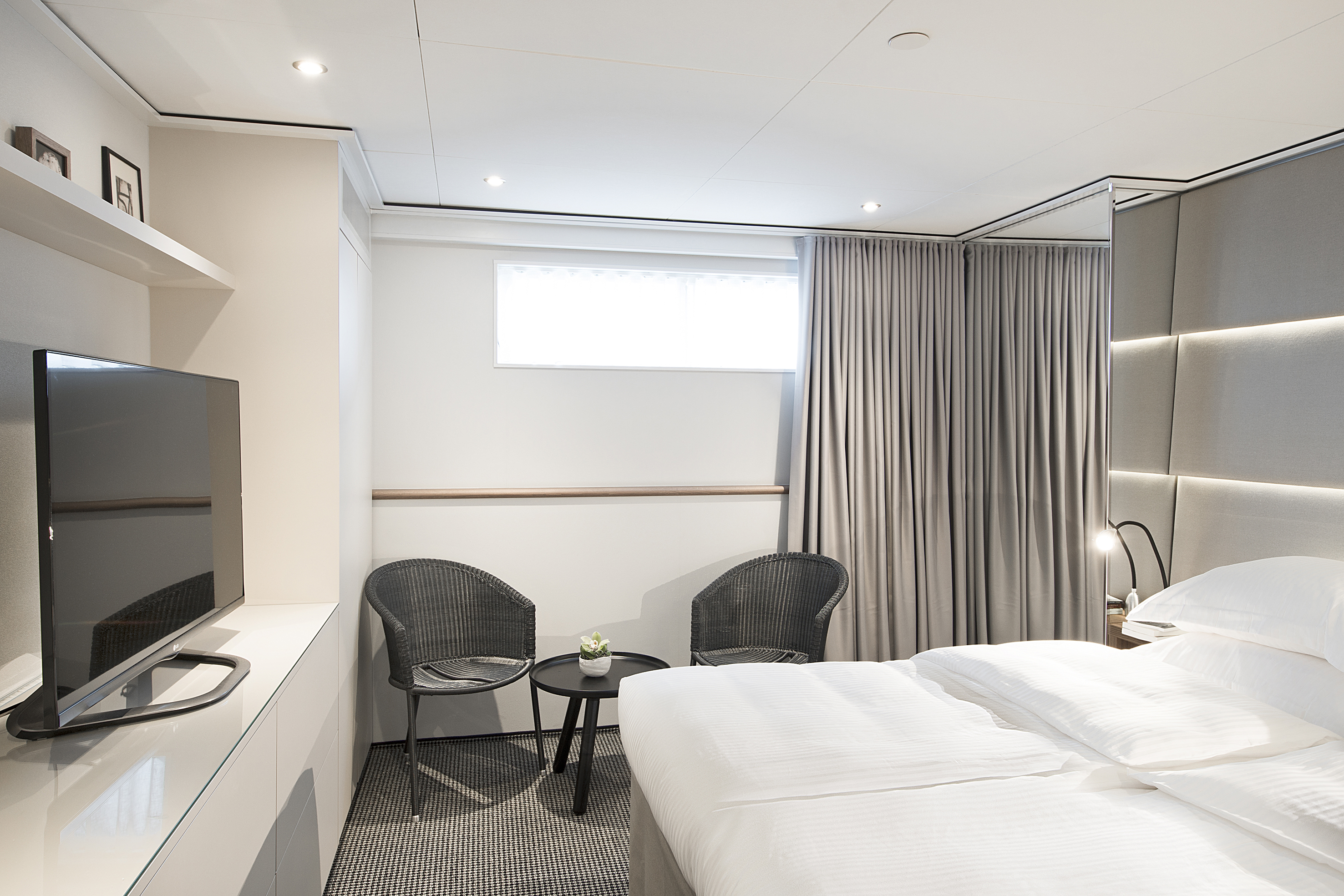
Emerald Stateroom
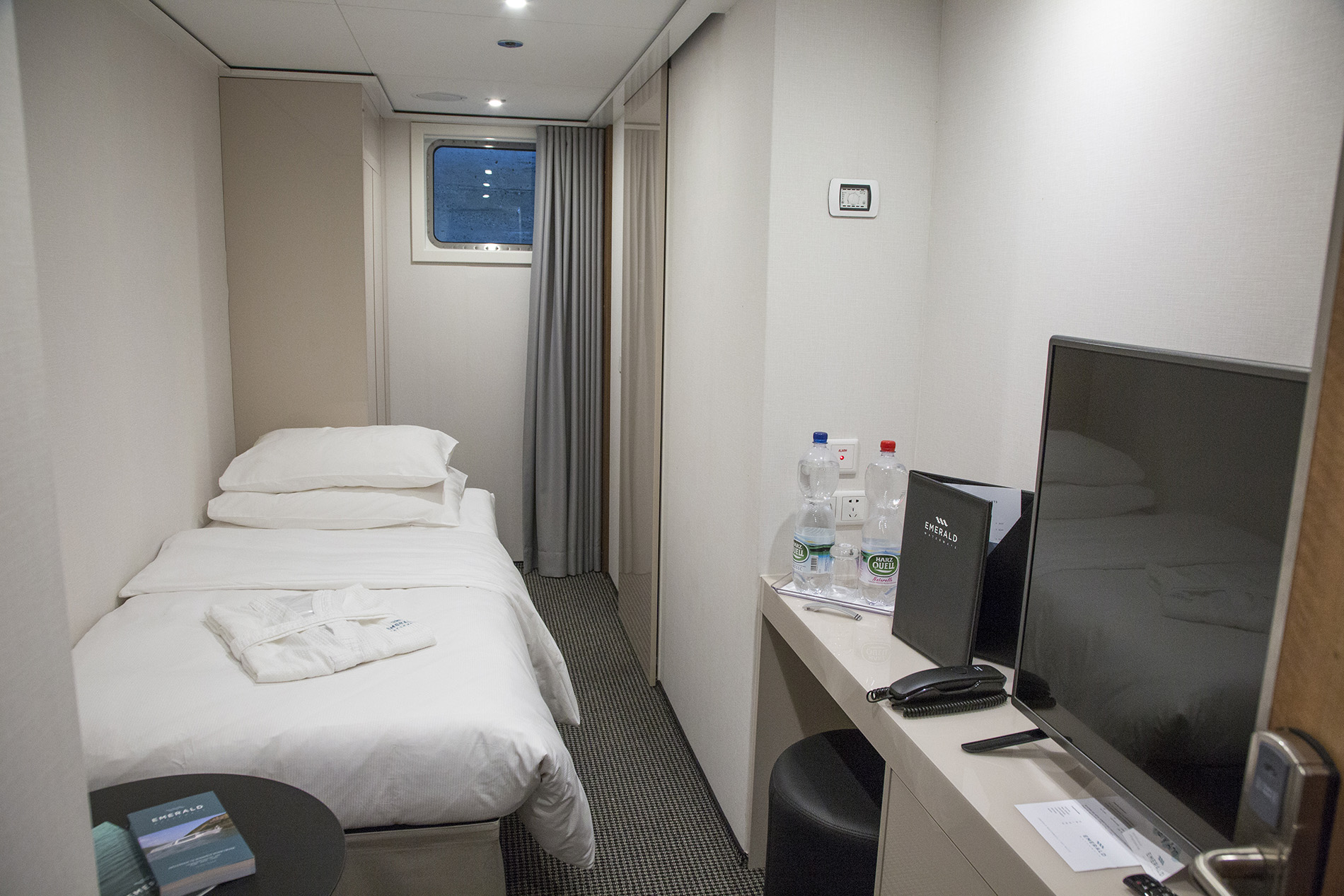
Emerald Single Stateroom
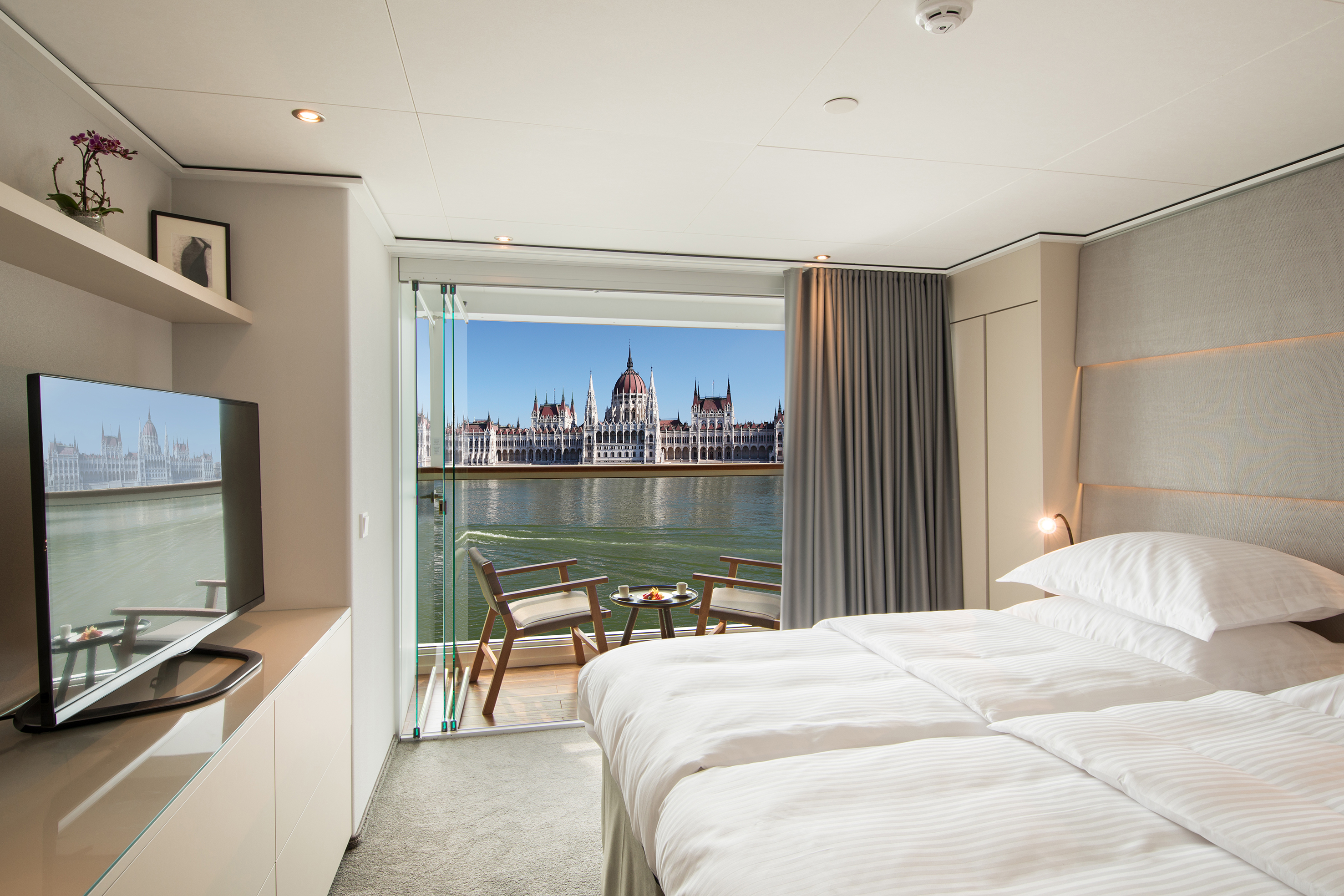
Grand Balcony Suite
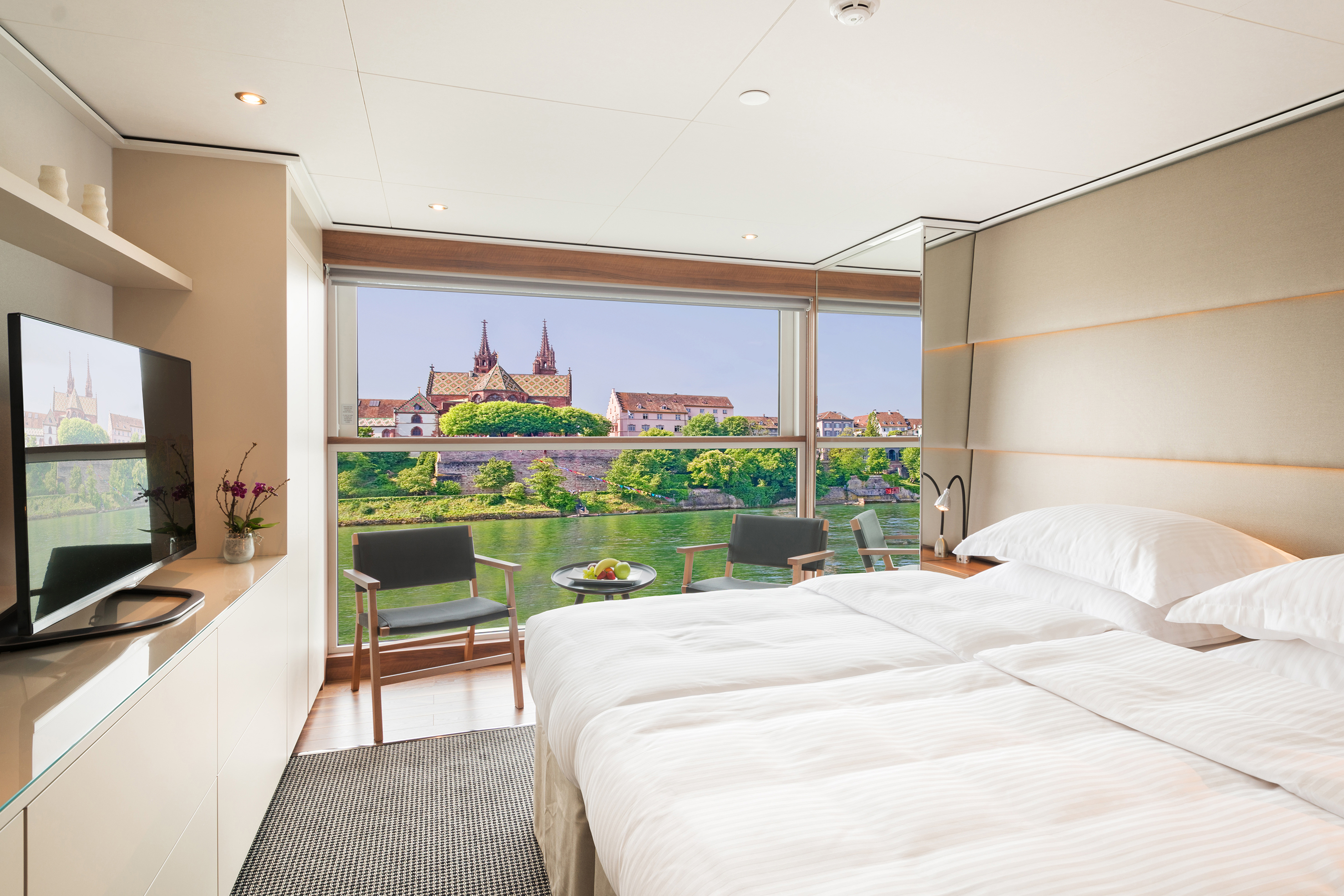
Emerald Panorama Balcony Suite
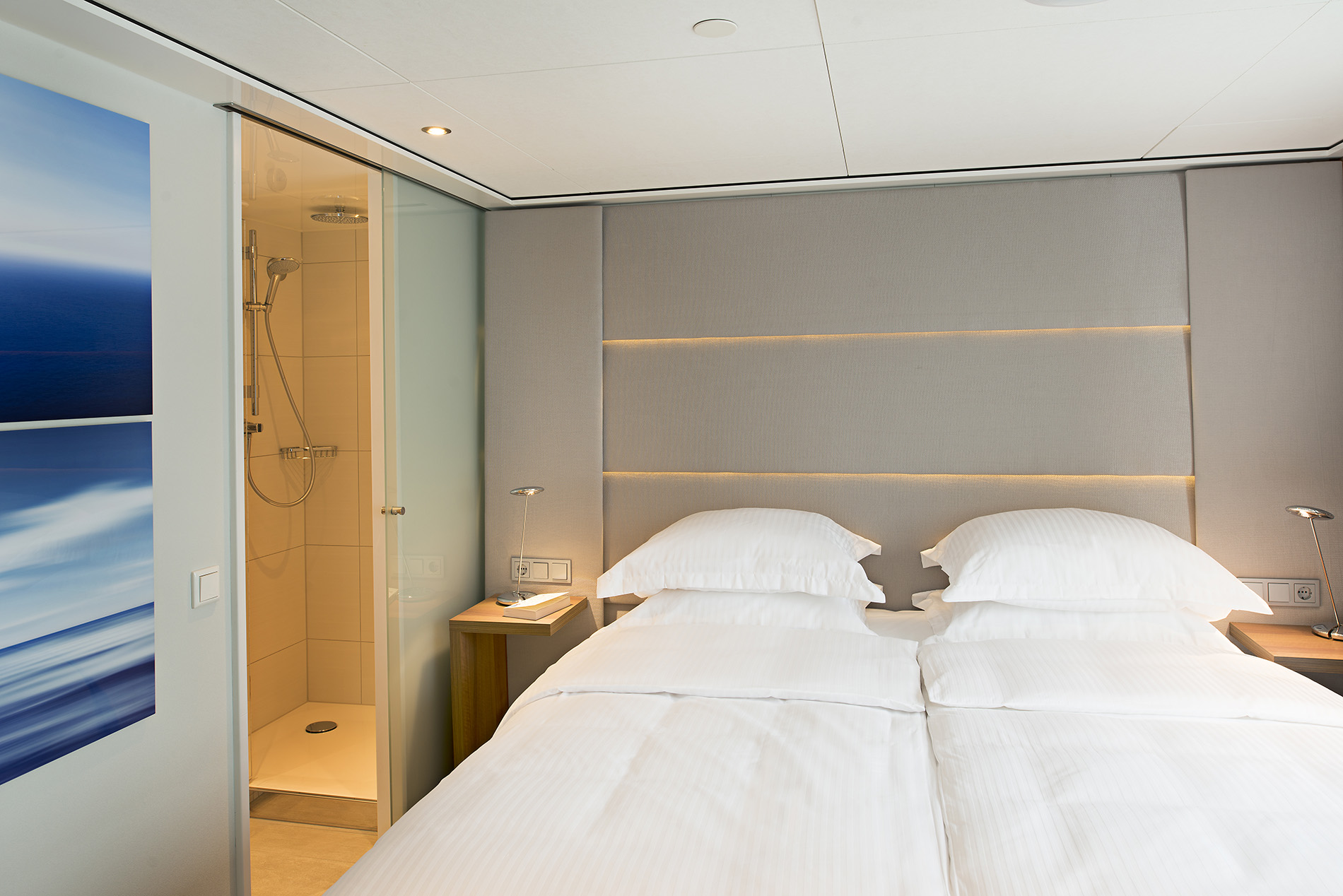
Owner's One-Bedroom Suite
Ship Facilities
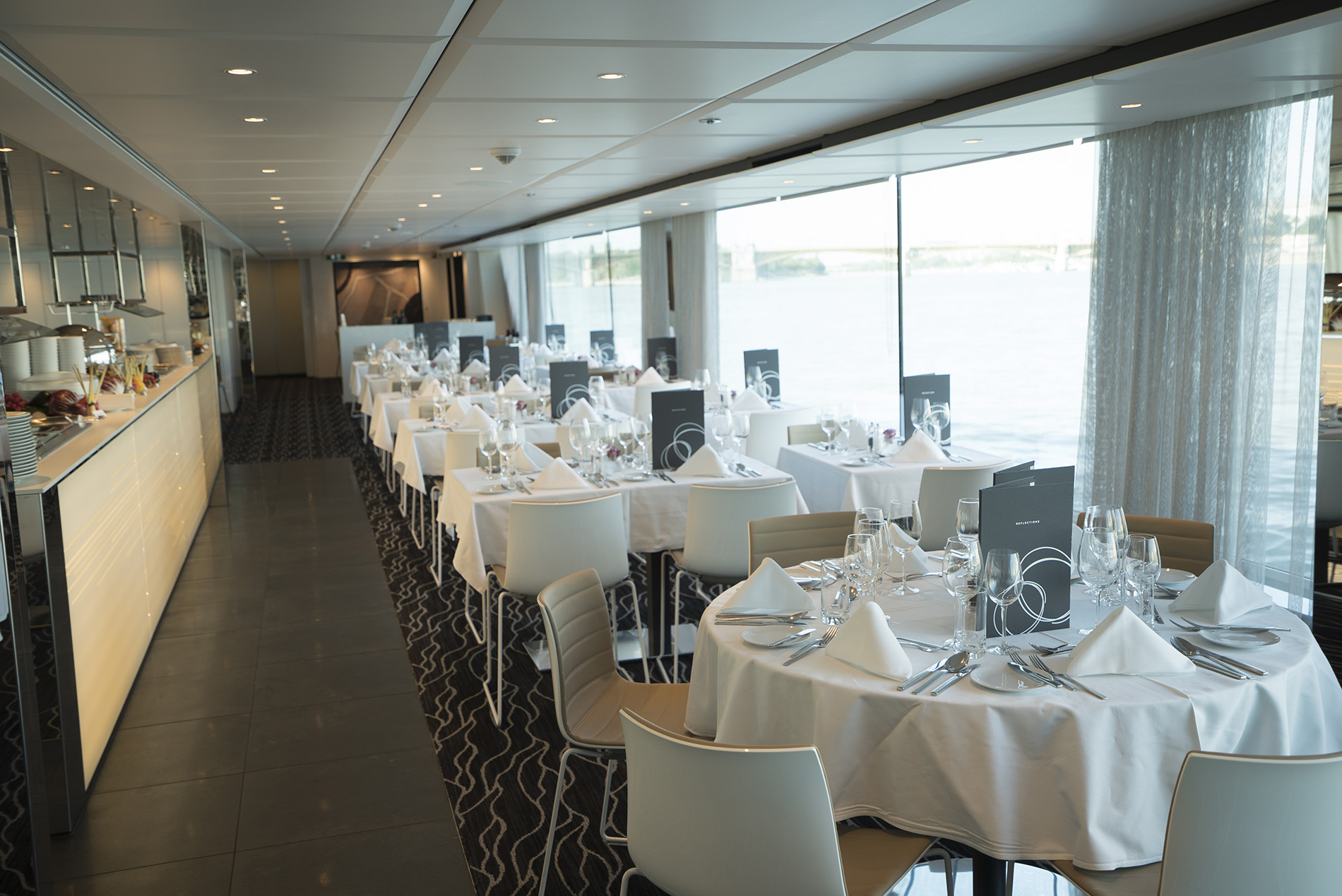
Reflections Restaurant
Our premiere on board dining spot
With open seating and elegant design, our Reflections Restaurant sets the benchmark in on board dining across our fleet of boutique Star-Ships throughout Europe and Southeast Asia. Here, savour delightful chef-prepared meals for breakfast, lunch, and dinner, with dishes inspired by local flavours and a few favourites you may recognise from home.
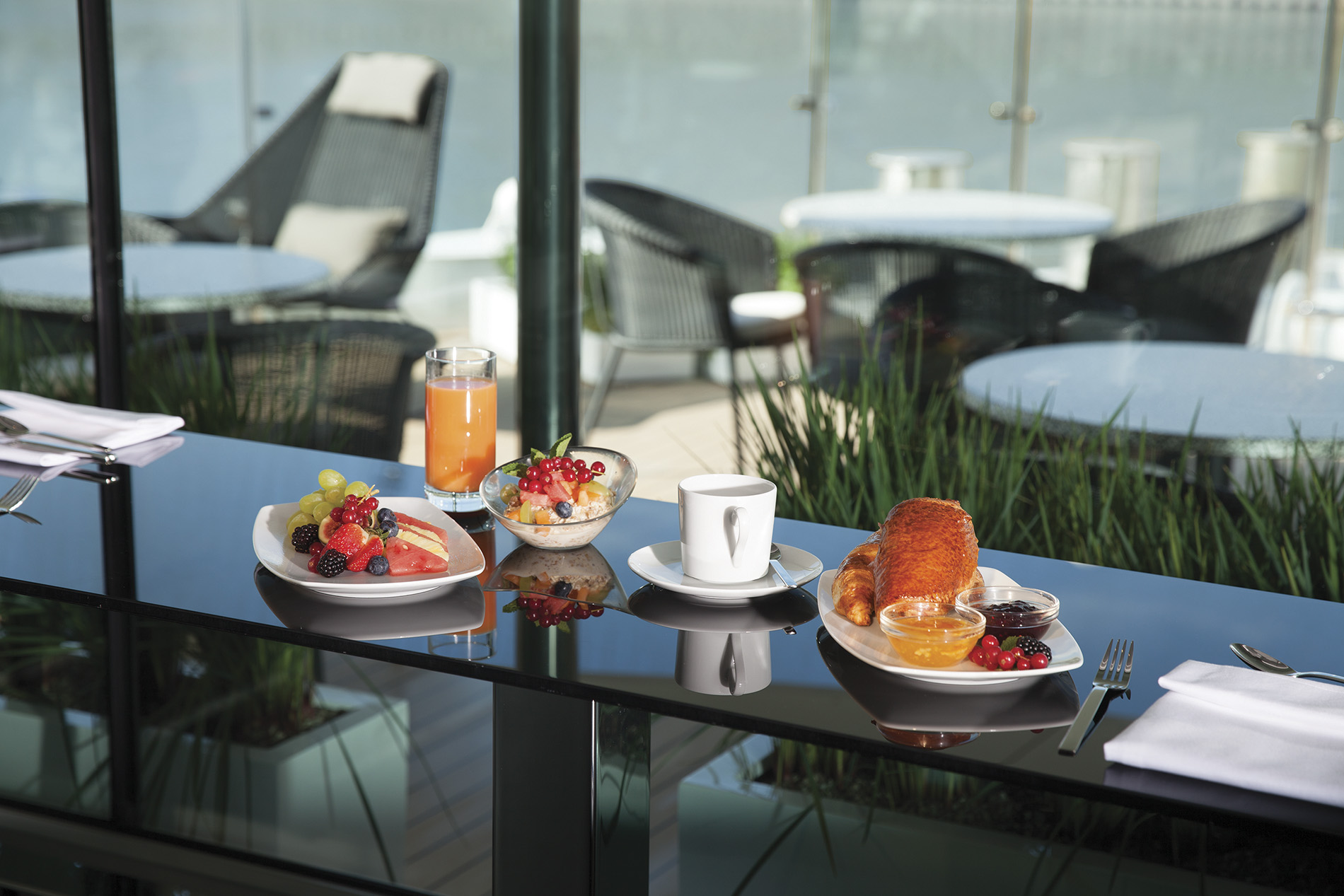
The Terrace
Dine alfresco
A beautifully decked area in the forward of our European Star-Ships, The Terrace provides a lovely retreat from which to enjoy a light snack or refreshing drink. Depending on the ship, this partly indoor and outdoor space is a spectacular vantage point from which to soak up the scenery, whatever the weather. This peaceful setting is also a great spot to enjoy a drink as the wonders of the landscape pass by.
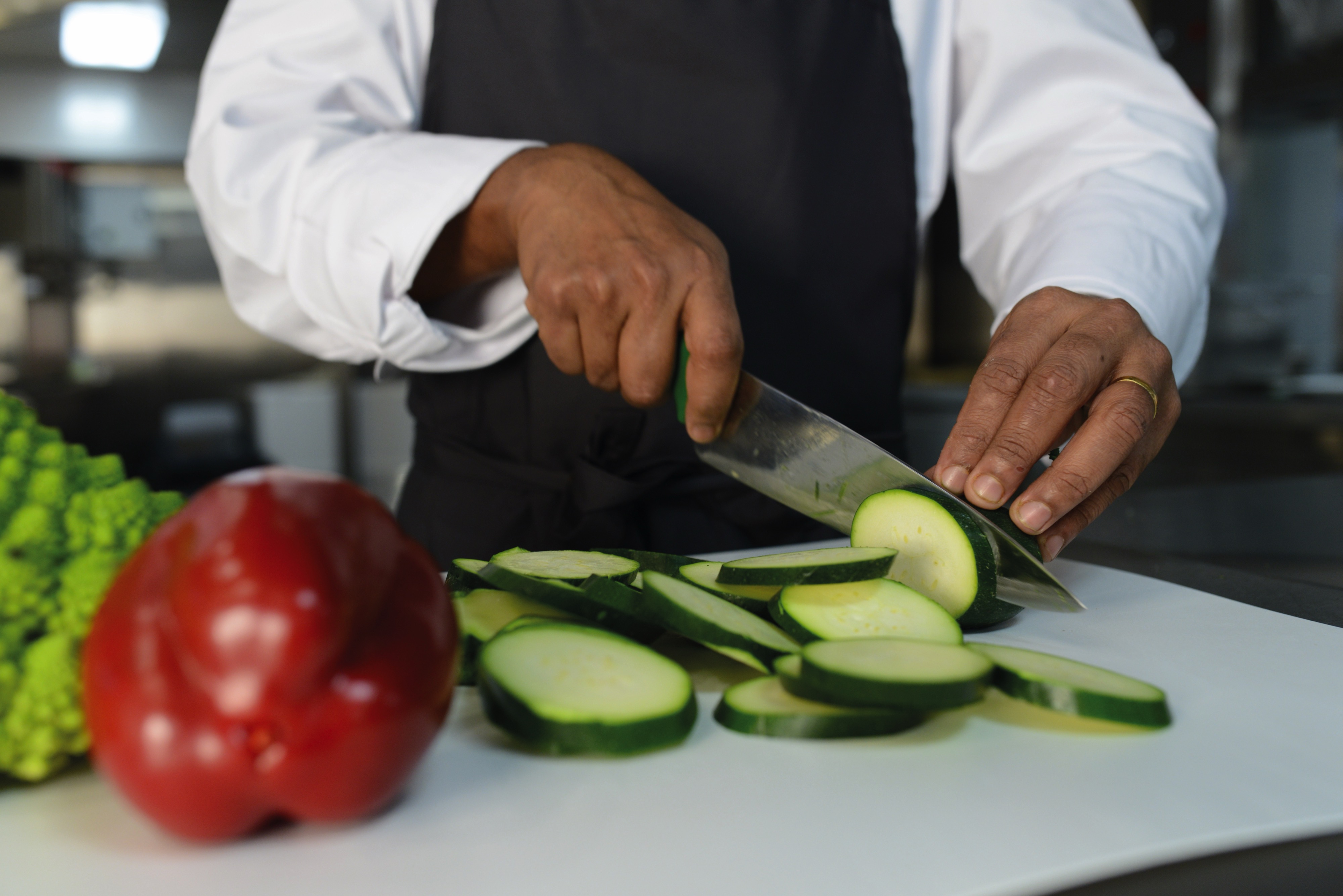
Healthy Dining
The freshest ingredients
Dine on delectable meals made with fresh, locally sourced produce.
Lunch with a view
Enjoy healthy meals while soaking in the stunning views and fresh air.
A range of dietary options
Sample amazing vegetarian, vegan, and gluten-free meal options^. ^Please inform your crew of any dietary requirements.
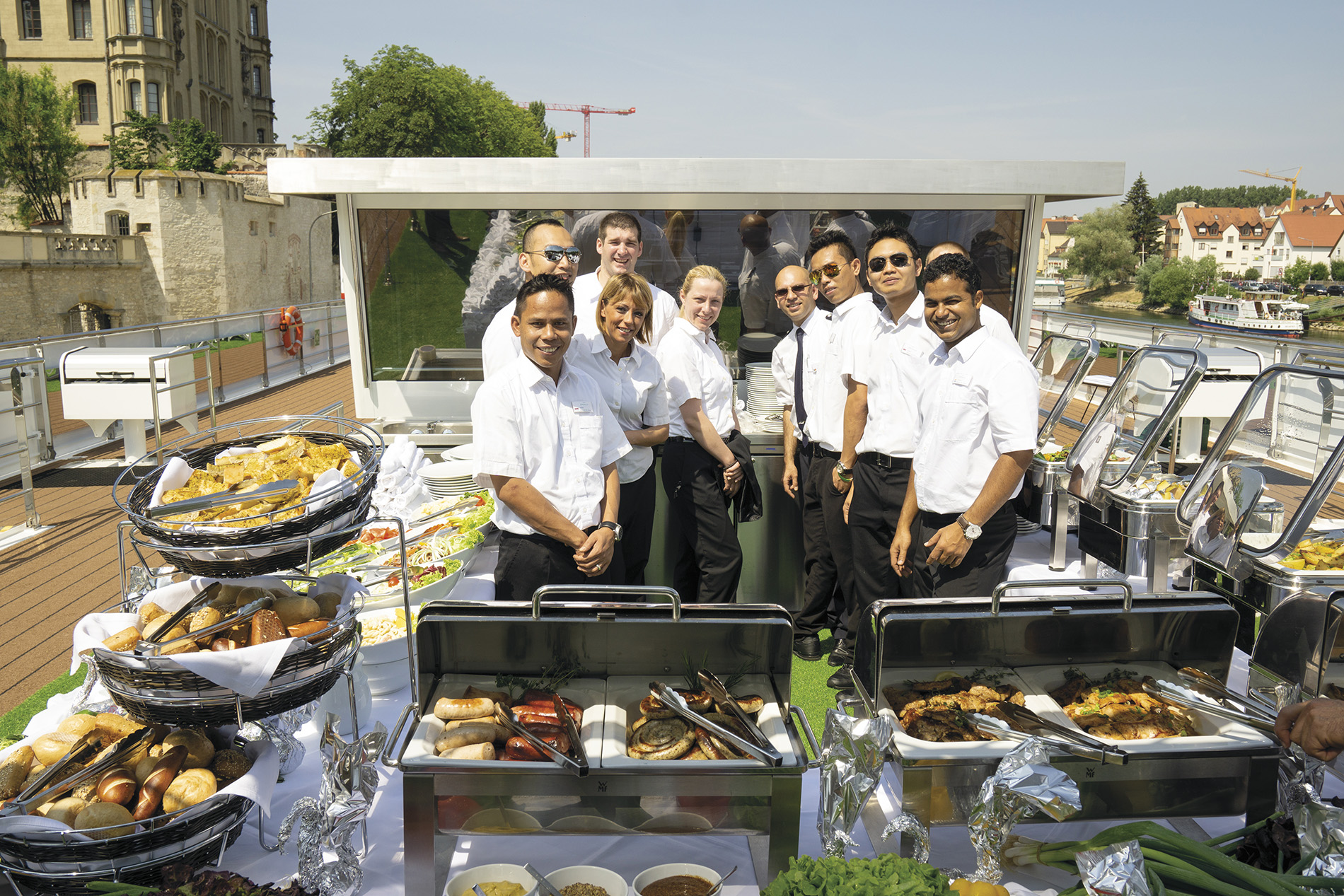
Sky Barbecue
The Sky Barbecue can be found on the Sun Deck.
DiscoverMORE
Delve deeper and DiscoverMORE
Every aspect of our river cruise DiscoverMORE programme is designed to bring you closer to the heart of local life, discovering hidden gems and rare insights that go beyond ordinary travel encounters.
For those who want to experience even more of each destination, DiscoverMORE provides in-depth excursions and experiences which complement those provided by our EmeraldPLUS and EmeraldACTIVE programmes. These optional events can either be booked before you go or while you’re on board and are available at an additional cost.
Each one of our cruise itineraries features complimentary experiences in a wealth of destinations, from UNESCO World Heritage-listed sites to insightful walking tours.
Additional to these included experiences, our extra-special collection of DiscoverMORE excursions enable you to explore each location at a deeper level, offering a unique insight into the region and immersing you in local life.
We advise you to book before you travel to secure your place on your chosen excursion or confirm your choice with your tour manager on the day of embarkation.
EmeraldACTIVE
Explore Europe with EmeraldACTIVE
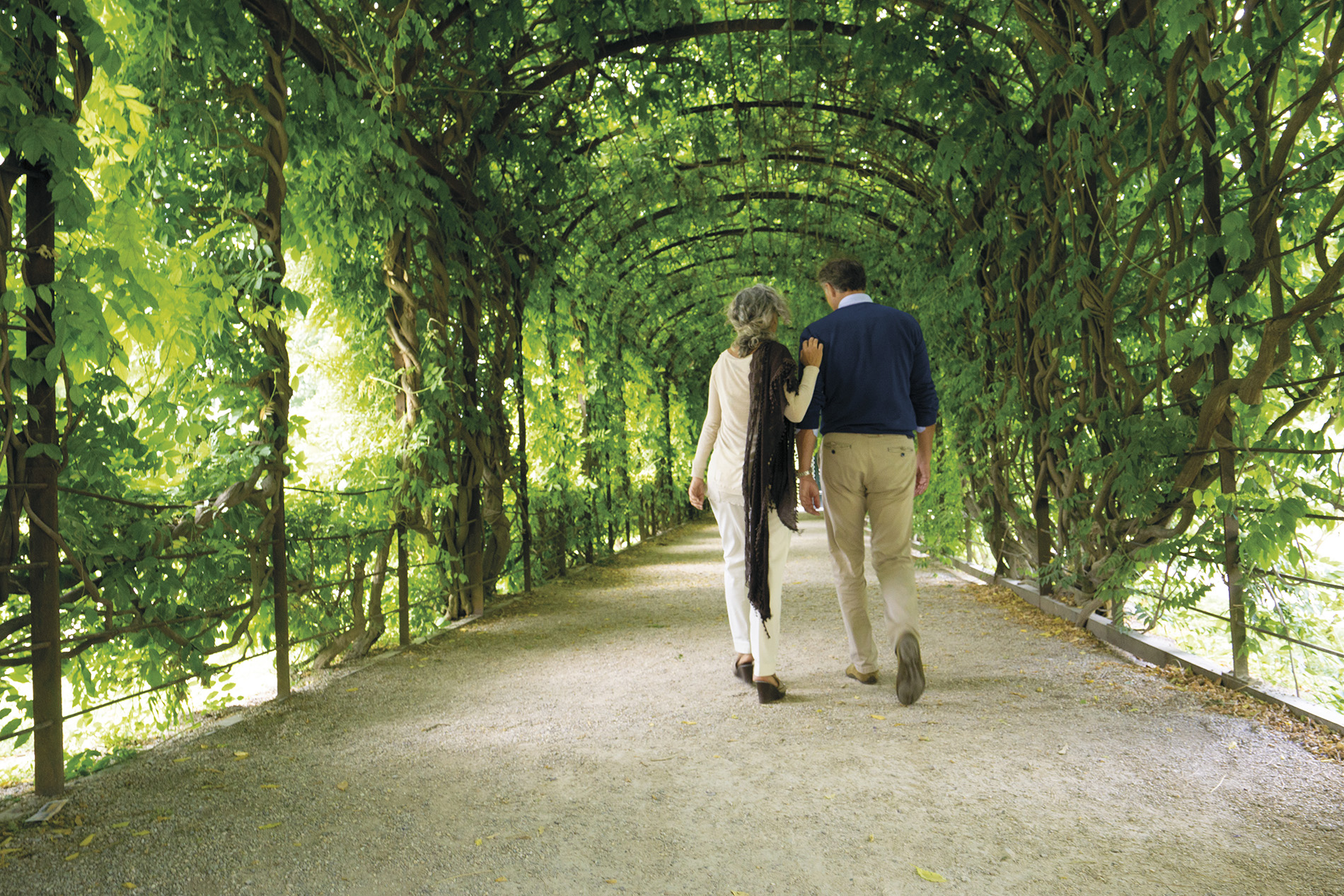
Perfect for guests who like a faster pace, our exclusive – and included – EmeraldACTIVE program provides river cruising guests with the opportunity to experience each destination from a different perspective. Join guided hikes, bike rides, and canoeing experiences, and see a new side to each destination. Explore rolling vineyards, and cobblestone streets, and take to the water by canoe. It’s all available at no extra cost on our Europe river cruise collection.
On board, you’ll also have access to your Star-Ship’s wellness and fitness centre, and on selected sailings, you’ll have the opportunity to join your on board wellness team for guided fitness classes.
Wellness experiences on board your European Star-Ship
Our activity managers and wellness coaches will elevate your river cruising experience, working closely with their cruise directors to enhance the EmeraldACTIVE program, leading daytime classes on board, like yoga, Pilates, and aqua aerobics.
You’ll also have access to bicycles, used on your guided cycling tours and also available for independent exploration. For our guided hikes, or independent strolls, you’ll find trekking poles in your suite or stateroom.
Head to the innovative indoor heated pool^, complete with a retractable roof, allowing you to enjoy the river breeze on warmer days, and a propulsive current, enabling you to swim for as long as you like. And on the Sun Deck, sharpen your golfing skills at the putting green^, and get your steps up as you take in the views of the surrounding riverbanks from the walking track..
^Emerald Radiance on the Douro River does not have an indoor heated pool or putting green. Instead, you’ll find the spa-style Serenity Pool on the Sun Deck.
EmeraldPLUS
Immerse yourself in new experiences with EmeraldPLUS
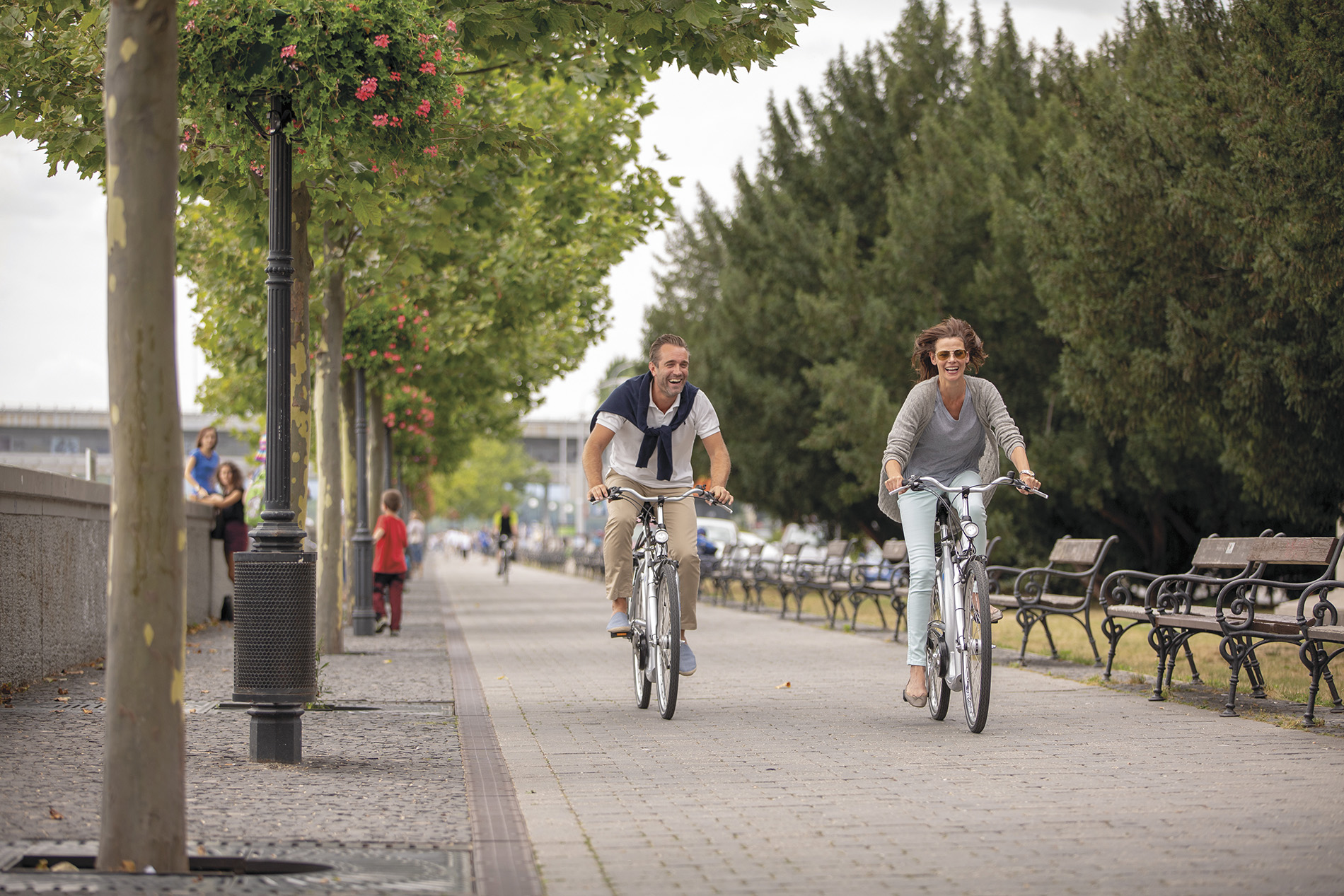
Taking you into the heart of local life, our included EmeraldPLUS excursions and experiences provide a fascinating insight into the authentic customs and traditions along the rivers of Europe and Southeast Asia.
Our journey planners have sought out hidden gems that you may not have discovered without a local expert. Providing a rare insight into each destination these included experiences are certain to be one of the highlights of your Emerald Cruises river cruise.
EmeraldPLUS experiences will take you deeper into the local culture. You’ll enjoy exclusive social events with the locals, tours of significant landmarks, as well as special on board performances and workshops, and much more.
Included Excursions
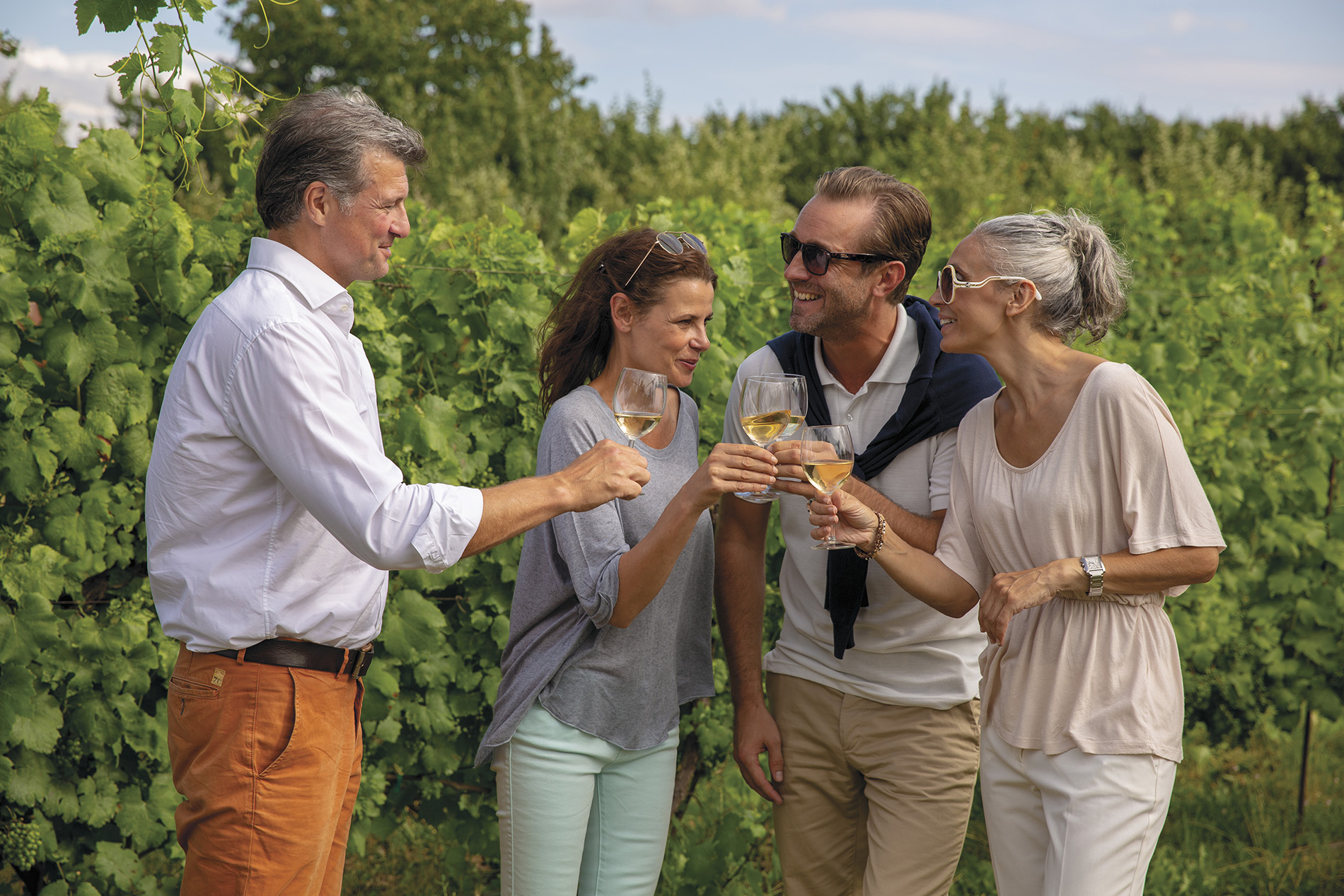
Each marvellous itinerary features included excursions and experiences designed to showcase the best of the city or town. Hand-selected by Emerald Cruises & Tours Journey Designers, these shore excursions are led daily by expert local guides providing meaningful insight and authentic experiences in thoughtfully sized groups. Explore vibrant cities and medieval towns, visit World-Heritage listed landmarks and ancient ruins, and be awed by towering cathedrals and riverside vineyards.
Daytime Pool & Bar/Evening Cinema
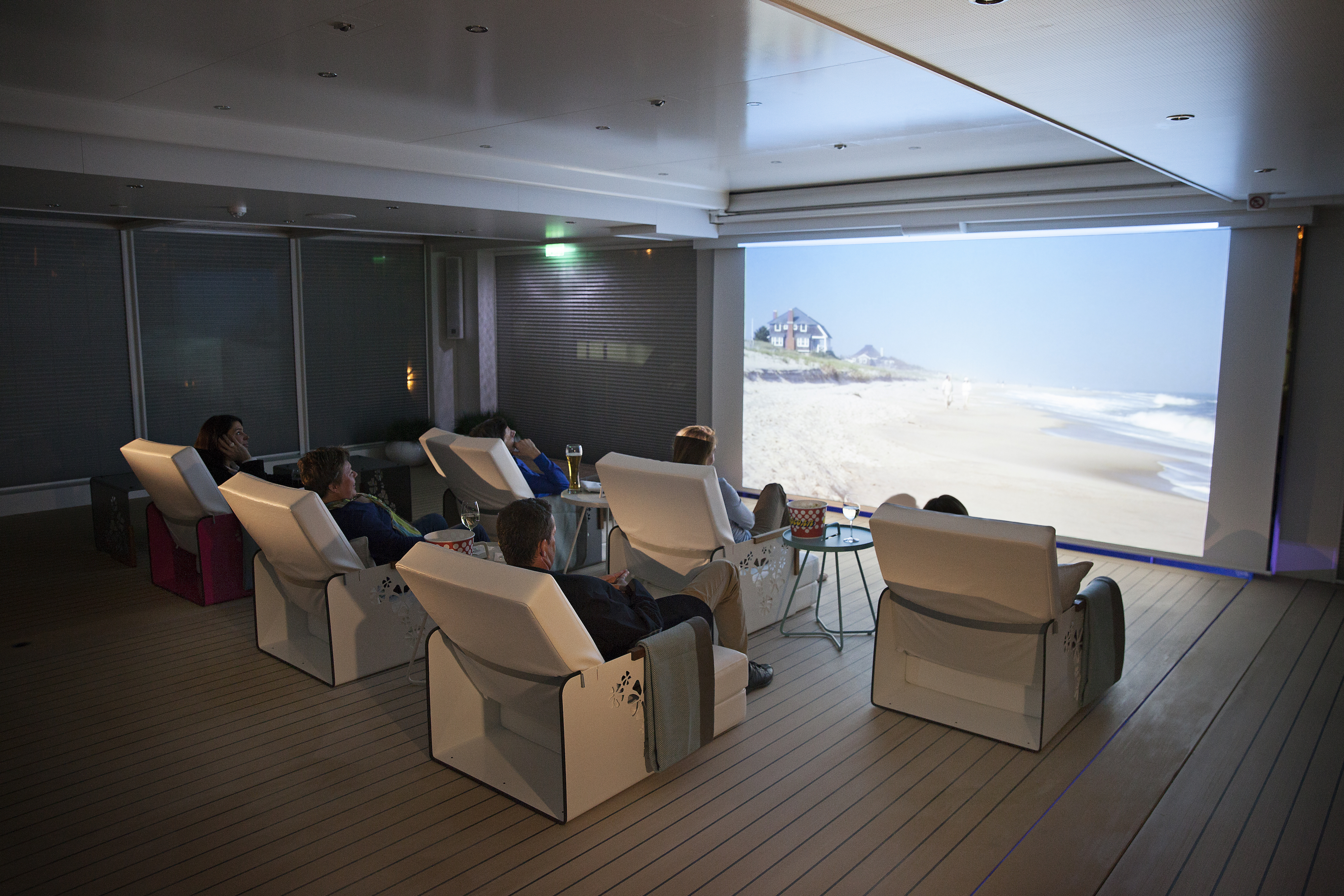
Exclusive to Emerald Cruises Star-Ships cruising Central Europe and France, the innovative heated indoor pool with is a tranquil haven to swim and take in the passing river views by day. As dusk falls, the floor gently rises to cover the pool, and the space transforms into an intimate cinema or Riverside Lounge – a blissful setting to enjoy magical vistas, read, or socialise to gentle music and soft lighting. Morning stretch sessions will also invigorate you, before seamlessly transforming back into a luxurious pool for the day. Enjoy a touch of innovation on board your Emerald Cruises Star-Ship in Central Europe and France with the heated indoor pool. With expansive river views, it is a tranquil setting to relax by day and on select evenings, the space transforms into a cosy indoor cinema.
Horizon Bar and Lounge
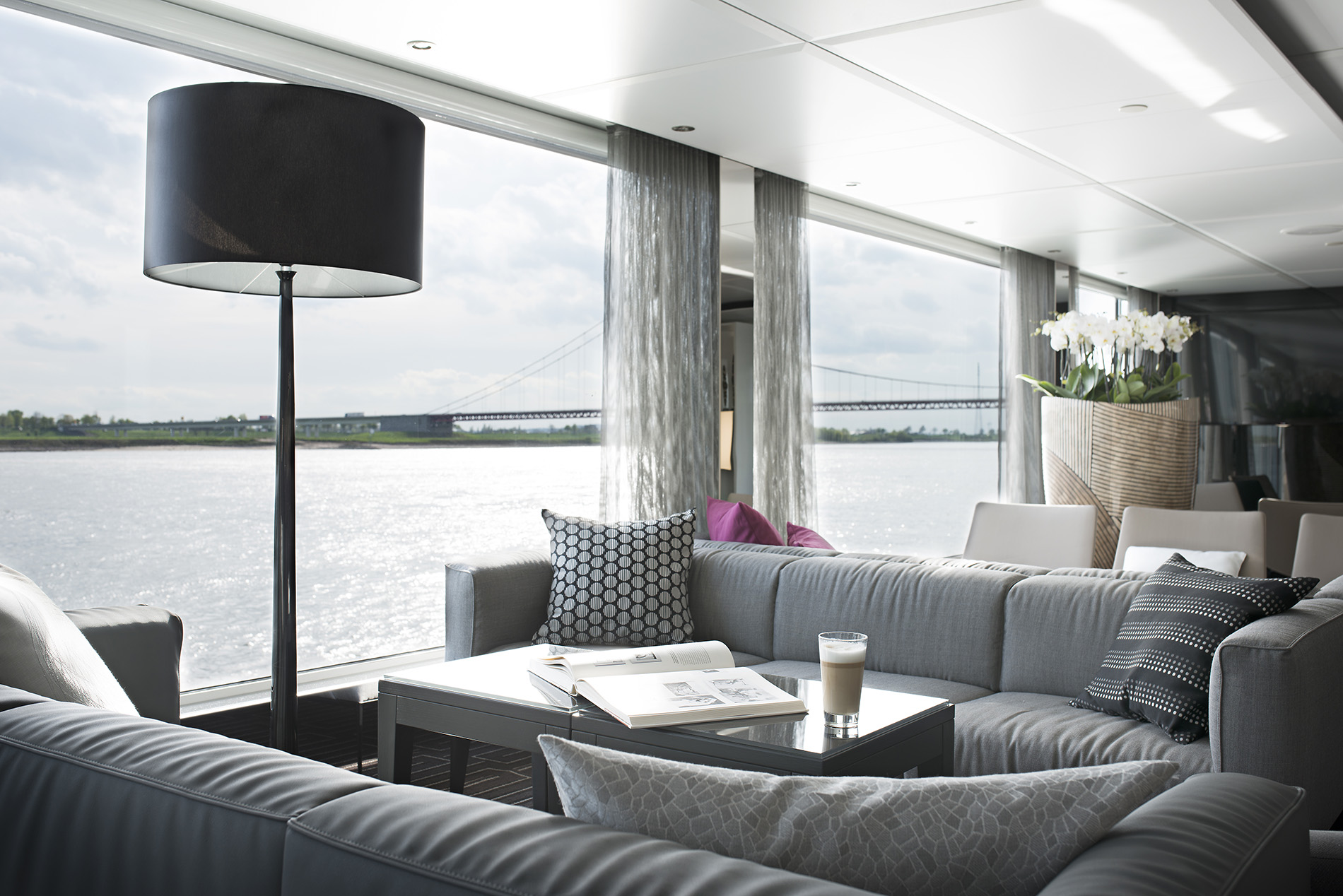
Peruse our extensive drinks menu from the comfort of the Horizon Bar, the principal lounge area on board our boutique Star-Ships. Fitted with comfortable seating, a well-stocked bar and dancefloor and entertainment space, this is the premier spot to relax, unwind or dance the night away at the end of another exceptional day on the river. During the day, you’ll also find unlimited coffee and speciality teas here
Relax, socialise and dance the night away in the contemporary lounge and bar. On selected nights enjoy evening entertainment or simply relax and unwind with your favourite drink from the well-stocked bar. Throughout the day, you can enjoy complimentary tea and coffee, making this an inviting space to pause, connect and take in the on board comforts.
Sun Deck
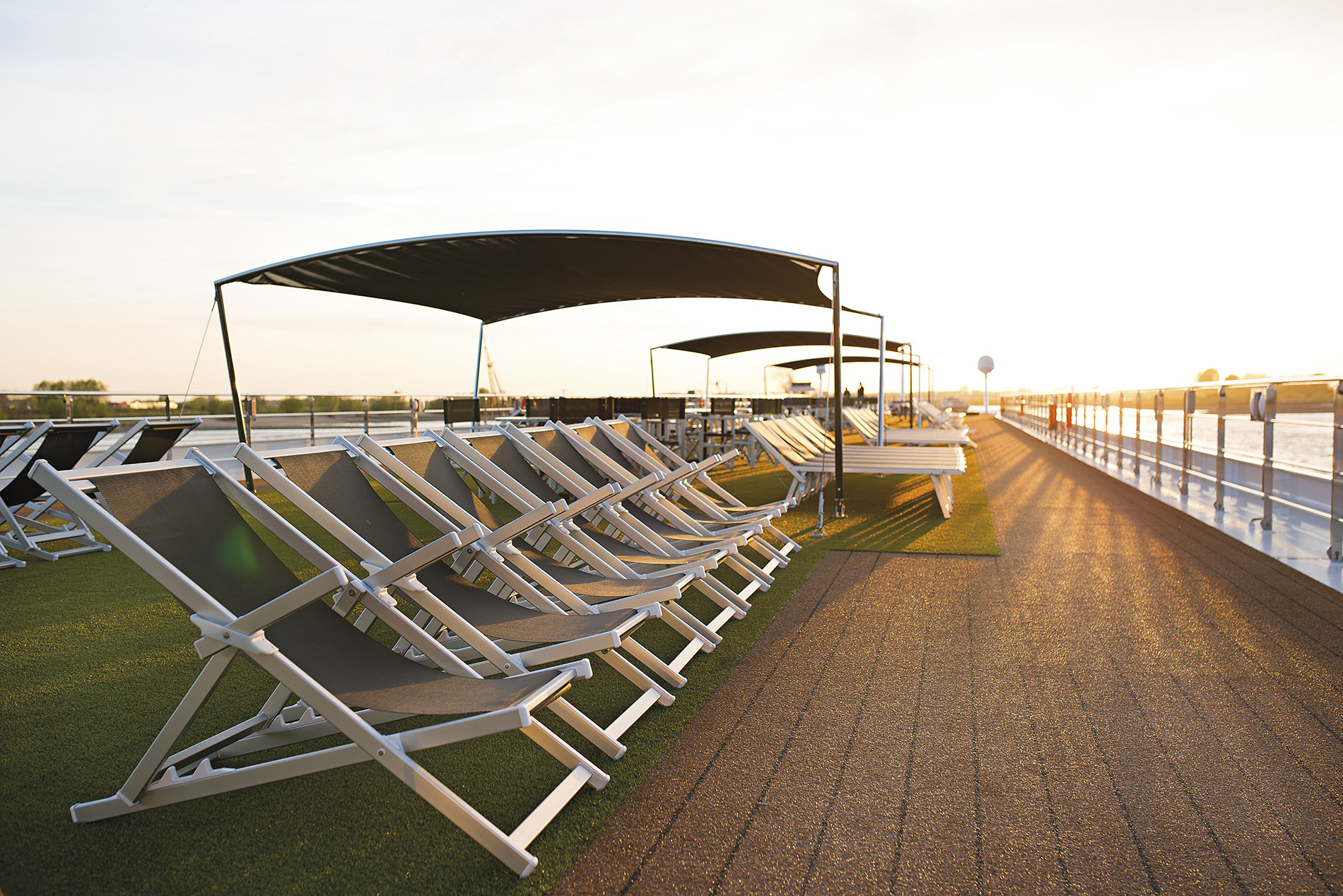
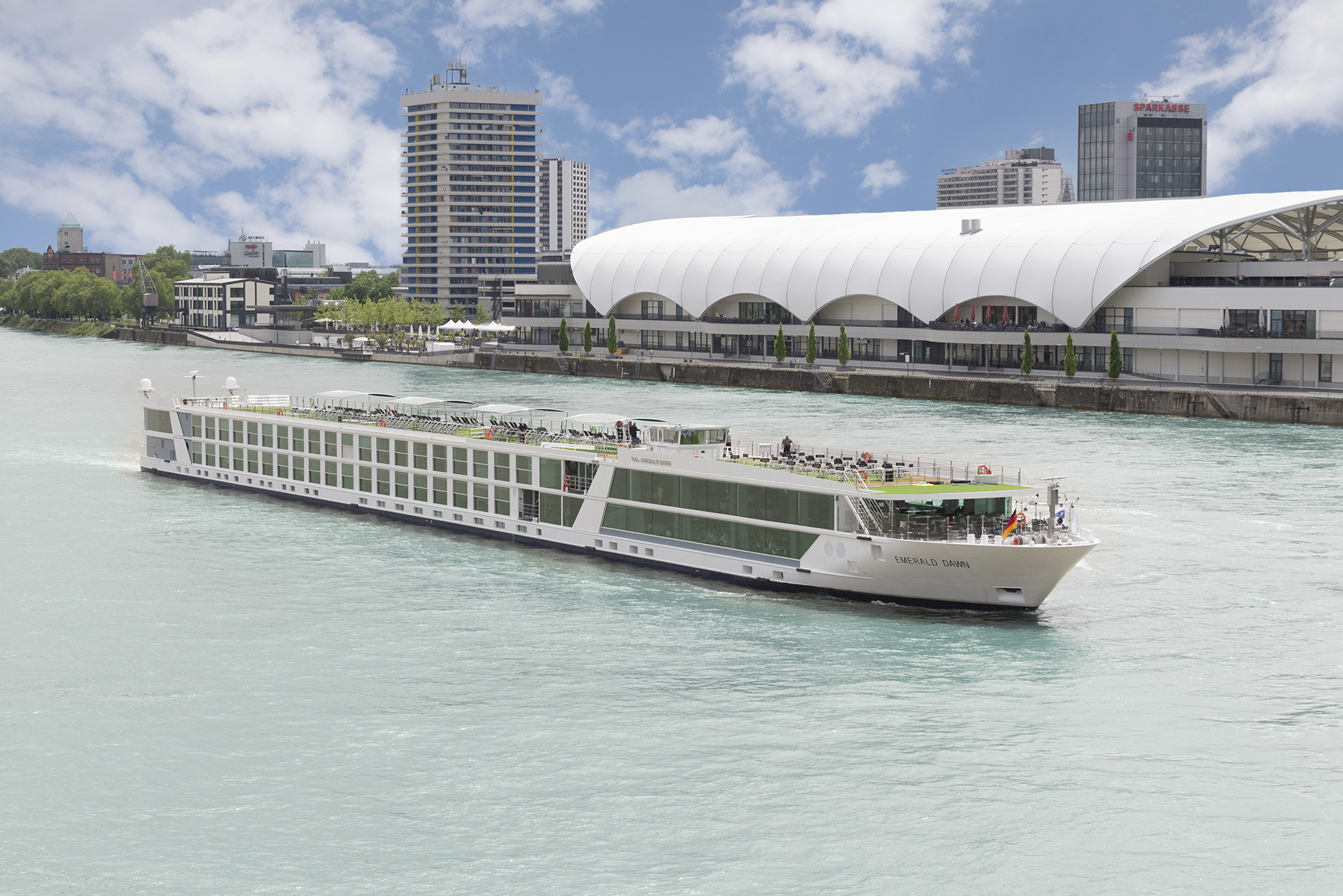
The Sun Deck is your panoramic outdoor space on-board Emerald Sun and Emerald Dawn, a place to relax, unwind and take in inspiring views of the river. Complete with deck chairs, walking track and games area, you’ll find the Sun Deck at the very top of your Emerald Star-Ship.
Games Area and Golf Putting Green
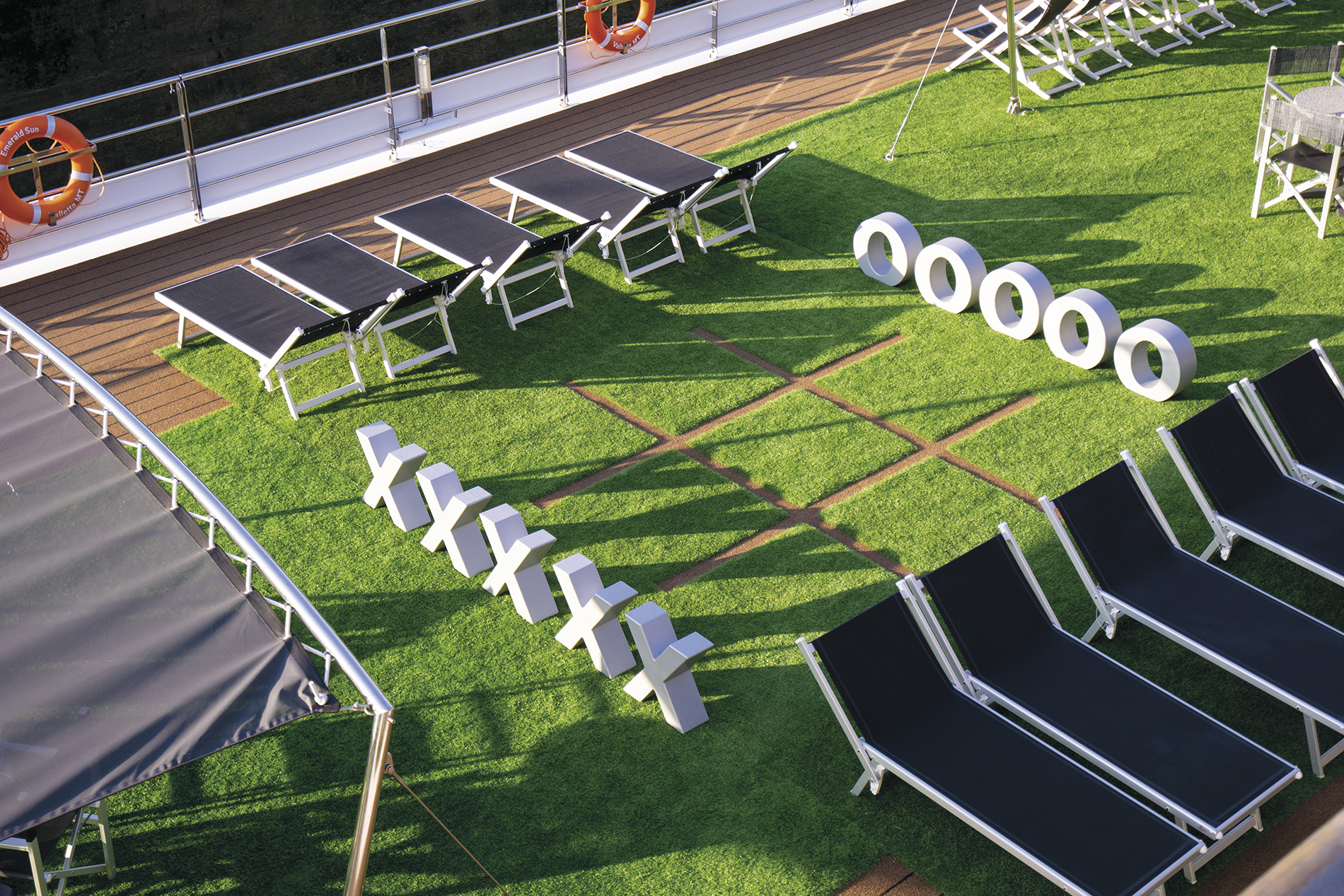
Feel free to enjoy our games area and golf putting green. It’s the perfect way to enjoy the scenery while you challenge new-found friends.
Reception
If you want to purchase a drinks package, enquire about a DiscoverMORE excursion or simply catch-up with our friendly crew, you’ll always receive a warm welcome in our on-board reception area.
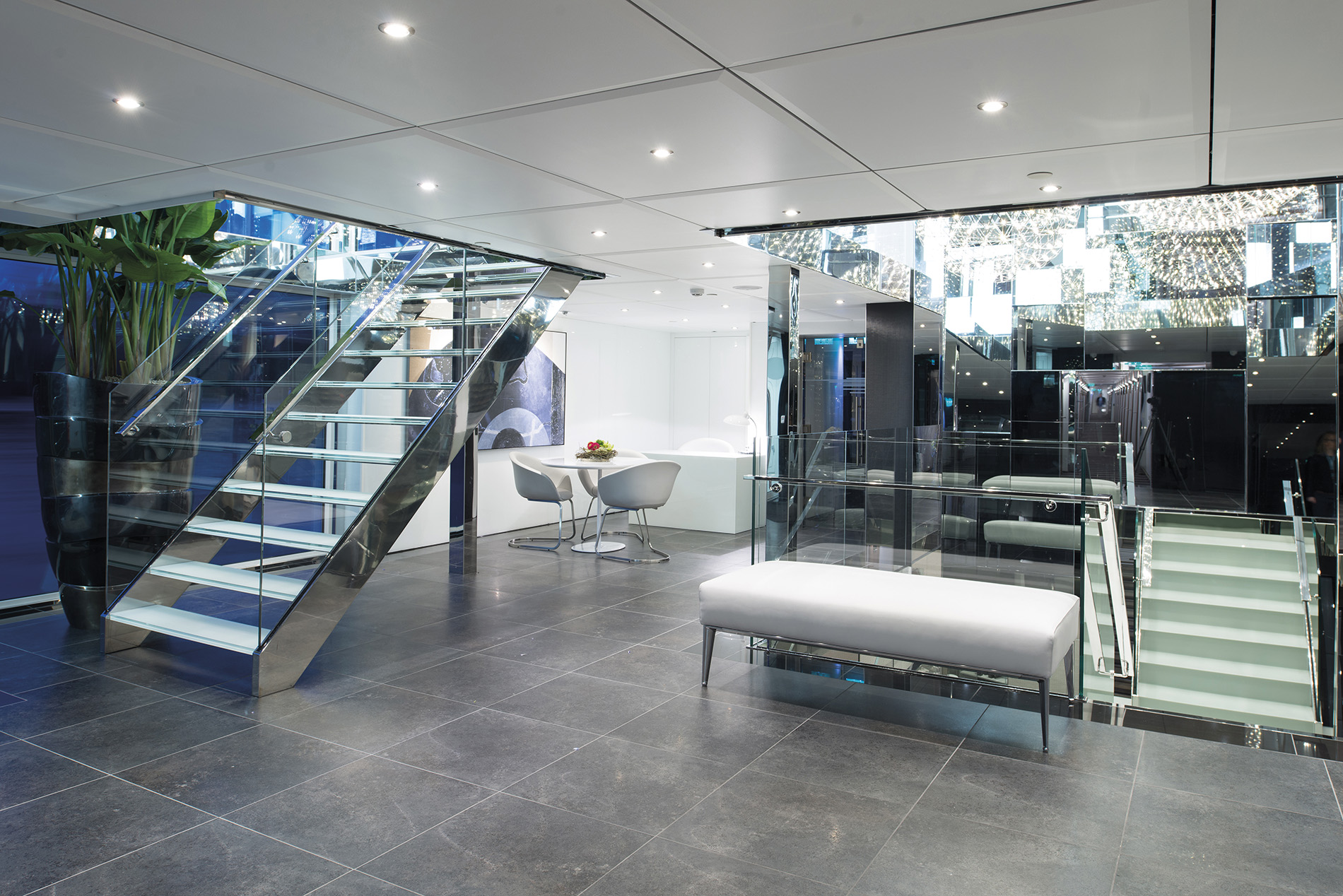
Emerald Serenity Pool
Designed for Portugal’s warm climate, Emerald Radiance features a luxurious spa-style Serenity Pool on the Sun Deck, ideal for a refreshing dip as sun-drenched landscapes glide by. Morning wellness sessions set a tranquil tone for the day, and on movie nights this alfresco retreat transforms into an open-air cinema, with films playing beneath a canopy of stars.
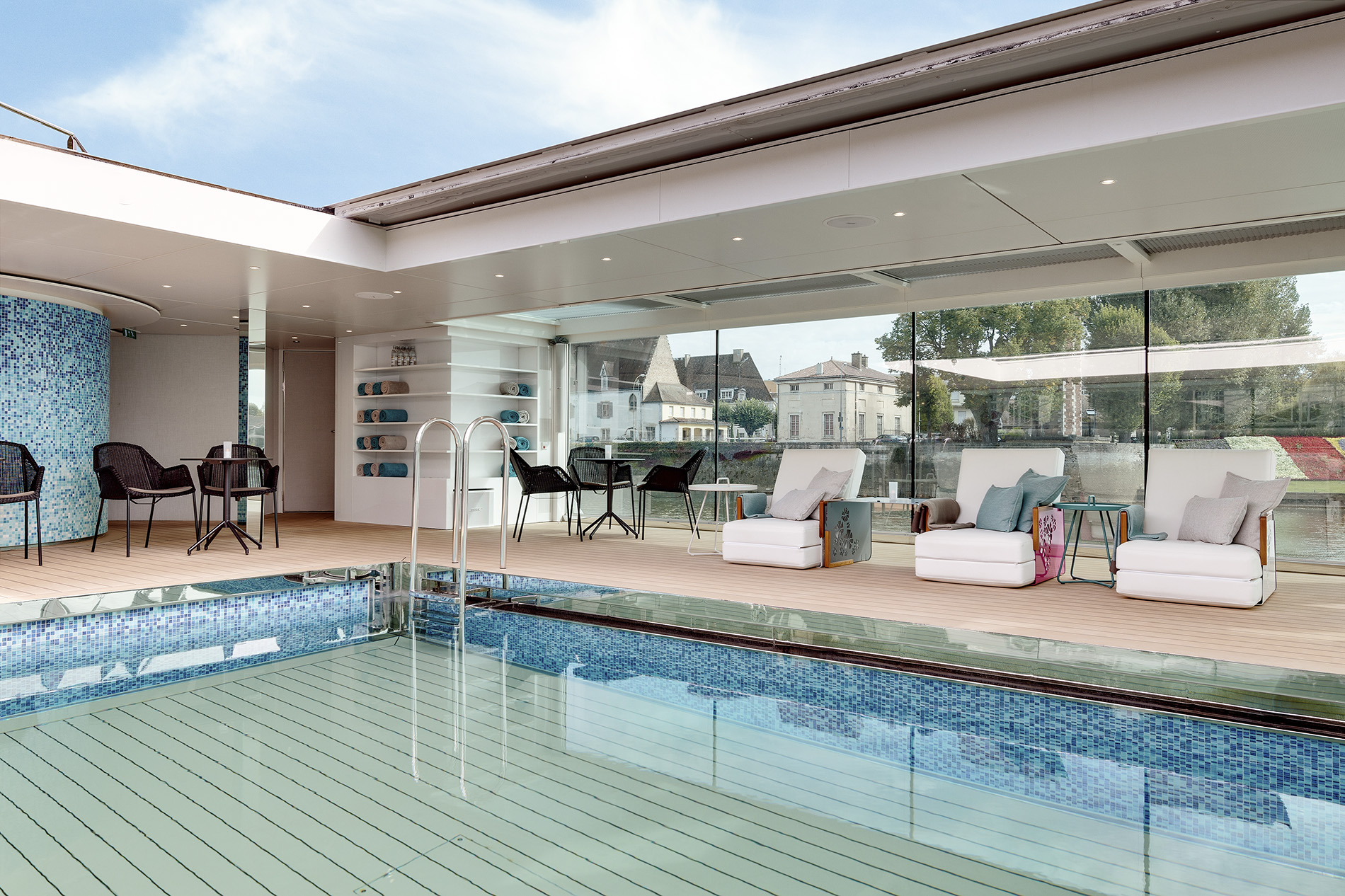
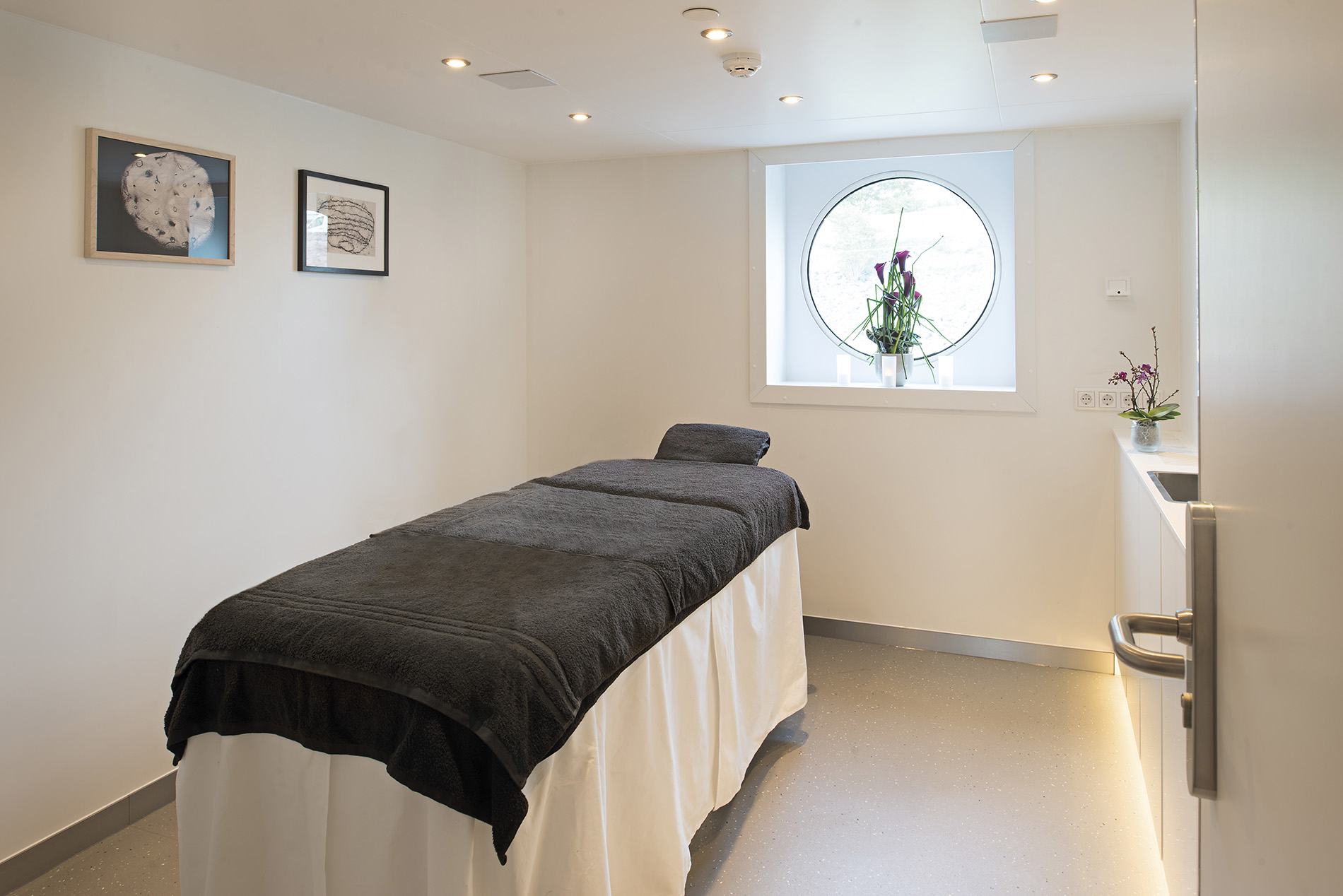
Wellness Area
A space dedicated to mind, body, and soul. Stay active on board with a fitness session in the well-equipped gym, or indulge in a blissful range of relaxing and invigorating spa treatments (at an additional cost).
A relaxing massage
Unwind with a massage courtesy of our expertly trained masseuses.
A dedicated space
Settle into a professional massage therapy room designed around serenity.
Every thoughtful detail
From soft gowns to luxurious ESPA toiletries, you’ll enjoy unparalleled comfort.
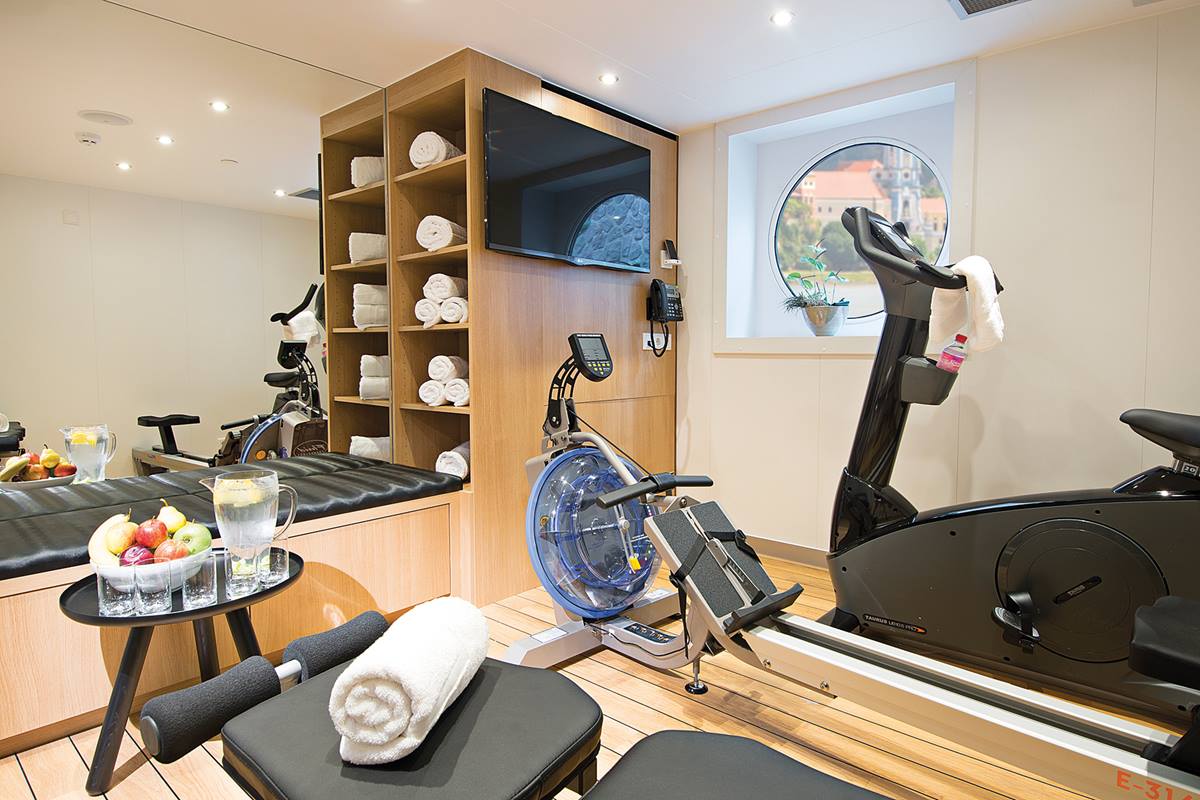
Fitness Area
Your well-equipped gym
Keep up your workout regime in our well-equipped, modern gym.
Hairdressers
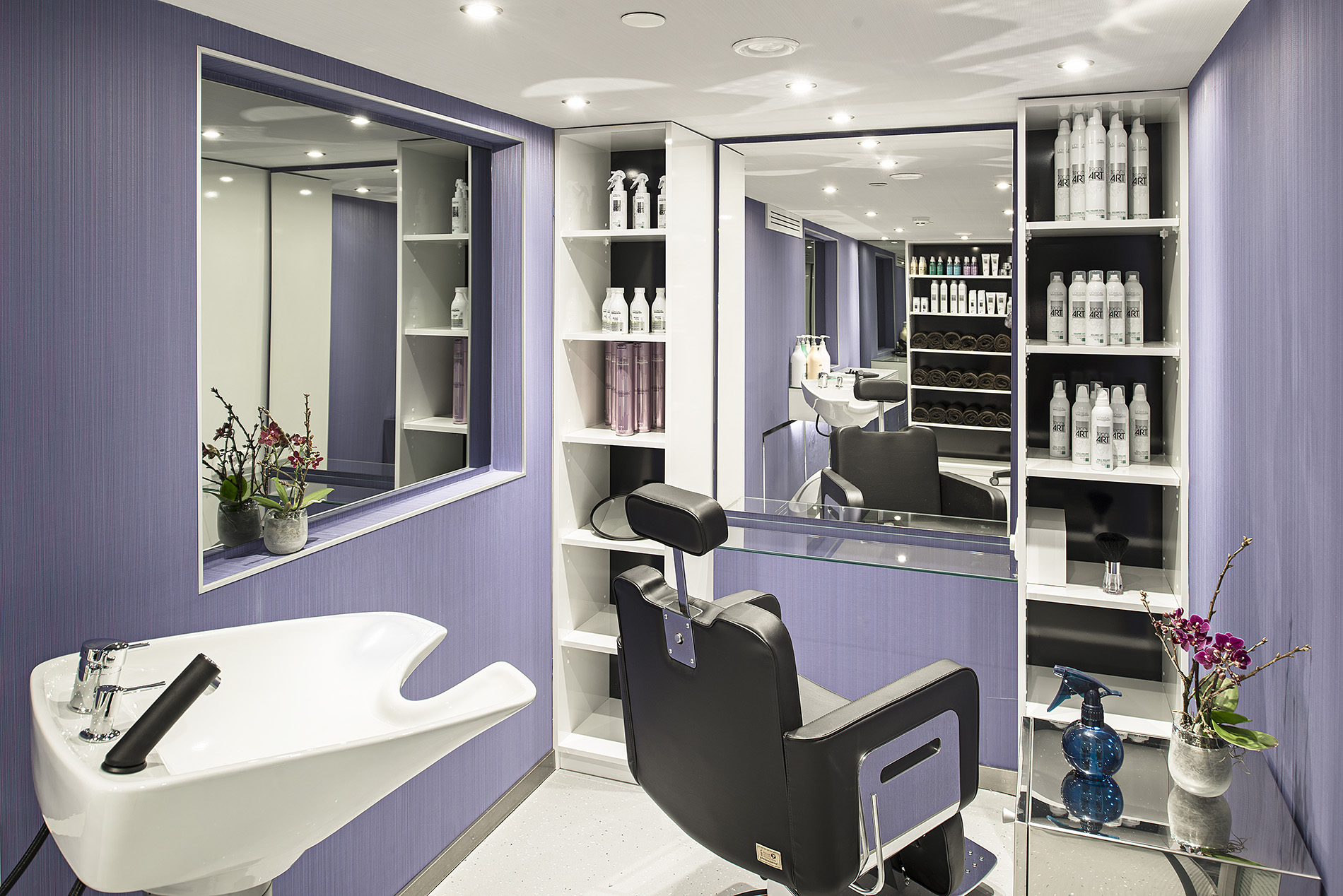
In need of a quick trim during your travels? On-board the Emerald Sun, Emerald Luna and Emerald Dawn, you can treat yourself at any point during your cruise with our dedicated hairdressers – perfect if you’re looking to get spruced up for a special evening.
Walking Track
Stretch your legs and take in the sights as you enjoy a stroll on our purpose-built walking track. Taking you around the outside of the Sun Deck, it’s a great addition for those who like to stay active on their travels.
Reflections Restaurant
Our premiere on board dining spot
With open seating and elegant design, our Reflections Restaurant sets the benchmark in on board dining across our fleet of boutique Star-Ships throughout Europe and Southeast Asia. Here, savour delightful chef-prepared meals for breakfast, lunch, and dinner, with dishes inspired by local flavours and a few favourites you may recognise from home.
The Terrace
Dine alfresco
A beautifully decked area in the forward of our European Star-Ships, The Terrace provides a lovely retreat from which to enjoy a light snack or refreshing drink. Depending on the ship, this partly indoor and outdoor space is a spectacular vantage point from which to soak up the scenery, whatever the weather. This peaceful setting is also a great spot to enjoy a drink as the wonders of the landscape pass by.
Healthy Dining
The freshest ingredients
Dine on delectable meals made with fresh, locally sourced produce.
Lunch with a view
Enjoy healthy meals while soaking in the stunning views and fresh air.
A range of dietary options
Sample amazing vegetarian, vegan, and gluten-free meal options^. ^Please inform your crew of any dietary requirements.
Sky Barbecue
The Sky Barbecue can be found on the Sun Deck.
DiscoverMORE
Delve deeper and DiscoverMORE
Every aspect of our river cruise DiscoverMORE programme is designed to bring you closer to the heart of local life, discovering hidden gems and rare insights that go beyond ordinary travel encounters.
For those who want to experience even more of each destination, DiscoverMORE provides in-depth excursions and experiences which complement those provided by our EmeraldPLUS and EmeraldACTIVE programmes. These optional events can either be booked before you go or while you’re on board and are available at an additional cost.
Each one of our cruise itineraries features complimentary experiences in a wealth of destinations, from UNESCO World Heritage-listed sites to insightful walking tours.
Additional to these included experiences, our extra-special collection of DiscoverMORE excursions enable you to explore each location at a deeper level, offering a unique insight into the region and immersing you in local life.
We advise you to book before you travel to secure your place on your chosen excursion or confirm your choice with your tour manager on the day of embarkation.
EmeraldACTIVE
Explore Europe with EmeraldACTIVE
Perfect for guests who like a faster pace, our exclusive – and included – EmeraldACTIVE program provides river cruising guests with the opportunity to experience each destination from a different perspective. Join guided hikes, bike rides, and canoeing experiences, and see a new side to each destination. Explore rolling vineyards, and cobblestone streets, and take to the water by canoe. It’s all available at no extra cost on our Europe river cruise collection.
On board, you’ll also have access to your Star-Ship’s wellness and fitness centre, and on selected sailings, you’ll have the opportunity to join your on board wellness team for guided fitness classes.
Wellness experiences on board your European Star-Ship
Our activity managers and wellness coaches will elevate your river cruising experience, working closely with their cruise directors to enhance the EmeraldACTIVE program, leading daytime classes on board, like yoga, Pilates, and aqua aerobics.
You’ll also have access to bicycles, used on your guided cycling tours and also available for independent exploration. For our guided hikes, or independent strolls, you’ll find trekking poles in your suite or stateroom.
Head to the innovative indoor heated pool^, complete with a retractable roof, allowing you to enjoy the river breeze on warmer days, and a propulsive current, enabling you to swim for as long as you like. And on the Sun Deck, sharpen your golfing skills at the putting green^, and get your steps up as you take in the views of the surrounding riverbanks from the walking track..
^Emerald Radiance on the Douro River does not have an indoor heated pool or putting green. Instead, you’ll find the spa-style Serenity Pool on the Sun Deck.
EmeraldPLUS
Immerse yourself in new experiences with EmeraldPLUS
Taking you into the heart of local life, our included EmeraldPLUS excursions and experiences provide a fascinating insight into the authentic customs and traditions along the rivers of Europe and Southeast Asia.
Our journey planners have sought out hidden gems that you may not have discovered without a local expert. Providing a rare insight into each destination these included experiences are certain to be one of the highlights of your Emerald Cruises river cruise.
EmeraldPLUS experiences will take you deeper into the local culture. You’ll enjoy exclusive social events with the locals, tours of significant landmarks, as well as special on board performances and workshops, and much more.
Included Excursions
Each marvellous itinerary features included excursions and experiences designed to showcase the best of the city or town. Hand-selected by Emerald Cruises & Tours Journey Designers, these shore excursions are led daily by expert local guides providing meaningful insight and authentic experiences in thoughtfully sized groups. Explore vibrant cities and medieval towns, visit World-Heritage listed landmarks and ancient ruins, and be awed by towering cathedrals and riverside vineyards.
Daytime Pool & Bar/Evening Cinema
Exclusive to Emerald Cruises Star-Ships cruising Central Europe and France, the innovative heated indoor pool with is a tranquil haven to swim and take in the passing river views by day. As dusk falls, the floor gently rises to cover the pool, and the space transforms into an intimate cinema or Riverside Lounge – a blissful setting to enjoy magical vistas, read, or socialise to gentle music and soft lighting. Morning stretch sessions will also invigorate you, before seamlessly transforming back into a luxurious pool for the day. Enjoy a touch of innovation on board your Emerald Cruises Star-Ship in Central Europe and France with the heated indoor pool. With expansive river views, it is a tranquil setting to relax by day and on select evenings, the space transforms into a cosy indoor cinema.
Horizon Bar and Lounge
Peruse our extensive drinks menu from the comfort of the Horizon Bar, the principal lounge area on board our boutique Star-Ships. Fitted with comfortable seating, a well-stocked bar and dancefloor and entertainment space, this is the premier spot to relax, unwind or dance the night away at the end of another exceptional day on the river. During the day, you’ll also find unlimited coffee and speciality teas here
Relax, socialise and dance the night away in the contemporary lounge and bar. On selected nights enjoy evening entertainment or simply relax and unwind with your favourite drink from the well-stocked bar. Throughout the day, you can enjoy complimentary tea and coffee, making this an inviting space to pause, connect and take in the on board comforts.
Sun Deck
The Sun Deck is your panoramic outdoor space on-board Emerald Sun and Emerald Dawn, a place to relax, unwind and take in inspiring views of the river. Complete with deck chairs, walking track and games area, you’ll find the Sun Deck at the very top of your Emerald Star-Ship.
Games Area and Golf Putting Green
Feel free to enjoy our games area and golf putting green. It’s the perfect way to enjoy the scenery while you challenge new-found friends.
Reception
If you want to purchase a drinks package, enquire about a DiscoverMORE excursion or simply catch-up with our friendly crew, you’ll always receive a warm welcome in our on-board reception area.
Emerald Serenity Pool
Designed for Portugal’s warm climate, Emerald Radiance features a luxurious spa-style Serenity Pool on the Sun Deck, ideal for a refreshing dip as sun-drenched landscapes glide by. Morning wellness sessions set a tranquil tone for the day, and on movie nights this alfresco retreat transforms into an open-air cinema, with films playing beneath a canopy of stars.
Wellness Area
A space dedicated to mind, body, and soul. Stay active on board with a fitness session in the well-equipped gym, or indulge in a blissful range of relaxing and invigorating spa treatments (at an additional cost).
A relaxing massage
Unwind with a massage courtesy of our expertly trained masseuses.
A dedicated space
Settle into a professional massage therapy room designed around serenity.
Every thoughtful detail
From soft gowns to luxurious ESPA toiletries, you’ll enjoy unparalleled comfort.
Fitness Area
Your well-equipped gym
Keep up your workout regime in our well-equipped, modern gym.
Hairdressers
In need of a quick trim during your travels? On-board the Emerald Sun, Emerald Luna and Emerald Dawn, you can treat yourself at any point during your cruise with our dedicated hairdressers – perfect if you’re looking to get spruced up for a special evening.
Walking Track
Stretch your legs and take in the sights as you enjoy a stroll on our purpose-built walking track. Taking you around the outside of the Sun Deck, it’s a great addition for those who like to stay active on their travels.
About the Ship
Deck Plans

Emerald Stateroom
- Emerald Single Stateroom
- Guest Self-Service Laundry
- Lift

- Fitness Area
- Wellness Area
- Emerald Panorama Balcony Suite
- Reception
- Reflections Restaurant
- Lift

- Daytime Pool and Bar / Evening Cinema
- Grand Balcony Suite
- Owner’s One-bedroom Suite
- Emerald Panorama Balcony Suite
- Horizon Bar and Lounge
- The Terrace
- Lift

- Sun deck
- Navigation Bridge
- Sky Barbecue
- Golf putting green
- Games area
- Retractable glass roof
- Walking Track
Emerald Stateroom
- Emerald Single Stateroom
- Guest Self-Service Laundry
- Lift
- Fitness Area
- Wellness Area
- Emerald Panorama Balcony Suite
- Reception
- Reflections Restaurant
- Lift
- Daytime Pool and Bar / Evening Cinema
- Grand Balcony Suite
- Owner’s One-bedroom Suite
- Emerald Panorama Balcony Suite
- Horizon Bar and Lounge
- The Terrace
- Lift
- Sun deck
- Navigation Bridge
- Sky Barbecue
- Golf putting green
- Games area
- Retractable glass roof
- Walking Track