Featured Cabins
Itinerary
Rosyth, Scotland
Edinburgh is to London as poetry is to prose, as Charlotte Brontë once wrote. One of the world’s stateliest cities and proudest capitals, it’s built—like Rome—on seven hills, making it a striking backdrop for the ancient pageant of history. In a skyline of sheer drama, Edinburgh Castle watches over the capitalcity, frowning down on Princes Street’s glamour and glitz. But despite its rich past, the city’s famous festivals, excellent museums and galleries, as well as the modern Scottish Parliament, are reminders that Edinburgh has its feet firmly in the 21st century. Nearly everywhere in Edinburgh (the burgh is always pronounced burra in Scotland) there are spectacular buildings, whose Doric, Ionic, and Corinthian pillars add touches of neoclassical grandeur to the largely Presbyterian backdrop. Large gardens are a strong feature of central Edinburgh, where the city council is one of the most stridently conservationist in Europe. Arthur’s Seat, a mountain of bright green and yellow furze, rears up behind the spires of the Old Town. This child-size mountain jutting 822 feet above its surroundings has steep slopes and little crags, like a miniature Highlands set down in the middle of the busy city. Appropriately, these theatrical elements match Edinburgh’s character—after all, the city has been a stage that has seen its fair share of romance, violence, tragedy, and triumph. Modern Edinburgh has become a cultural capital, staging the Edinburgh International Festival and the Fringe Festival in every possible venue each August. The stunning Museum of Scotland complements the city’s wealth of galleries and artsy hangouts. Add Edinburgh’s growing reputation for food and nightlife and you have one of the world’s most beguiling cities. Today the city is the second most important financial center in the United Kingdom, and the fifth most important in Europe. The city regularly is ranked near the top in quality-of-life surveys. Accordingly, New Town apartments on fashionable streets sell for considerable sums. In some senses the city is showy and materialistic, but Edinburgh still supports learned societies, some of which have their roots in the Scottish Enlightenment. The Royal Society of Edinburgh, for example, established in 1783 “for the advancement of learning and useful knowledge,” remains an important forum for interdisciplinary activities. Even as Edinburgh moves through the 21st century, its tall guardian castle remains the focal point of the city and its venerable history. Take time to explore the streets—peopled by the spirits of Mary, Queen of Scots; Sir Walter Scott; and Robert Louis Stevenson—and pay your respects to the world’s best-loved terrier, Greyfriars Bobby. In the evenings you can enjoy candlelit restaurants or a folk ceilidh (pronounced kay-lee, a traditional Scottish dance with music), though you should remember that you haven’t earned your porridge until you’ve climbed Arthur’s Seat. Should you wander around a corner, say, on George Street, you might see not an endless cityscape, but blue sea and a patchwork of fields. This is the county of Fife, beyond the inlet of the North Sea called the Firth of Forth—a reminder, like the mountains to the northwest that can be glimpsed from Edinburgh’s highest points, that the rest of Scotland lies within easy reach.
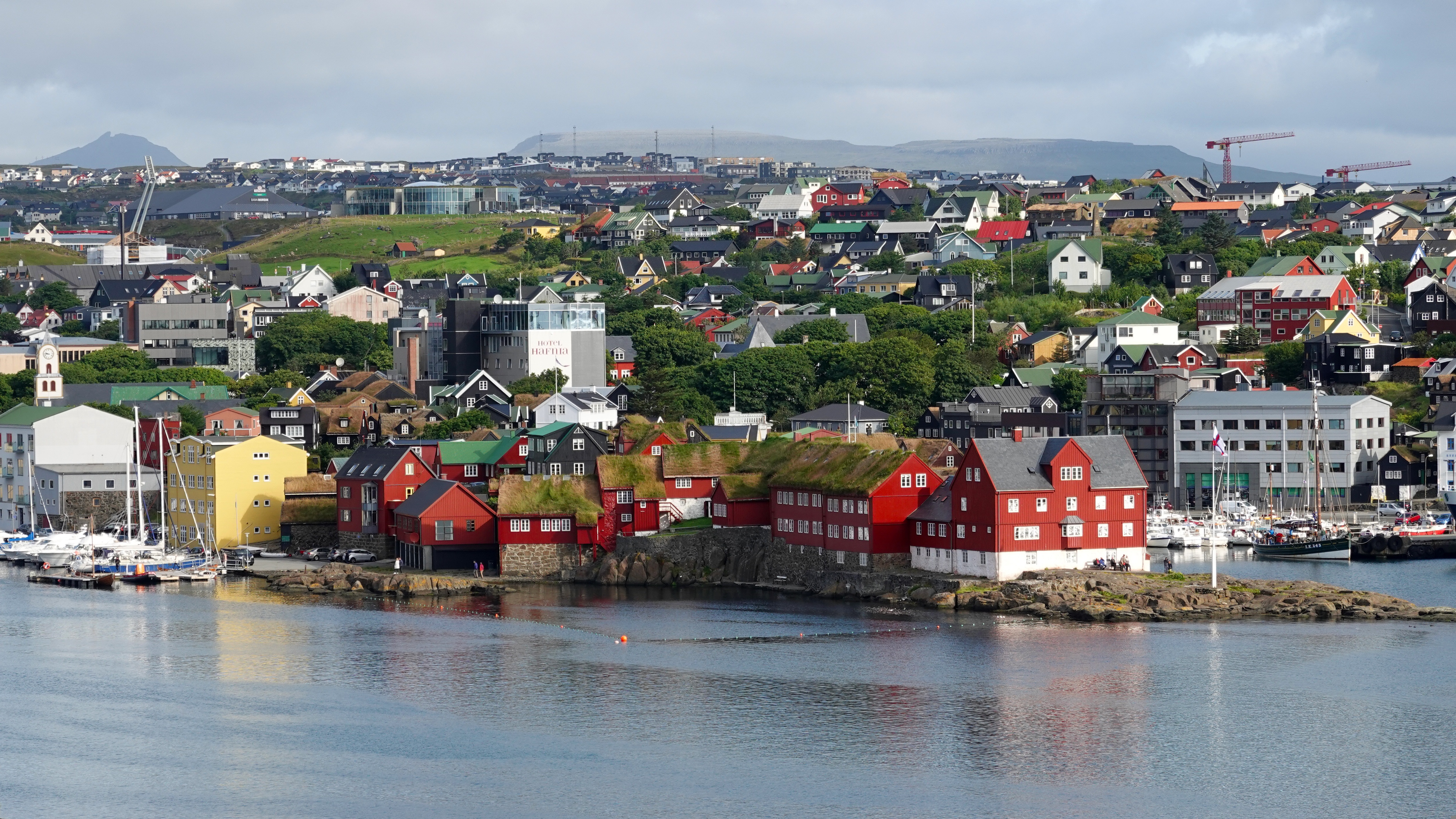
Thorshavn, Faroe Islands
More than 600 miles (nearly 1,000 kilometres) from Denmark’s west coast lie the Faroes, a triangle of eighteen windswept islands, seventeen of which are inhabited. Only 48,500 people plus some 70,000 sheep roam these remote lands. Much of the islands’ heritage reflects a medieval past, beginning with the arrival of farmers from western Norway who settled here in the 9th century. Evidence of this Scandinavian heritage is preserved through centuries of isolation; ancient structures can still be seen in villages clustered around old churches. Sheer cliffs and waterfalls carve Streymoy, the largest of the islands, where Torshavn is one of the world’s smallest capitals with about 12,400 inhabitants, plus another 5,000 living in the suburbs of Argir and Hoyvik. Visitors find interesting museums, churches, monuments and all the amenities of a modern town and thriving harbour here. The world’s oldest, still active parliament was founded in the Viking age. Today, it houses the main offices of the local government. Many of the attractions are found outside of Torshavn in the rugged beauty of Streymoy. There are fields with grazing ponies and sheep, tiny hamlets where residents live in half-timbered houses topped by green grass roofs, and dramatic rock formations. Birds by the thousands populate the craggy seaside cliffs, which make an ideal stopover for migratory gannets, guillemots and puffins. The Faroes’ climate is generally wet and windy. Because of the Gulf Stream, the temperature is a good deal more moderate than the latitude might imply; it also helps to keep Faroe harbours ice-free year-round.
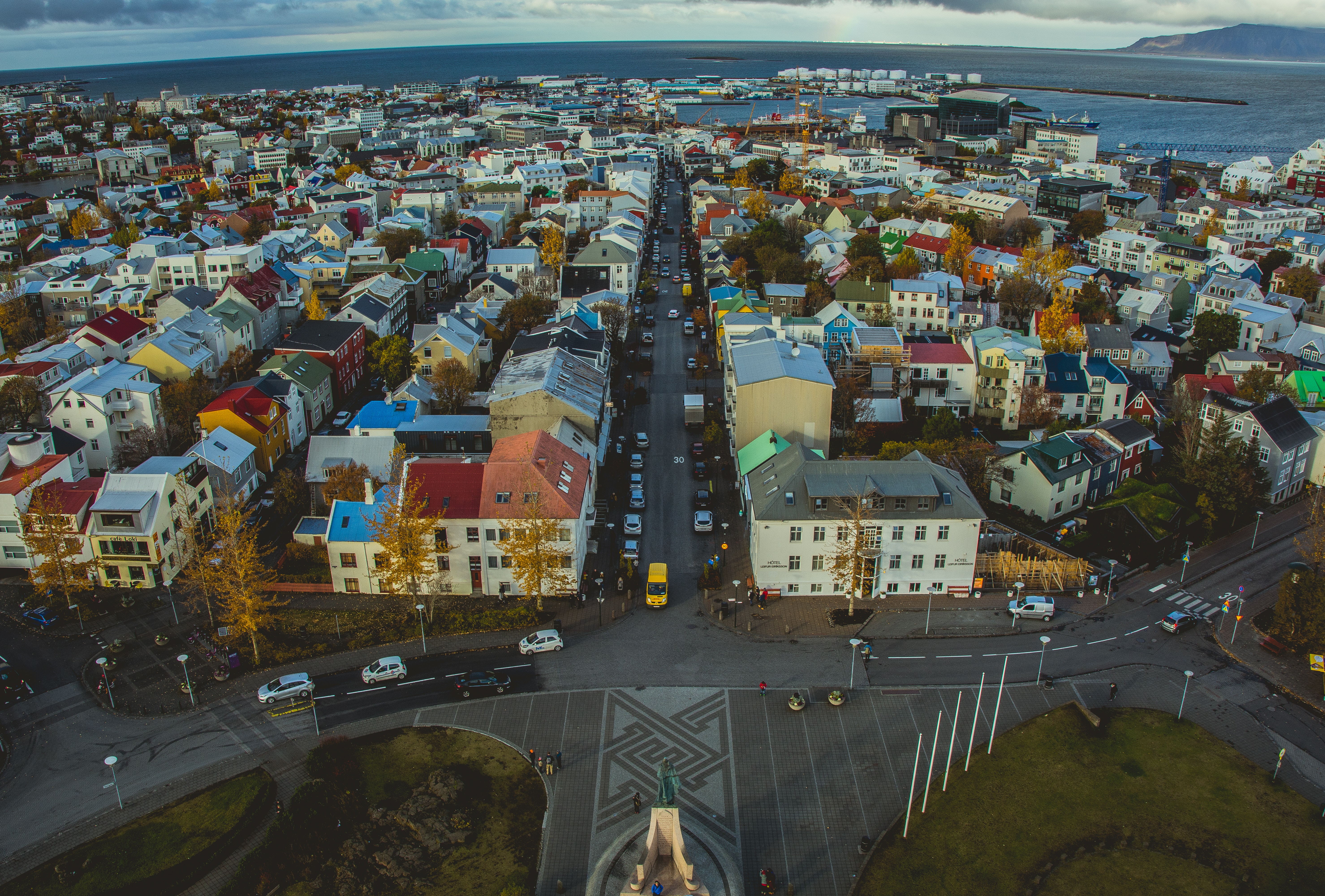
Reykjavík, Iceland
Sprawling Reykjavík, the nation’s nerve center and government seat, is home to half the island’s population. On a bay overlooked by proud Mt. Esja (pronounced eh-shyuh), with its ever-changing hues, Reykjavík presents a colorful sight, its concrete houses painted in light colors and topped by vibrant red, blue, and green roofs. In contrast to the almost treeless countryside, Reykjavík has many tall, native birches, rowans, and willows, as well as imported aspen, pines, and spruces.Reykjavík’s name comes from the Icelandic words for smoke, reykur, and bay, vík. In AD 874, Norseman Ingólfur Arnarson saw Iceland rising out of the misty sea and came ashore at a bay eerily shrouded with plumes of steam from nearby hot springs. Today most of the houses in Reykjavík are heated by near-boiling water from the hot springs. Natural heating avoids air pollution; there’s no smoke around. You may notice, however, that the hot water brings a slight sulfur smell to the bathroom.Prices are easily on a par with other major European cities. A practical option is to purchase a Reykjavík City Card at the Tourist Information Center or at the Reykjavík Youth Hostel. This card permits unlimited bus usage and admission to any of the city’s seven pools, the Family Park and Zoo, and city museums. The cards are valid for one (ISK 3,300), two (ISK 4,400), or three days (ISK 4,900), and they pay for themselves after three or four uses a day. Even lacking the City Card, paying admission (ISK 500, or ISK 250 for seniors and people with disabilities) to one of the city art museums (Hafnarhús, Kjarvalsstaðir, or Ásmundarsafn) gets you free same-day admission to the other two.
Reykjavík, Iceland
Sprawling Reykjavík, the nation’s nerve center and government seat, is home to half the island’s population. On a bay overlooked by proud Mt. Esja (pronounced eh-shyuh), with its ever-changing hues, Reykjavík presents a colorful sight, its concrete houses painted in light colors and topped by vibrant red, blue, and green roofs. In contrast to the almost treeless countryside, Reykjavík has many tall, native birches, rowans, and willows, as well as imported aspen, pines, and spruces.Reykjavík’s name comes from the Icelandic words for smoke, reykur, and bay, vík. In AD 874, Norseman Ingólfur Arnarson saw Iceland rising out of the misty sea and came ashore at a bay eerily shrouded with plumes of steam from nearby hot springs. Today most of the houses in Reykjavík are heated by near-boiling water from the hot springs. Natural heating avoids air pollution; there’s no smoke around. You may notice, however, that the hot water brings a slight sulfur smell to the bathroom.Prices are easily on a par with other major European cities. A practical option is to purchase a Reykjavík City Card at the Tourist Information Center or at the Reykjavík Youth Hostel. This card permits unlimited bus usage and admission to any of the city’s seven pools, the Family Park and Zoo, and city museums. The cards are valid for one (ISK 3,300), two (ISK 4,400), or three days (ISK 4,900), and they pay for themselves after three or four uses a day. Even lacking the City Card, paying admission (ISK 500, or ISK 250 for seniors and people with disabilities) to one of the city art museums (Hafnarhús, Kjarvalsstaðir, or Ásmundarsafn) gets you free same-day admission to the other two.
Solar Eclipse
No additional details available for this day.
Rosyth, Scotland
Edinburgh is to London as poetry is to prose, as Charlotte Brontë once wrote. One of the world’s stateliest cities and proudest capitals, it’s built—like Rome—on seven hills, making it a striking backdrop for the ancient pageant of history. In a skyline of sheer drama, Edinburgh Castle watches over the capitalcity, frowning down on Princes Street’s glamour and glitz. But despite its rich past, the city’s famous festivals, excellent museums and galleries, as well as the modern Scottish Parliament, are reminders that Edinburgh has its feet firmly in the 21st century. Nearly everywhere in Edinburgh (the burgh is always pronounced burra in Scotland) there are spectacular buildings, whose Doric, Ionic, and Corinthian pillars add touches of neoclassical grandeur to the largely Presbyterian backdrop. Large gardens are a strong feature of central Edinburgh, where the city council is one of the most stridently conservationist in Europe. Arthur’s Seat, a mountain of bright green and yellow furze, rears up behind the spires of the Old Town. This child-size mountain jutting 822 feet above its surroundings has steep slopes and little crags, like a miniature Highlands set down in the middle of the busy city. Appropriately, these theatrical elements match Edinburgh’s character—after all, the city has been a stage that has seen its fair share of romance, violence, tragedy, and triumph. Modern Edinburgh has become a cultural capital, staging the Edinburgh International Festival and the Fringe Festival in every possible venue each August. The stunning Museum of Scotland complements the city’s wealth of galleries and artsy hangouts. Add Edinburgh’s growing reputation for food and nightlife and you have one of the world’s most beguiling cities. Today the city is the second most important financial center in the United Kingdom, and the fifth most important in Europe. The city regularly is ranked near the top in quality-of-life surveys. Accordingly, New Town apartments on fashionable streets sell for considerable sums. In some senses the city is showy and materialistic, but Edinburgh still supports learned societies, some of which have their roots in the Scottish Enlightenment. The Royal Society of Edinburgh, for example, established in 1783 “for the advancement of learning and useful knowledge,” remains an important forum for interdisciplinary activities. Even as Edinburgh moves through the 21st century, its tall guardian castle remains the focal point of the city and its venerable history. Take time to explore the streets—peopled by the spirits of Mary, Queen of Scots; Sir Walter Scott; and Robert Louis Stevenson—and pay your respects to the world’s best-loved terrier, Greyfriars Bobby. In the evenings you can enjoy candlelit restaurants or a folk ceilidh (pronounced kay-lee, a traditional Scottish dance with music), though you should remember that you haven’t earned your porridge until you’ve climbed Arthur’s Seat. Should you wander around a corner, say, on George Street, you might see not an endless cityscape, but blue sea and a patchwork of fields. This is the county of Fife, beyond the inlet of the North Sea called the Firth of Forth—a reminder, like the mountains to the northwest that can be glimpsed from Edinburgh’s highest points, that the rest of Scotland lies within easy reach.
Thorshavn, Faroe Islands
More than 600 miles (nearly 1,000 kilometres) from Denmark’s west coast lie the Faroes, a triangle of eighteen windswept islands, seventeen of which are inhabited. Only 48,500 people plus some 70,000 sheep roam these remote lands. Much of the islands’ heritage reflects a medieval past, beginning with the arrival of farmers from western Norway who settled here in the 9th century. Evidence of this Scandinavian heritage is preserved through centuries of isolation; ancient structures can still be seen in villages clustered around old churches. Sheer cliffs and waterfalls carve Streymoy, the largest of the islands, where Torshavn is one of the world’s smallest capitals with about 12,400 inhabitants, plus another 5,000 living in the suburbs of Argir and Hoyvik. Visitors find interesting museums, churches, monuments and all the amenities of a modern town and thriving harbour here. The world’s oldest, still active parliament was founded in the Viking age. Today, it houses the main offices of the local government. Many of the attractions are found outside of Torshavn in the rugged beauty of Streymoy. There are fields with grazing ponies and sheep, tiny hamlets where residents live in half-timbered houses topped by green grass roofs, and dramatic rock formations. Birds by the thousands populate the craggy seaside cliffs, which make an ideal stopover for migratory gannets, guillemots and puffins. The Faroes’ climate is generally wet and windy. Because of the Gulf Stream, the temperature is a good deal more moderate than the latitude might imply; it also helps to keep Faroe harbours ice-free year-round.
Reykjavík, Iceland
Sprawling Reykjavík, the nation’s nerve center and government seat, is home to half the island’s population. On a bay overlooked by proud Mt. Esja (pronounced eh-shyuh), with its ever-changing hues, Reykjavík presents a colorful sight, its concrete houses painted in light colors and topped by vibrant red, blue, and green roofs. In contrast to the almost treeless countryside, Reykjavík has many tall, native birches, rowans, and willows, as well as imported aspen, pines, and spruces.Reykjavík’s name comes from the Icelandic words for smoke, reykur, and bay, vík. In AD 874, Norseman Ingólfur Arnarson saw Iceland rising out of the misty sea and came ashore at a bay eerily shrouded with plumes of steam from nearby hot springs. Today most of the houses in Reykjavík are heated by near-boiling water from the hot springs. Natural heating avoids air pollution; there’s no smoke around. You may notice, however, that the hot water brings a slight sulfur smell to the bathroom.Prices are easily on a par with other major European cities. A practical option is to purchase a Reykjavík City Card at the Tourist Information Center or at the Reykjavík Youth Hostel. This card permits unlimited bus usage and admission to any of the city’s seven pools, the Family Park and Zoo, and city museums. The cards are valid for one (ISK 3,300), two (ISK 4,400), or three days (ISK 4,900), and they pay for themselves after three or four uses a day. Even lacking the City Card, paying admission (ISK 500, or ISK 250 for seniors and people with disabilities) to one of the city art museums (Hafnarhús, Kjarvalsstaðir, or Ásmundarsafn) gets you free same-day admission to the other two.
Reykjavík, Iceland
Sprawling Reykjavík, the nation’s nerve center and government seat, is home to half the island’s population. On a bay overlooked by proud Mt. Esja (pronounced eh-shyuh), with its ever-changing hues, Reykjavík presents a colorful sight, its concrete houses painted in light colors and topped by vibrant red, blue, and green roofs. In contrast to the almost treeless countryside, Reykjavík has many tall, native birches, rowans, and willows, as well as imported aspen, pines, and spruces.Reykjavík’s name comes from the Icelandic words for smoke, reykur, and bay, vík. In AD 874, Norseman Ingólfur Arnarson saw Iceland rising out of the misty sea and came ashore at a bay eerily shrouded with plumes of steam from nearby hot springs. Today most of the houses in Reykjavík are heated by near-boiling water from the hot springs. Natural heating avoids air pollution; there’s no smoke around. You may notice, however, that the hot water brings a slight sulfur smell to the bathroom.Prices are easily on a par with other major European cities. A practical option is to purchase a Reykjavík City Card at the Tourist Information Center or at the Reykjavík Youth Hostel. This card permits unlimited bus usage and admission to any of the city’s seven pools, the Family Park and Zoo, and city museums. The cards are valid for one (ISK 3,300), two (ISK 4,400), or three days (ISK 4,900), and they pay for themselves after three or four uses a day. Even lacking the City Card, paying admission (ISK 500, or ISK 250 for seniors and people with disabilities) to one of the city art museums (Hafnarhús, Kjarvalsstaðir, or Ásmundarsafn) gets you free same-day admission to the other two.
Solar Eclipse
No additional details available for this day.
Isafjørdur, Iceland
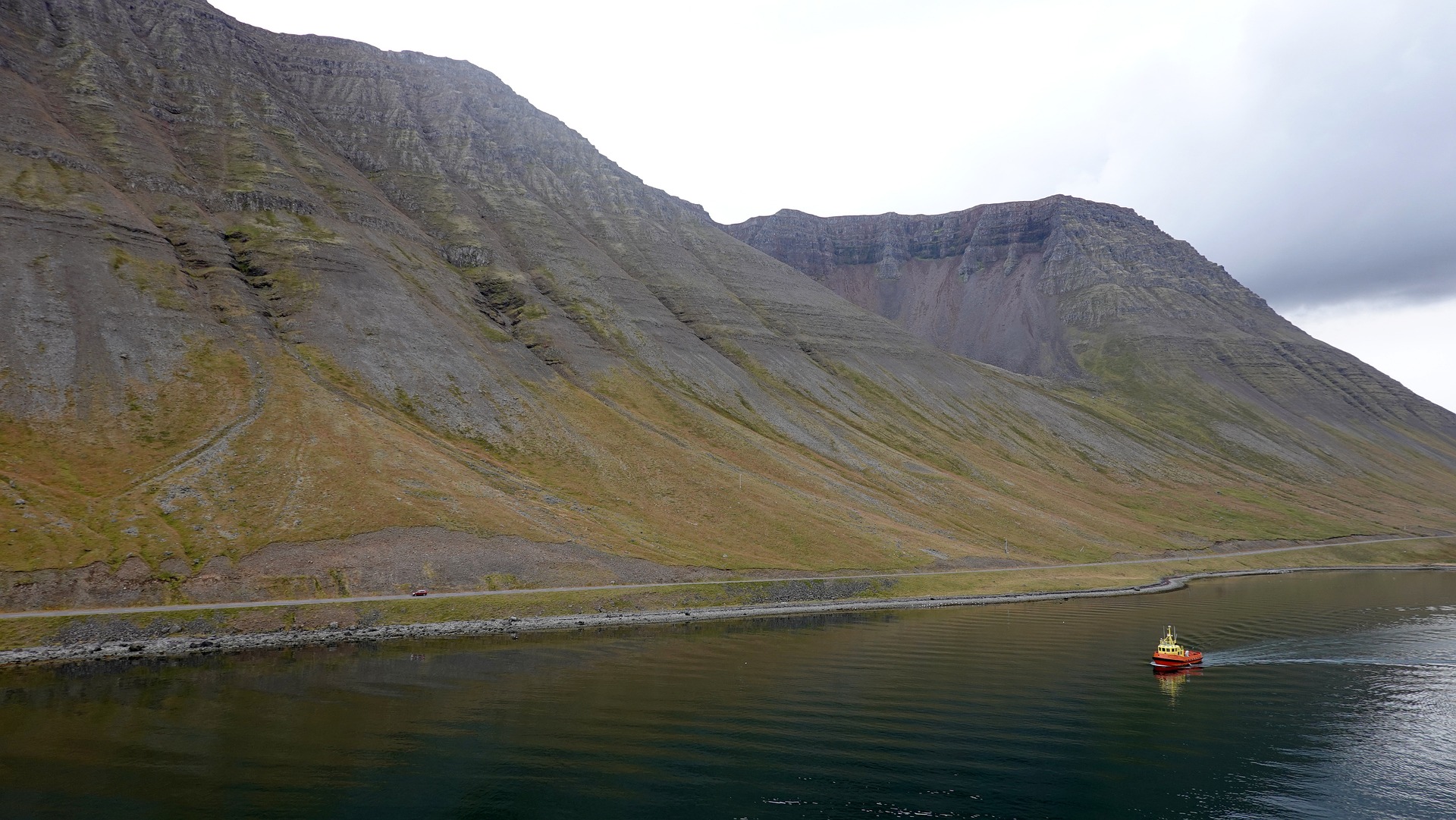
Two colossal terraces of sheer rock stand either side of this extraordinarily located town – which rides a jutting spit onto an immensity of black fjord water. Surprisingly, considering the remoteness of its location and its compact size, Isafjordur is a modern and lively place to visit, offering a great choice of cafes and delicious restaurants – which are well stocked to impress visitors. The town is a perfectly located base for adventures amongst Iceland’s fantastic wilderness – with skiing, hiking and water-sports popular pursuits among visitors.
Akureyri, Iceland
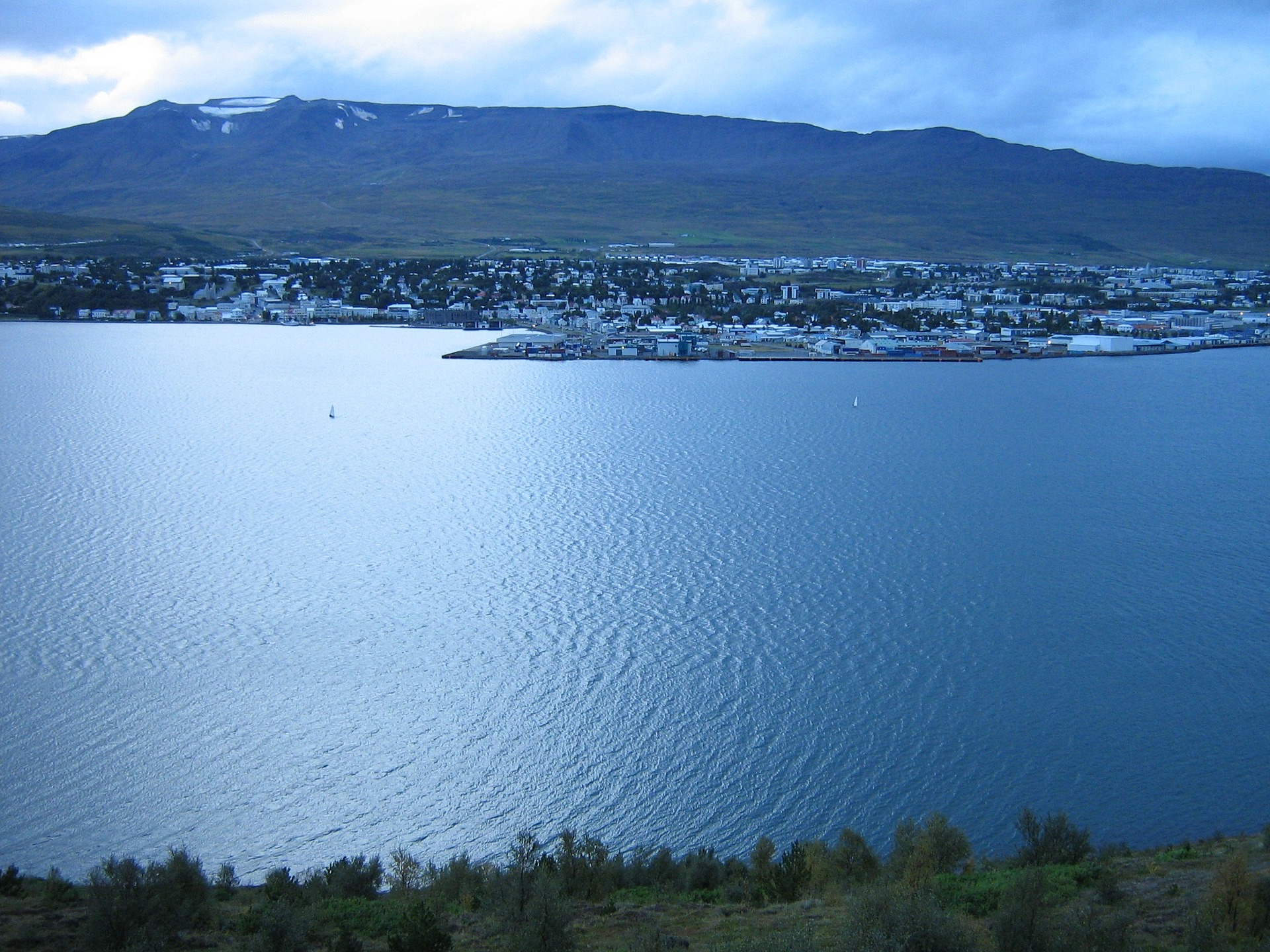
Akureyri, called the Capital of the North is the second largest urban area in Iceland, and a lively one at that. Hemmed by the 60-km (37-mile) long Eyjafjörður, Akureyri is sheltered from the ocean winds and embraced by mountains on three sides. Late 19th-century wooden houses impart a sense of history, and the twin spires of a modern Lutheran church rising on a green hill near the waterfront, provide a focal point. To the south of Akureyri is the pyramid-shape rhyolite mountain Súlur. Beyond it is Kerling, the highest peak in Eyjafjörður District.
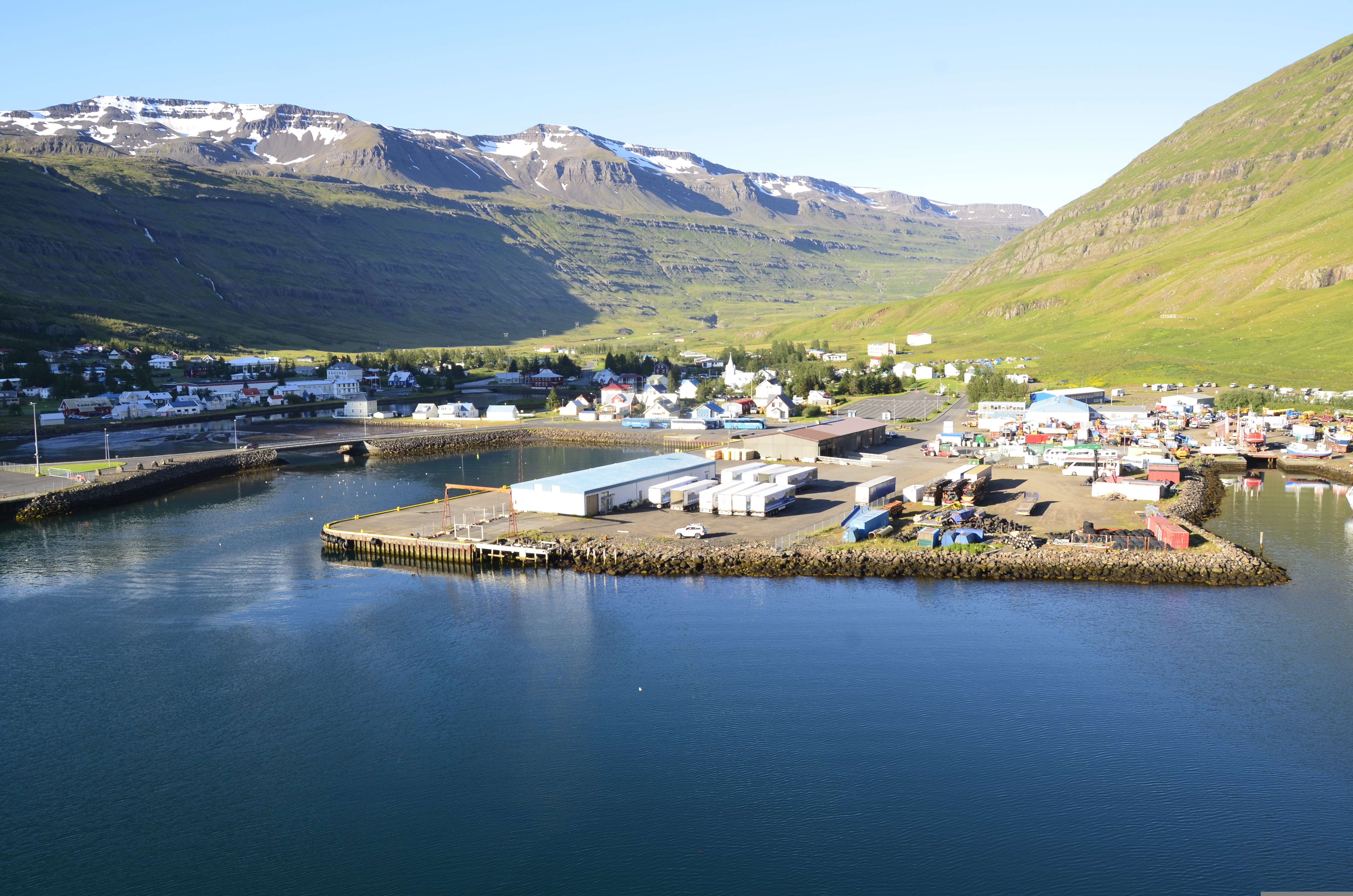
Seydisfjørdur, Iceland
Seyðisfjörður, a beautiful 19th-century Norwegian village on the east coast of Iceland, is regarded by many as one of Iceland’s most picturesque towns, not only due to its impressive environment, but also because nowhere in Iceland has a community of old wooden buildings been preserved so well as here. Poet Matthías Johannessen called Seyðisfjörður a ‘pearl enclosed in a shell’. The community owes its origins to foreign merchants, mainly Danes, who started trading in the fjord in the mid-19th century. But the crucial factor in the evolution of the village was the establishment of the Icelandic herring fishery by Norwegians in 1870-1900. The Norwegians built up a number of herring-fishing facilities, and in a matter of years the little community grew into a boom town. Today, about 800 people live in Seyðisfjörður. The local economy has long been based on the fisheries, while light industry also flourishes. Tourism is playing a growing role, as the picturesque town in its spectacular surroundings attracts more and more visitors. The car/passenger ferry Norrøna, which plies between continental Europe and Iceland every summer, docks at Seyðisfjörður every Thursday. Seyðisfjörður has been a cosmopolitan community from its foundation, and the ferry service has contributed to ensuring that it remains so.
Rosyth, Scotland
Edinburgh is to London as poetry is to prose, as Charlotte Brontë once wrote. One of the world’s stateliest cities and proudest capitals, it’s built—like Rome—on seven hills, making it a striking backdrop for the ancient pageant of history. In a skyline of sheer drama, Edinburgh Castle watches over the capitalcity, frowning down on Princes Street’s glamour and glitz. But despite its rich past, the city’s famous festivals, excellent museums and galleries, as well as the modern Scottish Parliament, are reminders that Edinburgh has its feet firmly in the 21st century. Nearly everywhere in Edinburgh (the burgh is always pronounced burra in Scotland) there are spectacular buildings, whose Doric, Ionic, and Corinthian pillars add touches of neoclassical grandeur to the largely Presbyterian backdrop. Large gardens are a strong feature of central Edinburgh, where the city council is one of the most stridently conservationist in Europe. Arthur’s Seat, a mountain of bright green and yellow furze, rears up behind the spires of the Old Town. This child-size mountain jutting 822 feet above its surroundings has steep slopes and little crags, like a miniature Highlands set down in the middle of the busy city. Appropriately, these theatrical elements match Edinburgh’s character—after all, the city has been a stage that has seen its fair share of romance, violence, tragedy, and triumph. Modern Edinburgh has become a cultural capital, staging the Edinburgh International Festival and the Fringe Festival in every possible venue each August. The stunning Museum of Scotland complements the city’s wealth of galleries and artsy hangouts. Add Edinburgh’s growing reputation for food and nightlife and you have one of the world’s most beguiling cities. Today the city is the second most important financial center in the United Kingdom, and the fifth most important in Europe. The city regularly is ranked near the top in quality-of-life surveys. Accordingly, New Town apartments on fashionable streets sell for considerable sums. In some senses the city is showy and materialistic, but Edinburgh still supports learned societies, some of which have their roots in the Scottish Enlightenment. The Royal Society of Edinburgh, for example, established in 1783 “for the advancement of learning and useful knowledge,” remains an important forum for interdisciplinary activities. Even as Edinburgh moves through the 21st century, its tall guardian castle remains the focal point of the city and its venerable history. Take time to explore the streets—peopled by the spirits of Mary, Queen of Scots; Sir Walter Scott; and Robert Louis Stevenson—and pay your respects to the world’s best-loved terrier, Greyfriars Bobby. In the evenings you can enjoy candlelit restaurants or a folk ceilidh (pronounced kay-lee, a traditional Scottish dance with music), though you should remember that you haven’t earned your porridge until you’ve climbed Arthur’s Seat. Should you wander around a corner, say, on George Street, you might see not an endless cityscape, but blue sea and a patchwork of fields. This is the county of Fife, beyond the inlet of the North Sea called the Firth of Forth—a reminder, like the mountains to the northwest that can be glimpsed from Edinburgh’s highest points, that the rest of Scotland lies within easy reach.
Newcastle upon Tyne, England
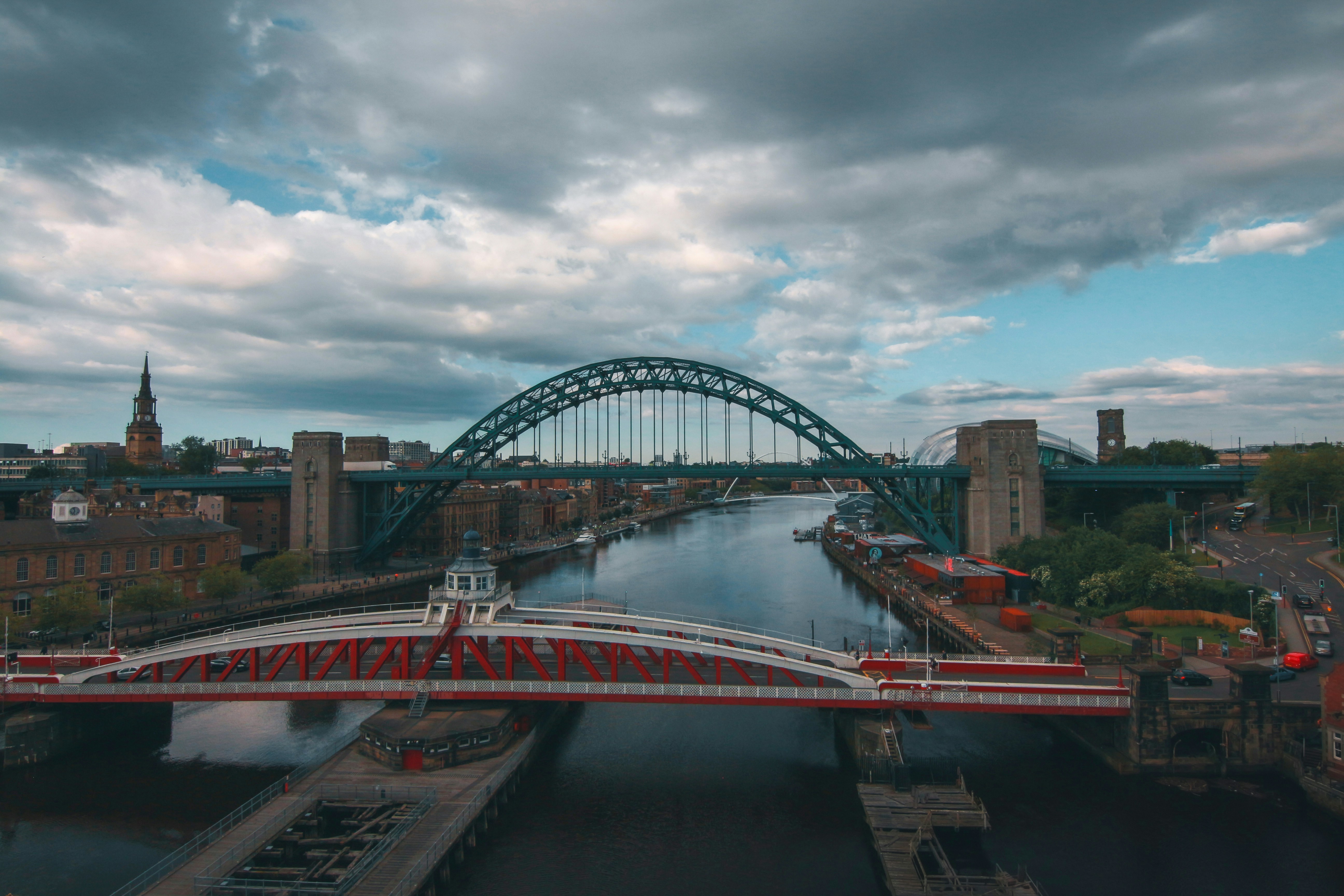
An urban city mixing culture, sophistication and heritage, Newcatle-upon-Tyne offers a range of activities and attractions. With more theatres per person than anywhere else in the UK, Newcastle has a wide range of arts and cultural attractions for visitors to enjoy, from the Theatre Royal – regional home to the Royal Shakespeare Company – to the famous Angel of the North.
Isafjørdur, Iceland
Two colossal terraces of sheer rock stand either side of this extraordinarily located town – which rides a jutting spit onto an immensity of black fjord water. Surprisingly, considering the remoteness of its location and its compact size, Isafjordur is a modern and lively place to visit, offering a great choice of cafes and delicious restaurants – which are well stocked to impress visitors. The town is a perfectly located base for adventures amongst Iceland’s fantastic wilderness – with skiing, hiking and water-sports popular pursuits among visitors.
Akureyri, Iceland
Akureyri, called the Capital of the North is the second largest urban area in Iceland, and a lively one at that. Hemmed by the 60-km (37-mile) long Eyjafjörður, Akureyri is sheltered from the ocean winds and embraced by mountains on three sides. Late 19th-century wooden houses impart a sense of history, and the twin spires of a modern Lutheran church rising on a green hill near the waterfront, provide a focal point. To the south of Akureyri is the pyramid-shape rhyolite mountain Súlur. Beyond it is Kerling, the highest peak in Eyjafjörður District.
Seydisfjørdur, Iceland
Seyðisfjörður, a beautiful 19th-century Norwegian village on the east coast of Iceland, is regarded by many as one of Iceland’s most picturesque towns, not only due to its impressive environment, but also because nowhere in Iceland has a community of old wooden buildings been preserved so well as here. Poet Matthías Johannessen called Seyðisfjörður a ‘pearl enclosed in a shell’. The community owes its origins to foreign merchants, mainly Danes, who started trading in the fjord in the mid-19th century. But the crucial factor in the evolution of the village was the establishment of the Icelandic herring fishery by Norwegians in 1870-1900. The Norwegians built up a number of herring-fishing facilities, and in a matter of years the little community grew into a boom town. Today, about 800 people live in Seyðisfjörður. The local economy has long been based on the fisheries, while light industry also flourishes. Tourism is playing a growing role, as the picturesque town in its spectacular surroundings attracts more and more visitors. The car/passenger ferry Norrøna, which plies between continental Europe and Iceland every summer, docks at Seyðisfjörður every Thursday. Seyðisfjörður has been a cosmopolitan community from its foundation, and the ferry service has contributed to ensuring that it remains so.
Rosyth, Scotland
Edinburgh is to London as poetry is to prose, as Charlotte Brontë once wrote. One of the world’s stateliest cities and proudest capitals, it’s built—like Rome—on seven hills, making it a striking backdrop for the ancient pageant of history. In a skyline of sheer drama, Edinburgh Castle watches over the capitalcity, frowning down on Princes Street’s glamour and glitz. But despite its rich past, the city’s famous festivals, excellent museums and galleries, as well as the modern Scottish Parliament, are reminders that Edinburgh has its feet firmly in the 21st century. Nearly everywhere in Edinburgh (the burgh is always pronounced burra in Scotland) there are spectacular buildings, whose Doric, Ionic, and Corinthian pillars add touches of neoclassical grandeur to the largely Presbyterian backdrop. Large gardens are a strong feature of central Edinburgh, where the city council is one of the most stridently conservationist in Europe. Arthur’s Seat, a mountain of bright green and yellow furze, rears up behind the spires of the Old Town. This child-size mountain jutting 822 feet above its surroundings has steep slopes and little crags, like a miniature Highlands set down in the middle of the busy city. Appropriately, these theatrical elements match Edinburgh’s character—after all, the city has been a stage that has seen its fair share of romance, violence, tragedy, and triumph. Modern Edinburgh has become a cultural capital, staging the Edinburgh International Festival and the Fringe Festival in every possible venue each August. The stunning Museum of Scotland complements the city’s wealth of galleries and artsy hangouts. Add Edinburgh’s growing reputation for food and nightlife and you have one of the world’s most beguiling cities. Today the city is the second most important financial center in the United Kingdom, and the fifth most important in Europe. The city regularly is ranked near the top in quality-of-life surveys. Accordingly, New Town apartments on fashionable streets sell for considerable sums. In some senses the city is showy and materialistic, but Edinburgh still supports learned societies, some of which have their roots in the Scottish Enlightenment. The Royal Society of Edinburgh, for example, established in 1783 “for the advancement of learning and useful knowledge,” remains an important forum for interdisciplinary activities. Even as Edinburgh moves through the 21st century, its tall guardian castle remains the focal point of the city and its venerable history. Take time to explore the streets—peopled by the spirits of Mary, Queen of Scots; Sir Walter Scott; and Robert Louis Stevenson—and pay your respects to the world’s best-loved terrier, Greyfriars Bobby. In the evenings you can enjoy candlelit restaurants or a folk ceilidh (pronounced kay-lee, a traditional Scottish dance with music), though you should remember that you haven’t earned your porridge until you’ve climbed Arthur’s Seat. Should you wander around a corner, say, on George Street, you might see not an endless cityscape, but blue sea and a patchwork of fields. This is the county of Fife, beyond the inlet of the North Sea called the Firth of Forth—a reminder, like the mountains to the northwest that can be glimpsed from Edinburgh’s highest points, that the rest of Scotland lies within easy reach.
Newcastle upon Tyne, England
An urban city mixing culture, sophistication and heritage, Newcatle-upon-Tyne offers a range of activities and attractions. With more theatres per person than anywhere else in the UK, Newcastle has a wide range of arts and cultural attractions for visitors to enjoy, from the Theatre Royal – regional home to the Royal Shakespeare Company – to the famous Angel of the North.
Cabin Options
Interior Cabin (I)
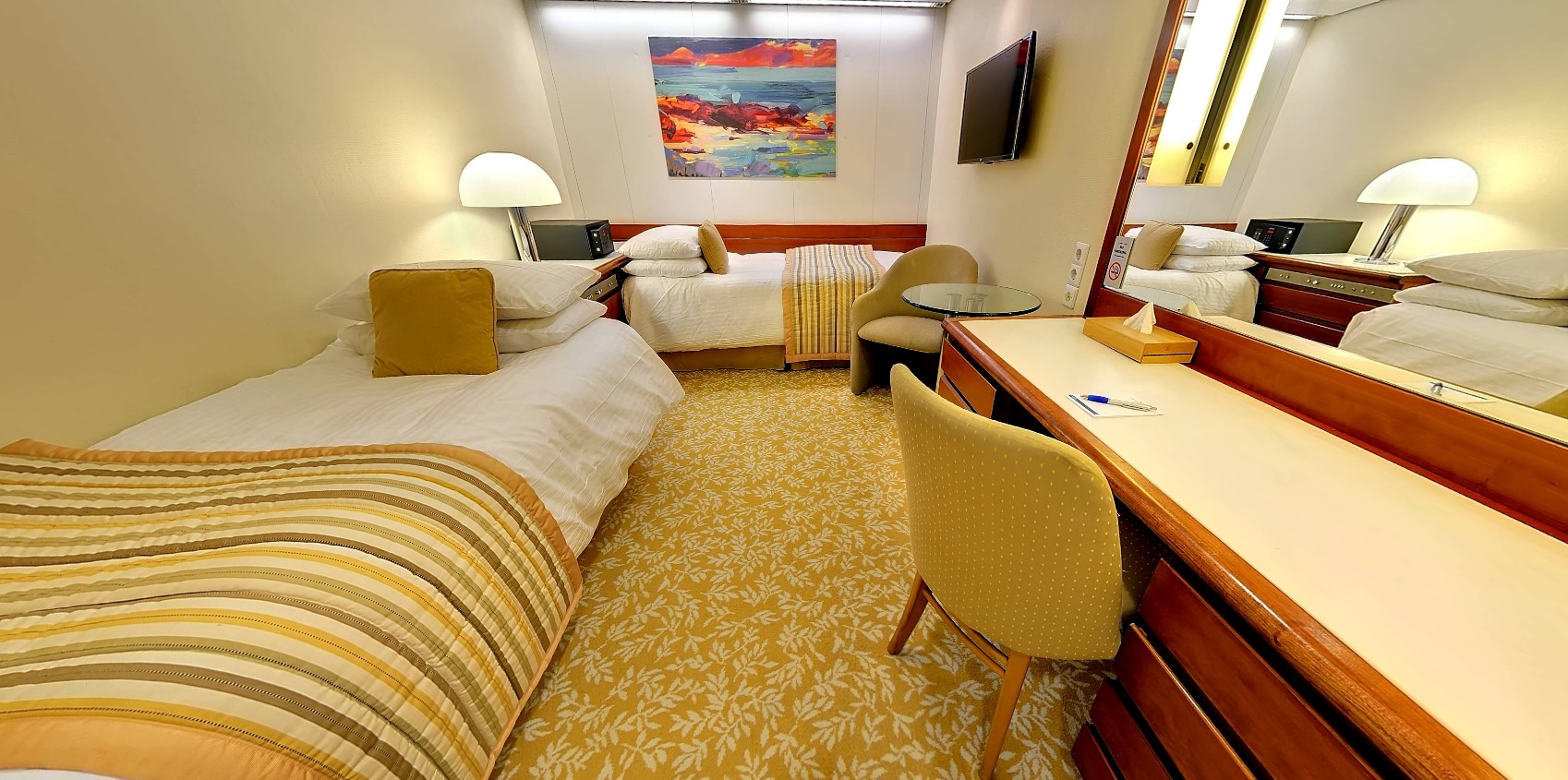
Interior Cabin (H)
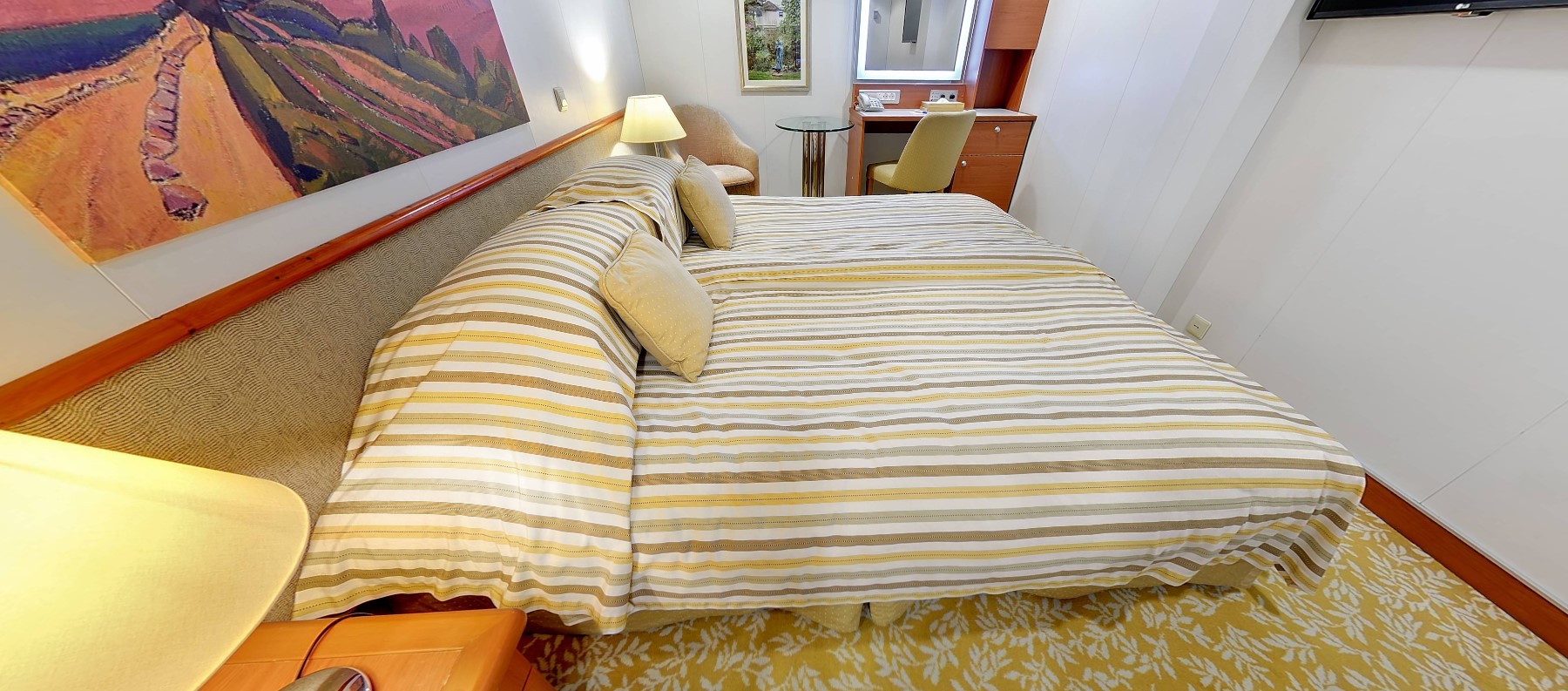
Superior Interior Cabin (G)
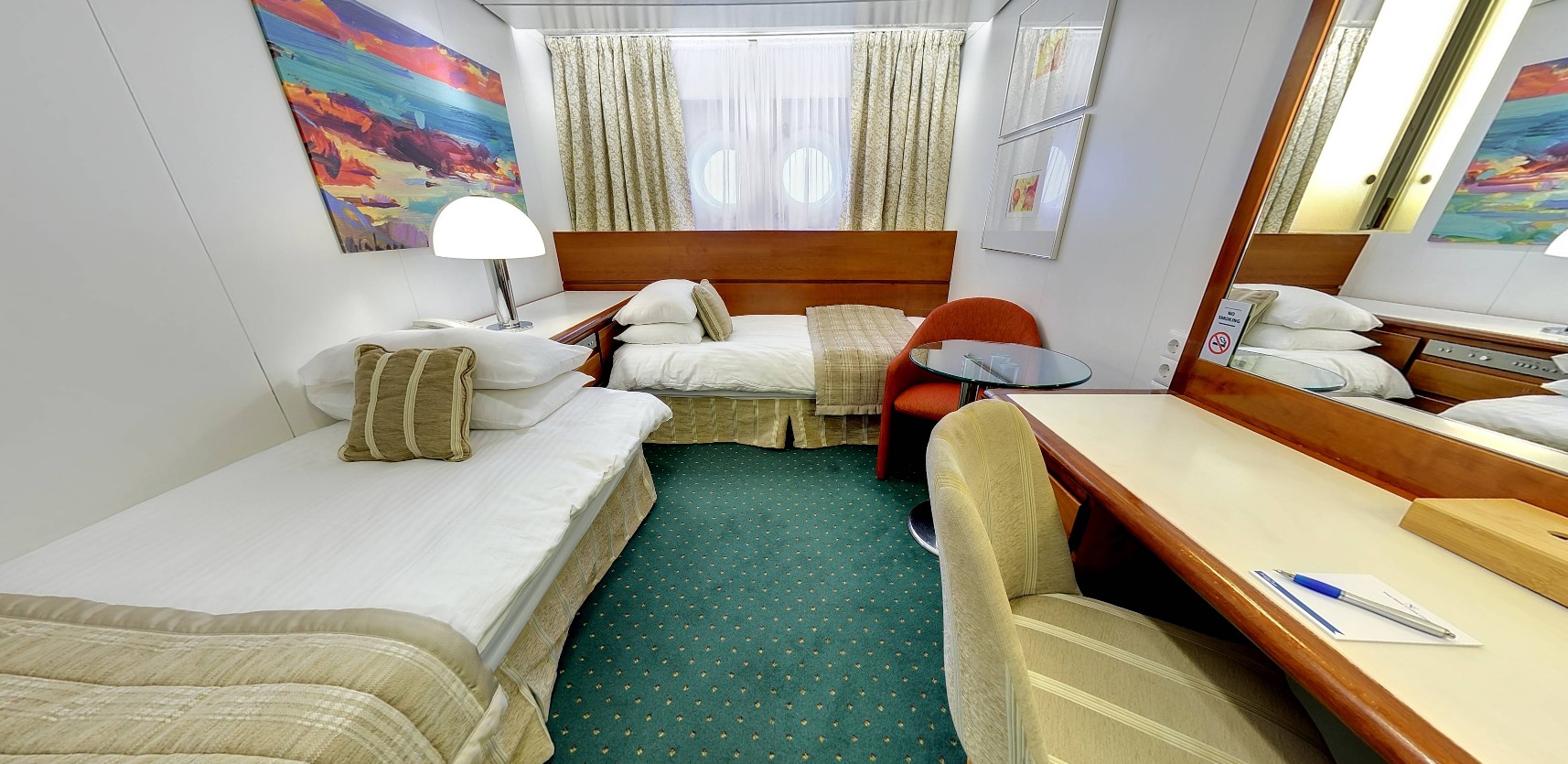
Ocean View (F)
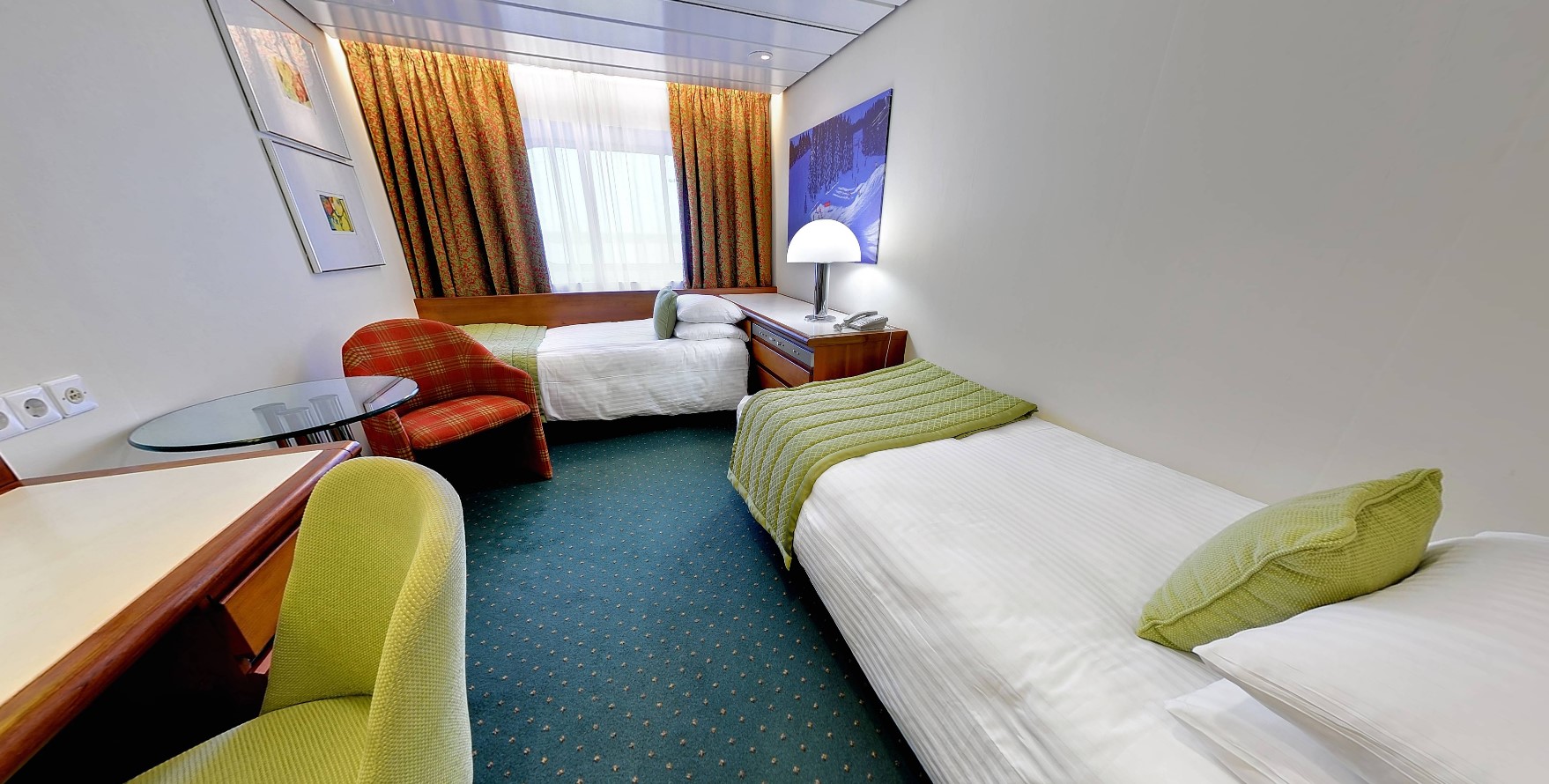
Ocean View (E)
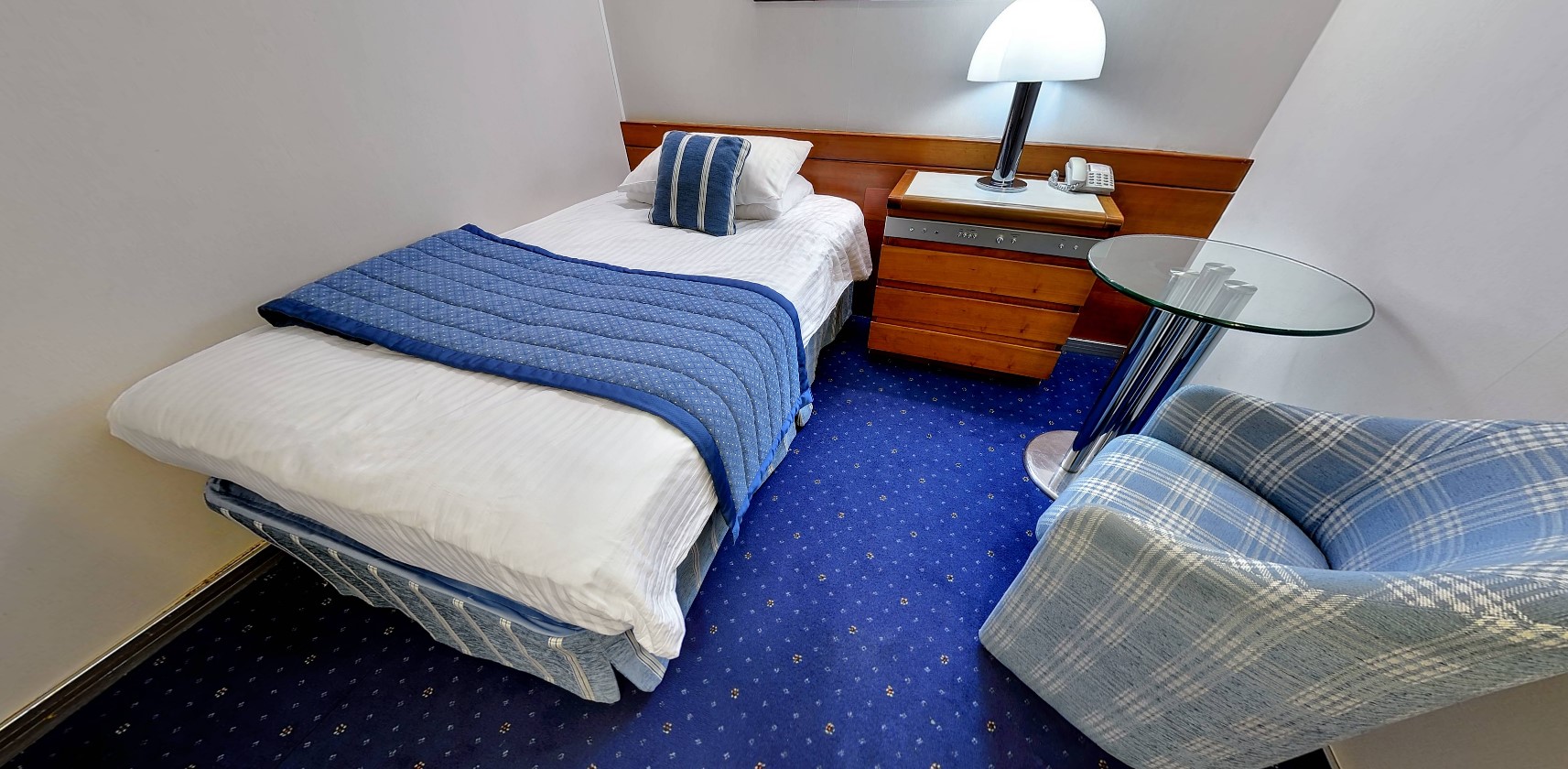
Single Interior Cabin (N)
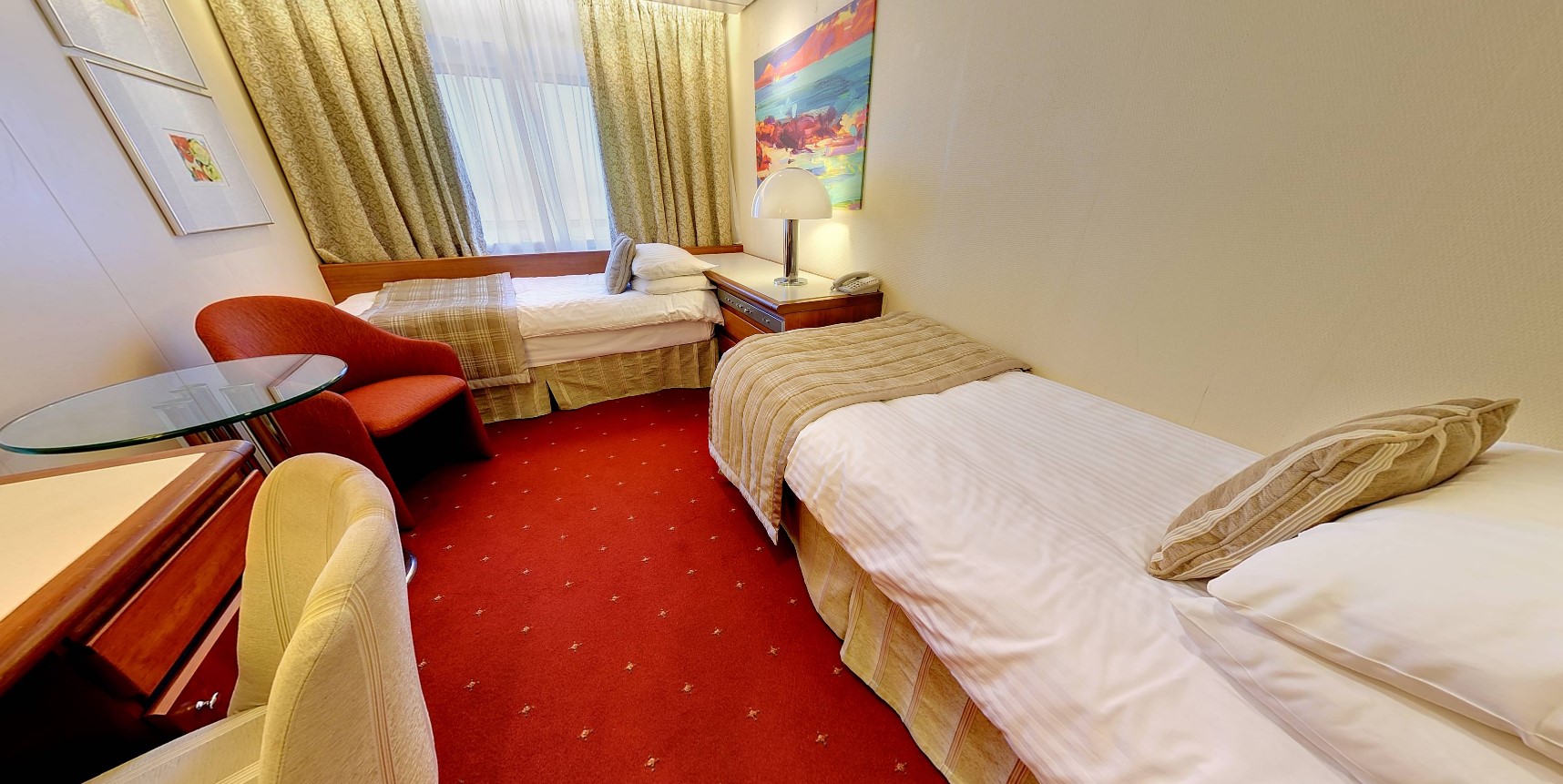
Ocean View (D)
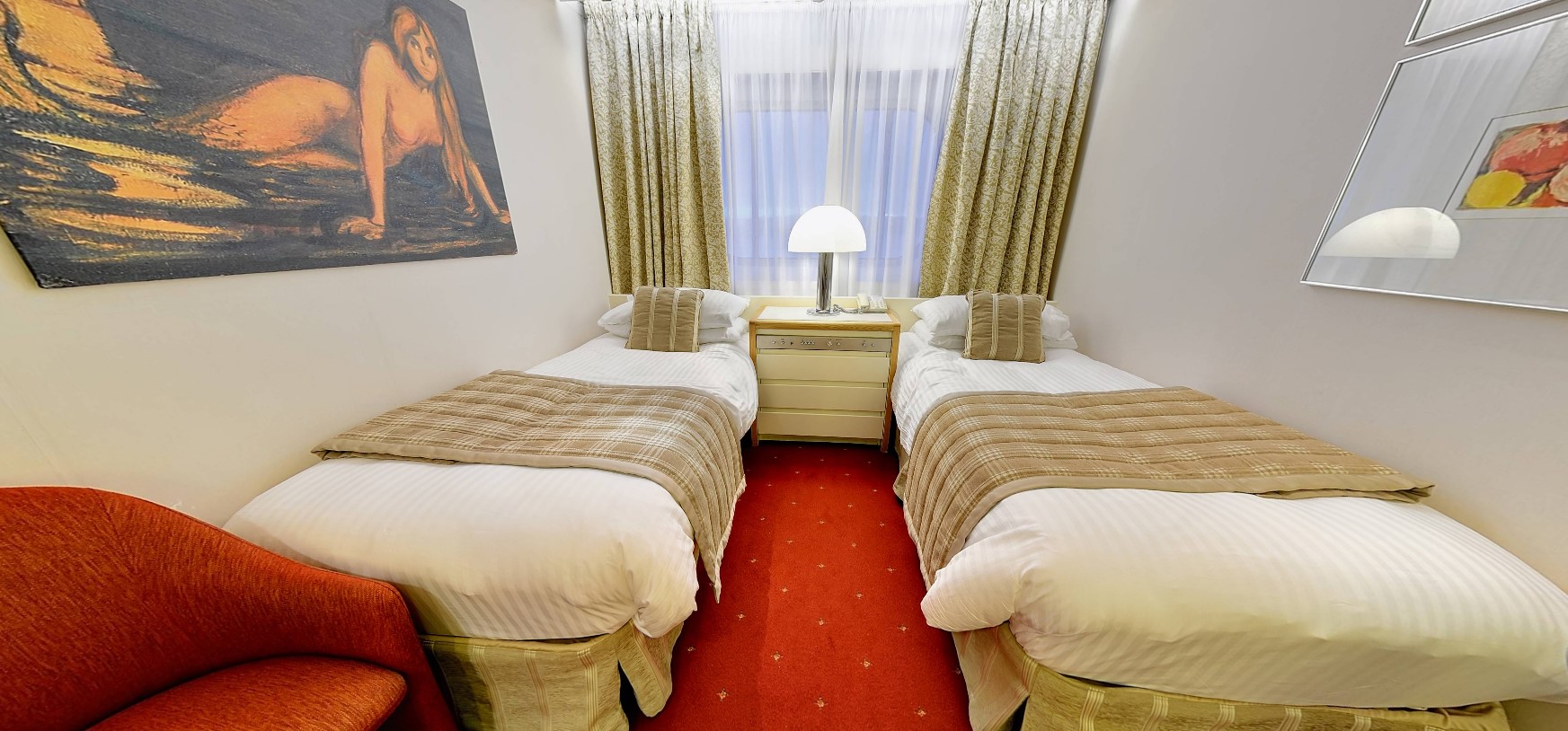
Superior Ocean View (C)
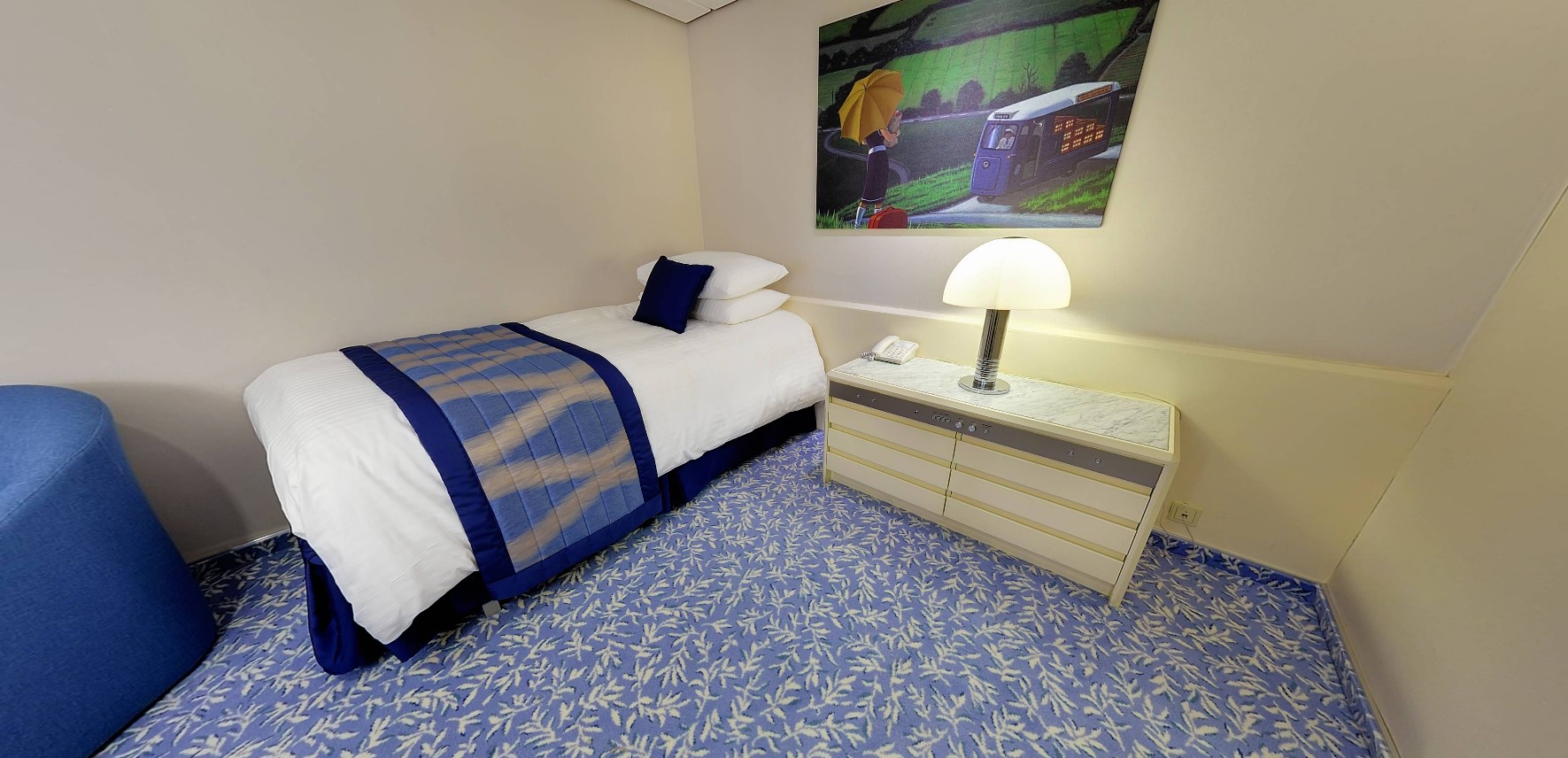
Single Superior Interior (M)
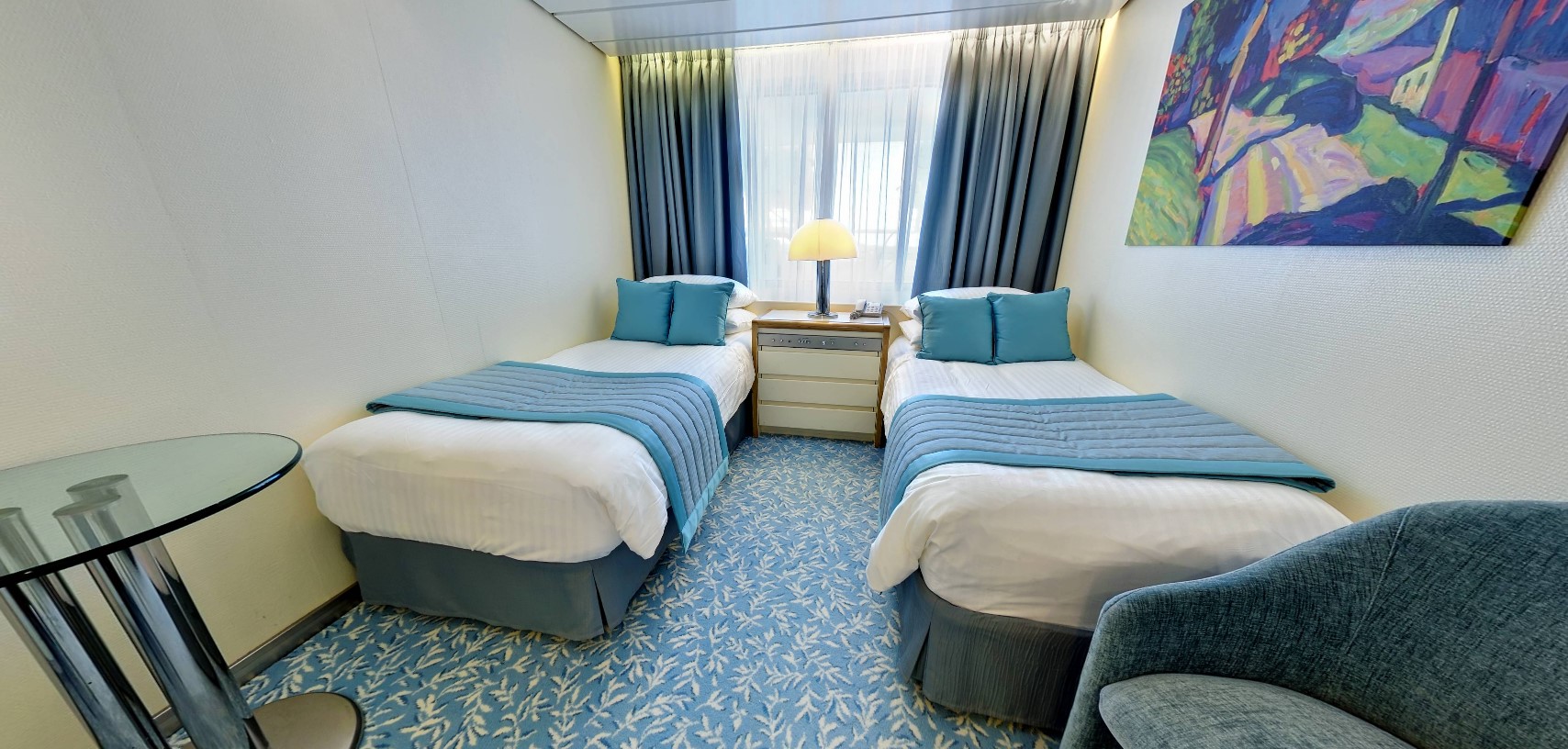
Superior Ocean View (B)
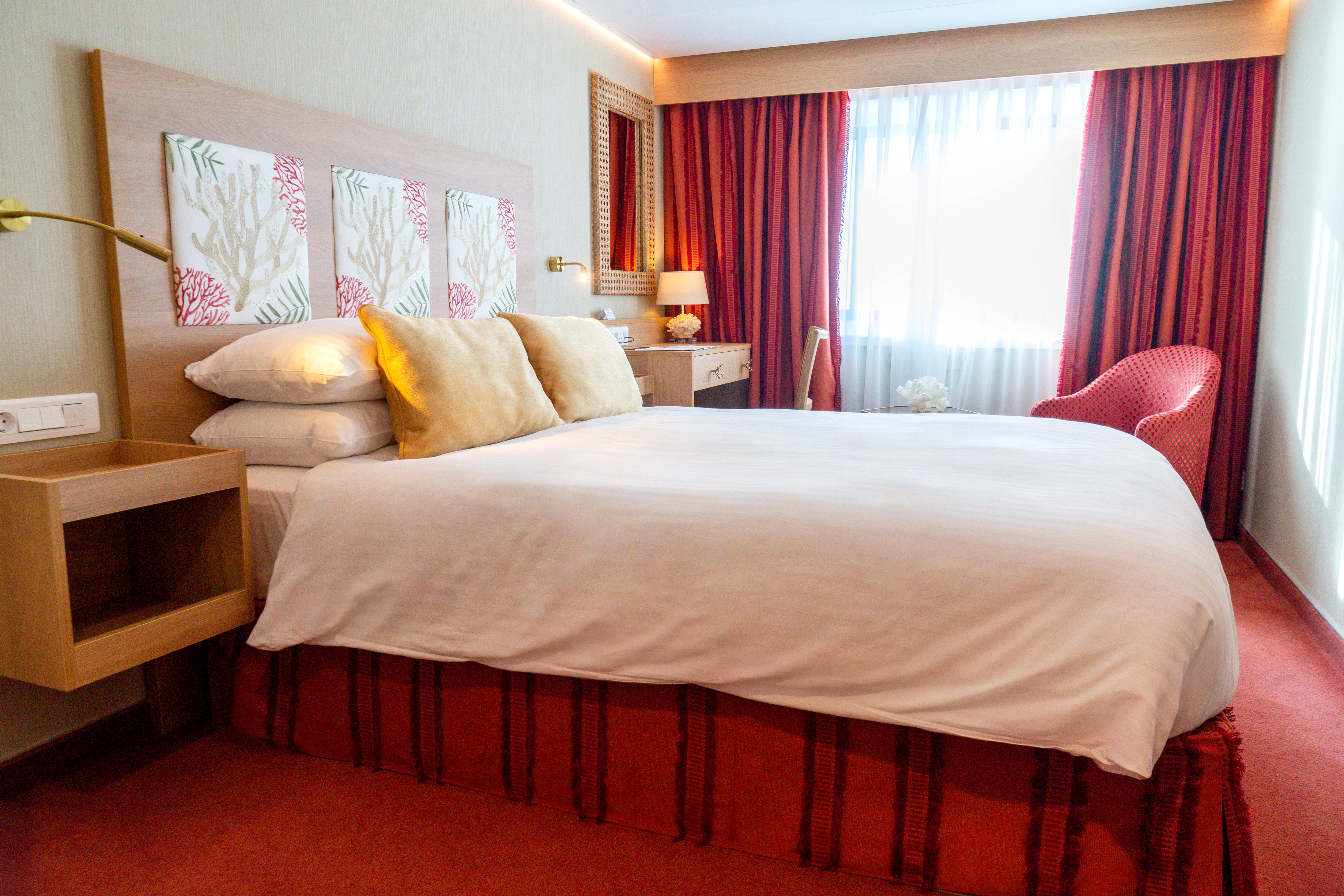
Superior Ocean View (A)
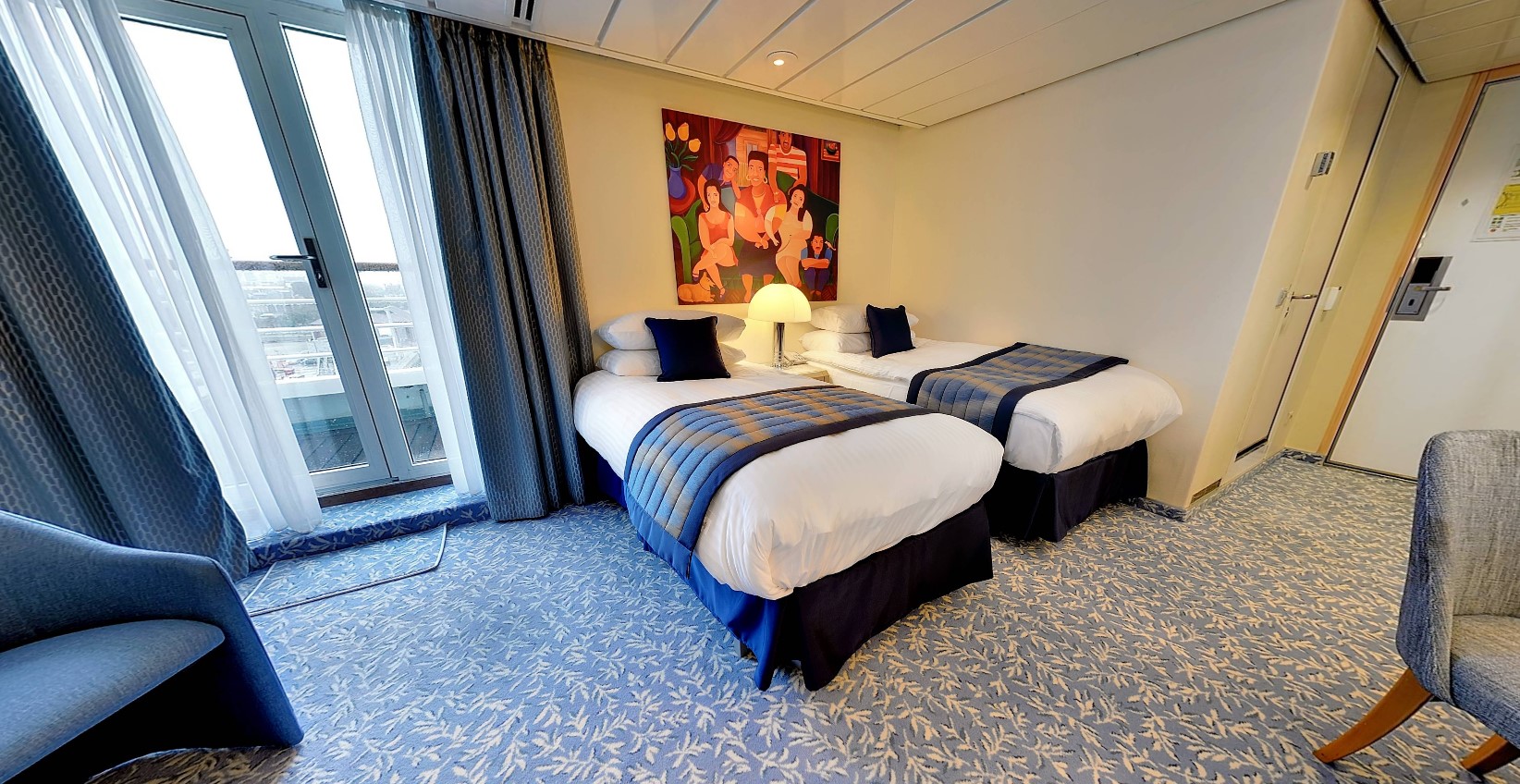
Balcony Cabin (BA & BC)
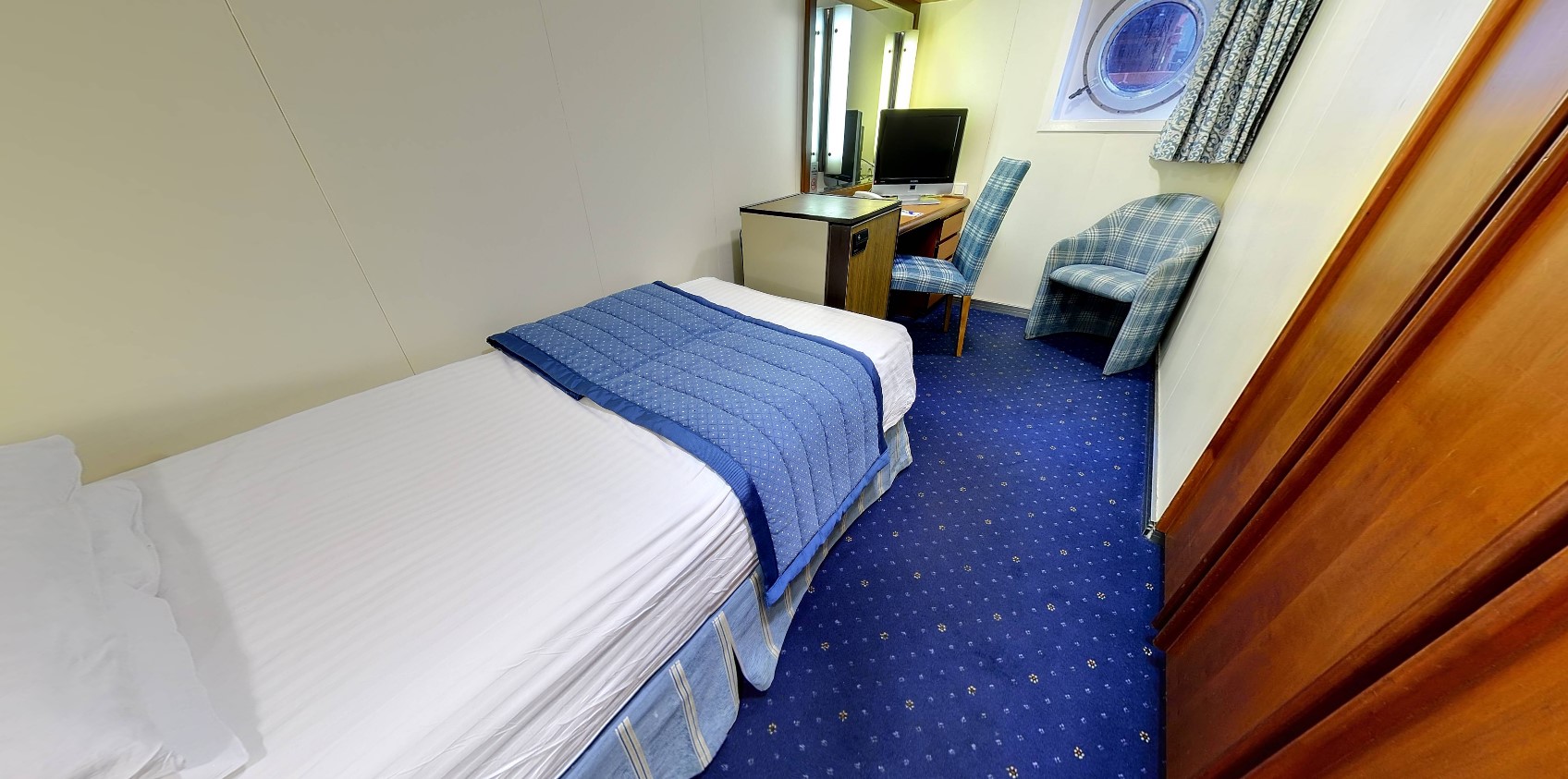
Single Ocean View (L)
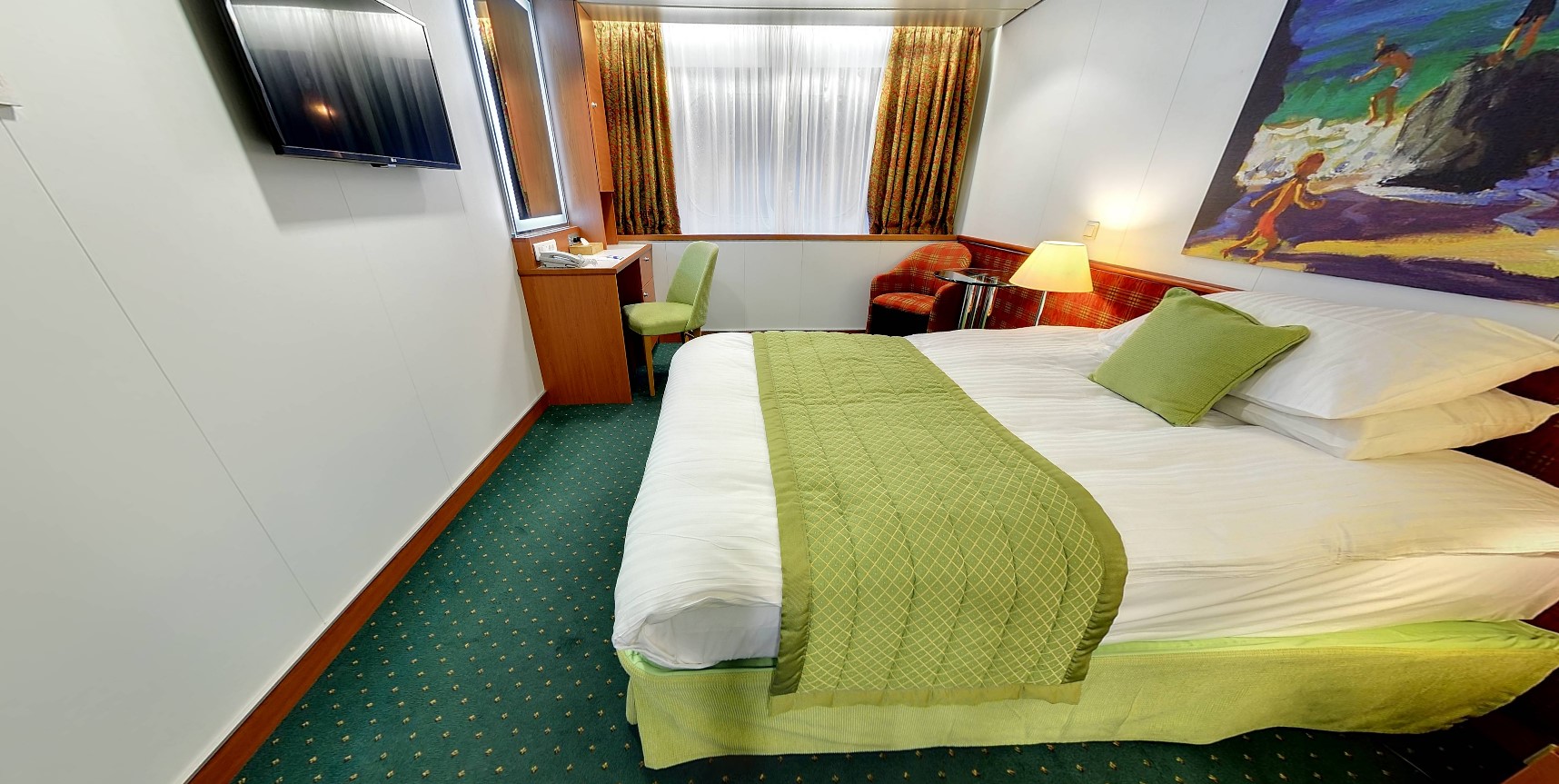
Single Ocean View (K)
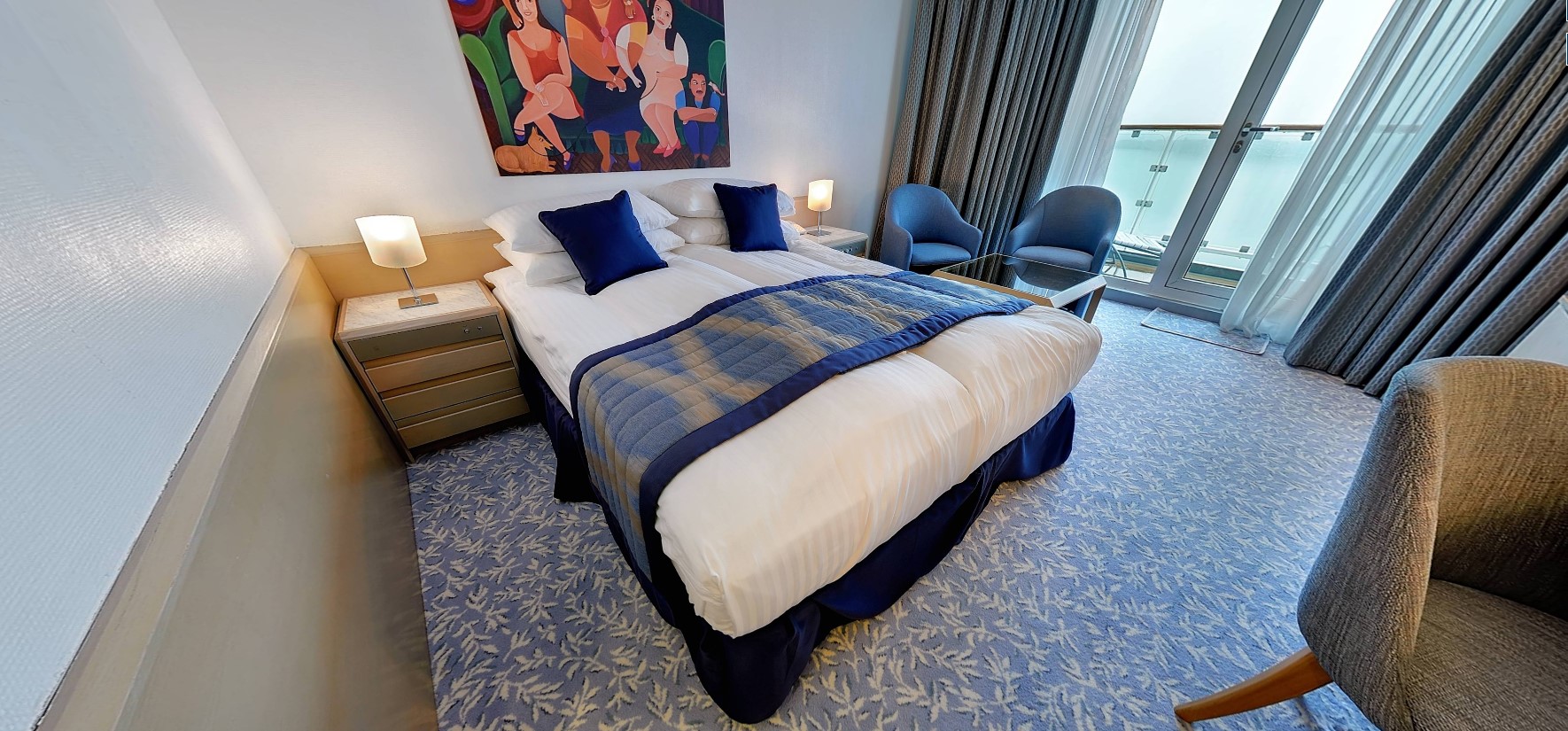
Balcony Junior Suite (BJ)
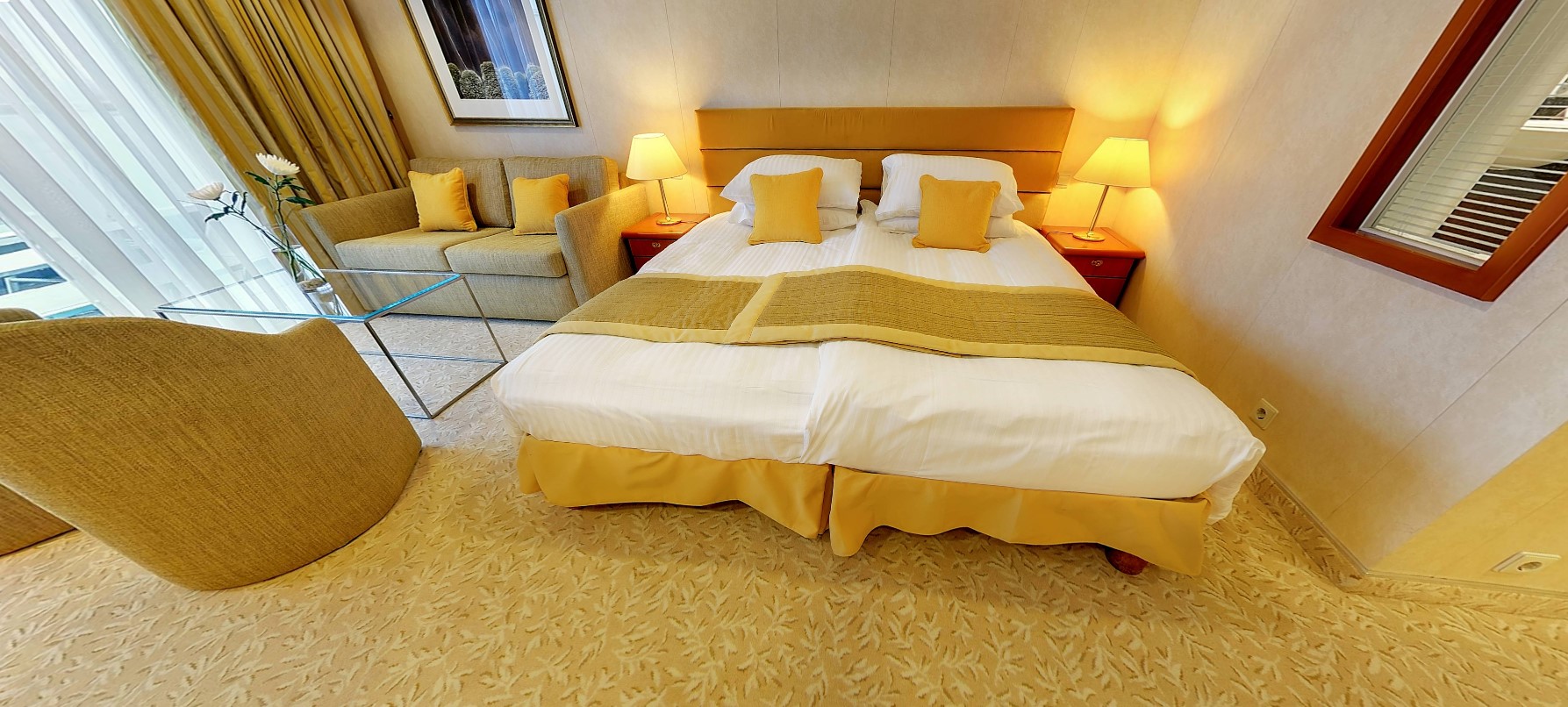
Superior Suite (SS)
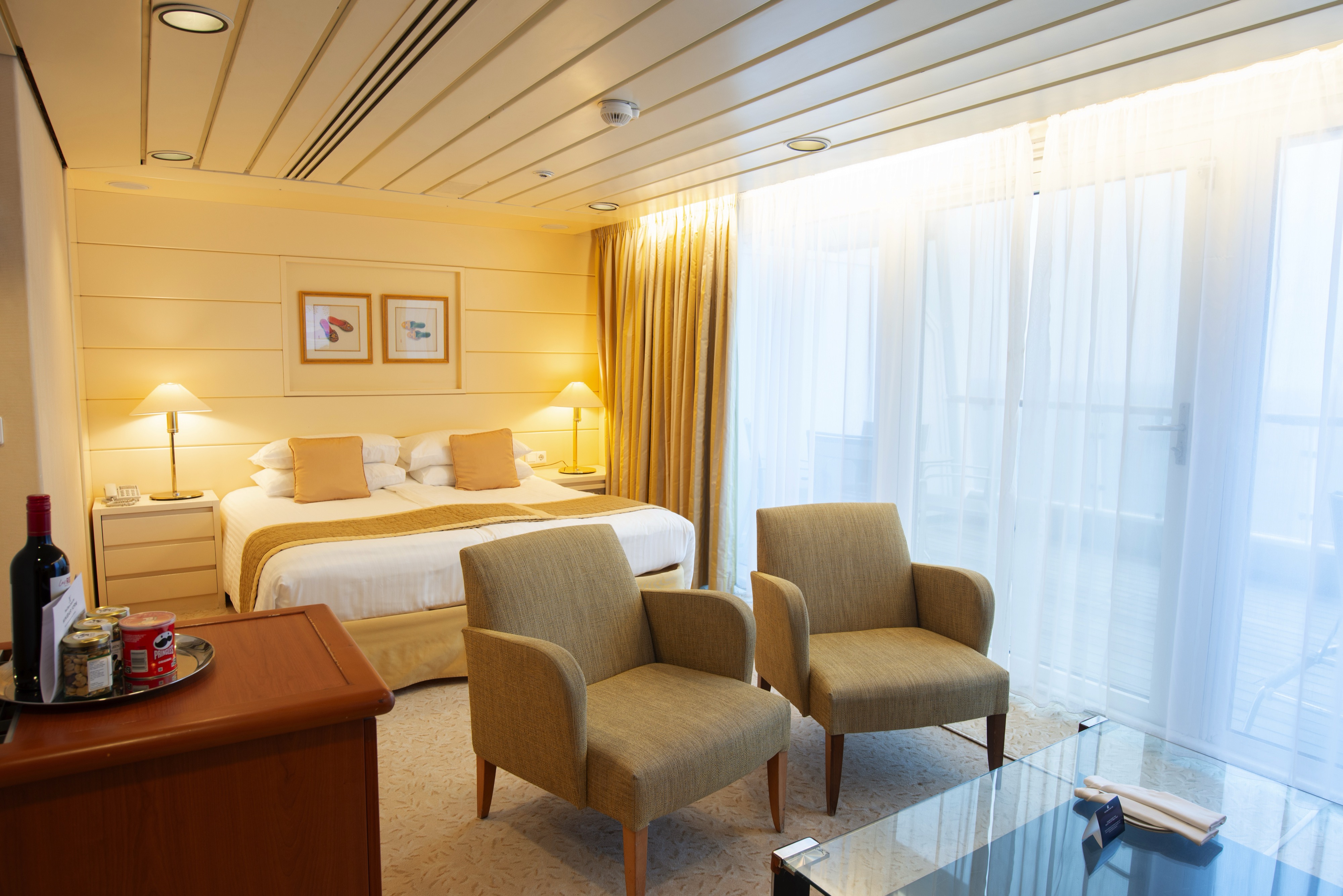
Marquee Suite (MS)
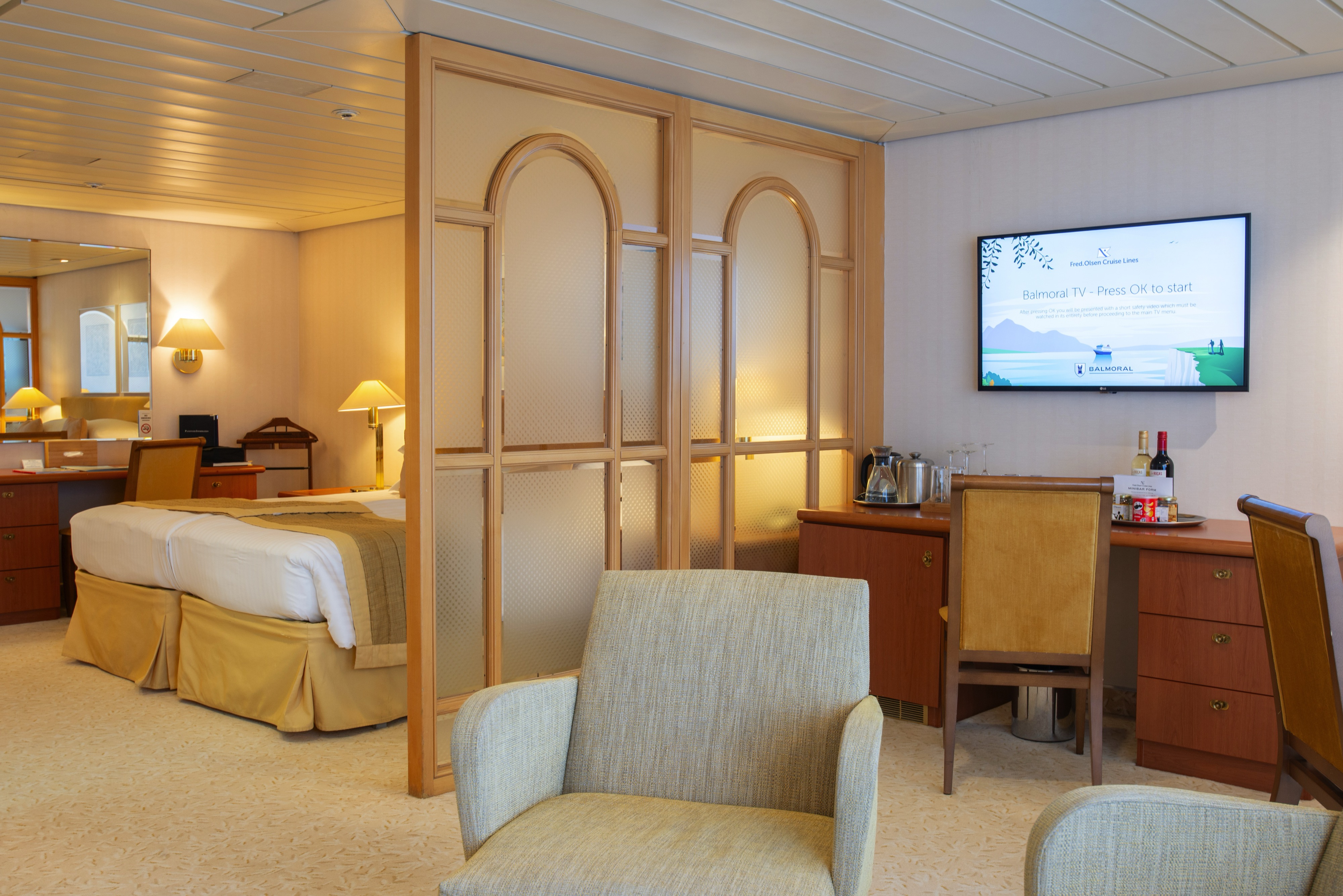
Premier Suite (PS)
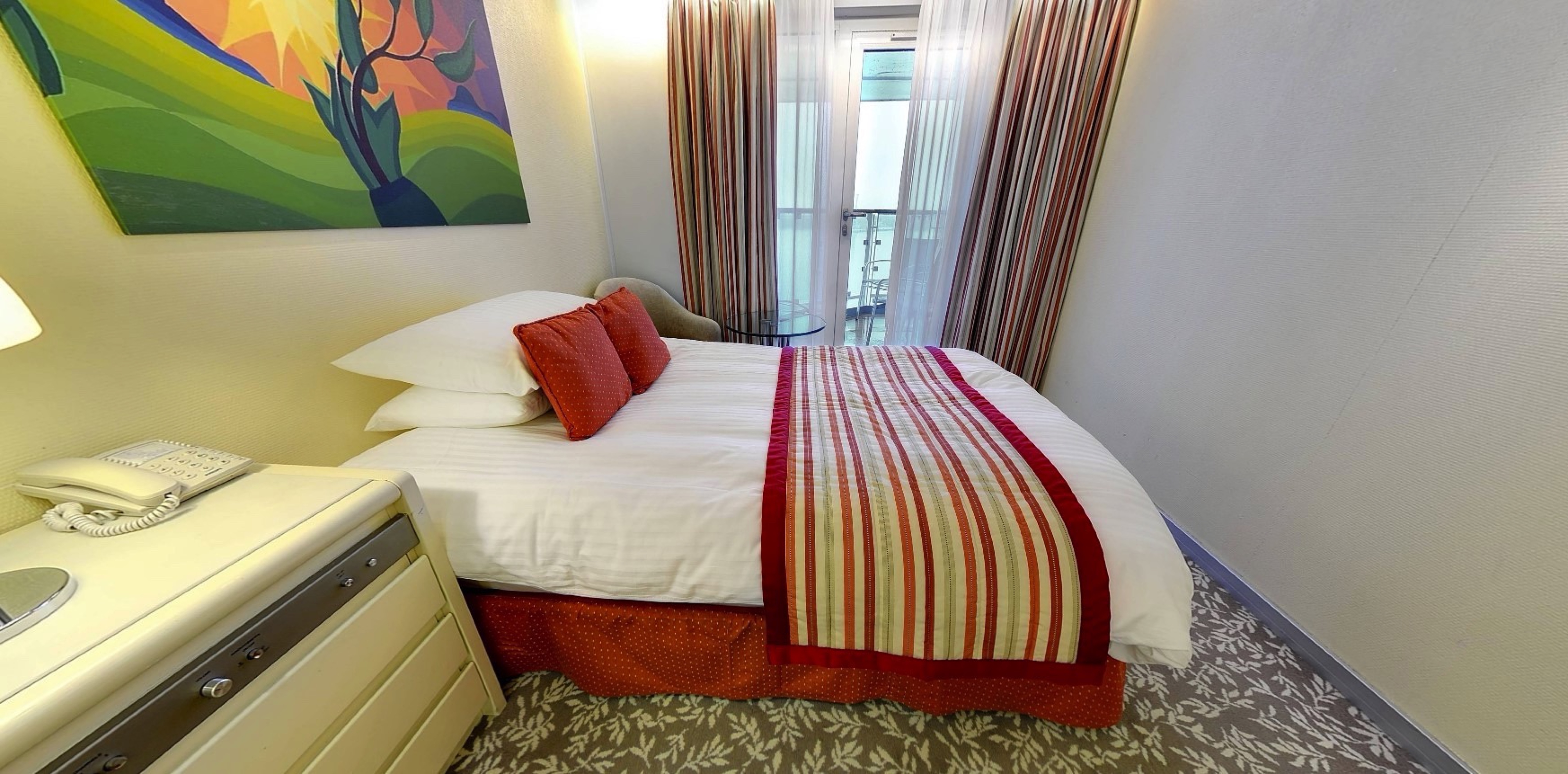
Single Balcony Cabin (J)
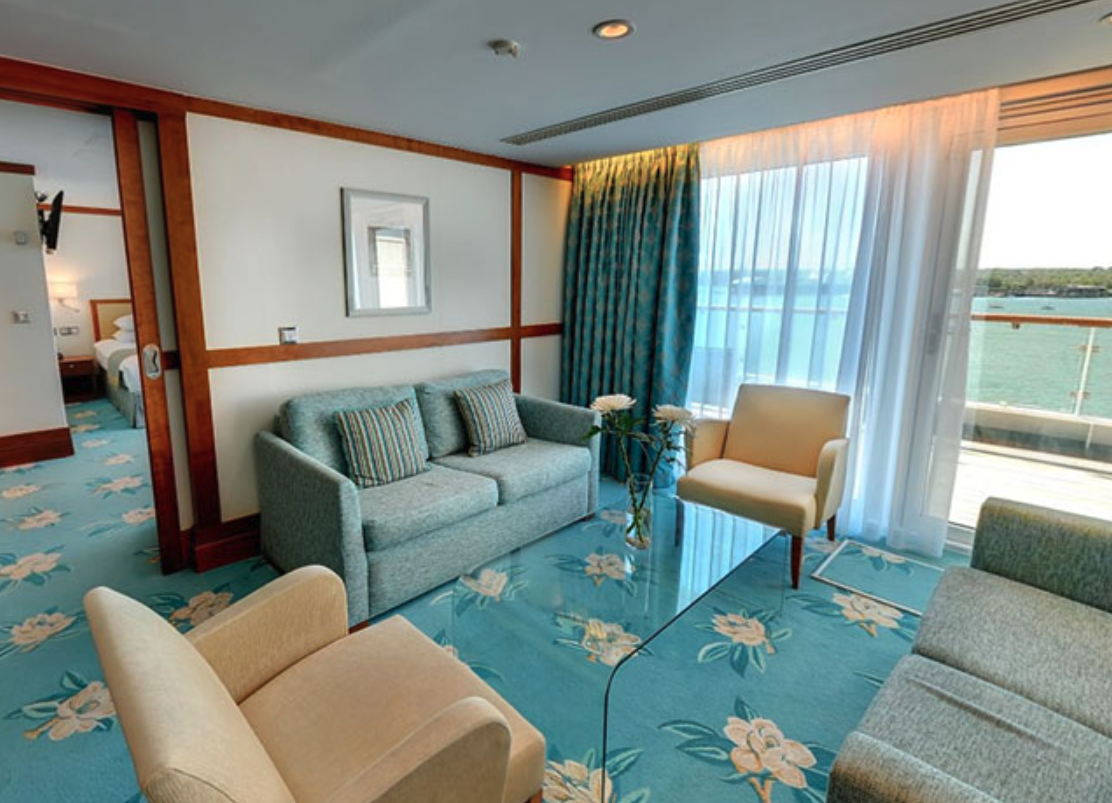
Owner's Suite (OW)
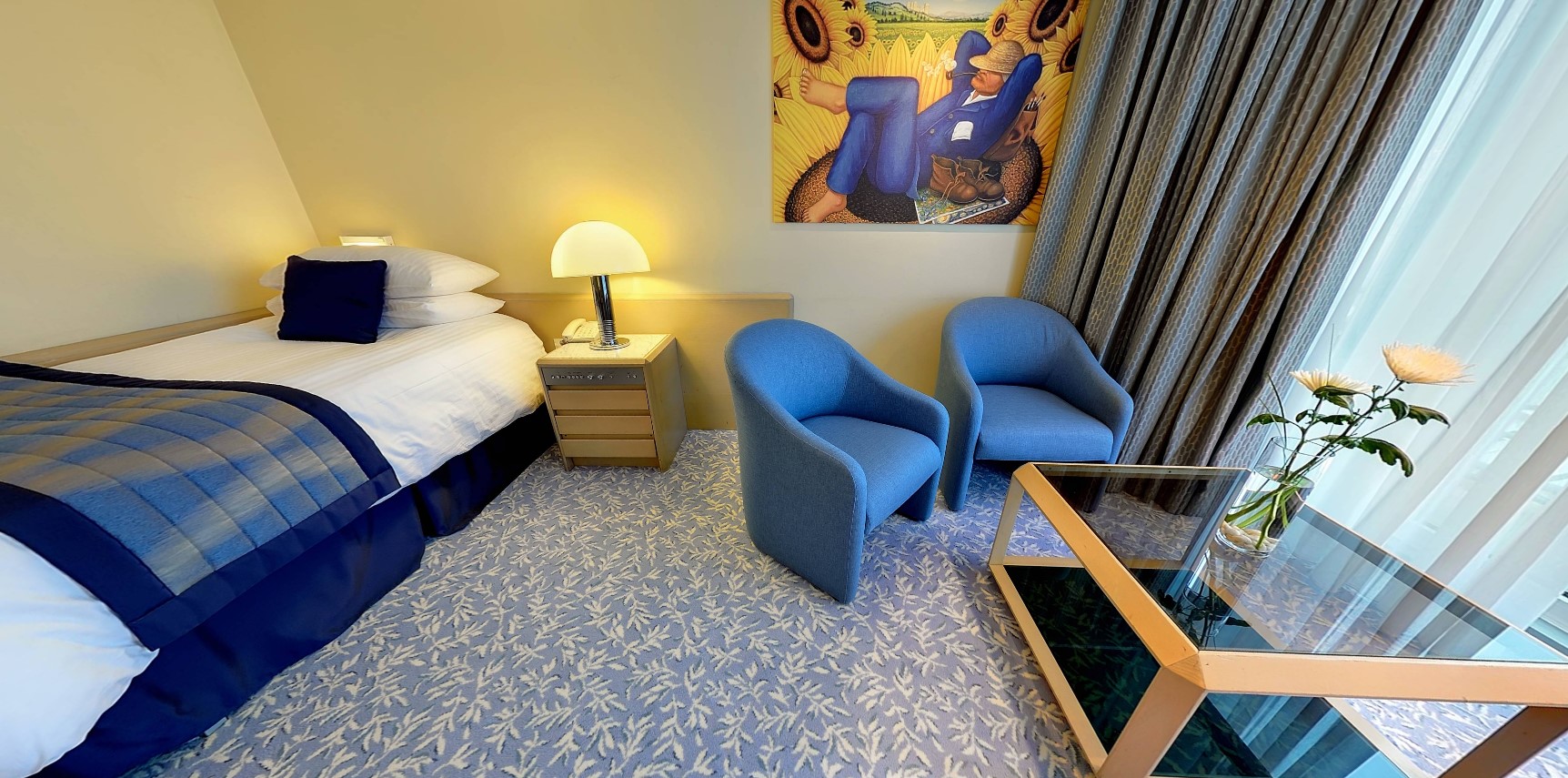
Single Balcony Suite (JB)
Ship Facilities
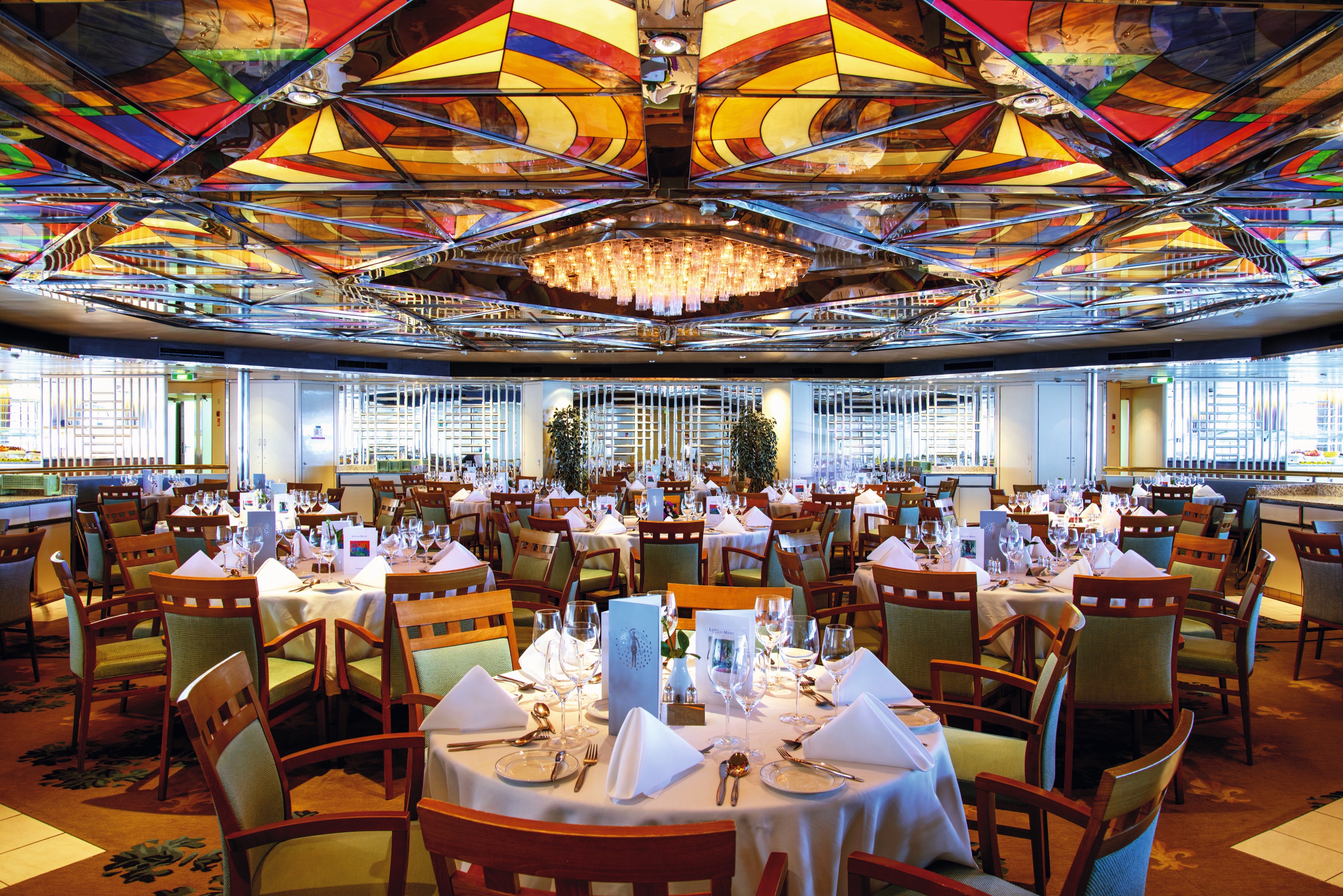
Ballindalloch Restaurant
Balmoral’s Ballindalloch restaurant offers a fantastic selection of expertly prepared delicious dishes to enjoy. Our delicious five-course á la carte menu changes each evening and is served to you by our attentive and friendly waiting teams.
Choose from mouthwatering steaks, perfectly cooked seafood and freshly made soups; all accompanied by bread baked on board each day. Take the chance to sample our featured Treats of the Region dishes, created in line with some of the destinations you are visiting on your Fred. Olsen cruise.
Spey & Avon Restaurants
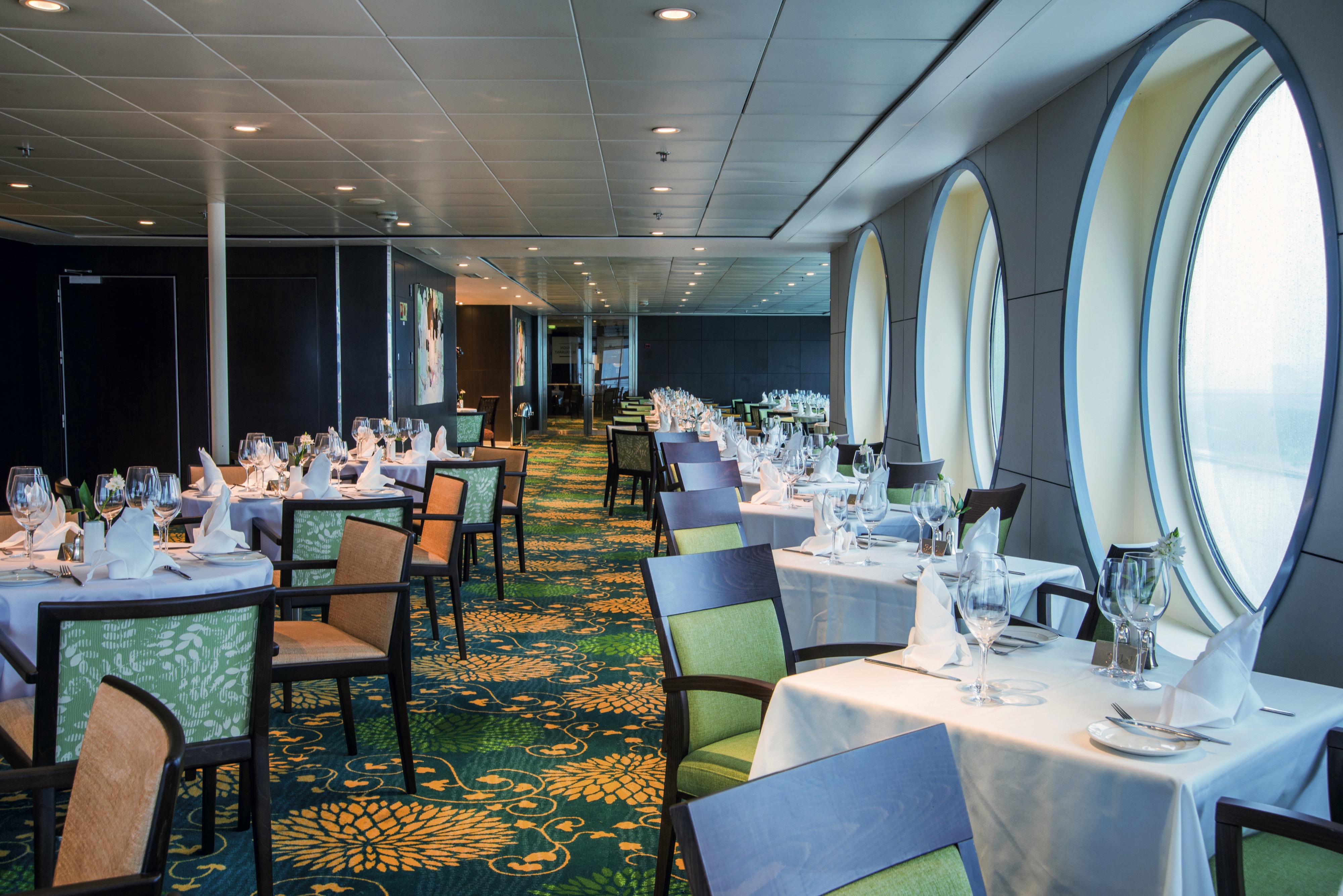
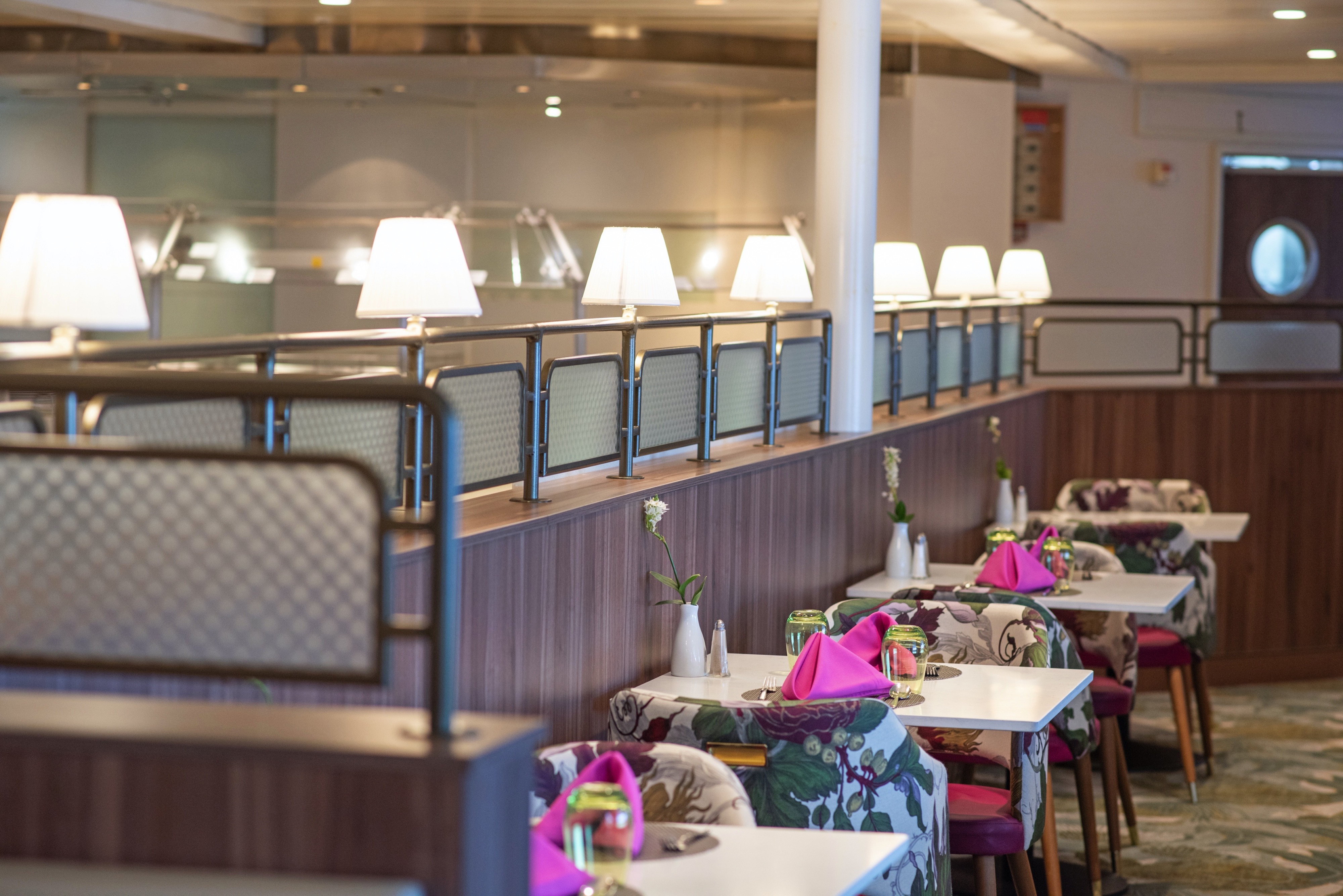
The Spey and Avon restaurants have been carefully designed to really make the most of the large windows providing natural light and ever-changing views as you enjoy the same delicious five-course á la carte menus that are on offer at the main Ballindalloch restaurant. Freshly cooked breads and soups are on offer, along with succulent steaks, pasta dishes and melt-in-the-mouth desserts. There’ll also be treats of the region dishes available for you to try, which are influenced by the destinations you’re visiting.
The Bookmark Café
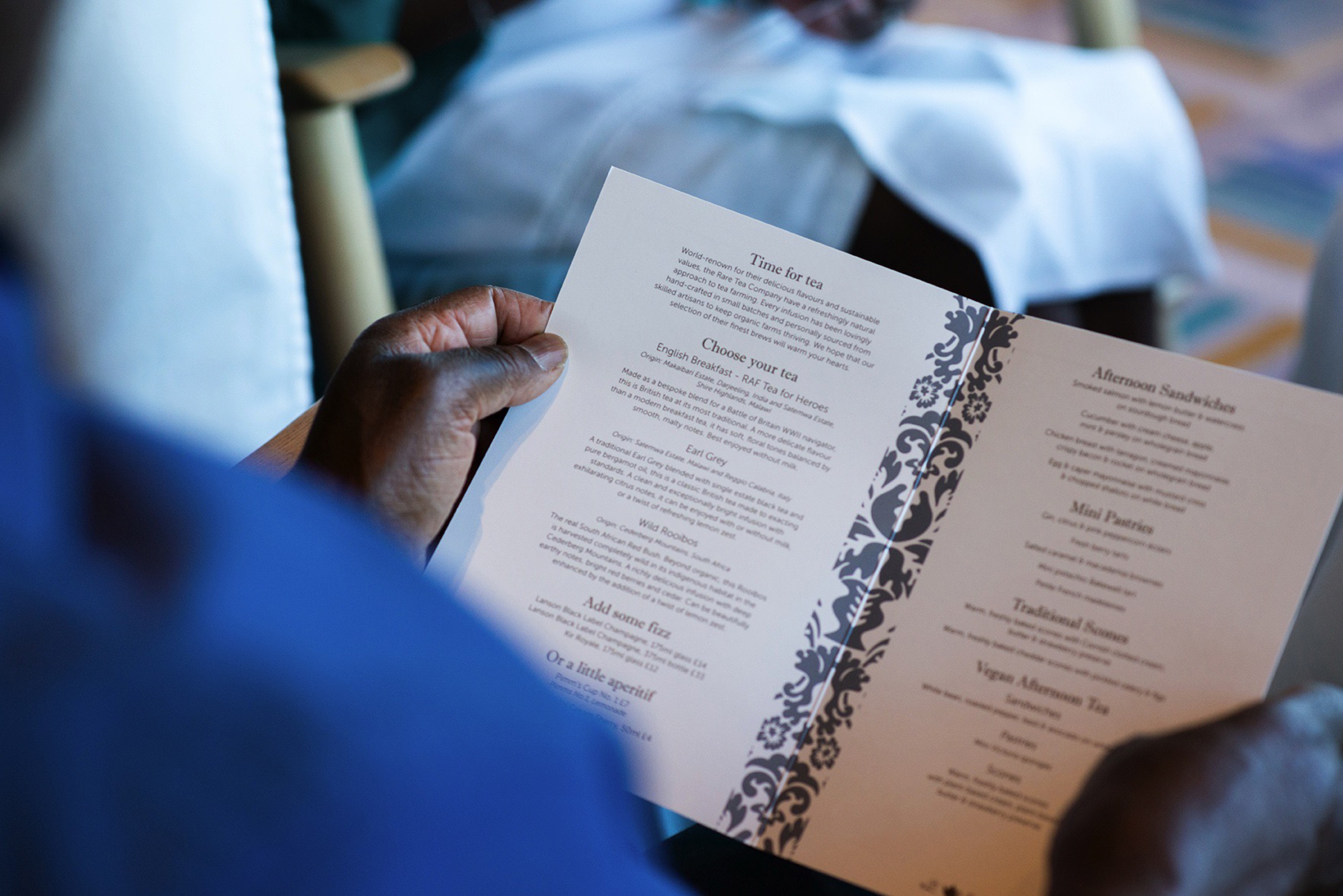
The Bookmark Café serves a selection of delicious speciality coffees and quality tea blends. Enjoy a quiet moment with a book or share the experience with good conversation, accompanied by our heavenly fresh chocolates and baked treats. From pralines to Champagne truffles, these mouth-wateringly good treats are too good to miss. If you’d like to make use of your Bookmark Café card – just £25 for 7 hot drinks and a bag of delicious truffles – then our friendly Baristas will be happy to fill your reusable cup with the drink of your choice, to enjoy on a stroll around deck or as you explore ashore.

Traditional Afternoon Tea
Each day complimentary afternoon tea is served in the Thistle Restaurant with sandwiches, scones and cakes, along with fresh tea and coffee. During selected sea days, guests can book our Traditional Premium Afternoon Tea* experience, with a selection of premium teas served in porcelain teapots, along with elegant finger sandwiches, pastries and warm scones with jam and clotted cream. These can be enjoyed alongside beautiful views from the Observatory Lounge, with musical accompaniment from our on board pianist and the careful attention of white-gloved waiters.
*Booking ahead is highly recommended for all our Speciality Dining options, and reservations can be made using the pre-book button in your ‘My Cruises’ account from 13 weeks before and up to 1 day prior to departure. Please note, there is a £15 per person supplement for Colours & Tastes. Speciality dining booked on board is chargeable at £20 per person*. Our Traditional Afternoon Tea Service is charged at £13 per person.
Colours & Tastes
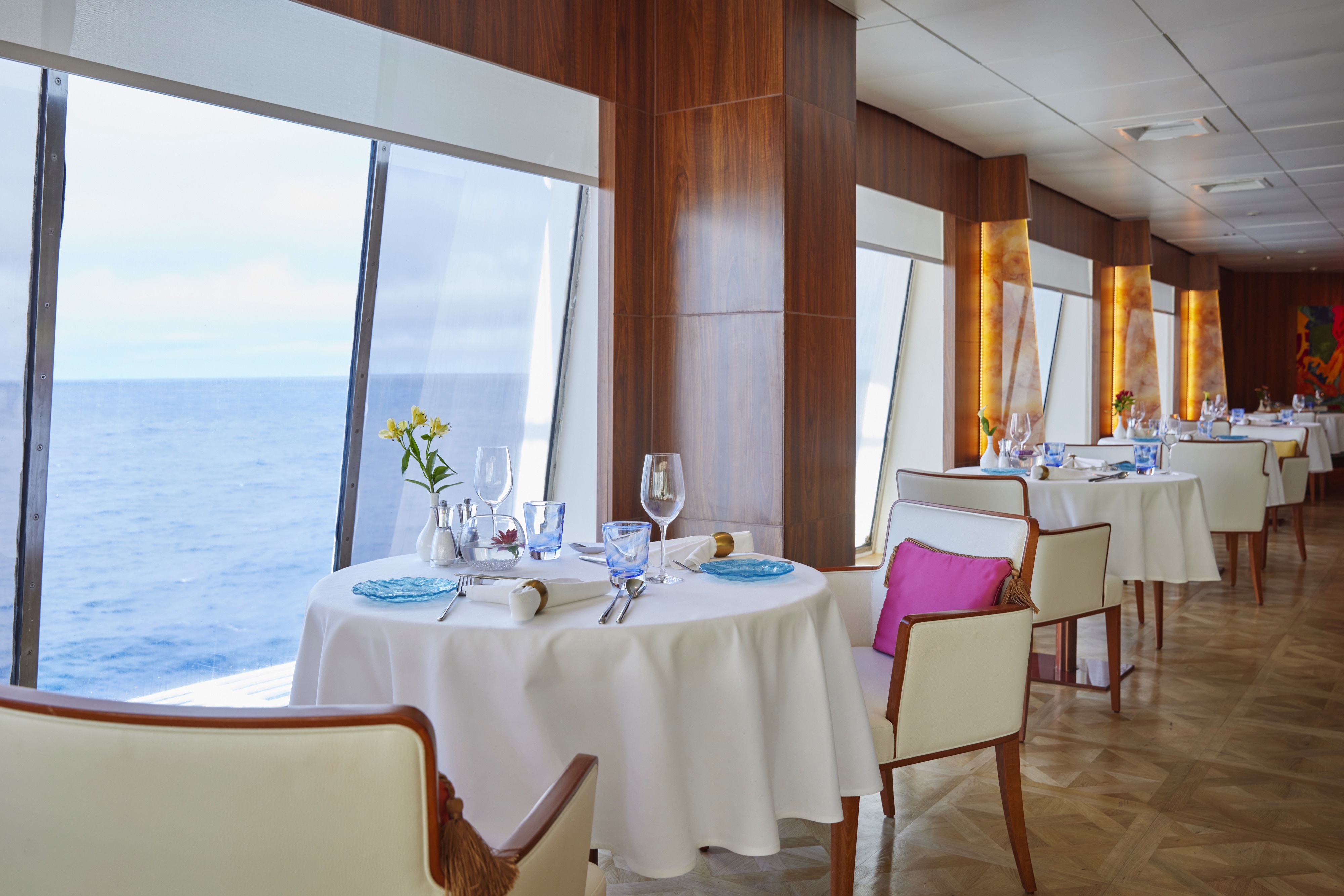
Our Colours & Tastes restaurant features a tempting journey across Asia, blending bold spices, fresh flavours and the fragrant aromas of the East. From delicate stir-fries to rich curries and creative fusion dishes, every plate is crafted to excite the senses. Embrace the spirit of Italy, where timeless recipes and beautifully balanced flavours take centre stage, bringing together comforting pastas, bright seasonal notes and thoughtfully prepared sauces; or experience the full flavour of the grill, where every steak is hand-cut by our in-house butcher, selected by the chef, seasoned with precision and perfectly seared to lock in the flavours. From juicy, succulent steaks and tender, meaty prawns, to delicious plant-based steaks. Each plate delivers the deep, satisfying tastes of an exceptional grill experience.
Colours & Tastes will offer Asian, Grill and Italian menus on a rotation basis.
The price to book before you cruise will be £20pp, or £25pp if booked on board.
Thistle Restaurant
The Thistle Restaurant is designed with a light and airy feel, offering guests a more informal and relaxed dining experience, boasting a fresh layout, with stylish soft furnishings. The casual, self-serve dining experience with table-service drinks is perfect for those who prefer not to dine at a set time in the Ballindalloch, Spey and Avon restaurants, or those looking to indulge in a late night snack. You can expect to find an abundance of indulgent dishes, expertly prepared by our on board chefs, with various breakfast, lunch and dinner options, and a tasty selection of complimentary afternoon teas with sandwiches, scones and tempting cakes. There will also be the opportunity to try various dishes in our Treats of the Region section, which are local to the destinations you’re visiting on your Fred. Olsen cruise.
Room Service
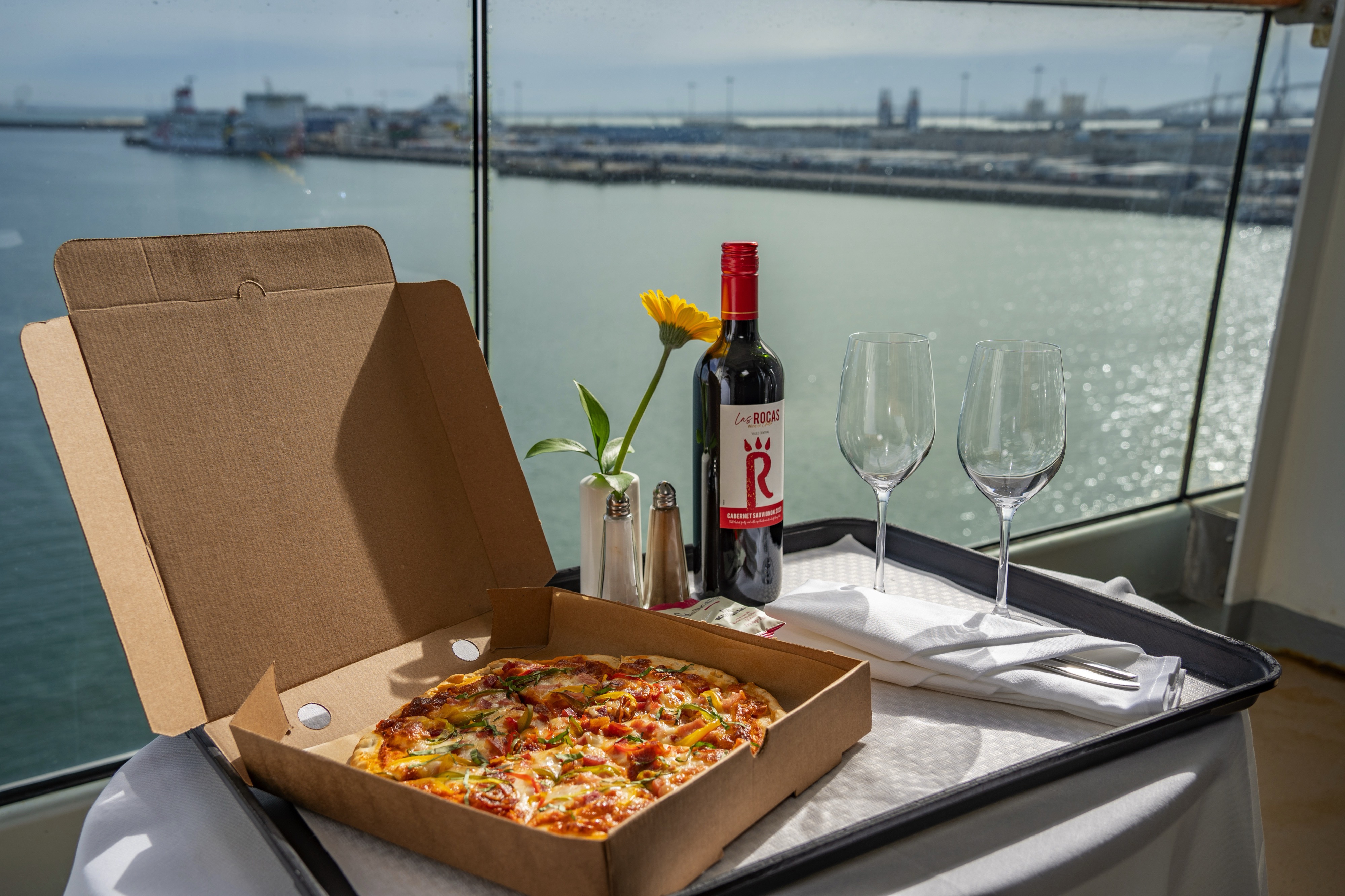
All of our suites and cabins have tea and coffee making facilities included as standard, so you can enjoy a pick-me-up first thing or a relaxing drink at the end of the day. Continental breakfast can be ordered in advance for delivery at your preferred time, while snacks are available from 10am onwards.
For those times when you’d like a little something more, you can also order room service* up until 11pm every day. Choose from a delicious selection of dishes, including soups, salads, sandwiches such as a turkey club or grilled cheese, or hot bites of burgers, hot dogs, and pizzas, followed by sweet treats like chocolate fudge cake or New York cheesecake.
Guest Speakers
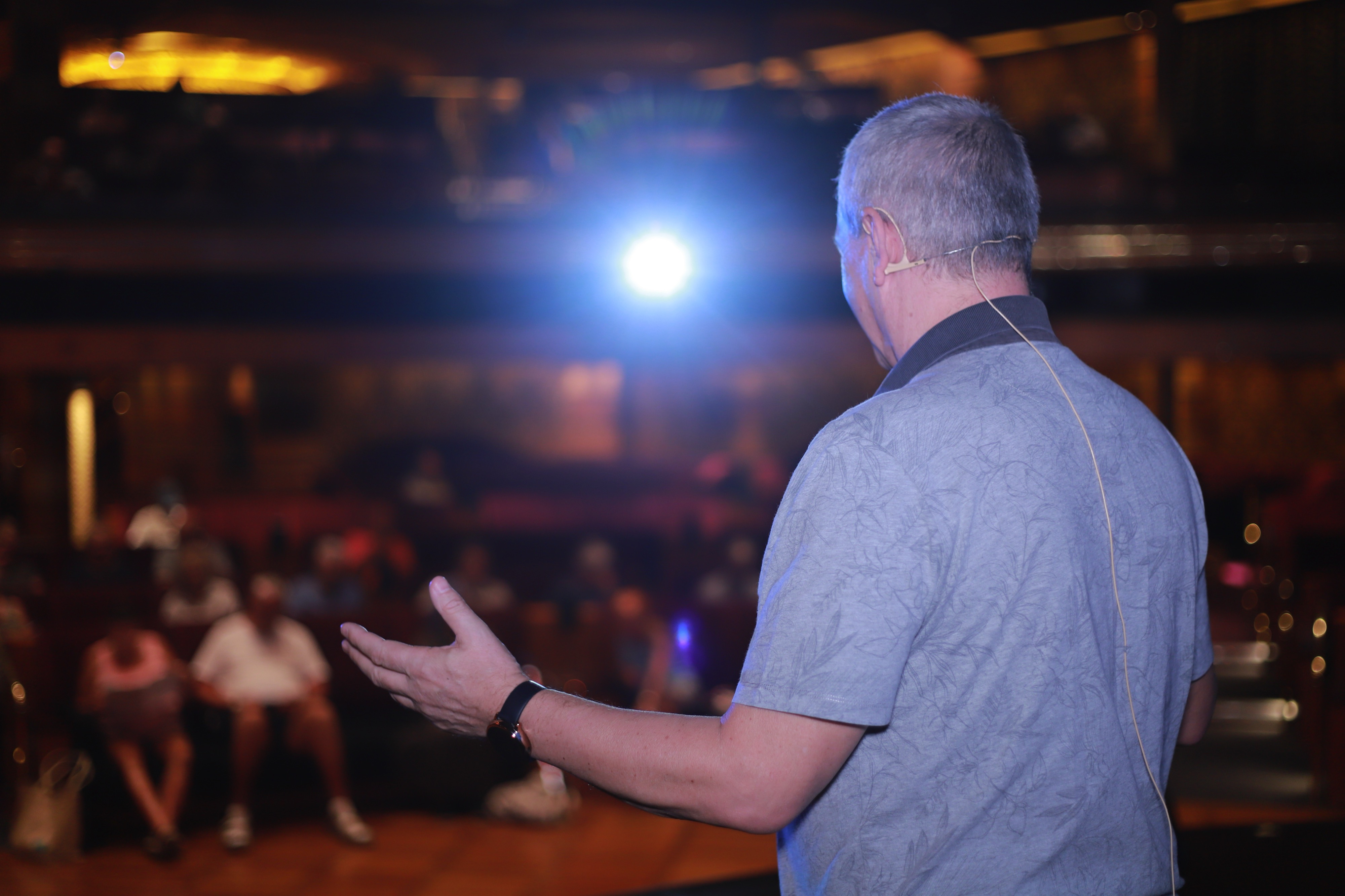
We’re often joined on board our ships by port experts and guest speakers to talk our guests through a range of subjects and topics, such as history, geography, aviation, wine tasting and foods of the world.
On all cruises our informative Port Talks will be available for our guests to enjoy in preparation for arrival into each port. Our knowledgable lecturers share information to help guests make the most of their time ashore, while on some sailings, there are lectures that delve deeper into specific destinations on the itinerary too.
Dance Classes
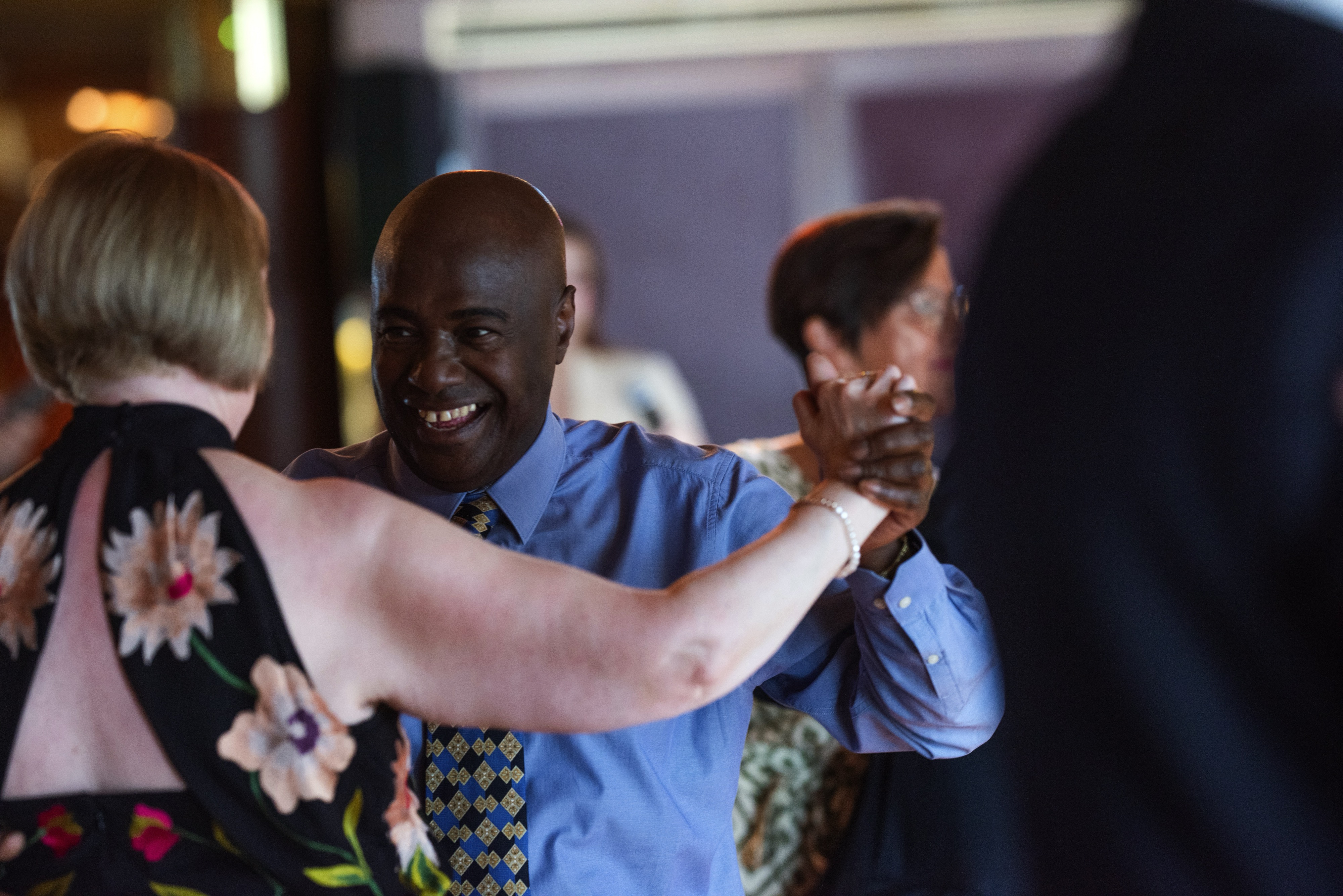
For many of our guests, the time spent on the dance-floor is one of the highlights of their days on board our smaller ships. So its no wonder that our Dance Classes – hosted by our wonderful Entertainment teams – always prove popular.Show less
Our instructors teach a variety of dancing styles, from line dancing to ballroom and sequence dancing, helping guests to learn and perfect their steps and moves before they head for their ship’s lounges in the evening to dance the night away.
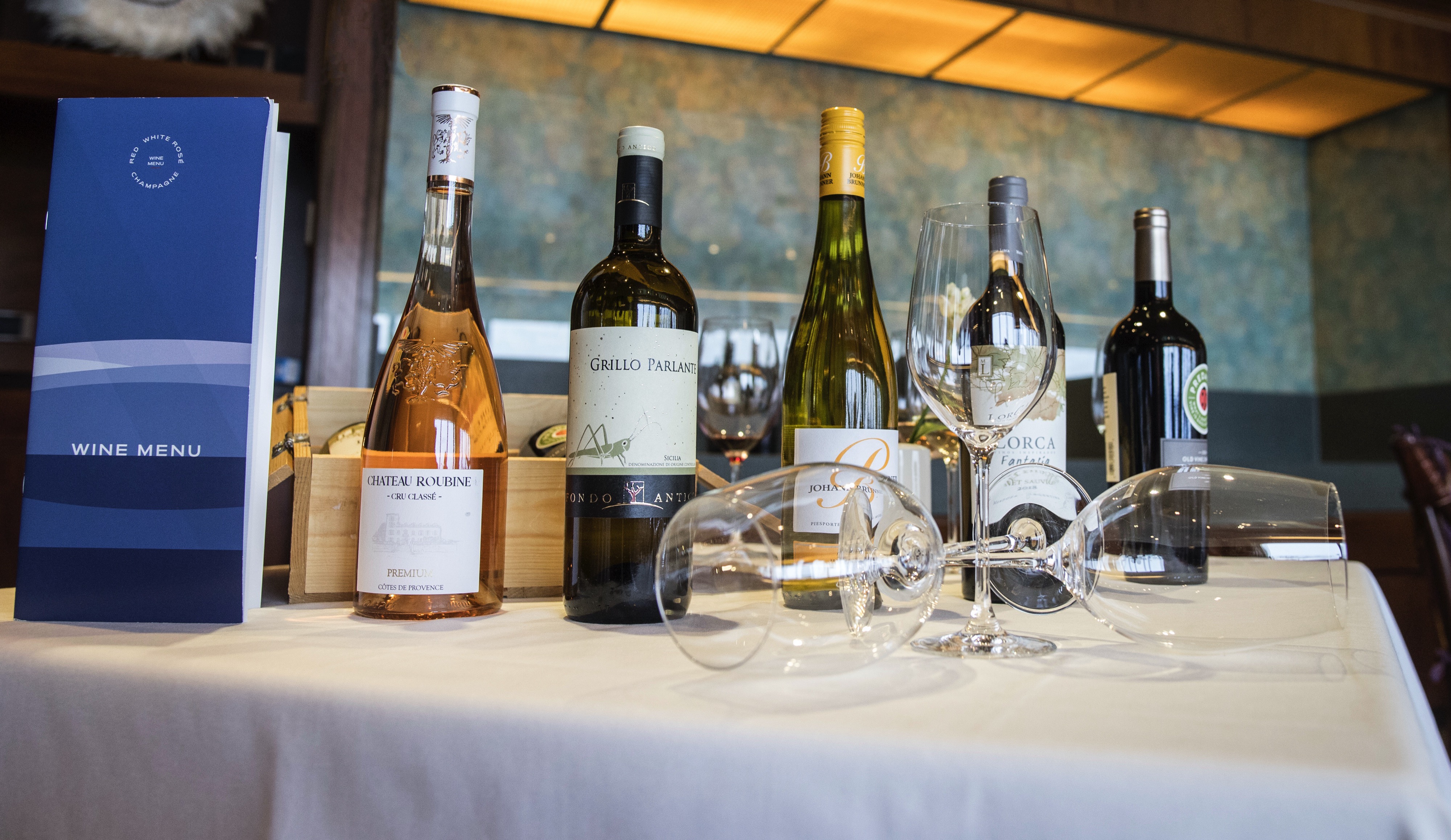
Tasting Events
Hosted by our Sommeliers, Tasting Sessions* on board our smaller ships offer a fascinating insight into the production processes, scents and flavours of some of the world’s finest tipples.Show less
The Tasting Sessions on your cruise could include opportunities to sample everything from delicious wines and Champagne to whiskey and a range of spirits, while occasionally our experts will also teach you the art of pairing food and drink to create combinations that perfectly blend the nuances of their flavour.
*To join our Tasting Sessions, there is an additional charge and this can vary on the type tastings on offer, full details can be found in your Daily Times once on board.
Travels to Come
Unlike other cruise companies who sail the same routes year after year, we are constantly researching and hand-crafting new itineraries. On every cruise we run a programme designed to inspire travel, where you can find out about the development of our new itineraries. Don’t worry, these are not sales talks or “exit through the gift shop” ruses – just an opportunity for travel enthusiasts to daydream about what is yet to come.
Fred. Olsen Book Club
With ample time and space to relax, many of our guests make the most of the opportunity to get stuck in to a good book during a cruise holiday on board one of Fred. Olsen’s smaller, friendlier ships. This is why to enhance reading enrichment further, we have introduced the Fred. Olsen Book Club on selected sailings, a chance to talk all things ‘bookish’ with like-minded people.
Hosted by the Cruise Directors and their Team, the Book Club provides a welcoming, social space in which you can openly and informally discuss thoughts and views on bestselling lighter reads, crime-thrillers and traditional or contemporary classics. Specific categories and titles to discuss at the Book Club on each cruise are chosen in advance and listed below, allowing you time to purchase the books or download them to your kindle, and read them before you set sail.
So, if you love a good book while discovering the world with Fred. Olsen, what better way to indulge your passion than joining your friends and fellow guests at the Book Club?
To enhance your Book Club experience even further, why not enjoy a delicious speciality coffee as you immerse yourself in your book with our Bookmark Bestseller card with 7 hot drinks (teas, coffees, or hot chocolates) for you to enjoy and a bag of milk or mixed truffles priced at just £25?
We look forward to welcoming you!

Behind the Scenes Tours
New – Our Behind the Scenes Tours!
Join us for an exclusive behind-the-scenes tour and discover the hidden secrets and challenges of running a cruise ship. You’ll gain special access to areas usually off-limits to guests, offering a unique glimpse into the inner workings of our vessel. Venture into the Galley to see how our chefs prepare your delicious meals, learn what it takes to manage the stores and laundry room, and enjoy visits to the Engine Control Room and the Bridge. Throughout the tour, you will have the opportunity to meet and speak with our dedicated crew members, gaining insights into life on board and hearing their stories first-hand. You will also receive a keepsake lanyard and a professional photo to commemorate your adventure. To ensure the most enjoyable, immersive experience, we have limited this tour to just 12 spaces.
Approx. 2 hours | £49pp

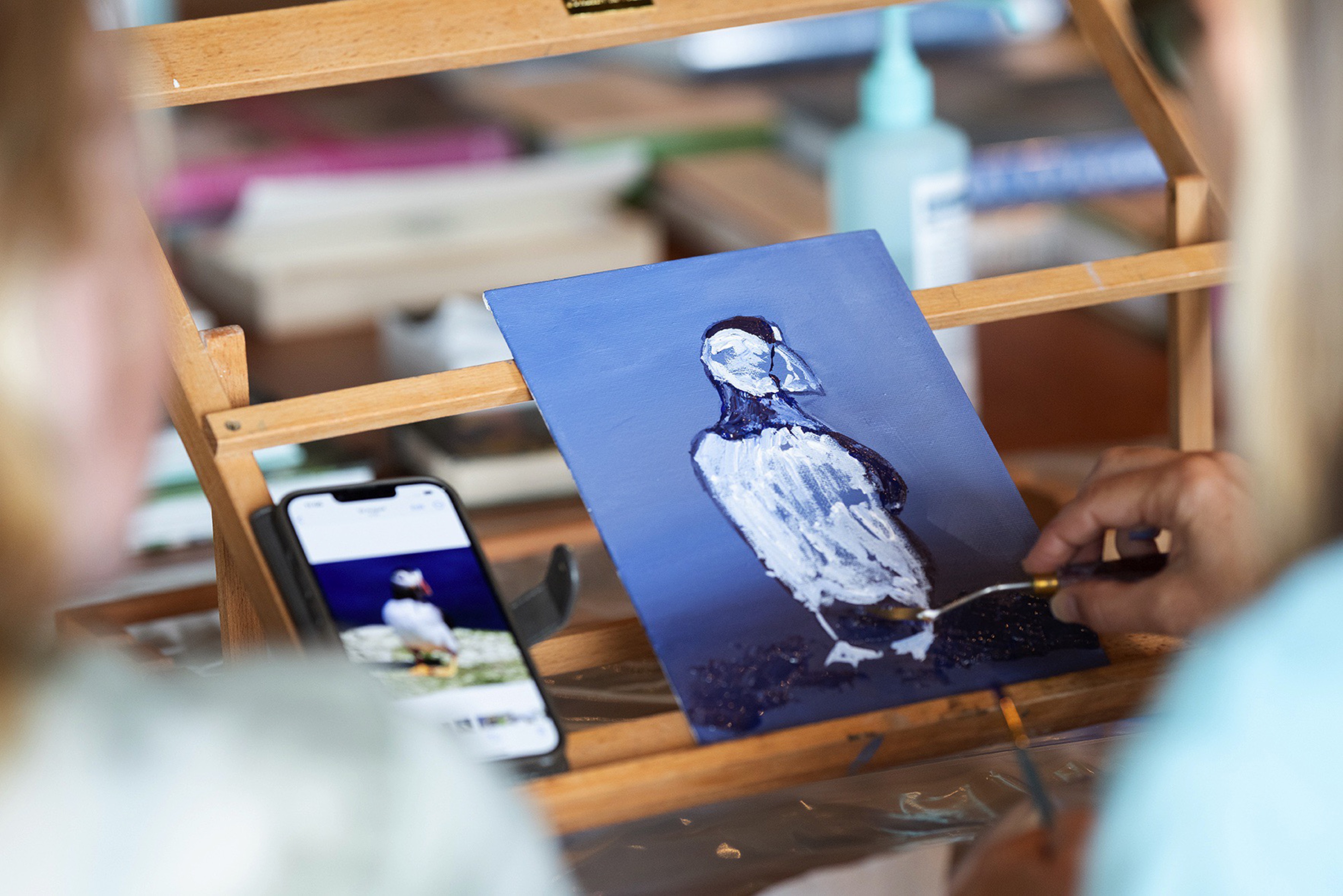
The Olsen Art Studio
The Olsen Art Studio on board Balmoral embodies the Olsen family’s love of art, providing a spacious area filled with arts and crafts items for a range of tasks. It’s a location for people who enjoy painting or drawing at home and want to improve their talents while at sea, and it’s also a welcoming venue for guests who may have enjoyed art in the past but haven’t had the opportunity to pursue it again.
Classes and activities led by various instructors will be held in the studio, as well as providing an open place for guests to come and work on their own unique arts and crafts projects.
The Marquee Bar
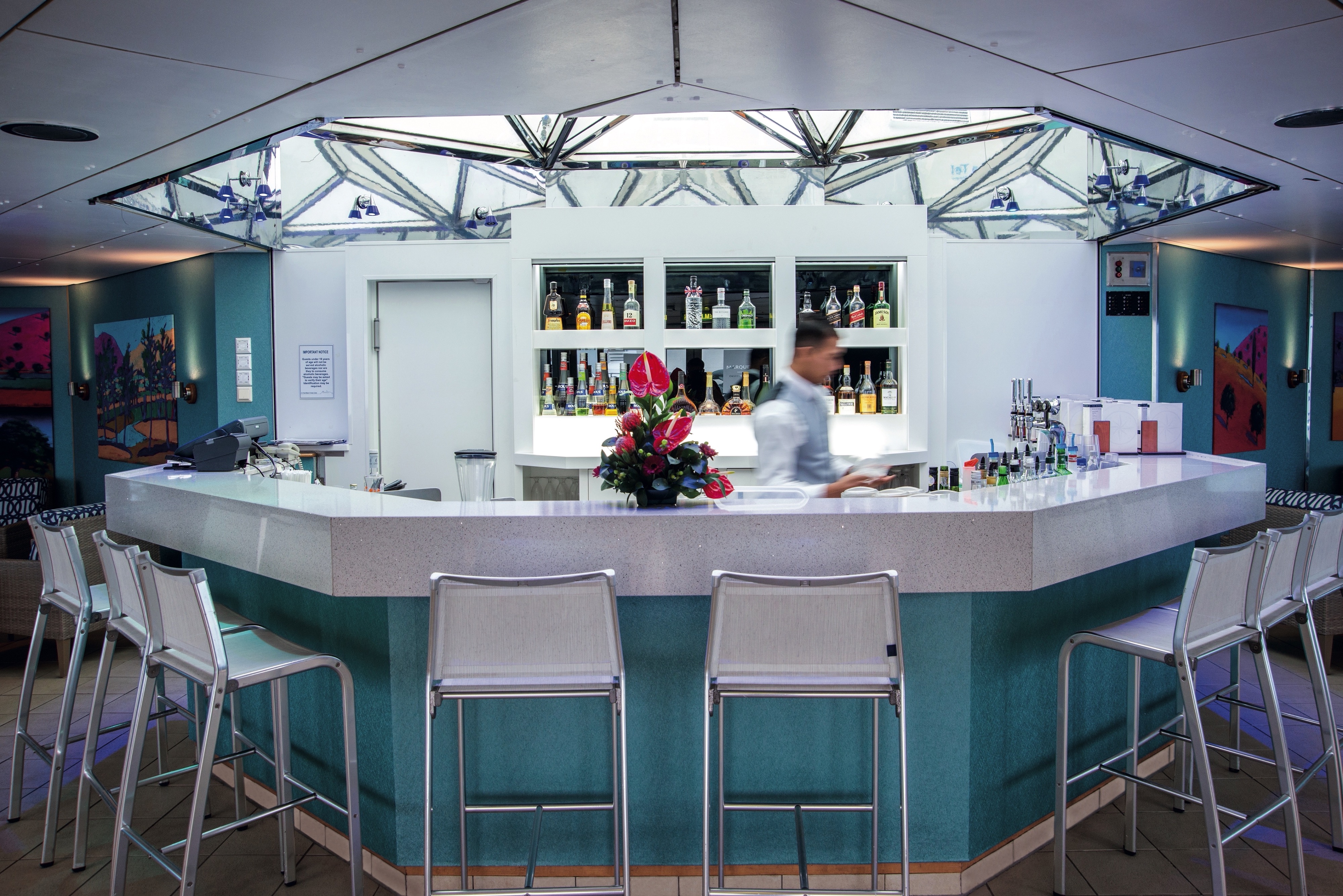
With its large windows, spectacular glass roof and beautiful décor and furnishings, the Marquee Bar provides guests with the perfect place to relax or meet up with new found friends. With a selection of beers, wines and expertly-created cocktails available, it’s the perfect venue for a pre or post-dinner drink, or for joining your fellow guests after enjoying a day ashore.
The Observatory
The Observatory has spectacular panoramic views and is a wonderful lounge to enjoy a drink in as you take a seat in one of the comfortable chairs by the lounge’s large windows – ideal for our scenic cruising of points of interest, tiny islands and iconic sights that you’ll observe from this perfect viewpoint. As we head into the evening, the Observatory comes to life with music and singing from our resident live bands, and you’ll have the choice of a selection of champagnes, sparkling cocktails or mocktails to add an extra touch of glamour to your on board experience.
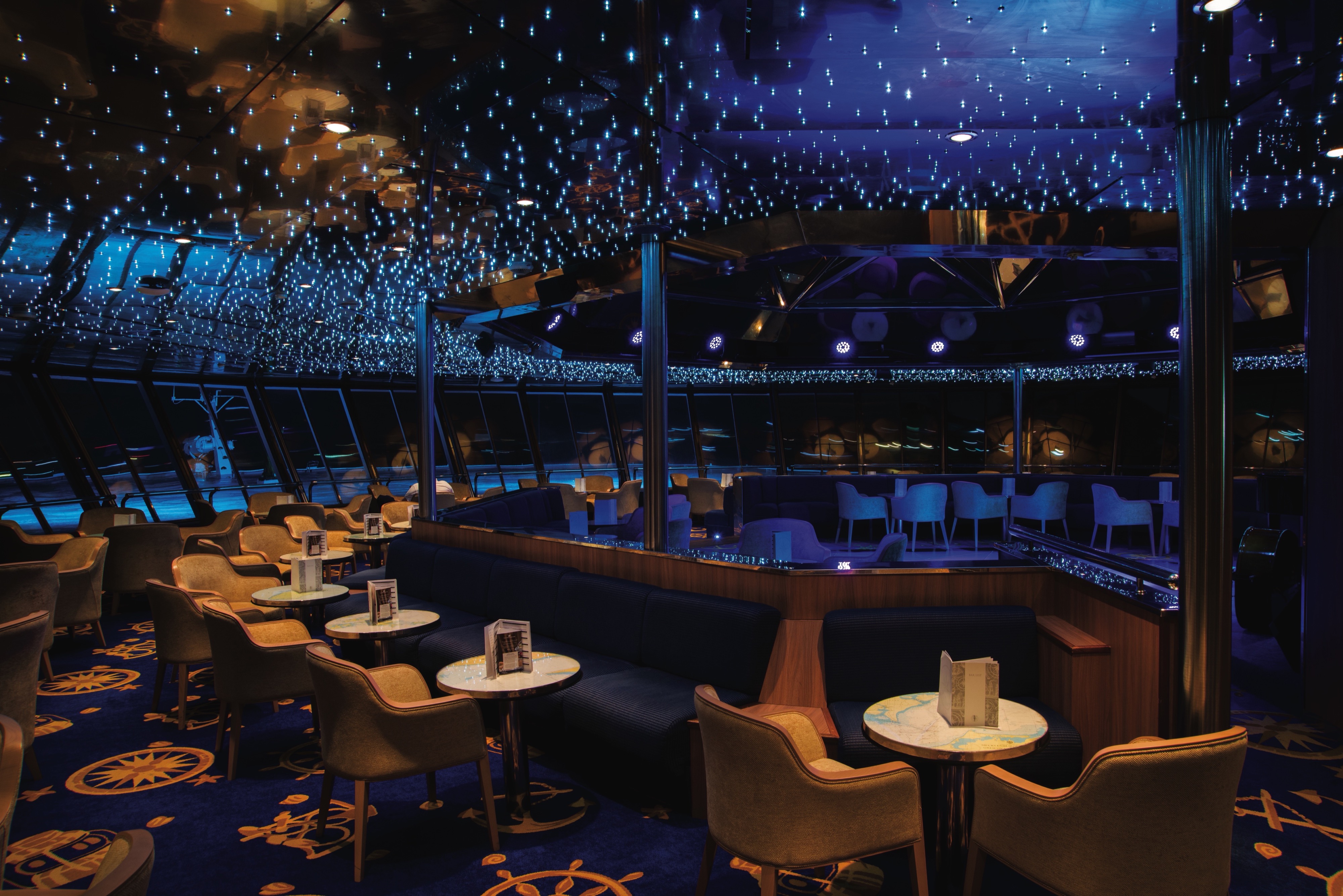
Lido Bar and Lounge
Our spacious and sociable Lido Lounge & Bar is the perfect place to enjoy a refreshing drink and chat with our friendly staff and your fellow guests. Popular both before and after dinner, the bar has large panoramic windows overlooking the aft pool, allowing natural light to flow through; while the lounge is perfect for enjoying music from our resident musicians.
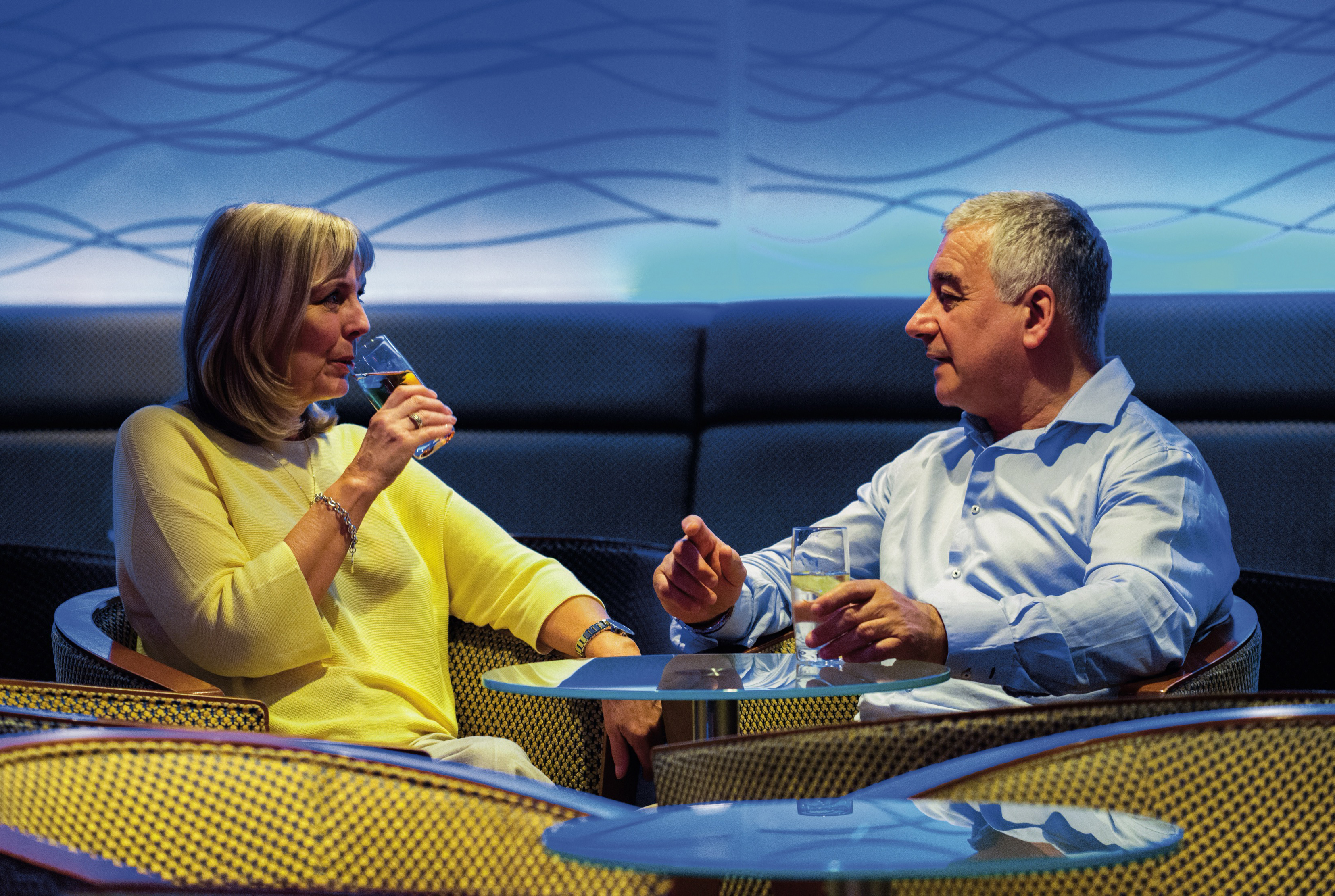
Morning Light Pub
Named after one of the largest sailing ships owned by the Olsen family in 1892 and decorated to resemble a British pub, the Morning Light Pub has a welcoming atmosphere and traditional style. Open throughout the day and the evening, it’s the ideal place to relax and socialise with friends both old and new. Featuring a well-stocked bar with a collection of beer and cider, including both British and international classics, and a selection from independent breweries close to our office in Ipswich, sip a drink and listen to our resident singers and guitarists, or take part in the popular (and competitive!) Fred. Olsen quiz.
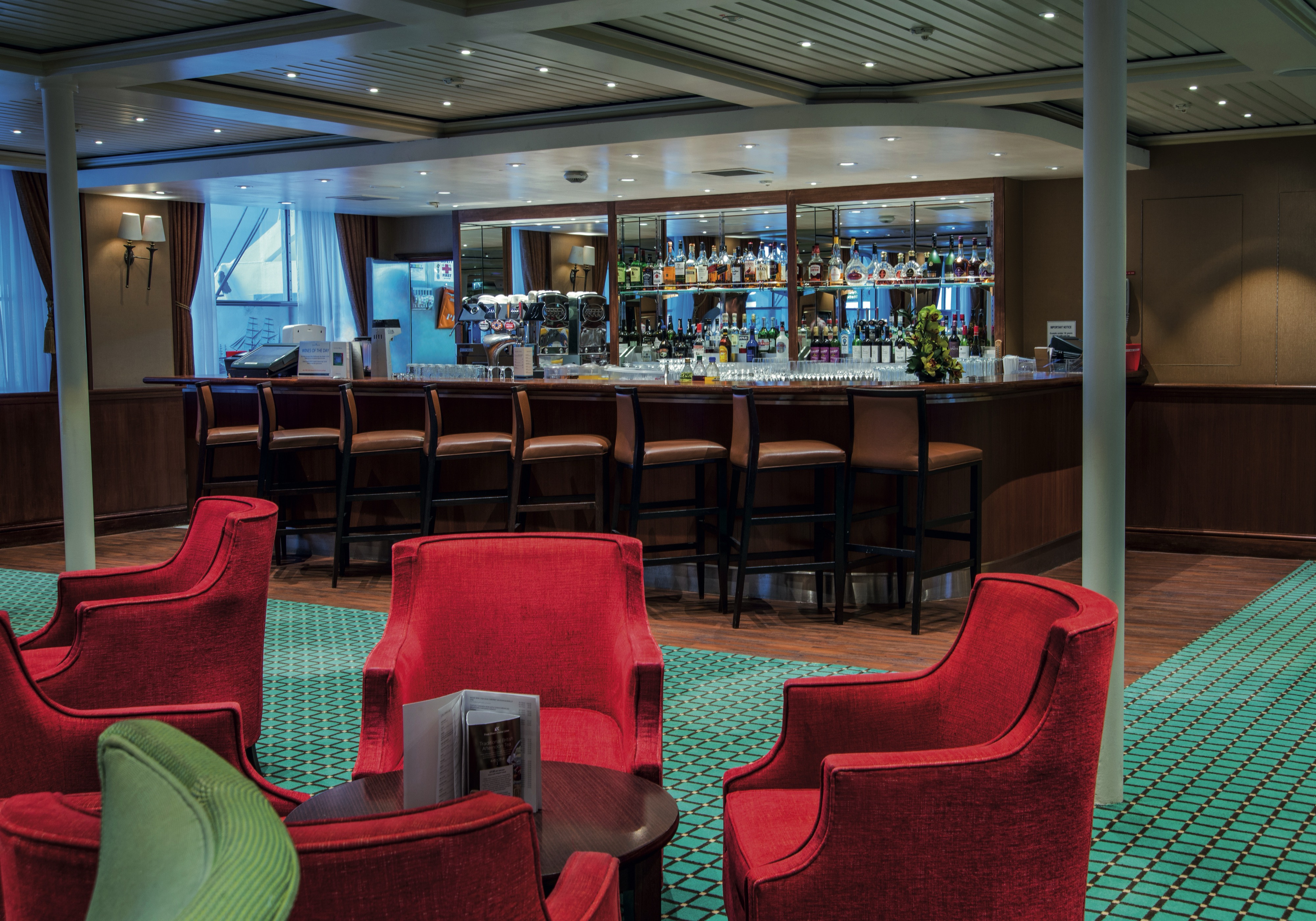
The Serenity Tea Room
The Serenity Tea Room has been designed with quiet beauty and gentle elegance in mind. The colours are pale and powder-soft, and the furnishings are inspired by Chinese silks and rare orchids. During the day, we serve a refreshing menu of unusual loose-leaf teas and herbal infusions from the East, or a rare tea-tasting experience where you can learn about each tea’s story and origin. Join us for a relaxing tea-inspired cocktail, such as the refreshing Lemongrass Mojito or Lime & Mint Mar-tea-ni, or a selection of cold beers including specialities from Japan, Singapore and Thailand. We also offer a non-alcoholic cocktail or two, based on Sri Lankan and Chinese teas.
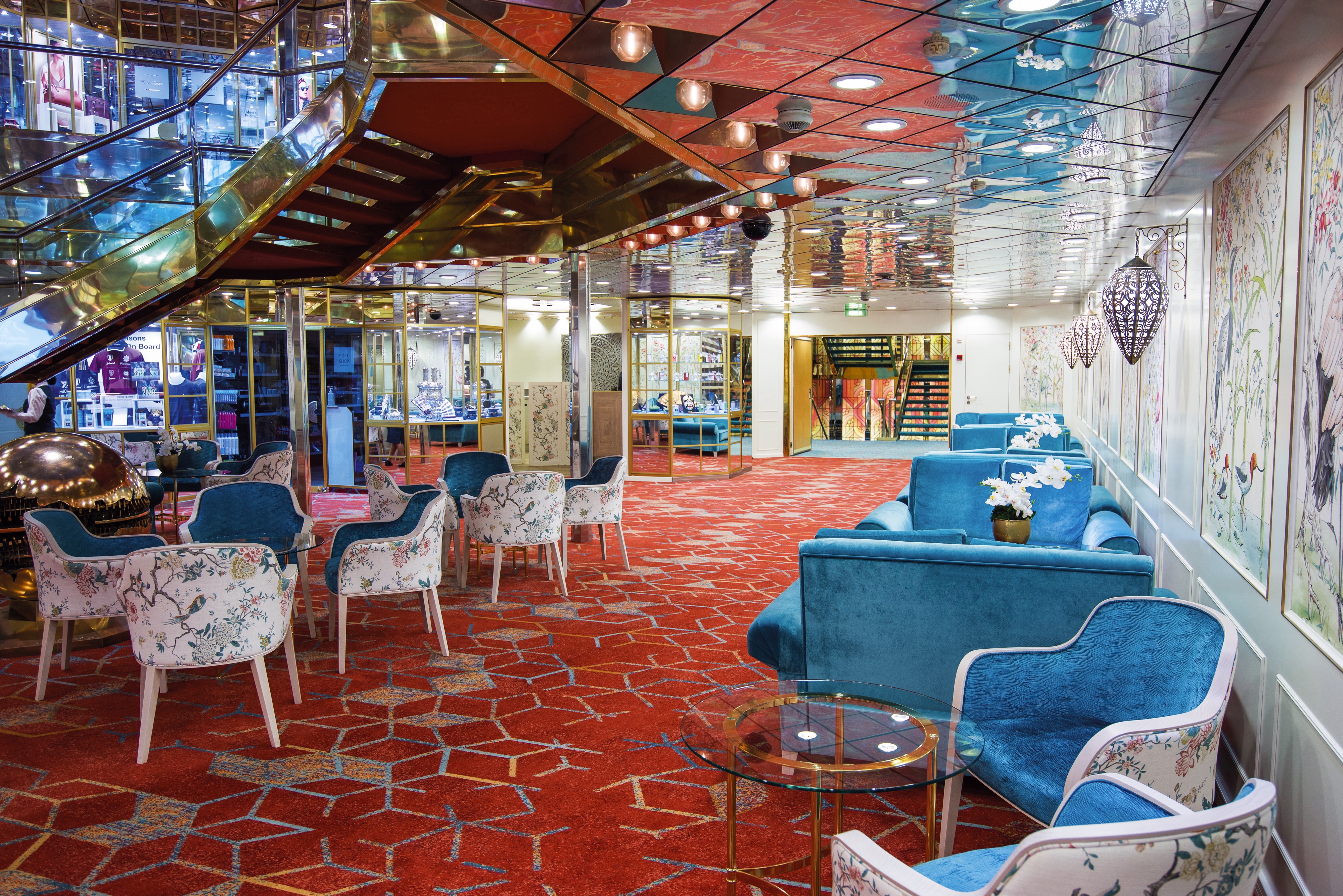
Neptune Lounge
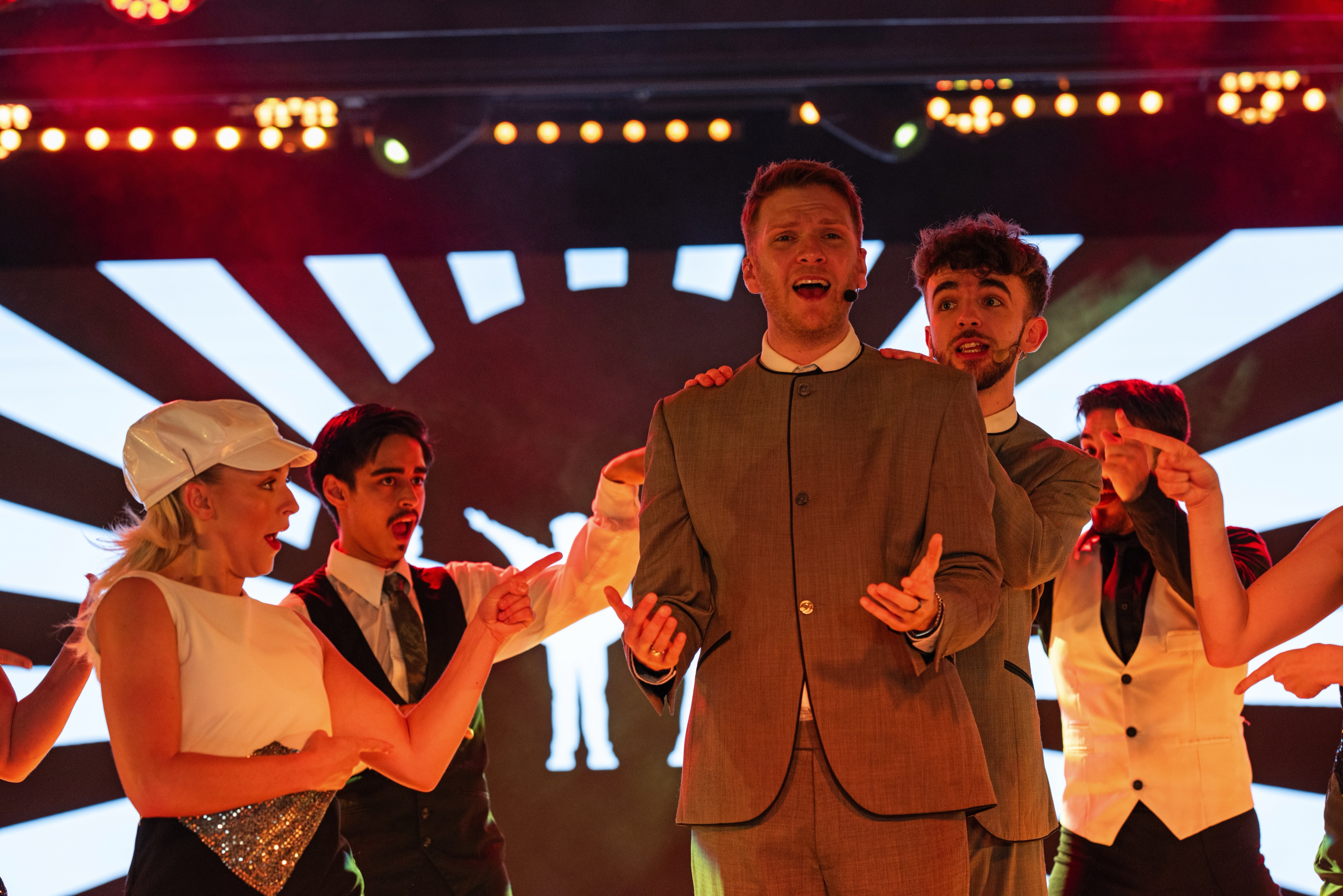
Join us in the Neptune Lounge as we put on memorable shows for you, along with guest comedians, singers and magicians who’ll delight and entertain you; and come along to our popular Captain’s Welcome and Farewell parties. During the day, the Neptune Lounge is used for our guest speakers who will share their knowledge with you, delivering fascinating talks and activities, designed to give you a deeper understanding of the destinations you’ll be visiting. It’s also the perfect place to attend our ‘Audience with…’sessions, where you can learn about how much work goes into our shows or hear about life as a ship’s Captain or officer.
Card Room
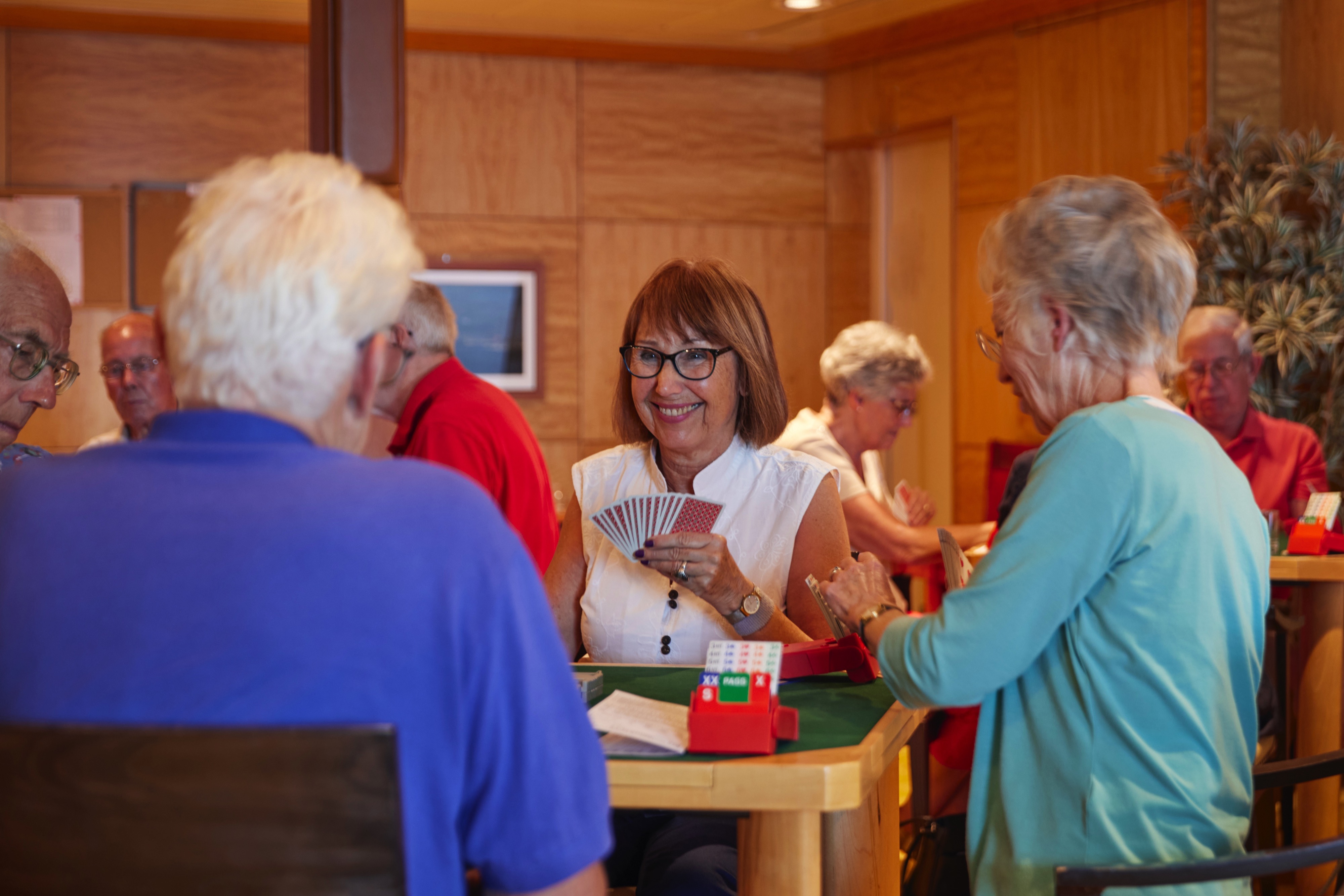
Featuring plenty of card tables and comfortable chairs, the Card Room on board Balmoral provides guests with a quiet, relaxing space to enjoy a competitive hand or two, or simply a bit of fun. Bridge is always a popular pursuit on board, so you’re sure to find players up for a challenge. On some cruises, Bridge tuition is on offer to help you develop your skills.
The Botanical Room
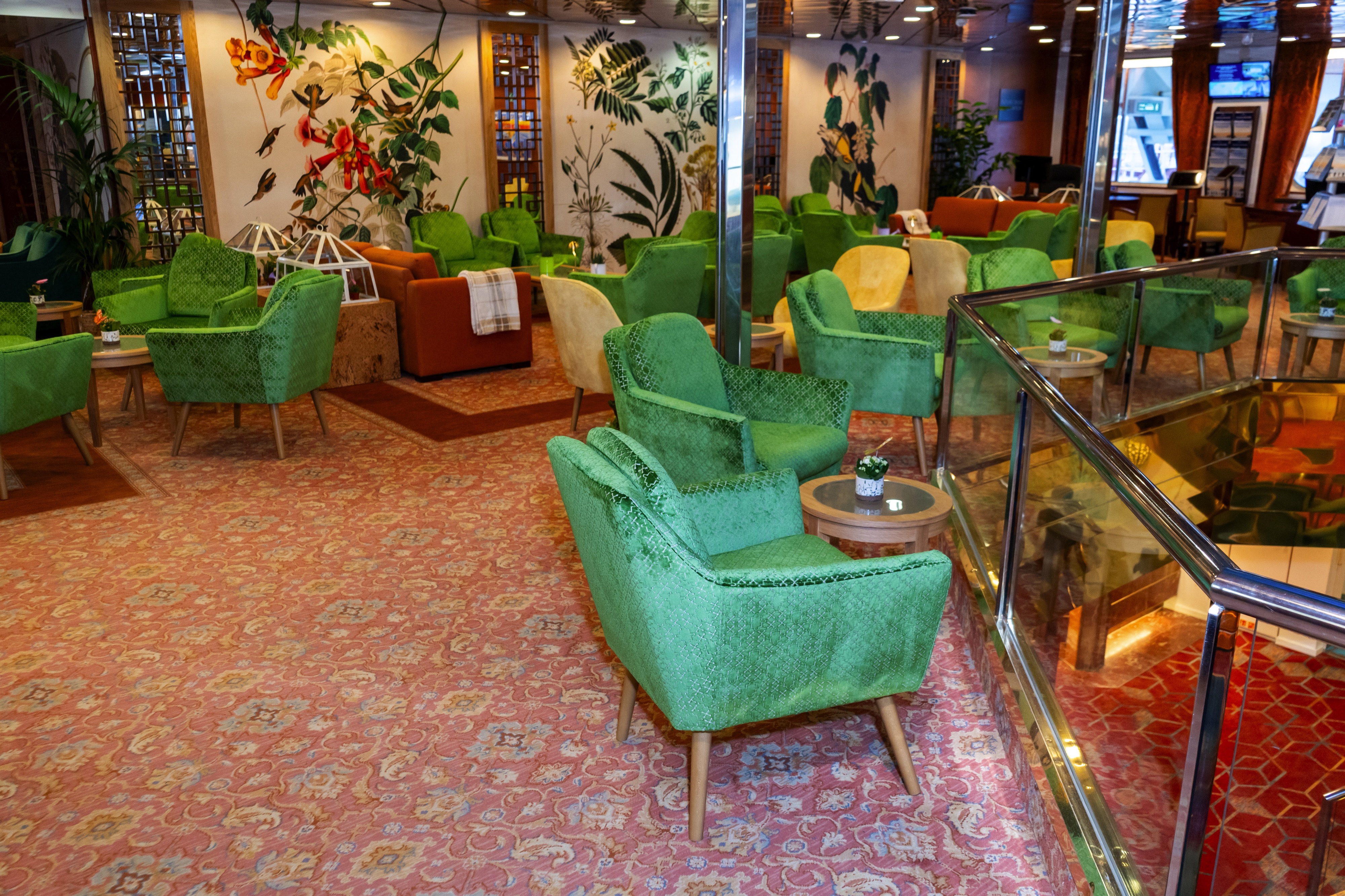
Designed in shades of lush greens and vibrant yellows, the Botanical Room aboard Balmoral offers a warm and inviting space for guests to unwind. Here, you can delve into a collection of magazines and books celebrating gardening, flowers, plant care, and the incredible diversity of flora around the world, in peaceful surroundings adorned with plush seating.
The Earth Room
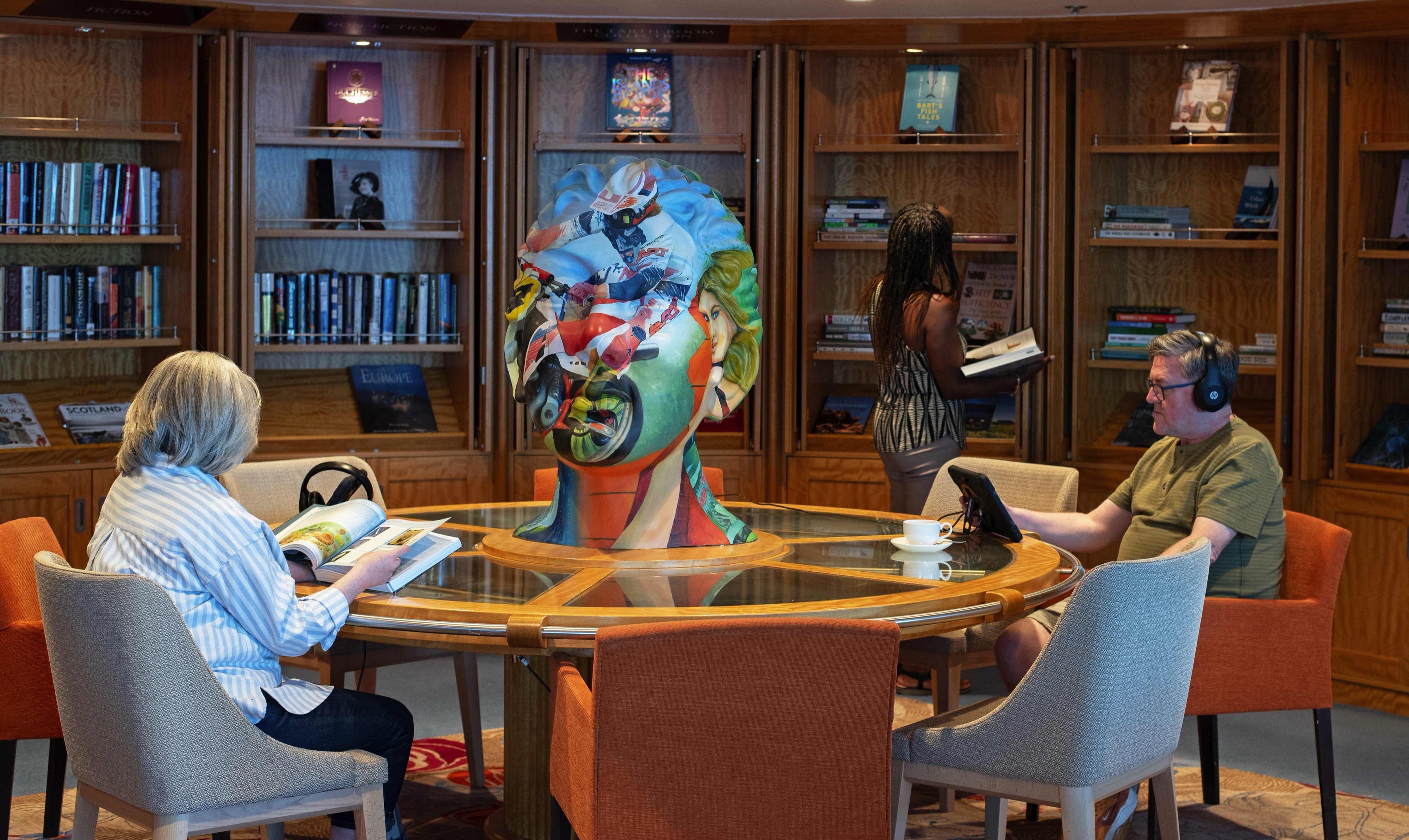
Our serene Earth Room is designed for those inspired by and curious about our remarkable planet. Featuring a unique collection of books individually picked by Fred. Olsen, covering topics like evolution, climate change, recycling, carbon footprints, and fossil fuels, along with tips on how we can all live more sustainably. There are also videos to view and digital literature to read, all of which are intended to be thought-provoking and conversation starters, making the Earth Room ideal for small groups to discuss relevant issues or simply learn more about our extraordinary world.
Boutique Shopping
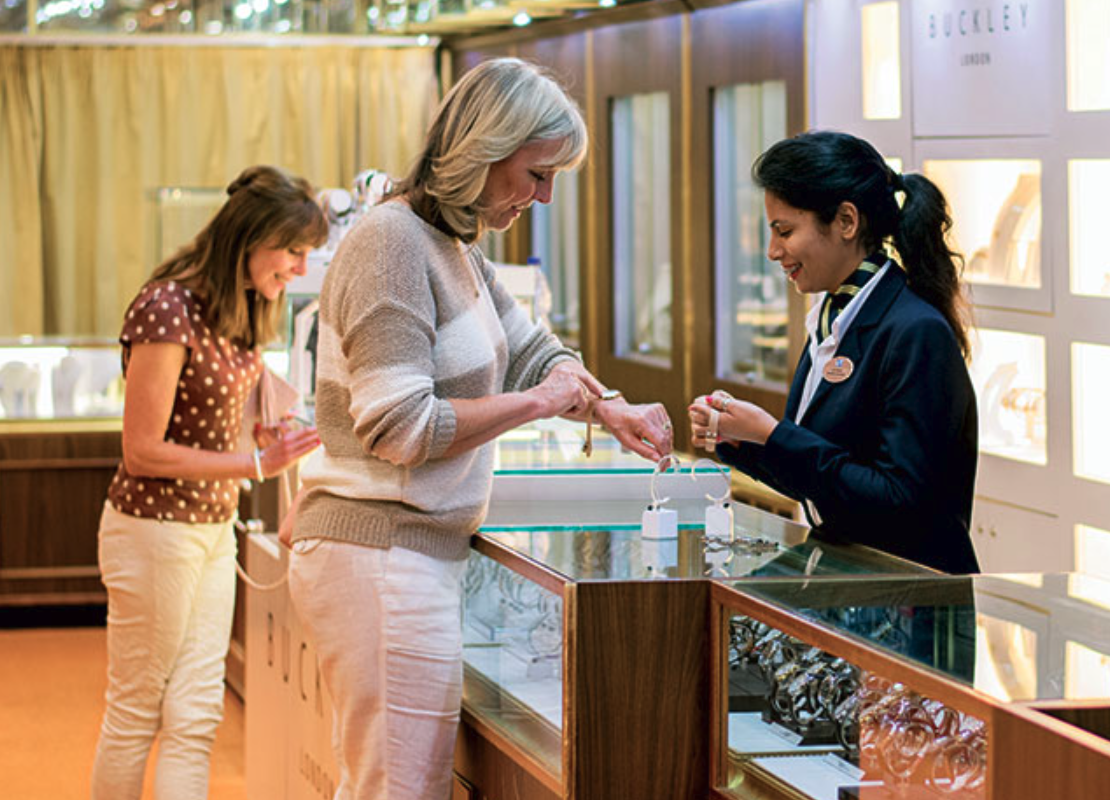
The shops on board Balmoral offer everything you may want or need during your time on board, whether you’re treating yourself or a loved one to a holiday gift or simply needing some essentials. Visit the Boutique Shop for perfumes, colognes and much more at Duty Free prices, or select from our superb range of Fred. Olsen branded merchandise, including casual tshirts, jackets and gilets, tote bags and rucksacks, travel mugs for taking your coffee from the Bookmark Café ashore, or lanyards for your all-important cabin card, all at our dedicated Sea Cove shop. If you need essentials, you’ll find everything from sun cream, shampoo and toothpaste to books and snacks too, and you could also bring home something special from the Jewellery Shop.
Pools & Jacuzzis
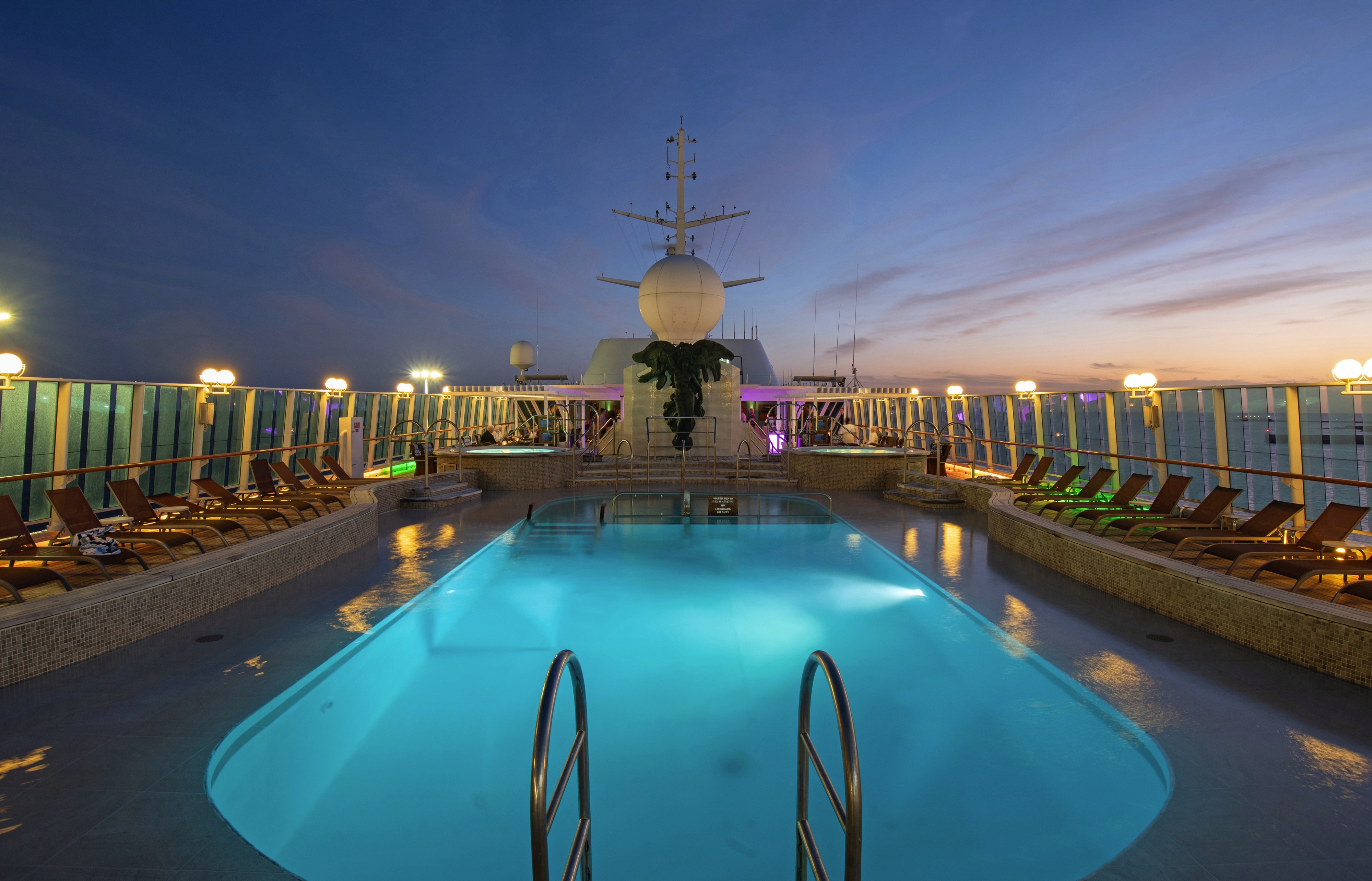
Keep fit by swimming a few lengths, or cool down after relaxing in the sunshine on deck in either of Balmoral’s large, heated saltwater pools. Located in the centre of Marquee Deck and at the stern of the ship on Lounge Deck, both pools are surrounded by open deck space and plenty of loungers, so are perfect for soaking up the sunshine or losing yourself in a good book. For blissful relaxation, head for the Jacuzzi and let the warm, bubbling water soak any cares away, while you chat with fellow guests.
Atlantis Spa and Salon
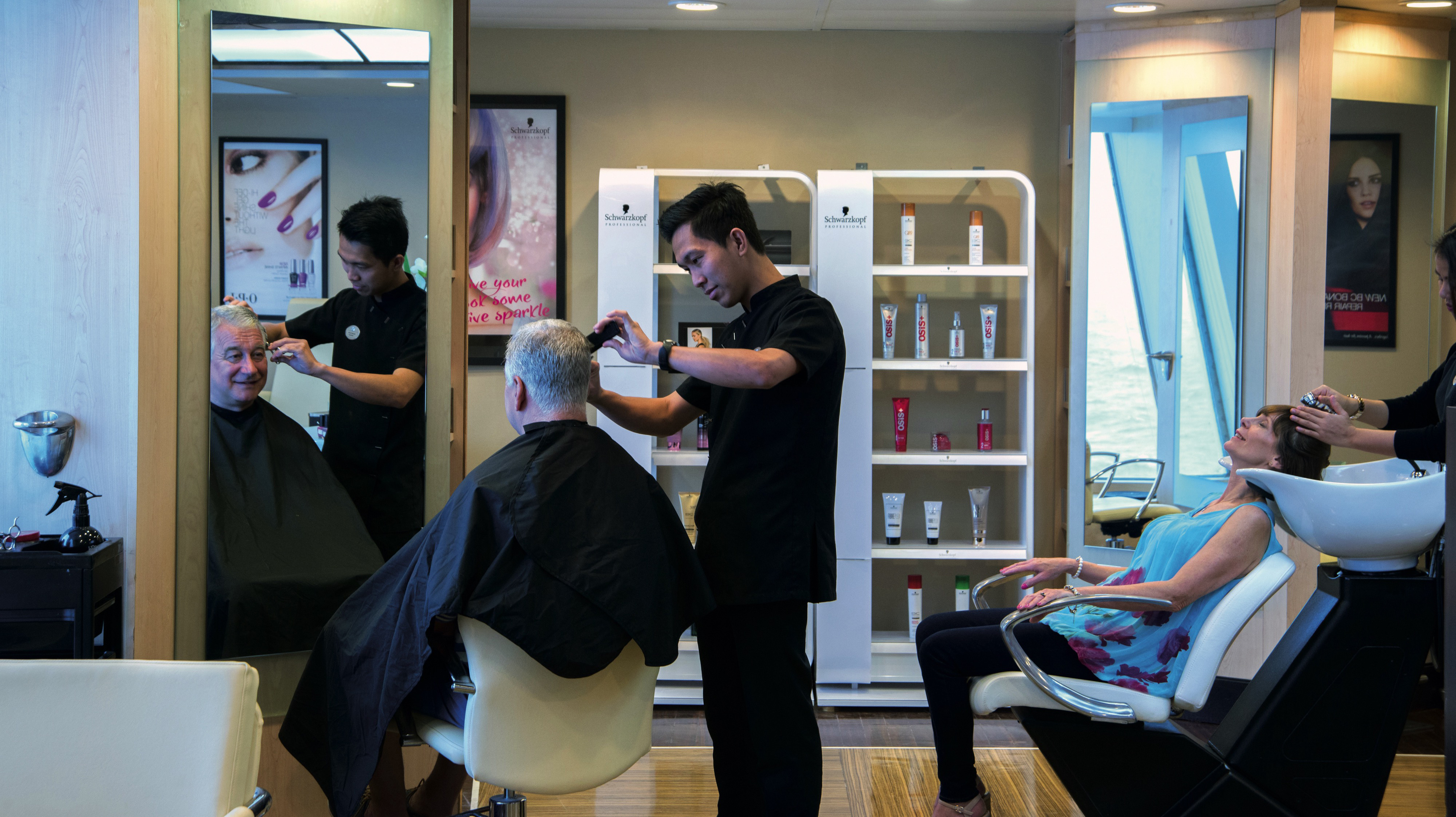
Our Atlantis Spa provides soothing surroundings for our guests relaxation and enjoyment. Large picture windows are perfect for offering scenic cruising points or ocean views, so indulge in the ultimate relaxation for the mind, body and soul in our tranquil setting as our Spa team on board Balmoral pamper you. With a wide range of luxurious treatments on offer, including massages, manicures, pedicures, relaxation treatments and hairdressing; you’ll leave feeling completely energised and revitalised, or feeling fabulous with a new cut or style.
The Atlantis Spa can be pre booked 13 weeks in advance, via your My Cruises account.
Fitness Centre
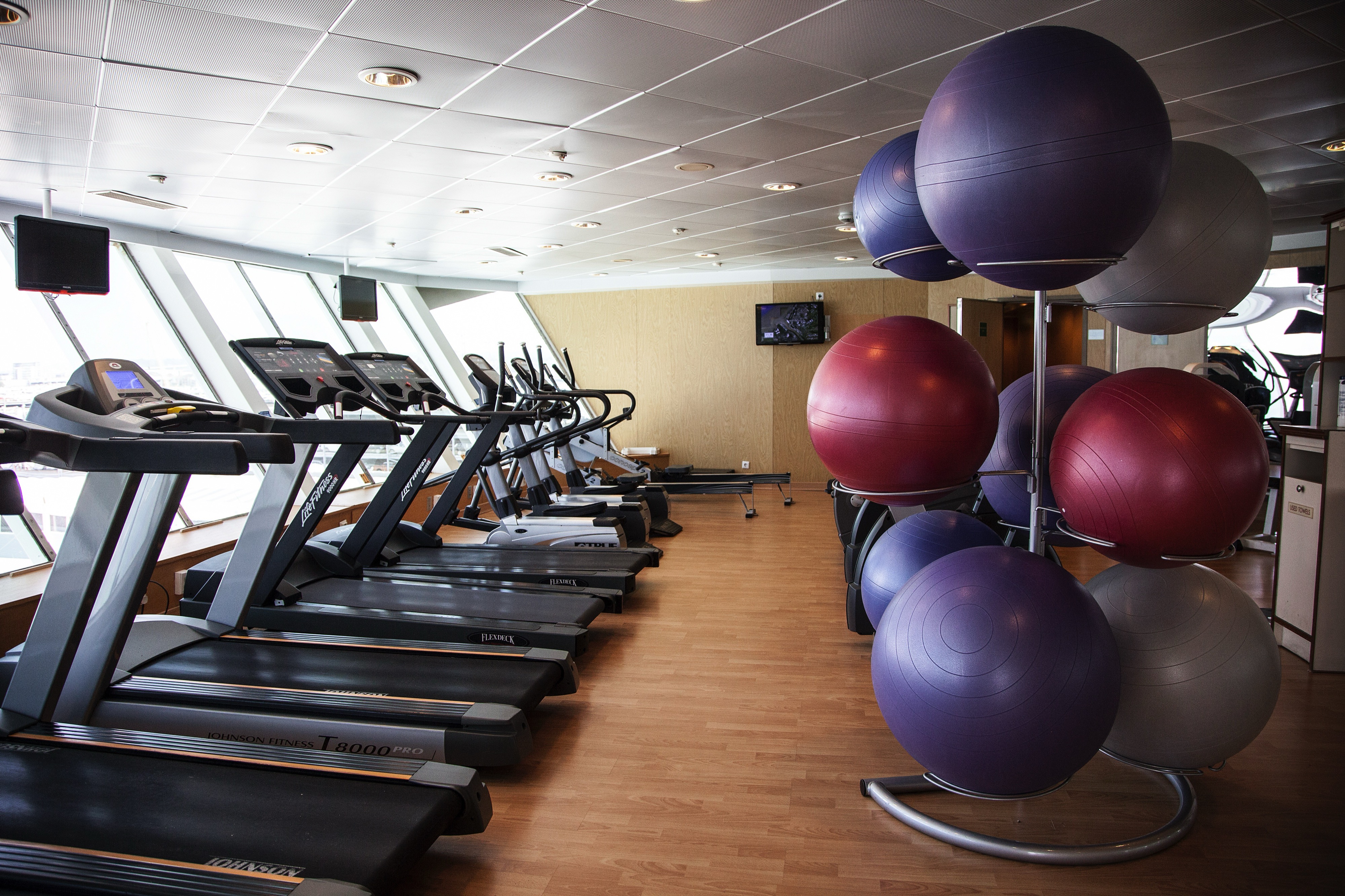
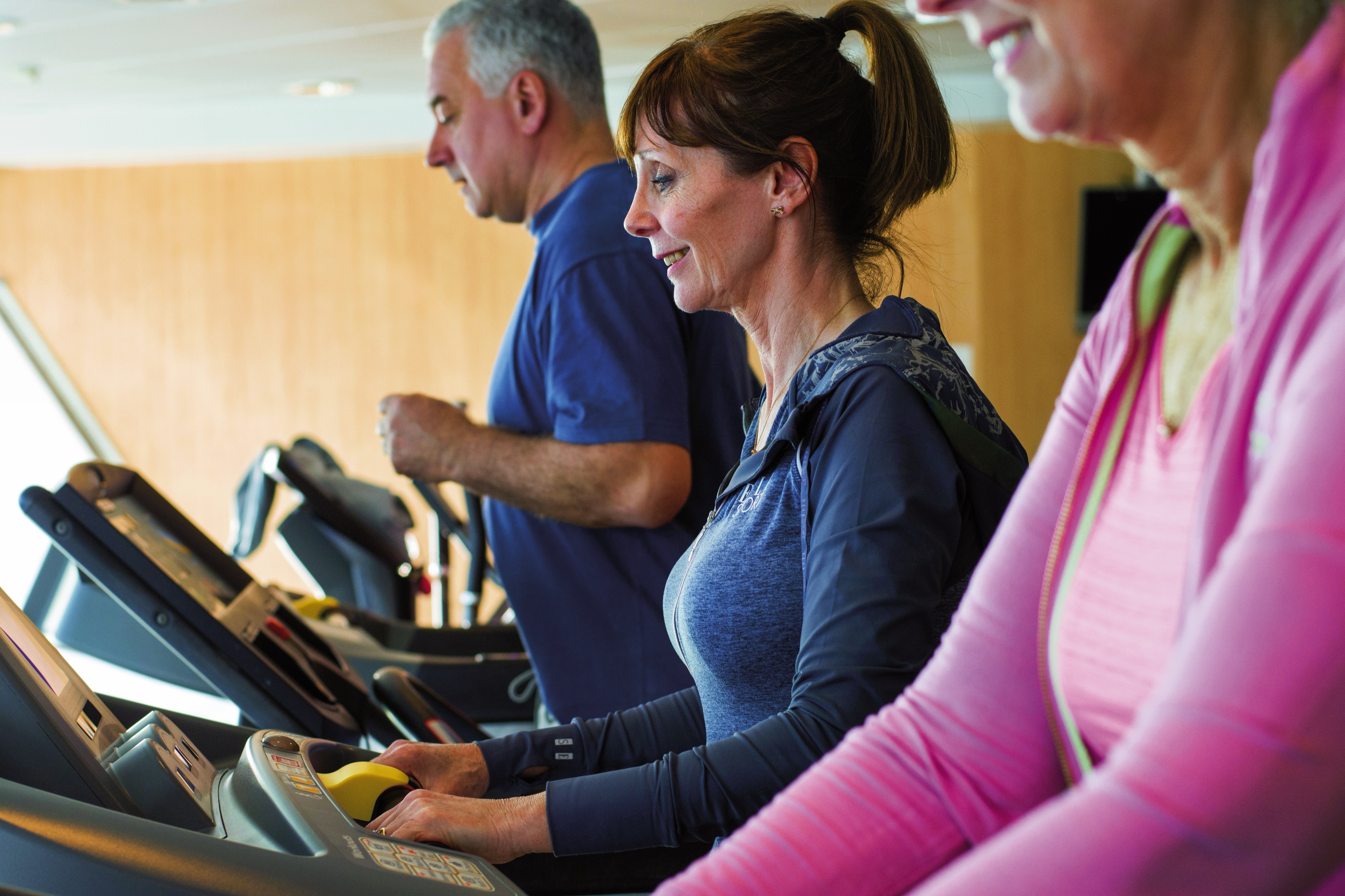
If you enjoy working out, Balmoral’s Fitness Centre is fully equipped with all the modern facilities and equipment you’d expect to find in your gym back home, including running machines, bikes, cross trainers, weight machines and free weights. On board Balmoral and across our fleet of ships, we run a variety of complimentary yoga, pilates or stretching classes in the Fitness Centre, which are suitable for everyone from beginners to regular gym-goers, run by our fully qualified Fitness Instructors. Join us for an invigorating Walk a Mile session or a relaxing sunrise pilates or yoga class out on deck. We also have circuits, fitball or legs, bums & tums sessions. Details of classes can be found in your Daily Times each day.
Or, treat yourself to Personal Training sessions with our fully qualified, friendly trainers, where you can receive a one-to-one programme tailored just to your needs.
Stay in shape on your holiday in our fully-equipped Fitness Centres on board our ships.
Our friendly, fully-qualified fitness instructors will be on hand to assist you on the treadmills, rowing machines, exercise bikes and free weights.
Why not take a fitness class? Guests can enjoy our complimentary yoga, aerobics, stretch and tone or pilates classes while cruising. Or, for a more relaxing workout, enjoy the sea views with the ‘walk a mile’ group, as you stroll your ship’s deck at your a leisurely pace, or swim a few lengths of the pool.
Locations of the Fitness Centres on board each ship are as follows:
Balmoral – Highland Deck 10
Details of opening hours will be in your Daily Times. The minimum age to use the Fitness Centre is 18 years.
Personal Training & Fitness Classes
Personal training | 60 mins | £46 or 30 min | £23.50
Pilates | 45 mins | Complimentary
This low-impact exercise emphasises the use of your abdominal muscles, lower back, hips and thighs to help improve flexibility, build muscular strength and enhance movement.
Yoga | 45 mins | ComplimentaryThis class focuses on the core elements of flexibility, strength, power, and balance. You will be taken through a series of different poses to give your entire body a complete flexibility and toning workout.
Fitball | 45 mins | ComplimentaryThis core strengthening class is designed to improve your range of motion, strength, stability co-ordination and balance. Fitball provides a thorough workout which helps to develop a stronger core, correct posture and improve body alignment.
Dyna-Band | 45 mins | ComplimentaryResistance bands are easy to use, effective and perfect for beginners. Enabling you to focus on specific areas of your body, they are great for toning and sculpting muscles. Used correctly, they are also great for a full body workout.
Stretch & Relax | 45 mins | ComplimentaryThis series of slow and gentle, low-intensity exercises and stretches help to maintain your balance, improve flexibility and to relax and focus your mind.
Abdominal | 30 minsThis class is designed to improve the abdominal muscles which have a crucial role in posture, supporting the spine, stability and respiratory functions such as breathing.
Exercise To Music | 30 minsThis fun class combines a variety of techniques to offer a great low-impact cardio workout, improving the strength and movement of your muscles and joints, while promoting a healthy heart.
Legs, Bums & Tums | 30 mins
Great for building and strengthening key muscles, this class includes a combination of movements to target the lower body, shaping and toning your lower body while improving flexibility.
Please note some classes have a limited capacity and can only be booked once on board with the Reception in The Atlantis Spa.
Nutrition
Body composition analysis | 45 mins | £32.50Body composition analysis is a physical test that accurately measures your body fat and the amount of lean tissue you have, which includes your muscle, water, bone and organs. Accurate assessment of body composition allows you to plan sensible nutrition and exercise programmes based on your body fat and lean tissue percentage.
Food Detective™ | 45 mins | £98This is a blood test that measures IgG antibodies which may be linked to inflammatory conditions in the body, manifesting in a range of health issues. You don’t have to send off a sample and wait weeks to receive results, simply visit the Atlantis Spa for a Food Detective™ check instead. Simple, safe, accurate and fast. Food Detective™ is the world’s first test for food intolerance.
Nutrition consultation | 45 min | £26
Fitness Classes
Whilst a Fred. Olsen cruise is about relaxing and enjoying some time away from daily life, we understand that many of our guests like to continue their fitness routine even when they’re on board our smaller ships.
This is why our ships feature fully-equipped Fitness Centres, and we offer a wide range of complimentary fitness classes – perfect for beginners and experience gym-goers alike – too. Guests can join our instructors for Pilates, Yoga, Fitball and much more, and all at no extra cost.
Ballindalloch Restaurant
Balmoral’s Ballindalloch restaurant offers a fantastic selection of expertly prepared delicious dishes to enjoy. Our delicious five-course á la carte menu changes each evening and is served to you by our attentive and friendly waiting teams.
Choose from mouthwatering steaks, perfectly cooked seafood and freshly made soups; all accompanied by bread baked on board each day. Take the chance to sample our featured Treats of the Region dishes, created in line with some of the destinations you are visiting on your Fred. Olsen cruise.
Spey & Avon Restaurants
The Spey and Avon restaurants have been carefully designed to really make the most of the large windows providing natural light and ever-changing views as you enjoy the same delicious five-course á la carte menus that are on offer at the main Ballindalloch restaurant. Freshly cooked breads and soups are on offer, along with succulent steaks, pasta dishes and melt-in-the-mouth desserts. There’ll also be treats of the region dishes available for you to try, which are influenced by the destinations you’re visiting.
The Bookmark Café
The Bookmark Café serves a selection of delicious speciality coffees and quality tea blends. Enjoy a quiet moment with a book or share the experience with good conversation, accompanied by our heavenly fresh chocolates and baked treats. From pralines to Champagne truffles, these mouth-wateringly good treats are too good to miss. If you’d like to make use of your Bookmark Café card – just £25 for 7 hot drinks and a bag of delicious truffles – then our friendly Baristas will be happy to fill your reusable cup with the drink of your choice, to enjoy on a stroll around deck or as you explore ashore.
Traditional Afternoon Tea
Each day complimentary afternoon tea is served in the Thistle Restaurant with sandwiches, scones and cakes, along with fresh tea and coffee. During selected sea days, guests can book our Traditional Premium Afternoon Tea* experience, with a selection of premium teas served in porcelain teapots, along with elegant finger sandwiches, pastries and warm scones with jam and clotted cream. These can be enjoyed alongside beautiful views from the Observatory Lounge, with musical accompaniment from our on board pianist and the careful attention of white-gloved waiters.
*Booking ahead is highly recommended for all our Speciality Dining options, and reservations can be made using the pre-book button in your ‘My Cruises’ account from 13 weeks before and up to 1 day prior to departure. Please note, there is a £15 per person supplement for Colours & Tastes. Speciality dining booked on board is chargeable at £20 per person*. Our Traditional Afternoon Tea Service is charged at £13 per person.
Colours & Tastes
Our Colours & Tastes restaurant features a tempting journey across Asia, blending bold spices, fresh flavours and the fragrant aromas of the East. From delicate stir-fries to rich curries and creative fusion dishes, every plate is crafted to excite the senses. Embrace the spirit of Italy, where timeless recipes and beautifully balanced flavours take centre stage, bringing together comforting pastas, bright seasonal notes and thoughtfully prepared sauces; or experience the full flavour of the grill, where every steak is hand-cut by our in-house butcher, selected by the chef, seasoned with precision and perfectly seared to lock in the flavours. From juicy, succulent steaks and tender, meaty prawns, to delicious plant-based steaks. Each plate delivers the deep, satisfying tastes of an exceptional grill experience.
Colours & Tastes will offer Asian, Grill and Italian menus on a rotation basis.
The price to book before you cruise will be £20pp, or £25pp if booked on board.
Thistle Restaurant
The Thistle Restaurant is designed with a light and airy feel, offering guests a more informal and relaxed dining experience, boasting a fresh layout, with stylish soft furnishings. The casual, self-serve dining experience with table-service drinks is perfect for those who prefer not to dine at a set time in the Ballindalloch, Spey and Avon restaurants, or those looking to indulge in a late night snack. You can expect to find an abundance of indulgent dishes, expertly prepared by our on board chefs, with various breakfast, lunch and dinner options, and a tasty selection of complimentary afternoon teas with sandwiches, scones and tempting cakes. There will also be the opportunity to try various dishes in our Treats of the Region section, which are local to the destinations you’re visiting on your Fred. Olsen cruise.
Room Service
All of our suites and cabins have tea and coffee making facilities included as standard, so you can enjoy a pick-me-up first thing or a relaxing drink at the end of the day. Continental breakfast can be ordered in advance for delivery at your preferred time, while snacks are available from 10am onwards.
For those times when you’d like a little something more, you can also order room service* up until 11pm every day. Choose from a delicious selection of dishes, including soups, salads, sandwiches such as a turkey club or grilled cheese, or hot bites of burgers, hot dogs, and pizzas, followed by sweet treats like chocolate fudge cake or New York cheesecake.
Guest Speakers
We’re often joined on board our ships by port experts and guest speakers to talk our guests through a range of subjects and topics, such as history, geography, aviation, wine tasting and foods of the world.
On all cruises our informative Port Talks will be available for our guests to enjoy in preparation for arrival into each port. Our knowledgable lecturers share information to help guests make the most of their time ashore, while on some sailings, there are lectures that delve deeper into specific destinations on the itinerary too.
Dance Classes
For many of our guests, the time spent on the dance-floor is one of the highlights of their days on board our smaller ships. So its no wonder that our Dance Classes – hosted by our wonderful Entertainment teams – always prove popular.Show less
Our instructors teach a variety of dancing styles, from line dancing to ballroom and sequence dancing, helping guests to learn and perfect their steps and moves before they head for their ship’s lounges in the evening to dance the night away.
Tasting Events
Hosted by our Sommeliers, Tasting Sessions* on board our smaller ships offer a fascinating insight into the production processes, scents and flavours of some of the world’s finest tipples.Show less
The Tasting Sessions on your cruise could include opportunities to sample everything from delicious wines and Champagne to whiskey and a range of spirits, while occasionally our experts will also teach you the art of pairing food and drink to create combinations that perfectly blend the nuances of their flavour.
*To join our Tasting Sessions, there is an additional charge and this can vary on the type tastings on offer, full details can be found in your Daily Times once on board.
Travels to Come
Unlike other cruise companies who sail the same routes year after year, we are constantly researching and hand-crafting new itineraries. On every cruise we run a programme designed to inspire travel, where you can find out about the development of our new itineraries. Don’t worry, these are not sales talks or “exit through the gift shop” ruses – just an opportunity for travel enthusiasts to daydream about what is yet to come.
Fred. Olsen Book Club
With ample time and space to relax, many of our guests make the most of the opportunity to get stuck in to a good book during a cruise holiday on board one of Fred. Olsen’s smaller, friendlier ships. This is why to enhance reading enrichment further, we have introduced the Fred. Olsen Book Club on selected sailings, a chance to talk all things ‘bookish’ with like-minded people.
Hosted by the Cruise Directors and their Team, the Book Club provides a welcoming, social space in which you can openly and informally discuss thoughts and views on bestselling lighter reads, crime-thrillers and traditional or contemporary classics. Specific categories and titles to discuss at the Book Club on each cruise are chosen in advance and listed below, allowing you time to purchase the books or download them to your kindle, and read them before you set sail.
So, if you love a good book while discovering the world with Fred. Olsen, what better way to indulge your passion than joining your friends and fellow guests at the Book Club?
To enhance your Book Club experience even further, why not enjoy a delicious speciality coffee as you immerse yourself in your book with our Bookmark Bestseller card with 7 hot drinks (teas, coffees, or hot chocolates) for you to enjoy and a bag of milk or mixed truffles priced at just £25?
We look forward to welcoming you!
Behind the Scenes Tours
New – Our Behind the Scenes Tours!
Join us for an exclusive behind-the-scenes tour and discover the hidden secrets and challenges of running a cruise ship. You’ll gain special access to areas usually off-limits to guests, offering a unique glimpse into the inner workings of our vessel. Venture into the Galley to see how our chefs prepare your delicious meals, learn what it takes to manage the stores and laundry room, and enjoy visits to the Engine Control Room and the Bridge. Throughout the tour, you will have the opportunity to meet and speak with our dedicated crew members, gaining insights into life on board and hearing their stories first-hand. You will also receive a keepsake lanyard and a professional photo to commemorate your adventure. To ensure the most enjoyable, immersive experience, we have limited this tour to just 12 spaces.
Approx. 2 hours | £49pp
The Olsen Art Studio
The Olsen Art Studio on board Balmoral embodies the Olsen family’s love of art, providing a spacious area filled with arts and crafts items for a range of tasks. It’s a location for people who enjoy painting or drawing at home and want to improve their talents while at sea, and it’s also a welcoming venue for guests who may have enjoyed art in the past but haven’t had the opportunity to pursue it again.
Classes and activities led by various instructors will be held in the studio, as well as providing an open place for guests to come and work on their own unique arts and crafts projects.
The Marquee Bar
With its large windows, spectacular glass roof and beautiful décor and furnishings, the Marquee Bar provides guests with the perfect place to relax or meet up with new found friends. With a selection of beers, wines and expertly-created cocktails available, it’s the perfect venue for a pre or post-dinner drink, or for joining your fellow guests after enjoying a day ashore.
The Observatory
The Observatory has spectacular panoramic views and is a wonderful lounge to enjoy a drink in as you take a seat in one of the comfortable chairs by the lounge’s large windows – ideal for our scenic cruising of points of interest, tiny islands and iconic sights that you’ll observe from this perfect viewpoint. As we head into the evening, the Observatory comes to life with music and singing from our resident live bands, and you’ll have the choice of a selection of champagnes, sparkling cocktails or mocktails to add an extra touch of glamour to your on board experience.
Lido Bar and Lounge
Our spacious and sociable Lido Lounge & Bar is the perfect place to enjoy a refreshing drink and chat with our friendly staff and your fellow guests. Popular both before and after dinner, the bar has large panoramic windows overlooking the aft pool, allowing natural light to flow through; while the lounge is perfect for enjoying music from our resident musicians.
Morning Light Pub
Named after one of the largest sailing ships owned by the Olsen family in 1892 and decorated to resemble a British pub, the Morning Light Pub has a welcoming atmosphere and traditional style. Open throughout the day and the evening, it’s the ideal place to relax and socialise with friends both old and new. Featuring a well-stocked bar with a collection of beer and cider, including both British and international classics, and a selection from independent breweries close to our office in Ipswich, sip a drink and listen to our resident singers and guitarists, or take part in the popular (and competitive!) Fred. Olsen quiz.
The Serenity Tea Room
The Serenity Tea Room has been designed with quiet beauty and gentle elegance in mind. The colours are pale and powder-soft, and the furnishings are inspired by Chinese silks and rare orchids. During the day, we serve a refreshing menu of unusual loose-leaf teas and herbal infusions from the East, or a rare tea-tasting experience where you can learn about each tea’s story and origin. Join us for a relaxing tea-inspired cocktail, such as the refreshing Lemongrass Mojito or Lime & Mint Mar-tea-ni, or a selection of cold beers including specialities from Japan, Singapore and Thailand. We also offer a non-alcoholic cocktail or two, based on Sri Lankan and Chinese teas.
Neptune Lounge
Join us in the Neptune Lounge as we put on memorable shows for you, along with guest comedians, singers and magicians who’ll delight and entertain you; and come along to our popular Captain’s Welcome and Farewell parties. During the day, the Neptune Lounge is used for our guest speakers who will share their knowledge with you, delivering fascinating talks and activities, designed to give you a deeper understanding of the destinations you’ll be visiting. It’s also the perfect place to attend our ‘Audience with…’sessions, where you can learn about how much work goes into our shows or hear about life as a ship’s Captain or officer.
Card Room
Featuring plenty of card tables and comfortable chairs, the Card Room on board Balmoral provides guests with a quiet, relaxing space to enjoy a competitive hand or two, or simply a bit of fun. Bridge is always a popular pursuit on board, so you’re sure to find players up for a challenge. On some cruises, Bridge tuition is on offer to help you develop your skills.
The Botanical Room
Designed in shades of lush greens and vibrant yellows, the Botanical Room aboard Balmoral offers a warm and inviting space for guests to unwind. Here, you can delve into a collection of magazines and books celebrating gardening, flowers, plant care, and the incredible diversity of flora around the world, in peaceful surroundings adorned with plush seating.
The Earth Room
Our serene Earth Room is designed for those inspired by and curious about our remarkable planet. Featuring a unique collection of books individually picked by Fred. Olsen, covering topics like evolution, climate change, recycling, carbon footprints, and fossil fuels, along with tips on how we can all live more sustainably. There are also videos to view and digital literature to read, all of which are intended to be thought-provoking and conversation starters, making the Earth Room ideal for small groups to discuss relevant issues or simply learn more about our extraordinary world.
Boutique Shopping
The shops on board Balmoral offer everything you may want or need during your time on board, whether you’re treating yourself or a loved one to a holiday gift or simply needing some essentials. Visit the Boutique Shop for perfumes, colognes and much more at Duty Free prices, or select from our superb range of Fred. Olsen branded merchandise, including casual tshirts, jackets and gilets, tote bags and rucksacks, travel mugs for taking your coffee from the Bookmark Café ashore, or lanyards for your all-important cabin card, all at our dedicated Sea Cove shop. If you need essentials, you’ll find everything from sun cream, shampoo and toothpaste to books and snacks too, and you could also bring home something special from the Jewellery Shop.
Pools & Jacuzzis
Keep fit by swimming a few lengths, or cool down after relaxing in the sunshine on deck in either of Balmoral’s large, heated saltwater pools. Located in the centre of Marquee Deck and at the stern of the ship on Lounge Deck, both pools are surrounded by open deck space and plenty of loungers, so are perfect for soaking up the sunshine or losing yourself in a good book. For blissful relaxation, head for the Jacuzzi and let the warm, bubbling water soak any cares away, while you chat with fellow guests.
Atlantis Spa and Salon
Our Atlantis Spa provides soothing surroundings for our guests relaxation and enjoyment. Large picture windows are perfect for offering scenic cruising points or ocean views, so indulge in the ultimate relaxation for the mind, body and soul in our tranquil setting as our Spa team on board Balmoral pamper you. With a wide range of luxurious treatments on offer, including massages, manicures, pedicures, relaxation treatments and hairdressing; you’ll leave feeling completely energised and revitalised, or feeling fabulous with a new cut or style.
The Atlantis Spa can be pre booked 13 weeks in advance, via your My Cruises account.
Fitness Centre
If you enjoy working out, Balmoral’s Fitness Centre is fully equipped with all the modern facilities and equipment you’d expect to find in your gym back home, including running machines, bikes, cross trainers, weight machines and free weights. On board Balmoral and across our fleet of ships, we run a variety of complimentary yoga, pilates or stretching classes in the Fitness Centre, which are suitable for everyone from beginners to regular gym-goers, run by our fully qualified Fitness Instructors. Join us for an invigorating Walk a Mile session or a relaxing sunrise pilates or yoga class out on deck. We also have circuits, fitball or legs, bums & tums sessions. Details of classes can be found in your Daily Times each day.
Or, treat yourself to Personal Training sessions with our fully qualified, friendly trainers, where you can receive a one-to-one programme tailored just to your needs.
Stay in shape on your holiday in our fully-equipped Fitness Centres on board our ships.
Our friendly, fully-qualified fitness instructors will be on hand to assist you on the treadmills, rowing machines, exercise bikes and free weights.
Why not take a fitness class? Guests can enjoy our complimentary yoga, aerobics, stretch and tone or pilates classes while cruising. Or, for a more relaxing workout, enjoy the sea views with the ‘walk a mile’ group, as you stroll your ship’s deck at your a leisurely pace, or swim a few lengths of the pool.
Locations of the Fitness Centres on board each ship are as follows:
Balmoral – Highland Deck 10
Details of opening hours will be in your Daily Times. The minimum age to use the Fitness Centre is 18 years.
Personal Training & Fitness Classes
Personal training | 60 mins | £46 or 30 min | £23.50
Pilates | 45 mins | Complimentary
This low-impact exercise emphasises the use of your abdominal muscles, lower back, hips and thighs to help improve flexibility, build muscular strength and enhance movement.
Yoga | 45 mins | ComplimentaryThis class focuses on the core elements of flexibility, strength, power, and balance. You will be taken through a series of different poses to give your entire body a complete flexibility and toning workout.
Fitball | 45 mins | ComplimentaryThis core strengthening class is designed to improve your range of motion, strength, stability co-ordination and balance. Fitball provides a thorough workout which helps to develop a stronger core, correct posture and improve body alignment.
Dyna-Band | 45 mins | ComplimentaryResistance bands are easy to use, effective and perfect for beginners. Enabling you to focus on specific areas of your body, they are great for toning and sculpting muscles. Used correctly, they are also great for a full body workout.
Stretch & Relax | 45 mins | ComplimentaryThis series of slow and gentle, low-intensity exercises and stretches help to maintain your balance, improve flexibility and to relax and focus your mind.
Abdominal | 30 minsThis class is designed to improve the abdominal muscles which have a crucial role in posture, supporting the spine, stability and respiratory functions such as breathing.
Exercise To Music | 30 minsThis fun class combines a variety of techniques to offer a great low-impact cardio workout, improving the strength and movement of your muscles and joints, while promoting a healthy heart.
Legs, Bums & Tums | 30 mins
Great for building and strengthening key muscles, this class includes a combination of movements to target the lower body, shaping and toning your lower body while improving flexibility.
Please note some classes have a limited capacity and can only be booked once on board with the Reception in The Atlantis Spa.
Nutrition
Body composition analysis | 45 mins | £32.50Body composition analysis is a physical test that accurately measures your body fat and the amount of lean tissue you have, which includes your muscle, water, bone and organs. Accurate assessment of body composition allows you to plan sensible nutrition and exercise programmes based on your body fat and lean tissue percentage.
Food Detective™ | 45 mins | £98This is a blood test that measures IgG antibodies which may be linked to inflammatory conditions in the body, manifesting in a range of health issues. You don’t have to send off a sample and wait weeks to receive results, simply visit the Atlantis Spa for a Food Detective™ check instead. Simple, safe, accurate and fast. Food Detective™ is the world’s first test for food intolerance.
Nutrition consultation | 45 min | £26
Fitness Classes
Whilst a Fred. Olsen cruise is about relaxing and enjoying some time away from daily life, we understand that many of our guests like to continue their fitness routine even when they’re on board our smaller ships.
This is why our ships feature fully-equipped Fitness Centres, and we offer a wide range of complimentary fitness classes – perfect for beginners and experience gym-goers alike – too. Guests can join our instructors for Pilates, Yoga, Fitball and much more, and all at no extra cost.
About the Ship
Deck Plans
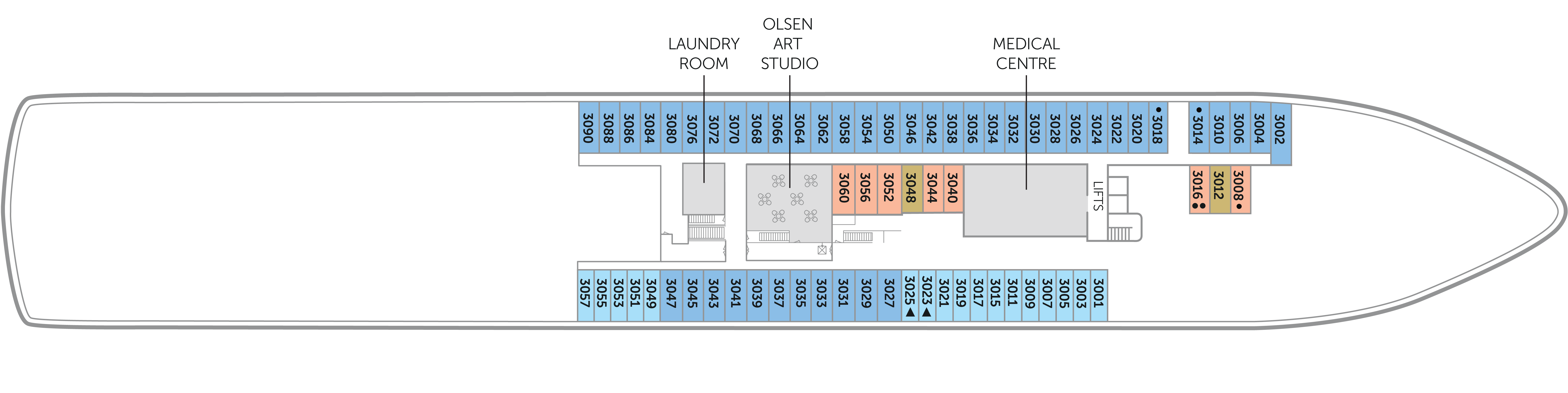
- Laundry Room
- Olsen Art Studio
- Medical Centre
- Single Ocean View Cabins
- Ocean View Cabins
- Interior Cabins
- Single Interior Cabins
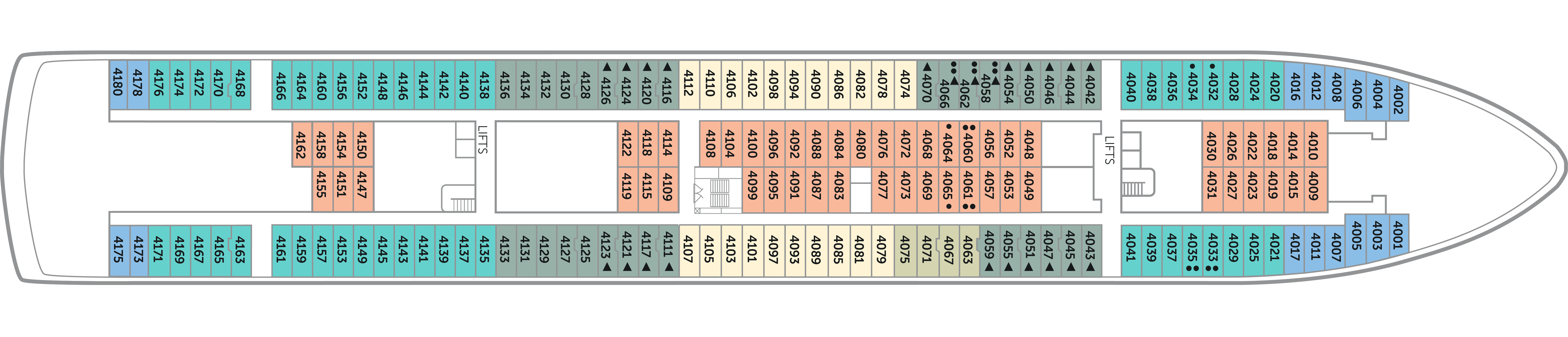
- Superior Ocean View Cabins
- Ocean View Cabins
- Interior Cabins
- Single Ocean View Cabins

- Ocean View Cabins
- Interior Cabins
- Superior Ocean View Cabins
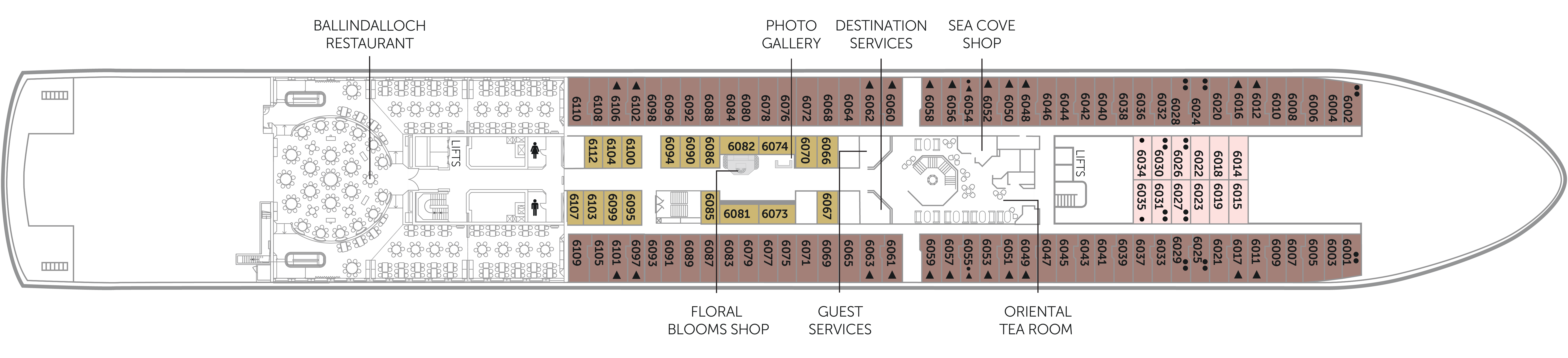
- Ballindalloch Restaurant
- Floral Blooms Shop
- Photo Gallery
- Guest Services
- Destination Services
- Sea Cove Shop
- Oriental Tea Room
- Superior Ocean View
- Single Interior Cabin
- Interior Cabin
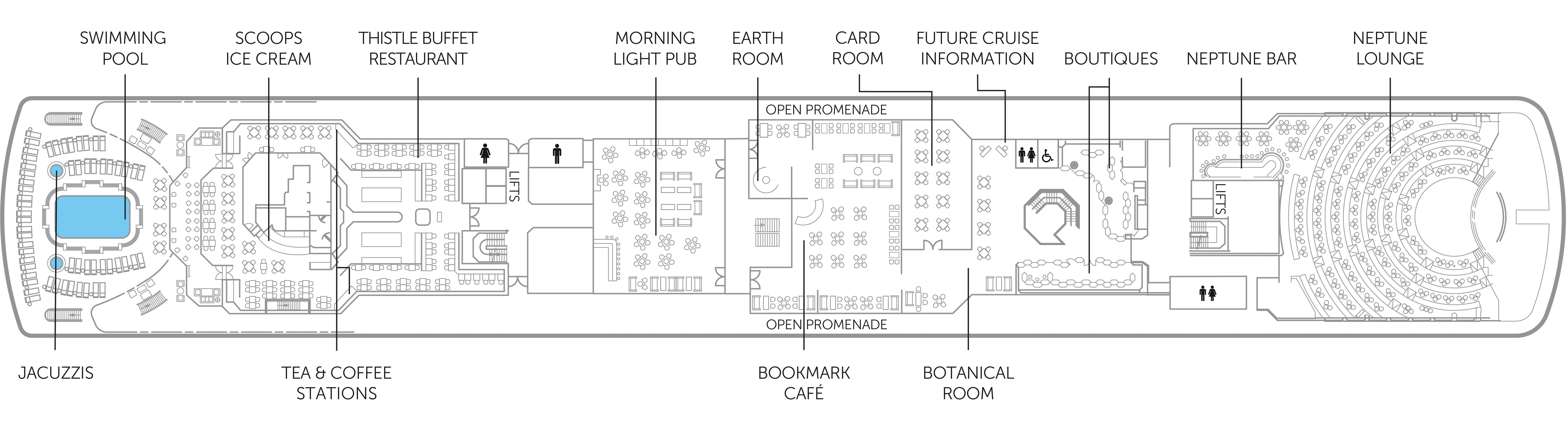
- Jacuzzis
- Swimming Pool
- Scoops Ice Cream
- Tea & Coffee Station
- Thistle Buffet Restaurant
- Morning Light Pub
- Earth Room
- Bookmark Café
- Card Room
- Open Promenade
- Botanical Room
- Future Cruise Information
- Boutiques
- Neptune Bar
- Neptune Lounge
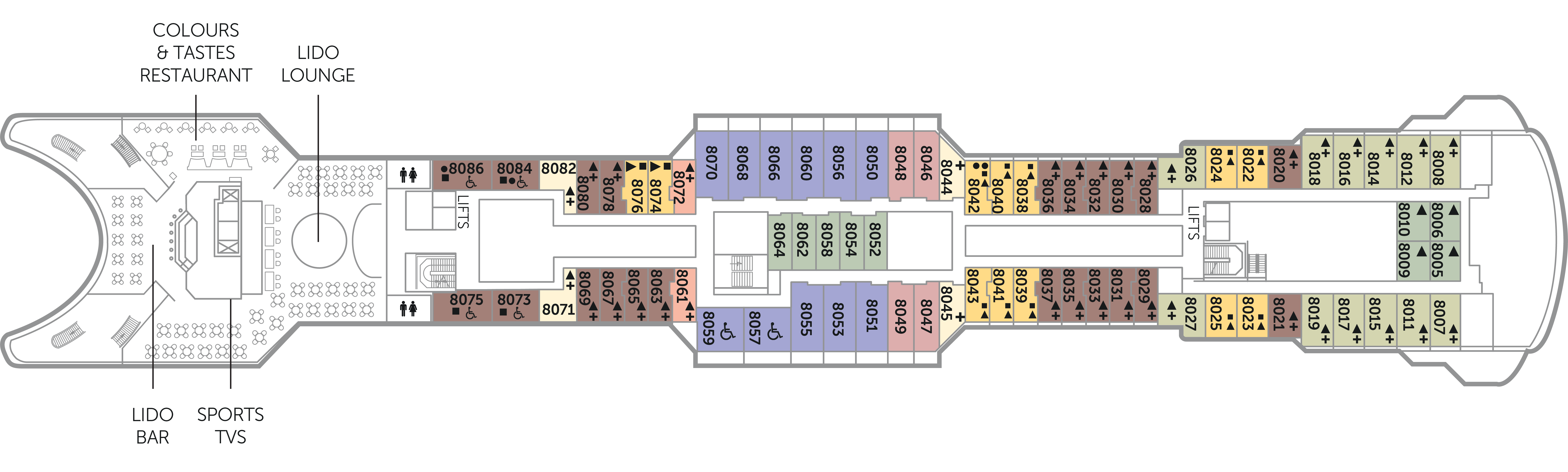
- Lido Bar
- Colours & Tastes Restaurant
- Lido Bar
- Sports TV
- Superior Ocean View Cabins
- Single Ocean View Cabins
- Single Superior Ocean View Cabins
- Balcony Junior Suites
- Superior Interior Cabins
- Balcony Cabins
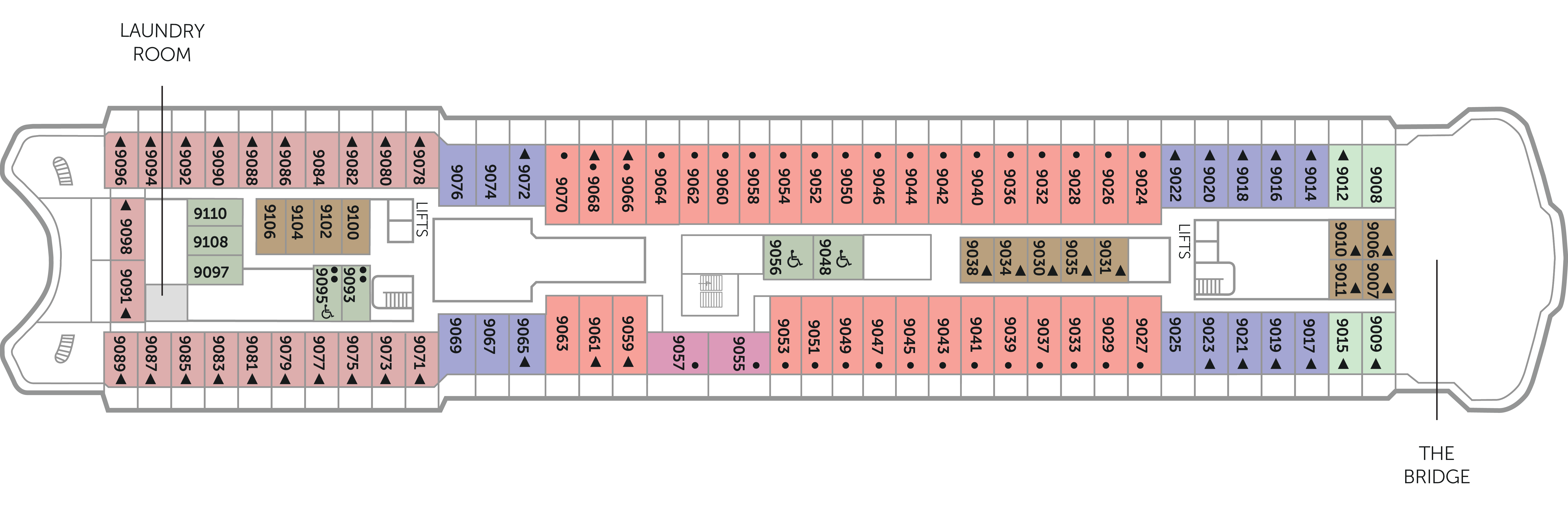
- Laundry Room
- The Bridge
- Balcony Cabins
- Superior Interior Cabins
- Single Interior Cabins
- Single Balcony Suite
- Balcony Junior Suite
- Superior Suite
- Marquee Suite
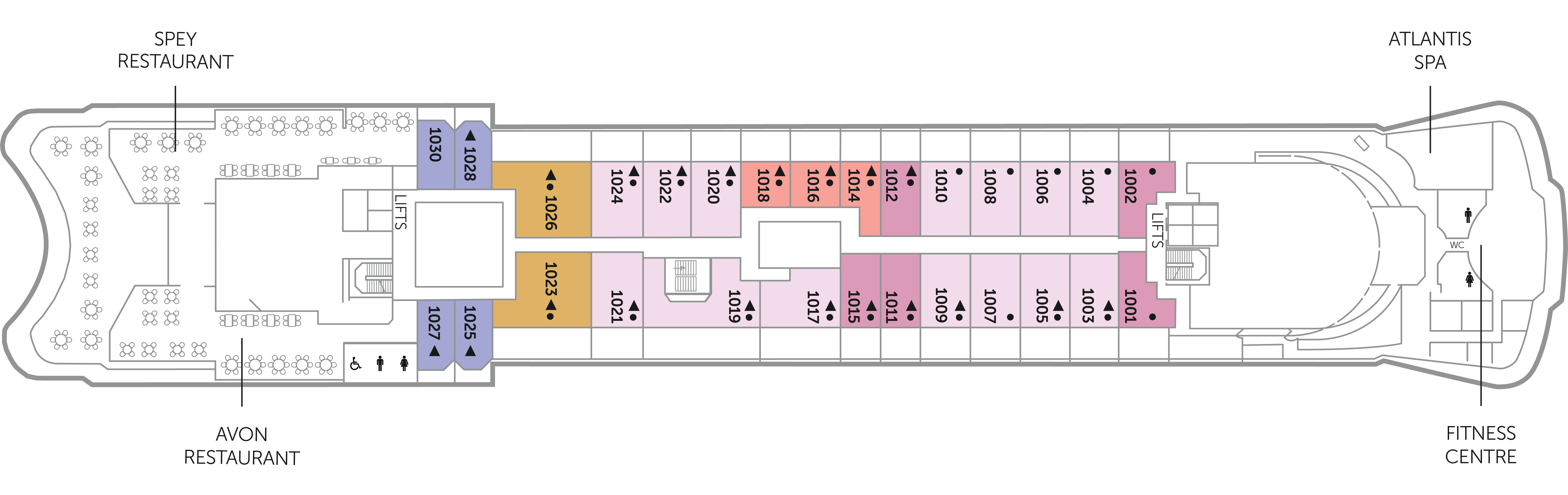
- Spey Restaurant
- Avon Restaurant
- Atlantis Spa
- Fitness Centre
- Owner’s Suite
- Balcony Junior Suites
- Premier Suites
- Superior Suites
- Marquee Suites
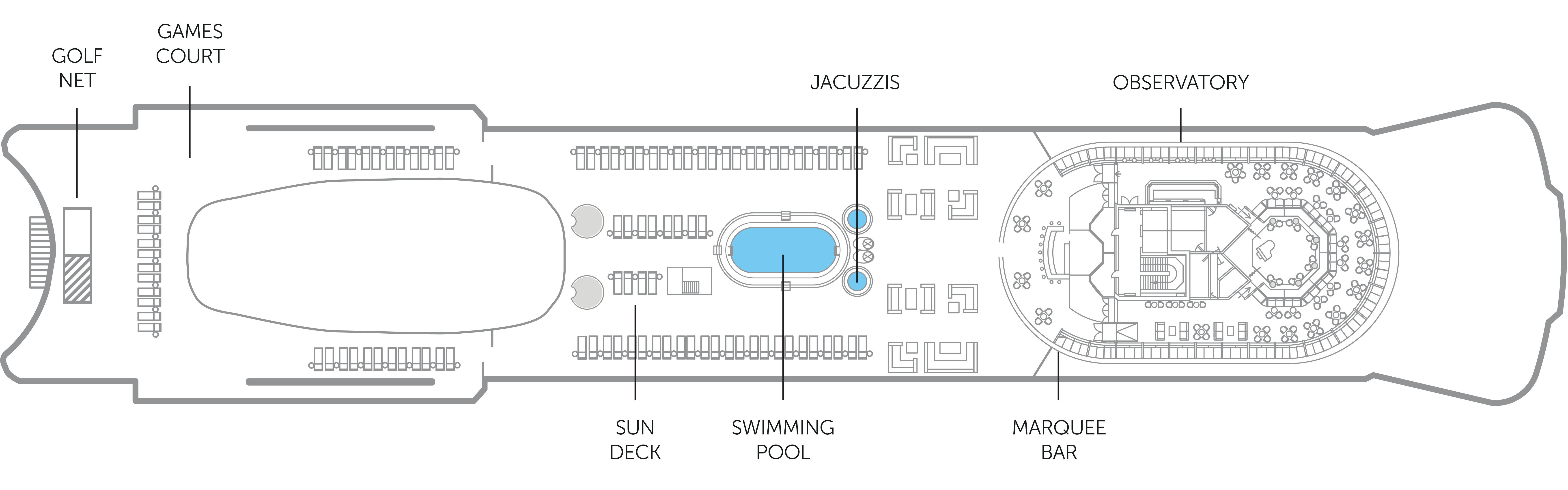
- Observatory
- Marquee Bar
- Jacuzzis
- Swimming Pool
- Sun Deck
- Games Court
- Golf Net
- Laundry Room
- Olsen Art Studio
- Medical Centre
- Single Ocean View Cabins
- Ocean View Cabins
- Interior Cabins
- Single Interior Cabins
- Superior Ocean View Cabins
- Ocean View Cabins
- Interior Cabins
- Single Ocean View Cabins
- Ocean View Cabins
- Interior Cabins
- Superior Ocean View Cabins
- Ballindalloch Restaurant
- Floral Blooms Shop
- Photo Gallery
- Guest Services
- Destination Services
- Sea Cove Shop
- Oriental Tea Room
- Superior Ocean View
- Single Interior Cabin
- Interior Cabin
- Jacuzzis
- Swimming Pool
- Scoops Ice Cream
- Tea & Coffee Station
- Thistle Buffet Restaurant
- Morning Light Pub
- Earth Room
- Bookmark Café
- Card Room
- Open Promenade
- Botanical Room
- Future Cruise Information
- Boutiques
- Neptune Bar
- Neptune Lounge
- Lido Bar
- Colours & Tastes Restaurant
- Lido Bar
- Sports TV
- Superior Ocean View Cabins
- Single Ocean View Cabins
- Single Superior Ocean View Cabins
- Balcony Junior Suites
- Superior Interior Cabins
- Balcony Cabins
- Laundry Room
- The Bridge
- Balcony Cabins
- Superior Interior Cabins
- Single Interior Cabins
- Single Balcony Suite
- Balcony Junior Suite
- Superior Suite
- Marquee Suite
- Spey Restaurant
- Avon Restaurant
- Atlantis Spa
- Fitness Centre
- Owner’s Suite
- Balcony Junior Suites
- Premier Suites
- Superior Suites
- Marquee Suites
- Observatory
- Marquee Bar
- Jacuzzis
- Swimming Pool
- Sun Deck
- Games Court
- Golf Net