Featured Cabins
Itinerary
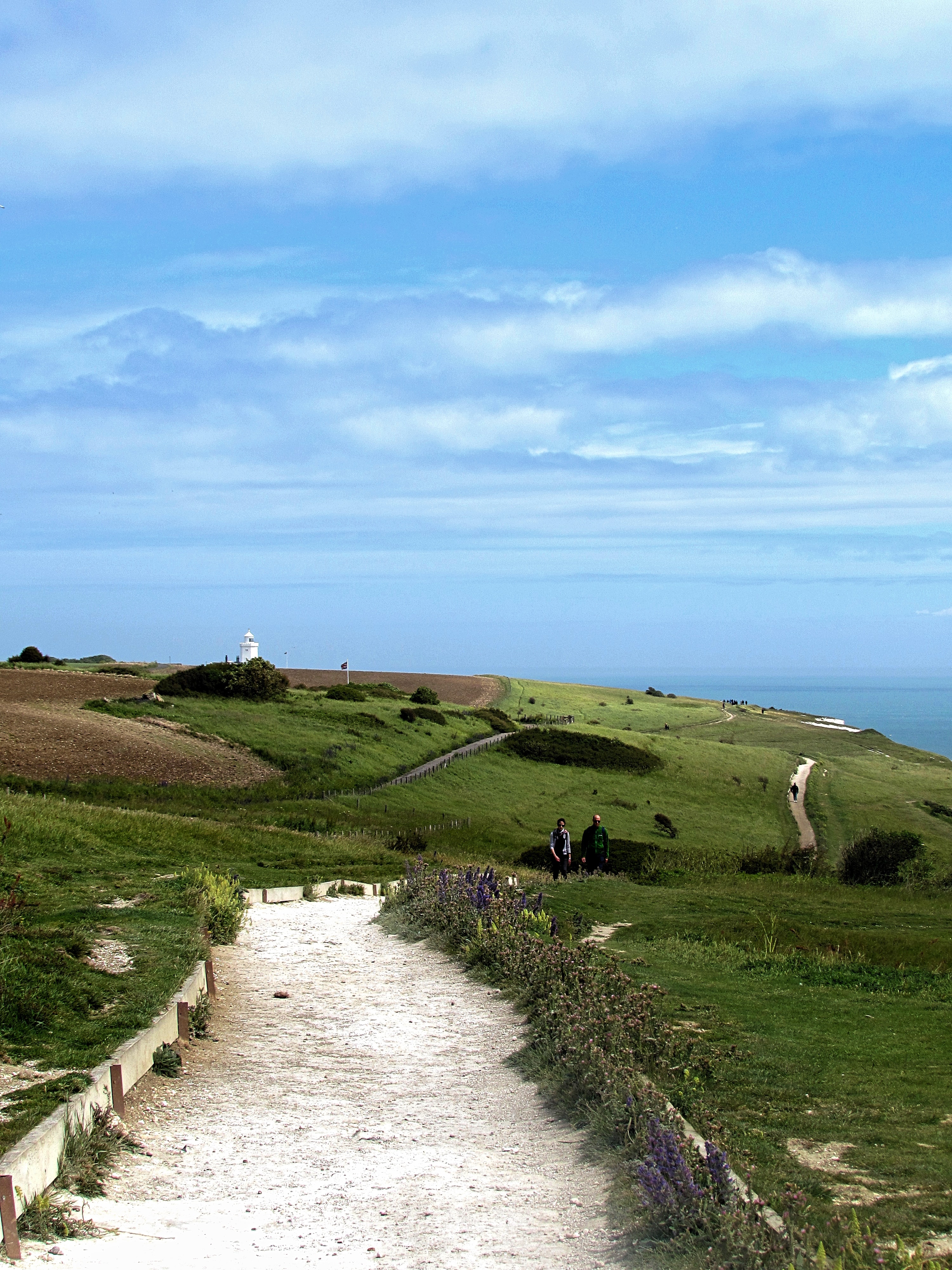
Dover, England
Known as the gateway of England, Dover welcomes millions of visitors from all over the globe each year in its role as the ferry capital of the world and the second busiest cruise port in the UK. The White Cliffs Country has a rich heritage. Within the walls of the town’s iconic castle, over 2,000 years of history waits to be explored, whilst the town’s museum is home to the Dover Bronze Age Boat, the world’s oldest known seagoing vessel. The town’s cliffs that are a welcome sight for today’s cross-channel travellers also served as the control centre for the Dunkirk evacuation in 1940.
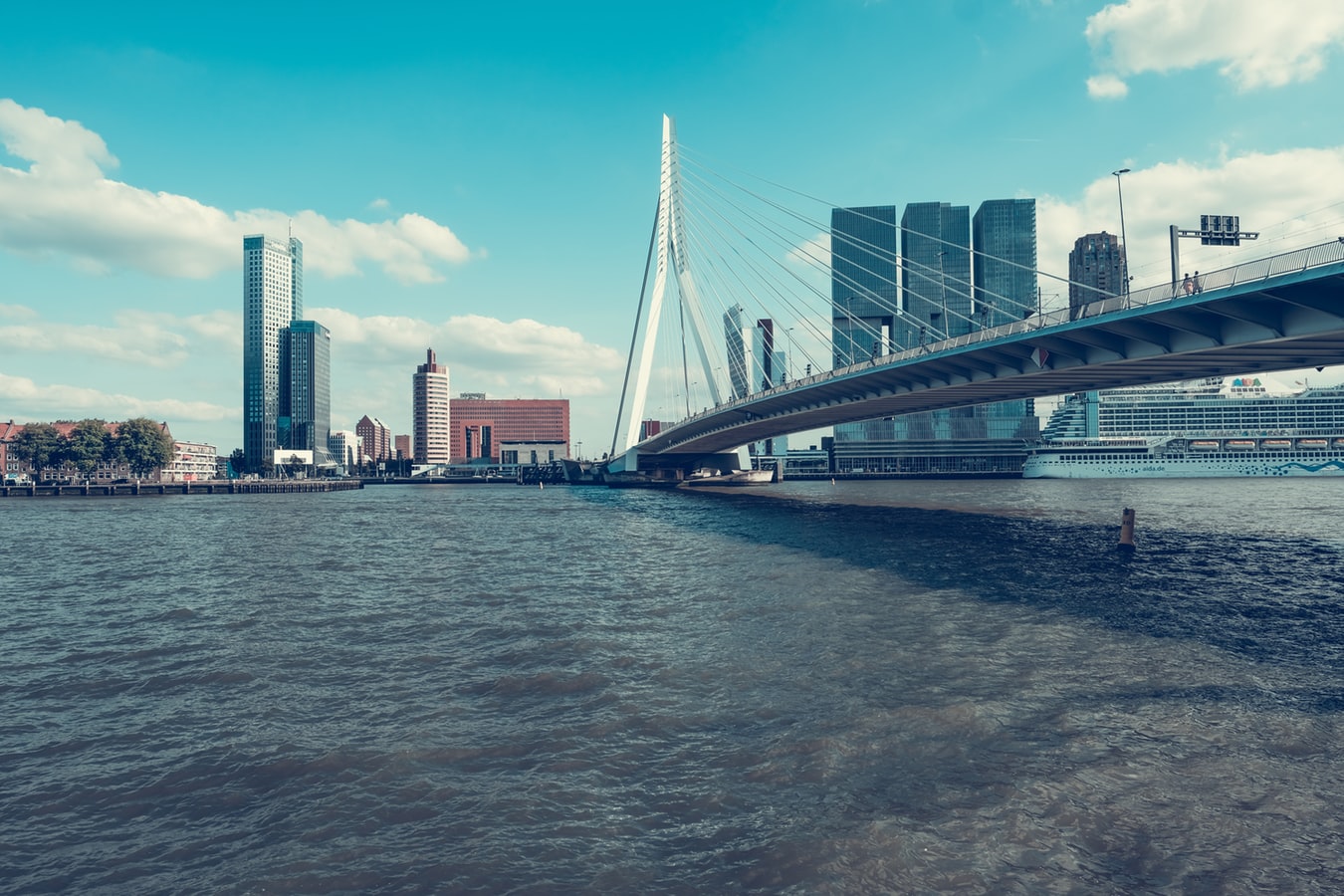
Rotterdam, Netherlands
Rotterdam is a city that’s a long way removed from most people’s stereotypical notion of the Netherlands. There are few, if any, canals to be found here nor are there any quaint windmills. There is, however, a thriving modern city which is one of the busiest ports in the entire world.
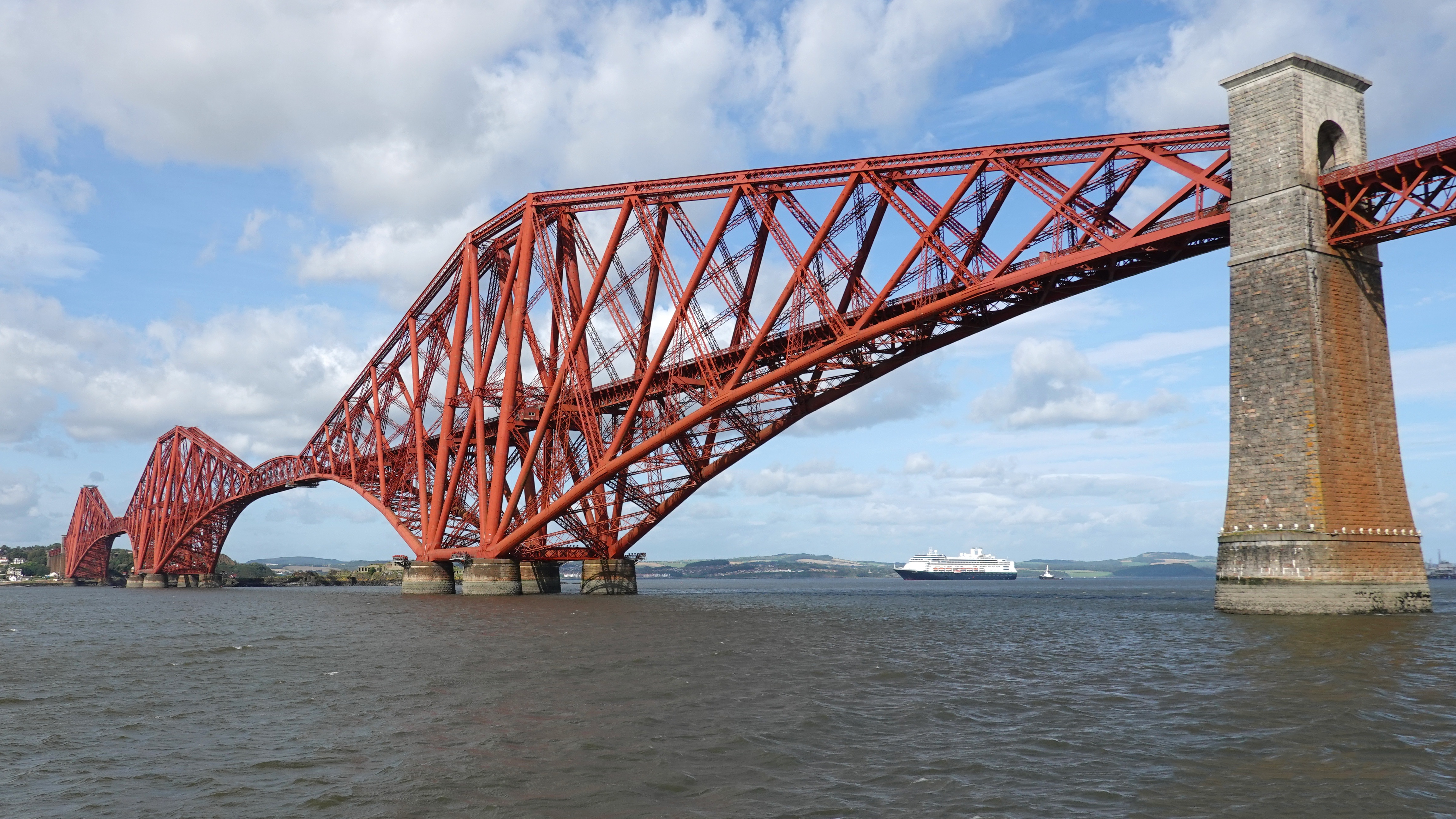
Queensferry, Scotland
Queensferry, also called South Queensferry or simply “The Ferry”, is a town to the west of Edinburgh, Scotland. Traditionally a royal burgh of West Lothian,[3] it is now administered by the City of Edinburgh Council. It lies ten miles to the north-west of Edinburgh city centre, on the shore of the Firth of Forth between the Forth Bridge, Forth Road Bridge and the Queensferry Crossing.
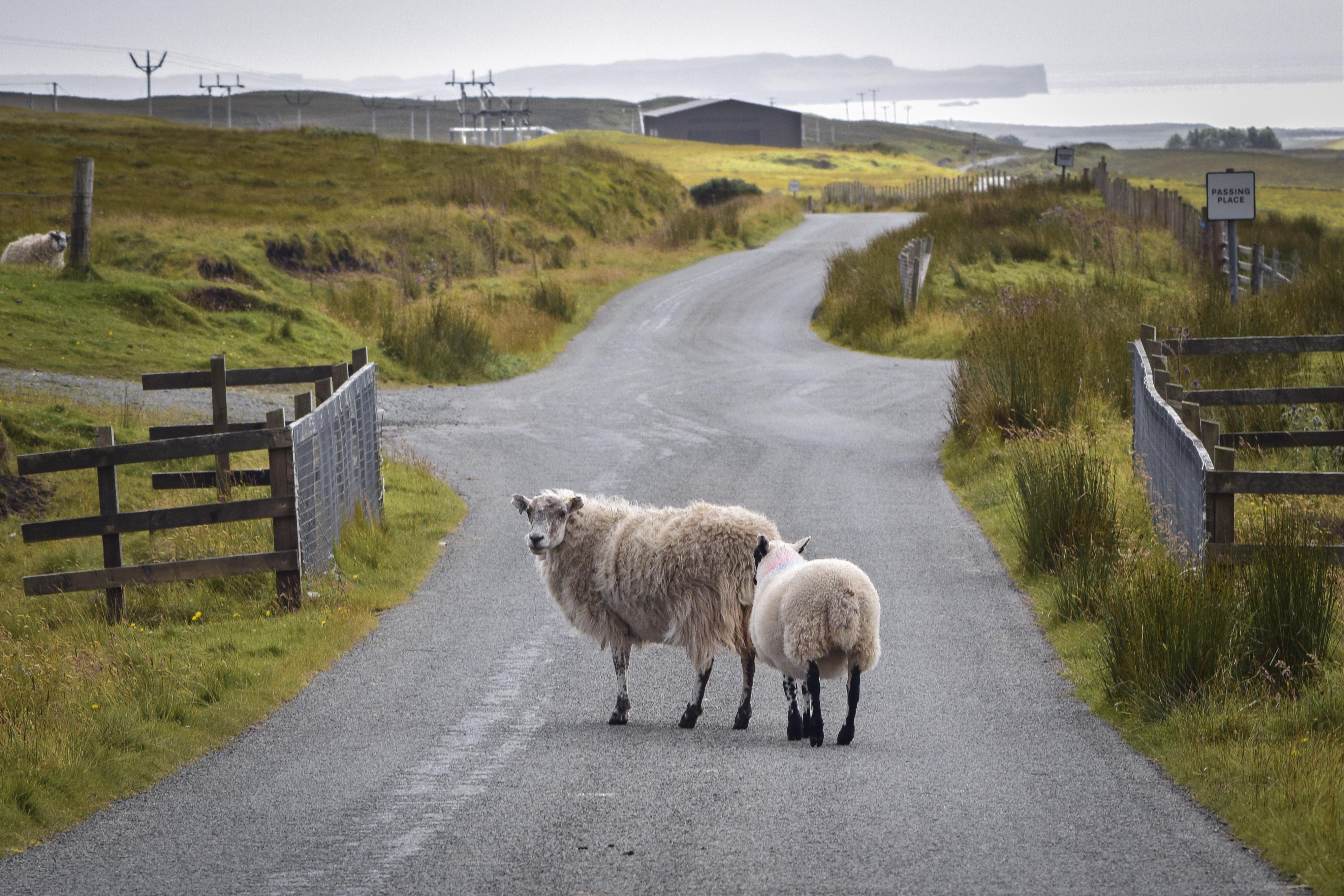
Invergordon, Scotland
The port of Invergordon is your gateway to the Great Glen, an area of Scotland that includes Loch Ness and the city of Inverness. Inverness, the capital of the Highlands, has the flavor of a Lowland town, its winds blowing in a sea-salt air from the Moray Firth. The Great Glen is also home to one of the world’s most famous monster myths: in 1933, during a quiet news week, the editor of a local paper decided to run a story about a strange sighting of something splashing about in Loch Ness. But there’s more to look for here besides Nessie, including inland lochs, craggy and steep-sided mountains, rugged promontories, deep inlets, brilliant purple and emerald moorland, and forests filled with astonishingly varied wildlife, including mountain hares, red deer, golden eagles, and ospreys.
Lerwick, Shetland Islands, Scotland
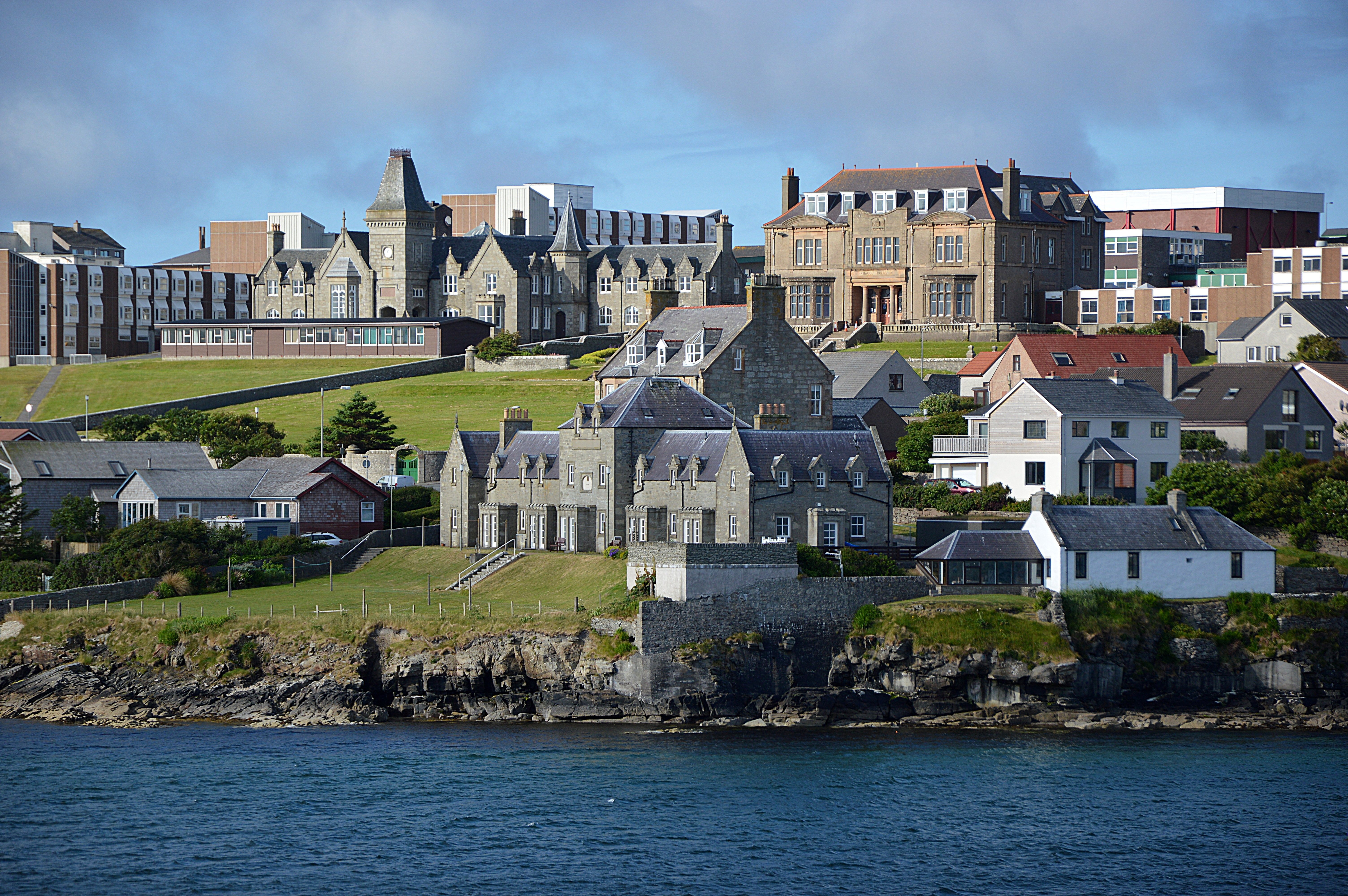
Founded by Dutch fishermen in the 17th century, Lerwick today is a busy town and administrative center. Handsome stone buildings—known as lodberries—line the harbor; they provided loading bays for goods, some of them illegal. The town’s twisting flagstone lanes and harbor once heaved with activity, and Lerwick is still an active port today. This is also where most visitors to Shetland dock, spilling out of cruise ships, allowing passengers to walk around the town.
Stornoway, Isle of Lewis, Scotland
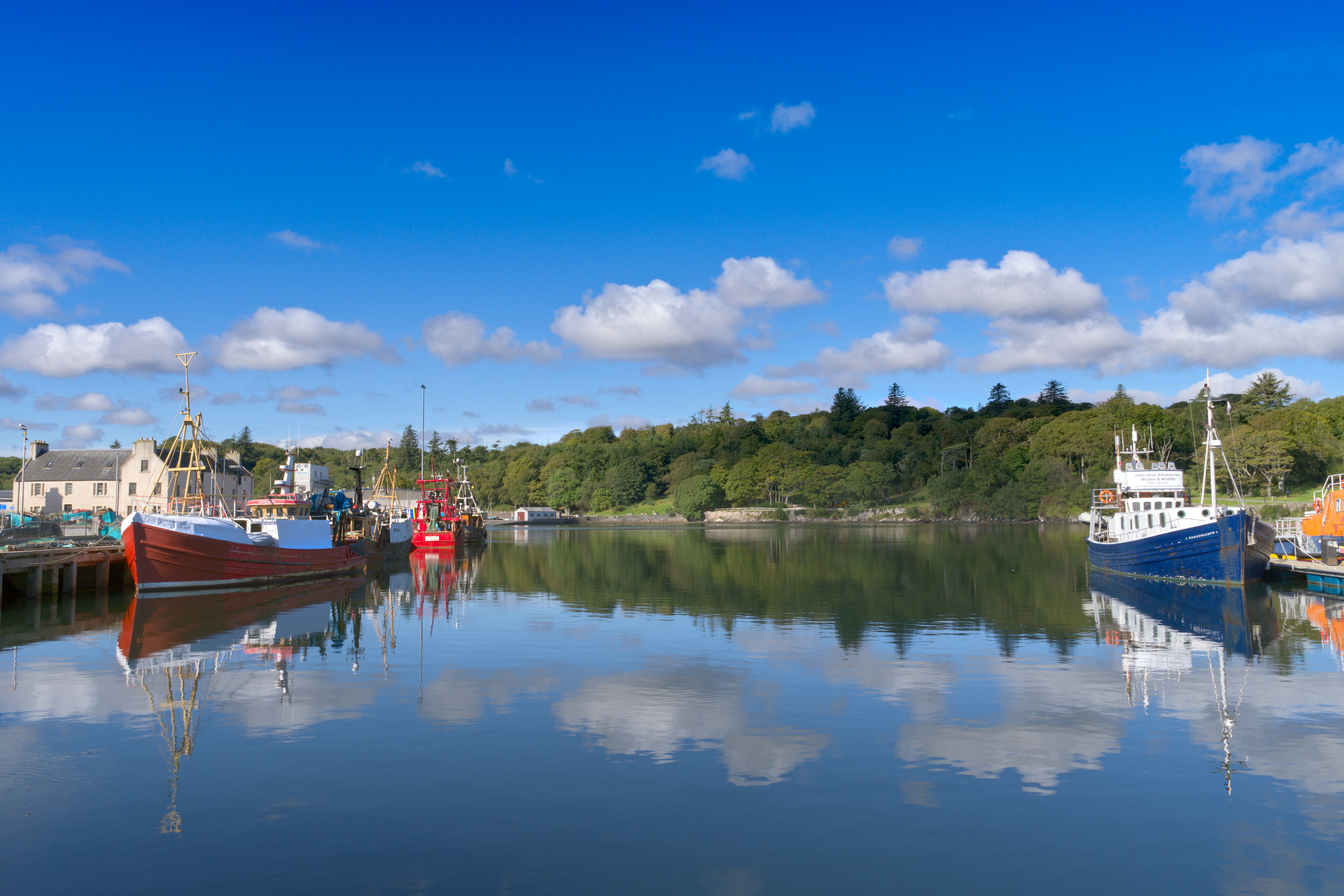
Tour description Stornoway, Scotland The Isle of Lewis and Harris is the northernmost and largest of the Outer Hebrides-the Western Isles in common parlance. The island’s only major town, Stornoway, is on a nearly landlocked harbor on the east coast of Lewis. It’s the port capital for the Outer Hebrides and the island’s cultural center, such that it is. Stornoway has an increasing number of good restaurants. Lewis has some fine historic attractions, including the Calanais Standing Stones-a truly magical place. The Uists are known for their rare, plentiful wildlife. Stornoway. Besides being the island’s main entry point for ferries, Stornoway is also Lewis’s main arts center. You’ll find some good restaurants in town if you want to have lunch off the ship. The town can be explored by bicycle if you are so inclined. Local rental shops can give you advice on where to ride, including a route to Tolsta that takes in five stunning beaches before reaching the edge of moorland. An Lanntair Arts Centre. The fabulous An Lanntair Arts Centre has exhibitions of contemporary and traditional art, as well as a cinema, a gift shop, and a restaurant serving international and Scottish fare. There are frequent traditional musical and theatrical events in the impressive auditorium. Kenneth St.. Black House. In the small community of Arnol, the Black House is a well-preserved example of an increasingly rare type of traditional Hebridean home. Once common throughout the islands-even into the 1950s-these dwellings were built without mortar and thatched on a timber framework without eaves. Other characteristic features include an open central peat hearth and the absence of a chimney-hence the soot and the designation black. On display inside are many of the house’s original furnishings. To reach Arnol from Port of Ness, head south on the A857 and pick up the A858 at Barvas. Off A858, 21 mi southwest of Port of Ness. Admission charged. Calanais Standing Stones. These impressive stones are actually part of a cluster of several different archaeological sites in this area. Probably positioned in several stages between 3000 BC and 1500 BC, the grouping consists of an avenue of 19 monoliths extending northward from a circle of 13 stones, with other rows leading south, east, and west. Ruins of a cairn sit within the circle on the east side. Researchers believe they may have been used for astronomical observations, but you can create your own explanations. The visitor center has an exhibit on the stones, a gift shop, and a tearoom. On an unmarked road off A858. Admission charged. Dun Carloway. One of the best-preserved Iron Age brochs (circular stone towers) in Scotland, Dun Carloway dominates the scattered community of Carloway. The mysterious tower was probably built around 2,000 years ago as protection against seaborne raiders. The Dun Broch Centre explains more about the broch and its setting. Off A857. Gearrannan. Up a side road north from Carloway, Gearrannan is an old black-house village that has been brought back to life with a museum screening excellent short films on peat cutting and weaving. For a unique experience, groups can rent the restored houses. Leverburgh. At Leverburgh you can take the ferry to North Uist. Nearby Northton has several attractions; St. Clement’s Church at Rodel is particularly worth a visit. MacGillivray Centre. Located in a round building overlooking the bay, the MacGillivray Centre gives insight into the life and work of William MacGillivray (1796-1852), a noted naturalist with strong links to Harris. MacGillivray authored the five-volume History of British Birds. This is a great location for a picnic (there are tables for just such a purpose). A walk to a ruined church starts at the parking lot. A859, Northton. Seallam! Visitor Centre and Co Leis Thu? Genealogical Research Centre. The center is where you can trace your Western Isles ancestry. Photographs and interpretive signs describe the history of Harris and its people. The owners organize guided walks and cultural evenings weekly between May and September. Off A859, Northton. Admission charged. St. Clement’s Church. At the southernmost point of Harris is the community of Rodel, where you can find St. Clement’s Church, a cruciform church standing on a hillock. This is the most impressive pre-Reformation church in the Outer Hebrides; it was built around 1500 and contains the magnificently sculptured tomb (1528) of the church’s builder, Alasdair Crotach, MacLeod chief of Dunvegan Castle. Rodel is 3 mi south of Leverburgh and 21 mi south of Tarbert. A859, Rodel. Port of Ness. The stark, windswept community of Port of Ness, 30 mi north of Stornoway, cradles a small harbor squeezed in among the rocks. Butt of Lewis Lighthouse. At the northernmost point of Lewis stands the Butt of Lewis Lighthouse, designed by David and Thomas Stevenson (of the prominent engineering family whose best-known member was not an engineer at all, but the novelist Robert Louis Stevenson). The structure was first lighted in 1862. The adjacent cliffs provide a good vantage point for viewing seabirds, whales, and porpoises. The lighthouse is northwest of Port of Ness along the B8014. Shopping Harris tweed is available at many outlets on the islands, including some of the weavers’ homes; keep an eye out for signs directing you to weavers’ workshops. Harris Tweed Artisans Cooperative. The Harris Tweed Artisans Cooperative sells stylish and quirky hand-crafted tweed clothing, hats, accessories, all made by artists belonging to the cooperative. 40 Point St., Stornoway. Borgh Pottery. At Borgh Pottery, open from Monday to Saturday 9:30 to 6, you can buy attractive hand-thrown studio pottery made on the premises, including lamps, vases, mugs, and dishes. Fivepenny House, A857, Borve.
Dover, England
Known as the gateway of England, Dover welcomes millions of visitors from all over the globe each year in its role as the ferry capital of the world and the second busiest cruise port in the UK. The White Cliffs Country has a rich heritage. Within the walls of the town’s iconic castle, over 2,000 years of history waits to be explored, whilst the town’s museum is home to the Dover Bronze Age Boat, the world’s oldest known seagoing vessel. The town’s cliffs that are a welcome sight for today’s cross-channel travellers also served as the control centre for the Dunkirk evacuation in 1940.
Rotterdam, Netherlands
Rotterdam is a city that’s a long way removed from most people’s stereotypical notion of the Netherlands. There are few, if any, canals to be found here nor are there any quaint windmills. There is, however, a thriving modern city which is one of the busiest ports in the entire world.
Queensferry, Scotland
Queensferry, also called South Queensferry or simply “The Ferry”, is a town to the west of Edinburgh, Scotland. Traditionally a royal burgh of West Lothian,[3] it is now administered by the City of Edinburgh Council. It lies ten miles to the north-west of Edinburgh city centre, on the shore of the Firth of Forth between the Forth Bridge, Forth Road Bridge and the Queensferry Crossing.
Invergordon, Scotland
The port of Invergordon is your gateway to the Great Glen, an area of Scotland that includes Loch Ness and the city of Inverness. Inverness, the capital of the Highlands, has the flavor of a Lowland town, its winds blowing in a sea-salt air from the Moray Firth. The Great Glen is also home to one of the world’s most famous monster myths: in 1933, during a quiet news week, the editor of a local paper decided to run a story about a strange sighting of something splashing about in Loch Ness. But there’s more to look for here besides Nessie, including inland lochs, craggy and steep-sided mountains, rugged promontories, deep inlets, brilliant purple and emerald moorland, and forests filled with astonishingly varied wildlife, including mountain hares, red deer, golden eagles, and ospreys.
Lerwick, Shetland Islands, Scotland
Founded by Dutch fishermen in the 17th century, Lerwick today is a busy town and administrative center. Handsome stone buildings—known as lodberries—line the harbor; they provided loading bays for goods, some of them illegal. The town’s twisting flagstone lanes and harbor once heaved with activity, and Lerwick is still an active port today. This is also where most visitors to Shetland dock, spilling out of cruise ships, allowing passengers to walk around the town.
Stornoway, Isle of Lewis, Scotland
Tour description Stornoway, Scotland The Isle of Lewis and Harris is the northernmost and largest of the Outer Hebrides-the Western Isles in common parlance. The island’s only major town, Stornoway, is on a nearly landlocked harbor on the east coast of Lewis. It’s the port capital for the Outer Hebrides and the island’s cultural center, such that it is. Stornoway has an increasing number of good restaurants. Lewis has some fine historic attractions, including the Calanais Standing Stones-a truly magical place. The Uists are known for their rare, plentiful wildlife. Stornoway. Besides being the island’s main entry point for ferries, Stornoway is also Lewis’s main arts center. You’ll find some good restaurants in town if you want to have lunch off the ship. The town can be explored by bicycle if you are so inclined. Local rental shops can give you advice on where to ride, including a route to Tolsta that takes in five stunning beaches before reaching the edge of moorland. An Lanntair Arts Centre. The fabulous An Lanntair Arts Centre has exhibitions of contemporary and traditional art, as well as a cinema, a gift shop, and a restaurant serving international and Scottish fare. There are frequent traditional musical and theatrical events in the impressive auditorium. Kenneth St.. Black House. In the small community of Arnol, the Black House is a well-preserved example of an increasingly rare type of traditional Hebridean home. Once common throughout the islands-even into the 1950s-these dwellings were built without mortar and thatched on a timber framework without eaves. Other characteristic features include an open central peat hearth and the absence of a chimney-hence the soot and the designation black. On display inside are many of the house’s original furnishings. To reach Arnol from Port of Ness, head south on the A857 and pick up the A858 at Barvas. Off A858, 21 mi southwest of Port of Ness. Admission charged. Calanais Standing Stones. These impressive stones are actually part of a cluster of several different archaeological sites in this area. Probably positioned in several stages between 3000 BC and 1500 BC, the grouping consists of an avenue of 19 monoliths extending northward from a circle of 13 stones, with other rows leading south, east, and west. Ruins of a cairn sit within the circle on the east side. Researchers believe they may have been used for astronomical observations, but you can create your own explanations. The visitor center has an exhibit on the stones, a gift shop, and a tearoom. On an unmarked road off A858. Admission charged. Dun Carloway. One of the best-preserved Iron Age brochs (circular stone towers) in Scotland, Dun Carloway dominates the scattered community of Carloway. The mysterious tower was probably built around 2,000 years ago as protection against seaborne raiders. The Dun Broch Centre explains more about the broch and its setting. Off A857. Gearrannan. Up a side road north from Carloway, Gearrannan is an old black-house village that has been brought back to life with a museum screening excellent short films on peat cutting and weaving. For a unique experience, groups can rent the restored houses. Leverburgh. At Leverburgh you can take the ferry to North Uist. Nearby Northton has several attractions; St. Clement’s Church at Rodel is particularly worth a visit. MacGillivray Centre. Located in a round building overlooking the bay, the MacGillivray Centre gives insight into the life and work of William MacGillivray (1796-1852), a noted naturalist with strong links to Harris. MacGillivray authored the five-volume History of British Birds. This is a great location for a picnic (there are tables for just such a purpose). A walk to a ruined church starts at the parking lot. A859, Northton. Seallam! Visitor Centre and Co Leis Thu? Genealogical Research Centre. The center is where you can trace your Western Isles ancestry. Photographs and interpretive signs describe the history of Harris and its people. The owners organize guided walks and cultural evenings weekly between May and September. Off A859, Northton. Admission charged. St. Clement’s Church. At the southernmost point of Harris is the community of Rodel, where you can find St. Clement’s Church, a cruciform church standing on a hillock. This is the most impressive pre-Reformation church in the Outer Hebrides; it was built around 1500 and contains the magnificently sculptured tomb (1528) of the church’s builder, Alasdair Crotach, MacLeod chief of Dunvegan Castle. Rodel is 3 mi south of Leverburgh and 21 mi south of Tarbert. A859, Rodel. Port of Ness. The stark, windswept community of Port of Ness, 30 mi north of Stornoway, cradles a small harbor squeezed in among the rocks. Butt of Lewis Lighthouse. At the northernmost point of Lewis stands the Butt of Lewis Lighthouse, designed by David and Thomas Stevenson (of the prominent engineering family whose best-known member was not an engineer at all, but the novelist Robert Louis Stevenson). The structure was first lighted in 1862. The adjacent cliffs provide a good vantage point for viewing seabirds, whales, and porpoises. The lighthouse is northwest of Port of Ness along the B8014. Shopping Harris tweed is available at many outlets on the islands, including some of the weavers’ homes; keep an eye out for signs directing you to weavers’ workshops. Harris Tweed Artisans Cooperative. The Harris Tweed Artisans Cooperative sells stylish and quirky hand-crafted tweed clothing, hats, accessories, all made by artists belonging to the cooperative. 40 Point St., Stornoway. Borgh Pottery. At Borgh Pottery, open from Monday to Saturday 9:30 to 6, you can buy attractive hand-thrown studio pottery made on the premises, including lamps, vases, mugs, and dishes. Fivepenny House, A857, Borve.
Belfast, Northern Ireland
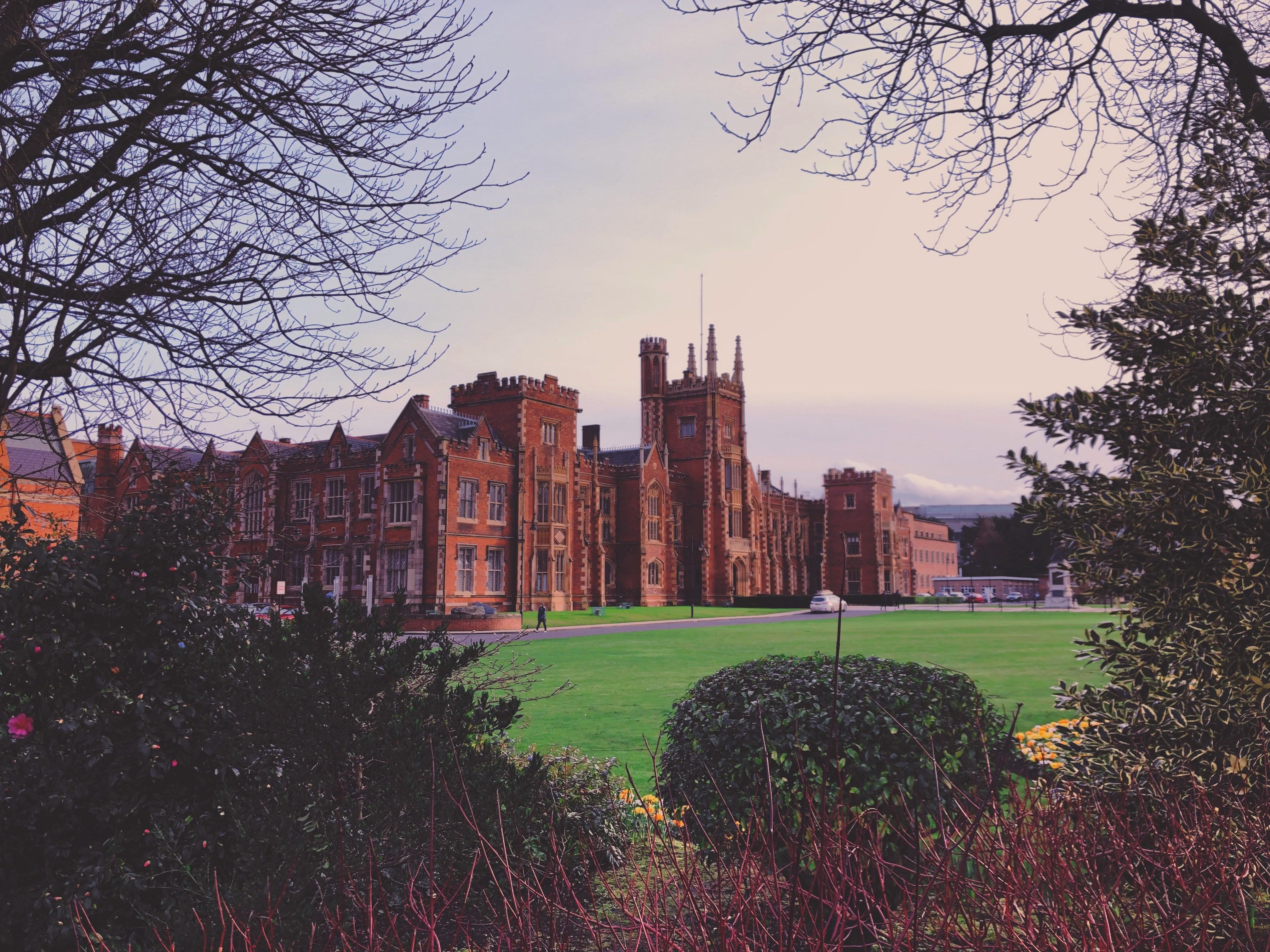
Before English and Scottish settlers arrived in the 1600s, Belfast was a tiny village called Béal Feirste (“sandbank ford”) belonging to Ulster’s ancient O’Neill clan. With the advent of the Plantation period (when settlers arrived in the 1600s), Sir Arthur Chichester, from Devon in southwestern England, received the city from the English Crown, and his son was made Earl of Donegall. Huguenots fleeing persecution from France settled near here, bringing their valuable linen-work skills. In the 18th century, Belfast underwent a phenomenal expansion—its population doubled every 10 years, despite an ever-present sectarian divide. Although the Anglican gentry despised the Presbyterian artisans—who, in turn, distrusted the native Catholics—Belfast’s growth continued at a dizzying speed. The city was a great Victorian success story, an industrial boomtown whose prosperity was built on trade, especially linen and shipbuilding. Famously (or infamously), the Titanic was built here, giving Belfast, for a time, the nickname “Titanic Town.” Having laid the foundation stone of the city’s university in 1845, Queen Victoria returned to Belfast in 1849 (she is recalled in the names of buildings, streets, bars, monuments, and other places around the city), and in the same year, the university opened under the name Queen’s College. Nearly 40 years later, in 1888, Victoria granted Belfast its city charter. Today its population is nearly 300,000, tourist numbers have increased, and this dramatically transformed city is enjoying an unparalleled renaissance.This is all a welcome change from the period when news about Belfast meant reports about “the Troubles.” Since the 1994 ceasefire, Northern Ireland’s capital city has benefited from major hotel investment, gentrified quaysides (or strands), a sophisticated new performing arts center, and major initiatives to boost tourism. Although the 1996 bombing of offices at Canary Wharf in London disrupted the 1994 peace agreement, the ceasefire was officially reestablished on July 20, 1997, and this embattled city began its quest for a newfound identity.Since 2008, the city has restored all its major public buildings such as museums, churches, theaters, City Hall, Ulster Hall—and even the glorious Crown Bar—spending millions of pounds on its built heritage. A gaol that at the height of the Troubles held some of the most notorious murderers involved in paramilitary violence is now a major visitor attraction.Belfast’s city center is made up of three roughly contiguous areas that are easy to navigate on foot. From the south end to the north, it’s about an hour’s leisurely walk.
Greenock, Scotland
Trendy stores, a booming cultural life, fascinating architecture, and stylish restaurants reinforce Glasgow’s claim to being Scotland’s most exciting city. After decades of decline, it has experienced an urban renaissance uniquely its own. The city’s grand architecture reflects a prosperous past built on trade and shipbuilding. Today buildings by Charles Rennie Mackintosh hold pride of place along with the Zaha Hadid–designed Riverside Museum.Glasgow (the “dear green place,” as it was known) was founded some 1,500 years ago. Legend has it that the king of Strathclyde, irate about his wife’s infidelity, had a ring he had given her thrown into the river Clyde. (Apparently she had passed it on to an admirer.) When the king demanded to know where the ring had gone, the distraught queen asked the advice of her confessor, St. Mungo. He suggested fishing for it—and the first salmon to emerge had the ring in its mouth. The moment is commemorated on the city’s coat of arms.The medieval city expanded when it was given a royal license to trade; the current High Street was the main thoroughfare at the time. The vast profits from American cotton and tobacco built the grand mansions of the Merchant City in the 18th century. In the 19th century the river Clyde became the center of a vibrant shipbuilding industry, fed by the city’s iron and steel works. The city grew again, but its internal divisions grew at the same time. The West End harbored the elegant homes of the newly rich shipyard owners. Down by the river, areas like the infamous Gorbals, with its crowded slums, sheltered the laborers who built the ships. They came from the Highlands, expelled to make way for sheep, or from Ireland, where the potato famines drove thousands from their homes.During the 19th century the population grew from 80,000 to more than a million. And the new prosperity gave Glasgow its grand neoclassical buildings, such as those built by Alexander “Greek” Thomson, as well as the adventurous visionary buildings designed by Charles Rennie Mackintosh and others who produced Glasgow’s Arts and Crafts movement. The City Chambers, built in 1888, are a proud statement in marble and gold sandstone, a clear symbol of the wealthy and powerful Victorian industrialists’ hopes for the future.The decline of shipbuilding and the closure of the factories led to much speculation as to what direction the city would take now. The curious thing is that, at least in part, the past gave the city a new lease of life. It was as if people looked at their city and saw Glasgow’s beauty for the first time: its extraordinarily rich architectural heritage, its leafy parks, its artistic heritage, and its complex social history. Today Glasgow is a vibrant cultural center and a commercial hub, as well as a launching pad from which to explore the rest of Scotland, which, as it turns out, is not so far away. In fact, it takes only 40 minutes to reach Loch Lomond, where the other Scotland begins.
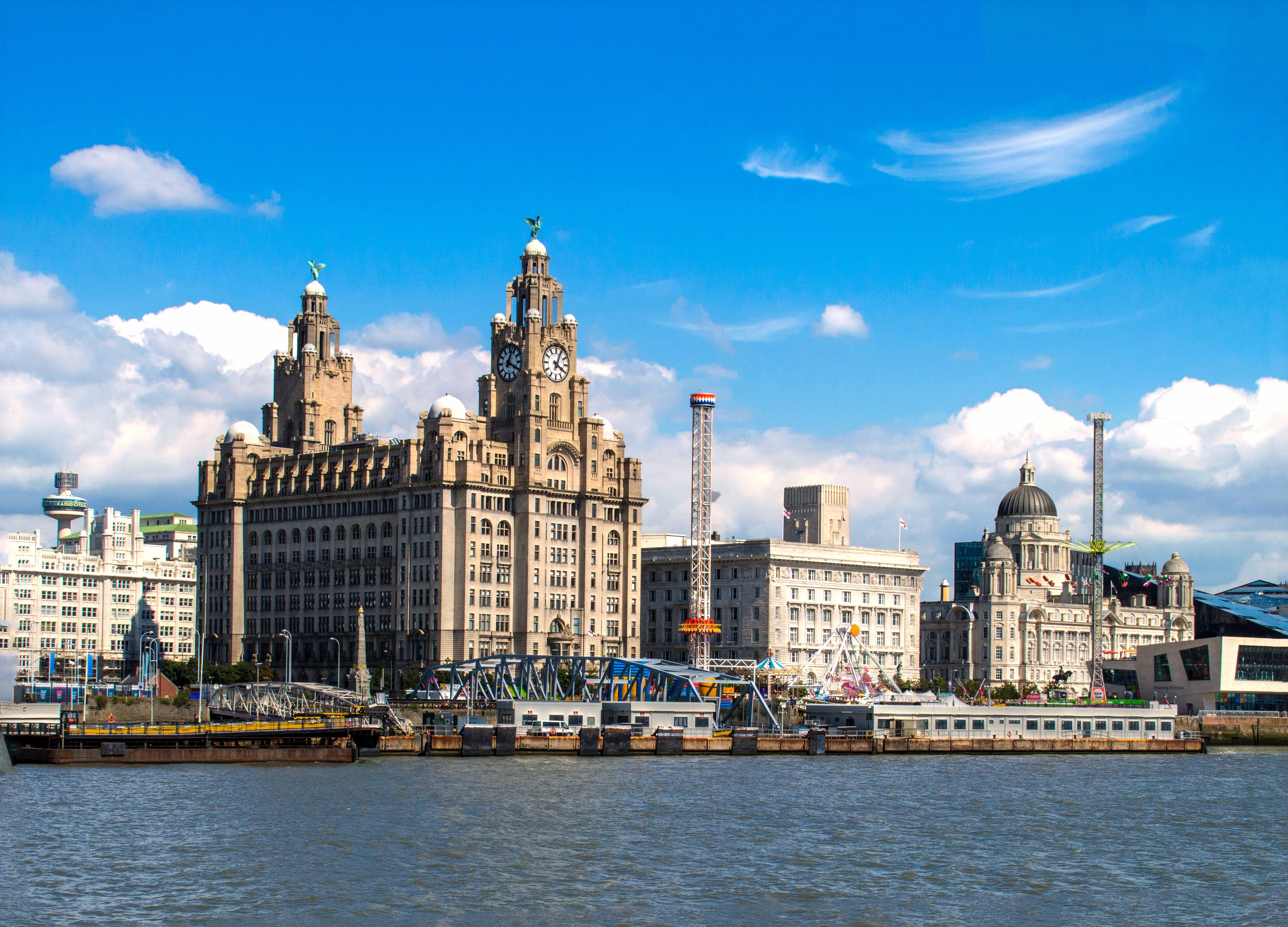
Liverpool, England
From world-class attractions and sports to legendary music, Liverpool offers old-world charm with modern sophistication, underpinned by a rich cultural history.
Dublin, Ireland
Dublin is making a comeback. The decade-long “Celtic Tiger” boom era was quickly followed by the Great Recession, but The Recovery has finally taken a precarious hold. For visitors, this newer and wiser Dublin has become one of western Europe’s most popular and delightful urban destinations. Whether or not you’re out to enjoy the old or new Dublin, you’ll find it a colossally entertaining city, all the more astonishing considering its intimate size.It is ironic and telling that James Joyce chose Dublin as the setting for his famous Ulysses, Dubliners, and A Portrait of the Artist as a Young Man because it was a “center of paralysis” where nothing much ever changed. Which only proves that even the greats get it wrong sometimes. Indeed, if Joyce were to return to his once-genteel hometown today—disappointed with the city’s provincial outlook, he left it in 1902 at the age of 20—and take a quasi-Homeric odyssey through the city (as he so famously does in Ulysses), would he even recognize Dublin as his “Dear Dirty Dumpling, foostherfather of fingalls and dotthergills”?For instance, what would he make of Temple Bar—the city’s erstwhile down-at-the-heels neighborhood, now crammed with cafés and trendy hotels and suffused with a nonstop, international-party atmosphere? Or the simple sophistication of the open-air restaurants of the tiny Italian Quarter (named Quartier Bloom after his own creation), complete with sultry tango lessons? Or of the hot–cool Irishness, where every aspect of Celtic culture results in sold-out theaters, from Once, the cult indie movie and Broadway hit, to Riverdance, the old Irish mass-jig recast as a Las Vegas extravaganza? Plus, the resurrected Joyce might be stirred by the songs of Hozier, fired up by the sultry acting of Michael Fassbender, and moved by the award-winning novels of Colum McCann. As for Ireland’s capital, it’s packed with elegant shops and hotels, theaters, galleries, coffeehouses, and a stunning variety of new, creative little restaurants can be found on almost every street in Dublin, transforming the provincial city that suffocated Joyce into a place almost as cosmopolitan as the Paris to which he fled. And the locals are a hell of a lot more fun! Now that the economy has finally turned a corner, Dublin citizens can cast a cool eye over the last 20 crazy years. Some argue that the boomtown transformation of their heretofore-tranquil city has permanently affected its spirit and character. These skeptics (skepticism long being a favorite pastime in the capital city) await the outcome of “Dublin: The Sequel,” and their greatest fear is the possibility that the tattered old lady on the Liffey has become a little less unique, a little more like everywhere else.Oh ye of little faith: the rare ole gem that is Dublin is far from buried. The fundamentals—the Georgian elegance of Merrion Square, the Norman drama of Christ Church Cathedral, the foamy pint at an atmospheric pub—are still on hand to gratify. Most of all, there are the locals themselves: the nod and grin when you catch their eye on the street, the eagerness to hear half your life story before they tell you all of theirs, and their paradoxically dark but warm sense of humor. It’s expected that 2016 will be an extra-special year in the capital, as centenary celebrations of the fateful 1916 Easter Rising will dominate much of the cultural calendar.
Ringaskiddy, Ireland
No additional details available for this day.
Belfast, Northern Ireland
Before English and Scottish settlers arrived in the 1600s, Belfast was a tiny village called Béal Feirste (“sandbank ford”) belonging to Ulster’s ancient O’Neill clan. With the advent of the Plantation period (when settlers arrived in the 1600s), Sir Arthur Chichester, from Devon in southwestern England, received the city from the English Crown, and his son was made Earl of Donegall. Huguenots fleeing persecution from France settled near here, bringing their valuable linen-work skills. In the 18th century, Belfast underwent a phenomenal expansion—its population doubled every 10 years, despite an ever-present sectarian divide. Although the Anglican gentry despised the Presbyterian artisans—who, in turn, distrusted the native Catholics—Belfast’s growth continued at a dizzying speed. The city was a great Victorian success story, an industrial boomtown whose prosperity was built on trade, especially linen and shipbuilding. Famously (or infamously), the Titanic was built here, giving Belfast, for a time, the nickname “Titanic Town.” Having laid the foundation stone of the city’s university in 1845, Queen Victoria returned to Belfast in 1849 (she is recalled in the names of buildings, streets, bars, monuments, and other places around the city), and in the same year, the university opened under the name Queen’s College. Nearly 40 years later, in 1888, Victoria granted Belfast its city charter. Today its population is nearly 300,000, tourist numbers have increased, and this dramatically transformed city is enjoying an unparalleled renaissance.This is all a welcome change from the period when news about Belfast meant reports about “the Troubles.” Since the 1994 ceasefire, Northern Ireland’s capital city has benefited from major hotel investment, gentrified quaysides (or strands), a sophisticated new performing arts center, and major initiatives to boost tourism. Although the 1996 bombing of offices at Canary Wharf in London disrupted the 1994 peace agreement, the ceasefire was officially reestablished on July 20, 1997, and this embattled city began its quest for a newfound identity.Since 2008, the city has restored all its major public buildings such as museums, churches, theaters, City Hall, Ulster Hall—and even the glorious Crown Bar—spending millions of pounds on its built heritage. A gaol that at the height of the Troubles held some of the most notorious murderers involved in paramilitary violence is now a major visitor attraction.Belfast’s city center is made up of three roughly contiguous areas that are easy to navigate on foot. From the south end to the north, it’s about an hour’s leisurely walk.
Greenock, Scotland
Trendy stores, a booming cultural life, fascinating architecture, and stylish restaurants reinforce Glasgow’s claim to being Scotland’s most exciting city. After decades of decline, it has experienced an urban renaissance uniquely its own. The city’s grand architecture reflects a prosperous past built on trade and shipbuilding. Today buildings by Charles Rennie Mackintosh hold pride of place along with the Zaha Hadid–designed Riverside Museum.Glasgow (the “dear green place,” as it was known) was founded some 1,500 years ago. Legend has it that the king of Strathclyde, irate about his wife’s infidelity, had a ring he had given her thrown into the river Clyde. (Apparently she had passed it on to an admirer.) When the king demanded to know where the ring had gone, the distraught queen asked the advice of her confessor, St. Mungo. He suggested fishing for it—and the first salmon to emerge had the ring in its mouth. The moment is commemorated on the city’s coat of arms.The medieval city expanded when it was given a royal license to trade; the current High Street was the main thoroughfare at the time. The vast profits from American cotton and tobacco built the grand mansions of the Merchant City in the 18th century. In the 19th century the river Clyde became the center of a vibrant shipbuilding industry, fed by the city’s iron and steel works. The city grew again, but its internal divisions grew at the same time. The West End harbored the elegant homes of the newly rich shipyard owners. Down by the river, areas like the infamous Gorbals, with its crowded slums, sheltered the laborers who built the ships. They came from the Highlands, expelled to make way for sheep, or from Ireland, where the potato famines drove thousands from their homes.During the 19th century the population grew from 80,000 to more than a million. And the new prosperity gave Glasgow its grand neoclassical buildings, such as those built by Alexander “Greek” Thomson, as well as the adventurous visionary buildings designed by Charles Rennie Mackintosh and others who produced Glasgow’s Arts and Crafts movement. The City Chambers, built in 1888, are a proud statement in marble and gold sandstone, a clear symbol of the wealthy and powerful Victorian industrialists’ hopes for the future.The decline of shipbuilding and the closure of the factories led to much speculation as to what direction the city would take now. The curious thing is that, at least in part, the past gave the city a new lease of life. It was as if people looked at their city and saw Glasgow’s beauty for the first time: its extraordinarily rich architectural heritage, its leafy parks, its artistic heritage, and its complex social history. Today Glasgow is a vibrant cultural center and a commercial hub, as well as a launching pad from which to explore the rest of Scotland, which, as it turns out, is not so far away. In fact, it takes only 40 minutes to reach Loch Lomond, where the other Scotland begins.
Liverpool, England
From world-class attractions and sports to legendary music, Liverpool offers old-world charm with modern sophistication, underpinned by a rich cultural history.
Dublin, Ireland
Dublin is making a comeback. The decade-long “Celtic Tiger” boom era was quickly followed by the Great Recession, but The Recovery has finally taken a precarious hold. For visitors, this newer and wiser Dublin has become one of western Europe’s most popular and delightful urban destinations. Whether or not you’re out to enjoy the old or new Dublin, you’ll find it a colossally entertaining city, all the more astonishing considering its intimate size.It is ironic and telling that James Joyce chose Dublin as the setting for his famous Ulysses, Dubliners, and A Portrait of the Artist as a Young Man because it was a “center of paralysis” where nothing much ever changed. Which only proves that even the greats get it wrong sometimes. Indeed, if Joyce were to return to his once-genteel hometown today—disappointed with the city’s provincial outlook, he left it in 1902 at the age of 20—and take a quasi-Homeric odyssey through the city (as he so famously does in Ulysses), would he even recognize Dublin as his “Dear Dirty Dumpling, foostherfather of fingalls and dotthergills”?For instance, what would he make of Temple Bar—the city’s erstwhile down-at-the-heels neighborhood, now crammed with cafés and trendy hotels and suffused with a nonstop, international-party atmosphere? Or the simple sophistication of the open-air restaurants of the tiny Italian Quarter (named Quartier Bloom after his own creation), complete with sultry tango lessons? Or of the hot–cool Irishness, where every aspect of Celtic culture results in sold-out theaters, from Once, the cult indie movie and Broadway hit, to Riverdance, the old Irish mass-jig recast as a Las Vegas extravaganza? Plus, the resurrected Joyce might be stirred by the songs of Hozier, fired up by the sultry acting of Michael Fassbender, and moved by the award-winning novels of Colum McCann. As for Ireland’s capital, it’s packed with elegant shops and hotels, theaters, galleries, coffeehouses, and a stunning variety of new, creative little restaurants can be found on almost every street in Dublin, transforming the provincial city that suffocated Joyce into a place almost as cosmopolitan as the Paris to which he fled. And the locals are a hell of a lot more fun! Now that the economy has finally turned a corner, Dublin citizens can cast a cool eye over the last 20 crazy years. Some argue that the boomtown transformation of their heretofore-tranquil city has permanently affected its spirit and character. These skeptics (skepticism long being a favorite pastime in the capital city) await the outcome of “Dublin: The Sequel,” and their greatest fear is the possibility that the tattered old lady on the Liffey has become a little less unique, a little more like everywhere else.Oh ye of little faith: the rare ole gem that is Dublin is far from buried. The fundamentals—the Georgian elegance of Merrion Square, the Norman drama of Christ Church Cathedral, the foamy pint at an atmospheric pub—are still on hand to gratify. Most of all, there are the locals themselves: the nod and grin when you catch their eye on the street, the eagerness to hear half your life story before they tell you all of theirs, and their paradoxically dark but warm sense of humor. It’s expected that 2016 will be an extra-special year in the capital, as centenary celebrations of the fateful 1916 Easter Rising will dominate much of the cultural calendar.
Ringaskiddy, Ireland
No additional details available for this day.
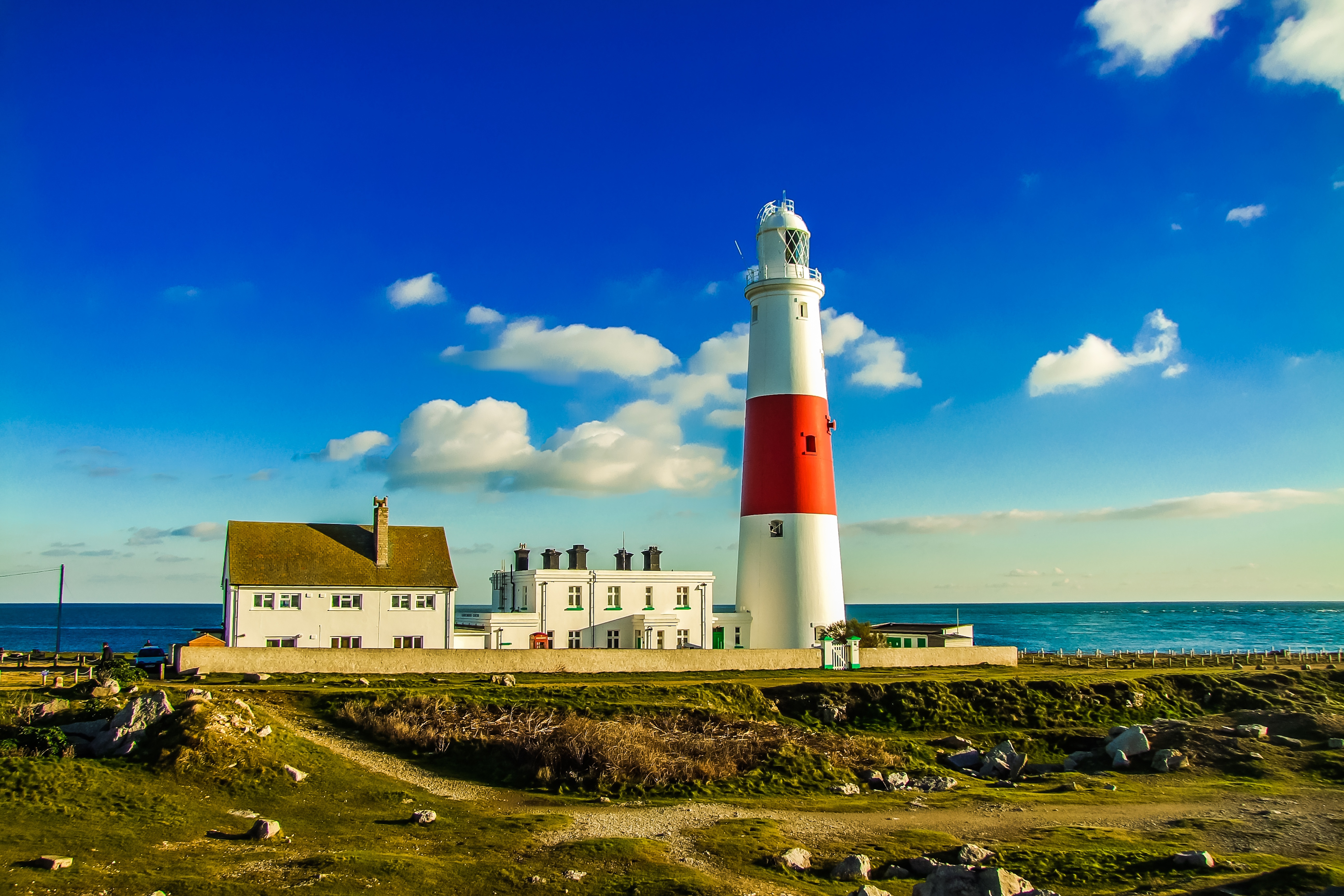
Isle of Portland, England
The Isle of Portland is a tied island, 6 kilometres long by 2.7 kilometres wide, in the English Channel. The southern tip, Portland Bill lies 8 kilometres south of the resort of Weymouth, forming the southernmost point of the county of Dorset, England. A barrier beach called Chesil Beach joins it to the mainland.
Dover, England
Known as the gateway of England, Dover welcomes millions of visitors from all over the globe each year in its role as the ferry capital of the world and the second busiest cruise port in the UK. The White Cliffs Country has a rich heritage. Within the walls of the town’s iconic castle, over 2,000 years of history waits to be explored, whilst the town’s museum is home to the Dover Bronze Age Boat, the world’s oldest known seagoing vessel. The town’s cliffs that are a welcome sight for today’s cross-channel travellers also served as the control centre for the Dunkirk evacuation in 1940.
Isle of Portland, England
The Isle of Portland is a tied island, 6 kilometres long by 2.7 kilometres wide, in the English Channel. The southern tip, Portland Bill lies 8 kilometres south of the resort of Weymouth, forming the southernmost point of the county of Dorset, England. A barrier beach called Chesil Beach joins it to the mainland.
Dover, England
Known as the gateway of England, Dover welcomes millions of visitors from all over the globe each year in its role as the ferry capital of the world and the second busiest cruise port in the UK. The White Cliffs Country has a rich heritage. Within the walls of the town’s iconic castle, over 2,000 years of history waits to be explored, whilst the town’s museum is home to the Dover Bronze Age Boat, the world’s oldest known seagoing vessel. The town’s cliffs that are a welcome sight for today’s cross-channel travellers also served as the control centre for the Dunkirk evacuation in 1940.
Cabin Options
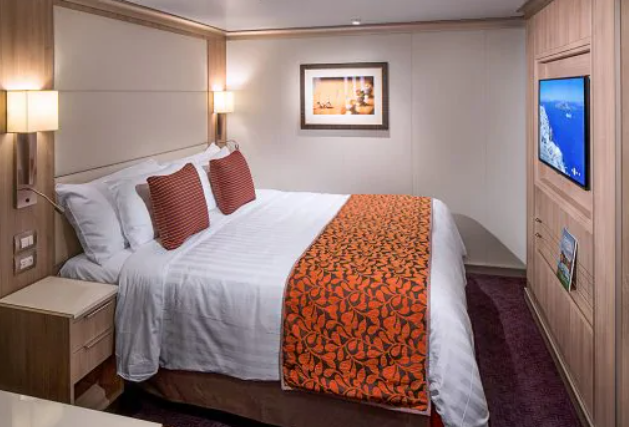
Interior
Ocean View Staterooms
Verandah/Aft-View Verandah/Obstructed Verandah
Single Ocean View
Pinnacle Suite
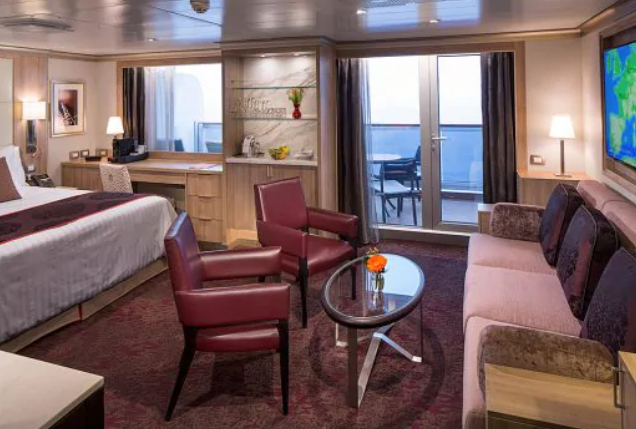
Neptune Suite
Neptune Spa Suite
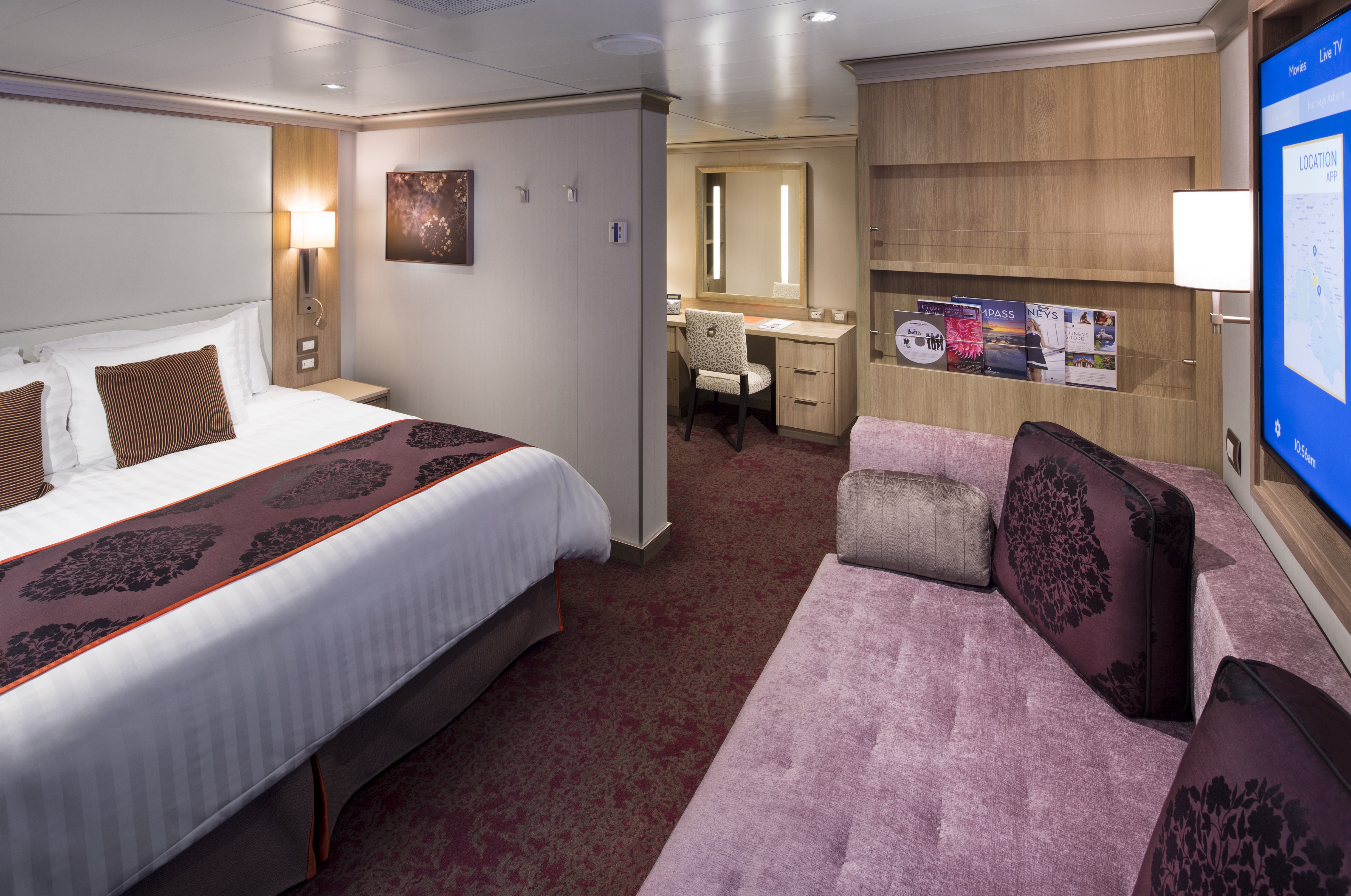
Signature Suite
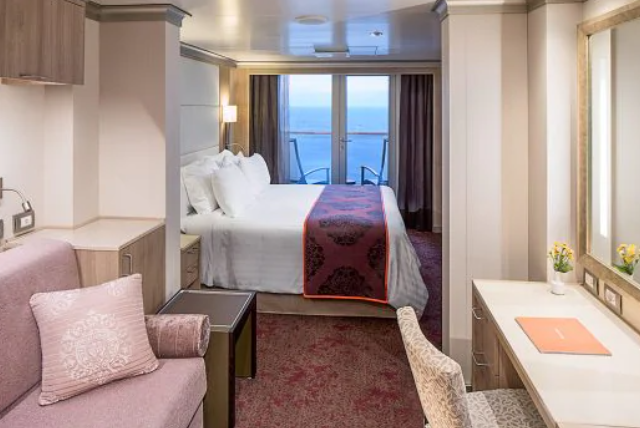
Vista Suite/Aft-View Vista Suite
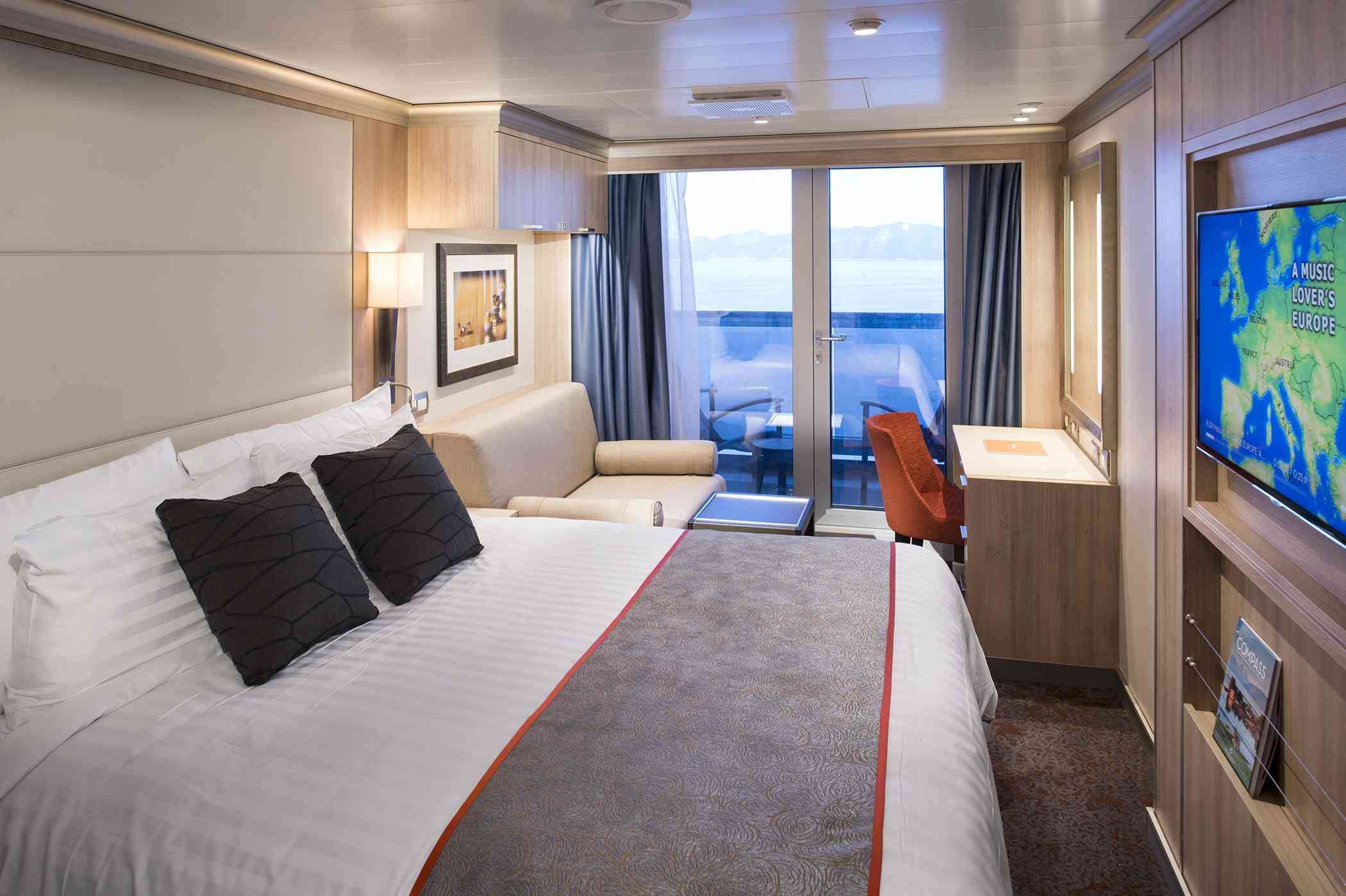
Spa Verandah
Family Ocean View Staterooms
Spa Ocean View
Spa Inside
Ship Facilities
Pinnacle Grill
Pinnacle Grill is the ultimate steakhouse at sea, where an exceptional menu and impeccable service make for one of finest meals you’ll ever have. The refined menu features a selection of 28-day wet-aged USDA Prime steaks — meticulously chosen to guarantee the finest quality — as well as classic steakhouse dishes and innovative recipes from James Beard Award-winning chef and Culinary Council® member, David Burke. Every dish is exquisitely prepared, beautifully plated and complemented by a vast collection of award-winning wines. Here, your meal is an event unto itself, a celebration of fine dining and a triumph of flavour.
The Dining Room
For an elegant breakfast, leisurely lunch or unforgettable multi-course dinner, The Dining Room is your destination. Behind the scenes, our Culinary Council,® an elite team of seven world-renowned chefs, and our talented onboard executive chefs have worked to bring each dish to perfection. For dinner, choose from classics such as Boneless Lamb Loin en Croute, Rosemary Roasted Chicken, as well as regionally inspired cuisine and artfully prepared vegetarian dishes. Enrich your journey with an extensive selection of wines, carefully selected by our Wine Curator, world-renowned wine critic James Suckling.
Canaletto

In Italy, there’s nothing more important than coming together to celebrate the joy of great food. This is the inspiration for our onboard Italian restaurant, Canaletto. Enjoy amazing Italian classics like braised chicken cacciatore al forno, branzino ai ferri or garlic shrimp ravioli. And for dessert: tiramisù, cannoli alla Siciliana, gelato, and more. Including pasta made fresh daily. Buon Appetito!
Tamarind

Praised by Condé Nast Traveler for cuisine “that rivals the top restaurants on land,” Tamarind is the perfect place to explore the culinary traditions of Southeast Asia, China and Japan. The menu, which honors the elements of water, wood, fire and earth, features such exotic fare as wok-seared lobster, barramundi (Asian sea bass) in banana leaf and sushi, accompanied by chilled or heated sake. And, try our specialty sushi created in collaboration with Culinary Council member and Master Sushi Chef, Andy Matsuda.
Rudi's Sel de Mer
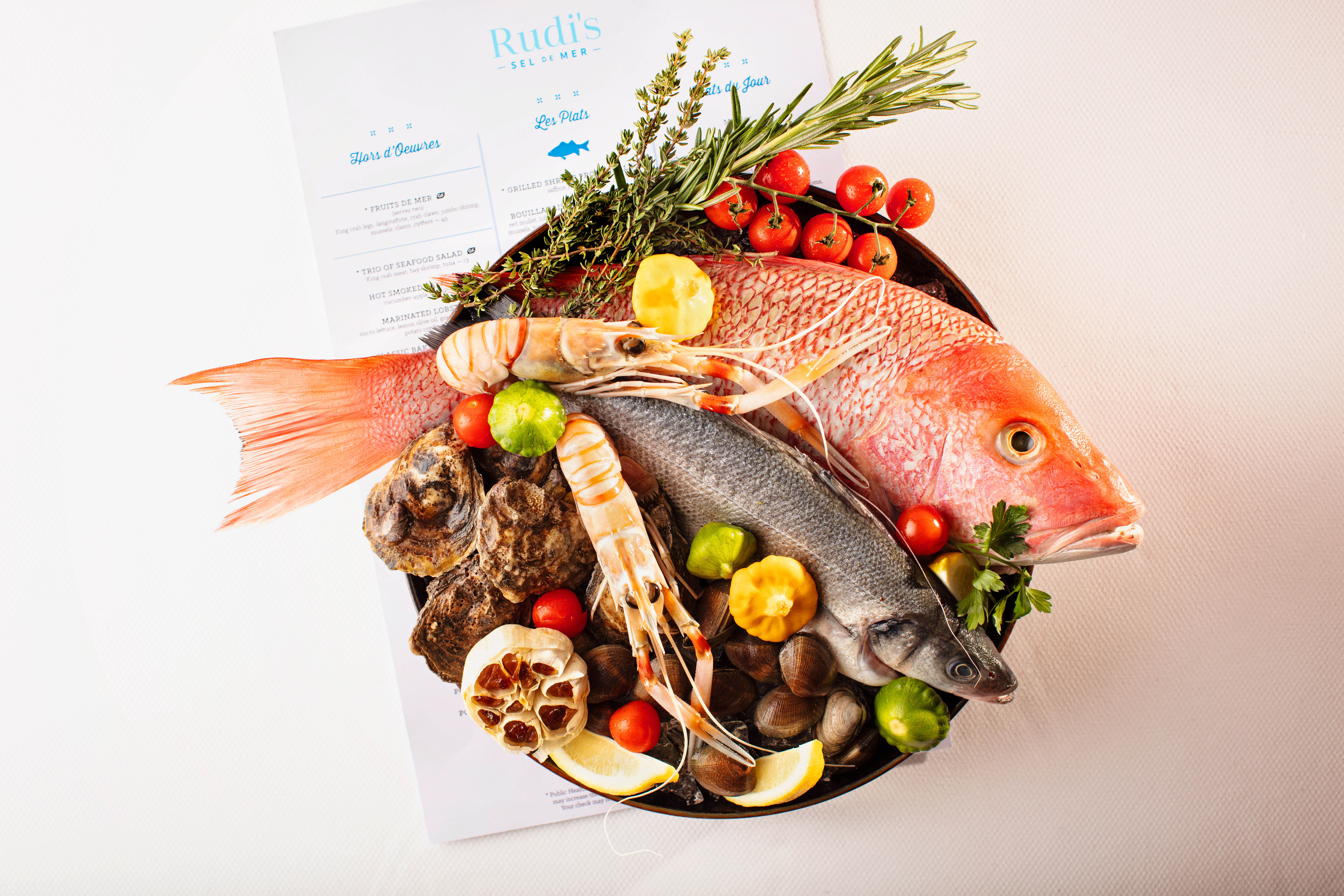
Named for Master Chef Rudi Sodamin, Rudi’s Sel de Mer is an intimate brasserie featuring classic French dishes reimagined with contemporary flair. Menu selections include whole Dover sole meunière with shaved pink Himalayan sea salt, oysters on the half shell, fruits de mer, and salt-crust baked branzino, as well as favourites such as steak frites, duck cassoulet and coq au vin. Conclude your dinner with a classic dessert and fine French cheeses.
Meals at Sel de Mer are half price for kids 12 years old or under, or free when they order from the kids’ menu.
Lido Market
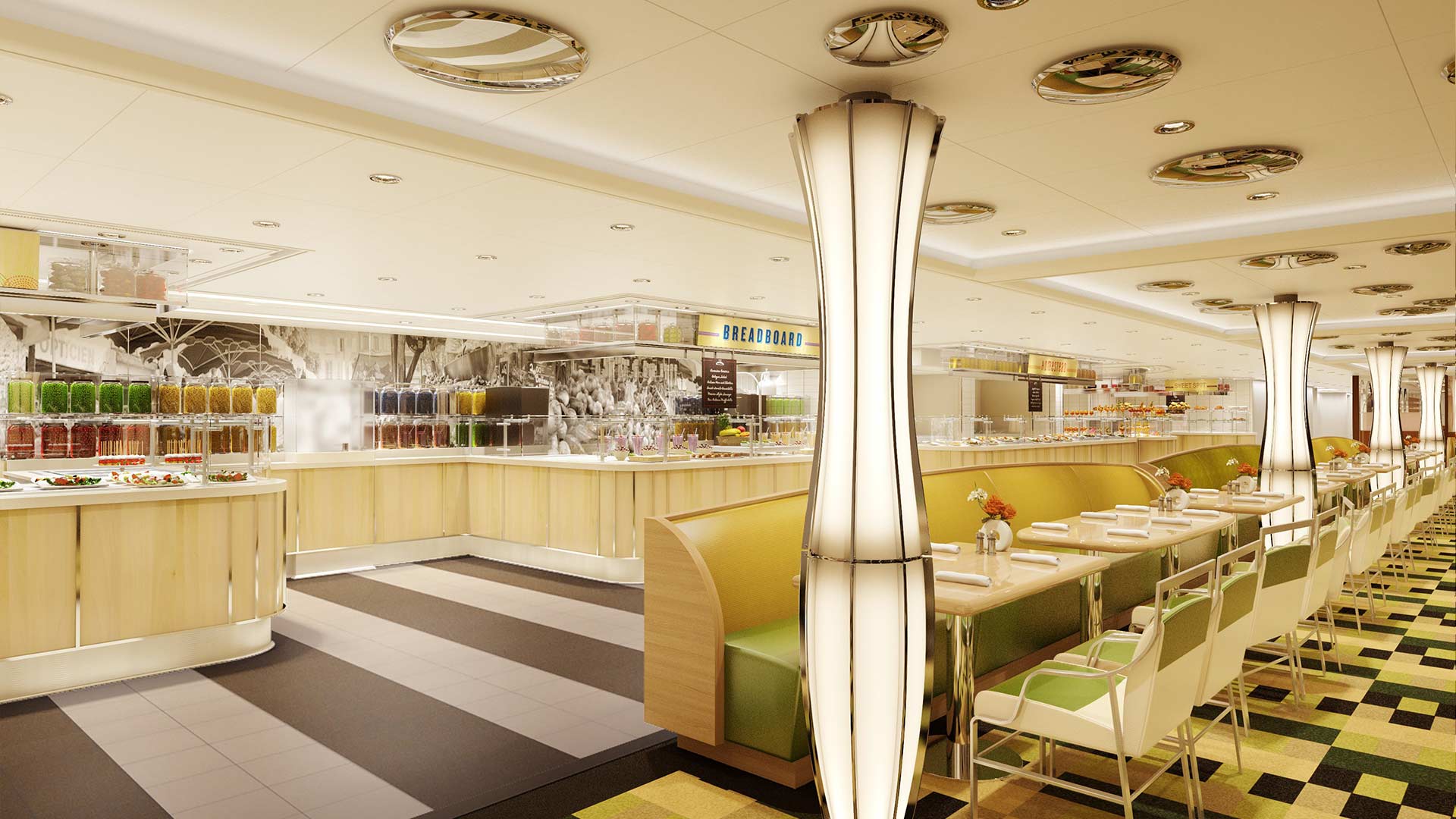
Explore a world of intriguing culinary possibilities in the Lido Market. Steps from the Lido pool, this modern marketplace includes a curated selection of delicious options that you can grab on the go or have made to order: Breadboard, with freshly baked breads and pastries; Wild Harvest, offering a bountiful selection of hearty salads; Homestead, serving up comfort classics; Distant Lands, featuring global cuisine; Sweet Spot, for ice cream creations and desserts; Roasting Pan, hand-carved meats, fish and other hearty entrees; Perk, freshly brewed beverages and chilled juices; Quench, premium coffee, beer, wine, and soda available for purchase; Rise, savoury quiches, croissants and sandwiches, and more.
Dive-In
Dive-In offers a variety of casual culinary classics, using the highest quality ingredients. Enjoy a burger, grilled to perfection and served on a toasted brioche with our own trade-marked secret sauce. Savour a succulent Nathan’s Famous gourmet hot dog with golden French fries. Or choose a grilled chicken breast sandwich or juicy portabello mushroom stack. Dive-In is the perfect spot to dine poolside on the best burgers at sea.
New York Pizza
At New York Pizza, choose from a variety of scrumptious, 9-inch, thin-crust pies. Named for New York’s famed five boroughs, our signature pizzas are made to order and topped with only the finest ingredients. Culinary Council member Ethan Stowell has also contributed signature pizza recipes to the menu. Enjoy your pizza by day while overlooking the Lido pool, and into the night. This venue is New York Deli & Pizza on Koningsdam, Rotterdam and Nieuw Statendam, offering made-to-order deli sandwiches in addition to pizza.
Nami Sushi
Inspired by Culinary Council® member and world-renowned sushi master, Andy Matsuda, Nami Sushi offers a tempting array of the sushi rolls he’s created. Choose from such delectable selections as Tempura Lobster Roll with soft shell crab tempura; Dragon Roll with tempura shrimp, unagi sauce and avocado; Tsutsumi Roll with snapper, green olive, caper and avocado; Futomoki Roll with crab, yamagobo, avocado and cucumber; Volcano Roll with sesame-marinated salmon and Thai chilis; Nigiri sushi with tuna, salmon and ebi shrimp; and more. The word “nami,” Japanese in origin, means “wave” and is an homage to the ocean views you’ll enjoy as you dine on the freshest, tastiest and most inventive sushi at sea.
24-Hour In-Room Dining
Sleep in and have breakfast delivered. Enjoy an early dinner on your verandah before an evening excursion. Order a salad, sandwich or entrée any time. Room Service is only a phone call away. All selections are included in your cruise fare unless otherwise noted on the in-room menu.
Gelato
At “G” Gelato, you can indulge your sweet tooth with a classic European gelato (ice cream), made fresh on board each day by chefs trained at the Carpigiani Gelato University. Choose from among 12 delightful flavors, two of which are rotated daily. Smooth, creamy and refreshing, this tasty treat is served in a variety of ways, including gelato popsicles and the flavors of G, composed shots with layers of caramel, nuts and gelato. Love pistachio? Select ingredients like Sicilian pistachios make our pistachio gelato out of this world!
B.B King's Blues Club
When you’re in the mood to move, it’s time for live music on your cruise. Direct from Beale Street in Memphis, B.B. King’s All-Star Band cooks up a rich southern heritage of classic soul and rock & roll to get you dancing.
Lincoln Centre Stage
In an exclusive partnership with the world’s leading centre for the performing arts, we proudly present Lincoln Centre Stage, showcasing outstanding musicians performing multiple programs of chamber music most evenings, as well as afternoon recitals during leisurely days at sea.
Rolling Stone Rock Room
Rock Lives Here
When you’re ready to rock, head to the Rolling Stone Rock Room, the ultimate live music venue on ship. Hear your favs and classic hits, right from Rolling Stone magazine’s top song lists.
Casino Action
Your Holland America Line ship’s Casino offers a wide array of gaming options. Whether you prefer slot machines or want to try your hand at blackjack or poker, our dealers and staff are available to provide complimentary instruction — and we offer many engaging tournament options. The Casino is only open at sea.
Ocean Bar
Enjoy cocktails and ocean views while listening to live string music.
Tamarind Bar
Partake in exotic cocktails and sakétinis amid wraparound ocean views.
Billboard Onboard
2 pianos – 60 Years of Chart Toppers – 100s Of Songs. Sing along, test your music trivia skills or just sit back and enjoy as the hits fill the room each night.
Greenhouse Spa & Salon
During a leisurely day at sea, few places help you refresh, relax and rejuvenate like the Greenhouse Spa & Salon and Fitness Center. This heavenly retreat nurtures every aspect of your well-being with renowned spa rituals and healing touches. In the spa, pamper your skin with facial treatments featuring premium, naturally sourced ingredients. Nurture your body, too, with massage treatments employing time-honored, hands-on massage techniques gleaned from around the world.
On most Holland America ships the spa experience begins inside the Greenhouse Retreat, a social relaxation center. Lie on a heated tiled lounger or immerse yourself in the hydropool filled with calming ocean water heated to body temperature. The warm — not hot — temperature of the hydropool allows you to stay immersed and enjoy the benefits of the jets longer than a traditional hot tub.
Step into one of the mild saunas or steam grottos to warm yourself to the core and enjoy a DIY exfoliating scrub to get your skin super-soft for the next port. Day and full-cruise passes to the Greenhouse Retreat are available.
Hair & Nail Services
Open your mind to the creativity of our international stylists and leave the salon today with a hairstyle that will put a bounce in your step and your locks!
Treatment Rooms
Relaxing treatment rooms offer breathtaking views where guests can enjoy exotic skin, body, and hair treatments ranging from hot stone massages and pedicures to hair styling and facials.
Fitness Centre
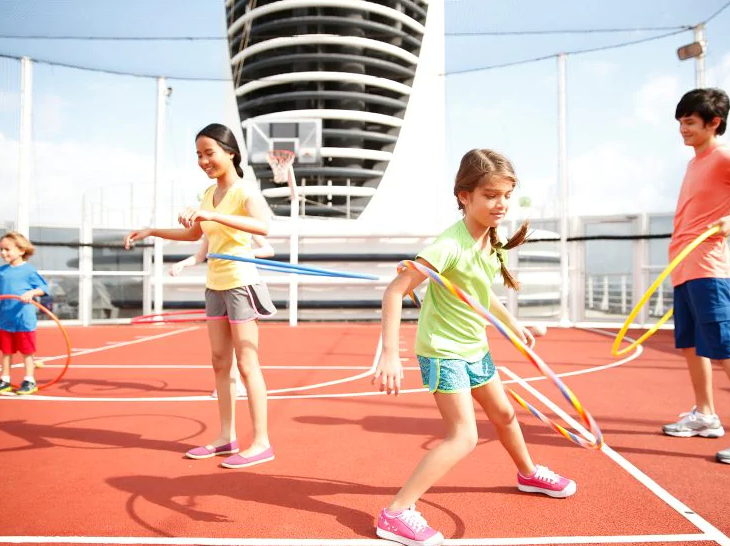
Stop by the professionally staffed Fitness Center equipped with the latest cardio and weight machines. Try one of our classes on indoor cycling, Pilates and more or work out at your own pace. You can also head out for fresh air and exercise on deck, where you’ll find basketball and volleyball courts, and two refreshing pools (available on select ships). Some classes may have a nominal fee.
Pickleball At Sea
Play the fastest-growing sport in the U.S. with Holland America Line, the exclusive cruise line partner of the Professional Pickleball Association. All our cruise ships feature pickleball courts with amazing top-deck views. The equipment and courts are available for a match anytime, so long as the weather allows. Frequent pickler? Join a pickleball tournament at sea and put your dink shot to the test. Hesitant amateur? Learn the basics at complimentary beginner’s lessons, starting in spring 2023. Commemorative starter kits will soon be available in our retail shops — purchase as gifts for avid players or as souvenirs, so that you can always look back on your pickleball cruise memories.
Kids Programs (Ages 3-6)
Highlights for kids ages 3 to 6 include a variety of activities, crafts, games and theme parties, such as “Dino-Mite Night” and “Ships Ahoy Pirate Treasure Hunt Adventure.”
Tweens Programs (Ages 7-12)
From arts & crafts and sporting events to gaming tournaments and theme parties, tweens will have plenty to enjoy.
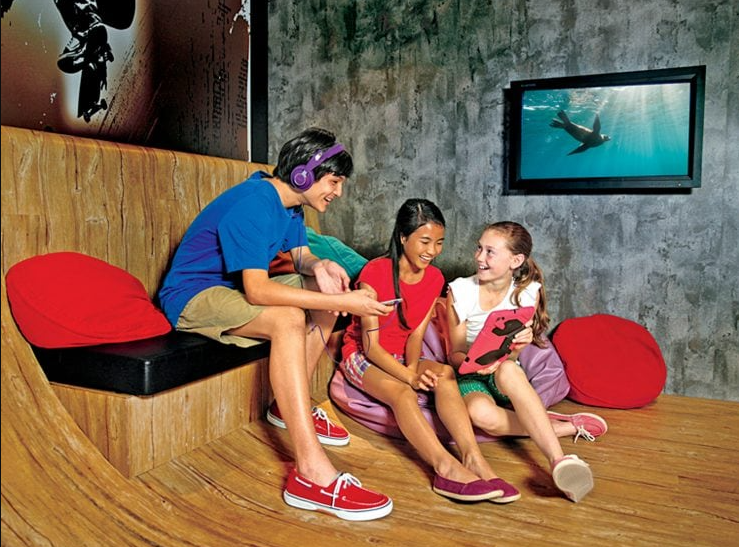
Teens Programs (Ages 13-17)
During the day, teens meet up for sports challenges and group games while our Hosts provide exclusive teen events like Poker Night and Video Game Tournaments at night.
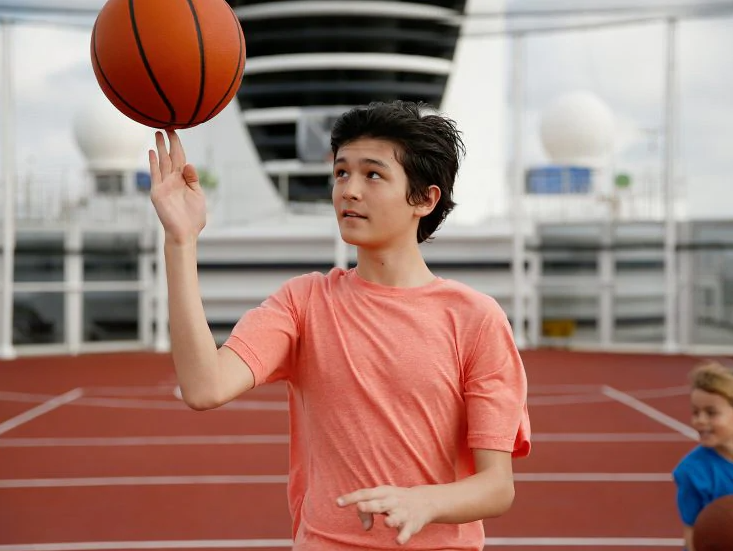
Port Day Activities
Kids Club activities are available from 9 a.m. to 12 p.m. and 1 p.m. to 4 p.m. on port days*. Lunch is not offered as part of this service. Children must be registered and signed into and out of programming by a parent or guardian.
*Hours of operation may change to better serve our guests.
Special Needs
Children with special needs are invited to attend Kids Club activities based on their chronological age. In some cases, parental supervision may be required. Please let us know when booking your reservation.

Pinnacle Grill
Pinnacle Grill is the ultimate steakhouse at sea, where an exceptional menu and impeccable service make for one of finest meals you’ll ever have. The refined menu features a selection of 28-day wet-aged USDA Prime steaks — meticulously chosen to guarantee the finest quality — as well as classic steakhouse dishes and innovative recipes from James Beard Award-winning chef and Culinary Council® member, David Burke. Every dish is exquisitely prepared, beautifully plated and complemented by a vast collection of award-winning wines. Here, your meal is an event unto itself, a celebration of fine dining and a triumph of flavour.
The Dining Room
For an elegant breakfast, leisurely lunch or unforgettable multi-course dinner, The Dining Room is your destination. Behind the scenes, our Culinary Council,® an elite team of seven world-renowned chefs, and our talented onboard executive chefs have worked to bring each dish to perfection. For dinner, choose from classics such as Boneless Lamb Loin en Croute, Rosemary Roasted Chicken, as well as regionally inspired cuisine and artfully prepared vegetarian dishes. Enrich your journey with an extensive selection of wines, carefully selected by our Wine Curator, world-renowned wine critic James Suckling.
Canaletto
In Italy, there’s nothing more important than coming together to celebrate the joy of great food. This is the inspiration for our onboard Italian restaurant, Canaletto. Enjoy amazing Italian classics like braised chicken cacciatore al forno, branzino ai ferri or garlic shrimp ravioli. And for dessert: tiramisù, cannoli alla Siciliana, gelato, and more. Including pasta made fresh daily. Buon Appetito!
Tamarind
Praised by Condé Nast Traveler for cuisine “that rivals the top restaurants on land,” Tamarind is the perfect place to explore the culinary traditions of Southeast Asia, China and Japan. The menu, which honors the elements of water, wood, fire and earth, features such exotic fare as wok-seared lobster, barramundi (Asian sea bass) in banana leaf and sushi, accompanied by chilled or heated sake. And, try our specialty sushi created in collaboration with Culinary Council member and Master Sushi Chef, Andy Matsuda.
Rudi's Sel de Mer
Named for Master Chef Rudi Sodamin, Rudi’s Sel de Mer is an intimate brasserie featuring classic French dishes reimagined with contemporary flair. Menu selections include whole Dover sole meunière with shaved pink Himalayan sea salt, oysters on the half shell, fruits de mer, and salt-crust baked branzino, as well as favourites such as steak frites, duck cassoulet and coq au vin. Conclude your dinner with a classic dessert and fine French cheeses.
Meals at Sel de Mer are half price for kids 12 years old or under, or free when they order from the kids’ menu.
Lido Market
Explore a world of intriguing culinary possibilities in the Lido Market. Steps from the Lido pool, this modern marketplace includes a curated selection of delicious options that you can grab on the go or have made to order: Breadboard, with freshly baked breads and pastries; Wild Harvest, offering a bountiful selection of hearty salads; Homestead, serving up comfort classics; Distant Lands, featuring global cuisine; Sweet Spot, for ice cream creations and desserts; Roasting Pan, hand-carved meats, fish and other hearty entrees; Perk, freshly brewed beverages and chilled juices; Quench, premium coffee, beer, wine, and soda available for purchase; Rise, savoury quiches, croissants and sandwiches, and more.
Dive-In
Dive-In offers a variety of casual culinary classics, using the highest quality ingredients. Enjoy a burger, grilled to perfection and served on a toasted brioche with our own trade-marked secret sauce. Savour a succulent Nathan’s Famous gourmet hot dog with golden French fries. Or choose a grilled chicken breast sandwich or juicy portabello mushroom stack. Dive-In is the perfect spot to dine poolside on the best burgers at sea.
New York Pizza
At New York Pizza, choose from a variety of scrumptious, 9-inch, thin-crust pies. Named for New York’s famed five boroughs, our signature pizzas are made to order and topped with only the finest ingredients. Culinary Council member Ethan Stowell has also contributed signature pizza recipes to the menu. Enjoy your pizza by day while overlooking the Lido pool, and into the night. This venue is New York Deli & Pizza on Koningsdam, Rotterdam and Nieuw Statendam, offering made-to-order deli sandwiches in addition to pizza.
Nami Sushi
Inspired by Culinary Council® member and world-renowned sushi master, Andy Matsuda, Nami Sushi offers a tempting array of the sushi rolls he’s created. Choose from such delectable selections as Tempura Lobster Roll with soft shell crab tempura; Dragon Roll with tempura shrimp, unagi sauce and avocado; Tsutsumi Roll with snapper, green olive, caper and avocado; Futomoki Roll with crab, yamagobo, avocado and cucumber; Volcano Roll with sesame-marinated salmon and Thai chilis; Nigiri sushi with tuna, salmon and ebi shrimp; and more. The word “nami,” Japanese in origin, means “wave” and is an homage to the ocean views you’ll enjoy as you dine on the freshest, tastiest and most inventive sushi at sea.
24-Hour In-Room Dining
Sleep in and have breakfast delivered. Enjoy an early dinner on your verandah before an evening excursion. Order a salad, sandwich or entrée any time. Room Service is only a phone call away. All selections are included in your cruise fare unless otherwise noted on the in-room menu.
Gelato
At “G” Gelato, you can indulge your sweet tooth with a classic European gelato (ice cream), made fresh on board each day by chefs trained at the Carpigiani Gelato University. Choose from among 12 delightful flavors, two of which are rotated daily. Smooth, creamy and refreshing, this tasty treat is served in a variety of ways, including gelato popsicles and the flavors of G, composed shots with layers of caramel, nuts and gelato. Love pistachio? Select ingredients like Sicilian pistachios make our pistachio gelato out of this world!
B.B King's Blues Club
When you’re in the mood to move, it’s time for live music on your cruise. Direct from Beale Street in Memphis, B.B. King’s All-Star Band cooks up a rich southern heritage of classic soul and rock & roll to get you dancing.
Lincoln Centre Stage
In an exclusive partnership with the world’s leading centre for the performing arts, we proudly present Lincoln Centre Stage, showcasing outstanding musicians performing multiple programs of chamber music most evenings, as well as afternoon recitals during leisurely days at sea.
Rolling Stone Rock Room
Rock Lives Here
When you’re ready to rock, head to the Rolling Stone Rock Room, the ultimate live music venue on ship. Hear your favs and classic hits, right from Rolling Stone magazine’s top song lists.
Casino Action
Your Holland America Line ship’s Casino offers a wide array of gaming options. Whether you prefer slot machines or want to try your hand at blackjack or poker, our dealers and staff are available to provide complimentary instruction — and we offer many engaging tournament options. The Casino is only open at sea.
Ocean Bar
Enjoy cocktails and ocean views while listening to live string music.
Tamarind Bar
Partake in exotic cocktails and sakétinis amid wraparound ocean views.
Billboard Onboard
2 pianos – 60 Years of Chart Toppers – 100s Of Songs. Sing along, test your music trivia skills or just sit back and enjoy as the hits fill the room each night.
Greenhouse Spa & Salon
During a leisurely day at sea, few places help you refresh, relax and rejuvenate like the Greenhouse Spa & Salon and Fitness Center. This heavenly retreat nurtures every aspect of your well-being with renowned spa rituals and healing touches. In the spa, pamper your skin with facial treatments featuring premium, naturally sourced ingredients. Nurture your body, too, with massage treatments employing time-honored, hands-on massage techniques gleaned from around the world.
On most Holland America ships the spa experience begins inside the Greenhouse Retreat, a social relaxation center. Lie on a heated tiled lounger or immerse yourself in the hydropool filled with calming ocean water heated to body temperature. The warm — not hot — temperature of the hydropool allows you to stay immersed and enjoy the benefits of the jets longer than a traditional hot tub.
Step into one of the mild saunas or steam grottos to warm yourself to the core and enjoy a DIY exfoliating scrub to get your skin super-soft for the next port. Day and full-cruise passes to the Greenhouse Retreat are available.
Hair & Nail Services
Open your mind to the creativity of our international stylists and leave the salon today with a hairstyle that will put a bounce in your step and your locks!
Treatment Rooms
Relaxing treatment rooms offer breathtaking views where guests can enjoy exotic skin, body, and hair treatments ranging from hot stone massages and pedicures to hair styling and facials.
Fitness Centre
Stop by the professionally staffed Fitness Center equipped with the latest cardio and weight machines. Try one of our classes on indoor cycling, Pilates and more or work out at your own pace. You can also head out for fresh air and exercise on deck, where you’ll find basketball and volleyball courts, and two refreshing pools (available on select ships). Some classes may have a nominal fee.
Pickleball At Sea
Play the fastest-growing sport in the U.S. with Holland America Line, the exclusive cruise line partner of the Professional Pickleball Association. All our cruise ships feature pickleball courts with amazing top-deck views. The equipment and courts are available for a match anytime, so long as the weather allows. Frequent pickler? Join a pickleball tournament at sea and put your dink shot to the test. Hesitant amateur? Learn the basics at complimentary beginner’s lessons, starting in spring 2023. Commemorative starter kits will soon be available in our retail shops — purchase as gifts for avid players or as souvenirs, so that you can always look back on your pickleball cruise memories.
Kids Programs (Ages 3-6)
Highlights for kids ages 3 to 6 include a variety of activities, crafts, games and theme parties, such as “Dino-Mite Night” and “Ships Ahoy Pirate Treasure Hunt Adventure.”
Tweens Programs (Ages 7-12)
From arts & crafts and sporting events to gaming tournaments and theme parties, tweens will have plenty to enjoy.
Teens Programs (Ages 13-17)
During the day, teens meet up for sports challenges and group games while our Hosts provide exclusive teen events like Poker Night and Video Game Tournaments at night.
Port Day Activities
Kids Club activities are available from 9 a.m. to 12 p.m. and 1 p.m. to 4 p.m. on port days*. Lunch is not offered as part of this service. Children must be registered and signed into and out of programming by a parent or guardian.
*Hours of operation may change to better serve our guests.
Special Needs
Children with special needs are invited to attend Kids Club activities based on their chronological age. In some cases, parental supervision may be required. Please let us know when booking your reservation.
About the Ship
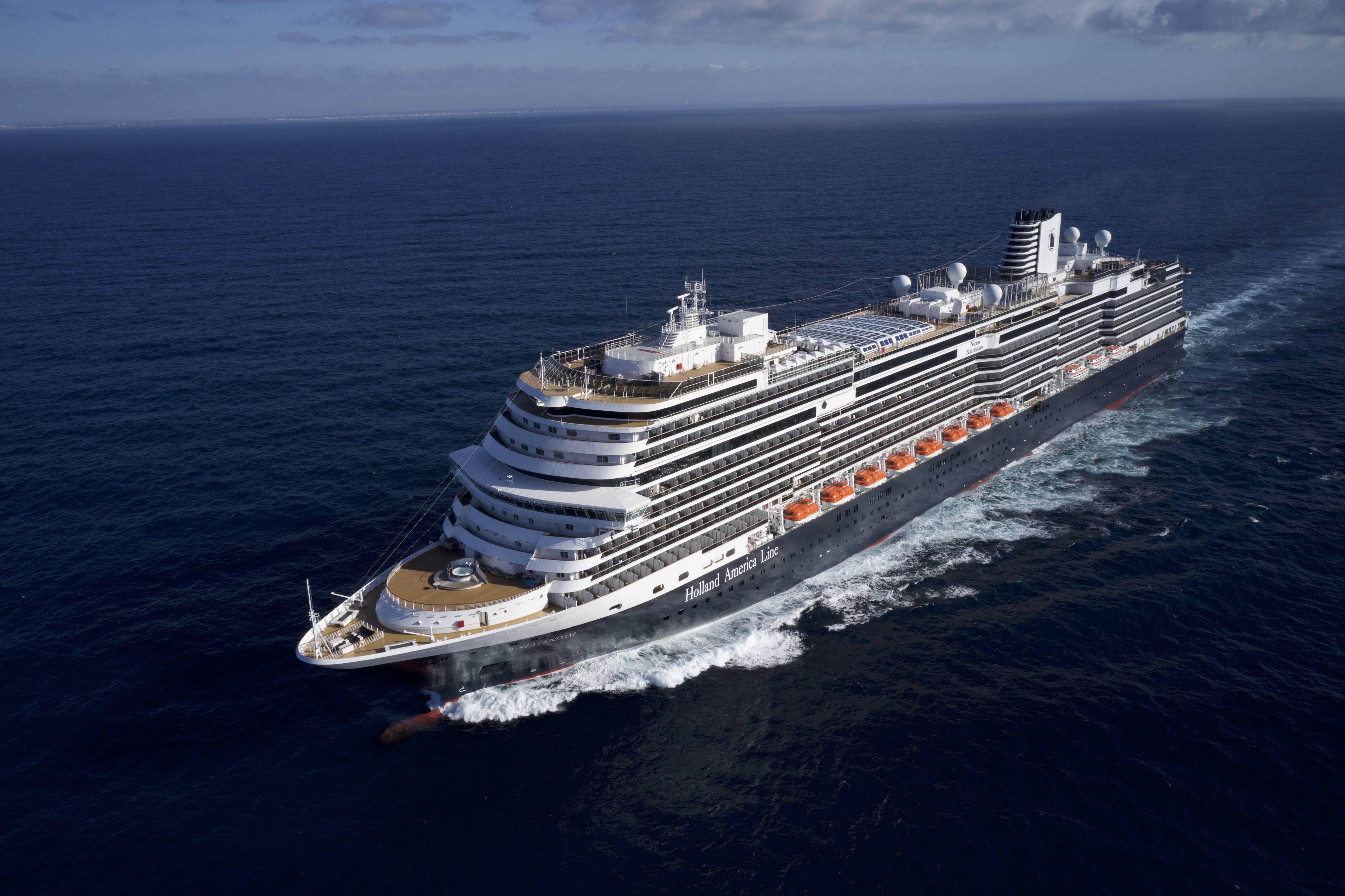
Deck Plans

- Atrium
- Half Moon
- Hudson
- Stuyvesant
- Internet Centre
- Ocean-View Staterooms (Family, Large & Single)
- Interior Staterooms (Large & Standard)

- The Dining Room
- Club Orange Dining Room
- Blend
- Ocean Bar
- Rudi’s Sel De Mer
- Atrium
- Pinnacle Grill
- The Shops
- Lincoln Centre Stage & B.B. King’s Blues Club
- Merabella Luxury Shop
- Billboard Onboard
- Rolling Stone Rock Room
- Notes
- World Stage

- The Dining Room
- Photo Shop
- Grand Dutch Café
- Guest Services
- Atrium
- The Shops
- Art Gallery
- Casino
- World Stage

- Neptune Suites
- Vista Suites
- Verandah Staterooms
- Large Ocean-View Staterooms
- Interior Staterooms (Large & Standard)

- Neptune Suites
- Signature Suites
- Vista Suites
- Verandah Staterooms
- Interior Staterooms (Large & Standard)

- Neptune Suites
- Vista Suites
- Verandah Staterooms
- Interior Staterooms (Large & Standard)

- Neptune Lounge
- Pinnacle Suite
- Neptune Suites
- Signature Suites
- Vista Suites
- Verandah Staterooms
- Ocean-View Staterooms
- Interior Staterooms (Large or Standard)

- Bridge
- Neptune Suites
- Vista Suites
- Verandah Staterooms
- Interior Staterooms (Large & Standard)

- Sea View Pool
- Sea View Bar
- Lido Market
- Canaletto
- Dive-In
- Gelato
- Lido Bar
- Lido Pool
- Greenhouse Spa & Salon
- Fitness Centre
- Hydro Pool
- Movies Poolside

- Tamarind Restaurant and Bar
- Nami Sushi
- Club HAL
- Panorama Bar
- New York Deli & Pizza
- Greenhouse Spa & Salon
- Neptune Spa Suites
- Verandah Spa Staterooms
- Large Ocean-View Spa Staterooms
- Interior Spa Staterooms

- Sun Deck
- Sun Bar
- Sports Court
- Jogging Track
- Sliding Dome Cover
- Neptune Suites
- Verandah Staterooms
- Ocean-View Staterooms
- Interior Staterooms

- Explorations Central & Café
- The Retreat
- Atrium
- Half Moon
- Hudson
- Stuyvesant
- Internet Centre
- Ocean-View Staterooms (Family, Large & Single)
- Interior Staterooms (Large & Standard)
- The Dining Room
- Club Orange Dining Room
- Blend
- Ocean Bar
- Rudi’s Sel De Mer
- Atrium
- Pinnacle Grill
- The Shops
- Lincoln Centre Stage & B.B. King’s Blues Club
- Merabella Luxury Shop
- Billboard Onboard
- Rolling Stone Rock Room
- Notes
- World Stage
- The Dining Room
- Photo Shop
- Grand Dutch Café
- Guest Services
- Atrium
- The Shops
- Art Gallery
- Casino
- World Stage
- Neptune Suites
- Vista Suites
- Verandah Staterooms
- Large Ocean-View Staterooms
- Interior Staterooms (Large & Standard)
- Neptune Suites
- Signature Suites
- Vista Suites
- Verandah Staterooms
- Interior Staterooms (Large & Standard)
- Neptune Suites
- Vista Suites
- Verandah Staterooms
- Interior Staterooms (Large & Standard)
- Neptune Lounge
- Pinnacle Suite
- Neptune Suites
- Signature Suites
- Vista Suites
- Verandah Staterooms
- Ocean-View Staterooms
- Interior Staterooms (Large or Standard)
- Bridge
- Neptune Suites
- Vista Suites
- Verandah Staterooms
- Interior Staterooms (Large & Standard)
- Sea View Pool
- Sea View Bar
- Lido Market
- Canaletto
- Dive-In
- Gelato
- Lido Bar
- Lido Pool
- Greenhouse Spa & Salon
- Fitness Centre
- Hydro Pool
- Movies Poolside
- Tamarind Restaurant and Bar
- Nami Sushi
- Club HAL
- Panorama Bar
- New York Deli & Pizza
- Greenhouse Spa & Salon
- Neptune Spa Suites
- Verandah Spa Staterooms
- Large Ocean-View Spa Staterooms
- Interior Spa Staterooms
- Sun Deck
- Sun Bar
- Sports Court
- Jogging Track
- Sliding Dome Cover
- Neptune Suites
- Verandah Staterooms
- Ocean-View Staterooms
- Interior Staterooms
- Explorations Central & Café
- The Retreat