Itinerary
Dover, England
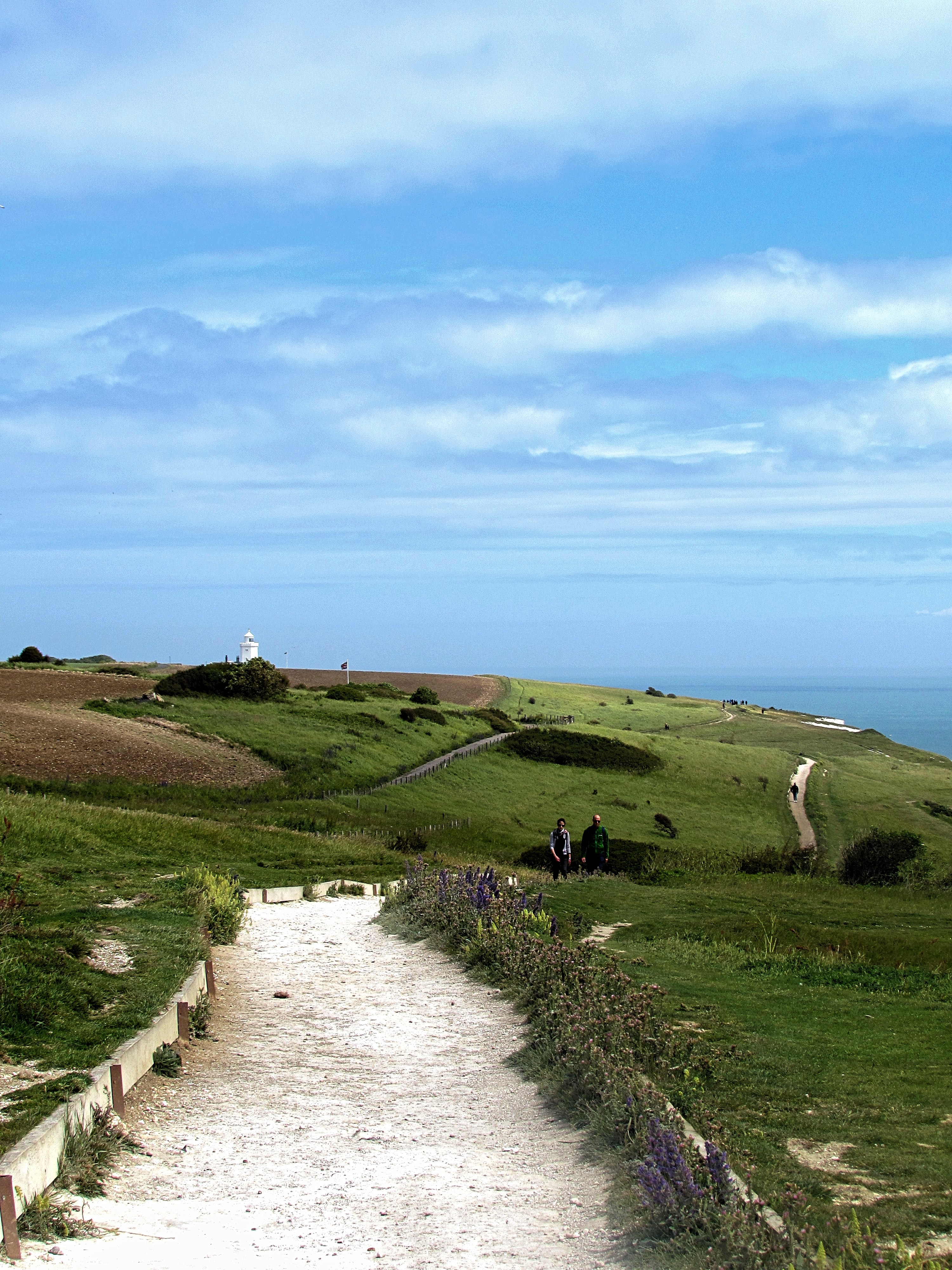
Known as the gateway of England, Dover welcomes millions of visitors from all over the globe each year in its role as the ferry capital of the world and the second busiest cruise port in the UK. The White Cliffs Country has a rich heritage. Within the walls of the town’s iconic castle, over 2,000 years of history waits to be explored, whilst the town’s museum is home to the Dover Bronze Age Boat, the world’s oldest known seagoing vessel. The town’s cliffs that are a welcome sight for today’s cross-channel travellers also served as the control centre for the Dunkirk evacuation in 1940.
Rotterdam, Netherlands
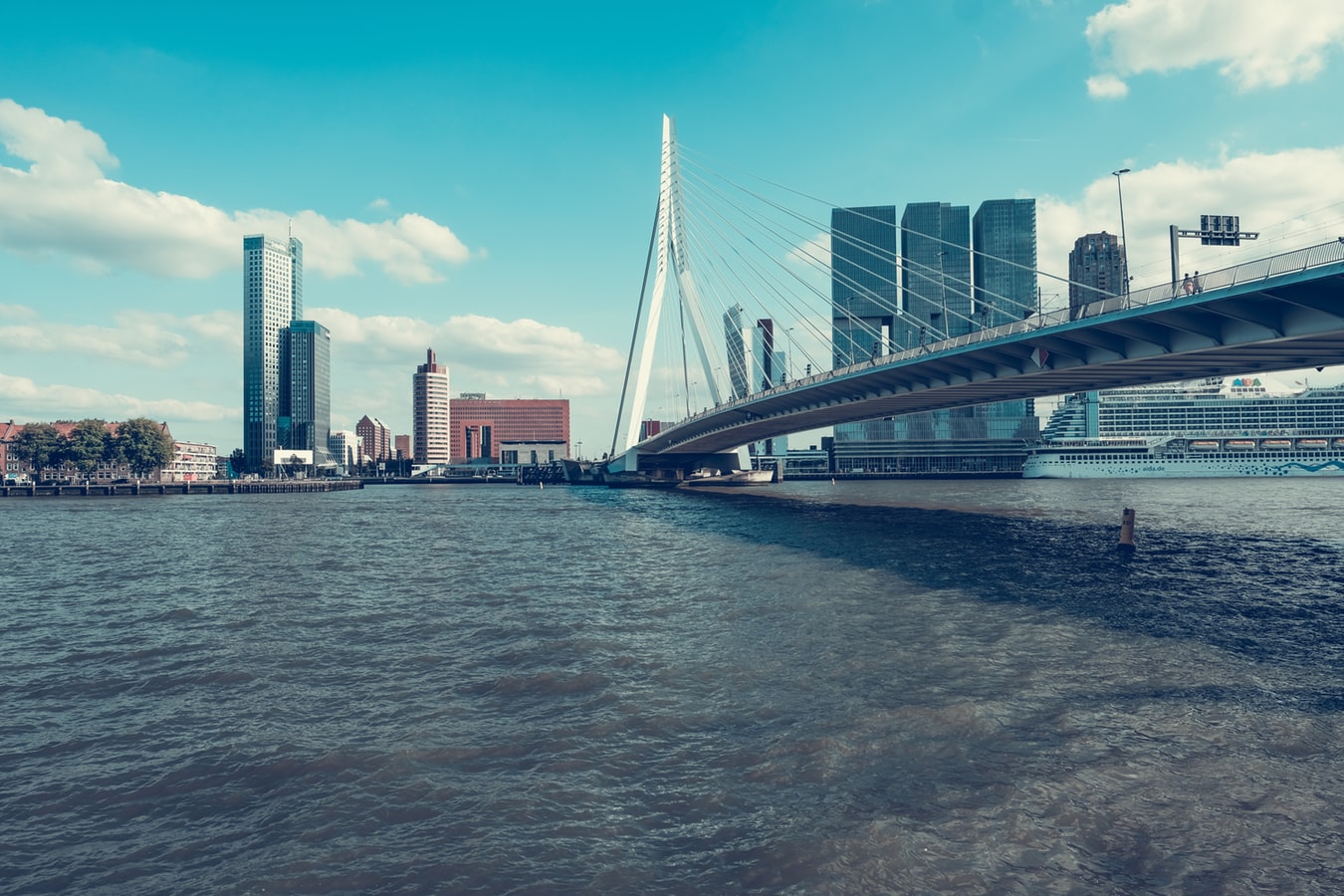
Rotterdam is a city that’s a long way removed from most people’s stereotypical notion of the Netherlands. There are few, if any, canals to be found here nor are there any quaint windmills. There is, however, a thriving modern city which is one of the busiest ports in the entire world.
Queensferry, Scotland
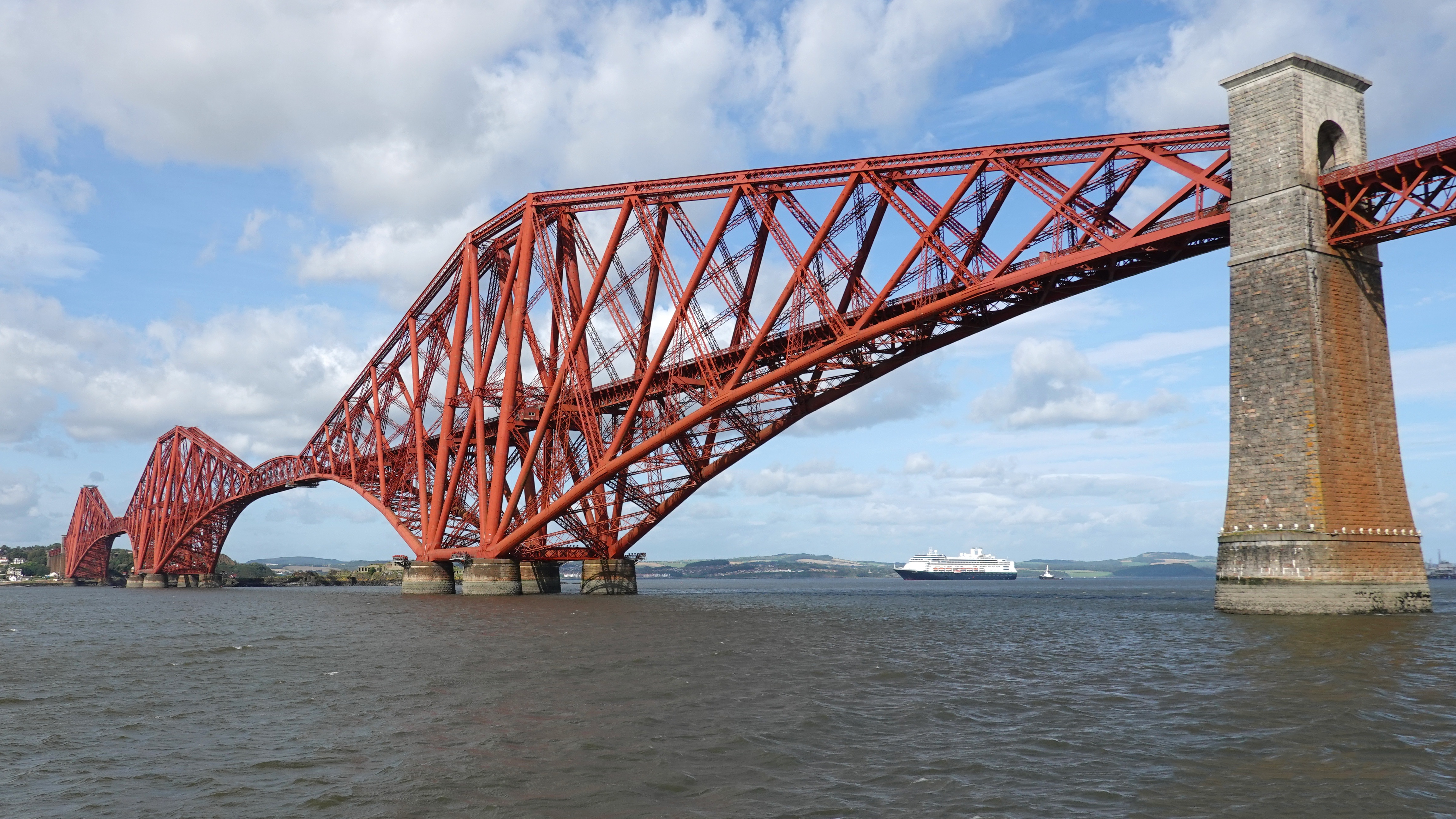
Queensferry, also called South Queensferry or simply “The Ferry”, is a town to the west of Edinburgh, Scotland. Traditionally a royal burgh of West Lothian,[3] it is now administered by the City of Edinburgh Council. It lies ten miles to the north-west of Edinburgh city centre, on the shore of the Firth of Forth between the Forth Bridge, Forth Road Bridge and the Queensferry Crossing.
Kirkwall, Orkney Islands, Scotland
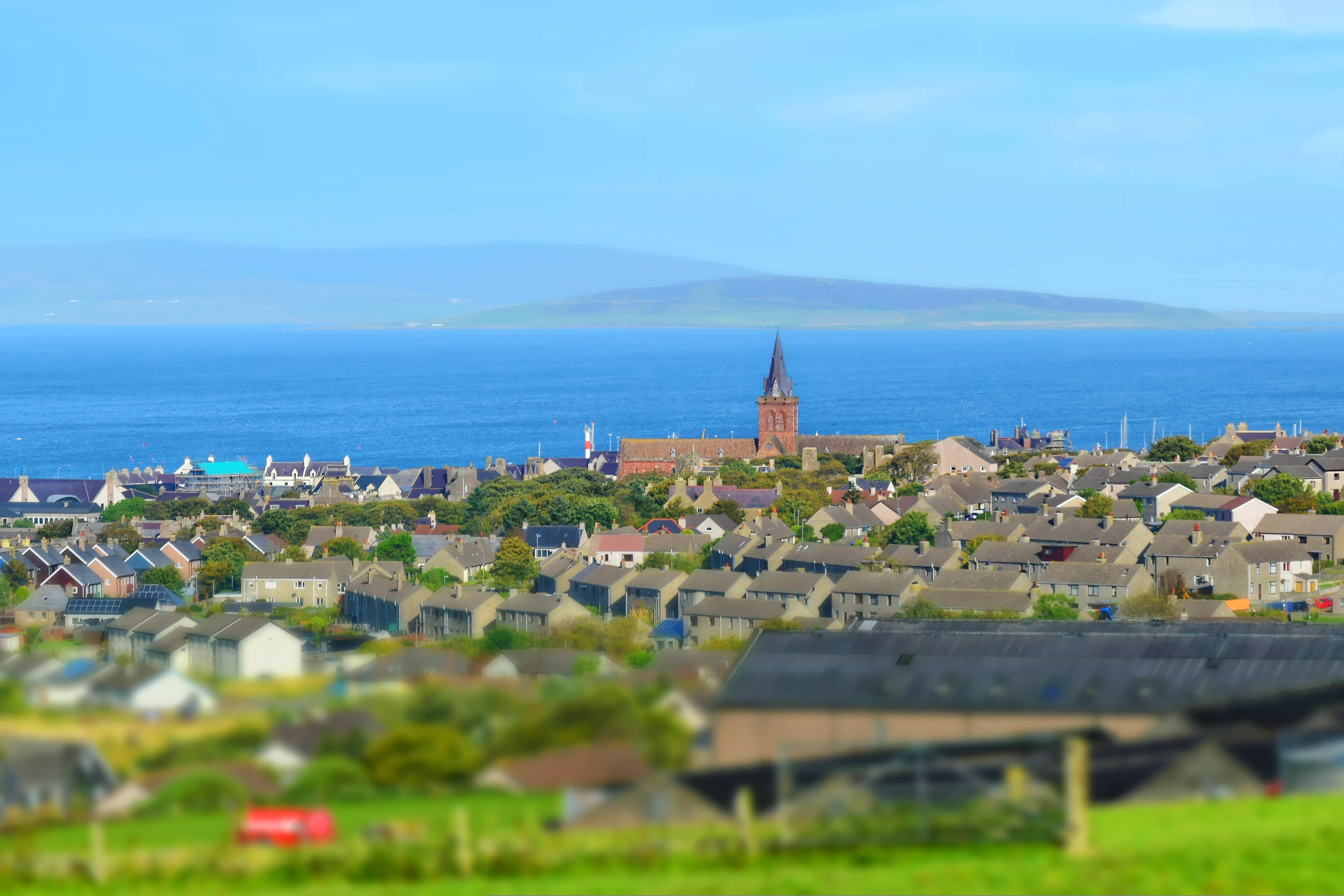
In bustling Kirkwall, the main town on Orkney, there’s plenty to see in the narrow, winding streets extending from the harbor. The cathedral and some museums are highlights.
Lerwick, Shetland Islands, Scotland
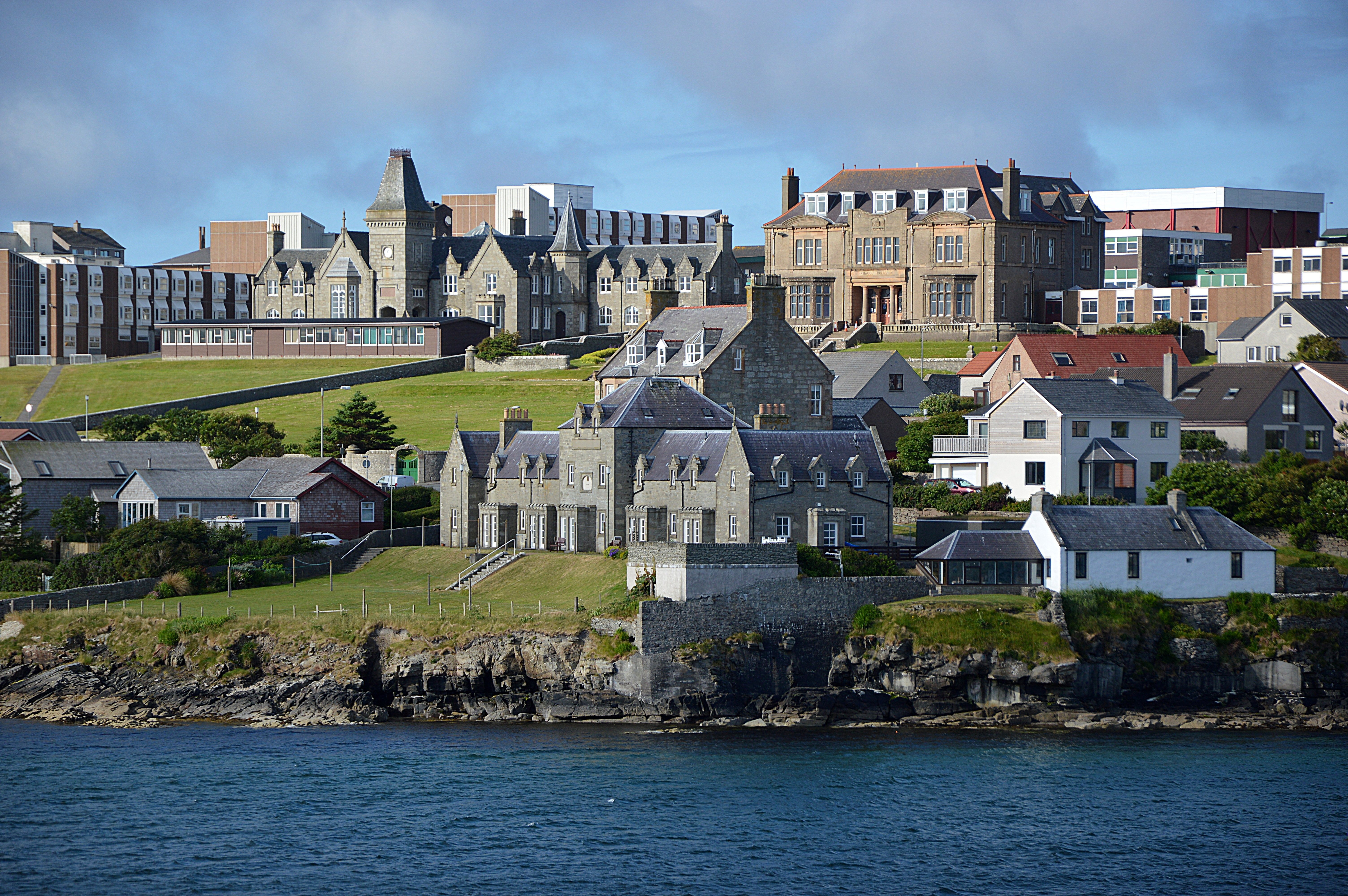
Founded by Dutch fishermen in the 17th century, Lerwick today is a busy town and administrative center. Handsome stone buildings—known as lodberries—line the harbor; they provided loading bays for goods, some of them illegal. The town’s twisting flagstone lanes and harbor once heaved with activity, and Lerwick is still an active port today. This is also where most visitors to Shetland dock, spilling out of cruise ships, allowing passengers to walk around the town.
Dover, England
Known as the gateway of England, Dover welcomes millions of visitors from all over the globe each year in its role as the ferry capital of the world and the second busiest cruise port in the UK. The White Cliffs Country has a rich heritage. Within the walls of the town’s iconic castle, over 2,000 years of history waits to be explored, whilst the town’s museum is home to the Dover Bronze Age Boat, the world’s oldest known seagoing vessel. The town’s cliffs that are a welcome sight for today’s cross-channel travellers also served as the control centre for the Dunkirk evacuation in 1940.
Rotterdam, Netherlands
Rotterdam is a city that’s a long way removed from most people’s stereotypical notion of the Netherlands. There are few, if any, canals to be found here nor are there any quaint windmills. There is, however, a thriving modern city which is one of the busiest ports in the entire world.
Queensferry, Scotland
Queensferry, also called South Queensferry or simply “The Ferry”, is a town to the west of Edinburgh, Scotland. Traditionally a royal burgh of West Lothian,[3] it is now administered by the City of Edinburgh Council. It lies ten miles to the north-west of Edinburgh city centre, on the shore of the Firth of Forth between the Forth Bridge, Forth Road Bridge and the Queensferry Crossing.
Kirkwall, Orkney Islands, Scotland
In bustling Kirkwall, the main town on Orkney, there’s plenty to see in the narrow, winding streets extending from the harbor. The cathedral and some museums are highlights.
Lerwick, Shetland Islands, Scotland
Founded by Dutch fishermen in the 17th century, Lerwick today is a busy town and administrative center. Handsome stone buildings—known as lodberries—line the harbor; they provided loading bays for goods, some of them illegal. The town’s twisting flagstone lanes and harbor once heaved with activity, and Lerwick is still an active port today. This is also where most visitors to Shetland dock, spilling out of cruise ships, allowing passengers to walk around the town.
Killybegs, Ireland
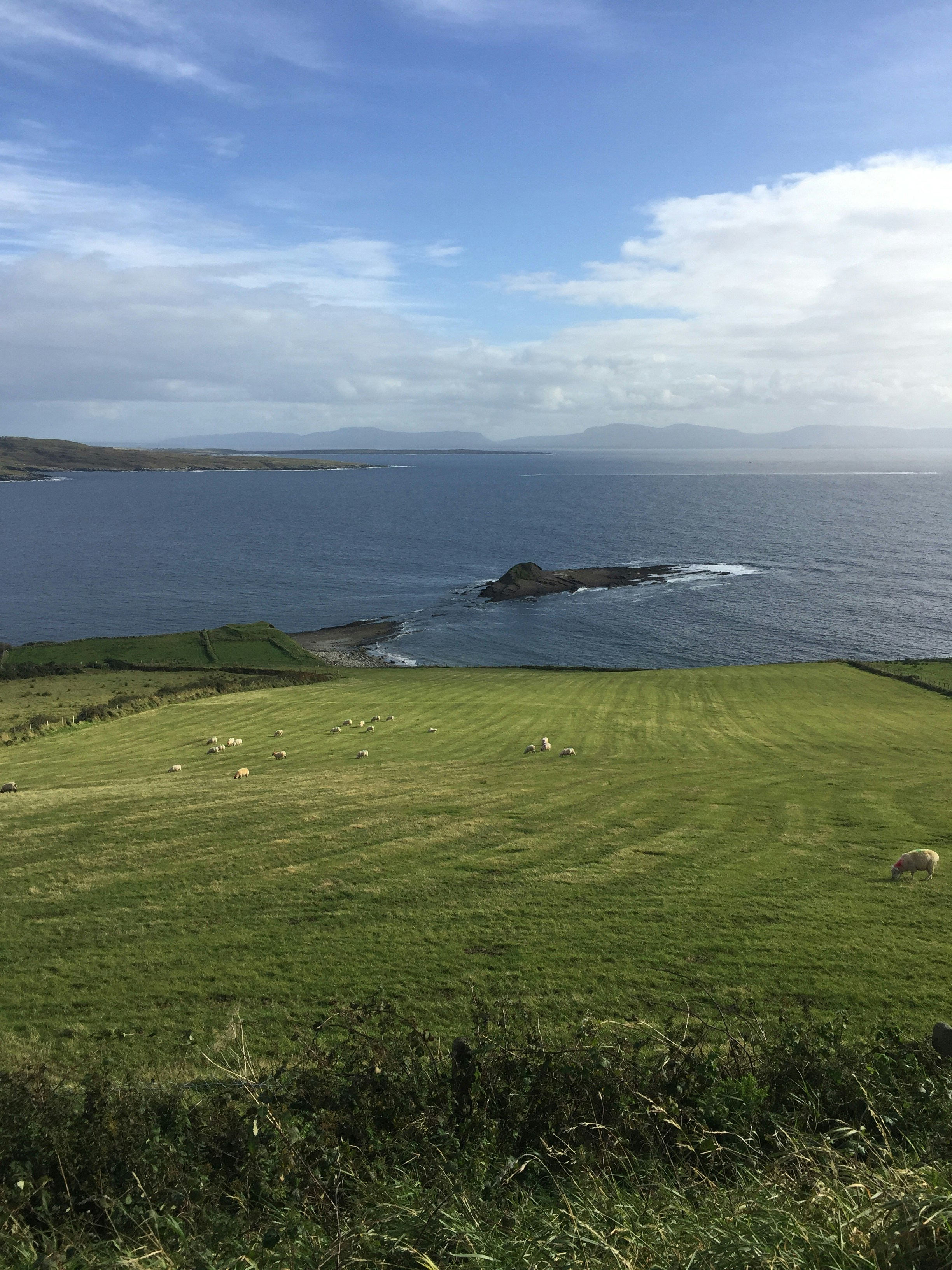
Killybegs The days start early in Killybegs, as this quiet fishing town rumbles to life, and ships with red and blue paint peeling from their hulls quietly depart, ready for a morning’s hard work at sea. Located in a scenic part of County Donegal, Killybegs is Ireland’s fishing capital, and the salty breeze and pretty streets serve as a revitalising medicine for visitors. The town is also your gateway to some of the country’s most majestic coastal scenery, which is dotted with flashing white lighthouses, keeping watch over invigorating seascapes. Killybegs enjoys a privileged position on the coast of north west of Ireland, close to the spectacular Slieve League – a titanic mountain, which explodes upwards from frothing ocean. Walk as close as you dare to the coastline’s sheer drops, or admire the folding cliffs from the best vantage point, down on the water.
Greencastle, Ireland
No additional details available for this day.
Greenock, Scotland
Trendy stores, a booming cultural life, fascinating architecture, and stylish restaurants reinforce Glasgow’s claim to being Scotland’s most exciting city. After decades of decline, it has experienced an urban renaissance uniquely its own. The city’s grand architecture reflects a prosperous past built on trade and shipbuilding. Today buildings by Charles Rennie Mackintosh hold pride of place along with the Zaha Hadid–designed Riverside Museum.Glasgow (the “dear green place,” as it was known) was founded some 1,500 years ago. Legend has it that the king of Strathclyde, irate about his wife’s infidelity, had a ring he had given her thrown into the river Clyde. (Apparently she had passed it on to an admirer.) When the king demanded to know where the ring had gone, the distraught queen asked the advice of her confessor, St. Mungo. He suggested fishing for it—and the first salmon to emerge had the ring in its mouth. The moment is commemorated on the city’s coat of arms.The medieval city expanded when it was given a royal license to trade; the current High Street was the main thoroughfare at the time. The vast profits from American cotton and tobacco built the grand mansions of the Merchant City in the 18th century. In the 19th century the river Clyde became the center of a vibrant shipbuilding industry, fed by the city’s iron and steel works. The city grew again, but its internal divisions grew at the same time. The West End harbored the elegant homes of the newly rich shipyard owners. Down by the river, areas like the infamous Gorbals, with its crowded slums, sheltered the laborers who built the ships. They came from the Highlands, expelled to make way for sheep, or from Ireland, where the potato famines drove thousands from their homes.During the 19th century the population grew from 80,000 to more than a million. And the new prosperity gave Glasgow its grand neoclassical buildings, such as those built by Alexander “Greek” Thomson, as well as the adventurous visionary buildings designed by Charles Rennie Mackintosh and others who produced Glasgow’s Arts and Crafts movement. The City Chambers, built in 1888, are a proud statement in marble and gold sandstone, a clear symbol of the wealthy and powerful Victorian industrialists’ hopes for the future.The decline of shipbuilding and the closure of the factories led to much speculation as to what direction the city would take now. The curious thing is that, at least in part, the past gave the city a new lease of life. It was as if people looked at their city and saw Glasgow’s beauty for the first time: its extraordinarily rich architectural heritage, its leafy parks, its artistic heritage, and its complex social history. Today Glasgow is a vibrant cultural center and a commercial hub, as well as a launching pad from which to explore the rest of Scotland, which, as it turns out, is not so far away. In fact, it takes only 40 minutes to reach Loch Lomond, where the other Scotland begins.
Greenock, Scotland
Trendy stores, a booming cultural life, fascinating architecture, and stylish restaurants reinforce Glasgow’s claim to being Scotland’s most exciting city. After decades of decline, it has experienced an urban renaissance uniquely its own. The city’s grand architecture reflects a prosperous past built on trade and shipbuilding. Today buildings by Charles Rennie Mackintosh hold pride of place along with the Zaha Hadid–designed Riverside Museum.Glasgow (the “dear green place,” as it was known) was founded some 1,500 years ago. Legend has it that the king of Strathclyde, irate about his wife’s infidelity, had a ring he had given her thrown into the river Clyde. (Apparently she had passed it on to an admirer.) When the king demanded to know where the ring had gone, the distraught queen asked the advice of her confessor, St. Mungo. He suggested fishing for it—and the first salmon to emerge had the ring in its mouth. The moment is commemorated on the city’s coat of arms.The medieval city expanded when it was given a royal license to trade; the current High Street was the main thoroughfare at the time. The vast profits from American cotton and tobacco built the grand mansions of the Merchant City in the 18th century. In the 19th century the river Clyde became the center of a vibrant shipbuilding industry, fed by the city’s iron and steel works. The city grew again, but its internal divisions grew at the same time. The West End harbored the elegant homes of the newly rich shipyard owners. Down by the river, areas like the infamous Gorbals, with its crowded slums, sheltered the laborers who built the ships. They came from the Highlands, expelled to make way for sheep, or from Ireland, where the potato famines drove thousands from their homes.During the 19th century the population grew from 80,000 to more than a million. And the new prosperity gave Glasgow its grand neoclassical buildings, such as those built by Alexander “Greek” Thomson, as well as the adventurous visionary buildings designed by Charles Rennie Mackintosh and others who produced Glasgow’s Arts and Crafts movement. The City Chambers, built in 1888, are a proud statement in marble and gold sandstone, a clear symbol of the wealthy and powerful Victorian industrialists’ hopes for the future.The decline of shipbuilding and the closure of the factories led to much speculation as to what direction the city would take now. The curious thing is that, at least in part, the past gave the city a new lease of life. It was as if people looked at their city and saw Glasgow’s beauty for the first time: its extraordinarily rich architectural heritage, its leafy parks, its artistic heritage, and its complex social history. Today Glasgow is a vibrant cultural center and a commercial hub, as well as a launching pad from which to explore the rest of Scotland, which, as it turns out, is not so far away. In fact, it takes only 40 minutes to reach Loch Lomond, where the other Scotland begins.
Holyhead, Wales
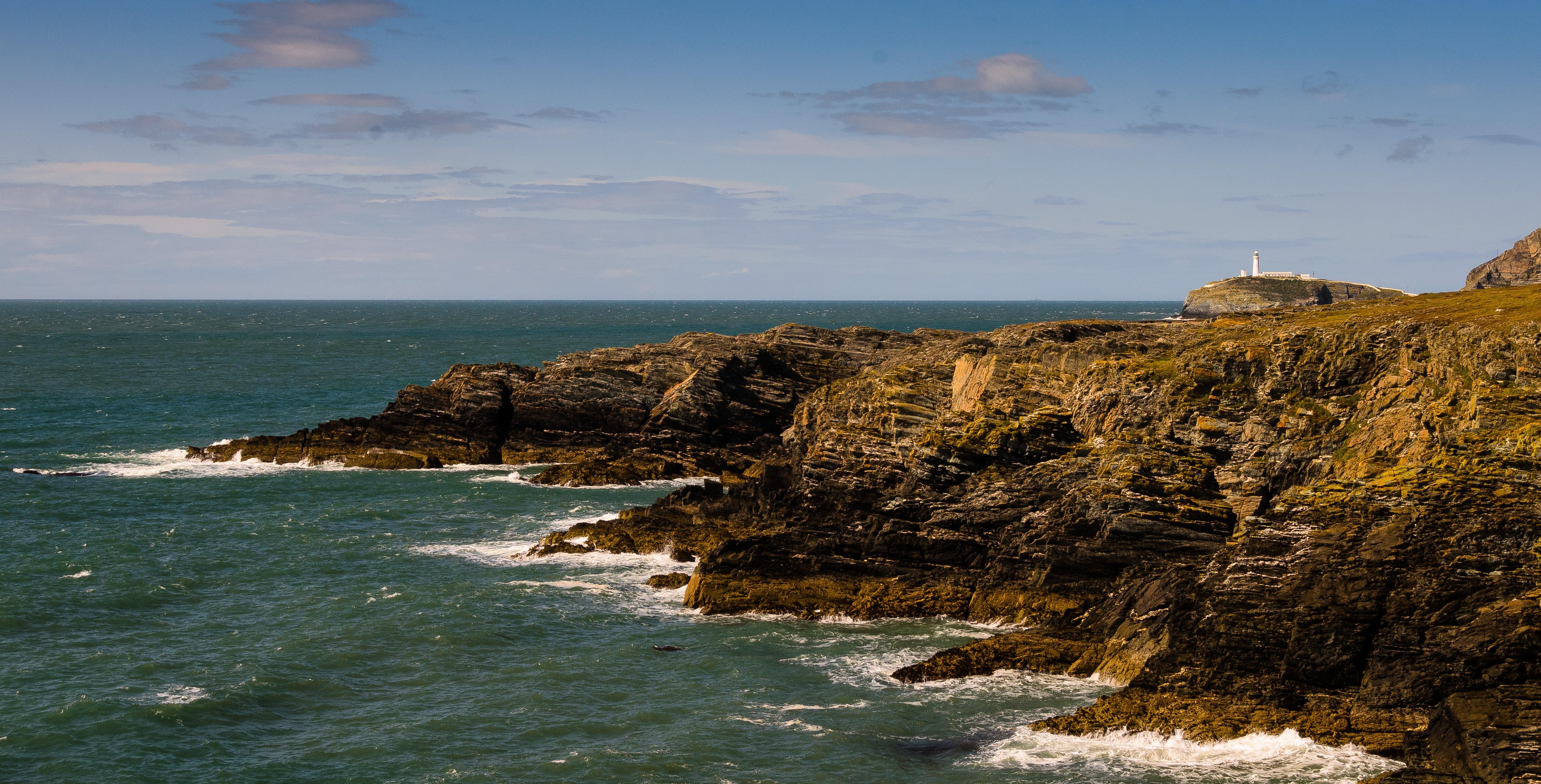
Once a northern defense post against Irish raiders, Holyhead later became best known as a ferry port for Ireland. The dockside bustle is not matched by the town, however, which maintains just a small population. Nonetheless, thousands of years of settlement have given Holyhead rich historical ruins to explore, with more in the surrounding hiking friendly landscape.
Cork, Ireland
Cork City received its first charter in 1185 from Prince John of Norman England, and it takes its name from the Irish word corcaigh, meaning “marshy place.” The original 6th-century settlement was spread over 13 small islands in the River Lee. Major development occurred during the 17th and 18th centuries with the expansion of the butter trade, and many attractive Georgian-design buildings with wide bowfront windows were constructed during this time. As late as 1770 Cork’s present-day main streets—Grand Parade, Patrick Street, and the South Mall—were submerged under the Lee. Around 1800, when the Lee was partially dammed, the river divided into two streams that now flow through the city, leaving the main business and commercial center on an island, not unlike Paris’s Île de la Cité. As a result, the city has a number of bridges and quays, which, although initially confusing, add greatly to the port’s unique character. Cork can be very “Irish” (hurling, Gaelic football, televised plowing contests, music pubs, and peat smoke). But depending on what part of town you’re in, Cork can also be distinctly un-Irish—the sort of place where hippies, gays, and farmers drink at the same pub.

Killybegs, Ireland
Killybegs The days start early in Killybegs, as this quiet fishing town rumbles to life, and ships with red and blue paint peeling from their hulls quietly depart, ready for a morning’s hard work at sea. Located in a scenic part of County Donegal, Killybegs is Ireland’s fishing capital, and the salty breeze and pretty streets serve as a revitalising medicine for visitors. The town is also your gateway to some of the country’s most majestic coastal scenery, which is dotted with flashing white lighthouses, keeping watch over invigorating seascapes. Killybegs enjoys a privileged position on the coast of north west of Ireland, close to the spectacular Slieve League – a titanic mountain, which explodes upwards from frothing ocean. Walk as close as you dare to the coastline’s sheer drops, or admire the folding cliffs from the best vantage point, down on the water.
Greencastle, Ireland
No additional details available for this day.
Greenock, Scotland
Trendy stores, a booming cultural life, fascinating architecture, and stylish restaurants reinforce Glasgow’s claim to being Scotland’s most exciting city. After decades of decline, it has experienced an urban renaissance uniquely its own. The city’s grand architecture reflects a prosperous past built on trade and shipbuilding. Today buildings by Charles Rennie Mackintosh hold pride of place along with the Zaha Hadid–designed Riverside Museum.Glasgow (the “dear green place,” as it was known) was founded some 1,500 years ago. Legend has it that the king of Strathclyde, irate about his wife’s infidelity, had a ring he had given her thrown into the river Clyde. (Apparently she had passed it on to an admirer.) When the king demanded to know where the ring had gone, the distraught queen asked the advice of her confessor, St. Mungo. He suggested fishing for it—and the first salmon to emerge had the ring in its mouth. The moment is commemorated on the city’s coat of arms.The medieval city expanded when it was given a royal license to trade; the current High Street was the main thoroughfare at the time. The vast profits from American cotton and tobacco built the grand mansions of the Merchant City in the 18th century. In the 19th century the river Clyde became the center of a vibrant shipbuilding industry, fed by the city’s iron and steel works. The city grew again, but its internal divisions grew at the same time. The West End harbored the elegant homes of the newly rich shipyard owners. Down by the river, areas like the infamous Gorbals, with its crowded slums, sheltered the laborers who built the ships. They came from the Highlands, expelled to make way for sheep, or from Ireland, where the potato famines drove thousands from their homes.During the 19th century the population grew from 80,000 to more than a million. And the new prosperity gave Glasgow its grand neoclassical buildings, such as those built by Alexander “Greek” Thomson, as well as the adventurous visionary buildings designed by Charles Rennie Mackintosh and others who produced Glasgow’s Arts and Crafts movement. The City Chambers, built in 1888, are a proud statement in marble and gold sandstone, a clear symbol of the wealthy and powerful Victorian industrialists’ hopes for the future.The decline of shipbuilding and the closure of the factories led to much speculation as to what direction the city would take now. The curious thing is that, at least in part, the past gave the city a new lease of life. It was as if people looked at their city and saw Glasgow’s beauty for the first time: its extraordinarily rich architectural heritage, its leafy parks, its artistic heritage, and its complex social history. Today Glasgow is a vibrant cultural center and a commercial hub, as well as a launching pad from which to explore the rest of Scotland, which, as it turns out, is not so far away. In fact, it takes only 40 minutes to reach Loch Lomond, where the other Scotland begins.
Greenock, Scotland
Trendy stores, a booming cultural life, fascinating architecture, and stylish restaurants reinforce Glasgow’s claim to being Scotland’s most exciting city. After decades of decline, it has experienced an urban renaissance uniquely its own. The city’s grand architecture reflects a prosperous past built on trade and shipbuilding. Today buildings by Charles Rennie Mackintosh hold pride of place along with the Zaha Hadid–designed Riverside Museum.Glasgow (the “dear green place,” as it was known) was founded some 1,500 years ago. Legend has it that the king of Strathclyde, irate about his wife’s infidelity, had a ring he had given her thrown into the river Clyde. (Apparently she had passed it on to an admirer.) When the king demanded to know where the ring had gone, the distraught queen asked the advice of her confessor, St. Mungo. He suggested fishing for it—and the first salmon to emerge had the ring in its mouth. The moment is commemorated on the city’s coat of arms.The medieval city expanded when it was given a royal license to trade; the current High Street was the main thoroughfare at the time. The vast profits from American cotton and tobacco built the grand mansions of the Merchant City in the 18th century. In the 19th century the river Clyde became the center of a vibrant shipbuilding industry, fed by the city’s iron and steel works. The city grew again, but its internal divisions grew at the same time. The West End harbored the elegant homes of the newly rich shipyard owners. Down by the river, areas like the infamous Gorbals, with its crowded slums, sheltered the laborers who built the ships. They came from the Highlands, expelled to make way for sheep, or from Ireland, where the potato famines drove thousands from their homes.During the 19th century the population grew from 80,000 to more than a million. And the new prosperity gave Glasgow its grand neoclassical buildings, such as those built by Alexander “Greek” Thomson, as well as the adventurous visionary buildings designed by Charles Rennie Mackintosh and others who produced Glasgow’s Arts and Crafts movement. The City Chambers, built in 1888, are a proud statement in marble and gold sandstone, a clear symbol of the wealthy and powerful Victorian industrialists’ hopes for the future.The decline of shipbuilding and the closure of the factories led to much speculation as to what direction the city would take now. The curious thing is that, at least in part, the past gave the city a new lease of life. It was as if people looked at their city and saw Glasgow’s beauty for the first time: its extraordinarily rich architectural heritage, its leafy parks, its artistic heritage, and its complex social history. Today Glasgow is a vibrant cultural center and a commercial hub, as well as a launching pad from which to explore the rest of Scotland, which, as it turns out, is not so far away. In fact, it takes only 40 minutes to reach Loch Lomond, where the other Scotland begins.
Holyhead, Wales
Once a northern defense post against Irish raiders, Holyhead later became best known as a ferry port for Ireland. The dockside bustle is not matched by the town, however, which maintains just a small population. Nonetheless, thousands of years of settlement have given Holyhead rich historical ruins to explore, with more in the surrounding hiking friendly landscape.
Cork, Ireland
Cork City received its first charter in 1185 from Prince John of Norman England, and it takes its name from the Irish word corcaigh, meaning “marshy place.” The original 6th-century settlement was spread over 13 small islands in the River Lee. Major development occurred during the 17th and 18th centuries with the expansion of the butter trade, and many attractive Georgian-design buildings with wide bowfront windows were constructed during this time. As late as 1770 Cork’s present-day main streets—Grand Parade, Patrick Street, and the South Mall—were submerged under the Lee. Around 1800, when the Lee was partially dammed, the river divided into two streams that now flow through the city, leaving the main business and commercial center on an island, not unlike Paris’s Île de la Cité. As a result, the city has a number of bridges and quays, which, although initially confusing, add greatly to the port’s unique character. Cork can be very “Irish” (hurling, Gaelic football, televised plowing contests, music pubs, and peat smoke). But depending on what part of town you’re in, Cork can also be distinctly un-Irish—the sort of place where hippies, gays, and farmers drink at the same pub.
Dover, England
Known as the gateway of England, Dover welcomes millions of visitors from all over the globe each year in its role as the ferry capital of the world and the second busiest cruise port in the UK. The White Cliffs Country has a rich heritage. Within the walls of the town’s iconic castle, over 2,000 years of history waits to be explored, whilst the town’s museum is home to the Dover Bronze Age Boat, the world’s oldest known seagoing vessel. The town’s cliffs that are a welcome sight for today’s cross-channel travellers also served as the control centre for the Dunkirk evacuation in 1940.
Dover, England
Known as the gateway of England, Dover welcomes millions of visitors from all over the globe each year in its role as the ferry capital of the world and the second busiest cruise port in the UK. The White Cliffs Country has a rich heritage. Within the walls of the town’s iconic castle, over 2,000 years of history waits to be explored, whilst the town’s museum is home to the Dover Bronze Age Boat, the world’s oldest known seagoing vessel. The town’s cliffs that are a welcome sight for today’s cross-channel travellers also served as the control centre for the Dunkirk evacuation in 1940.
Cabin Options
Pinnacle Suite
Neptune Suite
Neptune Spa Suite
Signature Suite
Vista Suite/Aft-View Vista Suite
Verandah/Aft-View Verandah/Obstructed Verandah
Spa Verandah
Family Ocean View Staterooms
Spa Ocean View
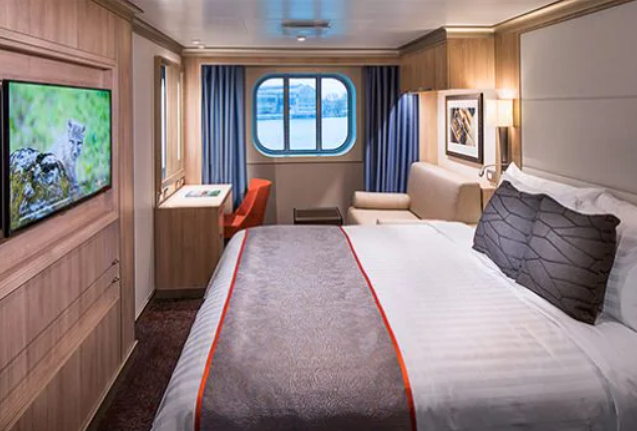
Ocean View Staterooms
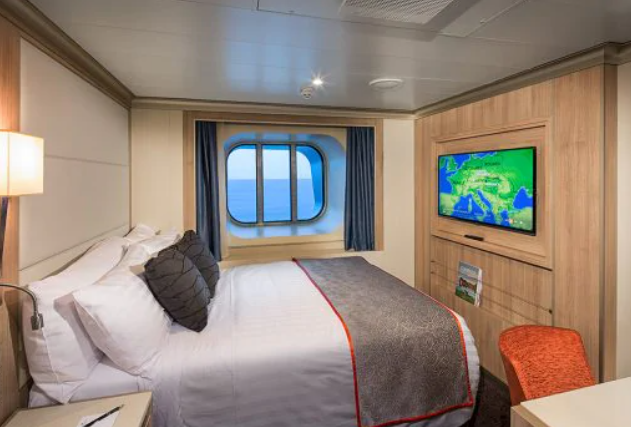
Single Ocean View
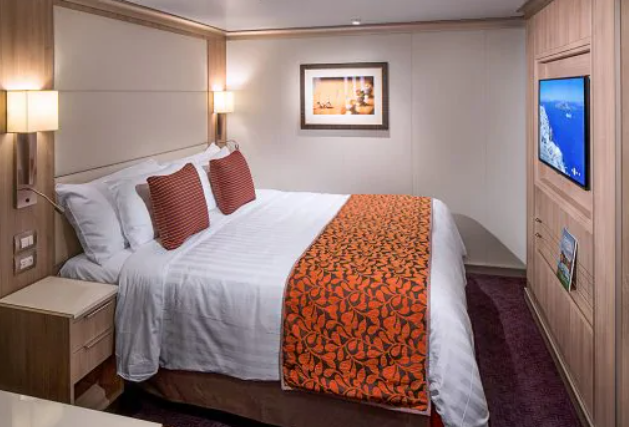
Spa Inside
Interior
Ship Facilities

Pinnacle Grill
Pinnacle Grill is the ultimate steakhouse at sea, where an exceptional menu and impeccable service make for one of finest meals you’ll ever have. The refined menu features a selection of 28-day wet-aged USDA Prime steaks — meticulously chosen to guarantee the finest quality — as well as classic steakhouse dishes and innovative recipes from James Beard Award-winning chef and Culinary Council® member, David Burke. Every dish is exquisitely prepared, beautifully plated and complemented by a vast collection of award-winning wines. Here, your meal is an event unto itself, a celebration of fine dining and a triumph of flavour.
The Dining Room
For an elegant breakfast, leisurely lunch or unforgettable multi-course dinner, The Dining Room is your destination. Behind the scenes, our Culinary Council,® an elite team of seven world-renowned chefs, and our talented onboard executive chefs have worked to bring each dish to perfection. For dinner, choose from classics such as Boneless Lamb Loin en Croute, Rosemary Roasted Chicken, as well as regionally inspired cuisine and artfully prepared vegetarian dishes. Enrich your journey with an extensive selection of wines, carefully selected by our Wine Curator, world-renowned wine critic James Suckling.
Canaletto

In Italy, there’s nothing more important than coming together to celebrate the joy of great food. This is the inspiration for our onboard Italian restaurant, Canaletto. Enjoy amazing Italian classics like braised chicken cacciatore al forno, branzino ai ferri or garlic shrimp ravioli. And for dessert: tiramisù, cannoli alla Siciliana, gelato, and more. Including pasta made fresh daily. Buon Appetito!
Tamarind

Praised by Condé Nast Traveler for cuisine “that rivals the top restaurants on land,” Tamarind is the perfect place to explore the culinary traditions of Southeast Asia, China and Japan. The menu, which honors the elements of water, wood, fire and earth, features such exotic fare as wok-seared lobster, barramundi (Asian sea bass) in banana leaf and sushi, accompanied by chilled or heated sake. And, try our specialty sushi created in collaboration with Culinary Council member and Master Sushi Chef, Andy Matsuda.
Rudi's Sel de Mer

Named for Master Chef Rudi Sodamin, Rudi’s Sel de Mer is an intimate brasserie featuring classic French dishes reimagined with contemporary flair. Menu selections include whole Dover sole meunière with shaved pink Himalayan sea salt, oysters on the half shell, fruits de mer, and salt-crust baked branzino, as well as favourites such as steak frites, duck cassoulet and coq au vin. Conclude your dinner with a classic dessert and fine French cheeses.
Meals at Sel de Mer are half price for kids 12 years old or under, or free when they order from the kids’ menu.
Lido Market
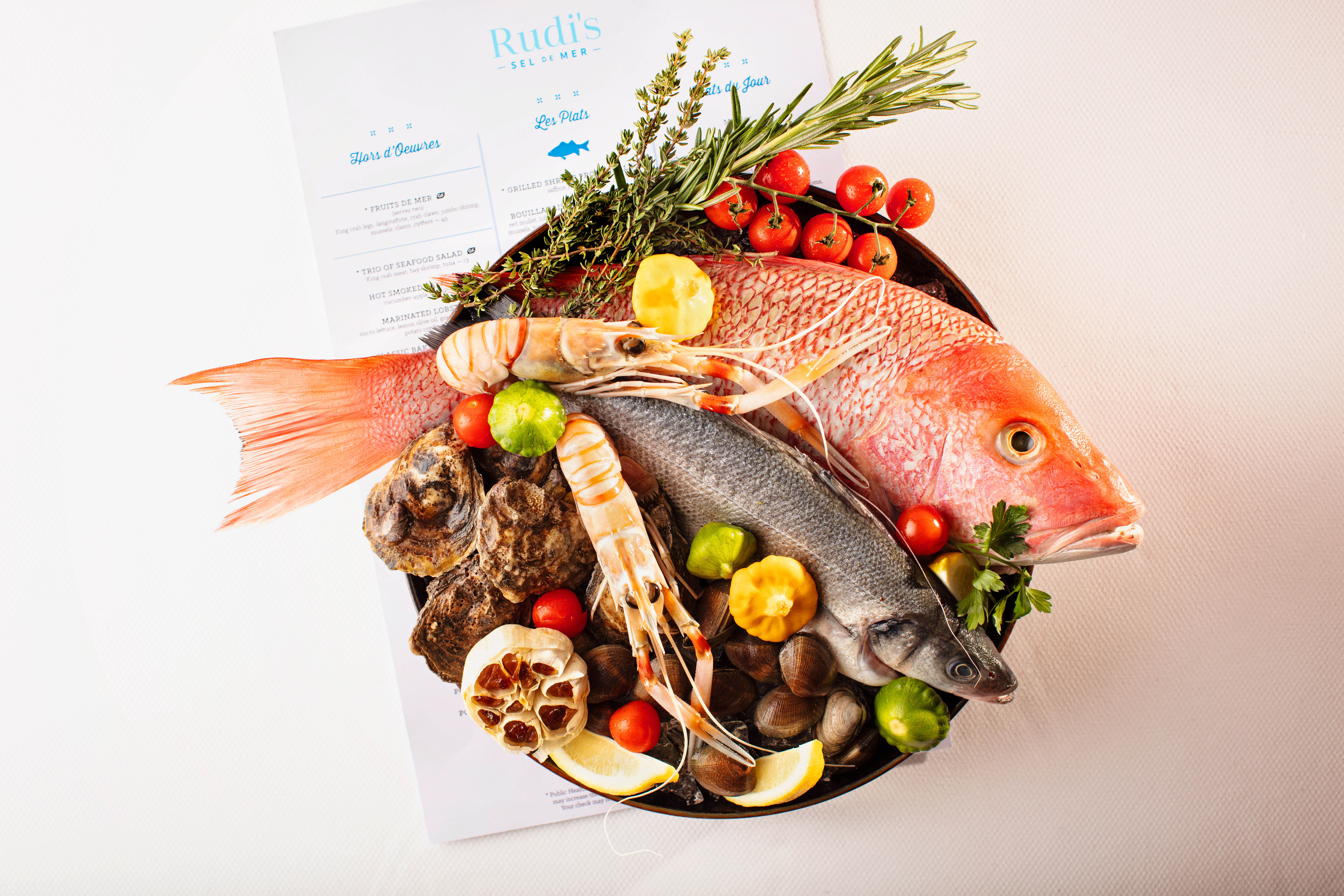
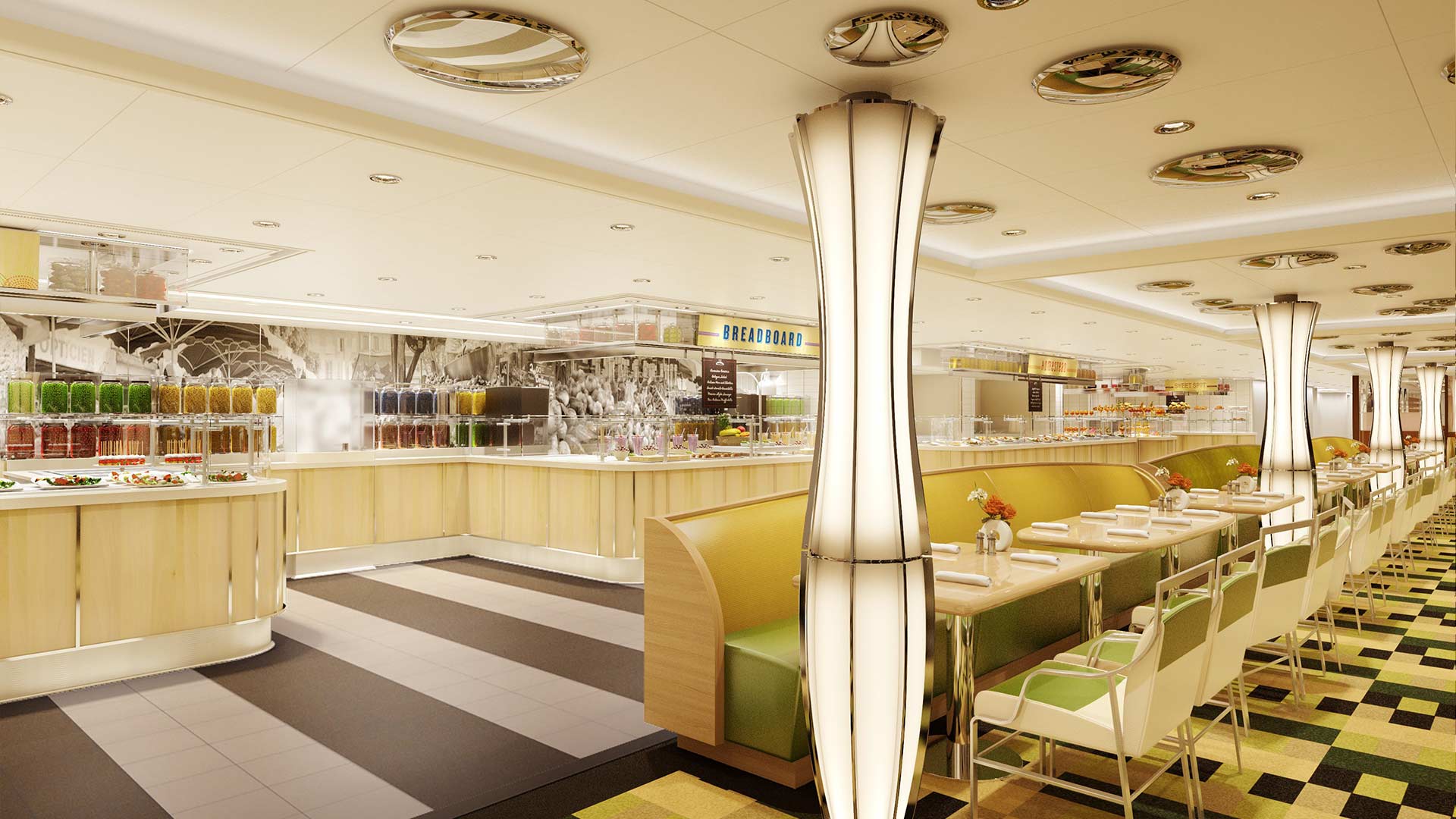
Explore a world of intriguing culinary possibilities in the Lido Market. Steps from the Lido pool, this modern marketplace includes a curated selection of delicious options that you can grab on the go or have made to order: Breadboard, with freshly baked breads and pastries; Wild Harvest, offering a bountiful selection of hearty salads; Homestead, serving up comfort classics; Distant Lands, featuring global cuisine; Sweet Spot, for ice cream creations and desserts; Roasting Pan, hand-carved meats, fish and other hearty entrees; Perk, freshly brewed beverages and chilled juices; Quench, premium coffee, beer, wine, and soda available for purchase; Rise, savoury quiches, croissants and sandwiches, and more.
Dive-In

Dive-In offers a variety of casual culinary classics, using the highest quality ingredients. Enjoy a burger, grilled to perfection and served on a toasted brioche with our own trade-marked secret sauce. Savour a succulent Nathan’s Famous gourmet hot dog with golden French fries. Or choose a grilled chicken breast sandwich or juicy portabello mushroom stack. Dive-In is the perfect spot to dine poolside on the best burgers at sea.
New York Pizza

At New York Pizza, choose from a variety of scrumptious, 9-inch, thin-crust pies. Named for New York’s famed five boroughs, our signature pizzas are made to order and topped with only the finest ingredients. Culinary Council member Ethan Stowell has also contributed signature pizza recipes to the menu. Enjoy your pizza by day while overlooking the Lido pool, and into the night. This venue is New York Deli & Pizza on Koningsdam, Rotterdam and Nieuw Statendam, offering made-to-order deli sandwiches in addition to pizza.
Nami Sushi
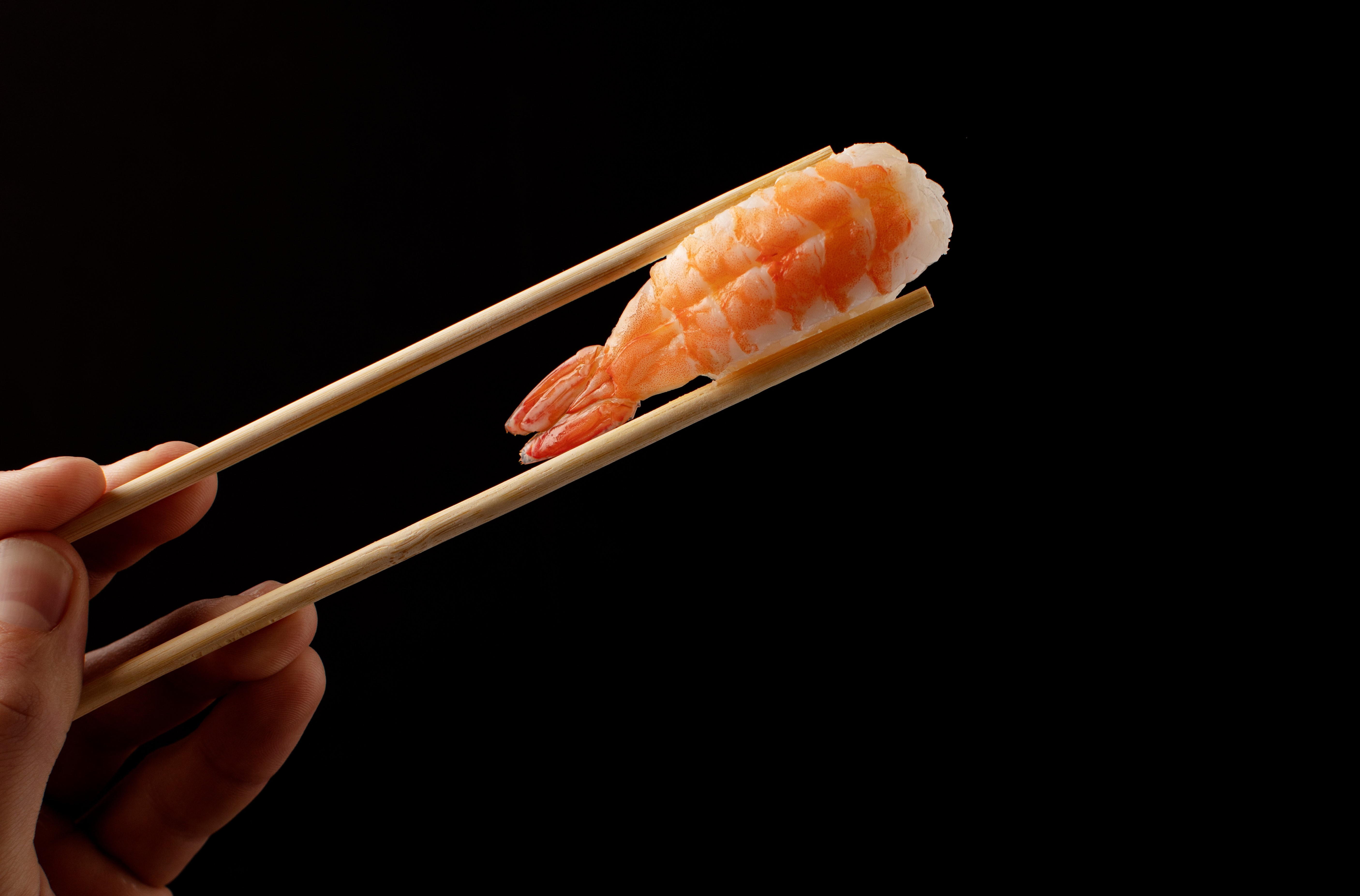
Inspired by Culinary Council® member and world-renowned sushi master, Andy Matsuda, Nami Sushi offers a tempting array of the sushi rolls he’s created. Choose from such delectable selections as Tempura Lobster Roll with soft shell crab tempura; Dragon Roll with tempura shrimp, unagi sauce and avocado; Tsutsumi Roll with snapper, green olive, caper and avocado; Futomoki Roll with crab, yamagobo, avocado and cucumber; Volcano Roll with sesame-marinated salmon and Thai chilis; Nigiri sushi with tuna, salmon and ebi shrimp; and more. The word “nami,” Japanese in origin, means “wave” and is an homage to the ocean views you’ll enjoy as you dine on the freshest, tastiest and most inventive sushi at sea.
24-Hour In-Room Dining
Sleep in and have breakfast delivered. Enjoy an early dinner on your verandah before an evening excursion. Order a salad, sandwich or entrée any time. Room Service is only a phone call away. All selections are included in your cruise fare unless otherwise noted on the in-room menu.
Gelato
At “G” Gelato, you can indulge your sweet tooth with a classic European gelato (ice cream), made fresh on board each day by chefs trained at the Carpigiani Gelato University. Choose from among 12 delightful flavors, two of which are rotated daily. Smooth, creamy and refreshing, this tasty treat is served in a variety of ways, including gelato popsicles and the flavors of G, composed shots with layers of caramel, nuts and gelato. Love pistachio? Select ingredients like Sicilian pistachios make our pistachio gelato out of this world!
B.B King's Blues Club
When you’re in the mood to move, it’s time for live music on your cruise. Direct from Beale Street in Memphis, B.B. King’s All-Star Band cooks up a rich southern heritage of classic soul and rock & roll to get you dancing.
Lincoln Centre Stage
In an exclusive partnership with the world’s leading centre for the performing arts, we proudly present Lincoln Centre Stage, showcasing outstanding musicians performing multiple programs of chamber music most evenings, as well as afternoon recitals during leisurely days at sea.
Rolling Stone Rock Room
Rock Lives Here
When you’re ready to rock, head to the Rolling Stone Rock Room, the ultimate live music venue on ship. Hear your favs and classic hits, right from Rolling Stone magazine’s top song lists.
Casino Action
Your Holland America Line ship’s Casino offers a wide array of gaming options. Whether you prefer slot machines or want to try your hand at blackjack or poker, our dealers and staff are available to provide complimentary instruction — and we offer many engaging tournament options. The Casino is only open at sea.
Ocean Bar
Enjoy cocktails and ocean views while listening to live string music.
Tamarind Bar
Partake in exotic cocktails and sakétinis amid wraparound ocean views.
Billboard Onboard
2 pianos – 60 Years of Chart Toppers – 100s Of Songs. Sing along, test your music trivia skills or just sit back and enjoy as the hits fill the room each night.
Greenhouse Spa & Salon
During a leisurely day at sea, few places help you refresh, relax and rejuvenate like the Greenhouse Spa & Salon and Fitness Center. This heavenly retreat nurtures every aspect of your well-being with renowned spa rituals and healing touches. In the spa, pamper your skin with facial treatments featuring premium, naturally sourced ingredients. Nurture your body, too, with massage treatments employing time-honored, hands-on massage techniques gleaned from around the world.
On most Holland America ships the spa experience begins inside the Greenhouse Retreat, a social relaxation center. Lie on a heated tiled lounger or immerse yourself in the hydropool filled with calming ocean water heated to body temperature. The warm — not hot — temperature of the hydropool allows you to stay immersed and enjoy the benefits of the jets longer than a traditional hot tub.
Step into one of the mild saunas or steam grottos to warm yourself to the core and enjoy a DIY exfoliating scrub to get your skin super-soft for the next port. Day and full-cruise passes to the Greenhouse Retreat are available.
Hair & Nail Services
Open your mind to the creativity of our international stylists and leave the salon today with a hairstyle that will put a bounce in your step and your locks!
Treatment Rooms
Relaxing treatment rooms offer breathtaking views where guests can enjoy exotic skin, body, and hair treatments ranging from hot stone massages and pedicures to hair styling and facials.
Fitness Centre
Stop by the professionally staffed Fitness Center equipped with the latest cardio and weight machines. Try one of our classes on indoor cycling, Pilates and more or work out at your own pace. You can also head out for fresh air and exercise on deck, where you’ll find basketball and volleyball courts, and two refreshing pools (available on select ships). Some classes may have a nominal fee.
Pickleball At Sea
Play the fastest-growing sport in the U.S. with Holland America Line, the exclusive cruise line partner of the Professional Pickleball Association. All our cruise ships feature pickleball courts with amazing top-deck views. The equipment and courts are available for a match anytime, so long as the weather allows. Frequent pickler? Join a pickleball tournament at sea and put your dink shot to the test. Hesitant amateur? Learn the basics at complimentary beginner’s lessons, starting in spring 2023. Commemorative starter kits will soon be available in our retail shops — purchase as gifts for avid players or as souvenirs, so that you can always look back on your pickleball cruise memories.
Kids Programs (Ages 3-6)
Highlights for kids ages 3 to 6 include a variety of activities, crafts, games and theme parties, such as “Dino-Mite Night” and “Ships Ahoy Pirate Treasure Hunt Adventure.”
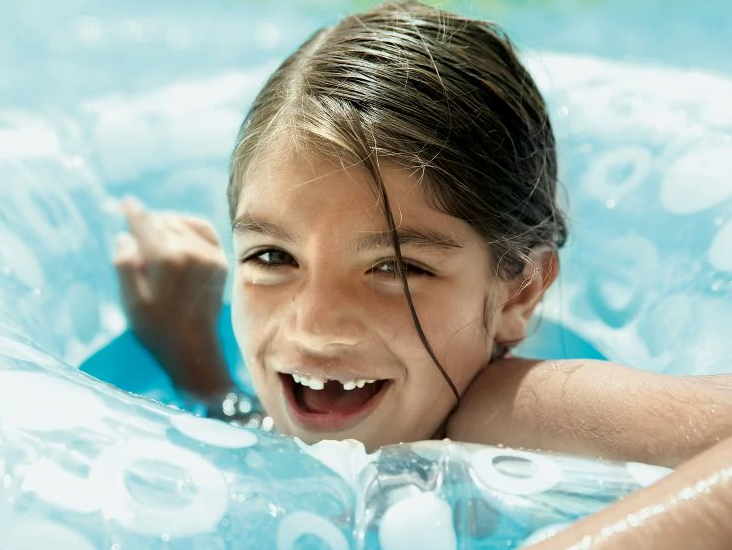
Tweens Programs (Ages 7-12)
From arts & crafts and sporting events to gaming tournaments and theme parties, tweens will have plenty to enjoy.
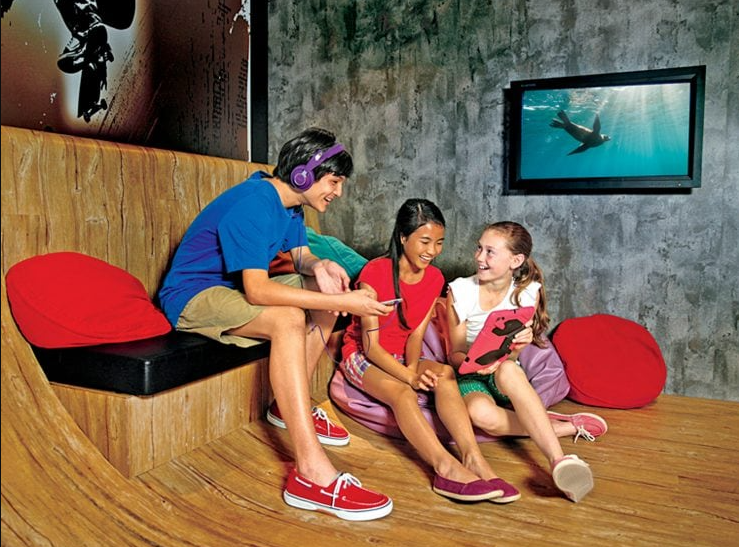
Teens Programs (Ages 13-17)
During the day, teens meet up for sports challenges and group games while our Hosts provide exclusive teen events like Poker Night and Video Game Tournaments at night.
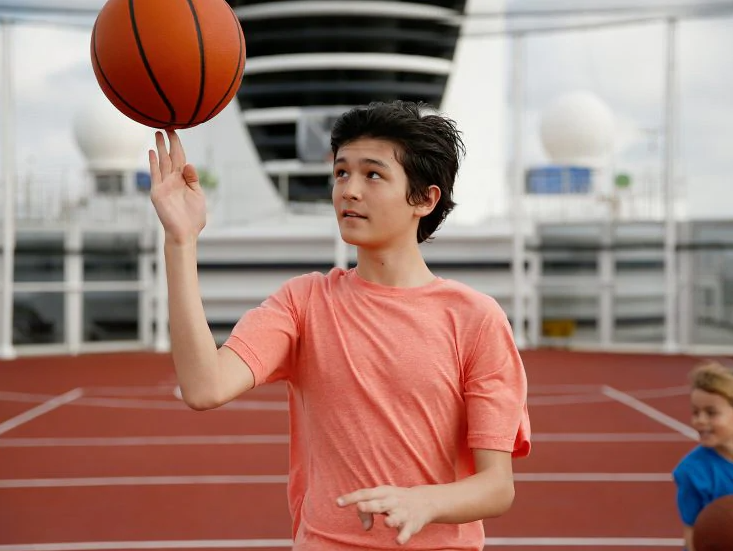
Port Day Activities
Kids Club activities are available from 9 a.m. to 12 p.m. and 1 p.m. to 4 p.m. on port days*. Lunch is not offered as part of this service. Children must be registered and signed into and out of programming by a parent or guardian.
*Hours of operation may change to better serve our guests.
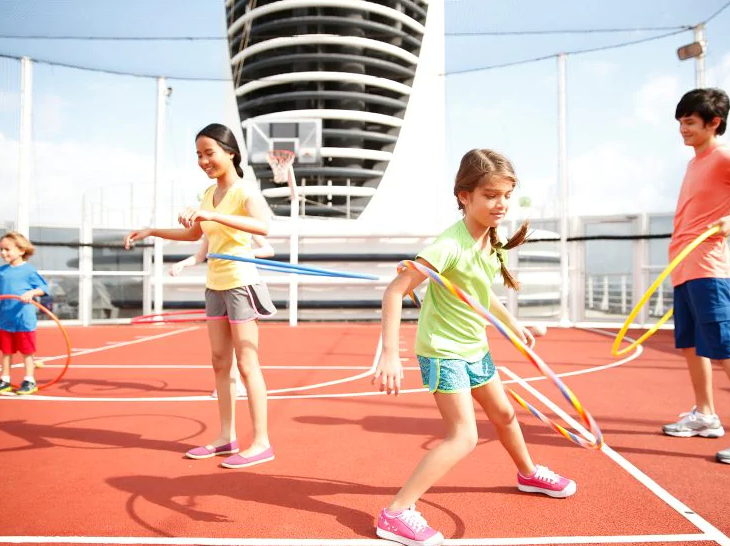
Special Needs
Children with special needs are invited to attend Kids Club activities based on their chronological age. In some cases, parental supervision may be required. Please let us know when booking your reservation.

Pinnacle Grill
Pinnacle Grill is the ultimate steakhouse at sea, where an exceptional menu and impeccable service make for one of finest meals you’ll ever have. The refined menu features a selection of 28-day wet-aged USDA Prime steaks — meticulously chosen to guarantee the finest quality — as well as classic steakhouse dishes and innovative recipes from James Beard Award-winning chef and Culinary Council® member, David Burke. Every dish is exquisitely prepared, beautifully plated and complemented by a vast collection of award-winning wines. Here, your meal is an event unto itself, a celebration of fine dining and a triumph of flavour.
The Dining Room
For an elegant breakfast, leisurely lunch or unforgettable multi-course dinner, The Dining Room is your destination. Behind the scenes, our Culinary Council,® an elite team of seven world-renowned chefs, and our talented onboard executive chefs have worked to bring each dish to perfection. For dinner, choose from classics such as Boneless Lamb Loin en Croute, Rosemary Roasted Chicken, as well as regionally inspired cuisine and artfully prepared vegetarian dishes. Enrich your journey with an extensive selection of wines, carefully selected by our Wine Curator, world-renowned wine critic James Suckling.
Canaletto
In Italy, there’s nothing more important than coming together to celebrate the joy of great food. This is the inspiration for our onboard Italian restaurant, Canaletto. Enjoy amazing Italian classics like braised chicken cacciatore al forno, branzino ai ferri or garlic shrimp ravioli. And for dessert: tiramisù, cannoli alla Siciliana, gelato, and more. Including pasta made fresh daily. Buon Appetito!
Tamarind
Praised by Condé Nast Traveler for cuisine “that rivals the top restaurants on land,” Tamarind is the perfect place to explore the culinary traditions of Southeast Asia, China and Japan. The menu, which honors the elements of water, wood, fire and earth, features such exotic fare as wok-seared lobster, barramundi (Asian sea bass) in banana leaf and sushi, accompanied by chilled or heated sake. And, try our specialty sushi created in collaboration with Culinary Council member and Master Sushi Chef, Andy Matsuda.
Rudi's Sel de Mer
Named for Master Chef Rudi Sodamin, Rudi’s Sel de Mer is an intimate brasserie featuring classic French dishes reimagined with contemporary flair. Menu selections include whole Dover sole meunière with shaved pink Himalayan sea salt, oysters on the half shell, fruits de mer, and salt-crust baked branzino, as well as favourites such as steak frites, duck cassoulet and coq au vin. Conclude your dinner with a classic dessert and fine French cheeses.
Meals at Sel de Mer are half price for kids 12 years old or under, or free when they order from the kids’ menu.
Lido Market
Explore a world of intriguing culinary possibilities in the Lido Market. Steps from the Lido pool, this modern marketplace includes a curated selection of delicious options that you can grab on the go or have made to order: Breadboard, with freshly baked breads and pastries; Wild Harvest, offering a bountiful selection of hearty salads; Homestead, serving up comfort classics; Distant Lands, featuring global cuisine; Sweet Spot, for ice cream creations and desserts; Roasting Pan, hand-carved meats, fish and other hearty entrees; Perk, freshly brewed beverages and chilled juices; Quench, premium coffee, beer, wine, and soda available for purchase; Rise, savoury quiches, croissants and sandwiches, and more.
Dive-In
Dive-In offers a variety of casual culinary classics, using the highest quality ingredients. Enjoy a burger, grilled to perfection and served on a toasted brioche with our own trade-marked secret sauce. Savour a succulent Nathan’s Famous gourmet hot dog with golden French fries. Or choose a grilled chicken breast sandwich or juicy portabello mushroom stack. Dive-In is the perfect spot to dine poolside on the best burgers at sea.
New York Pizza
At New York Pizza, choose from a variety of scrumptious, 9-inch, thin-crust pies. Named for New York’s famed five boroughs, our signature pizzas are made to order and topped with only the finest ingredients. Culinary Council member Ethan Stowell has also contributed signature pizza recipes to the menu. Enjoy your pizza by day while overlooking the Lido pool, and into the night. This venue is New York Deli & Pizza on Koningsdam, Rotterdam and Nieuw Statendam, offering made-to-order deli sandwiches in addition to pizza.
Nami Sushi
Inspired by Culinary Council® member and world-renowned sushi master, Andy Matsuda, Nami Sushi offers a tempting array of the sushi rolls he’s created. Choose from such delectable selections as Tempura Lobster Roll with soft shell crab tempura; Dragon Roll with tempura shrimp, unagi sauce and avocado; Tsutsumi Roll with snapper, green olive, caper and avocado; Futomoki Roll with crab, yamagobo, avocado and cucumber; Volcano Roll with sesame-marinated salmon and Thai chilis; Nigiri sushi with tuna, salmon and ebi shrimp; and more. The word “nami,” Japanese in origin, means “wave” and is an homage to the ocean views you’ll enjoy as you dine on the freshest, tastiest and most inventive sushi at sea.
24-Hour In-Room Dining
Sleep in and have breakfast delivered. Enjoy an early dinner on your verandah before an evening excursion. Order a salad, sandwich or entrée any time. Room Service is only a phone call away. All selections are included in your cruise fare unless otherwise noted on the in-room menu.
Gelato
At “G” Gelato, you can indulge your sweet tooth with a classic European gelato (ice cream), made fresh on board each day by chefs trained at the Carpigiani Gelato University. Choose from among 12 delightful flavors, two of which are rotated daily. Smooth, creamy and refreshing, this tasty treat is served in a variety of ways, including gelato popsicles and the flavors of G, composed shots with layers of caramel, nuts and gelato. Love pistachio? Select ingredients like Sicilian pistachios make our pistachio gelato out of this world!
B.B King's Blues Club
When you’re in the mood to move, it’s time for live music on your cruise. Direct from Beale Street in Memphis, B.B. King’s All-Star Band cooks up a rich southern heritage of classic soul and rock & roll to get you dancing.
Lincoln Centre Stage
In an exclusive partnership with the world’s leading centre for the performing arts, we proudly present Lincoln Centre Stage, showcasing outstanding musicians performing multiple programs of chamber music most evenings, as well as afternoon recitals during leisurely days at sea.
Rolling Stone Rock Room
Rock Lives Here
When you’re ready to rock, head to the Rolling Stone Rock Room, the ultimate live music venue on ship. Hear your favs and classic hits, right from Rolling Stone magazine’s top song lists.
Casino Action
Your Holland America Line ship’s Casino offers a wide array of gaming options. Whether you prefer slot machines or want to try your hand at blackjack or poker, our dealers and staff are available to provide complimentary instruction — and we offer many engaging tournament options. The Casino is only open at sea.
Ocean Bar
Enjoy cocktails and ocean views while listening to live string music.
Tamarind Bar
Partake in exotic cocktails and sakétinis amid wraparound ocean views.
Billboard Onboard
2 pianos – 60 Years of Chart Toppers – 100s Of Songs. Sing along, test your music trivia skills or just sit back and enjoy as the hits fill the room each night.
Greenhouse Spa & Salon
During a leisurely day at sea, few places help you refresh, relax and rejuvenate like the Greenhouse Spa & Salon and Fitness Center. This heavenly retreat nurtures every aspect of your well-being with renowned spa rituals and healing touches. In the spa, pamper your skin with facial treatments featuring premium, naturally sourced ingredients. Nurture your body, too, with massage treatments employing time-honored, hands-on massage techniques gleaned from around the world.
On most Holland America ships the spa experience begins inside the Greenhouse Retreat, a social relaxation center. Lie on a heated tiled lounger or immerse yourself in the hydropool filled with calming ocean water heated to body temperature. The warm — not hot — temperature of the hydropool allows you to stay immersed and enjoy the benefits of the jets longer than a traditional hot tub.
Step into one of the mild saunas or steam grottos to warm yourself to the core and enjoy a DIY exfoliating scrub to get your skin super-soft for the next port. Day and full-cruise passes to the Greenhouse Retreat are available.
Hair & Nail Services
Open your mind to the creativity of our international stylists and leave the salon today with a hairstyle that will put a bounce in your step and your locks!
Treatment Rooms
Relaxing treatment rooms offer breathtaking views where guests can enjoy exotic skin, body, and hair treatments ranging from hot stone massages and pedicures to hair styling and facials.
Fitness Centre
Stop by the professionally staffed Fitness Center equipped with the latest cardio and weight machines. Try one of our classes on indoor cycling, Pilates and more or work out at your own pace. You can also head out for fresh air and exercise on deck, where you’ll find basketball and volleyball courts, and two refreshing pools (available on select ships). Some classes may have a nominal fee.
Pickleball At Sea
Play the fastest-growing sport in the U.S. with Holland America Line, the exclusive cruise line partner of the Professional Pickleball Association. All our cruise ships feature pickleball courts with amazing top-deck views. The equipment and courts are available for a match anytime, so long as the weather allows. Frequent pickler? Join a pickleball tournament at sea and put your dink shot to the test. Hesitant amateur? Learn the basics at complimentary beginner’s lessons, starting in spring 2023. Commemorative starter kits will soon be available in our retail shops — purchase as gifts for avid players or as souvenirs, so that you can always look back on your pickleball cruise memories.
Kids Programs (Ages 3-6)
Highlights for kids ages 3 to 6 include a variety of activities, crafts, games and theme parties, such as “Dino-Mite Night” and “Ships Ahoy Pirate Treasure Hunt Adventure.”
Tweens Programs (Ages 7-12)
From arts & crafts and sporting events to gaming tournaments and theme parties, tweens will have plenty to enjoy.
Teens Programs (Ages 13-17)
During the day, teens meet up for sports challenges and group games while our Hosts provide exclusive teen events like Poker Night and Video Game Tournaments at night.
Port Day Activities
Kids Club activities are available from 9 a.m. to 12 p.m. and 1 p.m. to 4 p.m. on port days*. Lunch is not offered as part of this service. Children must be registered and signed into and out of programming by a parent or guardian.
*Hours of operation may change to better serve our guests.
Special Needs
Children with special needs are invited to attend Kids Club activities based on their chronological age. In some cases, parental supervision may be required. Please let us know when booking your reservation.
About the Ship
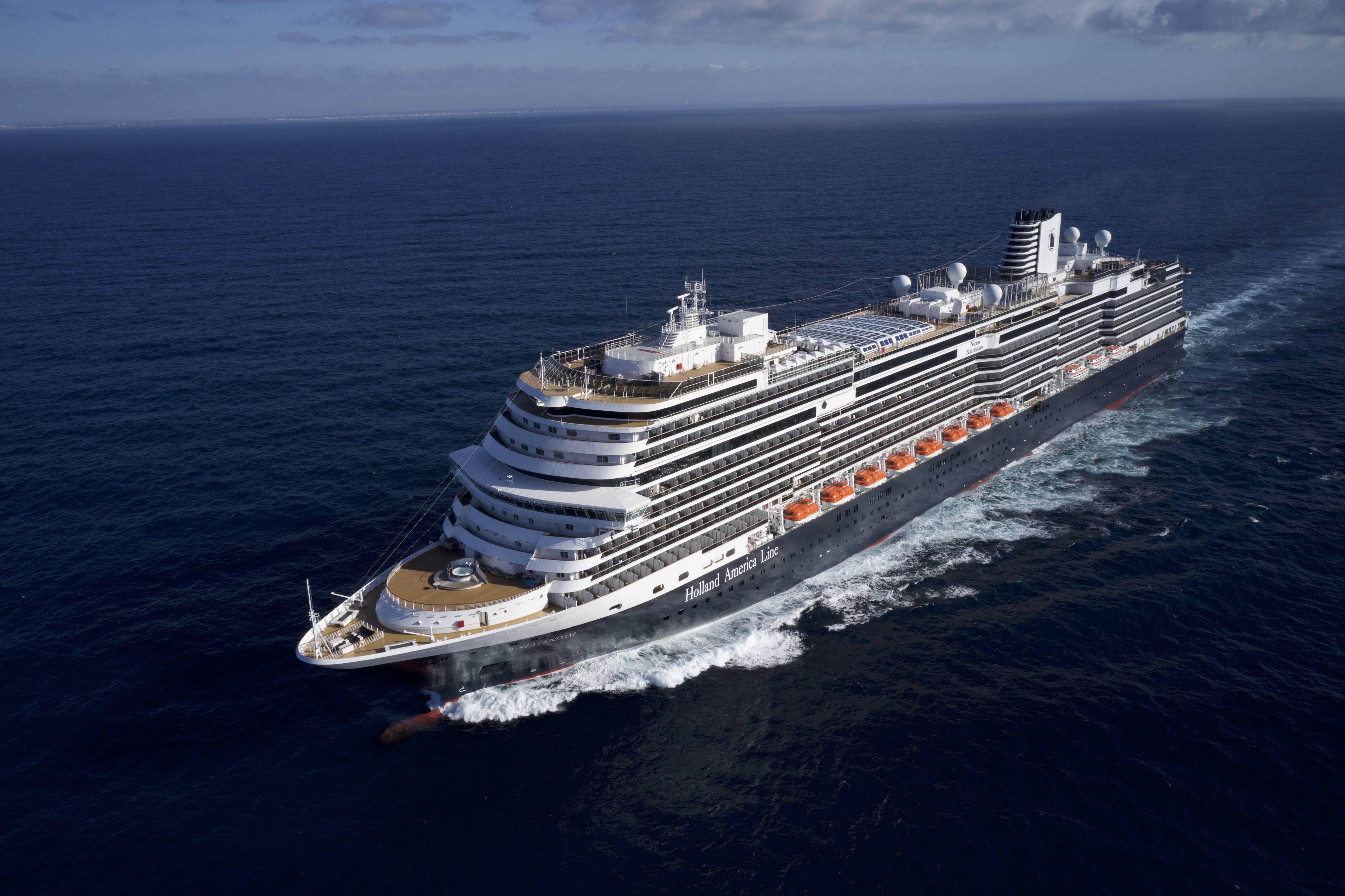
Deck Plans

- Atrium
- Half Moon
- Hudson
- Stuyvesant
- Internet Centre
- Ocean-View Staterooms (Family, Large & Single)
- Interior Staterooms (Large & Standard)

- The Dining Room
- Club Orange Dining Room
- Blend
- Ocean Bar
- Rudi’s Sel De Mer
- Atrium
- Pinnacle Grill
- The Shops
- Lincoln Centre Stage & B.B. King’s Blues Club
- Merabella Luxury Shop
- Billboard Onboard
- Rolling Stone Rock Room
- Notes
- World Stage

- The Dining Room
- Photo Shop
- Grand Dutch Café
- Guest Services
- Atrium
- The Shops
- Art Gallery
- Casino
- World Stage

- Neptune Suites
- Vista Suites
- Verandah Staterooms
- Large Ocean-View Staterooms
- Interior Staterooms (Large & Standard)

- Neptune Suites
- Signature Suites
- Vista Suites
- Verandah Staterooms
- Interior Staterooms (Large & Standard)

- Neptune Suites
- Vista Suites
- Verandah Staterooms
- Interior Staterooms (Large & Standard)

- Neptune Lounge
- Pinnacle Suite
- Neptune Suites
- Signature Suites
- Vista Suites
- Verandah Staterooms
- Ocean-View Staterooms
- Interior Staterooms (Large or Standard)

- Bridge
- Neptune Suites
- Vista Suites
- Verandah Staterooms
- Interior Staterooms (Large & Standard)

- Sea View Pool
- Sea View Bar
- Lido Market
- Canaletto
- Dive-In
- Gelato
- Lido Bar
- Lido Pool
- Greenhouse Spa & Salon
- Fitness Centre
- Hydro Pool
- Movies Poolside

- Tamarind Restaurant and Bar
- Nami Sushi
- Club HAL
- Panorama Bar
- New York Deli & Pizza
- Greenhouse Spa & Salon
- Neptune Spa Suites
- Verandah Spa Staterooms
- Large Ocean-View Spa Staterooms
- Interior Spa Staterooms

- Sun Deck
- Sun Bar
- Sports Court
- Jogging Track
- Sliding Dome Cover
- Neptune Suites
- Verandah Staterooms
- Ocean-View Staterooms
- Interior Staterooms

- Explorations Central & Café
- The Retreat
- Atrium
- Half Moon
- Hudson
- Stuyvesant
- Internet Centre
- Ocean-View Staterooms (Family, Large & Single)
- Interior Staterooms (Large & Standard)
- The Dining Room
- Club Orange Dining Room
- Blend
- Ocean Bar
- Rudi’s Sel De Mer
- Atrium
- Pinnacle Grill
- The Shops
- Lincoln Centre Stage & B.B. King’s Blues Club
- Merabella Luxury Shop
- Billboard Onboard
- Rolling Stone Rock Room
- Notes
- World Stage
- The Dining Room
- Photo Shop
- Grand Dutch Café
- Guest Services
- Atrium
- The Shops
- Art Gallery
- Casino
- World Stage
- Neptune Suites
- Vista Suites
- Verandah Staterooms
- Large Ocean-View Staterooms
- Interior Staterooms (Large & Standard)
- Neptune Suites
- Signature Suites
- Vista Suites
- Verandah Staterooms
- Interior Staterooms (Large & Standard)
- Neptune Suites
- Vista Suites
- Verandah Staterooms
- Interior Staterooms (Large & Standard)
- Neptune Lounge
- Pinnacle Suite
- Neptune Suites
- Signature Suites
- Vista Suites
- Verandah Staterooms
- Ocean-View Staterooms
- Interior Staterooms (Large or Standard)
- Bridge
- Neptune Suites
- Vista Suites
- Verandah Staterooms
- Interior Staterooms (Large & Standard)
- Sea View Pool
- Sea View Bar
- Lido Market
- Canaletto
- Dive-In
- Gelato
- Lido Bar
- Lido Pool
- Greenhouse Spa & Salon
- Fitness Centre
- Hydro Pool
- Movies Poolside
- Tamarind Restaurant and Bar
- Nami Sushi
- Club HAL
- Panorama Bar
- New York Deli & Pizza
- Greenhouse Spa & Salon
- Neptune Spa Suites
- Verandah Spa Staterooms
- Large Ocean-View Spa Staterooms
- Interior Spa Staterooms
- Sun Deck
- Sun Bar
- Sports Court
- Jogging Track
- Sliding Dome Cover
- Neptune Suites
- Verandah Staterooms
- Ocean-View Staterooms
- Interior Staterooms
- Explorations Central & Café
- The Retreat