Featured Cabins
Itinerary
Dover, England
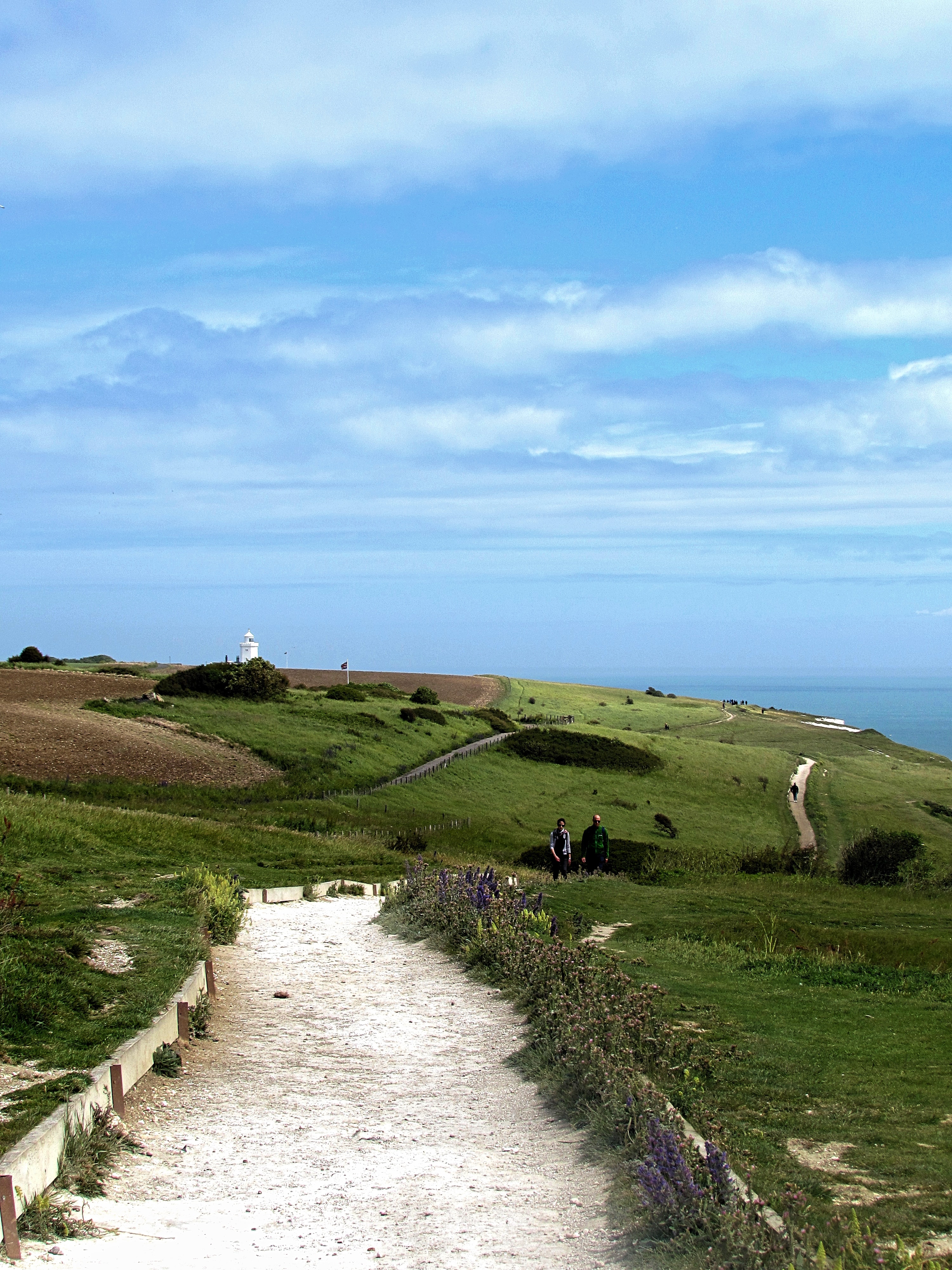
Known as the gateway of England, Dover welcomes millions of visitors from all over the globe each year in its role as the ferry capital of the world and the second busiest cruise port in the UK. The White Cliffs Country has a rich heritage. Within the walls of the town’s iconic castle, over 2,000 years of history waits to be explored, whilst the town’s museum is home to the Dover Bronze Age Boat, the world’s oldest known seagoing vessel. The town’s cliffs that are a welcome sight for today’s cross-channel travellers also served as the control centre for the Dunkirk evacuation in 1940.
Rotterdam, Netherlands
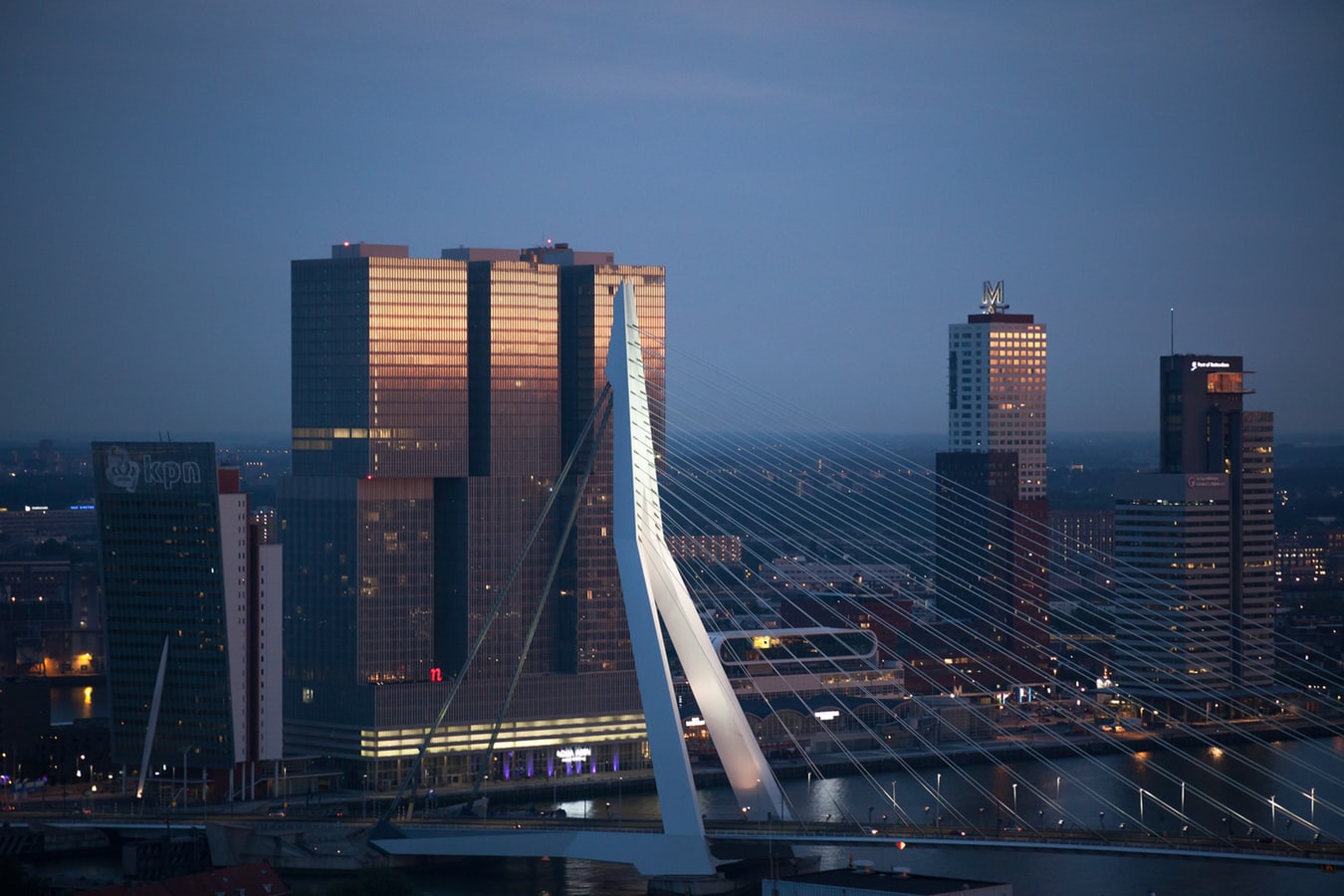
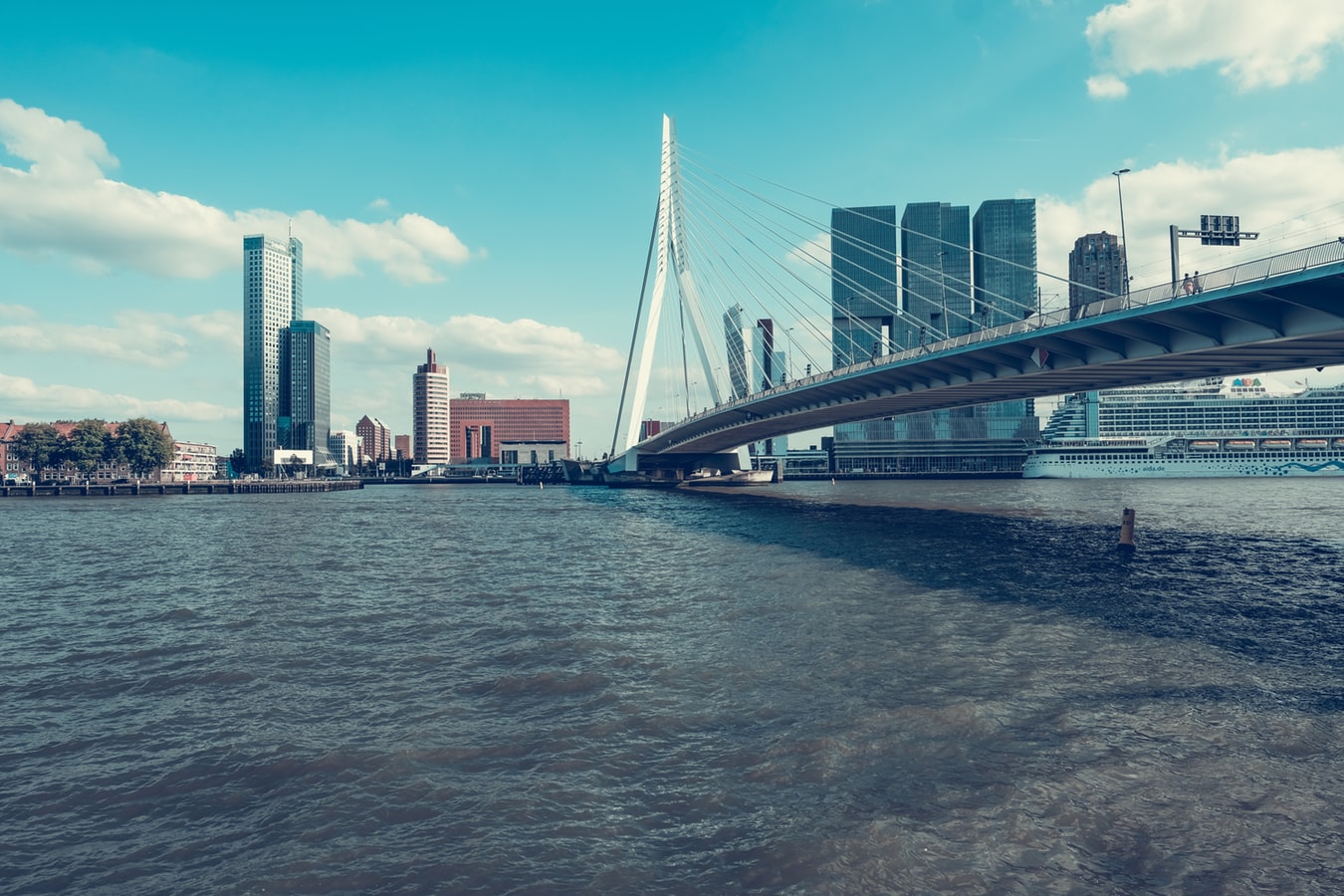
Rotterdam is a city that’s a long way removed from most people’s stereotypical notion of the Netherlands. There are few, if any, canals to be found here nor are there any quaint windmills. There is, however, a thriving modern city which is one of the busiest ports in the entire world.
Funchal, Madeira, Portugal
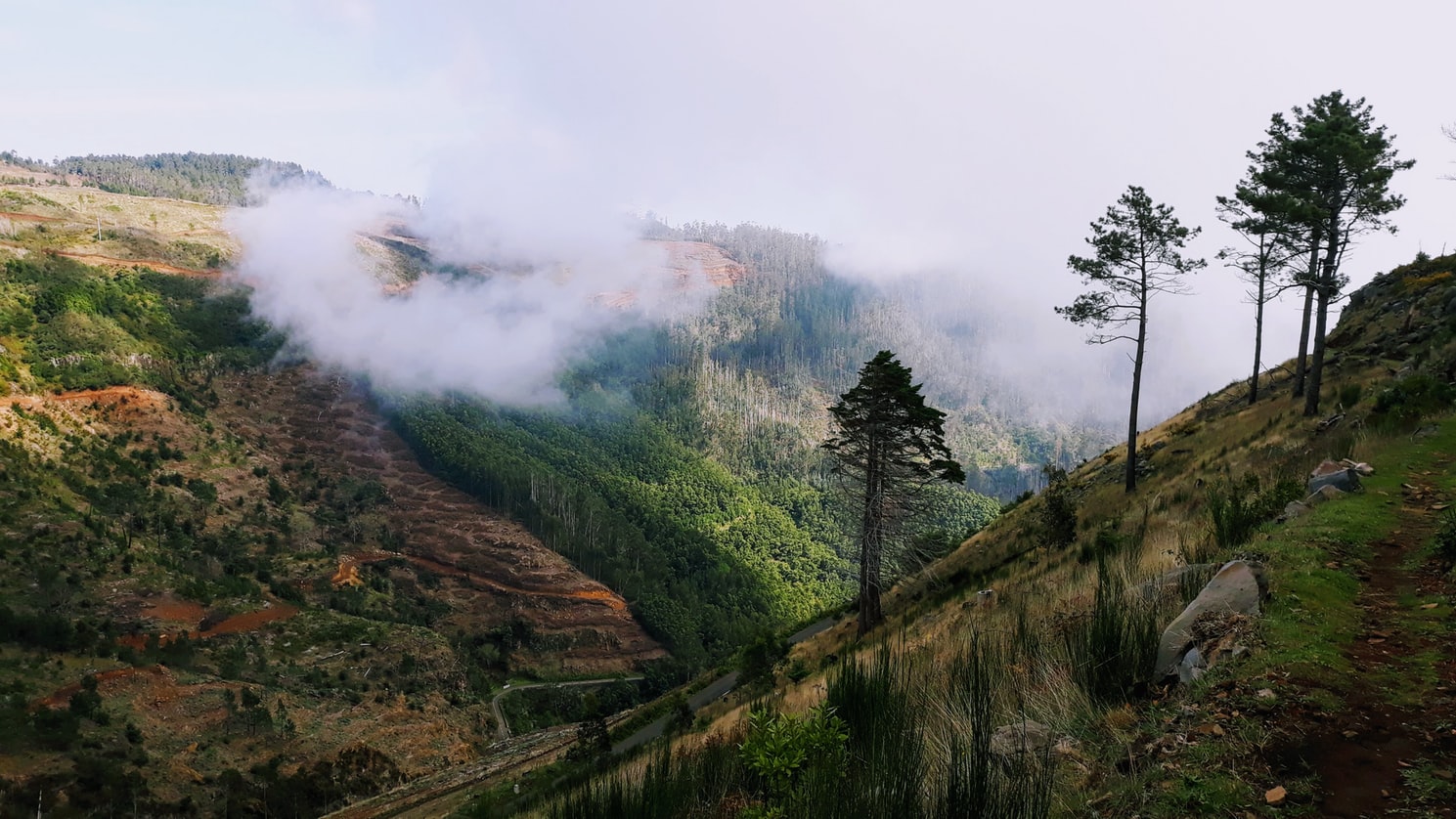
Formed by a volcanic eruption, Madeira lies in the Gulf Stream, about 500 miles due west of Casablanca. Discovered by Portuguese explorer João Gonçalves Zarco in 1419, this beautiful island became part of Portugal’s vast empire and was named for the dense forest which cloaked it – ‘Madeira’ means ‘wood’ in Portuguese. Sugar plantations first brought wealth here, and when King Charles II of England granted an exclusive franchise to sell wine to England and its colonies, many British emigrants were drawn to the capital, Funchal. Today’s travellers come to Madeira for the varied and luxuriant scenery, from mountain slopes covered with vines to picturesque villages and a profusion of wild flowers. The natural beauty of the island has earned it many pseudonyms such as ‘The Floating Garden of the Atlantic’, ‘The Island of Eternal Springtime’ and ‘God’s Botanical Gardens’ and our selection of excursions aim to show you why.
Santa Cruz de La Palma, Spain
Also known as ‘La Isla Bonita’ (the beautiful island), La Palma is typified by lush forests of pine, laurel and fern which contrast with the rugged splendour of the gigantic Taburiente crater. The island is dotted with attractive villages, which are a delight to discover, and the capital Santa Cruz also makes for an interesting day of exploration. Perched on the edge of the volcanic crater of La Caldereta, Santa Cruz comfortably blends modern architecture with old colonial buildings. Perhaps visit the fascinating Natural History Museum, stroll around the historic quarters and the Plaza de Espana or travel a few miles outside the city to the exquisite Church of Our Lady. If you enjoy shopping, you can find reasonably priced silver jewellery, leather goods and beautifully embroidered clothes, tablecloths and napkins, a speciality of the Canary Islands.
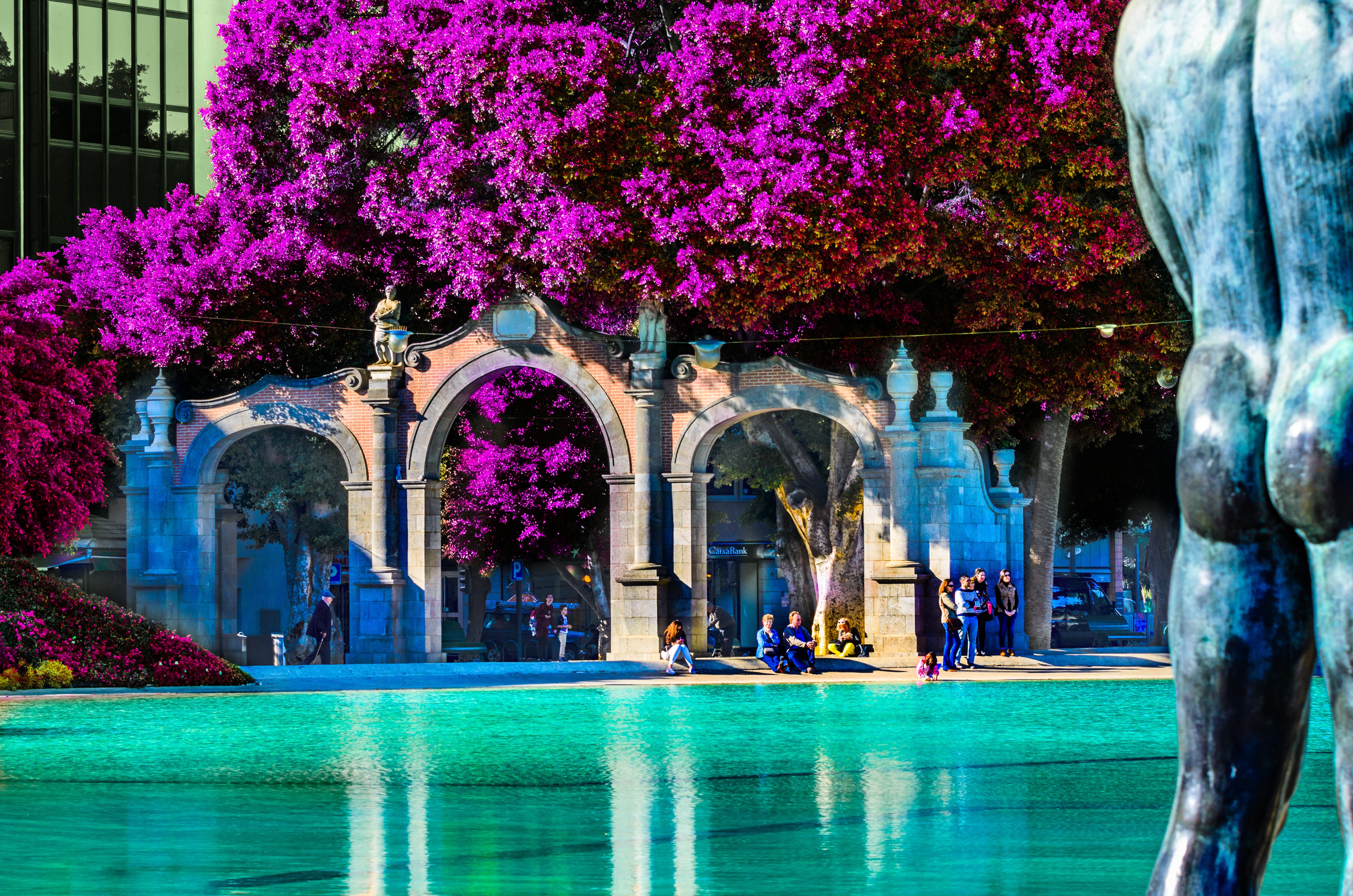
Tenerife, Spain
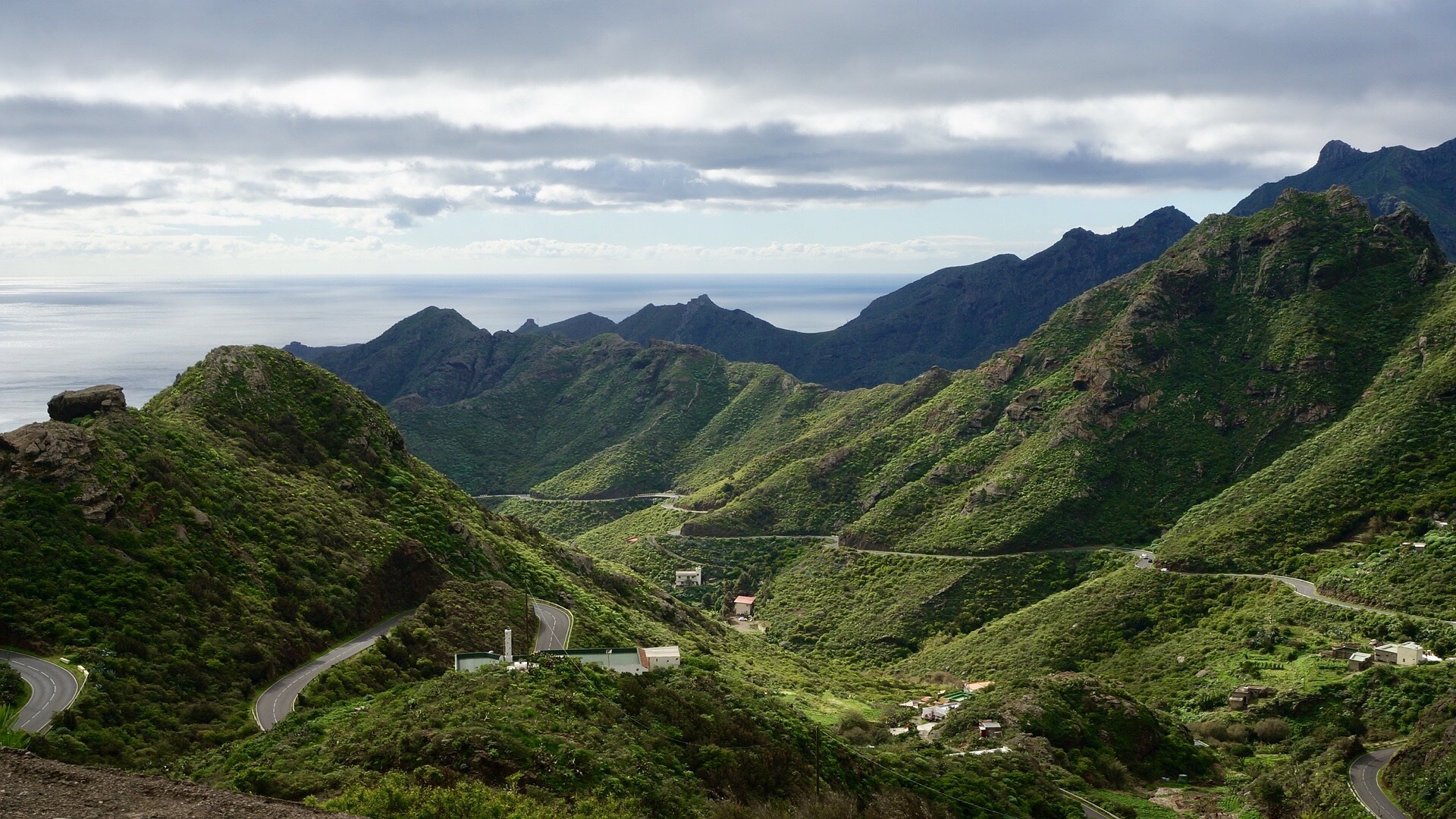
Las Palmas de Gran Canaria, Spain
Perhaps the prettiest of the Canary Islands, Gran Canaria is an almost circular isle with the peak of Pozo de Las Nieves, its highest point, at the centre. With a wealth of natural beauty and all the exciting attractions of city life in the capital, the island offers the best of both worlds. You will no doubt wish to see the sights of the capital’s old quarter, which dates back to the 15th century and encompassses the Vegueta and Triana districts, and wherever you go you can enjoy the glorious subtropical climate, perfect for growing exotic palms and fruits.
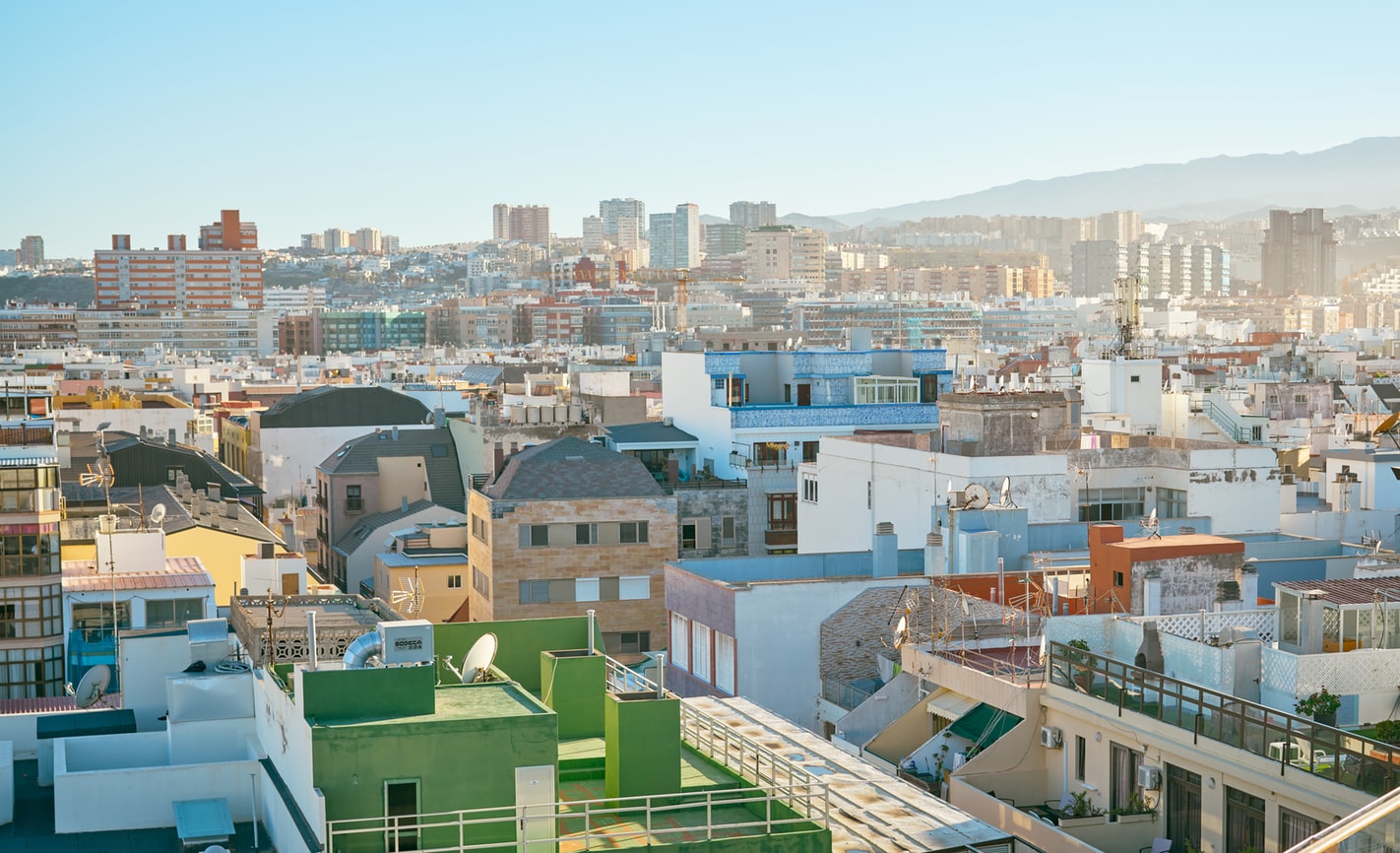
Arrecife, Lanzarote, Spain
A volcanic island designated a UNESCO Biosphere Reserve, Lanzarote’s dramatic landscapes were shaped by an explosive past. Today, its pretty beaches and virtual absence of rain together with duty-free shopping make the island an extremely desirable destination. The main port and capital, Arrecife, is a pleasant town with a modern seafront and colourful gardens. Outside the capital there is plenty to explore, from the dazzling white salt flats of Janubio and the rugged terrain of Fire Mountain to the eerie caves of Los Verdes and an array of unspoilt fishing villages scattered around the coast. The island is home to a great selection of restaurants and local specialities including garbanzos compuestos – a chickpea stew; papas arrugadas – potatoes with carrots, peas, ham and green pepper; and of course, plenty of fresh seafood. Please note that those planning to participate in one of the shore excursions from this port may need to take an early lunch on board ship to suit the excursion schedules.
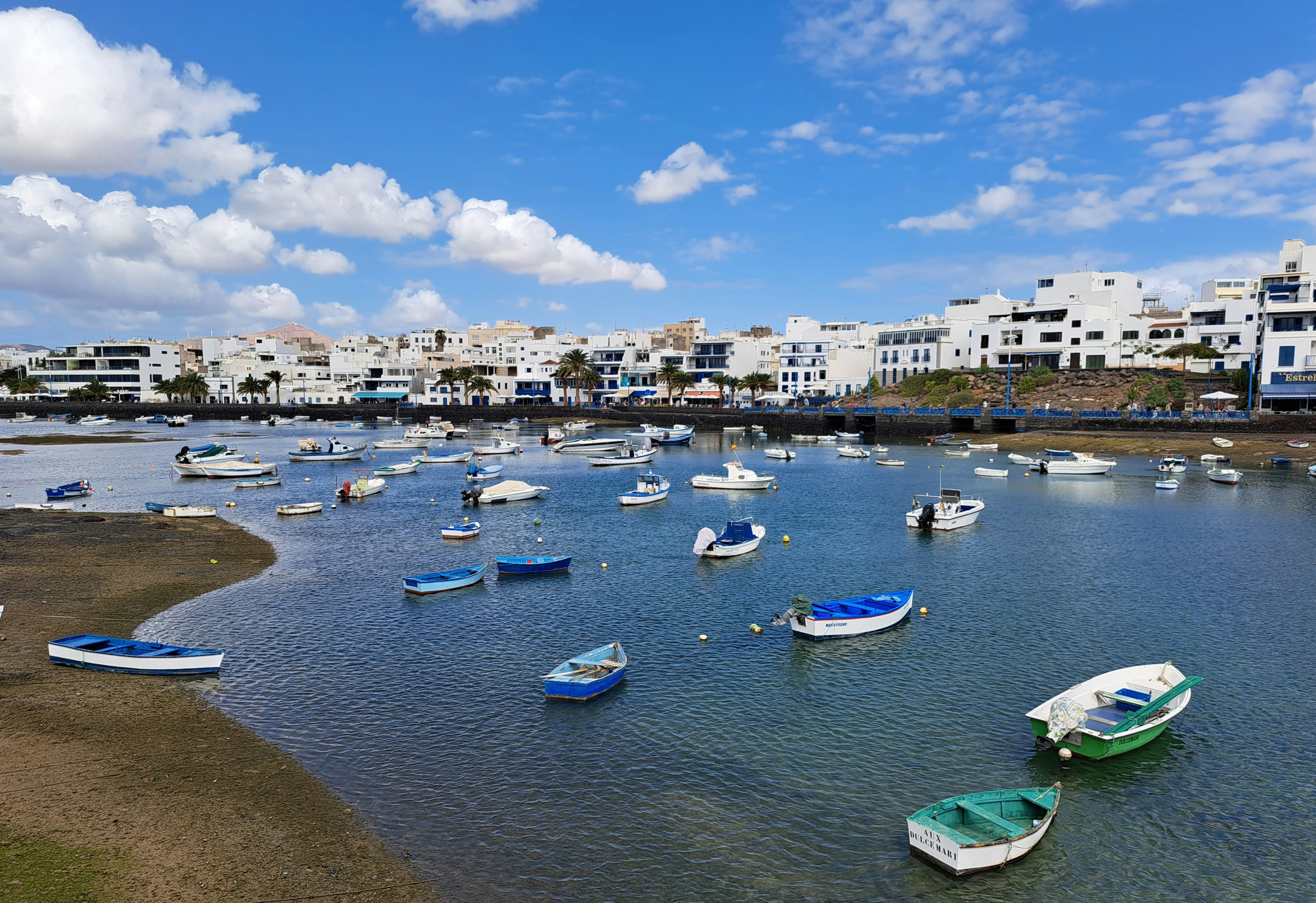
Lisbon, Portugal
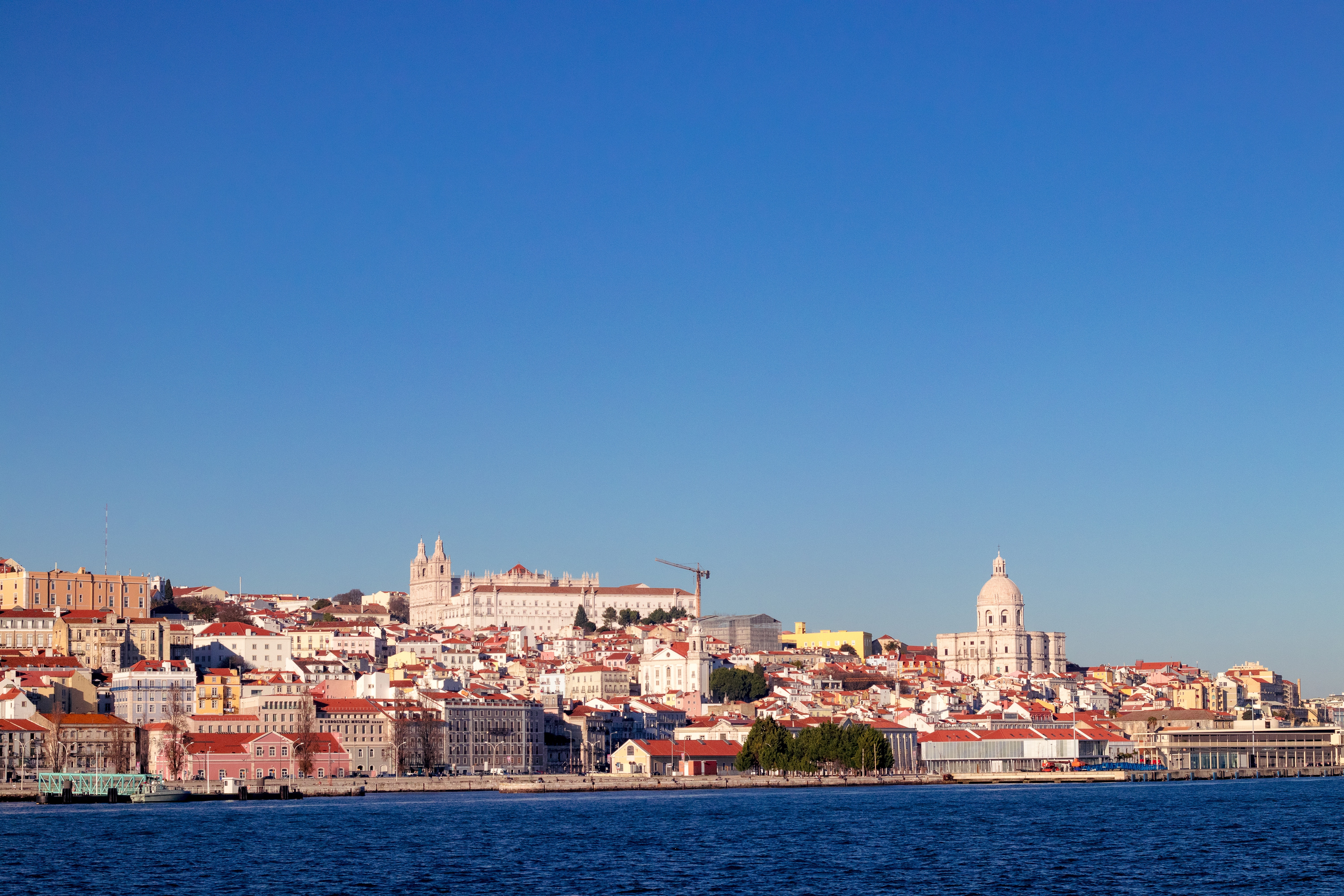
Set on seven hills on the banks of the River Tagus, Lisbon has been the capital of Portugal since the 13th century. It is a city famous for its majestic architecture, old wooden trams, Moorish features and more than twenty centuries of history. Following disastrous earthquakes in the 18th century, Lisbon was rebuilt by the Marques de Pombal who created an elegant city with wide boulevards and a great riverfront and square, Praça do Comércio. Today there are distinct modern and ancient sections, combining great shopping with culture and sightseeing in the Old Town, built on the city’s terraced hillsides. The distance between the ship and your tour vehicle may vary. This distance is not included in the excursion grades.
Dover, England
Known as the gateway of England, Dover welcomes millions of visitors from all over the globe each year in its role as the ferry capital of the world and the second busiest cruise port in the UK. The White Cliffs Country has a rich heritage. Within the walls of the town’s iconic castle, over 2,000 years of history waits to be explored, whilst the town’s museum is home to the Dover Bronze Age Boat, the world’s oldest known seagoing vessel. The town’s cliffs that are a welcome sight for today’s cross-channel travellers also served as the control centre for the Dunkirk evacuation in 1940.
Rotterdam, Netherlands
Rotterdam is a city that’s a long way removed from most people’s stereotypical notion of the Netherlands. There are few, if any, canals to be found here nor are there any quaint windmills. There is, however, a thriving modern city which is one of the busiest ports in the entire world.
Ålesund, Norway
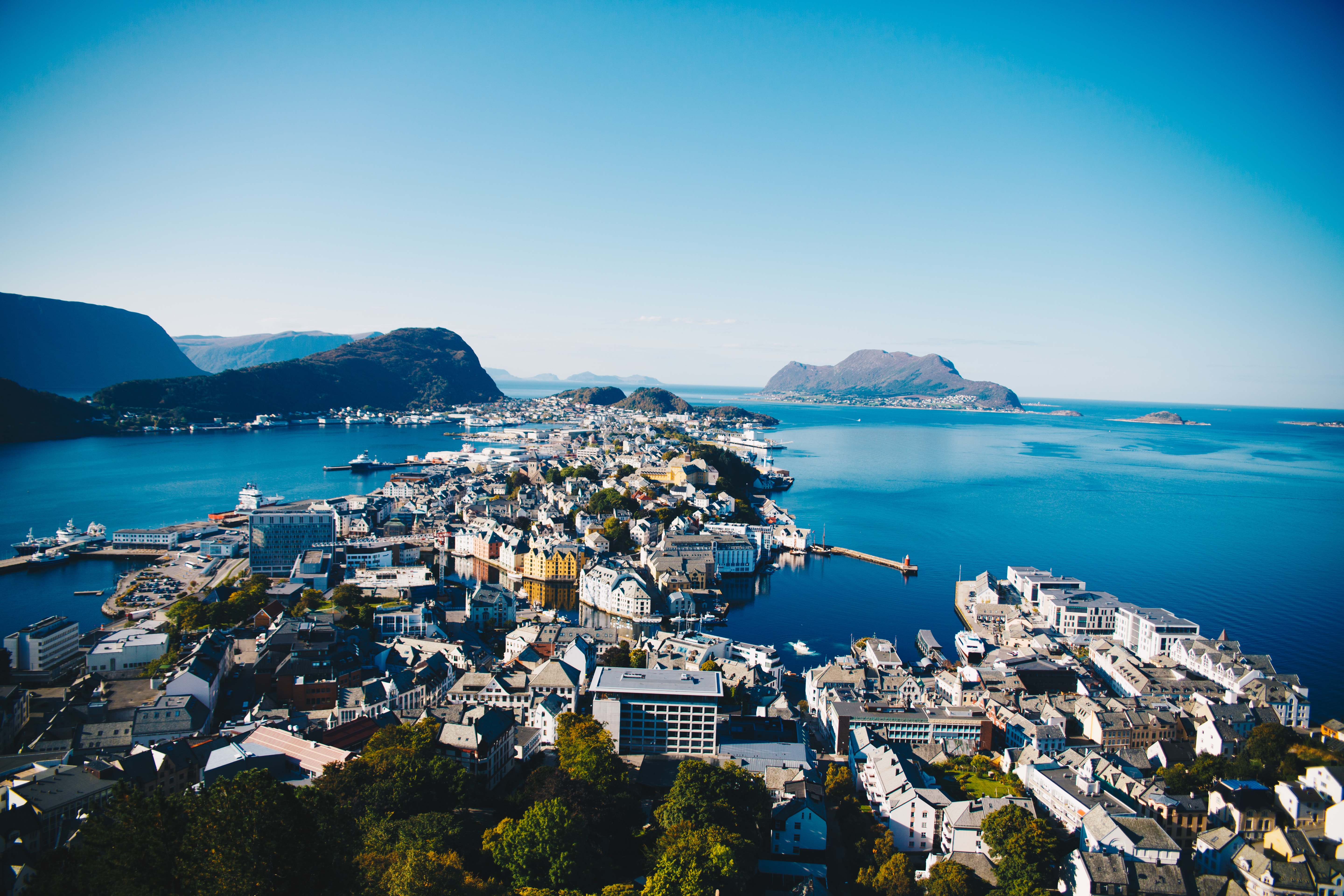
The coastal town of Ålesund is the commercial capital of the Møre og Romsdal district. But more important, it is noted for its characteristic Jugendstil (Art Nouveau) buildings, which some claim make Ålesund one of the most beautiful towns in Norway. This Art Nouveau style emerged when the town was completely rebuilt after a devastating fire in 1904 destroyed nearly 800 buildings and left 10,000 residents homeless. It is said that the fire started by a tipped oil lamp. Rebuilding was carried out with the help of many young, foreign architects who added their own flourishes to the architectural blend of German Jugendstil and Viking roots. Today, narrow streets are crammed with buildings topped with turrets, spires and gables that bear decorations of dragonheads and curlicues. As one of the few remaining Art Nouveau towns in the world, in 1998 Ålesund was awarded the coveted Houens National Memorial Prize for the preservation of its unique architecture.
Cruising Trondheim Fjord
Trondheim, Norway
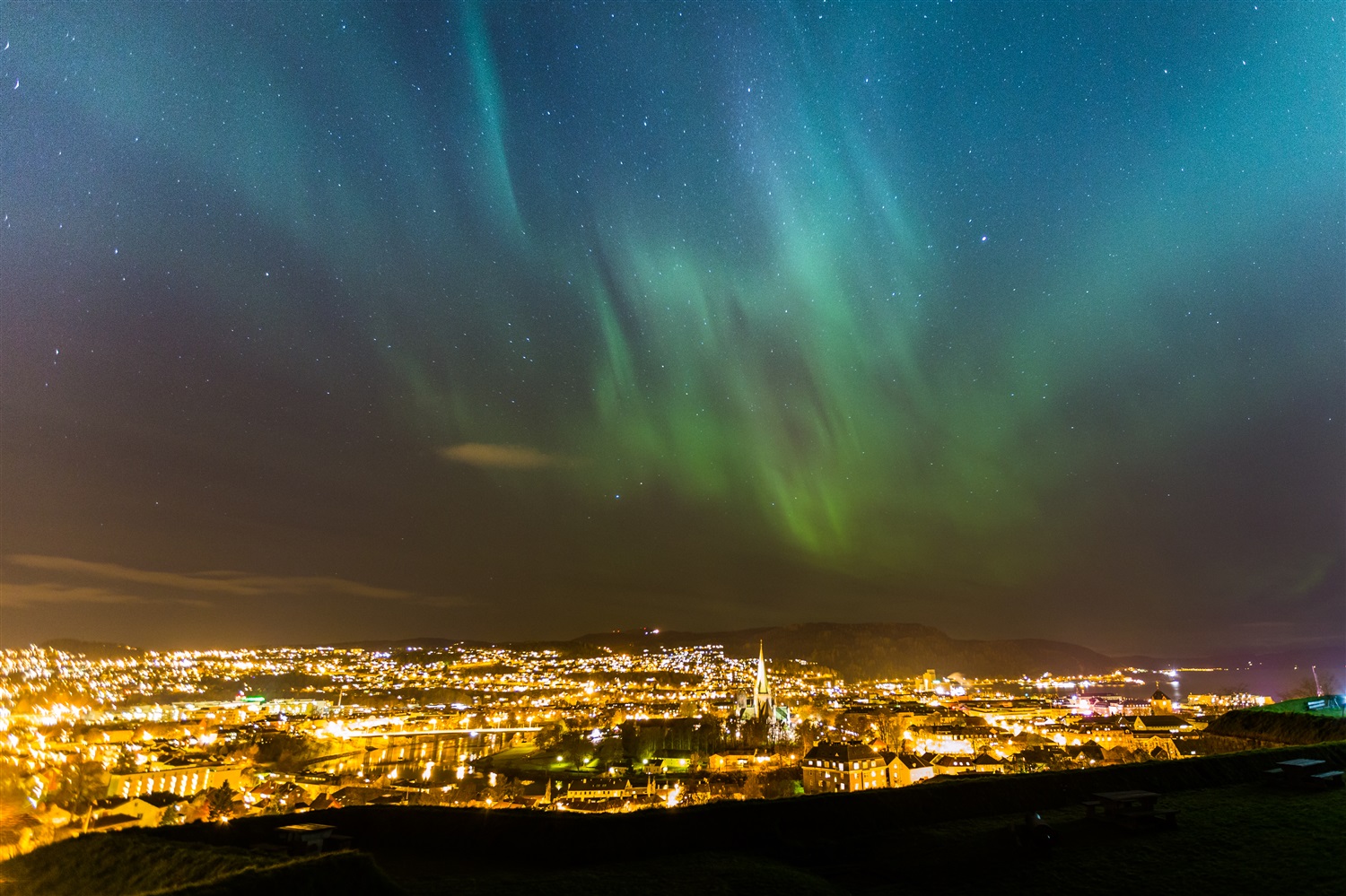
One of Scandinavia’s oldest cities, Trondheim was the first capital of Norway, from AD 997 to 1380. Founded in 997 by Viking king Olav Tryggvason, it was first named Nidaros (still the name of the cathedral), a composite word referring to the city’s location at the mouth of the Nidelva River. Today, it’s Central Norway’s largest (and Norway’s third largest) city, with a population of 150,000. The wide streets of the historic city center remain lined with brightly painted wood houses and striking warehouses. But it’s no historic relic: it’s also the home to NTNU (Norwegian University of Science and Technology) and is Norway’s technological capital.
Hammerfest, Norway
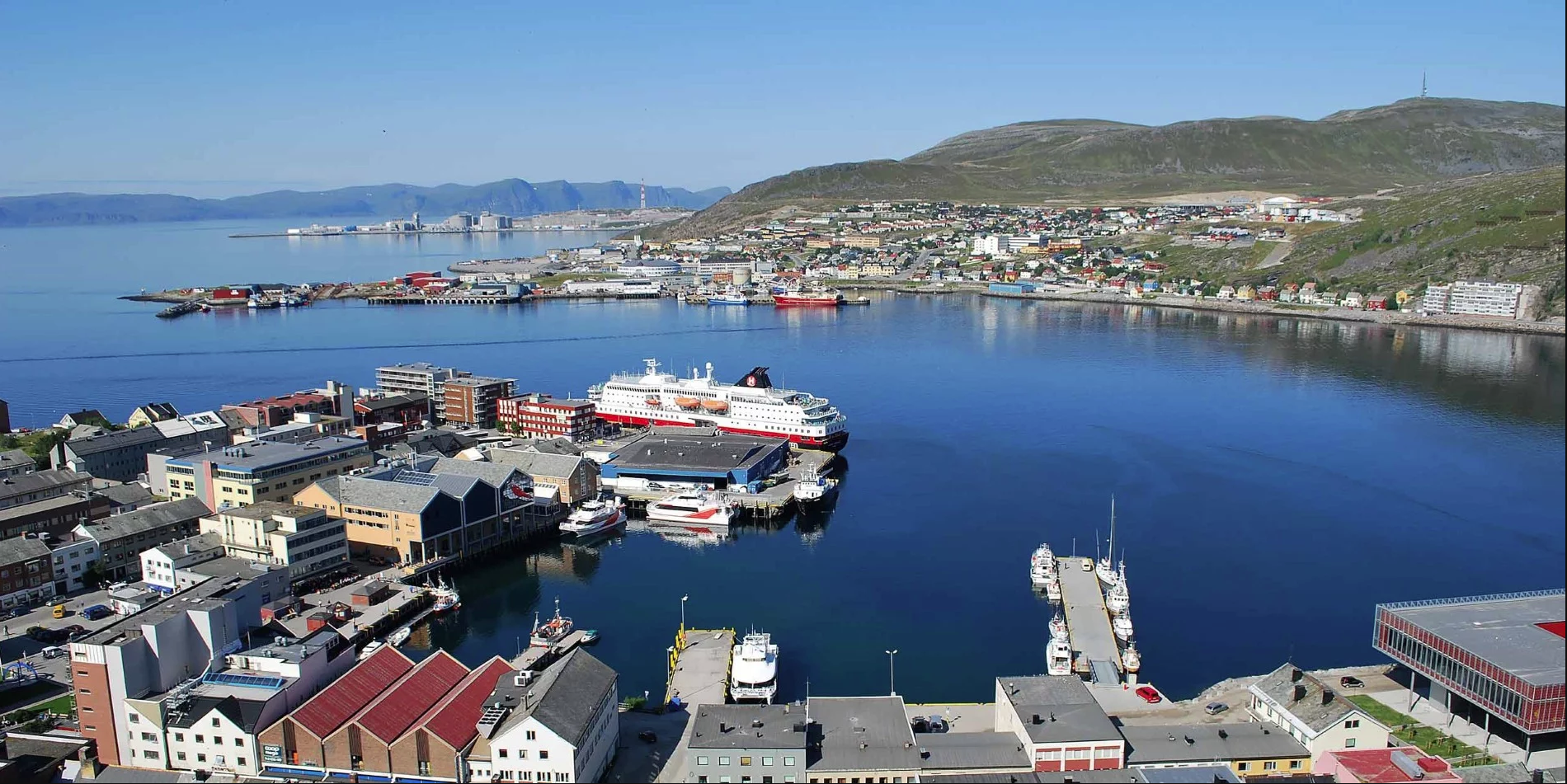
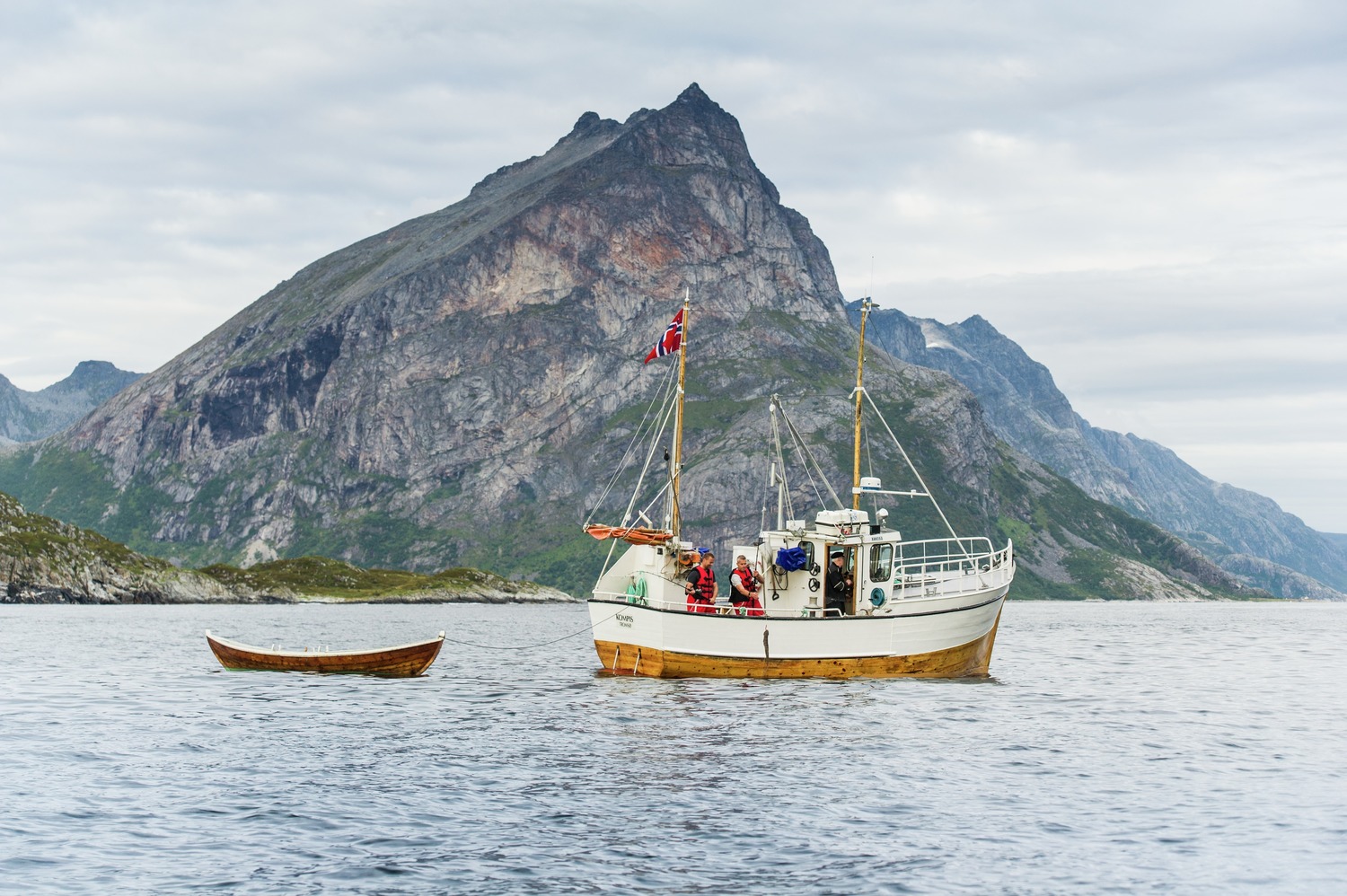
More than 600 miles north of the Arctic Circle, the world’s northernmost town is also one of the most widely visited and oldest places in northern Norway. “Hammerfest” means “mooring place” and refers to the natural harbor (remarkably free of ice year-round thanks to the Gulf Stream) that is formed by the crags in the mountain. Hammerfest is the gateway to the Barents Sea and the Arctic Ocean, a jumping-off point for Arctic expeditions. Once a hunting town, Hammerfest’s town emblem features the polar bear. In 1891 the residents of Hammerfest, tired of the months of darkness that winter always brought, decided to brighten their nights: they purchased a generator from Thomas Edison, and Hammerfest thus ecame the first city in Europe to have electric street lamps. In addition to two museums, there are several shops within Hammerfest’s small city center. There is also a market selling souvenirs and other goods outside the town hall.
Tromsø, Norway
With its centre located on the island of Tromsø, the municipality of Tromsø is more than five times the size of Norway’s capital, Oslo, and is the world’s northernmost university city. Lying 200 miles inside the Arctic Circle, it is known as the ‘Gateway to the Arctic’ because it was used as a starting point for hunters looking for Arctic foxes, polar bears and seals. In the 19th century it was a base for explorers on Arctic expeditions – a history that is remembered in the city’s Polar Museum, which you can visit on an excursion. Also commemorated in the area is the history of Norway’s indigenous people, the Sami. Visitors can learn about the traditions, heritage and modern preservation of the Sami culture at the Tromsø Museum. Nowadays, Tromsø is a charming mix of old and new, with wooden buildings sitting alongside contemporary architecture such as the impressive glacier-like Arctic Cathedral, which features one of the largest stained glass windows in Europe. Looking down on the city is Mount Storsteinen, and a cable car runs to the top, giving wonderful views over the surrounding countryside of forested peaks and reindeer pastures.
Alta, Norway
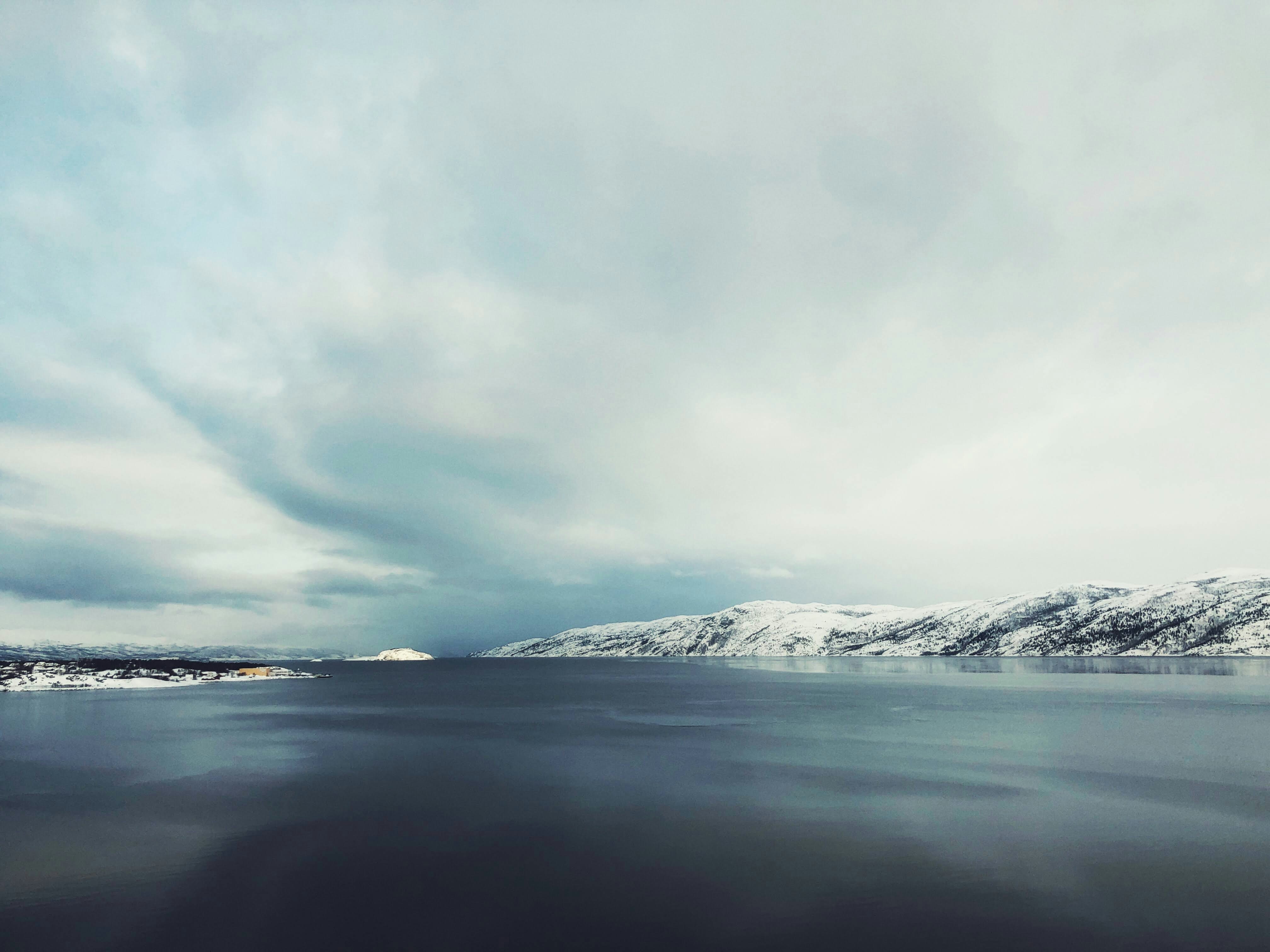
People have been attracted to the community of Alta for thousands of years, and prehistoric rock carvings discovered in 1973 can be seen at the Alta Museum. Situated at the head of the Altafjord, it is a lush, green and hospitable shelter in the otherwise cold and windswept Finnmark landscape. Halfway between the grim, barren mountain plateau and the wet, stormy coast, Alta offers tree-clad valleys, pleasant temperatures and no more rain than the Sahara. However at 70 degrees North it is quite a different story in winter, when heavy snowfalls and sub-zero temperatures are the order of the day, and clear dark night skies become the arena for dazzling displays of the elusive Aurora Borealis, also referred to as ‘the temperamental lady’ by Laplanders. The world’s first Northern Lights Observatory, which played an important role in the development of geophysical and meteorological research during the first half of the 20th century, is located just 12 miles from Alta. Perched atop Haldde Mountain, it towers almost 3,000 feet above Kafjord, where the battleship Tirpitz was based during the Second World War.
Alta, Norway
People have been attracted to the community of Alta for thousands of years, and prehistoric rock carvings discovered in 1973 can be seen at the Alta Museum. Situated at the head of the Altafjord, it is a lush, green and hospitable shelter in the otherwise cold and windswept Finnmark landscape. Halfway between the grim, barren mountain plateau and the wet, stormy coast, Alta offers tree-clad valleys, pleasant temperatures and no more rain than the Sahara. However at 70 degrees North it is quite a different story in winter, when heavy snowfalls and sub-zero temperatures are the order of the day, and clear dark night skies become the arena for dazzling displays of the elusive Aurora Borealis, also referred to as ‘the temperamental lady’ by Laplanders. The world’s first Northern Lights Observatory, which played an important role in the development of geophysical and meteorological research during the first half of the 20th century, is located just 12 miles from Alta. Perched atop Haldde Mountain, it towers almost 3,000 feet above Kafjord, where the battleship Tirpitz was based during the Second World War.
Åndalsnes, Norway
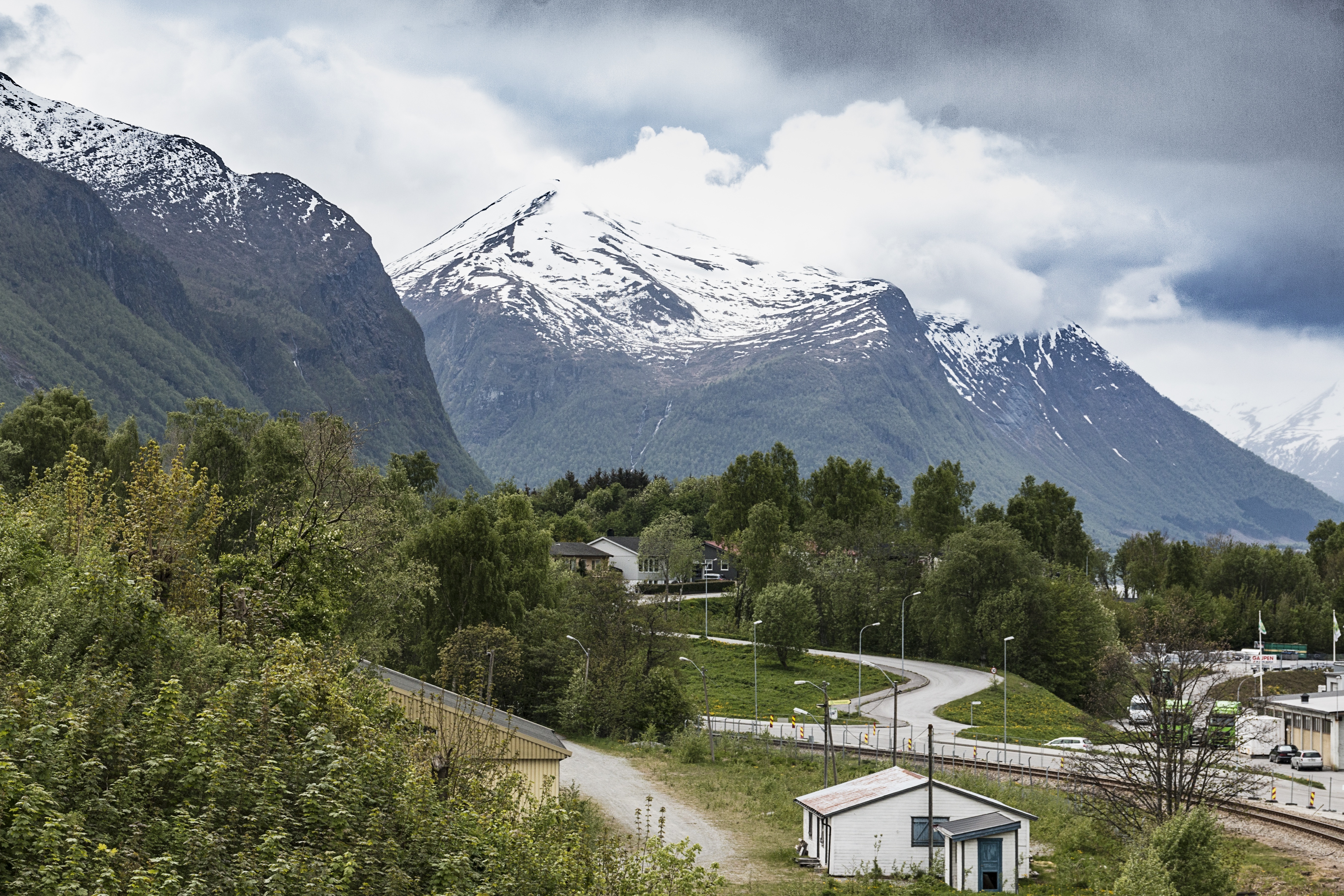
A small town in Norway’s fjord country, Åndalsnes is a gateway to the rugged wilderness of the Romsdalfjord. Known as the ‘village between the mountains and the fjords’, it typifies Norway’s striking natural beauty with its setting on a promontory lined by alps and set at the mouth of the Rauma River. The town itself is tucked under the lofty mountain peaks, backed by lush, green scenery. Nearby is the impressive Trollveggen, or ‘Troll Wall’, which at 6,000 feet is Europe’s highest vertical cliff face and is often topped by cloud. The precipice is said to be the ultimate trial for rock climbers, who regularly flock here to accept the challenge. Åndalsnes is also the terminus of the famous Rauma Railway which runs 70 miles alongside the emerald-green Rauma river and through some of Norway’s most spectacular scenery to Dombås (2160 feet above sea level) where it then connects to the main Oslo to Trondheim line.
Bergen, Norway
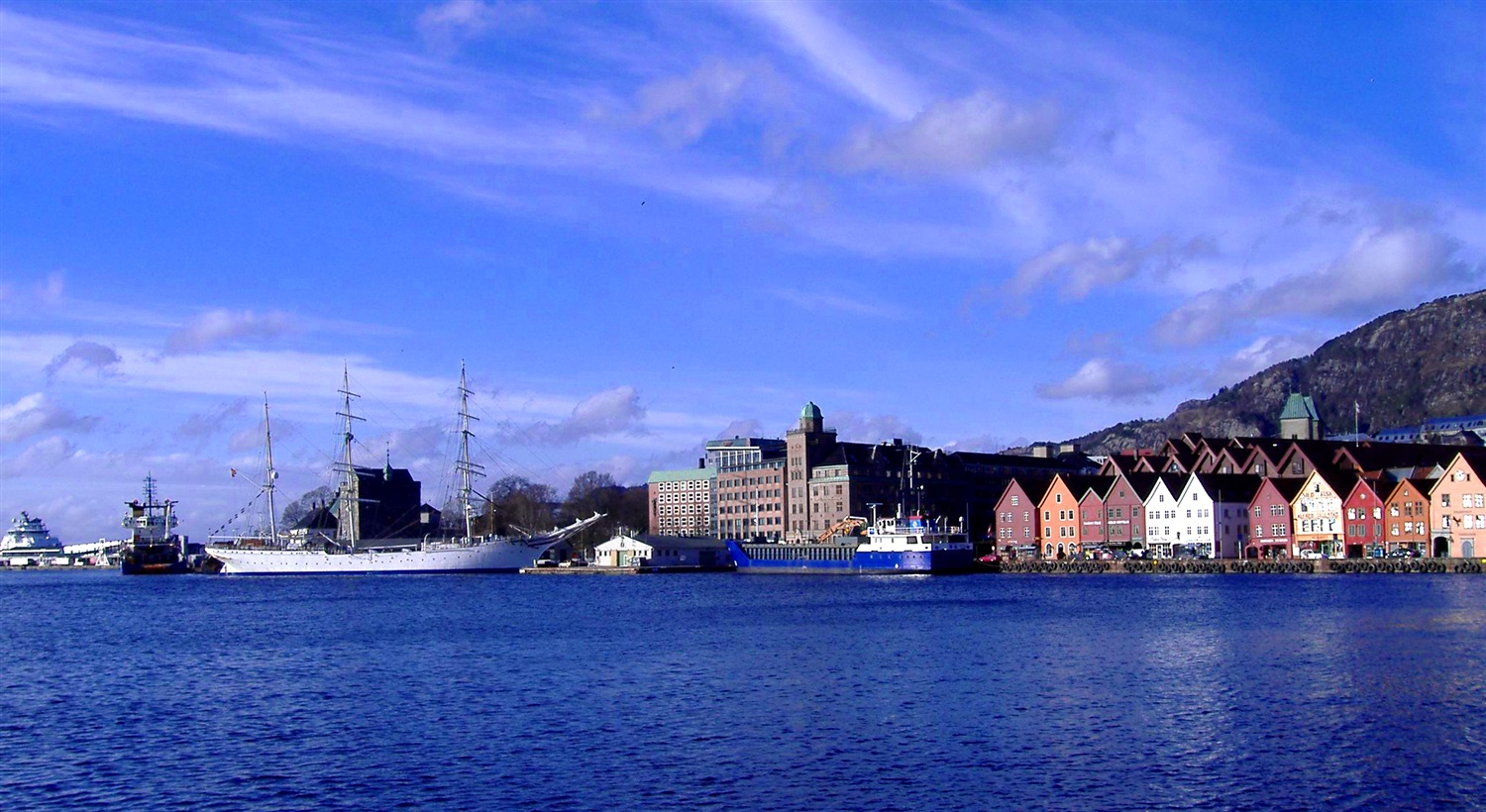
Surrounded by mountains and sparkling fjords, the waterside city of Bergen has a spectacular setting. There has been a settlement here since medieval times and the colourful waterfront buildings of the Hanseatic wharf, known as Bryggen, are testament to its fascinating history of trade. As Norway’s best known medieval settlement, the Bryggen is listed by UNESCO as a World Heritage Site. Our comprehensive selection of excursions allows you to discover the many sides of Bergen, such as the fish market and narrow cobbled streets, as well as stunning views of the city from the summit of Mt Fløyen. Alternatively, those who have visited the city previously may like to experience one of the tours that travel further afield. Just 300 yards from the main piers, you will find the Fortress Museum (Fesningsmuseum), which has an interesting collection of objects related to World War II.
Lerwick, Shetland Islands, Scotland
Founded by Dutch fishermen in the 17th century, Lerwick today is a busy town and administrative center. Handsome stone buildings—known as lodberries—line the harbor; they provided loading bays for goods, some of them illegal. The town’s twisting flagstone lanes and harbor once heaved with activity, and Lerwick is still an active port today. This is also where most visitors to Shetland dock, spilling out of cruise ships, allowing passengers to walk around the town.
Rotterdam, Netherlands
Rotterdam is a city that’s a long way removed from most people’s stereotypical notion of the Netherlands. There are few, if any, canals to be found here nor are there any quaint windmills. There is, however, a thriving modern city which is one of the busiest ports in the entire world.
Cabin Options
Interior
Ocean View Staterooms
Verandah/Aft-View Verandah/Obstructed Verandah
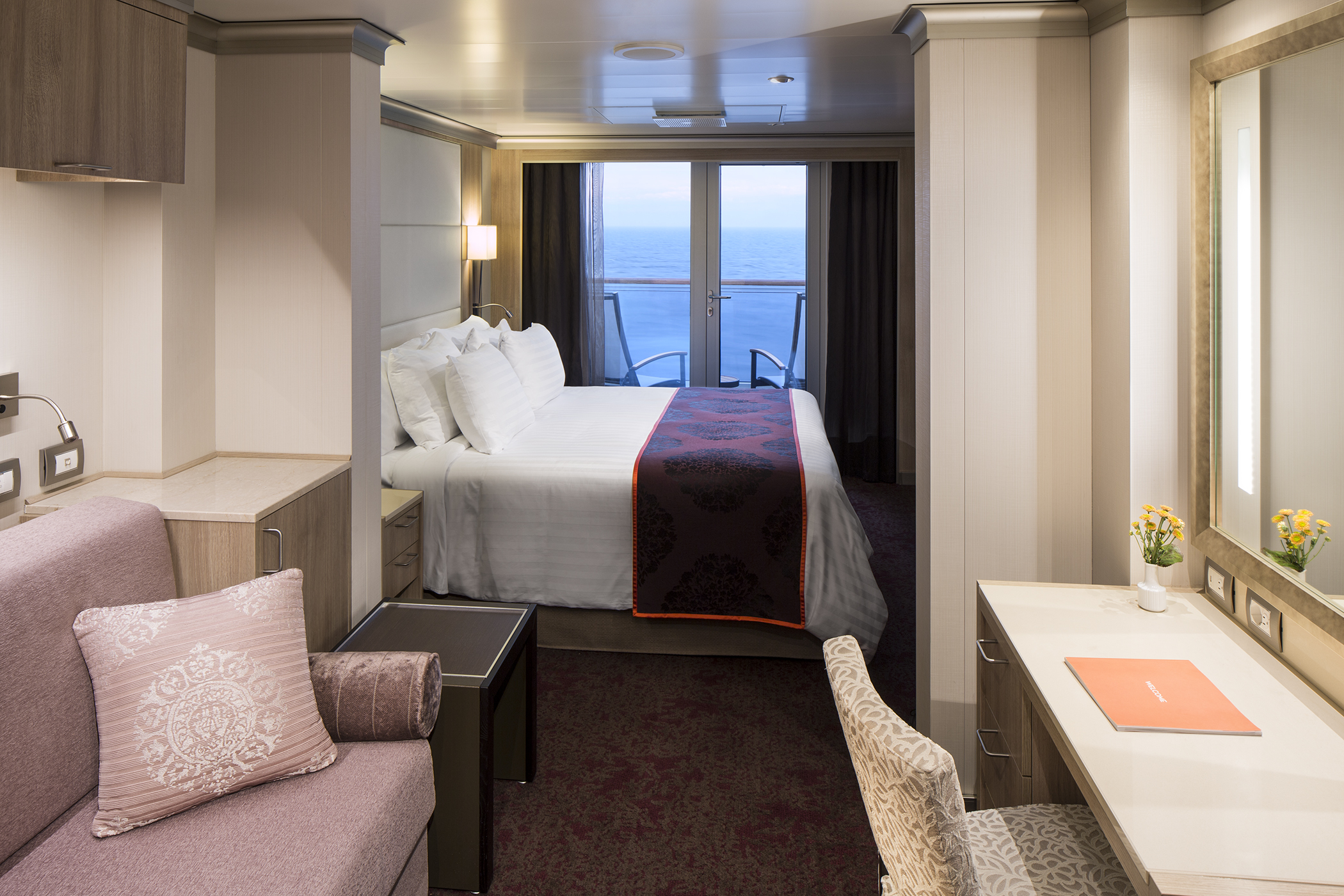
Vista Suite/Aft-View Vista Suite
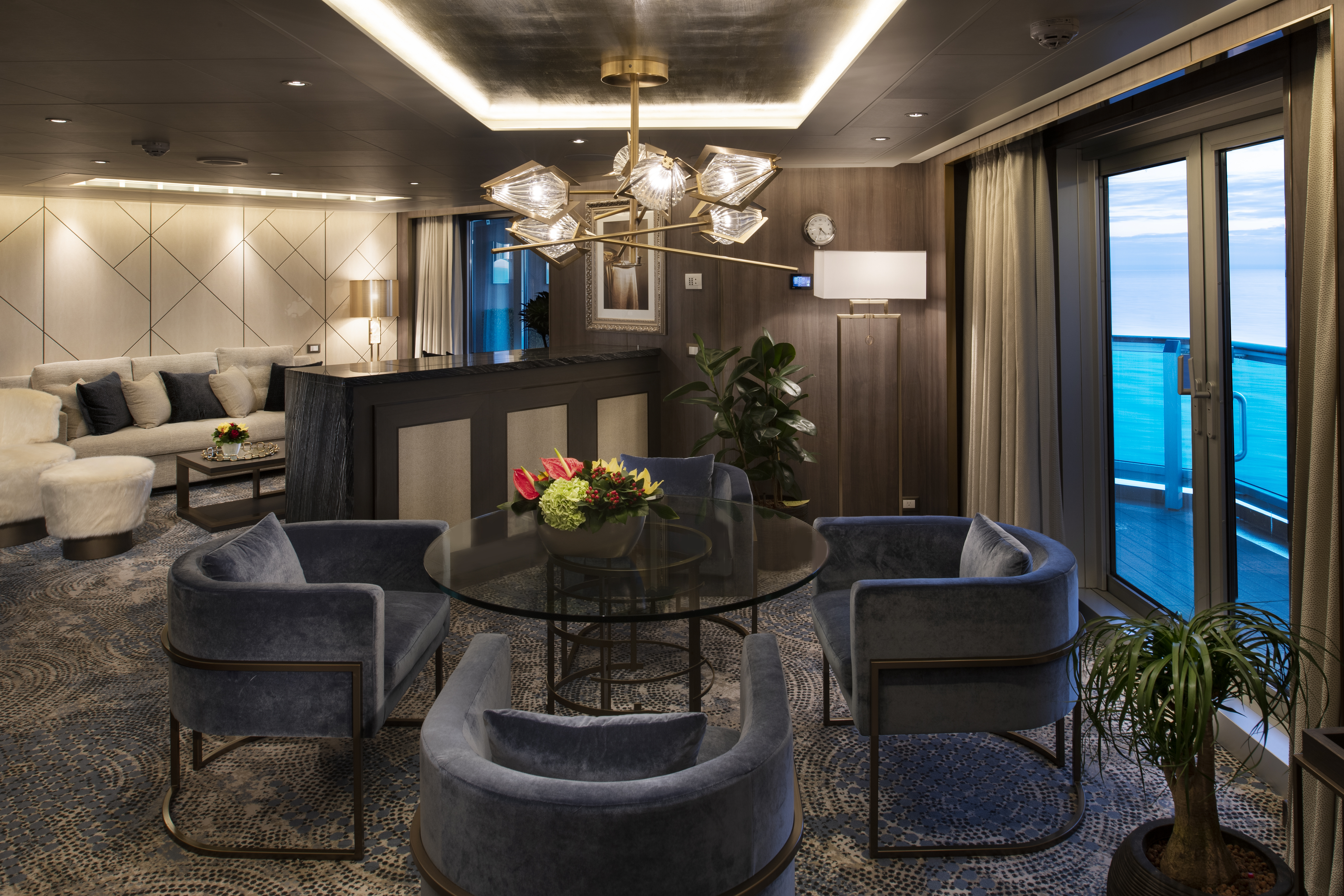
Pinnacle Suite
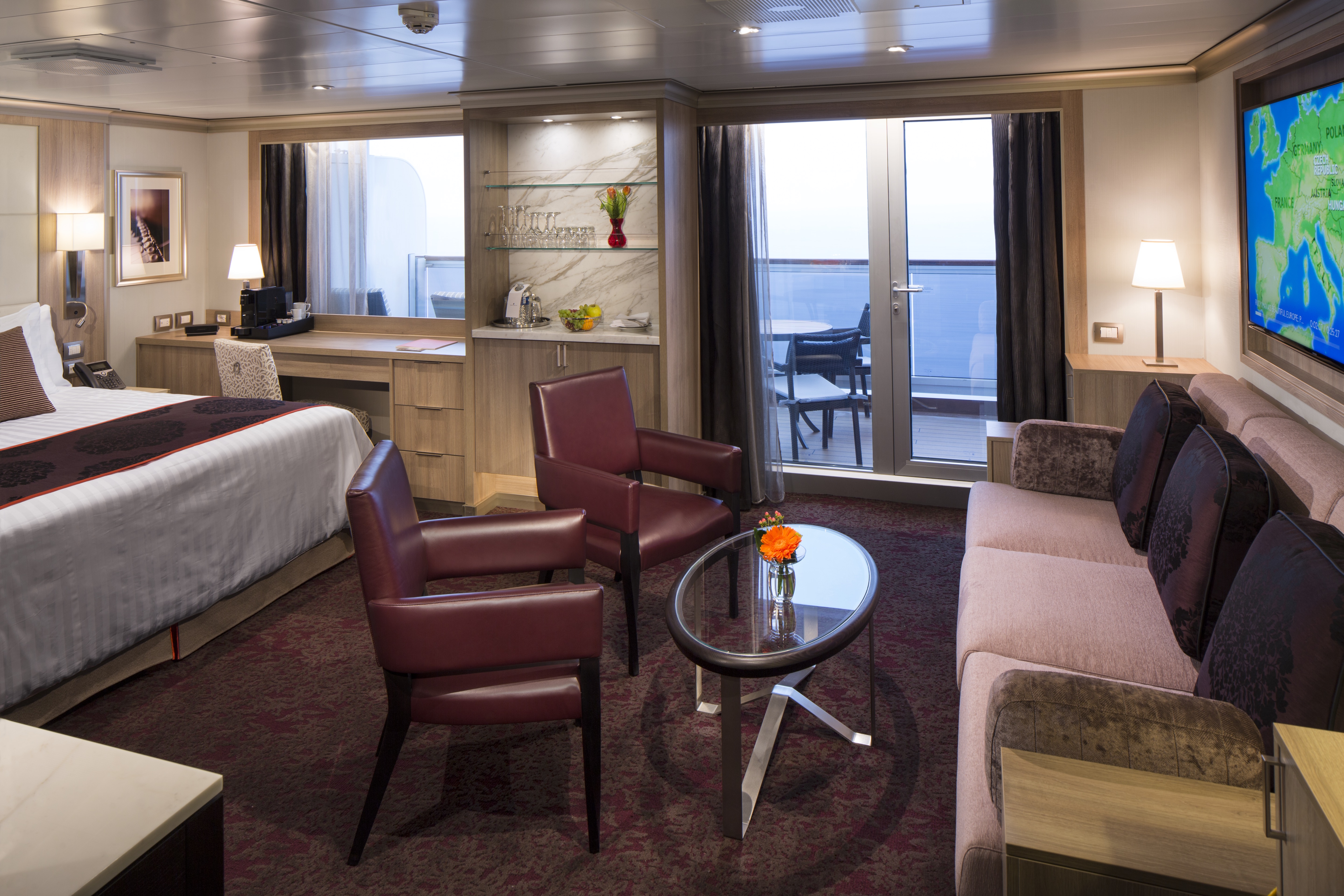
Neptune Suite
Neptune Spa Suite
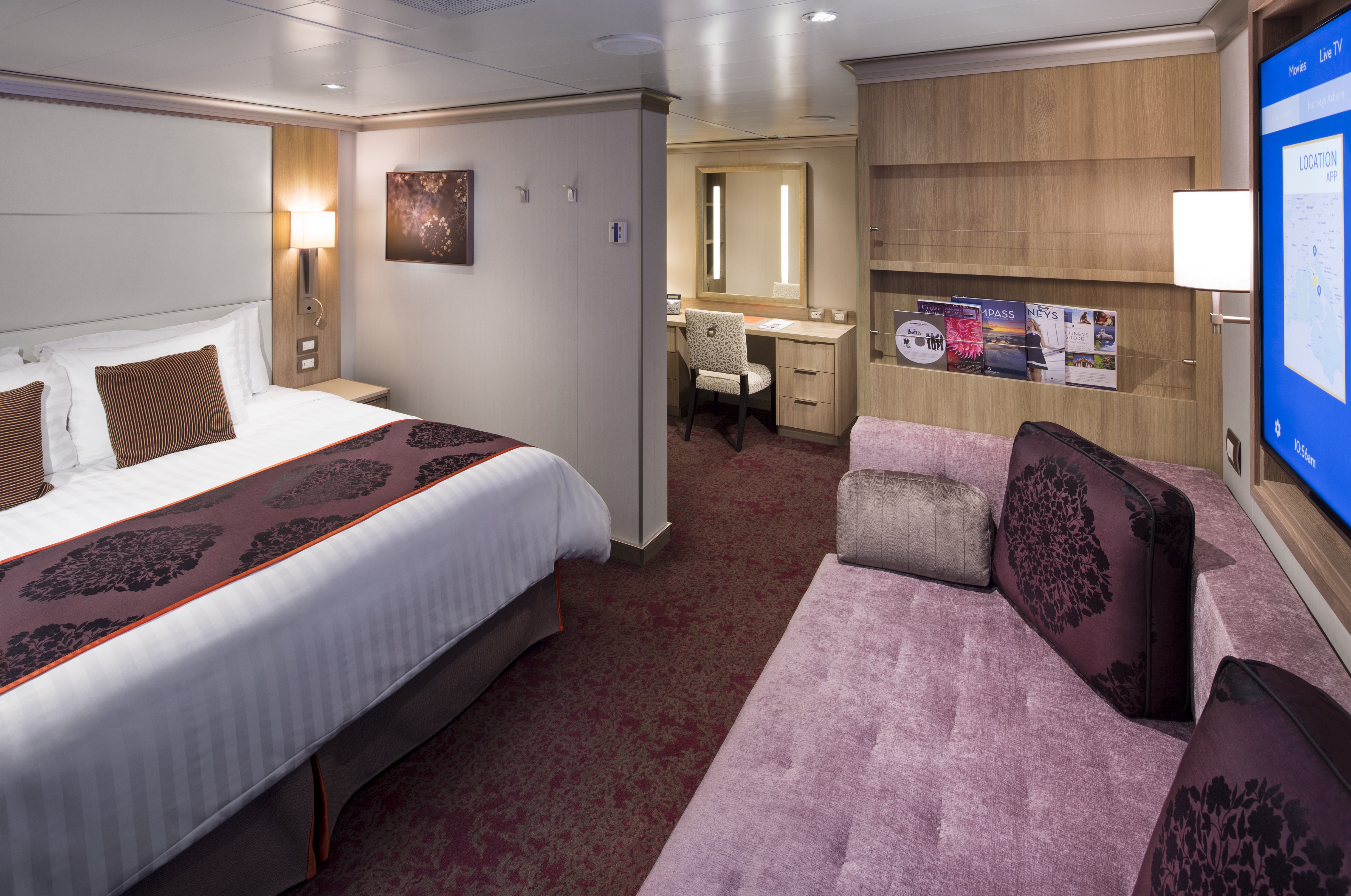
Signature Suite
Spa Verandah
Family Ocean View Staterooms
Spa Ocean View
Single Ocean View
Spa Inside
Ship Facilities
Pinnacle Grill

Welcome to Pinnacle Grill, our signature chophouse featuring Wagyu, seafood, regional specialties, sides, wines & desserts.
The Dining Room
Multi-course dining with fresh seafood, global flavors, and flexible options daily, all included in your cruise fare.
Canaletto

In Italy, there’s nothing more important than coming together to celebrate the joy of great food. Canaletto’s crafted menu is inspired by the simplicity of Italian food and its rich, robust flavors. And at Canaletto, our pasta is made from scratch each and every day. Buon Appetito!
Meals at Canaletto are half price for kids 12 years old or under, or free when they order from the kids’ menu.
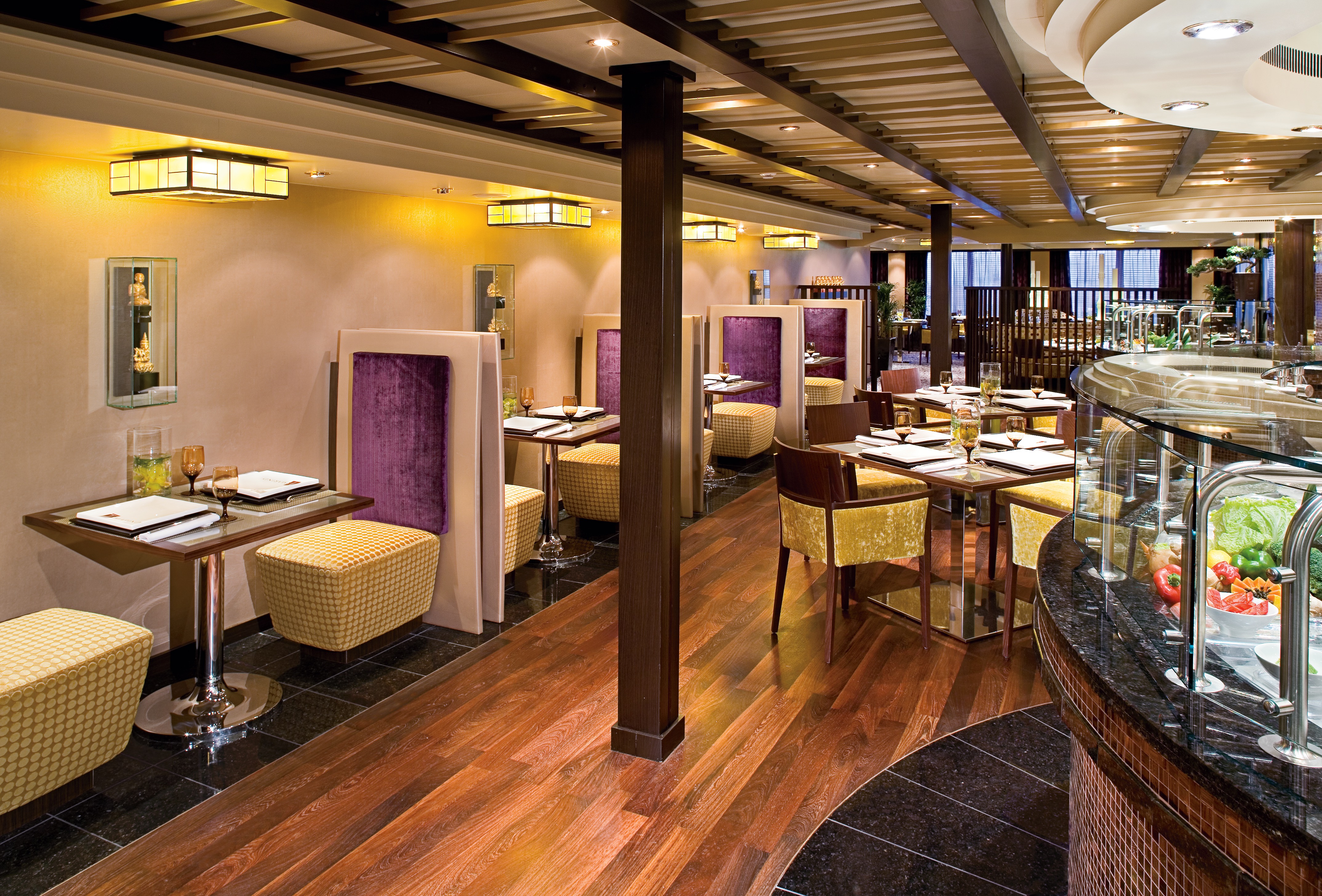
Tamarind

Savor vibrant Asian flavors at this specialty restaurant on select ships. Additional charge applies.
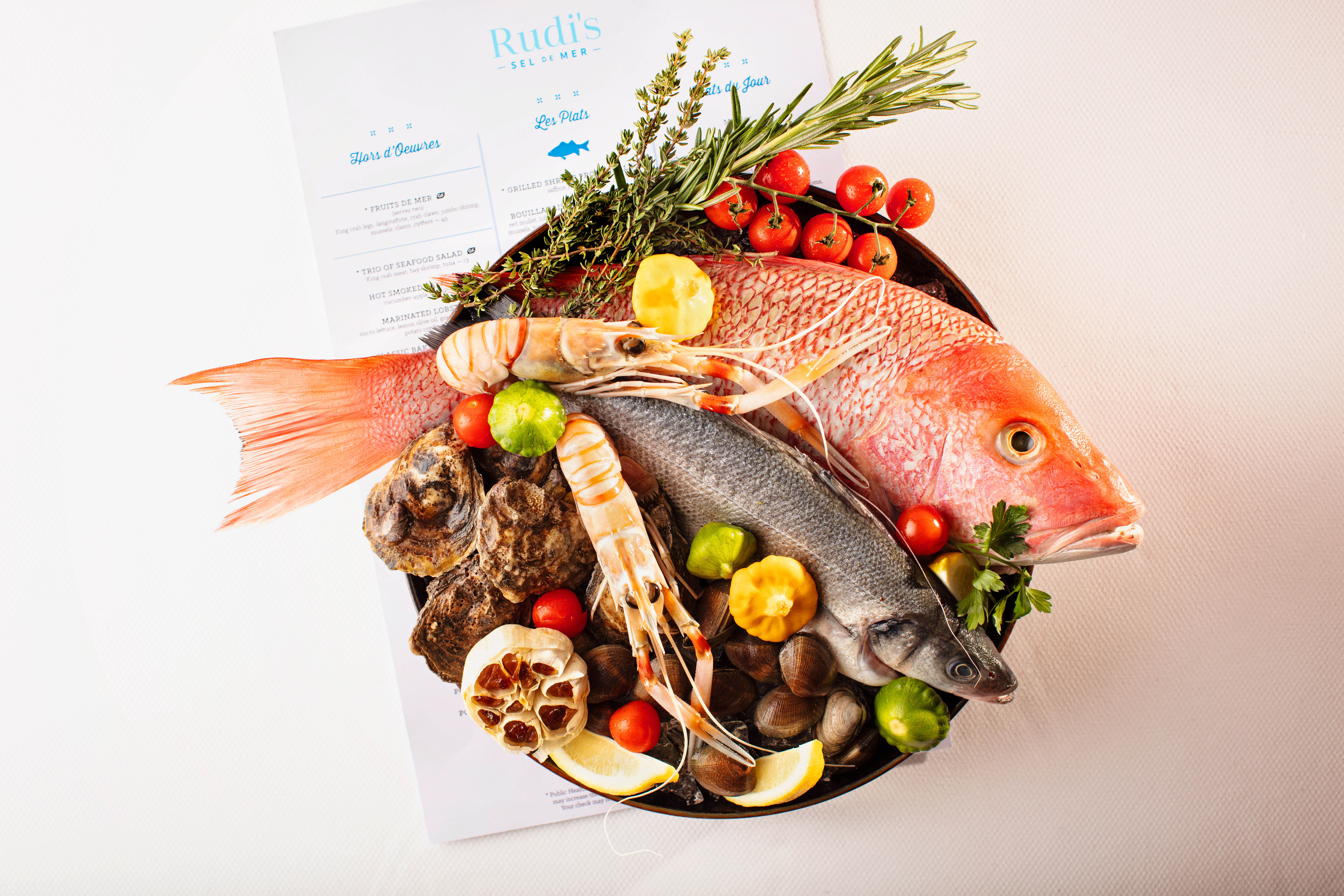
Sel de Mer

Sel de Mer is an intimate Mediterranean Bistro featuring the flavors of France, Spain and Greece with a focus on fresh fish and authentically prepared recipes.
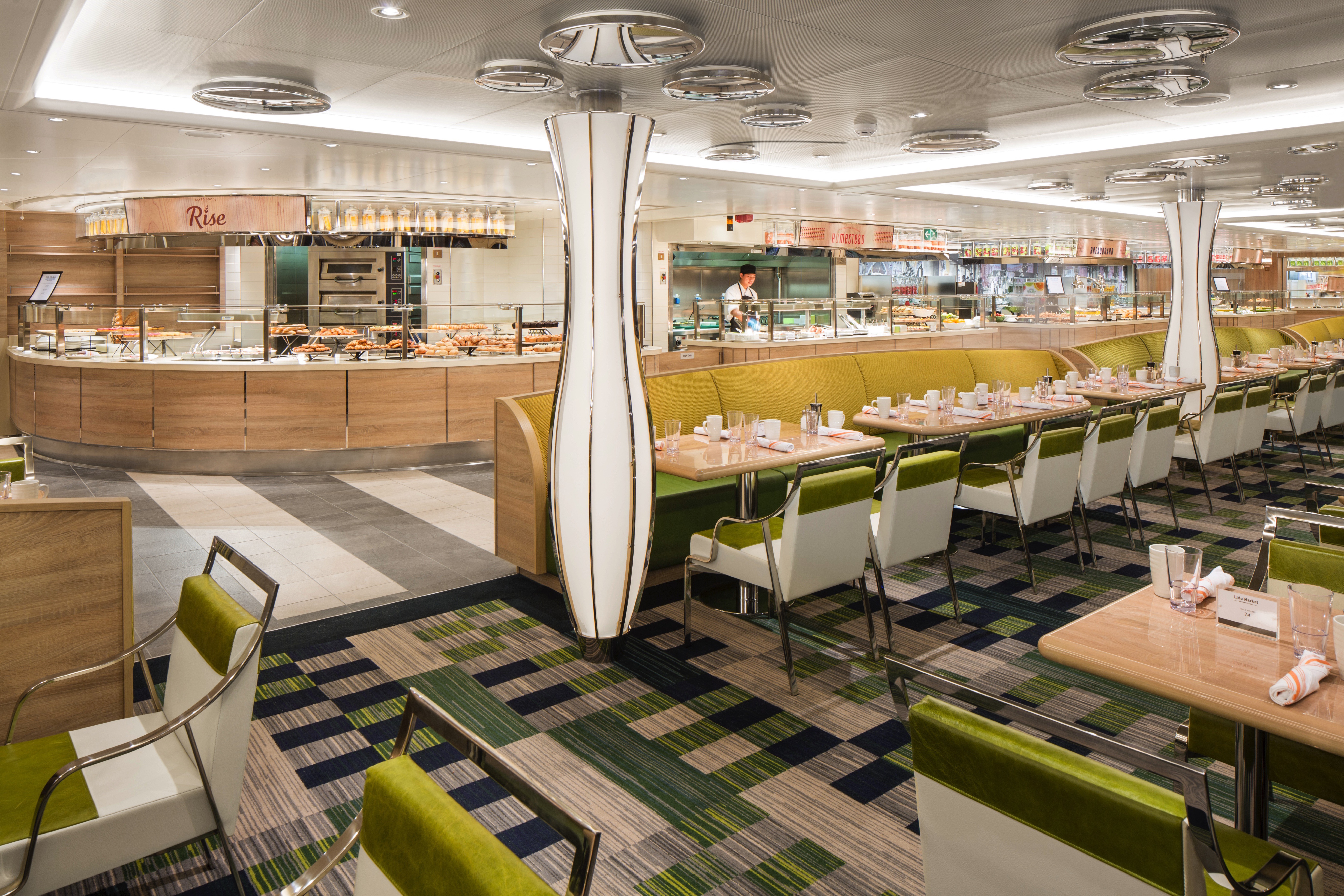
Lido Market
Enjoy food stations featuring classic favorites, regional specialties, and made-to-order entrées.

Dive-In
Dive-In offers a variety of casual culinary classics, using the highest quality ingredients. Enjoy a burger, grilled to perfection and served on a toasted brioche with our own trade-marked secret sauce. Savor a succulent Nathan’s Famous gourmet hot dog with golden French fries. Or choose a grilled chicken breast sandwich or juicy portabella mushroom stack. Dive-In is the perfect spot to dine poolside on the best burgers at sea.

New York Pizza
At New York Pizza, choose from a variety of scrumptious, 9-inch, thin-crust pies. Named for New York’s famed five boroughs, our signature pizzas are made to order and topped with only the finest ingredients. Enjoy your pizza by day while overlooking the Lido pool, and into the night.
Morimoto by Sea Sushi Bar
Watch as expert chefs prepare fresh, à la carte sushi right before your eyes, alongside a curated selection of tempting hot appetizers and entrées to complement your meal perfectly.
24-Hour In-Room Dining
Freshly prepared breakfast, lunch, dinner, and late-night favorites delivered right to your door.
Gelato
At “G” Gelato, you can indulge your sweet tooth with a classic European gelato (ice cream), made fresh on board each day by chefs trained at the Carpigiani Gelato University. Choose from among 12 delightful flavors, two of which are rotated daily. Smooth, creamy and refreshing, this tasty treat is served in a variety of ways, including gelato popsicles and the flavors of G, composed shots with layers of caramel, nuts and gelato. Love pistachio? Select ingredients like Sicilian pistachios make our pistachio gelato out of this world!
B.B King's Blues Club
Step into our Memphis-style venue and feel the soul of live Rhythm & Blues direct from Beale Street to Nieuw Statendam, performed by our All-Star Band.

Rolling Stone Lounge
Celebrate 60 years of chart-topping hits, including rock, pop, and country classics that are sure to keep you dancing and reliving unforgettable musical moments.
World Stage
Bold visuals, dynamic choreography, dazzling costumes, and unforgettable music unite in spectacular shows spanning genres and generations.
Casino Action
Your Holland America Line ship’s Casino offers a wide array of gaming options. Whether you prefer slot machines or want to try your hand at blackjack or poker, our dealers and staff are available to provide complimentary instruction — and we offer many engaging tournament options. The Casino is only open at sea.
Ocean Bar
Taste handcrafted cocktails and dance the night away at Ocean Bar – a lively lounge perched above the atrium.
Tamarind Bar
Pairing artful cocktails with wraparound ocean views, chic lounges, and inviting spaces – your spot for socializing in style.
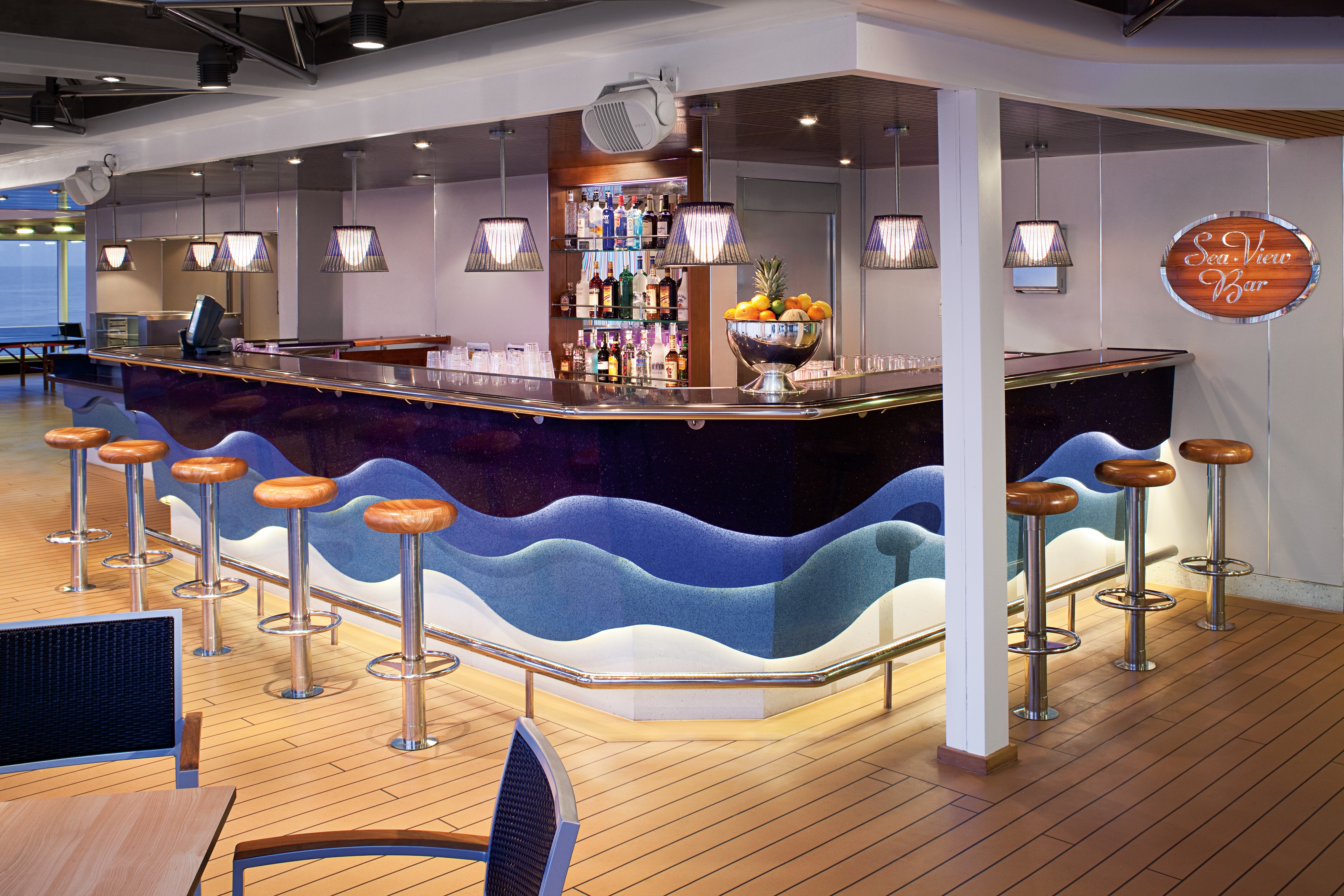
Sea View Bar
Enjoy your favorite drink while soaking up the sun and taking in panoramic ocean vistas from the comfort of our deck chairs.
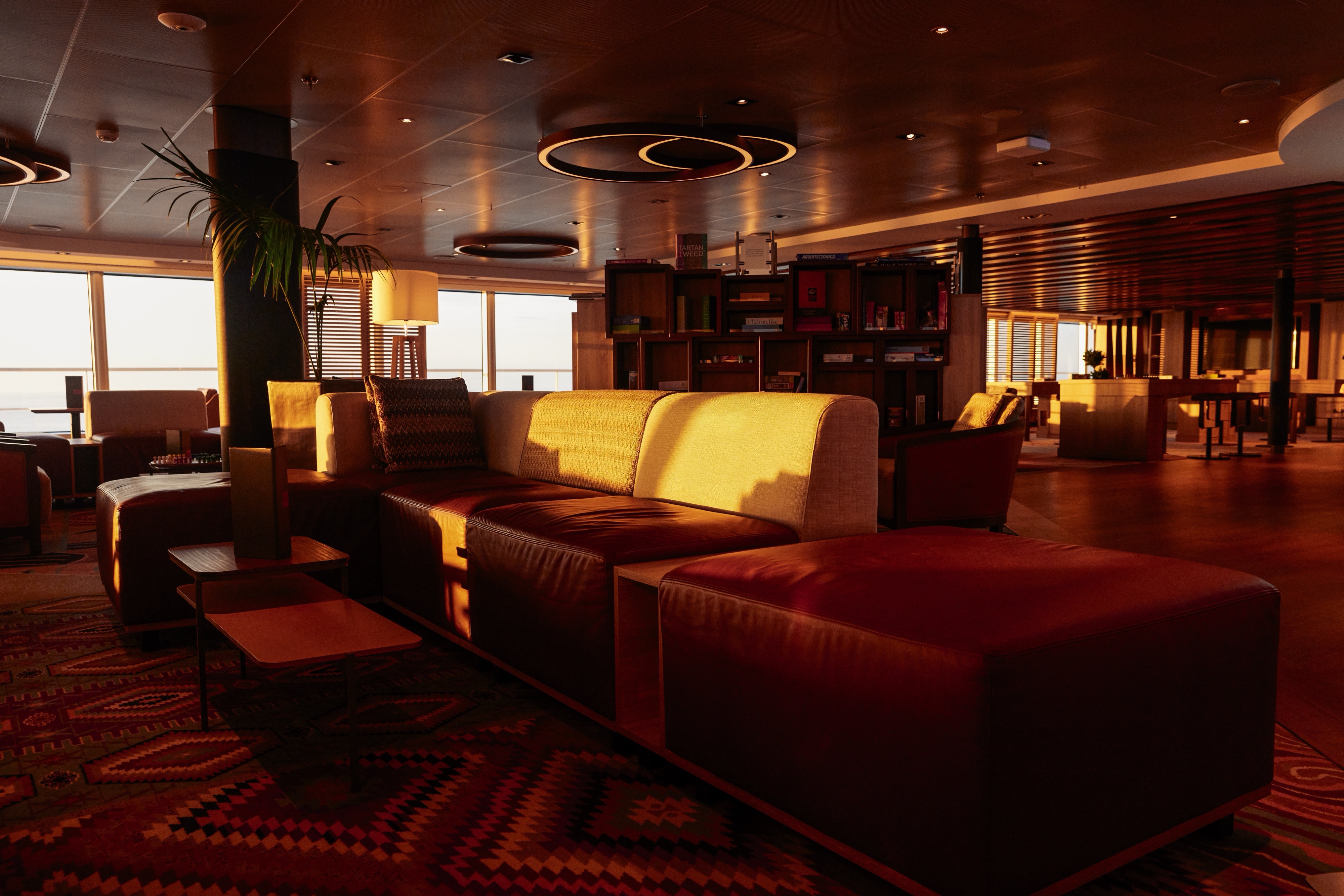
Crow's Nest
Holland America Line offers you a wide selection of lounges onboard. The panoramic view takes center stage in The Crow’s Nest at the top of the ship, where you can relax just about any time of day and enjoy your favorite drink.
Billboard Onboard
Join the biggest sing-along at sea, test your music knowledge at themed trivia events, and enjoy “All Request” performances featuring classics, and crowd favorites.
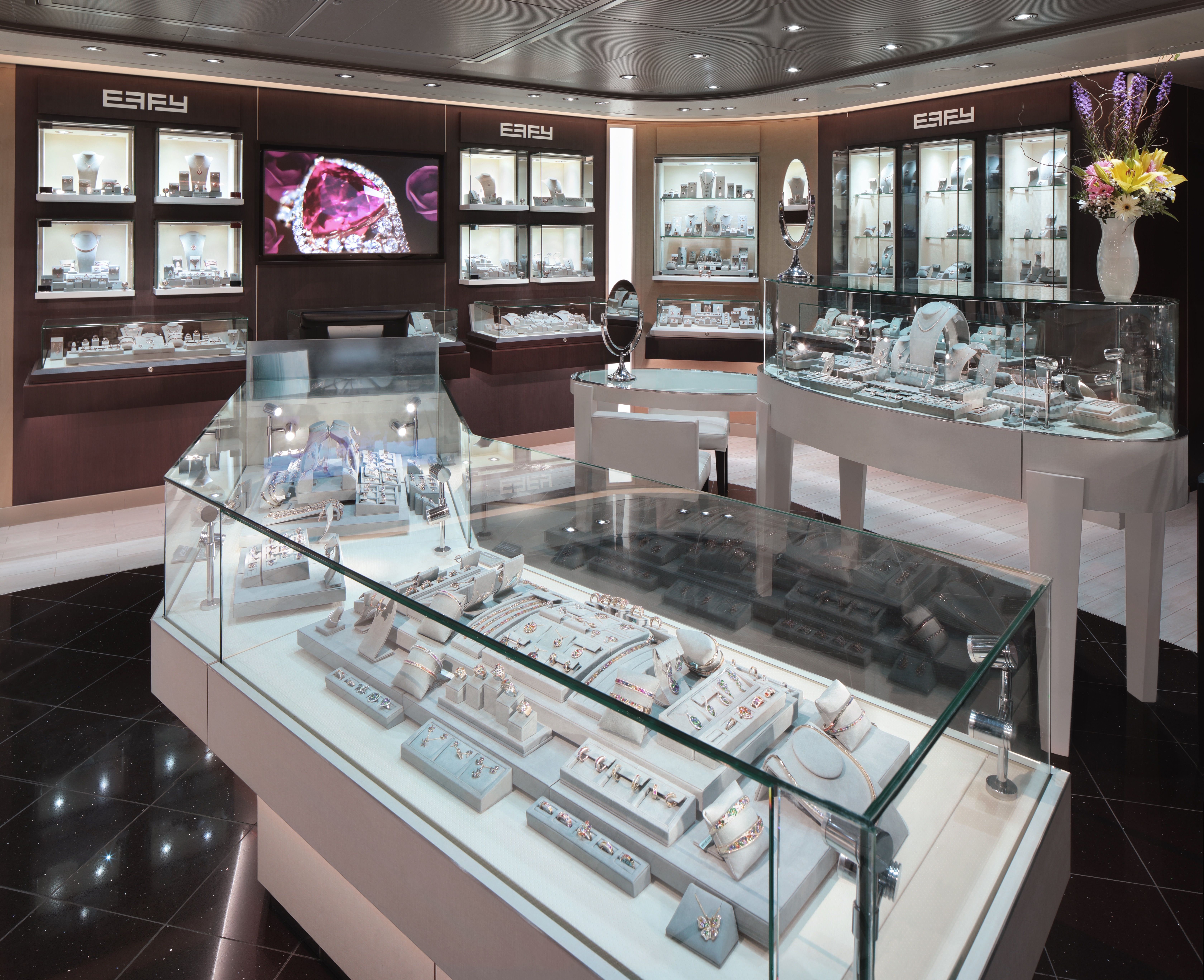
Holland America Shops
Shop duty-free for designer watches and Effy jewelry, then capture memories with expertly crafted photo keepsakes.
Greenhouse Spa & Salon
Spa and Wellness Facilities
Experience rejuvenation with hydrotherapy pools, heated loungers, serene steam and sauna rooms, tranquil massage spaces, and a fully equipped fitness center for energizing, instructor‑led workouts. Amenities and facilities vary by ship.
Fitness Centre
Stay Active at Sea
Keeping fit is easy with a fully equipped Fitness Center — cardio, strength equipment, and complimentary wellness classes. Elevate your routine with paid personal training or instructor-led classes.
Pickleball At Sea
Whether you’re new to the game or a pro, each Holland America ship offers one or two ocean-view courts, so you can serve, volley, and score while sailing the world.
Kids Programs (Ages 3-6)
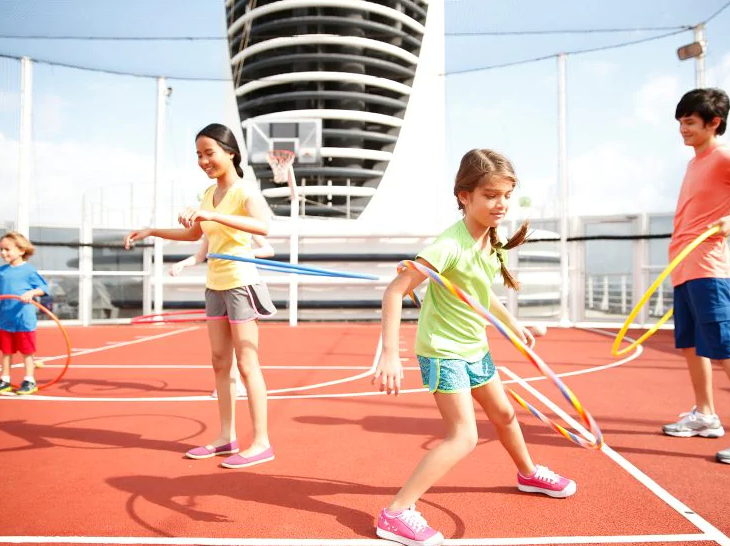
A world of supervised fun awaits — arts & crafts, sports, and games — all designed to spark creativity and help kids build real friendships at sea.
Tweens Programs (Ages 7-11)
From arts & crafts and sporting events to video gaming tournaments and movie nights, there’s plenty to keep tweens engaged.
Teens Programs (Ages 12-17)
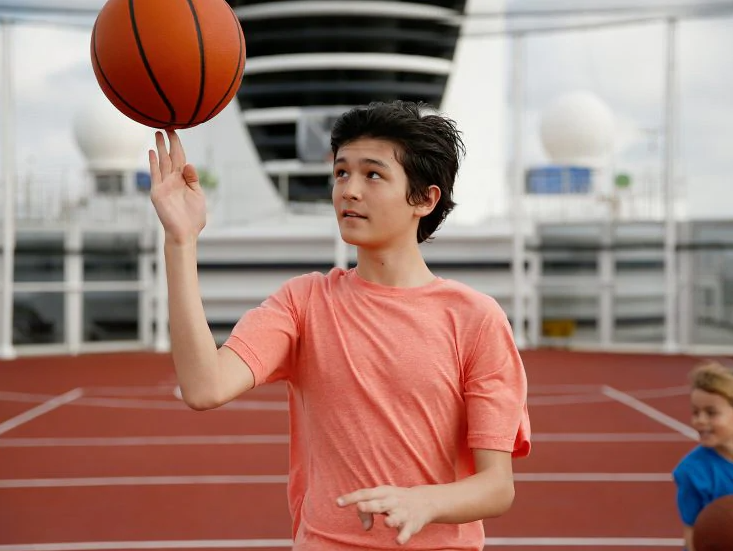
Teens connect through sports, group games, movie nights, and dedicated hangouts, plus exclusive evening events like video game tournaments.
Special Needs
Children with special needs are welcome in Kids Club by age. Some activities may require parental support — please share needs at booking.

Port Day Activities
Kids Club activities are available from 9 a.m. to 12 p.m. and 1 p.m. to 4 p.m. on port days*. Lunch is not offered as part of this service. Children must be registered and signed into and out of programming by a parent or guardian.
*Hours of operation may change to better serve our guests.
Pinnacle Grill
Welcome to Pinnacle Grill, our signature chophouse featuring Wagyu, seafood, regional specialties, sides, wines & desserts.
The Dining Room
Multi-course dining with fresh seafood, global flavors, and flexible options daily, all included in your cruise fare.
Canaletto
In Italy, there’s nothing more important than coming together to celebrate the joy of great food. Canaletto’s crafted menu is inspired by the simplicity of Italian food and its rich, robust flavors. And at Canaletto, our pasta is made from scratch each and every day. Buon Appetito!
Meals at Canaletto are half price for kids 12 years old or under, or free when they order from the kids’ menu.
Tamarind
Savor vibrant Asian flavors at this specialty restaurant on select ships. Additional charge applies.
Sel de Mer
Sel de Mer is an intimate Mediterranean Bistro featuring the flavors of France, Spain and Greece with a focus on fresh fish and authentically prepared recipes.
Lido Market
Enjoy food stations featuring classic favorites, regional specialties, and made-to-order entrées.
Dive-In
Dive-In offers a variety of casual culinary classics, using the highest quality ingredients. Enjoy a burger, grilled to perfection and served on a toasted brioche with our own trade-marked secret sauce. Savor a succulent Nathan’s Famous gourmet hot dog with golden French fries. Or choose a grilled chicken breast sandwich or juicy portabella mushroom stack. Dive-In is the perfect spot to dine poolside on the best burgers at sea.
New York Pizza
At New York Pizza, choose from a variety of scrumptious, 9-inch, thin-crust pies. Named for New York’s famed five boroughs, our signature pizzas are made to order and topped with only the finest ingredients. Enjoy your pizza by day while overlooking the Lido pool, and into the night.
Morimoto by Sea Sushi Bar
Watch as expert chefs prepare fresh, à la carte sushi right before your eyes, alongside a curated selection of tempting hot appetizers and entrées to complement your meal perfectly.
24-Hour In-Room Dining
Freshly prepared breakfast, lunch, dinner, and late-night favorites delivered right to your door.
Gelato
At “G” Gelato, you can indulge your sweet tooth with a classic European gelato (ice cream), made fresh on board each day by chefs trained at the Carpigiani Gelato University. Choose from among 12 delightful flavors, two of which are rotated daily. Smooth, creamy and refreshing, this tasty treat is served in a variety of ways, including gelato popsicles and the flavors of G, composed shots with layers of caramel, nuts and gelato. Love pistachio? Select ingredients like Sicilian pistachios make our pistachio gelato out of this world!
B.B King's Blues Club
Step into our Memphis-style venue and feel the soul of live Rhythm & Blues direct from Beale Street to Nieuw Statendam, performed by our All-Star Band.
Rolling Stone Lounge
Celebrate 60 years of chart-topping hits, including rock, pop, and country classics that are sure to keep you dancing and reliving unforgettable musical moments.
World Stage
Bold visuals, dynamic choreography, dazzling costumes, and unforgettable music unite in spectacular shows spanning genres and generations.
Casino Action
Your Holland America Line ship’s Casino offers a wide array of gaming options. Whether you prefer slot machines or want to try your hand at blackjack or poker, our dealers and staff are available to provide complimentary instruction — and we offer many engaging tournament options. The Casino is only open at sea.
Ocean Bar
Taste handcrafted cocktails and dance the night away at Ocean Bar – a lively lounge perched above the atrium.
Tamarind Bar
Pairing artful cocktails with wraparound ocean views, chic lounges, and inviting spaces – your spot for socializing in style.
Sea View Bar
Enjoy your favorite drink while soaking up the sun and taking in panoramic ocean vistas from the comfort of our deck chairs.
Crow's Nest
Holland America Line offers you a wide selection of lounges onboard. The panoramic view takes center stage in The Crow’s Nest at the top of the ship, where you can relax just about any time of day and enjoy your favorite drink.
Billboard Onboard
Join the biggest sing-along at sea, test your music knowledge at themed trivia events, and enjoy “All Request” performances featuring classics, and crowd favorites.
Holland America Shops
Shop duty-free for designer watches and Effy jewelry, then capture memories with expertly crafted photo keepsakes.
Greenhouse Spa & Salon
Spa and Wellness Facilities
Experience rejuvenation with hydrotherapy pools, heated loungers, serene steam and sauna rooms, tranquil massage spaces, and a fully equipped fitness center for energizing, instructor‑led workouts. Amenities and facilities vary by ship.
Fitness Centre
Stay Active at Sea
Keeping fit is easy with a fully equipped Fitness Center — cardio, strength equipment, and complimentary wellness classes. Elevate your routine with paid personal training or instructor-led classes.
Pickleball At Sea
Whether you’re new to the game or a pro, each Holland America ship offers one or two ocean-view courts, so you can serve, volley, and score while sailing the world.
Kids Programs (Ages 3-6)
A world of supervised fun awaits — arts & crafts, sports, and games — all designed to spark creativity and help kids build real friendships at sea.
Tweens Programs (Ages 7-11)
From arts & crafts and sporting events to video gaming tournaments and movie nights, there’s plenty to keep tweens engaged.
Teens Programs (Ages 12-17)
Teens connect through sports, group games, movie nights, and dedicated hangouts, plus exclusive evening events like video game tournaments.
Special Needs
Children with special needs are welcome in Kids Club by age. Some activities may require parental support — please share needs at booking.
Port Day Activities
Kids Club activities are available from 9 a.m. to 12 p.m. and 1 p.m. to 4 p.m. on port days*. Lunch is not offered as part of this service. Children must be registered and signed into and out of programming by a parent or guardian.
*Hours of operation may change to better serve our guests.
About the Ship
Deck Plans

- Stuyvesant
- Half Moon
- Hudson
- Atrium
- Art Gallery
- Ocean View Staterooms
- Interior Staterooms

- World Stage
- Library
- Billboard Onboard
- Rolling Stone Lounge
- Effy Jewellery
- B.B King’s Blues Club
- Pinnacle Grill
- Atrium
- Rudi’s Sel De Mer
- Ocean Bar
- Taste
- Club Orange Dining Room
- Dining Room

- World Stage
- Casino
- Shops
- Future Cruises
- Guest Services
- Grand Dutch Cafe
- Atrium
- Photo Gallery
- Dining Room

Verandah Suites
- Verandah Staterooms
- Interior Staterooms
- Ocean View Staterooms

Verandah Suites
- Verandah Staterooms
- Interior Staterooms

Verandah Suites
- Verandah Staterooms
- Interior Staterooms

- Verandah Suites
- Verandah Staterooms
- Ocean View Staterooms
- Interior Staterooms
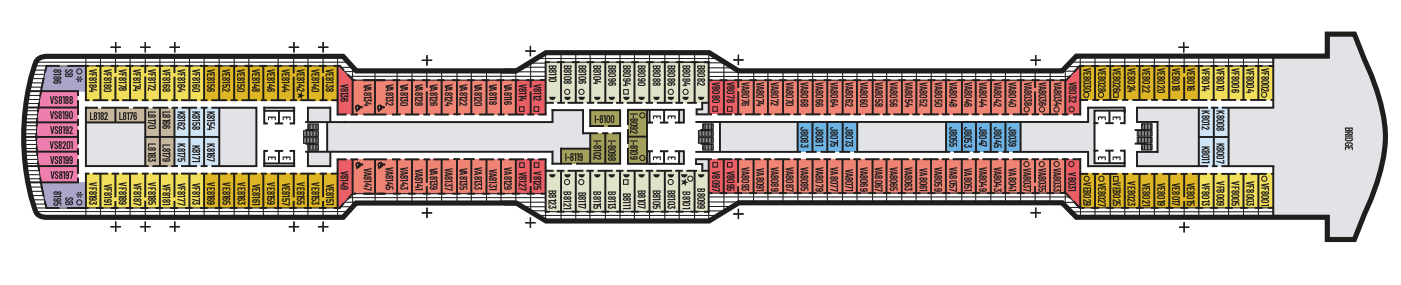
- Bridge
- Verandah Suites
- Verandah Staterooms
- Interior Staterooms (Large & Standard)

- Fitness Centre
- Spa & Salon
- Hydro Pool
- Lido Pool
- Lido Bar
- Gelato
- Dive In
- Canaletto
- Lido Market
- Sea View Bar
- Sea View Pool

- Tamarind
- Sushi Bar
- Tamarind Bar
- High Score
- Hang 10
- Kids Club
- Panorama Bar
- New York Deli & Pizza
- Spa Rooms
- Verandah Spa Suites
- Verandah Spa Staterooms
- Ocean View Spa Staterooms
- Interior Spa Staterooms
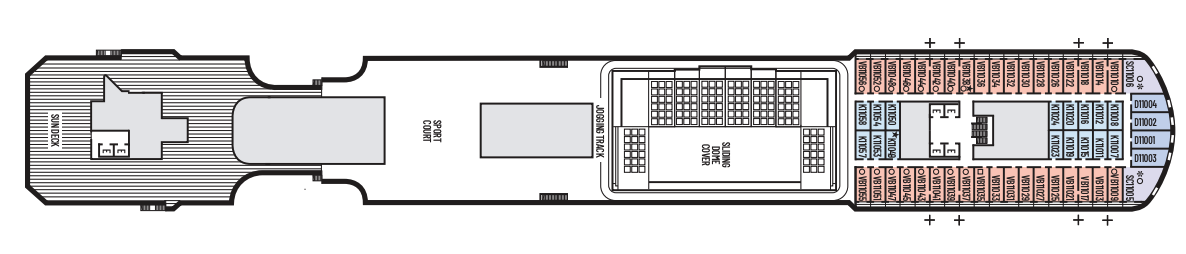
- Sun Deck
- Sport Court
- Jogging Track
- Sliding Dome Cover
- Verandah Suites
- Verandah Staterooms
- Ocean View Staterooms
- Interior Staterooms
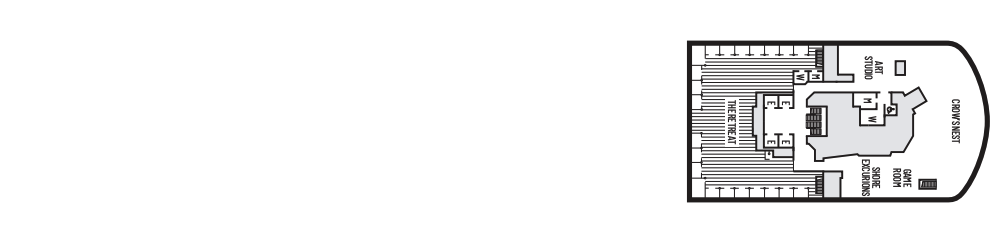
- Crows Nest
- Art Studio
- Game Room
- Shore Excursions
- The Retreat
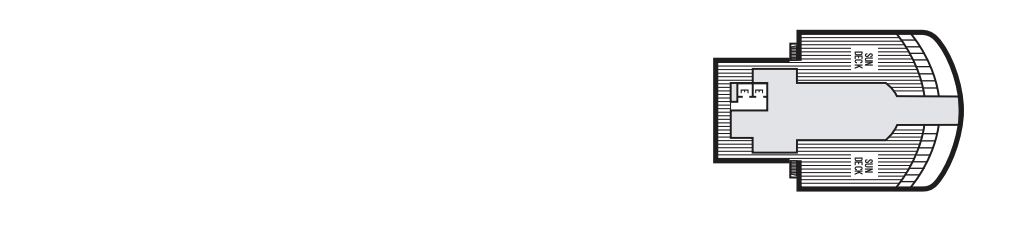
- Sun Deck
- Stuyvesant
- Half Moon
- Hudson
- Atrium
- Art Gallery
- Ocean View Staterooms
- Interior Staterooms
- World Stage
- Library
- Billboard Onboard
- Rolling Stone Lounge
- Effy Jewellery
- B.B King’s Blues Club
- Pinnacle Grill
- Atrium
- Rudi’s Sel De Mer
- Ocean Bar
- Taste
- Club Orange Dining Room
- Dining Room
- World Stage
- Casino
- Shops
- Future Cruises
- Guest Services
- Grand Dutch Cafe
- Atrium
- Photo Gallery
- Dining Room
Verandah Suites
- Verandah Staterooms
- Interior Staterooms
- Ocean View Staterooms
Verandah Suites
- Verandah Staterooms
- Interior Staterooms
Verandah Suites
- Verandah Staterooms
- Interior Staterooms
- Verandah Suites
- Verandah Staterooms
- Ocean View Staterooms
- Interior Staterooms
- Bridge
- Verandah Suites
- Verandah Staterooms
- Interior Staterooms (Large & Standard)
- Fitness Centre
- Spa & Salon
- Hydro Pool
- Lido Pool
- Lido Bar
- Gelato
- Dive In
- Canaletto
- Lido Market
- Sea View Bar
- Sea View Pool
- Tamarind
- Sushi Bar
- Tamarind Bar
- High Score
- Hang 10
- Kids Club
- Panorama Bar
- New York Deli & Pizza
- Spa Rooms
- Verandah Spa Suites
- Verandah Spa Staterooms
- Ocean View Spa Staterooms
- Interior Spa Staterooms
- Sun Deck
- Sport Court
- Jogging Track
- Sliding Dome Cover
- Verandah Suites
- Verandah Staterooms
- Ocean View Staterooms
- Interior Staterooms
- Crows Nest
- Art Studio
- Game Room
- Shore Excursions
- The Retreat
- Sun Deck