Featured Cabins
Itinerary
Vancouver, British Columbia, Canada
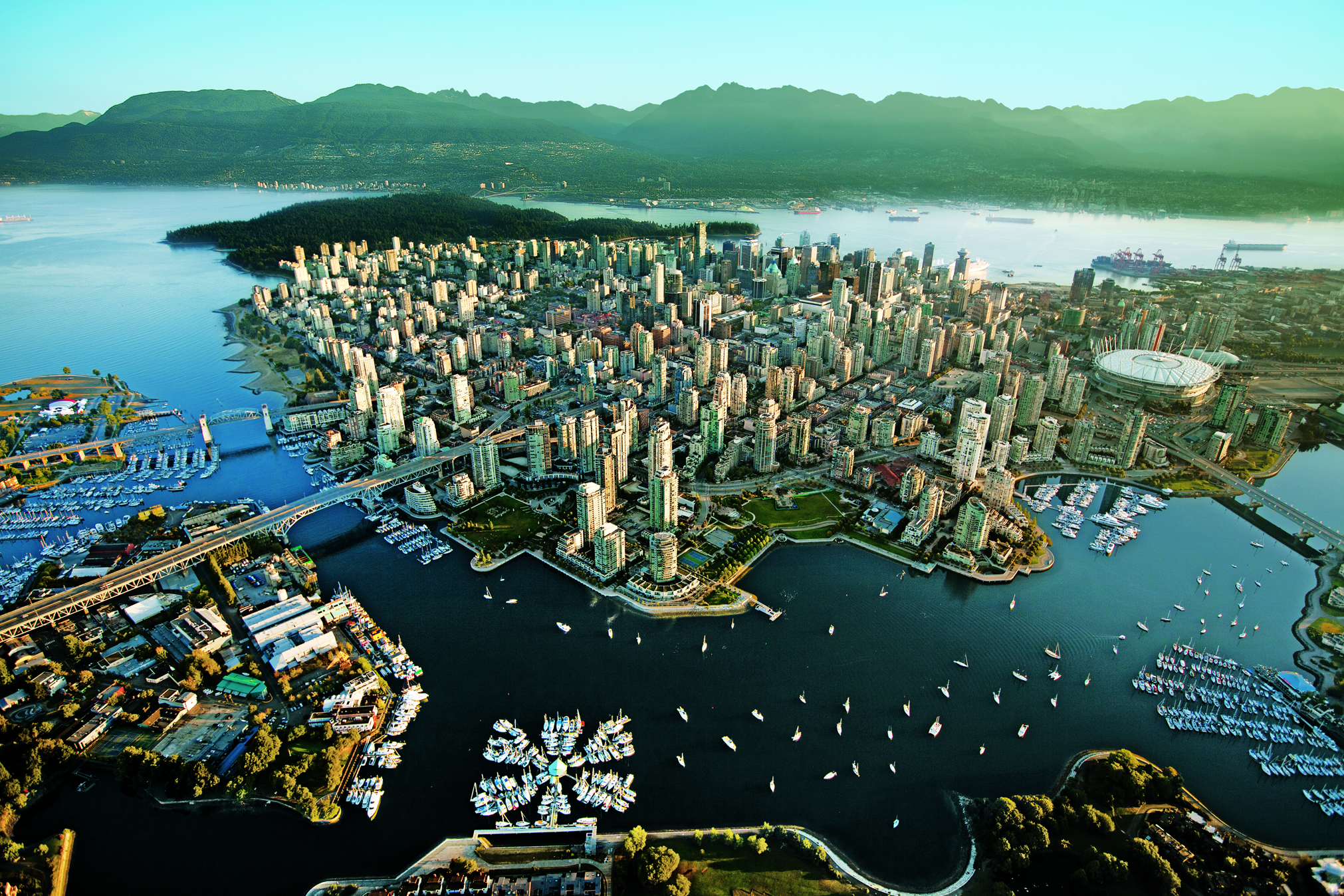
Vancouver is a delicious juxtaposition of urban sophistication and on-your-doorstep wilderness adventure. The mountains and seascape make the city an outdoor playground for hiking, skiing, kayaking, cycling, and sailing—and so much more—while the cuisine and arts scenes are equally diverse, reflecting the makeup of Vancouver’s ethnic (predominantly Asian) mosaic. Vancouver is consistently ranked as one of the world’s most livable cities, and it’s easy for visitors to see why. It’s beautiful, it’s outdoorsy, and there’s a laidback West Coast vibe. On the one hand, there’s easy access to a variety of outdoor activities, a fabulous variety of beaches, and amazing parks. At the same time, the city has a multicultural vitality and cosmopolitan flair. The attraction is as much in the range of food choices—the fresh seafood and local produce are some of North America’s best—as it is in the museums, shopping, and nightlife.Vancouver’s landscaping also adds to the city’s walking appeal. In spring, flowerbeds spill over with tulips and daffodils while sea breezes scatter scented cherry blossoms throughout Downtown; in summer office workers take to the beaches, parks, and urban courtyards for picnic lunches and laptop meetings. More than 8 million visitors each year come to Vancouver, Canada’s third-largest metropolitan area. Because of its peninsula location, traffic flow is a contentious issue. Thankfully, Vancouver is wonderfully walkable, especially in the downtown core. The North Shore is a scoot across the harbor, and the rapid-transit system to Richmond and the airport means that staying in the more affordable ’burbs doesn’t have to be synonymous with sacrificing convenience. The mild climate, exquisite natural scenery, and relaxed outdoor lifestyle keep attracting residents, and the number of visitors is increasing for the same reasons. People often get their first glimpse of Vancouver when catching an Alaskan cruise, and many return at some point to spend more time here.
Scenic Cruising
No additional details available for this day.
Ketchikan, Alaska, United States
Ketchikan is famous for its colorful totem poles, rainy skies, steep–as–San Francisco streets, and lush island setting. Some 13,500 people call the town home, and, in the summer, cruise ships crowd the shoreline, floatplanes depart noisily for Misty Fiords National Monument, and salmon-laden commercial fishing boats motor through Tongass Narrows. In the last decade Ketchikan’s rowdy, blue-collar heritage of logging and fishing has been softened by the loss of many timber-industry jobs and the dramatic rise of cruise-ship tourism. With some effort, though, visitors can still glimpse the rugged frontier spirit that once permeated this hardscrabble cannery town. Art lovers should make a beeline for Ketchikan: the arts community here is very active. Travelers in search of the perfect piece of Alaska art will find an incredible range of pieces to choose from.The town is at the foot of 3,000-foot Deer Mountain, near the southeastern corner of Revillagigedo (locals shorten it to Revilla) Island. Prior to the arrival of white miners and fishermen in 1885, the Tlingit used the site at the mouth of Ketchikan Creek as a summer fish camp. Gold discoveries just before the turn of the 20th century brought more immigrants, and valuable timber and commercial fishing resources spurred new industries. By the 1930s the town bragged that it was the “salmon-canning capital of the world.” You will still find some of Southeast’s best salmon fishing around here. Ketchikan is the first bite of Alaska that many travelers taste. Despite its imposing backdrop, hillside homes, and many staircases, the town is relatively easy to walk through. Favorite downtown stops include the Spruce Mill Development shops and Creek Street. A bit farther away you’ll find the Totem Heritage Center. Out of town (but included on most bus tours) are two longtime favorites: Totem Bight State Historical Park to the north and Saxman Totem Park to the south.
Vancouver, British Columbia, Canada
Vancouver is a delicious juxtaposition of urban sophistication and on-your-doorstep wilderness adventure. The mountains and seascape make the city an outdoor playground for hiking, skiing, kayaking, cycling, and sailing—and so much more—while the cuisine and arts scenes are equally diverse, reflecting the makeup of Vancouver’s ethnic (predominantly Asian) mosaic. Vancouver is consistently ranked as one of the world’s most livable cities, and it’s easy for visitors to see why. It’s beautiful, it’s outdoorsy, and there’s a laidback West Coast vibe. On the one hand, there’s easy access to a variety of outdoor activities, a fabulous variety of beaches, and amazing parks. At the same time, the city has a multicultural vitality and cosmopolitan flair. The attraction is as much in the range of food choices—the fresh seafood and local produce are some of North America’s best—as it is in the museums, shopping, and nightlife.Vancouver’s landscaping also adds to the city’s walking appeal. In spring, flowerbeds spill over with tulips and daffodils while sea breezes scatter scented cherry blossoms throughout Downtown; in summer office workers take to the beaches, parks, and urban courtyards for picnic lunches and laptop meetings. More than 8 million visitors each year come to Vancouver, Canada’s third-largest metropolitan area. Because of its peninsula location, traffic flow is a contentious issue. Thankfully, Vancouver is wonderfully walkable, especially in the downtown core. The North Shore is a scoot across the harbor, and the rapid-transit system to Richmond and the airport means that staying in the more affordable ’burbs doesn’t have to be synonymous with sacrificing convenience. The mild climate, exquisite natural scenery, and relaxed outdoor lifestyle keep attracting residents, and the number of visitors is increasing for the same reasons. People often get their first glimpse of Vancouver when catching an Alaskan cruise, and many return at some point to spend more time here.
Scenic Cruising
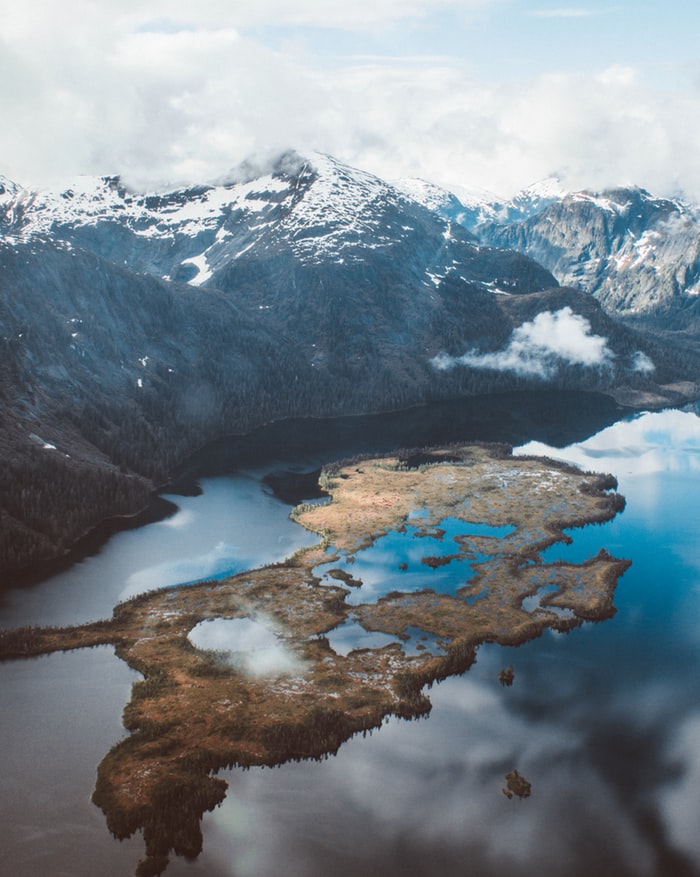
No additional details available for this day.
Ketchikan, Alaska, United States
Ketchikan is famous for its colorful totem poles, rainy skies, steep–as–San Francisco streets, and lush island setting. Some 13,500 people call the town home, and, in the summer, cruise ships crowd the shoreline, floatplanes depart noisily for Misty Fiords National Monument, and salmon-laden commercial fishing boats motor through Tongass Narrows. In the last decade Ketchikan’s rowdy, blue-collar heritage of logging and fishing has been softened by the loss of many timber-industry jobs and the dramatic rise of cruise-ship tourism. With some effort, though, visitors can still glimpse the rugged frontier spirit that once permeated this hardscrabble cannery town. Art lovers should make a beeline for Ketchikan: the arts community here is very active. Travelers in search of the perfect piece of Alaska art will find an incredible range of pieces to choose from.The town is at the foot of 3,000-foot Deer Mountain, near the southeastern corner of Revillagigedo (locals shorten it to Revilla) Island. Prior to the arrival of white miners and fishermen in 1885, the Tlingit used the site at the mouth of Ketchikan Creek as a summer fish camp. Gold discoveries just before the turn of the 20th century brought more immigrants, and valuable timber and commercial fishing resources spurred new industries. By the 1930s the town bragged that it was the “salmon-canning capital of the world.” You will still find some of Southeast’s best salmon fishing around here. Ketchikan is the first bite of Alaska that many travelers taste. Despite its imposing backdrop, hillside homes, and many staircases, the town is relatively easy to walk through. Favorite downtown stops include the Spruce Mill Development shops and Creek Street. A bit farther away you’ll find the Totem Heritage Center. Out of town (but included on most bus tours) are two longtime favorites: Totem Bight State Historical Park to the north and Saxman Totem Park to the south.
Crossing the International Date Line
No additional details available for this day.
Kushiro, Japan
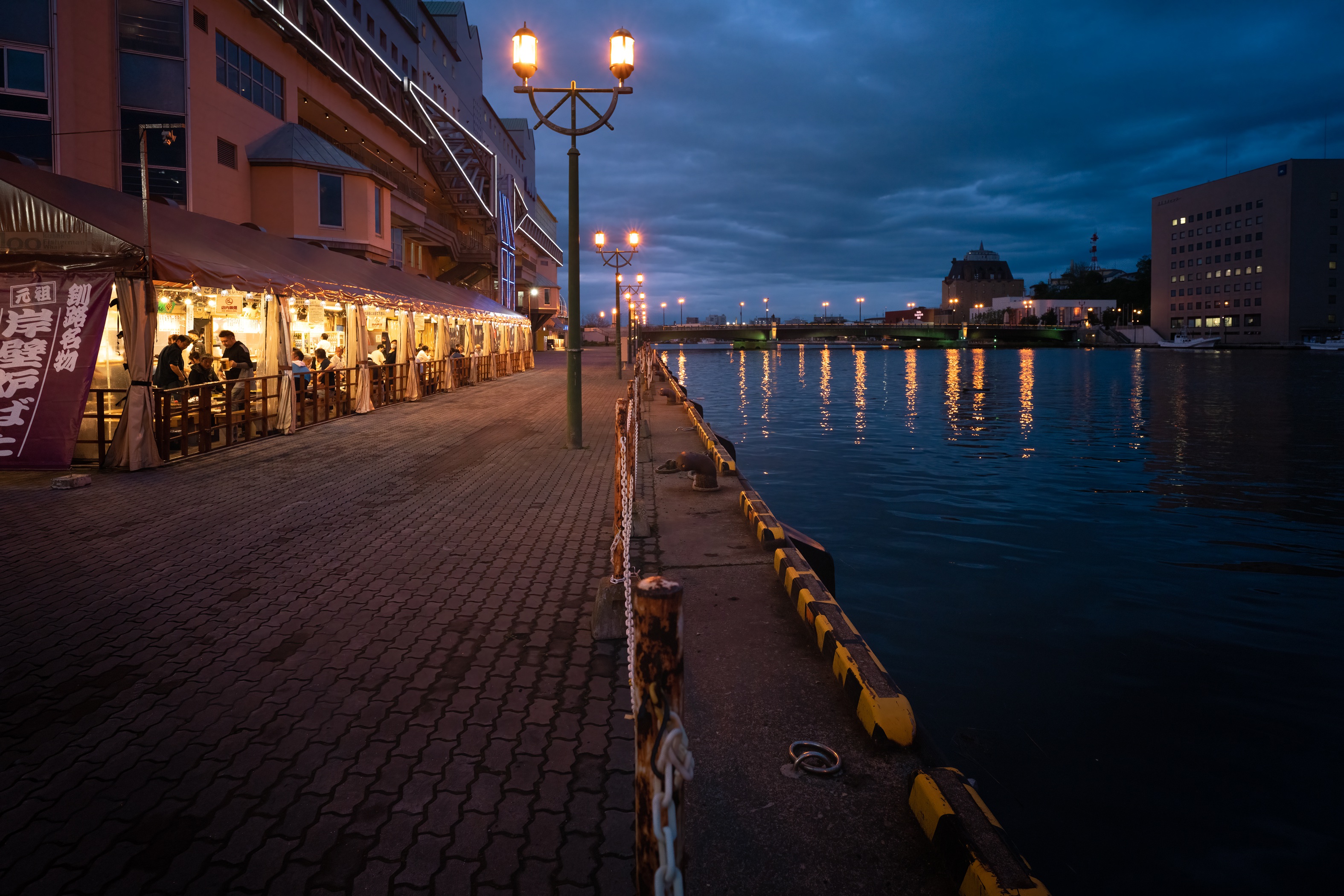
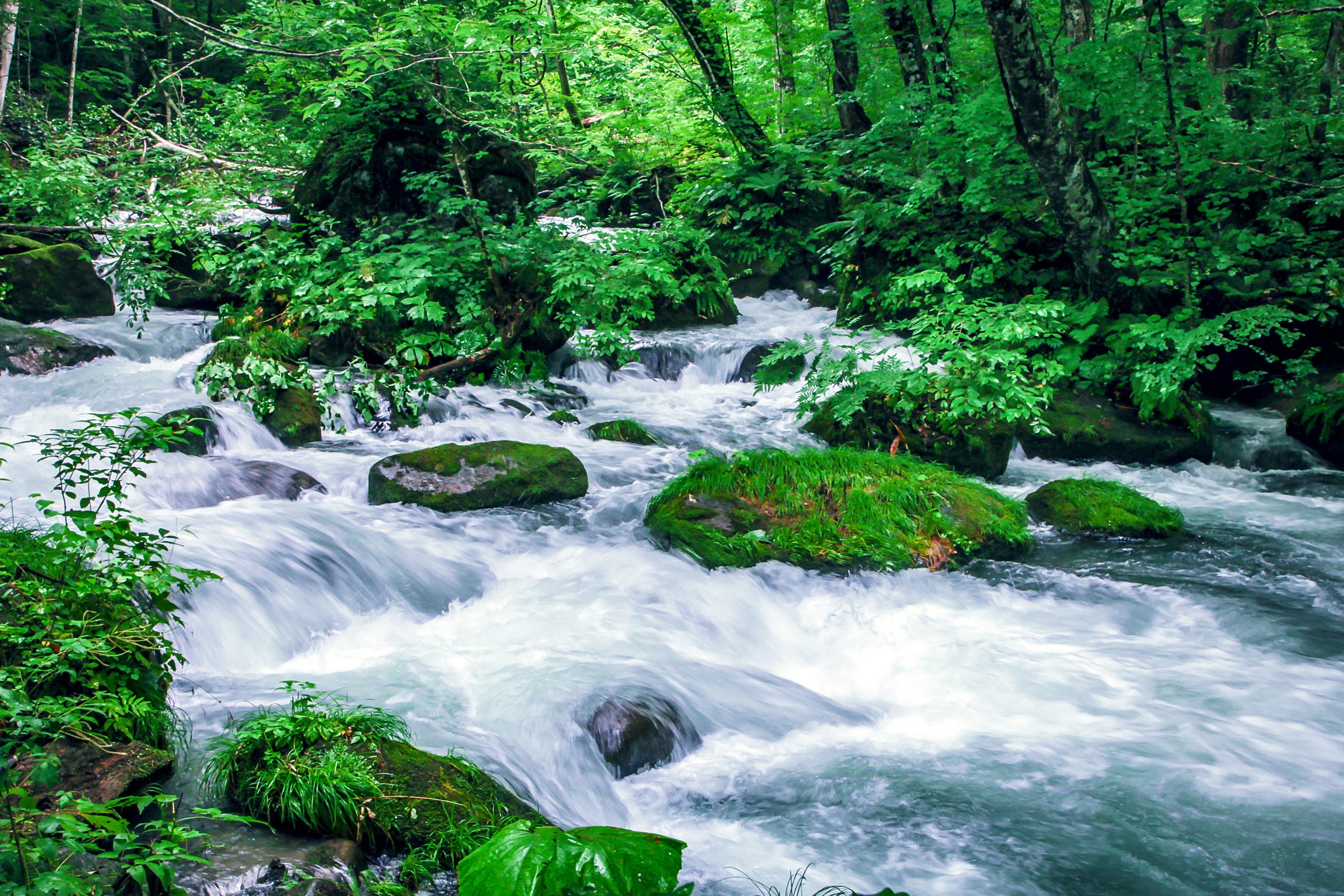
Kushiro, known as the “town of mist”, is situated in the south eastern part of Hokkaido. With about 200,000 inhabitants, it is the largest city in the region and the base for deep-sea fishing. The marine products industry of Kushiro has flourished since the early 20 th century and many streets of this port town retain features of this era. Thanks to its strategic location on Hokkaido’s Eastern Pacific seaboard and the area’s only ice free port, Kushiro is experiencing steady growth as an important economic, social and cultural centre. A literary atmosphere can be attributed to the poet and novelist Takuboku Ishikawa, who lived here in the early 20th century. To the north of Kushiro lies one of its most renowned attractions, the Kushiro Shitsugen, Japan’s largest marshland. Stretching out over the majority of the Kushiro Plain, it accounts for 60 percent of Japan’s wetland and was designated to become the country’s 28th National Park in 1987. As the marsh is considered one of the greatest treasure houses of flora and fauna in Japan, its protection, preservation and wise use are promoted by a national agreement. Equally famous is the marshland as the habitat of the Tancho (Japanese Crane). At one time, it could be seen in many places in Japan, but their numbers dwindled in the Meiji Era due to over hunting and environmental changes. In the late 19 th century, the cranes were thought to be almost extinct. Then several dozens cranes were discovered in the depths of the Kushiro Shitsugen, and after establishing special crane reserves, the birds rehabilitation has succeeded.
Aomori, Japan
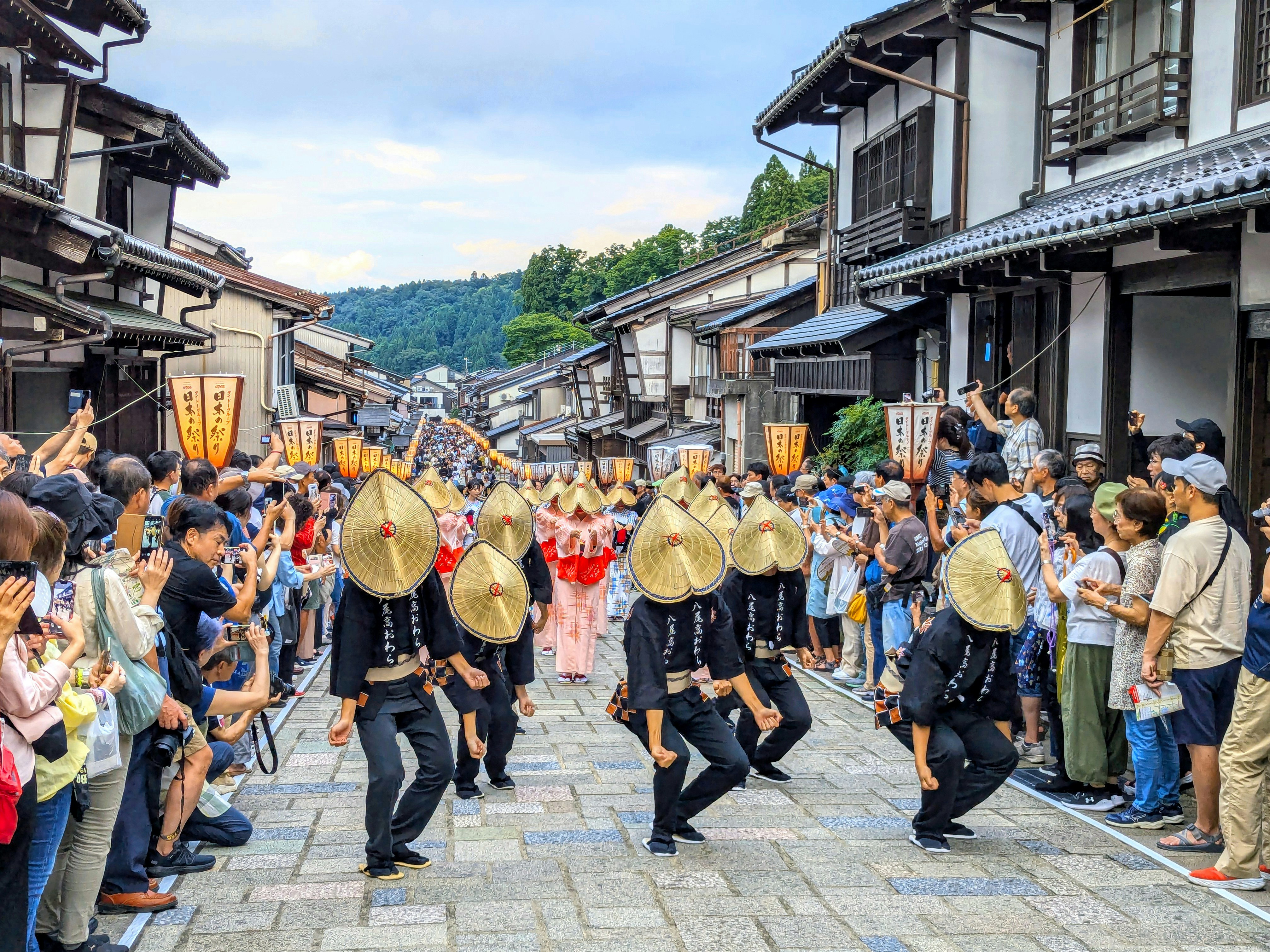
Aomori’s main event is its Nebuta Matsuri Festival,held August 2 to 7. People come to see illuminated floats of gigantic samurai figures paraded through the streets at night. Aomori’s festival is one of Japan’s largest, and is said to celebrate the euphoria of post-battle victory, and is thus encouraged to be noisier and livelier than you may have been exposed to in other Japanese festivals. Dancers, called heneto, run alongside the floats, dancing crazily, and you’re encouraged to join in. Throughout the year you can enjoy delicious seafood from Aomori Bay, including Oma no Maguro (tuna of Oma), as well as delicious fruits and vegetables (particularly garlic). And come every summer, the town cuts loose to throw the decidedly wild Nebuta Matsuri festival, a frenzied, utterly unaccountable period when normal gets thrown to the wind.
Tokyo, Japan
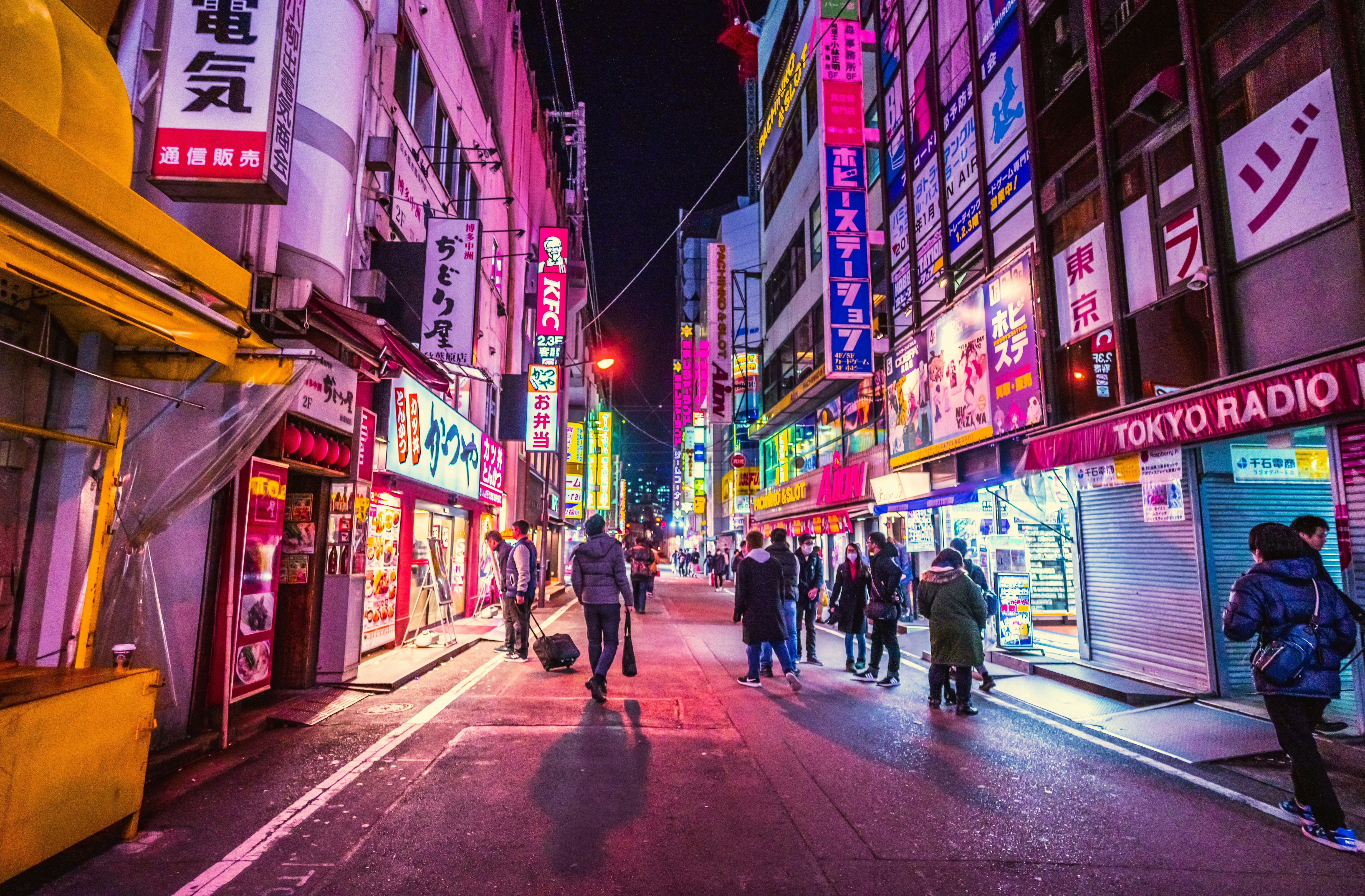
Lights, sushi, manga! Sprawling, frenetic, and endlessly fascinating, Japan’s capital is a city of contrasts. Shrines and gardens are pockets of calm between famously crowded streets and soaring office buildings. Mom-and-pop noodle houses share street space with Western-style chain restaurants and exquisite fine dining. Shopping yields lovely folk arts as well as the newest electronics. And nightlife kicks off with karaoke or sake and continues with techno clubs and more. Whether you seek the traditional or the cutting edge, Tokyo will provide it.
Crossing the International Date Line
No additional details available for this day.
Kushiro, Japan
Kushiro, known as the “town of mist”, is situated in the south eastern part of Hokkaido. With about 200,000 inhabitants, it is the largest city in the region and the base for deep-sea fishing. The marine products industry of Kushiro has flourished since the early 20 th century and many streets of this port town retain features of this era. Thanks to its strategic location on Hokkaido’s Eastern Pacific seaboard and the area’s only ice free port, Kushiro is experiencing steady growth as an important economic, social and cultural centre. A literary atmosphere can be attributed to the poet and novelist Takuboku Ishikawa, who lived here in the early 20th century. To the north of Kushiro lies one of its most renowned attractions, the Kushiro Shitsugen, Japan’s largest marshland. Stretching out over the majority of the Kushiro Plain, it accounts for 60 percent of Japan’s wetland and was designated to become the country’s 28th National Park in 1987. As the marsh is considered one of the greatest treasure houses of flora and fauna in Japan, its protection, preservation and wise use are promoted by a national agreement. Equally famous is the marshland as the habitat of the Tancho (Japanese Crane). At one time, it could be seen in many places in Japan, but their numbers dwindled in the Meiji Era due to over hunting and environmental changes. In the late 19 th century, the cranes were thought to be almost extinct. Then several dozens cranes were discovered in the depths of the Kushiro Shitsugen, and after establishing special crane reserves, the birds rehabilitation has succeeded.
Aomori, Japan
Aomori’s main event is its Nebuta Matsuri Festival,held August 2 to 7. People come to see illuminated floats of gigantic samurai figures paraded through the streets at night. Aomori’s festival is one of Japan’s largest, and is said to celebrate the euphoria of post-battle victory, and is thus encouraged to be noisier and livelier than you may have been exposed to in other Japanese festivals. Dancers, called heneto, run alongside the floats, dancing crazily, and you’re encouraged to join in. Throughout the year you can enjoy delicious seafood from Aomori Bay, including Oma no Maguro (tuna of Oma), as well as delicious fruits and vegetables (particularly garlic). And come every summer, the town cuts loose to throw the decidedly wild Nebuta Matsuri festival, a frenzied, utterly unaccountable period when normal gets thrown to the wind.
Tokyo, Japan
Lights, sushi, manga! Sprawling, frenetic, and endlessly fascinating, Japan’s capital is a city of contrasts. Shrines and gardens are pockets of calm between famously crowded streets and soaring office buildings. Mom-and-pop noodle houses share street space with Western-style chain restaurants and exquisite fine dining. Shopping yields lovely folk arts as well as the newest electronics. And nightlife kicks off with karaoke or sake and continues with techno clubs and more. Whether you seek the traditional or the cutting edge, Tokyo will provide it.
Osaka, Japan
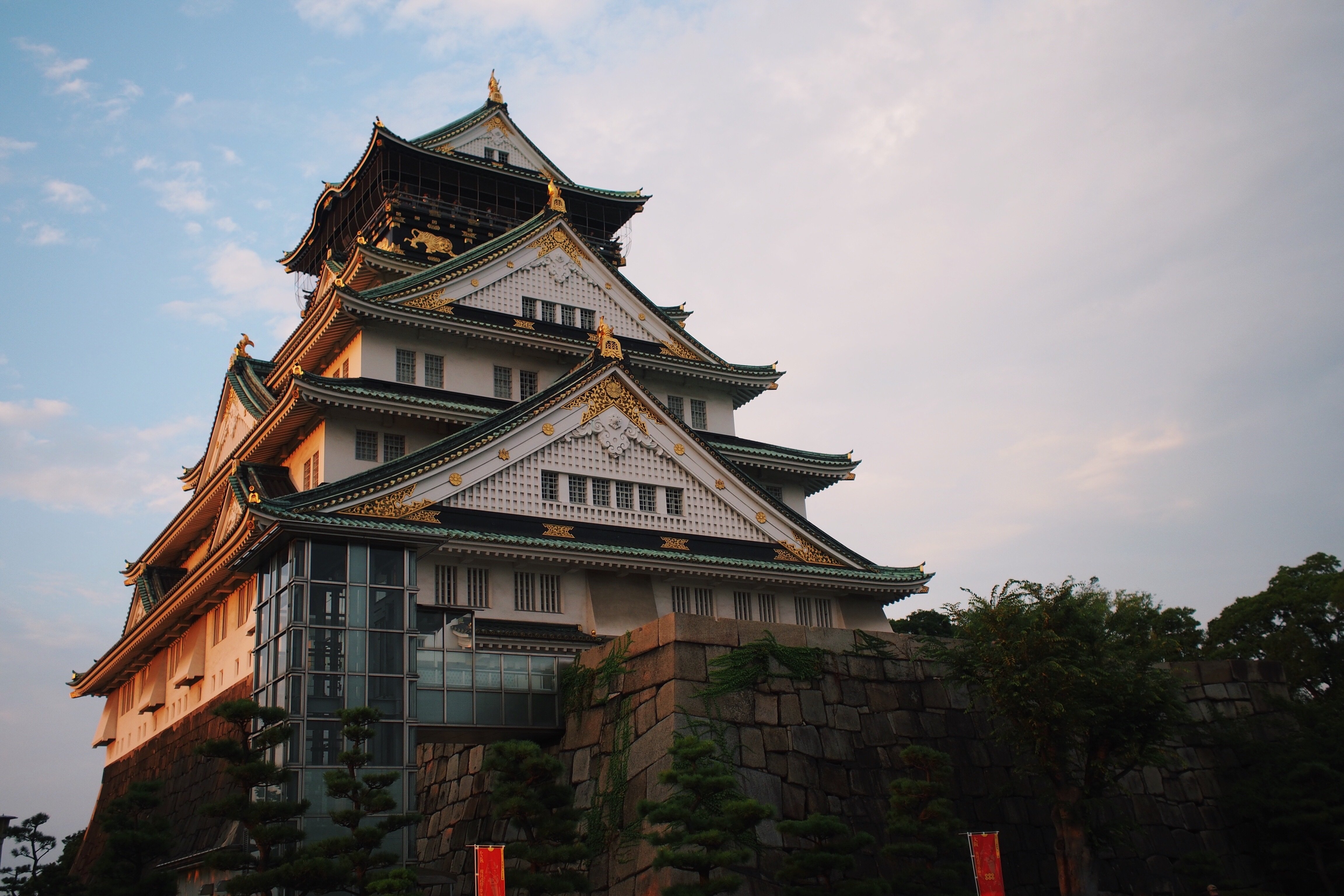
From Minami’s neon-lighted Dotombori and historic Tenno-ji to the high-rise class and underground shopping labyrinths of Kita, Osaka is a city that pulses with its own unique rhythm. Though Osaka has no shortage of tourist sites, it is the city itself that is the greatest attraction. Home to some of Japan’s best food, most unique fashions, and warmest locals, Osaka does not beg to be explored—it demands it. More than anywhere else in Japan, it rewards the impulsive turn down an interesting side street or the chat with a random stranger. People do not come here to see the city, they come to experience it.Excluded from the formal circles of power and aristocratic culture in 16th-century Edo (Tokyo), Osaka took advantage of its position as Japan’s trading center, developing its own art forms such as Bunraku puppet theater and Rakugo comic storytelling. It was in Osaka that feudal Japan’s famed Floating World—the dining, theater, and pleasure district—was at its strongest and most inventive. Wealthy merchants and common laborers alike squandered fortunes on culinary delights, turning Osaka into “Japan’s Kitchen,” a moniker the city still has today. Though the city suffered a blow when the Meiji government canceled all of the samurai class’s outstanding debts to the merchants, it was quick to recover. At the turn of the 20th century, it had become Japan’s largest and most prosperous city, a center of commerce and manufacturing.Today Osaka remains Japan’s iconoclastic metropolis, refusing to fit Tokyo’s norms and expectations. Unlike the hordes of Tokyo, Osakans are fiercely independent. As a contrast to the neon and concrete surroundings, the people of Osaka are known as Japan’s friendliest and most outgoing. Ask someone on the street for directions in Tokyo and you are lucky to get so much as a glance. Ask someone in Osaka and you get a conversation.The main areas of the city, Kita (north) and Minami (south), are divided by two rivers: the Dojima-gawa and the Tosabori-gawa. Between Kita and Minami is Naka-no-shima, an island and the municipal center of Osaka. Kita (north of Chuo Dori) is Osaka’s economic hub and contains Osaka’s largest stations: JR Osaka and Hankyu Umeda. The area is crammed with shops, department stores, and restaurants. Nearby are a nightlife district, Kita-shinchi; Naka-no-shima and the Museum of Oriental Ceramics; Osaka-jo (Osaka Castle); and Osaka Koen (Osaka Park). Restaurants, bars, department stores, and boutiques attract Osaka’s youth to Minami (south Chuo Dori); theatergoers head to the National Bunraku Theatre and electronics-lovers to Den Den Town. For a glimpse of old Osaka, visit Tenno-ji Temple and Shin Sekai. The main stations are Namba, Shin-sai-bashi, Namba Nankai, and Tenno-ji. There’s easy access to the Municipal Museum of Fine Art and Sumiyoshi Taisha (Sumiyoshi Grand Shrine).The bay area, to the west of the city center, is home to the Osaka Aquarium and Universal Studios Japan. The Shinkansen stops at Shin-Osaka, three stops (about five minutes) north of Osaka Station on the Mido-suji subway line. To the north of Shin-Osaka is Senri Expo Park.
Kochi, Japan
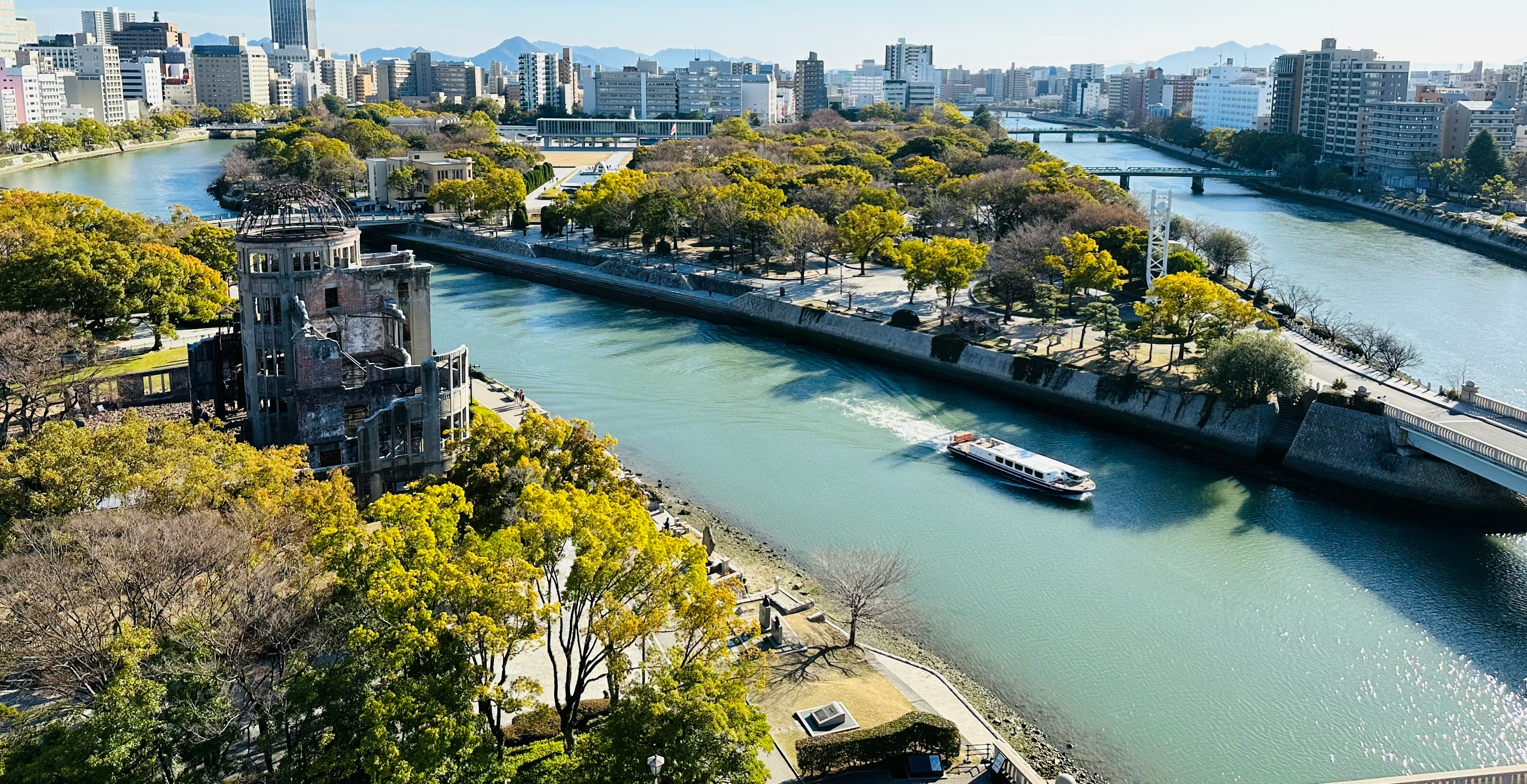
Hiroshima, Japan
History buffs will want to write home Hiroshima. Despite being devastated in 1945, this Japanese city is known to all for its commitment peace – its ruin on the 6th August 1945 led to the end of the war and today, the Peace Memorial (a UNESCO World Heritage Site) , is a constant reminder of the destruction that war brings. A walk in the leafy boulevards of Peace Memorial Park brings quiet contemplation. The Flames of Peace – set in the park’s central feature pond – burn brightly and will continue to do so until all the nuclear bombs I the world have been destroyed. There are many other inspiring messages of hope around the city too; the Children’s’ Peace Monument just north of the park is a homage to little Sadako Sasaki, who was just two in 1945. When she developed leukemia in 1956, she believed that if she folded 1,000 paper cranes – a symbol of longevity and happiness in Japan – she would recover. Sadly she died before she finished her task but her classmates finished the rest. It is impossible to ignore the events of 1945 in Hiroshima, but this is far from a depressing place. The great efforts that have been made in rebuilding of the city over the years have given Hiroshima a vibrant, eclectic edge, with the downtown shopping area and street food stalls being well worth a visit. The proximity to Miyajima and its iconic, impressive, Torii gate should not be overlooked either. If you are lucky enough to visit during the unpredictable and short-lived Sakura (cherry blossom) season, then the extraordinary sight of the delicate pink blossom floating across the water to the red gate, means you can consider yourself one of the luckiest people on the planet.
Scenic Cruising
No additional details available for this day.
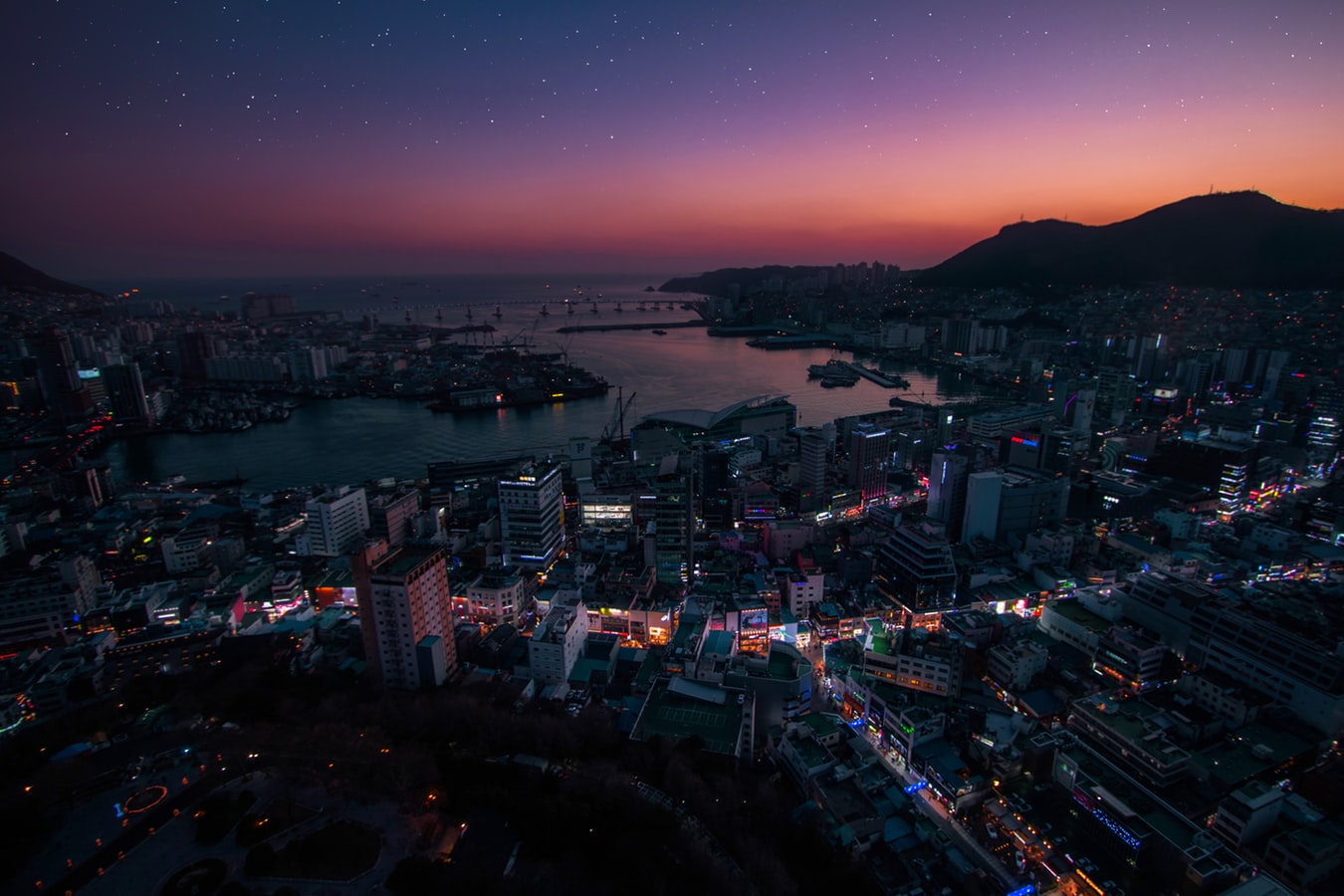
Busan, South Korea
White-sand city beaches and hot-spring resorts may not be everyone’s first image of Korea, but these are what Koreans flock to Busan for all year. And there are plenty of opportunities for rest, relaxation, retail therapy, and even a touch of glamour every October with the Busan International Film Festival. Busan’s beaches are the big summertime draw but there is plenty to be seen year round. Quintessential experiences include taking some rest and relaxation at a local spa and exploring the Beomeosa temple complex.
Sakaiminato, Japan
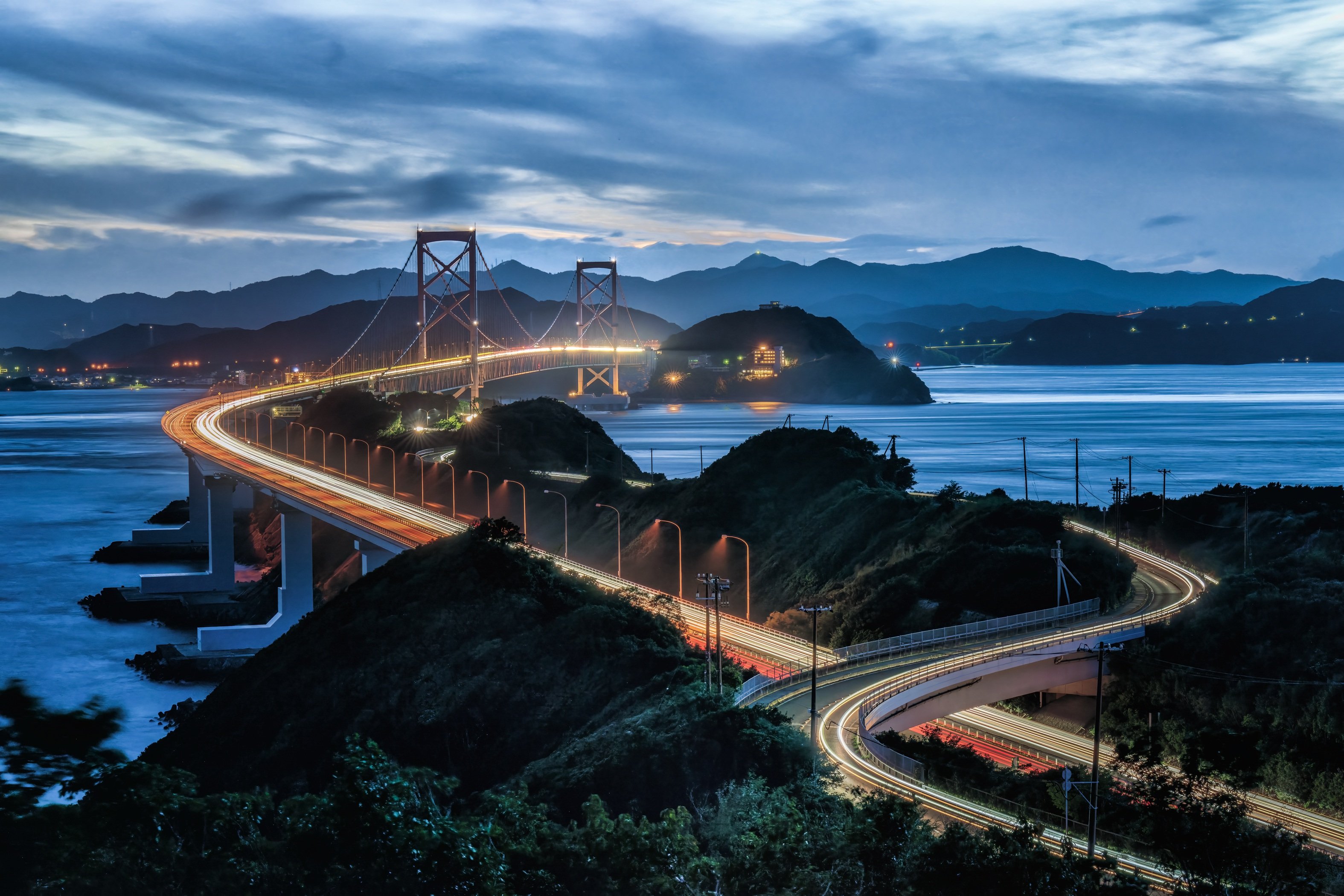
Sakaiminato is a small city almost totally surrounded by water: the Sea of Japan to the east, the Sakai Channel to the north and Lake Nakaumi to the west. Across the lake the towns of Matsue and Yasugi offer interesting experiences. Matsue is known as the “Town of Water” next to scenic Lake Shinji and Lake Nakaumi. It has one of the very few wooden castles that still remain in Japan. Touring the castle and boat rides on the Horikawa River and the castle’s moat are popular. Yasugi has the Adachi Museum of Art, a private museum that houses one of the finest collections of contemporary Japanese paintings, but also has a 165,000 square metres garden –with plants and rocks collected by the museum’s founder. Six different gardens show different scenarios depending on the season. These gardens have been selected as “Japan’s best garden” for several years.
Osaka, Japan
From Minami’s neon-lighted Dotombori and historic Tenno-ji to the high-rise class and underground shopping labyrinths of Kita, Osaka is a city that pulses with its own unique rhythm. Though Osaka has no shortage of tourist sites, it is the city itself that is the greatest attraction. Home to some of Japan’s best food, most unique fashions, and warmest locals, Osaka does not beg to be explored—it demands it. More than anywhere else in Japan, it rewards the impulsive turn down an interesting side street or the chat with a random stranger. People do not come here to see the city, they come to experience it.Excluded from the formal circles of power and aristocratic culture in 16th-century Edo (Tokyo), Osaka took advantage of its position as Japan’s trading center, developing its own art forms such as Bunraku puppet theater and Rakugo comic storytelling. It was in Osaka that feudal Japan’s famed Floating World—the dining, theater, and pleasure district—was at its strongest and most inventive. Wealthy merchants and common laborers alike squandered fortunes on culinary delights, turning Osaka into “Japan’s Kitchen,” a moniker the city still has today. Though the city suffered a blow when the Meiji government canceled all of the samurai class’s outstanding debts to the merchants, it was quick to recover. At the turn of the 20th century, it had become Japan’s largest and most prosperous city, a center of commerce and manufacturing.Today Osaka remains Japan’s iconoclastic metropolis, refusing to fit Tokyo’s norms and expectations. Unlike the hordes of Tokyo, Osakans are fiercely independent. As a contrast to the neon and concrete surroundings, the people of Osaka are known as Japan’s friendliest and most outgoing. Ask someone on the street for directions in Tokyo and you are lucky to get so much as a glance. Ask someone in Osaka and you get a conversation.The main areas of the city, Kita (north) and Minami (south), are divided by two rivers: the Dojima-gawa and the Tosabori-gawa. Between Kita and Minami is Naka-no-shima, an island and the municipal center of Osaka. Kita (north of Chuo Dori) is Osaka’s economic hub and contains Osaka’s largest stations: JR Osaka and Hankyu Umeda. The area is crammed with shops, department stores, and restaurants. Nearby are a nightlife district, Kita-shinchi; Naka-no-shima and the Museum of Oriental Ceramics; Osaka-jo (Osaka Castle); and Osaka Koen (Osaka Park). Restaurants, bars, department stores, and boutiques attract Osaka’s youth to Minami (south Chuo Dori); theatergoers head to the National Bunraku Theatre and electronics-lovers to Den Den Town. For a glimpse of old Osaka, visit Tenno-ji Temple and Shin Sekai. The main stations are Namba, Shin-sai-bashi, Namba Nankai, and Tenno-ji. There’s easy access to the Municipal Museum of Fine Art and Sumiyoshi Taisha (Sumiyoshi Grand Shrine).The bay area, to the west of the city center, is home to the Osaka Aquarium and Universal Studios Japan. The Shinkansen stops at Shin-Osaka, three stops (about five minutes) north of Osaka Station on the Mido-suji subway line. To the north of Shin-Osaka is Senri Expo Park.
Kochi, Japan
Hiroshima, Japan
History buffs will want to write home Hiroshima. Despite being devastated in 1945, this Japanese city is known to all for its commitment peace – its ruin on the 6th August 1945 led to the end of the war and today, the Peace Memorial (a UNESCO World Heritage Site) , is a constant reminder of the destruction that war brings. A walk in the leafy boulevards of Peace Memorial Park brings quiet contemplation. The Flames of Peace – set in the park’s central feature pond – burn brightly and will continue to do so until all the nuclear bombs I the world have been destroyed. There are many other inspiring messages of hope around the city too; the Children’s’ Peace Monument just north of the park is a homage to little Sadako Sasaki, who was just two in 1945. When she developed leukemia in 1956, she believed that if she folded 1,000 paper cranes – a symbol of longevity and happiness in Japan – she would recover. Sadly she died before she finished her task but her classmates finished the rest. It is impossible to ignore the events of 1945 in Hiroshima, but this is far from a depressing place. The great efforts that have been made in rebuilding of the city over the years have given Hiroshima a vibrant, eclectic edge, with the downtown shopping area and street food stalls being well worth a visit. The proximity to Miyajima and its iconic, impressive, Torii gate should not be overlooked either. If you are lucky enough to visit during the unpredictable and short-lived Sakura (cherry blossom) season, then the extraordinary sight of the delicate pink blossom floating across the water to the red gate, means you can consider yourself one of the luckiest people on the planet.
Scenic Cruising
No additional details available for this day.
Busan, South Korea
White-sand city beaches and hot-spring resorts may not be everyone’s first image of Korea, but these are what Koreans flock to Busan for all year. And there are plenty of opportunities for rest, relaxation, retail therapy, and even a touch of glamour every October with the Busan International Film Festival. Busan’s beaches are the big summertime draw but there is plenty to be seen year round. Quintessential experiences include taking some rest and relaxation at a local spa and exploring the Beomeosa temple complex.
Sakaiminato, Japan
Sakaiminato is a small city almost totally surrounded by water: the Sea of Japan to the east, the Sakai Channel to the north and Lake Nakaumi to the west. Across the lake the towns of Matsue and Yasugi offer interesting experiences. Matsue is known as the “Town of Water” next to scenic Lake Shinji and Lake Nakaumi. It has one of the very few wooden castles that still remain in Japan. Touring the castle and boat rides on the Horikawa River and the castle’s moat are popular. Yasugi has the Adachi Museum of Art, a private museum that houses one of the finest collections of contemporary Japanese paintings, but also has a 165,000 square metres garden –with plants and rocks collected by the museum’s founder. Six different gardens show different scenarios depending on the season. These gardens have been selected as “Japan’s best garden” for several years.
Tsuruga, Japan
Toyama, Japan
Sakata, Japan
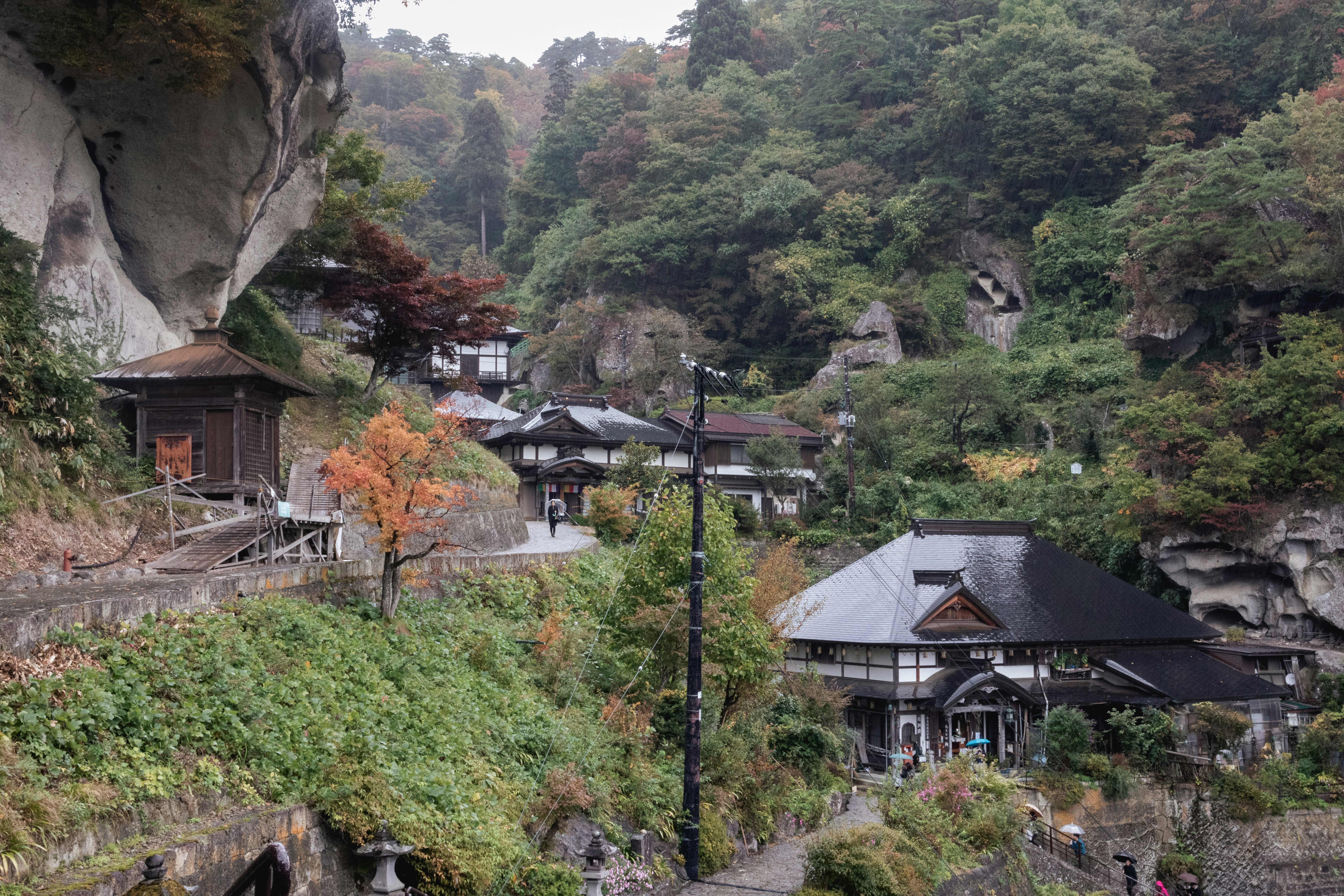
Aomori, Japan
Aomori’s main event is its Nebuta Matsuri Festival,held August 2 to 7. People come to see illuminated floats of gigantic samurai figures paraded through the streets at night. Aomori’s festival is one of Japan’s largest, and is said to celebrate the euphoria of post-battle victory, and is thus encouraged to be noisier and livelier than you may have been exposed to in other Japanese festivals. Dancers, called heneto, run alongside the floats, dancing crazily, and you’re encouraged to join in. Throughout the year you can enjoy delicious seafood from Aomori Bay, including Oma no Maguro (tuna of Oma), as well as delicious fruits and vegetables (particularly garlic). And come every summer, the town cuts loose to throw the decidedly wild Nebuta Matsuri festival, a frenzied, utterly unaccountable period when normal gets thrown to the wind.
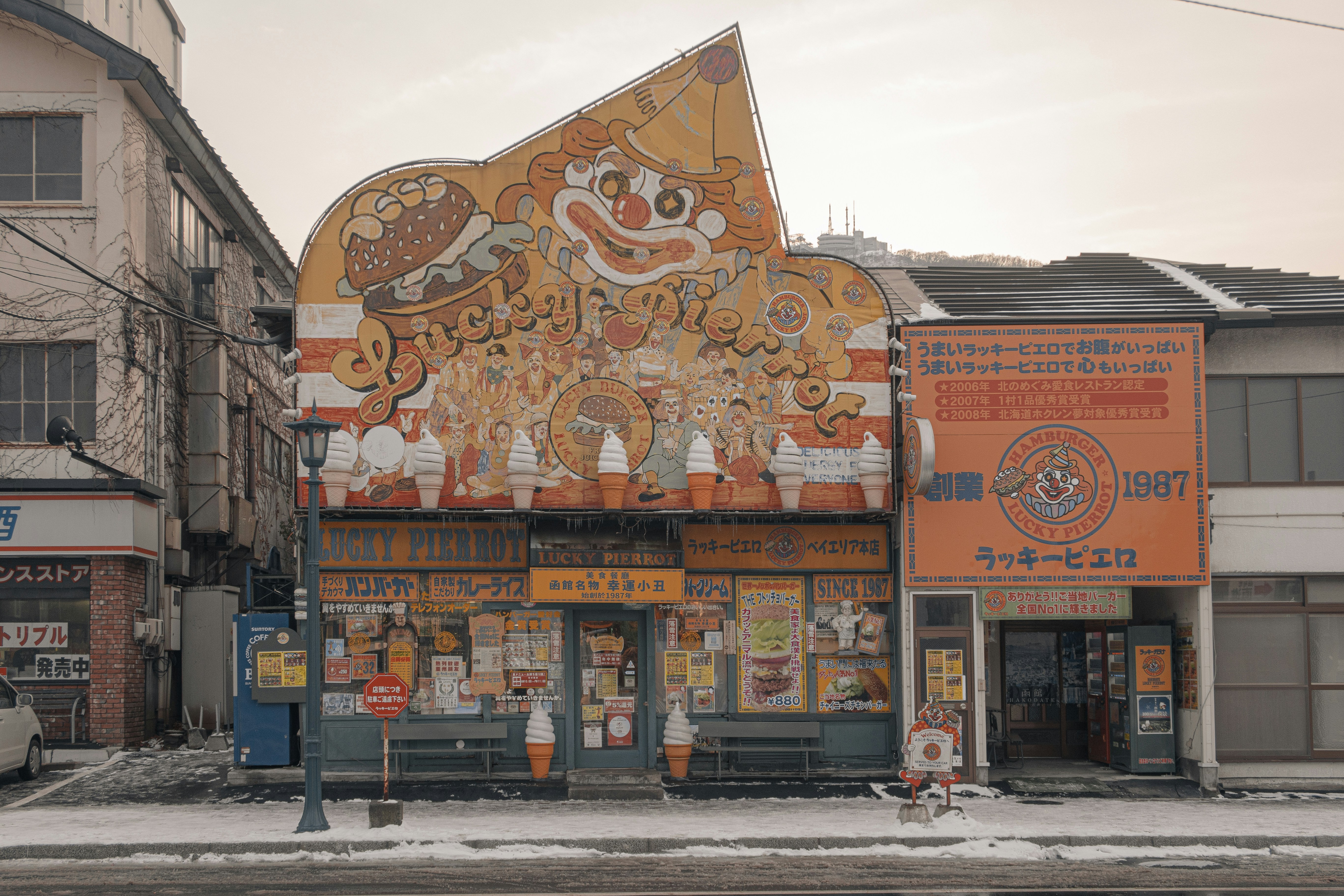
Hakodate, Japan
Facing out on two bays, Hakodate is a 19th-century port town, with clapboard buildings on sloping streets, a dockside tourist zone, streetcars, and fresh fish on every menu. In the downtown historic quarter, a mountain rises 1,100 feet above the city on the southern point of the narrow peninsula. Russians, Americans, Chinese, and Europeans have all left their mark; this was one of the first three Japanese ports the Meiji government opened up to international trade in 1859. The main sights around the foot of Mt. Hakodate can be done in a day, but the city is best appreciated with an overnight stay for the illumination in the historic area, the night views from either the mountain or the fort tower, and the fish market at dawn. City transport is easy to navigate and English information is readily available. Evening departure trains from Tokyo arrive here at dawn—perfect for fish-market breakfasts.
Tokyo, Japan
Lights, sushi, manga! Sprawling, frenetic, and endlessly fascinating, Japan’s capital is a city of contrasts. Shrines and gardens are pockets of calm between famously crowded streets and soaring office buildings. Mom-and-pop noodle houses share street space with Western-style chain restaurants and exquisite fine dining. Shopping yields lovely folk arts as well as the newest electronics. And nightlife kicks off with karaoke or sake and continues with techno clubs and more. Whether you seek the traditional or the cutting edge, Tokyo will provide it.
Tsuruga, Japan
Toyama, Japan
Sakata, Japan
Aomori, Japan
Aomori’s main event is its Nebuta Matsuri Festival,held August 2 to 7. People come to see illuminated floats of gigantic samurai figures paraded through the streets at night. Aomori’s festival is one of Japan’s largest, and is said to celebrate the euphoria of post-battle victory, and is thus encouraged to be noisier and livelier than you may have been exposed to in other Japanese festivals. Dancers, called heneto, run alongside the floats, dancing crazily, and you’re encouraged to join in. Throughout the year you can enjoy delicious seafood from Aomori Bay, including Oma no Maguro (tuna of Oma), as well as delicious fruits and vegetables (particularly garlic). And come every summer, the town cuts loose to throw the decidedly wild Nebuta Matsuri festival, a frenzied, utterly unaccountable period when normal gets thrown to the wind.
Hakodate, Japan
Facing out on two bays, Hakodate is a 19th-century port town, with clapboard buildings on sloping streets, a dockside tourist zone, streetcars, and fresh fish on every menu. In the downtown historic quarter, a mountain rises 1,100 feet above the city on the southern point of the narrow peninsula. Russians, Americans, Chinese, and Europeans have all left their mark; this was one of the first three Japanese ports the Meiji government opened up to international trade in 1859. The main sights around the foot of Mt. Hakodate can be done in a day, but the city is best appreciated with an overnight stay for the illumination in the historic area, the night views from either the mountain or the fort tower, and the fish market at dawn. City transport is easy to navigate and English information is readily available. Evening departure trains from Tokyo arrive here at dawn—perfect for fish-market breakfasts.
Tokyo, Japan
Lights, sushi, manga! Sprawling, frenetic, and endlessly fascinating, Japan’s capital is a city of contrasts. Shrines and gardens are pockets of calm between famously crowded streets and soaring office buildings. Mom-and-pop noodle houses share street space with Western-style chain restaurants and exquisite fine dining. Shopping yields lovely folk arts as well as the newest electronics. And nightlife kicks off with karaoke or sake and continues with techno clubs and more. Whether you seek the traditional or the cutting edge, Tokyo will provide it.
Cabin Options
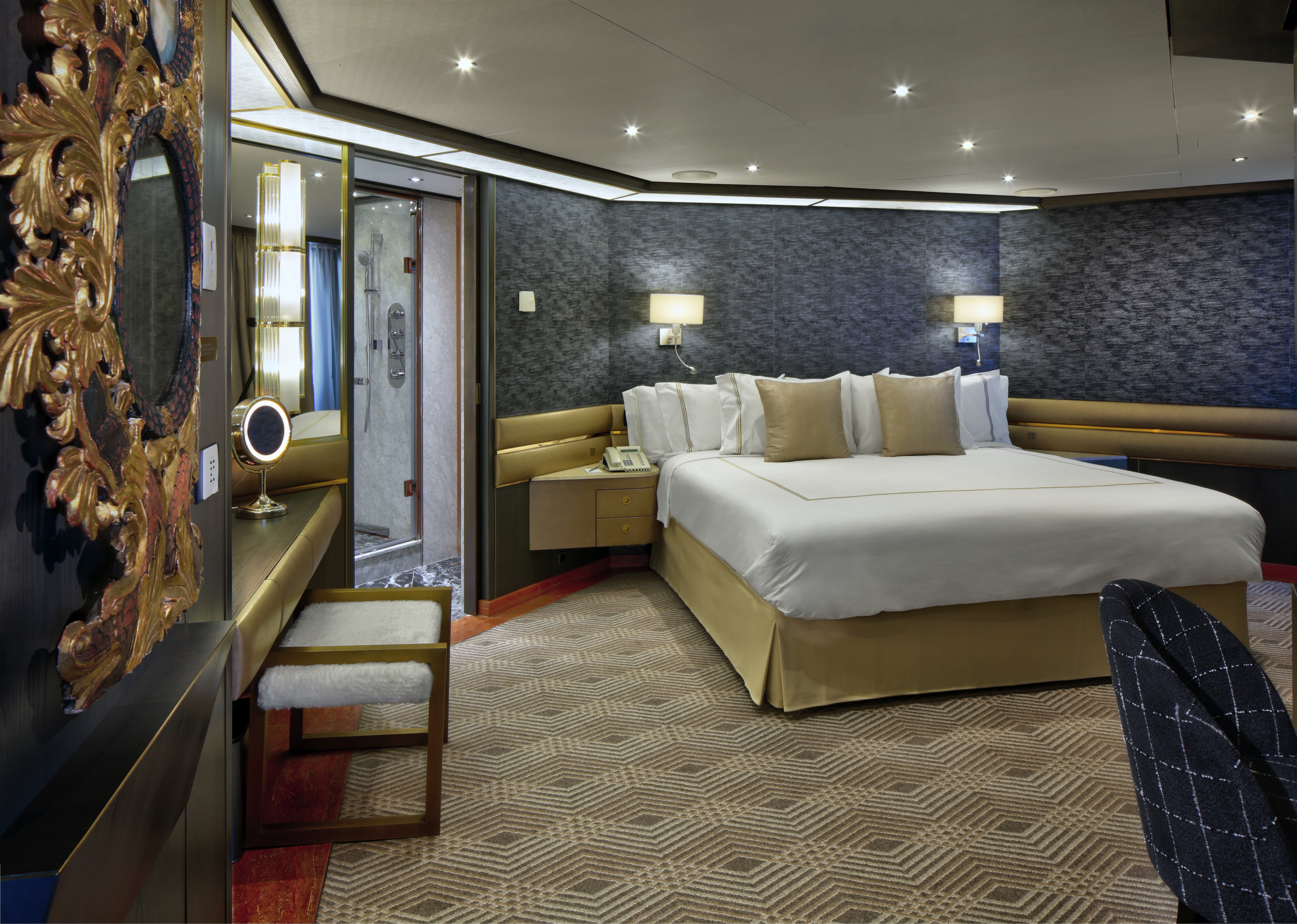
Pinnacle Suite
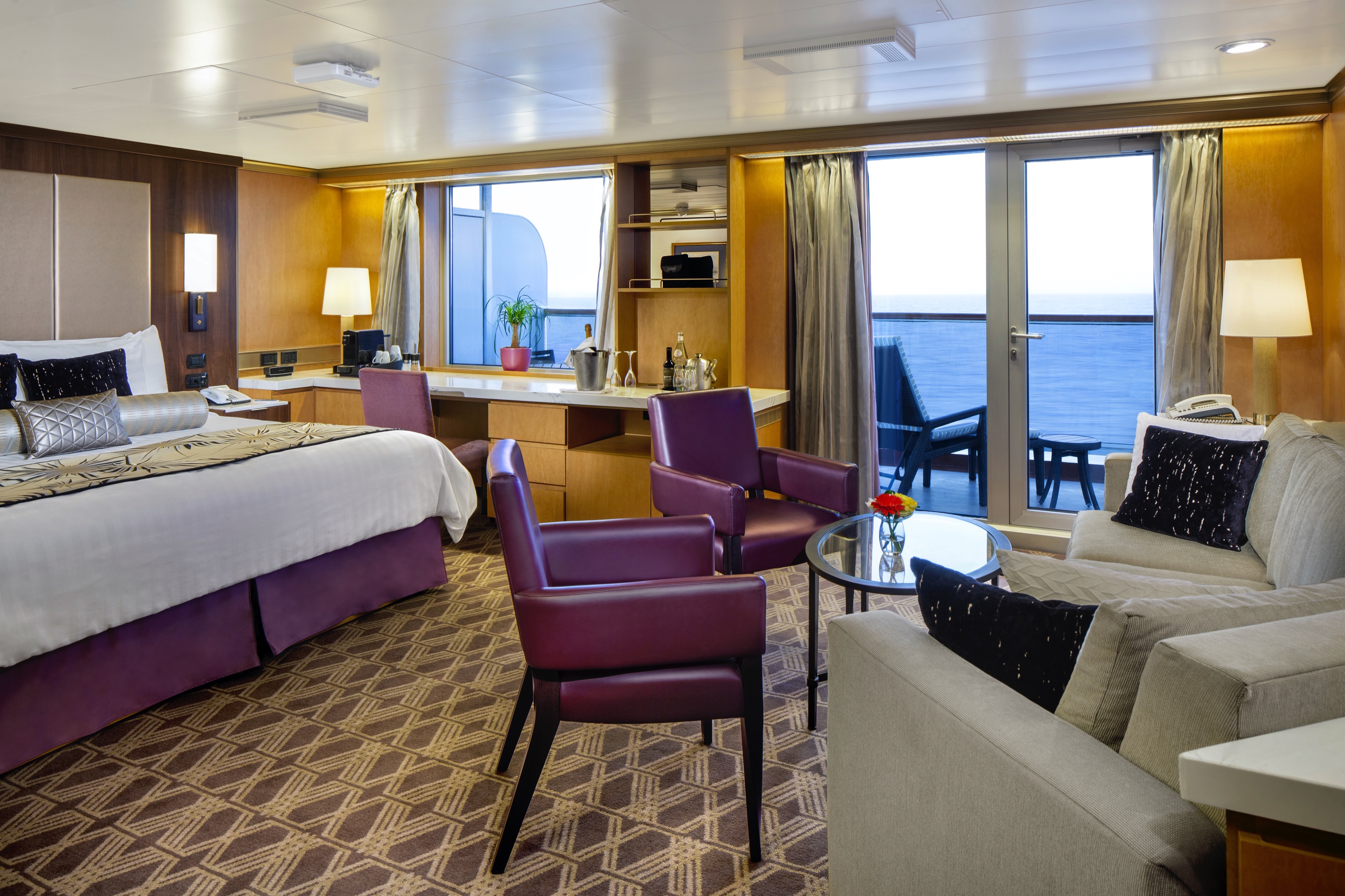
Neptune Suite
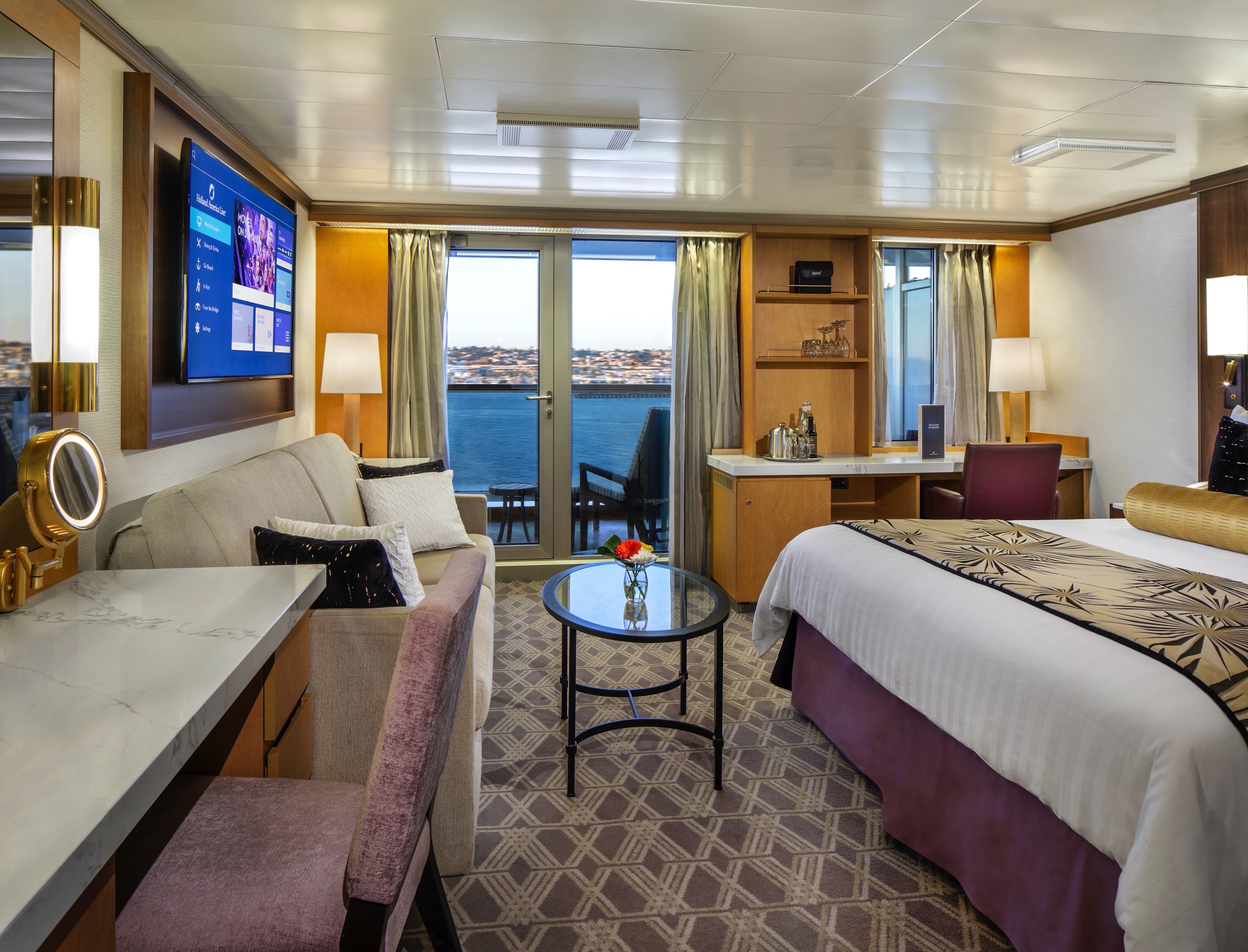
Signature Suite
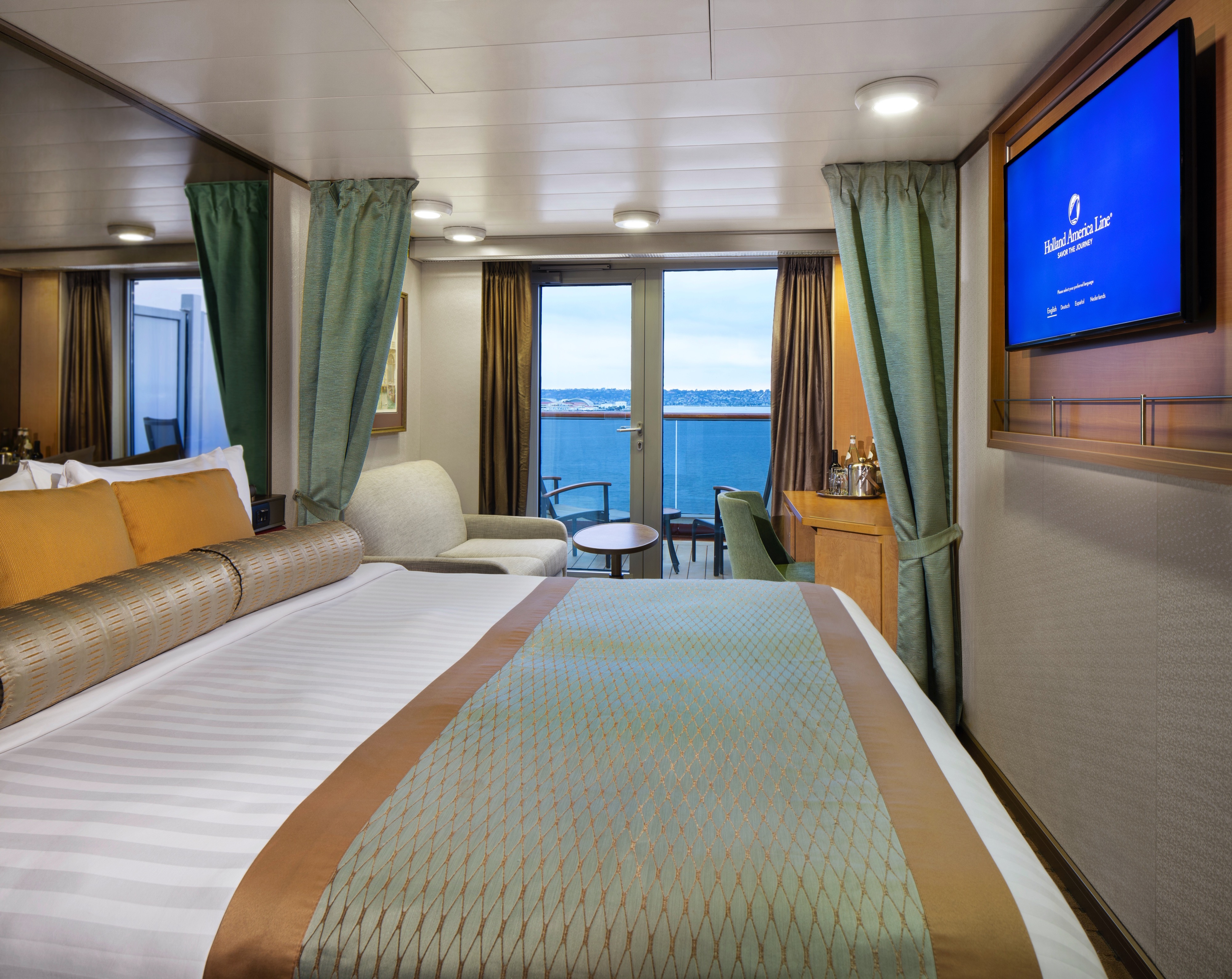
Verandah
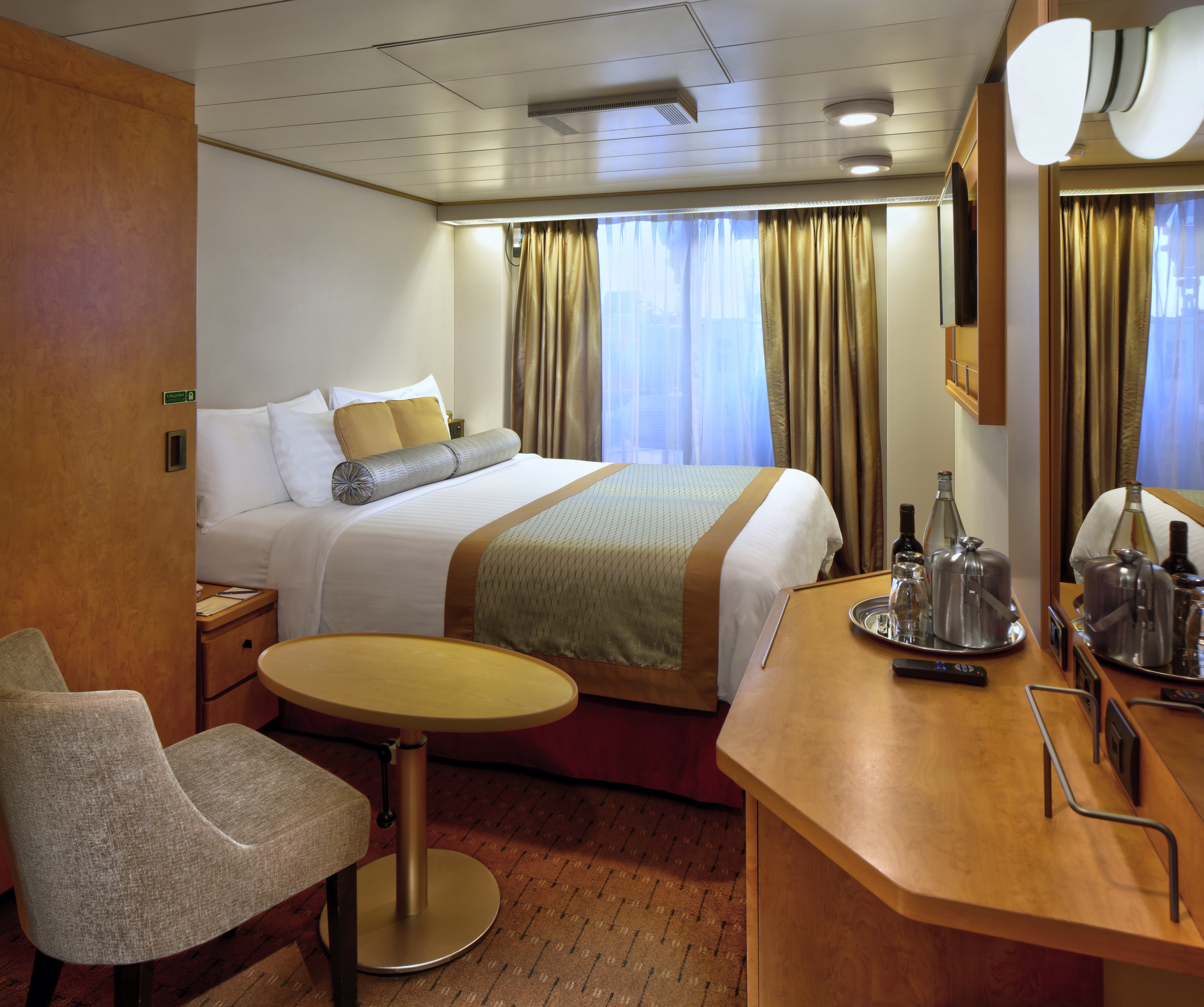
Ocean View
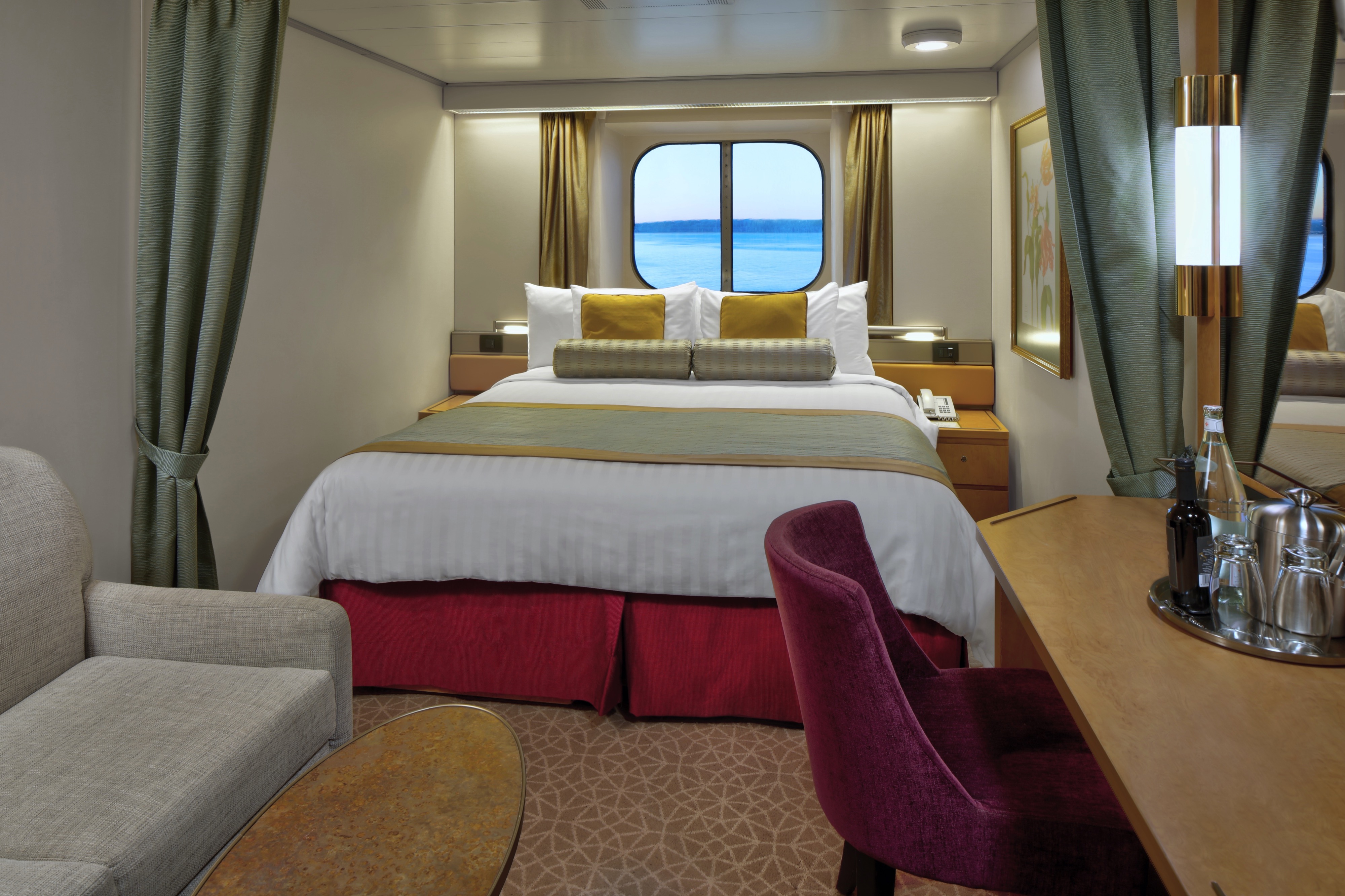
Ocean View: Partial Sea View
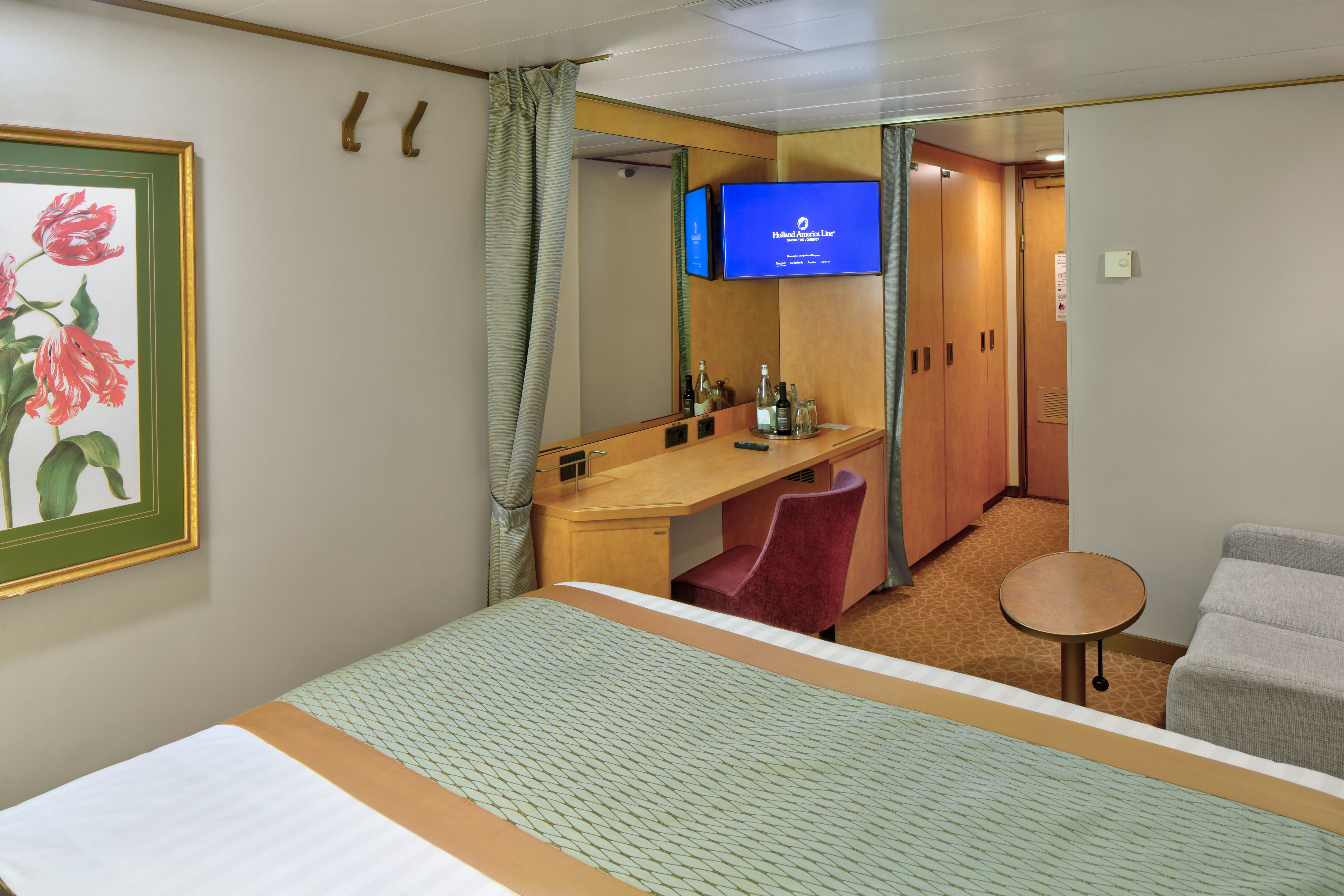
Ocean View: Fully Obstructed
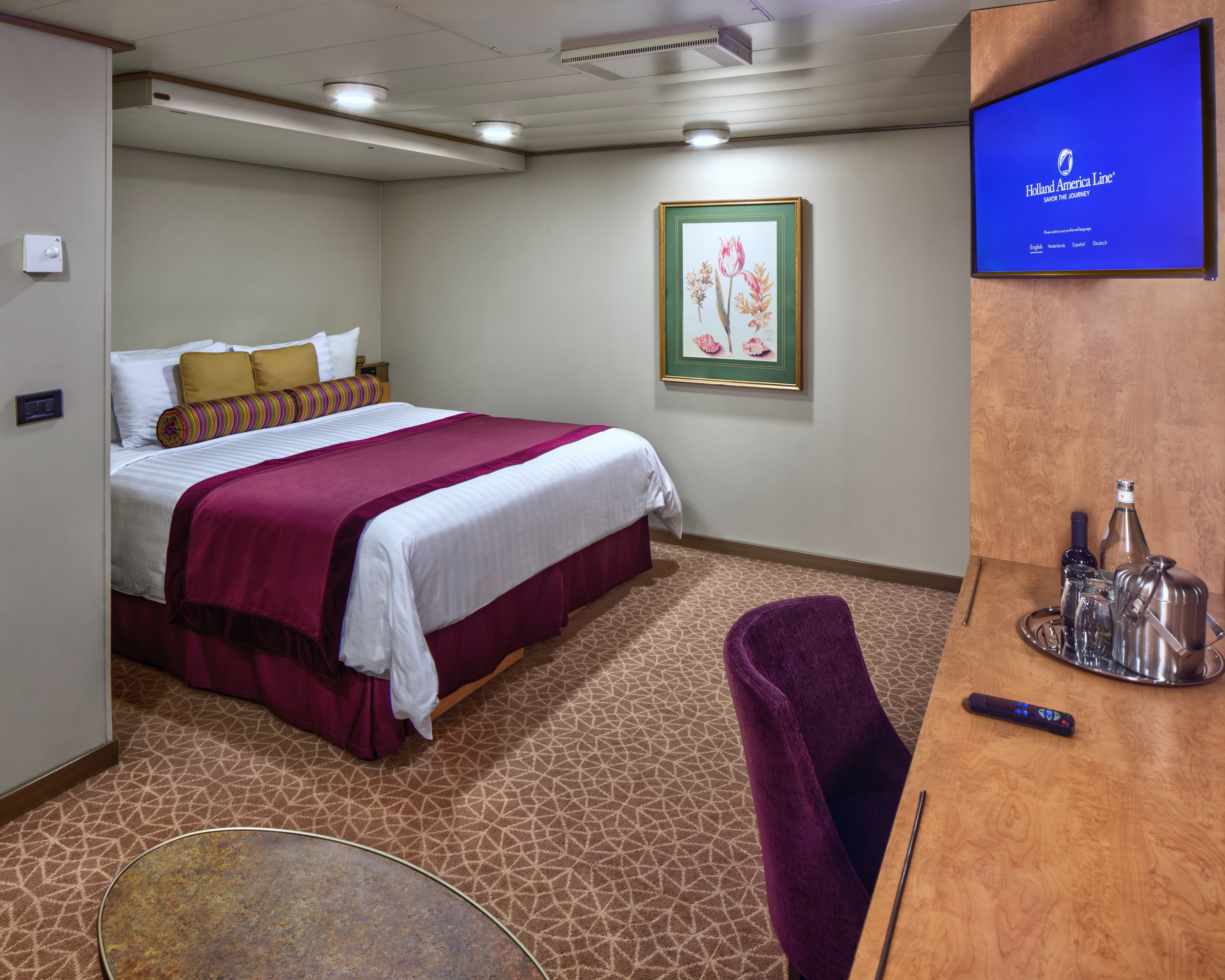
Large Inside
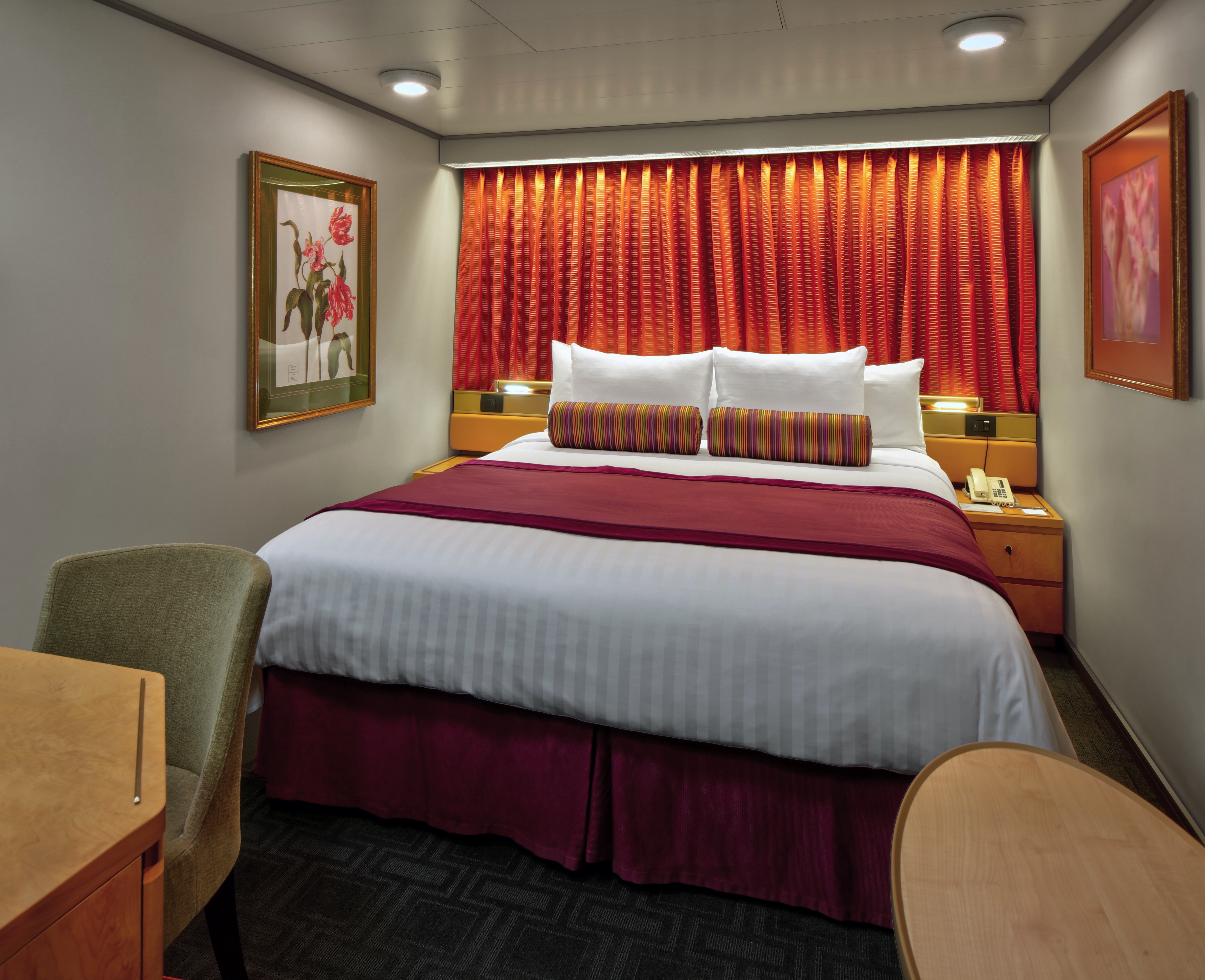
Inside
Ship Facilities
Pinnacle Grill

Pinnacle Grill is the ultimate steakhouse at sea, where an exceptional menu and impeccable service make for one of finest meals you’ll ever have. The refined menu features a selection of 28-day wet-aged USDA Prime steaks — meticulously chosen to guarantee the finest quality — as well as classic steakhouse dishes and innovative recipes from James Beard Award-winning chef and Culinary Council® member, David Burke. Every dish is exquisitely prepared, beautifully plated and complemented by a vast collection of award-winning wines. Here, your meal is an event unto itself, a celebration of fine dining and a triumph of flavour.
Canaletto
In Italy, there’s nothing more important than coming together to celebrate the joy of great food. This is the inspiration for our onboard Italian restaurant, Canaletto. Enjoy amazing Italian classics like braised chicken cacciatore al forno, branzino ai ferri or garlic shrimp ravioli. And for dessert: tiramisù, cannoli alla Siciliana, gelato, and more. Including pasta made fresh daily. Buon Appetito!
The Dining Room
For an elegant breakfast, leisurely lunch or unforgettable multi-course dinner, The Dining Room is your destination. Behind the scenes, our Culinary Council,® an elite team of seven world-renowned chefs, and our talented onboard executive chefs have worked to bring each dish to perfection. For dinner, choose from classics such as Boneless Lamb Loin en Croute, Rosemary Roasted Chicken, as well as regionally inspired cuisine and artfully prepared vegetarian dishes. Enrich your journey with an extensive selection of wines, carefully selected by our Wine Curator, world-renowned wine critic James Suckling.
Lido Market
Explore a world of intriguing culinary possibilities in the Lido Market. Steps from the Lido pool, this modern marketplace includes a curated selection of delicious options that you can grab on the go or have made to order: Breadboard, with freshly baked breads and pastries; Wild Harvest, offering a bountiful selection of hearty salads; Homestead, serving up comfort classics; Distant Lands, featuring global cuisine; Sweet Spot, for ice cream creations and desserts; Roasting Pan, hand-carved meats, fish and other hearty entrees; Perk, freshly brewed beverages and chilled juices; Quench, premium coffee, beer, wine, and soda available for purchase; Rise, savoury quiches, croissants and sandwiches, and more.
Dive-In
Dive-In offers a variety of casual culinary classics, using the highest quality ingredients. Enjoy a burger, grilled to perfection and served on a toasted brioche with our own trade-marked secret sauce. Savour a succulent Nathan’s Famous gourmet hot dog with golden French fries. Or choose a grilled chicken breast sandwich or juicy portabello mushroom stack. Dive-In is the perfect spot to dine poolside on the best burgers at sea.
Explorations Café
At Explorations Café, sink into plush chairs and sofas in a comfortable environment. Sip elegantly prepared espresso drinks and nosh on fresh pastries from the coffee bar. You can also take in fantastic views, catch up on your favourite book or browse the web.

24-Hour Room Service
Sleep in and have breakfast delivered. Enjoy an early dinner on your verandah before an evening excursion. Order a salad, sandwich or entrée any time. Room Service is only a phone call away. All selections are included in your cruise fare unless otherwise noted on the in-room menu.
Tamarind
Praised by Condé Nast Traveler for cuisine “that rivals the top restaurants on land,” Tamarind is the perfect place to explore the culinary traditions of Southeast Asia, China and Japan. The menu, which honours the elements of water, wood, fire and earth, features such exotic fare as wok-seared lobster, barramundi (Asian sea bass) in banana leaf and sushi, accompanied by chilled or heated sake. And, try our specialty sushi created in collaboration with Culinary Council member and Master Sushi Chef, Andy Matsuda.
Ocean Bar
Enjoy live music in this popular bar perfect for pre-dinner cocktails.
Piano Bar
Holland America Line offers you a wide selection of lounges on board. In the Piano Bar, gather around and sing along as our pianist plays your favorites.
Pool Bars
The Lido Bar serves the Lido Pool, midship on Deck 9, and the Seaview Bar serves the Sea View Pool towards the end of the deck. From either, you can enjoy a refreshing beverage poolside in shaded seating around the bar or delivered to your sunny chaise lounge.
Sports Bar
Enjoy a drink and cheer with friends as your favourite teams and event are broadcast live.
Explorer's Lounge
Coffees, drinks and liqueurs are served to the classical sounds of the Adagio Strings.
Lincoln Centre Stage
Enjoy classical cruise ship music and onboard entertainment. In an exclusive partnership with the world’s leading centre for the performing arts, music virtuosos perform familiar classics and twists on contemporary favourites.
Casino Action
Your Holland America Line ship’s Casino offers a wide array of gaming options. Whether you prefer slot machines or want to try your hand at blackjack or poker, our dealers and staff are available to provide complimentary instruction — and we offer many engaging tournament options. The Casino is only open at sea.
Billboard Onboard
2 pianos – 60 Years of Chart Toppers – 100s Of Songs. Sing along, test your music trivia skills or just sit back and enjoy as the hits fill the room each night.
Art Tours
Holland America Line is known for the extensive art collections onboard each of its ships. Now, fine art goes high tech. The line invites you to enjoy the self-guided walking tour for each ship which highlights the art onboard an eclectic collection that is valued at tens of millions of dollars.
Narrated by well-known radio hosts Paul Lasley and Elizabeth Harryman, the 30-40 minute tours include walking directions, interviews with artists, background music and thumbnails of some of the artwork. Download the ship-specific art tour onto your personal iPod, MP3 or portable media player before you embark on your Holland America Line cruise. Pre-loaded art tours are also available on board.
Photo Gallery
It all begins with a great photo taken at embarkation — the first of many photo opportunities. Your onboard photographers, called “Image Creators” will be with you throughout the cruise, ready to capture that special moment at the Bon Voyage Party, Formal Night, Scenic Cruising and more.
The Photo Gallery on board offers print and digital photos, photo packages and DVDs of your cruise itinerary and voyage. Be sure to take home memories of your voyage that will last a lifetime.
Black Label Photography
Whether the look he captures on film is thoughtful, irreverent or joyous, Joe Craig believes a successful photograph reveals the soul of its subject. He has spent his life perfecting his craft and teaching it to others. See what his approach can show you.
Joe Craig Black Label creates images that blend innocence and sophistication. It’s a great opportunity for you and your friends, family or special someone to capture the memory of your voyage in interpretive photography.
All Black Label artists on board are personally trained by Joe, and studio sessions are complimentary, with no obligation to buy and no sitting fee.
Onboard Shopping
Enjoy a wide variety of duty-free shopping in such signature shops as The Vault, Diamonds and Gemstones by Merabella, which offers the best diamonds at sea, brought to you by Effy.
Greenhouse Spa & Salon
Refresh, Relax and Rejuvenate
During a leisurely day at sea, few places help you refresh, relax and rejuvenate like the Greenhouse Spa & Salon®. This heavenly retreat nurtures every aspect of your well-being with renowned spa rituals and healing touches. In the spa, pamper your skin with facial treatments featuring premium, naturally sourced ingredients. Nurture your body, too, with massage treatments employing time-honoured, hands-on massage techniques gleaned from around the world.
Fitness Centre
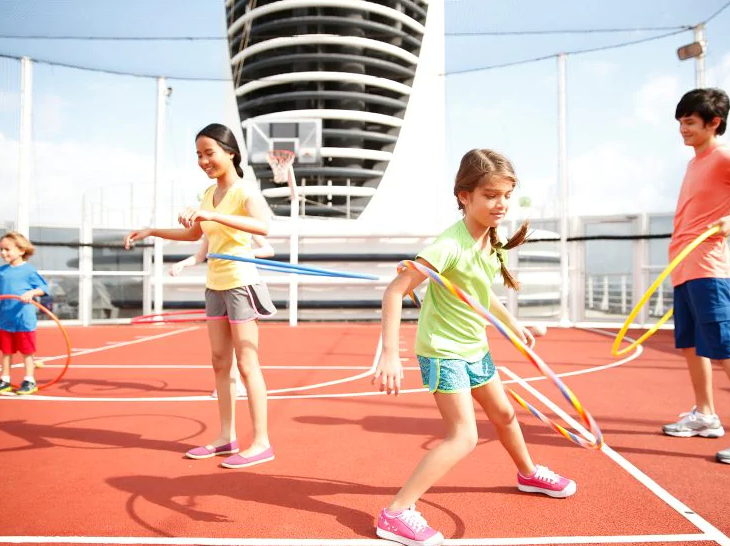
Stop by the professionally staffed Fitness Centre equipped with the latest cardio and weight machines. Try one of our classes on indoor cycling, Pilates and more or work out at your own pace. You can also head out for fresh air and exercise on deck, where you’ll find basketball and volleyball courts, and two refreshing pools (available on select ships). Some classes may have a nominal fee.
Lido & Sea View Pool
The Sea View Pool aft of deck 9 is the ship’s open air pool featuring two whirlpools and served by the Sea View Bar and Slice the pizzeria.
The pool itself has a shallow area around the edge of it for sitting in to cool down. This pool is designated for adults only.
The Lido Pool is also located midship on deck 9. It has 3 hot tubs and is protected by a retractable glass dome cover during inclement weather. It is served by the Lido Bar and Trident Grill for light meals and has a bandstand for live entertainment.
Pickleball At Sea
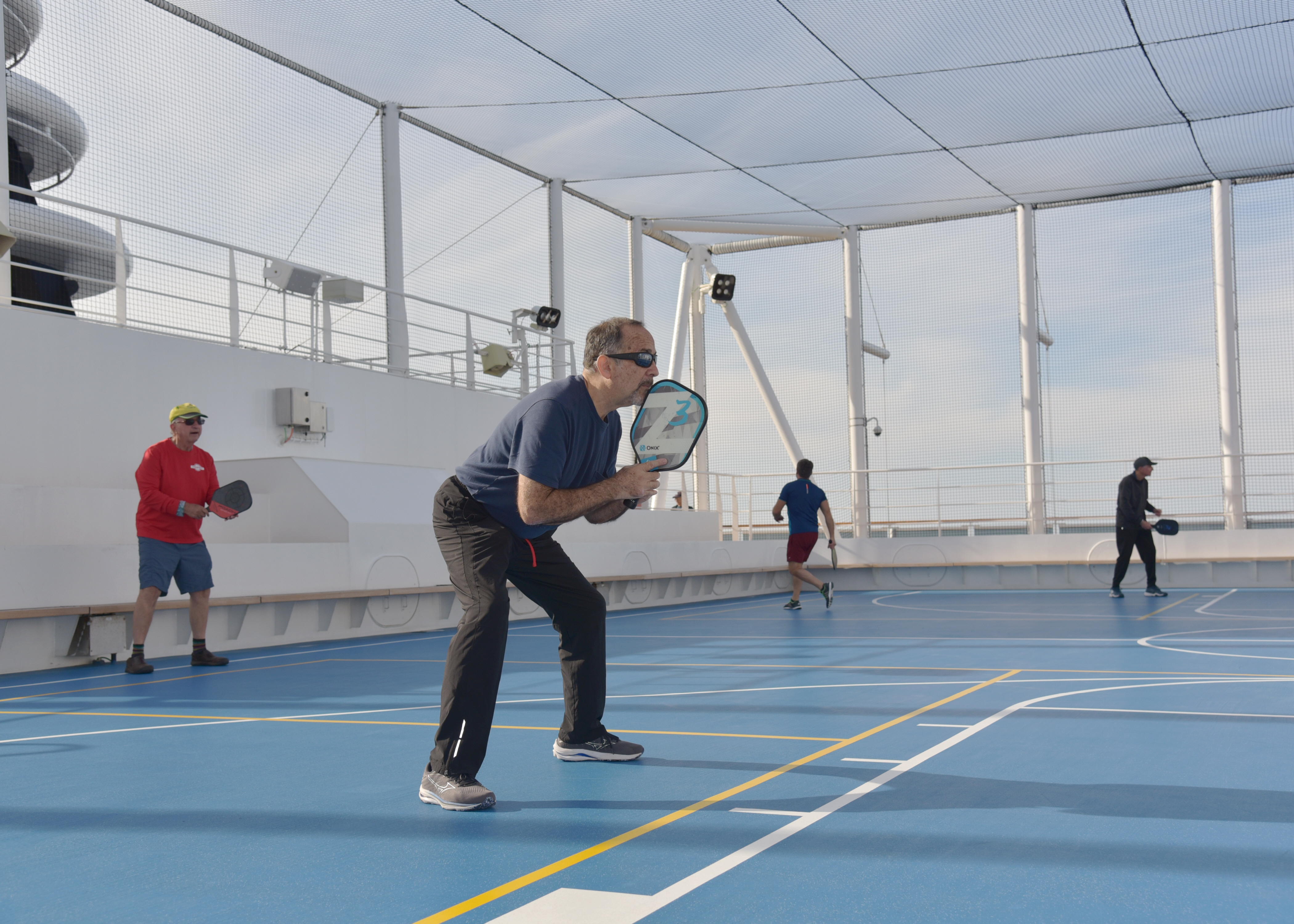
Play the fastest-growing sport in the U.S. with Holland America Line, the exclusive cruise line partner of the Professional Pickleball Association. All our cruise ships feature pickleball courts with amazing top-deck views. The equipment and courts are available for a match anytime, so long as the weather allows. Frequent pickler? Join a pickleball tournament at sea and put your dink shot to the test. Hesitant amateur? Learn the basics at complimentary beginner’s lessons, starting in spring 2023. Commemorative starter kits will soon be available in our retail shops — purchase as gifts for avid players or as souvenirs, so that you can always look back on your pickleball cruise memories.
Kids Programs (Ages 3-6)
Highlights for kids ages 3 to 6 include a variety of activities, crafts, games and theme parties, such as “Dino-Mite Night” and “Ships Ahoy Pirate Treasure Hunt Adventure.”
Tweens Programs (Ages 7-12)
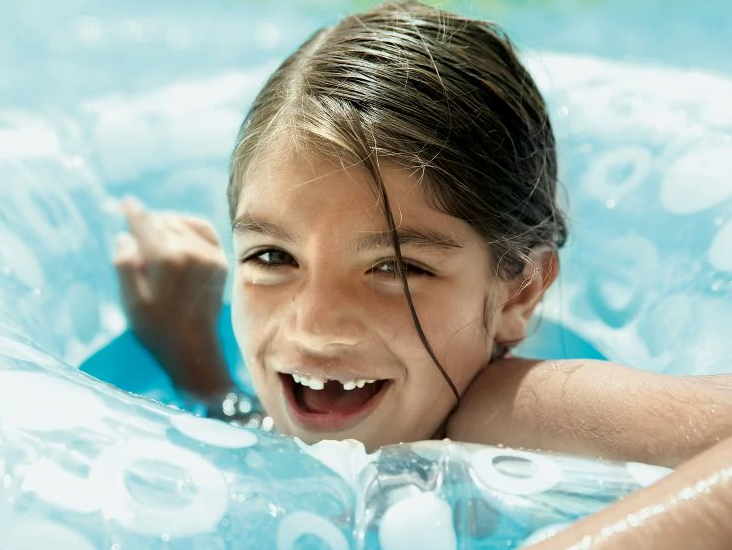
From arts & crafts and sporting events to gaming tournaments and theme parties, tweens will have plenty to enjoy.
Teens Programs (Ages 13-17)
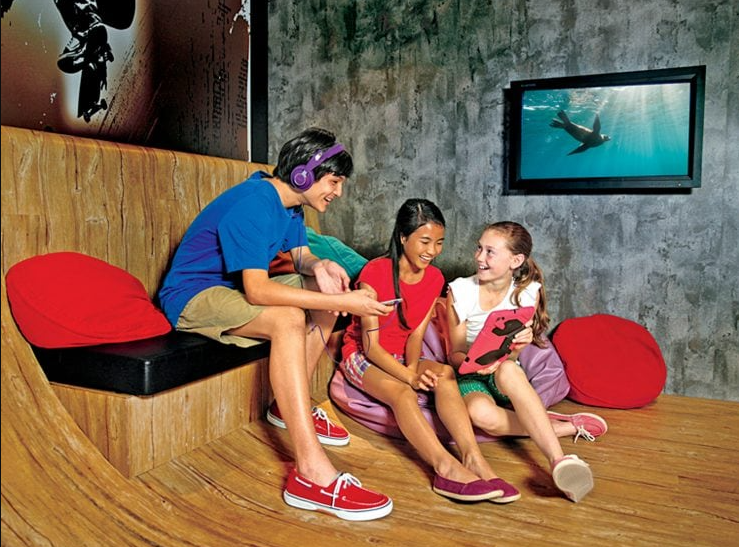
During the day, teens meet up for sports challenges and group games while our Hosts provide exclusive teen events like Poker Night and Video Game Tournaments at night.
Port Day Activities
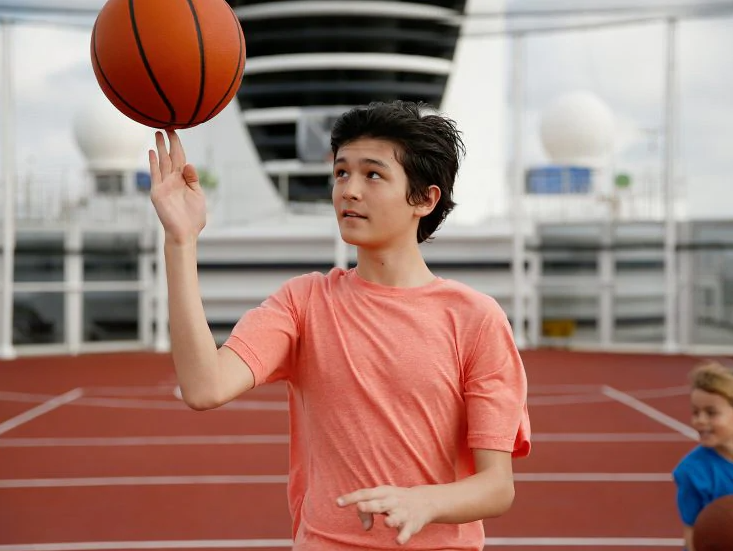
Kids Club activities are available from 9 a.m. to 12 p.m. and 1 p.m. to 4 p.m. on port days*. Lunch is not offered as part of this service. Children must be registered and signed into and out of programming by a parent or guardian.
*Hours of operation may change to better serve our guests.
Special Needs
Children with special needs are invited to attend Kids Club activities based on their chronological age. In some cases, parental supervision may be required. Please let us know when booking your reservation.

Pinnacle Grill
Pinnacle Grill is the ultimate steakhouse at sea, where an exceptional menu and impeccable service make for one of finest meals you’ll ever have. The refined menu features a selection of 28-day wet-aged USDA Prime steaks — meticulously chosen to guarantee the finest quality — as well as classic steakhouse dishes and innovative recipes from James Beard Award-winning chef and Culinary Council® member, David Burke. Every dish is exquisitely prepared, beautifully plated and complemented by a vast collection of award-winning wines. Here, your meal is an event unto itself, a celebration of fine dining and a triumph of flavour.
Canaletto
In Italy, there’s nothing more important than coming together to celebrate the joy of great food. This is the inspiration for our onboard Italian restaurant, Canaletto. Enjoy amazing Italian classics like braised chicken cacciatore al forno, branzino ai ferri or garlic shrimp ravioli. And for dessert: tiramisù, cannoli alla Siciliana, gelato, and more. Including pasta made fresh daily. Buon Appetito!
The Dining Room
For an elegant breakfast, leisurely lunch or unforgettable multi-course dinner, The Dining Room is your destination. Behind the scenes, our Culinary Council,® an elite team of seven world-renowned chefs, and our talented onboard executive chefs have worked to bring each dish to perfection. For dinner, choose from classics such as Boneless Lamb Loin en Croute, Rosemary Roasted Chicken, as well as regionally inspired cuisine and artfully prepared vegetarian dishes. Enrich your journey with an extensive selection of wines, carefully selected by our Wine Curator, world-renowned wine critic James Suckling.
Lido Market
Explore a world of intriguing culinary possibilities in the Lido Market. Steps from the Lido pool, this modern marketplace includes a curated selection of delicious options that you can grab on the go or have made to order: Breadboard, with freshly baked breads and pastries; Wild Harvest, offering a bountiful selection of hearty salads; Homestead, serving up comfort classics; Distant Lands, featuring global cuisine; Sweet Spot, for ice cream creations and desserts; Roasting Pan, hand-carved meats, fish and other hearty entrees; Perk, freshly brewed beverages and chilled juices; Quench, premium coffee, beer, wine, and soda available for purchase; Rise, savoury quiches, croissants and sandwiches, and more.
Dive-In
Dive-In offers a variety of casual culinary classics, using the highest quality ingredients. Enjoy a burger, grilled to perfection and served on a toasted brioche with our own trade-marked secret sauce. Savour a succulent Nathan’s Famous gourmet hot dog with golden French fries. Or choose a grilled chicken breast sandwich or juicy portabello mushroom stack. Dive-In is the perfect spot to dine poolside on the best burgers at sea.
Explorations Café
At Explorations Café, sink into plush chairs and sofas in a comfortable environment. Sip elegantly prepared espresso drinks and nosh on fresh pastries from the coffee bar. You can also take in fantastic views, catch up on your favourite book or browse the web.
24-Hour Room Service
Sleep in and have breakfast delivered. Enjoy an early dinner on your verandah before an evening excursion. Order a salad, sandwich or entrée any time. Room Service is only a phone call away. All selections are included in your cruise fare unless otherwise noted on the in-room menu.
Tamarind
Praised by Condé Nast Traveler for cuisine “that rivals the top restaurants on land,” Tamarind is the perfect place to explore the culinary traditions of Southeast Asia, China and Japan. The menu, which honours the elements of water, wood, fire and earth, features such exotic fare as wok-seared lobster, barramundi (Asian sea bass) in banana leaf and sushi, accompanied by chilled or heated sake. And, try our specialty sushi created in collaboration with Culinary Council member and Master Sushi Chef, Andy Matsuda.
Ocean Bar
Enjoy live music in this popular bar perfect for pre-dinner cocktails.
Piano Bar
Holland America Line offers you a wide selection of lounges on board. In the Piano Bar, gather around and sing along as our pianist plays your favorites.
Pool Bars
The Lido Bar serves the Lido Pool, midship on Deck 9, and the Seaview Bar serves the Sea View Pool towards the end of the deck. From either, you can enjoy a refreshing beverage poolside in shaded seating around the bar or delivered to your sunny chaise lounge.
Sports Bar
Enjoy a drink and cheer with friends as your favourite teams and event are broadcast live.
Explorer's Lounge
Coffees, drinks and liqueurs are served to the classical sounds of the Adagio Strings.
Lincoln Centre Stage
Enjoy classical cruise ship music and onboard entertainment. In an exclusive partnership with the world’s leading centre for the performing arts, music virtuosos perform familiar classics and twists on contemporary favourites.
Casino Action
Your Holland America Line ship’s Casino offers a wide array of gaming options. Whether you prefer slot machines or want to try your hand at blackjack or poker, our dealers and staff are available to provide complimentary instruction — and we offer many engaging tournament options. The Casino is only open at sea.
Billboard Onboard
2 pianos – 60 Years of Chart Toppers – 100s Of Songs. Sing along, test your music trivia skills or just sit back and enjoy as the hits fill the room each night.
Art Tours
Holland America Line is known for the extensive art collections onboard each of its ships. Now, fine art goes high tech. The line invites you to enjoy the self-guided walking tour for each ship which highlights the art onboard an eclectic collection that is valued at tens of millions of dollars.
Narrated by well-known radio hosts Paul Lasley and Elizabeth Harryman, the 30-40 minute tours include walking directions, interviews with artists, background music and thumbnails of some of the artwork. Download the ship-specific art tour onto your personal iPod, MP3 or portable media player before you embark on your Holland America Line cruise. Pre-loaded art tours are also available on board.
Photo Gallery
It all begins with a great photo taken at embarkation — the first of many photo opportunities. Your onboard photographers, called “Image Creators” will be with you throughout the cruise, ready to capture that special moment at the Bon Voyage Party, Formal Night, Scenic Cruising and more.
The Photo Gallery on board offers print and digital photos, photo packages and DVDs of your cruise itinerary and voyage. Be sure to take home memories of your voyage that will last a lifetime.
Black Label Photography
Whether the look he captures on film is thoughtful, irreverent or joyous, Joe Craig believes a successful photograph reveals the soul of its subject. He has spent his life perfecting his craft and teaching it to others. See what his approach can show you.
Joe Craig Black Label creates images that blend innocence and sophistication. It’s a great opportunity for you and your friends, family or special someone to capture the memory of your voyage in interpretive photography.
All Black Label artists on board are personally trained by Joe, and studio sessions are complimentary, with no obligation to buy and no sitting fee.
Onboard Shopping
Enjoy a wide variety of duty-free shopping in such signature shops as The Vault, Diamonds and Gemstones by Merabella, which offers the best diamonds at sea, brought to you by Effy.
Greenhouse Spa & Salon
Refresh, Relax and Rejuvenate
During a leisurely day at sea, few places help you refresh, relax and rejuvenate like the Greenhouse Spa & Salon®. This heavenly retreat nurtures every aspect of your well-being with renowned spa rituals and healing touches. In the spa, pamper your skin with facial treatments featuring premium, naturally sourced ingredients. Nurture your body, too, with massage treatments employing time-honoured, hands-on massage techniques gleaned from around the world.
Fitness Centre
Stop by the professionally staffed Fitness Centre equipped with the latest cardio and weight machines. Try one of our classes on indoor cycling, Pilates and more or work out at your own pace. You can also head out for fresh air and exercise on deck, where you’ll find basketball and volleyball courts, and two refreshing pools (available on select ships). Some classes may have a nominal fee.
Lido & Sea View Pool
The Sea View Pool aft of deck 9 is the ship’s open air pool featuring two whirlpools and served by the Sea View Bar and Slice the pizzeria.
The pool itself has a shallow area around the edge of it for sitting in to cool down. This pool is designated for adults only.
The Lido Pool is also located midship on deck 9. It has 3 hot tubs and is protected by a retractable glass dome cover during inclement weather. It is served by the Lido Bar and Trident Grill for light meals and has a bandstand for live entertainment.
Pickleball At Sea
Play the fastest-growing sport in the U.S. with Holland America Line, the exclusive cruise line partner of the Professional Pickleball Association. All our cruise ships feature pickleball courts with amazing top-deck views. The equipment and courts are available for a match anytime, so long as the weather allows. Frequent pickler? Join a pickleball tournament at sea and put your dink shot to the test. Hesitant amateur? Learn the basics at complimentary beginner’s lessons, starting in spring 2023. Commemorative starter kits will soon be available in our retail shops — purchase as gifts for avid players or as souvenirs, so that you can always look back on your pickleball cruise memories.
Kids Programs (Ages 3-6)
Highlights for kids ages 3 to 6 include a variety of activities, crafts, games and theme parties, such as “Dino-Mite Night” and “Ships Ahoy Pirate Treasure Hunt Adventure.”
Tweens Programs (Ages 7-12)
From arts & crafts and sporting events to gaming tournaments and theme parties, tweens will have plenty to enjoy.
Teens Programs (Ages 13-17)
During the day, teens meet up for sports challenges and group games while our Hosts provide exclusive teen events like Poker Night and Video Game Tournaments at night.
Port Day Activities
Kids Club activities are available from 9 a.m. to 12 p.m. and 1 p.m. to 4 p.m. on port days*. Lunch is not offered as part of this service. Children must be registered and signed into and out of programming by a parent or guardian.
*Hours of operation may change to better serve our guests.
Special Needs
Children with special needs are invited to attend Kids Club activities based on their chronological age. In some cases, parental supervision may be required. Please let us know when booking your reservation.
About the Ship
Deck Plans

- World Stage
- Atrium
- Guest Services
- Ocean-View Staterooms
- Interior Staterooms (Large or Standard)

- World Stage
- Casino
- Billboard Onboard
- Rolling Stone Lounge
- Pinnacle Grill
- Pinnacle Bar
- Art Gallery
- Explorer’s Lounge
- Portrait Studio
- The Dining Room

- World Stage
- Hudson
- Library
- Half Moon
- Stuyvesant
- The Shops
- Ocean Bar
- Photo Shop
- The Dining Room

- Neptune Suites
- Verandah Staterooms
- Ocean-View Staterooms
- Interior Staterooms (Large or Standard)

- Neptune Suites
- Signature Suites
- Verandah Staterooms
- Interior Staterooms (Large or Standard)

- Neptune Suites
- Signature Suites
- Verandah Staterooms
- Ocean-View Staterooms
- Interior Staterooms (Large or Standard)

- Neptune Lounge
- Pinnacle Suites
- Neptune Suites
- Verandah Staterooms
- Interior Staterooms (Large or Standard)

- Bridge
- Neptune Suites
- Signature Suites
- Verandah Staterooms
- Interior Staterooms (Large or Standard)

- Fitness Centre
- Greenhouse Spa & Salon
- Hydro Pool
- Lido Pool
- Lido Bar
- Dive-In
- Canaletto
- Lido Market
- Sea View Pool
- Sea View Bar

- Explorations Central & Café
- Crow’s Nest
- Crow’s Nest Café
- Art Studio
- Game Room
- Sliding Dome Cover
- Kids’ Club
- Shore Excursions
- Verandah Staterooms
- Interior Staterooms (Large or Standard)

- Sports Courts
- The Retreat
- Observation Deck
- World Stage
- Atrium
- Guest Services
- Ocean-View Staterooms
- Interior Staterooms (Large or Standard)
- World Stage
- Casino
- Billboard Onboard
- Rolling Stone Lounge
- Pinnacle Grill
- Pinnacle Bar
- Art Gallery
- Explorer’s Lounge
- Portrait Studio
- The Dining Room
- World Stage
- Hudson
- Library
- Half Moon
- Stuyvesant
- The Shops
- Ocean Bar
- Photo Shop
- The Dining Room
- Neptune Suites
- Verandah Staterooms
- Ocean-View Staterooms
- Interior Staterooms (Large or Standard)
- Neptune Suites
- Signature Suites
- Verandah Staterooms
- Interior Staterooms (Large or Standard)
- Neptune Suites
- Signature Suites
- Verandah Staterooms
- Ocean-View Staterooms
- Interior Staterooms (Large or Standard)
- Neptune Lounge
- Pinnacle Suites
- Neptune Suites
- Verandah Staterooms
- Interior Staterooms (Large or Standard)
- Bridge
- Neptune Suites
- Signature Suites
- Verandah Staterooms
- Interior Staterooms (Large or Standard)
- Fitness Centre
- Greenhouse Spa & Salon
- Hydro Pool
- Lido Pool
- Lido Bar
- Dive-In
- Canaletto
- Lido Market
- Sea View Pool
- Sea View Bar
- Explorations Central & Café
- Crow’s Nest
- Crow’s Nest Café
- Art Studio
- Game Room
- Sliding Dome Cover
- Kids’ Club
- Shore Excursions
- Verandah Staterooms
- Interior Staterooms (Large or Standard)
- Sports Courts
- The Retreat
- Observation Deck