Featured Cabins
Itinerary
Nuuk (Godthaab), Greenland
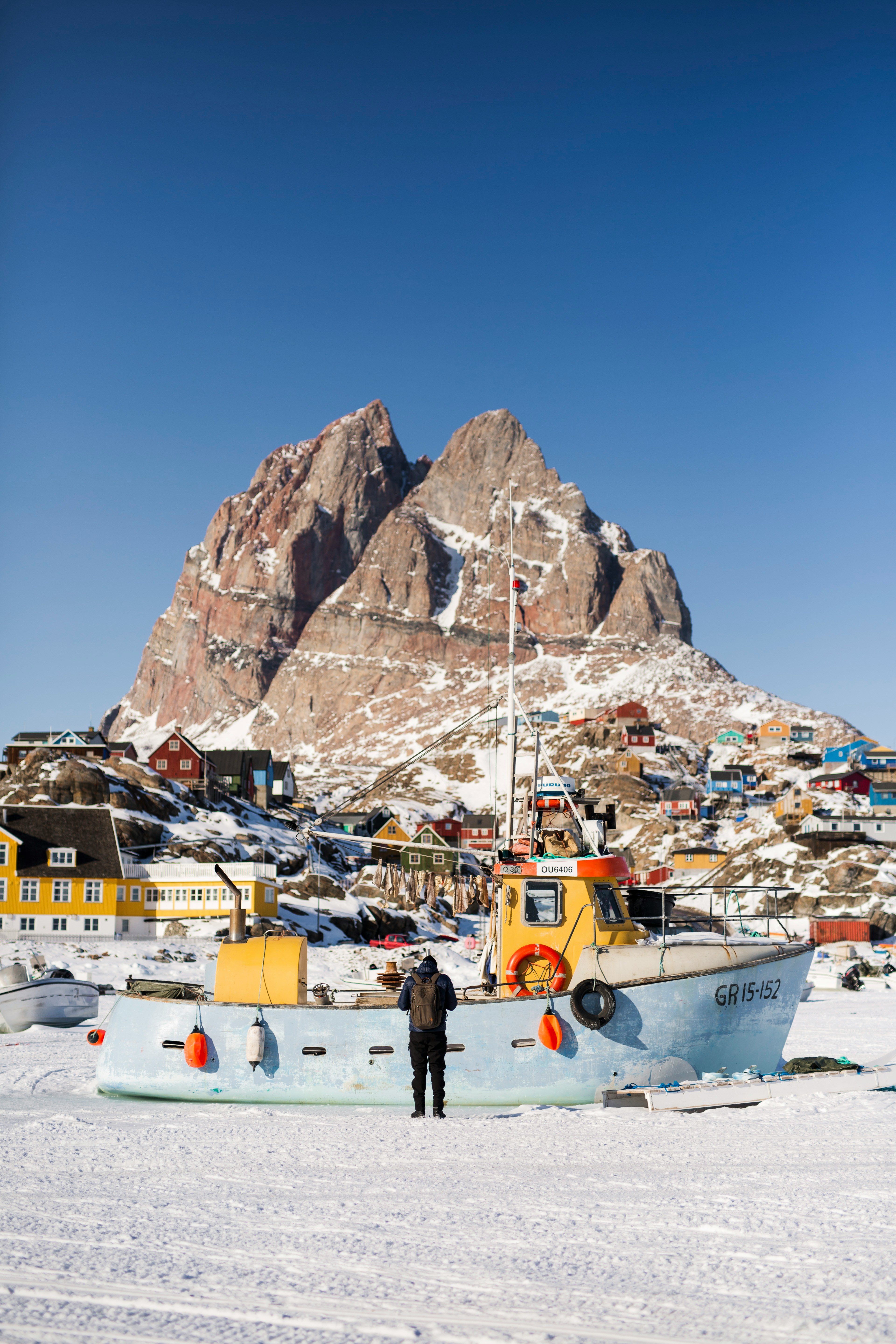
Nuuk, meaning “the cape”, was Greenland’s first town (1728). Started as a fort and later mission and trading post some 240 kilometers south of the Arctic Circle, it is the current capital. Almost 30% of Greenland’s population lives in the town. Not only does Nuuk have great natural beauty in its vicinity, but there are Inuit ruins, Hans Egede’s home, the parliament, and the Church of our Saviour as well. The Greenlandic National Museum has an outstanding collection of Greenlandic traditional dresses, as well as the famous Qilakitsoq mummies. The Katuaq Cultural Center’s building was inspired by the undulating Northern Lights and can house 10% of Nuuk’s inhabitants.
At Sea
Crossing the Arctic Circle
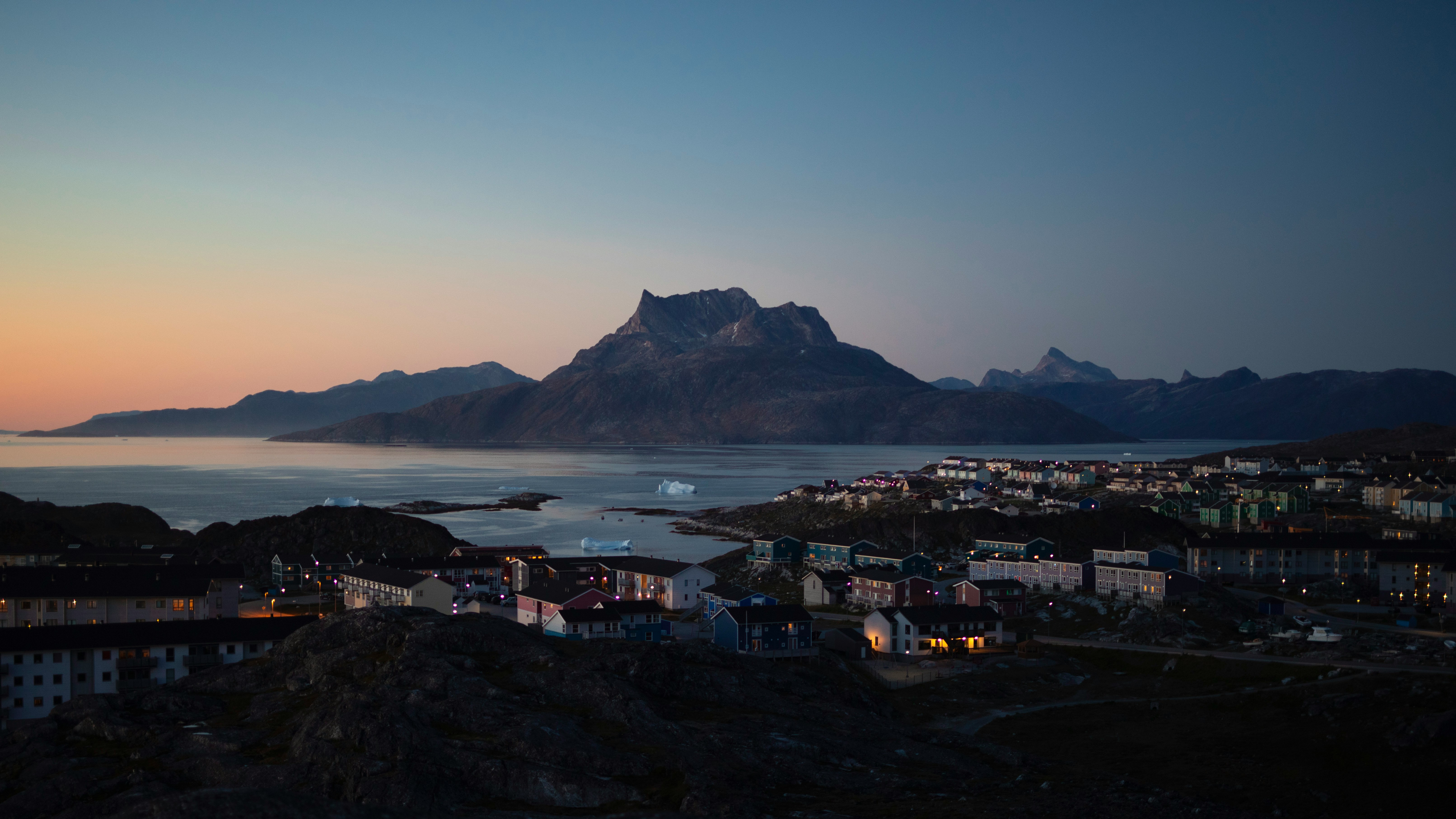
Sailing towards the Arctic Circle, your Expedition Team will brief you on the AECO rules and recommendations regarding visiting the Arctic region safely and responsibly. Make sure you attend these mandatory presentations if you want to join planned landings as we head north.
You can also enjoy the state-of-the-art ship facilities and join the first lectures on Arctic Canada-related topics such as ornithology, geopolitics and culture. You’ll also learn about the Citizen Science projects we run on board the ship.
At some point during the sailing, we’ll cross the Arctic Circle, entering the lands of the midnight Sun at the height of summer.
Qikiqtarjuaq, Nunavut, Canada
Cross into the majesty of the unknown
The shores of Baffin Island (Qikiqtaaluk) are guarded by ice for most of the year. In August, the ice begins to recede allowing for ships to navigate these waters for just a short period of time. The sea ice environment around the island is a natural wonder which creates a rich habitat for wildlife.
Our objective is to reach the small settlement of Qikiqtarjuaq, where we hope to begin our adventures in Arctic Canada.
In true explorer style, our route will be determined by the presence and concentration of sea ice. We will plan our excursions and landing sites in consultation with local communities, so as not to disrupt their seasonal activities.
Possible destinations include:
Isabella Bay (Ninginganiq)
Ninginganiq (Isabella Bay) National Wildlife Area is a critical habitat for Arctic wildlife, most notably bowhead whales. As a summer feeding ground for these massive marine mammals, it’s a crucial area for their conservation.
Sam Ford Fjord (Kangiqtualuk Uqquqti) and Gibbs Fjord
With towering peaks and epic glaciers, these fjords are renowned for their impressive scenery and are popular with nature enthusiasts and adventure seekers alike. This area is rich in wildlife, with marine mammals like seals and whales, and a variety of bird species.
Coutts Inlet (Inalugaarjuup Kangiqłua)
Experience the solitude and serenity of this remote and seldom-visited wilderness. The 50-mile-deep fjord system contains two arms; the ’North Arm‘ and the main inlet itself. One of the Arctic’s most elusive species, the narwhal, can be found here.
Isabella Bay, Baffin Island, Nunavut, Canada
No additional details available for this day.
Gibbs Fjord, Nunavut, Canada
There are few places on earth where the simple grandeur of the landscape can dwarf a ship with giant peaks, steep cliffs, and glacial rivers of ice. In Gibbs Fjord it is possible to see only towering cliffs and the seemingly impenetrable fortress of 4,000-foot walls and buttresses that make up Sillem Island, eventually dividing the dark, deep waters of Gibbs and Clark Fjords. The geological formations here make for excellent photo opportunities and it is astounding to realize that very little of this spectacular terrain has ever been explored.
At Sea
Sailing to the gates of the Northwest Passage
After a few days of exploration, enjoy a day at sea and prepare for what lies ahead as we continue northward to the entrance of the Northwest Passage.
Days at sea are the perfect time to relax on board, perhaps chatting with new friends in the Expedition Lounge & Bar, catching up on any lectures you may have missed and enjoying leisurely lunches. If you haven’t tried the hot tubs yet, now’s your chance.
Nuuk (Godthaab), Greenland
Nuuk, meaning “the cape”, was Greenland’s first town (1728). Started as a fort and later mission and trading post some 240 kilometers south of the Arctic Circle, it is the current capital. Almost 30% of Greenland’s population lives in the town. Not only does Nuuk have great natural beauty in its vicinity, but there are Inuit ruins, Hans Egede’s home, the parliament, and the Church of our Saviour as well. The Greenlandic National Museum has an outstanding collection of Greenlandic traditional dresses, as well as the famous Qilakitsoq mummies. The Katuaq Cultural Center’s building was inspired by the undulating Northern Lights and can house 10% of Nuuk’s inhabitants.
At Sea
Crossing the Arctic Circle
Sailing towards the Arctic Circle, your Expedition Team will brief you on the AECO rules and recommendations regarding visiting the Arctic region safely and responsibly. Make sure you attend these mandatory presentations if you want to join planned landings as we head north.
You can also enjoy the state-of-the-art ship facilities and join the first lectures on Arctic Canada-related topics such as ornithology, geopolitics and culture. You’ll also learn about the Citizen Science projects we run on board the ship.
At some point during the sailing, we’ll cross the Arctic Circle, entering the lands of the midnight Sun at the height of summer.
Qikiqtarjuaq, Nunavut, Canada
Cross into the majesty of the unknown
The shores of Baffin Island (Qikiqtaaluk) are guarded by ice for most of the year. In August, the ice begins to recede allowing for ships to navigate these waters for just a short period of time. The sea ice environment around the island is a natural wonder which creates a rich habitat for wildlife.
Our objective is to reach the small settlement of Qikiqtarjuaq, where we hope to begin our adventures in Arctic Canada.
In true explorer style, our route will be determined by the presence and concentration of sea ice. We will plan our excursions and landing sites in consultation with local communities, so as not to disrupt their seasonal activities.
Possible destinations include:
Isabella Bay (Ninginganiq)
Ninginganiq (Isabella Bay) National Wildlife Area is a critical habitat for Arctic wildlife, most notably bowhead whales. As a summer feeding ground for these massive marine mammals, it’s a crucial area for their conservation.
Sam Ford Fjord (Kangiqtualuk Uqquqti) and Gibbs Fjord
With towering peaks and epic glaciers, these fjords are renowned for their impressive scenery and are popular with nature enthusiasts and adventure seekers alike. This area is rich in wildlife, with marine mammals like seals and whales, and a variety of bird species.
Coutts Inlet (Inalugaarjuup Kangiqłua)
Experience the solitude and serenity of this remote and seldom-visited wilderness. The 50-mile-deep fjord system contains two arms; the ’North Arm‘ and the main inlet itself. One of the Arctic’s most elusive species, the narwhal, can be found here.
Isabella Bay, Baffin Island, Nunavut, Canada
No additional details available for this day.
Gibbs Fjord, Nunavut, Canada
There are few places on earth where the simple grandeur of the landscape can dwarf a ship with giant peaks, steep cliffs, and glacial rivers of ice. In Gibbs Fjord it is possible to see only towering cliffs and the seemingly impenetrable fortress of 4,000-foot walls and buttresses that make up Sillem Island, eventually dividing the dark, deep waters of Gibbs and Clark Fjords. The geological formations here make for excellent photo opportunities and it is astounding to realize that very little of this spectacular terrain has ever been explored.
At Sea
Sailing to the gates of the Northwest Passage
After a few days of exploration, enjoy a day at sea and prepare for what lies ahead as we continue northward to the entrance of the Northwest Passage.
Days at sea are the perfect time to relax on board, perhaps chatting with new friends in the Expedition Lounge & Bar, catching up on any lectures you may have missed and enjoying leisurely lunches. If you haven’t tried the hot tubs yet, now’s your chance.
Dundas Harbour, Devon Island, Nunavut, Canada
Dundas Harbour is located in the southeast of Devon Island, Canada’s 6th largest island. It is a forlorn but starkly beautiful spot. The island was first sighted by Europeans in 1616 by the English explorers Robert Bylot and William Baffin. But it did not appear on maps until after explorer William Edward Parry’s exploration in the 1820’s. Parry named it after Devon, England. In the local Inuktitut language, the place is called Talluruti, which translates as “a woman’s chin with tattoos on it.” This refers to the deep crevasses and streaks on Devon Island, which from a distance resemble traditional facial tattoos. On land there are remains of a Thule settlement dating back to 1000 A.D., including tent rings, middens and a gravesite. There are also much more recent remains a Royal Canadian Mounted Police outpost. The first post was established in 1924 to monitor and control illegal activities, such as foreign whaling, in the eastern entrance to the Northwest Passage. But conditions were so isolated and severe that the post was abandoned in 1933. It was reopened in 1945, but again closed, this time permanently, in 1951. Today, Devon Island is the largest uninhabited island in the world.
Beechey Island, Nunavut, Canada
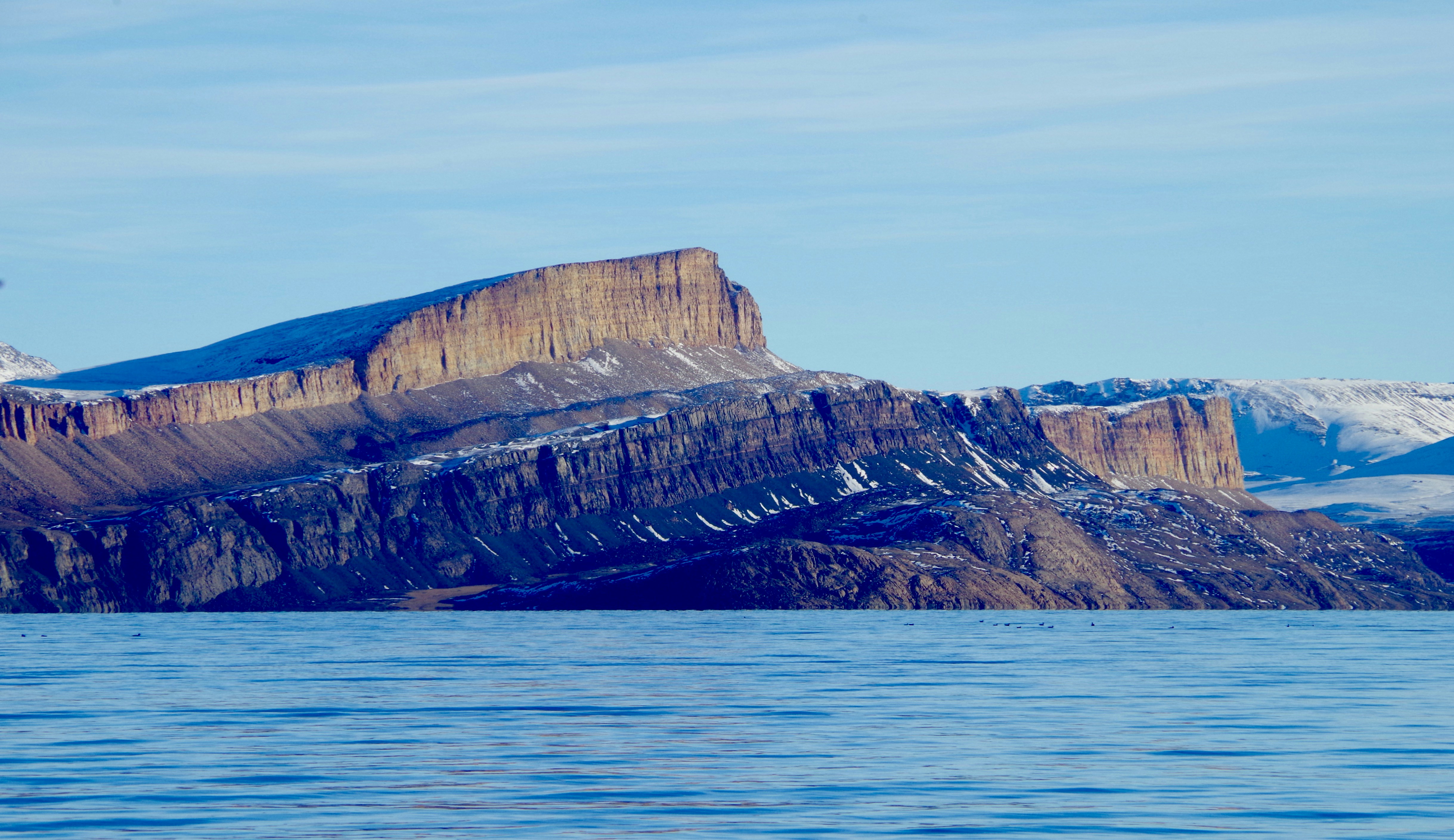
Beechey Island is a small island off the southwest coast of Devon Island, separated by a narrow waterway called the Barrow Strait. Captain William Edward Parry was the first European to visit the island in 1819. His lieutenant, Frederick William Beechey, named the island after his father, the artist William Beechey (1753–1839). Beechey Island played a significant role in the history of Arctic Exploration. During the winter of 1845-46, Sir John Franklin and his men camped on the island as part of their ill-fated quest to find the Northwest Passage. Mummified remains of three of Franklin’s crew were discovered, giving a better understanding of what happened before the disappearance of the expedition. In 1850 Edward Belcher used the island as a base while surveying the area. Later, in 1903, Norwegian explorer Roald Amundsen stopped at the island at the beginning of his successful voyage in search for the Northwest Passage. Subsequently, Beechey Island has been declared a “Territorial Historic Site” since 1975 by the Northwest Territories government
Croker Bay, Nunavut, Canada
No additional details available for this day.
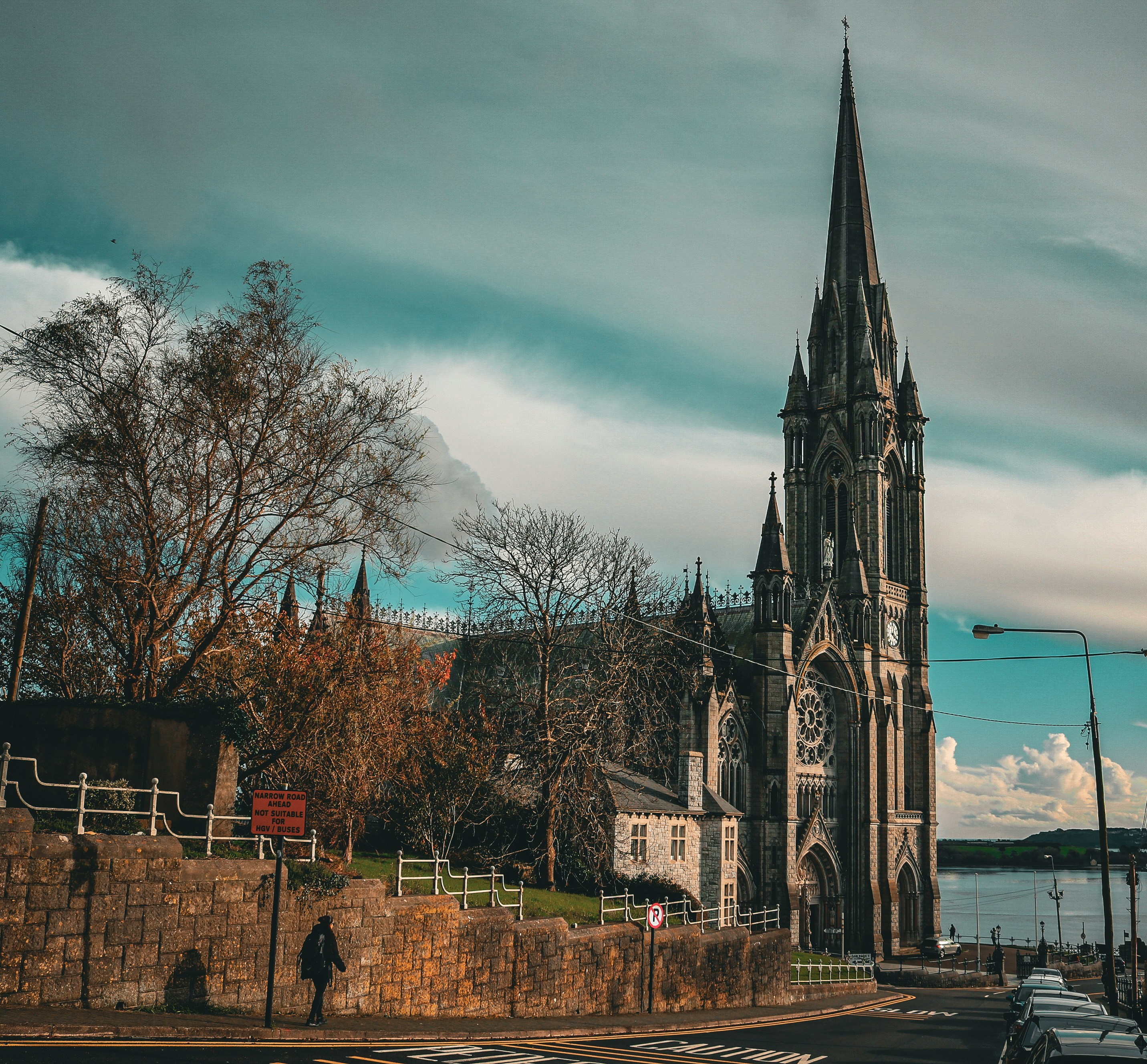
Cobh, Ireland
Cork City’s nearby harbor district has seen plenty of history. Cork Harbour’s draws include Fota Island—with an arboretum, a wildlife park, and the Fota House ancestral estate—and the fishing port of Cobh.
At Sea
Enjoy a day of adventure in the far north
Before your adventure continues to northwest Greenland, enjoy a day on expedition in the north of Baffin Bay.
From landings to kayaking, be ready for anything as your Captain and Expedition Team decide on the best sites and activities based on the day’s conditions. Land at sites linked to early exploration history, visit Inuit communities and look out for Arctic wildlife such as whales, narwhals, seals and seabirds.
Qaanaaq, Greenland
In AD 850, the Vikings established their parliament in Tórshavn, a name which translates as “Thor’s harbor.” It was named after Thor, the god of thunder and lightning in Norse mythology. The town became a center of trade for the island, and in fact was designated as the only legal place for the islanders to sell and buy products. This trade monopoly was abolished in 1856. Today it is the capital and largest city of the Faroe Islands, with fish-processing plants, a shipyard, and woolen products making up. It is considered to be one of the oldest capitals in Northern Europe.
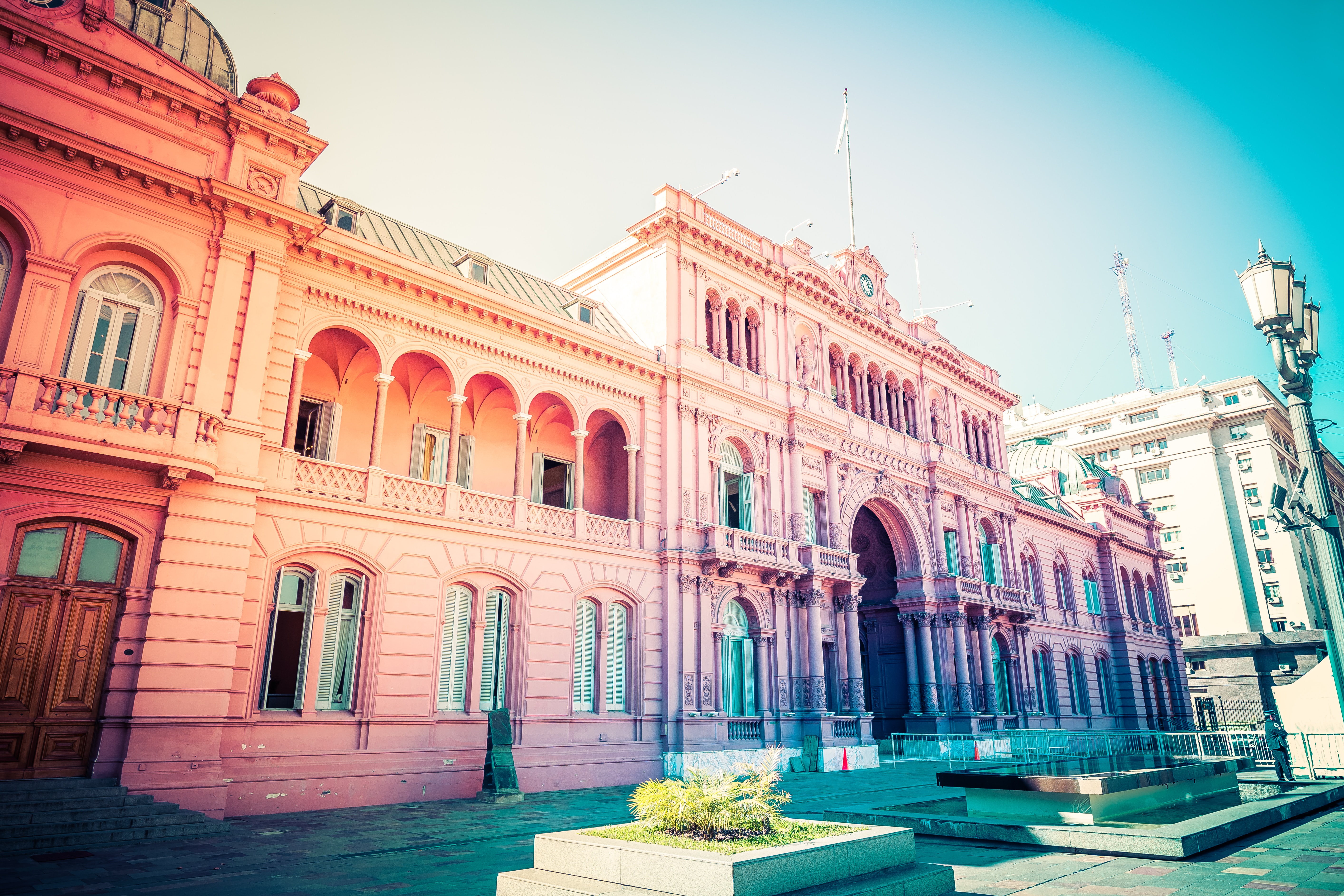
Buenos Aires, Argentina
Glamorous and gritty, Buenos Aires is two cities in one. What makes Argentina’s capital so fascinating is its dual heritage—part European, part Latin American. Plaza de Mayo resembles a grand square in Madrid, and the ornate Teatro Colón would not be out of place in Vienna. But you’ll know you’re in South America by the leather shoes for sale on cobbled streets and impromptu parades of triumphant soccer fans. Limited-production wines, juicy steaks, and ice cream in countless flavors are among the old-world imports the city has perfected.
Dundas Harbour, Devon Island, Nunavut, Canada
Dundas Harbour is located in the southeast of Devon Island, Canada’s 6th largest island. It is a forlorn but starkly beautiful spot. The island was first sighted by Europeans in 1616 by the English explorers Robert Bylot and William Baffin. But it did not appear on maps until after explorer William Edward Parry’s exploration in the 1820’s. Parry named it after Devon, England. In the local Inuktitut language, the place is called Talluruti, which translates as “a woman’s chin with tattoos on it.” This refers to the deep crevasses and streaks on Devon Island, which from a distance resemble traditional facial tattoos. On land there are remains of a Thule settlement dating back to 1000 A.D., including tent rings, middens and a gravesite. There are also much more recent remains a Royal Canadian Mounted Police outpost. The first post was established in 1924 to monitor and control illegal activities, such as foreign whaling, in the eastern entrance to the Northwest Passage. But conditions were so isolated and severe that the post was abandoned in 1933. It was reopened in 1945, but again closed, this time permanently, in 1951. Today, Devon Island is the largest uninhabited island in the world.
Beechey Island, Nunavut, Canada
Beechey Island is a small island off the southwest coast of Devon Island, separated by a narrow waterway called the Barrow Strait. Captain William Edward Parry was the first European to visit the island in 1819. His lieutenant, Frederick William Beechey, named the island after his father, the artist William Beechey (1753–1839). Beechey Island played a significant role in the history of Arctic Exploration. During the winter of 1845-46, Sir John Franklin and his men camped on the island as part of their ill-fated quest to find the Northwest Passage. Mummified remains of three of Franklin’s crew were discovered, giving a better understanding of what happened before the disappearance of the expedition. In 1850 Edward Belcher used the island as a base while surveying the area. Later, in 1903, Norwegian explorer Roald Amundsen stopped at the island at the beginning of his successful voyage in search for the Northwest Passage. Subsequently, Beechey Island has been declared a “Territorial Historic Site” since 1975 by the Northwest Territories government
Croker Bay, Nunavut, Canada
No additional details available for this day.
Cobh, Ireland
Cork City’s nearby harbor district has seen plenty of history. Cork Harbour’s draws include Fota Island—with an arboretum, a wildlife park, and the Fota House ancestral estate—and the fishing port of Cobh.
At Sea
Enjoy a day of adventure in the far north
Before your adventure continues to northwest Greenland, enjoy a day on expedition in the north of Baffin Bay.
From landings to kayaking, be ready for anything as your Captain and Expedition Team decide on the best sites and activities based on the day’s conditions. Land at sites linked to early exploration history, visit Inuit communities and look out for Arctic wildlife such as whales, narwhals, seals and seabirds.
Qaanaaq, Greenland
In AD 850, the Vikings established their parliament in Tórshavn, a name which translates as “Thor’s harbor.” It was named after Thor, the god of thunder and lightning in Norse mythology. The town became a center of trade for the island, and in fact was designated as the only legal place for the islanders to sell and buy products. This trade monopoly was abolished in 1856. Today it is the capital and largest city of the Faroe Islands, with fish-processing plants, a shipyard, and woolen products making up. It is considered to be one of the oldest capitals in Northern Europe.
Buenos Aires, Argentina
Glamorous and gritty, Buenos Aires is two cities in one. What makes Argentina’s capital so fascinating is its dual heritage—part European, part Latin American. Plaza de Mayo resembles a grand square in Madrid, and the ornate Teatro Colón would not be out of place in Vienna. But you’ll know you’re in South America by the leather shoes for sale on cobbled streets and impromptu parades of triumphant soccer fans. Limited-production wines, juicy steaks, and ice cream in countless flavors are among the old-world imports the city has perfected.
At Sea
Relax and learn at sea
We’ll spend the day on the open seas crossing Melville Bay. This is a huge bay bordering the icy coast of Lauge Koch, where the ice caps meet the sea. Known by the locals as Qimusseriarsuaq, meaning “The Great Dog Sledding Place,” the bay was renamed by British explorers after Robert Dundas, 2nd Viscount Melville, in the mid-19th century.
Enjoy your day as we sail well beyond 70 degrees north. Relax on board, join in with wildlife watches out on deck with the Expedition Team, and learn more about the Arctic with the ongoing series of lectures on topics such as nature, geology and mythology.
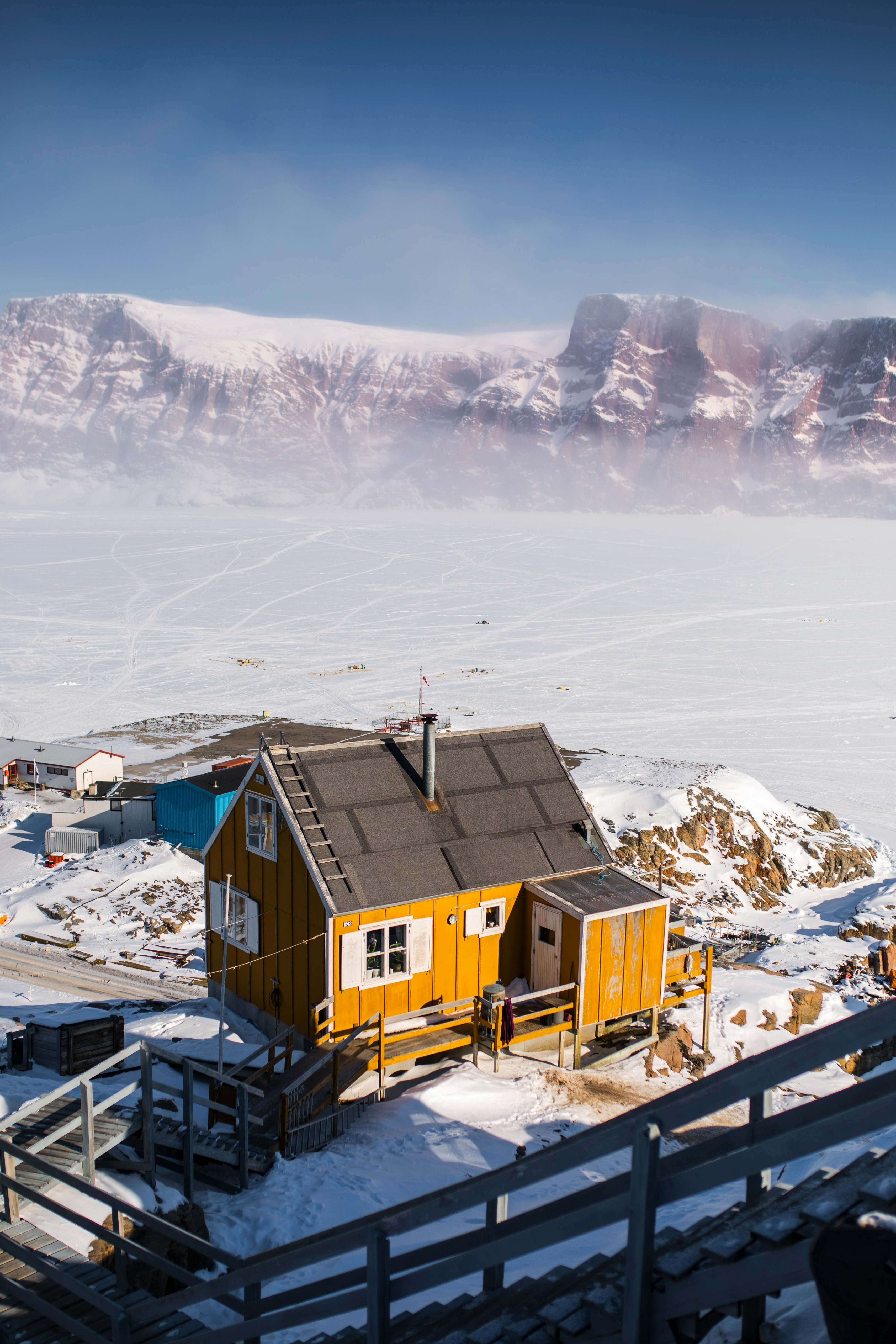
Uummannaq, Greenland
In the iceberg-laden waters surrounding the remote community of Uummannaq it is common to see whales. This area of Greenland is also known for its huge basalt mountains, and the small hunting and fishing village of Uummannaq rests at the foot of the heart-shaped Uummannaq Mountain, a name that translates to mean “in the shape of a seal’s heart”. The town of over 1200 people has a granite church and the country’s most northerly ferry terminal. The economy of Uummannaq revolves largely around the halibut/fish-processing factory.
Vaigat Sound, Greenland
No additional details available for this day.
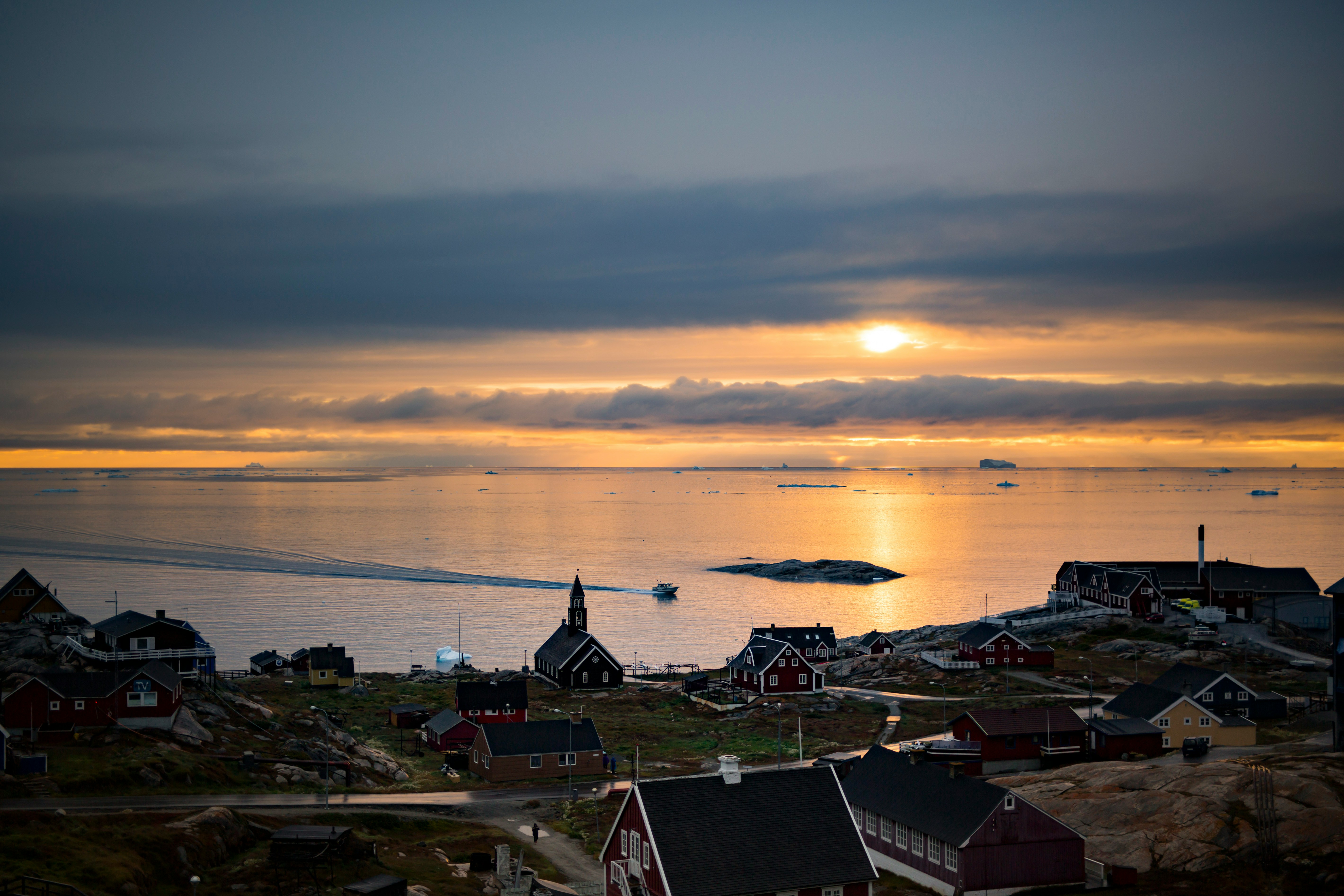
Ilulissat (Jakobshavn), Greenland
Known as the birthplace of icebergs, the Ilulissat Icefjord produces nearly 20 million tons of ice each day. In fact, the word Ilulissat means “icebergs” in the Kalaallisut language. The town of Ilulissat is known for its long periods of calm and settled weather, but the climate tends to be cold due to its proximity to the fjord. Approximately 4,500 people live in Ilulissat, the third-largest town in Greenland after Nuuk and Sisimiut. Some people here estimate that there are nearly as many sled dogs as human beings living in the town that also boasts a local history museum located in the former home of Greenlandic folk hero and famed polar explorer Knud Rasmussen.
Sisimiut (Holsteinsborg), Greenland
Located just north of the Arctic Circle, Sisimiut is the northernmost town in Greenland where the port remains free of ice in the winter. Yet it is also the southernmost town where there is enough snow and ice to drive a dogsled in winter and spring. In Sisimiut, travelling by sled has been the primary means of winter transportation for centuries. In fact, the area has been inhabited for approximately 4,500 years. Modern Sisimiut is the largest business center in the north of Greenland, and is one of the fastest growing Greenlandic cities. Commercial fishing is the lead economy in the town‘s thriving industrial base.
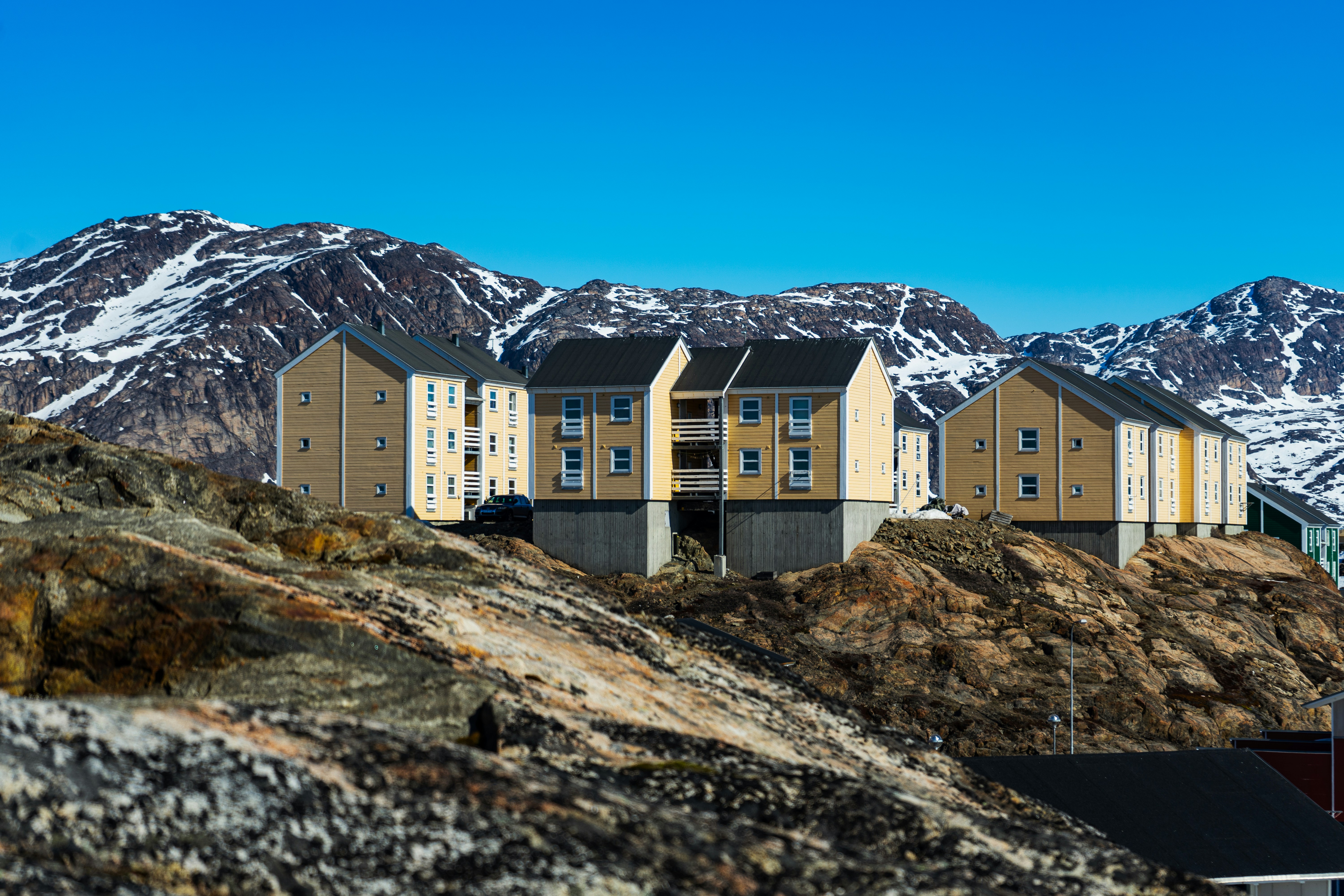
Nuuk (Godthaab), Greenland
Nuuk, meaning “the cape”, was Greenland’s first town (1728). Started as a fort and later mission and trading post some 240 kilometers south of the Arctic Circle, it is the current capital. Almost 30% of Greenland’s population lives in the town. Not only does Nuuk have great natural beauty in its vicinity, but there are Inuit ruins, Hans Egede’s home, the parliament, and the Church of our Saviour as well. The Greenlandic National Museum has an outstanding collection of Greenlandic traditional dresses, as well as the famous Qilakitsoq mummies. The Katuaq Cultural Center’s building was inspired by the undulating Northern Lights and can house 10% of Nuuk’s inhabitants.
At Sea
Relax and learn at sea
We’ll spend the day on the open seas crossing Melville Bay. This is a huge bay bordering the icy coast of Lauge Koch, where the ice caps meet the sea. Known by the locals as Qimusseriarsuaq, meaning “The Great Dog Sledding Place,” the bay was renamed by British explorers after Robert Dundas, 2nd Viscount Melville, in the mid-19th century.
Enjoy your day as we sail well beyond 70 degrees north. Relax on board, join in with wildlife watches out on deck with the Expedition Team, and learn more about the Arctic with the ongoing series of lectures on topics such as nature, geology and mythology.
Uummannaq, Greenland
In the iceberg-laden waters surrounding the remote community of Uummannaq it is common to see whales. This area of Greenland is also known for its huge basalt mountains, and the small hunting and fishing village of Uummannaq rests at the foot of the heart-shaped Uummannaq Mountain, a name that translates to mean “in the shape of a seal’s heart”. The town of over 1200 people has a granite church and the country’s most northerly ferry terminal. The economy of Uummannaq revolves largely around the halibut/fish-processing factory.
Vaigat Sound, Greenland
No additional details available for this day.
Ilulissat (Jakobshavn), Greenland
Known as the birthplace of icebergs, the Ilulissat Icefjord produces nearly 20 million tons of ice each day. In fact, the word Ilulissat means “icebergs” in the Kalaallisut language. The town of Ilulissat is known for its long periods of calm and settled weather, but the climate tends to be cold due to its proximity to the fjord. Approximately 4,500 people live in Ilulissat, the third-largest town in Greenland after Nuuk and Sisimiut. Some people here estimate that there are nearly as many sled dogs as human beings living in the town that also boasts a local history museum located in the former home of Greenlandic folk hero and famed polar explorer Knud Rasmussen.
Sisimiut (Holsteinsborg), Greenland
Located just north of the Arctic Circle, Sisimiut is the northernmost town in Greenland where the port remains free of ice in the winter. Yet it is also the southernmost town where there is enough snow and ice to drive a dogsled in winter and spring. In Sisimiut, travelling by sled has been the primary means of winter transportation for centuries. In fact, the area has been inhabited for approximately 4,500 years. Modern Sisimiut is the largest business center in the north of Greenland, and is one of the fastest growing Greenlandic cities. Commercial fishing is the lead economy in the town‘s thriving industrial base.
Nuuk (Godthaab), Greenland
Nuuk, meaning “the cape”, was Greenland’s first town (1728). Started as a fort and later mission and trading post some 240 kilometers south of the Arctic Circle, it is the current capital. Almost 30% of Greenland’s population lives in the town. Not only does Nuuk have great natural beauty in its vicinity, but there are Inuit ruins, Hans Egede’s home, the parliament, and the Church of our Saviour as well. The Greenlandic National Museum has an outstanding collection of Greenlandic traditional dresses, as well as the famous Qilakitsoq mummies. The Katuaq Cultural Center’s building was inspired by the undulating Northern Lights and can house 10% of Nuuk’s inhabitants.
Cabin Options
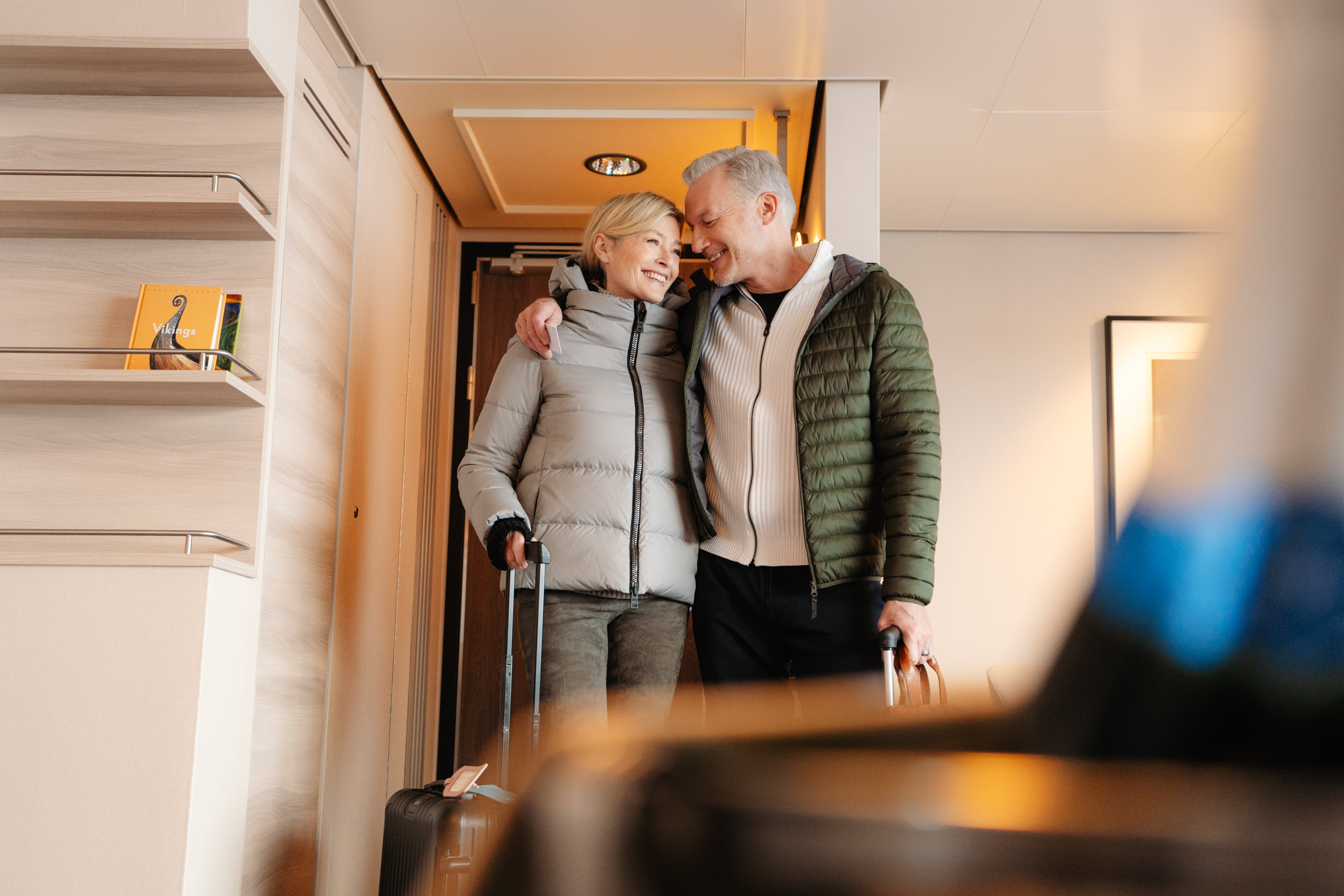
Expedition Suite | XL Suite – With balcony
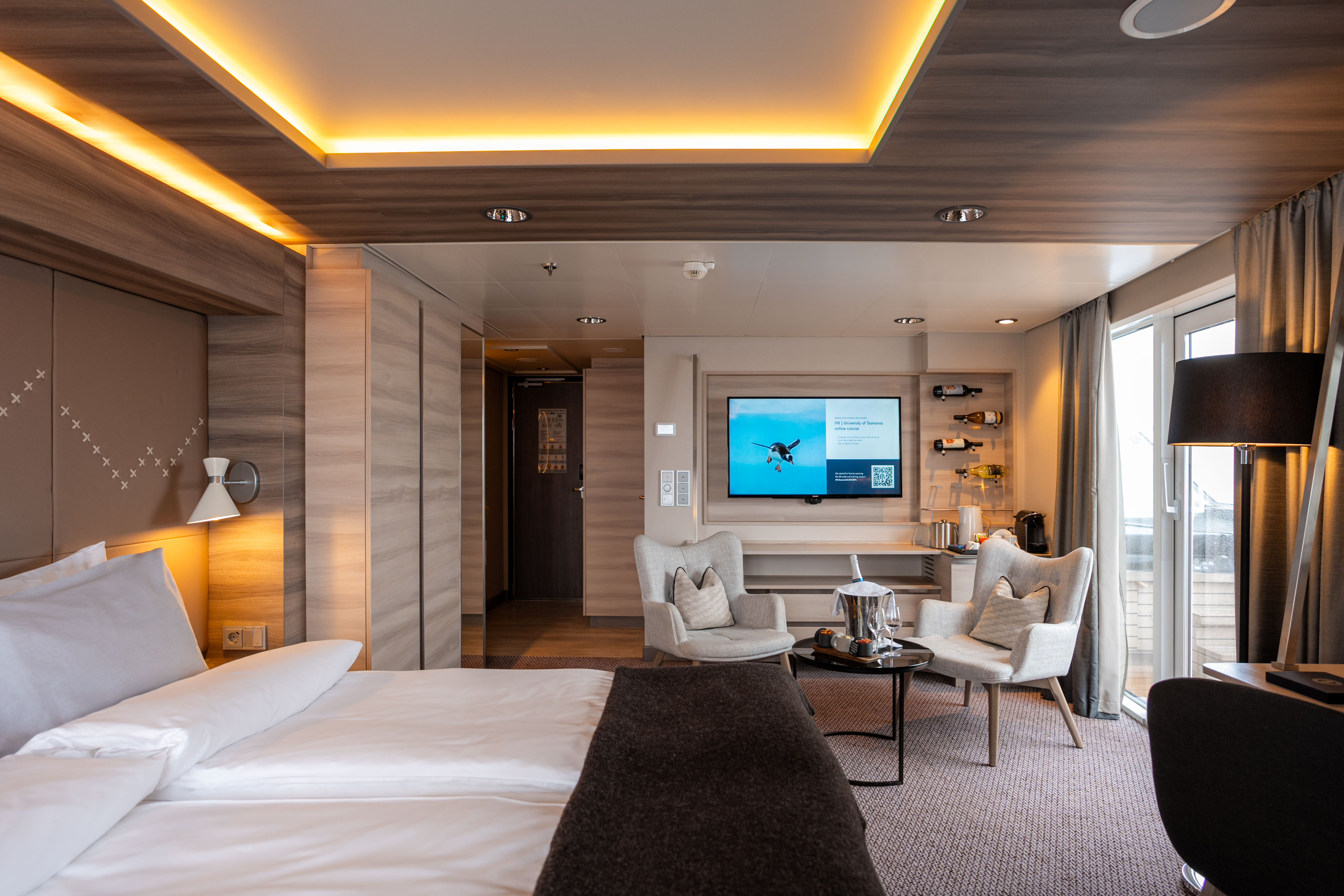
Expedition Suite | Corner suite with balcony
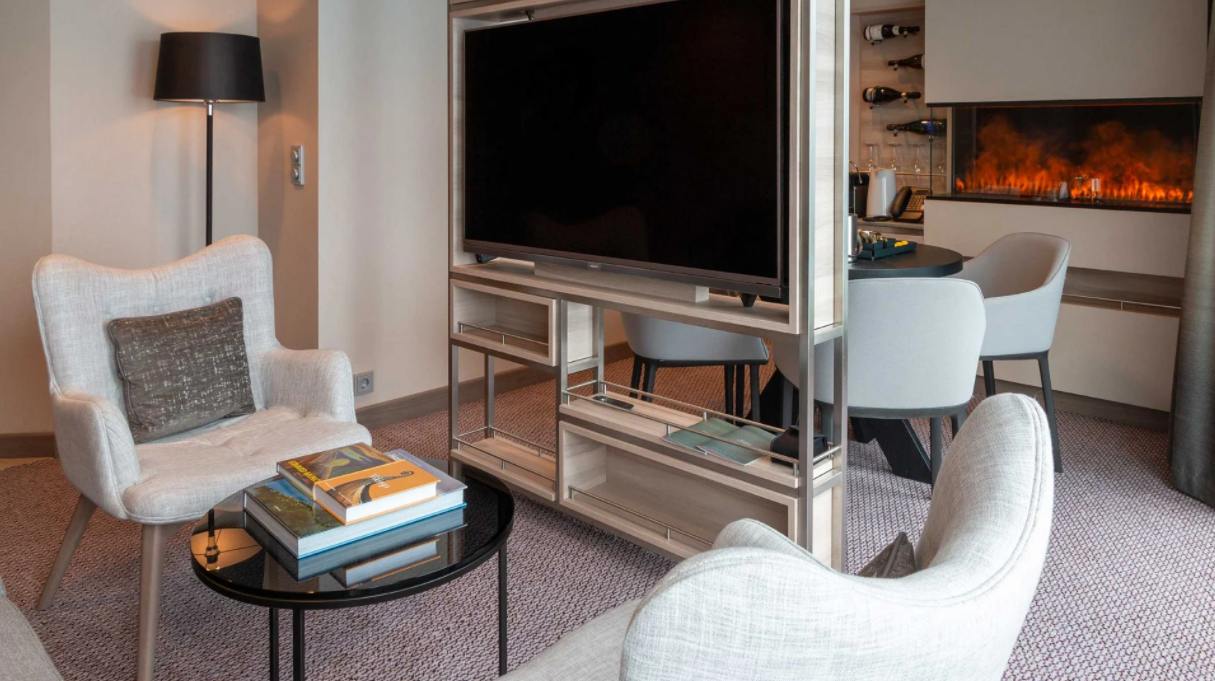
Expedition Suite | XL Suite
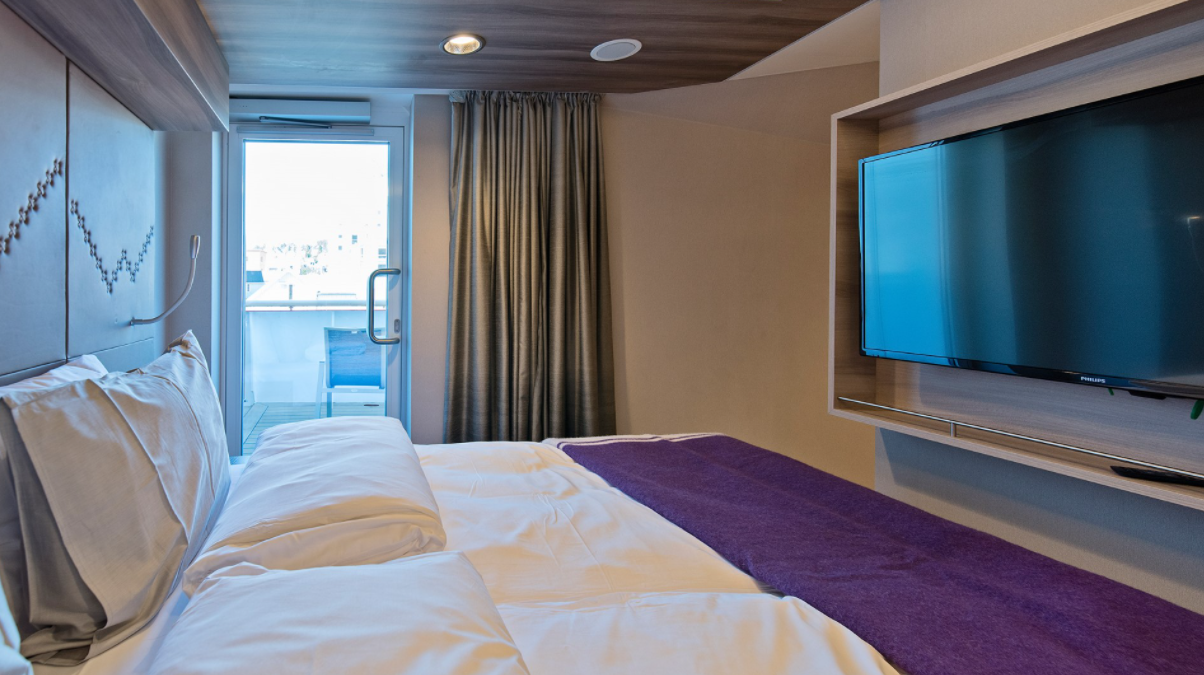
Expedition Suite | Large suite with balcony
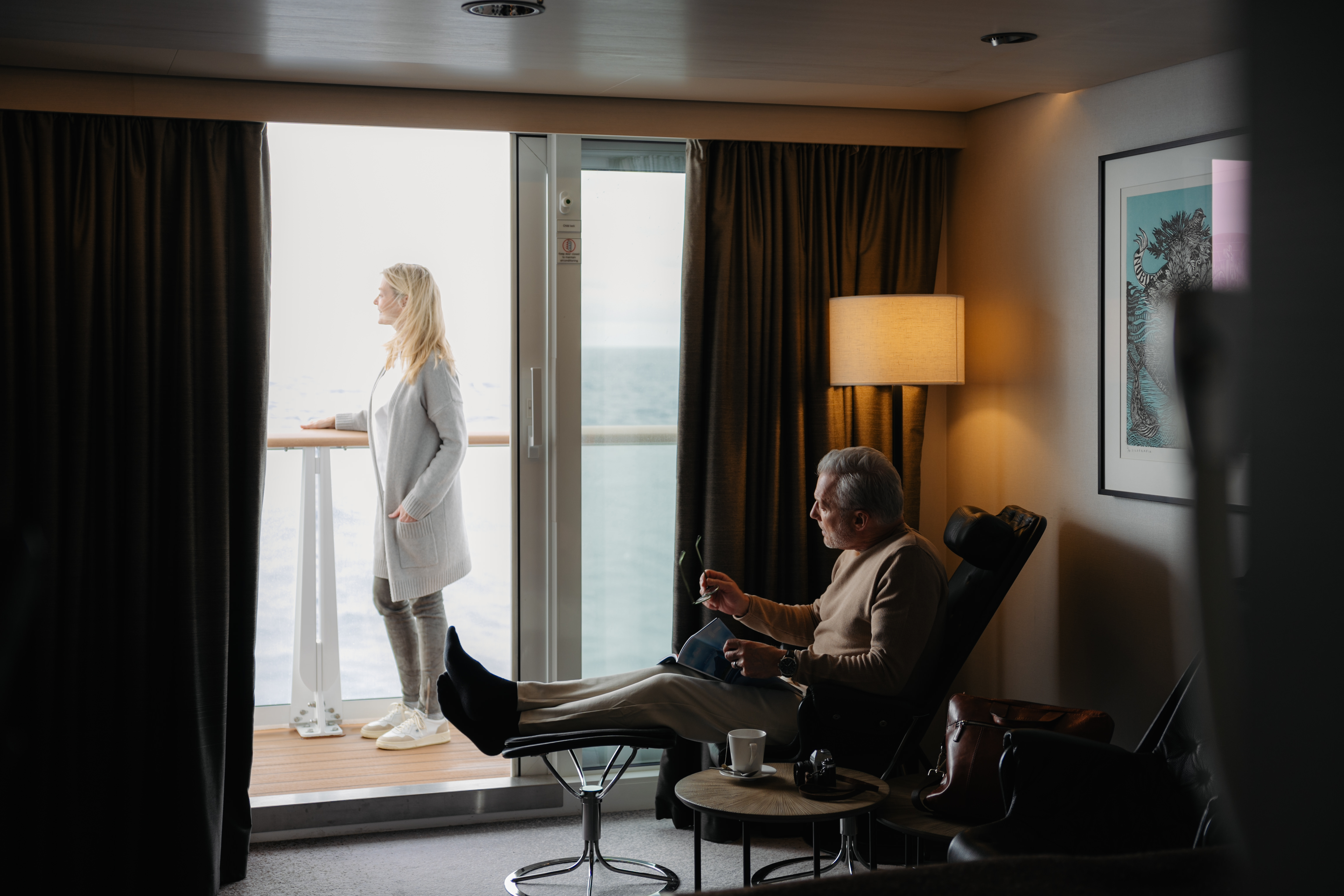
Expedition Suite | Suite with balcony
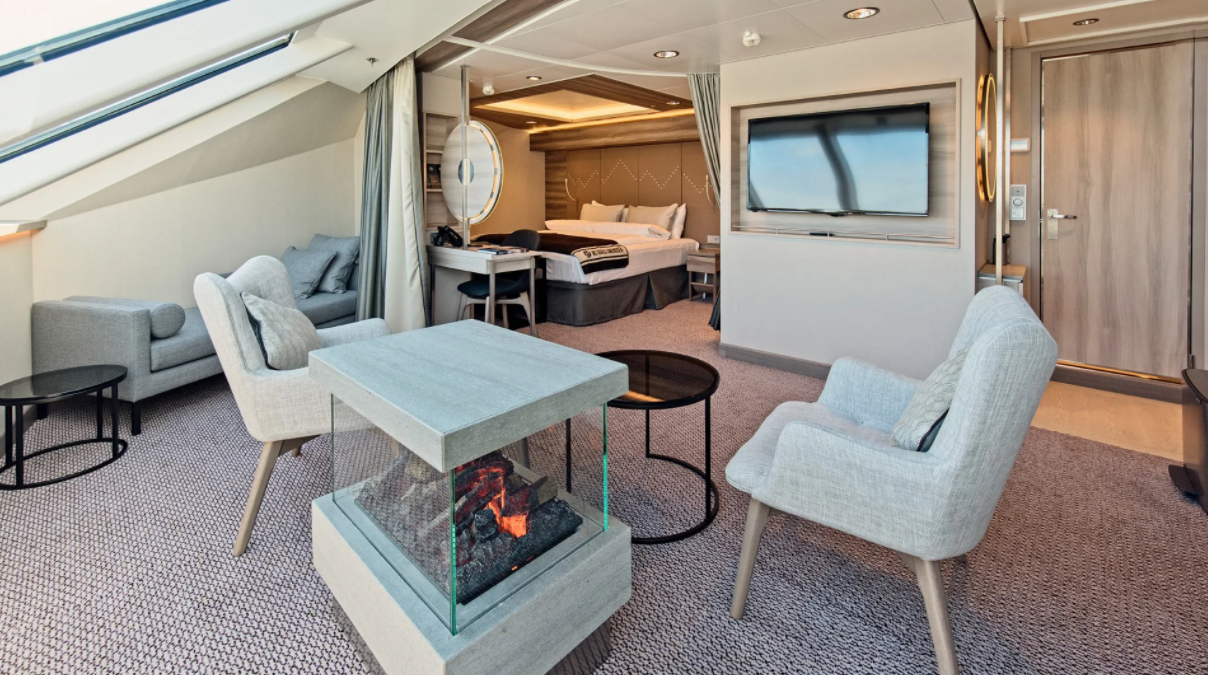
Expedition Suite | Corner suite
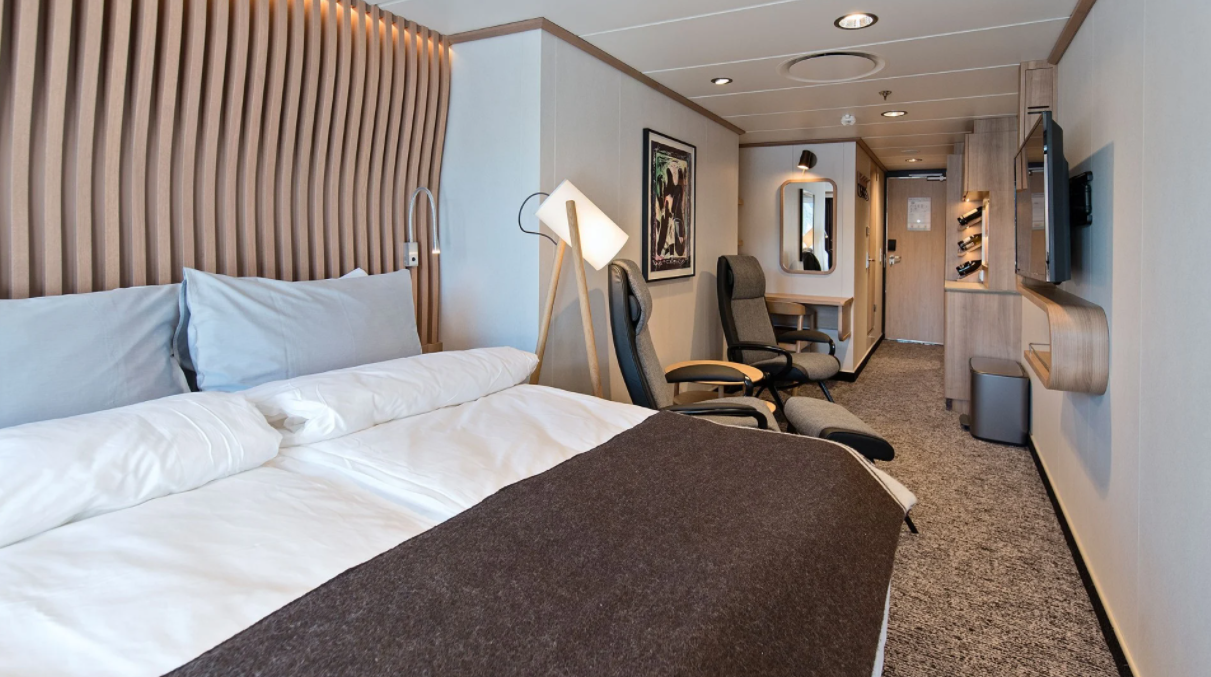
Arctic Superior | Outside cabin with balcony
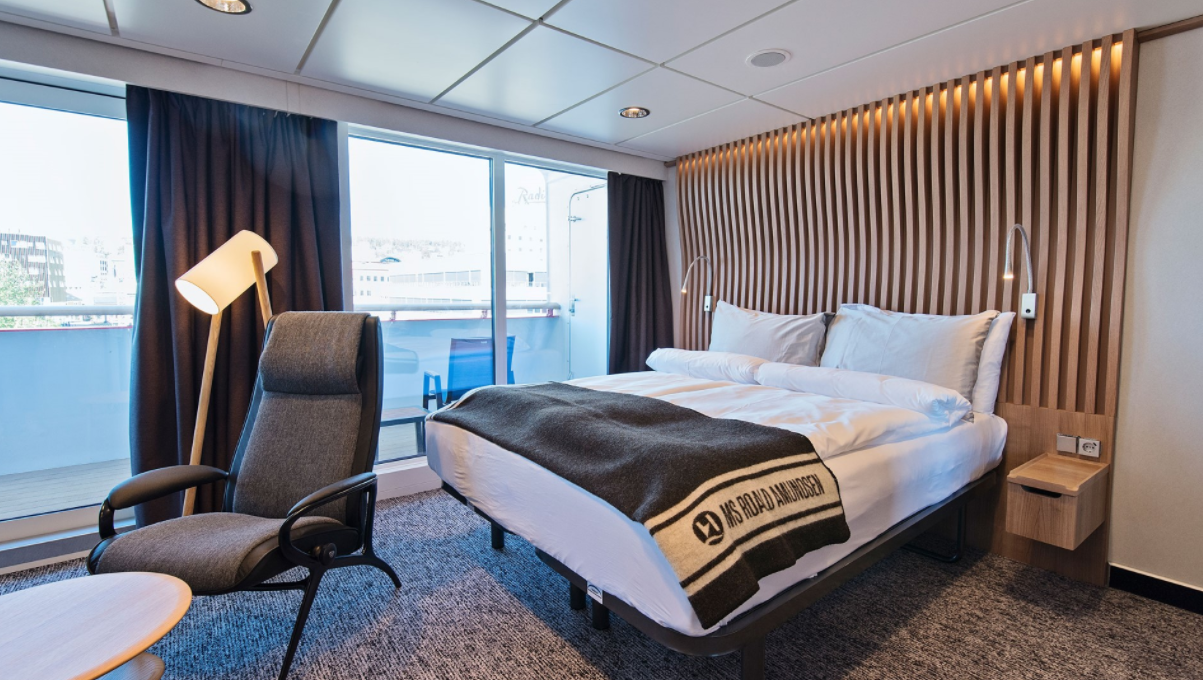
Arctic Superior | Outside cabin with balcony
Arctic Superior | Wheelchair-accessible outside cabin with balcony
Arctic Superior | Outside cabin with balcony
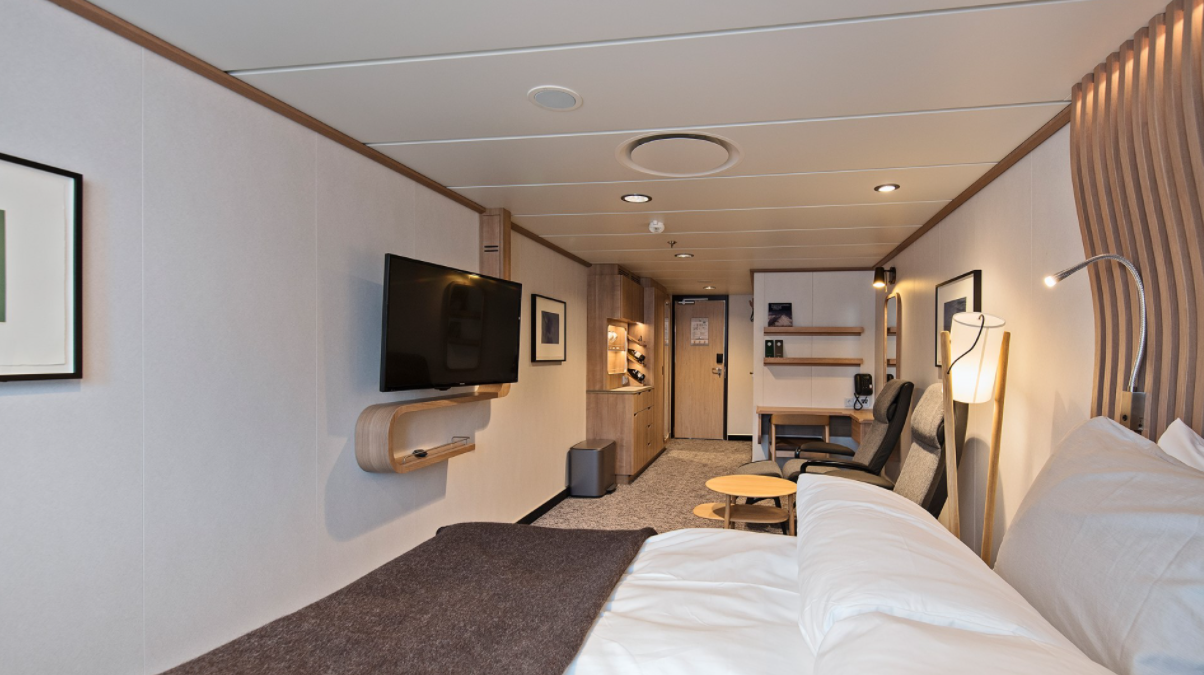
Arctic Superior | Outside cabin – Lower/middle decks
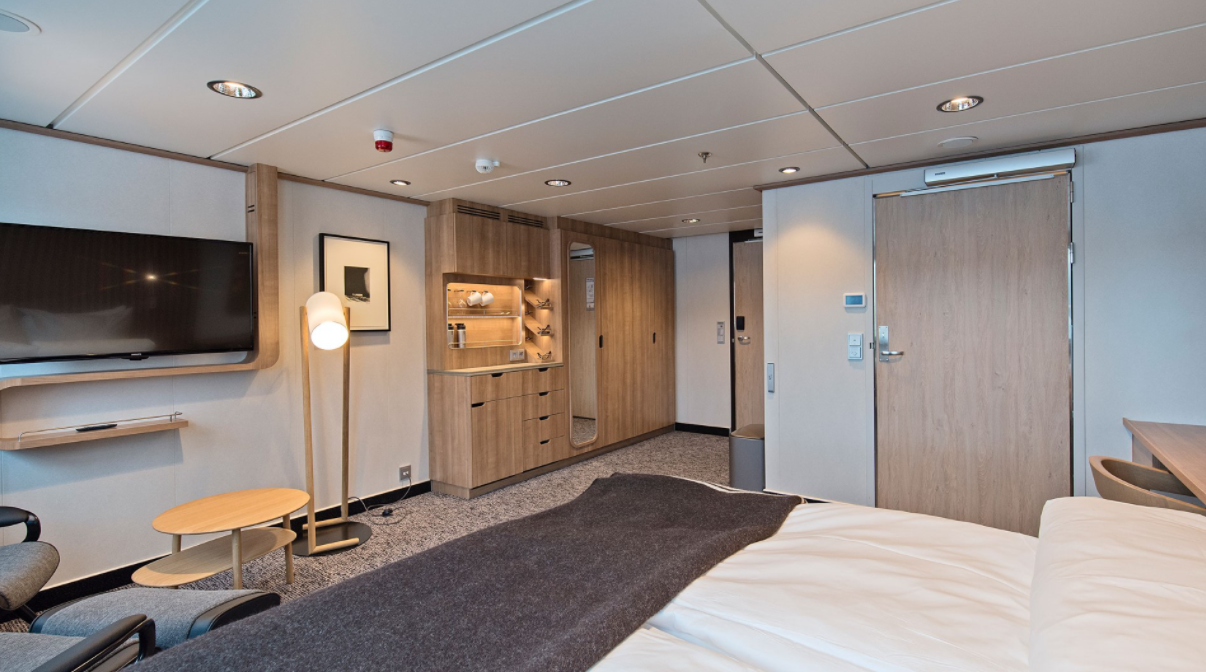
Arctic Superior | Outside cabin – Lower/middle decks
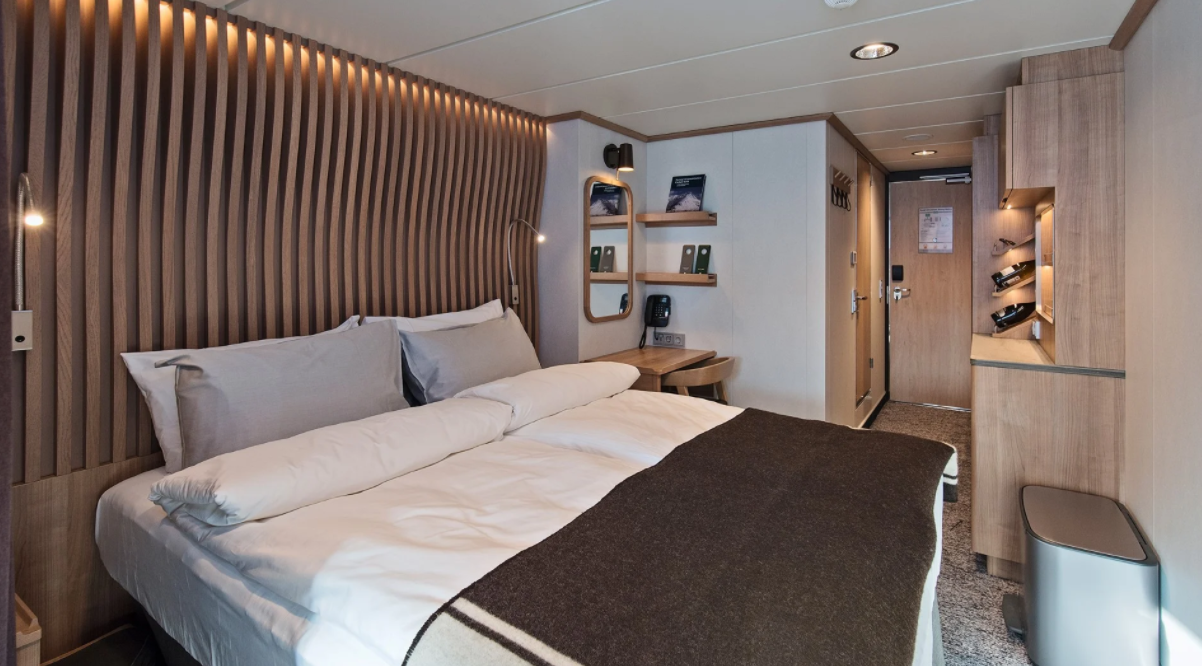
Polar Outside | Outside cabin – Lower/middle decks
Ship Facilities
Fredheim
The ships’ informal and social meeting place – named after a 1900s hunting station on Svalbard.
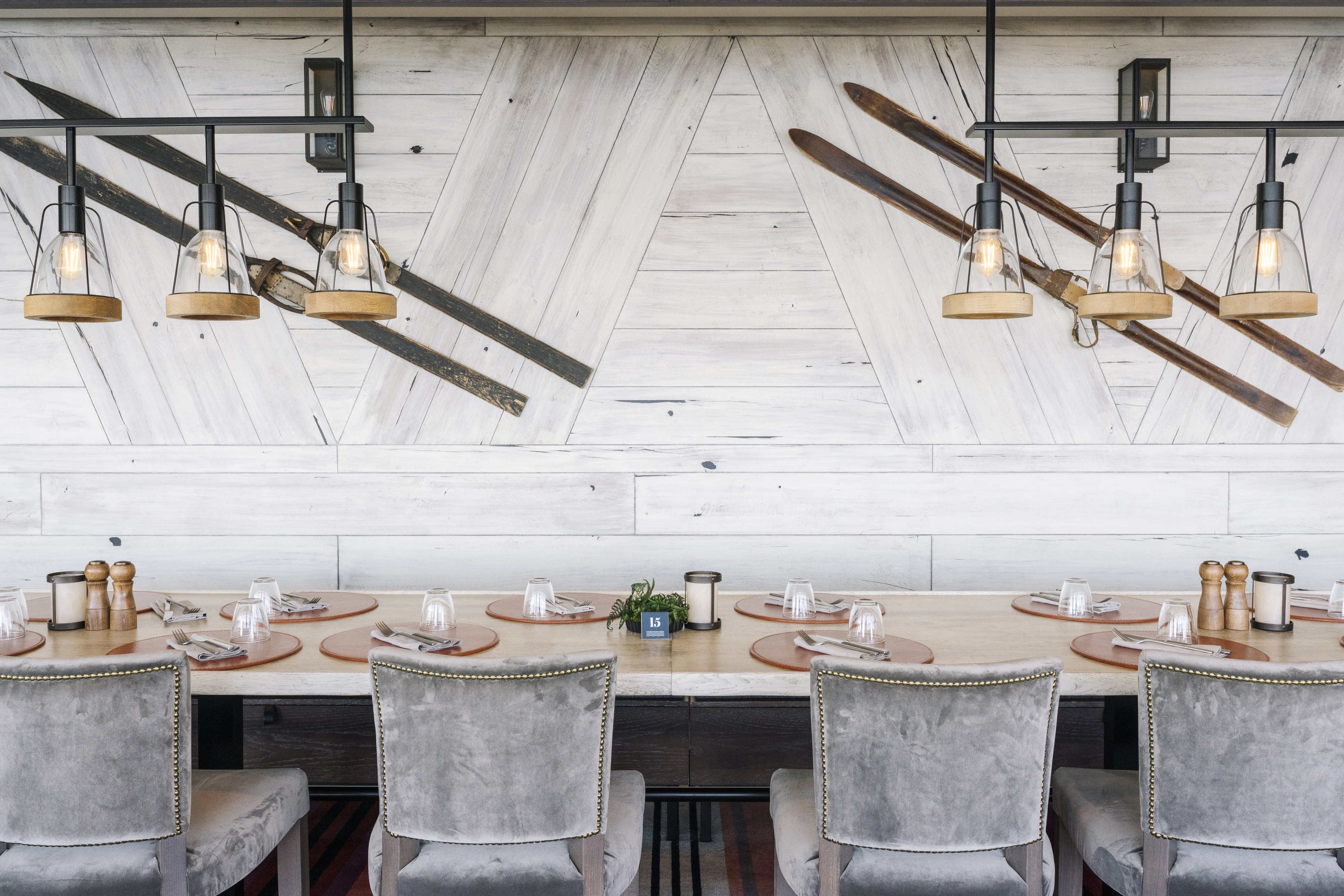
Aune
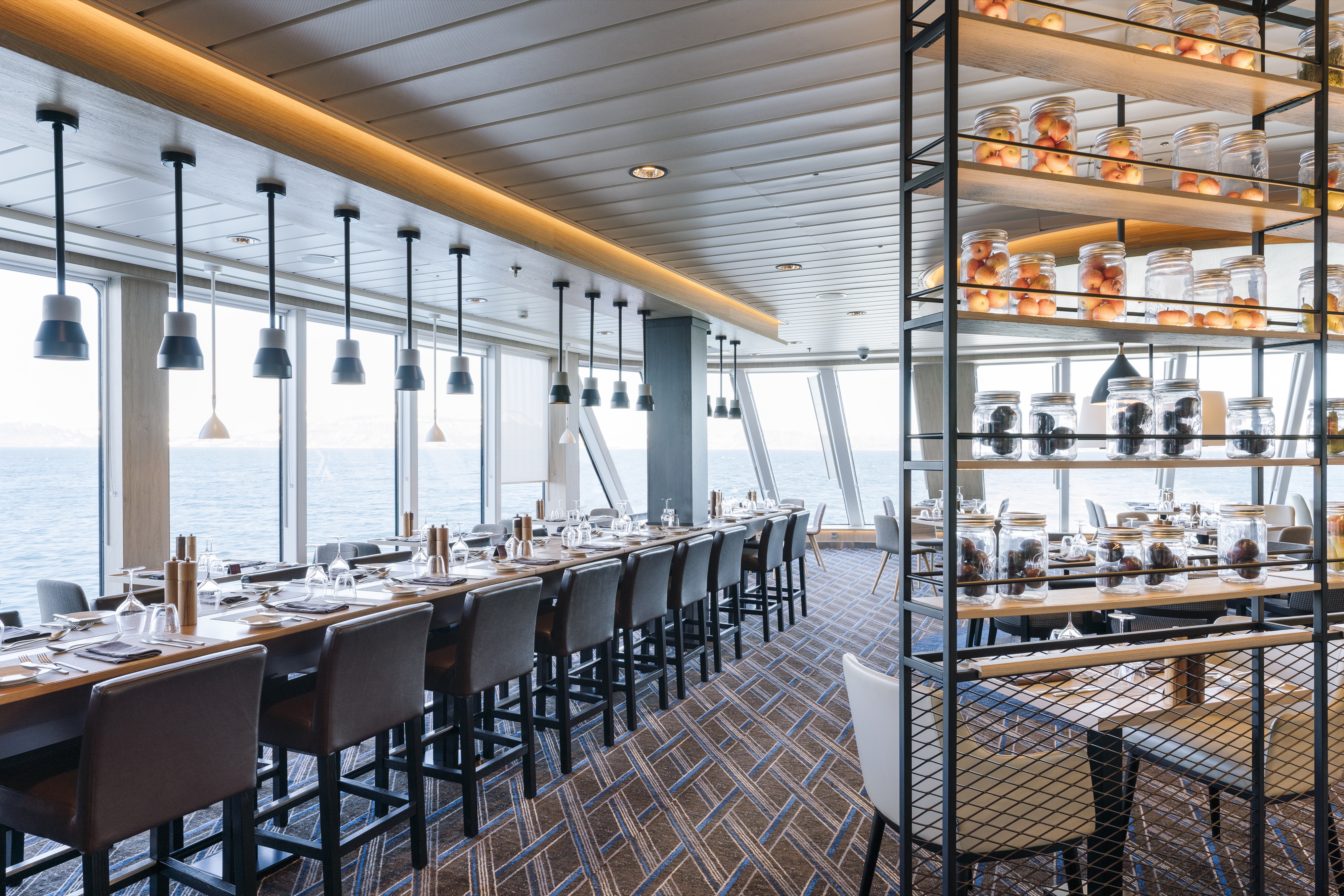
Lindstrøm
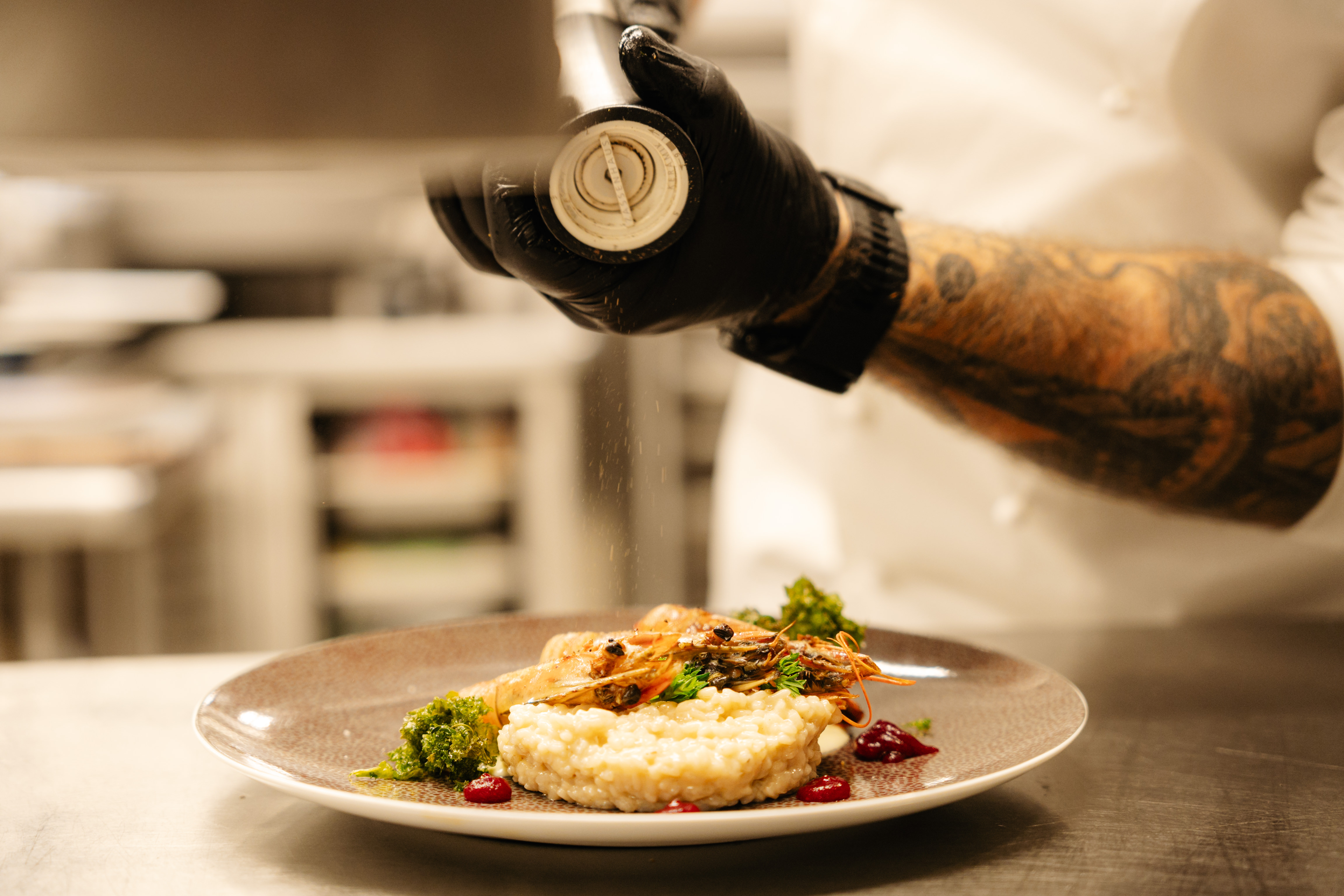
A speciality restaurant named after Adolf Lindstrøm, the favourite chef of the Norwegian polar heroes. Fine dining in Restaurant Lindstrøm is included for suite guests. Non-suite guests can enjoy breakfast, lunch and dinner in Lindstrøm for an additional cost.
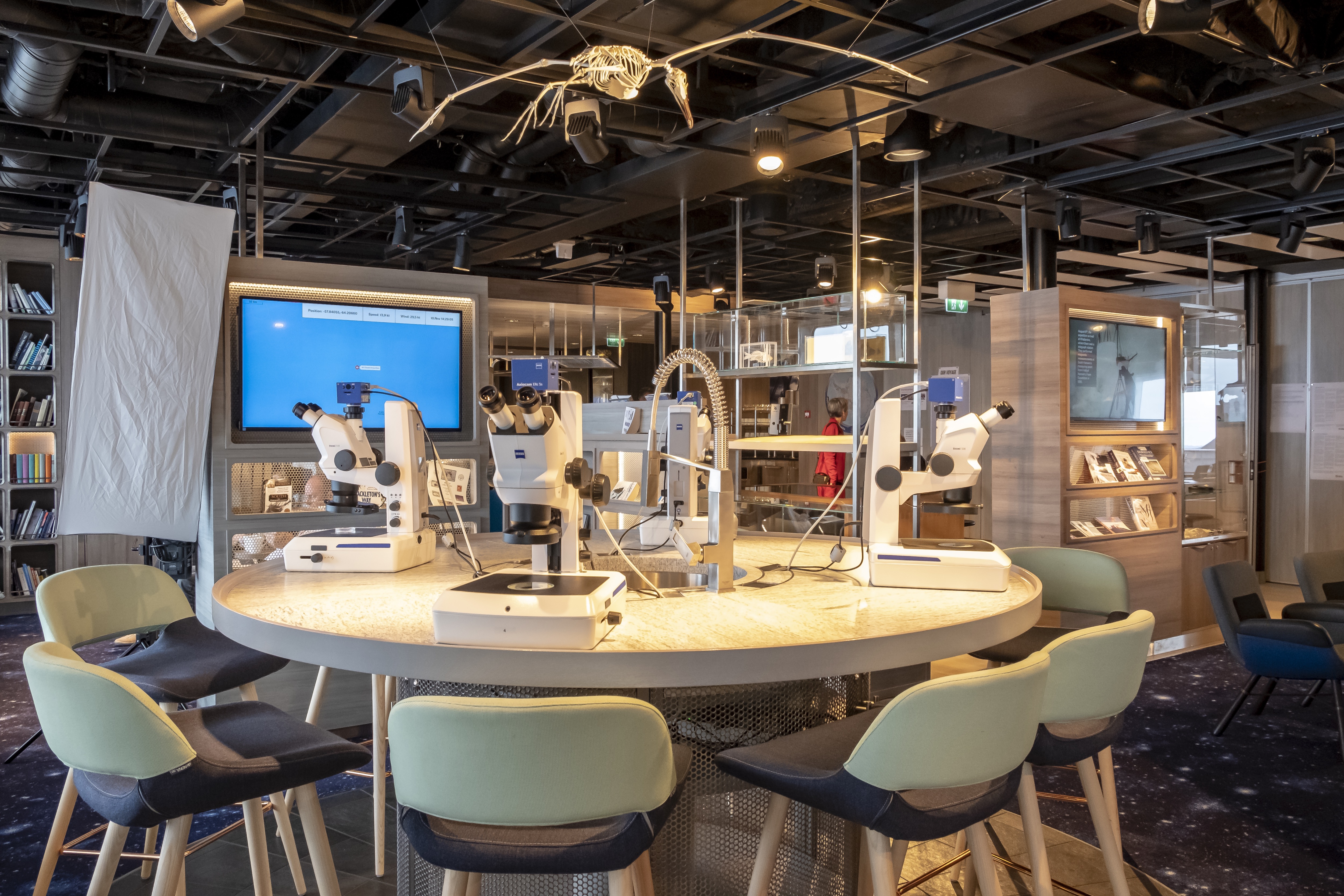
Science Center
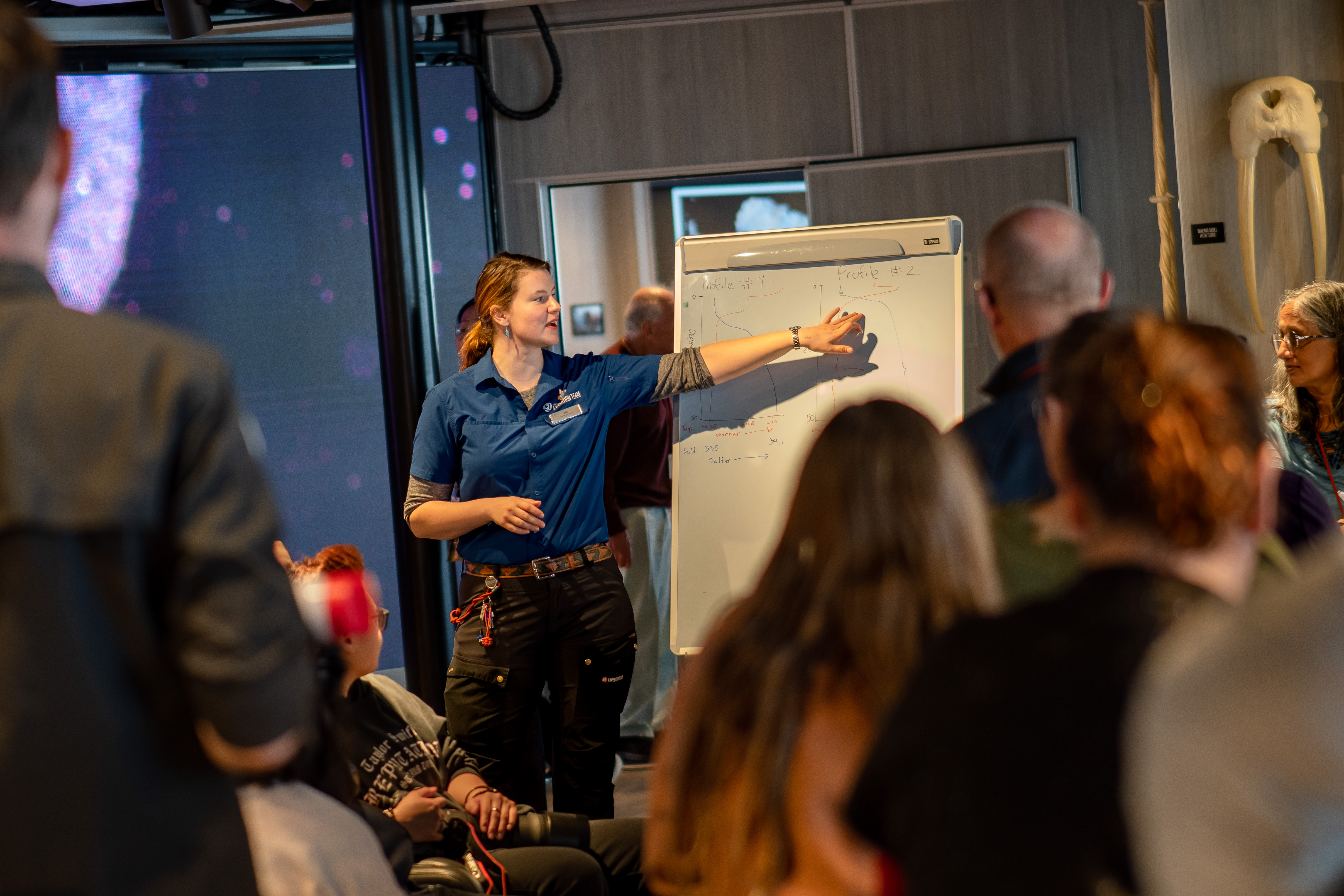
The Science & Education program brings together like-minded individuals
Covering over 3/4 of the planet’s surface, our oceans are vital in supporting human life on earth and are also home to over 90% of all known wildlife. Despite it influencing everything from our weather to transportation and yes, expedition cruises, very little is known about our blue planet.
This is where HX Expeditions and our fleet of small, state-of-the-art Expedition ships come in. We can reach, explore and collect vital scientific data on some of the planet’s most remote regions. From understanding whale migrations and phytoplankton communities to cloud observations and the Northern Lights, our onboard Science & Education Teams – with the help of you, our guests – captures, analyses, and reports invaluable data to organisations and research projects around the world.
Lectures
Expedition Team
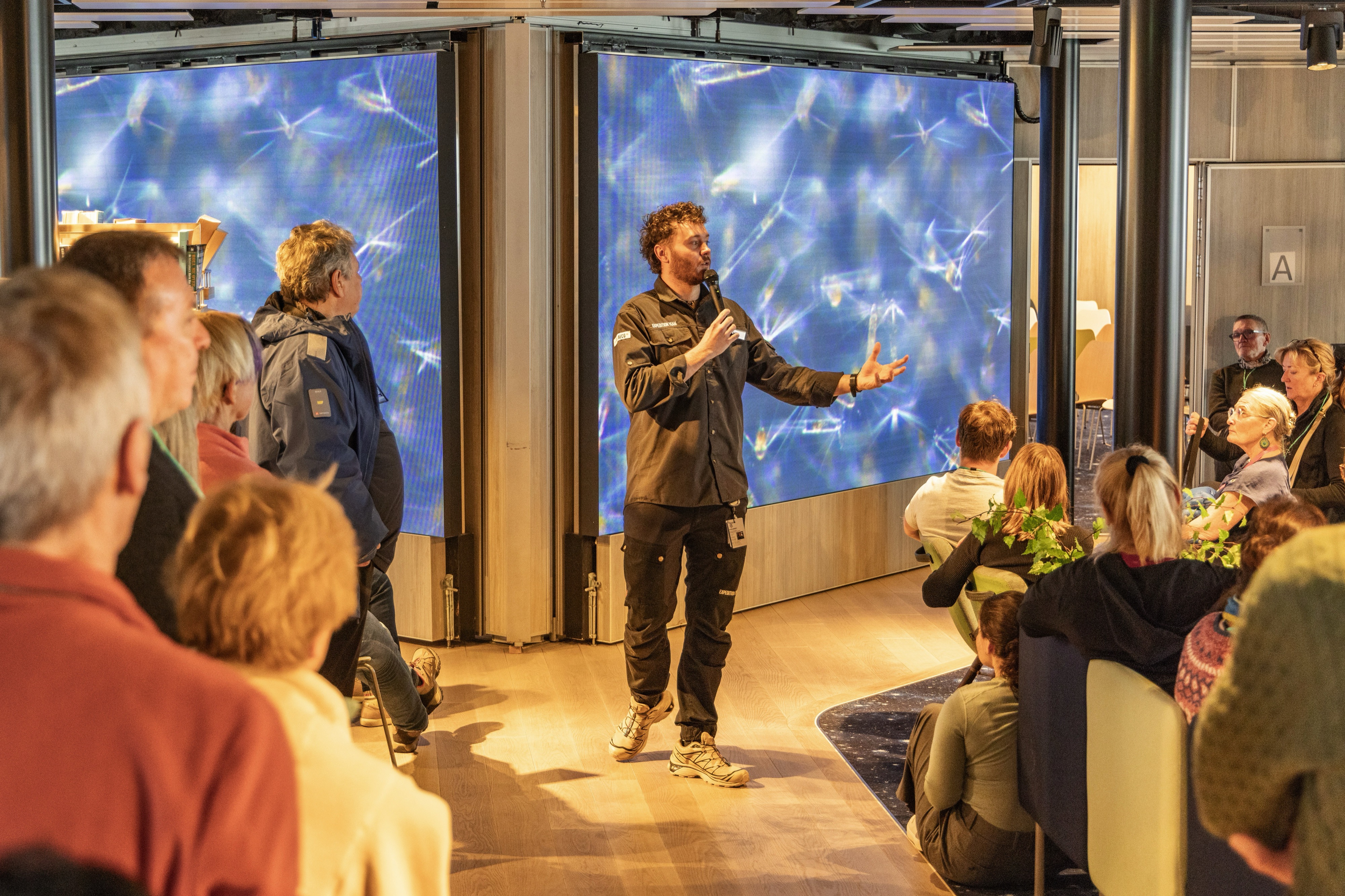
The onboard Expedition Team is composed of the Expedition Leader, the Assistant Expedition Leader, the Expedition Coordinator plus several lecturers and experts. Your Expedition Leader will regularly update you on the progress of the trip as well as the different points of interest and wildlife sightings that may occur. Biographies of the Expedition Team can be found on board. In the ships science center, you will be able to find information regarding the trip and book optional excursions and activities
Excursions
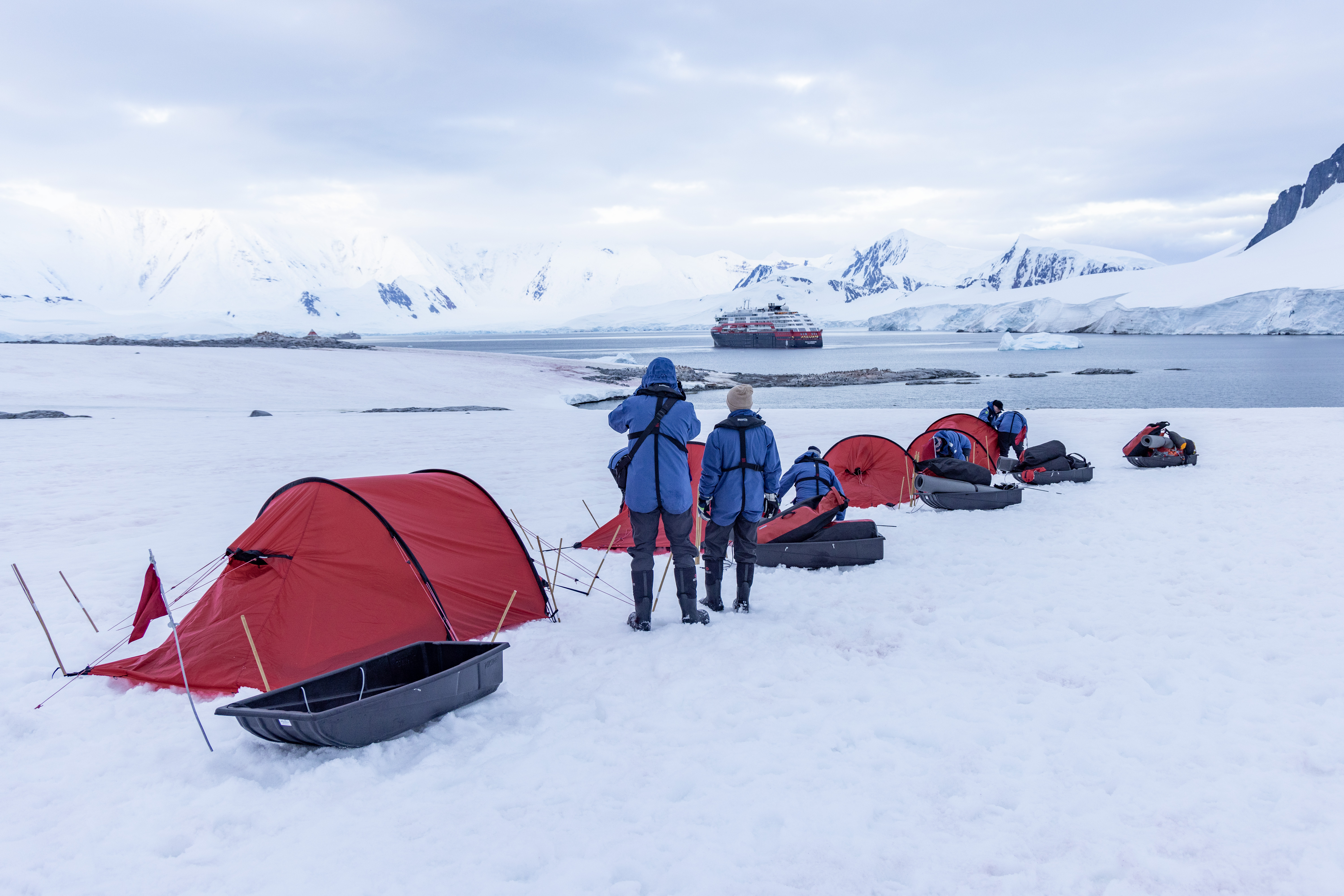
Let the participants reveal the adventurer they carry within, and get to know the spectacular surroundings by taking part in the excursions we offer. You can also take a brief break and join in one of the activities that take place on deck. This will recharge your batteries for the next session.
Take a break and fill all of your senses – storytelling about food and its traditions is a large part of the gastronomic experience on our ships.
Resident photographers
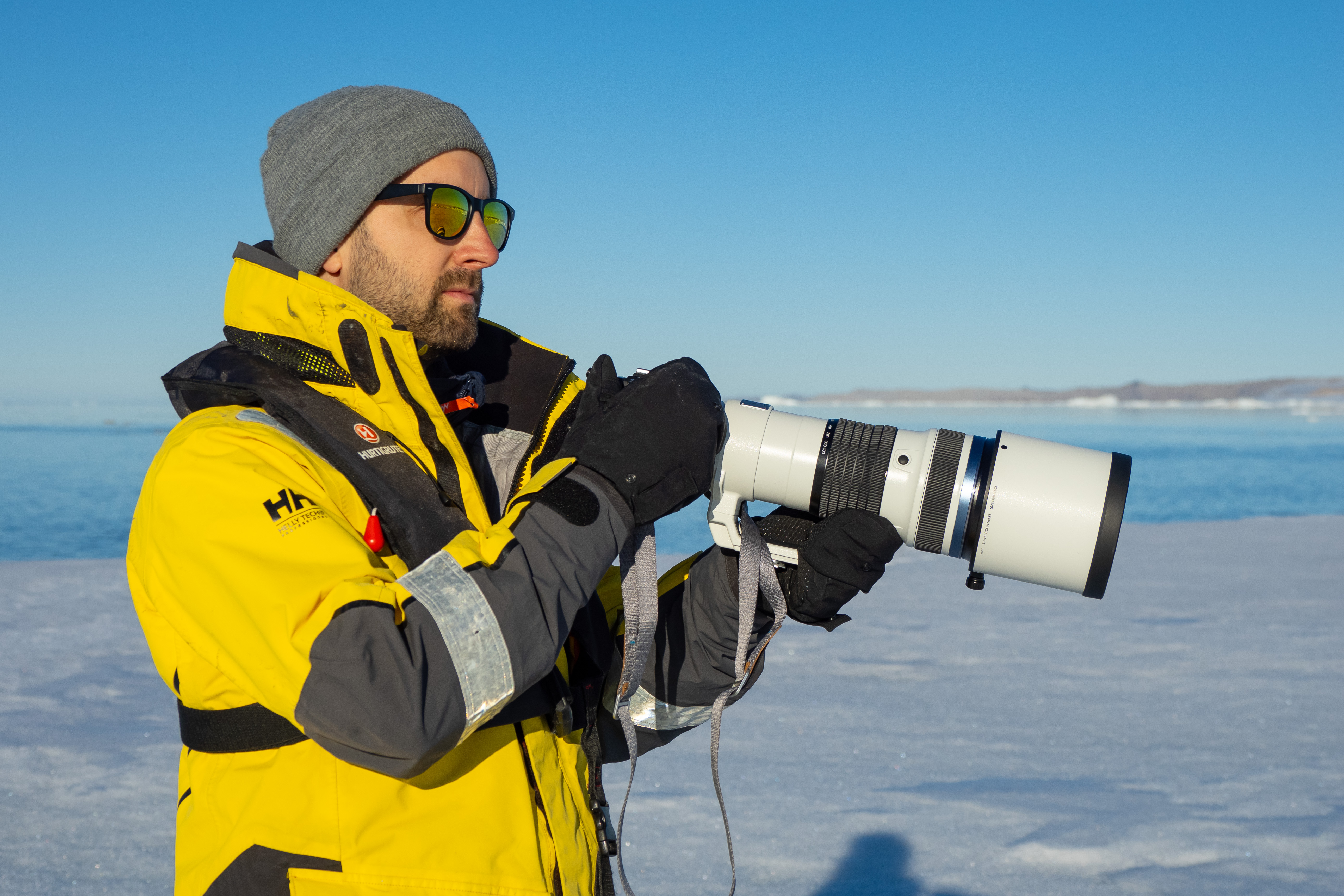
Our on board photographer will be there to assist guests in the use of their photo equipment and to help improve their photo skills. To enhance the experience of the places we explore, we use photography actively with our guests. Slideshow shared onboard before the end of the voyage and made available for all guests in an Expedition Logbook – including a selection of photos as well as the Daily Programs, Expedition Team biographies, Maps from the voyage and more for sharing/download.
Explorer Lounge & Bar
Relax and rejuvenate in the elegant Explorer lounge & bar. Sink into a comfortable armchair and gaze out at the magnificent views through the floor-to-ceiling windows.
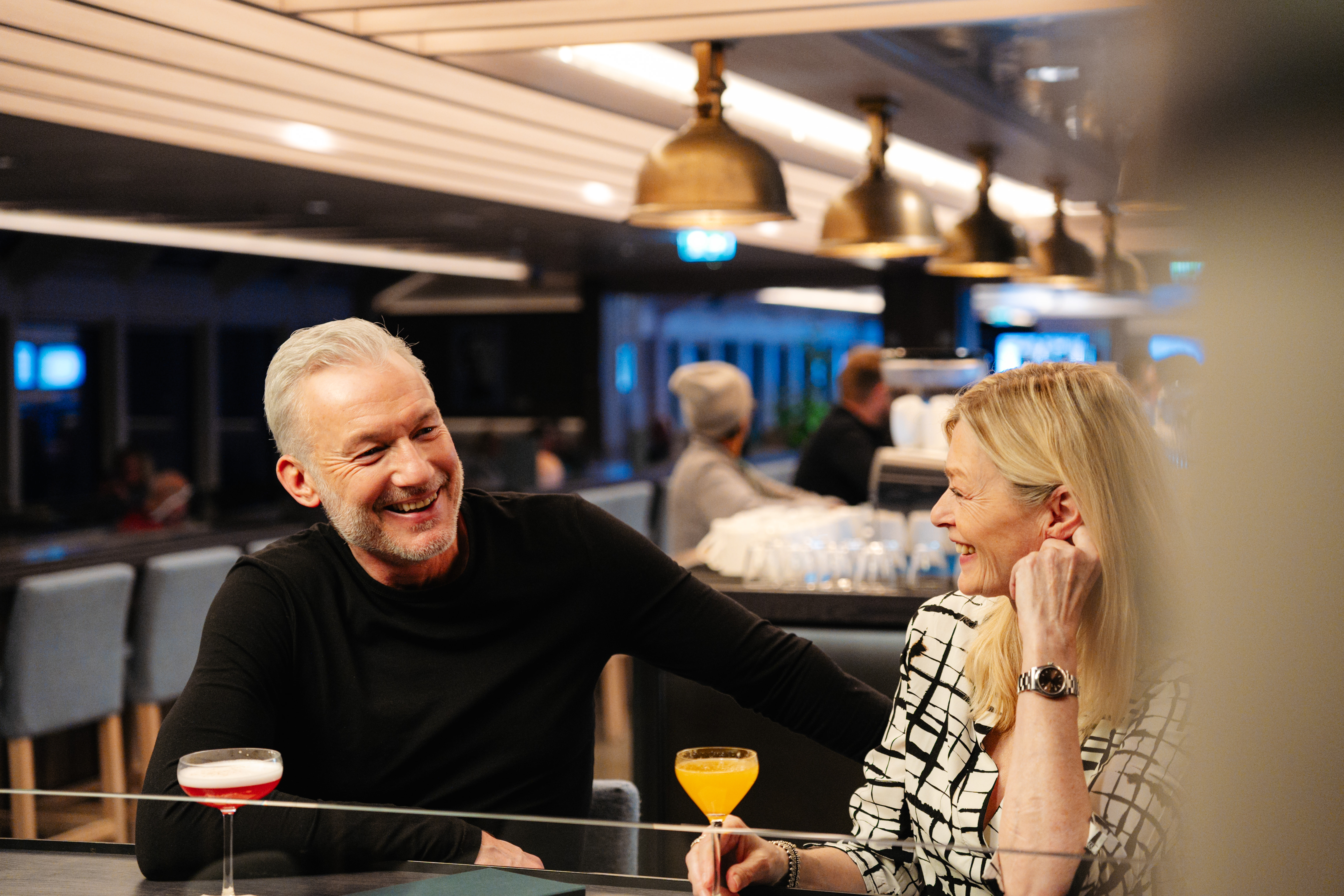
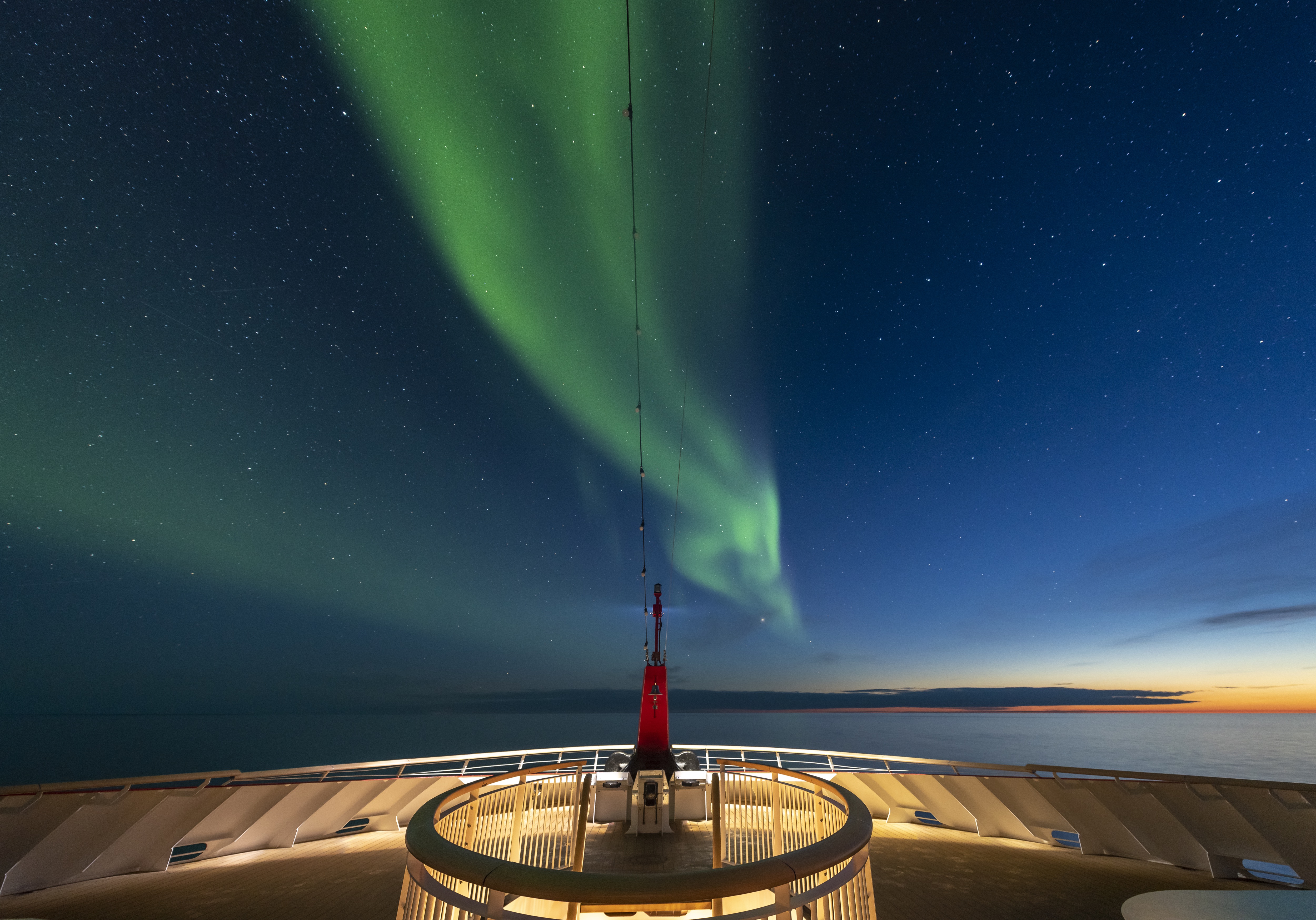
Observation Deck
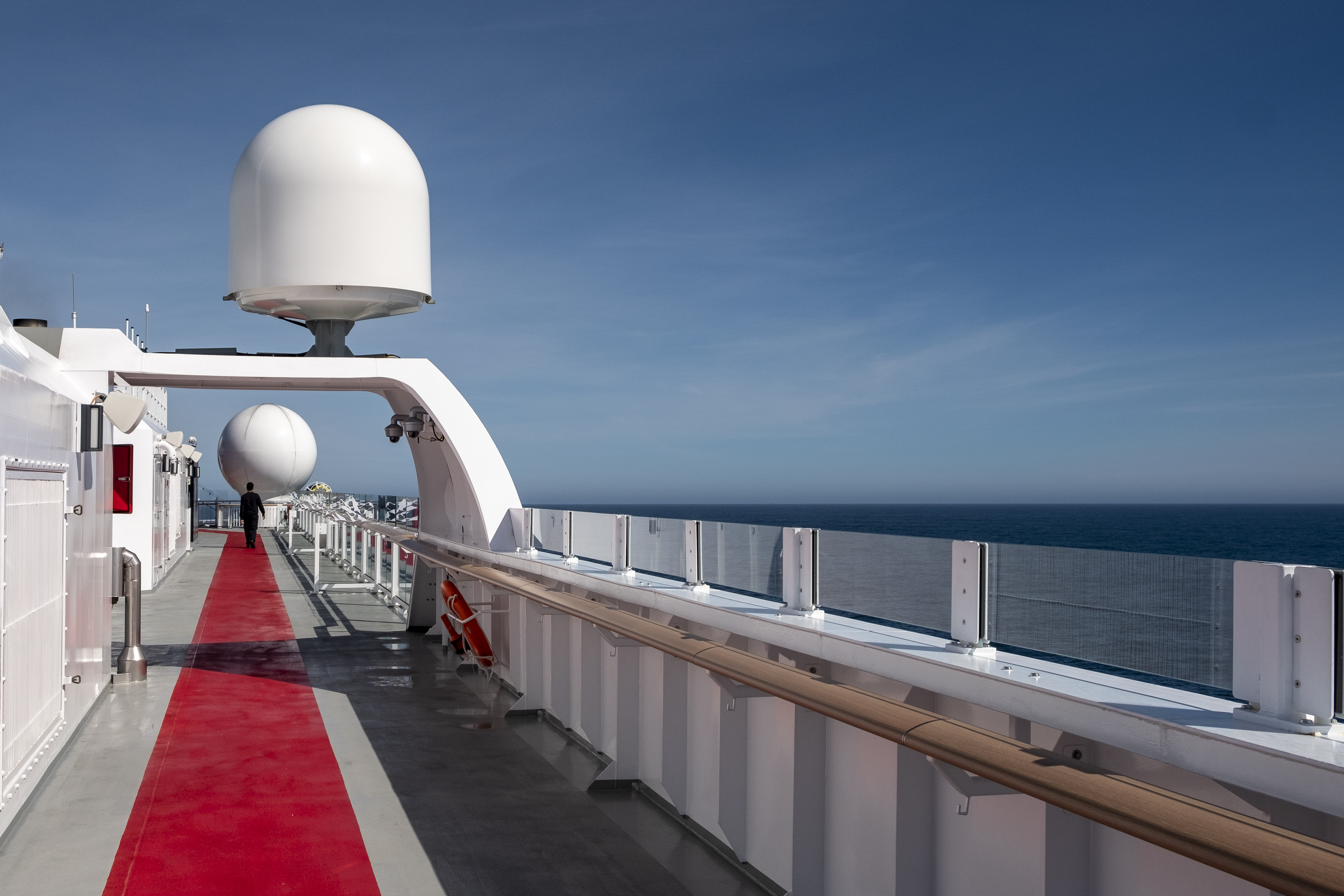
The ship has spacious outdoor areas. They are perfect vantage points to sit back, relax and watch the world go by. The observation deck is located on deck 11, where you will also find the outdoor gym and running track.
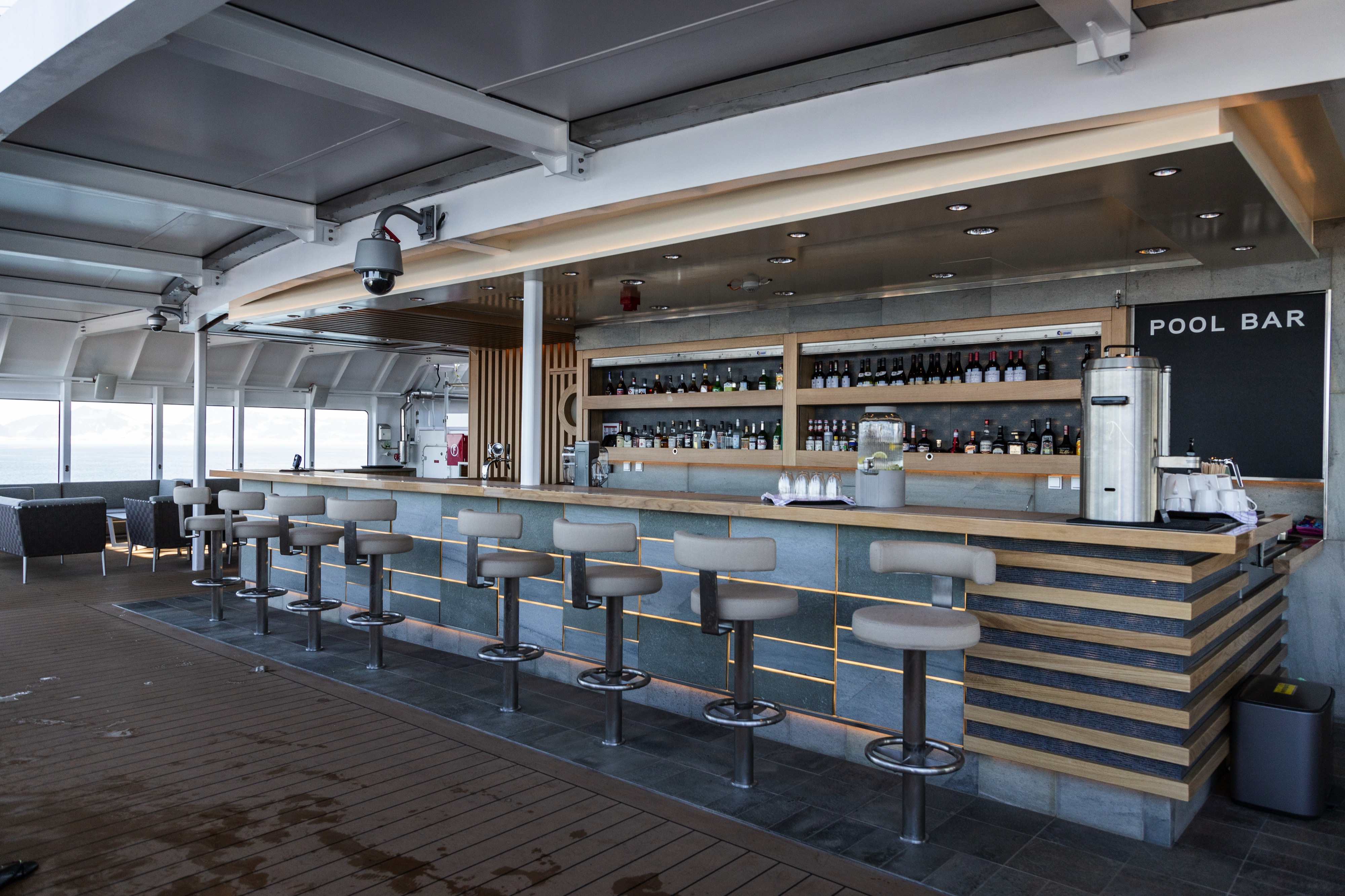
Pool Bar
Enjoy the refreshing pool with your favourite cocktail. What better way to get into holiday mode than by sipping on a cocktail while in the hot tub, creating a great atmosphere with great views.
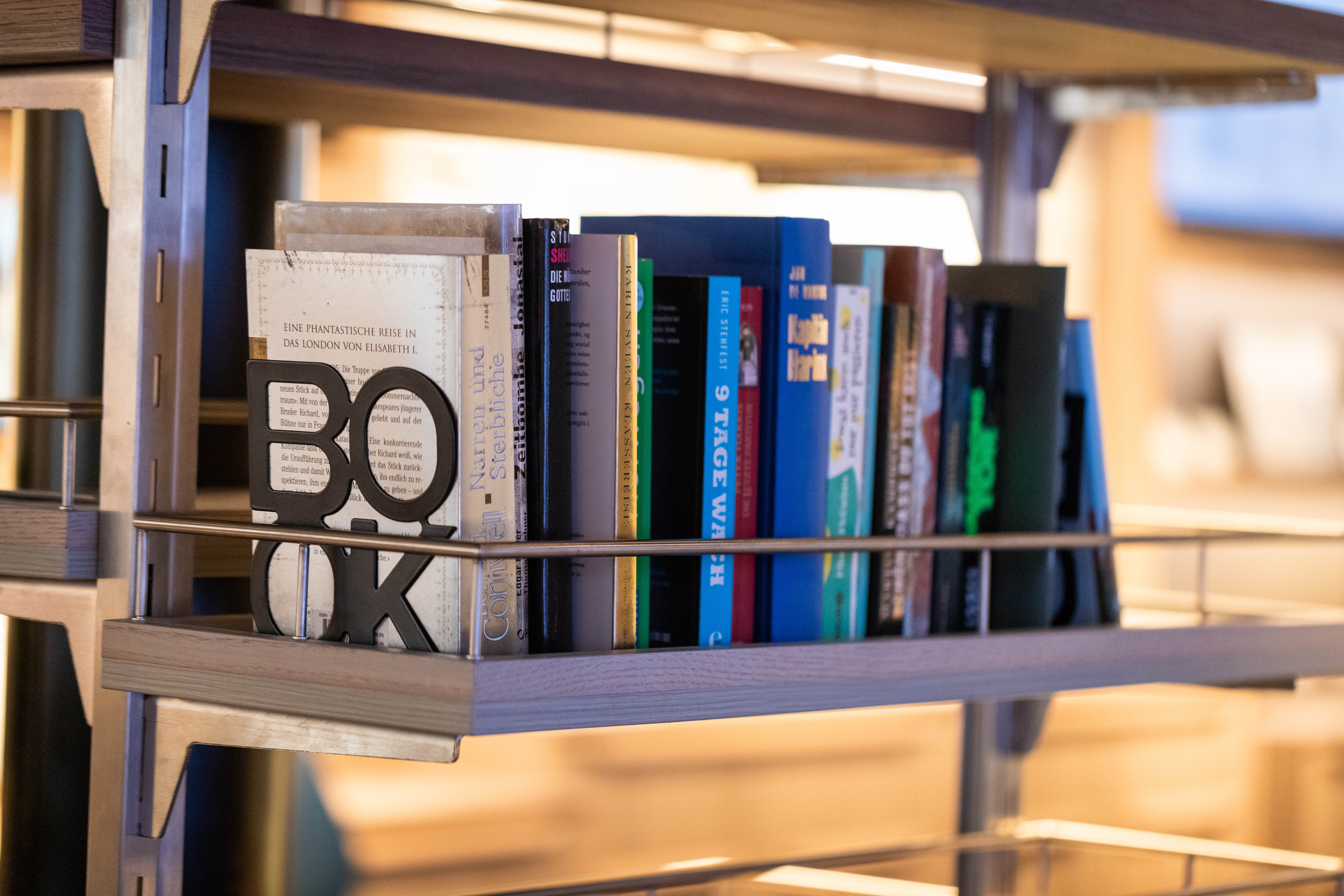
Library
The ship has a small selection of books on different topics that is available to guests while on board. The library is located on deck 6.
Shop
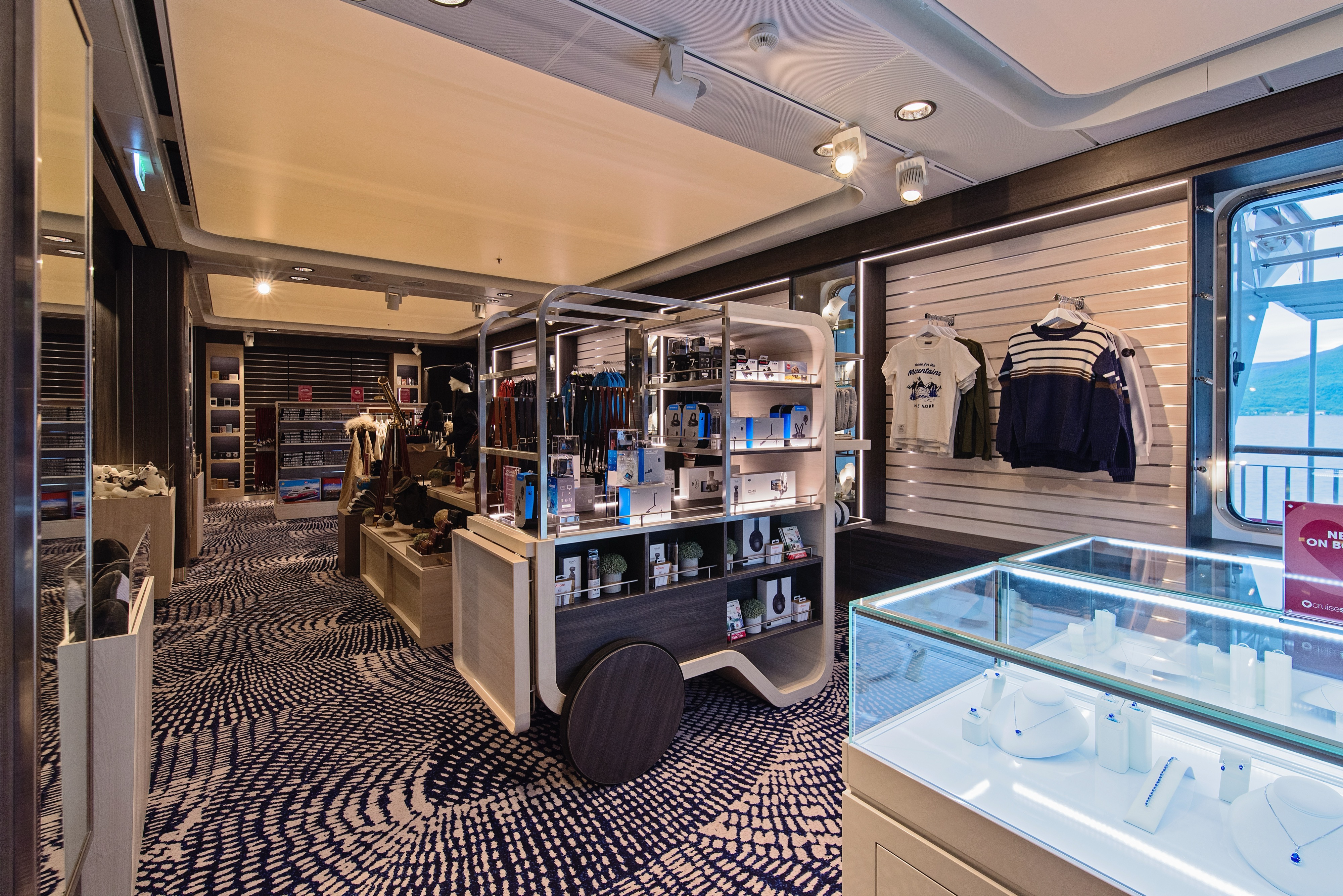
In our on-board shop you can buy clothing suitable for expedition cruises. Our Expedition Team will be happy to give you expert advice on how to dress properly according to the destinations. We offer a great range of both warm and practical clothing, and we focus on fabrics with natural fibres. We also offer souvenirs, handicrafts, and postcards, in addition to a small selection of soap, toothpaste, and other personal effects.
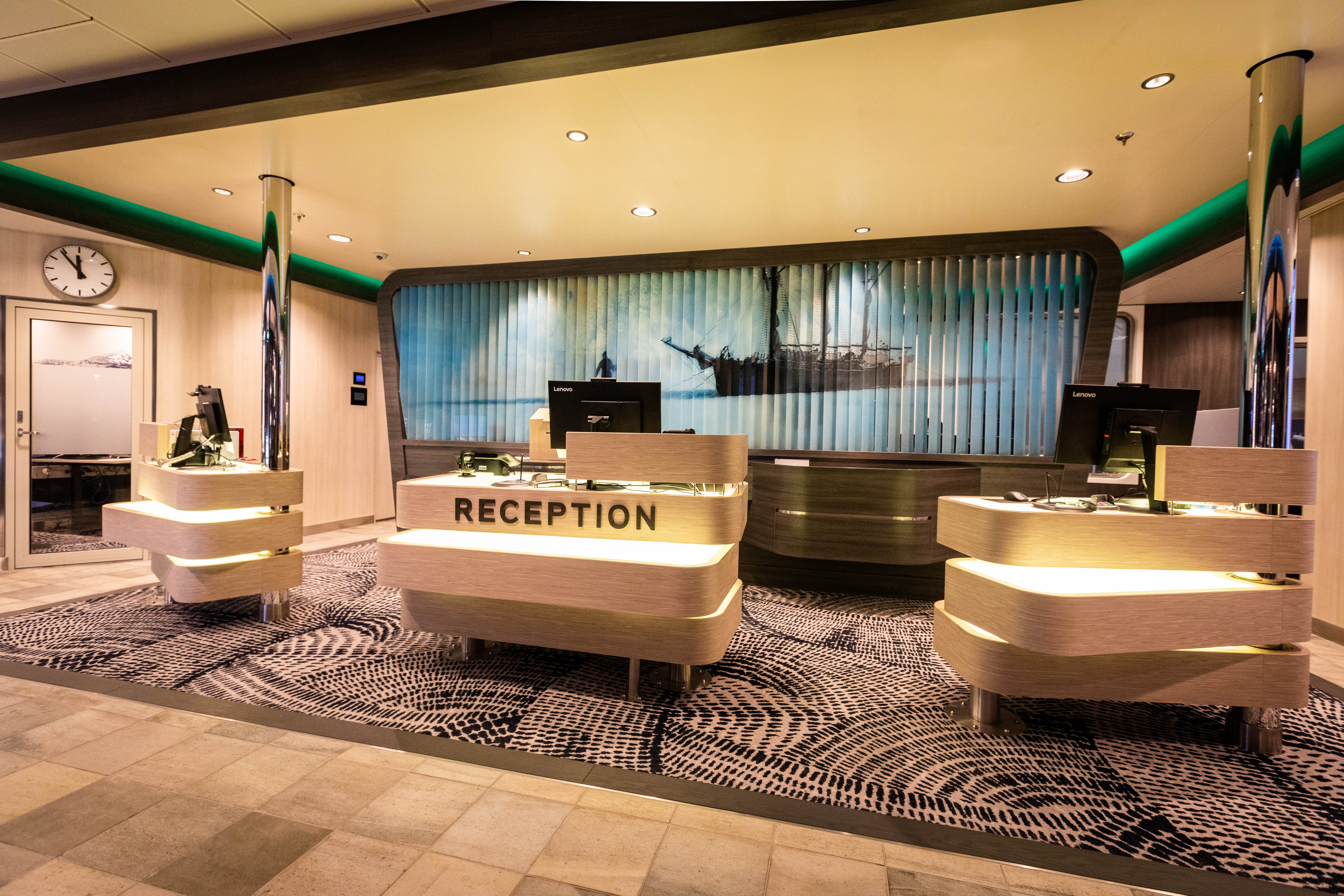
Reception
The reception is located on deck 6.
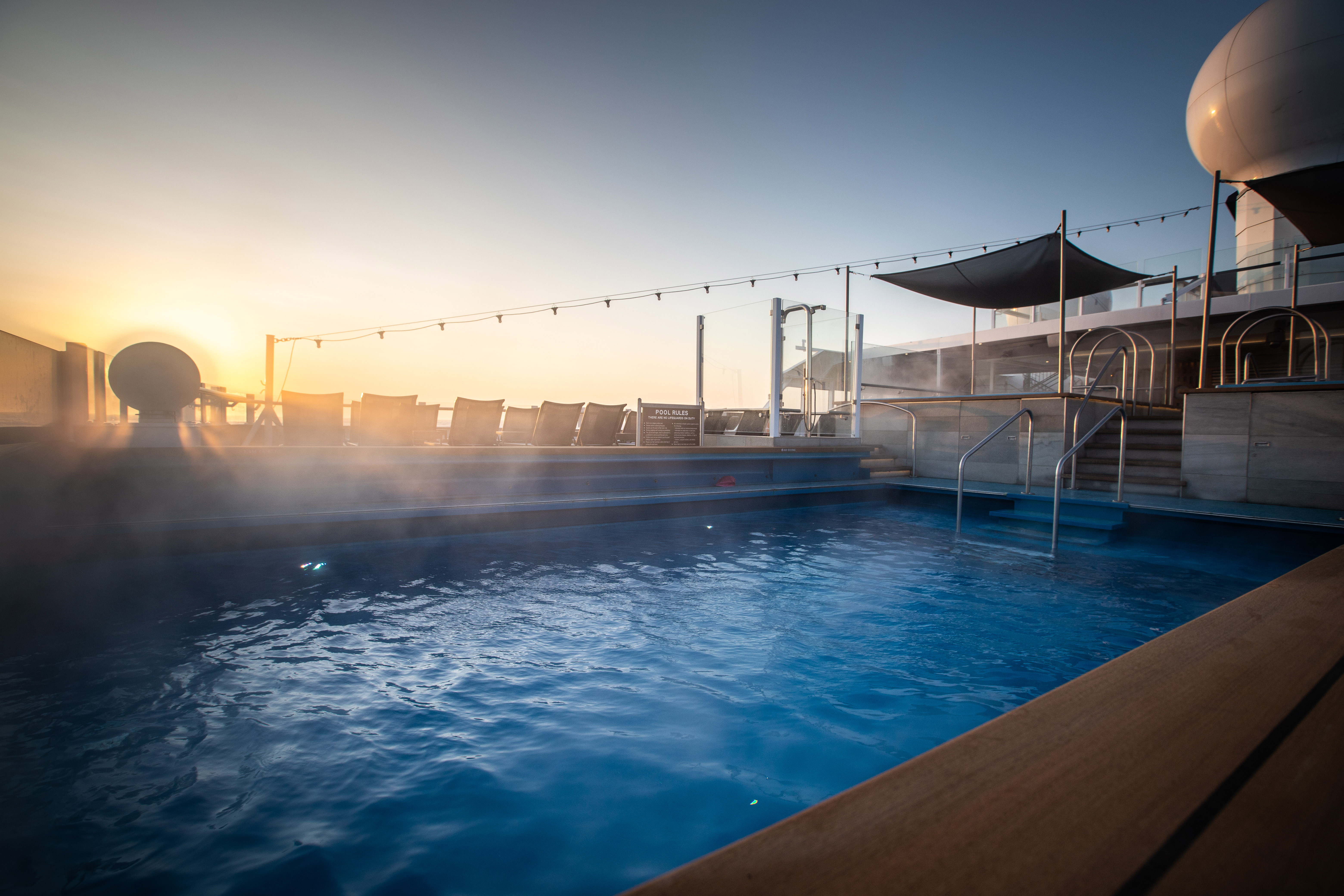
Hot Tub & Pool
After a day of exploring new destinations, guests can relax and rejuvenate in the aft infinity pool and hot tubs as one of the highlights.
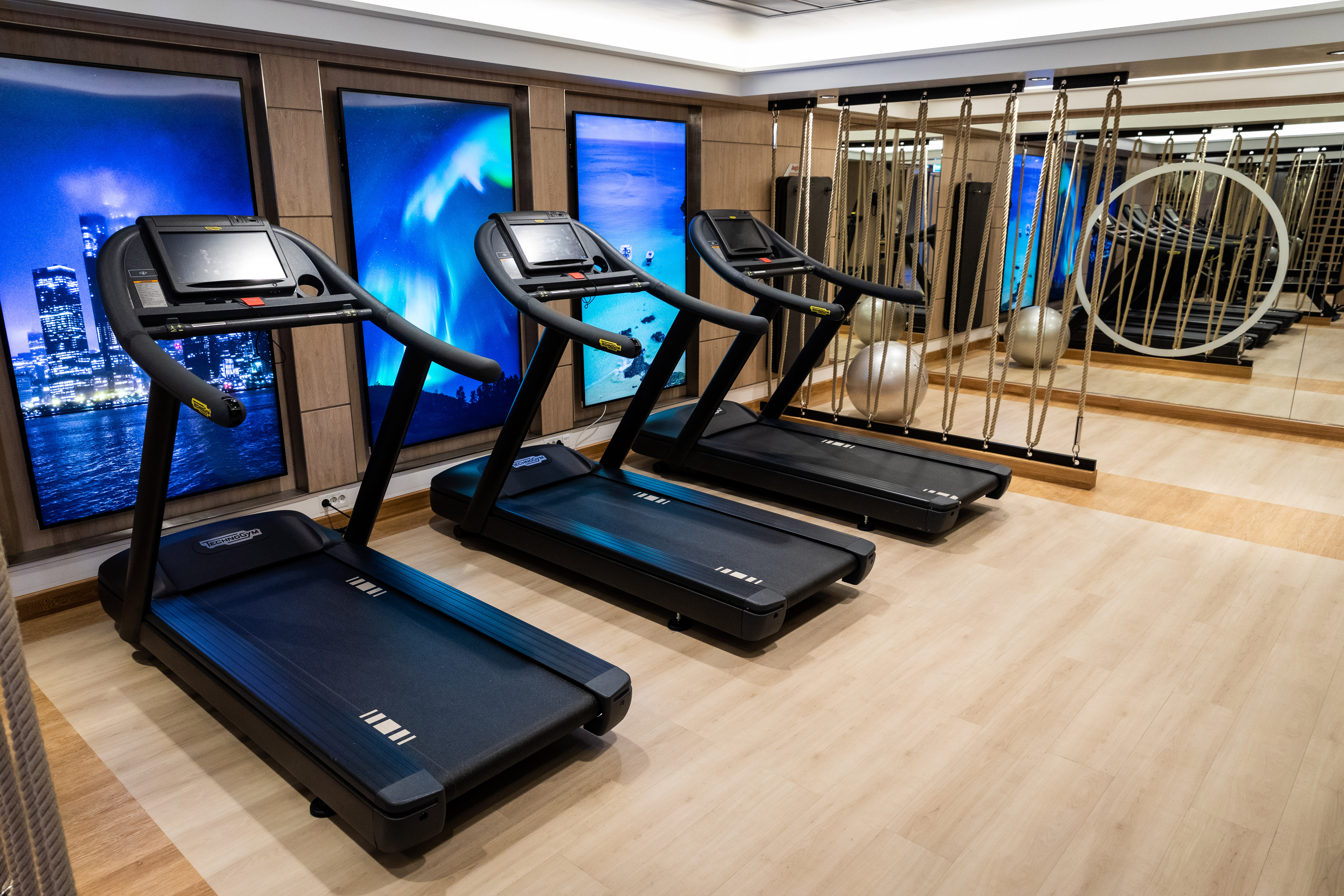
Gym
After a day of exploring new destinations, guests can relax and rejuvenate in the large gym and Wellness center.
Wellness Center
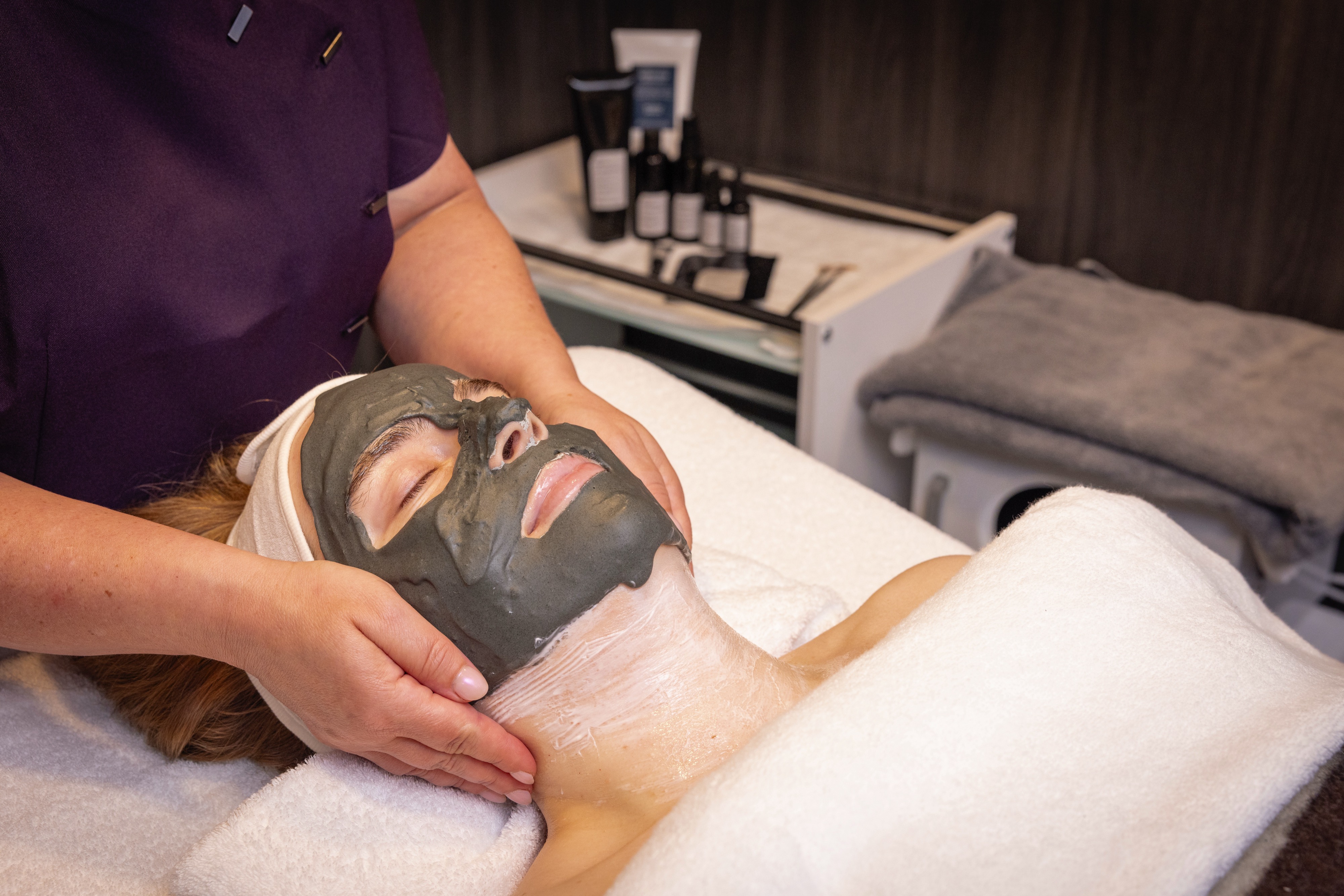
The ship has a wellness center where the guests may buy treatments as body massage, face-, hand- and foot treatments.
Sauna
The ship has a wellness center where the guests may buy treatments as body massage, face-, hand- and foot treatments.
Outdoor Running Track
The Outdoor Running Track Located on Deck 11.
Fredheim
The ships’ informal and social meeting place – named after a 1900s hunting station on Svalbard.
Aune
Lindstrøm
A speciality restaurant named after Adolf Lindstrøm, the favourite chef of the Norwegian polar heroes. Fine dining in Restaurant Lindstrøm is included for suite guests. Non-suite guests can enjoy breakfast, lunch and dinner in Lindstrøm for an additional cost.
Science Center
The Science & Education program brings together like-minded individuals
Covering over 3/4 of the planet’s surface, our oceans are vital in supporting human life on earth and are also home to over 90% of all known wildlife. Despite it influencing everything from our weather to transportation and yes, expedition cruises, very little is known about our blue planet.
This is where HX Expeditions and our fleet of small, state-of-the-art Expedition ships come in. We can reach, explore and collect vital scientific data on some of the planet’s most remote regions. From understanding whale migrations and phytoplankton communities to cloud observations and the Northern Lights, our onboard Science & Education Teams – with the help of you, our guests – captures, analyses, and reports invaluable data to organisations and research projects around the world.
Lectures
Expedition Team
The onboard Expedition Team is composed of the Expedition Leader, the Assistant Expedition Leader, the Expedition Coordinator plus several lecturers and experts. Your Expedition Leader will regularly update you on the progress of the trip as well as the different points of interest and wildlife sightings that may occur. Biographies of the Expedition Team can be found on board. In the ships science center, you will be able to find information regarding the trip and book optional excursions and activities
Excursions
Let the participants reveal the adventurer they carry within, and get to know the spectacular surroundings by taking part in the excursions we offer. You can also take a brief break and join in one of the activities that take place on deck. This will recharge your batteries for the next session.
Take a break and fill all of your senses – storytelling about food and its traditions is a large part of the gastronomic experience on our ships.
Resident photographers
Our on board photographer will be there to assist guests in the use of their photo equipment and to help improve their photo skills. To enhance the experience of the places we explore, we use photography actively with our guests. Slideshow shared onboard before the end of the voyage and made available for all guests in an Expedition Logbook – including a selection of photos as well as the Daily Programs, Expedition Team biographies, Maps from the voyage and more for sharing/download.
Explorer Lounge & Bar
Relax and rejuvenate in the elegant Explorer lounge & bar. Sink into a comfortable armchair and gaze out at the magnificent views through the floor-to-ceiling windows.
Observation Deck
The ship has spacious outdoor areas. They are perfect vantage points to sit back, relax and watch the world go by. The observation deck is located on deck 11, where you will also find the outdoor gym and running track.
Pool Bar
Enjoy the refreshing pool with your favourite cocktail. What better way to get into holiday mode than by sipping on a cocktail while in the hot tub, creating a great atmosphere with great views.
Library
The ship has a small selection of books on different topics that is available to guests while on board. The library is located on deck 6.
Shop
In our on-board shop you can buy clothing suitable for expedition cruises. Our Expedition Team will be happy to give you expert advice on how to dress properly according to the destinations. We offer a great range of both warm and practical clothing, and we focus on fabrics with natural fibres. We also offer souvenirs, handicrafts, and postcards, in addition to a small selection of soap, toothpaste, and other personal effects.
Reception
The reception is located on deck 6.
Hot Tub & Pool
After a day of exploring new destinations, guests can relax and rejuvenate in the aft infinity pool and hot tubs as one of the highlights.
Gym
After a day of exploring new destinations, guests can relax and rejuvenate in the large gym and Wellness center.
Wellness Center
The ship has a wellness center where the guests may buy treatments as body massage, face-, hand- and foot treatments.
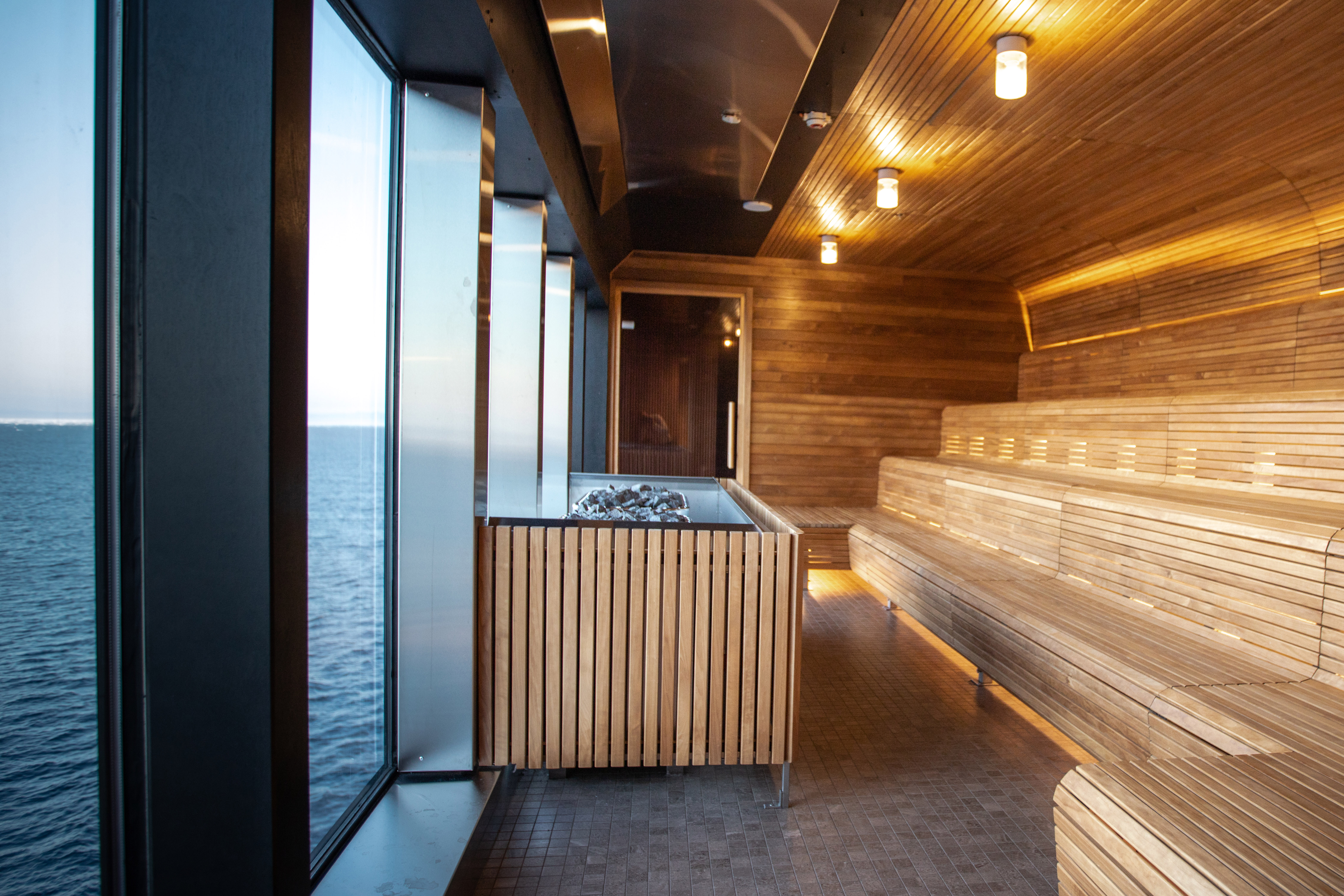
Sauna
The ship has a wellness center where the guests may buy treatments as body massage, face-, hand- and foot treatments.
Outdoor Running Track
The Outdoor Running Track Located on Deck 11.
About the Ship
Deck Plans

- Expedition Launch
- Medical Center

- Gangway
- Polar Outside Cabins

- Expedition Suites
- Arctic Superior Cabins
- Polar Outside Cabins
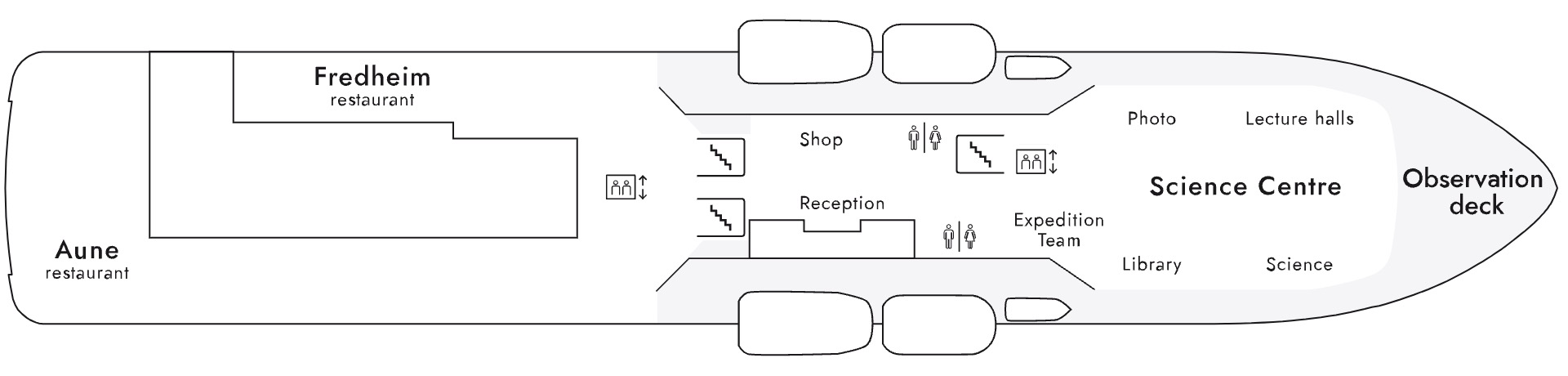
- Aune Restaurant
- Fredheim Restaurant
- Shop
- Reception
- Expedition Team
- Library
- Science Center
- Lecture Halls
- Observation Deck

- Fitness Center
- Wellness Center
- Observation Deck
- Expedition Suites
- Arctic Superior Cabins
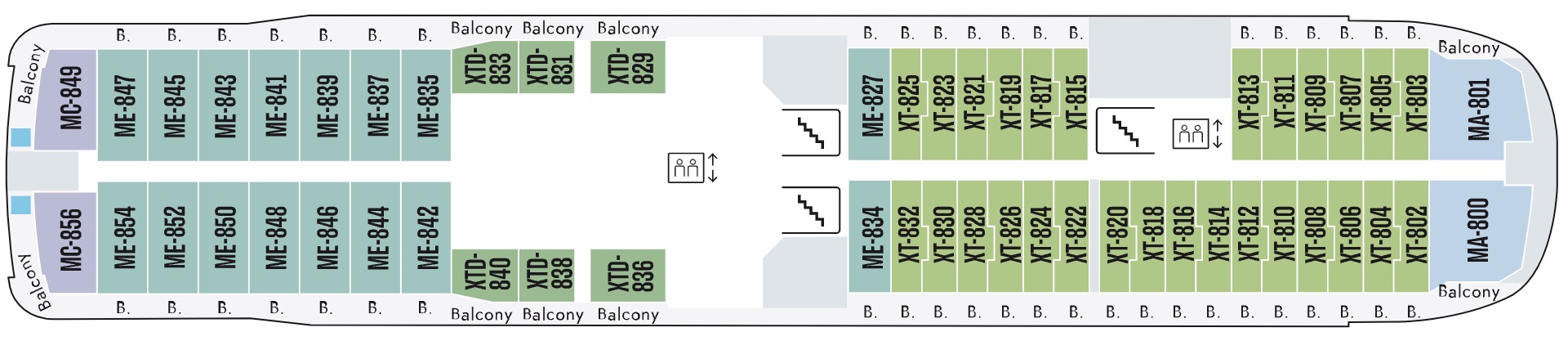
- Expedition Suites
- Arctic Superior Cabins
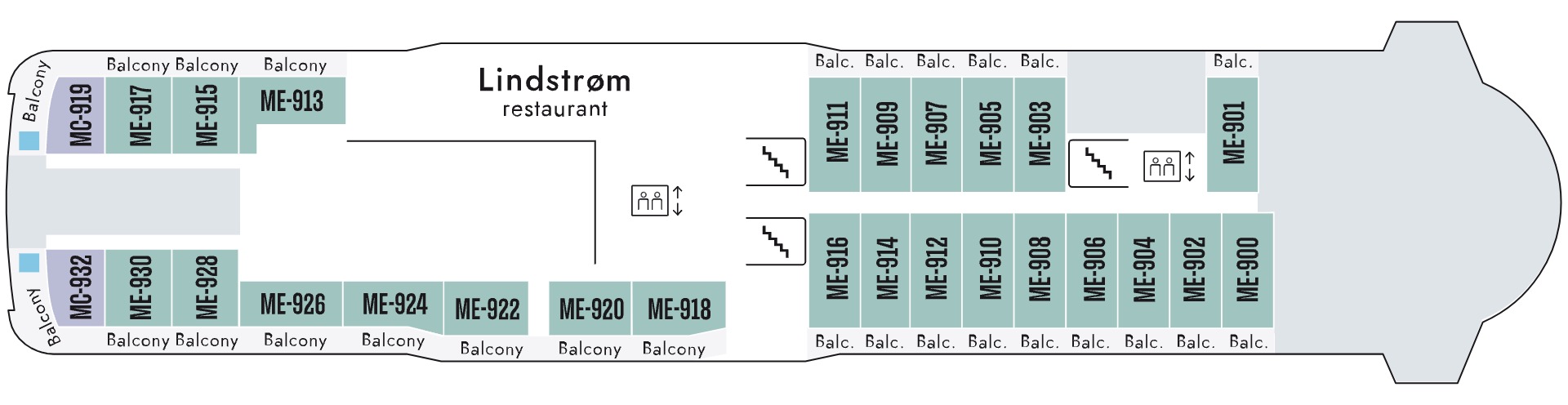
- Lindstrom Restaurant
- Expedition Suites
- Arctic Superior Cabins
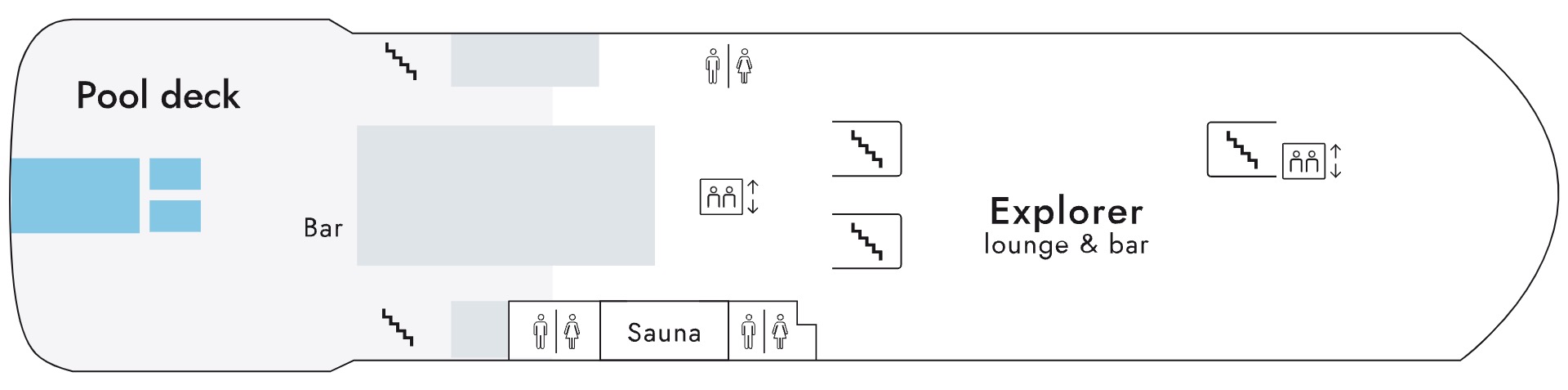
- Pool Deck
- Pool Bar
- Sauna
- Explorer Lounge & Bar
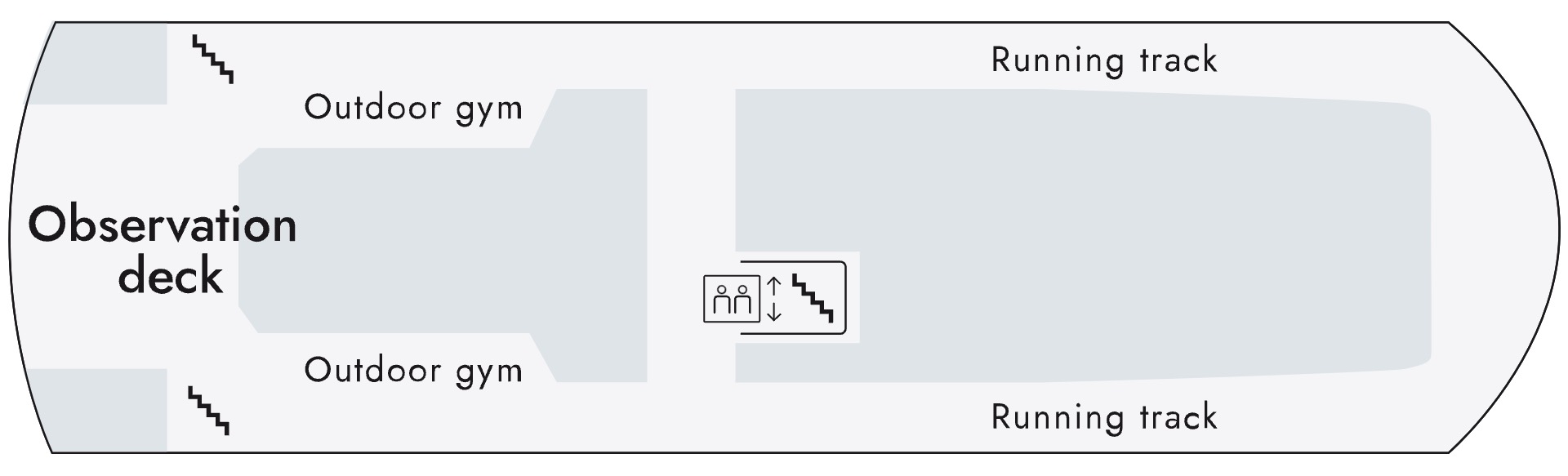
- Observation Deck
- Outdoor Gym
- Running Track
- Expedition Launch
- Medical Center
- Gangway
- Polar Outside Cabins
- Expedition Suites
- Arctic Superior Cabins
- Polar Outside Cabins
- Aune Restaurant
- Fredheim Restaurant
- Shop
- Reception
- Expedition Team
- Library
- Science Center
- Lecture Halls
- Observation Deck
- Fitness Center
- Wellness Center
- Observation Deck
- Expedition Suites
- Arctic Superior Cabins
- Expedition Suites
- Arctic Superior Cabins
- Lindstrom Restaurant
- Expedition Suites
- Arctic Superior Cabins
- Pool Deck
- Pool Bar
- Sauna
- Explorer Lounge & Bar
- Observation Deck
- Outdoor Gym
- Running Track