Featured Cabins
Itinerary
Calgary, Alberta, Canada
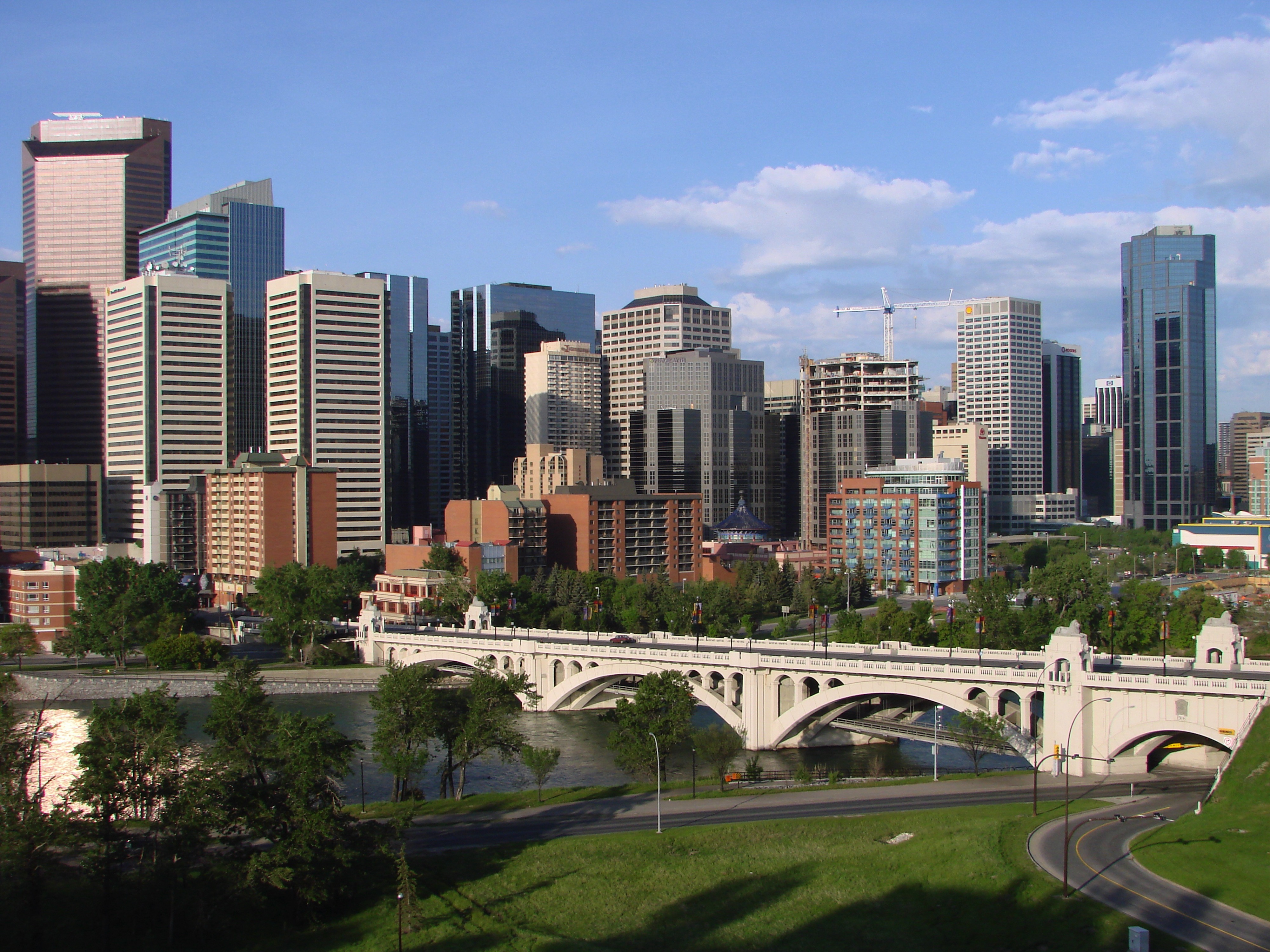
Welcome to Calgary, where you’ll be met and transferred to your hotel. This evening, enjoy a Welcome Reception and get to know your fellow guests and Travelmarvel Tour Director.
Calgary, Alberta, Canada
This morning, depart for beautiful Banff National Park. On arrival in Banff, enjoy a sightseeing tour to get to know the town’s stunning surroundings.
Insider Experience – Yamnuska Wolfdog Sanctuary
Visit Yamnuska Wolfdog Sanctuary along the way to Banff and enjoy a once-in-a-lifetime opportunity to interact with these majestic creatures. This sanctuary is committed to offering educational programs to raise awareness about wolves and wolfdogs, as well as emphasising the significance of conserving wolves in their natural habitat.
Banff, Banff National Park, Alberta, Canada
This morning, depart for beautiful Banff National Park. On arrival in Banff, enjoy a sightseeing tour to get to know the town’s stunning surroundings.
Insider Experience – Yamnuska Wolfdog Sanctuary
Visit Yamnuska Wolfdog Sanctuary along the way to Banff and enjoy a once-in-a-lifetime opportunity to interact with these majestic creatures. This sanctuary is committed to offering educational programs to raise awareness about wolves and wolfdogs, as well as emphasising the significance of conserving wolves in their natural habitat.
Banff, Banff National Park, Alberta, Canada
The day is yours to spend at leisure. Perhaps choose one of the Enhance Your Journey select experiences available to you and explore the wonderful sights of this beautiful resort town.
Enhance Your Journey – Heli-Flightseeing
Escape to Spray Valley and the spine of the Goat Range on this extraordinary tour, ideal for the first-time flyer in the Canadian Rockies.
Enhance Your Journey – Bow River Float Trip
Enjoy a relaxing float trip down Bow River and keep your eyes peeled for wildlife. This activity is suitable for most fitness levels.
Enhance Your Journey – Local Lakes and Gems Tour
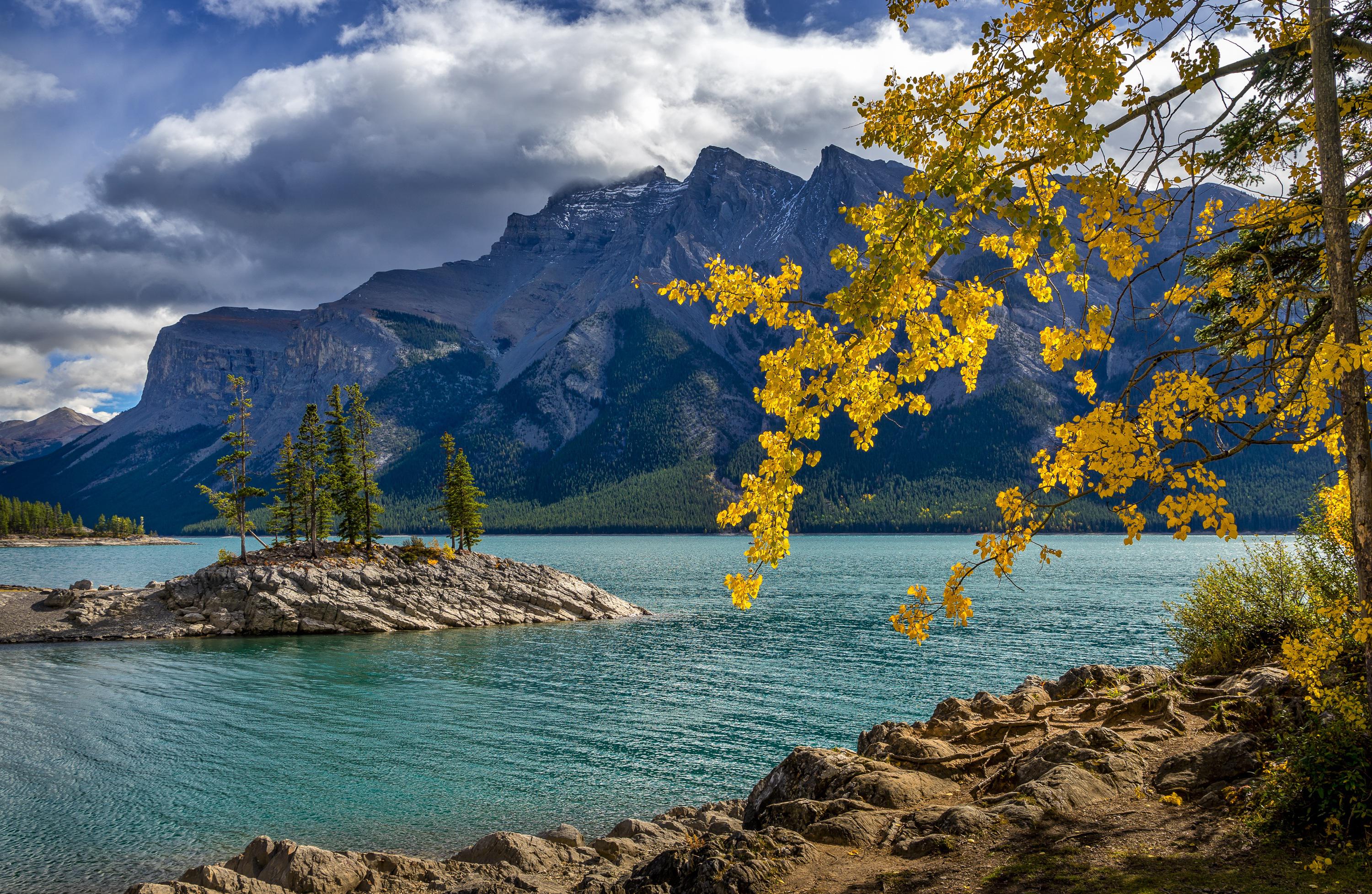
Join this exclusive small-group tour and venture off the beaten path to discover Banff National Park’s hidden gems. You’ll also enjoy more time to explore Johnson Lake, Two Jack Lake and the stunning Lake Minnewanka.
Enhance Your Journey – Banff Gondola
Head to the top of Sulphur Mountain and take in Banff from above, climbing nearly 700 metres in elevation as you are carried through the pines. Once you reach the peak, you can head off for a stroll along the boardwalk.
Enhance Your Journey – River Explorer Canoe Tour
Enjoy your guide’s tales and the beauty of the Bow River while you paddle in a Voyageur Canoe.
Banff, Banff National Park, Alberta, Canada
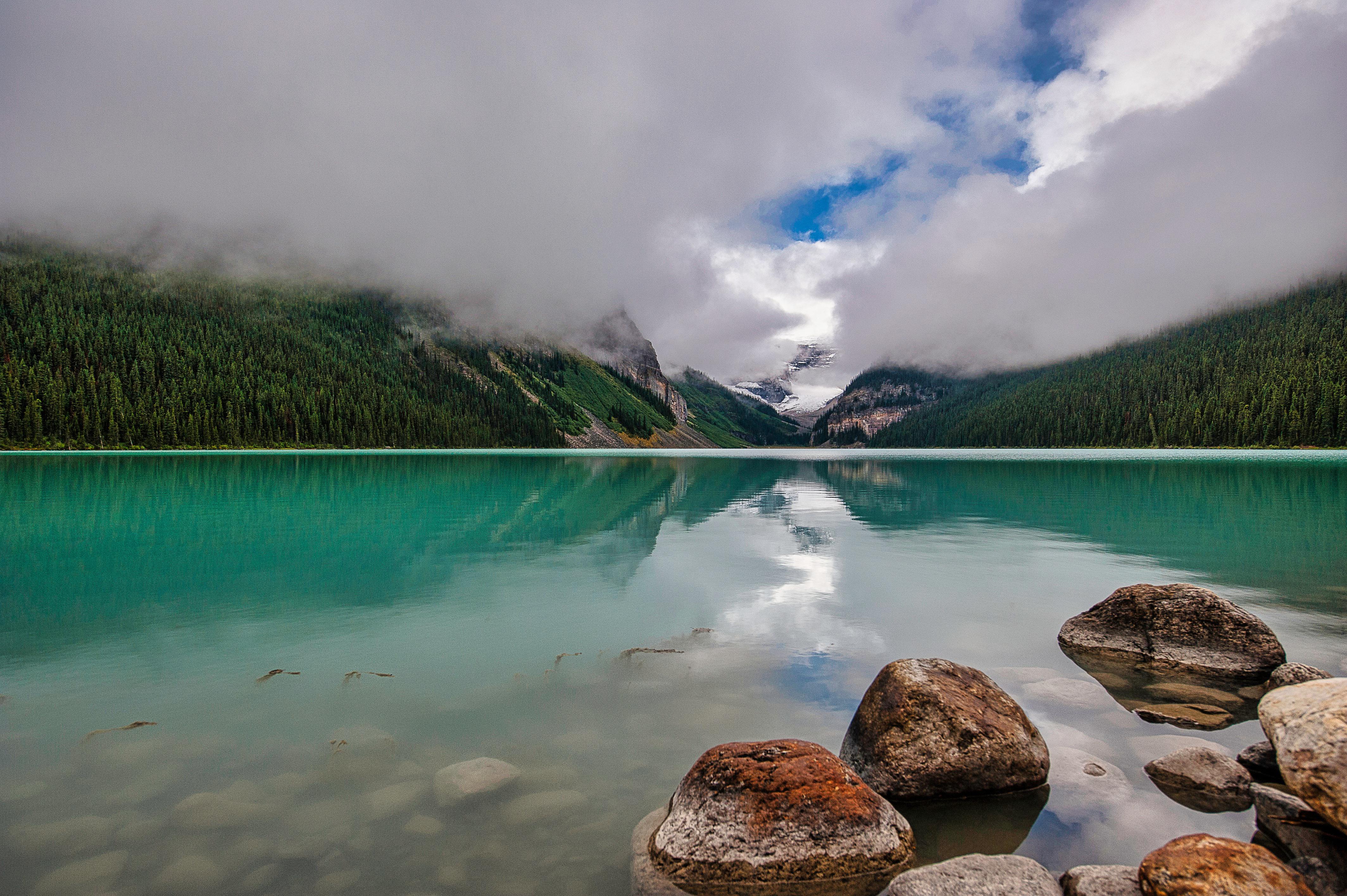
Today, journey to take in the stunning azure waters of glacier-fed Moraine Lake (season permitting). Later, continue to the ‘Jewel of the Rockies’, the iconic Lake Louise. Spend the afternoon exploring this remarkable destination before settling into your hotel.
Lake Louise, Banff National Park, Alberta, Canada
Today, journey to take in the stunning azure waters of glacier-fed Moraine Lake (season permitting). Later, continue to the ‘Jewel of the Rockies’, the iconic Lake Louise. Spend the afternoon exploring this remarkable destination before settling into your hotel.
Lake Louise, Banff National Park, Alberta, Canada
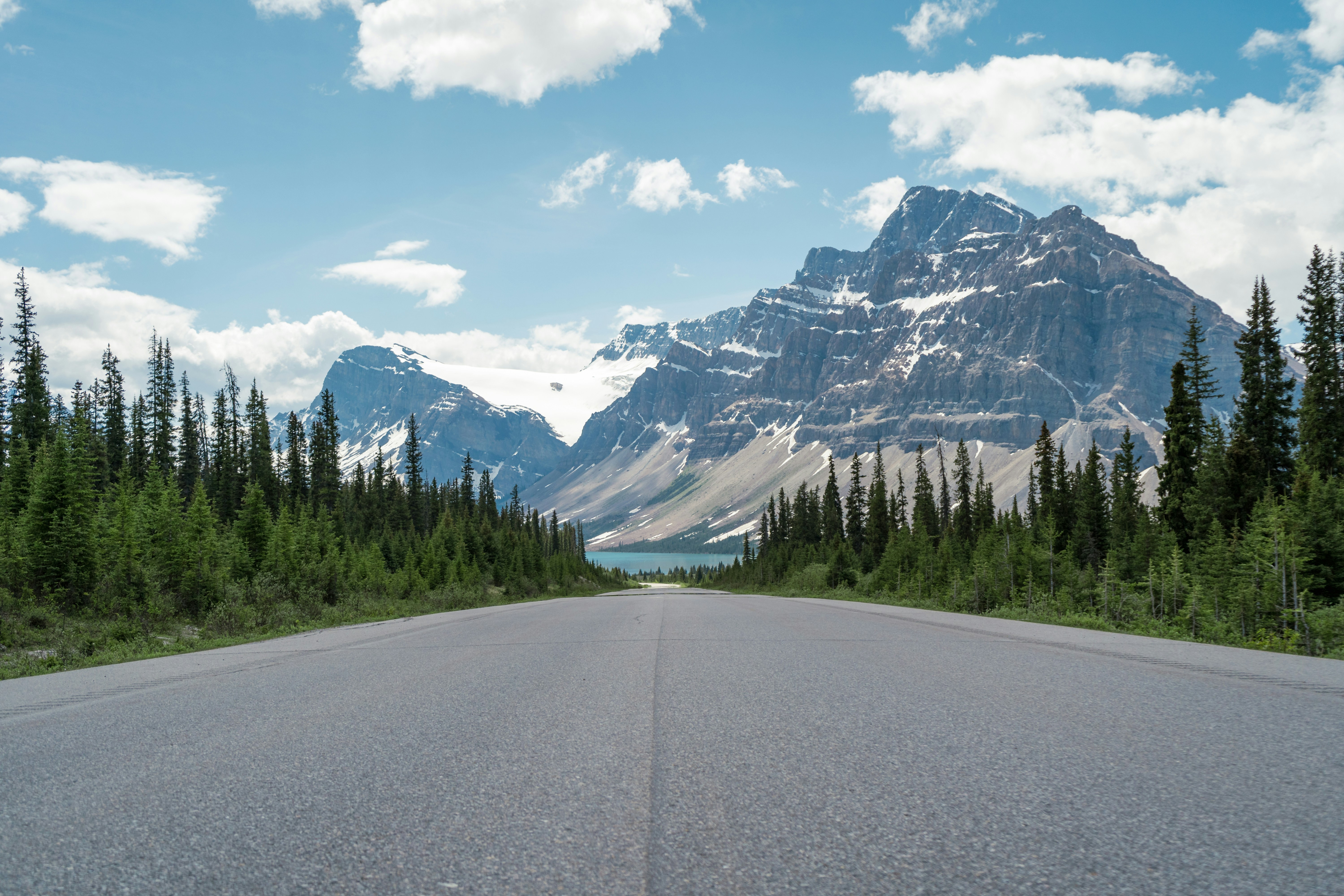
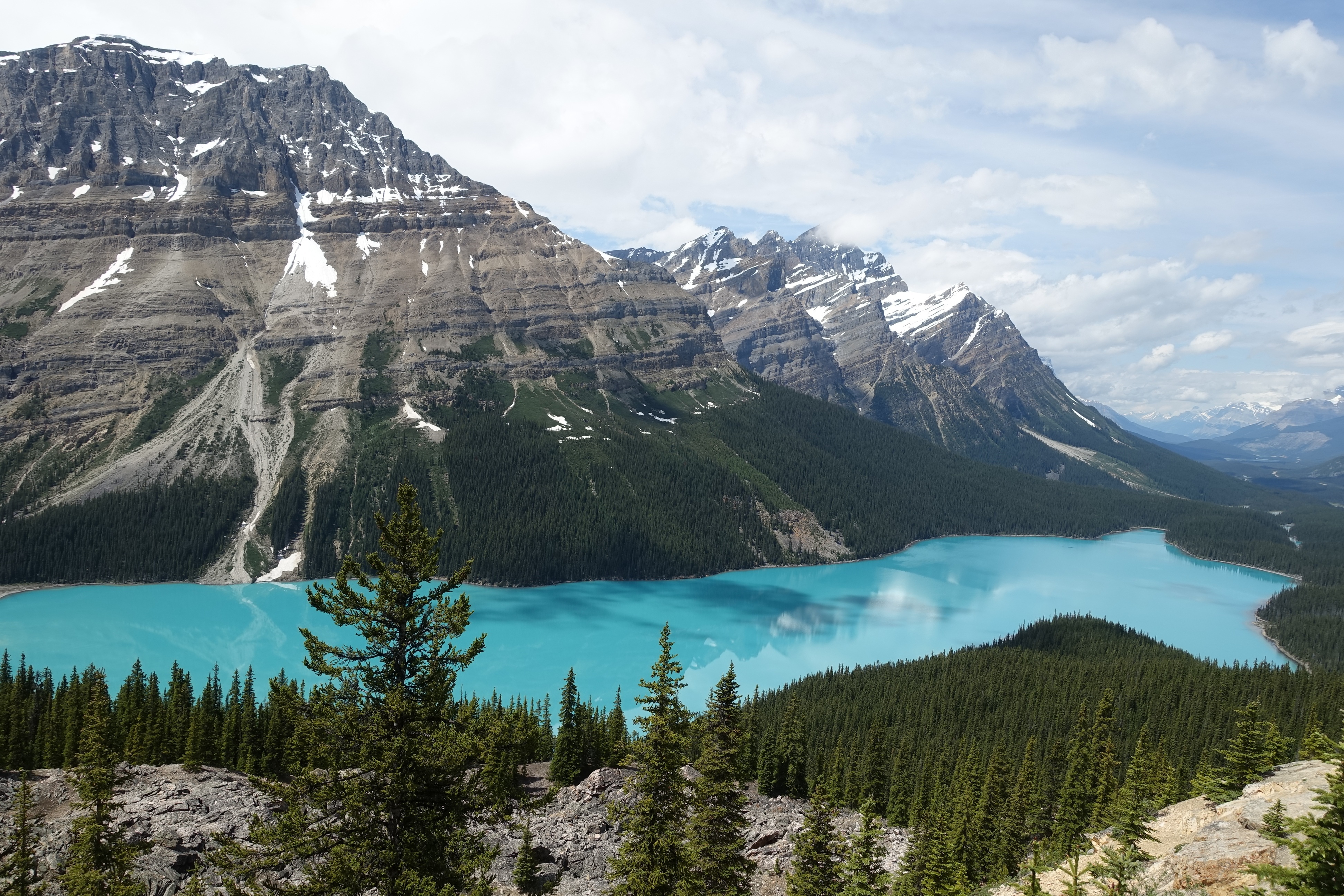
Embark on a journey along the iconic Icefields Parkway this morning — arguably one of the most breathtaking drives on Earth. This 232km highway winds through the majestic Canadian Rockies, offering awe-inspiring views at every turn. Stop at the Columbia Icefield for an exhilarating Ice Explorer ride onto the Athabasca Glacier. Continue along the Continental Divide to the picturesque alpine town of Jasper, nestled within the tranquil Jasper National Park.
Icefields Parkway, Alberta, Canada
Embark on a journey along the iconic Icefields Parkway this morning — arguably one of the most breathtaking drives on Earth. This 232km highway winds through the majestic Canadian Rockies, offering awe-inspiring views at every turn. Stop at the Columbia Icefield for an exhilarating Ice Explorer ride onto the Athabasca Glacier. Continue along the Continental Divide to the picturesque alpine town of Jasper, nestled within the tranquil Jasper National Park.
Athabasca Glacier, Alberta, Canada
Embark on a journey along the iconic Icefields Parkway this morning — arguably one of the most breathtaking drives on Earth. This 232km highway winds through the majestic Canadian Rockies, offering awe-inspiring views at every turn. Stop at the Columbia Icefield for an exhilarating Ice Explorer ride onto the Athabasca Glacier. Continue along the Continental Divide to the picturesque alpine town of Jasper, nestled within the tranquil Jasper National Park.
Jasper, Alberta, Canada
Embark on a journey along the iconic Icefields Parkway this morning — arguably one of the most breathtaking drives on Earth. This 232km highway winds through the majestic Canadian Rockies, offering awe-inspiring views at every turn. Stop at the Columbia Icefield for an exhilarating Ice Explorer ride onto the Athabasca Glacier. Continue along the Continental Divide to the picturesque alpine town of Jasper, nestled within the tranquil Jasper National Park.
Jasper, Alberta, Canada
Visit spectacular Mount Robson en route to Blue River, where you will enjoy an Insider Experience. Later, continue to the picturesque Mike Wiegele Heli Village.
Insider Experience – Blue River Safari
Set off on a remarkable River Safari and keep watch for wildlife. Cruise along glacier-fed rivers and lakes, where spectacular views of the surrounding forest and waterfalls await.
Rocky Mountaineer Rail Option
Perhaps replace days six and seven touring with a Rocky Mountaineer rail journey to Vancouver. Board the Rocky Mountaineer and pass Mount Robson and Pyramid Falls before arriving in Kamloops. Stay in Kamloops at a hotel assigned by Rocky Mountaineer. Enquire for details (additional cost).
Blue River, Canada
Visit spectacular Mount Robson en route to Blue River, where you will enjoy an Insider Experience. Later, continue to the picturesque Mike Wiegele Heli Village.
Insider Experience – Blue River Safari
Set off on a remarkable River Safari and keep watch for wildlife. Cruise along glacier-fed rivers and lakes, where spectacular views of the surrounding forest and waterfalls await.
Rocky Mountaineer Rail Option
Perhaps replace days six and seven touring with a Rocky Mountaineer rail journey to Vancouver. Board the Rocky Mountaineer and pass Mount Robson and Pyramid Falls before arriving in Kamloops. Stay in Kamloops at a hotel assigned by Rocky Mountaineer. Enquire for details (additional cost).
Blue River, Canada
Journey through the rugged landscapes of the Cariboo region, on your way to Vancouver. Upon arrival in Vancouver, enjoy time at leisure to explore this beautiful cosmopolitan city.
Rocky Mountaineer Rail Option
Board the Rocky Mountaineer in the morning and continue to Vancouver, where you will rejoin your tour group.
Vancouver, British Columbia, Canada
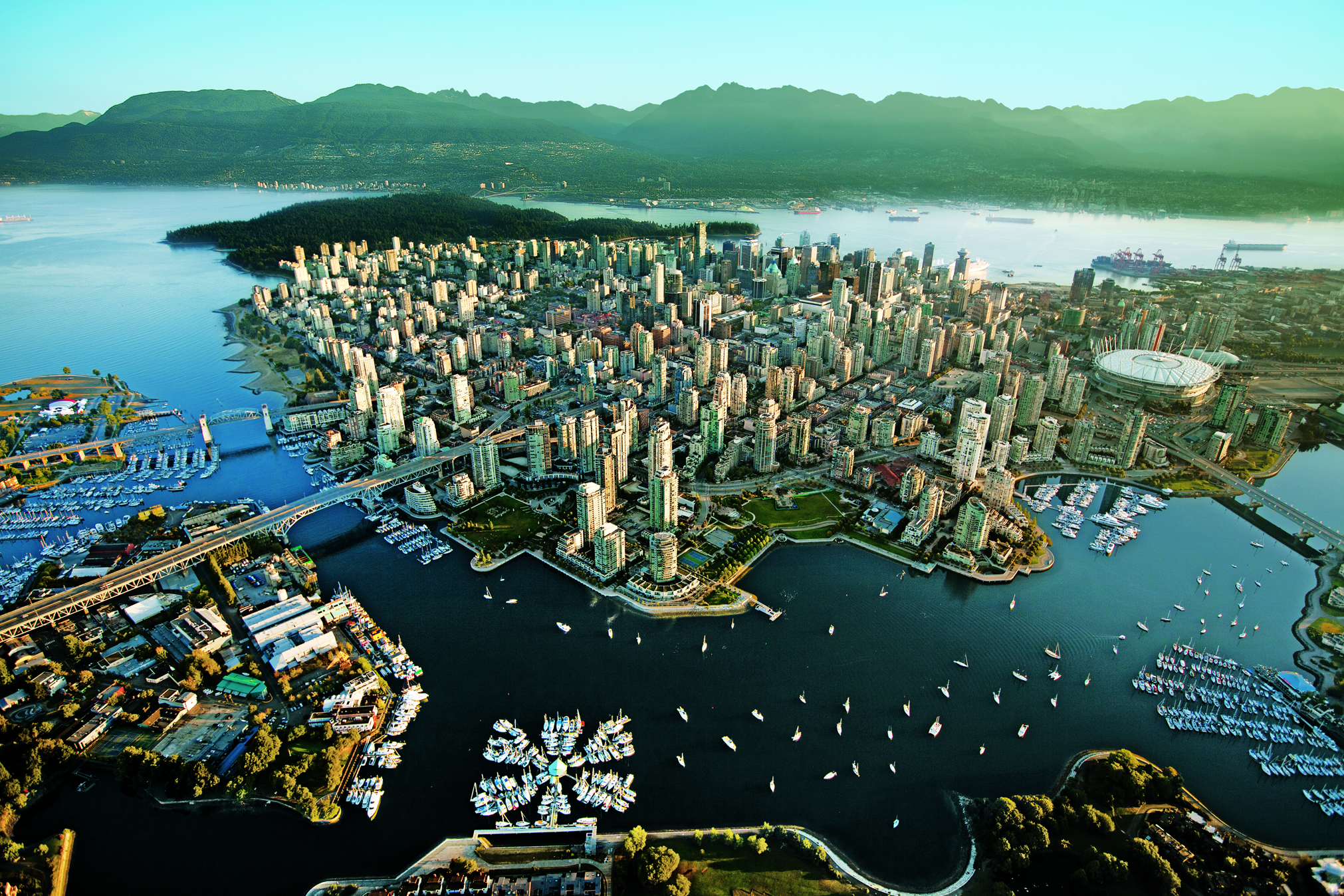
Vancouver is a delicious juxtaposition of urban sophistication and on-your-doorstep wilderness adventure. The mountains and seascape make the city an outdoor playground for hiking, skiing, kayaking, cycling, and sailing—and so much more—while the cuisine and arts scenes are equally diverse, reflecting the makeup of Vancouver’s ethnic (predominantly Asian) mosaic. Vancouver is consistently ranked as one of the world’s most livable cities, and it’s easy for visitors to see why. It’s beautiful, it’s outdoorsy, and there’s a laidback West Coast vibe. On the one hand, there’s easy access to a variety of outdoor activities, a fabulous variety of beaches, and amazing parks. At the same time, the city has a multicultural vitality and cosmopolitan flair. The attraction is as much in the range of food choices—the fresh seafood and local produce are some of North America’s best—as it is in the museums, shopping, and nightlife.Vancouver’s landscaping also adds to the city’s walking appeal. In spring, flowerbeds spill over with tulips and daffodils while sea breezes scatter scented cherry blossoms throughout Downtown; in summer office workers take to the beaches, parks, and urban courtyards for picnic lunches and laptop meetings. More than 8 million visitors each year come to Vancouver, Canada’s third-largest metropolitan area. Because of its peninsula location, traffic flow is a contentious issue. Thankfully, Vancouver is wonderfully walkable, especially in the downtown core. The North Shore is a scoot across the harbor, and the rapid-transit system to Richmond and the airport means that staying in the more affordable ’burbs doesn’t have to be synonymous with sacrificing convenience. The mild climate, exquisite natural scenery, and relaxed outdoor lifestyle keep attracting residents, and the number of visitors is increasing for the same reasons. People often get their first glimpse of Vancouver when catching an Alaskan cruise, and many return at some point to spend more time here.
Vancouver, British Columbia, Canada
Vancouver is a delicious juxtaposition of urban sophistication and on-your-doorstep wilderness adventure. The mountains and seascape make the city an outdoor playground for hiking, skiing, kayaking, cycling, and sailing—and so much more—while the cuisine and arts scenes are equally diverse, reflecting the makeup of Vancouver’s ethnic (predominantly Asian) mosaic. Vancouver is consistently ranked as one of the world’s most livable cities, and it’s easy for visitors to see why. It’s beautiful, it’s outdoorsy, and there’s a laidback West Coast vibe. On the one hand, there’s easy access to a variety of outdoor activities, a fabulous variety of beaches, and amazing parks. At the same time, the city has a multicultural vitality and cosmopolitan flair. The attraction is as much in the range of food choices—the fresh seafood and local produce are some of North America’s best—as it is in the museums, shopping, and nightlife.Vancouver’s landscaping also adds to the city’s walking appeal. In spring, flowerbeds spill over with tulips and daffodils while sea breezes scatter scented cherry blossoms throughout Downtown; in summer office workers take to the beaches, parks, and urban courtyards for picnic lunches and laptop meetings. More than 8 million visitors each year come to Vancouver, Canada’s third-largest metropolitan area. Because of its peninsula location, traffic flow is a contentious issue. Thankfully, Vancouver is wonderfully walkable, especially in the downtown core. The North Shore is a scoot across the harbor, and the rapid-transit system to Richmond and the airport means that staying in the more affordable ’burbs doesn’t have to be synonymous with sacrificing convenience. The mild climate, exquisite natural scenery, and relaxed outdoor lifestyle keep attracting residents, and the number of visitors is increasing for the same reasons. People often get their first glimpse of Vancouver when catching an Alaskan cruise, and many return at some point to spend more time here.
Vancouver, British Columbia, Canada
Vancouver is a delicious juxtaposition of urban sophistication and on-your-doorstep wilderness adventure. The mountains and seascape make the city an outdoor playground for hiking, skiing, kayaking, cycling, and sailing—and so much more—while the cuisine and arts scenes are equally diverse, reflecting the makeup of Vancouver’s ethnic (predominantly Asian) mosaic. Vancouver is consistently ranked as one of the world’s most livable cities, and it’s easy for visitors to see why. It’s beautiful, it’s outdoorsy, and there’s a laidback West Coast vibe. On the one hand, there’s easy access to a variety of outdoor activities, a fabulous variety of beaches, and amazing parks. At the same time, the city has a multicultural vitality and cosmopolitan flair. The attraction is as much in the range of food choices—the fresh seafood and local produce are some of North America’s best—as it is in the museums, shopping, and nightlife.Vancouver’s landscaping also adds to the city’s walking appeal. In spring, flowerbeds spill over with tulips and daffodils while sea breezes scatter scented cherry blossoms throughout Downtown; in summer office workers take to the beaches, parks, and urban courtyards for picnic lunches and laptop meetings. More than 8 million visitors each year come to Vancouver, Canada’s third-largest metropolitan area. Because of its peninsula location, traffic flow is a contentious issue. Thankfully, Vancouver is wonderfully walkable, especially in the downtown core. The North Shore is a scoot across the harbor, and the rapid-transit system to Richmond and the airport means that staying in the more affordable ’burbs doesn’t have to be synonymous with sacrificing convenience. The mild climate, exquisite natural scenery, and relaxed outdoor lifestyle keep attracting residents, and the number of visitors is increasing for the same reasons. People often get their first glimpse of Vancouver when catching an Alaskan cruise, and many return at some point to spend more time here.
Whistler, British Columbia, Canada
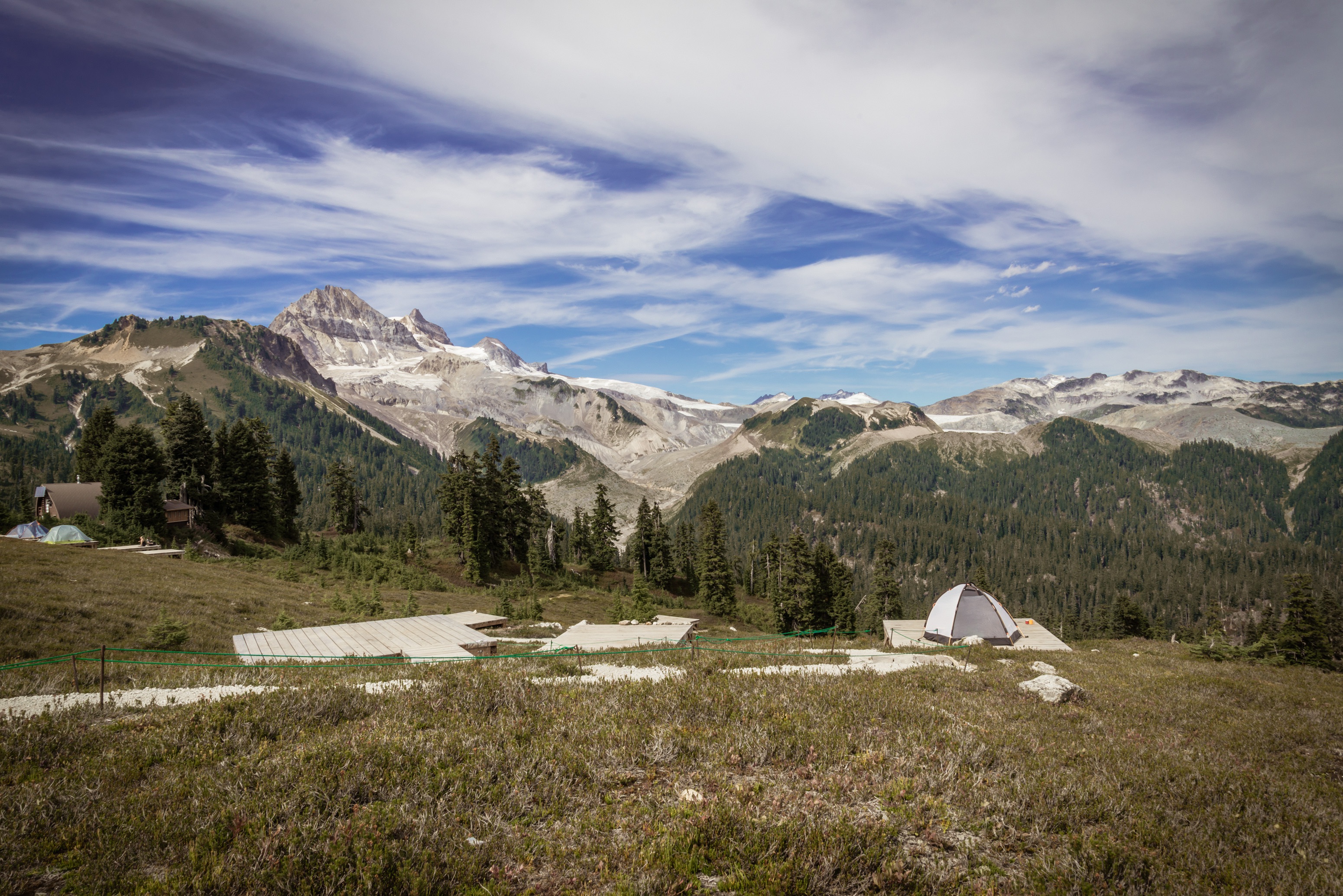
Take a scenic drive to Whistler along the legendary Sea to Sky Highway, enjoying incredible sights at every turn. After arriving in Whistler, you may like to enjoy one of our select Enhance Your Journey experiences available to you.
Enhance Your Journey – Peak 2 Peak Gondola
Enjoy a breathtaking journey on the Peak 2 Peak Gondola, which spans the distance between Whistler Mountain and Blackcomb Peak mountains. The longest and highest gondola in the world, this epic 4.4-kilometre adventure offers a unique vantage point to take in the scenery.
Enhance Your Journey – TreeTrek Tour
Discover Whistler’s ancient forest on an informative Tree Trek. Enjoy a bird’s-eye view of the towering cedars, hemlocks and firs from suspension bridges and treetop platforms.
Enhance Your Journey – Ziptrek Bear Tour
Ideal for adventure seekers, soar above British Columbia’s rugged terrain on a Ziptrek Ecotour. You’ll be captivated by the mesmerising views during this high-flying adventure.
Enhance Your Journey – Heli-Flightseeing
Take in the spectacular sights surrounding Whistler from the air during a helicopter flight. Enjoy an aerial view of the record-breaking Peak 2 Peak Gondola.
Enhance Your Journey – Mountain Jeep Tour
Wind your way through the surrounds of Blackcomb Peak on an exciting tour.
Enhance Your Journey – Electric Mountain Bike Tour
Exploring Whistler by e-bike is a wonderful way to spend a summer day. Feel the fresh air as you coast past lush green landscapes and mountains.
Enhance Your Journey – Whistler Bear Tour
Travel in a multi‑vehicle convoy through Whistler Olympic Park on an off‑road adventure, exploring bear habitat, scenic trails, waterfalls, and the Olympic ski jumps, with pickup included and group photo opportunities.
Enhance Your Journey – Vallea Lumina – Multimedia Nightwalk
Experience Vallea Lumina with an immersive night time forest walk featuring lights, soundscapes, and interactive storytelling, guiding guests along a magical trail that blends nature, art, and technology.� �
Whistler, British Columbia, Canada
Board a ferry for a breathtaking journey across the Georgia Strait to Victoria, passing through the picturesque Gulf Islands. Along the way, admire the stunning coastal landscapes, where forested isles rise from the sparkling waters. As you approach Vancouver Island, soak in the charming seaside views before arriving in British Columbia’s historic capital, Victoria.
Victoria, British Columbia, Canada
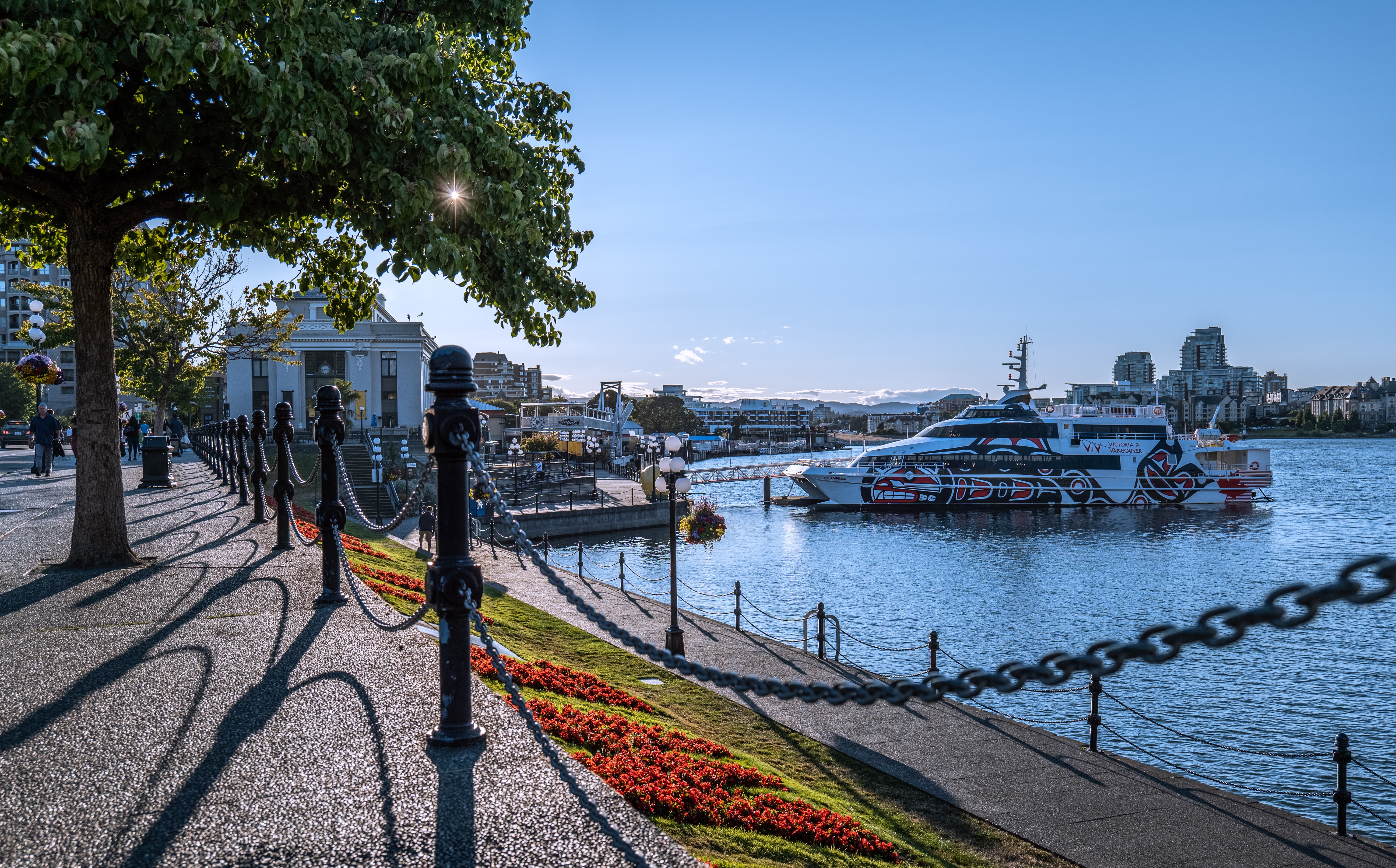
Victoria, the capital of a province whose license plates brazenly label it “The Best Place on Earth,” is a walkable, livable seaside city of fragrant gardens, waterfront paths, engaging museums, and beautifully restored 19th-century architecture. In summer, the Inner Harbour—Victoria’s social and cultural center—buzzes with visiting yachts, horse-and-carriage rides, street entertainers, and excursion boats heading out to visit pods of friendly local whales. Yes, it might be a bit touristy, but Victoria’s good looks, gracious pace, and manageable size are instantly beguiling, especially if you stand back to admire the mountains and ocean beyond. At the southern tip of Vancouver Island, Victoria dips slightly below the 49th parallel. That puts it farther south than most of Canada, giving it the mildest climate in the country, with virtually no snow and less than half the rain of Vancouver. The city’s geography, or at least its place names, can cause confusion. Just to clarify: the city of Victoria is on Vancouver Island (not Victoria Island). The city of Vancouver is on the British Columbia mainland, not on Vancouver Island. At any rate, that upstart city of Vancouver didn’t even exist in 1843 when Victoria, then called Fort Victoria, was founded as the westernmost trading post of the British-owned Hudson’s Bay Company. Victoria was the first European settlement on Vancouver Island, and in 1868 it became the capital of British Columbia. The British weren’t here alone, of course. The local First Nations people—the Songhees, the Saanich, and the Sooke—had already lived in the areas for thousands of years before anyone else arrived. Their art and culture are visible throughout southern Vancouver Island. You can see this in private and public galleries, in the totems at Thunderbird Park, in the striking collections at the Royal British Columbia Museum, and at the Quw’utsun’Cultural and Conference Centre in nearby Duncan. Spanish explorers were the first foreigners to explore the area, although they left little more than place names (Galiano Island and Cordova Bay, for example). The thousands of Chinese immigrants drawn by the gold rushes of the late 19th century had a much greater impact, founding Canada’s oldest Chinatown and adding an Asian influence that’s still quite pronounced in Victoria’s multicultural mix. Despite its role as the provincial capital, Victoria was largely eclipsed, economically, by Vancouver throughout the 20th century. This, as it turns out, was all to the good, helping to preserve Victoria’s historic downtown and keeping the city largely free of skyscrapers and highways. For much of the 20th century, Victoria was marketed to tourists as “The Most British City in Canada,” and it still has more than its share of Anglo-themed pubs, tea shops, and double-decker buses. These days, however, Victorians prefer to celebrate their combined indigenous, Asian, and European heritage, and the city’s stunning wilderness backdrop. Locals do often venture out for afternoon tea, but they’re just as likely to nosh on dim sum or tapas. Decades-old shops sell imported linens and tweeds, but newer upstarts offer local designs in hemp and organic cotton. And let’s not forget that fabric prevalent among locals: Gore-Tex. The outdoors is ever present here. You can hike, bike, kayak, sail, or whale-watch straight from the city center, and forests, beaches, offshore islands, and wilderness parklands lie just minutes away. A little farther afield, there’s surfing near Sooke, wine touring in the Cowichan Valley, and kayaking among the Gulf Islands.
Victoria, British Columbia, Canada
Victoria, the capital of a province whose license plates brazenly label it “The Best Place on Earth,” is a walkable, livable seaside city of fragrant gardens, waterfront paths, engaging museums, and beautifully restored 19th-century architecture. In summer, the Inner Harbour—Victoria’s social and cultural center—buzzes with visiting yachts, horse-and-carriage rides, street entertainers, and excursion boats heading out to visit pods of friendly local whales. Yes, it might be a bit touristy, but Victoria’s good looks, gracious pace, and manageable size are instantly beguiling, especially if you stand back to admire the mountains and ocean beyond. At the southern tip of Vancouver Island, Victoria dips slightly below the 49th parallel. That puts it farther south than most of Canada, giving it the mildest climate in the country, with virtually no snow and less than half the rain of Vancouver. The city’s geography, or at least its place names, can cause confusion. Just to clarify: the city of Victoria is on Vancouver Island (not Victoria Island). The city of Vancouver is on the British Columbia mainland, not on Vancouver Island. At any rate, that upstart city of Vancouver didn’t even exist in 1843 when Victoria, then called Fort Victoria, was founded as the westernmost trading post of the British-owned Hudson’s Bay Company. Victoria was the first European settlement on Vancouver Island, and in 1868 it became the capital of British Columbia. The British weren’t here alone, of course. The local First Nations people—the Songhees, the Saanich, and the Sooke—had already lived in the areas for thousands of years before anyone else arrived. Their art and culture are visible throughout southern Vancouver Island. You can see this in private and public galleries, in the totems at Thunderbird Park, in the striking collections at the Royal British Columbia Museum, and at the Quw’utsun’Cultural and Conference Centre in nearby Duncan. Spanish explorers were the first foreigners to explore the area, although they left little more than place names (Galiano Island and Cordova Bay, for example). The thousands of Chinese immigrants drawn by the gold rushes of the late 19th century had a much greater impact, founding Canada’s oldest Chinatown and adding an Asian influence that’s still quite pronounced in Victoria’s multicultural mix. Despite its role as the provincial capital, Victoria was largely eclipsed, economically, by Vancouver throughout the 20th century. This, as it turns out, was all to the good, helping to preserve Victoria’s historic downtown and keeping the city largely free of skyscrapers and highways. For much of the 20th century, Victoria was marketed to tourists as “The Most British City in Canada,” and it still has more than its share of Anglo-themed pubs, tea shops, and double-decker buses. These days, however, Victorians prefer to celebrate their combined indigenous, Asian, and European heritage, and the city’s stunning wilderness backdrop. Locals do often venture out for afternoon tea, but they’re just as likely to nosh on dim sum or tapas. Decades-old shops sell imported linens and tweeds, but newer upstarts offer local designs in hemp and organic cotton. And let’s not forget that fabric prevalent among locals: Gore-Tex. The outdoors is ever present here. You can hike, bike, kayak, sail, or whale-watch straight from the city center, and forests, beaches, offshore islands, and wilderness parklands lie just minutes away. A little farther afield, there’s surfing near Sooke, wine touring in the Cowichan Valley, and kayaking among the Gulf Islands.
Victoria, British Columbia, Canada
Victoria, the capital of a province whose license plates brazenly label it “The Best Place on Earth,” is a walkable, livable seaside city of fragrant gardens, waterfront paths, engaging museums, and beautifully restored 19th-century architecture. In summer, the Inner Harbour—Victoria’s social and cultural center—buzzes with visiting yachts, horse-and-carriage rides, street entertainers, and excursion boats heading out to visit pods of friendly local whales. Yes, it might be a bit touristy, but Victoria’s good looks, gracious pace, and manageable size are instantly beguiling, especially if you stand back to admire the mountains and ocean beyond. At the southern tip of Vancouver Island, Victoria dips slightly below the 49th parallel. That puts it farther south than most of Canada, giving it the mildest climate in the country, with virtually no snow and less than half the rain of Vancouver. The city’s geography, or at least its place names, can cause confusion. Just to clarify: the city of Victoria is on Vancouver Island (not Victoria Island). The city of Vancouver is on the British Columbia mainland, not on Vancouver Island. At any rate, that upstart city of Vancouver didn’t even exist in 1843 when Victoria, then called Fort Victoria, was founded as the westernmost trading post of the British-owned Hudson’s Bay Company. Victoria was the first European settlement on Vancouver Island, and in 1868 it became the capital of British Columbia. The British weren’t here alone, of course. The local First Nations people—the Songhees, the Saanich, and the Sooke—had already lived in the areas for thousands of years before anyone else arrived. Their art and culture are visible throughout southern Vancouver Island. You can see this in private and public galleries, in the totems at Thunderbird Park, in the striking collections at the Royal British Columbia Museum, and at the Quw’utsun’Cultural and Conference Centre in nearby Duncan. Spanish explorers were the first foreigners to explore the area, although they left little more than place names (Galiano Island and Cordova Bay, for example). The thousands of Chinese immigrants drawn by the gold rushes of the late 19th century had a much greater impact, founding Canada’s oldest Chinatown and adding an Asian influence that’s still quite pronounced in Victoria’s multicultural mix. Despite its role as the provincial capital, Victoria was largely eclipsed, economically, by Vancouver throughout the 20th century. This, as it turns out, was all to the good, helping to preserve Victoria’s historic downtown and keeping the city largely free of skyscrapers and highways. For much of the 20th century, Victoria was marketed to tourists as “The Most British City in Canada,” and it still has more than its share of Anglo-themed pubs, tea shops, and double-decker buses. These days, however, Victorians prefer to celebrate their combined indigenous, Asian, and European heritage, and the city’s stunning wilderness backdrop. Locals do often venture out for afternoon tea, but they’re just as likely to nosh on dim sum or tapas. Decades-old shops sell imported linens and tweeds, but newer upstarts offer local designs in hemp and organic cotton. And let’s not forget that fabric prevalent among locals: Gore-Tex. The outdoors is ever present here. You can hike, bike, kayak, sail, or whale-watch straight from the city center, and forests, beaches, offshore islands, and wilderness parklands lie just minutes away. A little farther afield, there’s surfing near Sooke, wine touring in the Cowichan Valley, and kayaking among the Gulf Islands.
Vancouver, British Columbia, Canada
Vancouver is a delicious juxtaposition of urban sophistication and on-your-doorstep wilderness adventure. The mountains and seascape make the city an outdoor playground for hiking, skiing, kayaking, cycling, and sailing—and so much more—while the cuisine and arts scenes are equally diverse, reflecting the makeup of Vancouver’s ethnic (predominantly Asian) mosaic. Vancouver is consistently ranked as one of the world’s most livable cities, and it’s easy for visitors to see why. It’s beautiful, it’s outdoorsy, and there’s a laidback West Coast vibe. On the one hand, there’s easy access to a variety of outdoor activities, a fabulous variety of beaches, and amazing parks. At the same time, the city has a multicultural vitality and cosmopolitan flair. The attraction is as much in the range of food choices—the fresh seafood and local produce are some of North America’s best—as it is in the museums, shopping, and nightlife.Vancouver’s landscaping also adds to the city’s walking appeal. In spring, flowerbeds spill over with tulips and daffodils while sea breezes scatter scented cherry blossoms throughout Downtown; in summer office workers take to the beaches, parks, and urban courtyards for picnic lunches and laptop meetings. More than 8 million visitors each year come to Vancouver, Canada’s third-largest metropolitan area. Because of its peninsula location, traffic flow is a contentious issue. Thankfully, Vancouver is wonderfully walkable, especially in the downtown core. The North Shore is a scoot across the harbor, and the rapid-transit system to Richmond and the airport means that staying in the more affordable ’burbs doesn’t have to be synonymous with sacrificing convenience. The mild climate, exquisite natural scenery, and relaxed outdoor lifestyle keep attracting residents, and the number of visitors is increasing for the same reasons. People often get their first glimpse of Vancouver when catching an Alaskan cruise, and many return at some point to spend more time here.
Cruising Inside Passage, U.S.A
Enjoy a full day at sea at the beginning of your phenomenal journey. Take in the majestic scenery as your ship cruises past dramatic rocky headlands and glides over the frigid waters of the Inside Passage. You also have plenty of time to explore the facilities of your cruise ship and perhaps relax in one of the onboard public areas. ��
Juneau, Alaska, United States
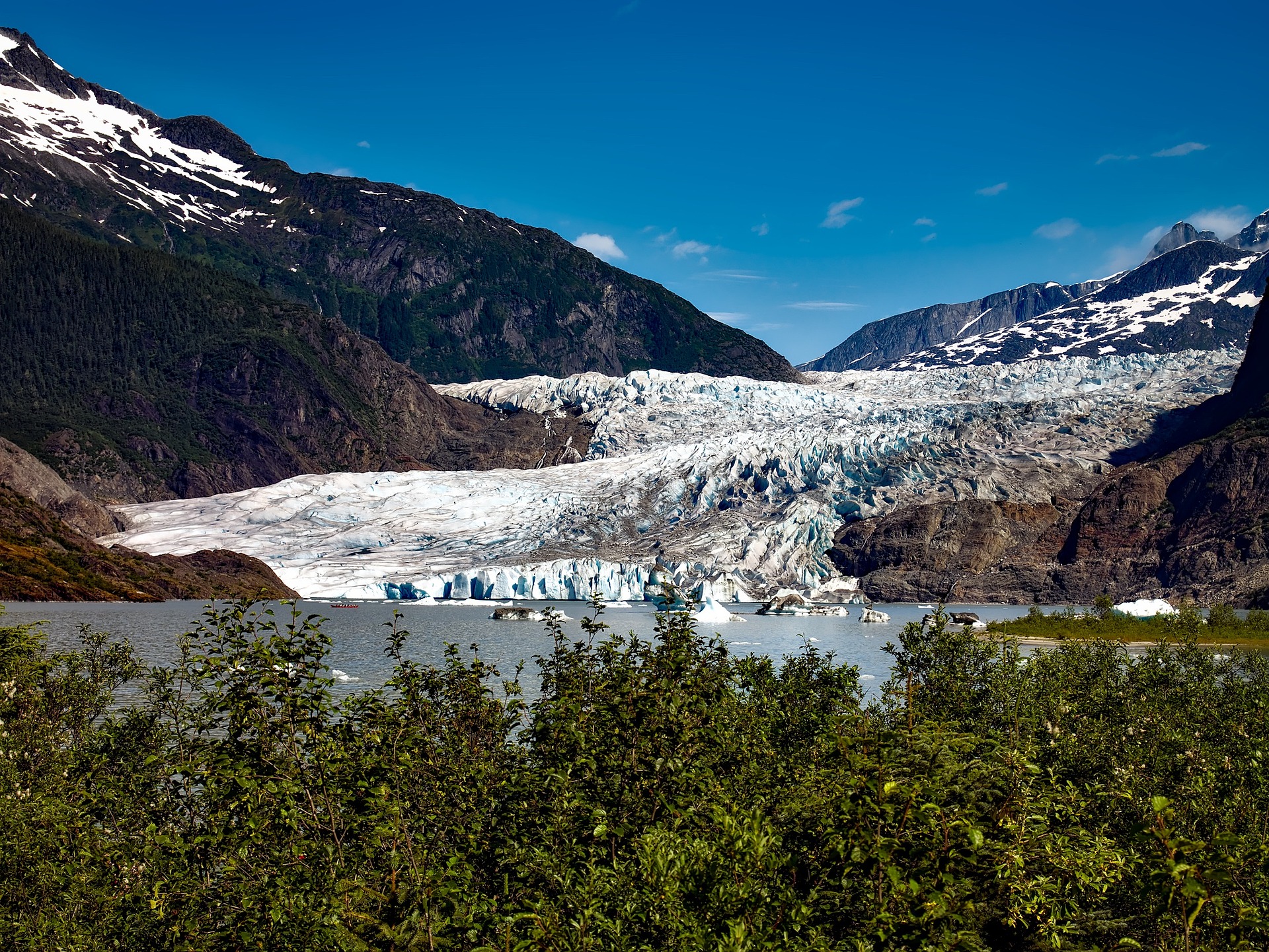
Juneau, Alaska’s capital and third-largest city, is on the North American mainland but can’t be reached by road. Bounded by steep mountains and water, the city’s geographic isolation and compact size make it much more akin to an island community such as Sitka than to other Alaskan urban centers, such as Fairbanks or Anchorage. Juneau is full of contrasts. Its dramatic hillside location and historic downtown buildings provide a frontier feeling, but the city’s cosmopolitan nature comes through in fine museums, noteworthy restaurants, and a literate and outdoorsy populace. The finest of the museums, the Alaska State Museum, is scheduled to reopen in May 2016 on its old site as the expanded Alaska State Library, Archives, and Museum (SLAM) following several years of planning and exhibit research. Another new facility, the Walter Soboleff Center, offers visitors a chance to learn about the indigenous cultures of Southeast Alaska–-Tlingit, Haida, and Tsimshian. Other highlights include the Mt. Roberts Tramway, plenty of densely forested wilderness areas, quiet bays for sea kayaking, and even a famous drive-up glacier, Mendenhall Glacier. For goings-on, pick up the Juneau Empire (www.juneauempire.com), which keeps tabs on state politics, business, sports, and local news.
Skagway, Alaska, United States
Located at the northern terminus of the Inside Passage, Skagway is a one-hour ferry ride from Haines. By road, however, the distance is 359 miles, as you have to take the Haines Highway up to Haines Junction, Yukon, then take the Alaska Highway 100 miles south to Whitehorse, and then drive a final 100 miles south on the Klondike Highway to Skagway. North-country folk call this sightseeing route the Golden Horseshoe or Golden Circle tour, because it passes a lot of gold-rush country in addition to spectacular lake, forest, and mountain scenery.The town is an amazingly preserved artifact from North America’s biggest, most-storied gold rush. Most of the downtown district forms part of the Klondike Gold Rush National Historical Park, a unit of the National Park System dedicated to commemorating and interpreting the frenzied stampede of 1897 that extended to Dawson City in Canada’s Yukon.Nearly all the historic sights are within a few blocks of the cruise-ship and ferry dock, allowing visitors to meander through the town’s attractions at whatever pace they choose. Whether you’re disembarking from a cruise ship, a ferry, or a dusty automobile fresh from the Golden Circle, you’ll quickly discover that tourism is the lifeblood of this town. Unless you’re visiting in winter or hiking into the backcountry on the Chilkoot Trail, you aren’t likely to find a quiet Alaska experience around Skagway.
Glacier Bay National Park, Alaska, United States
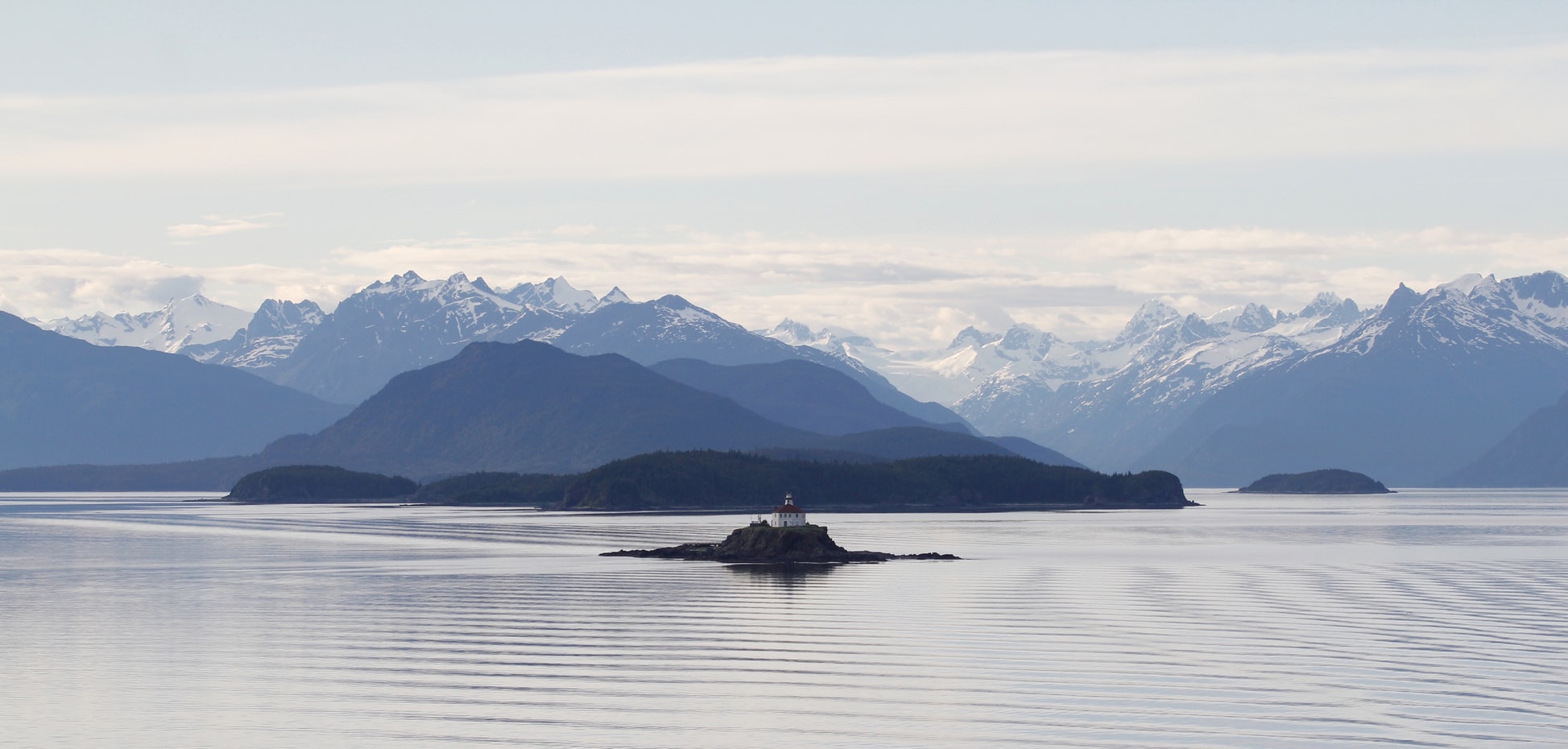
Located in Southeast Alaska, west of the capital city of Juneau, Glacier Bay is a beautiful National Park full of snow capped mountains, tidewater glaciers and wildlife. Experience wildlife in all its beauty from boat trips for whale watching and hiking through the trails of the Park. It is a protected area full of wonder to be explored.
Ketchikan, Alaska, United States
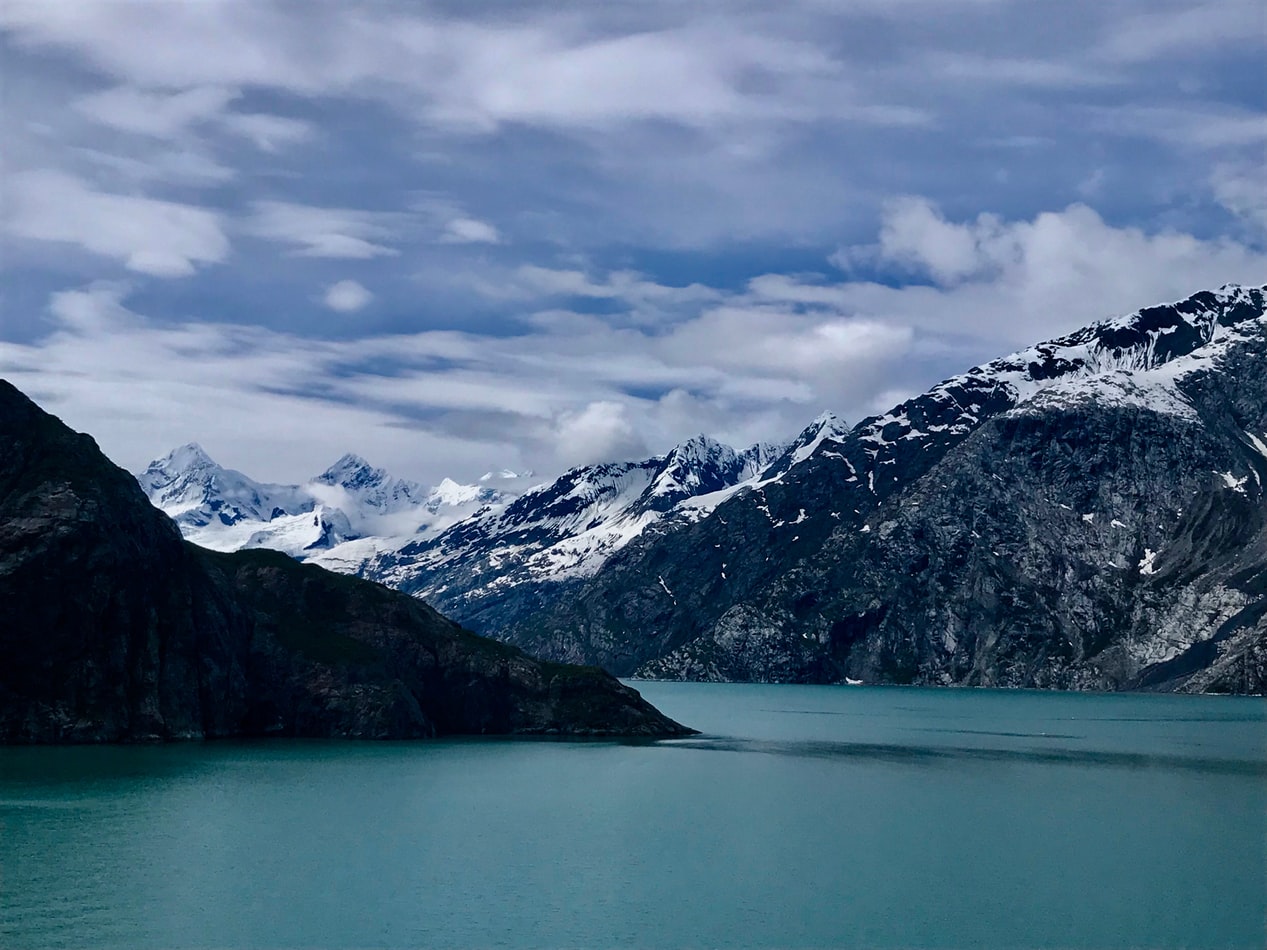
Ketchikan is famous for its colorful totem poles, rainy skies, steep–as–San Francisco streets, and lush island setting. Some 13,500 people call the town home, and, in the summer, cruise ships crowd the shoreline, floatplanes depart noisily for Misty Fiords National Monument, and salmon-laden commercial fishing boats motor through Tongass Narrows. In the last decade Ketchikan’s rowdy, blue-collar heritage of logging and fishing has been softened by the loss of many timber-industry jobs and the dramatic rise of cruise-ship tourism. With some effort, though, visitors can still glimpse the rugged frontier spirit that once permeated this hardscrabble cannery town. Art lovers should make a beeline for Ketchikan: the arts community here is very active. Travelers in search of the perfect piece of Alaska art will find an incredible range of pieces to choose from.The town is at the foot of 3,000-foot Deer Mountain, near the southeastern corner of Revillagigedo (locals shorten it to Revilla) Island. Prior to the arrival of white miners and fishermen in 1885, the Tlingit used the site at the mouth of Ketchikan Creek as a summer fish camp. Gold discoveries just before the turn of the 20th century brought more immigrants, and valuable timber and commercial fishing resources spurred new industries. By the 1930s the town bragged that it was the “salmon-canning capital of the world.” You will still find some of Southeast’s best salmon fishing around here. Ketchikan is the first bite of Alaska that many travelers taste. Despite its imposing backdrop, hillside homes, and many staircases, the town is relatively easy to walk through. Favorite downtown stops include the Spruce Mill Development shops and Creek Street. A bit farther away you’ll find the Totem Heritage Center. Out of town (but included on most bus tours) are two longtime favorites: Totem Bight State Historical Park to the north and Saxman Totem Park to the south.
Cruising Inside Passage, U.S.A
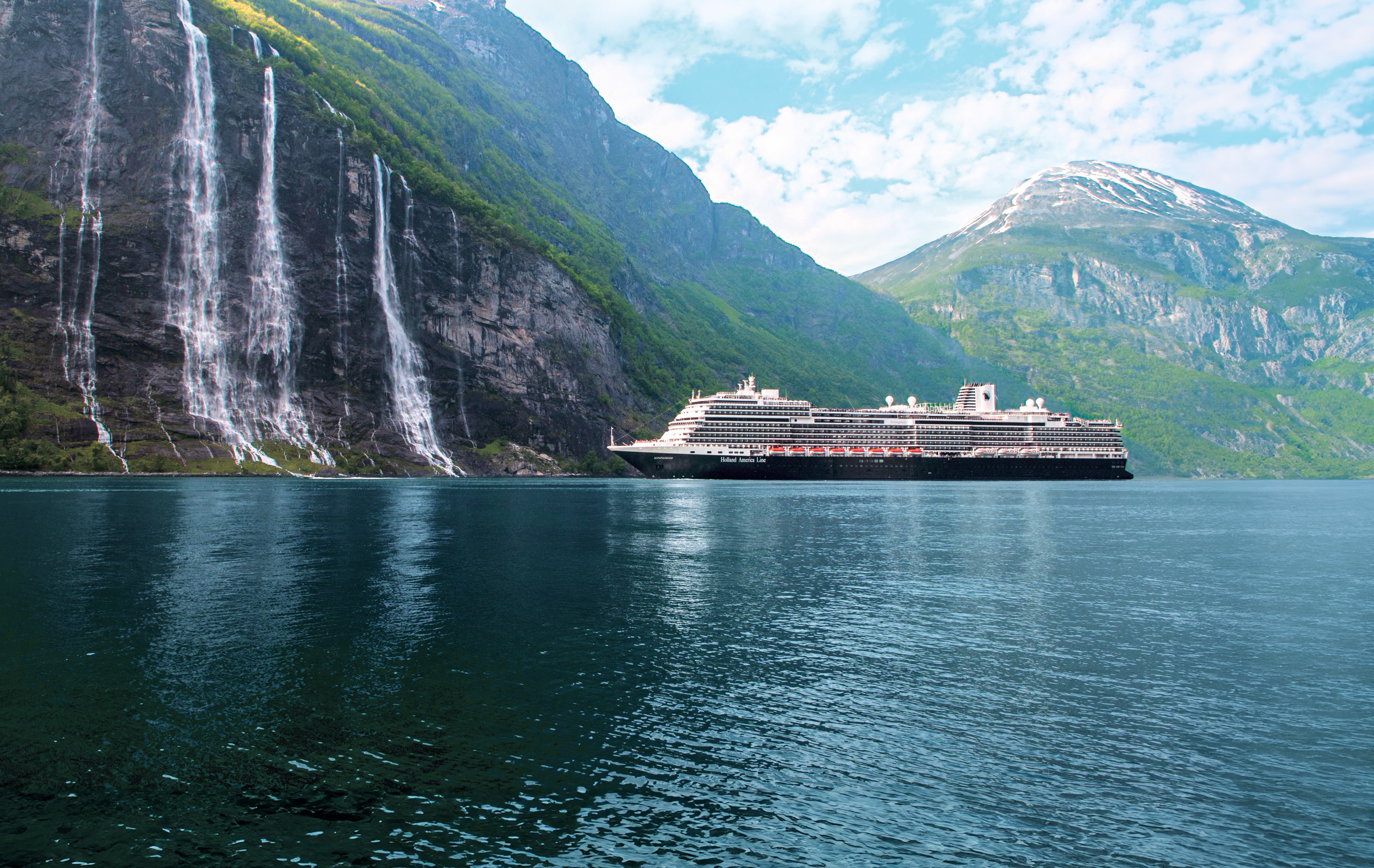
Today marks your final day aboard your premium Holland America Line cruise ship. You’ll spend the day cruising south through the Inside Passage and its magnificent landscapes and towering glaciers. There is time to relax on board and enjoy the premium facilities of your ship while you take in the incredible views. This evening, savour a final dinner on board.
Vancouver, British Columbia, Canada
Vancouver is a delicious juxtaposition of urban sophistication and on-your-doorstep wilderness adventure. The mountains and seascape make the city an outdoor playground for hiking, skiing, kayaking, cycling, and sailing—and so much more—while the cuisine and arts scenes are equally diverse, reflecting the makeup of Vancouver’s ethnic (predominantly Asian) mosaic. Vancouver is consistently ranked as one of the world’s most livable cities, and it’s easy for visitors to see why. It’s beautiful, it’s outdoorsy, and there’s a laidback West Coast vibe. On the one hand, there’s easy access to a variety of outdoor activities, a fabulous variety of beaches, and amazing parks. At the same time, the city has a multicultural vitality and cosmopolitan flair. The attraction is as much in the range of food choices—the fresh seafood and local produce are some of North America’s best—as it is in the museums, shopping, and nightlife.Vancouver’s landscaping also adds to the city’s walking appeal. In spring, flowerbeds spill over with tulips and daffodils while sea breezes scatter scented cherry blossoms throughout Downtown; in summer office workers take to the beaches, parks, and urban courtyards for picnic lunches and laptop meetings. More than 8 million visitors each year come to Vancouver, Canada’s third-largest metropolitan area. Because of its peninsula location, traffic flow is a contentious issue. Thankfully, Vancouver is wonderfully walkable, especially in the downtown core. The North Shore is a scoot across the harbor, and the rapid-transit system to Richmond and the airport means that staying in the more affordable ’burbs doesn’t have to be synonymous with sacrificing convenience. The mild climate, exquisite natural scenery, and relaxed outdoor lifestyle keep attracting residents, and the number of visitors is increasing for the same reasons. People often get their first glimpse of Vancouver when catching an Alaskan cruise, and many return at some point to spend more time here.
Cabin Options
Ocean View Stateroom
Verandah
Vista Suite & Aft-View Vista Suite
Pinnacle Suite
Neptune Suite
Neptune Spa Suite
Signature Suite
Spa Verandah
Family Ocean View
Spa Ocean View Stateroom
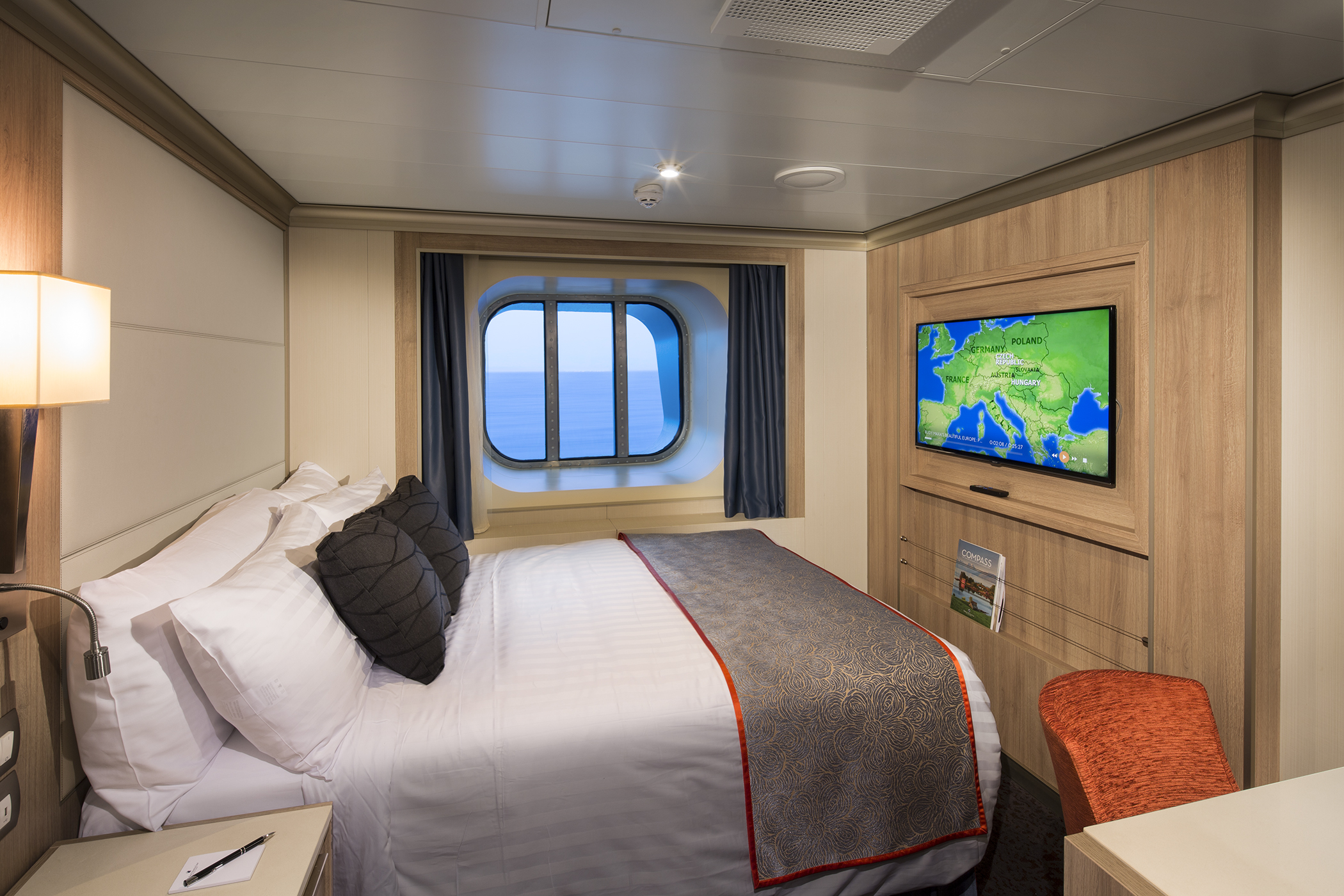
Single Ocean View Stateroom
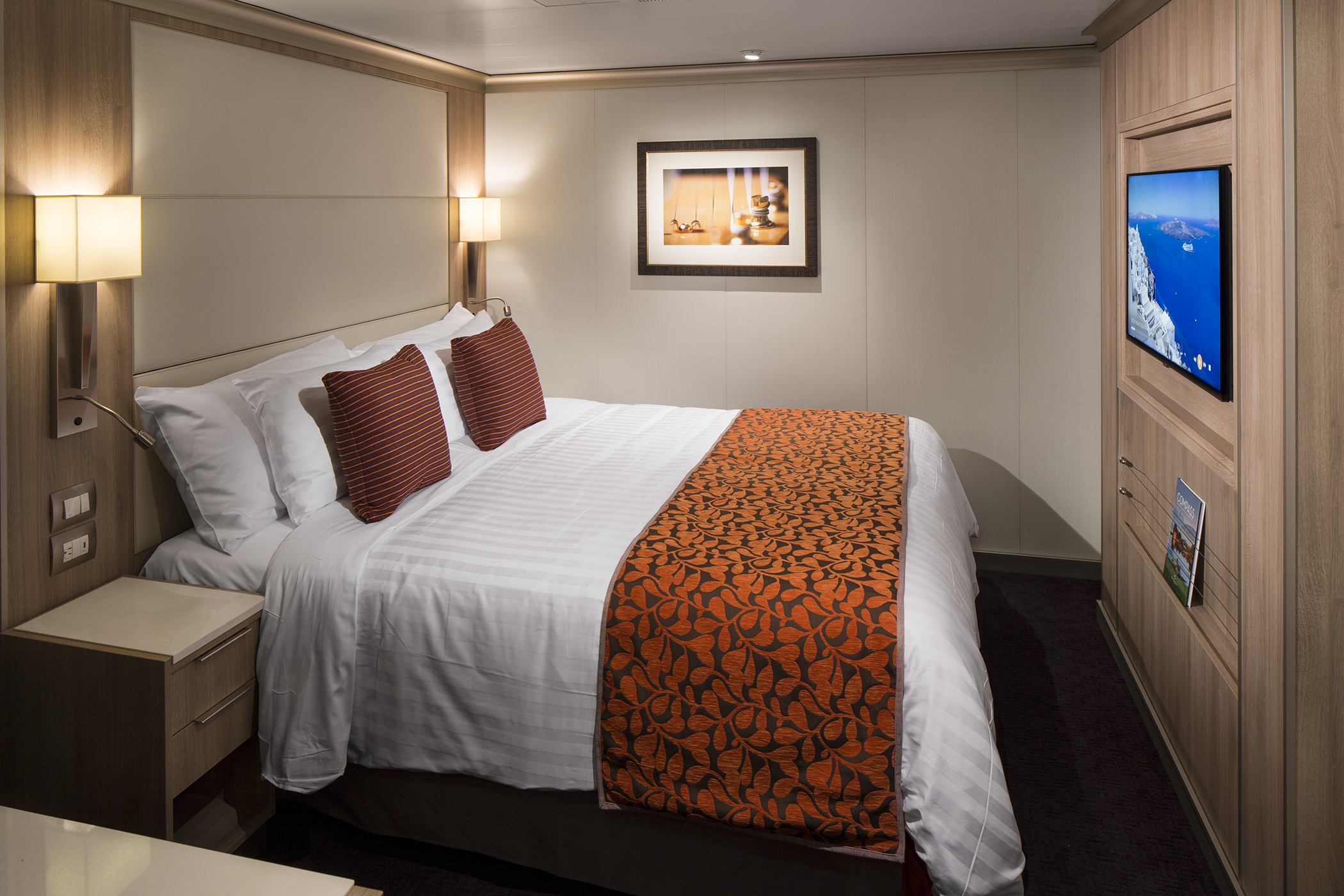
Spa Inside
Inside
Ship Facilities
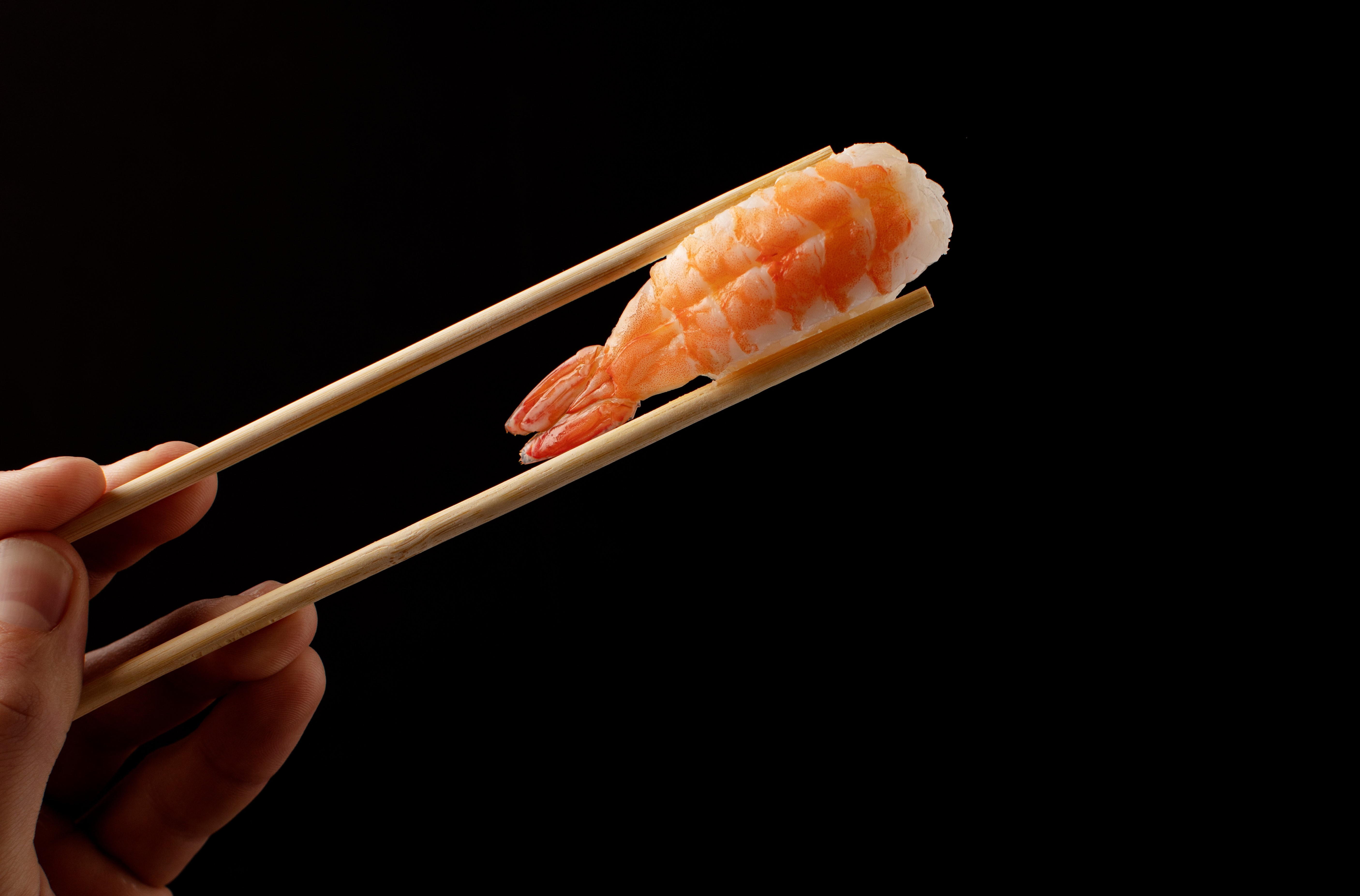
Morimoto by Sea Sushi Bar
Watch as expert chefs prepare fresh, à la carte sushi right before your eyes, alongside a curated selection of tempting hot appetizers and entrées to complement your meal perfectly.
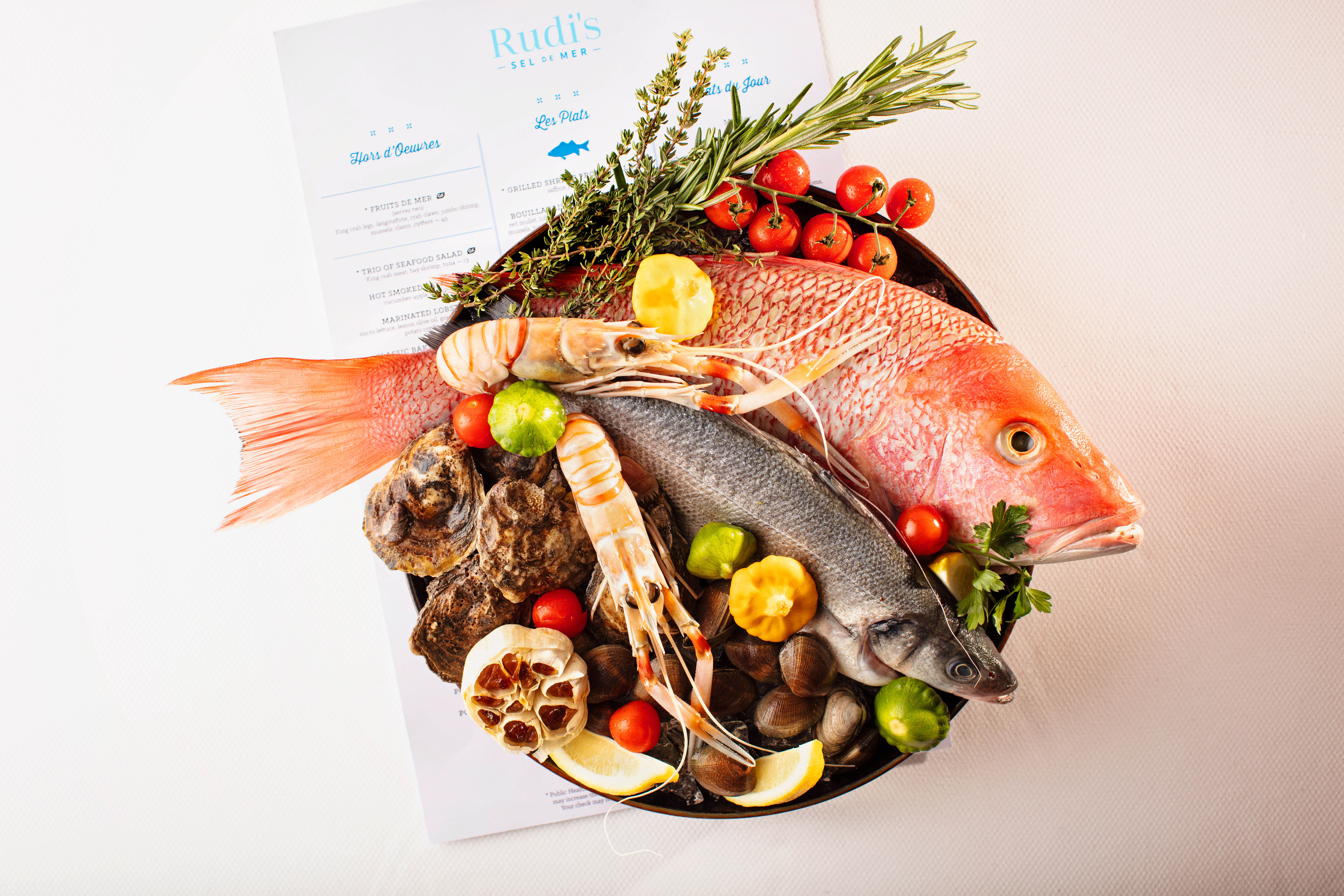
Sel De Mer
Sel de Mer is an intimate Mediterranean Bistro featuring the flavors of France, Spain and Greece with a focus on fresh fish and authentically prepared recipes.
Lido Market
Enjoy food stations featuring classic favorites, regional specialties, and made-to-order entrées.
The Dining Room
Multi-course dining with fresh seafood, global flavors, and flexible options daily, all included in your cruise fare.
Pinnacle Grill
Welcome to Pinnacle Grill, our signature chophouse featuring Wagyu, seafood, regional specialties, sides, wines & desserts.
Tamarind
Savor vibrant Asian flavors at this specialty restaurant on select ships. Additional charge applies.
Canaletto
In Italy, there’s nothing more important than coming together to celebrate the joy of great food. Canaletto’s crafted menu is inspired by the simplicity of Italian food and its rich, robust flavors. And at Canaletto, our pasta is made from scratch each and every day. Buon Appetito!
New York Pizza
At New York Pizza, choose from a variety of scrumptious, 9-inch, thin-crust pies. Named for New York’s famed five boroughs, our signature pizzas are made to order and topped with only the finest ingredients. Enjoy your pizza by day while overlooking the Lido pool, and into the night.
Dive-In
Dive-In offers a variety of casual culinary classics, using the highest quality ingredients. Enjoy a burger, grilled to perfection and served on a toasted brioche with our own trade-marked secret sauce. Savor a succulent Nathan’s Famous gourmet hot dog with golden French fries. Or choose a grilled chicken breast sandwich or juicy portabella mushroom stack. Dive-In is the perfect spot to dine poolside on the best burgers at sea.
24-Hour Room Dining
Freshly prepared breakfast, lunch, dinner, and late-night favorites delivered right to your door.
Billboard Onboard
2 pianos – 60 Years of Chart Toppers – 100s Of Songs. Sing along, test your music trivia skills or just sit back and enjoy as the hits fill the room each night.

Sun Deck
Soak up the sun or relax in the shade in our comfortable lounge chairs.
World Stage
World Stage, the largest theatre on board is home to a variety of performances day and night.
B.B. King's Blues Club
When you’re in the mood to move, it’s time for live music on your cruise. Direct from Beale Street in Memphis, B.B. King’s All-Star Band cooks up a rich southern heritage of classic soul and rock & roll to get you dancing.
Casino Action
Your Holland America Line ship’s Casino offers a wide array of gaming options. Whether you prefer slot machines or want to try your hand at blackjack or poker, our dealers and staff are available to provide complimentary instruction — and we offer many engaging tournament options. The Casino is only open at sea.
Signature Shops
Shop duty-free for designer watches and Effy jewelry, then capture memories with expertly crafted photo keepsakes.
Ocean Bar
Taste handcrafted cocktails and dance the night away at Ocean Bar – a lively lounge perched above the atrium.
Rolling Stone Lounge
Celebrate 60 years of chart-topping hits, including rock, pop, and country classics that are sure to keep you dancing and reliving unforgettable musical moments.
Greenhouse Spa & Salon
Spa and Wellness Facilities
Experience rejuvenation with hydrotherapy pools, heated loungers, serene steam and sauna rooms, tranquil massage spaces, and a fully equipped fitness center for energizing, instructor‑led workouts. Amenities and facilities vary by ship.
Fitness Centre
Stay Active at Sea
Keeping fit is easy with a fully equipped Fitness Center — cardio, strength equipment, and complimentary wellness classes. Elevate your routine with paid personal training or instructor-led classes.
Lido Pool
Sea View Swimming Pool
An Adults-Only Oasis
Exclusively for guests 18 and older, the Sea View Pool features ambient live music during days at sea and is home to our Signature Pool Experience, featuring cold towels and your favorite drinks delivered right to you.
Lido Swimming Pool
Take A Dip — Rain or Shine
The Lido Pool’s retractable glass roof makes it a guest favorite in any weather. With shaded seating, casual dining, and signature cocktails just steps away, this heated pool is ideal for families and sun lovers alike.
Pickleball At Sea
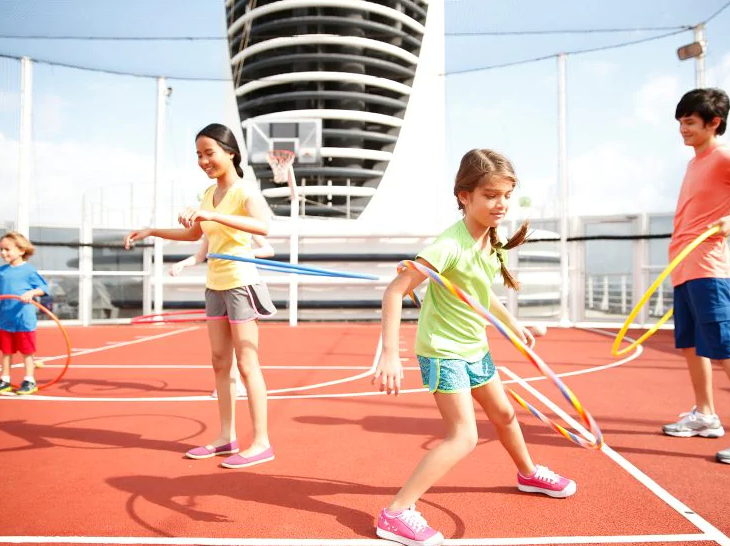
Whether you’re new to the game or a pro, each Holland America ship offers one or two ocean-view courts, so you can serve, volley, and score while sailing the world.
Kids Programs (Ages 3-6)
A world of supervised fun awaits — arts & crafts, sports, and games — all designed to spark creativity and help kids build real friendships at sea.
Tweens Programs (Ages 7-11)
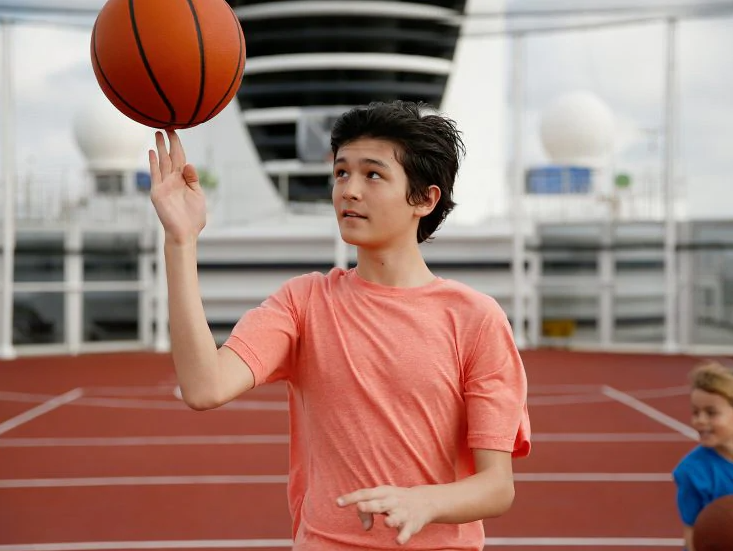
From arts & crafts and sporting events to video gaming tournaments and movie nights, there’s plenty to keep tweens engaged.
Teens Programs (Ages 12-17)
Teens connect through sports, group games, movie nights, and dedicated hangouts, plus exclusive evening events like video game tournaments.
Special Needs
Children with special needs are welcome in Kids Club by age. Some activities may require parental support — please share needs at booking.

Port Day Activities
Kids Club activities are available from 9 a.m. to 12 p.m. and 1 p.m. to 4 p.m. on port days*. Lunch is not offered as part of this service. Children must be registered and signed into and out of programming by a parent or guardian.
*Hours of operation may change to better serve our guests.
Morimoto by Sea Sushi Bar
Watch as expert chefs prepare fresh, à la carte sushi right before your eyes, alongside a curated selection of tempting hot appetizers and entrées to complement your meal perfectly.
Sel De Mer
Sel de Mer is an intimate Mediterranean Bistro featuring the flavors of France, Spain and Greece with a focus on fresh fish and authentically prepared recipes.
Lido Market
Enjoy food stations featuring classic favorites, regional specialties, and made-to-order entrées.
The Dining Room
Multi-course dining with fresh seafood, global flavors, and flexible options daily, all included in your cruise fare.
Pinnacle Grill
Welcome to Pinnacle Grill, our signature chophouse featuring Wagyu, seafood, regional specialties, sides, wines & desserts.
Tamarind
Savor vibrant Asian flavors at this specialty restaurant on select ships. Additional charge applies.
Canaletto
In Italy, there’s nothing more important than coming together to celebrate the joy of great food. Canaletto’s crafted menu is inspired by the simplicity of Italian food and its rich, robust flavors. And at Canaletto, our pasta is made from scratch each and every day. Buon Appetito!
New York Pizza
At New York Pizza, choose from a variety of scrumptious, 9-inch, thin-crust pies. Named for New York’s famed five boroughs, our signature pizzas are made to order and topped with only the finest ingredients. Enjoy your pizza by day while overlooking the Lido pool, and into the night.
Dive-In
Dive-In offers a variety of casual culinary classics, using the highest quality ingredients. Enjoy a burger, grilled to perfection and served on a toasted brioche with our own trade-marked secret sauce. Savor a succulent Nathan’s Famous gourmet hot dog with golden French fries. Or choose a grilled chicken breast sandwich or juicy portabella mushroom stack. Dive-In is the perfect spot to dine poolside on the best burgers at sea.
24-Hour Room Dining
Freshly prepared breakfast, lunch, dinner, and late-night favorites delivered right to your door.
Billboard Onboard
2 pianos – 60 Years of Chart Toppers – 100s Of Songs. Sing along, test your music trivia skills or just sit back and enjoy as the hits fill the room each night.
Sun Deck
Soak up the sun or relax in the shade in our comfortable lounge chairs.
World Stage
World Stage, the largest theatre on board is home to a variety of performances day and night.
B.B. King's Blues Club
When you’re in the mood to move, it’s time for live music on your cruise. Direct from Beale Street in Memphis, B.B. King’s All-Star Band cooks up a rich southern heritage of classic soul and rock & roll to get you dancing.
Casino Action
Your Holland America Line ship’s Casino offers a wide array of gaming options. Whether you prefer slot machines or want to try your hand at blackjack or poker, our dealers and staff are available to provide complimentary instruction — and we offer many engaging tournament options. The Casino is only open at sea.
Signature Shops
Shop duty-free for designer watches and Effy jewelry, then capture memories with expertly crafted photo keepsakes.
Ocean Bar
Taste handcrafted cocktails and dance the night away at Ocean Bar – a lively lounge perched above the atrium.
Rolling Stone Lounge
Celebrate 60 years of chart-topping hits, including rock, pop, and country classics that are sure to keep you dancing and reliving unforgettable musical moments.
Greenhouse Spa & Salon
Spa and Wellness Facilities
Experience rejuvenation with hydrotherapy pools, heated loungers, serene steam and sauna rooms, tranquil massage spaces, and a fully equipped fitness center for energizing, instructor‑led workouts. Amenities and facilities vary by ship.
Fitness Centre
Stay Active at Sea
Keeping fit is easy with a fully equipped Fitness Center — cardio, strength equipment, and complimentary wellness classes. Elevate your routine with paid personal training or instructor-led classes.
Lido Pool
Sea View Swimming Pool
An Adults-Only Oasis
Exclusively for guests 18 and older, the Sea View Pool features ambient live music during days at sea and is home to our Signature Pool Experience, featuring cold towels and your favorite drinks delivered right to you.
Lido Swimming Pool
Take A Dip — Rain or Shine
The Lido Pool’s retractable glass roof makes it a guest favorite in any weather. With shaded seating, casual dining, and signature cocktails just steps away, this heated pool is ideal for families and sun lovers alike.
Pickleball At Sea
Whether you’re new to the game or a pro, each Holland America ship offers one or two ocean-view courts, so you can serve, volley, and score while sailing the world.
Kids Programs (Ages 3-6)
A world of supervised fun awaits — arts & crafts, sports, and games — all designed to spark creativity and help kids build real friendships at sea.
Tweens Programs (Ages 7-11)
From arts & crafts and sporting events to video gaming tournaments and movie nights, there’s plenty to keep tweens engaged.
Teens Programs (Ages 12-17)
Teens connect through sports, group games, movie nights, and dedicated hangouts, plus exclusive evening events like video game tournaments.
Special Needs
Children with special needs are welcome in Kids Club by age. Some activities may require parental support — please share needs at booking.
Port Day Activities
Kids Club activities are available from 9 a.m. to 12 p.m. and 1 p.m. to 4 p.m. on port days*. Lunch is not offered as part of this service. Children must be registered and signed into and out of programming by a parent or guardian.
*Hours of operation may change to better serve our guests.
About the Ship
Deck Plans

- Stuyvesant
- Half Moon
- Atrium
- Art Gallery
- Hudson
- Oceanview Staterooms (Family, Large or Single)
- Interior Staterooms (Large & Standard)

- World Stage
- Library
- Piano Bar
- Rolling Stone Lounge
- B.B King’s Blues Club
- Merabella
- The Shops
- Pinnacle Grill
- Atrium
- Sel De Mer
- Ocean Bar
- Taste
- Club Orange
- The Dining Room

- World Stage
- Casino
- The Shops
- Future Cruises
- Guest Services
- Atrium
- Grand Dutch Café
- Portrait Studio
- Photo Gallery
- The Dining Room

- Neptune Suites
- Vista Suites
- Verandah Staterooms
- Oceanview Staterooms (Large)
- Interior Staterooms (Large & Standard)

- Neptune Suites
- Signature Suites
- Vista Suites
- Verandah Staterooms
- Interior Staterooms (Large & Standard)

- Neptune Suites
- Vista Suites
- Verandah Staterooms
- Interior Staterooms (Large & Standard)

- Neptune Lounge
- Pinnacle Suite
- Neptune Suites
- Signature Suites
- Vista Suites
- Verandah Staterooms
- Oceanview Staterooms (Large)
- Interior Staterooms (Large or Standards)

- Bridge
- Neptune Suites
- Vista Suites
- Verandah Staterooms
- Interior Staterooms (Large & Standard)

- Fitness Centre
- Greenhouse Spa & Salon
- Hydro Pool
- Lido Bar
- Gelato & Juice Bar
- Dive-In
- Canaletto
- Lido Market
- Sea View Bar
- Sea View Pool

- New York Deli & Pizza
- Panorama Bar
- Kids Club
- Sushu Bar
- Tamarind
- Tamarind Bar
- Neptune Spa Suites
- Verandah Spa Staterooms
- Oceanview Spa Staterooms (Large)
- Interior Spa Staterooms (Large)

- Sun Deck
- Sport Court
- Jogging Track
- Sliding Dome Cover
- Neptune Suites
- Verandah Staterooms
- Oceanview Staterooms (Large)
- Interior Staterooms (Standard)

- The Retreat
- Explorations Café
- Crow’s Nest/Crow’s Nest Cafe
- Art Studio
- Shore Excursions
- Game Room
- Stuyvesant
- Half Moon
- Atrium
- Art Gallery
- Hudson
- Oceanview Staterooms (Family, Large or Single)
- Interior Staterooms (Large & Standard)
- World Stage
- Library
- Piano Bar
- Rolling Stone Lounge
- B.B King’s Blues Club
- Merabella
- The Shops
- Pinnacle Grill
- Atrium
- Sel De Mer
- Ocean Bar
- Taste
- Club Orange
- The Dining Room
- World Stage
- Casino
- The Shops
- Future Cruises
- Guest Services
- Atrium
- Grand Dutch Café
- Portrait Studio
- Photo Gallery
- The Dining Room
- Neptune Suites
- Vista Suites
- Verandah Staterooms
- Oceanview Staterooms (Large)
- Interior Staterooms (Large & Standard)
- Neptune Suites
- Signature Suites
- Vista Suites
- Verandah Staterooms
- Interior Staterooms (Large & Standard)
- Neptune Suites
- Vista Suites
- Verandah Staterooms
- Interior Staterooms (Large & Standard)
- Neptune Lounge
- Pinnacle Suite
- Neptune Suites
- Signature Suites
- Vista Suites
- Verandah Staterooms
- Oceanview Staterooms (Large)
- Interior Staterooms (Large or Standards)
- Bridge
- Neptune Suites
- Vista Suites
- Verandah Staterooms
- Interior Staterooms (Large & Standard)
- Fitness Centre
- Greenhouse Spa & Salon
- Hydro Pool
- Lido Bar
- Gelato & Juice Bar
- Dive-In
- Canaletto
- Lido Market
- Sea View Bar
- Sea View Pool
- New York Deli & Pizza
- Panorama Bar
- Kids Club
- Sushu Bar
- Tamarind
- Tamarind Bar
- Neptune Spa Suites
- Verandah Spa Staterooms
- Oceanview Spa Staterooms (Large)
- Interior Spa Staterooms (Large)
- Sun Deck
- Sport Court
- Jogging Track
- Sliding Dome Cover
- Neptune Suites
- Verandah Staterooms
- Oceanview Staterooms (Large)
- Interior Staterooms (Standard)
- The Retreat
- Explorations Café
- Crow’s Nest/Crow’s Nest Cafe
- Art Studio
- Shore Excursions
- Game Room