Featured Cabins
Itinerary
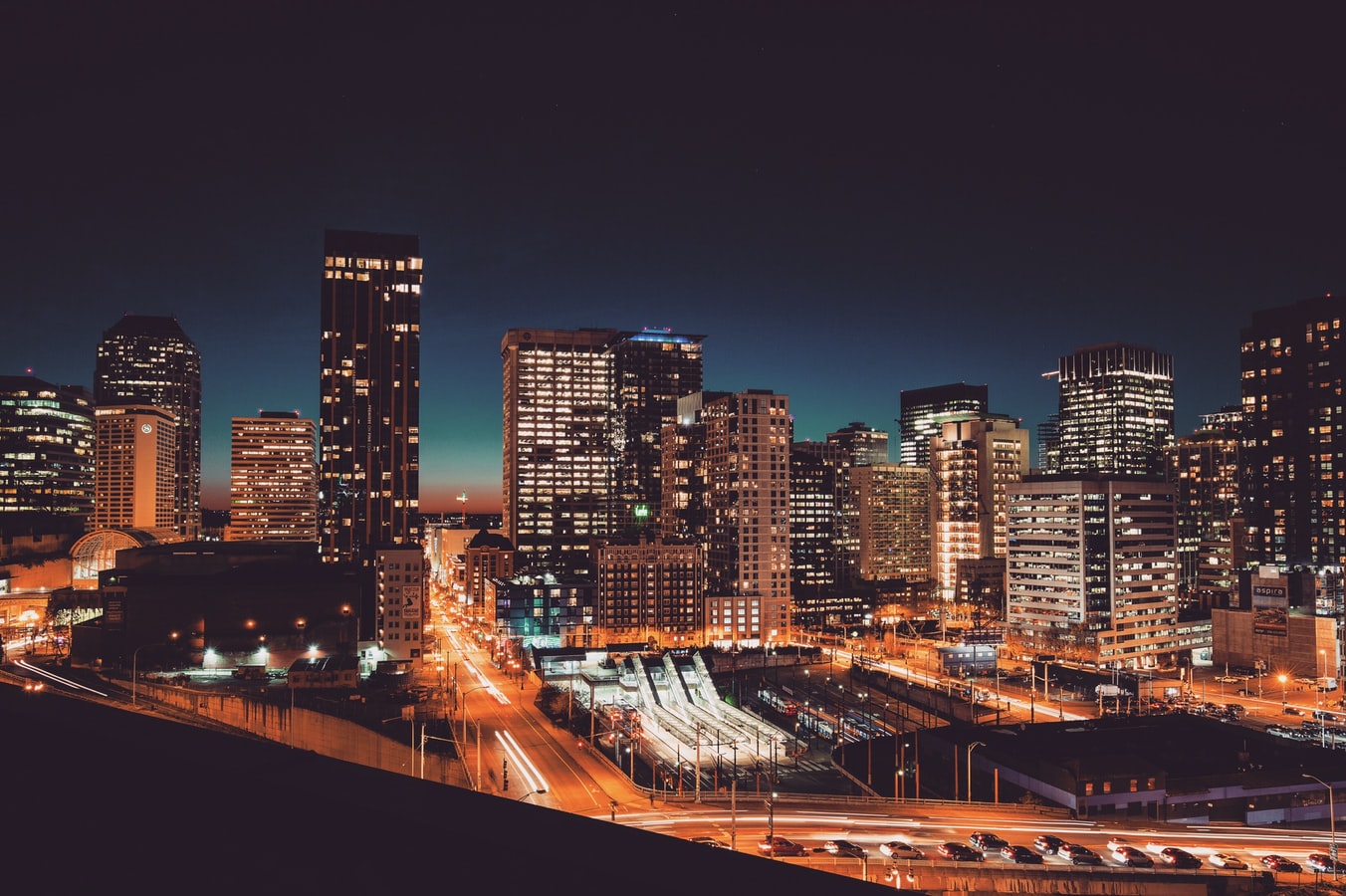
Seattle, Washington, United States
Seattle is a scenic seaport city in western Washington, situated on an isthmus between Puget Sound to the west and Lake Washington to the east. It is the largest city in Washington. Five pioneer families from Illinois first settled the area in 1851, and named the town after a friendly Suquamish Indian chief. It was incorporated as a city in 1869, and grew quickly after the Great Northern Railway arrived in 1893, especially during the Alaska Gold Rush of 1897. When the Panama Canal opened in 1914, Seattle became a major Pacific port of entry, and today it is the region’s commercial and transportation hub and the centre of manufacturing, trade, and finance, with an estimated 684,451 residents as of 2015.
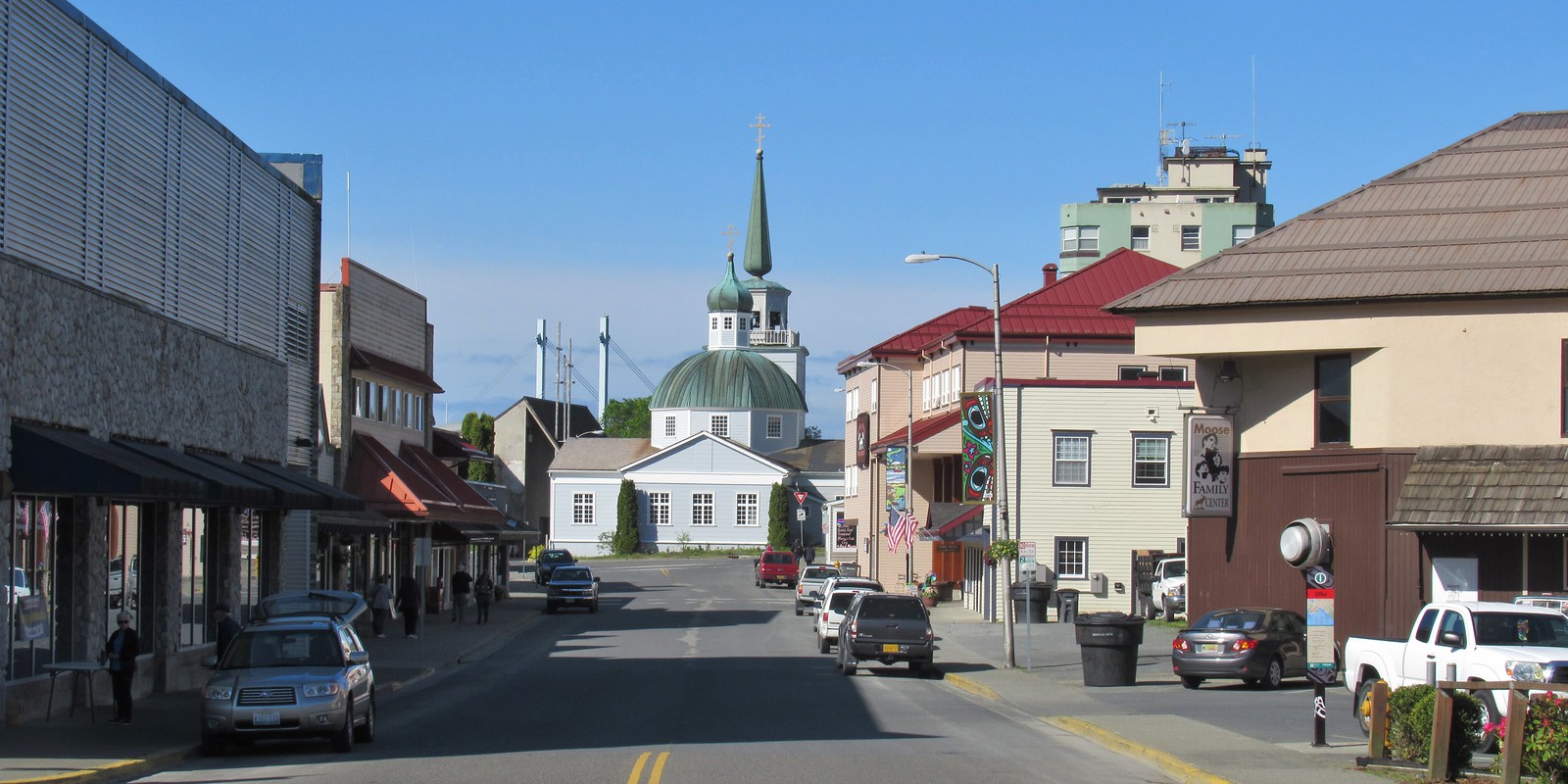
Sitka, Alaska, United States
It’s hard not to like Sitka, with its eclectic blend of Alaska Native, Russian, and American history and its dramatic and beautiful open-ocean setting. This is one of the best Inside Passage towns to explore on foot, with St. Michael’s Cathedral, Sheldon Jackson Museum, Castle Hill, Sitka National Historical Park, and the Alaska Raptor Center topping the must-see list.Sitka was home to the Kiksádi clan of the Tlingit people for centuries prior to the 18th-century arrival of the Russians under the direction of territorial governor Alexander Baranof, who believed the region was ideal for the fur trade. The governor also coveted the Sitka site for its beauty, mild climate, and economic potential; in the island’s massive timber forests he saw raw materials for shipbuilding. Its location offered trading routes as far west as Asia and as far south as California and Hawaii. In 1799 Baranof built St. Michael Archangel—a wooden fort and trading post 6 miles north of the present town.Strong disagreements arose shortly after the settlement. The Tlingits attacked the settlers and burned their buildings in 1802. Baranof, however, was away in Kodiak at the time. He returned in 1804 with a formidable force—including shipboard cannons—and attacked the Tlingits at their fort near Indian River, site of the present-day 105-acre Sitka National Historical Park, forcing many of them north to Chichagof Island.By 1821 the Tlingits had reached an accord with the Russians, who were happy to benefit from the tribe’s hunting skills. Under Baranof and succeeding managers, the Russian-American Company and the town prospered, becoming known as the Paris of the Pacific. The community built a major shipbuilding and repair facility, sawmills, and forges, and even initiated an ice industry, shipping blocks of ice from nearby Swan Lake to the booming San Francisco market. The settlement that was the site of the 1802 conflict is now called Old Sitka. It is a state park and listed as a National Historic Landmark.The town declined after its 1867 transfer from Russia to the United States, but it became prosperous again during World War II, when it served as a base for the U.S. effort to drive the Japanese from the Aleutian Islands. Today its most important industries are fishing, government, and tourism.
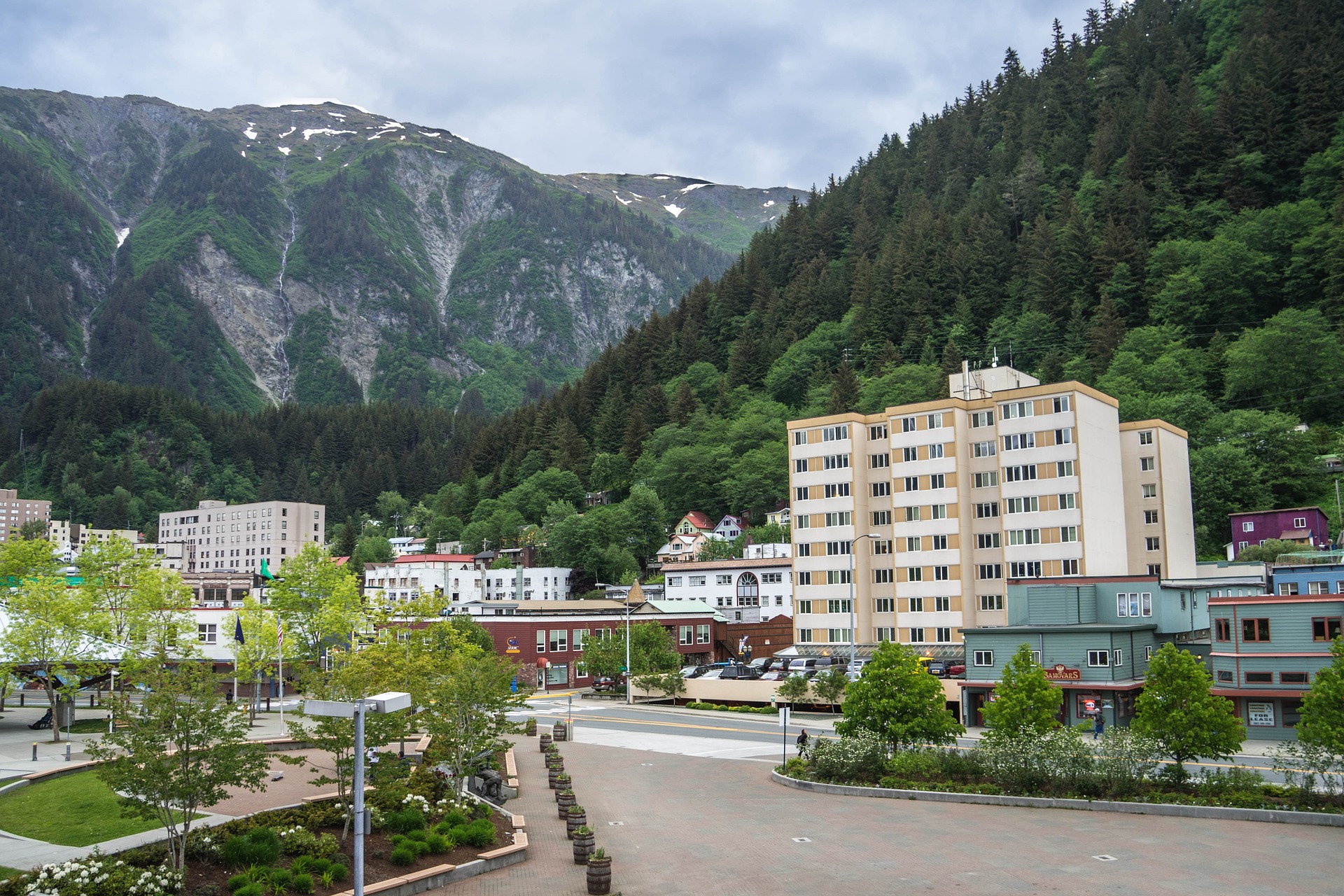
Juneau, Alaska, United States
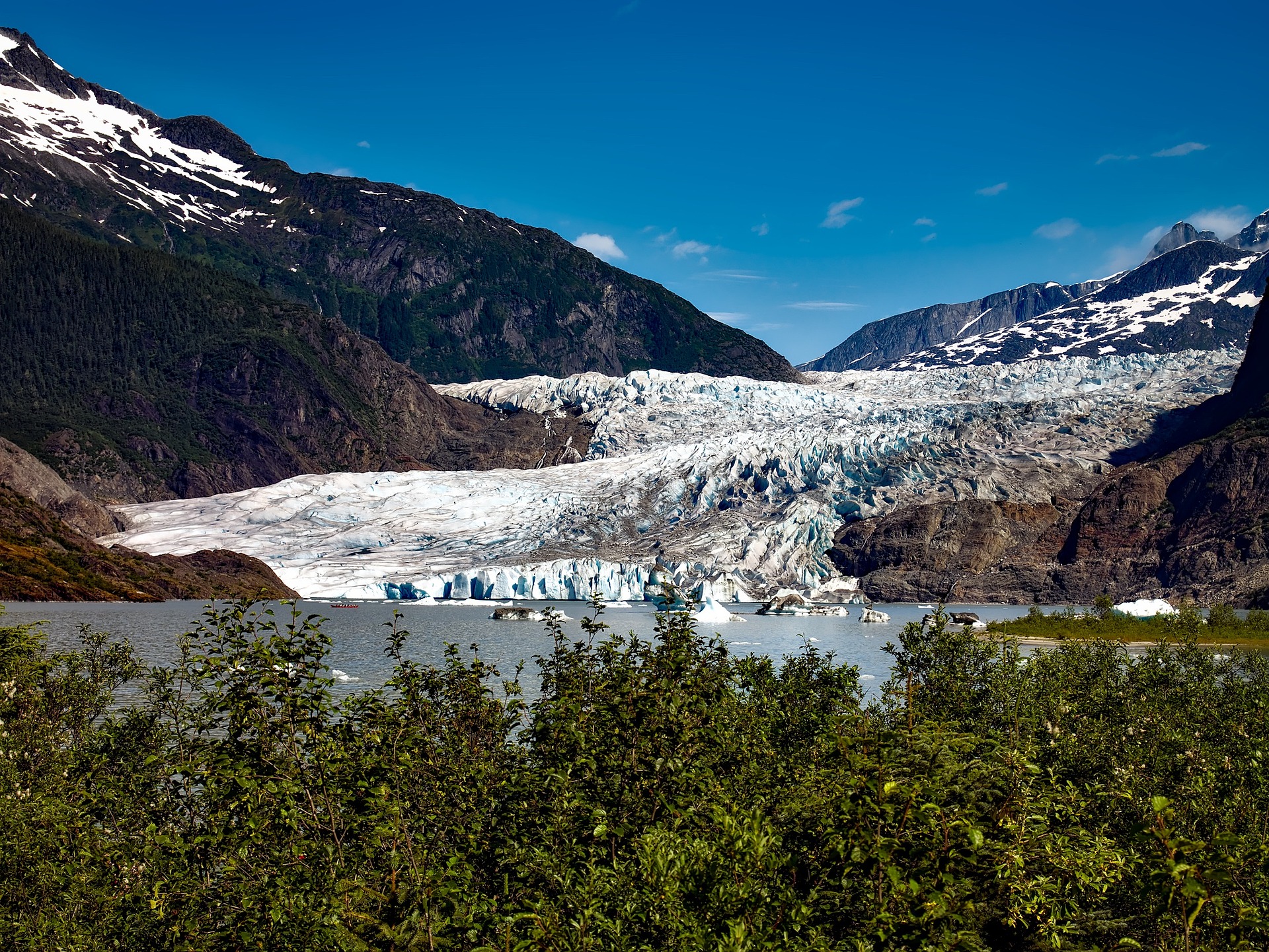
Juneau, Alaska’s capital and third-largest city, is on the North American mainland but can’t be reached by road. Bounded by steep mountains and water, the city’s geographic isolation and compact size make it much more akin to an island community such as Sitka than to other Alaskan urban centers, such as Fairbanks or Anchorage. Juneau is full of contrasts. Its dramatic hillside location and historic downtown buildings provide a frontier feeling, but the city’s cosmopolitan nature comes through in fine museums, noteworthy restaurants, and a literate and outdoorsy populace. The finest of the museums, the Alaska State Museum, is scheduled to reopen in May 2016 on its old site as the expanded Alaska State Library, Archives, and Museum (SLAM) following several years of planning and exhibit research. Another new facility, the Walter Soboleff Center, offers visitors a chance to learn about the indigenous cultures of Southeast Alaska–-Tlingit, Haida, and Tsimshian. Other highlights include the Mt. Roberts Tramway, plenty of densely forested wilderness areas, quiet bays for sea kayaking, and even a famous drive-up glacier, Mendenhall Glacier. For goings-on, pick up the Juneau Empire (www.juneauempire.com), which keeps tabs on state politics, business, sports, and local news.
Icy Strait Point, United States
Since Icy Strait Point opened in 2004, Hoonah has attracted more visitors, particularly those who arrive by cruise ship. The port is centered around the restored salmon cannery, which now houses a museum, local arts and crafts shops, restaurants, and a mid-1930s cannery line display. Outside is the world’s largest and highest zip line at 5,330 feet long, featuring a 1,300-foot vertical drop—a thrilling ride with fantastic views of the surrounding mountains and ocean. If you’re looking for more relaxing mountaintop views, book a gondola ride that will whisk you up into the mountains for some leisurely hiking and stellar sightseeing. Icy Strait Point houses several restaurants where visitors can dine on freshly caught seafood while taking in the waterfront views. A range of excursions are available at Icy Strait Point catering primarily to cruise ship passengers, from Alaska Native dance performances to bear viewing and whale watching.
Ketchikan, Alaska, United States
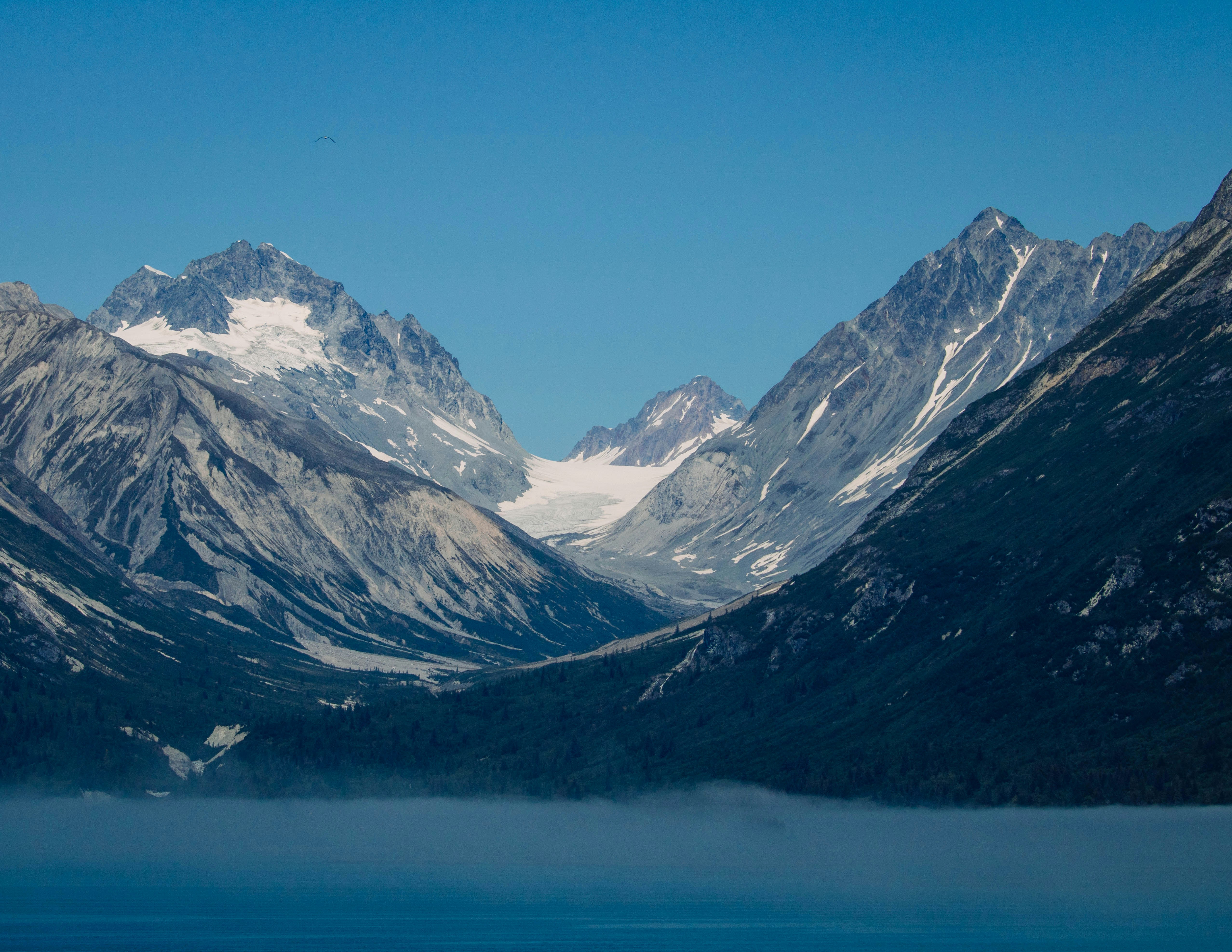
Ketchikan is famous for its colorful totem poles, rainy skies, steep–as–San Francisco streets, and lush island setting. Some 13,500 people call the town home, and, in the summer, cruise ships crowd the shoreline, floatplanes depart noisily for Misty Fiords National Monument, and salmon-laden commercial fishing boats motor through Tongass Narrows. In the last decade Ketchikan’s rowdy, blue-collar heritage of logging and fishing has been softened by the loss of many timber-industry jobs and the dramatic rise of cruise-ship tourism. With some effort, though, visitors can still glimpse the rugged frontier spirit that once permeated this hardscrabble cannery town. Art lovers should make a beeline for Ketchikan: the arts community here is very active. Travelers in search of the perfect piece of Alaska art will find an incredible range of pieces to choose from.The town is at the foot of 3,000-foot Deer Mountain, near the southeastern corner of Revillagigedo (locals shorten it to Revilla) Island. Prior to the arrival of white miners and fishermen in 1885, the Tlingit used the site at the mouth of Ketchikan Creek as a summer fish camp. Gold discoveries just before the turn of the 20th century brought more immigrants, and valuable timber and commercial fishing resources spurred new industries. By the 1930s the town bragged that it was the “salmon-canning capital of the world.” You will still find some of Southeast’s best salmon fishing around here. Ketchikan is the first bite of Alaska that many travelers taste. Despite its imposing backdrop, hillside homes, and many staircases, the town is relatively easy to walk through. Favorite downtown stops include the Spruce Mill Development shops and Creek Street. A bit farther away you’ll find the Totem Heritage Center. Out of town (but included on most bus tours) are two longtime favorites: Totem Bight State Historical Park to the north and Saxman Totem Park to the south.
Victoria, British Columbia, Canada
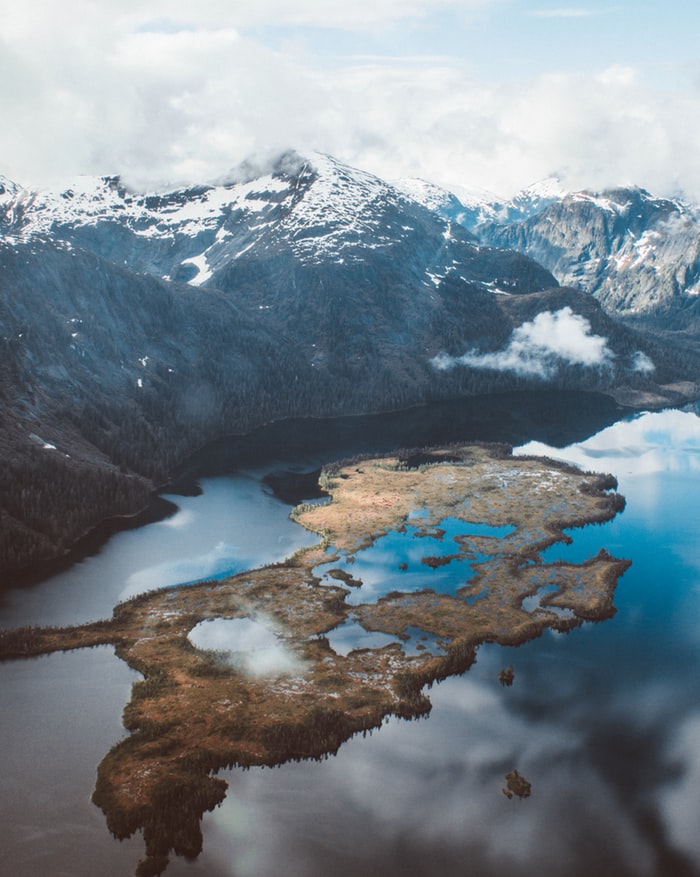
Victoria, the capital of a province whose license plates brazenly label it “The Best Place on Earth,” is a walkable, livable seaside city of fragrant gardens, waterfront paths, engaging museums, and beautifully restored 19th-century architecture. In summer, the Inner Harbour—Victoria’s social and cultural center—buzzes with visiting yachts, horse-and-carriage rides, street entertainers, and excursion boats heading out to visit pods of friendly local whales. Yes, it might be a bit touristy, but Victoria’s good looks, gracious pace, and manageable size are instantly beguiling, especially if you stand back to admire the mountains and ocean beyond. At the southern tip of Vancouver Island, Victoria dips slightly below the 49th parallel. That puts it farther south than most of Canada, giving it the mildest climate in the country, with virtually no snow and less than half the rain of Vancouver. The city’s geography, or at least its place names, can cause confusion. Just to clarify: the city of Victoria is on Vancouver Island (not Victoria Island). The city of Vancouver is on the British Columbia mainland, not on Vancouver Island. At any rate, that upstart city of Vancouver didn’t even exist in 1843 when Victoria, then called Fort Victoria, was founded as the westernmost trading post of the British-owned Hudson’s Bay Company. Victoria was the first European settlement on Vancouver Island, and in 1868 it became the capital of British Columbia. The British weren’t here alone, of course. The local First Nations people—the Songhees, the Saanich, and the Sooke—had already lived in the areas for thousands of years before anyone else arrived. Their art and culture are visible throughout southern Vancouver Island. You can see this in private and public galleries, in the totems at Thunderbird Park, in the striking collections at the Royal British Columbia Museum, and at the Quw’utsun’Cultural and Conference Centre in nearby Duncan. Spanish explorers were the first foreigners to explore the area, although they left little more than place names (Galiano Island and Cordova Bay, for example). The thousands of Chinese immigrants drawn by the gold rushes of the late 19th century had a much greater impact, founding Canada’s oldest Chinatown and adding an Asian influence that’s still quite pronounced in Victoria’s multicultural mix. Despite its role as the provincial capital, Victoria was largely eclipsed, economically, by Vancouver throughout the 20th century. This, as it turns out, was all to the good, helping to preserve Victoria’s historic downtown and keeping the city largely free of skyscrapers and highways. For much of the 20th century, Victoria was marketed to tourists as “The Most British City in Canada,” and it still has more than its share of Anglo-themed pubs, tea shops, and double-decker buses. These days, however, Victorians prefer to celebrate their combined indigenous, Asian, and European heritage, and the city’s stunning wilderness backdrop. Locals do often venture out for afternoon tea, but they’re just as likely to nosh on dim sum or tapas. Decades-old shops sell imported linens and tweeds, but newer upstarts offer local designs in hemp and organic cotton. And let’s not forget that fabric prevalent among locals: Gore-Tex. The outdoors is ever present here. You can hike, bike, kayak, sail, or whale-watch straight from the city center, and forests, beaches, offshore islands, and wilderness parklands lie just minutes away. A little farther afield, there’s surfing near Sooke, wine touring in the Cowichan Valley, and kayaking among the Gulf Islands.
Seattle, Washington, United States
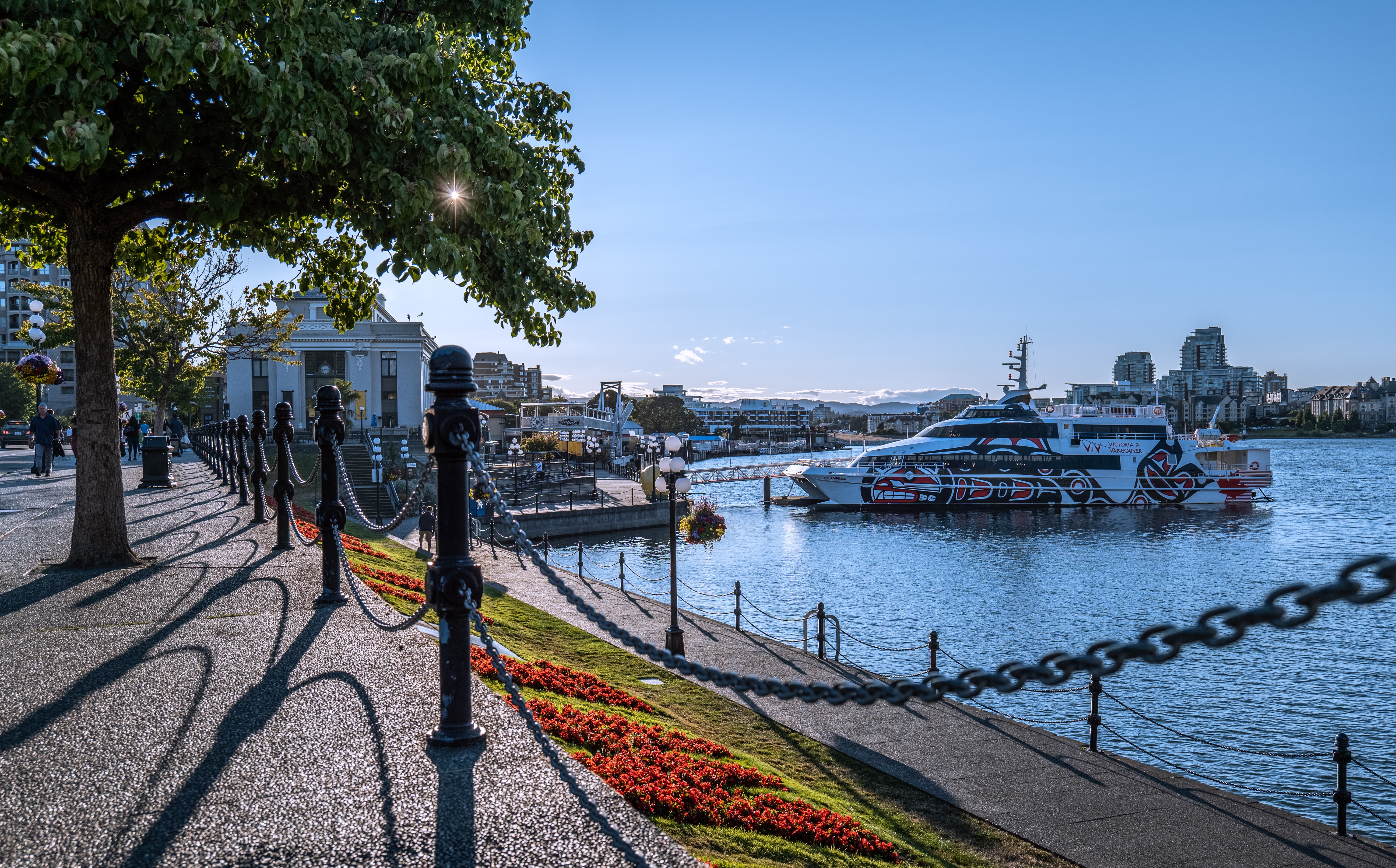
Seattle is a scenic seaport city in western Washington, situated on an isthmus between Puget Sound to the west and Lake Washington to the east. It is the largest city in Washington. Five pioneer families from Illinois first settled the area in 1851, and named the town after a friendly Suquamish Indian chief. It was incorporated as a city in 1869, and grew quickly after the Great Northern Railway arrived in 1893, especially during the Alaska Gold Rush of 1897. When the Panama Canal opened in 1914, Seattle became a major Pacific port of entry, and today it is the region’s commercial and transportation hub and the centre of manufacturing, trade, and finance, with an estimated 684,451 residents as of 2015.
Sitka, Alaska, United States
It’s hard not to like Sitka, with its eclectic blend of Alaska Native, Russian, and American history and its dramatic and beautiful open-ocean setting. This is one of the best Inside Passage towns to explore on foot, with St. Michael’s Cathedral, Sheldon Jackson Museum, Castle Hill, Sitka National Historical Park, and the Alaska Raptor Center topping the must-see list.Sitka was home to the Kiksádi clan of the Tlingit people for centuries prior to the 18th-century arrival of the Russians under the direction of territorial governor Alexander Baranof, who believed the region was ideal for the fur trade. The governor also coveted the Sitka site for its beauty, mild climate, and economic potential; in the island’s massive timber forests he saw raw materials for shipbuilding. Its location offered trading routes as far west as Asia and as far south as California and Hawaii. In 1799 Baranof built St. Michael Archangel—a wooden fort and trading post 6 miles north of the present town.Strong disagreements arose shortly after the settlement. The Tlingits attacked the settlers and burned their buildings in 1802. Baranof, however, was away in Kodiak at the time. He returned in 1804 with a formidable force—including shipboard cannons—and attacked the Tlingits at their fort near Indian River, site of the present-day 105-acre Sitka National Historical Park, forcing many of them north to Chichagof Island.By 1821 the Tlingits had reached an accord with the Russians, who were happy to benefit from the tribe’s hunting skills. Under Baranof and succeeding managers, the Russian-American Company and the town prospered, becoming known as the Paris of the Pacific. The community built a major shipbuilding and repair facility, sawmills, and forges, and even initiated an ice industry, shipping blocks of ice from nearby Swan Lake to the booming San Francisco market. The settlement that was the site of the 1802 conflict is now called Old Sitka. It is a state park and listed as a National Historic Landmark.The town declined after its 1867 transfer from Russia to the United States, but it became prosperous again during World War II, when it served as a base for the U.S. effort to drive the Japanese from the Aleutian Islands. Today its most important industries are fishing, government, and tourism.
Juneau, Alaska, United States
Juneau, Alaska’s capital and third-largest city, is on the North American mainland but can’t be reached by road. Bounded by steep mountains and water, the city’s geographic isolation and compact size make it much more akin to an island community such as Sitka than to other Alaskan urban centers, such as Fairbanks or Anchorage. Juneau is full of contrasts. Its dramatic hillside location and historic downtown buildings provide a frontier feeling, but the city’s cosmopolitan nature comes through in fine museums, noteworthy restaurants, and a literate and outdoorsy populace. The finest of the museums, the Alaska State Museum, is scheduled to reopen in May 2016 on its old site as the expanded Alaska State Library, Archives, and Museum (SLAM) following several years of planning and exhibit research. Another new facility, the Walter Soboleff Center, offers visitors a chance to learn about the indigenous cultures of Southeast Alaska–-Tlingit, Haida, and Tsimshian. Other highlights include the Mt. Roberts Tramway, plenty of densely forested wilderness areas, quiet bays for sea kayaking, and even a famous drive-up glacier, Mendenhall Glacier. For goings-on, pick up the Juneau Empire (www.juneauempire.com), which keeps tabs on state politics, business, sports, and local news.
Icy Strait Point, United States
Since Icy Strait Point opened in 2004, Hoonah has attracted more visitors, particularly those who arrive by cruise ship. The port is centered around the restored salmon cannery, which now houses a museum, local arts and crafts shops, restaurants, and a mid-1930s cannery line display. Outside is the world’s largest and highest zip line at 5,330 feet long, featuring a 1,300-foot vertical drop—a thrilling ride with fantastic views of the surrounding mountains and ocean. If you’re looking for more relaxing mountaintop views, book a gondola ride that will whisk you up into the mountains for some leisurely hiking and stellar sightseeing. Icy Strait Point houses several restaurants where visitors can dine on freshly caught seafood while taking in the waterfront views. A range of excursions are available at Icy Strait Point catering primarily to cruise ship passengers, from Alaska Native dance performances to bear viewing and whale watching.
Ketchikan, Alaska, United States
Ketchikan is famous for its colorful totem poles, rainy skies, steep–as–San Francisco streets, and lush island setting. Some 13,500 people call the town home, and, in the summer, cruise ships crowd the shoreline, floatplanes depart noisily for Misty Fiords National Monument, and salmon-laden commercial fishing boats motor through Tongass Narrows. In the last decade Ketchikan’s rowdy, blue-collar heritage of logging and fishing has been softened by the loss of many timber-industry jobs and the dramatic rise of cruise-ship tourism. With some effort, though, visitors can still glimpse the rugged frontier spirit that once permeated this hardscrabble cannery town. Art lovers should make a beeline for Ketchikan: the arts community here is very active. Travelers in search of the perfect piece of Alaska art will find an incredible range of pieces to choose from.The town is at the foot of 3,000-foot Deer Mountain, near the southeastern corner of Revillagigedo (locals shorten it to Revilla) Island. Prior to the arrival of white miners and fishermen in 1885, the Tlingit used the site at the mouth of Ketchikan Creek as a summer fish camp. Gold discoveries just before the turn of the 20th century brought more immigrants, and valuable timber and commercial fishing resources spurred new industries. By the 1930s the town bragged that it was the “salmon-canning capital of the world.” You will still find some of Southeast’s best salmon fishing around here. Ketchikan is the first bite of Alaska that many travelers taste. Despite its imposing backdrop, hillside homes, and many staircases, the town is relatively easy to walk through. Favorite downtown stops include the Spruce Mill Development shops and Creek Street. A bit farther away you’ll find the Totem Heritage Center. Out of town (but included on most bus tours) are two longtime favorites: Totem Bight State Historical Park to the north and Saxman Totem Park to the south.
Victoria, British Columbia, Canada
Victoria, the capital of a province whose license plates brazenly label it “The Best Place on Earth,” is a walkable, livable seaside city of fragrant gardens, waterfront paths, engaging museums, and beautifully restored 19th-century architecture. In summer, the Inner Harbour—Victoria’s social and cultural center—buzzes with visiting yachts, horse-and-carriage rides, street entertainers, and excursion boats heading out to visit pods of friendly local whales. Yes, it might be a bit touristy, but Victoria’s good looks, gracious pace, and manageable size are instantly beguiling, especially if you stand back to admire the mountains and ocean beyond. At the southern tip of Vancouver Island, Victoria dips slightly below the 49th parallel. That puts it farther south than most of Canada, giving it the mildest climate in the country, with virtually no snow and less than half the rain of Vancouver. The city’s geography, or at least its place names, can cause confusion. Just to clarify: the city of Victoria is on Vancouver Island (not Victoria Island). The city of Vancouver is on the British Columbia mainland, not on Vancouver Island. At any rate, that upstart city of Vancouver didn’t even exist in 1843 when Victoria, then called Fort Victoria, was founded as the westernmost trading post of the British-owned Hudson’s Bay Company. Victoria was the first European settlement on Vancouver Island, and in 1868 it became the capital of British Columbia. The British weren’t here alone, of course. The local First Nations people—the Songhees, the Saanich, and the Sooke—had already lived in the areas for thousands of years before anyone else arrived. Their art and culture are visible throughout southern Vancouver Island. You can see this in private and public galleries, in the totems at Thunderbird Park, in the striking collections at the Royal British Columbia Museum, and at the Quw’utsun’Cultural and Conference Centre in nearby Duncan. Spanish explorers were the first foreigners to explore the area, although they left little more than place names (Galiano Island and Cordova Bay, for example). The thousands of Chinese immigrants drawn by the gold rushes of the late 19th century had a much greater impact, founding Canada’s oldest Chinatown and adding an Asian influence that’s still quite pronounced in Victoria’s multicultural mix. Despite its role as the provincial capital, Victoria was largely eclipsed, economically, by Vancouver throughout the 20th century. This, as it turns out, was all to the good, helping to preserve Victoria’s historic downtown and keeping the city largely free of skyscrapers and highways. For much of the 20th century, Victoria was marketed to tourists as “The Most British City in Canada,” and it still has more than its share of Anglo-themed pubs, tea shops, and double-decker buses. These days, however, Victorians prefer to celebrate their combined indigenous, Asian, and European heritage, and the city’s stunning wilderness backdrop. Locals do often venture out for afternoon tea, but they’re just as likely to nosh on dim sum or tapas. Decades-old shops sell imported linens and tweeds, but newer upstarts offer local designs in hemp and organic cotton. And let’s not forget that fabric prevalent among locals: Gore-Tex. The outdoors is ever present here. You can hike, bike, kayak, sail, or whale-watch straight from the city center, and forests, beaches, offshore islands, and wilderness parklands lie just minutes away. A little farther afield, there’s surfing near Sooke, wine touring in the Cowichan Valley, and kayaking among the Gulf Islands.
Seattle, Washington, United States
Seattle is a scenic seaport city in western Washington, situated on an isthmus between Puget Sound to the west and Lake Washington to the east. It is the largest city in Washington. Five pioneer families from Illinois first settled the area in 1851, and named the town after a friendly Suquamish Indian chief. It was incorporated as a city in 1869, and grew quickly after the Great Northern Railway arrived in 1893, especially during the Alaska Gold Rush of 1897. When the Panama Canal opened in 1914, Seattle became a major Pacific port of entry, and today it is the region’s commercial and transportation hub and the centre of manufacturing, trade, and finance, with an estimated 684,451 residents as of 2015.
Seattle, Washington, United States
Seattle is a scenic seaport city in western Washington, situated on an isthmus between Puget Sound to the west and Lake Washington to the east. It is the largest city in Washington. Five pioneer families from Illinois first settled the area in 1851, and named the town after a friendly Suquamish Indian chief. It was incorporated as a city in 1869, and grew quickly after the Great Northern Railway arrived in 1893, especially during the Alaska Gold Rush of 1897. When the Panama Canal opened in 1914, Seattle became a major Pacific port of entry, and today it is the region’s commercial and transportation hub and the centre of manufacturing, trade, and finance, with an estimated 684,451 residents as of 2015.
Cabin Options
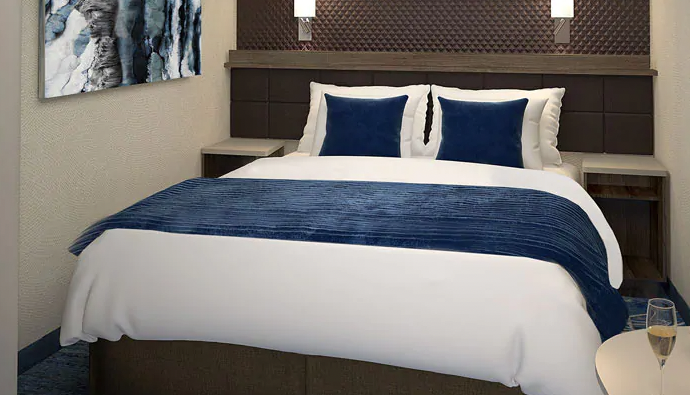
Sail Away Inside
Inside
Family Inside
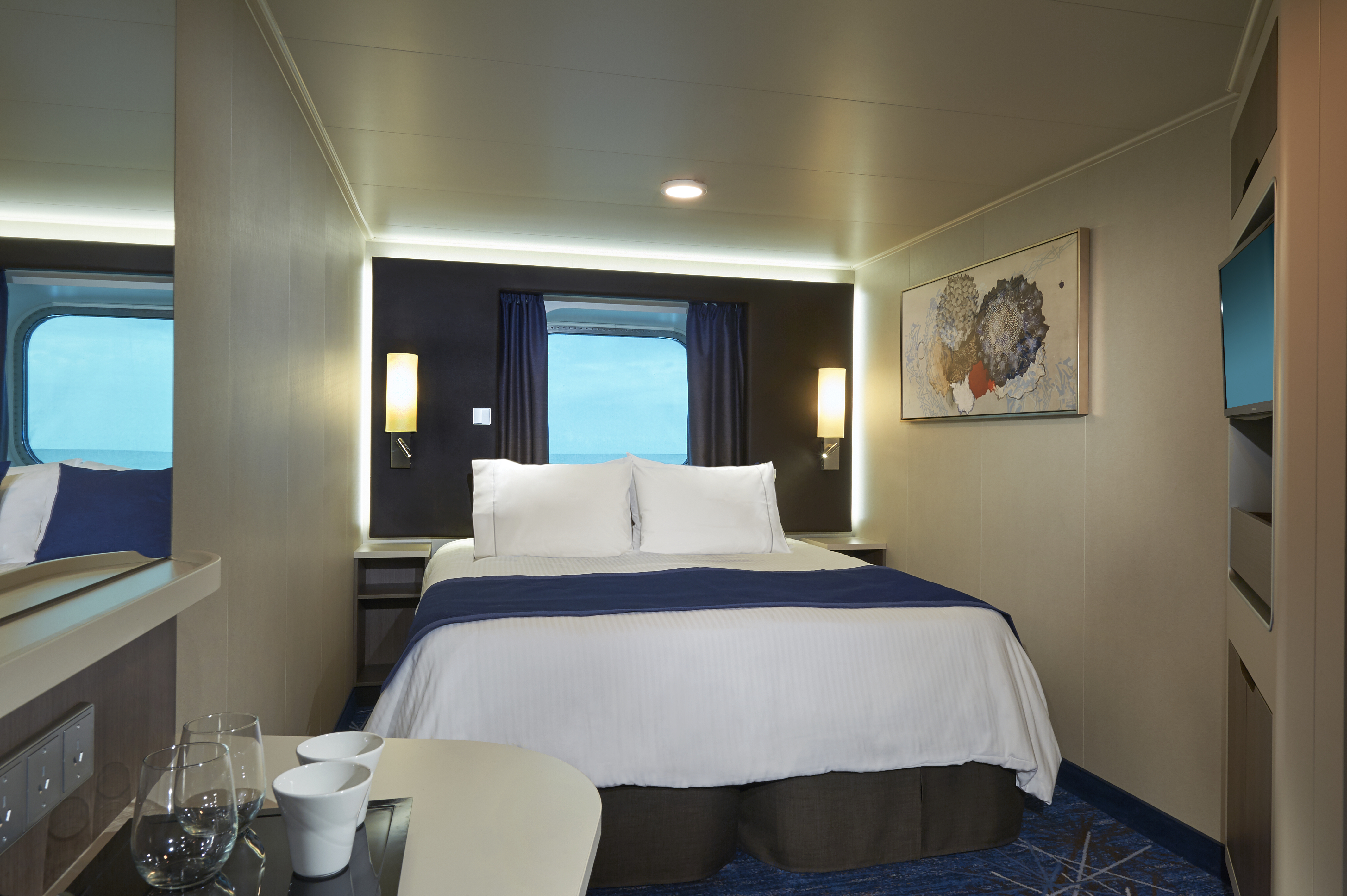
Oceanview with Picture Window
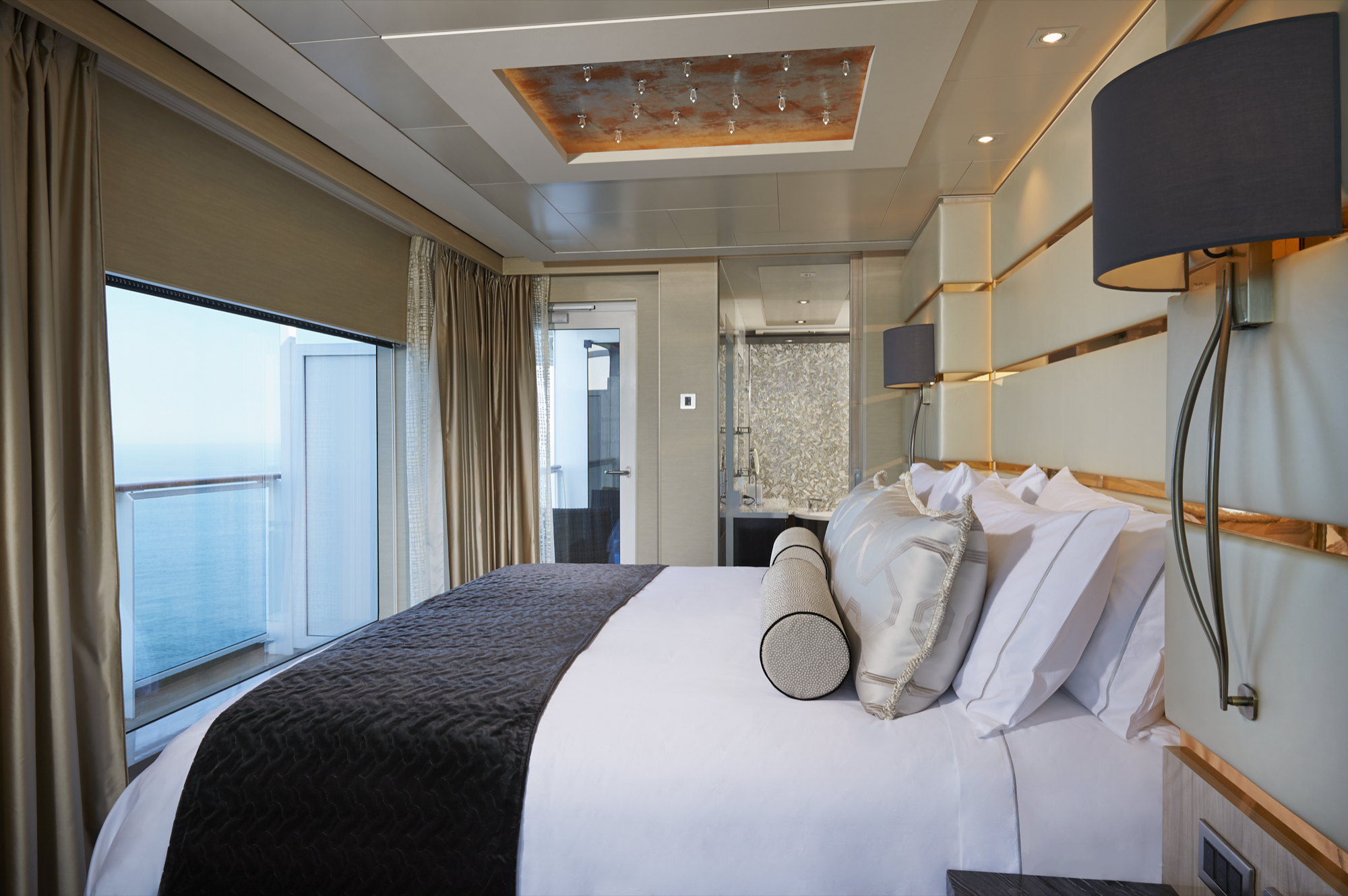
The Haven Premier Owner's Suite with Large Balcony
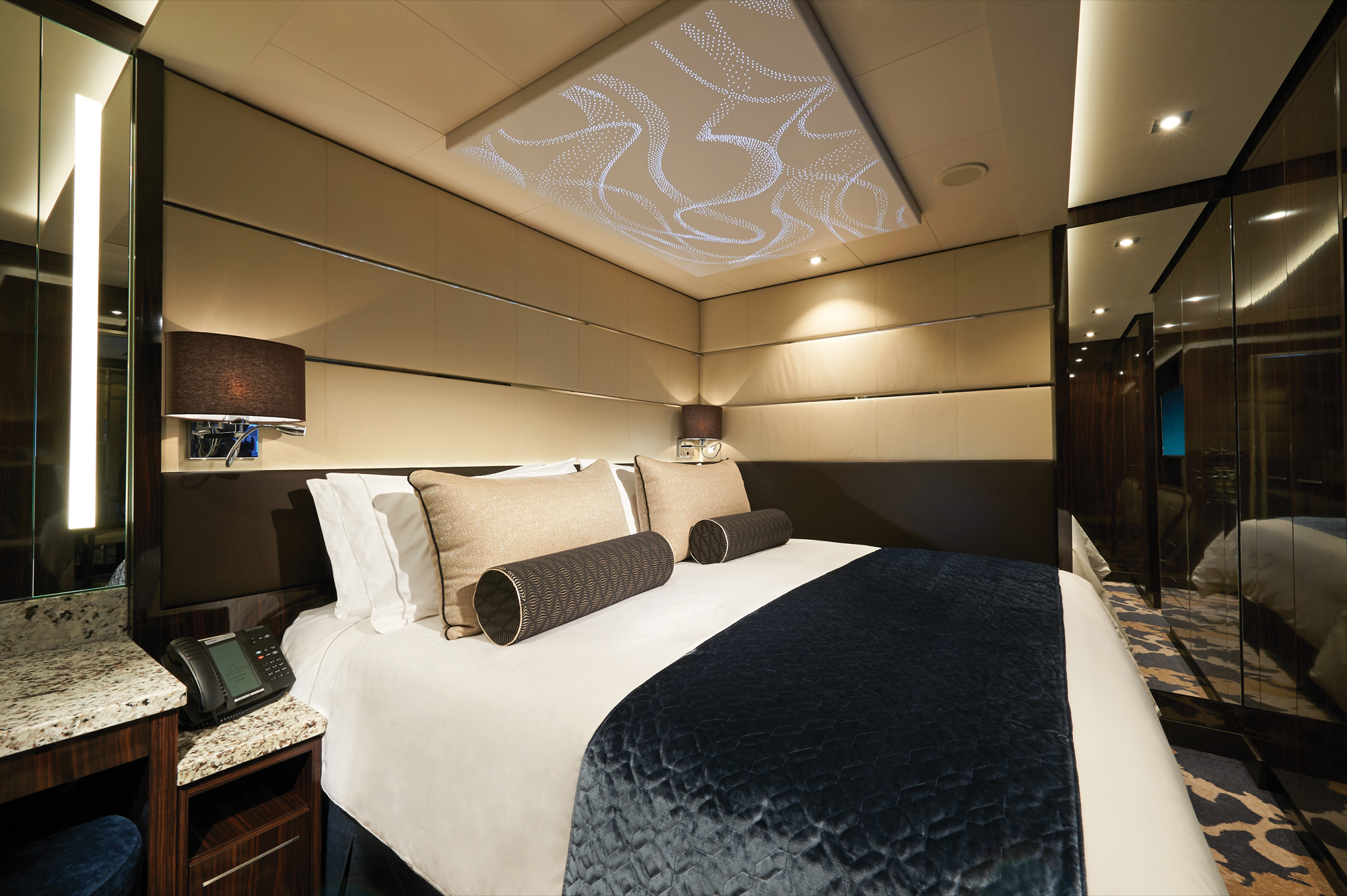
The Haven 2-Bedroom Family Villa with Large Balcony
The Haven 2-Bedroom Family Villa with Balcony
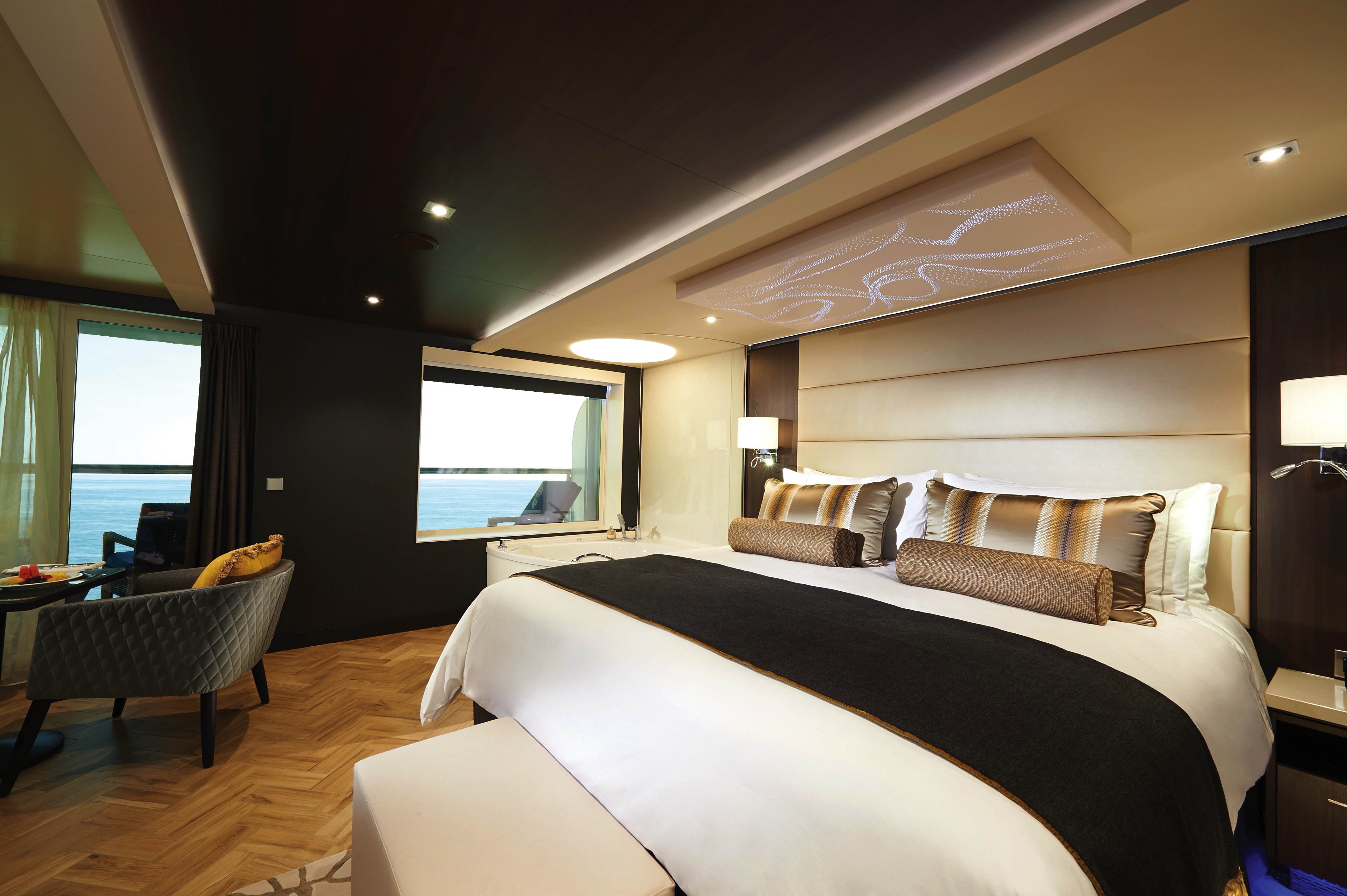
Haven Penthouse Suite with Balcony
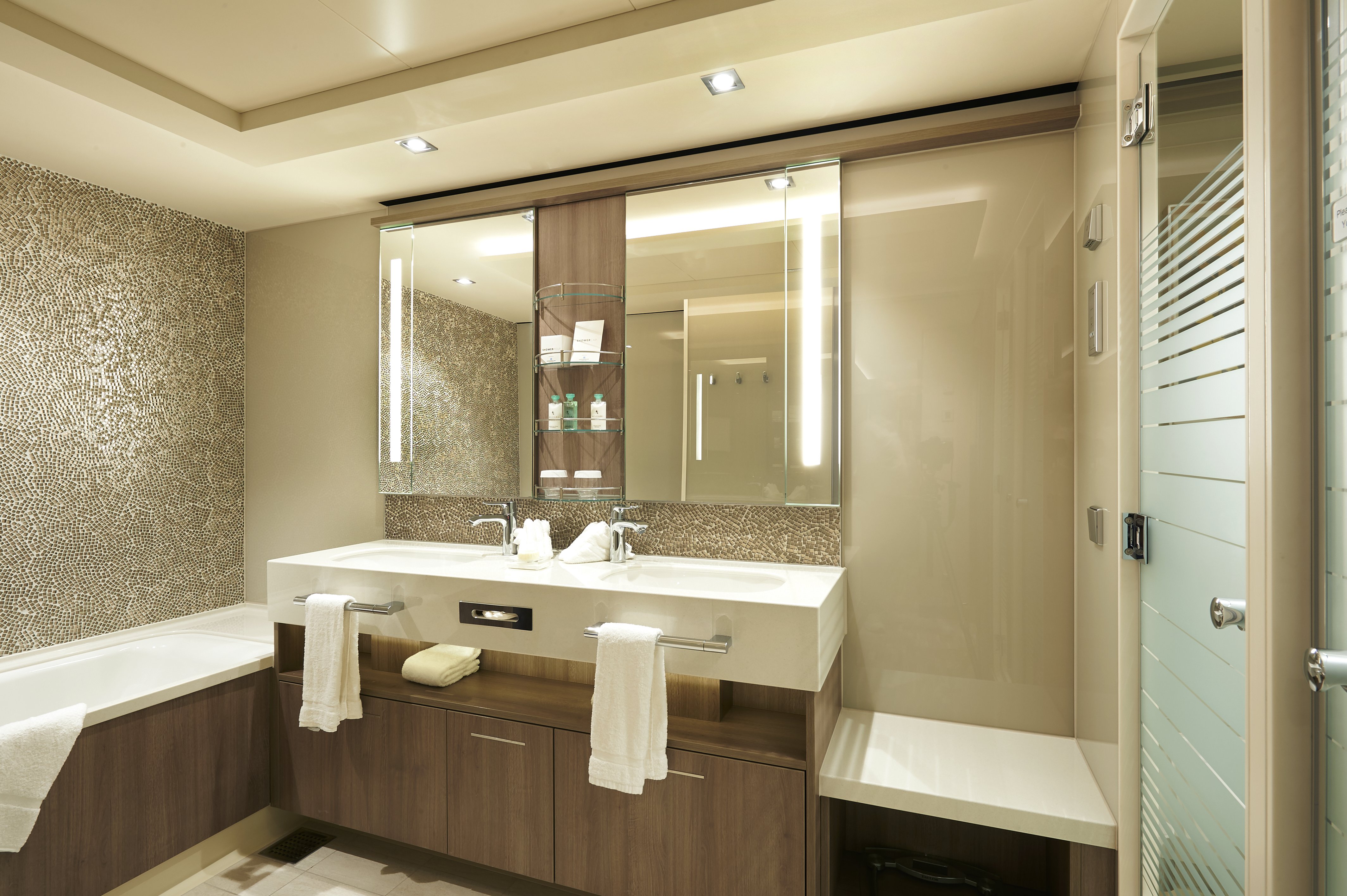
The Haven Aft-Facing Penthouse with Large Balcony
The Haven Aft-Facing Penthouse with Balcony
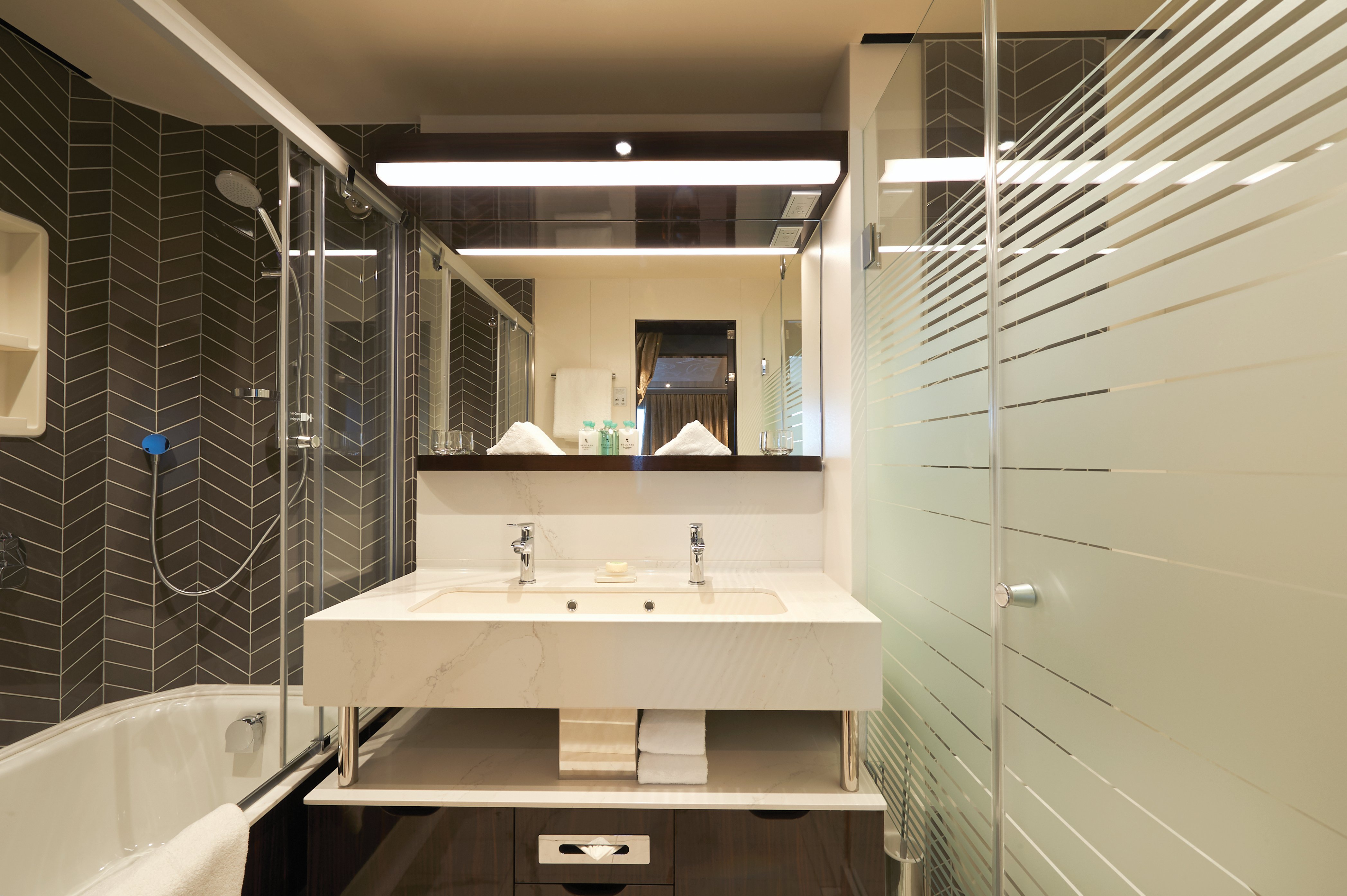
The Haven Courtyard Penthouse with Large Balcony
The Haven Courtyard Penthouse with Balcony
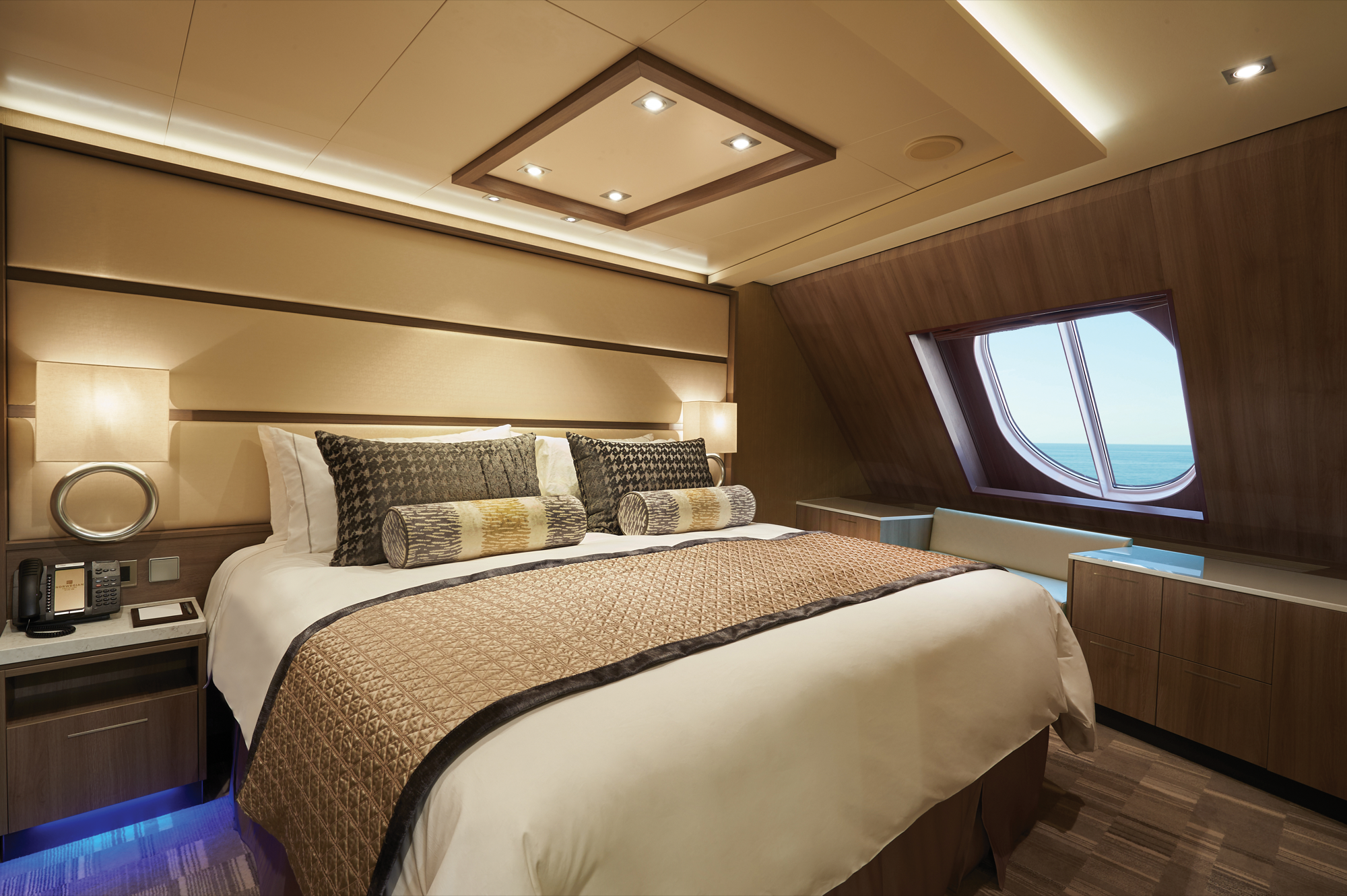
The Haven Forward-Facing Penthouse with Balcony
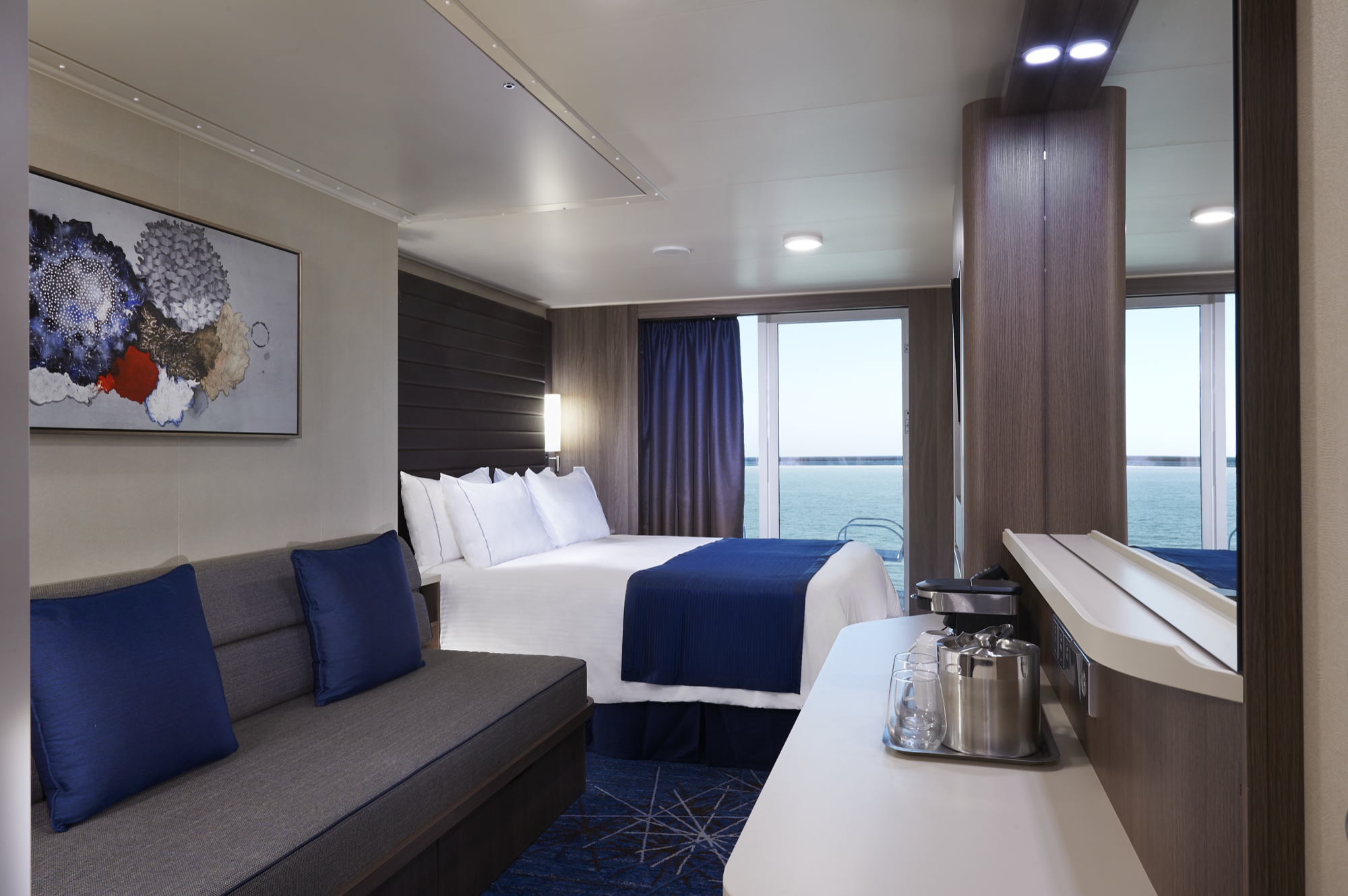
Family Club Balcony Suite
Club Balcony Suite with Larger Balcony
Club Balcony Suite

Spa Mini-Suite with Balcony
Sail Away Club Balcony Suite
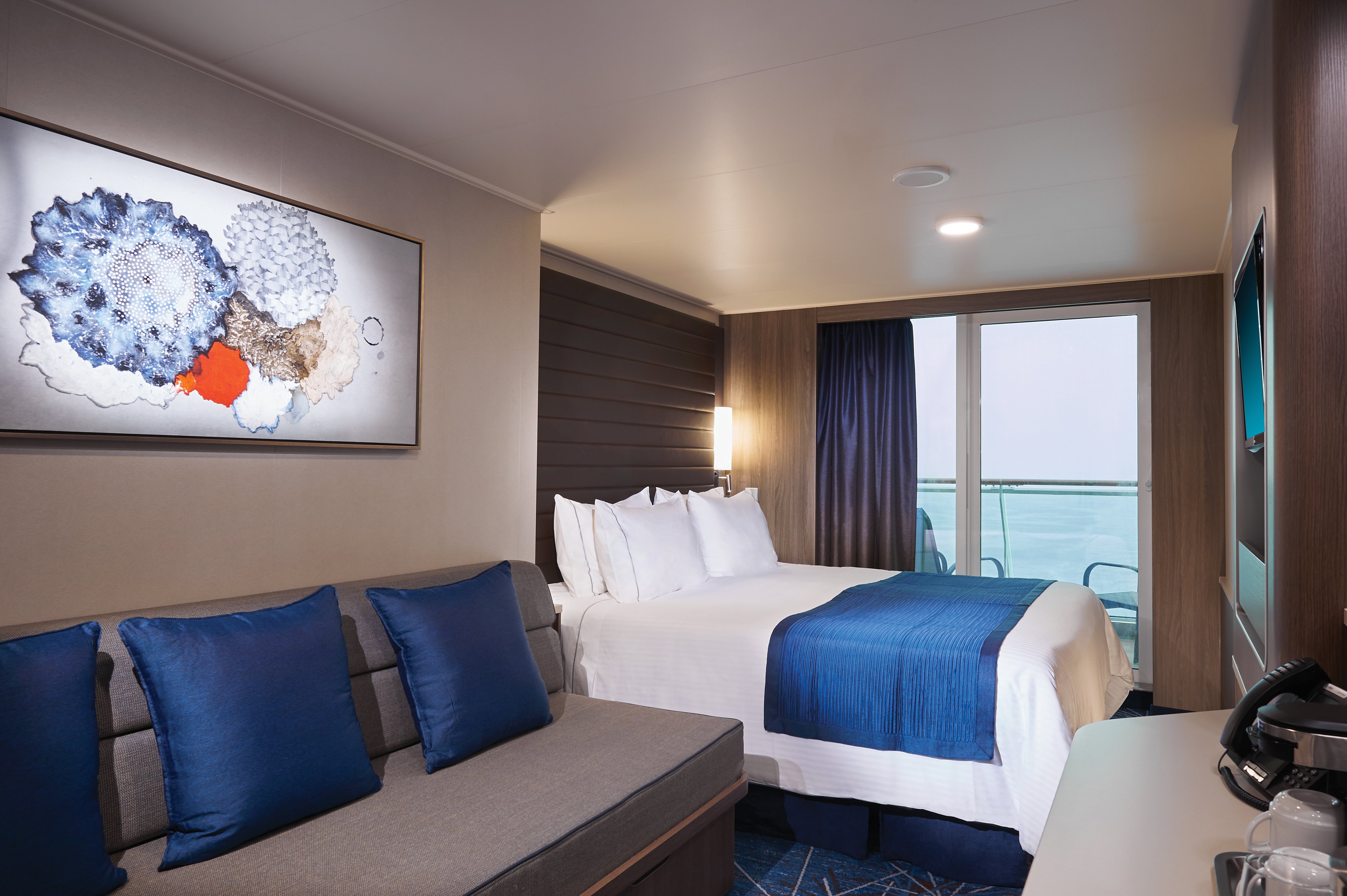
Aft-Facing Balcony
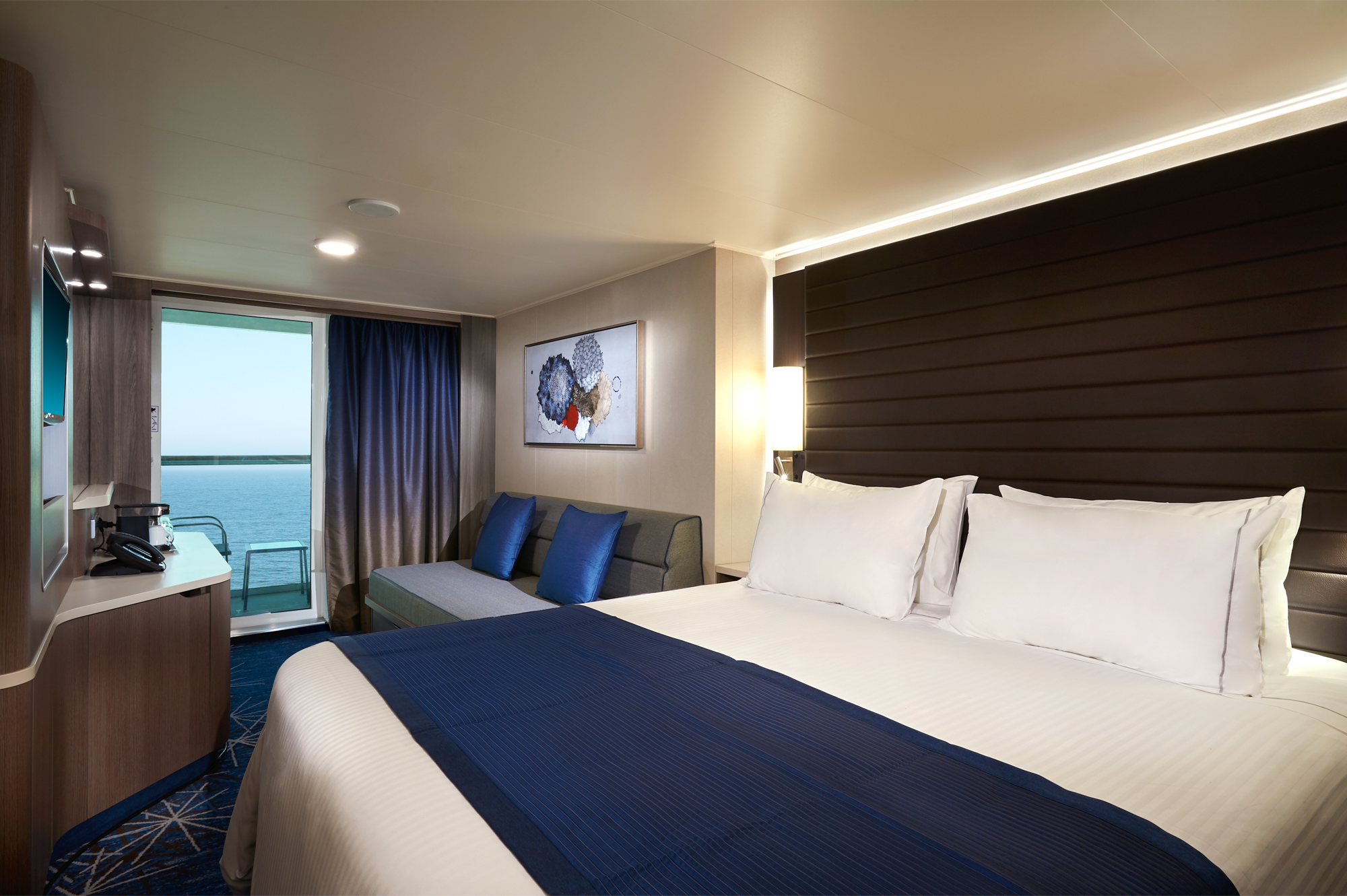
Family Balcony
Large Balcony
Balcony
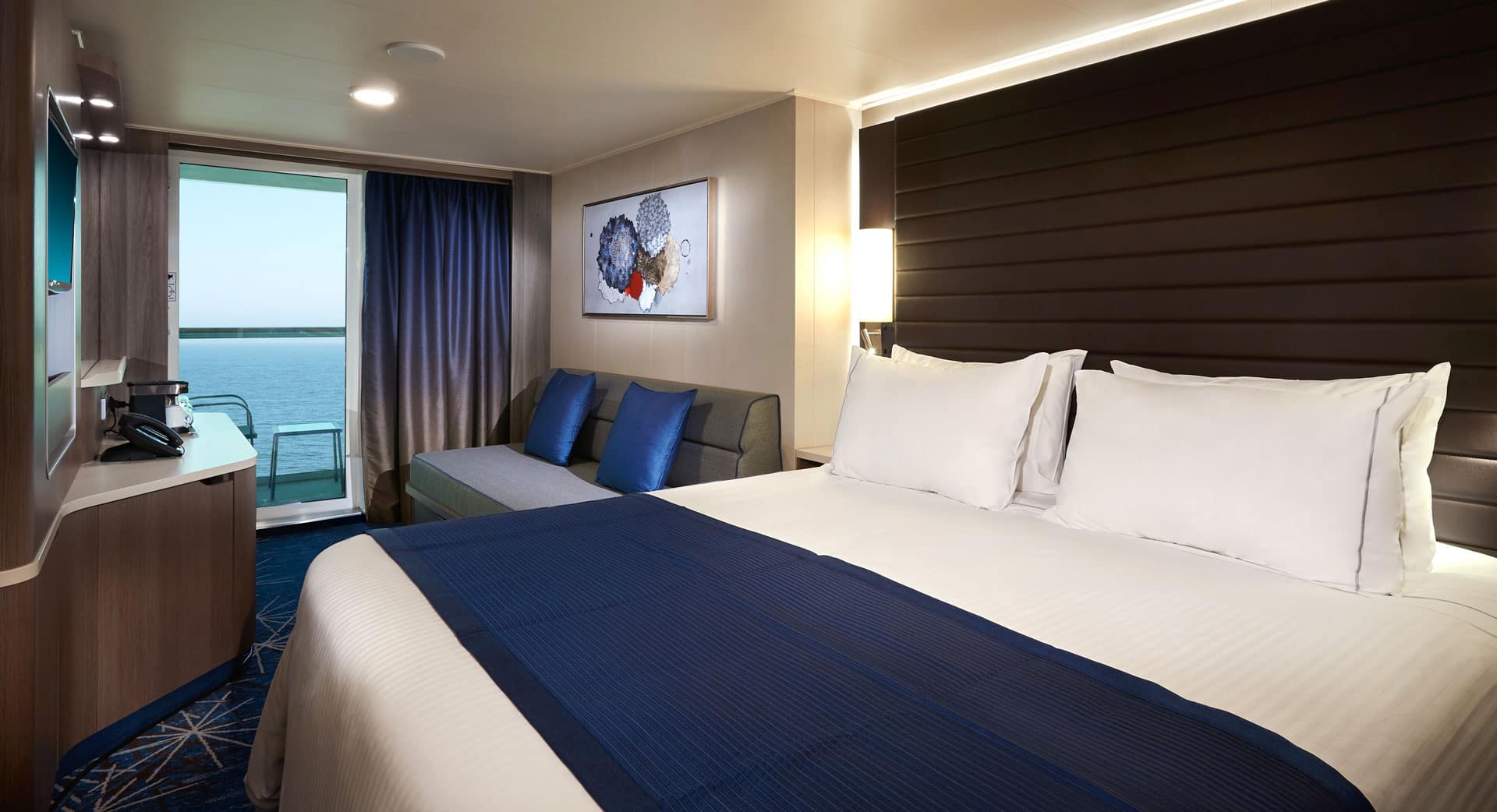
Solo Balcony
Spa Balcony
Sail Away Balcony
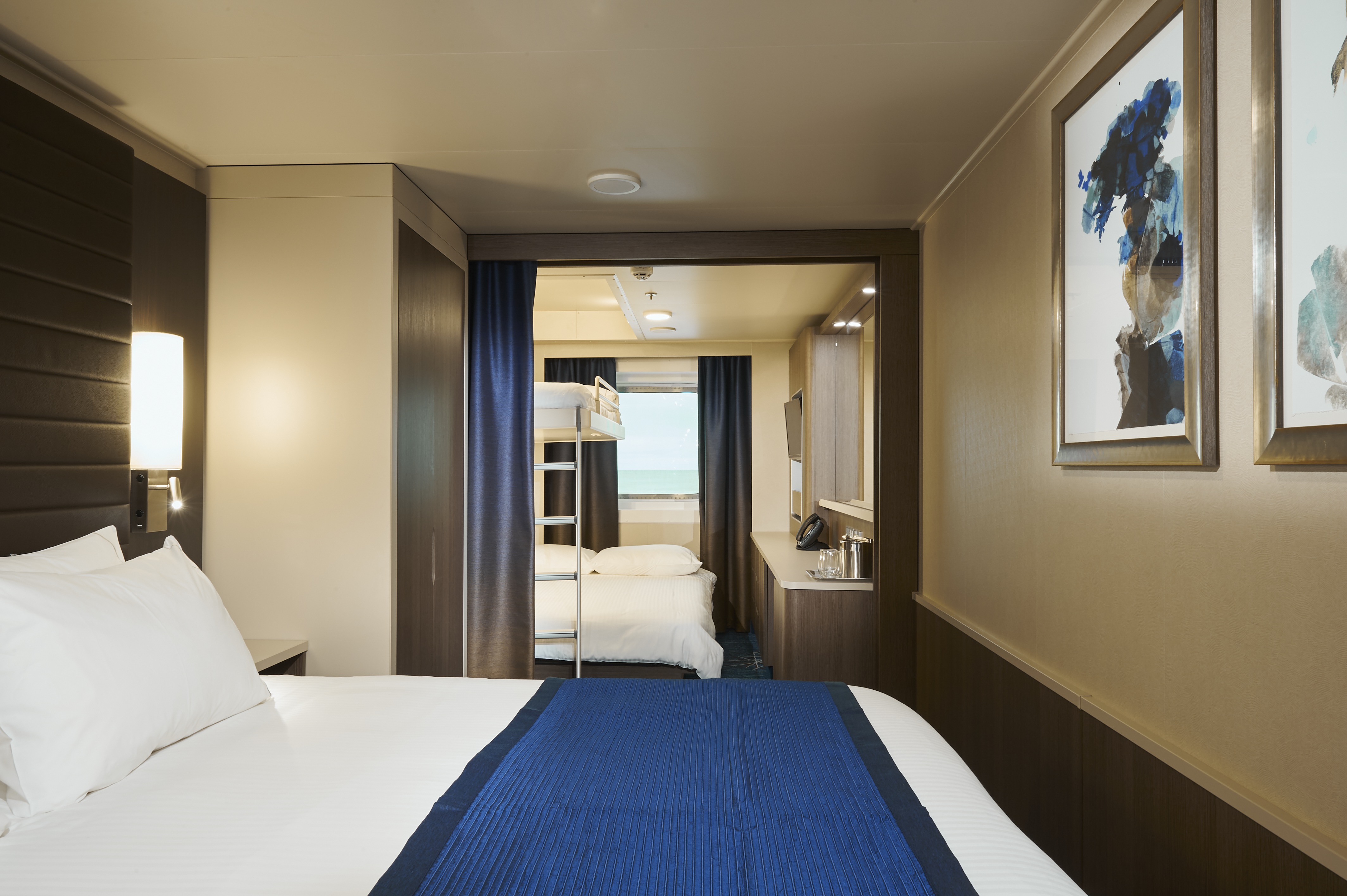
Family Oceanview
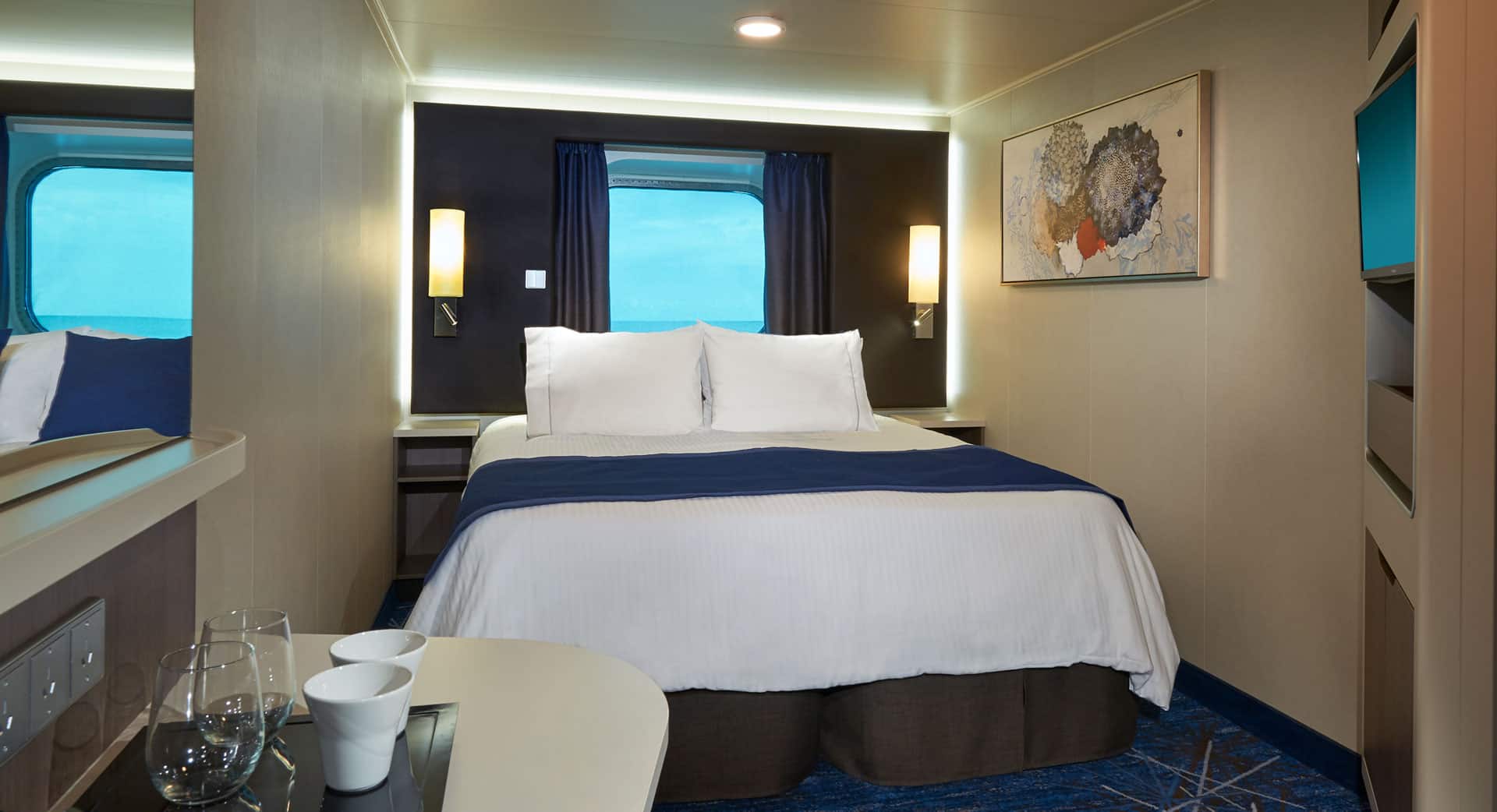
Solo Oceanview
Sail Away Oceanview
Solo Inside
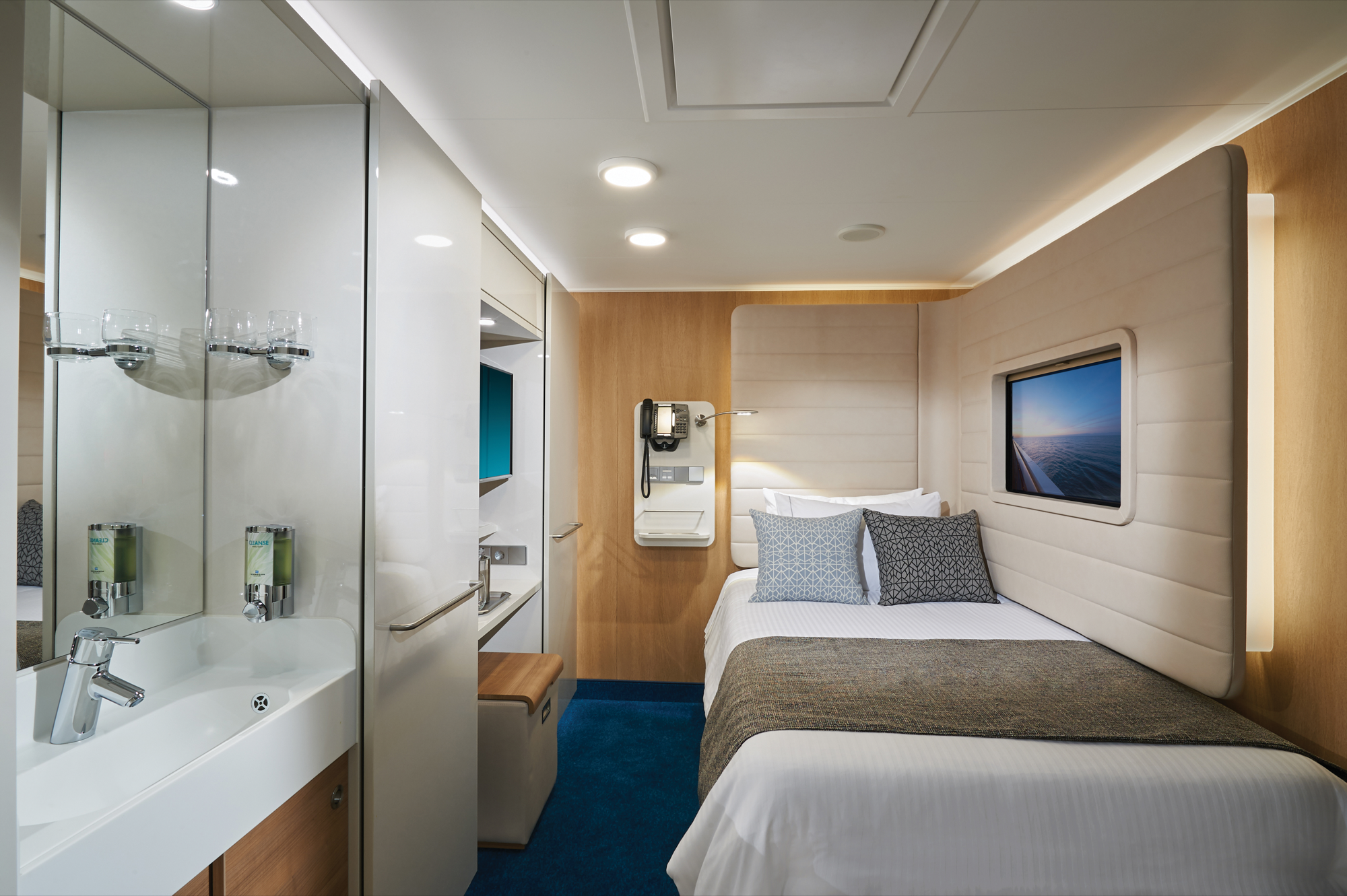
Solo Studio
Ship Facilities
The Haven Restaurant
(Private Access for Guests of The Haven)
Enjoy a private fine dining experience for guests of The Haven, serving unique signature dishes and wine offerings from our impressive selection.
Price Per Person: Complimentary for Guests of The Haven
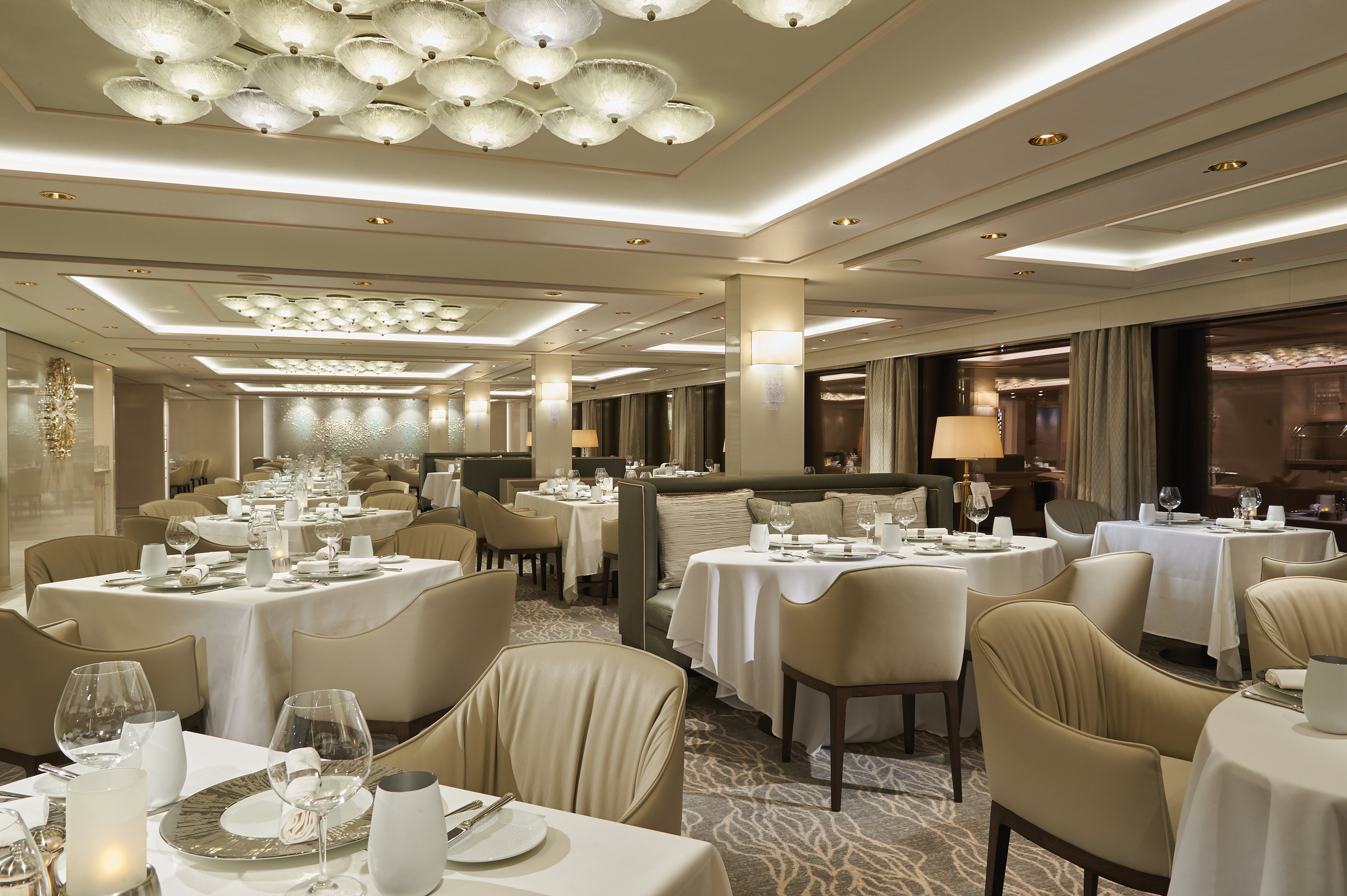
Cagney's Steakhouse
Specialising in Premium Black Angus Beef and exceptional seafood, this American-style steakhouse is second to none. With classic cocktails, an extensive wine list, and attentive service, Cagney’s Steakhouse offers a truly delightful dining experience.
Price Per Person: Cover Charge USD $60
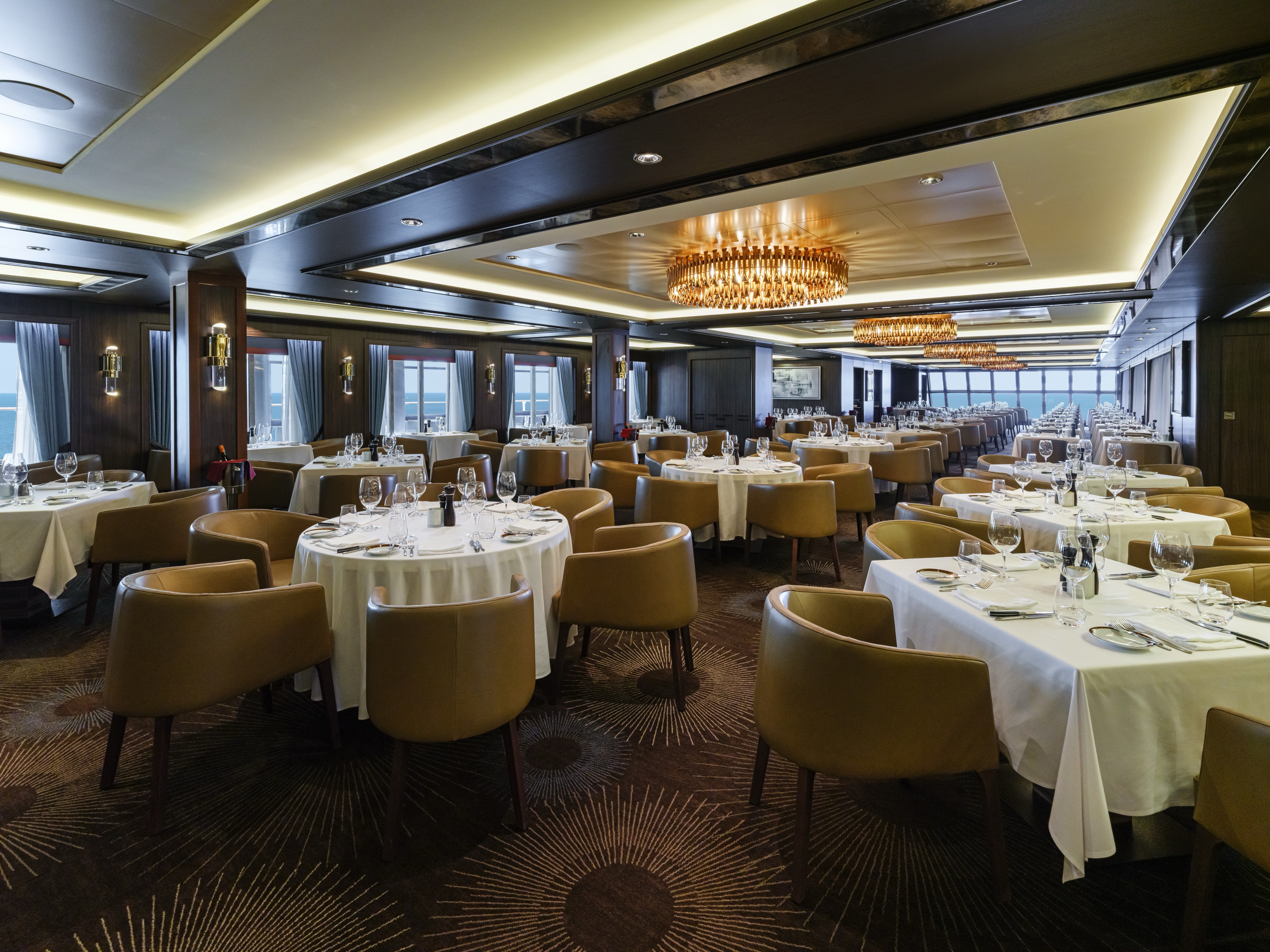
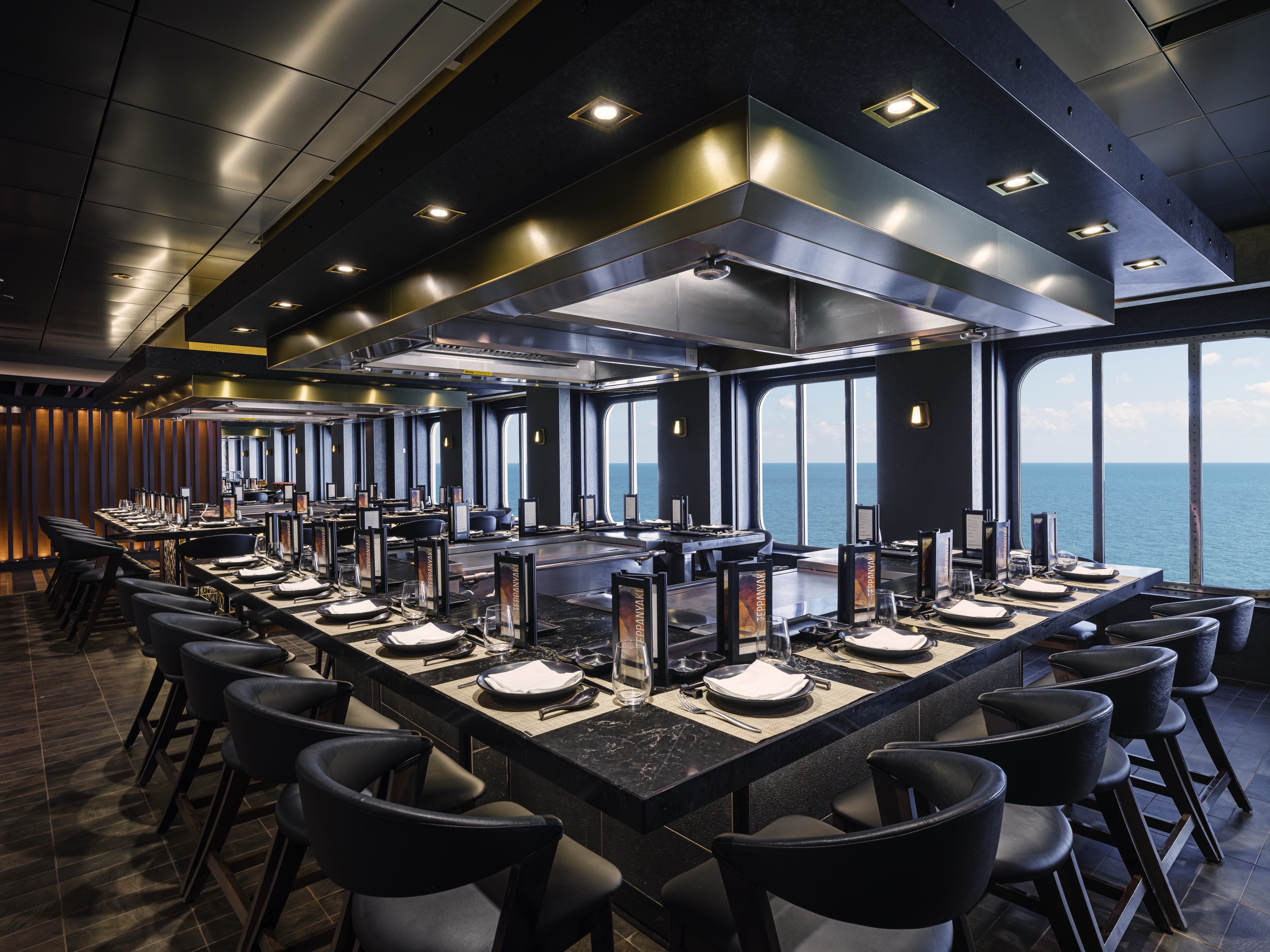
Teppanyaki
Sit at a lively shared table as a skillful chef perfectly prepares shrimp, steak, chicken and fried rice on a large steel grill. And you’ve got a front row seat to all the sizzles and surprises in our Japanese restaurant.
Price Per Person: Cover Charge US$60
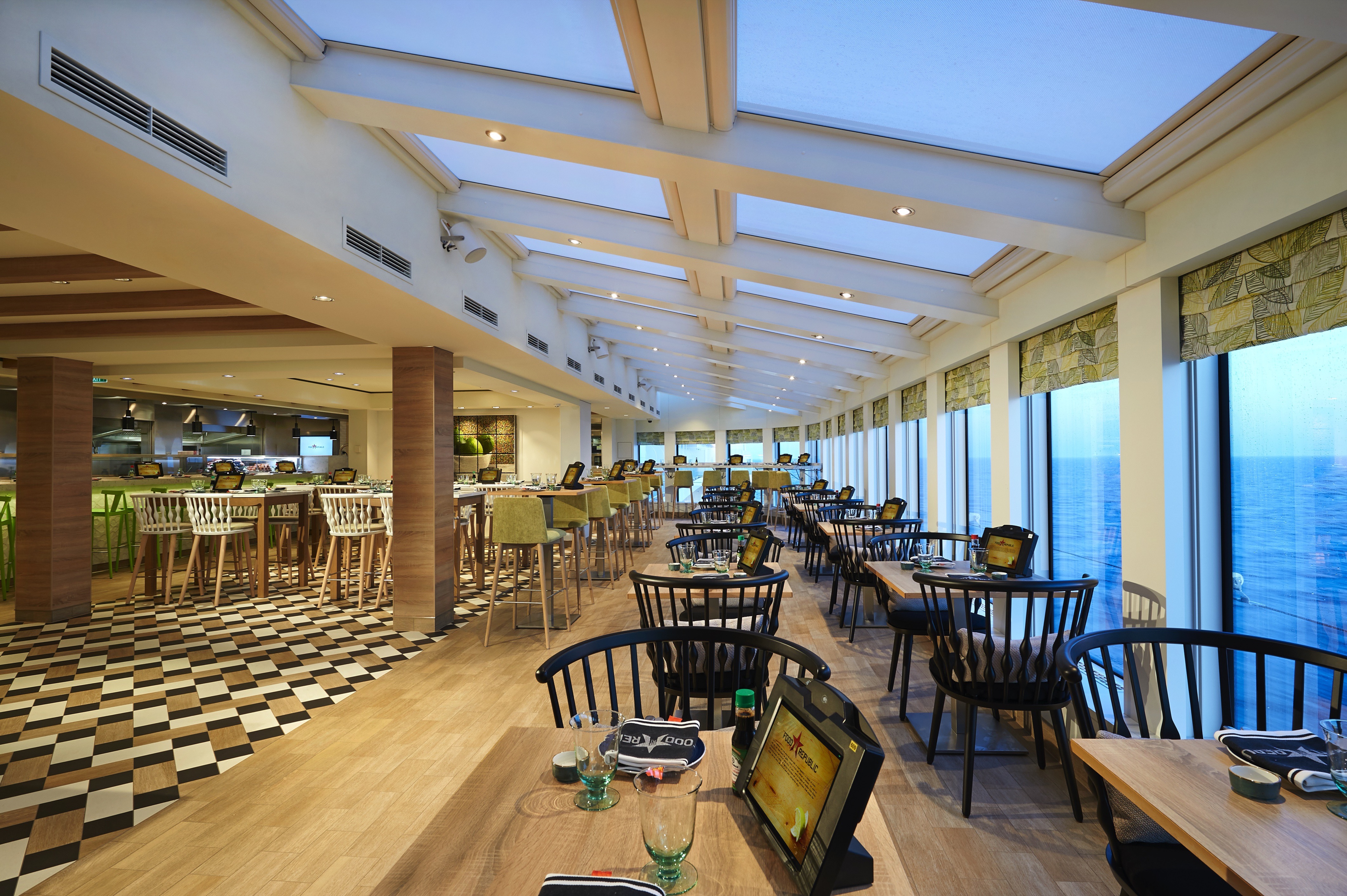
Food Republic
This delicious Asian-Latin fusion cuisine served tapas style is perfect for sharing. Food Republic is open for lunch on sea days and dinner nightly.
Price Per Person: Cover Charge USD $50
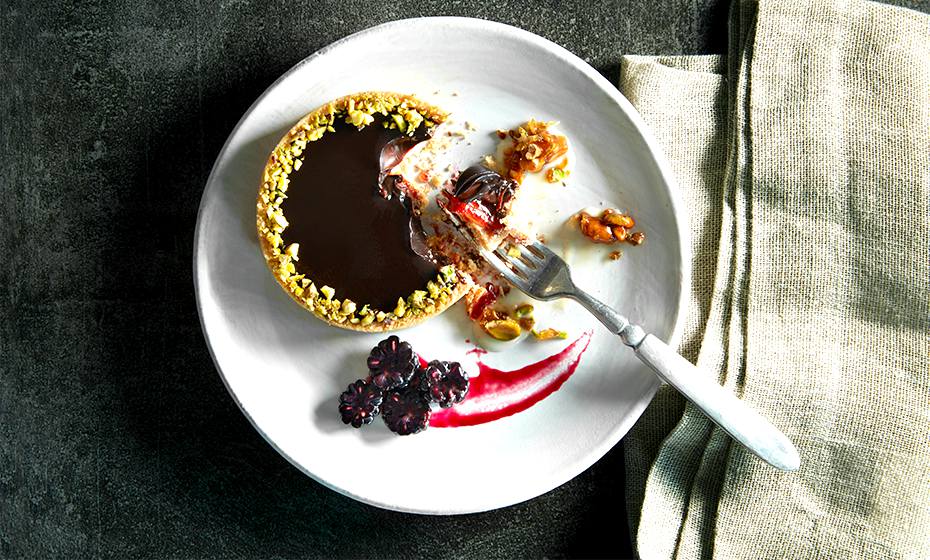
La Cucina
Buona Sera! Enjoy the finest ingredients at our vibrant Italian ristorante. Dine on Italian classics and indulge with a rich homemade Tiramisu. Your good evening just got better.
Price Per Person: Cover Charge USD $40
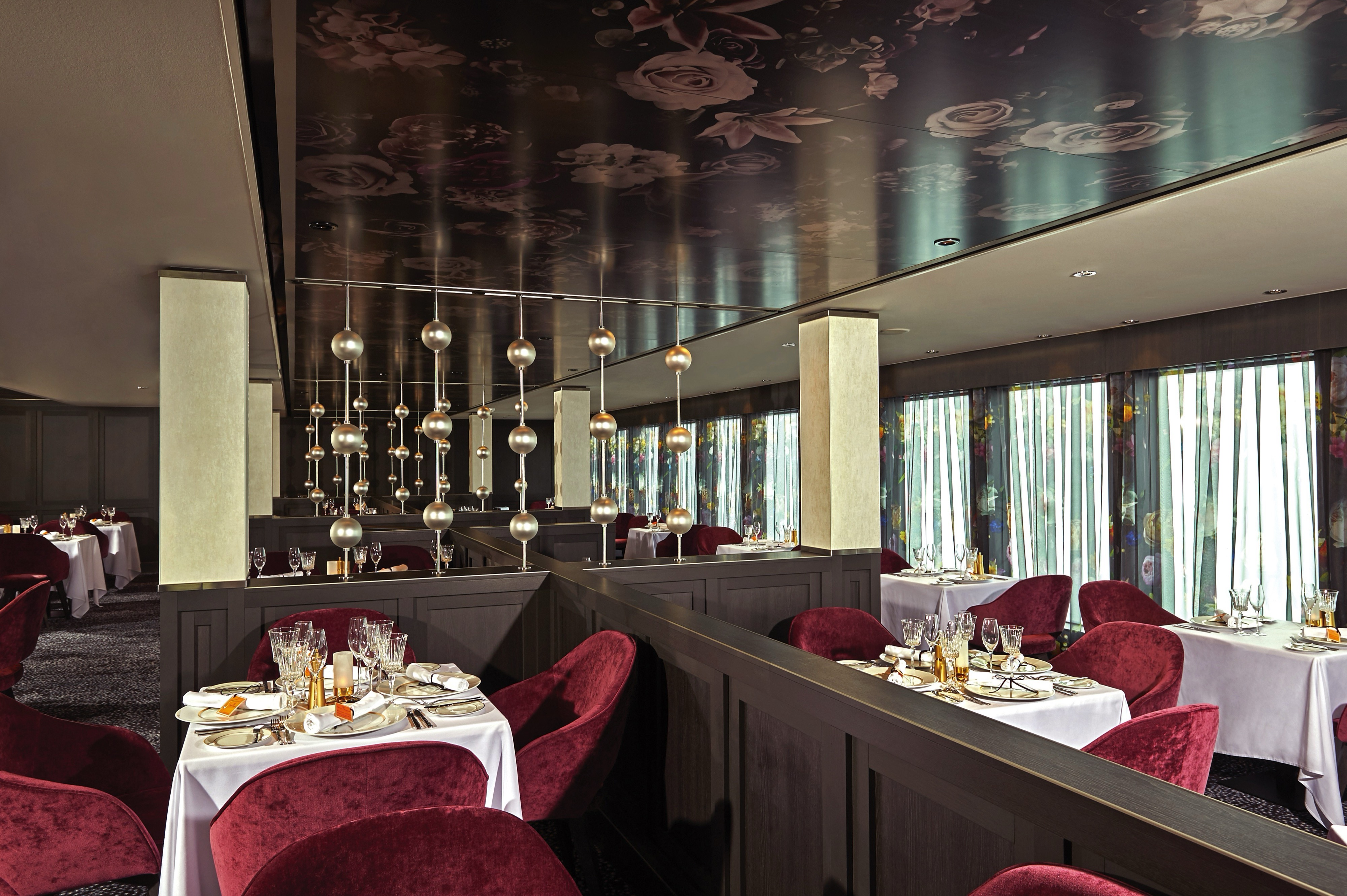
Le Bistro
Romance is in the air at our signature French restaurant. Elegant interiors, crisp white linens and attentive servers make this an intimate dining experience. By the end of your meal, you might just be proclaiming c’est magnifique!
Price Per Person: Cover Charge USD $60
The Manhattan Room
One of our Main Dining Rooms, The Manhattan Room is where guests can enjoy specially curated modern and classic dishes made with the freshest ingredients.
Price Per Person: Complimentary
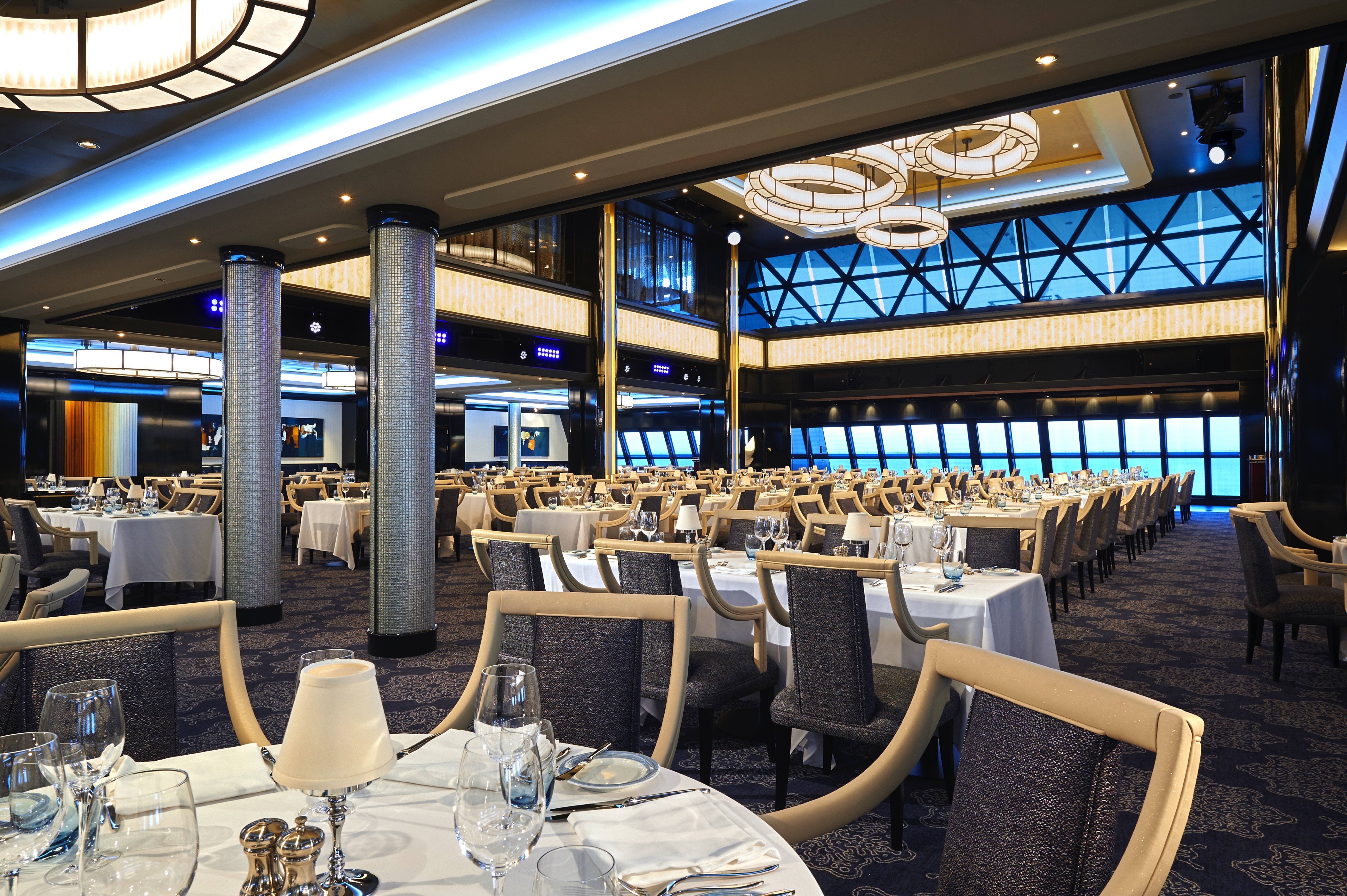
Savour
Balancing classic favourites with unique new dishes, dining at Savour is a must. Offering guests an extensive menu of deliciously fresh flavours along with chic and modern decor, visiting this Main Dining Room is always in style.
Price Per Person: Complimentary
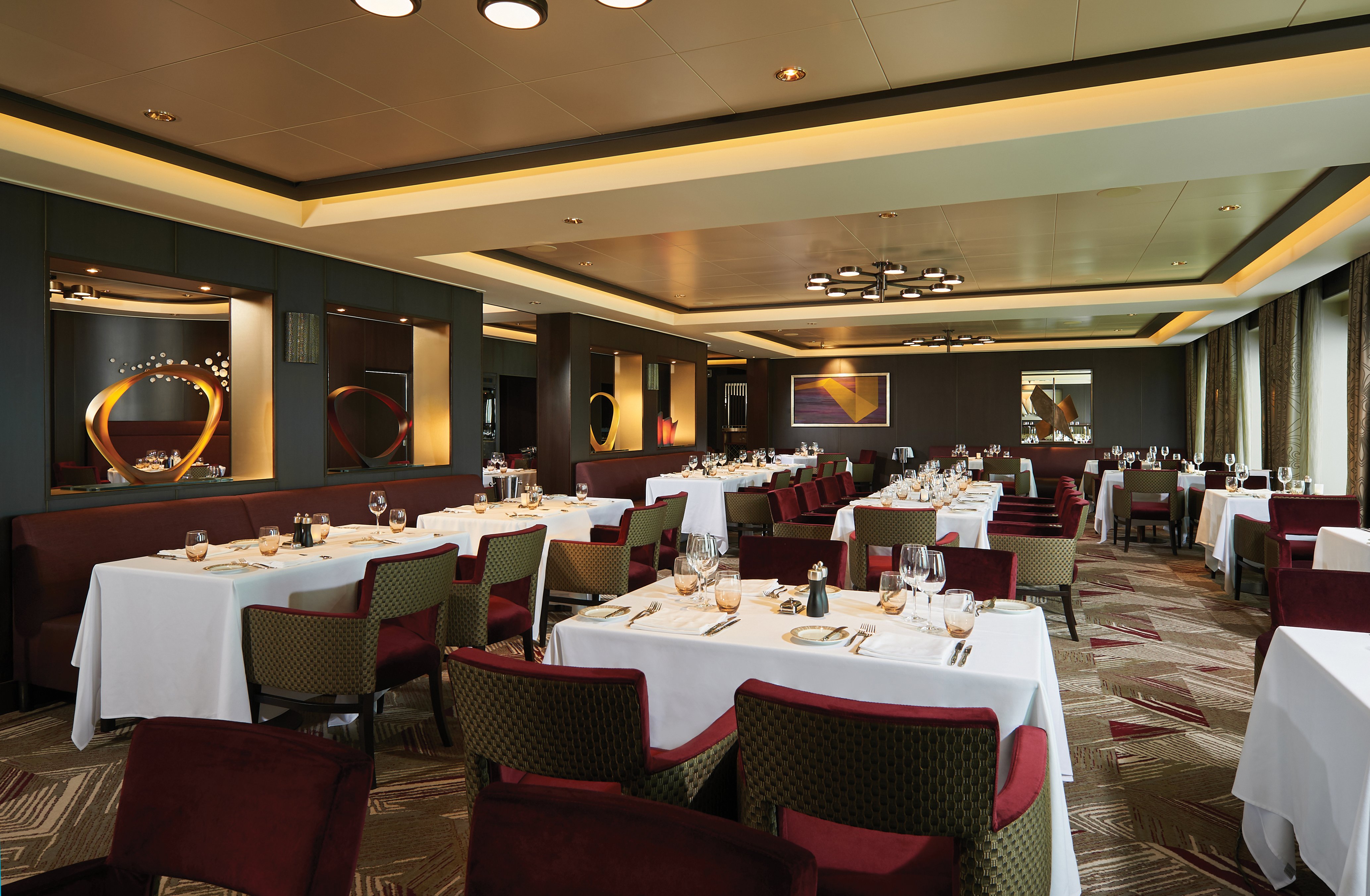
Garden Café
Whatever you’re craving, chances are you will find it at the Garden Café. This complimentary indoor buffet serves up breakfast, lunch and dinner.
Price Per Person: Complimentary
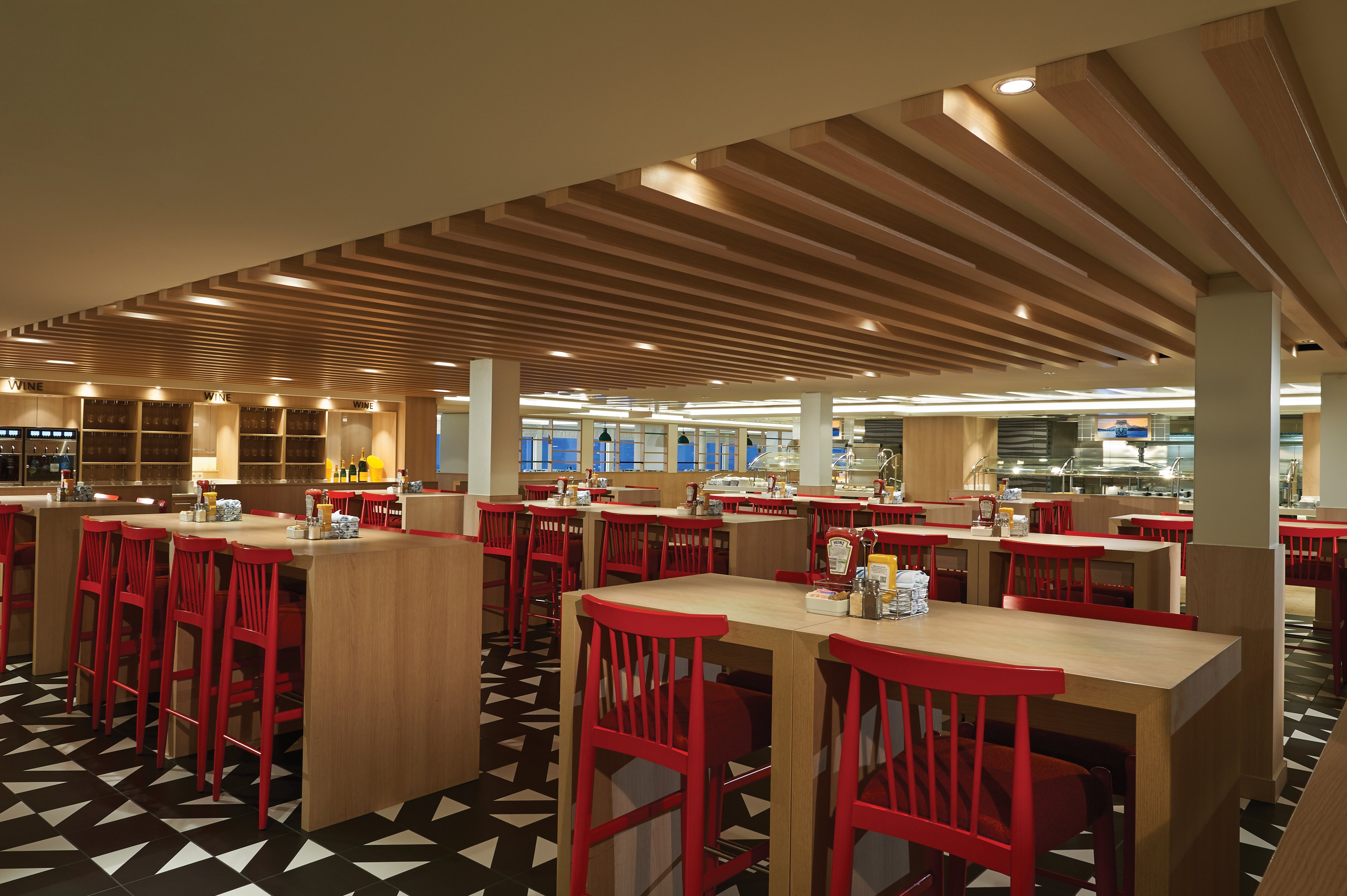
Taste
Serving a wide variety of cuisine, Taste offers a stylish and contemporary atmosphere. Enjoy a menu that changes daily with carefully selected wine recommendations and experience a different culinary adventure in every visit.
Price Per Person: Complimentary
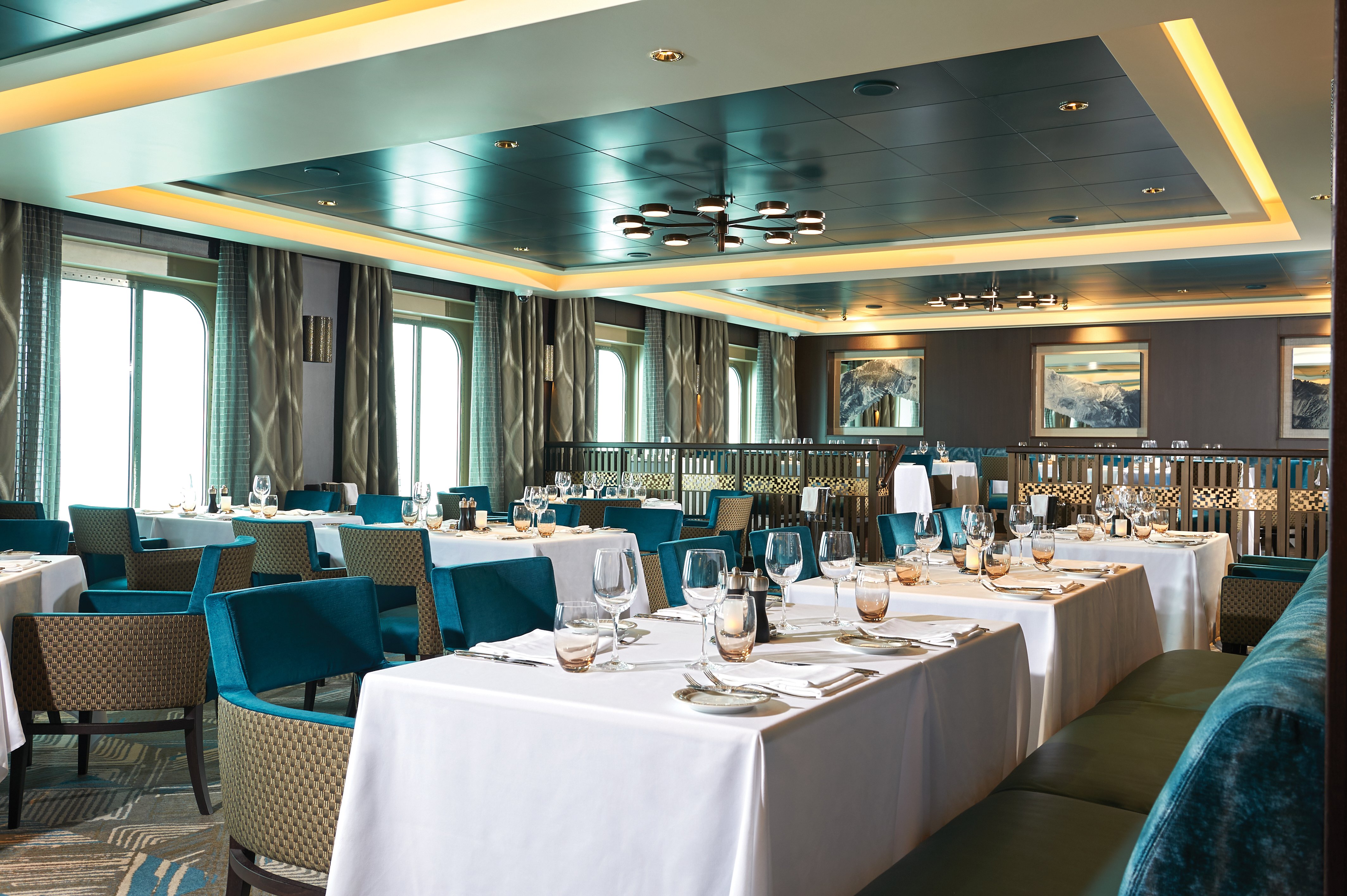
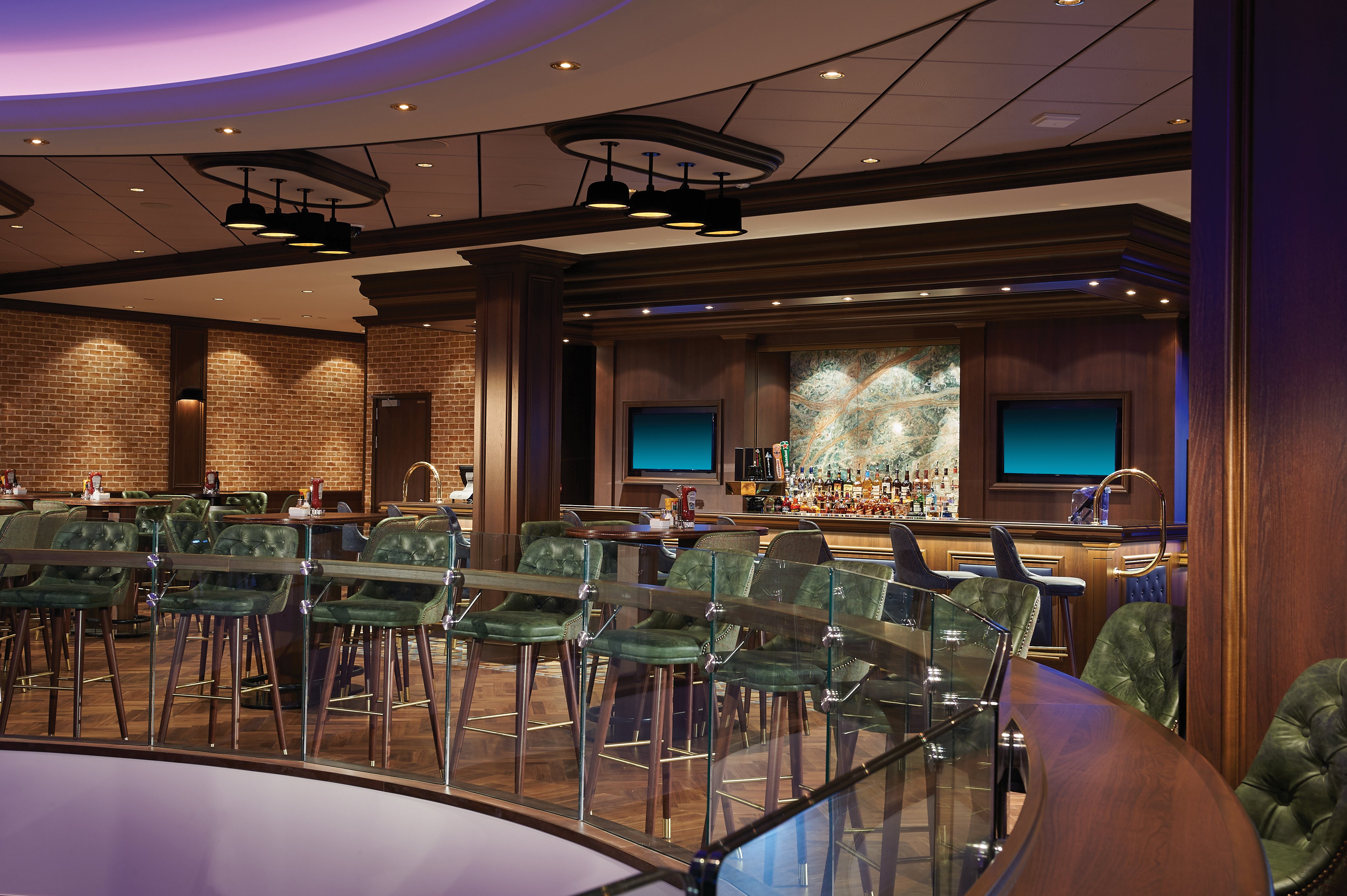
The Local Bar & Grill
The Local offers classic pub fare in a relaxed atmosphere. With popular dishes like the Reuben Sandwich and Fish n’ Chips, The Local has all your favourite comfort foods. So try one of our beers or cocktails on tap and catch a game with us!
Price Per Person: Complimentary
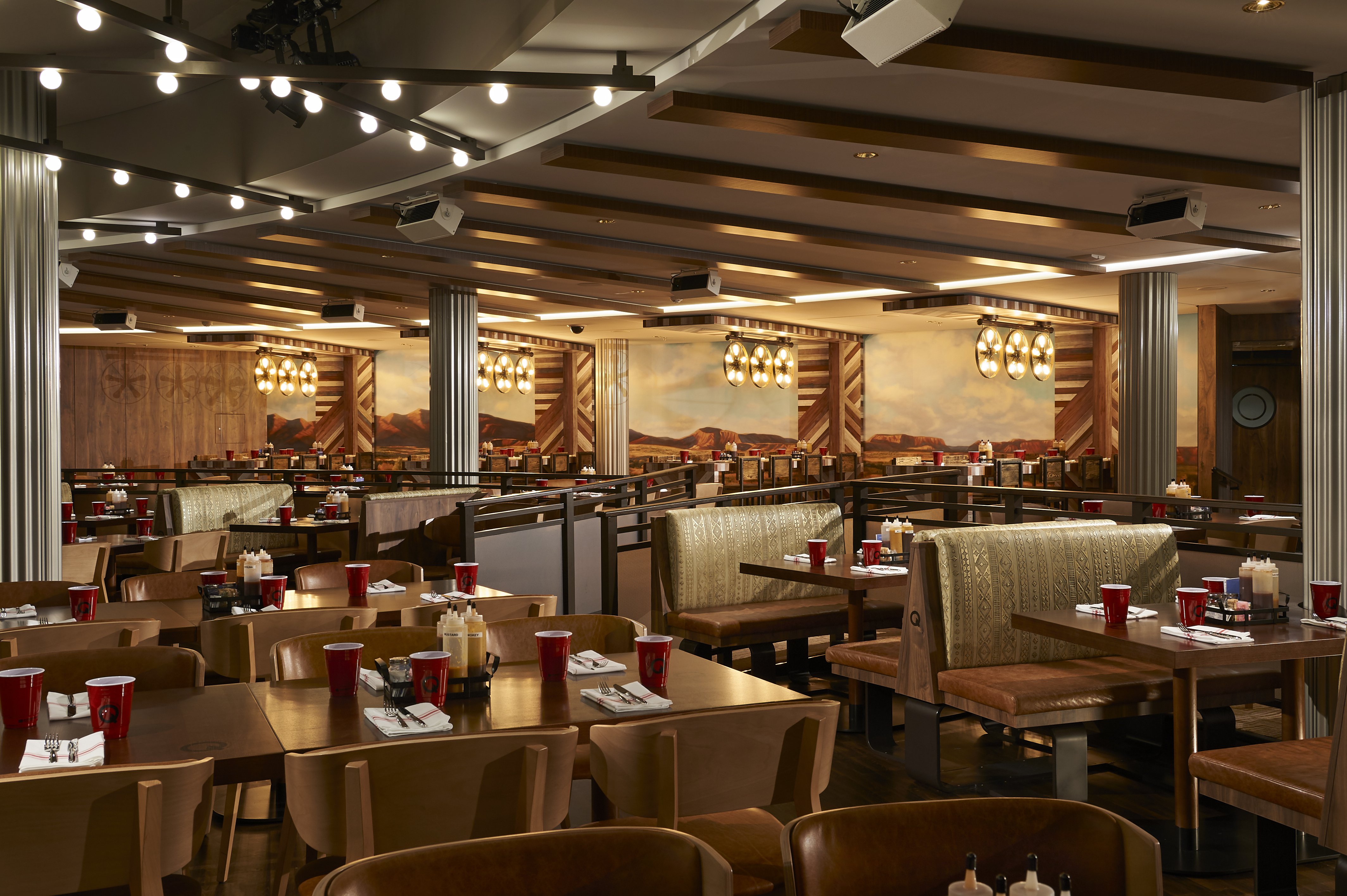
Q Texas Smokehouse
Dig into some authentic Texas BBQ. All our smoked meats are infused with delicious flavours and come with all the traditional sides. As dinner winds down, the atmosphere heats up as a contemporary country band ropes you into a lively night of dancing, drinking and a honky tonk good time!
Price Per Person: Cover Charge USD $40
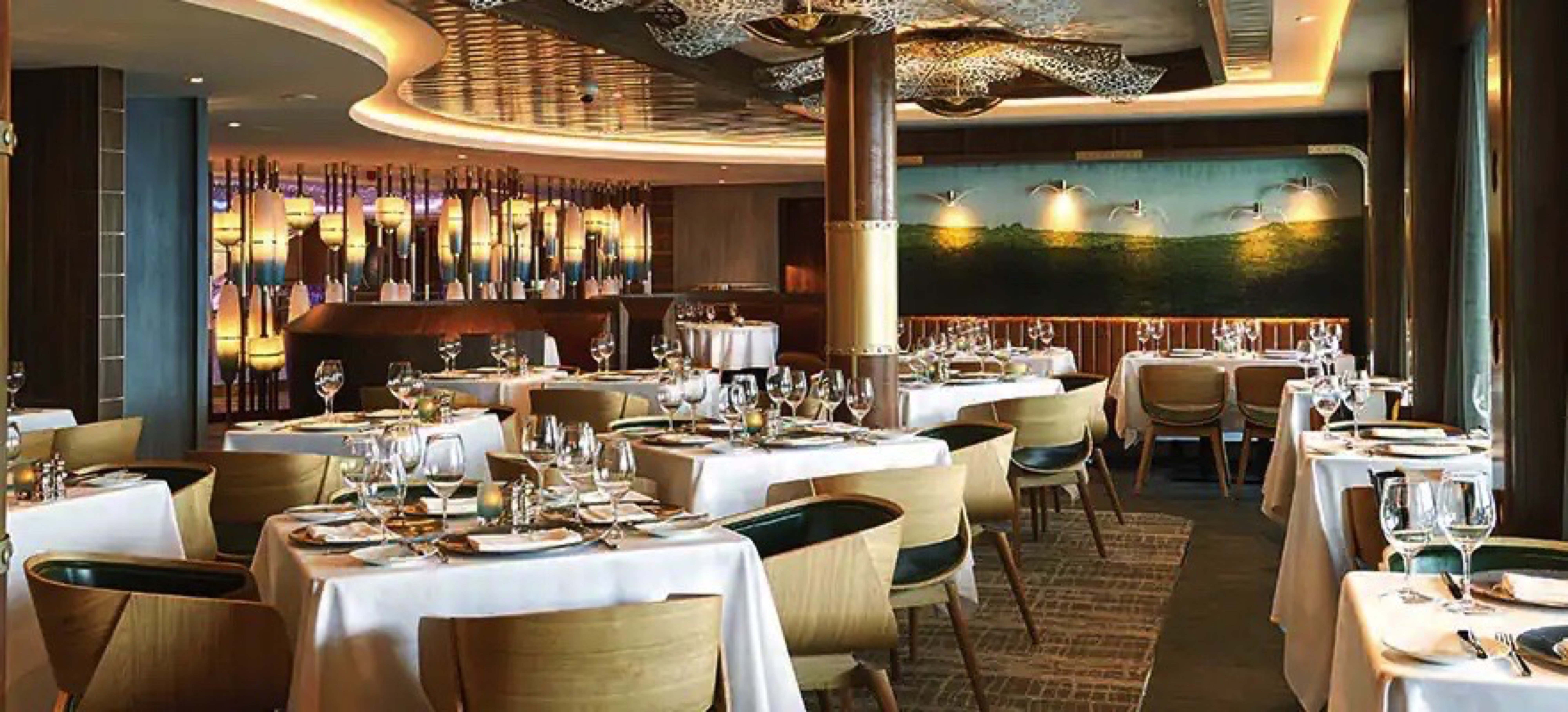
Palomar
Explore the best flavours of the Med at Norwegian’s first-ever Mediterranean restaurant. Seafood is the star attraction here, with European essence. With a casually – sophisticated setting, diners will be treated to dishes created from the finest ingredients, including fresh fish, perfectly paired wine selections and cocktails.
Price Per Person: Cover Charge USD $60
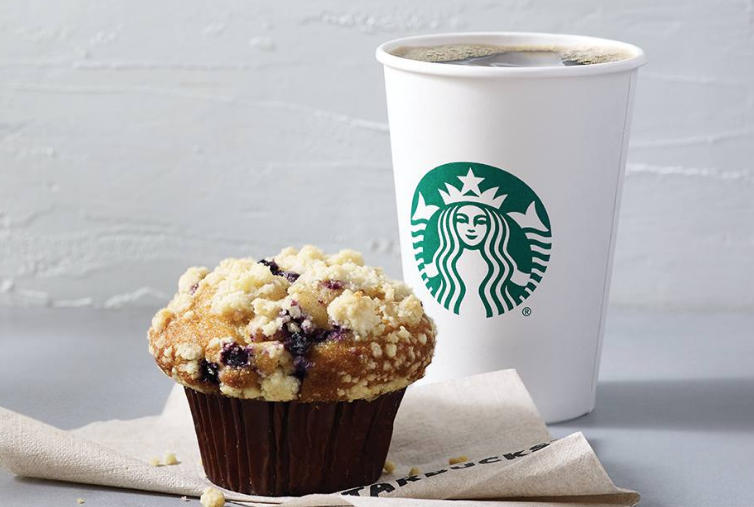
Starbucks®
Warm up for your glacier walk with a Caramel Macchiato. Grab a Teavana® Shaken Iced Green Tea Lemonade to sip whilst lounging on a pristine Caribbean beach. Or recount the day’s excitement with your friends over Chai Lattes and a scone. Come on by Starbucks® to make your holiday even sweeter.
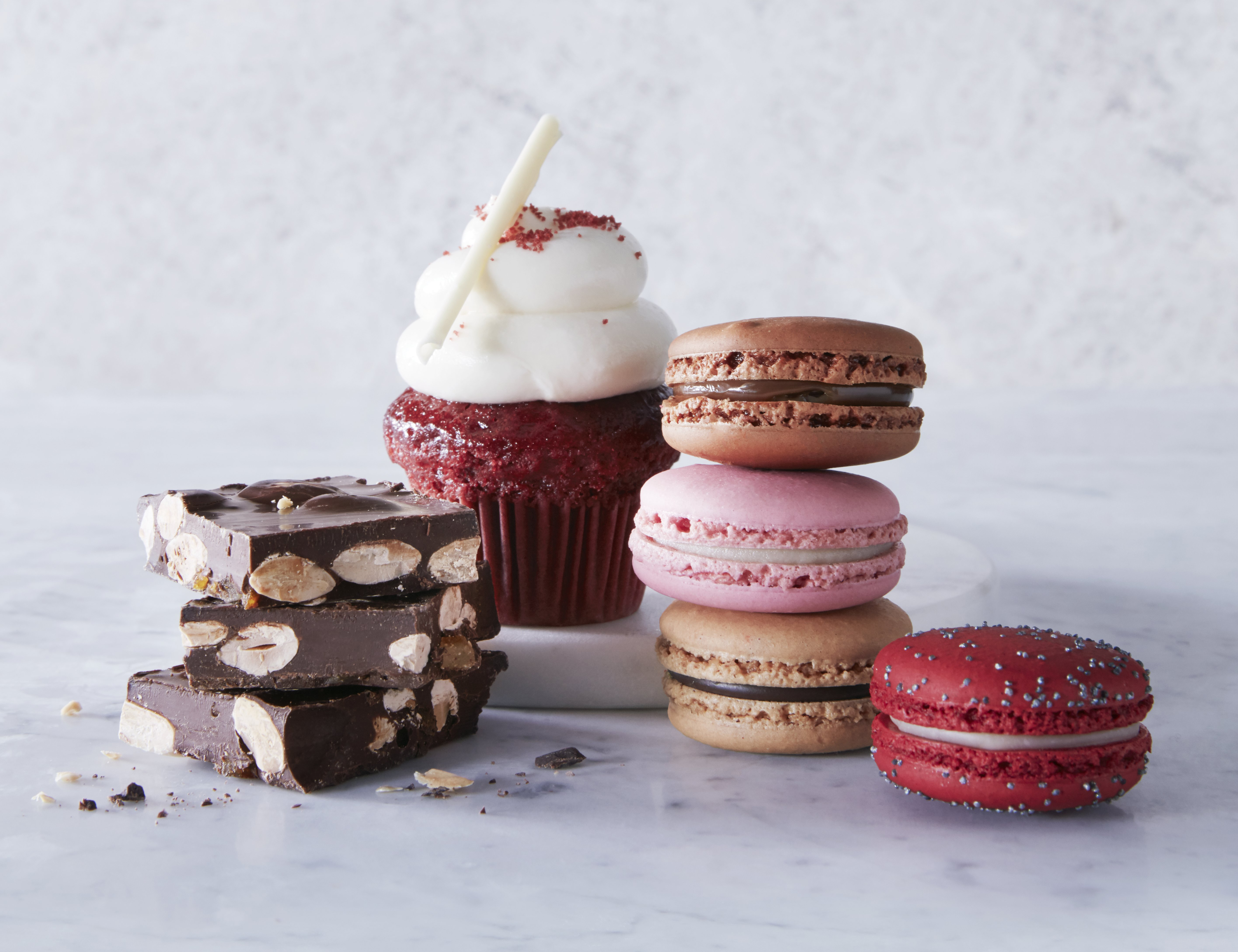
The Bake Shop
Indulge your sweet tooth with decadent treats such as French macarons, chocolate bonbons and gourmet cupcakes.
Price Per Person: À la carte
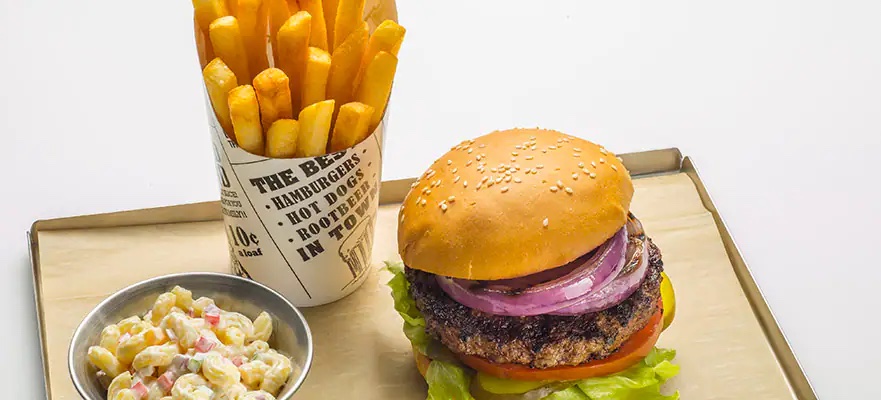
American Diner
Pull up a chair at this 50’s style diner and order from a diverse selection of comfort foods. Experience a slice of Americana, including classic cars, with every bite.
Price Per Person: Complimentary
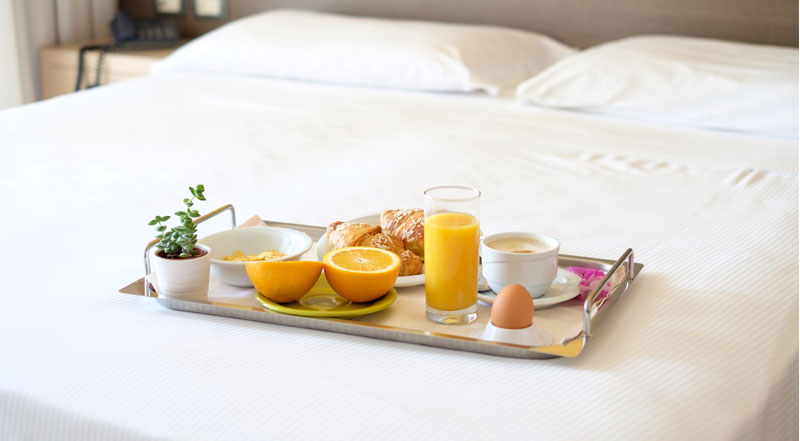
Room Service
Available 24 hours a day, simply pick up the phone and order breakfast, lunch, dinner or late-night munchies. A room service fee may apply.
Price Per Person: Room Service Fee may apply.
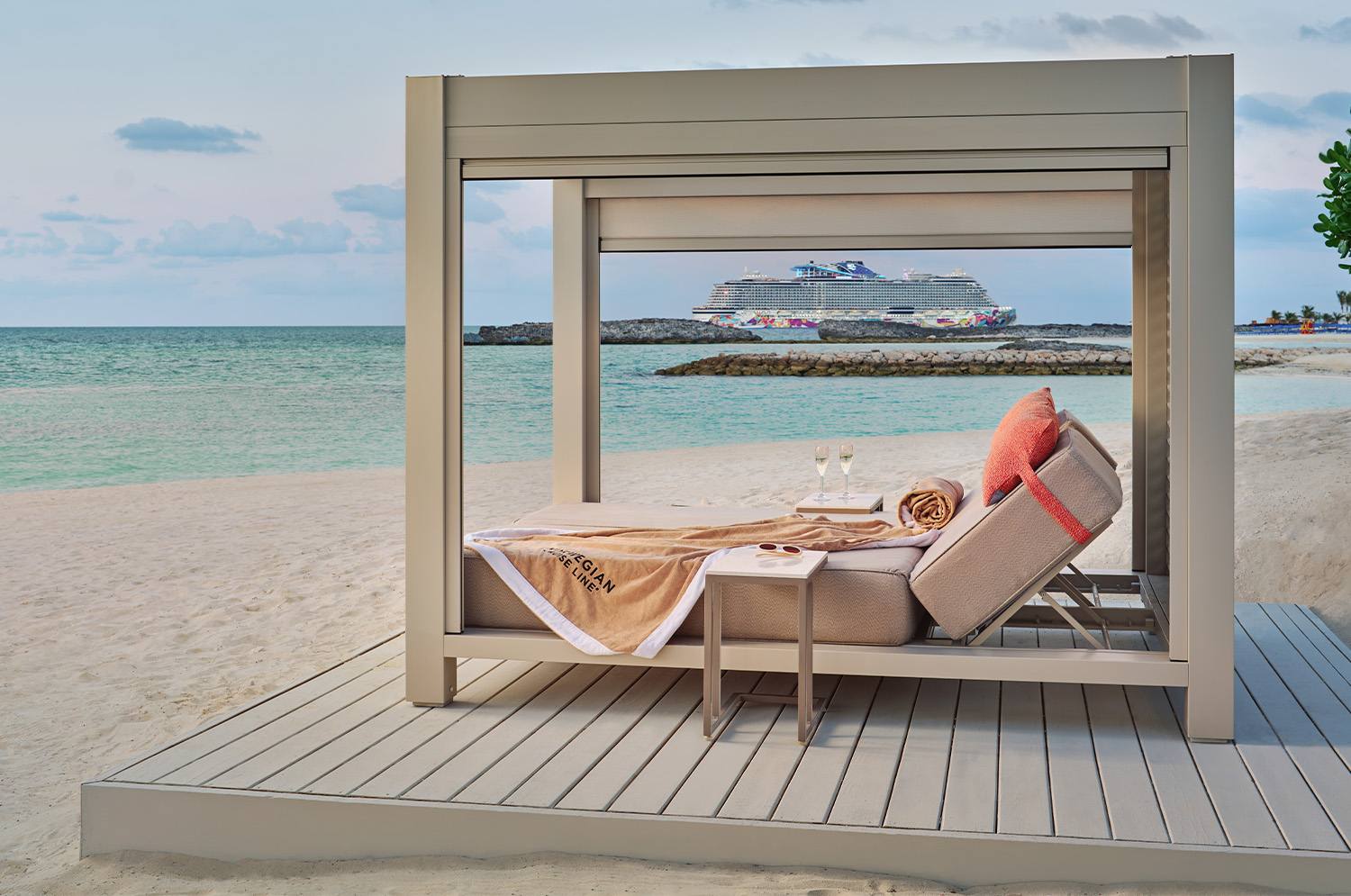
Great Stirrup Cay
Escape to The Great Life
Great Stirrup Cay isn’t just an island in The Bahamas, it’s an escape to The Great Life. And The Great Life isn’t just about cruising to your very own private island; it’s about unlocking a state of mind. It’s a cool drink in your hand at the 2,600 sq. metres pool. The roar of jet skis and a gentle breeze through your cabana. It’s shouting at the top of your lungs as you race down the larger-than-life tower of water slides. And it’s gazing onto white sand beaches all afternoon. Here, you have the freedom to do what you want, when you want. That’s The Great Life, and it’s about to get GREATER on the incredible, new Great Stirrup Cay.
Great Life Lagoon
What do ten blue whales, 20 tennis courts, three Washington Monuments, one large cruise ship and Mt. Everest’s peak all have in common? They’re roughly the same size as our new, 28,000-sq.-ft. pool. Throw in two swim-up bars, beach-style water entry for kids, water features, ocean views, cabanas and you’ve got yourself a pretty spectacular Caribbean day!
Epic slides. Towering cliff jumps. One unforgettable splash.
Get ready to live the great life at full speed. Spanning the size of several football fields, Great Tides Waterpark is the bold new thrill zone at Great Stirrup Cay – where adventure meets relaxation. Race down sea-inspired slides, drift through a winding river with tunnels that might just be hiding a secret adventure, or leap from dramatic cliffside platforms into crystal-clear waters. Little ones can splash and play in a vibrant water zone, whilst grown-ups unwind with cocktails in a glowing grotto bar. Whether you’re chasing high-speed thrills or laid-back vibes, Great Tides delivers next-level excitement for everyone.
What’s Included on Great Stirrup Cay?
This isn’t your typical holiday spot – it’s our island, which means it’s your island. The same superb service you receive on board applies here too. Like complimentary meals and endless activities with Free at Sea™. So, get ready to play, explore, relax and enjoy an unforgettable day in The Bahamas!
Introducing Free at Sea Plus™
Free at Sea Plus™ makes your escape to the great life even greater. Upgrade for only £39.99 per person per day and your unlimited premium beverage package will follow you to Great Stirrup Cay. Plus, you’ll get a taste of luxury on board too, with wine and Champagne from our signature collection, top-shelf spirits, more speciality dining experiences at a discounted rate, high-speed Wi-Fi made for streaming and more.
Excursions
GO LOCAL TOURS
Authentic multicultural experiences await on a Go Local Tour with NCL. Explore how people in cities around the world live, work, eat and play on unique tours designed for guests who thrive on culture-connecting and unforgettable exploration.
ADVENTURE RUSH
Start by letting your imagination run wild. Mush your way across an ice field in Alaska. Surf in Kaua‘i. Soar through the sky on a zipline on Harvest Caye. Go tubing in Belize or even airboat through the Florida Everglades. Your adventure awaits.
HISTORIC TIMES
Get up close and personal with places you’ve seen only in pictures. Then take some of your own. Stand in the shadow of the Colosseum. Tour a medieval castle. Unravel the mysteries of the Mayan ruins. Or catch a glimpse of the revered Emerald Buddha in the Grand Palace of Bangkok. Take a history lesson like no other.
WONDERS OF NATURE
Hang with the locals in Australia. Or pack your camera and enjoy majestic humpback whales near Hawai‘i, glaciers in Alaska, the soaring cliffs of Greece or the golden foliage in New England. They’re all naturally wondrous scene-stealers.
LAID-BACK LEISURE
Sometimes you just want to soak in the sun — and your surroundings. So find that perfect secluded beach and take it all in. Or shop the local markets for great bargains and take home a little something to complement your amazing holiday.
SELFIE TOURS
Get your smile — and your mobile device — ready for a tour like no other. With NCL’s Selfie Tours, we will take you to picture-perfect places to fill your feed. Many of our tours are guided by a selfie expert who will show you how to perfect your angle, use a selfie stick and more.
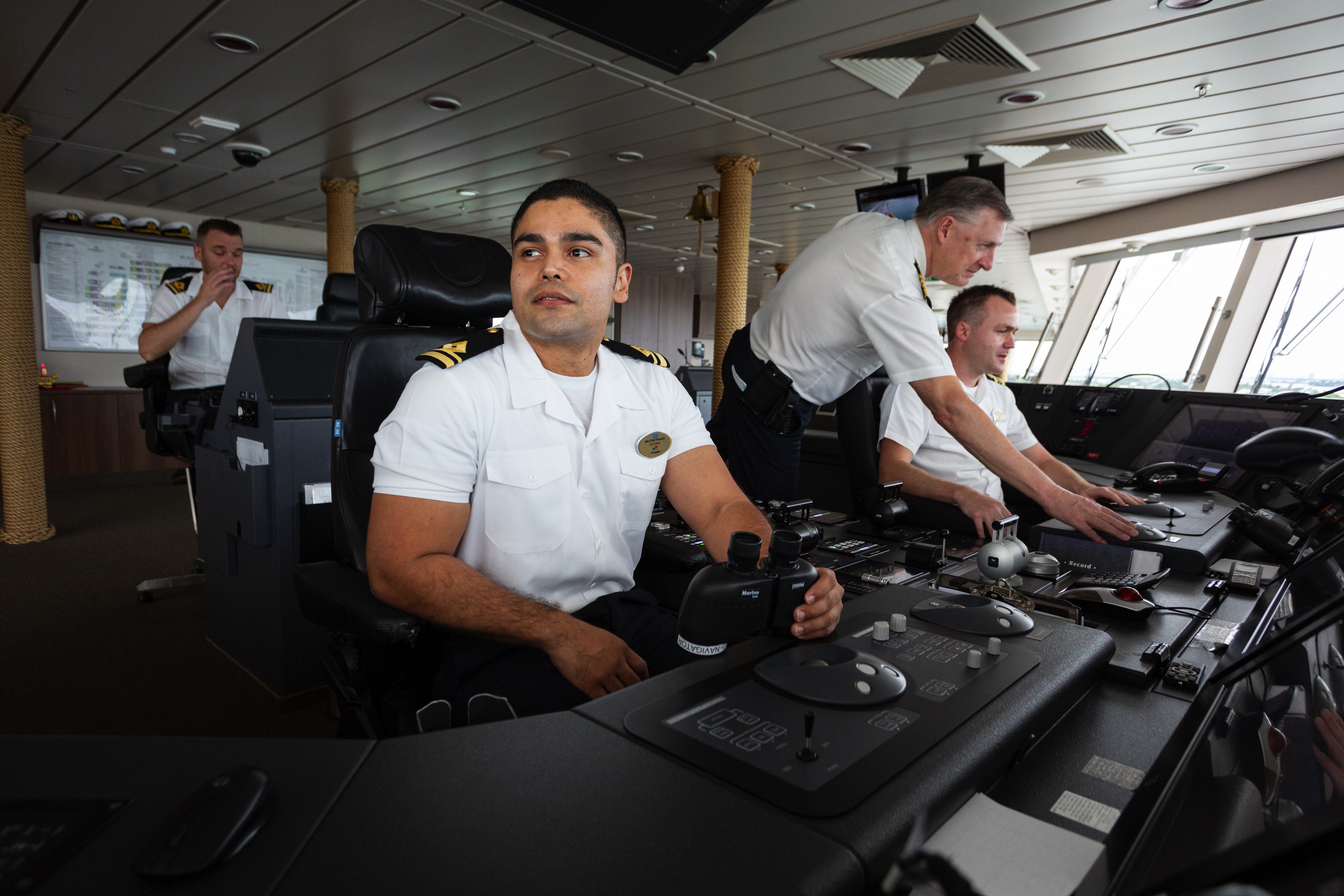
Behind The Scenes Tour
Experience the exciting Behind The Scenes Tour of our crew working areas, including exclusive access to the Bridge, Engine Control Room, Main Galley, Laundry and so much more.
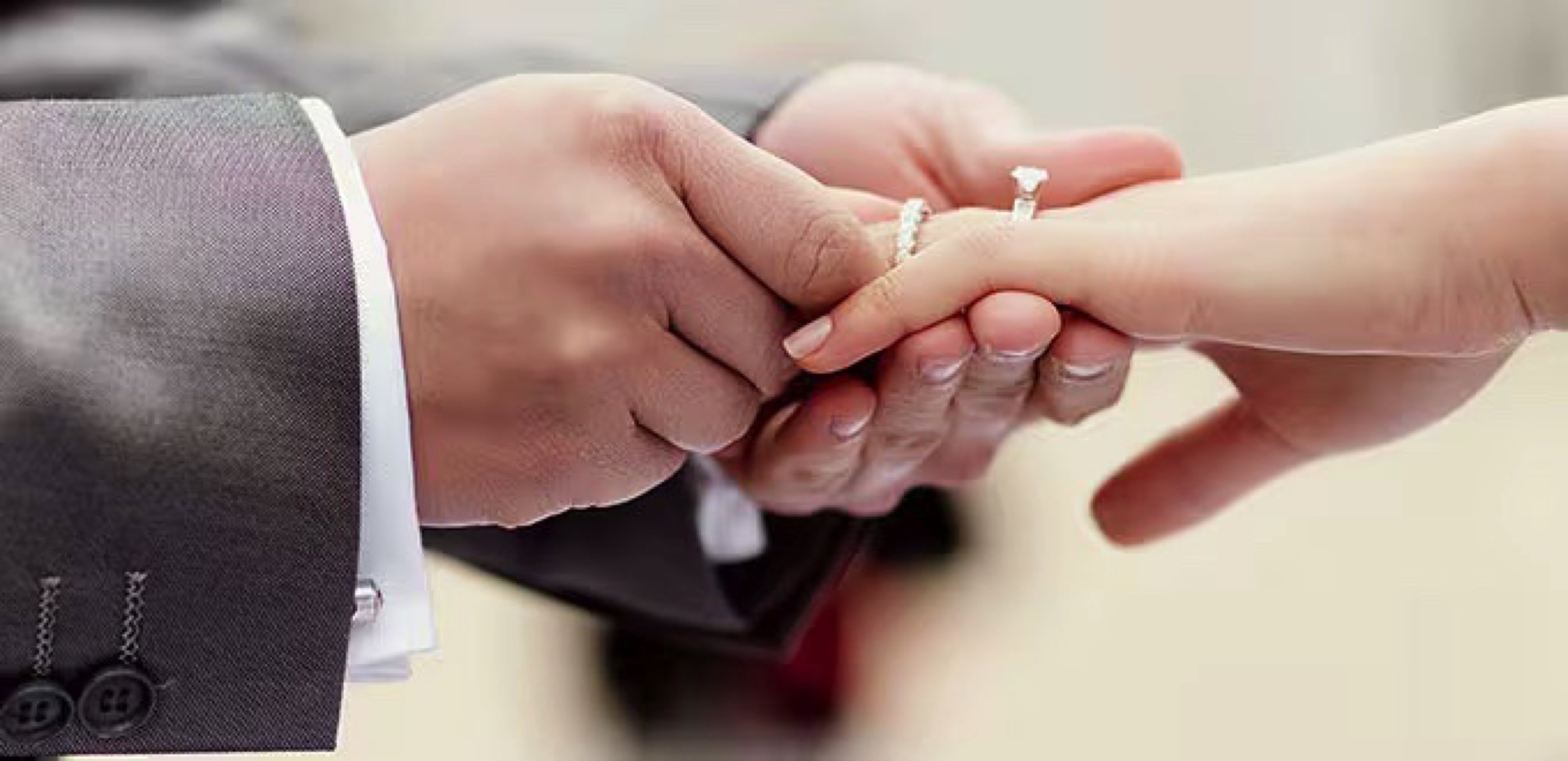
Private Vow Renewal
Nothing says “I love you” like saying it all over again. Book a private ceremony to renew your wedding vows for the ultimate romantic holiday. Here’s what our Private Vow Renewal Package includes.
- Bottle of Sparkling Wine, Chocolate Covered Strawberries & Canapes – in Stateroom
- Vows Ceremony Performed by a Ship Officer
- Ceremony Music
- One Single Red Rose
- Couple’s Cake
- Champagne Toast
- Keepsake Vow Renewal Certificate
- 8 x 10 Professional Portrait in an Engraved Frame
Booked guests, please contact us here to timetable a vow renewal.
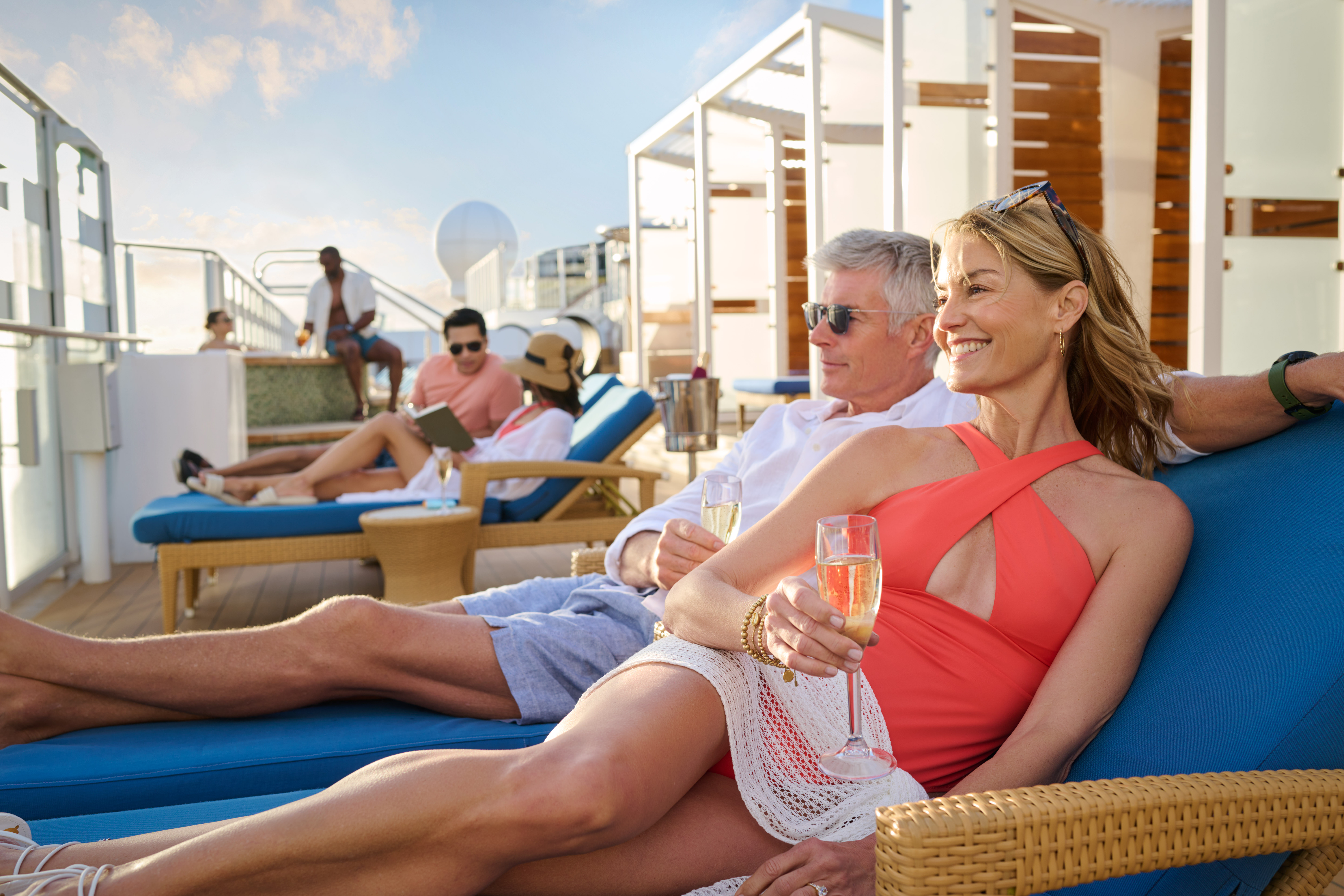
Vibe Beach Club
Guests will jump for joy upon discovering this private retreat where they can connect with the ocean – and disconnect from everything else. Exclusively for those 18 and over, Vibe Beach Club is resplendent with ocean views, an over-sized hot tub, chaise loungers and a relaxing water feature – ideal for relaxation. A full-service bar, water spritzers, chilled towels and skewers of fruit ease you even more into serenity. Passes available for pre-purchase or onboard at the Guest Services desk.
Vibe Beach Club – Access Pass
An exclusive oasis at the top of the ship, Vibe Beach Club is an adults-only getaway full of panoramic ocean views, drinks and upgraded lounge chairs with umbrellas. With this package, you’ll enjoy Vibe Beach Club access for the entire length of your cruise.
Vibe Beach Club – Cabana
Your exclusive, adults-only retreat at the top of the ship is even more peaceful with your own space. With this package, you’ll enjoy Vibe Beach Club from the comfort of a private cabana for the entire length of your cruise. Spend the day relaxing in style with special food & drink menus and complimentary amenities such as water spritzers, chilled towels and skewers of fruit.
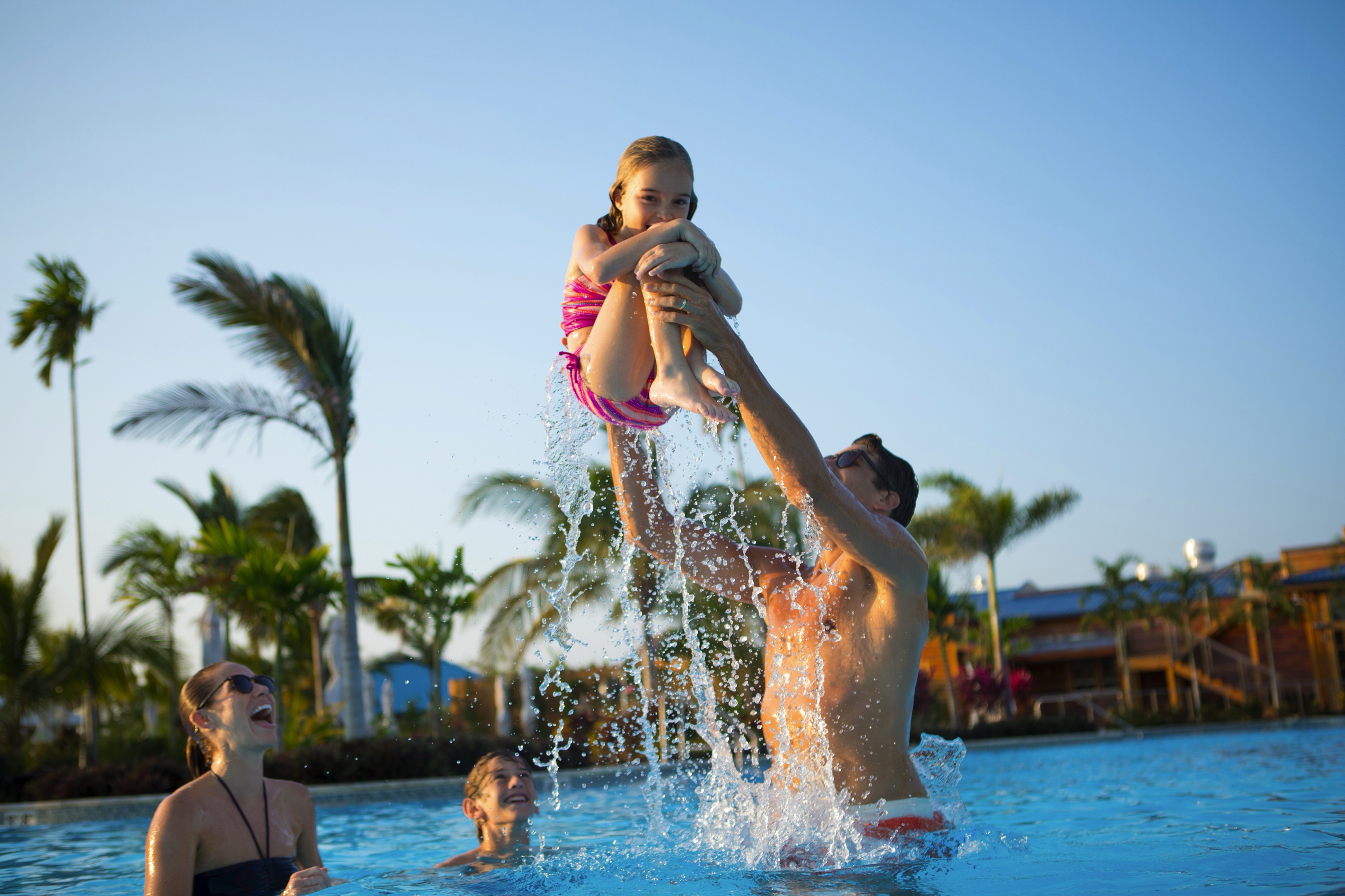
Aqua Park
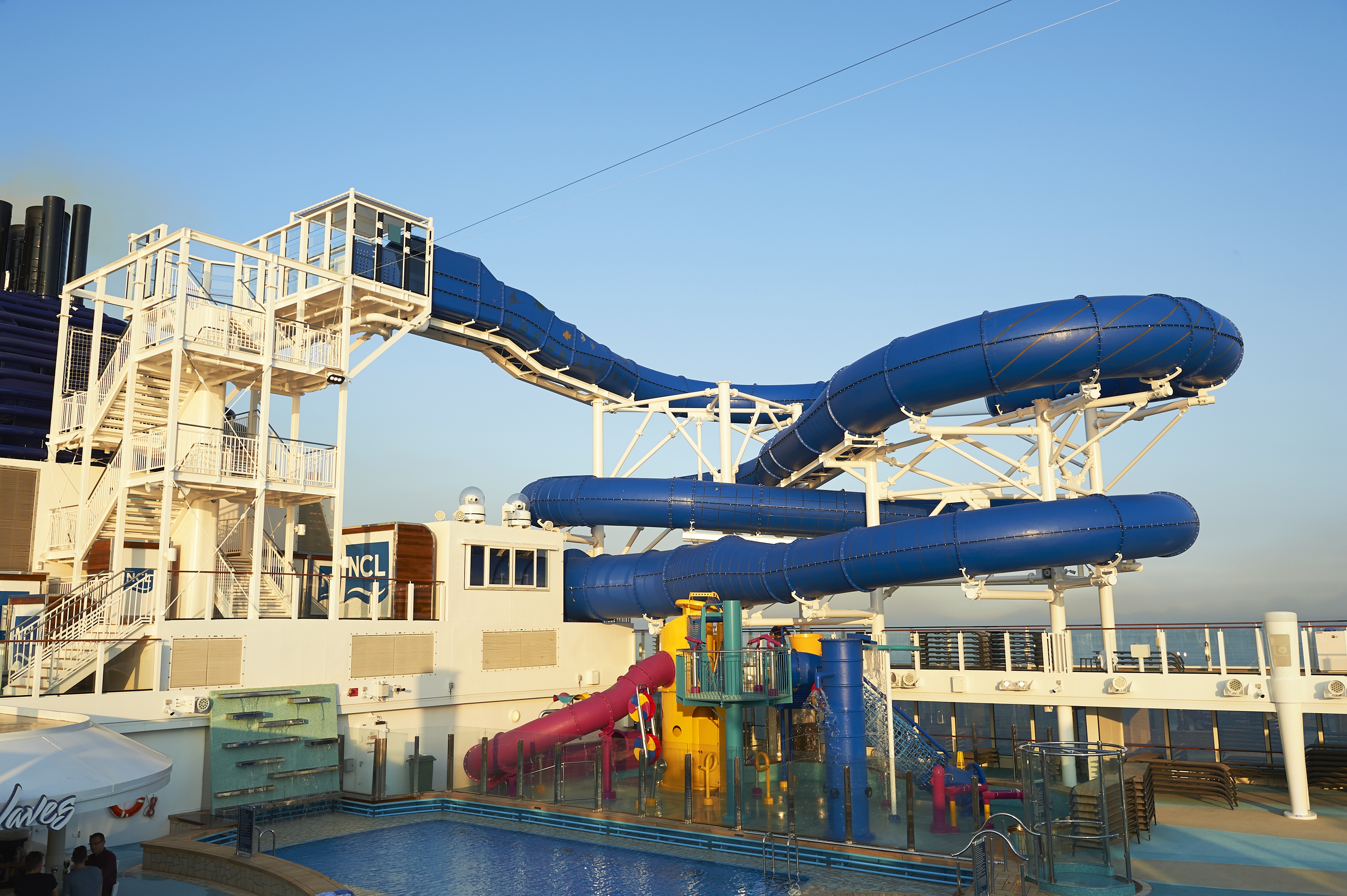
Slide into the time of your life on our Ocean Loops drop slide, or try the Aqua Racer water slide. Call it a lazy day and lounge by the pools and hot tubs with a frozen drink in hand. However, you like to make a splash, the Aqua Park is overflowing with excitement.
Bliss Theatre
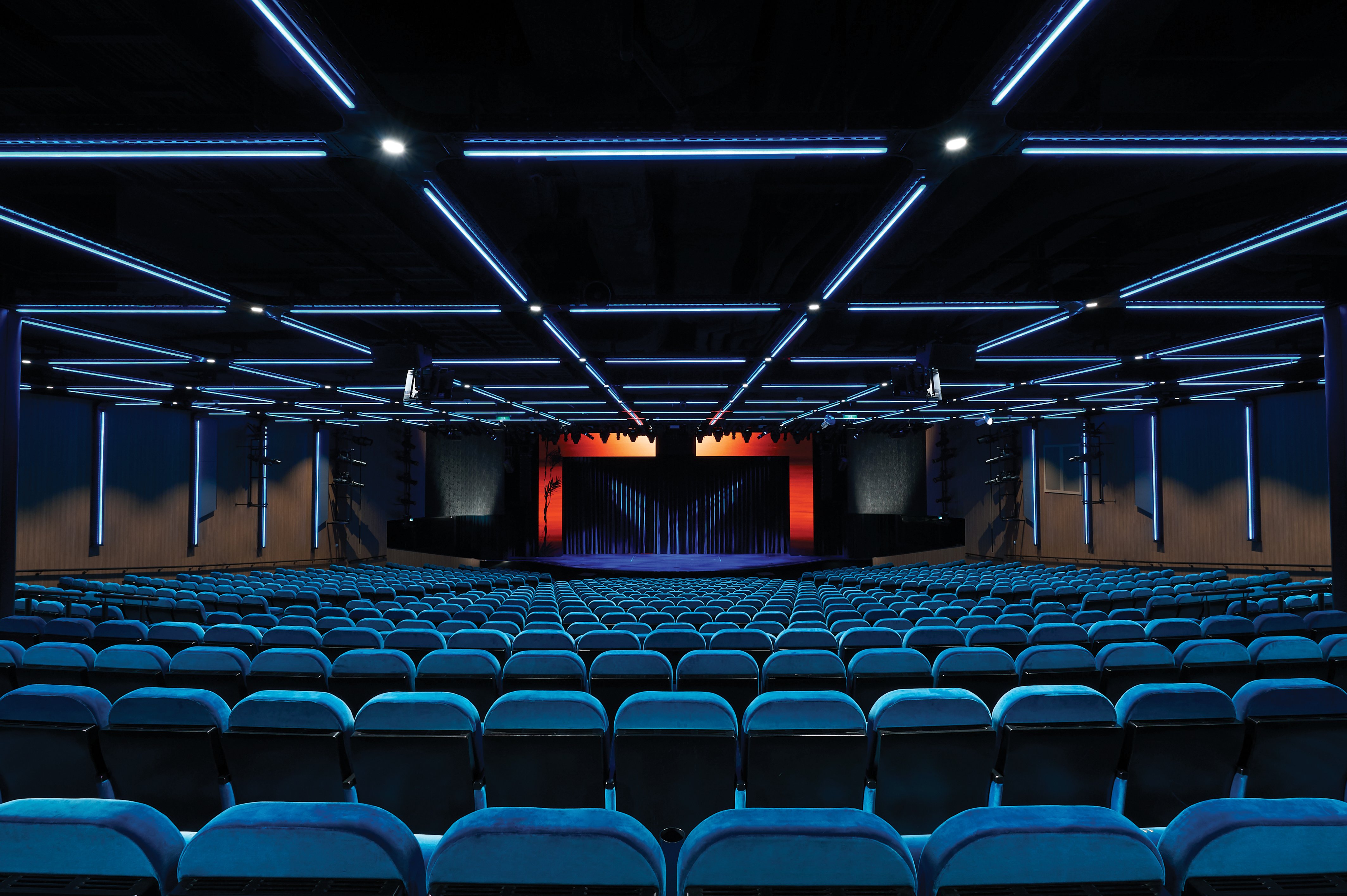
Norwegian is excited to bring Broadway to you with two musicals. You’re invited for an evening of laughter and entertainment in the Bliss Theatre.
Icons
A concert experience featuring the songs of musical legends (icons) from the last six decades. From Dolly to Gaga, our cast of vocalists and orchestra will pay tribute to the music these legendary artists created by collectively showcasing hits that everyone can sing along to.
Jersey Boys
Journey from the gritty streets of Jersey to glamour and international fame as you follow the incredible true story of Frankie Valli and The Four Seasons.
Famous Riffz
Get ready to play loud-this is the game show that ROCKS! Two teams go head-to-head in high-energy music trivia, battling it out in rounds all powered by our electrifying house band, The Riffz. With bonus rounds, surprise tiebreakers, and audience participation that can shift the score, every show is full of twists and epic moments. Contestants get to live the dream on stage with a live band, whilst the audience enjoys a unique blend of concert vibes and game show excitement.
Price Per Person: Complimentary
Spice H20
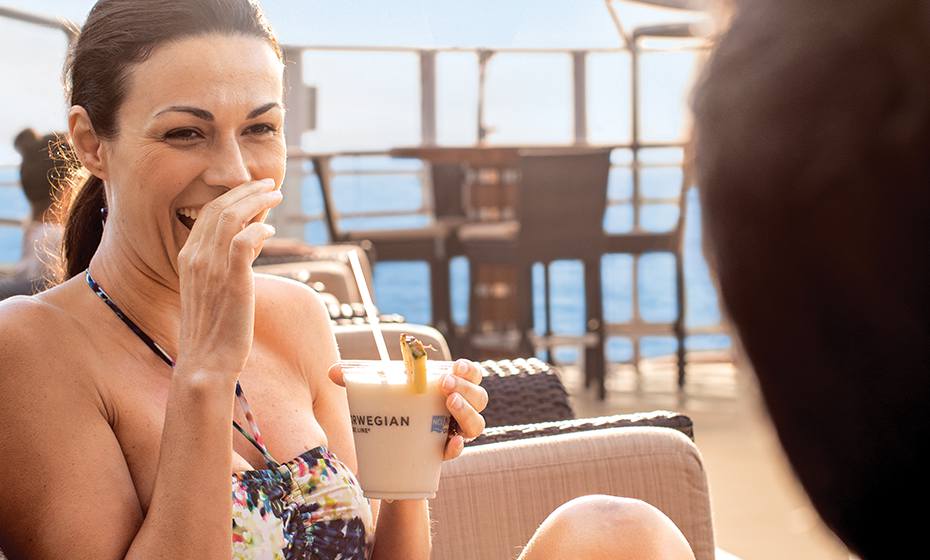
Inspired by the renowned summer beach parties on the island of Ibiza, Spice H20 is an adult-only escape. By day, you can soak in hot tubs or sip cold cocktails from your reclined lounge chair. By night, it’s a whole different beat. Let loose and dance beneath the stars!
Bliss Casino
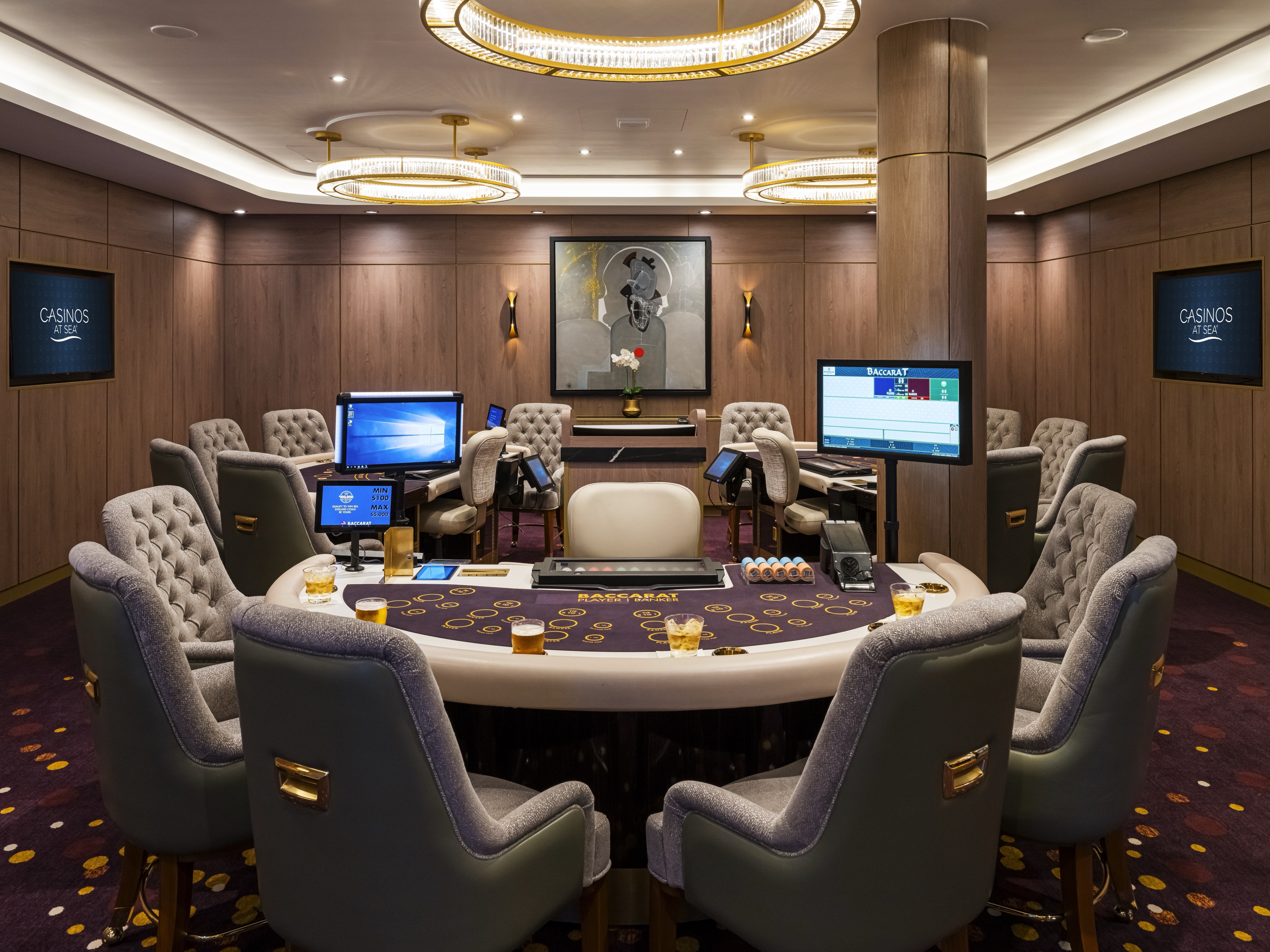
Spin your way to the jackpot playing the most popular slots including reel and video slots. Or pull up a chair at your favourite table game, from blackjack to craps and more. Whatever games you choose, you can bet on a good time in our award-winning casino.
Horizon Park
Come on up, the views are spectacular! Located at the very top of the ship, Horizon Park is the perfect hangout spot with the best panoramic views of the sea. Gather the whole family for a variety of lively lawn games. Or just sit back, relax and delight in a starry night with a lovely sea breeze.
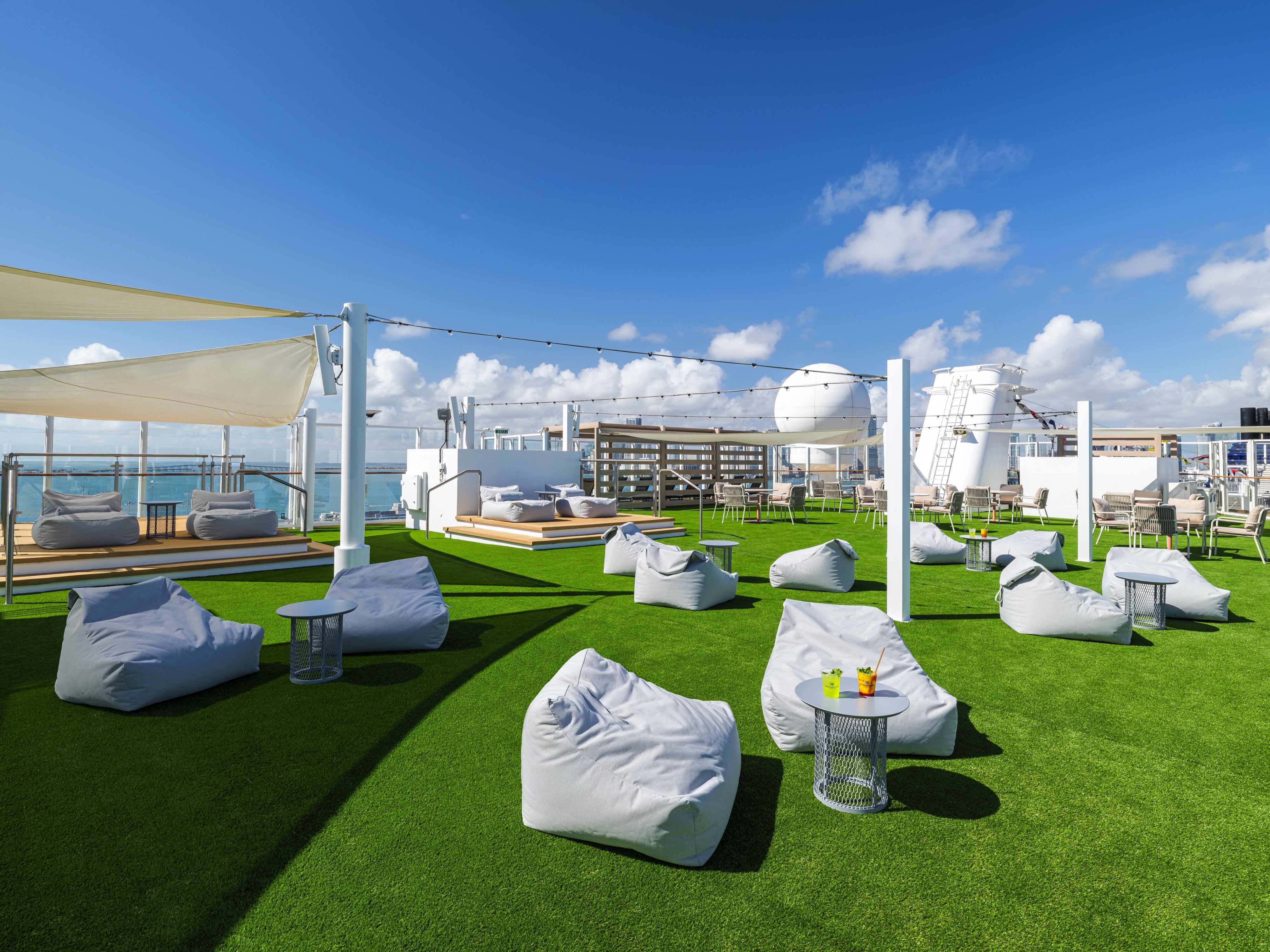
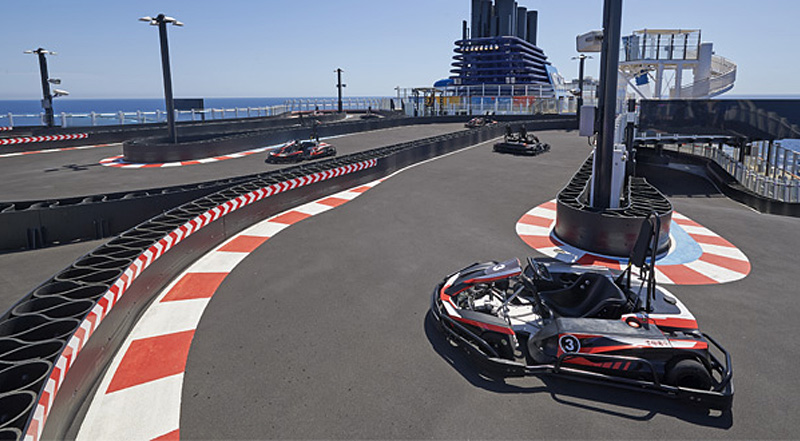
Bliss Speedway
Zoom around hairpin turns in excess of 20 mph as you race for the checkered flag on a thrilling, two-level race track in the middle of the ocean. All participants must be over 55 inches and not more than 265 lbs. Completely closed shoes are mandatory and loose items such as cameras, mobile phones, etc should be secured. Charge is $15/person/ride.
Price Per Person: $15 USD Adult | $15 USD Children
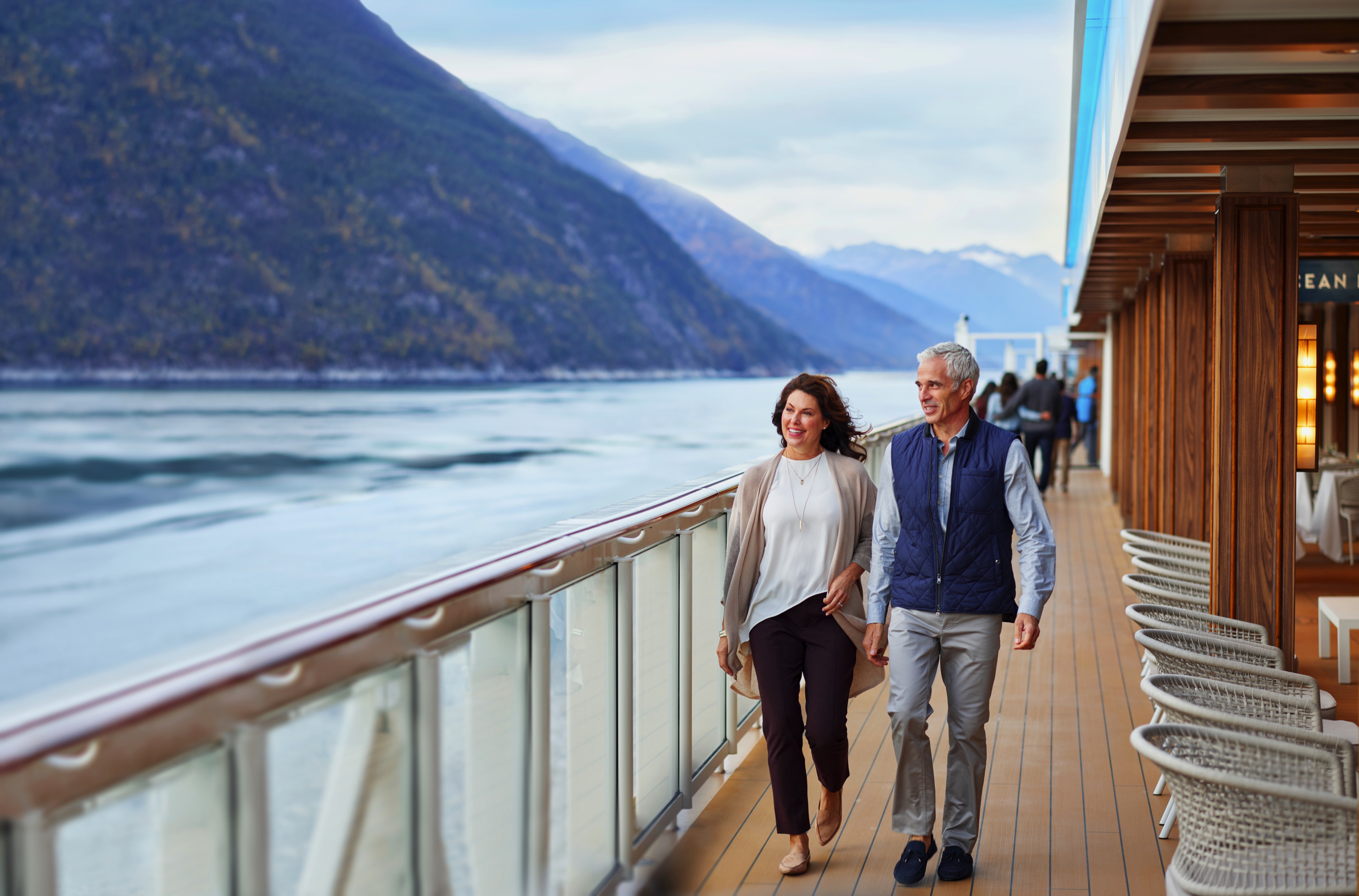
The Waterfront
Connect with the sea on The Waterfront, our quarter-mile oceanfront promenade, and discover a new restaurant or bar & lounge every day and night.
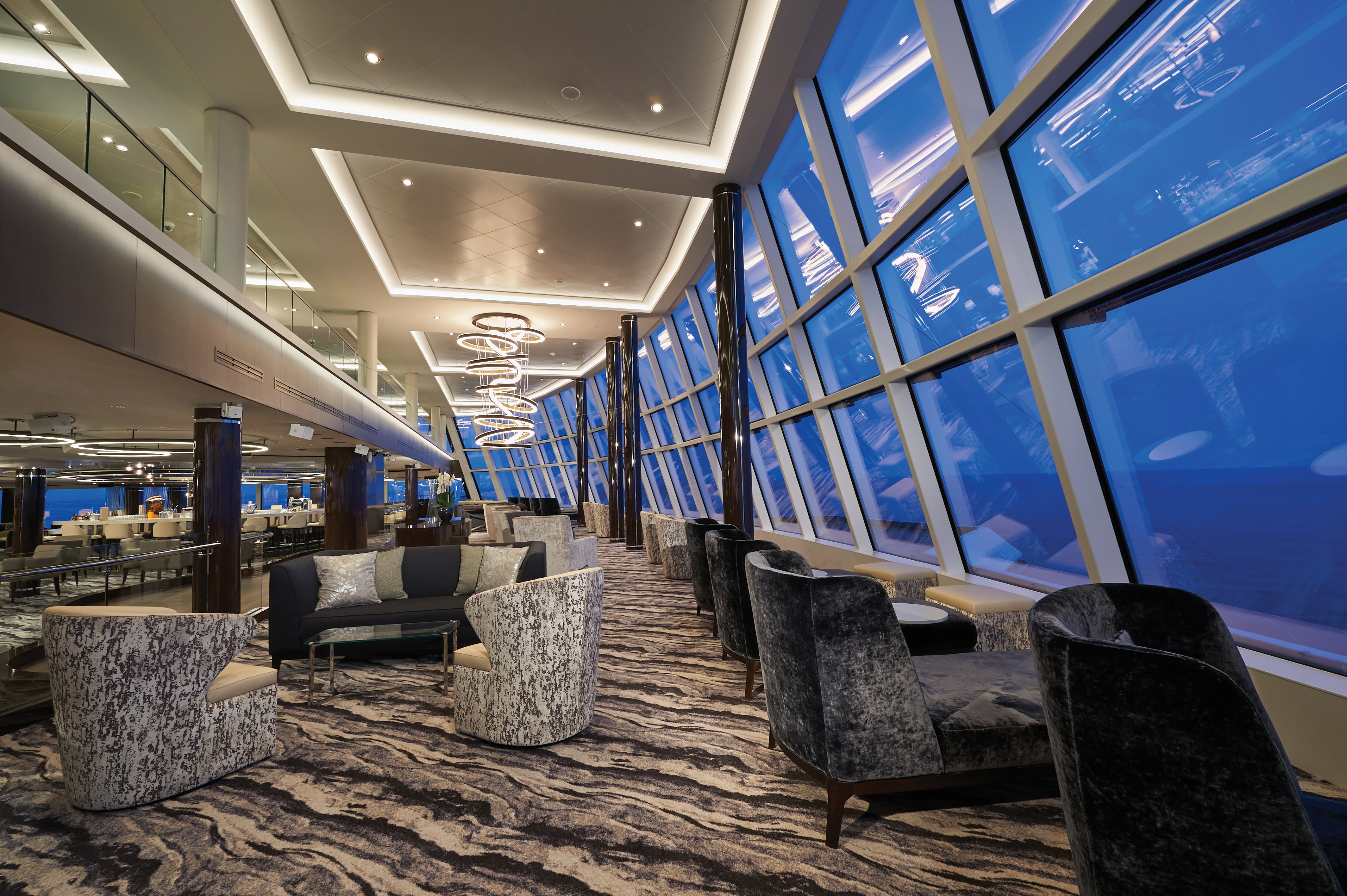
The Observation Lounge
Observation Lounge with full service bar on deck 15 offering spectacular 180° panoramic views open to all guests.
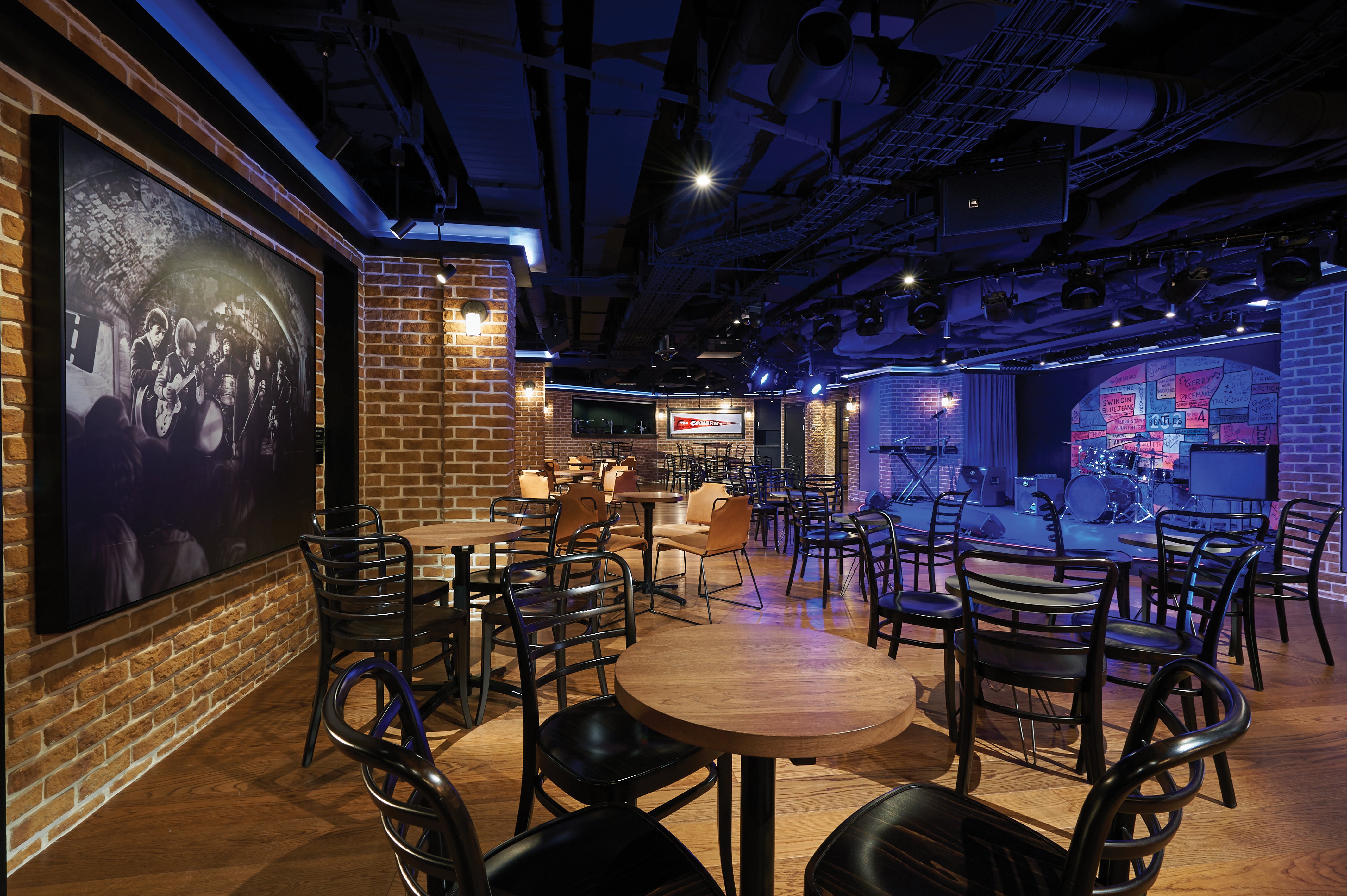
The Cavern Club
Pull up a chair in the legendary Liverpool club where the Beatles performed. Sip your Scotch Sour during an evening of good company and great music with a Beatles cover band. This is your ticket to ride down Penny Lane, perhaps in a Yellow Submarine. Don’t wish you’d experienced the magic yesterday. Come together tonight and get back to the groovy days with Norwegian.
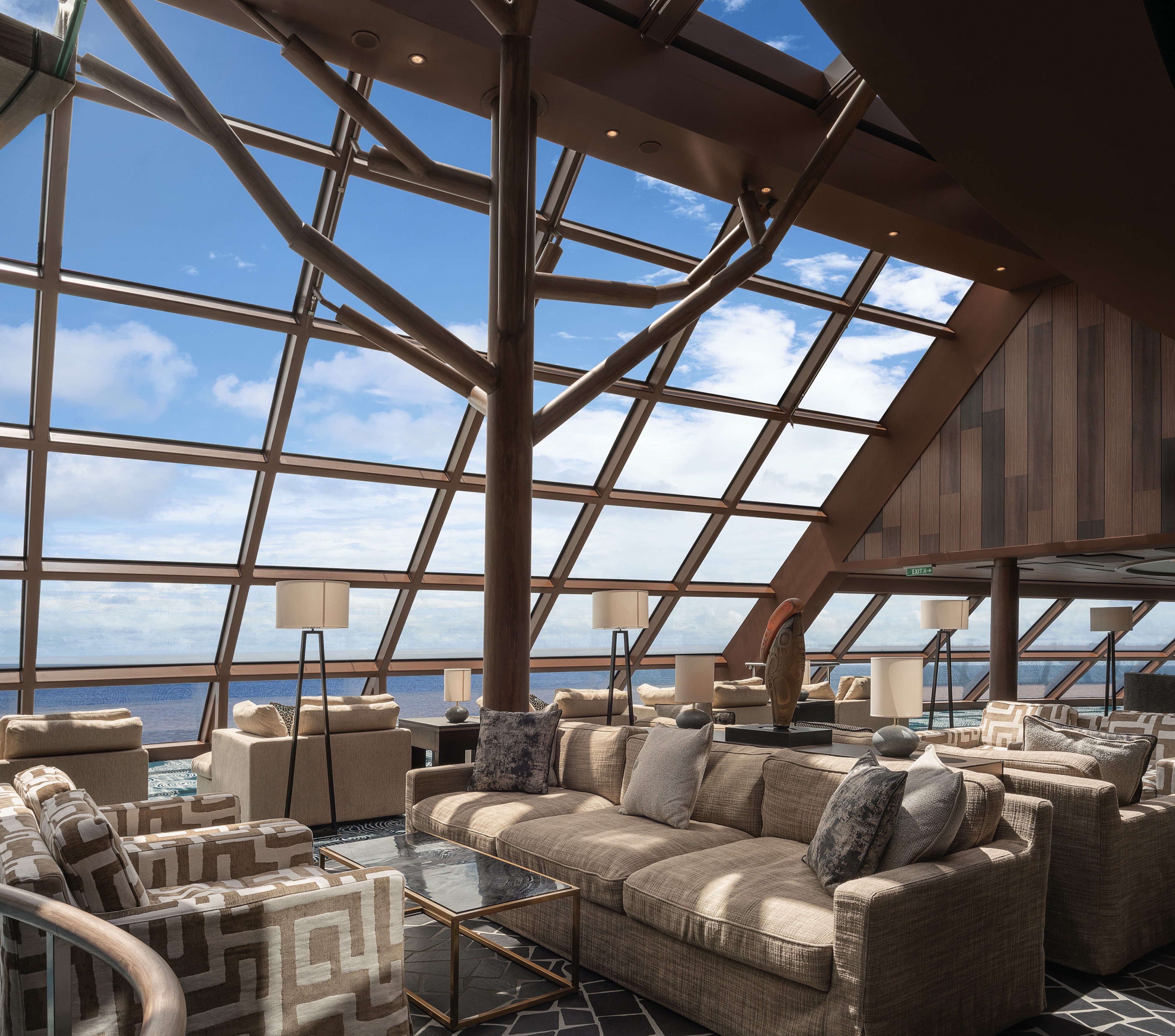
Horizon Lounge
Two-story forward-facing observation lounge on decks 17 and 18 with breathtaking panoramic views exclusively for guests of The Haven.
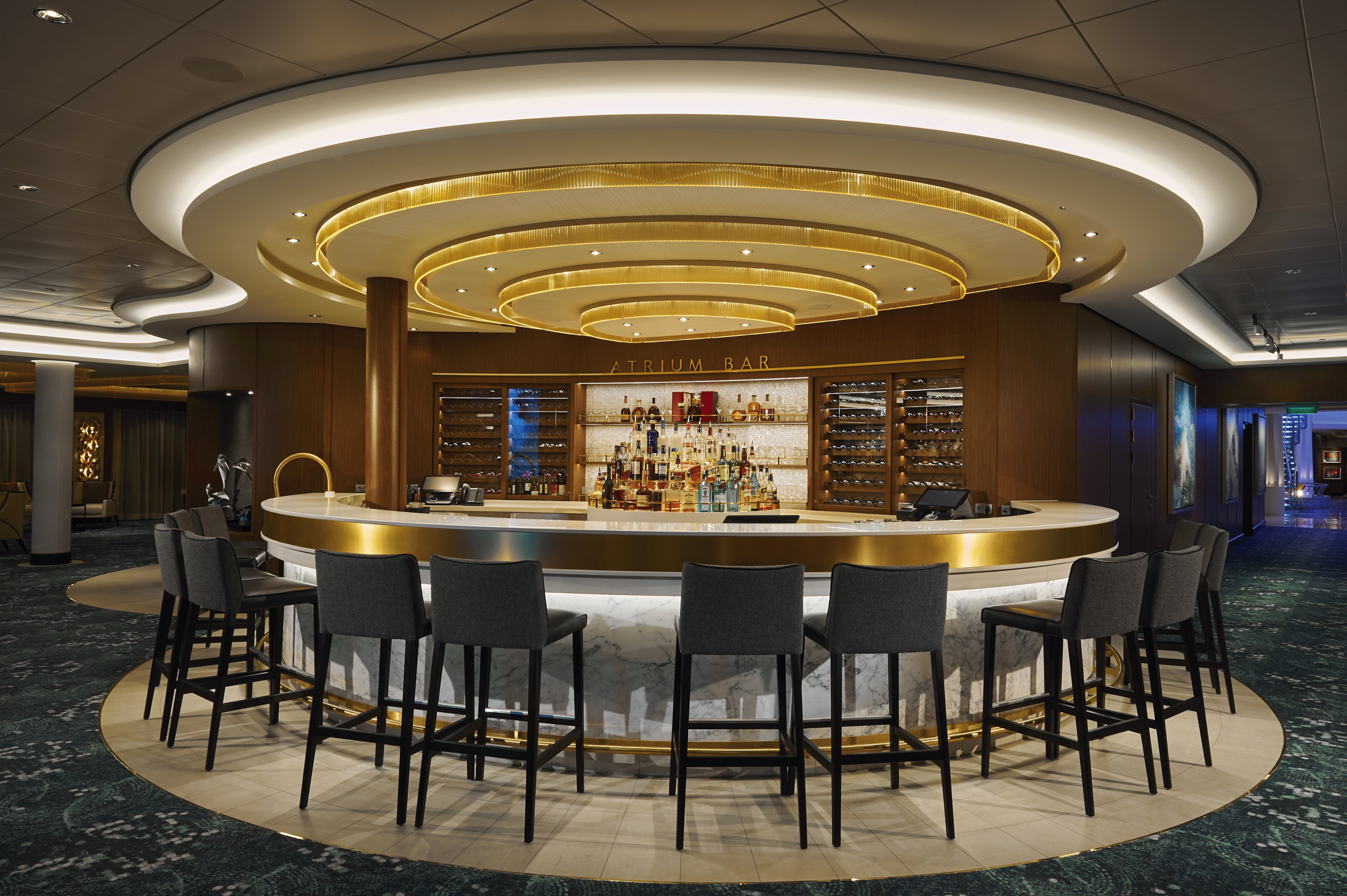
Atrium Bar
Amid the hustle and bustle of the Atrium, enjoy something sweet. This is a morning and late-night favourite serving coffee, beer, wine, and more.
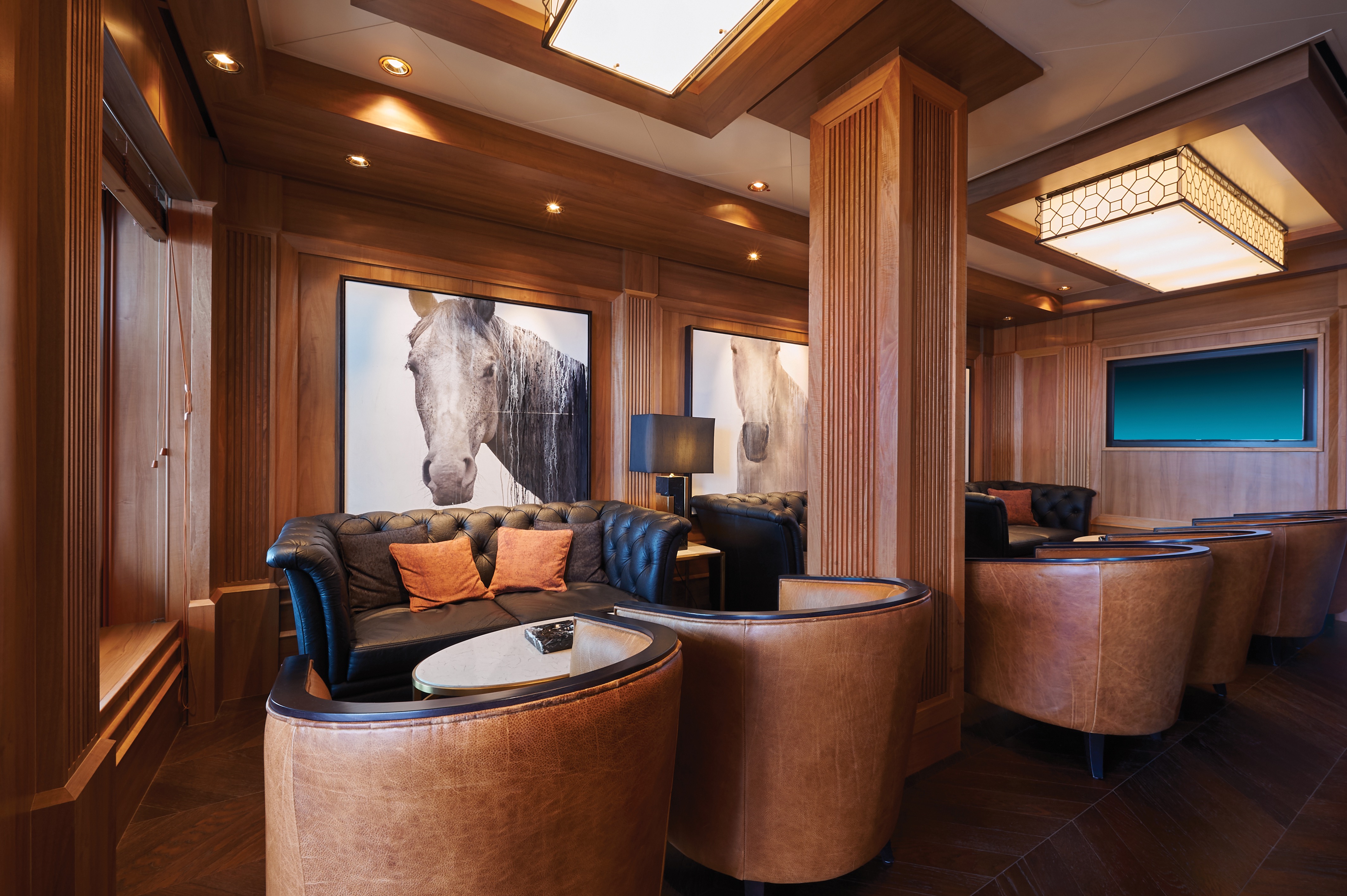
Humidor Cigar Lounge
Bring your favourite whiskey cocktail from Maltings into Humidor to pair with a good smoke. With comfortable leather chairs and a fully-stocked humidor, this is the ideal setting to recline and connect with friends, both new and old.
Mixx Bar
Cocktails and conversations are always stirring at this hip modern bar located between Taste and Savour. Meet up for drinks with friends before dinner or swing by after to listen to some live piano. Mixx is the place to be seen!
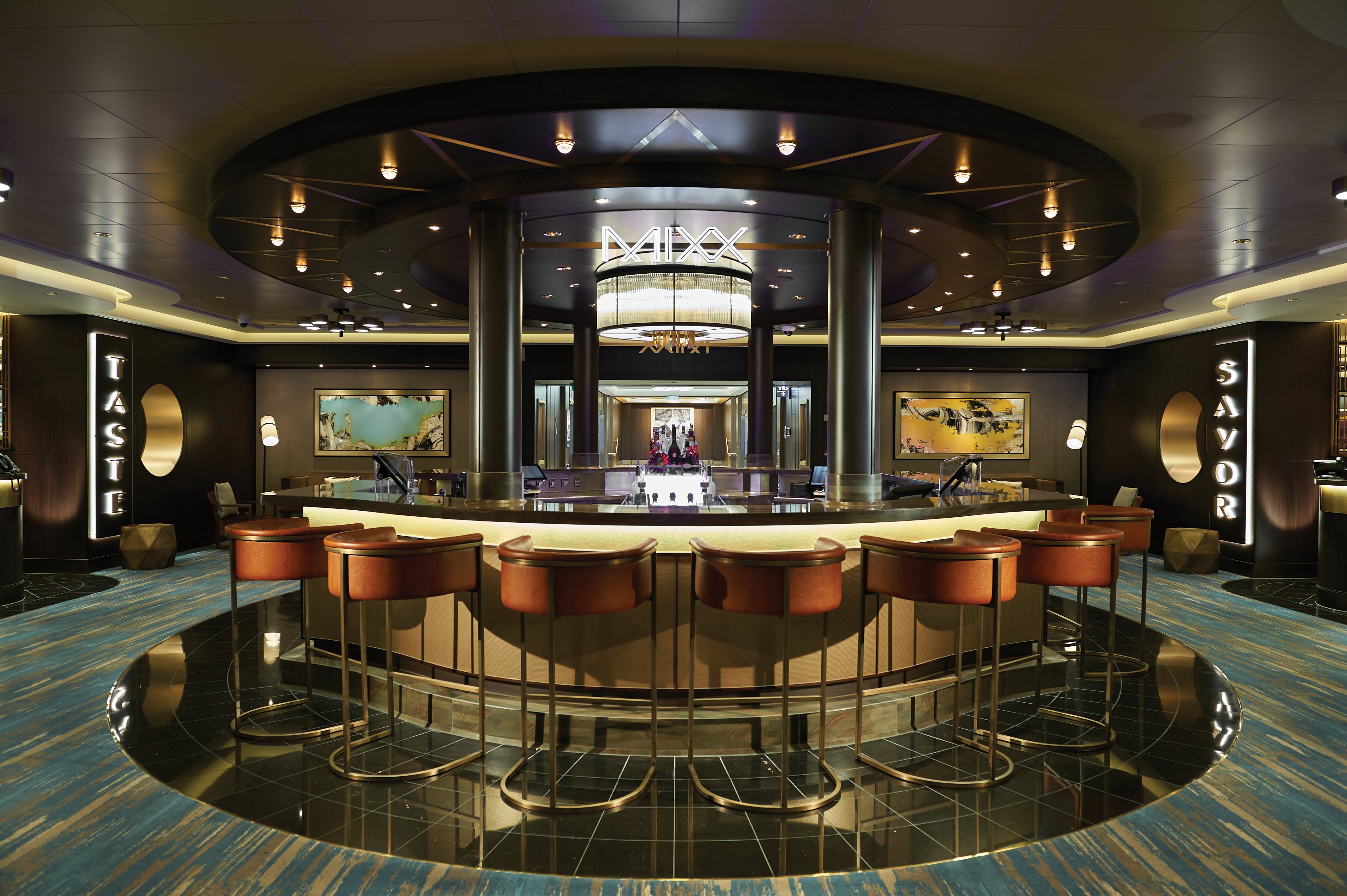
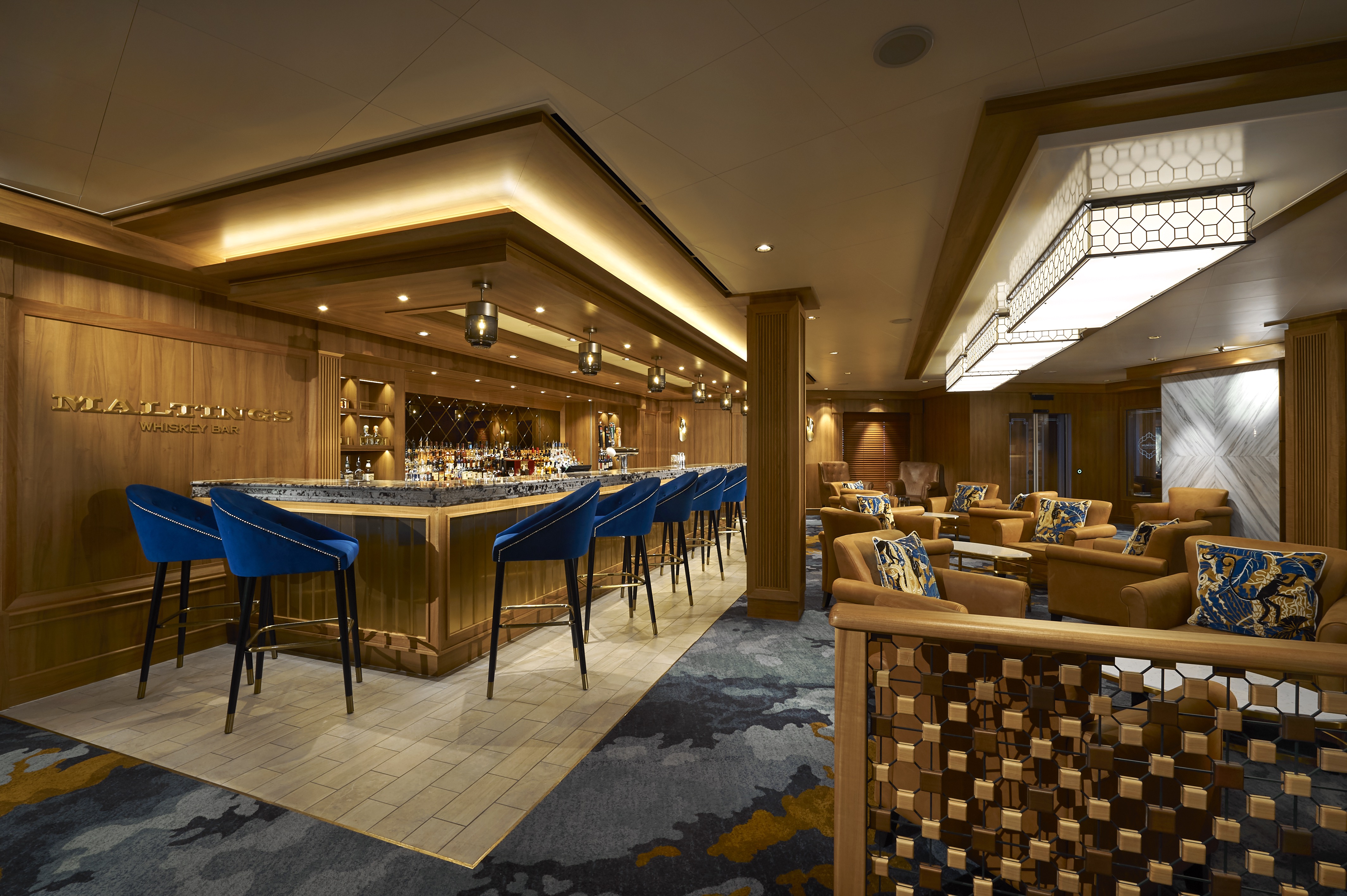
Maltings Whiskey Bar
Sit starboard, right alongside the sea where the view is intoxicating. Good times flow indoors, too. With a unique international variety of spirits, you can sip your way around the world without leaving your chair.
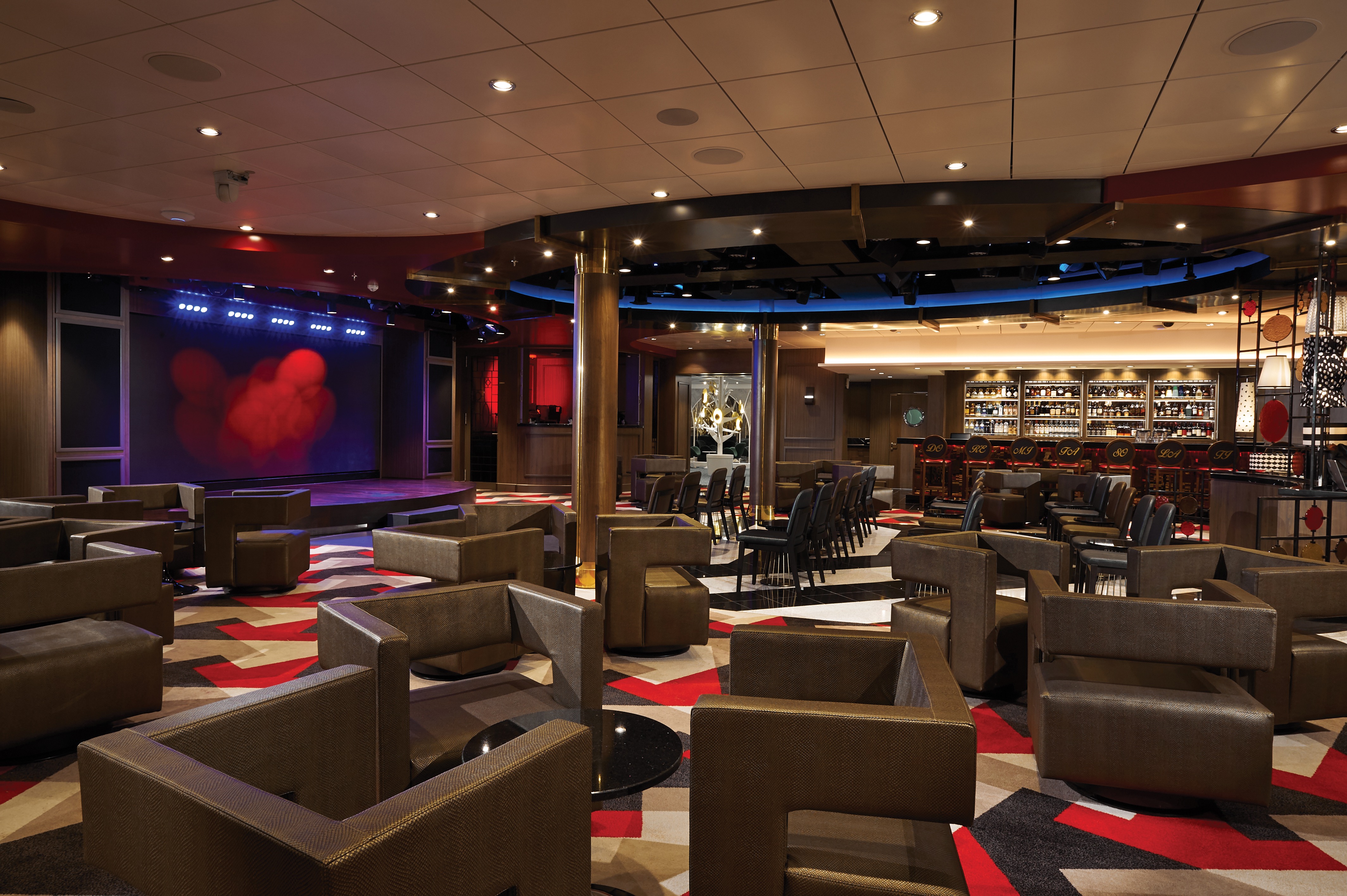
Social Comedy & Night Club
Jump start the evening with two talented stand-up comedians that will loosen you up with lots of laughs. And then let loose on the dance floor as a DJ spins your favourite tracks late into the night.
Price Per Person: Complimentary
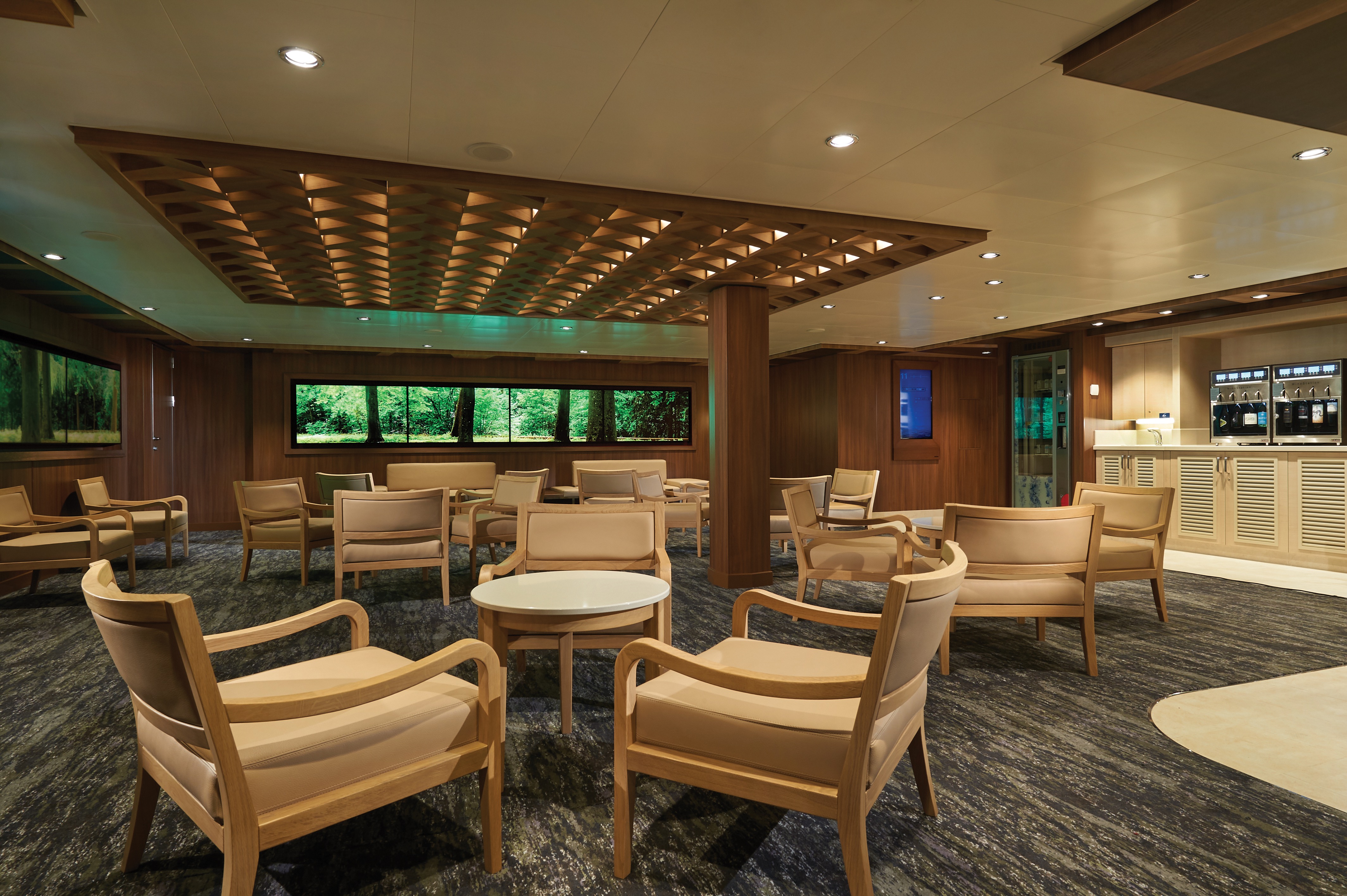
Studio Lounge
Relax and enjoy beverages and light bites with other solo cruisers in the Studio Lounge, exclusive to Studio guests.
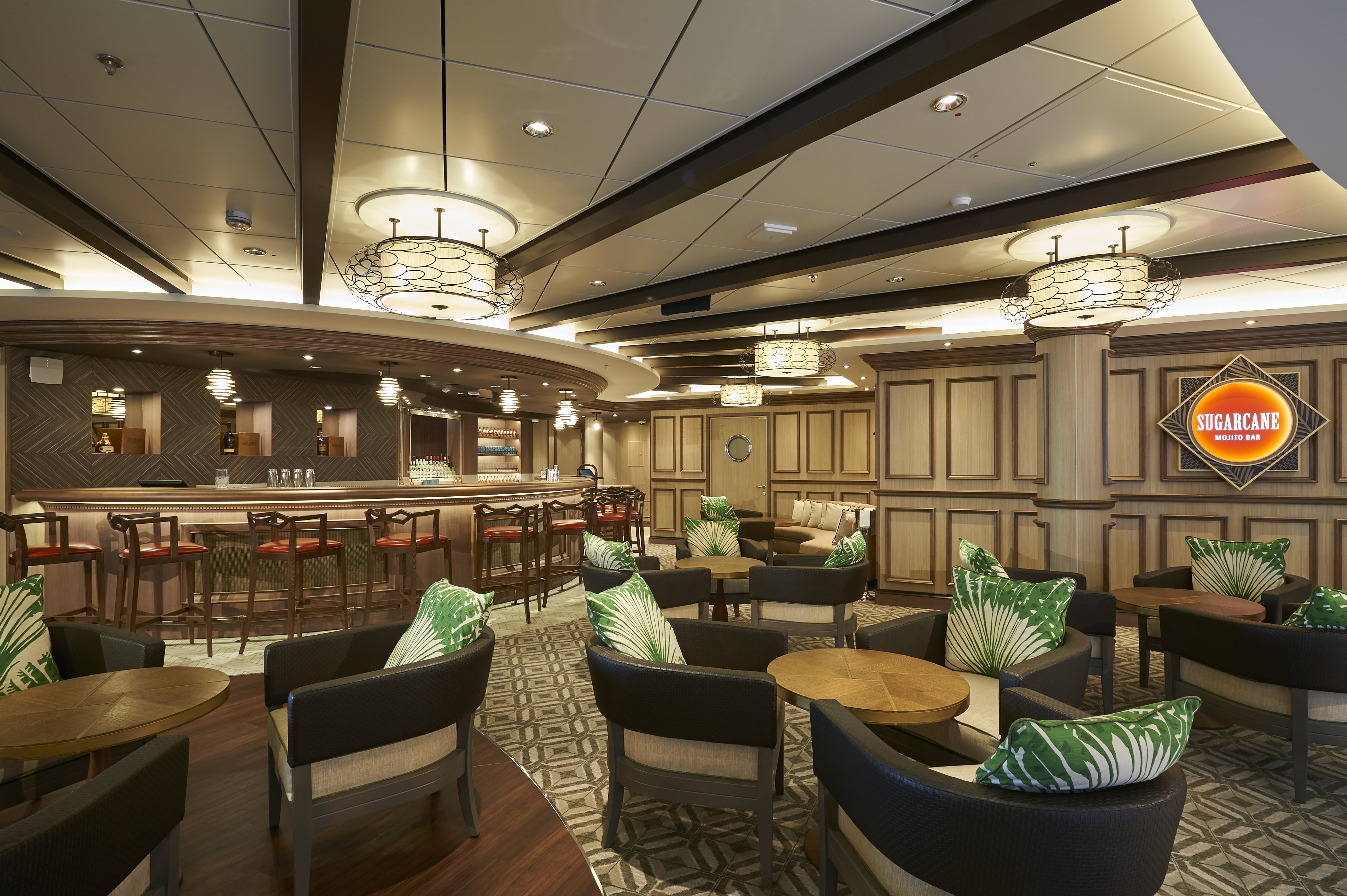
Sugarcane Mojito Bar
Freshly muddled just the way you like, enjoy a refreshing mojito with friends – day or night.
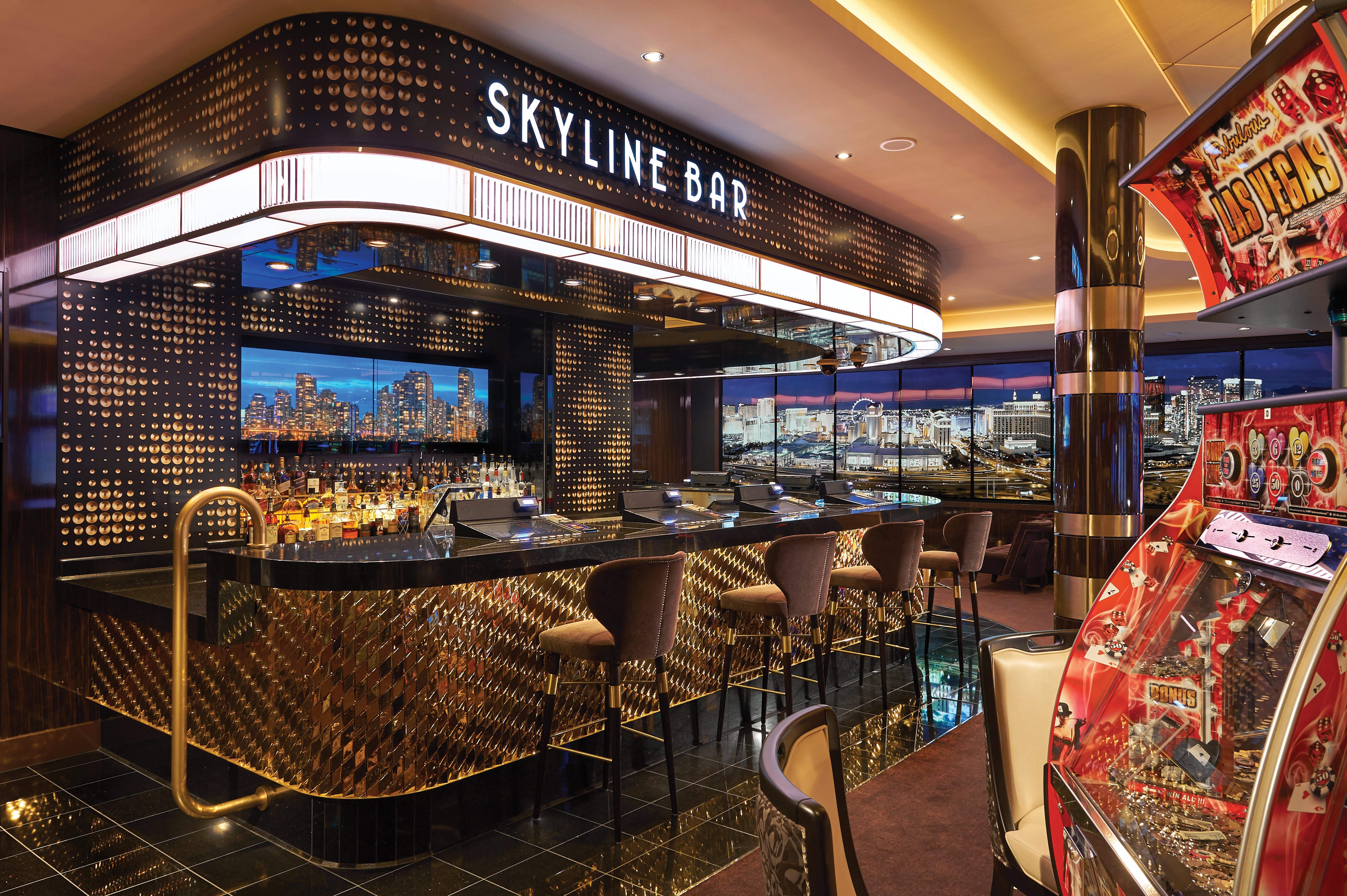
Skyline Bar
Hit the jackpot in more ways than one at Skyline Bar. Nestle into plush interiors and take in the changing view. Our high-definition digital landscapes illuminate this cocktail lounge with ever changing moods. It’s the perfect spot to have a cocktail before dinner, meet friends after the show or just press your luck with bar-top poker screens that give winning at the bar a whole new meaning.
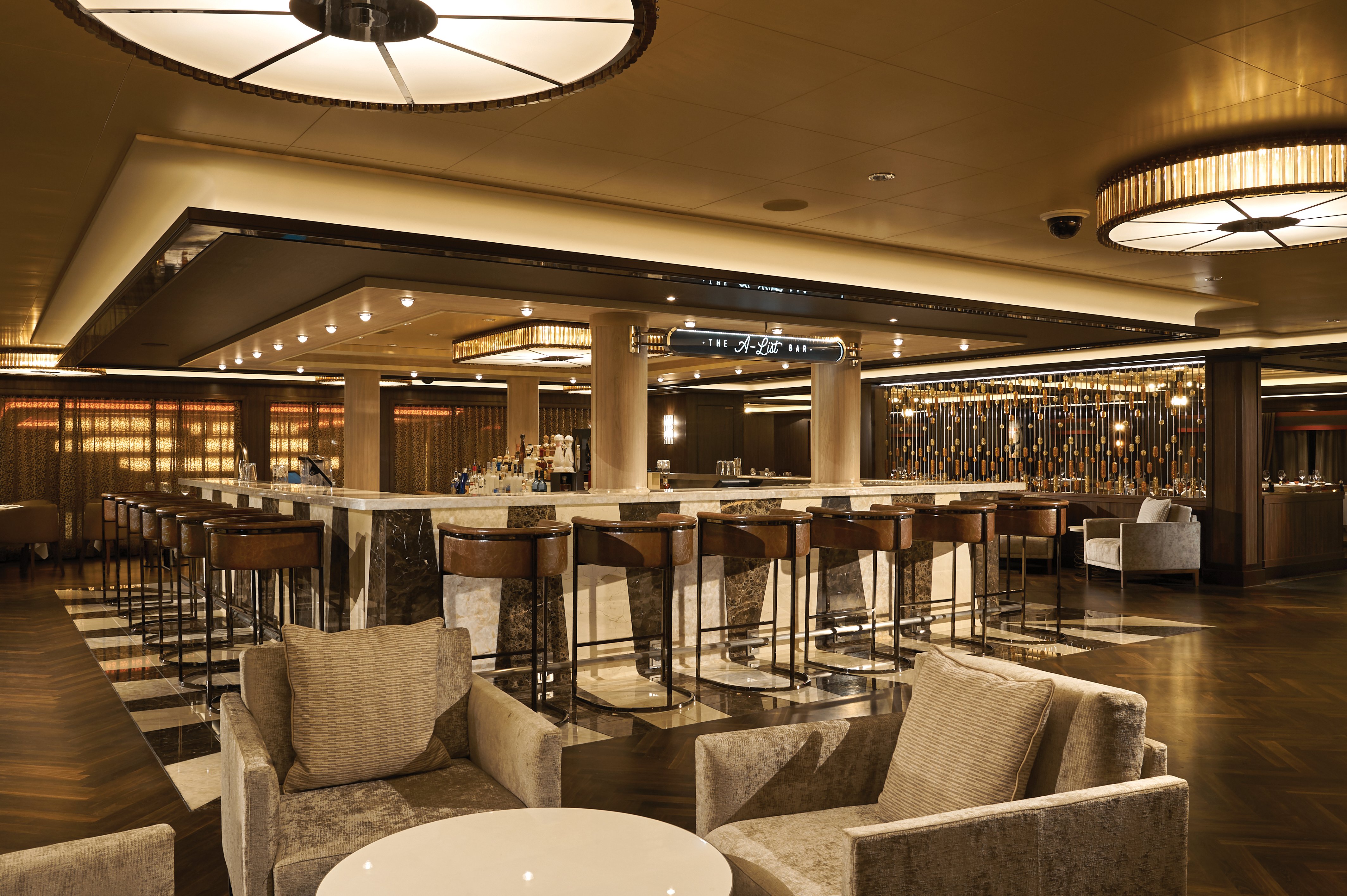
The A-List Bar
The A-List Bar is the perfect spot to be the centre of attention or simply be at the centre of it all. This sophisticated space will be your new favourite bar where you can enjoy a signature cocktail whilst rubbing elbows with other guests.
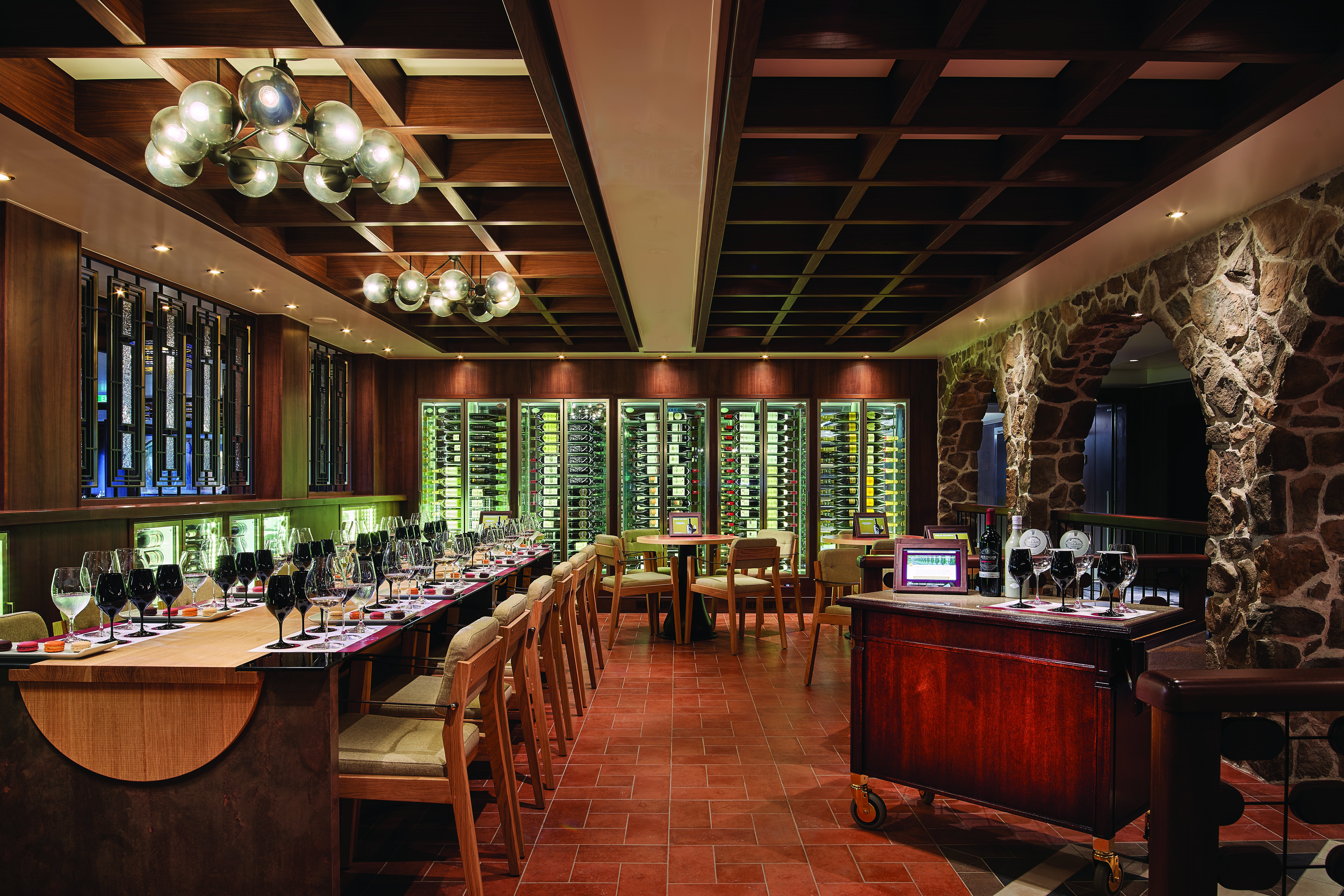
The Cellars Wine Bar
Pull up a stool and take a Merlot for a swirl as you laugh with some of your closest friends. Pair your favourite vintage with some light bites from La Cucina, or elevate your wine IQ with programmes meant for experts and novices alike at the Tasting Table. For four generations, the Mondavi name has been intimately linked with prestige winemaking in Napa Valley. And now, they’re bringing their best blends and unparalleled knowledge to The Cellars – A Michael Mondavi Family Wine Bar.
The District Brew House
Settle in with your friends beside floor-to-ceiling windows and order one of more than 50 different bottled beers or any of the 24 draft beers on tap. Toast another awesome day with speciality cocktails. Scream your lungs out alongside live music. Or get a little wild inside the photo booth. What happens in The District, stays in The District.
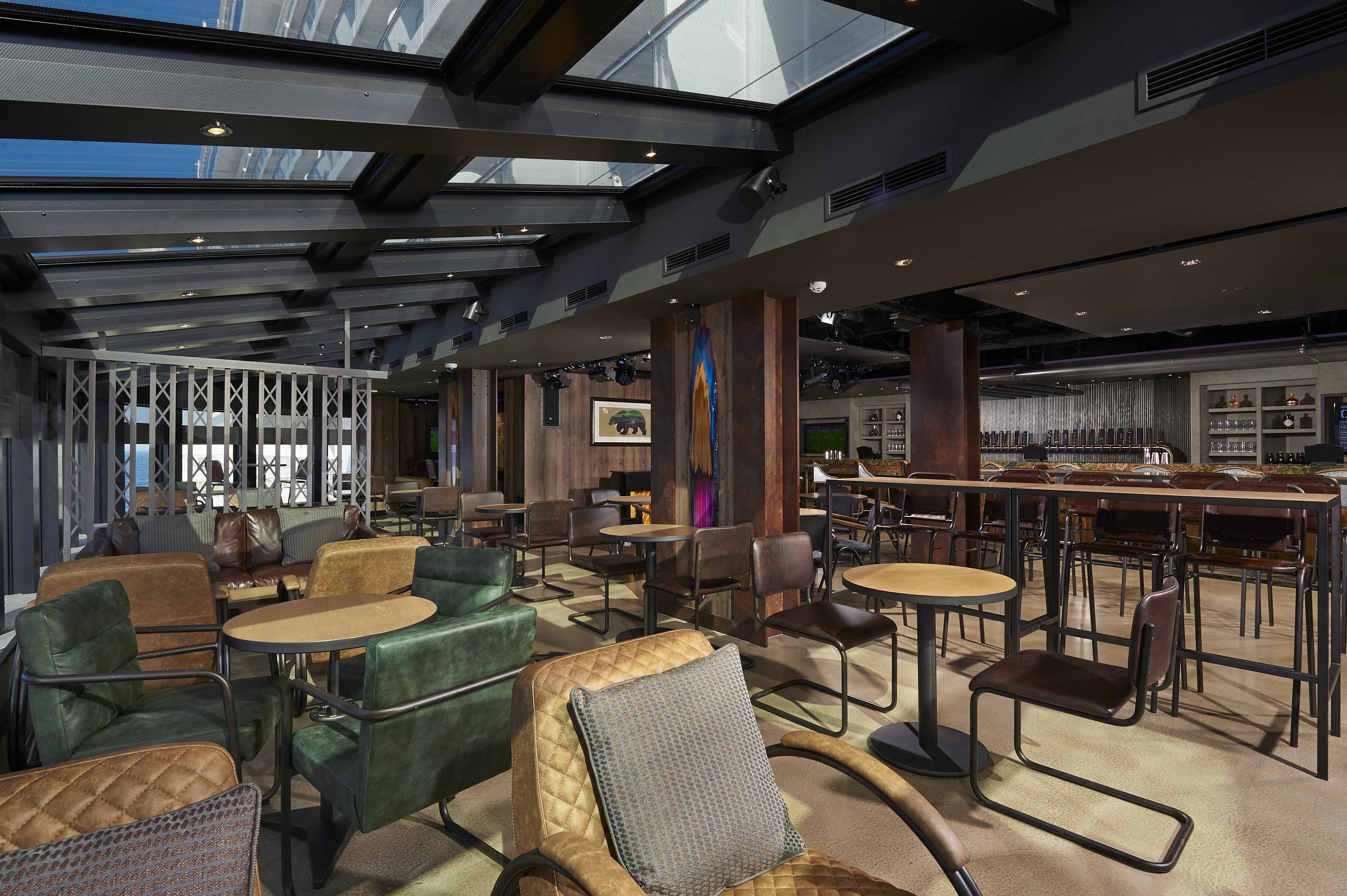
The Haven Lounge
Exclusive to guests in The Haven, you can enjoy your favourite cocktail and light bites whilst surrounded by ultimate luxury.
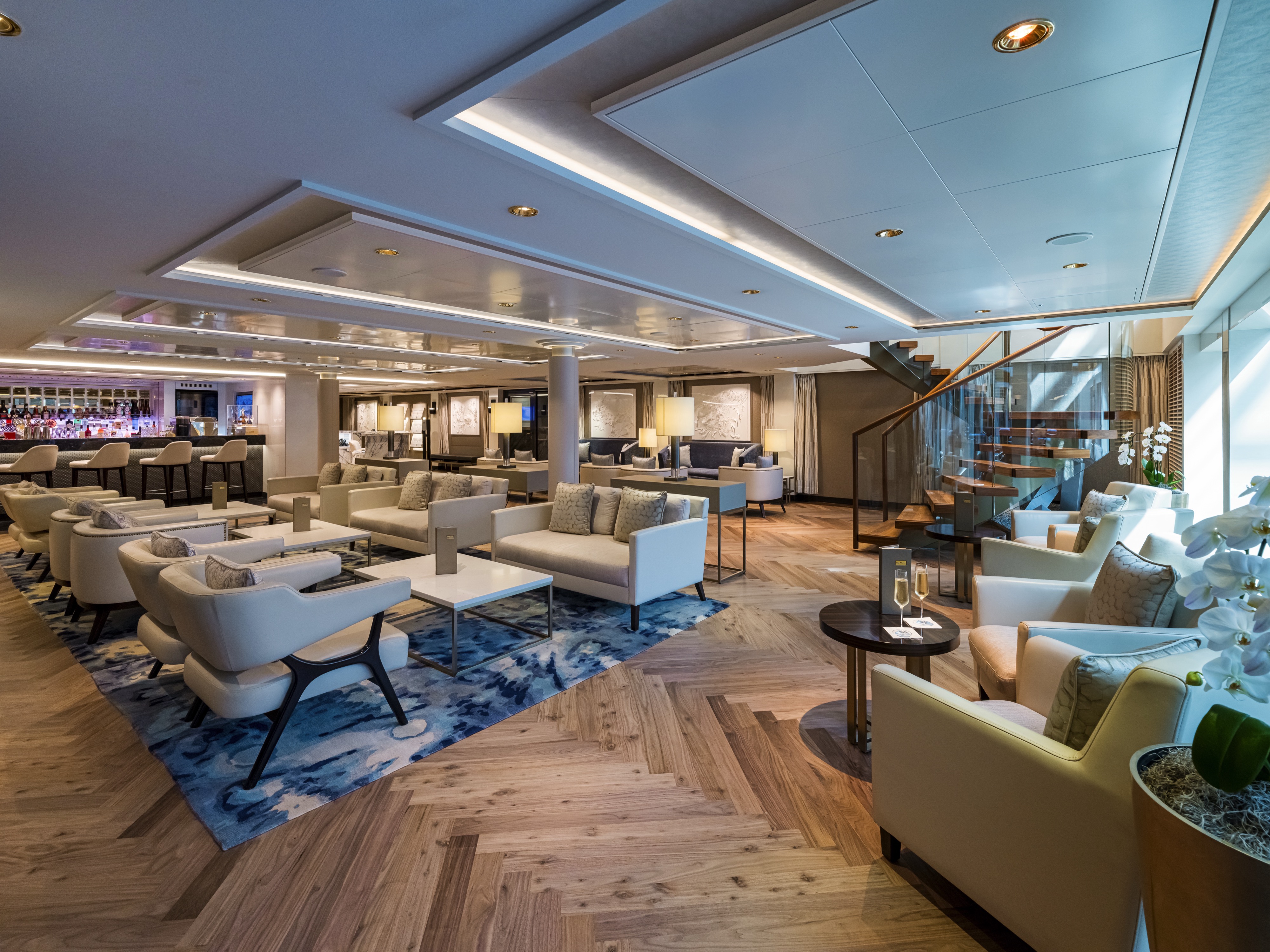
678 Ocean Place
Follow your mood from one amazing experience to the next at the heart of the ship — 678 Ocean Place. Three decks of non-stop action await you, day or night.
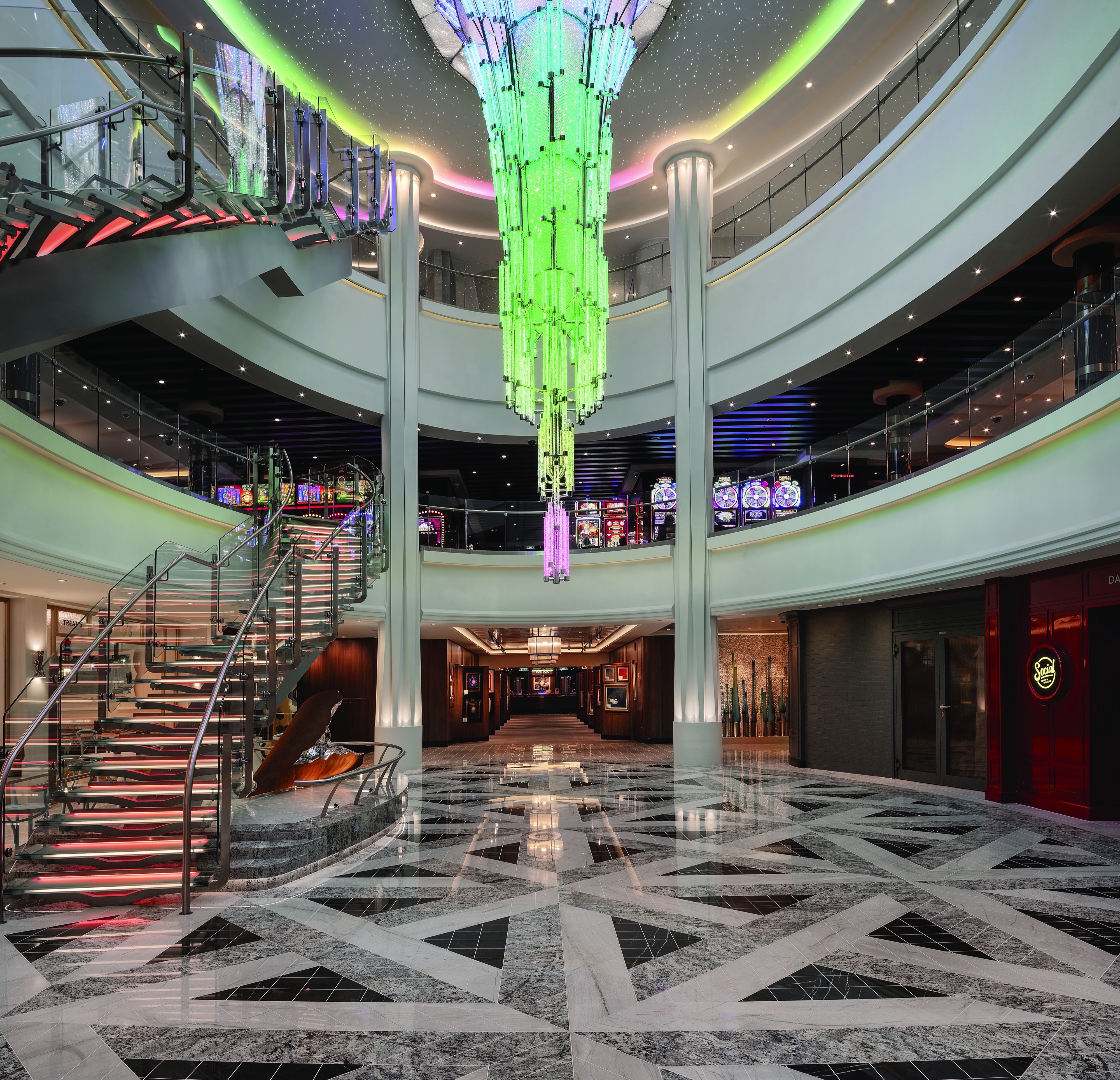
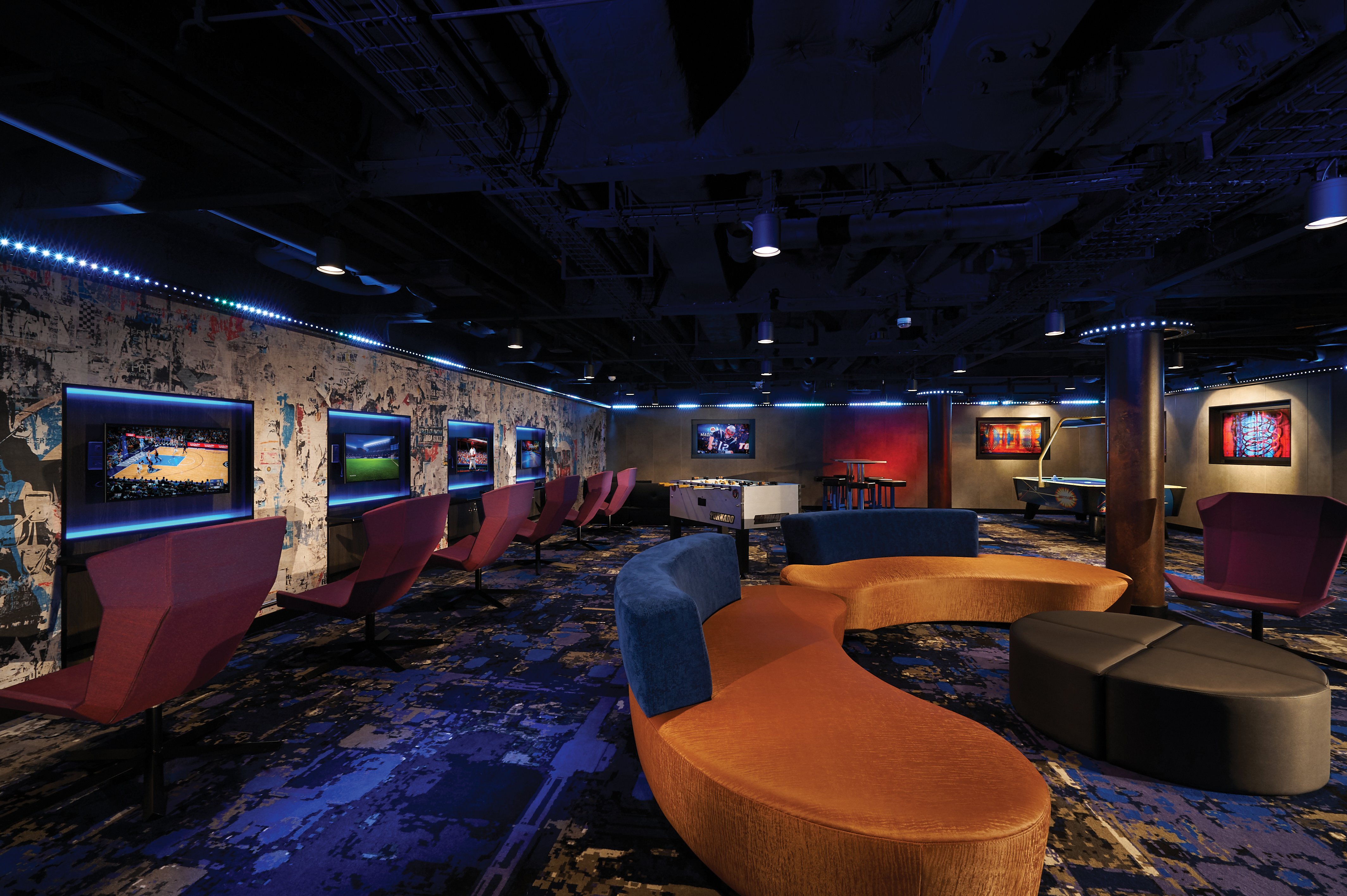
Video Arcade
Here’s your chance to capture a few aliens, win a car race, and fly a jet fighter. Let your imagination run wild at Video Arcade.
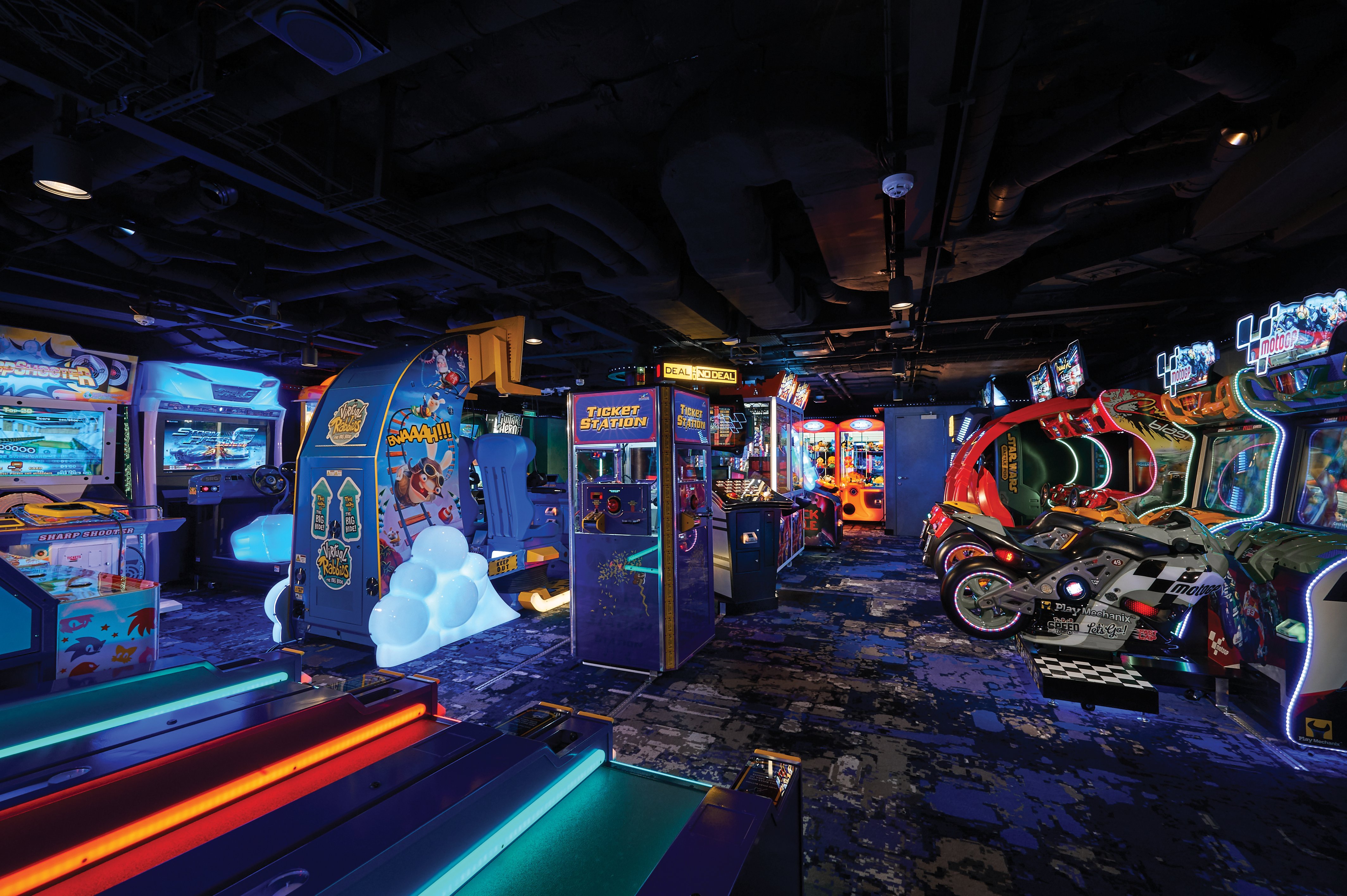
Levity Comedy
ickle your funny bones at Social Comedy & Night Club with live performances by Levity Comedy’s roster of top-notch comedians. With numerous shows per cruise, grab a drink, and prepare for a sidesplitting good time. Seats are on a first come, first served basis.
Offered during sailings originating from the United States.
Price Per Person: Complimentary
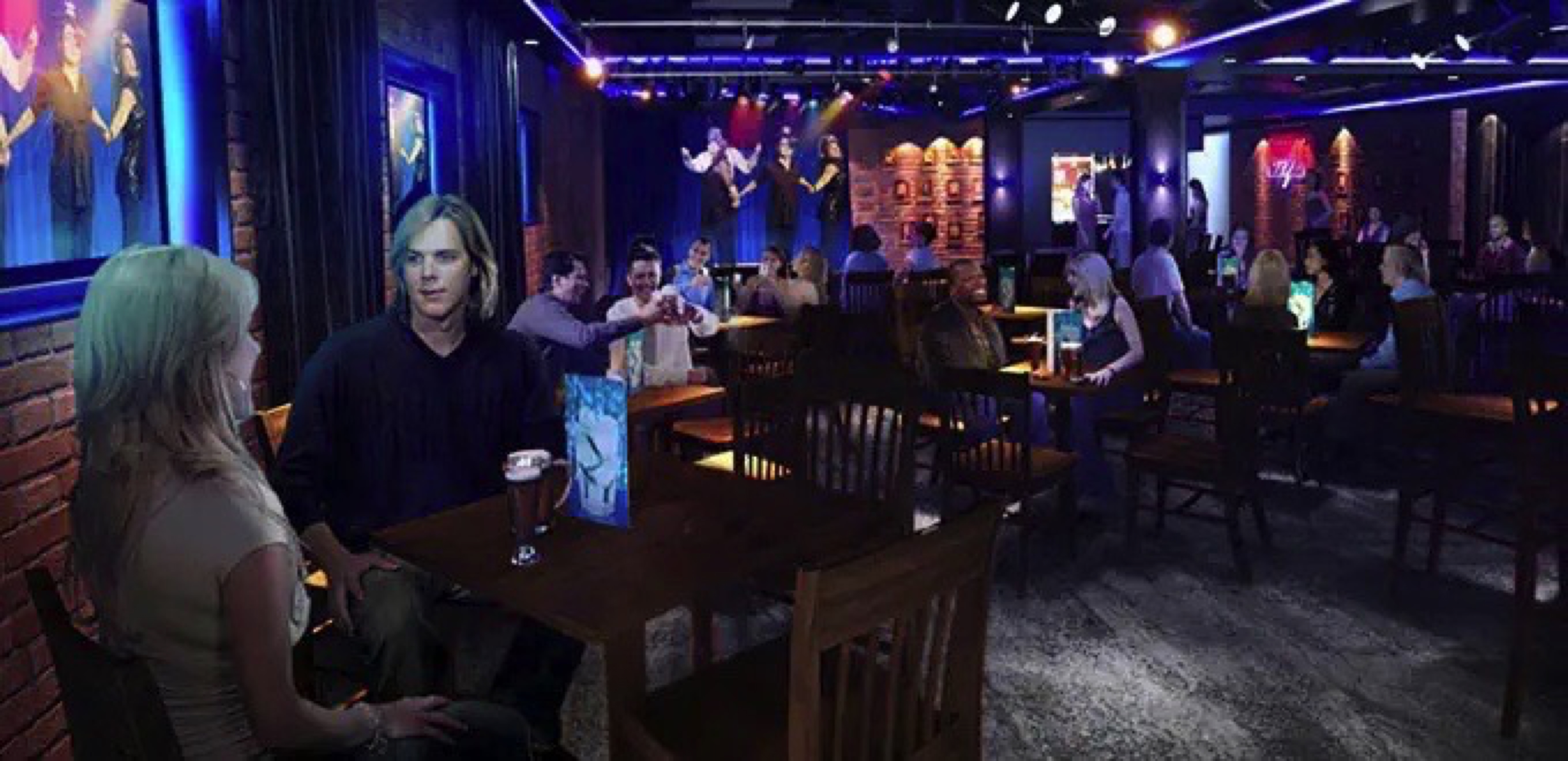
Waves Pool Bar
Grab a seat under the sun or just belly-up and order a cold one to go. Waves is always hopping with activity, so come as you are.
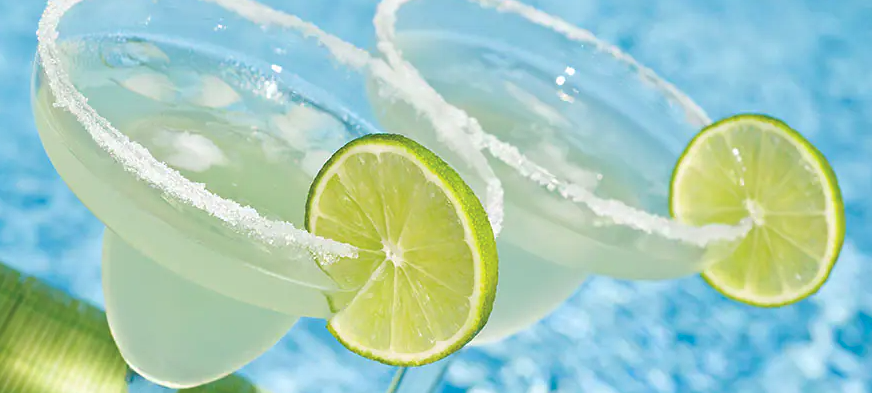
Onboard Shopping
EFFY Jewellery – Effy Hematian has been designing and manufacturing fine jewellery in the heart of New York’s Diamond District for over 40 years. By combining uncompromising attention to detail, exceptional gemstones, and quality American craftmanship, Effy has become one of the most celebrated and desired jewellery brands in the world today – available to you onboard at tax-and duty-free pricing.
Park West Gallery – Take home something you’ll never forget! Our impressive onboard art gallery has everything from contemporary to classics-Peter Max to Picasso-giving you access to an unparalleled collection of fine art. Looking for a little excitement? Try attending our live art auctions where you can raise a glass with our Art Team as the bidding gets fast and furious. Plus, everyone who visits our gallery gets a free work of art!
Sandbar – Experience the latest trends in fashion, take home a souvenir designed by renowned environmental artist Wyland, or stop by to shop for your favourite brands of liquor or cigarettes, all at the best tax and duty-free prices. Or, if you forgot something important, Sandbar is also the place to find a selection of toiletries.
The Beauty Shop – Pamper yourself or someone special at The Beauty Shop, where you’ll find your favourite fragrances from Chanel, Dior, Estee lauder and many more. Discover an array of beauty products from Lancôme, Estēe Lauder, Clinique and L’Oreal. Or stop by and make an appointment for a complimentary 15-minute makeover. All of our Beauty products are tax and duty-free and guaranteed to be lower than any land price or your money back.
The Marketplace – The Market Place is your one-stop-shop for everything you need for the pool or beach, always tax and duty-free. Get sunscreen, beach toys, sunglasses, books and more. Be sure to check out our daily special savings events! We also have a best price guaranteed policy – ask our sales staff for details.
The Photo Gallery – We have everything you need, to capture it all: Binoculars, Camera/Phone Accessories, Professional Portraits, Souvenir, Photography, Photo Books, Wall Art, 3D Photo Crystals, Souvenir Frames, Collectable Photo Accessories & more!
The Tides – At the Tides you’ll celebrate the force of positivity through meaningful and cherished gifts from Alex and Ani and sparkling array of Crystal jewellery by Swarovski. Or come by to accessorise with world-famous fashion watches and jewellery, such as Michael Kors, Fossil, Citizen and Invicta. Also, don’t venture out in the sun without protection for your precious eyes! We carry Ray Ban, Tory Burch and Maui Jim Sunglasses. All brands in Tides offer significant savings to the prices back home. And remember, they are tax and duty-free.
The Time Zone – If you want to treat yourself to a new watch or simply give the gift of time, visit the Time Zone for a world class selection of Swiss watches and other famous brands of timepieces. Collections from Hublot, Tag Heuer, Longines, Tissot, Rado, Movado and more. You will be amazed at the savings on board. Stop by and check out our collection, all at the best tax and duty-free prices.
Tradewinds – Welcome to Tradewinds boutique shopping, conveniently located steps away from your stateroom. You’ll find a shopper’s paradise filled with incredible brands and items exclusive to guests on Norwegian BLISS.
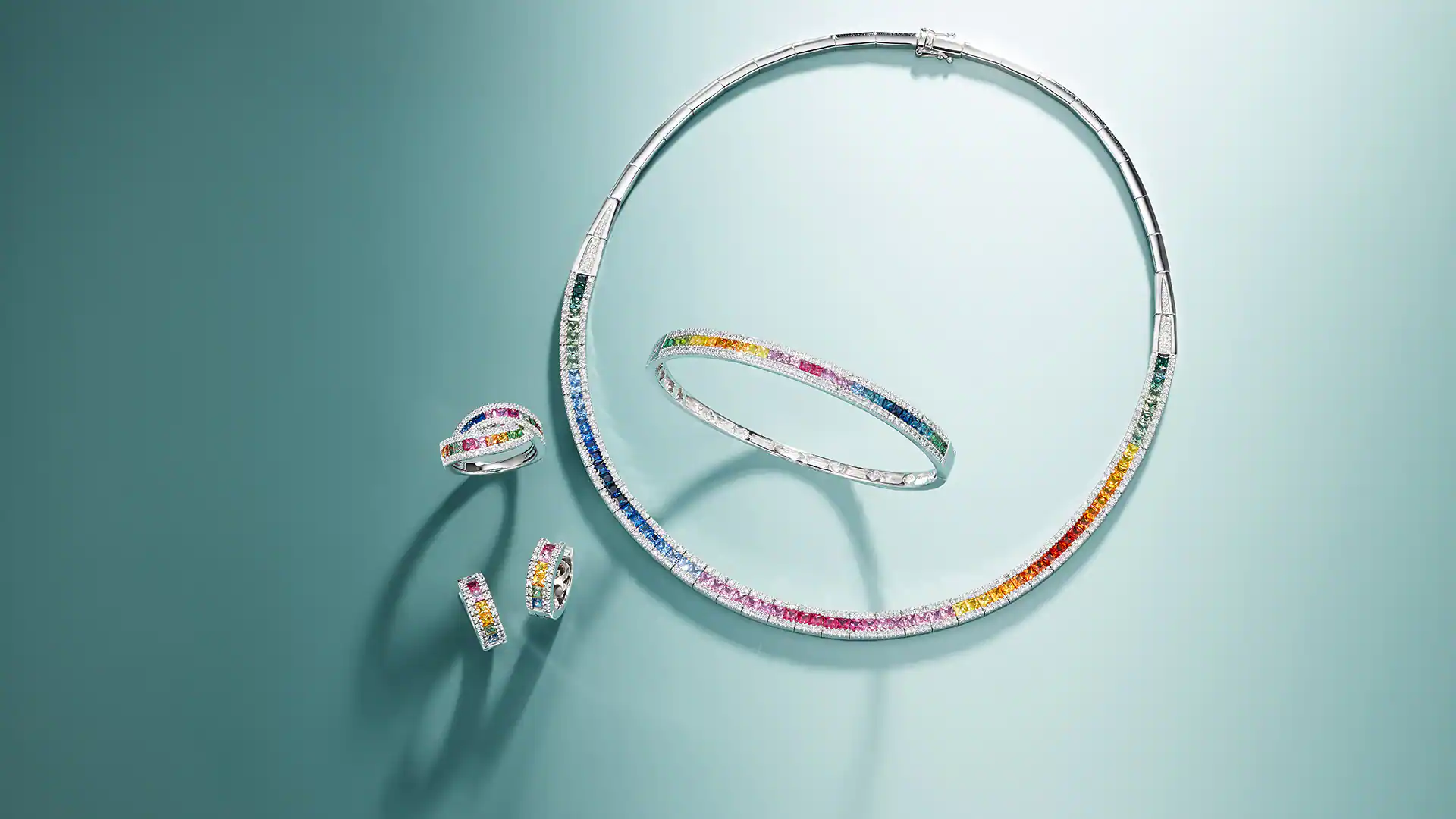
Perspectives Studio
At Perspectives Photography Studio, we celebrate love, life and human connection creating spectacular portraits that will be handed down for generations. Your onboard Portrait Artist(s) will capture your unique spirit in our private studio or on location, it’s your choice. Visit us to learn more about this personalised portrait experience.
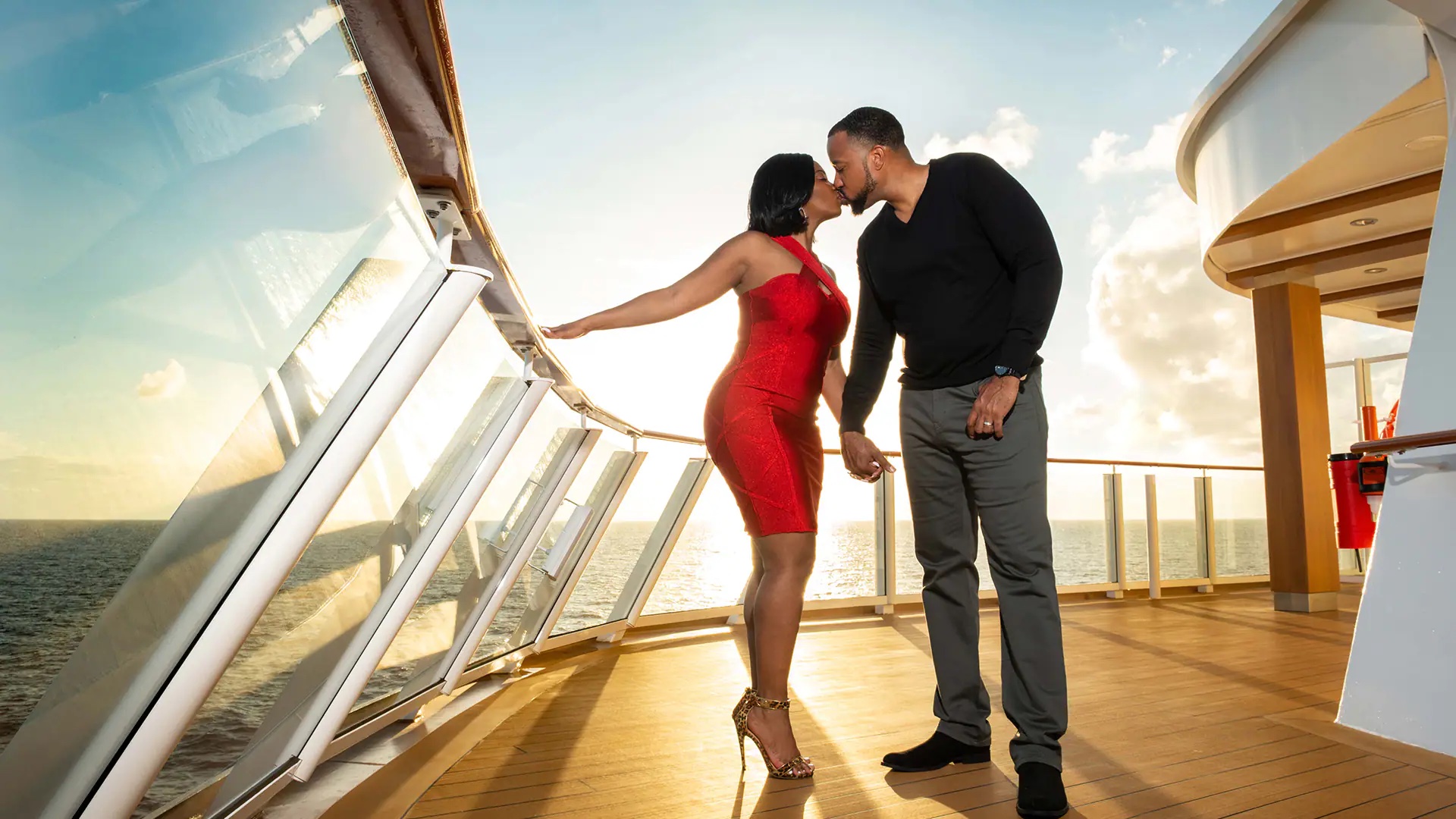
Professional Portraits
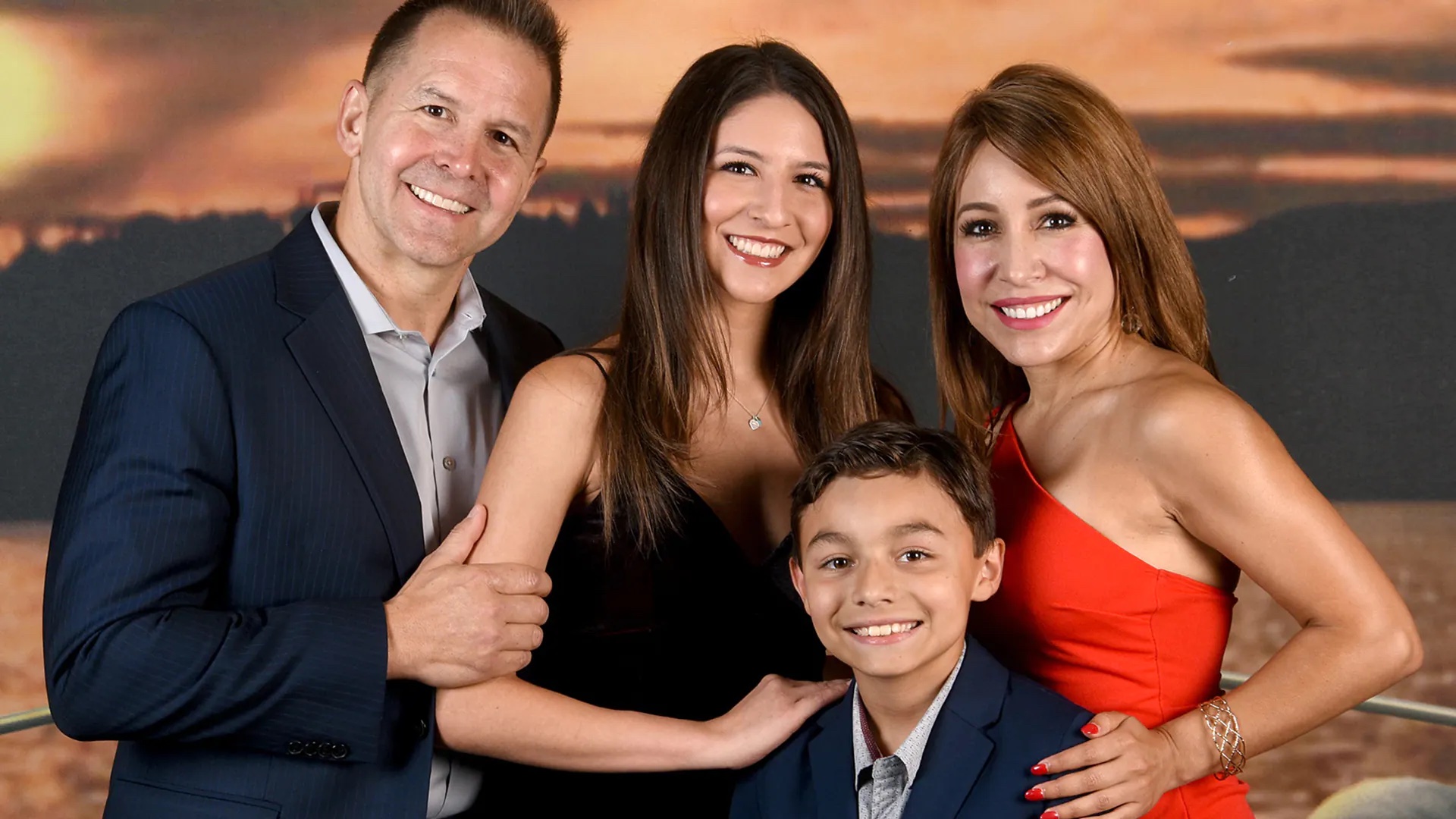
Take advantage of this time together whilst onboard to create beautiful photographs that will last a lifetime. Our professional photographers set up studios in the atrium and around the ship each night so you can have a variety of images to choose from. Relax, have fun and build your digital portfolio – it’s always free to try! Visit the Photo Gallery to learn more, view your photos and enjoy great deals on photography packages, frames, wall art, 3D Crystals, binoculars, mobile accessories and more!
Game Shows
Deal or No Deal
Enjoy an exhilarating show where contestants play & deal for cash in a high-energy contest of nerves and intuition.
Play cards will be available for purchase onboard.
Wheel of Fortune
Wheel of Fortune is here! From Hollywood to the High Seas, experience this new interactive game show where everyone plays along on their mobile devices to solve puzzles and collect matches for a chance to win great prizes, including a Free Cruise! Watch the show or play along – everyone is invited.

Spa Thermal Suite
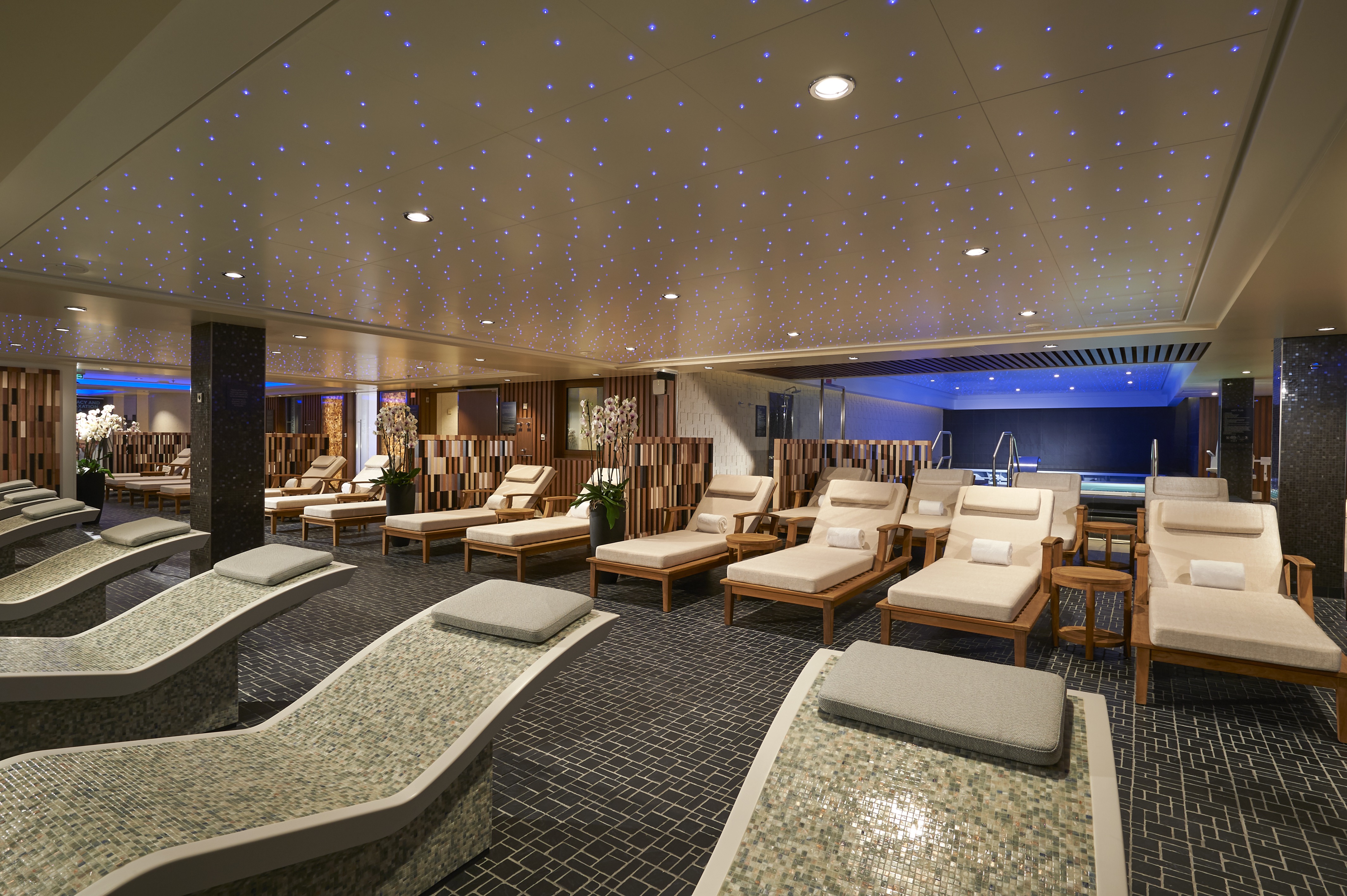
Refresh, recharge, and rejuvenate in Mandara Spa’s adults-only Thermal Suite. Enjoy a full mind and body experience as you alternate between saunas, stream rooms, thalassotherapy pools, and more.
Mandara Spa & Salon
There are plenty of ways to be pampered. Unwind in the Thermal Suite with a steam or a dip in the Vitality Pool. Check out the Salt Room and chill out in our Snow Room. Or simply indulge in a hot-stone massage. Treat yourself. You deserve it.
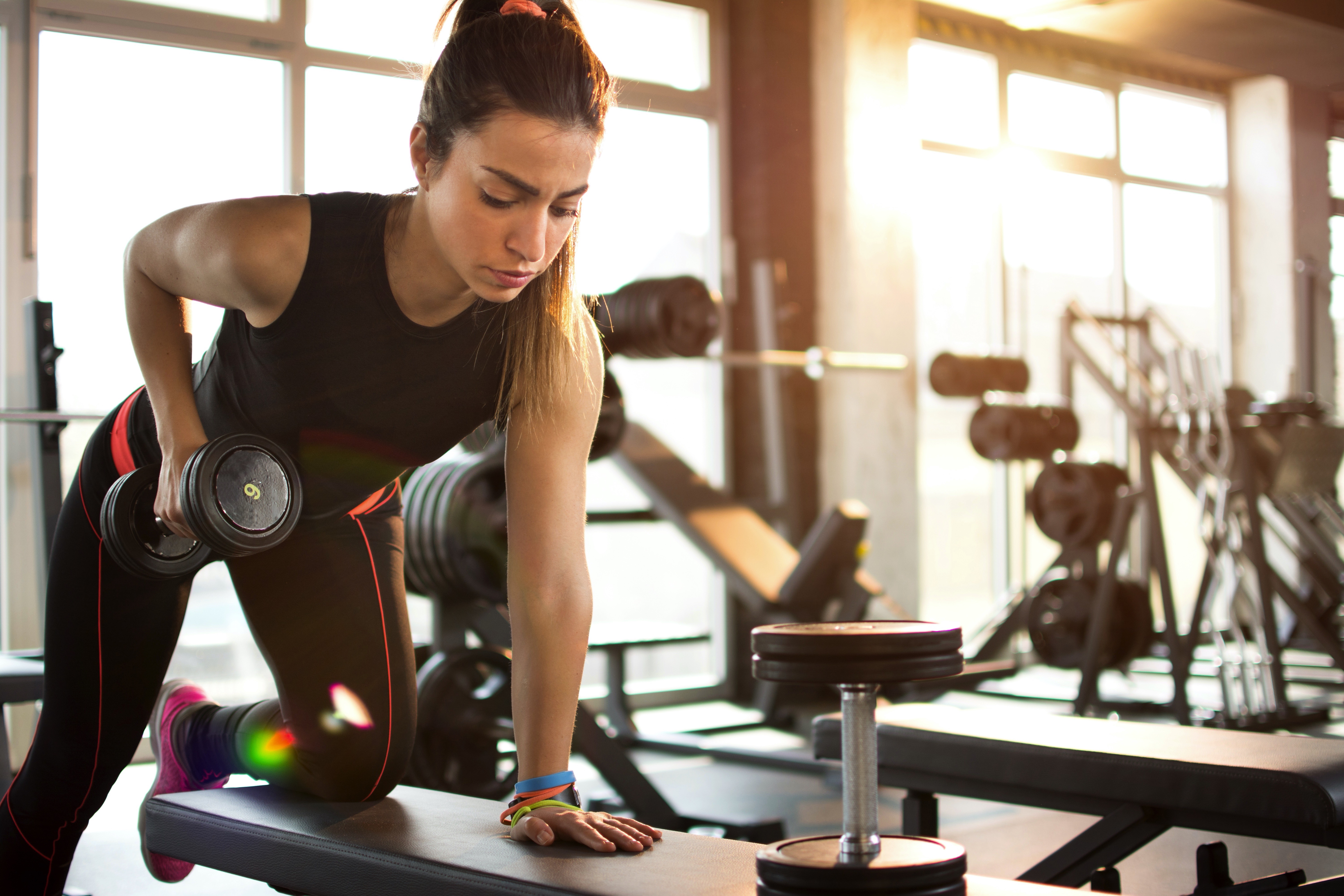
Pulse Fitness Centre
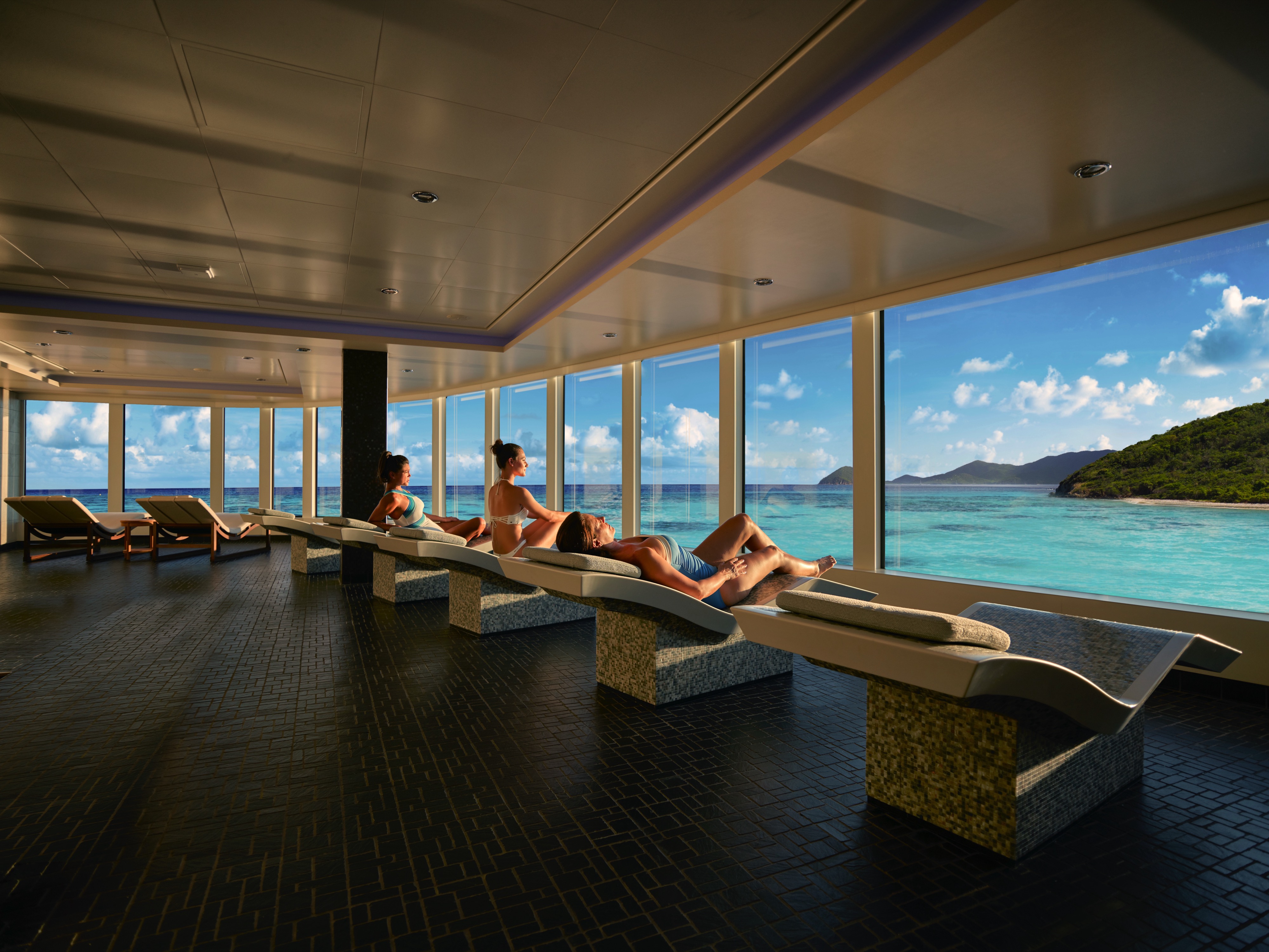
Come and feel the burn at our state-of-the-art fitness centre. Get your heart rate up at Ryde our indoor spinning class. Feel totally zen during a Pilates session. Break a sweat whilst pumping some iron. Or seek inner peace with an ocean view yoga class. Staying fit has never been easier.
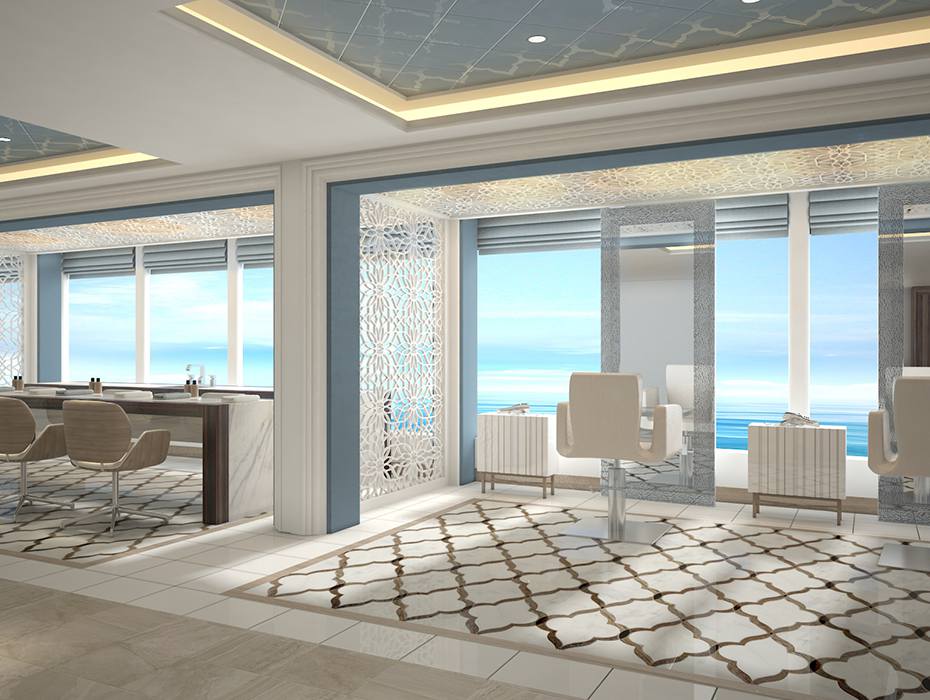
Hair Salon
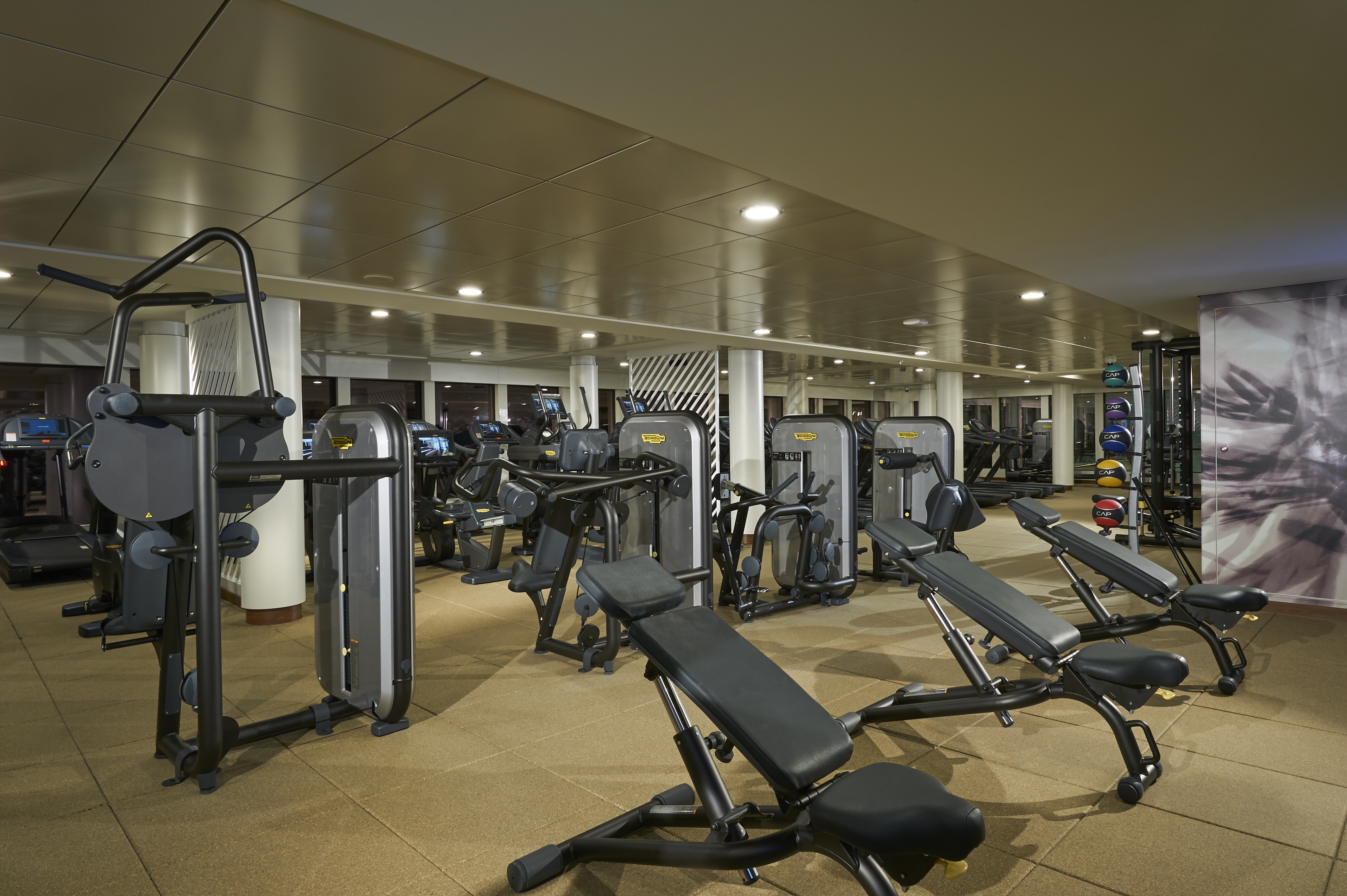
Take a little “me” time with a range of salon services like manicures, pedicures and facials.
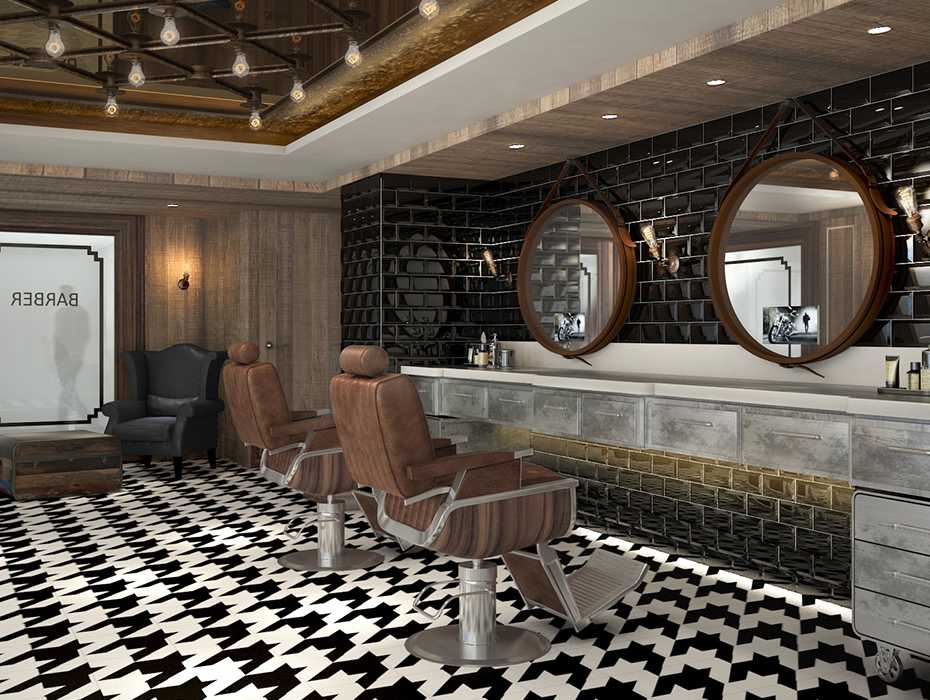
Barber Shop
Whether it’s a fresh shave or to trim up that haircut, the Barber Shop will keep you looking your best at sea.
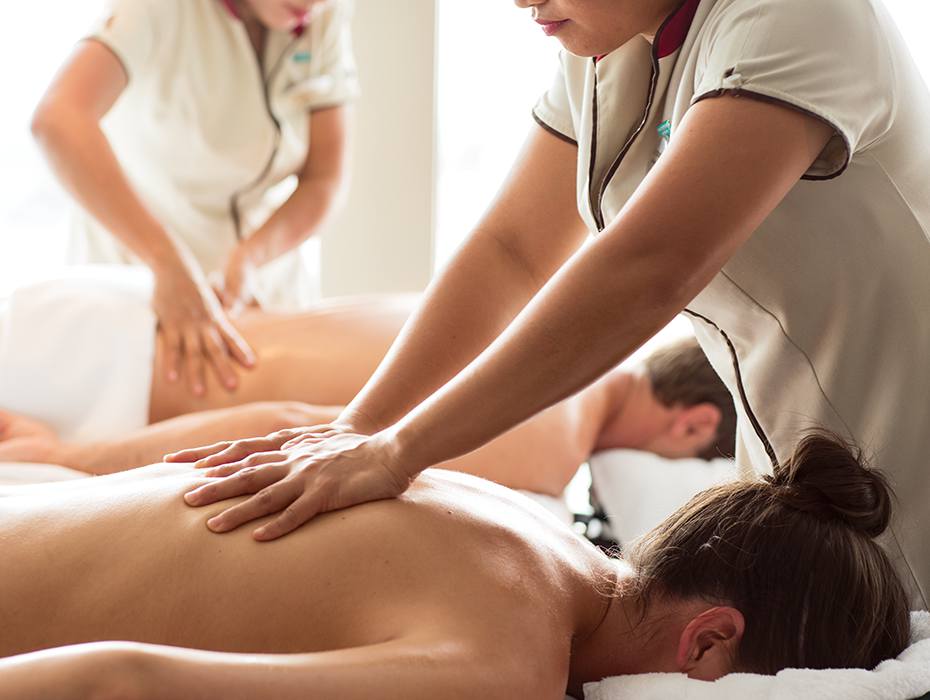
Spa Treatments
Aroma Spa Seaweed Massage – 100 minutes – Indulge in this detoxifying wrap and massage to reduce fluid retention and cellulite and replenish your body’s systems with vital trace elements. This treatment concludes with a full body massage.
Aroma Spa Seaweed Massage – 75 minutes – Indulge in this detoxifying wrap and massage to reduce fluid retention and cellulite and replenish your body’s systems with vital trace elements. This treatment concludes with a full body massage.
Aroma Stone Therapy – 50 minutes – Heated Basalt Stones are applied to key points of the body, whilst your therapist massages your body with warmed, fragrant aromatherapy oils.
Aroma Stone Therapy – 75 minutes – Heated Basalt Stones are applied to key points of the body, whilst your therapist massages your body with warmed, fragrant aromatherapy oils.
Bamboo Massage – 50 minutes – Imagine warm bamboo shoots of various sizes soaked in essential oil rolling, sliding and massaging your muscles into pure bliss. Getting into the belly of the muscle, this deeper tissue massage targets specific areas, releasing the build-up of tightness using sliding and rolling techniques across the body, hands and feet, kneading away soreness to your specified level of pressure.
Bamboo Massage – 75 minutes – Imagine warm bamboo shoots of various sizes soaked in essential oil rolling, sliding and massaging your muscles into pure bliss. Getting into the belly of the muscle, this deeper tissue massage targets specific areas, releasing the build-up of tightness using sliding and rolling techniques across the body, hands and feet, kneading away soreness to your specified level of pressure.
Couples Deep Tissue Muscle Massage – You and your favourite person can enjoy a gorgeously relaxing full body Deep Tissue Muscle Massage as you lie side by side. The listed price is per couple.
Couture Touch Face and Body Treatment – 100 minutes – Condition your skin and condition your muscles with this all-embracing hands-on experience. Includes a ELEMIS hands-on TOUCH facial with your choice of a Deep Tissue Muscle Massage or an Aroma Stone Therapy.
Couture Touch Face and Body Treatment – 50 minutes – Condition your skin and condition your muscles with this all-embracing hands-on experience. Includes a ELEMIS hands-on TOUCH facial with your choice of a Deep Tissue Muscle Massage or an Aroma Stone Therapy.
DYSPORT® Cosmetic Wrinkle Treatment – Crow’s Feet – Soften the wrinkles around the outside corner of the eyes with this targeted wrinkle treatment.
DYSPORT® Cosmetic Wrinkle Treatment – Forehead Lines – Smooth horizontal forehead lines with this targeted wrinkle treatment.
DYSPORT® Cosmetic Wrinkle Treatment – Frown Lines – Soften wrinkles between the eyebrows with this targeted wrinkle treatment.
Deep Tissue Muscle Massage – 50 minutes – Using muscle-melting warmed oils and deep pressure massage movements, we massage deep into the belly of the muscle, erasing stress, tension and lactic acid build up.
Deep Tissue Muscle Massage – 75 minutes – Using muscle-melting warmed oils and deep pressure massage movements, we massage deep into the belly of the muscle, erasing stress, tension and lactic acid build up.
ELEMIS Deep Cleanse Grooming Treatment with Shave – This grooming treatment for men will deeply cleanse the skin to prepare it for the closest shave ever!
ELEMIS Dynamic Resurfacing Precision Peel – Experience the age-defying benefits of marine-charged Padina Pavonica whilst targeted massage encourages optimum cellular function.
Express Shave – A quick, clean, silky shave for the man who wants to be smooth!
Fire and Ice Manicure – Beautify your nails with this invigorating manicure that will warm your spirit and cool your stress.
Fire and Ice Pedicure – This super rejuvenating pedicure will warm your senses and cool your tension, leaving your nails and skin looking beautiful.
GO SMILE™ Teeth Whitening Treatment – Are you ready to smile? Then try our advanced tooth-whitening treatment available at the spa.
Intensely Cleansing Salt Scrub – 50 minutes – The extraordinary cleansing power of salt goes to work releasing toxins in this body polishing treatment. Choose from Frangipani Monoi Salt Scrub or Lime and Ginger Salt Glow with a 25 minute massage.
Intensely Cleansing Salt Scrub – 75 minutes – The extraordinary cleansing power of salt goes to work releasing toxins in this body polishing treatment. Choose from Frangipani Monoi Salt Scrub or Lime and Ginger Salt Glow with a 50 minute massage.
Ionithermie Cellulite Reduction Treatment – Reduce the appearance of cellulite and firm and tone the skin with this Parisian treatment that offers substantial inch loss in just one session.
Pro-Collagen Age Defy – This anti-aging facial combines the benefits of exotic ingredients to plump out fine lines and reduce skin-fatigue – helping relax wrinkles, whilst an age-defying peel-off mask encourages the highest cellular function, visibly improving firmness and elasticity for beautifully nourished, younger looking skin.
Pro-Collagen Grooming Treatment with Shave – Our most opulent grooming service for men, this is simply the shave of all shaves combined with the facial of all facials! Your skin will be left perfectly smooth.
Restylane® Lip Enhancement Treatment – Add volume to uneven or small lips. This treatment provides you with a fuller, natural looking lip instantly.
Restylane® Marionette Lines Treatment – Restore youthful contours by softening the lines from the corners of the mouth to the chin with this FDA approved dermal filler.
Restylane® Smile Lines Treatment – Restore youthful contours by softening the lines from the corners of the nose to the mouth.
Swedish Massage – 50 minutes – This relaxing Swedish massage uses techniques that will smooth away stress and tension.
Swedish Massage – 75 minutes – Enjoy this deeply relaxing Swedish massage for a full 75 minutes.
Thai Herbal Poultice Massage – This energising, rhythmic massage utilises scented herbal poultices, heated and applied to the body at pressure points to relax the muscles and release tension.
Traditional Chinese Acupuncture – 1 session – Curious about acupuncture and how it can benefit you? Try this special introductory treatment.
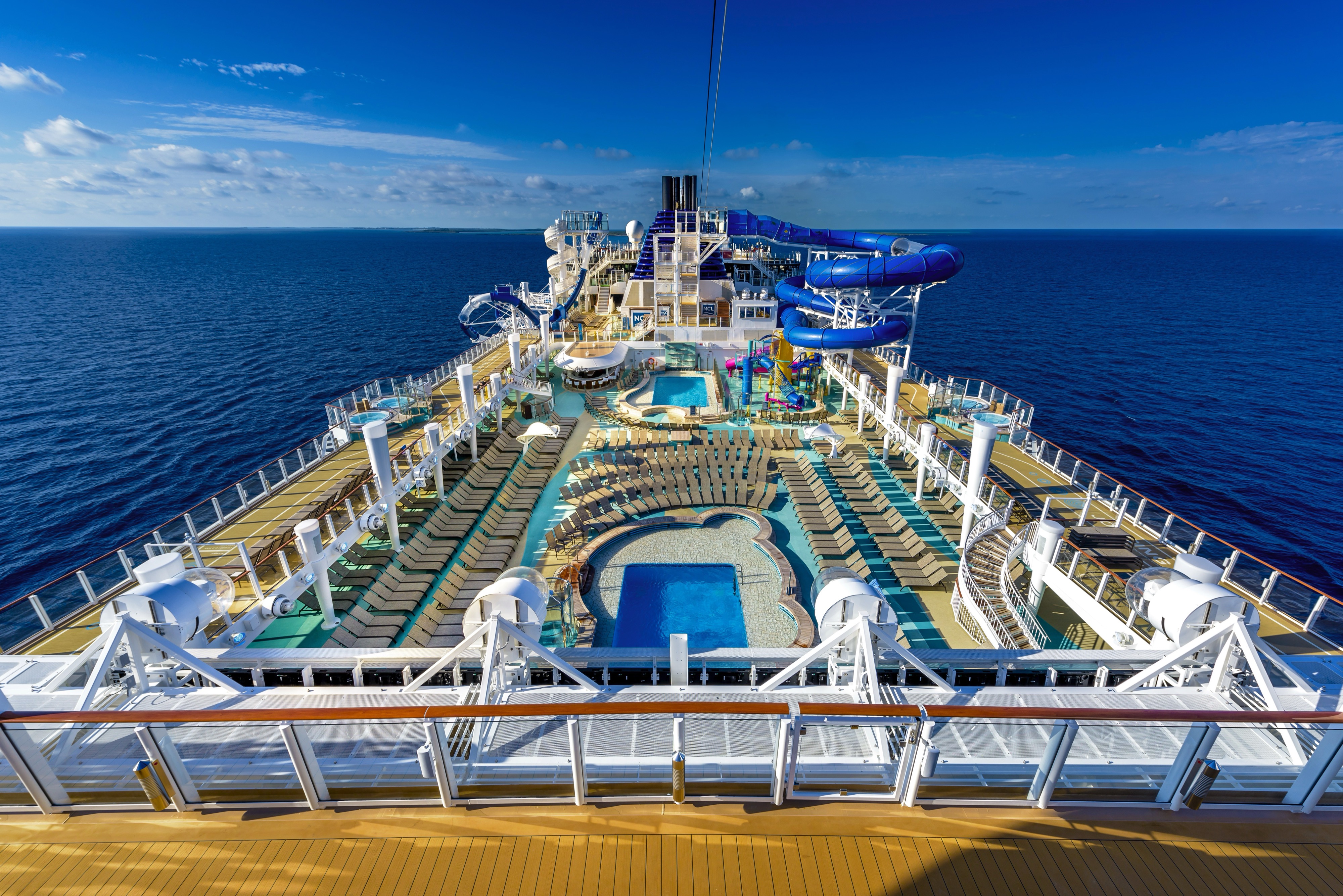
Main Pool & Sundeck
Bask in the sun, dip your toes in the water and take it easy at any of our pools or hot tubs.
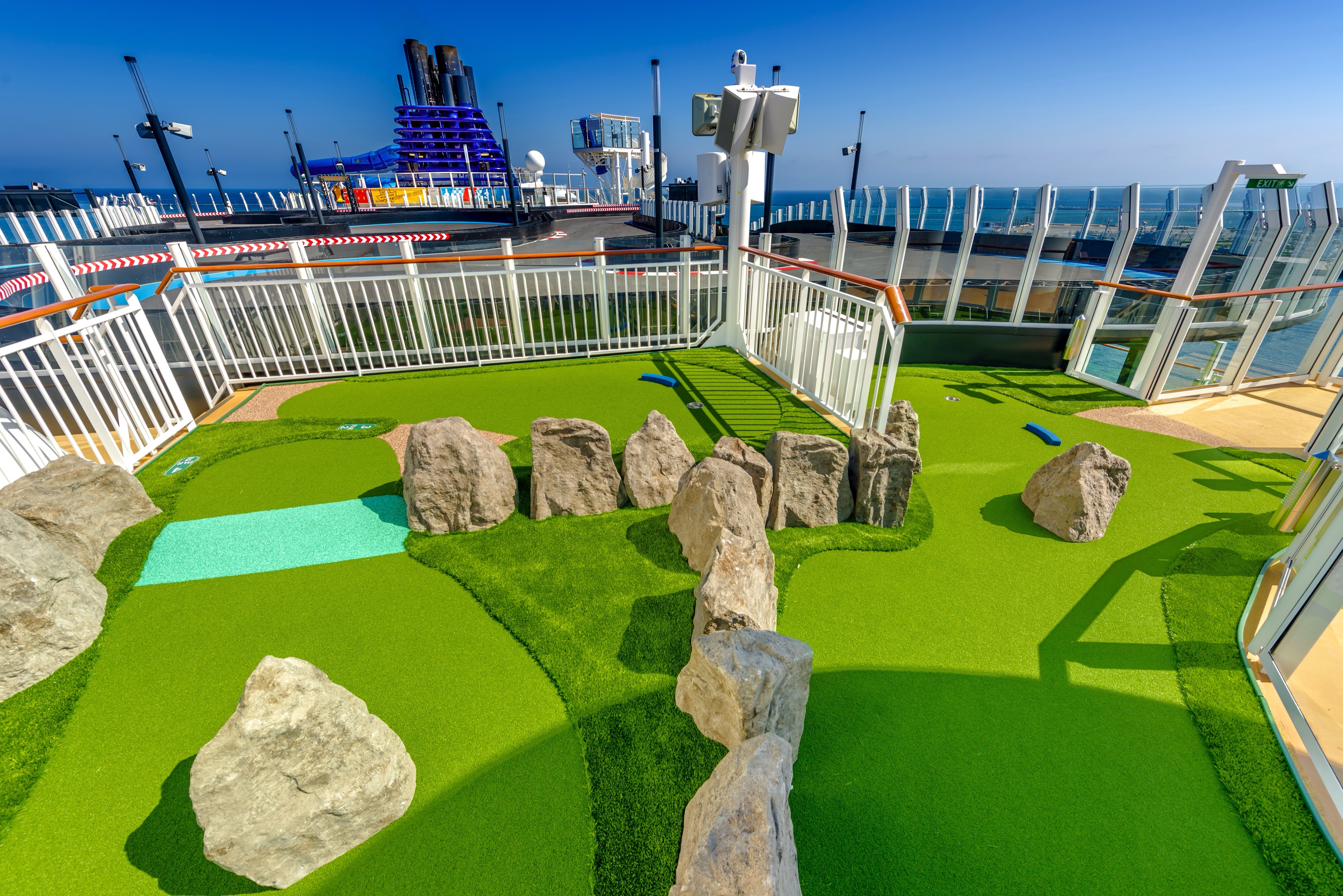
Mini Golf
Play 5 holes on our mini golf course with obstacles for all skill levels.
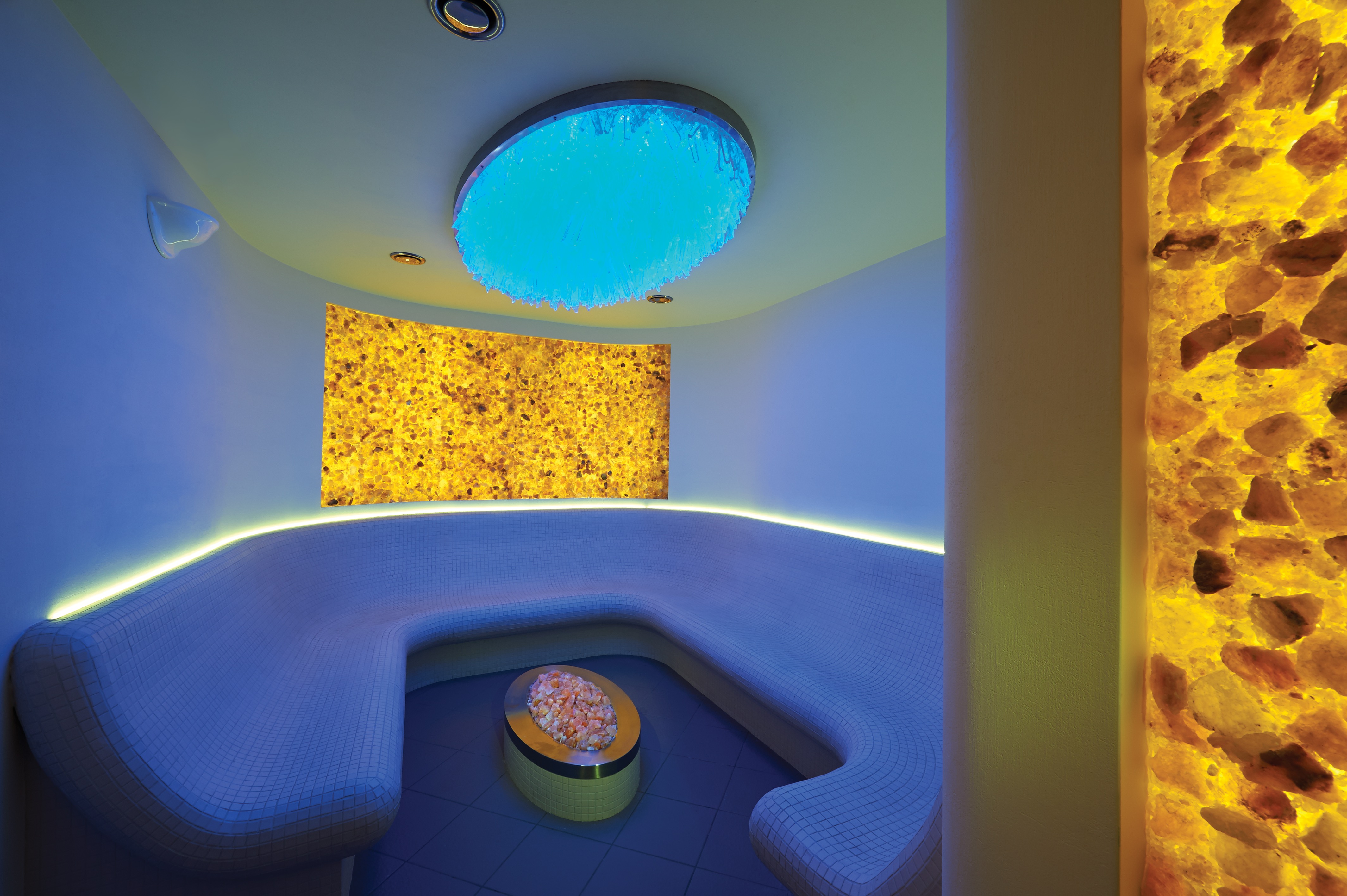
Spa Salt Room
Our Salt Room mimics natural salt caves found in Eastern Europe. The noninvasive treatment, halotherapy, is relaxing, natural and scientifically proven to improve respiratory and skin ailments and aid in overall wellness.
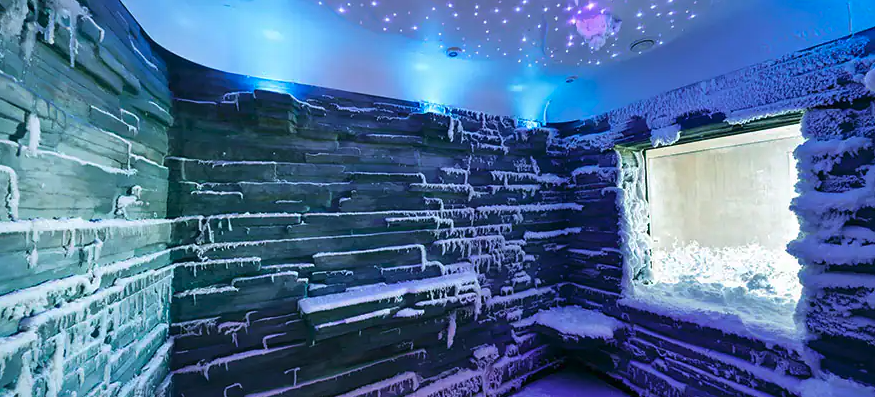
Spa Snow Room
Chill out, literally, in our Snow Room, an ice-cold arctic environment that stimulates blood circulation throughout the body.
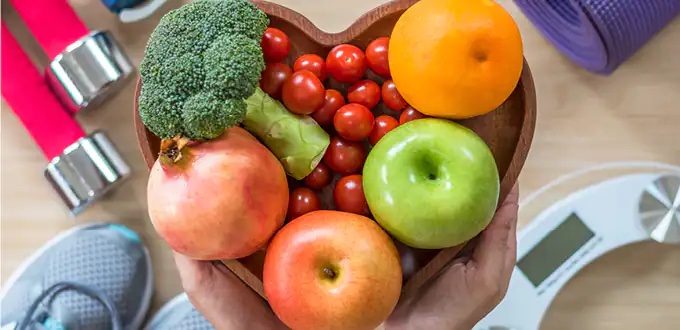
Nutritional Consultation
If you are ready to enhance your well-being with a sensible diet and exercise programme, our fitness professionals can provide you with the in-depth information you need to get you started.
Personal Training
After conducting a Body Composition Analysis, our personal trainers will design a nutrition and exercise plan that will help you achieve the results you’ve always wanted.
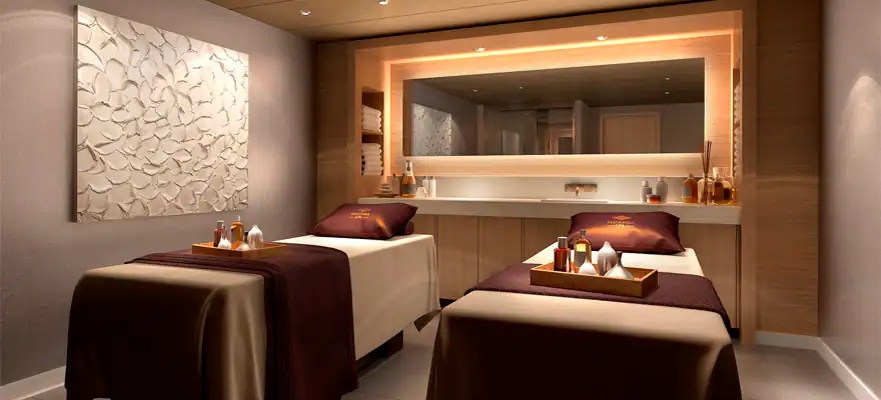
Spa Treatment Room
Enjoy a world-class rejuvenating experience – a holiday within a holiday.
Kids' Aqua Park
They’ll splish. They’ll splash. They’ll definitely have a blast. Whether they want to zoom down a tube slide or get drenched by tipping buckets or water cannons, kids will have the best of times at our new interactive Kids’ Aqua Park.
Guppies
Guppies Open Play is for the littlest cruisers and offers a play space for parents to interact with their infants/babies/toddlers 6 months – 3 years old and children in nappies. Toys, balls, and sensory items are available within the space. The timetable varies per ship and itinerary and is posted in the Freestyle Daily. Guppies Open Play is not a drop off programme.
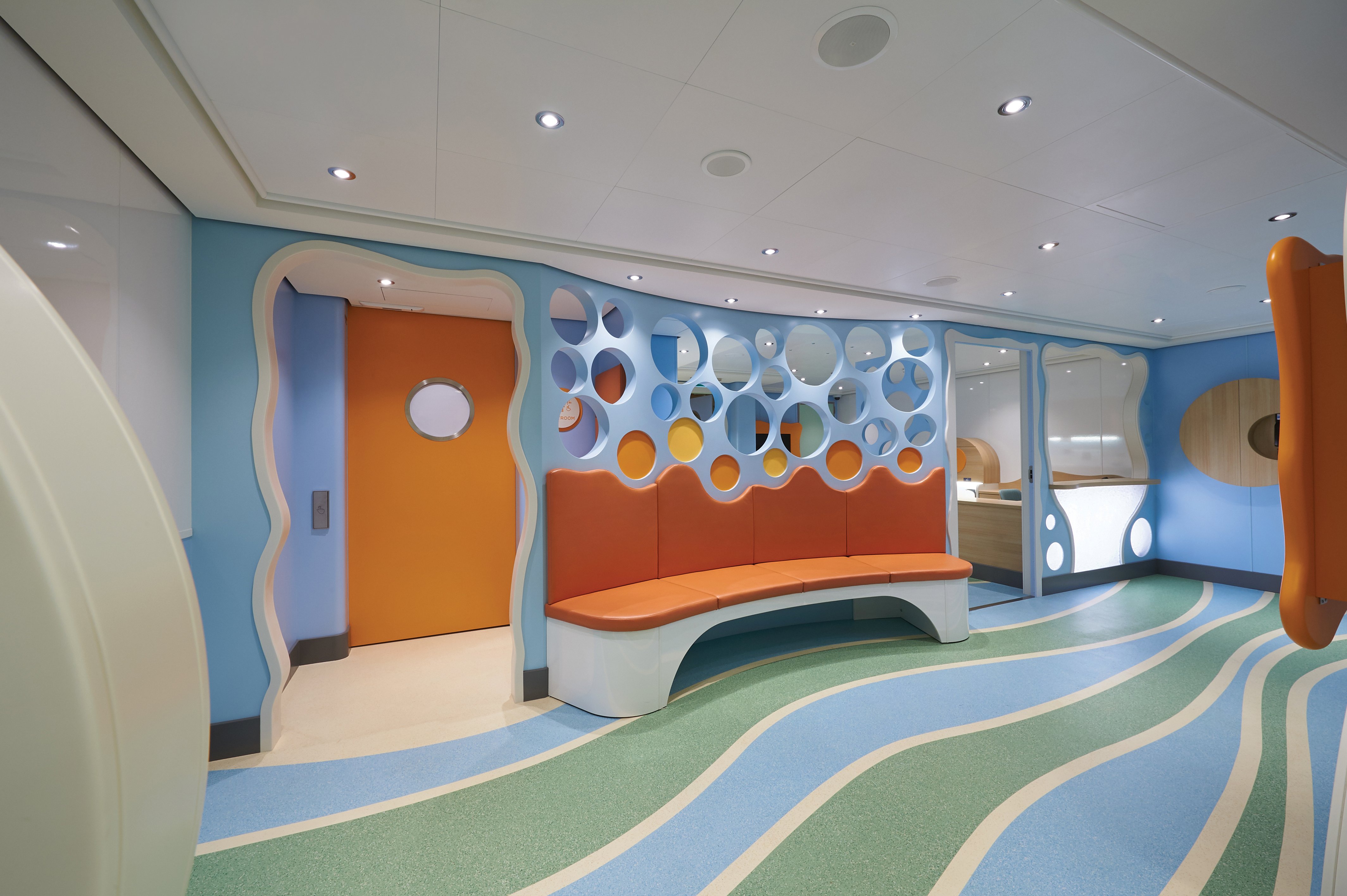
Splash Academy
Your kids will have a blast inside Splash Academy where they can enjoy creative play, sports and more. From themed activities to parties, our youth staff has a knack for this stuff. The Splash Academy drop off age is 3-12 years old.
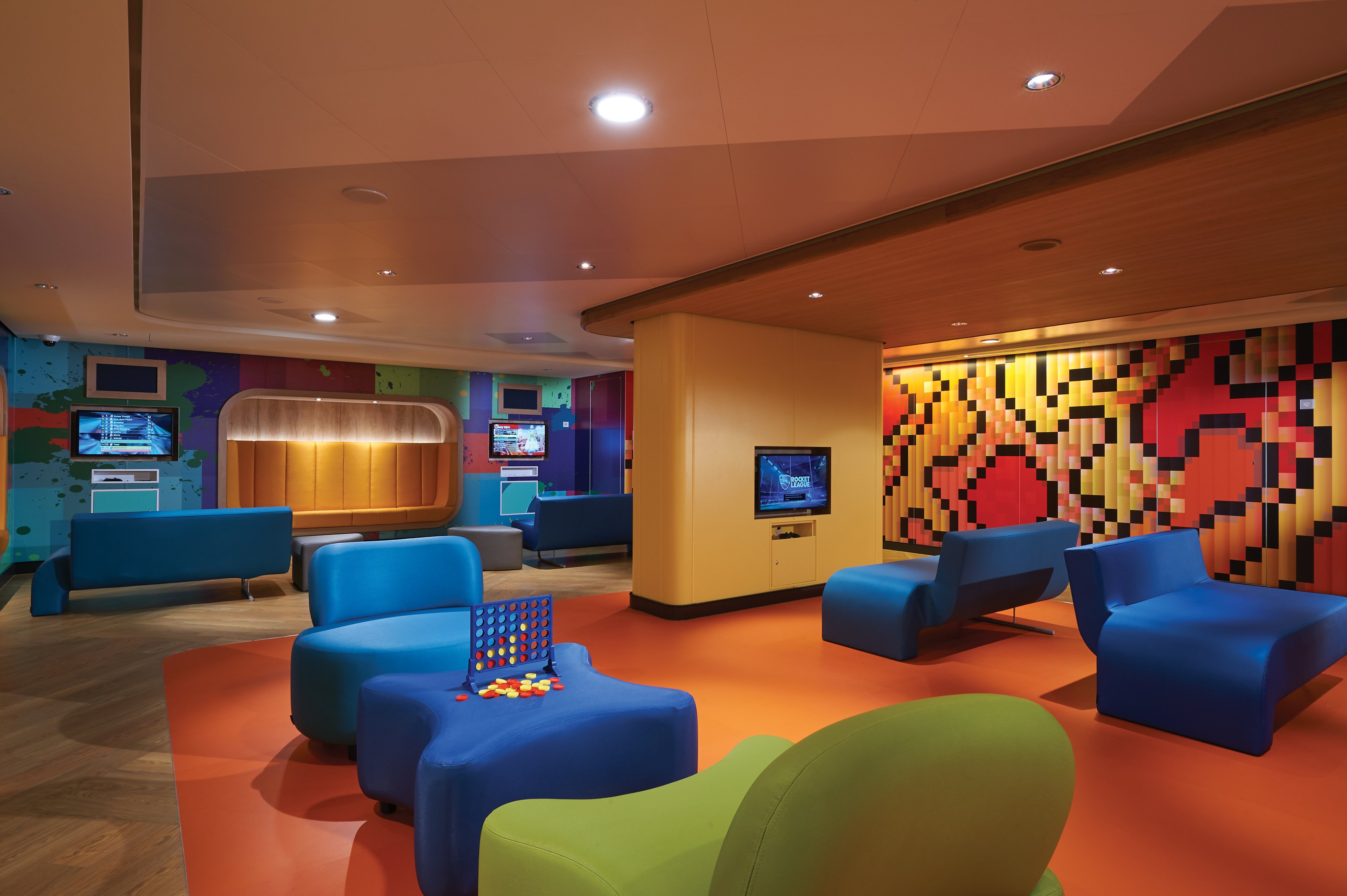
Entourage Teen Club
It is time to change the way you play. Entourage for 13-17 year olds offers modern, digital, and inclusive options to engage the way you want. Connect. Influence. Create. Be You.
The Haven Restaurant
(Private Access for Guests of The Haven)
Enjoy a private fine dining experience for guests of The Haven, serving unique signature dishes and wine offerings from our impressive selection.
Price Per Person: Complimentary for Guests of The Haven
Cagney's Steakhouse
Specialising in Premium Black Angus Beef and exceptional seafood, this American-style steakhouse is second to none. With classic cocktails, an extensive wine list, and attentive service, Cagney’s Steakhouse offers a truly delightful dining experience.
Price Per Person: Cover Charge USD $60
Teppanyaki
Sit at a lively shared table as a skillful chef perfectly prepares shrimp, steak, chicken and fried rice on a large steel grill. And you’ve got a front row seat to all the sizzles and surprises in our Japanese restaurant.
Price Per Person: Cover Charge US$60
Food Republic
This delicious Asian-Latin fusion cuisine served tapas style is perfect for sharing. Food Republic is open for lunch on sea days and dinner nightly.
Price Per Person: Cover Charge USD $50
La Cucina
Buona Sera! Enjoy the finest ingredients at our vibrant Italian ristorante. Dine on Italian classics and indulge with a rich homemade Tiramisu. Your good evening just got better.
Price Per Person: Cover Charge USD $40
Le Bistro
Romance is in the air at our signature French restaurant. Elegant interiors, crisp white linens and attentive servers make this an intimate dining experience. By the end of your meal, you might just be proclaiming c’est magnifique!
Price Per Person: Cover Charge USD $60
The Manhattan Room
One of our Main Dining Rooms, The Manhattan Room is where guests can enjoy specially curated modern and classic dishes made with the freshest ingredients.
Price Per Person: Complimentary
Savour
Balancing classic favourites with unique new dishes, dining at Savour is a must. Offering guests an extensive menu of deliciously fresh flavours along with chic and modern decor, visiting this Main Dining Room is always in style.
Price Per Person: Complimentary
Garden Café
Whatever you’re craving, chances are you will find it at the Garden Café. This complimentary indoor buffet serves up breakfast, lunch and dinner.
Price Per Person: Complimentary
Taste
Serving a wide variety of cuisine, Taste offers a stylish and contemporary atmosphere. Enjoy a menu that changes daily with carefully selected wine recommendations and experience a different culinary adventure in every visit.
Price Per Person: Complimentary
The Local Bar & Grill
The Local offers classic pub fare in a relaxed atmosphere. With popular dishes like the Reuben Sandwich and Fish n’ Chips, The Local has all your favourite comfort foods. So try one of our beers or cocktails on tap and catch a game with us!
Price Per Person: Complimentary
Q Texas Smokehouse
Dig into some authentic Texas BBQ. All our smoked meats are infused with delicious flavours and come with all the traditional sides. As dinner winds down, the atmosphere heats up as a contemporary country band ropes you into a lively night of dancing, drinking and a honky tonk good time!
Price Per Person: Cover Charge USD $40
Palomar
Explore the best flavours of the Med at Norwegian’s first-ever Mediterranean restaurant. Seafood is the star attraction here, with European essence. With a casually – sophisticated setting, diners will be treated to dishes created from the finest ingredients, including fresh fish, perfectly paired wine selections and cocktails.
Price Per Person: Cover Charge USD $60
Starbucks®
Warm up for your glacier walk with a Caramel Macchiato. Grab a Teavana® Shaken Iced Green Tea Lemonade to sip whilst lounging on a pristine Caribbean beach. Or recount the day’s excitement with your friends over Chai Lattes and a scone. Come on by Starbucks® to make your holiday even sweeter.
The Bake Shop
Indulge your sweet tooth with decadent treats such as French macarons, chocolate bonbons and gourmet cupcakes.
Price Per Person: À la carte
American Diner
Pull up a chair at this 50’s style diner and order from a diverse selection of comfort foods. Experience a slice of Americana, including classic cars, with every bite.
Price Per Person: Complimentary
Room Service
Available 24 hours a day, simply pick up the phone and order breakfast, lunch, dinner or late-night munchies. A room service fee may apply.
Price Per Person: Room Service Fee may apply.
Great Stirrup Cay
Escape to The Great Life
Great Stirrup Cay isn’t just an island in The Bahamas, it’s an escape to The Great Life. And The Great Life isn’t just about cruising to your very own private island; it’s about unlocking a state of mind. It’s a cool drink in your hand at the 2,600 sq. metres pool. The roar of jet skis and a gentle breeze through your cabana. It’s shouting at the top of your lungs as you race down the larger-than-life tower of water slides. And it’s gazing onto white sand beaches all afternoon. Here, you have the freedom to do what you want, when you want. That’s The Great Life, and it’s about to get GREATER on the incredible, new Great Stirrup Cay.
Great Life Lagoon
What do ten blue whales, 20 tennis courts, three Washington Monuments, one large cruise ship and Mt. Everest’s peak all have in common? They’re roughly the same size as our new, 28,000-sq.-ft. pool. Throw in two swim-up bars, beach-style water entry for kids, water features, ocean views, cabanas and you’ve got yourself a pretty spectacular Caribbean day!
Epic slides. Towering cliff jumps. One unforgettable splash.
Get ready to live the great life at full speed. Spanning the size of several football fields, Great Tides Waterpark is the bold new thrill zone at Great Stirrup Cay – where adventure meets relaxation. Race down sea-inspired slides, drift through a winding river with tunnels that might just be hiding a secret adventure, or leap from dramatic cliffside platforms into crystal-clear waters. Little ones can splash and play in a vibrant water zone, whilst grown-ups unwind with cocktails in a glowing grotto bar. Whether you’re chasing high-speed thrills or laid-back vibes, Great Tides delivers next-level excitement for everyone.
What’s Included on Great Stirrup Cay?
This isn’t your typical holiday spot – it’s our island, which means it’s your island. The same superb service you receive on board applies here too. Like complimentary meals and endless activities with Free at Sea™. So, get ready to play, explore, relax and enjoy an unforgettable day in The Bahamas!
Introducing Free at Sea Plus™
Free at Sea Plus™ makes your escape to the great life even greater. Upgrade for only £39.99 per person per day and your unlimited premium beverage package will follow you to Great Stirrup Cay. Plus, you’ll get a taste of luxury on board too, with wine and Champagne from our signature collection, top-shelf spirits, more speciality dining experiences at a discounted rate, high-speed Wi-Fi made for streaming and more.
Excursions
GO LOCAL TOURS
Authentic multicultural experiences await on a Go Local Tour with NCL. Explore how people in cities around the world live, work, eat and play on unique tours designed for guests who thrive on culture-connecting and unforgettable exploration.
ADVENTURE RUSH
Start by letting your imagination run wild. Mush your way across an ice field in Alaska. Surf in Kaua‘i. Soar through the sky on a zipline on Harvest Caye. Go tubing in Belize or even airboat through the Florida Everglades. Your adventure awaits.
HISTORIC TIMES
Get up close and personal with places you’ve seen only in pictures. Then take some of your own. Stand in the shadow of the Colosseum. Tour a medieval castle. Unravel the mysteries of the Mayan ruins. Or catch a glimpse of the revered Emerald Buddha in the Grand Palace of Bangkok. Take a history lesson like no other.
WONDERS OF NATURE
Hang with the locals in Australia. Or pack your camera and enjoy majestic humpback whales near Hawai‘i, glaciers in Alaska, the soaring cliffs of Greece or the golden foliage in New England. They’re all naturally wondrous scene-stealers.
LAID-BACK LEISURE
Sometimes you just want to soak in the sun — and your surroundings. So find that perfect secluded beach and take it all in. Or shop the local markets for great bargains and take home a little something to complement your amazing holiday.
SELFIE TOURS
Get your smile — and your mobile device — ready for a tour like no other. With NCL’s Selfie Tours, we will take you to picture-perfect places to fill your feed. Many of our tours are guided by a selfie expert who will show you how to perfect your angle, use a selfie stick and more.
Behind The Scenes Tour
Experience the exciting Behind The Scenes Tour of our crew working areas, including exclusive access to the Bridge, Engine Control Room, Main Galley, Laundry and so much more.
Private Vow Renewal
Nothing says “I love you” like saying it all over again. Book a private ceremony to renew your wedding vows for the ultimate romantic holiday. Here’s what our Private Vow Renewal Package includes.
- Bottle of Sparkling Wine, Chocolate Covered Strawberries & Canapes – in Stateroom
- Vows Ceremony Performed by a Ship Officer
- Ceremony Music
- One Single Red Rose
- Couple’s Cake
- Champagne Toast
- Keepsake Vow Renewal Certificate
- 8 x 10 Professional Portrait in an Engraved Frame
Booked guests, please contact us here to timetable a vow renewal.
Vibe Beach Club
Guests will jump for joy upon discovering this private retreat where they can connect with the ocean – and disconnect from everything else. Exclusively for those 18 and over, Vibe Beach Club is resplendent with ocean views, an over-sized hot tub, chaise loungers and a relaxing water feature – ideal for relaxation. A full-service bar, water spritzers, chilled towels and skewers of fruit ease you even more into serenity. Passes available for pre-purchase or onboard at the Guest Services desk.
Vibe Beach Club – Access Pass
An exclusive oasis at the top of the ship, Vibe Beach Club is an adults-only getaway full of panoramic ocean views, drinks and upgraded lounge chairs with umbrellas. With this package, you’ll enjoy Vibe Beach Club access for the entire length of your cruise.
Vibe Beach Club – Cabana
Your exclusive, adults-only retreat at the top of the ship is even more peaceful with your own space. With this package, you’ll enjoy Vibe Beach Club from the comfort of a private cabana for the entire length of your cruise. Spend the day relaxing in style with special food & drink menus and complimentary amenities such as water spritzers, chilled towels and skewers of fruit.
Aqua Park
Slide into the time of your life on our Ocean Loops drop slide, or try the Aqua Racer water slide. Call it a lazy day and lounge by the pools and hot tubs with a frozen drink in hand. However, you like to make a splash, the Aqua Park is overflowing with excitement.
Bliss Theatre
Norwegian is excited to bring Broadway to you with two musicals. You’re invited for an evening of laughter and entertainment in the Bliss Theatre.
Icons
A concert experience featuring the songs of musical legends (icons) from the last six decades. From Dolly to Gaga, our cast of vocalists and orchestra will pay tribute to the music these legendary artists created by collectively showcasing hits that everyone can sing along to.
Jersey Boys
Journey from the gritty streets of Jersey to glamour and international fame as you follow the incredible true story of Frankie Valli and The Four Seasons.
Famous Riffz
Get ready to play loud-this is the game show that ROCKS! Two teams go head-to-head in high-energy music trivia, battling it out in rounds all powered by our electrifying house band, The Riffz. With bonus rounds, surprise tiebreakers, and audience participation that can shift the score, every show is full of twists and epic moments. Contestants get to live the dream on stage with a live band, whilst the audience enjoys a unique blend of concert vibes and game show excitement.
Price Per Person: Complimentary
Spice H20
Inspired by the renowned summer beach parties on the island of Ibiza, Spice H20 is an adult-only escape. By day, you can soak in hot tubs or sip cold cocktails from your reclined lounge chair. By night, it’s a whole different beat. Let loose and dance beneath the stars!
Bliss Casino
Spin your way to the jackpot playing the most popular slots including reel and video slots. Or pull up a chair at your favourite table game, from blackjack to craps and more. Whatever games you choose, you can bet on a good time in our award-winning casino.
Horizon Park
Come on up, the views are spectacular! Located at the very top of the ship, Horizon Park is the perfect hangout spot with the best panoramic views of the sea. Gather the whole family for a variety of lively lawn games. Or just sit back, relax and delight in a starry night with a lovely sea breeze.
Bliss Speedway
Zoom around hairpin turns in excess of 20 mph as you race for the checkered flag on a thrilling, two-level race track in the middle of the ocean. All participants must be over 55 inches and not more than 265 lbs. Completely closed shoes are mandatory and loose items such as cameras, mobile phones, etc should be secured. Charge is $15/person/ride.
Price Per Person: $15 USD Adult | $15 USD Children
The Waterfront
Connect with the sea on The Waterfront, our quarter-mile oceanfront promenade, and discover a new restaurant or bar & lounge every day and night.
The Observation Lounge
Observation Lounge with full service bar on deck 15 offering spectacular 180° panoramic views open to all guests.
The Cavern Club
Pull up a chair in the legendary Liverpool club where the Beatles performed. Sip your Scotch Sour during an evening of good company and great music with a Beatles cover band. This is your ticket to ride down Penny Lane, perhaps in a Yellow Submarine. Don’t wish you’d experienced the magic yesterday. Come together tonight and get back to the groovy days with Norwegian.
Horizon Lounge
Two-story forward-facing observation lounge on decks 17 and 18 with breathtaking panoramic views exclusively for guests of The Haven.
Atrium Bar
Amid the hustle and bustle of the Atrium, enjoy something sweet. This is a morning and late-night favourite serving coffee, beer, wine, and more.
Humidor Cigar Lounge
Bring your favourite whiskey cocktail from Maltings into Humidor to pair with a good smoke. With comfortable leather chairs and a fully-stocked humidor, this is the ideal setting to recline and connect with friends, both new and old.
Mixx Bar
Cocktails and conversations are always stirring at this hip modern bar located between Taste and Savour. Meet up for drinks with friends before dinner or swing by after to listen to some live piano. Mixx is the place to be seen!
Maltings Whiskey Bar
Sit starboard, right alongside the sea where the view is intoxicating. Good times flow indoors, too. With a unique international variety of spirits, you can sip your way around the world without leaving your chair.
Social Comedy & Night Club
Jump start the evening with two talented stand-up comedians that will loosen you up with lots of laughs. And then let loose on the dance floor as a DJ spins your favourite tracks late into the night.
Price Per Person: Complimentary
Studio Lounge
Relax and enjoy beverages and light bites with other solo cruisers in the Studio Lounge, exclusive to Studio guests.
Sugarcane Mojito Bar
Freshly muddled just the way you like, enjoy a refreshing mojito with friends – day or night.
Skyline Bar
Hit the jackpot in more ways than one at Skyline Bar. Nestle into plush interiors and take in the changing view. Our high-definition digital landscapes illuminate this cocktail lounge with ever changing moods. It’s the perfect spot to have a cocktail before dinner, meet friends after the show or just press your luck with bar-top poker screens that give winning at the bar a whole new meaning.
The A-List Bar
The A-List Bar is the perfect spot to be the centre of attention or simply be at the centre of it all. This sophisticated space will be your new favourite bar where you can enjoy a signature cocktail whilst rubbing elbows with other guests.
The Cellars Wine Bar
Pull up a stool and take a Merlot for a swirl as you laugh with some of your closest friends. Pair your favourite vintage with some light bites from La Cucina, or elevate your wine IQ with programmes meant for experts and novices alike at the Tasting Table. For four generations, the Mondavi name has been intimately linked with prestige winemaking in Napa Valley. And now, they’re bringing their best blends and unparalleled knowledge to The Cellars – A Michael Mondavi Family Wine Bar.
The District Brew House
Settle in with your friends beside floor-to-ceiling windows and order one of more than 50 different bottled beers or any of the 24 draft beers on tap. Toast another awesome day with speciality cocktails. Scream your lungs out alongside live music. Or get a little wild inside the photo booth. What happens in The District, stays in The District.
The Haven Lounge
Exclusive to guests in The Haven, you can enjoy your favourite cocktail and light bites whilst surrounded by ultimate luxury.
678 Ocean Place
Follow your mood from one amazing experience to the next at the heart of the ship — 678 Ocean Place. Three decks of non-stop action await you, day or night.
Video Arcade
Here’s your chance to capture a few aliens, win a car race, and fly a jet fighter. Let your imagination run wild at Video Arcade.
Levity Comedy
ickle your funny bones at Social Comedy & Night Club with live performances by Levity Comedy’s roster of top-notch comedians. With numerous shows per cruise, grab a drink, and prepare for a sidesplitting good time. Seats are on a first come, first served basis.
Offered during sailings originating from the United States.
Price Per Person: Complimentary
Waves Pool Bar
Grab a seat under the sun or just belly-up and order a cold one to go. Waves is always hopping with activity, so come as you are.
Onboard Shopping
EFFY Jewellery – Effy Hematian has been designing and manufacturing fine jewellery in the heart of New York’s Diamond District for over 40 years. By combining uncompromising attention to detail, exceptional gemstones, and quality American craftmanship, Effy has become one of the most celebrated and desired jewellery brands in the world today – available to you onboard at tax-and duty-free pricing.
Park West Gallery – Take home something you’ll never forget! Our impressive onboard art gallery has everything from contemporary to classics-Peter Max to Picasso-giving you access to an unparalleled collection of fine art. Looking for a little excitement? Try attending our live art auctions where you can raise a glass with our Art Team as the bidding gets fast and furious. Plus, everyone who visits our gallery gets a free work of art!
Sandbar – Experience the latest trends in fashion, take home a souvenir designed by renowned environmental artist Wyland, or stop by to shop for your favourite brands of liquor or cigarettes, all at the best tax and duty-free prices. Or, if you forgot something important, Sandbar is also the place to find a selection of toiletries.
The Beauty Shop – Pamper yourself or someone special at The Beauty Shop, where you’ll find your favourite fragrances from Chanel, Dior, Estee lauder and many more. Discover an array of beauty products from Lancôme, Estēe Lauder, Clinique and L’Oreal. Or stop by and make an appointment for a complimentary 15-minute makeover. All of our Beauty products are tax and duty-free and guaranteed to be lower than any land price or your money back.
The Marketplace – The Market Place is your one-stop-shop for everything you need for the pool or beach, always tax and duty-free. Get sunscreen, beach toys, sunglasses, books and more. Be sure to check out our daily special savings events! We also have a best price guaranteed policy – ask our sales staff for details.
The Photo Gallery – We have everything you need, to capture it all: Binoculars, Camera/Phone Accessories, Professional Portraits, Souvenir, Photography, Photo Books, Wall Art, 3D Photo Crystals, Souvenir Frames, Collectable Photo Accessories & more!
The Tides – At the Tides you’ll celebrate the force of positivity through meaningful and cherished gifts from Alex and Ani and sparkling array of Crystal jewellery by Swarovski. Or come by to accessorise with world-famous fashion watches and jewellery, such as Michael Kors, Fossil, Citizen and Invicta. Also, don’t venture out in the sun without protection for your precious eyes! We carry Ray Ban, Tory Burch and Maui Jim Sunglasses. All brands in Tides offer significant savings to the prices back home. And remember, they are tax and duty-free.
The Time Zone – If you want to treat yourself to a new watch or simply give the gift of time, visit the Time Zone for a world class selection of Swiss watches and other famous brands of timepieces. Collections from Hublot, Tag Heuer, Longines, Tissot, Rado, Movado and more. You will be amazed at the savings on board. Stop by and check out our collection, all at the best tax and duty-free prices.
Tradewinds – Welcome to Tradewinds boutique shopping, conveniently located steps away from your stateroom. You’ll find a shopper’s paradise filled with incredible brands and items exclusive to guests on Norwegian BLISS.
Perspectives Studio
At Perspectives Photography Studio, we celebrate love, life and human connection creating spectacular portraits that will be handed down for generations. Your onboard Portrait Artist(s) will capture your unique spirit in our private studio or on location, it’s your choice. Visit us to learn more about this personalised portrait experience.
Professional Portraits
Take advantage of this time together whilst onboard to create beautiful photographs that will last a lifetime. Our professional photographers set up studios in the atrium and around the ship each night so you can have a variety of images to choose from. Relax, have fun and build your digital portfolio – it’s always free to try! Visit the Photo Gallery to learn more, view your photos and enjoy great deals on photography packages, frames, wall art, 3D Crystals, binoculars, mobile accessories and more!
Game Shows
Deal or No Deal
Enjoy an exhilarating show where contestants play & deal for cash in a high-energy contest of nerves and intuition.
Play cards will be available for purchase onboard.
Wheel of Fortune
Wheel of Fortune is here! From Hollywood to the High Seas, experience this new interactive game show where everyone plays along on their mobile devices to solve puzzles and collect matches for a chance to win great prizes, including a Free Cruise! Watch the show or play along – everyone is invited.
Spa Thermal Suite
Refresh, recharge, and rejuvenate in Mandara Spa’s adults-only Thermal Suite. Enjoy a full mind and body experience as you alternate between saunas, stream rooms, thalassotherapy pools, and more.
Mandara Spa & Salon
There are plenty of ways to be pampered. Unwind in the Thermal Suite with a steam or a dip in the Vitality Pool. Check out the Salt Room and chill out in our Snow Room. Or simply indulge in a hot-stone massage. Treat yourself. You deserve it.
Pulse Fitness Centre
Come and feel the burn at our state-of-the-art fitness centre. Get your heart rate up at Ryde our indoor spinning class. Feel totally zen during a Pilates session. Break a sweat whilst pumping some iron. Or seek inner peace with an ocean view yoga class. Staying fit has never been easier.
Hair Salon
Take a little “me” time with a range of salon services like manicures, pedicures and facials.
Barber Shop
Whether it’s a fresh shave or to trim up that haircut, the Barber Shop will keep you looking your best at sea.
Spa Treatments
Aroma Spa Seaweed Massage – 100 minutes – Indulge in this detoxifying wrap and massage to reduce fluid retention and cellulite and replenish your body’s systems with vital trace elements. This treatment concludes with a full body massage.
Aroma Spa Seaweed Massage – 75 minutes – Indulge in this detoxifying wrap and massage to reduce fluid retention and cellulite and replenish your body’s systems with vital trace elements. This treatment concludes with a full body massage.
Aroma Stone Therapy – 50 minutes – Heated Basalt Stones are applied to key points of the body, whilst your therapist massages your body with warmed, fragrant aromatherapy oils.
Aroma Stone Therapy – 75 minutes – Heated Basalt Stones are applied to key points of the body, whilst your therapist massages your body with warmed, fragrant aromatherapy oils.
Bamboo Massage – 50 minutes – Imagine warm bamboo shoots of various sizes soaked in essential oil rolling, sliding and massaging your muscles into pure bliss. Getting into the belly of the muscle, this deeper tissue massage targets specific areas, releasing the build-up of tightness using sliding and rolling techniques across the body, hands and feet, kneading away soreness to your specified level of pressure.
Bamboo Massage – 75 minutes – Imagine warm bamboo shoots of various sizes soaked in essential oil rolling, sliding and massaging your muscles into pure bliss. Getting into the belly of the muscle, this deeper tissue massage targets specific areas, releasing the build-up of tightness using sliding and rolling techniques across the body, hands and feet, kneading away soreness to your specified level of pressure.
Couples Deep Tissue Muscle Massage – You and your favourite person can enjoy a gorgeously relaxing full body Deep Tissue Muscle Massage as you lie side by side. The listed price is per couple.
Couture Touch Face and Body Treatment – 100 minutes – Condition your skin and condition your muscles with this all-embracing hands-on experience. Includes a ELEMIS hands-on TOUCH facial with your choice of a Deep Tissue Muscle Massage or an Aroma Stone Therapy.
Couture Touch Face and Body Treatment – 50 minutes – Condition your skin and condition your muscles with this all-embracing hands-on experience. Includes a ELEMIS hands-on TOUCH facial with your choice of a Deep Tissue Muscle Massage or an Aroma Stone Therapy.
DYSPORT® Cosmetic Wrinkle Treatment – Crow’s Feet – Soften the wrinkles around the outside corner of the eyes with this targeted wrinkle treatment.
DYSPORT® Cosmetic Wrinkle Treatment – Forehead Lines – Smooth horizontal forehead lines with this targeted wrinkle treatment.
DYSPORT® Cosmetic Wrinkle Treatment – Frown Lines – Soften wrinkles between the eyebrows with this targeted wrinkle treatment.
Deep Tissue Muscle Massage – 50 minutes – Using muscle-melting warmed oils and deep pressure massage movements, we massage deep into the belly of the muscle, erasing stress, tension and lactic acid build up.
Deep Tissue Muscle Massage – 75 minutes – Using muscle-melting warmed oils and deep pressure massage movements, we massage deep into the belly of the muscle, erasing stress, tension and lactic acid build up.
ELEMIS Deep Cleanse Grooming Treatment with Shave – This grooming treatment for men will deeply cleanse the skin to prepare it for the closest shave ever!
ELEMIS Dynamic Resurfacing Precision Peel – Experience the age-defying benefits of marine-charged Padina Pavonica whilst targeted massage encourages optimum cellular function.
Express Shave – A quick, clean, silky shave for the man who wants to be smooth!
Fire and Ice Manicure – Beautify your nails with this invigorating manicure that will warm your spirit and cool your stress.
Fire and Ice Pedicure – This super rejuvenating pedicure will warm your senses and cool your tension, leaving your nails and skin looking beautiful.
GO SMILE™ Teeth Whitening Treatment – Are you ready to smile? Then try our advanced tooth-whitening treatment available at the spa.
Intensely Cleansing Salt Scrub – 50 minutes – The extraordinary cleansing power of salt goes to work releasing toxins in this body polishing treatment. Choose from Frangipani Monoi Salt Scrub or Lime and Ginger Salt Glow with a 25 minute massage.
Intensely Cleansing Salt Scrub – 75 minutes – The extraordinary cleansing power of salt goes to work releasing toxins in this body polishing treatment. Choose from Frangipani Monoi Salt Scrub or Lime and Ginger Salt Glow with a 50 minute massage.
Ionithermie Cellulite Reduction Treatment – Reduce the appearance of cellulite and firm and tone the skin with this Parisian treatment that offers substantial inch loss in just one session.
Pro-Collagen Age Defy – This anti-aging facial combines the benefits of exotic ingredients to plump out fine lines and reduce skin-fatigue – helping relax wrinkles, whilst an age-defying peel-off mask encourages the highest cellular function, visibly improving firmness and elasticity for beautifully nourished, younger looking skin.
Pro-Collagen Grooming Treatment with Shave – Our most opulent grooming service for men, this is simply the shave of all shaves combined with the facial of all facials! Your skin will be left perfectly smooth.
Restylane® Lip Enhancement Treatment – Add volume to uneven or small lips. This treatment provides you with a fuller, natural looking lip instantly.
Restylane® Marionette Lines Treatment – Restore youthful contours by softening the lines from the corners of the mouth to the chin with this FDA approved dermal filler.
Restylane® Smile Lines Treatment – Restore youthful contours by softening the lines from the corners of the nose to the mouth.
Swedish Massage – 50 minutes – This relaxing Swedish massage uses techniques that will smooth away stress and tension.
Swedish Massage – 75 minutes – Enjoy this deeply relaxing Swedish massage for a full 75 minutes.
Thai Herbal Poultice Massage – This energising, rhythmic massage utilises scented herbal poultices, heated and applied to the body at pressure points to relax the muscles and release tension.
Traditional Chinese Acupuncture – 1 session – Curious about acupuncture and how it can benefit you? Try this special introductory treatment.
Main Pool & Sundeck
Bask in the sun, dip your toes in the water and take it easy at any of our pools or hot tubs.
Mini Golf
Play 5 holes on our mini golf course with obstacles for all skill levels.
Spa Salt Room
Our Salt Room mimics natural salt caves found in Eastern Europe. The noninvasive treatment, halotherapy, is relaxing, natural and scientifically proven to improve respiratory and skin ailments and aid in overall wellness.
Spa Snow Room
Chill out, literally, in our Snow Room, an ice-cold arctic environment that stimulates blood circulation throughout the body.
Nutritional Consultation
If you are ready to enhance your well-being with a sensible diet and exercise programme, our fitness professionals can provide you with the in-depth information you need to get you started.
Personal Training
After conducting a Body Composition Analysis, our personal trainers will design a nutrition and exercise plan that will help you achieve the results you’ve always wanted.
Spa Treatment Room
Enjoy a world-class rejuvenating experience – a holiday within a holiday.
Kids' Aqua Park
They’ll splish. They’ll splash. They’ll definitely have a blast. Whether they want to zoom down a tube slide or get drenched by tipping buckets or water cannons, kids will have the best of times at our new interactive Kids’ Aqua Park.
Guppies
Guppies Open Play is for the littlest cruisers and offers a play space for parents to interact with their infants/babies/toddlers 6 months – 3 years old and children in nappies. Toys, balls, and sensory items are available within the space. The timetable varies per ship and itinerary and is posted in the Freestyle Daily. Guppies Open Play is not a drop off programme.
Splash Academy
Your kids will have a blast inside Splash Academy where they can enjoy creative play, sports and more. From themed activities to parties, our youth staff has a knack for this stuff. The Splash Academy drop off age is 3-12 years old.
Entourage Teen Club
It is time to change the way you play. Entourage for 13-17 year olds offers modern, digital, and inclusive options to engage the way you want. Connect. Influence. Create. Be You.
About the Ship
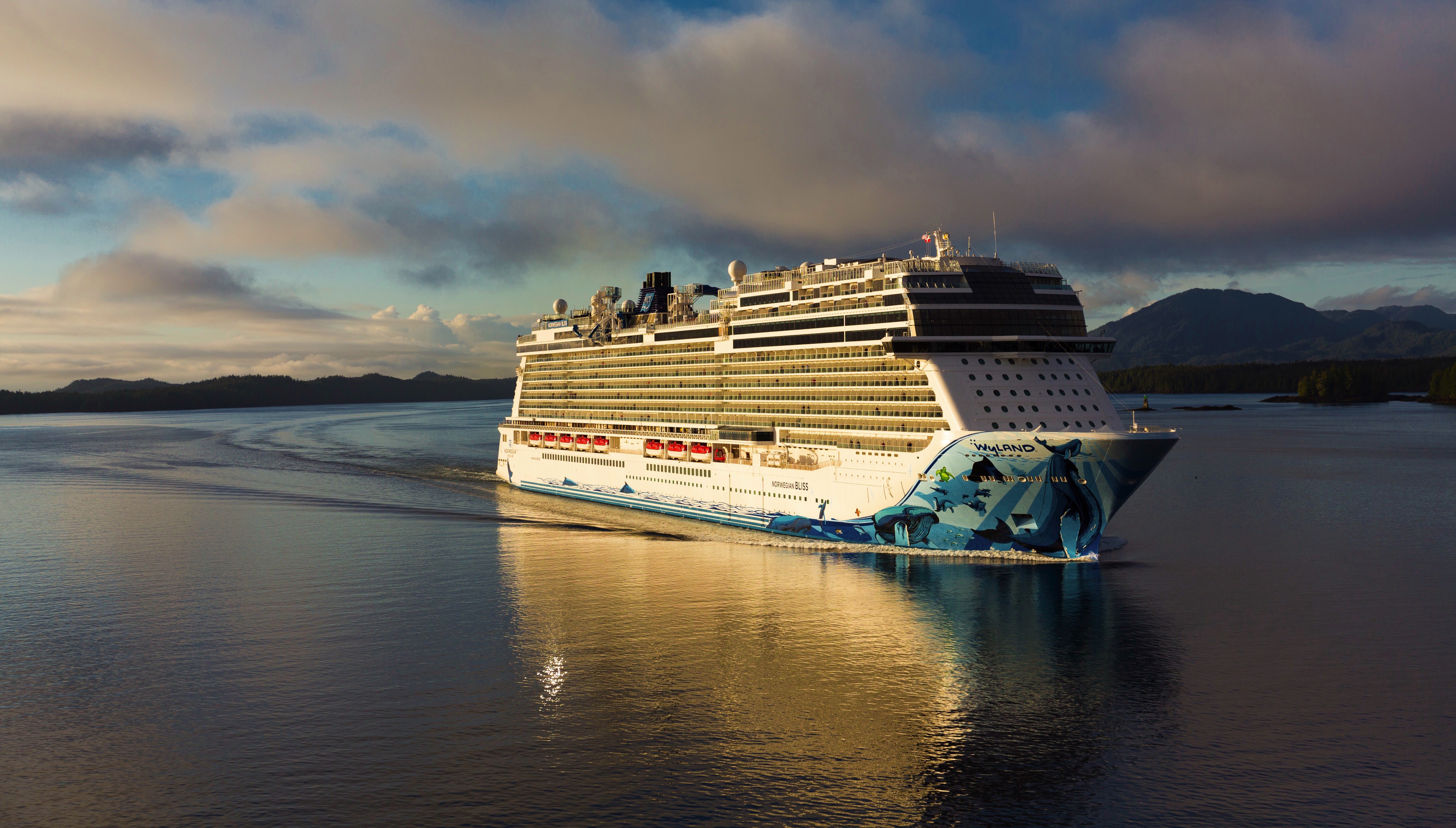
Deck Plans

- Guppies
- Splash Academy
- Video Arcade
- Entourage
- Family Oceanview
- Oceanview with Picture Window
- Solo Oceanview
- Sail Away Oceanview
- Inside
- Solo Inside
- Sail Away Inside

- Bliss Theatre
- Q Texas Smokehouse
- Library & Card Room
- Guest Services
- The Atrium
- Perspectives Studio
- Atrium Bar
- Starbucks
- Social Comedy & Night Club
- Teppanyaki
- Art Gallery
- Savor Restaurant
- Mixx Bar
- Taster Restaurant

- Bliss Theatre
- Box Office
- The Local Bar & Grill
- Bliss Casino VIP Room
- Bliss Casino
- Smoking Casino
- Skyline Bar
- The Manhattan Room

- The District Brew House
- Food Republic
- La Cucina on the Waterfront
- La Cucina
- The Cellars Wine Bar
- The Cavern Club
- The Cavern Club on the Waterfront
- Maltings Whiskey Bar
- The Humidor Cigar Lounge
- Sugarcane Mojito Bar
- Sugarcane Mojito Bar on the Waterfront
- Tradewinds Tax & Duty Free
- Palomar
- Palomar on the Waterfront
- Photo Gallery
- The Bake Shop
- Dolce Gelato
- The A-List Bar
- Cagney’s Steakhouse
- Cagney’s Steakhouse on the Waterfront

- The Haven Aft-Facing Penthouse with Large Balcony
- The Haven Forward-Facing Penthouse with Balcony
- Family Club Balcony Suite
- Club Balcony Suite with Larger Balcony
- Club Balcony Suite
- Sail Away Club Balcony Suite
- Aft-Facing Balcony
- Balcony
- Family Oceanview
- Oceanview with Picture Window
- Family Inside
- Inside

- The Haven Aft-Facing Penthouse with Balcony
- The Haven Forward-Facing Penthouse with Balcony
- Family Club Balcony Suite
- Club Balcony Suite with Larger Balcony
- Club Balcony Suite
- Aft-Facing Balcony
- Balcony
- Family Oceanview
- Oceanview with Picture Window
- Family Inside
- Inside
- Solo Studio

- The Haven Aft-Facing Penthouse with Balcony
- The Haven Forward-Facing Penthouse with Balcony
- Family Club Balcony Suite
- Club Balcony Suite
- Aft-Facing Balcony
- Balcony
- Solo Balcony
- Family Oceanview
- Oceanview with Picture Window
- Family Inside
- Inside
- Solo Studio
- Studio Lounge

- The Haven Aft-Facing Penthouse with Large Balcony
- The Haven Forward-Facing Penthouse with Balcony
- Family Club Balcony Suite
- Club Balcony Suite
- Aft-Facing Balcony
- Family Balcony
- Balcony
- Solo Balcony
- Family Oceanview
- Oceanview with Picture Window
- Family Inside
- Inside
- Solo Studio

- The Haven Aft-Facing Penthouse with Balcony
- The Haven Forward-Facing Penthouse with Balcony
- Family Club Balcony Suite
- Club Balcony Suite
- Aft-Facing Balcony
- Family Balcony
- Balcony
- Family Oceanview
- Oceanview with Picture Window
- Family Inside
- Inside
- Medical Centre

- The Haven Aft-Facing Penthouse with Balcony
- Family Club Balcony Suite
- Club Balcony Suite
- Aft-Facing Balcony
- Family Balcony
- Balcony
- Family Inside
- Inside

- Observation Lounge
Haven Penthouse Suite with Balcony
- The Haven Aft-Facing Penthouse with Large Balcony
- Family Club Balcony Suite
- Club Balcony Suite
- Aft-Facing Balcony
- Family Balcony
- Balcony
- Family Inside
- Inside

- Garden Café
- Open-Air Garden Café
- Surf Bar
- Pools
- Sun Deck
- Kids’ Aqua Park
- Waves Bar
- Ocean Loops
- Fitness Centre
- Barber Shop
- Beauty Salon
- Mandara Spa

- Horizon Lounge
- Hot Tubs
- Pool
- The Haven Courtyard
- The Haven Lounge
- Sun Deck
- Aqua Racer
- Ocean Loops
- Jogging Track
- Le Bistro French Restaurant
- American Diner
- Spice H20
The Haven 2-Bedroom Family Villa with Large Balcony
- The Haven Courtyard Penthouse with Large Balcony

- The Haven Restaurant (Private Access for Guests of The Haven)
- The Haven Courtyard
- The Haven Outdoor Restaurant
- Aqua Racer
- Ocean Loops
- Sun Deck
- Bliss Speedway
- Horizon Lounge
- The Haven Premier Owner’s Suite with Large Balcony
- The Haven 2-Bedroom Family Villa with Balcony
- The Haven Courtyard Penthouse with Large Balcony
- The Haven Courtyard Penthouse with Balcony

- Vibe Beach Club
- Bliss Speedway
- Mini Golf
- Hot Tubs
- The Haven Courtyard Sun Deck
- Public Sun Deck
- Vibe Beach Club Sun Deck
- Aqua Racer

- Horizon Park
- Aqua Racer
- Guppies
- Splash Academy
- Video Arcade
- Entourage
- Family Oceanview
- Oceanview with Picture Window
- Solo Oceanview
- Sail Away Oceanview
- Inside
- Solo Inside
- Sail Away Inside
- Bliss Theatre
- Q Texas Smokehouse
- Library & Card Room
- Guest Services
- The Atrium
- Perspectives Studio
- Atrium Bar
- Starbucks
- Social Comedy & Night Club
- Teppanyaki
- Art Gallery
- Savor Restaurant
- Mixx Bar
- Taster Restaurant
- Bliss Theatre
- Box Office
- The Local Bar & Grill
- Bliss Casino VIP Room
- Bliss Casino
- Smoking Casino
- Skyline Bar
- The Manhattan Room
- The District Brew House
- Food Republic
- La Cucina on the Waterfront
- La Cucina
- The Cellars Wine Bar
- The Cavern Club
- The Cavern Club on the Waterfront
- Maltings Whiskey Bar
- The Humidor Cigar Lounge
- Sugarcane Mojito Bar
- Sugarcane Mojito Bar on the Waterfront
- Tradewinds Tax & Duty Free
- Palomar
- Palomar on the Waterfront
- Photo Gallery
- The Bake Shop
- Dolce Gelato
- The A-List Bar
- Cagney’s Steakhouse
- Cagney’s Steakhouse on the Waterfront
- The Haven Aft-Facing Penthouse with Large Balcony
- The Haven Forward-Facing Penthouse with Balcony
- Family Club Balcony Suite
- Club Balcony Suite with Larger Balcony
- Club Balcony Suite
- Sail Away Club Balcony Suite
- Aft-Facing Balcony
- Balcony
- Family Oceanview
- Oceanview with Picture Window
- Family Inside
- Inside
- The Haven Aft-Facing Penthouse with Balcony
- The Haven Forward-Facing Penthouse with Balcony
- Family Club Balcony Suite
- Club Balcony Suite with Larger Balcony
- Club Balcony Suite
- Aft-Facing Balcony
- Balcony
- Family Oceanview
- Oceanview with Picture Window
- Family Inside
- Inside
- Solo Studio
- The Haven Aft-Facing Penthouse with Balcony
- The Haven Forward-Facing Penthouse with Balcony
- Family Club Balcony Suite
- Club Balcony Suite
- Aft-Facing Balcony
- Balcony
- Solo Balcony
- Family Oceanview
- Oceanview with Picture Window
- Family Inside
- Inside
- Solo Studio
- Studio Lounge
- The Haven Aft-Facing Penthouse with Large Balcony
- The Haven Forward-Facing Penthouse with Balcony
- Family Club Balcony Suite
- Club Balcony Suite
- Aft-Facing Balcony
- Family Balcony
- Balcony
- Solo Balcony
- Family Oceanview
- Oceanview with Picture Window
- Family Inside
- Inside
- Solo Studio
- The Haven Aft-Facing Penthouse with Balcony
- The Haven Forward-Facing Penthouse with Balcony
- Family Club Balcony Suite
- Club Balcony Suite
- Aft-Facing Balcony
- Family Balcony
- Balcony
- Family Oceanview
- Oceanview with Picture Window
- Family Inside
- Inside
- Medical Centre
- The Haven Aft-Facing Penthouse with Balcony
- Family Club Balcony Suite
- Club Balcony Suite
- Aft-Facing Balcony
- Family Balcony
- Balcony
- Family Inside
- Inside
- Observation Lounge
Haven Penthouse Suite with Balcony
- The Haven Aft-Facing Penthouse with Large Balcony
- Family Club Balcony Suite
- Club Balcony Suite
- Aft-Facing Balcony
- Family Balcony
- Balcony
- Family Inside
- Inside
- Garden Café
- Open-Air Garden Café
- Surf Bar
- Pools
- Sun Deck
- Kids’ Aqua Park
- Waves Bar
- Ocean Loops
- Fitness Centre
- Barber Shop
- Beauty Salon
- Mandara Spa
- Horizon Lounge
- Hot Tubs
- Pool
- The Haven Courtyard
- The Haven Lounge
- Sun Deck
- Aqua Racer
- Ocean Loops
- Jogging Track
- Le Bistro French Restaurant
- American Diner
- Spice H20
The Haven 2-Bedroom Family Villa with Large Balcony
- The Haven Courtyard Penthouse with Large Balcony
- The Haven Restaurant (Private Access for Guests of The Haven)
- The Haven Courtyard
- The Haven Outdoor Restaurant
- Aqua Racer
- Ocean Loops
- Sun Deck
- Bliss Speedway
- Horizon Lounge
- The Haven Premier Owner’s Suite with Large Balcony
- The Haven 2-Bedroom Family Villa with Balcony
- The Haven Courtyard Penthouse with Large Balcony
- The Haven Courtyard Penthouse with Balcony
- Vibe Beach Club
- Bliss Speedway
- Mini Golf
- Hot Tubs
- The Haven Courtyard Sun Deck
- Public Sun Deck
- Vibe Beach Club Sun Deck
- Aqua Racer
- Horizon Park
- Aqua Racer