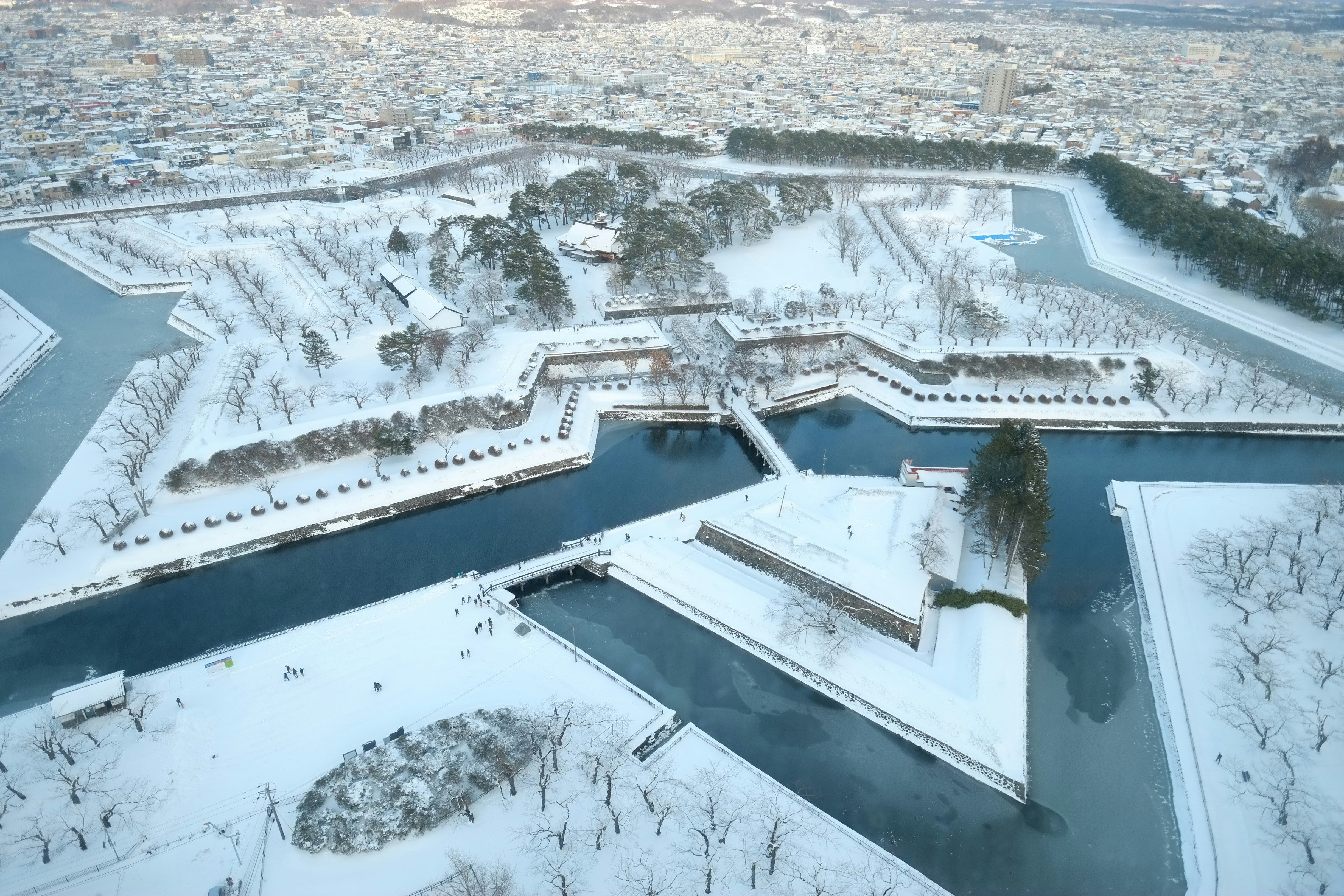
Featured Cabins
Itinerary
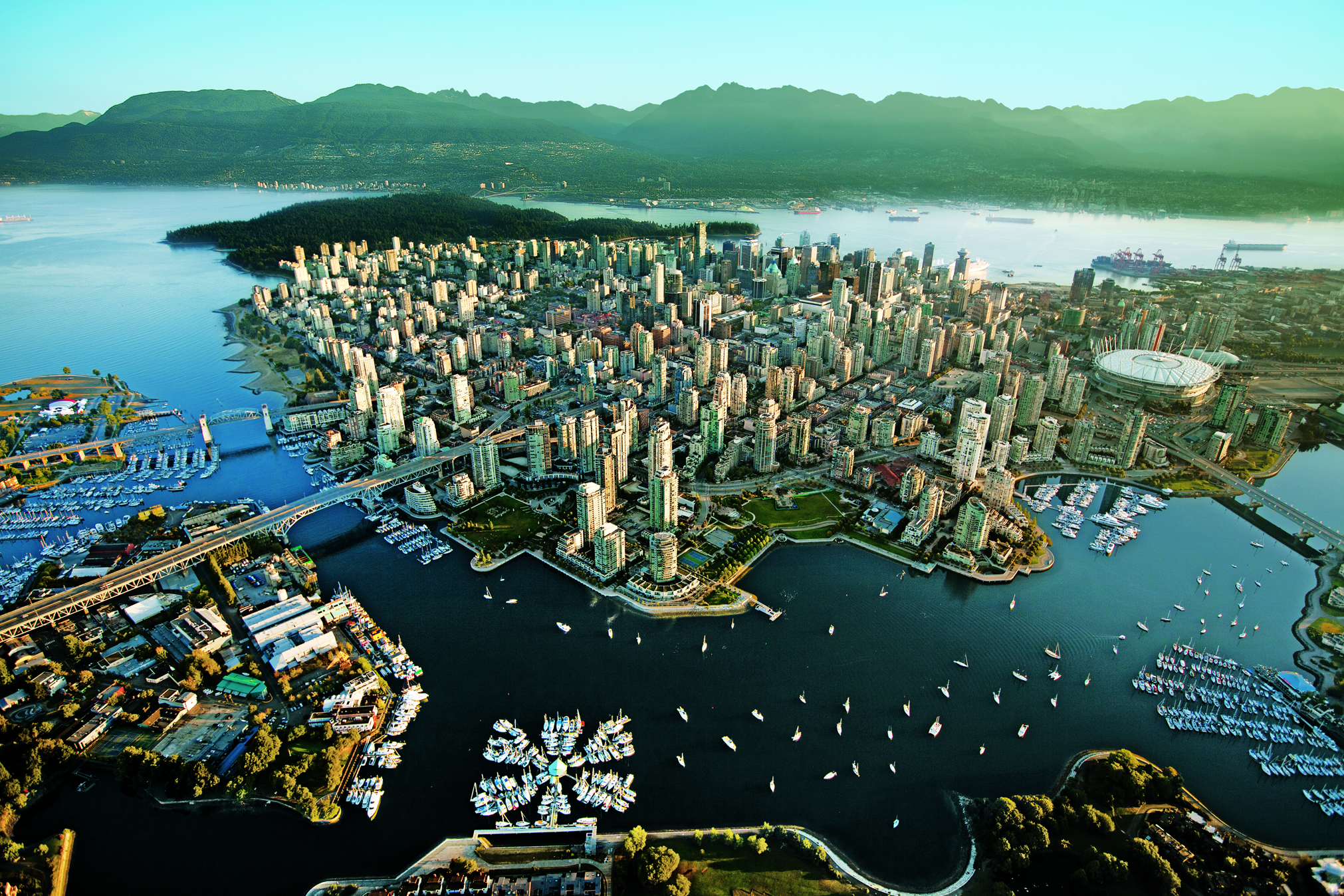
Vancouver, British Columbia, Canada
Vancouver is a delicious juxtaposition of urban sophistication and on-your-doorstep wilderness adventure. The mountains and seascape make the city an outdoor playground for hiking, skiing, kayaking, cycling, and sailing—and so much more—while the cuisine and arts scenes are equally diverse, reflecting the makeup of Vancouver’s ethnic (predominantly Asian) mosaic. Vancouver is consistently ranked as one of the world’s most livable cities, and it’s easy for visitors to see why. It’s beautiful, it’s outdoorsy, and there’s a laidback West Coast vibe. On the one hand, there’s easy access to a variety of outdoor activities, a fabulous variety of beaches, and amazing parks. At the same time, the city has a multicultural vitality and cosmopolitan flair. The attraction is as much in the range of food choices—the fresh seafood and local produce are some of North America’s best—as it is in the museums, shopping, and nightlife.Vancouver’s landscaping also adds to the city’s walking appeal. In spring, flowerbeds spill over with tulips and daffodils while sea breezes scatter scented cherry blossoms throughout Downtown; in summer office workers take to the beaches, parks, and urban courtyards for picnic lunches and laptop meetings. More than 8 million visitors each year come to Vancouver, Canada’s third-largest metropolitan area. Because of its peninsula location, traffic flow is a contentious issue. Thankfully, Vancouver is wonderfully walkable, especially in the downtown core. The North Shore is a scoot across the harbor, and the rapid-transit system to Richmond and the airport means that staying in the more affordable ’burbs doesn’t have to be synonymous with sacrificing convenience. The mild climate, exquisite natural scenery, and relaxed outdoor lifestyle keep attracting residents, and the number of visitors is increasing for the same reasons. People often get their first glimpse of Vancouver when catching an Alaskan cruise, and many return at some point to spend more time here.
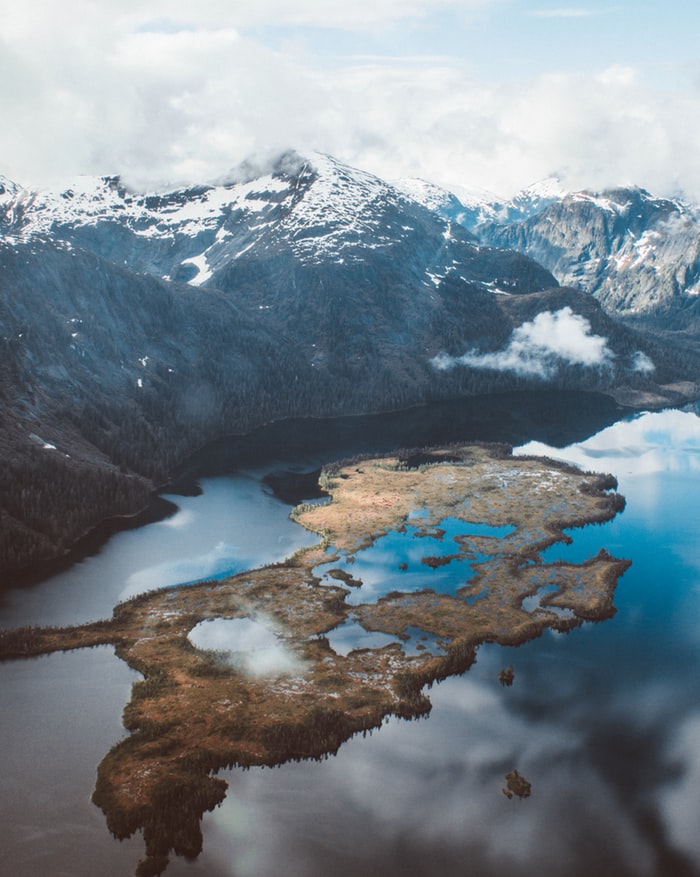
Ketchikan, Alaska, United States
Ketchikan is famous for its colorful totem poles, rainy skies, steep–as–San Francisco streets, and lush island setting. Some 13,500 people call the town home, and, in the summer, cruise ships crowd the shoreline, floatplanes depart noisily for Misty Fiords National Monument, and salmon-laden commercial fishing boats motor through Tongass Narrows. In the last decade Ketchikan’s rowdy, blue-collar heritage of logging and fishing has been softened by the loss of many timber-industry jobs and the dramatic rise of cruise-ship tourism. With some effort, though, visitors can still glimpse the rugged frontier spirit that once permeated this hardscrabble cannery town. Art lovers should make a beeline for Ketchikan: the arts community here is very active. Travelers in search of the perfect piece of Alaska art will find an incredible range of pieces to choose from.The town is at the foot of 3,000-foot Deer Mountain, near the southeastern corner of Revillagigedo (locals shorten it to Revilla) Island. Prior to the arrival of white miners and fishermen in 1885, the Tlingit used the site at the mouth of Ketchikan Creek as a summer fish camp. Gold discoveries just before the turn of the 20th century brought more immigrants, and valuable timber and commercial fishing resources spurred new industries. By the 1930s the town bragged that it was the “salmon-canning capital of the world.” You will still find some of Southeast’s best salmon fishing around here. Ketchikan is the first bite of Alaska that many travelers taste. Despite its imposing backdrop, hillside homes, and many staircases, the town is relatively easy to walk through. Favorite downtown stops include the Spruce Mill Development shops and Creek Street. A bit farther away you’ll find the Totem Heritage Center. Out of town (but included on most bus tours) are two longtime favorites: Totem Bight State Historical Park to the north and Saxman Totem Park to the south.
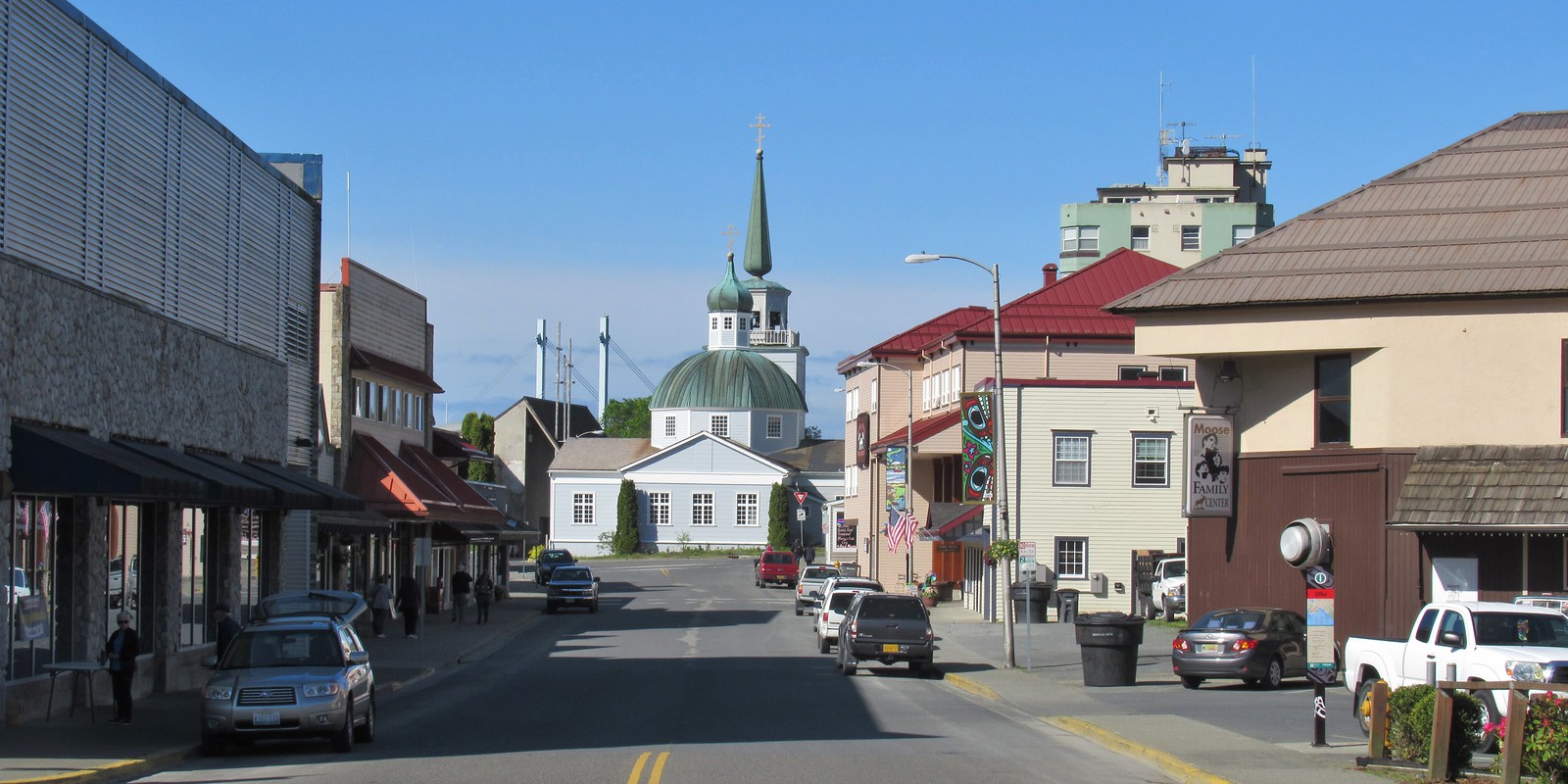
Sitka, Alaska, United States
It’s hard not to like Sitka, with its eclectic blend of Alaska Native, Russian, and American history and its dramatic and beautiful open-ocean setting. This is one of the best Inside Passage towns to explore on foot, with St. Michael’s Cathedral, Sheldon Jackson Museum, Castle Hill, Sitka National Historical Park, and the Alaska Raptor Center topping the must-see list.Sitka was home to the Kiksádi clan of the Tlingit people for centuries prior to the 18th-century arrival of the Russians under the direction of territorial governor Alexander Baranof, who believed the region was ideal for the fur trade. The governor also coveted the Sitka site for its beauty, mild climate, and economic potential; in the island’s massive timber forests he saw raw materials for shipbuilding. Its location offered trading routes as far west as Asia and as far south as California and Hawaii. In 1799 Baranof built St. Michael Archangel—a wooden fort and trading post 6 miles north of the present town.Strong disagreements arose shortly after the settlement. The Tlingits attacked the settlers and burned their buildings in 1802. Baranof, however, was away in Kodiak at the time. He returned in 1804 with a formidable force—including shipboard cannons—and attacked the Tlingits at their fort near Indian River, site of the present-day 105-acre Sitka National Historical Park, forcing many of them north to Chichagof Island.By 1821 the Tlingits had reached an accord with the Russians, who were happy to benefit from the tribe’s hunting skills. Under Baranof and succeeding managers, the Russian-American Company and the town prospered, becoming known as the Paris of the Pacific. The community built a major shipbuilding and repair facility, sawmills, and forges, and even initiated an ice industry, shipping blocks of ice from nearby Swan Lake to the booming San Francisco market. The settlement that was the site of the 1802 conflict is now called Old Sitka. It is a state park and listed as a National Historic Landmark.The town declined after its 1867 transfer from Russia to the United States, but it became prosperous again during World War II, when it served as a base for the U.S. effort to drive the Japanese from the Aleutian Islands. Today its most important industries are fishing, government, and tourism.
Cruise Hubbard Glacier, Alaska
No additional details available for this day.
Whittier, United States
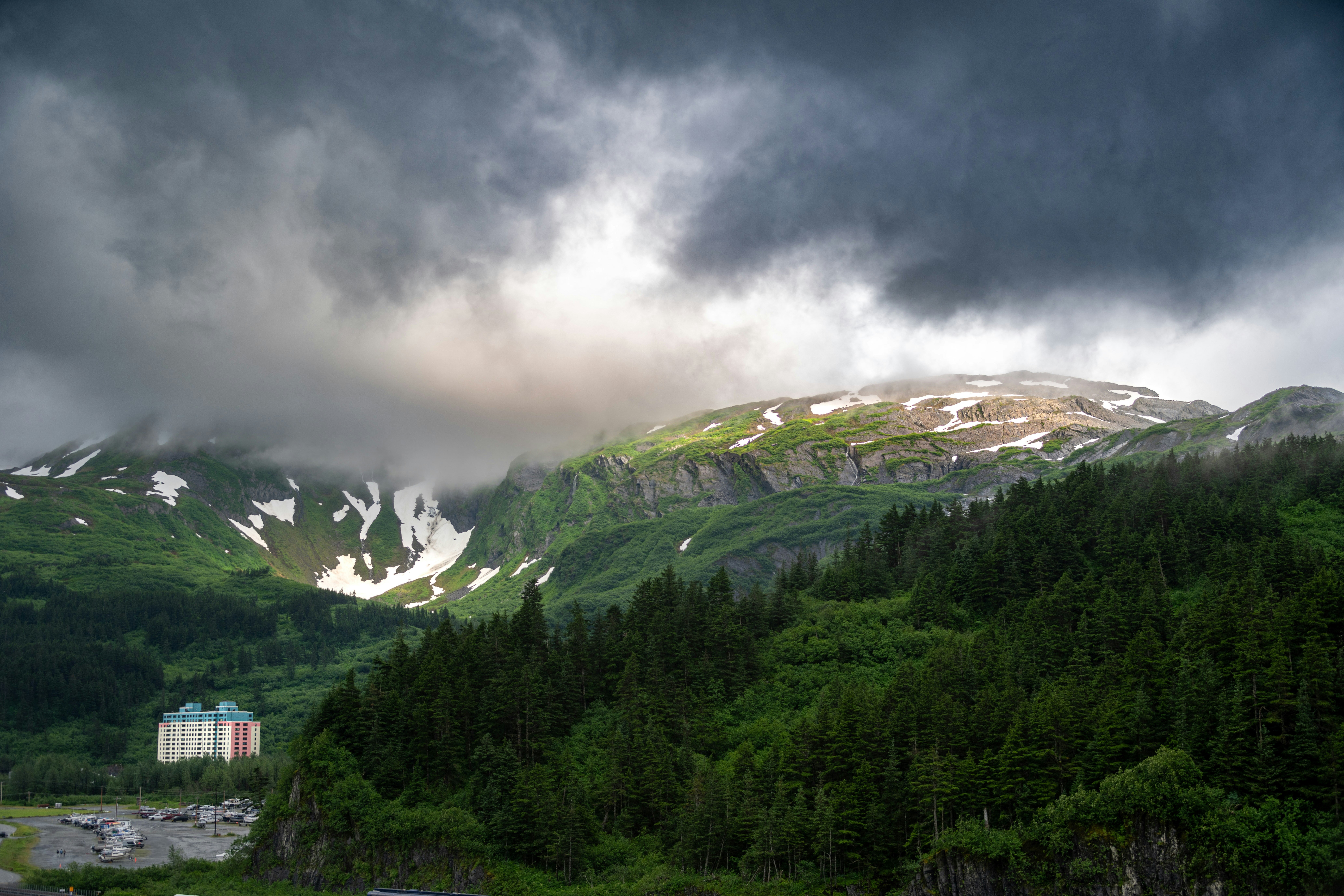
The tiny city of Whittier has just over 200 residents. It’s around 58 miles southeast of Anchorage in Alaska.
Kodiak, Alaska, United States
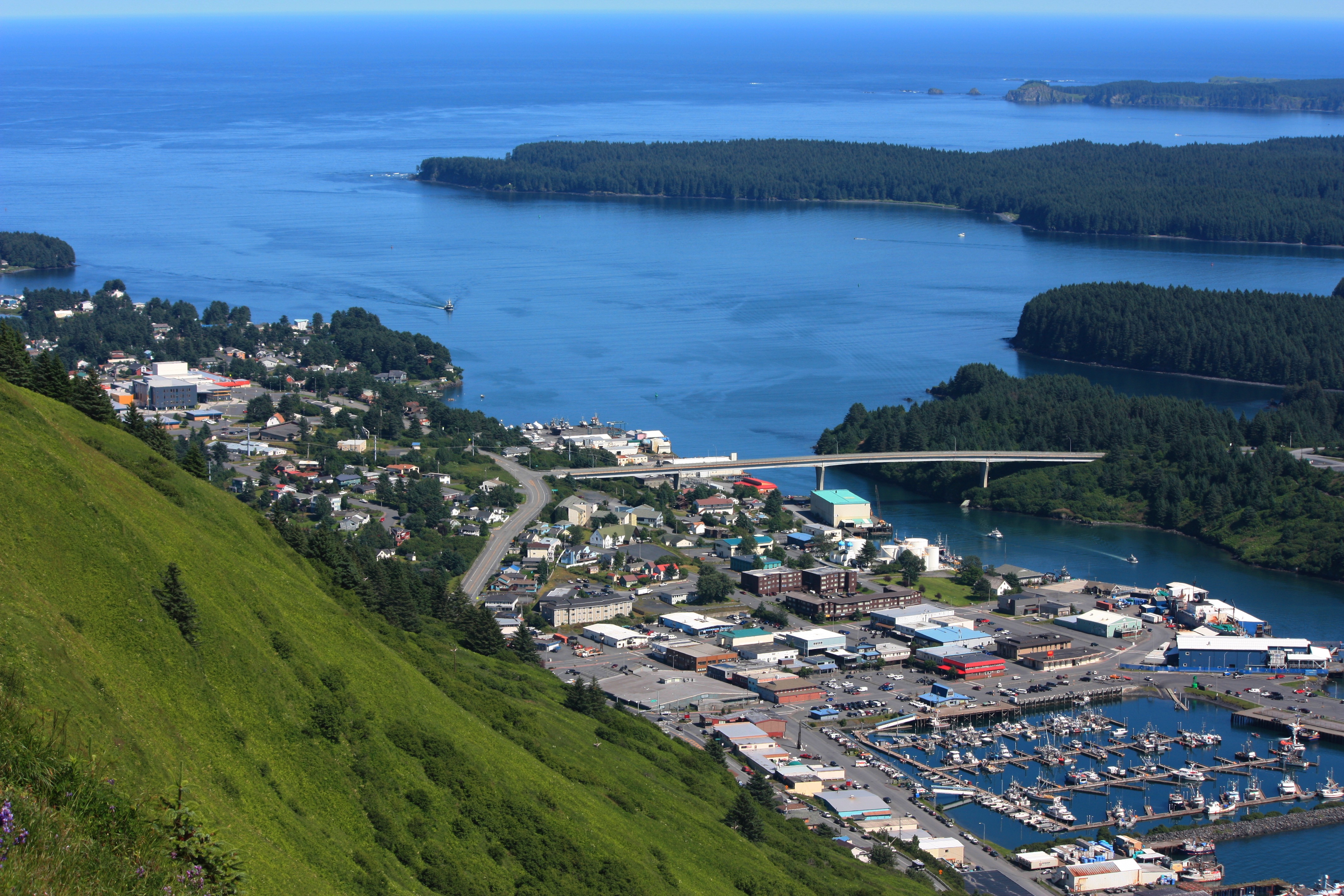
Today, commercial fishing is king in Kodiak. Despite its small population—about 6,475 people scattered among the several islands in the Kodiak group—the city is among the busiest fishing ports in the United States. The harbor is also an important supply point for small communities on the Aleutian Islands and the Alaska Peninsula.Visitors to the island tend to follow one of two agendas: either immediately fly out to a remote lodge for fishing, kayaking, or bear viewing; or stay in town and access whatever pursuits they can reach from the limited road system. If the former is too pricey an option, consider combining the two: drive the road system to see what can be seen inexpensively, then add a fly-out or charter-boat excursion to a remote lodge or wilderness access point.Floatplane and boat charters are available from Kodiak to many remote attractions, chief among them the Kodiak National Wildlife Refuge , which covers four islands in the Gulf of Alaska: Kodiak, Afognak, Ban, and Uganik.
Vancouver, British Columbia, Canada
Vancouver is a delicious juxtaposition of urban sophistication and on-your-doorstep wilderness adventure. The mountains and seascape make the city an outdoor playground for hiking, skiing, kayaking, cycling, and sailing—and so much more—while the cuisine and arts scenes are equally diverse, reflecting the makeup of Vancouver’s ethnic (predominantly Asian) mosaic. Vancouver is consistently ranked as one of the world’s most livable cities, and it’s easy for visitors to see why. It’s beautiful, it’s outdoorsy, and there’s a laidback West Coast vibe. On the one hand, there’s easy access to a variety of outdoor activities, a fabulous variety of beaches, and amazing parks. At the same time, the city has a multicultural vitality and cosmopolitan flair. The attraction is as much in the range of food choices—the fresh seafood and local produce are some of North America’s best—as it is in the museums, shopping, and nightlife.Vancouver’s landscaping also adds to the city’s walking appeal. In spring, flowerbeds spill over with tulips and daffodils while sea breezes scatter scented cherry blossoms throughout Downtown; in summer office workers take to the beaches, parks, and urban courtyards for picnic lunches and laptop meetings. More than 8 million visitors each year come to Vancouver, Canada’s third-largest metropolitan area. Because of its peninsula location, traffic flow is a contentious issue. Thankfully, Vancouver is wonderfully walkable, especially in the downtown core. The North Shore is a scoot across the harbor, and the rapid-transit system to Richmond and the airport means that staying in the more affordable ’burbs doesn’t have to be synonymous with sacrificing convenience. The mild climate, exquisite natural scenery, and relaxed outdoor lifestyle keep attracting residents, and the number of visitors is increasing for the same reasons. People often get their first glimpse of Vancouver when catching an Alaskan cruise, and many return at some point to spend more time here.
Ketchikan, Alaska, United States
Ketchikan is famous for its colorful totem poles, rainy skies, steep–as–San Francisco streets, and lush island setting. Some 13,500 people call the town home, and, in the summer, cruise ships crowd the shoreline, floatplanes depart noisily for Misty Fiords National Monument, and salmon-laden commercial fishing boats motor through Tongass Narrows. In the last decade Ketchikan’s rowdy, blue-collar heritage of logging and fishing has been softened by the loss of many timber-industry jobs and the dramatic rise of cruise-ship tourism. With some effort, though, visitors can still glimpse the rugged frontier spirit that once permeated this hardscrabble cannery town. Art lovers should make a beeline for Ketchikan: the arts community here is very active. Travelers in search of the perfect piece of Alaska art will find an incredible range of pieces to choose from.The town is at the foot of 3,000-foot Deer Mountain, near the southeastern corner of Revillagigedo (locals shorten it to Revilla) Island. Prior to the arrival of white miners and fishermen in 1885, the Tlingit used the site at the mouth of Ketchikan Creek as a summer fish camp. Gold discoveries just before the turn of the 20th century brought more immigrants, and valuable timber and commercial fishing resources spurred new industries. By the 1930s the town bragged that it was the “salmon-canning capital of the world.” You will still find some of Southeast’s best salmon fishing around here. Ketchikan is the first bite of Alaska that many travelers taste. Despite its imposing backdrop, hillside homes, and many staircases, the town is relatively easy to walk through. Favorite downtown stops include the Spruce Mill Development shops and Creek Street. A bit farther away you’ll find the Totem Heritage Center. Out of town (but included on most bus tours) are two longtime favorites: Totem Bight State Historical Park to the north and Saxman Totem Park to the south.
Sitka, Alaska, United States
It’s hard not to like Sitka, with its eclectic blend of Alaska Native, Russian, and American history and its dramatic and beautiful open-ocean setting. This is one of the best Inside Passage towns to explore on foot, with St. Michael’s Cathedral, Sheldon Jackson Museum, Castle Hill, Sitka National Historical Park, and the Alaska Raptor Center topping the must-see list.Sitka was home to the Kiksádi clan of the Tlingit people for centuries prior to the 18th-century arrival of the Russians under the direction of territorial governor Alexander Baranof, who believed the region was ideal for the fur trade. The governor also coveted the Sitka site for its beauty, mild climate, and economic potential; in the island’s massive timber forests he saw raw materials for shipbuilding. Its location offered trading routes as far west as Asia and as far south as California and Hawaii. In 1799 Baranof built St. Michael Archangel—a wooden fort and trading post 6 miles north of the present town.Strong disagreements arose shortly after the settlement. The Tlingits attacked the settlers and burned their buildings in 1802. Baranof, however, was away in Kodiak at the time. He returned in 1804 with a formidable force—including shipboard cannons—and attacked the Tlingits at their fort near Indian River, site of the present-day 105-acre Sitka National Historical Park, forcing many of them north to Chichagof Island.By 1821 the Tlingits had reached an accord with the Russians, who were happy to benefit from the tribe’s hunting skills. Under Baranof and succeeding managers, the Russian-American Company and the town prospered, becoming known as the Paris of the Pacific. The community built a major shipbuilding and repair facility, sawmills, and forges, and even initiated an ice industry, shipping blocks of ice from nearby Swan Lake to the booming San Francisco market. The settlement that was the site of the 1802 conflict is now called Old Sitka. It is a state park and listed as a National Historic Landmark.The town declined after its 1867 transfer from Russia to the United States, but it became prosperous again during World War II, when it served as a base for the U.S. effort to drive the Japanese from the Aleutian Islands. Today its most important industries are fishing, government, and tourism.
Cruise Hubbard Glacier, Alaska
No additional details available for this day.
Whittier, United States
The tiny city of Whittier has just over 200 residents. It’s around 58 miles southeast of Anchorage in Alaska.
Kodiak, Alaska, United States
Today, commercial fishing is king in Kodiak. Despite its small population—about 6,475 people scattered among the several islands in the Kodiak group—the city is among the busiest fishing ports in the United States. The harbor is also an important supply point for small communities on the Aleutian Islands and the Alaska Peninsula.Visitors to the island tend to follow one of two agendas: either immediately fly out to a remote lodge for fishing, kayaking, or bear viewing; or stay in town and access whatever pursuits they can reach from the limited road system. If the former is too pricey an option, consider combining the two: drive the road system to see what can be seen inexpensively, then add a fly-out or charter-boat excursion to a remote lodge or wilderness access point.Floatplane and boat charters are available from Kodiak to many remote attractions, chief among them the Kodiak National Wildlife Refuge , which covers four islands in the Gulf of Alaska: Kodiak, Afognak, Ban, and Uganik.
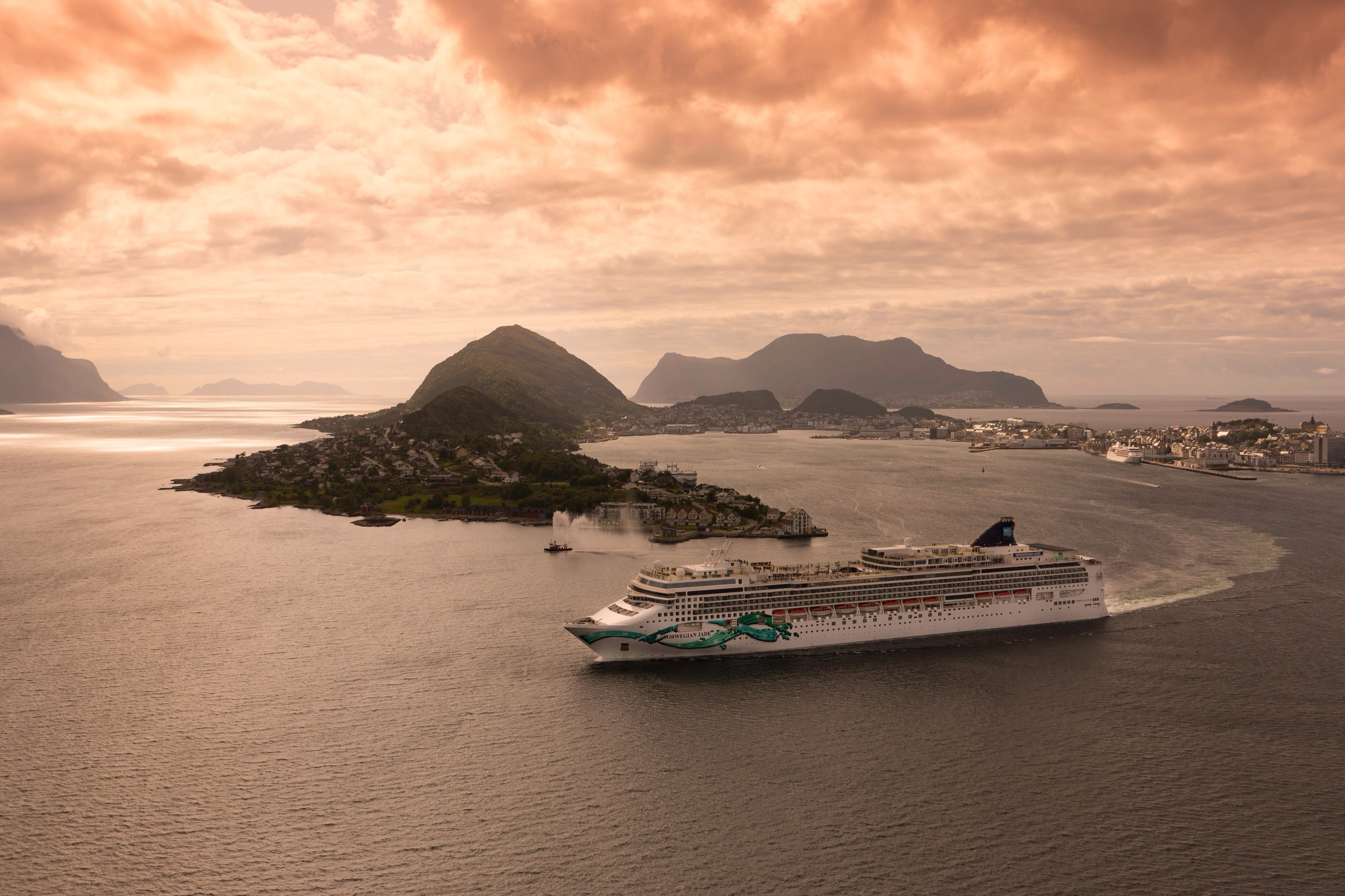
Hakodate, Japan
Facing out on two bays, Hakodate is a 19th-century port town, with clapboard buildings on sloping streets, a dockside tourist zone, streetcars, and fresh fish on every menu. In the downtown historic quarter, a mountain rises 1,100 feet above the city on the southern point of the narrow peninsula. Russians, Americans, Chinese, and Europeans have all left their mark; this was one of the first three Japanese ports the Meiji government opened up to international trade in 1859. The main sights around the foot of Mt. Hakodate can be done in a day, but the city is best appreciated with an overnight stay for the illumination in the historic area, the night views from either the mountain or the fort tower, and the fish market at dawn. City transport is easy to navigate and English information is readily available. Evening departure trains from Tokyo arrive here at dawn—perfect for fish-market breakfasts.
Yokohama, Japan
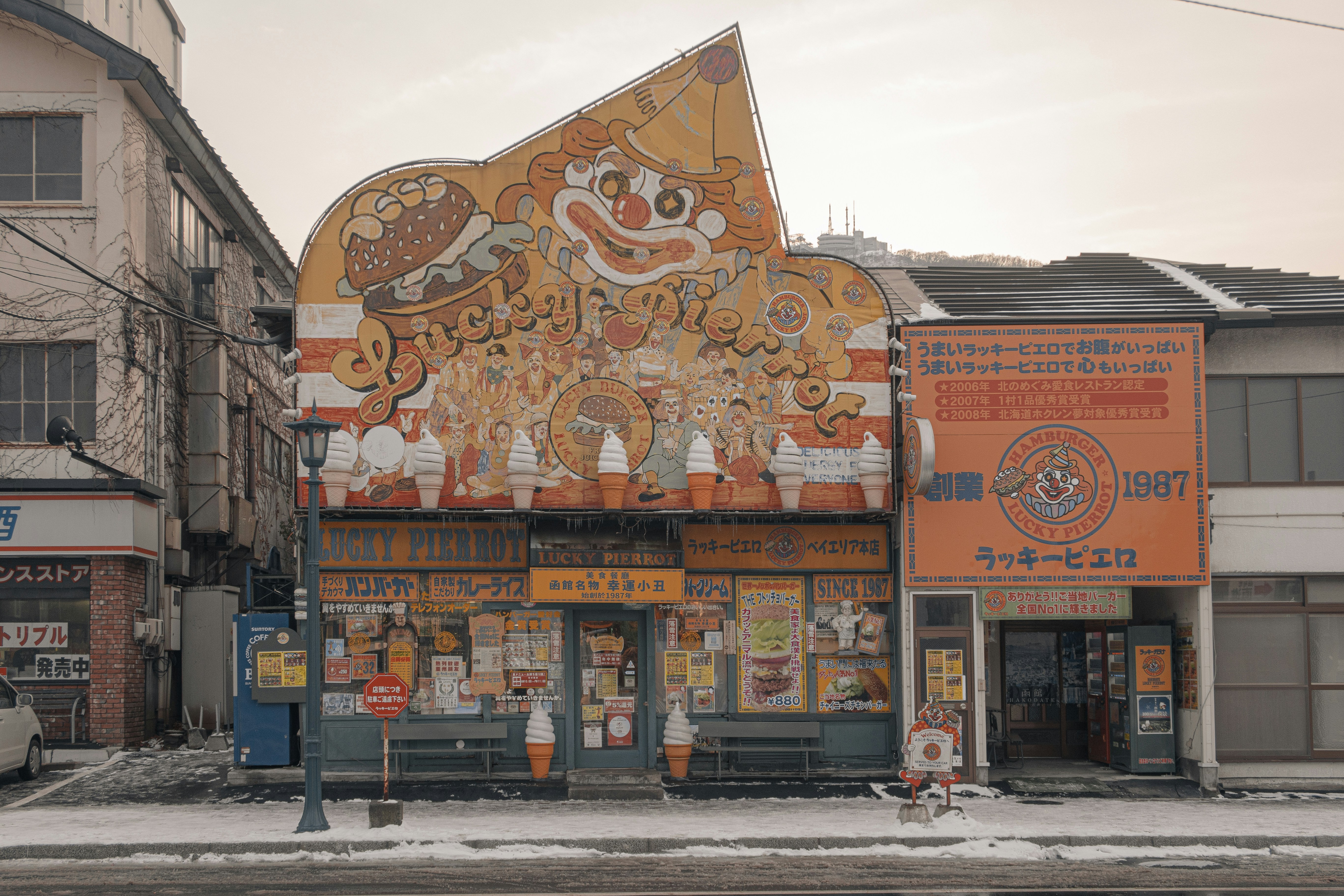
In 1853, a fleet of four American warships under Commodore Matthew Perry sailed into the bay of Tokyo (then Edo) and presented the reluctant Japanese with the demands of the U.S. government for the opening of diplomatic and commercial relations. The following year Perry returned and first set foot on Japanese soil at Yokohama—then a small fishing village on the mudflats of Tokyo bay. Two years later New York businessman Townsend Harris became America’s first diplomatic representative to Japan. In 1858 he was finally able to negotiate a commercial treaty between the two countries; part of the deal designated four locations—one of them Yokohama—as treaty ports. In 1859 the shogunate created a special settlement in Yokohama for the growing community of merchants, traders, missionaries, and other assorted adventurers drawn to this exotic new land of opportunity. The foreigners (predominantly Chinese and British, plus a few French, Americans, and Dutch) were confined here to a guarded compound about 5 square km (2 square miles)—placed, in effect, in isolation—but not for long. Within a few short years the shogunal government collapsed, and Japan began to modernize. Western ideas were welcomed, as were Western goods, and the little treaty port became Japan’s principal gateway to the outside world. In 1872 Japan’s first railway was built, linking Yokohama and Tokyo. In 1889 Yokohama became a city; by then the population had grown to some 120,000. As the city prospered, so did the international community and by the early 1900s Yokohama was the busiest and most modern center of international trade in all of East Asia. Then Yokohama came tumbling down. On September 1, 1923, the Great Kanto Earthquake devastated the city. The ensuing fires destroyed some 60,000 homes and took more than 40,000 lives. During the six years it took to rebuild the city, many foreign businesses took up quarters elsewhere, primarily in Kobe and Osaka, and did not return. Over the next 20 years Yokohama continued to grow as an industrial center—until May 29, 1945, when in a span of four hours, some 500 American B-29 bombers leveled nearly half the city and left more than half a million people homeless. When the war ended, what remained became—in effect—the center of the Allied occupation. General Douglas MacArthur set up headquarters here, briefly, before moving to Tokyo; the entire port facility and about a quarter of the city remained in the hands of the U.S. military throughout the 1950s. By the 1970s Yokohama was once more rising from the debris; in 1978 it surpassed Osaka as the nation’s second-largest city, and the population is now inching up to the 3.5 million mark. Boosted by Japan’s postwar economic miracle, Yokohama has extended its urban sprawl north to Tokyo and south to Kamakura—in the process creating a whole new subcenter around the Shinkansen Station at Shin-Yokohama. The development of air travel and the competition from other ports have changed the city’s role in Japan’s economy. The great liners that once docked at Yokohama’s piers are now but a memory, kept alive by a museum ship and the occasional visit of a luxury vessel on a Pacific cruise. Modern Large as Yokohama is, the central area is very negotiable. As with any other port city, much of what it has to offer centers on the waterfront—in this case, on the west side of Tokyo Bay. The downtown area is called Kannai (literally, “within the checkpoint”); this is where the international community was originally confined by the shogunate. Though the center of interest has expanded to include the waterfront and Ishikawa-cho, to the south, Kannai remains the heart of town. Think of that heart as two adjacent areas. One is the old district of Kannai, bounded by Basha-michi on the northwest and Nippon-odori on the southeast, the Keihin Tohoku Line tracks on the southwest, and the waterfront on the northeast. This area contains the business offices of modern Yokohama. The other area extends southeast from Nippon-odori to the Moto-machi shopping street and the International Cemetery, bordered by Yamashita Koen and the waterfront to the northeast; in the center is Chinatown, with Ishikawa-cho Station to the southwest. This is the most interesting part of town for tourists. Whether you’re coming from Tokyo, Nagoya, or Kamakura, make Ishikawa-cho Station your starting point. Take the South Exit from the station and head in the direction of the waterfront.
Hakodate, Japan
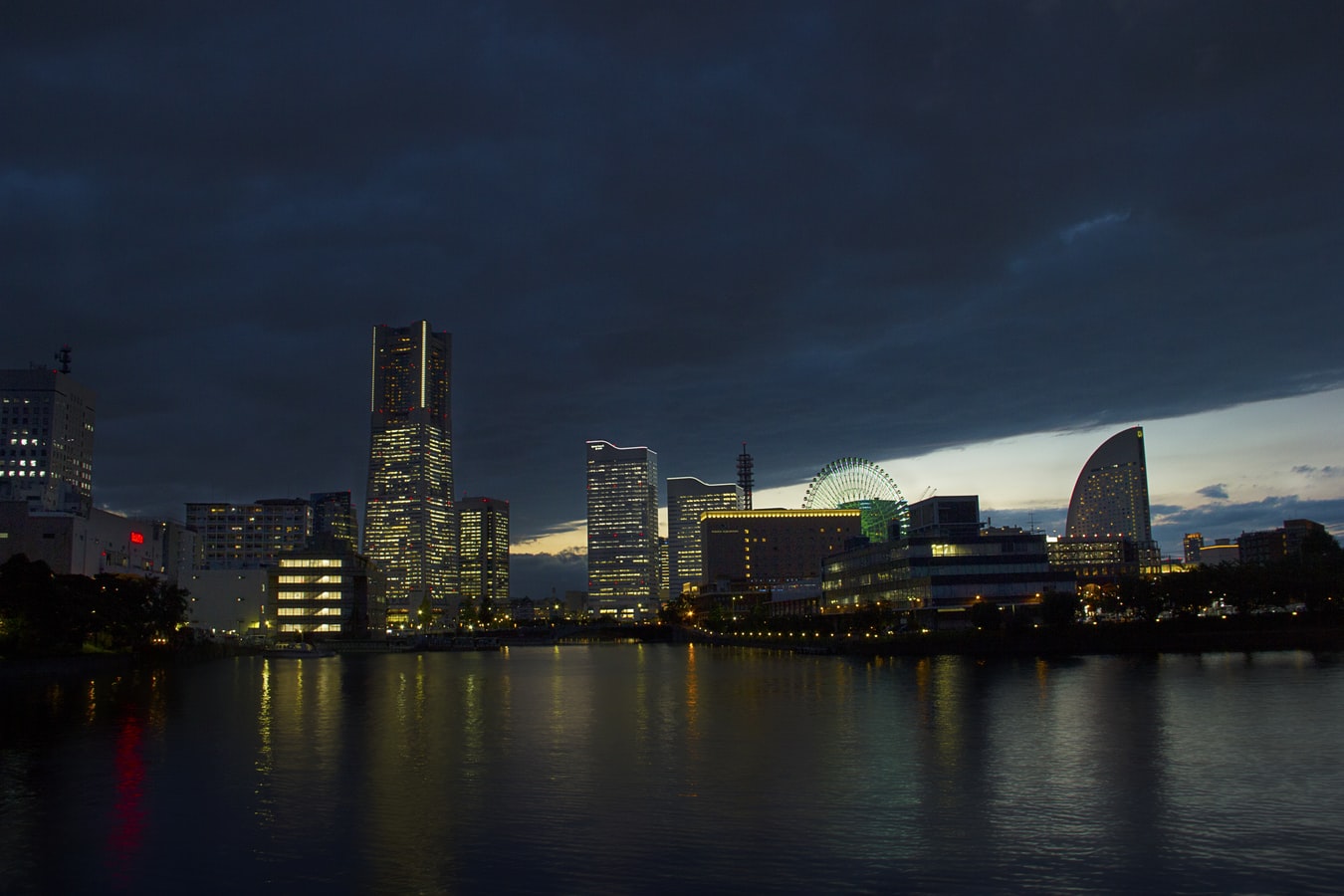
Facing out on two bays, Hakodate is a 19th-century port town, with clapboard buildings on sloping streets, a dockside tourist zone, streetcars, and fresh fish on every menu. In the downtown historic quarter, a mountain rises 1,100 feet above the city on the southern point of the narrow peninsula. Russians, Americans, Chinese, and Europeans have all left their mark; this was one of the first three Japanese ports the Meiji government opened up to international trade in 1859. The main sights around the foot of Mt. Hakodate can be done in a day, but the city is best appreciated with an overnight stay for the illumination in the historic area, the night views from either the mountain or the fort tower, and the fish market at dawn. City transport is easy to navigate and English information is readily available. Evening departure trains from Tokyo arrive here at dawn—perfect for fish-market breakfasts.
Yokohama, Japan
In 1853, a fleet of four American warships under Commodore Matthew Perry sailed into the bay of Tokyo (then Edo) and presented the reluctant Japanese with the demands of the U.S. government for the opening of diplomatic and commercial relations. The following year Perry returned and first set foot on Japanese soil at Yokohama—then a small fishing village on the mudflats of Tokyo bay. Two years later New York businessman Townsend Harris became America’s first diplomatic representative to Japan. In 1858 he was finally able to negotiate a commercial treaty between the two countries; part of the deal designated four locations—one of them Yokohama—as treaty ports. In 1859 the shogunate created a special settlement in Yokohama for the growing community of merchants, traders, missionaries, and other assorted adventurers drawn to this exotic new land of opportunity. The foreigners (predominantly Chinese and British, plus a few French, Americans, and Dutch) were confined here to a guarded compound about 5 square km (2 square miles)—placed, in effect, in isolation—but not for long. Within a few short years the shogunal government collapsed, and Japan began to modernize. Western ideas were welcomed, as were Western goods, and the little treaty port became Japan’s principal gateway to the outside world. In 1872 Japan’s first railway was built, linking Yokohama and Tokyo. In 1889 Yokohama became a city; by then the population had grown to some 120,000. As the city prospered, so did the international community and by the early 1900s Yokohama was the busiest and most modern center of international trade in all of East Asia. Then Yokohama came tumbling down. On September 1, 1923, the Great Kanto Earthquake devastated the city. The ensuing fires destroyed some 60,000 homes and took more than 40,000 lives. During the six years it took to rebuild the city, many foreign businesses took up quarters elsewhere, primarily in Kobe and Osaka, and did not return. Over the next 20 years Yokohama continued to grow as an industrial center—until May 29, 1945, when in a span of four hours, some 500 American B-29 bombers leveled nearly half the city and left more than half a million people homeless. When the war ended, what remained became—in effect—the center of the Allied occupation. General Douglas MacArthur set up headquarters here, briefly, before moving to Tokyo; the entire port facility and about a quarter of the city remained in the hands of the U.S. military throughout the 1950s. By the 1970s Yokohama was once more rising from the debris; in 1978 it surpassed Osaka as the nation’s second-largest city, and the population is now inching up to the 3.5 million mark. Boosted by Japan’s postwar economic miracle, Yokohama has extended its urban sprawl north to Tokyo and south to Kamakura—in the process creating a whole new subcenter around the Shinkansen Station at Shin-Yokohama. The development of air travel and the competition from other ports have changed the city’s role in Japan’s economy. The great liners that once docked at Yokohama’s piers are now but a memory, kept alive by a museum ship and the occasional visit of a luxury vessel on a Pacific cruise. Modern Large as Yokohama is, the central area is very negotiable. As with any other port city, much of what it has to offer centers on the waterfront—in this case, on the west side of Tokyo Bay. The downtown area is called Kannai (literally, “within the checkpoint”); this is where the international community was originally confined by the shogunate. Though the center of interest has expanded to include the waterfront and Ishikawa-cho, to the south, Kannai remains the heart of town. Think of that heart as two adjacent areas. One is the old district of Kannai, bounded by Basha-michi on the northwest and Nippon-odori on the southeast, the Keihin Tohoku Line tracks on the southwest, and the waterfront on the northeast. This area contains the business offices of modern Yokohama. The other area extends southeast from Nippon-odori to the Moto-machi shopping street and the International Cemetery, bordered by Yamashita Koen and the waterfront to the northeast; in the center is Chinatown, with Ishikawa-cho Station to the southwest. This is the most interesting part of town for tourists. Whether you’re coming from Tokyo, Nagoya, or Kamakura, make Ishikawa-cho Station your starting point. Take the South Exit from the station and head in the direction of the waterfront.
Cabin Options
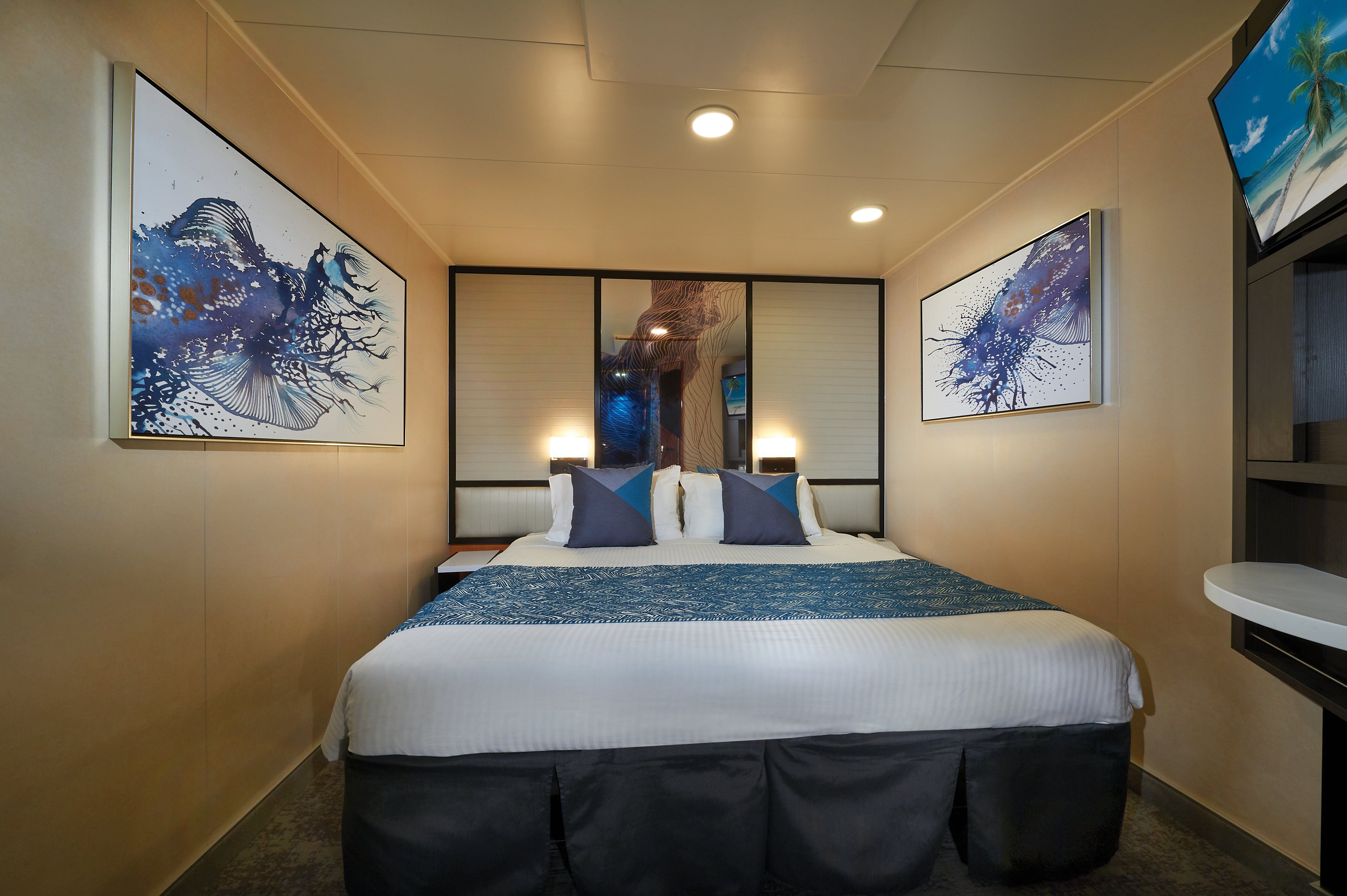
Sail Away Inside
Inside
Family Inside
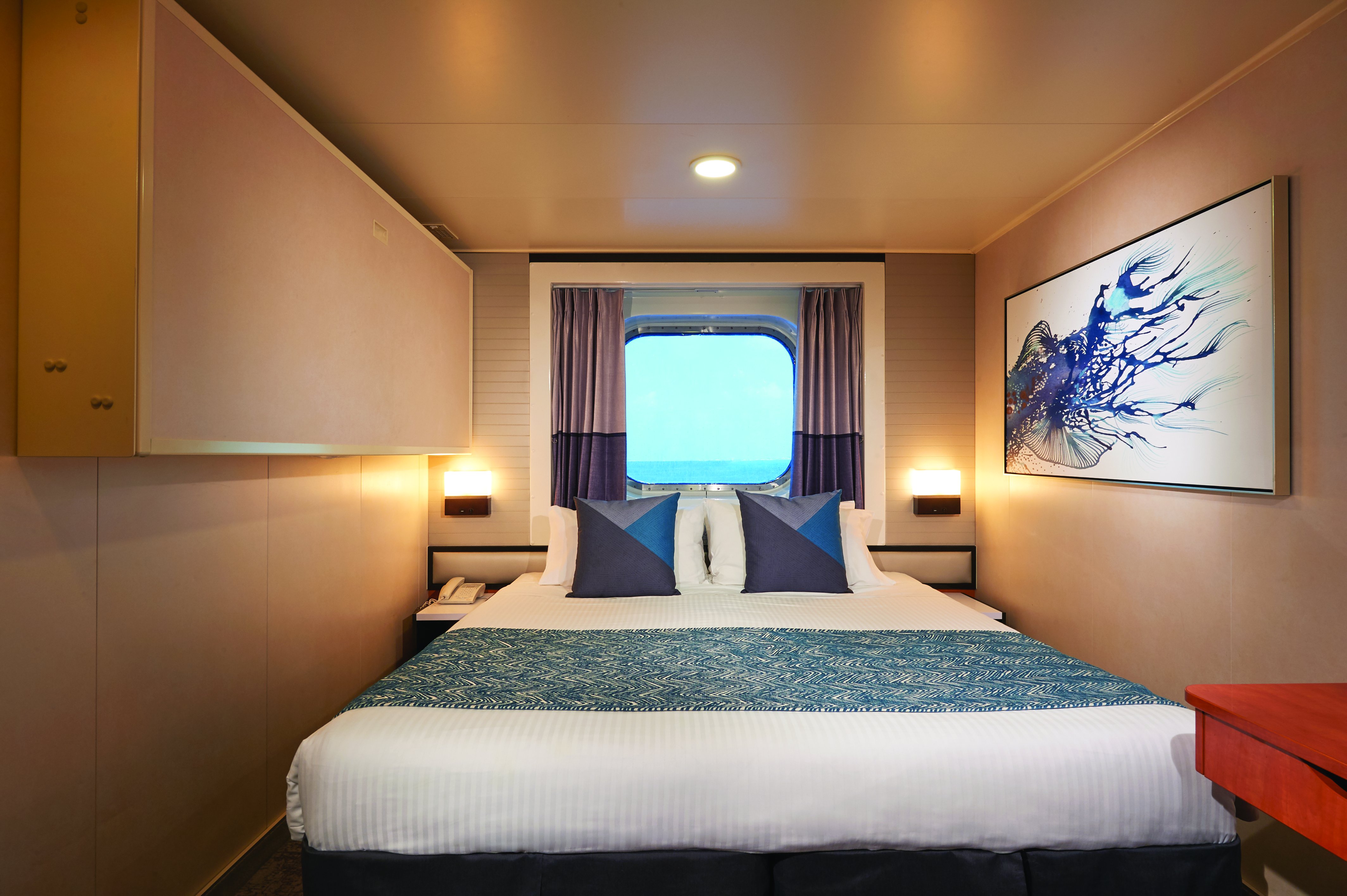
Sail Away Oceanview
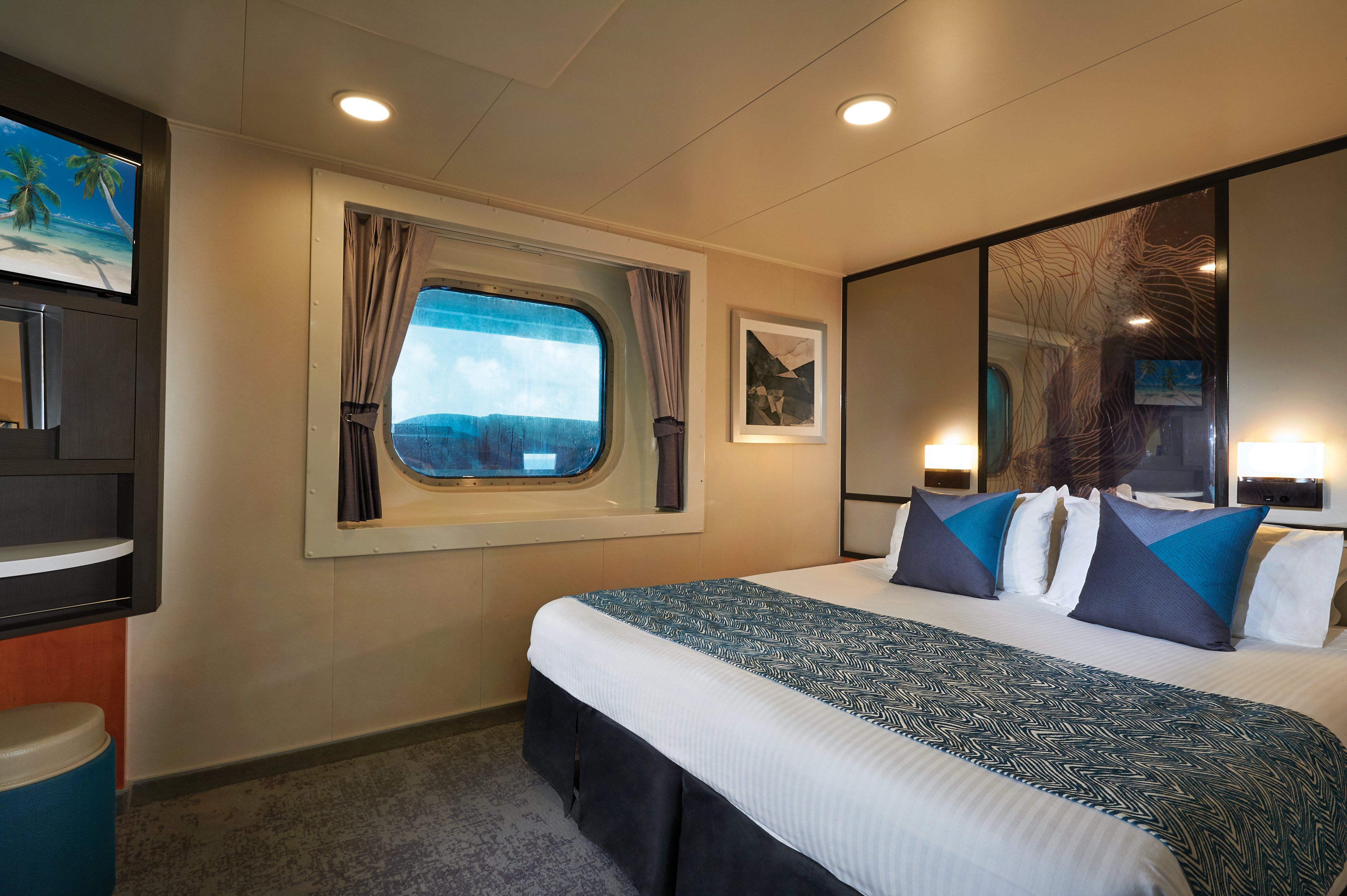
Obstructed Oceanview
Family Oceanview
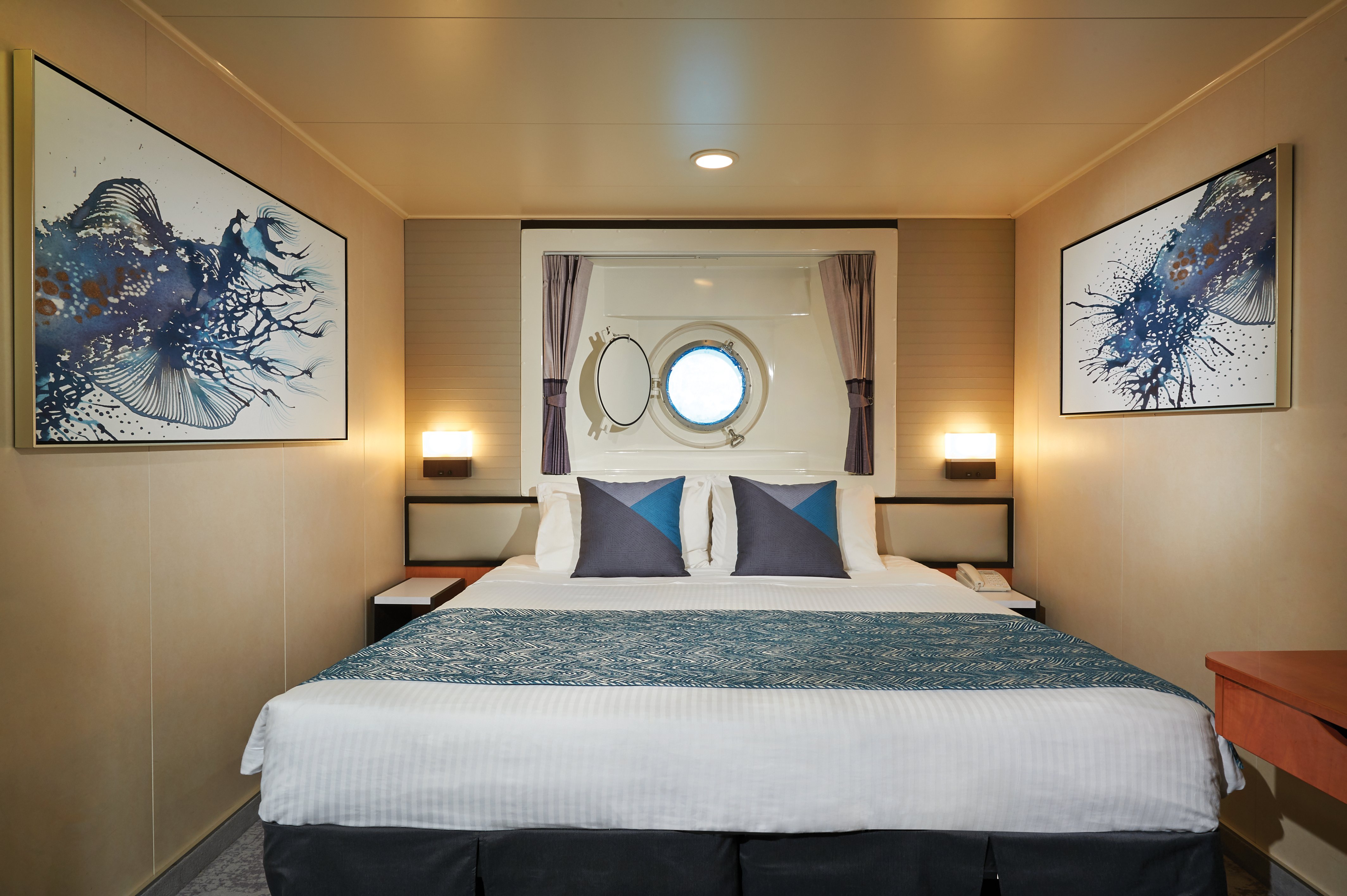
Oceanview
Oceanview with Picture Window
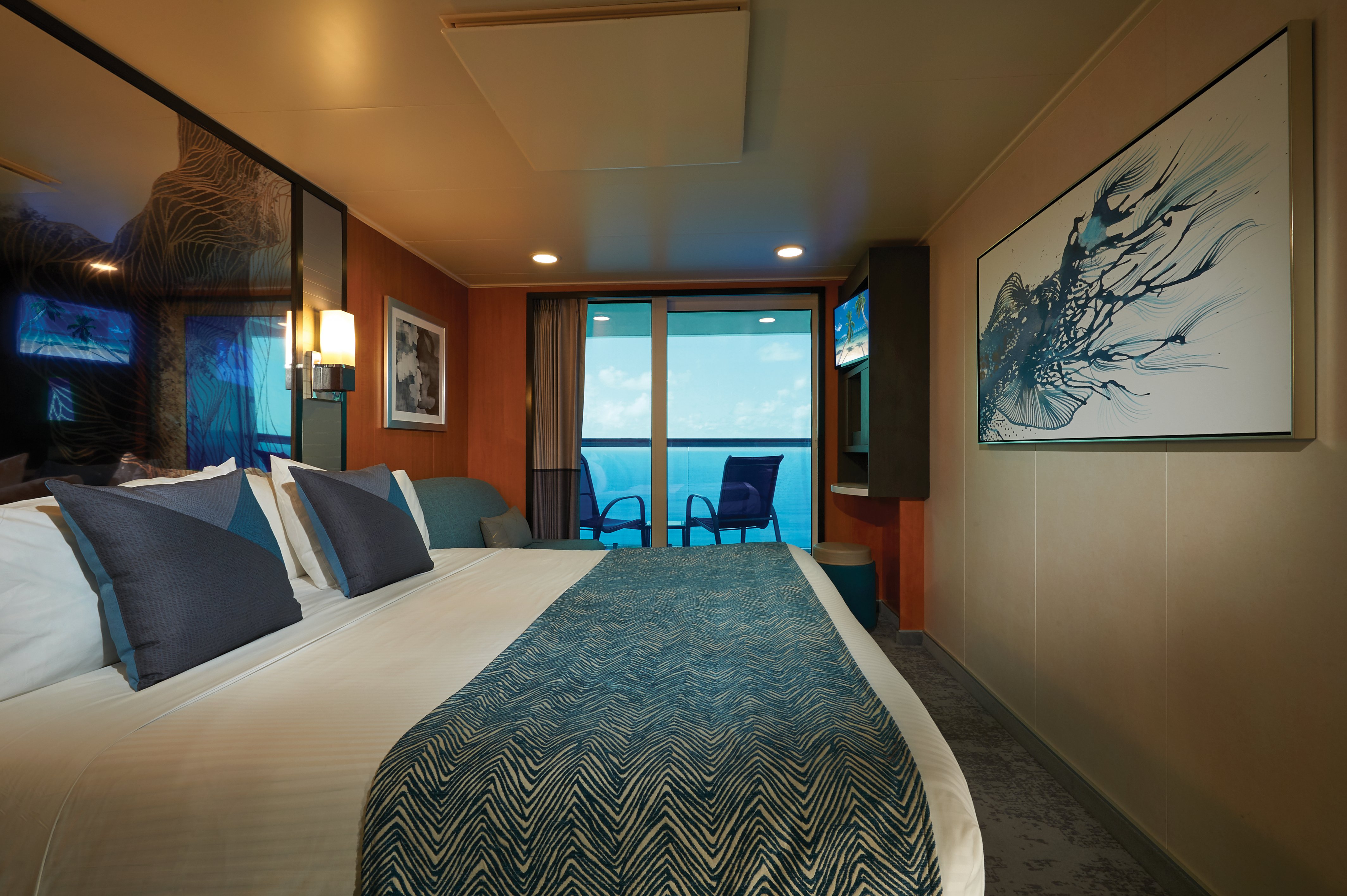
Sail Away Balcony
Balcony
Family Balcony
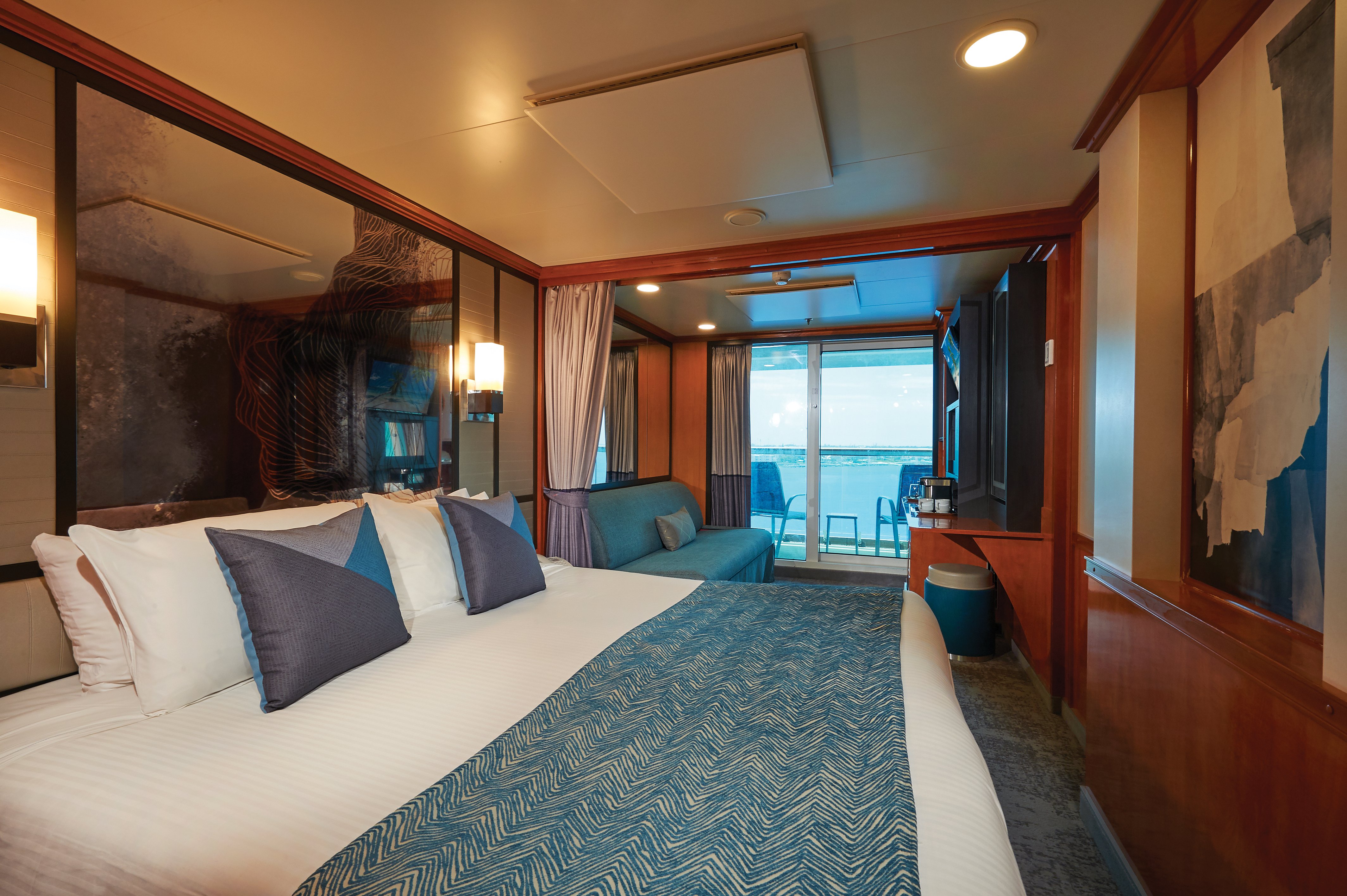
Sail Away Club Balcony Suite
Club Balcony Suite
Aft-Facing Balcony
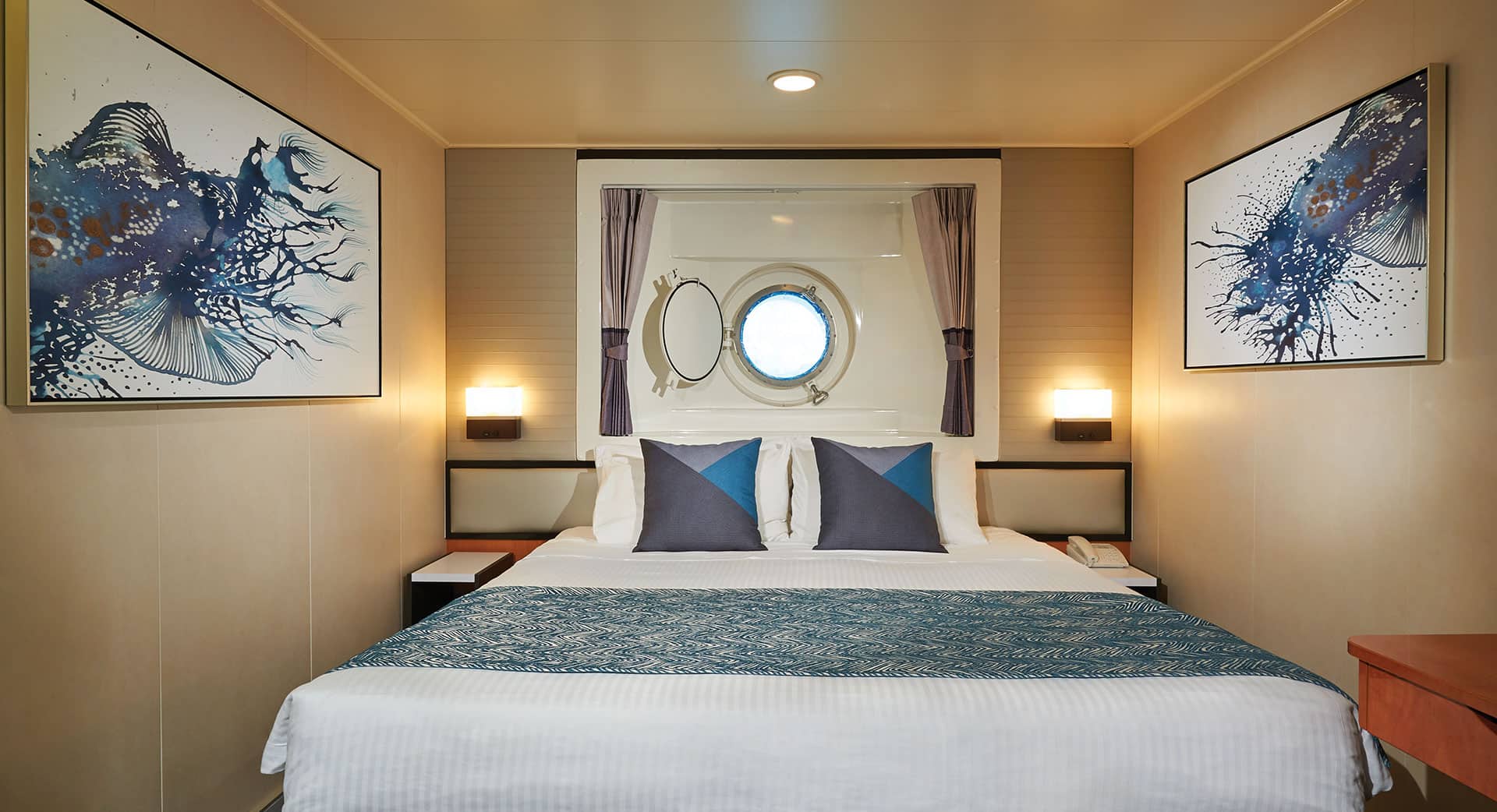
Solo Oceanview
Aft-Facing Club Balcony Suite
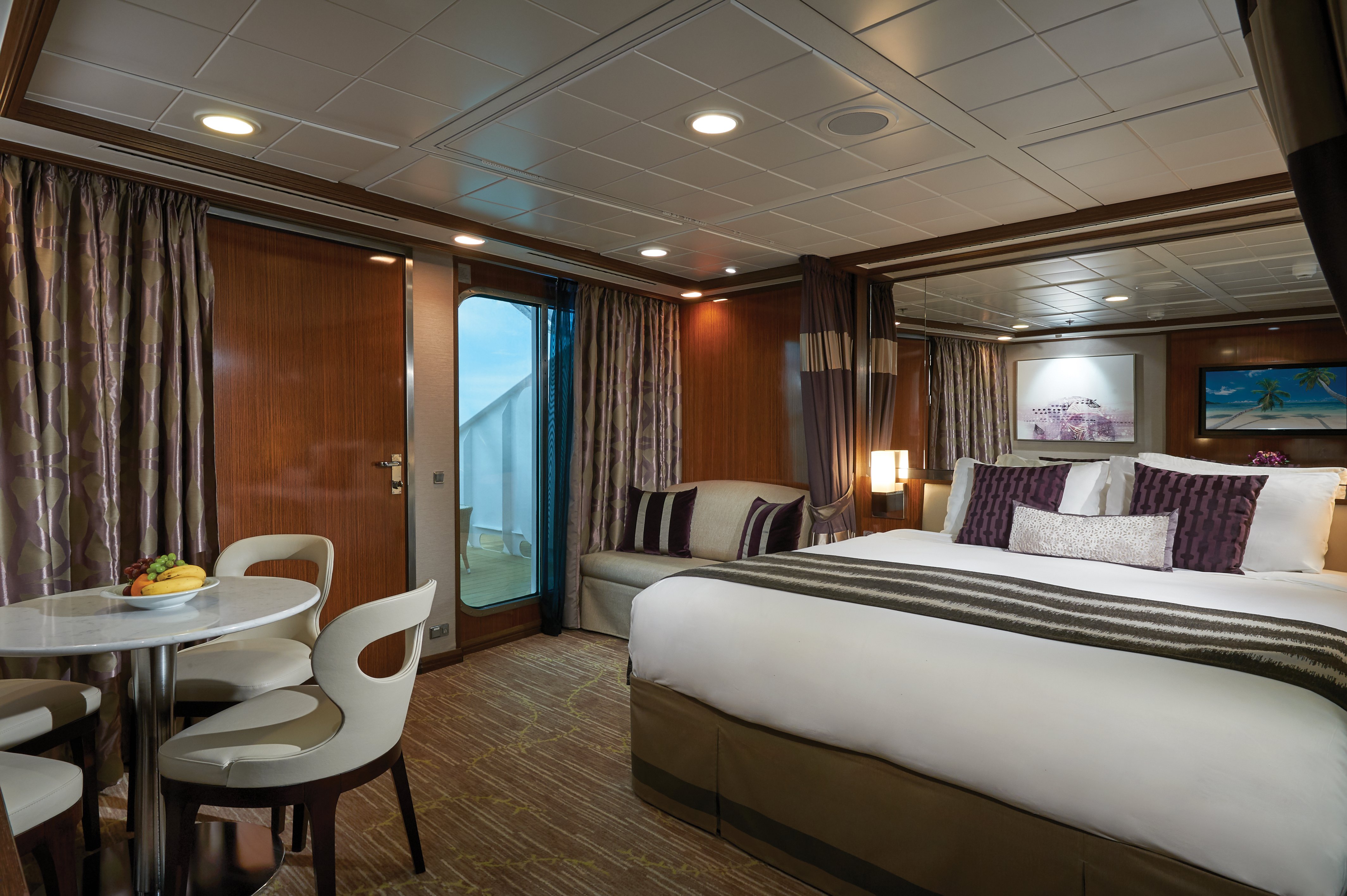
Aft-Facing Penthouse with Balcony
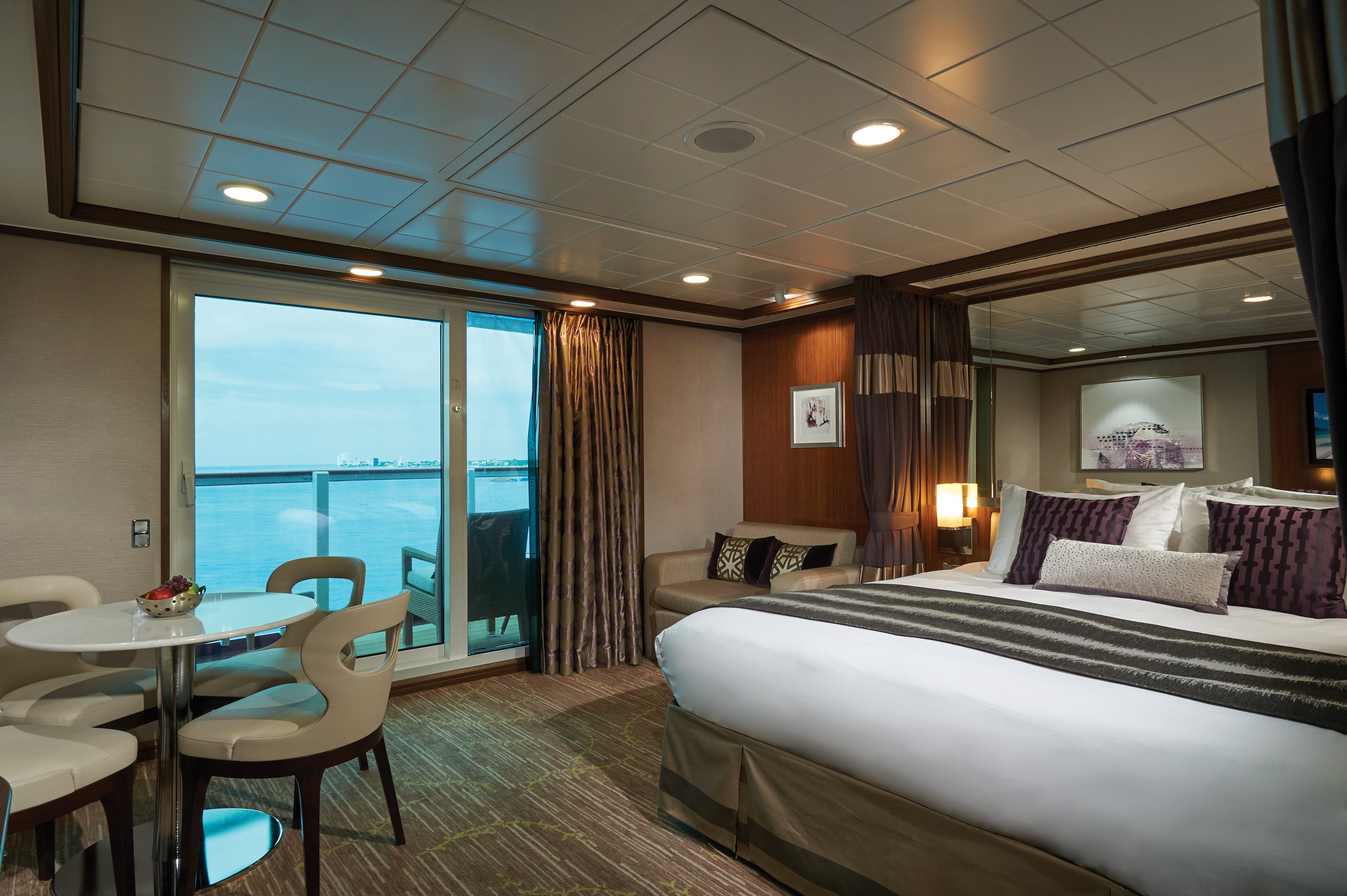
Forward-Facing Penthouse with Large Balcony
Forward-Facing Deluxe Penthouse with Large Balcony
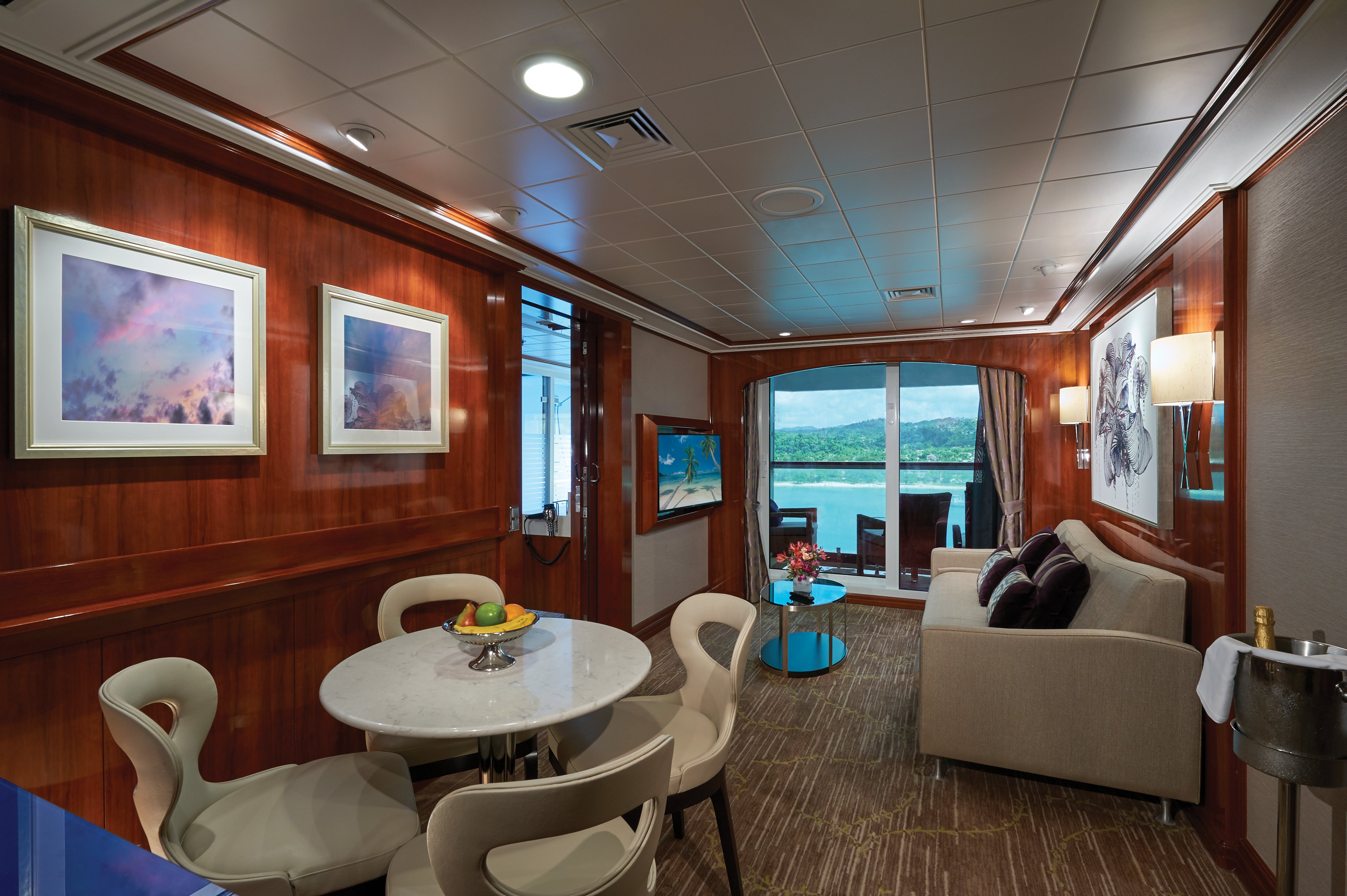
2-Bedroom Deluxe Family Suite with Balcony
The Haven 2-Bedroom Family Villa with Balcony
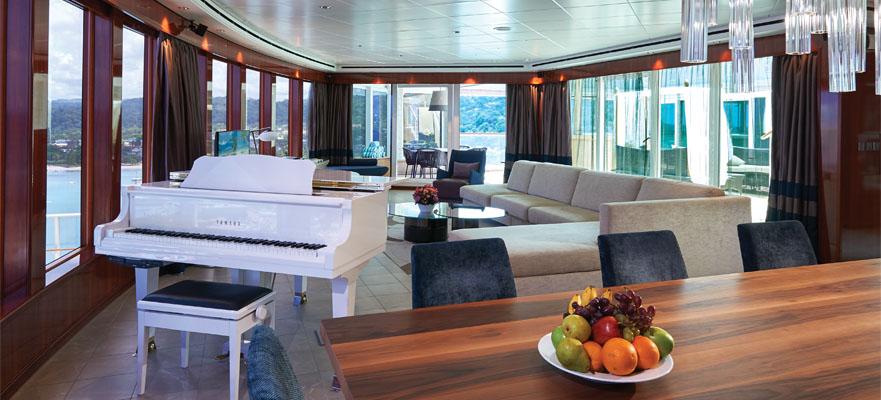
The Haven 3-Bedroom Garden Villa
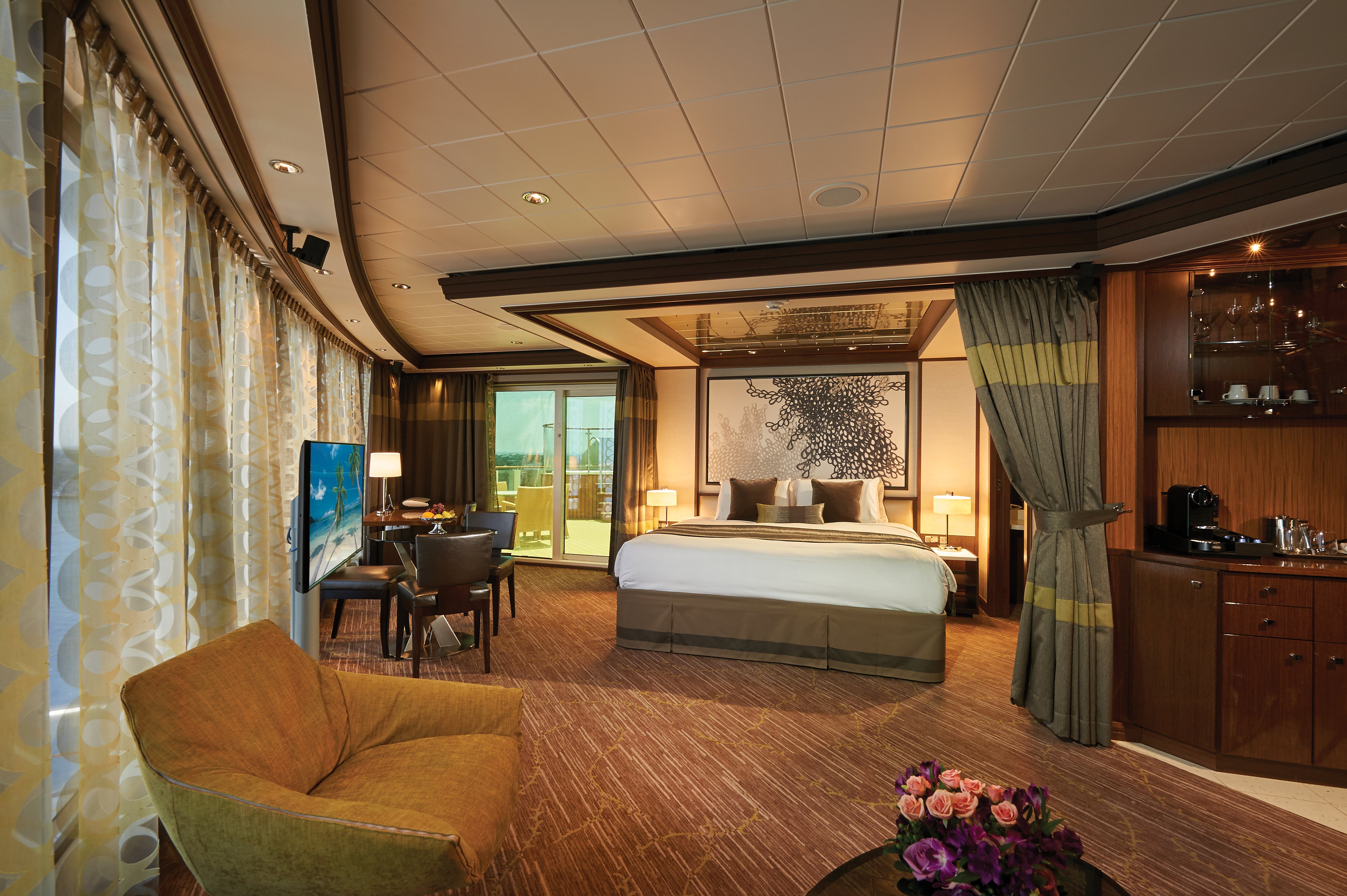
The Haven Deluxe Owner's Suite with Large Balcony
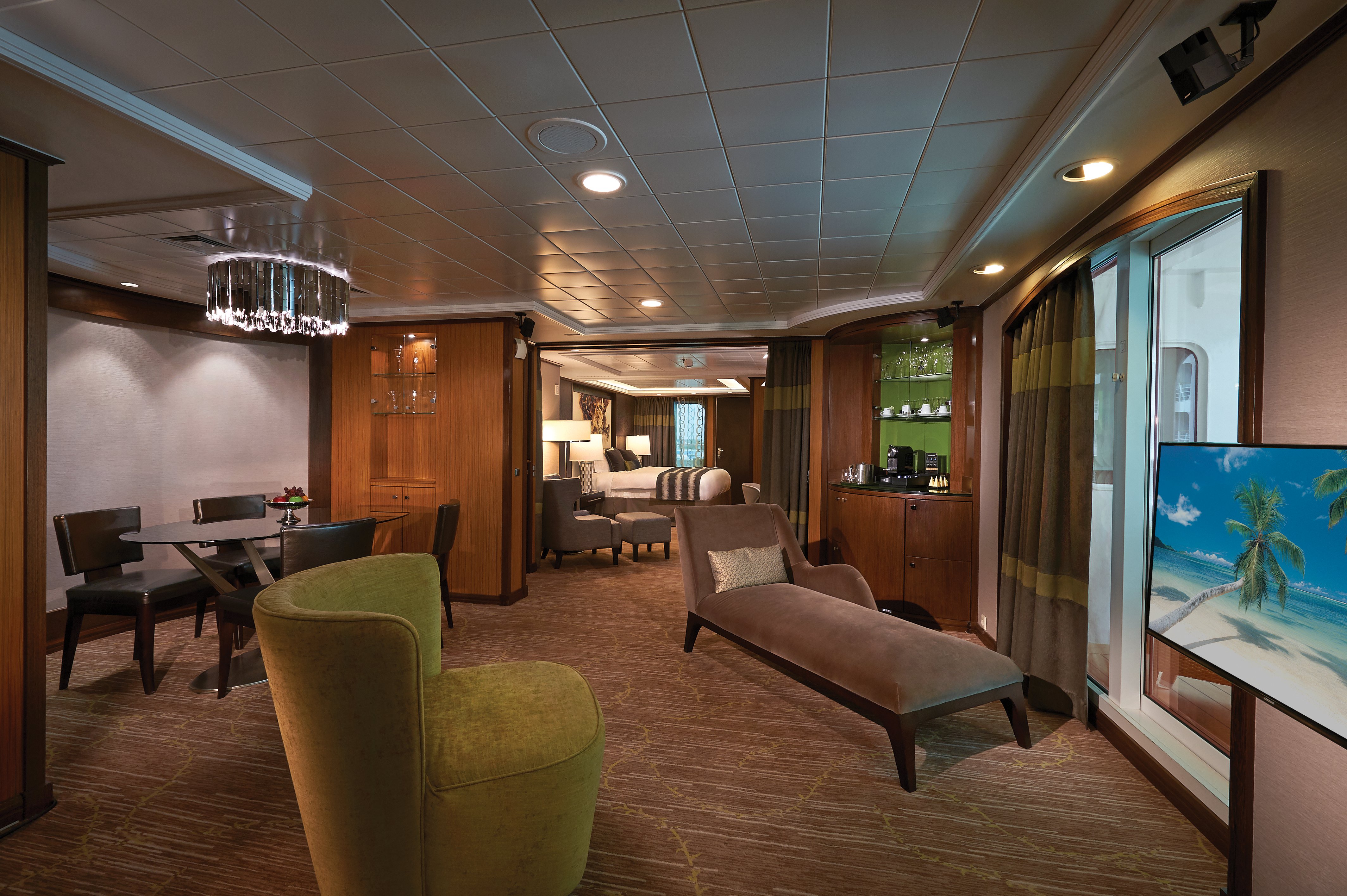
The Haven Deluxe Owner's Suite with Balcony
The Haven Owner's Suite with Large Balcony
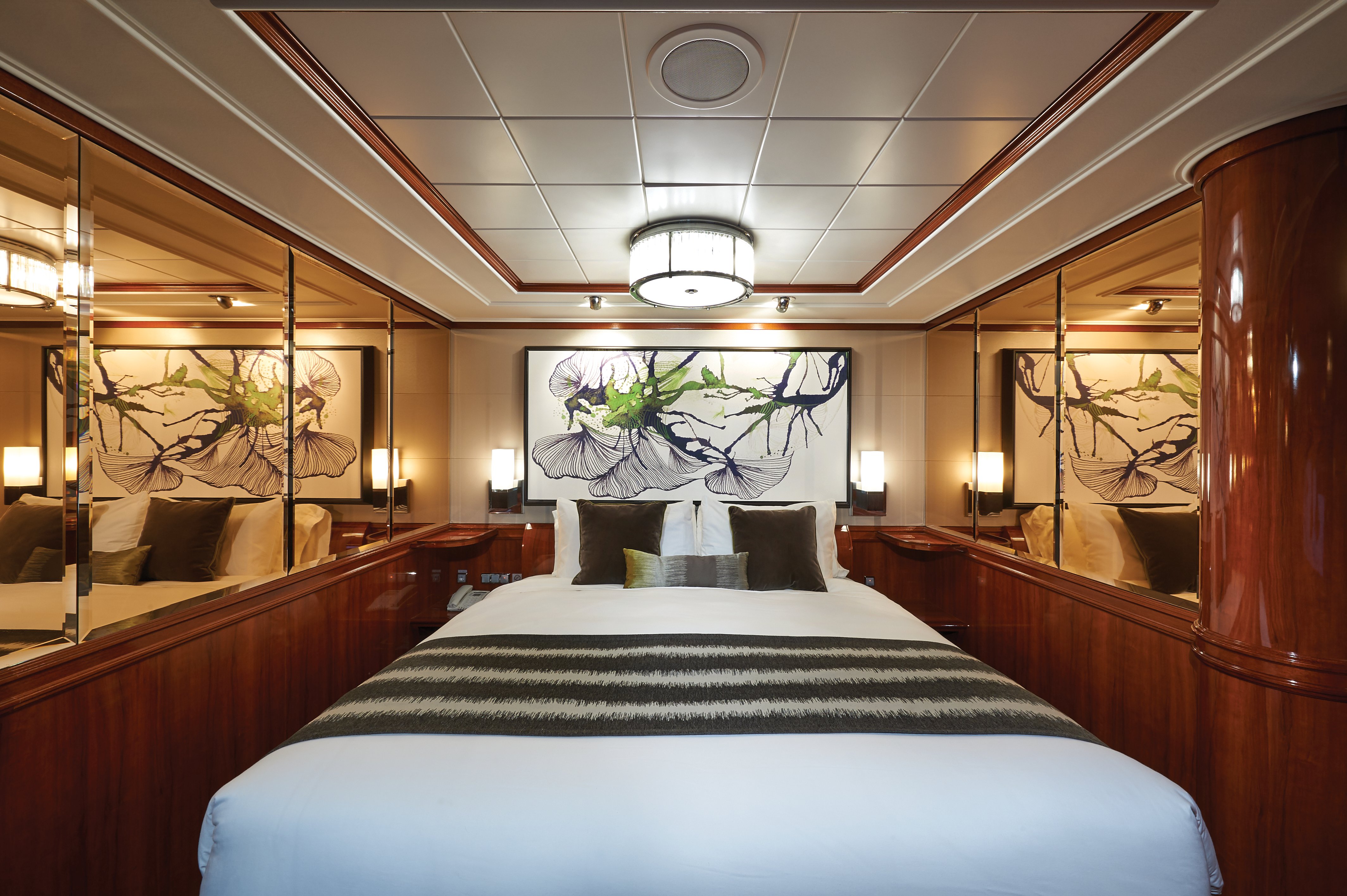
The Haven Courtyard Penthouse with Balcony
Aft-Facing Penthouse with Large Balcony
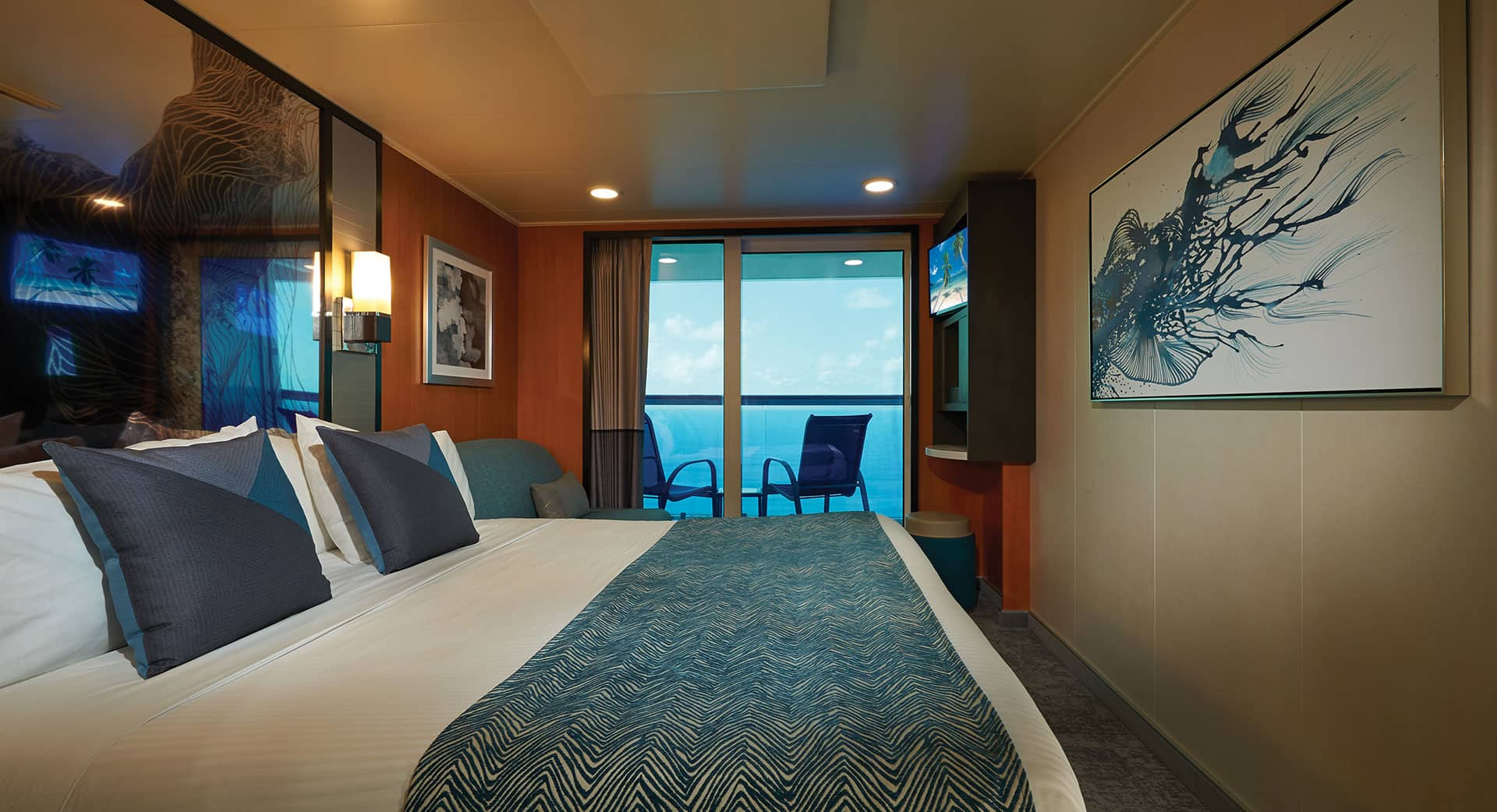
Solo Balcony
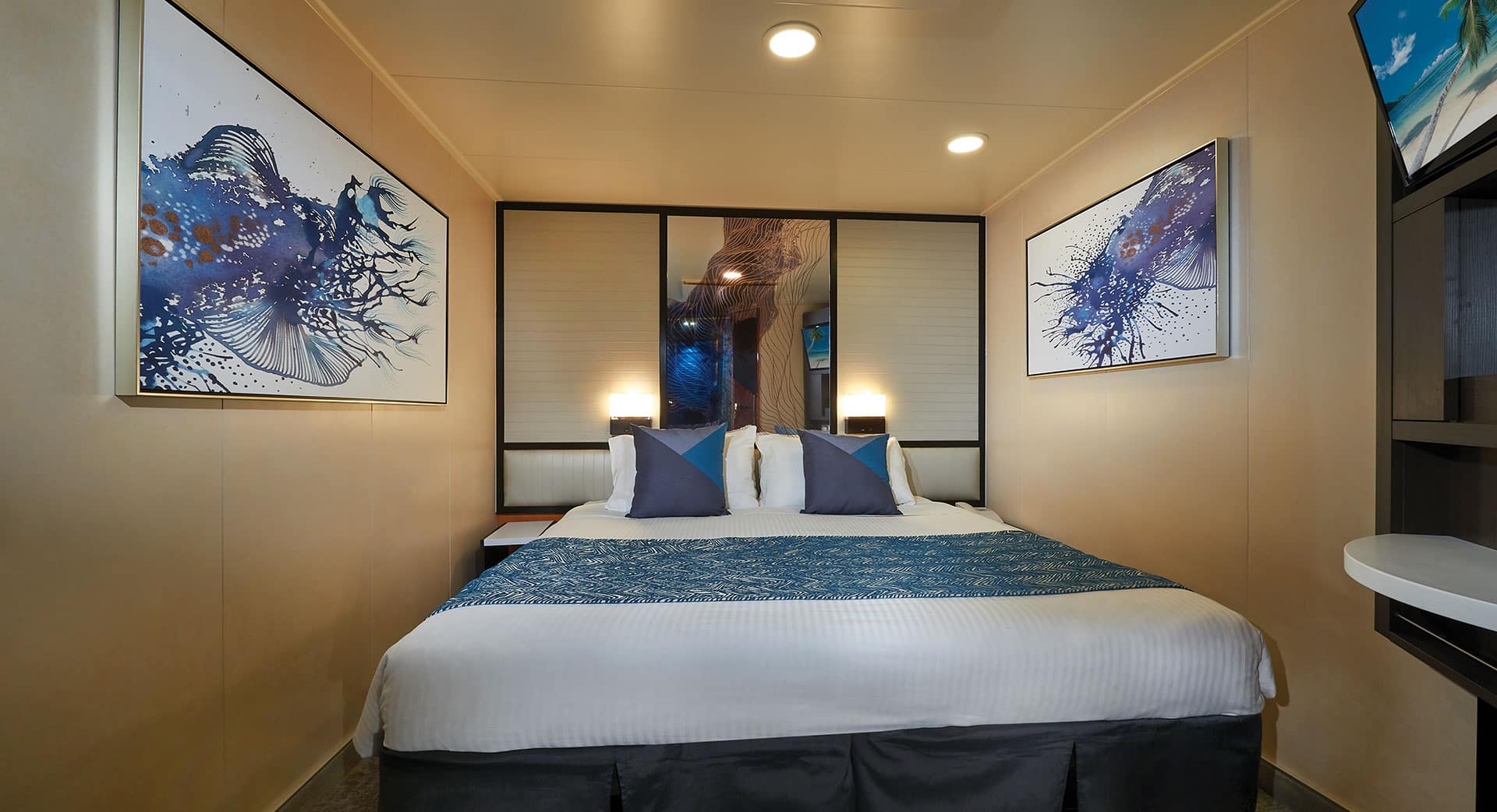
Solo Inside
Ship Facilities
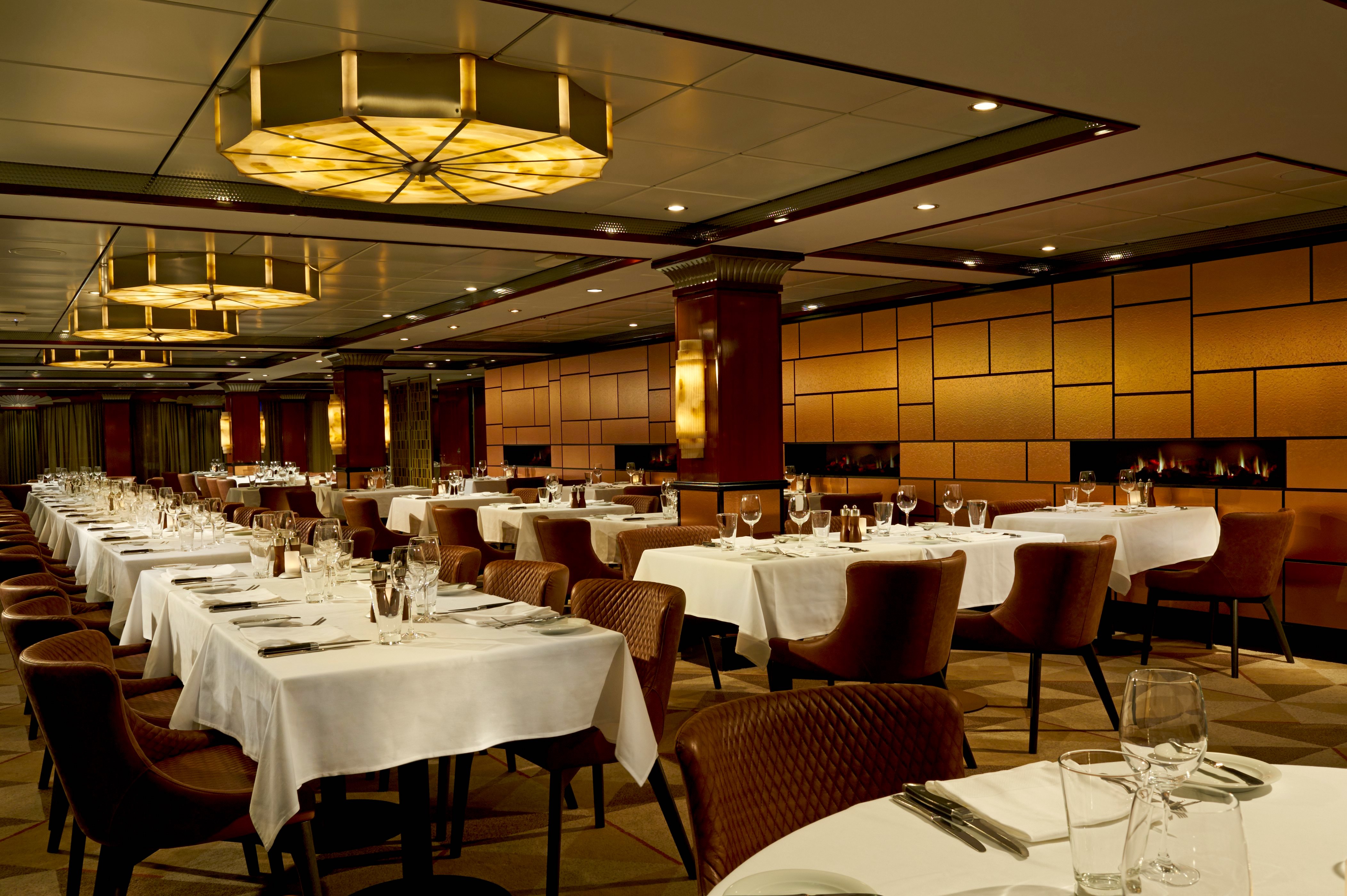
Cagney's Steakhouse
Specialising in Premium Black Angus Beef and exceptional seafood, this American-style steakhouse is second to none. With classic cocktails, an extensive wine list, and attentive service, Cagney’s Steakhouse offers a truly delightful dining experience.
Price Per Person: Cover Charge USD $60
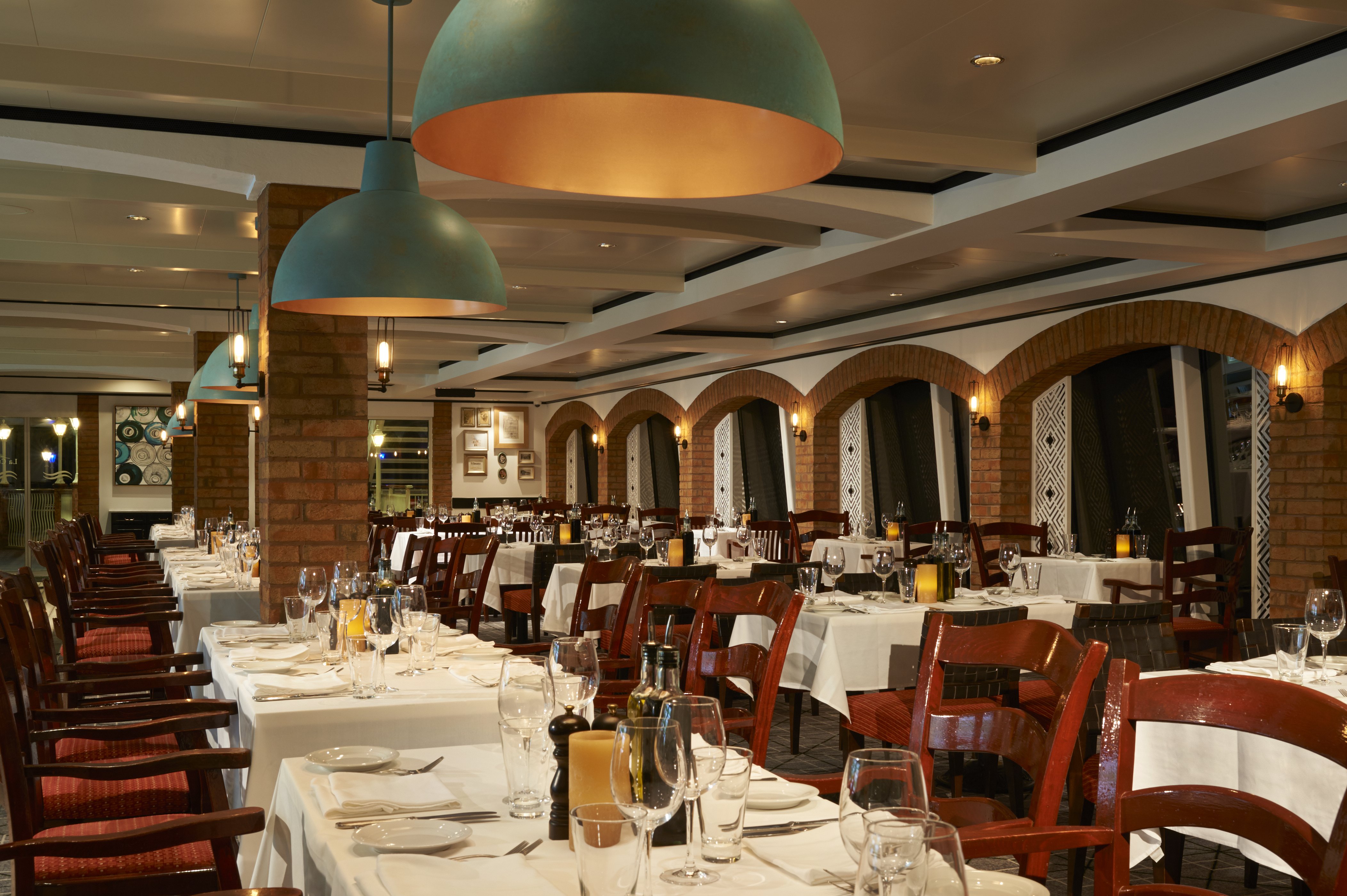
La Cucina
Buona Sera! Enjoy the finest ingredients at our vibrant Italian ristorante. Dine on Italian classics and indulge with a rich homemade Tiramisu. Your good evening just got better.
Price Per Person: Cover Charge USD $40
Garden Café
Whatever you’re craving, chances are you will find it at the Garden Café. This complimentary, indoor buffet restaurant serves up breakfast, lunch and dinner
Price Per Person: Complimentary

Grand Pacific
Stunning in design with ocean views, this Main Restaurant offers traditional cuisine to please every palate.
Price Per Person: Complimentary
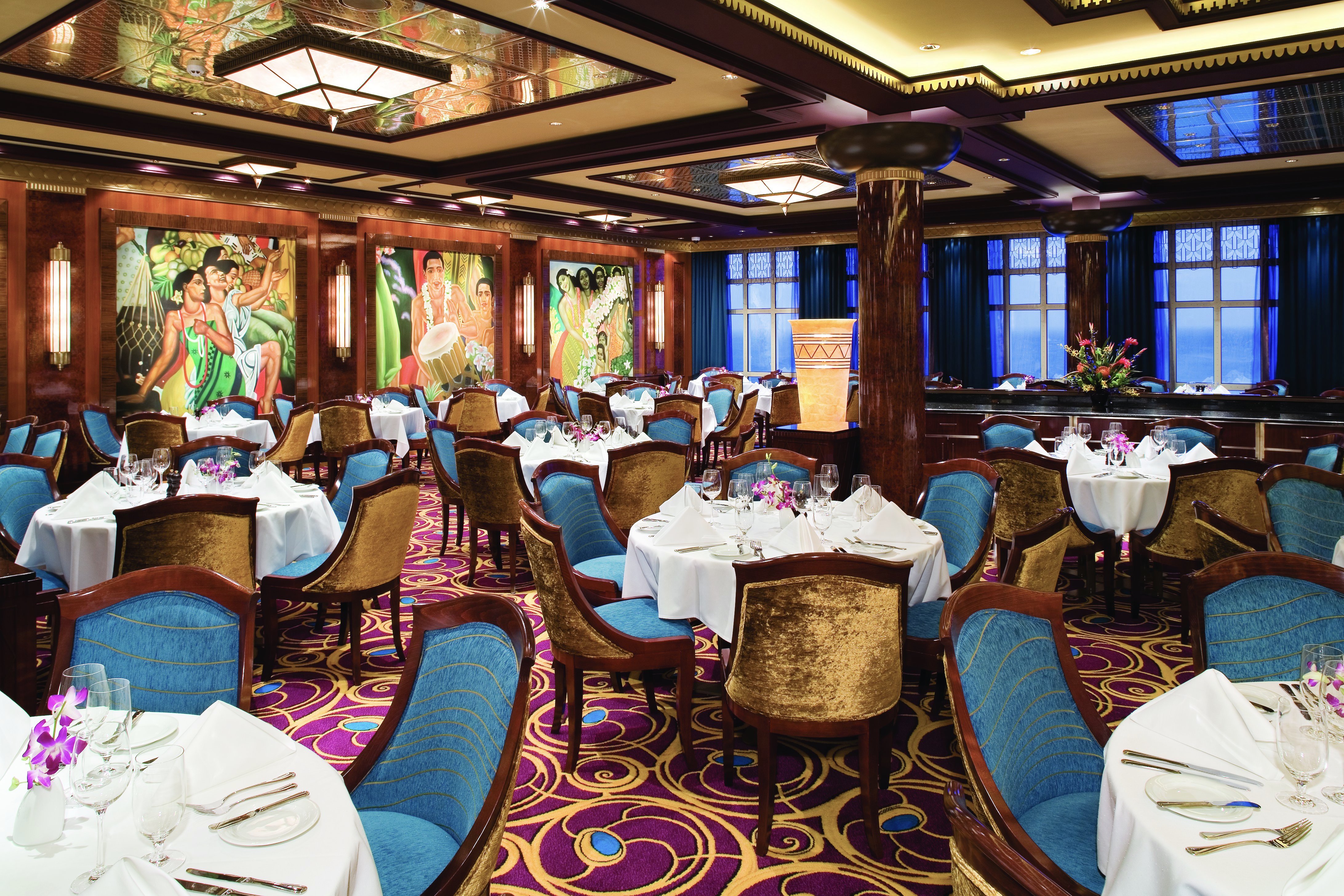
Le Bistro
Romance is in the air at our signature French restaurant. Elegant interiors, crisp white linens and attentive servers make this an intimate dining experience. By the end of your meal, you might just be proclaiming c’est magnifique!
Price Per Person: Cover Charge USD $60
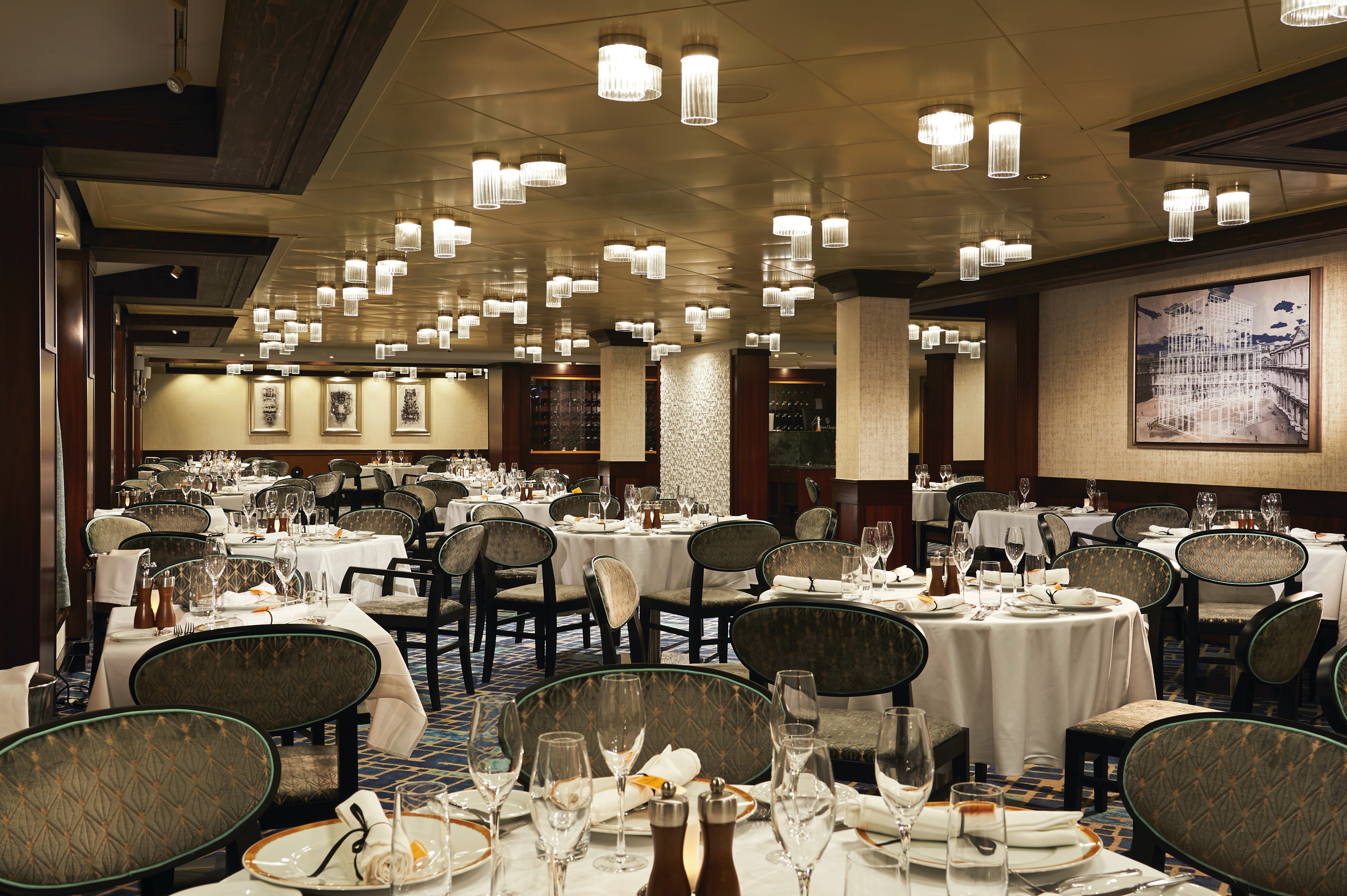
Moderno Churrascaria
Looking for a unique experience? Our authentic Brazilian churrascaria is a must. Start with an impressive salad bar, but save plenty of room for our slow-roasted meats carved tableside by our Passadores.
Price Per Person: Cover Charge USD $50
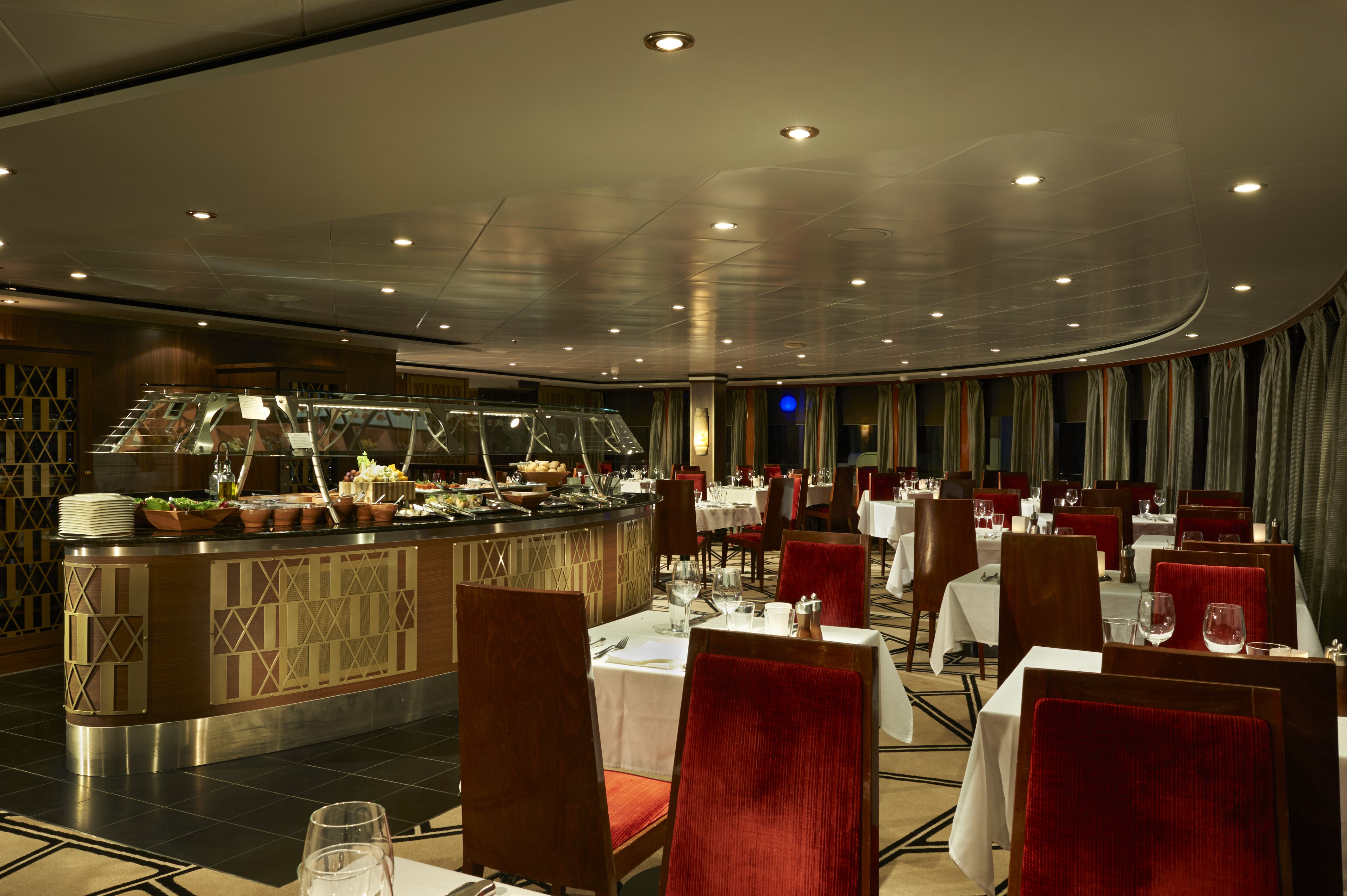
Jasmine Garden
Enjoy our Asian Fusion dining venue featuring freshly prepared noodles, delicious wok fried dishes, authentic soups, and more.
Price Per Person: Cover Charge USD $50
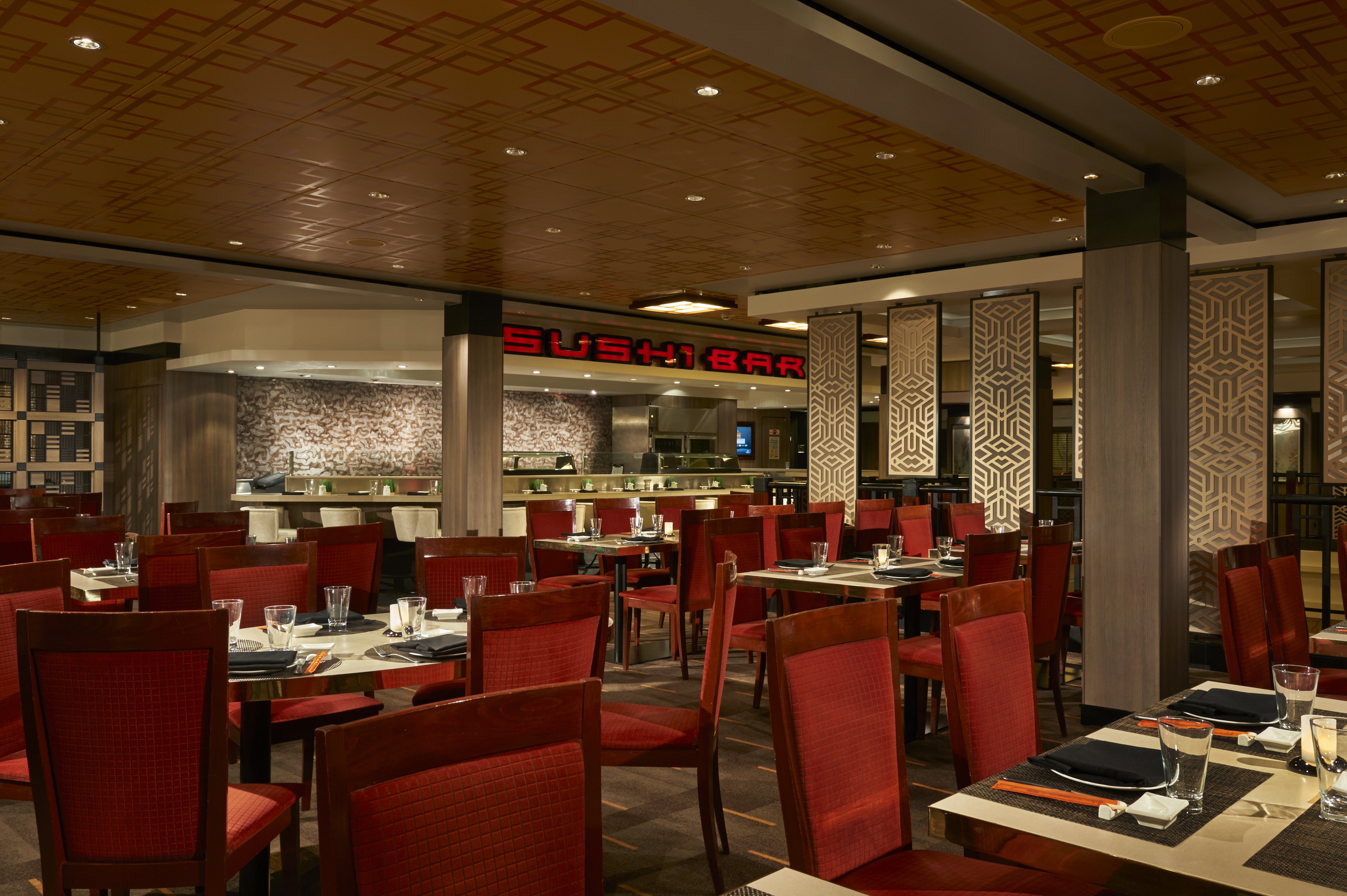
Teppanyaki
Sit at a lively shared table as a skillful chef perfectly prepares shrimp, steak, chicken and fried rice on a large steel grill. And you’ve got a front row seat to all the sizzles and surprises in our Japanese restaurant.
Price Per Person: Cover Charge USD $60
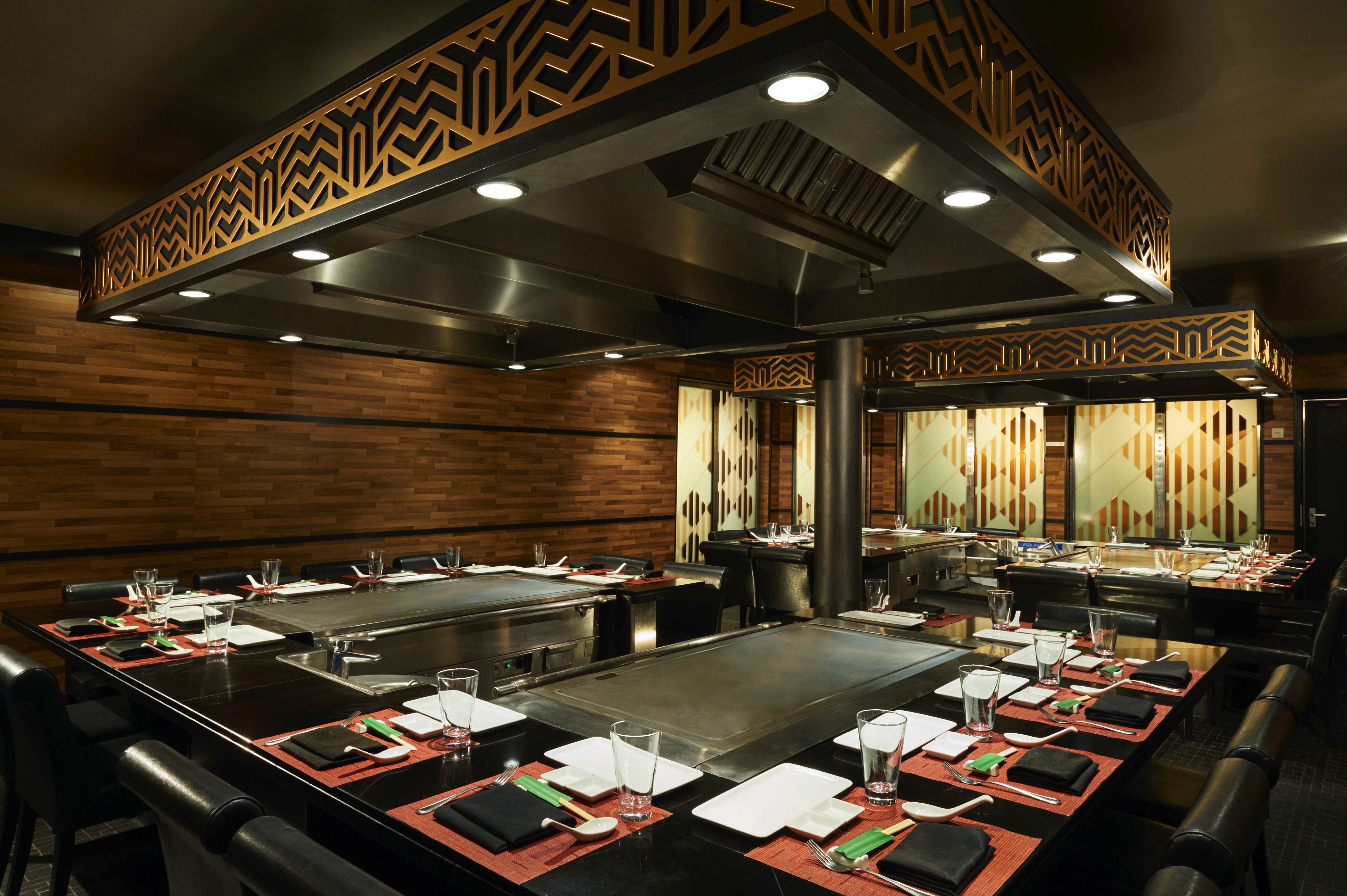
Alizar
One of our two Main Restaurants serving a variety of culinary delights with a contemporary flair.
Price Per Person: Complimentary
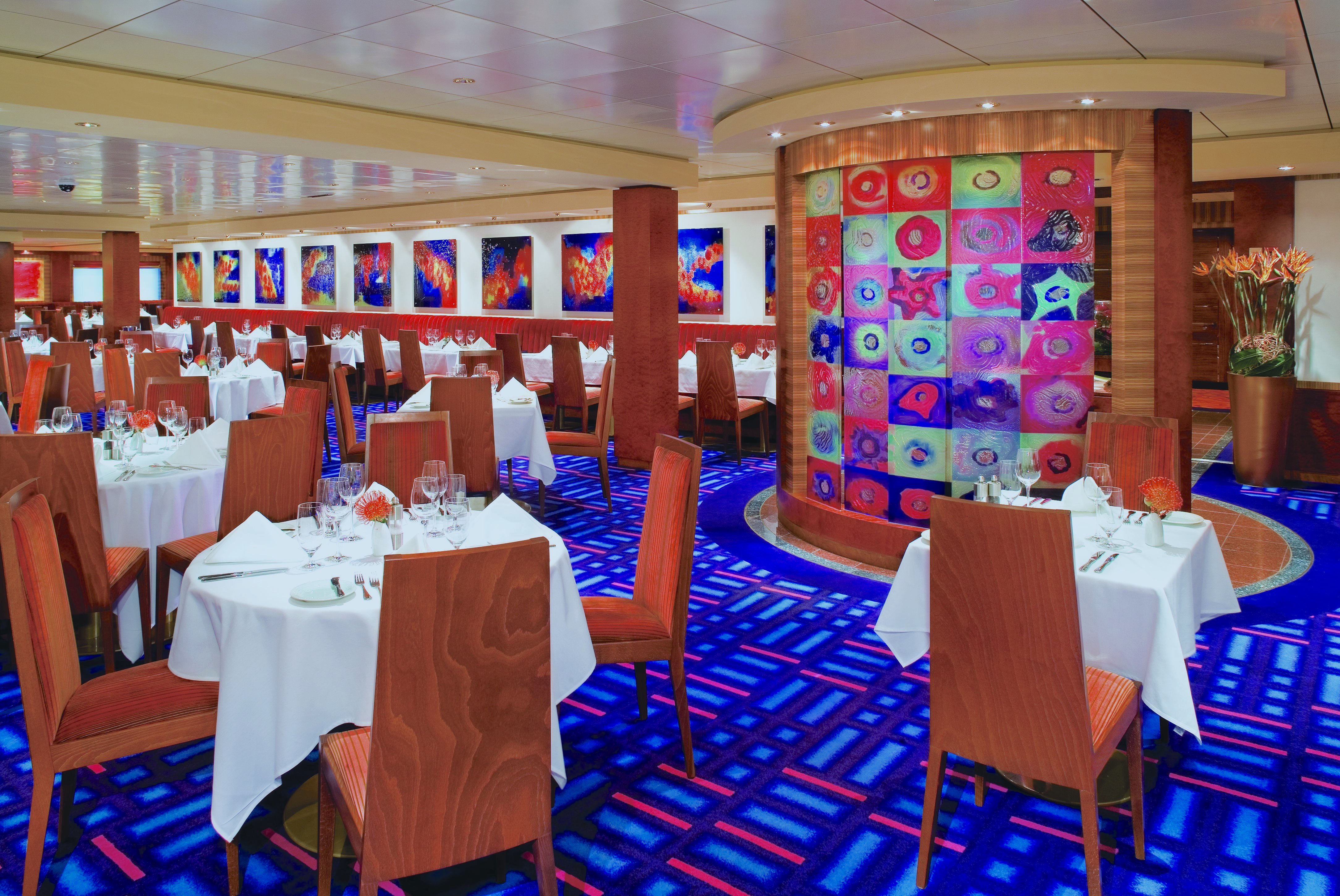
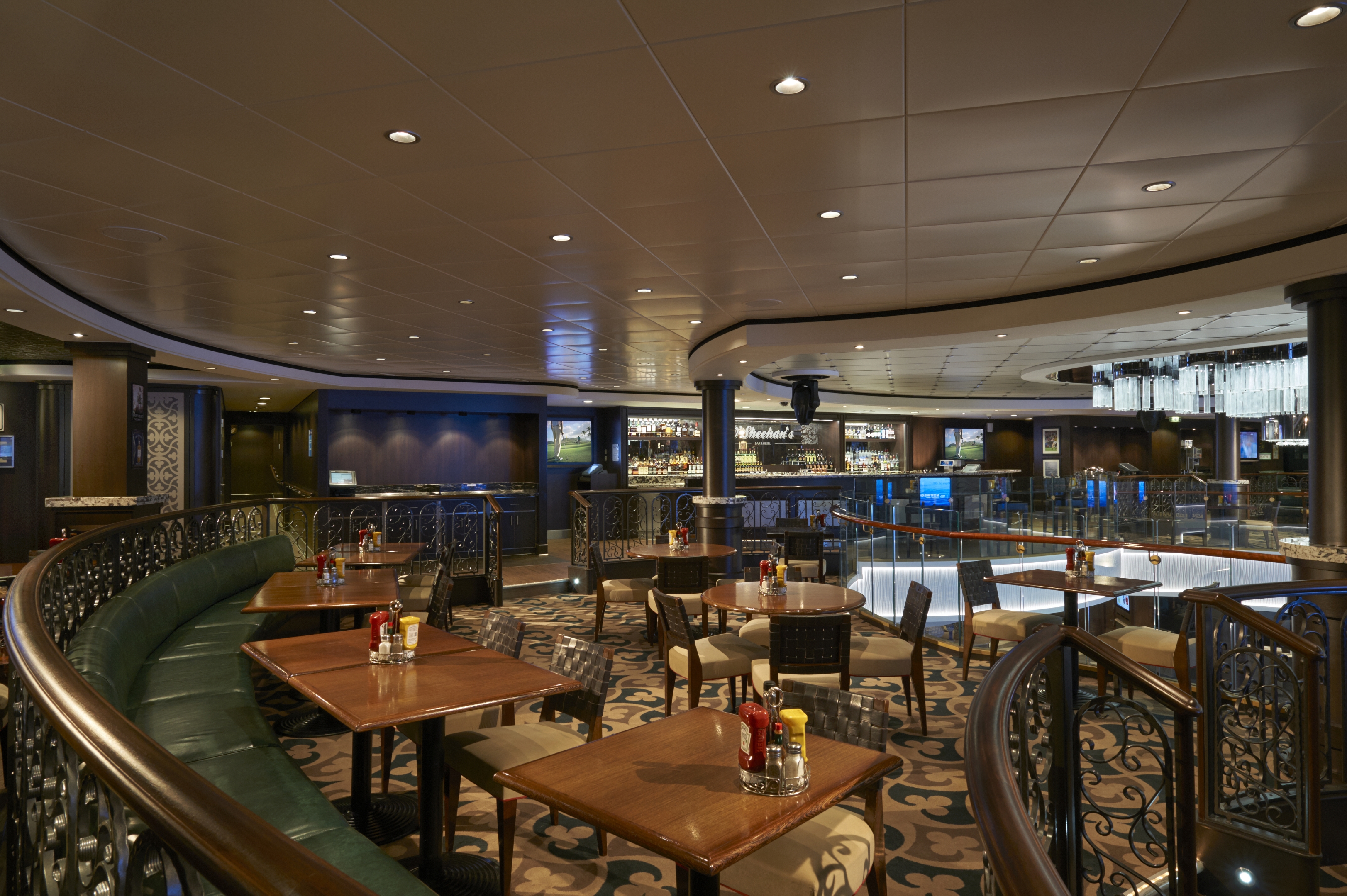
O'Sheehan's Bar & Grill
O’Sheehan’s offers classic pub fare in a relaxed atmosphere. With popular dishes like the Reuben Sandwich and Fish n’ Chips, O’Sheehan’s has all your favourite comfort foods. So try one of our beers or cocktails on tap and catch a game with us!
Price Per Person: Complimentary
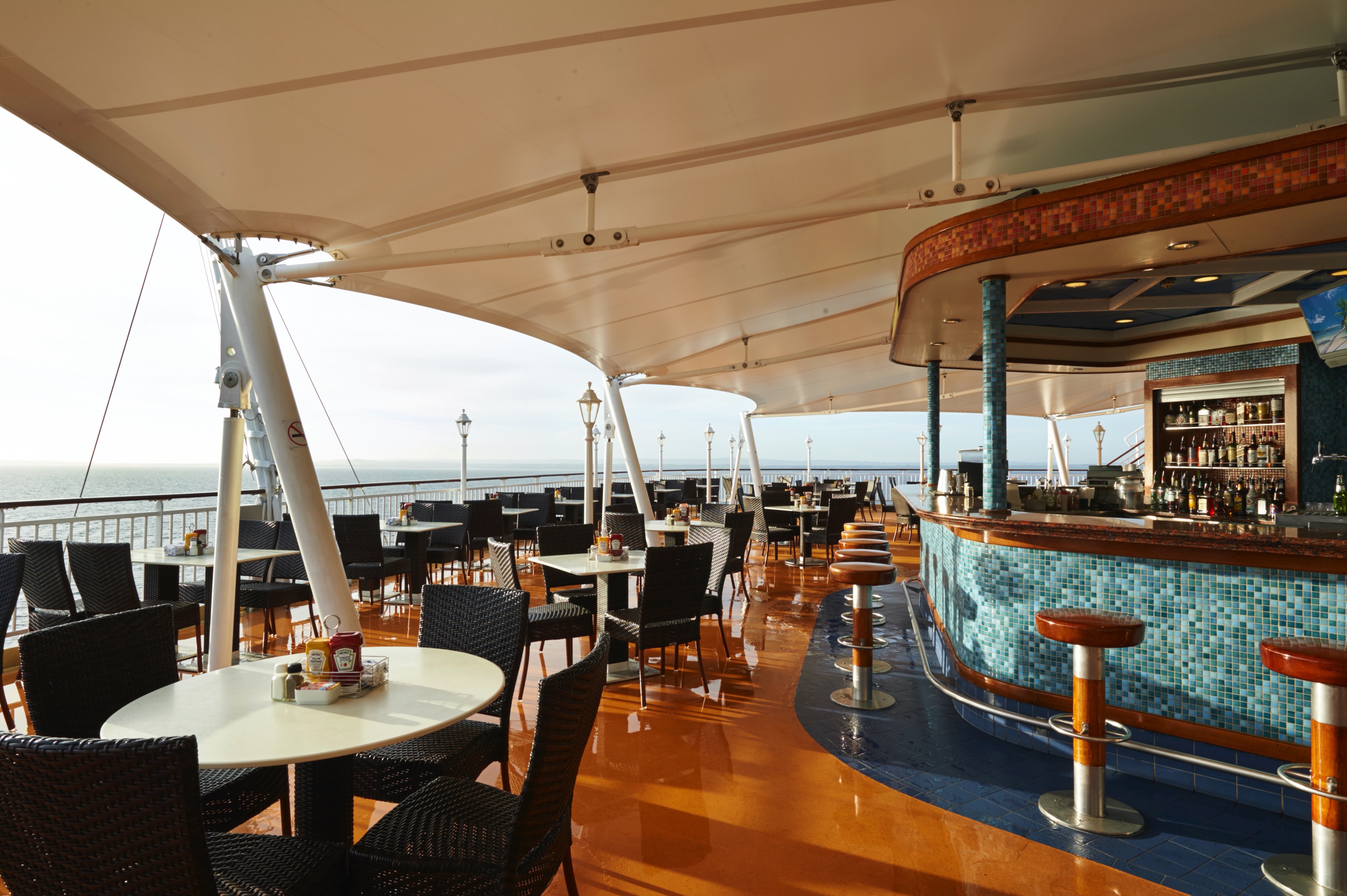
The Great Outdoors
Come as you are, even in your swimsuit, to this casual, buffet bar serving grilled favourites like burgers, hot dogs and great ocean views.
Price Per Person: Complimentary
Sushi
In the mood for sushi? Take a seat at this contemporary sushi bar for some traditional Japanese culinary bites.
Price Per Person: Cover Charge USD $50
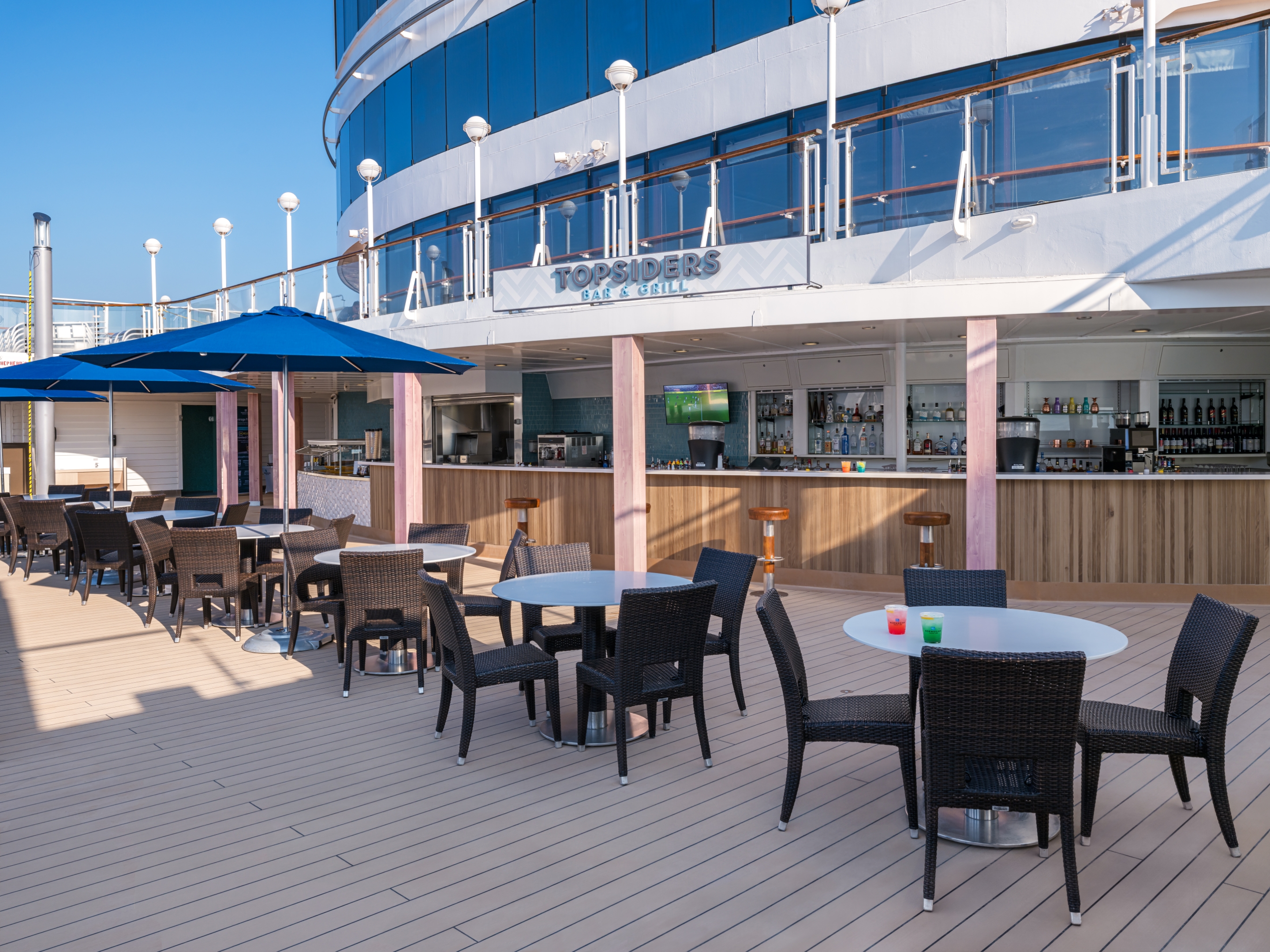
Topsiders Bar & Grill
Enjoy casual dining to suit every taste. From grilled burgers to hot dogs, come as you are and eat as you like after a night out or before your day begins.
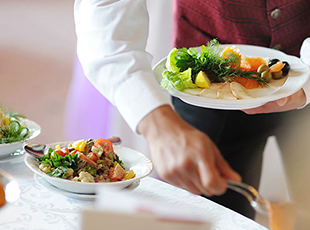
Room Service
Available 24 hours a day, simply pick up the phone and order breakfast, lunch, dinner or late-night munchies. A room service fee may apply.
Price Per Person: Room Service Fee may apply.
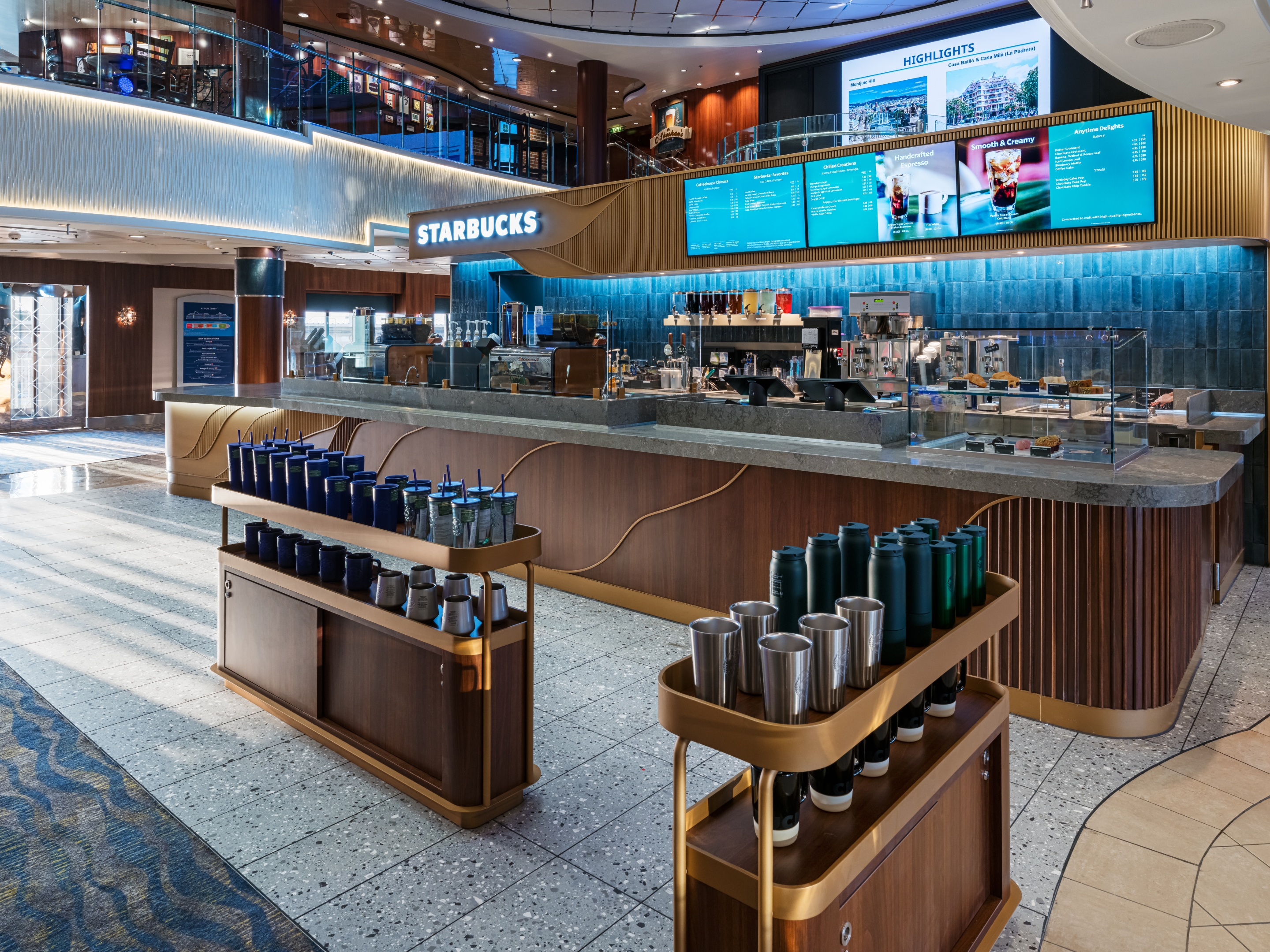
Starbucks®
Kick-start your day with a Caramel Macchiato. Grab a Teavana® Shaken Iced Green Tea Lemonade to sip while lounging poolside. Or recount the day’s excitement with your friends over freshly brewed coffee. Come on by Starbucks to make your vacation even sweeter.
Excursions
GO LOCAL TOURS
Authentic multicultural experiences await on a Go Local Tour with NCL. Explore how people in cities around the world live, work, eat and play on unique tours designed for guests who thrive on culture-connecting and unforgettable exploration.
ADVENTURE RUSH
Start by letting your imagination run wild. Mush your way across an ice field in Alaska. Surf in Kaua‘i. Soar through the sky on a zipline on Harvest Caye. Go tubing in Belize or even airboat through the Florida Everglades. Your adventure awaits.
HISTORIC TIMES
Get up close and personal with places you’ve seen only in pictures. Then take some of your own. Stand in the shadow of the Colosseum. Tour a medieval castle. Unravel the mysteries of the Mayan ruins. Or catch a glimpse of the revered Emerald Buddha in the Grand Palace of Bangkok. Take a history lesson like no other.
WONDERS OF NATURE
Hang with the locals in Australia. Or pack your camera and enjoy majestic humpback whales near Hawai‘i, glaciers in Alaska, the soaring cliffs of Greece or the golden foliage in New England. They’re all naturally wondrous scene-stealers.
LAID-BACK LEISURE
Sometimes you just want to soak in the sun — and your surroundings. So find that perfect secluded beach and take it all in. Or shop the local markets for great bargains and take home a little something to complement your amazing holiday.
SELFIE TOURS
Get your smile — and your mobile device — ready for a tour like no other. With NCL’s Selfie Tours, we will take you to picture-perfect places to fill your feed. Many of our tours are guided by a selfie expert who will show you how to perfect your angle, use a selfie stick and more.
Great Stirrup Cay
Escape to The Great Life
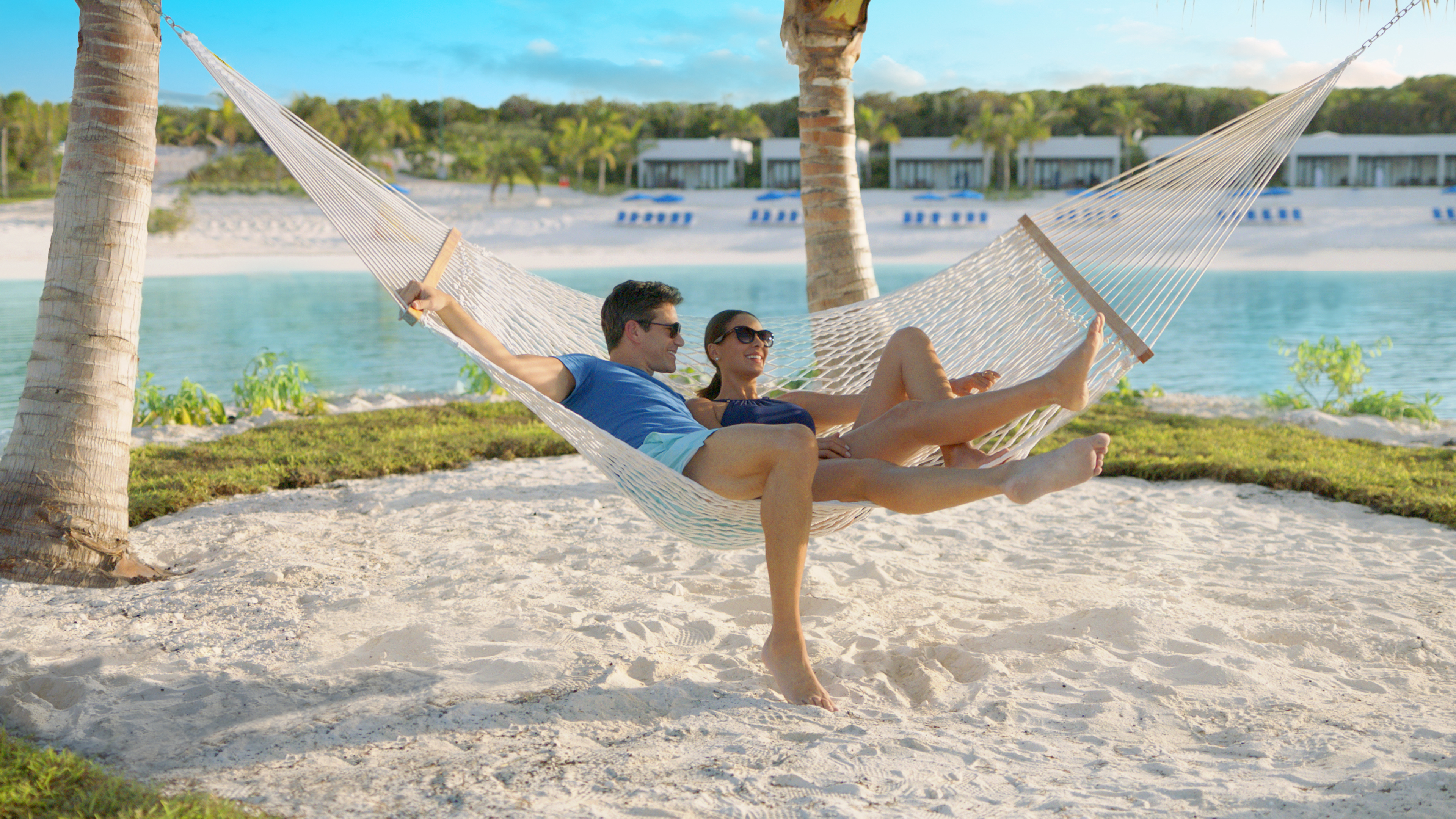
Great Stirrup Cay isn’t just an island in The Bahamas, it’s an escape to The Great Life. And The Great Life isn’t just about cruising to your very own private island; it’s about unlocking a state of mind. It’s a cool drink in your hand at the 2,600 sq. metres pool. The roar of jet skis and a gentle breeze through your cabana. It’s shouting at the top of your lungs as you race down the larger-than-life tower of water slides. And it’s gazing onto white sand beaches all afternoon. Here, you have the freedom to do what you want, when you want. That’s The Great Life, and it’s about to get GREATER on the incredible, new Great Stirrup Cay.
Great Life Lagoon
What do ten blue whales, 20 tennis courts, three Washington Monuments, one large cruise ship and Mt. Everest’s peak all have in common? They’re roughly the same size as our new, 28,000-sq.-ft. heated pool. Throw in two swim-up bars, beach-style water entry for kids, water features, ocean views, cabanas and you’ve got yourself a pretty spectacular Caribbean day!
Epic slides. Towering cliff jumps. One unforgettable splash.
Get ready to live the great life at full speed. Spanning the size of several football fields, Great Tides Waterpark is the bold new thrill zone at Great Stirrup Cay – where adventure meets relaxation. Race down sea-inspired slides, drift through a winding river with tunnels that might just be hiding a secret adventure, or leap from dramatic cliffside platforms into crystal-clear waters. Little ones can splash and play in a vibrant water zone, whilst grown-ups unwind with cocktails in a glowing grotto bar. Whether you’re chasing high-speed thrills or laid-back vibes, Great Tides delivers next-level excitement for everyone.
Vibe Shore Club
Get ready to relax like never before. The exclusive Vibe Shore Club is bringing the signature onboard experience to Great Stirrup Cay in early 2026. This private, adults-only escape (18+) offers plush spaces to lounge, a curated beach playlist and stunning views in every direction. Sip premium cocktails at the private bar and snack on refreshing fruit skewers, cookies or a scoop of ice cream – all in a serene setting designed for ultimate unwinding.
Silver Cove
Unwind at an exclusive retreat within Great Stirrup Cay at Silver Cove. These magnificent villas accommodate between 6 and 16 guests and offer air conditioning, a full restroom and unobstructed views. Silver Cove guests can also enjoy a private beach, exclusive buffet and access to Silver Cove Spa.
Ride the Sea. Race Through the Sky.
Ready to rev up the great life in 2025? Feel the ocean breeze, as you ride jet karts across turquoise waters. Want more ways to turn up the adventure? Kayak through mangroves, zipline over the island, or rent a cabana for the ultimate escape. And for an only-in-The-Bahamas moment, swim with the famous pigs of Treasure Island – an unforgettable experience you won’t want to miss.
From Pristine Beaches to Endless Activities
There’s so much to do on the greatest island in The Bahamas. Grab a snapshot on the iconic swings, snorkel through our famed underwater sculpture garden or simply relax on one of our three exclusive beaches. Our new pool will include an all-new splash pad with an adjacent swim-up bar, perfect if you want to sip a drink whilst judging handstand contests.
What to Eat & Where to Drink
Satisfy your Caribbean cravings at our delicious dining venues and tropical bars. Grab a burger and a beer at Jumbey Beach Grill or catch a quick bite between activities at our food truck, Tropic it Like it’s Hot. Ready for a cocktail? Feel the island vibes with a freshly muddled mojito at Bacardí Bar, get social at lively Bertram’s Bar or cool off with a margarita at Patrón Bar. And if drinks at the pool are more your vibe, you’ll love our new swim-up bars.
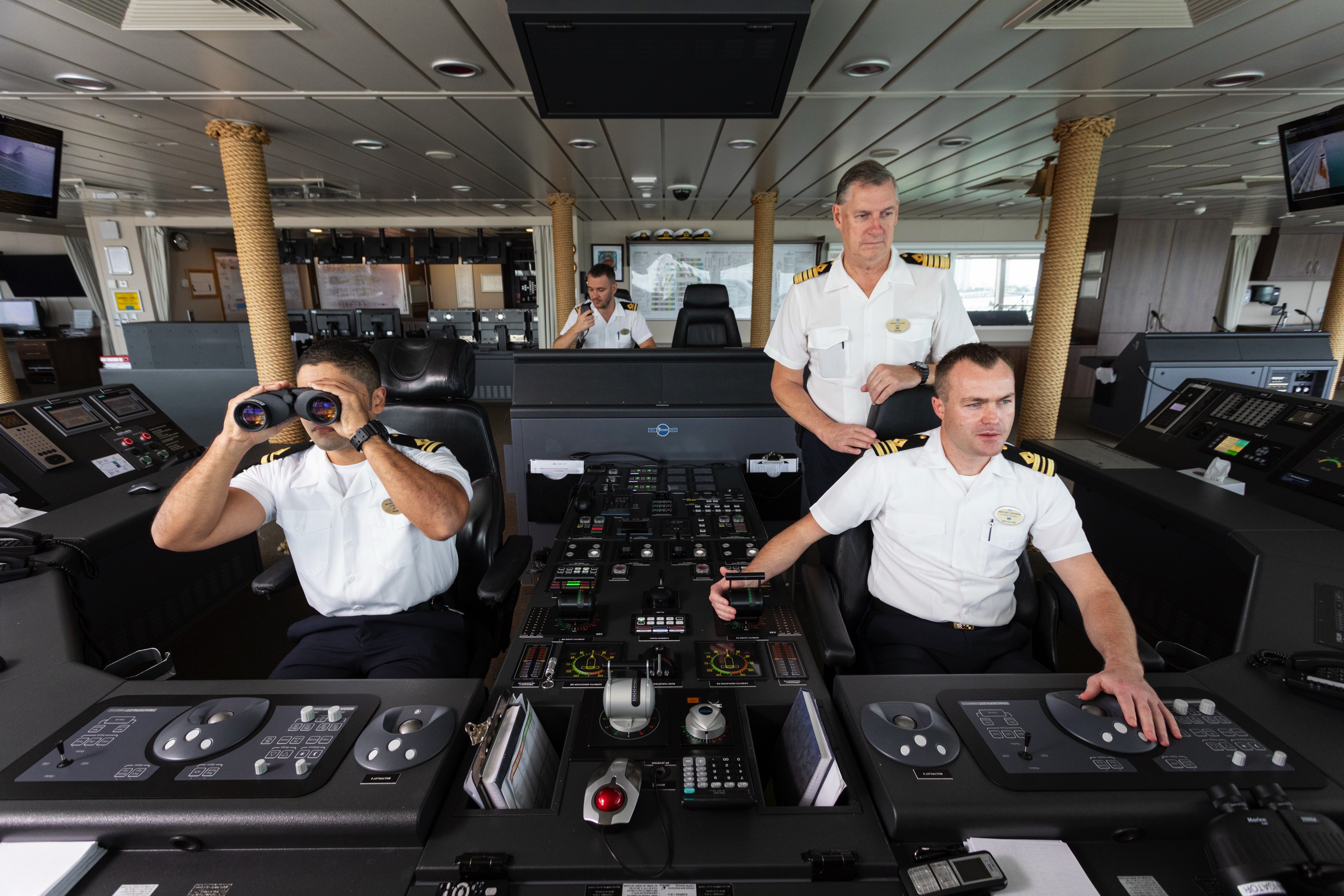
Behind The Scenes Tour
Experience the exciting Behind The Scenes Tour of our crew working areas, including exclusive access to the Bridge, Engine Control Room, Main Galley, Laundry and so much more.
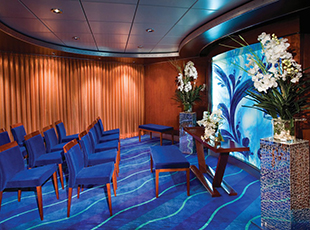
The Chapel
This onboard chapel also functions as a meeting room.
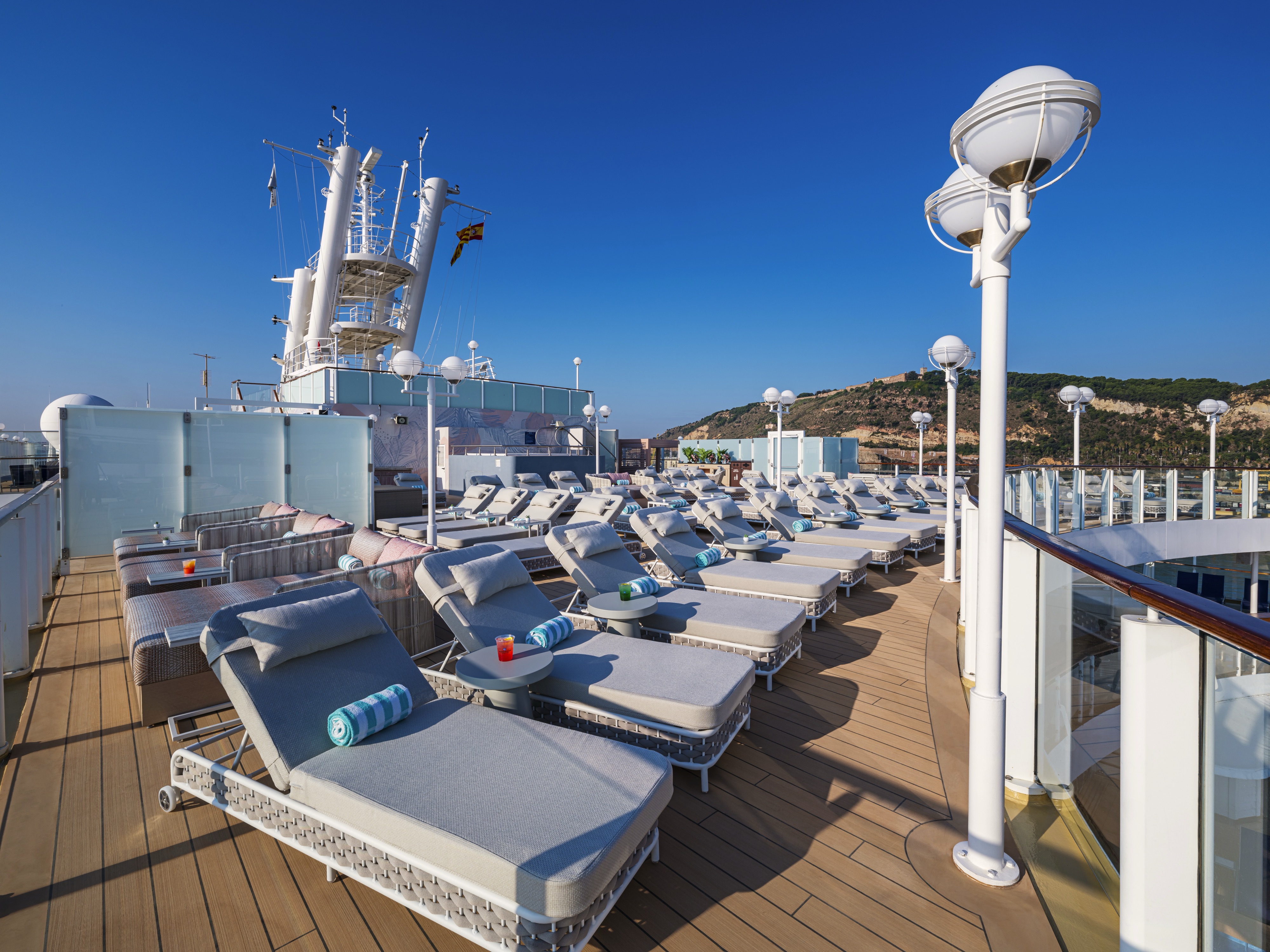
Vibe Beach Club
Vibe Beach Club is an exclusive, adults-only retreat with ocean views, plush loungers, an oversized hot tub, and perks like chilled towels and fruit skewers. Access requires a Pass or Cabana for two, available for your full cruise. Reserve early-space is limited.
Vibe Beach Club – Access Pass
An exclusive oasis at the top of the ship, Vibe Beach Club is an adults-only getaway full of panoramic ocean views, drinks and upgraded lounge chairs with umbrellas. With this package, you’ll enjoy Vibe Beach Club access for the entire length of your cruise.
Vibe Beach Club – Cabana (includes two Access Passes)
Your exclusive, adults-only retreat at the top of the ship is even more peaceful with your own space. With this package, you’ll enjoy Vibe Beach Club from the comfort of a private cabana for the entire length of your cruise. Spend the day relaxing in style with special food & drink menus and complimentary amenities such as water spritzers, chilled towels and skewers of fruit.
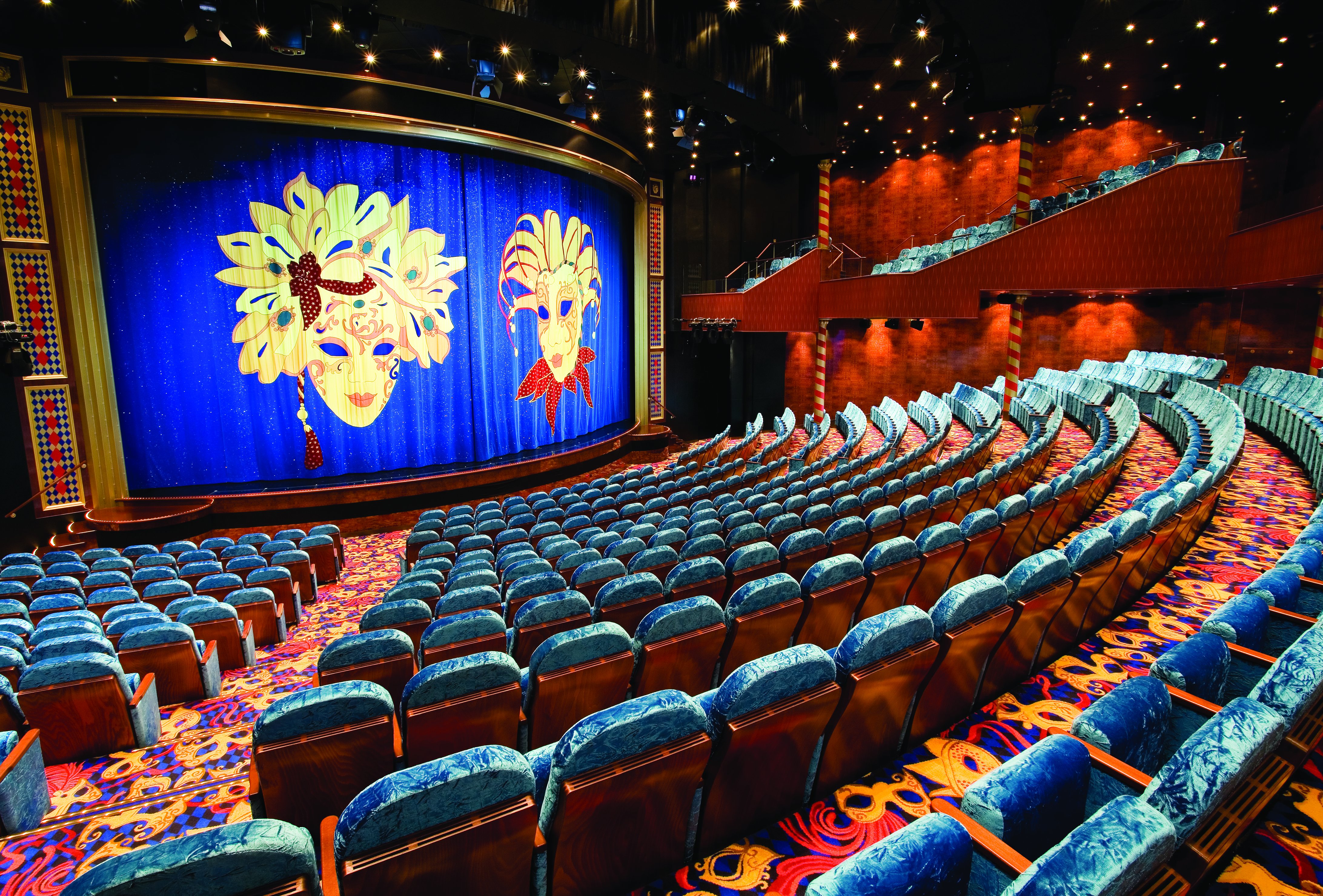
Stardust Theatre
It’s show time! And we’ve got a really big show for you at the Stardust. Enjoy Broadway and Vegas-style shows in a Venetian Art Nouveau styled opera house with grand Venetian masks adorning the stage curtain.
FUSIÓN
FUSIÓN is Latin ballroom, pop hits, and raw passion fused into one thrilling night. This high-energy production seamlessly mixes dance, vocals, and style. Featuring production cast, choreography by Ashlé Dawson, and music by Grammy winner Jason Howland, FUSIÓN ignites the stage with over 10 dynamic dance styles set to today’s biggest hits. Experience sizzling salsa, passionate tangos, dazzling samba, fast footwork, and powerful vocals that keep you hooked from start to finish. FUSIÓN will get your hands clapping, and feet moving-leaving you inspired to dance it out with a fusion of your own.
Blazing Boots
You are all invited to Blazing Boots – a first-class tribute to pop country showcasing songs from the genre’s biggest superstars including Reba McEntire, Carrie Underwood, Luke Bryan, and many others. This dazzling production blends eye popping music video visuals, hot vocals, and innovative choreography into an evening that is part rock concert, and all fun. From tear-your-heart-out country ballads to barn burning up tempo hits, this show is sure to get you fired up and your boots “blazing”.
The Broadway Cabaret
Experience the dazzling talents of our Jade Production Vocalists as they present the finest Broadway tunes. If you are a fan of the vibrant world of musicals, this is the cabaret for you. Enjoy an evening of the most beloved show tunes from well-known classics to hidden gems, spanning from soulful ballads to sensational Broadway blockbusters.
The Welcome Aboard Show
Embark on a thrilling voyage to preview your cruise’s sensational entertainment. From the powerhouse performances of the Jade Production Cast, get to know our dynamic team and brace yourself for surprises that promise to set the stage for an unforgettable holiday ahead!
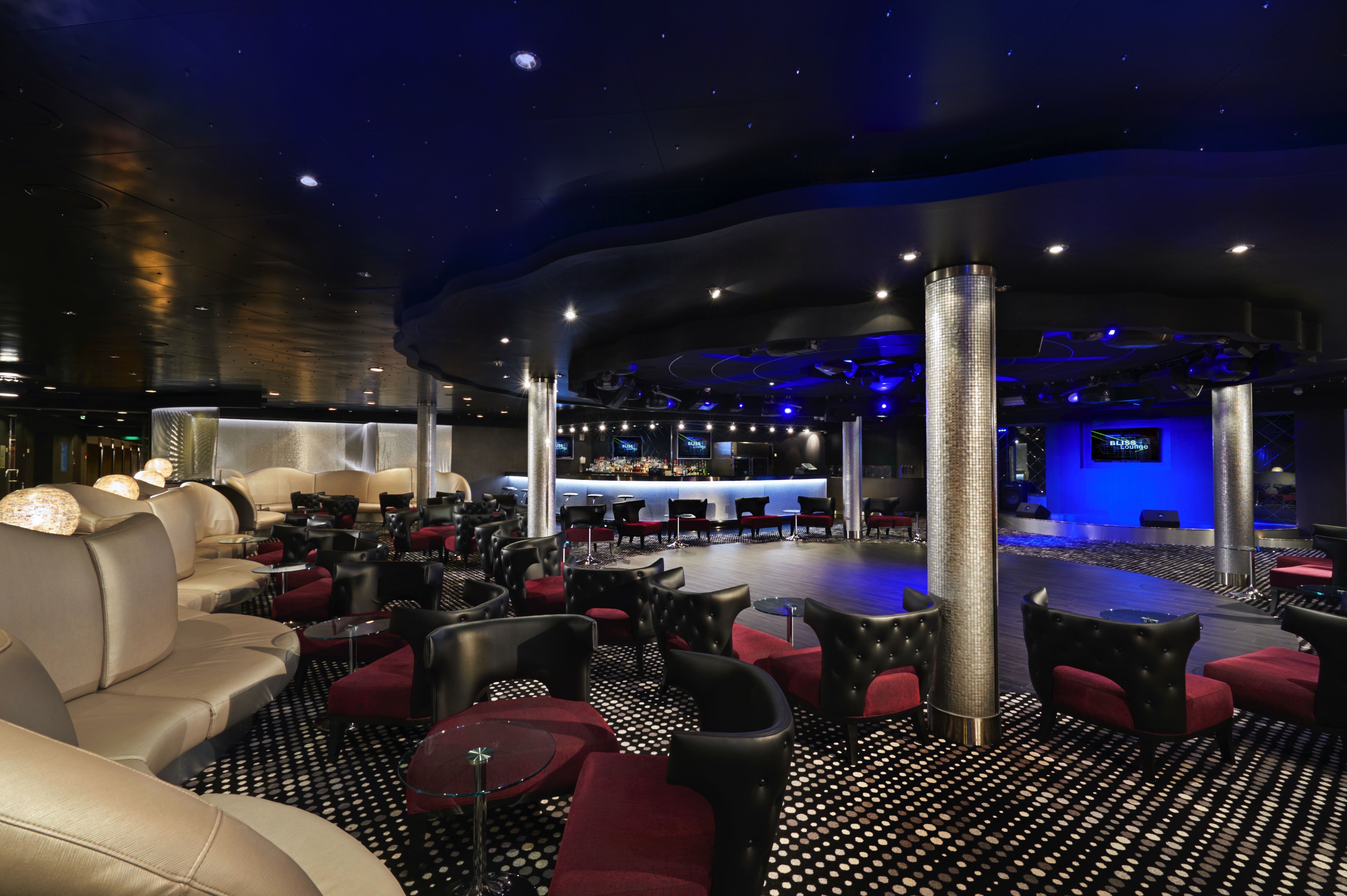
Bliss Ultra Lounge
Cruise into the clubbing scene at Bliss. Dance to a different beat and feel the excitement as you walk through the lit tunnel to the illuminated bar. It’s electric. Bliss is a top hot spot every night of the week. Experience it.
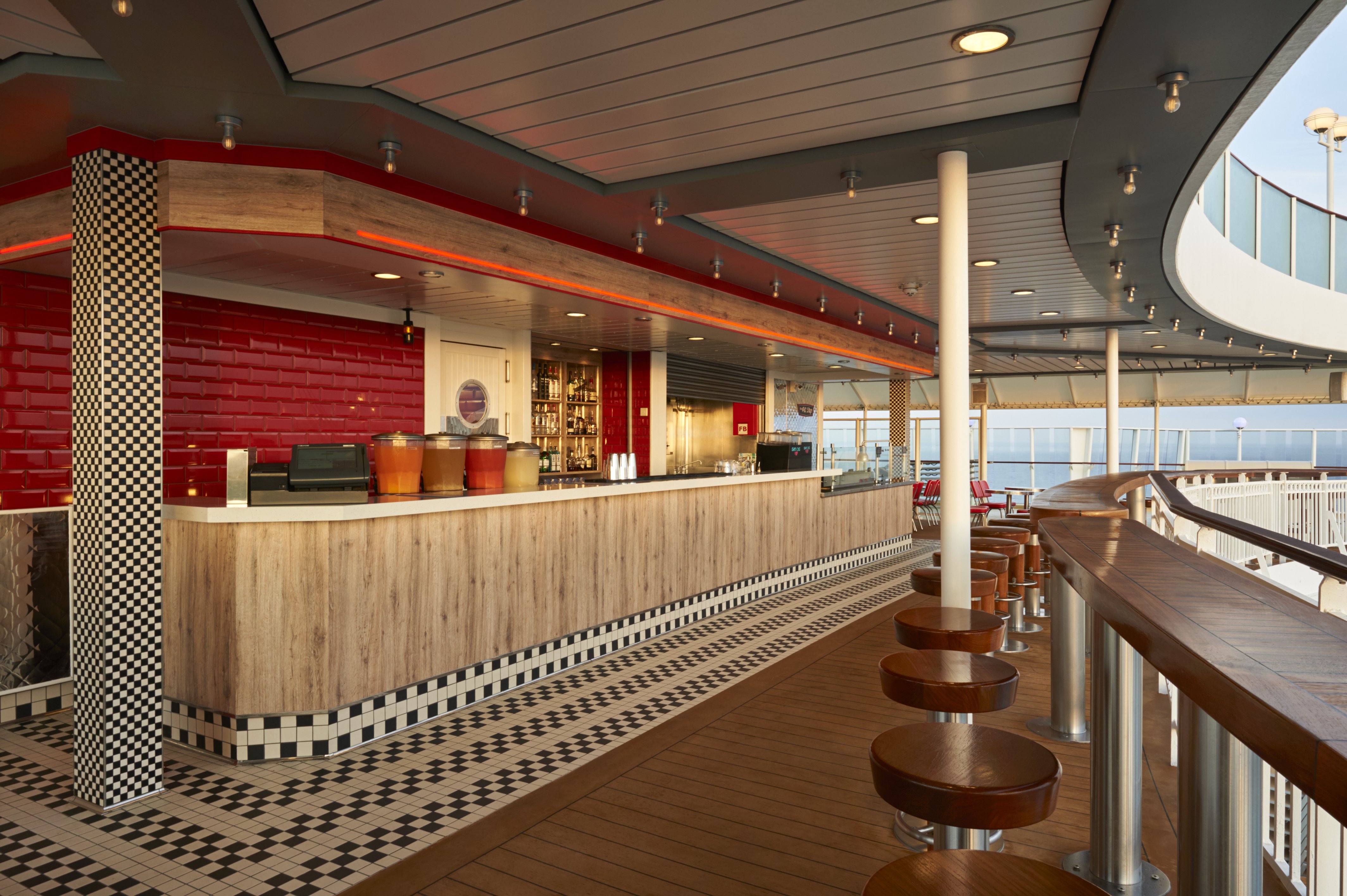
The Pit Stop
Cool your engines at this “race car” themed outdoor bar. Relax with a frosty beer or enjoy the sights with a speciality frozen cocktail.
Galleria Shops
The Shopping Galleria on board offers an extensive range of must have items and Duty-free merchandise, all of which have great savings to US domestic prices. We also offer a best price guarantee, if you are planning to shop this Cruise the best deals are right here on board the beautiful Norwegian Jade.
EFFY Jewellery
Effy Hematian has been designing and manufacturing fine jewellery in the heart of New York’s Diamond District for over 40 years. By combining uncompromising attention to detail, exceptional gemstones, and quality American craftmanship, Effy has become one of the most celebrated and desired jewellery brands in the world today – available to you onboard at tax-and duty-free pricing.
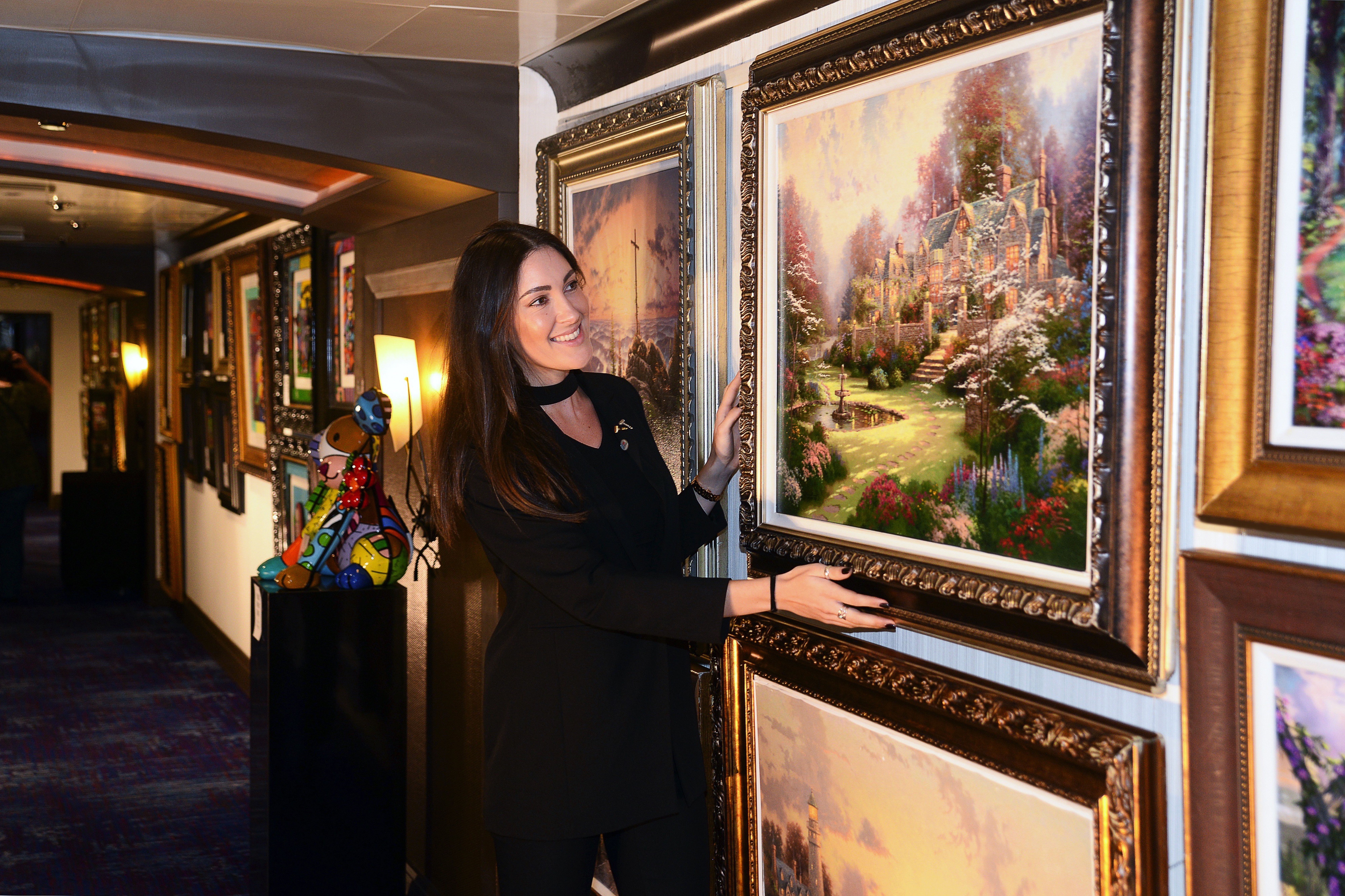
Park West Gallery
Take home something you’ll never forget! Our impressive onboard art gallery has everything from contemporary to classics-Peter Max to Picasso-giving you access to an unparalleled collection of fine art. Looking for a little excitement? Try attending our live art auctions where you can raise a glass with our Art Team as the bidding gets fast and furious. Plus, everyone who visits our gallery gets a free work of art!
The Galleria Boutiques
Need a new bathing suit? How about a surprise gift for your sweetheart? The Galleria Boutiques is a department store in a Ralph Lauren theme offering a wide selection of brand name and speciality goodies.
The Photo Gallery
We have everything you need, to capture it all: Binoculars, Camera/Phone Accessories, Professional Portraits, Souvenir, Photography, Photo Books, Wall Art, 3D Photo Crystals, Souvenir Frames, Collectable Photo Accessories & more!
The Tides
Conveniently located in the Atrium, Tides offers the very best deals of the cruise, our exciting one-day specials give you the chance to make savings of up to 70% off US prices what better way to take home a gift for everyone. Make sure you check the Freestyle Daily for day and time of each daily special.
Tradewinds
Want to take home a holiday memory? How about a surprise gift for your sweetheart? The Tradewinds is a department store that offers a wide selection of brand name jewellery and watches. We offer an extensive range of must have items and Duty-free merchandise, all of which have great savings to US domestic prices. We also offer a best price guarantee, if you are planning to shop this Cruise the best deals are right here on board the beautiful Norwegian Jade.
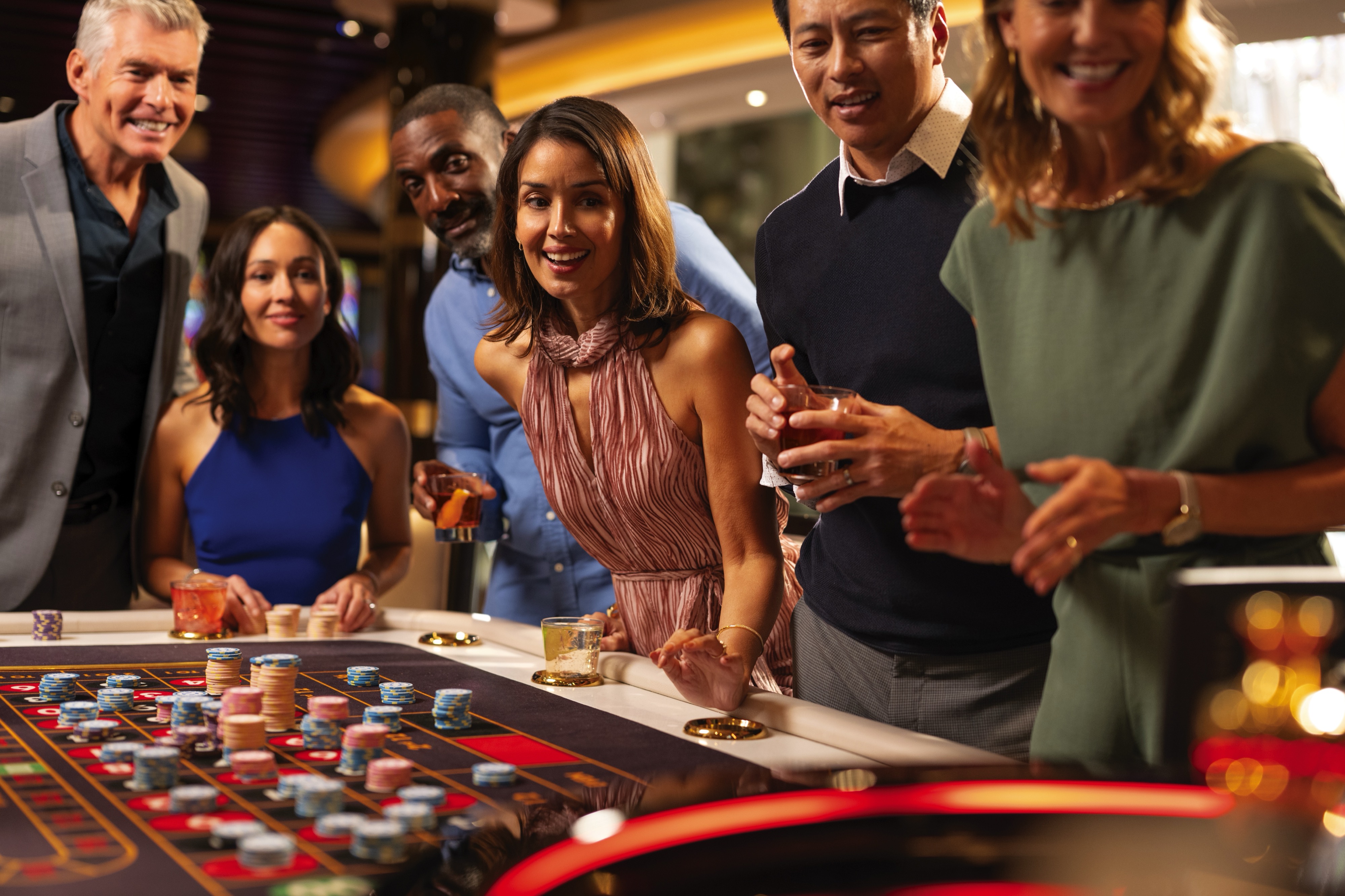
Jade Casino & Bar
Spin your way to the jackpot playing the most popular slots including reel and video slots. Or pull up a chair at your favourite table game, from blackjack to craps and more. Whatever games you choose, you can bet on a good time in our award-winning casino.
Bar located within the Casino.
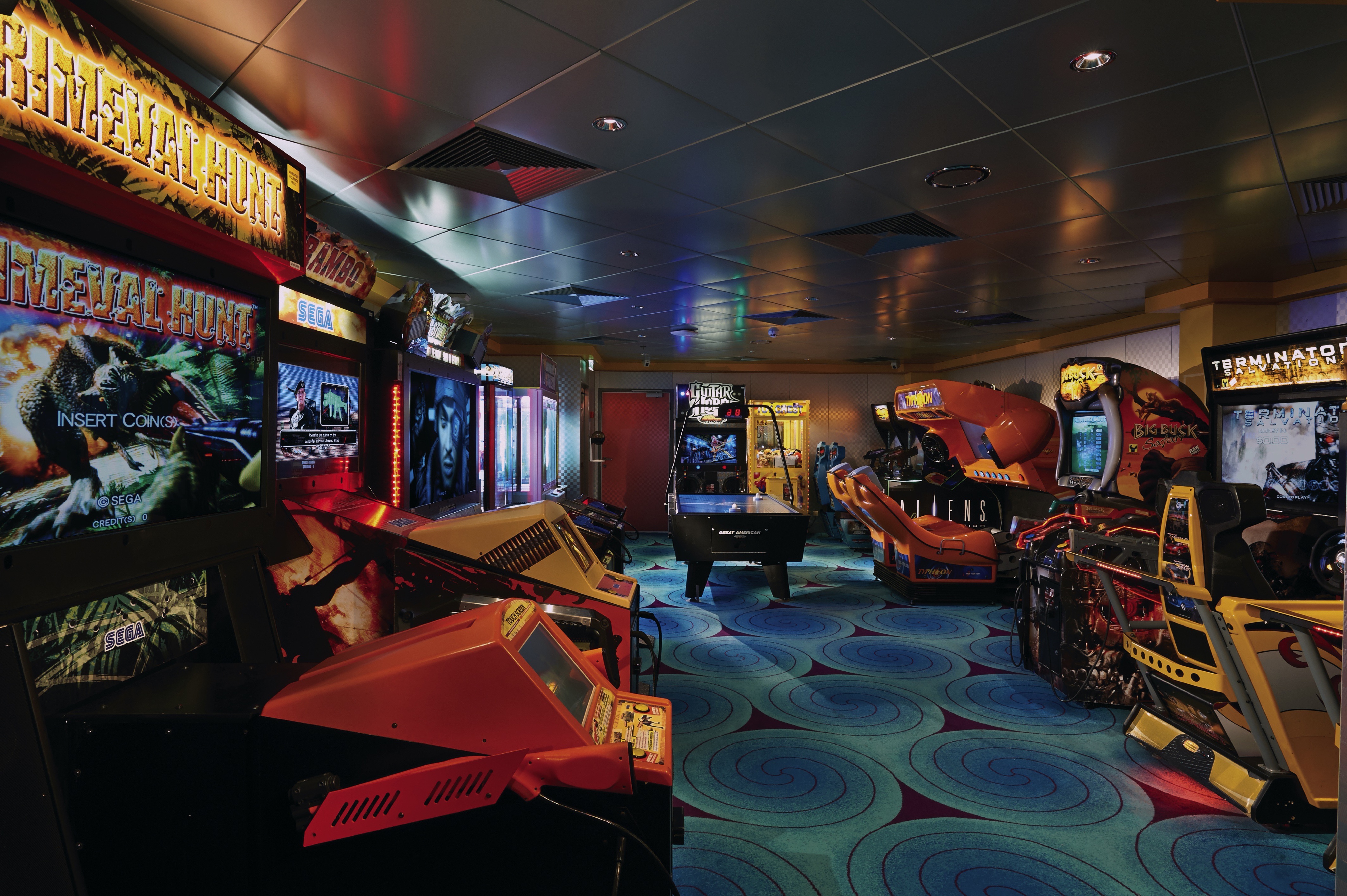
Arcade
Level up your fun at the Arcade! Take on thrilling challenges – capture aliens, pilot a fighter jet, race to the finish, and more. Can you rise to the top and claim the highest score?
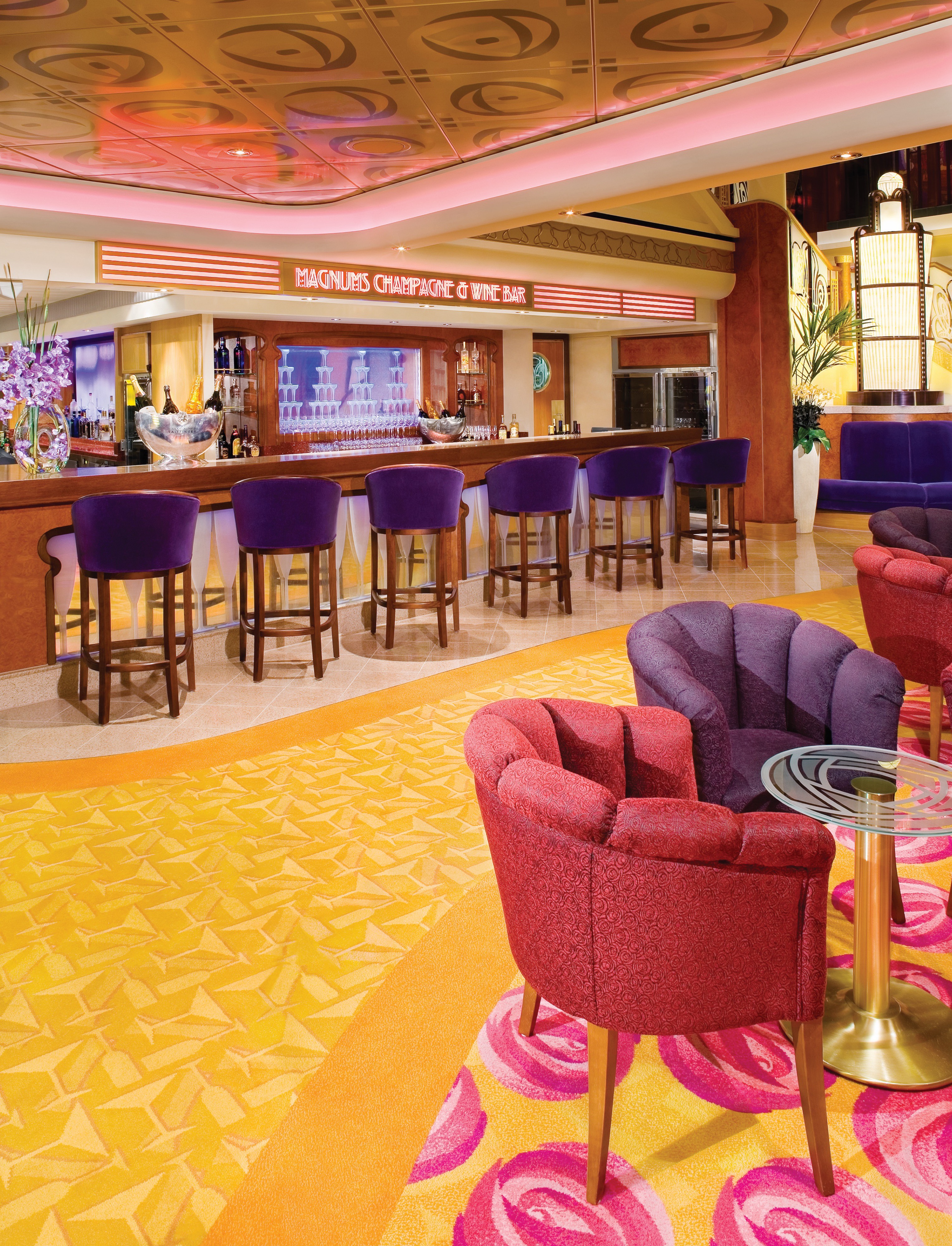
Magnums Champagne & Wine bar
Sip your favourite champagne and wine in this upscale art deco lounge.
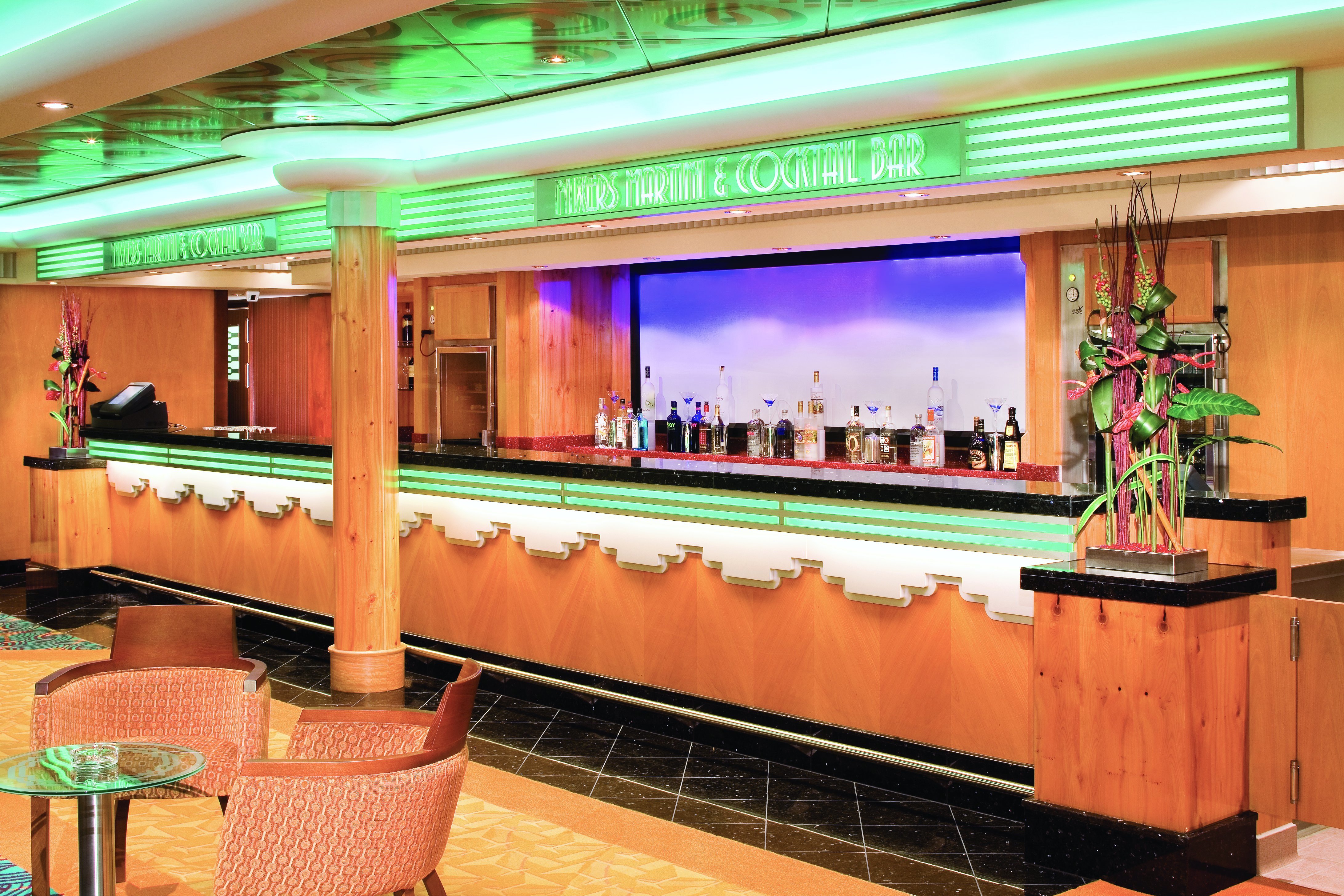
Mixers Martini & Cocktail Bar
The fun never ends at this popular spot to meet new friends and have a cool Cosmopolitan.
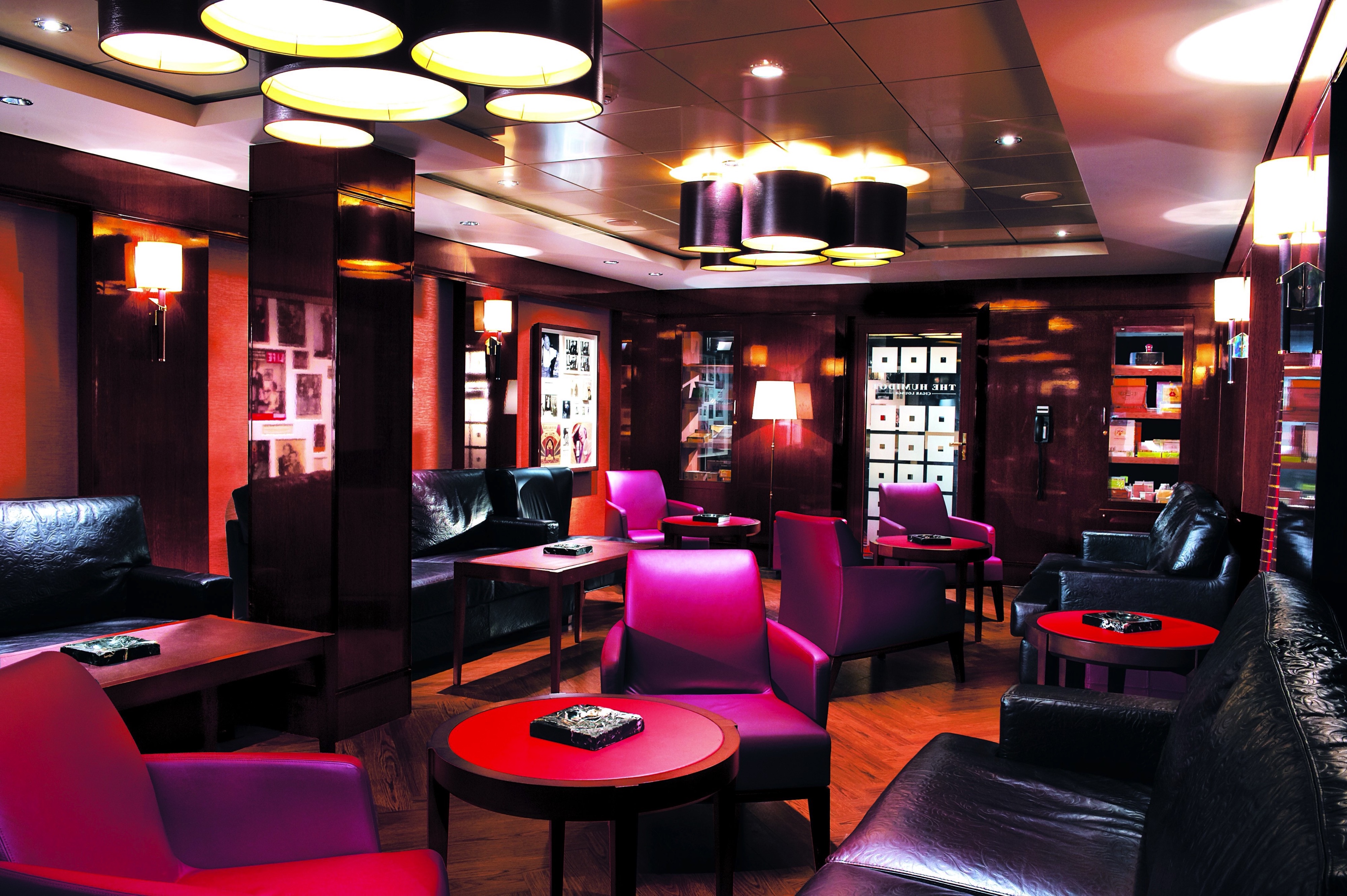
Cigar Lounge
Step into the world of rolled premium cigars, cognacs and spirits at the Cigar Club. This is one place where it is completely acceptable to light up in public.
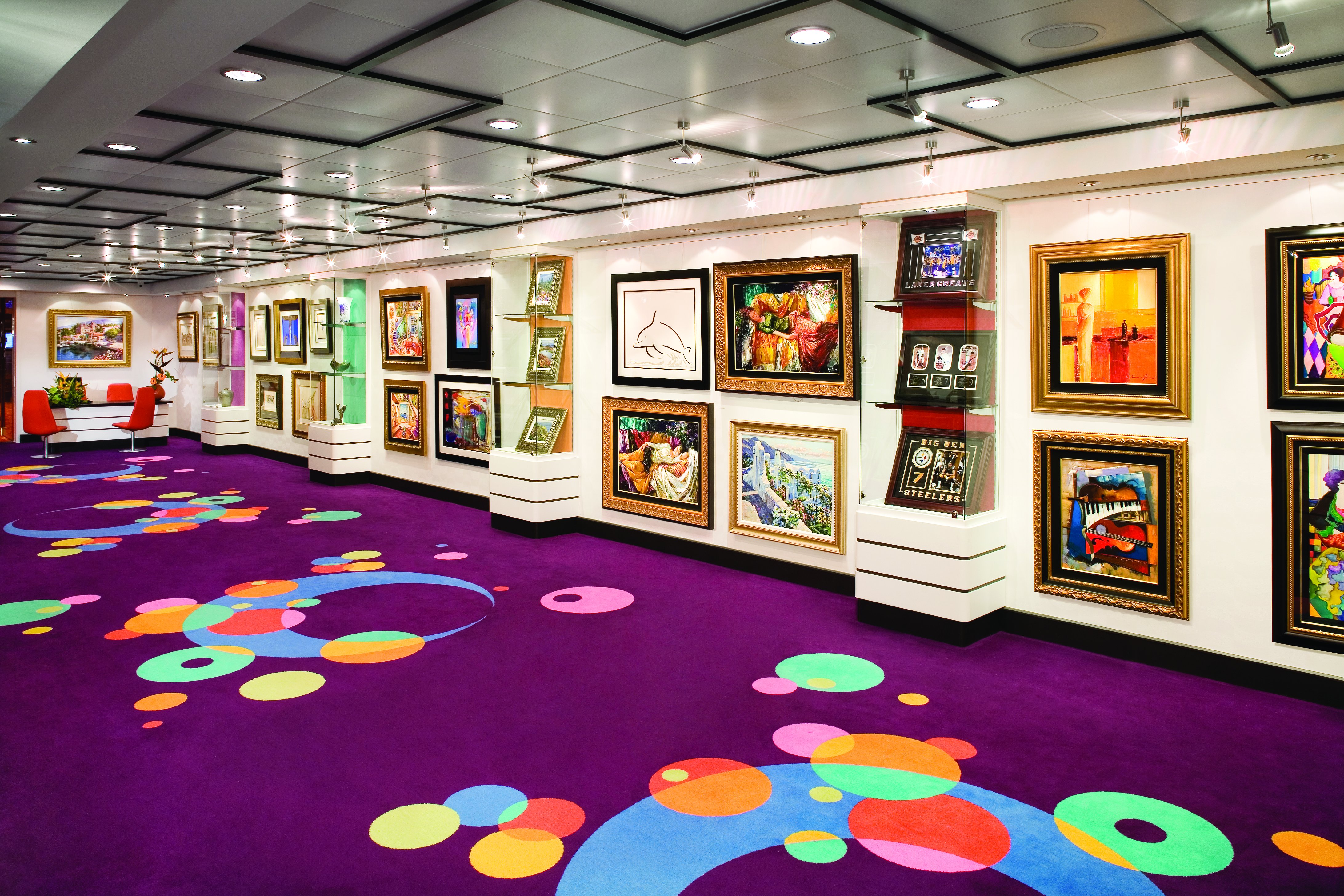
Art Gallery
Stroll through the Art Gallery of original works for sale by a wide range of well-known artists.
Business Centre & Meeting Rooms
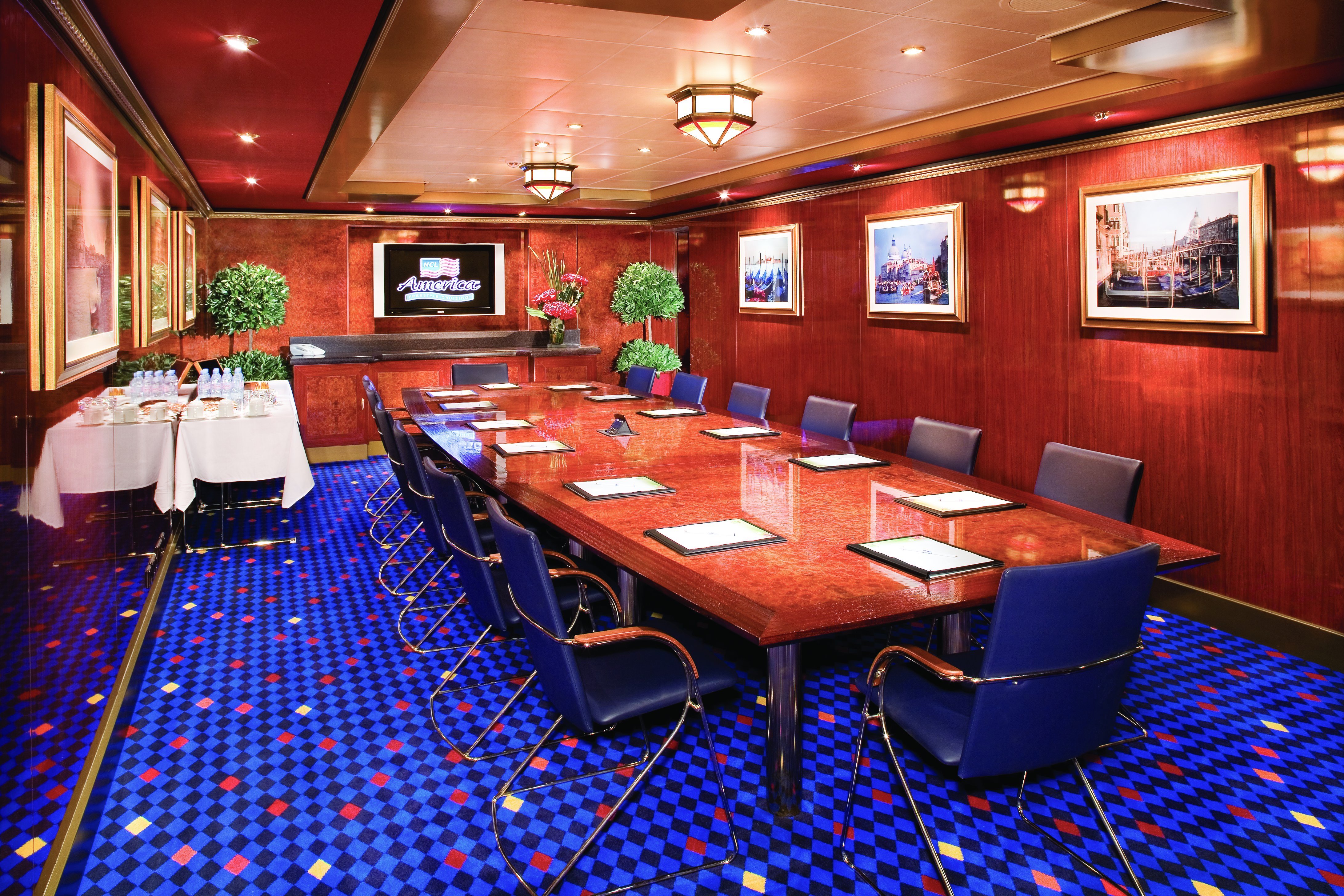
Norwegian Jade’s meeting room area features the Scalzi Bridge room, the Academia Bridge room, and the Rialto Bridge room. The Scalzi Bridge room and the Academia Bridge room can be used together.
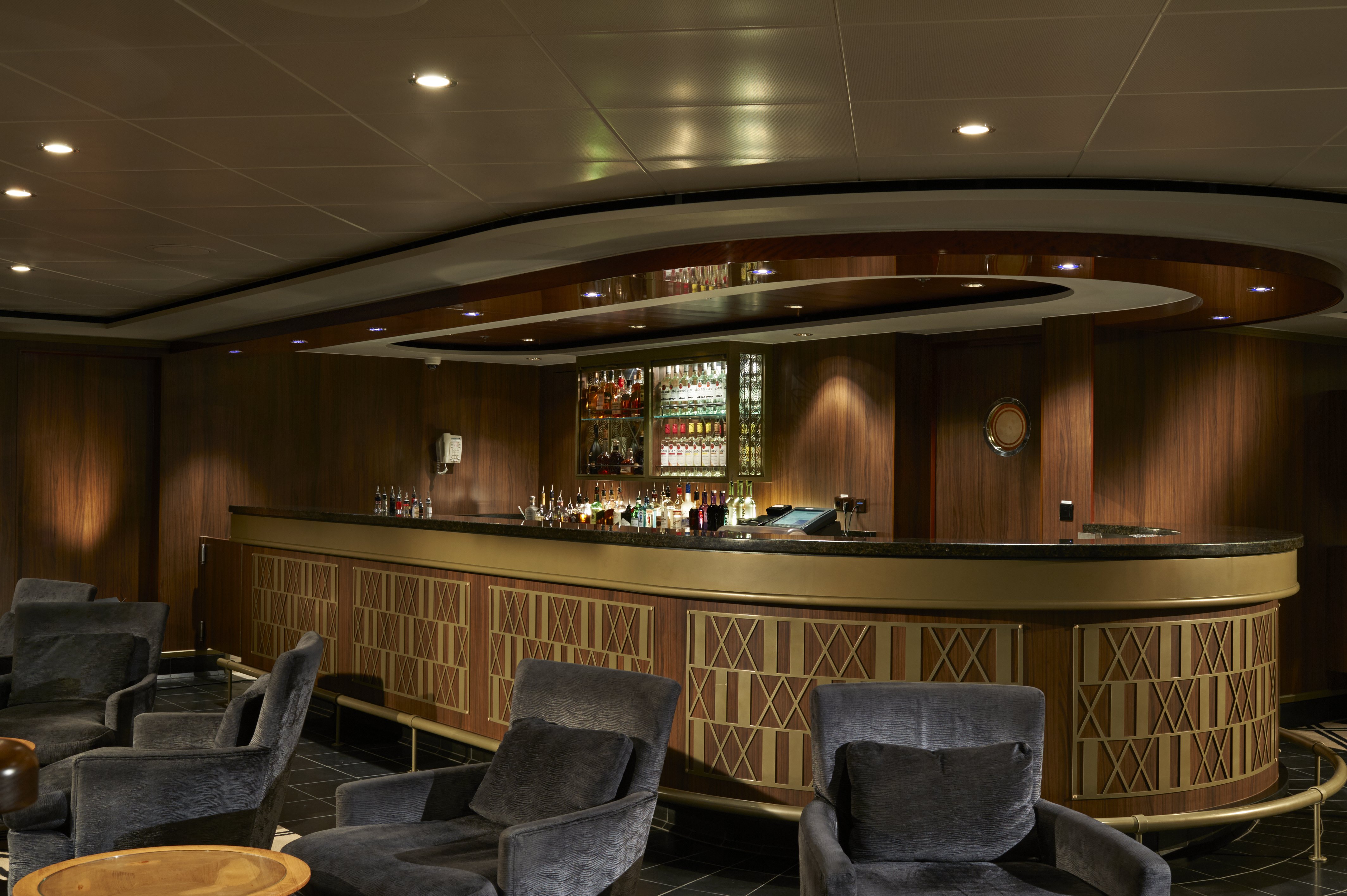
Sugarcane Mojito Bar
Freshly muddled just the way you like, enjoy a refreshing specialtly Mojito with friends – day or night.
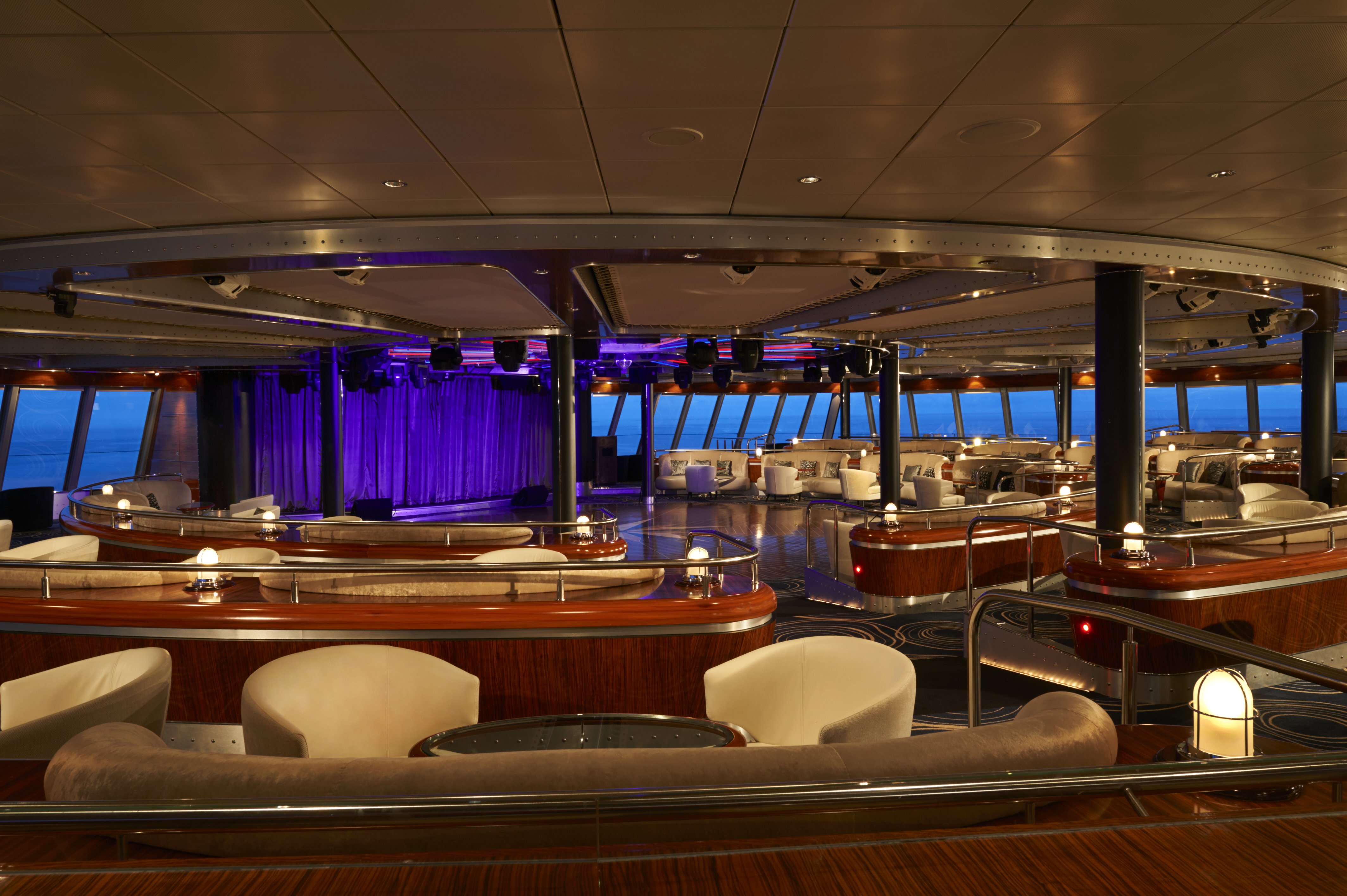
Spinnaker Lounge
Dance to a different beat and feel the excitement every night. Panoramic views make this the place perfect for parties and informal meetings.
Sake Bar
Tucked inside our Asian restaurant, this full bar also offers premium sake and imported beer.
Professional Portraits
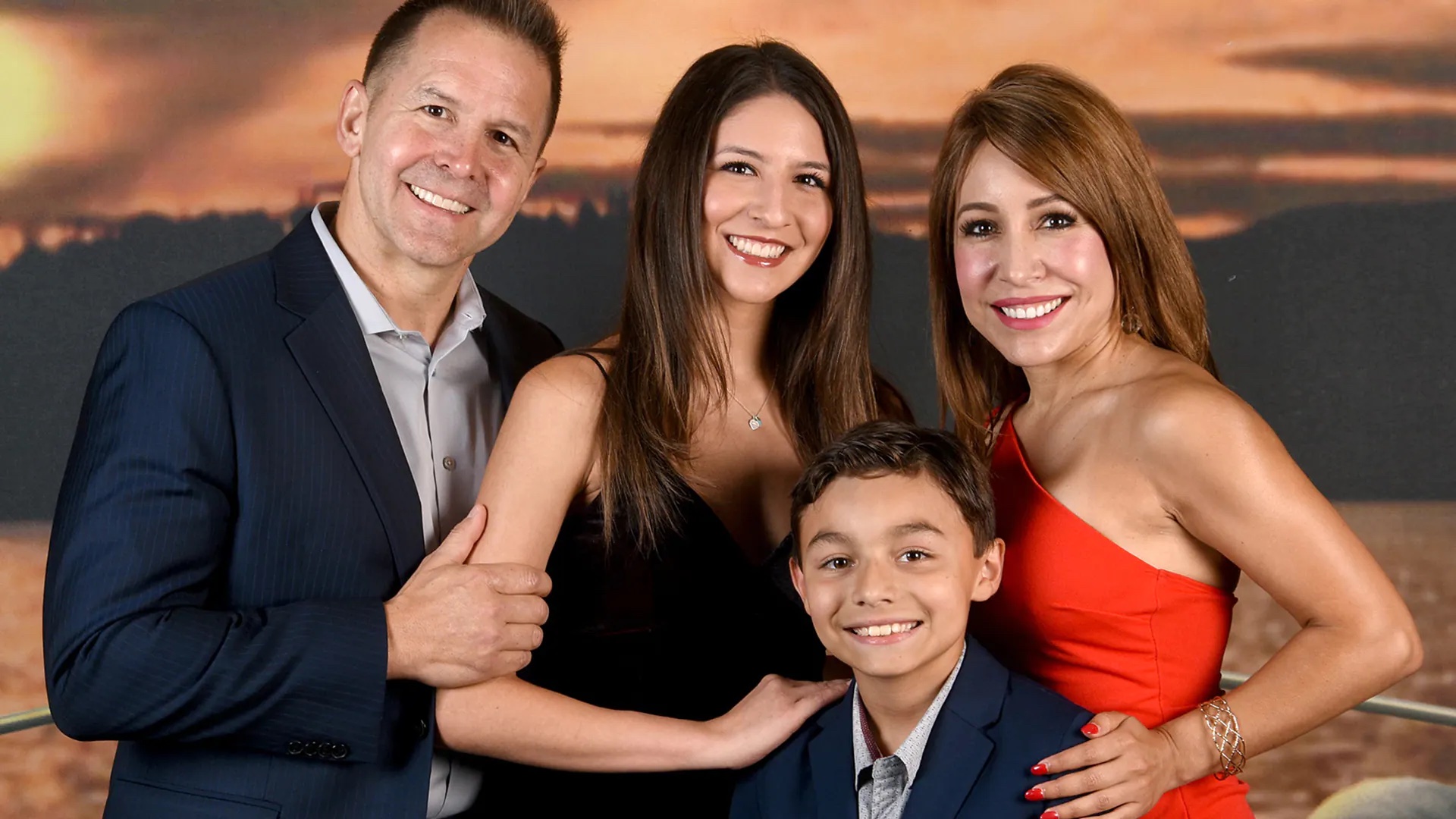
Take advantage of this time together whilst onboard to create beautiful photographs that will last a lifetime. Our professional photographers set up studios in the atrium and around the ship each night so you can have a variety of images to choose from. Relax, have fun and build your digital portfolio – it’s always free to try! Visit the Photo Gallery to learn more, view your photos and enjoy great deals on photography packages, frames, wall art, 3D Crystals, binoculars, mobile accessories and more!
Game Shows
Deal or No Deal
Enjoy an exhilarating show where contestants play & deal for cash in a high-energy contest of nerves and intuition.
Play cards will be available for purchase onboard.
Wheel of Fortune
Wheel of Fortune is here! From Hollywood to the High Seas, experience this new interactive game show where everyone plays along on their mobile devices to solve puzzles and collect matches for a chance to win great prizes, including a Free Cruise! Watch the show or play along – everyone is invited.
Famous Riffz
Get ready to play loud-this is the game show that ROCKS! Two teams go head-to-head in high-energy music trivia, battling it out in rounds all powered by our electrifying house band, The Riffz. With bonus rounds, surprise tiebreakers, and audience participation that can shift the score, every show is full of twists and epic moments. Contestants get to live the dream on stage with a live band, whilst the audience enjoys a unique blend of concert vibes and game show excitement.

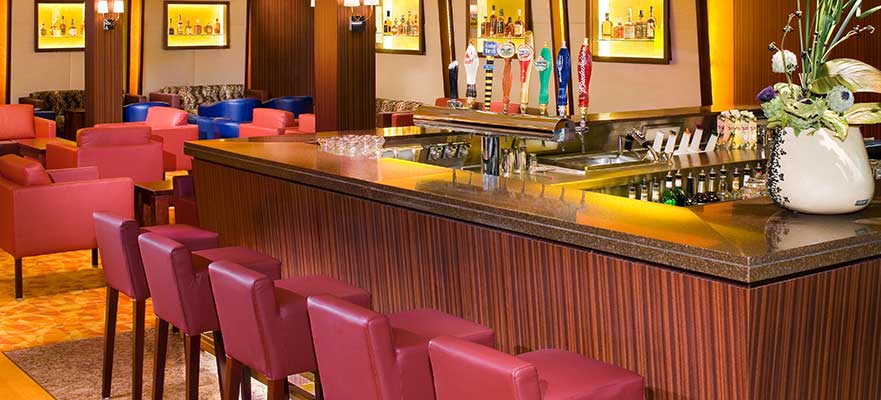
Tankards Beer & Whiskey Bar
Throw back a pint in this contemporary full service bar with a motif that reflects the production of beer.
Internet Café
No matter how far you are from home, having access to the Internet is always nearby at the Internet Café.

Vibe Beach Club
Vibe Beach Club is an exclusive, adults-only retreat with ocean views, plush loungers, an oversized hot tub, and perks like chilled towels and fruit skewers. Access requires a Pass or Cabana for two, available for your full cruise. Reserve early-space is limited.
Vibe Beach Club – Access Pass
An exclusive oasis at the top of the ship, Vibe Beach Club is an adults-only getaway full of panoramic ocean views, drinks and upgraded lounge chairs with umbrellas. With this package, you’ll enjoy Vibe Beach Club access for the entire length of your cruise.
Vibe Beach Club – Cabana (includes two Access Passes)
Your exclusive, adults-only retreat at the top of the ship is even more peaceful with your own space. With this package, you’ll enjoy Vibe Beach Club from the comfort of a private cabana for the entire length of your cruise. Spend the day relaxing in style with special food & drink menus and complimentary amenities such as water spritzers, chilled towels and skewers of fruit.
Vibe Beach Club will be available for guests starting 5/4/26.
Mandara Spa & Salon
Step into the world-renowned Mandara Spa and Salon®, where time slows and tranquility takes over. Indulge in signature massages, high-performance Biotec facials, and ancient healing through acupuncture-or rejuvenate your skin with advanced Med Spa treatments. Complete your transformation in the salon with expert hair styling, precision barber services, and flawless nail care, leaving you refreshed, radiant, and ready to sail.
Salon
Let your beauty shine through with salon services for men and women. Professional shaves, blowouts, waxing, nail services and more. We proudly feature Kerastase personalised hair treatments to nourish, repair and strengthen your hair.
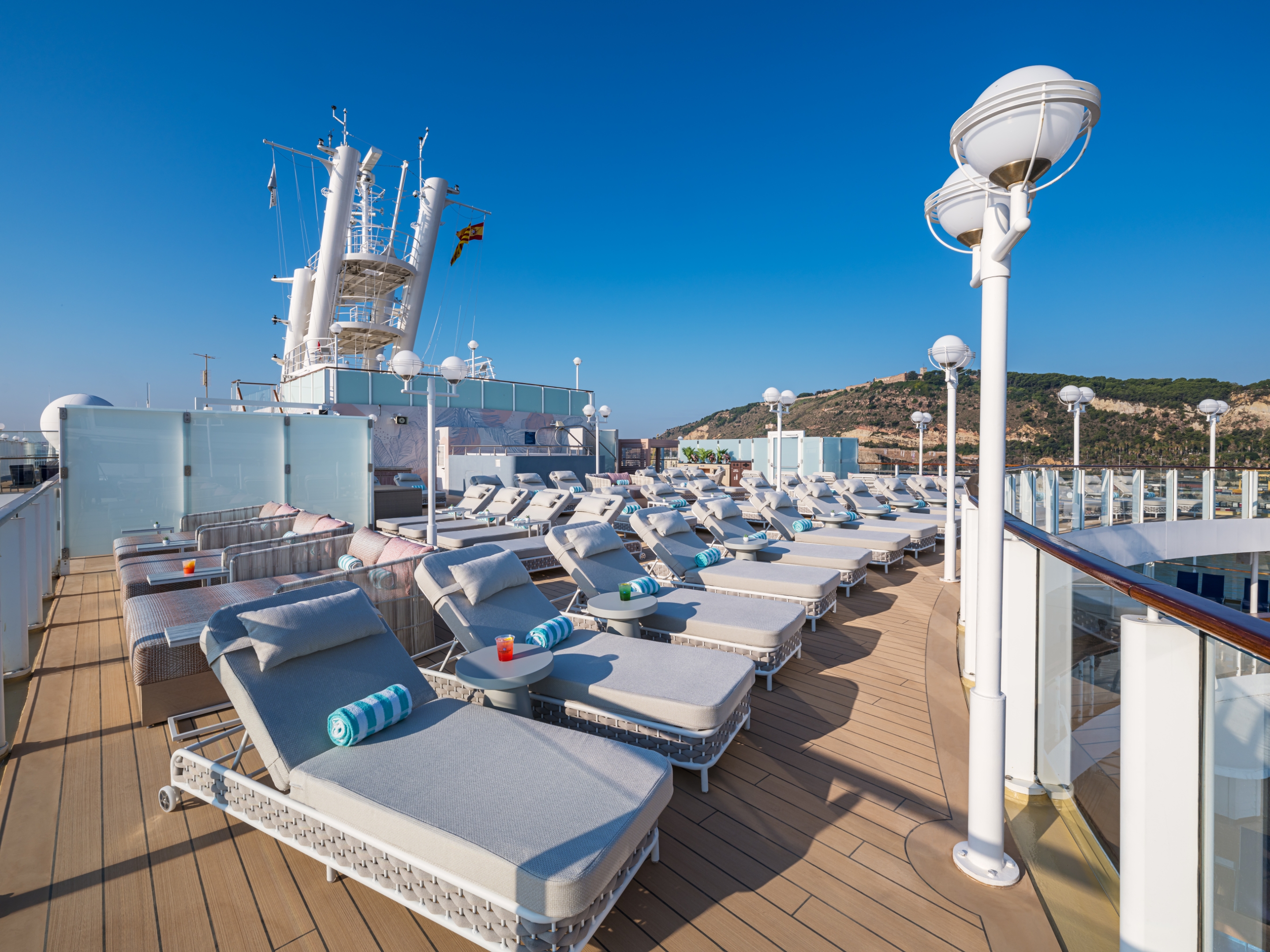
Pool
Dive into the shimmering pool and hot tubs nearby. Topsiders Bar & Grill is located poolside along with 323 deck chairs and 144 sun lounges.
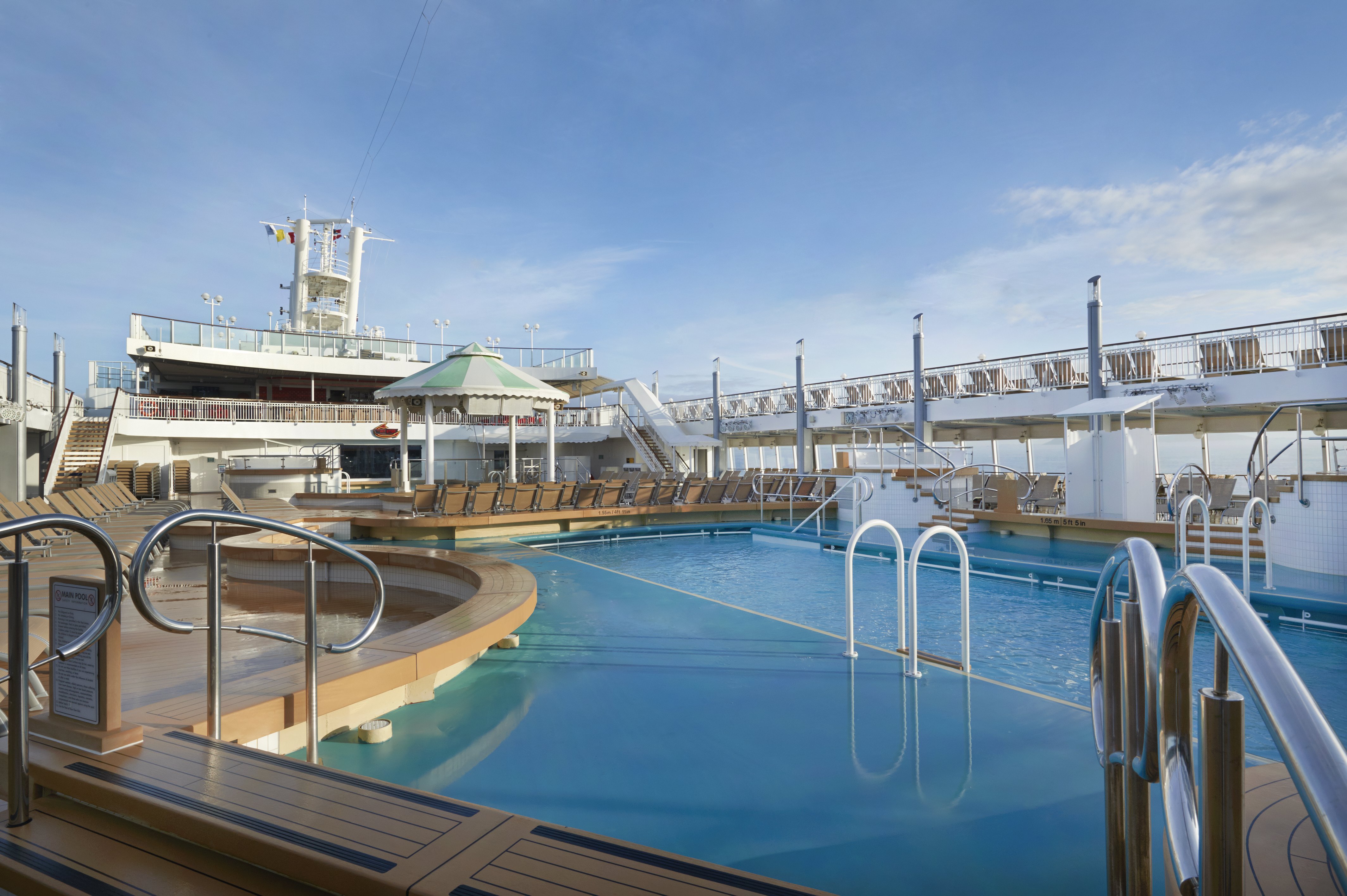
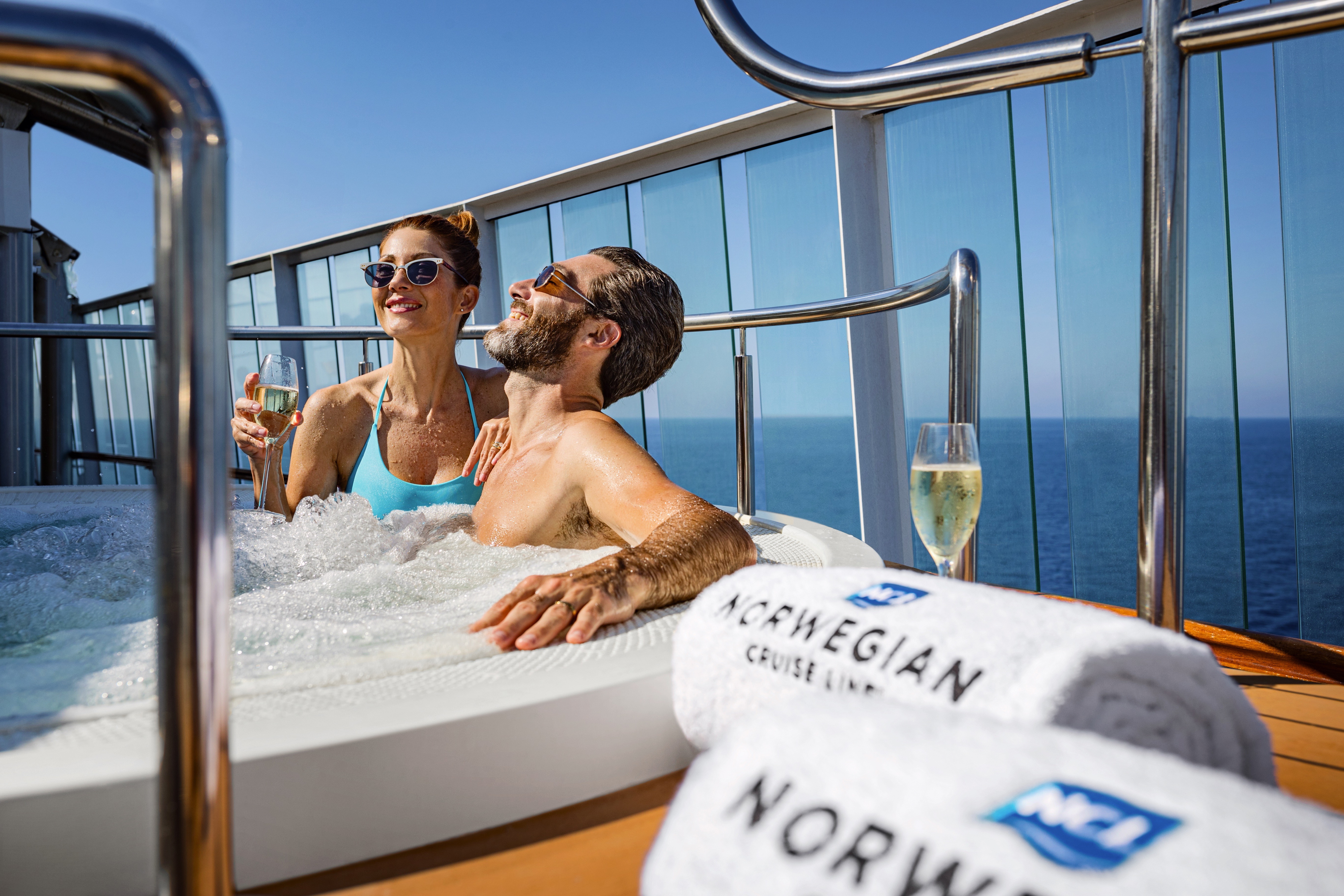
Hot Tubs
There are four outdoor hot tubs located on board Norwegian Jade. Relax, unwind and enjoy the view.
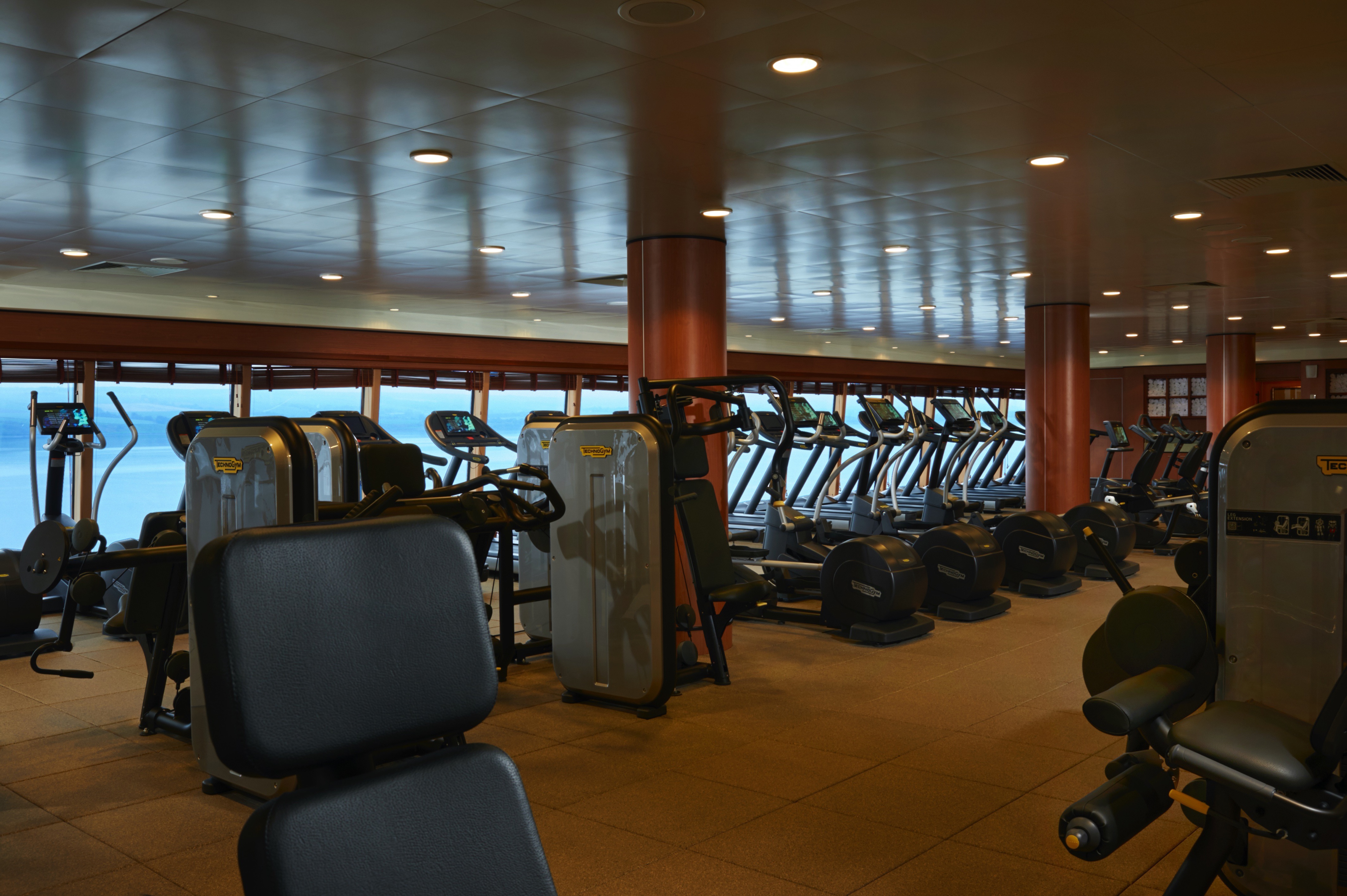
Pulse Fitness Centre
There are numerous ways to stay in shape whilst on board the Norwegian Jade. The Pulse Fitness Centre is open from 6am to 11pm with a full gym and aerobics/fitness classes daily.
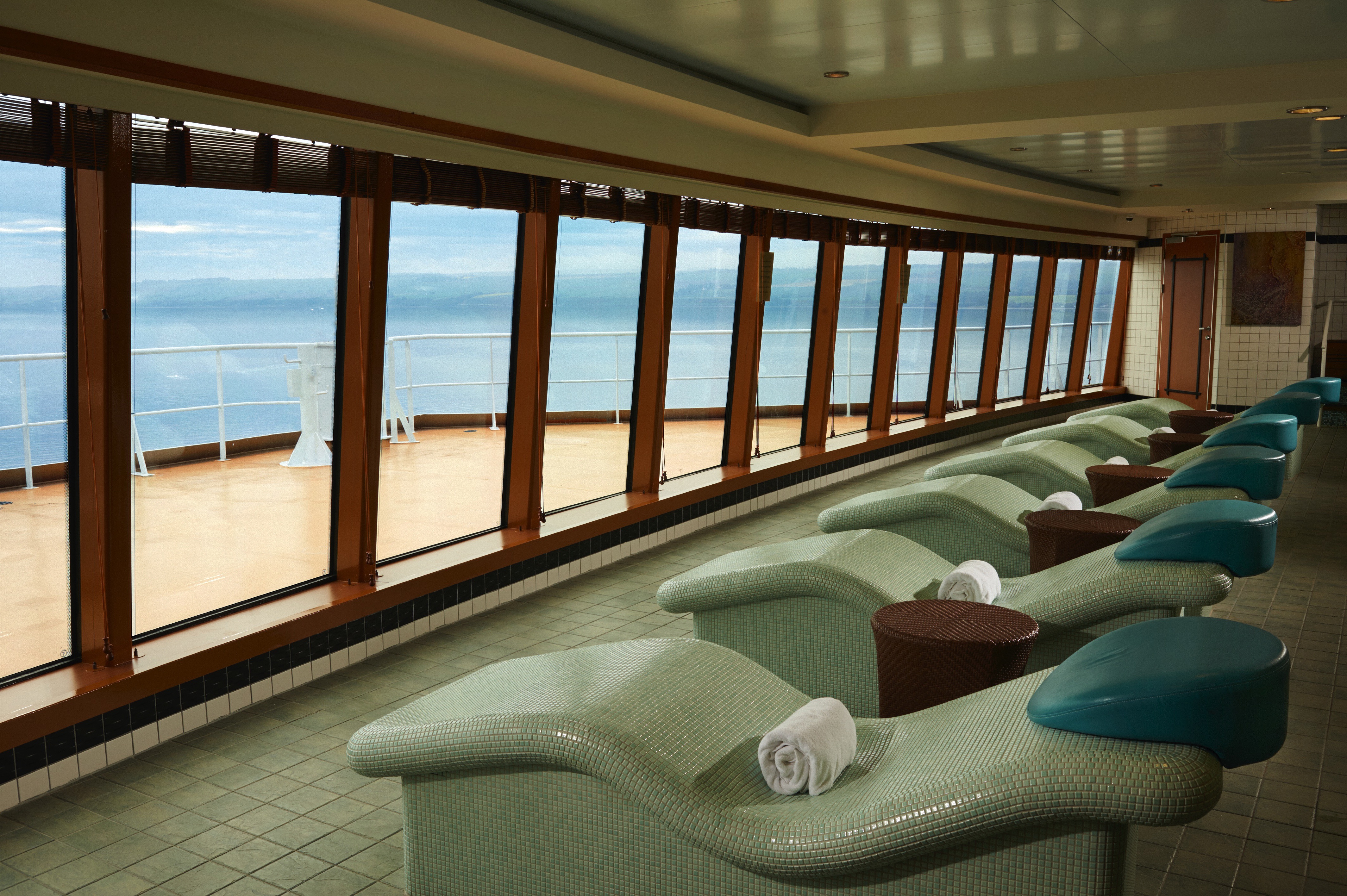
Spa Thermal Suite
The Thermal Suite offers a unique experience benefiting the mind and body. Feel the weightlessness and total relaxation created by the kneading effect of water in the Thalasso Therapy Pool. Head to the steam room to soothe aching joints, freshen your complexion and reenergise your immune system. If detox is what you crave, sit down at the sauna to sweat out your cares as your heart and sweat glands work together to purify your body. Take a dip in the hot tub and leave the world behind as the power of the warm water improves your circulation and loosen stiff muscles.
Thermal Suite Pass
Refresh, recharge and relax. Experience the ultimate in heat and water therapy at the Thermal Suite and enjoy the resplendent views.
Vitality Pool
Slip into warm water and let massaging jets relieve any tension. Take advantage of Thalassotherapy, which harnesses the soothing properties of the sea to reduce soreness, improve skin conditions and boost mood.
Thermal Suite Lounge
This expansive relaxation area soars above the ocean offering breathtaking views of the horizon and beyond. Lay back and unwind in one of our guest-favourite hot stone loungers as you stare out at the sea.
Cold Therapy
Time to chill out! Cool off in our refreshing Snow Room, Ice Room or Rain Showers. Cold therapy has been shown to help increase blood circulation, awaken the senses, invigorate the respiratory tract, and strengthen the immune system. Cold exposure can even make hair and nails shinier.
Saunas
From classic Finnish to detoxifying charcoal to cutting-edge infrared, all of the saunas in the Thermal Suite create relaxation from head to toe. Benefits of heat therapy include everything from pain relief to toxin removal to improved sleep.
Salt Room
Experience the subtle and soothing effects of the salt chamber. Himalayan salt creates a healing oasis akin to ancient natural salt caves. Dry Salt therapy can alleviate health problems, reduce stress, improve skin and help with insomnia.
Steam Room
Our aromatic, temperature controlled steam rooms provide the relaxing warmth of plant-essence infused steam. The herbal extracts can help combat stress, clear congestion, improve skin health and even lower blood pressure.
Basketball/Volleyball/Tennis Court
Shoot hoops, join a pick up game, play beach volleyball or play some tennis at the outdoor basketball/Volleyball/Tennis Court, where we will be happy to accommodate you.
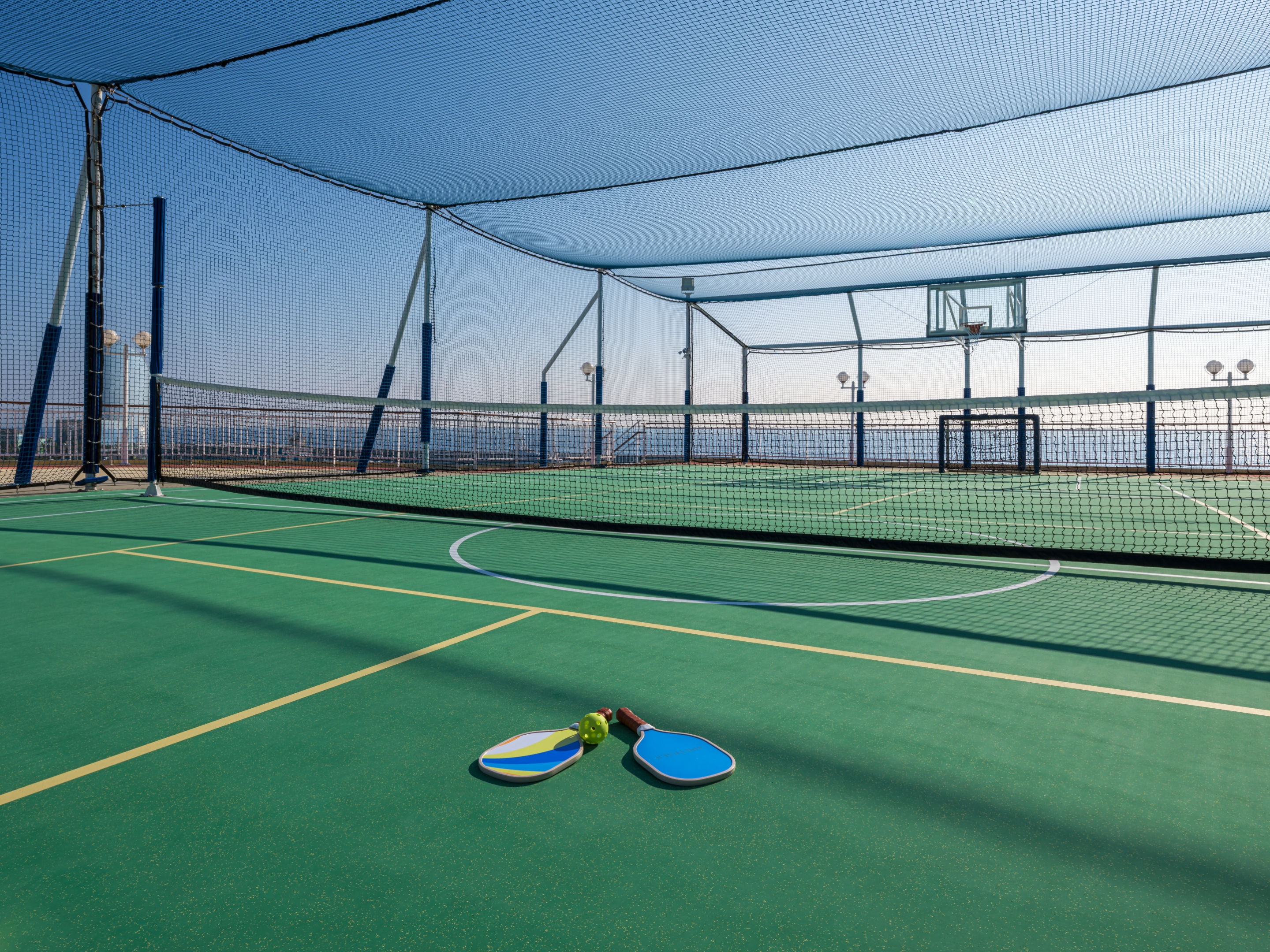
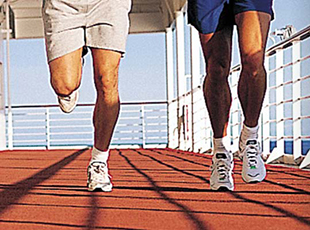
Jogging/Walking Track
Run circles around the other guests or get in your daily walk whilst you’re at sea. Breakfast always tastes better after a good walk or run, right?
Treatments
Aroma Spa Seaweed Massage – 100 minutes
Indulge in this detoxifying wrap and massage to reduce fluid retention and cellulite and replenish your body’s systems with vital trace elements. This treatment concludes with a full body massage.
Aroma Spa Seaweed Massage – 75 minutes
Indulge in this detoxifying wrap and massage to reduce fluid retention and cellulite and replenish your body’s systems with vital trace elements. This treatment concludes with a full body massage.
Aroma Stone Therapy – 50 minutes
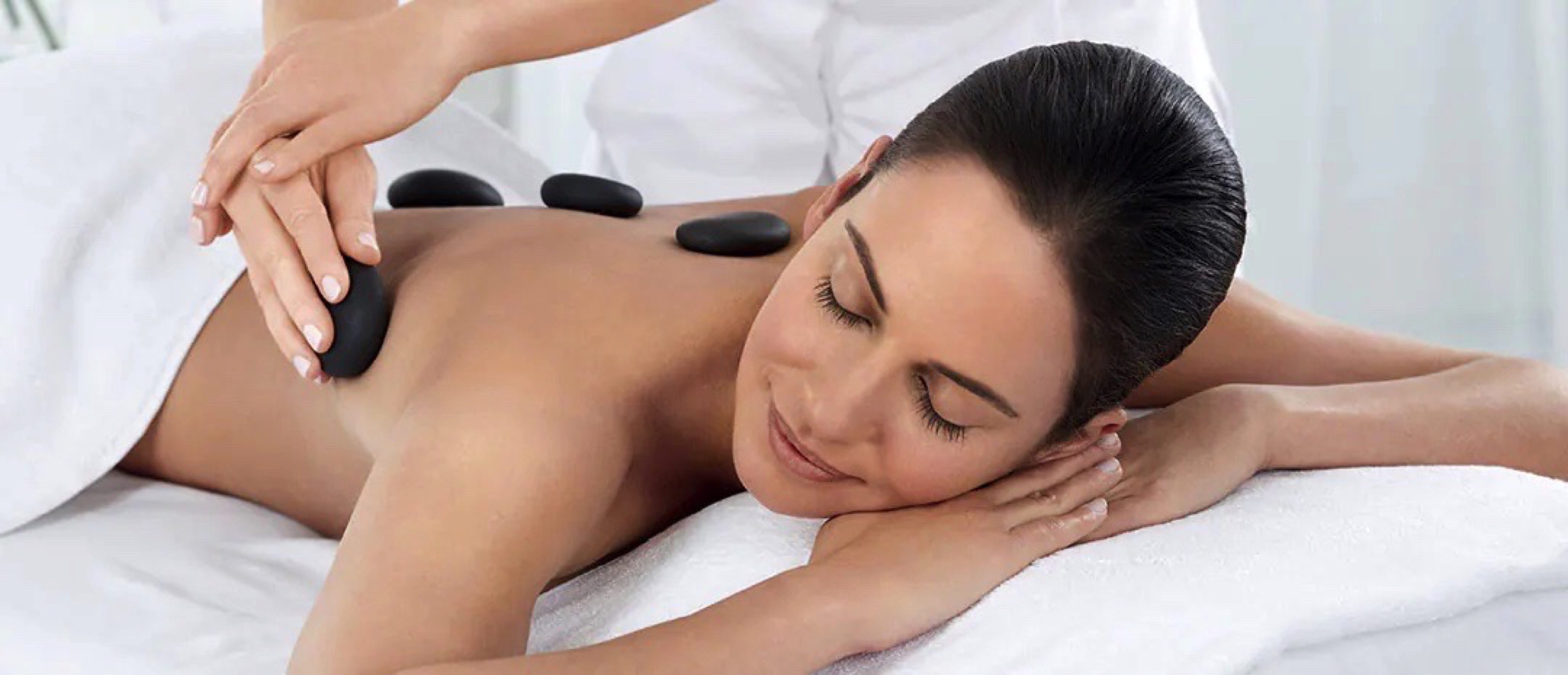
Heated Basalt Stones are applied to key points of the body, whilst your therapist massages your body with warmed, fragrant aromatherapy oils.
Aroma Stone Therapy – 75 minutes
Heated Basalt Stones are applied to key points of the body, whilst your therapist massages your body with warmed, fragrant aromatherapy oils.
Bamboo Massage – 50 minutes
Imagine warm bamboo shoots of various sizes soaked in essential oil rolling, sliding and massaging your muscles into pure bliss. Getting into the belly of the muscle, this deeper tissue massage targets specific areas, releasing the build-up of tightness using sliding and rolling techniques across the body, hands and feet, kneading away soreness to your specified level of pressure.
Bamboo Massage – 75 minutes
Imagine warm bamboo shoots of various sizes soaked in essential oil rolling, sliding and massaging your muscles into pure bliss. Getting into the belly of the muscle, this deeper tissue massage targets specific areas, releasing the build-up of tightness using sliding and rolling techniques across the body, hands and feet, kneading away soreness to your specified level of pressure.
Body Composition Analysis
Our fitness professionals will determine your body fat percentage, metabolic rate and water retention level and then compare the results to the percentage recommended for you.
Couples Deep Tissue Muscle Massage
You and your favourite person can enjoy a gorgeously relaxing full body Deep Tissue Muscle Massage as you lie side by side. The listed price is per couple.
Couture Touch Face and Body Treatment – 100 minutes
Condition your skin and condition your muscles with this all-embracing hands-on experience. Includes a ELEMIS hands-on TOUCH facial with your choice of a Deep Tissue Muscle Massage or an Aroma Stone Therapy.
Couture Touch Face and Body Treatment – 50 minutes
Condition your skin and condition your muscles with this all-embracing hands-on experience. Includes a ELEMIS hands-on TOUCH facial with your choice of a Deep Tissue Muscle Massage or an Aroma Stone Therapy.
DYSPORT® Cosmetic Wrinkle Treatment – Crow’s Feet
Soften the wrinkles around the outside corner of the eyes with this targeted wrinkle treatment.
DYSPORT® Cosmetic Wrinkle Treatment – Forehead Lines
Smooth horizontal forehead lines with this targeted wrinkle treatment.
DYSPORT® Cosmetic Wrinkle Treatment – Frown Lines
Soften wrinkles between the eyebrows with this targeted wrinkle treatment.
Deep Tissue Muscle Massage – 50 minutes
Using muscle-melting warmed oils and deep pressure massage movements, we massage deep into the belly of the muscle, erasing stress, tension and lactic acid build up.
Deep Tissue Muscle Massage – 75 minutes
Using muscle-melting warmed oils and deep pressure massage movements, we massage deep into the belly of the muscle, erasing stress, tension and lactic acid build up.
ELEMIS Deep Cleanse Grooming Treatment with Shave
This grooming treatment for men will deeply cleanse the skin to prepare it for the closest shave ever!
ELEMIS Dynamic Resurfacing Precision Peel
Experience the age-defying benefits of marine-charged Padina Pavonica whilst targeted massage encourages optimum cellular function.
Express Shave
A quick, clean, silky shave for the man who wants to be smooth!
Fire and Ice Manicure
Beautify your nails with this invigorating manicure that will warm your spirit and cool your stress.
Fire and Ice Pedicure
This super rejuvenating pedicure will warm your senses and cool your tension, leaving your nails and skin looking beautiful.
GO SMILE™ Teeth Whitening Treatment
Are you ready to smile? Then try our advanced tooth-whitening treatment available at the spa.
Intensely Cleansing Salt Scrub – 50 minutes
The extraordinary cleansing power of salt goes to work releasing toxins in this body polishing treatment. Choose from Frangipani Monoi Salt Scrub or Lime and Ginger Salt Glow with a 25 minute massage.
Intensely Cleansing Salt Scrub – 75 minutes
The extraordinary cleansing power of salt goes to work releasing toxins in this body polishing treatment. Choose from Frangipani Monoi Salt Scrub or Lime and Ginger Salt Glow with a 50 minute massage.
Ionithermie Cellulite Reduction Treatment
Reduce the appearance of cellulite and firm and tone the skin with this Parisian treatment that offers substantial inch loss in just one session.
Nutritional Consultation
If you are ready to enhance your well-being with a sensible diet and exercise programme, our fitness professionals can provide you with the in-depth information you need to get you started.
Personal Training
After conducting a Body Composition Analysis, our personal trainers will design a nutrition and exercise plan that will help you achieve the results you’ve always wanted.
Pro-Collagen Age Defy
This anti-aging facial combines the benefits of exotic ingredients to plump out fine lines and reduce skin-fatigue – helping relax wrinkles, whilst an age-defying peel-off mask encourages the highest cellular function, visibly improving firmness and elasticity for beautifully nourished, younger looking skin.
Pro-Collagen Grooming Treatment with Shave
Our most opulent grooming service for men, this is simply the shave of all shaves combined with the facial of all facials! Your skin will be left perfectly smooth.
Restylane® Lip Enhancement Treatment
Add volume to uneven or small lips. This treatment provides you with a fuller, natural looking lip instantly.
Restylane® Marionette Lines Treatment
Restore youthful contours by softening the lines from the corners of the mouth to the chin with this FDA approved dermal filler.
Restylane® Smile Lines Treatment
Restore youthful contours by softening the lines from the corners of the nose to the mouth.
Swedish Massage – 50 minutes
This relaxing Swedish massage uses techniques that will smooth away stress and tension.
Swedish Massage – 75 minutes
Enjoy this deeply relaxing Swedish massage for a full 75 minutes.
Thai Herbal Poultice Massage
This energising, rhythmic massage utilises scented herbal poultices, heated and applied to the body at pressure points to relax the muscles and release tension.
Traditional Chinese Acupuncture – 1 session
Curious about acupuncture and how it can benefit you? Try this special introductory treatment.
Entourage Teen Club
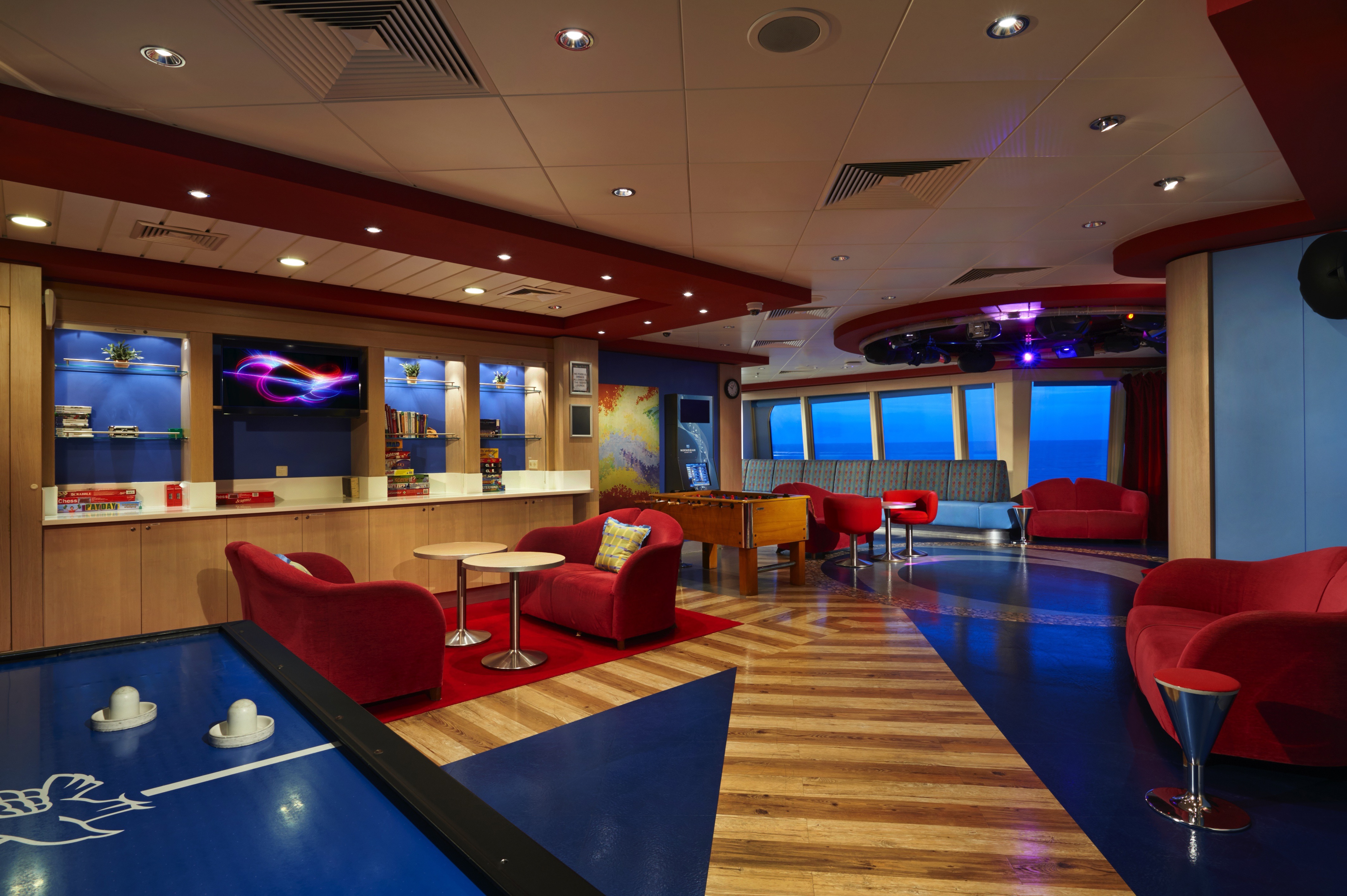
It is time to change the way you play. Entourage for 13-17 year olds offers modern, digital, and inclusive options to engage the way you want. Connect. Influence. Create. Be You.
Splash Academy
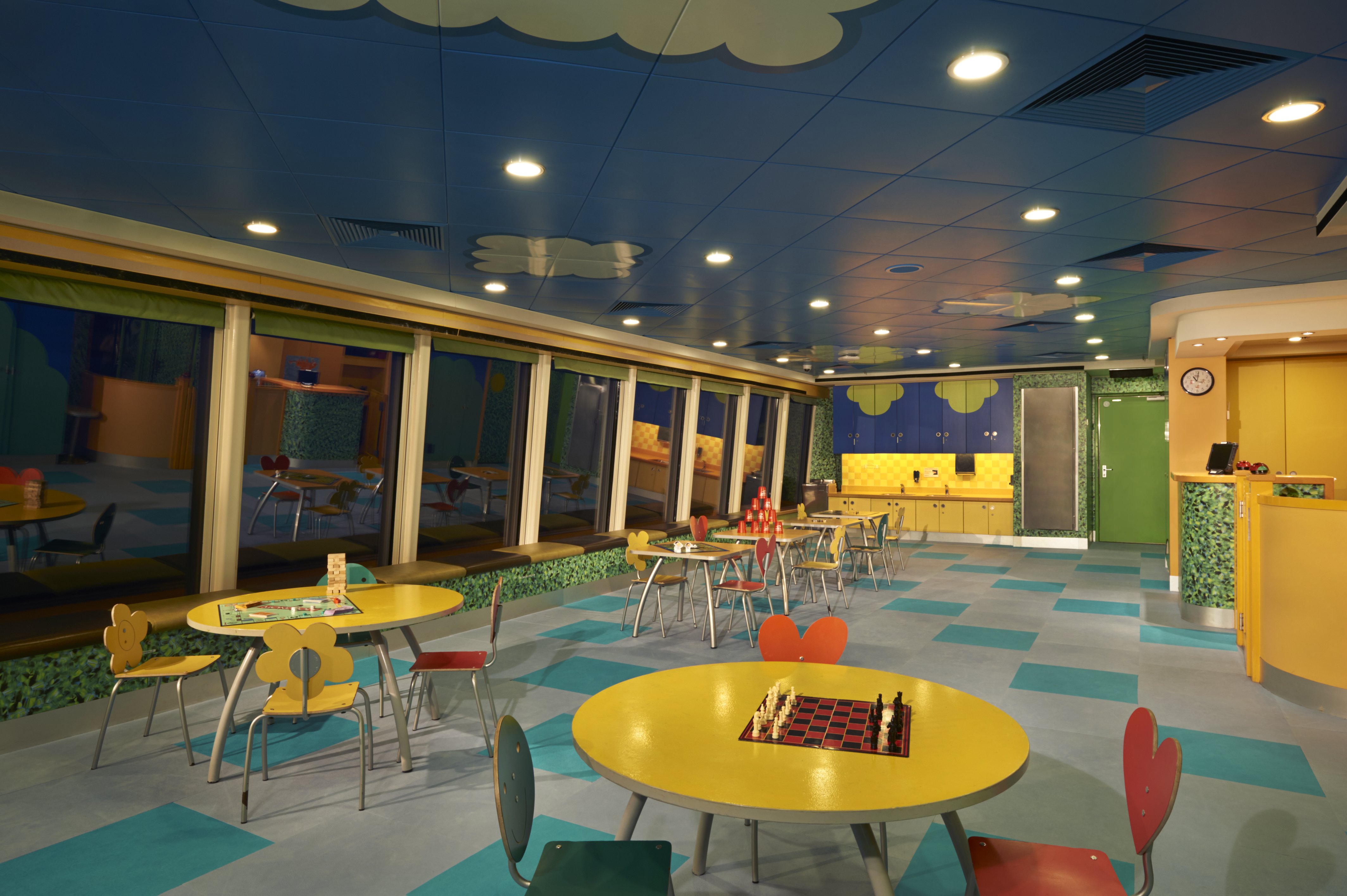
Jump into a splash of fun at Splash Academy just for kids 3-12. Join us for active games, arts and crafts, and jump into character with the creative theme days.
Guppies
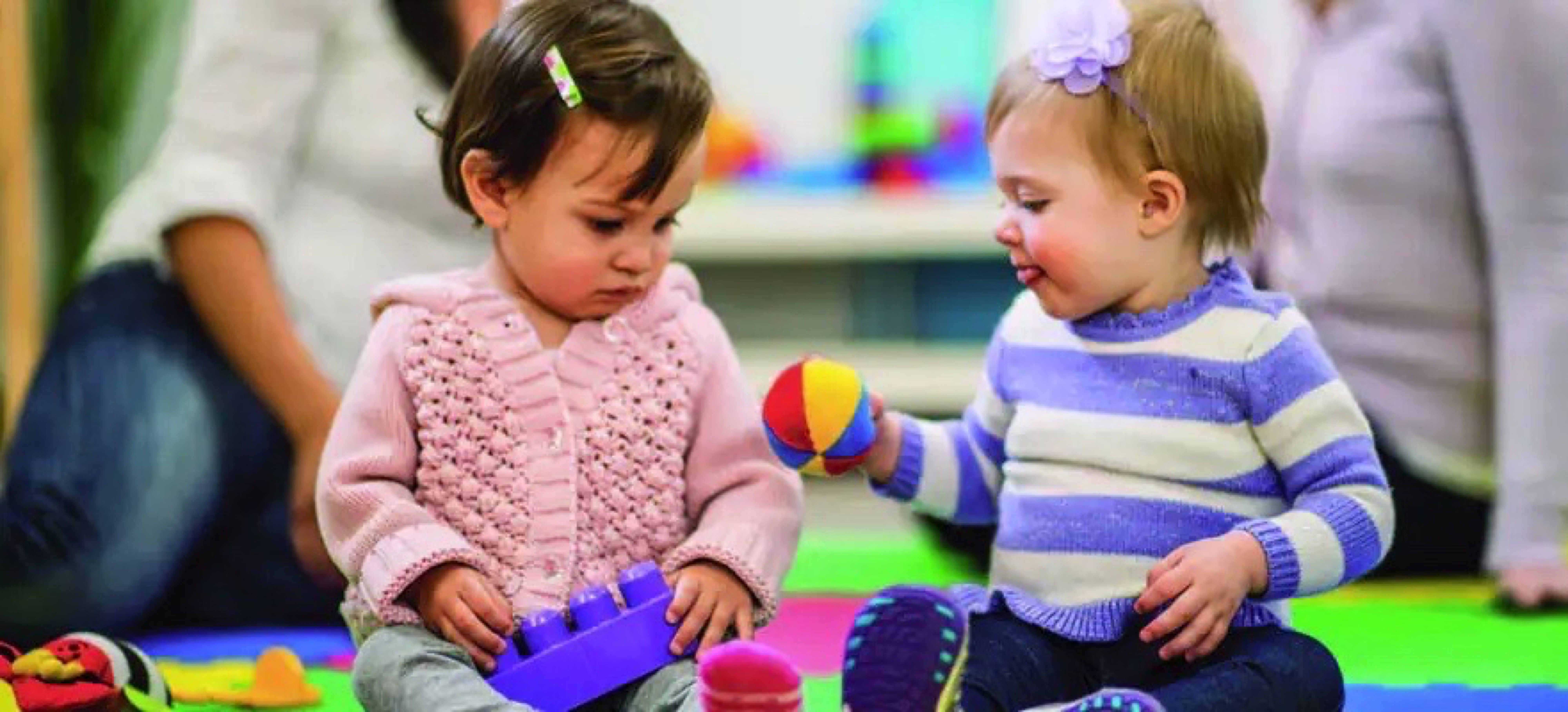
Guppies Open Play is for the littlest cruisers and offers a play space for parents to interact with their infants/babies/toddlers 6 months – 3 years old and children in nappies. Toys, balls, and sensory items are available within the space. The timetable varies per ship and itinerary and is posted in the Freestyle Daily. Guppies Open Play is not a drop off programme.
Cagney's Steakhouse
Specialising in Premium Black Angus Beef and exceptional seafood, this American-style steakhouse is second to none. With classic cocktails, an extensive wine list, and attentive service, Cagney’s Steakhouse offers a truly delightful dining experience.
Price Per Person: Cover Charge USD $60
La Cucina
Buona Sera! Enjoy the finest ingredients at our vibrant Italian ristorante. Dine on Italian classics and indulge with a rich homemade Tiramisu. Your good evening just got better.
Price Per Person: Cover Charge USD $40
Garden Café
Whatever you’re craving, chances are you will find it at the Garden Café. This complimentary, indoor buffet restaurant serves up breakfast, lunch and dinner
Price Per Person: Complimentary
Grand Pacific
Stunning in design with ocean views, this Main Restaurant offers traditional cuisine to please every palate.
Price Per Person: Complimentary
Le Bistro
Romance is in the air at our signature French restaurant. Elegant interiors, crisp white linens and attentive servers make this an intimate dining experience. By the end of your meal, you might just be proclaiming c’est magnifique!
Price Per Person: Cover Charge USD $60
Moderno Churrascaria
Looking for a unique experience? Our authentic Brazilian churrascaria is a must. Start with an impressive salad bar, but save plenty of room for our slow-roasted meats carved tableside by our Passadores.
Price Per Person: Cover Charge USD $50
Jasmine Garden
Enjoy our Asian Fusion dining venue featuring freshly prepared noodles, delicious wok fried dishes, authentic soups, and more.
Price Per Person: Cover Charge USD $50
Teppanyaki
Sit at a lively shared table as a skillful chef perfectly prepares shrimp, steak, chicken and fried rice on a large steel grill. And you’ve got a front row seat to all the sizzles and surprises in our Japanese restaurant.
Price Per Person: Cover Charge USD $60
Alizar
One of our two Main Restaurants serving a variety of culinary delights with a contemporary flair.
Price Per Person: Complimentary
O'Sheehan's Bar & Grill
O’Sheehan’s offers classic pub fare in a relaxed atmosphere. With popular dishes like the Reuben Sandwich and Fish n’ Chips, O’Sheehan’s has all your favourite comfort foods. So try one of our beers or cocktails on tap and catch a game with us!
Price Per Person: Complimentary
The Great Outdoors
Come as you are, even in your swimsuit, to this casual, buffet bar serving grilled favourites like burgers, hot dogs and great ocean views.
Price Per Person: Complimentary
Sushi
In the mood for sushi? Take a seat at this contemporary sushi bar for some traditional Japanese culinary bites.
Price Per Person: Cover Charge USD $50
Topsiders Bar & Grill
Enjoy casual dining to suit every taste. From grilled burgers to hot dogs, come as you are and eat as you like after a night out or before your day begins.
Room Service
Available 24 hours a day, simply pick up the phone and order breakfast, lunch, dinner or late-night munchies. A room service fee may apply.
Price Per Person: Room Service Fee may apply.
Starbucks®
Kick-start your day with a Caramel Macchiato. Grab a Teavana® Shaken Iced Green Tea Lemonade to sip while lounging poolside. Or recount the day’s excitement with your friends over freshly brewed coffee. Come on by Starbucks to make your vacation even sweeter.
Excursions
GO LOCAL TOURS
Authentic multicultural experiences await on a Go Local Tour with NCL. Explore how people in cities around the world live, work, eat and play on unique tours designed for guests who thrive on culture-connecting and unforgettable exploration.
ADVENTURE RUSH
Start by letting your imagination run wild. Mush your way across an ice field in Alaska. Surf in Kaua‘i. Soar through the sky on a zipline on Harvest Caye. Go tubing in Belize or even airboat through the Florida Everglades. Your adventure awaits.
HISTORIC TIMES
Get up close and personal with places you’ve seen only in pictures. Then take some of your own. Stand in the shadow of the Colosseum. Tour a medieval castle. Unravel the mysteries of the Mayan ruins. Or catch a glimpse of the revered Emerald Buddha in the Grand Palace of Bangkok. Take a history lesson like no other.
WONDERS OF NATURE
Hang with the locals in Australia. Or pack your camera and enjoy majestic humpback whales near Hawai‘i, glaciers in Alaska, the soaring cliffs of Greece or the golden foliage in New England. They’re all naturally wondrous scene-stealers.
LAID-BACK LEISURE
Sometimes you just want to soak in the sun — and your surroundings. So find that perfect secluded beach and take it all in. Or shop the local markets for great bargains and take home a little something to complement your amazing holiday.
SELFIE TOURS
Get your smile — and your mobile device — ready for a tour like no other. With NCL’s Selfie Tours, we will take you to picture-perfect places to fill your feed. Many of our tours are guided by a selfie expert who will show you how to perfect your angle, use a selfie stick and more.
Great Stirrup Cay
Escape to The Great Life
Great Stirrup Cay isn’t just an island in The Bahamas, it’s an escape to The Great Life. And The Great Life isn’t just about cruising to your very own private island; it’s about unlocking a state of mind. It’s a cool drink in your hand at the 2,600 sq. metres pool. The roar of jet skis and a gentle breeze through your cabana. It’s shouting at the top of your lungs as you race down the larger-than-life tower of water slides. And it’s gazing onto white sand beaches all afternoon. Here, you have the freedom to do what you want, when you want. That’s The Great Life, and it’s about to get GREATER on the incredible, new Great Stirrup Cay.
Great Life Lagoon
What do ten blue whales, 20 tennis courts, three Washington Monuments, one large cruise ship and Mt. Everest’s peak all have in common? They’re roughly the same size as our new, 28,000-sq.-ft. heated pool. Throw in two swim-up bars, beach-style water entry for kids, water features, ocean views, cabanas and you’ve got yourself a pretty spectacular Caribbean day!
Epic slides. Towering cliff jumps. One unforgettable splash.
Get ready to live the great life at full speed. Spanning the size of several football fields, Great Tides Waterpark is the bold new thrill zone at Great Stirrup Cay – where adventure meets relaxation. Race down sea-inspired slides, drift through a winding river with tunnels that might just be hiding a secret adventure, or leap from dramatic cliffside platforms into crystal-clear waters. Little ones can splash and play in a vibrant water zone, whilst grown-ups unwind with cocktails in a glowing grotto bar. Whether you’re chasing high-speed thrills or laid-back vibes, Great Tides delivers next-level excitement for everyone.
Vibe Shore Club
Get ready to relax like never before. The exclusive Vibe Shore Club is bringing the signature onboard experience to Great Stirrup Cay in early 2026. This private, adults-only escape (18+) offers plush spaces to lounge, a curated beach playlist and stunning views in every direction. Sip premium cocktails at the private bar and snack on refreshing fruit skewers, cookies or a scoop of ice cream – all in a serene setting designed for ultimate unwinding.
Silver Cove
Unwind at an exclusive retreat within Great Stirrup Cay at Silver Cove. These magnificent villas accommodate between 6 and 16 guests and offer air conditioning, a full restroom and unobstructed views. Silver Cove guests can also enjoy a private beach, exclusive buffet and access to Silver Cove Spa.
Ride the Sea. Race Through the Sky.
Ready to rev up the great life in 2025? Feel the ocean breeze, as you ride jet karts across turquoise waters. Want more ways to turn up the adventure? Kayak through mangroves, zipline over the island, or rent a cabana for the ultimate escape. And for an only-in-The-Bahamas moment, swim with the famous pigs of Treasure Island – an unforgettable experience you won’t want to miss.
From Pristine Beaches to Endless Activities
There’s so much to do on the greatest island in The Bahamas. Grab a snapshot on the iconic swings, snorkel through our famed underwater sculpture garden or simply relax on one of our three exclusive beaches. Our new pool will include an all-new splash pad with an adjacent swim-up bar, perfect if you want to sip a drink whilst judging handstand contests.
What to Eat & Where to Drink
Satisfy your Caribbean cravings at our delicious dining venues and tropical bars. Grab a burger and a beer at Jumbey Beach Grill or catch a quick bite between activities at our food truck, Tropic it Like it’s Hot. Ready for a cocktail? Feel the island vibes with a freshly muddled mojito at Bacardí Bar, get social at lively Bertram’s Bar or cool off with a margarita at Patrón Bar. And if drinks at the pool are more your vibe, you’ll love our new swim-up bars.
Behind The Scenes Tour
Experience the exciting Behind The Scenes Tour of our crew working areas, including exclusive access to the Bridge, Engine Control Room, Main Galley, Laundry and so much more.
The Chapel
This onboard chapel also functions as a meeting room.
Vibe Beach Club
Vibe Beach Club is an exclusive, adults-only retreat with ocean views, plush loungers, an oversized hot tub, and perks like chilled towels and fruit skewers. Access requires a Pass or Cabana for two, available for your full cruise. Reserve early-space is limited.
Vibe Beach Club – Access Pass
An exclusive oasis at the top of the ship, Vibe Beach Club is an adults-only getaway full of panoramic ocean views, drinks and upgraded lounge chairs with umbrellas. With this package, you’ll enjoy Vibe Beach Club access for the entire length of your cruise.
Vibe Beach Club – Cabana (includes two Access Passes)
Your exclusive, adults-only retreat at the top of the ship is even more peaceful with your own space. With this package, you’ll enjoy Vibe Beach Club from the comfort of a private cabana for the entire length of your cruise. Spend the day relaxing in style with special food & drink menus and complimentary amenities such as water spritzers, chilled towels and skewers of fruit.
Stardust Theatre
It’s show time! And we’ve got a really big show for you at the Stardust. Enjoy Broadway and Vegas-style shows in a Venetian Art Nouveau styled opera house with grand Venetian masks adorning the stage curtain.
FUSIÓN
FUSIÓN is Latin ballroom, pop hits, and raw passion fused into one thrilling night. This high-energy production seamlessly mixes dance, vocals, and style. Featuring production cast, choreography by Ashlé Dawson, and music by Grammy winner Jason Howland, FUSIÓN ignites the stage with over 10 dynamic dance styles set to today’s biggest hits. Experience sizzling salsa, passionate tangos, dazzling samba, fast footwork, and powerful vocals that keep you hooked from start to finish. FUSIÓN will get your hands clapping, and feet moving-leaving you inspired to dance it out with a fusion of your own.
Blazing Boots
You are all invited to Blazing Boots – a first-class tribute to pop country showcasing songs from the genre’s biggest superstars including Reba McEntire, Carrie Underwood, Luke Bryan, and many others. This dazzling production blends eye popping music video visuals, hot vocals, and innovative choreography into an evening that is part rock concert, and all fun. From tear-your-heart-out country ballads to barn burning up tempo hits, this show is sure to get you fired up and your boots “blazing”.
The Broadway Cabaret
Experience the dazzling talents of our Jade Production Vocalists as they present the finest Broadway tunes. If you are a fan of the vibrant world of musicals, this is the cabaret for you. Enjoy an evening of the most beloved show tunes from well-known classics to hidden gems, spanning from soulful ballads to sensational Broadway blockbusters.
The Welcome Aboard Show
Embark on a thrilling voyage to preview your cruise’s sensational entertainment. From the powerhouse performances of the Jade Production Cast, get to know our dynamic team and brace yourself for surprises that promise to set the stage for an unforgettable holiday ahead!
Bliss Ultra Lounge
Cruise into the clubbing scene at Bliss. Dance to a different beat and feel the excitement as you walk through the lit tunnel to the illuminated bar. It’s electric. Bliss is a top hot spot every night of the week. Experience it.
The Pit Stop
Cool your engines at this “race car” themed outdoor bar. Relax with a frosty beer or enjoy the sights with a speciality frozen cocktail.
Galleria Shops
The Shopping Galleria on board offers an extensive range of must have items and Duty-free merchandise, all of which have great savings to US domestic prices. We also offer a best price guarantee, if you are planning to shop this Cruise the best deals are right here on board the beautiful Norwegian Jade.
EFFY Jewellery
Effy Hematian has been designing and manufacturing fine jewellery in the heart of New York’s Diamond District for over 40 years. By combining uncompromising attention to detail, exceptional gemstones, and quality American craftmanship, Effy has become one of the most celebrated and desired jewellery brands in the world today – available to you onboard at tax-and duty-free pricing.
Park West Gallery
Take home something you’ll never forget! Our impressive onboard art gallery has everything from contemporary to classics-Peter Max to Picasso-giving you access to an unparalleled collection of fine art. Looking for a little excitement? Try attending our live art auctions where you can raise a glass with our Art Team as the bidding gets fast and furious. Plus, everyone who visits our gallery gets a free work of art!
The Galleria Boutiques
Need a new bathing suit? How about a surprise gift for your sweetheart? The Galleria Boutiques is a department store in a Ralph Lauren theme offering a wide selection of brand name and speciality goodies.
The Photo Gallery
We have everything you need, to capture it all: Binoculars, Camera/Phone Accessories, Professional Portraits, Souvenir, Photography, Photo Books, Wall Art, 3D Photo Crystals, Souvenir Frames, Collectable Photo Accessories & more!
The Tides
Conveniently located in the Atrium, Tides offers the very best deals of the cruise, our exciting one-day specials give you the chance to make savings of up to 70% off US prices what better way to take home a gift for everyone. Make sure you check the Freestyle Daily for day and time of each daily special.
Tradewinds
Want to take home a holiday memory? How about a surprise gift for your sweetheart? The Tradewinds is a department store that offers a wide selection of brand name jewellery and watches. We offer an extensive range of must have items and Duty-free merchandise, all of which have great savings to US domestic prices. We also offer a best price guarantee, if you are planning to shop this Cruise the best deals are right here on board the beautiful Norwegian Jade.
Jade Casino & Bar
Spin your way to the jackpot playing the most popular slots including reel and video slots. Or pull up a chair at your favourite table game, from blackjack to craps and more. Whatever games you choose, you can bet on a good time in our award-winning casino.
Bar located within the Casino.
Arcade
Level up your fun at the Arcade! Take on thrilling challenges – capture aliens, pilot a fighter jet, race to the finish, and more. Can you rise to the top and claim the highest score?
Magnums Champagne & Wine bar
Sip your favourite champagne and wine in this upscale art deco lounge.
Mixers Martini & Cocktail Bar
The fun never ends at this popular spot to meet new friends and have a cool Cosmopolitan.
Cigar Lounge
Step into the world of rolled premium cigars, cognacs and spirits at the Cigar Club. This is one place where it is completely acceptable to light up in public.
Art Gallery
Stroll through the Art Gallery of original works for sale by a wide range of well-known artists.
Business Centre & Meeting Rooms
Norwegian Jade’s meeting room area features the Scalzi Bridge room, the Academia Bridge room, and the Rialto Bridge room. The Scalzi Bridge room and the Academia Bridge room can be used together.
Sugarcane Mojito Bar
Freshly muddled just the way you like, enjoy a refreshing specialtly Mojito with friends – day or night.
Spinnaker Lounge
Dance to a different beat and feel the excitement every night. Panoramic views make this the place perfect for parties and informal meetings.
Sake Bar
Tucked inside our Asian restaurant, this full bar also offers premium sake and imported beer.
Professional Portraits
Take advantage of this time together whilst onboard to create beautiful photographs that will last a lifetime. Our professional photographers set up studios in the atrium and around the ship each night so you can have a variety of images to choose from. Relax, have fun and build your digital portfolio – it’s always free to try! Visit the Photo Gallery to learn more, view your photos and enjoy great deals on photography packages, frames, wall art, 3D Crystals, binoculars, mobile accessories and more!
Game Shows
Deal or No Deal
Enjoy an exhilarating show where contestants play & deal for cash in a high-energy contest of nerves and intuition.
Play cards will be available for purchase onboard.
Wheel of Fortune
Wheel of Fortune is here! From Hollywood to the High Seas, experience this new interactive game show where everyone plays along on their mobile devices to solve puzzles and collect matches for a chance to win great prizes, including a Free Cruise! Watch the show or play along – everyone is invited.
Famous Riffz
Get ready to play loud-this is the game show that ROCKS! Two teams go head-to-head in high-energy music trivia, battling it out in rounds all powered by our electrifying house band, The Riffz. With bonus rounds, surprise tiebreakers, and audience participation that can shift the score, every show is full of twists and epic moments. Contestants get to live the dream on stage with a live band, whilst the audience enjoys a unique blend of concert vibes and game show excitement.
Tankards Beer & Whiskey Bar
Throw back a pint in this contemporary full service bar with a motif that reflects the production of beer.
Internet Café
No matter how far you are from home, having access to the Internet is always nearby at the Internet Café.
Vibe Beach Club
Vibe Beach Club is an exclusive, adults-only retreat with ocean views, plush loungers, an oversized hot tub, and perks like chilled towels and fruit skewers. Access requires a Pass or Cabana for two, available for your full cruise. Reserve early-space is limited.
Vibe Beach Club – Access Pass
An exclusive oasis at the top of the ship, Vibe Beach Club is an adults-only getaway full of panoramic ocean views, drinks and upgraded lounge chairs with umbrellas. With this package, you’ll enjoy Vibe Beach Club access for the entire length of your cruise.
Vibe Beach Club – Cabana (includes two Access Passes)
Your exclusive, adults-only retreat at the top of the ship is even more peaceful with your own space. With this package, you’ll enjoy Vibe Beach Club from the comfort of a private cabana for the entire length of your cruise. Spend the day relaxing in style with special food & drink menus and complimentary amenities such as water spritzers, chilled towels and skewers of fruit.
Vibe Beach Club will be available for guests starting 5/4/26.
Mandara Spa & Salon
Step into the world-renowned Mandara Spa and Salon®, where time slows and tranquility takes over. Indulge in signature massages, high-performance Biotec facials, and ancient healing through acupuncture-or rejuvenate your skin with advanced Med Spa treatments. Complete your transformation in the salon with expert hair styling, precision barber services, and flawless nail care, leaving you refreshed, radiant, and ready to sail.
Salon
Let your beauty shine through with salon services for men and women. Professional shaves, blowouts, waxing, nail services and more. We proudly feature Kerastase personalised hair treatments to nourish, repair and strengthen your hair.
Pool
Dive into the shimmering pool and hot tubs nearby. Topsiders Bar & Grill is located poolside along with 323 deck chairs and 144 sun lounges.
Hot Tubs
There are four outdoor hot tubs located on board Norwegian Jade. Relax, unwind and enjoy the view.
Pulse Fitness Centre
There are numerous ways to stay in shape whilst on board the Norwegian Jade. The Pulse Fitness Centre is open from 6am to 11pm with a full gym and aerobics/fitness classes daily.
Spa Thermal Suite
The Thermal Suite offers a unique experience benefiting the mind and body. Feel the weightlessness and total relaxation created by the kneading effect of water in the Thalasso Therapy Pool. Head to the steam room to soothe aching joints, freshen your complexion and reenergise your immune system. If detox is what you crave, sit down at the sauna to sweat out your cares as your heart and sweat glands work together to purify your body. Take a dip in the hot tub and leave the world behind as the power of the warm water improves your circulation and loosen stiff muscles.
Thermal Suite Pass
Refresh, recharge and relax. Experience the ultimate in heat and water therapy at the Thermal Suite and enjoy the resplendent views.
Vitality Pool
Slip into warm water and let massaging jets relieve any tension. Take advantage of Thalassotherapy, which harnesses the soothing properties of the sea to reduce soreness, improve skin conditions and boost mood.
Thermal Suite Lounge
This expansive relaxation area soars above the ocean offering breathtaking views of the horizon and beyond. Lay back and unwind in one of our guest-favourite hot stone loungers as you stare out at the sea.
Cold Therapy
Time to chill out! Cool off in our refreshing Snow Room, Ice Room or Rain Showers. Cold therapy has been shown to help increase blood circulation, awaken the senses, invigorate the respiratory tract, and strengthen the immune system. Cold exposure can even make hair and nails shinier.
Saunas
From classic Finnish to detoxifying charcoal to cutting-edge infrared, all of the saunas in the Thermal Suite create relaxation from head to toe. Benefits of heat therapy include everything from pain relief to toxin removal to improved sleep.
Salt Room
Experience the subtle and soothing effects of the salt chamber. Himalayan salt creates a healing oasis akin to ancient natural salt caves. Dry Salt therapy can alleviate health problems, reduce stress, improve skin and help with insomnia.
Steam Room
Our aromatic, temperature controlled steam rooms provide the relaxing warmth of plant-essence infused steam. The herbal extracts can help combat stress, clear congestion, improve skin health and even lower blood pressure.
Basketball/Volleyball/Tennis Court
Shoot hoops, join a pick up game, play beach volleyball or play some tennis at the outdoor basketball/Volleyball/Tennis Court, where we will be happy to accommodate you.
Jogging/Walking Track
Run circles around the other guests or get in your daily walk whilst you’re at sea. Breakfast always tastes better after a good walk or run, right?
Treatments
Aroma Spa Seaweed Massage – 100 minutes
Indulge in this detoxifying wrap and massage to reduce fluid retention and cellulite and replenish your body’s systems with vital trace elements. This treatment concludes with a full body massage.
Aroma Spa Seaweed Massage – 75 minutes
Indulge in this detoxifying wrap and massage to reduce fluid retention and cellulite and replenish your body’s systems with vital trace elements. This treatment concludes with a full body massage.
Aroma Stone Therapy – 50 minutes
Heated Basalt Stones are applied to key points of the body, whilst your therapist massages your body with warmed, fragrant aromatherapy oils.
Aroma Stone Therapy – 75 minutes
Heated Basalt Stones are applied to key points of the body, whilst your therapist massages your body with warmed, fragrant aromatherapy oils.
Bamboo Massage – 50 minutes
Imagine warm bamboo shoots of various sizes soaked in essential oil rolling, sliding and massaging your muscles into pure bliss. Getting into the belly of the muscle, this deeper tissue massage targets specific areas, releasing the build-up of tightness using sliding and rolling techniques across the body, hands and feet, kneading away soreness to your specified level of pressure.
Bamboo Massage – 75 minutes
Imagine warm bamboo shoots of various sizes soaked in essential oil rolling, sliding and massaging your muscles into pure bliss. Getting into the belly of the muscle, this deeper tissue massage targets specific areas, releasing the build-up of tightness using sliding and rolling techniques across the body, hands and feet, kneading away soreness to your specified level of pressure.
Body Composition Analysis
Our fitness professionals will determine your body fat percentage, metabolic rate and water retention level and then compare the results to the percentage recommended for you.
Couples Deep Tissue Muscle Massage
You and your favourite person can enjoy a gorgeously relaxing full body Deep Tissue Muscle Massage as you lie side by side. The listed price is per couple.
Couture Touch Face and Body Treatment – 100 minutes
Condition your skin and condition your muscles with this all-embracing hands-on experience. Includes a ELEMIS hands-on TOUCH facial with your choice of a Deep Tissue Muscle Massage or an Aroma Stone Therapy.
Couture Touch Face and Body Treatment – 50 minutes
Condition your skin and condition your muscles with this all-embracing hands-on experience. Includes a ELEMIS hands-on TOUCH facial with your choice of a Deep Tissue Muscle Massage or an Aroma Stone Therapy.
DYSPORT® Cosmetic Wrinkle Treatment – Crow’s Feet
Soften the wrinkles around the outside corner of the eyes with this targeted wrinkle treatment.
DYSPORT® Cosmetic Wrinkle Treatment – Forehead Lines
Smooth horizontal forehead lines with this targeted wrinkle treatment.
DYSPORT® Cosmetic Wrinkle Treatment – Frown Lines
Soften wrinkles between the eyebrows with this targeted wrinkle treatment.
Deep Tissue Muscle Massage – 50 minutes
Using muscle-melting warmed oils and deep pressure massage movements, we massage deep into the belly of the muscle, erasing stress, tension and lactic acid build up.
Deep Tissue Muscle Massage – 75 minutes
Using muscle-melting warmed oils and deep pressure massage movements, we massage deep into the belly of the muscle, erasing stress, tension and lactic acid build up.
ELEMIS Deep Cleanse Grooming Treatment with Shave
This grooming treatment for men will deeply cleanse the skin to prepare it for the closest shave ever!
ELEMIS Dynamic Resurfacing Precision Peel
Experience the age-defying benefits of marine-charged Padina Pavonica whilst targeted massage encourages optimum cellular function.
Express Shave
A quick, clean, silky shave for the man who wants to be smooth!
Fire and Ice Manicure
Beautify your nails with this invigorating manicure that will warm your spirit and cool your stress.
Fire and Ice Pedicure
This super rejuvenating pedicure will warm your senses and cool your tension, leaving your nails and skin looking beautiful.
GO SMILE™ Teeth Whitening Treatment
Are you ready to smile? Then try our advanced tooth-whitening treatment available at the spa.
Intensely Cleansing Salt Scrub – 50 minutes
The extraordinary cleansing power of salt goes to work releasing toxins in this body polishing treatment. Choose from Frangipani Monoi Salt Scrub or Lime and Ginger Salt Glow with a 25 minute massage.
Intensely Cleansing Salt Scrub – 75 minutes
The extraordinary cleansing power of salt goes to work releasing toxins in this body polishing treatment. Choose from Frangipani Monoi Salt Scrub or Lime and Ginger Salt Glow with a 50 minute massage.
Ionithermie Cellulite Reduction Treatment
Reduce the appearance of cellulite and firm and tone the skin with this Parisian treatment that offers substantial inch loss in just one session.
Nutritional Consultation
If you are ready to enhance your well-being with a sensible diet and exercise programme, our fitness professionals can provide you with the in-depth information you need to get you started.
Personal Training
After conducting a Body Composition Analysis, our personal trainers will design a nutrition and exercise plan that will help you achieve the results you’ve always wanted.
Pro-Collagen Age Defy
This anti-aging facial combines the benefits of exotic ingredients to plump out fine lines and reduce skin-fatigue – helping relax wrinkles, whilst an age-defying peel-off mask encourages the highest cellular function, visibly improving firmness and elasticity for beautifully nourished, younger looking skin.
Pro-Collagen Grooming Treatment with Shave
Our most opulent grooming service for men, this is simply the shave of all shaves combined with the facial of all facials! Your skin will be left perfectly smooth.
Restylane® Lip Enhancement Treatment
Add volume to uneven or small lips. This treatment provides you with a fuller, natural looking lip instantly.
Restylane® Marionette Lines Treatment
Restore youthful contours by softening the lines from the corners of the mouth to the chin with this FDA approved dermal filler.
Restylane® Smile Lines Treatment
Restore youthful contours by softening the lines from the corners of the nose to the mouth.
Swedish Massage – 50 minutes
This relaxing Swedish massage uses techniques that will smooth away stress and tension.
Swedish Massage – 75 minutes
Enjoy this deeply relaxing Swedish massage for a full 75 minutes.
Thai Herbal Poultice Massage
This energising, rhythmic massage utilises scented herbal poultices, heated and applied to the body at pressure points to relax the muscles and release tension.
Traditional Chinese Acupuncture – 1 session
Curious about acupuncture and how it can benefit you? Try this special introductory treatment.
Entourage Teen Club
It is time to change the way you play. Entourage for 13-17 year olds offers modern, digital, and inclusive options to engage the way you want. Connect. Influence. Create. Be You.
Splash Academy
Jump into a splash of fun at Splash Academy just for kids 3-12. Join us for active games, arts and crafts, and jump into character with the creative theme days.
Guppies
Guppies Open Play is for the littlest cruisers and offers a play space for parents to interact with their infants/babies/toddlers 6 months – 3 years old and children in nappies. Toys, balls, and sensory items are available within the space. The timetable varies per ship and itinerary and is posted in the Freestyle Daily. Guppies Open Play is not a drop off programme.
About the Ship
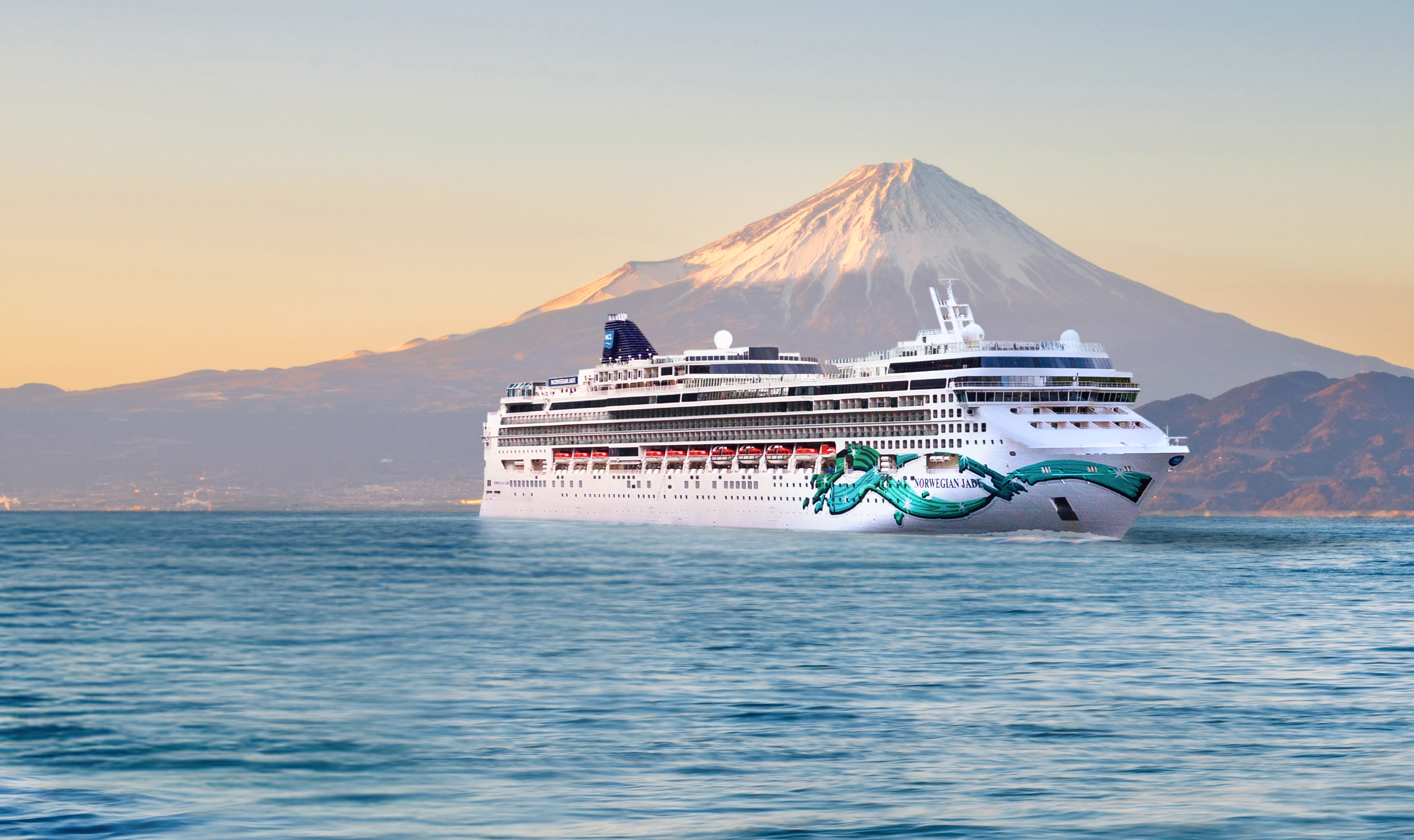
Deck Plans

- Medical Centre
- Oceanview
- Solo Oceanview
- Sail Away Oceanview
- Inside
- Solo Inside
- Sail Away Inside

- Stardust Theatre
- Family Oceanview
- Oceanview with Picture Window
- Oceanview
- Sail Away Oceanview
- Inside
- Solo Inside
- Sail Away Inside

- Alizar Main Dining Room
- Le Bistro French Restaurant
- Grand Pacific Main Dining Room
- Jade Casino Bar
- Stardust Theatre
- Jade Casino
- Magnum’s Champagne & Wine Bar
- Mixers Martini & Cocktail Bar
- Business Centre & Meeting Rooms
- Stardust Theatre
- Tankards Beer & Whiskey Bar
- The Humidor Cigar Lounge

- Jasmine Garden Asian Restaurant
- Sushi
- Teppanyaki
- Bliss Ultra Lounge
- Starbucks
- Sake Bar
- Stardust Theatre
- Art Gallery
- Internet Café
- Effy Jewellery
- Galleria Shops
- The Galleria Boutiques
- The Photo Gallery
- The Tides
- Tradewinds
- Promenade Deck
- Guest Services
- Shore Excursions
- Gift Shop

- O’Sheehan’s Neighbourhood Bar & Grill
- Aft-Facing Penthouse with Balcony
- Aft-Facing Balcony
- Family Balcony
- Balcony
- Solo Balcony
- Sail Away Balcony
- Family Oceanview
- Oceanview with Picture Window
- Obstructed Oceanview
- Sail Away Oceanview
- Family Inside
- Inside
- Sail Away Inside

- The Haven Owner’s Suite with Large Balcony
- Forward-Facing Penthouse with Large Balcony
- Aft-Facing Penthouse with Balcony
- Aft-Facing Balcony
- Family Balcony
- Balcony
- Sail Away Balcony
- Family Inside
- Inside
- Sail Away Inside

- The Haven Deluxe Owner’s Suite with Balcony
- Forward-Facing Deluxe Penthouse with Large Balcony
- Forward-Facing Penthouse with Large Balcony
- Aft-Facing Penthouse with Large Balcony
- Aft-Facing Balcony
- Family Balcony
- Balcony
- Sail Away Balcony
- Family Inside
- Inside
- Sail Away Inside

- 2-Bedroom Deluxe Family Suite with Balcony
- Aft-Facing Club Balcony Suite
- Club Balcony Suite
- Sail Away Club Balcony Suite
- Family Inside
- Inside
- Sail Away Inside

- Oceanview with Picture Window
- Garden Café
- The Great Outdoors
- La Cucina
- Topsiders Bar & Grill
- Perspectives Studio
- Professional Portraits
- Entourage Teen Club
- Pulse Fitness Centre
- Hot Tubs
- Mandara Spa & Salon
- Pool
- Spa Thermal Suite
- Sapphire Kid’s Pool
- Splash Academy
- Splash Academy Youth Centre
- Video Arcade
- Kids’ Café
- Treatment Rooms
- Aerobics
- Hair Salon
- The Great Outdoors

- Moderno Churrascaria
- Cagney’s Steakhouse
- Spinnaker Lounge
- Sugarcane Mojito Bar
- The Pit Stop
- Basketball/Volleyball/Tennis Court
- Jogging/Walking Track
- The Chapel
- Shuffleboard Court
- Deck Games
- Chess
- Golf
- Sports Deck

- Sun Deck
- Vibe Beach Club
- The Haven Courtyard
- Garden Villa Hot Tubs
- The Haven 3-Bedroom Garden Villa
- The Haven 2-Bedroom Family Villa with Balcony
- The Haven Courtyard Penthouse with Balcony

- The Haven Deluxe Owner’s Suite with Large Balcony
- The Haven Sun Deck
- Garden Villa Private Sun Deck
- Guppies
- Sun Deck
- Medical Centre
- Oceanview
- Solo Oceanview
- Sail Away Oceanview
- Inside
- Solo Inside
- Sail Away Inside
- Stardust Theatre
- Family Oceanview
- Oceanview with Picture Window
- Oceanview
- Sail Away Oceanview
- Inside
- Solo Inside
- Sail Away Inside
- Alizar Main Dining Room
- Le Bistro French Restaurant
- Grand Pacific Main Dining Room
- Jade Casino Bar
- Stardust Theatre
- Jade Casino
- Magnum’s Champagne & Wine Bar
- Mixers Martini & Cocktail Bar
- Business Centre & Meeting Rooms
- Stardust Theatre
- Tankards Beer & Whiskey Bar
- The Humidor Cigar Lounge
- Jasmine Garden Asian Restaurant
- Sushi
- Teppanyaki
- Bliss Ultra Lounge
- Starbucks
- Sake Bar
- Stardust Theatre
- Art Gallery
- Internet Café
- Effy Jewellery
- Galleria Shops
- The Galleria Boutiques
- The Photo Gallery
- The Tides
- Tradewinds
- Promenade Deck
- Guest Services
- Shore Excursions
- Gift Shop
- O’Sheehan’s Neighbourhood Bar & Grill
- Aft-Facing Penthouse with Balcony
- Aft-Facing Balcony
- Family Balcony
- Balcony
- Solo Balcony
- Sail Away Balcony
- Family Oceanview
- Oceanview with Picture Window
- Obstructed Oceanview
- Sail Away Oceanview
- Family Inside
- Inside
- Sail Away Inside
- The Haven Owner’s Suite with Large Balcony
- Forward-Facing Penthouse with Large Balcony
- Aft-Facing Penthouse with Balcony
- Aft-Facing Balcony
- Family Balcony
- Balcony
- Sail Away Balcony
- Family Inside
- Inside
- Sail Away Inside
- The Haven Deluxe Owner’s Suite with Balcony
- Forward-Facing Deluxe Penthouse with Large Balcony
- Forward-Facing Penthouse with Large Balcony
- Aft-Facing Penthouse with Large Balcony
- Aft-Facing Balcony
- Family Balcony
- Balcony
- Sail Away Balcony
- Family Inside
- Inside
- Sail Away Inside
- 2-Bedroom Deluxe Family Suite with Balcony
- Aft-Facing Club Balcony Suite
- Club Balcony Suite
- Sail Away Club Balcony Suite
- Family Inside
- Inside
- Sail Away Inside
- Oceanview with Picture Window
- Garden Café
- The Great Outdoors
- La Cucina
- Topsiders Bar & Grill
- Perspectives Studio
- Professional Portraits
- Entourage Teen Club
- Pulse Fitness Centre
- Hot Tubs
- Mandara Spa & Salon
- Pool
- Spa Thermal Suite
- Sapphire Kid’s Pool
- Splash Academy
- Splash Academy Youth Centre
- Video Arcade
- Kids’ Café
- Treatment Rooms
- Aerobics
- Hair Salon
- The Great Outdoors
- Moderno Churrascaria
- Cagney’s Steakhouse
- Spinnaker Lounge
- Sugarcane Mojito Bar
- The Pit Stop
- Basketball/Volleyball/Tennis Court
- Jogging/Walking Track
- The Chapel
- Shuffleboard Court
- Deck Games
- Chess
- Golf
- Sports Deck
- Sun Deck
- Vibe Beach Club
- The Haven Courtyard
- Garden Villa Hot Tubs
- The Haven 3-Bedroom Garden Villa
- The Haven 2-Bedroom Family Villa with Balcony
- The Haven Courtyard Penthouse with Balcony
- The Haven Deluxe Owner’s Suite with Large Balcony
- The Haven Sun Deck
- Garden Villa Private Sun Deck
- Guppies
- Sun Deck