Featured Cabins
Itinerary
Helsinki, Finland
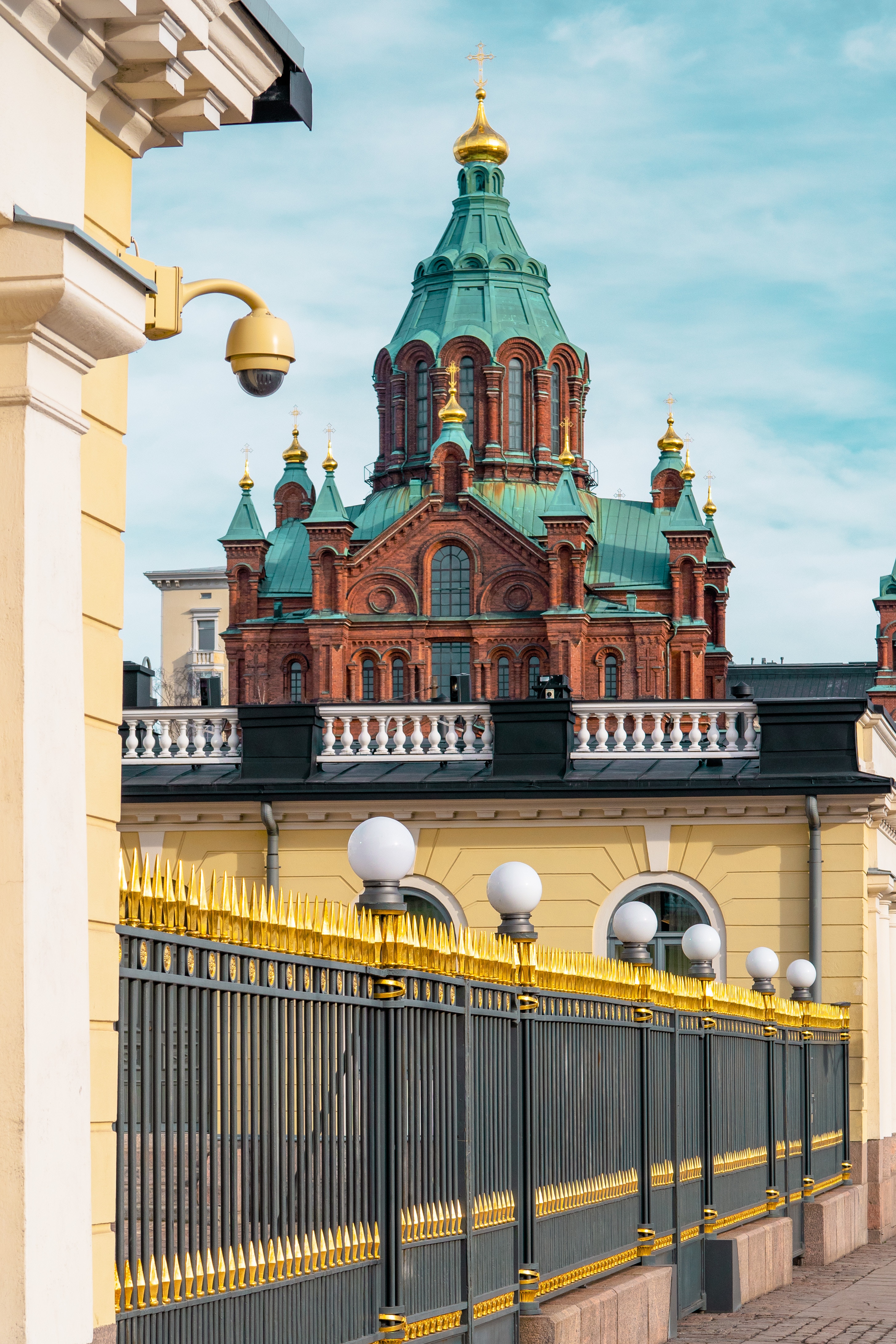
A city of the sea, Helsinki was built along a series of oddly shaped peninsulas and islands jutting into the Baltic coast along the Gulf of Finland. Streets and avenues curve around bays, bridges reach to nearby islands, and ferries ply among offshore islands.Having grown dramatically since World War II, Helsinki now absorbs more than one-tenth of the Finnish population. The metro area covers 764 square km (474 square miles) and 315 islands. Most sights, hotels, and restaurants cluster on one peninsula, forming a compact central hub. The greater Helsinki metropolitan area, which includes Espoo and Vantaa, has a total population of more than a million people.Helsinki is a relatively young city compared with other European capitals. In the 16th century, King Gustav Vasa of Sweden decided to woo trade from the Estonian city of Tallinn and thus challenge the Hanseatic League’s monopoly on Baltic trade. Accordingly, he commanded the people of four Finnish towns to pack up their belongings and relocate to the rapids on the River Vantaa. The new town, founded on June 12, 1550, was named Helsinki.For three centuries, Helsinki (Helsingfors in Swedish) had its ups and downs as a trading town. Turku, to the west, remained Finland’s capital and intellectual center. However, Helsinki’s fortunes improved when Finland fell under Russian rule as an autonomous grand duchy. Czar Alexander I wanted Finland’s political center closer to Russia and, in 1812, selected Helsinki as the new capital. Shortly afterward, Turku suffered a disastrous fire, forcing the university to move to Helsinki. The town’s future was secure.Just before the czar’s proclamation, a fire destroyed many of Helsinki’s traditional wooden structures, precipitating the construction of new buildings suitable for a nation’s capital. The German-born architect Carl Ludvig Engel was commissioned to rebuild the city, and as a result, Helsinki has some of the purest neoclassical architecture in the world. Add to this foundation the influence of Stockholm and St. Petersburg with the local inspiration of 20th-century Finnish design, and the result is a European capital city that is as architecturally eye-catching as it is distinct from other Scandinavian capitals. You are bound to discover endless engaging details—a grimacing gargoyle; a foursome of males supporting a balcony’s weight on their shoulders; a building painted in striking colors with contrasting flowers in the windows. The city’s 400 or so parks make it particularly inviting in summer.Today, Helsinki is still a meeting point of eastern and western Europe, which is reflected in its cosmopolitan image, the influx of Russians and Estonians, and generally multilingual population. Outdoor summer bars (“terrassit” as the locals call them) and cafés in the city center are perfect for people watching on a summer afternoon.
Tallinn, Estonia
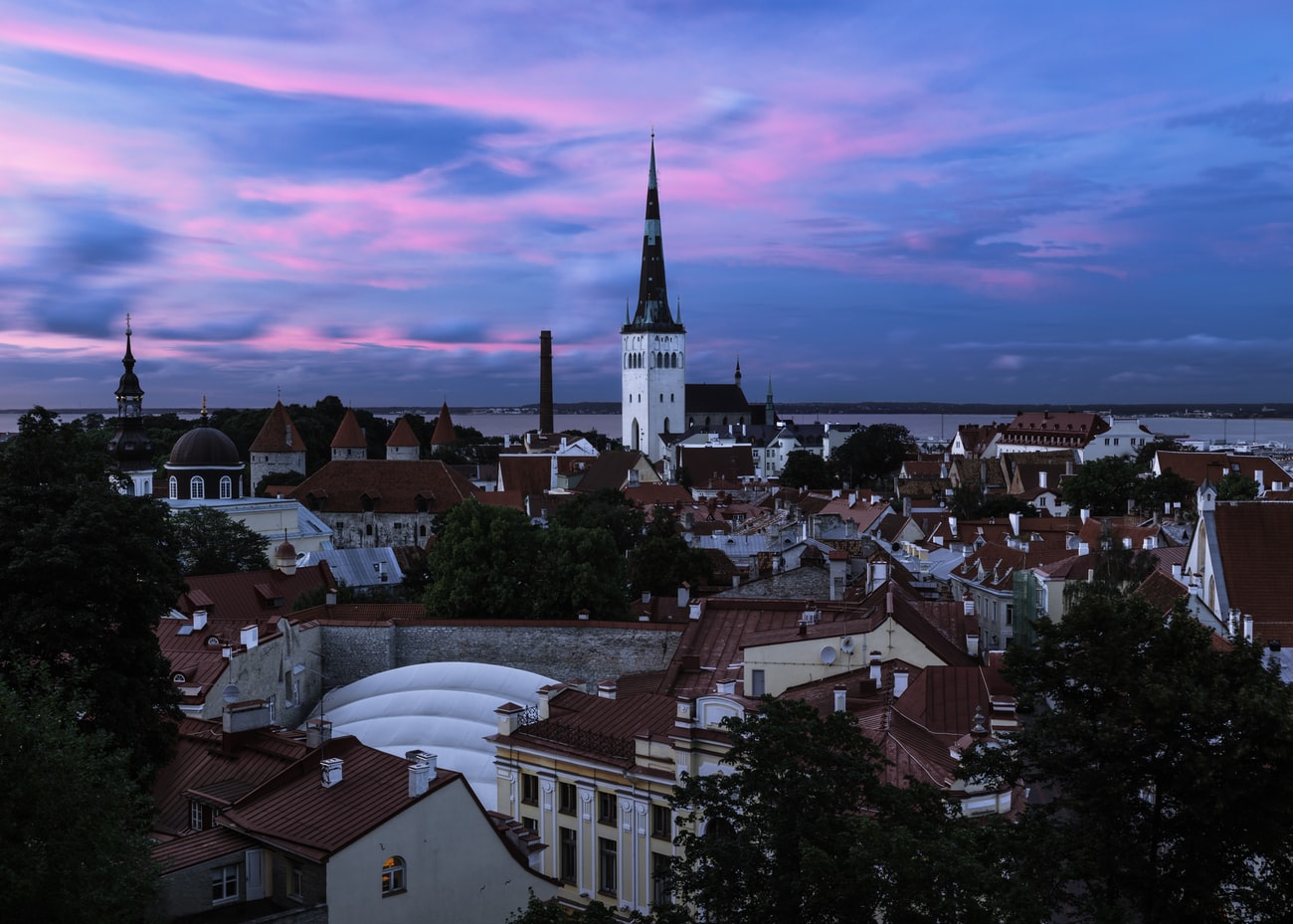
Estonia’s history is sprinkled liberally with long stretches of foreign domination, beginning in 1219 with the Danes, followed without interruption by the Germans, Swedes, and Russians. Only after World War I, with Russia in revolutionary wreckage, was Estonia able to declare its independence. Shortly before World War II, in 1940, that independence was usurped by the Soviets, who—save for a brief three-year occupation by Hitler’s Nazis—proceeded to suppress all forms of national Estonian pride for the next 50 years. Estonia finally regained independence in 1991. In the early 1990s, Estonia’s own Riigikogu (Parliament), not some other nation’s puppet ruler, handed down from the Upper City reforms that forced Estonia to blaze its post-Soviet trail to the European Union. Estonia has been a member of the EU since 2004, and in 2011, the country and its growing economy joined the Eurozone. Tallinn was also named the European City of Culture in 2011, cementing its growing reputation as a cultural hot spot.
Nynashamn, Sweden
Riga, Latvia
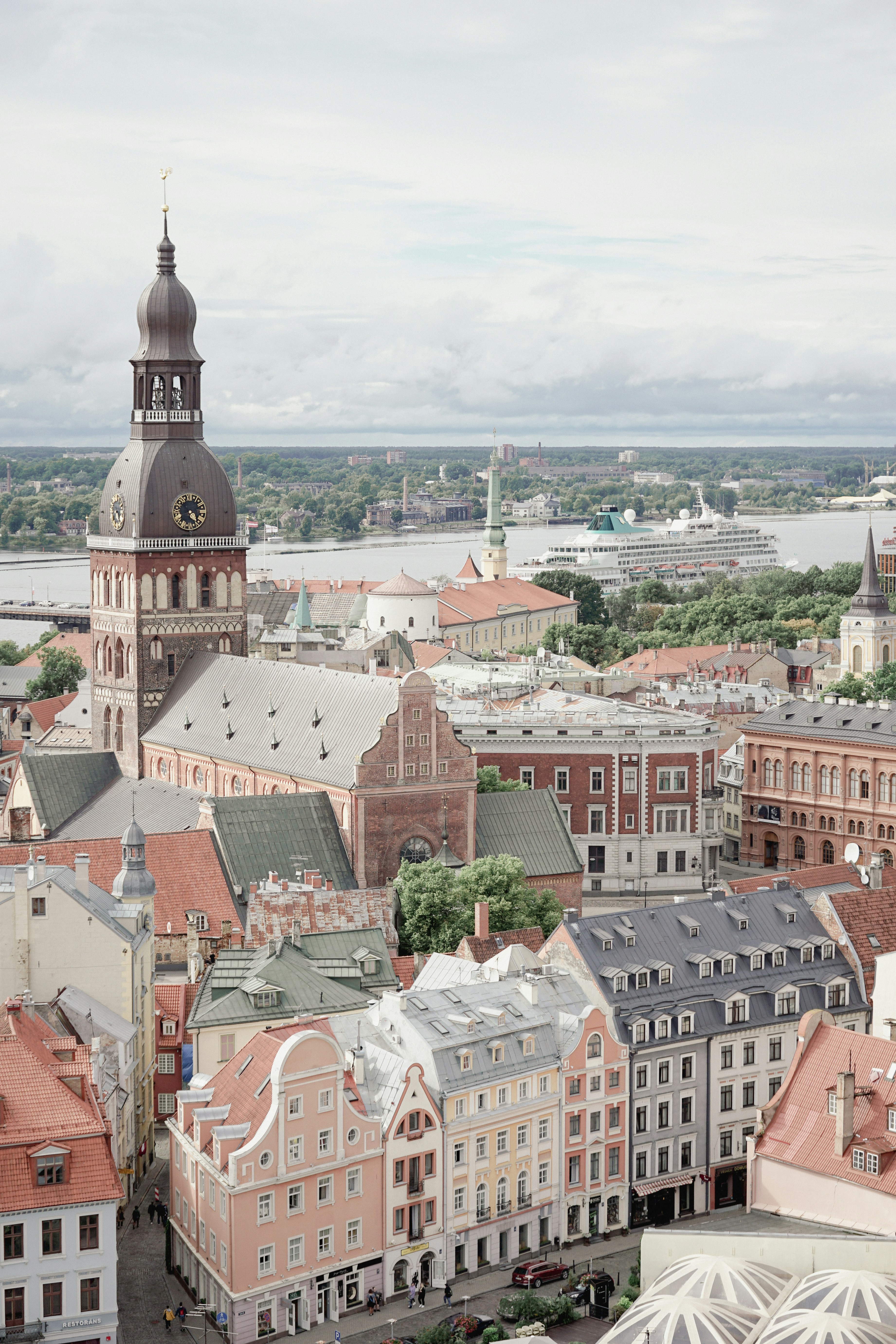
Rīga has an upscale, big-city feel unmatched in the region. The capital (almost as large as Tallinn and Vilnius combined) is the business center of the area while original, high-quality restaurants and hotels have earned Rīga some bragging rights among its Western European counterparts. The city also doesn’t lack for beauty—Rīga’s Old Town (now a UNESCO World Heritage site) is one of Europe’s most striking examples of the art nouveau architectural style. Long avenues of complex and sometimes whimsical Jugendstil facades hint at Rīga’s grand past. Many were designed by Mikhail Eisenstein, the father of Soviet director Sergei. This style dominates the city center. In many ways, the wonder of Rīga resides less in its individual attractions and more in the fabric of the town itself. In the medieval Old Town, an ornate gable or architrave catches the eye at every turn. The somber and the flamboyant are both represented in this quarter’s 1,000 years of architectural history. Don’t hesitate to just follow where your desire leads—the Old Town is compact and bounded by canals, so it’s difficult to get totally lost. When the Old Town eventually became too crowded, the city burst out into the newer inner suburbs. The rich could afford to leave and build themselves fine fashionable mansions in the style of the day; consequently, city planners created a whole new Rīga. Across the narrow canal, you’ll find the Esplanāde, a vast expanse of parkland with formal gardens and period mansions where the well-heeled stroll and play. Surrounding this is the art nouveau district. Encompassing avenues of splendid family homes (now spruced up in the postcommunist era), the collection has been praised by UNESCO as Europe’s finest in the art nouveau style. The best examples are at Alberta 2, 2a, 4, 6, 8, and 13; Elizabetes 10b; and Strēlnieku 4a. If the weather permits, eschew public transport and stroll between the two districts, taking in the varied skylines and multifaceted facades, and perhaps stopping at a café or two as you go. The city has churches in five Christian denominations and more than 50 museums, many of which cater to eclectic or specialist tastes.
Warnemünde, Germany
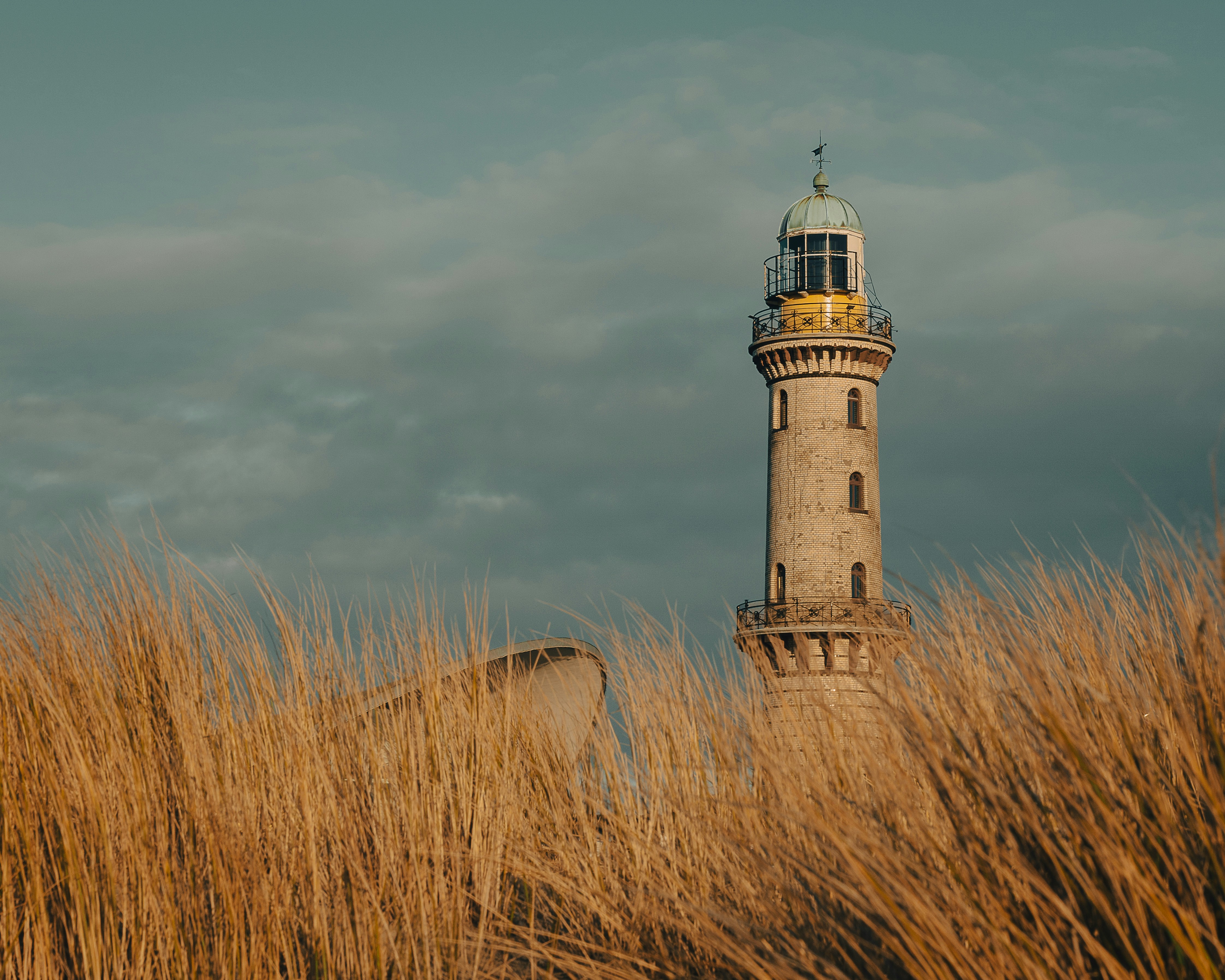
Warnemünde, officially a suburb of Rostock, is a quaint seaside resort town with the best hotels and restaurants in the area, as well as 20 km (12 miles) of beautiful white-sand beach. It’s been a popular summer getaway for families in eastern Germany for years.There is little to do in Warnemünde except relax, and the town excels brilliantly at that. However, Warnemünde is a major cruise-ship terminal. Whenever there is more than one ship at dock, the town explodes with a county fair–like atmosphere, and shops and restaurants stay open until the ships leave at midnight. The city celebrates the dreifache Anlauf, when three ships dock simultaneously, with fireworks.
Hamburg, Germany
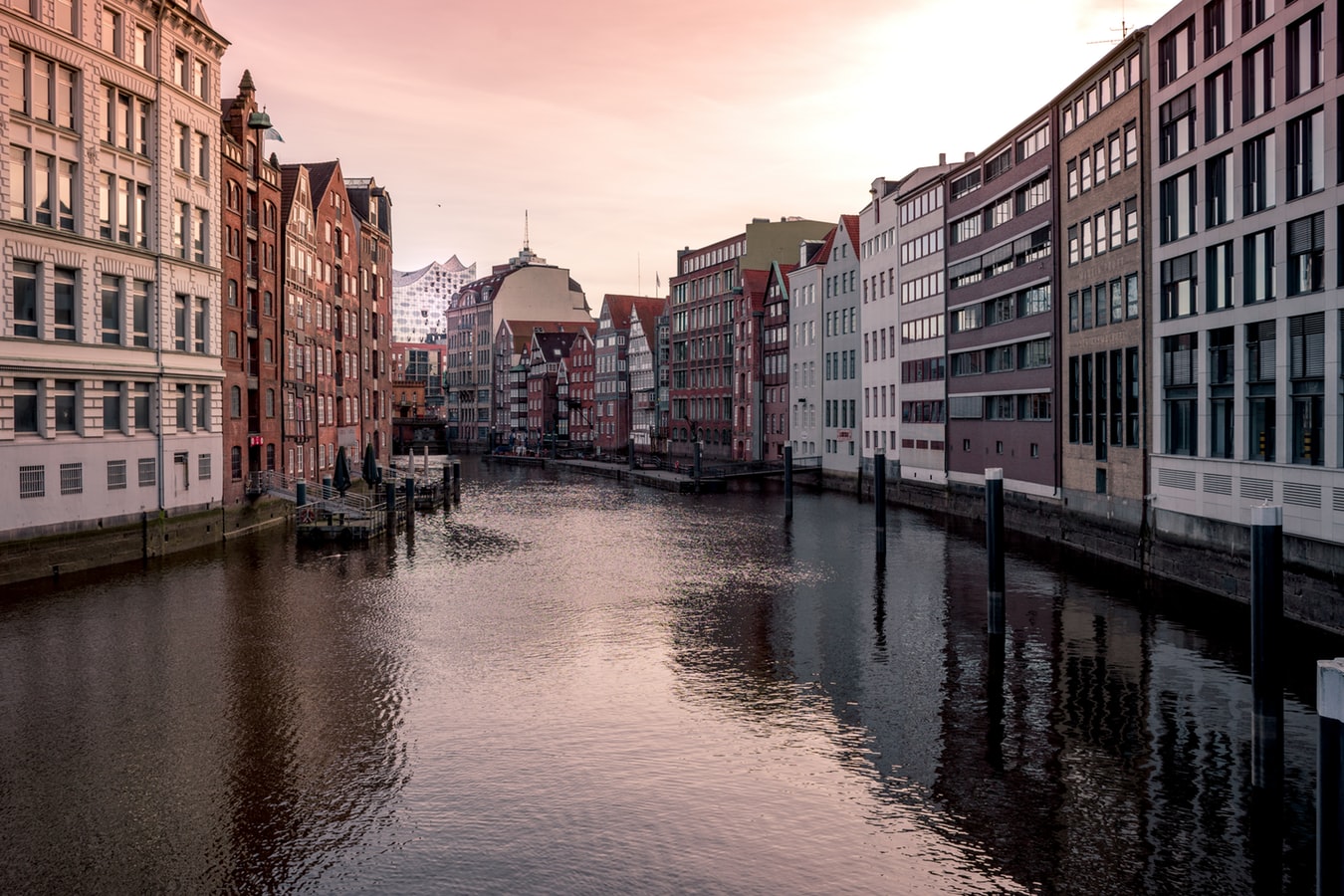
Hamburg is Germany’s second-largest city with a history dating back to Charlemagne. A major port, this vibrant city is home to art and culture, extensive shopping facilities, Baroque buildings and waterfront vistas. With its well-known fish market, art galleries and Museums together with several beautiful parks including a botanical garden, this is a city with something for everyone. British visitors who remember the Swinging Sixties may like to visit the streets around Grosse Freiheit, where an unknown pop group called The Beatles gave their first public performances in various local clubs before achieving worldwide fame.
Helsinki, Finland
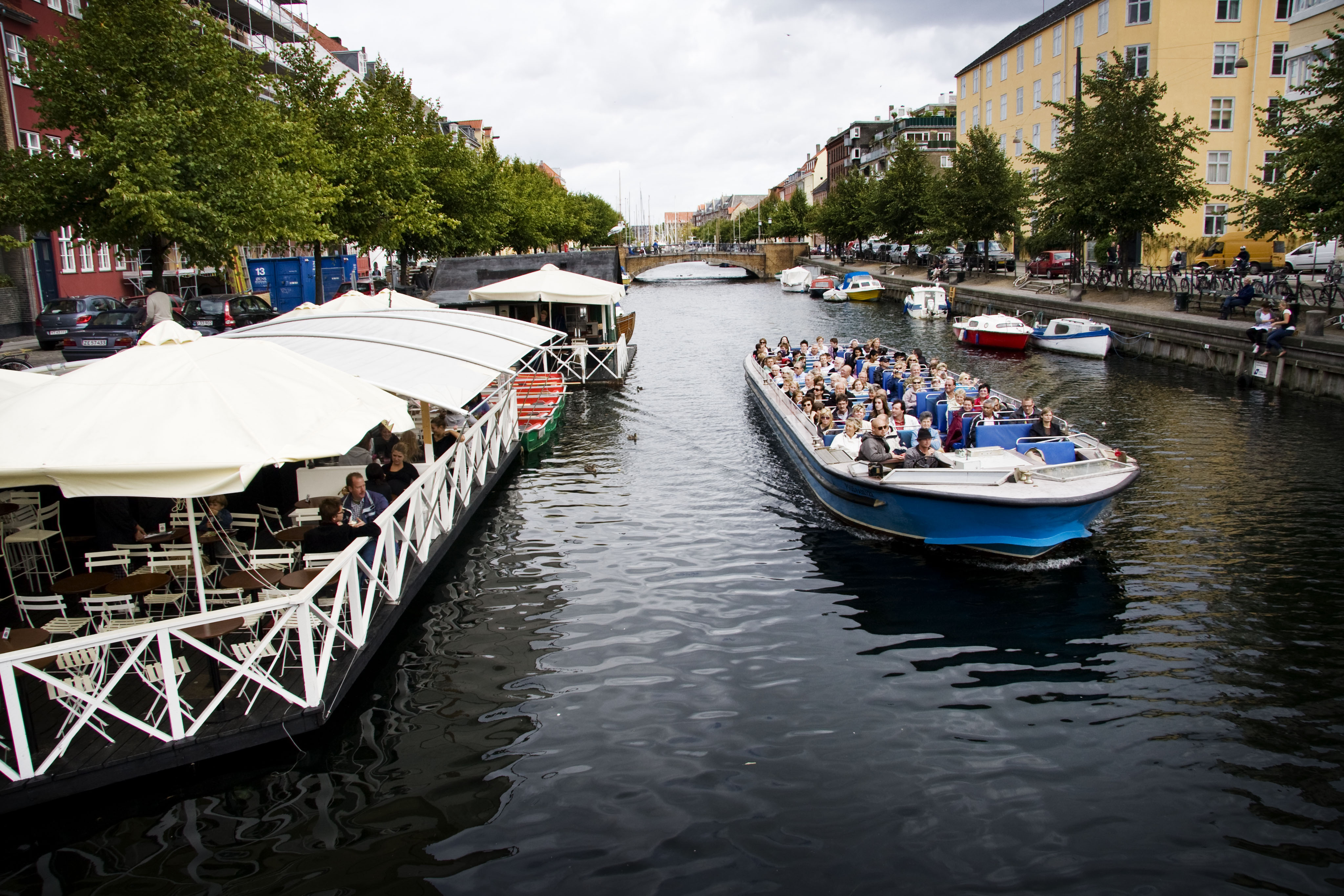
A city of the sea, Helsinki was built along a series of oddly shaped peninsulas and islands jutting into the Baltic coast along the Gulf of Finland. Streets and avenues curve around bays, bridges reach to nearby islands, and ferries ply among offshore islands.Having grown dramatically since World War II, Helsinki now absorbs more than one-tenth of the Finnish population. The metro area covers 764 square km (474 square miles) and 315 islands. Most sights, hotels, and restaurants cluster on one peninsula, forming a compact central hub. The greater Helsinki metropolitan area, which includes Espoo and Vantaa, has a total population of more than a million people.Helsinki is a relatively young city compared with other European capitals. In the 16th century, King Gustav Vasa of Sweden decided to woo trade from the Estonian city of Tallinn and thus challenge the Hanseatic League’s monopoly on Baltic trade. Accordingly, he commanded the people of four Finnish towns to pack up their belongings and relocate to the rapids on the River Vantaa. The new town, founded on June 12, 1550, was named Helsinki.For three centuries, Helsinki (Helsingfors in Swedish) had its ups and downs as a trading town. Turku, to the west, remained Finland’s capital and intellectual center. However, Helsinki’s fortunes improved when Finland fell under Russian rule as an autonomous grand duchy. Czar Alexander I wanted Finland’s political center closer to Russia and, in 1812, selected Helsinki as the new capital. Shortly afterward, Turku suffered a disastrous fire, forcing the university to move to Helsinki. The town’s future was secure.Just before the czar’s proclamation, a fire destroyed many of Helsinki’s traditional wooden structures, precipitating the construction of new buildings suitable for a nation’s capital. The German-born architect Carl Ludvig Engel was commissioned to rebuild the city, and as a result, Helsinki has some of the purest neoclassical architecture in the world. Add to this foundation the influence of Stockholm and St. Petersburg with the local inspiration of 20th-century Finnish design, and the result is a European capital city that is as architecturally eye-catching as it is distinct from other Scandinavian capitals. You are bound to discover endless engaging details—a grimacing gargoyle; a foursome of males supporting a balcony’s weight on their shoulders; a building painted in striking colors with contrasting flowers in the windows. The city’s 400 or so parks make it particularly inviting in summer.Today, Helsinki is still a meeting point of eastern and western Europe, which is reflected in its cosmopolitan image, the influx of Russians and Estonians, and generally multilingual population. Outdoor summer bars (“terrassit” as the locals call them) and cafés in the city center are perfect for people watching on a summer afternoon.
Tallinn, Estonia
Estonia’s history is sprinkled liberally with long stretches of foreign domination, beginning in 1219 with the Danes, followed without interruption by the Germans, Swedes, and Russians. Only after World War I, with Russia in revolutionary wreckage, was Estonia able to declare its independence. Shortly before World War II, in 1940, that independence was usurped by the Soviets, who—save for a brief three-year occupation by Hitler’s Nazis—proceeded to suppress all forms of national Estonian pride for the next 50 years. Estonia finally regained independence in 1991. In the early 1990s, Estonia’s own Riigikogu (Parliament), not some other nation’s puppet ruler, handed down from the Upper City reforms that forced Estonia to blaze its post-Soviet trail to the European Union. Estonia has been a member of the EU since 2004, and in 2011, the country and its growing economy joined the Eurozone. Tallinn was also named the European City of Culture in 2011, cementing its growing reputation as a cultural hot spot.
Nynashamn, Sweden
Riga, Latvia
Rīga has an upscale, big-city feel unmatched in the region. The capital (almost as large as Tallinn and Vilnius combined) is the business center of the area while original, high-quality restaurants and hotels have earned Rīga some bragging rights among its Western European counterparts. The city also doesn’t lack for beauty—Rīga’s Old Town (now a UNESCO World Heritage site) is one of Europe’s most striking examples of the art nouveau architectural style. Long avenues of complex and sometimes whimsical Jugendstil facades hint at Rīga’s grand past. Many were designed by Mikhail Eisenstein, the father of Soviet director Sergei. This style dominates the city center. In many ways, the wonder of Rīga resides less in its individual attractions and more in the fabric of the town itself. In the medieval Old Town, an ornate gable or architrave catches the eye at every turn. The somber and the flamboyant are both represented in this quarter’s 1,000 years of architectural history. Don’t hesitate to just follow where your desire leads—the Old Town is compact and bounded by canals, so it’s difficult to get totally lost. When the Old Town eventually became too crowded, the city burst out into the newer inner suburbs. The rich could afford to leave and build themselves fine fashionable mansions in the style of the day; consequently, city planners created a whole new Rīga. Across the narrow canal, you’ll find the Esplanāde, a vast expanse of parkland with formal gardens and period mansions where the well-heeled stroll and play. Surrounding this is the art nouveau district. Encompassing avenues of splendid family homes (now spruced up in the postcommunist era), the collection has been praised by UNESCO as Europe’s finest in the art nouveau style. The best examples are at Alberta 2, 2a, 4, 6, 8, and 13; Elizabetes 10b; and Strēlnieku 4a. If the weather permits, eschew public transport and stroll between the two districts, taking in the varied skylines and multifaceted facades, and perhaps stopping at a café or two as you go. The city has churches in five Christian denominations and more than 50 museums, many of which cater to eclectic or specialist tastes.
Warnemünde, Germany
Warnemünde, officially a suburb of Rostock, is a quaint seaside resort town with the best hotels and restaurants in the area, as well as 20 km (12 miles) of beautiful white-sand beach. It’s been a popular summer getaway for families in eastern Germany for years.There is little to do in Warnemünde except relax, and the town excels brilliantly at that. However, Warnemünde is a major cruise-ship terminal. Whenever there is more than one ship at dock, the town explodes with a county fair–like atmosphere, and shops and restaurants stay open until the ships leave at midnight. The city celebrates the dreifache Anlauf, when three ships dock simultaneously, with fireworks.
Hamburg, Germany
Hamburg is Germany’s second-largest city with a history dating back to Charlemagne. A major port, this vibrant city is home to art and culture, extensive shopping facilities, Baroque buildings and waterfront vistas. With its well-known fish market, art galleries and Museums together with several beautiful parks including a botanical garden, this is a city with something for everyone. British visitors who remember the Swinging Sixties may like to visit the streets around Grosse Freiheit, where an unknown pop group called The Beatles gave their first public performances in various local clubs before achieving worldwide fame.
Copenhagen, Denmark
By the 11th century, Copenhagen was already an important trading and fishing centre and today you will find an attractive city which, although the largest in Scandinavia, has managed to retain its low-level skyline. Discover some of the famous attractions including Gefion Fountain and Amalienborg Palace, perhaps cruise the city’s waterways, visit Rosenborg Castle or explore the medieval fishing village of Dragoer. Once the home of Hans Christian Andersen, Copenhagen features many reminders of its fairytale heritage and lives up to the reputation immortalised in the famous song ‘Wonderful Copenhagen’.
Copenhagen, Denmark
By the 11th century, Copenhagen was already an important trading and fishing centre and today you will find an attractive city which, although the largest in Scandinavia, has managed to retain its low-level skyline. Discover some of the famous attractions including Gefion Fountain and Amalienborg Palace, perhaps cruise the city’s waterways, visit Rosenborg Castle or explore the medieval fishing village of Dragoer. Once the home of Hans Christian Andersen, Copenhagen features many reminders of its fairytale heritage and lives up to the reputation immortalised in the famous song ‘Wonderful Copenhagen’.
Cabin Options
Inside
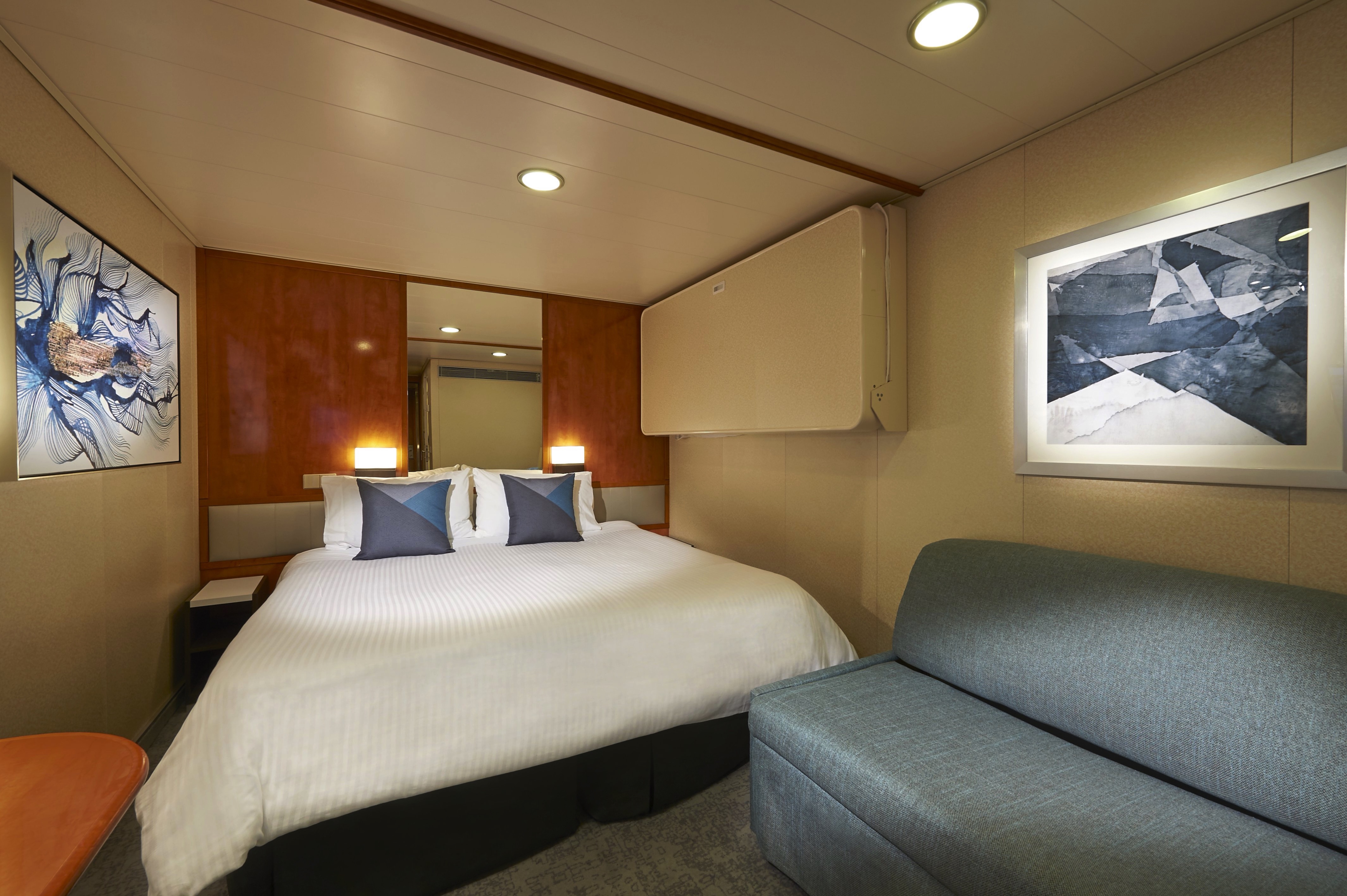
Guarantee Inside
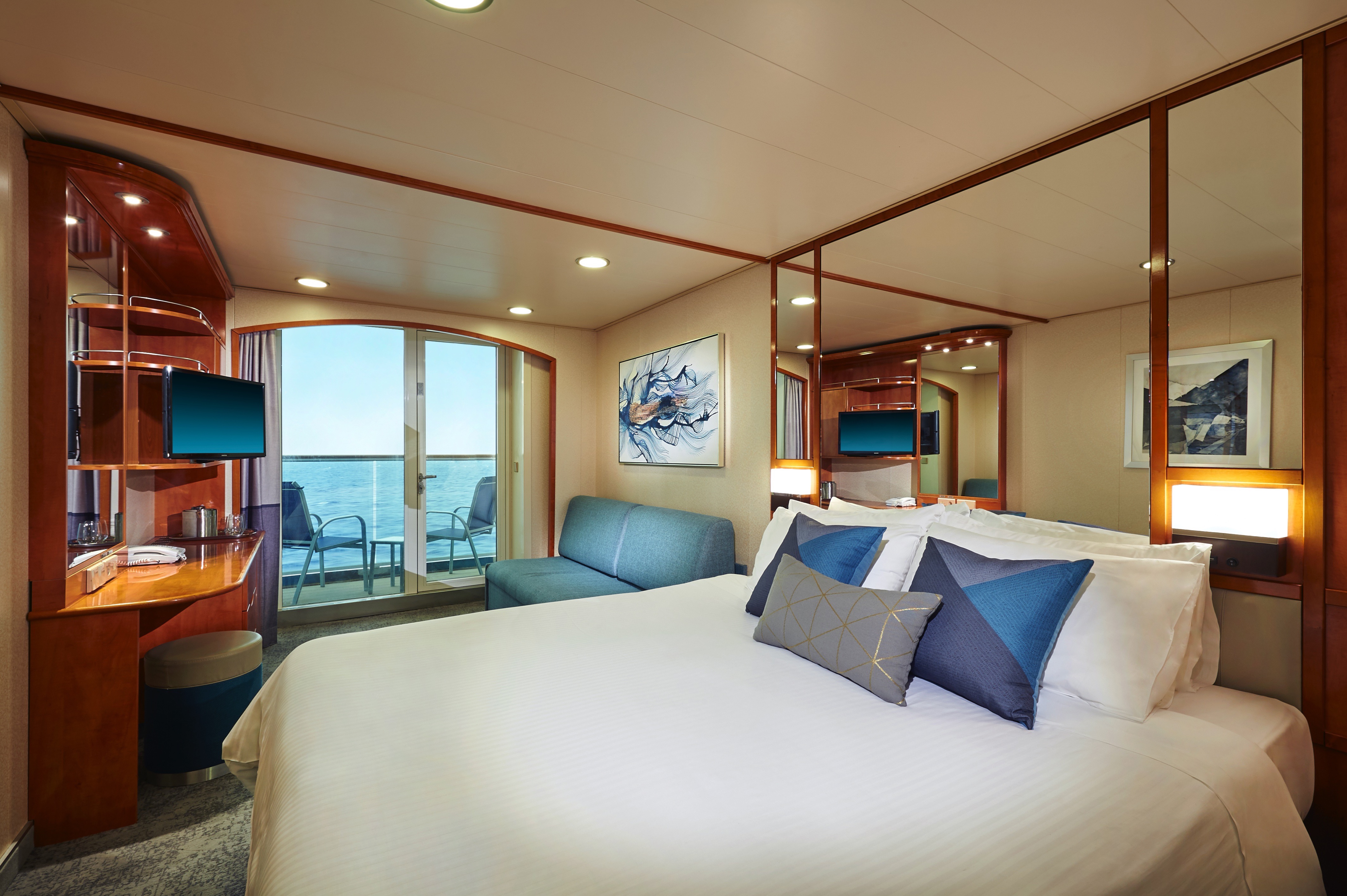
Aft-Facing Balcony
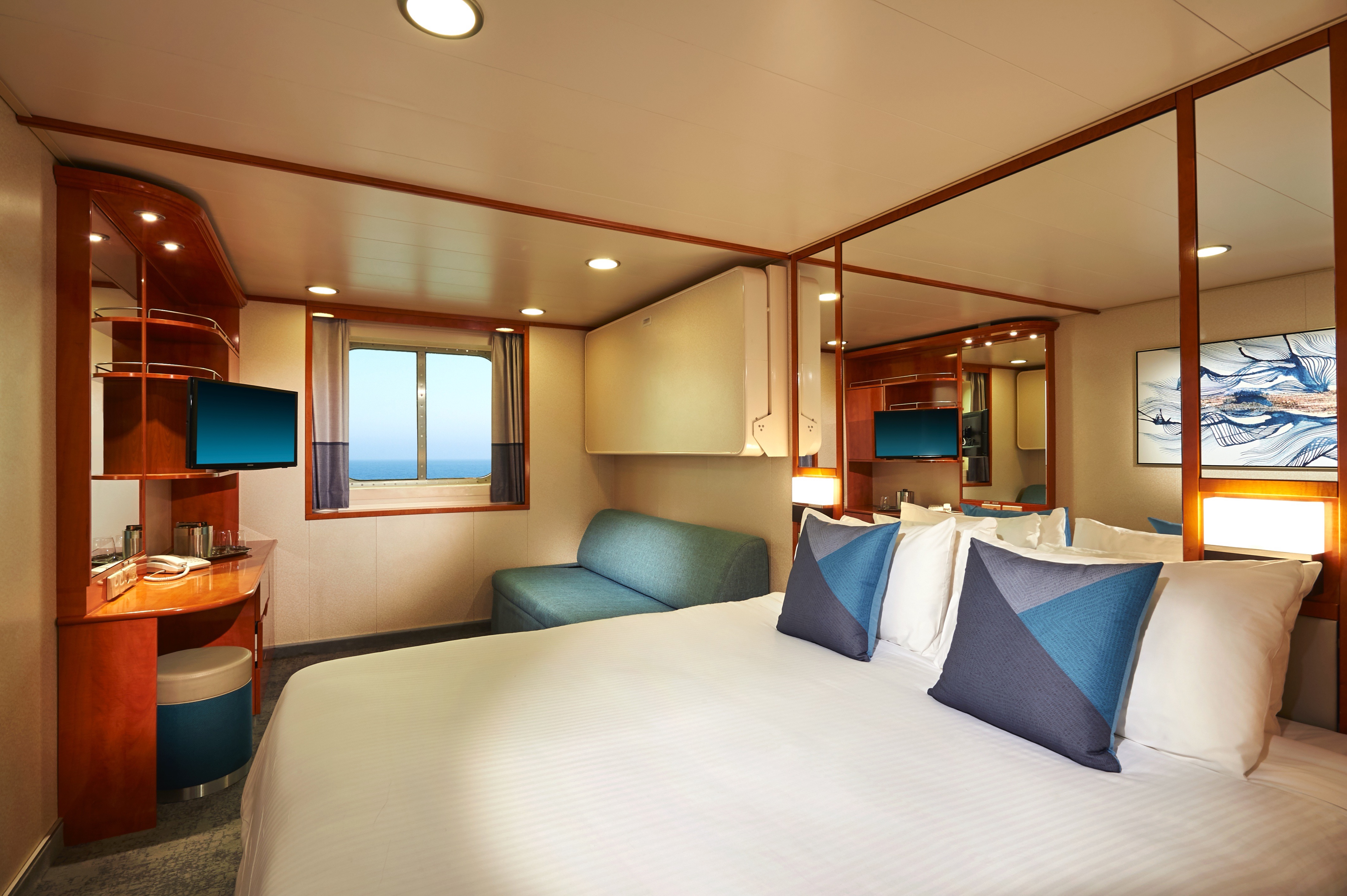
Oceanview with Picture Window
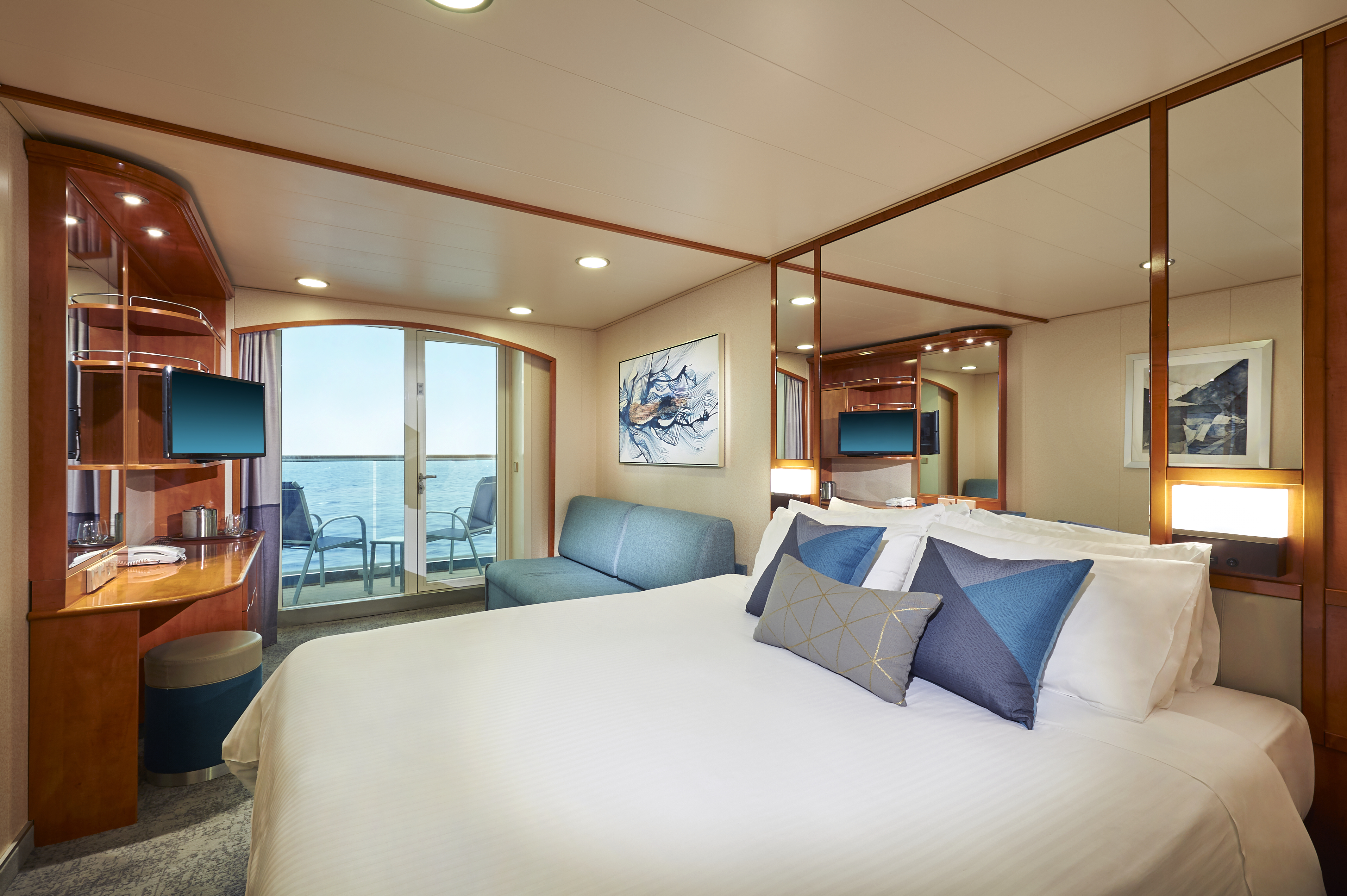
Balcony
Family Balcony
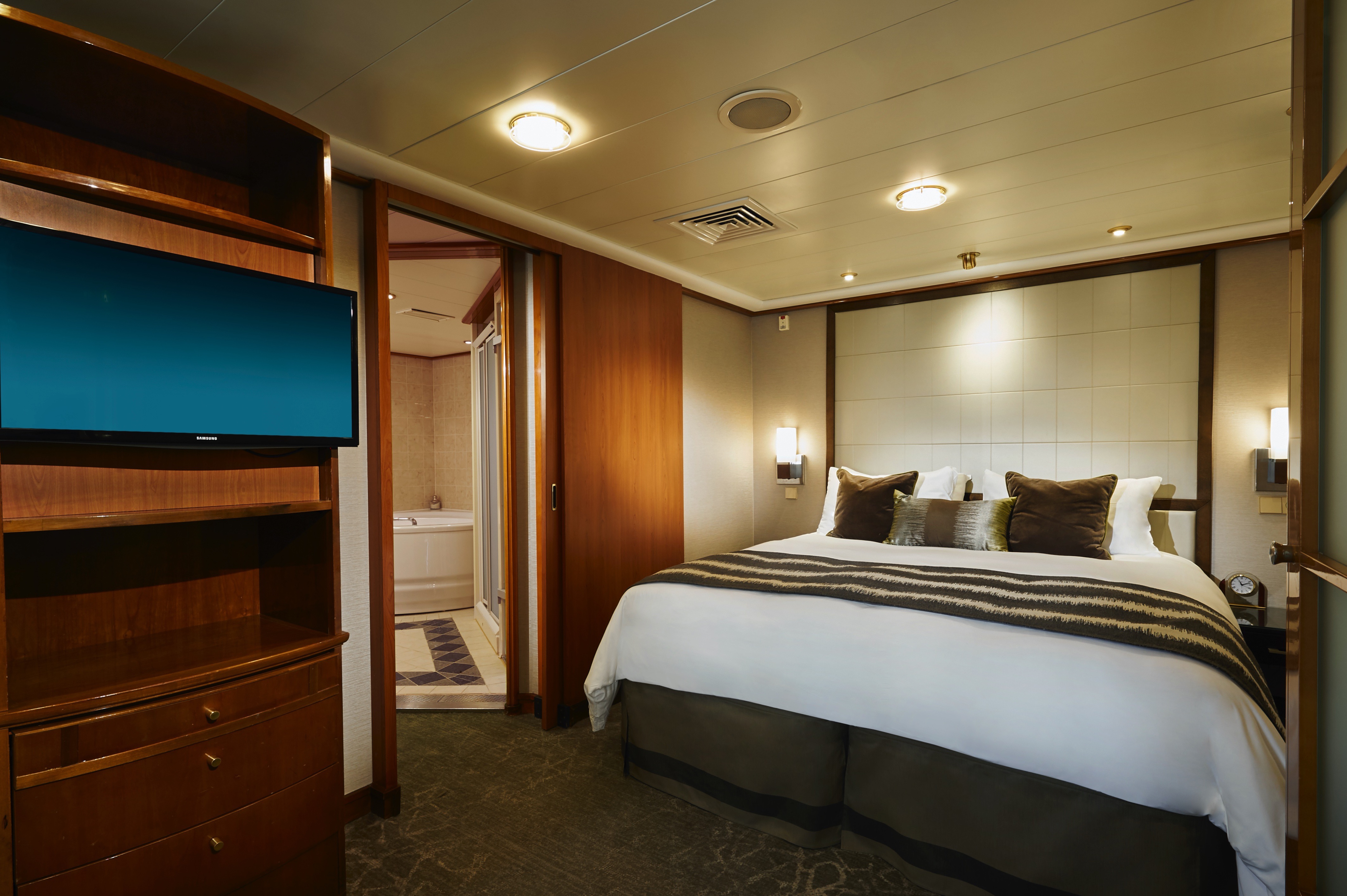
Owner's Suite with Large Balcony
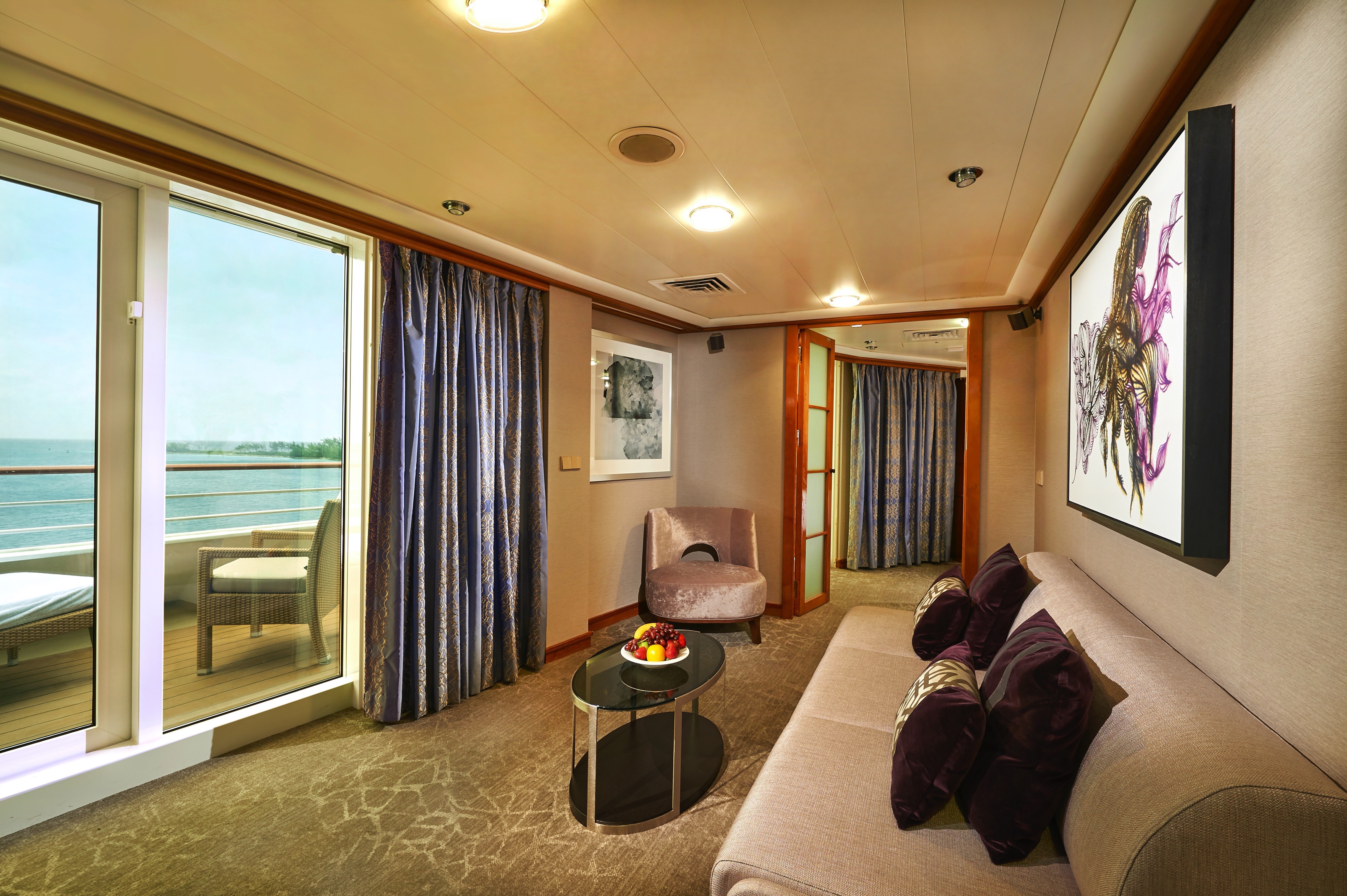
Aft-Facing Penthouse with Large Balcony
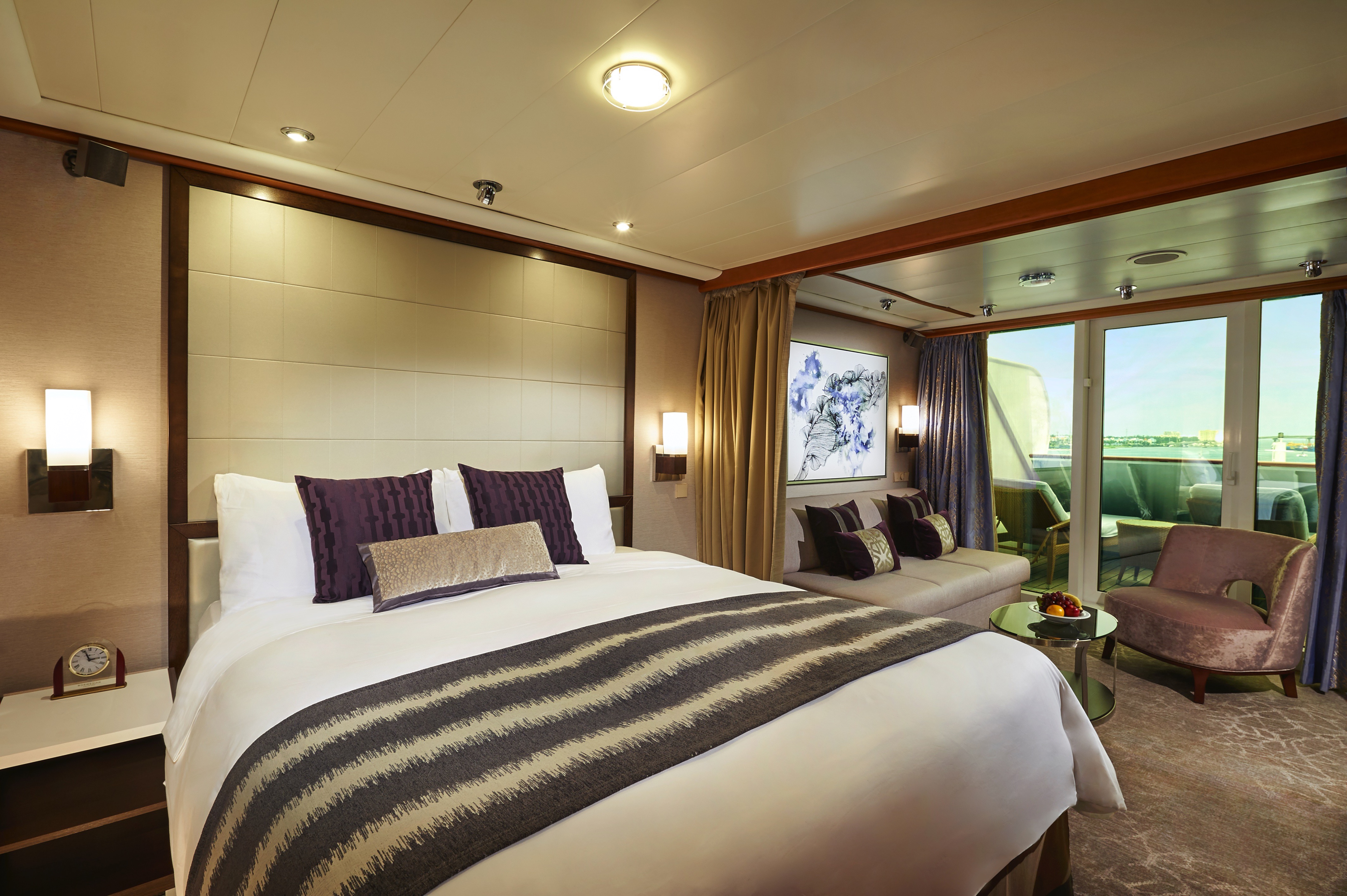
Forward-Facing Penthouse with Balcony
Penthouse with Balcony
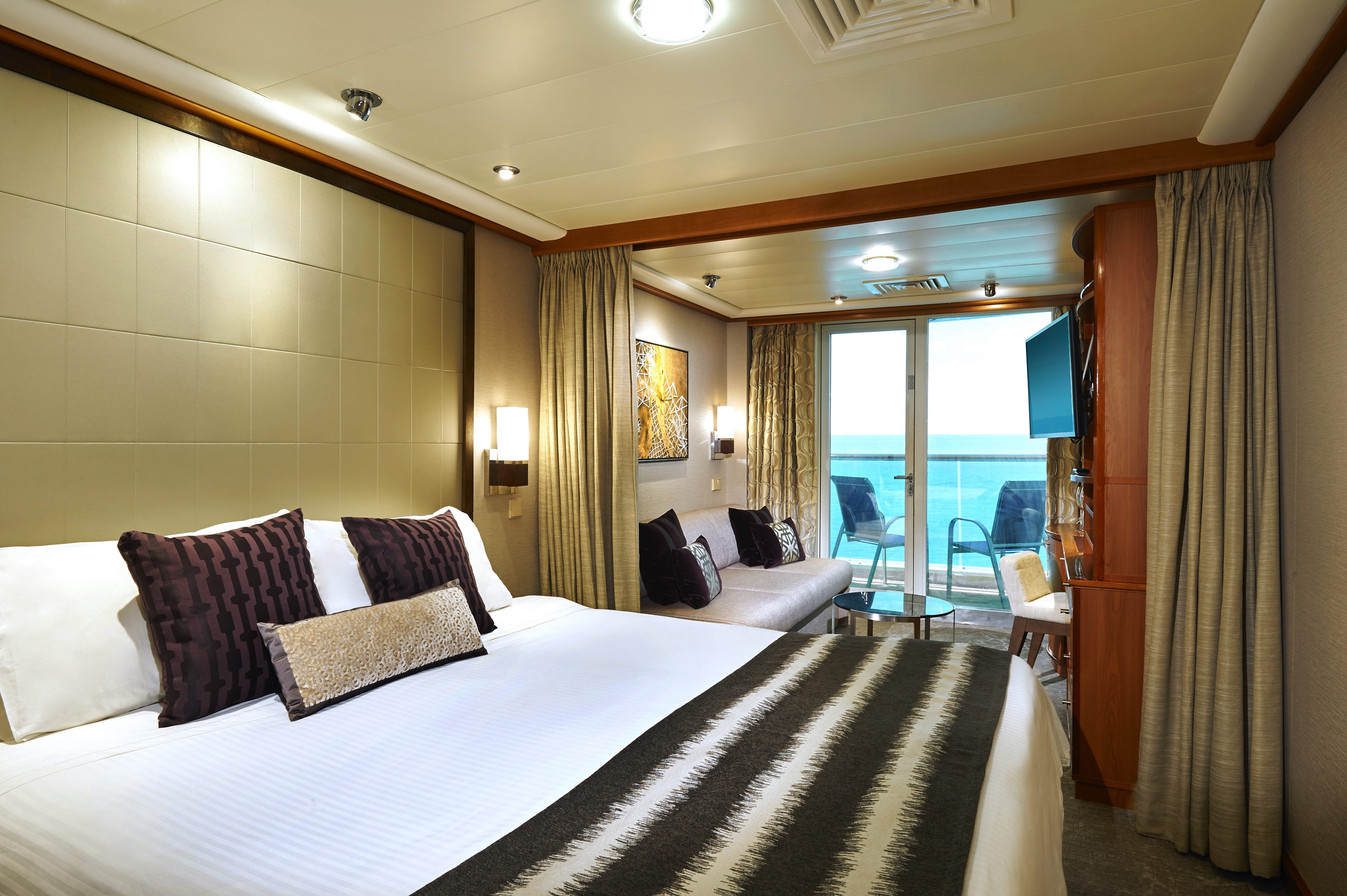
Aft-Facing Club Balcony Suite
Club Balcony Suite
Guarantee Club Balcony Suite
Solo Balcony
Guarantee Balcony
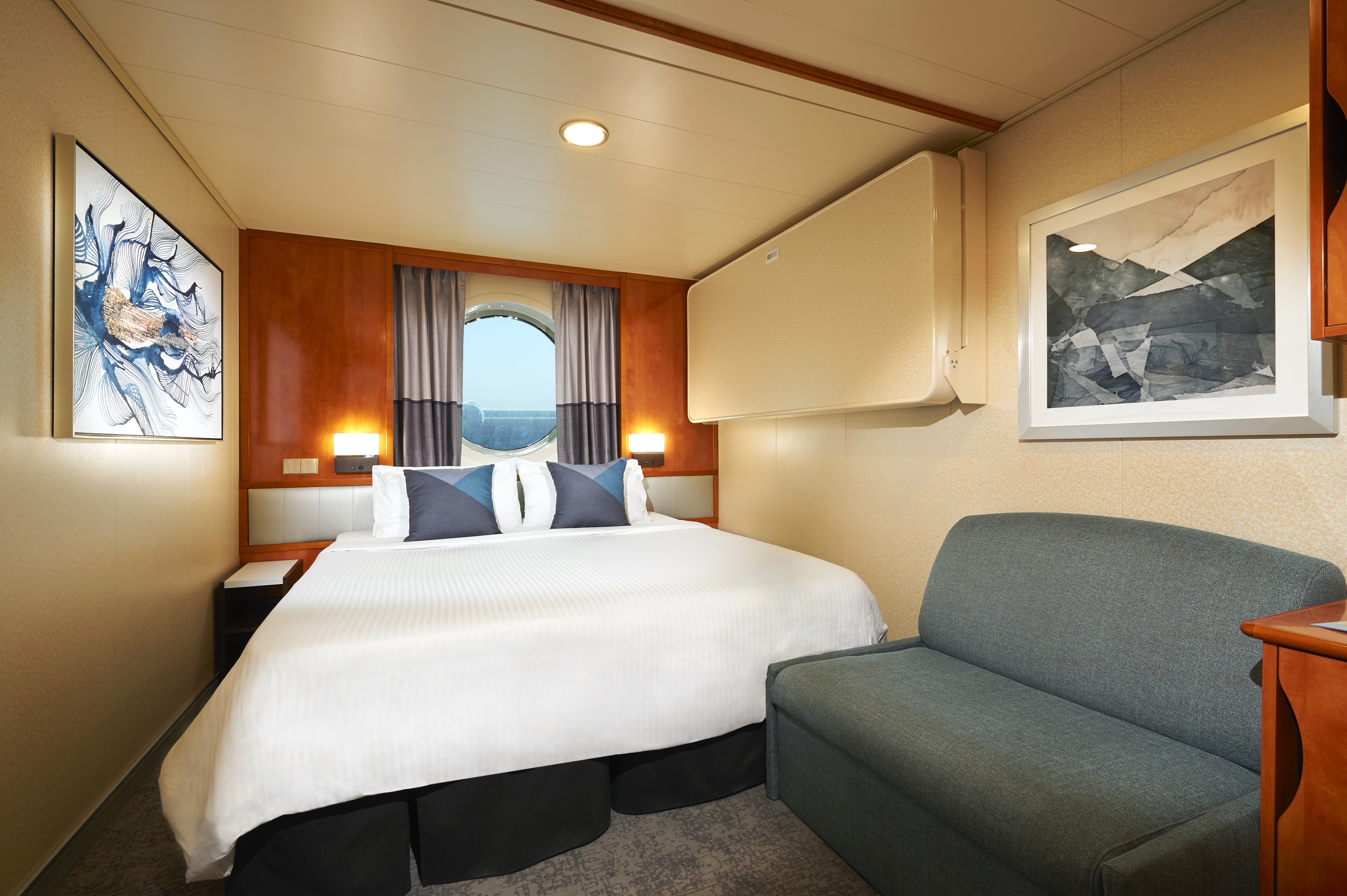
Obstructed Oceanview
Family Oceanview
Oceanview with Large Porthole
Solo Oceanview
Guarantee Oceanview
Family Inside
Solo Inside
Ship Facilities
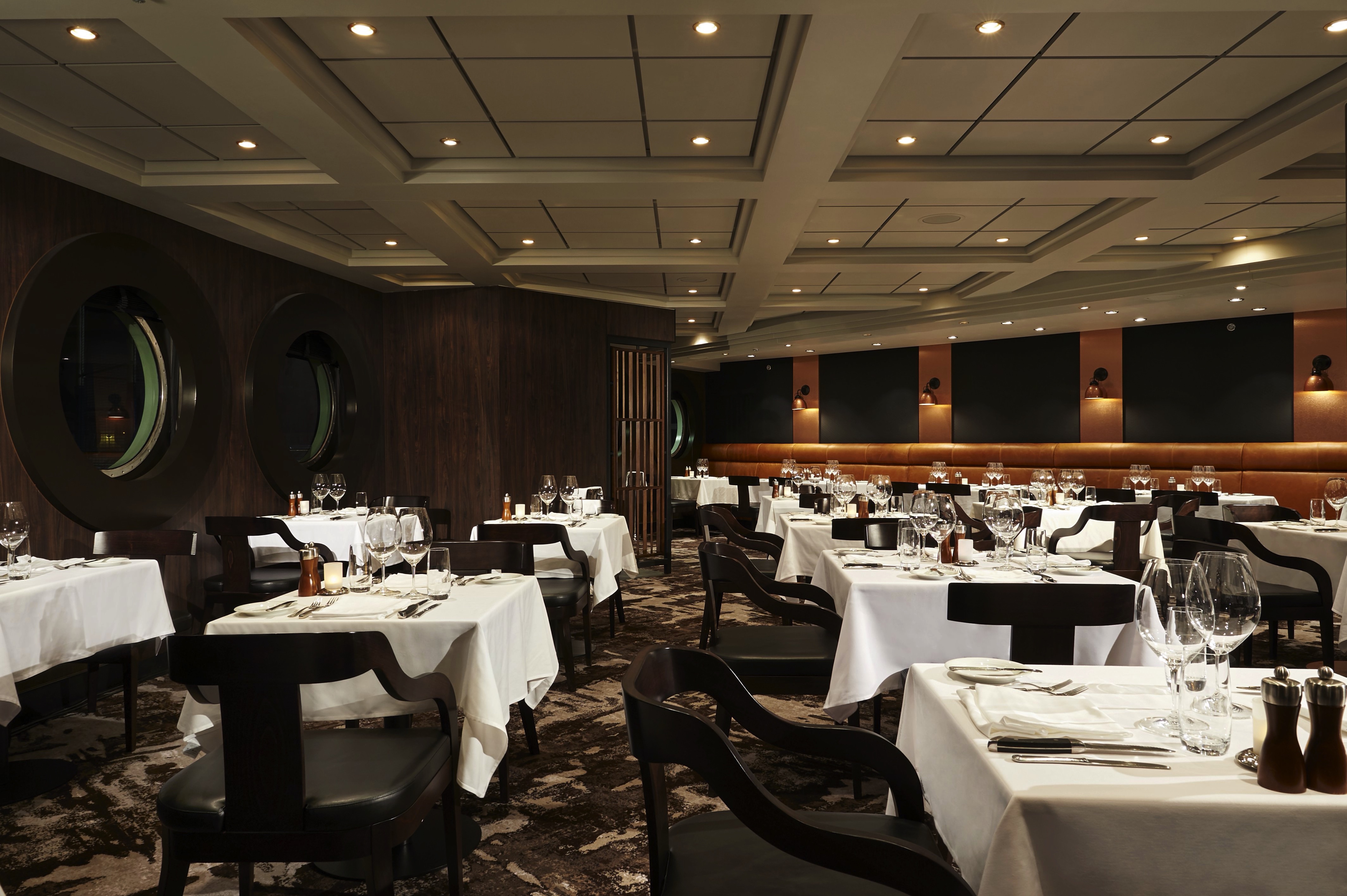
Cagney's Steakhouse
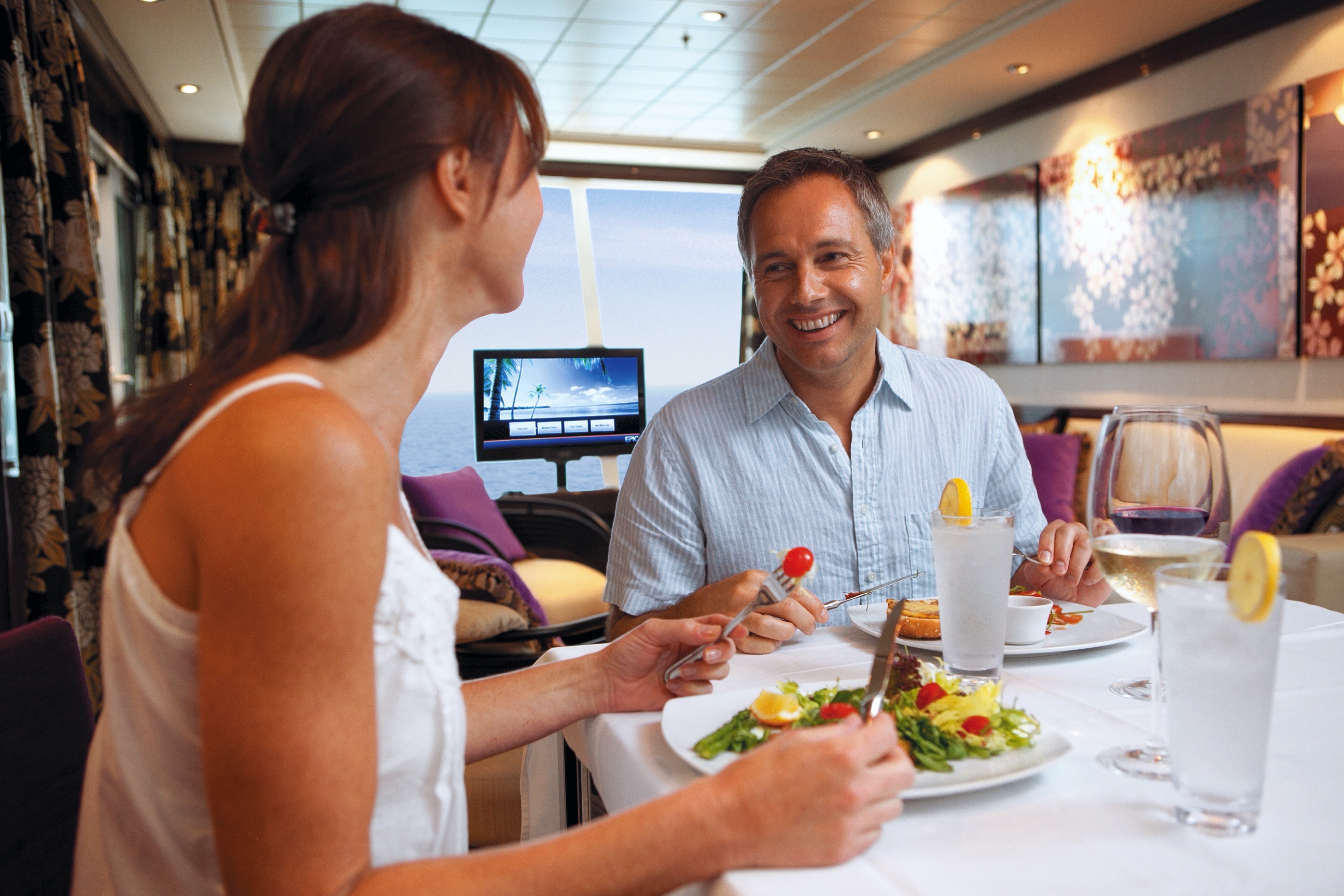
Specialising in Premium Black Angus Beef and exceptional seafood, this American-style steakhouse is second to none. With classic cocktails, an extensive wine list, and attentive service, Cagney’s Steakhouse offers a truly delightful dining experience.
Price Per Person: Charges Apply
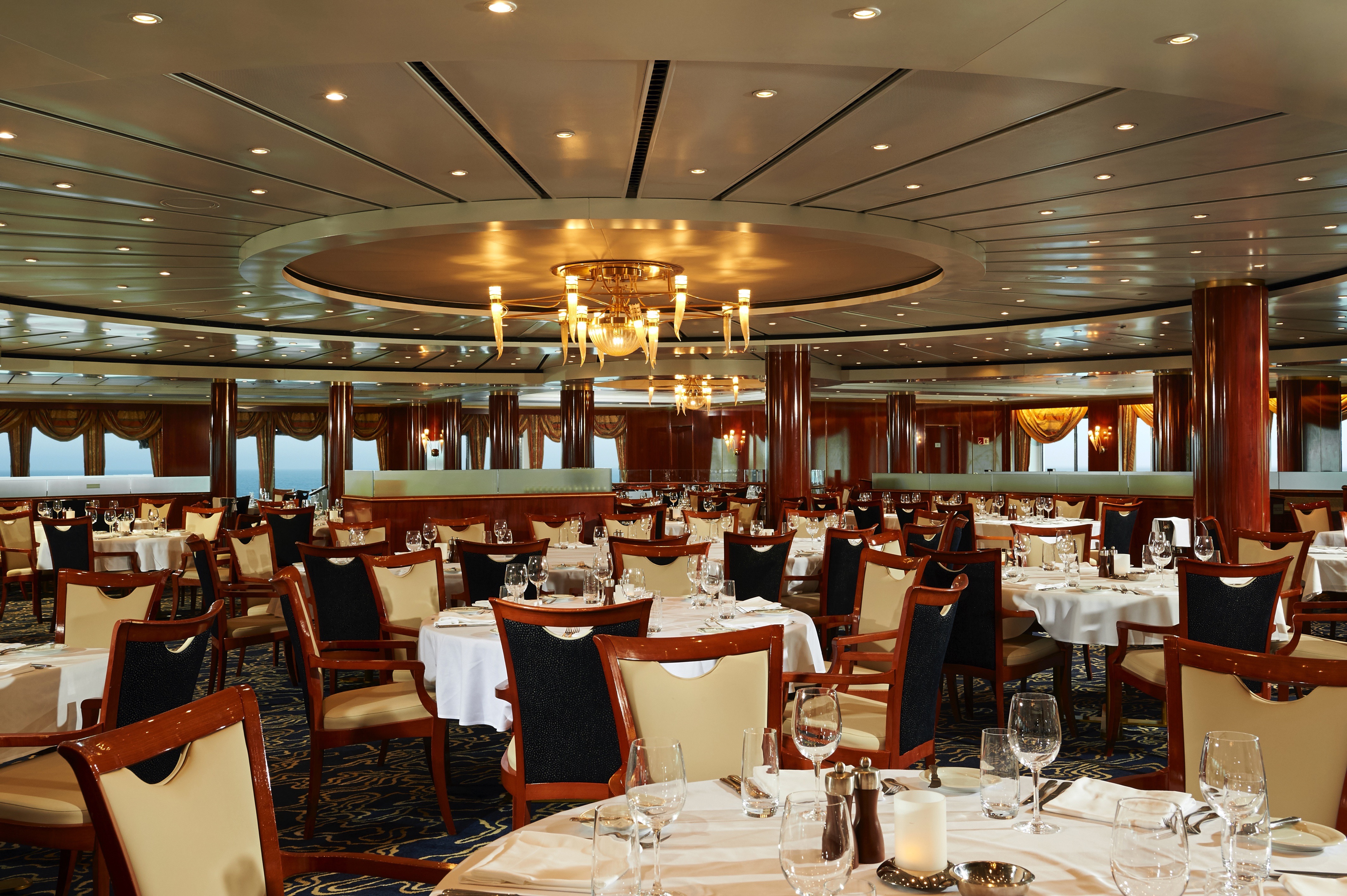
Seven Seas
Stunning in design with ocean views, this Main Restaurant offers traditional cuisine to please every palate.
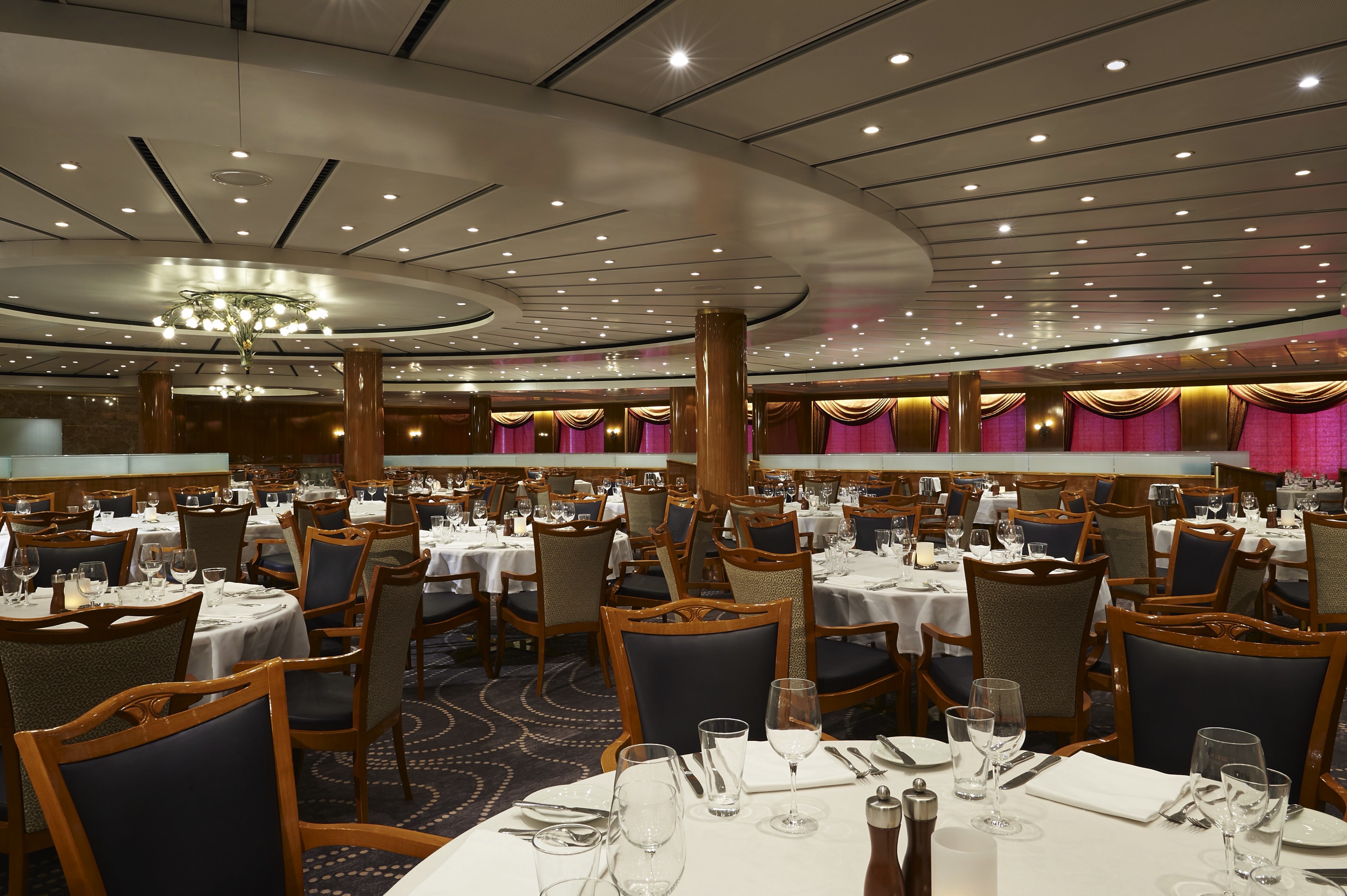
Four Seasons
One of our two Main Restaurants serving a variety of culinary delights with a contemporary flair.
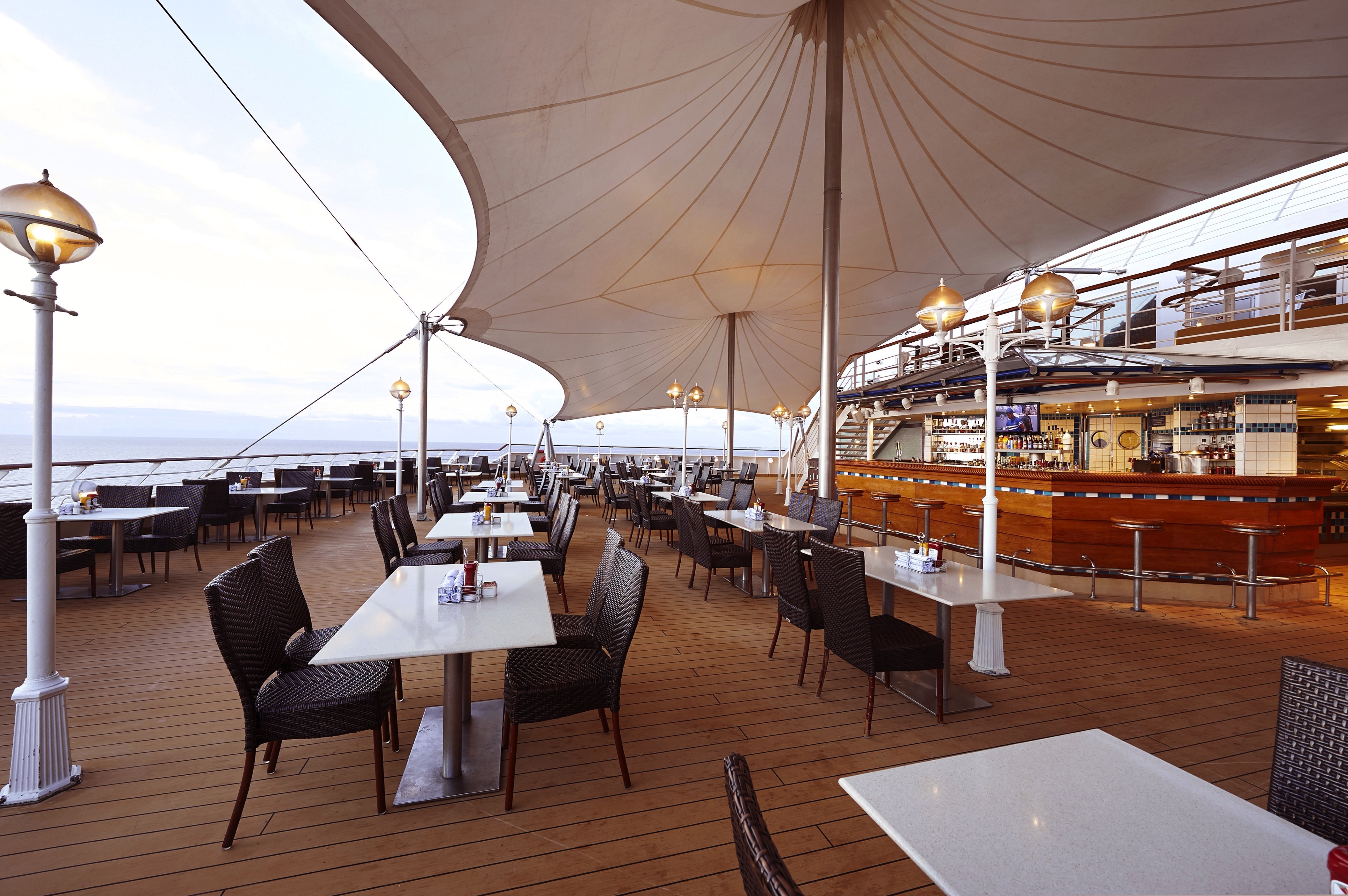
The Great Outdoors
Come as you are, even in your swimsuit, to this casual, buffet bar serving grilled favourites like burgers, hot dogs and great ocean views.
La Cucina
Buona Sera! Enjoy the finest ingredients at our vibrant Italian ristorante. Dine on Italian classics and indulge with a rich homemade Tiramisu. Your good evening just got better.
Price Per Person: Charges Apply
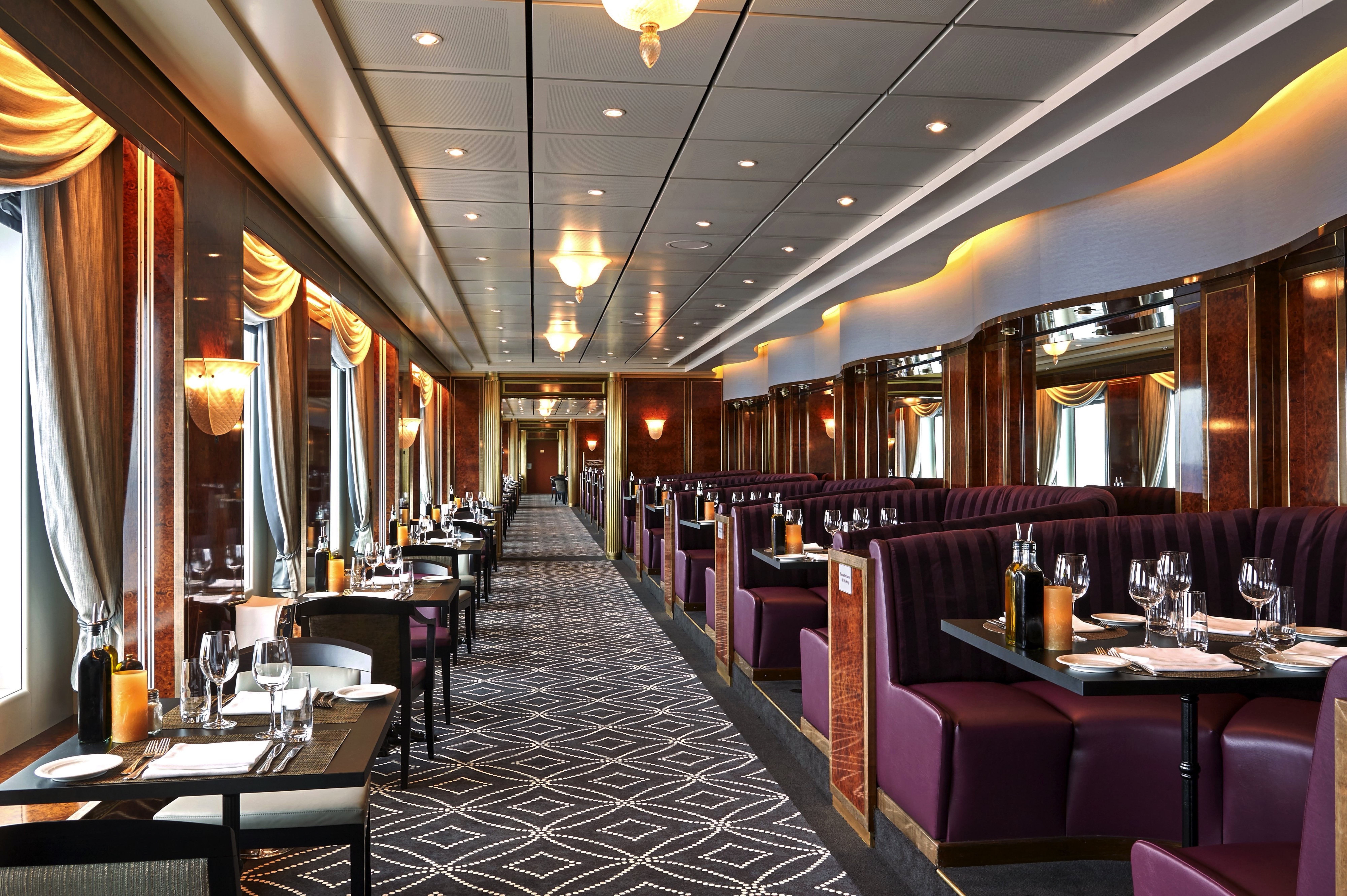
Le Bistro
Romance is in the air at our signature French restaurant. Elegant interiors, crisp white linens and attentive servers make this an intimate dining experience. By the end of your meal, you might just be proclaiming c’est magnifique!
Price Per Person: Charges Apply
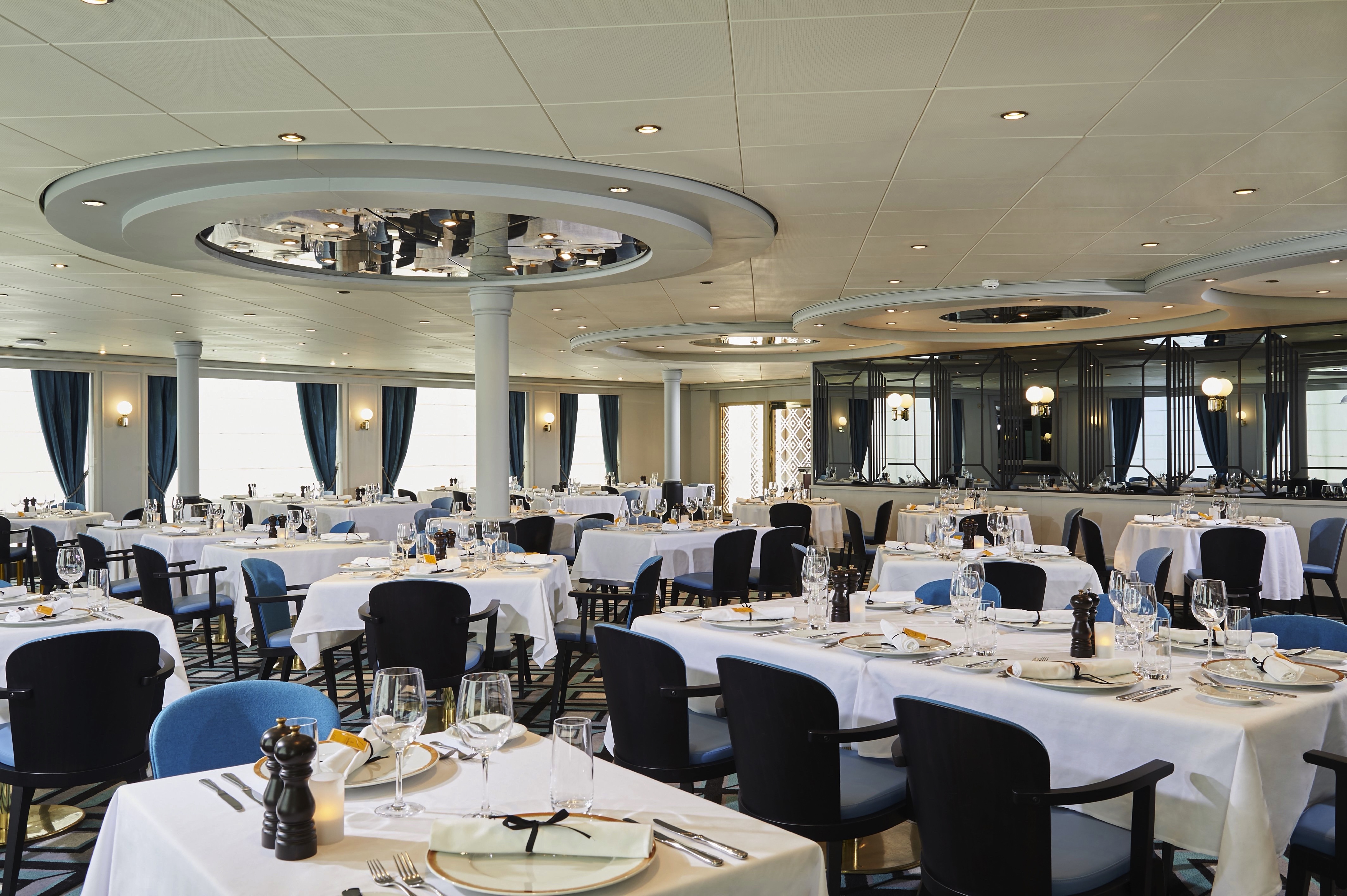
Sushi Bar
In the mood for sushi? Take a seat at this contemporary sushi bar for some traditional Japanese culinary bites.
Price Per Person: À la Carte
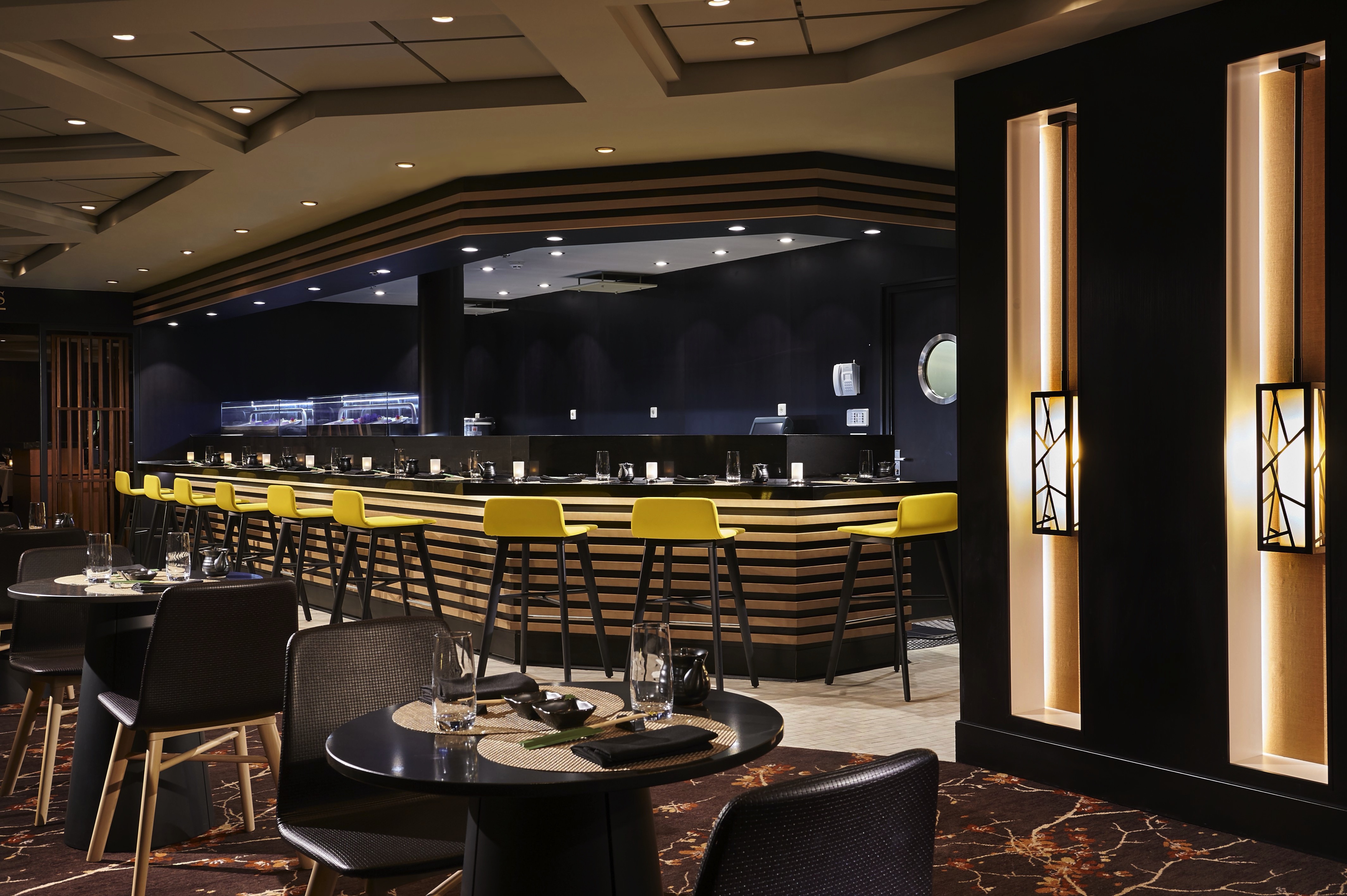
Teppanyaki
Sit at a lively shared table as a skillful chef perfectly prepares shrimp, steak, chicken and fried rice on a large steel grill. And you’ve got a front row seat to all the sizzles and surprises in our Japanese restaurant.
Price Per Person: Cover Charge Applies
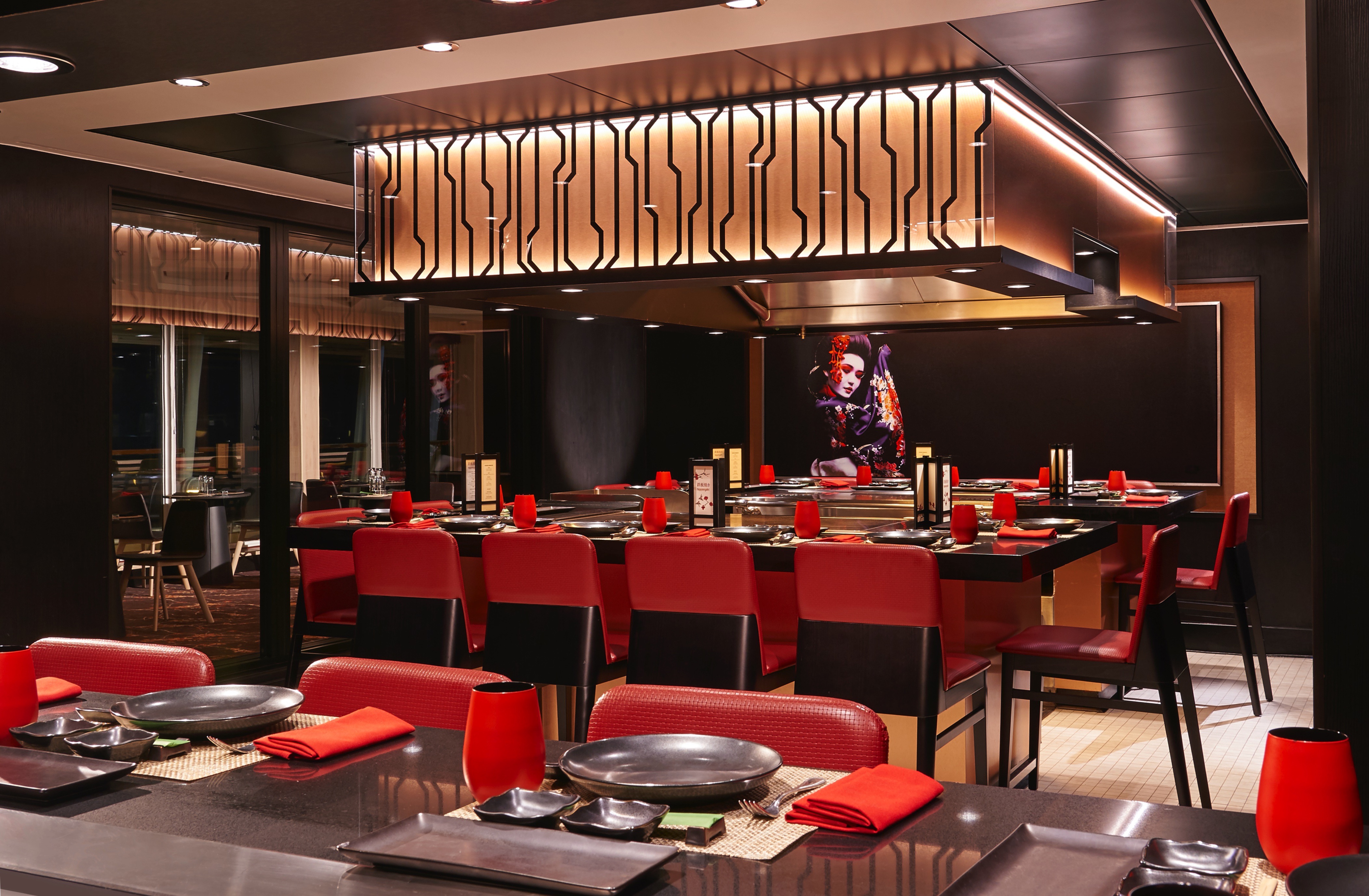
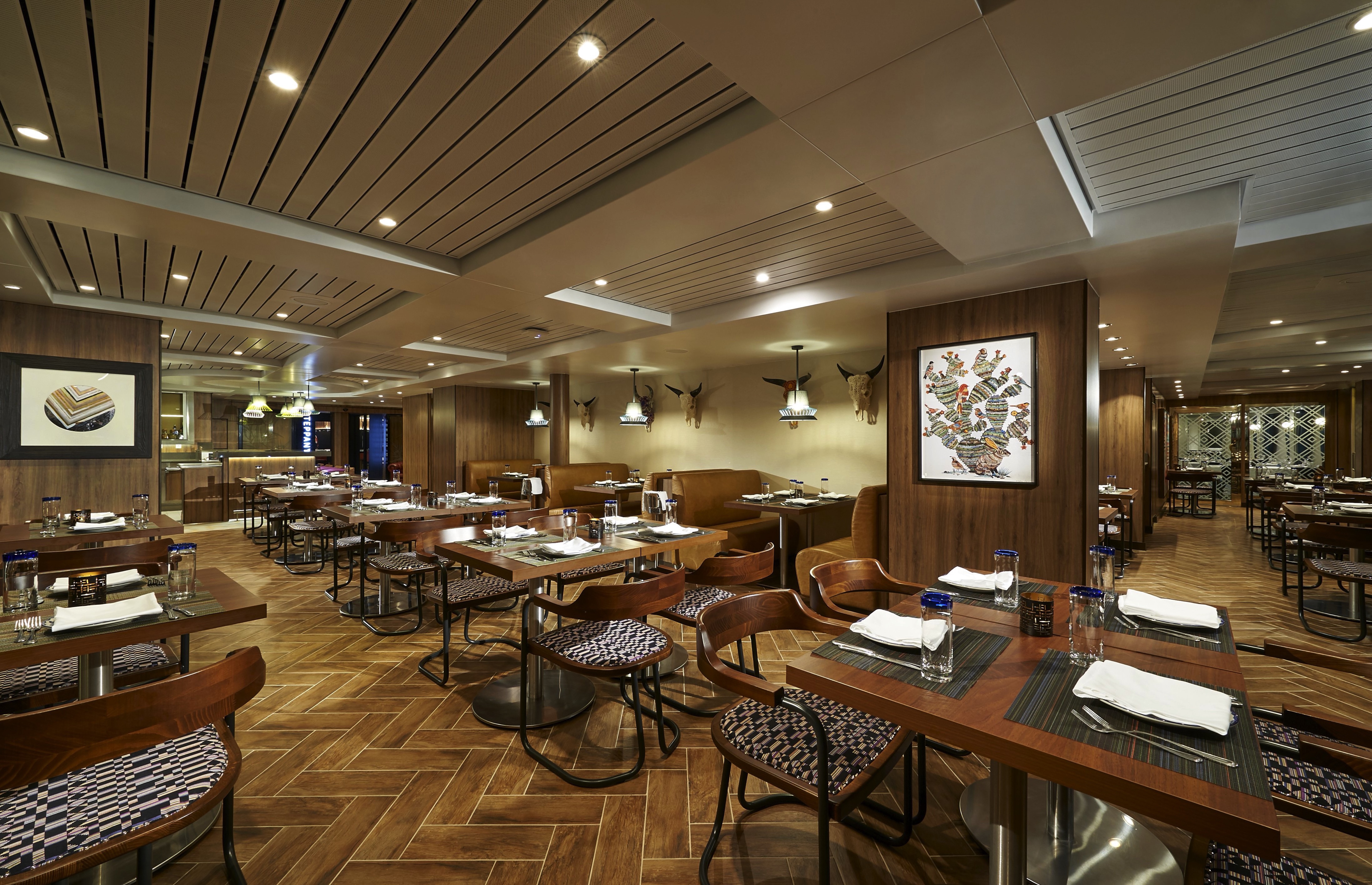
Los Lobos Cantina
Bienvenido a Los Lobos, a premium Mexican restaurant celebrating traditional flavours with a modern twist. From Carne Asada marinated in guajillo chiles and tequila, to Tres Leches Cake with Coconut Cream, the chefs at Los Lobos focus on unique flavour combinations.
Price Per Person: Charges Apply
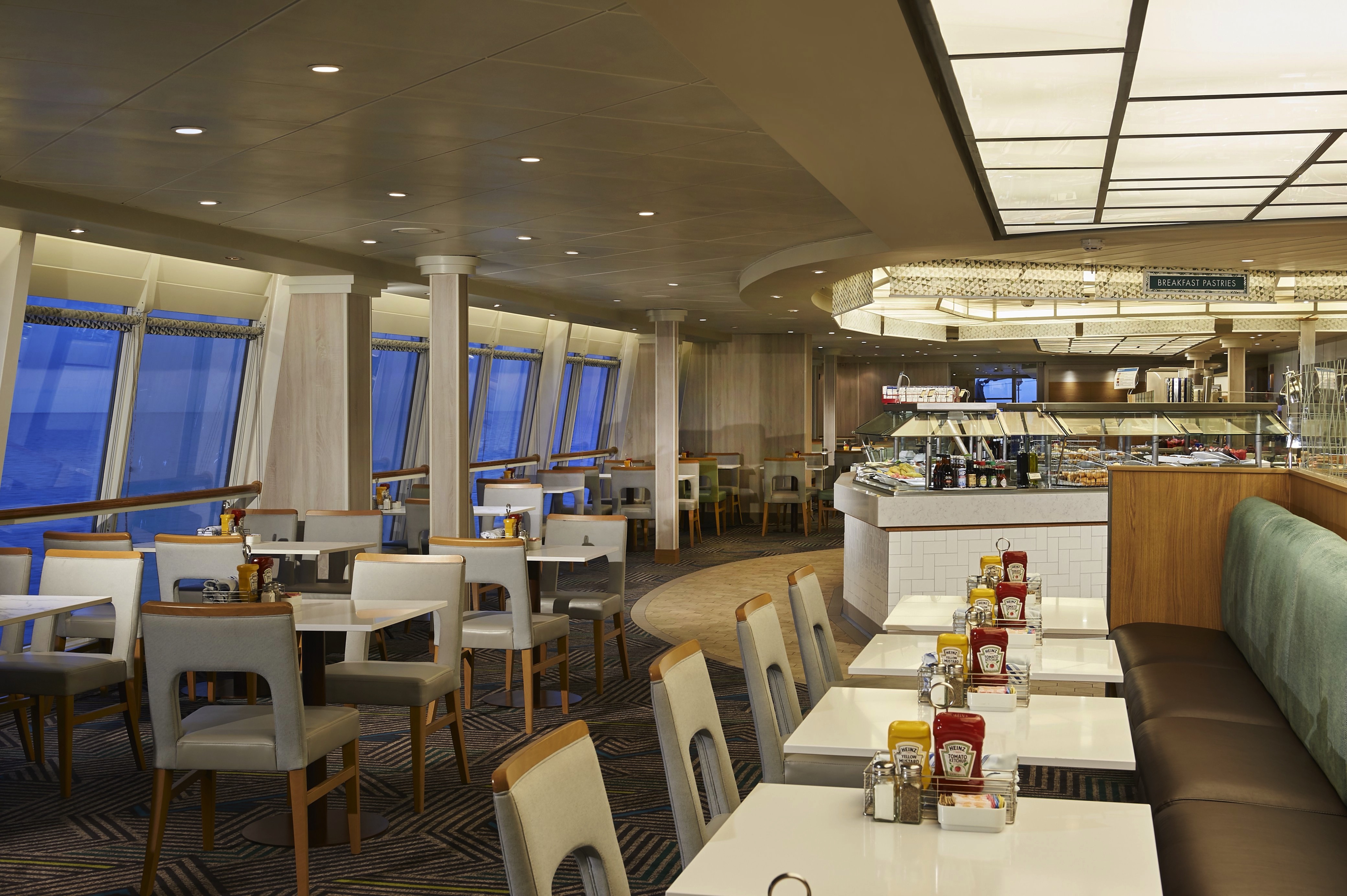
Garden Café
Whatever you’re craving, chances are you will find it at the Garden Café. This complimentary, indoor buffet restaurant serves up breakfast, lunch and dinner
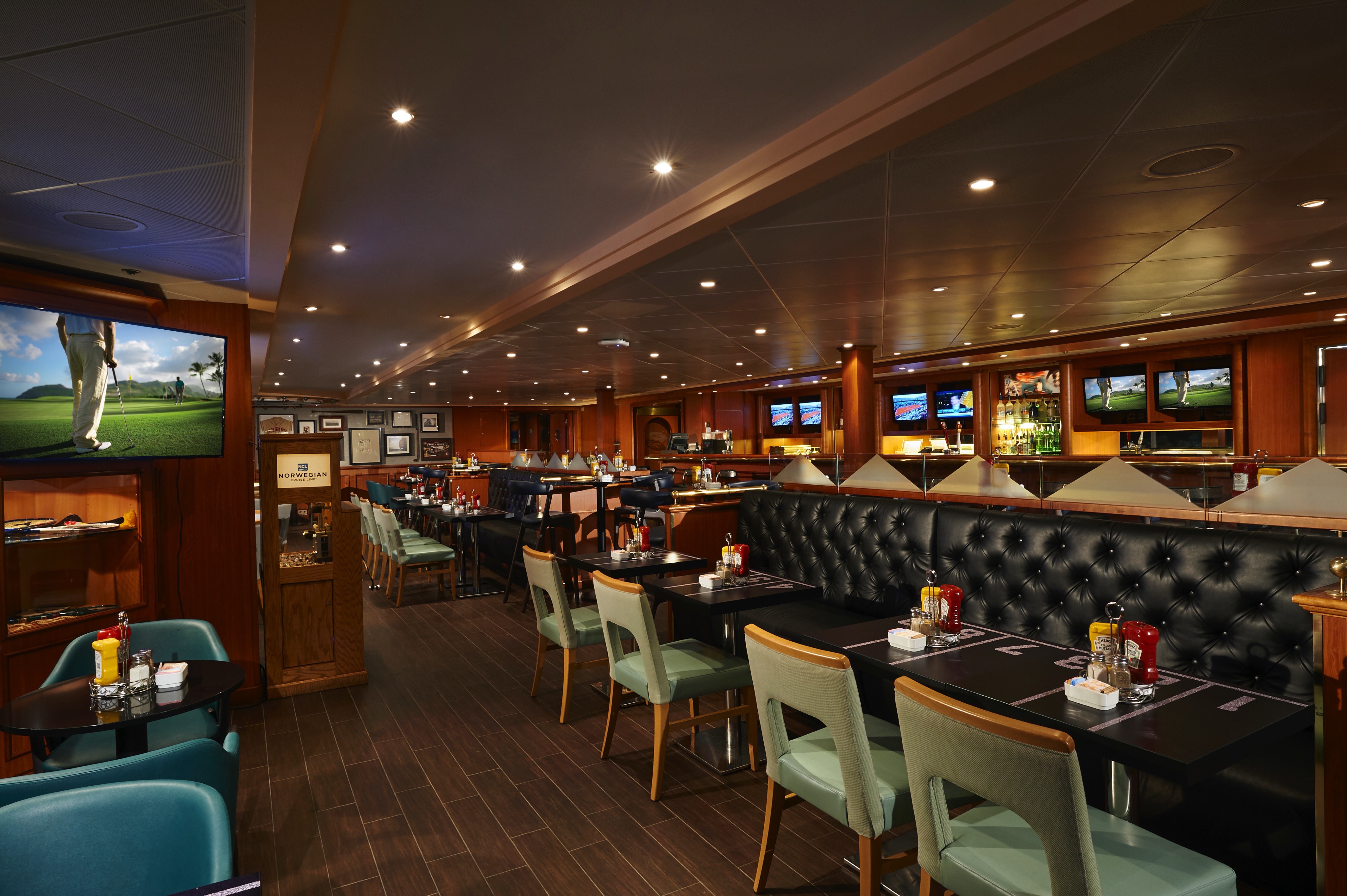
Sports Bar
Sports Bar offers classic pub fare in a relaxed atmosphere. With popular dishes like the Reuben Sandwich and Fish n’ Chips, Sports Bar has all your favourite comfort foods. So try one of our beers or cocktails on tap and catch a game with us!
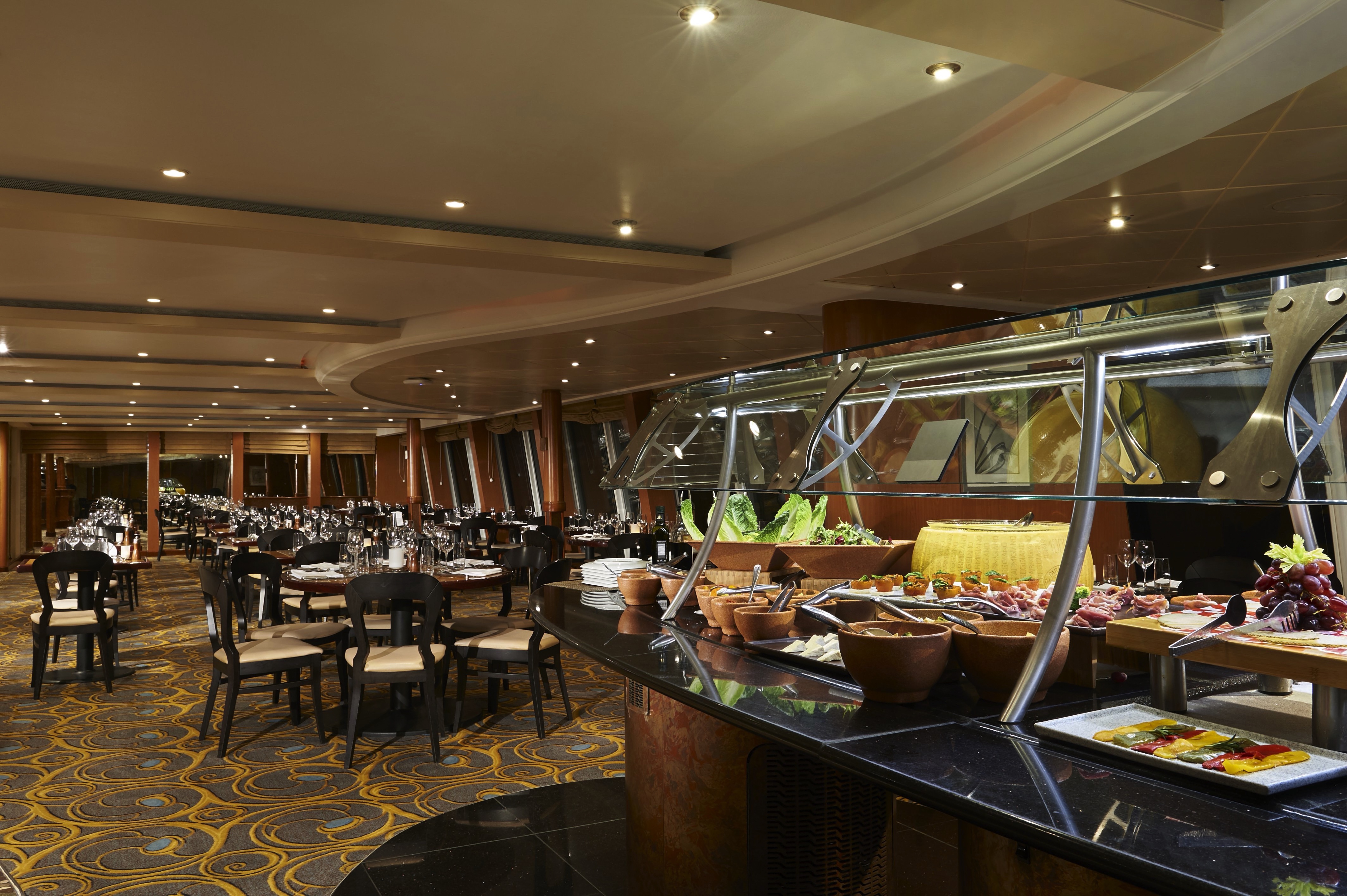
Moderno Churrascaria
Looking for a unique experience? Our authentic Brazilian churrascaria is a must. Start with an impressive salad bar, but save plenty of room for our slow-roasted meats carved tableside by our Passadores.
Price Per Person: Cover Charge Applies
Atrium Café
Indulge your sweet tooth with decadent treats available à la carte, such as French macarons, chocolate pralines, and cupcakes.
Price Per Person: À la carte
Room Service
Available 24 hours a day, simply pick up the phone and order breakfast, lunch, dinner or late-night munchies. A room service fee may apply.
Price Per Person: Room Service Fee may apply.
Great Stirrup Cay
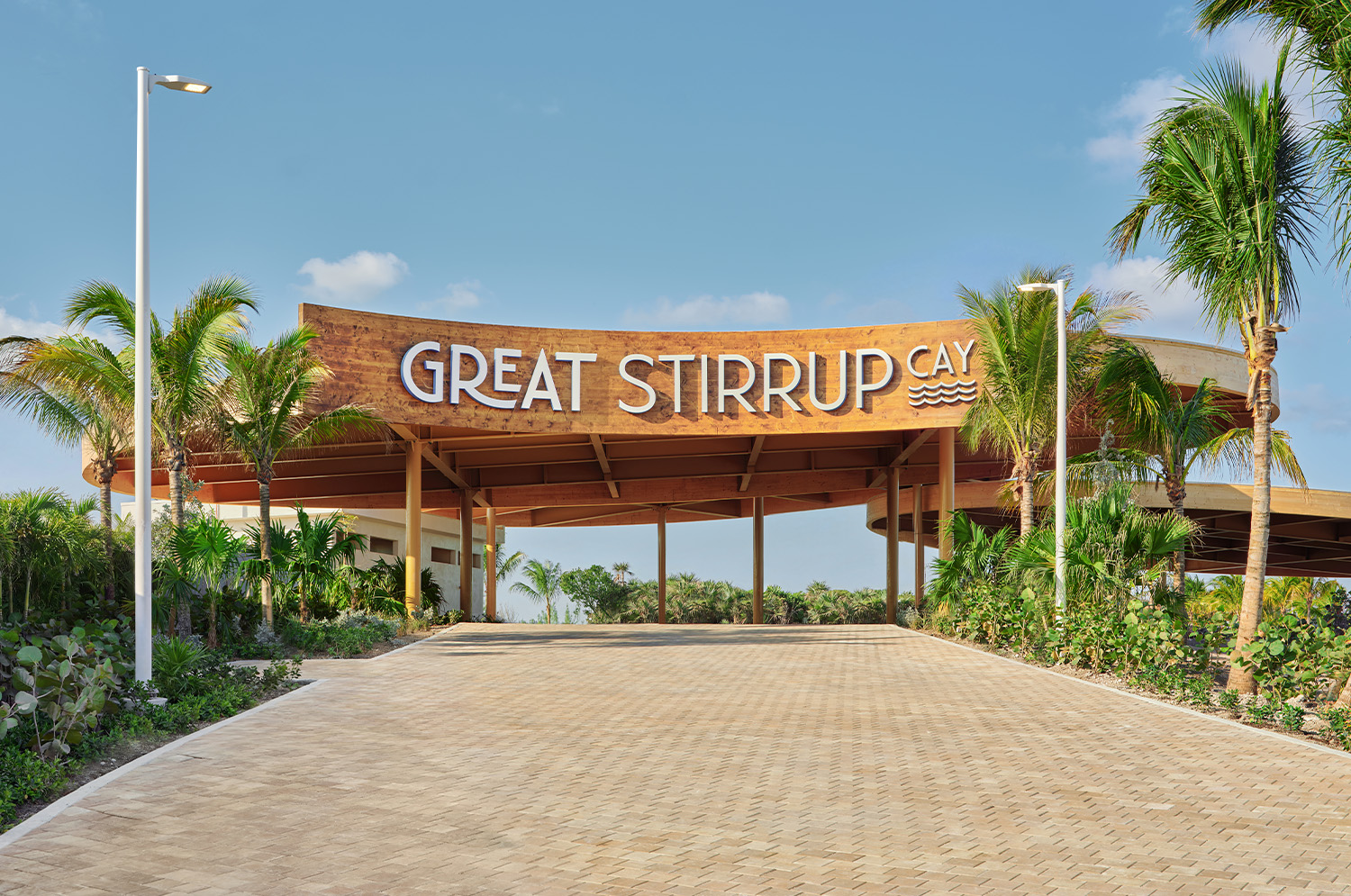
Escape to The Great Life
Great Stirrup Cay isn’t just an island in The Bahamas, it’s an escape to The Great Life. And The Great Life isn’t just about cruising to your very own private island; it’s about unlocking a state of mind. It’s a cool drink in your hand at the 2,600 sq. metres pool. The roar of jet skis and a gentle breeze through your cabana. It’s shouting at the top of your lungs as you race down the larger-than-life tower of water slides. And it’s gazing onto white sand beaches all afternoon. Here, you have the freedom to do what you want, when you want. That’s The Great Life, and it’s about to get GREATER on the incredible, new Great Stirrup Cay.
Great Life Lagoon
What do ten blue whales, 20 tennis courts, three Washington Monuments, one large cruise ship and Mt. Everest’s peak all have in common? They’re roughly the same size as our new, 28,000-sq.-ft. pool. Throw in two swim-up bars, beach-style water entry for kids, water features, ocean views, cabanas and you’ve got yourself a pretty spectacular Caribbean day!
Epic slides. Towering cliff jumps. One unforgettable splash.
Get ready to live the great life at full speed. Spanning the size of several football fields, Great Tides Waterpark is the bold new thrill zone at Great Stirrup Cay – where adventure meets relaxation. Race down sea-inspired slides, drift through a winding river with tunnels that might just be hiding a secret adventure, or leap from dramatic cliffside platforms into crystal-clear waters. Little ones can splash and play in a vibrant water zone, whilst grown-ups unwind with cocktails in a glowing grotto bar. Whether you’re chasing high-speed thrills or laid-back vibes, Great Tides delivers next-level excitement for everyone.
What’s Included on Great Stirrup Cay?
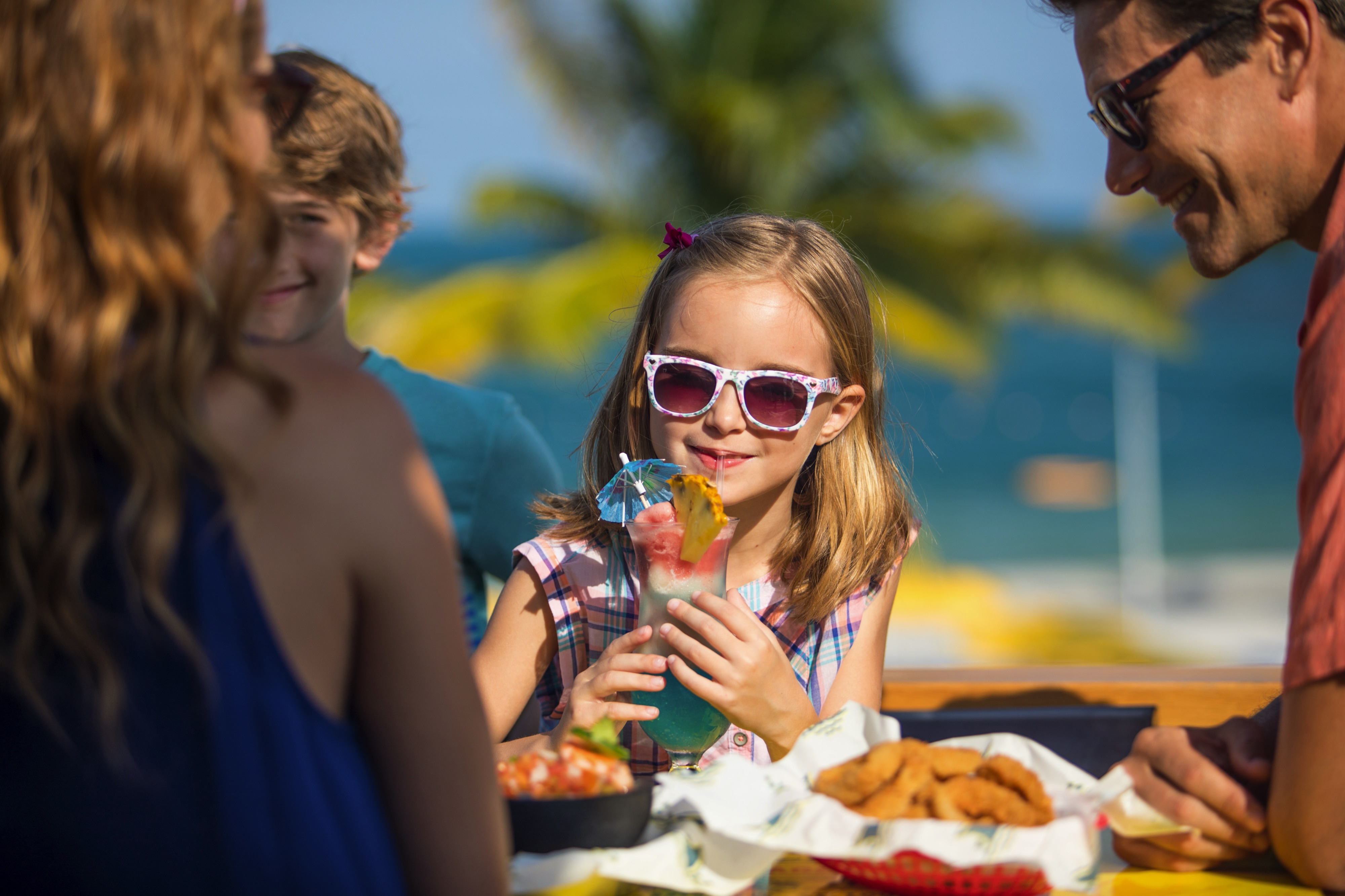
This isn’t your typical holiday spot – it’s our island, which means it’s your island. The same superb service you receive on board applies here too. Like complimentary meals and endless activities with Free at Sea™. So, get ready to play, explore, relax and enjoy an unforgettable day in The Bahamas!
Introducing Free at Sea Plus™
Free at Sea Plus™ makes your escape to the great life even greater. Upgrade for only £39.99 per person per day and your unlimited premium beverage package will follow you to Great Stirrup Cay. Plus, you’ll get a taste of luxury on board too, with wine and Champagne from our signature collection, top-shelf spirits, more speciality dining experiences at a discounted rate, high-speed Wi-Fi made for streaming and more.
Shore Excursions
GO LOCAL TOURS
Authentic multicultural experiences await on a Go Local Tour with NCL. Explore how people in cities around the world live, work, eat and play on unique tours designed for guests who thrive on culture-connecting and unforgettable exploration.
ADVENTURE RUSH
Start by letting your imagination run wild. Mush your way across an ice field in Alaska. Surf in Kaua‘i. Soar through the sky on a zipline on Harvest Caye. Go tubing in Belize or even airboat through the Florida Everglades. Your adventure awaits.
HISTORIC TIMES
Get up close and personal with places you’ve seen only in pictures. Then take some of your own. Stand in the shadow of the Colosseum. Tour a medieval castle. Unravel the mysteries of the Mayan ruins. Or catch a glimpse of the revered Emerald Buddha in the Grand Palace of Bangkok. Take a history lesson like no other.
WONDERS OF NATURE
Hang with the locals in Australia. Or pack your camera and enjoy majestic humpback whales near Hawai‘i, glaciers in Alaska, the soaring cliffs of Greece or the golden foliage in New England. They’re all naturally wondrous scene-stealers.
LAID-BACK LEISURE
Sometimes you just want to soak in the sun — and your surroundings. So find that perfect secluded beach and take it all in. Or shop the local markets for great bargains and take home a little something to complement your amazing holiday.
SELFIE TOURS
Get your smile — and your mobile device — ready for a tour like no other. With NCL’s Selfie Tours, we will take you to picture-perfect places to fill your feed. Many of our tours are guided by a selfie expert who will show you how to perfect your angle, use a selfie stick and more.
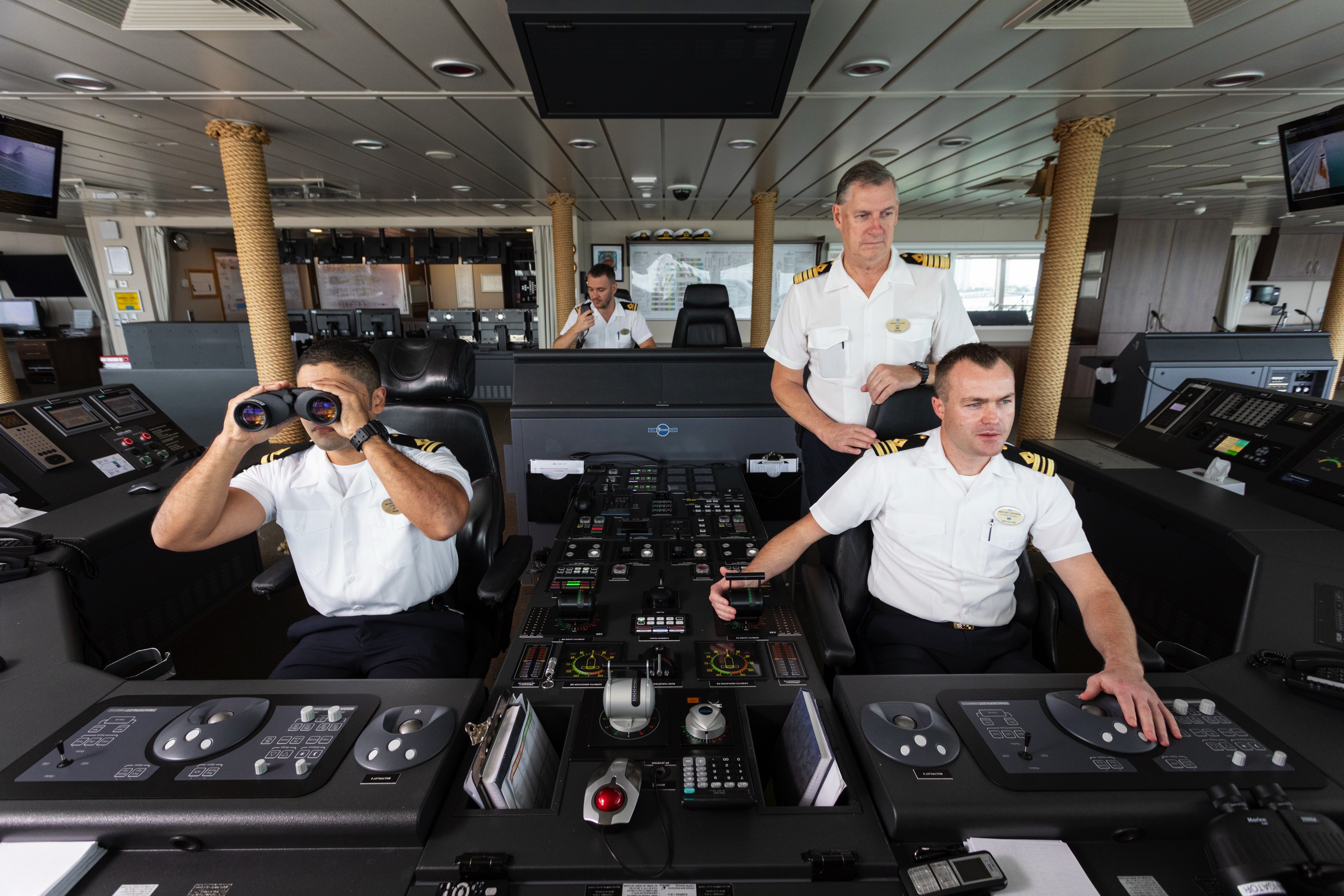
Behind The Scenes Tour
Experience the exciting Behind The Scenes Tour of our crew working areas, including exclusive access to the Bridge, Engine Control Room, Main Galley, Laundry and so much more.
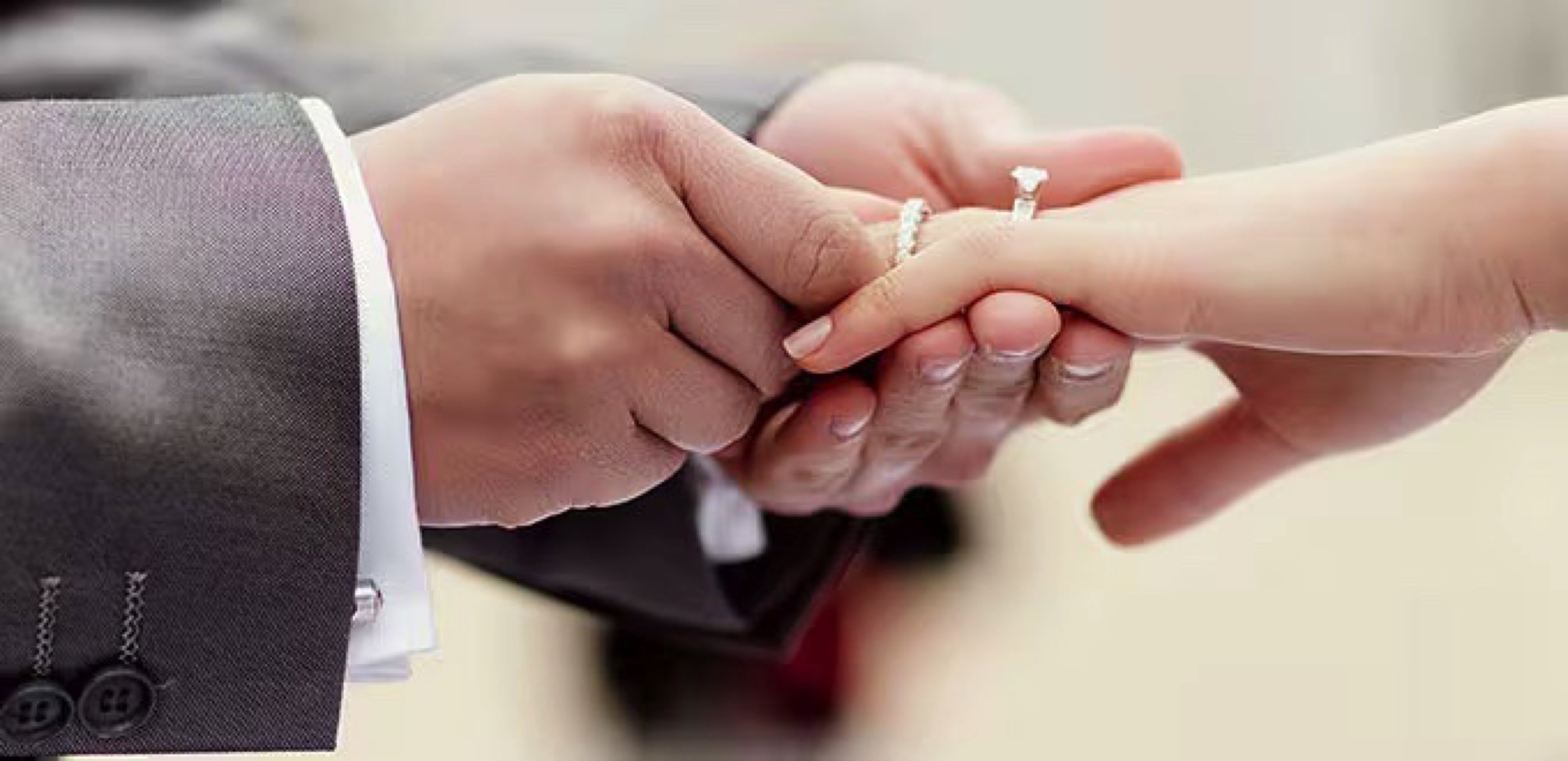
Private Vow Renewal
Nothing says “I love you” like saying it all over again. Book a private ceremony to renew your wedding vows for the ultimate romantic holiday. Here’s what our Private Vow Renewal Package includes.
- Bottle of Sparkling Wine, Chocolate Covered Strawberries & Canapes – in Stateroom
- Vows Ceremony Performed by a Ship Officer
- Ceremony Music
- One Single Red Rose
- Couple’s Cake
- Champagne Toast
- Keepsake Vow Renewal Certificate
- 8 x 10 Professional Portrait in an Engraved Frame
Booked guests, please contact us here to timetable a vow renewal.
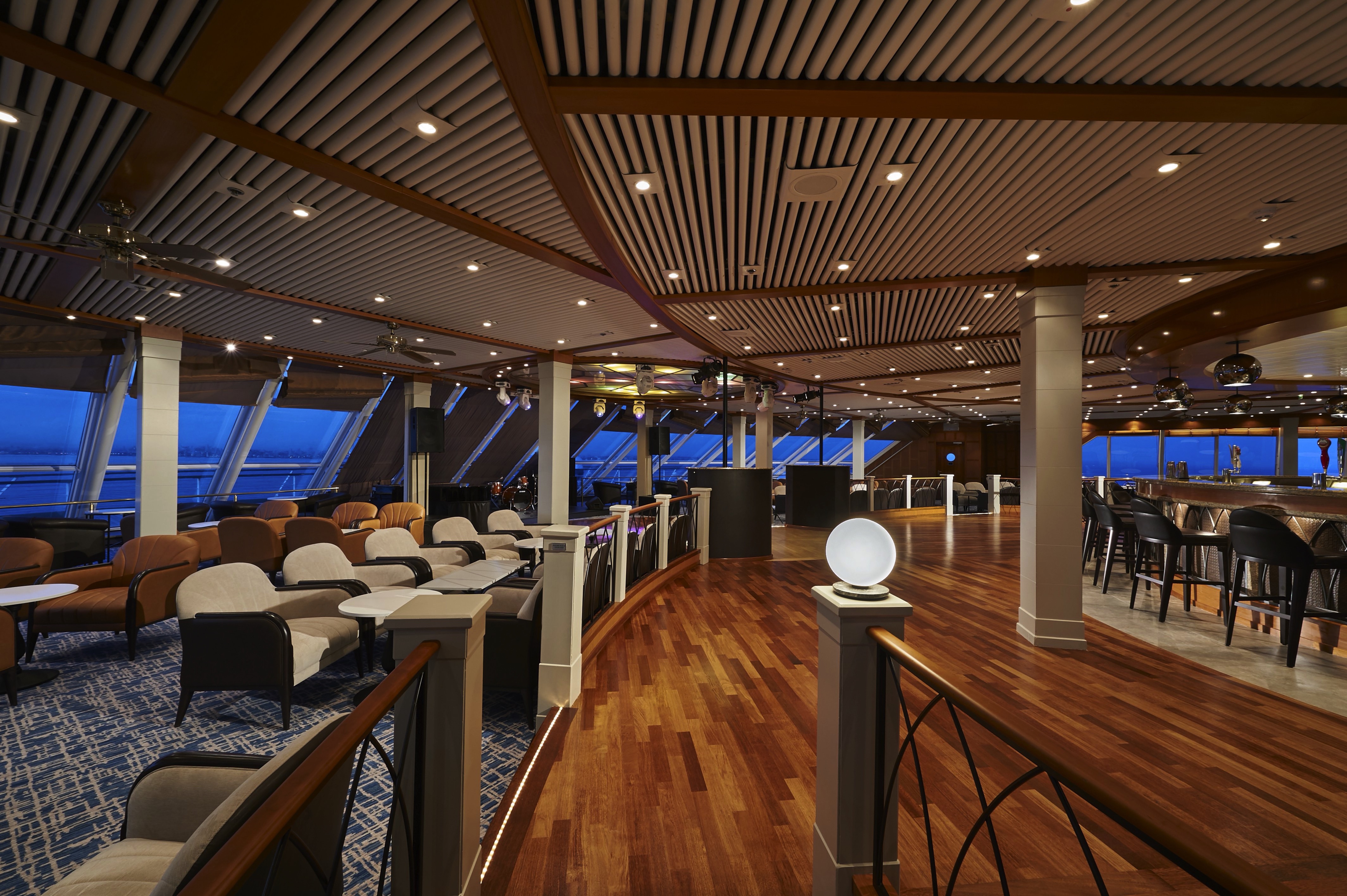
Spinnaker Lounge
Be entertained by our nightly shows or get on the dance floor at this hot spot.
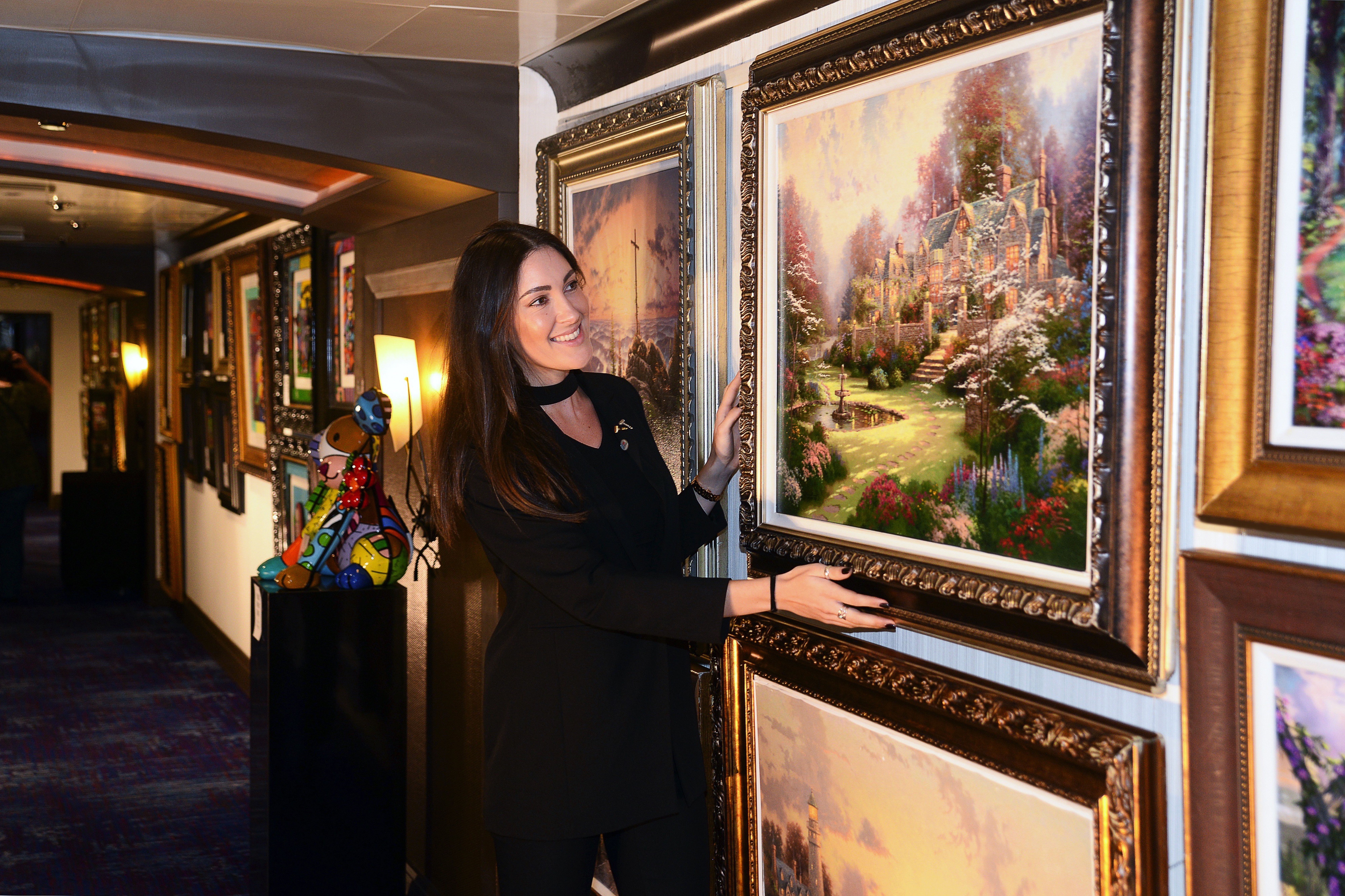
Art Gallery
Stroll through Norwegian Sun’s Art Gallery of original paintings for sale by a wide range of well-known artists.
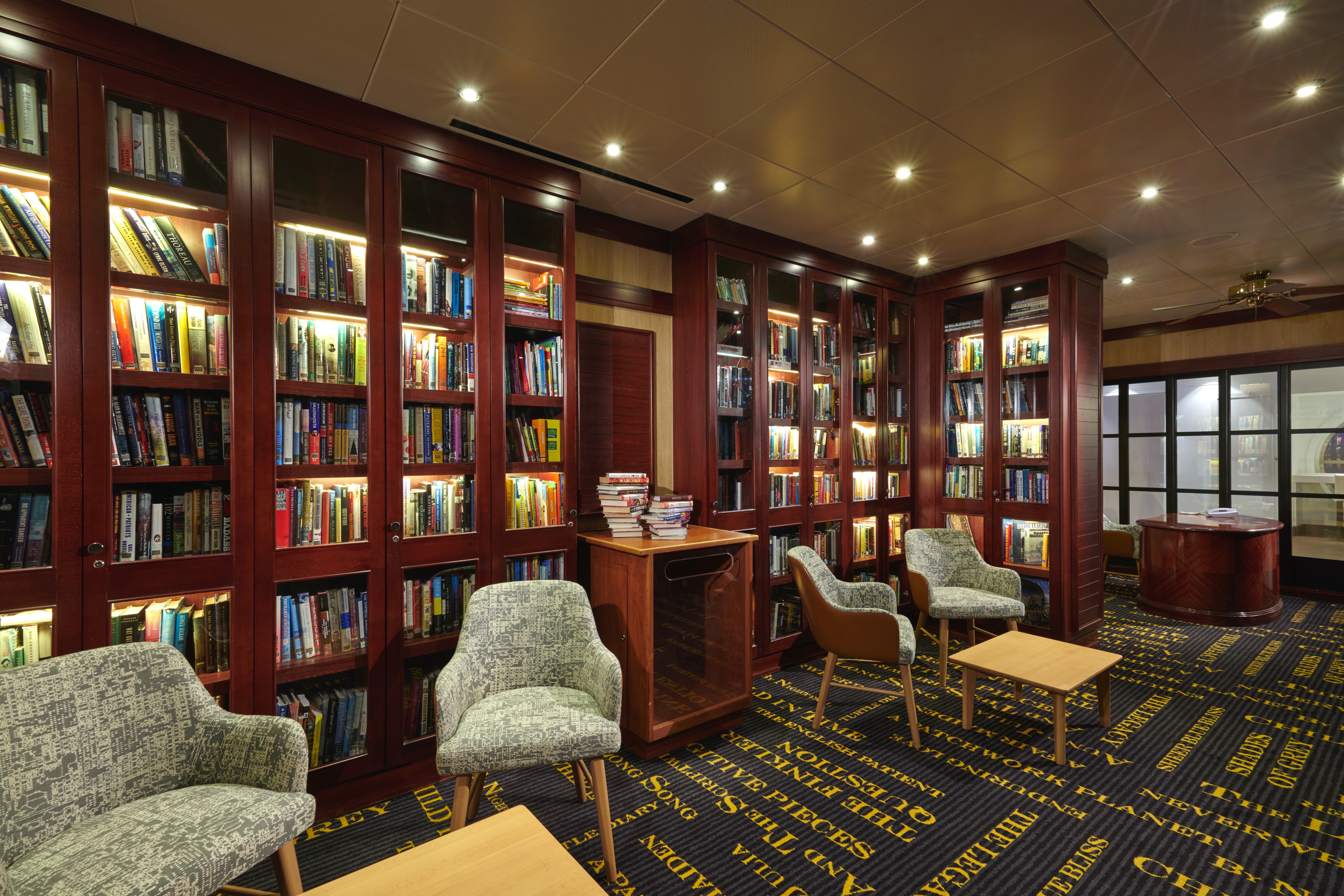
East Indies Library
You’ll find a well-stocked selection of things to read with all the elegant trimmings a good library deserves including a stellar view.
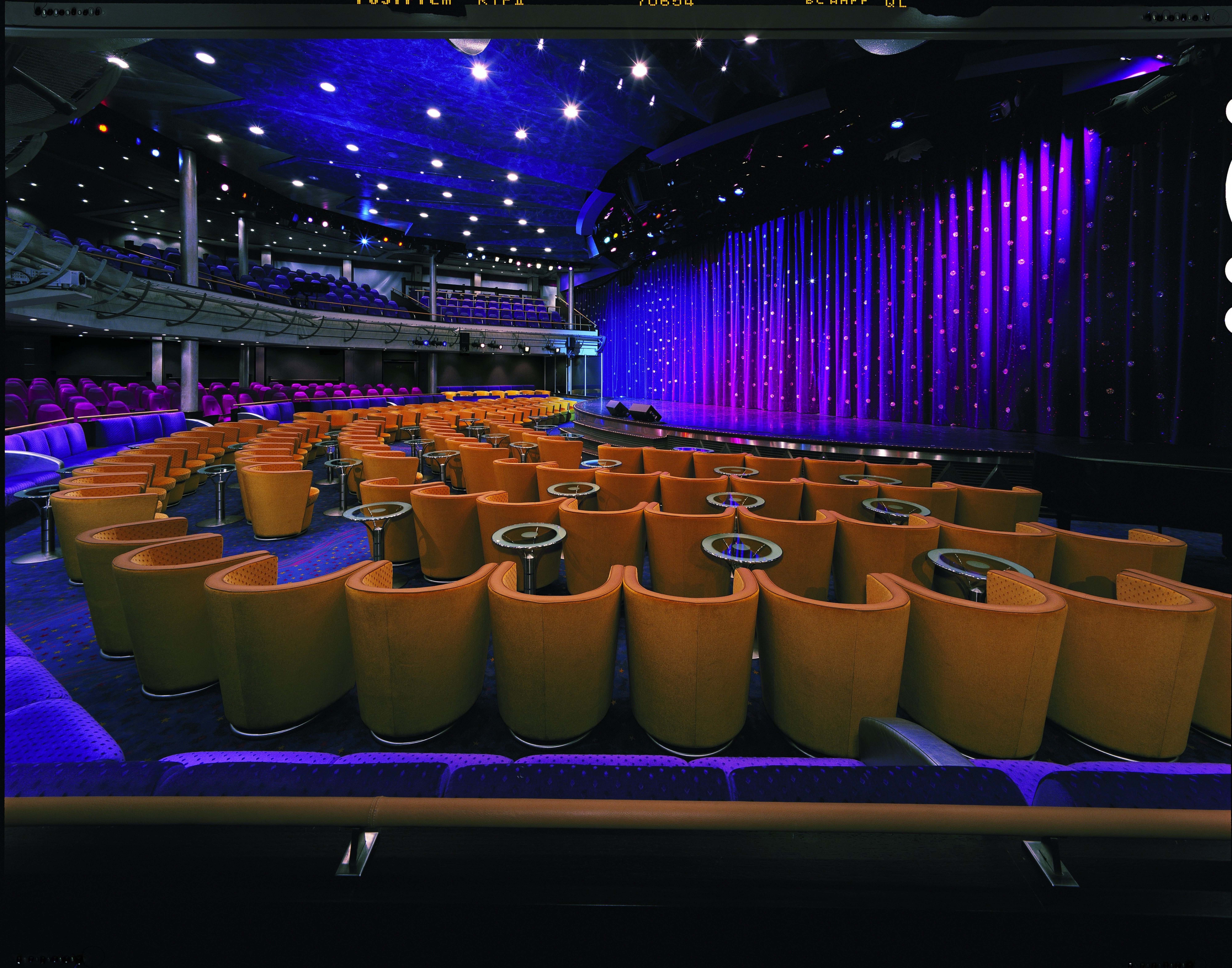
Stardust Lounge
It’s showtime! And we’ve got a really big show for you at the Stardust Lounge. A stunning two-story main show lounge with a stage headlines the best entertainment at sea. The Stardust can also be used for large-group meetings by day.
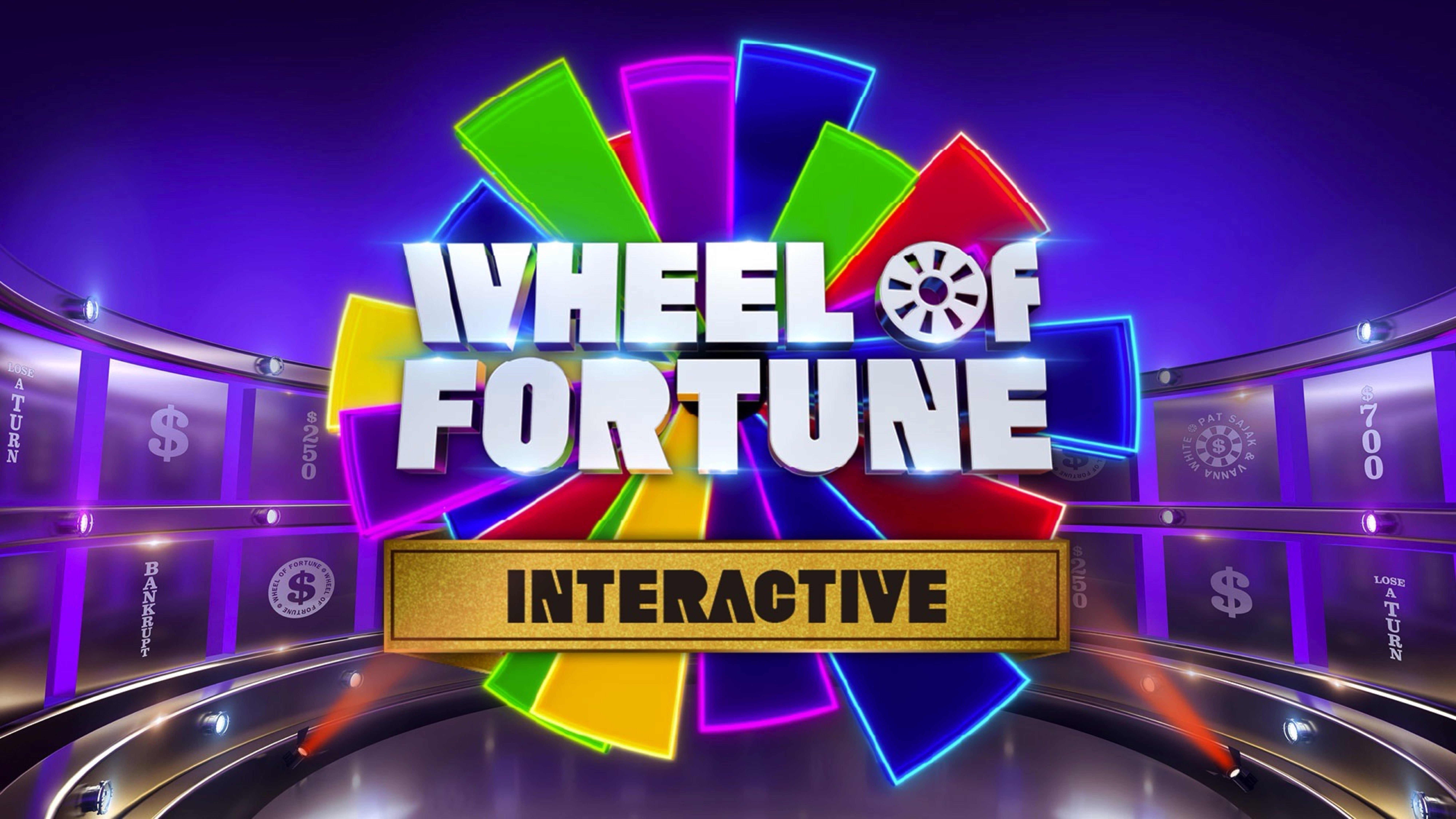
Wheel of Fortune
Wheel of Fortune is here! From Hollywood to the High Seas, experience this new interactive game show where everyone plays along on their mobile devices to solve puzzles and collect matches for a chance to win great prizes, including a Free Cruise! Watch the show or play along – everyone is invited.
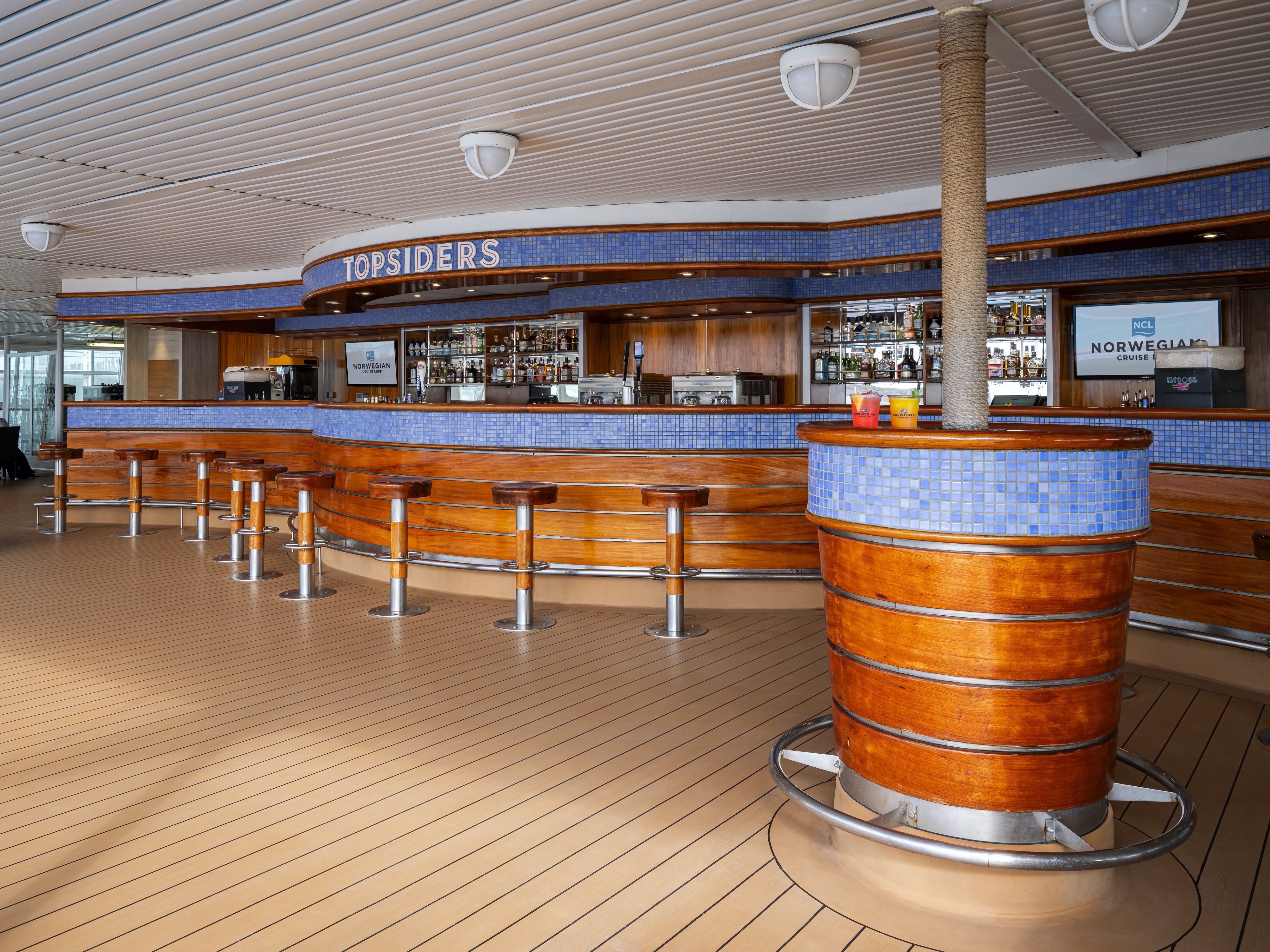
Topsiders Bar
A full bar and grill in close proximity to an ample sunning area and hot tubs. Think of it as a total resort experience.
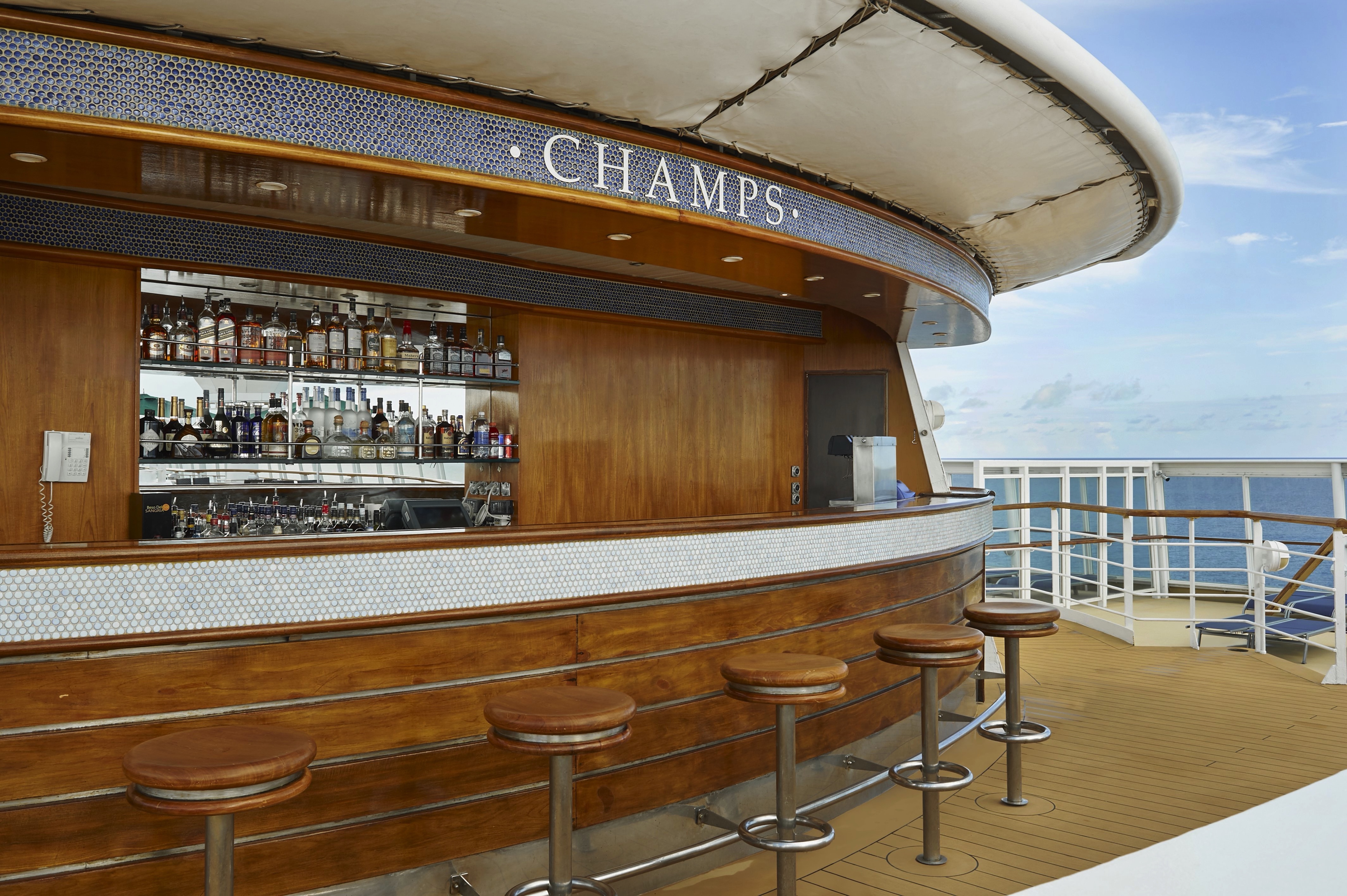
Champs Bar
After you shoot hoops, play tennis, or work up a sweat in the fitness centre, head over to Champs, a full bar, and just chill.
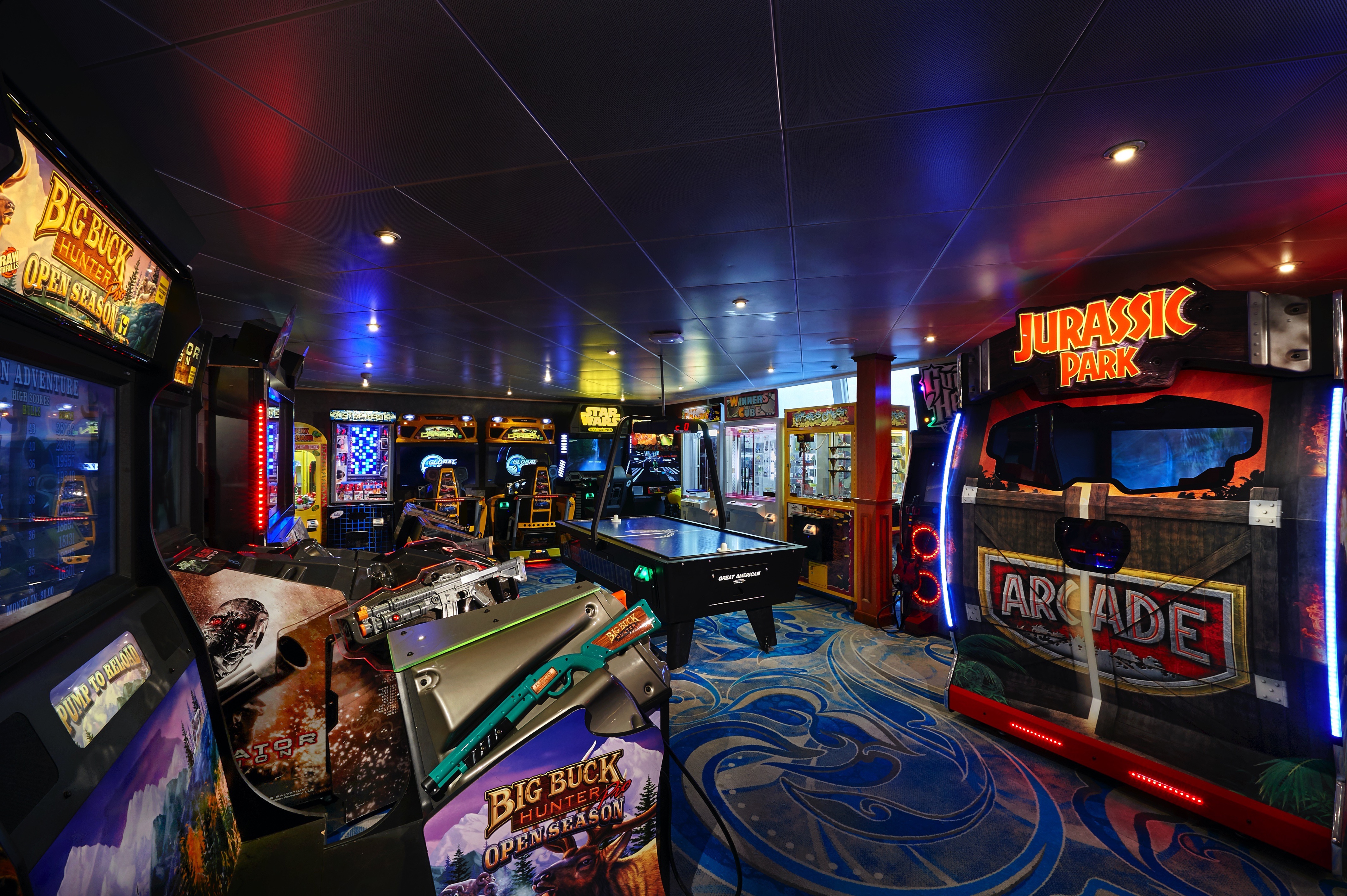
Video Zone Arcade
Level up your fun at the Arcade! Take on thrilling challenges – capture aliens, pilot a fighter jet, race to the finish, and more. Can you rise to the top and claim the highest score?
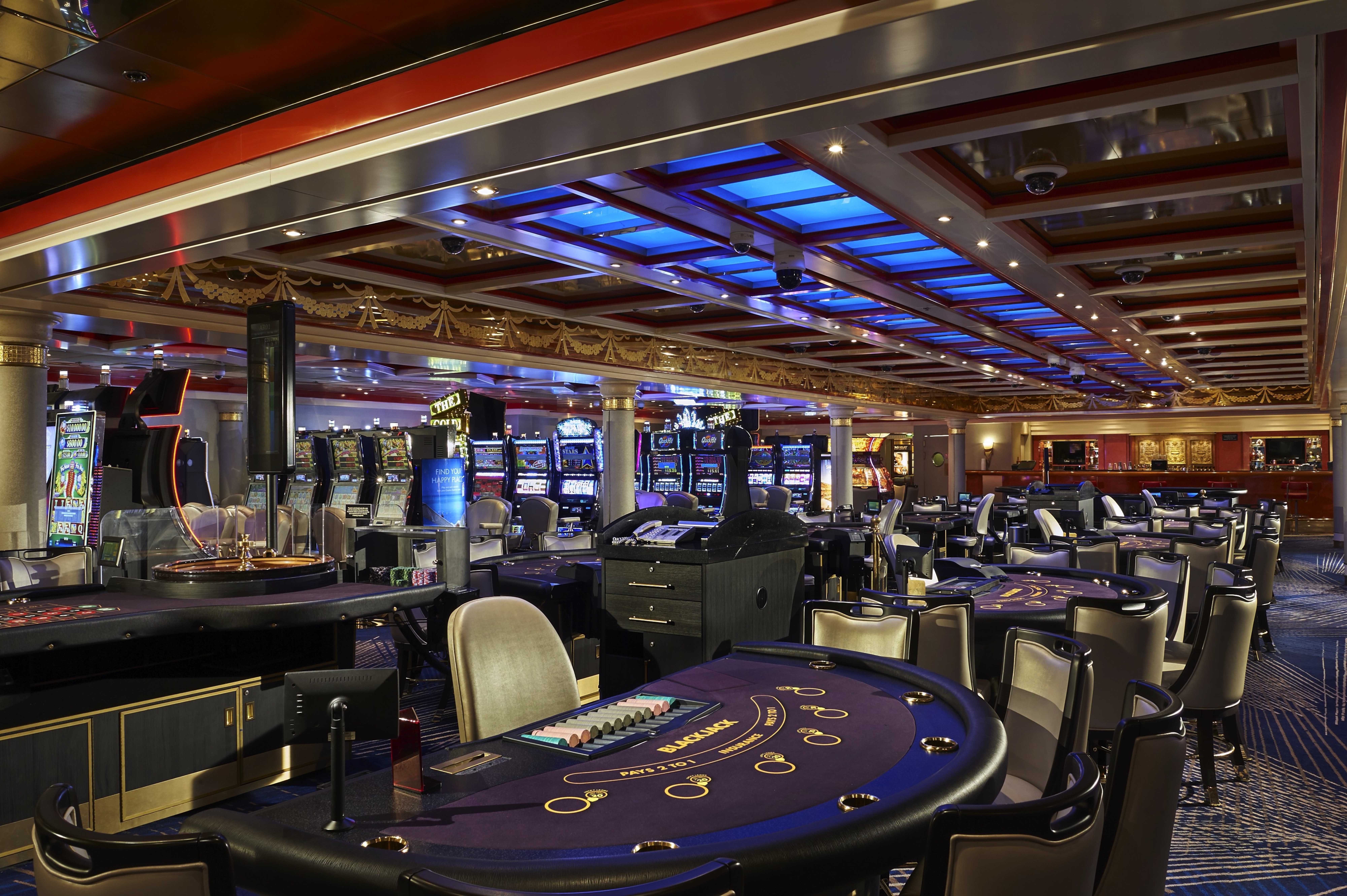
Sun Casino & Bar
Welcome! Try your hand at Roulette, Blackjack and Craps.
Spin your way to the jackpot playing the most popular slots including reel and video slots. Or pull up a chair at your favourite table game, from blackjack to craps and more. Whatever games you choose, you can bet on a good time in our award-winning casino.
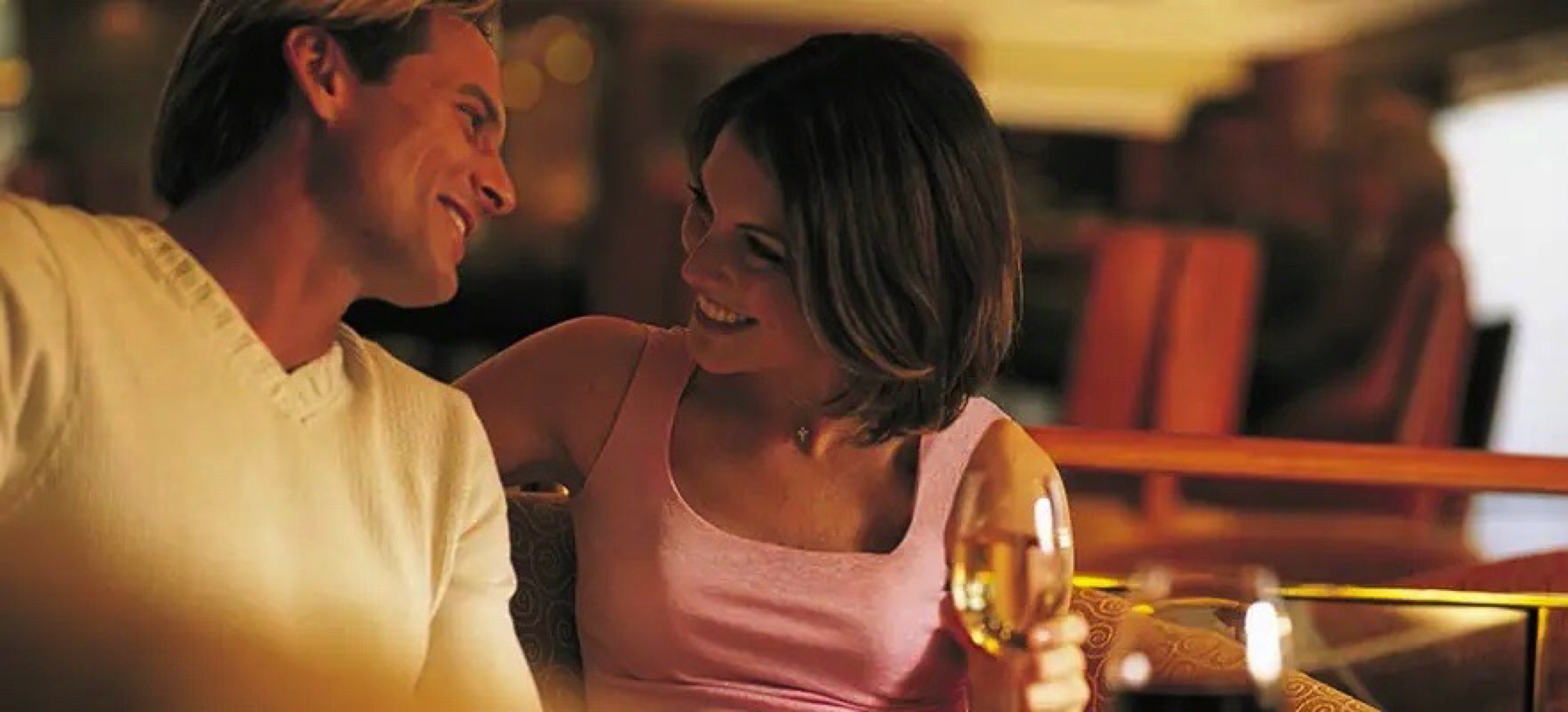
The Champagne Bar
Known for a premium selection of champagne and vodka, caviar, paté, and foie gras. The cool sophistication and charm of this establishment makes it an ideal venue for an intimate cocktail party or reception.
Internet Café
No matter how far you are from home, having access to the Internet is always nearby at the Internet Café. The Café can also be used as a computer lecture and training centre.
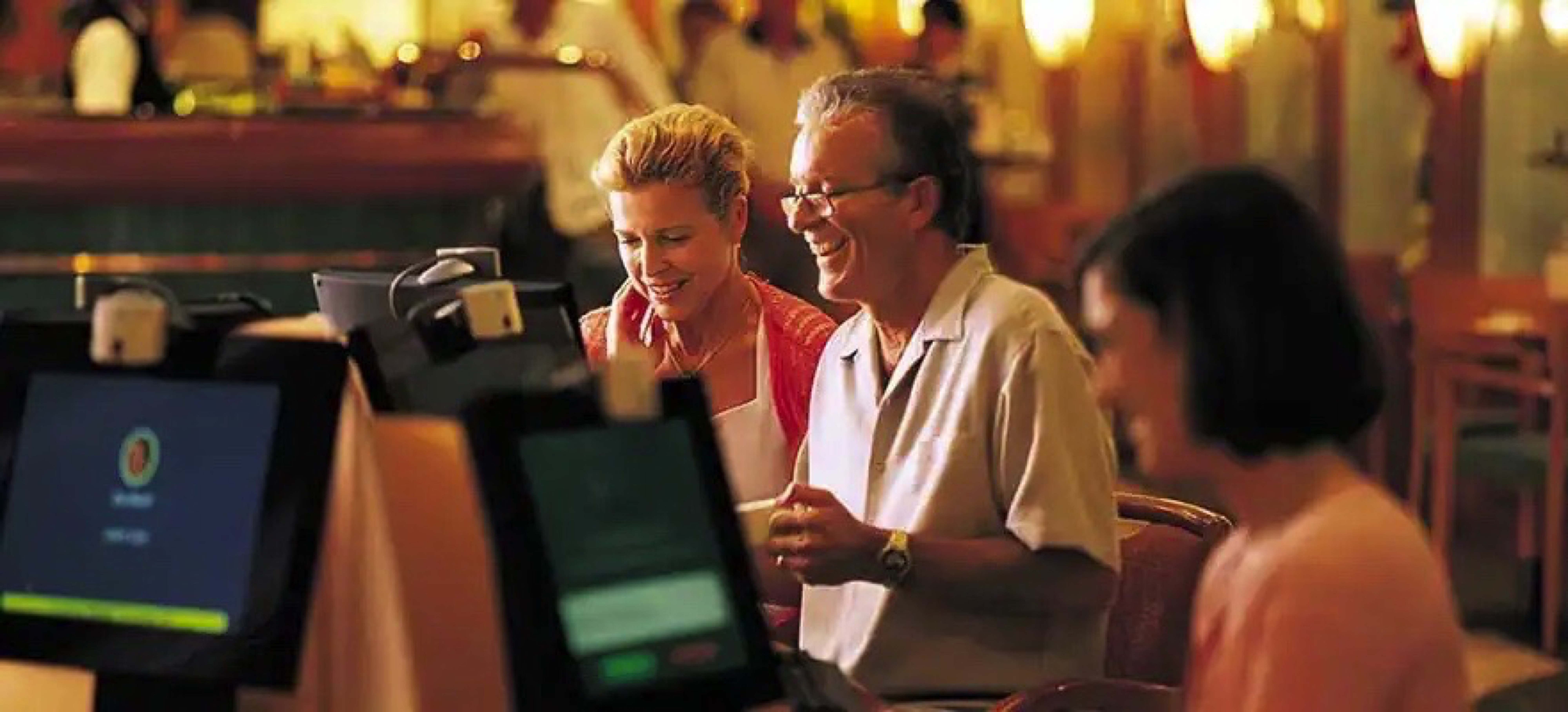
Windjammer Bar
This quiet little piano bar is known for its martinis and first-class entertainment nightly.
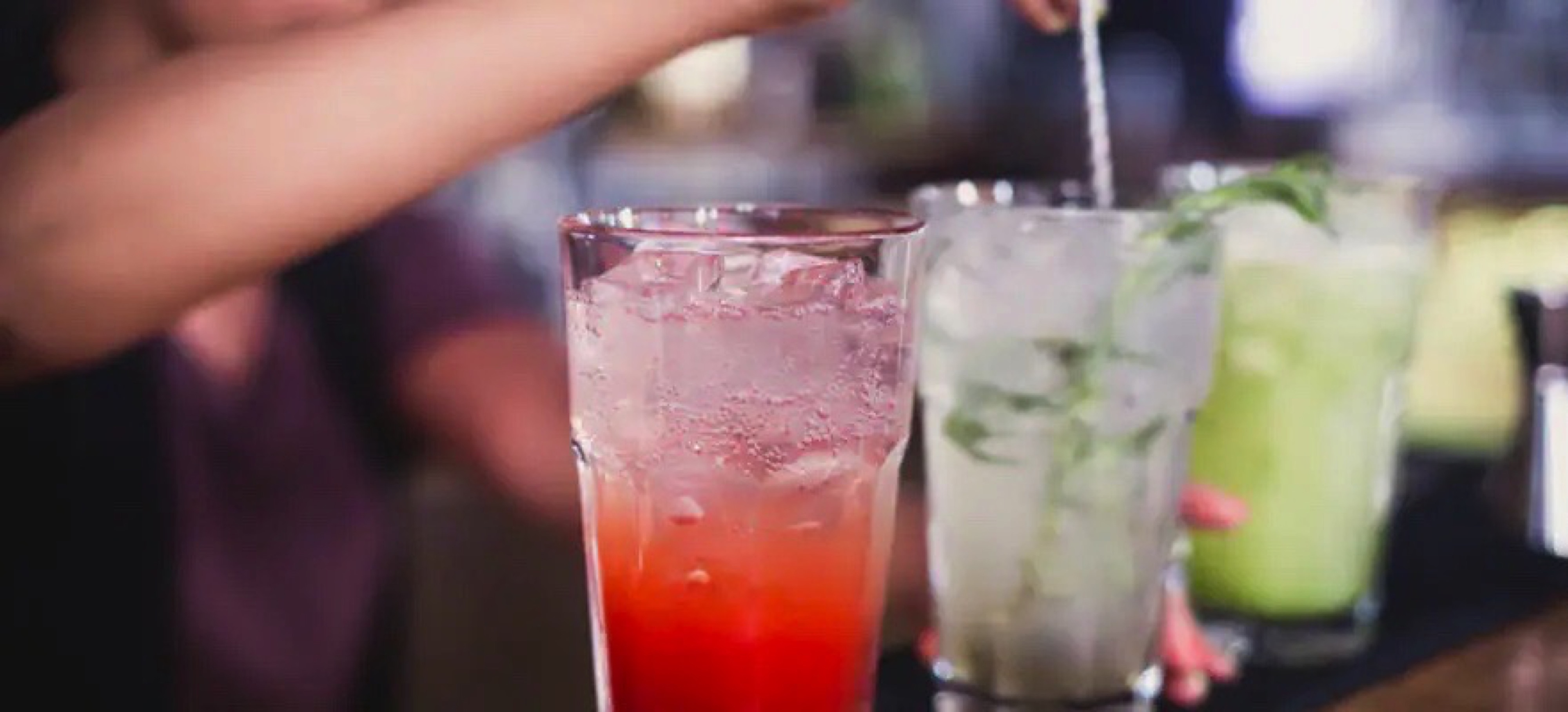
Rock You Tonight
Take a walk on the wild side in tonight’s production of Rock You Tonight. The high-energy grooves of our production cast combines with the rocking sounds of the Norwegian Sun Orchestra to bring you an all and out tribute to such rock icons as Queen, Journey and The Who. So give in to your inner James Taylor or Tina Turner and rock the night away!
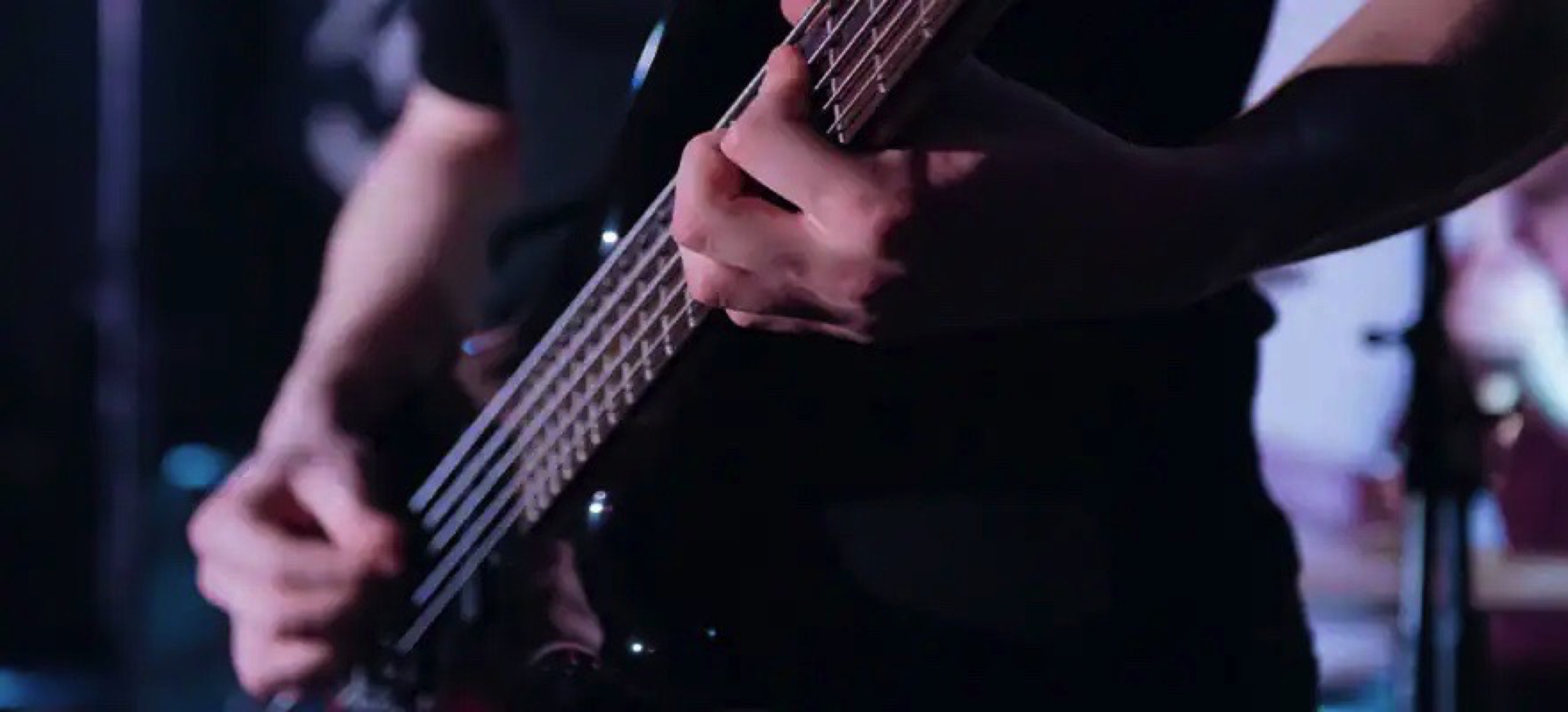
Bliss Ultra Lounge
The electrifying aura of this hip, high-energy ultra lounge literally surrounds you. High-voltage tunes make everyone want to get their groove on and custom loungers are the perfect spot to cap off the evening with a cocktail.
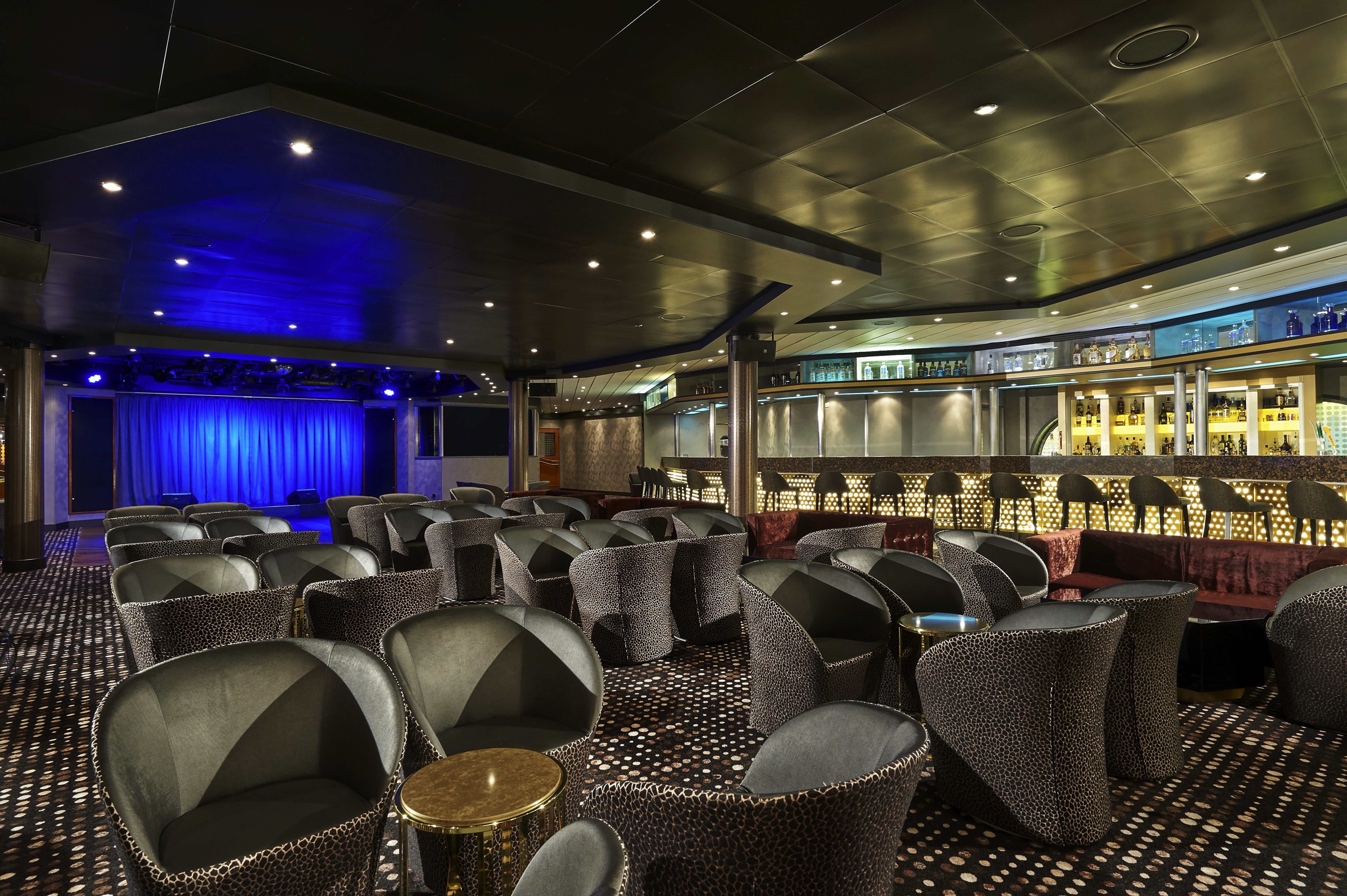
Effy Jewellery
Effy Hematian has been designing and manufacturing fine jewellery in the heart of New York’s Diamond District for over 40 years. By combining uncompromising attention to detail, exceptional gemstones, and quality American craftmanship, Effy has become one of the most celebrated and desired jewellery brands in the world today – available to you onboard at tax-and duty-free pricing.
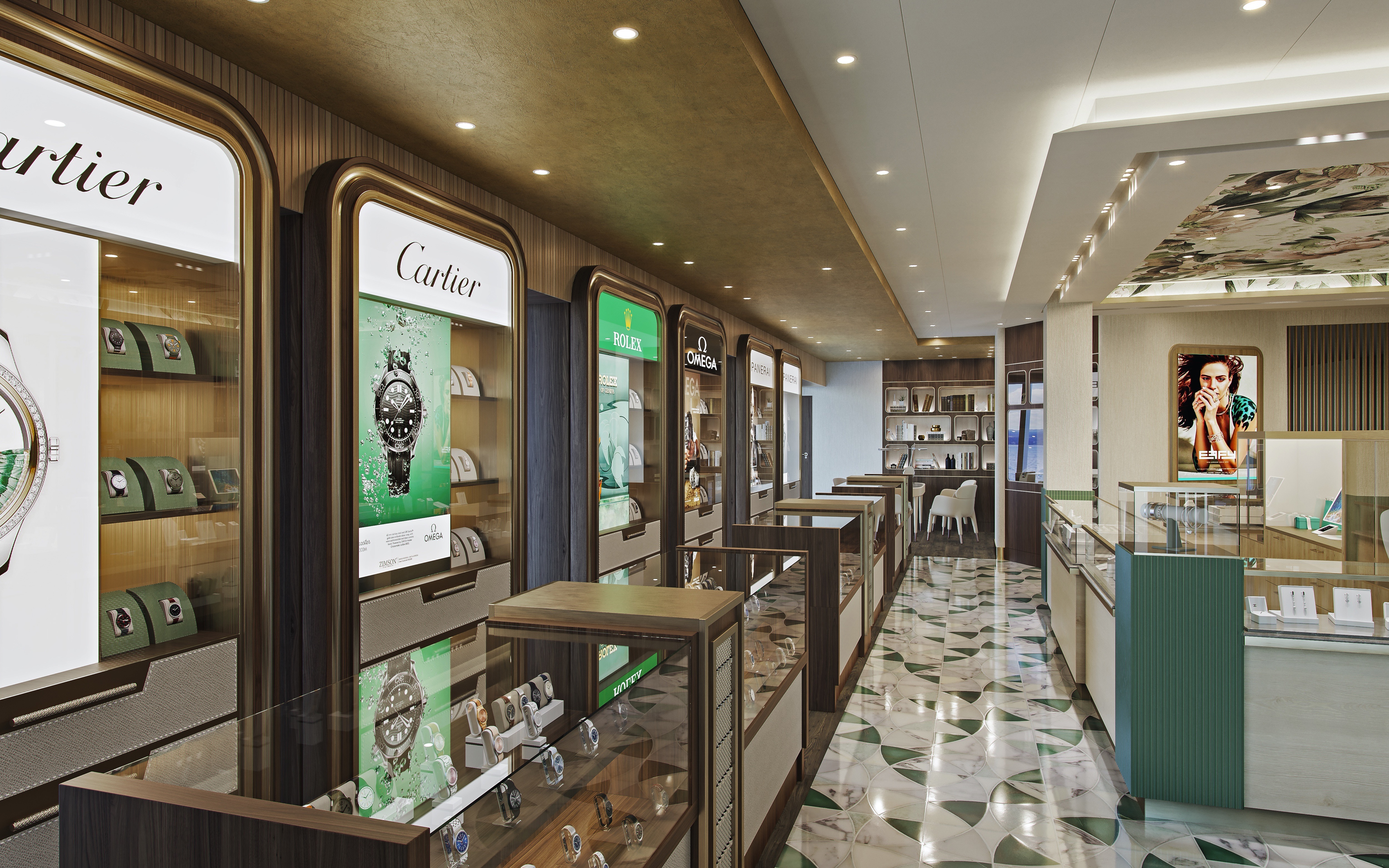
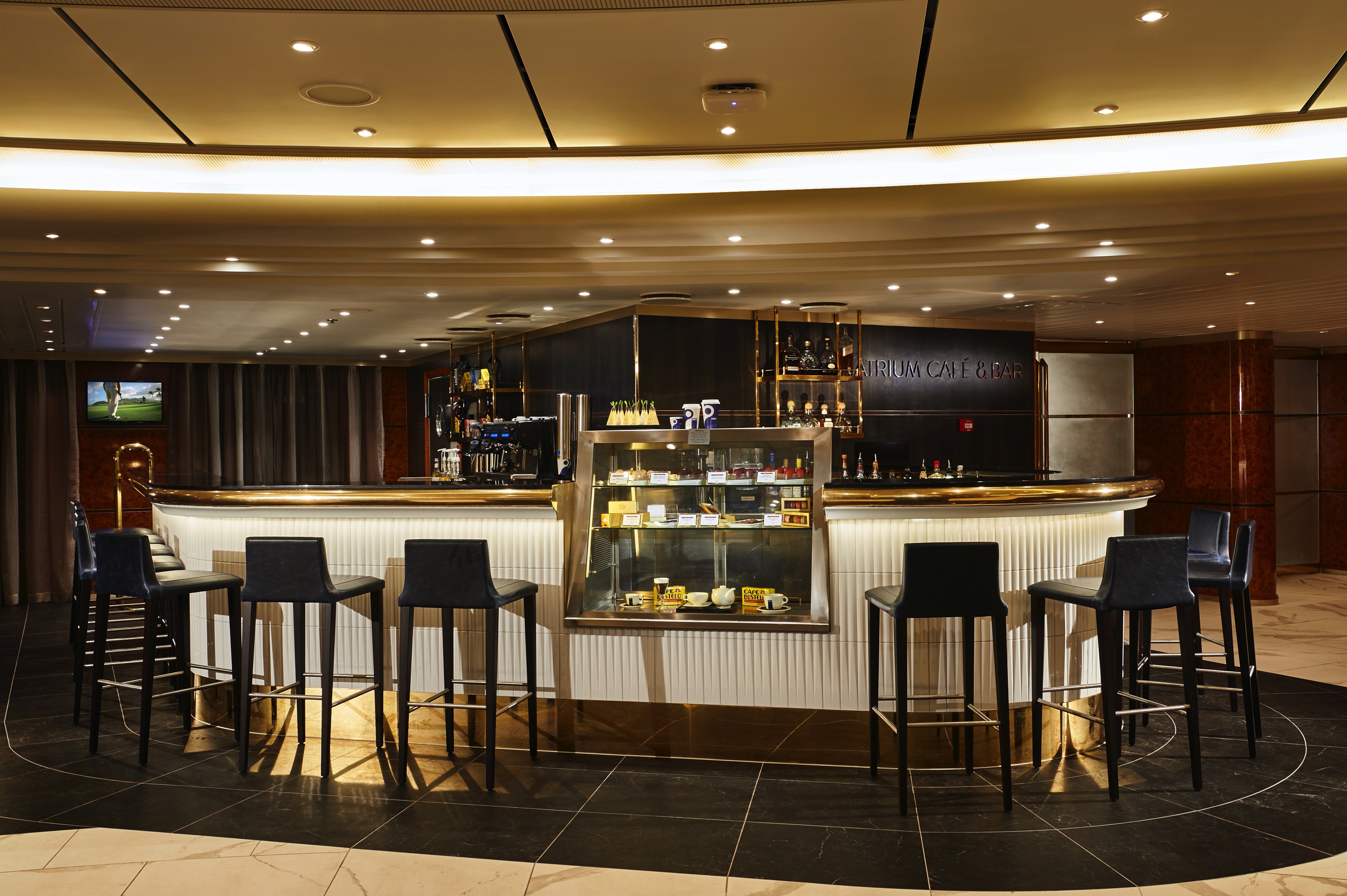
Atrium Café & Bar
For that double, vanilla, soy, extra hot latte with extra foam, the Java Café is at your service with a wide variety of speciality coffees, teas, pastries and cookies.
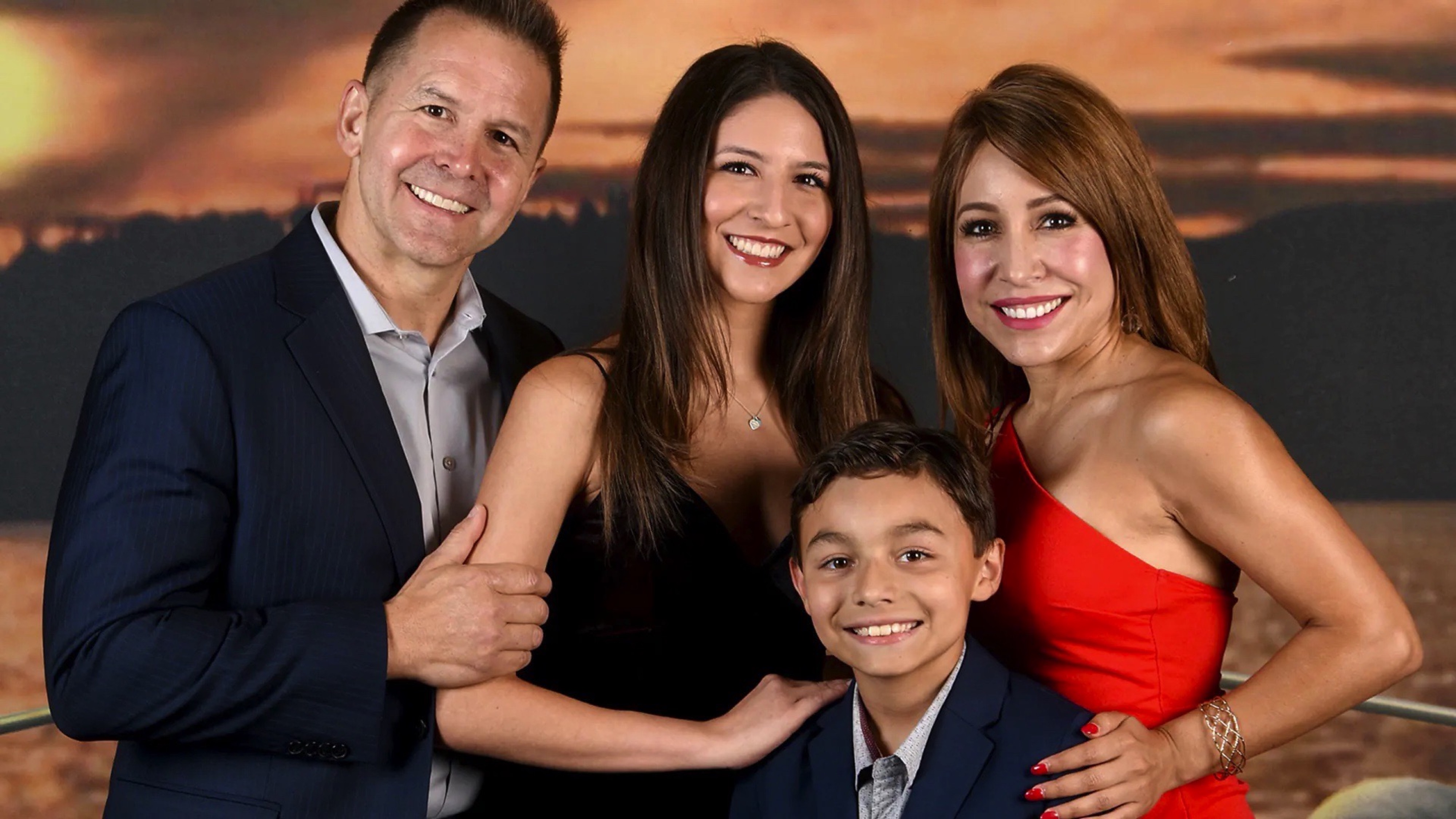
Perspectives Studio
At Perspectives Photography Studio, we celebrate love, life and human connection creating spectacular portraits that will be handed down for generations. Your onboard Portrait Artists will capture your unique spirit in our private studio or on location, it’s your choice. Visit us to learn more about this personalised portrait experience.
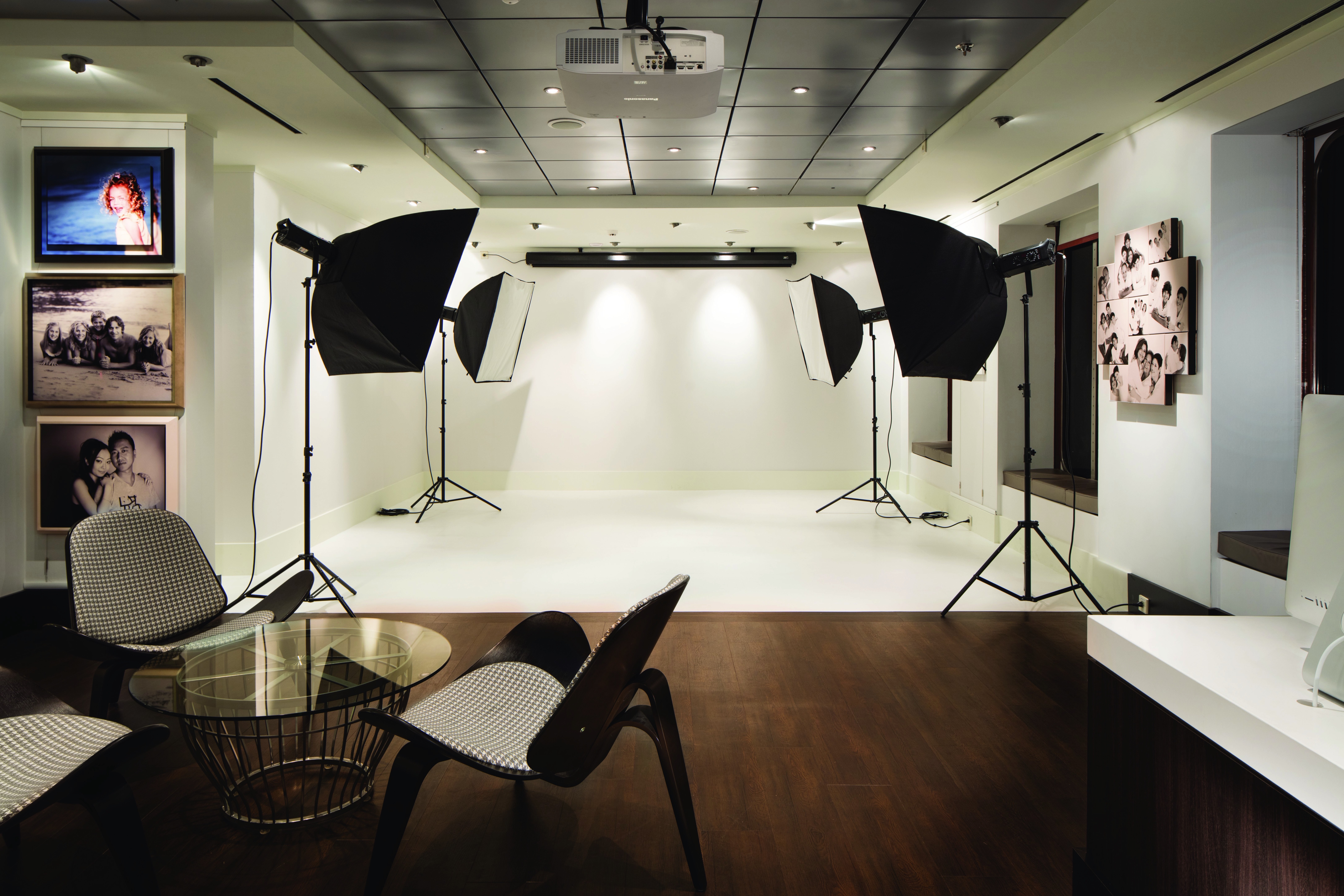
Professional Portraits
Take advantage of this time together whilst onboard to create beautiful photographs that will last a lifetime. Our professional photographers set up studios in the atrium and around the ship each night so you can have a variety of images to choose from. Relax, have fun and build your digital portfolio – it’s always free to try! Visit the Photo Gallery to learn more, view your photos and enjoy great deals on photography packages, frames, wall art, 3D Crystals, binoculars, mobile accessories and more!
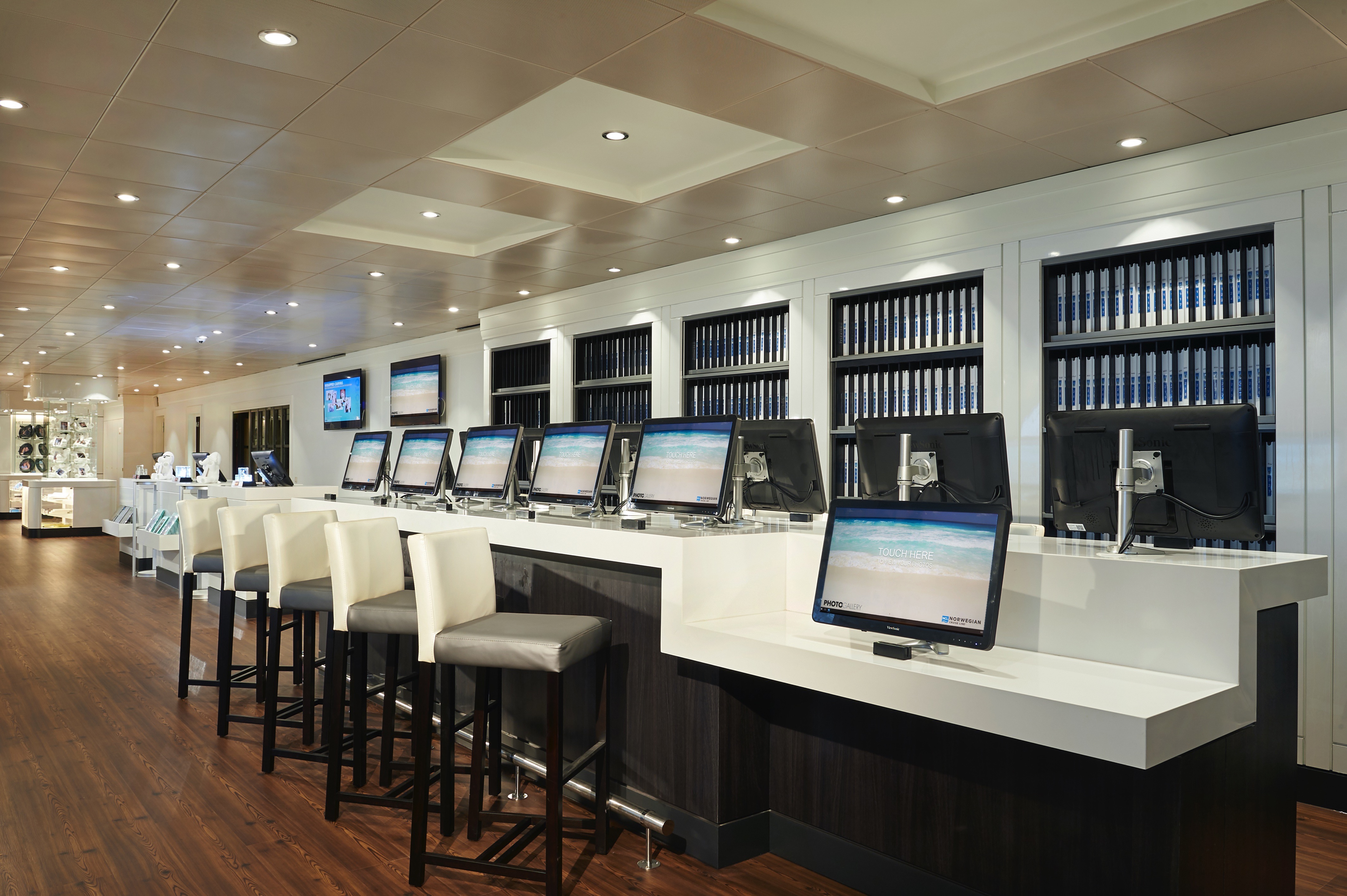
The Photo Gallery
We have everything you need, to capture it all: Binoculars, Camera/Phone Accessories, Professional Portraits, Souvenir, Photography, Photo Books, Wall Art, 3D Photo Crystals, Souvenir Frames, Collectable Photo Accessories & more!
Sports Bar
Enjoy casual dining to suit every taste. From grilled burgers to English-style fish and chips, come as you are and eat as you like after a night out or before your day begins.
Deal or No Deal
Enjoy an exhilarating show where contestants play & deal for cash in a high-energy contest of nerves and intuition.
Play cards will be available for purchase onboard.

Park West Gallery
Take home something you’ll never forget! Our impressive onboard art gallery has everything from contemporary to classics-Peter Max to Picasso-giving you access to an unparalleled collection of fine art. Looking for a little excitement? Try attending our live art auctions where you can raise a glass with our Art Team as the bidding gets fast and furious. Plus, everyone who visits our gallery gets a free work of art!
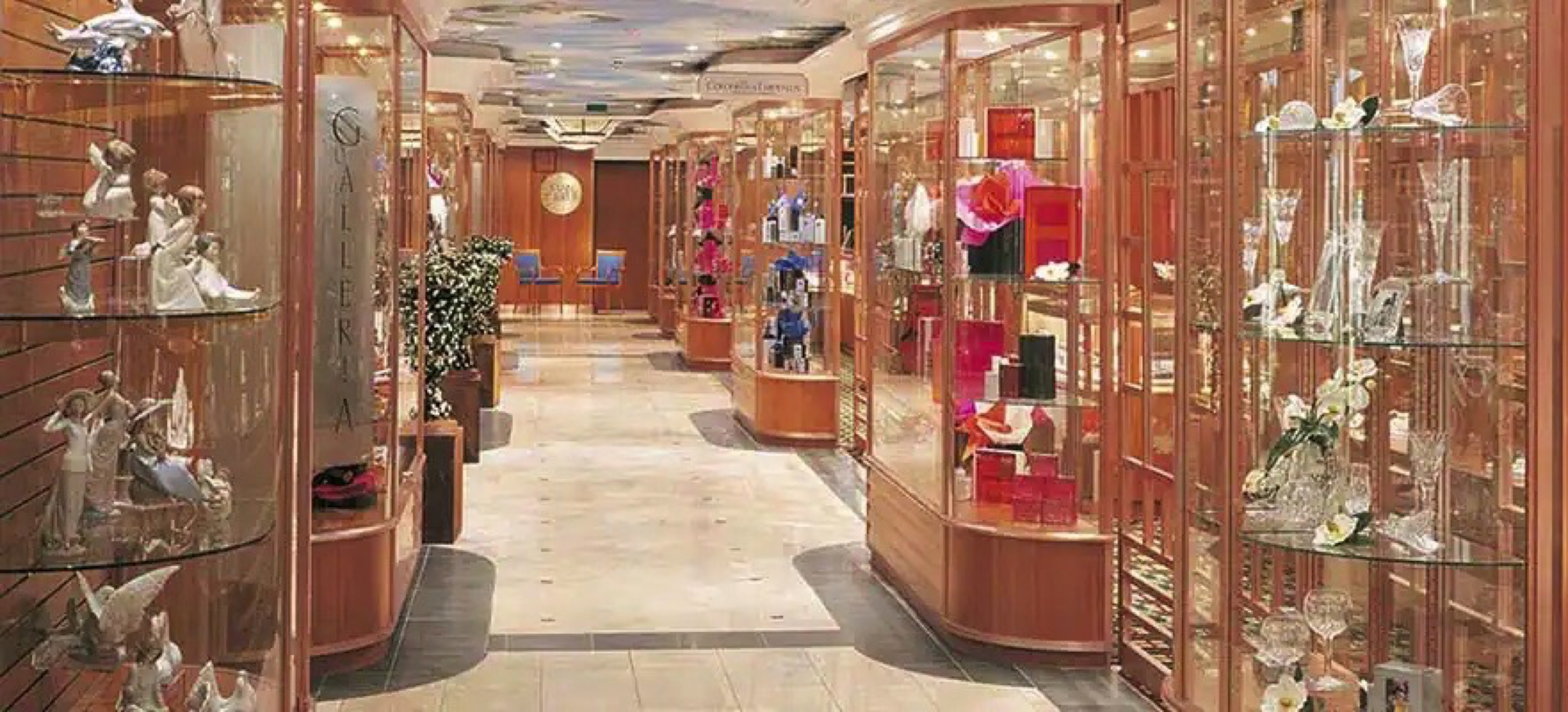
Galleria Shops
No matter what you are looking for, you will find it at Galleria Shops from apparel, accessories, fashion Sunry, duty-free liquor and tobacco, exclusive Norwegian Sun souvenirs and much more. Up to 50% savings.
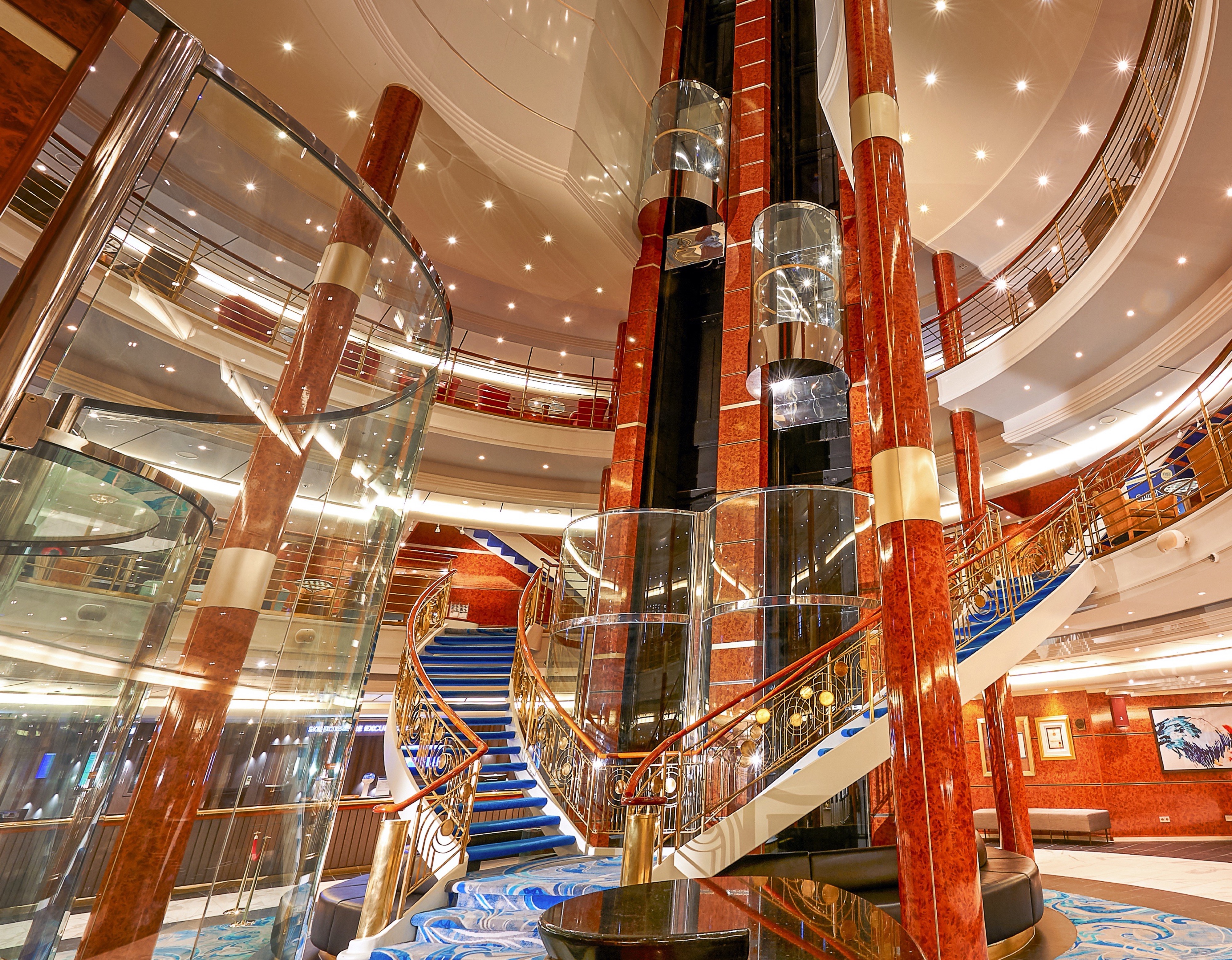
The Atrium
Located on Deck 5
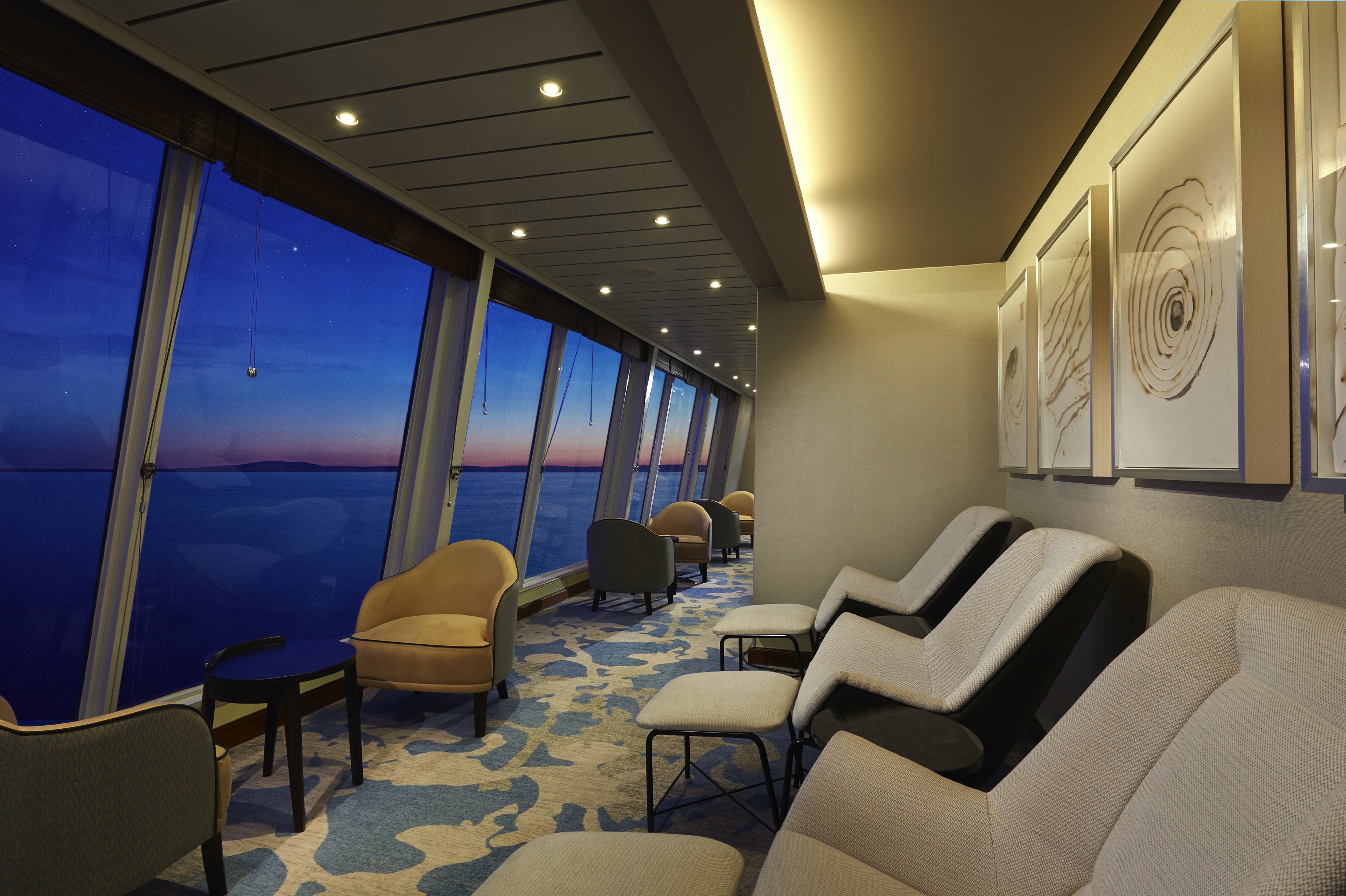
Mandara Spa & Salon
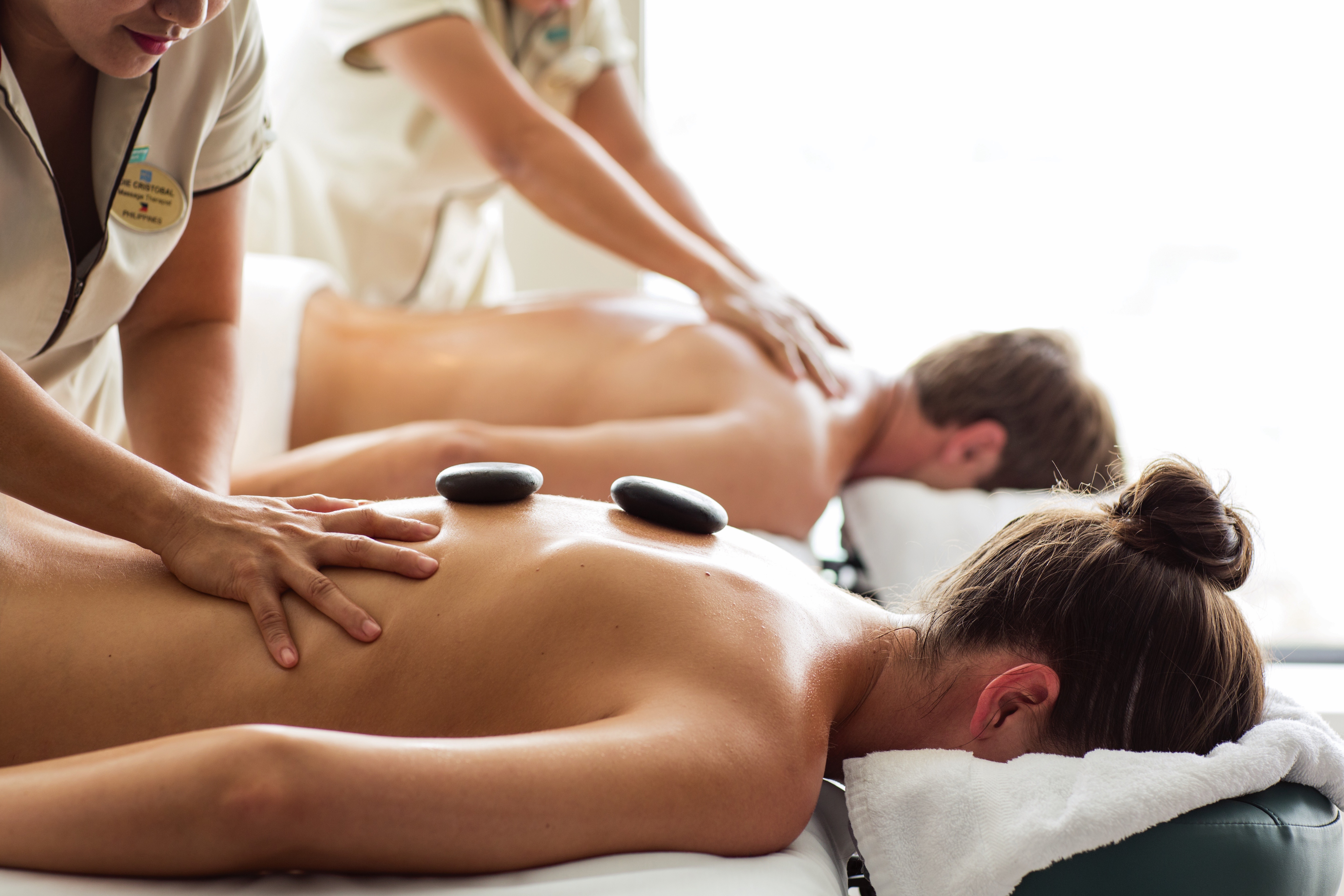
Step into the world-renowned Mandara Spa and Salon®, where time slows and tranquility takes over. Indulge in signature massages, high-performance Biotec facials, and ancient healing through acupuncture-or rejuvenate your skin with advanced Med Spa treatments. Complete your transformation in the salon with expert hair styling, precision barber services, and flawless nail care, leaving you refreshed, radiant, and ready to sail.
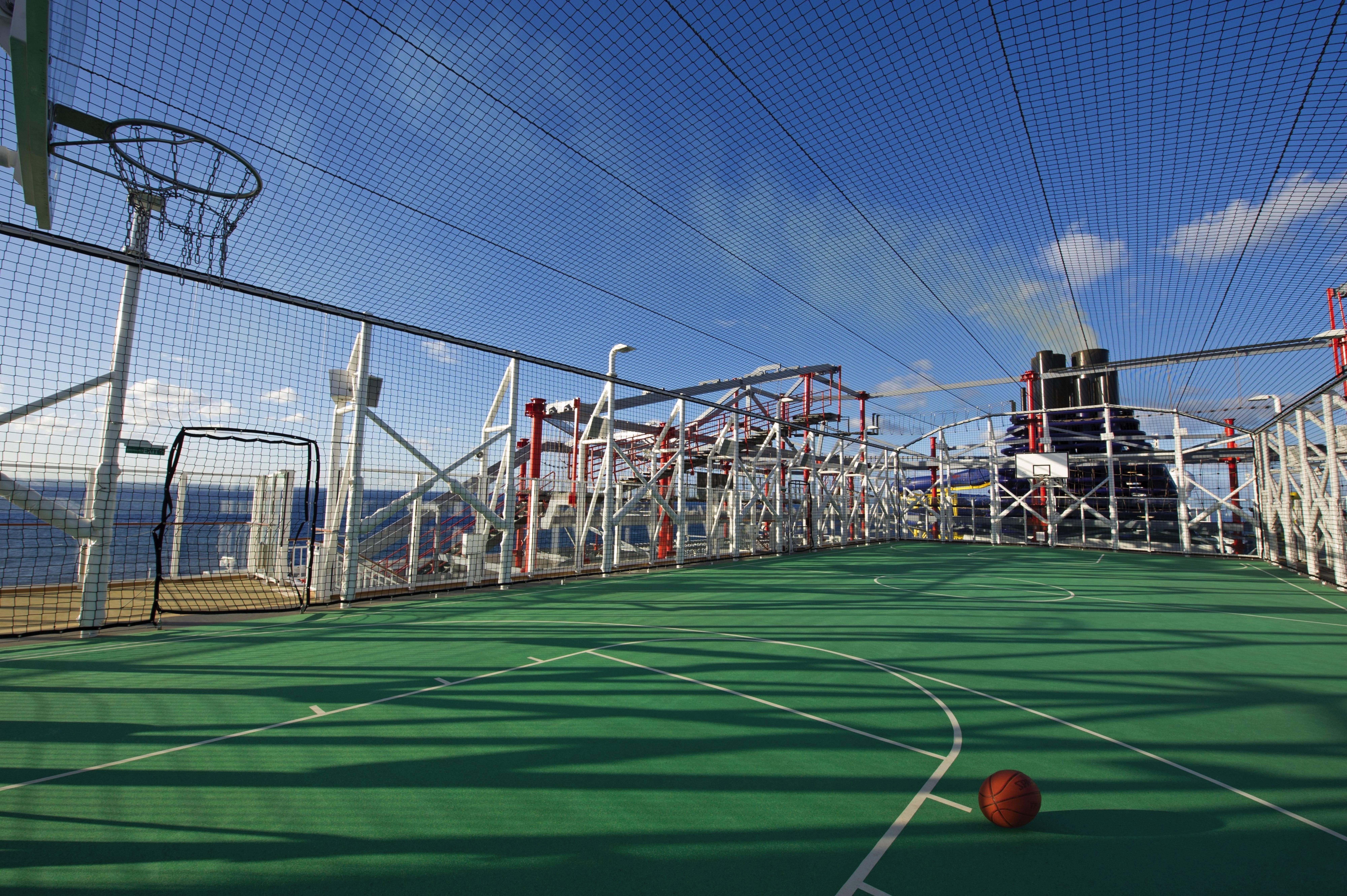
Basketball/Volleyball Court
Shoot hoops, join a pick up game or play beach volleyball without the sand at the net enclosed, outdoor Basketball/Volleyball Court.
Hot Tubs
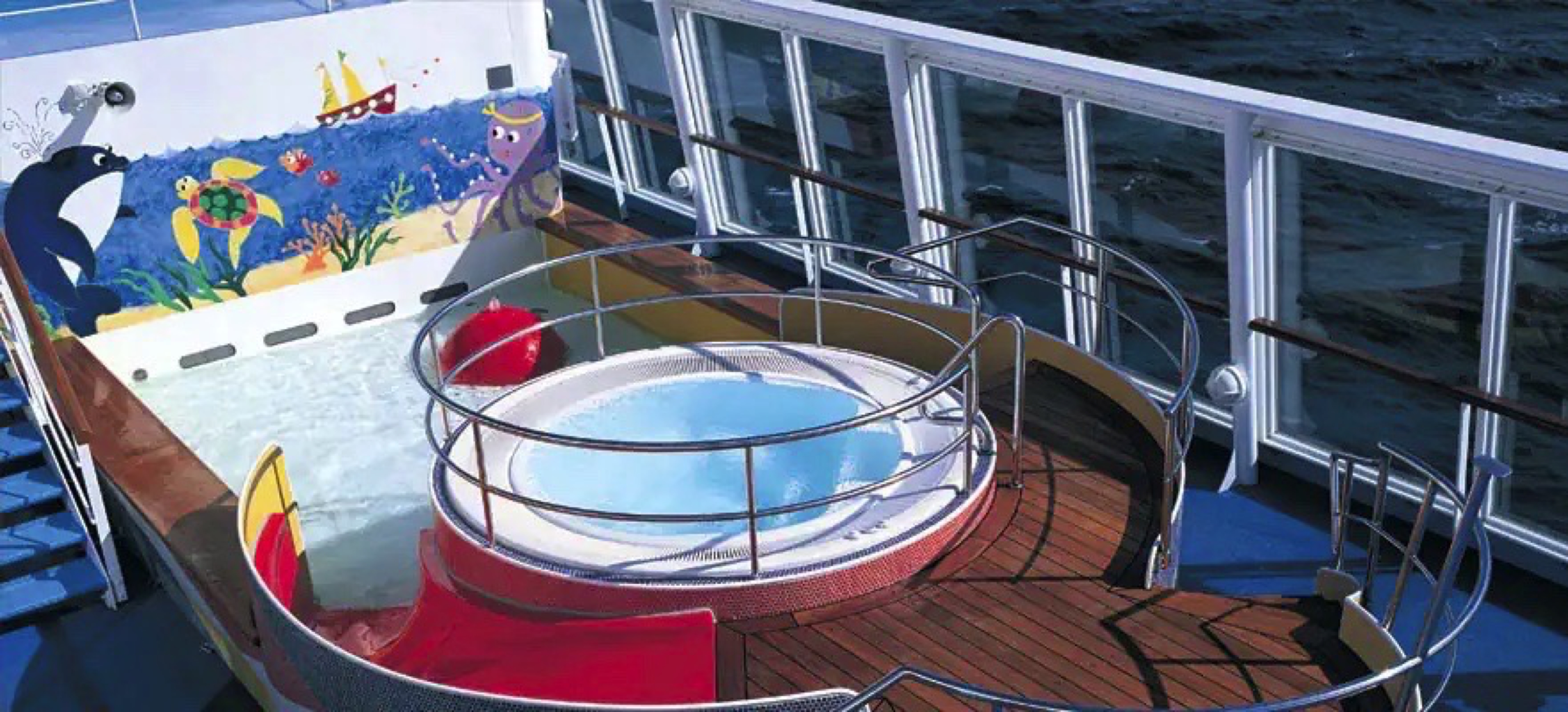
There are a total of five hot tubs aboard Norwegian Sun including a special kid’s hot tub near Splashes Children’s Pool.
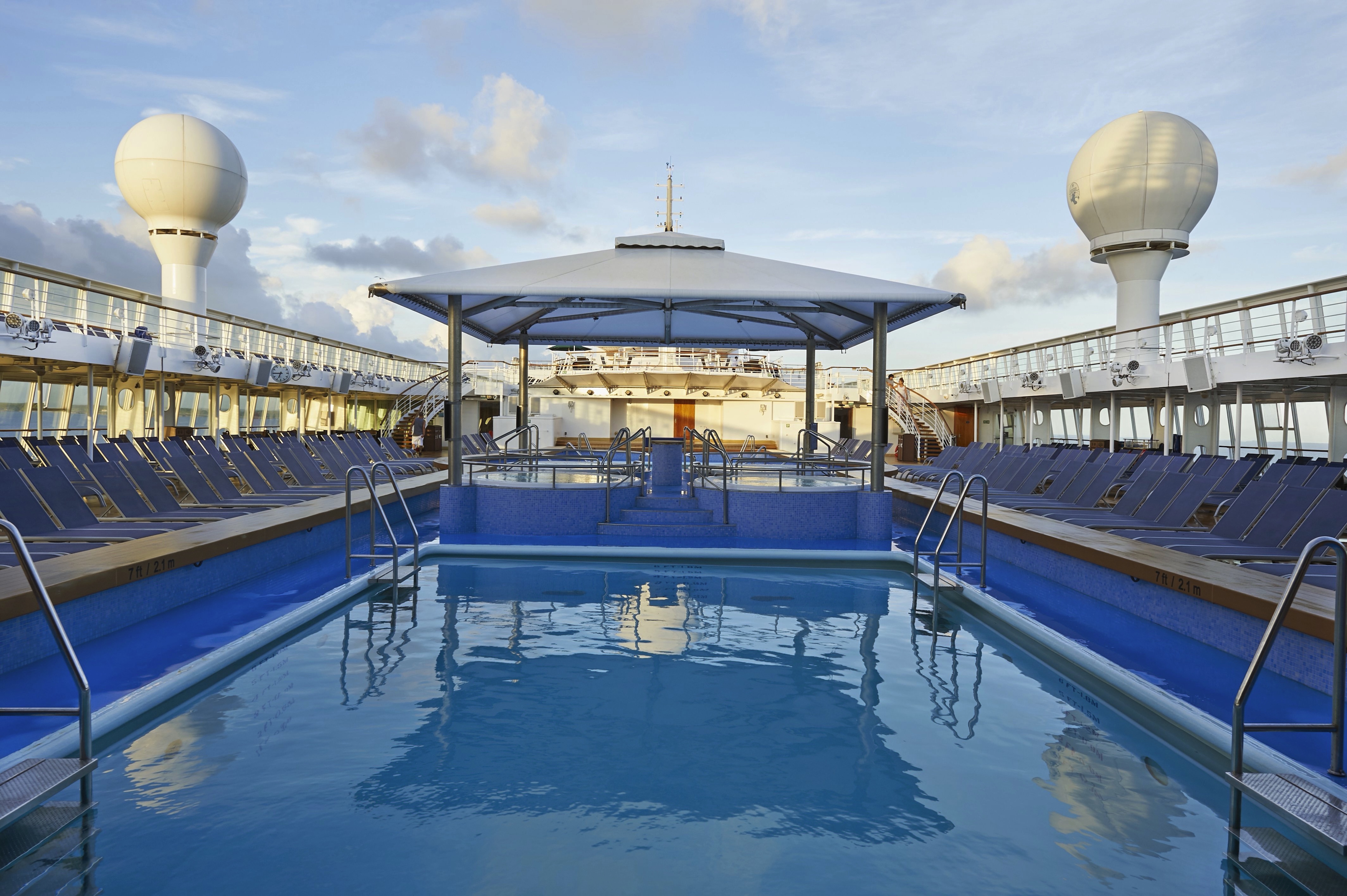
Jogging/Walking Track
Run circles around the other guests or get your daily walk in before breakfast on the outdoor track.
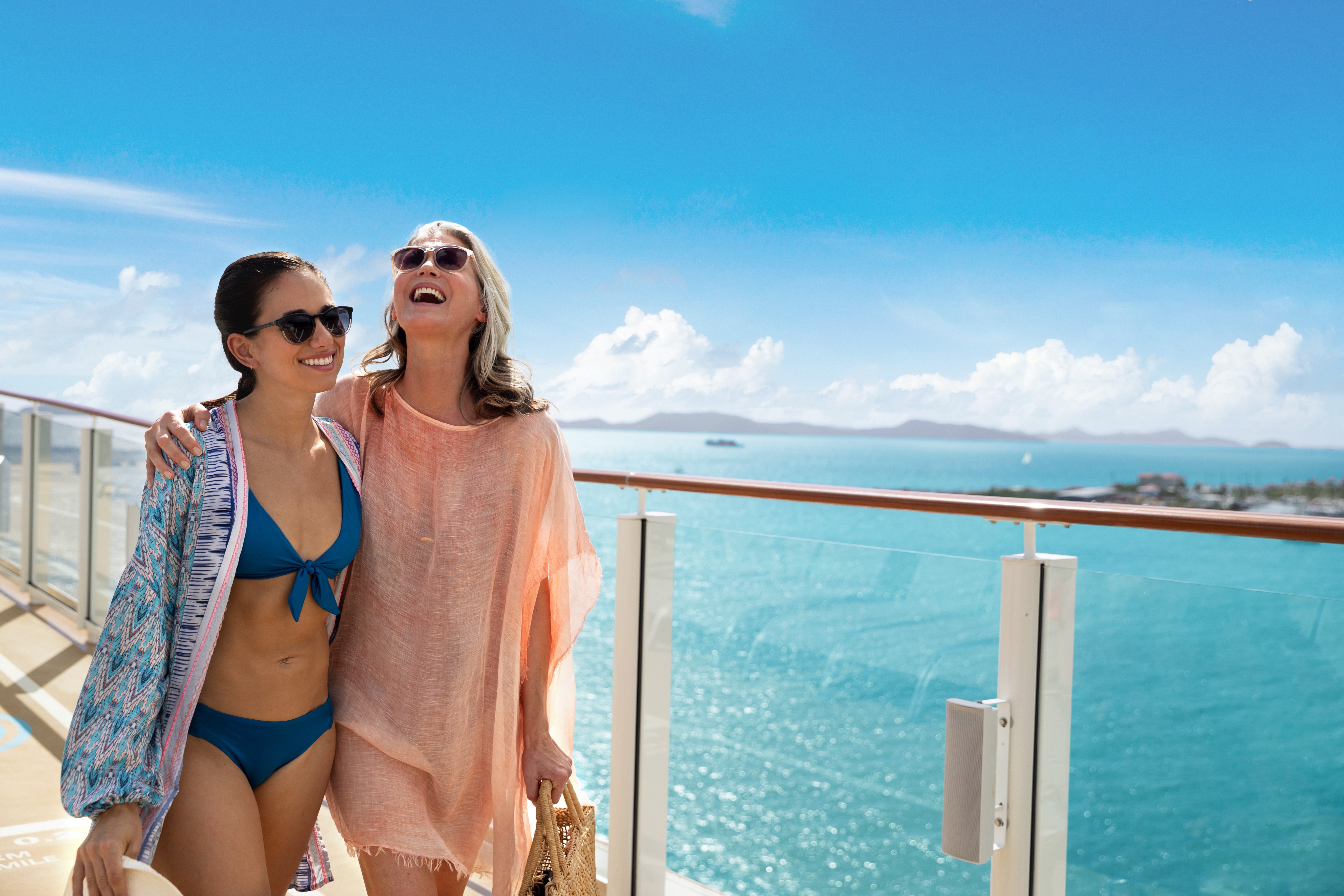
Golf Driving Nets
Fore! Play a round at the Golf Driving Net, where there’s no such thing as a lost ball or a bad drive.
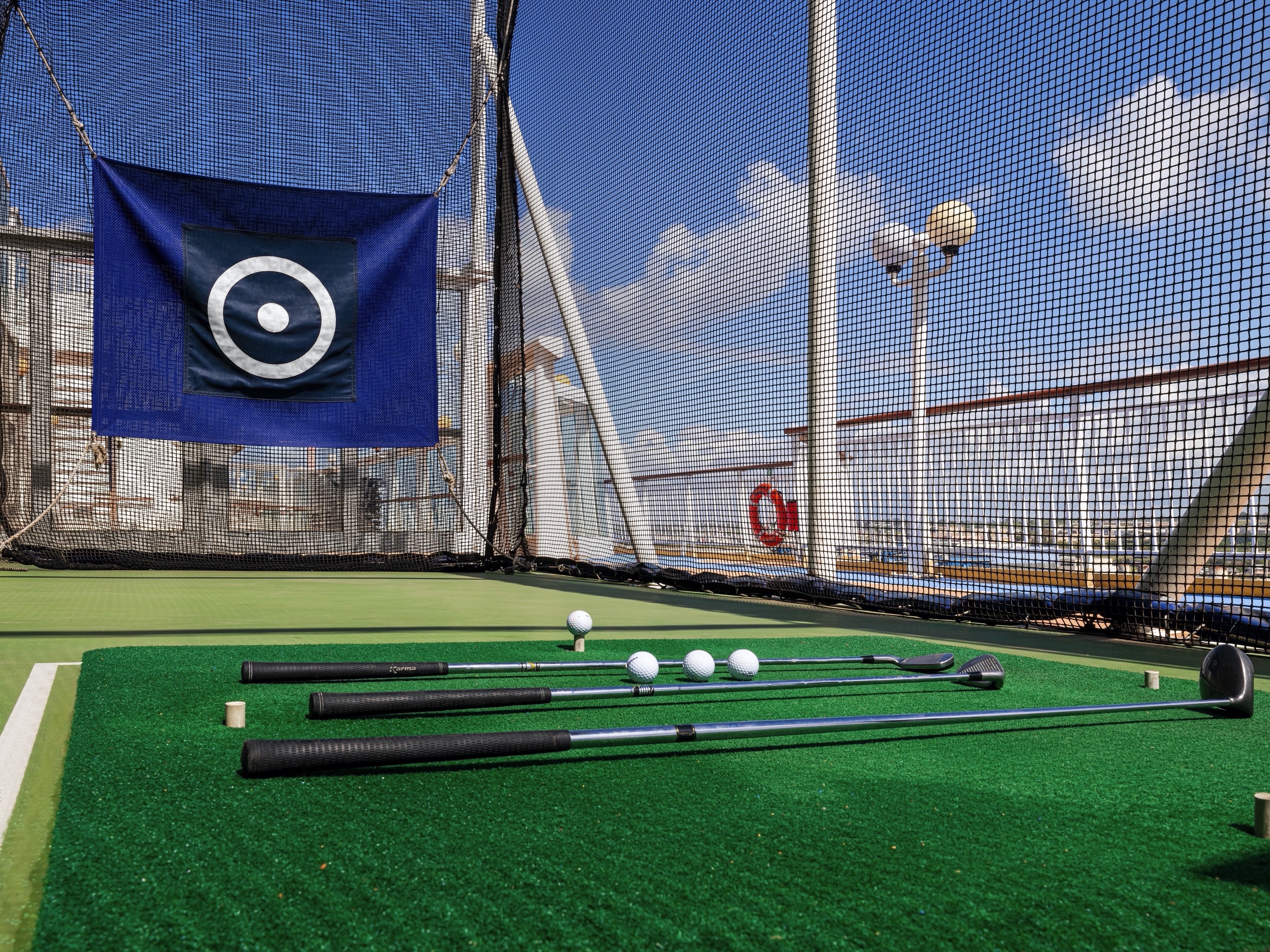
Pulse Fitness Centre
Get your heart rate up using state-of-the-art machines whilst enjoying a view through floor-to-ceiling windows. In addition, you can participate in aerobics, spinning and exercise classes. The Pulse Fitness Centre is open from 6am to 11pm.
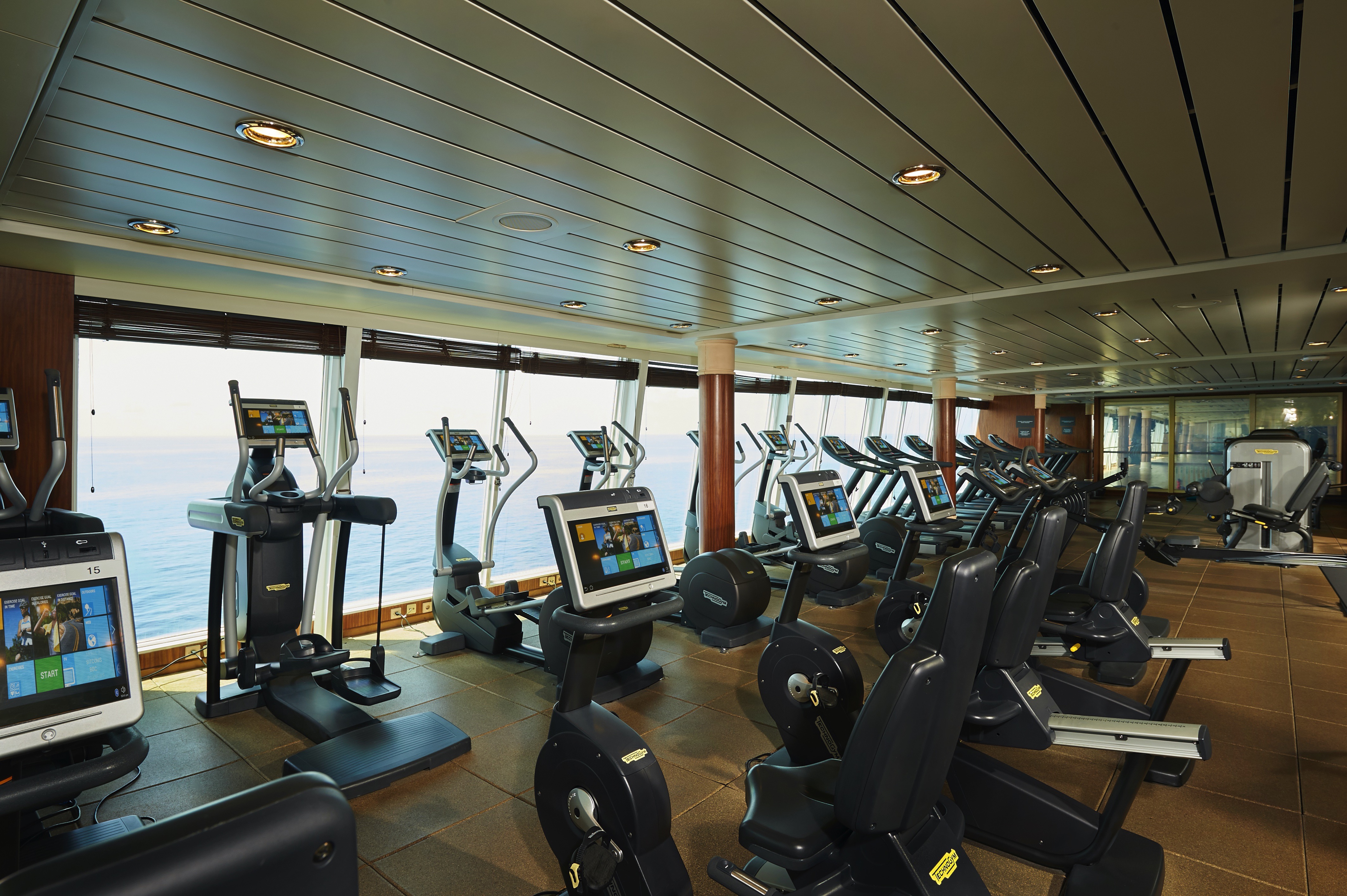
Treatments
Aroma Spa Seaweed Massage – 100 minutes
Indulge in this detoxifying wrap and massage to reduce fluid retention and cellulite and replenish your body’s systems with vital trace elements. This treatment concludes with a full body massage.
Aroma Spa Seaweed Massage – 75 minutes
Indulge in this detoxifying wrap and massage to reduce fluid retention and cellulite and replenish your body’s systems with vital trace elements. This treatment concludes with a full body massage.
Aroma Stone Therapy – 50 minutes
Heated Basalt Stones are applied to key points of the body, whilst your therapist massages your body with warmed, fragrant aromatherapy oils.
Aroma Stone Therapy – 75 minutes
Heated Basalt Stones are applied to key points of the body, whilst your therapist massages your body with warmed, fragrant aromatherapy oils.
Bamboo Massage – 50 minutes
Imagine warm bamboo shoots of various sizes soaked in essential oil rolling, sliding and massaging your muscles into pure bliss. Getting into the belly of the muscle, this deeper tissue massage targets specific areas, releasing the build-up of tightness using sliding and rolling techniques across the body, hands and feet, kneading away soreness to your specified level of pressure.
Bamboo Massage – 75 minutes
Imagine warm bamboo shoots of various sizes soaked in essential oil rolling, sliding and massaging your muscles into pure bliss. Getting into the belly of the muscle, this deeper tissue massage targets specific areas, releasing the build-up of tightness using sliding and rolling techniques across the body, hands and feet, kneading away soreness to your specified level of pressure.
Body Composition Analysis
Our fitness professionals will determine your body fat percentage, metabolic rate and water retention level and then compare the results to the percentage recommended for you.
Couples Deep Tissue Muscle Massage
You and your favourite person can enjoy a gorgeously relaxing full body Deep Tissue Muscle Massage as you lie side by side. The listed price is per couple.
Couture Touch Face and Body Treatment – 100 minutes
Condition your skin and condition your muscles with this all-embracing hands-on experience. Includes a ELEMIS hands-on TOUCH facial with your choice of a Deep Tissue Muscle Massage or an Aroma Stone Therapy.
Couture Touch Face and Body Treatment – 50 minutes
Condition your skin and condition your muscles with this all-embracing hands-on experience. Includes a ELEMIS hands-on TOUCH facial with your choice of a Deep Tissue Muscle Massage or an Aroma Stone Therapy.
Deep Tissue Muscle Massage – 50 minutes
Using muscle-melting warmed oils and deep pressure massage movements, we massage deep into the belly of the muscle, erasing stress, tension and lactic acid build up.
Deep Tissue Muscle Massage – 75 minutes
Using muscle-melting warmed oils and deep pressure massage movements, we massage deep into the belly of the muscle, erasing stress, tension and lactic acid build up.
ELEMIS Dynamic Resurfacing Precision Peel
Experience the age-defying benefits of marine-charged Padina Pavonica whilst targeted massage encourages optimum cellular function.
Express Shave
A quick, clean, silky shave for the man who wants to be smooth!
Fire and Ice Manicure
Beautify your nails with this invigorating manicure that will warm your spirit and cool your stress.
Fire and Ice Pedicure
This super rejuvenating pedicure will warm your senses and cool your tension, leaving your nails and skin looking beautiful.
GO SMILE™ Teeth Whitening Treatment
Are you ready to smile? Then try our advanced tooth-whitening treatment available at the spa.
Intensely Cleansing Salt Scrub – 50 minutes
The extraordinary cleansing power of salt goes to work releasing toxins in this body polishing treatment. Choose from Frangipani Monoi Salt Scrub or Lime and Ginger Salt Glow with a 25 minute massage.
Intensely Cleansing Salt Scrub – 75 minutes
The extraordinary cleansing power of salt goes to work releasing toxins in this body polishing treatment. Choose from Frangipani Monoi Salt Scrub or Lime and Ginger Salt Glow with a 50 minute massage.
Ionithermie Cellulite Reduction Treatment
Reduce the appearance of cellulite and firm and tone the skin with this Parisian treatment that offers substantial inch loss in just one session.
Nutritional Consultation
If you are ready to enhance your well-being with a sensible diet and exercise programme, our fitness professionals can provide you with the in-depth information you need to get you started.
Personal Training
After conducting a Body Composition Analysis, our personal trainers will design a nutrition and exercise plan that will help you achieve the results you’ve always wanted.
Pro-Collagen Age Defy
This anti-aging facial combines the benefits of exotic ingredients to plump out fine lines and reduce skin-fatigue – helping relax wrinkles, whilst an age-defying peel-off mask encourages the highest cellular function, visibly improving firmness and elasticity for beautifully nourished, younger looking skin.
Swedish Massage – 50 minutes
This relaxing Swedish massage uses techniques that will smooth away stress and tension.
Swedish Massage – 75 minutes
Enjoy this deeply relaxing Swedish massage for a full 75 minutes.
Thai Herbal Poultice Massage
This energising, rhythmic massage utilises scented herbal poultices, heated and applied to the body at pressure points to relax the muscles and release tension.
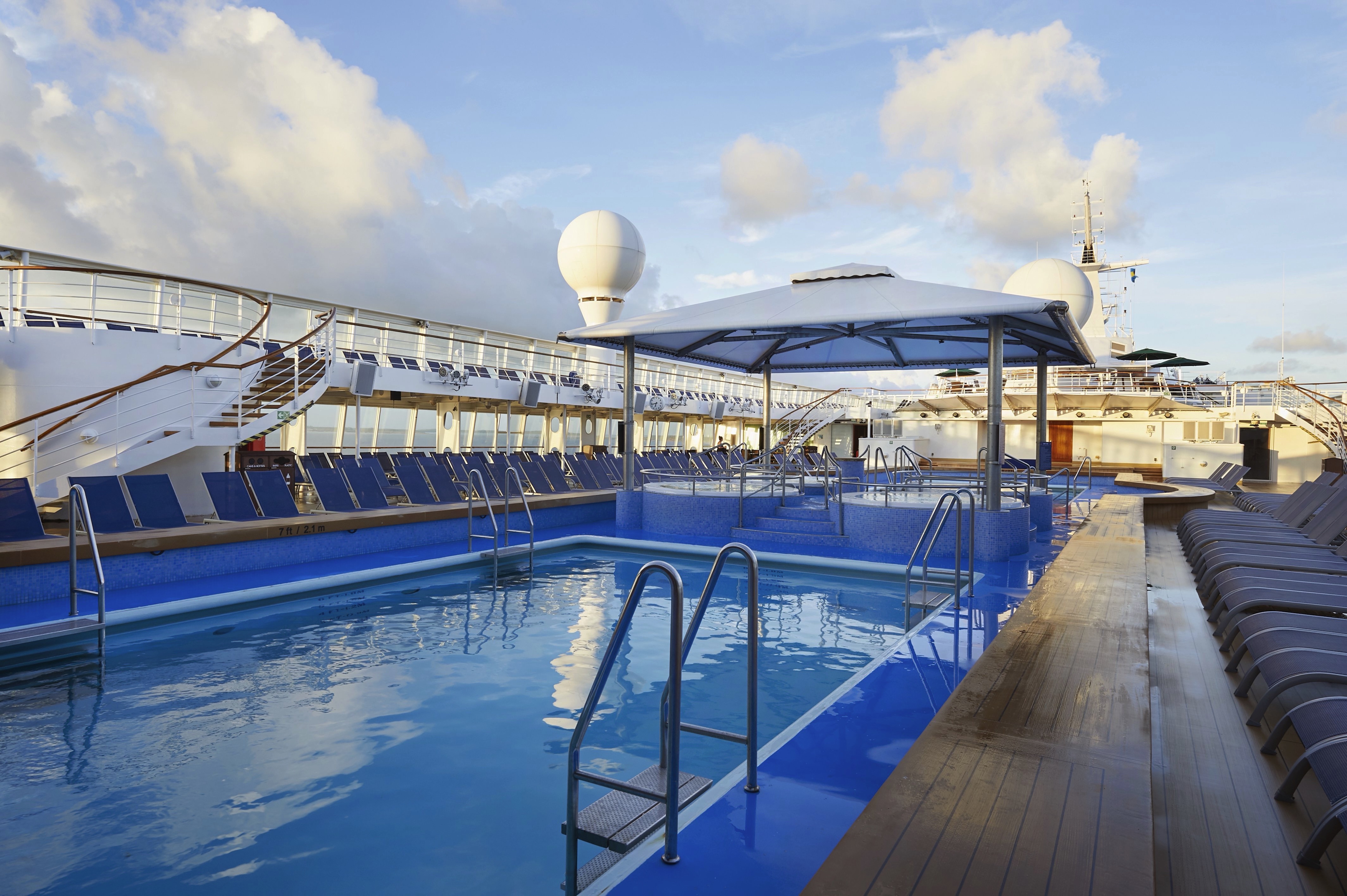
The Oasis Pool
These two glimmering, outdoor pools are in close proximity to plenty of deck space, sun beds and deck chairs.
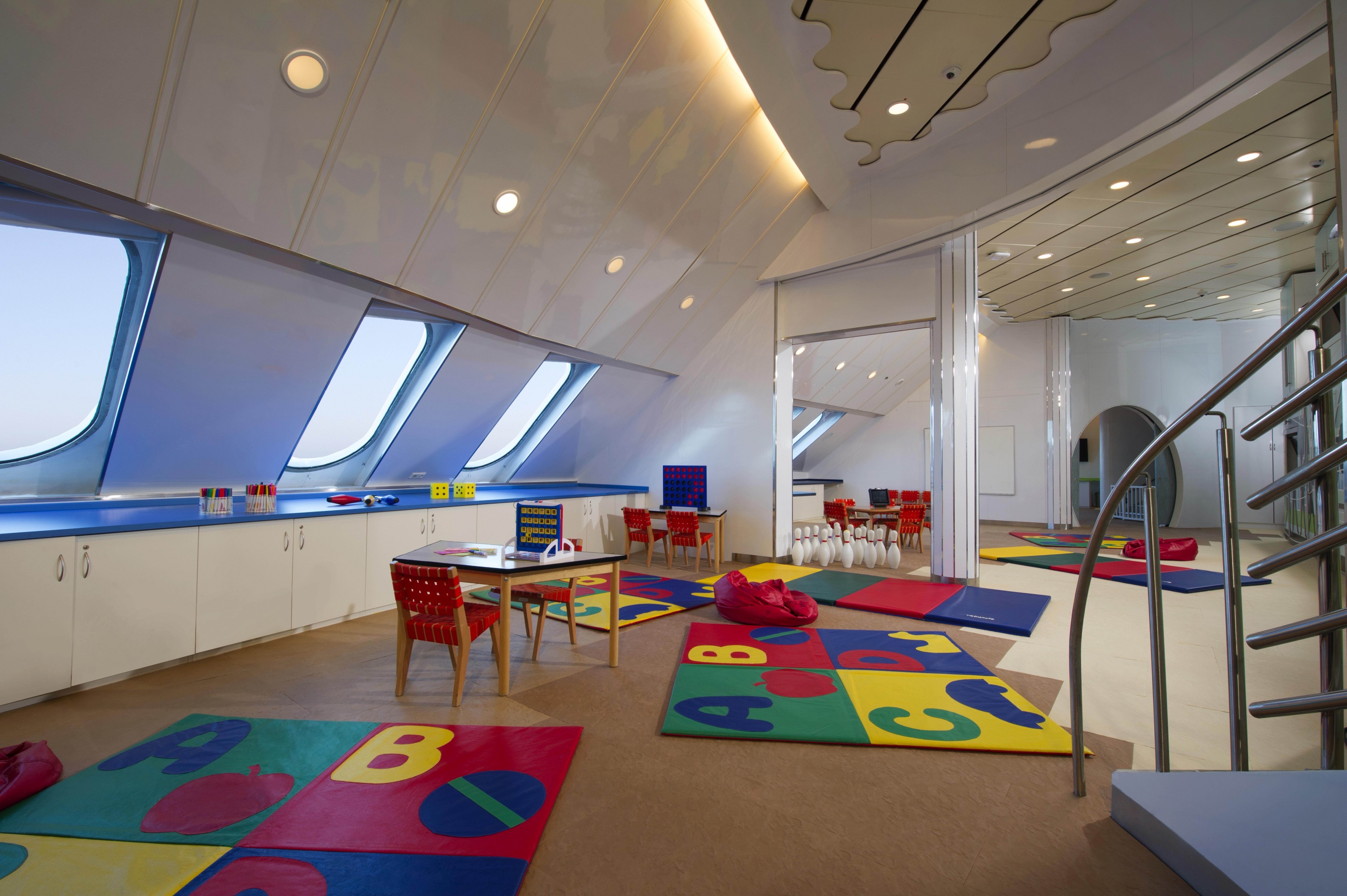
Splash Academy
Get into the zone of fun because Splash Academy is just for kids! With interactive games, an arts and crafts area and creative theme nights kids can do what they do best – be a kid! The Splash Academy drop off age is 3-12 years old.
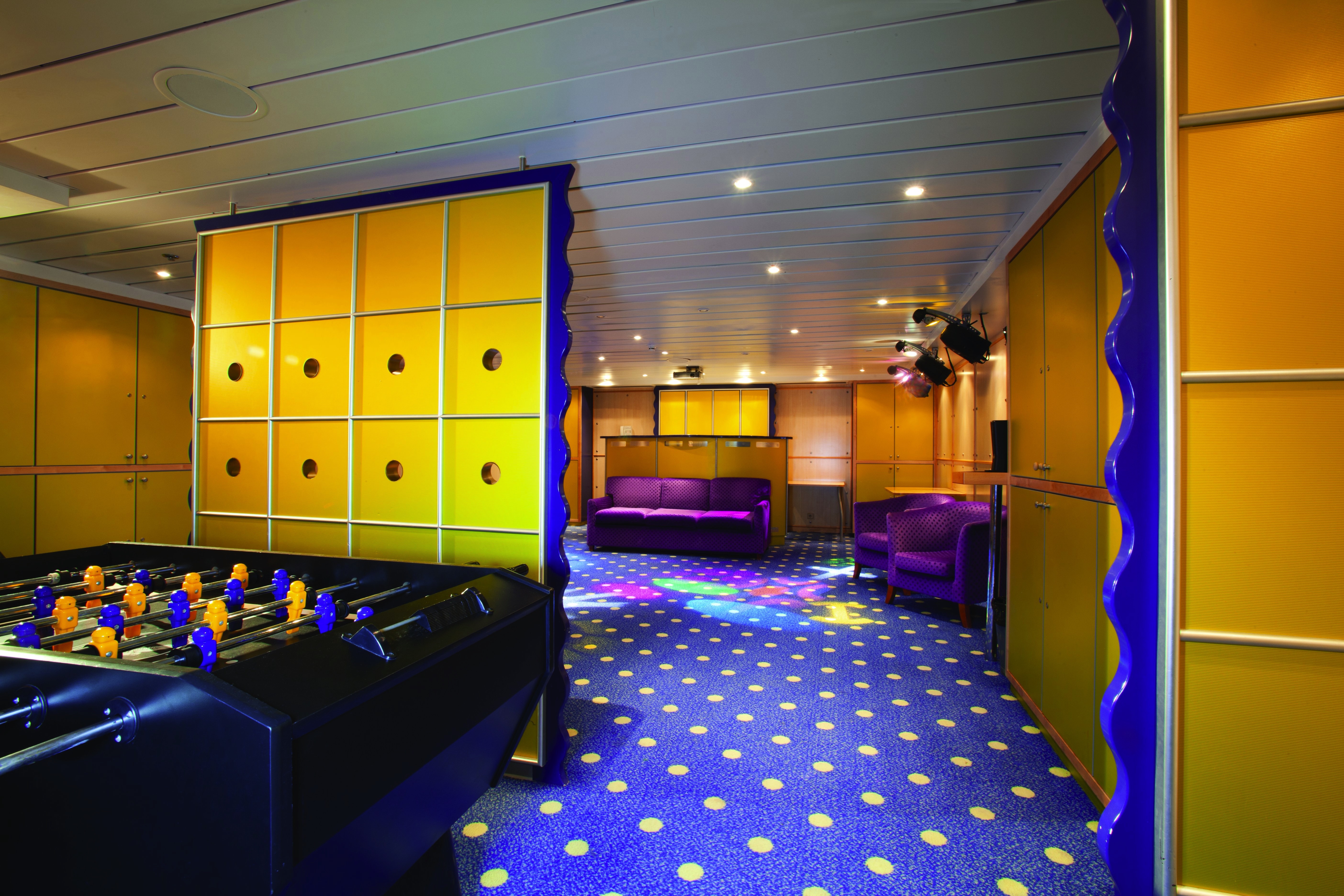
Entourage
It is time to change the way you play. Entourage for 13-17 year olds offers modern, digital, and inclusive options to engage the way you want. Connect. Influence. Create. Be You.
Guppies
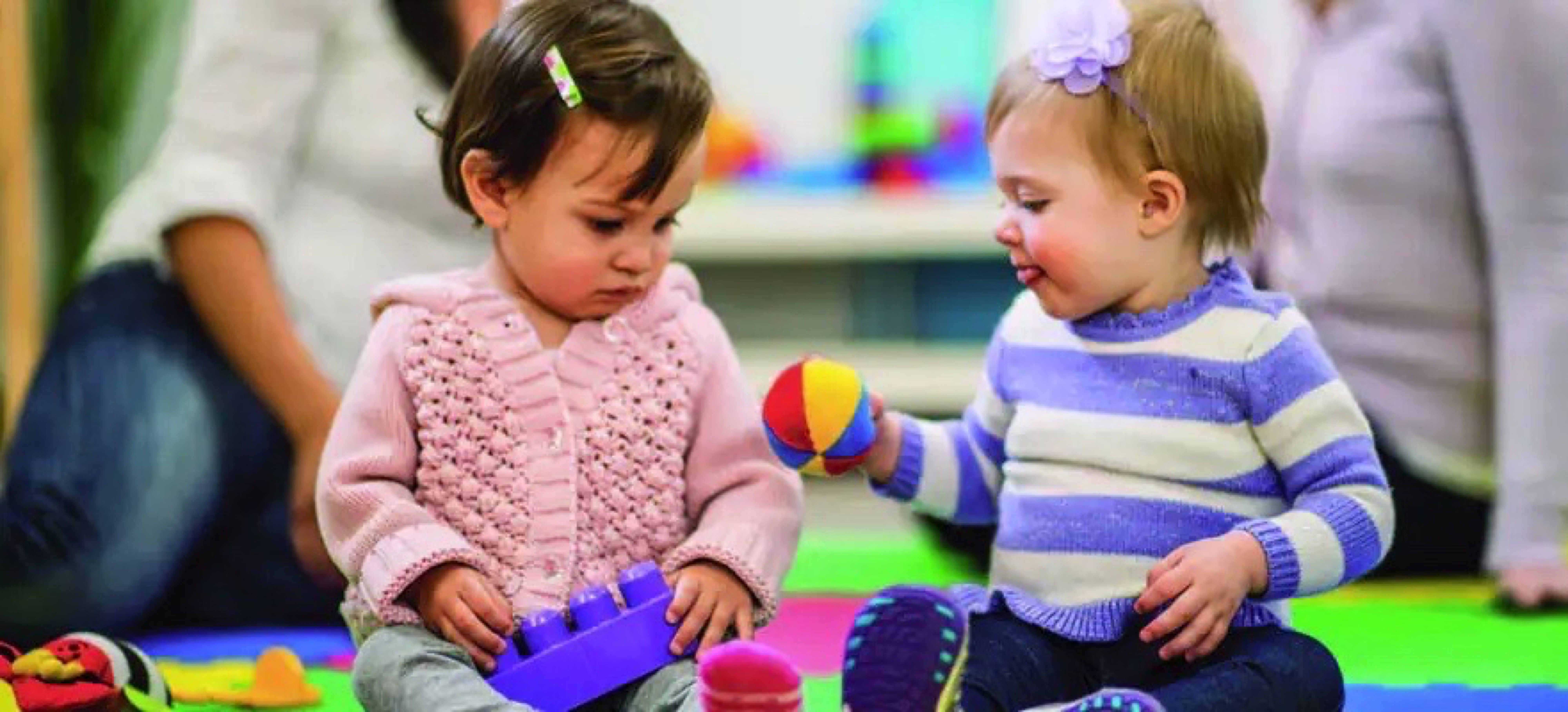
Guppies Open Play is for the littlest cruisers and offers a play space for parents to interact with their infants/babies/toddlers 6 months – 3 years old and children in nappies. Toys, balls, and sensory items are available within the space. The timetable varies per ship and itinerary and is posted in the Freestyle Daily. Guppies Open Play is not a drop off programme.
Splashes Kid's Pool
Just like its name, Splashes Kid’s Pool is just right for pint-size splashing and playing. The pool also features a waterfall and a children’s hot tub nearby.
Cagney's Steakhouse
Specialising in Premium Black Angus Beef and exceptional seafood, this American-style steakhouse is second to none. With classic cocktails, an extensive wine list, and attentive service, Cagney’s Steakhouse offers a truly delightful dining experience.
Price Per Person: Charges Apply
Seven Seas
Stunning in design with ocean views, this Main Restaurant offers traditional cuisine to please every palate.
Four Seasons
One of our two Main Restaurants serving a variety of culinary delights with a contemporary flair.
The Great Outdoors
Come as you are, even in your swimsuit, to this casual, buffet bar serving grilled favourites like burgers, hot dogs and great ocean views.
La Cucina
Buona Sera! Enjoy the finest ingredients at our vibrant Italian ristorante. Dine on Italian classics and indulge with a rich homemade Tiramisu. Your good evening just got better.
Price Per Person: Charges Apply
Le Bistro
Romance is in the air at our signature French restaurant. Elegant interiors, crisp white linens and attentive servers make this an intimate dining experience. By the end of your meal, you might just be proclaiming c’est magnifique!
Price Per Person: Charges Apply
Sushi Bar
In the mood for sushi? Take a seat at this contemporary sushi bar for some traditional Japanese culinary bites.
Price Per Person: À la Carte
Teppanyaki
Sit at a lively shared table as a skillful chef perfectly prepares shrimp, steak, chicken and fried rice on a large steel grill. And you’ve got a front row seat to all the sizzles and surprises in our Japanese restaurant.
Price Per Person: Cover Charge Applies
Los Lobos Cantina
Bienvenido a Los Lobos, a premium Mexican restaurant celebrating traditional flavours with a modern twist. From Carne Asada marinated in guajillo chiles and tequila, to Tres Leches Cake with Coconut Cream, the chefs at Los Lobos focus on unique flavour combinations.
Price Per Person: Charges Apply
Garden Café
Whatever you’re craving, chances are you will find it at the Garden Café. This complimentary, indoor buffet restaurant serves up breakfast, lunch and dinner
Sports Bar
Sports Bar offers classic pub fare in a relaxed atmosphere. With popular dishes like the Reuben Sandwich and Fish n’ Chips, Sports Bar has all your favourite comfort foods. So try one of our beers or cocktails on tap and catch a game with us!
Moderno Churrascaria
Looking for a unique experience? Our authentic Brazilian churrascaria is a must. Start with an impressive salad bar, but save plenty of room for our slow-roasted meats carved tableside by our Passadores.
Price Per Person: Cover Charge Applies
Atrium Café
Indulge your sweet tooth with decadent treats available à la carte, such as French macarons, chocolate pralines, and cupcakes.
Price Per Person: À la carte
Room Service
Available 24 hours a day, simply pick up the phone and order breakfast, lunch, dinner or late-night munchies. A room service fee may apply.
Price Per Person: Room Service Fee may apply.
Great Stirrup Cay
Escape to The Great Life
Great Stirrup Cay isn’t just an island in The Bahamas, it’s an escape to The Great Life. And The Great Life isn’t just about cruising to your very own private island; it’s about unlocking a state of mind. It’s a cool drink in your hand at the 2,600 sq. metres pool. The roar of jet skis and a gentle breeze through your cabana. It’s shouting at the top of your lungs as you race down the larger-than-life tower of water slides. And it’s gazing onto white sand beaches all afternoon. Here, you have the freedom to do what you want, when you want. That’s The Great Life, and it’s about to get GREATER on the incredible, new Great Stirrup Cay.
Great Life Lagoon
What do ten blue whales, 20 tennis courts, three Washington Monuments, one large cruise ship and Mt. Everest’s peak all have in common? They’re roughly the same size as our new, 28,000-sq.-ft. pool. Throw in two swim-up bars, beach-style water entry for kids, water features, ocean views, cabanas and you’ve got yourself a pretty spectacular Caribbean day!
Epic slides. Towering cliff jumps. One unforgettable splash.
Get ready to live the great life at full speed. Spanning the size of several football fields, Great Tides Waterpark is the bold new thrill zone at Great Stirrup Cay – where adventure meets relaxation. Race down sea-inspired slides, drift through a winding river with tunnels that might just be hiding a secret adventure, or leap from dramatic cliffside platforms into crystal-clear waters. Little ones can splash and play in a vibrant water zone, whilst grown-ups unwind with cocktails in a glowing grotto bar. Whether you’re chasing high-speed thrills or laid-back vibes, Great Tides delivers next-level excitement for everyone.
What’s Included on Great Stirrup Cay?
This isn’t your typical holiday spot – it’s our island, which means it’s your island. The same superb service you receive on board applies here too. Like complimentary meals and endless activities with Free at Sea™. So, get ready to play, explore, relax and enjoy an unforgettable day in The Bahamas!
Introducing Free at Sea Plus™
Free at Sea Plus™ makes your escape to the great life even greater. Upgrade for only £39.99 per person per day and your unlimited premium beverage package will follow you to Great Stirrup Cay. Plus, you’ll get a taste of luxury on board too, with wine and Champagne from our signature collection, top-shelf spirits, more speciality dining experiences at a discounted rate, high-speed Wi-Fi made for streaming and more.
Shore Excursions
GO LOCAL TOURS
Authentic multicultural experiences await on a Go Local Tour with NCL. Explore how people in cities around the world live, work, eat and play on unique tours designed for guests who thrive on culture-connecting and unforgettable exploration.
ADVENTURE RUSH
Start by letting your imagination run wild. Mush your way across an ice field in Alaska. Surf in Kaua‘i. Soar through the sky on a zipline on Harvest Caye. Go tubing in Belize or even airboat through the Florida Everglades. Your adventure awaits.
HISTORIC TIMES
Get up close and personal with places you’ve seen only in pictures. Then take some of your own. Stand in the shadow of the Colosseum. Tour a medieval castle. Unravel the mysteries of the Mayan ruins. Or catch a glimpse of the revered Emerald Buddha in the Grand Palace of Bangkok. Take a history lesson like no other.
WONDERS OF NATURE
Hang with the locals in Australia. Or pack your camera and enjoy majestic humpback whales near Hawai‘i, glaciers in Alaska, the soaring cliffs of Greece or the golden foliage in New England. They’re all naturally wondrous scene-stealers.
LAID-BACK LEISURE
Sometimes you just want to soak in the sun — and your surroundings. So find that perfect secluded beach and take it all in. Or shop the local markets for great bargains and take home a little something to complement your amazing holiday.
SELFIE TOURS
Get your smile — and your mobile device — ready for a tour like no other. With NCL’s Selfie Tours, we will take you to picture-perfect places to fill your feed. Many of our tours are guided by a selfie expert who will show you how to perfect your angle, use a selfie stick and more.
Behind The Scenes Tour
Experience the exciting Behind The Scenes Tour of our crew working areas, including exclusive access to the Bridge, Engine Control Room, Main Galley, Laundry and so much more.
Private Vow Renewal
Nothing says “I love you” like saying it all over again. Book a private ceremony to renew your wedding vows for the ultimate romantic holiday. Here’s what our Private Vow Renewal Package includes.
- Bottle of Sparkling Wine, Chocolate Covered Strawberries & Canapes – in Stateroom
- Vows Ceremony Performed by a Ship Officer
- Ceremony Music
- One Single Red Rose
- Couple’s Cake
- Champagne Toast
- Keepsake Vow Renewal Certificate
- 8 x 10 Professional Portrait in an Engraved Frame
Booked guests, please contact us here to timetable a vow renewal.
Spinnaker Lounge
Be entertained by our nightly shows or get on the dance floor at this hot spot.
Art Gallery
Stroll through Norwegian Sun’s Art Gallery of original paintings for sale by a wide range of well-known artists.
East Indies Library
You’ll find a well-stocked selection of things to read with all the elegant trimmings a good library deserves including a stellar view.
Stardust Lounge
It’s showtime! And we’ve got a really big show for you at the Stardust Lounge. A stunning two-story main show lounge with a stage headlines the best entertainment at sea. The Stardust can also be used for large-group meetings by day.
Wheel of Fortune
Wheel of Fortune is here! From Hollywood to the High Seas, experience this new interactive game show where everyone plays along on their mobile devices to solve puzzles and collect matches for a chance to win great prizes, including a Free Cruise! Watch the show or play along – everyone is invited.
Topsiders Bar
A full bar and grill in close proximity to an ample sunning area and hot tubs. Think of it as a total resort experience.
Champs Bar
After you shoot hoops, play tennis, or work up a sweat in the fitness centre, head over to Champs, a full bar, and just chill.
Video Zone Arcade
Level up your fun at the Arcade! Take on thrilling challenges – capture aliens, pilot a fighter jet, race to the finish, and more. Can you rise to the top and claim the highest score?
Sun Casino & Bar
Welcome! Try your hand at Roulette, Blackjack and Craps.
Spin your way to the jackpot playing the most popular slots including reel and video slots. Or pull up a chair at your favourite table game, from blackjack to craps and more. Whatever games you choose, you can bet on a good time in our award-winning casino.
The Champagne Bar
Known for a premium selection of champagne and vodka, caviar, paté, and foie gras. The cool sophistication and charm of this establishment makes it an ideal venue for an intimate cocktail party or reception.
Internet Café
No matter how far you are from home, having access to the Internet is always nearby at the Internet Café. The Café can also be used as a computer lecture and training centre.
Windjammer Bar
This quiet little piano bar is known for its martinis and first-class entertainment nightly.
Rock You Tonight
Take a walk on the wild side in tonight’s production of Rock You Tonight. The high-energy grooves of our production cast combines with the rocking sounds of the Norwegian Sun Orchestra to bring you an all and out tribute to such rock icons as Queen, Journey and The Who. So give in to your inner James Taylor or Tina Turner and rock the night away!
Bliss Ultra Lounge
The electrifying aura of this hip, high-energy ultra lounge literally surrounds you. High-voltage tunes make everyone want to get their groove on and custom loungers are the perfect spot to cap off the evening with a cocktail.
Effy Jewellery
Effy Hematian has been designing and manufacturing fine jewellery in the heart of New York’s Diamond District for over 40 years. By combining uncompromising attention to detail, exceptional gemstones, and quality American craftmanship, Effy has become one of the most celebrated and desired jewellery brands in the world today – available to you onboard at tax-and duty-free pricing.
Atrium Café & Bar
For that double, vanilla, soy, extra hot latte with extra foam, the Java Café is at your service with a wide variety of speciality coffees, teas, pastries and cookies.
Perspectives Studio
At Perspectives Photography Studio, we celebrate love, life and human connection creating spectacular portraits that will be handed down for generations. Your onboard Portrait Artists will capture your unique spirit in our private studio or on location, it’s your choice. Visit us to learn more about this personalised portrait experience.
Professional Portraits
Take advantage of this time together whilst onboard to create beautiful photographs that will last a lifetime. Our professional photographers set up studios in the atrium and around the ship each night so you can have a variety of images to choose from. Relax, have fun and build your digital portfolio – it’s always free to try! Visit the Photo Gallery to learn more, view your photos and enjoy great deals on photography packages, frames, wall art, 3D Crystals, binoculars, mobile accessories and more!
The Photo Gallery
We have everything you need, to capture it all: Binoculars, Camera/Phone Accessories, Professional Portraits, Souvenir, Photography, Photo Books, Wall Art, 3D Photo Crystals, Souvenir Frames, Collectable Photo Accessories & more!
Sports Bar
Enjoy casual dining to suit every taste. From grilled burgers to English-style fish and chips, come as you are and eat as you like after a night out or before your day begins.
Deal or No Deal
Enjoy an exhilarating show where contestants play & deal for cash in a high-energy contest of nerves and intuition.
Play cards will be available for purchase onboard.
Park West Gallery
Take home something you’ll never forget! Our impressive onboard art gallery has everything from contemporary to classics-Peter Max to Picasso-giving you access to an unparalleled collection of fine art. Looking for a little excitement? Try attending our live art auctions where you can raise a glass with our Art Team as the bidding gets fast and furious. Plus, everyone who visits our gallery gets a free work of art!
Galleria Shops
No matter what you are looking for, you will find it at Galleria Shops from apparel, accessories, fashion Sunry, duty-free liquor and tobacco, exclusive Norwegian Sun souvenirs and much more. Up to 50% savings.
The Atrium
Located on Deck 5
Mandara Spa & Salon
Step into the world-renowned Mandara Spa and Salon®, where time slows and tranquility takes over. Indulge in signature massages, high-performance Biotec facials, and ancient healing through acupuncture-or rejuvenate your skin with advanced Med Spa treatments. Complete your transformation in the salon with expert hair styling, precision barber services, and flawless nail care, leaving you refreshed, radiant, and ready to sail.
Basketball/Volleyball Court
Shoot hoops, join a pick up game or play beach volleyball without the sand at the net enclosed, outdoor Basketball/Volleyball Court.
Hot Tubs
There are a total of five hot tubs aboard Norwegian Sun including a special kid’s hot tub near Splashes Children’s Pool.
Jogging/Walking Track
Run circles around the other guests or get your daily walk in before breakfast on the outdoor track.
Golf Driving Nets
Fore! Play a round at the Golf Driving Net, where there’s no such thing as a lost ball or a bad drive.
Pulse Fitness Centre
Get your heart rate up using state-of-the-art machines whilst enjoying a view through floor-to-ceiling windows. In addition, you can participate in aerobics, spinning and exercise classes. The Pulse Fitness Centre is open from 6am to 11pm.
Treatments
Aroma Spa Seaweed Massage – 100 minutes
Indulge in this detoxifying wrap and massage to reduce fluid retention and cellulite and replenish your body’s systems with vital trace elements. This treatment concludes with a full body massage.
Aroma Spa Seaweed Massage – 75 minutes
Indulge in this detoxifying wrap and massage to reduce fluid retention and cellulite and replenish your body’s systems with vital trace elements. This treatment concludes with a full body massage.
Aroma Stone Therapy – 50 minutes
Heated Basalt Stones are applied to key points of the body, whilst your therapist massages your body with warmed, fragrant aromatherapy oils.
Aroma Stone Therapy – 75 minutes
Heated Basalt Stones are applied to key points of the body, whilst your therapist massages your body with warmed, fragrant aromatherapy oils.
Bamboo Massage – 50 minutes
Imagine warm bamboo shoots of various sizes soaked in essential oil rolling, sliding and massaging your muscles into pure bliss. Getting into the belly of the muscle, this deeper tissue massage targets specific areas, releasing the build-up of tightness using sliding and rolling techniques across the body, hands and feet, kneading away soreness to your specified level of pressure.
Bamboo Massage – 75 minutes
Imagine warm bamboo shoots of various sizes soaked in essential oil rolling, sliding and massaging your muscles into pure bliss. Getting into the belly of the muscle, this deeper tissue massage targets specific areas, releasing the build-up of tightness using sliding and rolling techniques across the body, hands and feet, kneading away soreness to your specified level of pressure.
Body Composition Analysis
Our fitness professionals will determine your body fat percentage, metabolic rate and water retention level and then compare the results to the percentage recommended for you.
Couples Deep Tissue Muscle Massage
You and your favourite person can enjoy a gorgeously relaxing full body Deep Tissue Muscle Massage as you lie side by side. The listed price is per couple.
Couture Touch Face and Body Treatment – 100 minutes
Condition your skin and condition your muscles with this all-embracing hands-on experience. Includes a ELEMIS hands-on TOUCH facial with your choice of a Deep Tissue Muscle Massage or an Aroma Stone Therapy.
Couture Touch Face and Body Treatment – 50 minutes
Condition your skin and condition your muscles with this all-embracing hands-on experience. Includes a ELEMIS hands-on TOUCH facial with your choice of a Deep Tissue Muscle Massage or an Aroma Stone Therapy.
Deep Tissue Muscle Massage – 50 minutes
Using muscle-melting warmed oils and deep pressure massage movements, we massage deep into the belly of the muscle, erasing stress, tension and lactic acid build up.
Deep Tissue Muscle Massage – 75 minutes
Using muscle-melting warmed oils and deep pressure massage movements, we massage deep into the belly of the muscle, erasing stress, tension and lactic acid build up.
ELEMIS Dynamic Resurfacing Precision Peel
Experience the age-defying benefits of marine-charged Padina Pavonica whilst targeted massage encourages optimum cellular function.
Express Shave
A quick, clean, silky shave for the man who wants to be smooth!
Fire and Ice Manicure
Beautify your nails with this invigorating manicure that will warm your spirit and cool your stress.
Fire and Ice Pedicure
This super rejuvenating pedicure will warm your senses and cool your tension, leaving your nails and skin looking beautiful.
GO SMILE™ Teeth Whitening Treatment
Are you ready to smile? Then try our advanced tooth-whitening treatment available at the spa.
Intensely Cleansing Salt Scrub – 50 minutes
The extraordinary cleansing power of salt goes to work releasing toxins in this body polishing treatment. Choose from Frangipani Monoi Salt Scrub or Lime and Ginger Salt Glow with a 25 minute massage.
Intensely Cleansing Salt Scrub – 75 minutes
The extraordinary cleansing power of salt goes to work releasing toxins in this body polishing treatment. Choose from Frangipani Monoi Salt Scrub or Lime and Ginger Salt Glow with a 50 minute massage.
Ionithermie Cellulite Reduction Treatment
Reduce the appearance of cellulite and firm and tone the skin with this Parisian treatment that offers substantial inch loss in just one session.
Nutritional Consultation
If you are ready to enhance your well-being with a sensible diet and exercise programme, our fitness professionals can provide you with the in-depth information you need to get you started.
Personal Training
After conducting a Body Composition Analysis, our personal trainers will design a nutrition and exercise plan that will help you achieve the results you’ve always wanted.
Pro-Collagen Age Defy
This anti-aging facial combines the benefits of exotic ingredients to plump out fine lines and reduce skin-fatigue – helping relax wrinkles, whilst an age-defying peel-off mask encourages the highest cellular function, visibly improving firmness and elasticity for beautifully nourished, younger looking skin.
Swedish Massage – 50 minutes
This relaxing Swedish massage uses techniques that will smooth away stress and tension.
Swedish Massage – 75 minutes
Enjoy this deeply relaxing Swedish massage for a full 75 minutes.
Thai Herbal Poultice Massage
This energising, rhythmic massage utilises scented herbal poultices, heated and applied to the body at pressure points to relax the muscles and release tension.
The Oasis Pool
These two glimmering, outdoor pools are in close proximity to plenty of deck space, sun beds and deck chairs.
Splash Academy
Get into the zone of fun because Splash Academy is just for kids! With interactive games, an arts and crafts area and creative theme nights kids can do what they do best – be a kid! The Splash Academy drop off age is 3-12 years old.
Entourage
It is time to change the way you play. Entourage for 13-17 year olds offers modern, digital, and inclusive options to engage the way you want. Connect. Influence. Create. Be You.
Guppies
Guppies Open Play is for the littlest cruisers and offers a play space for parents to interact with their infants/babies/toddlers 6 months – 3 years old and children in nappies. Toys, balls, and sensory items are available within the space. The timetable varies per ship and itinerary and is posted in the Freestyle Daily. Guppies Open Play is not a drop off programme.
Splashes Kid's Pool
Just like its name, Splashes Kid’s Pool is just right for pint-size splashing and playing. The pool also features a waterfall and a children’s hot tub nearby.
About the Ship
Deck Plans

- Oceanview with Large Porthole
- Solo Oceanview
- Inside
- Solo Inside
- Sail Away Inside

- Four Seasons Main Dining Room
- Seven Seas Main Dining Room
- Seven Seas Court
- La Cucina Italian Restaurant
- The Atrium
- Atrium Café & Bar
- Guest Services
- Shore Excursions
- Oceanview with Picture Window
- Solo Oceanview
- Inside

- Bliss Ultra Lounge
- Windjammer Bar
- Wheel of Fortune
- Perspectives Studio
- Professional Portraits
- Stardust Lounge
- The Photo Gallery
- Lifestyles Room
- Internet Café
- Jogging/Walking Track
- Meeting Rooms
- East Indies Conference Centre & Library
- Tradewinds Tax & Duty-Free
- Cruisenext Desk
- Bliss Ultra Lounge
- Oceanview with Picture Window
- Obstructed Oceanview
- Sail Away Oceanview
- Inside
- Solo Inside

- The Champagne Bar
- Sun Casino Bar
- Casino
- Wheel of Fortune
- Splash Academy Youth Centre
- Sun Casino
- EFFY Jewellery
- Entourage Teen Room
- Art Gallery
- Galleria Shops
- Stardust Lounge
- Tradewinds Tax & Duty Free
- Shopping Arcade
- Oceanview with Picture Window
- Sail Away Oceanview
- Family Inside
- Inside

- Aft-Facing Penthouse with Large Balcony
- Forward-Facing Penthouse with Balcony
- Penthouse with Balcony
- Aft-Facing Club Balcony Suite
- Aft-Facing Balcony
- Family Balcony
- Balcony
- Solo Balcony
- Sail Away Balcony
- Family Oceanview
- Oceanview with Picture Window
- Family Inside
- Inside
- Solo Inside

- Aft-Facing Penthouse with Large Balcony
- Penthouse with Balcony
- Aft-Facing Club Balcony Suite
- Aft-Facing Balcony
- Balcony
- Solo Balcony
- Family Oceanview
- Oceanview with Picture Window
- Family Inside
- Inside
- Solo Inside

- Aft-Facing Penthouse with Large Balcony
- Aft-Facing Club Balcony Suite
- Aft-Facing Balcony
- Family Balcony
- Balcony
- Family Inside
- Inside
- Solo Inside

- Sports Bar
- Garden Café
- The Great Outdoors Café
- Topsiders Bar
- Moderno Churrascaria
- Mandara Spa & Salon
- Hot Tubs
- Pulse Fitness Centre
- The Oasis Pool
- Sun Deck
- Hot Tubs
- Video Zone Arcade
- Sauna & Steam Rooms
- Owner’s Suite with Large Balcony
- Club Balcony Suite
- Sail Away Club Balcony Suite
- Family Balcony

- Los Lobos Cantina
- Cagney’s Steakhouse
- Le Bistro
- Sushi Bar
- Teppanyaki Restaurant
- Champs Bar
- Spinnaker Lounge
- Kids’ Pool
- The Chapel
- Promenade
- Basketball/Volleyball Court
- Golf Driving Net
- Shuffleboard
- Hot Tub
- Lobby
- Oceanview with Large Porthole
- Solo Oceanview
- Inside
- Solo Inside
- Sail Away Inside
- Four Seasons Main Dining Room
- Seven Seas Main Dining Room
- Seven Seas Court
- La Cucina Italian Restaurant
- The Atrium
- Atrium Café & Bar
- Guest Services
- Shore Excursions
- Oceanview with Picture Window
- Solo Oceanview
- Inside
- Bliss Ultra Lounge
- Windjammer Bar
- Wheel of Fortune
- Perspectives Studio
- Professional Portraits
- Stardust Lounge
- The Photo Gallery
- Lifestyles Room
- Internet Café
- Jogging/Walking Track
- Meeting Rooms
- East Indies Conference Centre & Library
- Tradewinds Tax & Duty-Free
- Cruisenext Desk
- Bliss Ultra Lounge
- Oceanview with Picture Window
- Obstructed Oceanview
- Sail Away Oceanview
- Inside
- Solo Inside
- The Champagne Bar
- Sun Casino Bar
- Casino
- Wheel of Fortune
- Splash Academy Youth Centre
- Sun Casino
- EFFY Jewellery
- Entourage Teen Room
- Art Gallery
- Galleria Shops
- Stardust Lounge
- Tradewinds Tax & Duty Free
- Shopping Arcade
- Oceanview with Picture Window
- Sail Away Oceanview
- Family Inside
- Inside
- Aft-Facing Penthouse with Large Balcony
- Forward-Facing Penthouse with Balcony
- Penthouse with Balcony
- Aft-Facing Club Balcony Suite
- Aft-Facing Balcony
- Family Balcony
- Balcony
- Solo Balcony
- Sail Away Balcony
- Family Oceanview
- Oceanview with Picture Window
- Family Inside
- Inside
- Solo Inside
- Aft-Facing Penthouse with Large Balcony
- Penthouse with Balcony
- Aft-Facing Club Balcony Suite
- Aft-Facing Balcony
- Balcony
- Solo Balcony
- Family Oceanview
- Oceanview with Picture Window
- Family Inside
- Inside
- Solo Inside
- Aft-Facing Penthouse with Large Balcony
- Aft-Facing Club Balcony Suite
- Aft-Facing Balcony
- Family Balcony
- Balcony
- Family Inside
- Inside
- Solo Inside
- Sports Bar
- Garden Café
- The Great Outdoors Café
- Topsiders Bar
- Moderno Churrascaria
- Mandara Spa & Salon
- Hot Tubs
- Pulse Fitness Centre
- The Oasis Pool
- Sun Deck
- Hot Tubs
- Video Zone Arcade
- Sauna & Steam Rooms
- Owner’s Suite with Large Balcony
- Club Balcony Suite
- Sail Away Club Balcony Suite
- Family Balcony
- Los Lobos Cantina
- Cagney’s Steakhouse
- Le Bistro
- Sushi Bar
- Teppanyaki Restaurant
- Champs Bar
- Spinnaker Lounge
- Kids’ Pool
- The Chapel
- Promenade
- Basketball/Volleyball Court
- Golf Driving Net
- Shuffleboard
- Hot Tub
- Lobby