Featured Cabins
Itinerary
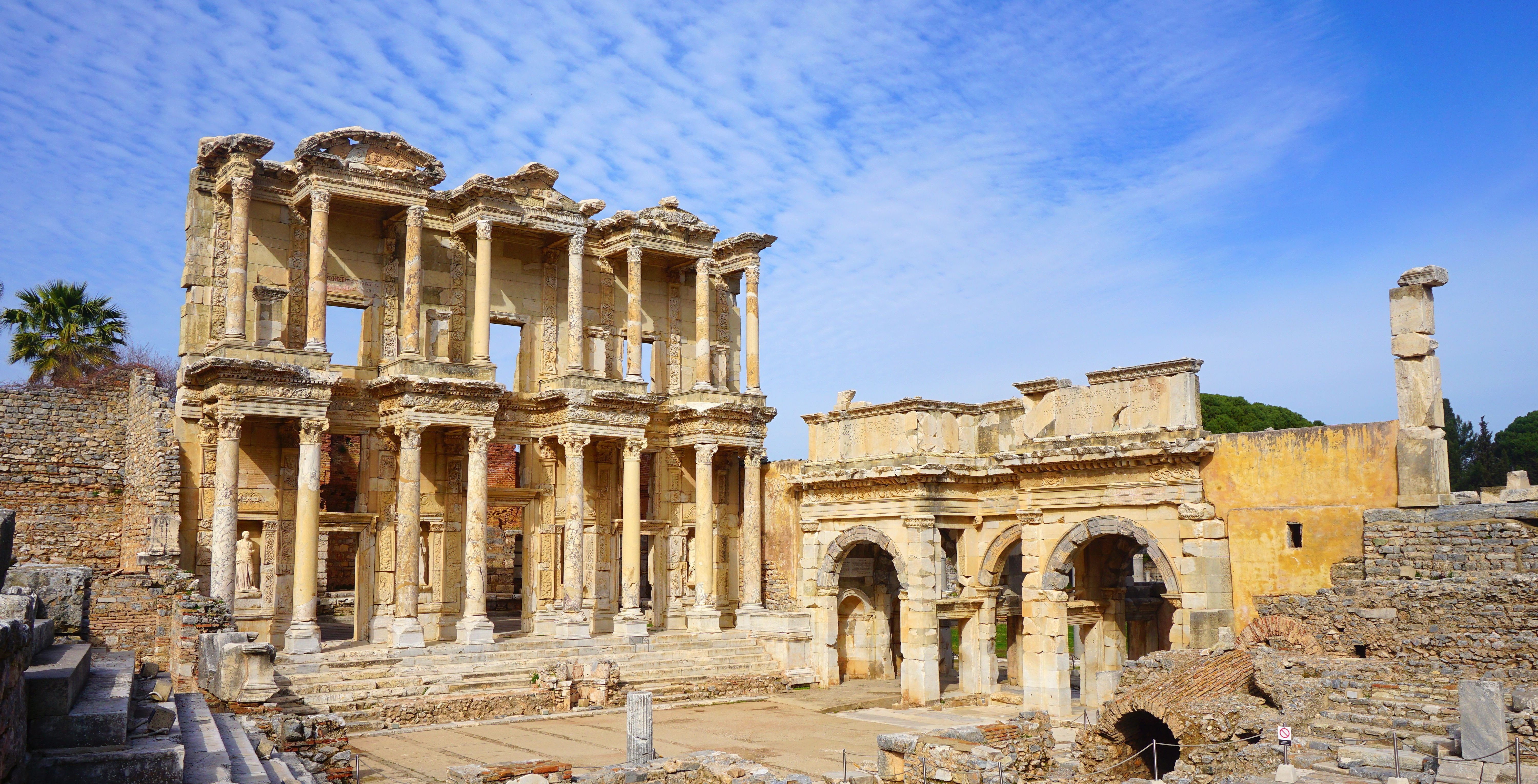
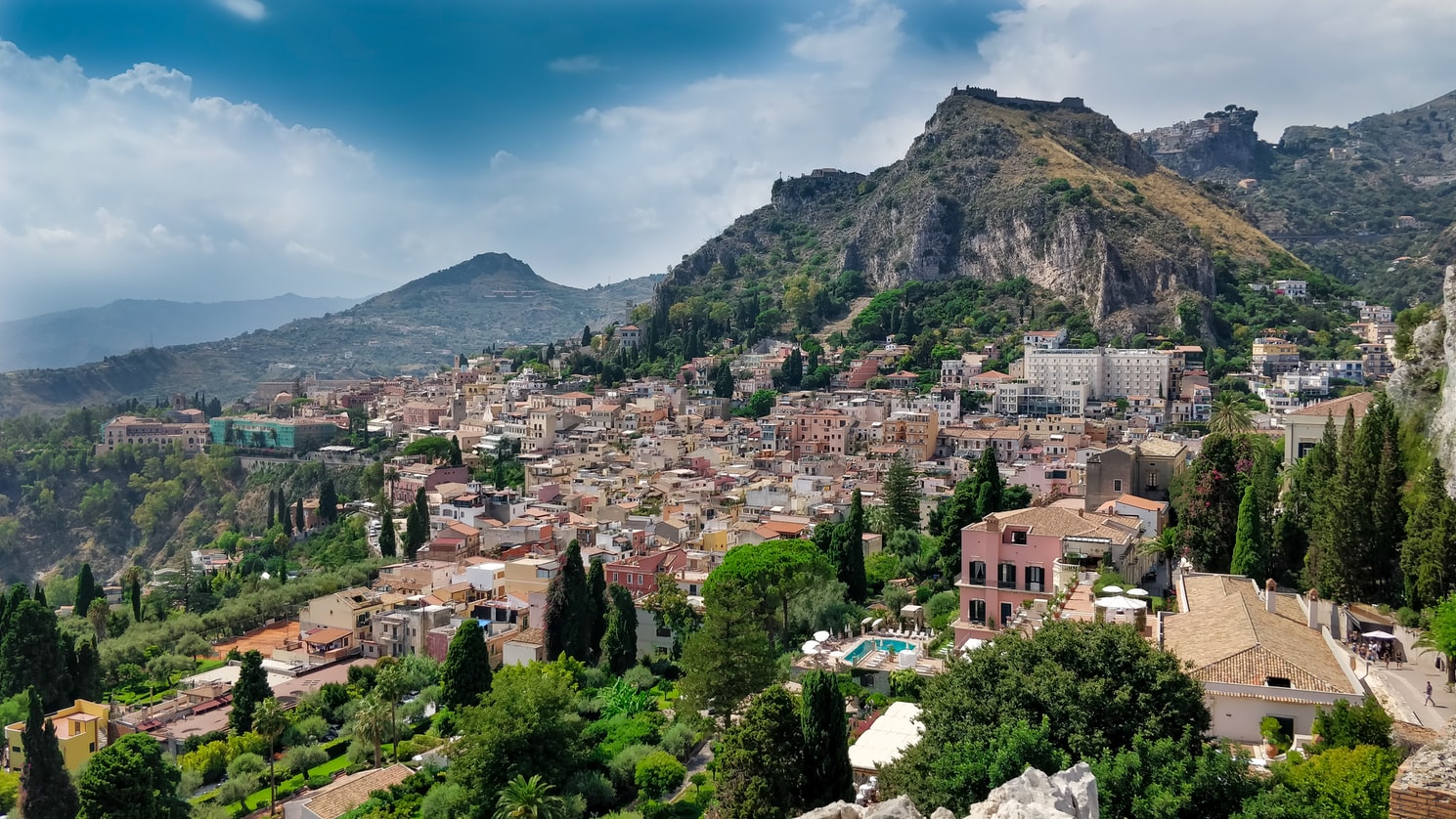
Barcelona, Spain
The infinite variety of street life, the nooks and crannies of the medieval Barri Gòtic, the ceramic tile and stained glass of Art Nouveau facades, the art and music, the throb of street life, the food (ah, the food!)—one way or another, Barcelona will find a way to get your full attention. The capital of Catalonia is a banquet for the senses, with its beguiling mix of ancient and modern architecture, tempting cafés and markets, and sun-drenched Mediterranean beaches. A stroll along La Rambla and through waterfront Barceloneta, as well as a tour of Gaudí’s majestic Sagrada Famíliaand his other unique creations, are part of a visit to Spain’s second-largest city. Modern art museums and chic shops call for attention, too. Barcelona’s vibe stays lively well into the night, when you can linger over regional wine and cuisine at buzzing tapas bars.
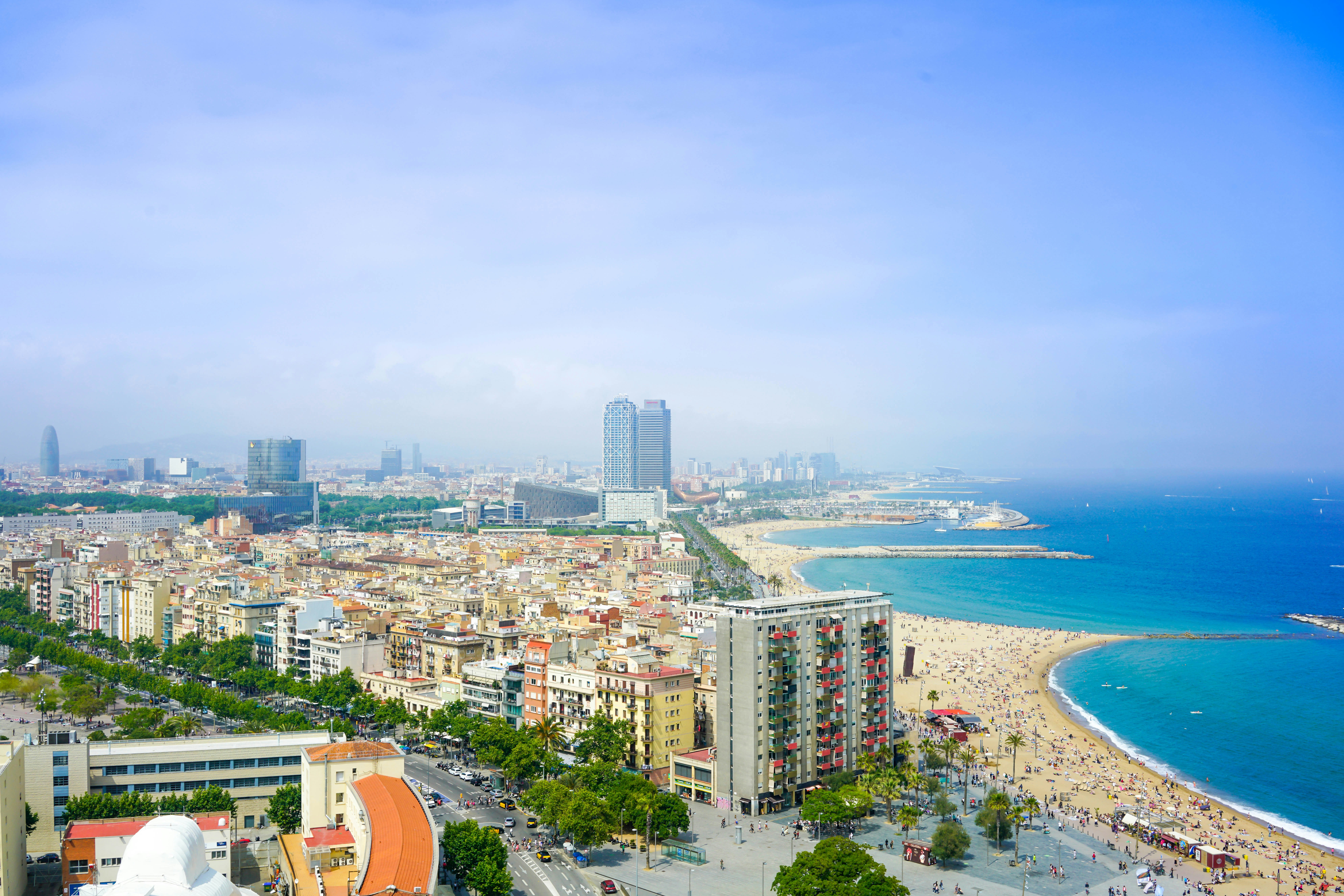
Sète, France
The fishing village of Sète serves as gateway to Montpellier, in the North. Other noteworthy destinations in this area include Carcassone, Aigues Mortes, the Abbaye de Fontfroide, and Pezenas. For a look at the real fisherman’s life, however, stay right where you are. Sète is the Mediterranean’s biggest fishing port. Canals winding through town make it fun to stroll around, and there are a number of good walking paths leading to the beach (about 30 minutes to the west). Although it’s small and unspectacular, Plage de la Corniche has calm, pristine waters that are perfect for swimming. For a panoramic view of the area, climb Mont St-Clair or Les Pierres Blanches and pick a beach to settle down on.
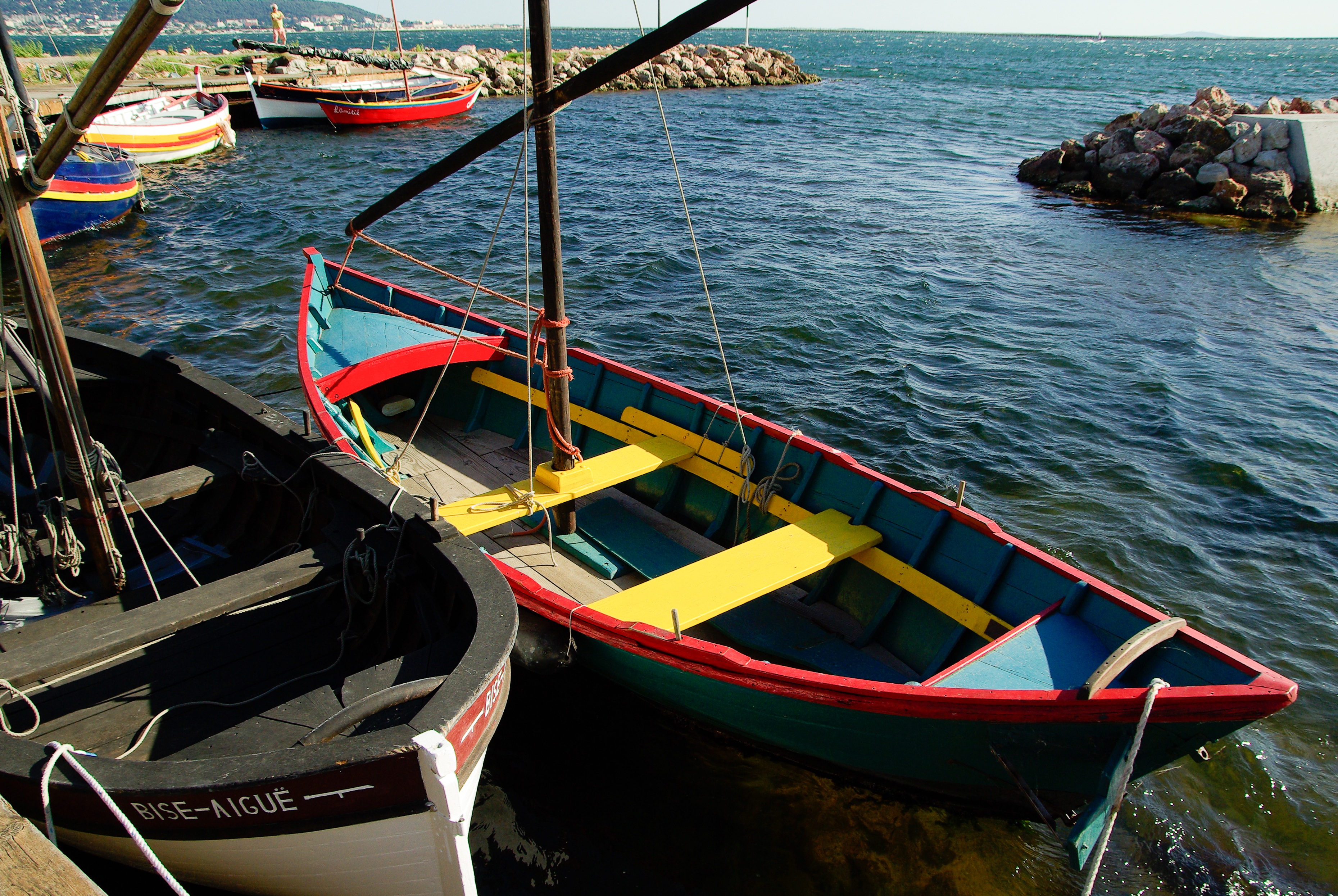
Marseille, France
Since being designated a European Capital of Culture for 2013, with an estimated €660 million of funding in the bargain, Marseille has been in the throes of an extraordinary transformation, with no fewer than five major new arts centers, a beautifully refurbished port, revitalized neighborhoods, and a slew of new shops and restaurants. Once the underdog, this time-burnished city is now welcoming an influx of weekend tourists who have colonized entire neighborhoods and transformed them into elegant pieds-à-terre (or should we say, mer). The second-largest city in France, Marseille is one of Europe’s most vibrant destinations. Feisty and fond of broad gestures, it is also as complicated and as cosmopolitan now as it was when a band of Phoenician Greeks first sailed into the harbor that is today’s Vieux Port in 600 BC. Legend has it that on that same day a local chieftain’s daughter, Gyptis, needed to choose a husband, and her wandering eyes settled on the Greeks’ handsome commander Protis. Her dowry brought land near the mouth of the Rhône, where the Greeks founded Massalia, the most important Continental shipping port in antiquity. The port flourished for some 500 years as a typical Greek city, enjoying the full flush of classical culture, its gods, its democratic political system, its sports and theater, and its naval prowess. Caesar changed all that, besieging the city in 49 BC and seizing most of its colonies. In 1214 Marseille was seized again, this time by Charles d’Anjou, and was later annexed to France by Henri IV in 1481, but it was not until Louis XIV took the throne that the biggest transformations of the port began; he pulled down the city walls in 1666 and expanded the port to the Rive Neuve (New Riverbank). The city was devastated by plague in 1720, losing more than half its population. By the time of the Revolution, Marseille was on the rebound once again, with industries of soap manufacturing and oil processing flourishing, encouraging a wave of immigration from Provence and Italy. With the opening of the Suez Canal in 1869, Marseille became the greatest boomtown in 19th-century Europe. With a large influx of immigrants from areas as exotic as Tangiers, the city quickly acquired the multicultural population it maintains to this day.
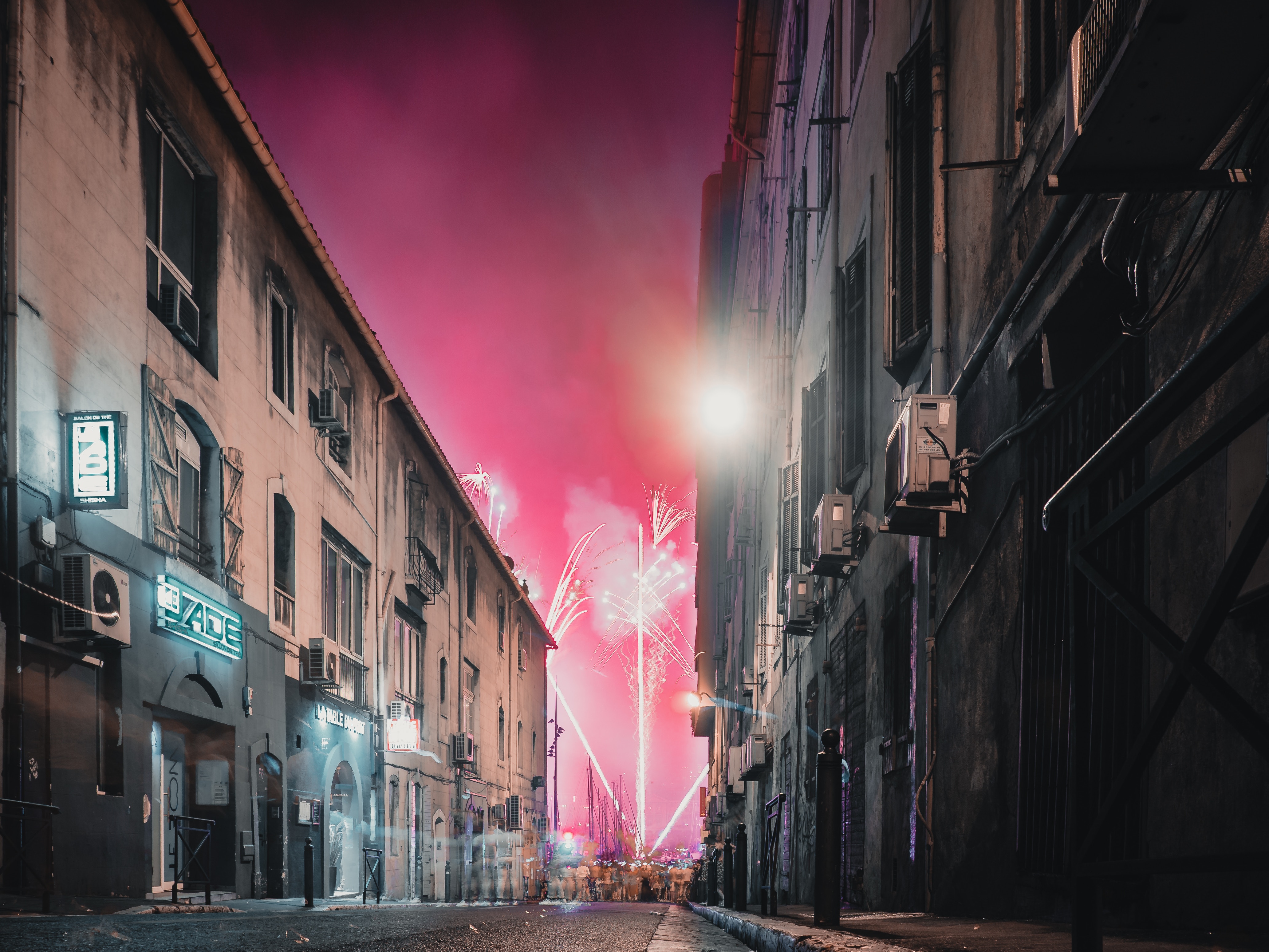
Monaco, Monaco
The 202-hectare Principality of Monaco is located east of France’s Mediterranean coast. Known for its royal family, especially Prince Albert of Monaco, its casinos and racetracks and for being a wealthy state with no applied taxes. Monaco is reachable by air through the French airport of Nice Côte d’Azur, located approximately 16 miles from the principality.
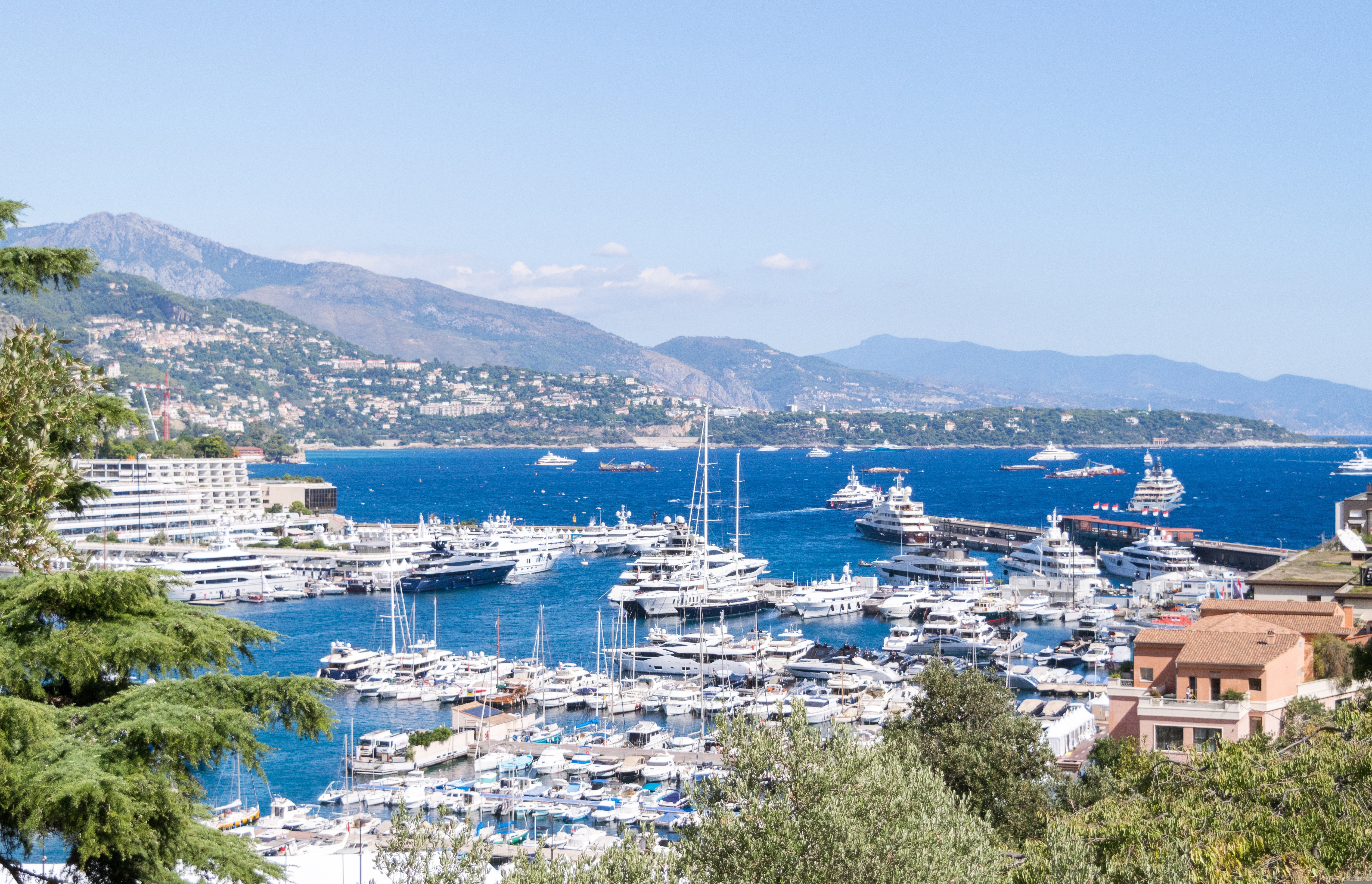
Livorno, Italy
Livorno is a gritty city with a long and interesting history. In the early Middle Ages it alternately belonged to Pisa and Genoa. In 1421 Florence, seeking access to the sea, bought it. Cosimo I (1519–74) started construction of the harbor in 1571, putting Livorno on the map. After Ferdinando I de’ Medici (1549–1609) proclaimed Livorno a free city, it became a haven for people suffering from religious persecution; Roman Catholics from England and Jews and Moors from Spain and Portugal, among others, settled here. The Quattro Mori (Four Moors), also known as the Monument to Ferdinando I, commemorates this. (The statue of Ferdinando I dates from 1595, the bronze Moors by Pietro Tacca from the 1620s.)In the following centuries, and particularly in the 18th, Livorno boomed as a port. In the 19th century the town drew a host of famous Britons passing through on their grand tours. Its prominence continued up to World War II, when it was heavily bombed. Much of the town’s architecture, therefore, postdates the war, and it’s somewhat difficult to imagine what it might have looked like before. Livorno has recovered from the war, however, as it’s become a huge point of departure for container ships, as well as the only spot in Tuscany for cruise ships to dock for the day.Most of Livorno’s artistic treasures date from the 17th century and aren’t all that interesting unless you dote on obscure baroque artists. Livorno’s most famous native artist, Amedeo Modigliani (1884–1920), was of much more recent vintage. Sadly, there’s no notable work by him in his hometown.There may not be much in the way of art, but it’s still worth strolling around the city. The Mercato Nuovo, which has been around since 1894, sells all sorts of fruits, vegetables, grains, meat, and fish. Outdoor markets nearby are also chock-full of local color. The presence of Camp Darby, an American military base just outside town, accounts for the availability of many American products.If you have time, Livorno is worth a stop for lunch or dinner at the very least.
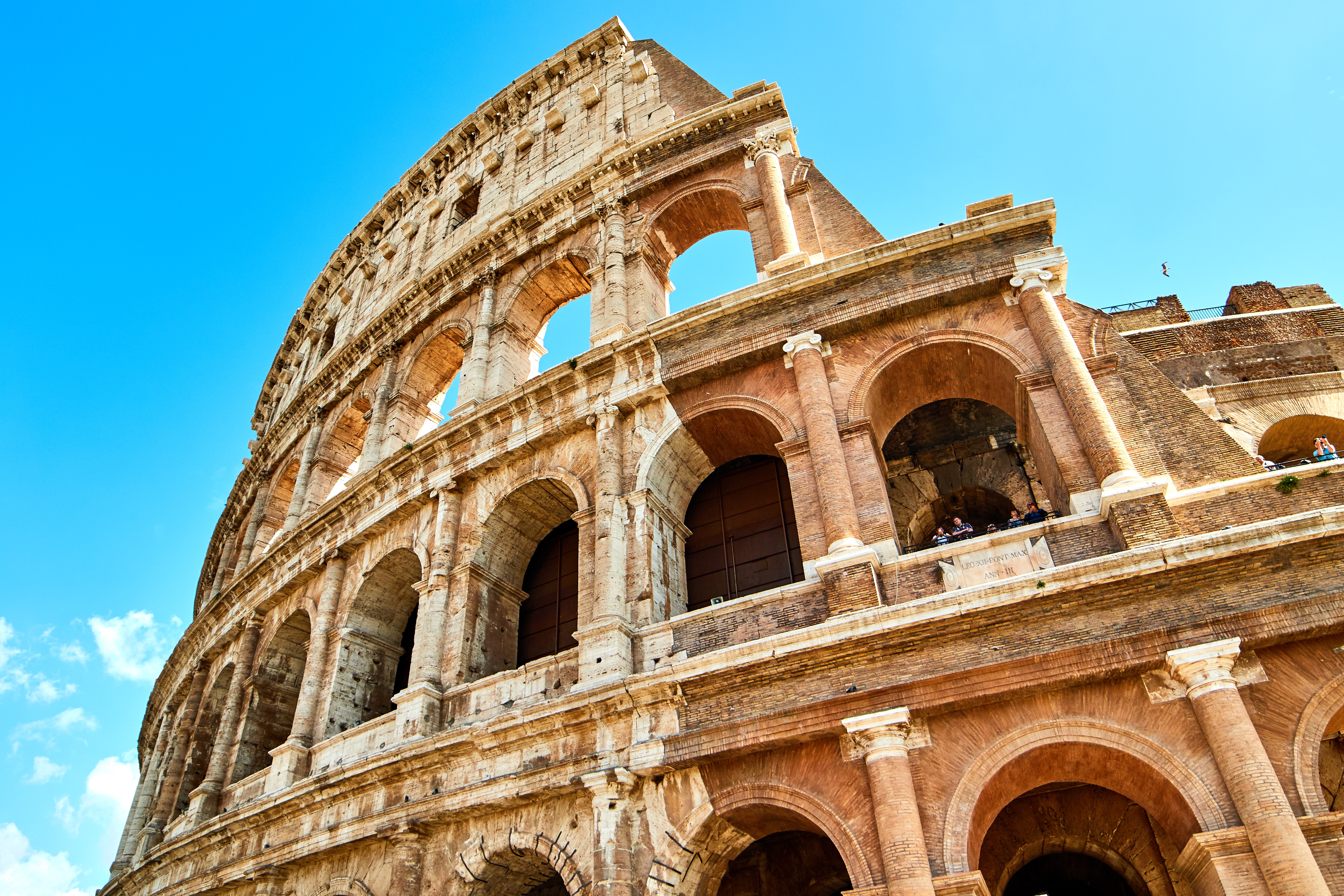
Civitavecchia, Italy
Italy’s vibrant capital lives in the present, but no other city on earth evokes its past so powerfully. For over 2,500 years, emperors, popes, artists, and common citizens have left their mark here. Archaeological remains from ancient Rome, art-stuffed churches, and the treasures of Vatican City vie for your attention, but Rome is also a wonderful place to practice the Italian-perfected il dolce far niente, the sweet art of idleness. Your most memorable experiences may include sitting at a caffè in the Campo de’ Fiori or strolling in a beguiling piazza.
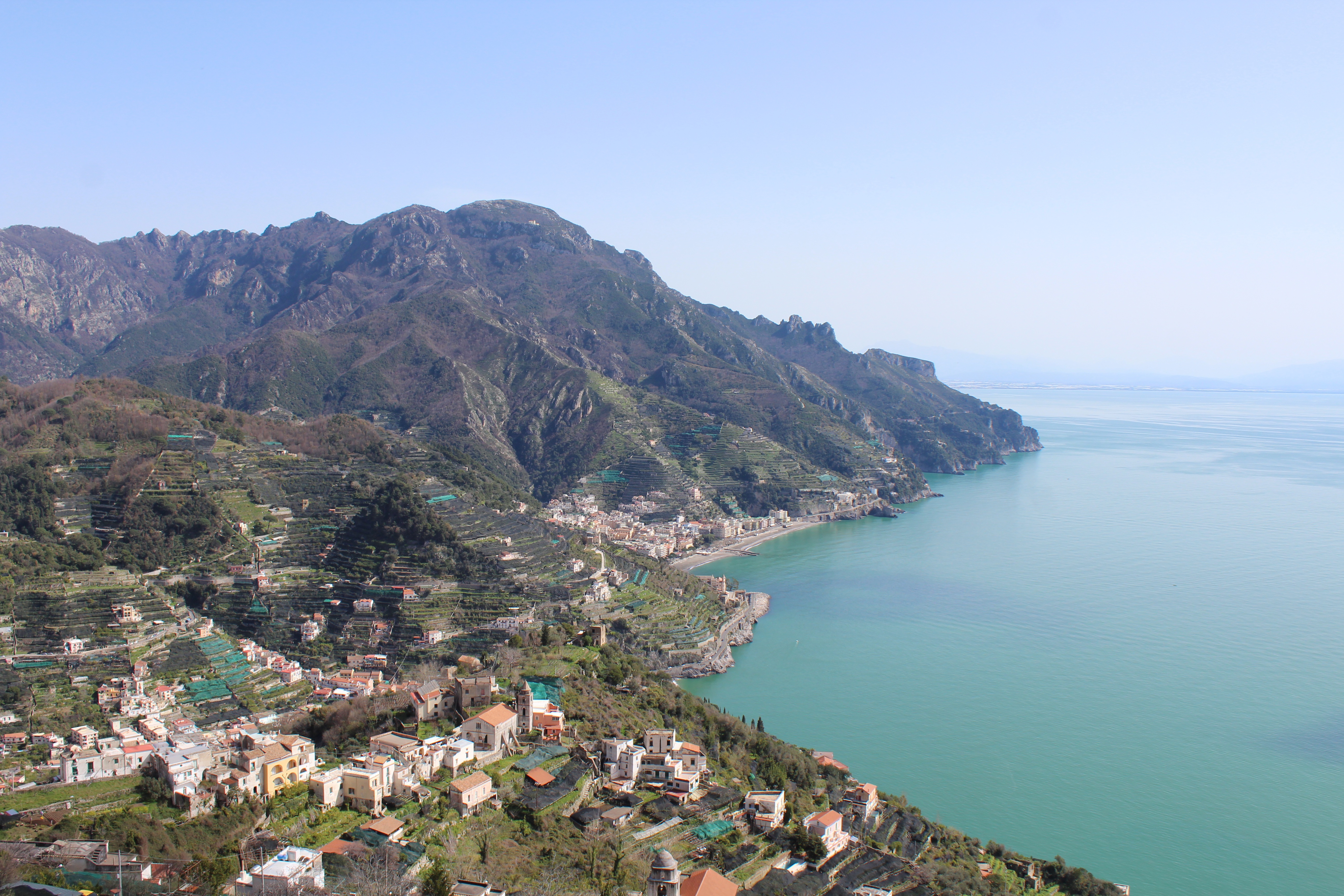
Salerno, Italy
Salerno is an Italian city located on the Gulf of Salerno. Famous for being home to the first medical university, Salerno is a great destination for anyone looking for gorgeous sea views filled with sunshine and Italian food.
Messina, Italy
Home to the Museo Regionale of Messina, known for featuring two of Caravaggio’s paintings, the city is also famous for having been the capital of the ancient kingdom of Sicily.
At Sea
Santorini, Greece
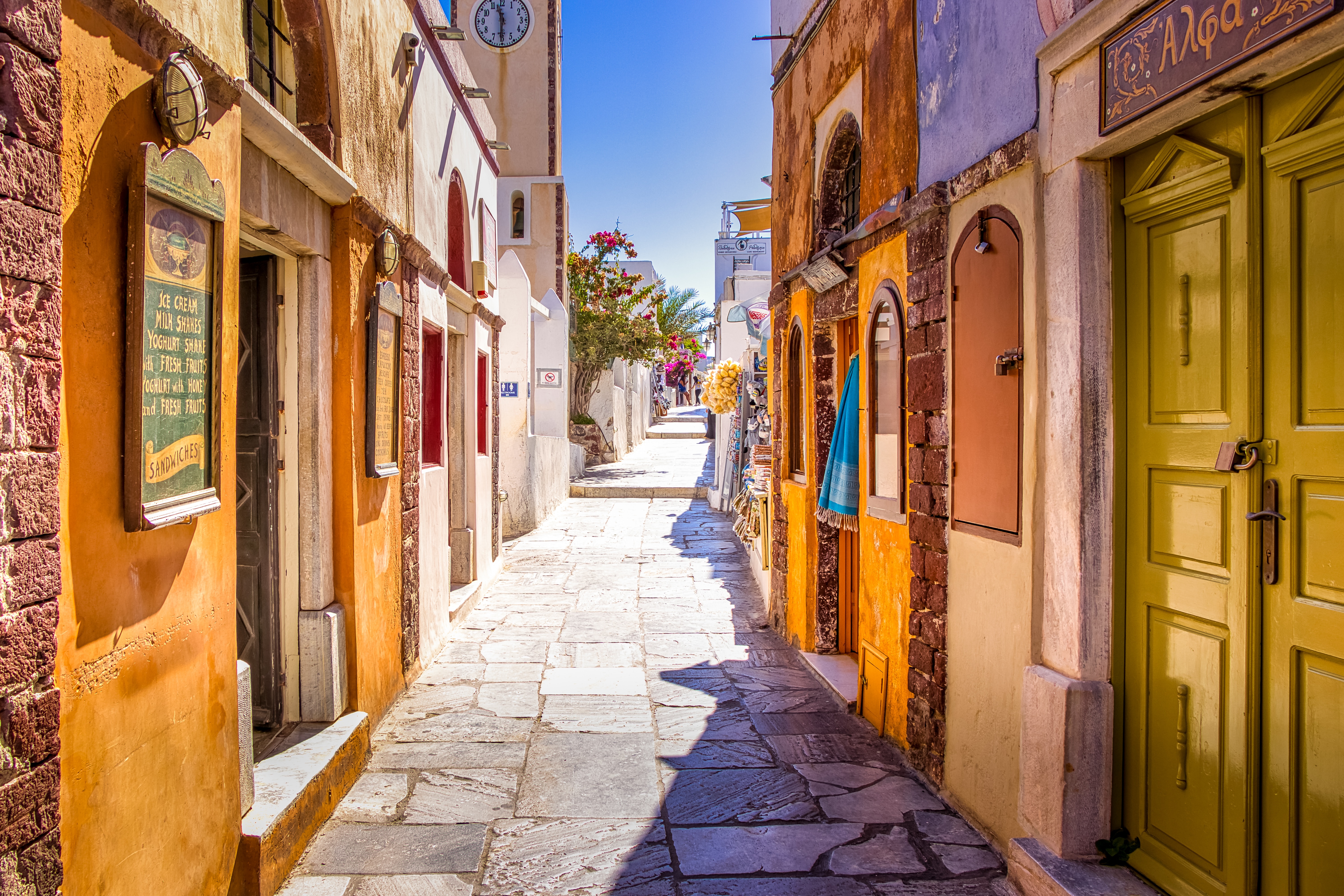
Undoubtedly the most extraordinary island in the Aegean, crescent-shape Santorini remains a mandatory stop on the Cycladic tourist route—even if it’s necessary to enjoy the sensational sunsets from Ia, the fascinating excavations, and the dazzling white towns with a million other travelers. Called Kállisti (the “Loveliest”) when first settled, the island has now reverted to its subsequent name of Thira, after the 9th-century-BC Dorian colonizer Thiras. The place is better known, however, these days as Santorini, a name derived from its patroness, St. Irene of Thessaloniki, the Byzantine empress who restored icons to Orthodoxy and died in 802. You can fly conveniently to Santorini, but to enjoy a true Santorini rite of passage, opt instead for the boat trip here, which provides a spectacular introduction. After the boat sails between Sikinos and Ios, your deck-side perch approaches two close islands with a passage between them. The bigger one on the left is Santorini, and the smaller on the right is Thirassia. Passing between them, you see the village of Ia adorning Santorini’s northernmost cliff like a white geometric beehive. You are in the caldera (volcanic crater), one of the world’s truly breathtaking sights: a demilune of cliffs rising 1,100 feet, with the white clusters of the towns of Fira and Ia perched along the top. The bay, once the high center of the island, is 1,300 feet in some places, so deep that when boats dock in Santorini’s shabby little port of Athinios, they do not drop anchor. The encircling cliffs are the ancient rim of a still-active volcano, and you are sailing east across its flooded caldera. On your right are the Burnt isles, the White isle, and other volcanic remnants, all lined up as if some outsize display in a geology museum. Hephaestus’s subterranean fires smolder still—the volcano erupted in 198 BC, about 735, and there was an earthquake in 1956. Indeed, Santorini and its four neighboring islets are the fragmentary remains of a larger landmass that exploded about 1600 BC: the volcano’s core blew sky high, and the sea rushed into the abyss to create the great bay, which measures 10 km by 7 km (6 mi by 4½ mi) and is 1,292 feet deep. The other pieces of the rim, which broke off in later eruptions, are Thirassia, where a few hundred people live, and deserted little Aspronissi (“White isle”). In the center of the bay, black and uninhabited, two cones, the Burnt Isles of Palea Kameni and Nea Kameni, appeared between 1573 and 1925. There has been too much speculation about the identification of Santorini with the mythical Atlantis, mentioned in Egyptian papyri and by Plato (who says it’s in the Atlantic), but myths are hard to pin down. This is not true of old arguments about whether tidal waves from Santorini’s cataclysmic explosion destroyed Minoan civilization on Crete, 113 km (70 mi) away. The latest carbon-dating evidence, which points to a few years before 1600 BC for the eruption, clearly indicates that the Minoans outlasted the eruption by a couple of hundred years, but most probably in a weakened state. In fact, the island still endures hardships: since antiquity, Santorini has depended on rain collected in cisterns for drinking and irrigating—the well water is often brackish—and the serious shortage is alleviated by the importation of water. However, the volcanic soil also yields riches: small, intense tomatoes with tough skins used for tomato paste (good restaurants here serve them); the famous Santorini fava beans, which have a light, fresh taste; barley; wheat; and white-skin eggplants.
Piraeus, Greece
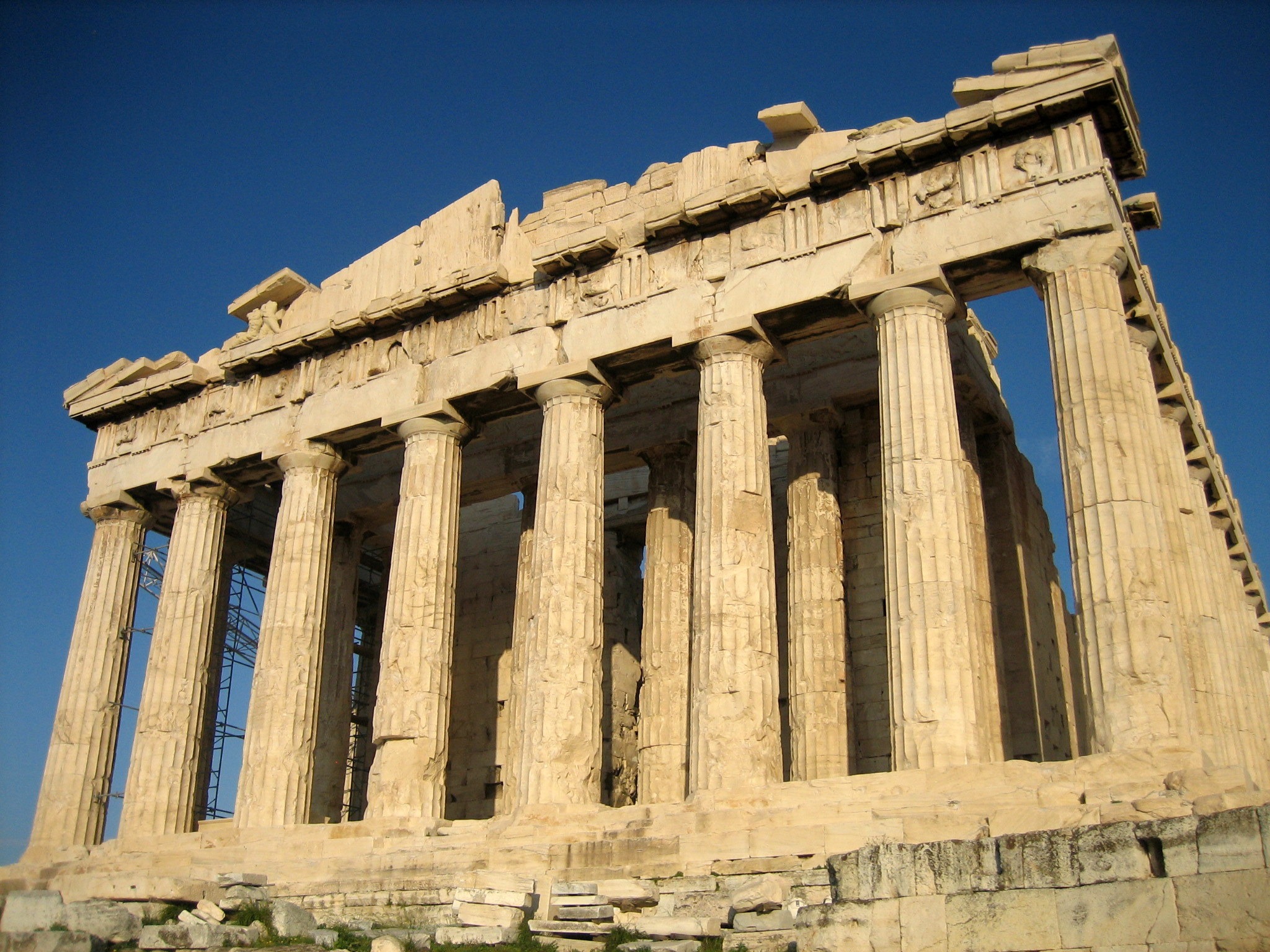
It’s no wonder that all roads lead to the fascinating and maddening metropolis of Athens. Lift your eyes 200 feet above the city to the Parthenon, its honey-color marble columns rising from a massive limestone base, and you behold architectural perfection that has not been surpassed in 2,500 years. But, today, this shrine of classical form dominates a 21st-century boomtown. To experience Athens—Athína in Greek—fully is to understand the essence of Greece: ancient monuments surviving in a sea of cement, startling beauty amid the squalor, tradition juxtaposed with modernity. Locals depend on humor and flexibility to deal with the chaos; you should do the same. The rewards are immense. Although Athens covers a huge area, the major landmarks of the ancient Greek, Roman, and Byzantine periods are close to the modern city center. You can easily walk from the Acropolis to many other key sites, taking time to browse in shops and relax in cafés and tavernas along the way. From many quarters of the city you can glimpse “the glory that was Greece” in the form of the Acropolis looming above the horizon, but only by actually climbing that rocky precipice can you feel the impact of the ancient settlement. The Acropolis and Filopappou, two craggy hills sitting side by side; the ancient Agora (marketplace); and Kerameikos, the first cemetery, form the core of ancient and Roman Athens. Along the Unification of Archaeological Sites promenade, you can follow stone-paved, tree-lined walkways from site to site, undisturbed by traffic. Cars have also been banned or reduced in other streets in the historical center. In the National Archaeological Museum, vast numbers of artifacts illustrate the many millennia of Greek civilization; smaller museums such as the Goulandris Museum of Cycladic Art Museum and the Byzantine and Christian Museum illuminate the history of particular regions or periods. Athens may seem like one huge city, but it is really a conglomeration of neighborhoods with distinctive characters. The Eastern influences that prevailed during the 400-year rule of the Ottoman Empire are still evident in Monastiraki, the bazaar area near the foot of the Acropolis. On the northern slope of the Acropolis, stroll through Plaka (if possible by moonlight), an area of tranquil streets lined with renovated mansions, to get the flavor of the 19th-century’s gracious lifestyle. The narrow lanes of Anafiotika, a section of Plaka, thread past tiny churches and small, color-washed houses with wooden upper stories, recalling a Cycladic island village. In this maze of winding streets, vestiges of the older city are everywhere: crumbling stairways lined with festive tavernas; dank cellars filled with wine vats; occasionally a court or diminutive garden, enclosed within high walls and filled with magnolia trees and the flaming trumpet-shaped flowers of hibiscus bushes. Formerly run-down old quarters, such as Thission, Gazi and Psirri, popular nightlife areas filled with bars and mezedopoleia (similar to tapas bars), are now in the process of gentrification, although they still retain much of their original charm, as does the colorful produce and meat market on Athinas. The area around Syntagma Square, the tourist hub, and Omonia Square, the commercial heart of the city about 1 km (½ mi) northwest, is distinctly European, having been designed by the court architects of King Otho, a Bavarian, in the 19th century. The chic shops and bistros of ritzy Kolonaki nestle at the foot of Mt. Lycabettus, Athens’s highest hill (909 feet). Each of Athens’s outlying suburbs has a distinctive character: in the north is wealthy, tree-lined Kifissia, once a summer resort for aristocratic Athenians, and in the south and southeast lie Glyfada, Voula, and Vouliagmeni, with their sandy beaches, seaside bars, and lively summer nightlife. Just beyond the city’s southern fringes is Piraeus, a bustling port city of waterside fish tavernas and Saronic Gulf views.
Cabin Options
French Veranda Stateroom
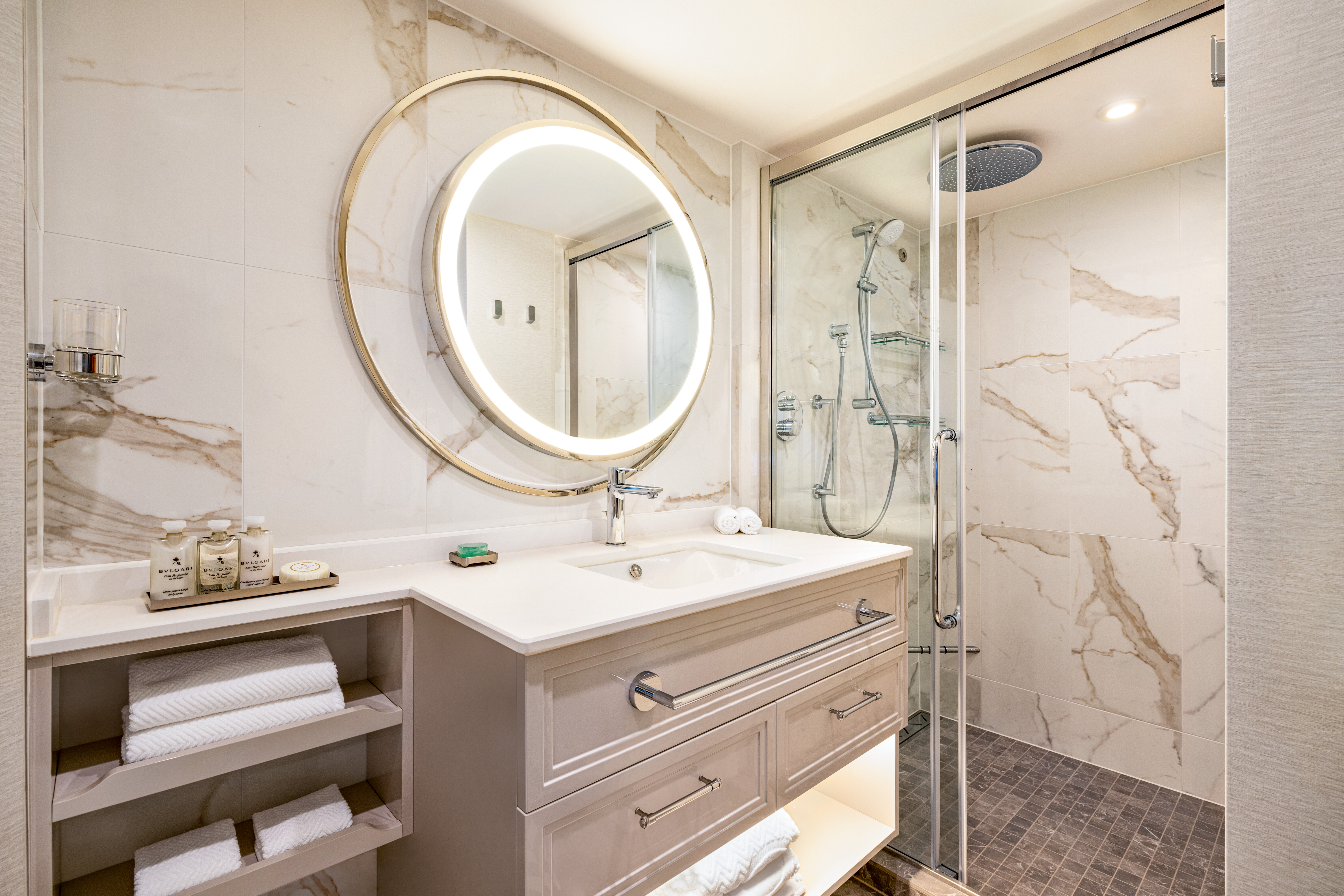
Veranda Stateroom
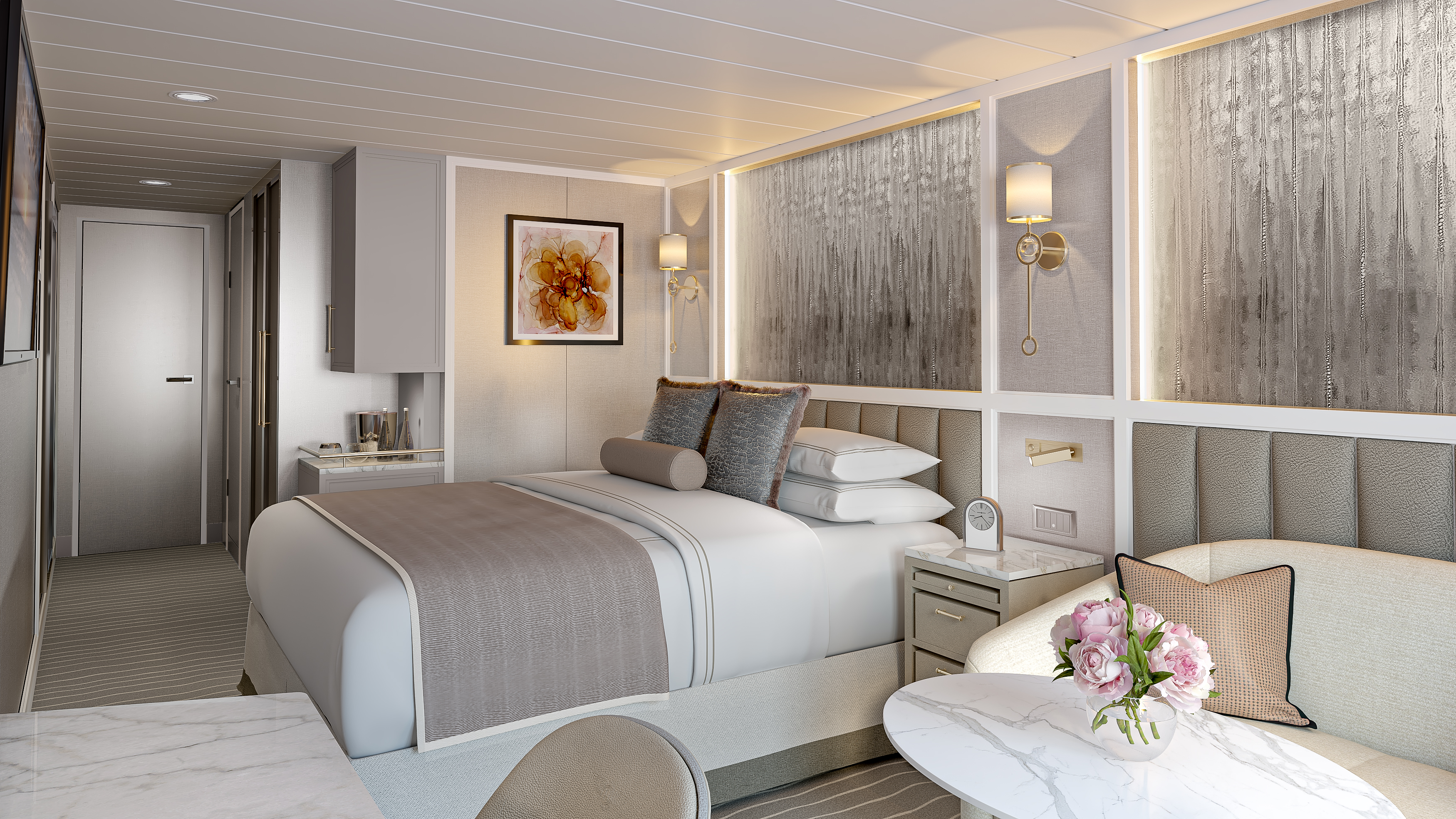
Concierge Level Veranda Stateroom
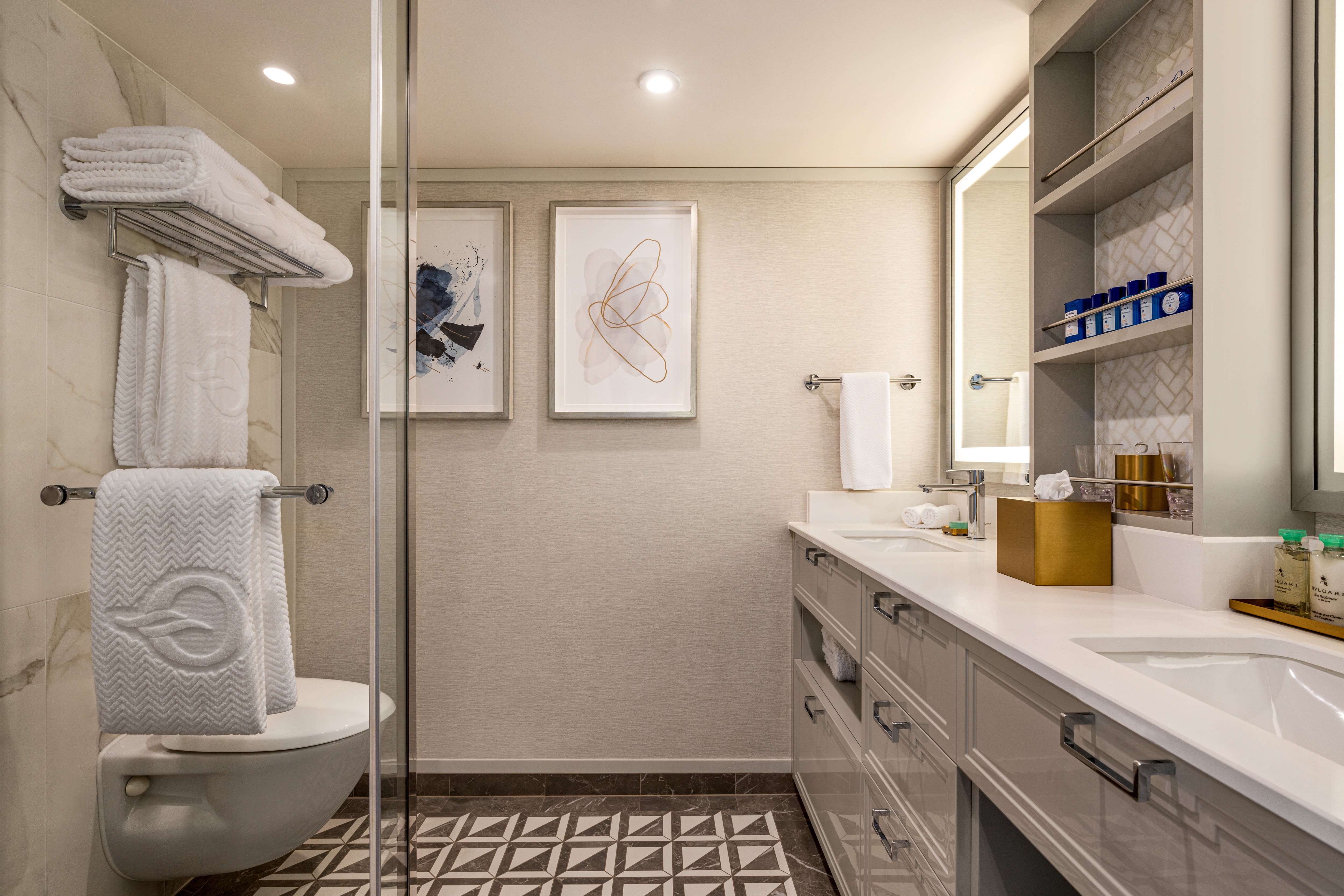
Penthouse Suite
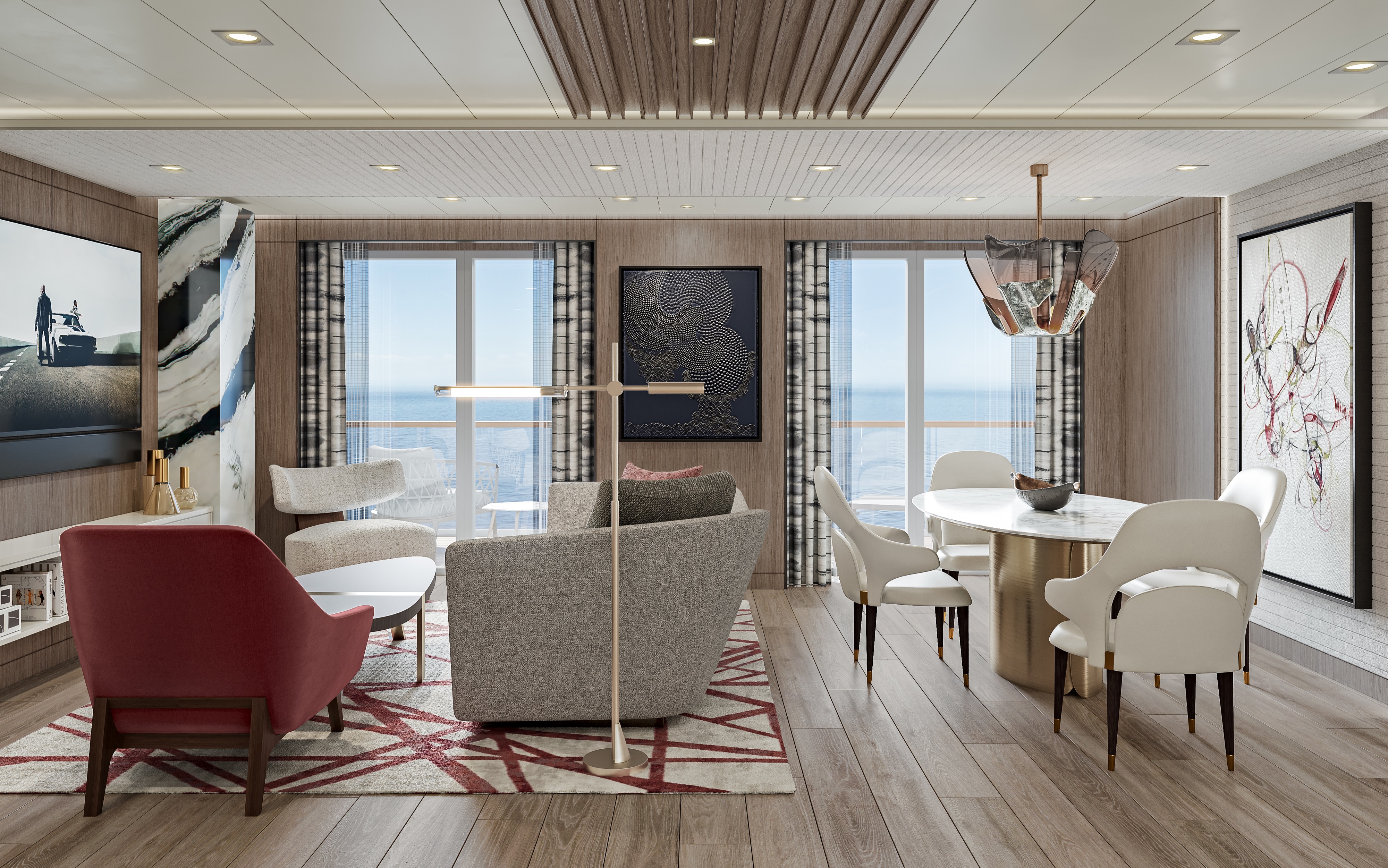
Oceania Suite
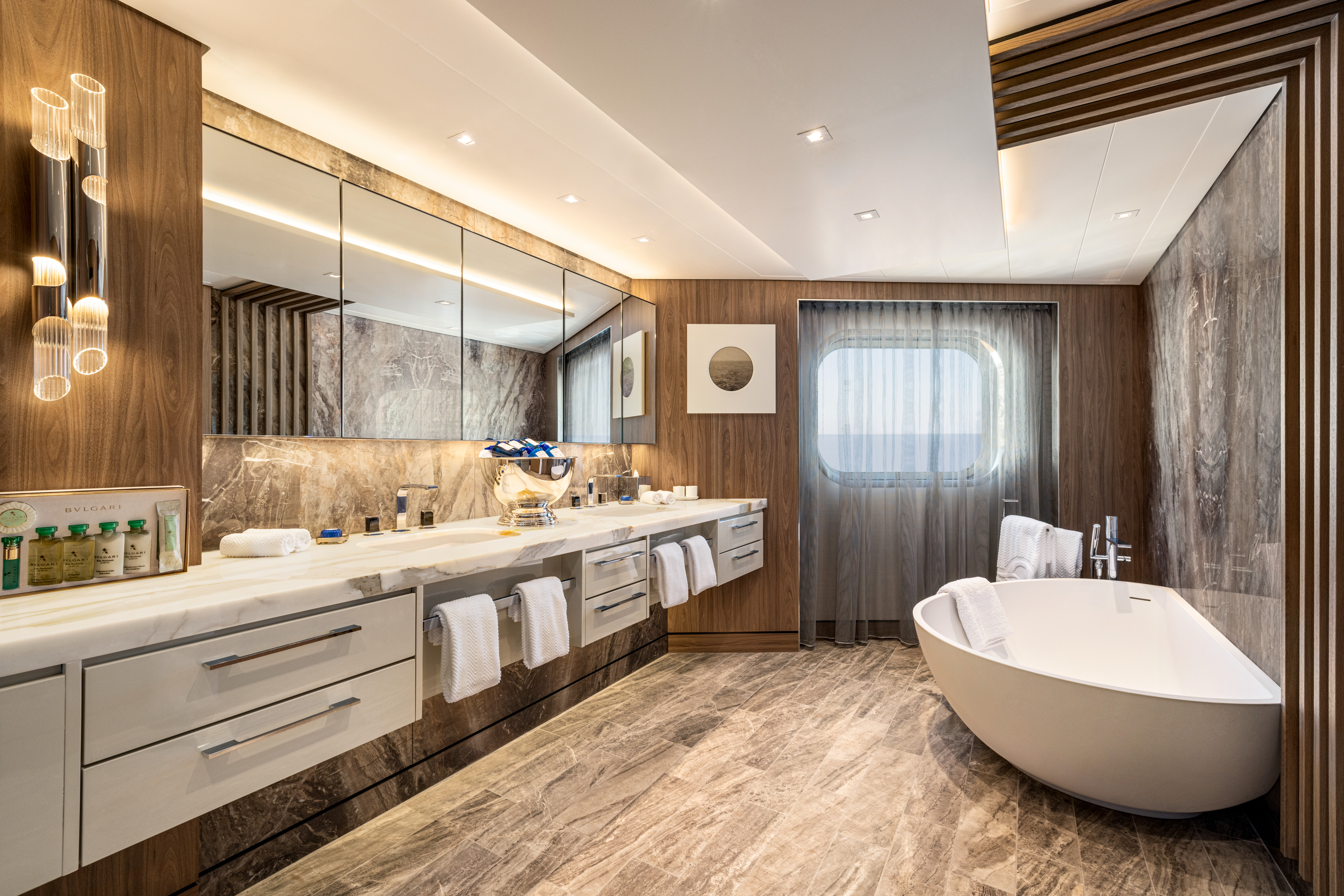
Vista Suite
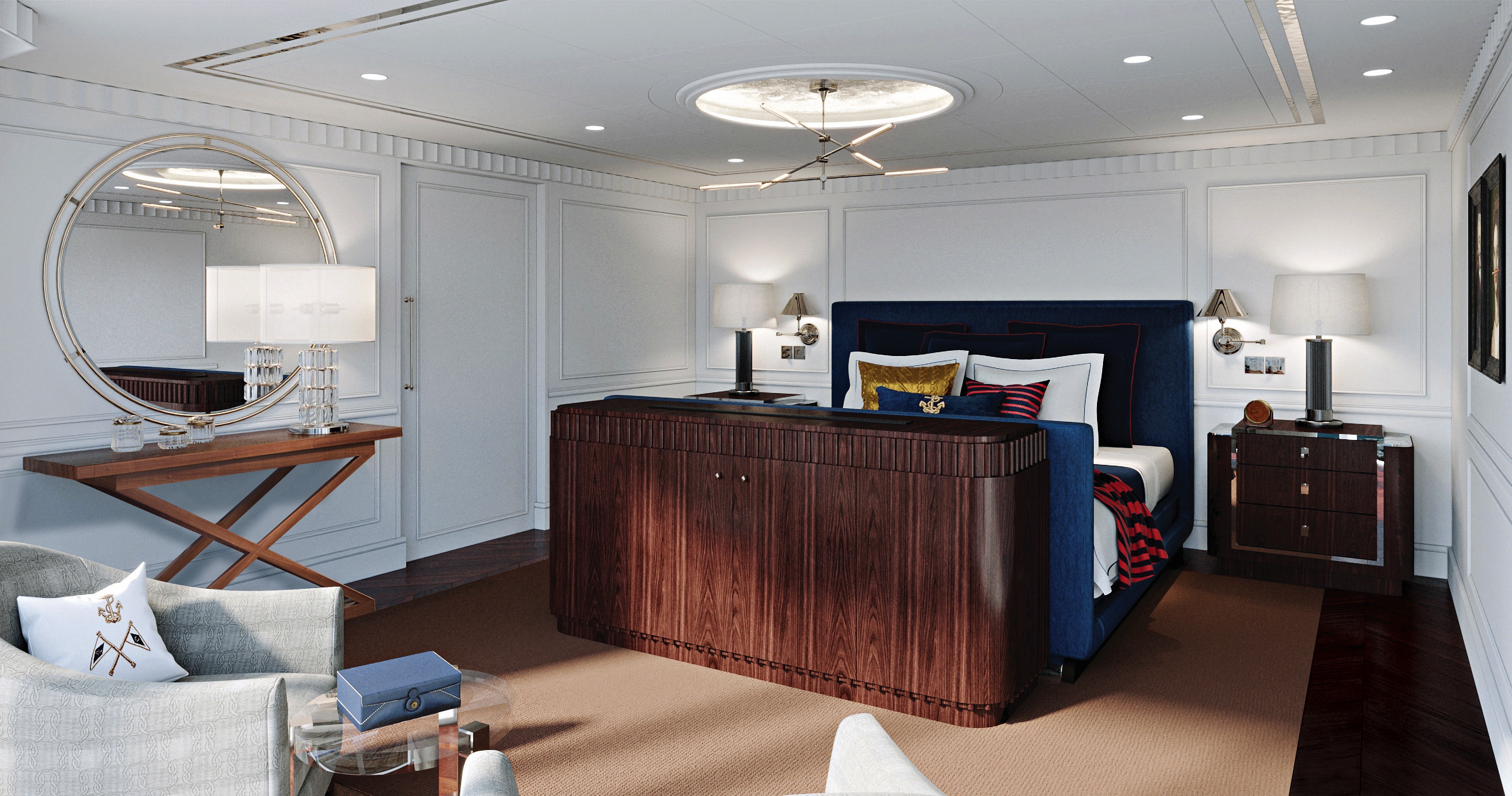
Owner's Suite
Ship Facilities
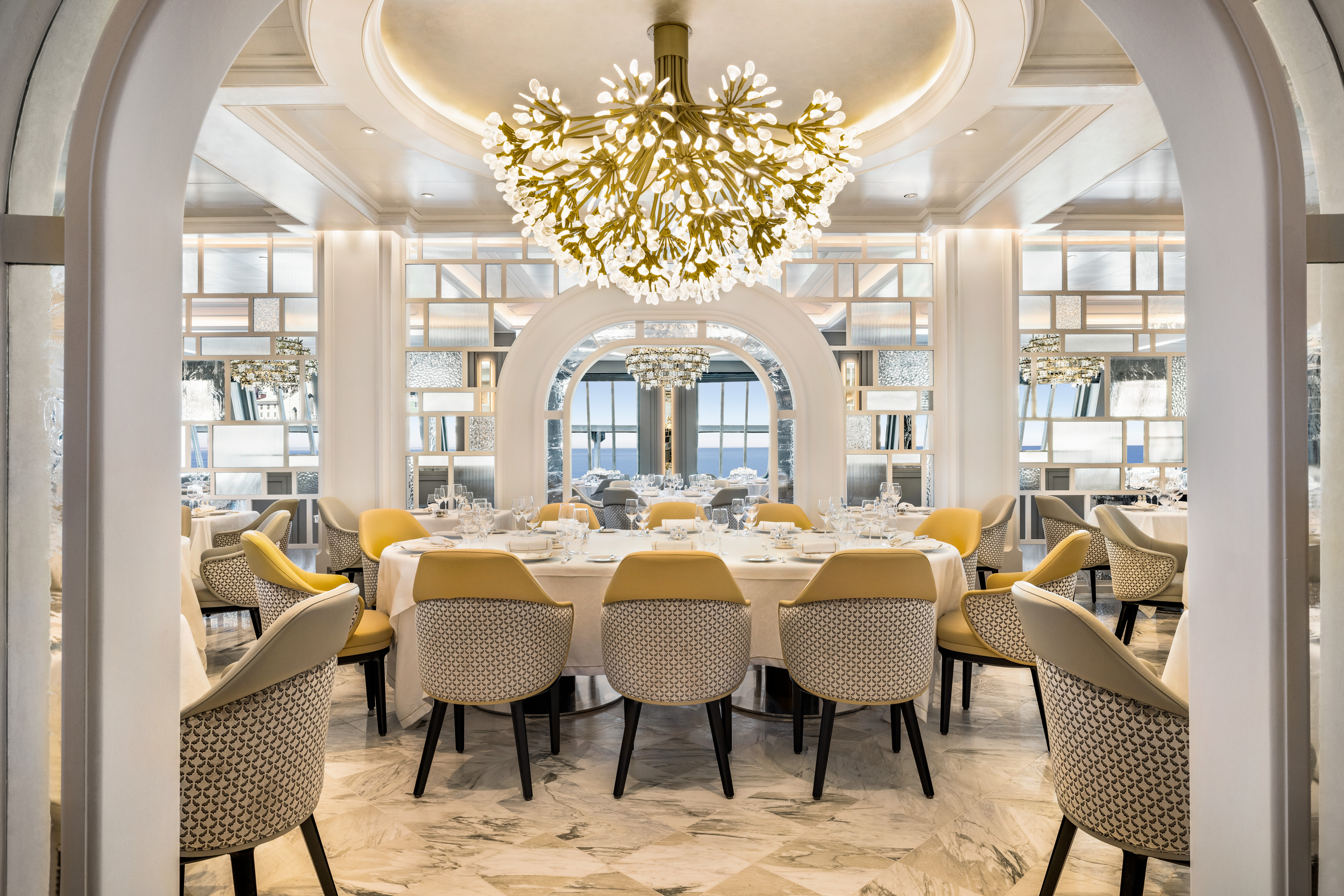
The Grand Dining Room
The grande dame of the Oceania Cruises culinary world, The Grand Dining Room evokes the ambiance of a sophisticated European hotel’s finest chandelier-studded restaurant. While our Executive Culinary Director Jacques Pépin’s herb-crusted rotisserie chicken is legendary, a cornucopia of global journeys awaits as well. Fork-tender tournedos Rossini with decadent foie gras and truffle sauce. Buttery salmon tartare with lemony sushi rice. An impossibly rich lobster bisque with silky notes of Armagnac cream. In The Grand Dining Room, the world is your oyster every night.
Breakfast
- 8:00 am – 9:30 am
Lunch
- 12:00pm – 1:30pm
Dinner
- 6:30 pm – 9:30 pm
No reservations required.
Jacques
A PASSION FOR FRENCH CUISINE
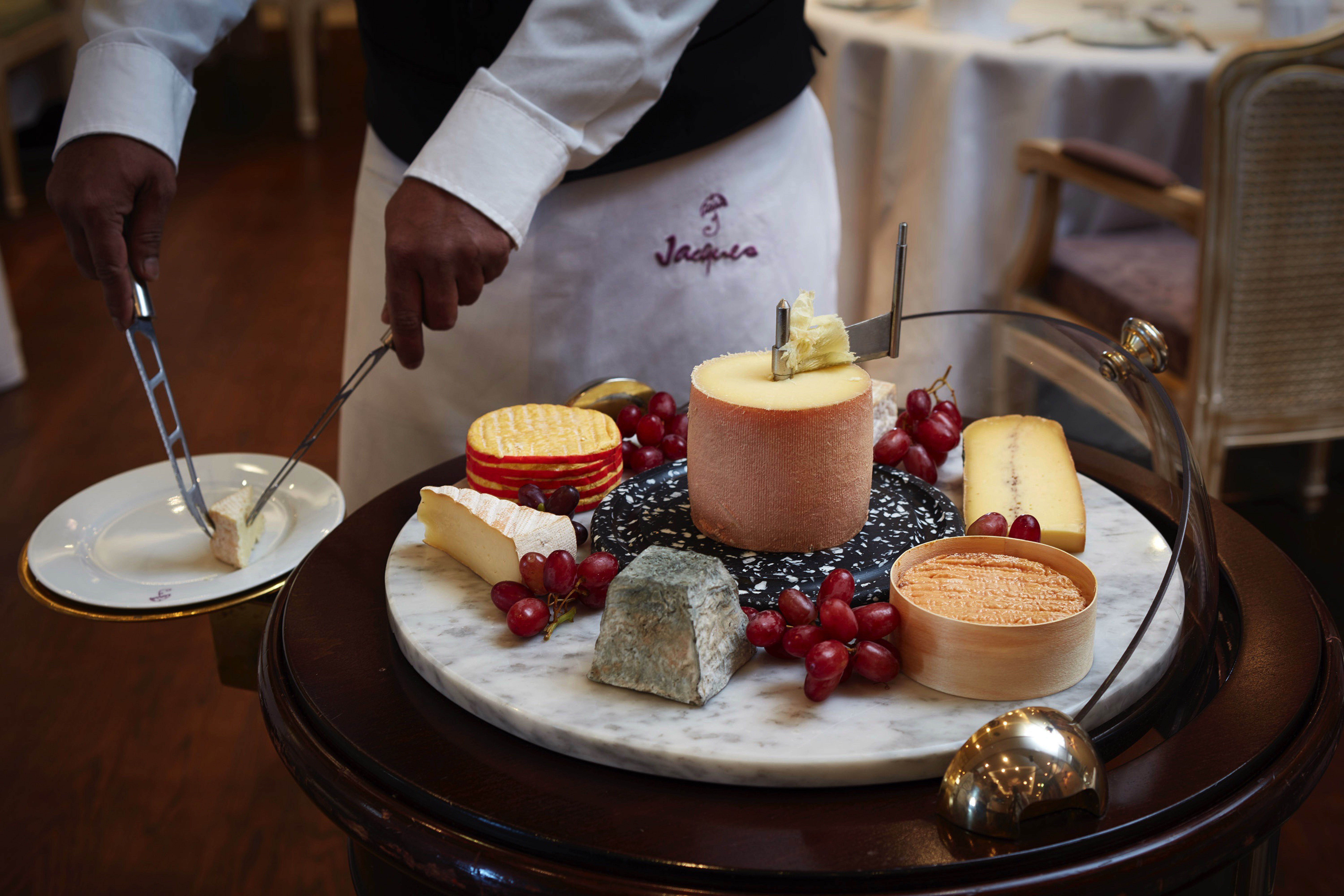
Named after our founding Executive Culinary Director, Jacques Pépin, Jacques restaurant is the epitome of French sophistication. Each dish has been ingeniously reinterpreted by Master Chef Pépin and features classic regional favorites like coq au vin and confit de canard as well as all-encompassing cheese and wine selections.
Dinner
- 6:30 pm – 9:00 pm
Reservations required.
Polo Grill
THE CLASSIC STEAKHOUSE
Discover a classic steakhouse in the grand tradition set in an ambiance bathed in richly layered decor and warm tones. Each course stands as the very definition of time-honored favorites, most notably the USDA certified Angus beef aged for explosive flavors and tenderness. Standout seafood fare such as whole Maine lobster gratinée and specialties including grilled rack of lamb will tempt your taste buds, while side dishes such as potatoes au gratin, sautéed mushroom persillade and a sharp Caesar salad prepared tableside earn pride of place.
Dinner
- 6:30 pm – 9:00 pm.
Reservations required.
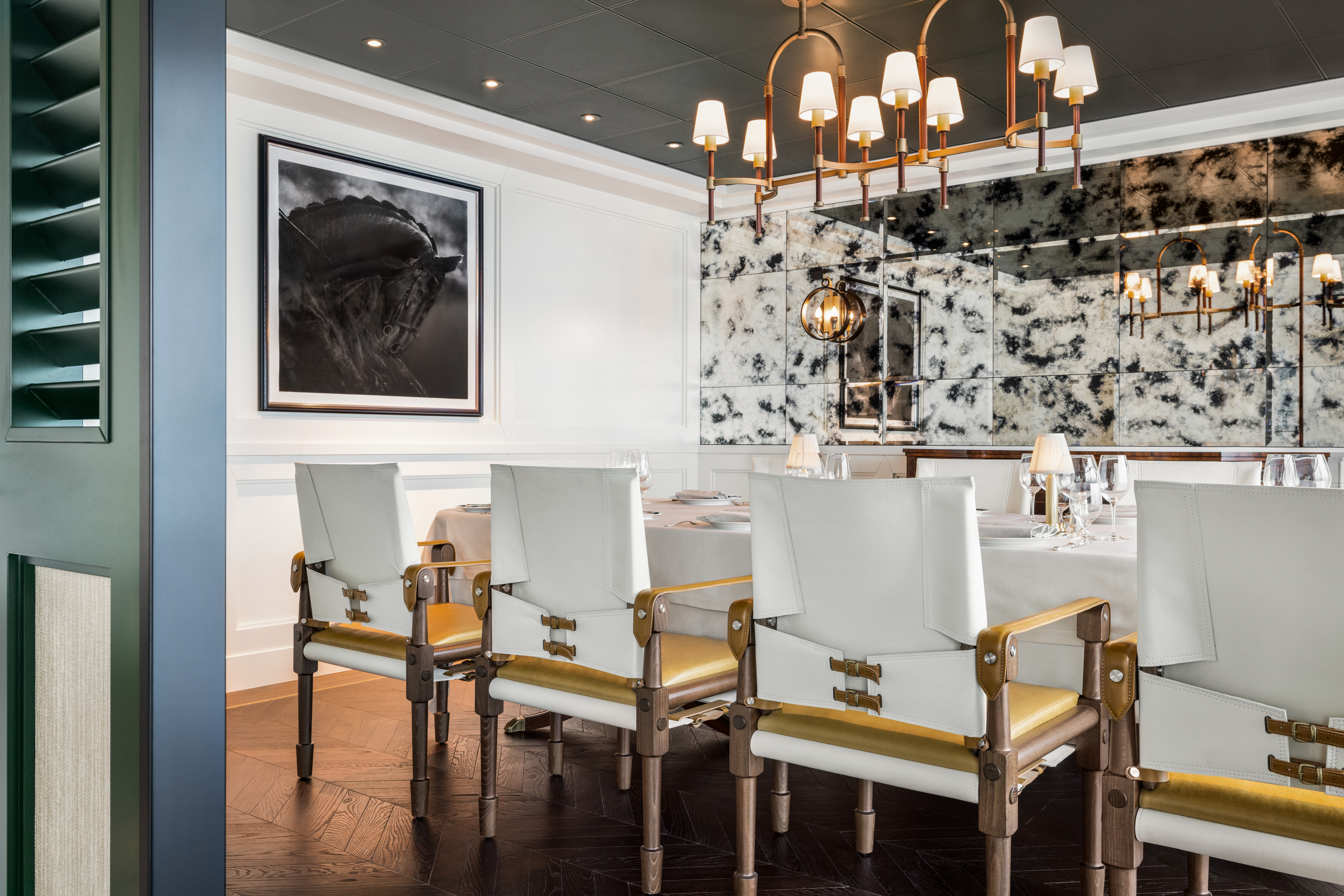
Toscana
AN OLD WORLD OF NEW PLEASURES
Imagine the Venetian glass, Carrara marble and Versace china of the finest restaurants in the world along Via Ghibellina in Florence living in harmony with inventive, Tuscan-inspired cuisine reminiscent of a stone villa overlooking the medieval towers of San Gimignano. Welcome to Toscana, where each dish reflects the passionate touch of an Italian nonna’s flour-dusted hands. Savor slow wine-braised osso buco, pillowy handrolled gnocchi with pesto and crisp pan-seared sea bass splashed with tart Sorrento lemon and capers.
Dinner
- 6:30 pm – 9:00 pm.
Reservations required.
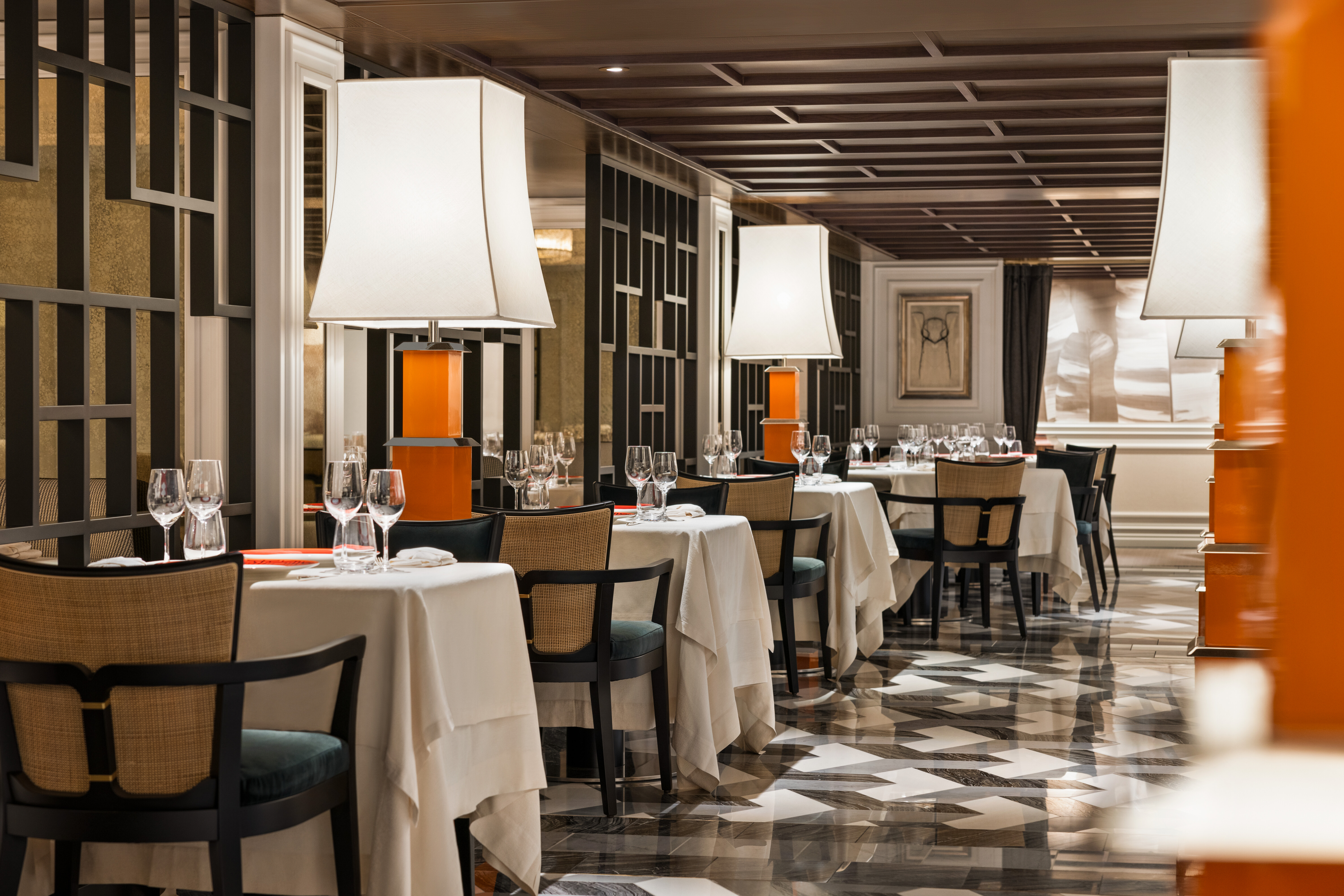
Red Ginger
EXOTIC & UNFORGETTABLE
Surrounded by intricate wooden screens, vibrant floor lamps and supple upholstered chairs, you can be forgiven for thinking you’ve stepped into a raffish Singaporean hotel from the last century. Red Ginger is a Pan-Asian wonder, where a blend of Thai, Korean, Japanese and other Asian specialties effortlessly combines tradition and innovation. Uncover the ritual of hand-rolled sushi introduced in the Edo period; the succulent, the curried spice of Malaysian beef penang and the layered flavors of miso-glazed sea bass wrapped in a hoba leaf.
6:30 pm – 9:00 pm
Reservations required.
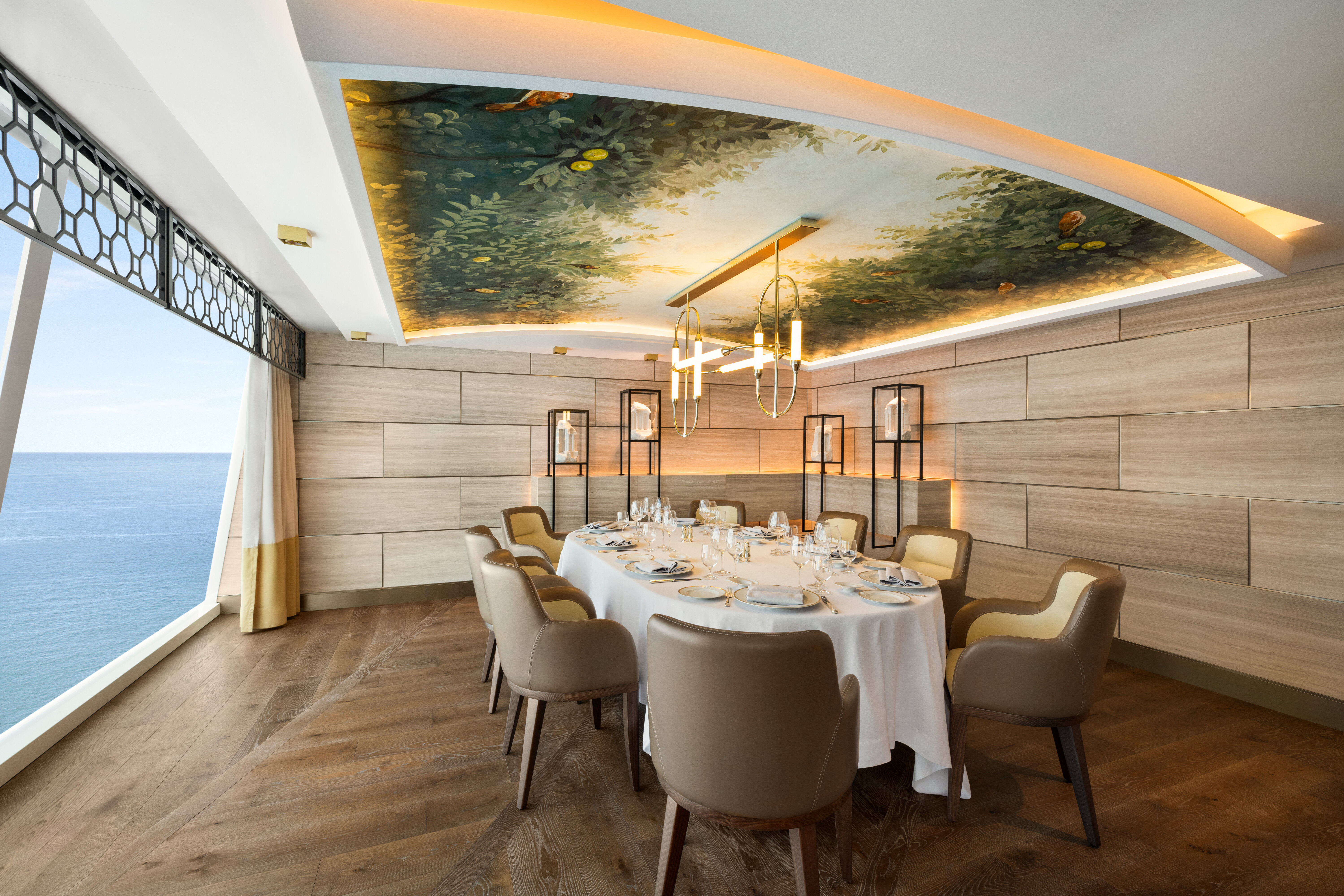
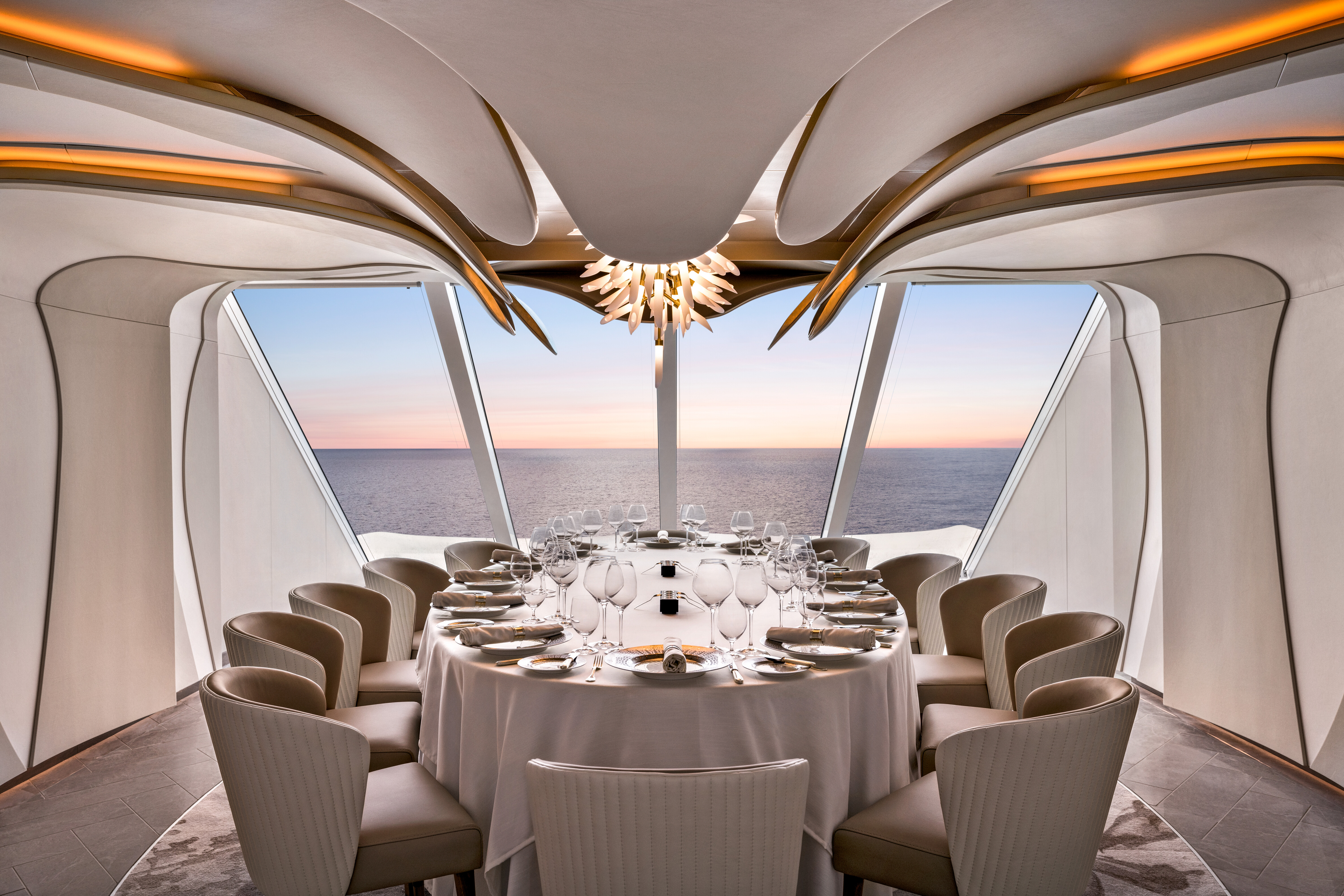
Priveé
WINE EXPERIENCES BY LA RESERVE
Privée is our intimate venue for unforgettable wine experiences by La Reserve. Guests can choose from two distinctive and unique multi-course pairing dinners, each a sublime celebration of the finer things in life and limited to eight privileged diners per evening. Savor the truly one-of-a-kind Dom Pérignon Experience that pairs special Champagne vintages with thoughtfully crafted dishes or perhaps enjoy the exquisitely curated Odyssey Menu that is a gustatory journey for the senses. Dramatically backlit, debossed walls and a blooming flower petal ceiling, from which a dramatic chandelier descends over the polished marble slab dining table, only enhance the indulgent occasion. A wall of floor-to-ceiling glass provides an exhilarating view to complement these magnificent dining experiences that can literally traverse continents.
Reservation required. Additional fees apply.
Terrace Café
TEMPTING INTERNATIONAL FARE
With an inviting, genial dining room and shaded patio, Terrace Café takes on the ease of a treasured vacation home’s favorite sun-drenched conservatory and panoramic seaside terrace. At breakfast, revel in the aroma of freshly baked cinnamon rolls and fluffy made-to-order omelets, pancakes and waffles. During lunch, sample flavorful international dishes alongside juicy, seasoned rotisserie meats and perfectly grilled seafood. In the evening, the decadence of a grilled lobster tail, the simple American essence of a sweet, barbecued pork chop with crispy, applewood-smoked bacon and fresh hand-cut sushi and sashimi are among the many choices that will turn Terrace Café into a personal favorite. And as you would envisage, locally inspired specialties from our ports of call are a hallmark of our popular Chef’s Market Dinners.
Breakfast
- 7:30 am – 10:00 am.
Lunch
- 12:00 pm – 2:00 pm.
Dinner
- 6:30 pm – 9:00 pm.
No reservations are taken.
Aquamar Kitchen
WELLNESS MEETS INDULGENCE
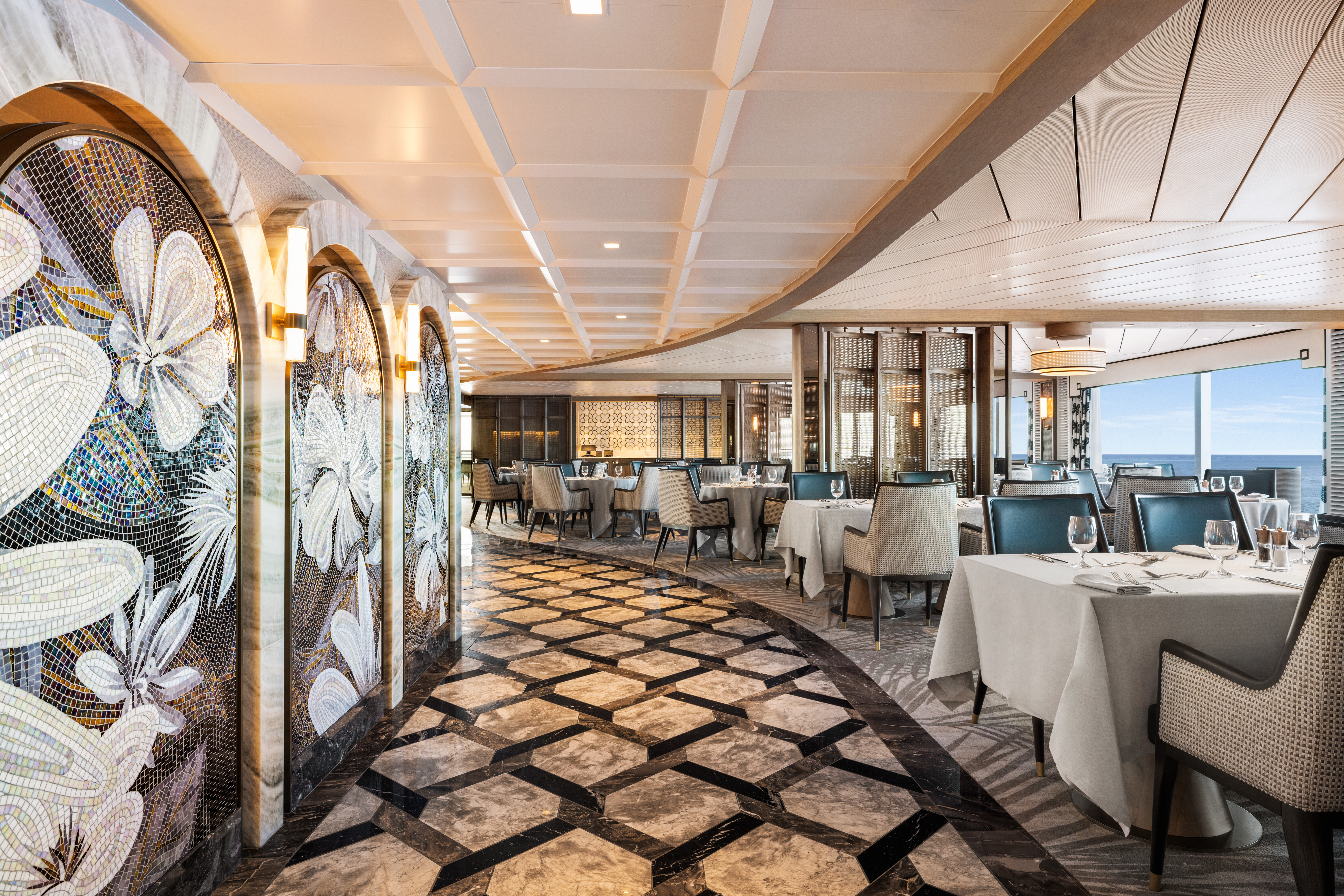
At Aquamar Kitchen, the harmony of nourishing flavors, a bright and airy ambiance evoking an endless Mediterranean summer and just the right amount of indulgence revitalizes your body and your spirit. Mindfully prepared breakfast selections feature energizing cold-pressed raw juices and super food smoothies, satisfying avocado toasts, energy bowls, banana pancakes and savory omelets. For lunch, dozens of tempting and balanced dishes are offered, such as a hearty Lebanese bowl with beef kefta, falafel, muhammara, fattoush, aubergine caviar and pita bread; yellowfin tacos with white cabbage slaw; or even a crunchy chicken sandwich on a freshly baked whole grain bun. The chic seaside-inspired setting paired with a diverse collection of fresh, vibrant dishes is perfectly indulgent – without any of the guilt.
Breakfast
- 7:00 am – 10:00 am (port day).
- 8:00 am – 11:00 am (sea day).
Lunch
- 11:00 am – 3:00 pm (port day).
- 12:00 pm – 4:00 pm (sea day).
No reservations are taken.
Waves Grill
POOLSIDE ALFRESCO MAGIC
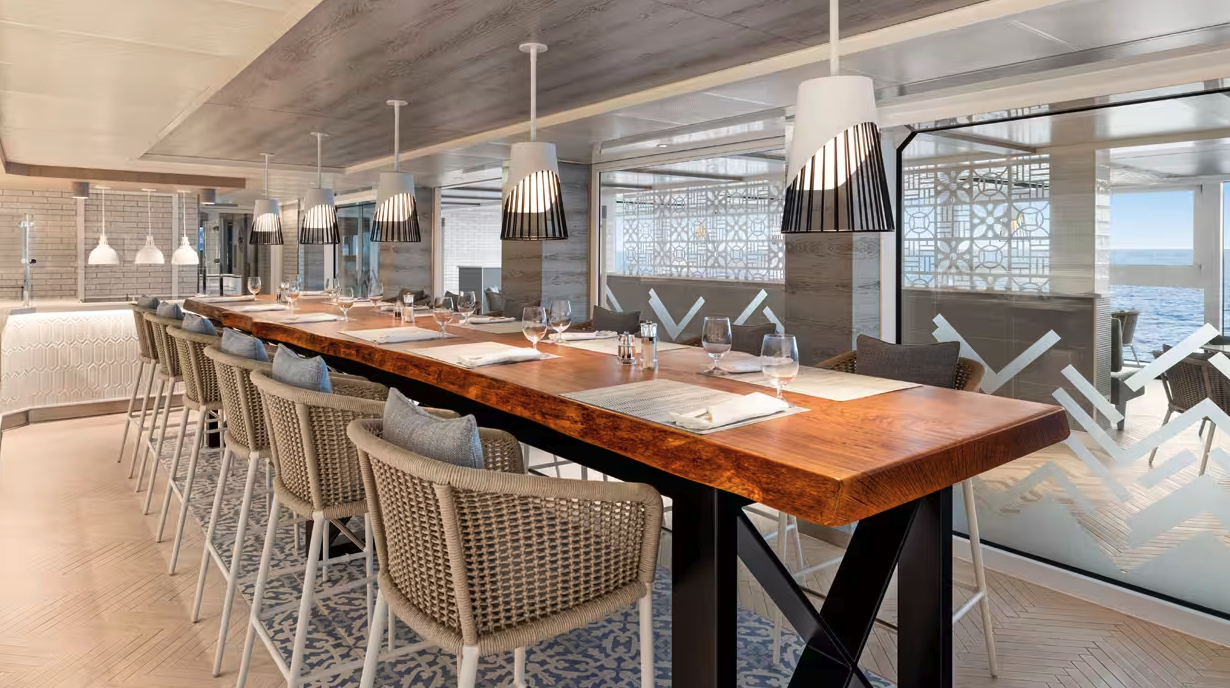
On the deck of a cherished Malibu beach house, the magic begins with the grill. Likewise, Waves Grill is a shaded poolside dining spot serving made-to-order all-American favorites from lunch until late into the afternoon. Taste the richness of a Wagyu burger with juicy tomatoes and a savory black truffle sauce. The seasoned fries are irresistible while the light crunch of fresh coleslaw is the perfect complement to the herb-marinated mahi mahi. For dessert, try a thick hand-dipped milkshake or one of the new, whimsical ice cream flavors by Humphry Slocombe such as the mouthwatering Secret Breakfast pairing of bourbon and cornflake cookies.
The Pizzeria at Waves Grill
Each evening as if by culinary alchemy, Waves Grill is transformed into an authentic Neapolitan trattoria with the pizza oven at the epicenter. Imagine you are in Capri overlooking the twinkling lights of Naples, as the alluring aroma of fresh pizza dough baking in a classic wood-fired forno wafts among the bougainvillea. Set the tone with a glass of dry chianti, then savor sweet and spicy dry-rubbed chicken wings, tender pork ribs or rosemary focaccia with lush burrata, plump tomatoes, peppery arugula and bold balsamic dressing. Pizza creations feature delectable toppings ranging from flora black olives and oaky truffles to fiery chorizo and tart lemon chicken. No matter your selection, your palate will heartily approve.
Breakfast
- 7:00 am – 11:00 am
Lunch
- 11:30 am – 4:00 pm
The Pizzeria at Waves Grill
- 6:30 pm – 9:00 pm
Afternoon Tea
TIME-HONORED PASTIME
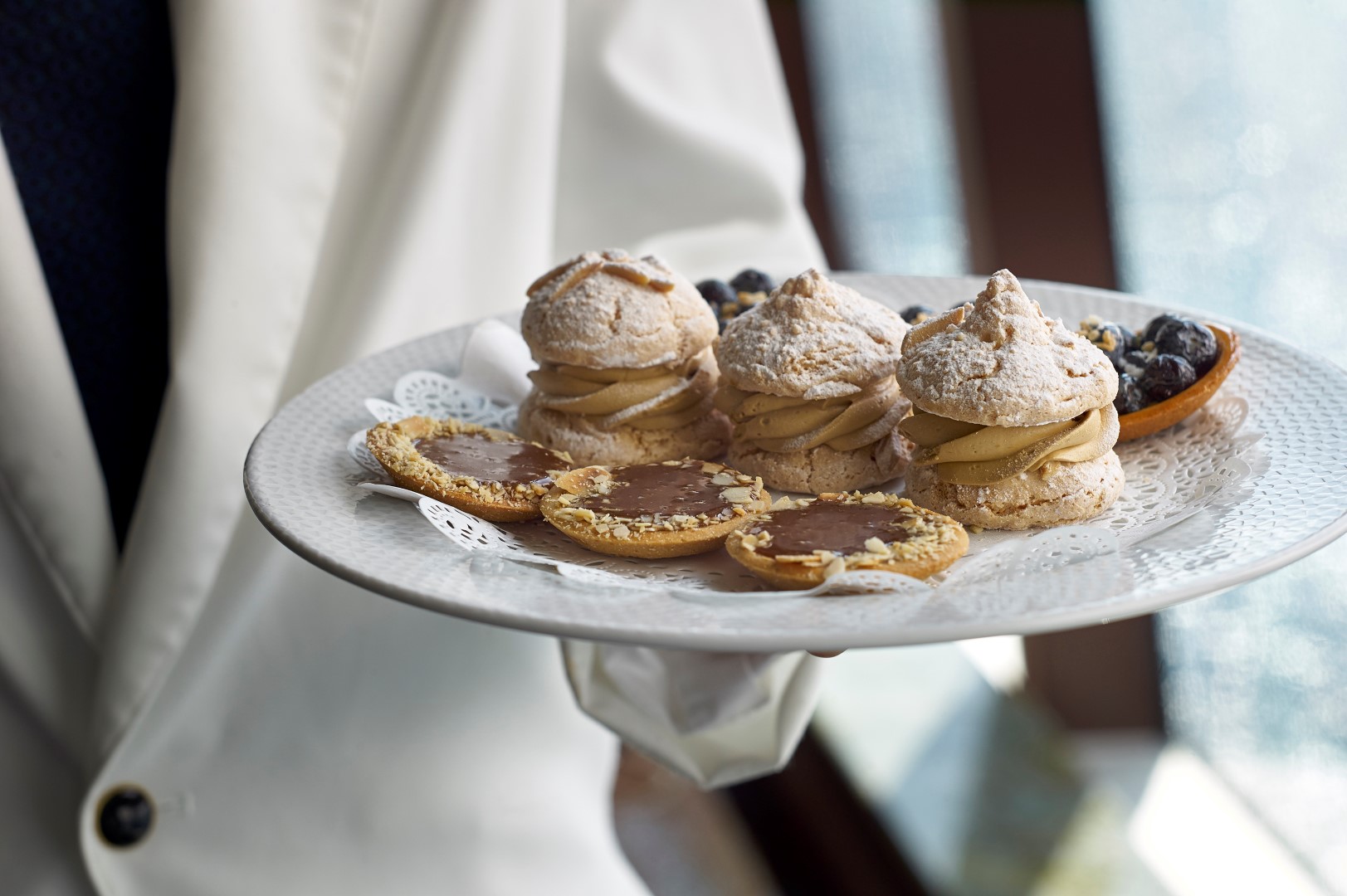
Each afternoon, the parade of gleaming four-tiered pastry carts begins. Savor freshly made, flavorful smoked salmon and egg salad finger sandwiches. Enjoy mirror-glazed petits fours, tender scones with rich clotted cream and, of course, a wide assortment of fine teas. Soak in the ambiance of polished silver teapots reflecting the turquoise sea, the precision of white-gloved servers and the amusing enigma of a string quartet playing softly in the background. You’ll quickly realize that this is how afternoon tea should be.
Check your daily Currents for time and venue. No reservations required.
Baristas
A NEIGHBORHOOD GEM
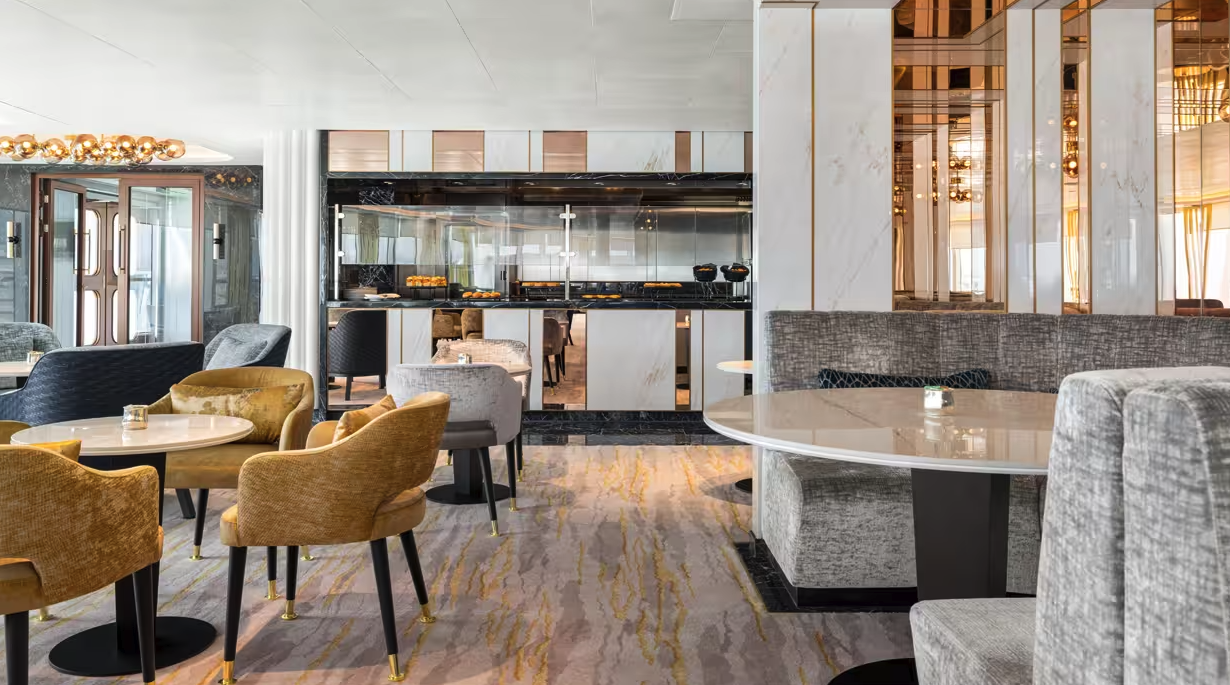
Combine the stylish flair of a Viennese coffee house with the warm smiles of your neighborhood café, then add 270-degree shimmering sea views and you have Baristas, a relaxed haven for coffee and fresh pastry afficionados. Sip complimentary illy® delights, enjoying the energizing kick of an espresso or the smooth richness of a cappuccino. Accompany the perfect cup with a buttery dark chocolate croissant or the sublime citrus hints of an orange biscotti. Whether you are drawn to a bold macchiato or a subtle iced latte, you will be captivated by the atmosphere of friendship and family that suffuses Baristas.
The Bakery
The enticing aroma of freshly baked pastries will draw guests from Baristas to Oceania Allura’s new Bakery just steps away. The perfect complement to your coffee might just be a French or Italian specialty fresh from the oven. Perhaps you’ll sample a flaky, ricotta-filled sfogliatella, a confection that hails from the Italian region of Campania. If you prefer a French patisserie, you might select a decadent chocolate and almond croissant. Whatever your choice, you cannot go wrong when indulging in a delicacy created by our skilled pastry chefs.
All Day (To be confirmed) 7:00 am – 5:00 pm
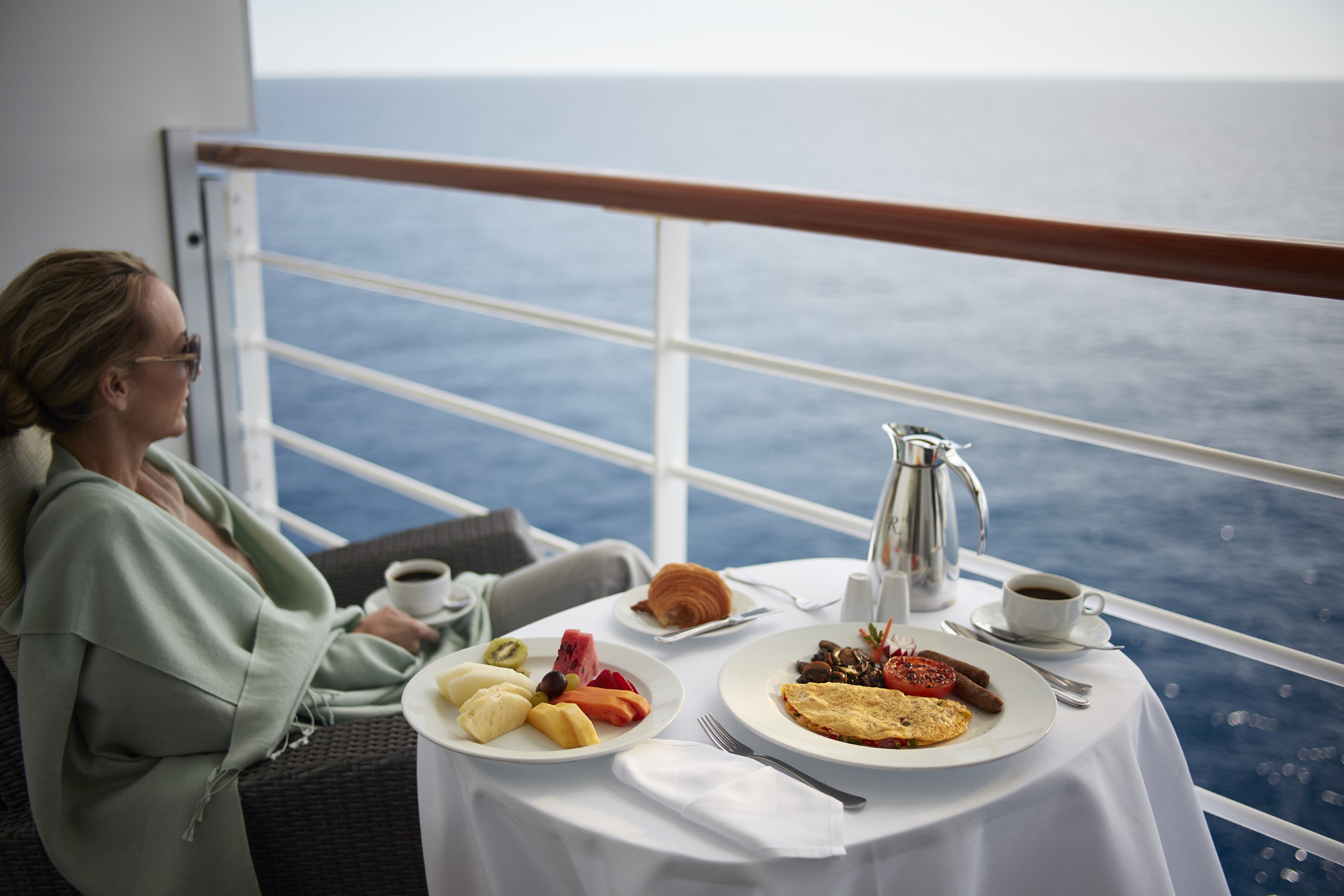
In-Room Dining Experiences
After a day of enriching adventures ashore or an enjoyable day on board, dining in the privacy of your suite or stateroom with our compliments is always a welcome possibility. A complete menu of varied dining experiences is available around the clock, featuring an extensive array of delectable breakfast, lunch and dinner items. All suites and staterooms have the added luxury of enjoying a full, hot breakfast in-room and those staying in Concierge Level or above have the additional privilege of ordering from an expanded lunch and dinner room service menu from The Grand Dining Room. Suite guests have the ultimate indulgence of enjoying course-by-course meals from the comfort of their spacious sanctuaries. Revel in the private luxury of your suite or stateroom, and enjoy an exquisite meal on your tranquil veranda as you take in spectacular seascapes.
Crêperie
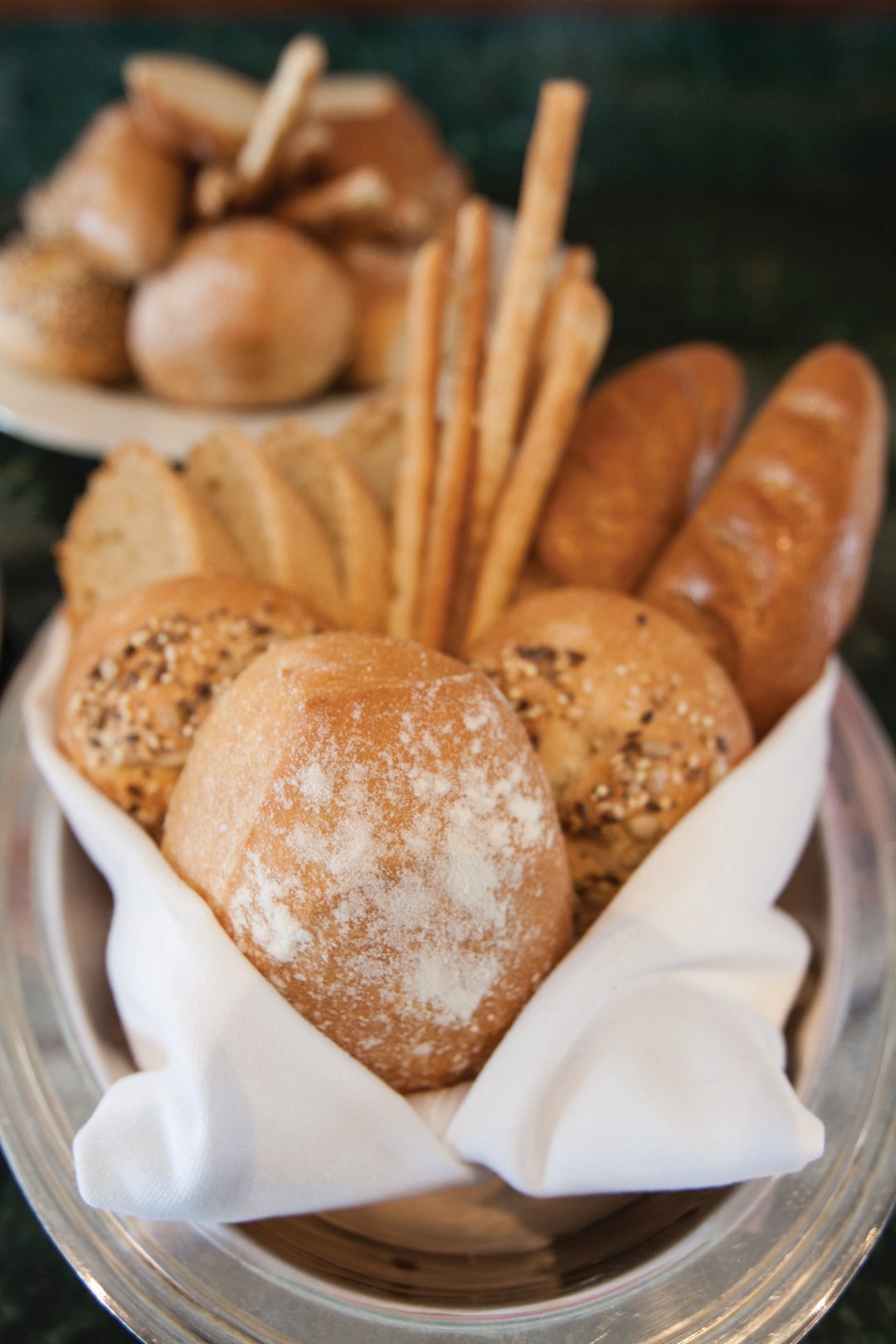
The Crêperie, located next to Baristas, the line’s signature coffee bar, will offer a selection of tempting French crêpes, Bruxelles waffles and bubble waffles, alongside Italian ice cream sundaes, from mid-morning throughout the afternoon.

Bakery
The enticing aroma of freshly baked pastries will draw guests from Baristas to Oceania Allura’s new Bakery just steps away. The perfect complement to your coffee might just be a French or Italian specialty fresh from the oven. Perhaps you’ll sample a flaky, ricotta-filled sfogliatella, a confection that hails from the Italian region of Campania. If you prefer a French patisserie, you might select a decadent chocolate and almond croissant. Whatever your choice, you cannot go wrong when indulging in a delicacy created by our skilled pastry chefs.
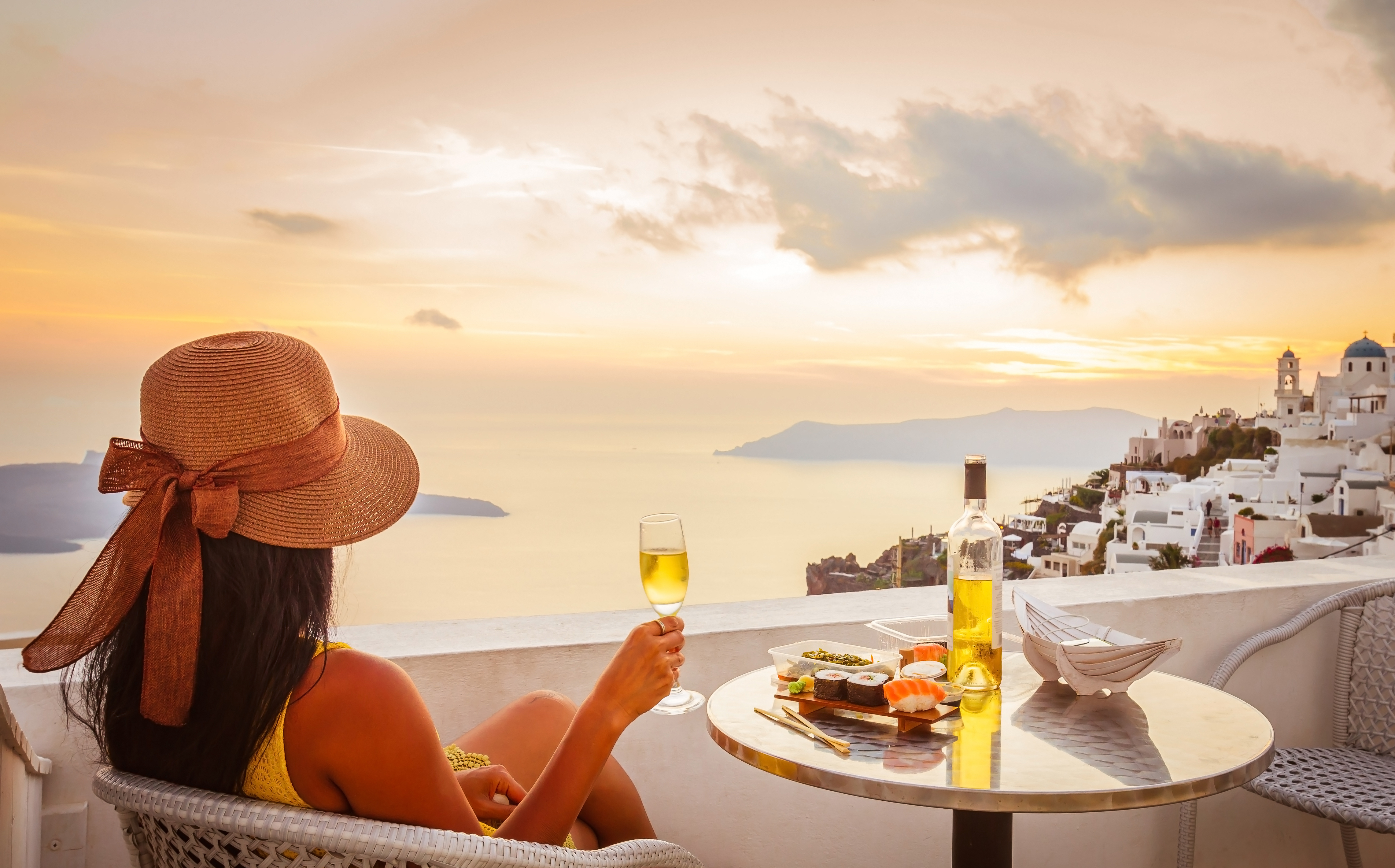
Shore Excursions
With more than 8,000 tours and excursions to choose from, we’ll help deepen your exploration of our fantastic locales in our Oceania Cruises way. Through a number of specialty tours and an expert team of destination specialists, transformative, once-in-a-lifetime experiences in the most magnificent places on earth await you. From small group tours to our signature curations focused on culinary discovery, local immersions, wellness and vitality, architecture and history, we promise that you will be forever changed.
BEYOND BLUEPRINTS
Designed to enhance your appreciation for architecture, Beyond Blueprints tours provide a rare and behind-the-scenes look at some of the world’s most iconic and fascinating architectural landmarks.
CULINARY DISCOVERY TOURS
Widely recognised for its groundbreaking culinary enrichment both aboard its ships and ashore, Oceania Cruises connects you with the culinary culture wherever you travel.
EXECUTIVE COLLECTION
Allows guests to have the personalised attention of a driver and English-speaking guide to provide them with flexibility and independence to design their itinerary ashore according to their interests.
EVENING EXCURSIONS
More late evening departures and overnight stays in ports around the world mean ample opportunities for evening excursions.
FOOD & WINE TOURS
Each Food & Wine Trails tour is led or organised by a local culinary expert – sommeliers, chefs and wine writers – to provide you with unique insights and a behind-the-scenes experience.
GO GREEN TOURS
Go Green tours offer enriching opportunities to experience the ways in which local communities and businesses are endeavouring to conserve, sustain and elevate their surrounding environments.
GO LOCAL TOURS
Our groundbreaking new Go Local excursions are immersive destination tours that invite you to embed yourself in the fabric of the local communities for engaging, one-of-a-kind experiences. On more than 120 tours across Europe, Alaska and South America, you will be welcomed into homes and businesses and immersed in the local way of life. You’ll have the chance to engage with local artisans, craftsmen, religious figures and other individuals. You’ll learn generations-old traditions and become part of a local family. You’ll experience the destination on an entirely new level and leave feeling connected to the place – and changed.
OCEANIA EXCLUSIVE EXCURSIONS
Designed for travelers who prefer an added measure of privacy, intimacy and flexibility, our Oceania Exclusive excursions limit group size to just 16 guests maximum.
- Small group tours from 10 to 16 guests
- Available in nearly every port we visit
- More flexibility and personalized attention
OCEANIA SELECT EXCURSIONS
While all our shore excursions offer extraordinary experiences, some are so outstanding and awe-inspiring that they merit special recognition.
WELLNESS DISCOVERY TOURS BY AQUAMAR
From ancient mineral baths outside of Rome to a traditional teahouse in Myanmar, our Wellness Discovery Tours by Aquamar offer exclusive excursions ashore that reveal timeless wellness practices of locales around the world. Alluring destinations, fascinating cultures and healthy living come together to create innovative and rejuvenating travel experiences. With more than 50 options, the tours featured here are only the beginning.
Artist Loft
A Hands-On Approach
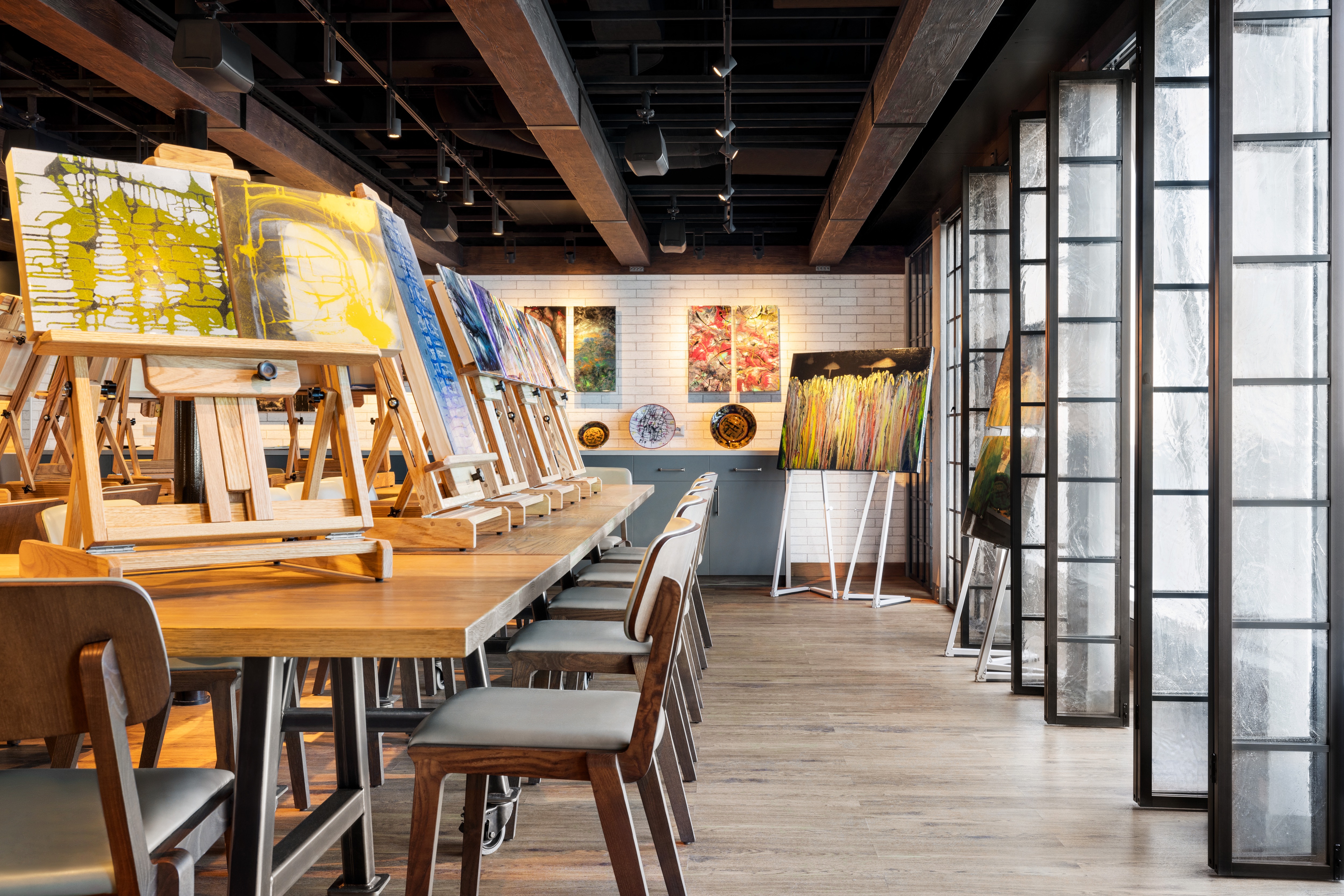
For budding artists, there is Artist Loft enrichment center, where talented artists-in-residence offer step-by-step instruction. Under their watchful eye, try your hand at painting with oils or watercolors, sketching, creating collages and more. The workshops change continually, and with these experienced artists’ guidance your talents will quickly blossom.
CREATIVE EXPLORATIONS
Gather together with fellow creative minds and art enthusiasts to tap into your imaginative side, perhaps learn a new technique or even create a memento of your special voyage.
The Culinary Centre & Culinary Discovery Tours
LEARN BY EXPERIENCING
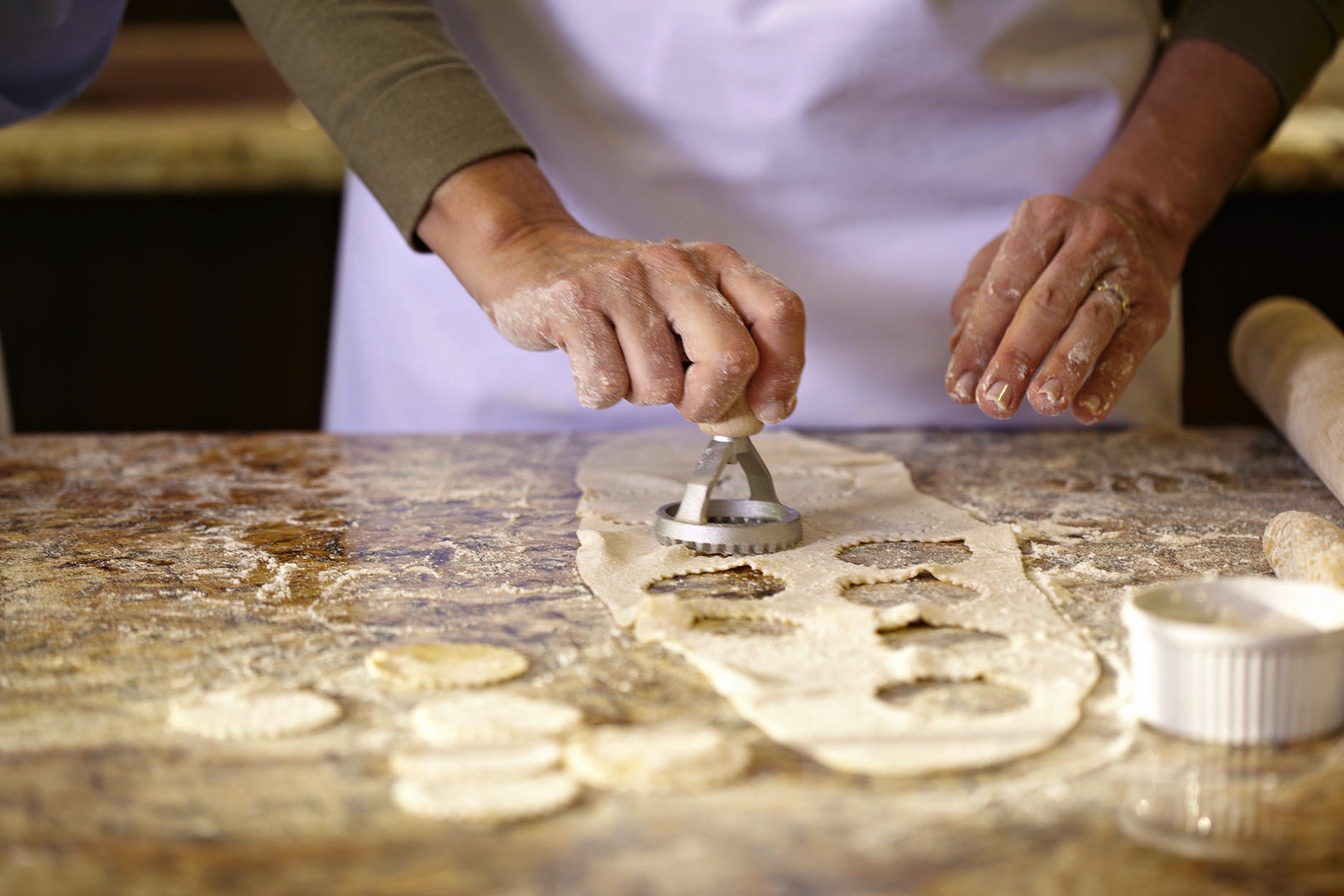
As the world’s first hands-on cooking school at sea, The Culinary Center on board Oceania Marina, Oceania Riviera, Oceania Vista and Oceania Allura teaches you how to prepare a variety of exquisite dishes at your own fully equipped workstation in a state-of-the-art teaching kitchen. Passionate Chef Instructors offer guidance and inspiration to fine-tune your techniques, but each dish is prepared by you. Spend a delightful day at sea learning how to make fresh pasta, the fundamentals of cooking seafood or the secrets of traditional French cuisine.
Epicurean Explorations
Our Culinary Discovery Tours™ take culinary exploration one step further. At select ports, accompany chef instructors while shopping for fresh ingredients ashore at local markets, experience authentic regional fare in private homes or chef selected restaurants and immerse yourself in the local culture through the lens of the cuisine.
Guest Speakers
Meaningful & Ever-Changing Enrichment
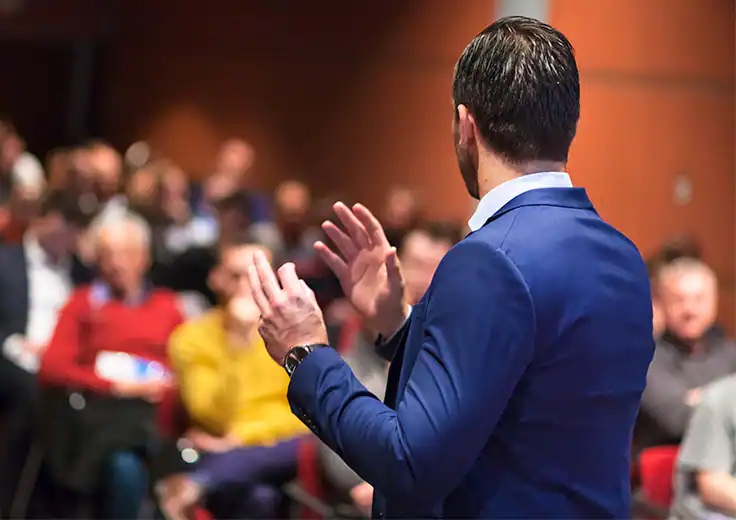
On many voyages, a Guest Speaker will share unique insights into the cultures and people of the regions visited, along with fascinating stories and themes related to the destinations. On select sailings, a second Guest Speaker will provide an additional program of enriching presentations and workshops. Also take advantage of complimentary seminars hosted by the Aquamar Spa + Vitality Center on a range of relevant and timely health, nutrition and wellness topics to reinvigorate your routines and lifestyle. Check your daily onboard newsletter, Currents, for a schedule of talks, presentations and seminars.
Destination Services
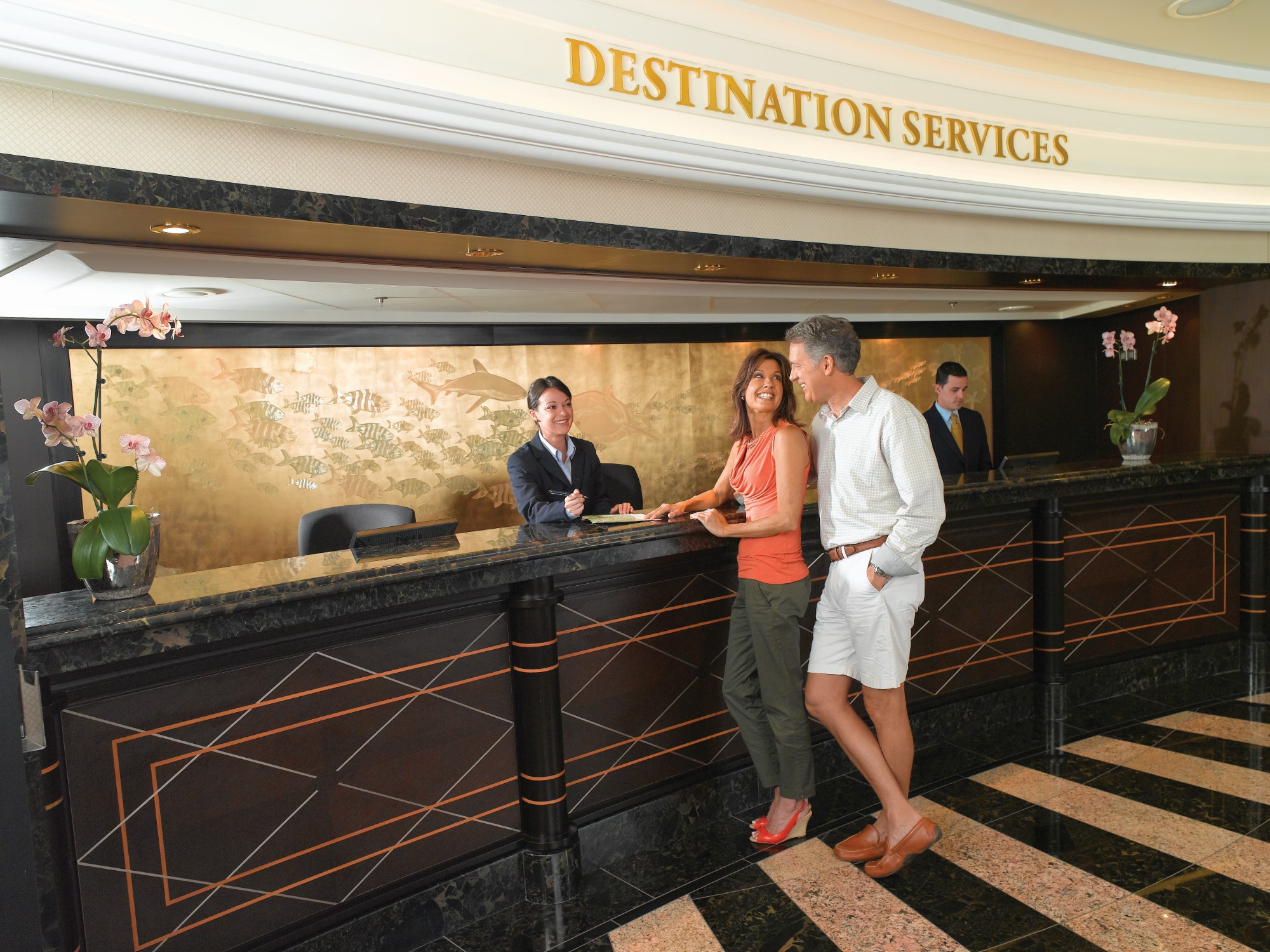
Our expert team of Destination Specialists is on hand to help you with all of your shore excursion planning and destination questions.
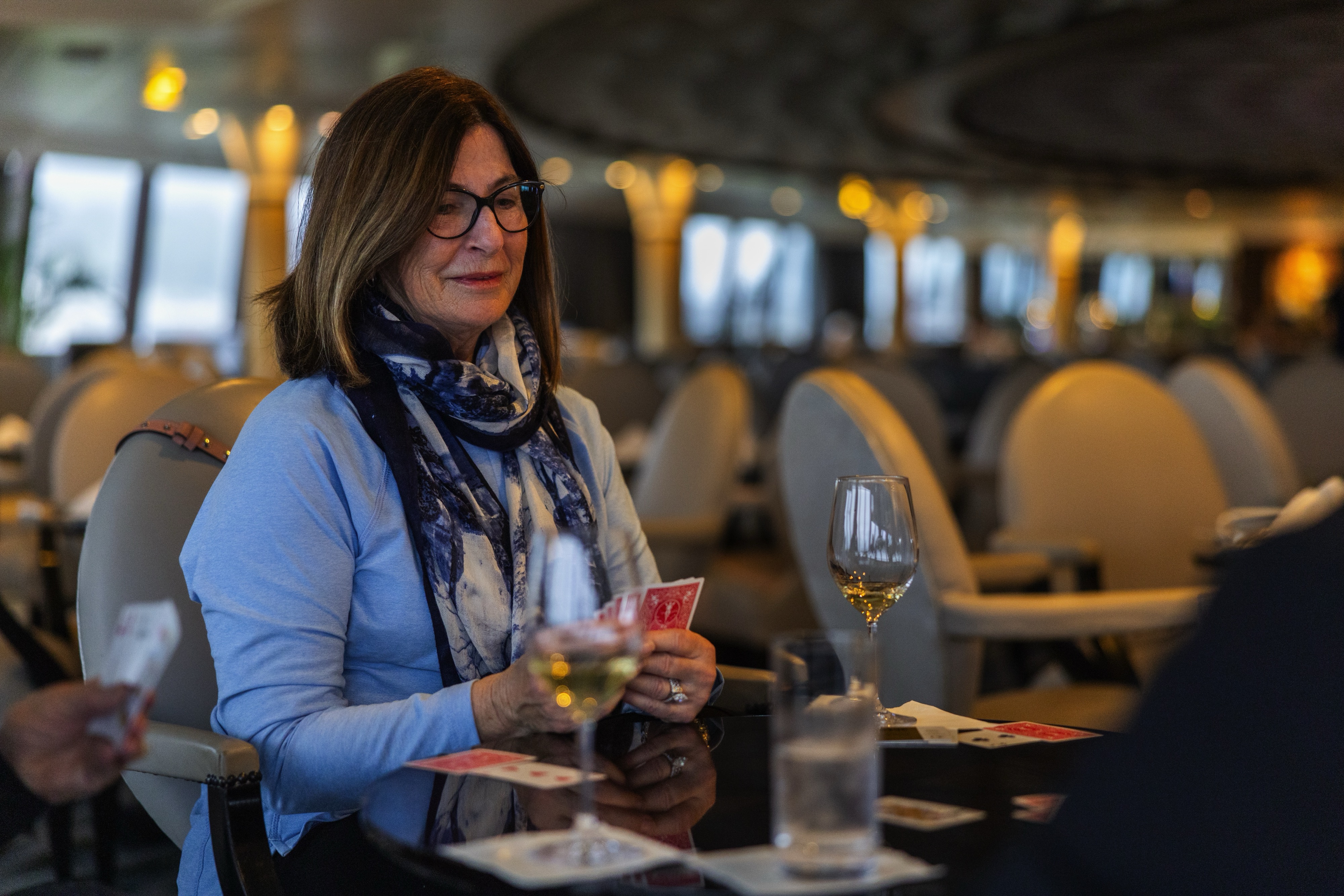
Brain Games
Friendly Competition
Team Trivia, Brainteasers Trivia and MENSA quizzes are not only some of the most popular and lively activities on board, these gatherings are also the perfect way to meet, mingle and bond with fellow travelers. Hosted daily, these diversions are filled with friendly competition and lots of laughter.
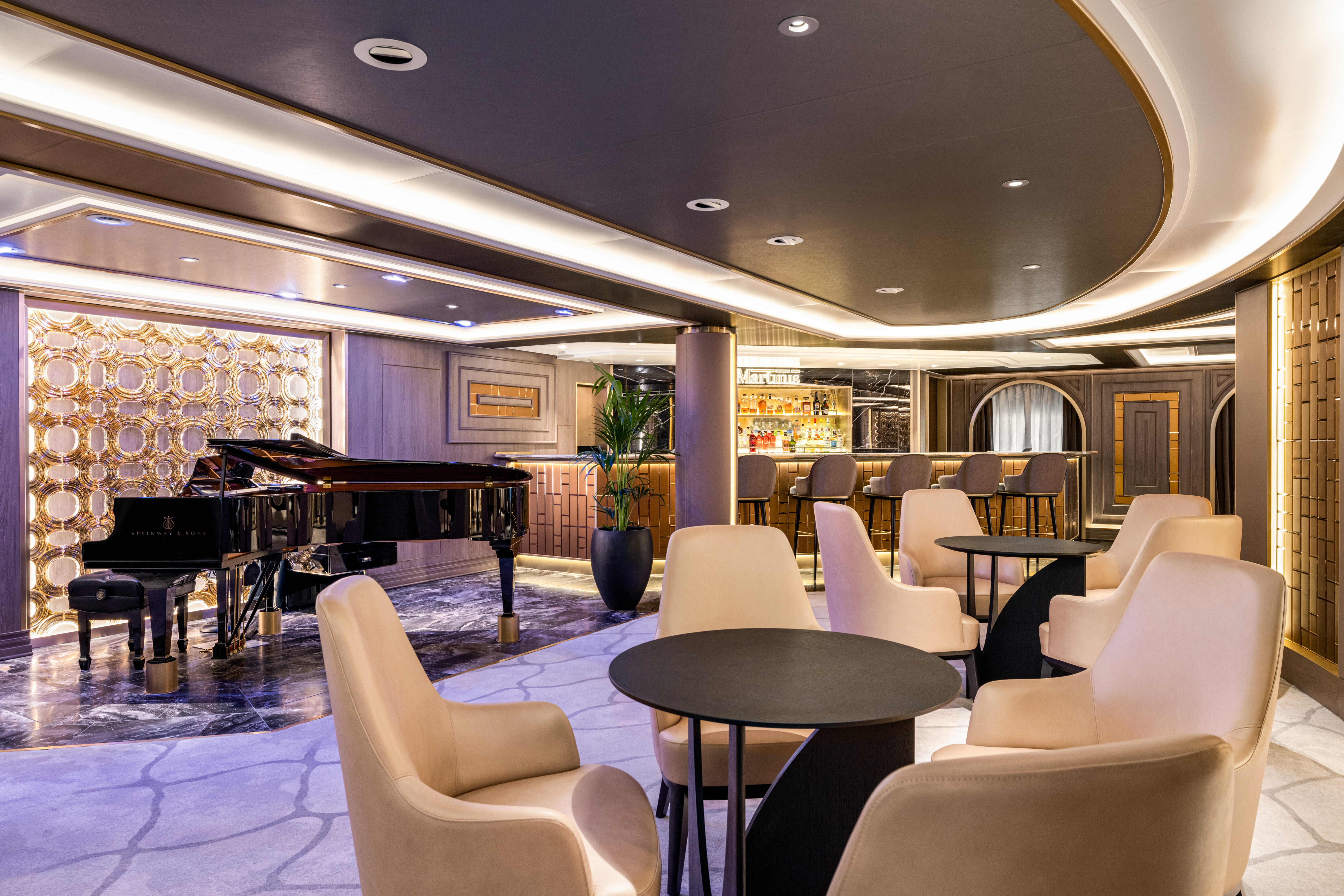
Martini's
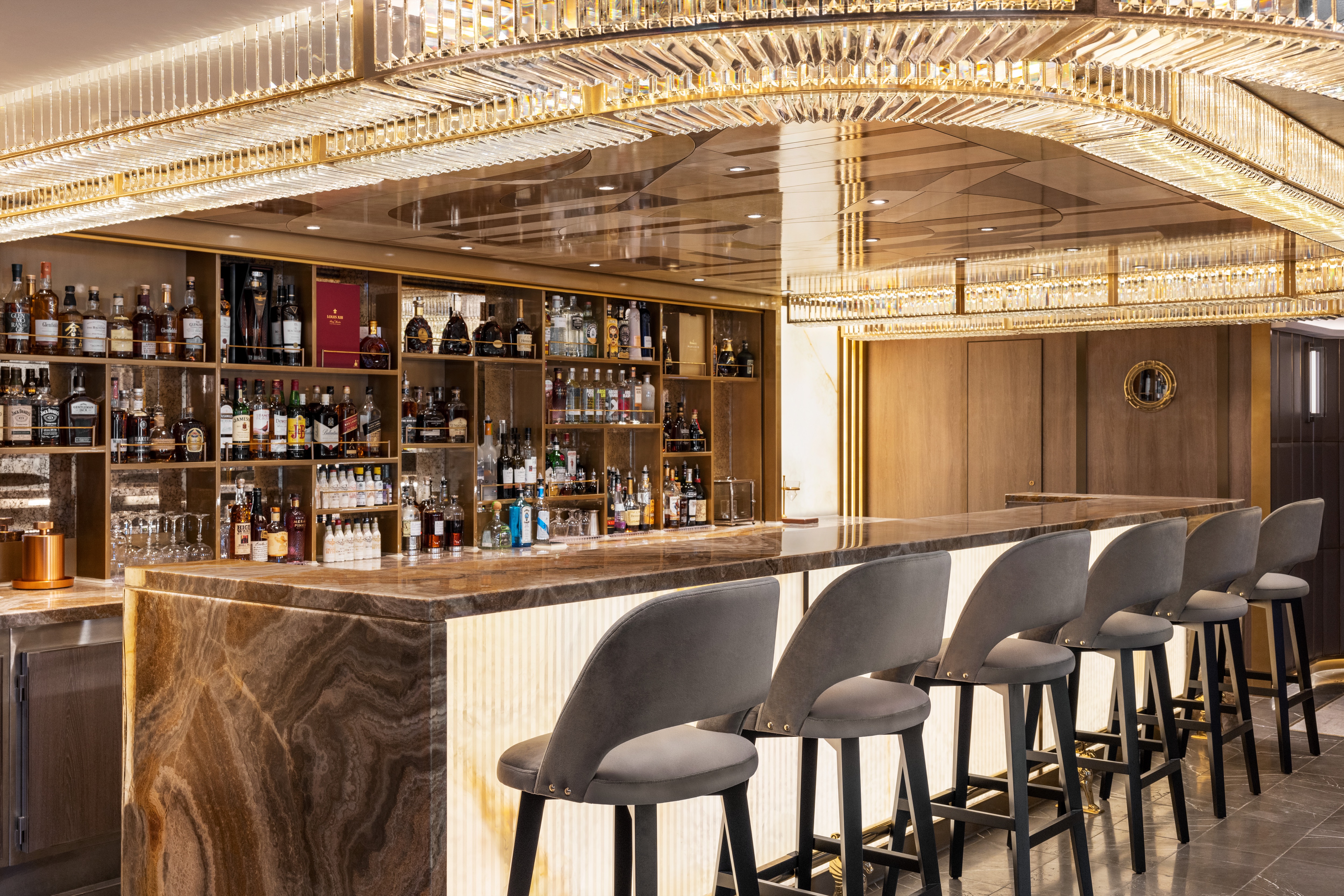
The lounge known as Martinis is far more than a place to sip a signature cocktail — although its namesake libation alone is reason enough to spend some time here. In fact, Martinis is refreshing its namesake cocktail with fresh new spirits selection, Mermaid gin and vodka. The bar is a glamorous destination that welcomes you to a warm, inviting setting amidst walls of shimmering glass under a canopy of crystal. You’ll also be able to choose from a tantalizing new collection of drinks called Hollywood Martinis, in addition to the already popular selection shaken tableside. The Hollywood collection includes a variety of drinks inspired by the Old Hollywood, such as Bardot Martini, The Corleone Martini, Sir Connery Martini, Blue Eyes Sinatra and Monroe Martini. Simply gather with friends in your favorite alcove and let the memories be made.
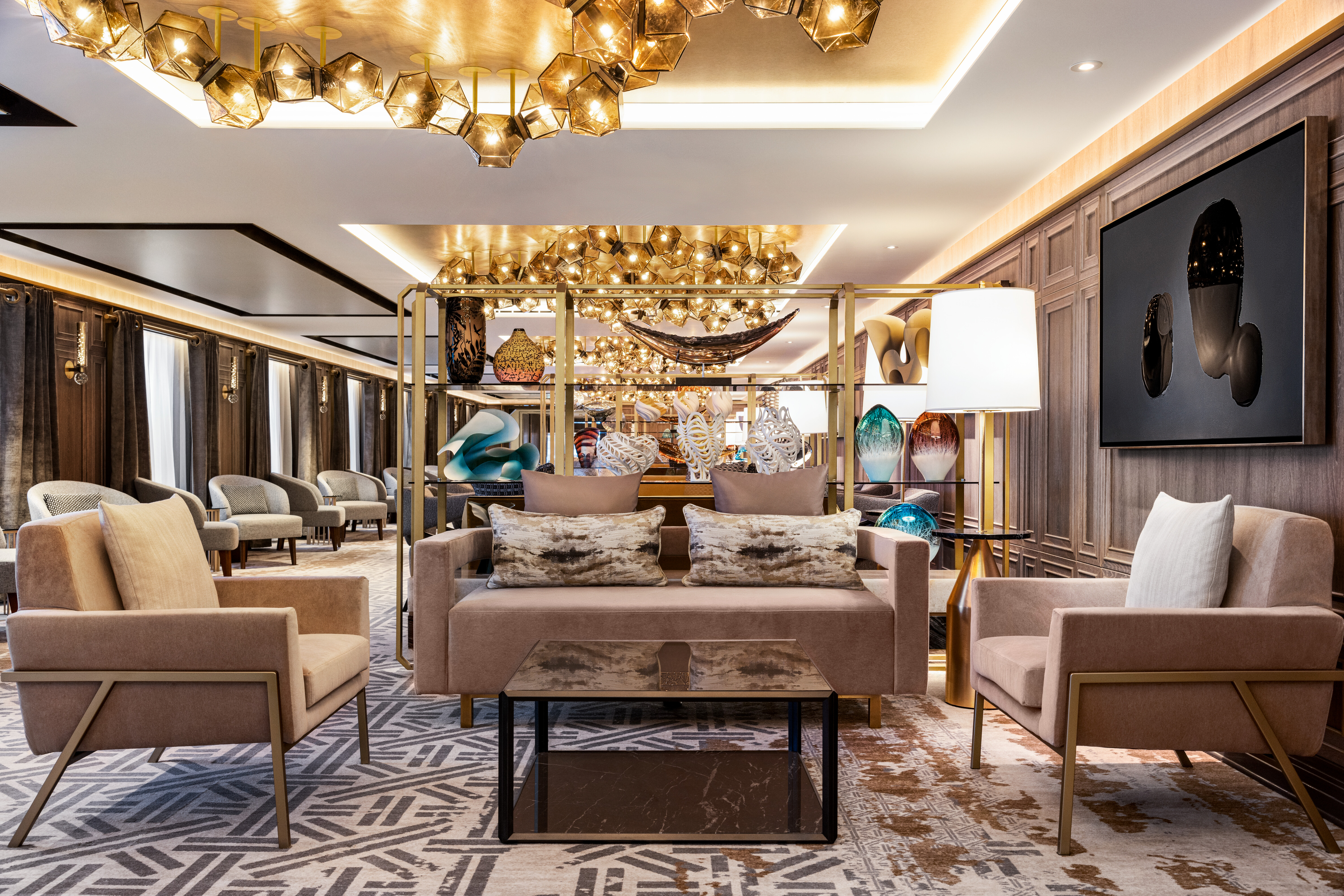
Grand Lounge
Oceania Allura’s provocative Grand Lounge plays with shape and form to create visual elements that are striking even as they are understated. The color palette is an ode to metals and minerals with shades of bronze, onyx and alabaster lending both balance and interest. The resulting space evokes exclusivity — the feel of a luxurious private club — inviting guests to relax and enjoy an aperitif before dinner or a nightcap before retiring as they relive the day’s adventures with fellow explorers.
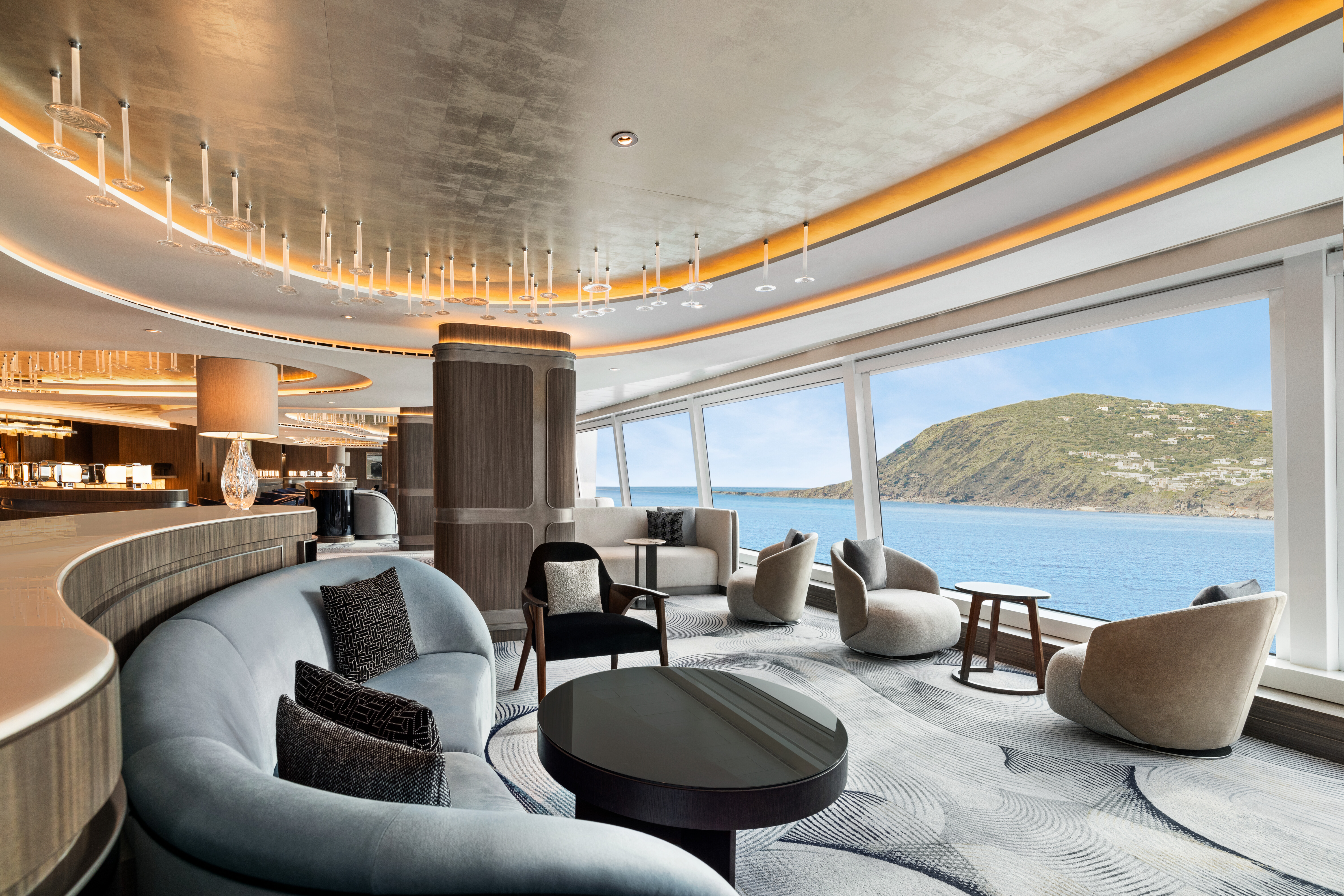
Horizons
The most distinctive feature of aptly named Horizons is the lounge’s dramatic floor-to-ceiling windows, offering 180 degrees of stunning views that hint at the adventures to come. This space celebrates the essence of Oceania Allura by showcasing the magical call of that which lies beyond the horizon.
To ensure that you can fully appreciate these tantalizing panoramas with a relaxed familiarity, Horizons is appointed with comfortable residential furnishings in soothing tones that create a sense of home, even as the view assures you that you are far from it. Dance the night away to the sounds of a lively musical group and toast to the adventures ahead.
Waves Bar
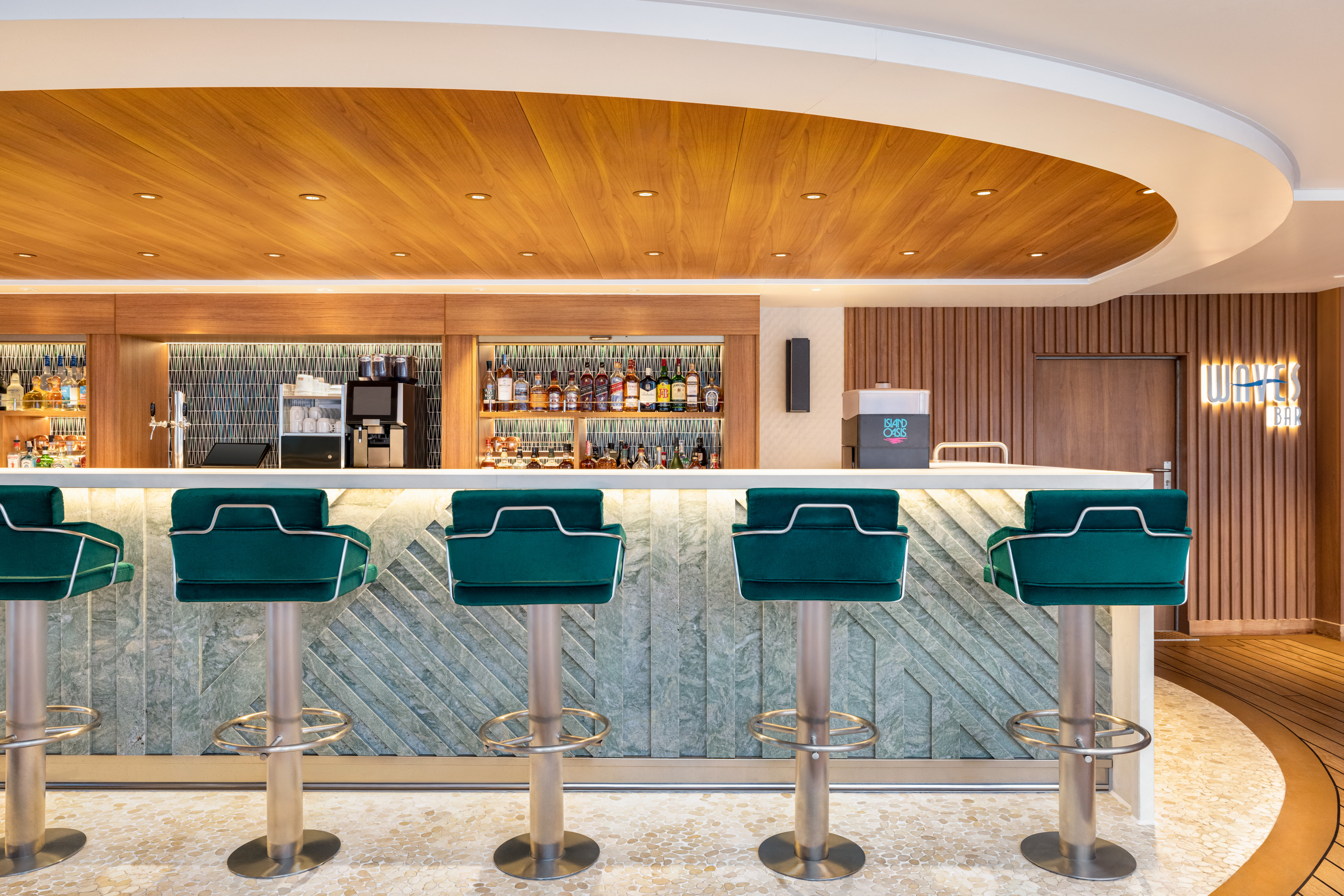
Located in a shaded area just steps from the swimming pool, Waves Bar offers a wide variety of libations to enhance your poolside experience. Revel in the perfect afternoon on deck with your favorite cocktail, glass of wine or chilled beer. Come happy hour, signature cocktails and frosty beverages create a delightfully carefree segue to the lively evening ahead as the sun sets.
LYNC Digital Centre
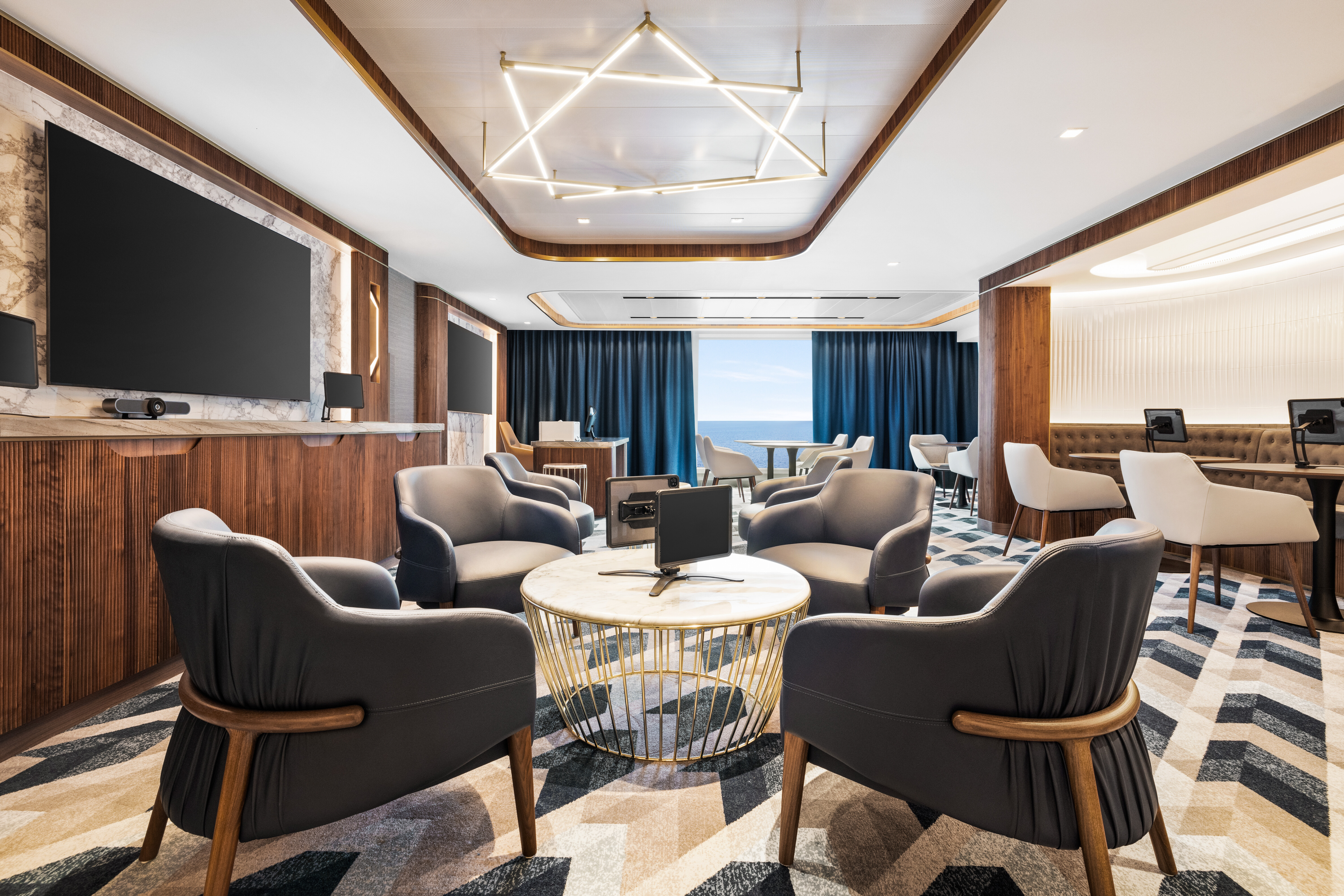
The all-new LYNC Digital Center aboard Oceania Allura is all about connection. Join us for an interactive and fun enrichment series that connects you with friends and family on social media, elevates the quality of your photos and more. Complimentary digital learning classes, spanning all levels and ranging from social media essentials to travel photography and smartphone videography, are hosted by a knowledgeable Digital Concierge in our innovative digital center.
Our innovative digital center features comfortable seating, expansive video monitors and technical support so that you can stay in touch with family at home, monitor business developments online or check in on social media. LYNC Digital Center connects you to life on board, ashore and at home.
Library
A STATELY RESPITE
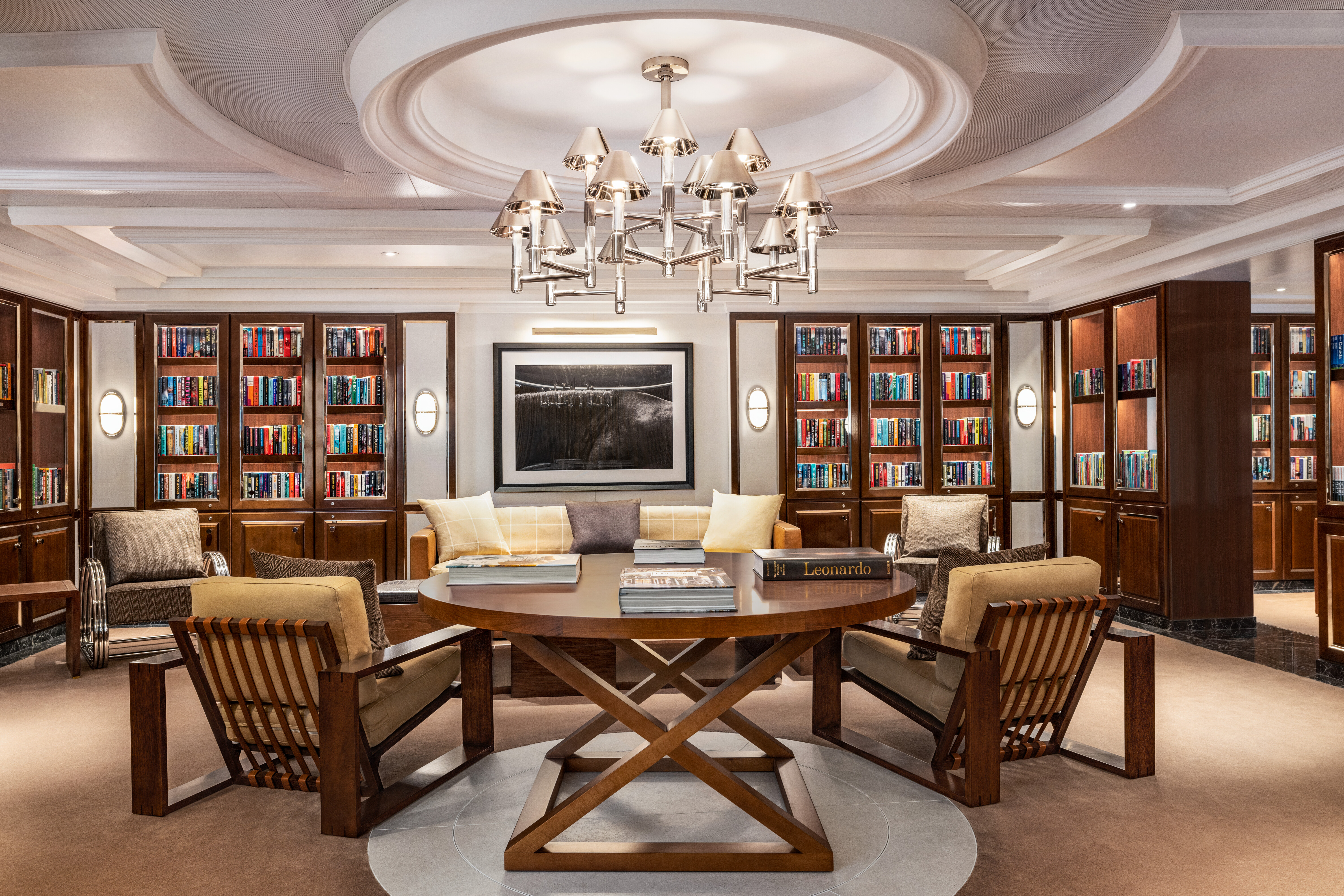
Evoking a cherished den in a modern equestrian estate home, the Library is a guest favorite, so special care was taken to ensure it exudes tranquility and a sense of belonging. Glass walls offer views of serene seascapes, but the greatest comfort may be found within the Library’s inner sanctum. The aesthetic speaks to a time when the written word was our window to the world and earned pride of place in an atmosphere of effortless comfort. It is the perfect place to curl up with a novel or simply indulge in a nap in one of the sumptuous chairs.
Boutiques
UNIQUE GIFTS, JEWELRY & MORE
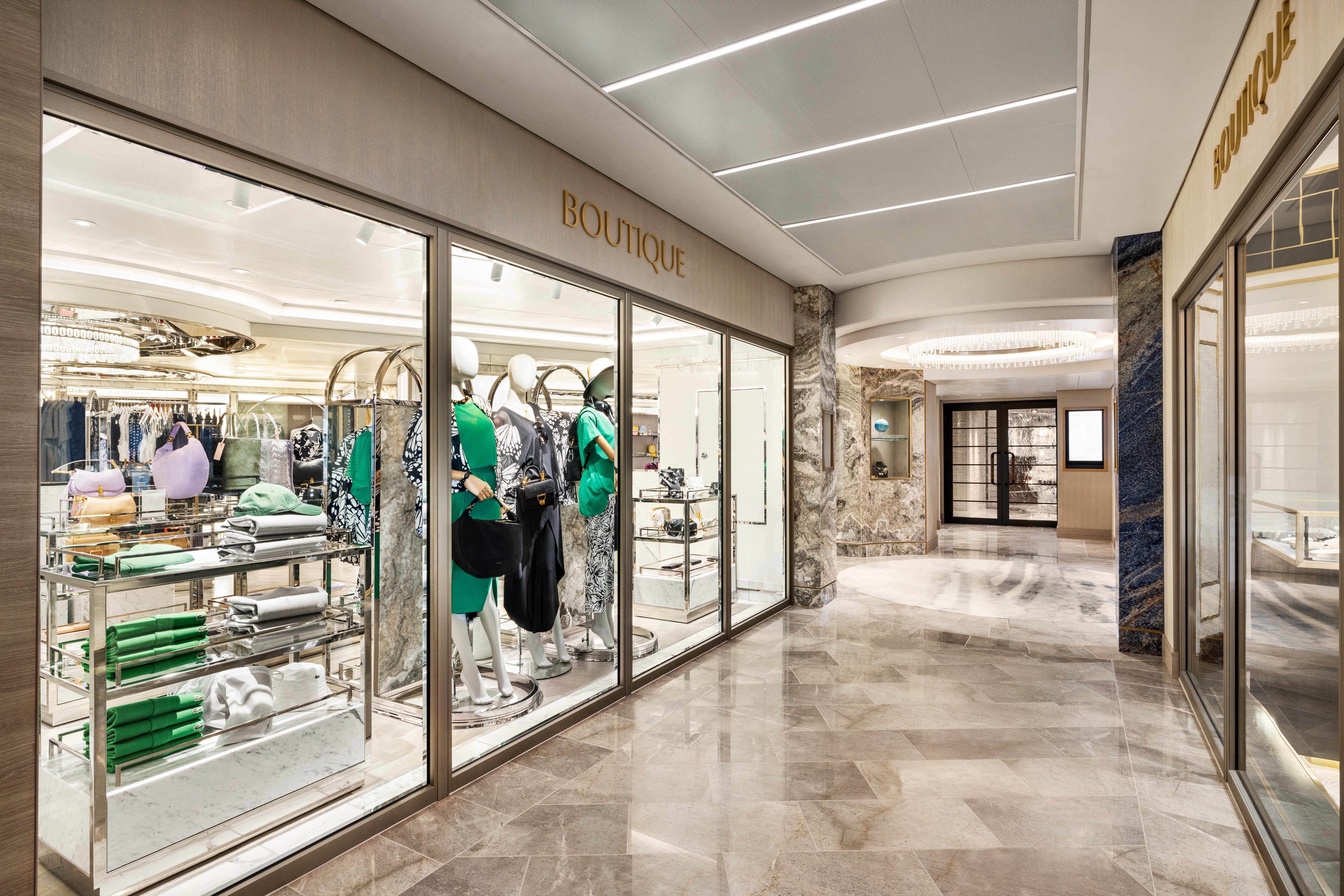
Our stylish boutiques feature a tastefully curated selection of items ranging from sundries to chic resort wear and fine jewelry. Discover thoughtful gifts for friends and family or the perfect memento to remind you of your special cruise experience.
DUTY-FREE ON BOARD OCEANIA ALLURA
Browse through our collection of duty-free merchandise including fine jewellery, watches, fragrances and Oceania Cruises logo wear. Also find shipboard keepsakes, designer handbags, sunglasses, books and more.
Casino
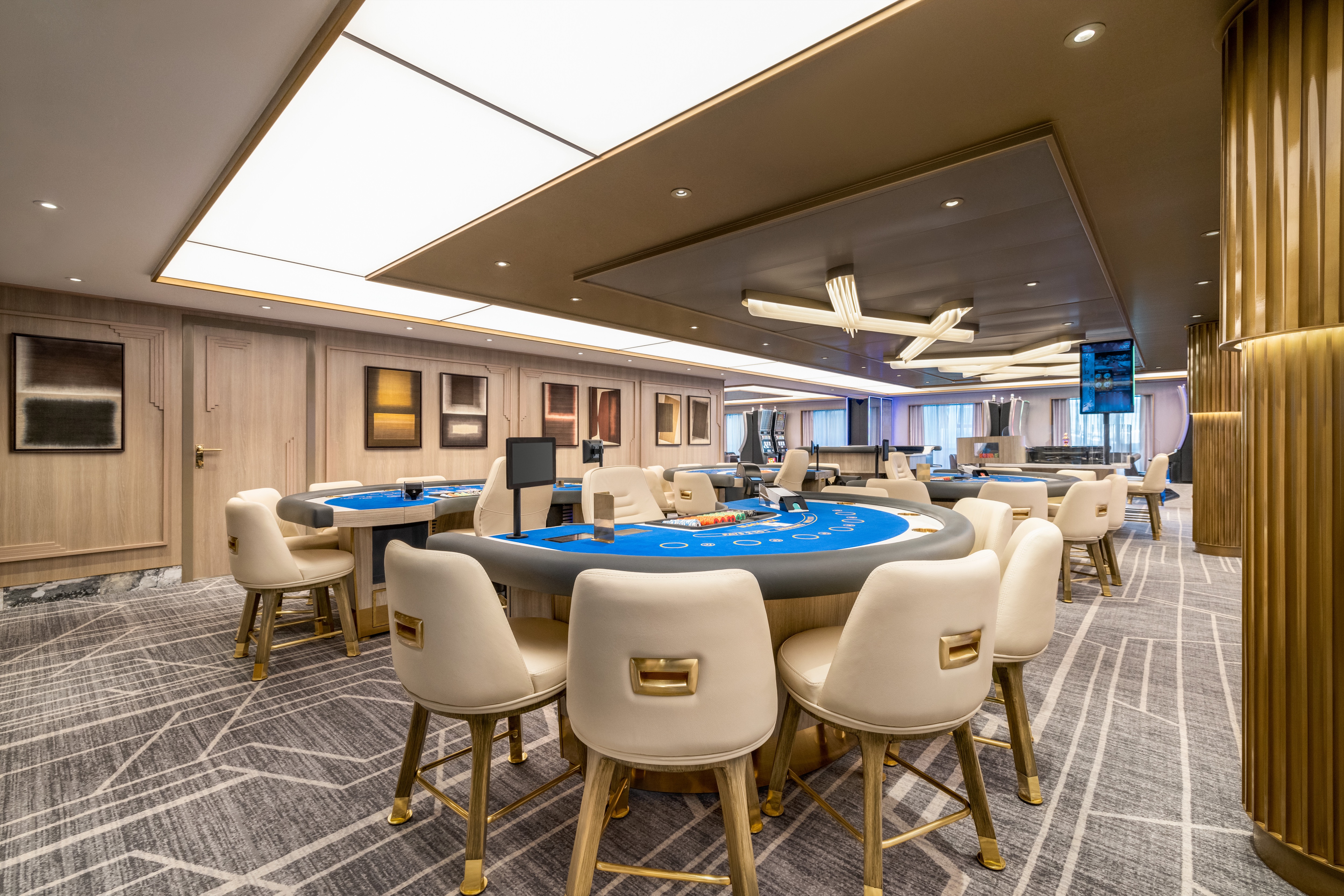
The Casino on board Oceania Allura takes its cue from the elegance of Monte Carlo Casino and London’s Hippodrome, evolving the art nouveau elements of these iconic establishments into a space of understated, atmospheric luxury. Try your hand at your favorite games of chance and skill, perhaps warming up to test your luck ashore in an upcoming port of call. Those simply seeking a refined space in which to enjoy a cocktail will be drawn to the subtle glow of the golden Casino Bar.
CASINOS AT SEA®
The professional staff is happy to provide lessons on how games are played, the rules and proper table procedures. Unwind from a busy day ashore by playing your favourite games of chance and skill in our casino. Enjoy a fun and exciting range of ways to play, from card and table games such as blackjack and roulette to slot machines.
Getting started is easy. Stop by the casino cage and pick up your Oceania Cruises casino player card and start earning points today, by inserting your player card while playing your favourite slot machines and table games. The more you play, the more you earn!
- Reel & Video Slots – For every $5 coin-in, receive 1 point.
- Video Poker – For every $10 coin-in, receive 1 point.
- Table Games – Points are based on average bet, session play or hands played and game type.
- Action packed casinos designed with style
- Table game limits for players of all levels
- Diverse array of reel slot, video slot and video poker machines
- Dedicated and knowledgeable casino staff
- Industry leading player tracking system
- Free gaming lessons
REDEEM CASINO POINTS
You’ve played. You’ve earned. Now you’re ready to redeem. Downloading points for play is quick and easy. Redeem your casino points for play right at your machine by following the on-screen prompts or stop by the casino cage – the choice is yours.
- Earn points for all your casino play
- Redeem points for play right at your machine
CASINO CASH & CREDIT
Front Money deposits are accepted for gaming in the form of cash, traveler’s checks, cashier’s checks and wire transfers delivered to us prior to embarkation. All cashier’s checks require prior verification. For more information please give us a call at 877.625.2094.
Cashless Wagering
Charge gaming to your onboard account directly from your game of choice or at the casino cashier, using your stateroom key card. Convenience fees, daily limits and cruise limits apply. Euros may be exchanged at the casino cashier, exchange rates apply. All gaming is in US Dollars.
- Cashless wagering allows you to game with your key card
Credit
Casino Credit is available to all players with an existing reservation. The minimum application amount is $10,000.00 and a personal check is required onboard to activate the credit line. Applications are processed 1 month prior to sailing. The application process is easy and there is no fee to apply. To get started, click here for our credit application or for more information email us at casinocredit@ncl.com or call us at 877.625.2094.
- Casino credit available
Mixology Bar
Oceania Cruises doesn’t just serve The Finest Cuisine at Sea; we now have a mixology series to match that introduces new concepts, cocktails and experiences throughout the ship. Choose encompassing amusements ranging from lively libations at the Bubbly Bar or Ultimate Bloody Mary Bar to flavourful and refreshing zero-proof cocktails. An impressive selection of new premium spirits, unique curated pairing menus and a bountiful cellar of low- and no-sugar wines inspire a deeper appreciation for the finer things in life. Rediscover the art of the cocktail among newfound friends and cherish a time-honoured shipboard tradition that takes on an exciting fashionable flair.
Onboard Shows
ENTERTAINMENT FROM A NEW PERSPECTIVE
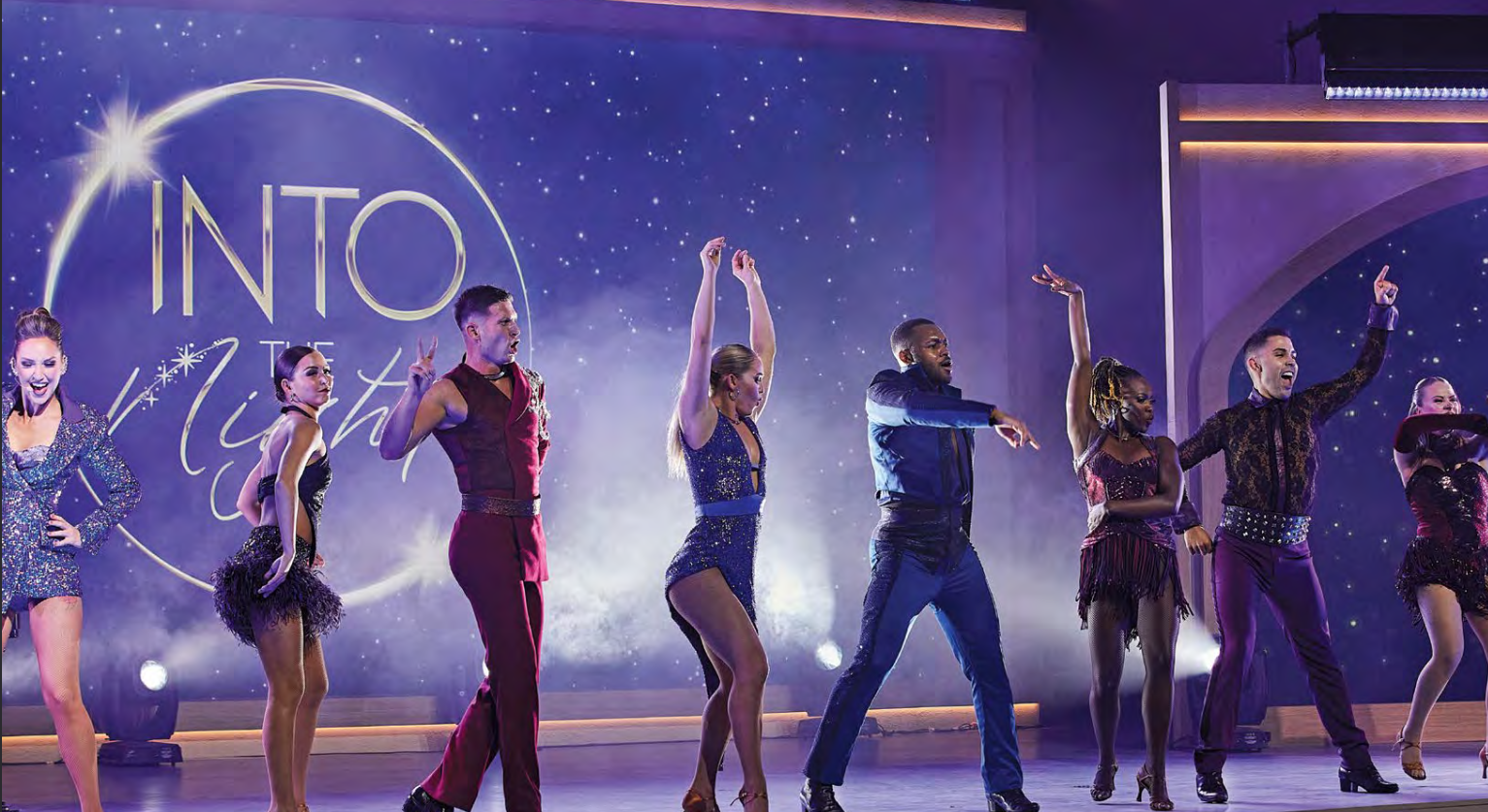
Entertainment that is both enthralling and inspiring demands a kaleidoscope of talent orchestrated into something truly magical. Aboard Oceania Allura, the meticulously curated onboard shows achieve new heights. Discover an enticing array of star-studded performers in lively and adventurous production shows, each with its own unique personality. Soloists, exceptional leaders in their fields, effortlessly mesmerize audiences while headliners with impeccable credentials elevate favorite songs to new levels.
Founders Bar
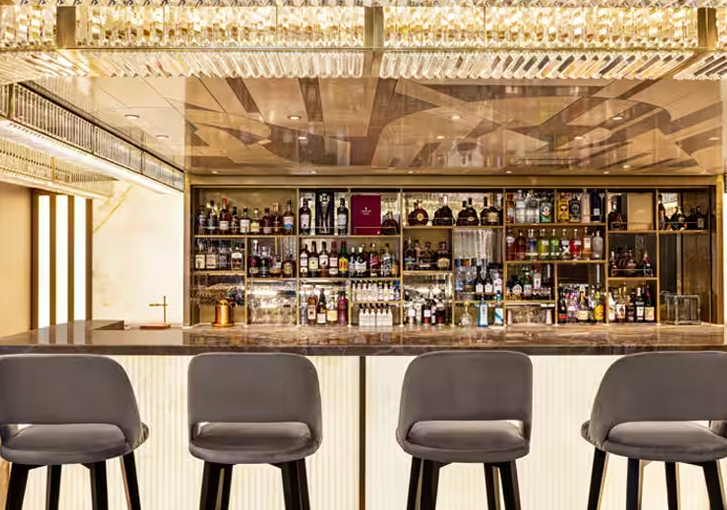
Founders Bar, perhaps the most exclusive venue on Oceania Allura, is the chic hotspot where one goes to be noticed. Where else could you order readymade Negronis that come straight from a wooden barrel, imparting an oaky undertone that whispers of old world secrets? Vapor-filled bubbles with aromatic flavors are infused in cocktails, bringing a unique twist to both classic and contemporary concoctions. Aged bourbons with hints of caramel and vanilla and grassy, spicy ryes have been hand-selected from the most distinguished distilleries. Or settle into a snug armchair and watch your cocktail of choice prepared tableside. At Founders Bar, anything is possible.
Allura Lounge
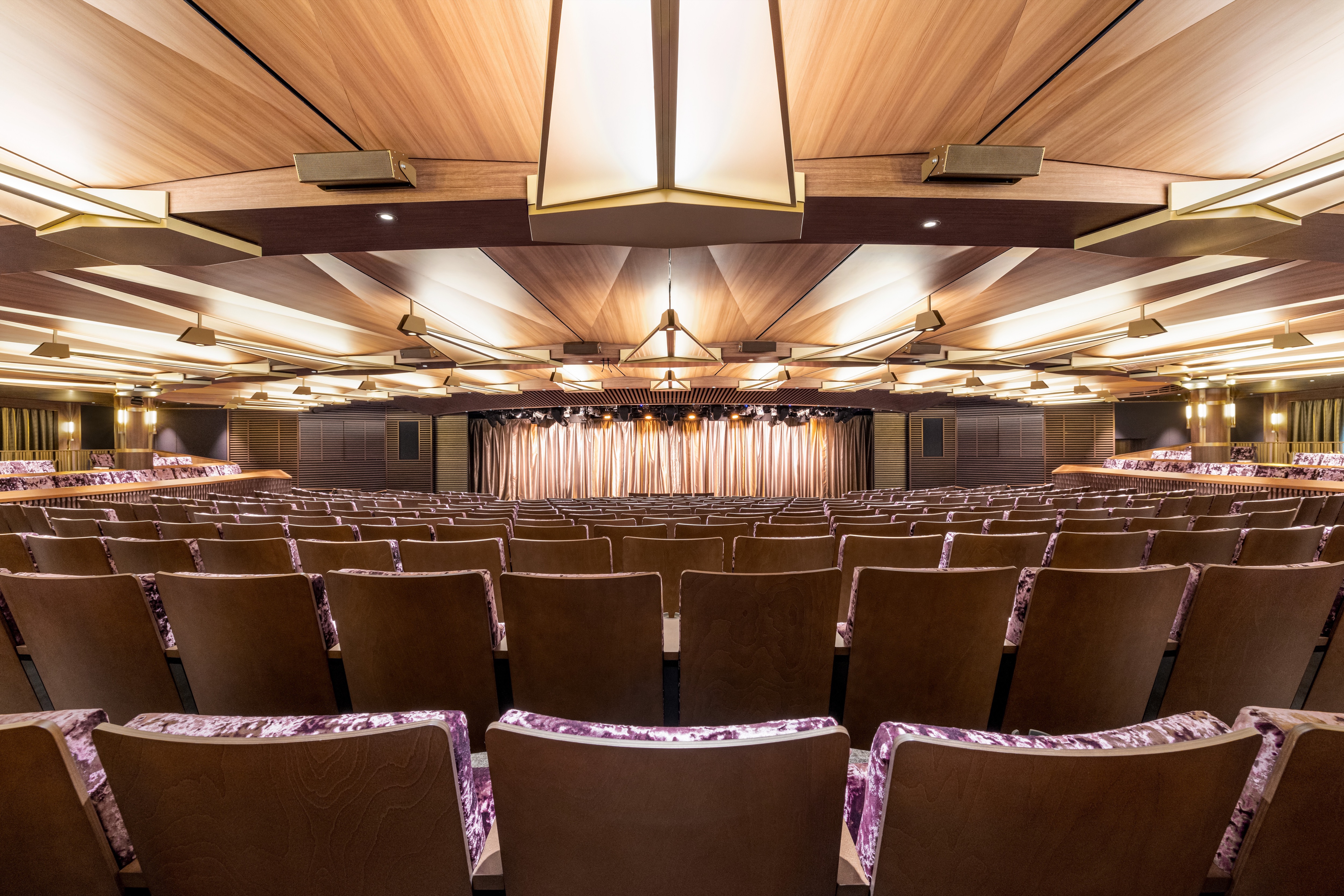
Our entertainment architects have engineered a space with the best possible acoustics and visual lines to provide a home worthy of the engaging talent that you will witness in the Oceania Allura Lounge. During the daytime, experts in their fields — from diplomats to chefs to historians — enlighten you with enrichment programs that provide insight into the regions you are exploring. After the sun sets, the Oceania Allura Lounge presents a new line-up of entertainment to enthrall the audience, including sophisticated cabarets, world-class musicians, dynamic vocalists and exclusive headliners.
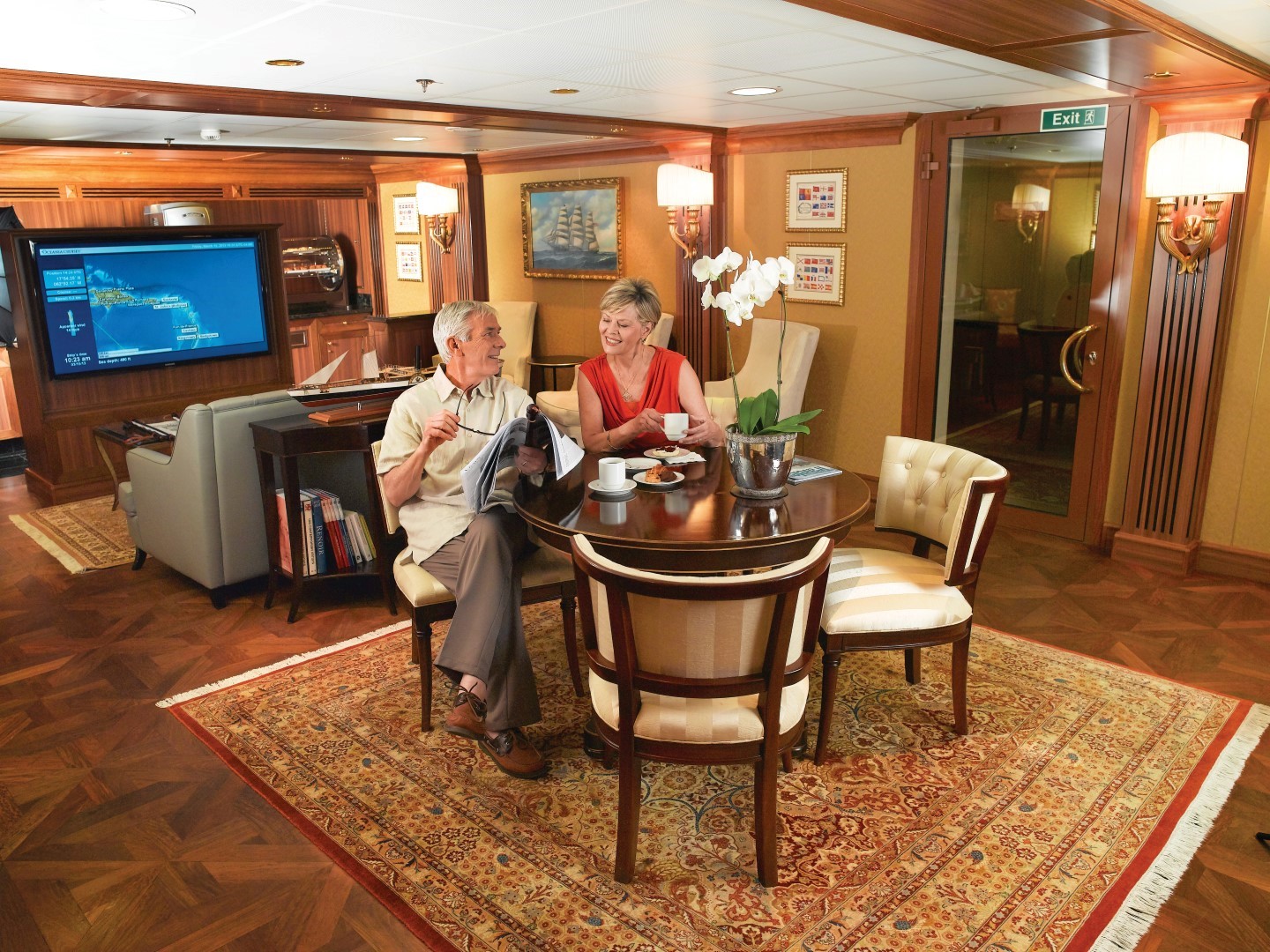
Concierge Lounge
Enjoy the fully-staffed Concierge Lounge with complimentary beverages and snacks throughout the day an evening
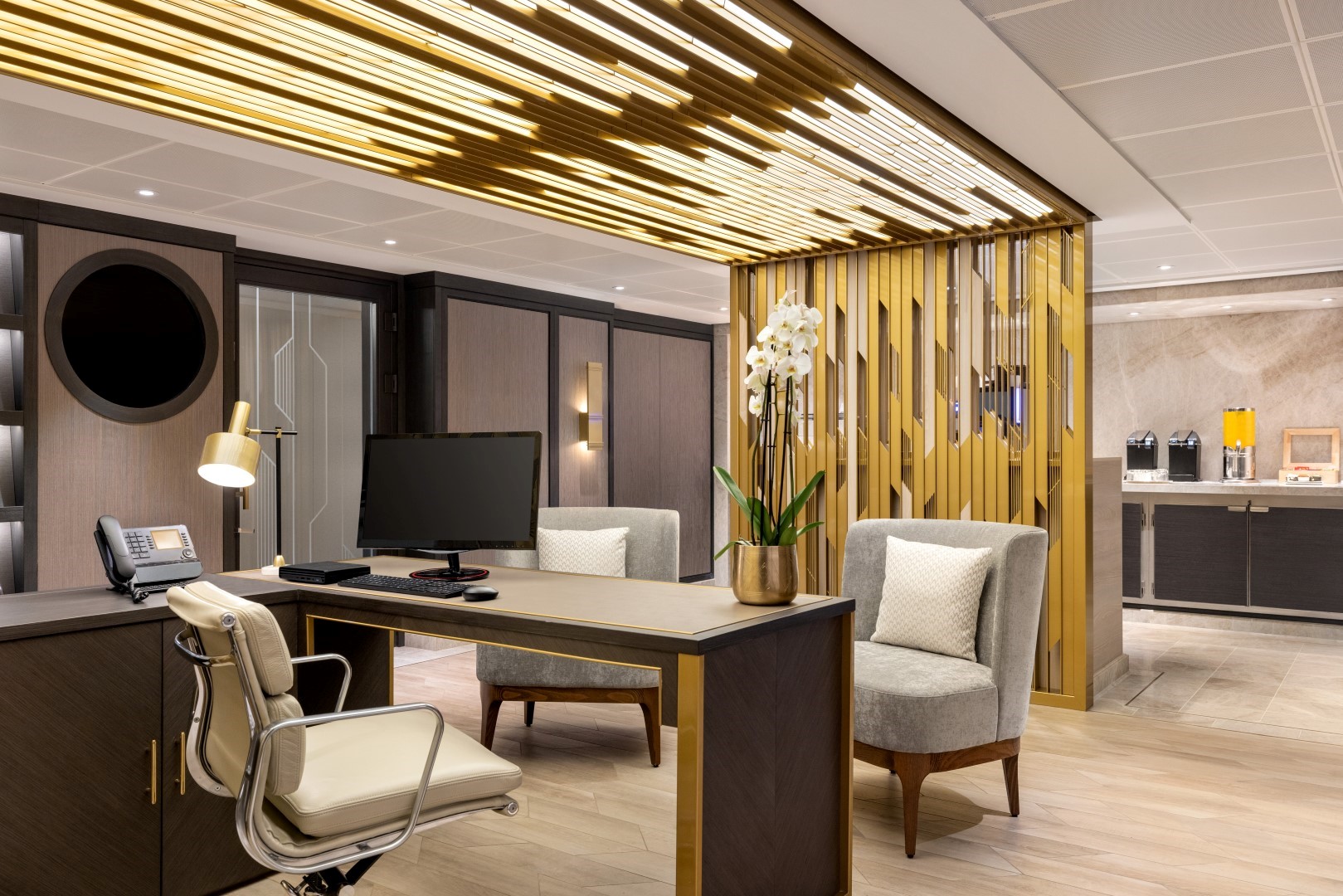
Executive Lounge
Enjoy the fully-staffed Executive Lounge with Complimentary beverages and snacks throughout the day and evening.
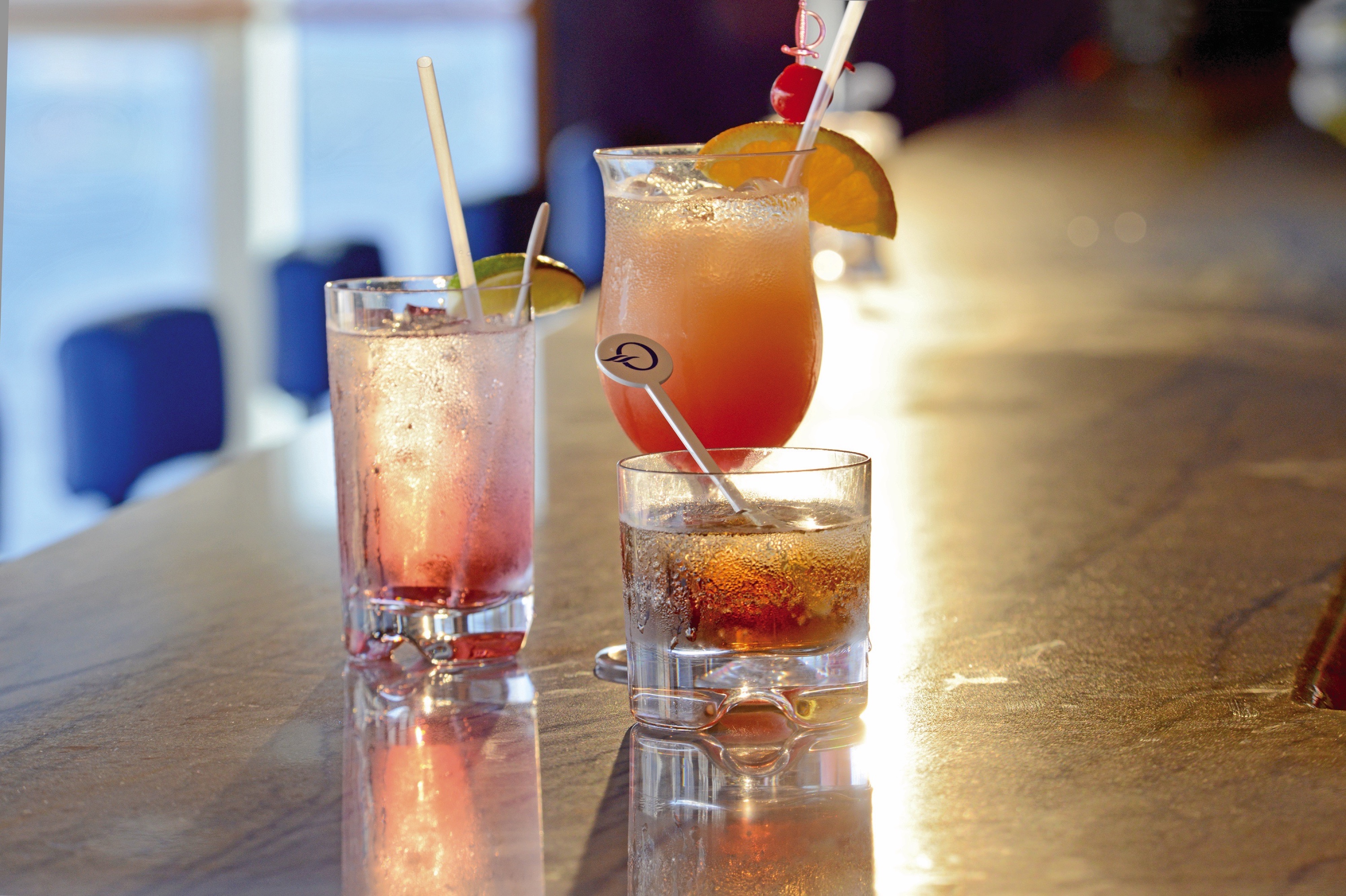
Drink Experiences
Interactive & Customized Cocktail Experiences
The Bubbly Bar This new event will take place on select evenings in the elegant Baristas area. It’s a lighthearted and interactive concept that invites you to customize your own drink and be creative while doing this. Our Bar Staff will be there to assist you every step of the way and there will be a wide variety of beverages to choose from including sparkling wines, Champagne, prosecco, and liqueurs as well as a delicious array of homemade syrups and purees, plus very diverse beverage garnishes.
The Ultimate Bloody Mary Bar The popularity of the Bloody Mary has skyrocketed in recent years. So many are thinking beyond the classic recipe and this inspired us to craft our own unique experience. This will be hosted during lunch in Terrace Café with a beautifully vibrant and colorful display of vegetables, ingredients and unique garnishes such as spicy shrimp, stuffed olives and dried bacon. There will be several custom-made options to choose from, such as the Italian Mary made with grappa and Italian skewer or the Ave Caesar prepared with Clamato juice, in addition to crafting one all your own.
Elevated Single Malt Whisky Experiences
The Macallan Rituals The Macallan Rituals introduces you to masterfully crafted expressions of The Macallan that you can savor any way you prefer your whisky served. Brought to you tableside on a beautiful cart, experience The Macallan in a delicious smoked cocktail influenced by The Macallan smoker or perhaps you prefer your whisky simply neat. If “On the Rock” is your choice, a perfectly shaped ice sphere will be created right in front of you and added to your whisky. The Macallan Rituals are certain to engage your senses.
The Macallan Chocolate Pairing Indulge with a curated selection of specialty chocolates paired with The Macallan Quest Collection. This pairing opens the door to the many flavors the Quest Collection has to offer. Let us take you on a journey of flavor – you can choose from The Macallan Quest & Milk Chocolate, The Macallan Lumina & Chocolate Truffles with fruit, The Macallan Terra & White Chocolate or The Macallan Enigma & Dark Chocolate.
Entertaining & Indulgent Rum Mixology Experiences
Brugal 1888 Tea at Sea Become a mixologist for the day and experience the Brugal 1888 Rum Tea at Sea Seminar. In this engaging and hands-on seminar, you become the bartender. Equipped with proper cocktail making tools, you will make delicious Brugal rum cocktails with tea while learning how tea has influenced mixology since the 17th century. Enriching and fun, you will learn cocktail-making skills you can take home to impress family and friends. Rum and tea cocktails will also be available at select bars on board.
Brugal 1888 & Ice Cream Masterclass In a twist of sweetness, we’re excited to offer you the Brugal 1888 and Ice Cream Masterclass. You will learn how to make delicious ice cream-inspired Brugal 1888 rum cocktails such as the famous coffee affogato, a cool take on the Spritz and a caramel popcorn milkshake that will delight your senses. Guided by your onboard mixologist and dessert chef, you will learn not only how to make cocktails but also how to make the various types of ice cream that go in them. Cool off with these decadent cocktails poolside or wherever the day leads you.
Wine Pairing Experiences
There’s nothing quite like the trifecta of amazing food, delightful wine and lots of laughter. Suited to connoisseurs and novices alike, our wine pairing experiences across our small and luxurious ships are convivial, memorable, and yes, just a touch lavish. Evoking the breezy yet chic sensibility of a small Napa winery, the experiences center on menus of inventive dishes paired with premium, and often rare, vintages hand-selected by our talented chefs and sommeliers. Cruise and dine in style, and book reservations for a range of exciting onboard pairing experiences, such as sommelier-led pairing lunches, a one-of-a-kind six-course Champagne dinner and more. Each is a pure celebration of the joys of gathering around a table. More than anything else, these experiences are tableside joie de vivre.
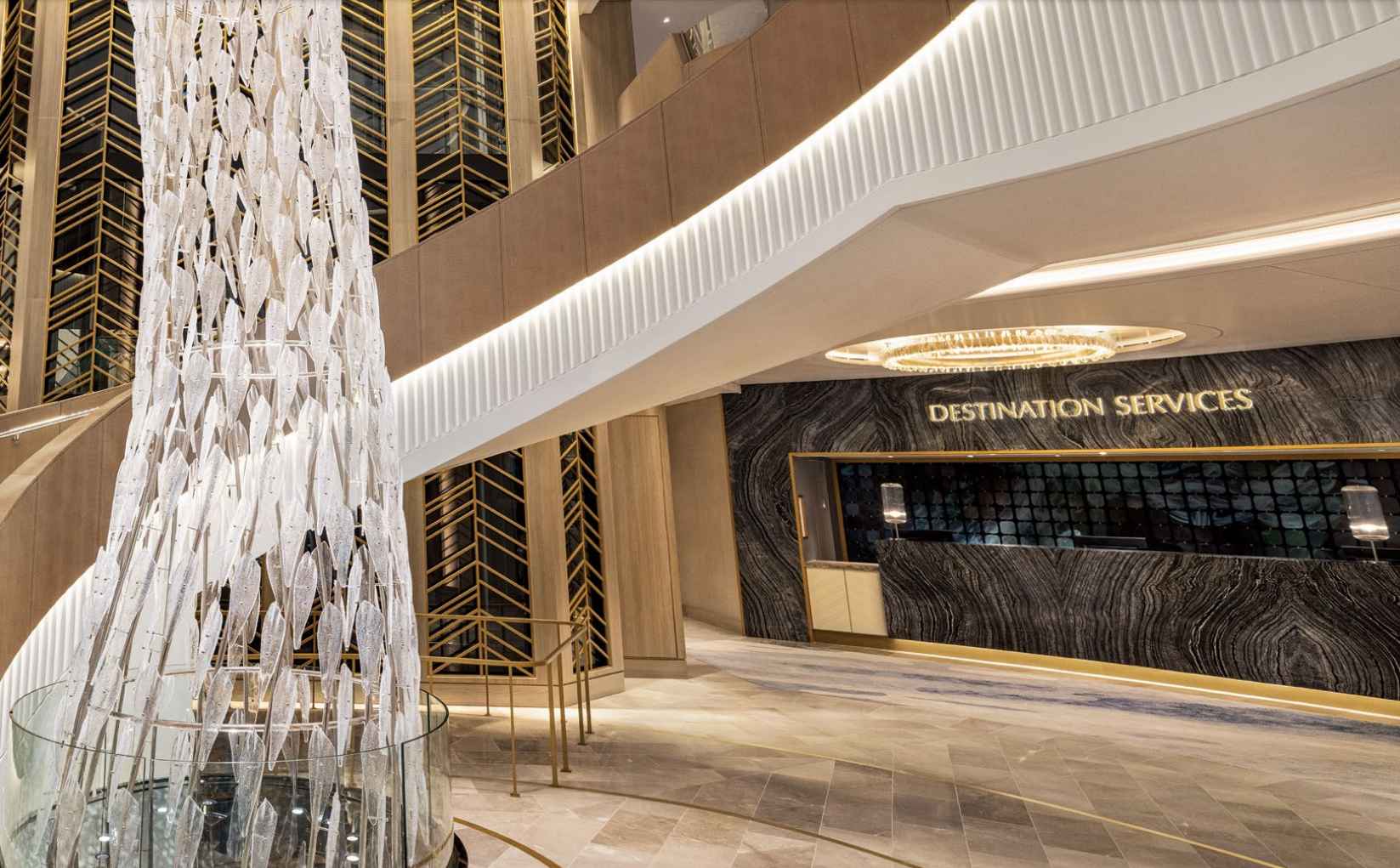
Grand Staircase
Each Oceania Cruises journey begins when you enter the soaring atrium where you are met with a truly grand welcome – the iconic Grand Staircase that is a dynamic focal point of each of our ships. Oceania Allura’s signature Grand Staircase is a curvaceous wonder of tactile details that invites exploration of your home at sea.
The design was inspired by organic elements and evokes a sense of movement, reflective of the allure of travel and the excitement of hidden lands. The ascending stairs embrace a glistening floor-toceiling pillar of crystal and light that sets the tone for the illuminating voyage ahead.
Aquamar Spa + Vitality Centre
A Luxurious Sanctuary
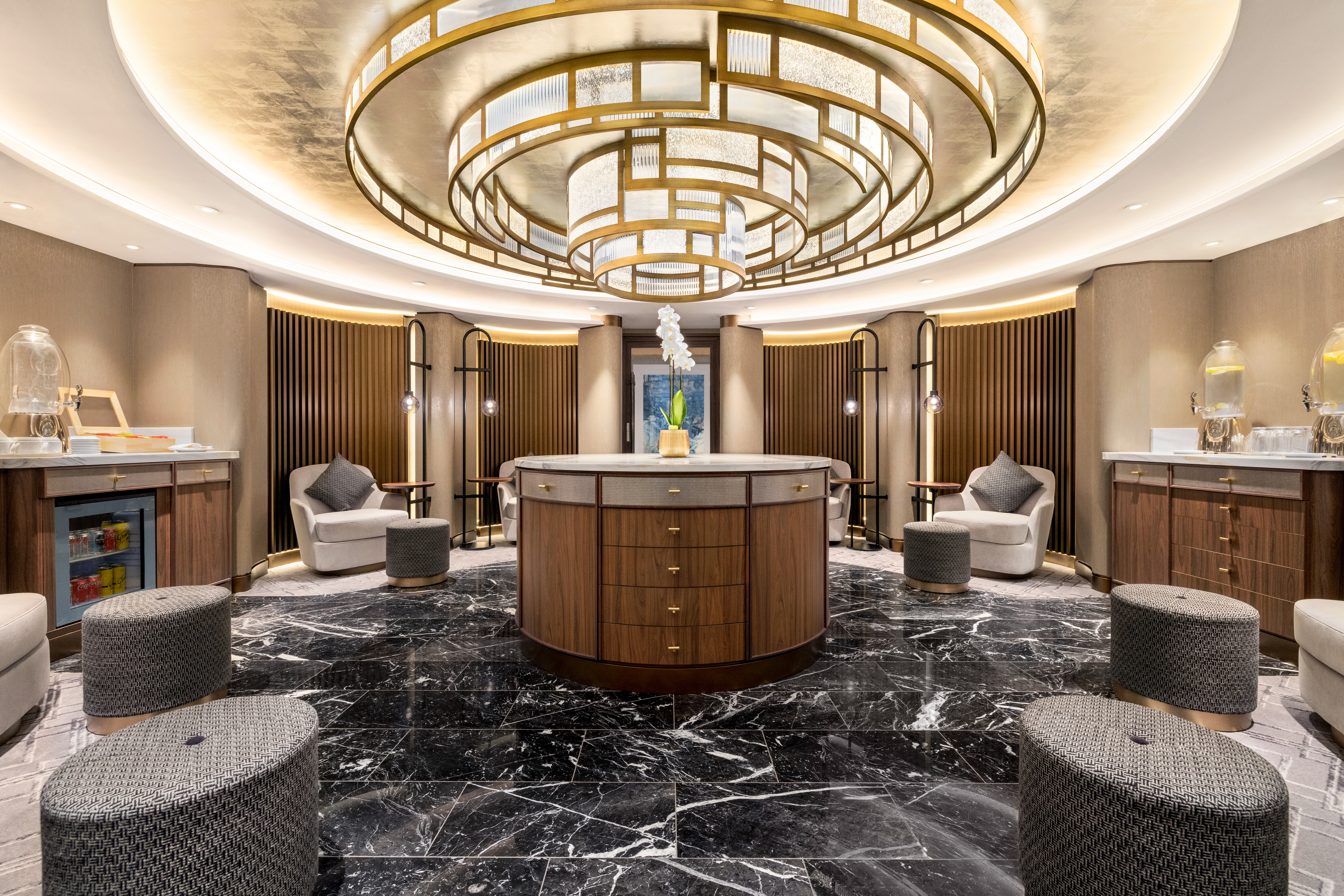
Oceania Allura will not only chart a new course to enticing ports of call but also reveal new paths to wellness through the Aquamar Spa + Vitality Center. Our alluring holistic wellness centre is the foundation of a commitment to well-being that informs the entire Oceania Cruises experience. Rejuvenating treatment areas, a state-of-the-art fitness centre and a spacious new salon are all dedicated to your personal wellness journey.
The crown jewel of this lavish facility is the Aquamar Spa Terrace, an open-air deck of plush loungers, plunge pools and whirlpool spas, all with soothing views of the sea. Relax on the terrace prior to a spa treatment to prepare your mind and body or linger there afterward to bask in the serenity.
Pool Deck
Tranquil Oasis
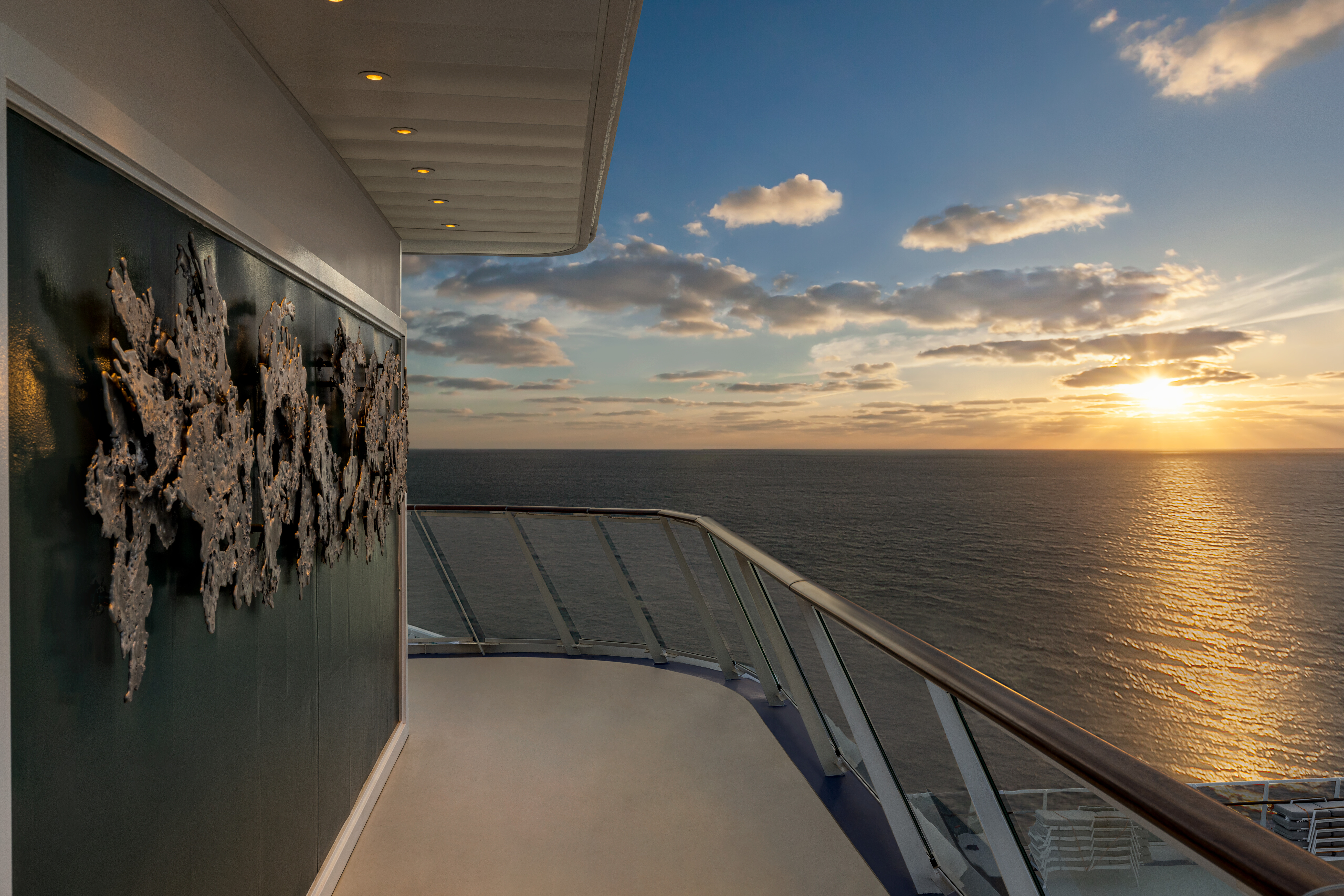
Oceania Allura’s Pool Deck mirrors the beauty of the surrounding sea. Taking its cue from natural environments that inspire tranquility, the design brings together organic textures and calming tones to create an idyllic onboard escape that connects you to the sea. Relax in the luxury of a shaded cabana overlooking the serene scene, or lounge on a daybed at the water’s edge until you’re ready for a refreshing swim.
Fitness Centre
Free Fitness Classes & More
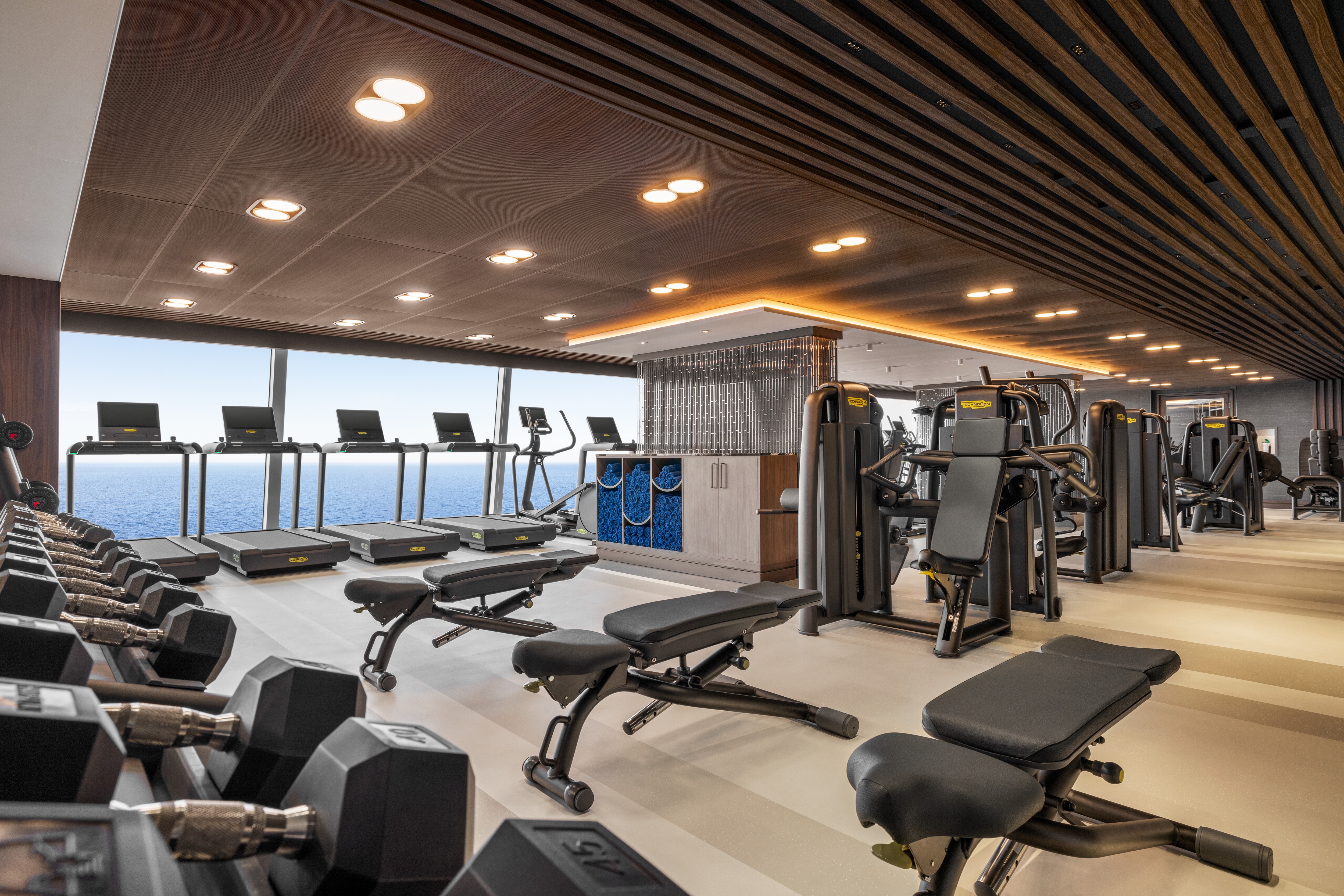
From Pilates and yoga to full-body strength training, you are certain to find a complimentary fitness class to suit your preferences. One-on-one personal training is also available, as is the latest exercise equipment, such as treadmills, cycling and elliptical machines, and free weights. You can also take advantage of the Kinesis® exercise wall to improve core strength, flexibility and posture.
Running Track & Sports Deck
Activities With A View
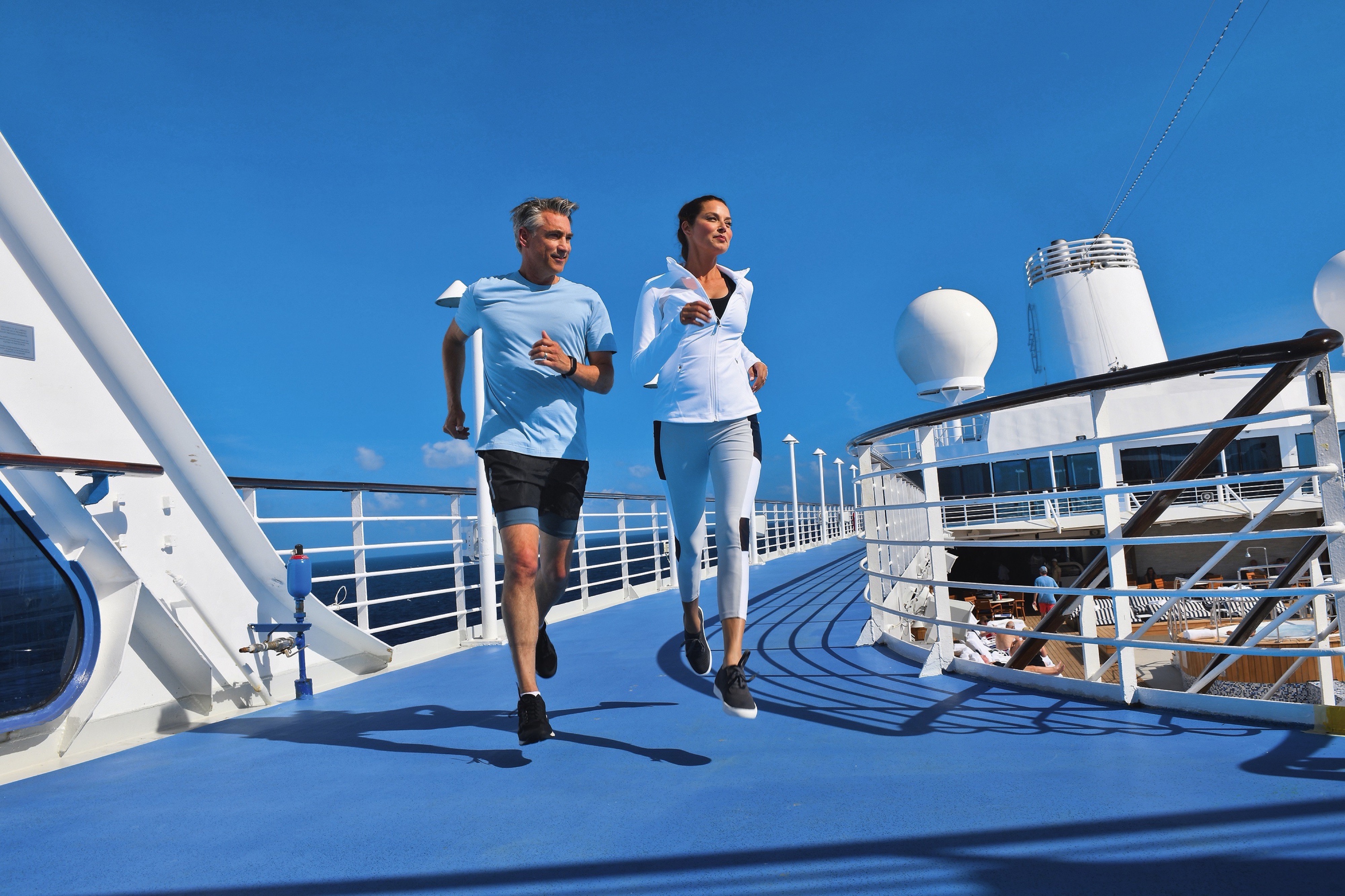
High atop the ship, revel in the breathtaking views and refreshing sea breeze. Breathe in the fresh sea air with a few invigorating laps on the running track at your own pace or choose from an array of activities and games.
Golf enthusiasts will enjoy practicing their swing and playing 18 holes of golf on the putting greens. More friendly competition awaits on the shuffleboard court. Round up newfound friends for a lively game and check the daily shipboard newsletter, Currents, for sports deck competitions that give you the chance to win Big O Points.
- Golf Putting Green
- Shuffleboard
- Pickleball
- Fitness Track
- Paddle tennis, bocce and croquet
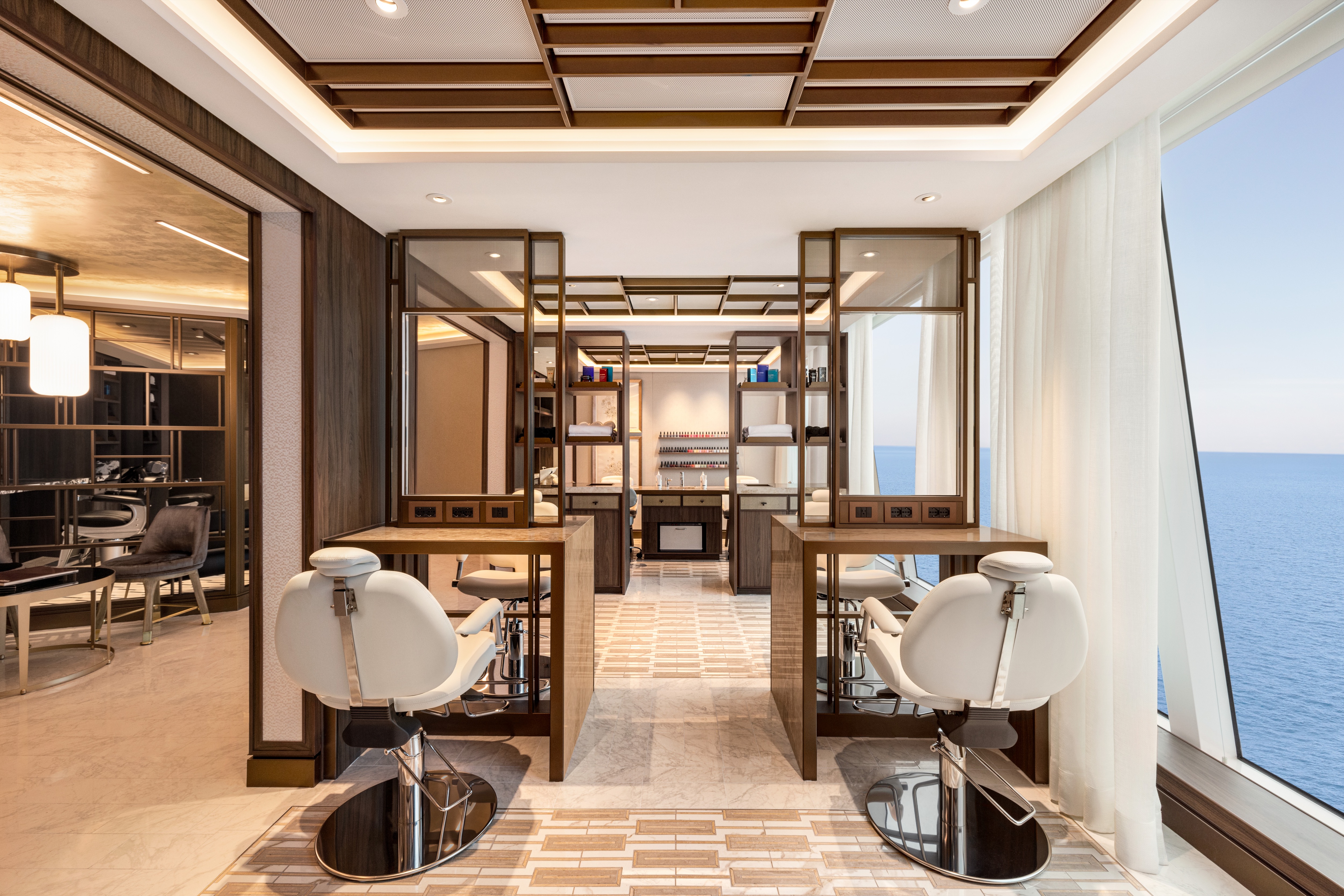
Styling Salon & Barber Shop
Styling Salon
Aquamar Spa + Vitality Center’s salon offers luxury hair care products, deluxe services, and a speciality color bar. Salon experts can identify haircare needs and create personalised treatments along with everything expected from a full-service salon – manicures, pedicures, brow shaping and more.
Barber Shop
From the authentic barber chairs, our old fashioned hot later and straightedge razor shaves to our relaxing head and neck massages, Vista’s barber shop sets a new standard. Whether you’re looking for a traditional short hair cut or a more contemporary men’s hairstyle, we invite you to visit on of our barbers for a great experience
The Grand Dining Room
The grande dame of the Oceania Cruises culinary world, The Grand Dining Room evokes the ambiance of a sophisticated European hotel’s finest chandelier-studded restaurant. While our Executive Culinary Director Jacques Pépin’s herb-crusted rotisserie chicken is legendary, a cornucopia of global journeys awaits as well. Fork-tender tournedos Rossini with decadent foie gras and truffle sauce. Buttery salmon tartare with lemony sushi rice. An impossibly rich lobster bisque with silky notes of Armagnac cream. In The Grand Dining Room, the world is your oyster every night.
Breakfast
- 8:00 am – 9:30 am
Lunch
- 12:00pm – 1:30pm
Dinner
- 6:30 pm – 9:30 pm
No reservations required.
Jacques
A PASSION FOR FRENCH CUISINE
Named after our founding Executive Culinary Director, Jacques Pépin, Jacques restaurant is the epitome of French sophistication. Each dish has been ingeniously reinterpreted by Master Chef Pépin and features classic regional favorites like coq au vin and confit de canard as well as all-encompassing cheese and wine selections.
Dinner
- 6:30 pm – 9:00 pm
Reservations required.
Polo Grill
THE CLASSIC STEAKHOUSE
Discover a classic steakhouse in the grand tradition set in an ambiance bathed in richly layered decor and warm tones. Each course stands as the very definition of time-honored favorites, most notably the USDA certified Angus beef aged for explosive flavors and tenderness. Standout seafood fare such as whole Maine lobster gratinée and specialties including grilled rack of lamb will tempt your taste buds, while side dishes such as potatoes au gratin, sautéed mushroom persillade and a sharp Caesar salad prepared tableside earn pride of place.
Dinner
- 6:30 pm – 9:00 pm.
Reservations required.
Toscana
AN OLD WORLD OF NEW PLEASURES
Imagine the Venetian glass, Carrara marble and Versace china of the finest restaurants in the world along Via Ghibellina in Florence living in harmony with inventive, Tuscan-inspired cuisine reminiscent of a stone villa overlooking the medieval towers of San Gimignano. Welcome to Toscana, where each dish reflects the passionate touch of an Italian nonna’s flour-dusted hands. Savor slow wine-braised osso buco, pillowy handrolled gnocchi with pesto and crisp pan-seared sea bass splashed with tart Sorrento lemon and capers.
Dinner
- 6:30 pm – 9:00 pm.
Reservations required.
Red Ginger
EXOTIC & UNFORGETTABLE
Surrounded by intricate wooden screens, vibrant floor lamps and supple upholstered chairs, you can be forgiven for thinking you’ve stepped into a raffish Singaporean hotel from the last century. Red Ginger is a Pan-Asian wonder, where a blend of Thai, Korean, Japanese and other Asian specialties effortlessly combines tradition and innovation. Uncover the ritual of hand-rolled sushi introduced in the Edo period; the succulent, the curried spice of Malaysian beef penang and the layered flavors of miso-glazed sea bass wrapped in a hoba leaf.
6:30 pm – 9:00 pm
Reservations required.
Priveé
WINE EXPERIENCES BY LA RESERVE
Privée is our intimate venue for unforgettable wine experiences by La Reserve. Guests can choose from two distinctive and unique multi-course pairing dinners, each a sublime celebration of the finer things in life and limited to eight privileged diners per evening. Savor the truly one-of-a-kind Dom Pérignon Experience that pairs special Champagne vintages with thoughtfully crafted dishes or perhaps enjoy the exquisitely curated Odyssey Menu that is a gustatory journey for the senses. Dramatically backlit, debossed walls and a blooming flower petal ceiling, from which a dramatic chandelier descends over the polished marble slab dining table, only enhance the indulgent occasion. A wall of floor-to-ceiling glass provides an exhilarating view to complement these magnificent dining experiences that can literally traverse continents.
Reservation required. Additional fees apply.
Terrace Café
TEMPTING INTERNATIONAL FARE
With an inviting, genial dining room and shaded patio, Terrace Café takes on the ease of a treasured vacation home’s favorite sun-drenched conservatory and panoramic seaside terrace. At breakfast, revel in the aroma of freshly baked cinnamon rolls and fluffy made-to-order omelets, pancakes and waffles. During lunch, sample flavorful international dishes alongside juicy, seasoned rotisserie meats and perfectly grilled seafood. In the evening, the decadence of a grilled lobster tail, the simple American essence of a sweet, barbecued pork chop with crispy, applewood-smoked bacon and fresh hand-cut sushi and sashimi are among the many choices that will turn Terrace Café into a personal favorite. And as you would envisage, locally inspired specialties from our ports of call are a hallmark of our popular Chef’s Market Dinners.
Breakfast
- 7:30 am – 10:00 am.
Lunch
- 12:00 pm – 2:00 pm.
Dinner
- 6:30 pm – 9:00 pm.
No reservations are taken.
Aquamar Kitchen
WELLNESS MEETS INDULGENCE
At Aquamar Kitchen, the harmony of nourishing flavors, a bright and airy ambiance evoking an endless Mediterranean summer and just the right amount of indulgence revitalizes your body and your spirit. Mindfully prepared breakfast selections feature energizing cold-pressed raw juices and super food smoothies, satisfying avocado toasts, energy bowls, banana pancakes and savory omelets. For lunch, dozens of tempting and balanced dishes are offered, such as a hearty Lebanese bowl with beef kefta, falafel, muhammara, fattoush, aubergine caviar and pita bread; yellowfin tacos with white cabbage slaw; or even a crunchy chicken sandwich on a freshly baked whole grain bun. The chic seaside-inspired setting paired with a diverse collection of fresh, vibrant dishes is perfectly indulgent – without any of the guilt.
Breakfast
- 7:00 am – 10:00 am (port day).
- 8:00 am – 11:00 am (sea day).
Lunch
- 11:00 am – 3:00 pm (port day).
- 12:00 pm – 4:00 pm (sea day).
No reservations are taken.
Waves Grill
POOLSIDE ALFRESCO MAGIC
On the deck of a cherished Malibu beach house, the magic begins with the grill. Likewise, Waves Grill is a shaded poolside dining spot serving made-to-order all-American favorites from lunch until late into the afternoon. Taste the richness of a Wagyu burger with juicy tomatoes and a savory black truffle sauce. The seasoned fries are irresistible while the light crunch of fresh coleslaw is the perfect complement to the herb-marinated mahi mahi. For dessert, try a thick hand-dipped milkshake or one of the new, whimsical ice cream flavors by Humphry Slocombe such as the mouthwatering Secret Breakfast pairing of bourbon and cornflake cookies.
The Pizzeria at Waves Grill
Each evening as if by culinary alchemy, Waves Grill is transformed into an authentic Neapolitan trattoria with the pizza oven at the epicenter. Imagine you are in Capri overlooking the twinkling lights of Naples, as the alluring aroma of fresh pizza dough baking in a classic wood-fired forno wafts among the bougainvillea. Set the tone with a glass of dry chianti, then savor sweet and spicy dry-rubbed chicken wings, tender pork ribs or rosemary focaccia with lush burrata, plump tomatoes, peppery arugula and bold balsamic dressing. Pizza creations feature delectable toppings ranging from flora black olives and oaky truffles to fiery chorizo and tart lemon chicken. No matter your selection, your palate will heartily approve.
Breakfast
- 7:00 am – 11:00 am
Lunch
- 11:30 am – 4:00 pm
The Pizzeria at Waves Grill
- 6:30 pm – 9:00 pm
Afternoon Tea
TIME-HONORED PASTIME
Each afternoon, the parade of gleaming four-tiered pastry carts begins. Savor freshly made, flavorful smoked salmon and egg salad finger sandwiches. Enjoy mirror-glazed petits fours, tender scones with rich clotted cream and, of course, a wide assortment of fine teas. Soak in the ambiance of polished silver teapots reflecting the turquoise sea, the precision of white-gloved servers and the amusing enigma of a string quartet playing softly in the background. You’ll quickly realize that this is how afternoon tea should be.
Check your daily Currents for time and venue. No reservations required.
Baristas
A NEIGHBORHOOD GEM
Combine the stylish flair of a Viennese coffee house with the warm smiles of your neighborhood café, then add 270-degree shimmering sea views and you have Baristas, a relaxed haven for coffee and fresh pastry afficionados. Sip complimentary illy® delights, enjoying the energizing kick of an espresso or the smooth richness of a cappuccino. Accompany the perfect cup with a buttery dark chocolate croissant or the sublime citrus hints of an orange biscotti. Whether you are drawn to a bold macchiato or a subtle iced latte, you will be captivated by the atmosphere of friendship and family that suffuses Baristas.
The Bakery
The enticing aroma of freshly baked pastries will draw guests from Baristas to Oceania Allura’s new Bakery just steps away. The perfect complement to your coffee might just be a French or Italian specialty fresh from the oven. Perhaps you’ll sample a flaky, ricotta-filled sfogliatella, a confection that hails from the Italian region of Campania. If you prefer a French patisserie, you might select a decadent chocolate and almond croissant. Whatever your choice, you cannot go wrong when indulging in a delicacy created by our skilled pastry chefs.
All Day (To be confirmed) 7:00 am – 5:00 pm
In-Room Dining Experiences
After a day of enriching adventures ashore or an enjoyable day on board, dining in the privacy of your suite or stateroom with our compliments is always a welcome possibility. A complete menu of varied dining experiences is available around the clock, featuring an extensive array of delectable breakfast, lunch and dinner items. All suites and staterooms have the added luxury of enjoying a full, hot breakfast in-room and those staying in Concierge Level or above have the additional privilege of ordering from an expanded lunch and dinner room service menu from The Grand Dining Room. Suite guests have the ultimate indulgence of enjoying course-by-course meals from the comfort of their spacious sanctuaries. Revel in the private luxury of your suite or stateroom, and enjoy an exquisite meal on your tranquil veranda as you take in spectacular seascapes.
Crêperie
The Crêperie, located next to Baristas, the line’s signature coffee bar, will offer a selection of tempting French crêpes, Bruxelles waffles and bubble waffles, alongside Italian ice cream sundaes, from mid-morning throughout the afternoon.
Bakery
The enticing aroma of freshly baked pastries will draw guests from Baristas to Oceania Allura’s new Bakery just steps away. The perfect complement to your coffee might just be a French or Italian specialty fresh from the oven. Perhaps you’ll sample a flaky, ricotta-filled sfogliatella, a confection that hails from the Italian region of Campania. If you prefer a French patisserie, you might select a decadent chocolate and almond croissant. Whatever your choice, you cannot go wrong when indulging in a delicacy created by our skilled pastry chefs.
Shore Excursions
With more than 8,000 tours and excursions to choose from, we’ll help deepen your exploration of our fantastic locales in our Oceania Cruises way. Through a number of specialty tours and an expert team of destination specialists, transformative, once-in-a-lifetime experiences in the most magnificent places on earth await you. From small group tours to our signature curations focused on culinary discovery, local immersions, wellness and vitality, architecture and history, we promise that you will be forever changed.
BEYOND BLUEPRINTS
Designed to enhance your appreciation for architecture, Beyond Blueprints tours provide a rare and behind-the-scenes look at some of the world’s most iconic and fascinating architectural landmarks.
CULINARY DISCOVERY TOURS
Widely recognised for its groundbreaking culinary enrichment both aboard its ships and ashore, Oceania Cruises connects you with the culinary culture wherever you travel.
EXECUTIVE COLLECTION
Allows guests to have the personalised attention of a driver and English-speaking guide to provide them with flexibility and independence to design their itinerary ashore according to their interests.
EVENING EXCURSIONS
More late evening departures and overnight stays in ports around the world mean ample opportunities for evening excursions.
FOOD & WINE TOURS
Each Food & Wine Trails tour is led or organised by a local culinary expert – sommeliers, chefs and wine writers – to provide you with unique insights and a behind-the-scenes experience.
GO GREEN TOURS
Go Green tours offer enriching opportunities to experience the ways in which local communities and businesses are endeavouring to conserve, sustain and elevate their surrounding environments.
GO LOCAL TOURS
Our groundbreaking new Go Local excursions are immersive destination tours that invite you to embed yourself in the fabric of the local communities for engaging, one-of-a-kind experiences. On more than 120 tours across Europe, Alaska and South America, you will be welcomed into homes and businesses and immersed in the local way of life. You’ll have the chance to engage with local artisans, craftsmen, religious figures and other individuals. You’ll learn generations-old traditions and become part of a local family. You’ll experience the destination on an entirely new level and leave feeling connected to the place – and changed.
OCEANIA EXCLUSIVE EXCURSIONS
Designed for travelers who prefer an added measure of privacy, intimacy and flexibility, our Oceania Exclusive excursions limit group size to just 16 guests maximum.
- Small group tours from 10 to 16 guests
- Available in nearly every port we visit
- More flexibility and personalized attention
OCEANIA SELECT EXCURSIONS
While all our shore excursions offer extraordinary experiences, some are so outstanding and awe-inspiring that they merit special recognition.
WELLNESS DISCOVERY TOURS BY AQUAMAR
From ancient mineral baths outside of Rome to a traditional teahouse in Myanmar, our Wellness Discovery Tours by Aquamar offer exclusive excursions ashore that reveal timeless wellness practices of locales around the world. Alluring destinations, fascinating cultures and healthy living come together to create innovative and rejuvenating travel experiences. With more than 50 options, the tours featured here are only the beginning.
Artist Loft
A Hands-On Approach
For budding artists, there is Artist Loft enrichment center, where talented artists-in-residence offer step-by-step instruction. Under their watchful eye, try your hand at painting with oils or watercolors, sketching, creating collages and more. The workshops change continually, and with these experienced artists’ guidance your talents will quickly blossom.
CREATIVE EXPLORATIONS
Gather together with fellow creative minds and art enthusiasts to tap into your imaginative side, perhaps learn a new technique or even create a memento of your special voyage.
The Culinary Centre & Culinary Discovery Tours
LEARN BY EXPERIENCING
As the world’s first hands-on cooking school at sea, The Culinary Center on board Oceania Marina, Oceania Riviera, Oceania Vista and Oceania Allura teaches you how to prepare a variety of exquisite dishes at your own fully equipped workstation in a state-of-the-art teaching kitchen. Passionate Chef Instructors offer guidance and inspiration to fine-tune your techniques, but each dish is prepared by you. Spend a delightful day at sea learning how to make fresh pasta, the fundamentals of cooking seafood or the secrets of traditional French cuisine.
Epicurean Explorations
Our Culinary Discovery Tours™ take culinary exploration one step further. At select ports, accompany chef instructors while shopping for fresh ingredients ashore at local markets, experience authentic regional fare in private homes or chef selected restaurants and immerse yourself in the local culture through the lens of the cuisine.
Guest Speakers
Meaningful & Ever-Changing Enrichment
On many voyages, a Guest Speaker will share unique insights into the cultures and people of the regions visited, along with fascinating stories and themes related to the destinations. On select sailings, a second Guest Speaker will provide an additional program of enriching presentations and workshops. Also take advantage of complimentary seminars hosted by the Aquamar Spa + Vitality Center on a range of relevant and timely health, nutrition and wellness topics to reinvigorate your routines and lifestyle. Check your daily onboard newsletter, Currents, for a schedule of talks, presentations and seminars.
Destination Services
Our expert team of Destination Specialists is on hand to help you with all of your shore excursion planning and destination questions.
Brain Games
Friendly Competition
Team Trivia, Brainteasers Trivia and MENSA quizzes are not only some of the most popular and lively activities on board, these gatherings are also the perfect way to meet, mingle and bond with fellow travelers. Hosted daily, these diversions are filled with friendly competition and lots of laughter.
Martini's
The lounge known as Martinis is far more than a place to sip a signature cocktail — although its namesake libation alone is reason enough to spend some time here. In fact, Martinis is refreshing its namesake cocktail with fresh new spirits selection, Mermaid gin and vodka. The bar is a glamorous destination that welcomes you to a warm, inviting setting amidst walls of shimmering glass under a canopy of crystal. You’ll also be able to choose from a tantalizing new collection of drinks called Hollywood Martinis, in addition to the already popular selection shaken tableside. The Hollywood collection includes a variety of drinks inspired by the Old Hollywood, such as Bardot Martini, The Corleone Martini, Sir Connery Martini, Blue Eyes Sinatra and Monroe Martini. Simply gather with friends in your favorite alcove and let the memories be made.
Grand Lounge
Oceania Allura’s provocative Grand Lounge plays with shape and form to create visual elements that are striking even as they are understated. The color palette is an ode to metals and minerals with shades of bronze, onyx and alabaster lending both balance and interest. The resulting space evokes exclusivity — the feel of a luxurious private club — inviting guests to relax and enjoy an aperitif before dinner or a nightcap before retiring as they relive the day’s adventures with fellow explorers.
Horizons
The most distinctive feature of aptly named Horizons is the lounge’s dramatic floor-to-ceiling windows, offering 180 degrees of stunning views that hint at the adventures to come. This space celebrates the essence of Oceania Allura by showcasing the magical call of that which lies beyond the horizon.
To ensure that you can fully appreciate these tantalizing panoramas with a relaxed familiarity, Horizons is appointed with comfortable residential furnishings in soothing tones that create a sense of home, even as the view assures you that you are far from it. Dance the night away to the sounds of a lively musical group and toast to the adventures ahead.
Waves Bar
Located in a shaded area just steps from the swimming pool, Waves Bar offers a wide variety of libations to enhance your poolside experience. Revel in the perfect afternoon on deck with your favorite cocktail, glass of wine or chilled beer. Come happy hour, signature cocktails and frosty beverages create a delightfully carefree segue to the lively evening ahead as the sun sets.
LYNC Digital Centre
The all-new LYNC Digital Center aboard Oceania Allura is all about connection. Join us for an interactive and fun enrichment series that connects you with friends and family on social media, elevates the quality of your photos and more. Complimentary digital learning classes, spanning all levels and ranging from social media essentials to travel photography and smartphone videography, are hosted by a knowledgeable Digital Concierge in our innovative digital center.
Our innovative digital center features comfortable seating, expansive video monitors and technical support so that you can stay in touch with family at home, monitor business developments online or check in on social media. LYNC Digital Center connects you to life on board, ashore and at home.
Library
A STATELY RESPITE
Evoking a cherished den in a modern equestrian estate home, the Library is a guest favorite, so special care was taken to ensure it exudes tranquility and a sense of belonging. Glass walls offer views of serene seascapes, but the greatest comfort may be found within the Library’s inner sanctum. The aesthetic speaks to a time when the written word was our window to the world and earned pride of place in an atmosphere of effortless comfort. It is the perfect place to curl up with a novel or simply indulge in a nap in one of the sumptuous chairs.
Boutiques
UNIQUE GIFTS, JEWELRY & MORE
Our stylish boutiques feature a tastefully curated selection of items ranging from sundries to chic resort wear and fine jewelry. Discover thoughtful gifts for friends and family or the perfect memento to remind you of your special cruise experience.
DUTY-FREE ON BOARD OCEANIA ALLURA
Browse through our collection of duty-free merchandise including fine jewellery, watches, fragrances and Oceania Cruises logo wear. Also find shipboard keepsakes, designer handbags, sunglasses, books and more.
Casino
The Casino on board Oceania Allura takes its cue from the elegance of Monte Carlo Casino and London’s Hippodrome, evolving the art nouveau elements of these iconic establishments into a space of understated, atmospheric luxury. Try your hand at your favorite games of chance and skill, perhaps warming up to test your luck ashore in an upcoming port of call. Those simply seeking a refined space in which to enjoy a cocktail will be drawn to the subtle glow of the golden Casino Bar.
CASINOS AT SEA®
The professional staff is happy to provide lessons on how games are played, the rules and proper table procedures. Unwind from a busy day ashore by playing your favourite games of chance and skill in our casino. Enjoy a fun and exciting range of ways to play, from card and table games such as blackjack and roulette to slot machines.
Getting started is easy. Stop by the casino cage and pick up your Oceania Cruises casino player card and start earning points today, by inserting your player card while playing your favourite slot machines and table games. The more you play, the more you earn!
- Reel & Video Slots – For every $5 coin-in, receive 1 point.
- Video Poker – For every $10 coin-in, receive 1 point.
- Table Games – Points are based on average bet, session play or hands played and game type.
- Action packed casinos designed with style
- Table game limits for players of all levels
- Diverse array of reel slot, video slot and video poker machines
- Dedicated and knowledgeable casino staff
- Industry leading player tracking system
- Free gaming lessons
REDEEM CASINO POINTS
You’ve played. You’ve earned. Now you’re ready to redeem. Downloading points for play is quick and easy. Redeem your casino points for play right at your machine by following the on-screen prompts or stop by the casino cage – the choice is yours.
- Earn points for all your casino play
- Redeem points for play right at your machine
CASINO CASH & CREDIT
Front Money deposits are accepted for gaming in the form of cash, traveler’s checks, cashier’s checks and wire transfers delivered to us prior to embarkation. All cashier’s checks require prior verification. For more information please give us a call at 877.625.2094.
Cashless Wagering
Charge gaming to your onboard account directly from your game of choice or at the casino cashier, using your stateroom key card. Convenience fees, daily limits and cruise limits apply. Euros may be exchanged at the casino cashier, exchange rates apply. All gaming is in US Dollars.
- Cashless wagering allows you to game with your key card
Credit
Casino Credit is available to all players with an existing reservation. The minimum application amount is $10,000.00 and a personal check is required onboard to activate the credit line. Applications are processed 1 month prior to sailing. The application process is easy and there is no fee to apply. To get started, click here for our credit application or for more information email us at casinocredit@ncl.com or call us at 877.625.2094.
- Casino credit available
Mixology Bar
Oceania Cruises doesn’t just serve The Finest Cuisine at Sea; we now have a mixology series to match that introduces new concepts, cocktails and experiences throughout the ship. Choose encompassing amusements ranging from lively libations at the Bubbly Bar or Ultimate Bloody Mary Bar to flavourful and refreshing zero-proof cocktails. An impressive selection of new premium spirits, unique curated pairing menus and a bountiful cellar of low- and no-sugar wines inspire a deeper appreciation for the finer things in life. Rediscover the art of the cocktail among newfound friends and cherish a time-honoured shipboard tradition that takes on an exciting fashionable flair.
Onboard Shows
ENTERTAINMENT FROM A NEW PERSPECTIVE
Entertainment that is both enthralling and inspiring demands a kaleidoscope of talent orchestrated into something truly magical. Aboard Oceania Allura, the meticulously curated onboard shows achieve new heights. Discover an enticing array of star-studded performers in lively and adventurous production shows, each with its own unique personality. Soloists, exceptional leaders in their fields, effortlessly mesmerize audiences while headliners with impeccable credentials elevate favorite songs to new levels.
Founders Bar
Founders Bar, perhaps the most exclusive venue on Oceania Allura, is the chic hotspot where one goes to be noticed. Where else could you order readymade Negronis that come straight from a wooden barrel, imparting an oaky undertone that whispers of old world secrets? Vapor-filled bubbles with aromatic flavors are infused in cocktails, bringing a unique twist to both classic and contemporary concoctions. Aged bourbons with hints of caramel and vanilla and grassy, spicy ryes have been hand-selected from the most distinguished distilleries. Or settle into a snug armchair and watch your cocktail of choice prepared tableside. At Founders Bar, anything is possible.
Allura Lounge
Our entertainment architects have engineered a space with the best possible acoustics and visual lines to provide a home worthy of the engaging talent that you will witness in the Oceania Allura Lounge. During the daytime, experts in their fields — from diplomats to chefs to historians — enlighten you with enrichment programs that provide insight into the regions you are exploring. After the sun sets, the Oceania Allura Lounge presents a new line-up of entertainment to enthrall the audience, including sophisticated cabarets, world-class musicians, dynamic vocalists and exclusive headliners.
Concierge Lounge
Enjoy the fully-staffed Concierge Lounge with complimentary beverages and snacks throughout the day an evening
Executive Lounge
Enjoy the fully-staffed Executive Lounge with Complimentary beverages and snacks throughout the day and evening.
Drink Experiences
Interactive & Customized Cocktail Experiences
The Bubbly Bar This new event will take place on select evenings in the elegant Baristas area. It’s a lighthearted and interactive concept that invites you to customize your own drink and be creative while doing this. Our Bar Staff will be there to assist you every step of the way and there will be a wide variety of beverages to choose from including sparkling wines, Champagne, prosecco, and liqueurs as well as a delicious array of homemade syrups and purees, plus very diverse beverage garnishes.
The Ultimate Bloody Mary Bar The popularity of the Bloody Mary has skyrocketed in recent years. So many are thinking beyond the classic recipe and this inspired us to craft our own unique experience. This will be hosted during lunch in Terrace Café with a beautifully vibrant and colorful display of vegetables, ingredients and unique garnishes such as spicy shrimp, stuffed olives and dried bacon. There will be several custom-made options to choose from, such as the Italian Mary made with grappa and Italian skewer or the Ave Caesar prepared with Clamato juice, in addition to crafting one all your own.
Elevated Single Malt Whisky Experiences
The Macallan Rituals The Macallan Rituals introduces you to masterfully crafted expressions of The Macallan that you can savor any way you prefer your whisky served. Brought to you tableside on a beautiful cart, experience The Macallan in a delicious smoked cocktail influenced by The Macallan smoker or perhaps you prefer your whisky simply neat. If “On the Rock” is your choice, a perfectly shaped ice sphere will be created right in front of you and added to your whisky. The Macallan Rituals are certain to engage your senses.
The Macallan Chocolate Pairing Indulge with a curated selection of specialty chocolates paired with The Macallan Quest Collection. This pairing opens the door to the many flavors the Quest Collection has to offer. Let us take you on a journey of flavor – you can choose from The Macallan Quest & Milk Chocolate, The Macallan Lumina & Chocolate Truffles with fruit, The Macallan Terra & White Chocolate or The Macallan Enigma & Dark Chocolate.
Entertaining & Indulgent Rum Mixology Experiences
Brugal 1888 Tea at Sea Become a mixologist for the day and experience the Brugal 1888 Rum Tea at Sea Seminar. In this engaging and hands-on seminar, you become the bartender. Equipped with proper cocktail making tools, you will make delicious Brugal rum cocktails with tea while learning how tea has influenced mixology since the 17th century. Enriching and fun, you will learn cocktail-making skills you can take home to impress family and friends. Rum and tea cocktails will also be available at select bars on board.
Brugal 1888 & Ice Cream Masterclass In a twist of sweetness, we’re excited to offer you the Brugal 1888 and Ice Cream Masterclass. You will learn how to make delicious ice cream-inspired Brugal 1888 rum cocktails such as the famous coffee affogato, a cool take on the Spritz and a caramel popcorn milkshake that will delight your senses. Guided by your onboard mixologist and dessert chef, you will learn not only how to make cocktails but also how to make the various types of ice cream that go in them. Cool off with these decadent cocktails poolside or wherever the day leads you.
Wine Pairing Experiences
There’s nothing quite like the trifecta of amazing food, delightful wine and lots of laughter. Suited to connoisseurs and novices alike, our wine pairing experiences across our small and luxurious ships are convivial, memorable, and yes, just a touch lavish. Evoking the breezy yet chic sensibility of a small Napa winery, the experiences center on menus of inventive dishes paired with premium, and often rare, vintages hand-selected by our talented chefs and sommeliers. Cruise and dine in style, and book reservations for a range of exciting onboard pairing experiences, such as sommelier-led pairing lunches, a one-of-a-kind six-course Champagne dinner and more. Each is a pure celebration of the joys of gathering around a table. More than anything else, these experiences are tableside joie de vivre.
Grand Staircase
Each Oceania Cruises journey begins when you enter the soaring atrium where you are met with a truly grand welcome – the iconic Grand Staircase that is a dynamic focal point of each of our ships. Oceania Allura’s signature Grand Staircase is a curvaceous wonder of tactile details that invites exploration of your home at sea.
The design was inspired by organic elements and evokes a sense of movement, reflective of the allure of travel and the excitement of hidden lands. The ascending stairs embrace a glistening floor-toceiling pillar of crystal and light that sets the tone for the illuminating voyage ahead.
Aquamar Spa + Vitality Centre
A Luxurious Sanctuary
Oceania Allura will not only chart a new course to enticing ports of call but also reveal new paths to wellness through the Aquamar Spa + Vitality Center. Our alluring holistic wellness centre is the foundation of a commitment to well-being that informs the entire Oceania Cruises experience. Rejuvenating treatment areas, a state-of-the-art fitness centre and a spacious new salon are all dedicated to your personal wellness journey.
The crown jewel of this lavish facility is the Aquamar Spa Terrace, an open-air deck of plush loungers, plunge pools and whirlpool spas, all with soothing views of the sea. Relax on the terrace prior to a spa treatment to prepare your mind and body or linger there afterward to bask in the serenity.
Pool Deck
Tranquil Oasis
Oceania Allura’s Pool Deck mirrors the beauty of the surrounding sea. Taking its cue from natural environments that inspire tranquility, the design brings together organic textures and calming tones to create an idyllic onboard escape that connects you to the sea. Relax in the luxury of a shaded cabana overlooking the serene scene, or lounge on a daybed at the water’s edge until you’re ready for a refreshing swim.
Fitness Centre
Free Fitness Classes & More
From Pilates and yoga to full-body strength training, you are certain to find a complimentary fitness class to suit your preferences. One-on-one personal training is also available, as is the latest exercise equipment, such as treadmills, cycling and elliptical machines, and free weights. You can also take advantage of the Kinesis® exercise wall to improve core strength, flexibility and posture.
Running Track & Sports Deck
Activities With A View
High atop the ship, revel in the breathtaking views and refreshing sea breeze. Breathe in the fresh sea air with a few invigorating laps on the running track at your own pace or choose from an array of activities and games.
Golf enthusiasts will enjoy practicing their swing and playing 18 holes of golf on the putting greens. More friendly competition awaits on the shuffleboard court. Round up newfound friends for a lively game and check the daily shipboard newsletter, Currents, for sports deck competitions that give you the chance to win Big O Points.
- Golf Putting Green
- Shuffleboard
- Pickleball
- Fitness Track
- Paddle tennis, bocce and croquet
Styling Salon & Barber Shop
Styling Salon
Aquamar Spa + Vitality Center’s salon offers luxury hair care products, deluxe services, and a speciality color bar. Salon experts can identify haircare needs and create personalised treatments along with everything expected from a full-service salon – manicures, pedicures, brow shaping and more.
Barber Shop
From the authentic barber chairs, our old fashioned hot later and straightedge razor shaves to our relaxing head and neck massages, Vista’s barber shop sets a new standard. Whether you’re looking for a traditional short hair cut or a more contemporary men’s hairstyle, we invite you to visit on of our barbers for a great experience
About the Ship
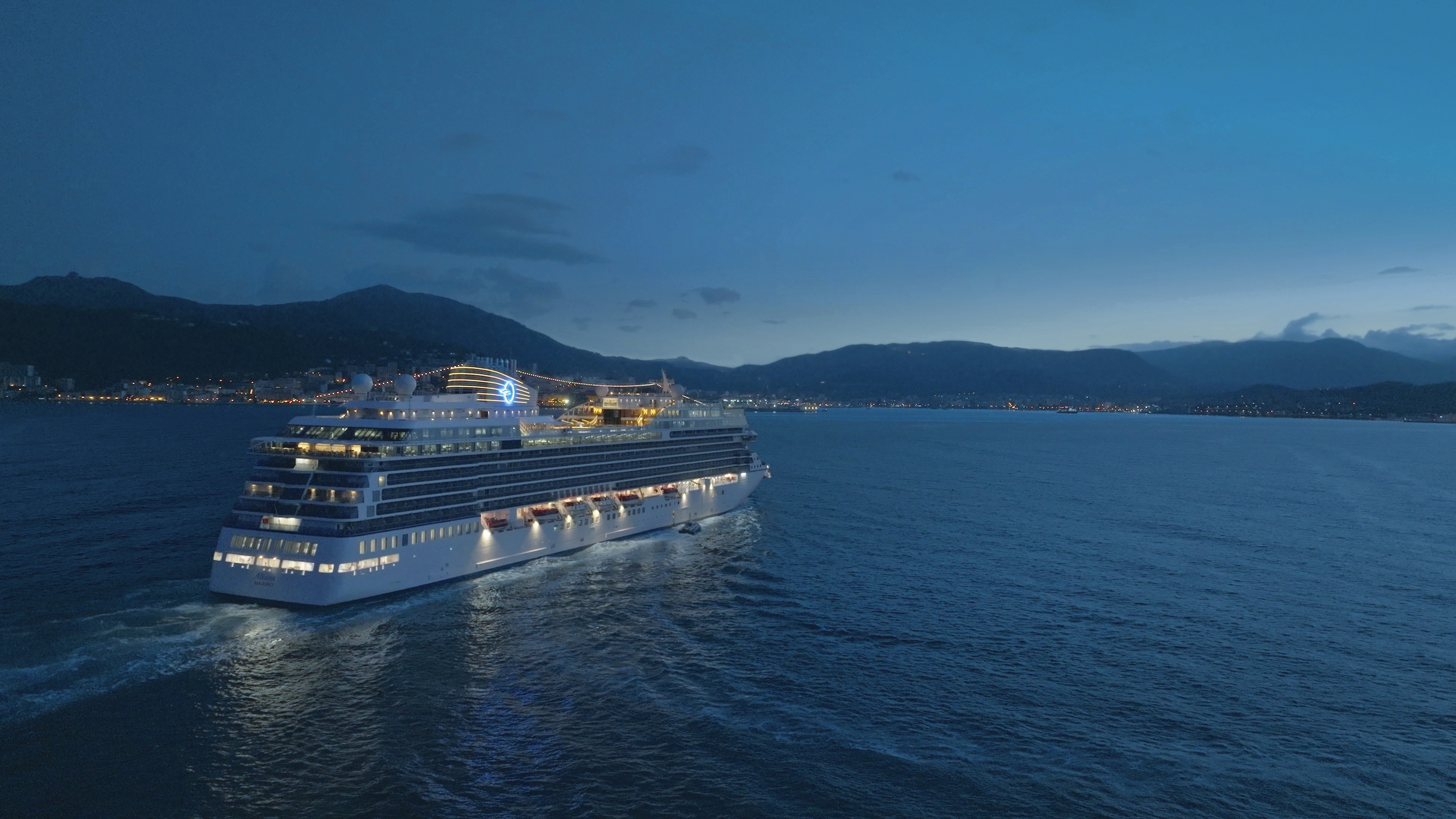
Deck Plans

- Red Ginger
- Ember
- Boutiques
- Concierge
- Reception
- Destination Services
- Lounge
- Stage
- Elevator
- Restroom
- Medical Centre (Located on Deck 4 – Not Shown)

- Grand Lounge
- Upper Hall
- Martinis
- Casino
- Casino Bar
- The Grand Dining Room
- Elevator

- Concierge Level Veranda
- Veranda Stateroom
- French Veranda
- Penthouse Suite
- Launderette
- Elevator

- Concierge Level Veranda
- Owner’s Suite
- Veranda Stateroom
- Vista Suite
- Launderette
- Elevator

- Concierge Lounge
- Concierge Level Veranda
- Concierge Level Solo Veranda
- Owner’s Suite
- Vista Suite
- Launderette
- Elevator

- Concierge Level Veranda
- Owner’s Suite
- Penthouse Suite
- Vista Suite
- Launderette
- Elevator

- Executive Lounge
- Concierge Level Veranda
- Oceania Suite
- Penthouse Suite
- Launderette
- Bridge
- Elevator

- Terrace Café
- Aquamar Kitchen
- Waves Grill
- Pool
- Whirlpools
- Waves Bar
- Concierge Level Veranda
- Oceania Suite
- Vista Suite
- Elevator
- Restroom

- Toscana
- Polo Grill
- Bakery
- Library
- The Culinary Centre
- Artist Loft
- LYNC Digital Centre
- Conference Centre
- Horizons
- Sun Deck
- Baristas
- Priveé
- Elevator
- Restroom
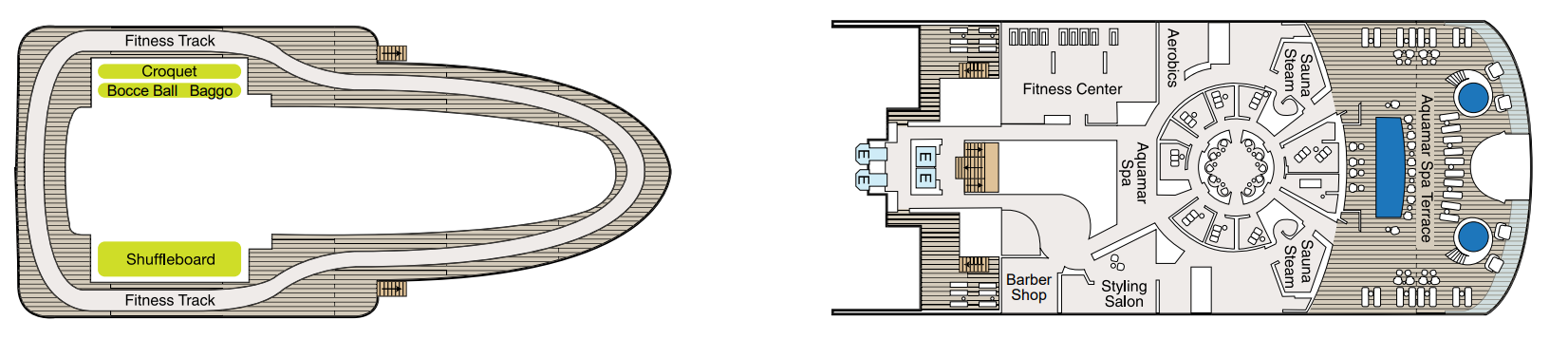
- Croquet/Bocce
- Shuffleboard
- Fitness Track
- Fitness Centre
- Aquamar Spa
- Barber Shop
- Styling Salon
- Aerobics
- Sauna
- Aquamar Spa Terrace
- Elevator

- Paddle Tennis
- Golf Putting Greens
- Restroom
- Red Ginger
- Ember
- Boutiques
- Concierge
- Reception
- Destination Services
- Lounge
- Stage
- Elevator
- Restroom
- Medical Centre (Located on Deck 4 – Not Shown)
- Grand Lounge
- Upper Hall
- Martinis
- Casino
- Casino Bar
- The Grand Dining Room
- Elevator
- Concierge Level Veranda
- Veranda Stateroom
- French Veranda
- Penthouse Suite
- Launderette
- Elevator
- Concierge Level Veranda
- Owner’s Suite
- Veranda Stateroom
- Vista Suite
- Launderette
- Elevator
- Concierge Lounge
- Concierge Level Veranda
- Concierge Level Solo Veranda
- Owner’s Suite
- Vista Suite
- Launderette
- Elevator
- Concierge Level Veranda
- Owner’s Suite
- Penthouse Suite
- Vista Suite
- Launderette
- Elevator
- Executive Lounge
- Concierge Level Veranda
- Oceania Suite
- Penthouse Suite
- Launderette
- Bridge
- Elevator
- Terrace Café
- Aquamar Kitchen
- Waves Grill
- Pool
- Whirlpools
- Waves Bar
- Concierge Level Veranda
- Oceania Suite
- Vista Suite
- Elevator
- Restroom
- Toscana
- Polo Grill
- Bakery
- Library
- The Culinary Centre
- Artist Loft
- LYNC Digital Centre
- Conference Centre
- Horizons
- Sun Deck
- Baristas
- Priveé
- Elevator
- Restroom
- Croquet/Bocce
- Shuffleboard
- Fitness Track
- Fitness Centre
- Aquamar Spa
- Barber Shop
- Styling Salon
- Aerobics
- Sauna
- Aquamar Spa Terrace
- Elevator
- Paddle Tennis
- Golf Putting Greens
- Restroom