Featured Cabins
Itinerary
Piraeus, Greece
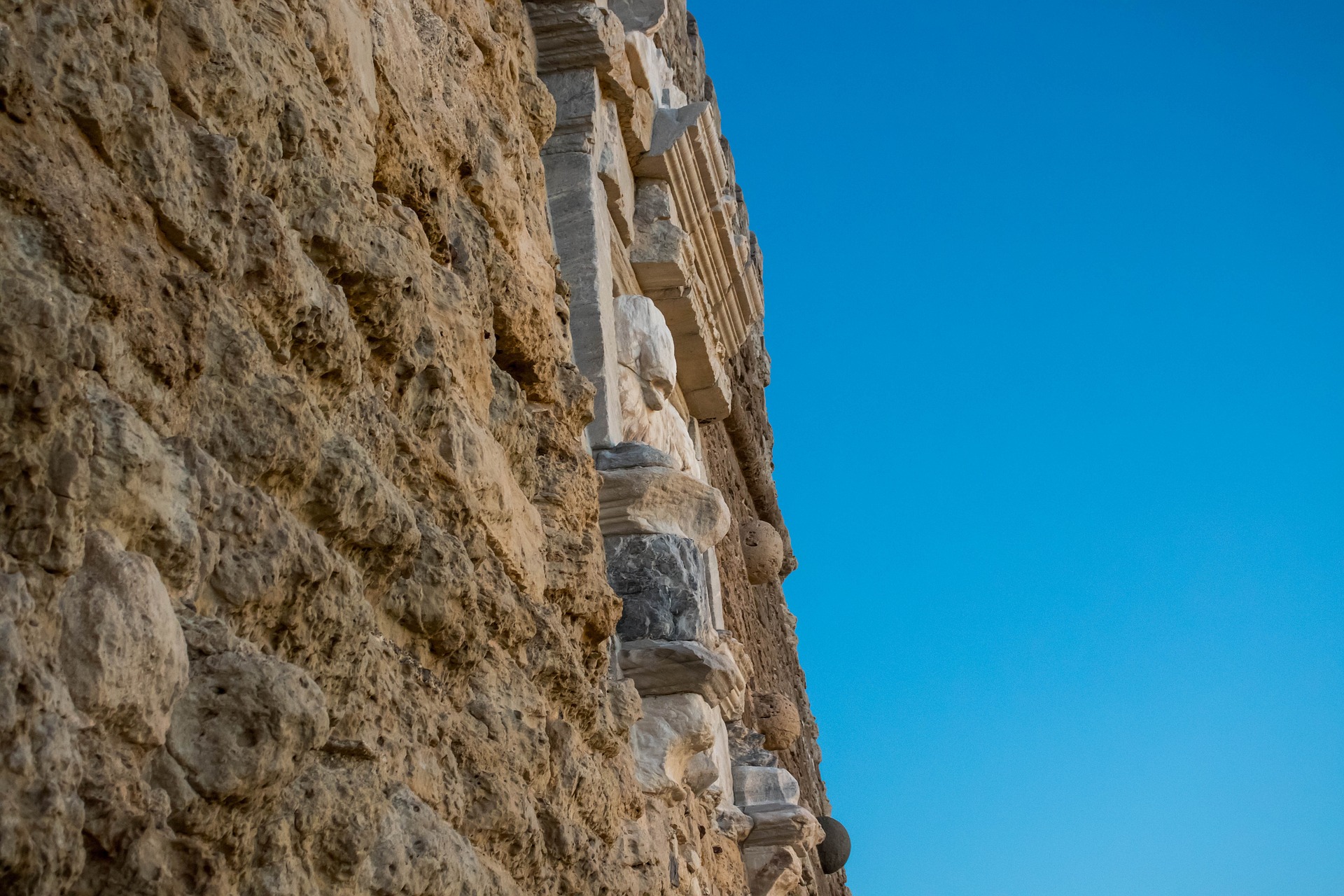
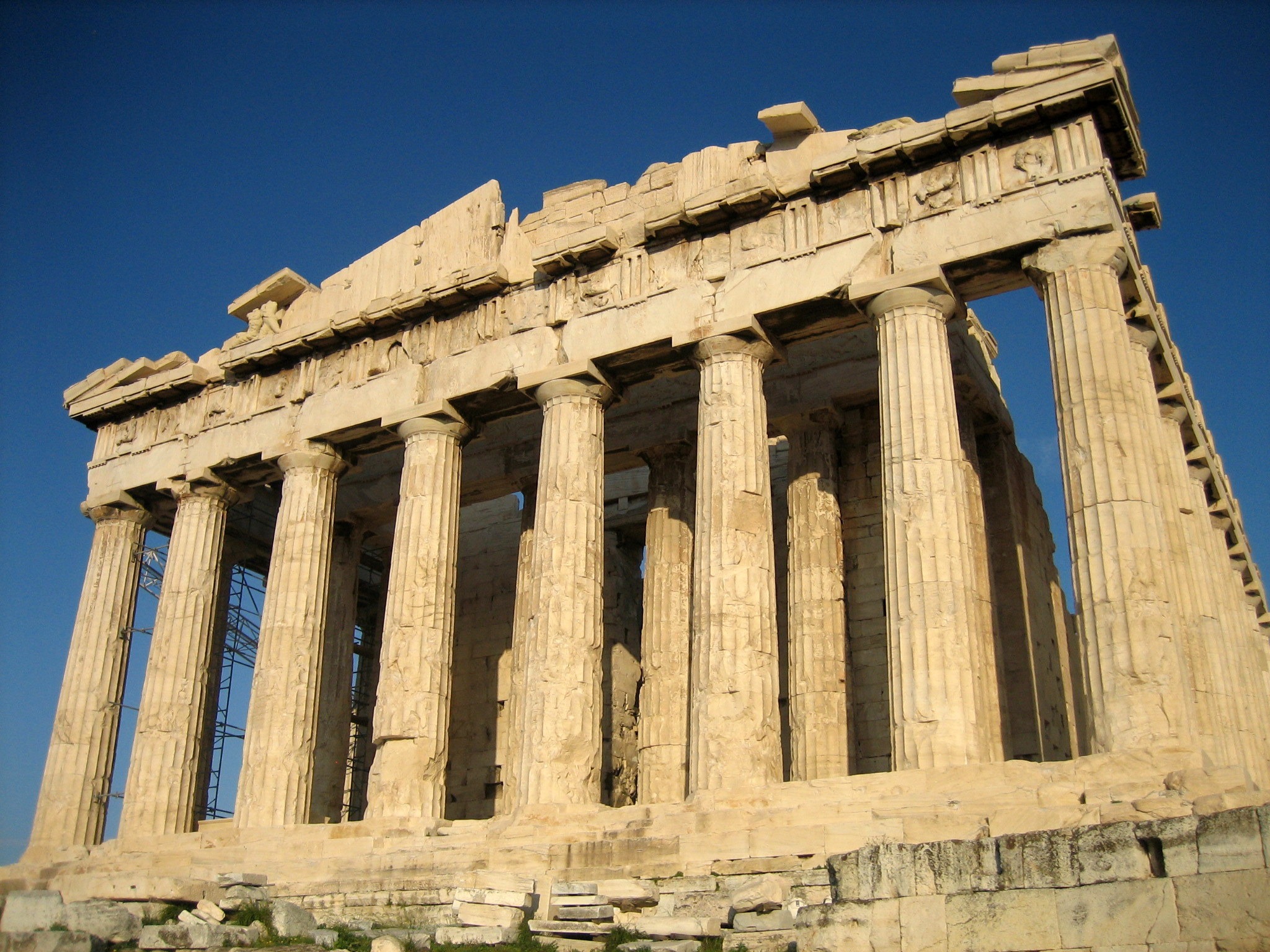
It’s no wonder that all roads lead to the fascinating and maddening metropolis of Athens. Lift your eyes 200 feet above the city to the Parthenon, its honey-color marble columns rising from a massive limestone base, and you behold architectural perfection that has not been surpassed in 2,500 years. But, today, this shrine of classical form dominates a 21st-century boomtown. To experience Athens—Athína in Greek—fully is to understand the essence of Greece: ancient monuments surviving in a sea of cement, startling beauty amid the squalor, tradition juxtaposed with modernity. Locals depend on humor and flexibility to deal with the chaos; you should do the same. The rewards are immense. Although Athens covers a huge area, the major landmarks of the ancient Greek, Roman, and Byzantine periods are close to the modern city center. You can easily walk from the Acropolis to many other key sites, taking time to browse in shops and relax in cafés and tavernas along the way. From many quarters of the city you can glimpse “the glory that was Greece” in the form of the Acropolis looming above the horizon, but only by actually climbing that rocky precipice can you feel the impact of the ancient settlement. The Acropolis and Filopappou, two craggy hills sitting side by side; the ancient Agora (marketplace); and Kerameikos, the first cemetery, form the core of ancient and Roman Athens. Along the Unification of Archaeological Sites promenade, you can follow stone-paved, tree-lined walkways from site to site, undisturbed by traffic. Cars have also been banned or reduced in other streets in the historical center. In the National Archaeological Museum, vast numbers of artifacts illustrate the many millennia of Greek civilization; smaller museums such as the Goulandris Museum of Cycladic Art Museum and the Byzantine and Christian Museum illuminate the history of particular regions or periods. Athens may seem like one huge city, but it is really a conglomeration of neighborhoods with distinctive characters. The Eastern influences that prevailed during the 400-year rule of the Ottoman Empire are still evident in Monastiraki, the bazaar area near the foot of the Acropolis. On the northern slope of the Acropolis, stroll through Plaka (if possible by moonlight), an area of tranquil streets lined with renovated mansions, to get the flavor of the 19th-century’s gracious lifestyle. The narrow lanes of Anafiotika, a section of Plaka, thread past tiny churches and small, color-washed houses with wooden upper stories, recalling a Cycladic island village. In this maze of winding streets, vestiges of the older city are everywhere: crumbling stairways lined with festive tavernas; dank cellars filled with wine vats; occasionally a court or diminutive garden, enclosed within high walls and filled with magnolia trees and the flaming trumpet-shaped flowers of hibiscus bushes. Formerly run-down old quarters, such as Thission, Gazi and Psirri, popular nightlife areas filled with bars and mezedopoleia (similar to tapas bars), are now in the process of gentrification, although they still retain much of their original charm, as does the colorful produce and meat market on Athinas. The area around Syntagma Square, the tourist hub, and Omonia Square, the commercial heart of the city about 1 km (½ mi) northwest, is distinctly European, having been designed by the court architects of King Otho, a Bavarian, in the 19th century. The chic shops and bistros of ritzy Kolonaki nestle at the foot of Mt. Lycabettus, Athens’s highest hill (909 feet). Each of Athens’s outlying suburbs has a distinctive character: in the north is wealthy, tree-lined Kifissia, once a summer resort for aristocratic Athenians, and in the south and southeast lie Glyfada, Voula, and Vouliagmeni, with their sandy beaches, seaside bars, and lively summer nightlife. Just beyond the city’s southern fringes is Piraeus, a bustling port city of waterside fish tavernas and Saronic Gulf views.
Mykonos, Greece
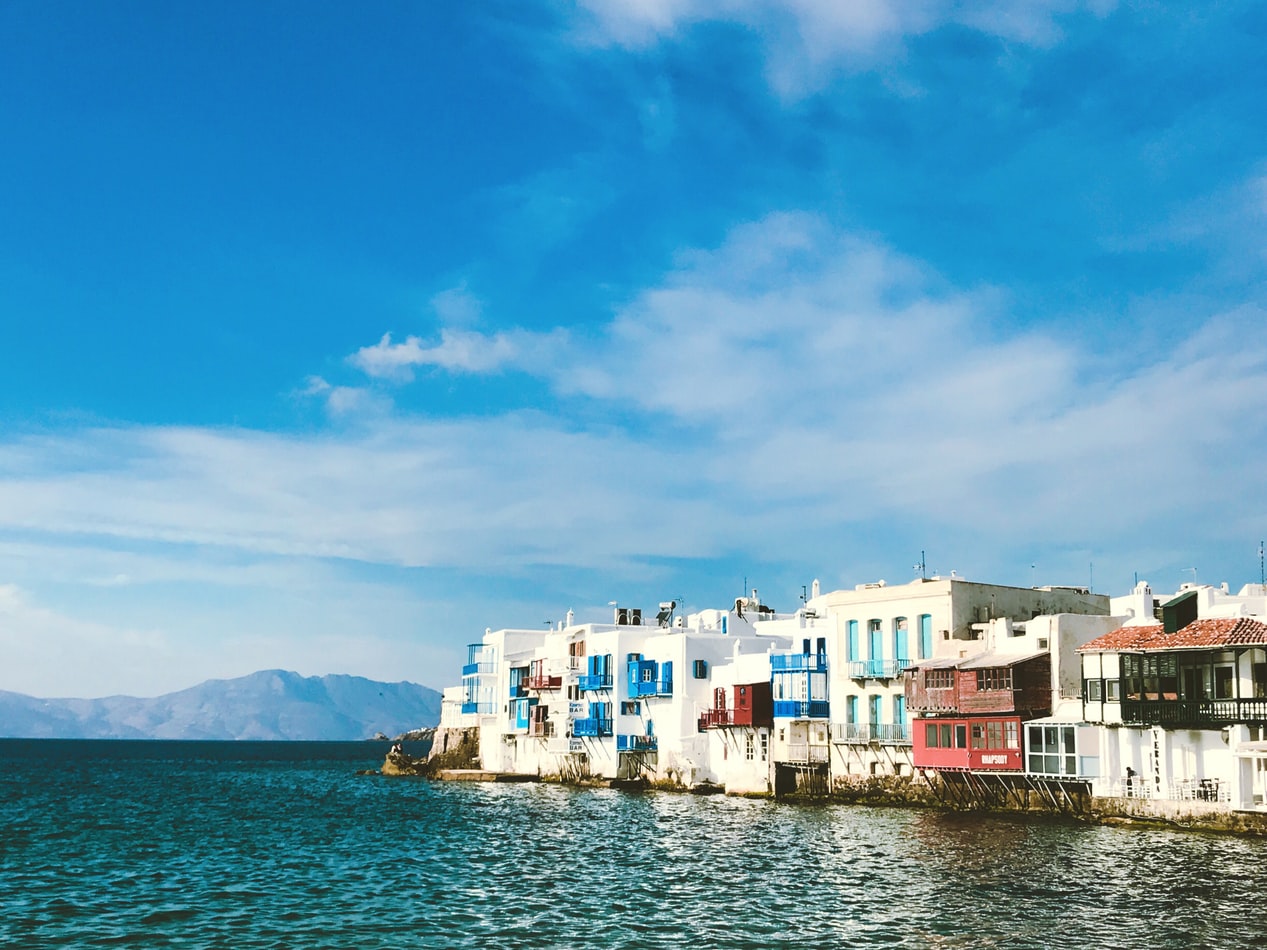
Although the fishing boats still go out in good weather, Mykonos largely makes its living from tourism these days. The summer crowds have turned one of the poorest islands in Greece into one of the richest. Old Mykonians complain that their young, who have inherited stores where their grandfathers once sold eggs or wine, get so much rent that they have lost ambition, and in summer sit around pool bars at night with their friends, and hang out in Athens in winter when island life is less scintillating. Put firmly on the map by Jackie O in the 1960s, Mykonos town—called Hora by the locals—remains the Saint-Tropez of the Greek islands. The scenery is memorable, with its whitewashed streets, Little Venice, the Kato Myli ridge of windmills, and Kastro, the town’s medieval quarter. Its cubical two- or three-story houses and churches, with their red or blue doors and domes and wooden balconies, have been long celebrated as some of the best examples of classic Cycladic architecture. Luckily, the Greek Archaeological Service decided to preserve the town, even when the Mykonians would have preferred to rebuild, and so the Old Town has been impressively preserved. Pink oleander, scarlet hibiscus, and trailing green pepper trees form a contrast amid the dazzling whiteness, whose frequent renewal with whitewash is required by law. Any visitor who has the pleasure of getting lost in its narrow streets (made all the narrower by the many outdoor stone staircases, which maximize housing space in the crowded village) will appreciate how its confusing layout was designed to foil pirates—if it was designed at all. After Mykonos fell under Turkish rule in 1537, the Ottomans allowed the islanders to arm their vessels against pirates, which had a contradictory effect: many of them found that raiding other islands was more profitable than tilling arid land. At the height of Aegean piracy, Mykonos was the principal headquarters of the corsair fleets—the place where pirates met their fellows, found willing women, and filled out their crews. Eventually the illicit activity evolved into a legitimate and thriving trade network. Morning on Mykonos town’s main quay is busy with deliveries, visitors for the Delos boats, lazy breakfasters, and street cleaners dealing with the previous night’s mess. In late morning the cruise-boat people arrive, and the shops are all open. In early afternoon, shaded outdoor tavernas are full of diners eating salads (Mykonos’s produce is mostly imported); music is absent or kept low. In mid- and late afternoon, the town feels sleepy, since so many people are at the beach, on excursions, or sleeping in their air-conditioned rooms; even some tourist shops close for siesta. By sunset, people have come back from the beach, having taken their showers and rested. At night, the atmosphere in Mykonos ramps up. The cruise-boat people are mostly gone, coughing three-wheelers make no deliveries in the narrow streets, and everyone is dressed sexy for summer and starting to shimmy with the scene. Many shops stay open past midnight, the restaurants fill up, and the bars and discos make ice cubes as fast as they can. Ready to dive in? Begin your tour of Mykonos town (Hora) by starting out at its heart: Mando Mavrogenous Square.
Istanbul, Turkey
The only city in the world that can lay claim to straddling two continents, Istanbul—once known as Constantinople, capital of the Byzantine and then the Ottoman Empire—has for centuries been a bustling metropolis with one foot in Europe and the other in Asia. Istanbul embraces this enviable position with both a certain chaos and inventiveness, ever evolving as one of the world’s most cosmopolitan crossroads. It’s often said that Istanbul is the meeting point of East and West, but visitors to this city built over the former capital of two great empires are likely to be just as impressed by the juxtaposition of old and new. Office towers creep up behind historic palaces, women in chic designer outfits pass others wearing long skirts and head coverings, peddlers’ pushcarts vie with battered old Fiats and shiny BMWs for dominance of the noisy, narrow streets, and the Grand Bazaar competes with modern shopping malls. At dawn, when the muezzin’s call to prayer resounds from ancient minarets, there are inevitably a few hearty revelers still making their way home from nightclubs and bars. Most visitors to this sprawling city of more than 14 million will first set foot in the relatively compact Old City, where the legacy of the Byzantine and Ottoman empires can be seen in monumental works of architecture like the brilliant Aya Sofya and the beautifully proportioned mosques built by the great architect Sinan. Though it would be easy to spend days, if not weeks, exploring the wealth of attractions in the historical peninsula, visitors should make sure also to venture elsewhere in order to experience the vibrancy of contemporary Istanbul. With a lively nightlife propelled by its young population and an exciting arts scene that’s increasingly on the international radar—thanks in part to its stint as the European Capital of Culture in 2010—Istanbul is truly a city that never sleeps. It’s also a place where visitors will feel welcome: Istanbul may be on the Bosphorus, but at heart it’s a Mediterranean city, whose friendly inhabitants are effusively social and eager to share what they love most about it.
Istanbul, Turkey
The only city in the world that can lay claim to straddling two continents, Istanbul—once known as Constantinople, capital of the Byzantine and then the Ottoman Empire—has for centuries been a bustling metropolis with one foot in Europe and the other in Asia. Istanbul embraces this enviable position with both a certain chaos and inventiveness, ever evolving as one of the world’s most cosmopolitan crossroads. It’s often said that Istanbul is the meeting point of East and West, but visitors to this city built over the former capital of two great empires are likely to be just as impressed by the juxtaposition of old and new. Office towers creep up behind historic palaces, women in chic designer outfits pass others wearing long skirts and head coverings, peddlers’ pushcarts vie with battered old Fiats and shiny BMWs for dominance of the noisy, narrow streets, and the Grand Bazaar competes with modern shopping malls. At dawn, when the muezzin’s call to prayer resounds from ancient minarets, there are inevitably a few hearty revelers still making their way home from nightclubs and bars. Most visitors to this sprawling city of more than 14 million will first set foot in the relatively compact Old City, where the legacy of the Byzantine and Ottoman empires can be seen in monumental works of architecture like the brilliant Aya Sofya and the beautifully proportioned mosques built by the great architect Sinan. Though it would be easy to spend days, if not weeks, exploring the wealth of attractions in the historical peninsula, visitors should make sure also to venture elsewhere in order to experience the vibrancy of contemporary Istanbul. With a lively nightlife propelled by its young population and an exciting arts scene that’s increasingly on the international radar—thanks in part to its stint as the European Capital of Culture in 2010—Istanbul is truly a city that never sleeps. It’s also a place where visitors will feel welcome: Istanbul may be on the Bosphorus, but at heart it’s a Mediterranean city, whose friendly inhabitants are effusively social and eager to share what they love most about it.
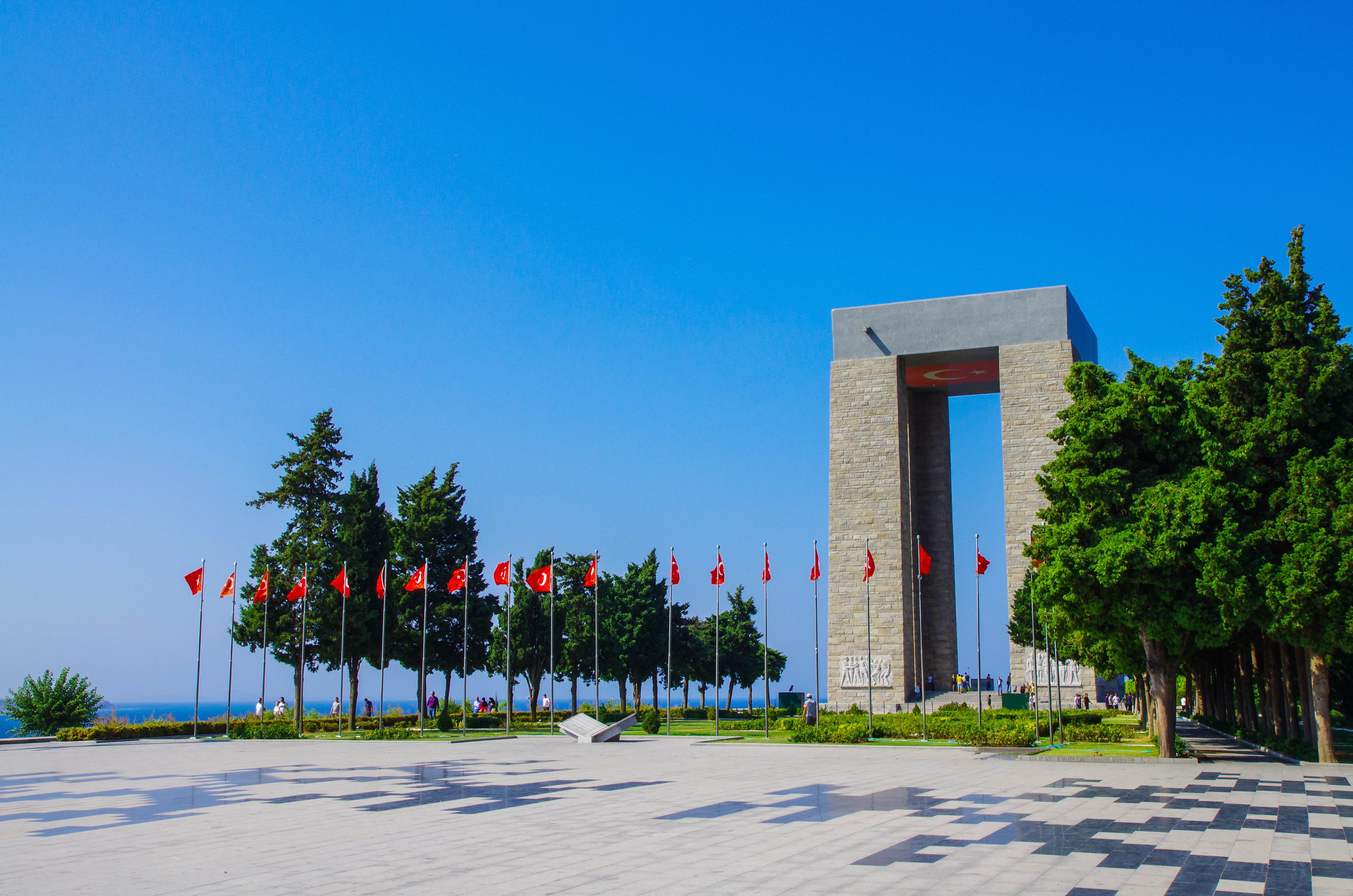
Çanakkale, Turkey
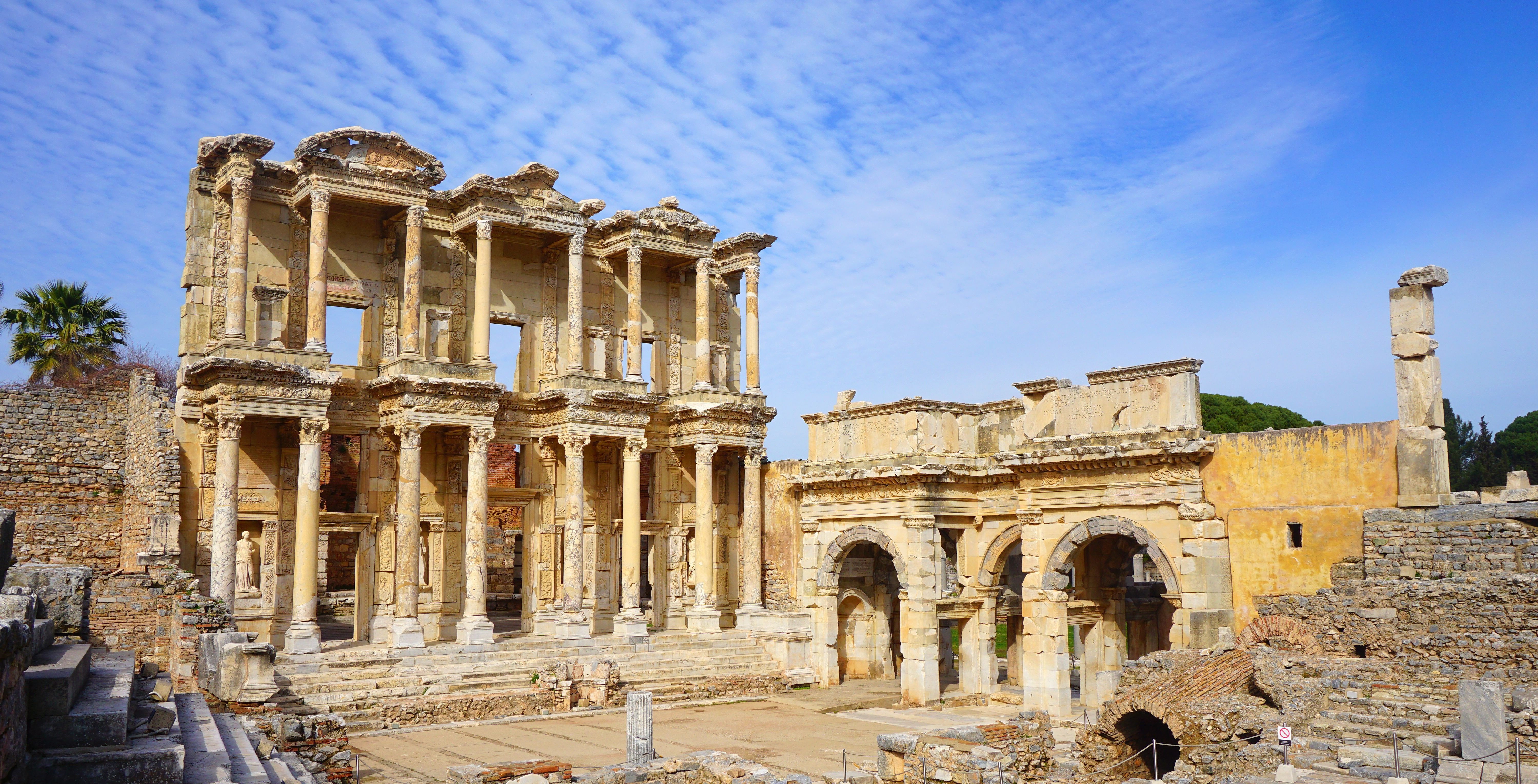
Ephesus, Turkey
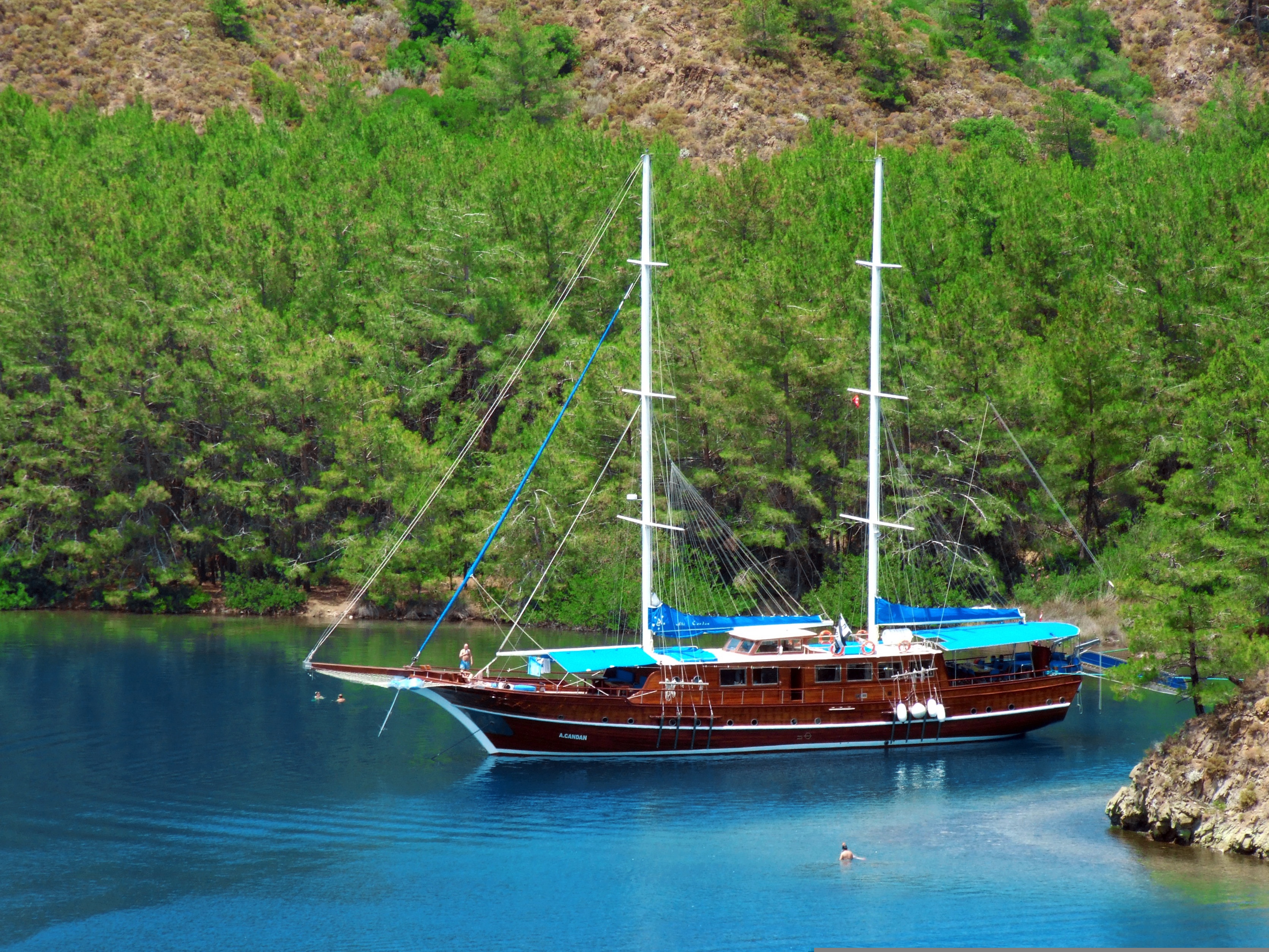
Marmaris, Turkey
This big, brash resort city has two faces, and they’re hard to reconcile. From the sea, a line of hotels stretches around the northern edge of a great bay, the whole encircled by a magical necklace of pine-clad mountains. Behind those same hotels, however, the city has been overwhelmed by boxy concrete development and streets lined with a hundred generically named eateries. An annual horde of European tourists descends on these workaday establishments, but for the international traveler, there is little about Marmaris that can’t be savored elsewhere in Turkey. Although it is a pretty spot, there isn’t much reason to linger unless you are meeting a yacht, traveling on to the Greek island of Rhodes, or perhaps snapping up an unbeatable deal at one of the top resorts, some of which are spectacular worlds unto themselves.
Piraeus, Greece
It’s no wonder that all roads lead to the fascinating and maddening metropolis of Athens. Lift your eyes 200 feet above the city to the Parthenon, its honey-color marble columns rising from a massive limestone base, and you behold architectural perfection that has not been surpassed in 2,500 years. But, today, this shrine of classical form dominates a 21st-century boomtown. To experience Athens—Athína in Greek—fully is to understand the essence of Greece: ancient monuments surviving in a sea of cement, startling beauty amid the squalor, tradition juxtaposed with modernity. Locals depend on humor and flexibility to deal with the chaos; you should do the same. The rewards are immense. Although Athens covers a huge area, the major landmarks of the ancient Greek, Roman, and Byzantine periods are close to the modern city center. You can easily walk from the Acropolis to many other key sites, taking time to browse in shops and relax in cafés and tavernas along the way. From many quarters of the city you can glimpse “the glory that was Greece” in the form of the Acropolis looming above the horizon, but only by actually climbing that rocky precipice can you feel the impact of the ancient settlement. The Acropolis and Filopappou, two craggy hills sitting side by side; the ancient Agora (marketplace); and Kerameikos, the first cemetery, form the core of ancient and Roman Athens. Along the Unification of Archaeological Sites promenade, you can follow stone-paved, tree-lined walkways from site to site, undisturbed by traffic. Cars have also been banned or reduced in other streets in the historical center. In the National Archaeological Museum, vast numbers of artifacts illustrate the many millennia of Greek civilization; smaller museums such as the Goulandris Museum of Cycladic Art Museum and the Byzantine and Christian Museum illuminate the history of particular regions or periods. Athens may seem like one huge city, but it is really a conglomeration of neighborhoods with distinctive characters. The Eastern influences that prevailed during the 400-year rule of the Ottoman Empire are still evident in Monastiraki, the bazaar area near the foot of the Acropolis. On the northern slope of the Acropolis, stroll through Plaka (if possible by moonlight), an area of tranquil streets lined with renovated mansions, to get the flavor of the 19th-century’s gracious lifestyle. The narrow lanes of Anafiotika, a section of Plaka, thread past tiny churches and small, color-washed houses with wooden upper stories, recalling a Cycladic island village. In this maze of winding streets, vestiges of the older city are everywhere: crumbling stairways lined with festive tavernas; dank cellars filled with wine vats; occasionally a court or diminutive garden, enclosed within high walls and filled with magnolia trees and the flaming trumpet-shaped flowers of hibiscus bushes. Formerly run-down old quarters, such as Thission, Gazi and Psirri, popular nightlife areas filled with bars and mezedopoleia (similar to tapas bars), are now in the process of gentrification, although they still retain much of their original charm, as does the colorful produce and meat market on Athinas. The area around Syntagma Square, the tourist hub, and Omonia Square, the commercial heart of the city about 1 km (½ mi) northwest, is distinctly European, having been designed by the court architects of King Otho, a Bavarian, in the 19th century. The chic shops and bistros of ritzy Kolonaki nestle at the foot of Mt. Lycabettus, Athens’s highest hill (909 feet). Each of Athens’s outlying suburbs has a distinctive character: in the north is wealthy, tree-lined Kifissia, once a summer resort for aristocratic Athenians, and in the south and southeast lie Glyfada, Voula, and Vouliagmeni, with their sandy beaches, seaside bars, and lively summer nightlife. Just beyond the city’s southern fringes is Piraeus, a bustling port city of waterside fish tavernas and Saronic Gulf views.
Mykonos, Greece
Although the fishing boats still go out in good weather, Mykonos largely makes its living from tourism these days. The summer crowds have turned one of the poorest islands in Greece into one of the richest. Old Mykonians complain that their young, who have inherited stores where their grandfathers once sold eggs or wine, get so much rent that they have lost ambition, and in summer sit around pool bars at night with their friends, and hang out in Athens in winter when island life is less scintillating. Put firmly on the map by Jackie O in the 1960s, Mykonos town—called Hora by the locals—remains the Saint-Tropez of the Greek islands. The scenery is memorable, with its whitewashed streets, Little Venice, the Kato Myli ridge of windmills, and Kastro, the town’s medieval quarter. Its cubical two- or three-story houses and churches, with their red or blue doors and domes and wooden balconies, have been long celebrated as some of the best examples of classic Cycladic architecture. Luckily, the Greek Archaeological Service decided to preserve the town, even when the Mykonians would have preferred to rebuild, and so the Old Town has been impressively preserved. Pink oleander, scarlet hibiscus, and trailing green pepper trees form a contrast amid the dazzling whiteness, whose frequent renewal with whitewash is required by law. Any visitor who has the pleasure of getting lost in its narrow streets (made all the narrower by the many outdoor stone staircases, which maximize housing space in the crowded village) will appreciate how its confusing layout was designed to foil pirates—if it was designed at all. After Mykonos fell under Turkish rule in 1537, the Ottomans allowed the islanders to arm their vessels against pirates, which had a contradictory effect: many of them found that raiding other islands was more profitable than tilling arid land. At the height of Aegean piracy, Mykonos was the principal headquarters of the corsair fleets—the place where pirates met their fellows, found willing women, and filled out their crews. Eventually the illicit activity evolved into a legitimate and thriving trade network. Morning on Mykonos town’s main quay is busy with deliveries, visitors for the Delos boats, lazy breakfasters, and street cleaners dealing with the previous night’s mess. In late morning the cruise-boat people arrive, and the shops are all open. In early afternoon, shaded outdoor tavernas are full of diners eating salads (Mykonos’s produce is mostly imported); music is absent or kept low. In mid- and late afternoon, the town feels sleepy, since so many people are at the beach, on excursions, or sleeping in their air-conditioned rooms; even some tourist shops close for siesta. By sunset, people have come back from the beach, having taken their showers and rested. At night, the atmosphere in Mykonos ramps up. The cruise-boat people are mostly gone, coughing three-wheelers make no deliveries in the narrow streets, and everyone is dressed sexy for summer and starting to shimmy with the scene. Many shops stay open past midnight, the restaurants fill up, and the bars and discos make ice cubes as fast as they can. Ready to dive in? Begin your tour of Mykonos town (Hora) by starting out at its heart: Mando Mavrogenous Square.
Istanbul, Turkey
The only city in the world that can lay claim to straddling two continents, Istanbul—once known as Constantinople, capital of the Byzantine and then the Ottoman Empire—has for centuries been a bustling metropolis with one foot in Europe and the other in Asia. Istanbul embraces this enviable position with both a certain chaos and inventiveness, ever evolving as one of the world’s most cosmopolitan crossroads. It’s often said that Istanbul is the meeting point of East and West, but visitors to this city built over the former capital of two great empires are likely to be just as impressed by the juxtaposition of old and new. Office towers creep up behind historic palaces, women in chic designer outfits pass others wearing long skirts and head coverings, peddlers’ pushcarts vie with battered old Fiats and shiny BMWs for dominance of the noisy, narrow streets, and the Grand Bazaar competes with modern shopping malls. At dawn, when the muezzin’s call to prayer resounds from ancient minarets, there are inevitably a few hearty revelers still making their way home from nightclubs and bars. Most visitors to this sprawling city of more than 14 million will first set foot in the relatively compact Old City, where the legacy of the Byzantine and Ottoman empires can be seen in monumental works of architecture like the brilliant Aya Sofya and the beautifully proportioned mosques built by the great architect Sinan. Though it would be easy to spend days, if not weeks, exploring the wealth of attractions in the historical peninsula, visitors should make sure also to venture elsewhere in order to experience the vibrancy of contemporary Istanbul. With a lively nightlife propelled by its young population and an exciting arts scene that’s increasingly on the international radar—thanks in part to its stint as the European Capital of Culture in 2010—Istanbul is truly a city that never sleeps. It’s also a place where visitors will feel welcome: Istanbul may be on the Bosphorus, but at heart it’s a Mediterranean city, whose friendly inhabitants are effusively social and eager to share what they love most about it.
Istanbul, Turkey
The only city in the world that can lay claim to straddling two continents, Istanbul—once known as Constantinople, capital of the Byzantine and then the Ottoman Empire—has for centuries been a bustling metropolis with one foot in Europe and the other in Asia. Istanbul embraces this enviable position with both a certain chaos and inventiveness, ever evolving as one of the world’s most cosmopolitan crossroads. It’s often said that Istanbul is the meeting point of East and West, but visitors to this city built over the former capital of two great empires are likely to be just as impressed by the juxtaposition of old and new. Office towers creep up behind historic palaces, women in chic designer outfits pass others wearing long skirts and head coverings, peddlers’ pushcarts vie with battered old Fiats and shiny BMWs for dominance of the noisy, narrow streets, and the Grand Bazaar competes with modern shopping malls. At dawn, when the muezzin’s call to prayer resounds from ancient minarets, there are inevitably a few hearty revelers still making their way home from nightclubs and bars. Most visitors to this sprawling city of more than 14 million will first set foot in the relatively compact Old City, where the legacy of the Byzantine and Ottoman empires can be seen in monumental works of architecture like the brilliant Aya Sofya and the beautifully proportioned mosques built by the great architect Sinan. Though it would be easy to spend days, if not weeks, exploring the wealth of attractions in the historical peninsula, visitors should make sure also to venture elsewhere in order to experience the vibrancy of contemporary Istanbul. With a lively nightlife propelled by its young population and an exciting arts scene that’s increasingly on the international radar—thanks in part to its stint as the European Capital of Culture in 2010—Istanbul is truly a city that never sleeps. It’s also a place where visitors will feel welcome: Istanbul may be on the Bosphorus, but at heart it’s a Mediterranean city, whose friendly inhabitants are effusively social and eager to share what they love most about it.
Çanakkale, Turkey
Ephesus, Turkey
Marmaris, Turkey
This big, brash resort city has two faces, and they’re hard to reconcile. From the sea, a line of hotels stretches around the northern edge of a great bay, the whole encircled by a magical necklace of pine-clad mountains. Behind those same hotels, however, the city has been overwhelmed by boxy concrete development and streets lined with a hundred generically named eateries. An annual horde of European tourists descends on these workaday establishments, but for the international traveler, there is little about Marmaris that can’t be savored elsewhere in Turkey. Although it is a pretty spot, there isn’t much reason to linger unless you are meeting a yacht, traveling on to the Greek island of Rhodes, or perhaps snapping up an unbeatable deal at one of the top resorts, some of which are spectacular worlds unto themselves.
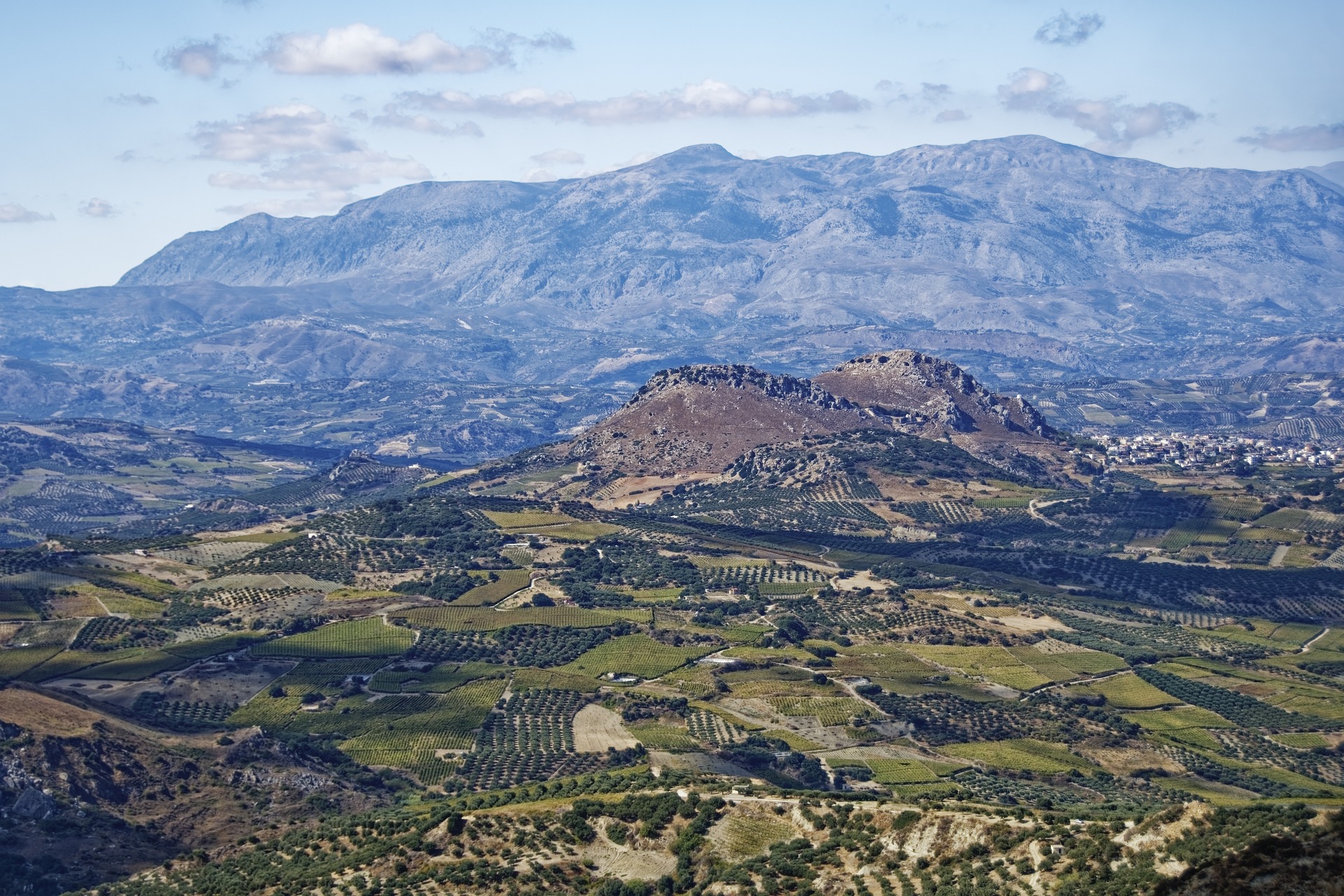
Heraklion (Iraklion), Crete, Greece
Having been controlled by Arabic, Venetian and Ottoman empires over the years – it’s no surprise that Heraklion is a diverse patchwork of exotic cultures and historical treasures. Celebrated as the birthplace of the Spanish Renaissance artist, El Greco, you can visit to explore the storied ruins of the Minoan empire’s capital, and unearth the rich cultural treasures that Crete’s bustling modern capital has to offer.
At Sea
No additional details available for this day.
La Goulette, Tunisia
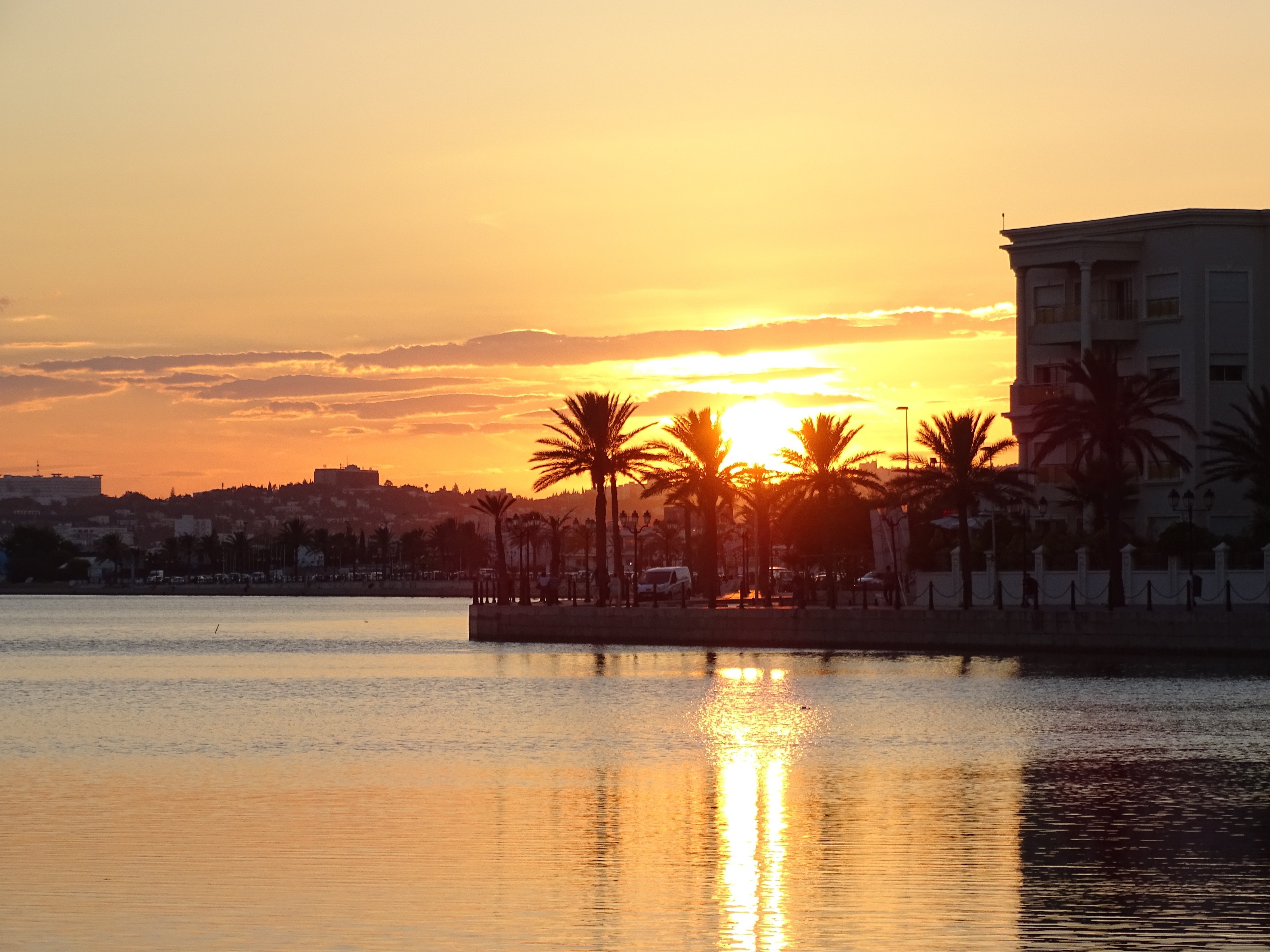
Palermo, Italy
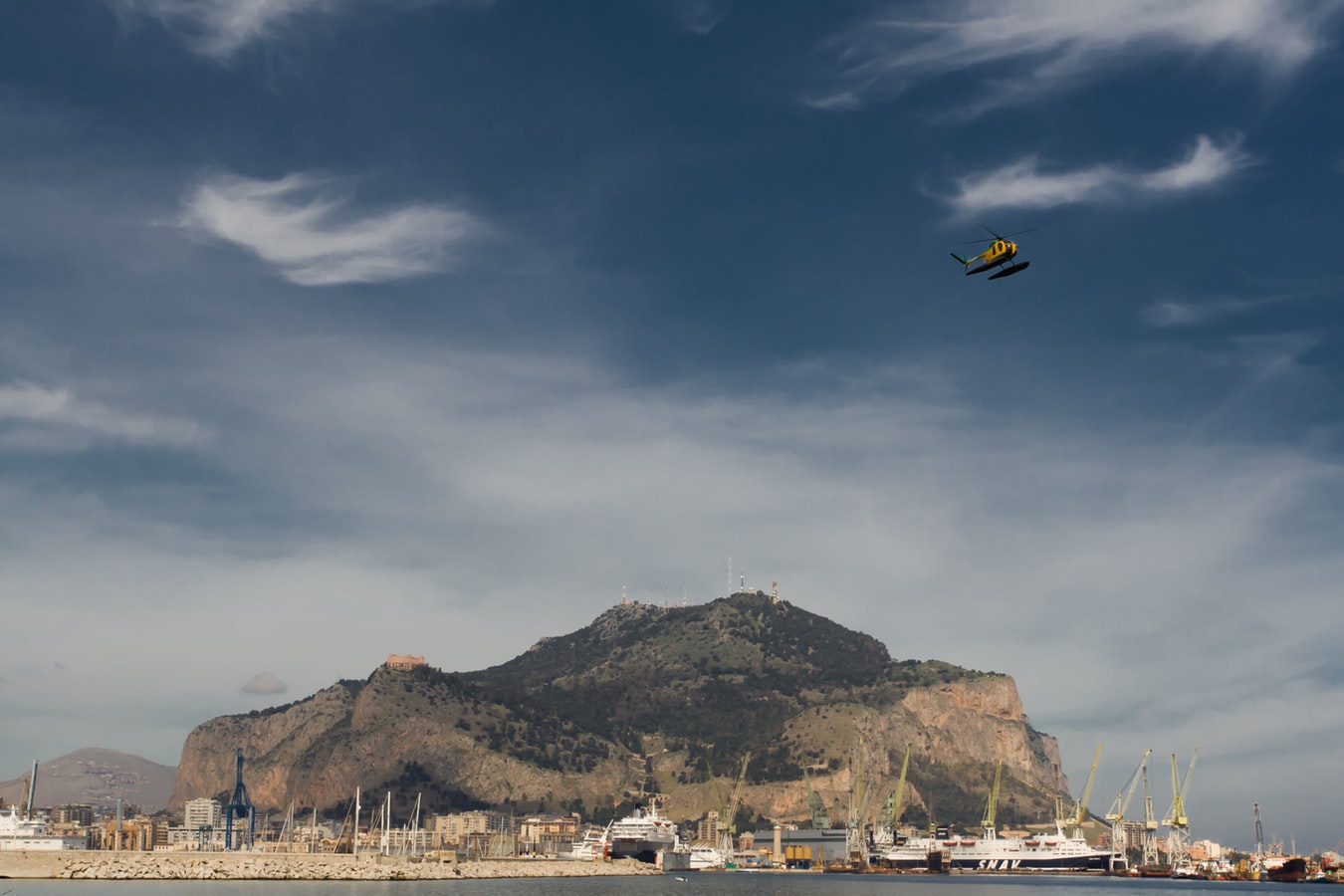
Once the intellectual capital of southern Europe, Palermo has always been at the crossroads of civilization. Favorably situated on a crescent-shaped bay at the foot of Monte Pellegrino, it has attracted almost every culture touching the Mediterranean world. To Palermo’s credit, it has absorbed these diverse cultures into a unique personality that is at once Arab and Christian, Byzantine and Roman, Norman and Italian. The city’s heritage encompasses all of Sicily’s varied ages, but its distinctive aspect is its Arab-Norman identity, an improbable marriage that, mixed in with Byzantine and Jewish elements, created some resplendent works of art. No less noteworthy than the architecture is Palermo’s chaotic vitality, on display at some of Italy’s most vibrant outdoor markets, public squares, street bazaars, and food vendors, and above all in its grand climax of Italy’s most spectacular passeggiata (the leisurely social stroll along the principal thoroughfare).
At Sea
No additional details available for this day.
Monaco, Monaco
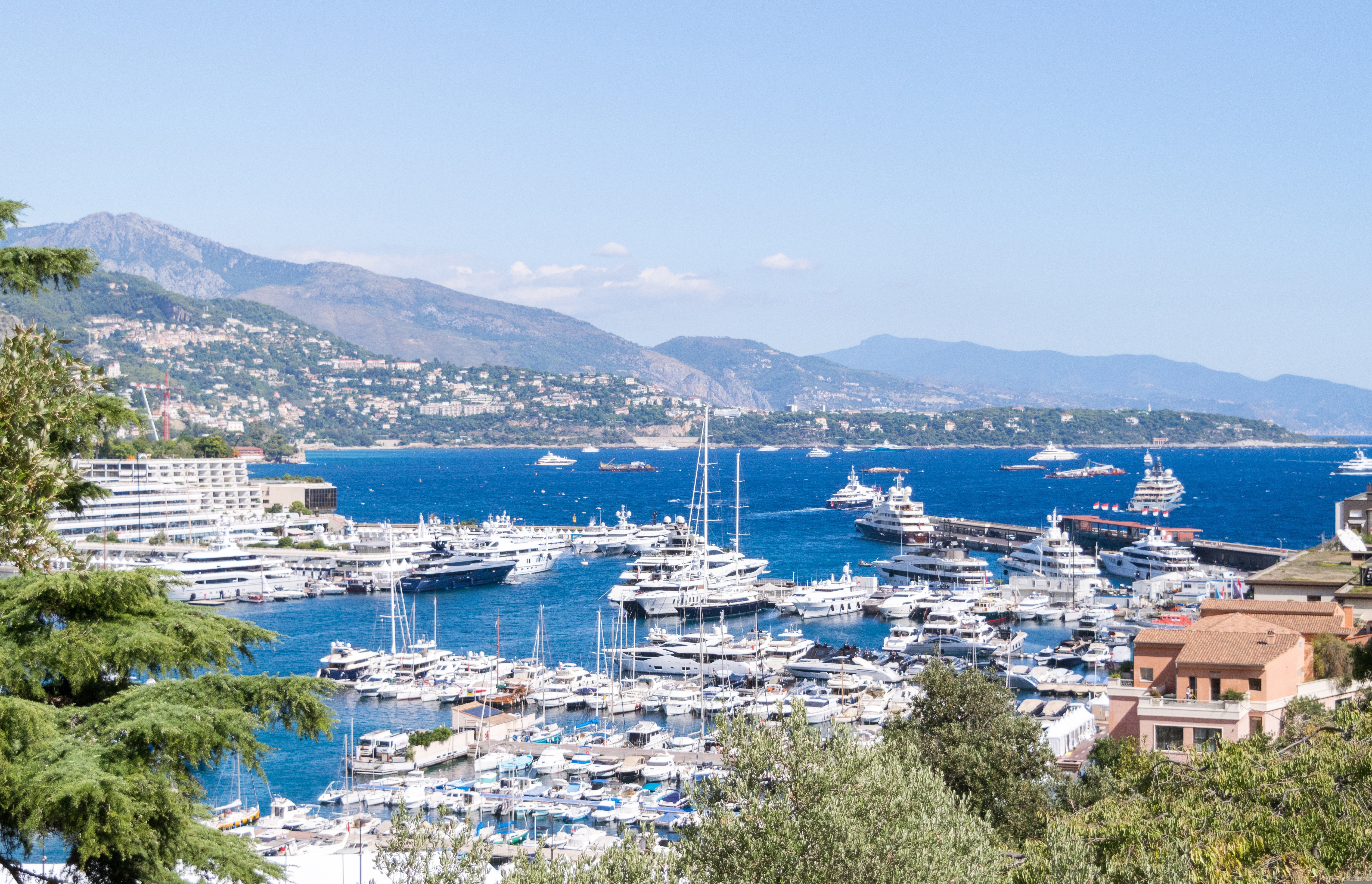
The 202-hectare Principality of Monaco is located east of France’s Mediterranean coast. Known for its royal family, especially Prince Albert of Monaco, its casinos and racetracks and for being a wealthy state with no applied taxes. Monaco is reachable by air through the French airport of Nice Côte d’Azur, located approximately 16 miles from the principality.
Heraklion (Iraklion), Crete, Greece
Having been controlled by Arabic, Venetian and Ottoman empires over the years – it’s no surprise that Heraklion is a diverse patchwork of exotic cultures and historical treasures. Celebrated as the birthplace of the Spanish Renaissance artist, El Greco, you can visit to explore the storied ruins of the Minoan empire’s capital, and unearth the rich cultural treasures that Crete’s bustling modern capital has to offer.
At Sea
No additional details available for this day.
La Goulette, Tunisia
Palermo, Italy
Once the intellectual capital of southern Europe, Palermo has always been at the crossroads of civilization. Favorably situated on a crescent-shaped bay at the foot of Monte Pellegrino, it has attracted almost every culture touching the Mediterranean world. To Palermo’s credit, it has absorbed these diverse cultures into a unique personality that is at once Arab and Christian, Byzantine and Roman, Norman and Italian. The city’s heritage encompasses all of Sicily’s varied ages, but its distinctive aspect is its Arab-Norman identity, an improbable marriage that, mixed in with Byzantine and Jewish elements, created some resplendent works of art. No less noteworthy than the architecture is Palermo’s chaotic vitality, on display at some of Italy’s most vibrant outdoor markets, public squares, street bazaars, and food vendors, and above all in its grand climax of Italy’s most spectacular passeggiata (the leisurely social stroll along the principal thoroughfare).
At Sea
No additional details available for this day.
Monaco, Monaco
The 202-hectare Principality of Monaco is located east of France’s Mediterranean coast. Known for its royal family, especially Prince Albert of Monaco, its casinos and racetracks and for being a wealthy state with no applied taxes. Monaco is reachable by air through the French airport of Nice Côte d’Azur, located approximately 16 miles from the principality.
Cabin Options
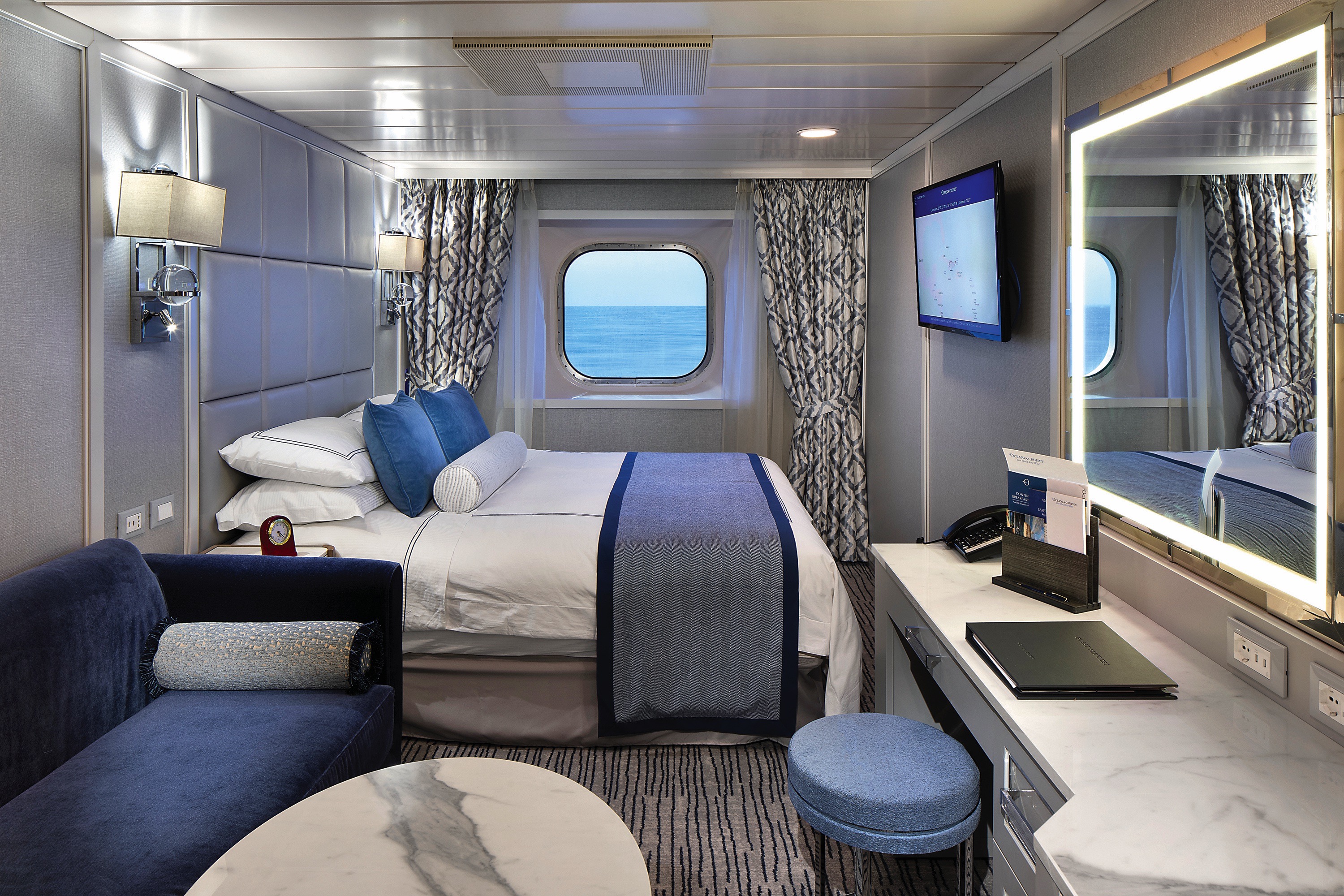
Deluxe Ocean View Stateroom
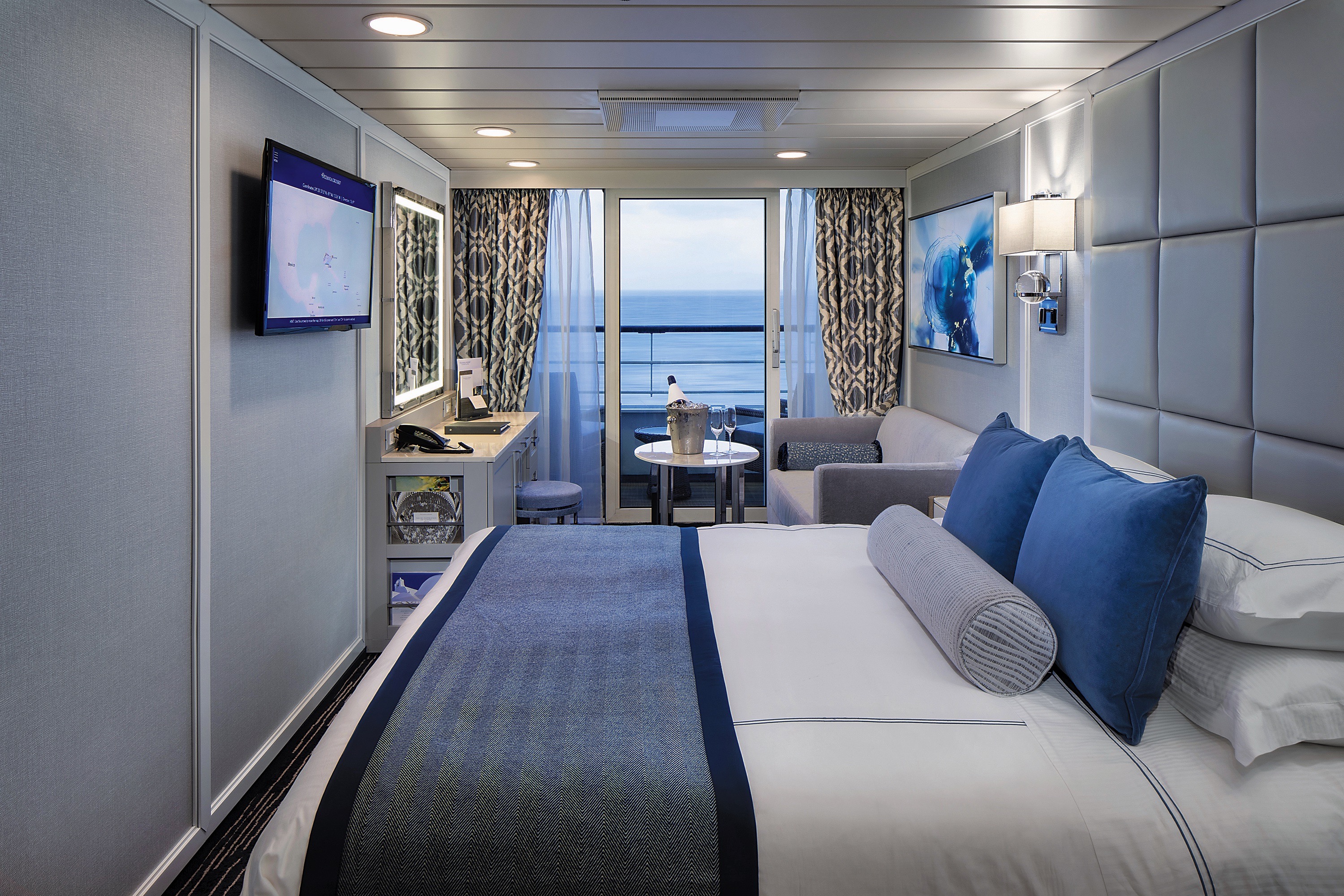
Veranda Stateroom
Concierge Level Veranda Stateroom
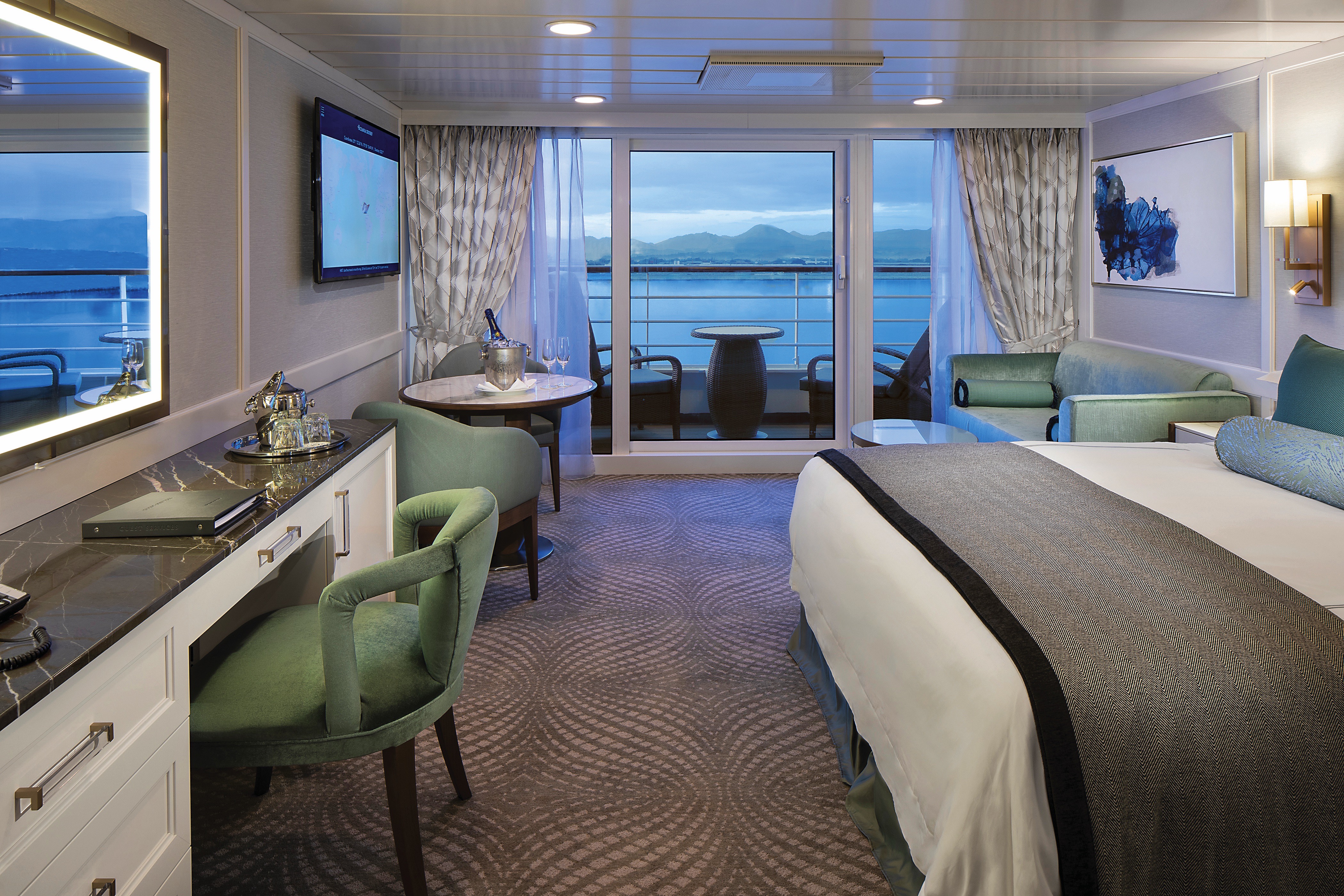
Penthouse Suite
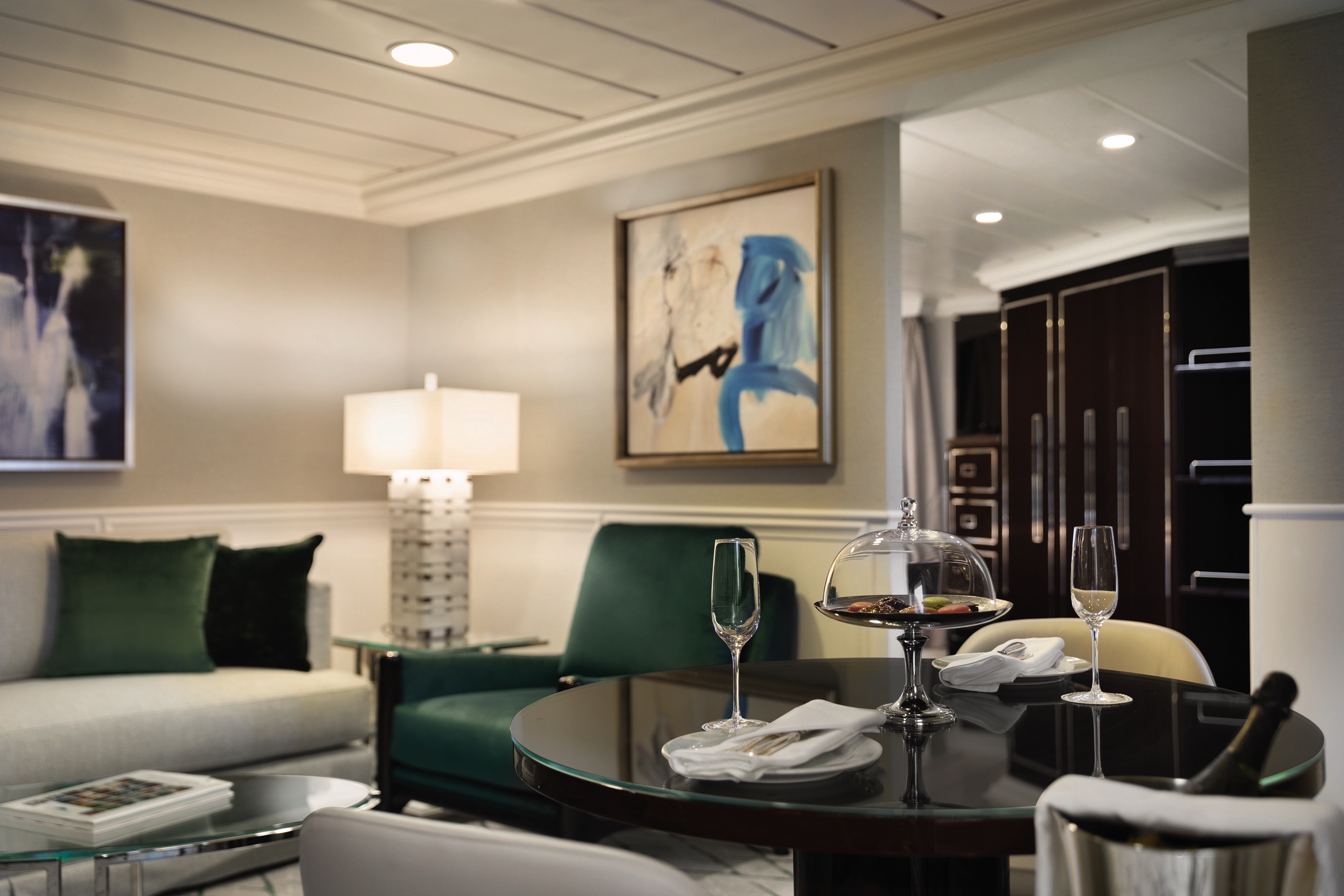
Vista Suite
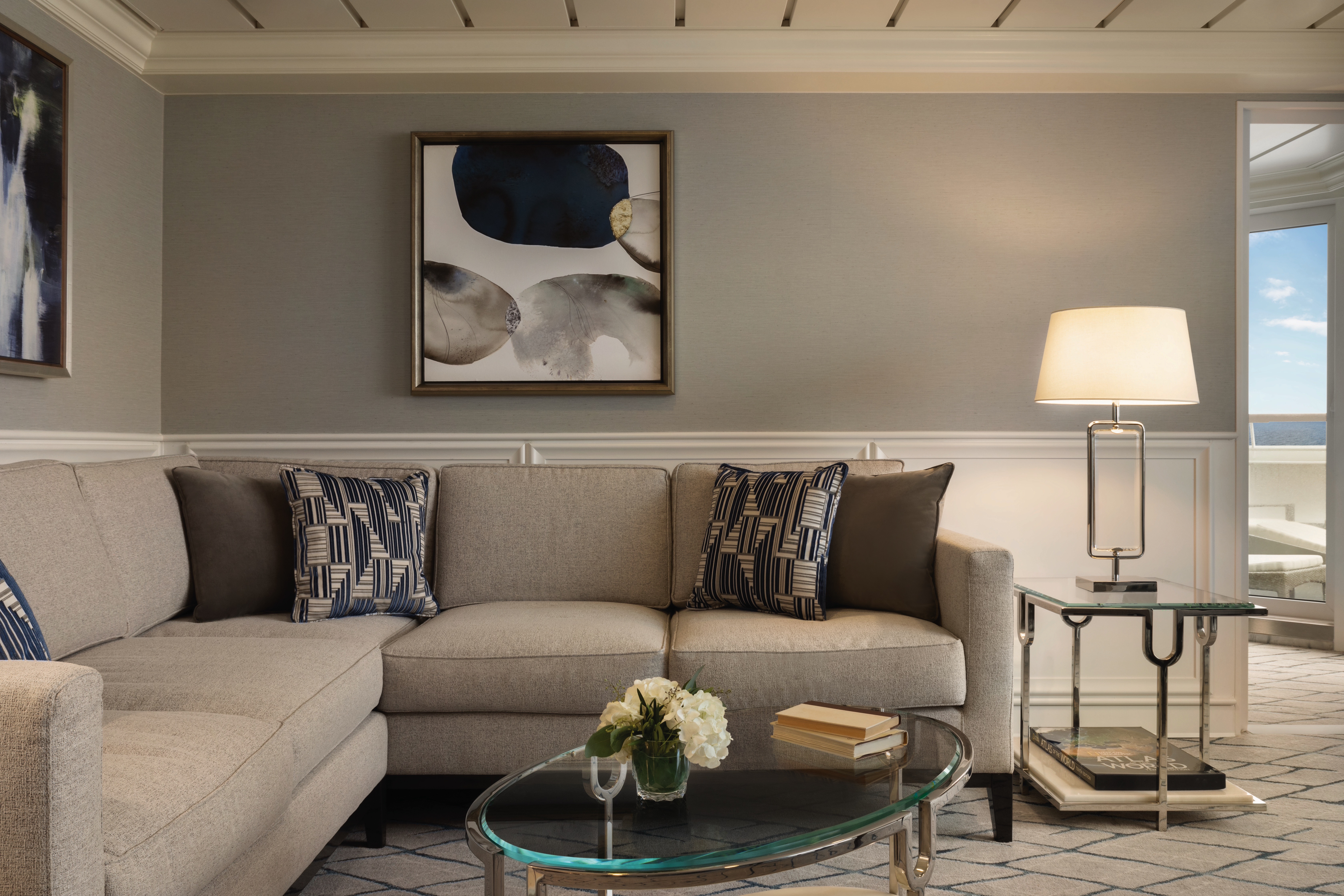
Owner's Suite
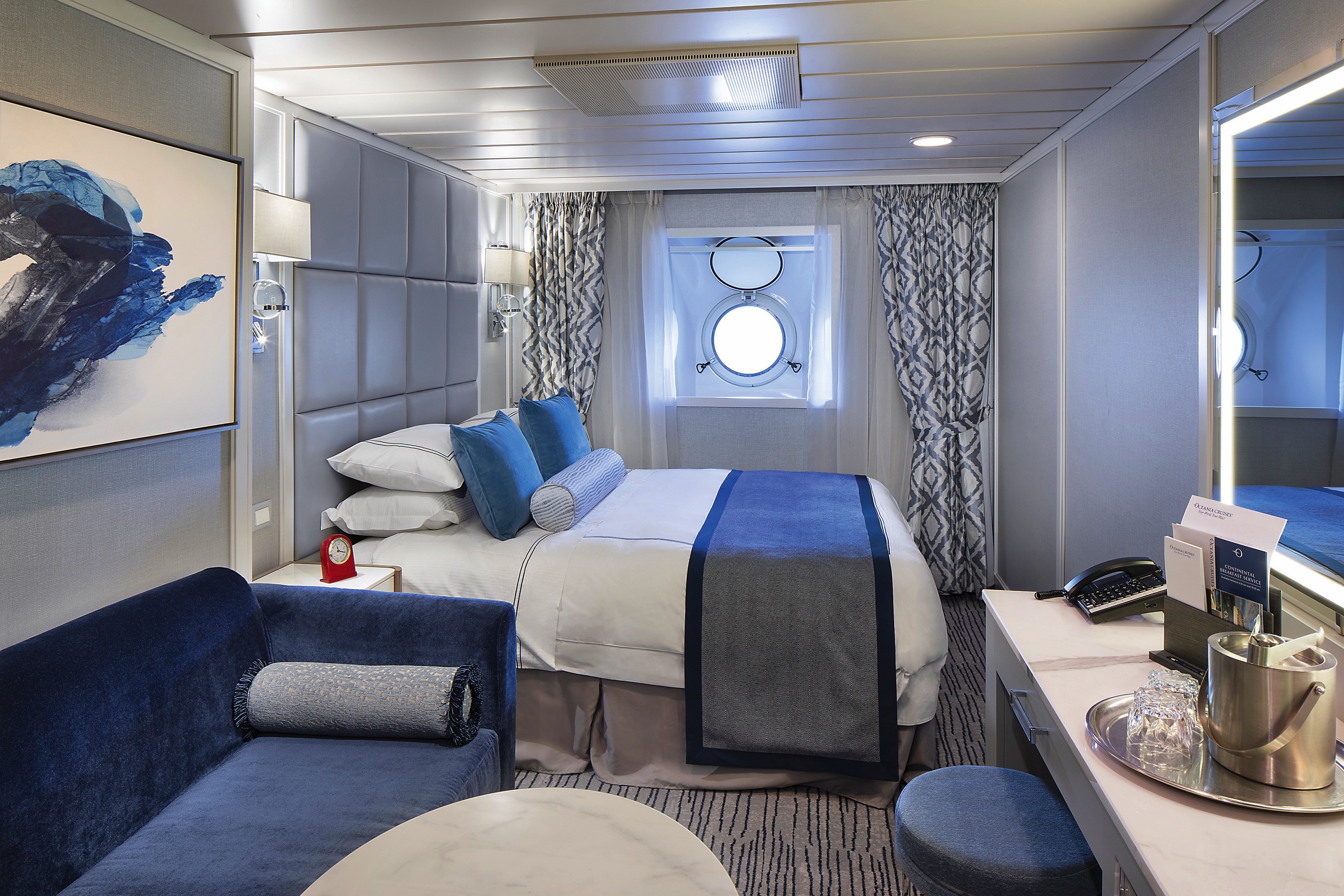
Oceanview Stateroom
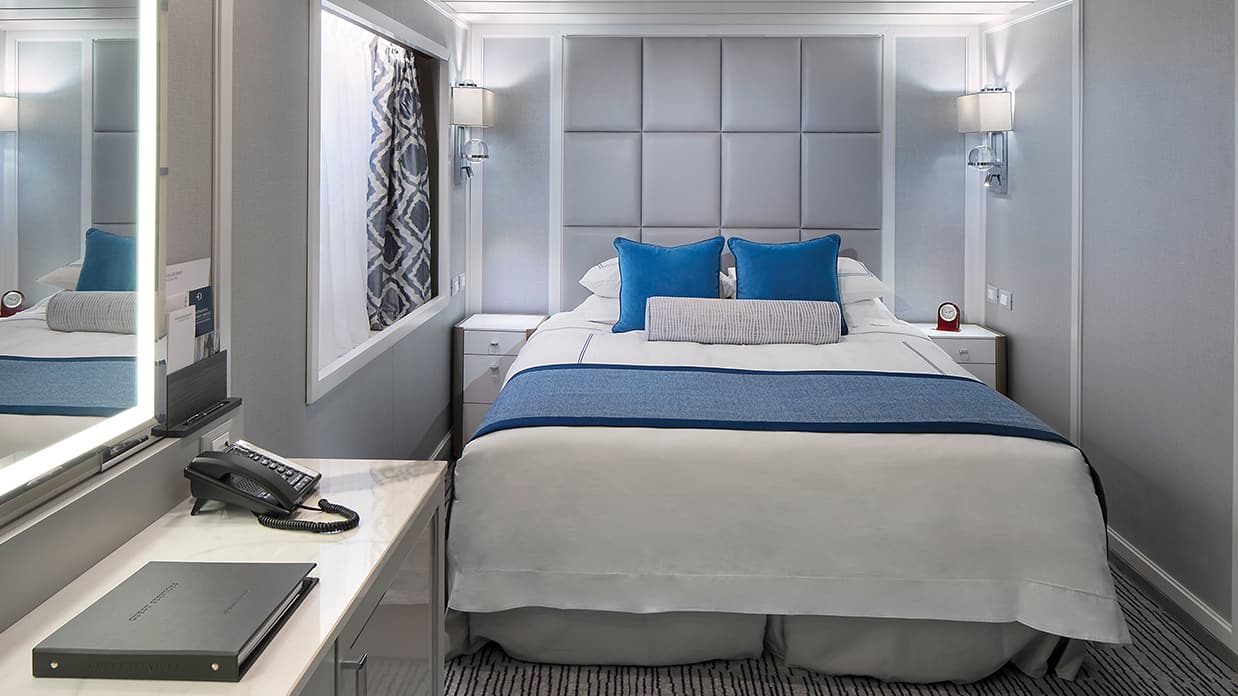
Solo Oceanview Stateroom
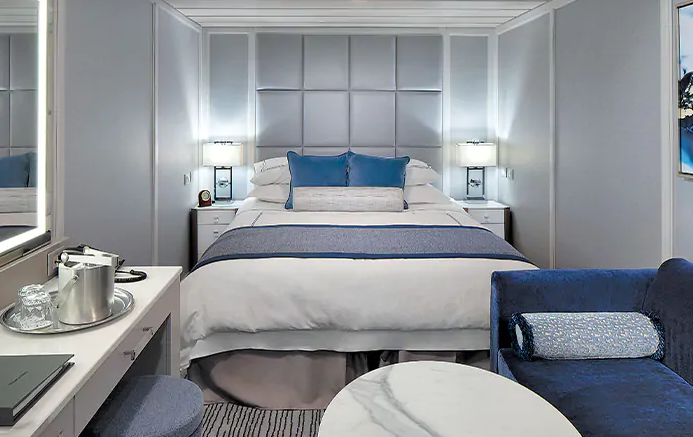
Inside Stateroom
Ship Facilities
The Grand Dining Room
An Elegant Setting
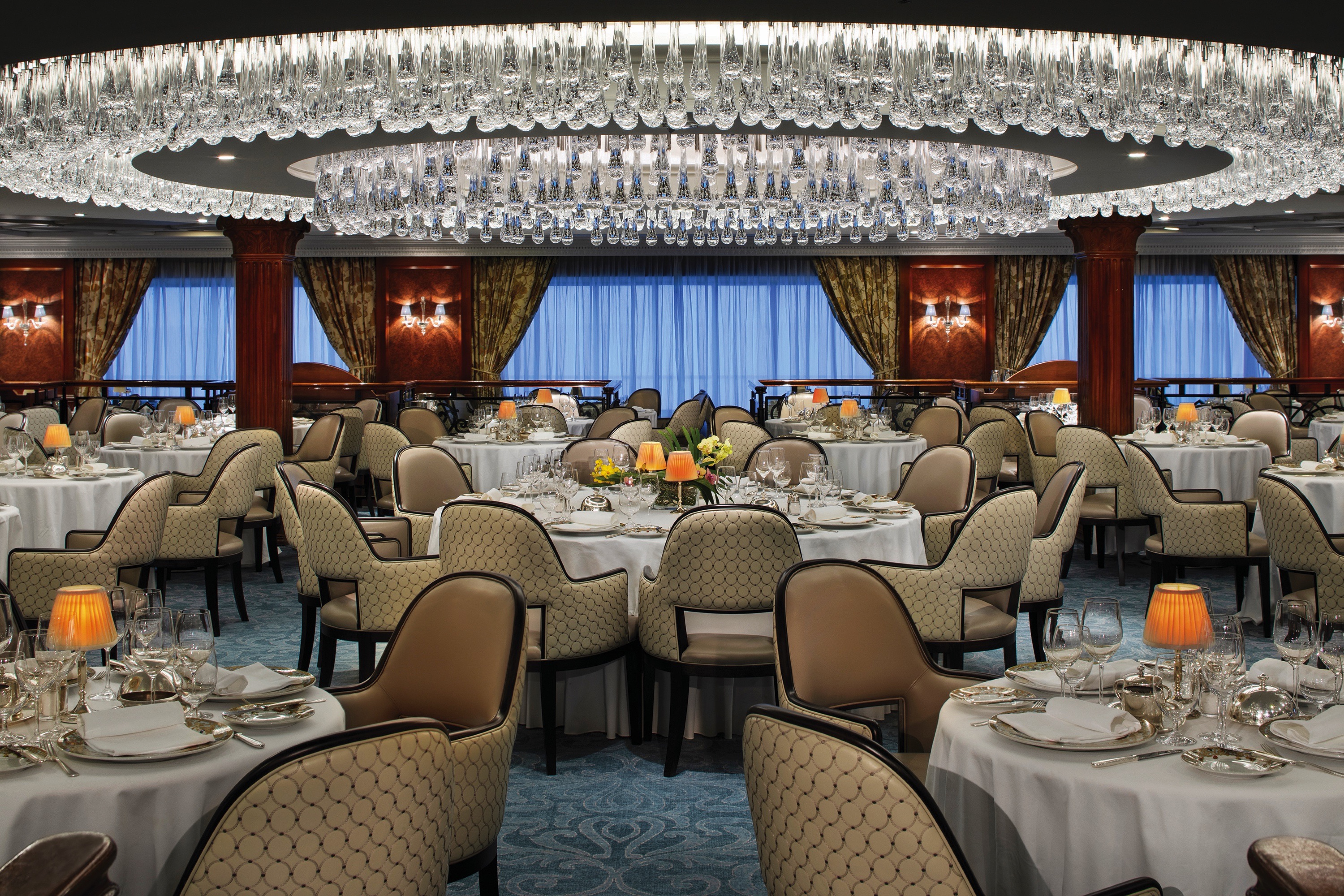
The Grand Dining Room is a study in stateliness, a tribute to the spirit of Europe’s marquee five-star hotel restaurants that inspired its dignified yet convivial ambiance. Handsomely decorated in rich woods, designer tapestry fabrics and oversized armchairs, the expansive dining area exudes classic splendor. This signature dining experience has always offered a bevy of delicious Continental dishes, and now a fresh and new array of options brings you even more exciting choices, as well as an incredible spectrum of global flavors and an all new Executive Chef’s Tasting Menu. As variety is essential to your satisfaction, menus change daily with an expansive choice of at least 10 appetizers, soups and salads and 10 dinner entrées, along with healthy options such as Aquamar Vitality Cuisine, gourmet vegetarian selections and the most extensive array of plant-based dishes at sea.
Open for breakfast, lunch and dinner. No reservations required.
Toscana
Authentic Italian
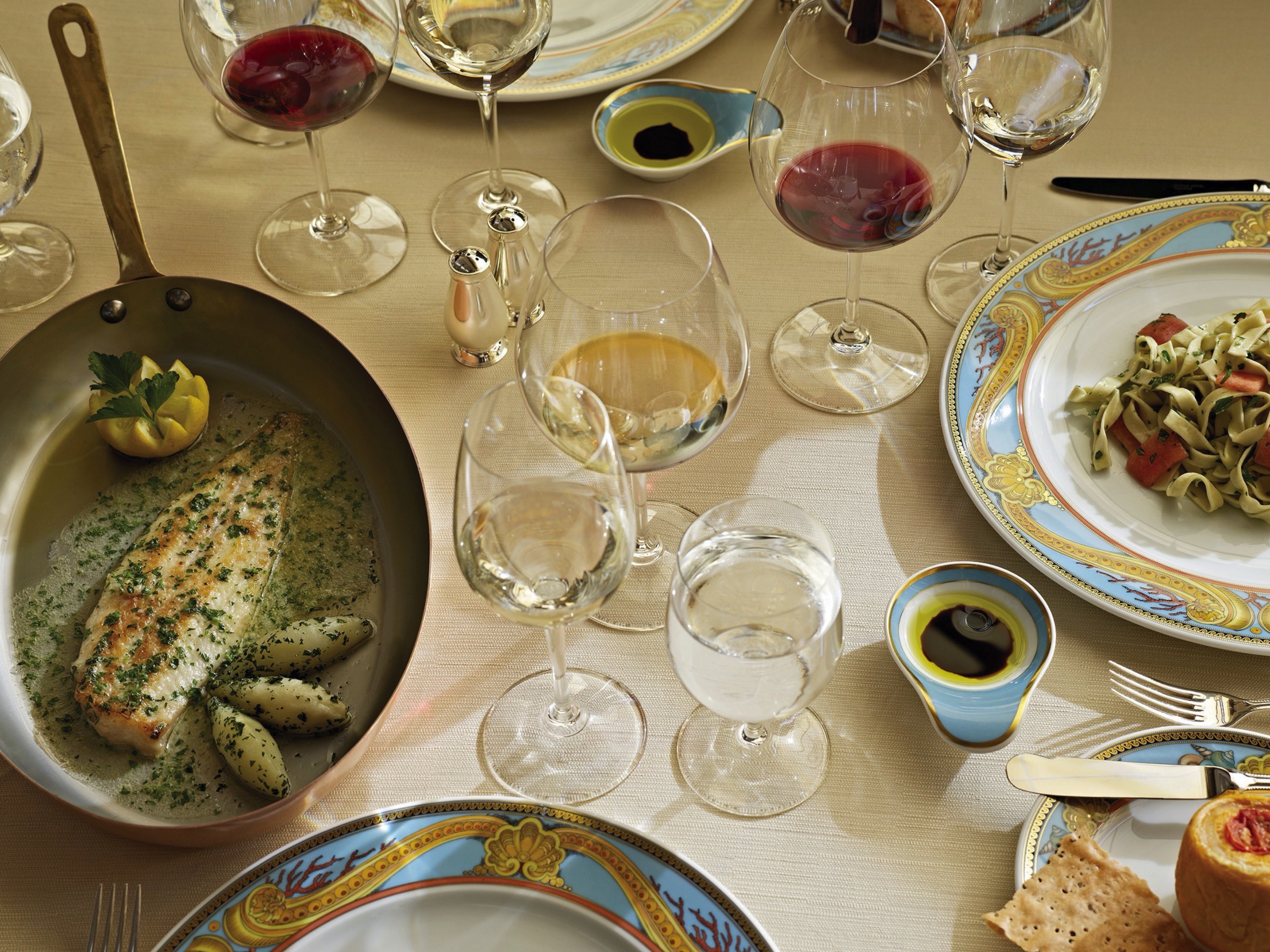
Toscana means Tuscan, and just as Tuscan cuisine evolved from rich family traditions, many of our recipes originated with the mothers and grandmothers of our own Italian culinary staff. Presented on elegant, custom-designed Versace china, masterfully prepared dishes exemplify the essence of Tuscany and celebrate Italy’s culinary passion. Perhaps the evening begins with the octopus carpaccio with Champagne vinaigrette or the artichoke and parmesan cheese timbale with black truffle sauce. Classic dishes from other regions of Northern Italy are featured as well, such as the minestrone alla Genovese, lasagna alforno alla Bolognese and osso buco alla Milanese.
Open for dinner only. Reservations are required.
Polo Grill
A CLASSIC STEAKHOUSE
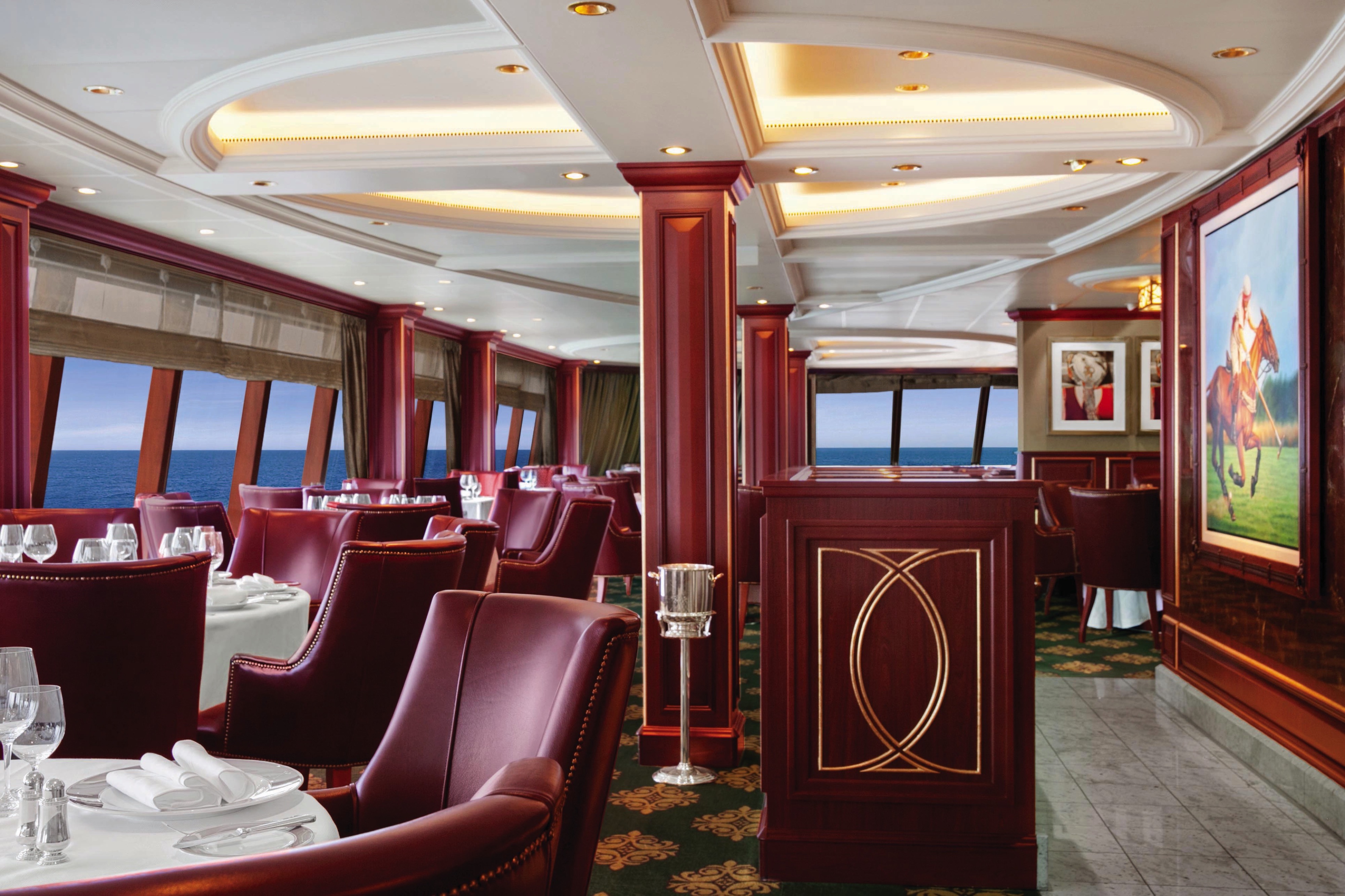
Polo Grill embodies all the elements of a classic steakhouse, expressing them with timeless reverence. Mindful of tradition, the decor features crisp, white linen tablecloths, dark wood furnishings and supple, high-back, burgundy leather chairs. Each course stands as the very definition of time-honored favorites, most notably the beef dishes, all of which are USDA certified Angus and aged for a minimum of 40 days to enhance tenderness and flavor. Succulent seafood dishes such as grilled swordfish and whole Maine lobster gratinée are also classics in their own right. The classic Caesar salad, too, is prepared according to tradition, tableside and with gusto.
Open for dinner only. Reservations required.
Terrace Café
Informal Dining
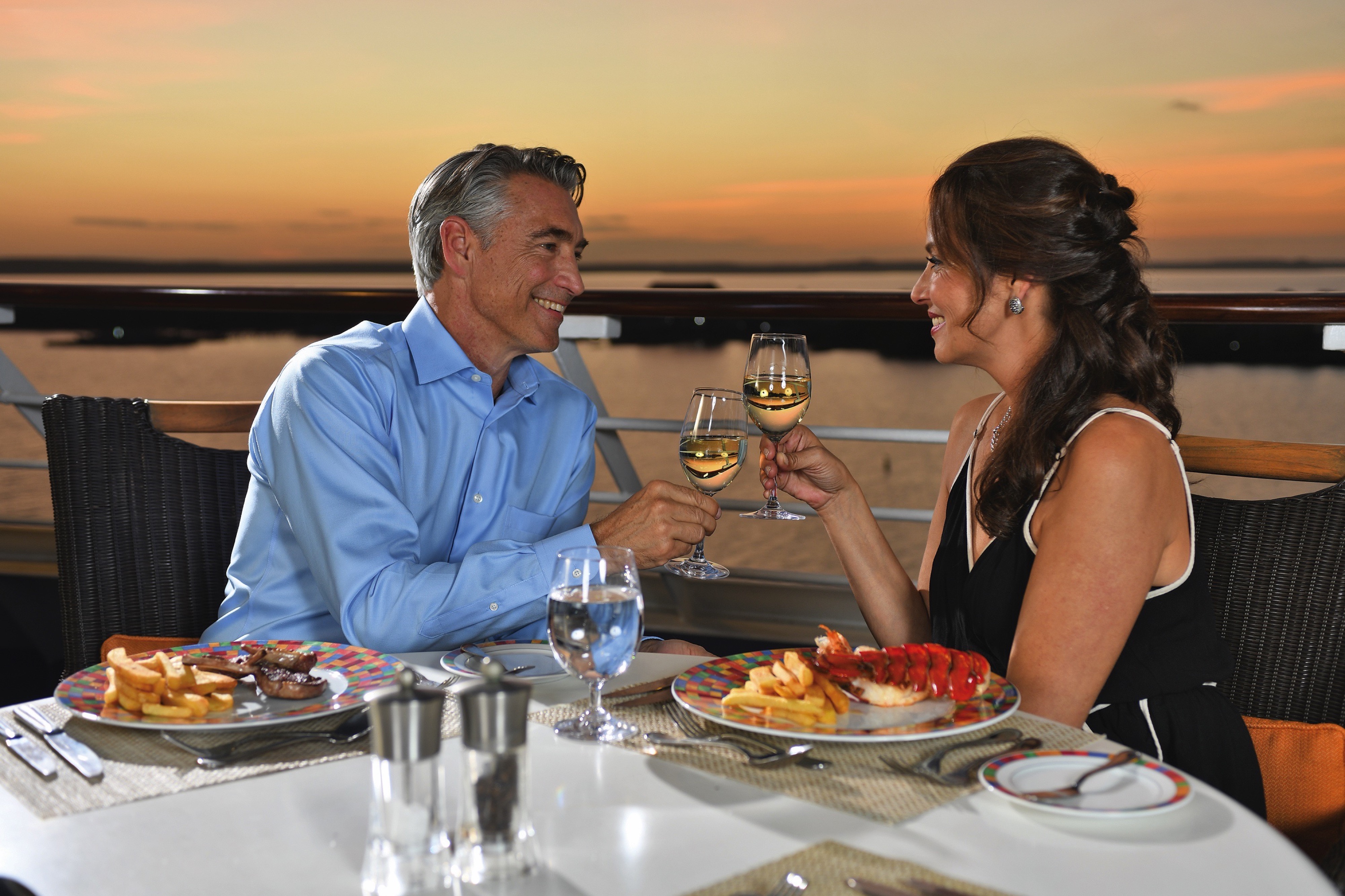
Informal and carefree, the Terrace Café is wonderfully inviting any time of day. During breakfast, the room is infused with natural sunlight from the floor-to-ceiling windows, stimulating the appetite for the sumptuous selections. Come lunch, the expansive menu of international-inspired dishes changes entirely, complemented by a flavorful roast and the magic of the pizzeria’s oven. Dine inside or alfresco at one of the shaded teak tables on the terrace. During the evenings, the cuisine takes on a more sophisticated flair, with lobster tails, chops and fresh fish prepared to order, and freshly made hand-cut sushi and sashimi. In addition, a diverse selection of bold and flavorful plant-based dishes is available.
Open for breakfast, lunch and dinner. No reservations required.
Waves Grill
Alfresco Dining
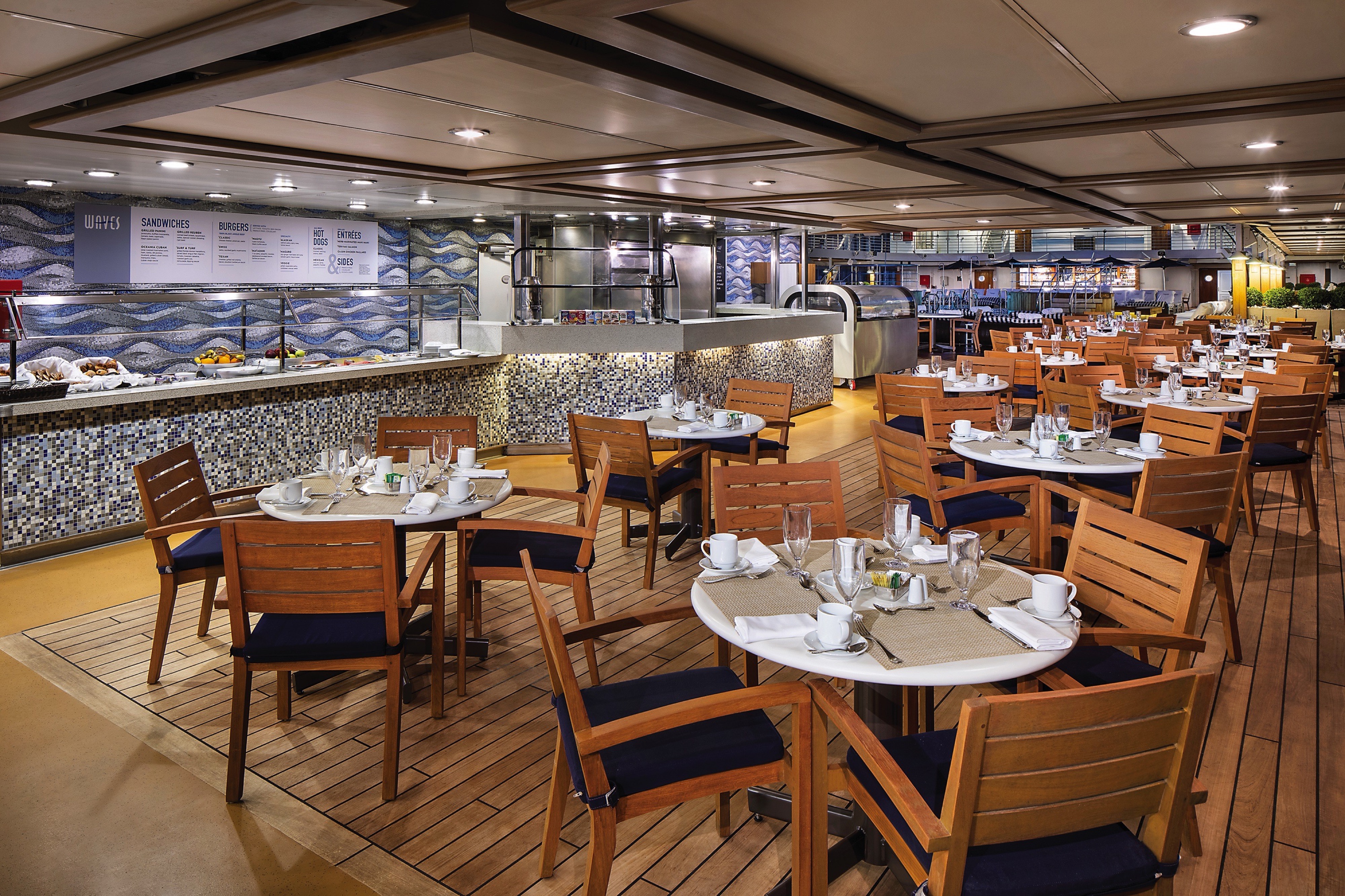
Sometimes, the ultimate luxury is casual dining on all-American favorites, a laid-back style Waves Grill epitomizes. Located in a spacious, shaded area steps from the swimming pool, Waves Grill offers an extensive and mouthwatering menu. Then try a decadent dessert such as a homemade passion fruit sorbet, a made-to-order hot fudge sundae, a hand-dipped milkshake or one of the new, whimsical ice cream flavors by Humphry Slocombe, such as Secret Breakfast, Elvis (the Fat Years) or our signature flavor, Oceania Regatta Royale.
Open for lunch and afternoon dining only. No reservations required.
Afternoon Tea
Time-Honored Pastime
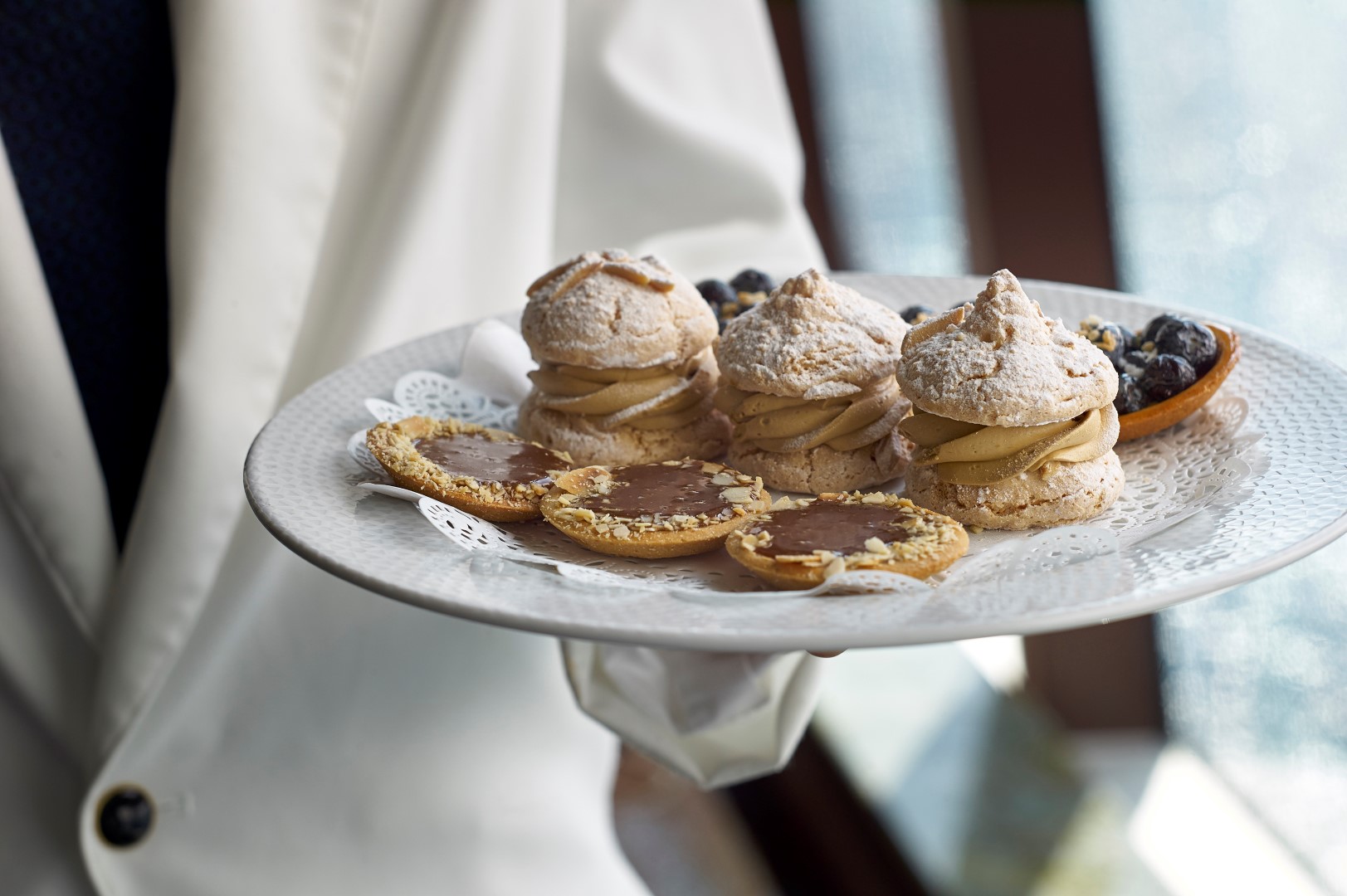
Each afternoon, the parade of gleaming four-tiered pastry carts begins. Savor freshly made, flavorful smoked salmon and egg salad finger sandwiches. Enjoy mirror-glazed petits fours, tender scones with rich clotted cream and, of course, a wide assortment of fine teas. Soak in the ambiance of polished silver teapots reflecting the turquoise sea, the precision of white-gloved servers and the amusing enigma of a string quartet playing softly in the background. You’ll quickly realize that this is how afternoon tea should be.
Check your daily Currents for time and venue. No reservations required.
Baristas
A Neighborhood Gem
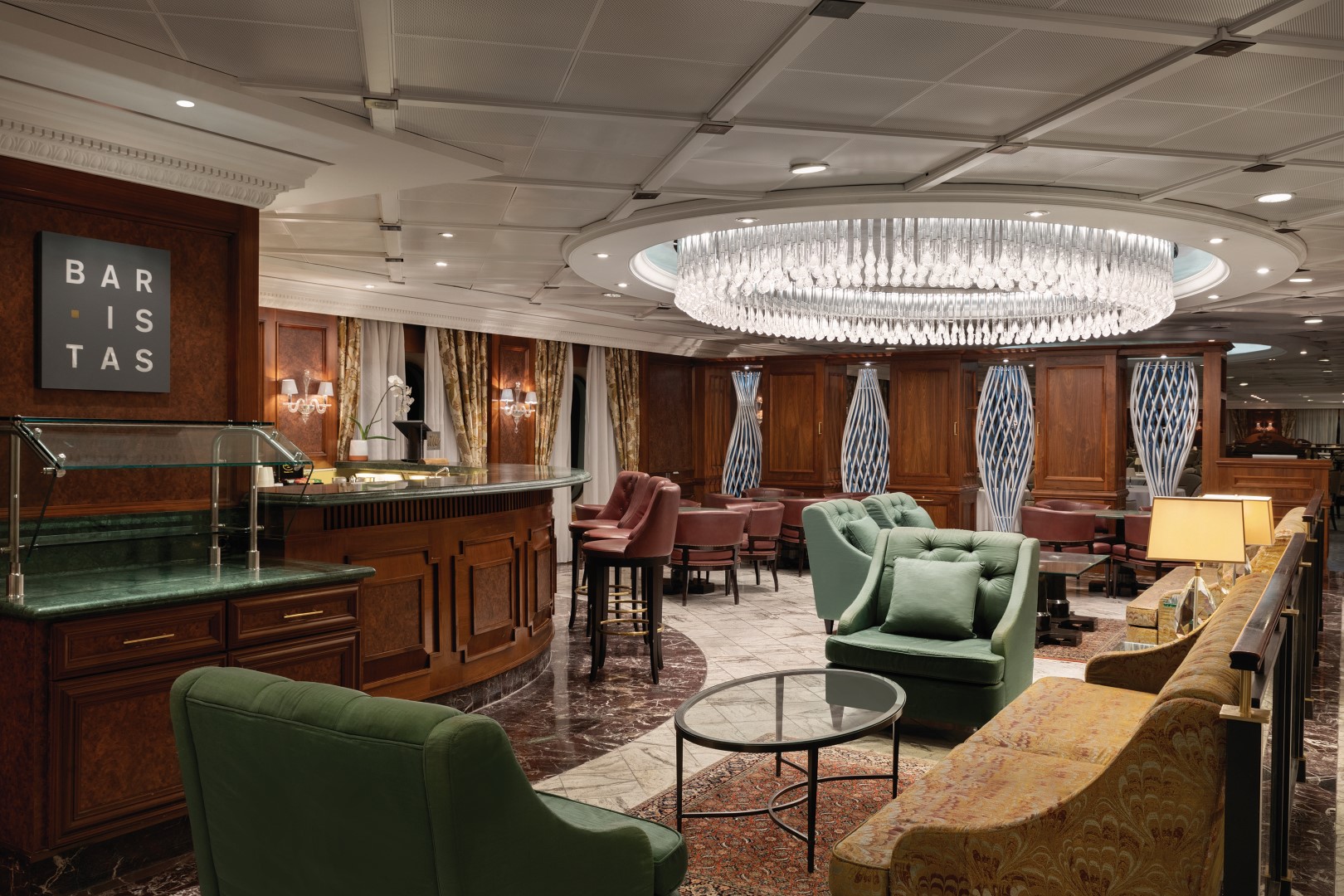
This delightful coffee bar is a favorite stop for java lovers. Enjoy complimentary illy® espressos, cappuccinos and lattes prepared by our master baristas, as well as the delicious pastries, finger sandwiches and homemade biscotti that draw so many to Baristas throughout the day.
Open daily until early evening. No reservations required.
Room Service
In-Room Dining Experiences
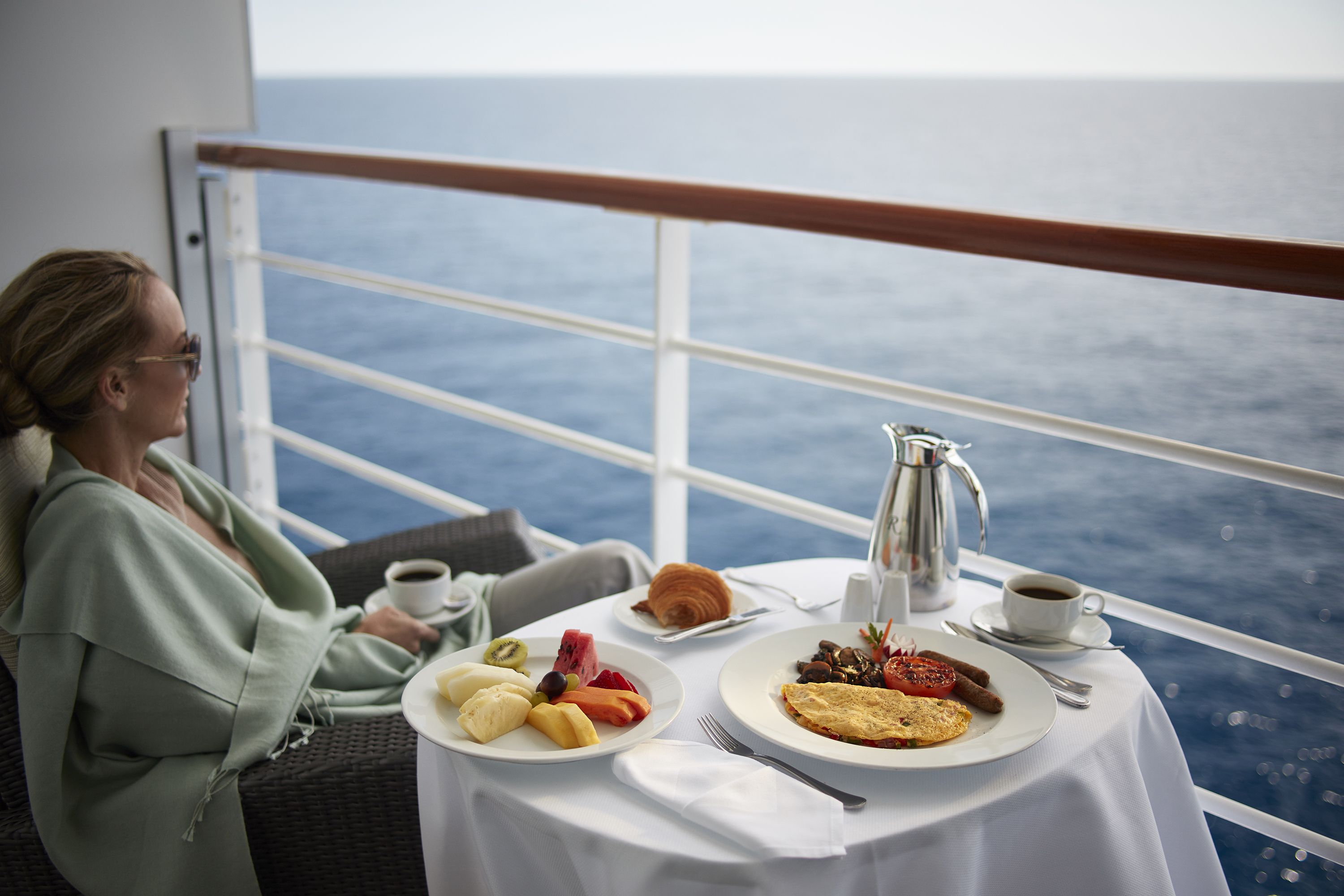
After a day of enriching adventures ashore or an enjoyable day on board, dining in the privacy of your suite or stateroom with our compliments is always a welcome possibility. A complete menu of varied dining experiences is available around the clock, featuring an extensive array of delectable breakfast, lunch and dinner items. All suites and staterooms have the added luxury of enjoying a full, hot breakfast in-room and those staying in Concierge Level or above have the additional privilege of ordering from an expanded lunch and dinner room service menu from The Grand Dining Room. Suite guests have the ultimate indulgence of enjoying course-by-course meals from the comfort of their spacious sanctuaries. Revel in the private luxury of your suite or stateroom, and enjoy an exquisite meal on your tranquil veranda as you take in spectacular seascapes.
Complimentary room service is available 24 hours a day.
Shore Excursions
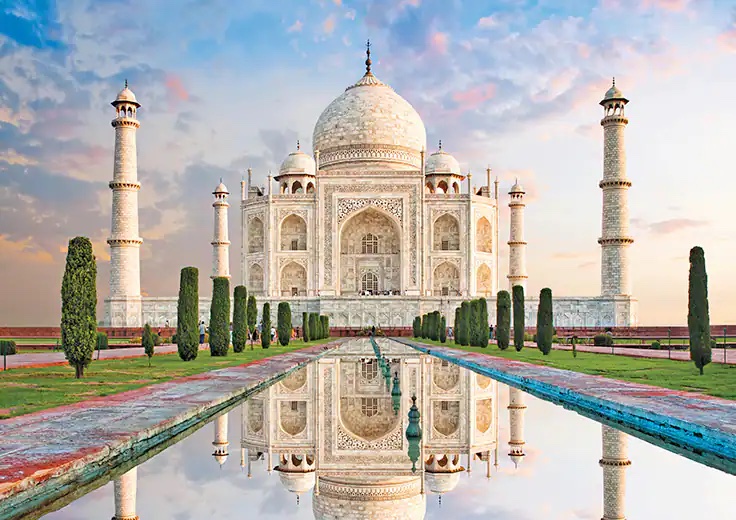
With more than 8,000 tours and excursions to choose from, we’ll help deepen your exploration of our fantastic locales in our Oceania Cruises way. Through a number of specialty tours and an expert team of destination specialists, transformative, once-in-a-lifetime experiences in the most magnificent places on earth await you. From small group tours to our signature curations focused on culinary discovery, local immersions, wellness and vitality, architecture and history, we promise that you will be forever changed.
BEYOND BLUEPRINTS
Designed to enhance your appreciation for architecture, Beyond Blueprints tours provide a rare and behind-the-scenes look at some of the world’s most iconic and fascinating architectural landmarks.
CULINARY DISCOVERY TOURS
Widely recognised for its groundbreaking culinary enrichment both aboard its ships and ashore, Oceania Cruises connects you with the culinary culture wherever you travel.
EXECUTIVE COLLECTION
Allows guests to have the personalised attention of a driver and English-speaking guide to provide them with flexibility and independence to design their itinerary ashore according to their interests.
EVENING EXCURSIONS
More late evening departures and overnight stays in ports around the world mean ample opportunities for evening excursions.
FOOD & WINE TOURS
Each Food & Wine Trails tour is led or organised by a local culinary expert – sommeliers, chefs and wine writers – to provide you with unique insights and a behind-the-scenes experience.
GO GREEN TOURS
Go Green tours offer enriching opportunities to experience the ways in which local communities and businesses are endeavouring to conserve, sustain and elevate their surrounding environments.
GO LOCAL TOURS
Our groundbreaking new Go Local excursions are immersive destination tours that invite you to embed yourself in the fabric of the local communities for engaging, one-of-a-kind experiences. On more than 120 tours across Europe, Alaska and South America, you will be welcomed into homes and businesses and immersed in the local way of life. You’ll have the chance to engage with local artisans, craftsmen, religious figures and other individuals. You’ll learn generations-old traditions and become part of a local family. You’ll experience the destination on an entirely new level and leave feeling connected to the place – and changed.
OCEANIA EXCLUSIVE EXCURSIONS
Designed for travelers who prefer an added measure of privacy, intimacy and flexibility, our Oceania Exclusive excursions limit group size to just 16 guests maximum.
- Small group tours from 10 to 16 guests
- Available in nearly every port we visit
- More flexibility and personalized attention
OCEANIA SELECT EXCURSIONS
While all our shore excursions offer extraordinary experiences, some are so outstanding and awe-inspiring that they merit special recognition.
WELLNESS DISCOVERY TOURS BY AQUAMAR
From ancient mineral baths outside of Rome to a traditional teahouse in Myanmar, our Wellness Discovery Tours by Aquamar offer exclusive excursions ashore that reveal timeless wellness practices of locales around the world. Alluring destinations, fascinating cultures and healthy living come together to create innovative and rejuvenating travel experiences. With more than 50 options, the tours featured here are only the beginning.
Guest Speakers
MEANINGFUL & EVER-CHANGING ENRICHMENT
On every voyage, a Guest Speaker will share unique insights into the cultures and people of the regions visited, along with fascinating stories and themes related to the destinations. On select sailings, a second Guest Speaker will provide an additional program of enriching presentations and workshops. Also take advantage of complimentary seminars hosted by the Aquamar Spa + Vitality Center on a range of relevant and timely health, nutrition and wellness topics to reinvigorate your routines and lifestyle. Check your daily onboard newsletter, Currents, for a schedule of talks, presentations and seminars

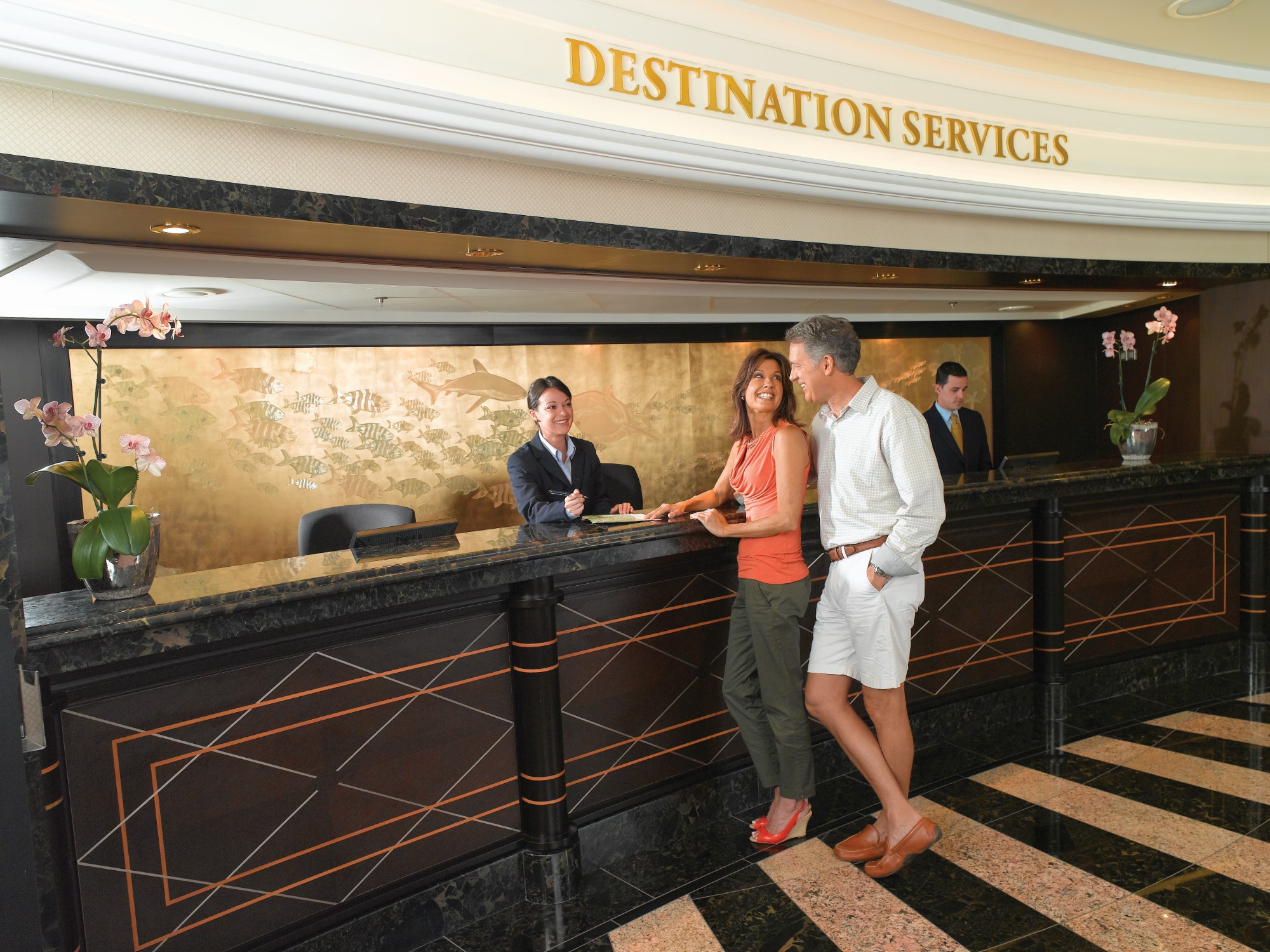
Destination Services
Our expert team of Destination Specialists is on hand to help you with all of your shore excursion planning and destination questions.
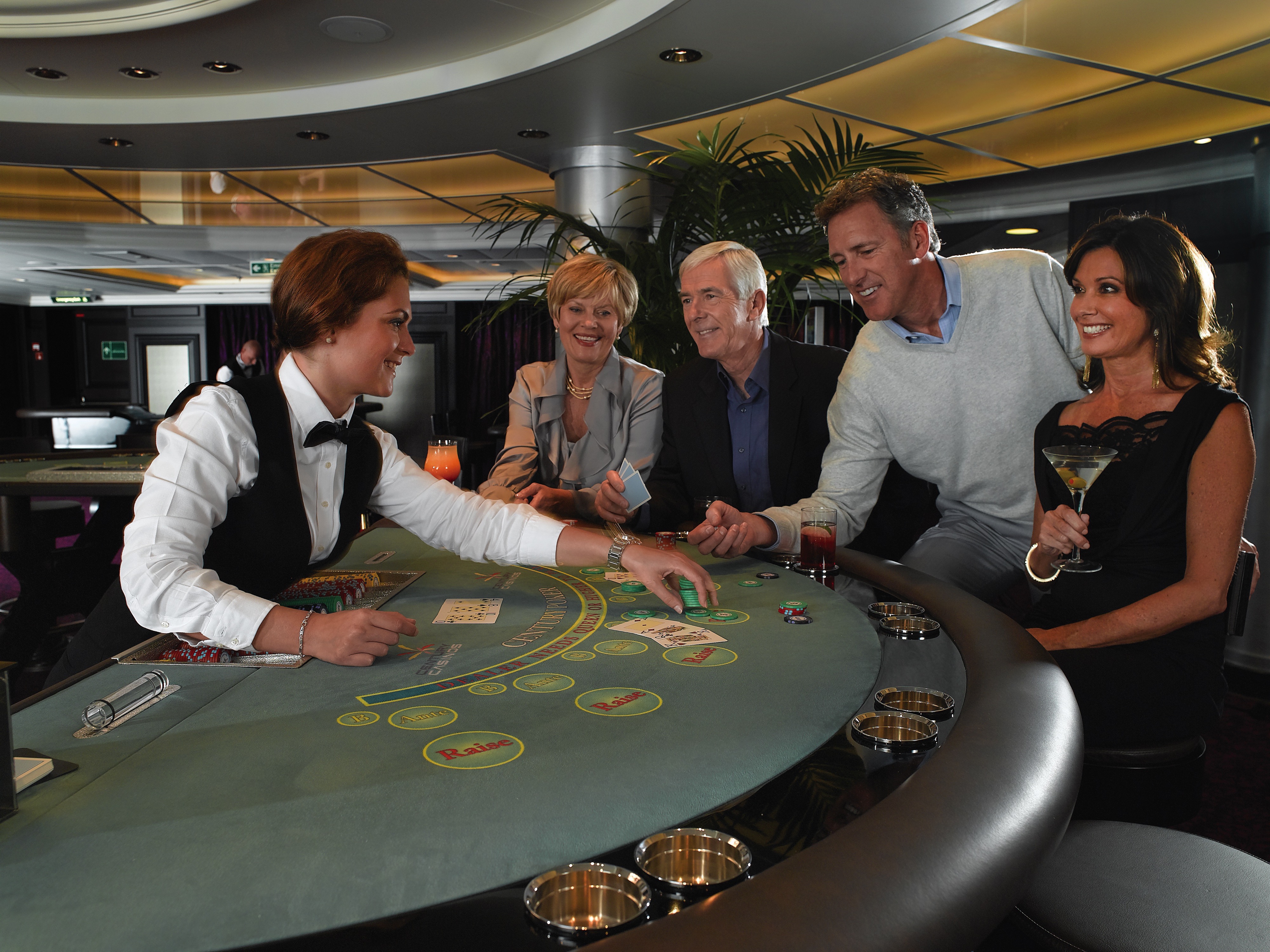
Casinos At Sea®
MONTE CARLO-STYLE GAMING
Earn Casino Points
The professional staff is happy to provide lessons on how games are played, the rules and proper table procedures. Unwind from a busy day ashore by playing your favorite games of chance and skill in our casino. Enjoy a fun and exciting range of ways to play, from card and table games such as blackjack and roulette to slot machines.
Getting started is easy. Stop by the casino cage and pick up your Oceania Cruises casino player card and start earning points today by inserting your player card while playing your favorite slot machines and table games. The more you play, the more you earn!
- Reel & Video Slots – For every $5 coin-in, receive 1 point.
- Video Poker – For every $10 coin-in, receive 1 point.
- Table Games – Points are based on average bet, session play or hands played and game type.
- Action packed casinos designed with style
- Table game limits for players of all levels
- Diverse array of reel slot, video slot and video poker machines
- Dedicated and knowledgeable casino staff
- Industry leading player tracking system
- Free gaming lessons
REDEEM CASINO POINTS
You’ve played. You’ve earned. Now you’re ready to redeem. Downloading points for play is quick and easy. Redeem your casino points for play right at your machine by following the on-screen prompts or stop by the casino cage – the choice is yours.
- Earn points for all your casino play
- Redeem points for play right at your machine
CASINO CASH & CREDIT
Front Money deposits are accepted for gaming in the form of cash, traveler’s checks, cashier’s checks and wire transfers delivered to us prior to embarkation. All cashier’s checks require prior verification. For more information please give us a call at 877.625.2094.
Cashless Wagering
Charge gaming to your onboard account directly from your game of choice or at the casino cashier, using your stateroom key card. Convenience fees, daily limits and cruise limits apply. Euros may be exchanged at the casino cashier, exchange rates apply. All gaming is in US Dollars.
- Cashless wagering allows you to game with your key card
Credit
Casino Credit is available to all players with an existing reservation. The minimum application amount is $10,000.00 and a personal check is required onboard to activate the credit line. Applications are processed 1 month prior to sailing. The application process is easy and there is no fee to apply. To get started, click here for our credit application or for more information email us at casinocredit@ncl.com or call us at 877.625.2094.
- Casino credit available
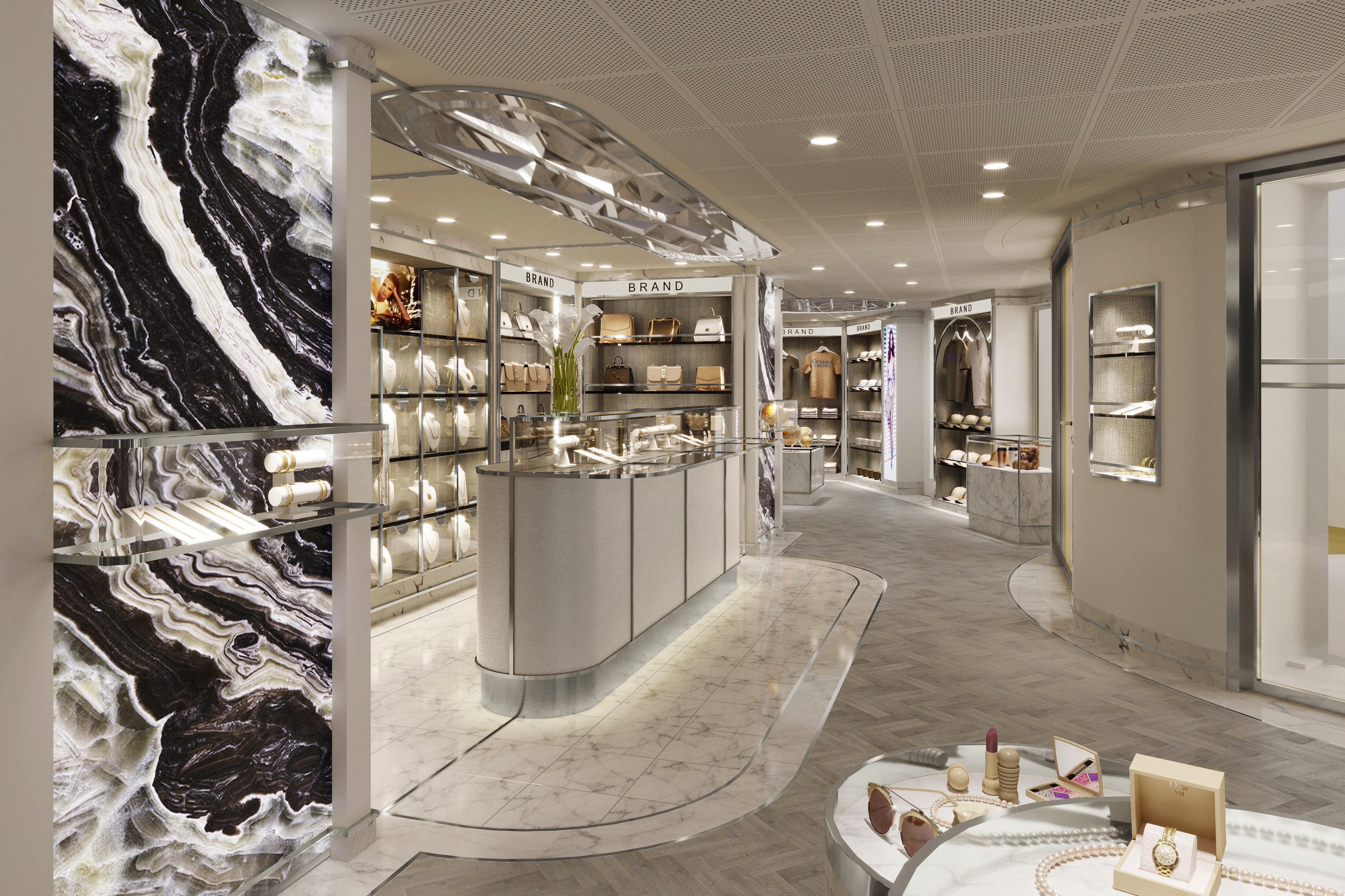
Boutiques
Our three stylish boutiques feature a bounty of items ranging from sundries to designer casual wear. Feel free to browse through our array of duty-free merchandise including fine jewellery, fragrances and Oceania Cruises logo wear.
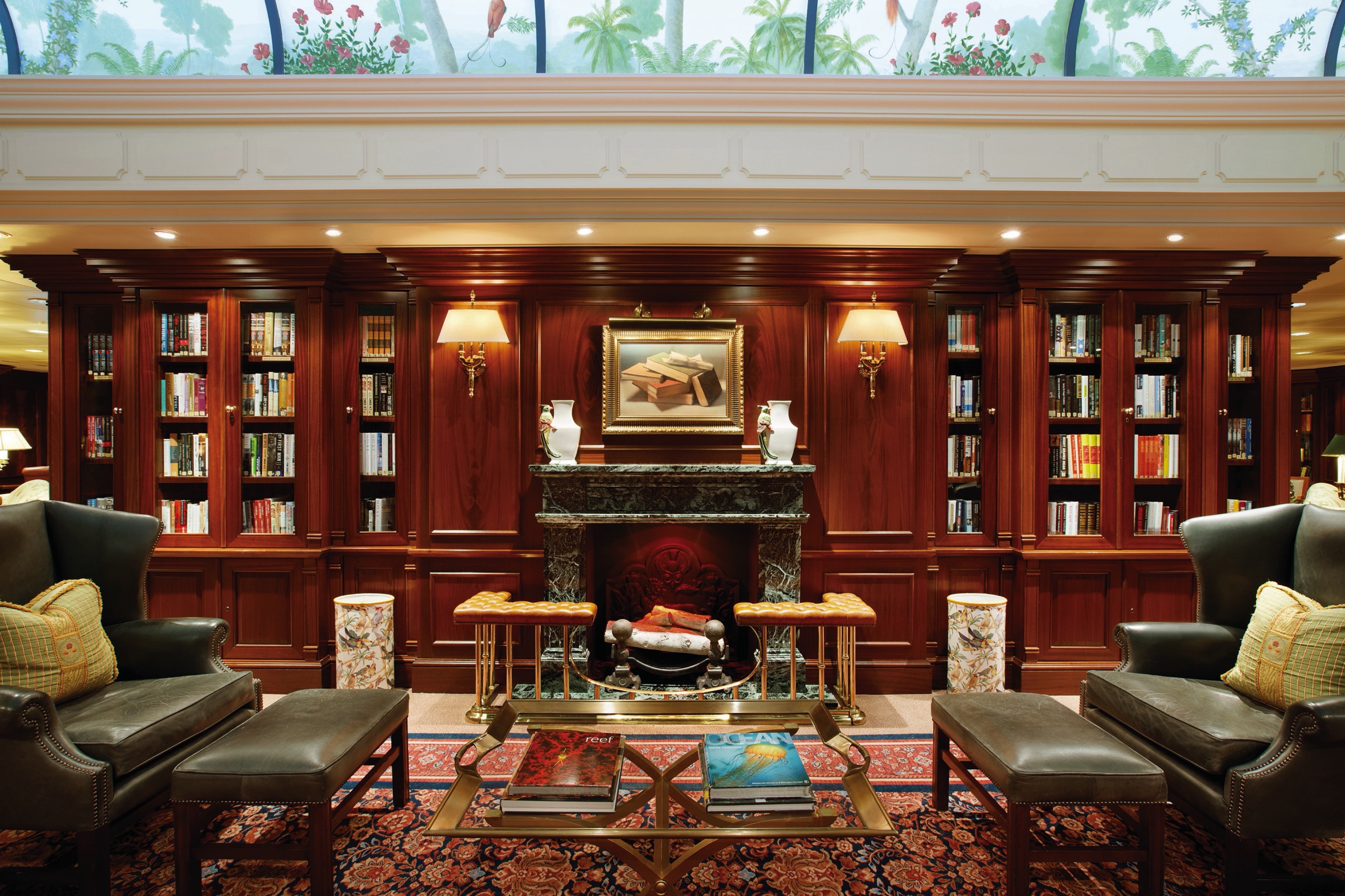
Library
Quietude at Sea
Pick up a steaming cappuccino and settle in to the welcoming ambiance of our classic library on board Oceania Regatta, with the novel or bestseller you’ve been meaning to read. Read, relax and feel right at home with more than 2,000 books and periodicals to choose from as you sail from one destination to the next.
Just as sailing aboard Oceania Cruises recalls the elegance of the Golden Age of Travel, our inspired English-style library is reminiscent of a charming English country estate where you can while away the hours in ultimate comfort. There is something magical about the dark, rich woods; the plush high back chairs; the cozy fireplaces and rows of books lining the walls, each a new world waiting to be discovered.
Oceania@Sea Internet Centre
Stay Connected
Stay in touch with family and friends, monitor business developments and more in our 24-hour Internet centre, Oceania@Sea.
For personalised service, Oceania@Sea is fully staffed as follows:
- Sea Days: 8 a.m: – 7 p.m.
- Port Days: 8 a.m: – 11 a.m. and 3 p.m. – 7 p.m
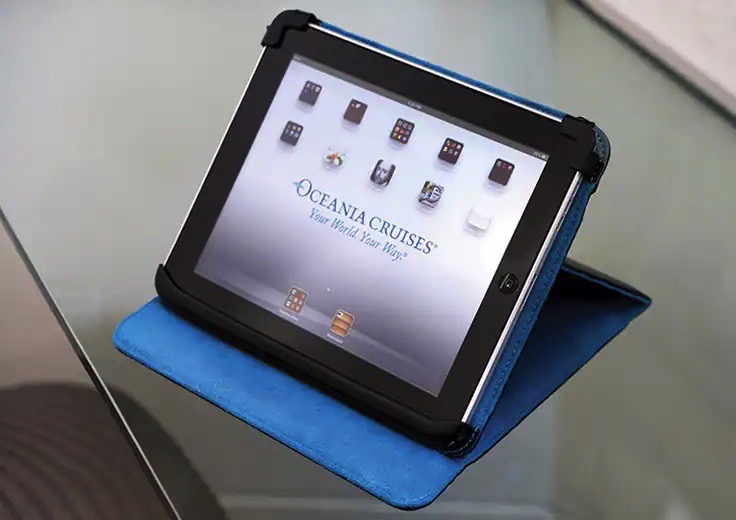
Oceania Cruises also offers wireless Internet access throughout the ship, allowing you to connect through your laptop or mobile device. And as an added convenience, guests in all Owner’s and Vista Suites will have the use of an iPad® throughout the voyage. iPad® is available upon request for Penthouse Suites and Concierge Level Staterooms (limited availability).
Letters and postcards with the appropriate postage can be mailed at the Reception Desk. Postage for mail may be purchased at the Reception Desk for a nominal fee. Mail will be collected one hour prior to sailing from each port of call. Incoming mail or faxes received by the ship on your behalf will be delivered directly to your stateroom.
PHONE
Oceania Cruises offers Wireless Maritime Services (WMS) for all GSM mobile phones and GPRS devices such as Blackberry® when the ship is at sea. You can make and receive phone calls, send and receive text messages and use other data services when the ship is at sea. You will be billed by your mobile phone provider and calls or messages will appear as roaming charges on your bill. While using the WMS service, international maritime roaming rates will apply. Please consult your wireless service provider for detailed rates and service zones.
Entertainment & Onboard Shows
DAZZLING PERFORMANCES
Production Shows On Board Oceania Regatta
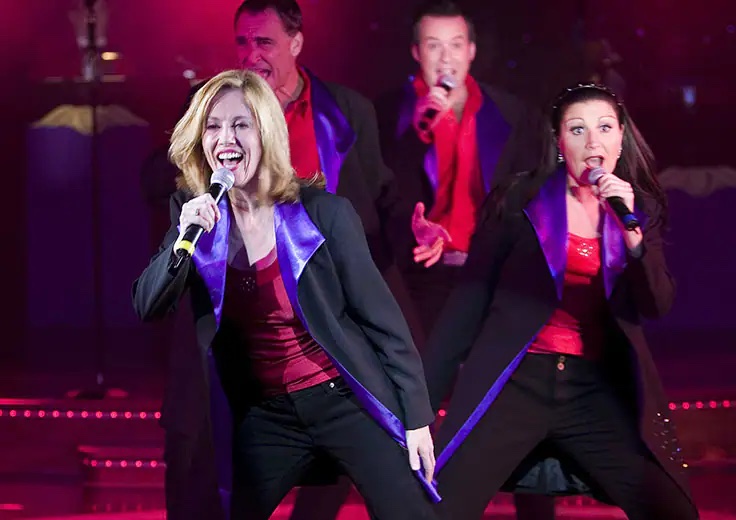
World-class musical performances will delight you, showcasing an ever-changing array of guest entertainers such as pianists, classical string quartets, dynamic vocalists and spectacular headliners.
Each of our ships features a unique lineup of onboard shows and entertainers to ensure that your interests are constantly piqued. Bold and crowd-thrilling, nostalgic and upbeat, or intimate and sophisticated – whatever you choose, the night is yours.
Oceania Regatta’s versatile and talented cast performs the following diverse production shows:
Broadway in Concert
Come on along and listen to…the lullabies of Broadway! In this elegant concert-style review, our fabulous production cast vocalists pay tribute to some of the most iconic musicals of all time. You’ll experience songs you know and love, and maybe you’ll discover one or two more contemporary gems. Let us entertain you…because, after all, “There’s no business like show business!”
Showdown
Your vote counts in this mock singing competition, where you, the audience, chooses the winner. Join our production cast and cheer on your favorite singer as he or she belts out some pop favorites in hopes of taking home the title. Will they sway your vote? Find out because it’s time for a SHOWDOWN!
Good Lovin’
Good Lovin’ is an infectious tribute to the irresistible beat of soulful pop and Motown classics that filled the airwaves throughout the 1960s. It is the ultimate soundtrack for the baby boomer generation and rocks some of the best music of its time.
Debonaire
The true test of a great song is its quality to endure, to span generations. Debonaire presents a fresh take on the music of the Rat Pack, the Great American Songbook and the music of legends such as Tony Bennett, Natalie Cole, Frank Sinatra and many more. Debonaire also updates the classics with dynamic arrangements by contemporary artists like Michael Bublé, Brian Setzer and Harry Connick Jr.
Card Room
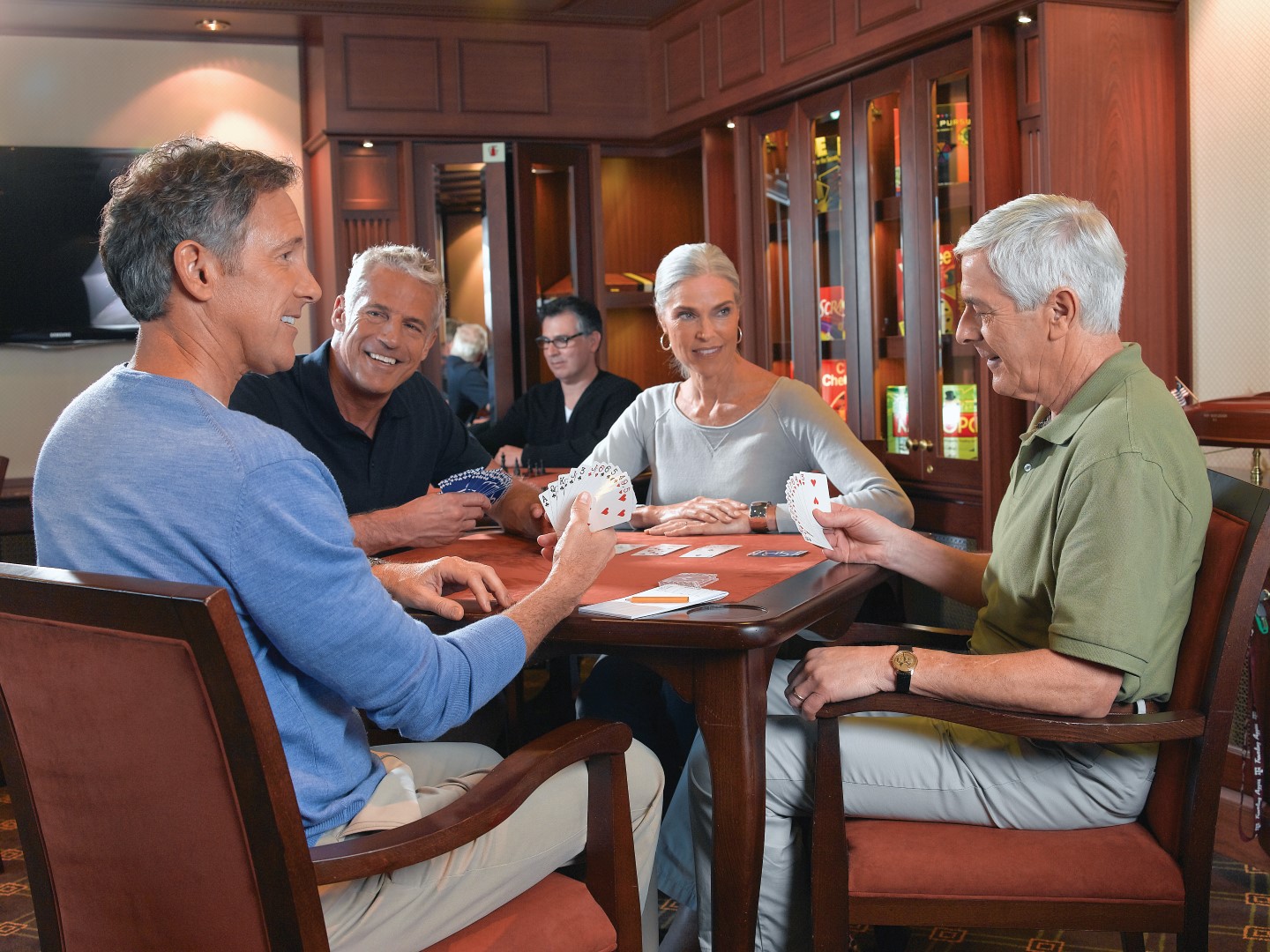
The beautifully Card Room is an inviting and tranquil oasis. Stay at the top of your game and try your hand at bridge or gather around one of our many tables for a quiet afternoon or evening of board games.
Patio
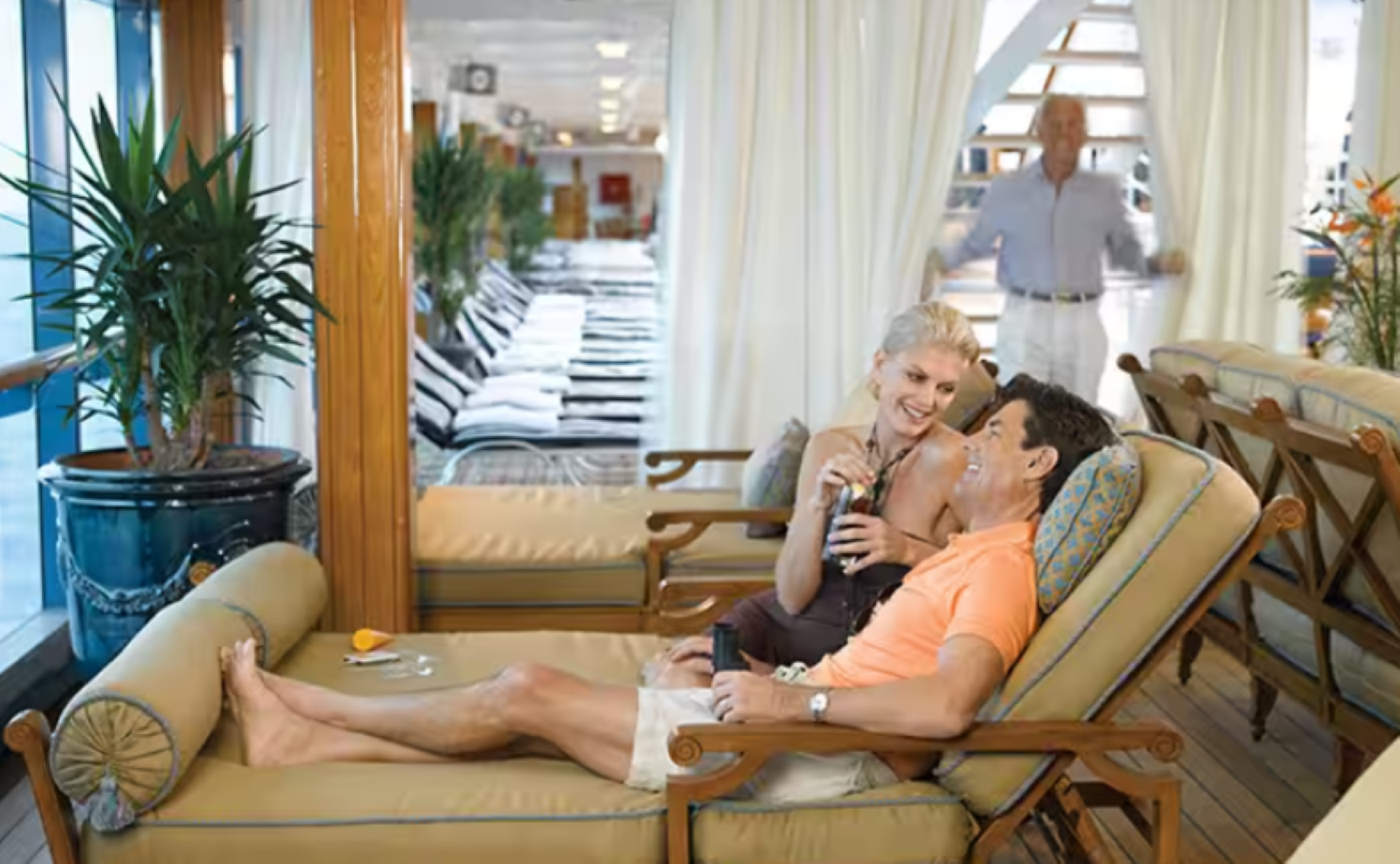
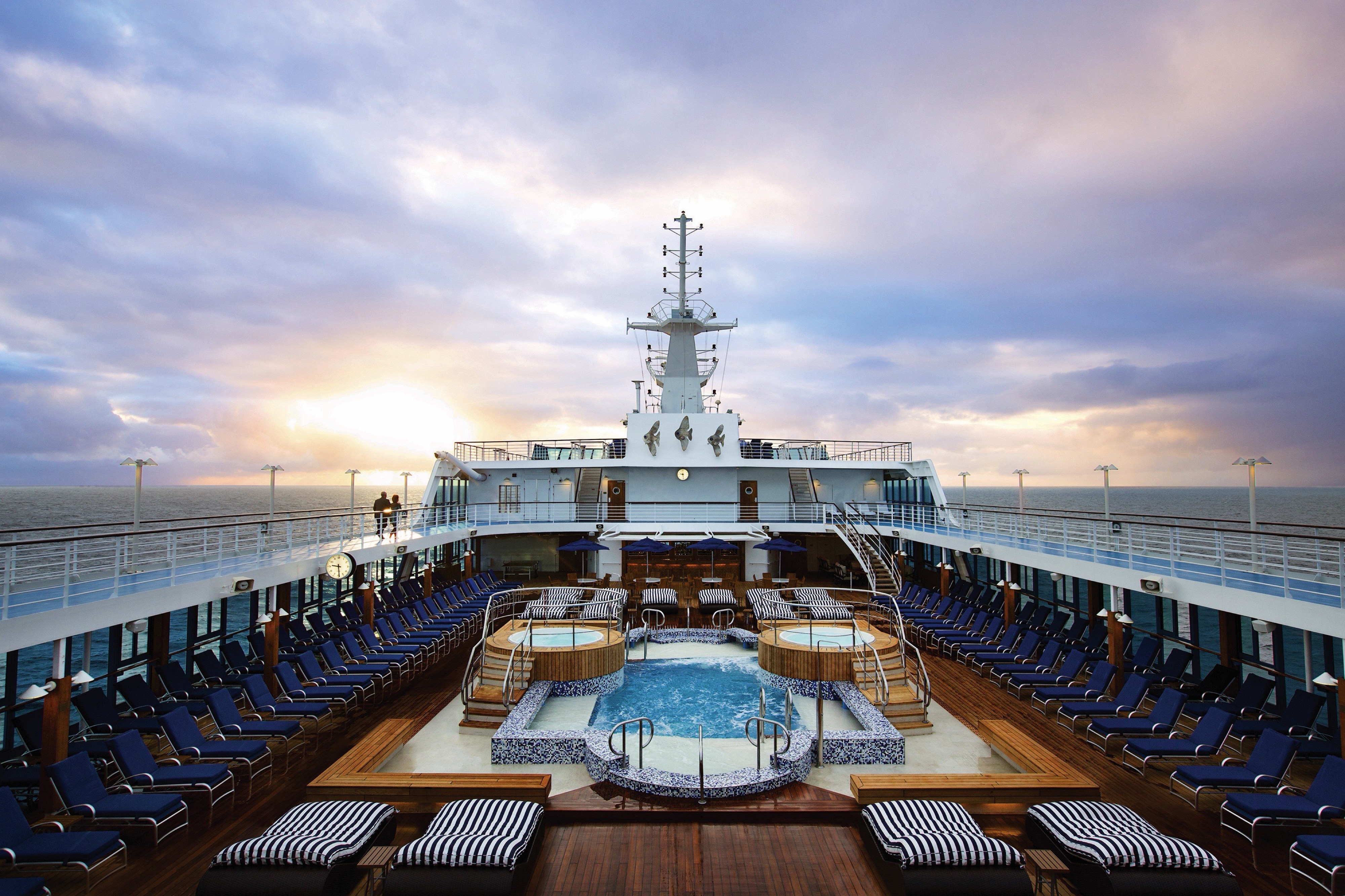
Sit back, relax and enjoy the stunning panoramic ocean views in the shaded, comfortable Patio as you sail to the next exciting destination.
Sun Deck
Soak up the sun, refreshing sea breeze and stunning panoramic vistas high atop the ship.
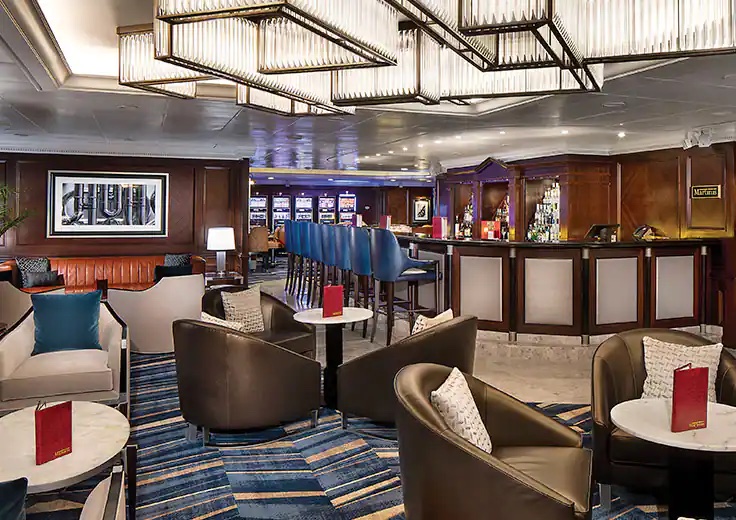
Martinis
Martinis serves numerous incarnations of this famous cocktail in an airy, elegant atmosphere reminiscent of the Greek Isles with a palette of bold blues, deep pewter and serene sienna.
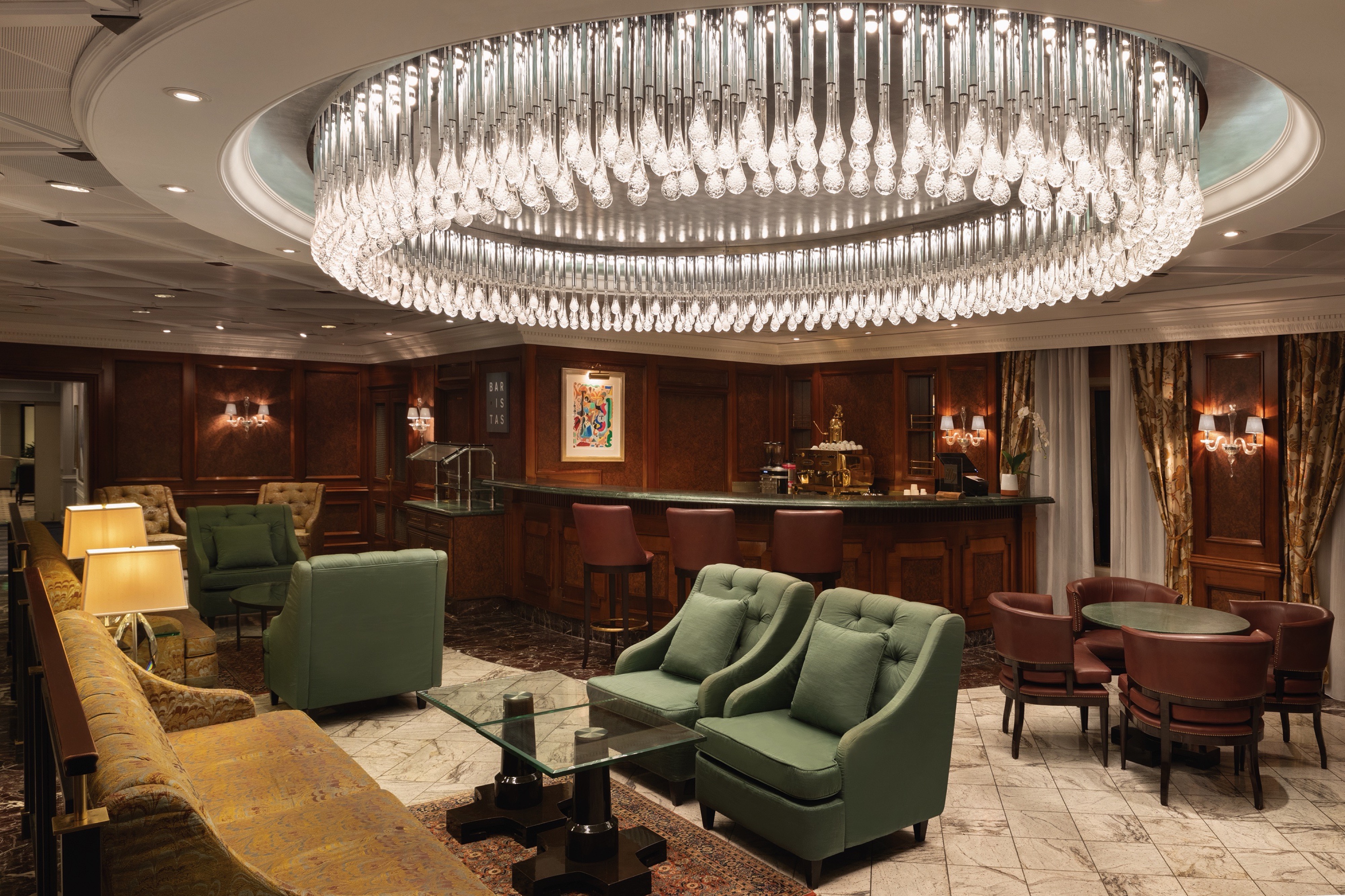
The Grand Bar
Before sitting down to a gourmet meal, sample a rare vintage or savor your favorite apéritif as you enjoy spirited conversation with newfound friends amid the refined atmosphere of the convivial Grand Bar.
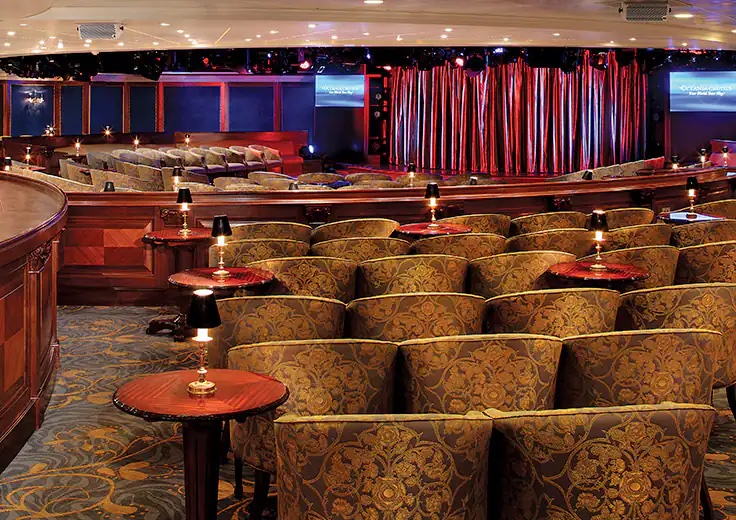
Lounge
From headline acts to comedians, magicians and lively jazz ensembles, head to the Lounge to discover the center of nightly entertainment aboard Oceania Cruises.
Horizons
An elegant observation lounge with dramatic floor to ceiling windows and a country club casual ambiance. Horizons transforms into a sophisticated evening venue by night. Dance the night away to the sounds of a lively musical group and enjoy cocktails with friends at the welcoming bar.
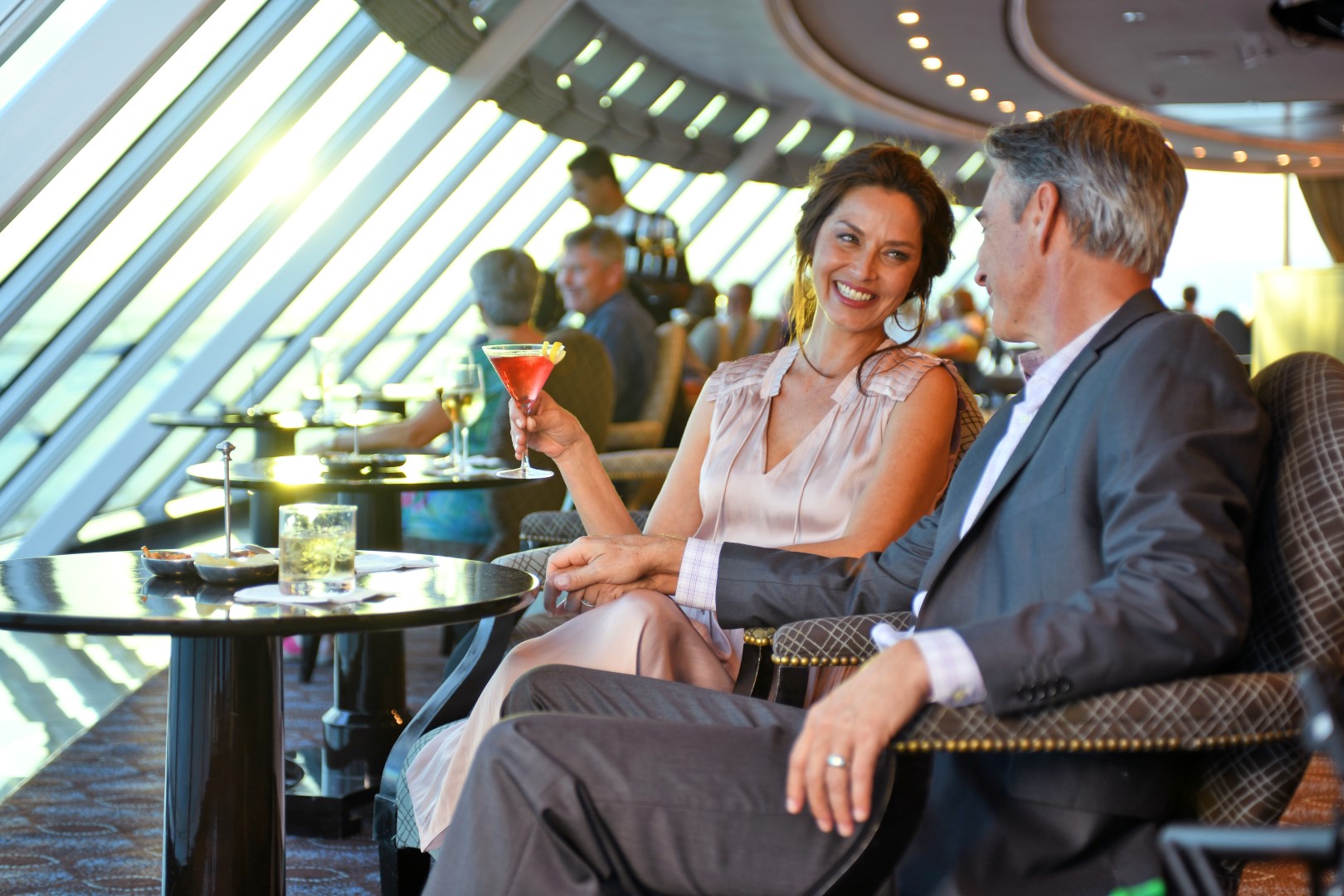
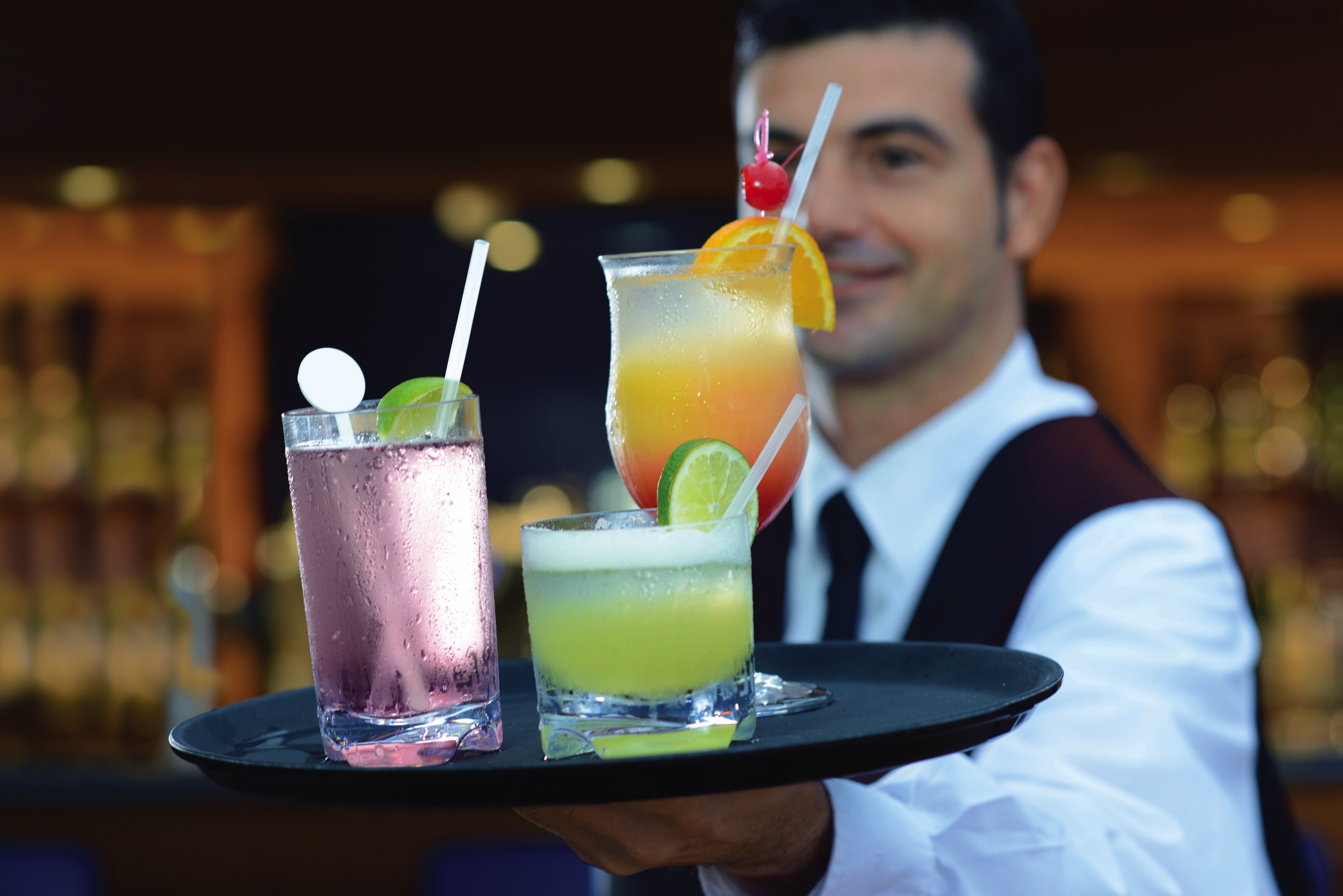
Waves Bar
Located in a shaded area just steps from the swimming pool, Waves Bar offers a wide variety of libations to enhance your poolside experience. Revel in the perfect afternoon on deck with your favorite cocktail, glass of wine or chilled beer. Come happy hour, signature cocktails and frosty beverages create a delightfully carefree segue to the lively evening ahead as the sun sets.
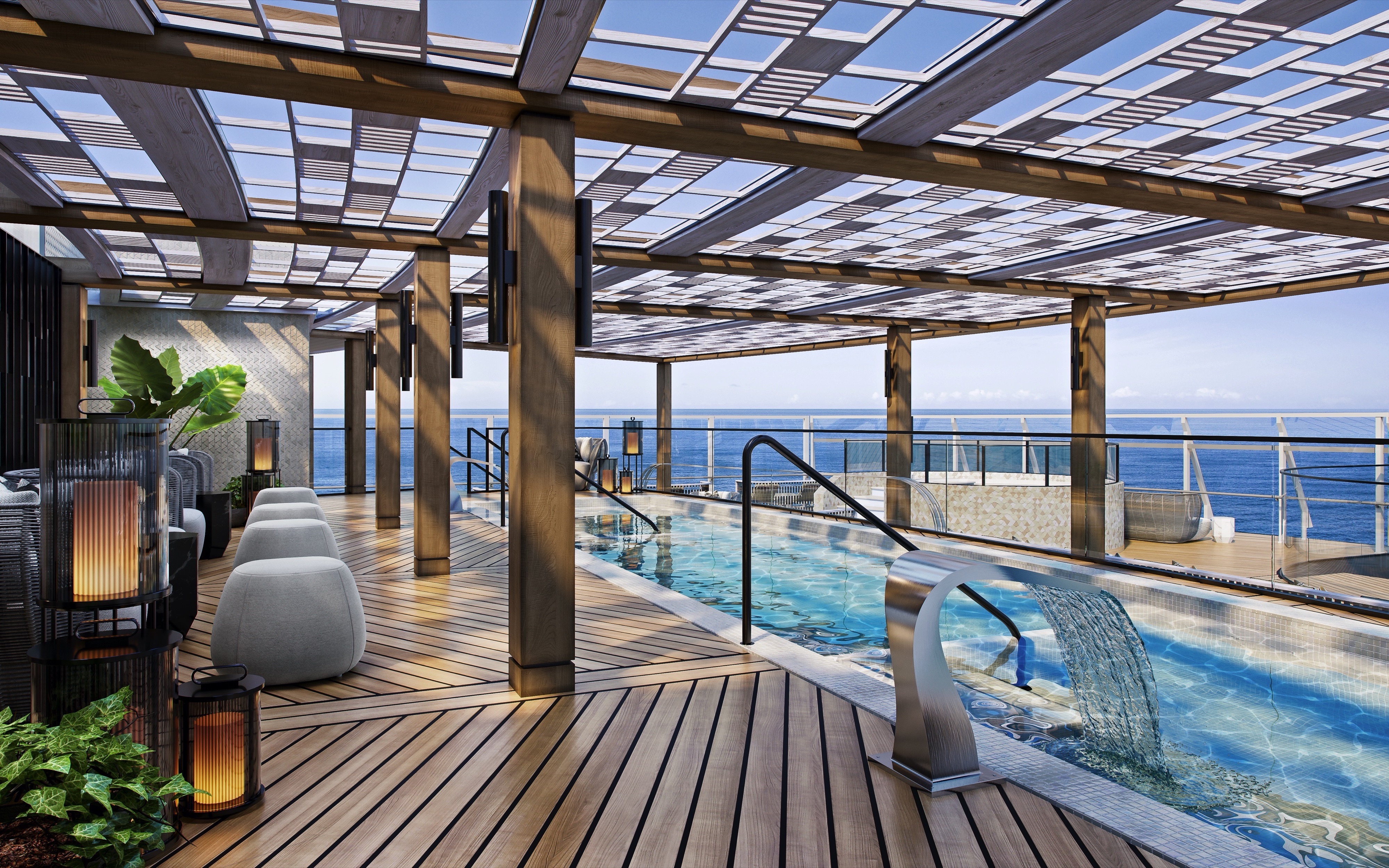
Aquamar Spa + Vitality Centre
NEW PATHS TO WELLNESS
Mind, Body & Soul
Revel in the benefits of restorative therapies and treatments, savor healthy Aquamar Vitality Cuisine, enjoy immersive wellness experiences ashore, benefit from nutrition and lifestyle consultations, and so much more. You naturally enhance your well-being on board our ships because the entire experience nurtures that most cherished gift – your health and vitality.
Beyond the Spa
- Rejuvenating treatments and healing therapies
- Aquamar Vitality Cuisine and extensive plant-based menus in The Grand Dining Room
- Exclusive collection of Wellness Discovery Tours by Aquamar in global destinations
- State-of-the-art fitness center and complimentary fitness classes
- Nutrition and lifestyle consultations
- Wellness presentations and enrichment lectures
- Aquamar Spa Terrace with thalassotherapy pool or whirlpools
- Steam room, fitness track and salon
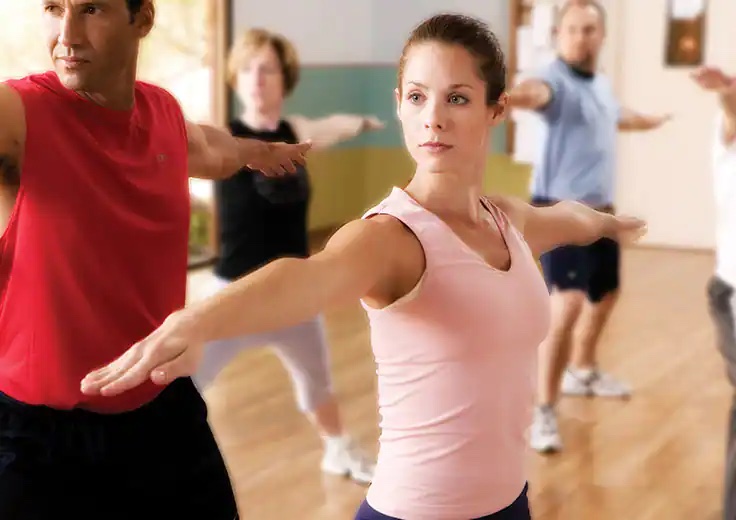
Fitness Centre
FREE FITNESS CLASSES & MORE
From Pilates and yoga to full-body strength training, you are certain to find a complimentary fitness class to suit your preferences. One-on-one personal training is also available, as is the latest exercise equipment, such as treadmills, cycling and elliptical machines, and free weights.
In addition to the complimentary use of the fitness facilities in the Aquamar Spa + Vitality Center, you can join an array of free classes led by professional instructors. With a full range of options, there’s certain to be a class to suit your needs and preferences. From Sunrise Stretch or Yoga Flow Vinyasa on deck to Pure-Form Pilates, or more comprehensive programs such as High Intensity Interval Training (HIIT), instructors guide you through the class, offering tips, advice and helpful hints.
Yoga
Join one of our complimentary yoga classes to calm your inner mind and improve flexibility, circulation and strength. Sunrise yoga is the perfect way to start your day on a healthy note and those new to yoga will appreciate our 45-minute introductory class.
Pilates
The popular exercise method known for building core strength, Pilates focuses on low-impact flexibility as well as strength and endurance movements. Our expertly led classes guide you through exercises that promote core stability, proper posture and muscle control and endurance.
Kinesis
On board Marina and Riviera, our Kinesis® exercise wall combines cardio, strength and flexibility training in one workout. Named after the ancient Greek word for motion, Kinesis uses cable pulleys that encourage a wide range of motion and allow for a vast number of exercises. Exercises can be customized to suit all levels – request a personal training session to take full advantage of the possibilities.
Cardio & Strength Training
Work up a sweat on ellipticals, indoor cycling machines and treadmills with heart-rate monitoring and individual LCD screens. Our fitness center also offers a full range of the latest strength-training machines. Try one of our complimentary bootcamp, indoor cycling or targeted strength-training classes for extra motivation.
Free Fitness Classes
Take advantage of our full range of complimentary exercise classes that include offerings appropriate for all fitness levels. Classes range from full-body strength training and ab-focused sessions to stretching and foot fitness. Regardless of what you choose, our instructors will guide you throughout the class, offering adjustments, advice and helpful tips. Check your daily Currents on board to see the schedule.
Running Track & Sports Deck
Activities With A View
High atop the ship, revel in the breathtaking views and refreshing sea breeze. Breathe in the fresh sea air with a few invigorating laps on the running track at your own pace or choose from an array of activities and games.
Golf enthusiasts will enjoy practicing their swing and playing 9 holes of golf on the putting greens. More friendly competition awaits on the shuffleboard court. Round up newfound friends for a lively game and check the daily shipboard newsletter, Currents, for sports deck competitions that give you the chance to win Big O Points.
- Golf Putting Green
- Shuffleboard
- Fitness Track
Styling Salon
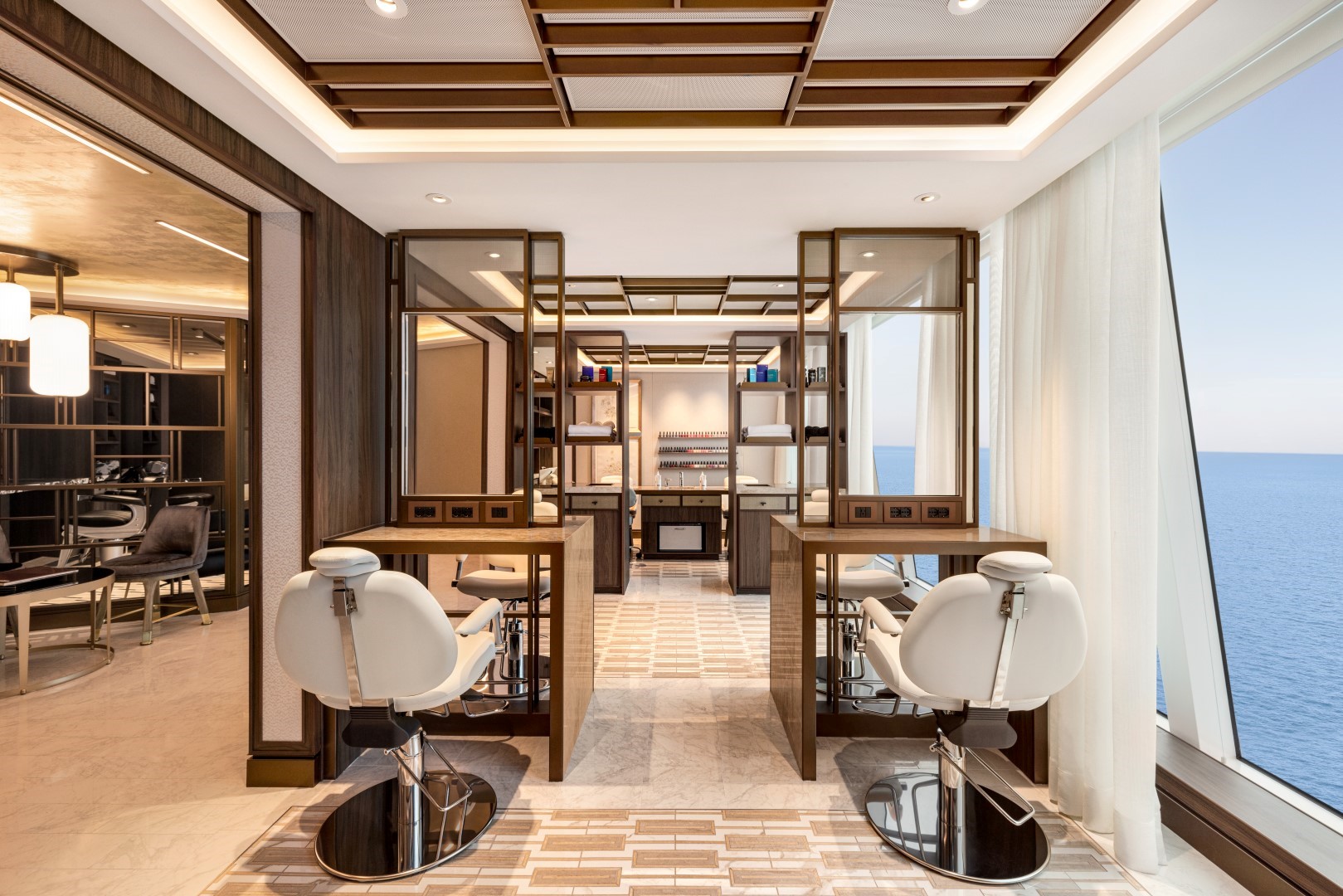
Aquamar Spa + Vitality Center’s salon offers luxury hair care products, deluxe services, and a speciality color bar. Salon experts can identify haircare needs and create personalised treatments along with everything expected from a full service salon – manicures, pedicures, brow shaping and more.
Thermal Environments
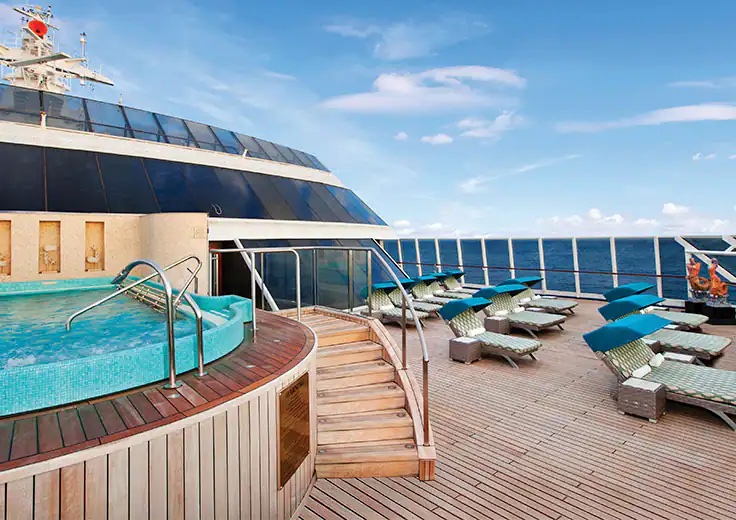
For centuries, people have turned to water for purification, muscle and joint relief and deep relaxation. Our aromatic steam rooms and thalassotherapy pools relieve tired muscles and joints, detoxify the body and promote relaxation.
Aromatic Steam Room
Enhance your mood and improve your skin in this multisensory, temperature-regulated steam room. Breathe in steam infused with your choice of stimulating or relaxing pure herbal essences, then bask in fragrant, 90-percent-plus humidity.
Thalassotherapy Pool
Unwind in this unique therapeutic environment as flowing saltwater massages your tired muscles. Ideal after a workout or before a massage, saltwater therapy can also be used to help improve circulation and reduce joint pain.
Sun Deck
Let go of all stress as you relax on our private sundeck. It’s the perfect spot for a meditative moment or a bit of me time before rejoining the ship’s lively social environment.
Massage Therapies
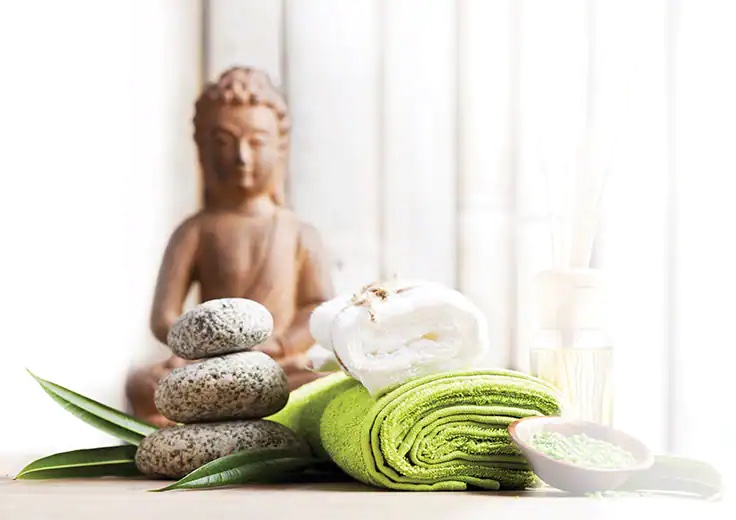
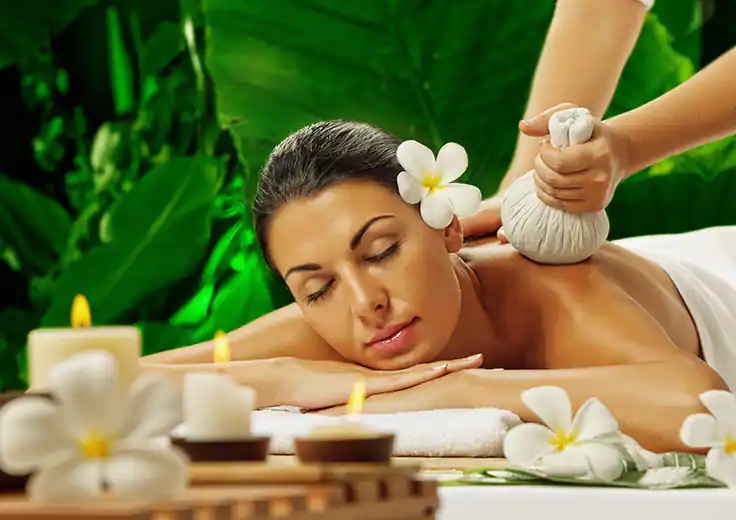
Relish moments of calm and reflection that inspire longevity and complete well-being. Massage brings waves of relaxation while addressing the anatomy of the body and stressors that disrupt its natural state. The signature massage therapies at our Aquamar Spa + Vitality Center utilize natural ingredients from the earth and sea combined with ancient and modern techniques from around the world to balance, restore and renew the body and spirit.
BODYWORK FOR A BLISSFUL STATE
Whether you’re seeking a calming experience, increased engery or relief from a specific condition, our restorative massages provide the perfect wellness experience.
SIGNATURE SERVICES:
- Aroma Stone Therapy
- Vital Bamboo Massage
- Nourishing Coconut Poultice Massage
- R3 Pain Management Therapy — Relax, Repair, Relieve
- Restorative Salt Stone Massage
- Deep Tissue Muscle Massage
- Thai Herbal Poultice Massage
- Biotec Face Treatment & Body Ritual
Body Therapies
The human body has a deep connection with water. Much like the ocean, it is comprised of this element. Cleanse the body and maintain its nourishment with a selection of ocean-inspired wraps, polishes, and muds that eliminate toxins and purify the skin for an enriching experience.
OUR SIGNATURE SERVICES:
- Musclease Ocean Wrap
- Marine Detox Wrap
- Sea Lavender & Samphire Mineralizing Wrap
- Intensely Cleansing Salt Scrub
Facial Therapies
Hands-on facial treatments use touch as a powerful diagnostic tool, softening and preparing the skin to receive essential vitamins and nutrients. Therapeutic treatments call on a combination of ancient and modern massage techniques from around the world.
Facial Therapies
SIGNATURE SERVICES:
- Pro-Collagen Age Defy
- Caviar Firm And Lift Facial

Salon & Barber Shop Services
Aquamar Spa + Vitality Center’s salon offers luxury hair care products, deluxe services, and a specialty color bar. Salon experts can identify haircare needs and create personalized treatments along with everything expected from a full-service salon – manicures, pedicures, brow shaping, and more.
Salon & Barber Shop Services
SALON SIGNATURE SERVICES:
- Kérastase® Caviar Revitalizing Ritual
- Keratin Complex ® Express Blowout
- Fire & Ice Manicure / Pedicure
BARBER SHOP SIGNATURE SERVICES:
- Pro – Coll Agen Grooming Treatment with Shave

The Grand Dining Room
An Elegant Setting
The Grand Dining Room is a study in stateliness, a tribute to the spirit of Europe’s marquee five-star hotel restaurants that inspired its dignified yet convivial ambiance. Handsomely decorated in rich woods, designer tapestry fabrics and oversized armchairs, the expansive dining area exudes classic splendor. This signature dining experience has always offered a bevy of delicious Continental dishes, and now a fresh and new array of options brings you even more exciting choices, as well as an incredible spectrum of global flavors and an all new Executive Chef’s Tasting Menu. As variety is essential to your satisfaction, menus change daily with an expansive choice of at least 10 appetizers, soups and salads and 10 dinner entrées, along with healthy options such as Aquamar Vitality Cuisine, gourmet vegetarian selections and the most extensive array of plant-based dishes at sea.
Open for breakfast, lunch and dinner. No reservations required.
Toscana
Authentic Italian
Toscana means Tuscan, and just as Tuscan cuisine evolved from rich family traditions, many of our recipes originated with the mothers and grandmothers of our own Italian culinary staff. Presented on elegant, custom-designed Versace china, masterfully prepared dishes exemplify the essence of Tuscany and celebrate Italy’s culinary passion. Perhaps the evening begins with the octopus carpaccio with Champagne vinaigrette or the artichoke and parmesan cheese timbale with black truffle sauce. Classic dishes from other regions of Northern Italy are featured as well, such as the minestrone alla Genovese, lasagna alforno alla Bolognese and osso buco alla Milanese.
Open for dinner only. Reservations are required.
Polo Grill
A CLASSIC STEAKHOUSE
Polo Grill embodies all the elements of a classic steakhouse, expressing them with timeless reverence. Mindful of tradition, the decor features crisp, white linen tablecloths, dark wood furnishings and supple, high-back, burgundy leather chairs. Each course stands as the very definition of time-honored favorites, most notably the beef dishes, all of which are USDA certified Angus and aged for a minimum of 40 days to enhance tenderness and flavor. Succulent seafood dishes such as grilled swordfish and whole Maine lobster gratinée are also classics in their own right. The classic Caesar salad, too, is prepared according to tradition, tableside and with gusto.
Open for dinner only. Reservations required.
Terrace Café
Informal Dining
Informal and carefree, the Terrace Café is wonderfully inviting any time of day. During breakfast, the room is infused with natural sunlight from the floor-to-ceiling windows, stimulating the appetite for the sumptuous selections. Come lunch, the expansive menu of international-inspired dishes changes entirely, complemented by a flavorful roast and the magic of the pizzeria’s oven. Dine inside or alfresco at one of the shaded teak tables on the terrace. During the evenings, the cuisine takes on a more sophisticated flair, with lobster tails, chops and fresh fish prepared to order, and freshly made hand-cut sushi and sashimi. In addition, a diverse selection of bold and flavorful plant-based dishes is available.
Open for breakfast, lunch and dinner. No reservations required.
Waves Grill
Alfresco Dining
Sometimes, the ultimate luxury is casual dining on all-American favorites, a laid-back style Waves Grill epitomizes. Located in a spacious, shaded area steps from the swimming pool, Waves Grill offers an extensive and mouthwatering menu. Then try a decadent dessert such as a homemade passion fruit sorbet, a made-to-order hot fudge sundae, a hand-dipped milkshake or one of the new, whimsical ice cream flavors by Humphry Slocombe, such as Secret Breakfast, Elvis (the Fat Years) or our signature flavor, Oceania Regatta Royale.
Open for lunch and afternoon dining only. No reservations required.
Afternoon Tea
Time-Honored Pastime
Each afternoon, the parade of gleaming four-tiered pastry carts begins. Savor freshly made, flavorful smoked salmon and egg salad finger sandwiches. Enjoy mirror-glazed petits fours, tender scones with rich clotted cream and, of course, a wide assortment of fine teas. Soak in the ambiance of polished silver teapots reflecting the turquoise sea, the precision of white-gloved servers and the amusing enigma of a string quartet playing softly in the background. You’ll quickly realize that this is how afternoon tea should be.
Check your daily Currents for time and venue. No reservations required.
Baristas
A Neighborhood Gem
This delightful coffee bar is a favorite stop for java lovers. Enjoy complimentary illy® espressos, cappuccinos and lattes prepared by our master baristas, as well as the delicious pastries, finger sandwiches and homemade biscotti that draw so many to Baristas throughout the day.
Open daily until early evening. No reservations required.
Room Service
In-Room Dining Experiences
After a day of enriching adventures ashore or an enjoyable day on board, dining in the privacy of your suite or stateroom with our compliments is always a welcome possibility. A complete menu of varied dining experiences is available around the clock, featuring an extensive array of delectable breakfast, lunch and dinner items. All suites and staterooms have the added luxury of enjoying a full, hot breakfast in-room and those staying in Concierge Level or above have the additional privilege of ordering from an expanded lunch and dinner room service menu from The Grand Dining Room. Suite guests have the ultimate indulgence of enjoying course-by-course meals from the comfort of their spacious sanctuaries. Revel in the private luxury of your suite or stateroom, and enjoy an exquisite meal on your tranquil veranda as you take in spectacular seascapes.
Complimentary room service is available 24 hours a day.
Shore Excursions
With more than 8,000 tours and excursions to choose from, we’ll help deepen your exploration of our fantastic locales in our Oceania Cruises way. Through a number of specialty tours and an expert team of destination specialists, transformative, once-in-a-lifetime experiences in the most magnificent places on earth await you. From small group tours to our signature curations focused on culinary discovery, local immersions, wellness and vitality, architecture and history, we promise that you will be forever changed.
BEYOND BLUEPRINTS
Designed to enhance your appreciation for architecture, Beyond Blueprints tours provide a rare and behind-the-scenes look at some of the world’s most iconic and fascinating architectural landmarks.
CULINARY DISCOVERY TOURS
Widely recognised for its groundbreaking culinary enrichment both aboard its ships and ashore, Oceania Cruises connects you with the culinary culture wherever you travel.
EXECUTIVE COLLECTION
Allows guests to have the personalised attention of a driver and English-speaking guide to provide them with flexibility and independence to design their itinerary ashore according to their interests.
EVENING EXCURSIONS
More late evening departures and overnight stays in ports around the world mean ample opportunities for evening excursions.
FOOD & WINE TOURS
Each Food & Wine Trails tour is led or organised by a local culinary expert – sommeliers, chefs and wine writers – to provide you with unique insights and a behind-the-scenes experience.
GO GREEN TOURS
Go Green tours offer enriching opportunities to experience the ways in which local communities and businesses are endeavouring to conserve, sustain and elevate their surrounding environments.
GO LOCAL TOURS
Our groundbreaking new Go Local excursions are immersive destination tours that invite you to embed yourself in the fabric of the local communities for engaging, one-of-a-kind experiences. On more than 120 tours across Europe, Alaska and South America, you will be welcomed into homes and businesses and immersed in the local way of life. You’ll have the chance to engage with local artisans, craftsmen, religious figures and other individuals. You’ll learn generations-old traditions and become part of a local family. You’ll experience the destination on an entirely new level and leave feeling connected to the place – and changed.
OCEANIA EXCLUSIVE EXCURSIONS
Designed for travelers who prefer an added measure of privacy, intimacy and flexibility, our Oceania Exclusive excursions limit group size to just 16 guests maximum.
- Small group tours from 10 to 16 guests
- Available in nearly every port we visit
- More flexibility and personalized attention
OCEANIA SELECT EXCURSIONS
While all our shore excursions offer extraordinary experiences, some are so outstanding and awe-inspiring that they merit special recognition.
WELLNESS DISCOVERY TOURS BY AQUAMAR
From ancient mineral baths outside of Rome to a traditional teahouse in Myanmar, our Wellness Discovery Tours by Aquamar offer exclusive excursions ashore that reveal timeless wellness practices of locales around the world. Alluring destinations, fascinating cultures and healthy living come together to create innovative and rejuvenating travel experiences. With more than 50 options, the tours featured here are only the beginning.
Guest Speakers
MEANINGFUL & EVER-CHANGING ENRICHMENT
On every voyage, a Guest Speaker will share unique insights into the cultures and people of the regions visited, along with fascinating stories and themes related to the destinations. On select sailings, a second Guest Speaker will provide an additional program of enriching presentations and workshops. Also take advantage of complimentary seminars hosted by the Aquamar Spa + Vitality Center on a range of relevant and timely health, nutrition and wellness topics to reinvigorate your routines and lifestyle. Check your daily onboard newsletter, Currents, for a schedule of talks, presentations and seminars
Destination Services
Our expert team of Destination Specialists is on hand to help you with all of your shore excursion planning and destination questions.
Casinos At Sea®
MONTE CARLO-STYLE GAMING
Earn Casino Points
The professional staff is happy to provide lessons on how games are played, the rules and proper table procedures. Unwind from a busy day ashore by playing your favorite games of chance and skill in our casino. Enjoy a fun and exciting range of ways to play, from card and table games such as blackjack and roulette to slot machines.
Getting started is easy. Stop by the casino cage and pick up your Oceania Cruises casino player card and start earning points today by inserting your player card while playing your favorite slot machines and table games. The more you play, the more you earn!
- Reel & Video Slots – For every $5 coin-in, receive 1 point.
- Video Poker – For every $10 coin-in, receive 1 point.
- Table Games – Points are based on average bet, session play or hands played and game type.
- Action packed casinos designed with style
- Table game limits for players of all levels
- Diverse array of reel slot, video slot and video poker machines
- Dedicated and knowledgeable casino staff
- Industry leading player tracking system
- Free gaming lessons
REDEEM CASINO POINTS
You’ve played. You’ve earned. Now you’re ready to redeem. Downloading points for play is quick and easy. Redeem your casino points for play right at your machine by following the on-screen prompts or stop by the casino cage – the choice is yours.
- Earn points for all your casino play
- Redeem points for play right at your machine
CASINO CASH & CREDIT
Front Money deposits are accepted for gaming in the form of cash, traveler’s checks, cashier’s checks and wire transfers delivered to us prior to embarkation. All cashier’s checks require prior verification. For more information please give us a call at 877.625.2094.
Cashless Wagering
Charge gaming to your onboard account directly from your game of choice or at the casino cashier, using your stateroom key card. Convenience fees, daily limits and cruise limits apply. Euros may be exchanged at the casino cashier, exchange rates apply. All gaming is in US Dollars.
- Cashless wagering allows you to game with your key card
Credit
Casino Credit is available to all players with an existing reservation. The minimum application amount is $10,000.00 and a personal check is required onboard to activate the credit line. Applications are processed 1 month prior to sailing. The application process is easy and there is no fee to apply. To get started, click here for our credit application or for more information email us at casinocredit@ncl.com or call us at 877.625.2094.
- Casino credit available
Boutiques
Our three stylish boutiques feature a bounty of items ranging from sundries to designer casual wear. Feel free to browse through our array of duty-free merchandise including fine jewellery, fragrances and Oceania Cruises logo wear.
Library
Quietude at Sea
Pick up a steaming cappuccino and settle in to the welcoming ambiance of our classic library on board Oceania Regatta, with the novel or bestseller you’ve been meaning to read. Read, relax and feel right at home with more than 2,000 books and periodicals to choose from as you sail from one destination to the next.
Just as sailing aboard Oceania Cruises recalls the elegance of the Golden Age of Travel, our inspired English-style library is reminiscent of a charming English country estate where you can while away the hours in ultimate comfort. There is something magical about the dark, rich woods; the plush high back chairs; the cozy fireplaces and rows of books lining the walls, each a new world waiting to be discovered.
Oceania@Sea Internet Centre
Stay Connected
Stay in touch with family and friends, monitor business developments and more in our 24-hour Internet centre, Oceania@Sea.
For personalised service, Oceania@Sea is fully staffed as follows:
- Sea Days: 8 a.m: – 7 p.m.
- Port Days: 8 a.m: – 11 a.m. and 3 p.m. – 7 p.m
Oceania Cruises also offers wireless Internet access throughout the ship, allowing you to connect through your laptop or mobile device. And as an added convenience, guests in all Owner’s and Vista Suites will have the use of an iPad® throughout the voyage. iPad® is available upon request for Penthouse Suites and Concierge Level Staterooms (limited availability).
Letters and postcards with the appropriate postage can be mailed at the Reception Desk. Postage for mail may be purchased at the Reception Desk for a nominal fee. Mail will be collected one hour prior to sailing from each port of call. Incoming mail or faxes received by the ship on your behalf will be delivered directly to your stateroom.
PHONE
Oceania Cruises offers Wireless Maritime Services (WMS) for all GSM mobile phones and GPRS devices such as Blackberry® when the ship is at sea. You can make and receive phone calls, send and receive text messages and use other data services when the ship is at sea. You will be billed by your mobile phone provider and calls or messages will appear as roaming charges on your bill. While using the WMS service, international maritime roaming rates will apply. Please consult your wireless service provider for detailed rates and service zones.
Entertainment & Onboard Shows
DAZZLING PERFORMANCES
Production Shows On Board Oceania Regatta
World-class musical performances will delight you, showcasing an ever-changing array of guest entertainers such as pianists, classical string quartets, dynamic vocalists and spectacular headliners.
Each of our ships features a unique lineup of onboard shows and entertainers to ensure that your interests are constantly piqued. Bold and crowd-thrilling, nostalgic and upbeat, or intimate and sophisticated – whatever you choose, the night is yours.
Oceania Regatta’s versatile and talented cast performs the following diverse production shows:
Broadway in Concert
Come on along and listen to…the lullabies of Broadway! In this elegant concert-style review, our fabulous production cast vocalists pay tribute to some of the most iconic musicals of all time. You’ll experience songs you know and love, and maybe you’ll discover one or two more contemporary gems. Let us entertain you…because, after all, “There’s no business like show business!”
Showdown
Your vote counts in this mock singing competition, where you, the audience, chooses the winner. Join our production cast and cheer on your favorite singer as he or she belts out some pop favorites in hopes of taking home the title. Will they sway your vote? Find out because it’s time for a SHOWDOWN!
Good Lovin’
Good Lovin’ is an infectious tribute to the irresistible beat of soulful pop and Motown classics that filled the airwaves throughout the 1960s. It is the ultimate soundtrack for the baby boomer generation and rocks some of the best music of its time.
Debonaire
The true test of a great song is its quality to endure, to span generations. Debonaire presents a fresh take on the music of the Rat Pack, the Great American Songbook and the music of legends such as Tony Bennett, Natalie Cole, Frank Sinatra and many more. Debonaire also updates the classics with dynamic arrangements by contemporary artists like Michael Bublé, Brian Setzer and Harry Connick Jr.
Card Room
The beautifully Card Room is an inviting and tranquil oasis. Stay at the top of your game and try your hand at bridge or gather around one of our many tables for a quiet afternoon or evening of board games.
Patio
Sit back, relax and enjoy the stunning panoramic ocean views in the shaded, comfortable Patio as you sail to the next exciting destination.
Sun Deck
Soak up the sun, refreshing sea breeze and stunning panoramic vistas high atop the ship.
Martinis
Martinis serves numerous incarnations of this famous cocktail in an airy, elegant atmosphere reminiscent of the Greek Isles with a palette of bold blues, deep pewter and serene sienna.
The Grand Bar
Before sitting down to a gourmet meal, sample a rare vintage or savor your favorite apéritif as you enjoy spirited conversation with newfound friends amid the refined atmosphere of the convivial Grand Bar.
Lounge
From headline acts to comedians, magicians and lively jazz ensembles, head to the Lounge to discover the center of nightly entertainment aboard Oceania Cruises.
Horizons
An elegant observation lounge with dramatic floor to ceiling windows and a country club casual ambiance. Horizons transforms into a sophisticated evening venue by night. Dance the night away to the sounds of a lively musical group and enjoy cocktails with friends at the welcoming bar.
Waves Bar
Located in a shaded area just steps from the swimming pool, Waves Bar offers a wide variety of libations to enhance your poolside experience. Revel in the perfect afternoon on deck with your favorite cocktail, glass of wine or chilled beer. Come happy hour, signature cocktails and frosty beverages create a delightfully carefree segue to the lively evening ahead as the sun sets.
Aquamar Spa + Vitality Centre
NEW PATHS TO WELLNESS
Mind, Body & Soul
Revel in the benefits of restorative therapies and treatments, savor healthy Aquamar Vitality Cuisine, enjoy immersive wellness experiences ashore, benefit from nutrition and lifestyle consultations, and so much more. You naturally enhance your well-being on board our ships because the entire experience nurtures that most cherished gift – your health and vitality.
Beyond the Spa
- Rejuvenating treatments and healing therapies
- Aquamar Vitality Cuisine and extensive plant-based menus in The Grand Dining Room
- Exclusive collection of Wellness Discovery Tours by Aquamar in global destinations
- State-of-the-art fitness center and complimentary fitness classes
- Nutrition and lifestyle consultations
- Wellness presentations and enrichment lectures
- Aquamar Spa Terrace with thalassotherapy pool or whirlpools
- Steam room, fitness track and salon
Fitness Centre
FREE FITNESS CLASSES & MORE
From Pilates and yoga to full-body strength training, you are certain to find a complimentary fitness class to suit your preferences. One-on-one personal training is also available, as is the latest exercise equipment, such as treadmills, cycling and elliptical machines, and free weights.
In addition to the complimentary use of the fitness facilities in the Aquamar Spa + Vitality Center, you can join an array of free classes led by professional instructors. With a full range of options, there’s certain to be a class to suit your needs and preferences. From Sunrise Stretch or Yoga Flow Vinyasa on deck to Pure-Form Pilates, or more comprehensive programs such as High Intensity Interval Training (HIIT), instructors guide you through the class, offering tips, advice and helpful hints.
Yoga
Join one of our complimentary yoga classes to calm your inner mind and improve flexibility, circulation and strength. Sunrise yoga is the perfect way to start your day on a healthy note and those new to yoga will appreciate our 45-minute introductory class.
Pilates
The popular exercise method known for building core strength, Pilates focuses on low-impact flexibility as well as strength and endurance movements. Our expertly led classes guide you through exercises that promote core stability, proper posture and muscle control and endurance.
Kinesis
On board Marina and Riviera, our Kinesis® exercise wall combines cardio, strength and flexibility training in one workout. Named after the ancient Greek word for motion, Kinesis uses cable pulleys that encourage a wide range of motion and allow for a vast number of exercises. Exercises can be customized to suit all levels – request a personal training session to take full advantage of the possibilities.
Cardio & Strength Training
Work up a sweat on ellipticals, indoor cycling machines and treadmills with heart-rate monitoring and individual LCD screens. Our fitness center also offers a full range of the latest strength-training machines. Try one of our complimentary bootcamp, indoor cycling or targeted strength-training classes for extra motivation.
Free Fitness Classes
Take advantage of our full range of complimentary exercise classes that include offerings appropriate for all fitness levels. Classes range from full-body strength training and ab-focused sessions to stretching and foot fitness. Regardless of what you choose, our instructors will guide you throughout the class, offering adjustments, advice and helpful tips. Check your daily Currents on board to see the schedule.
Running Track & Sports Deck
Activities With A View
High atop the ship, revel in the breathtaking views and refreshing sea breeze. Breathe in the fresh sea air with a few invigorating laps on the running track at your own pace or choose from an array of activities and games.
Golf enthusiasts will enjoy practicing their swing and playing 9 holes of golf on the putting greens. More friendly competition awaits on the shuffleboard court. Round up newfound friends for a lively game and check the daily shipboard newsletter, Currents, for sports deck competitions that give you the chance to win Big O Points.
- Golf Putting Green
- Shuffleboard
- Fitness Track
Styling Salon
Aquamar Spa + Vitality Center’s salon offers luxury hair care products, deluxe services, and a speciality color bar. Salon experts can identify haircare needs and create personalised treatments along with everything expected from a full service salon – manicures, pedicures, brow shaping and more.
Thermal Environments
For centuries, people have turned to water for purification, muscle and joint relief and deep relaxation. Our aromatic steam rooms and thalassotherapy pools relieve tired muscles and joints, detoxify the body and promote relaxation.
Aromatic Steam Room
Enhance your mood and improve your skin in this multisensory, temperature-regulated steam room. Breathe in steam infused with your choice of stimulating or relaxing pure herbal essences, then bask in fragrant, 90-percent-plus humidity.
Thalassotherapy Pool
Unwind in this unique therapeutic environment as flowing saltwater massages your tired muscles. Ideal after a workout or before a massage, saltwater therapy can also be used to help improve circulation and reduce joint pain.
Sun Deck
Let go of all stress as you relax on our private sundeck. It’s the perfect spot for a meditative moment or a bit of me time before rejoining the ship’s lively social environment.
Massage Therapies
Relish moments of calm and reflection that inspire longevity and complete well-being. Massage brings waves of relaxation while addressing the anatomy of the body and stressors that disrupt its natural state. The signature massage therapies at our Aquamar Spa + Vitality Center utilize natural ingredients from the earth and sea combined with ancient and modern techniques from around the world to balance, restore and renew the body and spirit.
BODYWORK FOR A BLISSFUL STATE
Whether you’re seeking a calming experience, increased engery or relief from a specific condition, our restorative massages provide the perfect wellness experience.
SIGNATURE SERVICES:
- Aroma Stone Therapy
- Vital Bamboo Massage
- Nourishing Coconut Poultice Massage
- R3 Pain Management Therapy — Relax, Repair, Relieve
- Restorative Salt Stone Massage
- Deep Tissue Muscle Massage
- Thai Herbal Poultice Massage
- Biotec Face Treatment & Body Ritual
Body Therapies
The human body has a deep connection with water. Much like the ocean, it is comprised of this element. Cleanse the body and maintain its nourishment with a selection of ocean-inspired wraps, polishes, and muds that eliminate toxins and purify the skin for an enriching experience.
OUR SIGNATURE SERVICES:
- Musclease Ocean Wrap
- Marine Detox Wrap
- Sea Lavender & Samphire Mineralizing Wrap
- Intensely Cleansing Salt Scrub
Facial Therapies
Hands-on facial treatments use touch as a powerful diagnostic tool, softening and preparing the skin to receive essential vitamins and nutrients. Therapeutic treatments call on a combination of ancient and modern massage techniques from around the world.
Facial Therapies
SIGNATURE SERVICES:
- Pro-Collagen Age Defy
- Caviar Firm And Lift Facial
Salon & Barber Shop Services
Aquamar Spa + Vitality Center’s salon offers luxury hair care products, deluxe services, and a specialty color bar. Salon experts can identify haircare needs and create personalized treatments along with everything expected from a full-service salon – manicures, pedicures, brow shaping, and more.
Salon & Barber Shop Services
SALON SIGNATURE SERVICES:
- Kérastase® Caviar Revitalizing Ritual
- Keratin Complex ® Express Blowout
- Fire & Ice Manicure / Pedicure
BARBER SHOP SIGNATURE SERVICES:
- Pro – Coll Agen Grooming Treatment with Shave
About the Ship
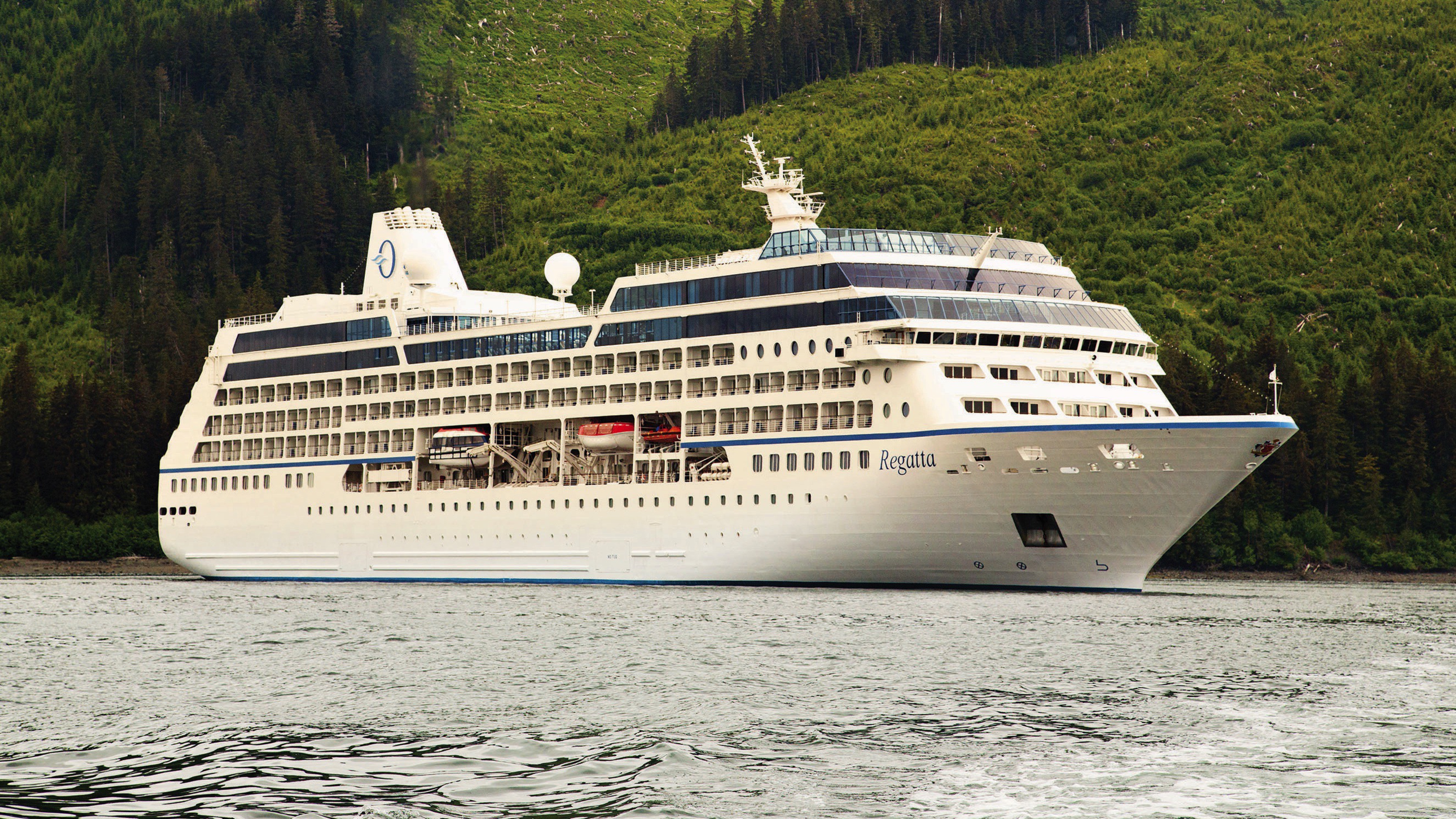
Deck Plans

- Oceanview Staterooms
- Tender Embarkation Area
- Elevator

- Destination Services
- Concierge
- Reception Hall
- Reception Desk
- Medical Centre
- Deluxe Ocean View Staterooms
- Inside Staterooms
- Elevator

- Grand Dining Room
- Baristas Grand/Bar
- Elevator
- Upper Hall
- Boutiques
- Martinis
- Casino
- Elevator
- Lounge
- Dance Floor
- Stage

- Concierge Level Veranda Staterooms
- Veranda Staterooms
- Deluxe Ocean View Staterooms
- Ocean View Staterooms
- Inside Staterooms
- Owner’s Suites
- Vista Suites
- Elevator

- Concierge Level Veranda Staterooms
- Deluxe Ocean View Staterooms
- Inside Staterooms
- Owner’s Suites
- Vista Suites
- Elevator
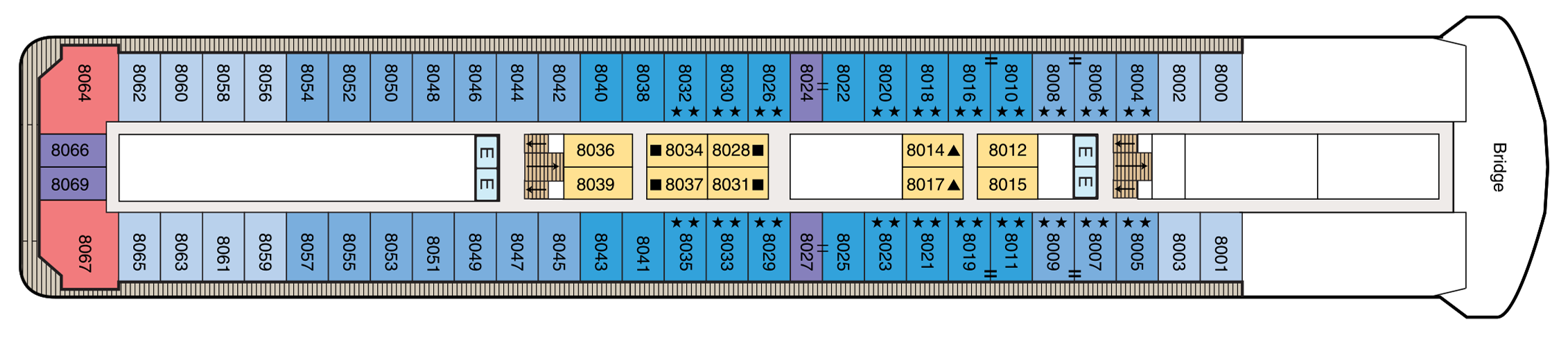
- Bridge
- Concierge Level Veranda Staterooms
- Inside Staterooms
- Owner’s Suites
- Penthouse Suites
- Elevator

- Terrace Café
- Bar
- Elevator
- The Patio
- Waves Grill
- Whirlpools
- Pool
- Waves Bar
- Oceania@Sea
- Card Room
- Aquamar Spa
- Fitness Centre
- Styling Salon
- Steam Rooms
- Spa Terrace
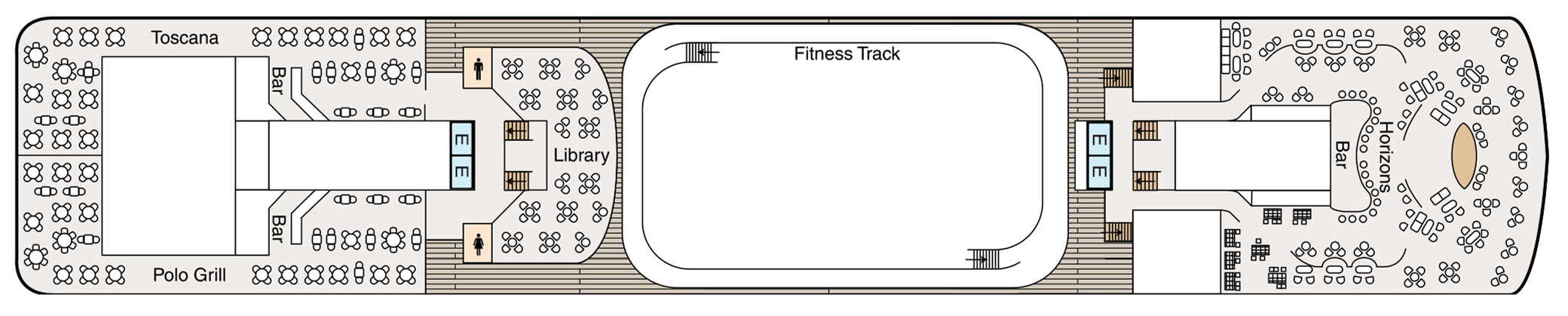
- Toscana
- Polo Grill
- Bars
- Library
- Fitness Track
- Elevator
- Horizons Bar

- Shuffleboard
- Sun Deck
- Golf Putting Greenes
- Showers
- Oceanview Staterooms
- Tender Embarkation Area
- Elevator
- Destination Services
- Concierge
- Reception Hall
- Reception Desk
- Medical Centre
- Deluxe Ocean View Staterooms
- Inside Staterooms
- Elevator
- Grand Dining Room
- Baristas Grand/Bar
- Elevator
- Upper Hall
- Boutiques
- Martinis
- Casino
- Elevator
- Lounge
- Dance Floor
- Stage
- Concierge Level Veranda Staterooms
- Veranda Staterooms
- Deluxe Ocean View Staterooms
- Ocean View Staterooms
- Inside Staterooms
- Owner’s Suites
- Vista Suites
- Elevator
- Concierge Level Veranda Staterooms
- Deluxe Ocean View Staterooms
- Inside Staterooms
- Owner’s Suites
- Vista Suites
- Elevator
- Bridge
- Concierge Level Veranda Staterooms
- Inside Staterooms
- Owner’s Suites
- Penthouse Suites
- Elevator
- Terrace Café
- Bar
- Elevator
- The Patio
- Waves Grill
- Whirlpools
- Pool
- Waves Bar
- Oceania@Sea
- Card Room
- Aquamar Spa
- Fitness Centre
- Styling Salon
- Steam Rooms
- Spa Terrace
- Toscana
- Polo Grill
- Bars
- Library
- Fitness Track
- Elevator
- Horizons Bar
- Shuffleboard
- Sun Deck
- Golf Putting Greenes
- Showers