Featured Cabins
Itinerary
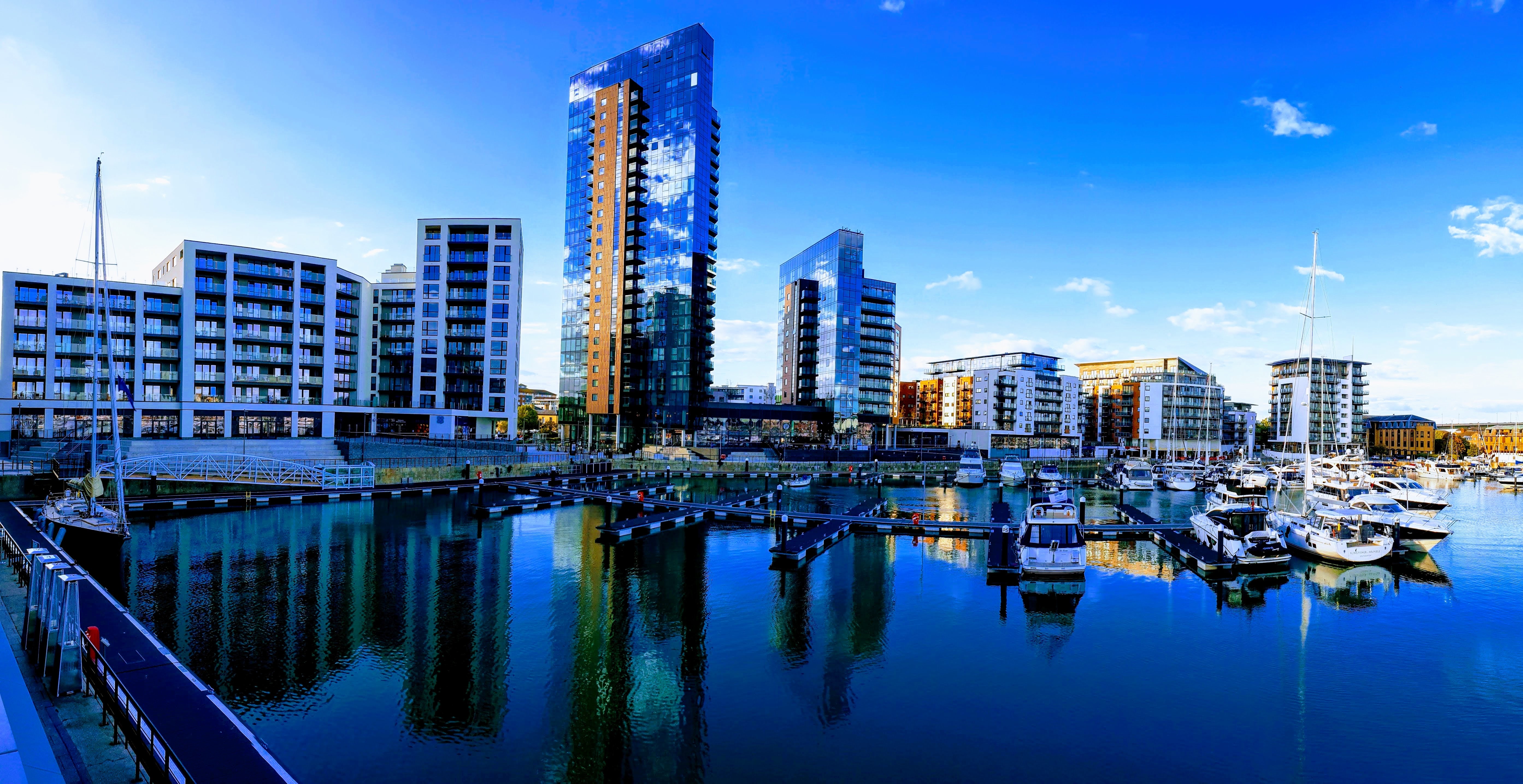
Southampton, England
Lying near the head of Southampton Water, a peninsula between the estuaries of the Rivers Test and Itchen, Southampton is Britain’s largest cruise port. It has been one of England’s major ports since the Middle Ages, when it exported wool and hides from the hinterland and imported wine from Bordeaux. The city suffered heavy damage during World War Two and as a result the centre has been extensively rebuilt, but there are still some interesting medieval buildings including the Bargate, one of the finest city gatehouses in England.
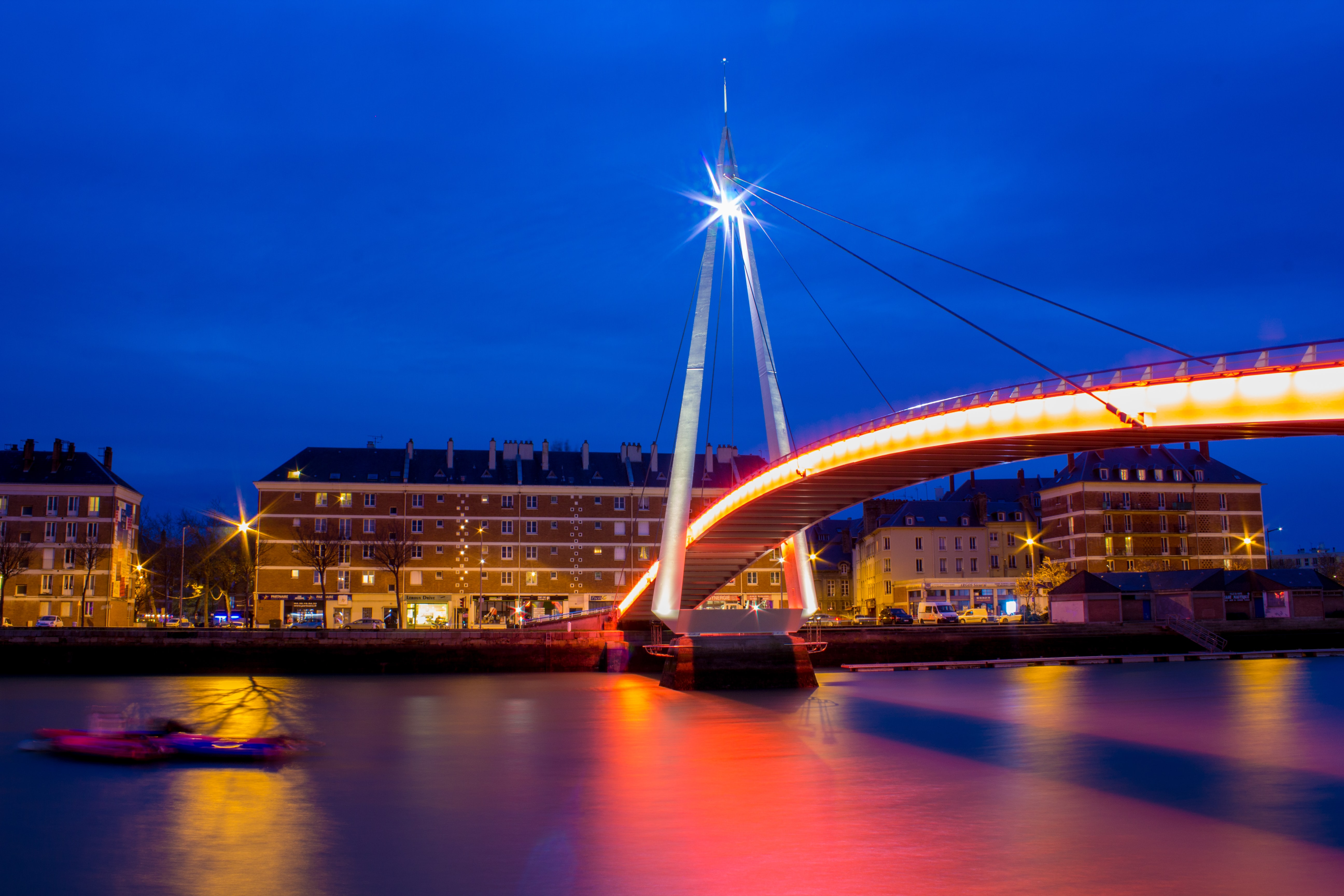
Le Havre, France
Le Havre, founded by King Francis I of France in 1517, is located inUpper Normandy on the north bank of the mouth of the River Seine, which isconsidered the most frequented waterway in the world. Its port is ranked thesecond largest in France. The city was originally built on marshland andmudflats that were drained in the 1500’s. During WWII most of Le Havre wasdestroyed by Allied bombing raids. Post war rebuilding of the city followed thedevelopment plans of the well-known Belgian architect Auguste Perre. Thereconstruction was so unique that the entire city was listed as a UNESCO WorldHeritage Site in 2005.
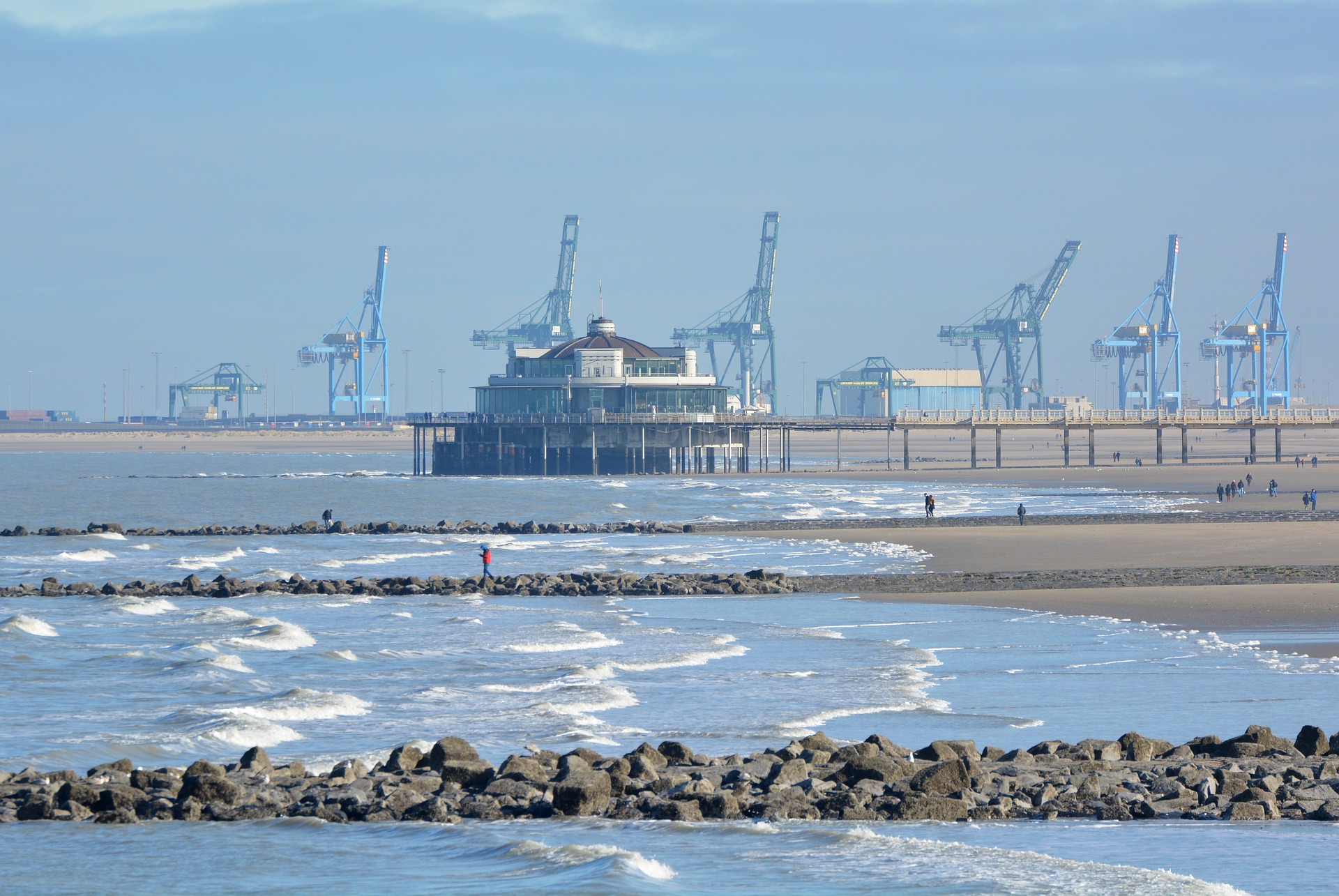
Zeebrugge, Belgium
In 1895 work began to construct a new seaport and harbour next to the tiny village of Zeebrugge, situated on the North Sea coast. Today the fast-expanding port of Zeebrugge is one of the busiest in Europe and its marina is Belgium’s most important fishing port. Many attempts were made to destroy this important port during both World Wars. Zeebrugge is ideally located for discovering the historic city of Bruges, and delightful seaside resorts with long sandy beaches can be visited by using the trams that run the whole length of the Belgian coast. Please note that no food may be taken ashore in Belgium. We shall not be offering shuttle buses to Bruges, but you may visit the city on an optional excursion: those visiting Bruges should note that there may be quite a long walk from the coach to the town centre.
At Sea
Newhaven/Edinburgh, Scotland
Newhaven is a district in the City of Edinburgh, Scotland, between Leith and Granton and about 2 miles north of the city centre, just north of the Victoria Park district. Formerly a village and harbour on the Firth of Forth.
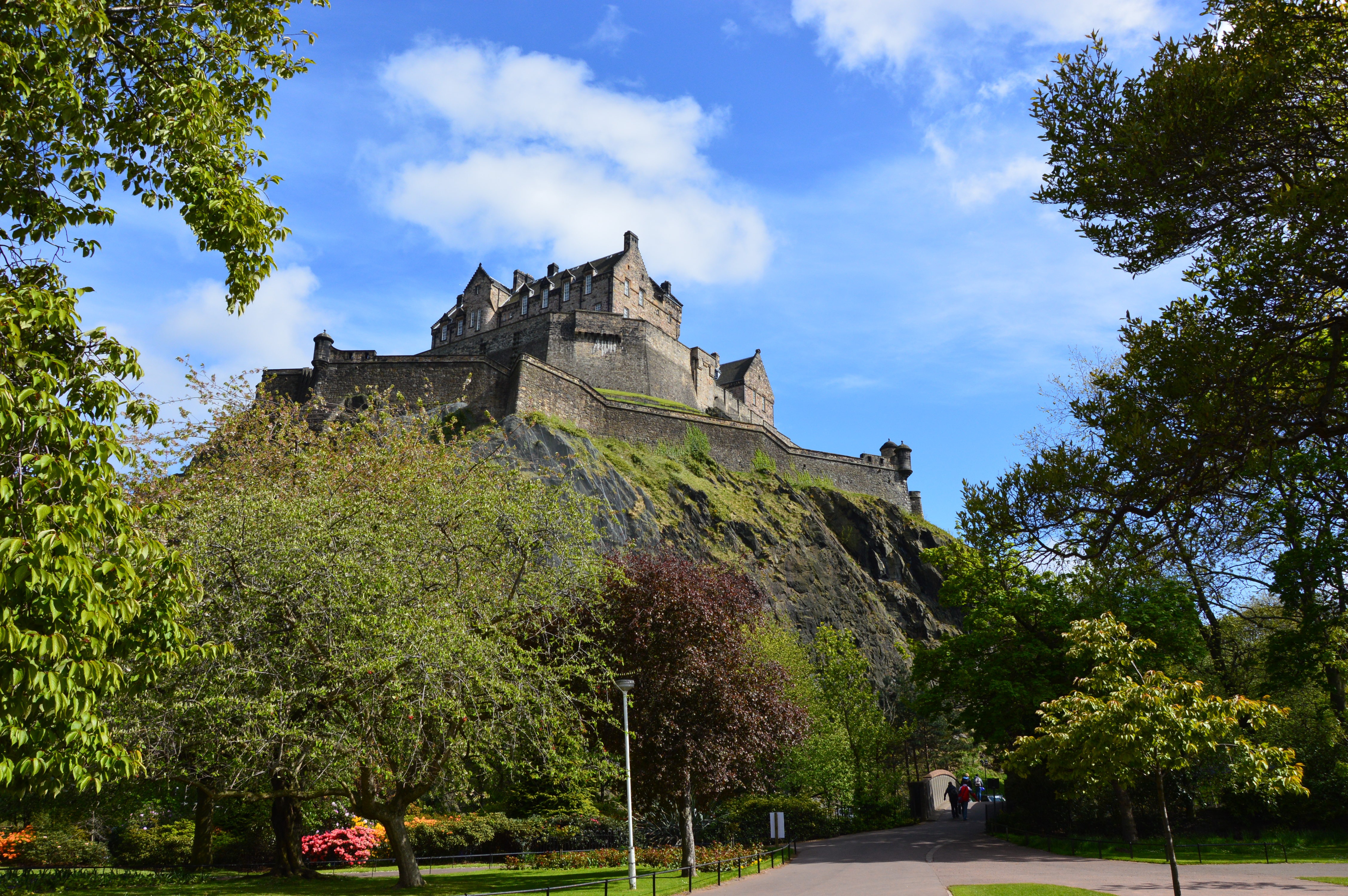
Invergordon, Scotland
The port of Invergordon is your gateway to the Great Glen, an area of Scotland that includes Loch Ness and the city of Inverness. Inverness, the capital of the Highlands, has the flavor of a Lowland town, its winds blowing in a sea-salt air from the Moray Firth. The Great Glen is also home to one of the world’s most famous monster myths: in 1933, during a quiet news week, the editor of a local paper decided to run a story about a strange sighting of something splashing about in Loch Ness. But there’s more to look for here besides Nessie, including inland lochs, craggy and steep-sided mountains, rugged promontories, deep inlets, brilliant purple and emerald moorland, and forests filled with astonishingly varied wildlife, including mountain hares, red deer, golden eagles, and ospreys.

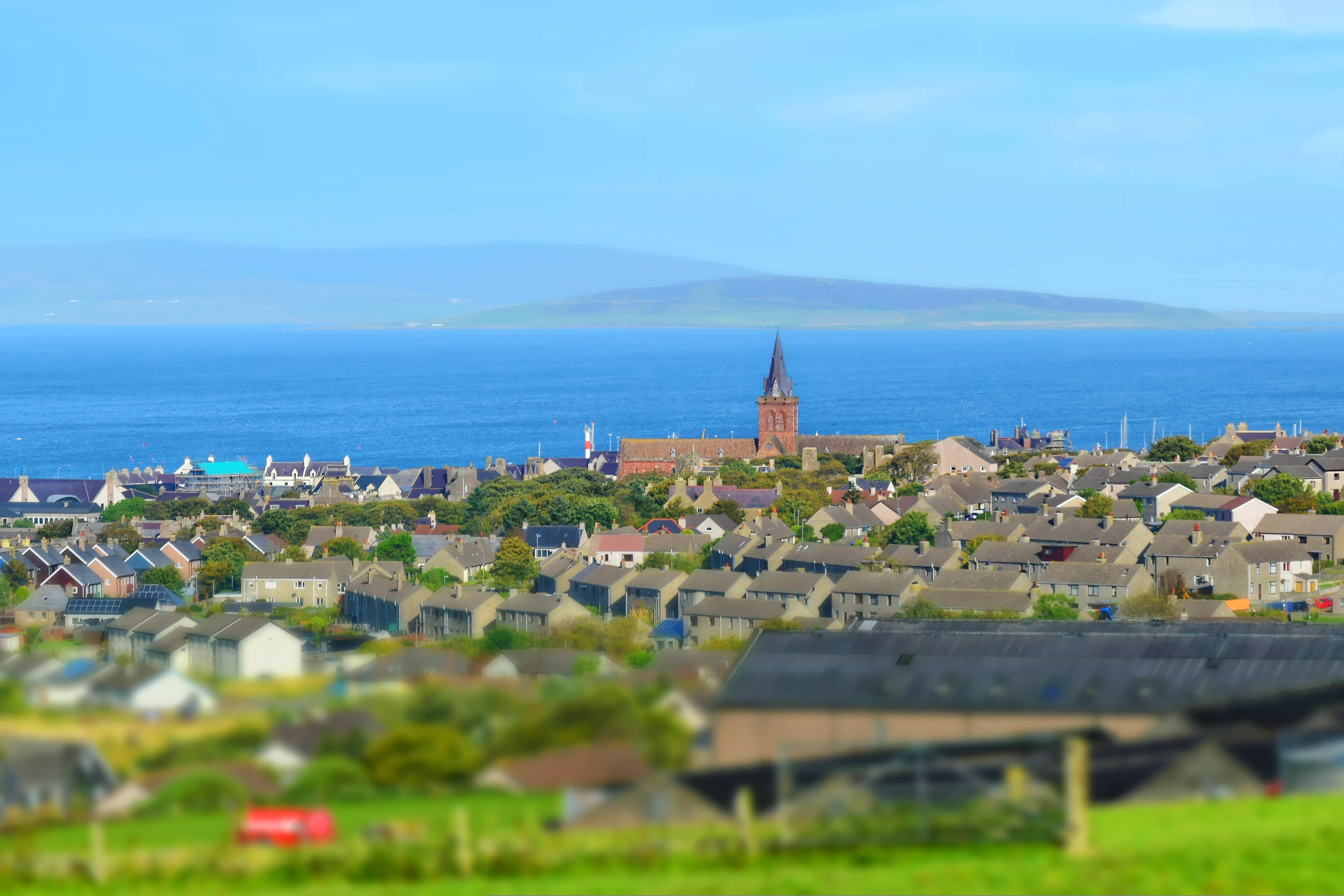
Kirkwall, Orkney Islands, Scotland
In bustling Kirkwall, the main town on Orkney, there’s plenty to see in the narrow, winding streets extending from the harbor. The cathedral and some museums are highlights.
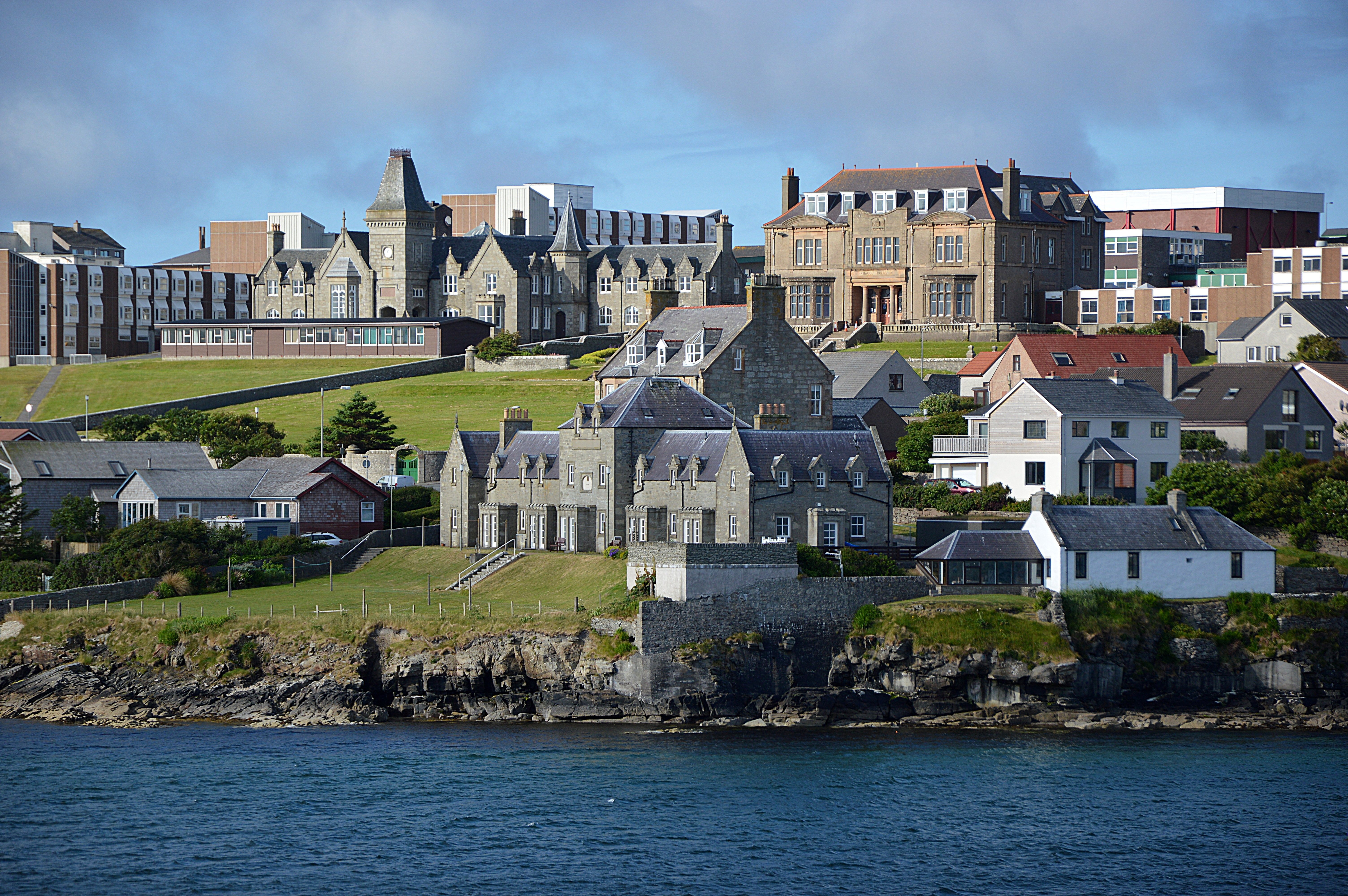
Lerwick, Shetland Islands, Scotland
Founded by Dutch fishermen in the 17th century, Lerwick today is a busy town and administrative center. Handsome stone buildings—known as lodberries—line the harbor; they provided loading bays for goods, some of them illegal. The town’s twisting flagstone lanes and harbor once heaved with activity, and Lerwick is still an active port today. This is also where most visitors to Shetland dock, spilling out of cruise ships, allowing passengers to walk around the town.
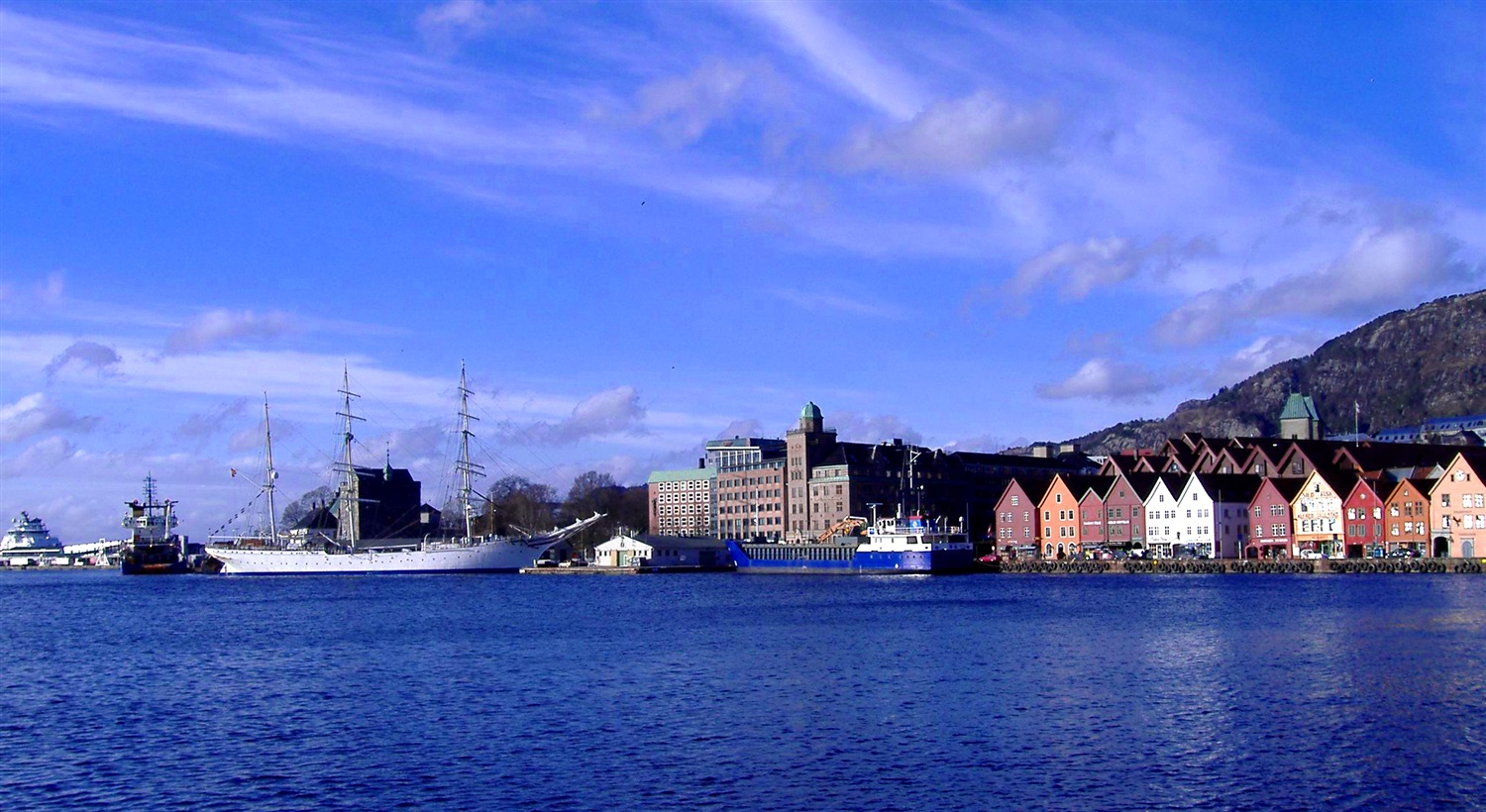
Bergen, Norway
Surrounded by mountains and sparkling fjords, the waterside city of Bergen has a spectacular setting. There has been a settlement here since medieval times and the colourful waterfront buildings of the Hanseatic wharf, known as Bryggen, are testament to its fascinating history of trade. As Norway’s best known medieval settlement, the Bryggen is listed by UNESCO as a World Heritage Site. Our comprehensive selection of excursions allows you to discover the many sides of Bergen, such as the fish market and narrow cobbled streets, as well as stunning views of the city from the summit of Mt Fløyen. Alternatively, those who have visited the city previously may like to experience one of the tours that travel further afield. Just 300 yards from the main piers, you will find the Fortress Museum (Fesningsmuseum), which has an interesting collection of objects related to World War II.
At Sea
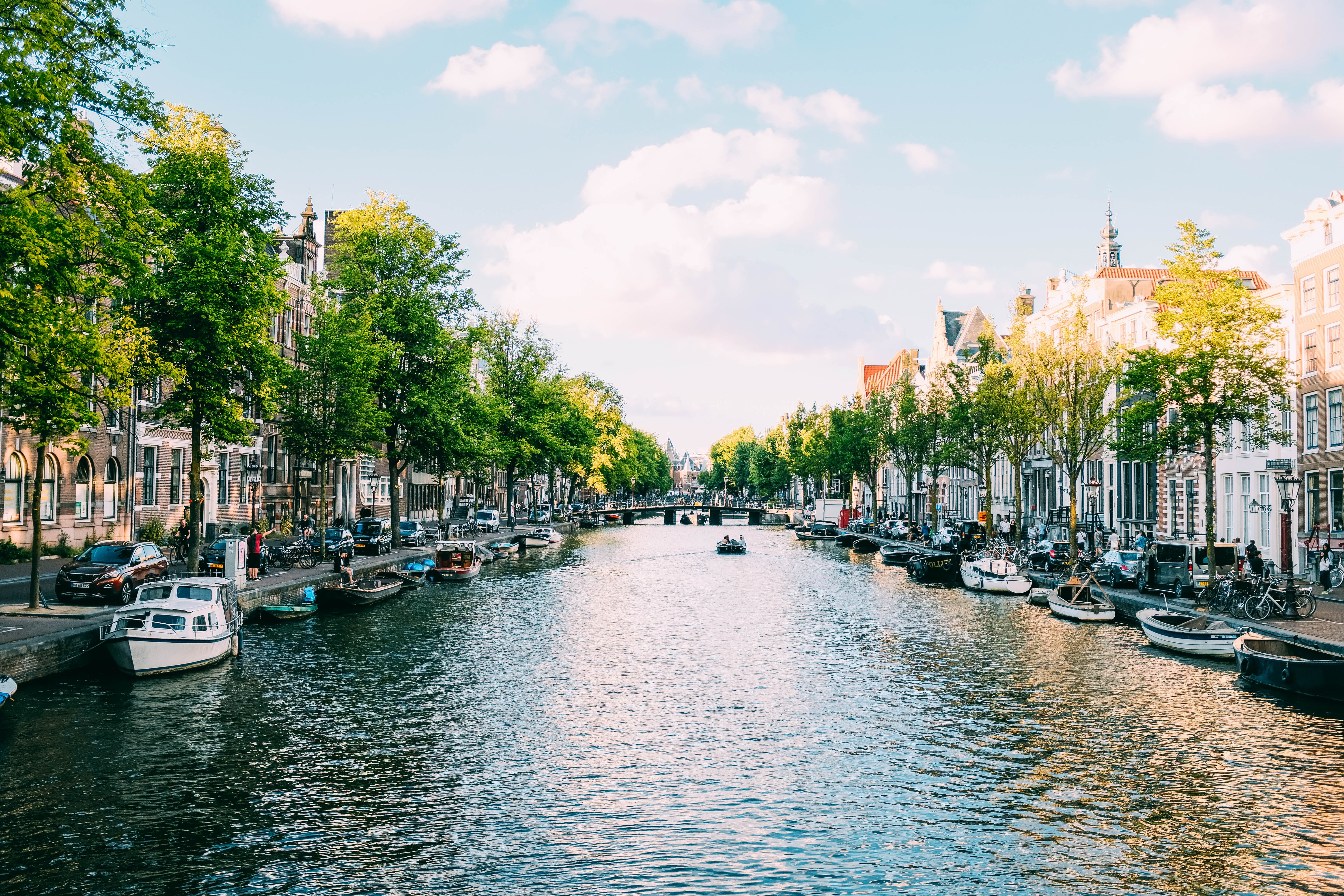
Amsterdam, Netherlands
Amsterdam combines the unrivaled beauty of the 17th-century Golden Age city center with plenty of museums and art of the highest order, not to mention a remarkably laid-back atmosphere. It all comes together to make this one of the world’s most appealing and offbeat metropolises in the world. Built on a latticework of concentric canals like an aquatic rainbow, Amsterdam is known as the City of Canals—but it’s no Venice, content to live on moonlight serenades and former glory. Quite the contrary: on nearly every street here you’ll find old and new side by side—quiet corners where time seems to be holding its breath next to streets like neon-lit Kalverstraat, and Red Light ladies strutting by the city’s oldest church. Indeed, Amsterdam has as many lovely facets as a 40-carat diamond polished by one of the city’s gem cutters. It’s certainly a metropolis, but a rather small and very accessible one. Locals tend to refer to it as a big village, albeit one that happens to pack the cultural wallop of a major world destination. There are scores of concerts every day, numerous museums, summertime festivals, and, of course, a legendary year-round party scene. It’s pretty much impossible to resist Amsterdam’s charms. With 7,000 registered monuments, most of which began as the residences and warehouses of humble merchants, set on 160 man-made canals, and traversed by 1,500 or so bridges, Amsterdam has the largest historical inner city in Europe. Its famous circle of waterways, the grachtengordel, was a 17th-century urban expansion plan for the rich and is a lasting testament to the city’s Golden Age. This town is endearing because of its kinder, gentler nature—but a reputation for championing sex, drugs, and rock ’n’ roll does not alone account for Amsterdam’s being one of the most popular destinations in Europe: consider that within a single square mile the city harbors some of the greatest achievements in Western art, from Rembrandt to Van Gogh. Not to mention that this is one of Europe’s great walking cities, with so many of its treasures in the untouted details: tiny alleyways barely visible on the map, hidden garden courtyards, shop windows, floating houseboats, hidden hofjes(courtyards with almshouses), sudden vistas of church spires, and gabled roofs that look like so many unframed paintings. And don’t forget that the joy lies in details: elaborate gables and witty gable stones denoting the trade of a previous owner. Keep in mind that those XXX symbols you see all over town are not a mark of the city’s triple-X reputation. They’re part of Amsterdam’s official coat of arms—three St. Andrew’s crosses, believed to represent the three dangers that have traditionally plagued the city: flood, fire, and pestilence. The coat’s motto (“Valiant, determined, compassionate”) was introduced in 1947 by Queen Wilhelmina in remembrance of the 1941 February Strike in Amsterdam—the first time in Europe that non-Jewish people protested against the persecution of Jews by the Nazi regime.
Cabin Options
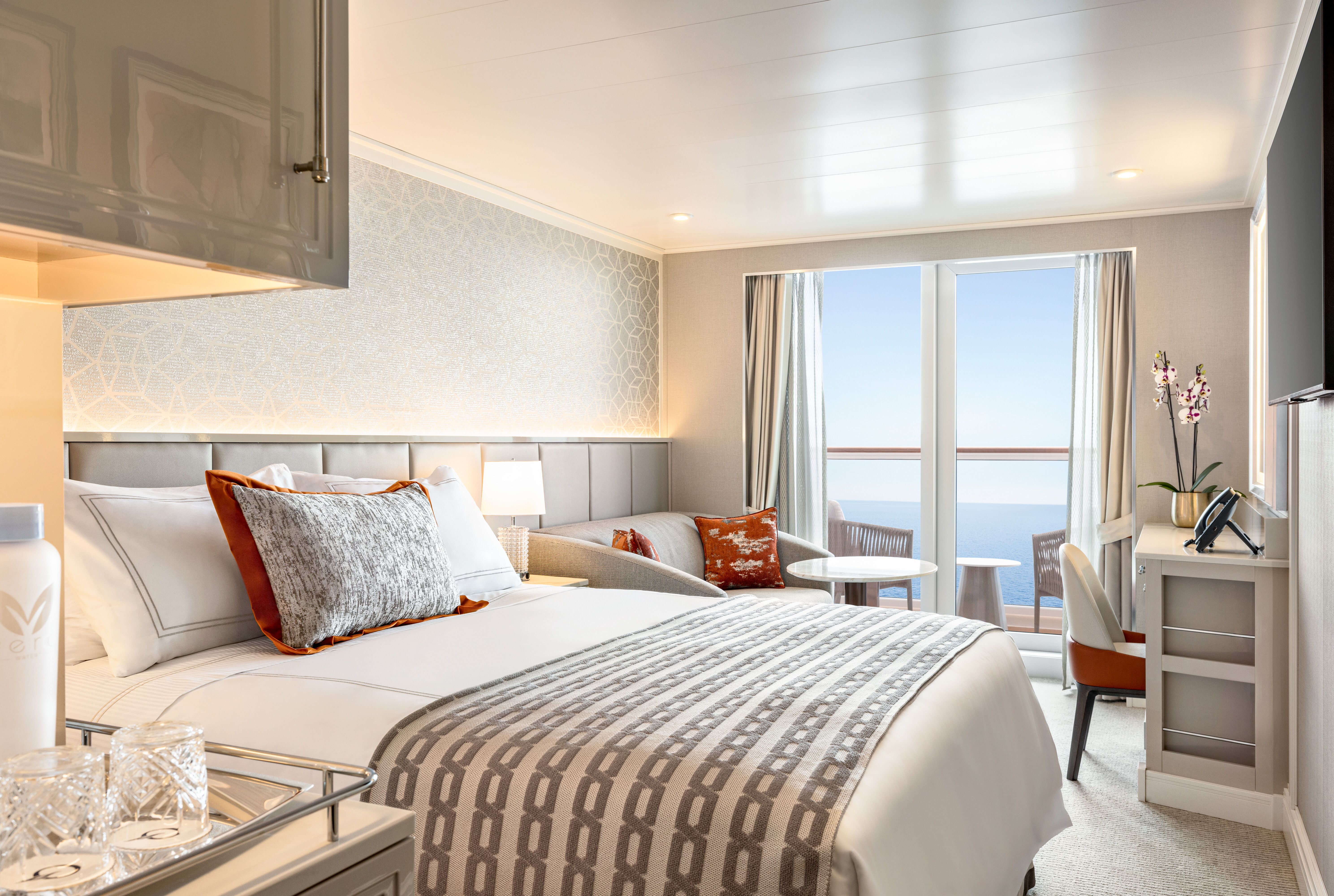
Veranda Stateroom
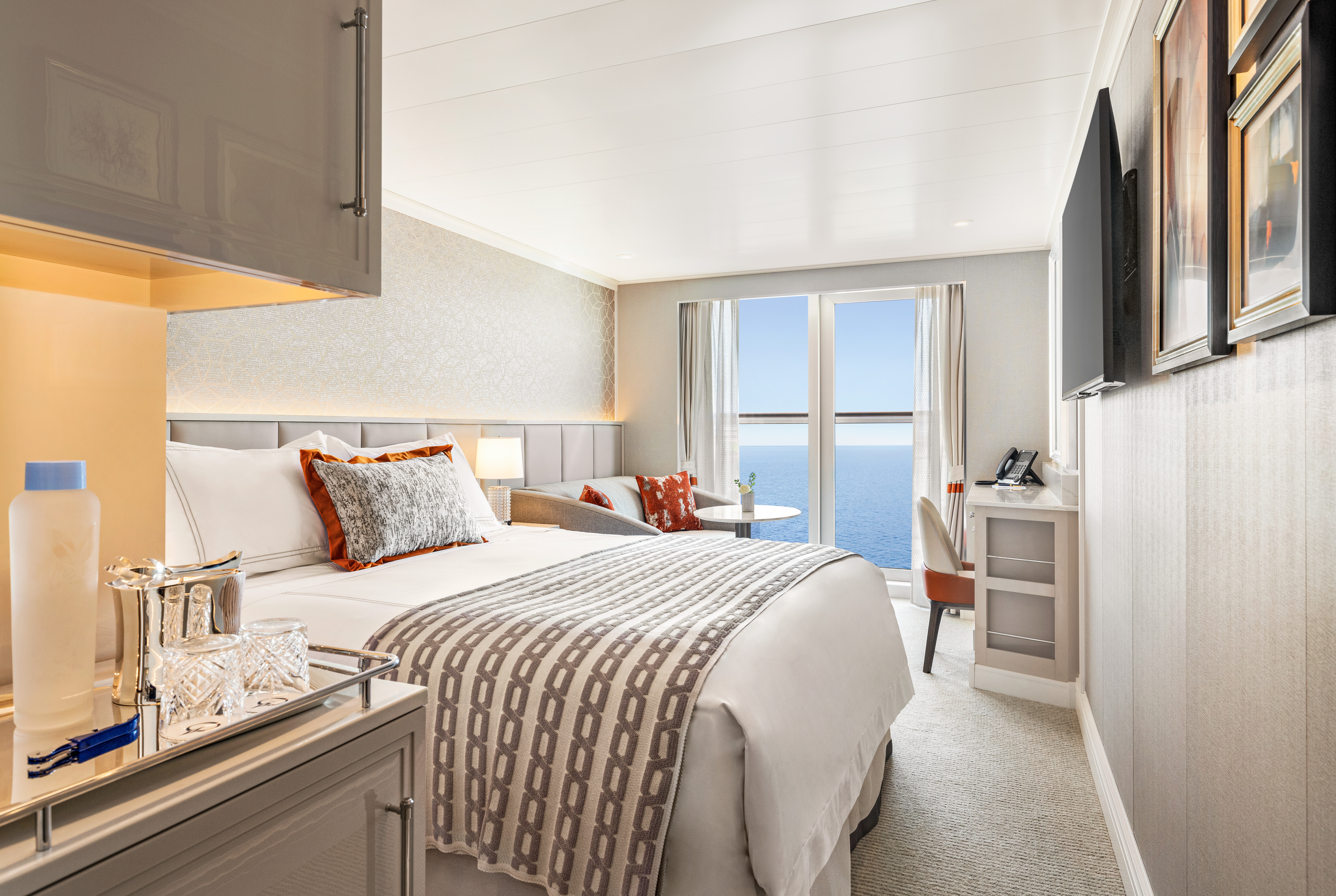
French Veranda Stateroom
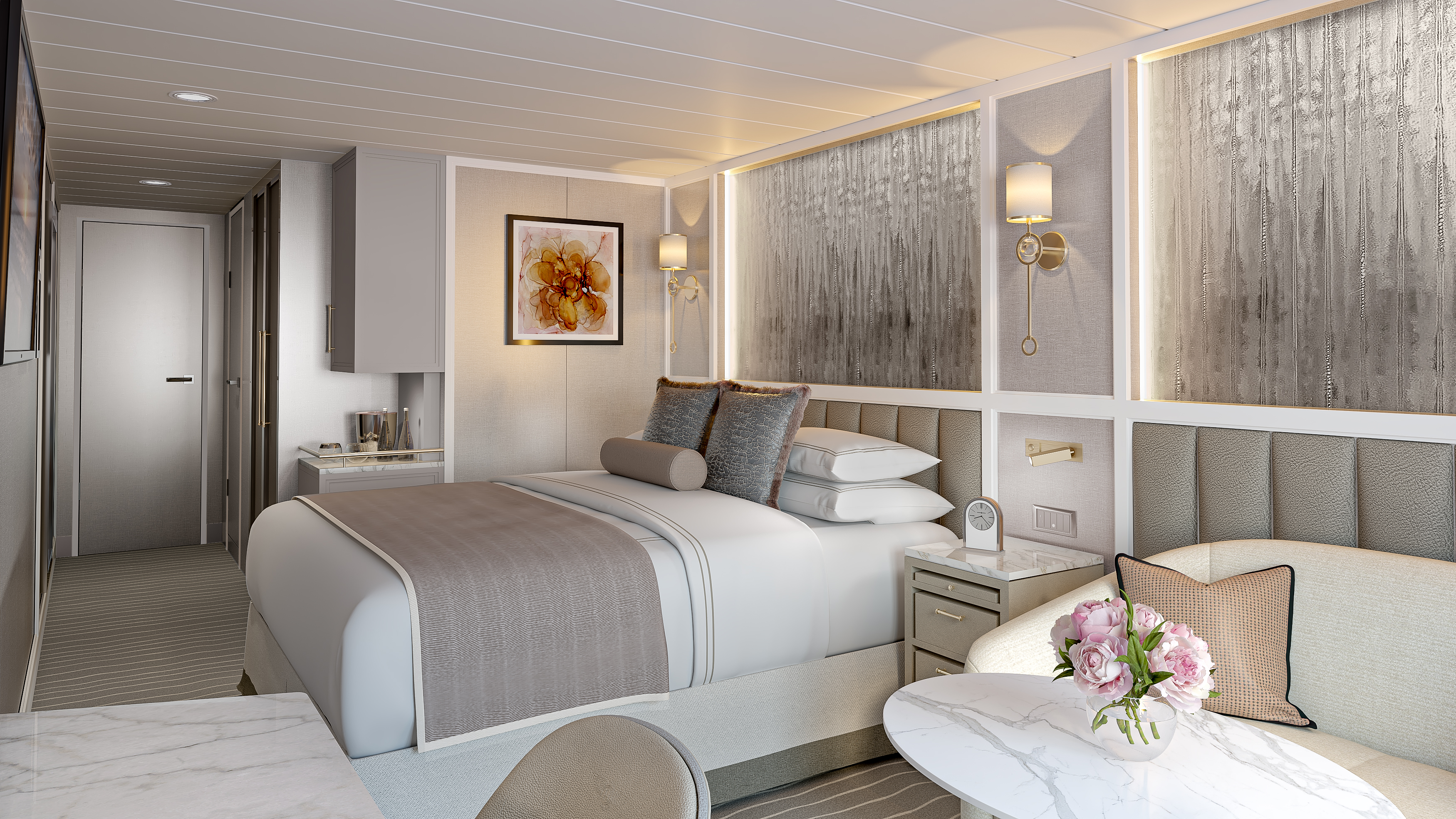
Concierge Level Veranda Stateroom
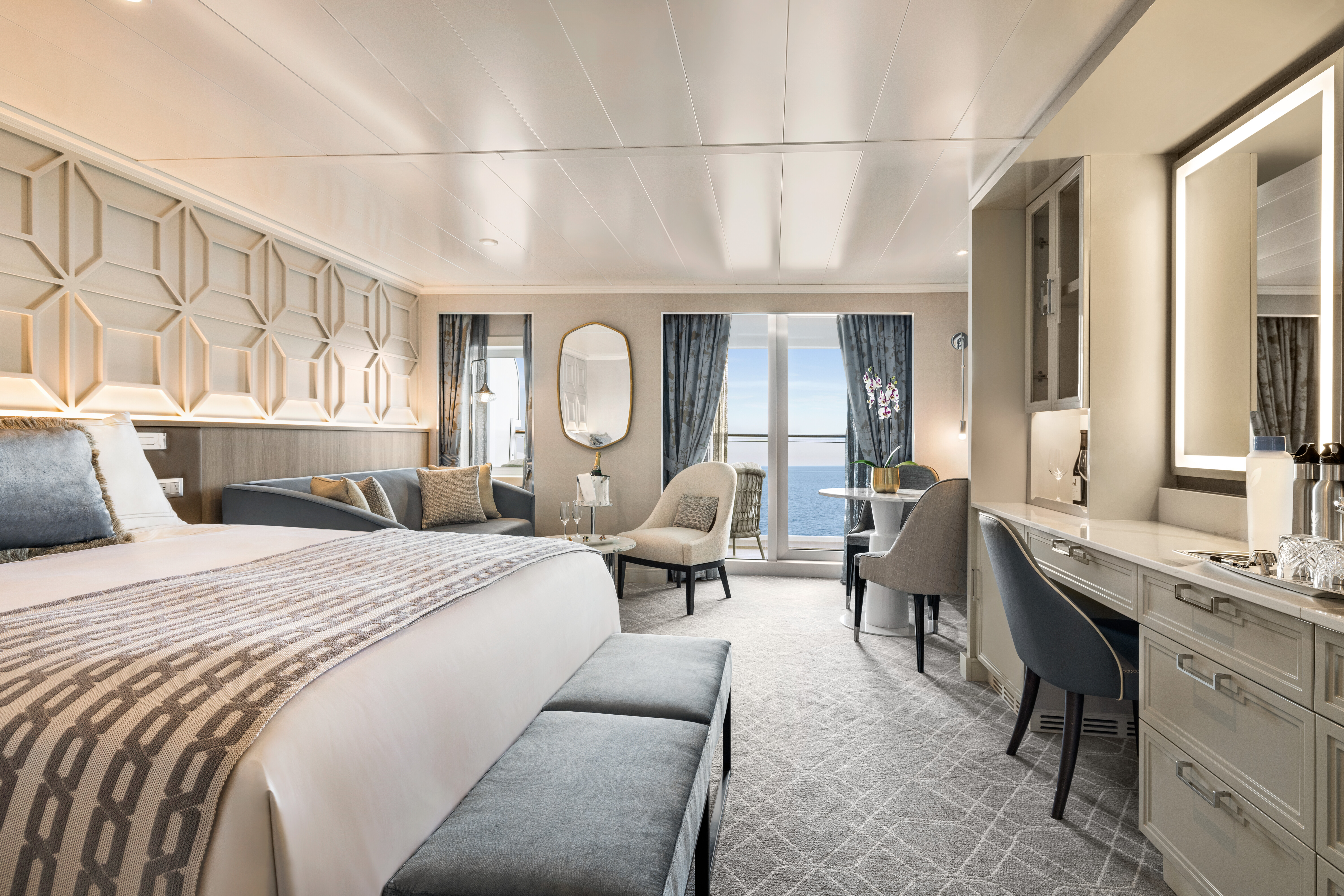
Penthouse Suite
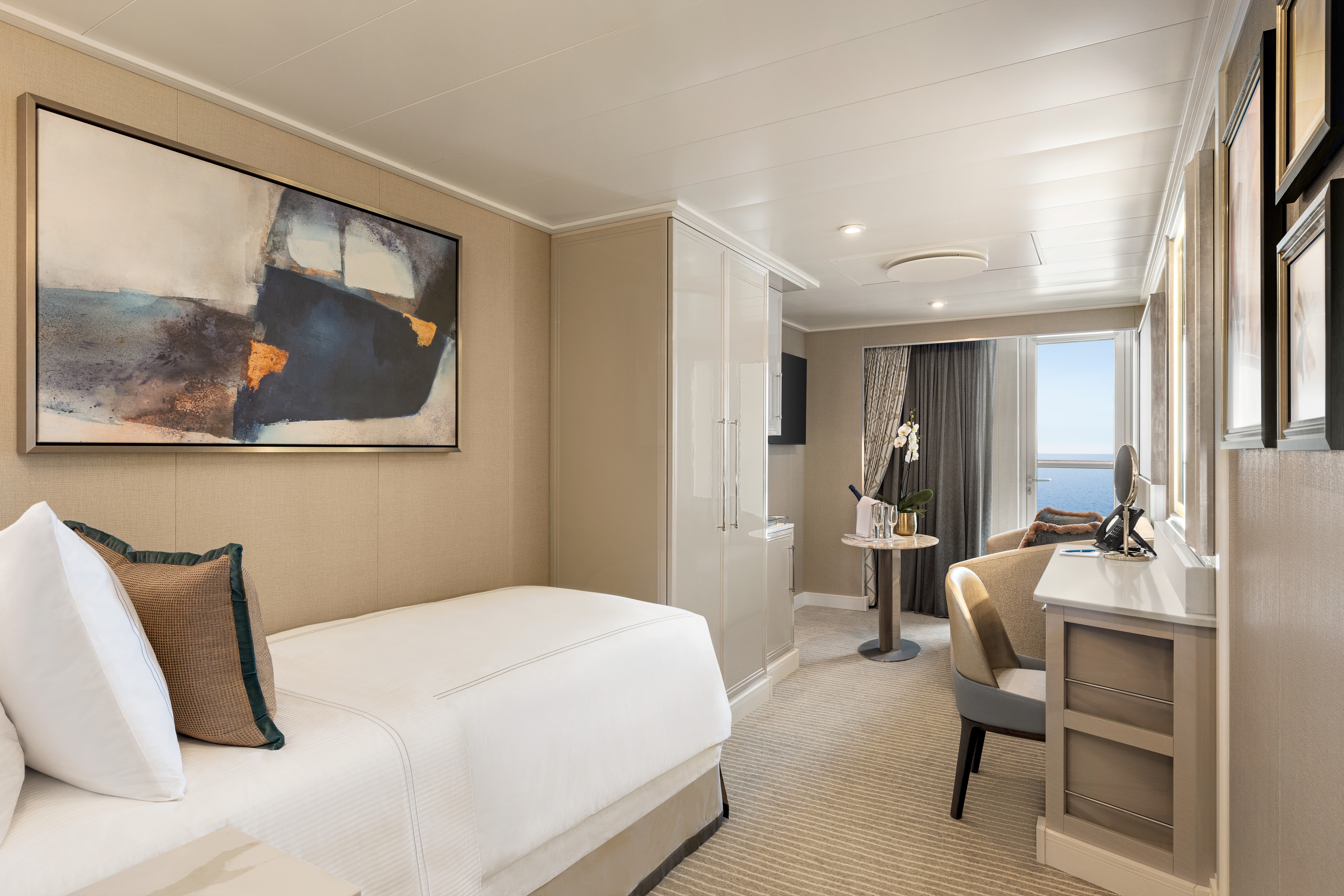
Concierge Level Solo Veranda Stateroom
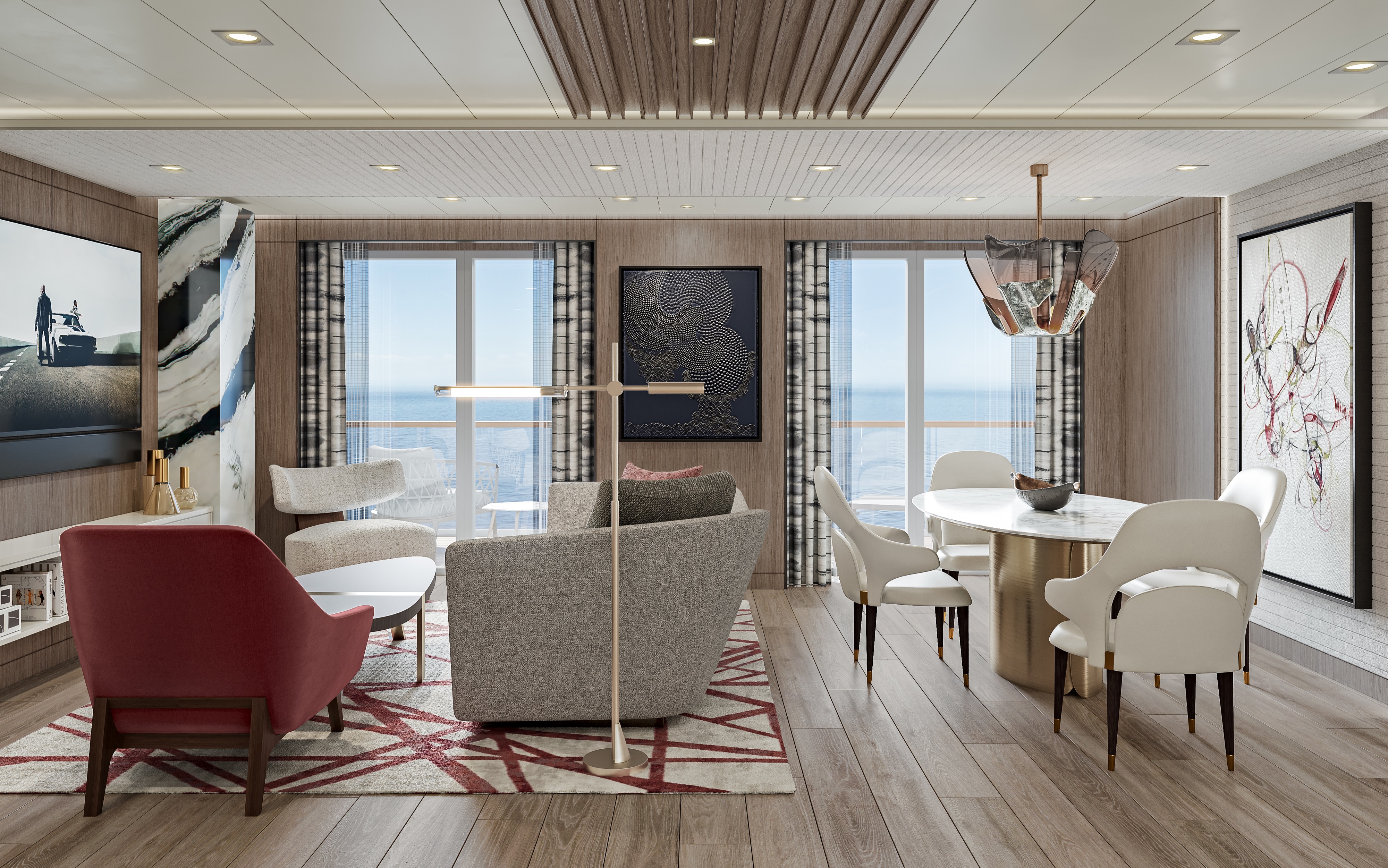
Oceania Suite
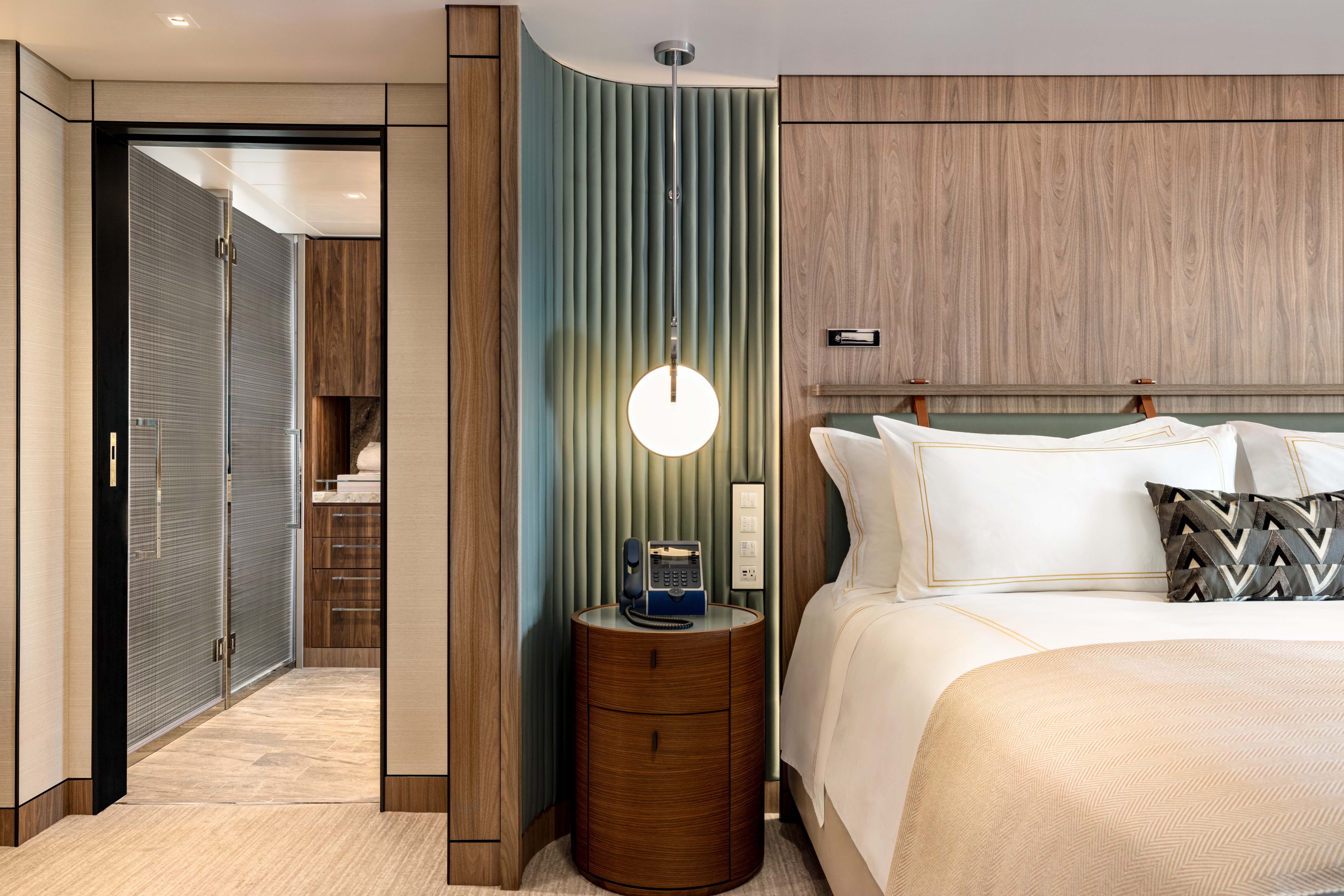
Vista Suite
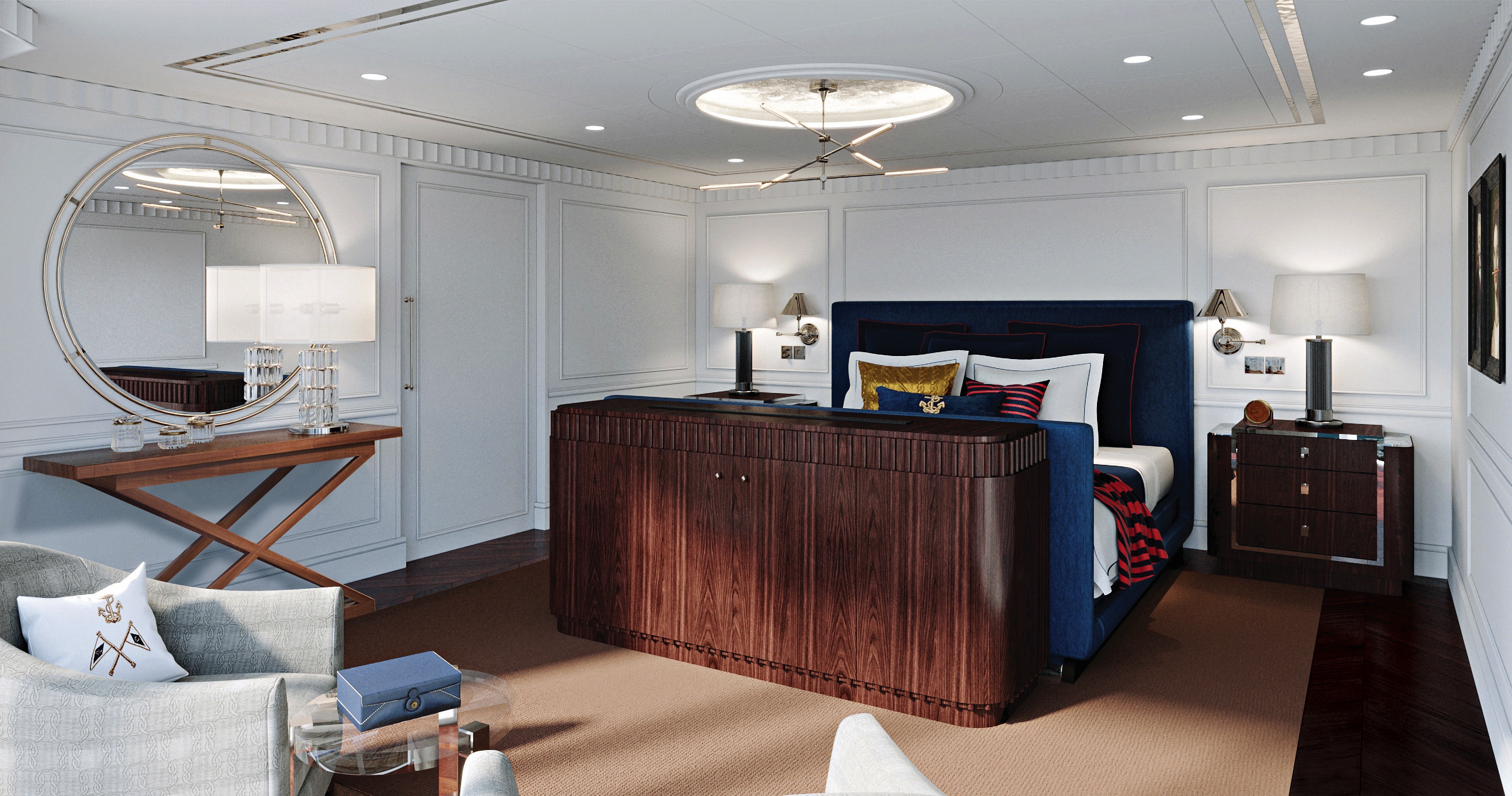
Owner's Suite
Ship Facilities
The Grand Dining Room
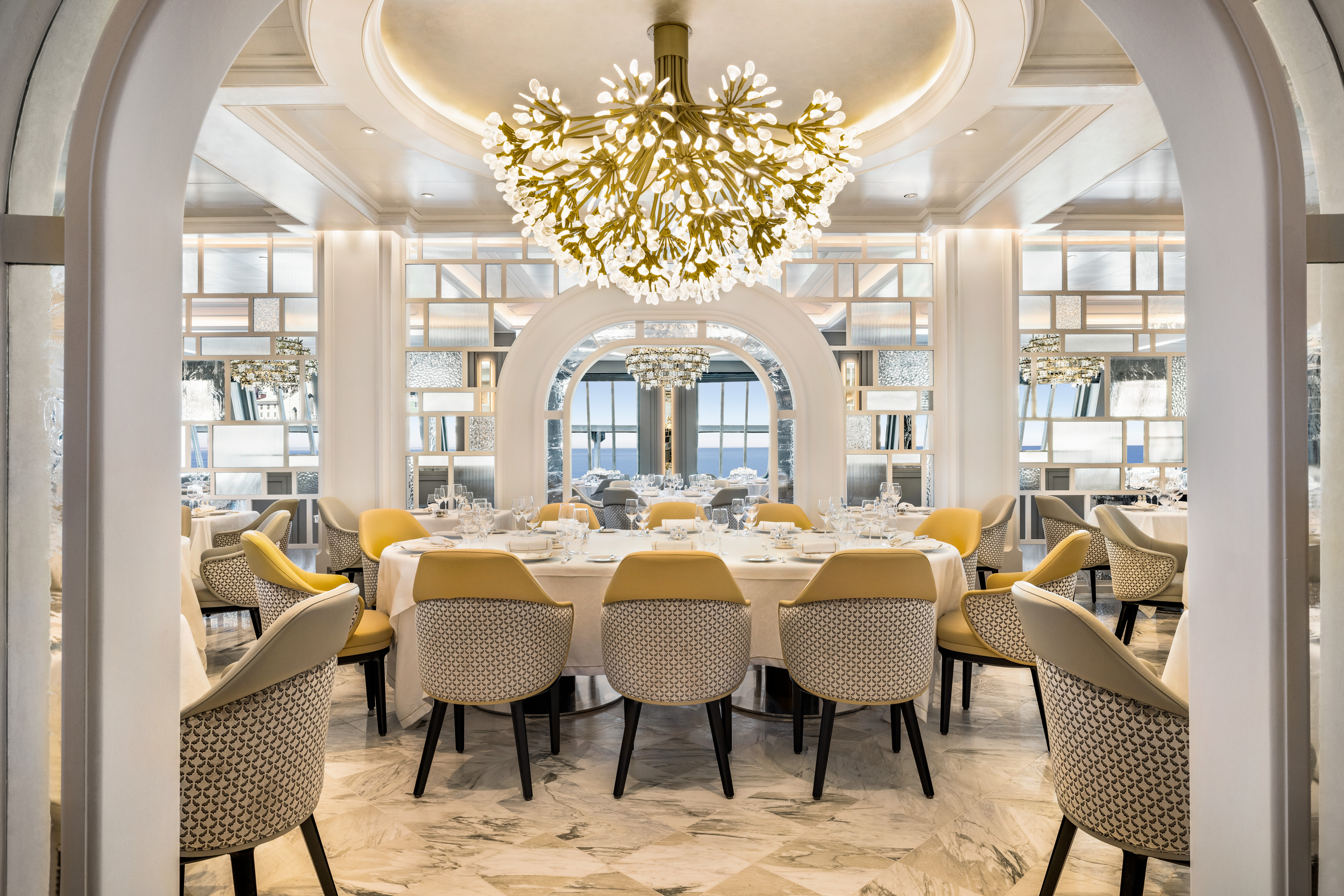
The Grand Dining Room is the luxurious grand dame of Oceania Cruises’ culinary world. Here, guests will savor a leisurely dining experience in a truly magnificent and inspired room whose ambiance soars to equally lofty heights as the cuisine. This signature dining experience has always offered a bevy of delicious Continental dishes, and now a fresh and new array of options brings even more exciting possibilities. Every day presents a realm of choices, from signature Jacques Pépin classics to an incredible spectrum of global flavors and an all-new Executive Chef’s Tasting Menu. Menus change daily with an expansive choice of at least 10 appetizers, soups and salads and 10 dinner entrées, along with healthy options such as Aquamar Vitality Cuisine.
- Breakfast | 8:00 am – 9:30 am
- Lunch | 12:00pm – 1:30pm
- Dinner | 6:30 pm – 9:30 pm
No reservations required.
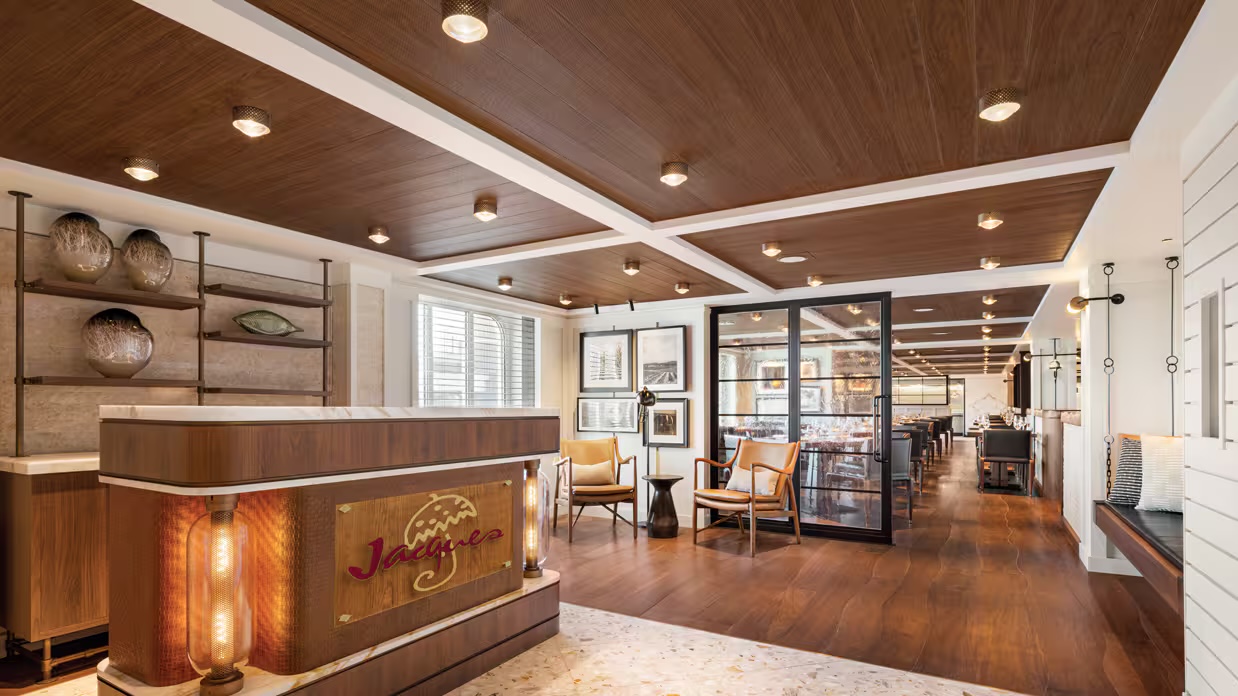
Jacques
Reservations required.
- Dinner | 6:30 pm – 9:00 pm
Polo Grill
THE CLASSIC STEAKHOUSE
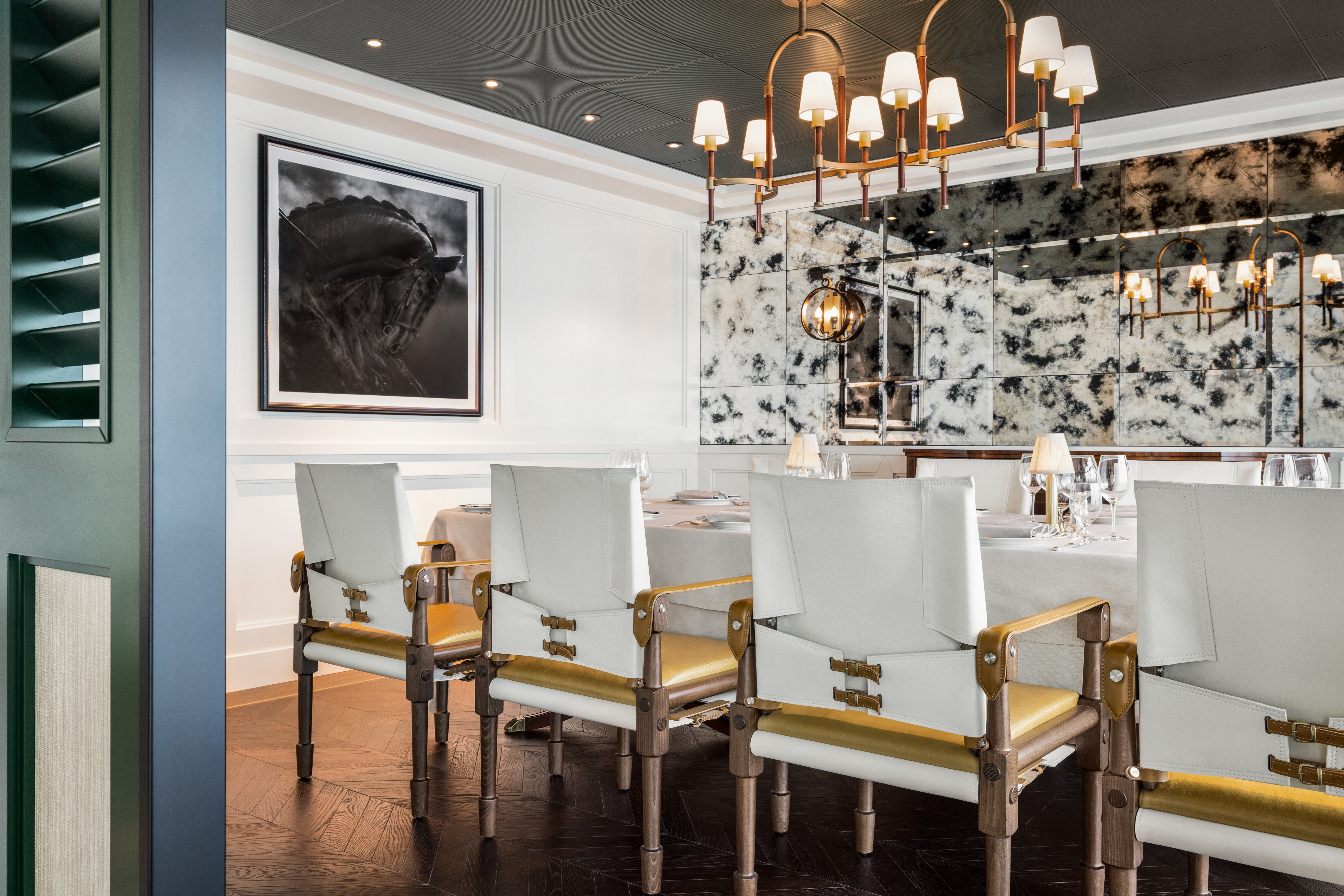
Polo Grill delights diners with the ultimate classic steakhouse experience presented with timeless reverence. Richly layered decor and an abundance of custom millwork create an imaginative rendition of tradition set against crisp white linen tablecloths while a cadre of black jacketed servers set the tone for an evening of gracious dining. Each course stands as the very definition of time-honored favorites, most notably the beef dishes, all of which are USDA certified Angus and aged for a minimum of 40 days to enhance tenderness and flavor. While succulent seafood dishes such as grilled swordfish and whole Maine lobster gratinée are also classics in their own right.
- Dinner | 6:30 pm – 9:00 pm.
Reservations required.
Toscana
AN EVOLUTION OF TUSCAN CUISINE
Toscana presents an evolution of Tuscan cuisine in a truly Italian setting of rich Chianina leather, hand-blown Venetian glass and Carrara marble. Evolved from generational family traditions, many of our recipes originated with the mothers and grandmothers of our own Italian culinary staff. Presented on elegant, custom-designed Versace china, masterfully prepared dishes exemplify the essence of Tuscany and celebrate Italy’s culinary passion. Perhaps the evening begins with the octopus carpaccio with Champagne vinaigrette or the artichoke and parmesan cheese timbale with black truffle sauce, followed by classic dishes such as the hand-rolled gnocchi with pesto, a rich risotto with lobster medallions and shallots, or a pan-seared sea bass filet finished with Sorrento lemon, chardonnay and capers.
Reservations required.
- Dinner | 6:30 pm – 9:00 pm.
Red Ginger
BOLD YET BALANCED FLAVORS
Red Ginger radiates harmony and tranquility while evoking the boldness and subtleties of the extraordinary Pan-Asian dishes our talented chefs have created. Much like the room itself, the Thai, Korean, Japanese and Malaysian rooted specialties are a mélange of spicy and soothing, savory and sweet to please virtually every palate. Begin with a Spicy Duck & Watermelon Salad with cashews, mint and Thai basil. Savor Chicken Shio Ramen Noodles with tofu, shiitake mushroom and bok choy or opt for a Seven Spices Crusted Lamb Rack with fresh wasabi lamb jus. To complement the bold and multifaceted flavors of the Pan-Asian dishes here, the cocktail and beverage menu includes a premium sake selection, Asian beers and Asian-inspired cocktails that call on spices such as lemongrass, ginger and turmeric as well as exotic fruits such as lychees. In Red Ginger, the gustatory pleasures are as striking as the visual ones.
6:30 pm – 9:00 pm
Reservations required.
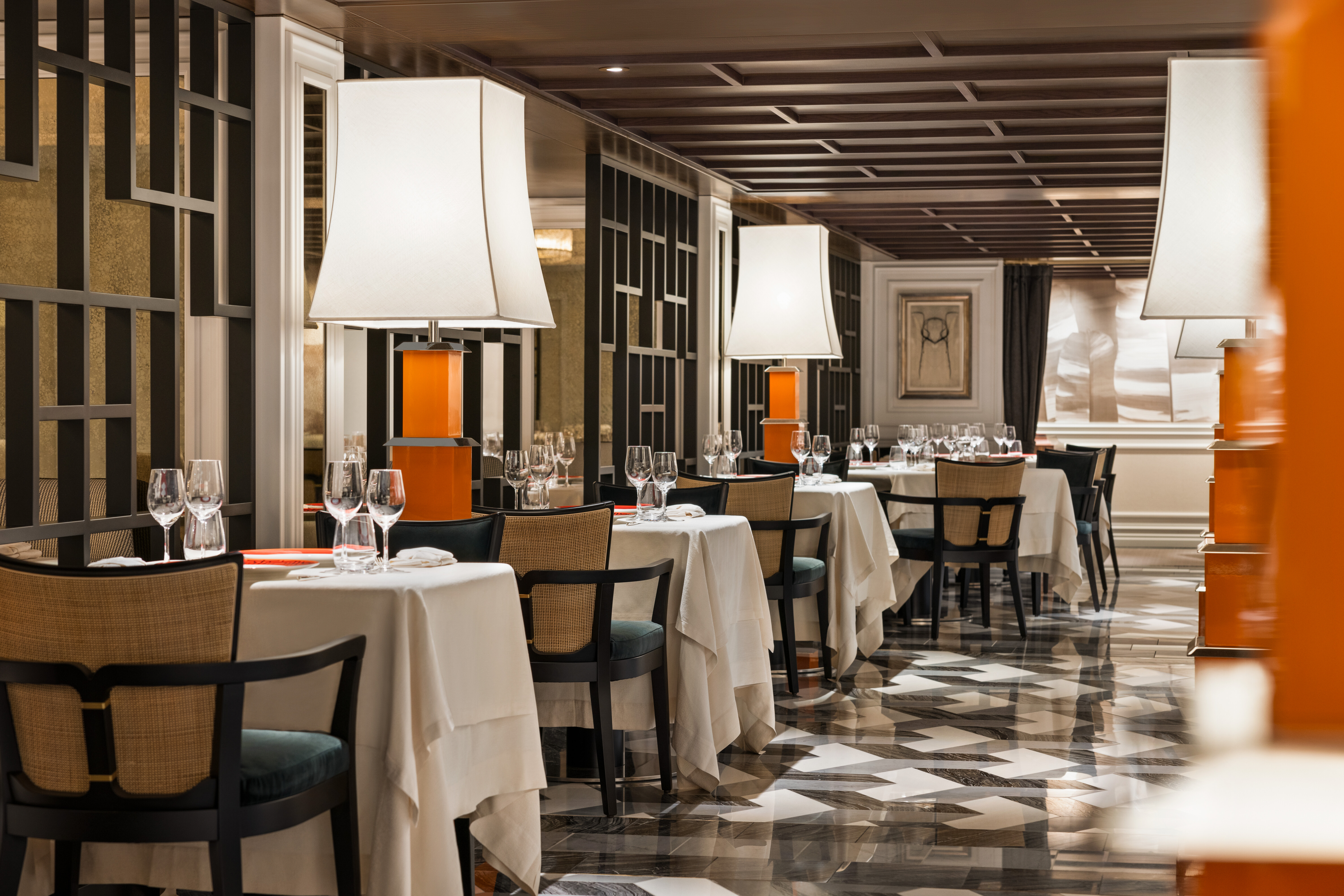
Priveé
WINE EXPERIENCES BY LA RESERVE
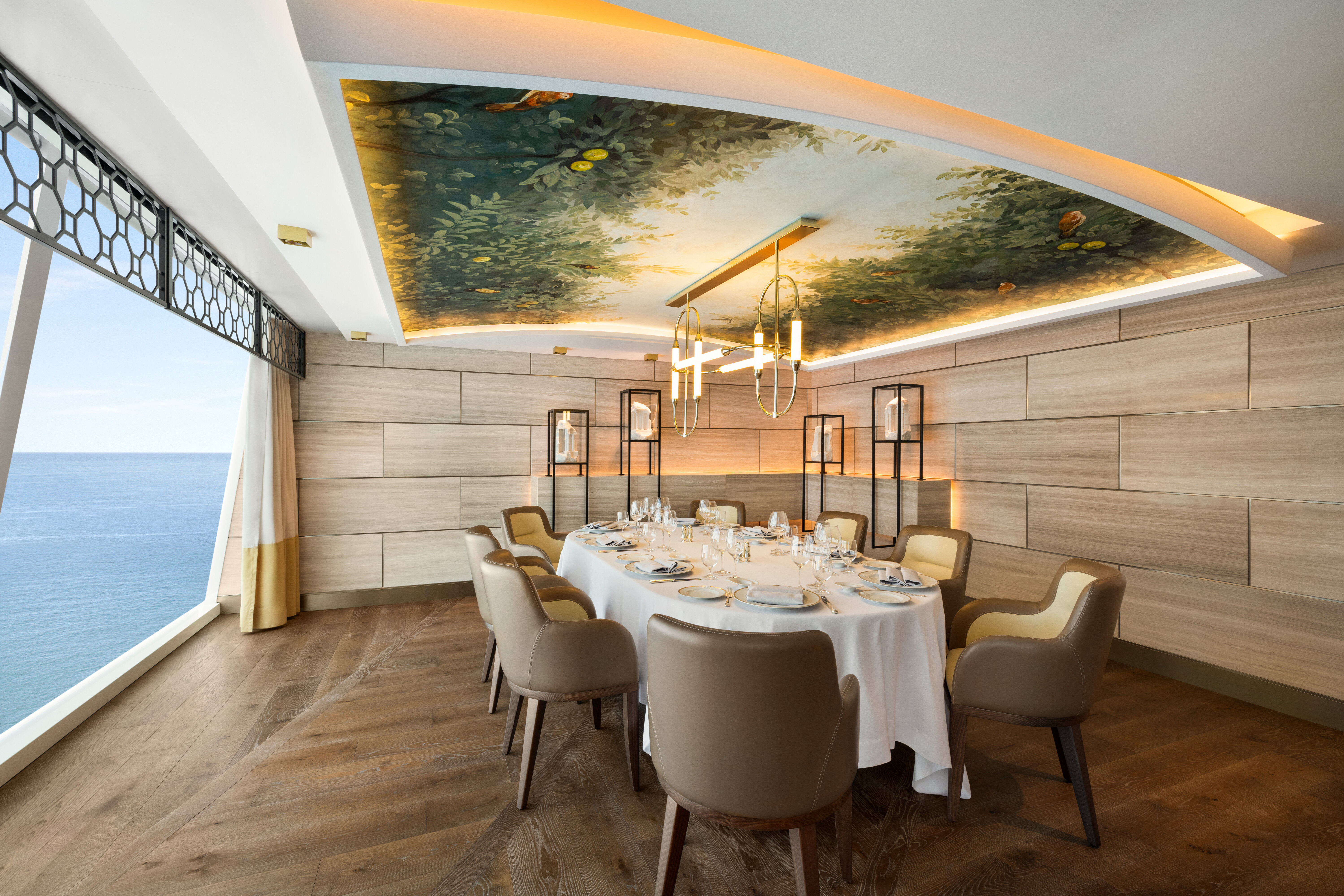
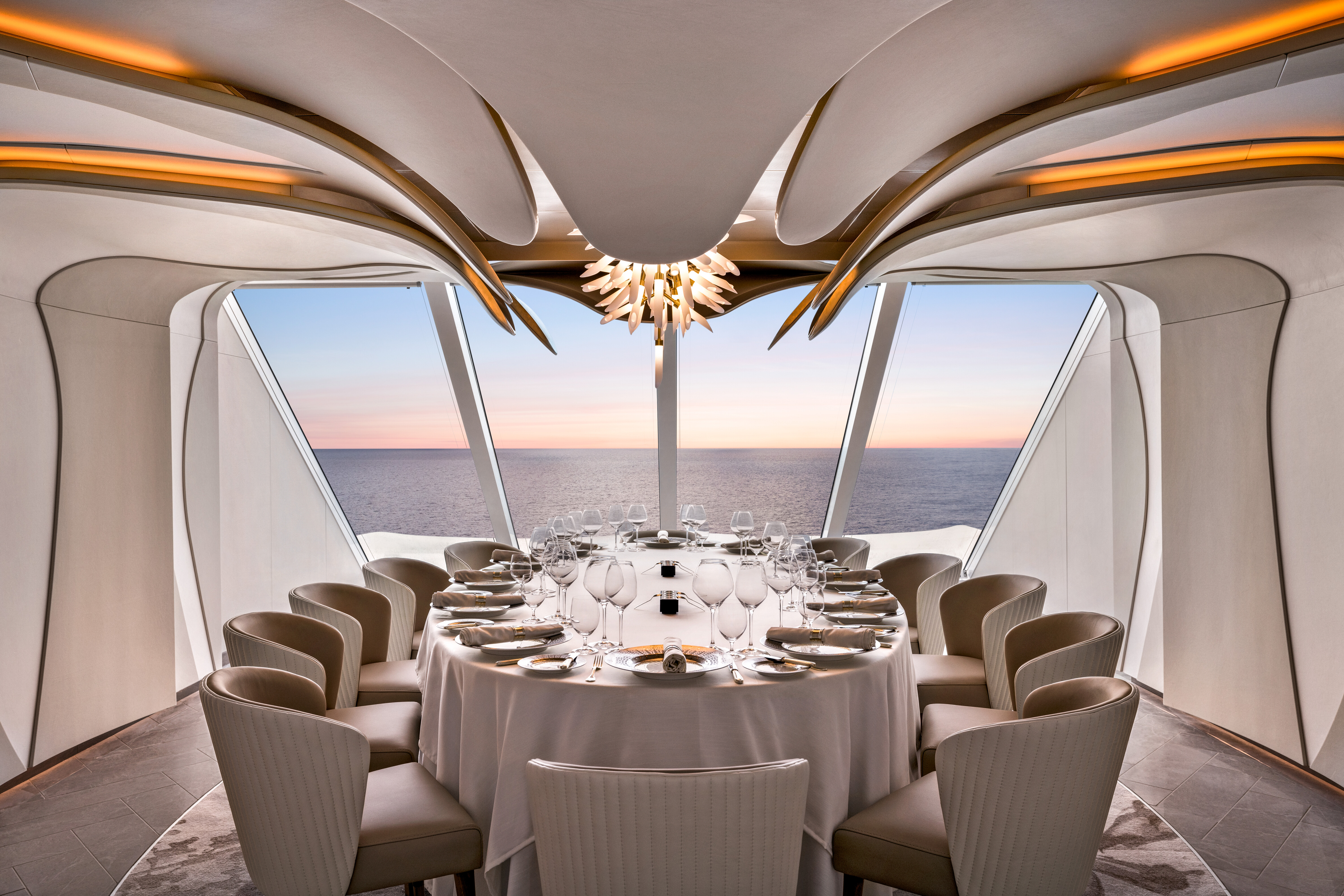
Privée is our intimate venue for unforgettable wine experiences by La Reserve. Guests can choose from two distinctive and unique multi-course pairing dinners, each a sublime celebration of the finer things in life and limited to eight privileged diners per evening. Savor the truly one-of-a-kind Dom Pérignon Experience that pairs special Champagne vintages with thoughtfully crafted dishes or perhaps enjoy the exquisitely curated Odyssey Menu that is a gustatory journey for the senses. Dramatically backlit, debossed walls and a blooming flower petal ceiling, from which a dramatic chandelier descends over the polished marble slab dining table, only enhance the indulgent occasion. A wall of floor-to-ceiling glass provides an exhilarating view to complement these magnificent dining experiences that can literally traverse continents.
Pairing Experience in Privee will not operate with less than 8 guests. Reservation required. Additional fees apply.
Terrace Café
Informal Dining
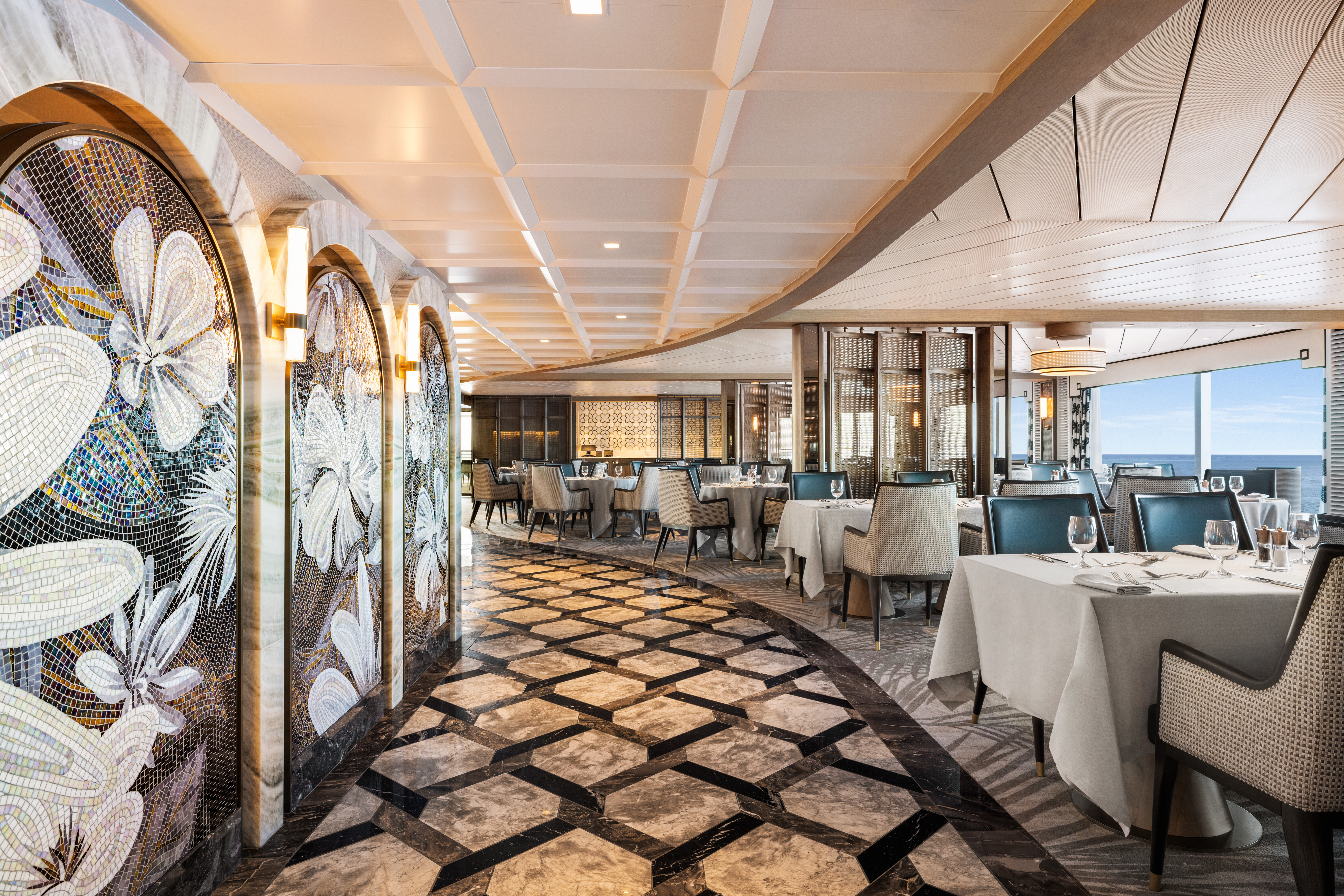
With an inviting, genial dining room and shaded patio, Terrace Café takes on the ease of a treasured vacation home’s favorite sun-drenched conservatory and panoramic seaside terrace. At breakfast, revel in the aroma of freshly baked cinnamon rolls and fluffy made-to-order omelets, pancakes and waffles. During lunch, sample flavorful international dishes alongside juicy, seasoned rotisserie meats and perfectly grilled seafood. In the evening, the decadence of a grilled lobster tail, the simple American essence of a sweet, barbecued pork chop with crispy, applewood-smoked bacon and fresh hand-cut sushi and sashimi are among the many choices that will turn Terrace Café into a personal favorite. And as you would envisage, locally inspired specialties from our ports of call are a hallmark of our popular Chef’s Market Dinners.
- Breakfast | 7:30 am – 10:00 am.
- Lunch | 12:00 pm – 2:00 pm.
- Dinner | 6:30 pm – 9:00 pm.
No reservations are taken.
Aquamar Kitchen
WELLNESS MEETS INDULGENCE
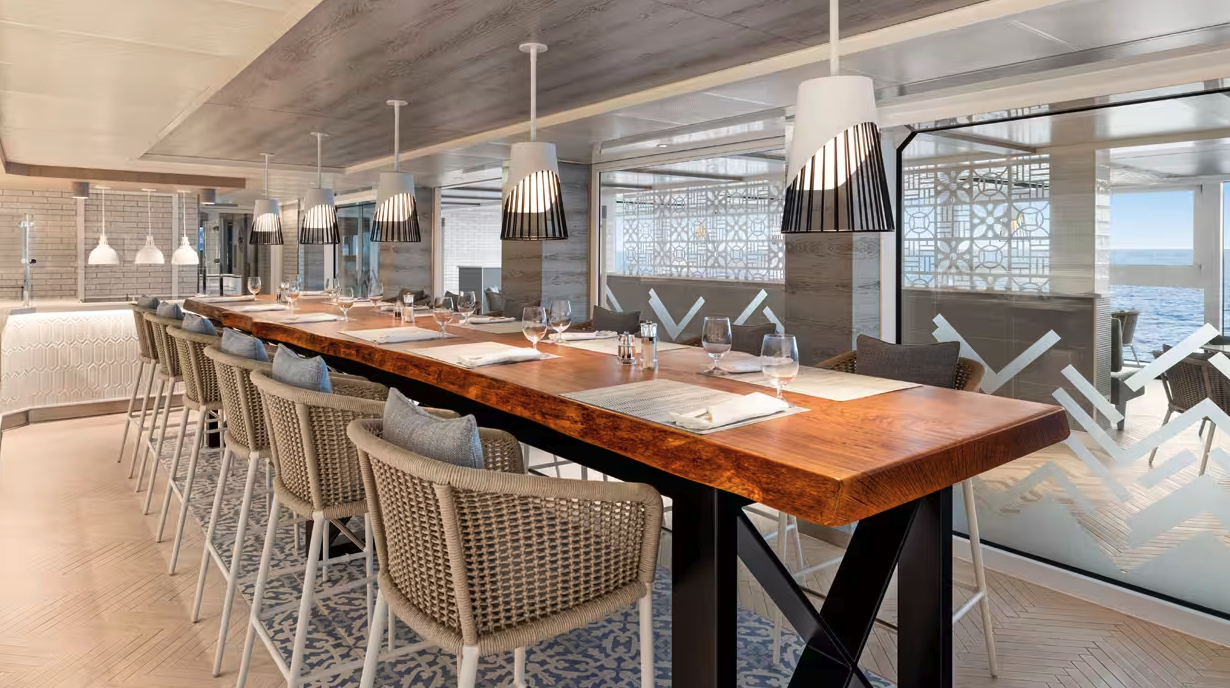
At Aquamar Kitchen, the harmony of nourishing flavors, a bright and airy ambiance evoking an endless Mediterranean summer and just the right amount of indulgence revitalizes your body and your spirit. Mindfully prepared breakfast selections feature energizing cold-pressed raw juices and super food smoothies, satisfying avocado toasts, energy bowls, banana pancakes and savory omelets. For lunch, dozens of tempting and balanced dishes are offered, such as a hearty Lebanese bowl with beef kefta, falafel, muhammara, fattoush, aubergine caviar and pita bread; yellowfin tacos with white cabbage slaw; or even a crunchy chicken sandwich on a freshly baked whole grain bun. The chic seaside-inspired setting paired with a diverse collection of fresh, vibrant dishes is perfectly indulgent – without any of the guilt.
No reservations are taken.
Breakfast
- 7:00 am – 10:00 am (port day).
- 8:00 am – 11:00 am (sea day).
Lunch
- 11:00 am – 3:00 pm (port day).
- 12:00 pm – 4:00 pm (sea day).
Waves Grill
POOLSIDE ALFRESCO MAGIC
On the deck of a cherished Malibu beach house, the magic begins with the grill. Likewise, Waves Grill is a shaded poolside dining spot serving made-to-order all-American favorites from lunch until late into the afternoon. Taste the richness of a Wagyu burger with juicy tomatoes and a savory black truffle sauce. The seasoned fries are irresistible while the light crunch of fresh coleslaw is the perfect complement to the herb-marinated mahi mahi. For dessert, try a thick hand-dipped milkshake or one of the new, whimsical ice cream flavors by Humphry Slocombe such as the mouthwatering Secret Breakfast pairing of bourbon and cornflake cookies.
The Pizzeria at Waves Grill
Each evening as if by culinary alchemy, Waves Grill is transformed into an authentic Neapolitan trattoria with the pizza oven at the epicenter. Imagine you are in Capri overlooking the twinkling lights of Naples, as the alluring aroma of fresh pizza dough baking in a classic wood-fired forno wafts among the bougainvillea. Set the tone with a glass of dry chianti, then savor sweet and spicy dry-rubbed chicken wings, tender pork ribs or rosemary focaccia with lush burrata, plump tomatoes, peppery arugula and bold balsamic dressing. Pizza creations feature delectable toppings ranging from flora black olives and oaky truffles to fiery chorizo and tart lemon chicken. No matter your selection, your palate will heartily approve.
Afternoon Tea
TIME-HONORED PASTIME
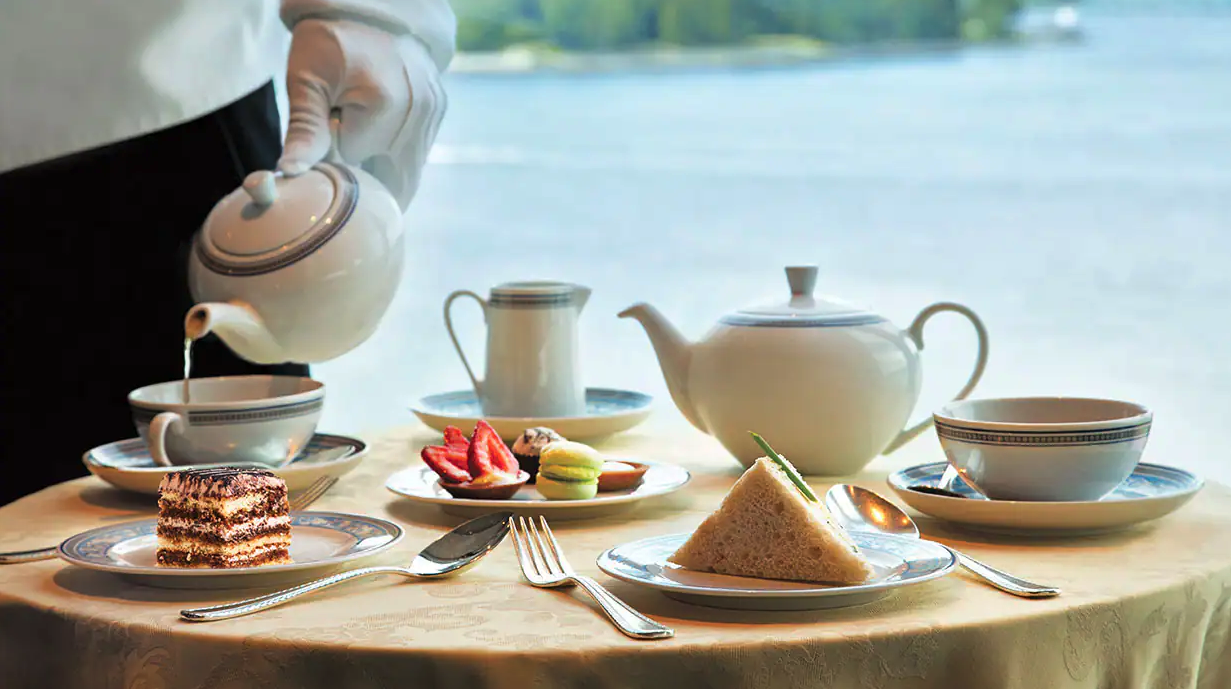
Each afternoon, the parade of gleaming four-tiered pastry carts begins. Savor freshly made, flavorful smoked salmon and egg salad finger sandwiches. Enjoy mirror-glazed petits fours, tender scones with rich clotted cream and, of course, a wide assortment of fine teas. Soak in the ambiance of polished silver teapots reflecting the turquoise sea, the precision of white-gloved servers and the amusing enigma of a string quartet playing softly in the background. You’ll quickly realize that this is how afternoon tea should be.
Check your daily Currents for time and venue. No reservations required.
Baristas
A NEIGHBORHOOD GEM
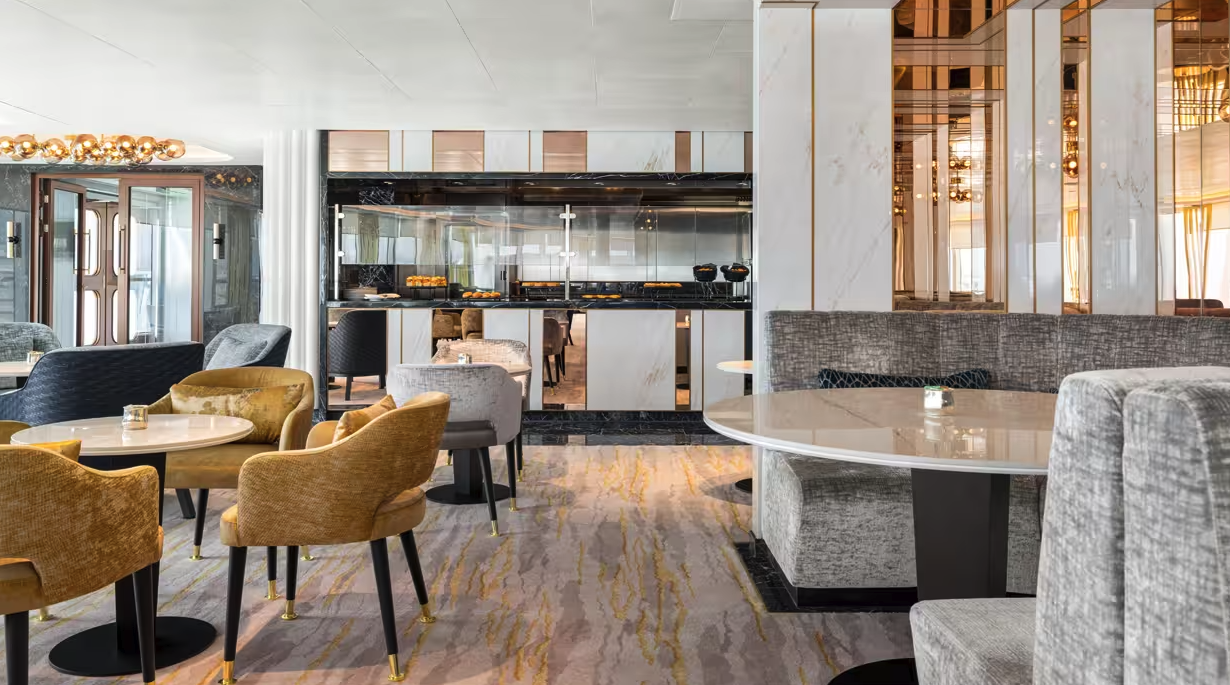
Combine the stylish flair of a Viennese coffee house with the warm smiles of your neighborhood café, then add 270-degree shimmering sea views and you have Baristas, a relaxed haven for coffee and fresh pastry afficionados. Sip complimentary illy® delights, enjoying the energizing kick of an espresso or the smooth richness of a cappuccino. Accompany the perfect cup with a buttery dark chocolate croissant or the sublime citrus hints of an orange biscotti. Whether you are drawn to a bold macchiato or a subtle iced latte, you will be captivated by the atmosphere of friendship and family that suffuses Baristas.
The Bakery
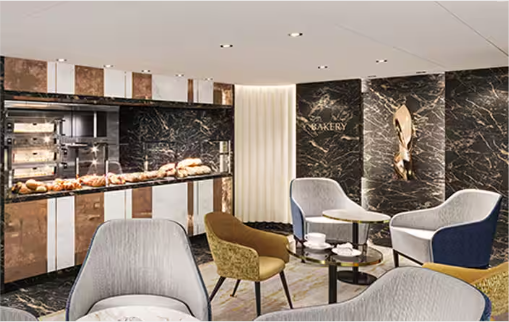
The enticing aroma of freshly baked pastries will draw guests from Baristas to the Vista’s new Bakery just steps away. The perfect complement to your coffee might just be a French or Italian specialty fresh from the oven. Perhaps you’ll sample a flaky, ricotta-filled sfogliatella, a confection that hails from the Italian region of Campania. If you prefer a French patisserie, you might select a decadent chocolate and almond croissant. Whatever your choice, you cannot go wrong when indulging in a delicacy created by our skilled pastry chefs.
Bakery
The new Bakery, with its freshly baked French and Italian pastries, is certain to be an instant hit. As the delicate yet rich scents fill the air, you’ll be tempted to savor a chocolate-almond croissaint or sinfully sweet bombolini while enjoying the last art of people watching or simply gazing out at the azure blue sea.
Room Service
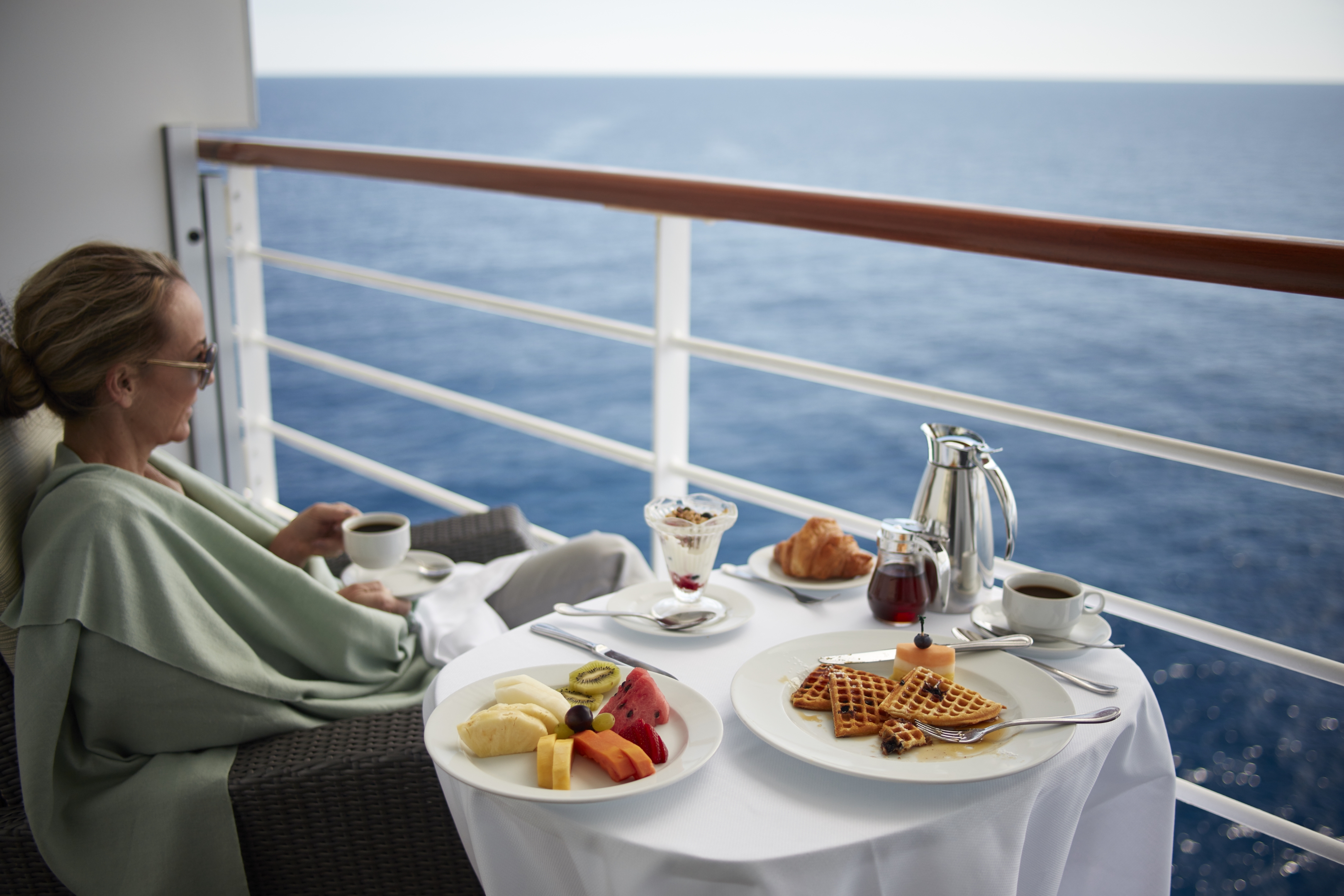
After a day of enriching adventures ashore or an enjoyable day on board, dining in the privacy of your suite or stateroom with our compliments is always a welcome possibility. A complete menu of varied dining experiences is available around the clock, featuring an extensive array of delectable breakfast, lunch and dinner items. All suites and staterooms have the added luxury of enjoying a full, hot breakfast in-room and those staying in Concierge Level or above have the additional privilege of ordering from an expanded lunch and dinner room service menu from The Grand Dining Room. Suite guests have the ultimate indulgence of enjoying course-by-course meals from the comfort of their spacious sanctuaries. Revel in the private luxury of your suite or stateroom, and enjoy an exquisite meal on your tranquil veranda as you take in spectacular seascapes.
Shore Excursions
With more than 8,000 tours and excursions to choose from, we’ll help deepen your exploration of our fantastic locales in our Oceania Cruises way. Through a number of specialty tours and an expert team of destination specialists, transformative, once-in-a-lifetime experiences in the most magnificent places on earth await you. From small group tours to our signature curations focused on culinary discovery, local immersions, wellness and vitality, architecture and history, we promise that you will be forever changed.
BEYOND BLUEPRINTS
Designed to enhance your appreciation for architecture, Beyond Blueprints tours provide a rare and behind-the-scenes look at some of the world’s most iconic and fascinating architectural landmarks.
CULINARY DISCOVERY TOURS
Widely recognised for its groundbreaking culinary enrichment both aboard its ships and ashore, Oceania Cruises connects you with the culinary culture wherever you travel.
EXECUTIVE COLLECTION
Allows guests to have the personalised attention of a driver and English-speaking guide to provide them with flexibility and independence to design their itinerary ashore according to their interests.
EVENING EXCURSIONS
More late evening departures and overnight stays in ports around the world mean ample opportunities for evening excursions.
FOOD & WINE TOURS
Each Food & Wine Trails tour is led or organised by a local culinary expert – sommeliers, chefs and wine writers – to provide you with unique insights and a behind-the-scenes experience.
GO GREEN TOURS
Go Green tours offer enriching opportunities to experience the ways in which local communities and businesses are endeavouring to conserve, sustain and elevate their surrounding environments.
GO LOCAL TOURS
Our groundbreaking new Go Local excursions are immersive destination tours that invite you to embed yourself in the fabric of the local communities for engaging, one-of-a-kind experiences. On more than 120 tours across Europe, Alaska and South America, you will be welcomed into homes and businesses and immersed in the local way of life. You’ll have the chance to engage with local artisans, craftsmen, religious figures and other individuals. You’ll learn generations-old traditions and become part of a local family. You’ll experience the destination on an entirely new level and leave feeling connected to the place – and changed.
OCEANIA EXCLUSIVE EXCURSIONS
Designed for travelers who prefer an added measure of privacy, intimacy and flexibility, our Oceania Exclusive excursions limit group size to just 16 guests maximum.
- Small group tours from 10 to 16 guests
- Available in nearly every port we visit
- More flexibility and personalized attention
OCEANIA SELECT EXCURSIONS
While all our shore excursions offer extraordinary experiences, some are so outstanding and awe-inspiring that they merit special recognition.
WELLNESS DISCOVERY TOURS BY AQUAMAR
From ancient mineral baths outside of Rome to a traditional teahouse in Myanmar, our Wellness Discovery Tours by Aquamar offer exclusive excursions ashore that reveal timeless wellness practices of locales around the world. Alluring destinations, fascinating cultures and healthy living come together to create innovative and rejuvenating travel experiences. With more than 50 options, the tours featured here are only the beginning.
The Culinary Centre
LEARN BY EXPERIENCING
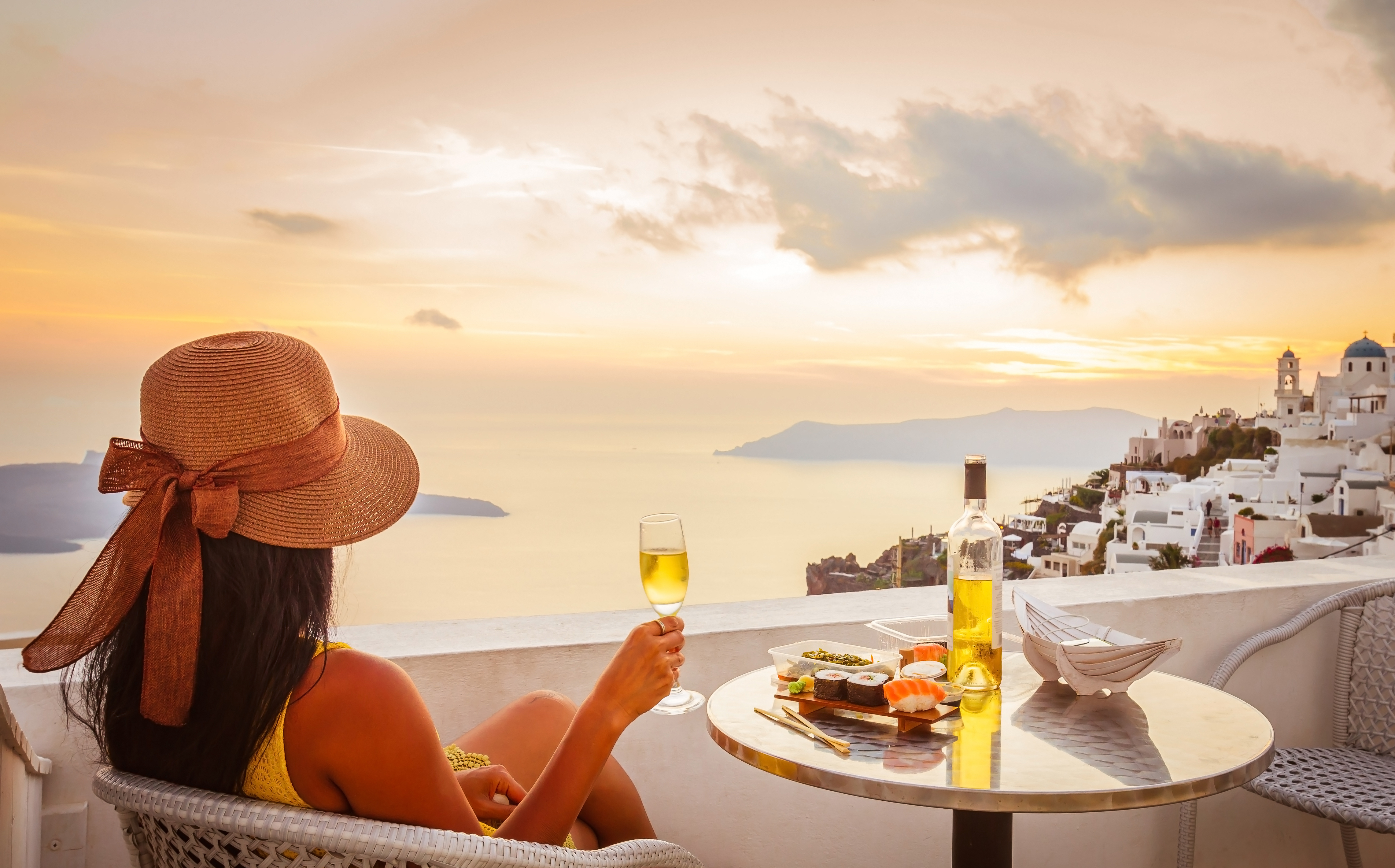
As the world’s first hands-on cooking school at sea, The Culinary Center on board Oceania Marina, Oceania Riviera, Oceania Vista and Oceania Allura teaches you how to prepare a variety of exquisite dishes at your own fully equipped workstation in a state-of-the-art teaching kitchen. Passionate Chef Instructors offer guidance and inspiration to fine-tune your techniques, but each dish is prepared by you. Spend a delightful day at sea learning how to make fresh pasta, the fundamentals of cooking seafood or the secrets of traditional French cuisine.
Epicurean Explorations
Our Culinary Discovery Tours™ take culinary exploration one step further. At select ports, accompany chef instructors while shopping for fresh ingredients ashore at local markets, experience authentic regional fare in private homes or chef selected restaurants and immerse yourself in the local culture through the lens of the cuisine.
Artist Loft
A Hands-On Approach
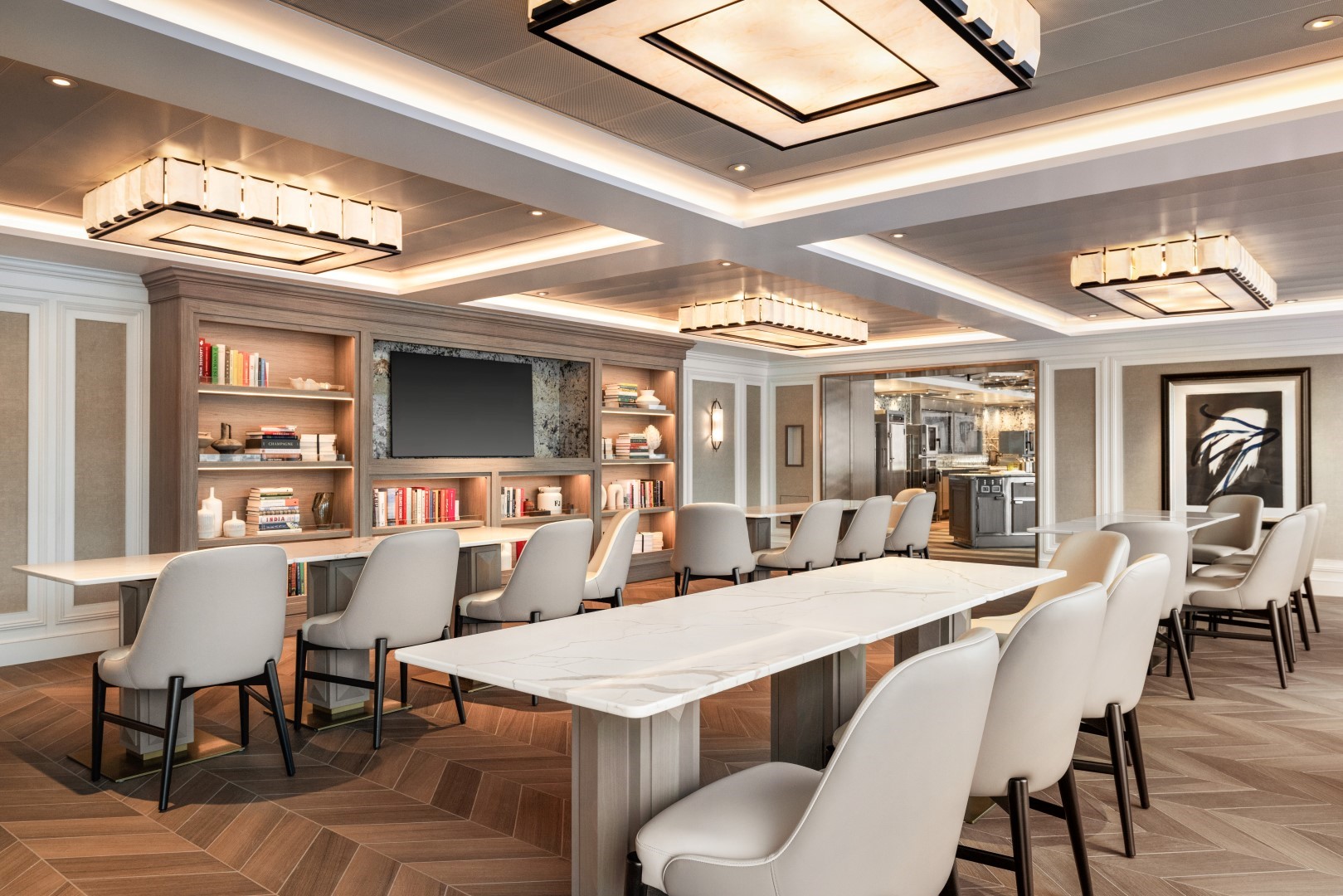
For budding artists, there is Artist Loft enrichment center, where talented artists-in-residence offer step-by-step instruction. Under their watchful eye, try your hand at painting with oils or watercolors, sketching, creating collages and more. The workshops change continually, and with these experienced artists’ guidance your talents will quickly blossom.
CREATIVE EXPLORATIONS
Gather together with fellow creative minds and art enthusiasts to tap into your imaginative side, perhaps learn a new technique or even create a memento of your special voyage.
Guest Speakers
MEANINGFUL & EVER-CHANGING ENRICHMENT
On many voyages, a Guest Speaker will share unique insights into the cultures and people of the regions visited, along with fascinating stories and themes related to the destinations. On select sailings, a second Guest Speaker will provide an additional program of enriching presentations and workshops. Also take advantage of complimentary seminars hosted by the Aquamar Spa + Vitality Center on a range of relevant and timely health, nutrition and wellness topics to reinvigorate your routines and lifestyle. Check your daily onboard newsletter, Currents, for a schedule of talks, presentations and seminars.

Destination Services
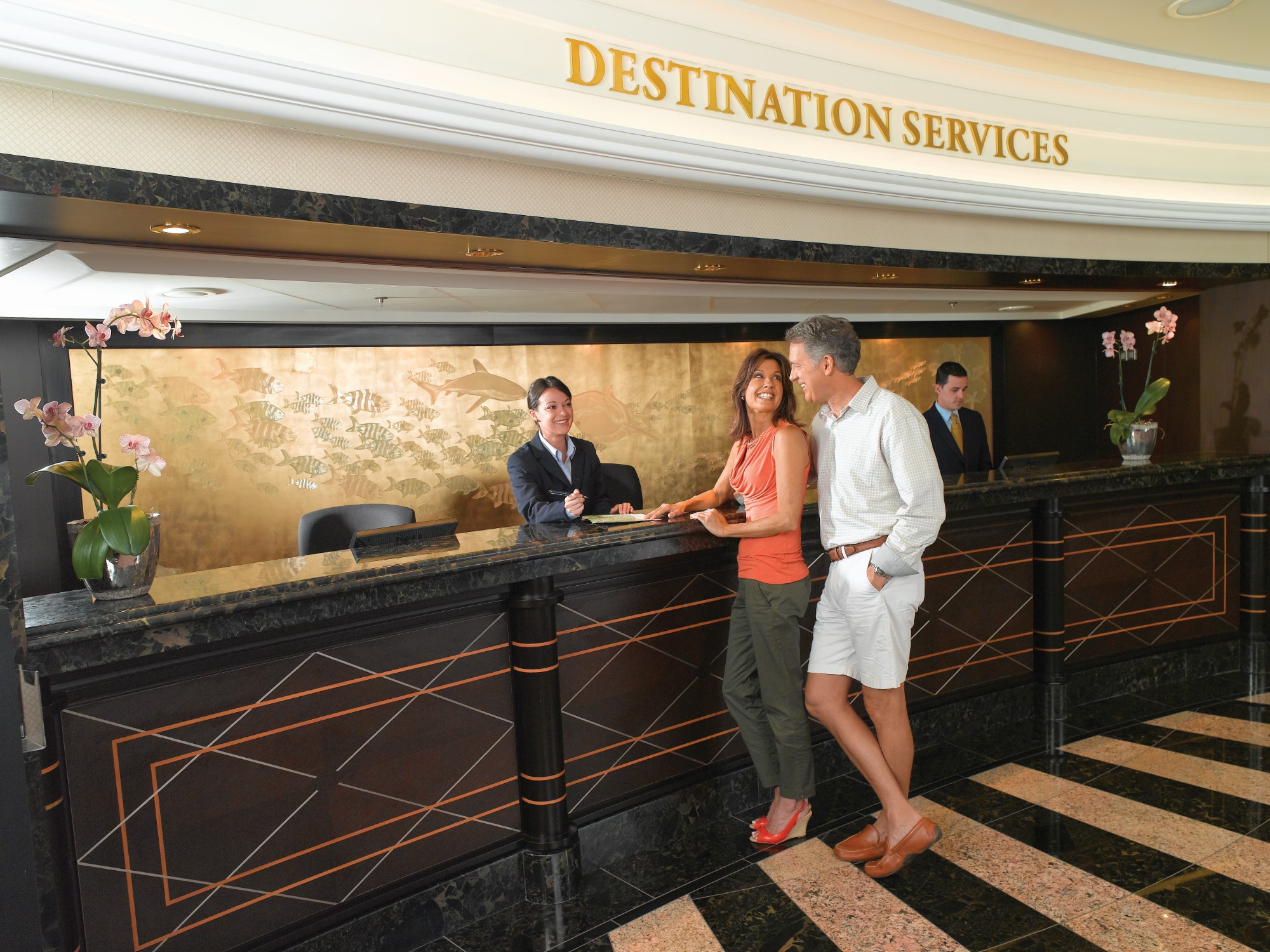
Our expert team of Destination Specialists is on hand to help you with all of your shore excursion planning and destination questions.
Brain Games
Friendly Competition
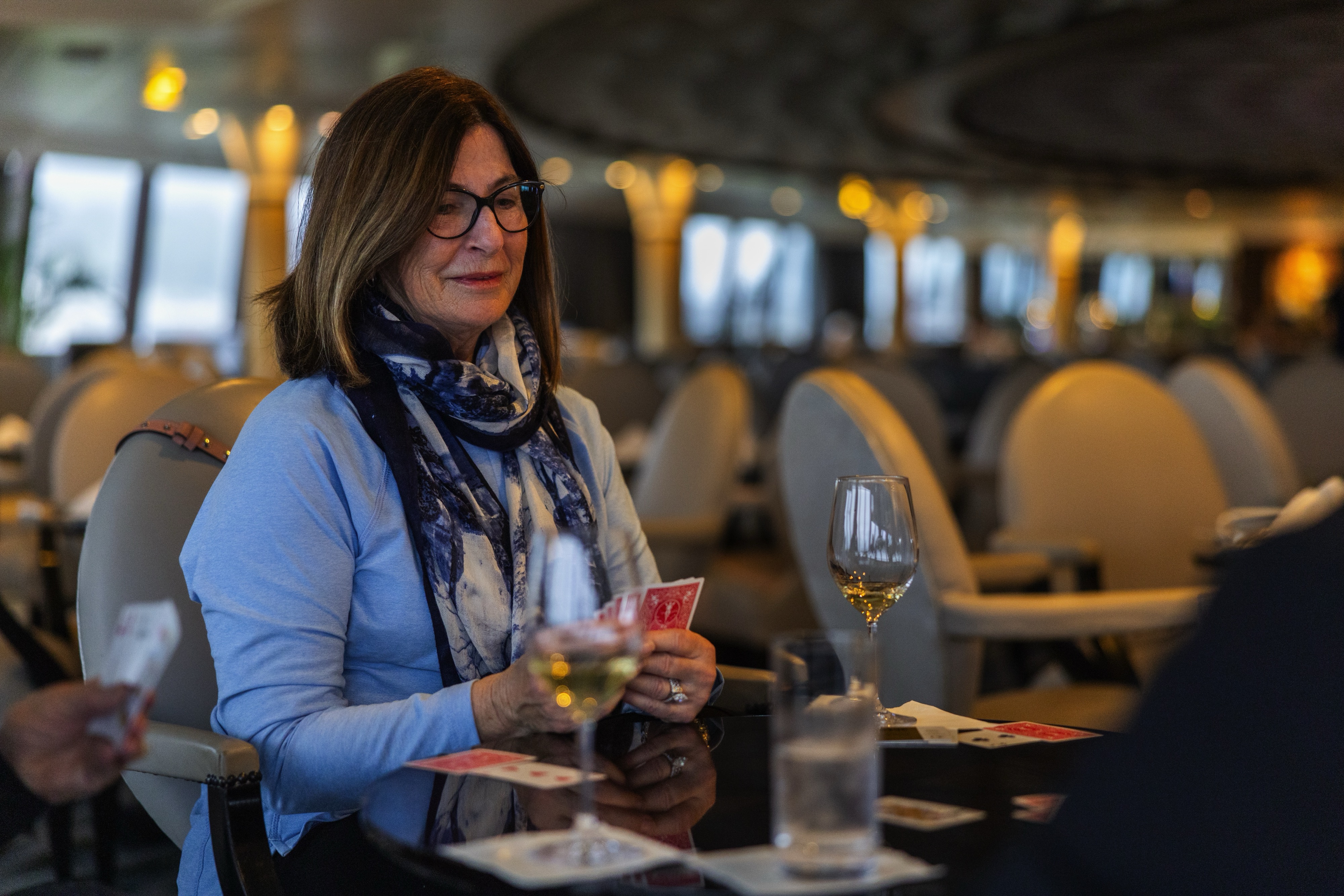
Team Trivia, Brainteasers Trivia and MENSA quizzes are not only some of the most popular and lively activities on board, these gatherings are also the perfect way to meet, mingle and bond with fellow travelers. Hosted daily, these diversions are filled with friendly competition and lots of laughter.
Onboard Shows
ENTERTAINMENT FROM A NEW PERSPECTIVE
World-class musical performances will delight you, showcasing an ever-changing array of guest entertainers such as pianists, classical string quartets, dynamic vocalists and spectacular headliners.
Each of our ships features a unique selection of onboard shows and entertainers to ensure that your interests are constantly piqued. Bold and crowd-thrilling, nostalgic and upbeat, or intimate and sophisticated – whatever you choose, the night is yours.
EXCLUSIVE PRODUCTION SHOWS
Oceania Vista will feature three main productions during her inaugural season, each with a distinct personality, with another to follow later in the year. Each show is a Broadway-caliber, immersive-style production featuring recognizable songs by some of the world’s most beloved artists and contemporary dance numbers led by a star-studded production team including “Dancing with the Stars” choreographer Britt Stewart. An extensive team of performers, producers and technicians has been involved in bringing our newest production shows to life and offering entertainment from a new perspective.
Into the Night, choreographed by renowned “Dancing with the Stars” pro dancer and choreographer Britt Stewart, is a dance-centric show featuring an unexpected mix of dance, style and design meant to invoke the excitement of the Video Music Awards, the glamour of “American Idol” and the high-energy drive of “Dancing with the Stars.” The contemporary elegance of the show is inspired by the essence of Oceania Vista herself. Sophisticated and exciting, Into the Night will leave audiences awestruck as it combines dance with design, exuding a powerful feeling only a live stage show can offer.
Headliners takes guests on a VIP concert journey showcasing a stunning cast performing some of the most recognizable songs in the world. Celebrating the music, not just the artist, Headliners approaches pop favorites in an inspirational way that is simply designed to be a great time. Led by Oceania Vista’s talented onboard vocalists, complete with fun choreography, guests will have an unforgettable night with music from some of their favorite artists, such as Cher, Celine Dion, the Bee Gees and Adele, in a way they have never seen before.
The Anchor Inn is a light-hearted UK-centric song-and-dance performance with a sprinkle of West End flare. Set in the lively Anchor Inn Pub, a group of regulars celebrates good times, sporting losses and romantic wins to the tune of chart-topping hits by artists like Dusty Springfield, Rod Stewart, Madness, Shirley Bassey and Tom Jones. This hand-clapping, toe-tapping production will leave guests feeling decidedly British, no matter where they are sailing.

Casino
MONTE CARLO-STYLE GAMING
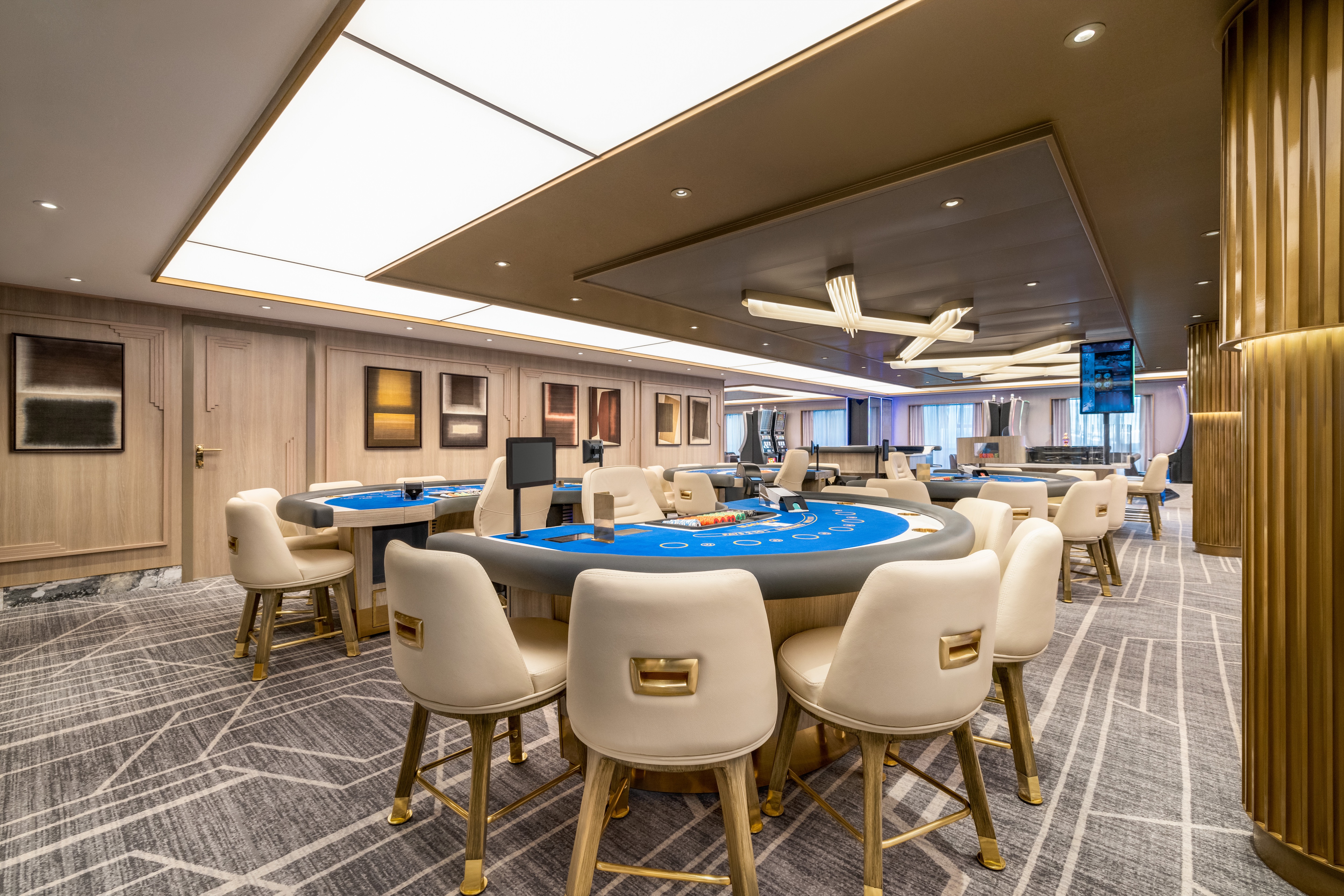
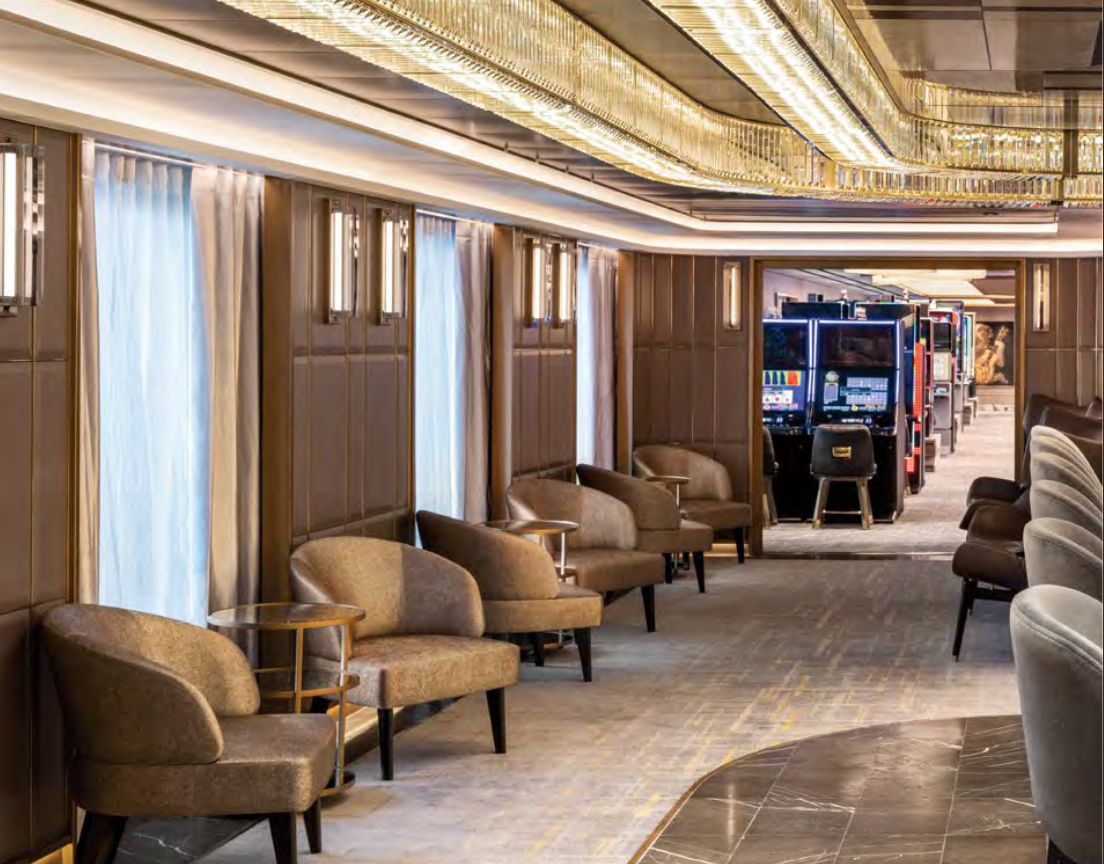
The Casino on board Oceania Vista takes its cue from the elegance of Monte Carlo Casino and London’s Hippodrome, evolving the art nouveau elements of these iconic establishments into a space of understated, atmospheric luxury. Try your hand at your favorite games of chance and skill, perhaps warming up to test your luck ashore in an upcoming port of call. Those simply seeking a refined space in which to enjoy a cocktail will be drawn to the subtle glow of the golden Casino Bar.
CASINOS AT SEA®
The professional staff is happy to provide lessons on how games are played, the rules and proper table procedures. Unwind from a busy day ashore by playing your favourite games of chance and skill in our casino. Enjoy a fun and exciting range of ways to play, from card and table games such as blackjack and roulette to slot machines.
Getting started is easy. Stop by the casino cage and pick up your Oceania Cruises casino player card and start earning points today, by inserting your player card while playing your favourite slot machines and table games. The more you play, the more you earn!
- Reel & Video Slots – For every $5 coin-in, receive 1 point.
- Video Poker – For every $10 coin-in, receive 1 point.
- Table Games – Points are based on average bet, session play or hands played and game type.
- Action packed casinos designed with style
- Table game limits for players of all levels
- Diverse array of reel slot, video slot and video poker machines
- Dedicated and knowledgeable casino staff
- Industry leading player tracking system
- Free gaming lessons
REDEEM CASINO POINTS
You’ve played. You’ve earned. Now you’re ready to redeem. Downloading points for play is quick and easy. Redeem your casino points for play right at your machine by following the on-screen prompts or stop by the casino cage – the choice is yours.
- Earn points for all your casino play
- Redeem points for play right at your machine
CASINO CASH & CREDIT
Front Money deposits are accepted for gaming in the form of cash, traveler’s checks, cashier’s checks and wire transfers delivered to us prior to embarkation. All cashier’s checks require prior verification. For more information please give us a call at 877.625.2094.
Cashless Wagering
Charge gaming to your onboard account directly from your game of choice or at the casino cashier, using your stateroom key card. Convenience fees, daily limits and cruise limits apply. Euros may be exchanged at the casino cashier, exchange rates apply. All gaming is in US Dollars.
- Cashless wagering allows you to game with your key card
Credit
Casino Credit is available to all players with an existing reservation. The minimum application amount is $10,000.00 and a personal check is required onboard to activate the credit line. Applications are processed 1 month prior to sailing. The application process is easy and there is no fee to apply. To get started, click here for our credit application or for more information email us at casinocredit@ncl.com or call us at 877.625.2094.
- Casino credit available
Casino Mixology Bar
A brand new experience on Oceania Vista focused entirely on the art of the cocktail, the Casino Mixology Bar is the place to gather to enjoy its unique selection of bourbons and ryes in addition to enjoying the tableside preparation of cocktails and spirits. The bar will likely become an Instagram favorite for serving readymade Negronis straight from the barrel and awesome “Flavor Blaster Gun” cocktails that are topped off with vapor filled bubbles with aromatic flavors.
Martini's
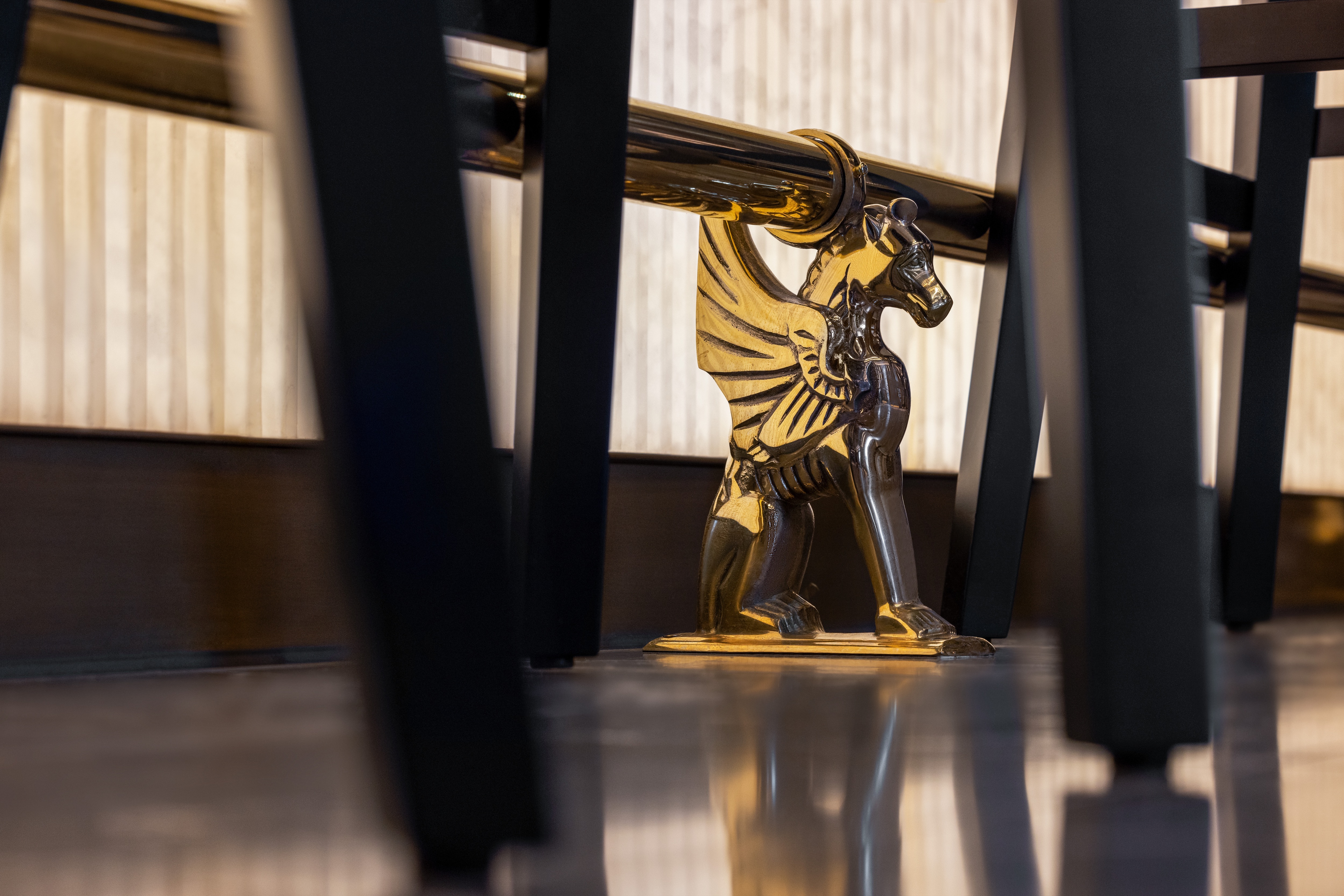
The lounge known as Martinis is far more than a place to sip a signature cocktail — although its namesake libation alone is reason enough to spend some time here. In fact, Martinis is refreshing its namesake cocktail with fresh new spirits selection, Mermaid gin and vodka. The bar is a glamorous destination that welcomes you to a warm, inviting setting amidst walls of shimmering glass under a canopy of crystal. You’ll also be able to choose from a tantalizing new collection of drinks called Hollywood Martinis, in addition to the already popular selection shaken tableside. The Hollywood collection includes a variety of drinks inspired by the Old Hollywood, such as Bardot Martini, The Corleone Martini, Sir Connery Martini, Blue Eyes Sinatra and Monroe Martini. Simply gather with friends in your favorite alcove and let the memories be made.
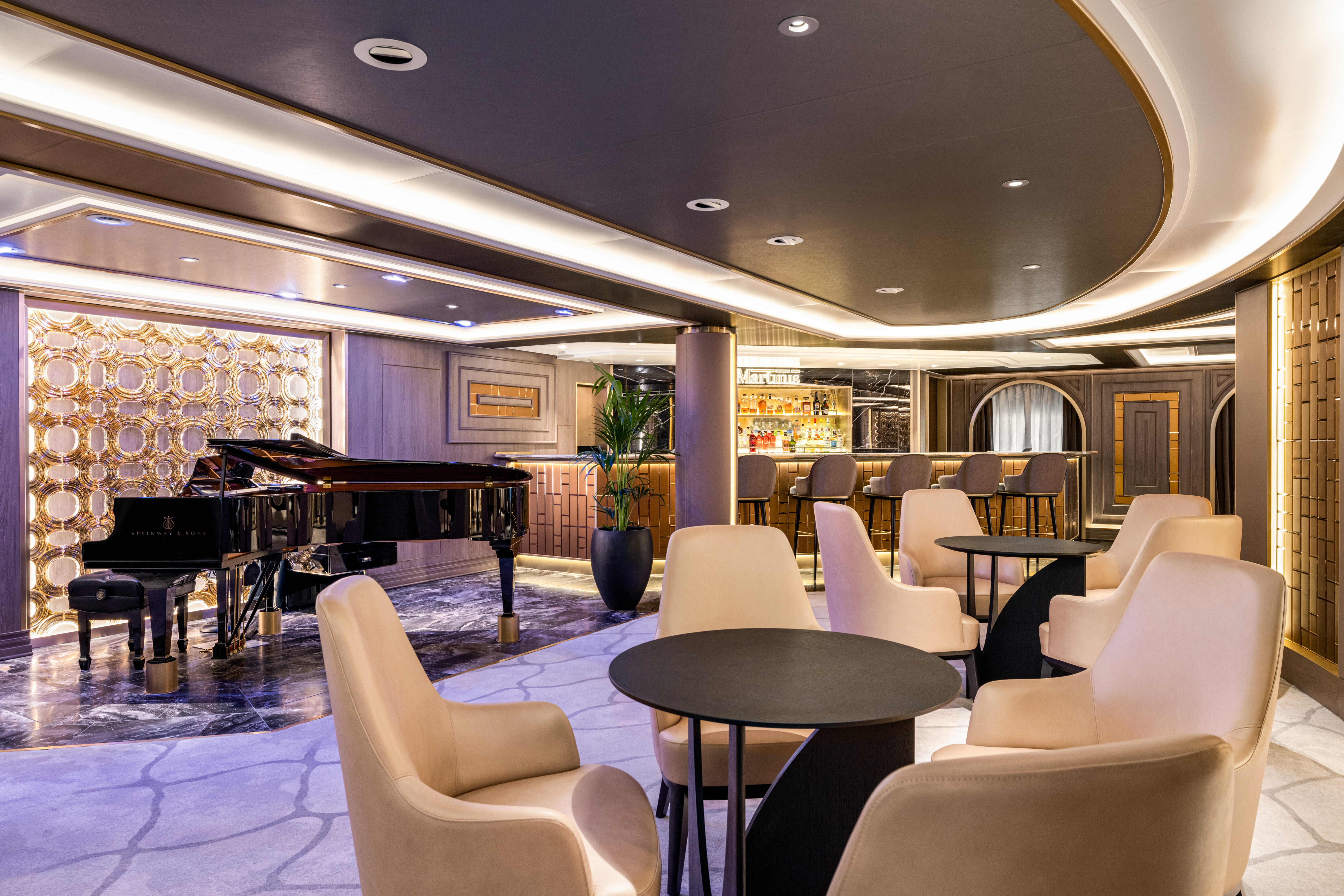
Grand Lounge
Oceania Vista’s provocative Grand Lounge plays with shape and form to create visual elements that are striking even as they are understated. The color palette is an ode to metals and minerals with shades of bronze, onyx and alabaster lending both balance and interest. The resulting space evokes exclusivity — the feel of a luxurious private club — inviting guests to relax and enjoy an aperitif before dinner or a nightcap before retiring as they relive the day’s adventures with fellow explorers.
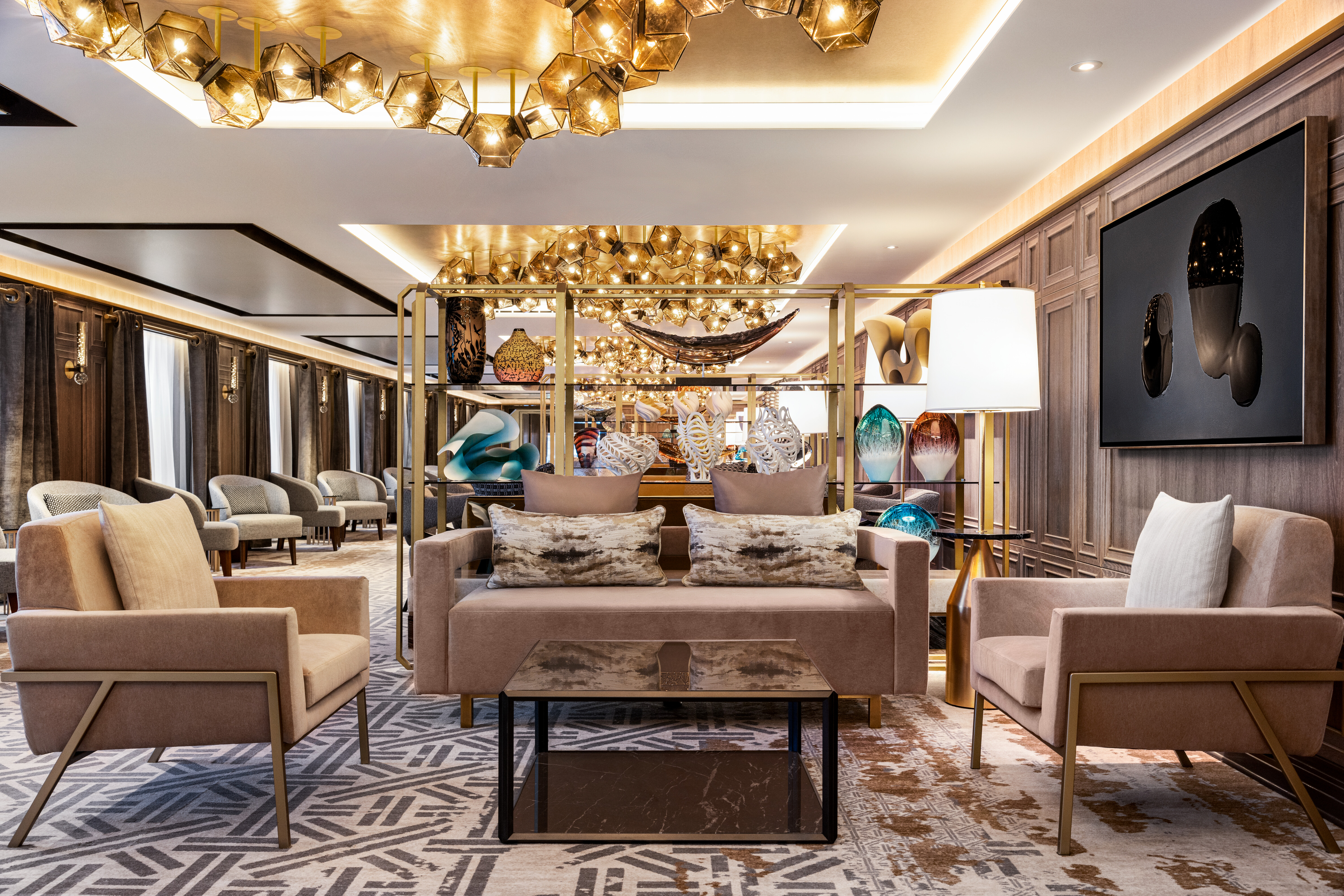
Vista Lounge
Our entertainment architects have engineered a space with the best possible acoustics and visual lines to provide a home worthy of the engaging talent that you will witness in the Oceania Vista Lounge. During the daytime, experts in their fields — from diplomats to chefs to historians — enlighten you with enrichment programs that provide insight into the regions you are exploring. After the sun sets, the Oceania Vista Lounge presents a new line-up of entertainment to enthrall the audience, including sophisticated cabarets, world-class musicians, dynamic vocalists and exclusive headliners.
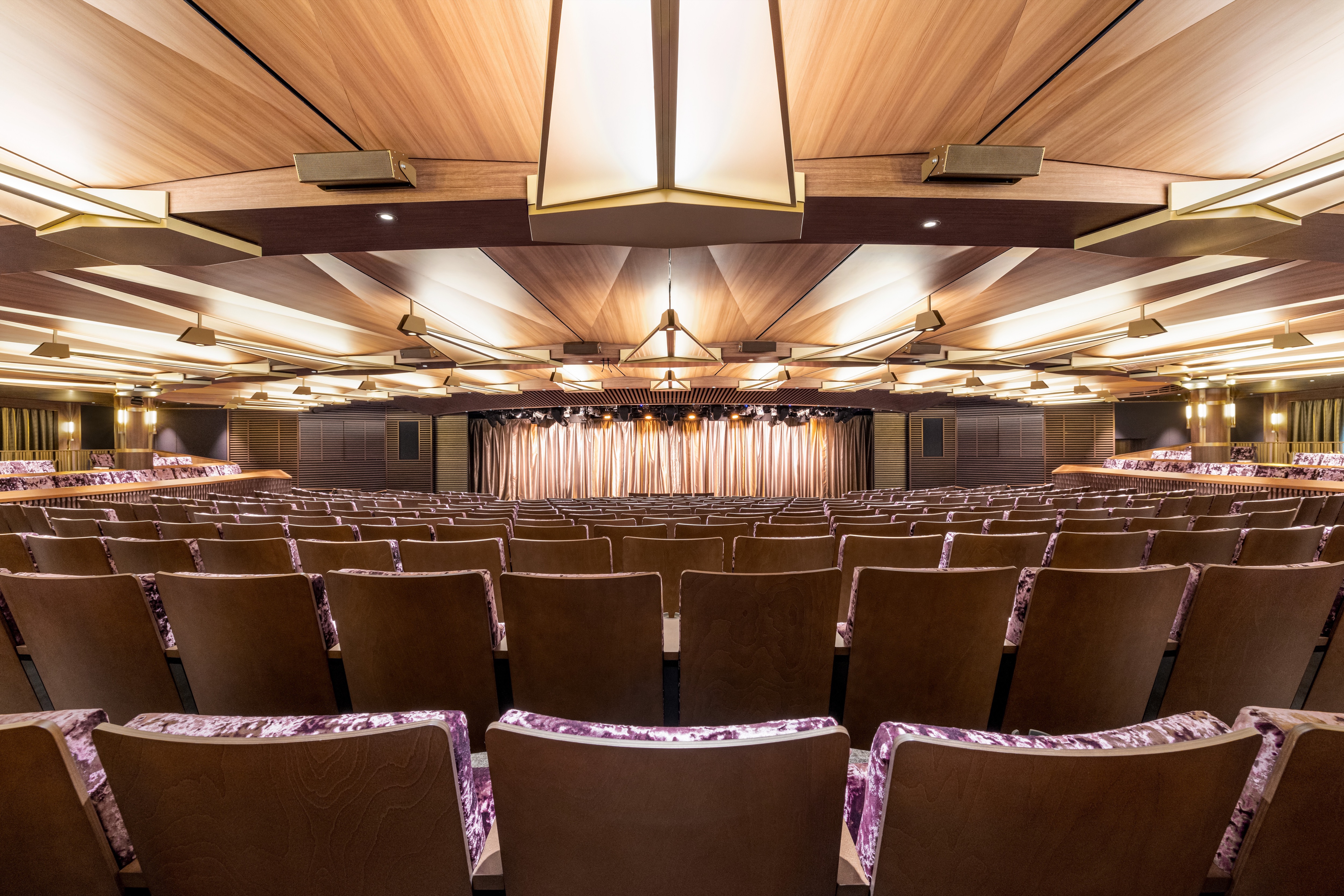
Horizons
The most distinctive feature of aptly named Horizons is the lounge’s dramatic floor-to-ceiling windows, offering 180 degrees of stunning vistas that are the ship’s namesake. This space celebrates the journey by providing a unique perspective on the alluring destinations that await ashore and the seas that carry you to what lies ahead. To ensure that you can fully appreciate these sweeping panoramas, Horizons is appointed with comfortable furnishings in soothing tones that create a sense of home, even as the view assures you that you are far from it.
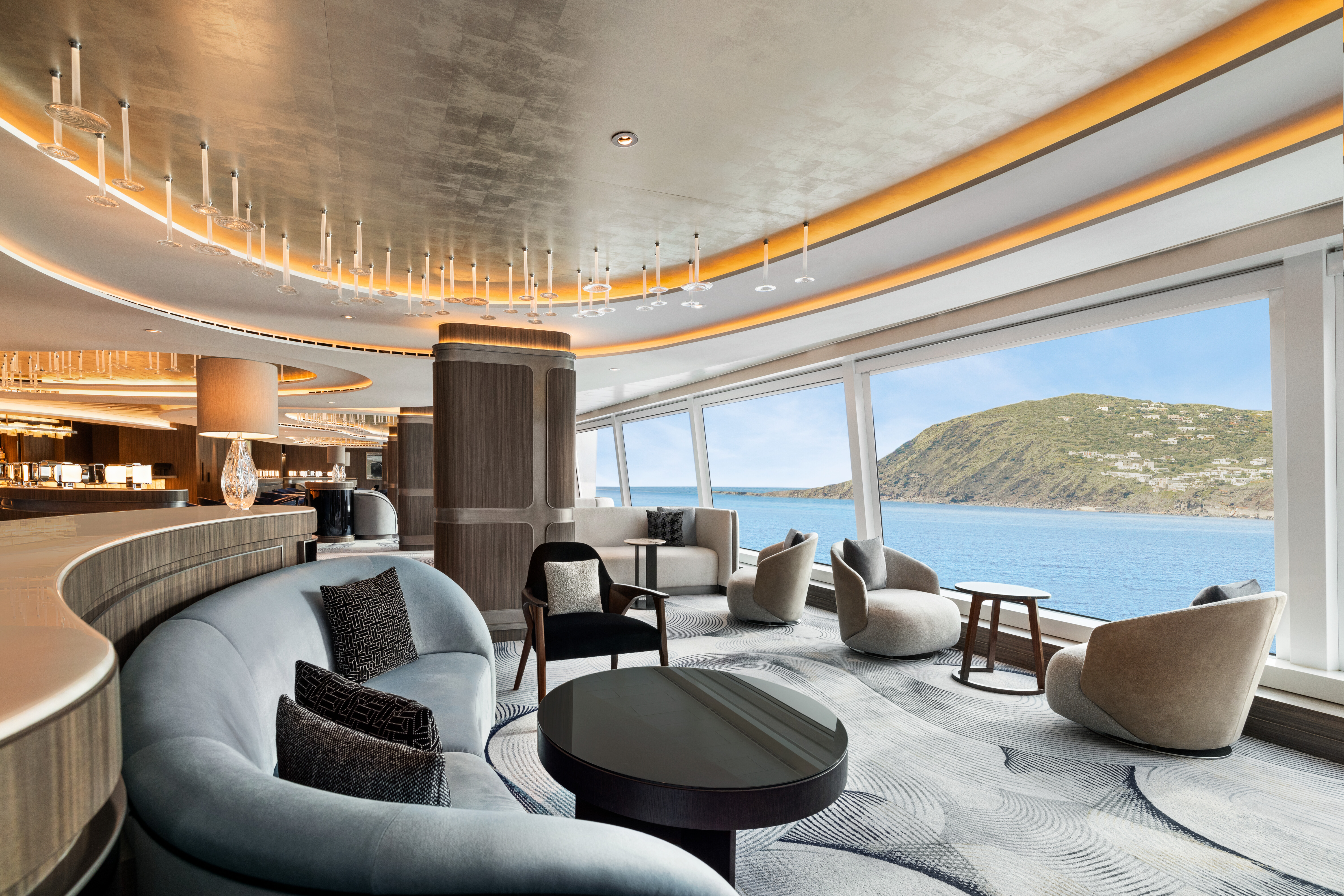
Waves Bar
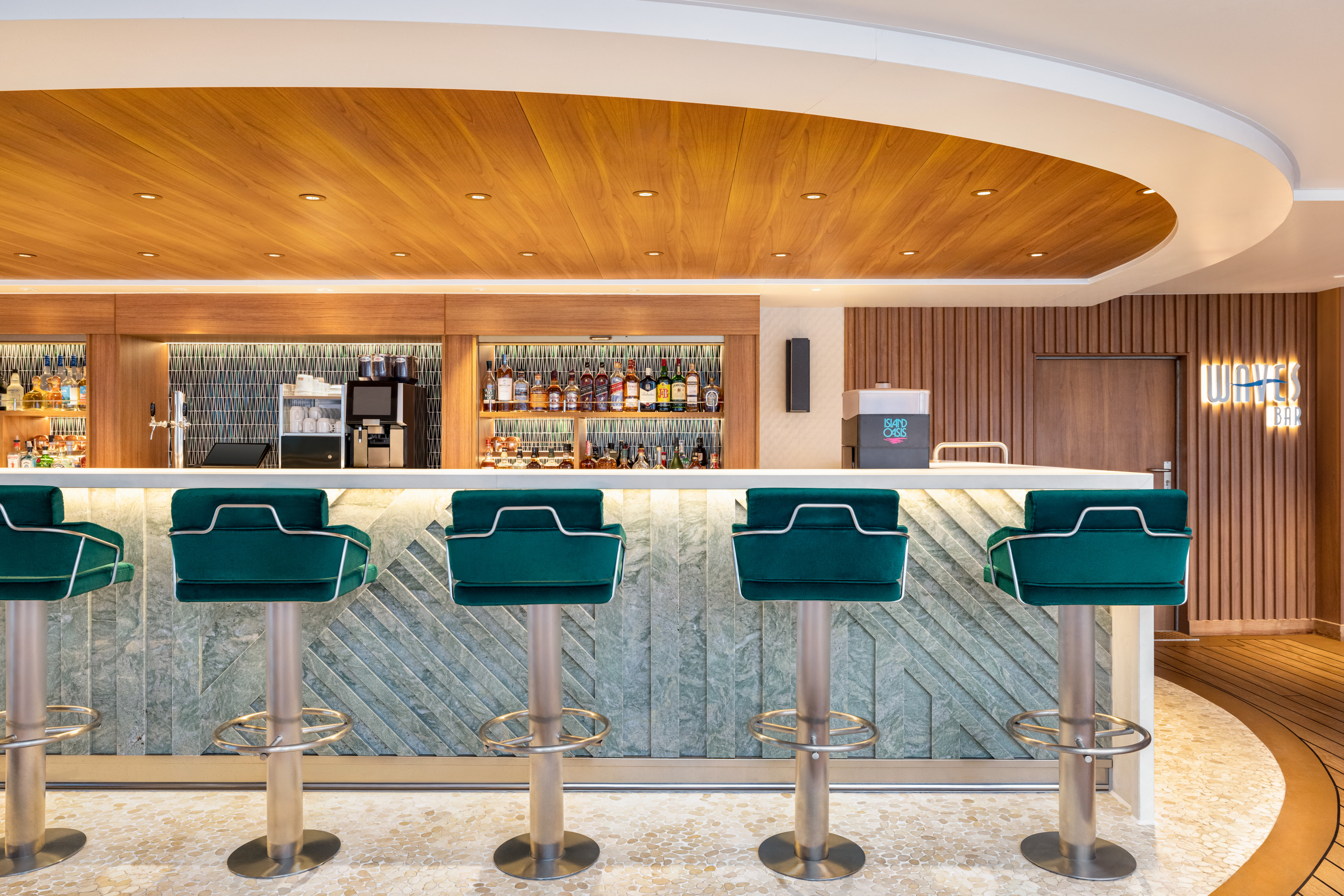
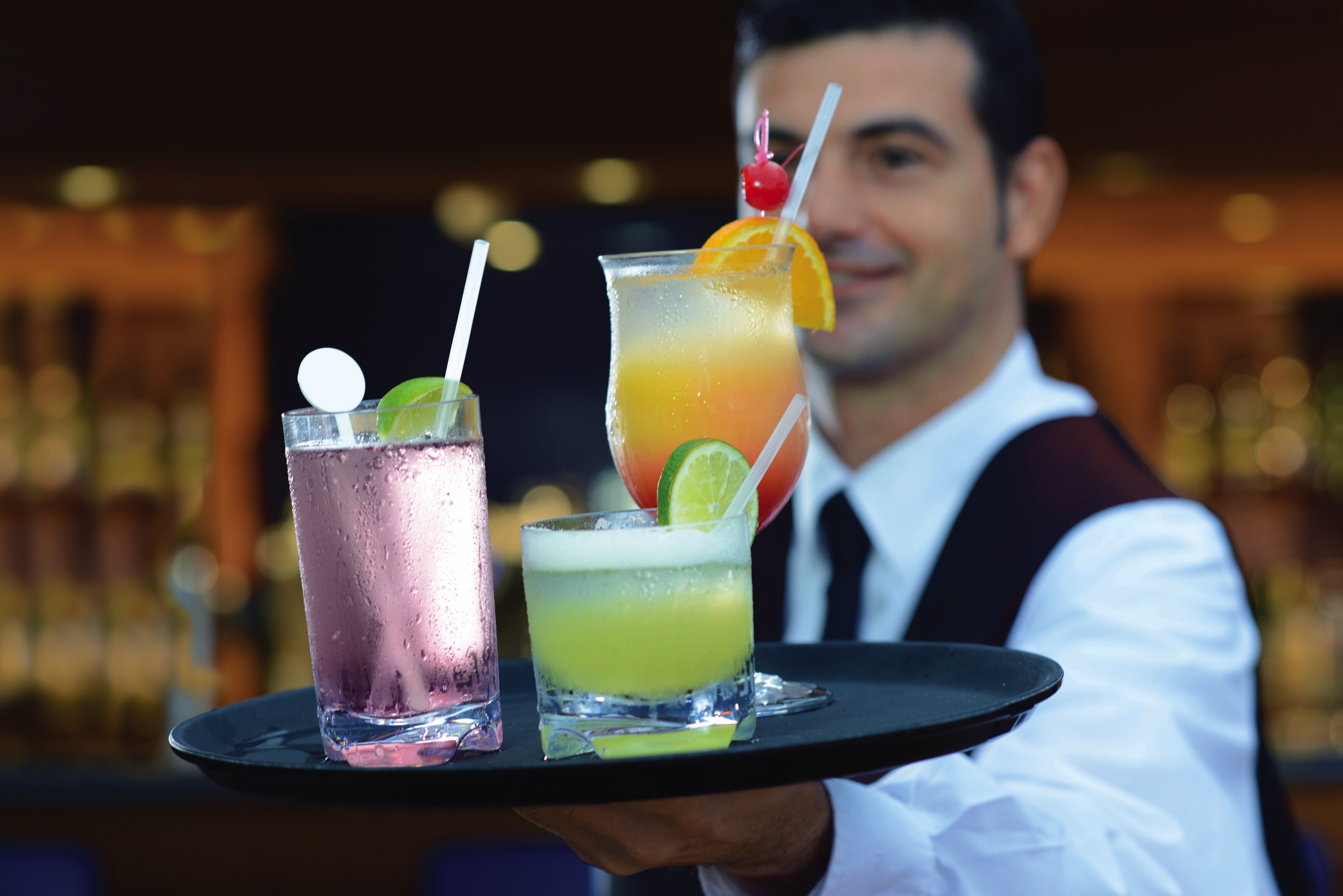
Located in a shaded area just steps from the swimming pool, Waves Bar offers a wide variety of libations to enhance your poolside experience. Revel in the perfect afternoon on deck with your favorite cocktail, glass of wine or chilled beer. Come happy hour, signature cocktails and frosty beverages create a delightfully carefree segue to the lively evening ahead as the sun sets.
LYNC Digital Centre
NEW INTERACTIVE ENRICHMENT SERIES
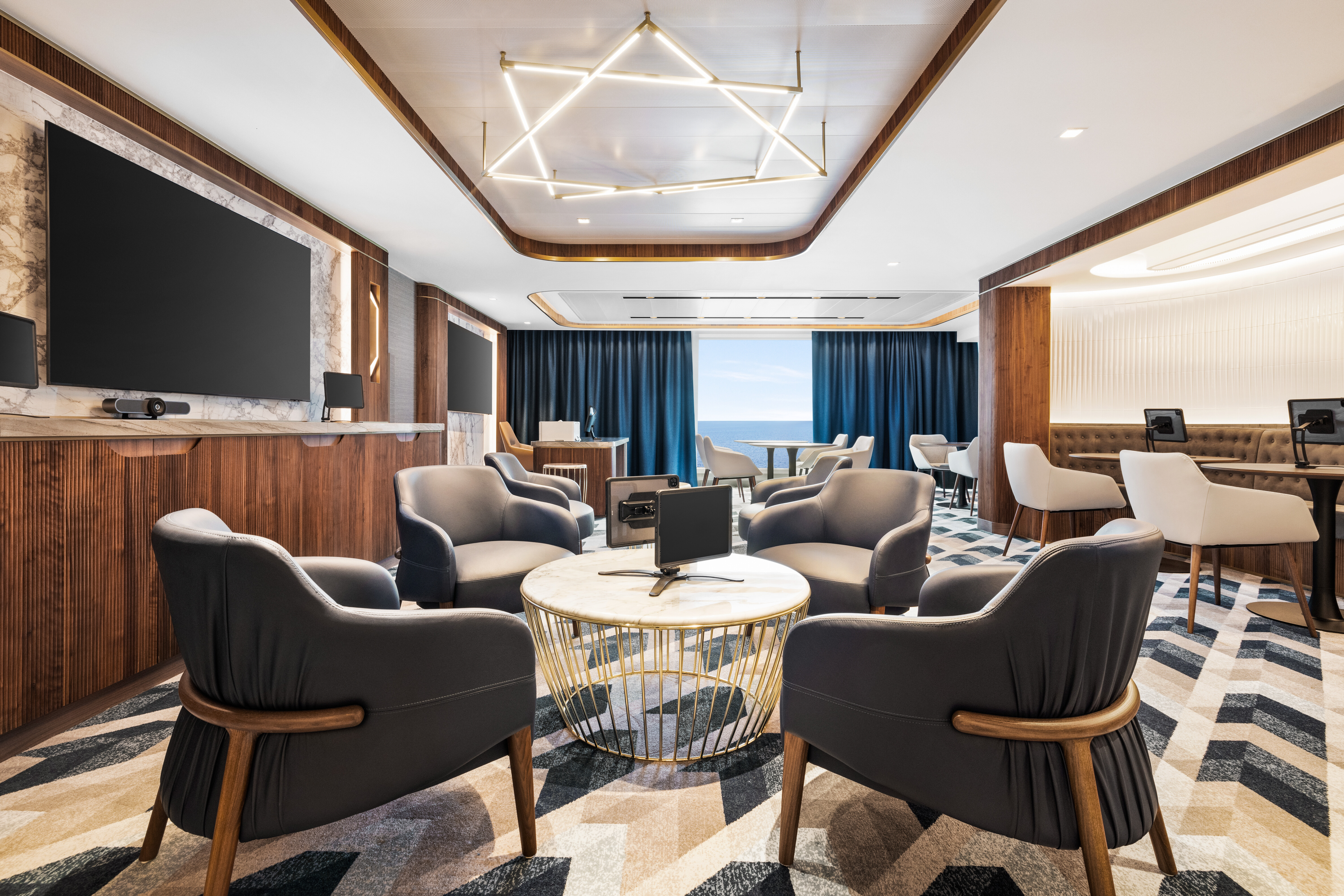
The all-new LYNC Digital Center aboard Oceania Vista is all about connection. Join us for an interactive and fun enrichment series that connects you with friends and family on social media, elevates the quality of your photos and more. Complimentary digital learning classes, spanning all levels and ranging from social media essentials to travel photography and smartphone videography, are hosted by a knowledgeable Digital Concierge in our innovative digital center.
Our innovative digital center features comfortable seating, expansive video monitors and technical support so that you can stay in touch with family at home, monitor business developments online or check in on social media. LYNC Digital Center connects you to life on board, ashore and at home.
Library
A WINDOW TO THE WORLD
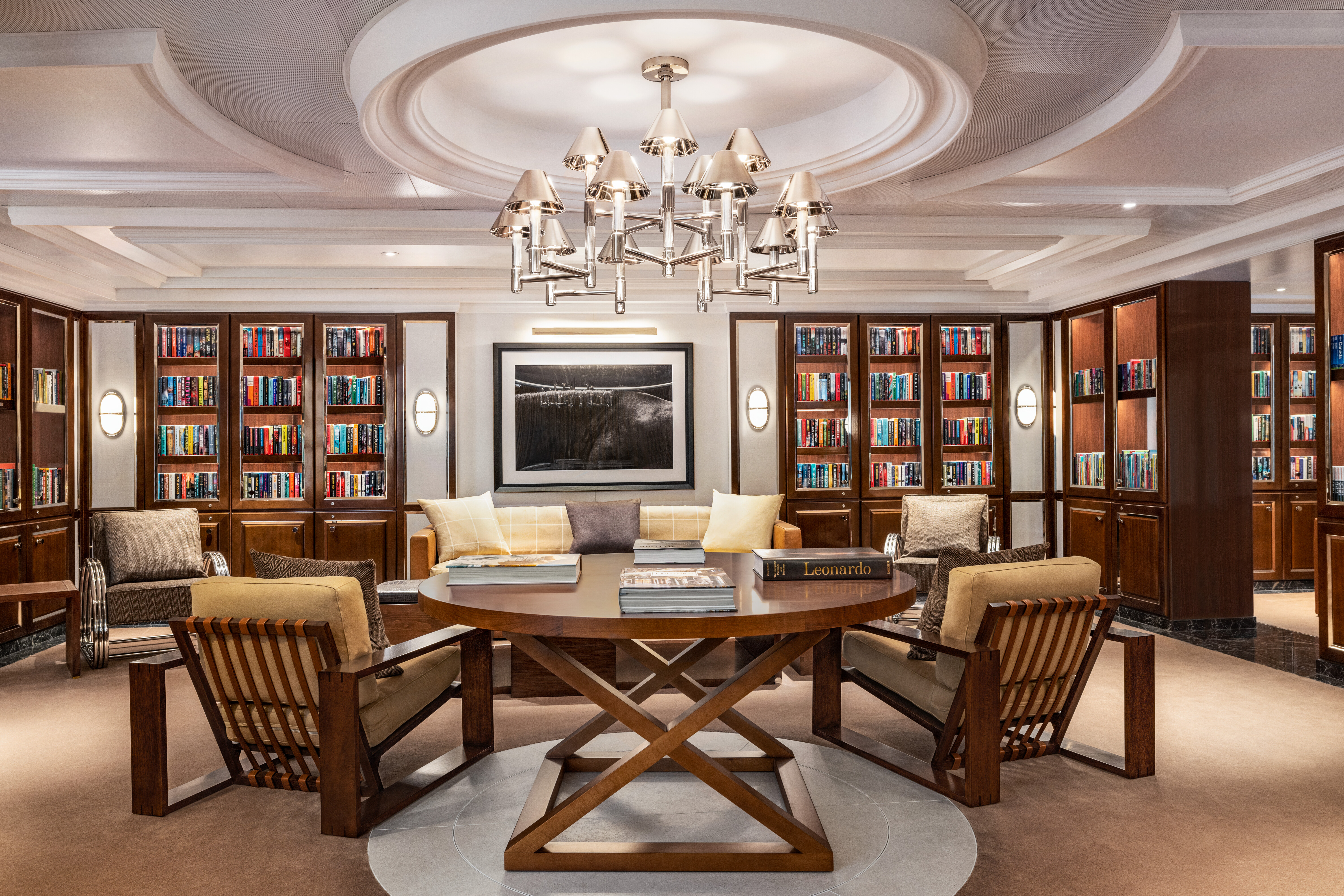
Guests often state that the Library is their favorite spot to relax on board our ships, so special care was taken to ensure that Oceania Vista’s Library inspires quietude and respite. Glass walls offer views of soothing seascapes, but the greatest comfort may be found within the Library’s inner sanctum. The aesthetic recalls a traditional equestrian estate — warm and inviting with an atmosphere of effortless, timeless luxury. It is the perfect place to curl up with a best-selling novel, peruse a guidebook on your next destination or simply indulge in a nap in one of the plush, oversized chairs.
Founders Bar
A brand new experience on Oceania Vista focused entirely on the art of the cocktail, Founders Bar is the place to gather to enjoy its unique selection of bourbons and ryes in addition to enjoying the tableside preparation of cocktails and spirits. The bar will likely become an Instagram favorite for serving readymade Negronis straight from the barrel and awesome “Flavor Blaster Gun” cocktails that are topped off with vapor filled bubbles with aromatic flavors.
Executive Lounge
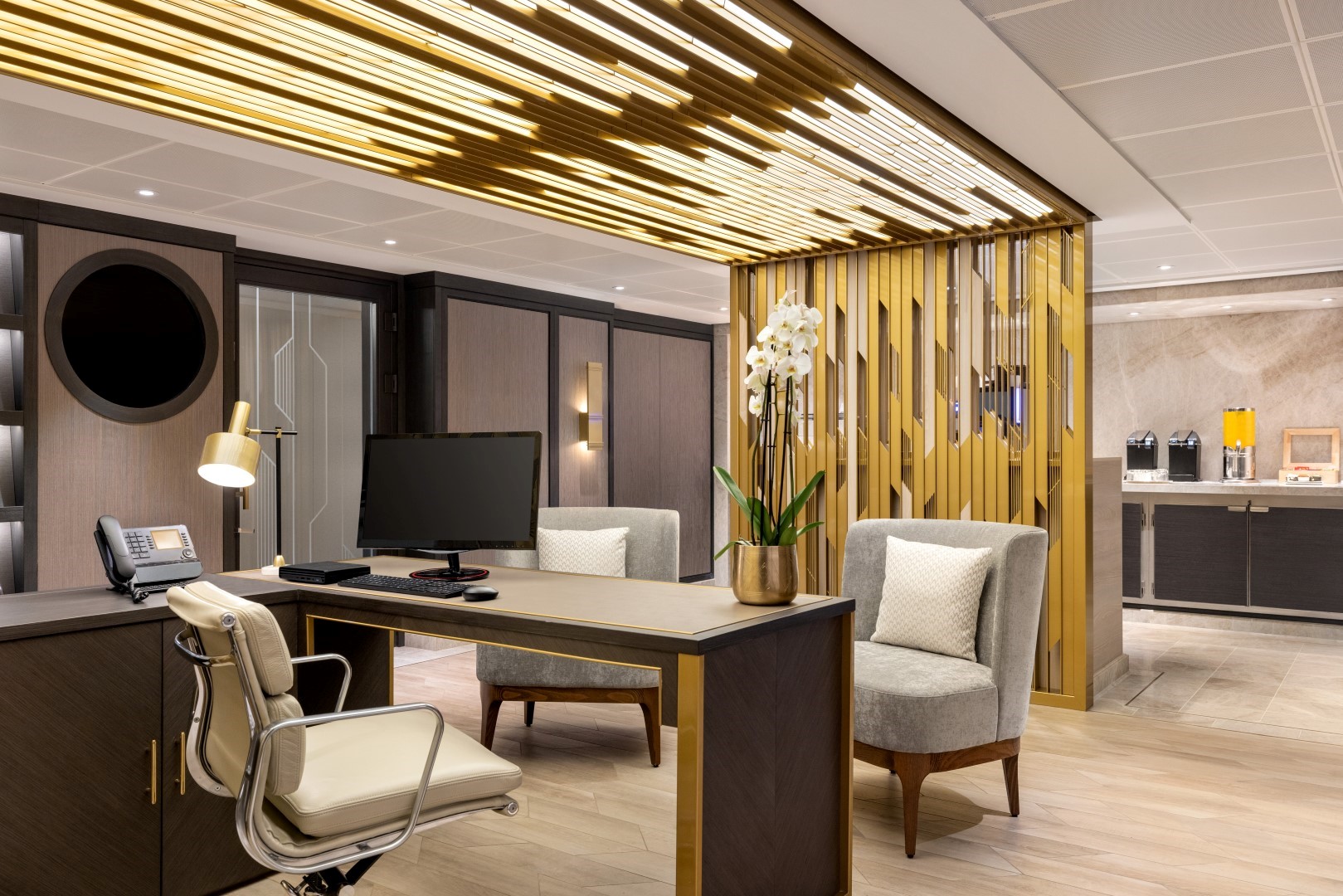
Enjoy the fully-staffed Executive Lounge with complimentary beverages and snacks throughout the day and evening.
Boutiques
UNIQUE GIFTS, JEWELRY & MORE
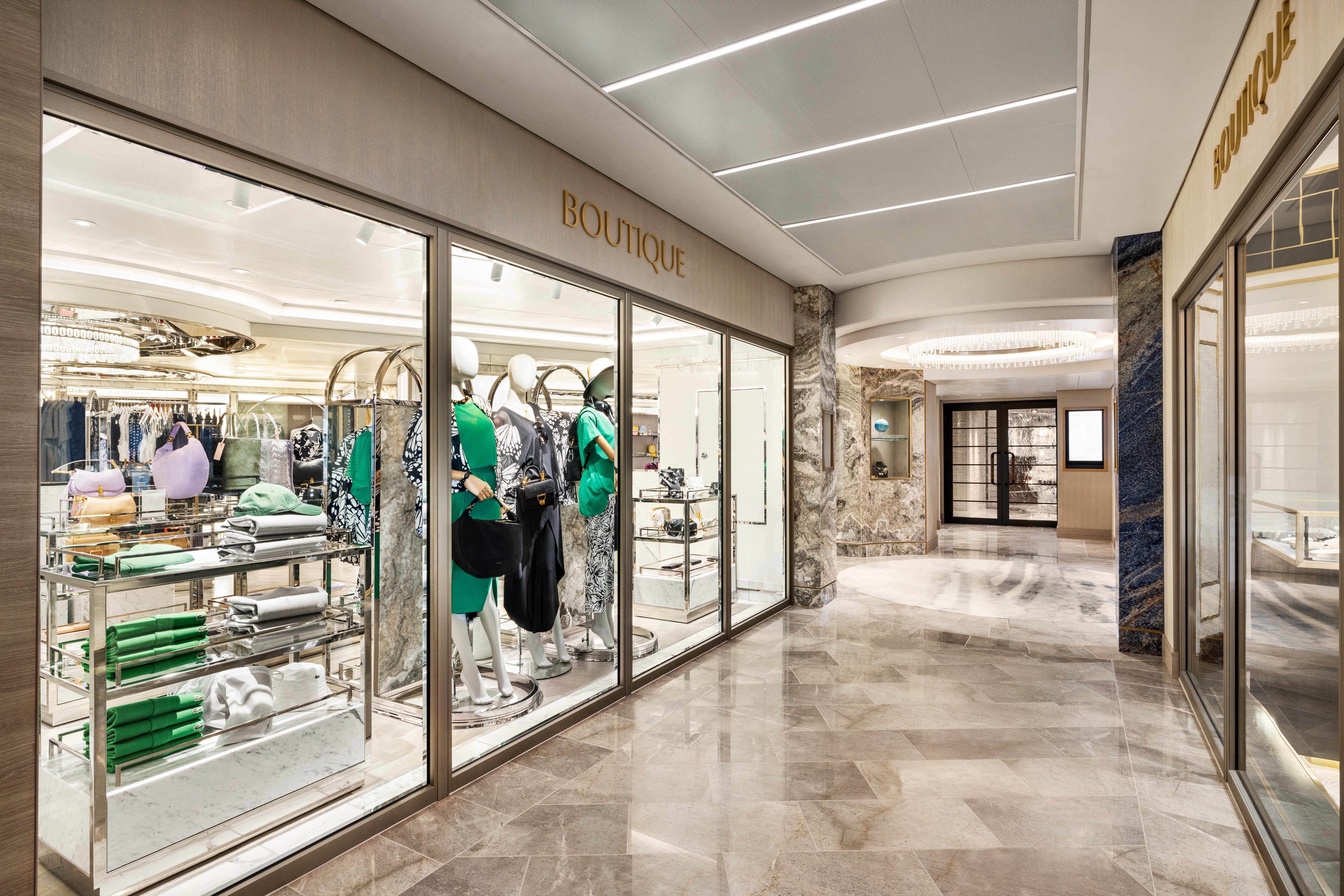
Our stylish boutiques feature a tastefully curated selection of items ranging from sundries to chic resort wear and fine jewelry. Discover thoughtful gifts for friends and family or the perfect memento to remind you of your special cruise experience.
DUTY-FREE ON BOARD OCEANIA VISTA
Browse through our collection of duty-free merchandise including fine jewelry, watches, fragrances and Oceania Cruises logo wear. Also find shipboard keepsakes, designer handbags, sunglasses, books and more.
Concierge Lounge
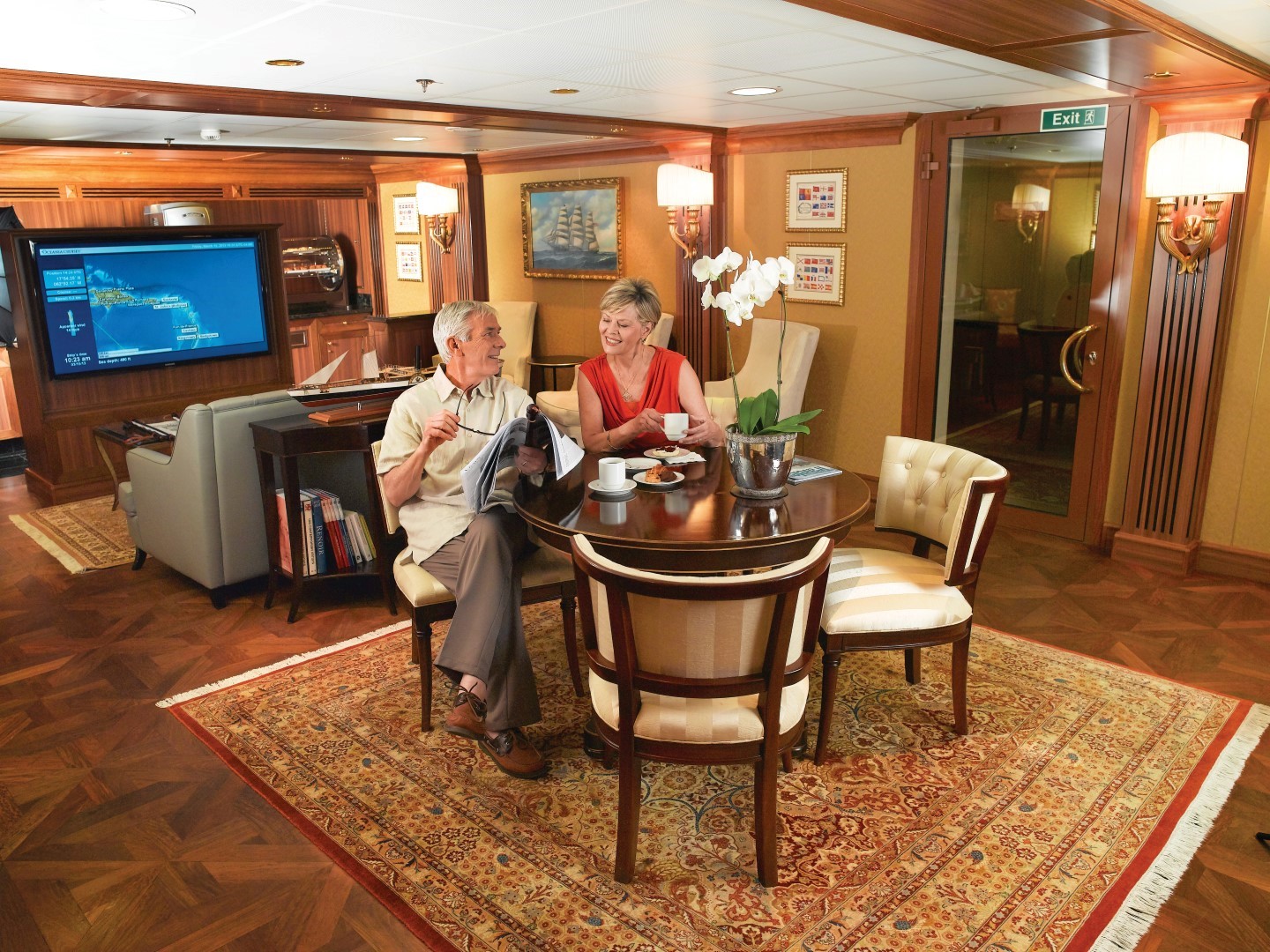
Enjoy the fully-staffed Concierge Lounge with complimentary beverages and snacks throughout the day and evening.
Sun Deck
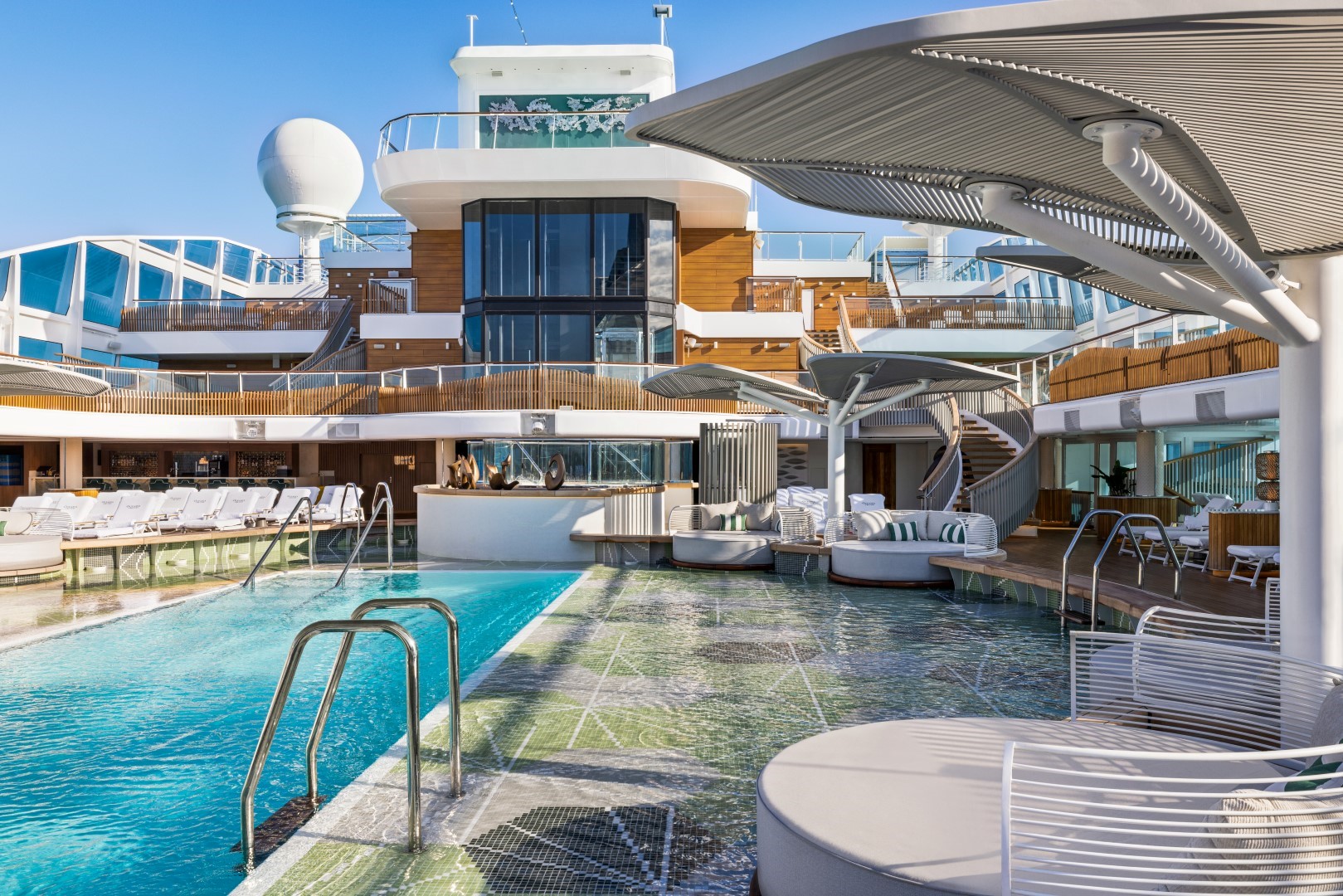
With a large heated pool and three whirlpool spas, there is always room for a refreshing dip, poolside relaxation, or a soothing spa experience
Pool Deck
Tranquil Oasis
Oceania Vista’s Pool Deck mirrors the beauty of the surrounding sea. Taking its cue from natural environments that inspire tranquility, the design of the Pool Deck brings together organic textures and calming tones to create an idyllic onboard escape. Relax in the luxury of a shaded cabana overlooking the serene scene, or lounge on a daybed right at the water’s edge until you’re ready for a refreshing swim.
Aquamar Spa + Vitality Centre
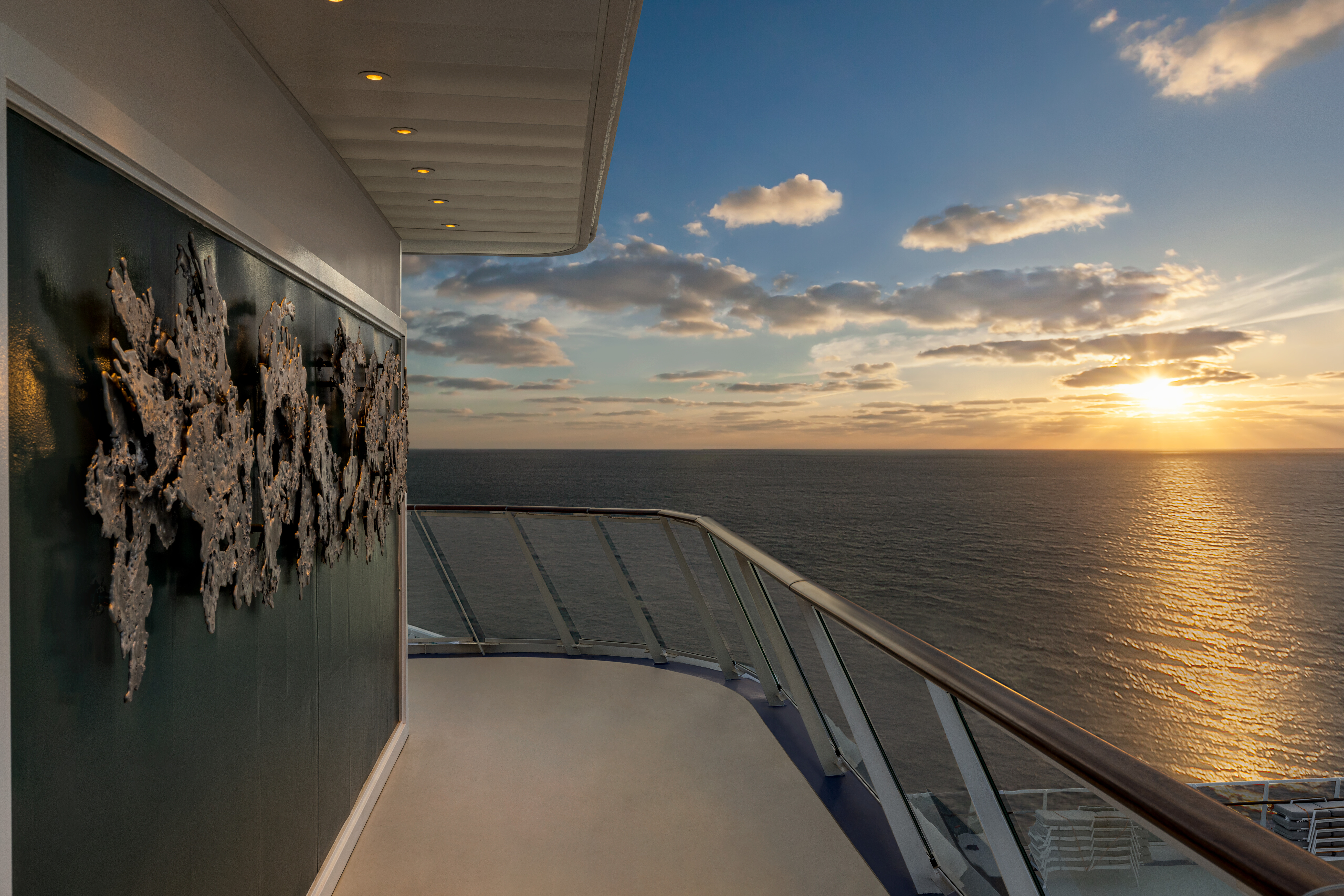
A Luxurious Sanctuary
Oceania Vista not only charts a new course to alluring ports of call but also reveals new paths to wellness through the Aquamar Spa + Vitality Center. Our first purpose-built, holistic wellness center is the foundation of a commitment to well-being that informs the entire Oceania Cruises experience. Rejuvenating treatment areas, a state-of-the-art fitness center and a spacious new salon are all dedicated to your personal wellness journey.
The crown jewel of this lavish facility is the Aquamar Spa Terrace, an open-air deck of plush loungers, plunge pools and whirlpool spas, all with soothing views of the sea. Relax on the terrace prior to a spa treatment to prepare your mind and body, or linger there afterward to bask in the serenity.
Fitness Centre
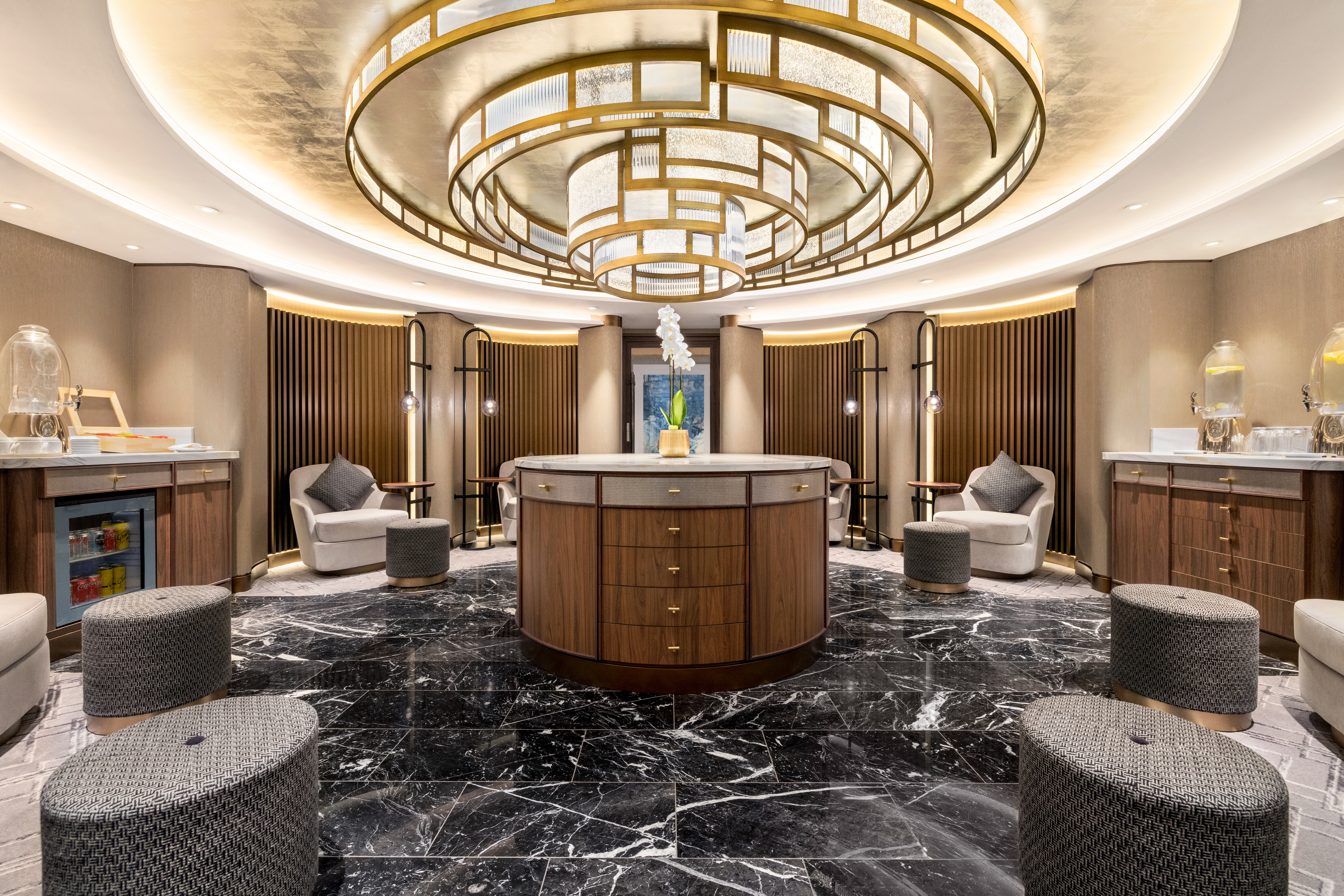
FREE FITNESS CLASSES & MORE
From Pilates and yoga to full-body strength training, you are certain to find a complimentary fitness class to suit your preferences. One-on-one personal training is also available, as is the latest exercise equipment, such as treadmills, cycling and elliptical machines, and free weights. You can also take advantage of the Kinesis® exercise wall to improve core strength, flexibility and posture.
Running Track & Sports Deck
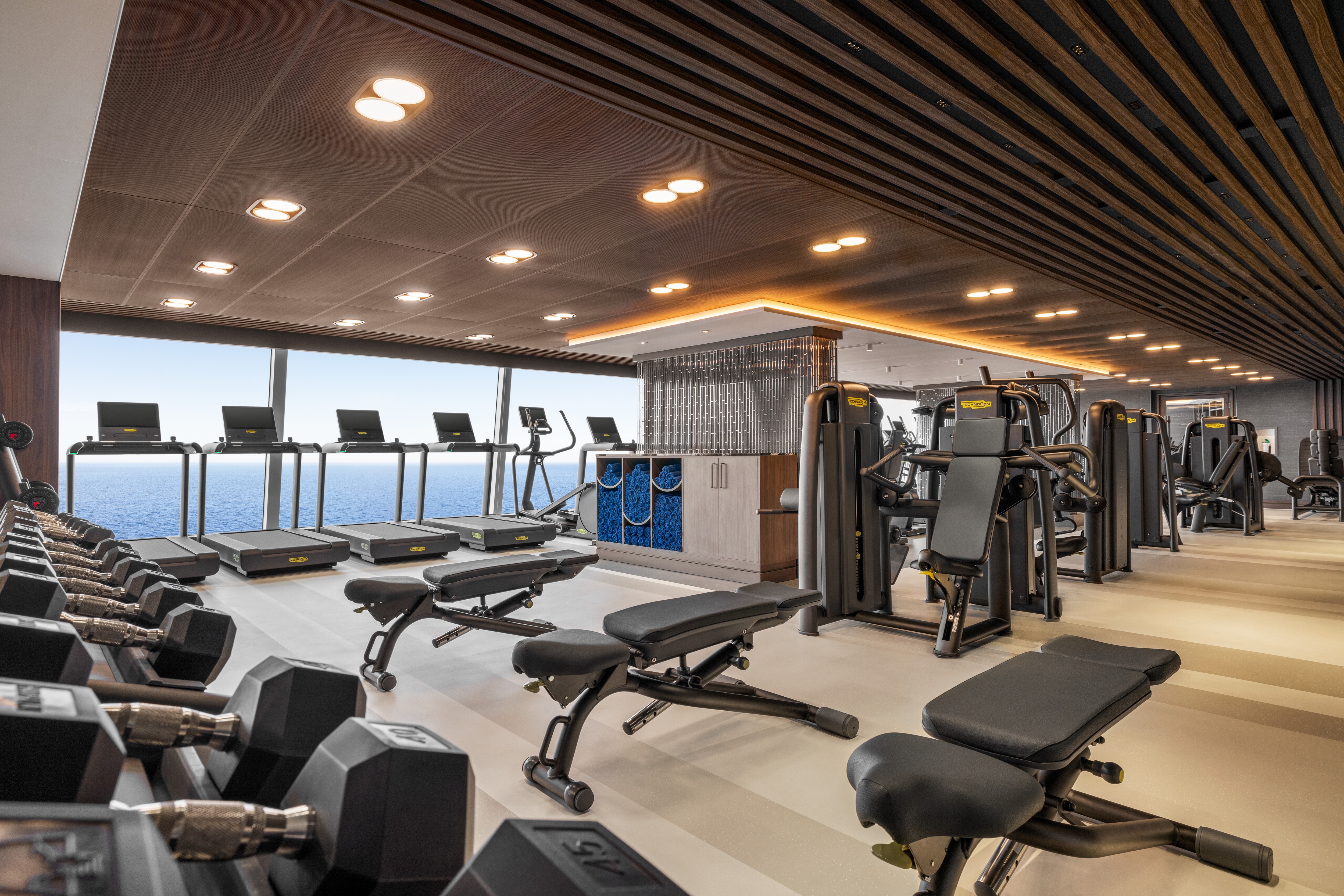
ACTIVITIES WITH A VIEW
High atop the ship, revel in the breathtaking views and refreshing sea breeze. Breathe in the fresh sea air with a few invigorating laps on the running track at your own pace or choose from an array of activities and games.
Golf enthusiasts will enjoy practicing their swing and playing 18 holes of golf on the putting greens. More friendly competition awaits on the shuffleboard court. Round up newfound friends for a lively game and check the daily shipboard newsletter, Currents, for sports deck competitions that give you the chance to win Big O Points.
- Golf Putting Green
- Shuffleboard
- Pickleball
- Fitness Track
- Paddle tennis, bocce and croquet
Styling Salon & Barber Shop
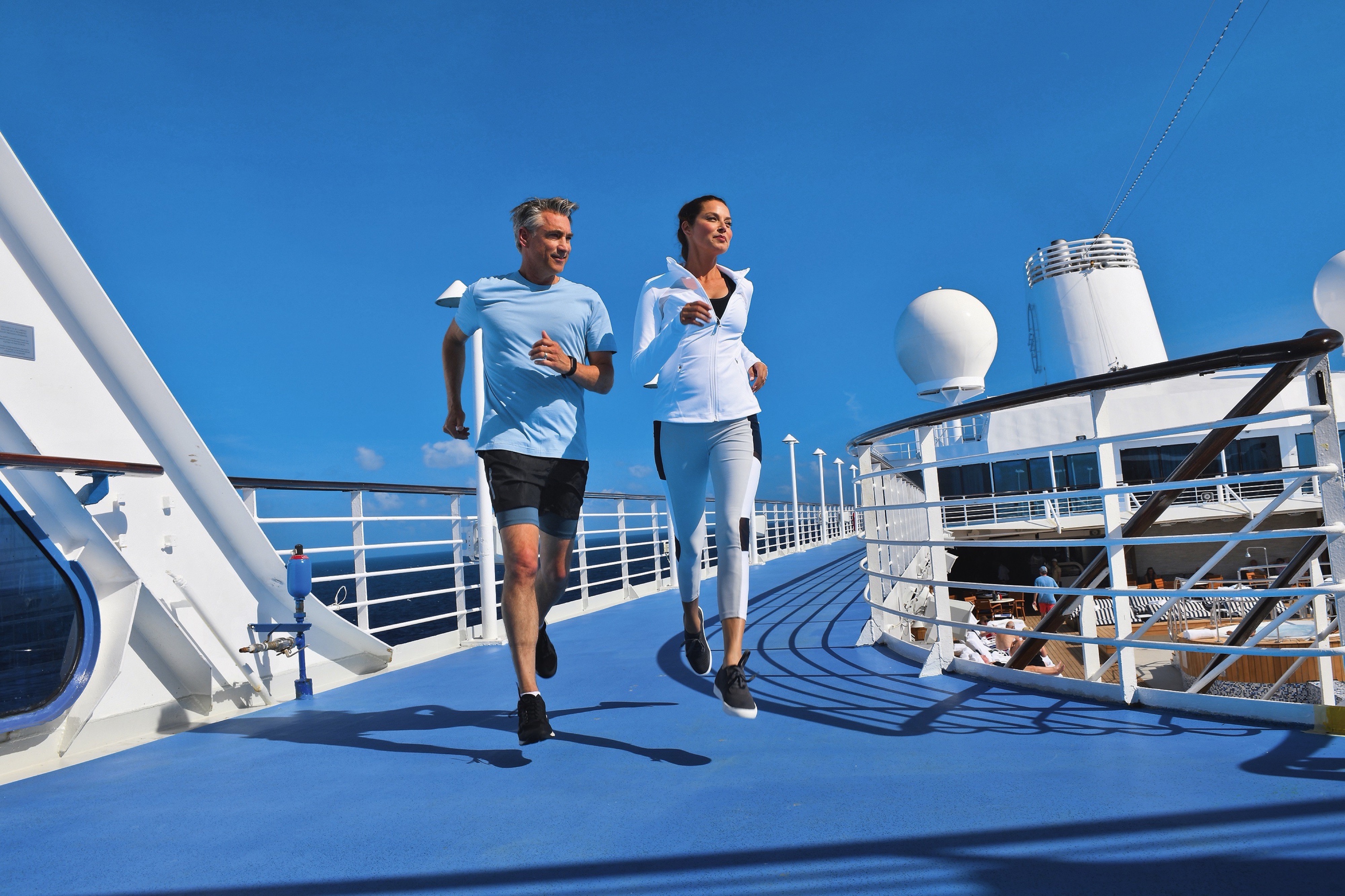
Styling Salon
Aquamar Spa + Vitality Center’s salon offers luxury hair care products, deluxe services, and a speciality color bar. Salon experts can identify haircare needs and create personalised treatments along with everything expected from a full-service salon – manicures, pedicures, brow shaping and more.
Barber Shop
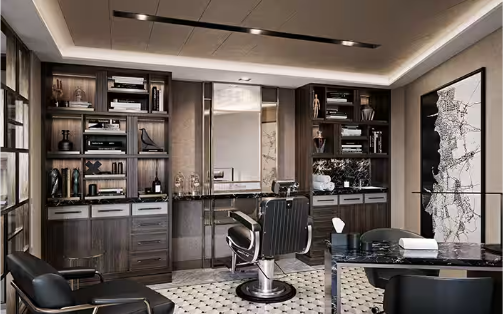
From the authentic barber chairs, our old fashioned hot later and straightedge razor shaves to our relaxing head and neck massages, Oceania Vista’s barber shop sets a new standard. Whether you’re looking for a traditional short hair cut or a more contemporary men’s hairstyle, we invite you to visit on of our barbers for a great experience
The Grand Dining Room
The Grand Dining Room is the luxurious grand dame of Oceania Cruises’ culinary world. Here, guests will savor a leisurely dining experience in a truly magnificent and inspired room whose ambiance soars to equally lofty heights as the cuisine. This signature dining experience has always offered a bevy of delicious Continental dishes, and now a fresh and new array of options brings even more exciting possibilities. Every day presents a realm of choices, from signature Jacques Pépin classics to an incredible spectrum of global flavors and an all-new Executive Chef’s Tasting Menu. Menus change daily with an expansive choice of at least 10 appetizers, soups and salads and 10 dinner entrées, along with healthy options such as Aquamar Vitality Cuisine.
- Breakfast | 8:00 am – 9:30 am
- Lunch | 12:00pm – 1:30pm
- Dinner | 6:30 pm – 9:30 pm
No reservations required.
Jacques
Reservations required.
- Dinner | 6:30 pm – 9:00 pm
Polo Grill
THE CLASSIC STEAKHOUSE
Polo Grill delights diners with the ultimate classic steakhouse experience presented with timeless reverence. Richly layered decor and an abundance of custom millwork create an imaginative rendition of tradition set against crisp white linen tablecloths while a cadre of black jacketed servers set the tone for an evening of gracious dining. Each course stands as the very definition of time-honored favorites, most notably the beef dishes, all of which are USDA certified Angus and aged for a minimum of 40 days to enhance tenderness and flavor. While succulent seafood dishes such as grilled swordfish and whole Maine lobster gratinée are also classics in their own right.
- Dinner | 6:30 pm – 9:00 pm.
Reservations required.
Toscana
AN EVOLUTION OF TUSCAN CUISINE
Toscana presents an evolution of Tuscan cuisine in a truly Italian setting of rich Chianina leather, hand-blown Venetian glass and Carrara marble. Evolved from generational family traditions, many of our recipes originated with the mothers and grandmothers of our own Italian culinary staff. Presented on elegant, custom-designed Versace china, masterfully prepared dishes exemplify the essence of Tuscany and celebrate Italy’s culinary passion. Perhaps the evening begins with the octopus carpaccio with Champagne vinaigrette or the artichoke and parmesan cheese timbale with black truffle sauce, followed by classic dishes such as the hand-rolled gnocchi with pesto, a rich risotto with lobster medallions and shallots, or a pan-seared sea bass filet finished with Sorrento lemon, chardonnay and capers.
Reservations required.
- Dinner | 6:30 pm – 9:00 pm.
Red Ginger
BOLD YET BALANCED FLAVORS
Red Ginger radiates harmony and tranquility while evoking the boldness and subtleties of the extraordinary Pan-Asian dishes our talented chefs have created. Much like the room itself, the Thai, Korean, Japanese and Malaysian rooted specialties are a mélange of spicy and soothing, savory and sweet to please virtually every palate. Begin with a Spicy Duck & Watermelon Salad with cashews, mint and Thai basil. Savor Chicken Shio Ramen Noodles with tofu, shiitake mushroom and bok choy or opt for a Seven Spices Crusted Lamb Rack with fresh wasabi lamb jus. To complement the bold and multifaceted flavors of the Pan-Asian dishes here, the cocktail and beverage menu includes a premium sake selection, Asian beers and Asian-inspired cocktails that call on spices such as lemongrass, ginger and turmeric as well as exotic fruits such as lychees. In Red Ginger, the gustatory pleasures are as striking as the visual ones.
6:30 pm – 9:00 pm
Reservations required.
Priveé
WINE EXPERIENCES BY LA RESERVE
Privée is our intimate venue for unforgettable wine experiences by La Reserve. Guests can choose from two distinctive and unique multi-course pairing dinners, each a sublime celebration of the finer things in life and limited to eight privileged diners per evening. Savor the truly one-of-a-kind Dom Pérignon Experience that pairs special Champagne vintages with thoughtfully crafted dishes or perhaps enjoy the exquisitely curated Odyssey Menu that is a gustatory journey for the senses. Dramatically backlit, debossed walls and a blooming flower petal ceiling, from which a dramatic chandelier descends over the polished marble slab dining table, only enhance the indulgent occasion. A wall of floor-to-ceiling glass provides an exhilarating view to complement these magnificent dining experiences that can literally traverse continents.
Pairing Experience in Privee will not operate with less than 8 guests. Reservation required. Additional fees apply.
Terrace Café
Informal Dining
With an inviting, genial dining room and shaded patio, Terrace Café takes on the ease of a treasured vacation home’s favorite sun-drenched conservatory and panoramic seaside terrace. At breakfast, revel in the aroma of freshly baked cinnamon rolls and fluffy made-to-order omelets, pancakes and waffles. During lunch, sample flavorful international dishes alongside juicy, seasoned rotisserie meats and perfectly grilled seafood. In the evening, the decadence of a grilled lobster tail, the simple American essence of a sweet, barbecued pork chop with crispy, applewood-smoked bacon and fresh hand-cut sushi and sashimi are among the many choices that will turn Terrace Café into a personal favorite. And as you would envisage, locally inspired specialties from our ports of call are a hallmark of our popular Chef’s Market Dinners.
- Breakfast | 7:30 am – 10:00 am.
- Lunch | 12:00 pm – 2:00 pm.
- Dinner | 6:30 pm – 9:00 pm.
No reservations are taken.
Aquamar Kitchen
WELLNESS MEETS INDULGENCE
At Aquamar Kitchen, the harmony of nourishing flavors, a bright and airy ambiance evoking an endless Mediterranean summer and just the right amount of indulgence revitalizes your body and your spirit. Mindfully prepared breakfast selections feature energizing cold-pressed raw juices and super food smoothies, satisfying avocado toasts, energy bowls, banana pancakes and savory omelets. For lunch, dozens of tempting and balanced dishes are offered, such as a hearty Lebanese bowl with beef kefta, falafel, muhammara, fattoush, aubergine caviar and pita bread; yellowfin tacos with white cabbage slaw; or even a crunchy chicken sandwich on a freshly baked whole grain bun. The chic seaside-inspired setting paired with a diverse collection of fresh, vibrant dishes is perfectly indulgent – without any of the guilt.
No reservations are taken.
Breakfast
- 7:00 am – 10:00 am (port day).
- 8:00 am – 11:00 am (sea day).
Lunch
- 11:00 am – 3:00 pm (port day).
- 12:00 pm – 4:00 pm (sea day).
Waves Grill
POOLSIDE ALFRESCO MAGIC
On the deck of a cherished Malibu beach house, the magic begins with the grill. Likewise, Waves Grill is a shaded poolside dining spot serving made-to-order all-American favorites from lunch until late into the afternoon. Taste the richness of a Wagyu burger with juicy tomatoes and a savory black truffle sauce. The seasoned fries are irresistible while the light crunch of fresh coleslaw is the perfect complement to the herb-marinated mahi mahi. For dessert, try a thick hand-dipped milkshake or one of the new, whimsical ice cream flavors by Humphry Slocombe such as the mouthwatering Secret Breakfast pairing of bourbon and cornflake cookies.
The Pizzeria at Waves Grill
Each evening as if by culinary alchemy, Waves Grill is transformed into an authentic Neapolitan trattoria with the pizza oven at the epicenter. Imagine you are in Capri overlooking the twinkling lights of Naples, as the alluring aroma of fresh pizza dough baking in a classic wood-fired forno wafts among the bougainvillea. Set the tone with a glass of dry chianti, then savor sweet and spicy dry-rubbed chicken wings, tender pork ribs or rosemary focaccia with lush burrata, plump tomatoes, peppery arugula and bold balsamic dressing. Pizza creations feature delectable toppings ranging from flora black olives and oaky truffles to fiery chorizo and tart lemon chicken. No matter your selection, your palate will heartily approve.
Afternoon Tea
TIME-HONORED PASTIME
Each afternoon, the parade of gleaming four-tiered pastry carts begins. Savor freshly made, flavorful smoked salmon and egg salad finger sandwiches. Enjoy mirror-glazed petits fours, tender scones with rich clotted cream and, of course, a wide assortment of fine teas. Soak in the ambiance of polished silver teapots reflecting the turquoise sea, the precision of white-gloved servers and the amusing enigma of a string quartet playing softly in the background. You’ll quickly realize that this is how afternoon tea should be.
Check your daily Currents for time and venue. No reservations required.
Baristas
A NEIGHBORHOOD GEM
Combine the stylish flair of a Viennese coffee house with the warm smiles of your neighborhood café, then add 270-degree shimmering sea views and you have Baristas, a relaxed haven for coffee and fresh pastry afficionados. Sip complimentary illy® delights, enjoying the energizing kick of an espresso or the smooth richness of a cappuccino. Accompany the perfect cup with a buttery dark chocolate croissant or the sublime citrus hints of an orange biscotti. Whether you are drawn to a bold macchiato or a subtle iced latte, you will be captivated by the atmosphere of friendship and family that suffuses Baristas.
The Bakery
The enticing aroma of freshly baked pastries will draw guests from Baristas to the Vista’s new Bakery just steps away. The perfect complement to your coffee might just be a French or Italian specialty fresh from the oven. Perhaps you’ll sample a flaky, ricotta-filled sfogliatella, a confection that hails from the Italian region of Campania. If you prefer a French patisserie, you might select a decadent chocolate and almond croissant. Whatever your choice, you cannot go wrong when indulging in a delicacy created by our skilled pastry chefs.
Bakery
The new Bakery, with its freshly baked French and Italian pastries, is certain to be an instant hit. As the delicate yet rich scents fill the air, you’ll be tempted to savor a chocolate-almond croissaint or sinfully sweet bombolini while enjoying the last art of people watching or simply gazing out at the azure blue sea.
Room Service
After a day of enriching adventures ashore or an enjoyable day on board, dining in the privacy of your suite or stateroom with our compliments is always a welcome possibility. A complete menu of varied dining experiences is available around the clock, featuring an extensive array of delectable breakfast, lunch and dinner items. All suites and staterooms have the added luxury of enjoying a full, hot breakfast in-room and those staying in Concierge Level or above have the additional privilege of ordering from an expanded lunch and dinner room service menu from The Grand Dining Room. Suite guests have the ultimate indulgence of enjoying course-by-course meals from the comfort of their spacious sanctuaries. Revel in the private luxury of your suite or stateroom, and enjoy an exquisite meal on your tranquil veranda as you take in spectacular seascapes.
Shore Excursions
With more than 8,000 tours and excursions to choose from, we’ll help deepen your exploration of our fantastic locales in our Oceania Cruises way. Through a number of specialty tours and an expert team of destination specialists, transformative, once-in-a-lifetime experiences in the most magnificent places on earth await you. From small group tours to our signature curations focused on culinary discovery, local immersions, wellness and vitality, architecture and history, we promise that you will be forever changed.
BEYOND BLUEPRINTS
Designed to enhance your appreciation for architecture, Beyond Blueprints tours provide a rare and behind-the-scenes look at some of the world’s most iconic and fascinating architectural landmarks.
CULINARY DISCOVERY TOURS
Widely recognised for its groundbreaking culinary enrichment both aboard its ships and ashore, Oceania Cruises connects you with the culinary culture wherever you travel.
EXECUTIVE COLLECTION
Allows guests to have the personalised attention of a driver and English-speaking guide to provide them with flexibility and independence to design their itinerary ashore according to their interests.
EVENING EXCURSIONS
More late evening departures and overnight stays in ports around the world mean ample opportunities for evening excursions.
FOOD & WINE TOURS
Each Food & Wine Trails tour is led or organised by a local culinary expert – sommeliers, chefs and wine writers – to provide you with unique insights and a behind-the-scenes experience.
GO GREEN TOURS
Go Green tours offer enriching opportunities to experience the ways in which local communities and businesses are endeavouring to conserve, sustain and elevate their surrounding environments.
GO LOCAL TOURS
Our groundbreaking new Go Local excursions are immersive destination tours that invite you to embed yourself in the fabric of the local communities for engaging, one-of-a-kind experiences. On more than 120 tours across Europe, Alaska and South America, you will be welcomed into homes and businesses and immersed in the local way of life. You’ll have the chance to engage with local artisans, craftsmen, religious figures and other individuals. You’ll learn generations-old traditions and become part of a local family. You’ll experience the destination on an entirely new level and leave feeling connected to the place – and changed.
OCEANIA EXCLUSIVE EXCURSIONS
Designed for travelers who prefer an added measure of privacy, intimacy and flexibility, our Oceania Exclusive excursions limit group size to just 16 guests maximum.
- Small group tours from 10 to 16 guests
- Available in nearly every port we visit
- More flexibility and personalized attention
OCEANIA SELECT EXCURSIONS
While all our shore excursions offer extraordinary experiences, some are so outstanding and awe-inspiring that they merit special recognition.
WELLNESS DISCOVERY TOURS BY AQUAMAR
From ancient mineral baths outside of Rome to a traditional teahouse in Myanmar, our Wellness Discovery Tours by Aquamar offer exclusive excursions ashore that reveal timeless wellness practices of locales around the world. Alluring destinations, fascinating cultures and healthy living come together to create innovative and rejuvenating travel experiences. With more than 50 options, the tours featured here are only the beginning.
The Culinary Centre
LEARN BY EXPERIENCING
As the world’s first hands-on cooking school at sea, The Culinary Center on board Oceania Marina, Oceania Riviera, Oceania Vista and Oceania Allura teaches you how to prepare a variety of exquisite dishes at your own fully equipped workstation in a state-of-the-art teaching kitchen. Passionate Chef Instructors offer guidance and inspiration to fine-tune your techniques, but each dish is prepared by you. Spend a delightful day at sea learning how to make fresh pasta, the fundamentals of cooking seafood or the secrets of traditional French cuisine.
Epicurean Explorations
Our Culinary Discovery Tours™ take culinary exploration one step further. At select ports, accompany chef instructors while shopping for fresh ingredients ashore at local markets, experience authentic regional fare in private homes or chef selected restaurants and immerse yourself in the local culture through the lens of the cuisine.
Artist Loft
A Hands-On Approach
For budding artists, there is Artist Loft enrichment center, where talented artists-in-residence offer step-by-step instruction. Under their watchful eye, try your hand at painting with oils or watercolors, sketching, creating collages and more. The workshops change continually, and with these experienced artists’ guidance your talents will quickly blossom.
CREATIVE EXPLORATIONS
Gather together with fellow creative minds and art enthusiasts to tap into your imaginative side, perhaps learn a new technique or even create a memento of your special voyage.
Guest Speakers
MEANINGFUL & EVER-CHANGING ENRICHMENT
On many voyages, a Guest Speaker will share unique insights into the cultures and people of the regions visited, along with fascinating stories and themes related to the destinations. On select sailings, a second Guest Speaker will provide an additional program of enriching presentations and workshops. Also take advantage of complimentary seminars hosted by the Aquamar Spa + Vitality Center on a range of relevant and timely health, nutrition and wellness topics to reinvigorate your routines and lifestyle. Check your daily onboard newsletter, Currents, for a schedule of talks, presentations and seminars.
Destination Services
Our expert team of Destination Specialists is on hand to help you with all of your shore excursion planning and destination questions.
Brain Games
Friendly Competition
Team Trivia, Brainteasers Trivia and MENSA quizzes are not only some of the most popular and lively activities on board, these gatherings are also the perfect way to meet, mingle and bond with fellow travelers. Hosted daily, these diversions are filled with friendly competition and lots of laughter.
Onboard Shows
ENTERTAINMENT FROM A NEW PERSPECTIVE
World-class musical performances will delight you, showcasing an ever-changing array of guest entertainers such as pianists, classical string quartets, dynamic vocalists and spectacular headliners.
Each of our ships features a unique selection of onboard shows and entertainers to ensure that your interests are constantly piqued. Bold and crowd-thrilling, nostalgic and upbeat, or intimate and sophisticated – whatever you choose, the night is yours.
EXCLUSIVE PRODUCTION SHOWS
Oceania Vista will feature three main productions during her inaugural season, each with a distinct personality, with another to follow later in the year. Each show is a Broadway-caliber, immersive-style production featuring recognizable songs by some of the world’s most beloved artists and contemporary dance numbers led by a star-studded production team including “Dancing with the Stars” choreographer Britt Stewart. An extensive team of performers, producers and technicians has been involved in bringing our newest production shows to life and offering entertainment from a new perspective.
Into the Night, choreographed by renowned “Dancing with the Stars” pro dancer and choreographer Britt Stewart, is a dance-centric show featuring an unexpected mix of dance, style and design meant to invoke the excitement of the Video Music Awards, the glamour of “American Idol” and the high-energy drive of “Dancing with the Stars.” The contemporary elegance of the show is inspired by the essence of Oceania Vista herself. Sophisticated and exciting, Into the Night will leave audiences awestruck as it combines dance with design, exuding a powerful feeling only a live stage show can offer.
Headliners takes guests on a VIP concert journey showcasing a stunning cast performing some of the most recognizable songs in the world. Celebrating the music, not just the artist, Headliners approaches pop favorites in an inspirational way that is simply designed to be a great time. Led by Oceania Vista’s talented onboard vocalists, complete with fun choreography, guests will have an unforgettable night with music from some of their favorite artists, such as Cher, Celine Dion, the Bee Gees and Adele, in a way they have never seen before.
The Anchor Inn is a light-hearted UK-centric song-and-dance performance with a sprinkle of West End flare. Set in the lively Anchor Inn Pub, a group of regulars celebrates good times, sporting losses and romantic wins to the tune of chart-topping hits by artists like Dusty Springfield, Rod Stewart, Madness, Shirley Bassey and Tom Jones. This hand-clapping, toe-tapping production will leave guests feeling decidedly British, no matter where they are sailing.
Casino
MONTE CARLO-STYLE GAMING
The Casino on board Oceania Vista takes its cue from the elegance of Monte Carlo Casino and London’s Hippodrome, evolving the art nouveau elements of these iconic establishments into a space of understated, atmospheric luxury. Try your hand at your favorite games of chance and skill, perhaps warming up to test your luck ashore in an upcoming port of call. Those simply seeking a refined space in which to enjoy a cocktail will be drawn to the subtle glow of the golden Casino Bar.
CASINOS AT SEA®
The professional staff is happy to provide lessons on how games are played, the rules and proper table procedures. Unwind from a busy day ashore by playing your favourite games of chance and skill in our casino. Enjoy a fun and exciting range of ways to play, from card and table games such as blackjack and roulette to slot machines.
Getting started is easy. Stop by the casino cage and pick up your Oceania Cruises casino player card and start earning points today, by inserting your player card while playing your favourite slot machines and table games. The more you play, the more you earn!
- Reel & Video Slots – For every $5 coin-in, receive 1 point.
- Video Poker – For every $10 coin-in, receive 1 point.
- Table Games – Points are based on average bet, session play or hands played and game type.
- Action packed casinos designed with style
- Table game limits for players of all levels
- Diverse array of reel slot, video slot and video poker machines
- Dedicated and knowledgeable casino staff
- Industry leading player tracking system
- Free gaming lessons
REDEEM CASINO POINTS
You’ve played. You’ve earned. Now you’re ready to redeem. Downloading points for play is quick and easy. Redeem your casino points for play right at your machine by following the on-screen prompts or stop by the casino cage – the choice is yours.
- Earn points for all your casino play
- Redeem points for play right at your machine
CASINO CASH & CREDIT
Front Money deposits are accepted for gaming in the form of cash, traveler’s checks, cashier’s checks and wire transfers delivered to us prior to embarkation. All cashier’s checks require prior verification. For more information please give us a call at 877.625.2094.
Cashless Wagering
Charge gaming to your onboard account directly from your game of choice or at the casino cashier, using your stateroom key card. Convenience fees, daily limits and cruise limits apply. Euros may be exchanged at the casino cashier, exchange rates apply. All gaming is in US Dollars.
- Cashless wagering allows you to game with your key card
Credit
Casino Credit is available to all players with an existing reservation. The minimum application amount is $10,000.00 and a personal check is required onboard to activate the credit line. Applications are processed 1 month prior to sailing. The application process is easy and there is no fee to apply. To get started, click here for our credit application or for more information email us at casinocredit@ncl.com or call us at 877.625.2094.
- Casino credit available
Casino Mixology Bar
A brand new experience on Oceania Vista focused entirely on the art of the cocktail, the Casino Mixology Bar is the place to gather to enjoy its unique selection of bourbons and ryes in addition to enjoying the tableside preparation of cocktails and spirits. The bar will likely become an Instagram favorite for serving readymade Negronis straight from the barrel and awesome “Flavor Blaster Gun” cocktails that are topped off with vapor filled bubbles with aromatic flavors.
Martini's
The lounge known as Martinis is far more than a place to sip a signature cocktail — although its namesake libation alone is reason enough to spend some time here. In fact, Martinis is refreshing its namesake cocktail with fresh new spirits selection, Mermaid gin and vodka. The bar is a glamorous destination that welcomes you to a warm, inviting setting amidst walls of shimmering glass under a canopy of crystal. You’ll also be able to choose from a tantalizing new collection of drinks called Hollywood Martinis, in addition to the already popular selection shaken tableside. The Hollywood collection includes a variety of drinks inspired by the Old Hollywood, such as Bardot Martini, The Corleone Martini, Sir Connery Martini, Blue Eyes Sinatra and Monroe Martini. Simply gather with friends in your favorite alcove and let the memories be made.
Grand Lounge
Oceania Vista’s provocative Grand Lounge plays with shape and form to create visual elements that are striking even as they are understated. The color palette is an ode to metals and minerals with shades of bronze, onyx and alabaster lending both balance and interest. The resulting space evokes exclusivity — the feel of a luxurious private club — inviting guests to relax and enjoy an aperitif before dinner or a nightcap before retiring as they relive the day’s adventures with fellow explorers.
Vista Lounge
Our entertainment architects have engineered a space with the best possible acoustics and visual lines to provide a home worthy of the engaging talent that you will witness in the Oceania Vista Lounge. During the daytime, experts in their fields — from diplomats to chefs to historians — enlighten you with enrichment programs that provide insight into the regions you are exploring. After the sun sets, the Oceania Vista Lounge presents a new line-up of entertainment to enthrall the audience, including sophisticated cabarets, world-class musicians, dynamic vocalists and exclusive headliners.
Horizons
The most distinctive feature of aptly named Horizons is the lounge’s dramatic floor-to-ceiling windows, offering 180 degrees of stunning vistas that are the ship’s namesake. This space celebrates the journey by providing a unique perspective on the alluring destinations that await ashore and the seas that carry you to what lies ahead. To ensure that you can fully appreciate these sweeping panoramas, Horizons is appointed with comfortable furnishings in soothing tones that create a sense of home, even as the view assures you that you are far from it.
Waves Bar
Located in a shaded area just steps from the swimming pool, Waves Bar offers a wide variety of libations to enhance your poolside experience. Revel in the perfect afternoon on deck with your favorite cocktail, glass of wine or chilled beer. Come happy hour, signature cocktails and frosty beverages create a delightfully carefree segue to the lively evening ahead as the sun sets.
LYNC Digital Centre
NEW INTERACTIVE ENRICHMENT SERIES
The all-new LYNC Digital Center aboard Oceania Vista is all about connection. Join us for an interactive and fun enrichment series that connects you with friends and family on social media, elevates the quality of your photos and more. Complimentary digital learning classes, spanning all levels and ranging from social media essentials to travel photography and smartphone videography, are hosted by a knowledgeable Digital Concierge in our innovative digital center.
Our innovative digital center features comfortable seating, expansive video monitors and technical support so that you can stay in touch with family at home, monitor business developments online or check in on social media. LYNC Digital Center connects you to life on board, ashore and at home.
Library
A WINDOW TO THE WORLD
Guests often state that the Library is their favorite spot to relax on board our ships, so special care was taken to ensure that Oceania Vista’s Library inspires quietude and respite. Glass walls offer views of soothing seascapes, but the greatest comfort may be found within the Library’s inner sanctum. The aesthetic recalls a traditional equestrian estate — warm and inviting with an atmosphere of effortless, timeless luxury. It is the perfect place to curl up with a best-selling novel, peruse a guidebook on your next destination or simply indulge in a nap in one of the plush, oversized chairs.
Founders Bar
A brand new experience on Oceania Vista focused entirely on the art of the cocktail, Founders Bar is the place to gather to enjoy its unique selection of bourbons and ryes in addition to enjoying the tableside preparation of cocktails and spirits. The bar will likely become an Instagram favorite for serving readymade Negronis straight from the barrel and awesome “Flavor Blaster Gun” cocktails that are topped off with vapor filled bubbles with aromatic flavors.
Executive Lounge
Enjoy the fully-staffed Executive Lounge with complimentary beverages and snacks throughout the day and evening.
Boutiques
UNIQUE GIFTS, JEWELRY & MORE
Our stylish boutiques feature a tastefully curated selection of items ranging from sundries to chic resort wear and fine jewelry. Discover thoughtful gifts for friends and family or the perfect memento to remind you of your special cruise experience.
DUTY-FREE ON BOARD OCEANIA VISTA
Browse through our collection of duty-free merchandise including fine jewelry, watches, fragrances and Oceania Cruises logo wear. Also find shipboard keepsakes, designer handbags, sunglasses, books and more.
Concierge Lounge
Enjoy the fully-staffed Concierge Lounge with complimentary beverages and snacks throughout the day and evening.
Sun Deck
With a large heated pool and three whirlpool spas, there is always room for a refreshing dip, poolside relaxation, or a soothing spa experience
Pool Deck
Tranquil Oasis
Oceania Vista’s Pool Deck mirrors the beauty of the surrounding sea. Taking its cue from natural environments that inspire tranquility, the design of the Pool Deck brings together organic textures and calming tones to create an idyllic onboard escape. Relax in the luxury of a shaded cabana overlooking the serene scene, or lounge on a daybed right at the water’s edge until you’re ready for a refreshing swim.
Aquamar Spa + Vitality Centre
A Luxurious Sanctuary
Oceania Vista not only charts a new course to alluring ports of call but also reveals new paths to wellness through the Aquamar Spa + Vitality Center. Our first purpose-built, holistic wellness center is the foundation of a commitment to well-being that informs the entire Oceania Cruises experience. Rejuvenating treatment areas, a state-of-the-art fitness center and a spacious new salon are all dedicated to your personal wellness journey.
The crown jewel of this lavish facility is the Aquamar Spa Terrace, an open-air deck of plush loungers, plunge pools and whirlpool spas, all with soothing views of the sea. Relax on the terrace prior to a spa treatment to prepare your mind and body, or linger there afterward to bask in the serenity.
Fitness Centre
FREE FITNESS CLASSES & MORE
From Pilates and yoga to full-body strength training, you are certain to find a complimentary fitness class to suit your preferences. One-on-one personal training is also available, as is the latest exercise equipment, such as treadmills, cycling and elliptical machines, and free weights. You can also take advantage of the Kinesis® exercise wall to improve core strength, flexibility and posture.
Running Track & Sports Deck
ACTIVITIES WITH A VIEW
High atop the ship, revel in the breathtaking views and refreshing sea breeze. Breathe in the fresh sea air with a few invigorating laps on the running track at your own pace or choose from an array of activities and games.
Golf enthusiasts will enjoy practicing their swing and playing 18 holes of golf on the putting greens. More friendly competition awaits on the shuffleboard court. Round up newfound friends for a lively game and check the daily shipboard newsletter, Currents, for sports deck competitions that give you the chance to win Big O Points.
- Golf Putting Green
- Shuffleboard
- Pickleball
- Fitness Track
- Paddle tennis, bocce and croquet
Styling Salon & Barber Shop
Styling Salon
Aquamar Spa + Vitality Center’s salon offers luxury hair care products, deluxe services, and a speciality color bar. Salon experts can identify haircare needs and create personalised treatments along with everything expected from a full-service salon – manicures, pedicures, brow shaping and more.
Barber Shop
From the authentic barber chairs, our old fashioned hot later and straightedge razor shaves to our relaxing head and neck massages, Oceania Vista’s barber shop sets a new standard. Whether you’re looking for a traditional short hair cut or a more contemporary men’s hairstyle, we invite you to visit on of our barbers for a great experience
About the Ship
Deck Plans

- Red Ginger
- Jacques
- Boutiques
- Concierge
- Elevator
- Reception
- Destination Services
- Lounge
- Stage
- Restroom
- Medical Centre (Located on Deck 4 – Not Shown)

- Grand Lounge
- Upper Hall
- Martinis
- Casino
- Casino Bar
- The Grand Dining Room
- Elevator

- Concierge Level Veranda
- Veranda Stateroom
- French Veranda
- Penthouse Suite
- Launderette
- Elevator

- Concierge Level Veranda
- Owner’s Suite
- Veranda Stateroom
- Vista Suite
- Launderette
- Elevator

- Concierge Lounge
- Concierge Level Veranda
- Concierge Level Solo Veranda
- Owner’s Suite
- Vista Suite
- Launderette
- Elevator

- Concierge Level Veranda
- Owner’s Suite
- Penthouse Suite
- Vista Suite
- Launderette
- Elevator

- Executive Lounge
- Concierge Level Veranda
- Oceania Suite
- Penthouse Suite
- Launderette
- Bridge
- Elevator

- Terrace Café
- Aquamar Kitchen
- Waves Grill
- Pool
- Whirlpools
- Waves Bar
- Concierge Level Veranda
- Oceania Suite
- Vista Suite
- Elevator
- Restroom

- Priveé
- Toscana
- Polo Grill
- Bakery
- Library
- Baristas
- Sun Deck
- The Culinary Centre
- Artist Loft
- LYNC Digital Centre
- Conference Centre
- Horizons
- Elevator
- Restroom
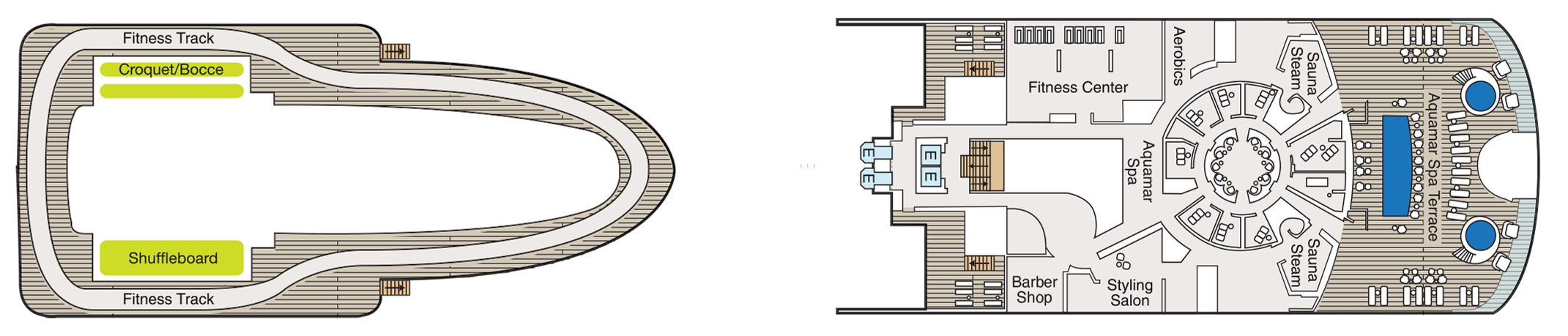
- Croquet/Bocce
- Shuffleboard
- Fitness Track
- Fitness Centre
- Aquamar Spa
- Barber Shop
- Styling Salon
- Sauna/Steam Rooms
- Aquamar Spa Terrace
- Elevator

- Paddle Tennis
- Golf Putting Greens
- Restrooms
- Red Ginger
- Jacques
- Boutiques
- Concierge
- Elevator
- Reception
- Destination Services
- Lounge
- Stage
- Restroom
- Medical Centre (Located on Deck 4 – Not Shown)
- Grand Lounge
- Upper Hall
- Martinis
- Casino
- Casino Bar
- The Grand Dining Room
- Elevator
- Concierge Level Veranda
- Veranda Stateroom
- French Veranda
- Penthouse Suite
- Launderette
- Elevator
- Concierge Level Veranda
- Owner’s Suite
- Veranda Stateroom
- Vista Suite
- Launderette
- Elevator
- Concierge Lounge
- Concierge Level Veranda
- Concierge Level Solo Veranda
- Owner’s Suite
- Vista Suite
- Launderette
- Elevator
- Concierge Level Veranda
- Owner’s Suite
- Penthouse Suite
- Vista Suite
- Launderette
- Elevator
- Executive Lounge
- Concierge Level Veranda
- Oceania Suite
- Penthouse Suite
- Launderette
- Bridge
- Elevator
- Terrace Café
- Aquamar Kitchen
- Waves Grill
- Pool
- Whirlpools
- Waves Bar
- Concierge Level Veranda
- Oceania Suite
- Vista Suite
- Elevator
- Restroom
- Priveé
- Toscana
- Polo Grill
- Bakery
- Library
- Baristas
- Sun Deck
- The Culinary Centre
- Artist Loft
- LYNC Digital Centre
- Conference Centre
- Horizons
- Elevator
- Restroom
- Croquet/Bocce
- Shuffleboard
- Fitness Track
- Fitness Centre
- Aquamar Spa
- Barber Shop
- Styling Salon
- Sauna/Steam Rooms
- Aquamar Spa Terrace
- Elevator
- Paddle Tennis
- Golf Putting Greens
- Restrooms