Featured Cabins
Itinerary
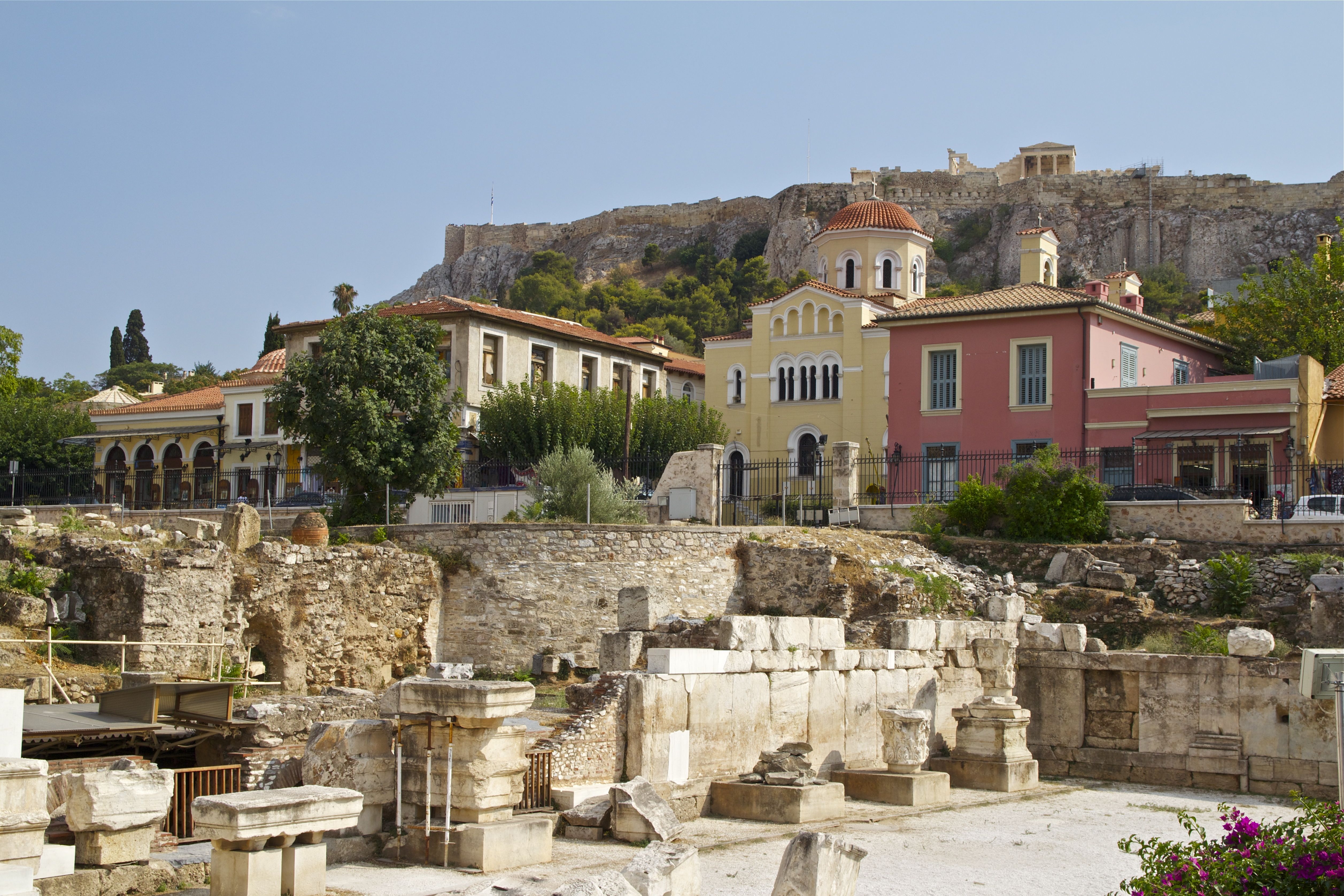
Valletta, Malta
Malta’s capital, the minicity of Valletta, has ornate palaces and museums protected by massive fortifications of honey-color limestone. Houses along the narrow streets have overhanging wooden balconies for people-watching from indoors. Generations ago they gave housebound women a window on the world of the street. The main entrance to town is through the City Gate (where all bus routes end), which leads onto Triq Repubblika (Republic Street), the spine of the grid-pattern city and the main shopping street. Triq Mercante (Merchant Street) parallels Repubblika to the east and is also good for strolling. From these two streets, cross streets descend toward the water; some are stepped. Valletta’s compactness makes it ideal to explore on foot. City Gate and the upper part of Valletta are experiencing vast redevelopment that includes a new Parliament Building and open-air performance venue. The complex, completed mid-2013, has numerous pedestrian detours in place along with building noise and dust. Before setting out along Republic Street, stop at the tourist information office on Merchant Street for maps and brochures.
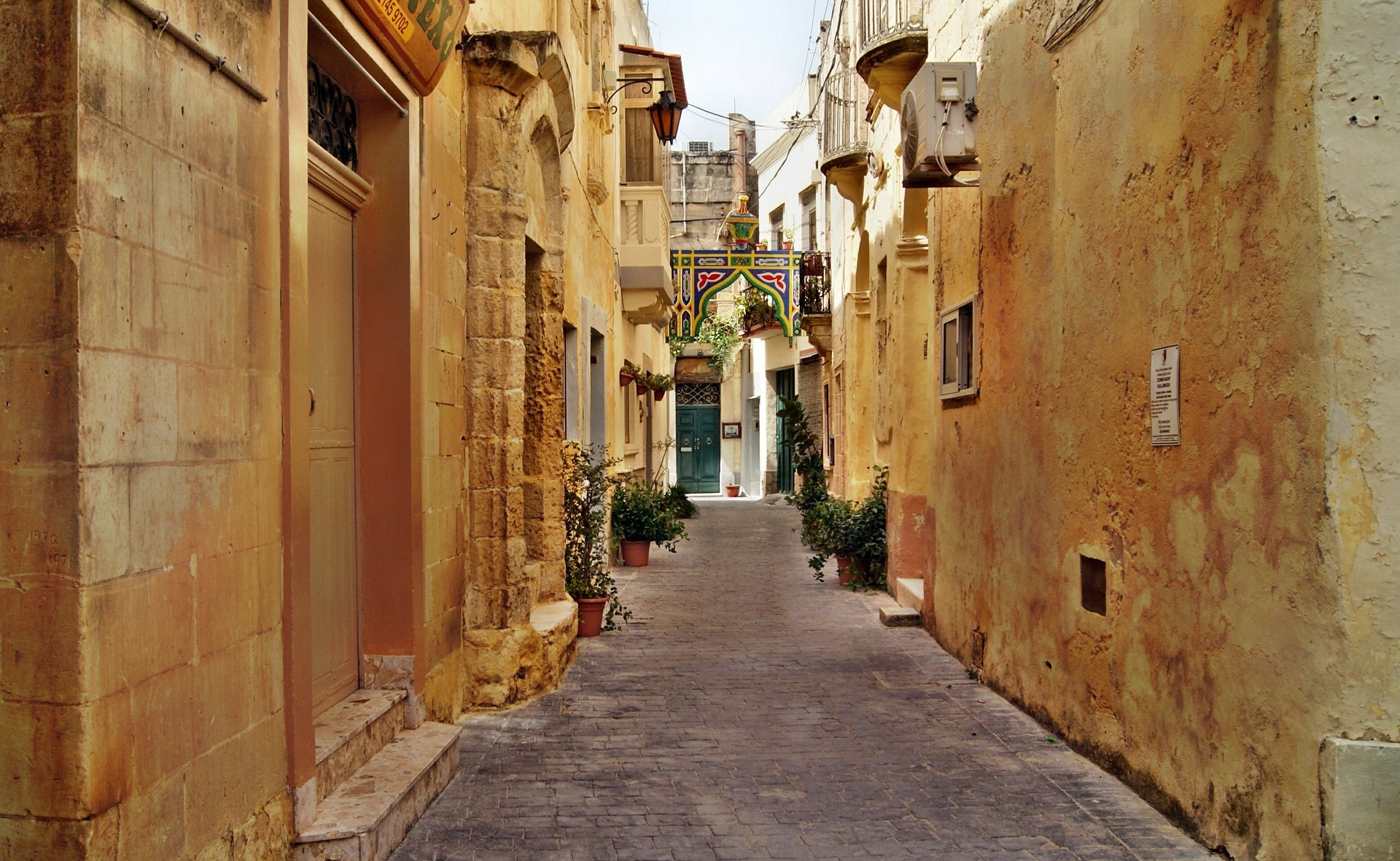
Suda Bay, Crete, Greece
A call at Souda Bay promises sparkling beaches, engrossing history and no shortage of proud Maritime tradition. You’ll drift past the fortified walls of Leon and Souda islands as you enter this natural harbour, which gives you access to all of Crete’s wonders, including Chania’s collection of fascinating museums, uncovered archaeological sites, and glorious Venetian architecture. Souda Bay’s strategic positioning means it’s long been an important naval base – and Greek and UN bases still operate here today, on the northern rim of the bay. So it’s well worth travelling a little further out, to find heavenly beaches like the famous Elafonissi Beach – where pink sand and fizzing waves of crystal clear water, converge. The port here dates back to antiquity, when it was used to access the ancient city of Aptera. Visit the extraordinary archaeological site, to see the ruins of mighty empires – from the Romans to the Minoans – gradually emerging from the dusty ground, as excavations continue.
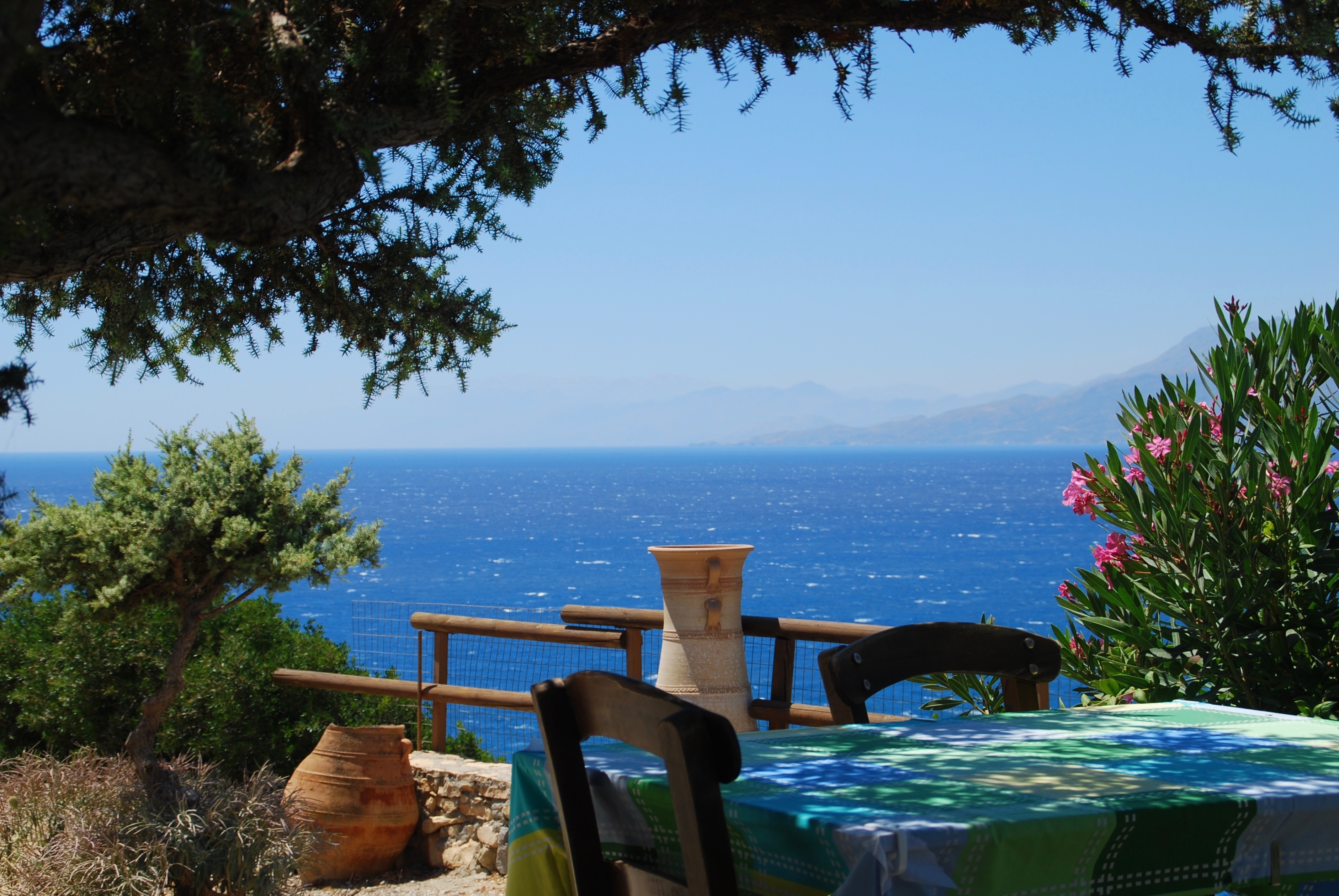
Piraeus, Greece
It’s no wonder that all roads lead to the fascinating and maddening metropolis of Athens. Lift your eyes 200 feet above the city to the Parthenon, its honey-color marble columns rising from a massive limestone base, and you behold architectural perfection that has not been surpassed in 2,500 years. But, today, this shrine of classical form dominates a 21st-century boomtown. To experience Athens—Athína in Greek—fully is to understand the essence of Greece: ancient monuments surviving in a sea of cement, startling beauty amid the squalor, tradition juxtaposed with modernity. Locals depend on humor and flexibility to deal with the chaos; you should do the same. The rewards are immense. Although Athens covers a huge area, the major landmarks of the ancient Greek, Roman, and Byzantine periods are close to the modern city center. You can easily walk from the Acropolis to many other key sites, taking time to browse in shops and relax in cafés and tavernas along the way. From many quarters of the city you can glimpse “the glory that was Greece” in the form of the Acropolis looming above the horizon, but only by actually climbing that rocky precipice can you feel the impact of the ancient settlement. The Acropolis and Filopappou, two craggy hills sitting side by side; the ancient Agora (marketplace); and Kerameikos, the first cemetery, form the core of ancient and Roman Athens. Along the Unification of Archaeological Sites promenade, you can follow stone-paved, tree-lined walkways from site to site, undisturbed by traffic. Cars have also been banned or reduced in other streets in the historical center. In the National Archaeological Museum, vast numbers of artifacts illustrate the many millennia of Greek civilization; smaller museums such as the Goulandris Museum of Cycladic Art Museum and the Byzantine and Christian Museum illuminate the history of particular regions or periods. Athens may seem like one huge city, but it is really a conglomeration of neighborhoods with distinctive characters. The Eastern influences that prevailed during the 400-year rule of the Ottoman Empire are still evident in Monastiraki, the bazaar area near the foot of the Acropolis. On the northern slope of the Acropolis, stroll through Plaka (if possible by moonlight), an area of tranquil streets lined with renovated mansions, to get the flavor of the 19th-century’s gracious lifestyle. The narrow lanes of Anafiotika, a section of Plaka, thread past tiny churches and small, color-washed houses with wooden upper stories, recalling a Cycladic island village. In this maze of winding streets, vestiges of the older city are everywhere: crumbling stairways lined with festive tavernas; dank cellars filled with wine vats; occasionally a court or diminutive garden, enclosed within high walls and filled with magnolia trees and the flaming trumpet-shaped flowers of hibiscus bushes. Formerly run-down old quarters, such as Thission, Gazi and Psirri, popular nightlife areas filled with bars and mezedopoleia (similar to tapas bars), are now in the process of gentrification, although they still retain much of their original charm, as does the colorful produce and meat market on Athinas. The area around Syntagma Square, the tourist hub, and Omonia Square, the commercial heart of the city about 1 km (½ mi) northwest, is distinctly European, having been designed by the court architects of King Otho, a Bavarian, in the 19th century. The chic shops and bistros of ritzy Kolonaki nestle at the foot of Mt. Lycabettus, Athens’s highest hill (909 feet). Each of Athens’s outlying suburbs has a distinctive character: in the north is wealthy, tree-lined Kifissia, once a summer resort for aristocratic Athenians, and in the south and southeast lie Glyfada, Voula, and Vouliagmeni, with their sandy beaches, seaside bars, and lively summer nightlife. Just beyond the city’s southern fringes is Piraeus, a bustling port city of waterside fish tavernas and Saronic Gulf views.
Mykonos, Greece
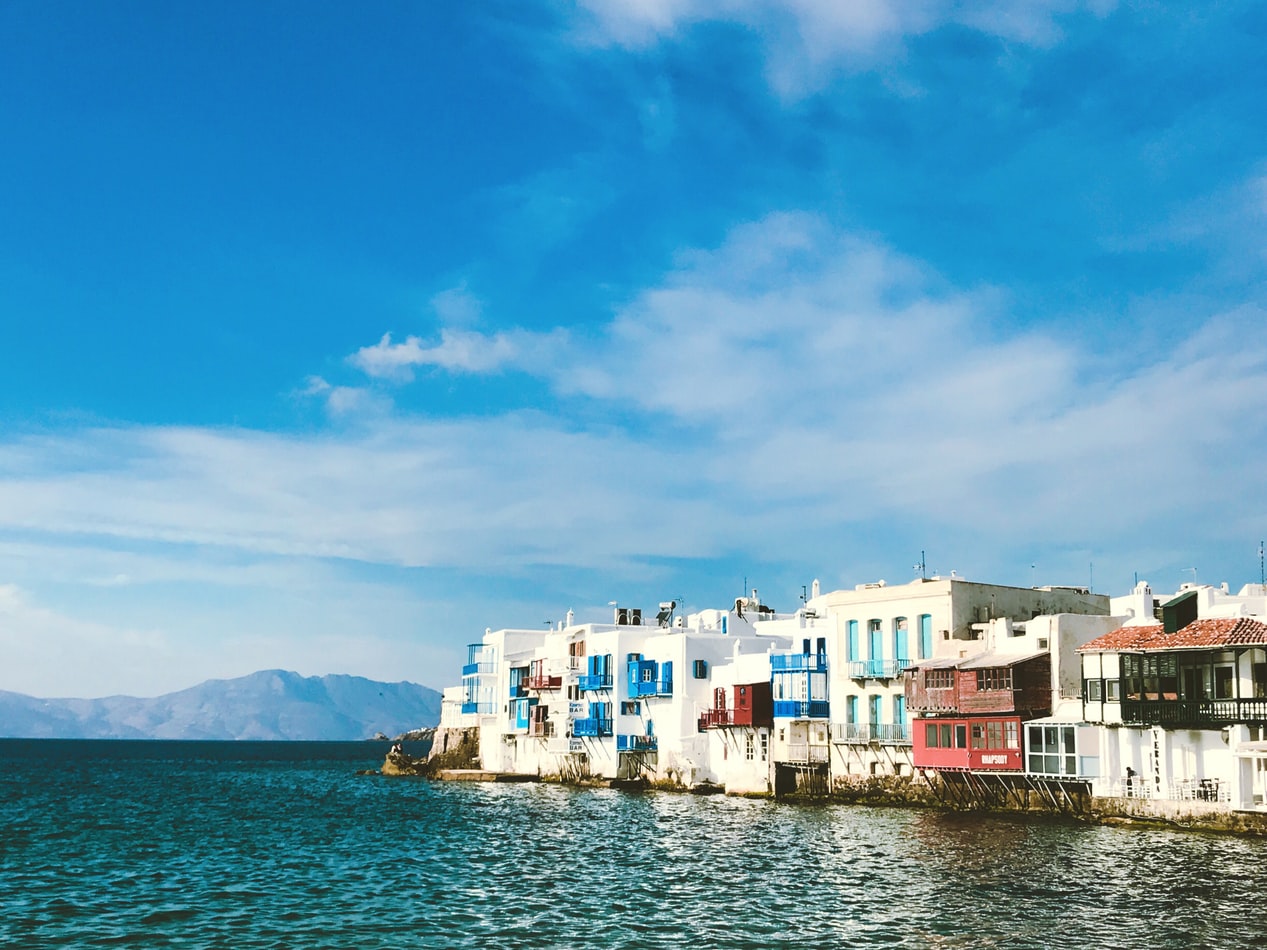
Although the fishing boats still go out in good weather, Mykonos largely makes its living from tourism these days. The summer crowds have turned one of the poorest islands in Greece into one of the richest. Old Mykonians complain that their young, who have inherited stores where their grandfathers once sold eggs or wine, get so much rent that they have lost ambition, and in summer sit around pool bars at night with their friends, and hang out in Athens in winter when island life is less scintillating. Put firmly on the map by Jackie O in the 1960s, Mykonos town—called Hora by the locals—remains the Saint-Tropez of the Greek islands. The scenery is memorable, with its whitewashed streets, Little Venice, the Kato Myli ridge of windmills, and Kastro, the town’s medieval quarter. Its cubical two- or three-story houses and churches, with their red or blue doors and domes and wooden balconies, have been long celebrated as some of the best examples of classic Cycladic architecture. Luckily, the Greek Archaeological Service decided to preserve the town, even when the Mykonians would have preferred to rebuild, and so the Old Town has been impressively preserved. Pink oleander, scarlet hibiscus, and trailing green pepper trees form a contrast amid the dazzling whiteness, whose frequent renewal with whitewash is required by law. Any visitor who has the pleasure of getting lost in its narrow streets (made all the narrower by the many outdoor stone staircases, which maximize housing space in the crowded village) will appreciate how its confusing layout was designed to foil pirates—if it was designed at all. After Mykonos fell under Turkish rule in 1537, the Ottomans allowed the islanders to arm their vessels against pirates, which had a contradictory effect: many of them found that raiding other islands was more profitable than tilling arid land. At the height of Aegean piracy, Mykonos was the principal headquarters of the corsair fleets—the place where pirates met their fellows, found willing women, and filled out their crews. Eventually the illicit activity evolved into a legitimate and thriving trade network. Morning on Mykonos town’s main quay is busy with deliveries, visitors for the Delos boats, lazy breakfasters, and street cleaners dealing with the previous night’s mess. In late morning the cruise-boat people arrive, and the shops are all open. In early afternoon, shaded outdoor tavernas are full of diners eating salads (Mykonos’s produce is mostly imported); music is absent or kept low. In mid- and late afternoon, the town feels sleepy, since so many people are at the beach, on excursions, or sleeping in their air-conditioned rooms; even some tourist shops close for siesta. By sunset, people have come back from the beach, having taken their showers and rested. At night, the atmosphere in Mykonos ramps up. The cruise-boat people are mostly gone, coughing three-wheelers make no deliveries in the narrow streets, and everyone is dressed sexy for summer and starting to shimmy with the scene. Many shops stay open past midnight, the restaurants fill up, and the bars and discos make ice cubes as fast as they can. Ready to dive in? Begin your tour of Mykonos town (Hora) by starting out at its heart: Mando Mavrogenous Square.
Heraklion (Iraklion), Crete, Greece
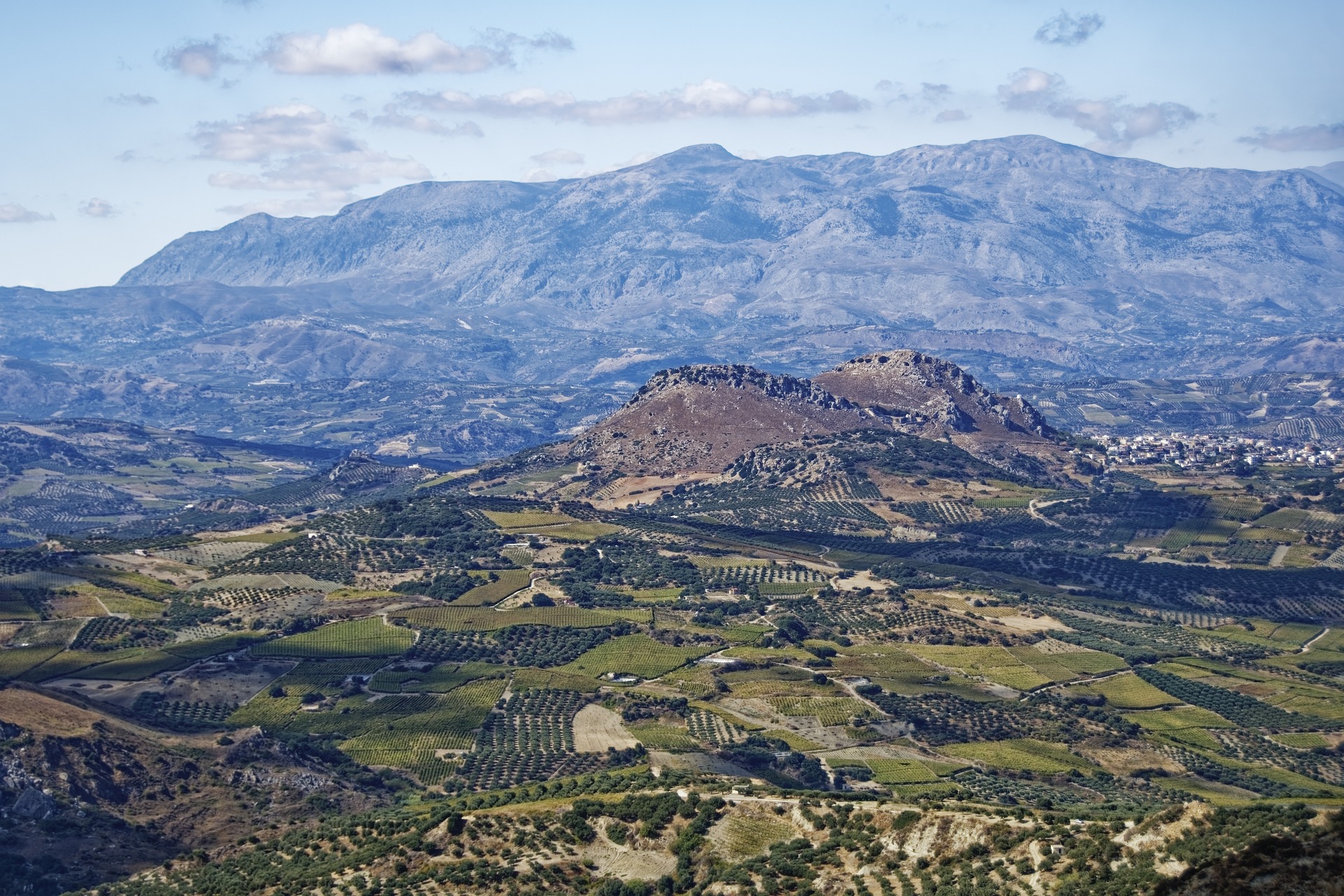
Having been controlled by Arabic, Venetian and Ottoman empires over the years – it’s no surprise that Heraklion is a diverse patchwork of exotic cultures and historical treasures. Celebrated as the birthplace of the Spanish Renaissance artist, El Greco, you can visit to explore the storied ruins of the Minoan empire’s capital, and unearth the rich cultural treasures that Crete’s bustling modern capital has to offer.
Valletta, Malta
Malta’s capital, the minicity of Valletta, has ornate palaces and museums protected by massive fortifications of honey-color limestone. Houses along the narrow streets have overhanging wooden balconies for people-watching from indoors. Generations ago they gave housebound women a window on the world of the street. The main entrance to town is through the City Gate (where all bus routes end), which leads onto Triq Repubblika (Republic Street), the spine of the grid-pattern city and the main shopping street. Triq Mercante (Merchant Street) parallels Repubblika to the east and is also good for strolling. From these two streets, cross streets descend toward the water; some are stepped. Valletta’s compactness makes it ideal to explore on foot. City Gate and the upper part of Valletta are experiencing vast redevelopment that includes a new Parliament Building and open-air performance venue. The complex, completed mid-2013, has numerous pedestrian detours in place along with building noise and dust. Before setting out along Republic Street, stop at the tourist information office on Merchant Street for maps and brochures.
Suda Bay, Crete, Greece
A call at Souda Bay promises sparkling beaches, engrossing history and no shortage of proud Maritime tradition. You’ll drift past the fortified walls of Leon and Souda islands as you enter this natural harbour, which gives you access to all of Crete’s wonders, including Chania’s collection of fascinating museums, uncovered archaeological sites, and glorious Venetian architecture. Souda Bay’s strategic positioning means it’s long been an important naval base – and Greek and UN bases still operate here today, on the northern rim of the bay. So it’s well worth travelling a little further out, to find heavenly beaches like the famous Elafonissi Beach – where pink sand and fizzing waves of crystal clear water, converge. The port here dates back to antiquity, when it was used to access the ancient city of Aptera. Visit the extraordinary archaeological site, to see the ruins of mighty empires – from the Romans to the Minoans – gradually emerging from the dusty ground, as excavations continue.
Piraeus, Greece
It’s no wonder that all roads lead to the fascinating and maddening metropolis of Athens. Lift your eyes 200 feet above the city to the Parthenon, its honey-color marble columns rising from a massive limestone base, and you behold architectural perfection that has not been surpassed in 2,500 years. But, today, this shrine of classical form dominates a 21st-century boomtown. To experience Athens—Athína in Greek—fully is to understand the essence of Greece: ancient monuments surviving in a sea of cement, startling beauty amid the squalor, tradition juxtaposed with modernity. Locals depend on humor and flexibility to deal with the chaos; you should do the same. The rewards are immense. Although Athens covers a huge area, the major landmarks of the ancient Greek, Roman, and Byzantine periods are close to the modern city center. You can easily walk from the Acropolis to many other key sites, taking time to browse in shops and relax in cafés and tavernas along the way. From many quarters of the city you can glimpse “the glory that was Greece” in the form of the Acropolis looming above the horizon, but only by actually climbing that rocky precipice can you feel the impact of the ancient settlement. The Acropolis and Filopappou, two craggy hills sitting side by side; the ancient Agora (marketplace); and Kerameikos, the first cemetery, form the core of ancient and Roman Athens. Along the Unification of Archaeological Sites promenade, you can follow stone-paved, tree-lined walkways from site to site, undisturbed by traffic. Cars have also been banned or reduced in other streets in the historical center. In the National Archaeological Museum, vast numbers of artifacts illustrate the many millennia of Greek civilization; smaller museums such as the Goulandris Museum of Cycladic Art Museum and the Byzantine and Christian Museum illuminate the history of particular regions or periods. Athens may seem like one huge city, but it is really a conglomeration of neighborhoods with distinctive characters. The Eastern influences that prevailed during the 400-year rule of the Ottoman Empire are still evident in Monastiraki, the bazaar area near the foot of the Acropolis. On the northern slope of the Acropolis, stroll through Plaka (if possible by moonlight), an area of tranquil streets lined with renovated mansions, to get the flavor of the 19th-century’s gracious lifestyle. The narrow lanes of Anafiotika, a section of Plaka, thread past tiny churches and small, color-washed houses with wooden upper stories, recalling a Cycladic island village. In this maze of winding streets, vestiges of the older city are everywhere: crumbling stairways lined with festive tavernas; dank cellars filled with wine vats; occasionally a court or diminutive garden, enclosed within high walls and filled with magnolia trees and the flaming trumpet-shaped flowers of hibiscus bushes. Formerly run-down old quarters, such as Thission, Gazi and Psirri, popular nightlife areas filled with bars and mezedopoleia (similar to tapas bars), are now in the process of gentrification, although they still retain much of their original charm, as does the colorful produce and meat market on Athinas. The area around Syntagma Square, the tourist hub, and Omonia Square, the commercial heart of the city about 1 km (½ mi) northwest, is distinctly European, having been designed by the court architects of King Otho, a Bavarian, in the 19th century. The chic shops and bistros of ritzy Kolonaki nestle at the foot of Mt. Lycabettus, Athens’s highest hill (909 feet). Each of Athens’s outlying suburbs has a distinctive character: in the north is wealthy, tree-lined Kifissia, once a summer resort for aristocratic Athenians, and in the south and southeast lie Glyfada, Voula, and Vouliagmeni, with their sandy beaches, seaside bars, and lively summer nightlife. Just beyond the city’s southern fringes is Piraeus, a bustling port city of waterside fish tavernas and Saronic Gulf views.
Mykonos, Greece
Although the fishing boats still go out in good weather, Mykonos largely makes its living from tourism these days. The summer crowds have turned one of the poorest islands in Greece into one of the richest. Old Mykonians complain that their young, who have inherited stores where their grandfathers once sold eggs or wine, get so much rent that they have lost ambition, and in summer sit around pool bars at night with their friends, and hang out in Athens in winter when island life is less scintillating. Put firmly on the map by Jackie O in the 1960s, Mykonos town—called Hora by the locals—remains the Saint-Tropez of the Greek islands. The scenery is memorable, with its whitewashed streets, Little Venice, the Kato Myli ridge of windmills, and Kastro, the town’s medieval quarter. Its cubical two- or three-story houses and churches, with their red or blue doors and domes and wooden balconies, have been long celebrated as some of the best examples of classic Cycladic architecture. Luckily, the Greek Archaeological Service decided to preserve the town, even when the Mykonians would have preferred to rebuild, and so the Old Town has been impressively preserved. Pink oleander, scarlet hibiscus, and trailing green pepper trees form a contrast amid the dazzling whiteness, whose frequent renewal with whitewash is required by law. Any visitor who has the pleasure of getting lost in its narrow streets (made all the narrower by the many outdoor stone staircases, which maximize housing space in the crowded village) will appreciate how its confusing layout was designed to foil pirates—if it was designed at all. After Mykonos fell under Turkish rule in 1537, the Ottomans allowed the islanders to arm their vessels against pirates, which had a contradictory effect: many of them found that raiding other islands was more profitable than tilling arid land. At the height of Aegean piracy, Mykonos was the principal headquarters of the corsair fleets—the place where pirates met their fellows, found willing women, and filled out their crews. Eventually the illicit activity evolved into a legitimate and thriving trade network. Morning on Mykonos town’s main quay is busy with deliveries, visitors for the Delos boats, lazy breakfasters, and street cleaners dealing with the previous night’s mess. In late morning the cruise-boat people arrive, and the shops are all open. In early afternoon, shaded outdoor tavernas are full of diners eating salads (Mykonos’s produce is mostly imported); music is absent or kept low. In mid- and late afternoon, the town feels sleepy, since so many people are at the beach, on excursions, or sleeping in their air-conditioned rooms; even some tourist shops close for siesta. By sunset, people have come back from the beach, having taken their showers and rested. At night, the atmosphere in Mykonos ramps up. The cruise-boat people are mostly gone, coughing three-wheelers make no deliveries in the narrow streets, and everyone is dressed sexy for summer and starting to shimmy with the scene. Many shops stay open past midnight, the restaurants fill up, and the bars and discos make ice cubes as fast as they can. Ready to dive in? Begin your tour of Mykonos town (Hora) by starting out at its heart: Mando Mavrogenous Square.
Heraklion (Iraklion), Crete, Greece
Having been controlled by Arabic, Venetian and Ottoman empires over the years – it’s no surprise that Heraklion is a diverse patchwork of exotic cultures and historical treasures. Celebrated as the birthplace of the Spanish Renaissance artist, El Greco, you can visit to explore the storied ruins of the Minoan empire’s capital, and unearth the rich cultural treasures that Crete’s bustling modern capital has to offer.
Valletta, Malta
Malta’s capital, the minicity of Valletta, has ornate palaces and museums protected by massive fortifications of honey-color limestone. Houses along the narrow streets have overhanging wooden balconies for people-watching from indoors. Generations ago they gave housebound women a window on the world of the street. The main entrance to town is through the City Gate (where all bus routes end), which leads onto Triq Repubblika (Republic Street), the spine of the grid-pattern city and the main shopping street. Triq Mercante (Merchant Street) parallels Repubblika to the east and is also good for strolling. From these two streets, cross streets descend toward the water; some are stepped. Valletta’s compactness makes it ideal to explore on foot. City Gate and the upper part of Valletta are experiencing vast redevelopment that includes a new Parliament Building and open-air performance venue. The complex, completed mid-2013, has numerous pedestrian detours in place along with building noise and dust. Before setting out along Republic Street, stop at the tourist information office on Merchant Street for maps and brochures.
Valletta, Malta
Malta’s capital, the minicity of Valletta, has ornate palaces and museums protected by massive fortifications of honey-color limestone. Houses along the narrow streets have overhanging wooden balconies for people-watching from indoors. Generations ago they gave housebound women a window on the world of the street. The main entrance to town is through the City Gate (where all bus routes end), which leads onto Triq Repubblika (Republic Street), the spine of the grid-pattern city and the main shopping street. Triq Mercante (Merchant Street) parallels Repubblika to the east and is also good for strolling. From these two streets, cross streets descend toward the water; some are stepped. Valletta’s compactness makes it ideal to explore on foot. City Gate and the upper part of Valletta are experiencing vast redevelopment that includes a new Parliament Building and open-air performance venue. The complex, completed mid-2013, has numerous pedestrian detours in place along with building noise and dust. Before setting out along Republic Street, stop at the tourist information office on Merchant Street for maps and brochures.
Cabin Options
Inside Cabin
Sea View Cabins (Partially Obstructed View)
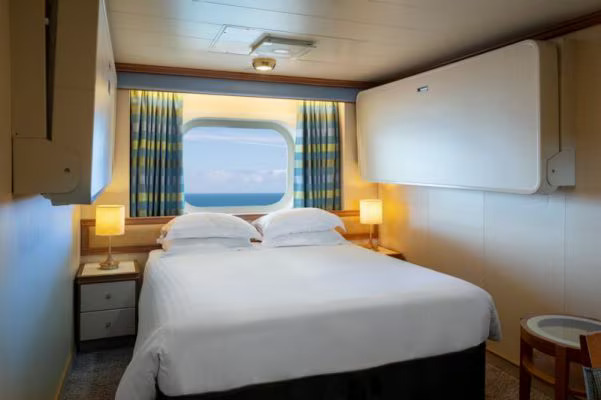
Sea View Standard Cabin
Sea View Cabin (Obstructed View)
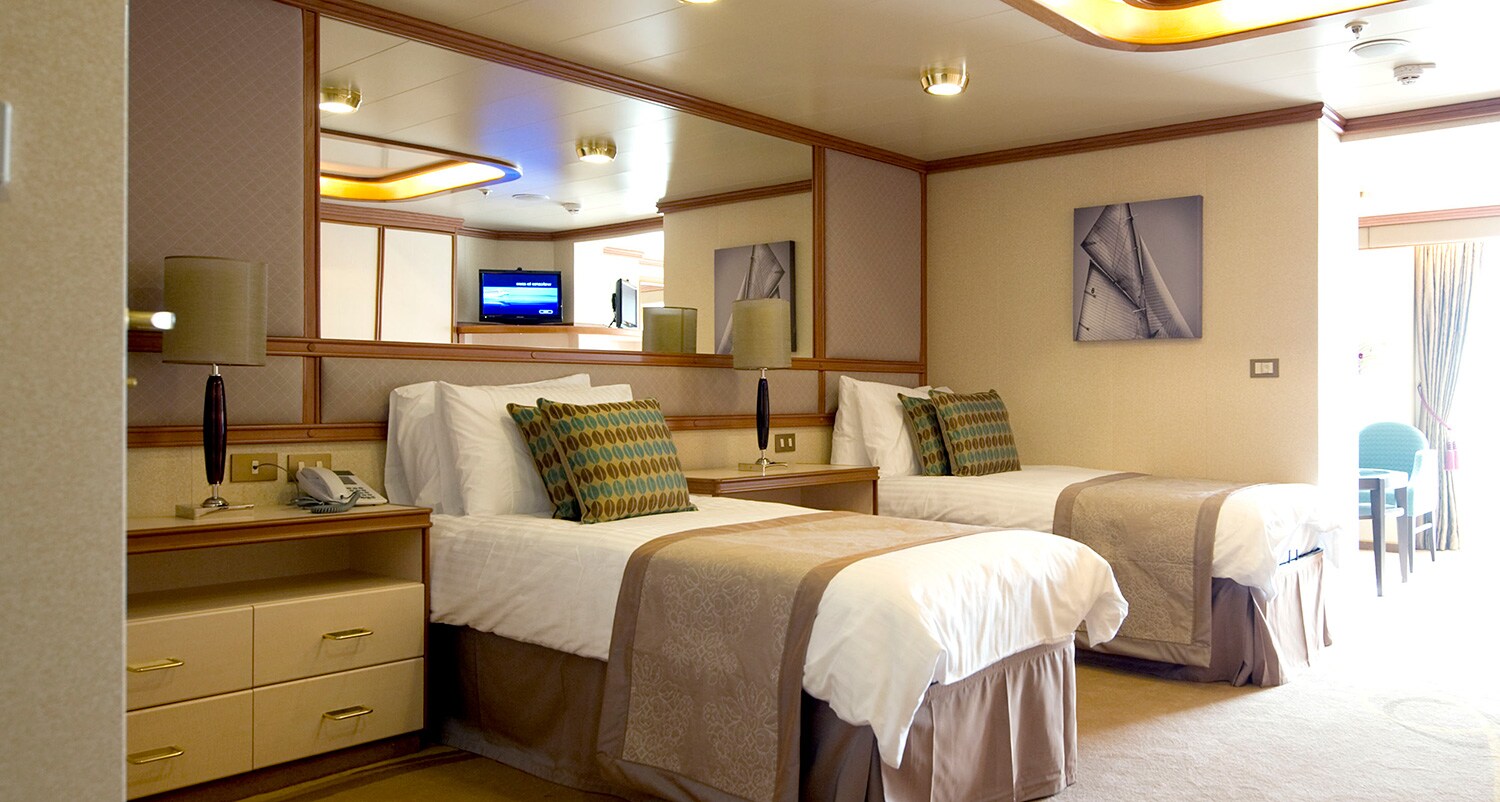
Balcony Standard Cabin
Balcony Superior Deluxe
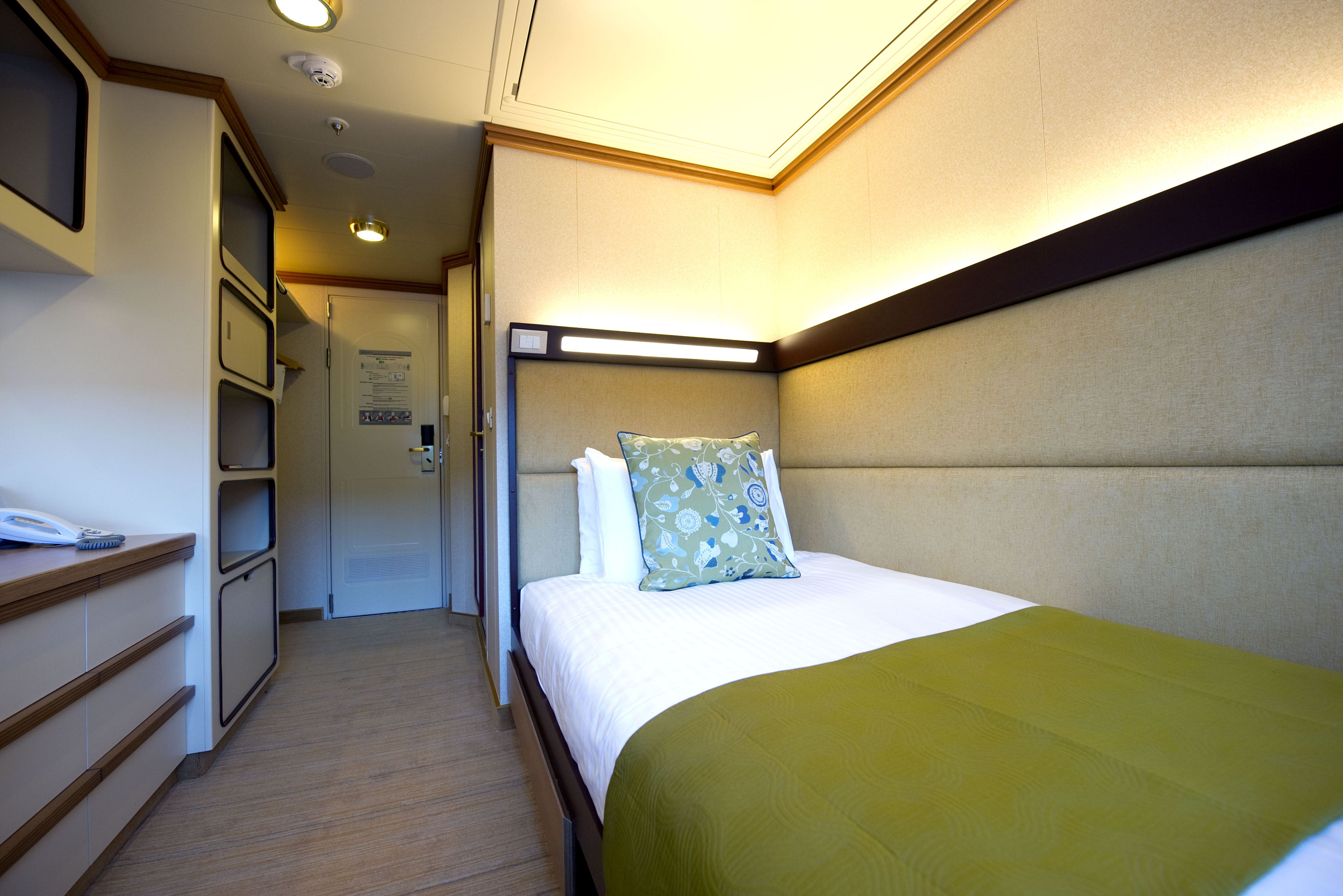
Single Inside Cabin
Single Sea View Cabins
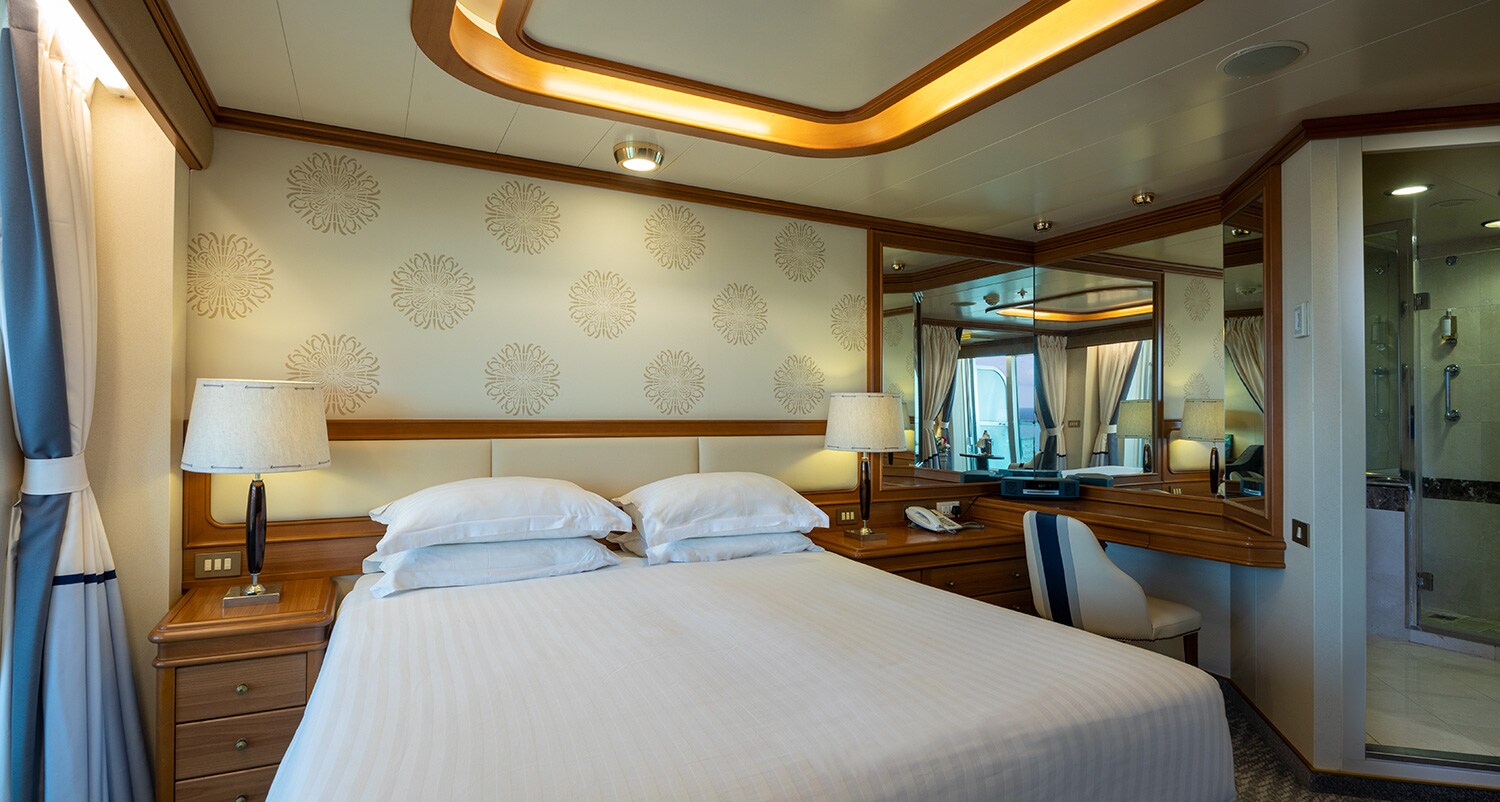
Suite
Ship Facilities
Meridian Restaurant
Experience a global culinary adventure of the highest quality at Medina. This opulent Arabian-themed space offers Freedom Dining flexibility, allowing you to dine whenever and with whomever you wish. From classic home comfort dishes to locally inspired flavours, the menus offer a delightful array of options that will leave you craving more.
Dress code – Dress code of the day (Evening Casual or Black Tie). No tailored shorts.
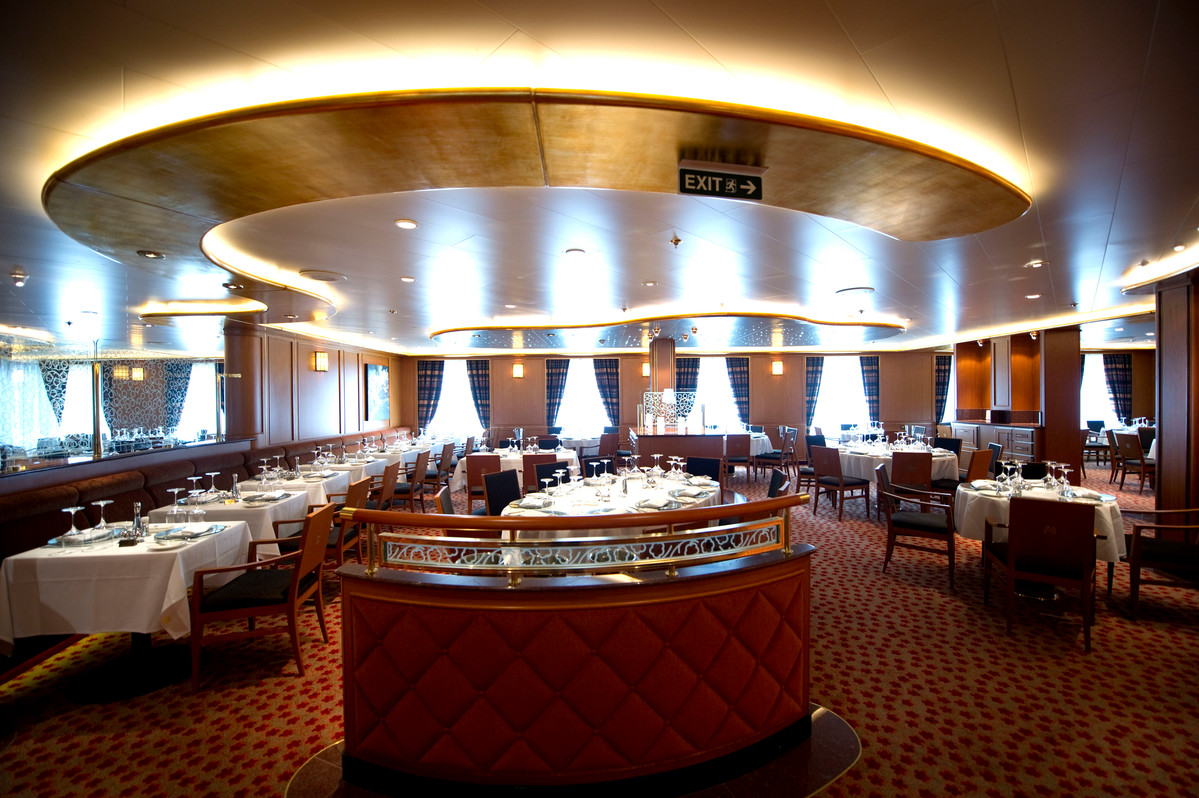
Sindhu
Prepare your taste buds for a flavour-filled adventure. In stylish and sumptuous surroundings, Sindhu’s expert chefs will take you on a delicately spiced odyssey that celebrates the best of contemporary Indian cuisines. You can also make a date on selected sea days to enjoy a delicious tiffin style lunch.
Dress code – Dress code of the day (Evening Casual or Black Tie)
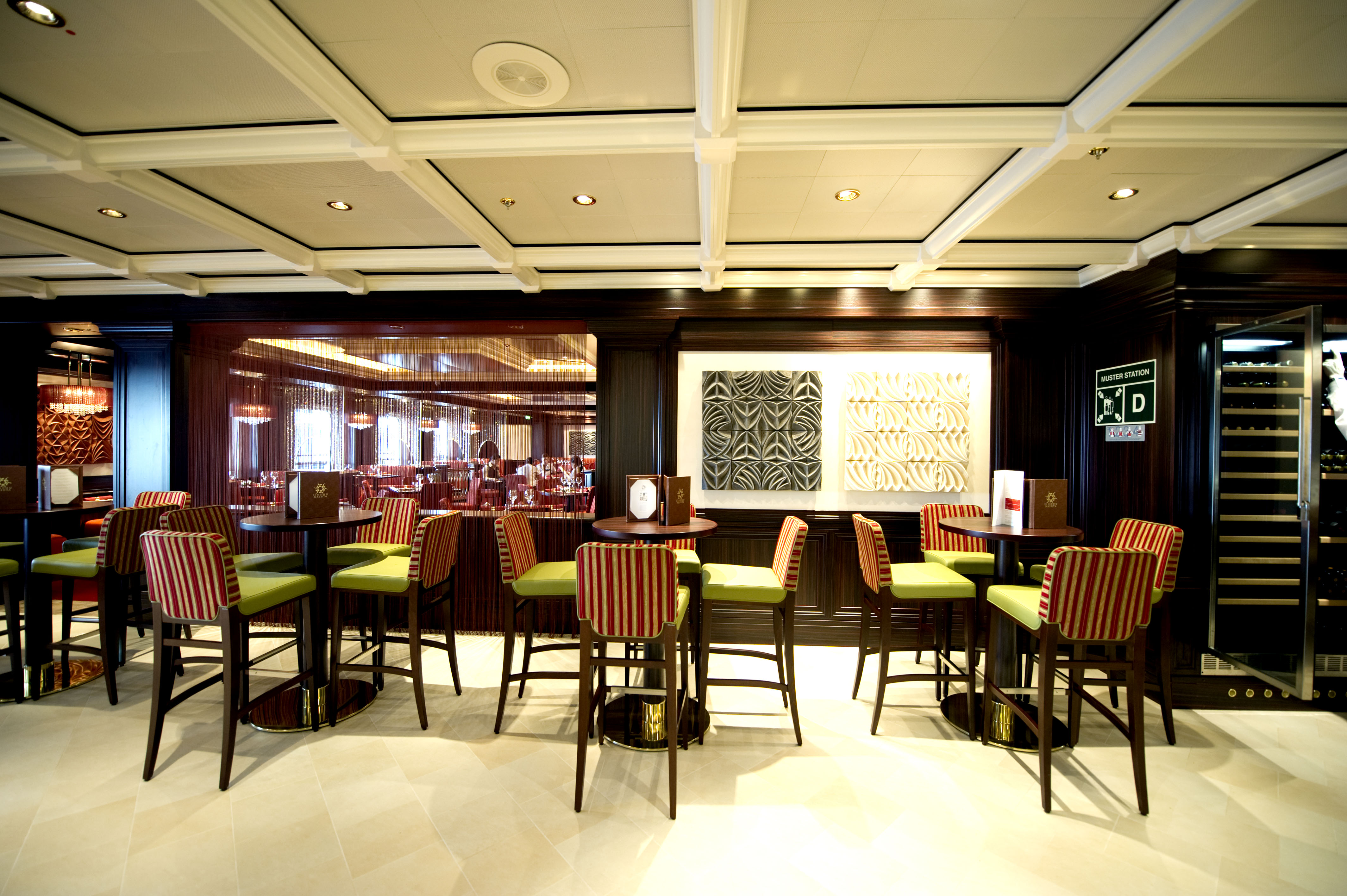
The Peninsular Restaurant
Sail the world from your plate at Britannia’s sophisticated Peninsular Restaurant, providing memorable meals on every voyage. Enjoy classic home comforts alongside exciting global flavours. Every cruise features a special five-course Celebration Night Dinner designed by Marco Pierre White, a culinary legend.
Freedom Dining – Available
Dress code – Evening Casual. (Tailored shorts are accepted)
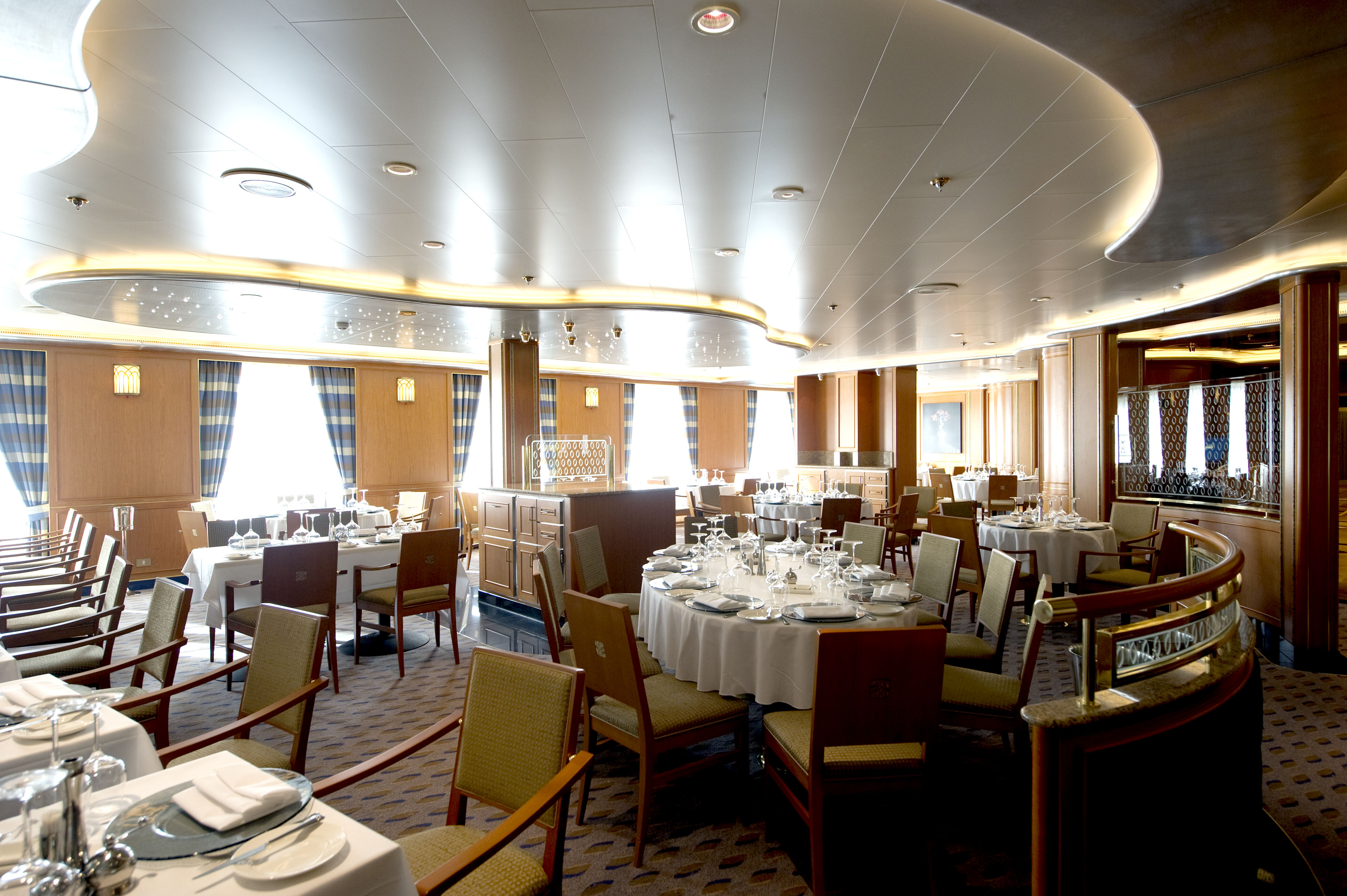
The Oriental Restaurant
Our Oriental Restaurant offers a refined atmosphere for Club Dining. Choose a set time and table for each evening and savour every bite in the company of new friends. The menu features classic British fare alongside exciting global flavours. Don’t miss the unforgettable Marco Pierre White-designed Celebration Night Dinner.
Dress code – Dress code of the day (Evening Casual or Black Tie). No tailored shorts.
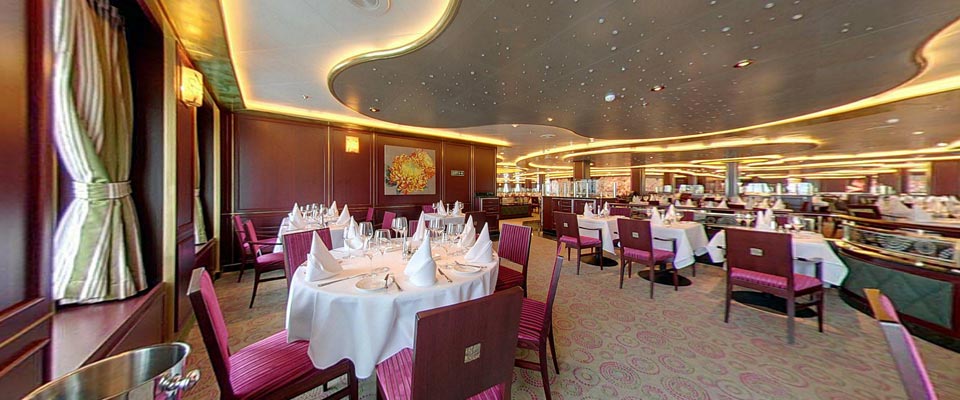
The Epicurean
Dining experiences don’t come any finer than Epicurean. Marvel as each exquisite dish, inspired by classic British ingredients and given a modern twist by expert chefs, is presented at your table. Epicurean promises a sophisticated and immersive dining experience, inviting you to savour the artistry of gastronomy in a truly luxurious setting.
Dress code – Dress code of the day (Evening Casual or Black Tie). No tailored shorts.
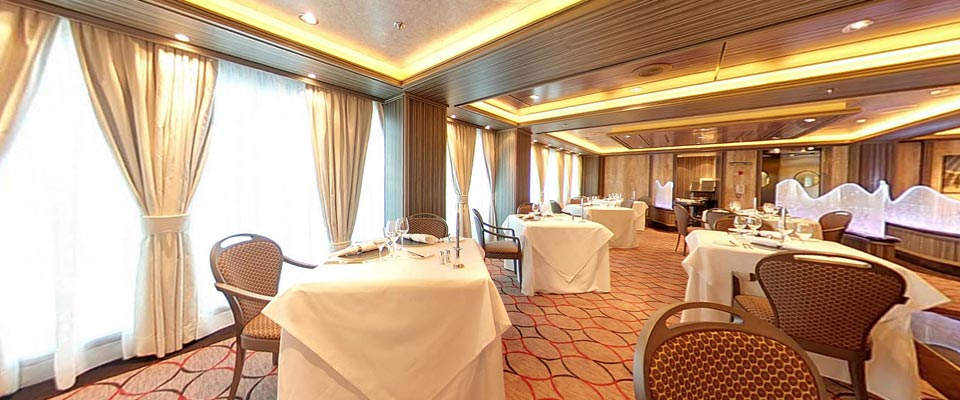
Poolside Grill
This casual eatery offers a tempting selection of freshly made snacks, perfect for satisfying poolside cravings. Bite into juicy burgers or customise your hot dog with various toppings. Featuring flavours of the day that change throughout your cruise, the Poolside Grill uses fresh ingredients to ensure a delicious and convenient bite.
Dress code – Day / Evening Casual
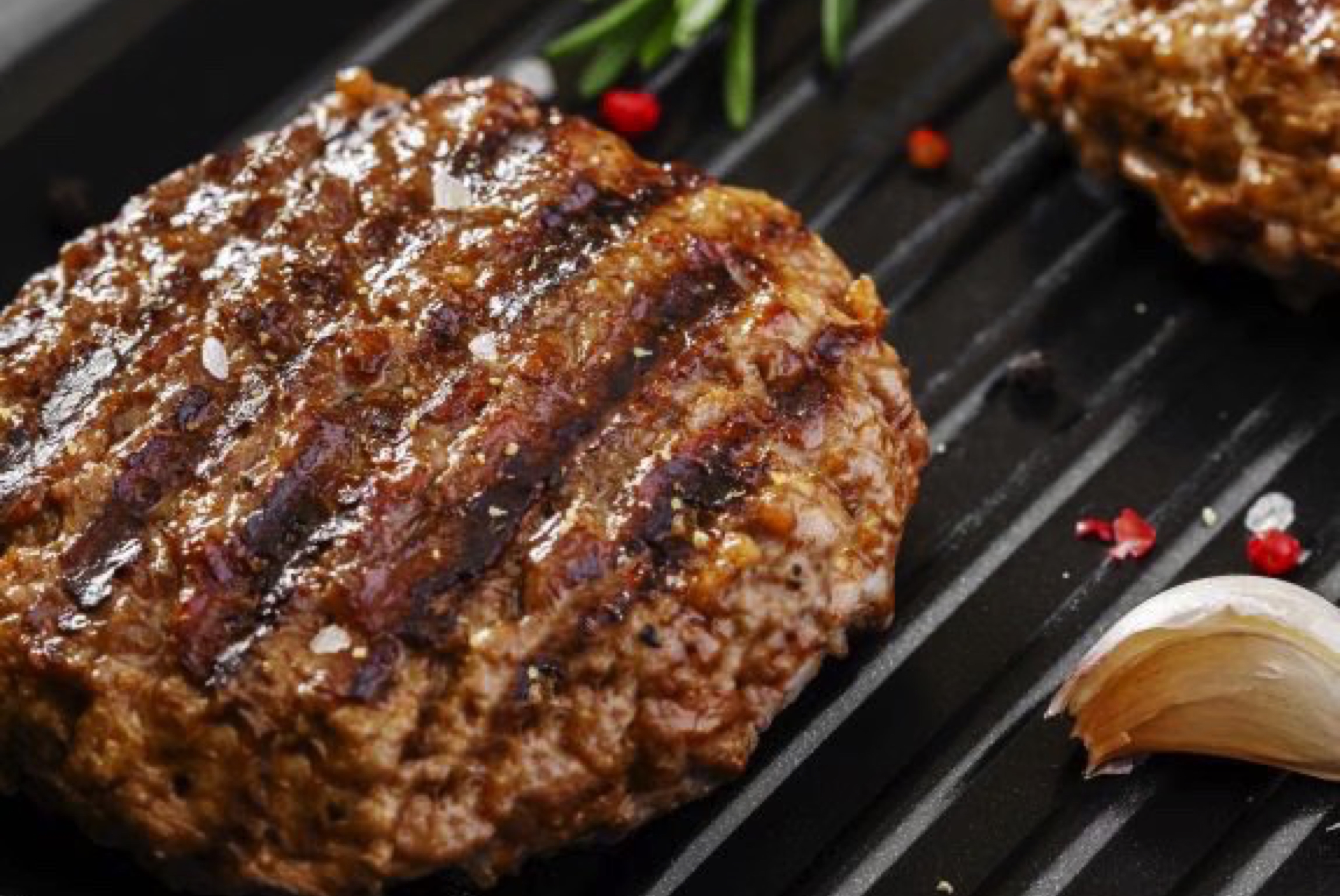
The Beach House
Welcome to The Beach House
Inspired by South American, Caribbean and Stateside cuisines, The Beach House menu offers hearty dishes and comfort-food favourites. Save space for the decadent and delicious desserts.
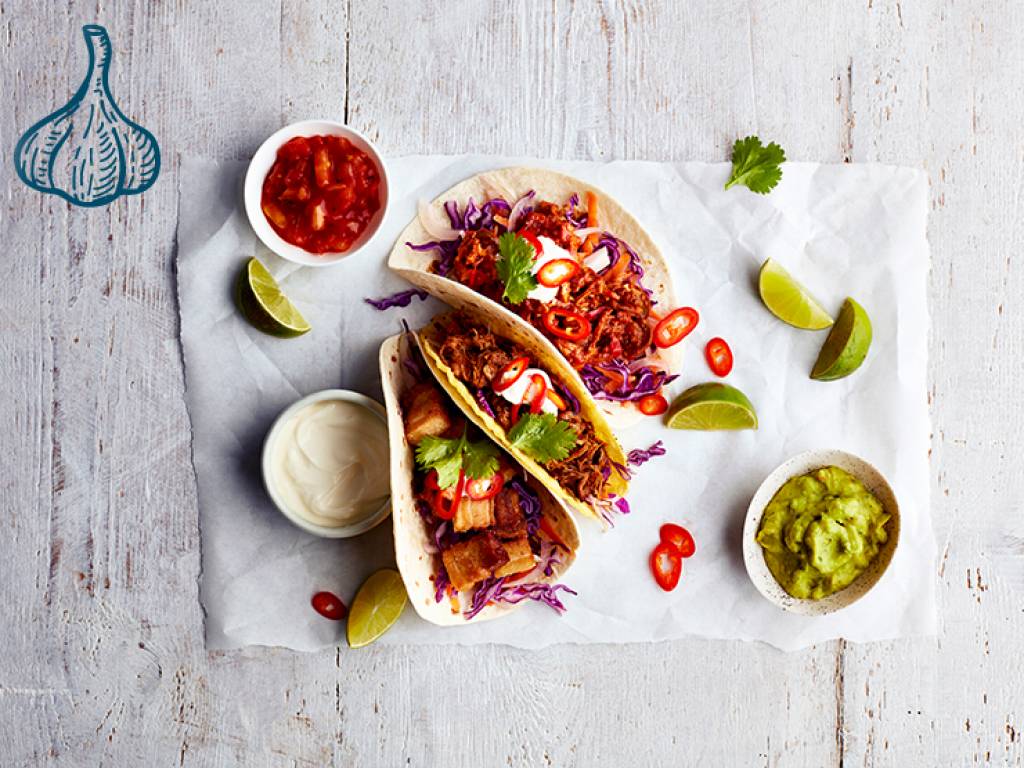
Room Service
Morning, noon, and through the night, if you fancy a bite to eat in your cabin, you’ve a mouth-watering room service menu to choose from… meals, desserts, snacks and drinks, all prepared with care and delivered with a smile. A small supplement applies to each item, apart from breakfast, which is included in the price of your holiday.

SeaScreen Open Air Cinema
Imagine watching a film under a starry, night sky, while you’re being magically transported to another new destination. SeaScreen is one of the most exciting features on board Azura because it’s more than just a pool – it’s an open-air cinema as well! The giant screen sitting proudly above the beautifully designed pool area will show a variety of classic films, family favourites and the latest blockbusters.
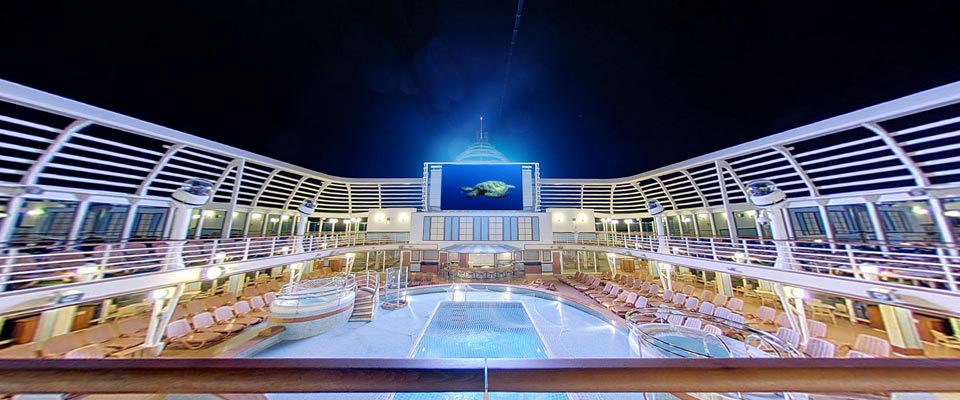
The Playhouse Theatre
Revel in the grandeur of The Playhouse. This 900-seat theatre offers a vibrant mix of entertainment, from spectacular production shows to classic musical tributes. With two nightly shows of dazzling large-scale productions, laugh-out-loud comedians and mesmerising musicians, there’s something for everyone.
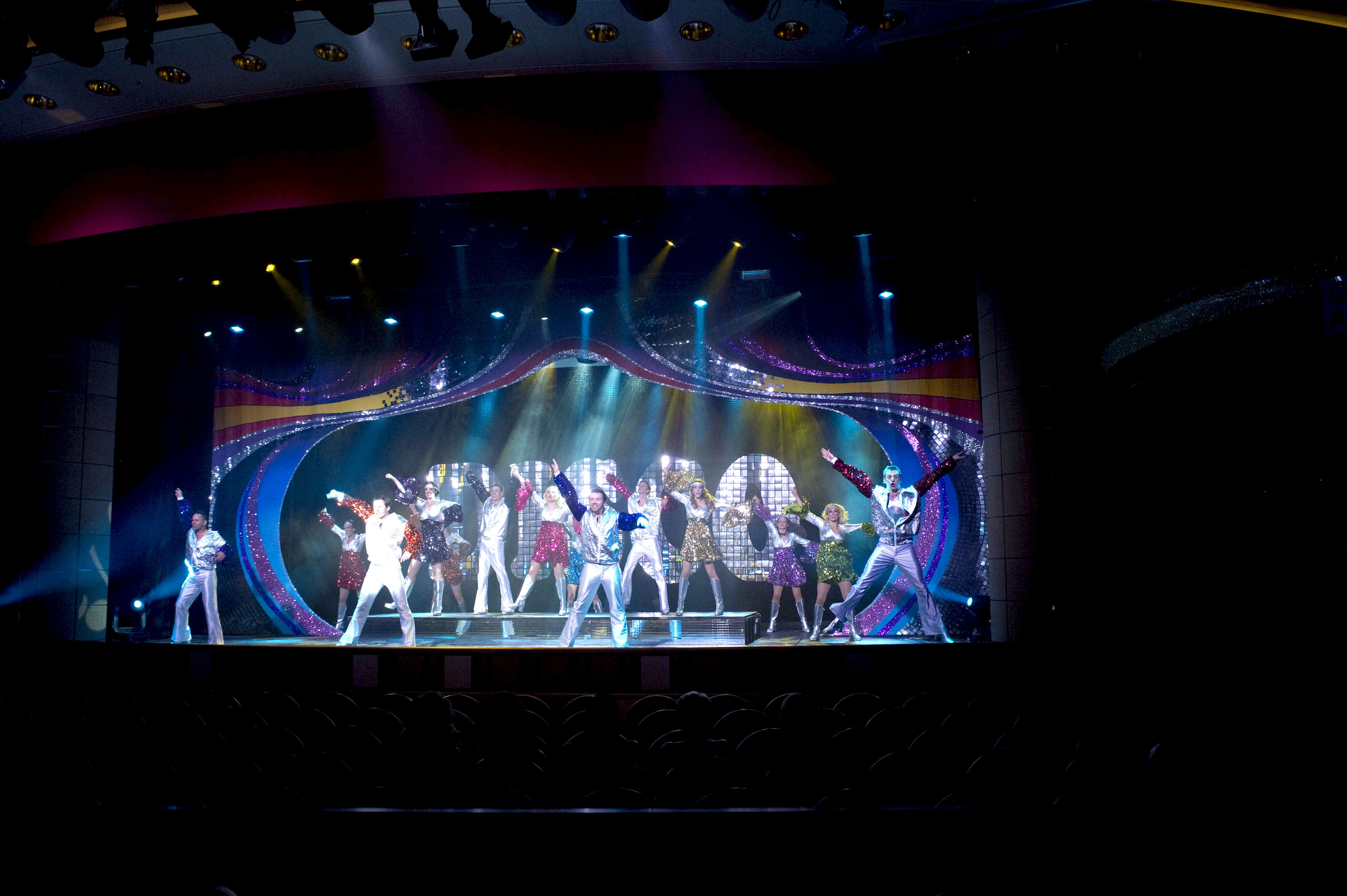
Manhattan
Manhattan Show Lounge brings the buzzing energy of New York to your evening. It offers an exciting mix of entertainment alongside a well-stocked bar serving expertly crafted cocktails, fine wines, spirits, beer, and cider, which you can enjoy while watching cabaret, tribute acts, family-friendly shows, and dancing at the glittering disco as the night unfolds.
Dress code – Evening Casual
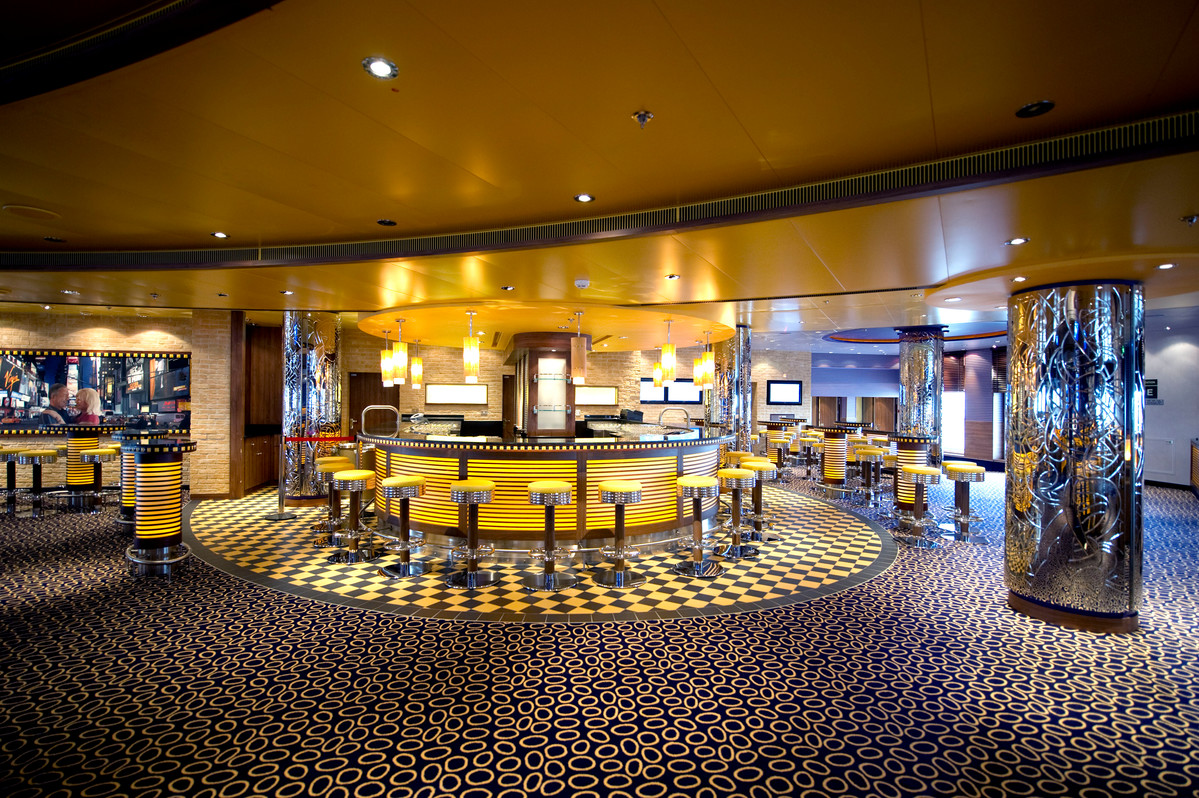
Malabar
Indulge in the vibrant atmosphere of Malabar, inspired by Mumbai’s Marine Drive. Sip on various cocktails, wines, and spirits as you enjoy captivating live entertainment. From piano recitals to dazzling bands, Malabar offers the perfect place to unwind with a drink and soak in the atmosphere.
Dress code – Evening Casual
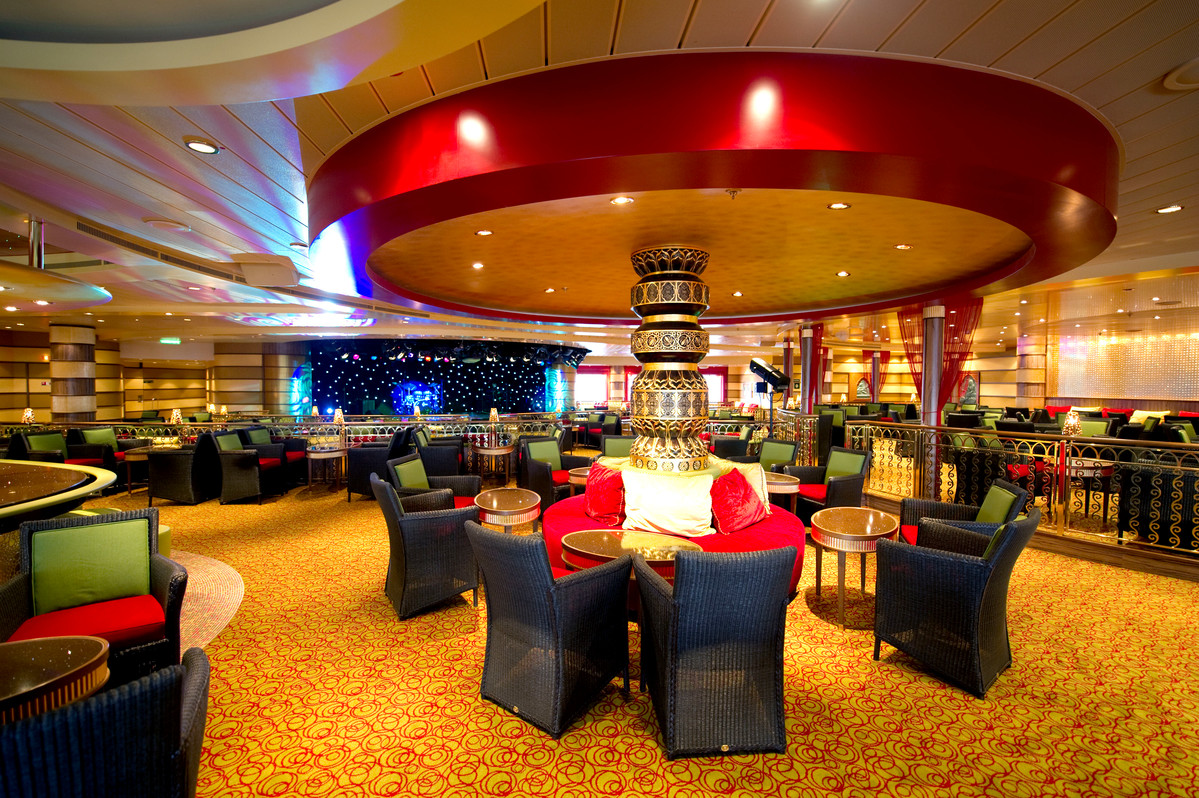
Casino
Try your luck in style in our opulent on-board casinos. Feel the thrill of classic table games like blackjack, roulette and poker. Or test your fortune on our state-of-the-art slots. Beyond the games, there are interactive game shows, virtual horse races and daily bingo. Will Lady Luck be on your side on board?
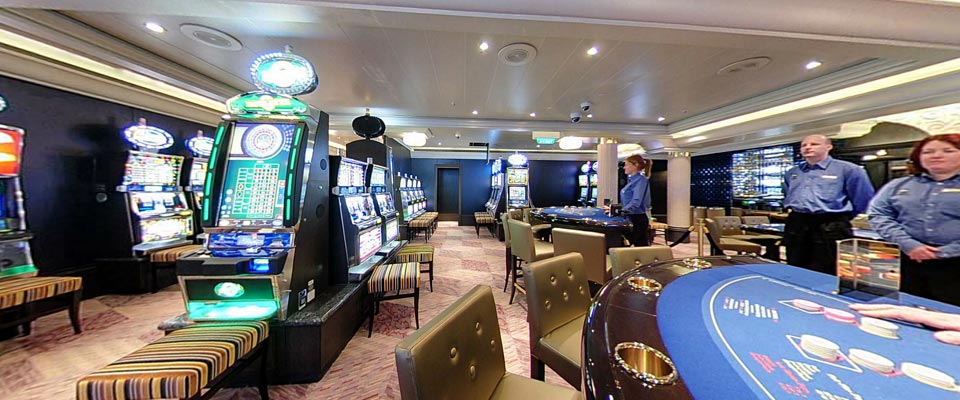
Brodie's Bar
Craving a taste of Britain? Brodie’s is a relaxed yet lively bar boasting a fantastic range of beers, ciders and real ales. It also has a great selection on tap, a well-stocked wine menu and tasty traditional British bar snacks. Enjoy live sports and quizzes by day, then unwind with karaoke, game shows and live entertainment in the evenings.
Dress code – Evening Casual
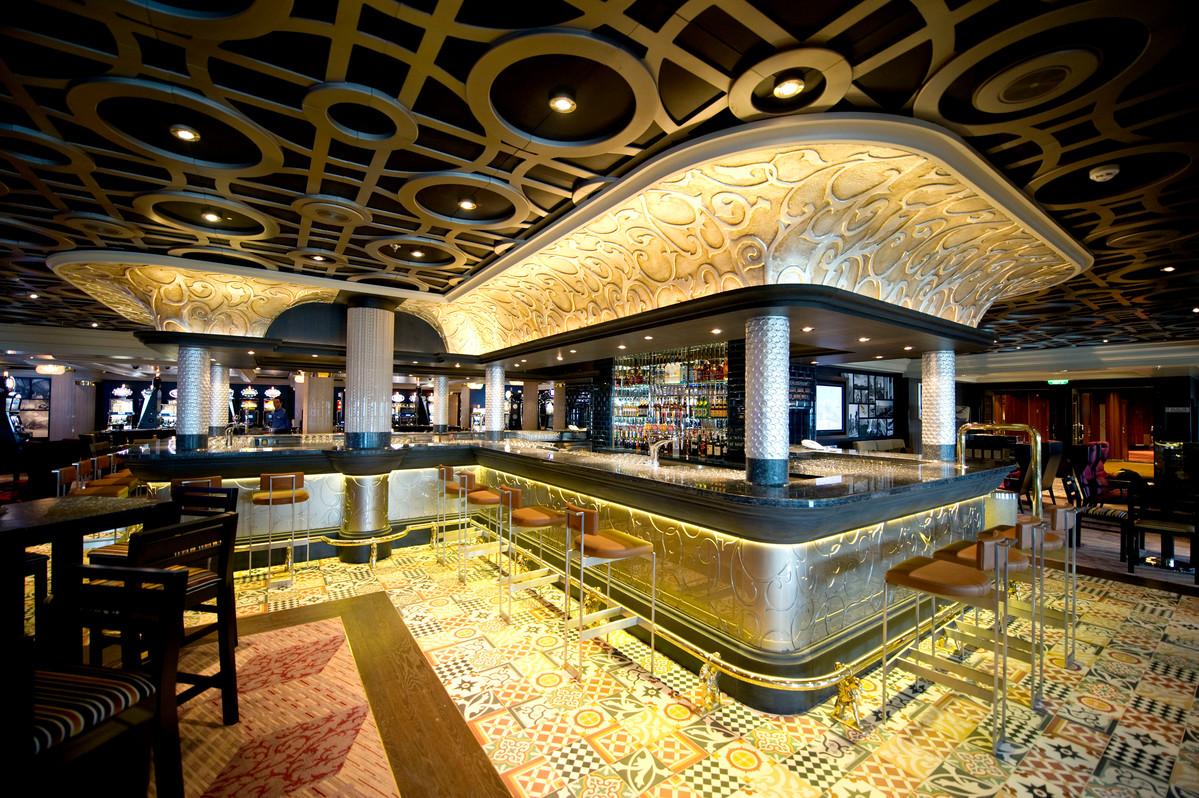
Planet Bar
Unwind in sophisticated style at Planet Bar. Here, you’ll be treated to breathtaking panoramic views, themed cocktails inspired by six continents, and floor-to-ceiling screens showcasing iconic global wonders. Sip on an African Sky or indulge in a Rose Royale accompanied by images of the Serengeti or the Grand Canyon, and rhythmic beats of global music.
Dress code – Dress code of the day (Evening Casual or Black Tie). No tailored shorts.
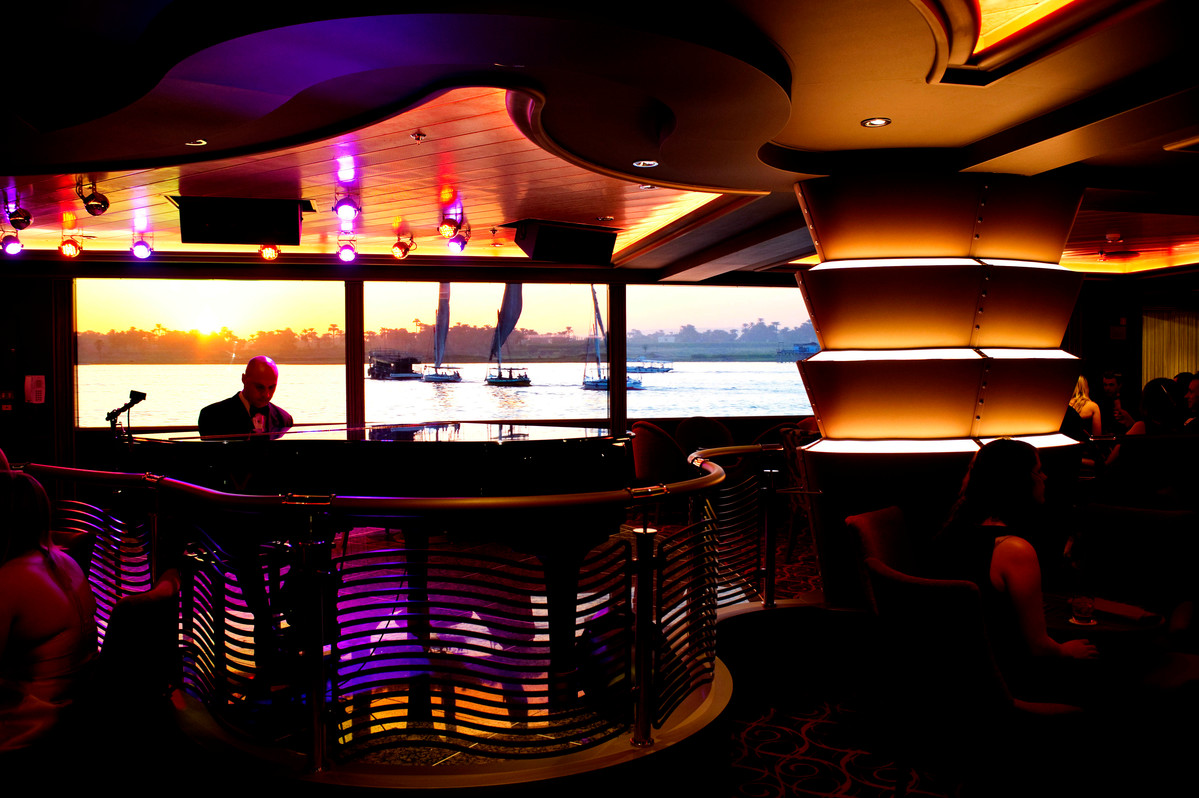
The Blue Bar
Sophisticated, chic and refined, Blue Bar offers an elegant setting for a pre-dinner aperitif or post-dinner socialising. Expert bartenders craft classic and contemporary cocktails alongside a tempting selection of champagnes. Whether you crave a refreshing mocktail or a perfectly mixed masterpiece, you can savour yours in understated luxury.
Dress code – Dress code of the day (Evening Casual or Black Tie). No tailored shorts.
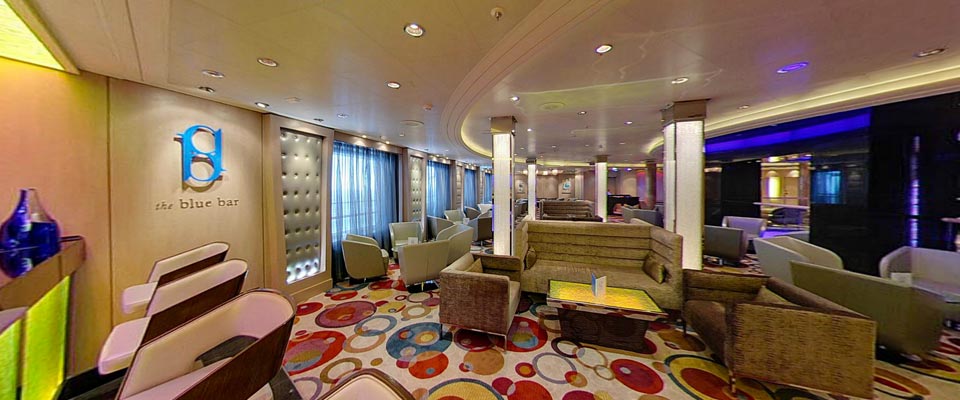
Gymnasium
Elevate your fitness journey at our state-of-the-art gym and fitness studio. Our high-tech facility boasts a full range of equipment, from free weights to cutting-edge machines, to help you reach your fitness goals. Whether you’re a beginner or a seasoned gym-goer, our gyms have everything you need to stay active and feel your best.
Complimentary fitness classes – Stay active on board with our diverse fitness programme. Our expert trainers will guide you through exciting group classes. Complimentary classes are included (there is an additional fee for extra classes). Whether you crave a high-energy spin session or a calming yoga flow, there’s something for everyone. Find your perfect fit and energise your body and mind throughout your cruise holiday.
Personal trainer – Achieve your fitness goals with tailored guidance from our expert on board personal trainers. One-to-one sessions provide targeted workouts, nutrition advice and motivation. Whether you’re new to fitness or seeking to push your limits, our trainers are dedicated to helping you reach your fitness goals.
Running tracks – Stay fit while at sea. We have dedicated jogging and running tracks on Arvia and Iona for you to break a sweat. We also have designated walking and jogging areas on our other ships. Lace up your trainers and explore stunning sea views while maintaining your fitness routine. Check your daily Horizon programme for specific times and locations.
Sports and activities on Azura – On board Azura, enjoy a wide range of sports and activities. The sports court offers football, basketball, short tennis and cricket options for friendly games or organised competitions. Deck activities include deck quoits, shuffleboard, giant chess, table tennis and golf nets, providing fun and fitness for all guests.
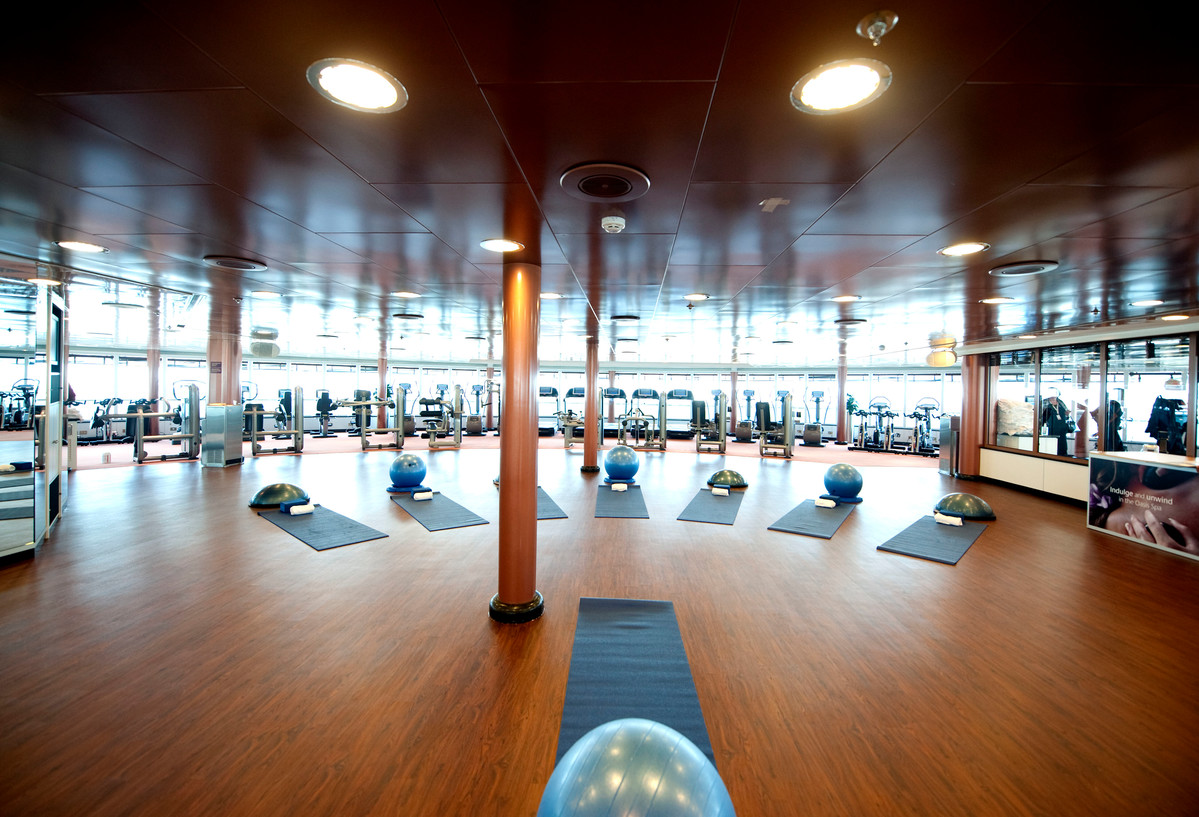
Oasis Spa
Find your on-board sanctuary in the Oasis Spa, a haven of pampering and relaxation. Melt away into a blissful world of me-time. Choose from the most exclusive spa therapies, rejuvenating facials and massages, pick-me-up nail treatments, and feel-good hair styling. There’s plenty for those who want to stay active, too, from a high-tech gym and fitness classes to swimming pools and sports courts.
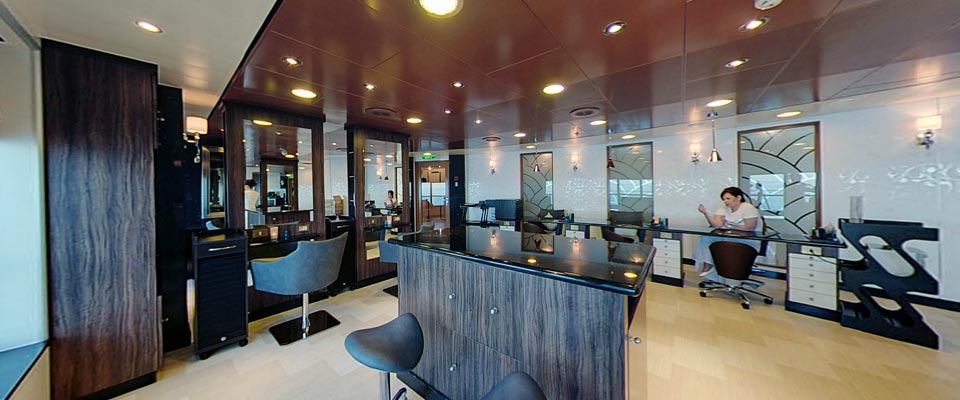
Sports Court
Whether you enjoy the friendly competition of an organised tournament or prefer to play casually with your own party, short tennis, football, volleyball, basketball and cricket are just some of the options available in the Sports Court. And just aft of the Sports Court you will find the golf nets, where you can perfect your swing, using your own clubs or those provided.
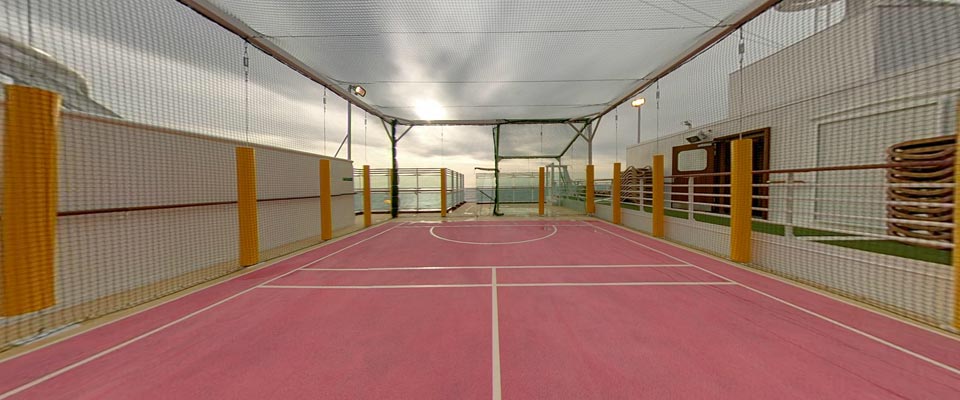
The Retreat
The Retreat, alfresco spa terrace has it all. A premium VIP open-air deck area, where you can find cold flannels, chilled drinks and snacks, and alfresco spa treatments in the privacy of shaded cabanas. Numbers are limited, so the atmosphere is serene and sophisticated with luxurious surroundings including day beds, private cabanas (to enjoy a range of spa treatments) and complimentary smoothies or fruit platters on offer. With panoramic ocean views, The Retreat is the height of grown-up sophistication and indulgence.
*Please note: Details on this page may differ depending on the ship you choose to sail on.
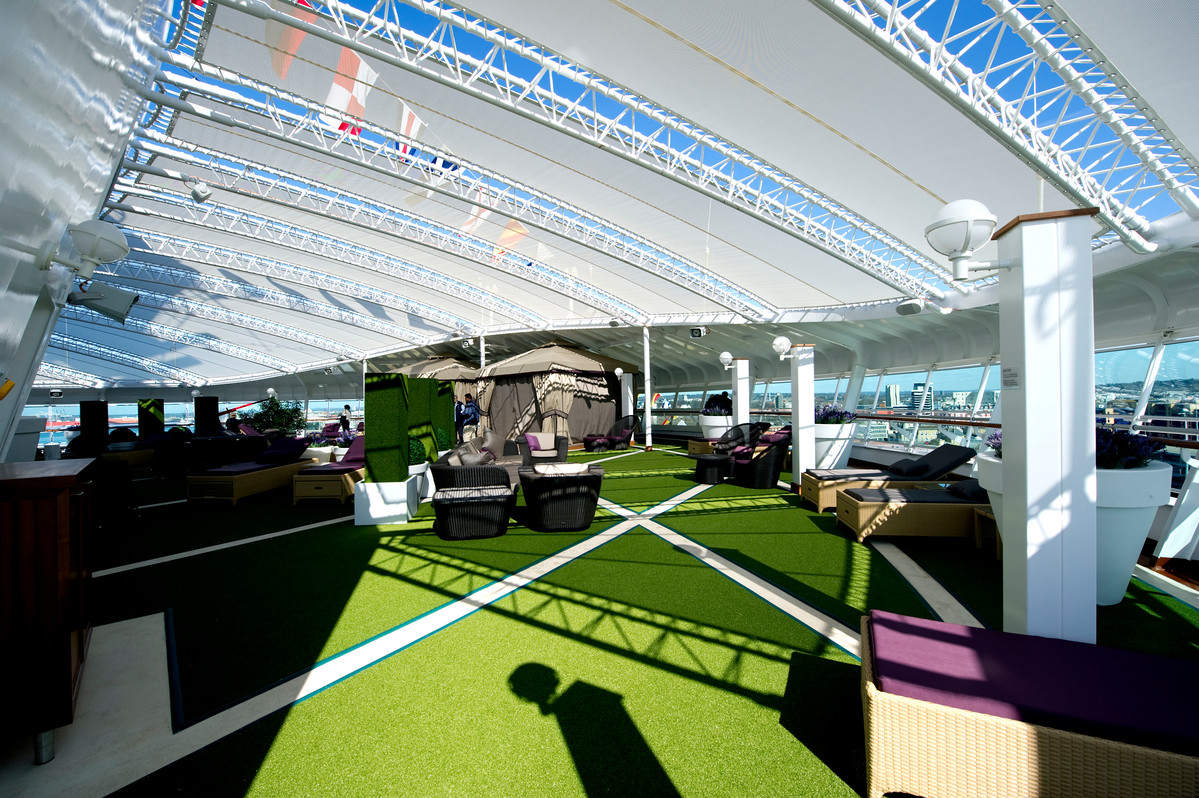
Swimming Pools
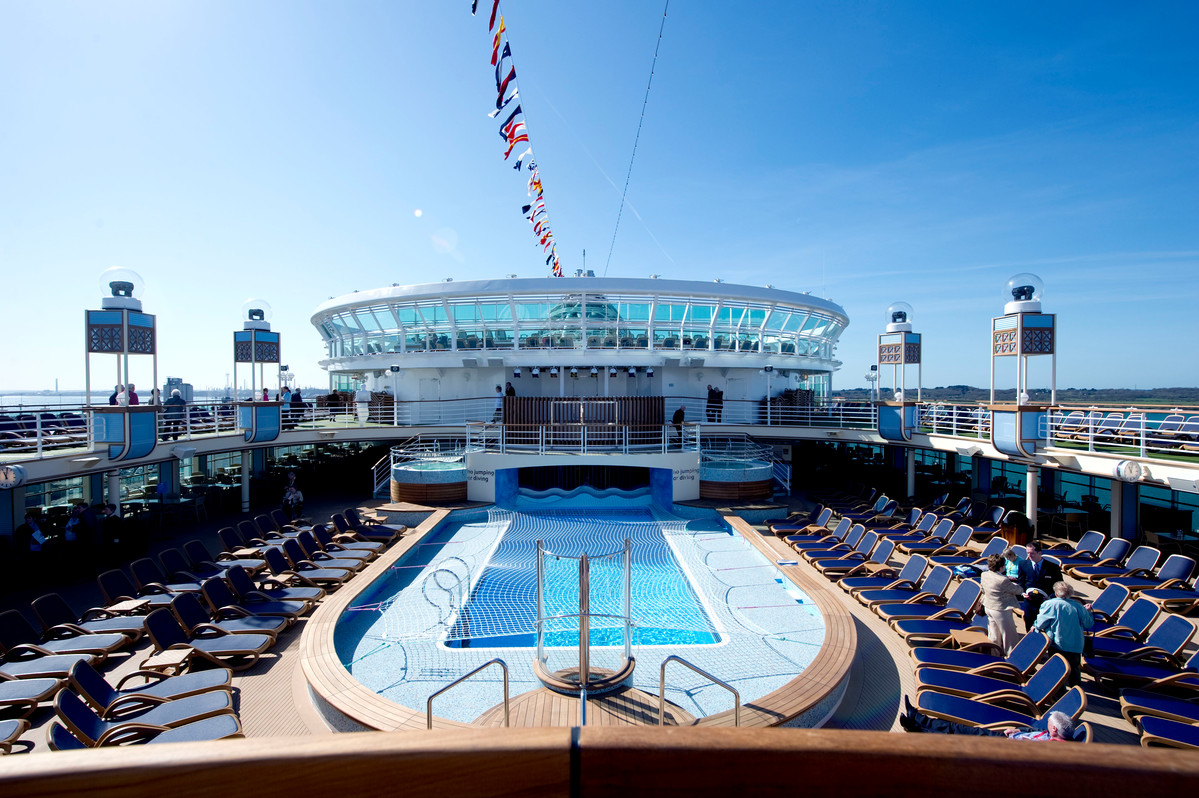
Explore our fantastic on-board swimming pools and discover a suitable swimming pool for your holiday. Whether you’re seeking relaxation, fun, a refreshing dip, or a bit of everything… from serene retreats exclusively for adults to vibrant family-friendly zones, explore the variety and get ready to make unforgettable memories.
Pools to suit everyone – Find the perfect pool, from family fun to solo serenity and tranquil spots exclusively for adults. Each of our ships offers a range of options, including accessible pools, ensuring everyone can enjoy a refreshing dip.
- Aqua Pool (Lido deck): The largest pool on the ship, featuring two whirlpool spas and poolside refreshments from Aqua bar.
- Coral Pool (Lido deck): The busiest of the pools, featuring two whirlpool spas and lots of refreshment options.
- Terrace Pool (Riviera Deck): Adults-only pool offering views from the ship’s rear and is a good place to relax.
- Splash pool (Aqua deck): Ideal for kids, located near the kids clubs and features a paddling pool.
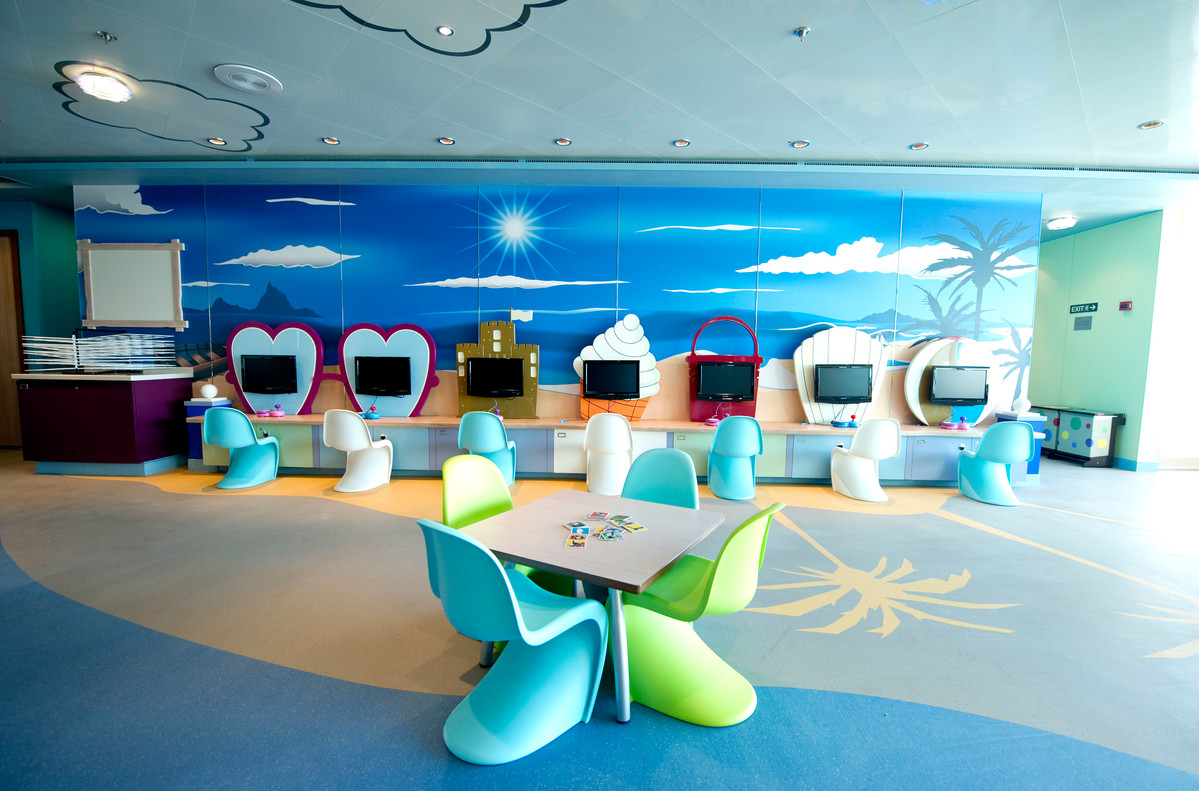
The Reef
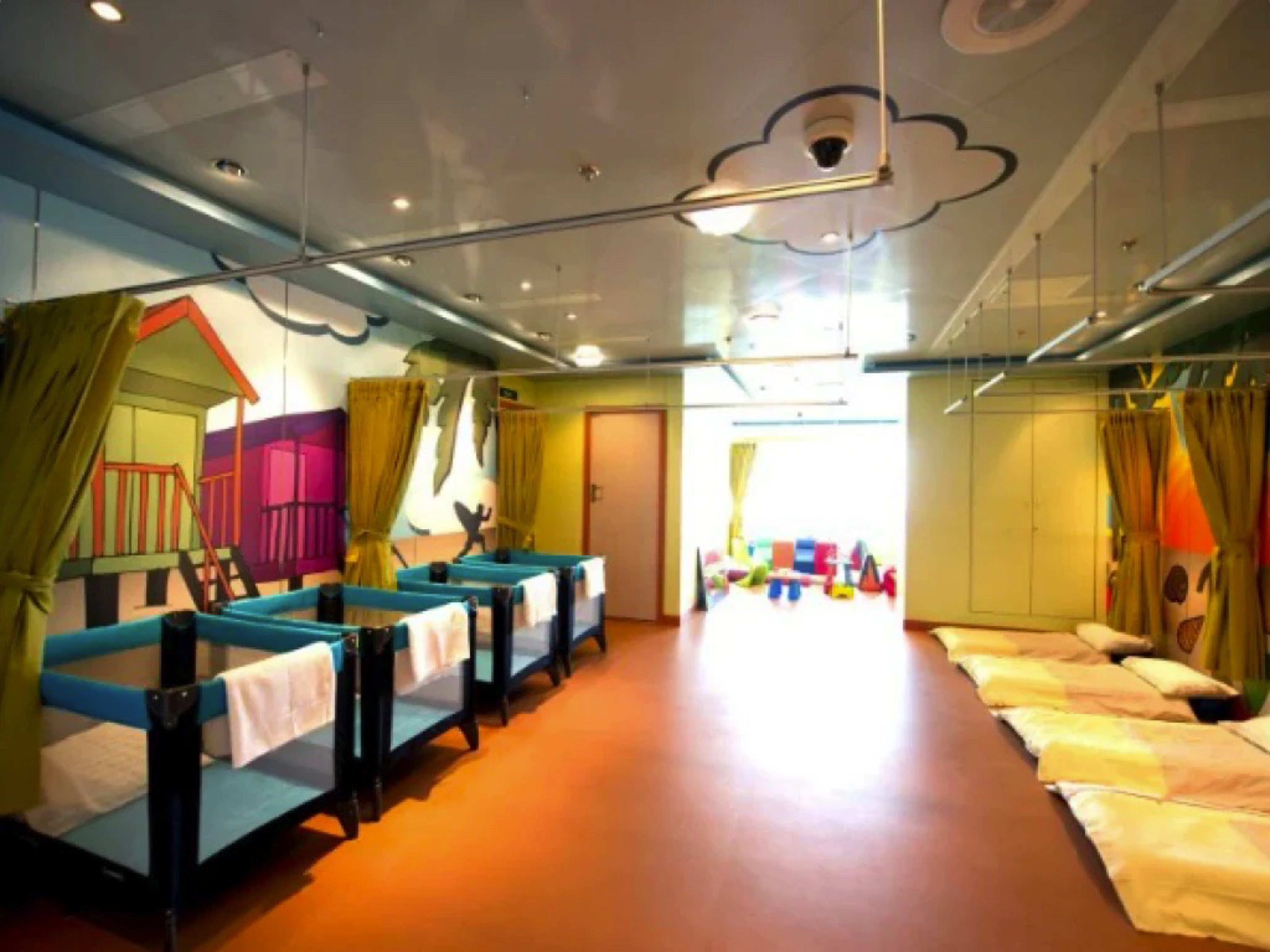
Night Nursery
The Night Nursery can help you enjoy your evenings safe in the knowledge that your little ones are asleep in good hands. It operates each night, so your children can dream sweet dreams in the quiet area and we’ll contact you if they wake up. While your child is in safe hands, you can enjoy our extraordinary dining and evening entertainment.
Meridian Restaurant
Experience a global culinary adventure of the highest quality at Medina. This opulent Arabian-themed space offers Freedom Dining flexibility, allowing you to dine whenever and with whomever you wish. From classic home comfort dishes to locally inspired flavours, the menus offer a delightful array of options that will leave you craving more.
Dress code – Dress code of the day (Evening Casual or Black Tie). No tailored shorts.
Sindhu
Prepare your taste buds for a flavour-filled adventure. In stylish and sumptuous surroundings, Sindhu’s expert chefs will take you on a delicately spiced odyssey that celebrates the best of contemporary Indian cuisines. You can also make a date on selected sea days to enjoy a delicious tiffin style lunch.
Dress code – Dress code of the day (Evening Casual or Black Tie)
The Peninsular Restaurant
Sail the world from your plate at Britannia’s sophisticated Peninsular Restaurant, providing memorable meals on every voyage. Enjoy classic home comforts alongside exciting global flavours. Every cruise features a special five-course Celebration Night Dinner designed by Marco Pierre White, a culinary legend.
Freedom Dining – Available
Dress code – Evening Casual. (Tailored shorts are accepted)
The Oriental Restaurant
Our Oriental Restaurant offers a refined atmosphere for Club Dining. Choose a set time and table for each evening and savour every bite in the company of new friends. The menu features classic British fare alongside exciting global flavours. Don’t miss the unforgettable Marco Pierre White-designed Celebration Night Dinner.
Dress code – Dress code of the day (Evening Casual or Black Tie). No tailored shorts.
The Epicurean
Dining experiences don’t come any finer than Epicurean. Marvel as each exquisite dish, inspired by classic British ingredients and given a modern twist by expert chefs, is presented at your table. Epicurean promises a sophisticated and immersive dining experience, inviting you to savour the artistry of gastronomy in a truly luxurious setting.
Dress code – Dress code of the day (Evening Casual or Black Tie). No tailored shorts.
Poolside Grill
This casual eatery offers a tempting selection of freshly made snacks, perfect for satisfying poolside cravings. Bite into juicy burgers or customise your hot dog with various toppings. Featuring flavours of the day that change throughout your cruise, the Poolside Grill uses fresh ingredients to ensure a delicious and convenient bite.
Dress code – Day / Evening Casual
The Beach House
Welcome to The Beach House
Inspired by South American, Caribbean and Stateside cuisines, The Beach House menu offers hearty dishes and comfort-food favourites. Save space for the decadent and delicious desserts.
Room Service
Morning, noon, and through the night, if you fancy a bite to eat in your cabin, you’ve a mouth-watering room service menu to choose from… meals, desserts, snacks and drinks, all prepared with care and delivered with a smile. A small supplement applies to each item, apart from breakfast, which is included in the price of your holiday.
SeaScreen Open Air Cinema
Imagine watching a film under a starry, night sky, while you’re being magically transported to another new destination. SeaScreen is one of the most exciting features on board Azura because it’s more than just a pool – it’s an open-air cinema as well! The giant screen sitting proudly above the beautifully designed pool area will show a variety of classic films, family favourites and the latest blockbusters.
The Playhouse Theatre
Revel in the grandeur of The Playhouse. This 900-seat theatre offers a vibrant mix of entertainment, from spectacular production shows to classic musical tributes. With two nightly shows of dazzling large-scale productions, laugh-out-loud comedians and mesmerising musicians, there’s something for everyone.
Manhattan
Manhattan Show Lounge brings the buzzing energy of New York to your evening. It offers an exciting mix of entertainment alongside a well-stocked bar serving expertly crafted cocktails, fine wines, spirits, beer, and cider, which you can enjoy while watching cabaret, tribute acts, family-friendly shows, and dancing at the glittering disco as the night unfolds.
Dress code – Evening Casual
Malabar
Indulge in the vibrant atmosphere of Malabar, inspired by Mumbai’s Marine Drive. Sip on various cocktails, wines, and spirits as you enjoy captivating live entertainment. From piano recitals to dazzling bands, Malabar offers the perfect place to unwind with a drink and soak in the atmosphere.
Dress code – Evening Casual
Casino
Try your luck in style in our opulent on-board casinos. Feel the thrill of classic table games like blackjack, roulette and poker. Or test your fortune on our state-of-the-art slots. Beyond the games, there are interactive game shows, virtual horse races and daily bingo. Will Lady Luck be on your side on board?
Brodie's Bar
Craving a taste of Britain? Brodie’s is a relaxed yet lively bar boasting a fantastic range of beers, ciders and real ales. It also has a great selection on tap, a well-stocked wine menu and tasty traditional British bar snacks. Enjoy live sports and quizzes by day, then unwind with karaoke, game shows and live entertainment in the evenings.
Dress code – Evening Casual
Planet Bar
Unwind in sophisticated style at Planet Bar. Here, you’ll be treated to breathtaking panoramic views, themed cocktails inspired by six continents, and floor-to-ceiling screens showcasing iconic global wonders. Sip on an African Sky or indulge in a Rose Royale accompanied by images of the Serengeti or the Grand Canyon, and rhythmic beats of global music.
Dress code – Dress code of the day (Evening Casual or Black Tie). No tailored shorts.
The Blue Bar
Sophisticated, chic and refined, Blue Bar offers an elegant setting for a pre-dinner aperitif or post-dinner socialising. Expert bartenders craft classic and contemporary cocktails alongside a tempting selection of champagnes. Whether you crave a refreshing mocktail or a perfectly mixed masterpiece, you can savour yours in understated luxury.
Dress code – Dress code of the day (Evening Casual or Black Tie). No tailored shorts.
Gymnasium
Elevate your fitness journey at our state-of-the-art gym and fitness studio. Our high-tech facility boasts a full range of equipment, from free weights to cutting-edge machines, to help you reach your fitness goals. Whether you’re a beginner or a seasoned gym-goer, our gyms have everything you need to stay active and feel your best.
Complimentary fitness classes – Stay active on board with our diverse fitness programme. Our expert trainers will guide you through exciting group classes. Complimentary classes are included (there is an additional fee for extra classes). Whether you crave a high-energy spin session or a calming yoga flow, there’s something for everyone. Find your perfect fit and energise your body and mind throughout your cruise holiday.
Personal trainer – Achieve your fitness goals with tailored guidance from our expert on board personal trainers. One-to-one sessions provide targeted workouts, nutrition advice and motivation. Whether you’re new to fitness or seeking to push your limits, our trainers are dedicated to helping you reach your fitness goals.
Running tracks – Stay fit while at sea. We have dedicated jogging and running tracks on Arvia and Iona for you to break a sweat. We also have designated walking and jogging areas on our other ships. Lace up your trainers and explore stunning sea views while maintaining your fitness routine. Check your daily Horizon programme for specific times and locations.
Sports and activities on Azura – On board Azura, enjoy a wide range of sports and activities. The sports court offers football, basketball, short tennis and cricket options for friendly games or organised competitions. Deck activities include deck quoits, shuffleboard, giant chess, table tennis and golf nets, providing fun and fitness for all guests.
Oasis Spa
Find your on-board sanctuary in the Oasis Spa, a haven of pampering and relaxation. Melt away into a blissful world of me-time. Choose from the most exclusive spa therapies, rejuvenating facials and massages, pick-me-up nail treatments, and feel-good hair styling. There’s plenty for those who want to stay active, too, from a high-tech gym and fitness classes to swimming pools and sports courts.
Sports Court
Whether you enjoy the friendly competition of an organised tournament or prefer to play casually with your own party, short tennis, football, volleyball, basketball and cricket are just some of the options available in the Sports Court. And just aft of the Sports Court you will find the golf nets, where you can perfect your swing, using your own clubs or those provided.
The Retreat
The Retreat, alfresco spa terrace has it all. A premium VIP open-air deck area, where you can find cold flannels, chilled drinks and snacks, and alfresco spa treatments in the privacy of shaded cabanas. Numbers are limited, so the atmosphere is serene and sophisticated with luxurious surroundings including day beds, private cabanas (to enjoy a range of spa treatments) and complimentary smoothies or fruit platters on offer. With panoramic ocean views, The Retreat is the height of grown-up sophistication and indulgence.
*Please note: Details on this page may differ depending on the ship you choose to sail on.
Swimming Pools
Explore our fantastic on-board swimming pools and discover a suitable swimming pool for your holiday. Whether you’re seeking relaxation, fun, a refreshing dip, or a bit of everything… from serene retreats exclusively for adults to vibrant family-friendly zones, explore the variety and get ready to make unforgettable memories.
Pools to suit everyone – Find the perfect pool, from family fun to solo serenity and tranquil spots exclusively for adults. Each of our ships offers a range of options, including accessible pools, ensuring everyone can enjoy a refreshing dip.
- Aqua Pool (Lido deck): The largest pool on the ship, featuring two whirlpool spas and poolside refreshments from Aqua bar.
- Coral Pool (Lido deck): The busiest of the pools, featuring two whirlpool spas and lots of refreshment options.
- Terrace Pool (Riviera Deck): Adults-only pool offering views from the ship’s rear and is a good place to relax.
- Splash pool (Aqua deck): Ideal for kids, located near the kids clubs and features a paddling pool.
The Reef
Night Nursery
The Night Nursery can help you enjoy your evenings safe in the knowledge that your little ones are asleep in good hands. It operates each night, so your children can dream sweet dreams in the quiet area and we’ll contact you if they wake up. While your child is in safe hands, you can enjoy our extraordinary dining and evening entertainment.
About the Ship
Deck Plans

- Outside Cabins
- Inside Cabins
- Launderette
- Art Gallery
- Loyalty and Cruise Sales
- Java
- Shopping
- Explorers
- Atrium
- The Library
- The Meridian Restaurant
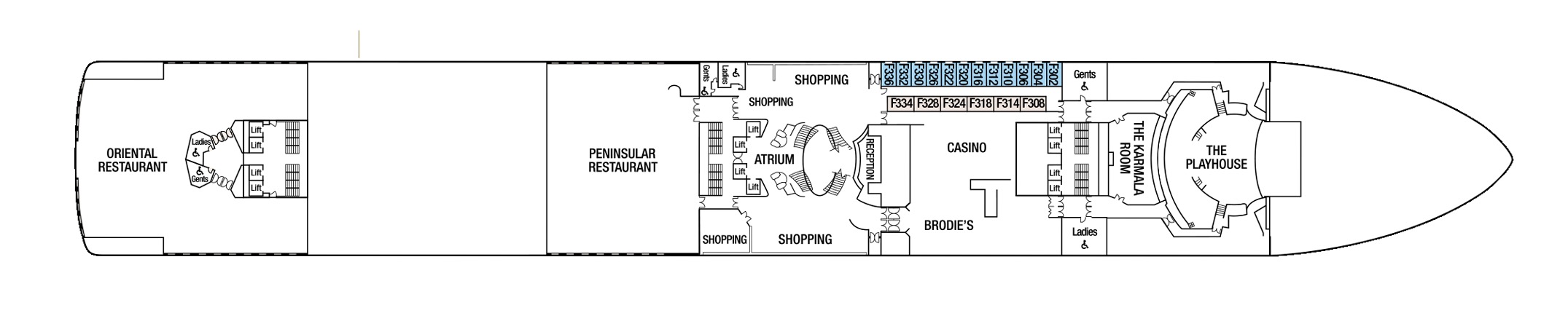
- Single Outside Cabins
- Single Inside Cabins
- The Playhouse
- The Karmala Room
- Casino
- Brodie’s
- Shopping
- Reception
- Atrium
- The Peninsular Restaurant
- The Oriental Restaurant
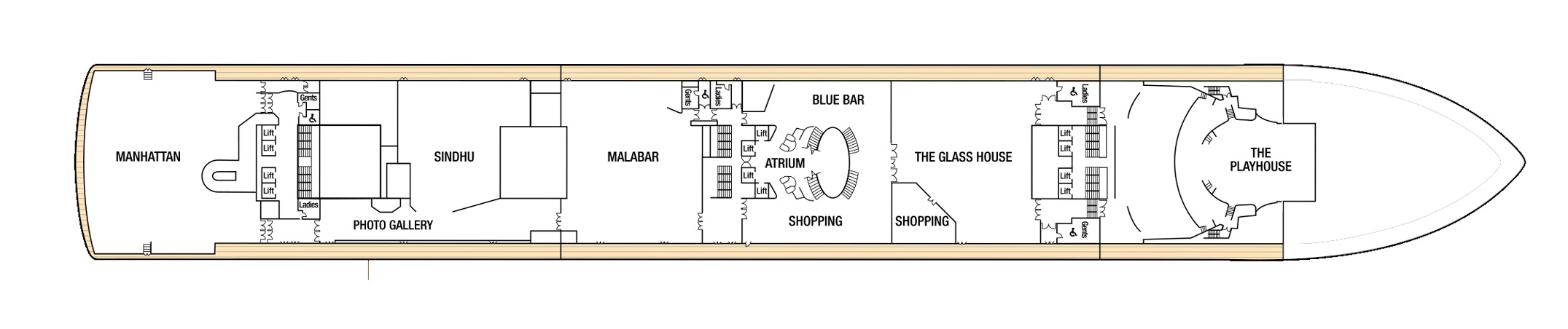
- The Playhouse
- The Glass House
- Shopping
- The Blue Bar
- Atrium
- Shopping
- Malabar
- Sindhu
- Photo Gallery
- Manhattan
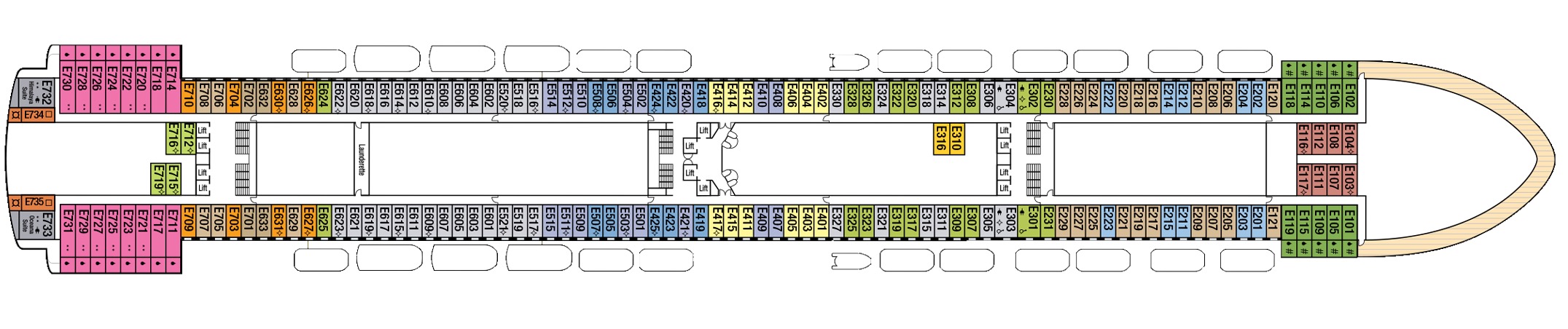
- Suites
- Superior Deluxe Balcony Cabins
- Balcony Cabins
- Outside Cabins
- Inside Cabins
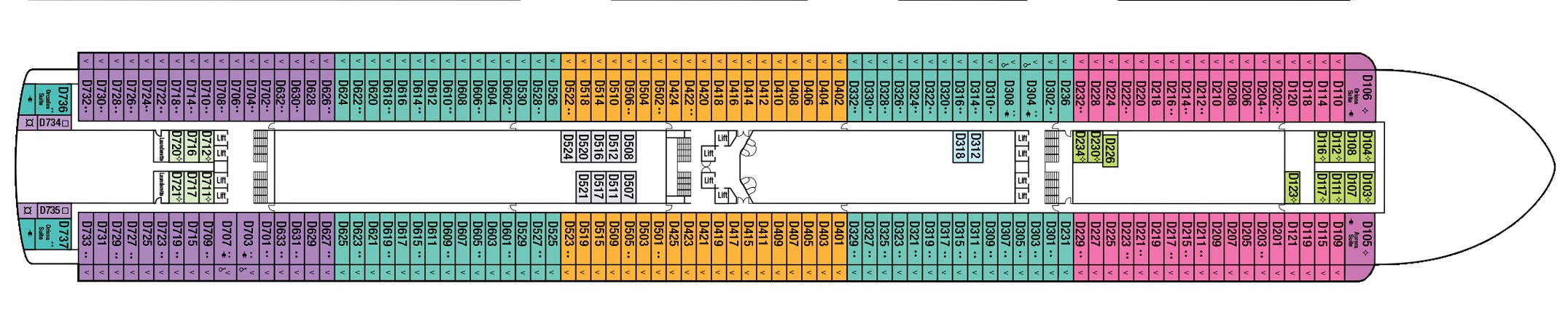
- Suites
- Superior Deluxe Cabins
- Balcony Cabins
- Inside Cabins
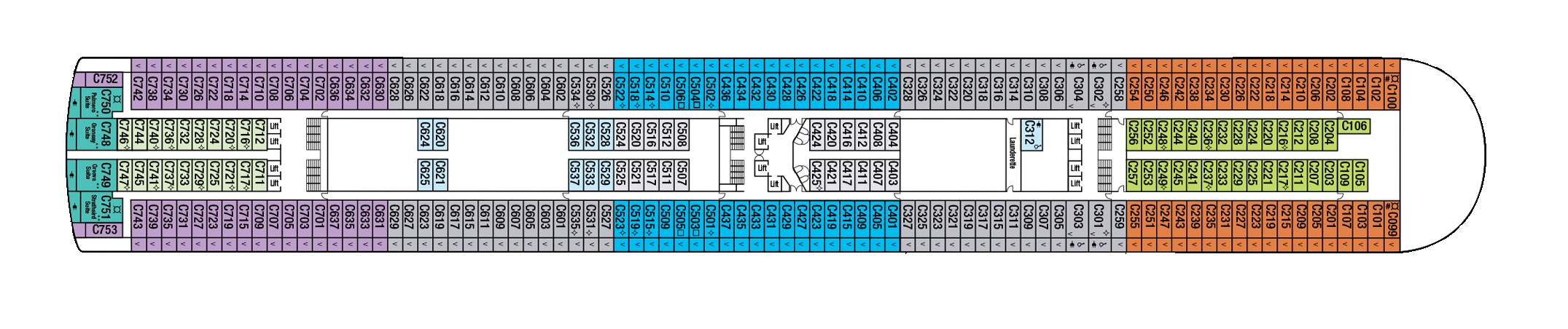
- Suites
- Balcony Cabins
- Inside Cabins
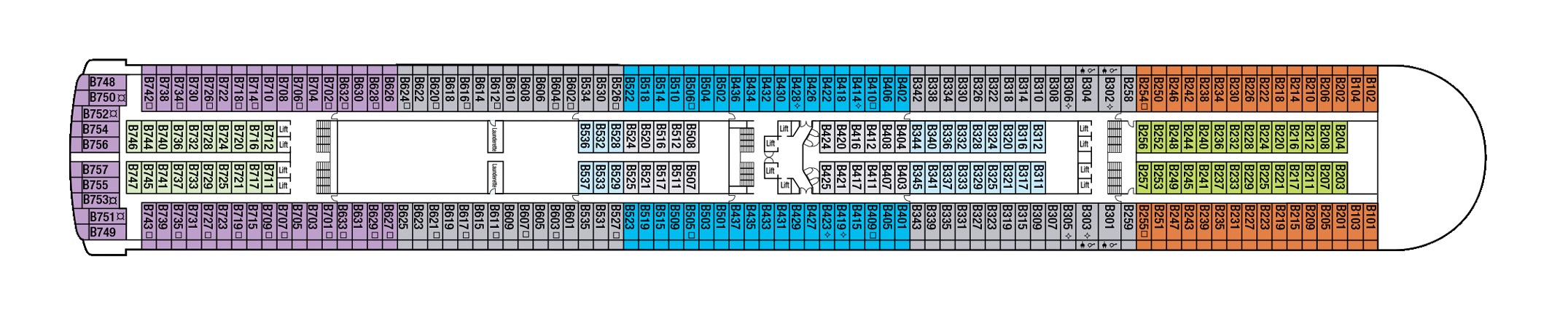
- Balcony Cabins
- Inside Cabins
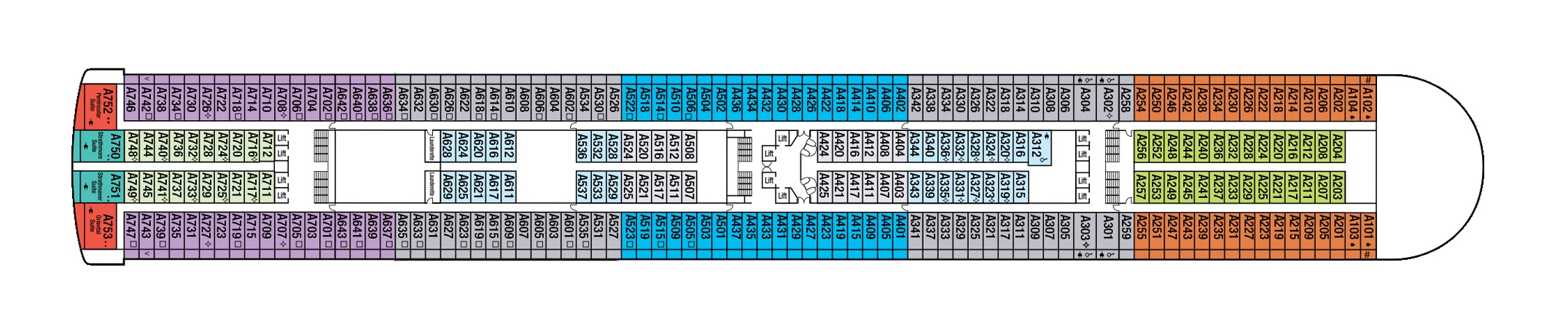
- Penthouse Suites
- Suites
- Balcony Cabins
- Inside Cabins
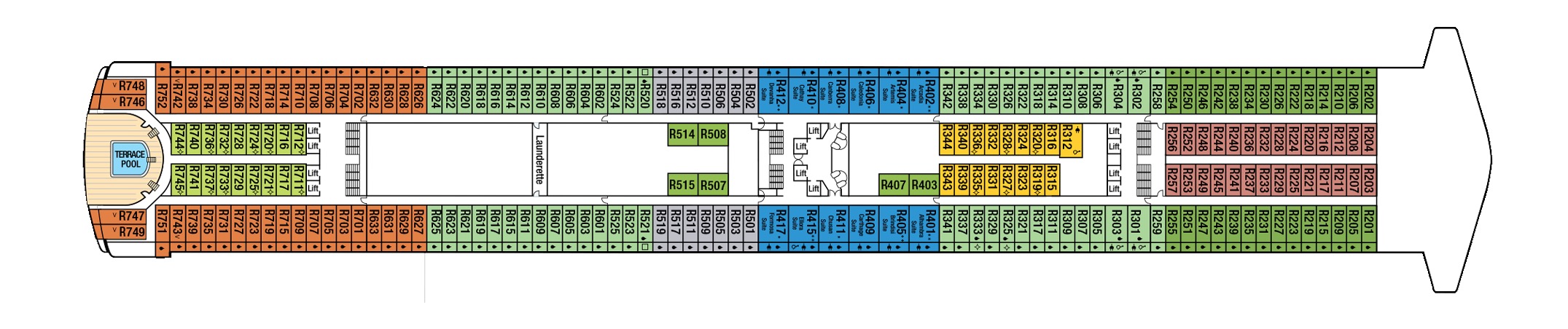
- Suites
- Balcony Cabins
- Inside Cabins
- Terrace Pool
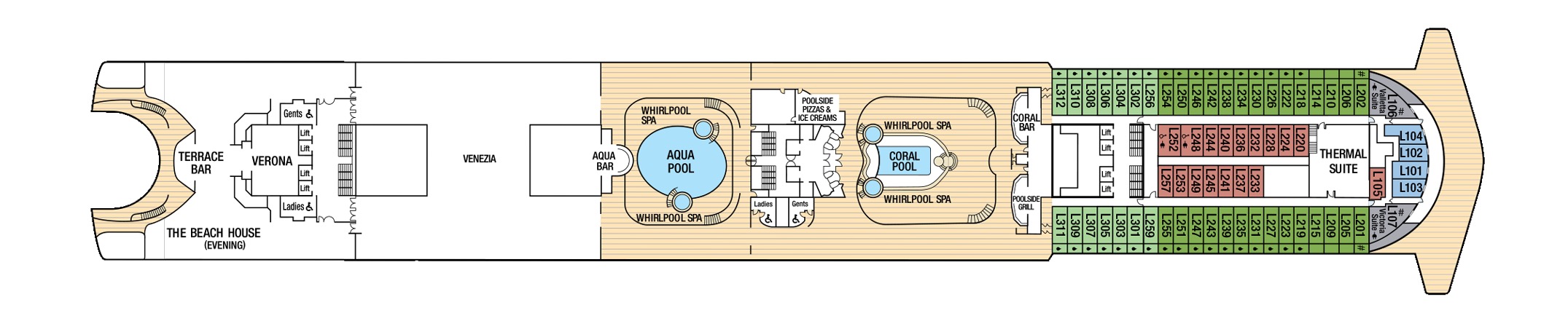
- Thermal Suite
- Coral Bar
- Poolside Grill
- Whirlpool Spas
- Coral Pool
- Poolside Pizza & Ice Cream
- Aqua Pool
- Aqua Bar
- Venezia
- Verona
- Terrace Bar
- The Beach House
- Inside Cabins
- Balcony Cabins
- Outside Staterooms
- Suites
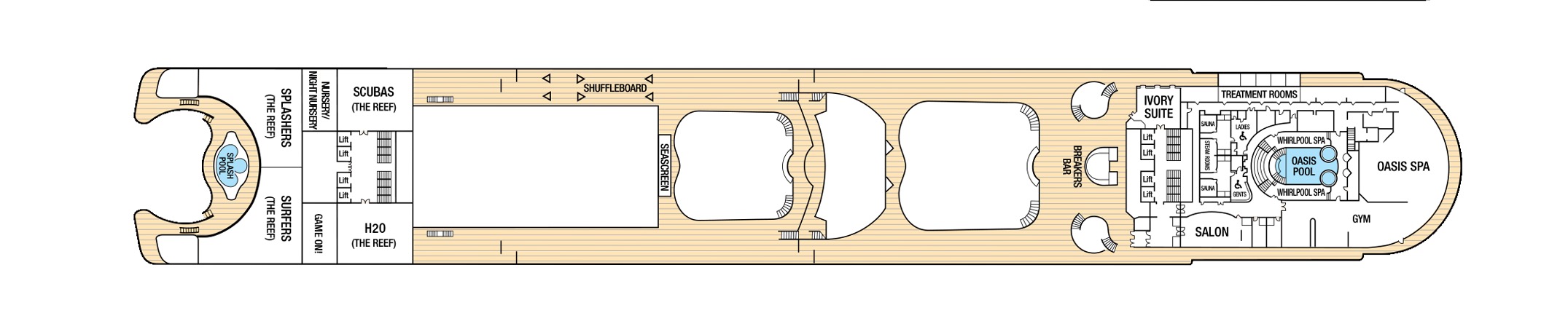
- Oasis Spa
- Gym
- Oasis Pool
- Whirlpool Spa
- Salon
- Treatment Rooms
- Ivory Suite
- Breakers Bar
- Sea Screen
- Shuffleboard
- H20 (The Reef)
- Scubas (The Reef)
- Nursery/Night Nursery
- Game On!
- Splash Pool
- Splashers (The Reef)
- Surfers (The Reef)
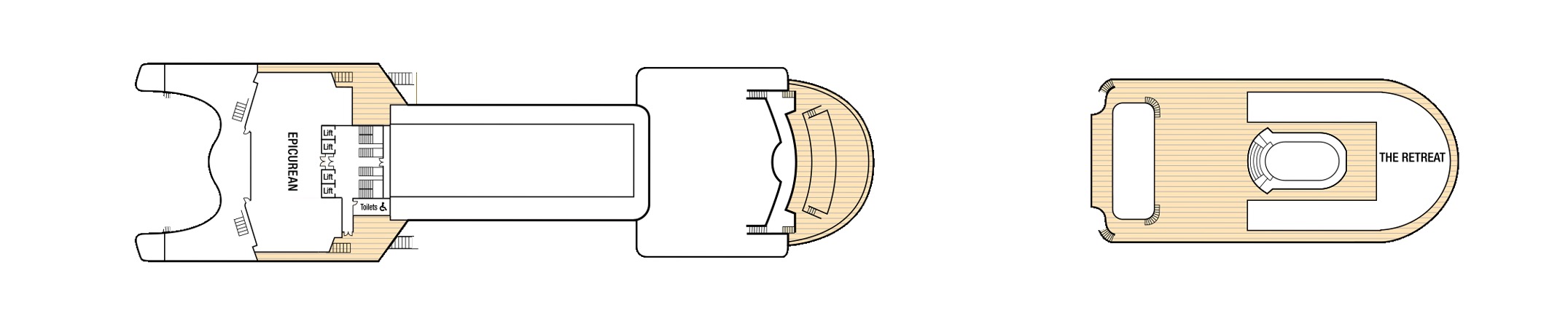
- The Retreat
- The Epicurean Restaurant

- Planet Bar

- Golf Nets
- Sports Court
- Outside Cabins
- Inside Cabins
- Launderette
- Art Gallery
- Loyalty and Cruise Sales
- Java
- Shopping
- Explorers
- Atrium
- The Library
- The Meridian Restaurant
- Single Outside Cabins
- Single Inside Cabins
- The Playhouse
- The Karmala Room
- Casino
- Brodie’s
- Shopping
- Reception
- Atrium
- The Peninsular Restaurant
- The Oriental Restaurant
- The Playhouse
- The Glass House
- Shopping
- The Blue Bar
- Atrium
- Shopping
- Malabar
- Sindhu
- Photo Gallery
- Manhattan
- Suites
- Superior Deluxe Balcony Cabins
- Balcony Cabins
- Outside Cabins
- Inside Cabins
- Suites
- Superior Deluxe Cabins
- Balcony Cabins
- Inside Cabins
- Suites
- Balcony Cabins
- Inside Cabins
- Balcony Cabins
- Inside Cabins
- Penthouse Suites
- Suites
- Balcony Cabins
- Inside Cabins
- Suites
- Balcony Cabins
- Inside Cabins
- Terrace Pool
- Thermal Suite
- Coral Bar
- Poolside Grill
- Whirlpool Spas
- Coral Pool
- Poolside Pizza & Ice Cream
- Aqua Pool
- Aqua Bar
- Venezia
- Verona
- Terrace Bar
- The Beach House
- Inside Cabins
- Balcony Cabins
- Outside Staterooms
- Suites
- Oasis Spa
- Gym
- Oasis Pool
- Whirlpool Spa
- Salon
- Treatment Rooms
- Ivory Suite
- Breakers Bar
- Sea Screen
- Shuffleboard
- H20 (The Reef)
- Scubas (The Reef)
- Nursery/Night Nursery
- Game On!
- Splash Pool
- Splashers (The Reef)
- Surfers (The Reef)
- The Retreat
- The Epicurean Restaurant
- Planet Bar
- Golf Nets
- Sports Court