Featured Cabins
Itinerary
Valletta, Malta
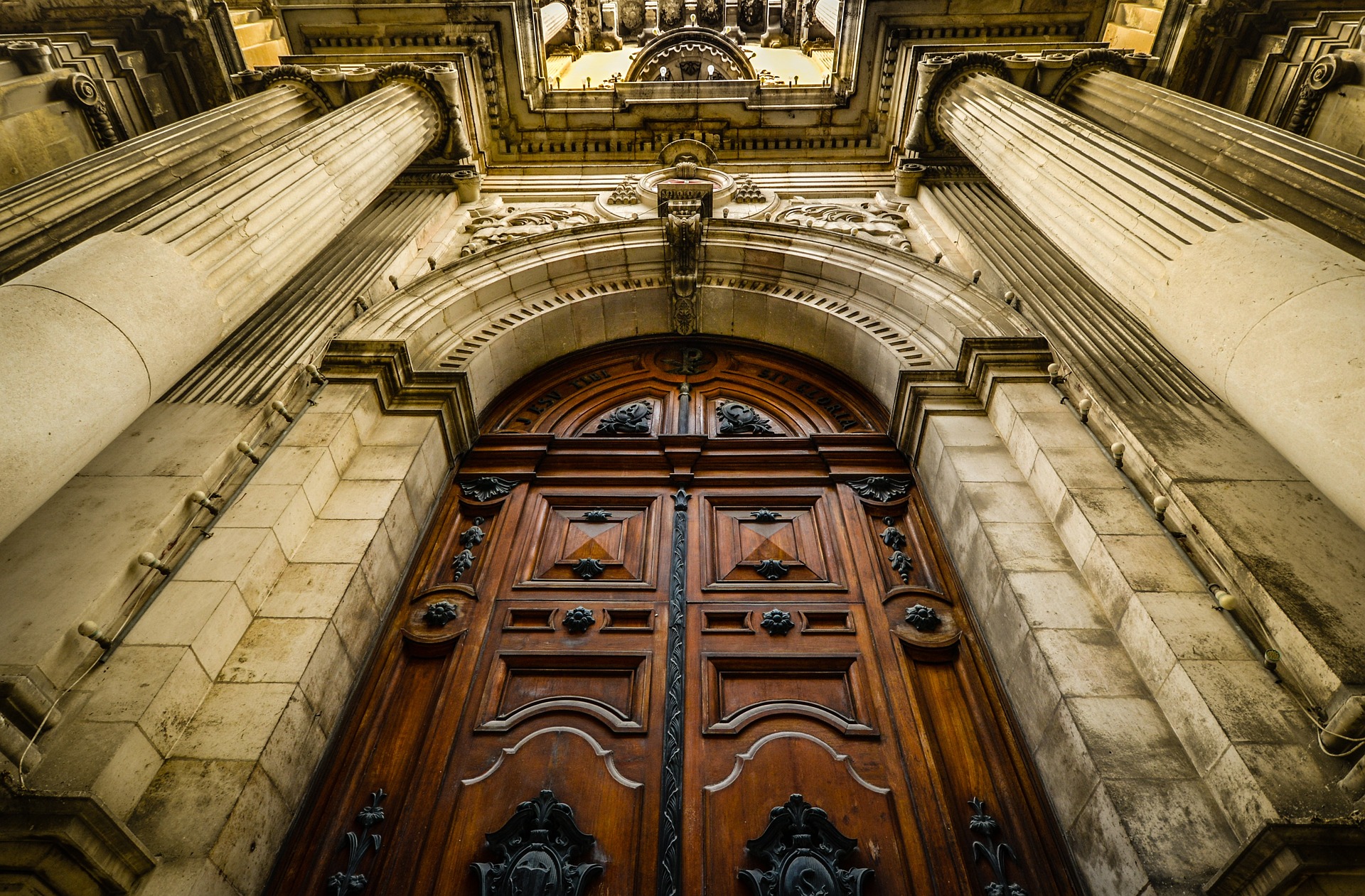
Malta’s capital, the minicity of Valletta, has ornate palaces and museums protected by massive fortifications of honey-color limestone. Houses along the narrow streets have overhanging wooden balconies for people-watching from indoors. Generations ago they gave housebound women a window on the world of the street. The main entrance to town is through the City Gate (where all bus routes end), which leads onto Triq Repubblika (Republic Street), the spine of the grid-pattern city and the main shopping street. Triq Mercante (Merchant Street) parallels Repubblika to the east and is also good for strolling. From these two streets, cross streets descend toward the water; some are stepped. Valletta’s compactness makes it ideal to explore on foot. City Gate and the upper part of Valletta are experiencing vast redevelopment that includes a new Parliament Building and open-air performance venue. The complex, completed mid-2013, has numerous pedestrian detours in place along with building noise and dust. Before setting out along Republic Street, stop at the tourist information office on Merchant Street for maps and brochures.
Messina, Italy
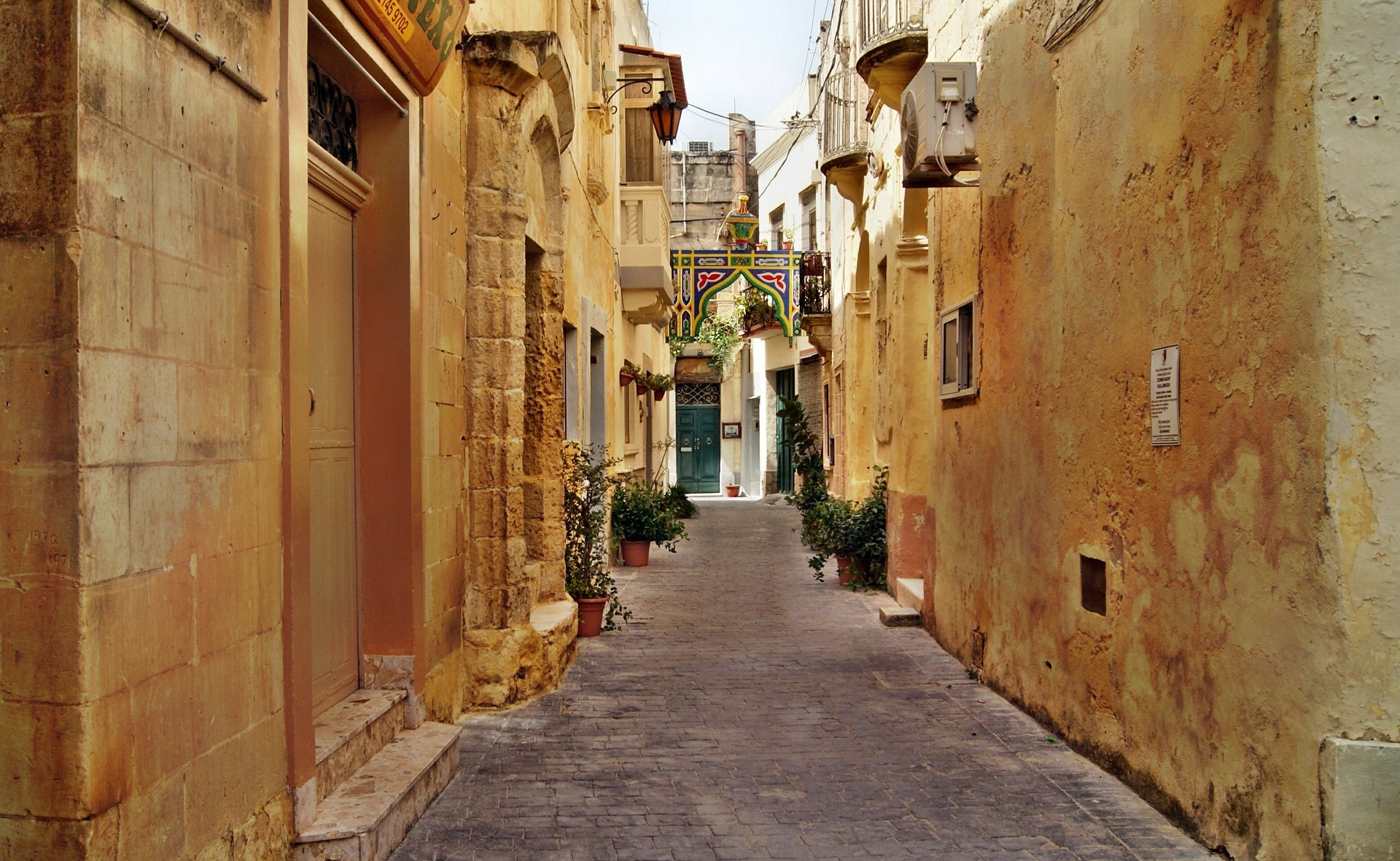
Home to the Museo Regionale of Messina, known for featuring two of Caravaggio’s paintings, the city is also famous for having been the capital of the ancient kingdom of Sicily.
Dubrovnik, Croatia
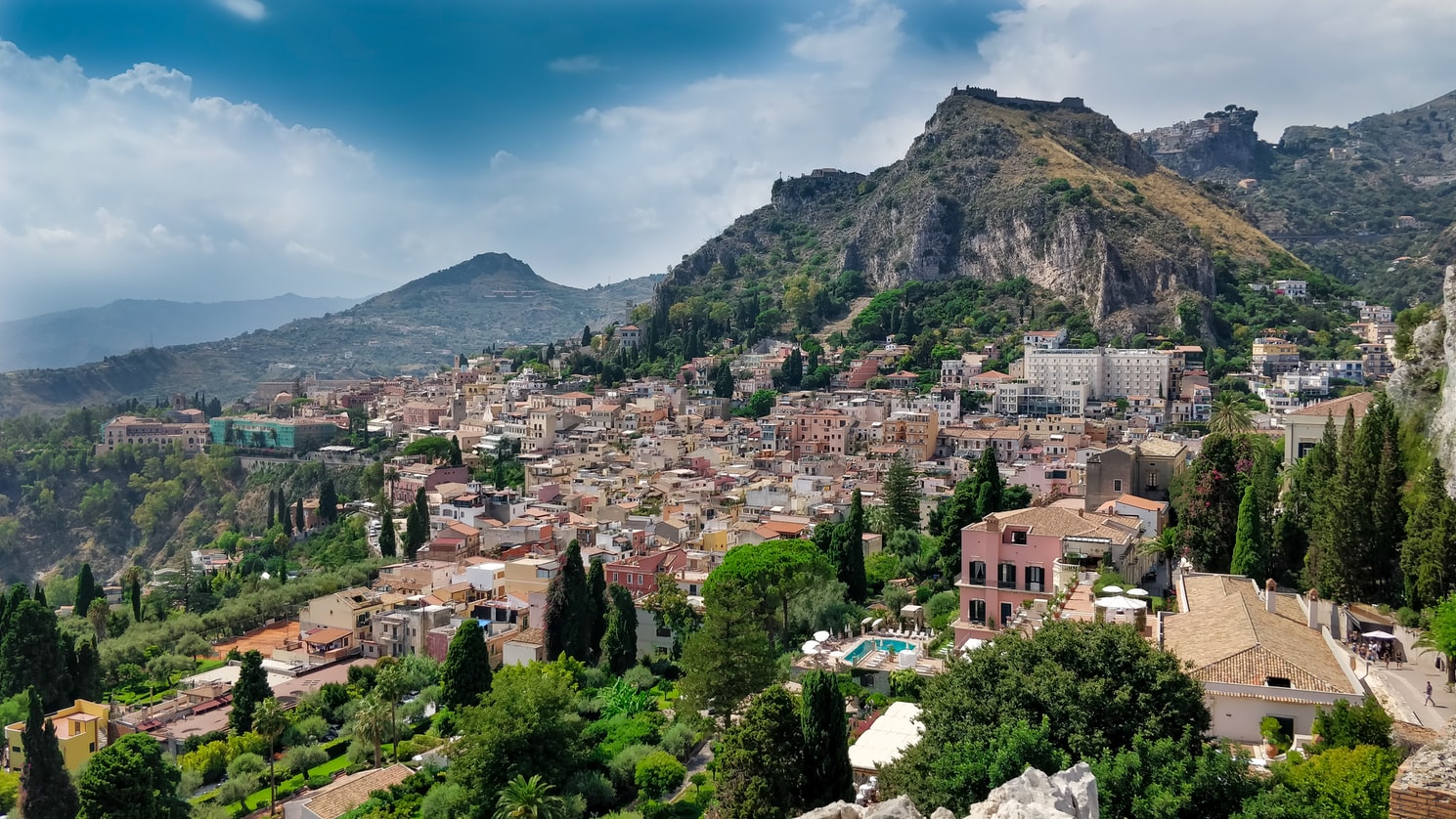
Nothing can prepare you for your first sight of Dubrovnik. Lying 216 km (135 miles) southeast of Split and commanding a jaw-dropping coastal location, it is one of the world’s most beautiful fortified cities. Its massive stone ramparts and fortress towers curve around a tiny harbor, enclosing graduated ridges of sun-bleached orange-tiled roofs, copper domes, and elegant bell towers. Your imagination will run wild picturing what it looked like seven centuries ago when the walls were built, without any suburbs or highways around it, just this magnificent stone city rising out of the sea.In the 7th century AD, residents of the Roman city Epidaurum (now Cavtat) fled the Avars and Slavs of the north and founded a new settlement on a small rocky island, which they named Laus, and later Ragusa. On the mainland hillside opposite the island, the Slav settlement called Dubrovnik grew up. In the 12th century the narrow channel separating the two settlements was filled in (now the main street through the Old Town, called Stradun), and Ragusa and Dubrovnik became one. The city was surrounded by defensive walls during the 13th century, and these were reinforced with towers and bastions in the late 15th century.From 1358 to 1808 the city thrived as a powerful and remarkably sophisticated independent republic, reaching its golden age during the 16th century. In 1667 many of its splendid Gothic and Renaissance buildings were destroyed by an earthquake. The defensive walls survived the disaster, and the city was rebuilt in baroque style.Dubrovnik lost its independence to Napoléon in 1808, and in 1815 passed to Austria-Hungary. During the 20th century, as part of Yugoslavia, the city became a popular tourist destination, and in 1979 it was listed as a UNESCO World Heritage Site. During the war for independence, it came under heavy siege. Thanks to careful restoration, few traces of damage remain; however, there are maps inside the Pile and Ploče Gates illustrating the points around the city where damage was done. It’s only when you experience Dubrovnik yourself that you can understand what a treasure the world nearly lost
Corfu, Greece
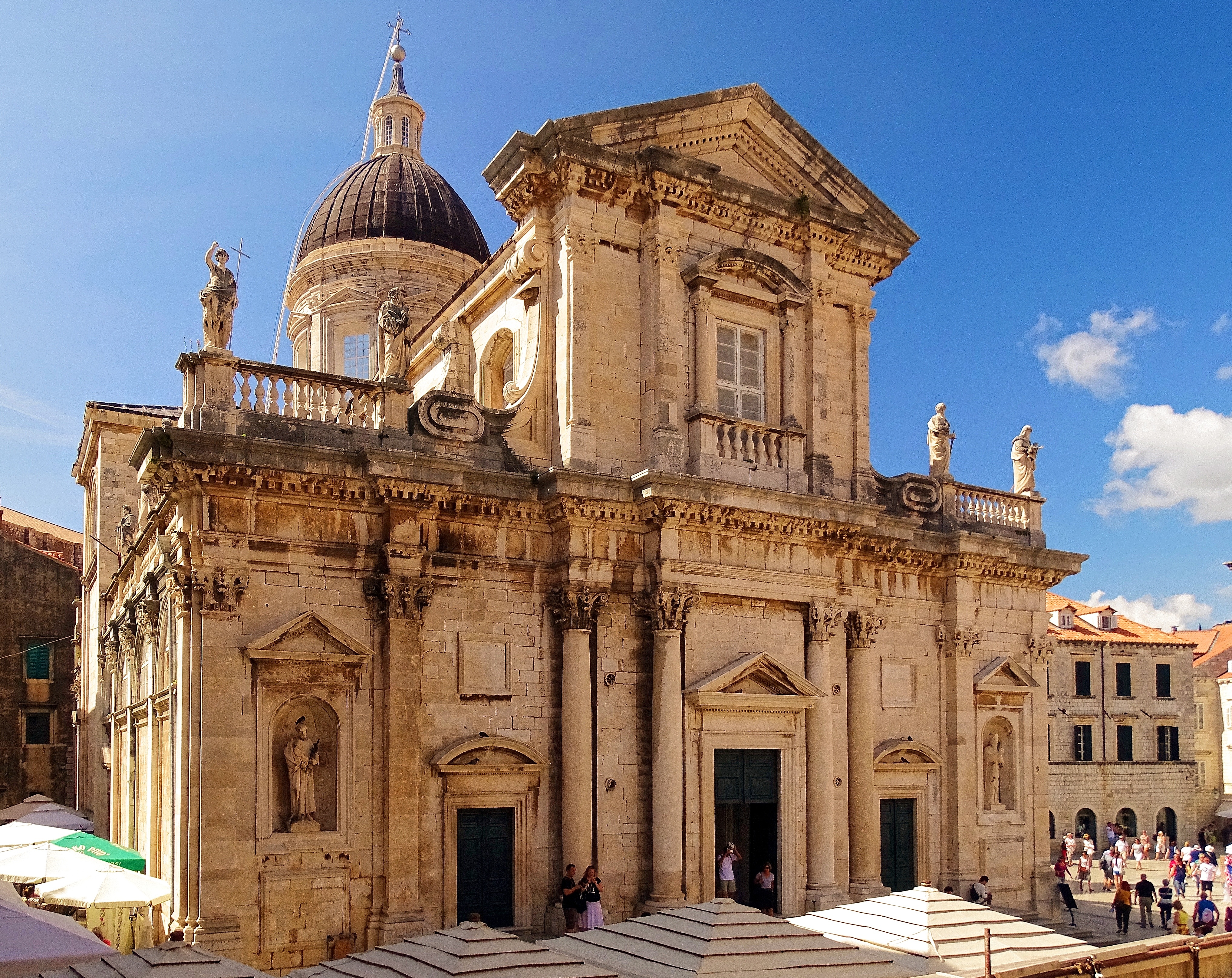
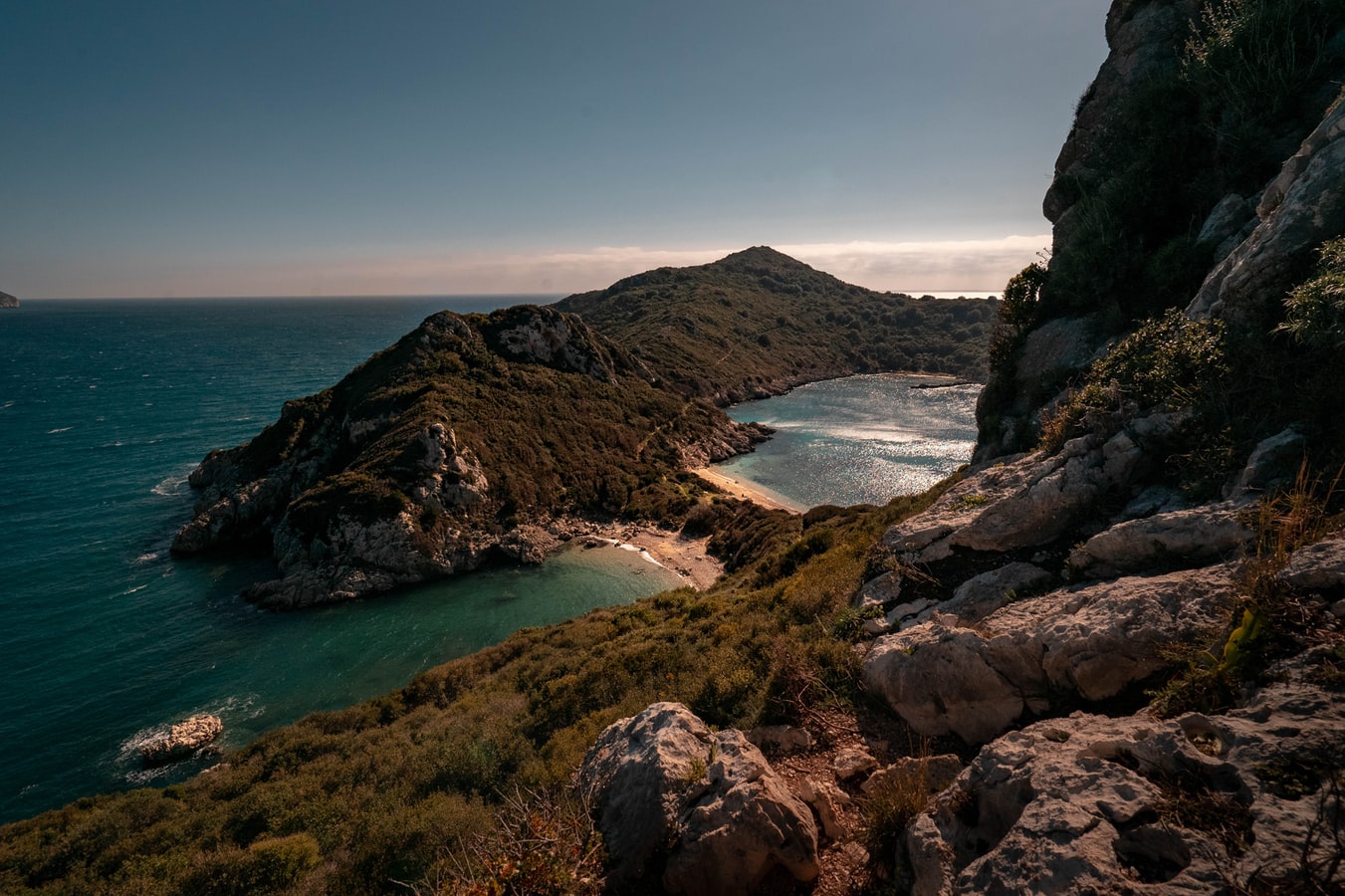
Corfu town today is a vivid tapestry of cultures—a sophisticated weave, where charm, history, and natural beauty blend. Located about midway along the island’s east coast, this spectacularly lively capital is the cultural heart of Corfu and has a remarkable historic center that UNESCO designated as a World Heritage Site in 2007. All ships and planes dock or land near Corfu town, which occupies a small peninsula jutting into the Ionian Sea.Whether arriving by ferry from mainland Greece or Italy, from another island, or directly by plane, catch your breath by first relaxing with a coffee or a gelato in Corfu town’s shaded Liston Arcade, then stroll the narrow lanes of its pedestrians-only quarter. For an overview of the immediate area, and a quick tour of Mon Repos palace, hop on the little tourist train that runs from May to September. Corfu town has a different feel at night, so book a table at one of its famed tavernas to savor the island’s unique cuisine.The best way to get around Corfu town is on foot. The town is small enough so that you can easily walk to every sight. There are local buses, but they do not thread their way into the streets (many now car-free) of the historic center. If you are arriving by ferry or plane, it’s best to take a taxi to your hotel. Expect to pay about €10 from the airport or ferry terminal to a hotel in Corfu town. If there are no taxis waiting, you can call for one.
Taranto, Italy
Valletta, Malta
Malta’s capital, the minicity of Valletta, has ornate palaces and museums protected by massive fortifications of honey-color limestone. Houses along the narrow streets have overhanging wooden balconies for people-watching from indoors. Generations ago they gave housebound women a window on the world of the street. The main entrance to town is through the City Gate (where all bus routes end), which leads onto Triq Repubblika (Republic Street), the spine of the grid-pattern city and the main shopping street. Triq Mercante (Merchant Street) parallels Repubblika to the east and is also good for strolling. From these two streets, cross streets descend toward the water; some are stepped. Valletta’s compactness makes it ideal to explore on foot. City Gate and the upper part of Valletta are experiencing vast redevelopment that includes a new Parliament Building and open-air performance venue. The complex, completed mid-2013, has numerous pedestrian detours in place along with building noise and dust. Before setting out along Republic Street, stop at the tourist information office on Merchant Street for maps and brochures.
Messina, Italy
Home to the Museo Regionale of Messina, known for featuring two of Caravaggio’s paintings, the city is also famous for having been the capital of the ancient kingdom of Sicily.
Dubrovnik, Croatia
Nothing can prepare you for your first sight of Dubrovnik. Lying 216 km (135 miles) southeast of Split and commanding a jaw-dropping coastal location, it is one of the world’s most beautiful fortified cities. Its massive stone ramparts and fortress towers curve around a tiny harbor, enclosing graduated ridges of sun-bleached orange-tiled roofs, copper domes, and elegant bell towers. Your imagination will run wild picturing what it looked like seven centuries ago when the walls were built, without any suburbs or highways around it, just this magnificent stone city rising out of the sea.In the 7th century AD, residents of the Roman city Epidaurum (now Cavtat) fled the Avars and Slavs of the north and founded a new settlement on a small rocky island, which they named Laus, and later Ragusa. On the mainland hillside opposite the island, the Slav settlement called Dubrovnik grew up. In the 12th century the narrow channel separating the two settlements was filled in (now the main street through the Old Town, called Stradun), and Ragusa and Dubrovnik became one. The city was surrounded by defensive walls during the 13th century, and these were reinforced with towers and bastions in the late 15th century.From 1358 to 1808 the city thrived as a powerful and remarkably sophisticated independent republic, reaching its golden age during the 16th century. In 1667 many of its splendid Gothic and Renaissance buildings were destroyed by an earthquake. The defensive walls survived the disaster, and the city was rebuilt in baroque style.Dubrovnik lost its independence to Napoléon in 1808, and in 1815 passed to Austria-Hungary. During the 20th century, as part of Yugoslavia, the city became a popular tourist destination, and in 1979 it was listed as a UNESCO World Heritage Site. During the war for independence, it came under heavy siege. Thanks to careful restoration, few traces of damage remain; however, there are maps inside the Pile and Ploče Gates illustrating the points around the city where damage was done. It’s only when you experience Dubrovnik yourself that you can understand what a treasure the world nearly lost
Corfu, Greece
Corfu town today is a vivid tapestry of cultures—a sophisticated weave, where charm, history, and natural beauty blend. Located about midway along the island’s east coast, this spectacularly lively capital is the cultural heart of Corfu and has a remarkable historic center that UNESCO designated as a World Heritage Site in 2007. All ships and planes dock or land near Corfu town, which occupies a small peninsula jutting into the Ionian Sea.Whether arriving by ferry from mainland Greece or Italy, from another island, or directly by plane, catch your breath by first relaxing with a coffee or a gelato in Corfu town’s shaded Liston Arcade, then stroll the narrow lanes of its pedestrians-only quarter. For an overview of the immediate area, and a quick tour of Mon Repos palace, hop on the little tourist train that runs from May to September. Corfu town has a different feel at night, so book a table at one of its famed tavernas to savor the island’s unique cuisine.The best way to get around Corfu town is on foot. The town is small enough so that you can easily walk to every sight. There are local buses, but they do not thread their way into the streets (many now car-free) of the historic center. If you are arriving by ferry or plane, it’s best to take a taxi to your hotel. Expect to pay about €10 from the airport or ferry terminal to a hotel in Corfu town. If there are no taxis waiting, you can call for one.
Taranto, Italy
Valletta, Malta
Malta’s capital, the minicity of Valletta, has ornate palaces and museums protected by massive fortifications of honey-color limestone. Houses along the narrow streets have overhanging wooden balconies for people-watching from indoors. Generations ago they gave housebound women a window on the world of the street. The main entrance to town is through the City Gate (where all bus routes end), which leads onto Triq Repubblika (Republic Street), the spine of the grid-pattern city and the main shopping street. Triq Mercante (Merchant Street) parallels Repubblika to the east and is also good for strolling. From these two streets, cross streets descend toward the water; some are stepped. Valletta’s compactness makes it ideal to explore on foot. City Gate and the upper part of Valletta are experiencing vast redevelopment that includes a new Parliament Building and open-air performance venue. The complex, completed mid-2013, has numerous pedestrian detours in place along with building noise and dust. Before setting out along Republic Street, stop at the tourist information office on Merchant Street for maps and brochures.
Valletta, Malta
Malta’s capital, the minicity of Valletta, has ornate palaces and museums protected by massive fortifications of honey-color limestone. Houses along the narrow streets have overhanging wooden balconies for people-watching from indoors. Generations ago they gave housebound women a window on the world of the street. The main entrance to town is through the City Gate (where all bus routes end), which leads onto Triq Repubblika (Republic Street), the spine of the grid-pattern city and the main shopping street. Triq Mercante (Merchant Street) parallels Repubblika to the east and is also good for strolling. From these two streets, cross streets descend toward the water; some are stepped. Valletta’s compactness makes it ideal to explore on foot. City Gate and the upper part of Valletta are experiencing vast redevelopment that includes a new Parliament Building and open-air performance venue. The complex, completed mid-2013, has numerous pedestrian detours in place along with building noise and dust. Before setting out along Republic Street, stop at the tourist information office on Merchant Street for maps and brochures.
Cabin Options
Inside Cabin
Sea View Cabin (Obstructed View)
Sea View Cabins (Partially Obstructed View)
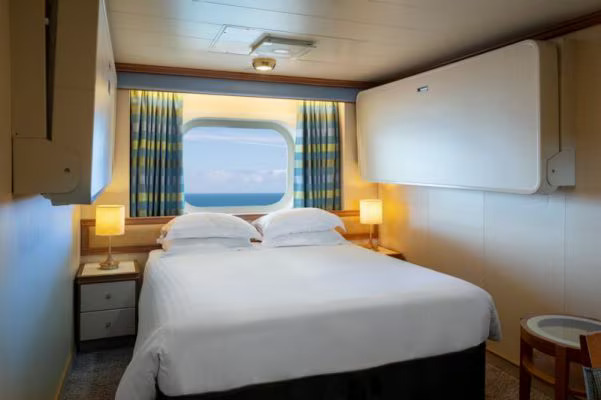
Sea View Standard Cabin
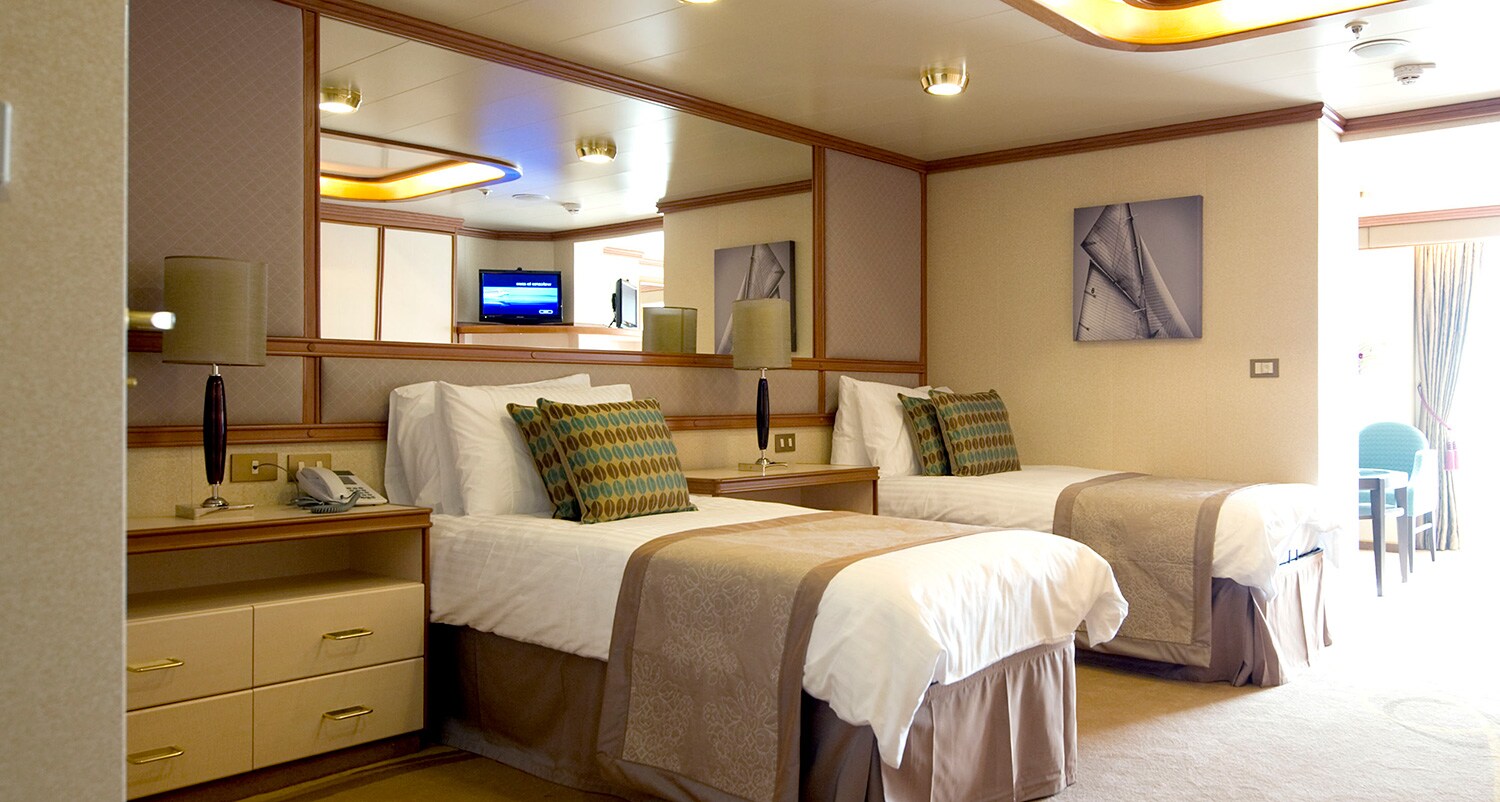
Balcony Standard Cabin
Balcony Superior Deluxe
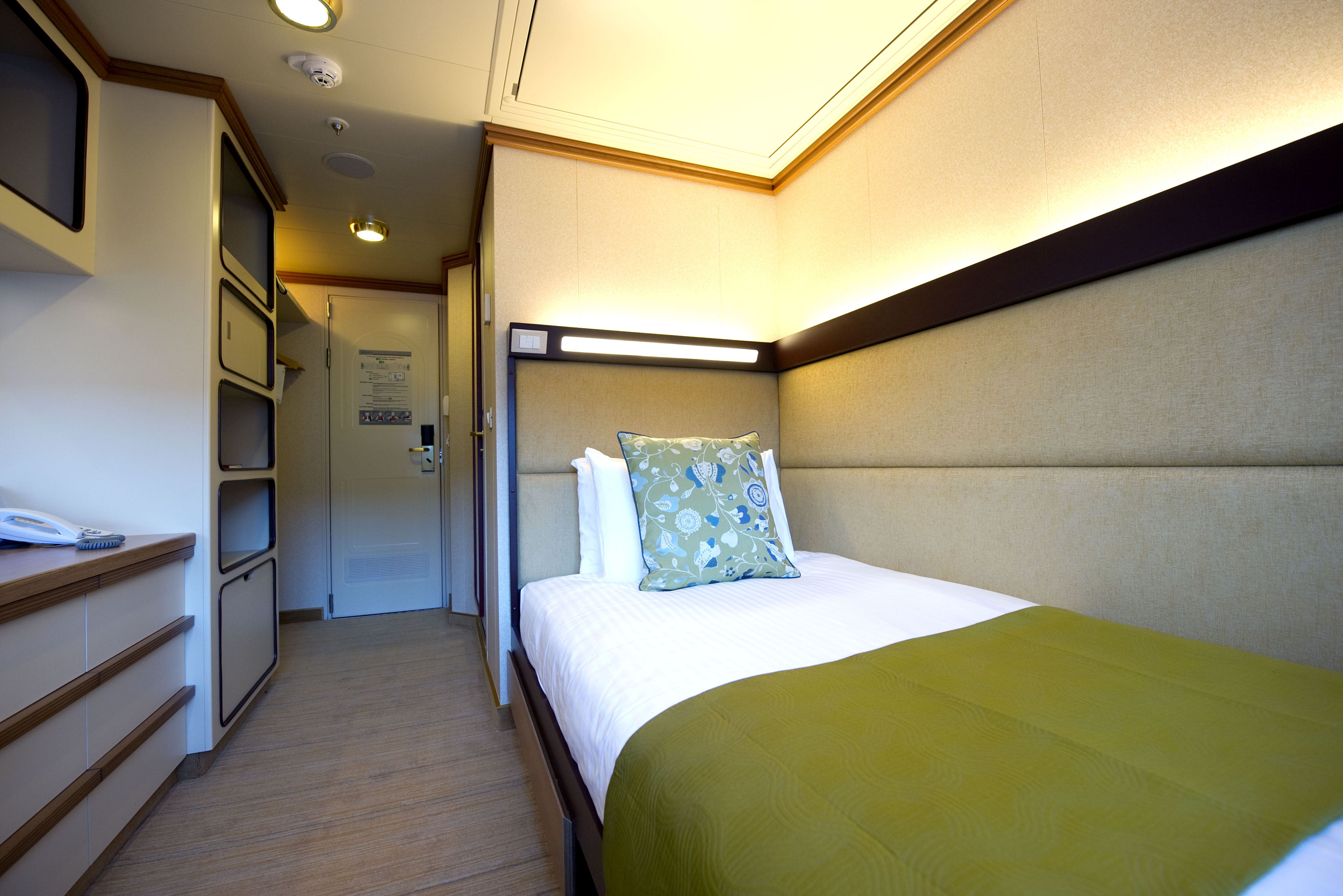
Single Inside Cabin
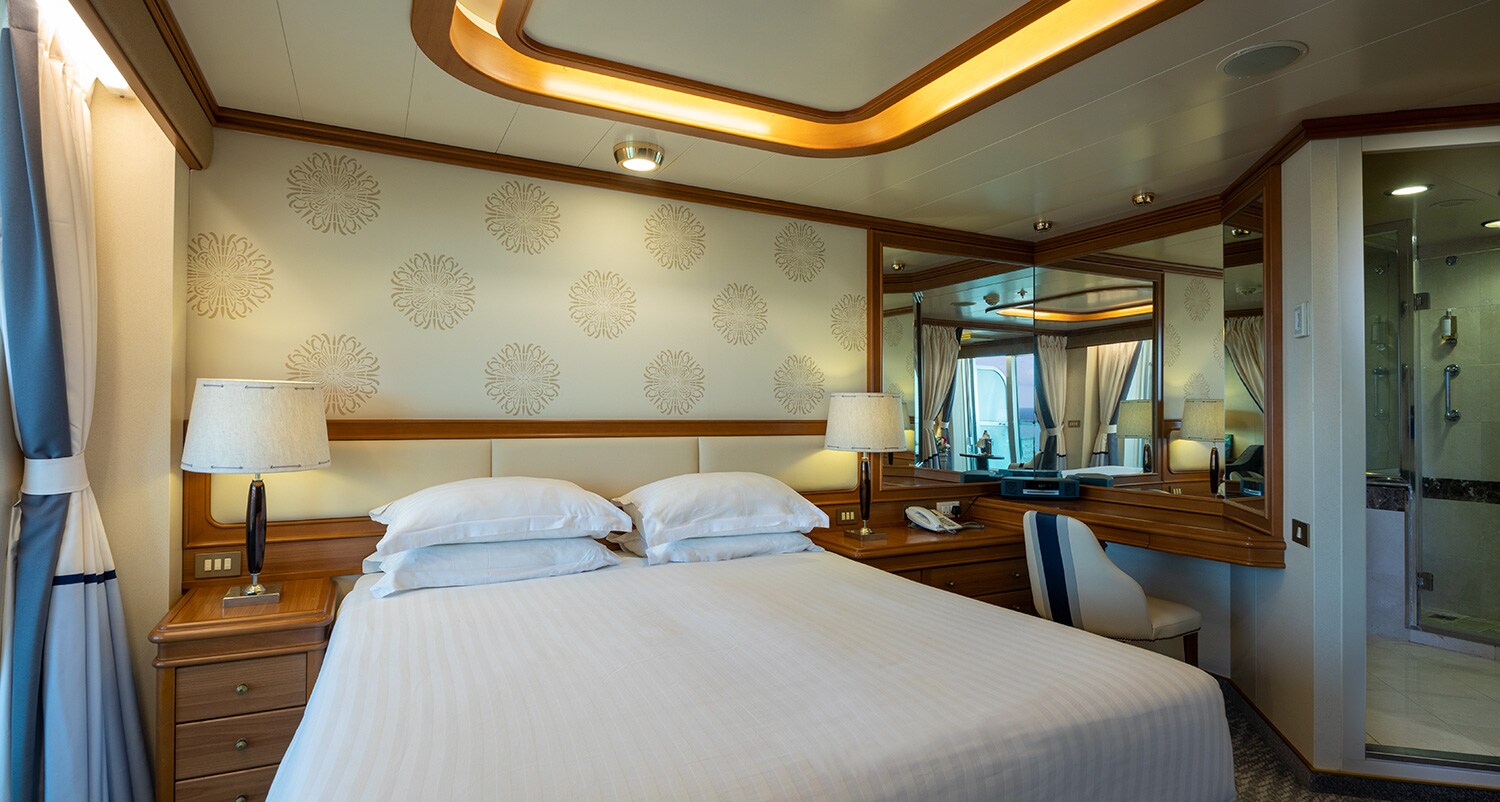
Suite
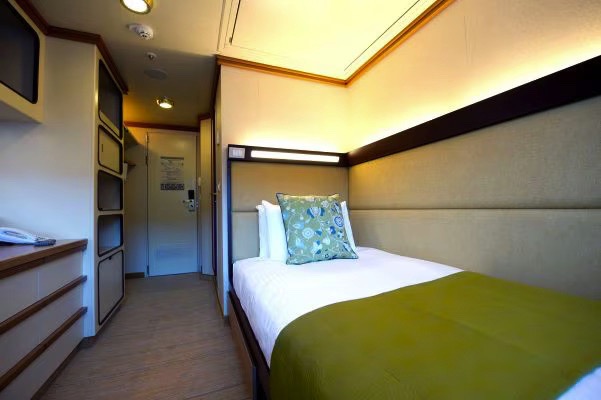
Single Sea View Cabins
Ship Facilities
Meridian Restaurant
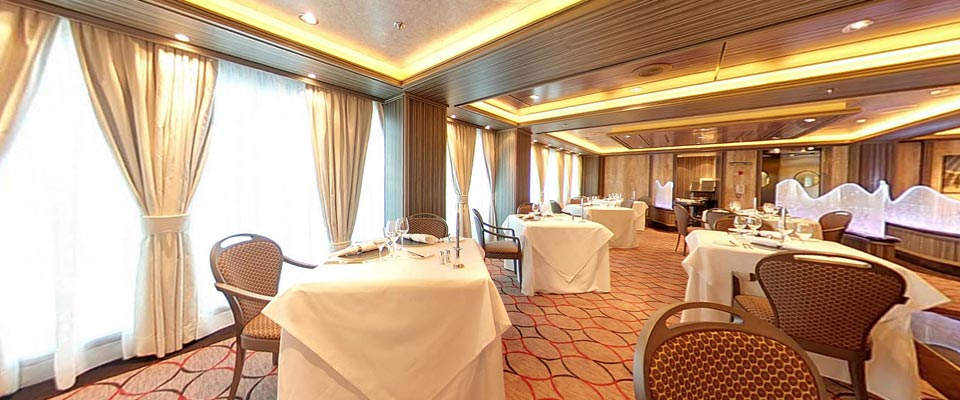
Experience a global culinary adventure of the highest quality at Medina. This opulent Arabian-themed space offers Freedom Dining flexibility, allowing you to dine whenever and with whomever you wish. From classic home comfort dishes to locally inspired flavours, the menus offer a delightful array of options that will leave you craving more.
Dress code – Dress code of the day (Evening Casual or Black Tie). No tailored shorts.
Sindhu
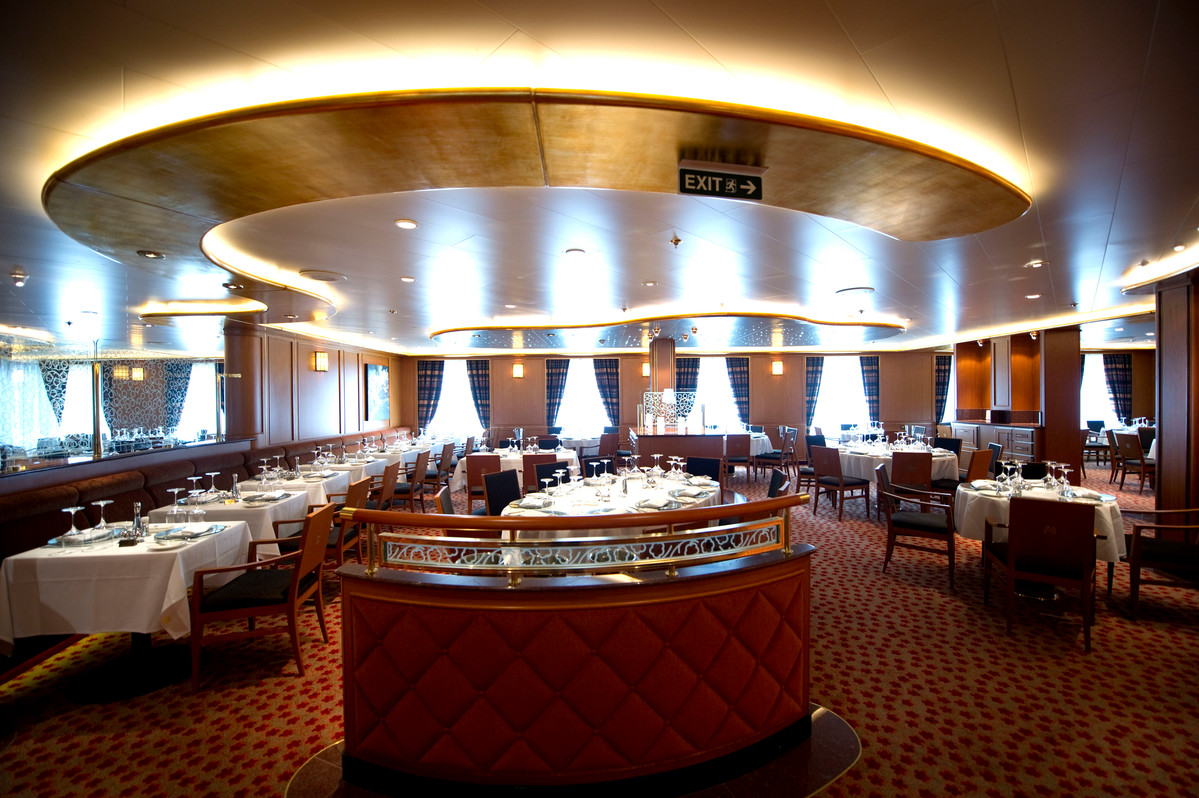
Prepare your taste buds for a flavour-filled adventure. In stylish and sumptuous surroundings, Sindhu’s expert chefs will take you on a delicately spiced odyssey that celebrates the best of contemporary Indian cuisines. You can also make a date on selected sea days to enjoy a delicious tiffin style lunch.
Dress code – Dress code of the day (Evening Casual or Black Tie)
The Peninsular Restaurant
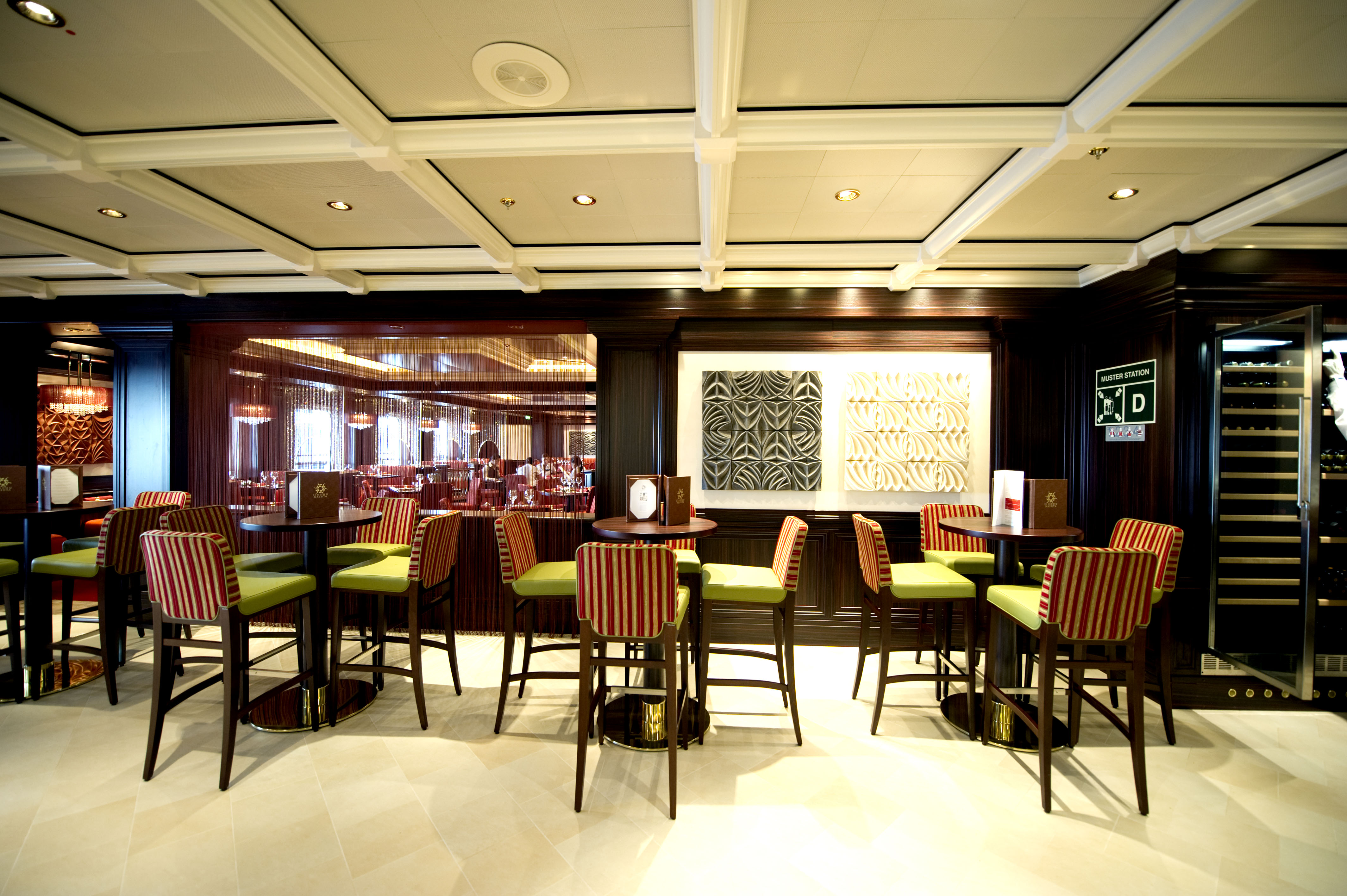
Sail the world from your plate at Britannia’s sophisticated Peninsular Restaurant, providing memorable meals on every voyage. Enjoy classic home comforts alongside exciting global flavours. Every cruise features a special five-course Celebration Night Dinner designed by Marco Pierre White, a culinary legend.
Freedom Dining – Available
Dress code – Evening Casual. (Tailored shorts are accepted)
The Oriental Restaurant
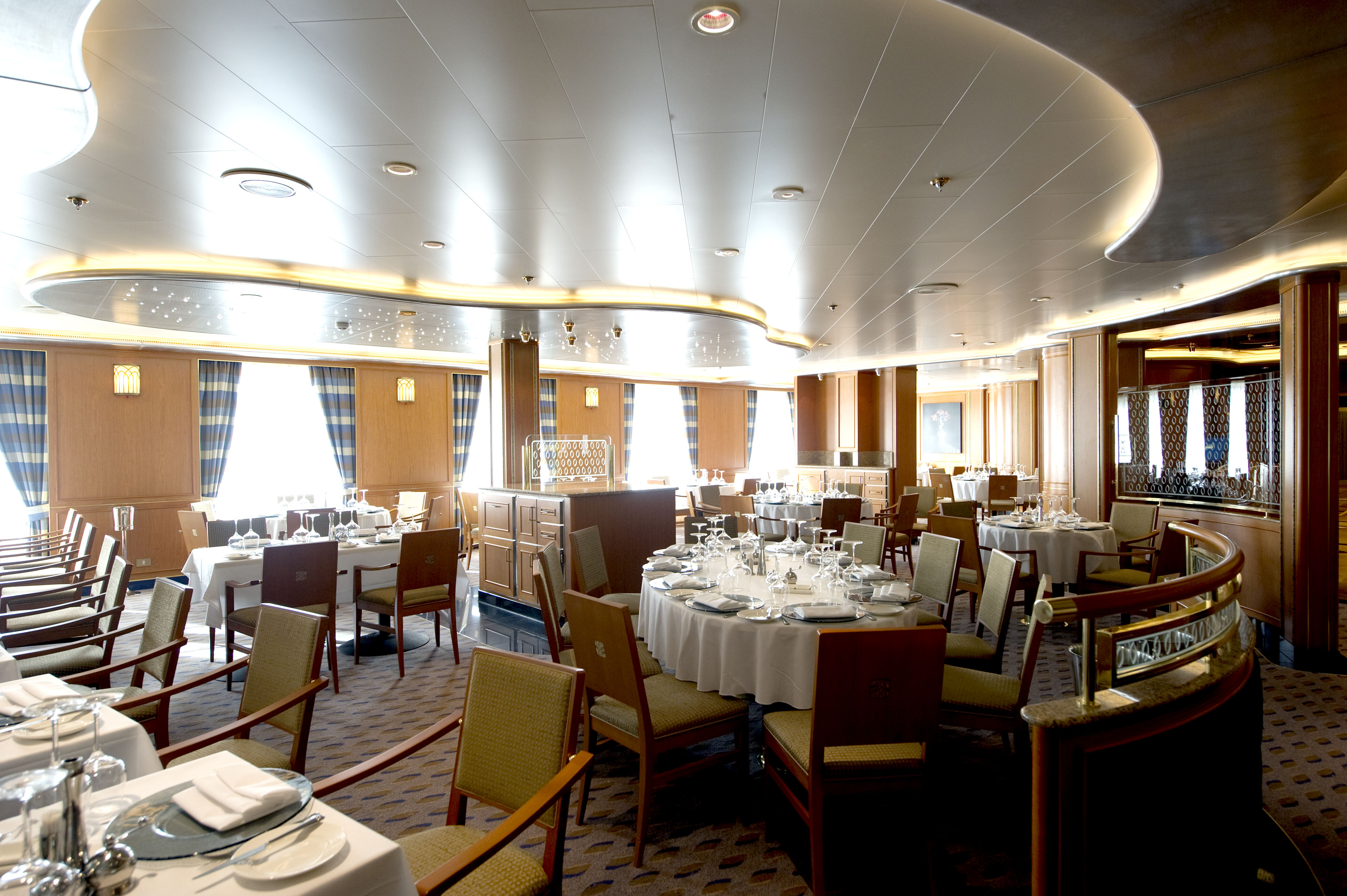
Our Oriental Restaurant offers a refined atmosphere for Club Dining. Choose a set time and table for each evening and savour every bite in the company of new friends. The menu features classic British fare alongside exciting global flavours. Don’t miss the unforgettable Marco Pierre White-designed Celebration Night Dinner.
Dress code – Dress code of the day (Evening Casual or Black Tie). No tailored shorts.
The Epicurean
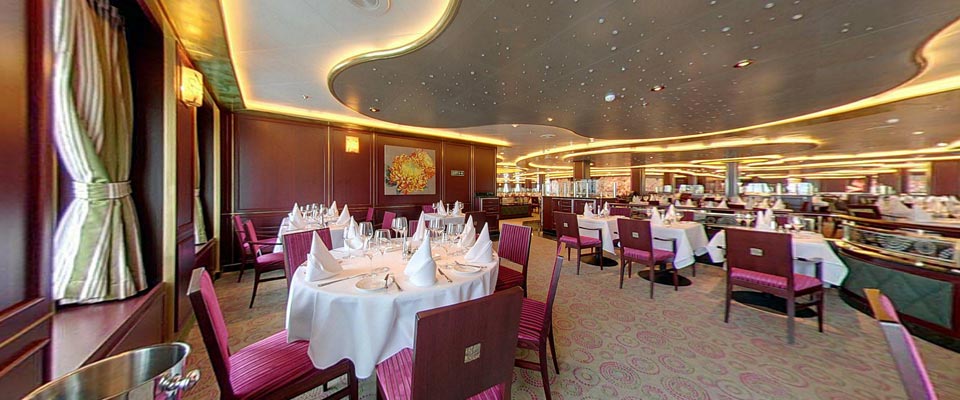
Dining experiences don’t come any finer than Epicurean. Marvel as each exquisite dish, inspired by classic British ingredients and given a modern twist by expert chefs, is presented at your table. Epicurean promises a sophisticated and immersive dining experience, inviting you to savour the artistry of gastronomy in a truly luxurious setting.
Dress code – Dress code of the day (Evening Casual or Black Tie). No tailored shorts.
Poolside Grill
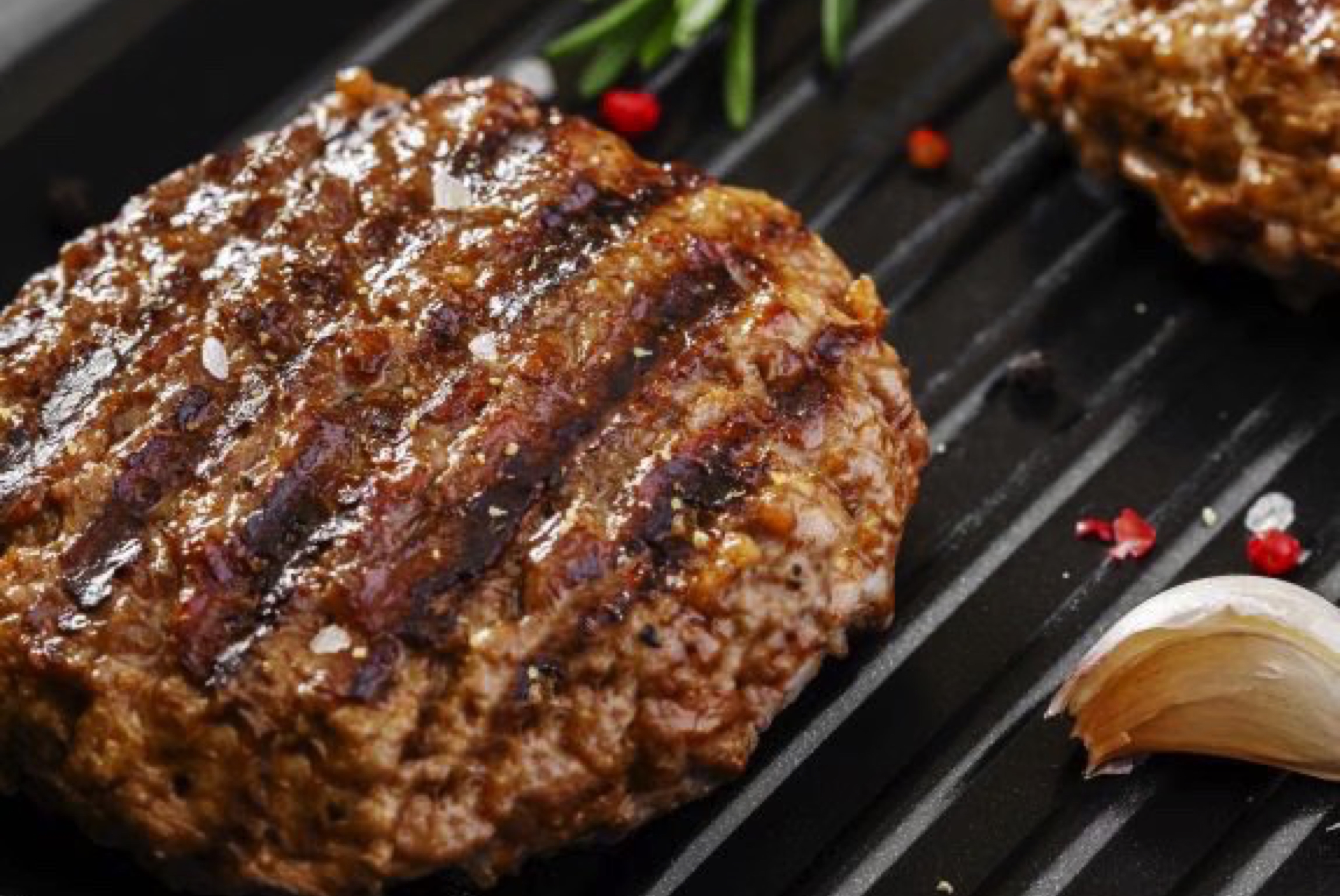
This casual eatery offers a tempting selection of freshly made snacks, perfect for satisfying poolside cravings. Bite into juicy burgers or customise your hot dog with various toppings. Featuring flavours of the day that change throughout your cruise, the Poolside Grill uses fresh ingredients to ensure a delicious and convenient bite.
Dress code – Day / Evening Casual
The Beach House
Welcome to The Beach House
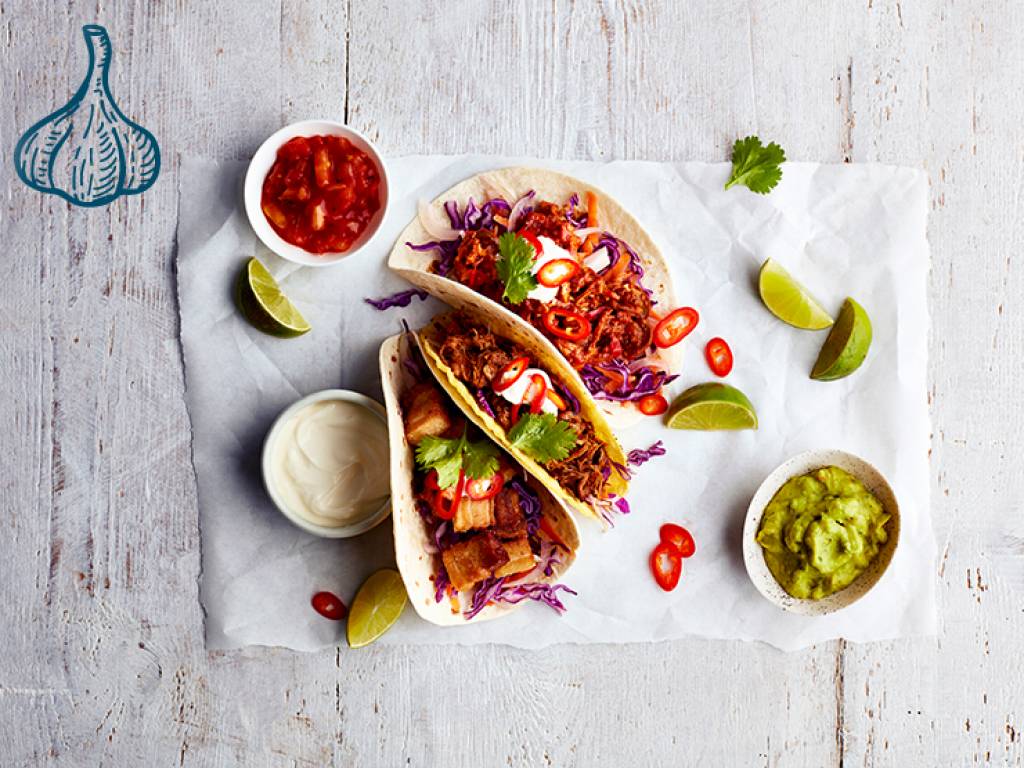
Inspired by South American, Caribbean and Stateside cuisines, The Beach House menu offers hearty dishes and comfort-food favourites. Save space for the decadent and delicious desserts.
Room Service
Morning, noon, and through the night, if you fancy a bite to eat in your cabin, you’ve a mouth-watering room service menu to choose from… meals, desserts, snacks and drinks, all prepared with care and delivered with a smile. A small supplement applies to each item, apart from breakfast, which is included in the price of your holiday.

SeaScreen Open Air Cinema
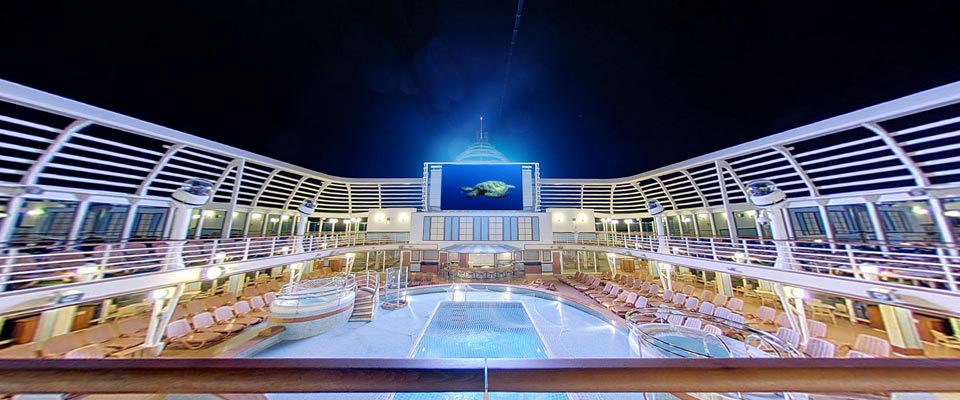
Imagine watching a film under a starry, night sky, while you’re being magically transported to another new destination. SeaScreen is one of the most exciting features on board Azura because it’s more than just a pool – it’s an open-air cinema as well! The giant screen sitting proudly above the beautifully designed pool area will show a variety of classic films, family favourites and the latest blockbusters.
The Playhouse Theatre
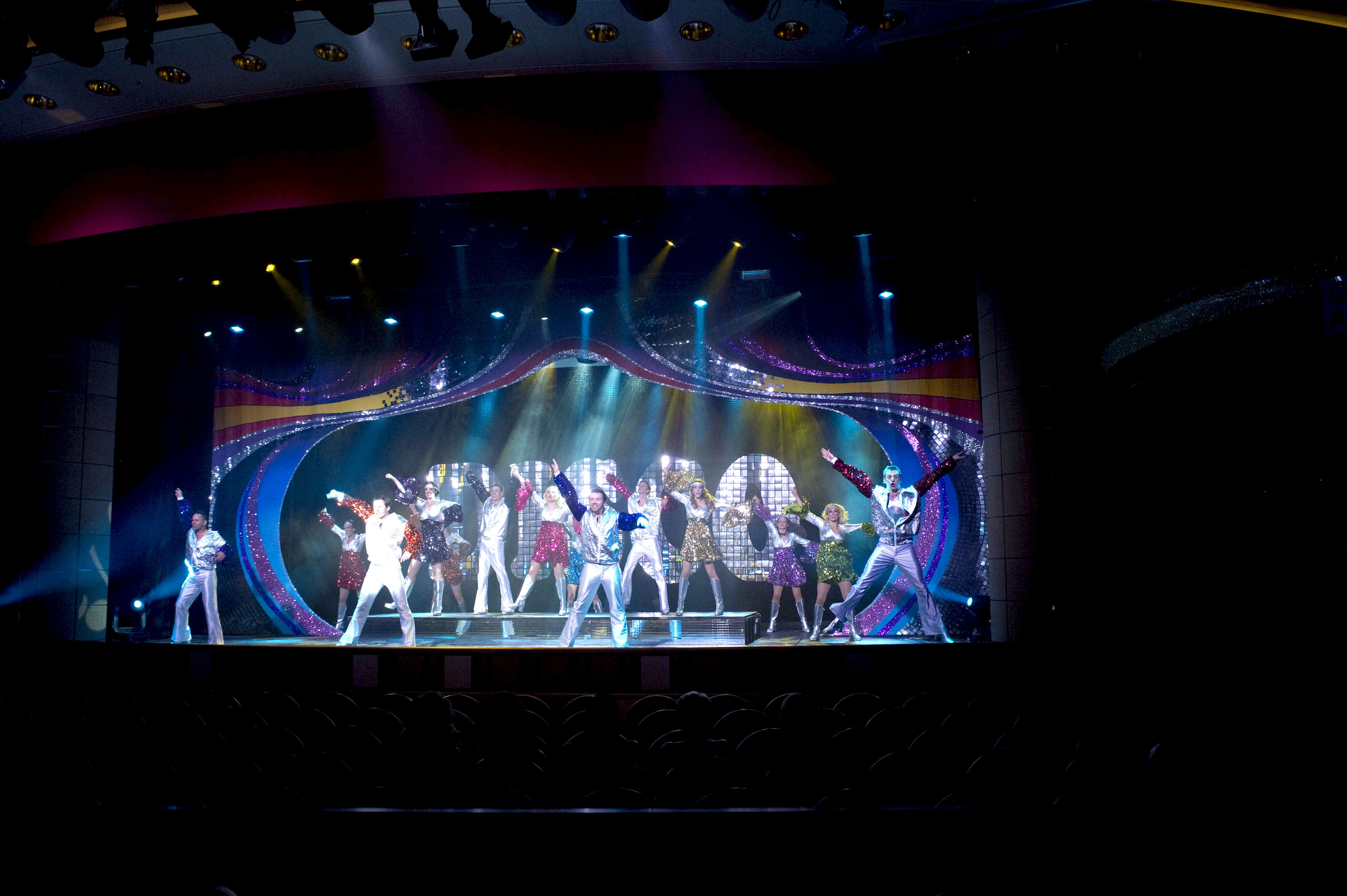
Revel in the grandeur of The Playhouse. This 900-seat theatre offers a vibrant mix of entertainment, from spectacular production shows to classic musical tributes. With two nightly shows of dazzling large-scale productions, laugh-out-loud comedians and mesmerising musicians, there’s something for everyone.
Manhattan
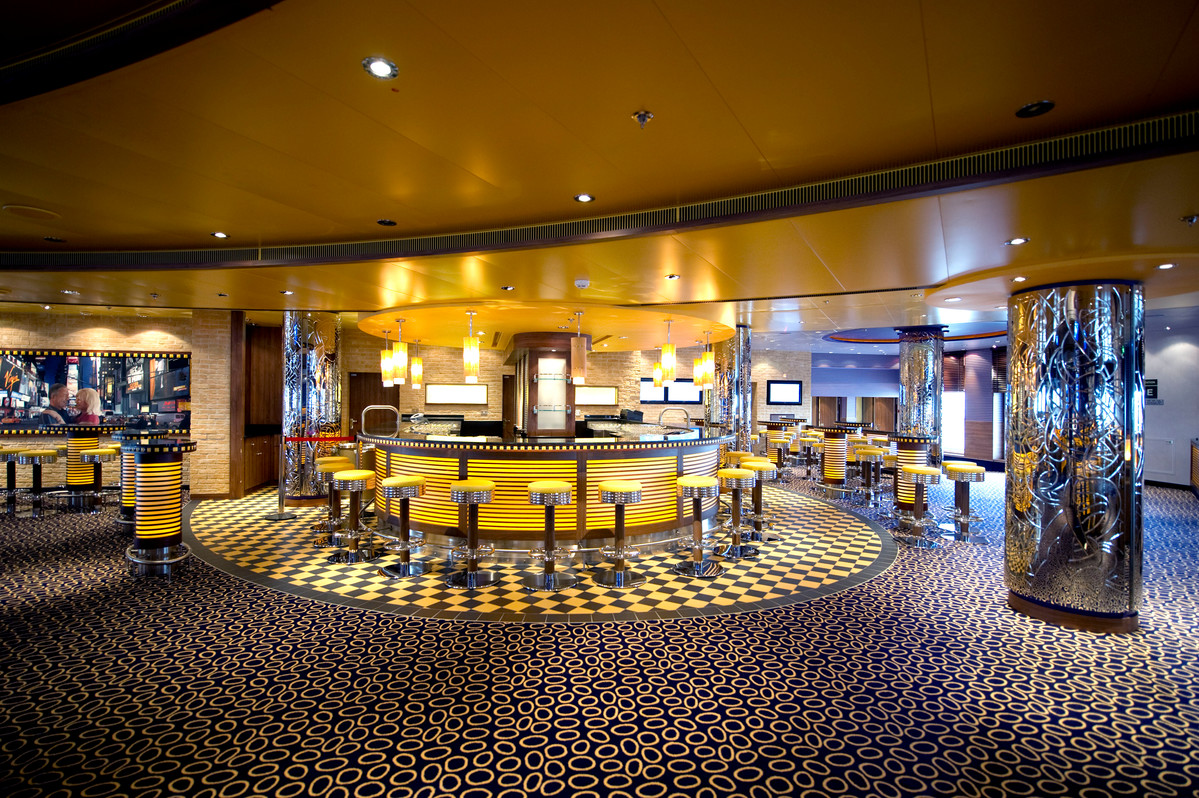
Manhattan Show Lounge brings the buzzing energy of New York to your evening. It offers an exciting mix of entertainment alongside a well-stocked bar serving expertly crafted cocktails, fine wines, spirits, beer, and cider, which you can enjoy while watching cabaret, tribute acts, family-friendly shows, and dancing at the glittering disco as the night unfolds.
Dress code – Evening Casual
Malabar
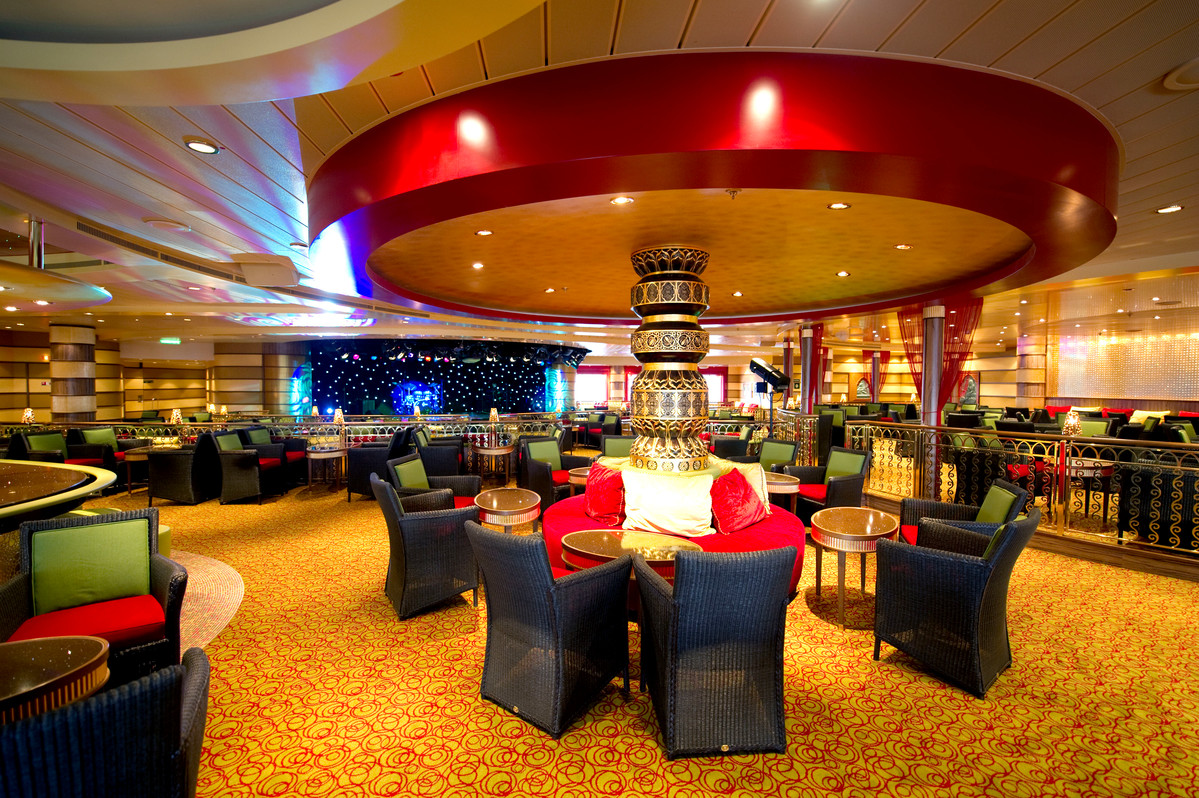
Indulge in the vibrant atmosphere of Malabar, inspired by Mumbai’s Marine Drive. Sip on various cocktails, wines, and spirits as you enjoy captivating live entertainment. From piano recitals to dazzling bands, Malabar offers the perfect place to unwind with a drink and soak in the atmosphere.
Dress code – Evening Casual
Casino
Try your luck in style in our opulent on-board casinos. Feel the thrill of classic table games like blackjack, roulette and poker. Or test your fortune on our state-of-the-art slots. Beyond the games, there are interactive game shows, virtual horse races and daily bingo. Will Lady Luck be on your side on board?
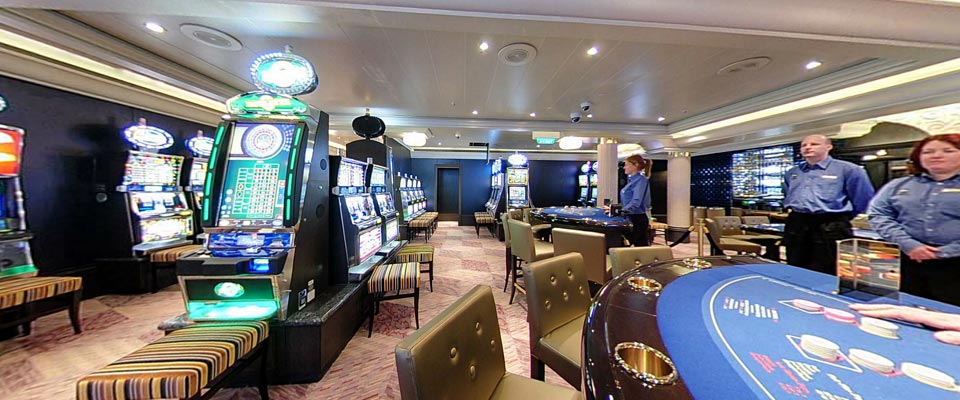
Brodie's Bar
Craving a taste of Britain? Brodie’s is a relaxed yet lively bar boasting a fantastic range of beers, ciders and real ales. It also has a great selection on tap, a well-stocked wine menu and tasty traditional British bar snacks. Enjoy live sports and quizzes by day, then unwind with karaoke, game shows and live entertainment in the evenings.
Dress code – Evening Casual
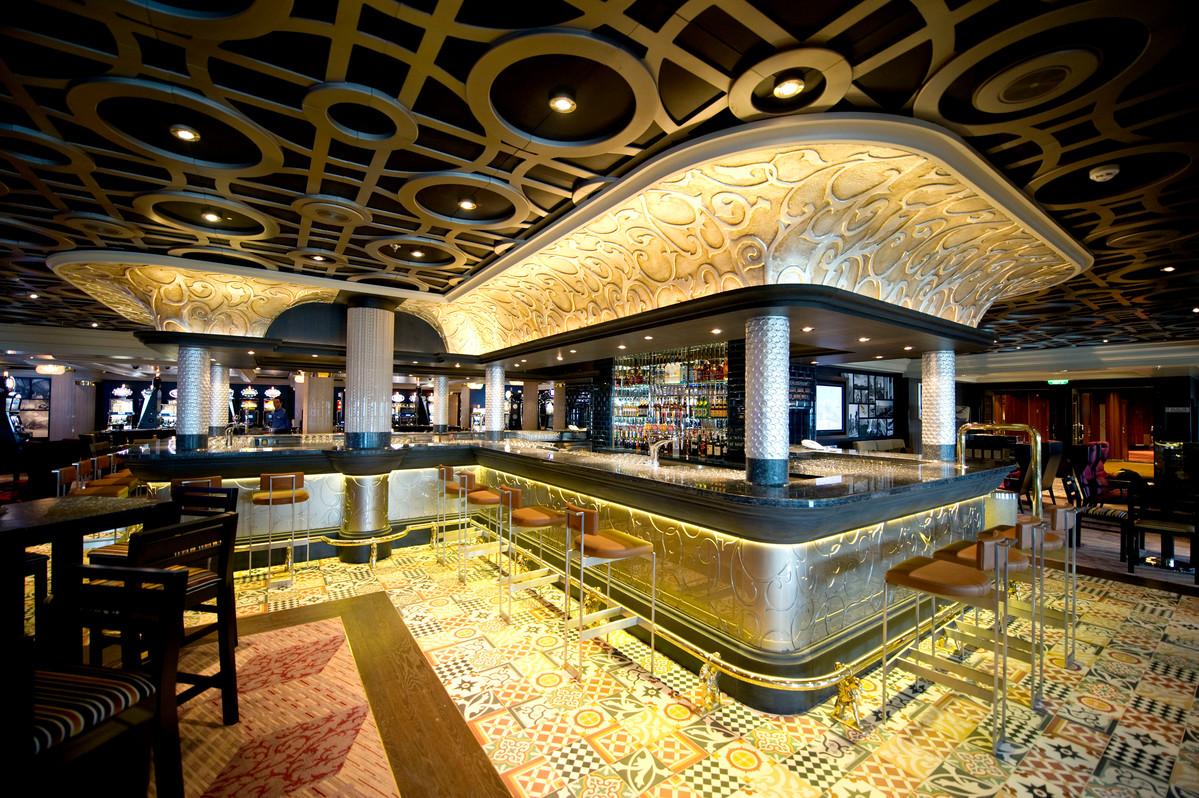
Planet Bar
Unwind in sophisticated style at Planet Bar. Here, you’ll be treated to breathtaking panoramic views, themed cocktails inspired by six continents, and floor-to-ceiling screens showcasing iconic global wonders. Sip on an African Sky or indulge in a Rose Royale accompanied by images of the Serengeti or the Grand Canyon, and rhythmic beats of global music.
Dress code – Dress code of the day (Evening Casual or Black Tie). No tailored shorts.
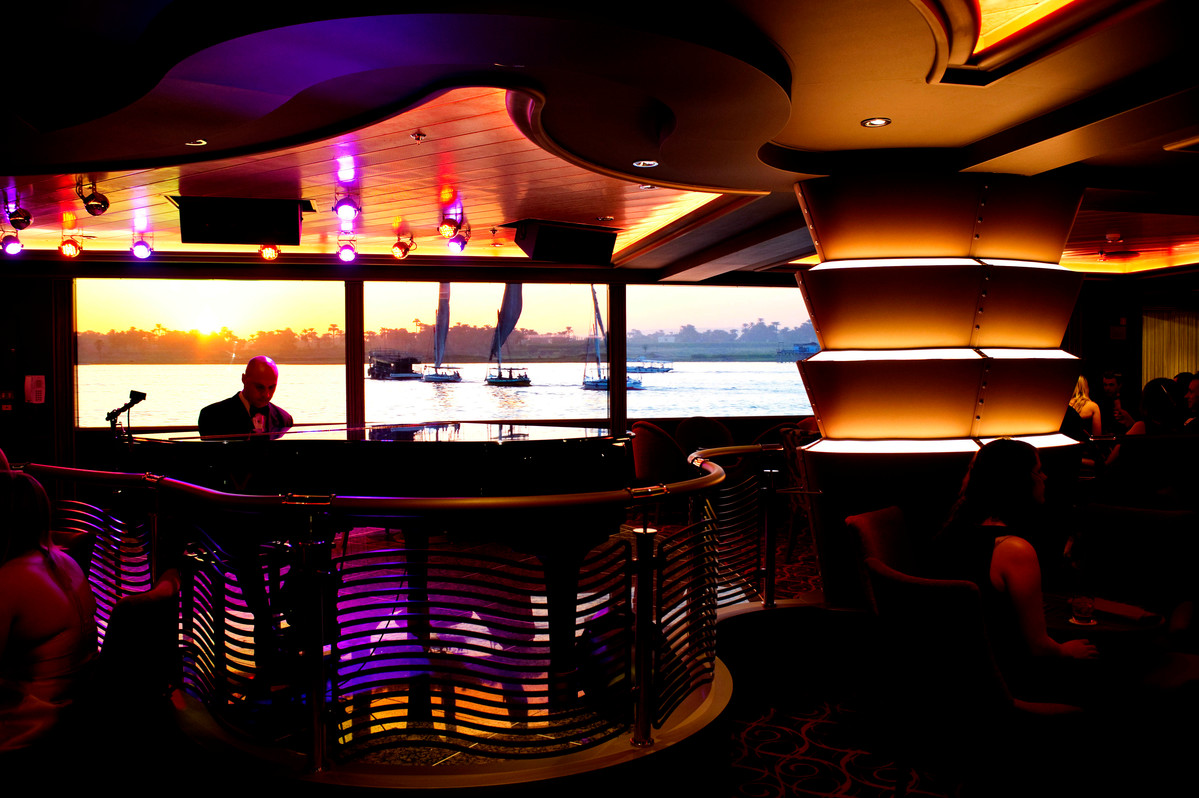
The Blue Bar
Sophisticated, chic and refined, Blue Bar offers an elegant setting for a pre-dinner aperitif or post-dinner socialising. Expert bartenders craft classic and contemporary cocktails alongside a tempting selection of champagnes. Whether you crave a refreshing mocktail or a perfectly mixed masterpiece, you can savour yours in understated luxury.
Dress code – Dress code of the day (Evening Casual or Black Tie). No tailored shorts.
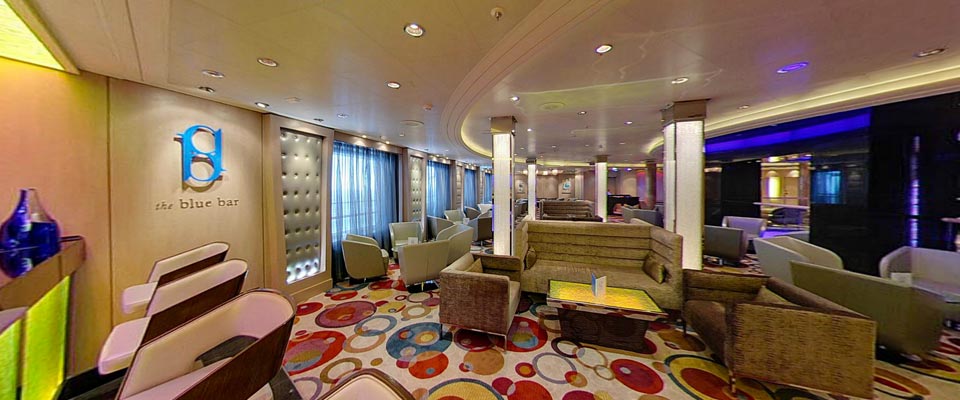
Gymnasium
Elevate your fitness journey at our state-of-the-art gym and fitness studio. Our high-tech facility boasts a full range of equipment, from free weights to cutting-edge machines, to help you reach your fitness goals. Whether you’re a beginner or a seasoned gym-goer, our gyms have everything you need to stay active and feel your best.
Complimentary fitness classes – Stay active on board with our diverse fitness programme. Our expert trainers will guide you through exciting group classes. Complimentary classes are included (there is an additional fee for extra classes). Whether you crave a high-energy spin session or a calming yoga flow, there’s something for everyone. Find your perfect fit and energise your body and mind throughout your cruise holiday.
Personal trainer – Achieve your fitness goals with tailored guidance from our expert on board personal trainers. One-to-one sessions provide targeted workouts, nutrition advice and motivation. Whether you’re new to fitness or seeking to push your limits, our trainers are dedicated to helping you reach your fitness goals.
Running tracks – Stay fit while at sea. We have dedicated jogging and running tracks on Arvia and Iona for you to break a sweat. We also have designated walking and jogging areas on our other ships. Lace up your trainers and explore stunning sea views while maintaining your fitness routine. Check your daily Horizon programme for specific times and locations.
Sports and activities on Azura – On board Azura, enjoy a wide range of sports and activities. The sports court offers football, basketball, short tennis and cricket options for friendly games or organised competitions. Deck activities include deck quoits, shuffleboard, giant chess, table tennis and golf nets, providing fun and fitness for all guests.
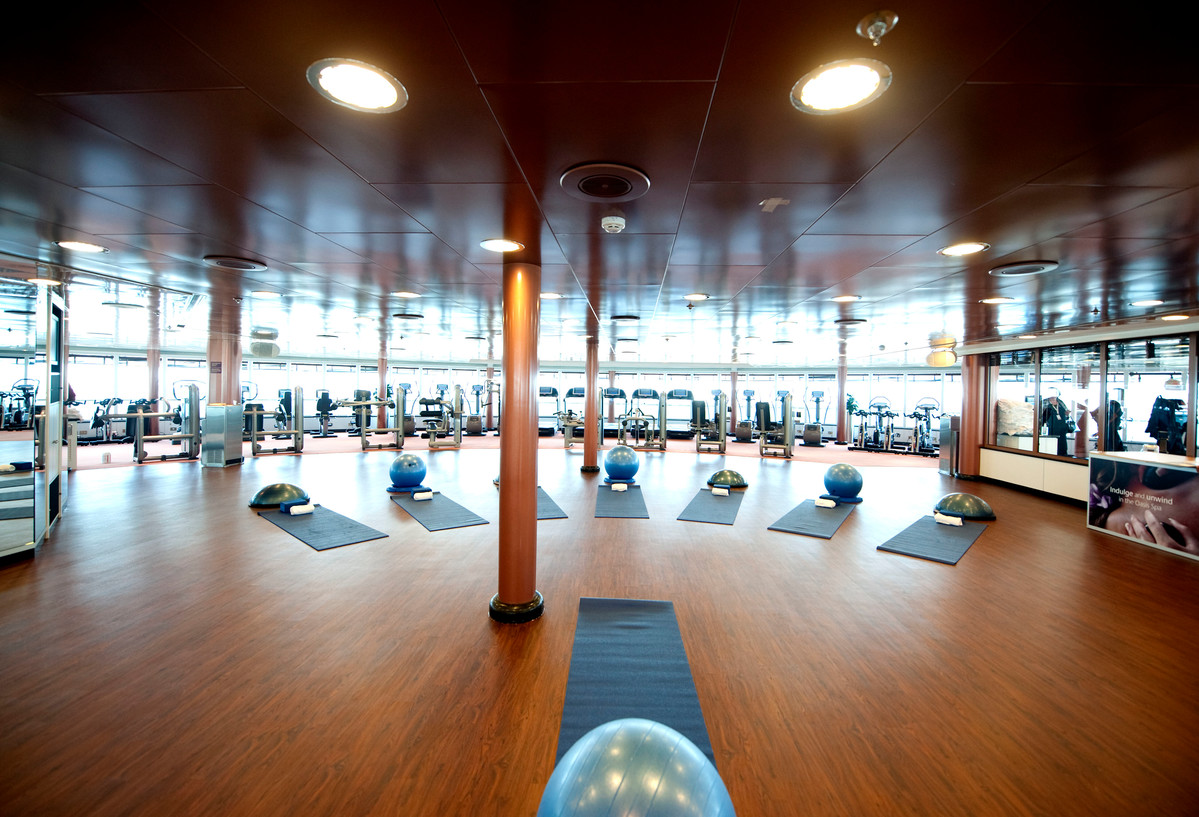
Oasis Spa
Find your on-board sanctuary in the Oasis Spa, a haven of pampering and relaxation. Melt away into a blissful world of me-time. Choose from the most exclusive spa therapies, rejuvenating facials and massages, pick-me-up nail treatments, and feel-good hair styling. There’s plenty for those who want to stay active, too, from a high-tech gym and fitness classes to swimming pools and sports courts.
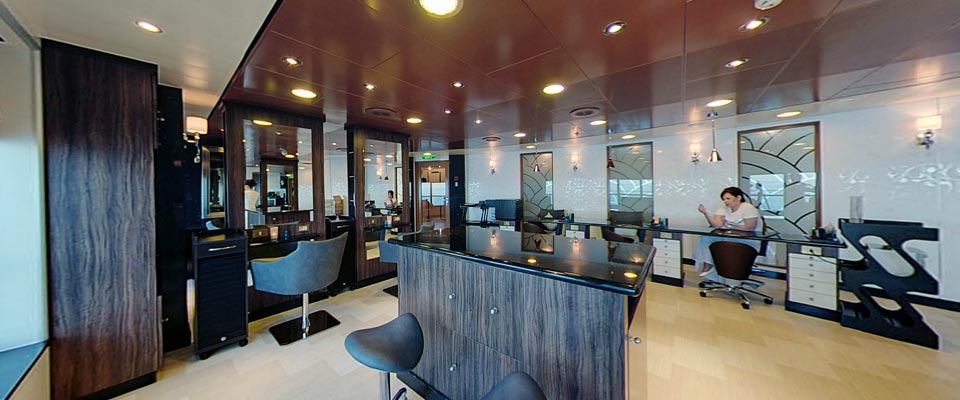
Sports Court
Whether you enjoy the friendly competition of an organised tournament or prefer to play casually with your own party, short tennis, football, volleyball, basketball and cricket are just some of the options available in the Sports Court. And just aft of the Sports Court you will find the golf nets, where you can perfect your swing, using your own clubs or those provided.
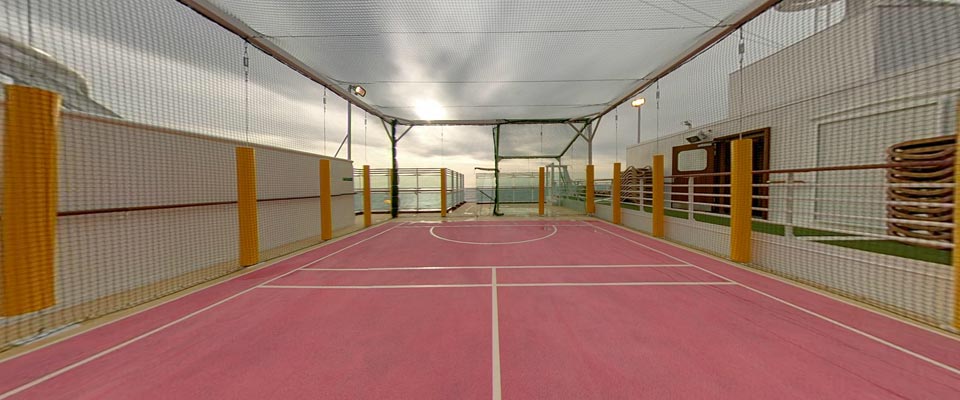
The Retreat
The Retreat, alfresco spa terrace has it all. A premium VIP open-air deck area, where you can find cold flannels, chilled drinks and snacks, and alfresco spa treatments in the privacy of shaded cabanas. Numbers are limited, so the atmosphere is serene and sophisticated with luxurious surroundings including day beds, private cabanas (to enjoy a range of spa treatments) and complimentary smoothies or fruit platters on offer. With panoramic ocean views, The Retreat is the height of grown-up sophistication and indulgence.
*Please note: Details on this page may differ depending on the ship you choose to sail on.
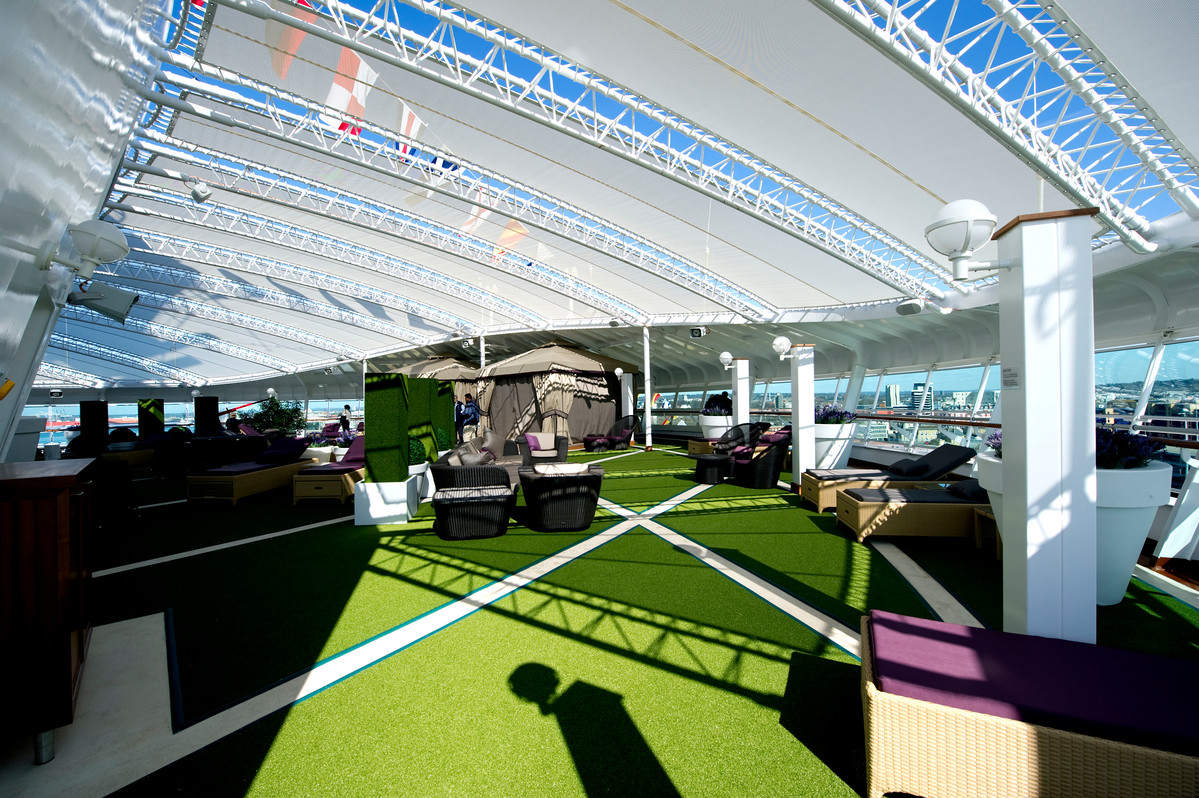
Swimming Pools
Explore our fantastic on-board swimming pools and discover a suitable swimming pool for your holiday. Whether you’re seeking relaxation, fun, a refreshing dip, or a bit of everything… from serene retreats exclusively for adults to vibrant family-friendly zones, explore the variety and get ready to make unforgettable memories.
Pools to suit everyone – Find the perfect pool, from family fun to solo serenity and tranquil spots exclusively for adults. Each of our ships offers a range of options, including accessible pools, ensuring everyone can enjoy a refreshing dip.
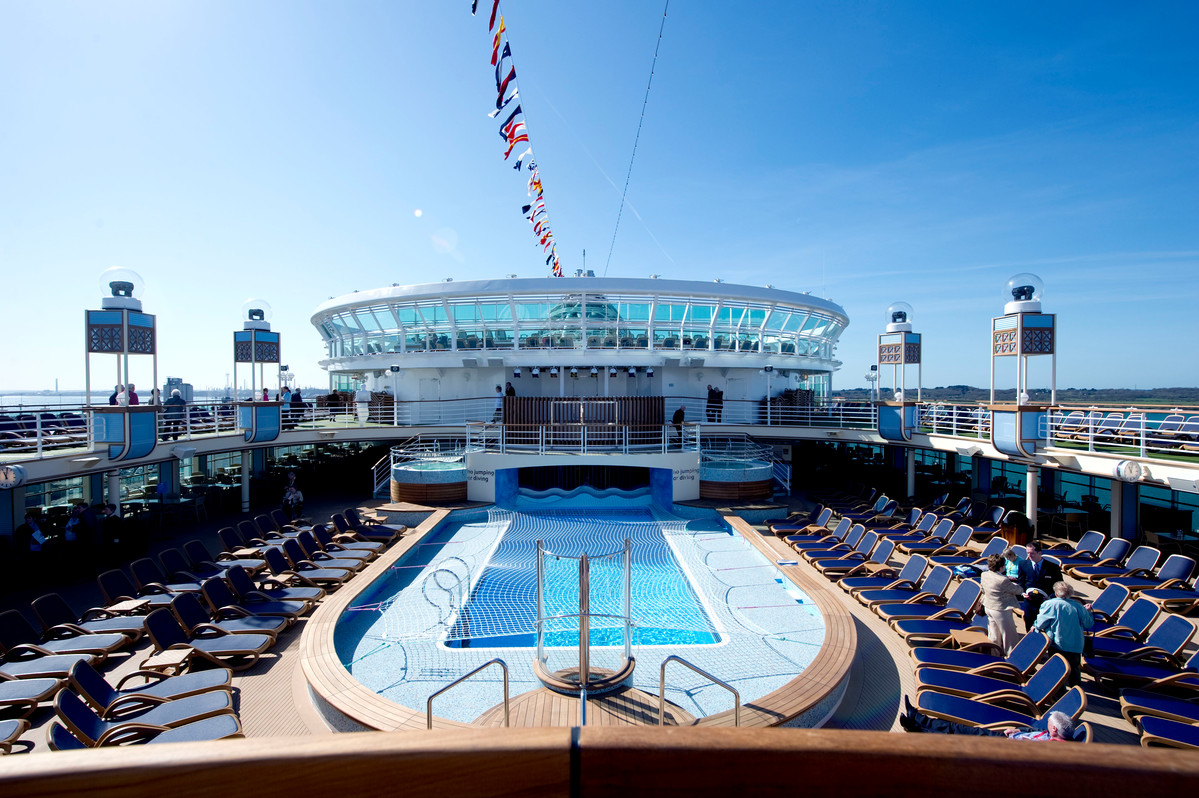
- Aqua Pool (Lido deck): The largest pool on the ship, featuring two whirlpool spas and poolside refreshments from Aqua bar.
- Coral Pool (Lido deck): The busiest of the pools, featuring two whirlpool spas and lots of refreshment options.
- Terrace Pool (Riviera Deck): Adults-only pool offering views from the ship’s rear and is a good place to relax.
- Splash pool (Aqua deck): Ideal for kids, located near the kids clubs and features a paddling pool.
The Reef
Night Nursery
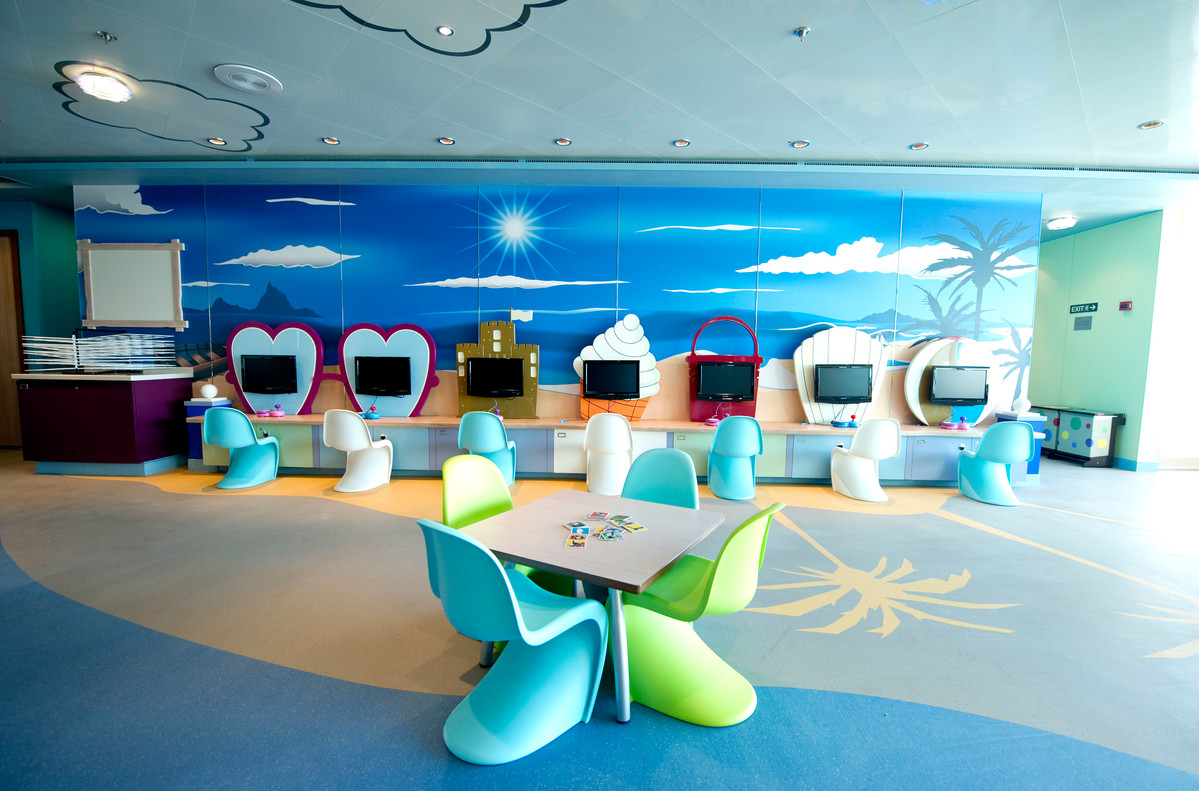
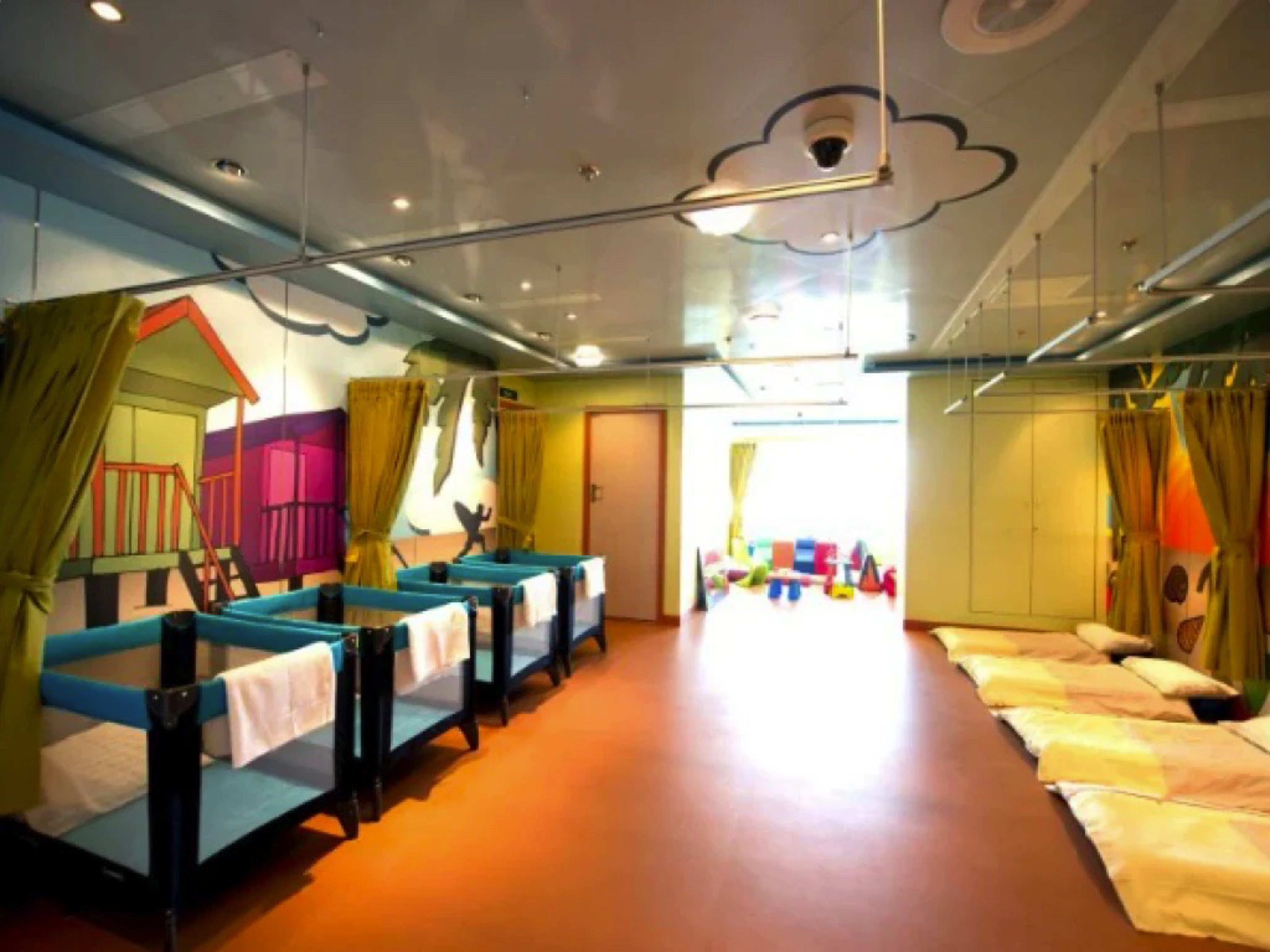
The Night Nursery can help you enjoy your evenings safe in the knowledge that your little ones are asleep in good hands. It operates each night, so your children can dream sweet dreams in the quiet area and we’ll contact you if they wake up. While your child is in safe hands, you can enjoy our extraordinary dining and evening entertainment.
Meridian Restaurant
Experience a global culinary adventure of the highest quality at Medina. This opulent Arabian-themed space offers Freedom Dining flexibility, allowing you to dine whenever and with whomever you wish. From classic home comfort dishes to locally inspired flavours, the menus offer a delightful array of options that will leave you craving more.
Dress code – Dress code of the day (Evening Casual or Black Tie). No tailored shorts.
Sindhu
Prepare your taste buds for a flavour-filled adventure. In stylish and sumptuous surroundings, Sindhu’s expert chefs will take you on a delicately spiced odyssey that celebrates the best of contemporary Indian cuisines. You can also make a date on selected sea days to enjoy a delicious tiffin style lunch.
Dress code – Dress code of the day (Evening Casual or Black Tie)
The Peninsular Restaurant
Sail the world from your plate at Britannia’s sophisticated Peninsular Restaurant, providing memorable meals on every voyage. Enjoy classic home comforts alongside exciting global flavours. Every cruise features a special five-course Celebration Night Dinner designed by Marco Pierre White, a culinary legend.
Freedom Dining – Available
Dress code – Evening Casual. (Tailored shorts are accepted)
The Oriental Restaurant
Our Oriental Restaurant offers a refined atmosphere for Club Dining. Choose a set time and table for each evening and savour every bite in the company of new friends. The menu features classic British fare alongside exciting global flavours. Don’t miss the unforgettable Marco Pierre White-designed Celebration Night Dinner.
Dress code – Dress code of the day (Evening Casual or Black Tie). No tailored shorts.
The Epicurean
Dining experiences don’t come any finer than Epicurean. Marvel as each exquisite dish, inspired by classic British ingredients and given a modern twist by expert chefs, is presented at your table. Epicurean promises a sophisticated and immersive dining experience, inviting you to savour the artistry of gastronomy in a truly luxurious setting.
Dress code – Dress code of the day (Evening Casual or Black Tie). No tailored shorts.
Poolside Grill
This casual eatery offers a tempting selection of freshly made snacks, perfect for satisfying poolside cravings. Bite into juicy burgers or customise your hot dog with various toppings. Featuring flavours of the day that change throughout your cruise, the Poolside Grill uses fresh ingredients to ensure a delicious and convenient bite.
Dress code – Day / Evening Casual
The Beach House
Welcome to The Beach House
Inspired by South American, Caribbean and Stateside cuisines, The Beach House menu offers hearty dishes and comfort-food favourites. Save space for the decadent and delicious desserts.
Room Service
Morning, noon, and through the night, if you fancy a bite to eat in your cabin, you’ve a mouth-watering room service menu to choose from… meals, desserts, snacks and drinks, all prepared with care and delivered with a smile. A small supplement applies to each item, apart from breakfast, which is included in the price of your holiday.
SeaScreen Open Air Cinema
Imagine watching a film under a starry, night sky, while you’re being magically transported to another new destination. SeaScreen is one of the most exciting features on board Azura because it’s more than just a pool – it’s an open-air cinema as well! The giant screen sitting proudly above the beautifully designed pool area will show a variety of classic films, family favourites and the latest blockbusters.
The Playhouse Theatre
Revel in the grandeur of The Playhouse. This 900-seat theatre offers a vibrant mix of entertainment, from spectacular production shows to classic musical tributes. With two nightly shows of dazzling large-scale productions, laugh-out-loud comedians and mesmerising musicians, there’s something for everyone.
Manhattan
Manhattan Show Lounge brings the buzzing energy of New York to your evening. It offers an exciting mix of entertainment alongside a well-stocked bar serving expertly crafted cocktails, fine wines, spirits, beer, and cider, which you can enjoy while watching cabaret, tribute acts, family-friendly shows, and dancing at the glittering disco as the night unfolds.
Dress code – Evening Casual
Malabar
Indulge in the vibrant atmosphere of Malabar, inspired by Mumbai’s Marine Drive. Sip on various cocktails, wines, and spirits as you enjoy captivating live entertainment. From piano recitals to dazzling bands, Malabar offers the perfect place to unwind with a drink and soak in the atmosphere.
Dress code – Evening Casual
Casino
Try your luck in style in our opulent on-board casinos. Feel the thrill of classic table games like blackjack, roulette and poker. Or test your fortune on our state-of-the-art slots. Beyond the games, there are interactive game shows, virtual horse races and daily bingo. Will Lady Luck be on your side on board?
Brodie's Bar
Craving a taste of Britain? Brodie’s is a relaxed yet lively bar boasting a fantastic range of beers, ciders and real ales. It also has a great selection on tap, a well-stocked wine menu and tasty traditional British bar snacks. Enjoy live sports and quizzes by day, then unwind with karaoke, game shows and live entertainment in the evenings.
Dress code – Evening Casual
Planet Bar
Unwind in sophisticated style at Planet Bar. Here, you’ll be treated to breathtaking panoramic views, themed cocktails inspired by six continents, and floor-to-ceiling screens showcasing iconic global wonders. Sip on an African Sky or indulge in a Rose Royale accompanied by images of the Serengeti or the Grand Canyon, and rhythmic beats of global music.
Dress code – Dress code of the day (Evening Casual or Black Tie). No tailored shorts.
The Blue Bar
Sophisticated, chic and refined, Blue Bar offers an elegant setting for a pre-dinner aperitif or post-dinner socialising. Expert bartenders craft classic and contemporary cocktails alongside a tempting selection of champagnes. Whether you crave a refreshing mocktail or a perfectly mixed masterpiece, you can savour yours in understated luxury.
Dress code – Dress code of the day (Evening Casual or Black Tie). No tailored shorts.
Gymnasium
Elevate your fitness journey at our state-of-the-art gym and fitness studio. Our high-tech facility boasts a full range of equipment, from free weights to cutting-edge machines, to help you reach your fitness goals. Whether you’re a beginner or a seasoned gym-goer, our gyms have everything you need to stay active and feel your best.
Complimentary fitness classes – Stay active on board with our diverse fitness programme. Our expert trainers will guide you through exciting group classes. Complimentary classes are included (there is an additional fee for extra classes). Whether you crave a high-energy spin session or a calming yoga flow, there’s something for everyone. Find your perfect fit and energise your body and mind throughout your cruise holiday.
Personal trainer – Achieve your fitness goals with tailored guidance from our expert on board personal trainers. One-to-one sessions provide targeted workouts, nutrition advice and motivation. Whether you’re new to fitness or seeking to push your limits, our trainers are dedicated to helping you reach your fitness goals.
Running tracks – Stay fit while at sea. We have dedicated jogging and running tracks on Arvia and Iona for you to break a sweat. We also have designated walking and jogging areas on our other ships. Lace up your trainers and explore stunning sea views while maintaining your fitness routine. Check your daily Horizon programme for specific times and locations.
Sports and activities on Azura – On board Azura, enjoy a wide range of sports and activities. The sports court offers football, basketball, short tennis and cricket options for friendly games or organised competitions. Deck activities include deck quoits, shuffleboard, giant chess, table tennis and golf nets, providing fun and fitness for all guests.
Oasis Spa
Find your on-board sanctuary in the Oasis Spa, a haven of pampering and relaxation. Melt away into a blissful world of me-time. Choose from the most exclusive spa therapies, rejuvenating facials and massages, pick-me-up nail treatments, and feel-good hair styling. There’s plenty for those who want to stay active, too, from a high-tech gym and fitness classes to swimming pools and sports courts.
Sports Court
Whether you enjoy the friendly competition of an organised tournament or prefer to play casually with your own party, short tennis, football, volleyball, basketball and cricket are just some of the options available in the Sports Court. And just aft of the Sports Court you will find the golf nets, where you can perfect your swing, using your own clubs or those provided.
The Retreat
The Retreat, alfresco spa terrace has it all. A premium VIP open-air deck area, where you can find cold flannels, chilled drinks and snacks, and alfresco spa treatments in the privacy of shaded cabanas. Numbers are limited, so the atmosphere is serene and sophisticated with luxurious surroundings including day beds, private cabanas (to enjoy a range of spa treatments) and complimentary smoothies or fruit platters on offer. With panoramic ocean views, The Retreat is the height of grown-up sophistication and indulgence.
*Please note: Details on this page may differ depending on the ship you choose to sail on.
Swimming Pools
Explore our fantastic on-board swimming pools and discover a suitable swimming pool for your holiday. Whether you’re seeking relaxation, fun, a refreshing dip, or a bit of everything… from serene retreats exclusively for adults to vibrant family-friendly zones, explore the variety and get ready to make unforgettable memories.
Pools to suit everyone – Find the perfect pool, from family fun to solo serenity and tranquil spots exclusively for adults. Each of our ships offers a range of options, including accessible pools, ensuring everyone can enjoy a refreshing dip.
- Aqua Pool (Lido deck): The largest pool on the ship, featuring two whirlpool spas and poolside refreshments from Aqua bar.
- Coral Pool (Lido deck): The busiest of the pools, featuring two whirlpool spas and lots of refreshment options.
- Terrace Pool (Riviera Deck): Adults-only pool offering views from the ship’s rear and is a good place to relax.
- Splash pool (Aqua deck): Ideal for kids, located near the kids clubs and features a paddling pool.
The Reef
Night Nursery
The Night Nursery can help you enjoy your evenings safe in the knowledge that your little ones are asleep in good hands. It operates each night, so your children can dream sweet dreams in the quiet area and we’ll contact you if they wake up. While your child is in safe hands, you can enjoy our extraordinary dining and evening entertainment.
About the Ship
Deck Plans

- Outside Cabins
- Inside Cabins
- Launderette
- Art Gallery
- Loyalty and Cruise Sales
- Java
- Shopping
- Explorers
- Atrium
- The Library
- The Meridian Restaurant
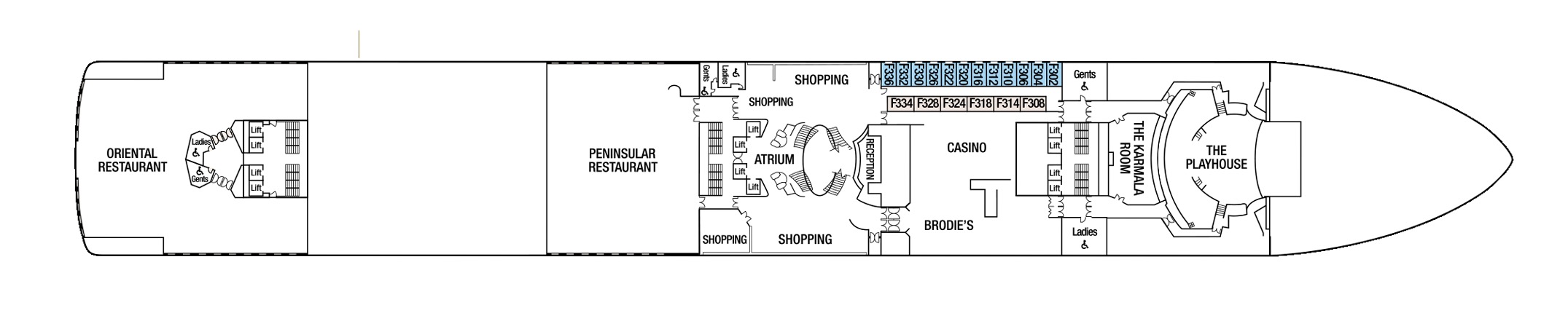
- Single Outside Cabins
- Single Inside Cabins
- The Playhouse
- The Karmala Room
- Casino
- Brodie’s
- Shopping
- Reception
- Atrium
- The Peninsular Restaurant
- The Oriental Restaurant
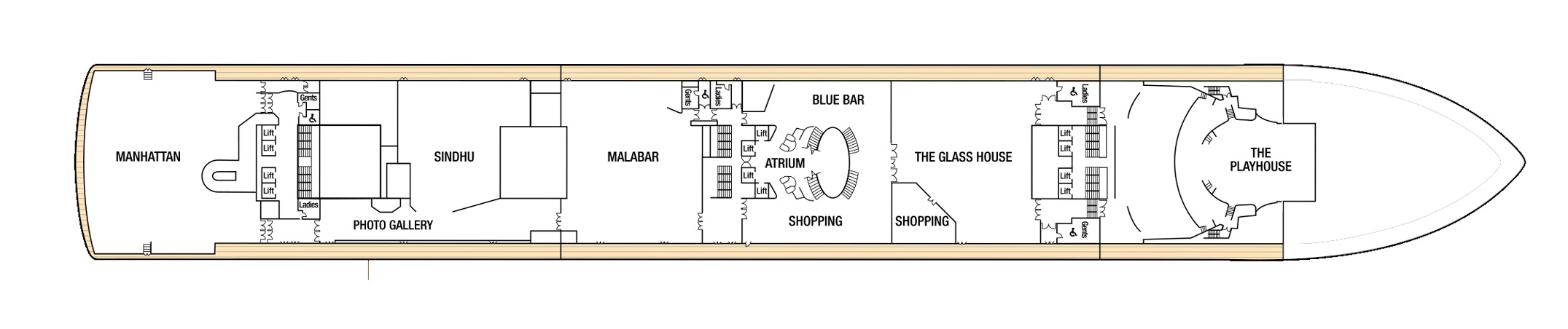
- The Playhouse
- The Glass House
- Shopping
- The Blue Bar
- Atrium
- Shopping
- Malabar
- Sindhu
- Photo Gallery
- Manhattan
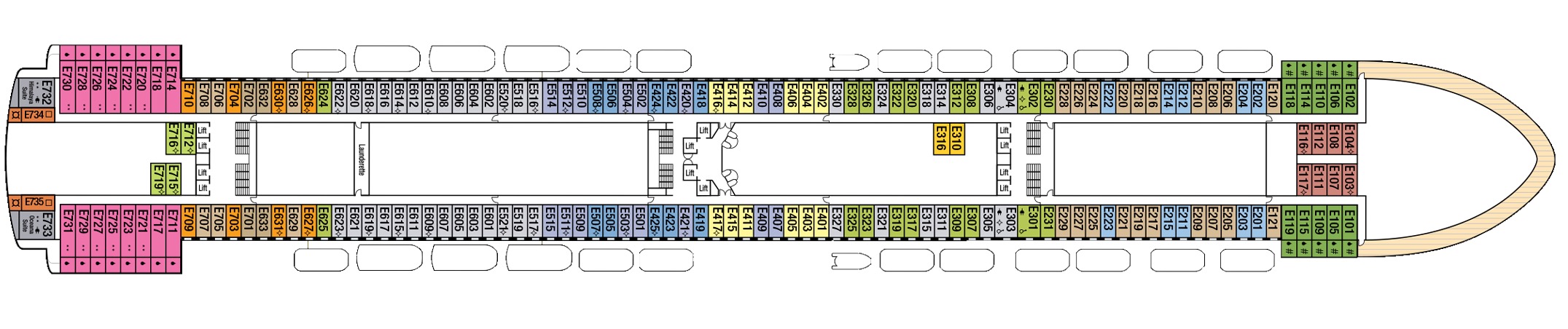
- Suites
- Superior Deluxe Balcony Cabins
- Balcony Cabins
- Outside Cabins
- Inside Cabins
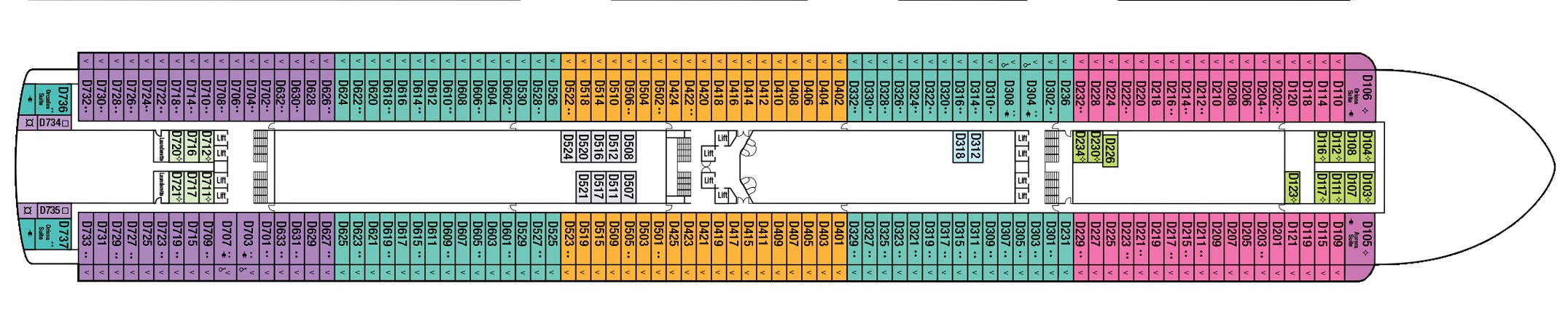
- Suites
- Superior Deluxe Cabins
- Balcony Cabins
- Inside Cabins
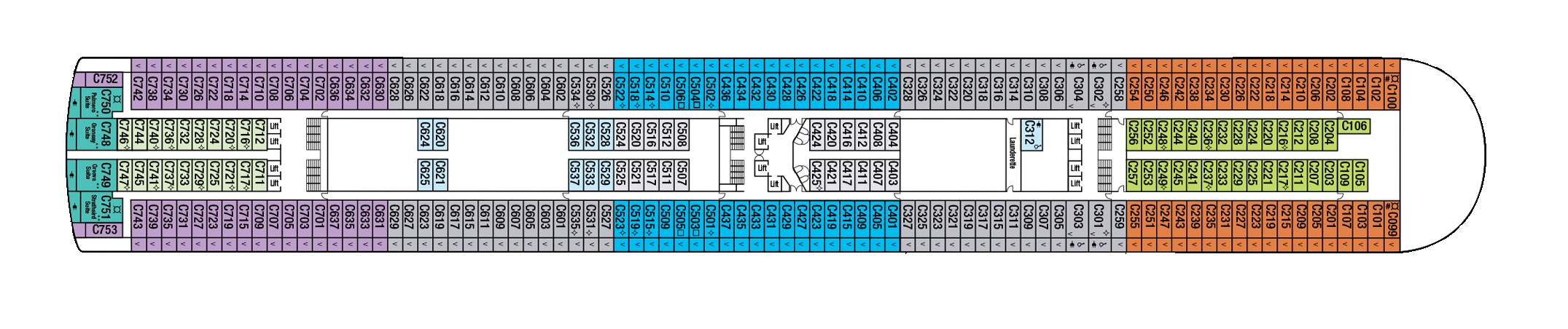
- Suites
- Balcony Cabins
- Inside Cabins
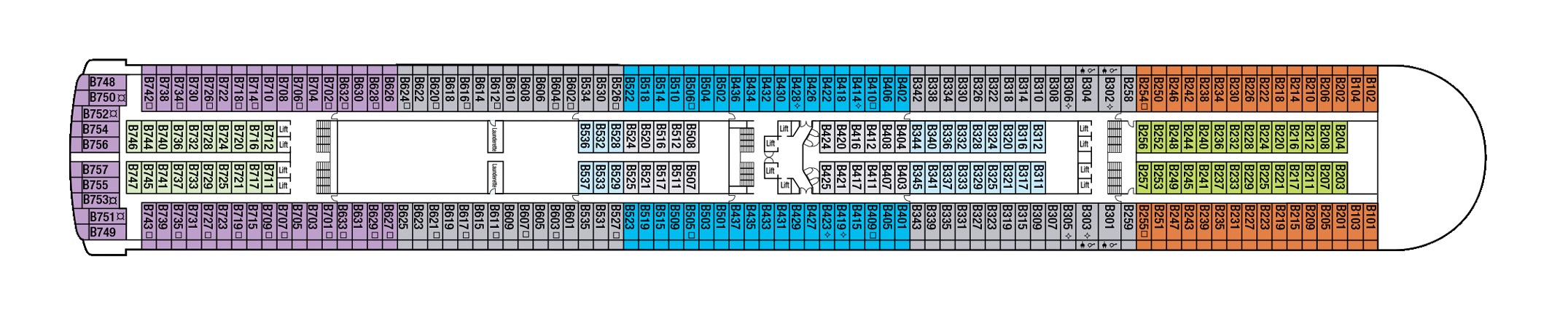
- Balcony Cabins
- Inside Cabins
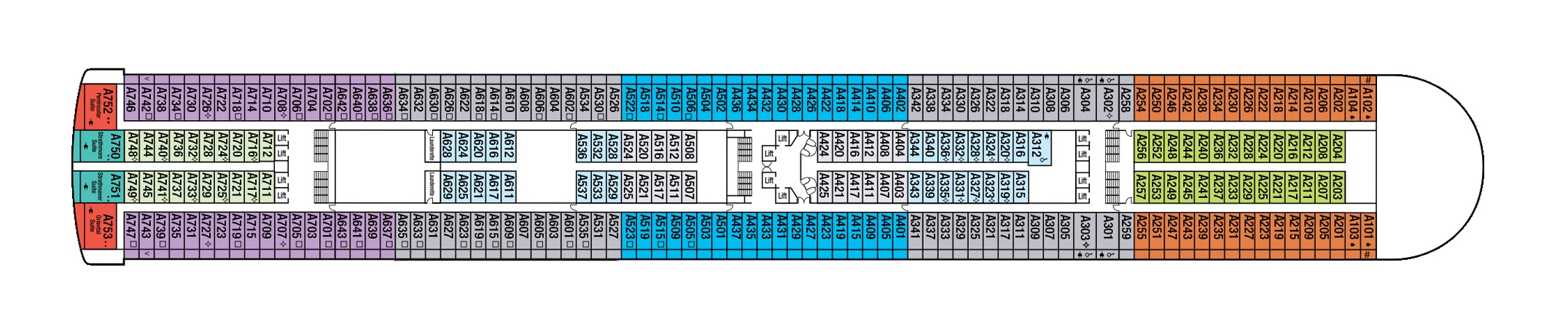
- Penthouse Suites
- Suites
- Balcony Cabins
- Inside Cabins
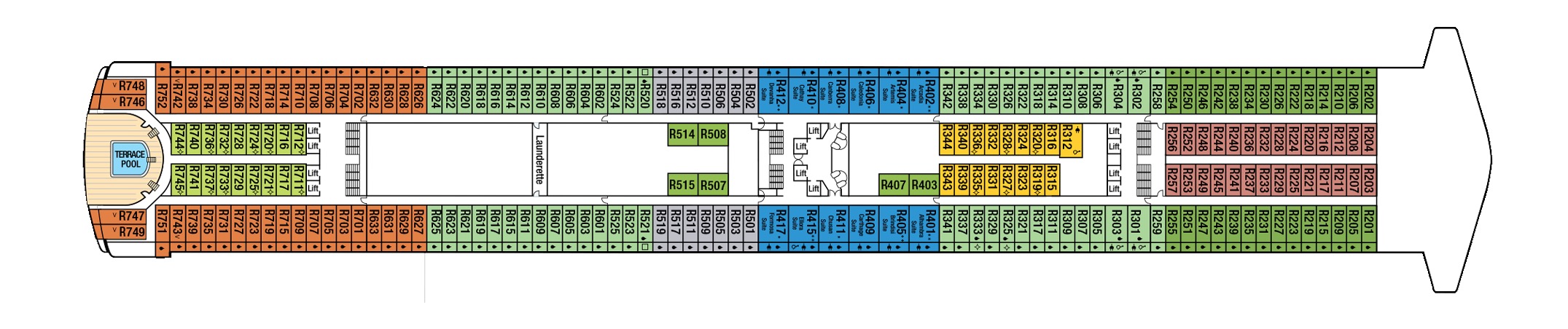
- Suites
- Balcony Cabins
- Inside Cabins
- Terrace Pool
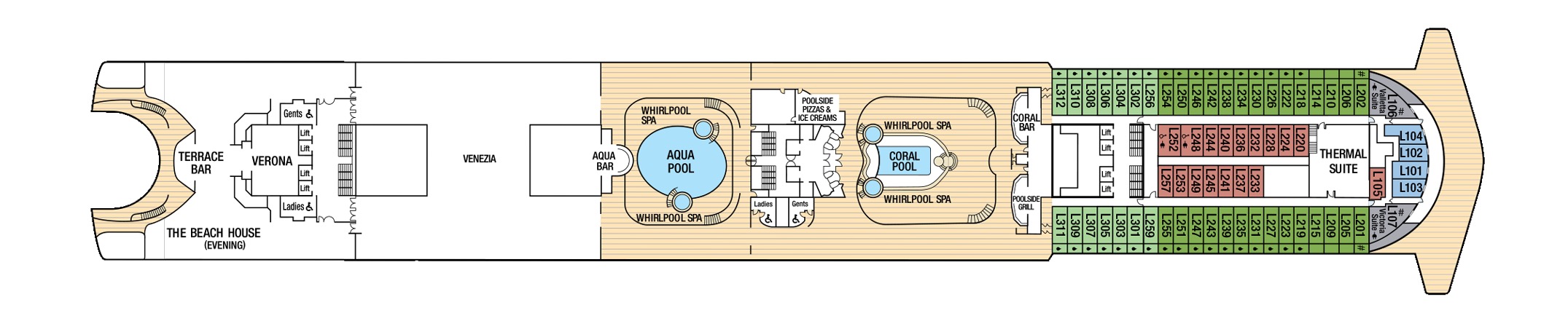
- Thermal Suite
- Coral Bar
- Poolside Grill
- Whirlpool Spas
- Coral Pool
- Poolside Pizza & Ice Cream
- Aqua Pool
- Aqua Bar
- Venezia
- Verona
- Terrace Bar
- The Beach House
- Inside Cabins
- Balcony Cabins
- Outside Staterooms
- Suites
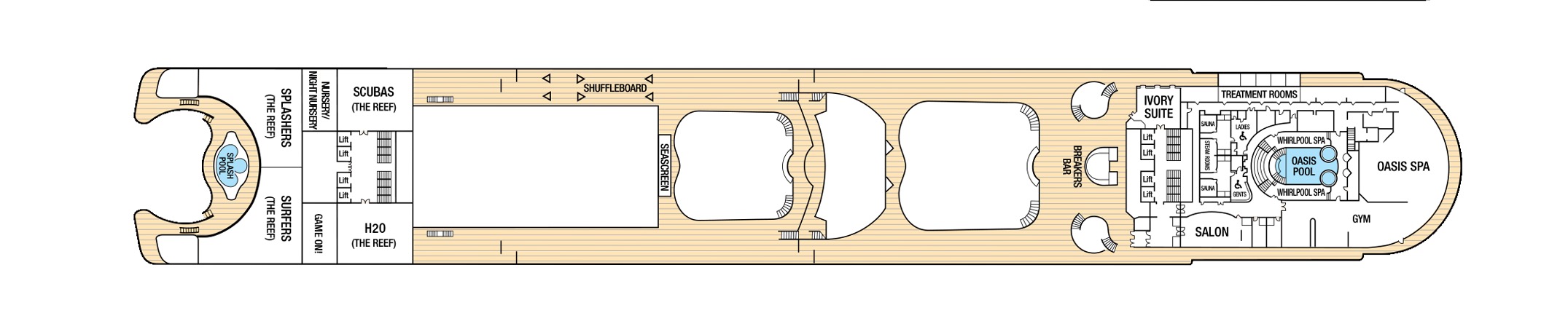
- Oasis Spa
- Gym
- Oasis Pool
- Whirlpool Spa
- Salon
- Treatment Rooms
- Ivory Suite
- Breakers Bar
- Sea Screen
- Shuffleboard
- H20 (The Reef)
- Scubas (The Reef)
- Nursery/Night Nursery
- Game On!
- Splash Pool
- Splashers (The Reef)
- Surfers (The Reef)
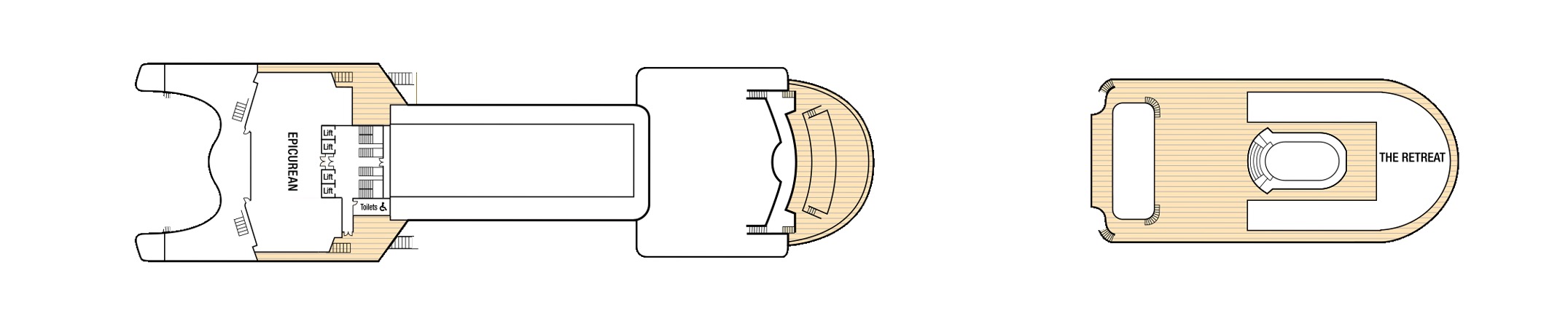
- The Retreat
- The Epicurean Restaurant

- Planet Bar

- Golf Nets
- Sports Court
- Outside Cabins
- Inside Cabins
- Launderette
- Art Gallery
- Loyalty and Cruise Sales
- Java
- Shopping
- Explorers
- Atrium
- The Library
- The Meridian Restaurant
- Single Outside Cabins
- Single Inside Cabins
- The Playhouse
- The Karmala Room
- Casino
- Brodie’s
- Shopping
- Reception
- Atrium
- The Peninsular Restaurant
- The Oriental Restaurant
- The Playhouse
- The Glass House
- Shopping
- The Blue Bar
- Atrium
- Shopping
- Malabar
- Sindhu
- Photo Gallery
- Manhattan
- Suites
- Superior Deluxe Balcony Cabins
- Balcony Cabins
- Outside Cabins
- Inside Cabins
- Suites
- Superior Deluxe Cabins
- Balcony Cabins
- Inside Cabins
- Suites
- Balcony Cabins
- Inside Cabins
- Balcony Cabins
- Inside Cabins
- Penthouse Suites
- Suites
- Balcony Cabins
- Inside Cabins
- Suites
- Balcony Cabins
- Inside Cabins
- Terrace Pool
- Thermal Suite
- Coral Bar
- Poolside Grill
- Whirlpool Spas
- Coral Pool
- Poolside Pizza & Ice Cream
- Aqua Pool
- Aqua Bar
- Venezia
- Verona
- Terrace Bar
- The Beach House
- Inside Cabins
- Balcony Cabins
- Outside Staterooms
- Suites
- Oasis Spa
- Gym
- Oasis Pool
- Whirlpool Spa
- Salon
- Treatment Rooms
- Ivory Suite
- Breakers Bar
- Sea Screen
- Shuffleboard
- H20 (The Reef)
- Scubas (The Reef)
- Nursery/Night Nursery
- Game On!
- Splash Pool
- Splashers (The Reef)
- Surfers (The Reef)
- The Retreat
- The Epicurean Restaurant
- Planet Bar
- Golf Nets
- Sports Court