Featured Cabins
Itinerary
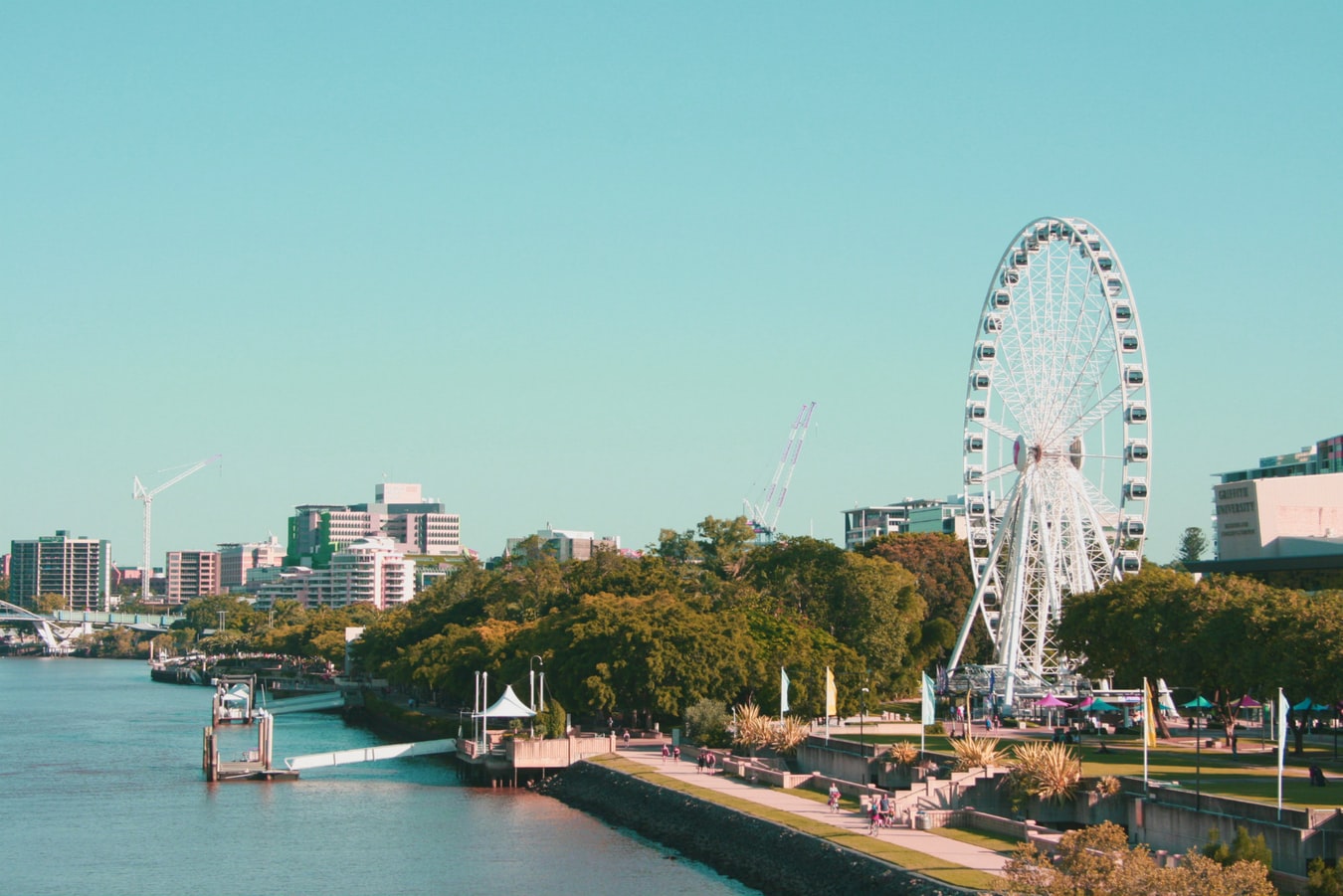
Southampton, England
Lying near the head of Southampton Water, a peninsula between the estuaries of the Rivers Test and Itchen, Southampton is Britain’s largest cruise port. It has been one of England’s major ports since the Middle Ages, when it exported wool and hides from the hinterland and imported wine from Bordeaux. The city suffered heavy damage during World War Two and as a result the centre has been extensively rebuilt, but there are still some interesting medieval buildings including the Bargate, one of the finest city gatehouses in England.
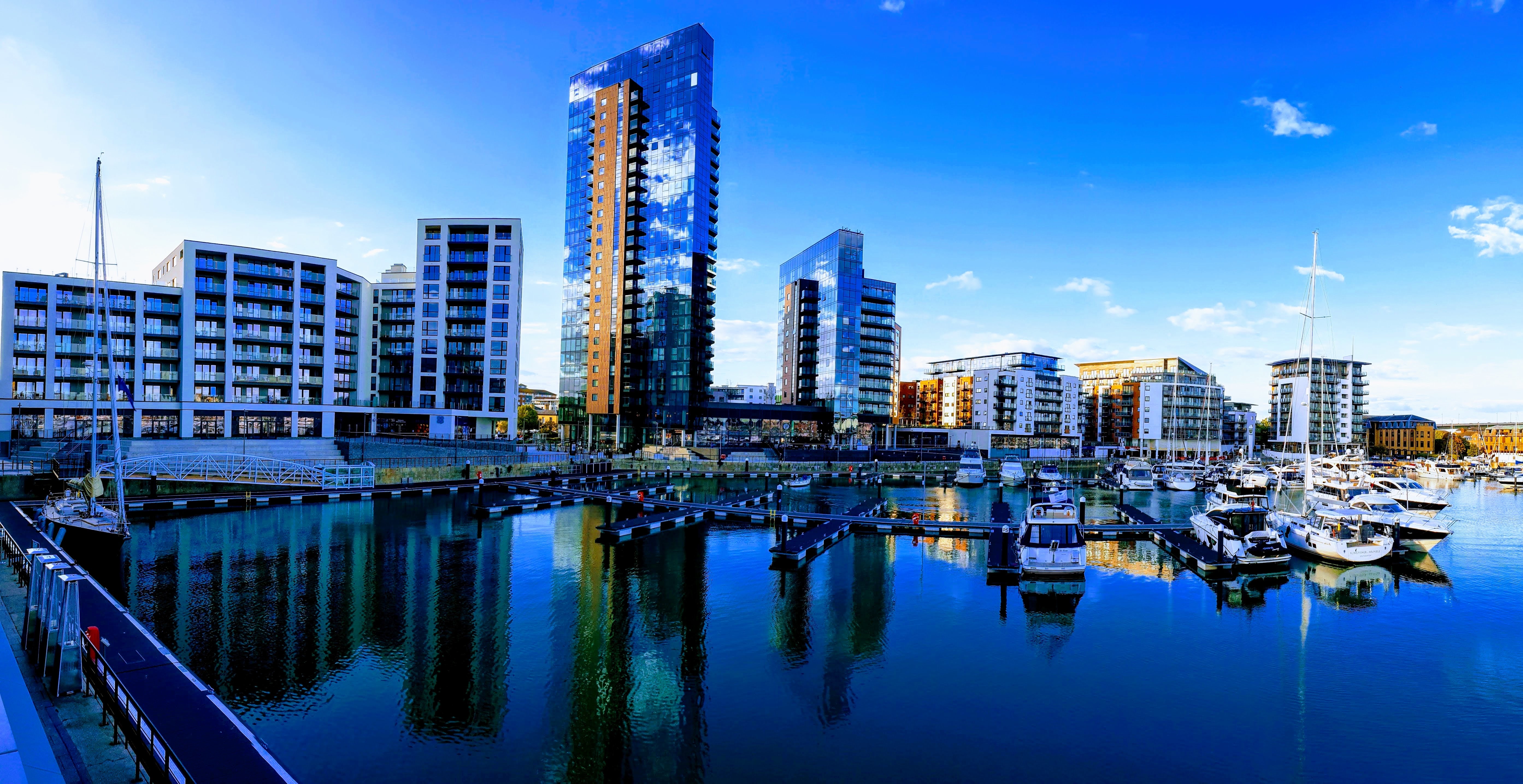
Funchal, Madeira, Portugal
Formed by a volcanic eruption, Madeira lies in the Gulf Stream, about 500 miles due west of Casablanca. Discovered by Portuguese explorer João Gonçalves Zarco in 1419, this beautiful island became part of Portugal’s vast empire and was named for the dense forest which cloaked it – ‘Madeira’ means ‘wood’ in Portuguese. Sugar plantations first brought wealth here, and when King Charles II of England granted an exclusive franchise to sell wine to England and its colonies, many British emigrants were drawn to the capital, Funchal. Today’s travellers come to Madeira for the varied and luxuriant scenery, from mountain slopes covered with vines to picturesque villages and a profusion of wild flowers. The natural beauty of the island has earned it many pseudonyms such as ‘The Floating Garden of the Atlantic’, ‘The Island of Eternal Springtime’ and ‘God’s Botanical Gardens’ and our selection of excursions aim to show you why.
Southampton, England
Lying near the head of Southampton Water, a peninsula between the estuaries of the Rivers Test and Itchen, Southampton is Britain’s largest cruise port. It has been one of England’s major ports since the Middle Ages, when it exported wool and hides from the hinterland and imported wine from Bordeaux. The city suffered heavy damage during World War Two and as a result the centre has been extensively rebuilt, but there are still some interesting medieval buildings including the Bargate, one of the finest city gatehouses in England.
Funchal, Madeira, Portugal
Formed by a volcanic eruption, Madeira lies in the Gulf Stream, about 500 miles due west of Casablanca. Discovered by Portuguese explorer João Gonçalves Zarco in 1419, this beautiful island became part of Portugal’s vast empire and was named for the dense forest which cloaked it – ‘Madeira’ means ‘wood’ in Portuguese. Sugar plantations first brought wealth here, and when King Charles II of England granted an exclusive franchise to sell wine to England and its colonies, many British emigrants were drawn to the capital, Funchal. Today’s travellers come to Madeira for the varied and luxuriant scenery, from mountain slopes covered with vines to picturesque villages and a profusion of wild flowers. The natural beauty of the island has earned it many pseudonyms such as ‘The Floating Garden of the Atlantic’, ‘The Island of Eternal Springtime’ and ‘God’s Botanical Gardens’ and our selection of excursions aim to show you why.
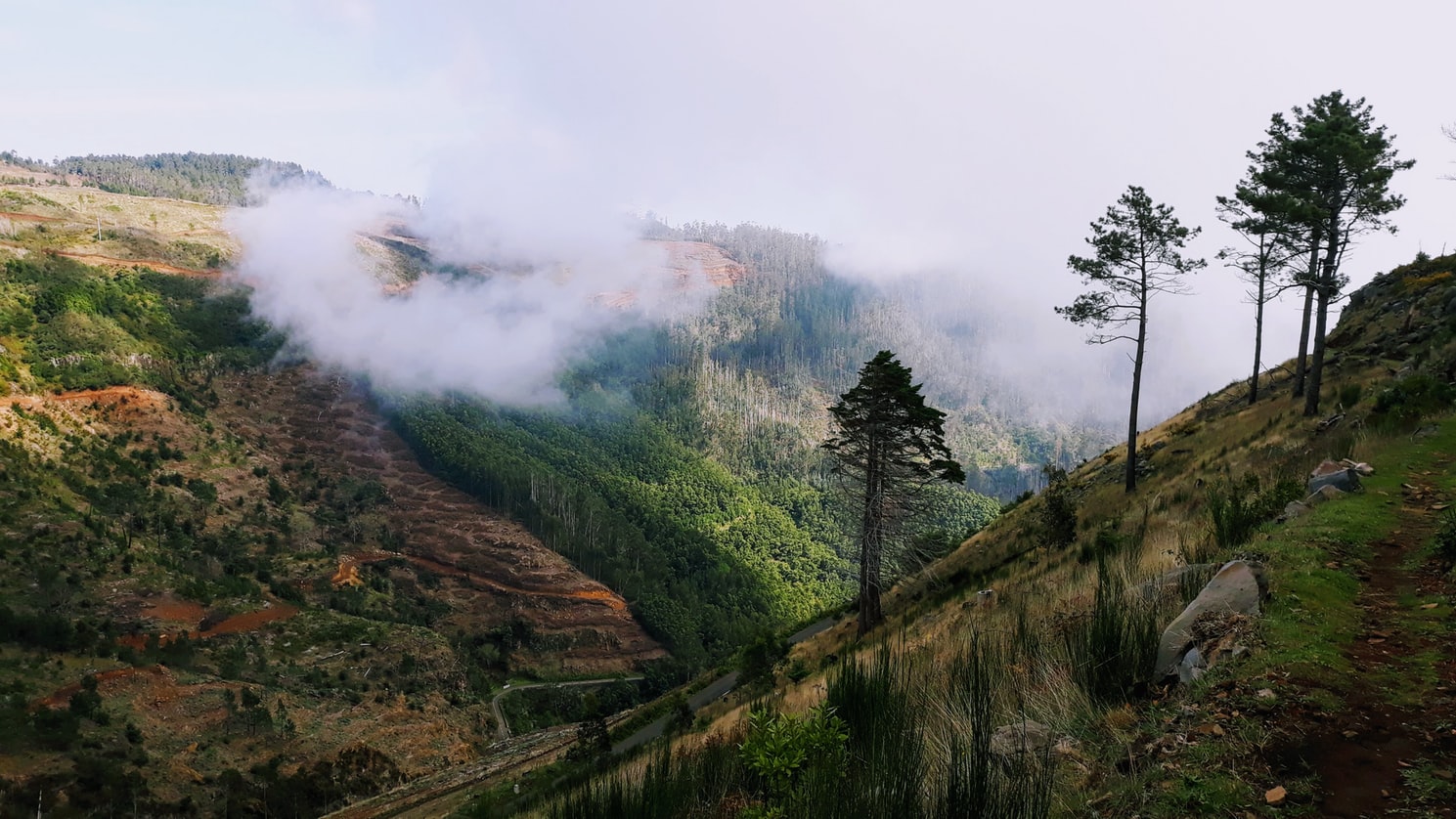
Bridgetown, Barbados
Located beside the island’s only natural harbour, the capital of Barbados combines modern and colonial architecture with glorious palm tree-lined beaches and a number of historical attractions. Experience the relaxed culture of the city renowned for its British-style parliament buildings and vibrant beach life, and seek out the Anglican church and the 19th-century Barbados Garrison. The distance between the ship and your tour vehicle may vary. This distance is not included in the excursion grades.
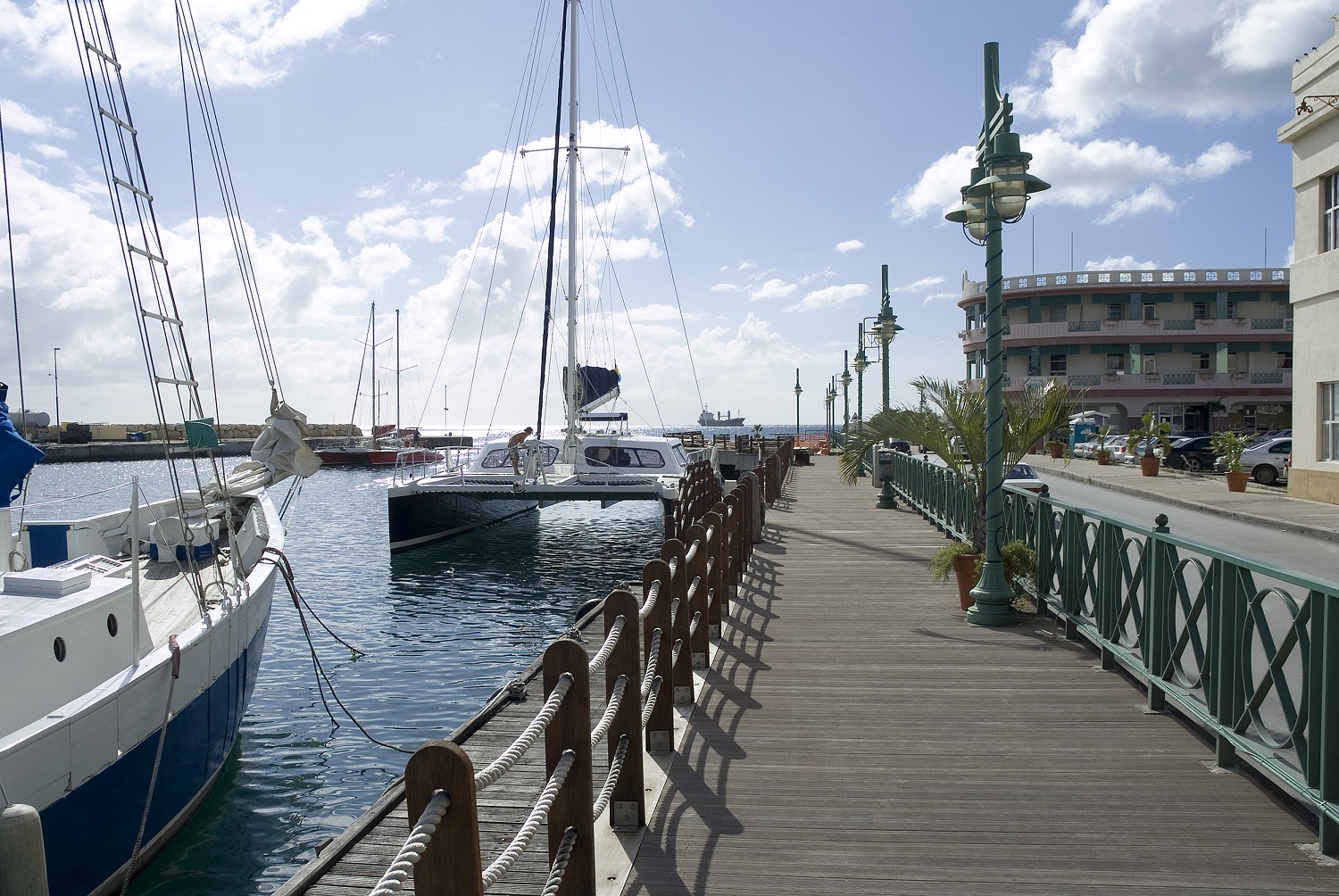
Curaçao, Curaçao
Curaçao is a vibrant island in the southern Caribbean, just off the coast of Venezuela, and part of the Kingdom of the Netherlands. Known for its colorful Dutch colonial architecture, especially in the capital Willemstad (a UNESCO World Heritage Site), the island blends European charm with Caribbean warmth. Curaçao boasts stunning beaches with crystal-clear waters, making it a paradise for snorkeling and diving, particularly around its thriving coral reefs. Beyond its natural beauty, the island is culturally diverse, shaped by African, European, and Latin American influences, reflected in its music, cuisine, and the local language, Papiamentu. Unlike many Caribbean destinations, Curaçao lies outside the hurricane belt, offering year-round sunny weather. Visitors also enjoy exploring its desert landscapes, historic forts, and lively street art. With its unique mix of history, culture, and nature, Curaçao offers a distinctive Caribbean experience that is both laid-back and cosmopolitan.
Bridgetown, Barbados
Located beside the island’s only natural harbour, the capital of Barbados combines modern and colonial architecture with glorious palm tree-lined beaches and a number of historical attractions. Experience the relaxed culture of the city renowned for its British-style parliament buildings and vibrant beach life, and seek out the Anglican church and the 19th-century Barbados Garrison. The distance between the ship and your tour vehicle may vary. This distance is not included in the excursion grades.
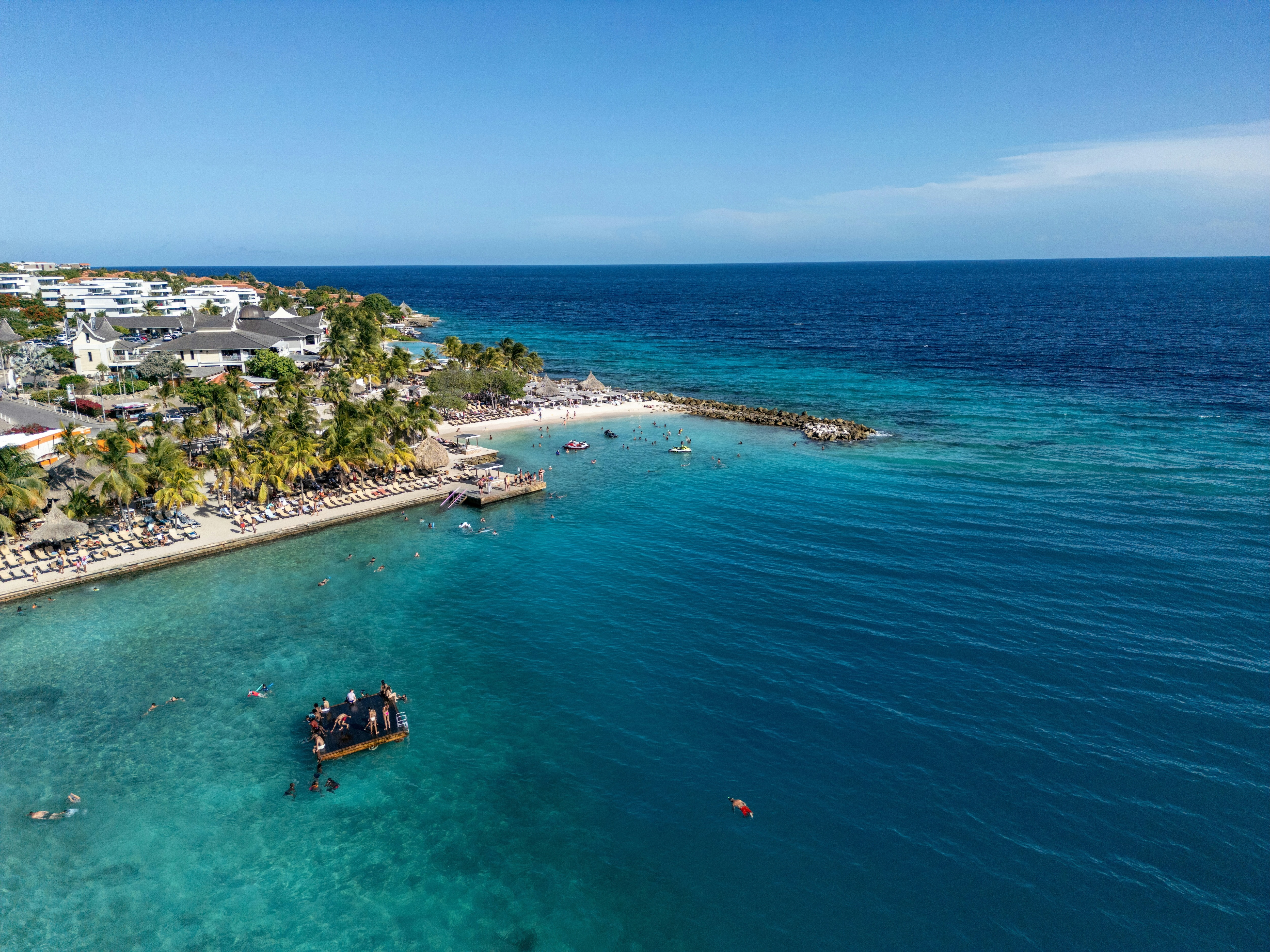
Curaçao, Curaçao
Curaçao is a vibrant island in the southern Caribbean, just off the coast of Venezuela, and part of the Kingdom of the Netherlands. Known for its colorful Dutch colonial architecture, especially in the capital Willemstad (a UNESCO World Heritage Site), the island blends European charm with Caribbean warmth. Curaçao boasts stunning beaches with crystal-clear waters, making it a paradise for snorkeling and diving, particularly around its thriving coral reefs. Beyond its natural beauty, the island is culturally diverse, shaped by African, European, and Latin American influences, reflected in its music, cuisine, and the local language, Papiamentu. Unlike many Caribbean destinations, Curaçao lies outside the hurricane belt, offering year-round sunny weather. Visitors also enjoy exploring its desert landscapes, historic forts, and lively street art. With its unique mix of history, culture, and nature, Curaçao offers a distinctive Caribbean experience that is both laid-back and cosmopolitan.
Cruising by Panama Canal
No additional details available for this day.
Manzanillo, Mexico, Mexico
Cruising by Panama Canal
No additional details available for this day.
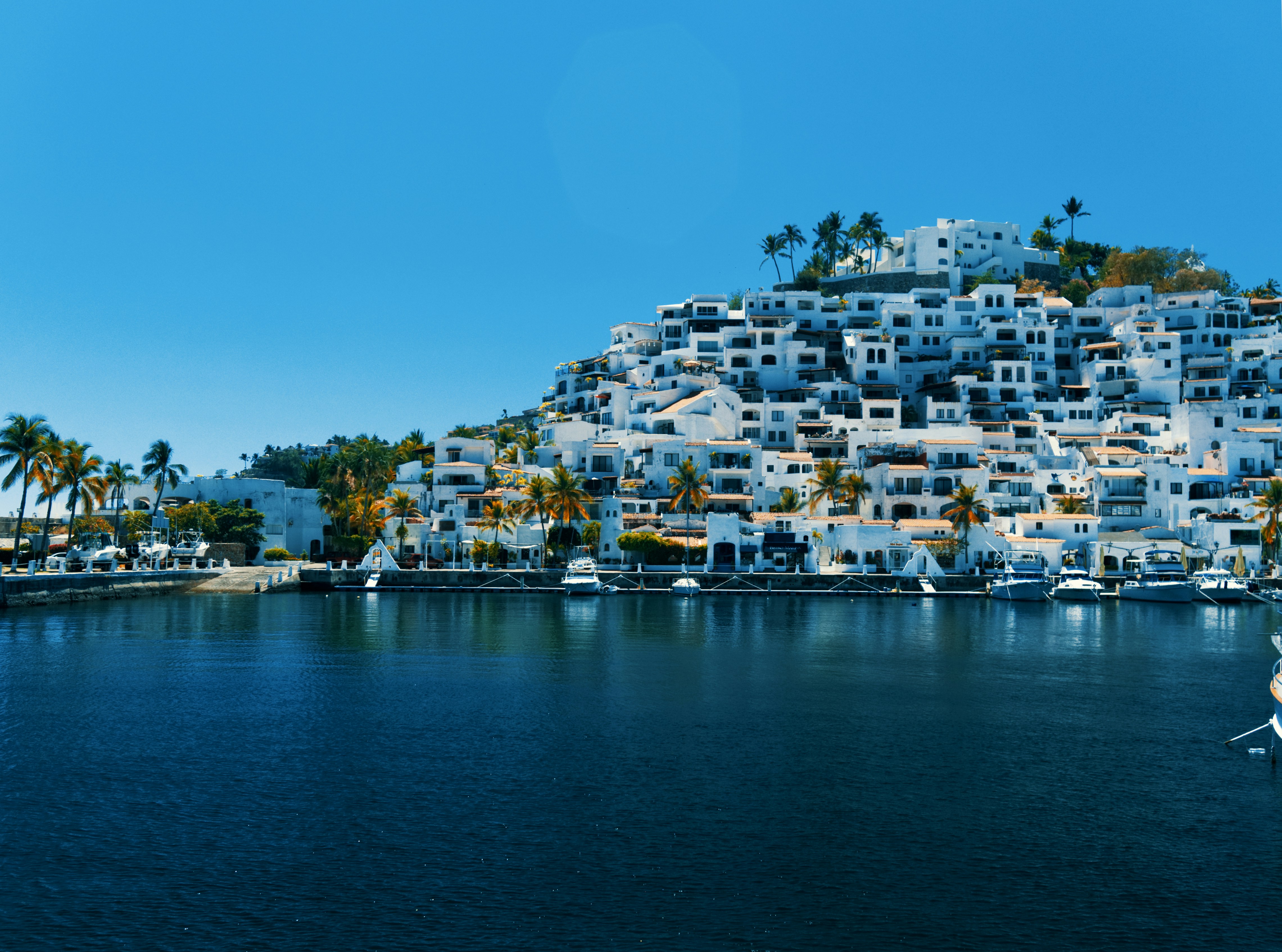
Manzanillo, Mexico, Mexico
San Francisco, California, United States
With its myriad hills and spectacular bay, San Francisco beguiles with natural beauty, vibrant neighborhoods, and contagious energy. From the hipster Mission District to the sassy Castro, from bustling Union Square to enduring Chinatown, this dynamic town thrives on variety. The city makes it wonderfully easy to tap into the good life, too: between San Francisco’s hot arts scene, tempting boutiques, parks perfect for jogging or biking, and all those stellar locavore restaurants and cocktail bars, it’s the ultimate destination for relaxed self-indulgence.
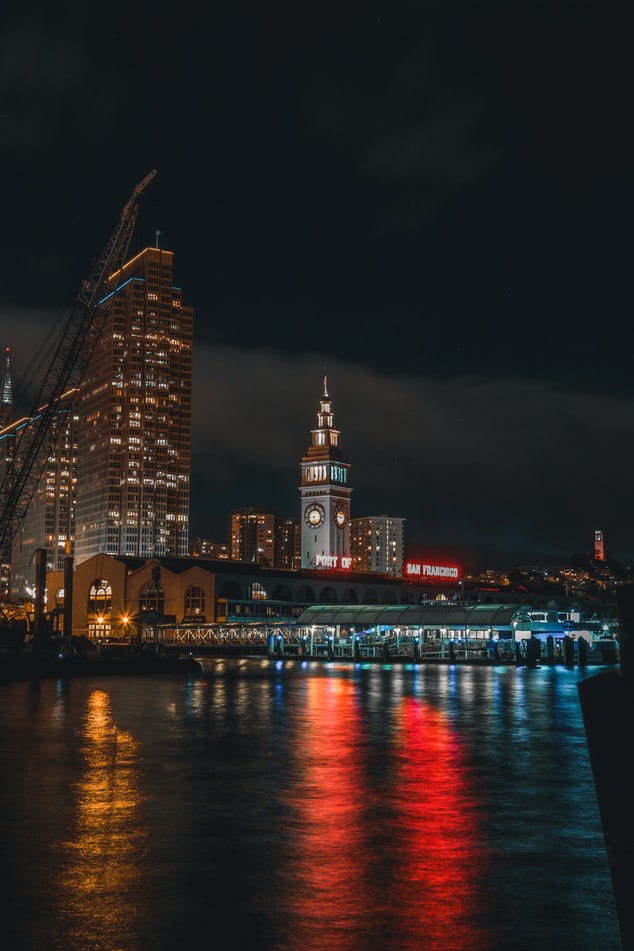
San Francisco, California, United States
With its myriad hills and spectacular bay, San Francisco beguiles with natural beauty, vibrant neighborhoods, and contagious energy. From the hipster Mission District to the sassy Castro, from bustling Union Square to enduring Chinatown, this dynamic town thrives on variety. The city makes it wonderfully easy to tap into the good life, too: between San Francisco’s hot arts scene, tempting boutiques, parks perfect for jogging or biking, and all those stellar locavore restaurants and cocktail bars, it’s the ultimate destination for relaxed self-indulgence.
San Francisco, California, United States
With its myriad hills and spectacular bay, San Francisco beguiles with natural beauty, vibrant neighborhoods, and contagious energy. From the hipster Mission District to the sassy Castro, from bustling Union Square to enduring Chinatown, this dynamic town thrives on variety. The city makes it wonderfully easy to tap into the good life, too: between San Francisco’s hot arts scene, tempting boutiques, parks perfect for jogging or biking, and all those stellar locavore restaurants and cocktail bars, it’s the ultimate destination for relaxed self-indulgence.
San Francisco, California, United States
With its myriad hills and spectacular bay, San Francisco beguiles with natural beauty, vibrant neighborhoods, and contagious energy. From the hipster Mission District to the sassy Castro, from bustling Union Square to enduring Chinatown, this dynamic town thrives on variety. The city makes it wonderfully easy to tap into the good life, too: between San Francisco’s hot arts scene, tempting boutiques, parks perfect for jogging or biking, and all those stellar locavore restaurants and cocktail bars, it’s the ultimate destination for relaxed self-indulgence.
Hilo, Hawaii, United States
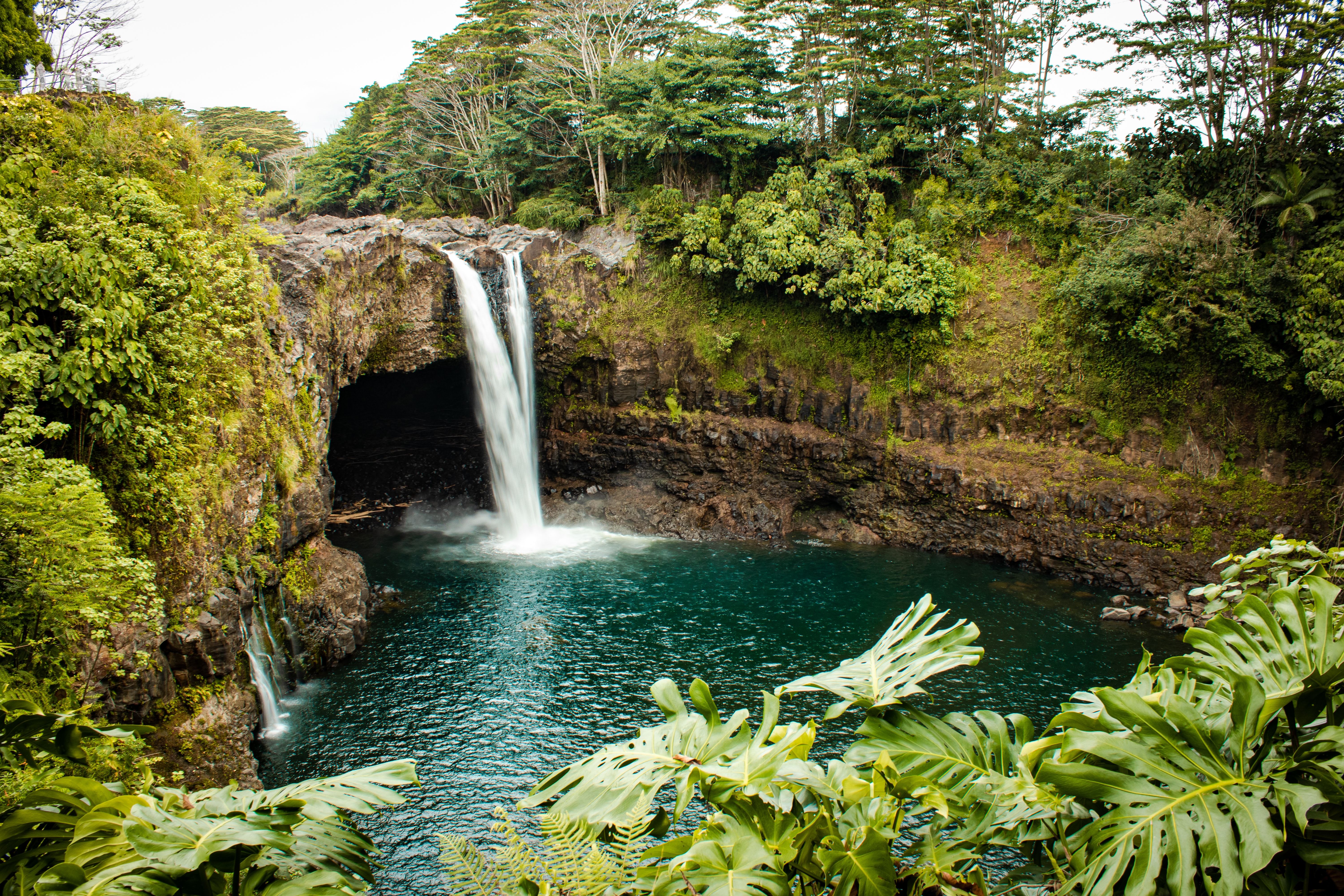
Honolulu, Hawaii, United States
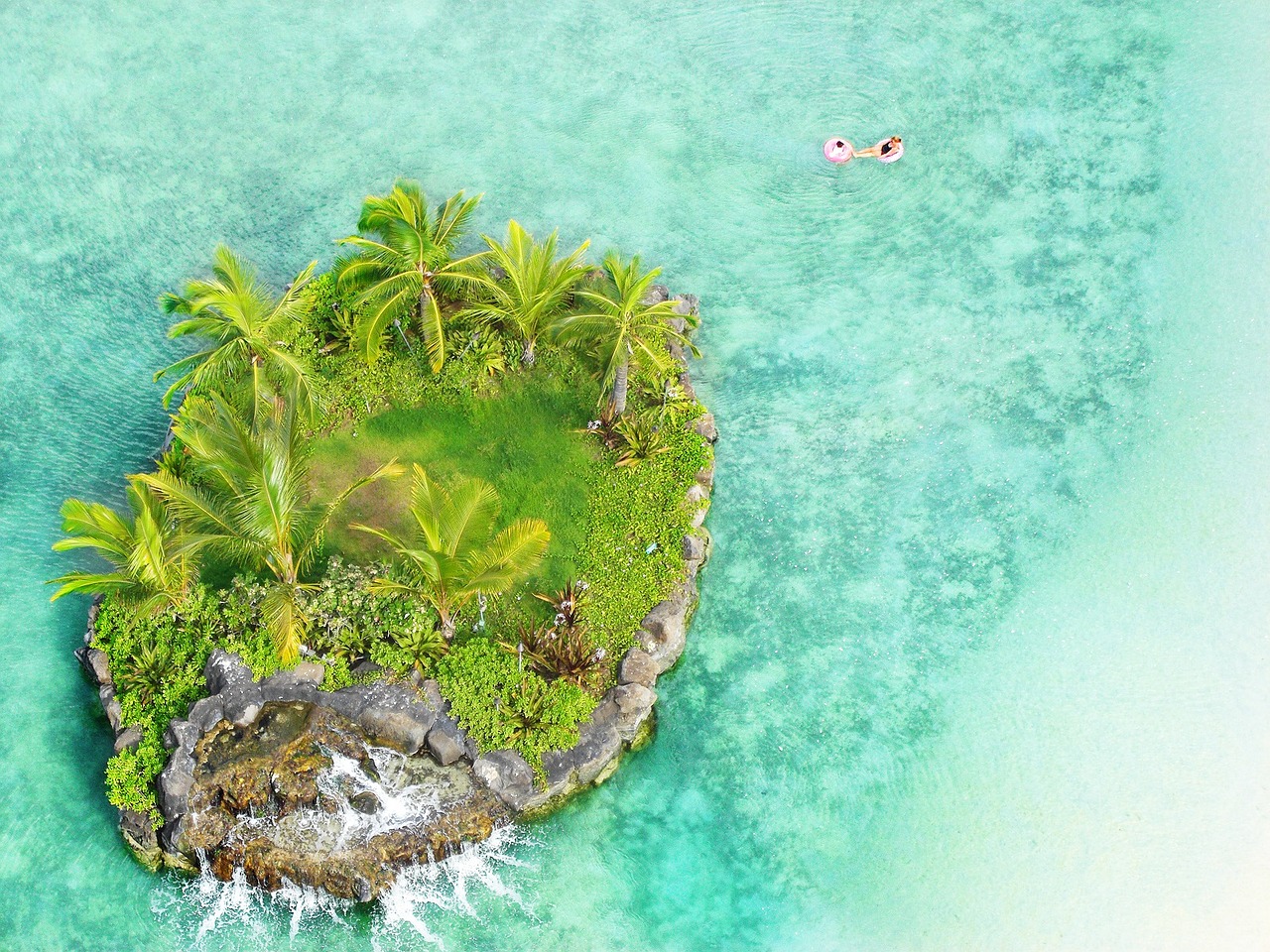
Capital of Hawaii, and a popular tourist destination, Honolulu is known for surfing and water sports. However, there’s more to the city than surfing; with museums, the only royal palace in the country, and a mall, there’s bound to be something of interest for any visitor.
Cross International Dateline
No additional details available for this day.
Hilo, Hawaii, United States
Honolulu, Hawaii, United States
Capital of Hawaii, and a popular tourist destination, Honolulu is known for surfing and water sports. However, there’s more to the city than surfing; with museums, the only royal palace in the country, and a mall, there’s bound to be something of interest for any visitor.
Cross International Dateline
No additional details available for this day.
Apia, Samoa
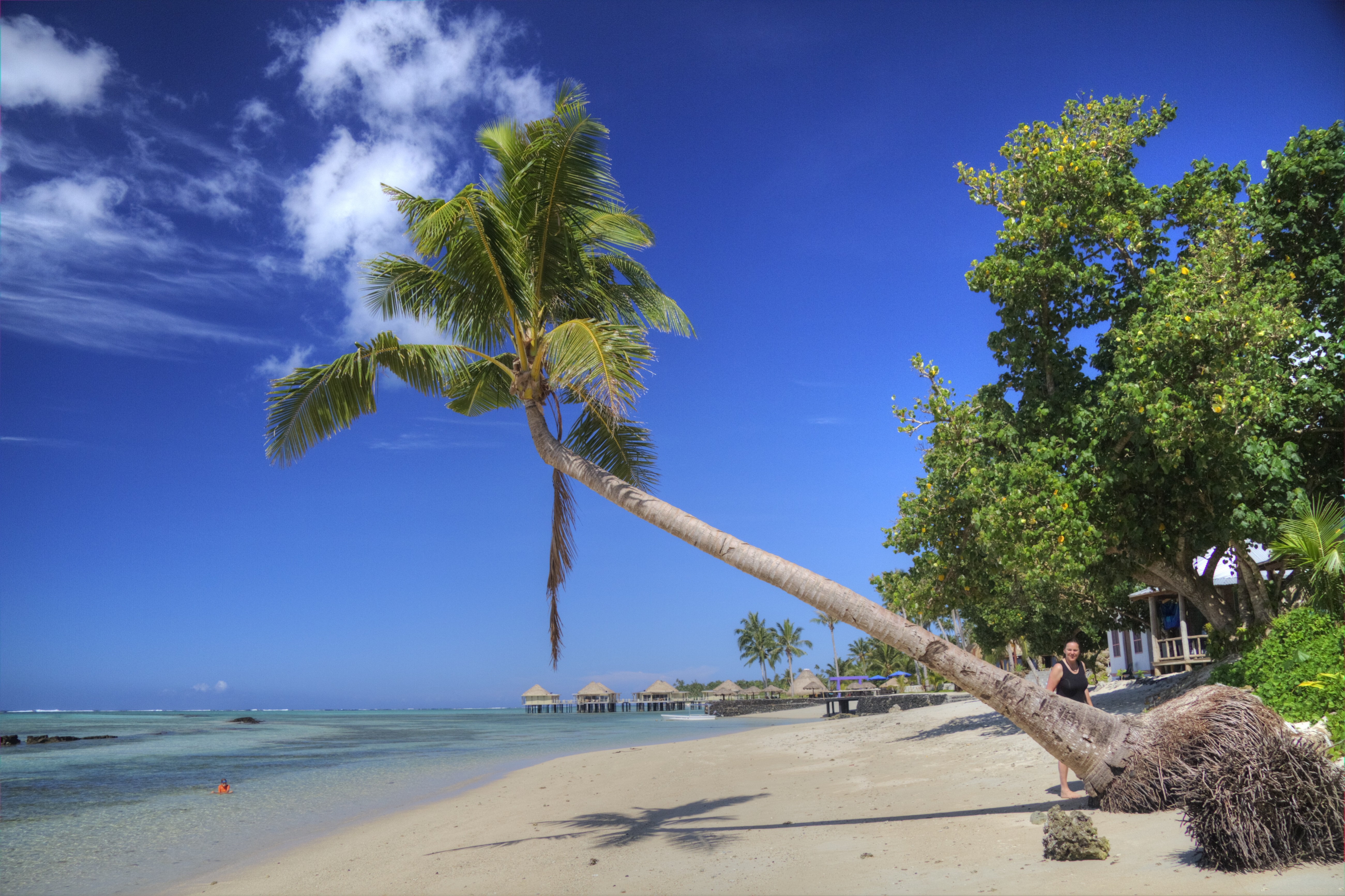
Samoa is a group of ten islands located in the South Pacific. The tropical climate and volcanic landscape create a picturesque location for visitors to explore, together with the experience of Fa’a Samoa, the three thousand year old way of life on Samoa.
Suva, Fiji
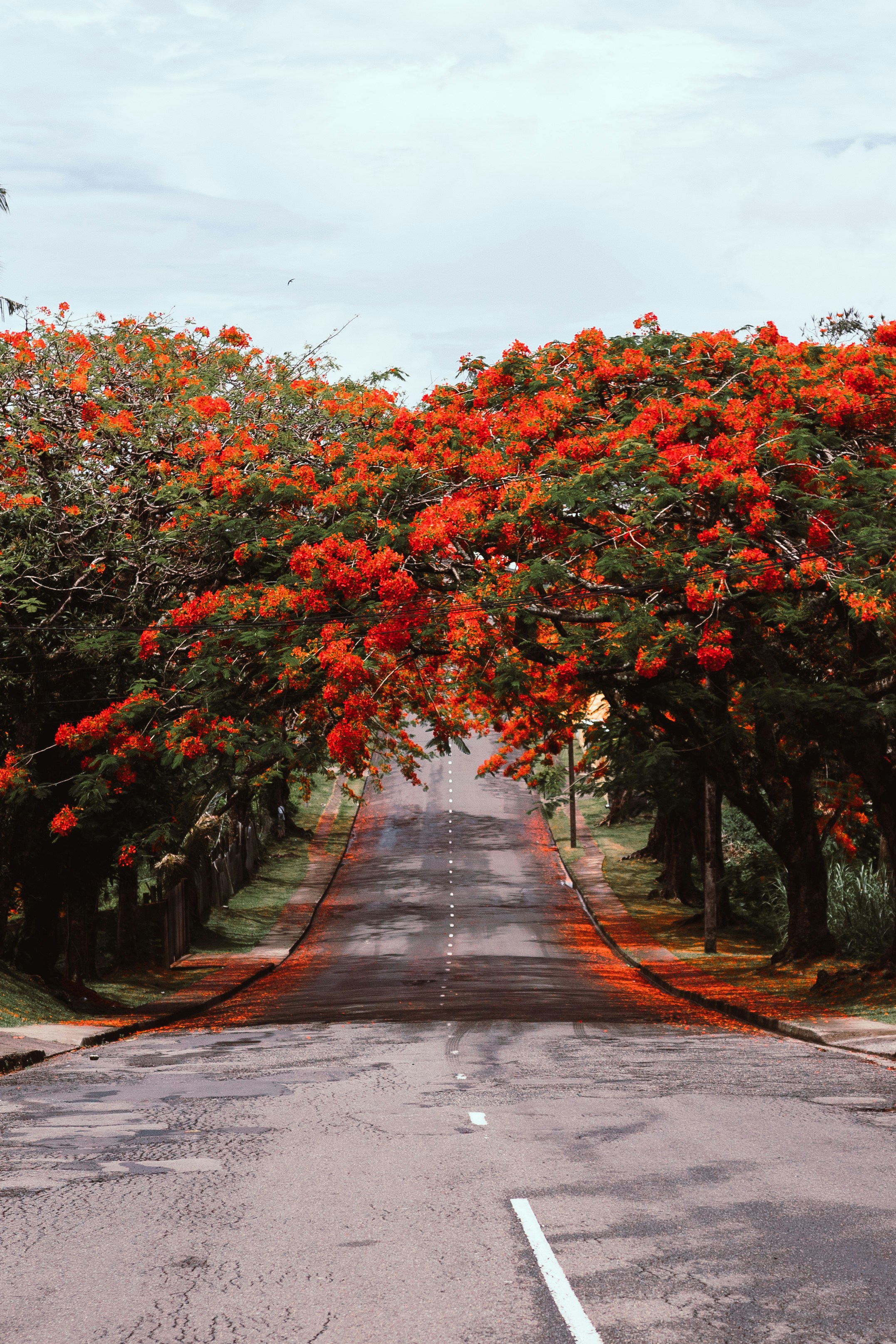
Fiji is a collection of tropical islands in the South Pacific and is well known for soft coral diving, white sandy beaches, and idyllic and peaceful surroundings. Because of its paradisiac surroundings, Fiji is a popular location for weddings and honeymoons. Suva is the capital of the Fiji archipelago, located on the southeastern coast of the island of Viti Levu and is the second most populated city of Fiji.
Port Vila, Vanuatu
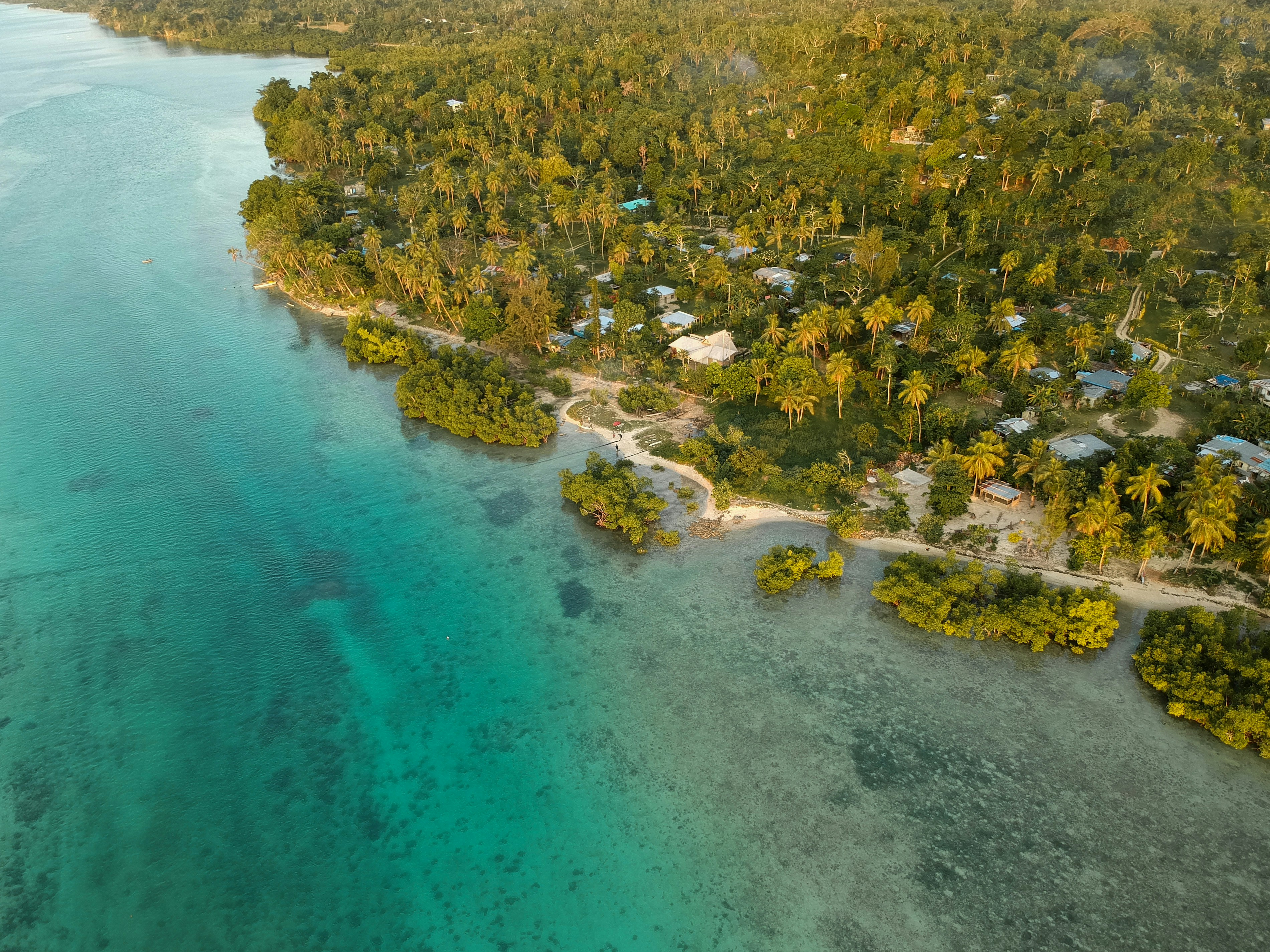
Vanuatu is an island nation located in the southern Pacific Ocean. The archipelago, which is of volcanic origin, is approximately 1,090 miles (about 1,750 kilometres) east of northern Australia, approximately 310 miles (about 500 kilometres) northeast of New Caledonia, west of Fiji and southeast of the Solomon Islands, near New Guinea. Located on Mélé Bay along the southwest coast of Éfaté, Port Vila is the capital and largest city of Vanuatu, as well as its commercial and economic centre. Although Port Vila’s British and French influences are apparent, its multinational population includes ni-Vanuatu, British, French, Chinese, and Vietnamese citizens. An active commercial port, the city is home to hospitals, hotels, casinos, markets and shopping districts, a sports stadium, cultural centre, teacher-training institution, campus of the University of the South Pacific, and several meat- and fish-processing plants. The municipality of Port Vila is divided into four wards, Malapoa-Tagabe, Anabrou-Melcofe-Tassiriki, Centre and South. The area occupied by Port Vila has been inhabited by Melanesian people for thousands of years. In 2004, an archaeological expedition unearthed a burial site with 25 tombs, skeletons and pieces of ceramic pottery dating from 1300 B.C. The Vanuatu Islands first had contact with Europeans in 1606 with the arrival of Portuguese explorer Pedro Fernandes de Queirós. Europeans did not return until 1768, when Louis Antoine de Bougainville rediscovered the islands. In 1774, Captain Cook called the islands the ‘New Hebrides’, a name that would last until their independence in 1980. In 1825, sandalwood was discovered on the island of Erromango, prompting a rush of immigrants that included Catholic and Protestant missionaries from European and North America, as well as settlers looking for land to farm cotton, coffee, cocoa, bananas, and coconuts. British subjects from Australia made up the majority of settlers, but the establishment of the Caledonian Company of the New Hebrides in 1882 attracted more French subjects. The land around Port Vila was converted into the municipality of Franceville in 1889. By the start of the 20th century, the French outnumbered the British, and the two nations agreed to govern the islands jointly by way of the British-French Condominium. During World War II, Port Vila was an American and Australian airbase. The New Hebrides National Party was established in the early-1970s. Renamed Vanua’aku Pati in 1974, the party pushed for independence. In 1980, amidst the brief Coconut War, the Republic of Vanuatu was created. The economies of Port Vila and Vanuatu are supported by the agriculture, offshore financial services and cattle industries. However, the abundant tropical beauty of Vanuatu has made Port Vila a popular tourist destination for outdoor and nature enthusiasts alike. Renowned for its tropical climate and exquisite, white-sand beaches and world-class fishing, the archipelago is a region of spectacular geographic diversity that includes spectacular volcanoes, mountains and valleys, along with idyllic jungles, rainforests, botanical gardens, mineral springs, and waterfalls. What’s more, Port Vila offers easy access to exploring the city, Vanuatu and the offshore islands that comprise this wonderful South Pacific island chain. Port Vila consists of a diverse blend of Melanesian, Eastern and Western cultures that presents a unique opportunity to discover the people, traditions and history of Vanuatu. Cultural village tours are a fantastic way to meet the locals and experience indigenous lifestyles and customs through storytelling, music, dance, kava-tasting, and a traditional Melanesian feast. The evolution of Port Vila and Vanuatu can be explored during visits to the Vanuatu Cultural Centre and Museum features a collection of historical artefacts from the Vanuatu Island. Additional historic landmarks include Independence Park, the French and British residencies, Supreme Court, Georges Pompidou Building, World War I and II memorials, Tanna Coffee-Roasting Factory, and more. Vanuatu’s verdant canyons, jungle-covered mountain peaks, volcanoes, waterfalls, botanical gardens, mineral springs, white-sand beaches, and rainforests invite a wide array of picturesque, memorable and exciting sightseeing venues for outdoor enthusiasts. Land-based excursions include bird-watching, bicycling and motor-biking, eco-tours, hiking through jungle and rainforest nature trails, horseback-riding at the nearby Sea Horse Ranch or Club Hippique Adventure Park, helicopter or seaplane flight-seeing, dune-bugging the beaches and jungles, ‘zorbing’ down the hillsides, abseiling down a cascading waterfall, volcano trekking and sandboarding, zip-lining through the jungle canopy, and golfing at the stunningly beautiful Port Vila Golf and Country Club, the only 18-hole championship course in Vanuatu and home to the PGA-sanctioned Vanuatu Open. Picturesque and fun-filled water-based excursions include swimming, boating and sailing along the exquisite coast of Port Vila and Vanuatu, deep-sea fishing for enormous dolphin, marlin, wahoo, dorado, tuna, swordfish, and sailfish, jet-skiing and high-speed jet-boating, stand-up paddle-boarding, surfing, kite-surfing, and parasailing. The archipelago also offers some of the world’s finest snorkelling and diving at venues such as the Hideaway Islands Marine Reserves, JoJo Beach Club, Havannah Beach and Boat Club, and Iririki Island.Due to its compact size, Port Vila can be easily explored in just a single day.
Apia, Samoa
Samoa is a group of ten islands located in the South Pacific. The tropical climate and volcanic landscape create a picturesque location for visitors to explore, together with the experience of Fa’a Samoa, the three thousand year old way of life on Samoa.
Suva, Fiji
Fiji is a collection of tropical islands in the South Pacific and is well known for soft coral diving, white sandy beaches, and idyllic and peaceful surroundings. Because of its paradisiac surroundings, Fiji is a popular location for weddings and honeymoons. Suva is the capital of the Fiji archipelago, located on the southeastern coast of the island of Viti Levu and is the second most populated city of Fiji.
Port Vila, Vanuatu
Vanuatu is an island nation located in the southern Pacific Ocean. The archipelago, which is of volcanic origin, is approximately 1,090 miles (about 1,750 kilometres) east of northern Australia, approximately 310 miles (about 500 kilometres) northeast of New Caledonia, west of Fiji and southeast of the Solomon Islands, near New Guinea. Located on Mélé Bay along the southwest coast of Éfaté, Port Vila is the capital and largest city of Vanuatu, as well as its commercial and economic centre. Although Port Vila’s British and French influences are apparent, its multinational population includes ni-Vanuatu, British, French, Chinese, and Vietnamese citizens. An active commercial port, the city is home to hospitals, hotels, casinos, markets and shopping districts, a sports stadium, cultural centre, teacher-training institution, campus of the University of the South Pacific, and several meat- and fish-processing plants. The municipality of Port Vila is divided into four wards, Malapoa-Tagabe, Anabrou-Melcofe-Tassiriki, Centre and South. The area occupied by Port Vila has been inhabited by Melanesian people for thousands of years. In 2004, an archaeological expedition unearthed a burial site with 25 tombs, skeletons and pieces of ceramic pottery dating from 1300 B.C. The Vanuatu Islands first had contact with Europeans in 1606 with the arrival of Portuguese explorer Pedro Fernandes de Queirós. Europeans did not return until 1768, when Louis Antoine de Bougainville rediscovered the islands. In 1774, Captain Cook called the islands the ‘New Hebrides’, a name that would last until their independence in 1980. In 1825, sandalwood was discovered on the island of Erromango, prompting a rush of immigrants that included Catholic and Protestant missionaries from European and North America, as well as settlers looking for land to farm cotton, coffee, cocoa, bananas, and coconuts. British subjects from Australia made up the majority of settlers, but the establishment of the Caledonian Company of the New Hebrides in 1882 attracted more French subjects. The land around Port Vila was converted into the municipality of Franceville in 1889. By the start of the 20th century, the French outnumbered the British, and the two nations agreed to govern the islands jointly by way of the British-French Condominium. During World War II, Port Vila was an American and Australian airbase. The New Hebrides National Party was established in the early-1970s. Renamed Vanua’aku Pati in 1974, the party pushed for independence. In 1980, amidst the brief Coconut War, the Republic of Vanuatu was created. The economies of Port Vila and Vanuatu are supported by the agriculture, offshore financial services and cattle industries. However, the abundant tropical beauty of Vanuatu has made Port Vila a popular tourist destination for outdoor and nature enthusiasts alike. Renowned for its tropical climate and exquisite, white-sand beaches and world-class fishing, the archipelago is a region of spectacular geographic diversity that includes spectacular volcanoes, mountains and valleys, along with idyllic jungles, rainforests, botanical gardens, mineral springs, and waterfalls. What’s more, Port Vila offers easy access to exploring the city, Vanuatu and the offshore islands that comprise this wonderful South Pacific island chain. Port Vila consists of a diverse blend of Melanesian, Eastern and Western cultures that presents a unique opportunity to discover the people, traditions and history of Vanuatu. Cultural village tours are a fantastic way to meet the locals and experience indigenous lifestyles and customs through storytelling, music, dance, kava-tasting, and a traditional Melanesian feast. The evolution of Port Vila and Vanuatu can be explored during visits to the Vanuatu Cultural Centre and Museum features a collection of historical artefacts from the Vanuatu Island. Additional historic landmarks include Independence Park, the French and British residencies, Supreme Court, Georges Pompidou Building, World War I and II memorials, Tanna Coffee-Roasting Factory, and more. Vanuatu’s verdant canyons, jungle-covered mountain peaks, volcanoes, waterfalls, botanical gardens, mineral springs, white-sand beaches, and rainforests invite a wide array of picturesque, memorable and exciting sightseeing venues for outdoor enthusiasts. Land-based excursions include bird-watching, bicycling and motor-biking, eco-tours, hiking through jungle and rainforest nature trails, horseback-riding at the nearby Sea Horse Ranch or Club Hippique Adventure Park, helicopter or seaplane flight-seeing, dune-bugging the beaches and jungles, ‘zorbing’ down the hillsides, abseiling down a cascading waterfall, volcano trekking and sandboarding, zip-lining through the jungle canopy, and golfing at the stunningly beautiful Port Vila Golf and Country Club, the only 18-hole championship course in Vanuatu and home to the PGA-sanctioned Vanuatu Open. Picturesque and fun-filled water-based excursions include swimming, boating and sailing along the exquisite coast of Port Vila and Vanuatu, deep-sea fishing for enormous dolphin, marlin, wahoo, dorado, tuna, swordfish, and sailfish, jet-skiing and high-speed jet-boating, stand-up paddle-boarding, surfing, kite-surfing, and parasailing. The archipelago also offers some of the world’s finest snorkelling and diving at venues such as the Hideaway Islands Marine Reserves, JoJo Beach Club, Havannah Beach and Boat Club, and Iririki Island.Due to its compact size, Port Vila can be easily explored in just a single day.
Sydney, New South Wales, Australia
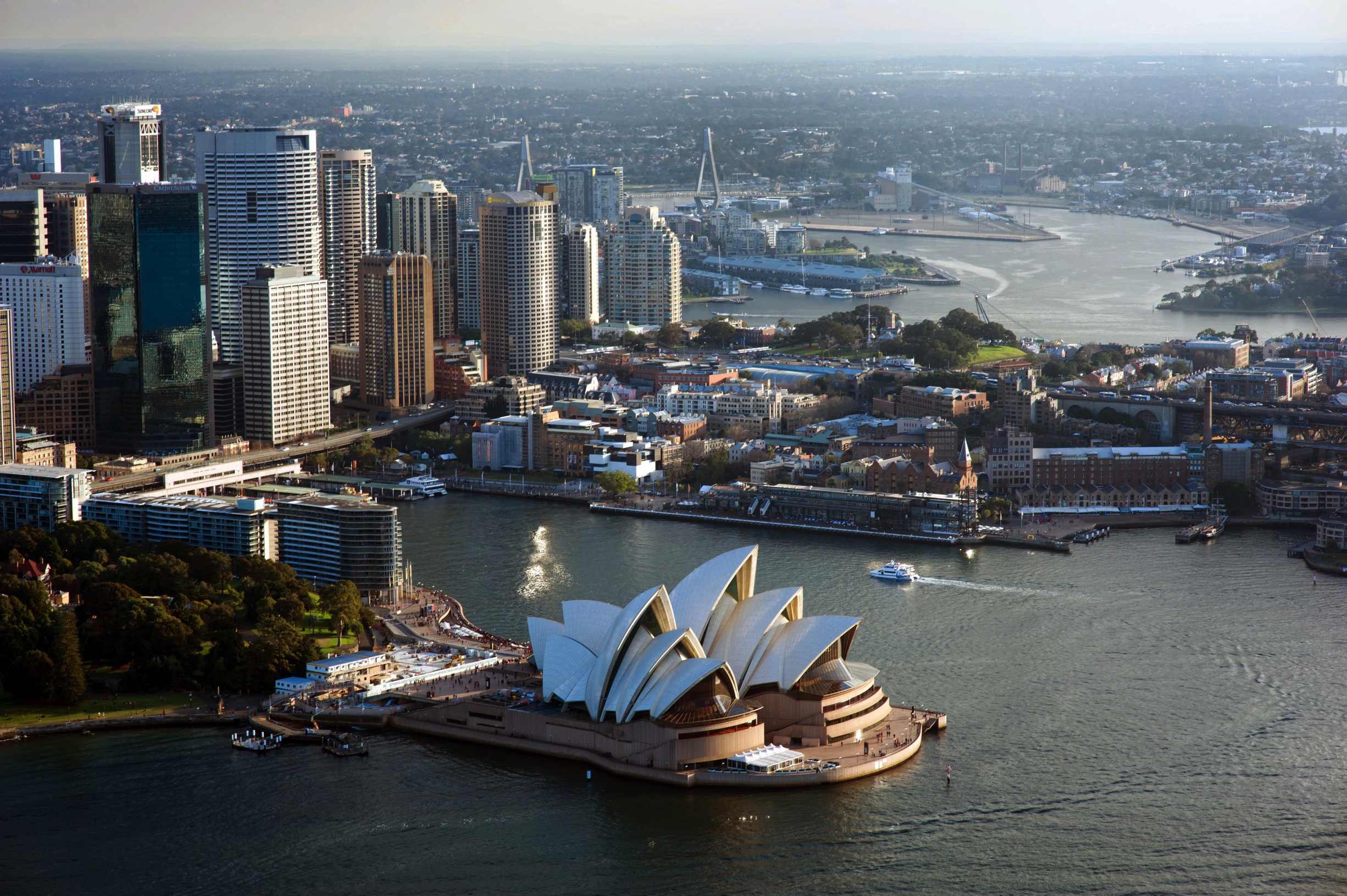
Sydney, capital of New South Wales and one of Australia’s largest cities, is best known for its harbourfront Sydney Opera House, with a distinctive sail-like design. Massive Darling Harbour and the smaller Circular Quay port are hubs of waterside life, with the arched Harbour Bridge and esteemed Royal Botanic Garden nearby. Sydney Tower’s outdoor platform, the Skywalk, offers 360-degree views of the city and suburbs.
Sydney, New South Wales, Australia
Sydney, capital of New South Wales and one of Australia’s largest cities, is best known for its harbourfront Sydney Opera House, with a distinctive sail-like design. Massive Darling Harbour and the smaller Circular Quay port are hubs of waterside life, with the arched Harbour Bridge and esteemed Royal Botanic Garden nearby. Sydney Tower’s outdoor platform, the Skywalk, offers 360-degree views of the city and suburbs.
Newcastle, New South Wales, Australia
Sydney, New South Wales, Australia
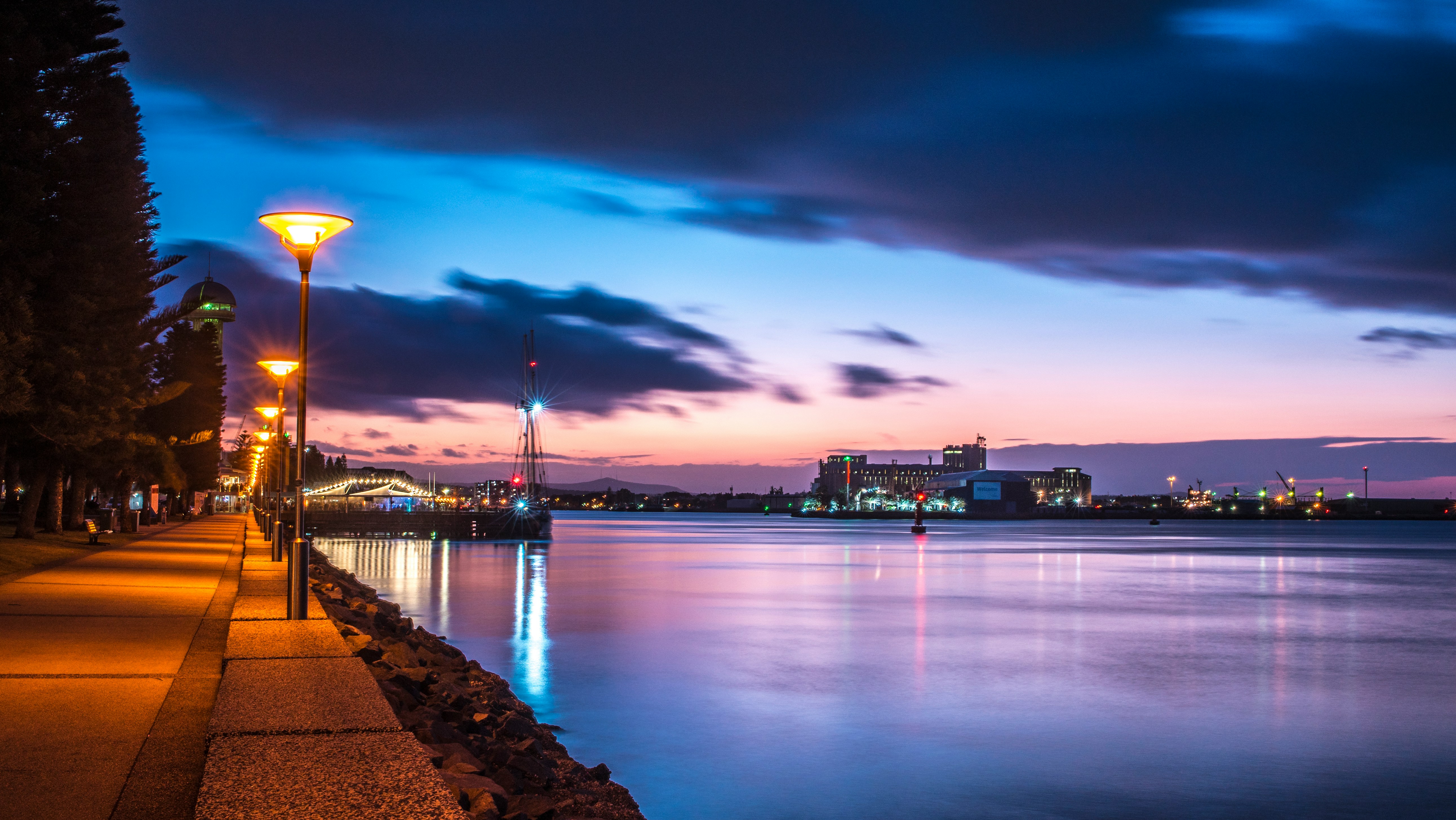
Sydney, capital of New South Wales and one of Australia’s largest cities, is best known for its harbourfront Sydney Opera House, with a distinctive sail-like design. Massive Darling Harbour and the smaller Circular Quay port are hubs of waterside life, with the arched Harbour Bridge and esteemed Royal Botanic Garden nearby. Sydney Tower’s outdoor platform, the Skywalk, offers 360-degree views of the city and suburbs.
Sydney, New South Wales, Australia
Sydney, capital of New South Wales and one of Australia’s largest cities, is best known for its harbourfront Sydney Opera House, with a distinctive sail-like design. Massive Darling Harbour and the smaller Circular Quay port are hubs of waterside life, with the arched Harbour Bridge and esteemed Royal Botanic Garden nearby. Sydney Tower’s outdoor platform, the Skywalk, offers 360-degree views of the city and suburbs.
Newcastle, New South Wales, Australia
Brisbane, Queensland, Australia
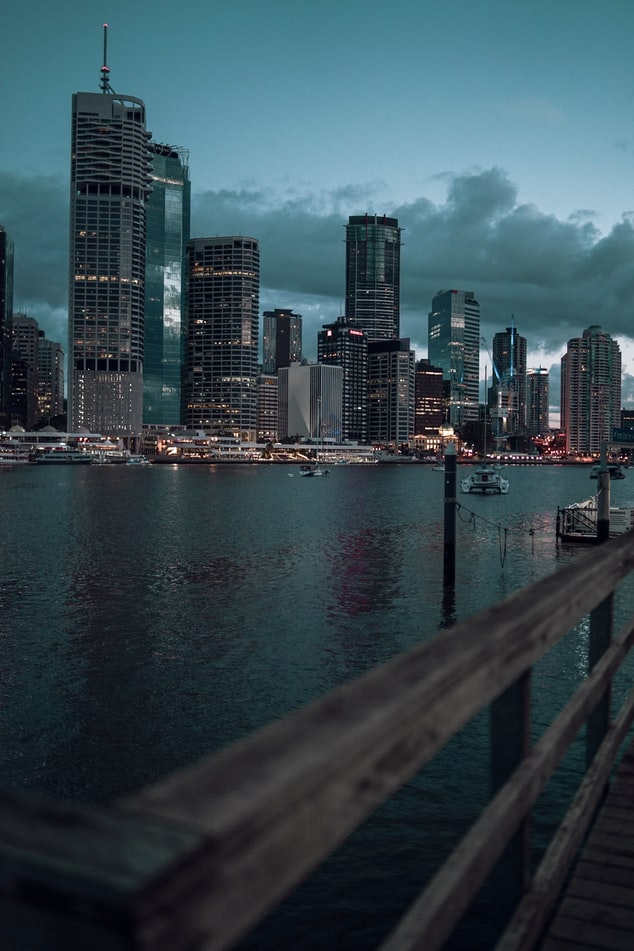
Founded in 1824 on the banks of the wide, meandering Brisbane River, the former penal colony of Brisbane was for many years regarded as just a big country town. Many beautiful timber Queenslander homes, built in the 1800s, still dot the riverbanks and inner suburbs, and in spring the city’s numerous parks erupt in a riot of colorful jacaranda, poinciana, and bougainvillea blossoms. Today the Queensland capital is one of Australia’s most up-and-coming cities: glittering high-rises mark its polished business center, slick fashion boutiques and restaurants abound, and numerous outdoor attractions beckon. In summer, temperatures here are broilingly hot and days are often humid, a reminder that this city is part of a subtropical region. Wear SPF 30-plus sunscreen and a broad-brimmed hat outdoors, even on overcast days.Brisbane’s inner suburbs, a 5- to 10-minute drive or 15- to 20-minute walk from the city center, have a mix of intriguing eateries and quiet accommodations. Fortitude Valley combines Chinatown with a cosmopolitan mix of clubs, cafés, and boutiques. Spring Hill has several high-quality hotels, and Paddington, New Farm, Petrie Terrace, West End, and Woolloongabba are full of an eclectic mix of restaurants and bars. Brisbane is also a convenient base for trips to the Sunshine and Gold coasts, the mountainous hinterlands, and the Moreton Bay islands.
Cairns, Queensland, Australia
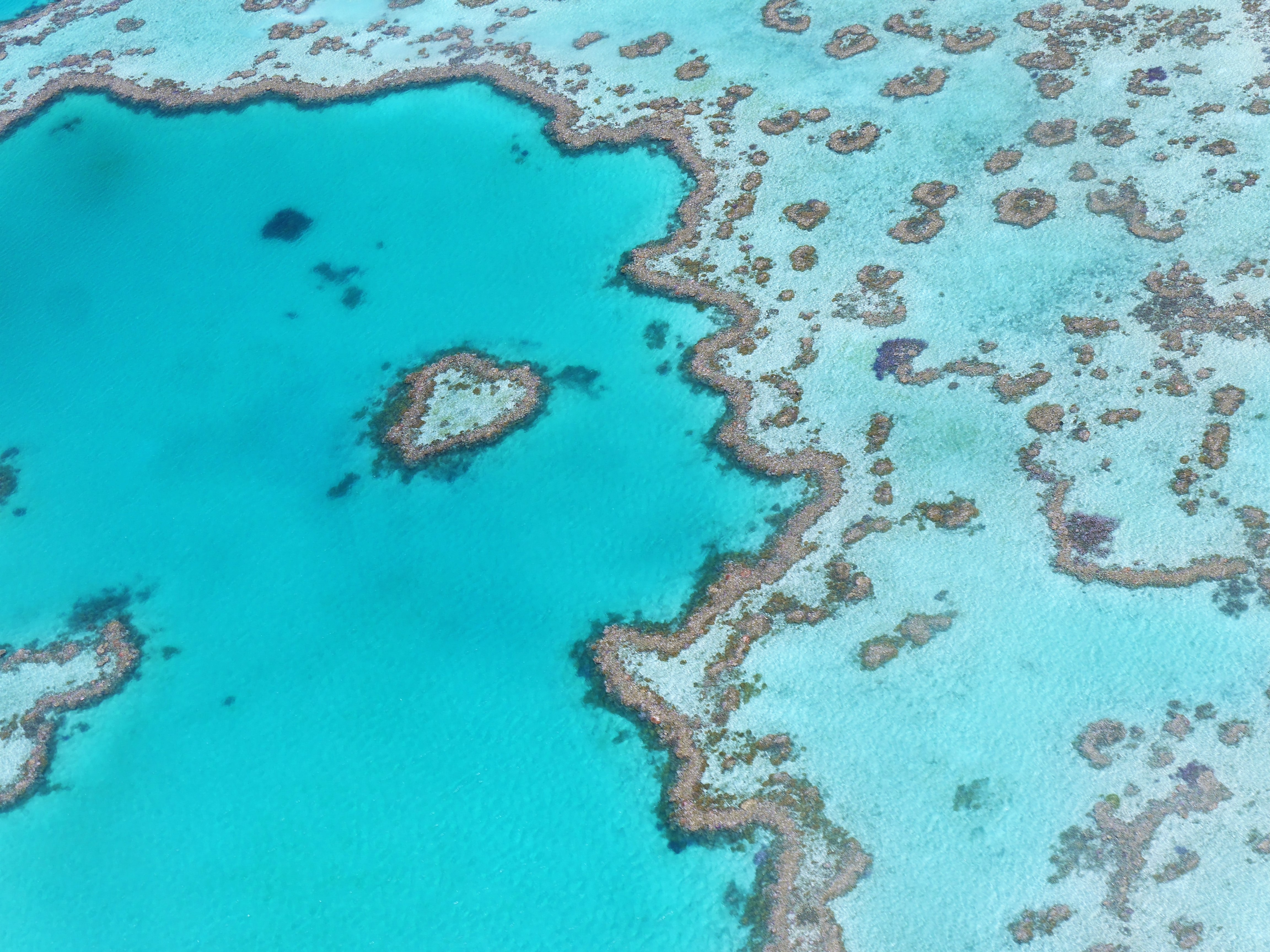
Tourism is the lifeblood of Cairns (pronounced Caans). The city makes a good base for exploring the wild top half of Queensland, and tens of thousands of international travelers use it as a jumping-off point for activities such as scuba diving and snorkeling trips to the Barrier Reef, as well as boating, fishing, parasailing, scenic flights, and rain-forest treks.It’s a tough environment, with intense heat and fierce wildlife. Along with wallabies and grey kangaroos in the savannah and tree kangaroos in the rain forest, you’ll find stealthy saltwater crocodiles, venomous snakes, and jellyfish so deadly they put the region’s stunning beaches off- limits to swimmers for nearly half the year. Yet despite this formidable setting, Cairns and tropical North Queensland are far from intimidating places. The people are warm and friendly, the sights spectacular, and—at the right time of year—the beachside lounging is world-class.
Alotau, Papua New Guinea
Alotau is the provincial capital of the Milne Bay Province located in the southeast bay of Papua New Guinea. The town and surrounding area has been an important staging ground during World War II and we will see remains and memorials dating back or referring to the war. On a tour of the town, visitors will appreciate lovely vistas of the bay and experience the markets, which are frequented not only by locals, but also by islanders selling their products or looking for produce to take back into Milne Bay. Alotau is an important port facility for the islands and attracts many vendors of handicrafts from different islands.
Brisbane, Queensland, Australia
Founded in 1824 on the banks of the wide, meandering Brisbane River, the former penal colony of Brisbane was for many years regarded as just a big country town. Many beautiful timber Queenslander homes, built in the 1800s, still dot the riverbanks and inner suburbs, and in spring the city’s numerous parks erupt in a riot of colorful jacaranda, poinciana, and bougainvillea blossoms. Today the Queensland capital is one of Australia’s most up-and-coming cities: glittering high-rises mark its polished business center, slick fashion boutiques and restaurants abound, and numerous outdoor attractions beckon. In summer, temperatures here are broilingly hot and days are often humid, a reminder that this city is part of a subtropical region. Wear SPF 30-plus sunscreen and a broad-brimmed hat outdoors, even on overcast days.Brisbane’s inner suburbs, a 5- to 10-minute drive or 15- to 20-minute walk from the city center, have a mix of intriguing eateries and quiet accommodations. Fortitude Valley combines Chinatown with a cosmopolitan mix of clubs, cafés, and boutiques. Spring Hill has several high-quality hotels, and Paddington, New Farm, Petrie Terrace, West End, and Woolloongabba are full of an eclectic mix of restaurants and bars. Brisbane is also a convenient base for trips to the Sunshine and Gold coasts, the mountainous hinterlands, and the Moreton Bay islands.
Cairns, Queensland, Australia
Tourism is the lifeblood of Cairns (pronounced Caans). The city makes a good base for exploring the wild top half of Queensland, and tens of thousands of international travelers use it as a jumping-off point for activities such as scuba diving and snorkeling trips to the Barrier Reef, as well as boating, fishing, parasailing, scenic flights, and rain-forest treks.It’s a tough environment, with intense heat and fierce wildlife. Along with wallabies and grey kangaroos in the savannah and tree kangaroos in the rain forest, you’ll find stealthy saltwater crocodiles, venomous snakes, and jellyfish so deadly they put the region’s stunning beaches off- limits to swimmers for nearly half the year. Yet despite this formidable setting, Cairns and tropical North Queensland are far from intimidating places. The people are warm and friendly, the sights spectacular, and—at the right time of year—the beachside lounging is world-class.
Alotau, Papua New Guinea
Alotau is the provincial capital of the Milne Bay Province located in the southeast bay of Papua New Guinea. The town and surrounding area has been an important staging ground during World War II and we will see remains and memorials dating back or referring to the war. On a tour of the town, visitors will appreciate lovely vistas of the bay and experience the markets, which are frequented not only by locals, but also by islanders selling their products or looking for produce to take back into Milne Bay. Alotau is an important port facility for the islands and attracts many vendors of handicrafts from different islands.
Manila, Philippines
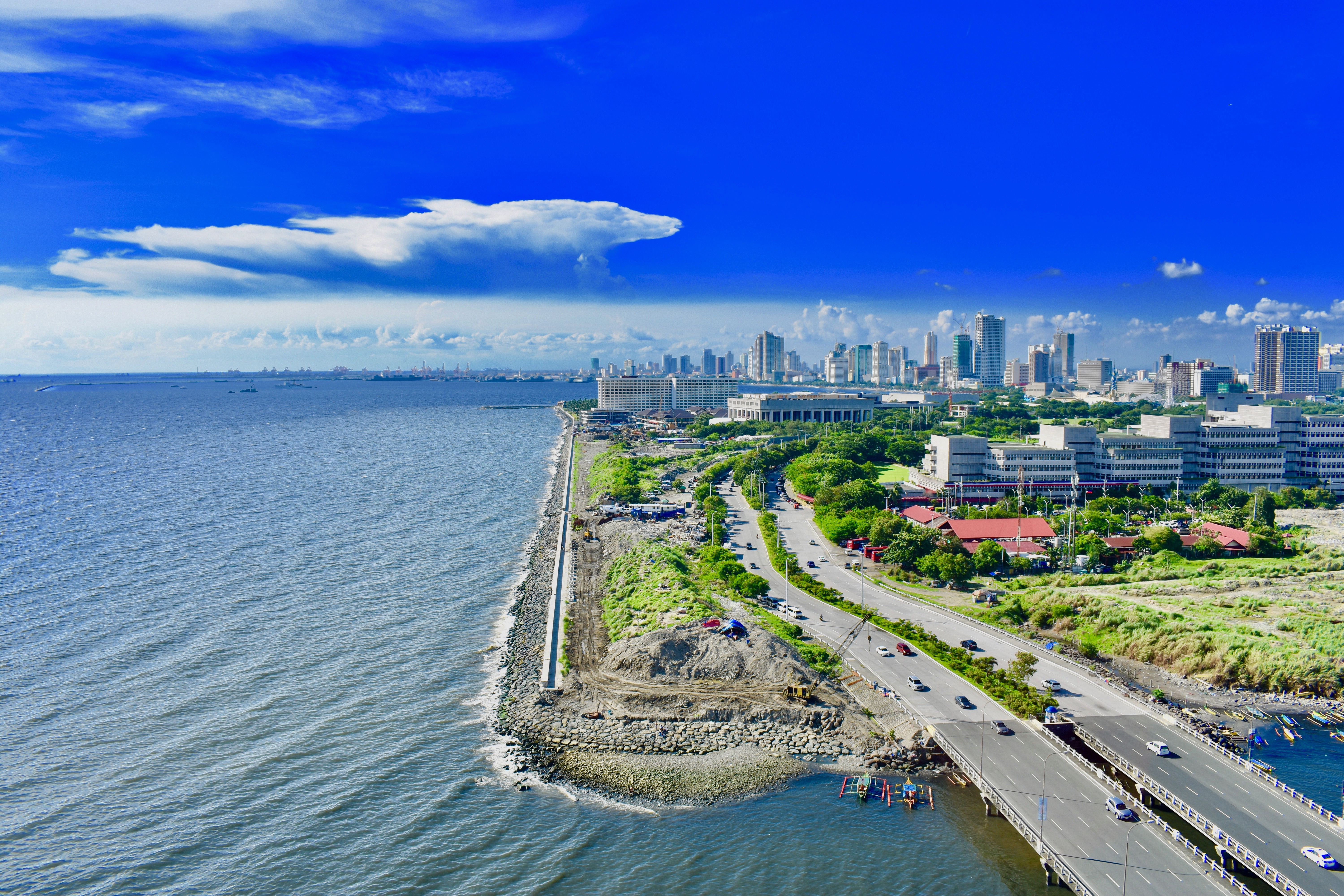
MANILA, the capital city of the Philippines, was founded in, 1571 by Spanish conquistador Miguel López de Legazpi. It is one of the oldest cities in the country and was the seat of power for most of the colonial rules of the Philippines. It is situated on the eastern shore of Manila Bay and contains a multitude of landmarks, some of which date back to the 16th century. It is home to the baroque 16th-century San Agustin Church as well as Fort Santiago, a storied citadel and military prison. In the 19th century Manila became one of the most modern cities in Asia. Before the Spanish–American War, Manila saw the rise of the Philippine Revolution. Under the American rule following the Spanish-American War, the United States changed the official language from Spanish to English. Towards the end of World War II, during the Battle of Manila, most of the city was flattened by intensive aerial bombardment. Today, tourism is a vital industry in Manila. Major shopping malls and bazaars thrive around Manila.
Manila, Philippines
MANILA, the capital city of the Philippines, was founded in, 1571 by Spanish conquistador Miguel López de Legazpi. It is one of the oldest cities in the country and was the seat of power for most of the colonial rules of the Philippines. It is situated on the eastern shore of Manila Bay and contains a multitude of landmarks, some of which date back to the 16th century. It is home to the baroque 16th-century San Agustin Church as well as Fort Santiago, a storied citadel and military prison. In the 19th century Manila became one of the most modern cities in Asia. Before the Spanish–American War, Manila saw the rise of the Philippine Revolution. Under the American rule following the Spanish-American War, the United States changed the official language from Spanish to English. Towards the end of World War II, during the Battle of Manila, most of the city was flattened by intensive aerial bombardment. Today, tourism is a vital industry in Manila. Major shopping malls and bazaars thrive around Manila.
Hong Kong, Hong Kong
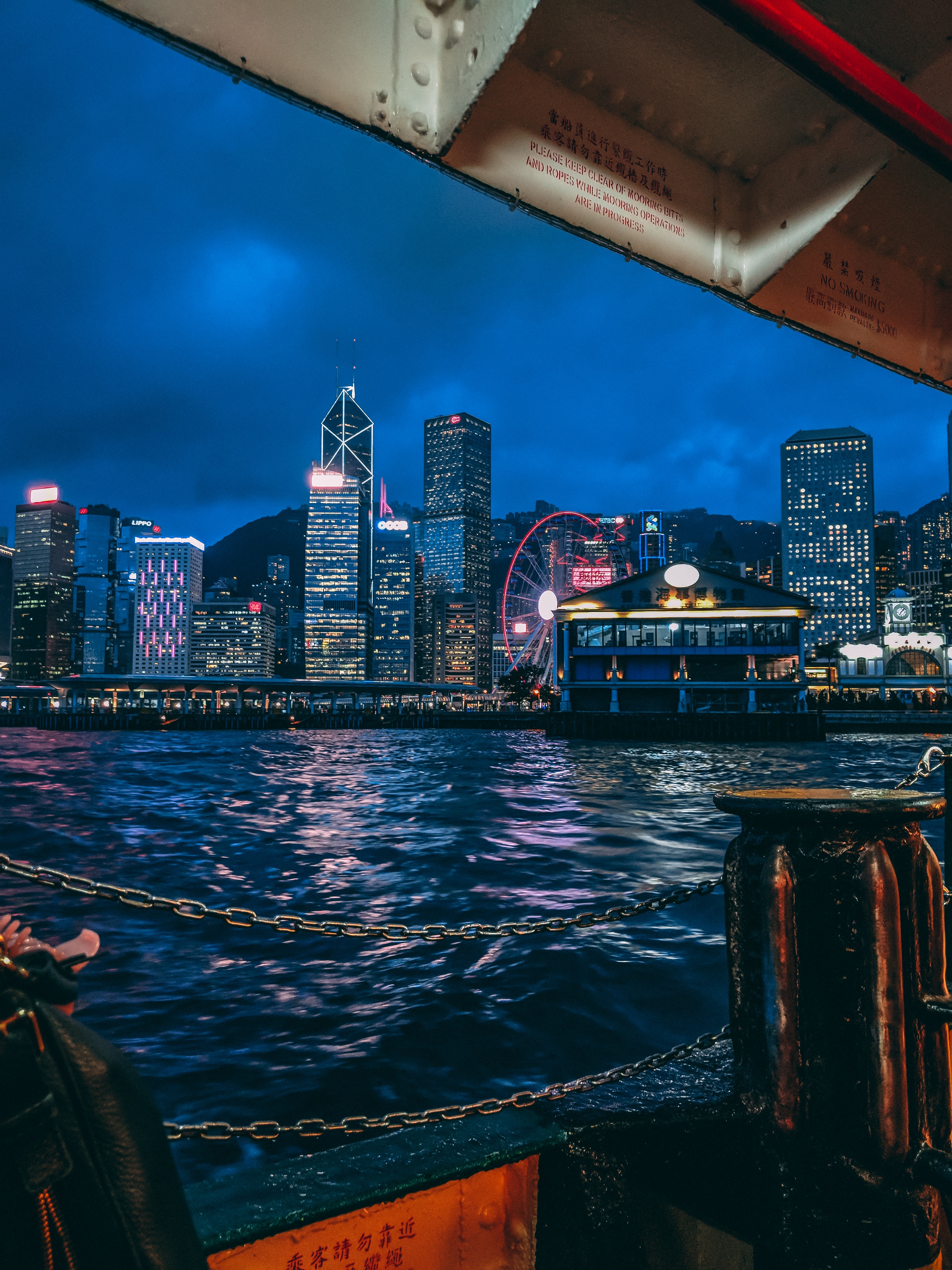
The Hong Kong Island skyline, with its ever-growing number of skyscrapers, speaks to ambition and money. Paris, London, even New York were centuries in the making, while Hong Kong’s towers, bright lights, and glitzy shopping emporia weren’t yet part of the urban scene when many of the young investment bankers who fuel one of the world’s leading financial centers were born. Commerce is concentrated in the glittering high-rises of Central, tucked between Victoria Harbor and forested peaks on Hong Kong Island’s north shore. While it’s easy to think all the bright lights are the sum of today’s Hong Kong, you need only walk or board a tram for the short jaunt west into Western to discover a side of Hong Kong that is more traditionally Chinese but no less high-energy. You’ll discover the real Hong Kong to the east of Central, too, in Wan Chai, Causeway Bay, and beyond. Amid the residential towers are restaurants, shopping malls, bars, convention centers, a nice smattering of museums, and—depending on fate and the horse you wager on—one of Hong Kong’s luckiest or unluckiest spots, the Happy Valley Racecourse. Kowloon sprawls across a generous swath of the Chinese mainland across Victoria Harbour from Central. Tsim Sha Tsui, at the tip of Kowloon peninsula, is packed with glitzy shops, first-rate museums, and eye-popping views of the skyline across the water. Just to the north are the teeming market streets of Mong Kok and in the dense residential neighborhoods beyond, two of Hong Kong’s most enchanting spiritual sights, Wong Tai Sin Temple and Chi Lin Nunnery. As you navigate this huge metropolis (easy to do on the excellent transportation network), keep in mind that streets are usually numbered odd on one side, even on the other. There’s no baseline for street numbers and no block-based numbering system, but street signs indicate building numbers for any given block.
Hong Kong, Hong Kong
The Hong Kong Island skyline, with its ever-growing number of skyscrapers, speaks to ambition and money. Paris, London, even New York were centuries in the making, while Hong Kong’s towers, bright lights, and glitzy shopping emporia weren’t yet part of the urban scene when many of the young investment bankers who fuel one of the world’s leading financial centers were born. Commerce is concentrated in the glittering high-rises of Central, tucked between Victoria Harbor and forested peaks on Hong Kong Island’s north shore. While it’s easy to think all the bright lights are the sum of today’s Hong Kong, you need only walk or board a tram for the short jaunt west into Western to discover a side of Hong Kong that is more traditionally Chinese but no less high-energy. You’ll discover the real Hong Kong to the east of Central, too, in Wan Chai, Causeway Bay, and beyond. Amid the residential towers are restaurants, shopping malls, bars, convention centers, a nice smattering of museums, and—depending on fate and the horse you wager on—one of Hong Kong’s luckiest or unluckiest spots, the Happy Valley Racecourse. Kowloon sprawls across a generous swath of the Chinese mainland across Victoria Harbour from Central. Tsim Sha Tsui, at the tip of Kowloon peninsula, is packed with glitzy shops, first-rate museums, and eye-popping views of the skyline across the water. Just to the north are the teeming market streets of Mong Kok and in the dense residential neighborhoods beyond, two of Hong Kong’s most enchanting spiritual sights, Wong Tai Sin Temple and Chi Lin Nunnery. As you navigate this huge metropolis (easy to do on the excellent transportation network), keep in mind that streets are usually numbered odd on one side, even on the other. There’s no baseline for street numbers and no block-based numbering system, but street signs indicate building numbers for any given block.
Hong Kong, Hong Kong
The Hong Kong Island skyline, with its ever-growing number of skyscrapers, speaks to ambition and money. Paris, London, even New York were centuries in the making, while Hong Kong’s towers, bright lights, and glitzy shopping emporia weren’t yet part of the urban scene when many of the young investment bankers who fuel one of the world’s leading financial centers were born. Commerce is concentrated in the glittering high-rises of Central, tucked between Victoria Harbor and forested peaks on Hong Kong Island’s north shore. While it’s easy to think all the bright lights are the sum of today’s Hong Kong, you need only walk or board a tram for the short jaunt west into Western to discover a side of Hong Kong that is more traditionally Chinese but no less high-energy. You’ll discover the real Hong Kong to the east of Central, too, in Wan Chai, Causeway Bay, and beyond. Amid the residential towers are restaurants, shopping malls, bars, convention centers, a nice smattering of museums, and—depending on fate and the horse you wager on—one of Hong Kong’s luckiest or unluckiest spots, the Happy Valley Racecourse. Kowloon sprawls across a generous swath of the Chinese mainland across Victoria Harbour from Central. Tsim Sha Tsui, at the tip of Kowloon peninsula, is packed with glitzy shops, first-rate museums, and eye-popping views of the skyline across the water. Just to the north are the teeming market streets of Mong Kok and in the dense residential neighborhoods beyond, two of Hong Kong’s most enchanting spiritual sights, Wong Tai Sin Temple and Chi Lin Nunnery. As you navigate this huge metropolis (easy to do on the excellent transportation network), keep in mind that streets are usually numbered odd on one side, even on the other. There’s no baseline for street numbers and no block-based numbering system, but street signs indicate building numbers for any given block.
Hong Kong, Hong Kong
The Hong Kong Island skyline, with its ever-growing number of skyscrapers, speaks to ambition and money. Paris, London, even New York were centuries in the making, while Hong Kong’s towers, bright lights, and glitzy shopping emporia weren’t yet part of the urban scene when many of the young investment bankers who fuel one of the world’s leading financial centers were born. Commerce is concentrated in the glittering high-rises of Central, tucked between Victoria Harbor and forested peaks on Hong Kong Island’s north shore. While it’s easy to think all the bright lights are the sum of today’s Hong Kong, you need only walk or board a tram for the short jaunt west into Western to discover a side of Hong Kong that is more traditionally Chinese but no less high-energy. You’ll discover the real Hong Kong to the east of Central, too, in Wan Chai, Causeway Bay, and beyond. Amid the residential towers are restaurants, shopping malls, bars, convention centers, a nice smattering of museums, and—depending on fate and the horse you wager on—one of Hong Kong’s luckiest or unluckiest spots, the Happy Valley Racecourse. Kowloon sprawls across a generous swath of the Chinese mainland across Victoria Harbour from Central. Tsim Sha Tsui, at the tip of Kowloon peninsula, is packed with glitzy shops, first-rate museums, and eye-popping views of the skyline across the water. Just to the north are the teeming market streets of Mong Kok and in the dense residential neighborhoods beyond, two of Hong Kong’s most enchanting spiritual sights, Wong Tai Sin Temple and Chi Lin Nunnery. As you navigate this huge metropolis (easy to do on the excellent transportation network), keep in mind that streets are usually numbered odd on one side, even on the other. There’s no baseline for street numbers and no block-based numbering system, but street signs indicate building numbers for any given block.
Cabin Options
Inside Cabin
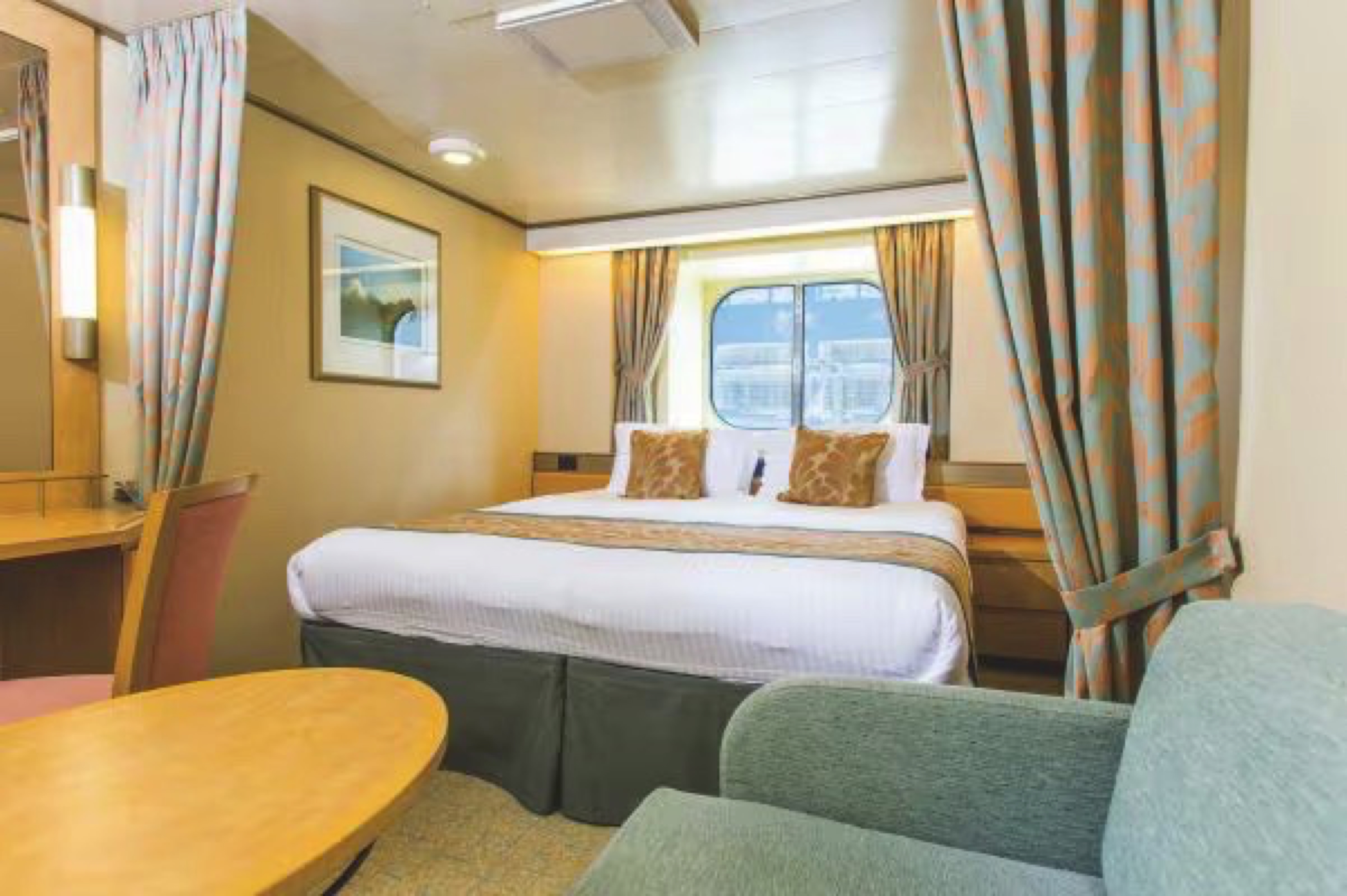
Sea View Cabins (Obstructed View)
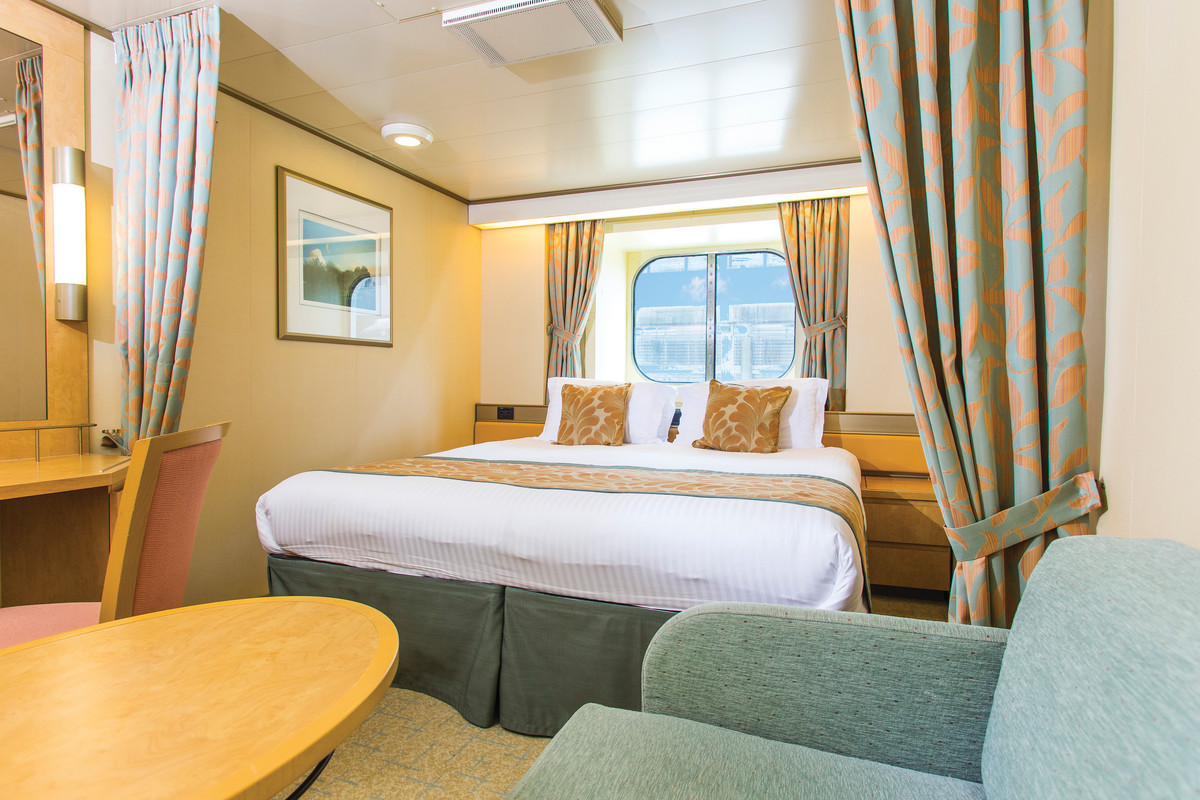
Sea View Cabins
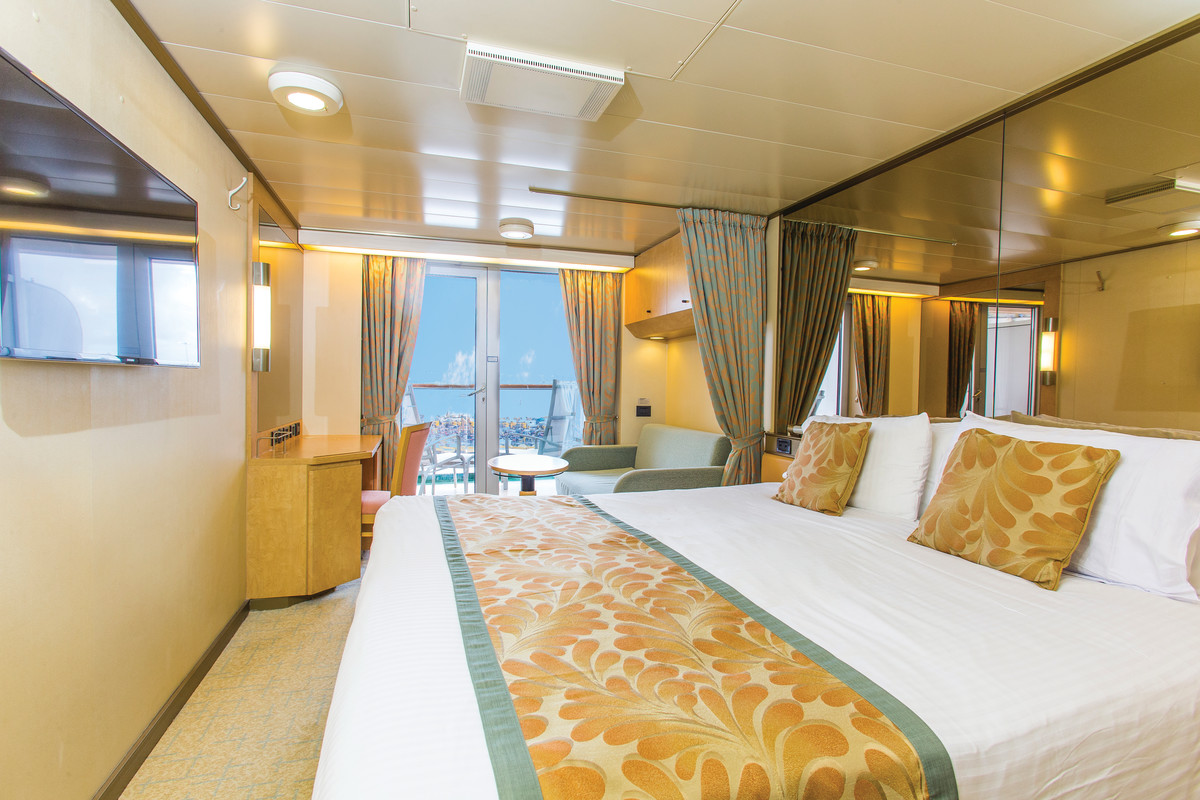
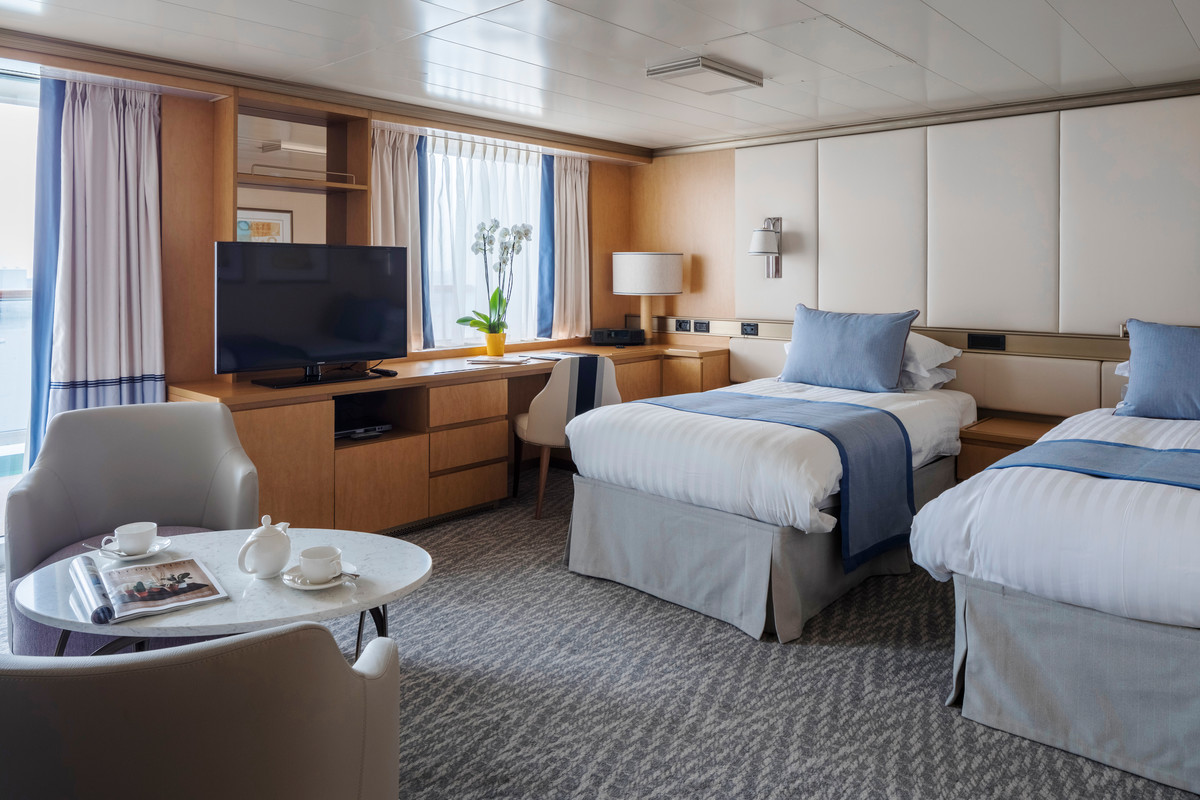
Deluxe Balcony Cabins
Inside Single Cabins
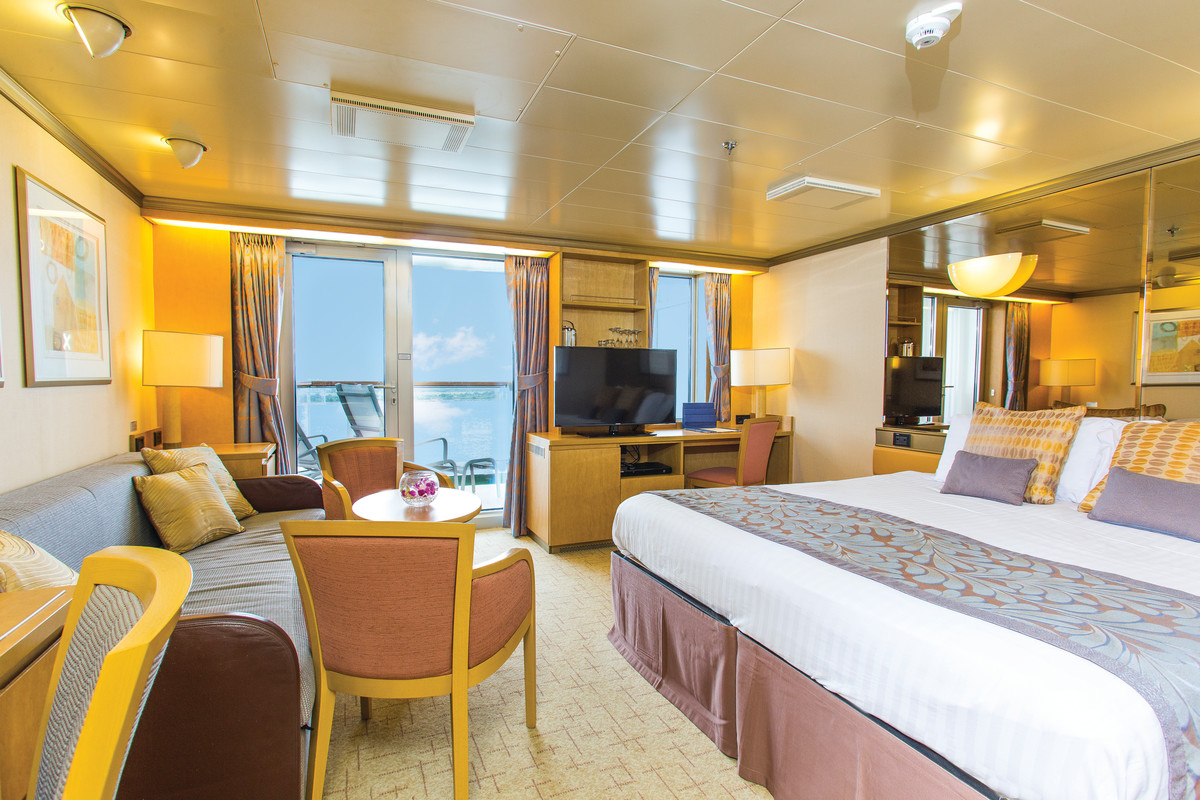
Mini-Suites
Single Balcony Cabins
Suite
Ship Facilities
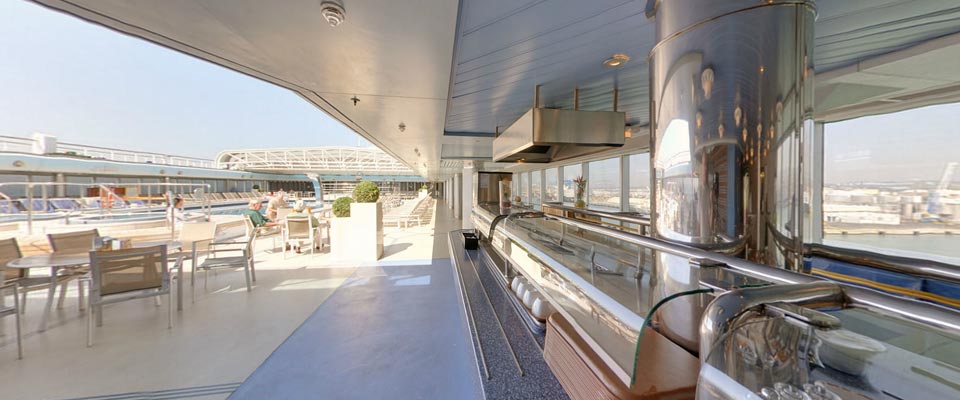
Neptune Grill
This casual eatery offers a tempting selection of freshly made snacks, perfect for satisfying poolside cravings. Bite into juicy burgers or customise your hot dog with various toppings. Featuring flavours of the day that change throughout your cruise, the Poolside Grill uses fresh ingredients to ensure a delicious and convenient bite.
Dress code
Day / Evening Casual
Belvedere Buffet
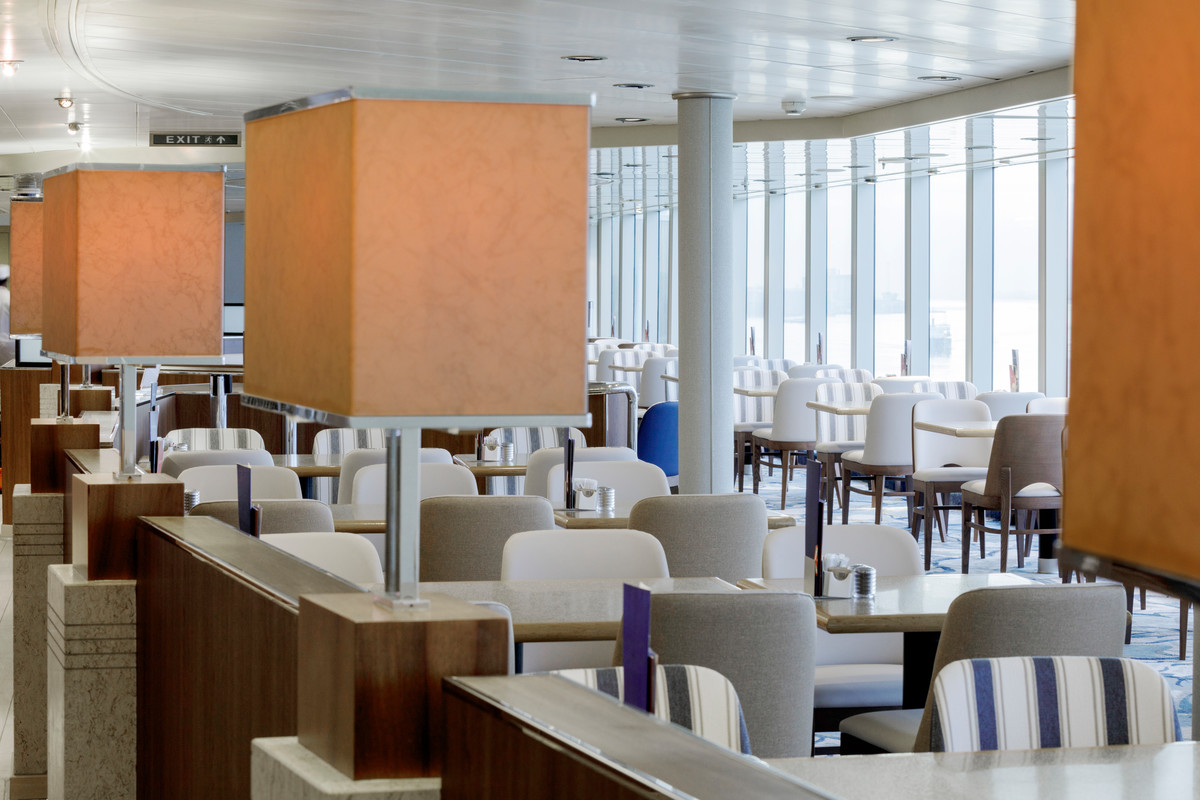
The buffet is your one-stop shop for casual dining at sea, offering an extensive international menu to satisfy every craving. You’ll find the Horizon Buffet on Arvia, Aurora, Britannia and Iona, and the Belvedere Buffet on Arcadia. Azura boasts the Verona and Venezia buffets, while Ventura features the Waterside Buffet.
Dress code
Evening Casual. Tailored shorts are accepted.
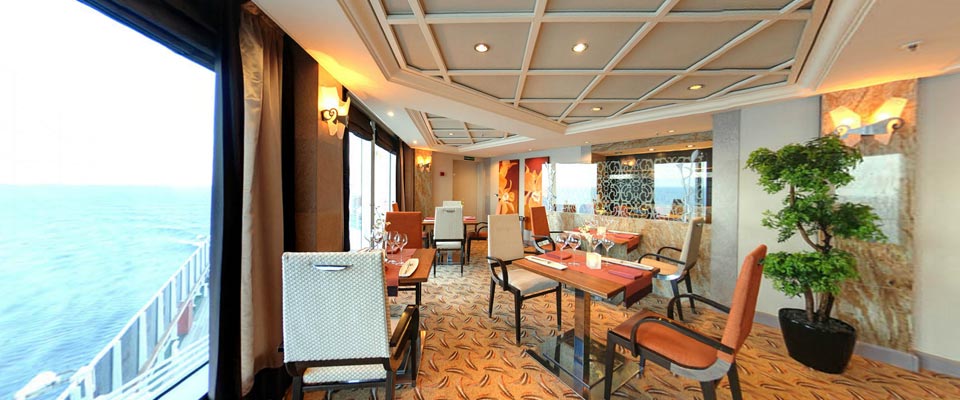
Meridian Restaurant
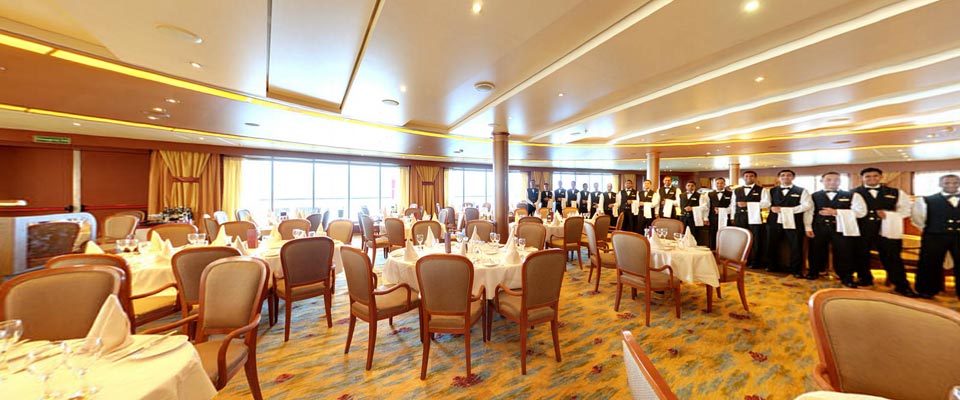
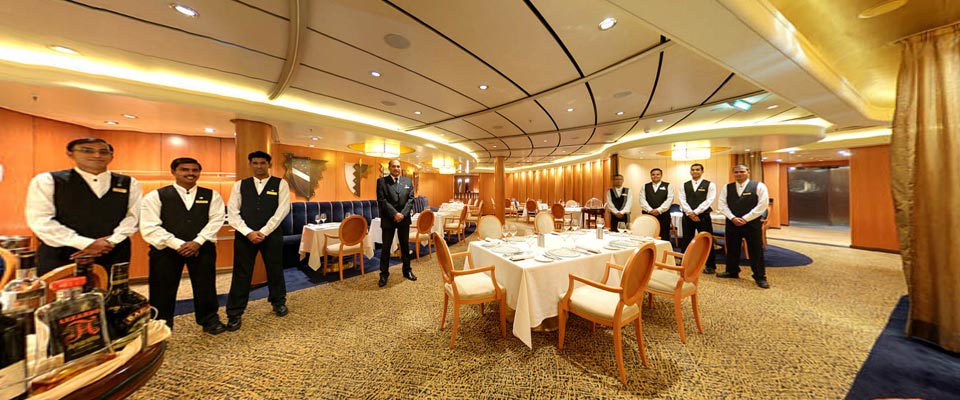
Experience a global culinary adventure of the highest quality at Medina. This opulent Arabian-themed space offers Freedom Dining flexibility, allowing you to dine whenever and with whomever you wish. From classic home comfort dishes to locally inspired flavours, the menus offer a delightful array of options that will leave you craving more.
Dress code
Dress code of the day (Evening Casual or Black Tie). No tailored shorts.
Sindhu Restaurant
Prepare your taste buds for a flavour-filled adventure. In stylish and sumptuous surroundings, Sindhu’s expert chefs will take you on a delicately spiced odyssey that celebrates the best of contemporary Indian cuisines. You can also make a date on selected sea days to enjoy a delicious tiffin style lunch.
Dress code
Dress code of the day (Evening Casual or Black Tie)
The Ocean Grill
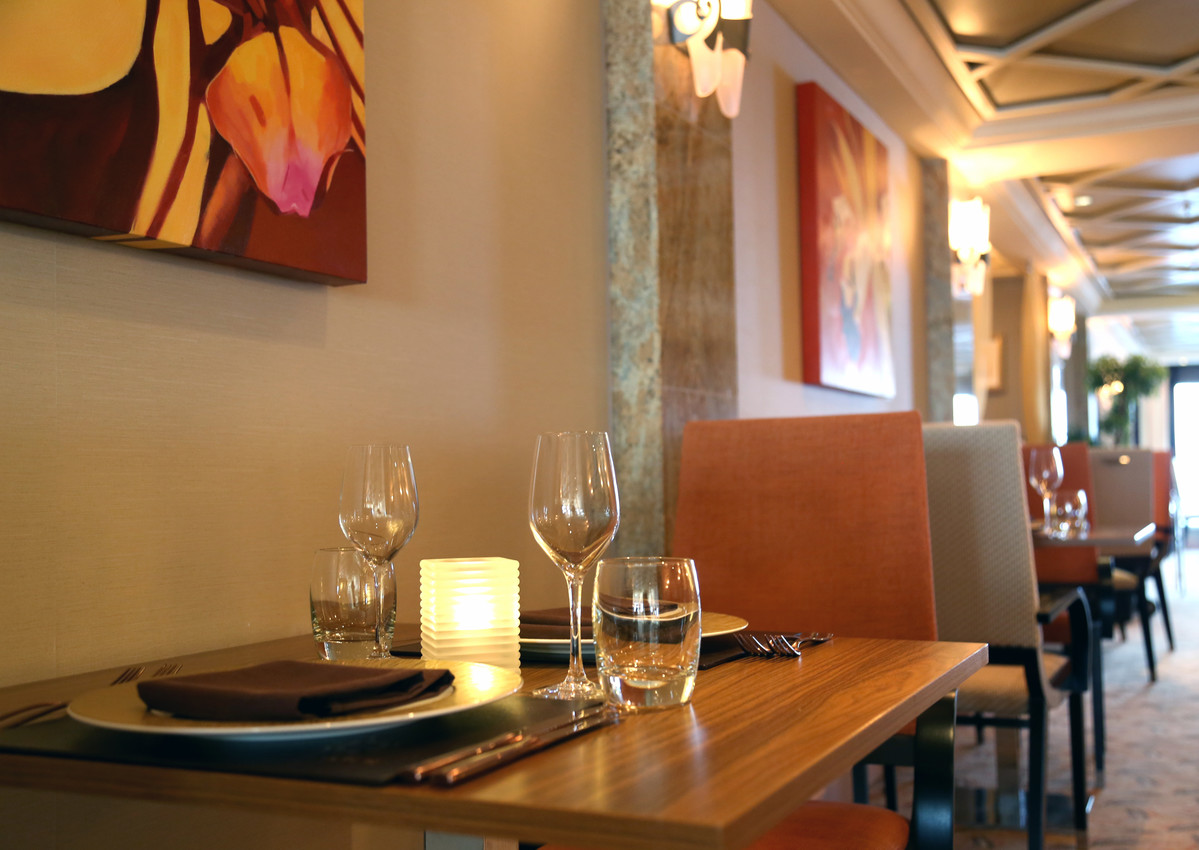
Experience culinary excellence at Marco Pierre White’s Ocean Grill, where attention to detail and quality reign supreme. Indulge in mouth-watering steaks and seafood in relaxed and sophisticated surroundings that mirror the spirit of great London grill restaurants. Simplicity meets artistry in masterfully presented dishes, delivering exceptional flavours that showcase Marco’s expertise.
Dress code
Dress code of the day (Evening Casual or Black Tie)
Caffé Vivo
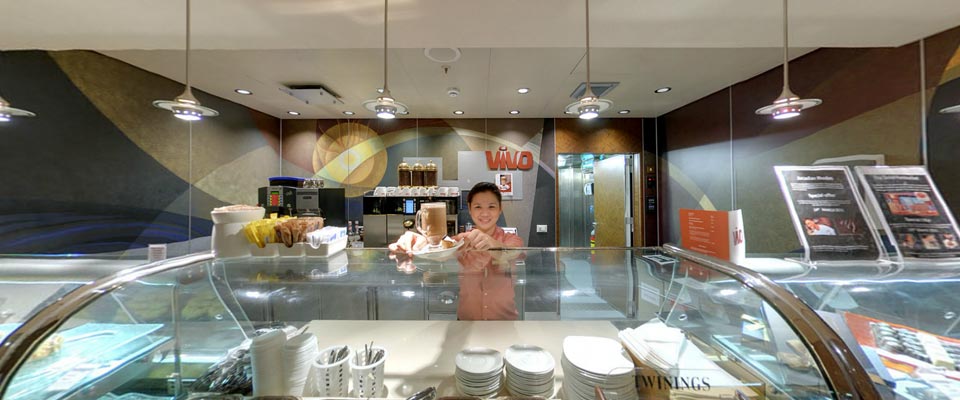
The perfect place to relax, indulge and people-watch, Caffè Vivo exudes warmth and Mediterranean charm with its brown leather sofas, high tables and wooden floors. It offers a cosy retreat just steps away from the on-board shops, so you can unwind as you sip aromatic coffee or a refreshing juice, or choose from a menu of light bites like salads, bagels and pastries.
Dress code – Casual
The Palladium
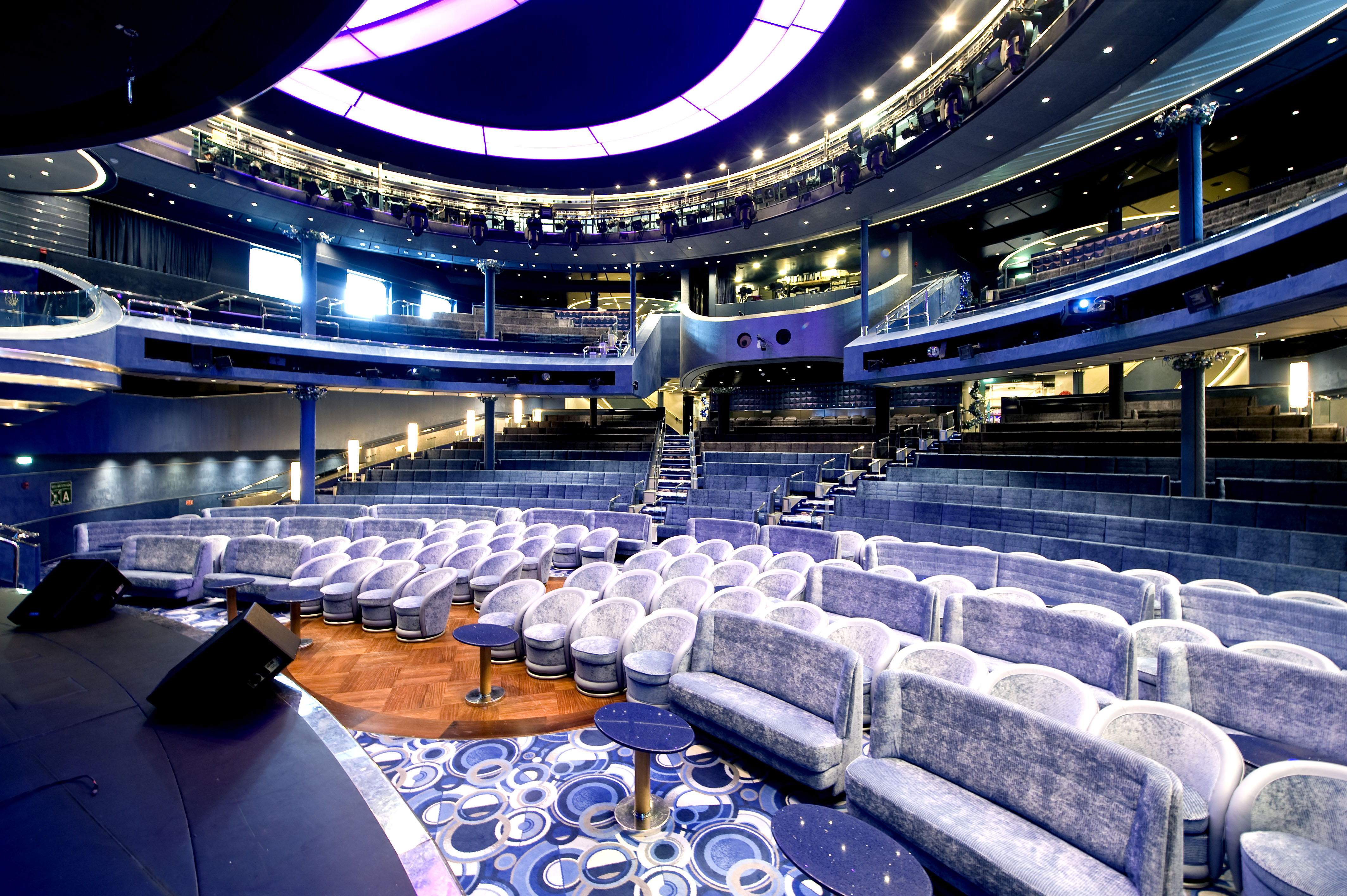
Arcadia’s impressive three tier theatre, The Palladium, is located at the very forward end of the ship. Inside you will find comfortable theatre-style-seating arcs around the stage in three tiers, affording you excellent views of the stage. In The Palladium, the drama is not confined to the stage, as the décor adds a theatrical touch of its own. A rich colour scheme of royal blue, violet, midnight blue and silver sets off the main attraction – the shows themselves! Suede and crushed velvet adds an opulent touch, ensuring The Palladium has all the magic and anticipation of the West End!
The Crow's Nest
Perched high in the ship, Crow’s Nest offers breathtaking ocean views. By day, unwind with classic cocktails and a book in this serene haven, while evenings transform the venue into a sophisticated escape with live piano music, sultry vocals and a stylish ambience. Perfect for daydreamers and night owls alike!
Dress code – Dress code of the day (Evening Casual or Black Tie). No tailored shorts.
Monte Carlo Casino
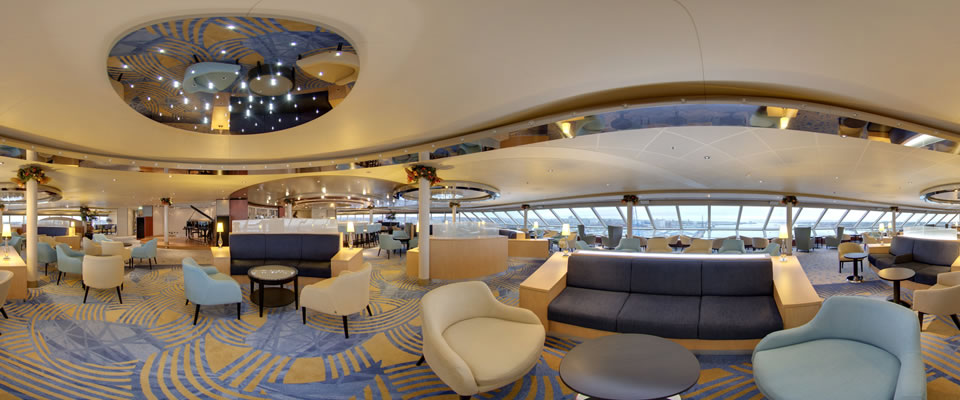
Try your luck in style in our opulent on-board casinos. Feel the thrill of classic table games like blackjack, roulette and poker. Or test your fortune on our state-of-the-art slots. Beyond the games, there are interactive game shows, virtual horse races and daily bingo. Will Lady Luck be on your side on board?
The Globe
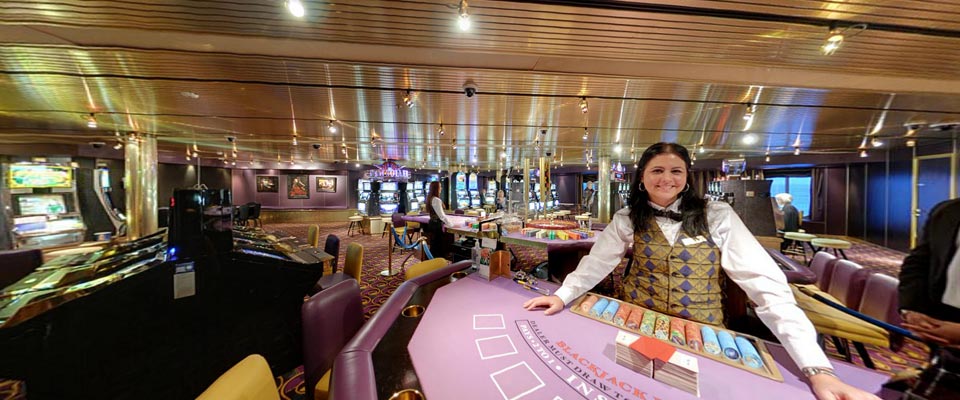
Immerse yourself in the vibrant energy of The Globe. This circular bar boasts black and gold décor, a warm ambience and a delectable drinks menu. Enjoy evenings of live music and game shows, or test your moves on the dancefloor during social ballroom and Latin dance events. The Globe offers something for everyone.
Dress code – Casual
The Screening Room
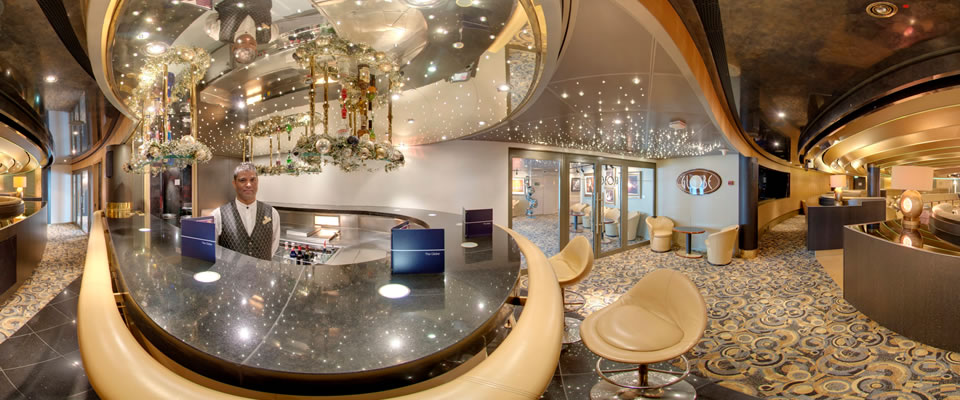
Immerse yourself in intimate luxury at the Screening Room, a 30-seat cinema that offers an exclusive escape with plush, reclining seats and a private ambience. Watch the latest blockbusters or hidden gems in comfort, with showtimes conveniently mirroring the main theatre. Reserve your spot for an unforgettable movie experience.
Dress Code – Day/Evening Casual
Intermezzo
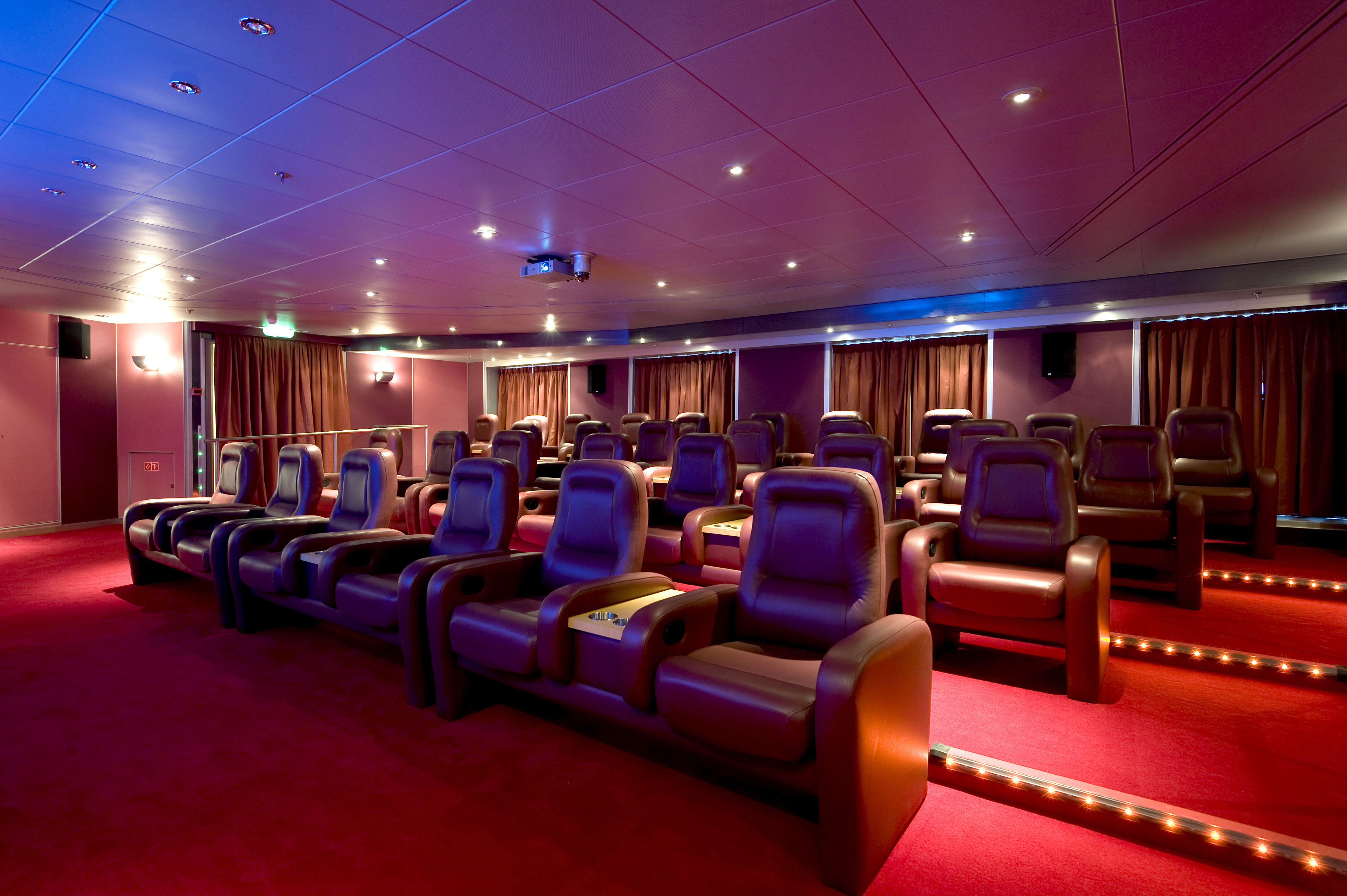
Indulge in luxury at Intermezzo, a sophisticated cocktail bar with a glamorous ambience, soft lighting, sheer curtains and rich décor. Sip on expertly crafted cocktails or select a glass of Champagne for unforgettable and elegant pre-dinner drinks or a nightcap.
Dress code – Dress code of the day (Evening Casual or Black Tie). No tailored shorts.
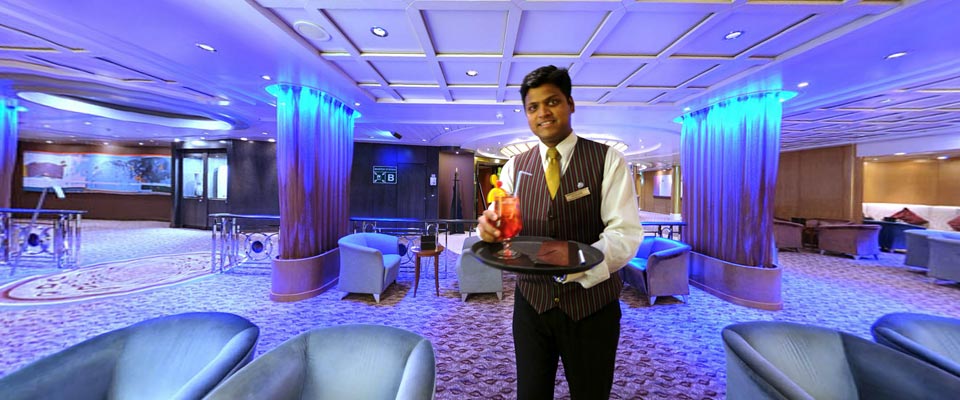
Spinnaker Bar
Unwind amid nautical charm at Spinnaker. This yacht-inspired café – with its contemporary décor featuring wood, steel and chrome – offers comfy seating and popular Costa coffees throughout the day. Nestled between Intermezzo and Meridian Restaurant, it transforms into a stylish evening bar, perfect for pre-dinner drinks or an after-dinner tipple.
Dress code – Day/Evening Casual
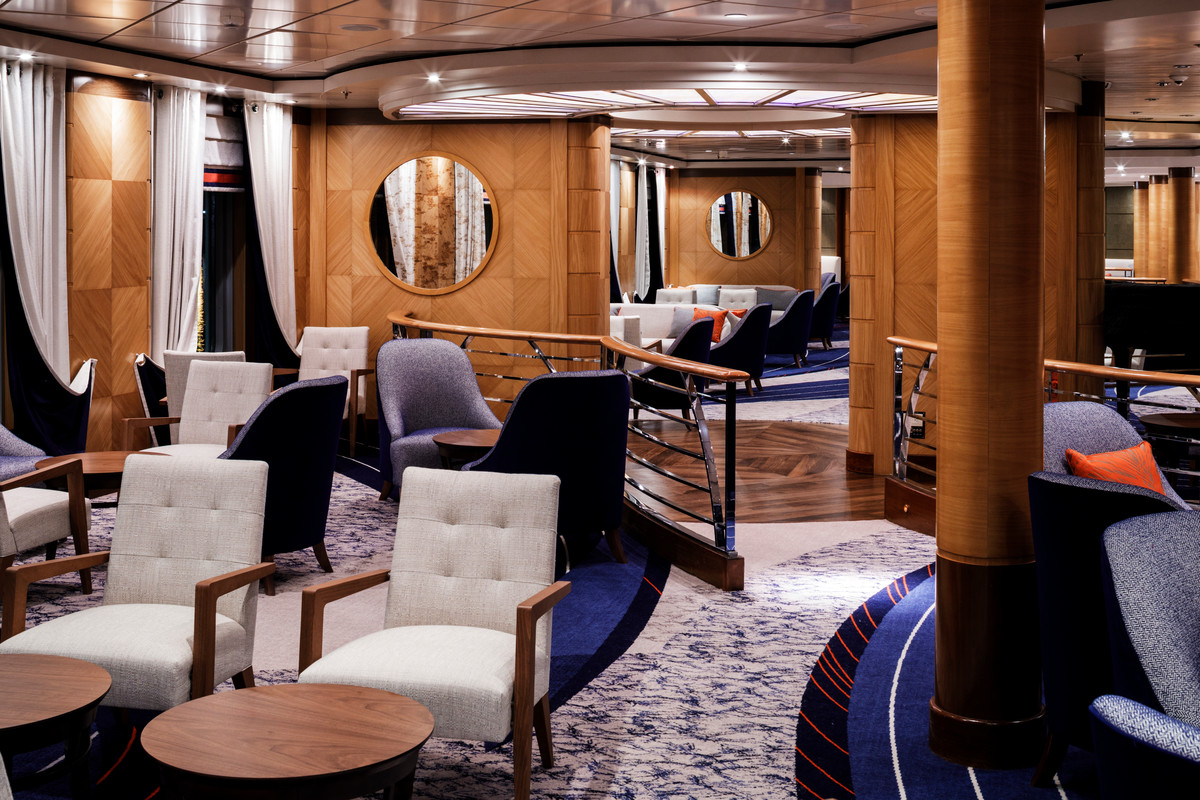
Piano Bar
Unwind with friends over drinks in the intimate ambience of The Piano Bar. Sip on classic or creative cocktails, Champagne or after-dinner drinks as talented pianists set the mood. This tastefully designed bar offers a wide selection of drinks and a warm atmosphere, perfect for conversation or a relaxing nightcap.
Dress code – Casual
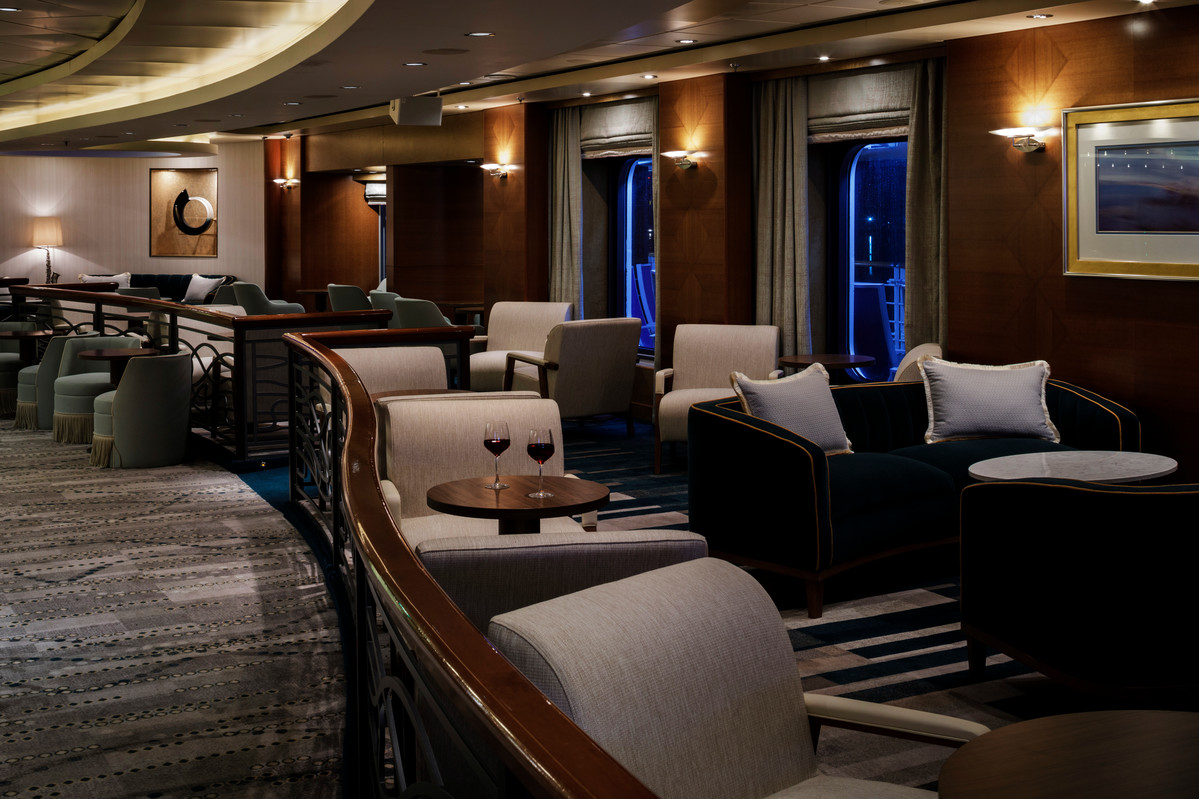
The Rising Sun
Escape to the familiar surroundings of The Rising Sun, a charming country pub brought to life at sea. This traditional pub boasts comfy booths, a jukebox and endless entertainment, from darts and karaoke to live music and sports screenings. It’s your go-to spot for a casual drink and a taste of home.
Dress code – Day/Evening Casual
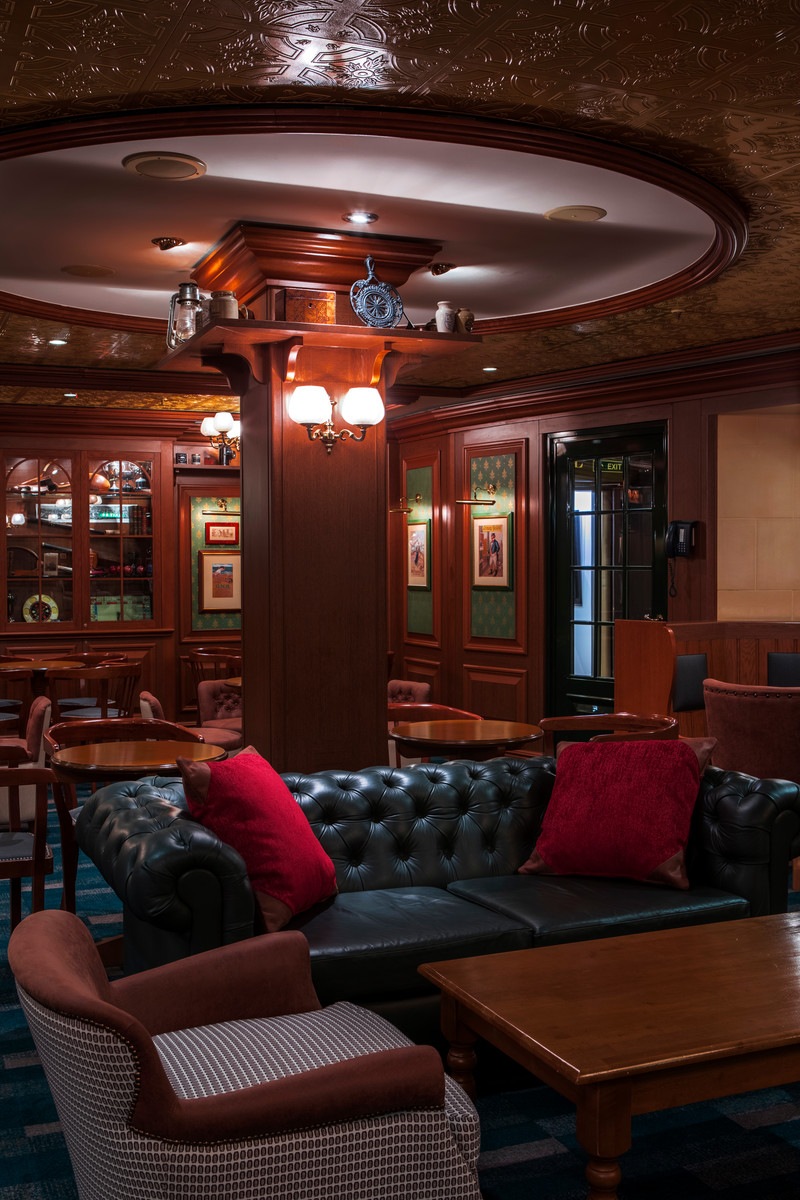
The East Bar
Located at Arcadia’s highest point on Sky Deck, East Bar invites you to indulge in a colonial-style ambience while savouring coffees or sundowners. Adorned with artwork by Martin Williams depicting Asian travels, it sets the stage for pre- or post-dinner drinks, offering a selection of cocktails, Champagne and more amid warm, ambient lighting and stunning views.
Dress code – Evening Casual
Neptune Bar
Every P&O Cruises ship boasts several deck bars. From crisp beers and fine wines to delicious cocktails and thirst-quenching soft drinks, you’re always close to a cooling refreshment from one of our alfresco bars. Located by the pool areas, these friendly venues are perfect for soaking up the sun and enjoying the fun.
Dress code – Day/Evening Casual
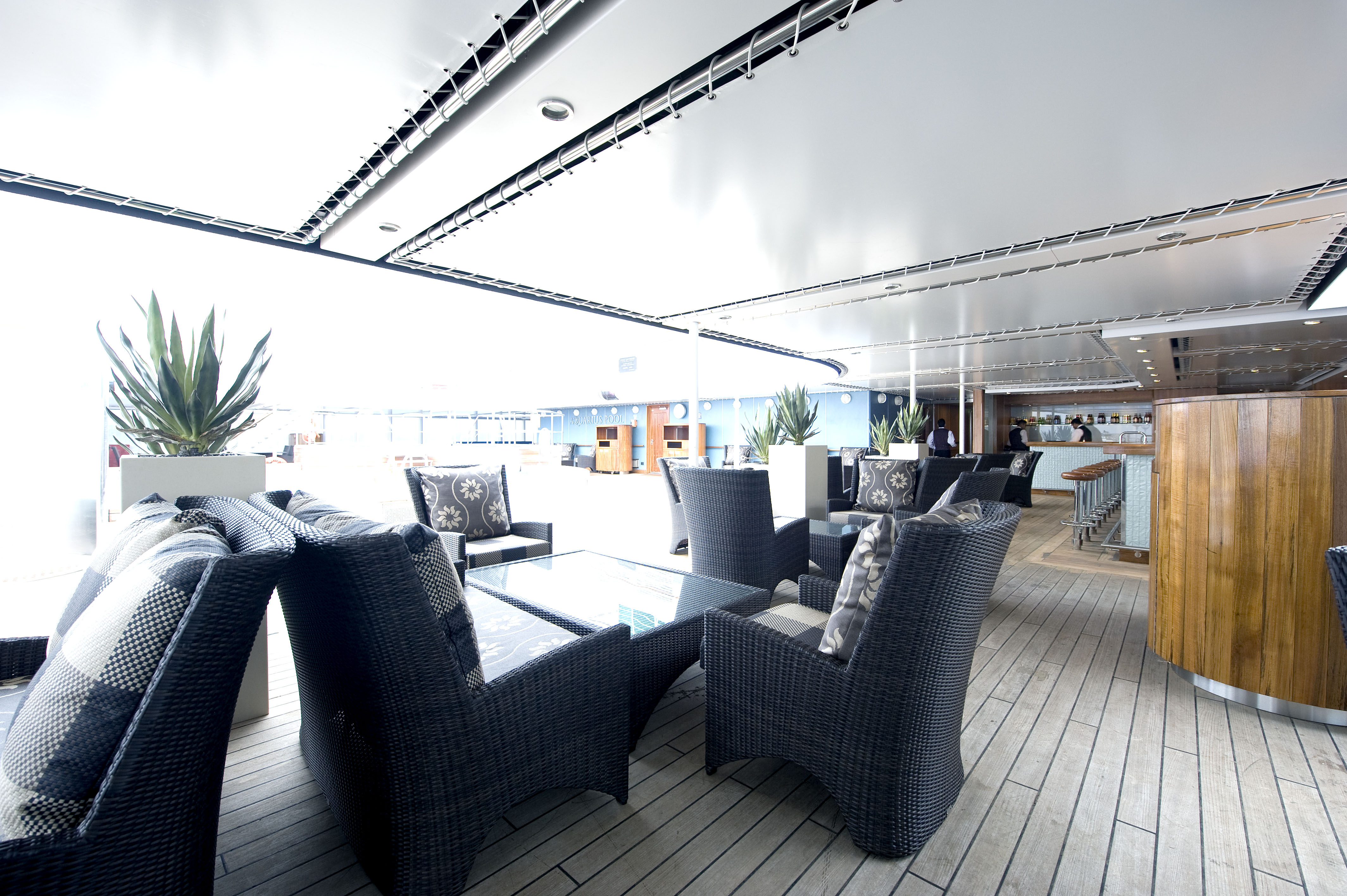
Aquarius Bar
Every P&O Cruises ship boasts several deck bars. From crisp beers and fine wines to delicious cocktails and thirst-quenching soft drinks, you’re always close to a cooling refreshment from one of our alfresco bars. Located by the pool areas, these friendly venues are perfect for soaking up the sun and enjoying the fun.
Dress code – Day/Evening Casual
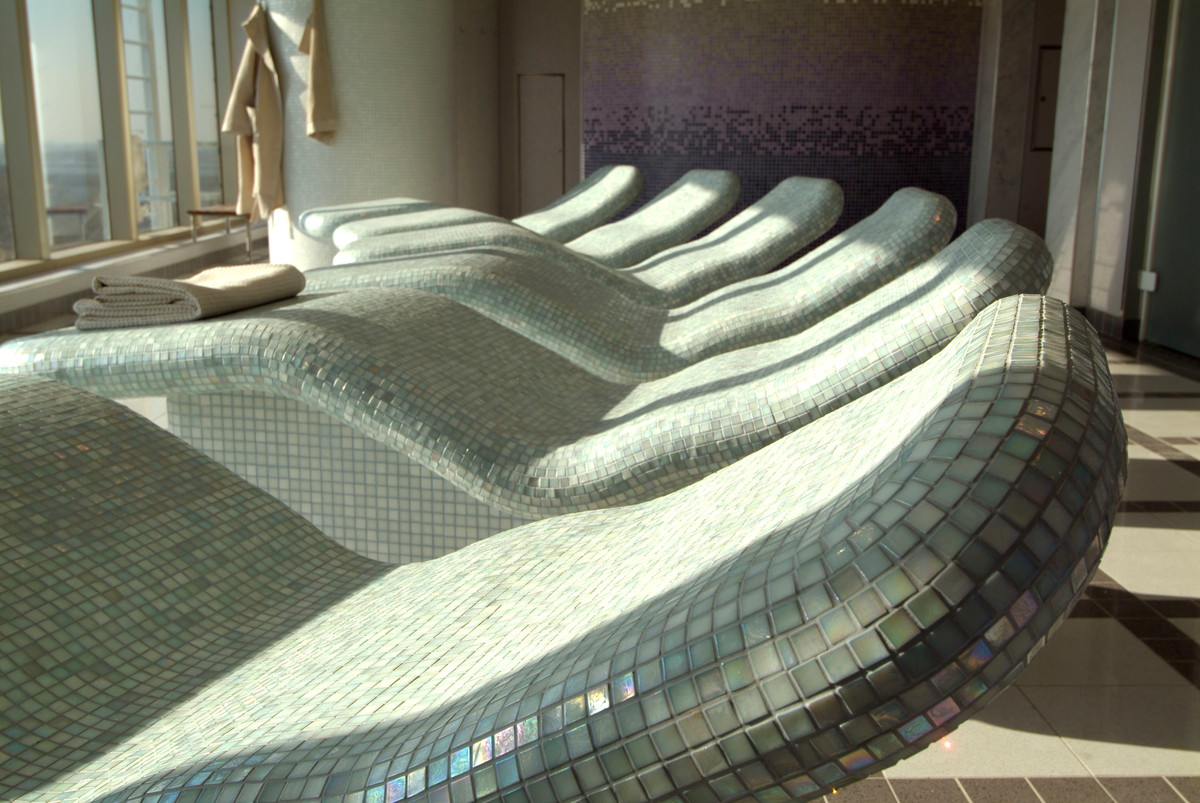
Oasis Spa
Escape to a haven of tranquillity onboard P&O Cruises. Indulge in pampering spa treatments, unwind in soothing thermal suites, and discover serene relaxation spaces. We also have expert stylists, and state-of-the-art fitness options to ensure you return home feeling renewed and revitalised.
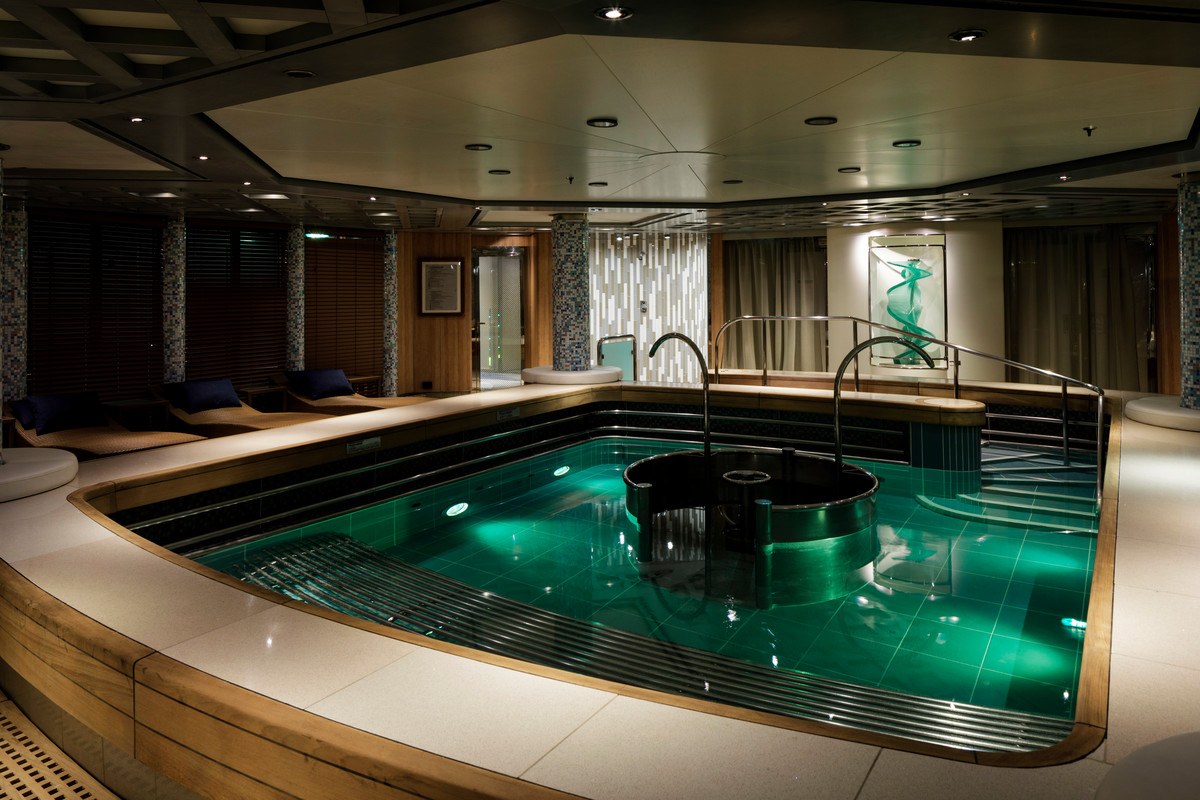
The Retreat
The Retreat, alfresco spa terrace has it all. A premium VIP open-air deck area, where you can find cold flannels, chilled drinks and snacks, and alfresco spa treatments in the privacy of shaded cabanas. Numbers are limited, so the atmosphere is serene and sophisticated with luxurious surroundings including day beds, private cabanas (to enjoy a range of spa treatments) and complimentary smoothies or fruit platters on offer. With panoramic ocean views, The Retreat is the height of grown-up sophistication and indulgence.
*Please note: Details on this page may differ depending on the ship you choose to sail on.
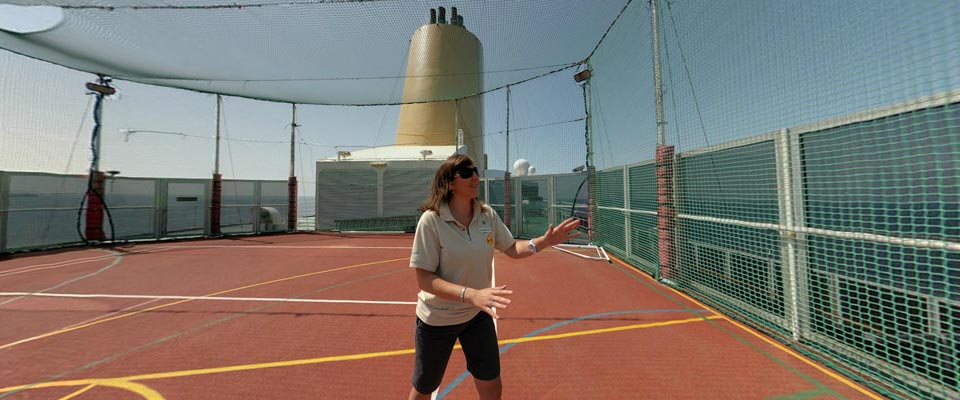
Sports Court
On board P&O Arcadia, enjoy diverse sports and activities, including a sports court for football, basketball, short tennis, and cricket. Challenge friends or participate in organised competitions. Engage in deck activities like golf nets, table tennis, deck quoits, and shuffleboard, for a fun-filled holiday for all guests.
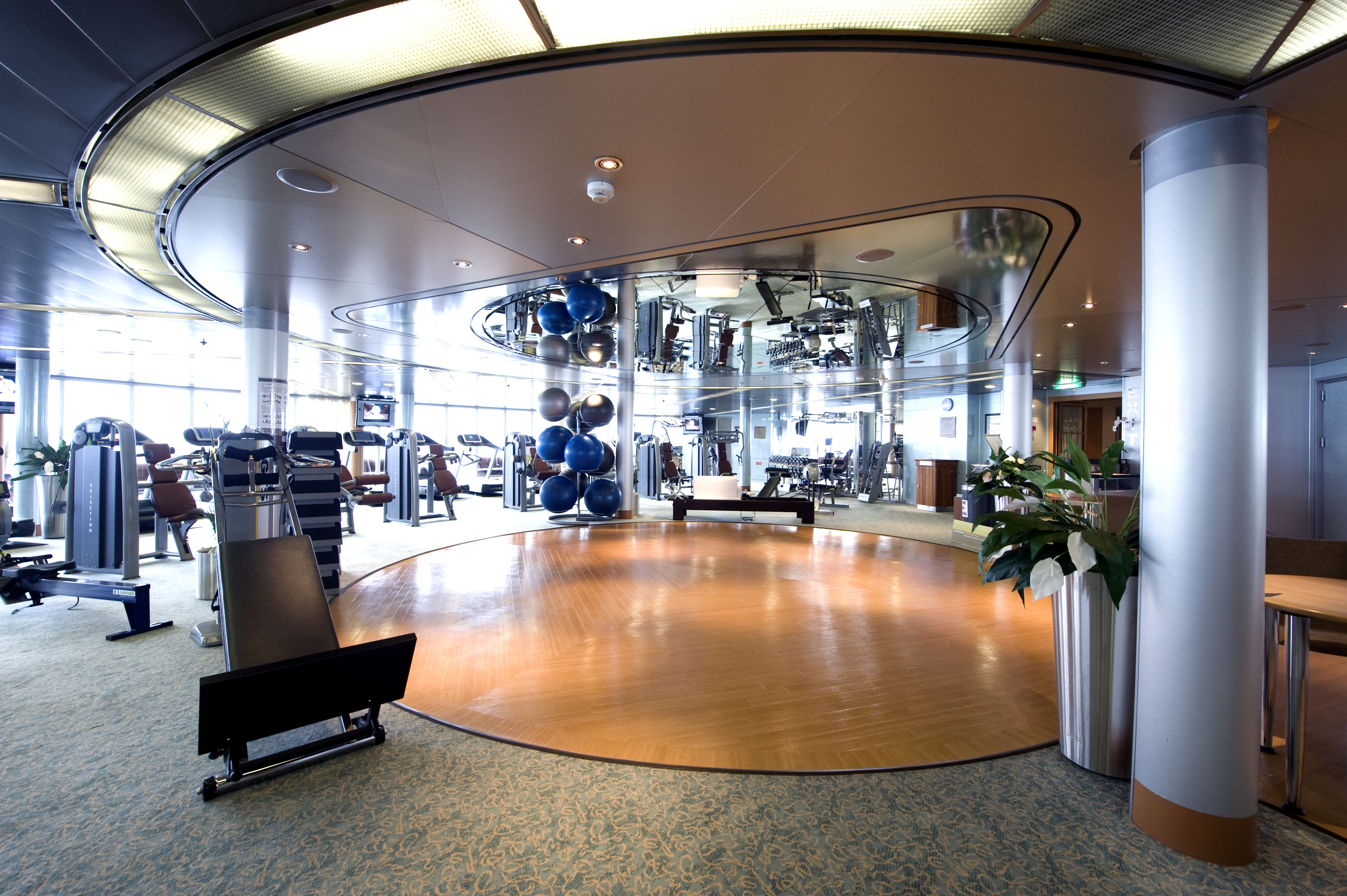
Gymnasium
Elevate your fitness journey at our state-of-the-art gym and fitness studio. Our high-tech facility boasts a full range of equipment, from free weights to cutting-edge machines, to help you reach your fitness goals. Whether you’re a beginner or a seasoned gym-goer, our gyms have everything you need to stay active and feel your best.
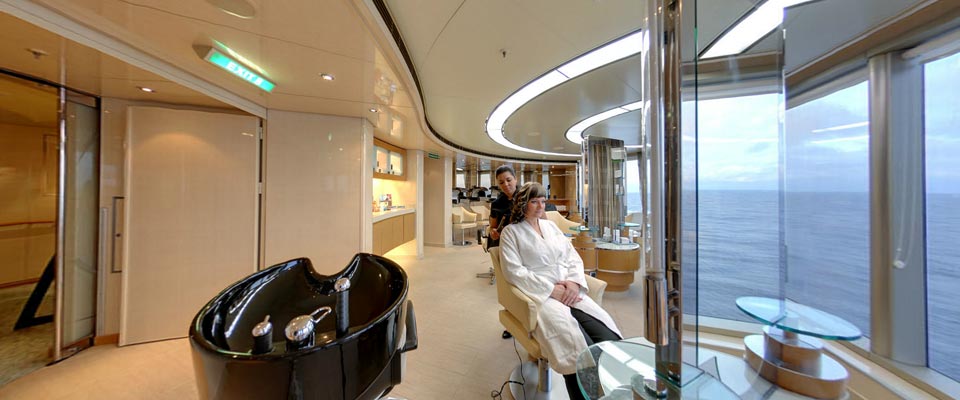
Salon
Want to look your best at sea? The Beauty Salon onboard P&O Cruises offers a complete pampering experience. Emerge refreshed, revitalised, and ready to enjoy your voyage. From manicures and pedicures to facials and waxing, the Beauty Salon is the place for all beauty essentials.
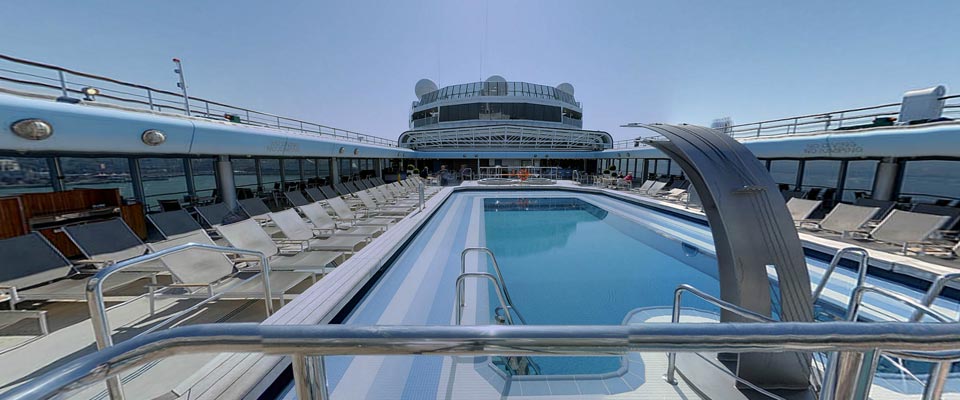
Swimming Pools
Neptune Pool (Lido deck) – The largest pool on the ship features a retractable glass roof, three whirlpool spas, and a relaxing atmosphere. Poolside refreshments and activities are available.
Aquarius pool (Lido deck) – A good place to relax during the day and enjoy ocean views at sunset. Also features two whirlpool spas. Poolside refreshments are available.
As an adult only ship, Arcadia does not feature any Kids & Teens facilities.
Neptune Grill
This casual eatery offers a tempting selection of freshly made snacks, perfect for satisfying poolside cravings. Bite into juicy burgers or customise your hot dog with various toppings. Featuring flavours of the day that change throughout your cruise, the Poolside Grill uses fresh ingredients to ensure a delicious and convenient bite.
Dress code
Day / Evening Casual
Belvedere Buffet
The buffet is your one-stop shop for casual dining at sea, offering an extensive international menu to satisfy every craving. You’ll find the Horizon Buffet on Arvia, Aurora, Britannia and Iona, and the Belvedere Buffet on Arcadia. Azura boasts the Verona and Venezia buffets, while Ventura features the Waterside Buffet.
Dress code
Evening Casual. Tailored shorts are accepted.
Meridian Restaurant
Experience a global culinary adventure of the highest quality at Medina. This opulent Arabian-themed space offers Freedom Dining flexibility, allowing you to dine whenever and with whomever you wish. From classic home comfort dishes to locally inspired flavours, the menus offer a delightful array of options that will leave you craving more.
Dress code
Dress code of the day (Evening Casual or Black Tie). No tailored shorts.
Sindhu Restaurant
Prepare your taste buds for a flavour-filled adventure. In stylish and sumptuous surroundings, Sindhu’s expert chefs will take you on a delicately spiced odyssey that celebrates the best of contemporary Indian cuisines. You can also make a date on selected sea days to enjoy a delicious tiffin style lunch.
Dress code
Dress code of the day (Evening Casual or Black Tie)
The Ocean Grill
Experience culinary excellence at Marco Pierre White’s Ocean Grill, where attention to detail and quality reign supreme. Indulge in mouth-watering steaks and seafood in relaxed and sophisticated surroundings that mirror the spirit of great London grill restaurants. Simplicity meets artistry in masterfully presented dishes, delivering exceptional flavours that showcase Marco’s expertise.
Dress code
Dress code of the day (Evening Casual or Black Tie)
Caffé Vivo
The perfect place to relax, indulge and people-watch, Caffè Vivo exudes warmth and Mediterranean charm with its brown leather sofas, high tables and wooden floors. It offers a cosy retreat just steps away from the on-board shops, so you can unwind as you sip aromatic coffee or a refreshing juice, or choose from a menu of light bites like salads, bagels and pastries.
Dress code – Casual
The Palladium
Arcadia’s impressive three tier theatre, The Palladium, is located at the very forward end of the ship. Inside you will find comfortable theatre-style-seating arcs around the stage in three tiers, affording you excellent views of the stage. In The Palladium, the drama is not confined to the stage, as the décor adds a theatrical touch of its own. A rich colour scheme of royal blue, violet, midnight blue and silver sets off the main attraction – the shows themselves! Suede and crushed velvet adds an opulent touch, ensuring The Palladium has all the magic and anticipation of the West End!
The Crow's Nest
Perched high in the ship, Crow’s Nest offers breathtaking ocean views. By day, unwind with classic cocktails and a book in this serene haven, while evenings transform the venue into a sophisticated escape with live piano music, sultry vocals and a stylish ambience. Perfect for daydreamers and night owls alike!
Dress code – Dress code of the day (Evening Casual or Black Tie). No tailored shorts.
Monte Carlo Casino
Try your luck in style in our opulent on-board casinos. Feel the thrill of classic table games like blackjack, roulette and poker. Or test your fortune on our state-of-the-art slots. Beyond the games, there are interactive game shows, virtual horse races and daily bingo. Will Lady Luck be on your side on board?
The Globe
Immerse yourself in the vibrant energy of The Globe. This circular bar boasts black and gold décor, a warm ambience and a delectable drinks menu. Enjoy evenings of live music and game shows, or test your moves on the dancefloor during social ballroom and Latin dance events. The Globe offers something for everyone.
Dress code – Casual
The Screening Room
Immerse yourself in intimate luxury at the Screening Room, a 30-seat cinema that offers an exclusive escape with plush, reclining seats and a private ambience. Watch the latest blockbusters or hidden gems in comfort, with showtimes conveniently mirroring the main theatre. Reserve your spot for an unforgettable movie experience.
Dress Code – Day/Evening Casual
Intermezzo
Indulge in luxury at Intermezzo, a sophisticated cocktail bar with a glamorous ambience, soft lighting, sheer curtains and rich décor. Sip on expertly crafted cocktails or select a glass of Champagne for unforgettable and elegant pre-dinner drinks or a nightcap.
Dress code – Dress code of the day (Evening Casual or Black Tie). No tailored shorts.
Spinnaker Bar
Unwind amid nautical charm at Spinnaker. This yacht-inspired café – with its contemporary décor featuring wood, steel and chrome – offers comfy seating and popular Costa coffees throughout the day. Nestled between Intermezzo and Meridian Restaurant, it transforms into a stylish evening bar, perfect for pre-dinner drinks or an after-dinner tipple.
Dress code – Day/Evening Casual
Piano Bar
Unwind with friends over drinks in the intimate ambience of The Piano Bar. Sip on classic or creative cocktails, Champagne or after-dinner drinks as talented pianists set the mood. This tastefully designed bar offers a wide selection of drinks and a warm atmosphere, perfect for conversation or a relaxing nightcap.
Dress code – Casual
The Rising Sun
Escape to the familiar surroundings of The Rising Sun, a charming country pub brought to life at sea. This traditional pub boasts comfy booths, a jukebox and endless entertainment, from darts and karaoke to live music and sports screenings. It’s your go-to spot for a casual drink and a taste of home.
Dress code – Day/Evening Casual
The East Bar
Located at Arcadia’s highest point on Sky Deck, East Bar invites you to indulge in a colonial-style ambience while savouring coffees or sundowners. Adorned with artwork by Martin Williams depicting Asian travels, it sets the stage for pre- or post-dinner drinks, offering a selection of cocktails, Champagne and more amid warm, ambient lighting and stunning views.
Dress code – Evening Casual
Neptune Bar
Every P&O Cruises ship boasts several deck bars. From crisp beers and fine wines to delicious cocktails and thirst-quenching soft drinks, you’re always close to a cooling refreshment from one of our alfresco bars. Located by the pool areas, these friendly venues are perfect for soaking up the sun and enjoying the fun.
Dress code – Day/Evening Casual
Aquarius Bar
Every P&O Cruises ship boasts several deck bars. From crisp beers and fine wines to delicious cocktails and thirst-quenching soft drinks, you’re always close to a cooling refreshment from one of our alfresco bars. Located by the pool areas, these friendly venues are perfect for soaking up the sun and enjoying the fun.
Dress code – Day/Evening Casual
Oasis Spa
Escape to a haven of tranquillity onboard P&O Cruises. Indulge in pampering spa treatments, unwind in soothing thermal suites, and discover serene relaxation spaces. We also have expert stylists, and state-of-the-art fitness options to ensure you return home feeling renewed and revitalised.
The Retreat
The Retreat, alfresco spa terrace has it all. A premium VIP open-air deck area, where you can find cold flannels, chilled drinks and snacks, and alfresco spa treatments in the privacy of shaded cabanas. Numbers are limited, so the atmosphere is serene and sophisticated with luxurious surroundings including day beds, private cabanas (to enjoy a range of spa treatments) and complimentary smoothies or fruit platters on offer. With panoramic ocean views, The Retreat is the height of grown-up sophistication and indulgence.
*Please note: Details on this page may differ depending on the ship you choose to sail on.
Sports Court
On board P&O Arcadia, enjoy diverse sports and activities, including a sports court for football, basketball, short tennis, and cricket. Challenge friends or participate in organised competitions. Engage in deck activities like golf nets, table tennis, deck quoits, and shuffleboard, for a fun-filled holiday for all guests.
Gymnasium
Elevate your fitness journey at our state-of-the-art gym and fitness studio. Our high-tech facility boasts a full range of equipment, from free weights to cutting-edge machines, to help you reach your fitness goals. Whether you’re a beginner or a seasoned gym-goer, our gyms have everything you need to stay active and feel your best.
Salon
Want to look your best at sea? The Beauty Salon onboard P&O Cruises offers a complete pampering experience. Emerge refreshed, revitalised, and ready to enjoy your voyage. From manicures and pedicures to facials and waxing, the Beauty Salon is the place for all beauty essentials.
Swimming Pools
Neptune Pool (Lido deck) – The largest pool on the ship features a retractable glass roof, three whirlpool spas, and a relaxing atmosphere. Poolside refreshments and activities are available.
Aquarius pool (Lido deck) – A good place to relax during the day and enjoy ocean views at sunset. Also features two whirlpool spas. Poolside refreshments are available.
As an adult only ship, Arcadia does not feature any Kids & Teens facilities.
About the Ship
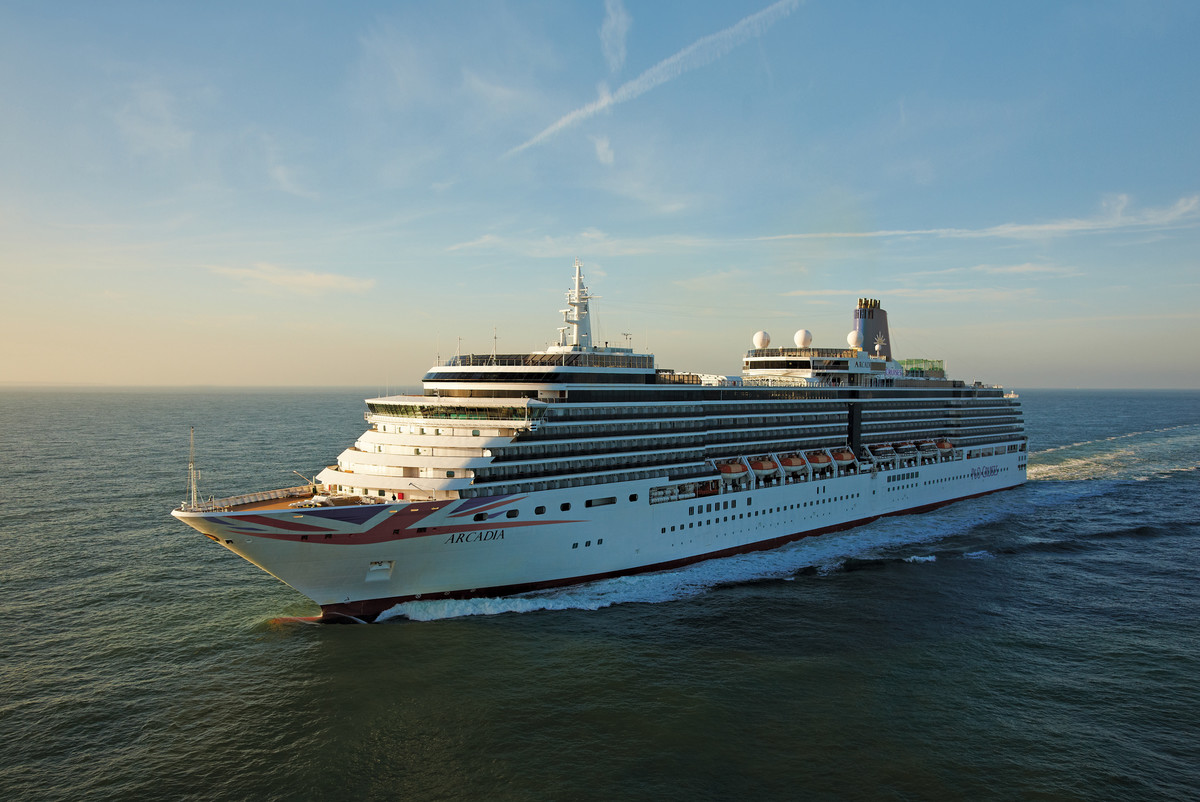
Deck Plans

- The Palladium
- Reception
- Tours Office
- Atrium
- Loyalty And Cruise Sales
- Outside Cabins
- Inside Cabins

- The Palladium
- Monte Carlo Casino
- The Rising Sun
- The Globe
- Art Gallery
- Ocean Grill
- Intermezzo
- Spinnaker Bar
- Meridian Restaurant

- The Palladium
- Shopping
- Horizon
- The Screening Room
- Caffé Vivo
- Library
- The Piano Bar
- Meridian Restaurant

- Suites
- Deluxe Balcony Cabins
- Outside Cabins
- Inside Cabin

- Suites
- Mini-Suites
- Deluxe Balcony Cabins
- Inside Cabins

- Suites
- Deluxe Balcony Cabins
- Outside Cabins
- Inside Cabins

- Suites
- Mini-Suites
- Deluxe Balcony Cabins
- Inside Cabins

- Suites
- Deluxe Balcony Cabins
- Inside Cabins

- Gym
- Treatment Rooms
- Oasis Spa & Salon
- Hydro Pool
- Steam Rooms
- Sauna
- Salon
- Neptune Pool
- Neptune Bar
- Neptune Grill
- The Belvedere
- Aquarius Pool
- Aquarius Bar

- The Crow’s Nest
- Retractable Roof
- The Retreat
- Viceroy Room/Wedding Venue
- Mini-Suites
- Deluxe Balcony Cabins
- Single Balcony Cabins
- Single Inside Cabins
- Inside Cabins
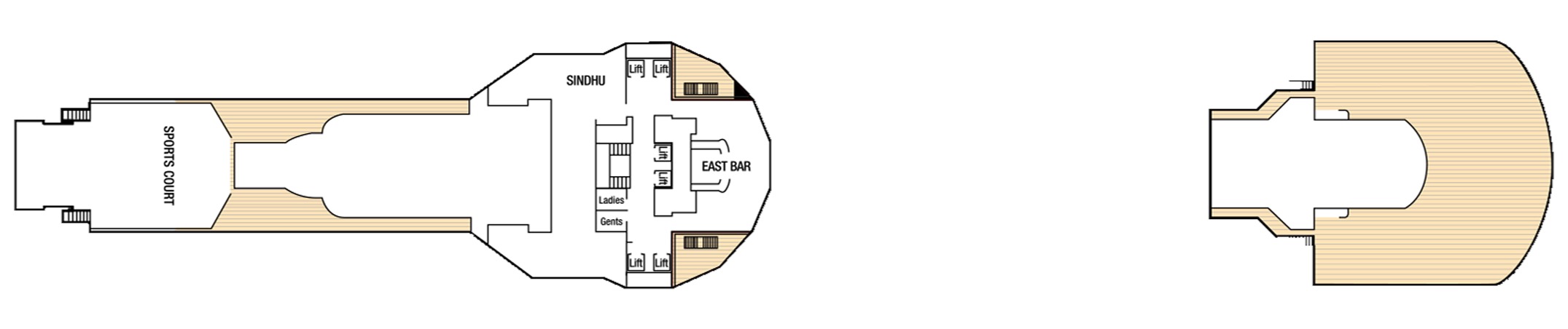
- Sports Court
- Sindhu
- East Bar
- The Palladium
- Reception
- Tours Office
- Atrium
- Loyalty And Cruise Sales
- Outside Cabins
- Inside Cabins
- The Palladium
- Monte Carlo Casino
- The Rising Sun
- The Globe
- Art Gallery
- Ocean Grill
- Intermezzo
- Spinnaker Bar
- Meridian Restaurant
- The Palladium
- Shopping
- Horizon
- The Screening Room
- Caffé Vivo
- Library
- The Piano Bar
- Meridian Restaurant
- Suites
- Deluxe Balcony Cabins
- Outside Cabins
- Inside Cabin
- Suites
- Mini-Suites
- Deluxe Balcony Cabins
- Inside Cabins
- Suites
- Deluxe Balcony Cabins
- Outside Cabins
- Inside Cabins
- Suites
- Mini-Suites
- Deluxe Balcony Cabins
- Inside Cabins
- Suites
- Deluxe Balcony Cabins
- Inside Cabins
- Gym
- Treatment Rooms
- Oasis Spa & Salon
- Hydro Pool
- Steam Rooms
- Sauna
- Salon
- Neptune Pool
- Neptune Bar
- Neptune Grill
- The Belvedere
- Aquarius Pool
- Aquarius Bar
- The Crow’s Nest
- Retractable Roof
- The Retreat
- Viceroy Room/Wedding Venue
- Mini-Suites
- Deluxe Balcony Cabins
- Single Balcony Cabins
- Single Inside Cabins
- Inside Cabins
- Sports Court
- Sindhu
- East Bar