Featured Cabins
Itinerary
Durban, South Africa
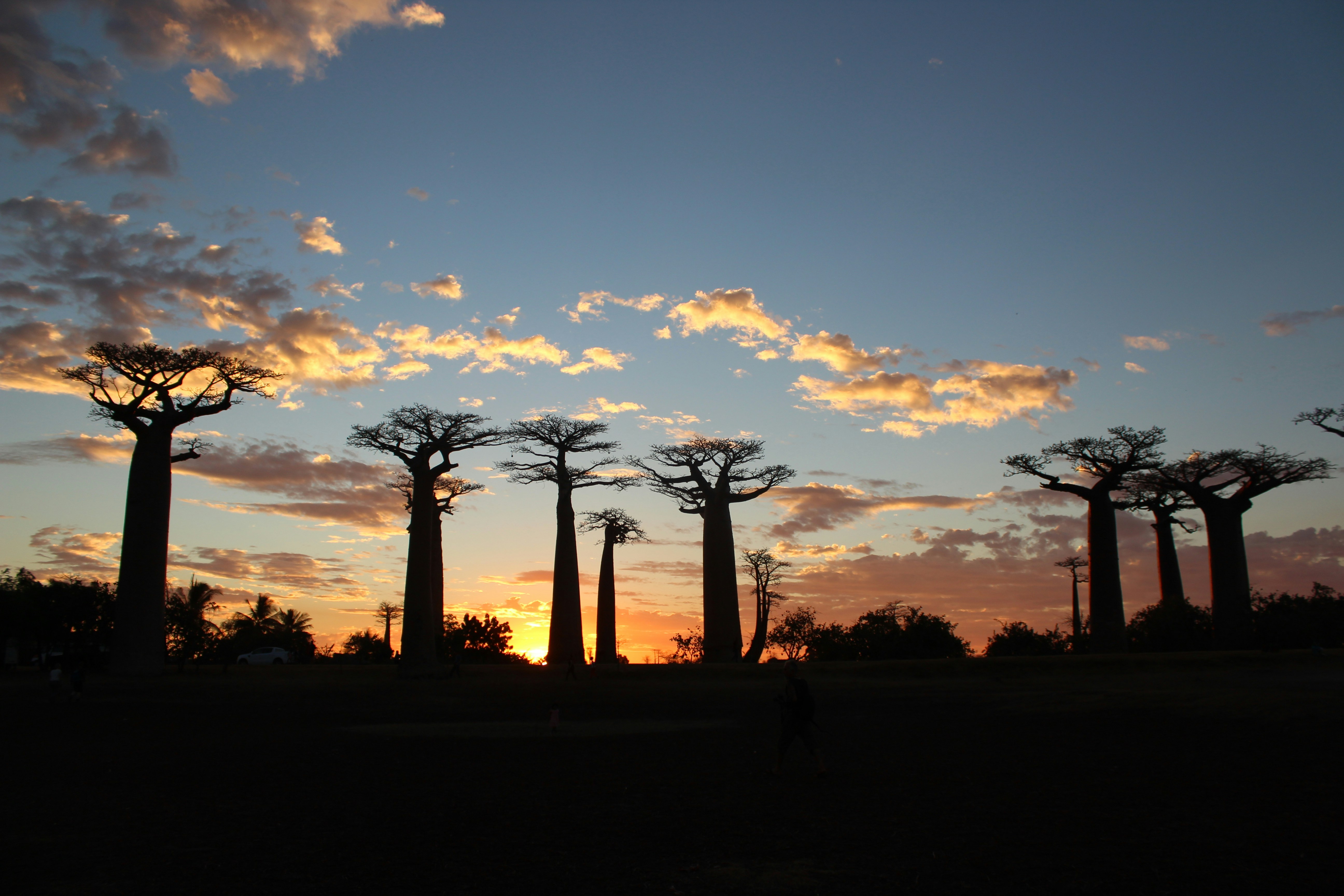
Durban, a glistening jewel on the south-east coast of Africa, is the third largest city in South Africa and the major city of KwaZulu-Natal. It has been a centre of sea trade since before colonisation and now has a flourishing artistic centre, which perfectly complements the vibrant markets and rich cultures of the city. Durban’s port is a natural half-moon harbour lined with white sand and azure water, punctuated by the port’s many piers which reach into the water like the leaves of a fan. The beaches of Durban’s famous Golden Mile stretch along the harbour and are popular all year round, as travellers and locals alike enjoy Durban’s warm, humid summers and mild, dry winters.
Richards Bay, South Africa
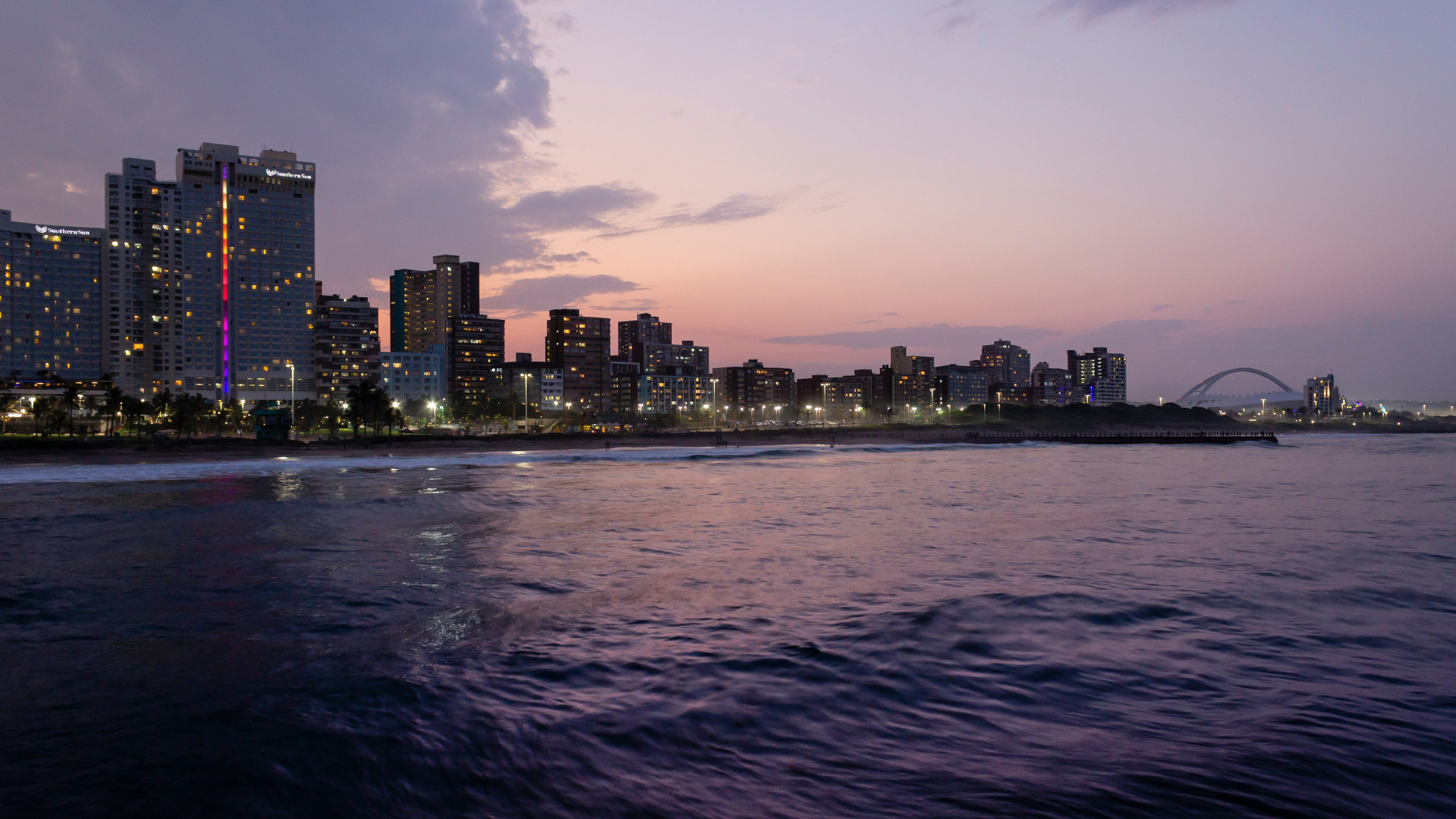
South Africa’s largest harbour is located on a lagoon on the Mhlatuze River on the northern coast of KwaZulu-Natal and takes its name from Admiral Sir F W Richards who sailed into the bay to deliver supplies to the troops during the Anglo/Zulu War of 1879. The Richards Bay lagoon was declared a game reserve in 1935, when conservationists objected to the growing industrialisation here. This however did nothing to halt development. Instead a compromise was agreed and a wall was built across the length of the bay to divide the lagoon. The north side became the seaport and the south remained a sanctuary for waterfowl and wildlife. The lagoon is famous for being the site where the longest crocodile ever recorded was shot by hunter John Dunn – it measured over 20 feet. The town was built on the shores of the lagoon in 1954 and although it was only a small fishing community in the 1960s, the development of the deep water harbour and railway in 1976 prompted the growth of the much larger township you see today. The bustling town is now a popular holiday destination with its unspoilt beaches at the edge of the Indian Ocean, year-round sunshine and excellent recreational facilities including surfing and fishing. It is also an excellent gateway to Zululand and the KwaZulu wildlife reserves. Richards Bay has recently undergone a major renovation that has given the town a Caribbean feel.
Richards Bay, South Africa
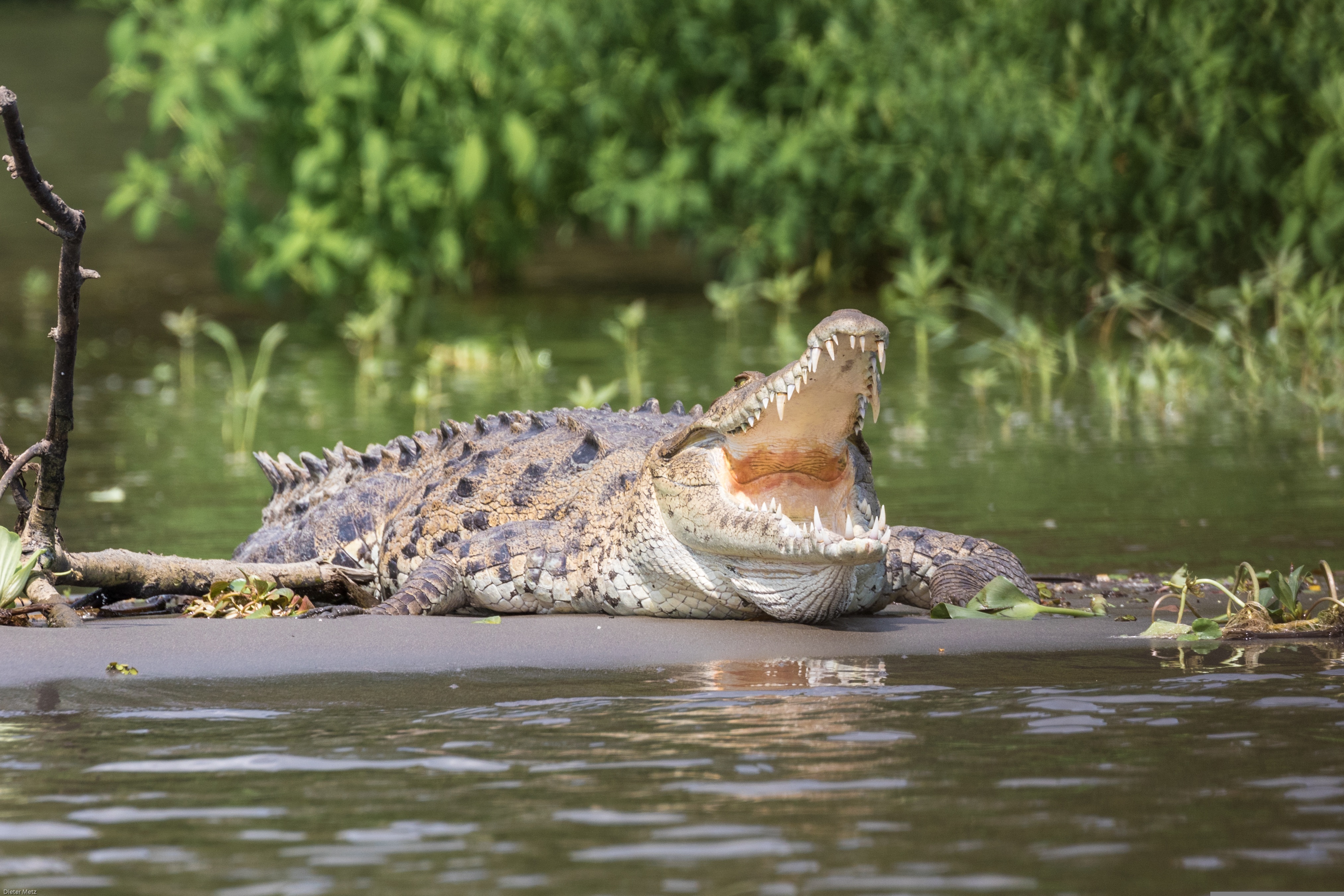
South Africa’s largest harbour is located on a lagoon on the Mhlatuze River on the northern coast of KwaZulu-Natal and takes its name from Admiral Sir F W Richards who sailed into the bay to deliver supplies to the troops during the Anglo/Zulu War of 1879. The Richards Bay lagoon was declared a game reserve in 1935, when conservationists objected to the growing industrialisation here. This however did nothing to halt development. Instead a compromise was agreed and a wall was built across the length of the bay to divide the lagoon. The north side became the seaport and the south remained a sanctuary for waterfowl and wildlife. The lagoon is famous for being the site where the longest crocodile ever recorded was shot by hunter John Dunn – it measured over 20 feet. The town was built on the shores of the lagoon in 1954 and although it was only a small fishing community in the 1960s, the development of the deep water harbour and railway in 1976 prompted the growth of the much larger township you see today. The bustling town is now a popular holiday destination with its unspoilt beaches at the edge of the Indian Ocean, year-round sunshine and excellent recreational facilities including surfing and fishing. It is also an excellent gateway to Zululand and the KwaZulu wildlife reserves. Richards Bay has recently undergone a major renovation that has given the town a Caribbean feel.
At Sea
At Sea
Tuléar, Madagascar
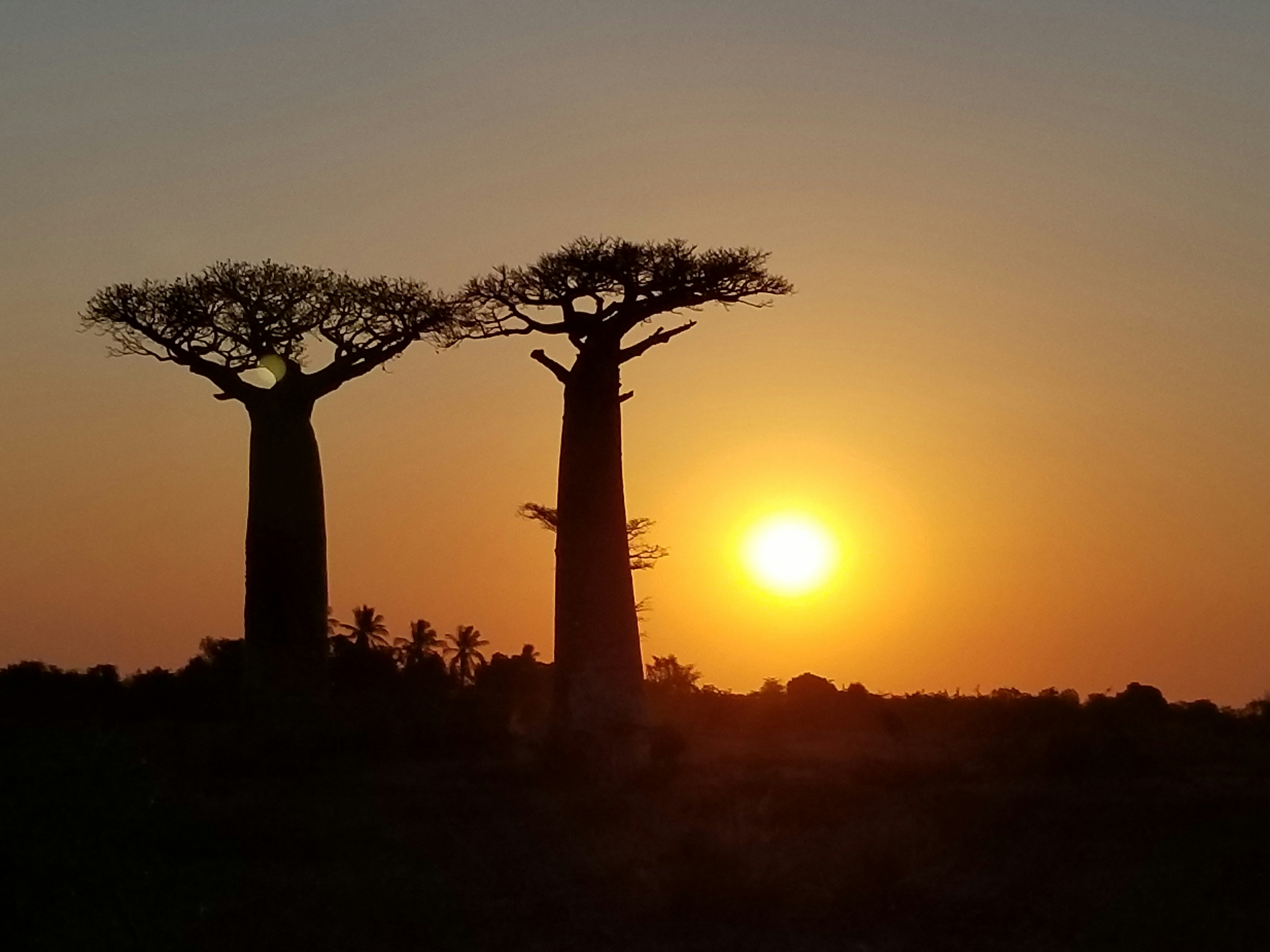
Morondava, Madagascar
At Sea
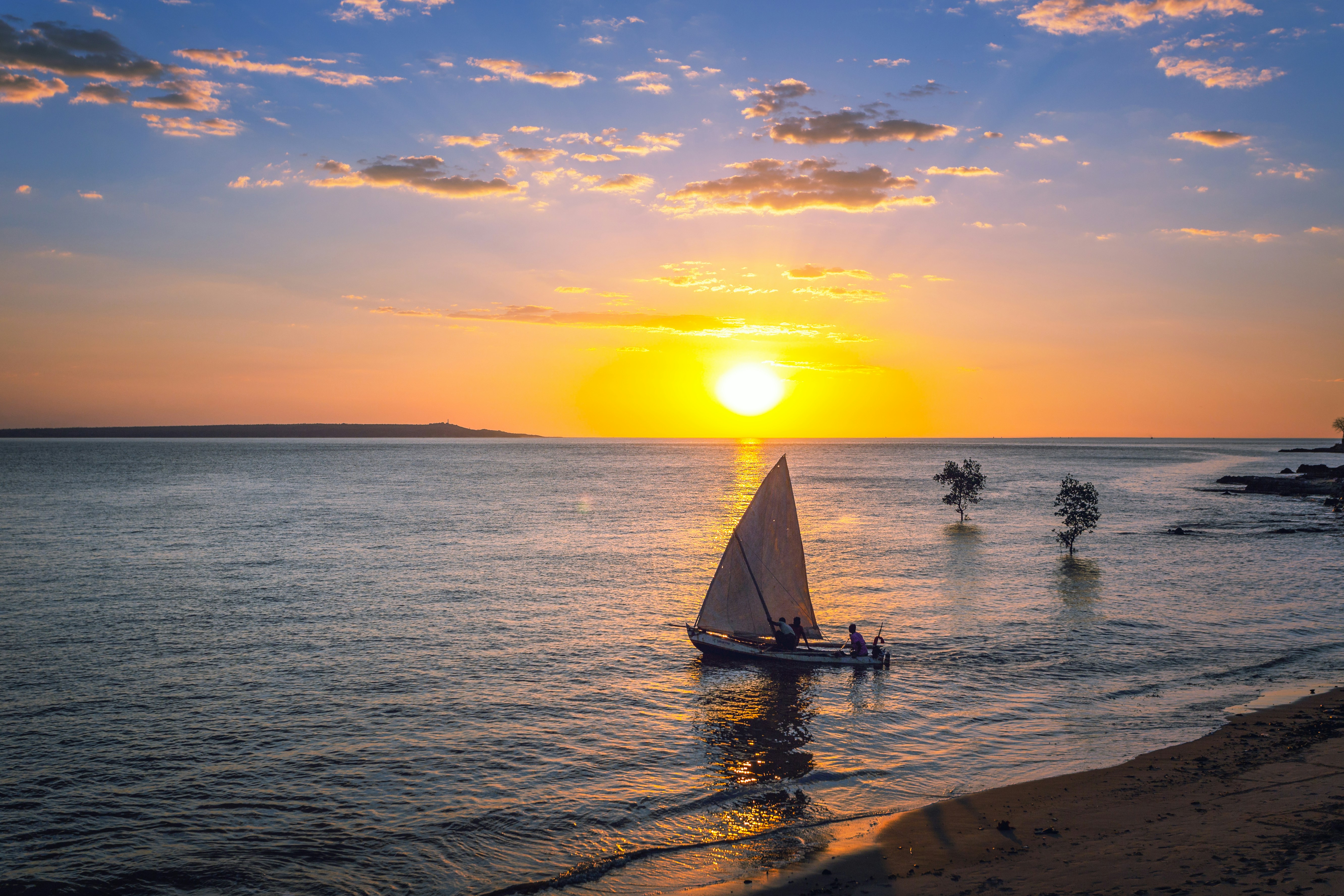
Majunga (Mahajanga), Madagascar
Nosy Komba, Madagascar
Nosy Hara, Madagascar
Nosy Bé, Madagascar
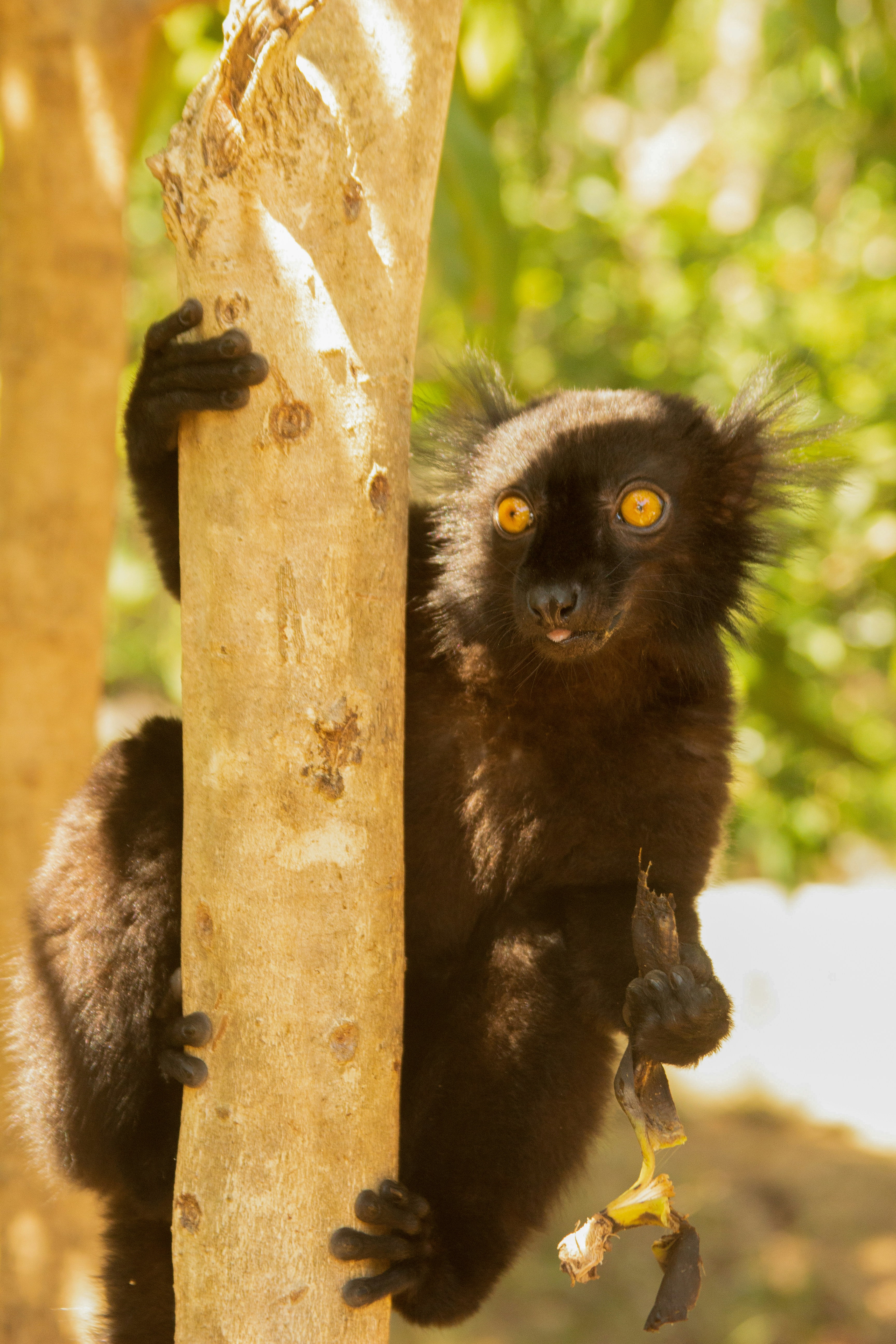
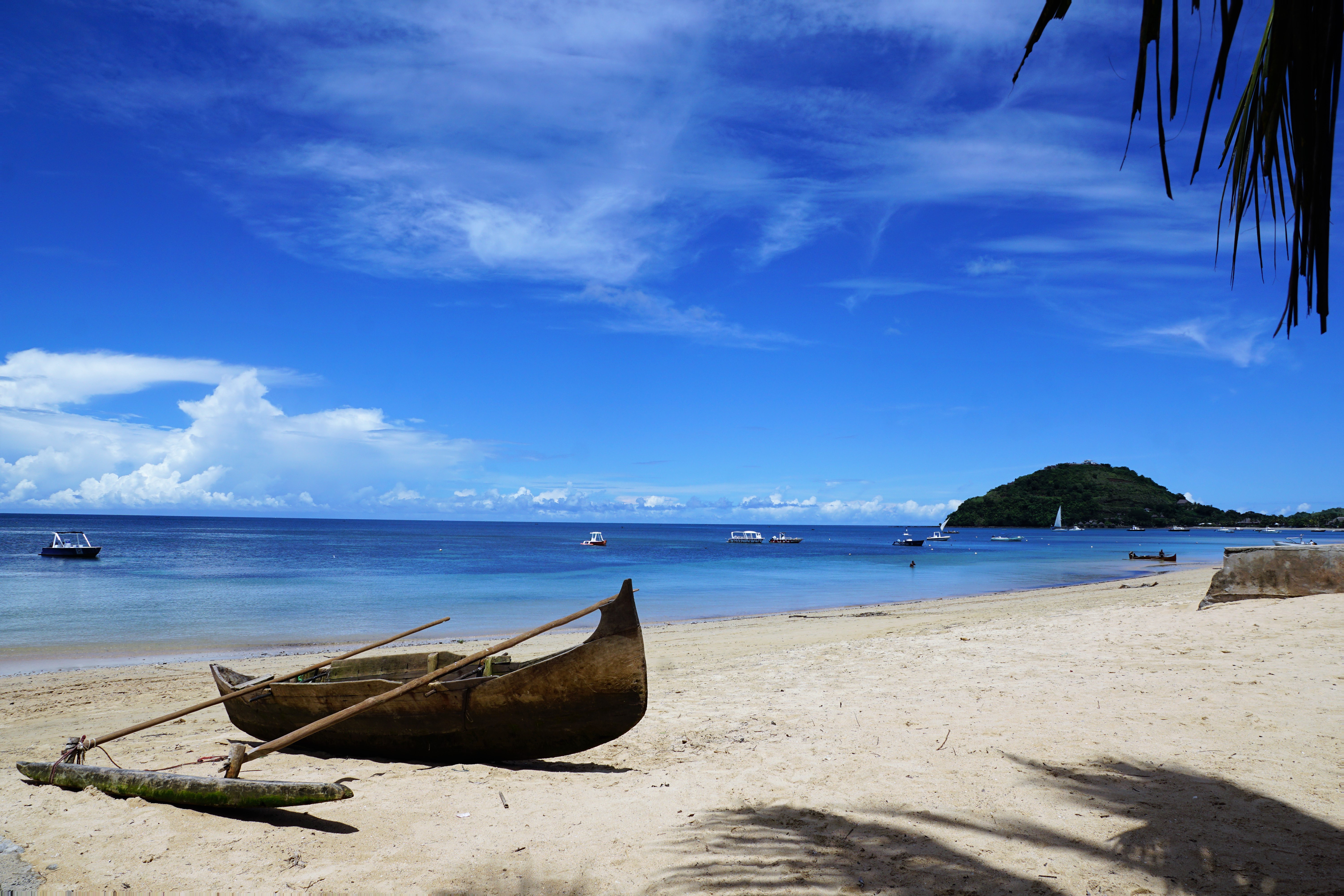
Nosy Bé, meaning Big Island in the Malagasy language, lies just a stone’s throw off Madagascar’s northwest coast. It is a remote and exotic destination. With its deserted beaches, rustic hotels and unhurried pace, it attracts travellers looking for a laid-back vacation. The fertile island is the centre for the production of perfume essence from the ylang-ylang trees. The heady scent of their flowers gave Nosy Bé the name “Perfumed Isle.” Other local products include sugar cane, coffee, vanilla and pepper; they are grown for export in large plantations. Hellville, the island’s main town and port, is situated in a sheltered bay. It is named after a former French governor, Admiral de Hell. The town features a few old colonial buildings, a busy market, some small boutiques and tourist shops along the busy main street. At the quayside, vendors display embroidered linens, wood carvings and straw articles. Trips into the lush countryside may include a ride up to Mt. Passot. At 950 feet (285 metres), this is the highest point on the island. The view from the top offers an extensive panorama of crater lakes nestled between verdant hills. Most visitors make the boat trip to Nosy Komba. The tiny island is known for its lemur reserve. These arboreal primates, with their large eyes, soft fur and long curling tails, have lived unharmed for centuries in the forest behind Ampangorina village. The lemurs are a popular tourist attraction and a profitable source of income to the small local community.
Cabin Options
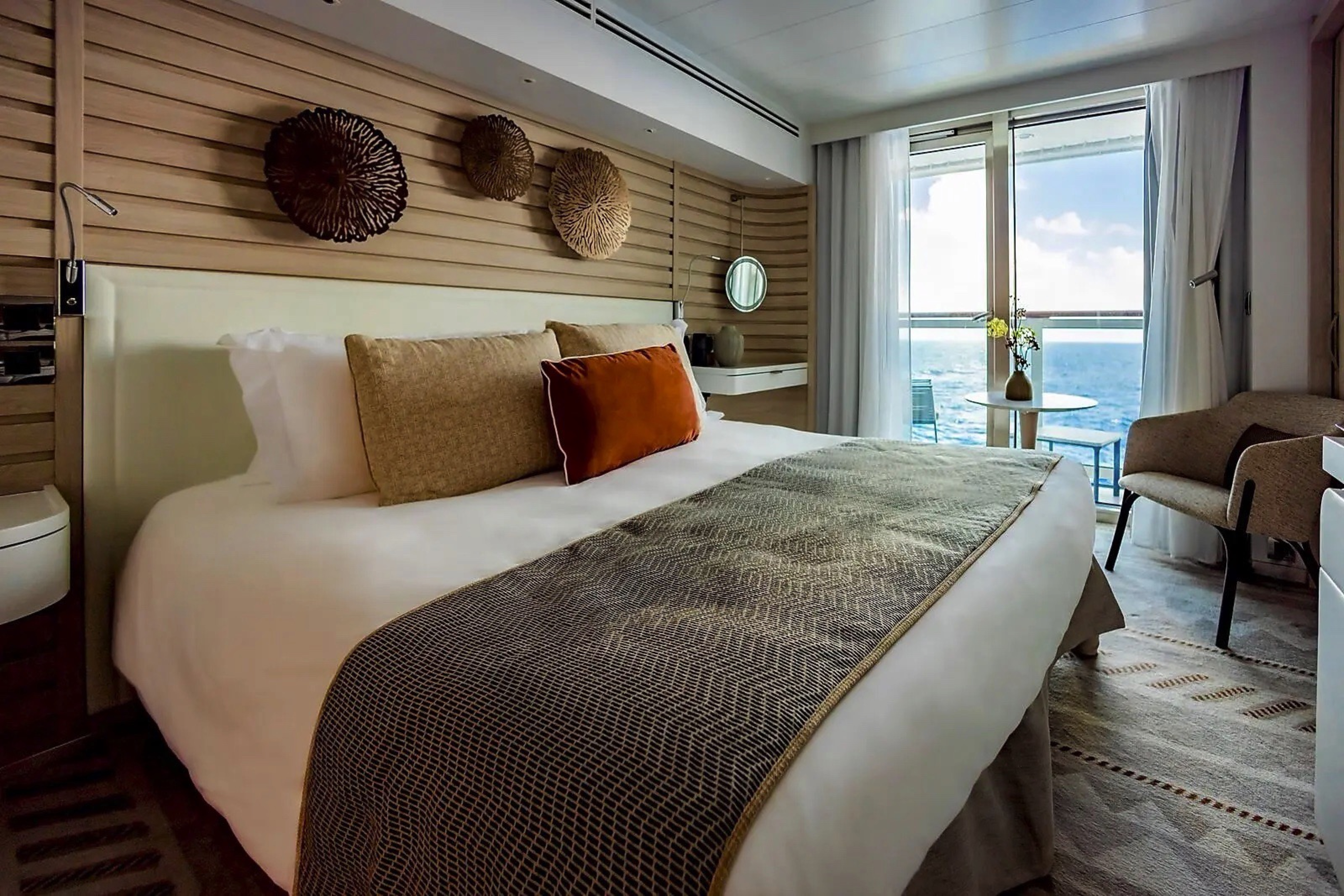
Upper Decks Balcony Stateroom
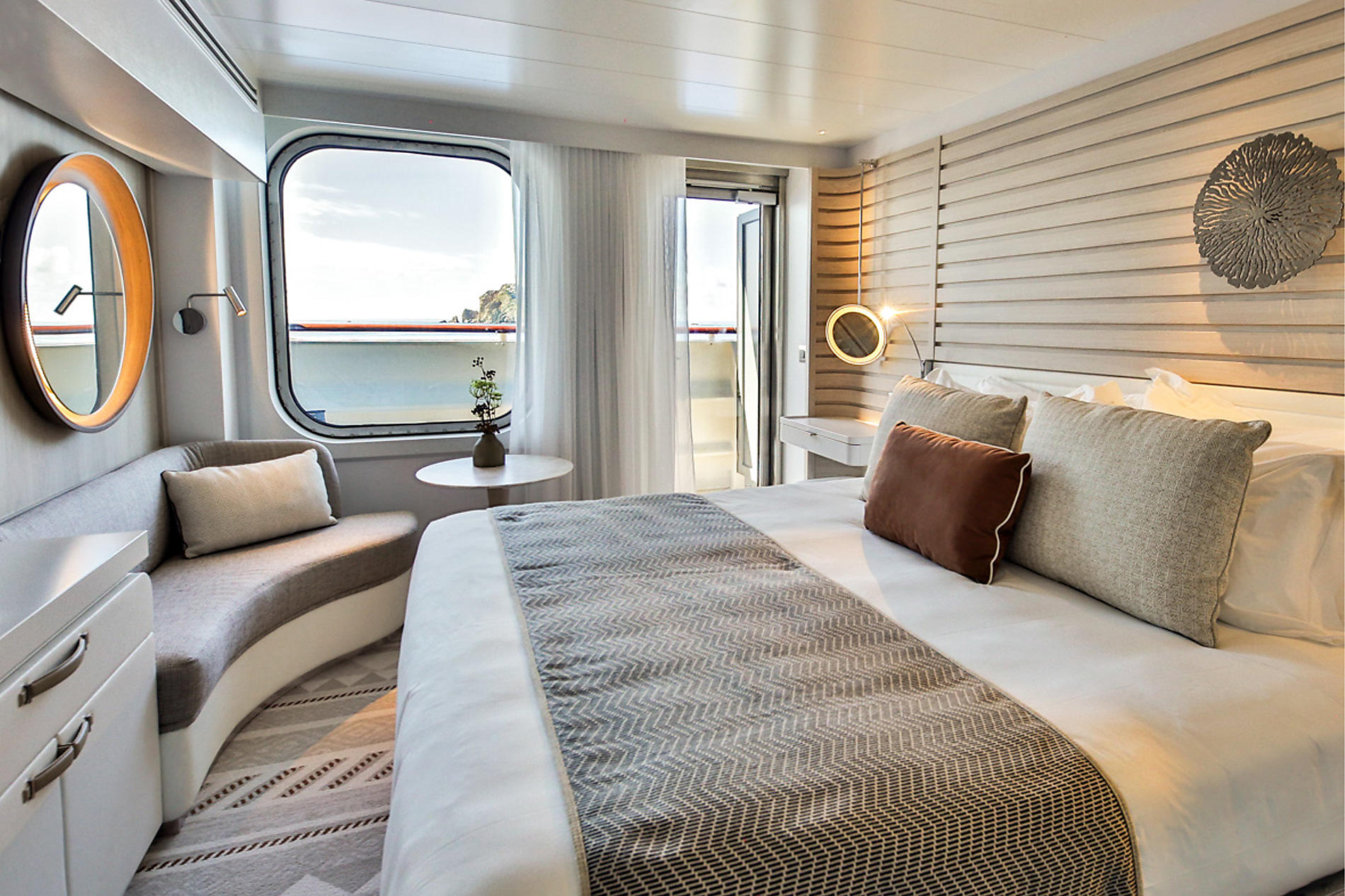
Deluxe Suite
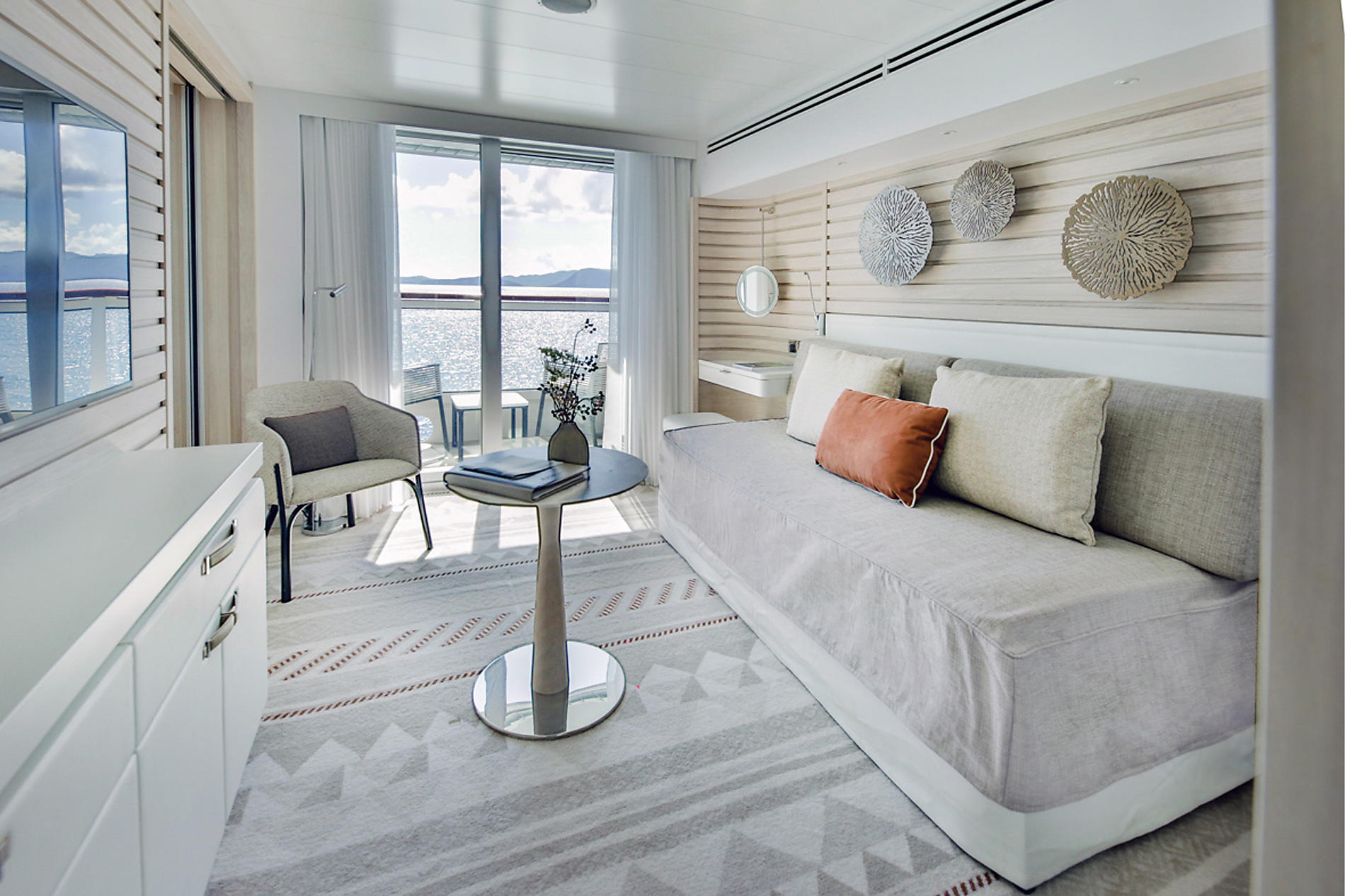
Prestige Suite
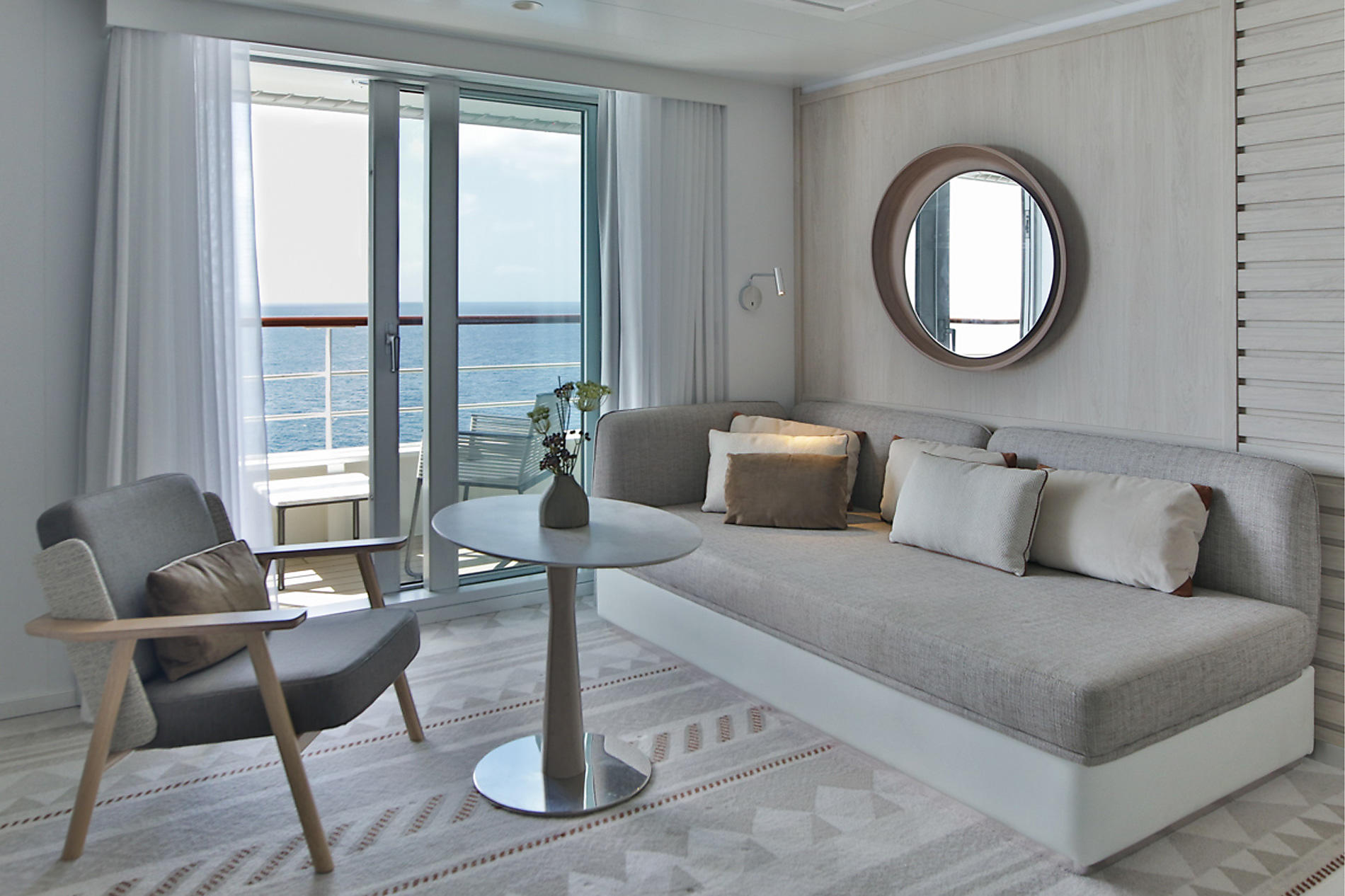
Privilege Suite
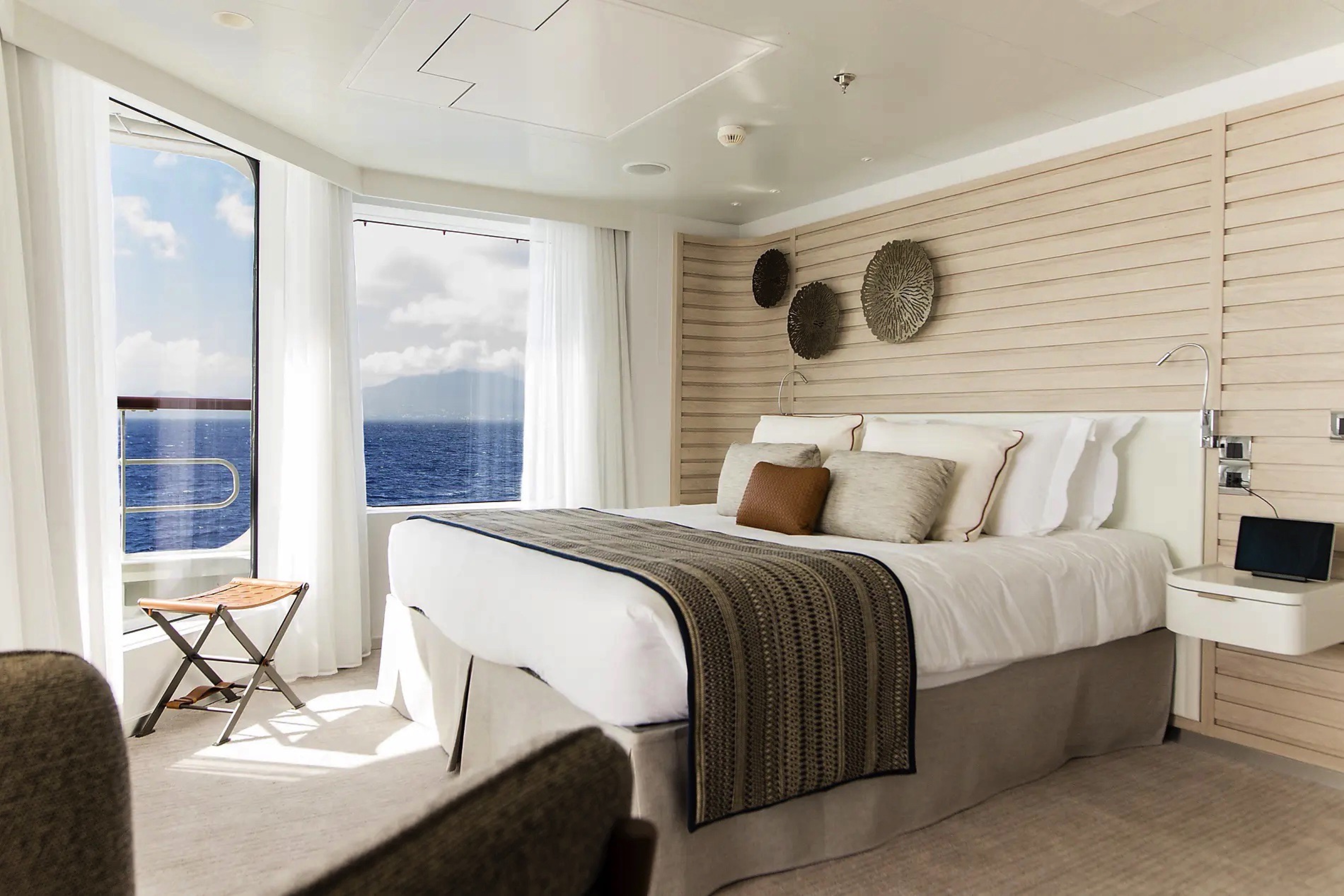
Grand Suite
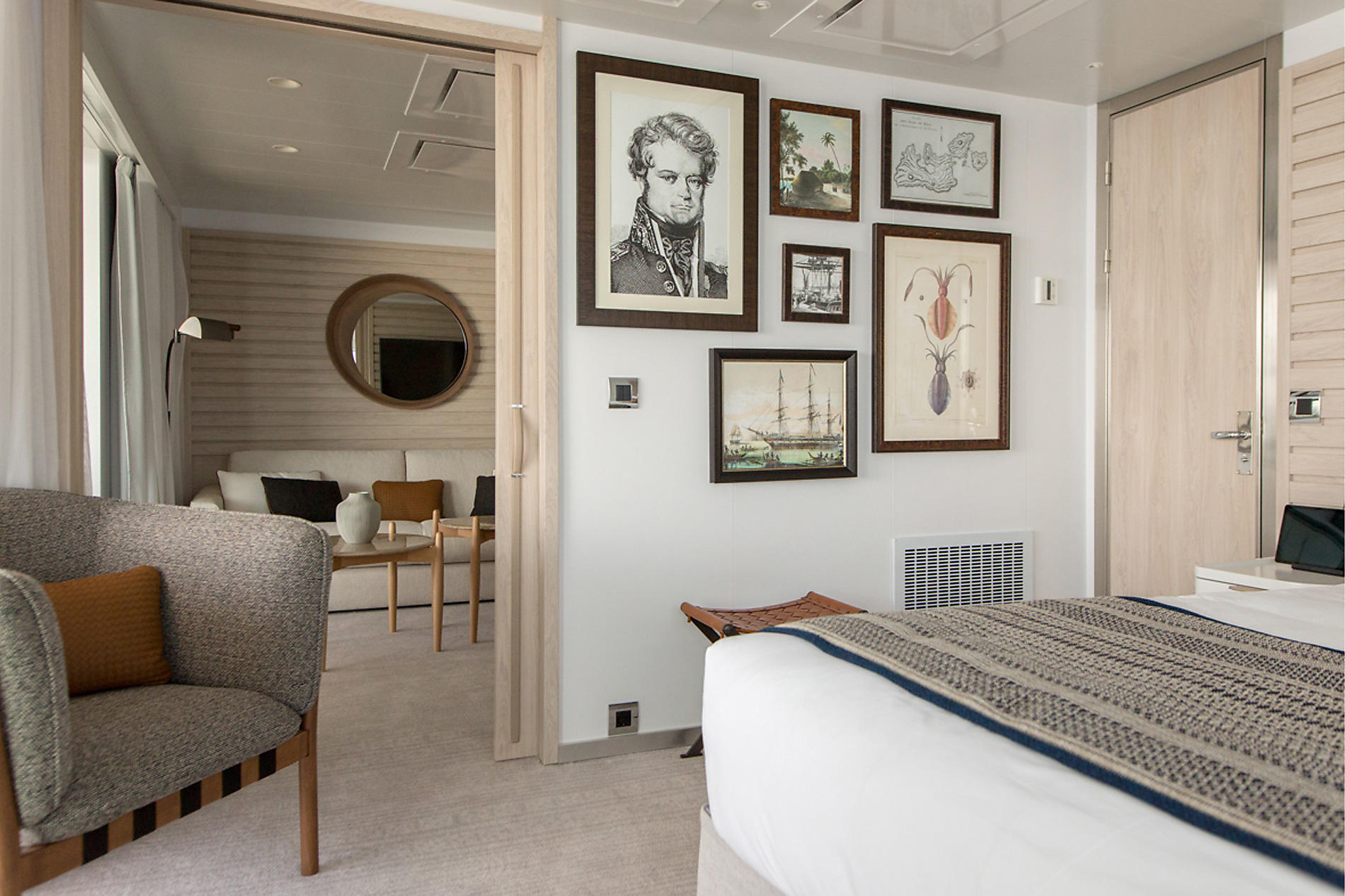
Owner's Suite
Lower Decks Balcony Stateroom
Ship Facilities
Le Nautilus
At the back of deck 4, you will find a gourmet restaurant complete with wine cellar, offering French and international cuisine. It can accommodate all guests in a single service for breakfast, lunch and dinner.

Grill Restaurant
In a relaxed atmosphere, the grill restaurant located on deck 3 welcomes you for breakfast and buffet lunches as well as themed dinners.

Room Service
Whether you want to fully enjoy your cabin for breakfast, savor a peaceful snack in the middle of the day, or have your meal in complete privacy, room service is at your disposal. Treat yourself to a moment of indulgence and enjoy a diverse menu available at any time of day and night.

Explorations
Because your desires for escape are many, we offer a range of explorations, each promising unique experiences. Timeless, Discoveries, or Expeditions: each collection offers a distinct and tailored approach, allowing you to experience your chosen destination as closely as possible.
Timeless
Preserved and authentic towns and villages, iconic or more secluded sites… Discover the cultural and gastronomic riches of your destination through the eyes of inspiring local guides and your onboard lecturer, experts in the regions visited.
Timeless: your experiences
- Disembarkation at the dock or by tender, excursions by air-conditioned bus or local transport, depending on the destinations
- One excursion per day and per stopover, accompanied by local guides
- Optional paid excursions, available depending on the port of call, to further explore the destination
- Lectures led by expert guides or distinguished guests
- Activities supervised by Kids Club staff for children aged 4 to 13, depending on departure times.
Discoveries
Explore your destination in all its facets: cultural, natural, historical or even gastronomic… Each itinerary is designed to offer you the best of your stopovers thanks to the expertise of local guides or naturalist guides, depending on the destination.
Discoveries: your experiences
- Disembarkations at the dock, by tender or Zodiac, excursions by air-conditioned bus or local transport, depending on the destination
- One activity per day and per stopover, accompanied by local guides or naturalist guides
- Optional paid excursions, available depending on the port of call, to further explore the destination
- Lectures given by tour guides, naturalist guides, or distinguished guests
Shipments
Sail to the most secluded shores on the planet. An all-inclusive immersive experience, co-created with local communities, accompanied by a team of naturalist guides passionate about the world’s wildlife, flora, and cultures. These experts share their knowledge through inspiring onboard lectures, Zodiac excursions, walks or hikes in small groups, and opportunities to connect with peoples whose traditions are thousands of years old.
The program for all excursions, both included and optional, is available eight months before departure. Booking takes place approximately two months before departure.

Experts by your side
Captains, expedition leaders, experienced naturalist guides, lecturers, wildlife photographers, personalities from the world of art, science, culture and gastronomy… Experts share their passions with you on board or on land.
Captains
Your captain is responsible for ensuring the smooth running of your journey on board. An expert in navigating polar or tropical waters, their announcements punctuate your day. And when wildlife appears on the horizon, do not hesitate to accept their invitation to join the outer decks for magnificent observations. Gala dinners are also unmissable opportunities to meet your captain and share with them your passion for travel.
Expedition leaders
Alongside the captain, the expedition leader conducts your exploration. They supervise the team of naturalist guides, ensure the safety of the proposed experiences, and adjust the highlights of your journey according to the navigation conditions, to reveal all the riches of these fascinating ecosystems.
Photo ambassadors
During some trips, having renowned photographers on board offers you the unique opportunity to participate in workshops, and conferences, and receive personalised advice to enhance your images.
Activity guides
Scuba diving, snorkelling, kayaking, polar hiking on foot or snowshoes, cross-country skiing, dog sledding… Whether it’s for an introduction or to deepen your practice, experience immersive activities led by certified guides, ambassadors of local cultures and communities.
Guests and partners
Dancers, musicians, writers, journalists, researchers, adventurers… Experts and prestigious partners share their passion, whether it is artistic or scientific.
Speakers
Art historians, journalists, ethnologists, naturalists… Every journey is a unique opportunity to learn more about the regions visited.

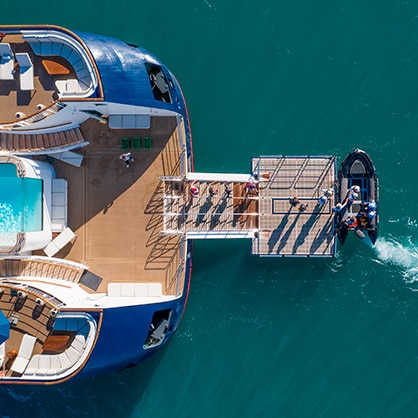
The Hydraulic Platform
- Deck 2
- Much easier onboard access than on any other cruise ship
- Easier disembarking and embarking by Zodiac when participating in expeditions
- Swimming and bathing in the sea and various nautical sports, such as kayaking and paddleboarding
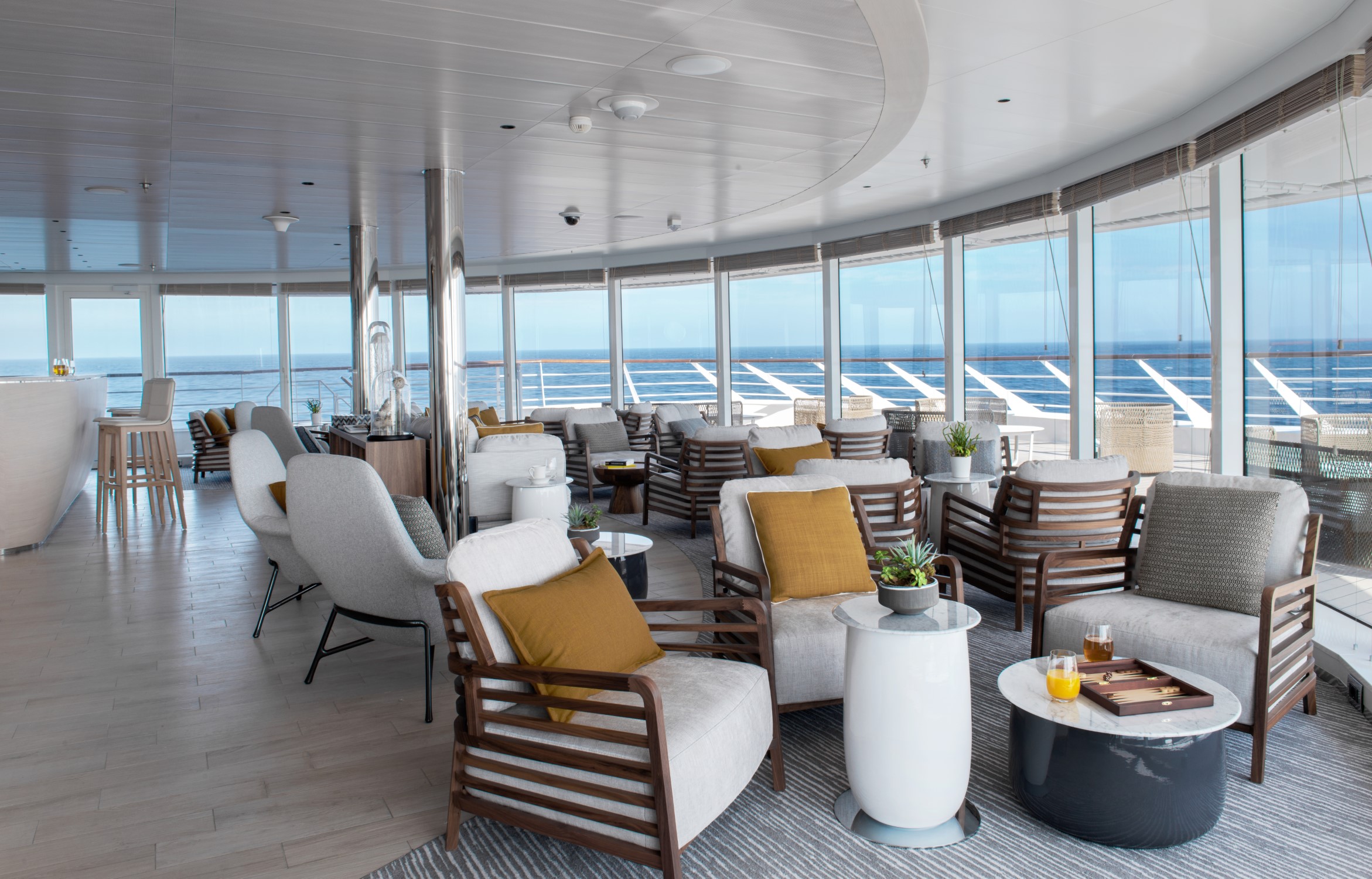
The Observatory Lounge
Library, internet space, bar, occasional live entertainment, terrace: enjoy a 180° panorama of the horizon from the observatory lounge.
The Main Lounge Room
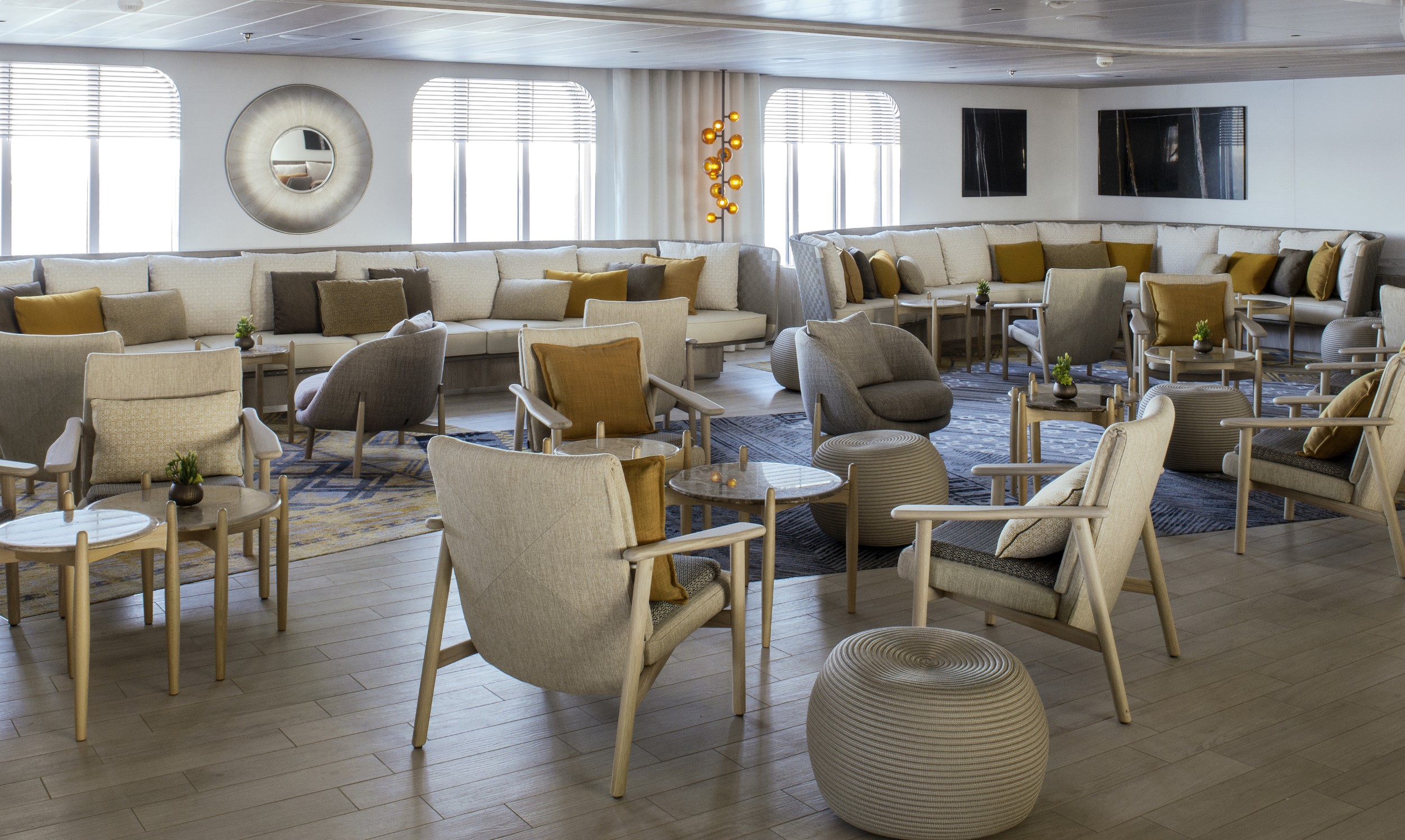
Tea room, bar, live music, dance floor, terrace: the main lounge is an essential meeting place throughout your journey.
Swimming Pool
With its water blending into the surrounding landscapes, the pool is perfect for relaxing in the sun. From the marina platform, embark on your sea excursions or water activities in complete tranquility.

Theatre
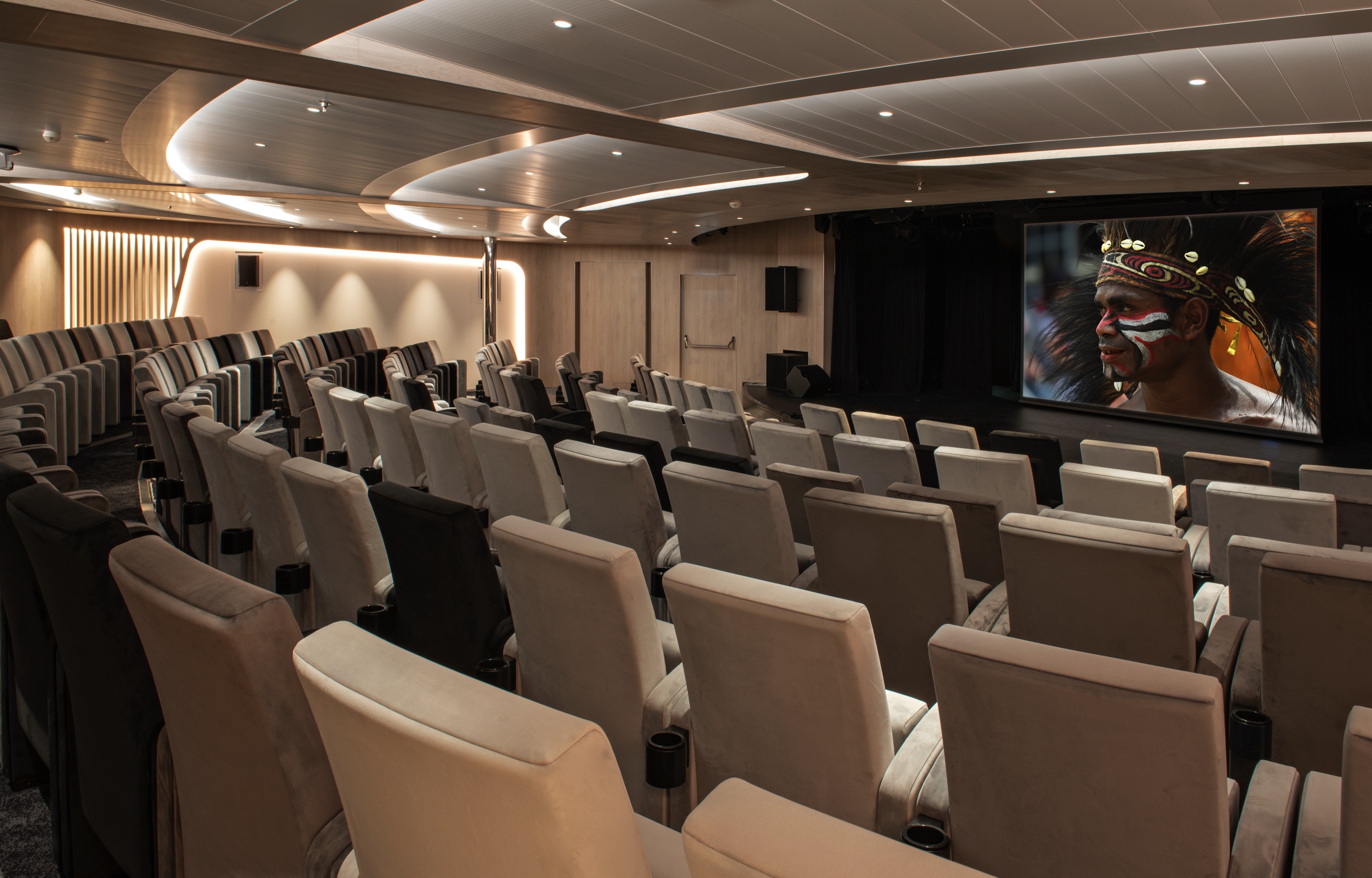
Comfortably seated, you can attend conferences given by the guests and teams of naturalists, as well as the various shows, concerts, and performances organised by professional dancers and musicians.
When the night comes alive
Concerts, dance performances, or film screenings: every night on board is a promise of wonder and sharing of emotions.
The Blue Eye
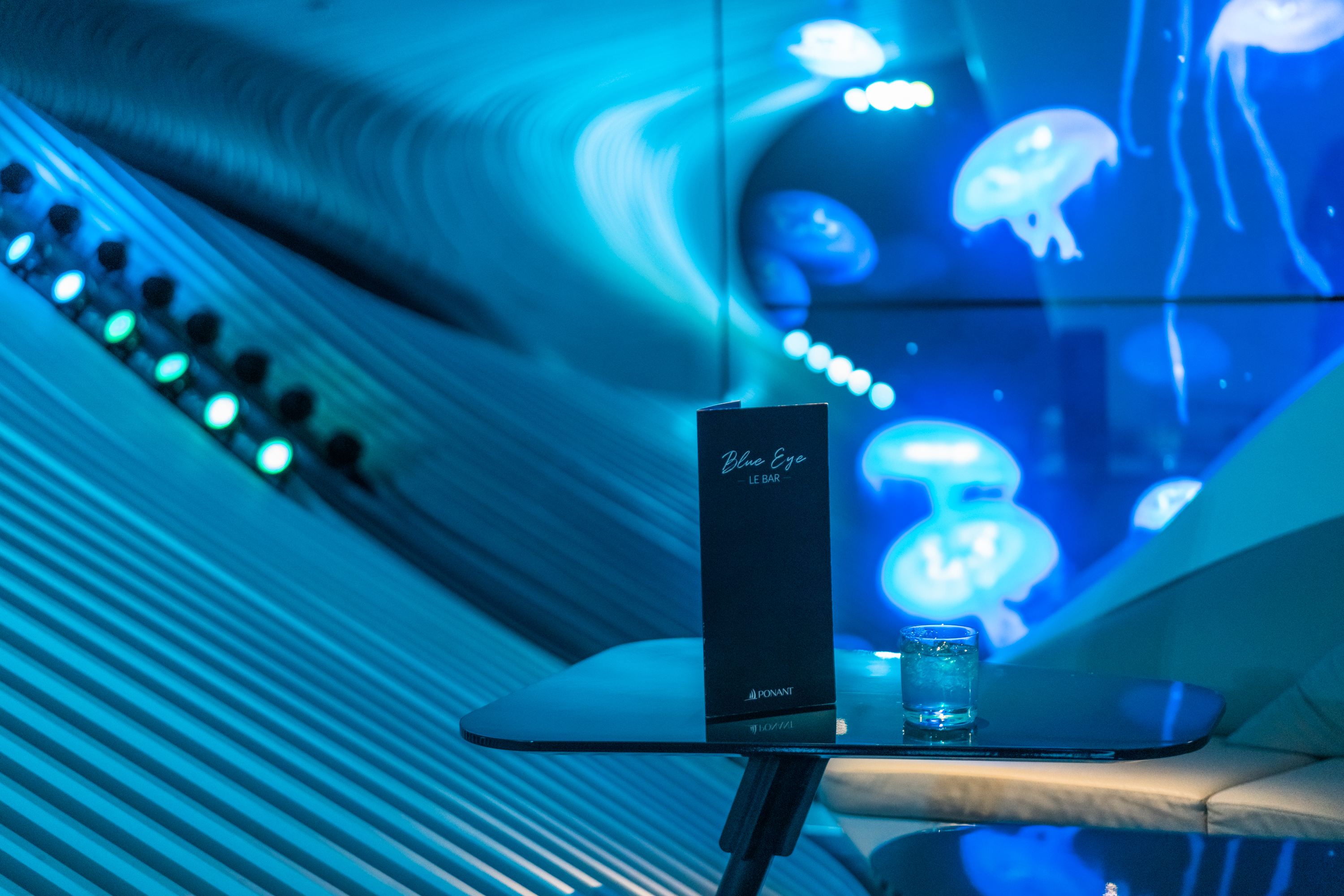
Located below the waterline of the ship, the Blue Eye is an innovative underwater lounge. Its design, inspired by the beauty of cetaceans, pays tribute to oceanographic environments.
Boutique
An extension of the journey and the ship, la Boutique offers an exclusive shopping experience with a wide range of technical and casual ready-to-wear and equipment, with or without PONANT personalization. It also features unique souvenirs to extend the journey back home, as well as jewelry, accessories and luxury items. Opening hours follow the voyage schedule, including days at sea, and all purchases on board are tax-free.

Open Bar
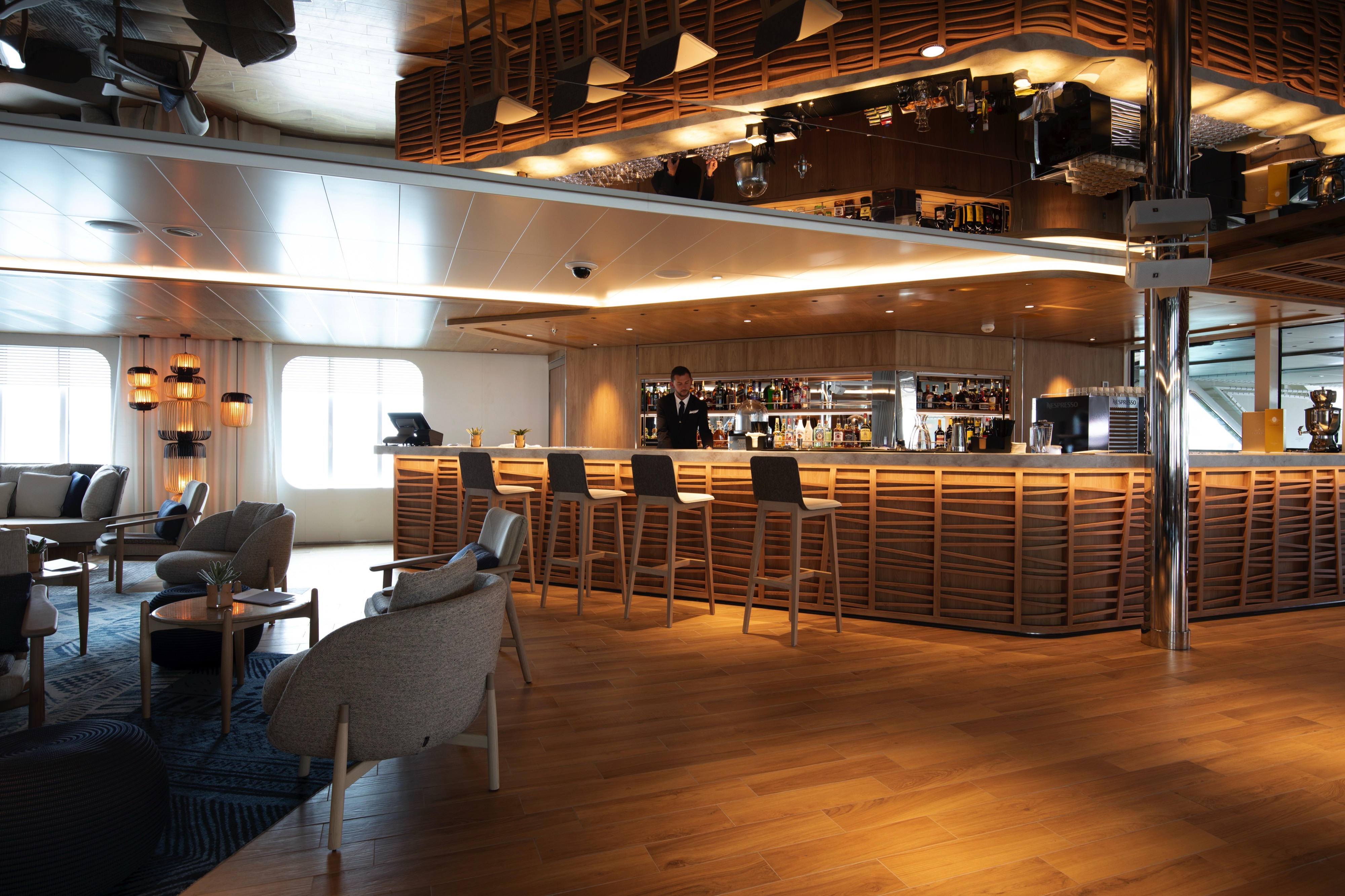
From the moment you board and throughout your cruise, your unlimited drinks are included*, at any time of the day. A drink with friends at the bar, refreshments on your return from an excursion or in the calm of your Stateroom’s balcony: enjoy a large selection of beverages (mineral waters, cold drinks, cruise wines, beer, champagne, spirits, coffee, tea). A selection of premium alcoholic drinks is also available “à la carte”.
*It doesn’t include premium alcoholic drinks indicated in the Bar Menu. It is valid only for individual personal consumption, without limitations.
Excursion Reception and Office
If you have not made a pre-booking before your cruise, you can book your excursions on board during one of the daily opening times of the excursion desk (timetables available in your daily program). It is only possible to pre-book one excursion per port day. If you would like to book a second excursion on the same day, please contact the excursion desk to check availability.
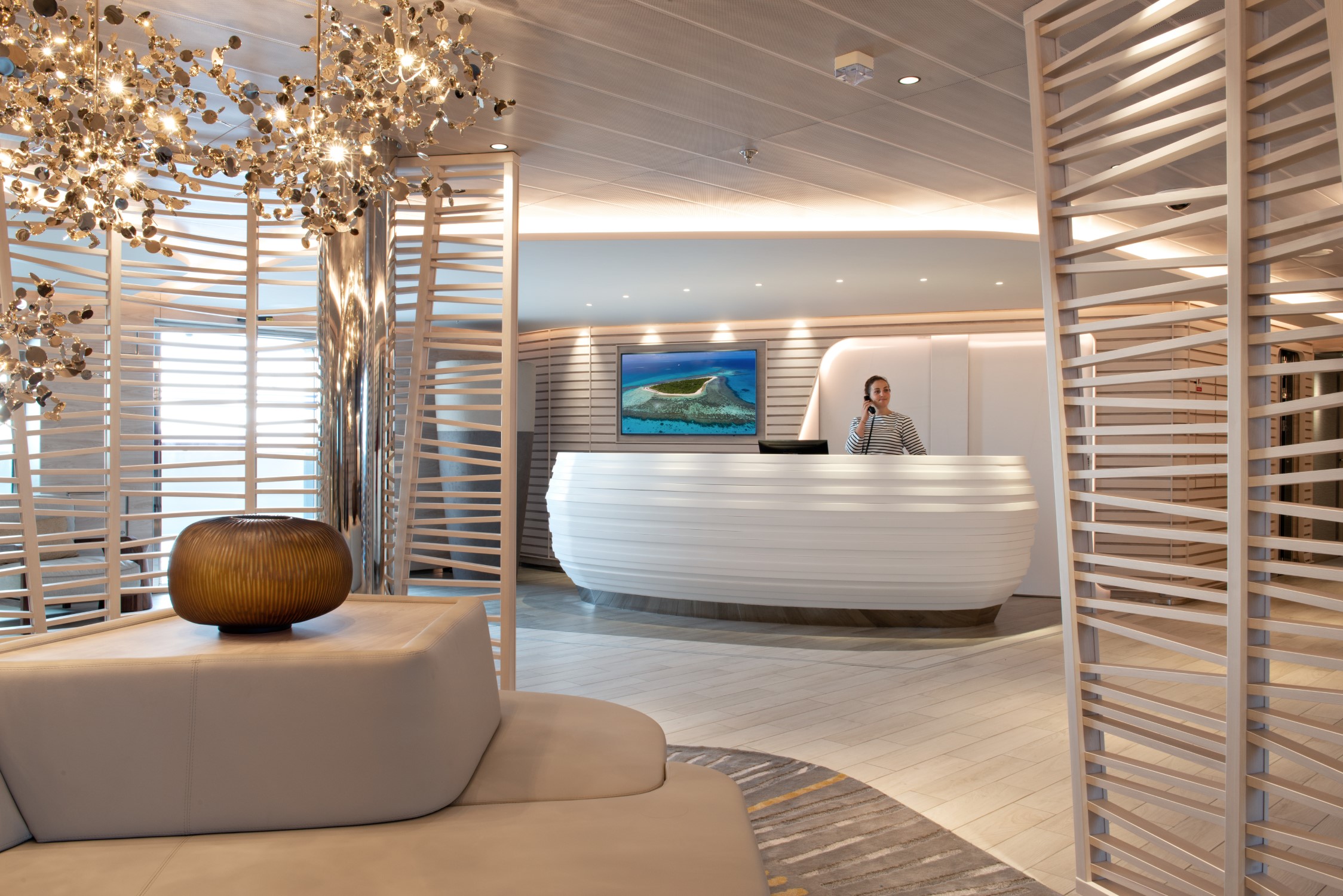
PONANT Studio
A photography and videography team escort you throughout your trip. These professionals capture the most beautiful moments of your cruise, which you can share with family and friends upon your return.*
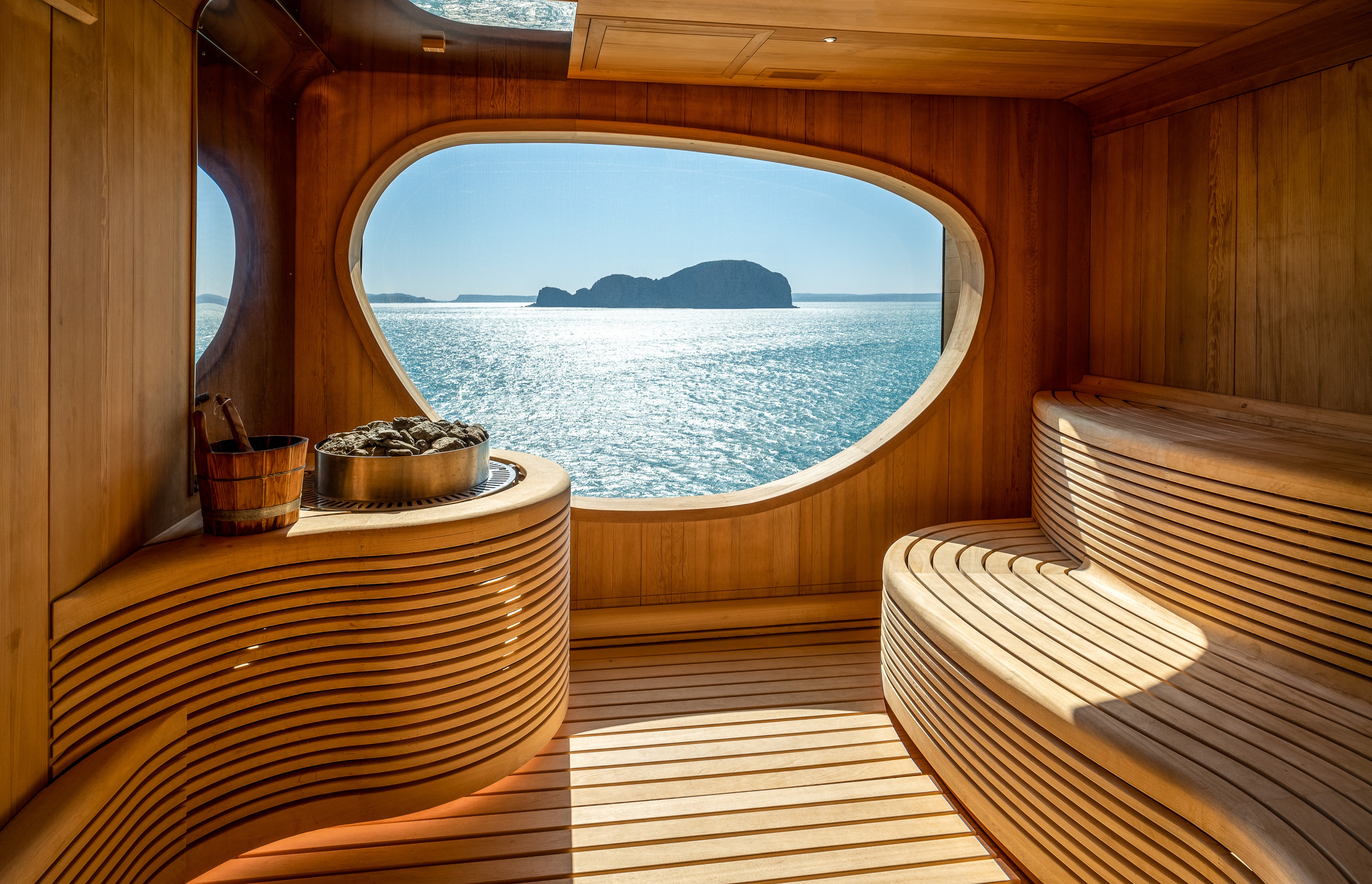
The Spa
In partnership with SOTHYS™ and Davines®, the spa offers a wide range of treatments, massages, hairdressing services, as well as a hammam and a fitness room perfect for self-care and well-being.
The Gym
The fitness room offers a wide range of exercises suitable for all levels to train facing magnificent views.

The Hairdressing Salon
Provided in partnership with KÉRASTASE® and L’ORÉAL PROFESSIONNEL®, the hairdressing salon offers a complete range of top quality treatments designed to strengthen, nourish and reinvigorate hair’s shine and brilliance. Our stylists are available to serve all your styling, highlighting, colouring, cutting and tailored hair advice needs.
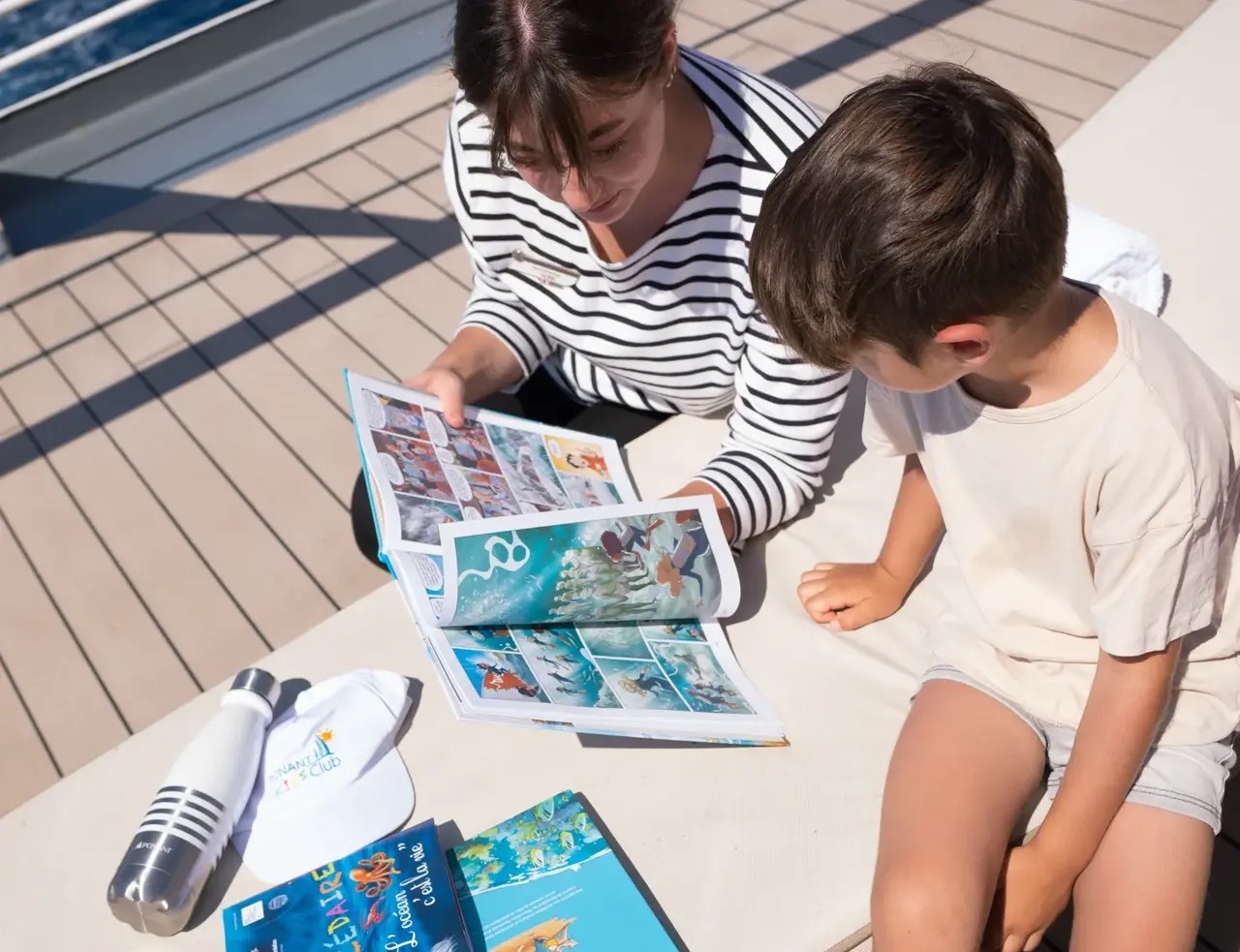
The Kids Explorers Club
During your cruise, PONANT EXPLORATIONS offers a program of activities dedicated to children, from 4 to 13 years old on our entire fleet.
A team of experienced facilitators on board offers daily manual activities, educational workshops, board games, introductory meditation sessions, and much more, as well as content specific to each itinerary and the number of participants.
Kid Explorers have the opportunity to extend this experience on land with the possibility of enjoying a tailor-made excursion, swimming outings, walks and scavenger hunts.
This program of activities will be offered to children every day. (The exact times will be communicated to you by the activity leaders.)
To best meet your needs, the schedule is adapted to your cruise itinerary. For more information, please contact the entertainment team beforehand.
The program of entertainment and activities is communicated daily in the logbook.
A welcome kit with gifts is offered to each child on board.
Le Nautilus
At the back of deck 4, you will find a gourmet restaurant complete with wine cellar, offering French and international cuisine. It can accommodate all guests in a single service for breakfast, lunch and dinner.
Grill Restaurant
In a relaxed atmosphere, the grill restaurant located on deck 3 welcomes you for breakfast and buffet lunches as well as themed dinners.
Room Service
Whether you want to fully enjoy your cabin for breakfast, savor a peaceful snack in the middle of the day, or have your meal in complete privacy, room service is at your disposal. Treat yourself to a moment of indulgence and enjoy a diverse menu available at any time of day and night.
Explorations
Because your desires for escape are many, we offer a range of explorations, each promising unique experiences. Timeless, Discoveries, or Expeditions: each collection offers a distinct and tailored approach, allowing you to experience your chosen destination as closely as possible.
Timeless
Preserved and authentic towns and villages, iconic or more secluded sites… Discover the cultural and gastronomic riches of your destination through the eyes of inspiring local guides and your onboard lecturer, experts in the regions visited.
Timeless: your experiences
- Disembarkation at the dock or by tender, excursions by air-conditioned bus or local transport, depending on the destinations
- One excursion per day and per stopover, accompanied by local guides
- Optional paid excursions, available depending on the port of call, to further explore the destination
- Lectures led by expert guides or distinguished guests
- Activities supervised by Kids Club staff for children aged 4 to 13, depending on departure times.
Discoveries
Explore your destination in all its facets: cultural, natural, historical or even gastronomic… Each itinerary is designed to offer you the best of your stopovers thanks to the expertise of local guides or naturalist guides, depending on the destination.
Discoveries: your experiences
- Disembarkations at the dock, by tender or Zodiac, excursions by air-conditioned bus or local transport, depending on the destination
- One activity per day and per stopover, accompanied by local guides or naturalist guides
- Optional paid excursions, available depending on the port of call, to further explore the destination
- Lectures given by tour guides, naturalist guides, or distinguished guests
Shipments
Sail to the most secluded shores on the planet. An all-inclusive immersive experience, co-created with local communities, accompanied by a team of naturalist guides passionate about the world’s wildlife, flora, and cultures. These experts share their knowledge through inspiring onboard lectures, Zodiac excursions, walks or hikes in small groups, and opportunities to connect with peoples whose traditions are thousands of years old.
The program for all excursions, both included and optional, is available eight months before departure. Booking takes place approximately two months before departure.
Experts by your side
Captains, expedition leaders, experienced naturalist guides, lecturers, wildlife photographers, personalities from the world of art, science, culture and gastronomy… Experts share their passions with you on board or on land.
Captains
Your captain is responsible for ensuring the smooth running of your journey on board. An expert in navigating polar or tropical waters, their announcements punctuate your day. And when wildlife appears on the horizon, do not hesitate to accept their invitation to join the outer decks for magnificent observations. Gala dinners are also unmissable opportunities to meet your captain and share with them your passion for travel.
Expedition leaders
Alongside the captain, the expedition leader conducts your exploration. They supervise the team of naturalist guides, ensure the safety of the proposed experiences, and adjust the highlights of your journey according to the navigation conditions, to reveal all the riches of these fascinating ecosystems.
Photo ambassadors
During some trips, having renowned photographers on board offers you the unique opportunity to participate in workshops, and conferences, and receive personalised advice to enhance your images.
Activity guides
Scuba diving, snorkelling, kayaking, polar hiking on foot or snowshoes, cross-country skiing, dog sledding… Whether it’s for an introduction or to deepen your practice, experience immersive activities led by certified guides, ambassadors of local cultures and communities.
Guests and partners
Dancers, musicians, writers, journalists, researchers, adventurers… Experts and prestigious partners share their passion, whether it is artistic or scientific.
Speakers
Art historians, journalists, ethnologists, naturalists… Every journey is a unique opportunity to learn more about the regions visited.
The Hydraulic Platform
- Deck 2
- Much easier onboard access than on any other cruise ship
- Easier disembarking and embarking by Zodiac when participating in expeditions
- Swimming and bathing in the sea and various nautical sports, such as kayaking and paddleboarding
The Observatory Lounge
Library, internet space, bar, occasional live entertainment, terrace: enjoy a 180° panorama of the horizon from the observatory lounge.
The Main Lounge Room
Tea room, bar, live music, dance floor, terrace: the main lounge is an essential meeting place throughout your journey.
Swimming Pool
With its water blending into the surrounding landscapes, the pool is perfect for relaxing in the sun. From the marina platform, embark on your sea excursions or water activities in complete tranquility.
Theatre
Comfortably seated, you can attend conferences given by the guests and teams of naturalists, as well as the various shows, concerts, and performances organised by professional dancers and musicians.
When the night comes alive
Concerts, dance performances, or film screenings: every night on board is a promise of wonder and sharing of emotions.
The Blue Eye
Located below the waterline of the ship, the Blue Eye is an innovative underwater lounge. Its design, inspired by the beauty of cetaceans, pays tribute to oceanographic environments.
Boutique
An extension of the journey and the ship, la Boutique offers an exclusive shopping experience with a wide range of technical and casual ready-to-wear and equipment, with or without PONANT personalization. It also features unique souvenirs to extend the journey back home, as well as jewelry, accessories and luxury items. Opening hours follow the voyage schedule, including days at sea, and all purchases on board are tax-free.
Open Bar
From the moment you board and throughout your cruise, your unlimited drinks are included*, at any time of the day. A drink with friends at the bar, refreshments on your return from an excursion or in the calm of your Stateroom’s balcony: enjoy a large selection of beverages (mineral waters, cold drinks, cruise wines, beer, champagne, spirits, coffee, tea). A selection of premium alcoholic drinks is also available “à la carte”.
*It doesn’t include premium alcoholic drinks indicated in the Bar Menu. It is valid only for individual personal consumption, without limitations.
Excursion Reception and Office
If you have not made a pre-booking before your cruise, you can book your excursions on board during one of the daily opening times of the excursion desk (timetables available in your daily program). It is only possible to pre-book one excursion per port day. If you would like to book a second excursion on the same day, please contact the excursion desk to check availability.
PONANT Studio
A photography and videography team escort you throughout your trip. These professionals capture the most beautiful moments of your cruise, which you can share with family and friends upon your return.*
The Spa
In partnership with SOTHYS™ and Davines®, the spa offers a wide range of treatments, massages, hairdressing services, as well as a hammam and a fitness room perfect for self-care and well-being.
The Gym
The fitness room offers a wide range of exercises suitable for all levels to train facing magnificent views.
The Hairdressing Salon
Provided in partnership with KÉRASTASE® and L’ORÉAL PROFESSIONNEL®, the hairdressing salon offers a complete range of top quality treatments designed to strengthen, nourish and reinvigorate hair’s shine and brilliance. Our stylists are available to serve all your styling, highlighting, colouring, cutting and tailored hair advice needs.
The Kids Explorers Club
During your cruise, PONANT EXPLORATIONS offers a program of activities dedicated to children, from 4 to 13 years old on our entire fleet.
A team of experienced facilitators on board offers daily manual activities, educational workshops, board games, introductory meditation sessions, and much more, as well as content specific to each itinerary and the number of participants.
Kid Explorers have the opportunity to extend this experience on land with the possibility of enjoying a tailor-made excursion, swimming outings, walks and scavenger hunts.
This program of activities will be offered to children every day. (The exact times will be communicated to you by the activity leaders.)
To best meet your needs, the schedule is adapted to your cruise itinerary. For more information, please contact the entertainment team beforehand.
The program of entertainment and activities is communicated daily in the logbook.
A welcome kit with gifts is offered to each child on board.
About the Ship
Deck Plans

- Theatre
- Medical Centre
- Excursion Desk
- Reception Desk
- Shop
- Main Lounge
- Grill
- Pool
- Marina
- Deluxe Suites
- Lower Deck Balcony Stateroom

- Restaurant
- Deluxe Suites
- Upper Decks Balcony Stateroom
- Accessible Staterooms

- Bridge
- Owners Suite
- Prestige Suites
- Deluxe Suites
- Privilege Suites
- Upper Decks Balcony Stateroom
- Accessible Staterooms
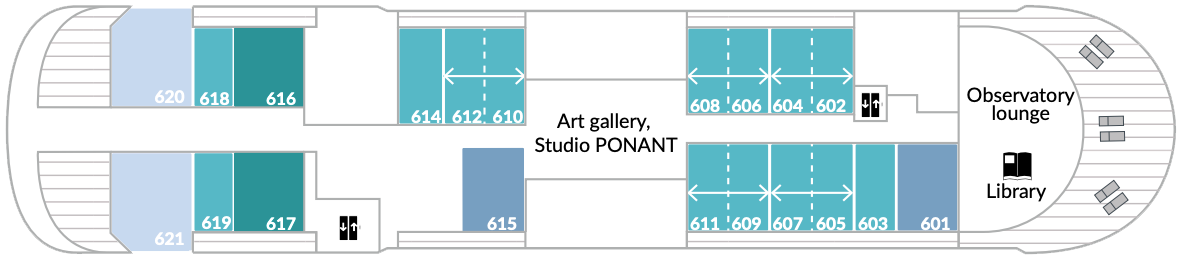
- Observatory Lounge
- Art Gallery/Studio Ponant
- Library
- Privilege Suites
- Grand Suites
- Deluxe Suites
- Prestige Suites
- Upper Decks Balcony Stateroom
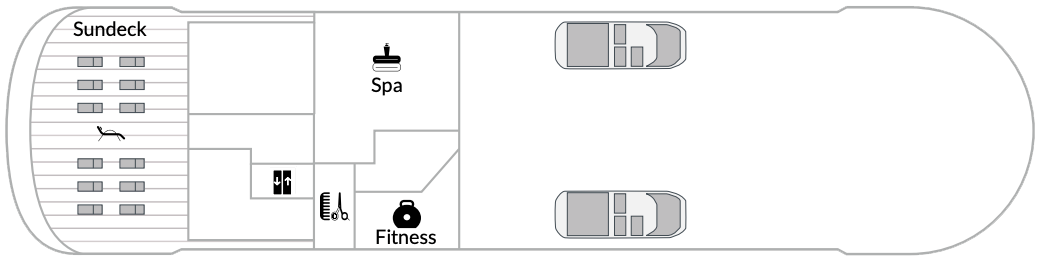
- Sun Deck
- Spa
- Fitness Centre
- Hair Salon
- Theatre
- Medical Centre
- Excursion Desk
- Reception Desk
- Shop
- Main Lounge
- Grill
- Pool
- Marina
- Deluxe Suites
- Lower Deck Balcony Stateroom
- Restaurant
- Deluxe Suites
- Upper Decks Balcony Stateroom
- Accessible Staterooms
- Bridge
- Owners Suite
- Prestige Suites
- Deluxe Suites
- Privilege Suites
- Upper Decks Balcony Stateroom
- Accessible Staterooms
- Observatory Lounge
- Art Gallery/Studio Ponant
- Library
- Privilege Suites
- Grand Suites
- Deluxe Suites
- Prestige Suites
- Upper Decks Balcony Stateroom
- Sun Deck
- Spa
- Fitness Centre
- Hair Salon