Featured Cabins
Itinerary
Marigot, Saint Martin (French part)
French and Dutch have lived side by side on St. Maarten/St. Martin for hundreds of years—with no border patrols or customs between them. The French side has a more genteel ambience, more fashionable shopping, and a Continental flair. The Dutch tends to be less expensive, has casino hotels, and more nightlife. Water sports abound all over—diving, snorkeling, sailing, and windsurfing are all top draws. And it’s easy to while away the day relaxing on one of the 37 beaches, strolling the boardwalk of Dutch-side Philipsburg, and exploring the very French town of Marigot. Although luck is an important commodity at St. Maarten’s 13 casinos, chance plays no part in finding a good meal at the island’s excellent eateries. The best way to explore St. Maarten/St. Martin is by car. Though often congested, especially around Philipsburg and Marigot, the roads are fairly good, though narrow and winding, with some speed bumps, potholes, roundabouts, and an occasional wandering goat herd. Few roads are marked with their names, but destination signs are common. Besides, the island is so small that it’s hard to get really lost—at least that is what locals tell you. If you’re spending a few days, get to know the area with a scenic “loop” around the island. Be sure to pack a towel and some water shoes, a hat, sunglasses, and sunblock. Head up the east shoreline from Philipsburg, and follow the signs to Dawn Beach and Oyster Pond. The road winds past soaring hills, turquoise waters, quaint West Indian houses, and wonderful views of St. Barth. As you cross over to the French side, turn into Le Galion for a stop at the calm sheltered beach, the stables, the butterflies, or the windsurfing school, then keep following the road toward Orient Bay, the St-Tropez of the Caribbean. Continue to Anse Marcel, Grand Case, Marigot, and Sandy Ground. From Marigot, the flat island of Anguilla is visible. Completing the loop brings you past Cupecoy Beach, through Maho and Simpson Bay, where Saba looms in the horizon, and back over the mountain road into Philipsburg.

Sandy Island, Grenada
At Sea
Spanish Town, Virgin Gorda, Saint Kitts and Nevis
Virgin Gorda, or “Fat Virgin,” received its name from Christopher Columbus. The explorer envisioned the island as a pregnant woman in a languid recline, with Gorda Peak being her belly and the boulders of the Baths as her toes. Different in topography from Tortola, with an arid landscape covered with scrub brush and cactus, the pace of life is slower here, too. Goats and cattle own the right of way, and the unpretentious friendliness of the people is winning. The top sight (and beach for that matter) is the Baths, which draws scores of cruise-ship passengers and day-trippers to its giant boulders and grottoes that form a perfect snorkeling environment.
Cooper Island, British Virgin Islands
Norman Island, British Virgin Islands
Great Harbour, Jost Van Dyke, British Virgin Islands
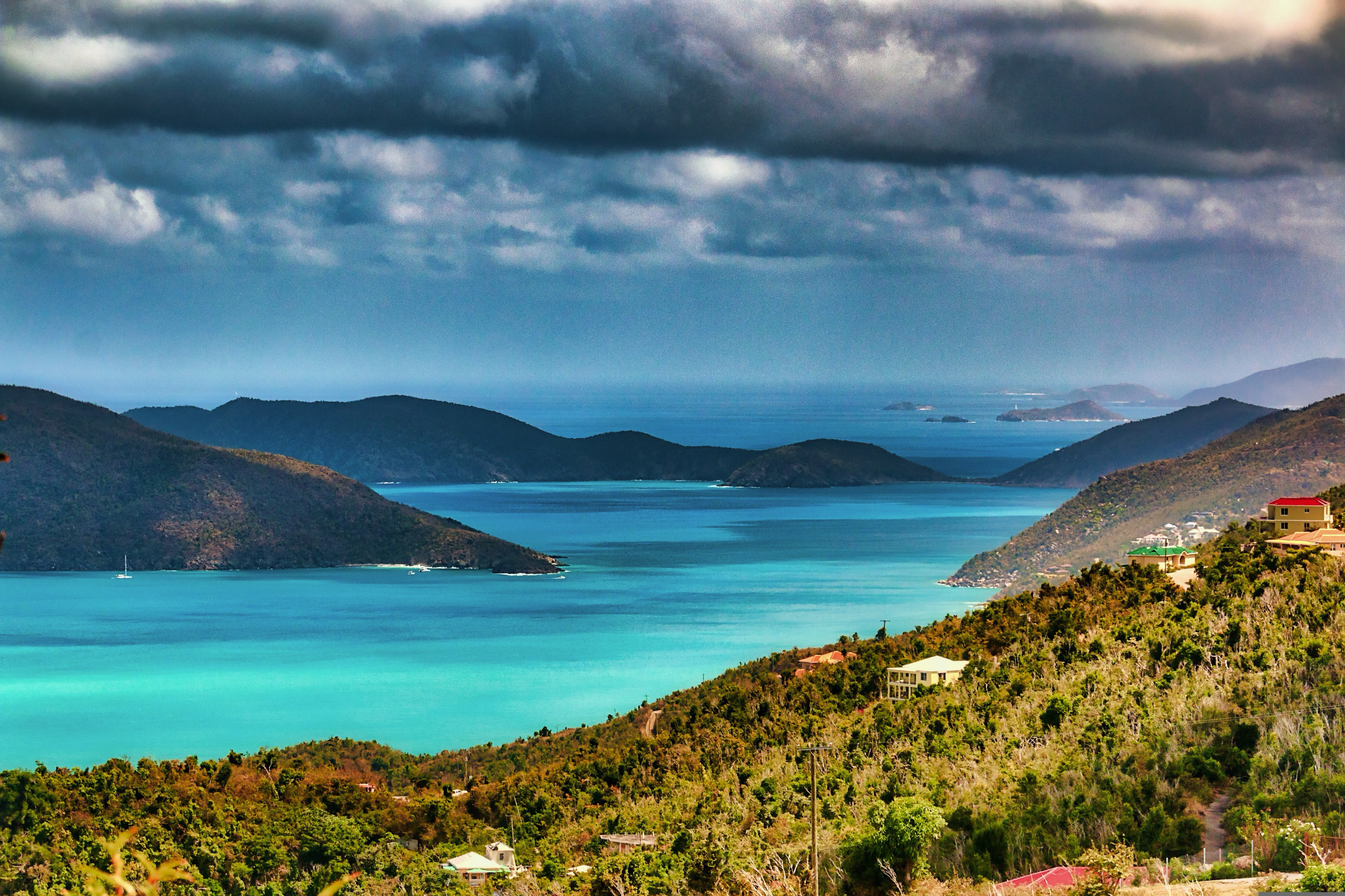
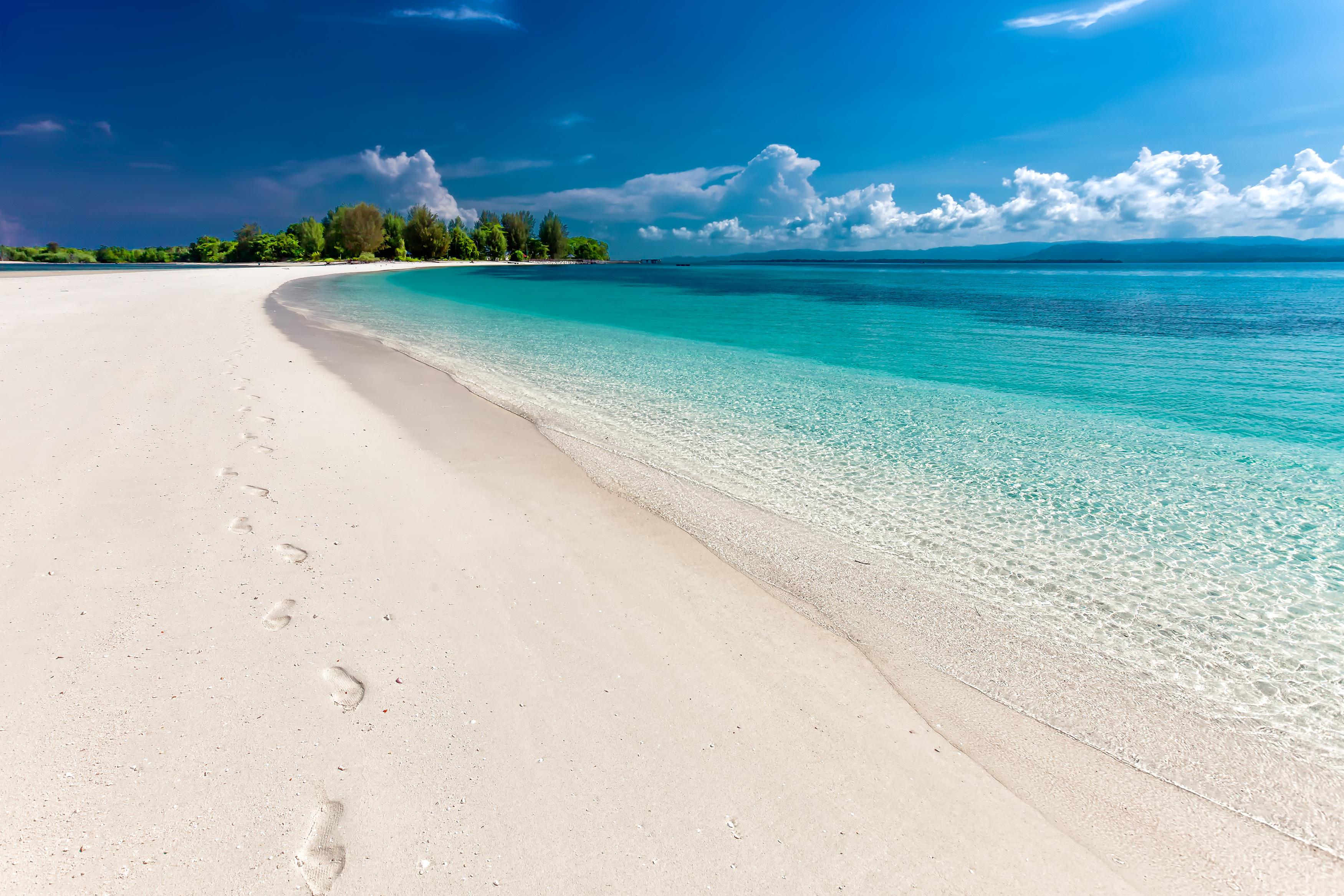
Jost Van Dyke, four miles long, is truly known as the ‘barefoot island’. The smallest of the British Virgin Islands, it is known as a popular destination for yachts and is celebrated for its casual lifestyle, protected anchorages, fine beaches and beachfront restaurants and bars. The island has fewer than 200 inhabitants and they are widely known as a welcoming people. The island’s name conjures up its rich, colorful past. Jost Van Dyke is said to have been named for an early Dutch settler, a former pirate. At Great Harbour, Little Harbour, and White Bay there are safe, protected bays and pristine beaches shaded with coconut palms and seagrape trees. Discover inviting shops selling local treasures, restaurants, and bars. ‘The Painkiller’, one of the Caribbean’s most popular drinks, originated at the Soggy Dollar Bar. Foxy’s and Gertrude’s in White Bay are renowned for drinks made with the island’s famous rum, frosty beers, and tales of pirates and sunken treasure. Explore Jost Van Dyke’s history in the vegetation-covered ruins of centuries-old sugar mills, or on the old trails that crisscross the island. Revel in the natural beauty of the pristine, untouched beaches. Hike up to the highest spot on the island, Majohnny Point, and take in a stunning 360 degree view of the Caribbean. Relax in the natural ‘bubble pool’, a popular tourist attraction. Jost Van Dyke conjures up images of what the British Virgin Islands may have looked like many years ago.

Beef Island, Tortola, British Virgin Islands
At Sea
Dog Islands, British Virgin Islands
Marigot, Saint Martin (French part)
French and Dutch have lived side by side on St. Maarten/St. Martin for hundreds of years—with no border patrols or customs between them. The French side has a more genteel ambience, more fashionable shopping, and a Continental flair. The Dutch tends to be less expensive, has casino hotels, and more nightlife. Water sports abound all over—diving, snorkeling, sailing, and windsurfing are all top draws. And it’s easy to while away the day relaxing on one of the 37 beaches, strolling the boardwalk of Dutch-side Philipsburg, and exploring the very French town of Marigot. Although luck is an important commodity at St. Maarten’s 13 casinos, chance plays no part in finding a good meal at the island’s excellent eateries. The best way to explore St. Maarten/St. Martin is by car. Though often congested, especially around Philipsburg and Marigot, the roads are fairly good, though narrow and winding, with some speed bumps, potholes, roundabouts, and an occasional wandering goat herd. Few roads are marked with their names, but destination signs are common. Besides, the island is so small that it’s hard to get really lost—at least that is what locals tell you. If you’re spending a few days, get to know the area with a scenic “loop” around the island. Be sure to pack a towel and some water shoes, a hat, sunglasses, and sunblock. Head up the east shoreline from Philipsburg, and follow the signs to Dawn Beach and Oyster Pond. The road winds past soaring hills, turquoise waters, quaint West Indian houses, and wonderful views of St. Barth. As you cross over to the French side, turn into Le Galion for a stop at the calm sheltered beach, the stables, the butterflies, or the windsurfing school, then keep following the road toward Orient Bay, the St-Tropez of the Caribbean. Continue to Anse Marcel, Grand Case, Marigot, and Sandy Ground. From Marigot, the flat island of Anguilla is visible. Completing the loop brings you past Cupecoy Beach, through Maho and Simpson Bay, where Saba looms in the horizon, and back over the mountain road into Philipsburg.
Cabin Options
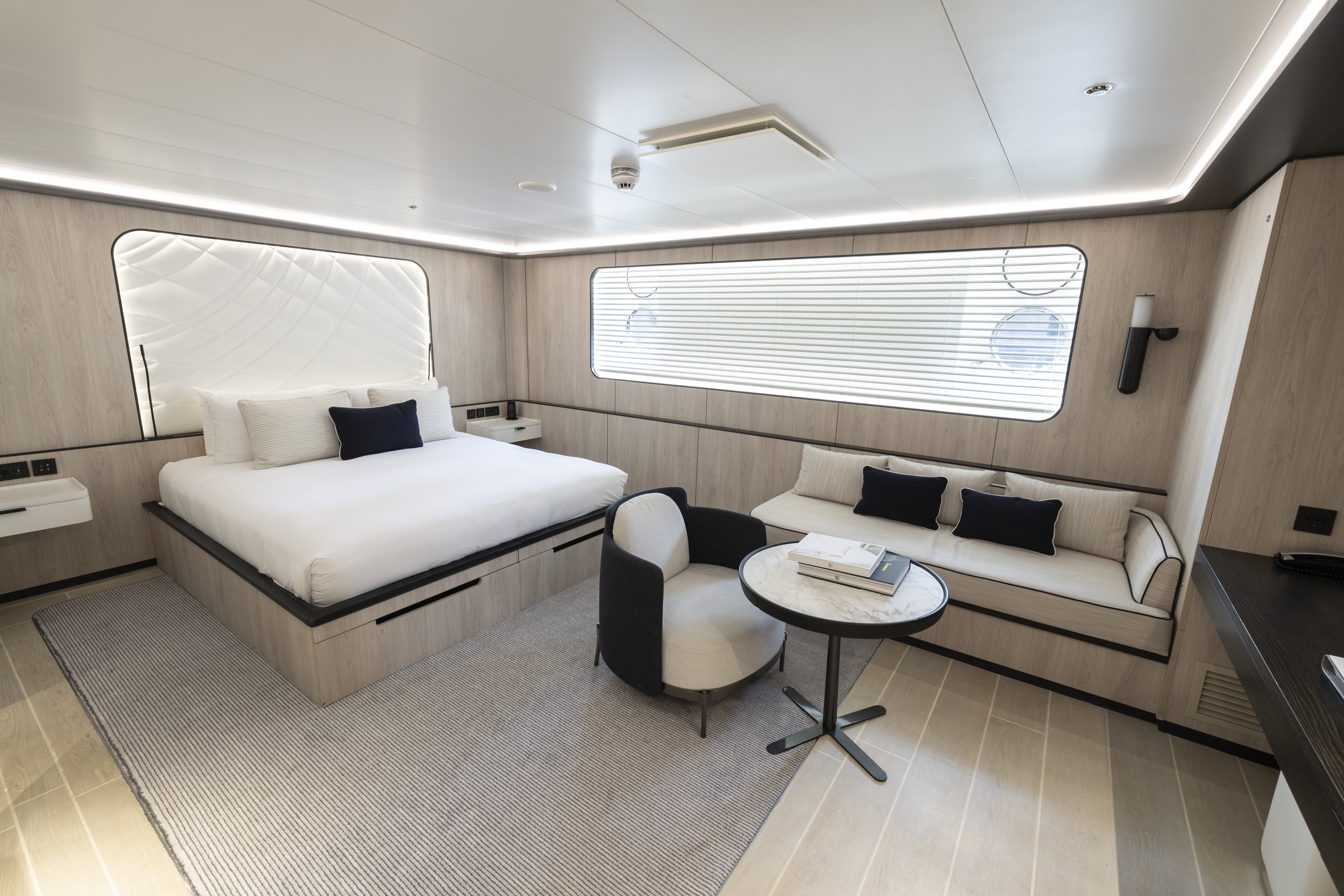
Upper decks balcony stateroom
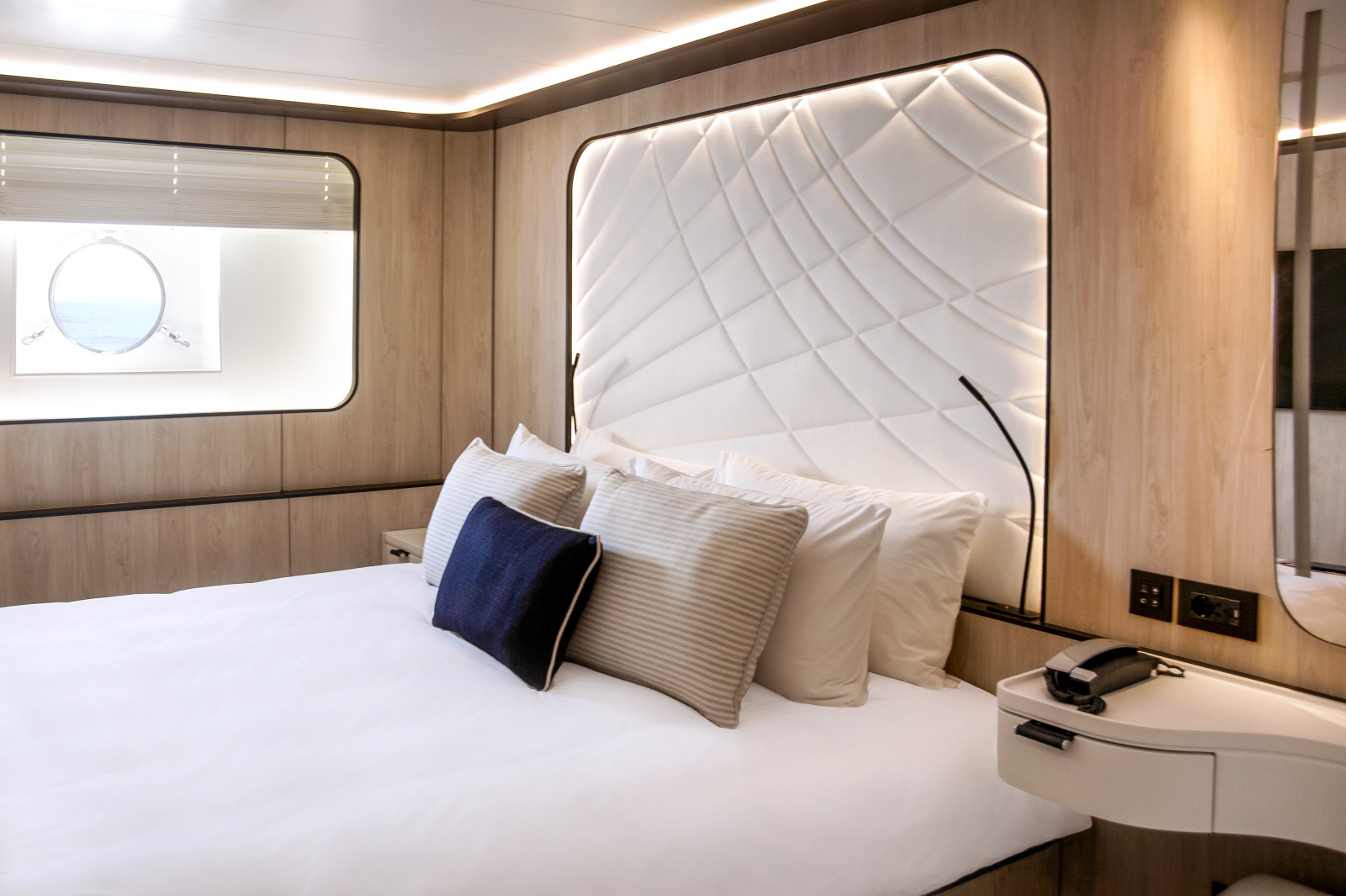
Window or Porthole Stateroom
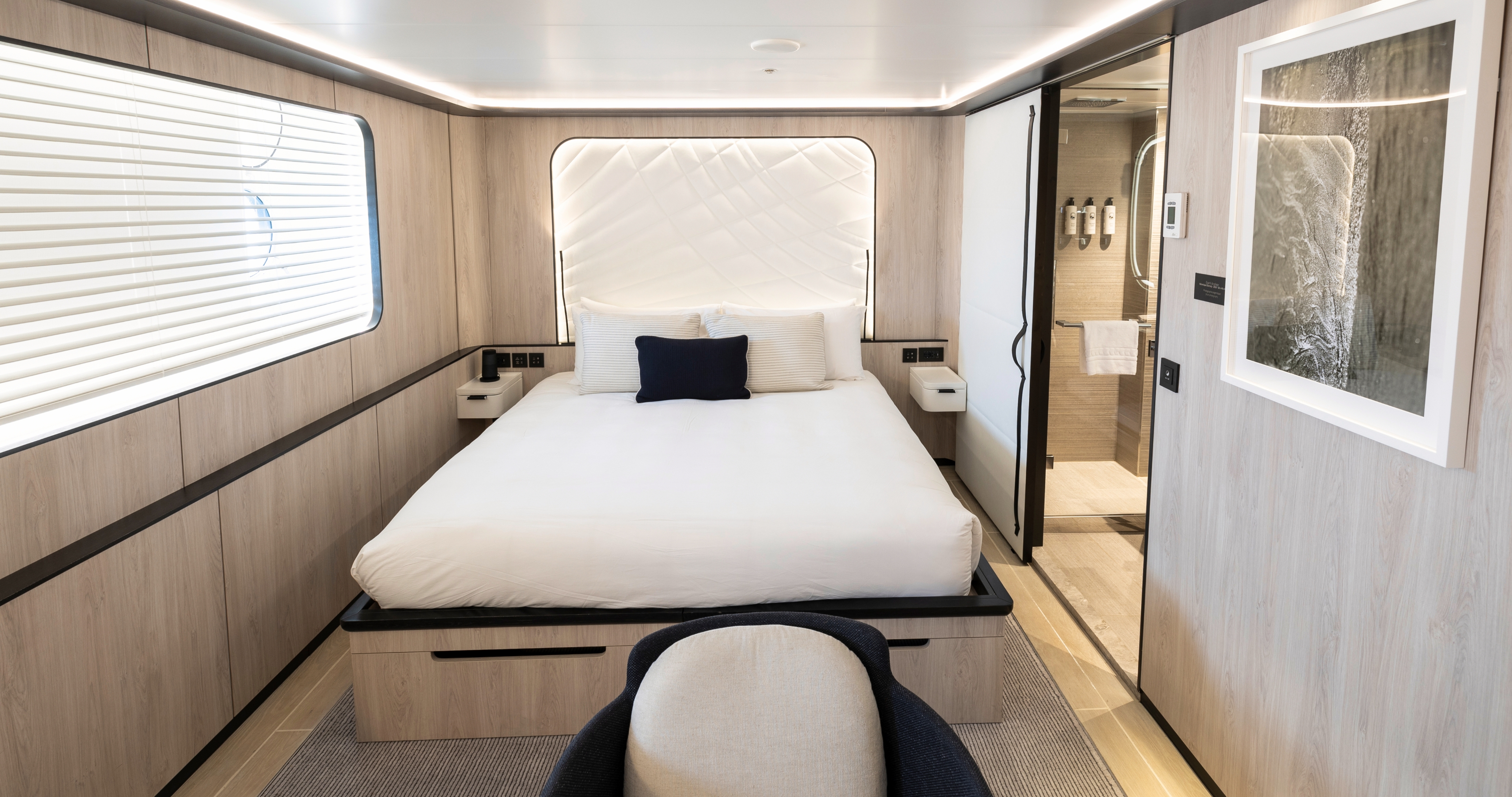
Junior Suite
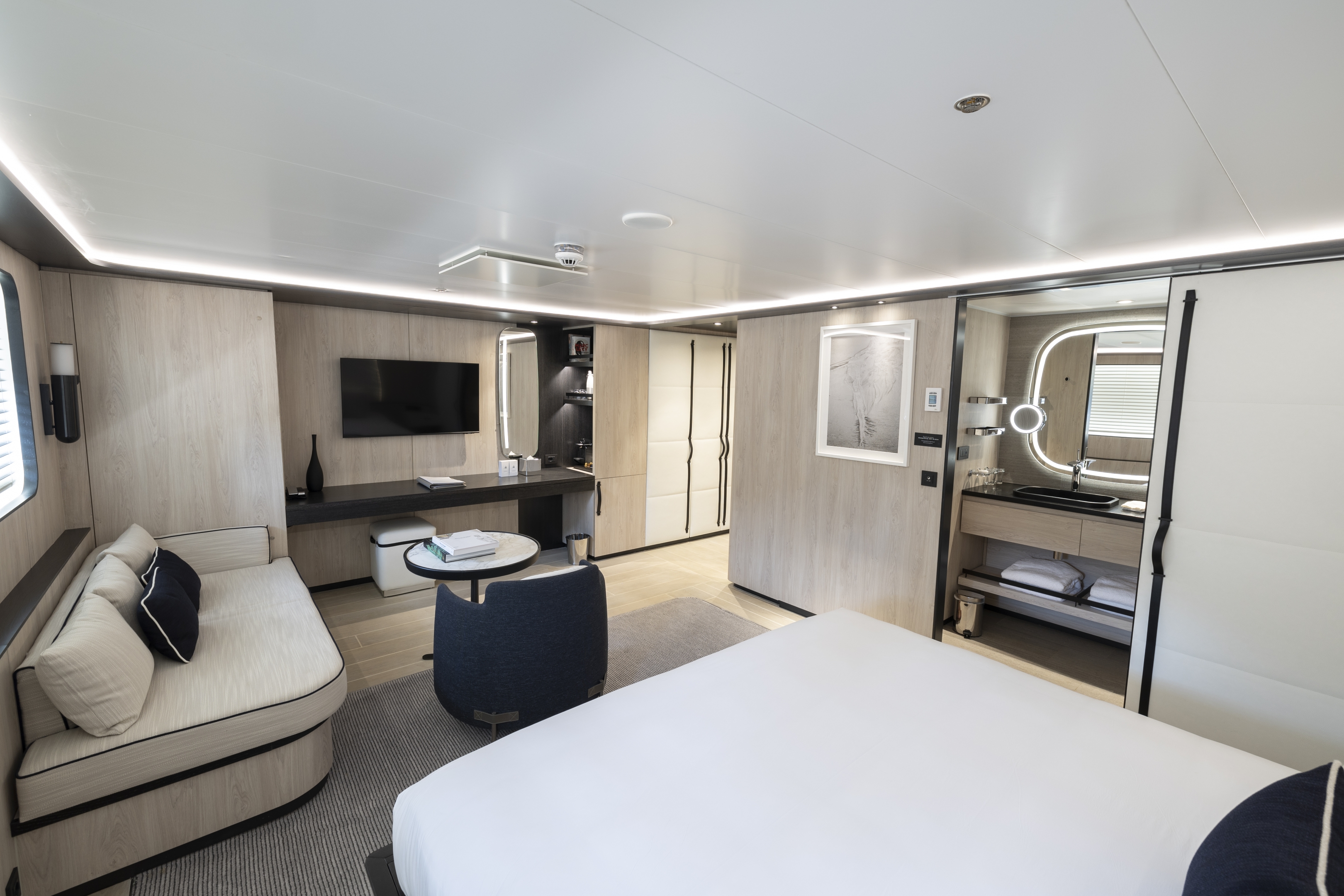
Prestige Suite
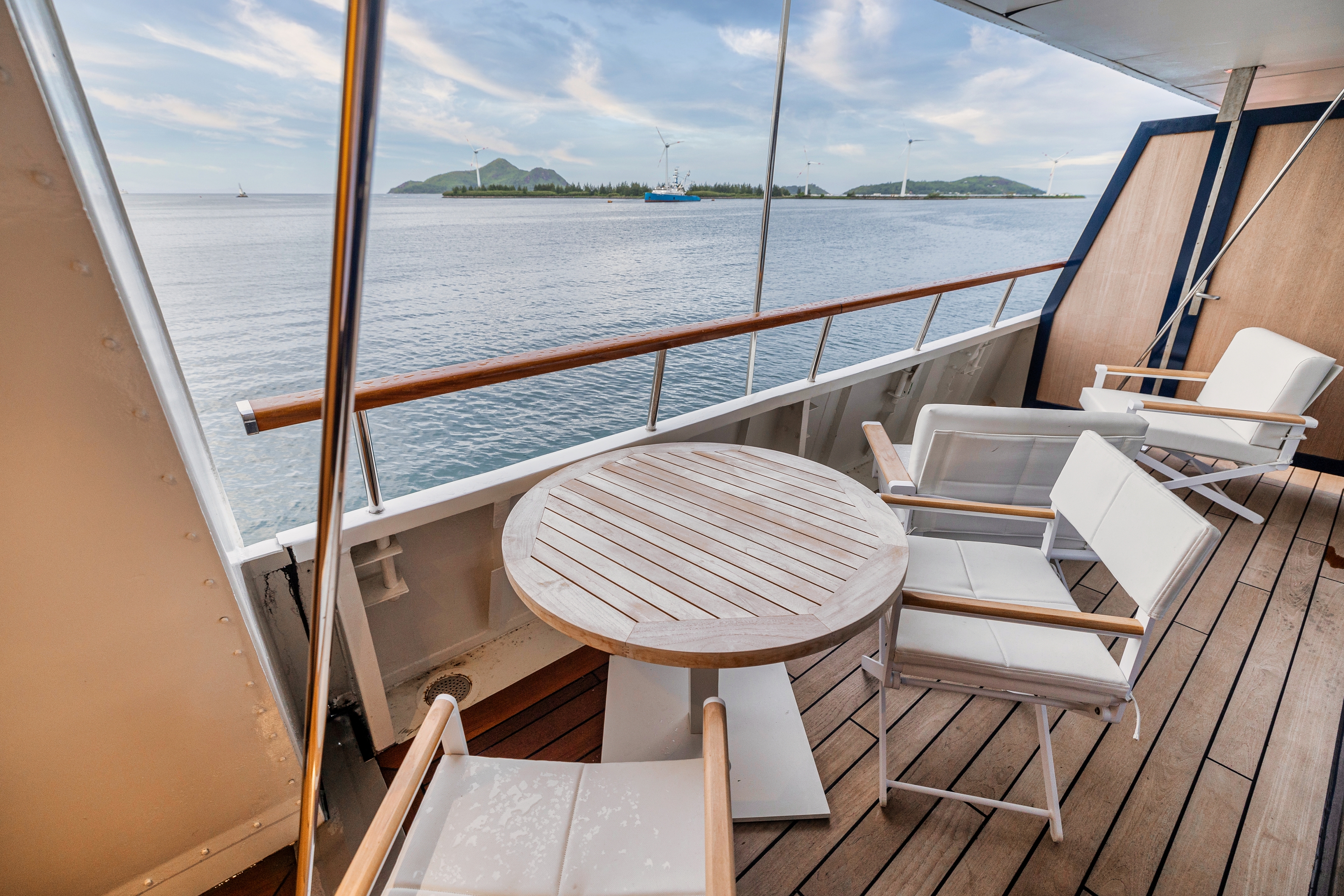
Owner's Suite
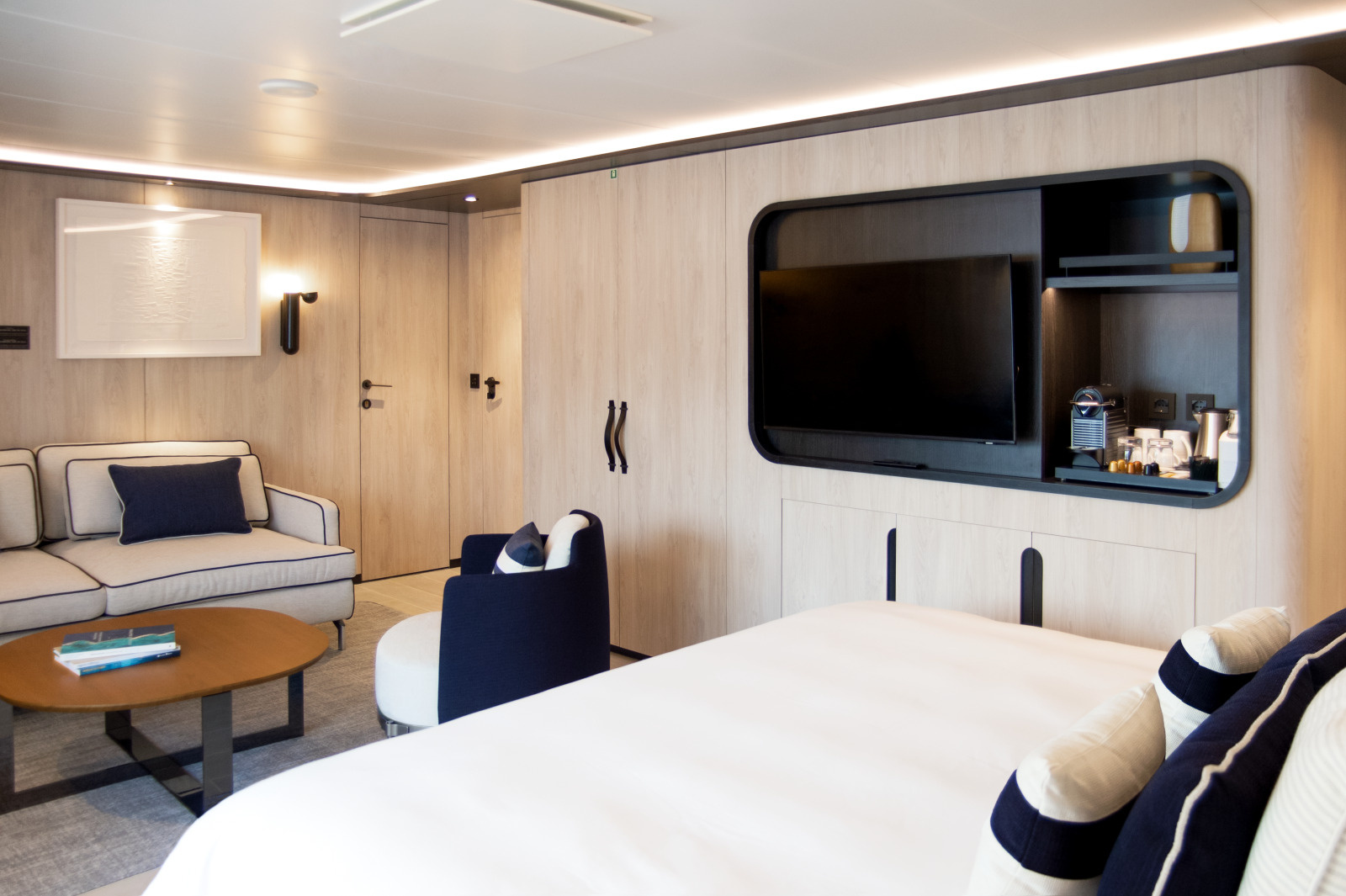
Grand Privilege Suite

Privilege suite
Ship Facilities
Le Diamant
On board the Ponant, the restaurant Le Diamant celebrates the terroir of each visited coast, offering a culinary experience in perfect harmony with the itinerary of the journey. Driven by the chef’s demanding standards and passion, each dish reveals the richness of local products, carefully selected from the markets along the way. This responsible and sustainable approach invites you to savor the very essence of each stop. In this exceptional setting, gastronomy extends the emotion of the journey.
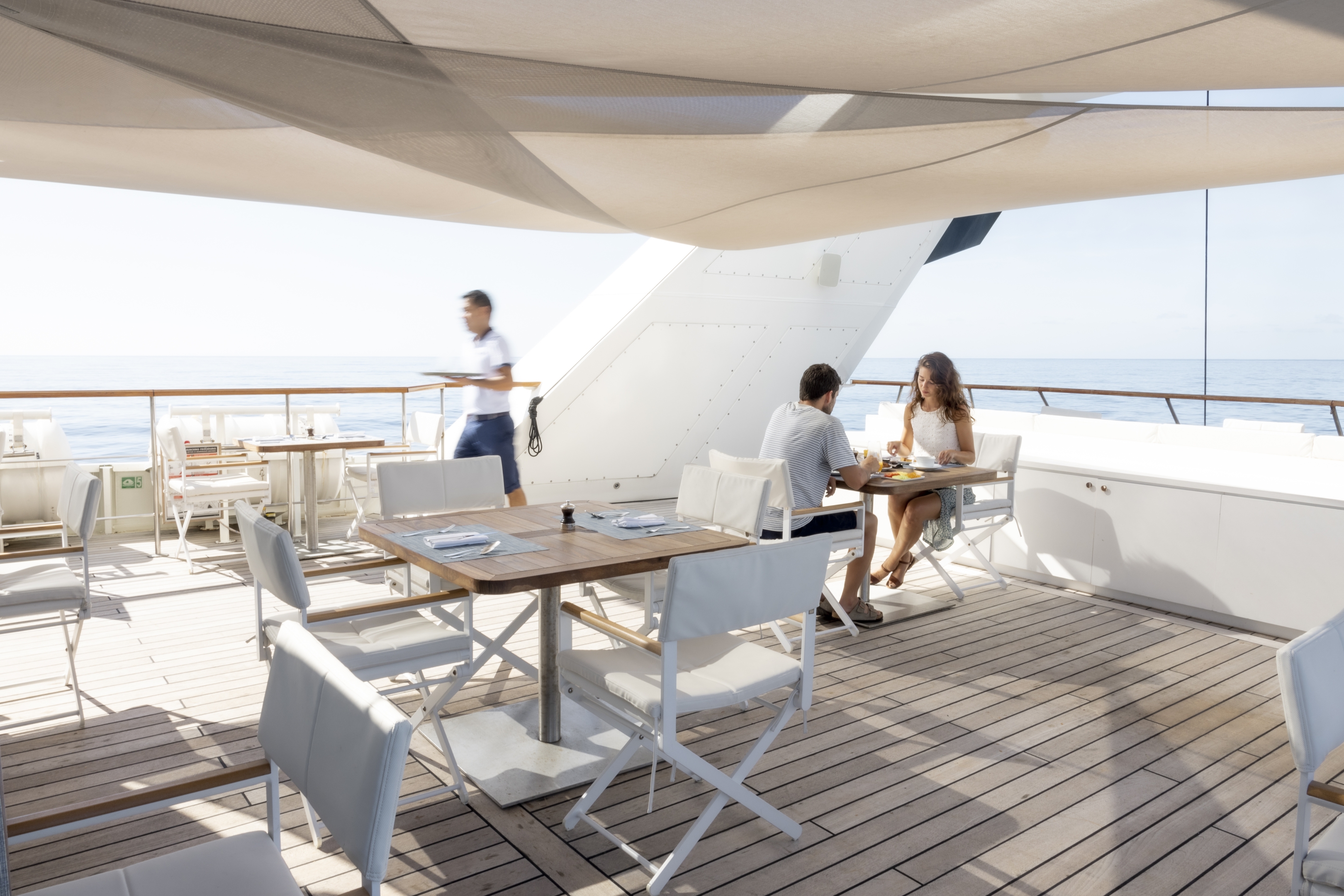
Excursions
There are many ways to see the world. But to truly discover it? Unexplored shores, authentic encounters, iconic wildlife… Our experts imagine the most beautiful travel stories for you.
Unforgettable moments
Holding your breath to better perceive that of a distant whale, stepping foot on Antarctica for the first time, watching through binoculars the passage of a polar bear in the Arctic, marvelling at the splendour of the Mediterranean architectural heritage… Moments of pure emotion as time seems to suspended.
Unique exchanges
Share the art of living, wisdom and hospitality of communities with strong ancestral traditions. Exchanges about their philosophy in connection with the environment are an endless source of teachings.
Explore further
Navigating close to the almost inaccessible coasts of Greenland, exploring the confidential shores of Oceania, reaching the most remote seas of Antarctica, taking new paths in the Mediterranean or Northern Europe: our experts are constantly seeking new travel experiences to offer you.
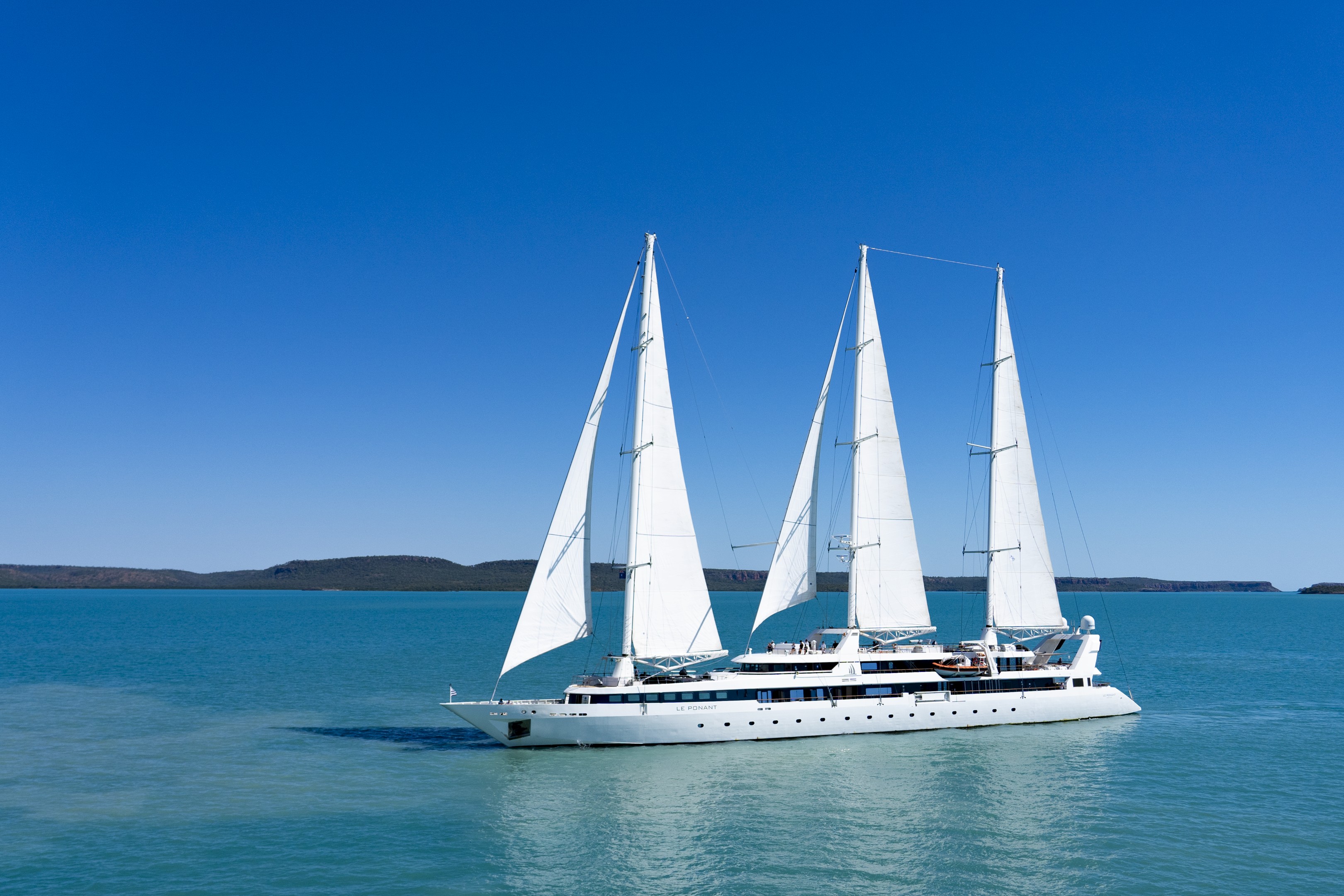
The Marina
Water activities
Explore nature’s swimming pool with transparent-bottom kayaks, paddle boards and diving equipment for intimate experiences, all accessible from the marina.
The sea as a private swimming pool
The navy is deployed from the Alizés bridge to create a secure natural pool. Stand-up paddleboarding, masks and snorkels, and transparent-bottom kayaks fulfill the desires of sea lovers.
Underwater Tranquility
On a radiant afternoon, immerse yourself in crystal-clear waters and paddle to shimmering seabeds teeming with colorful fish. Beneath the surface, let yourself be soothed by the rhythm of a life with its own temporality.
Experts by your side
Captains, expedition leaders, experienced naturalist guides, lecturers, wildlife photographers, personalities from the world of art, science, culture and gastronomy… Experts share their passions with you on board or on land.
Captains
Your captain is responsible for ensuring the smooth running of your journey on board. An expert in navigating polar or tropical waters, their announcements punctuate your day. And when wildlife appears on the horizon, do not hesitate to accept their invitation to join the outer decks for magnificent observations. Gala dinners are also unmissable opportunities to meet your captain and share with them your passion for travel.
Expedition leaders
Alongside the captain, the expedition leader conducts your exploration. They supervise the team of naturalist guides, ensure the safety of the proposed experiences, and adjust the highlights of your journey according to the navigation conditions, to reveal all the riches of these fascinating ecosystems.
Photo ambassadors
During some trips, having renowned photographers on board offers you the unique opportunity to participate in workshops, and conferences, and receive personalised advice to enhance your images.
Activity guides
Scuba diving, snorkelling, kayaking, polar hiking on foot or snowshoes, cross-country skiing, dog sledding… Whether it’s for an introduction or to deepen your practice, experience immersive activities led by certified guides, ambassadors of local cultures and communities.
Guests and partners
Dancers, musicians, writers, journalists, researchers, adventurers… Experts and prestigious partners share their passion, whether it is artistic or scientific.
Speakers
Art historians, journalists, ethnologists, naturalists… Every journey is a unique opportunity to learn more about the regions visited.

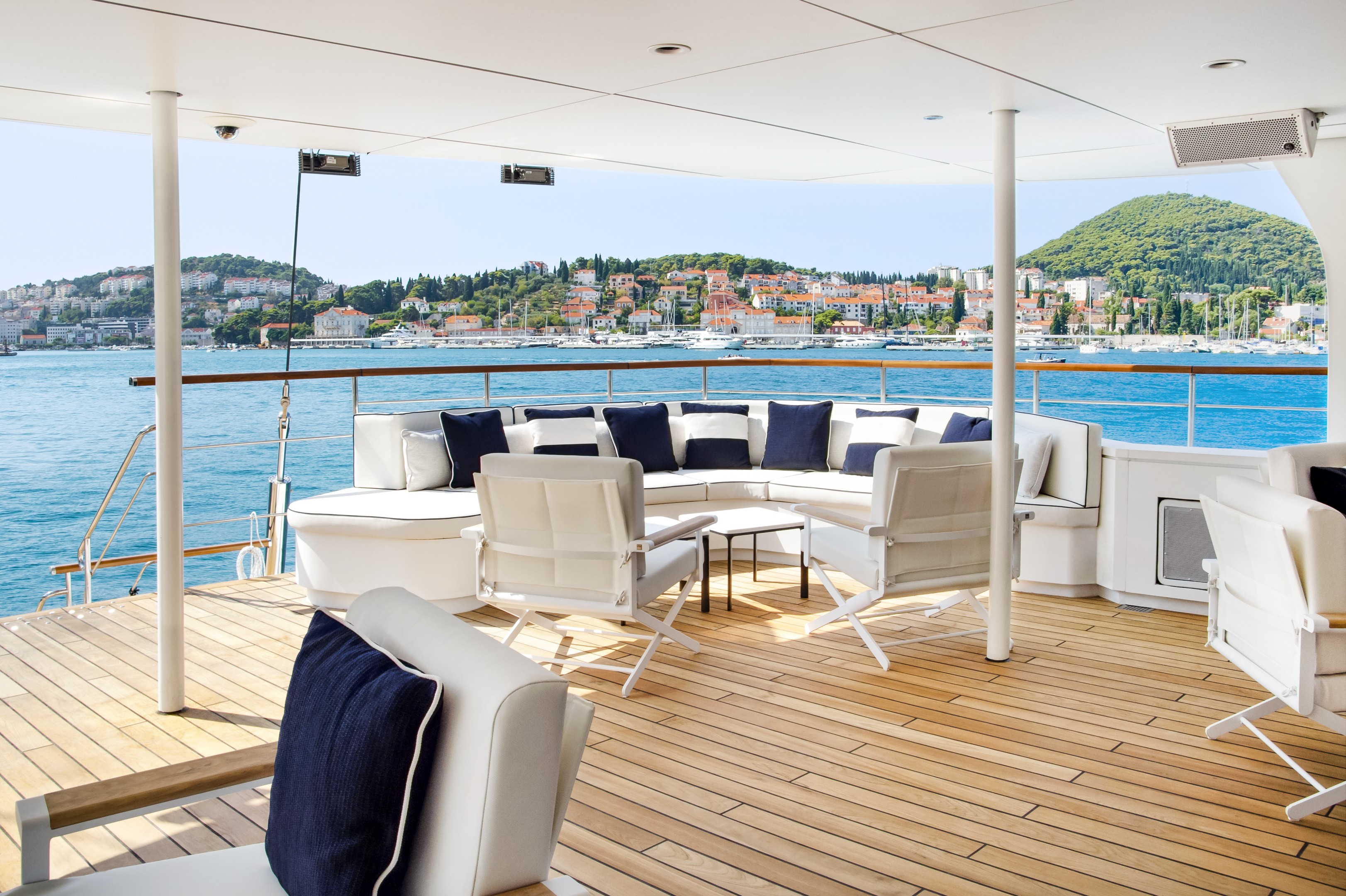
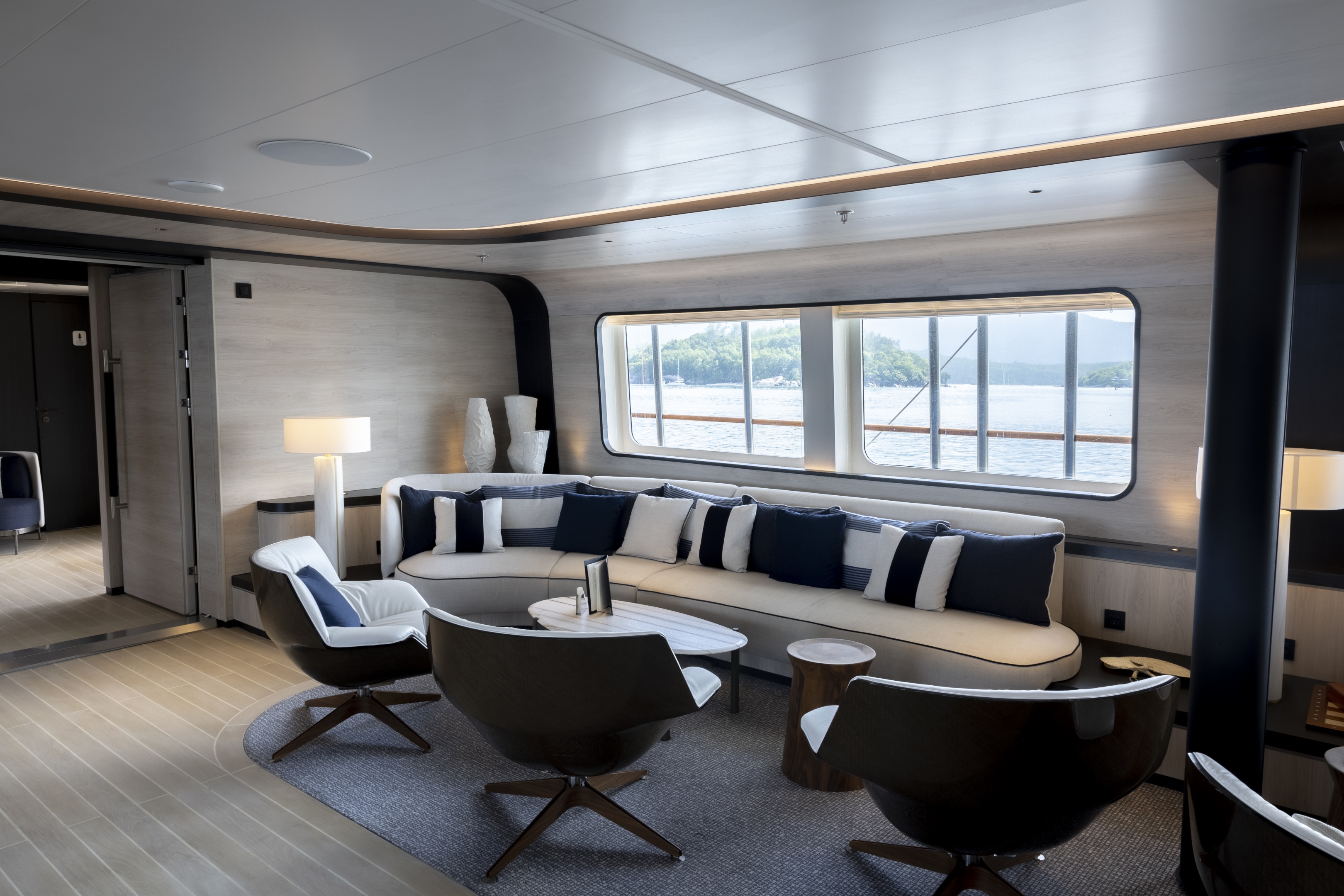
Emeraude Lounge and Bar
library, tearoom, bar, and live entertainment on certain evenings. Access to the outdoor terrace
Sun Deck
- Sun beds
- Exterior bar
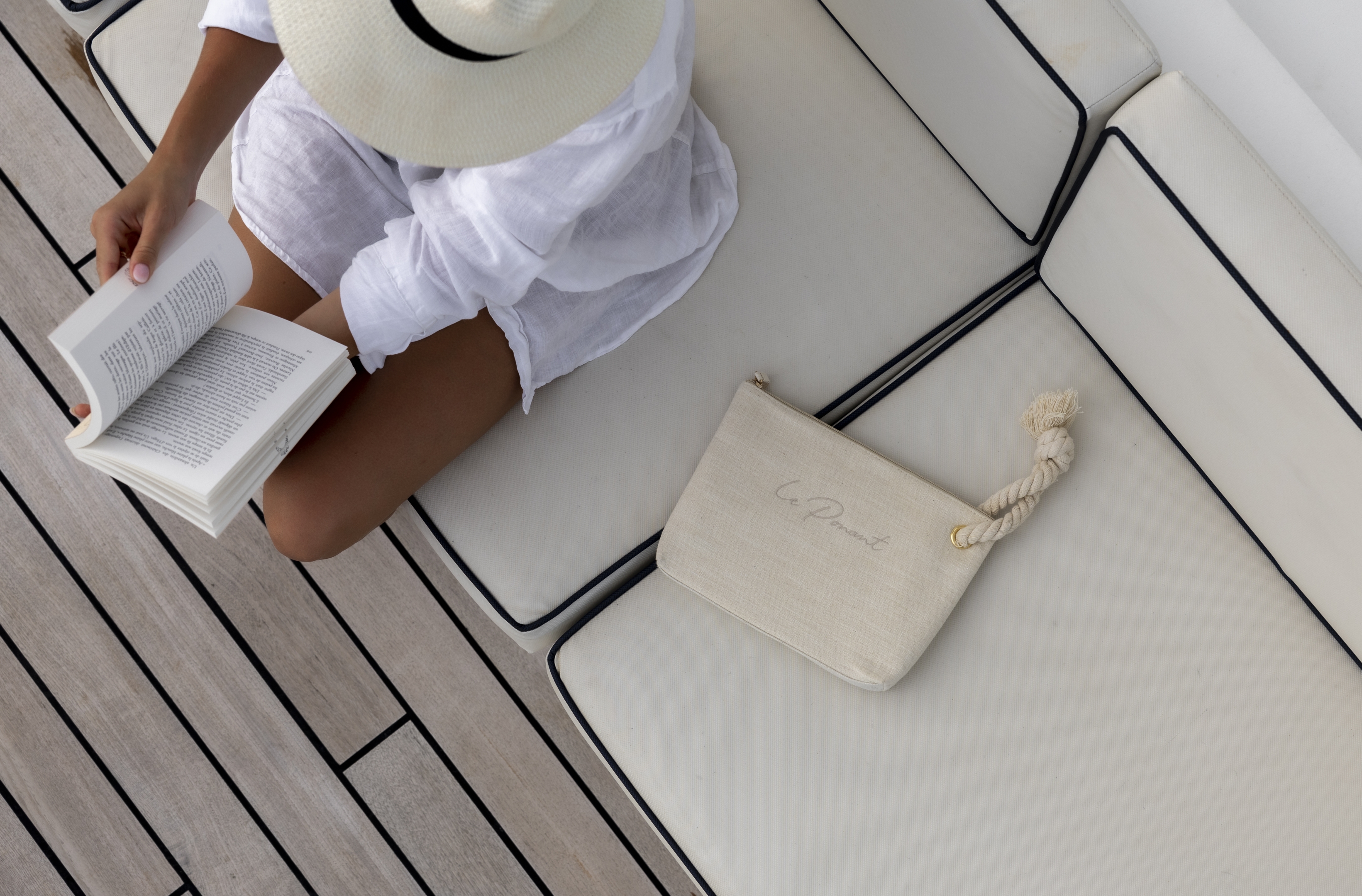
The Wellness Space
Le Ponant has been designed as a cocoon dedicated to well-being and relaxation.
- Spa: massage cabin and Biologique Recherche care products.
- Fitness centre with dedicated fitness coach
- Yoga sessions
Le Diamant
On board the Ponant, the restaurant Le Diamant celebrates the terroir of each visited coast, offering a culinary experience in perfect harmony with the itinerary of the journey. Driven by the chef’s demanding standards and passion, each dish reveals the richness of local products, carefully selected from the markets along the way. This responsible and sustainable approach invites you to savor the very essence of each stop. In this exceptional setting, gastronomy extends the emotion of the journey.
Excursions
There are many ways to see the world. But to truly discover it? Unexplored shores, authentic encounters, iconic wildlife… Our experts imagine the most beautiful travel stories for you.
Unforgettable moments
Holding your breath to better perceive that of a distant whale, stepping foot on Antarctica for the first time, watching through binoculars the passage of a polar bear in the Arctic, marvelling at the splendour of the Mediterranean architectural heritage… Moments of pure emotion as time seems to suspended.
Unique exchanges
Share the art of living, wisdom and hospitality of communities with strong ancestral traditions. Exchanges about their philosophy in connection with the environment are an endless source of teachings.
Explore further
Navigating close to the almost inaccessible coasts of Greenland, exploring the confidential shores of Oceania, reaching the most remote seas of Antarctica, taking new paths in the Mediterranean or Northern Europe: our experts are constantly seeking new travel experiences to offer you.
The Marina
Water activities
Explore nature’s swimming pool with transparent-bottom kayaks, paddle boards and diving equipment for intimate experiences, all accessible from the marina.
The sea as a private swimming pool
The navy is deployed from the Alizés bridge to create a secure natural pool. Stand-up paddleboarding, masks and snorkels, and transparent-bottom kayaks fulfill the desires of sea lovers.
Underwater Tranquility
On a radiant afternoon, immerse yourself in crystal-clear waters and paddle to shimmering seabeds teeming with colorful fish. Beneath the surface, let yourself be soothed by the rhythm of a life with its own temporality.
Experts by your side
Captains, expedition leaders, experienced naturalist guides, lecturers, wildlife photographers, personalities from the world of art, science, culture and gastronomy… Experts share their passions with you on board or on land.
Captains
Your captain is responsible for ensuring the smooth running of your journey on board. An expert in navigating polar or tropical waters, their announcements punctuate your day. And when wildlife appears on the horizon, do not hesitate to accept their invitation to join the outer decks for magnificent observations. Gala dinners are also unmissable opportunities to meet your captain and share with them your passion for travel.
Expedition leaders
Alongside the captain, the expedition leader conducts your exploration. They supervise the team of naturalist guides, ensure the safety of the proposed experiences, and adjust the highlights of your journey according to the navigation conditions, to reveal all the riches of these fascinating ecosystems.
Photo ambassadors
During some trips, having renowned photographers on board offers you the unique opportunity to participate in workshops, and conferences, and receive personalised advice to enhance your images.
Activity guides
Scuba diving, snorkelling, kayaking, polar hiking on foot or snowshoes, cross-country skiing, dog sledding… Whether it’s for an introduction or to deepen your practice, experience immersive activities led by certified guides, ambassadors of local cultures and communities.
Guests and partners
Dancers, musicians, writers, journalists, researchers, adventurers… Experts and prestigious partners share their passion, whether it is artistic or scientific.
Speakers
Art historians, journalists, ethnologists, naturalists… Every journey is a unique opportunity to learn more about the regions visited.
Emeraude Lounge and Bar
library, tearoom, bar, and live entertainment on certain evenings. Access to the outdoor terrace
Sun Deck
- Sun beds
- Exterior bar
The Wellness Space
Le Ponant has been designed as a cocoon dedicated to well-being and relaxation.
- Spa: massage cabin and Biologique Recherche care products.
- Fitness centre with dedicated fitness coach
- Yoga sessions
About the Ship
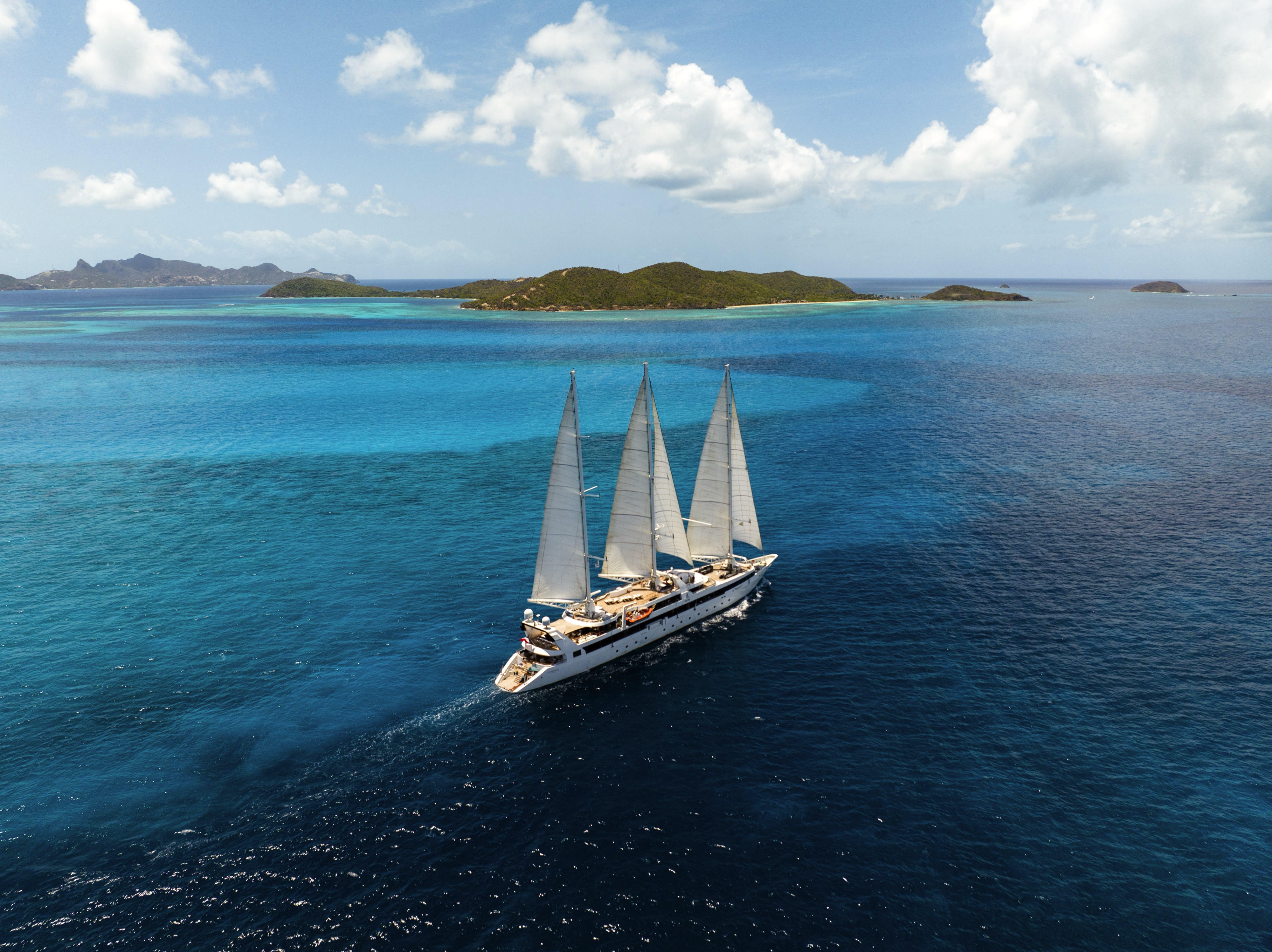
Deck Plans
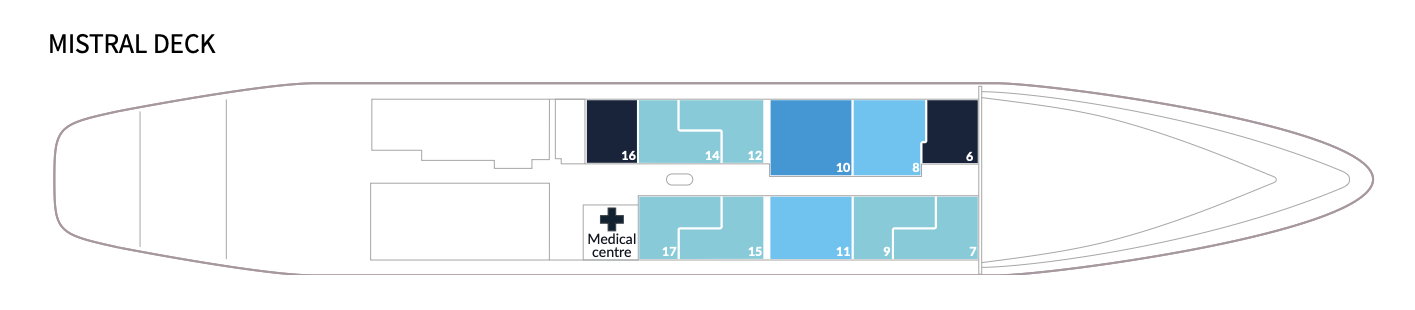
- Medical Centre
- Prestige Suite
- Junior Suite
- Window Stateroom (Mistral Prestige Stateroom)
- Porthole Stateroom (Mistral Stateroom)
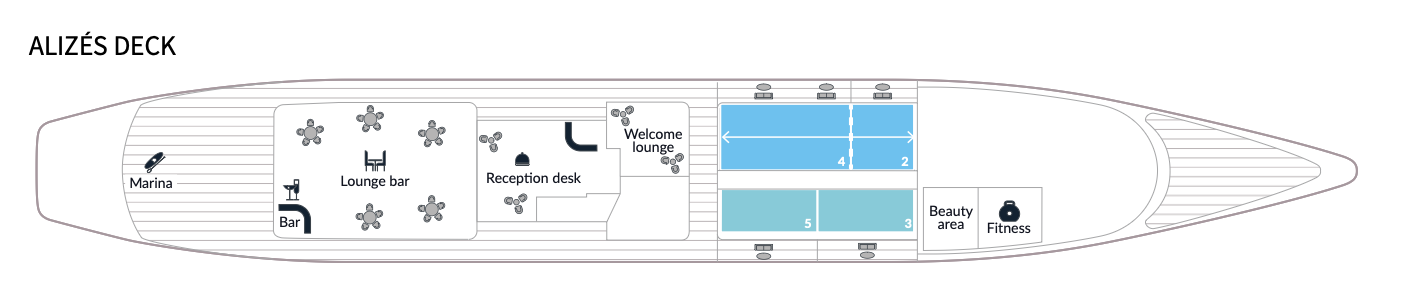
- Marina
- Bar
- Lounge
- Reception Desk
- Welcome Lounge
- Beauty Area
- Fitness
- Grand Privilege Suite
- Privilege Suite
- Upper Decks Balcony Stateroom (Alizes Prestige Stateroom with Balcony)
- Upper Decks Balcony Stateroom (Alizes Stateroom with Balcony)
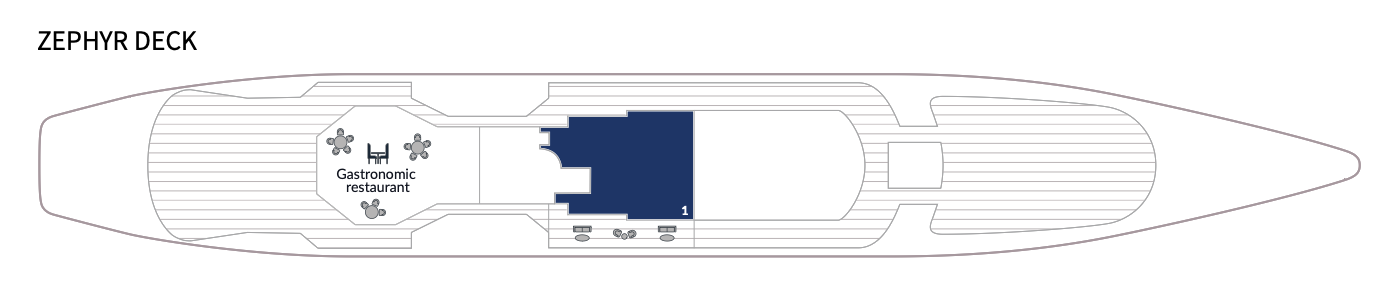
- Restaurant
- Owner’s Suite
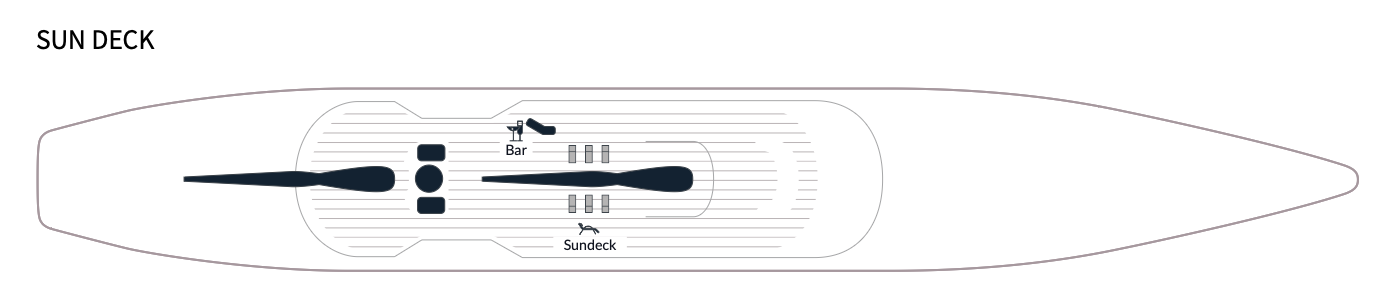
- Sun Deck
- Bar
- Medical Centre
- Prestige Suite
- Junior Suite
- Window Stateroom (Mistral Prestige Stateroom)
- Porthole Stateroom (Mistral Stateroom)
- Marina
- Bar
- Lounge
- Reception Desk
- Welcome Lounge
- Beauty Area
- Fitness
- Grand Privilege Suite
- Privilege Suite
- Upper Decks Balcony Stateroom (Alizes Prestige Stateroom with Balcony)
- Upper Decks Balcony Stateroom (Alizes Stateroom with Balcony)
- Restaurant
- Owner’s Suite
- Sun Deck
- Bar