Itinerary
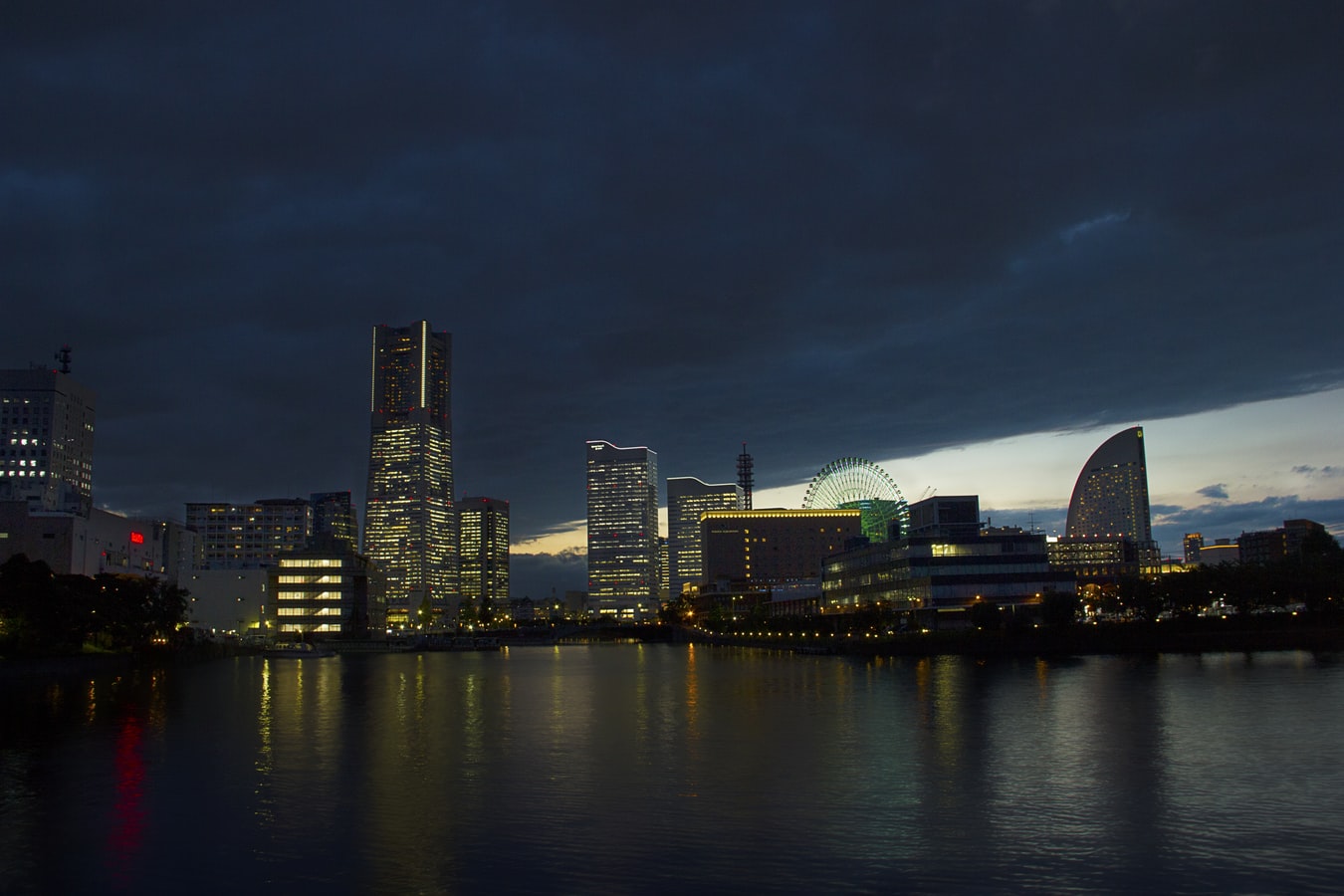
Yokohama, Japan
In 1853, a fleet of four American warships under Commodore Matthew Perry sailed into the bay of Tokyo (then Edo) and presented the reluctant Japanese with the demands of the U.S. government for the opening of diplomatic and commercial relations. The following year Perry returned and first set foot on Japanese soil at Yokohama—then a small fishing village on the mudflats of Tokyo bay. Two years later New York businessman Townsend Harris became America’s first diplomatic representative to Japan. In 1858 he was finally able to negotiate a commercial treaty between the two countries; part of the deal designated four locations—one of them Yokohama—as treaty ports. In 1859 the shogunate created a special settlement in Yokohama for the growing community of merchants, traders, missionaries, and other assorted adventurers drawn to this exotic new land of opportunity. The foreigners (predominantly Chinese and British, plus a few French, Americans, and Dutch) were confined here to a guarded compound about 5 square km (2 square miles)—placed, in effect, in isolation—but not for long. Within a few short years the shogunal government collapsed, and Japan began to modernize. Western ideas were welcomed, as were Western goods, and the little treaty port became Japan’s principal gateway to the outside world. In 1872 Japan’s first railway was built, linking Yokohama and Tokyo. In 1889 Yokohama became a city; by then the population had grown to some 120,000. As the city prospered, so did the international community and by the early 1900s Yokohama was the busiest and most modern center of international trade in all of East Asia. Then Yokohama came tumbling down. On September 1, 1923, the Great Kanto Earthquake devastated the city. The ensuing fires destroyed some 60,000 homes and took more than 40,000 lives. During the six years it took to rebuild the city, many foreign businesses took up quarters elsewhere, primarily in Kobe and Osaka, and did not return. Over the next 20 years Yokohama continued to grow as an industrial center—until May 29, 1945, when in a span of four hours, some 500 American B-29 bombers leveled nearly half the city and left more than half a million people homeless. When the war ended, what remained became—in effect—the center of the Allied occupation. General Douglas MacArthur set up headquarters here, briefly, before moving to Tokyo; the entire port facility and about a quarter of the city remained in the hands of the U.S. military throughout the 1950s. By the 1970s Yokohama was once more rising from the debris; in 1978 it surpassed Osaka as the nation’s second-largest city, and the population is now inching up to the 3.5 million mark. Boosted by Japan’s postwar economic miracle, Yokohama has extended its urban sprawl north to Tokyo and south to Kamakura—in the process creating a whole new subcenter around the Shinkansen Station at Shin-Yokohama. The development of air travel and the competition from other ports have changed the city’s role in Japan’s economy. The great liners that once docked at Yokohama’s piers are now but a memory, kept alive by a museum ship and the occasional visit of a luxury vessel on a Pacific cruise. Modern Large as Yokohama is, the central area is very negotiable. As with any other port city, much of what it has to offer centers on the waterfront—in this case, on the west side of Tokyo Bay. The downtown area is called Kannai (literally, “within the checkpoint”); this is where the international community was originally confined by the shogunate. Though the center of interest has expanded to include the waterfront and Ishikawa-cho, to the south, Kannai remains the heart of town. Think of that heart as two adjacent areas. One is the old district of Kannai, bounded by Basha-michi on the northwest and Nippon-odori on the southeast, the Keihin Tohoku Line tracks on the southwest, and the waterfront on the northeast. This area contains the business offices of modern Yokohama. The other area extends southeast from Nippon-odori to the Moto-machi shopping street and the International Cemetery, bordered by Yamashita Koen and the waterfront to the northeast; in the center is Chinatown, with Ishikawa-cho Station to the southwest. This is the most interesting part of town for tourists. Whether you’re coming from Tokyo, Nagoya, or Kamakura, make Ishikawa-cho Station your starting point. Take the South Exit from the station and head in the direction of the waterfront.
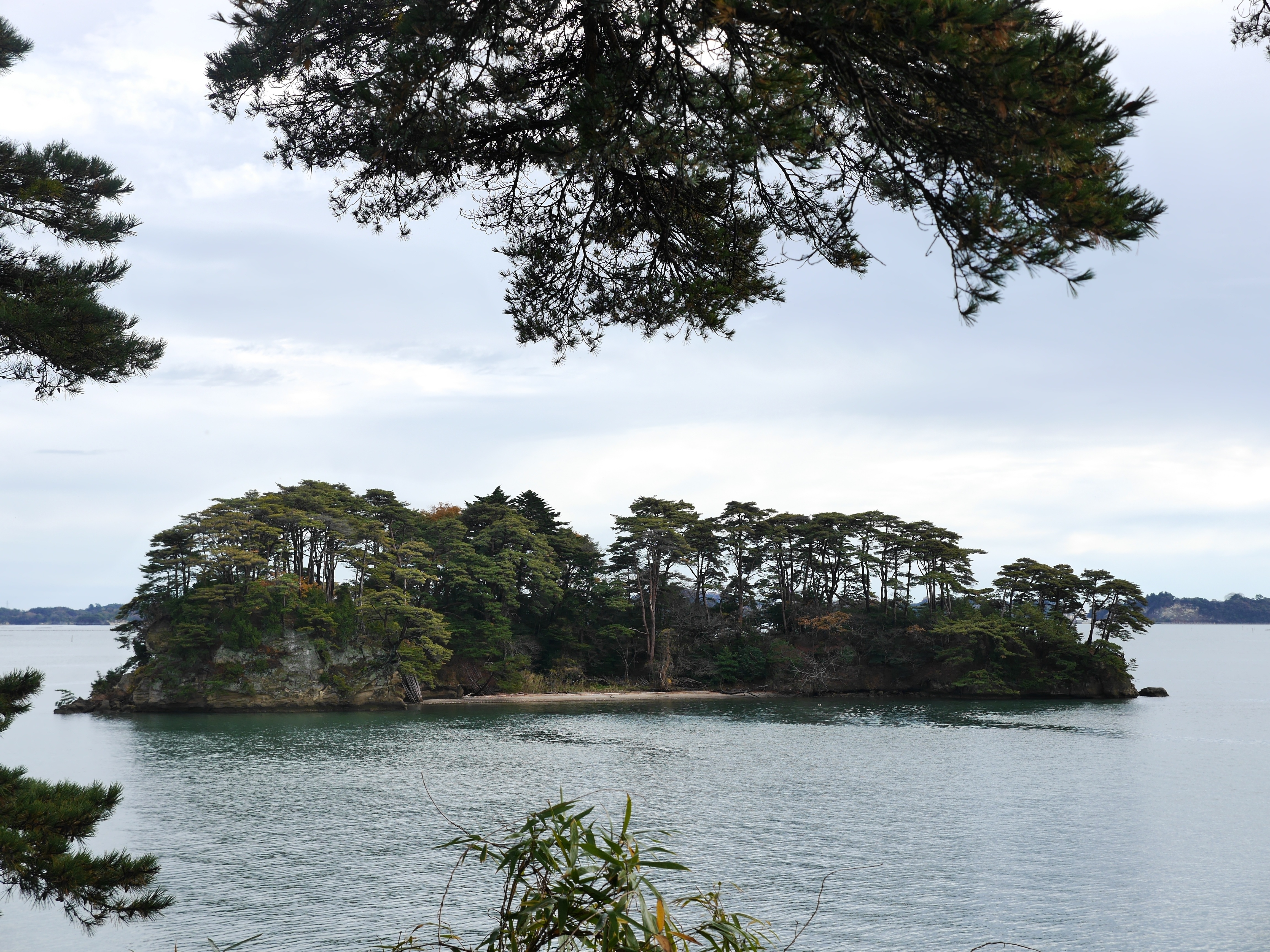
Miyako, Iwate, Japan
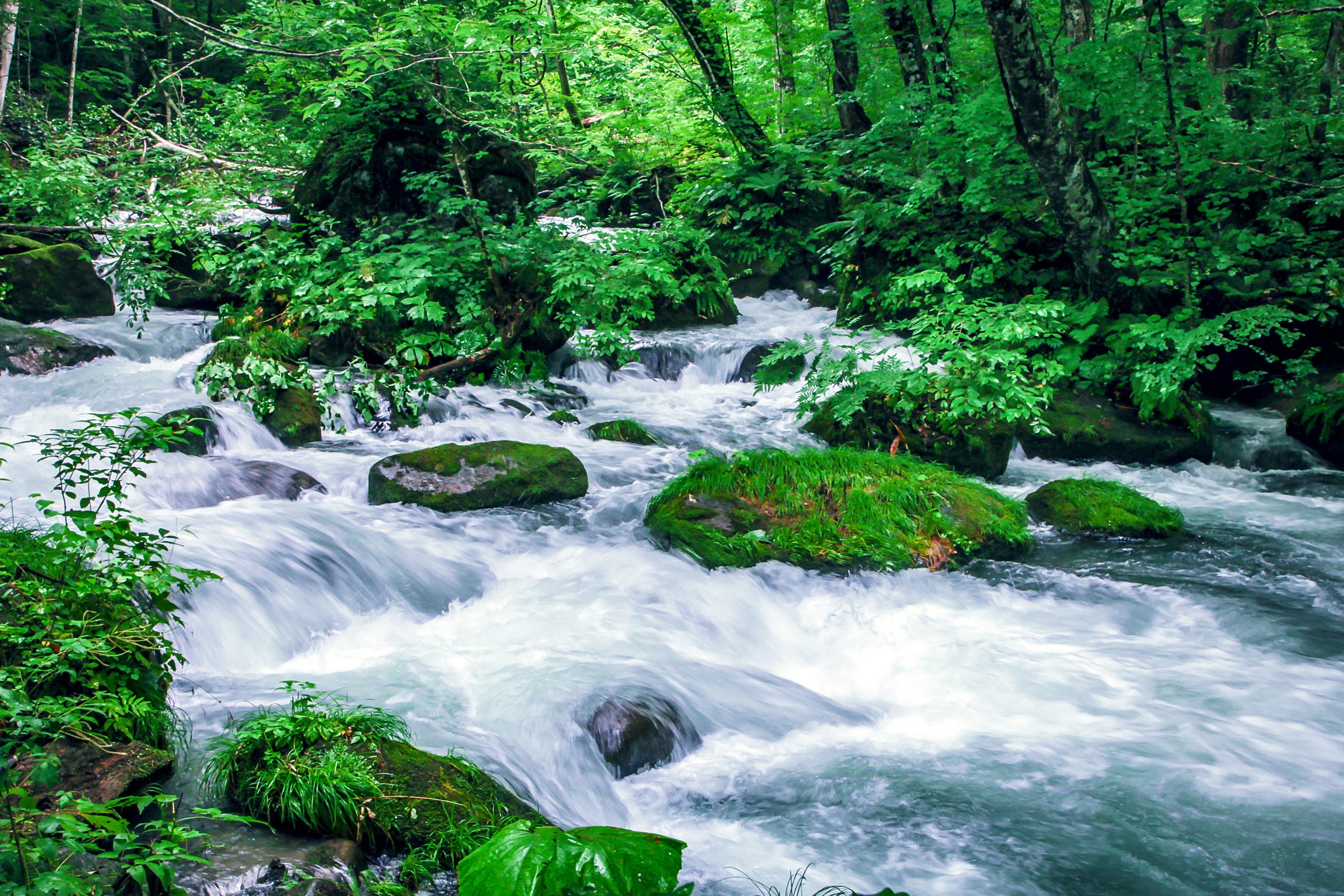
Aomori, Japan
Aomori’s main event is its Nebuta Matsuri Festival,held August 2 to 7. People come to see illuminated floats of gigantic samurai figures paraded through the streets at night. Aomori’s festival is one of Japan’s largest, and is said to celebrate the euphoria of post-battle victory, and is thus encouraged to be noisier and livelier than you may have been exposed to in other Japanese festivals. Dancers, called heneto, run alongside the floats, dancing crazily, and you’re encouraged to join in. Throughout the year you can enjoy delicious seafood from Aomori Bay, including Oma no Maguro (tuna of Oma), as well as delicious fruits and vegetables (particularly garlic). And come every summer, the town cuts loose to throw the decidedly wild Nebuta Matsuri festival, a frenzied, utterly unaccountable period when normal gets thrown to the wind.
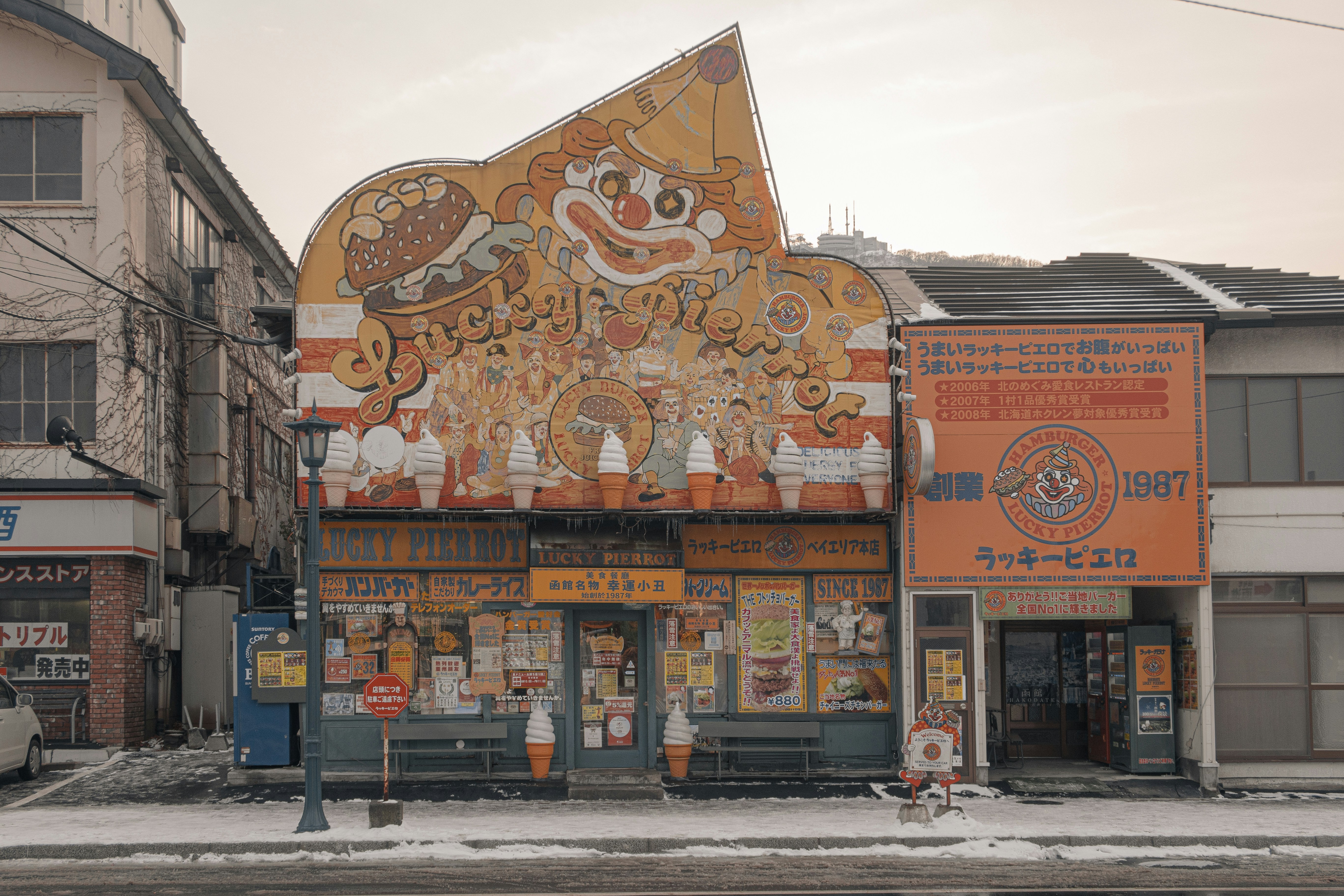
Hakodate, Japan
Facing out on two bays, Hakodate is a 19th-century port town, with clapboard buildings on sloping streets, a dockside tourist zone, streetcars, and fresh fish on every menu. In the downtown historic quarter, a mountain rises 1,100 feet above the city on the southern point of the narrow peninsula. Russians, Americans, Chinese, and Europeans have all left their mark; this was one of the first three Japanese ports the Meiji government opened up to international trade in 1859. The main sights around the foot of Mt. Hakodate can be done in a day, but the city is best appreciated with an overnight stay for the illumination in the historic area, the night views from either the mountain or the fort tower, and the fish market at dawn. City transport is easy to navigate and English information is readily available. Evening departure trains from Tokyo arrive here at dawn—perfect for fish-market breakfasts.
Yokohama, Japan
In 1853, a fleet of four American warships under Commodore Matthew Perry sailed into the bay of Tokyo (then Edo) and presented the reluctant Japanese with the demands of the U.S. government for the opening of diplomatic and commercial relations. The following year Perry returned and first set foot on Japanese soil at Yokohama—then a small fishing village on the mudflats of Tokyo bay. Two years later New York businessman Townsend Harris became America’s first diplomatic representative to Japan. In 1858 he was finally able to negotiate a commercial treaty between the two countries; part of the deal designated four locations—one of them Yokohama—as treaty ports. In 1859 the shogunate created a special settlement in Yokohama for the growing community of merchants, traders, missionaries, and other assorted adventurers drawn to this exotic new land of opportunity. The foreigners (predominantly Chinese and British, plus a few French, Americans, and Dutch) were confined here to a guarded compound about 5 square km (2 square miles)—placed, in effect, in isolation—but not for long. Within a few short years the shogunal government collapsed, and Japan began to modernize. Western ideas were welcomed, as were Western goods, and the little treaty port became Japan’s principal gateway to the outside world. In 1872 Japan’s first railway was built, linking Yokohama and Tokyo. In 1889 Yokohama became a city; by then the population had grown to some 120,000. As the city prospered, so did the international community and by the early 1900s Yokohama was the busiest and most modern center of international trade in all of East Asia. Then Yokohama came tumbling down. On September 1, 1923, the Great Kanto Earthquake devastated the city. The ensuing fires destroyed some 60,000 homes and took more than 40,000 lives. During the six years it took to rebuild the city, many foreign businesses took up quarters elsewhere, primarily in Kobe and Osaka, and did not return. Over the next 20 years Yokohama continued to grow as an industrial center—until May 29, 1945, when in a span of four hours, some 500 American B-29 bombers leveled nearly half the city and left more than half a million people homeless. When the war ended, what remained became—in effect—the center of the Allied occupation. General Douglas MacArthur set up headquarters here, briefly, before moving to Tokyo; the entire port facility and about a quarter of the city remained in the hands of the U.S. military throughout the 1950s. By the 1970s Yokohama was once more rising from the debris; in 1978 it surpassed Osaka as the nation’s second-largest city, and the population is now inching up to the 3.5 million mark. Boosted by Japan’s postwar economic miracle, Yokohama has extended its urban sprawl north to Tokyo and south to Kamakura—in the process creating a whole new subcenter around the Shinkansen Station at Shin-Yokohama. The development of air travel and the competition from other ports have changed the city’s role in Japan’s economy. The great liners that once docked at Yokohama’s piers are now but a memory, kept alive by a museum ship and the occasional visit of a luxury vessel on a Pacific cruise. Modern Large as Yokohama is, the central area is very negotiable. As with any other port city, much of what it has to offer centers on the waterfront—in this case, on the west side of Tokyo Bay. The downtown area is called Kannai (literally, “within the checkpoint”); this is where the international community was originally confined by the shogunate. Though the center of interest has expanded to include the waterfront and Ishikawa-cho, to the south, Kannai remains the heart of town. Think of that heart as two adjacent areas. One is the old district of Kannai, bounded by Basha-michi on the northwest and Nippon-odori on the southeast, the Keihin Tohoku Line tracks on the southwest, and the waterfront on the northeast. This area contains the business offices of modern Yokohama. The other area extends southeast from Nippon-odori to the Moto-machi shopping street and the International Cemetery, bordered by Yamashita Koen and the waterfront to the northeast; in the center is Chinatown, with Ishikawa-cho Station to the southwest. This is the most interesting part of town for tourists. Whether you’re coming from Tokyo, Nagoya, or Kamakura, make Ishikawa-cho Station your starting point. Take the South Exit from the station and head in the direction of the waterfront.
Miyako, Iwate, Japan
Aomori, Japan
Aomori’s main event is its Nebuta Matsuri Festival,held August 2 to 7. People come to see illuminated floats of gigantic samurai figures paraded through the streets at night. Aomori’s festival is one of Japan’s largest, and is said to celebrate the euphoria of post-battle victory, and is thus encouraged to be noisier and livelier than you may have been exposed to in other Japanese festivals. Dancers, called heneto, run alongside the floats, dancing crazily, and you’re encouraged to join in. Throughout the year you can enjoy delicious seafood from Aomori Bay, including Oma no Maguro (tuna of Oma), as well as delicious fruits and vegetables (particularly garlic). And come every summer, the town cuts loose to throw the decidedly wild Nebuta Matsuri festival, a frenzied, utterly unaccountable period when normal gets thrown to the wind.
Hakodate, Japan
Facing out on two bays, Hakodate is a 19th-century port town, with clapboard buildings on sloping streets, a dockside tourist zone, streetcars, and fresh fish on every menu. In the downtown historic quarter, a mountain rises 1,100 feet above the city on the southern point of the narrow peninsula. Russians, Americans, Chinese, and Europeans have all left their mark; this was one of the first three Japanese ports the Meiji government opened up to international trade in 1859. The main sights around the foot of Mt. Hakodate can be done in a day, but the city is best appreciated with an overnight stay for the illumination in the historic area, the night views from either the mountain or the fort tower, and the fish market at dawn. City transport is easy to navigate and English information is readily available. Evening departure trains from Tokyo arrive here at dawn—perfect for fish-market breakfasts.
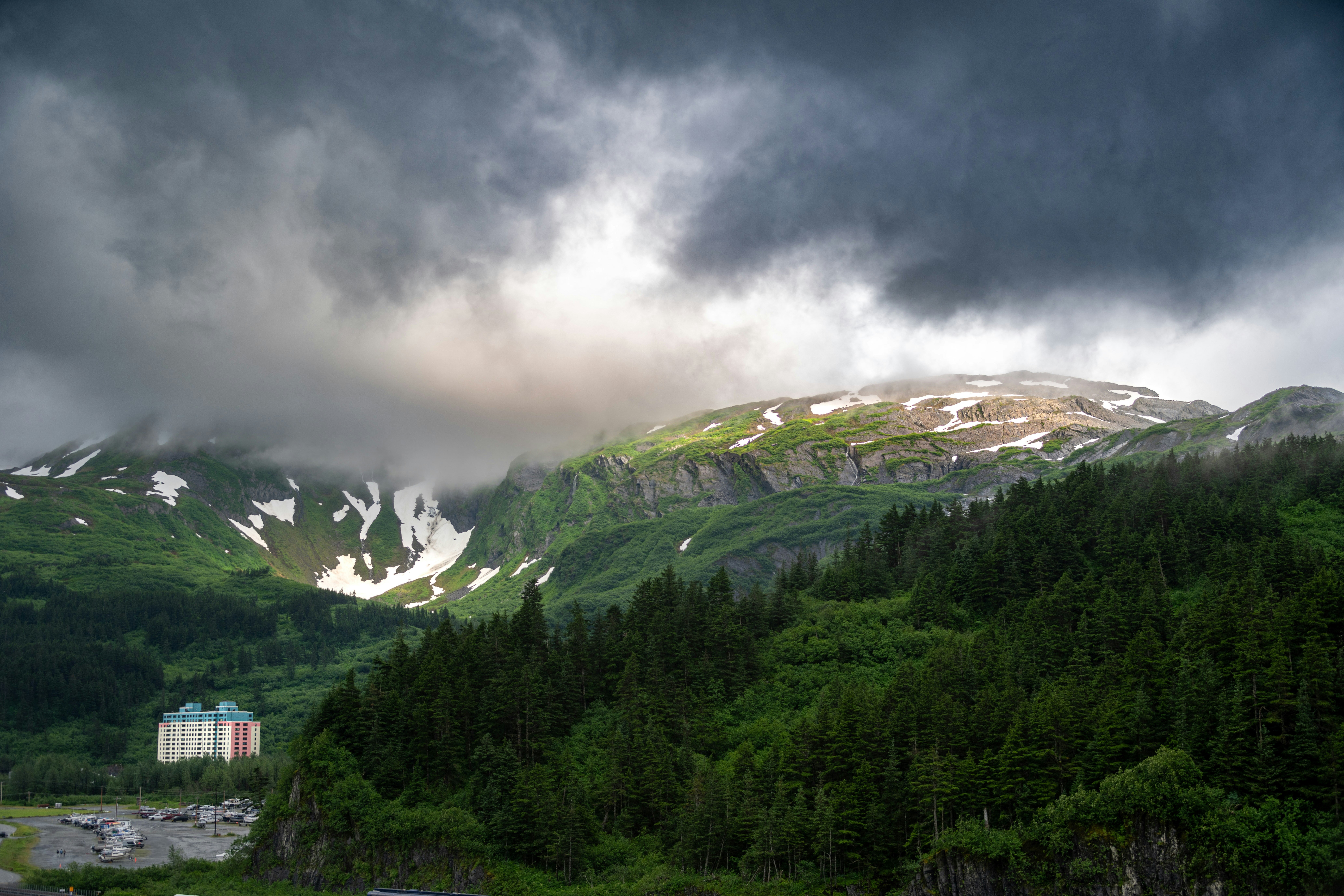
Whittier, United States
The tiny city of Whittier has just over 200 residents. It’s around 58 miles southeast of Anchorage in Alaska.
Hubbard Glacier, United States
This is one of those places that words, photos and videos, do not do justice and just has to be seen to be experienced. Huge, majestic and imposing, the Hubbard Glacier is the iconic Alaskan experience. Towering above the ship, the glacier reaches around 11,000 feet at its highest altitude point and measures almost 76 miles long and about five miles wide. Routinely calving off icebergs the size of skyscrapers , the spectacle of watching – and hearing – the thunderous blocks of ice hit the water is something that needs to be experienced at least once in a lifetime. From pure white, to arctic to glacier blue the ice absorbs every colour giving it an exceptionally lovely hue that is impossible to reproduce. Wrap up warm as the cooling, soothing and perfect breeze compliments what is surely the highlight of this incredible journey.
Whittier, United States
The tiny city of Whittier has just over 200 residents. It’s around 58 miles southeast of Anchorage in Alaska.
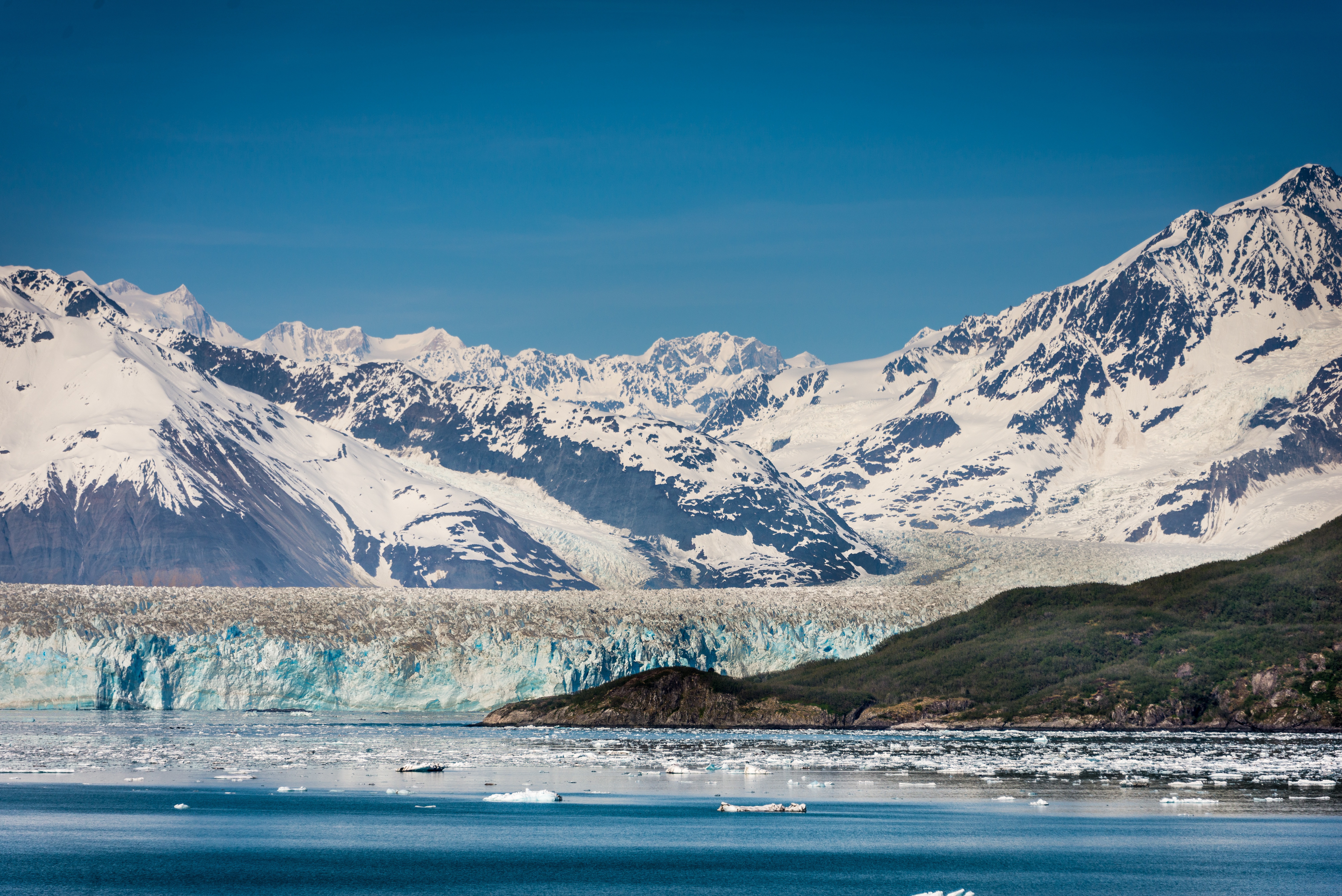
Hubbard Glacier, United States
This is one of those places that words, photos and videos, do not do justice and just has to be seen to be experienced. Huge, majestic and imposing, the Hubbard Glacier is the iconic Alaskan experience. Towering above the ship, the glacier reaches around 11,000 feet at its highest altitude point and measures almost 76 miles long and about five miles wide. Routinely calving off icebergs the size of skyscrapers , the spectacle of watching – and hearing – the thunderous blocks of ice hit the water is something that needs to be experienced at least once in a lifetime. From pure white, to arctic to glacier blue the ice absorbs every colour giving it an exceptionally lovely hue that is impossible to reproduce. Wrap up warm as the cooling, soothing and perfect breeze compliments what is surely the highlight of this incredible journey.
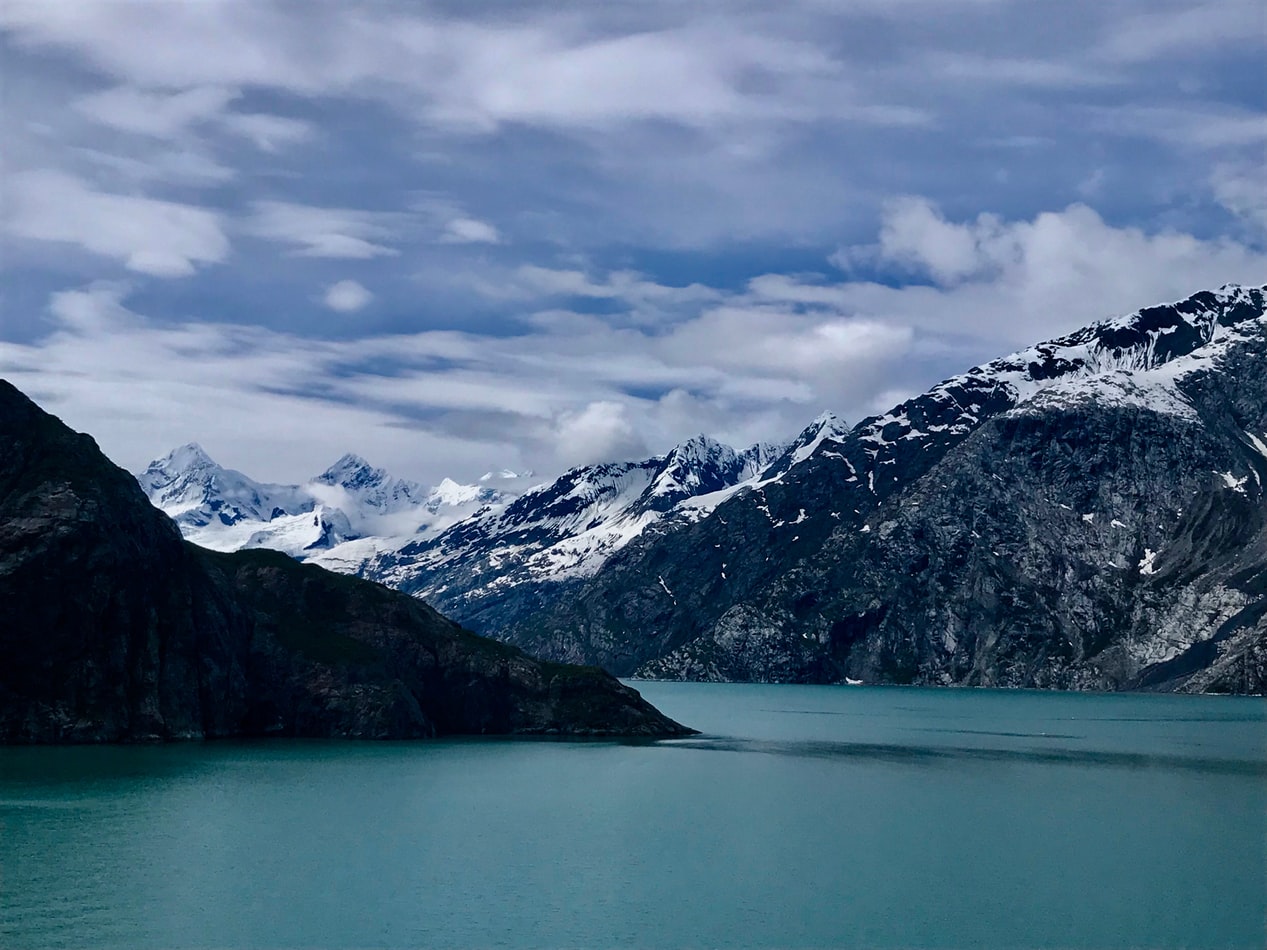
Glacier Bay National Park, Alaska, United States
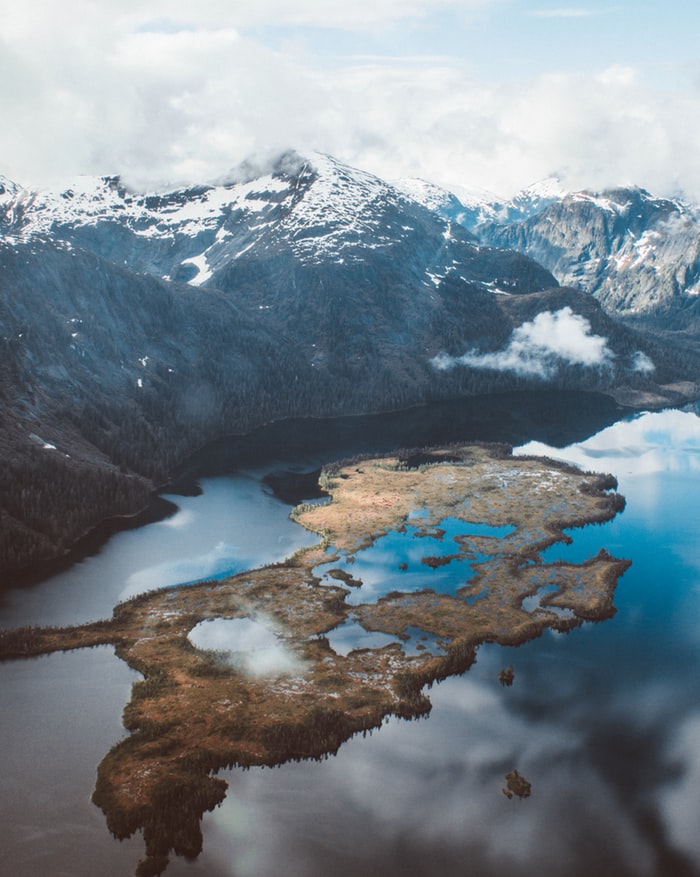
Located in Southeast Alaska, west of the capital city of Juneau, Glacier Bay is a beautiful National Park full of snow capped mountains, tidewater glaciers and wildlife. Experience wildlife in all its beauty from boat trips for whale watching and hiking through the trails of the Park. It is a protected area full of wonder to be explored.
Skagway, Alaska, United States
Located at the northern terminus of the Inside Passage, Skagway is a one-hour ferry ride from Haines. By road, however, the distance is 359 miles, as you have to take the Haines Highway up to Haines Junction, Yukon, then take the Alaska Highway 100 miles south to Whitehorse, and then drive a final 100 miles south on the Klondike Highway to Skagway. North-country folk call this sightseeing route the Golden Horseshoe or Golden Circle tour, because it passes a lot of gold-rush country in addition to spectacular lake, forest, and mountain scenery.The town is an amazingly preserved artifact from North America’s biggest, most-storied gold rush. Most of the downtown district forms part of the Klondike Gold Rush National Historical Park, a unit of the National Park System dedicated to commemorating and interpreting the frenzied stampede of 1897 that extended to Dawson City in Canada’s Yukon.Nearly all the historic sights are within a few blocks of the cruise-ship and ferry dock, allowing visitors to meander through the town’s attractions at whatever pace they choose. Whether you’re disembarking from a cruise ship, a ferry, or a dusty automobile fresh from the Golden Circle, you’ll quickly discover that tourism is the lifeblood of this town. Unless you’re visiting in winter or hiking into the backcountry on the Chilkoot Trail, you aren’t likely to find a quiet Alaska experience around Skagway.
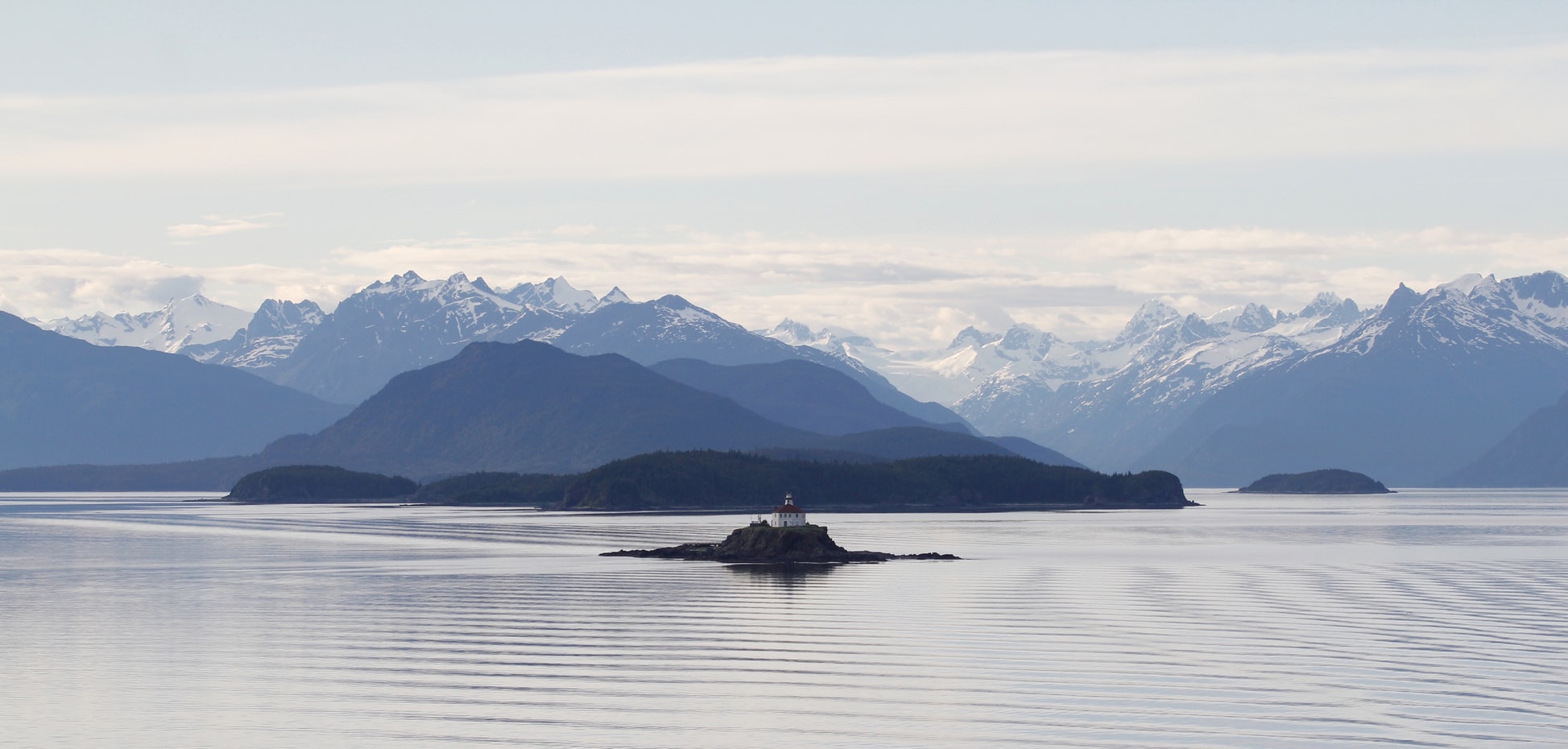
Juneau, Alaska, United States
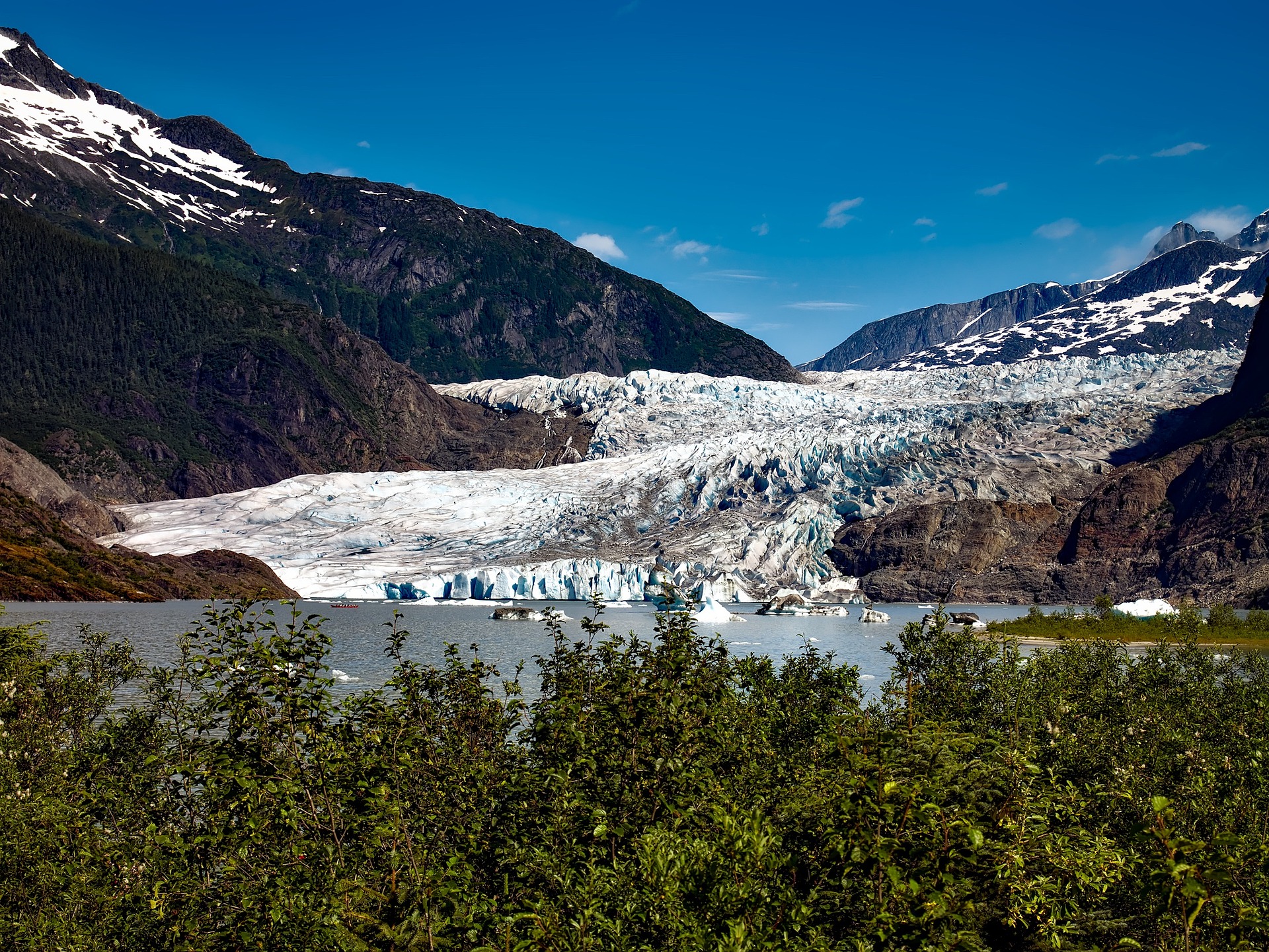
Juneau, Alaska’s capital and third-largest city, is on the North American mainland but can’t be reached by road. Bounded by steep mountains and water, the city’s geographic isolation and compact size make it much more akin to an island community such as Sitka than to other Alaskan urban centers, such as Fairbanks or Anchorage. Juneau is full of contrasts. Its dramatic hillside location and historic downtown buildings provide a frontier feeling, but the city’s cosmopolitan nature comes through in fine museums, noteworthy restaurants, and a literate and outdoorsy populace. The finest of the museums, the Alaska State Museum, is scheduled to reopen in May 2016 on its old site as the expanded Alaska State Library, Archives, and Museum (SLAM) following several years of planning and exhibit research. Another new facility, the Walter Soboleff Center, offers visitors a chance to learn about the indigenous cultures of Southeast Alaska–-Tlingit, Haida, and Tsimshian. Other highlights include the Mt. Roberts Tramway, plenty of densely forested wilderness areas, quiet bays for sea kayaking, and even a famous drive-up glacier, Mendenhall Glacier. For goings-on, pick up the Juneau Empire (www.juneauempire.com), which keeps tabs on state politics, business, sports, and local news.
Sitka, Alaska, United States
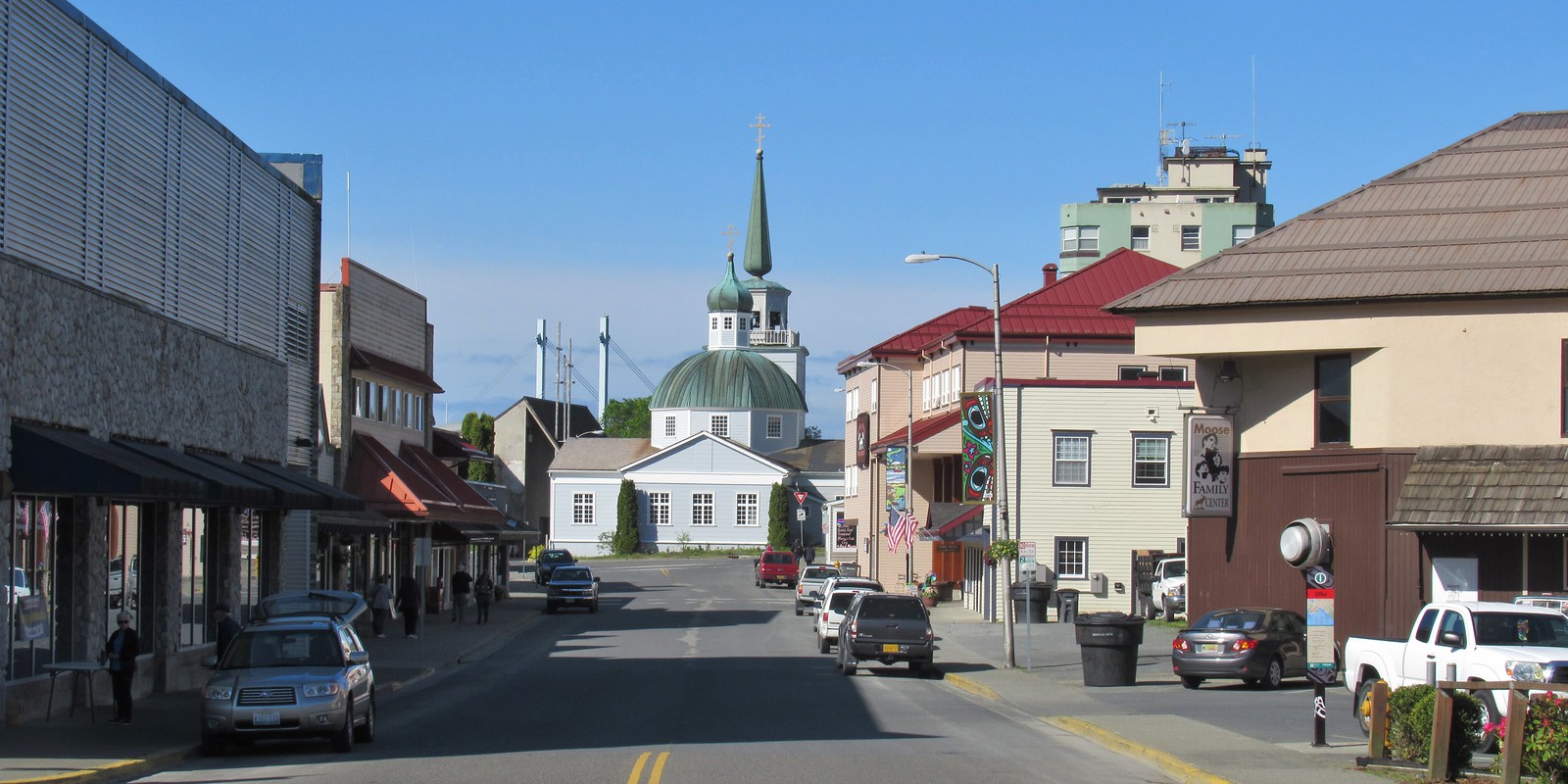
It’s hard not to like Sitka, with its eclectic blend of Alaska Native, Russian, and American history and its dramatic and beautiful open-ocean setting. This is one of the best Inside Passage towns to explore on foot, with St. Michael’s Cathedral, Sheldon Jackson Museum, Castle Hill, Sitka National Historical Park, and the Alaska Raptor Center topping the must-see list.Sitka was home to the Kiksádi clan of the Tlingit people for centuries prior to the 18th-century arrival of the Russians under the direction of territorial governor Alexander Baranof, who believed the region was ideal for the fur trade. The governor also coveted the Sitka site for its beauty, mild climate, and economic potential; in the island’s massive timber forests he saw raw materials for shipbuilding. Its location offered trading routes as far west as Asia and as far south as California and Hawaii. In 1799 Baranof built St. Michael Archangel—a wooden fort and trading post 6 miles north of the present town.Strong disagreements arose shortly after the settlement. The Tlingits attacked the settlers and burned their buildings in 1802. Baranof, however, was away in Kodiak at the time. He returned in 1804 with a formidable force—including shipboard cannons—and attacked the Tlingits at their fort near Indian River, site of the present-day 105-acre Sitka National Historical Park, forcing many of them north to Chichagof Island.By 1821 the Tlingits had reached an accord with the Russians, who were happy to benefit from the tribe’s hunting skills. Under Baranof and succeeding managers, the Russian-American Company and the town prospered, becoming known as the Paris of the Pacific. The community built a major shipbuilding and repair facility, sawmills, and forges, and even initiated an ice industry, shipping blocks of ice from nearby Swan Lake to the booming San Francisco market. The settlement that was the site of the 1802 conflict is now called Old Sitka. It is a state park and listed as a National Historic Landmark.The town declined after its 1867 transfer from Russia to the United States, but it became prosperous again during World War II, when it served as a base for the U.S. effort to drive the Japanese from the Aleutian Islands. Today its most important industries are fishing, government, and tourism.
Ketchikan, Alaska, United States
Ketchikan is famous for its colorful totem poles, rainy skies, steep–as–San Francisco streets, and lush island setting. Some 13,500 people call the town home, and, in the summer, cruise ships crowd the shoreline, floatplanes depart noisily for Misty Fiords National Monument, and salmon-laden commercial fishing boats motor through Tongass Narrows. In the last decade Ketchikan’s rowdy, blue-collar heritage of logging and fishing has been softened by the loss of many timber-industry jobs and the dramatic rise of cruise-ship tourism. With some effort, though, visitors can still glimpse the rugged frontier spirit that once permeated this hardscrabble cannery town. Art lovers should make a beeline for Ketchikan: the arts community here is very active. Travelers in search of the perfect piece of Alaska art will find an incredible range of pieces to choose from.The town is at the foot of 3,000-foot Deer Mountain, near the southeastern corner of Revillagigedo (locals shorten it to Revilla) Island. Prior to the arrival of white miners and fishermen in 1885, the Tlingit used the site at the mouth of Ketchikan Creek as a summer fish camp. Gold discoveries just before the turn of the 20th century brought more immigrants, and valuable timber and commercial fishing resources spurred new industries. By the 1930s the town bragged that it was the “salmon-canning capital of the world.” You will still find some of Southeast’s best salmon fishing around here. Ketchikan is the first bite of Alaska that many travelers taste. Despite its imposing backdrop, hillside homes, and many staircases, the town is relatively easy to walk through. Favorite downtown stops include the Spruce Mill Development shops and Creek Street. A bit farther away you’ll find the Totem Heritage Center. Out of town (but included on most bus tours) are two longtime favorites: Totem Bight State Historical Park to the north and Saxman Totem Park to the south.
Victoria, British Columbia, Canada
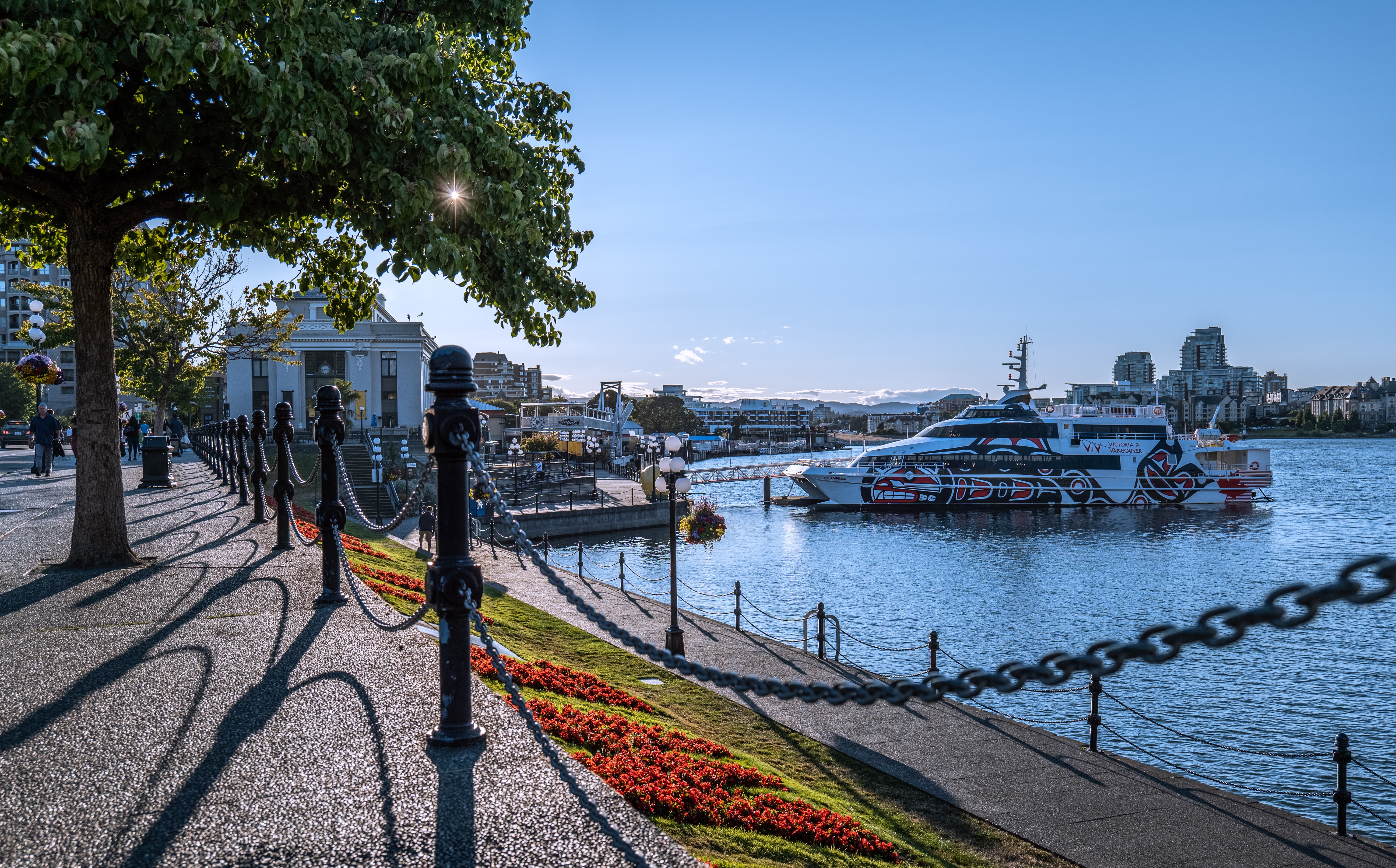
Victoria, the capital of a province whose license plates brazenly label it “The Best Place on Earth,” is a walkable, livable seaside city of fragrant gardens, waterfront paths, engaging museums, and beautifully restored 19th-century architecture. In summer, the Inner Harbour—Victoria’s social and cultural center—buzzes with visiting yachts, horse-and-carriage rides, street entertainers, and excursion boats heading out to visit pods of friendly local whales. Yes, it might be a bit touristy, but Victoria’s good looks, gracious pace, and manageable size are instantly beguiling, especially if you stand back to admire the mountains and ocean beyond. At the southern tip of Vancouver Island, Victoria dips slightly below the 49th parallel. That puts it farther south than most of Canada, giving it the mildest climate in the country, with virtually no snow and less than half the rain of Vancouver. The city’s geography, or at least its place names, can cause confusion. Just to clarify: the city of Victoria is on Vancouver Island (not Victoria Island). The city of Vancouver is on the British Columbia mainland, not on Vancouver Island. At any rate, that upstart city of Vancouver didn’t even exist in 1843 when Victoria, then called Fort Victoria, was founded as the westernmost trading post of the British-owned Hudson’s Bay Company. Victoria was the first European settlement on Vancouver Island, and in 1868 it became the capital of British Columbia. The British weren’t here alone, of course. The local First Nations people—the Songhees, the Saanich, and the Sooke—had already lived in the areas for thousands of years before anyone else arrived. Their art and culture are visible throughout southern Vancouver Island. You can see this in private and public galleries, in the totems at Thunderbird Park, in the striking collections at the Royal British Columbia Museum, and at the Quw’utsun’Cultural and Conference Centre in nearby Duncan. Spanish explorers were the first foreigners to explore the area, although they left little more than place names (Galiano Island and Cordova Bay, for example). The thousands of Chinese immigrants drawn by the gold rushes of the late 19th century had a much greater impact, founding Canada’s oldest Chinatown and adding an Asian influence that’s still quite pronounced in Victoria’s multicultural mix. Despite its role as the provincial capital, Victoria was largely eclipsed, economically, by Vancouver throughout the 20th century. This, as it turns out, was all to the good, helping to preserve Victoria’s historic downtown and keeping the city largely free of skyscrapers and highways. For much of the 20th century, Victoria was marketed to tourists as “The Most British City in Canada,” and it still has more than its share of Anglo-themed pubs, tea shops, and double-decker buses. These days, however, Victorians prefer to celebrate their combined indigenous, Asian, and European heritage, and the city’s stunning wilderness backdrop. Locals do often venture out for afternoon tea, but they’re just as likely to nosh on dim sum or tapas. Decades-old shops sell imported linens and tweeds, but newer upstarts offer local designs in hemp and organic cotton. And let’s not forget that fabric prevalent among locals: Gore-Tex. The outdoors is ever present here. You can hike, bike, kayak, sail, or whale-watch straight from the city center, and forests, beaches, offshore islands, and wilderness parklands lie just minutes away. A little farther afield, there’s surfing near Sooke, wine touring in the Cowichan Valley, and kayaking among the Gulf Islands.
Glacier Bay National Park, Alaska, United States
Located in Southeast Alaska, west of the capital city of Juneau, Glacier Bay is a beautiful National Park full of snow capped mountains, tidewater glaciers and wildlife. Experience wildlife in all its beauty from boat trips for whale watching and hiking through the trails of the Park. It is a protected area full of wonder to be explored.
Skagway, Alaska, United States
Located at the northern terminus of the Inside Passage, Skagway is a one-hour ferry ride from Haines. By road, however, the distance is 359 miles, as you have to take the Haines Highway up to Haines Junction, Yukon, then take the Alaska Highway 100 miles south to Whitehorse, and then drive a final 100 miles south on the Klondike Highway to Skagway. North-country folk call this sightseeing route the Golden Horseshoe or Golden Circle tour, because it passes a lot of gold-rush country in addition to spectacular lake, forest, and mountain scenery.The town is an amazingly preserved artifact from North America’s biggest, most-storied gold rush. Most of the downtown district forms part of the Klondike Gold Rush National Historical Park, a unit of the National Park System dedicated to commemorating and interpreting the frenzied stampede of 1897 that extended to Dawson City in Canada’s Yukon.Nearly all the historic sights are within a few blocks of the cruise-ship and ferry dock, allowing visitors to meander through the town’s attractions at whatever pace they choose. Whether you’re disembarking from a cruise ship, a ferry, or a dusty automobile fresh from the Golden Circle, you’ll quickly discover that tourism is the lifeblood of this town. Unless you’re visiting in winter or hiking into the backcountry on the Chilkoot Trail, you aren’t likely to find a quiet Alaska experience around Skagway.
Juneau, Alaska, United States
Juneau, Alaska’s capital and third-largest city, is on the North American mainland but can’t be reached by road. Bounded by steep mountains and water, the city’s geographic isolation and compact size make it much more akin to an island community such as Sitka than to other Alaskan urban centers, such as Fairbanks or Anchorage. Juneau is full of contrasts. Its dramatic hillside location and historic downtown buildings provide a frontier feeling, but the city’s cosmopolitan nature comes through in fine museums, noteworthy restaurants, and a literate and outdoorsy populace. The finest of the museums, the Alaska State Museum, is scheduled to reopen in May 2016 on its old site as the expanded Alaska State Library, Archives, and Museum (SLAM) following several years of planning and exhibit research. Another new facility, the Walter Soboleff Center, offers visitors a chance to learn about the indigenous cultures of Southeast Alaska–-Tlingit, Haida, and Tsimshian. Other highlights include the Mt. Roberts Tramway, plenty of densely forested wilderness areas, quiet bays for sea kayaking, and even a famous drive-up glacier, Mendenhall Glacier. For goings-on, pick up the Juneau Empire (www.juneauempire.com), which keeps tabs on state politics, business, sports, and local news.
Sitka, Alaska, United States
It’s hard not to like Sitka, with its eclectic blend of Alaska Native, Russian, and American history and its dramatic and beautiful open-ocean setting. This is one of the best Inside Passage towns to explore on foot, with St. Michael’s Cathedral, Sheldon Jackson Museum, Castle Hill, Sitka National Historical Park, and the Alaska Raptor Center topping the must-see list.Sitka was home to the Kiksádi clan of the Tlingit people for centuries prior to the 18th-century arrival of the Russians under the direction of territorial governor Alexander Baranof, who believed the region was ideal for the fur trade. The governor also coveted the Sitka site for its beauty, mild climate, and economic potential; in the island’s massive timber forests he saw raw materials for shipbuilding. Its location offered trading routes as far west as Asia and as far south as California and Hawaii. In 1799 Baranof built St. Michael Archangel—a wooden fort and trading post 6 miles north of the present town.Strong disagreements arose shortly after the settlement. The Tlingits attacked the settlers and burned their buildings in 1802. Baranof, however, was away in Kodiak at the time. He returned in 1804 with a formidable force—including shipboard cannons—and attacked the Tlingits at their fort near Indian River, site of the present-day 105-acre Sitka National Historical Park, forcing many of them north to Chichagof Island.By 1821 the Tlingits had reached an accord with the Russians, who were happy to benefit from the tribe’s hunting skills. Under Baranof and succeeding managers, the Russian-American Company and the town prospered, becoming known as the Paris of the Pacific. The community built a major shipbuilding and repair facility, sawmills, and forges, and even initiated an ice industry, shipping blocks of ice from nearby Swan Lake to the booming San Francisco market. The settlement that was the site of the 1802 conflict is now called Old Sitka. It is a state park and listed as a National Historic Landmark.The town declined after its 1867 transfer from Russia to the United States, but it became prosperous again during World War II, when it served as a base for the U.S. effort to drive the Japanese from the Aleutian Islands. Today its most important industries are fishing, government, and tourism.
Ketchikan, Alaska, United States
Ketchikan is famous for its colorful totem poles, rainy skies, steep–as–San Francisco streets, and lush island setting. Some 13,500 people call the town home, and, in the summer, cruise ships crowd the shoreline, floatplanes depart noisily for Misty Fiords National Monument, and salmon-laden commercial fishing boats motor through Tongass Narrows. In the last decade Ketchikan’s rowdy, blue-collar heritage of logging and fishing has been softened by the loss of many timber-industry jobs and the dramatic rise of cruise-ship tourism. With some effort, though, visitors can still glimpse the rugged frontier spirit that once permeated this hardscrabble cannery town. Art lovers should make a beeline for Ketchikan: the arts community here is very active. Travelers in search of the perfect piece of Alaska art will find an incredible range of pieces to choose from.The town is at the foot of 3,000-foot Deer Mountain, near the southeastern corner of Revillagigedo (locals shorten it to Revilla) Island. Prior to the arrival of white miners and fishermen in 1885, the Tlingit used the site at the mouth of Ketchikan Creek as a summer fish camp. Gold discoveries just before the turn of the 20th century brought more immigrants, and valuable timber and commercial fishing resources spurred new industries. By the 1930s the town bragged that it was the “salmon-canning capital of the world.” You will still find some of Southeast’s best salmon fishing around here. Ketchikan is the first bite of Alaska that many travelers taste. Despite its imposing backdrop, hillside homes, and many staircases, the town is relatively easy to walk through. Favorite downtown stops include the Spruce Mill Development shops and Creek Street. A bit farther away you’ll find the Totem Heritage Center. Out of town (but included on most bus tours) are two longtime favorites: Totem Bight State Historical Park to the north and Saxman Totem Park to the south.
Victoria, British Columbia, Canada
Victoria, the capital of a province whose license plates brazenly label it “The Best Place on Earth,” is a walkable, livable seaside city of fragrant gardens, waterfront paths, engaging museums, and beautifully restored 19th-century architecture. In summer, the Inner Harbour—Victoria’s social and cultural center—buzzes with visiting yachts, horse-and-carriage rides, street entertainers, and excursion boats heading out to visit pods of friendly local whales. Yes, it might be a bit touristy, but Victoria’s good looks, gracious pace, and manageable size are instantly beguiling, especially if you stand back to admire the mountains and ocean beyond. At the southern tip of Vancouver Island, Victoria dips slightly below the 49th parallel. That puts it farther south than most of Canada, giving it the mildest climate in the country, with virtually no snow and less than half the rain of Vancouver. The city’s geography, or at least its place names, can cause confusion. Just to clarify: the city of Victoria is on Vancouver Island (not Victoria Island). The city of Vancouver is on the British Columbia mainland, not on Vancouver Island. At any rate, that upstart city of Vancouver didn’t even exist in 1843 when Victoria, then called Fort Victoria, was founded as the westernmost trading post of the British-owned Hudson’s Bay Company. Victoria was the first European settlement on Vancouver Island, and in 1868 it became the capital of British Columbia. The British weren’t here alone, of course. The local First Nations people—the Songhees, the Saanich, and the Sooke—had already lived in the areas for thousands of years before anyone else arrived. Their art and culture are visible throughout southern Vancouver Island. You can see this in private and public galleries, in the totems at Thunderbird Park, in the striking collections at the Royal British Columbia Museum, and at the Quw’utsun’Cultural and Conference Centre in nearby Duncan. Spanish explorers were the first foreigners to explore the area, although they left little more than place names (Galiano Island and Cordova Bay, for example). The thousands of Chinese immigrants drawn by the gold rushes of the late 19th century had a much greater impact, founding Canada’s oldest Chinatown and adding an Asian influence that’s still quite pronounced in Victoria’s multicultural mix. Despite its role as the provincial capital, Victoria was largely eclipsed, economically, by Vancouver throughout the 20th century. This, as it turns out, was all to the good, helping to preserve Victoria’s historic downtown and keeping the city largely free of skyscrapers and highways. For much of the 20th century, Victoria was marketed to tourists as “The Most British City in Canada,” and it still has more than its share of Anglo-themed pubs, tea shops, and double-decker buses. These days, however, Victorians prefer to celebrate their combined indigenous, Asian, and European heritage, and the city’s stunning wilderness backdrop. Locals do often venture out for afternoon tea, but they’re just as likely to nosh on dim sum or tapas. Decades-old shops sell imported linens and tweeds, but newer upstarts offer local designs in hemp and organic cotton. And let’s not forget that fabric prevalent among locals: Gore-Tex. The outdoors is ever present here. You can hike, bike, kayak, sail, or whale-watch straight from the city center, and forests, beaches, offshore islands, and wilderness parklands lie just minutes away. A little farther afield, there’s surfing near Sooke, wine touring in the Cowichan Valley, and kayaking among the Gulf Islands.
Vancouver, British Columbia, Canada
Vancouver is a delicious juxtaposition of urban sophistication and on-your-doorstep wilderness adventure. The mountains and seascape make the city an outdoor playground for hiking, skiing, kayaking, cycling, and sailing—and so much more—while the cuisine and arts scenes are equally diverse, reflecting the makeup of Vancouver’s ethnic (predominantly Asian) mosaic. Vancouver is consistently ranked as one of the world’s most livable cities, and it’s easy for visitors to see why. It’s beautiful, it’s outdoorsy, and there’s a laidback West Coast vibe. On the one hand, there’s easy access to a variety of outdoor activities, a fabulous variety of beaches, and amazing parks. At the same time, the city has a multicultural vitality and cosmopolitan flair. The attraction is as much in the range of food choices—the fresh seafood and local produce are some of North America’s best—as it is in the museums, shopping, and nightlife.Vancouver’s landscaping also adds to the city’s walking appeal. In spring, flowerbeds spill over with tulips and daffodils while sea breezes scatter scented cherry blossoms throughout Downtown; in summer office workers take to the beaches, parks, and urban courtyards for picnic lunches and laptop meetings. More than 8 million visitors each year come to Vancouver, Canada’s third-largest metropolitan area. Because of its peninsula location, traffic flow is a contentious issue. Thankfully, Vancouver is wonderfully walkable, especially in the downtown core. The North Shore is a scoot across the harbor, and the rapid-transit system to Richmond and the airport means that staying in the more affordable ’burbs doesn’t have to be synonymous with sacrificing convenience. The mild climate, exquisite natural scenery, and relaxed outdoor lifestyle keep attracting residents, and the number of visitors is increasing for the same reasons. People often get their first glimpse of Vancouver when catching an Alaskan cruise, and many return at some point to spend more time here.
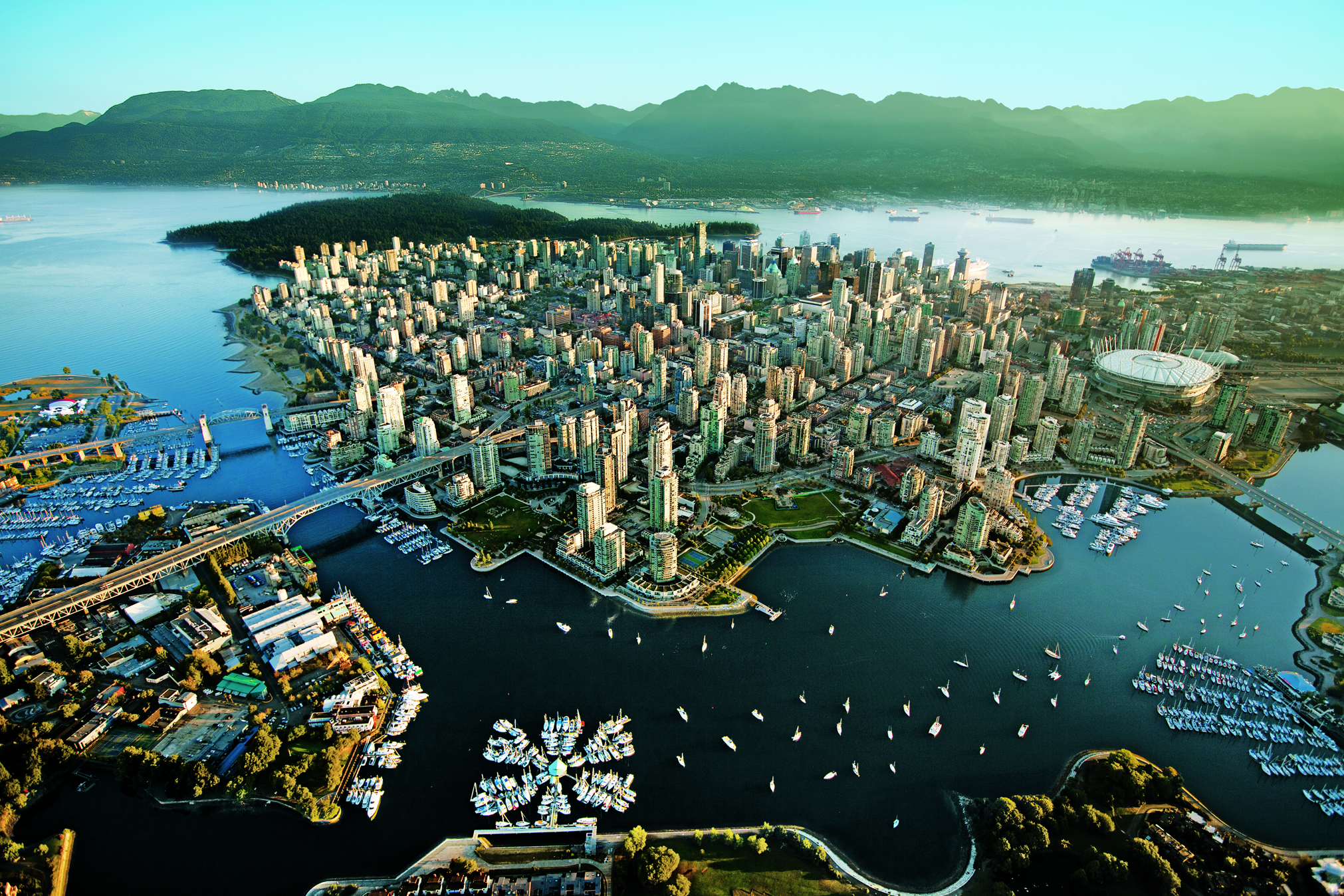
Seattle, Washington, United States
Seattle is a scenic seaport city in western Washington, situated on an isthmus between Puget Sound to the west and Lake Washington to the east. It is the largest city in Washington. Five pioneer families from Illinois first settled the area in 1851, and named the town after a friendly Suquamish Indian chief. It was incorporated as a city in 1869, and grew quickly after the Great Northern Railway arrived in 1893, especially during the Alaska Gold Rush of 1897. When the Panama Canal opened in 1914, Seattle became a major Pacific port of entry, and today it is the region’s commercial and transportation hub and the centre of manufacturing, trade, and finance, with an estimated 684,451 residents as of 2015.
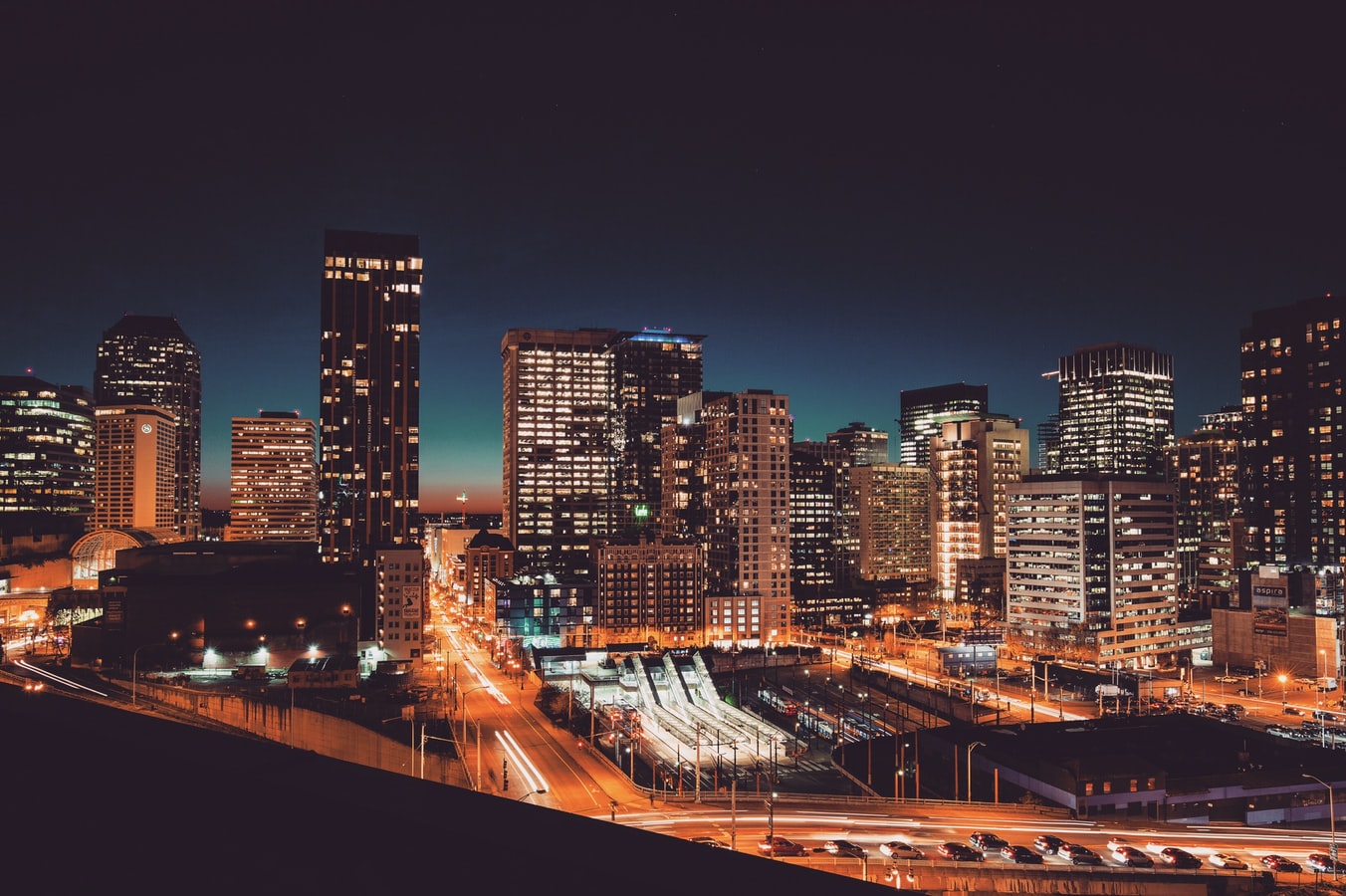
Astoria, Oregon, United States
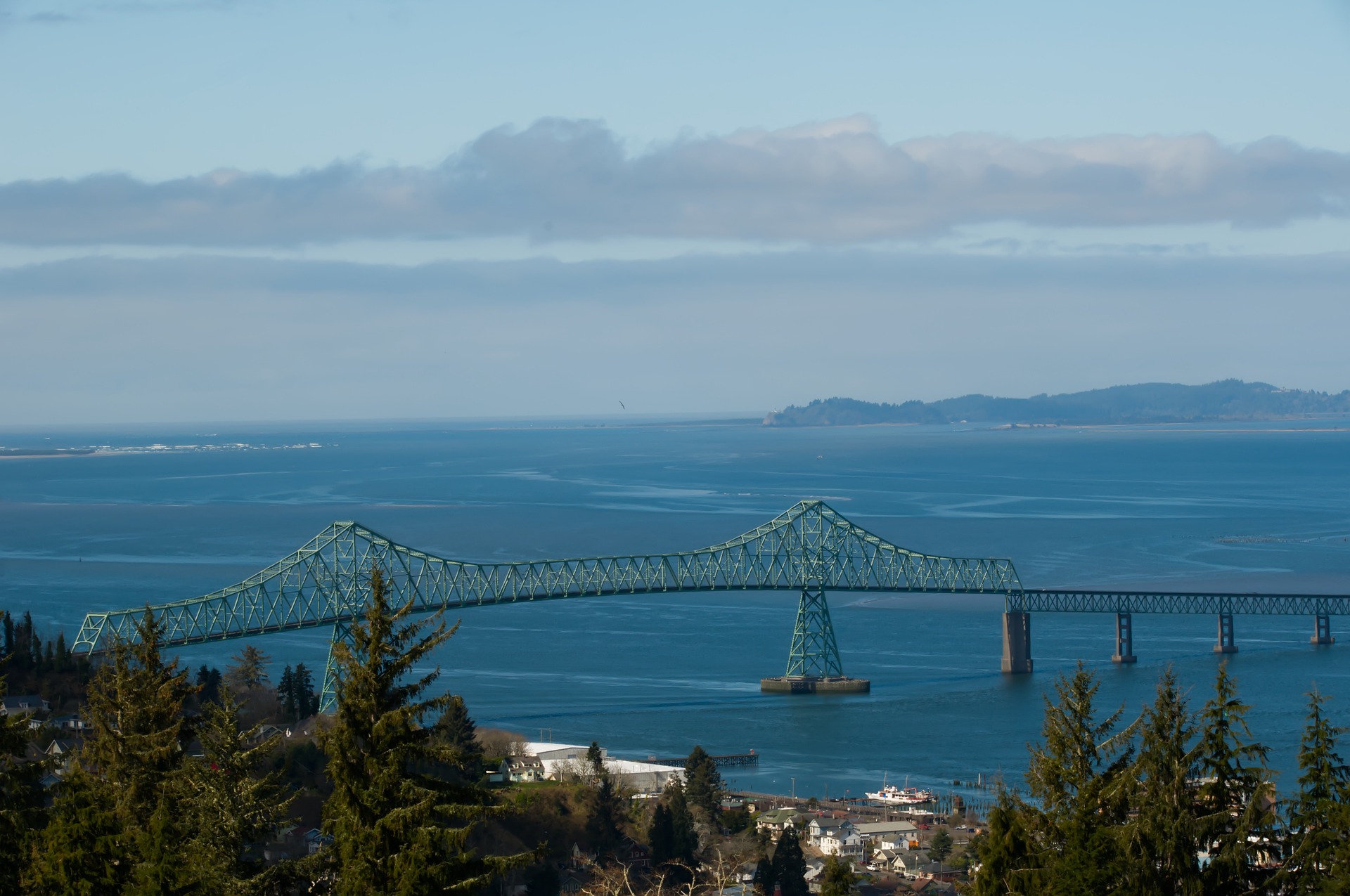
Santa Barbara, California, United States
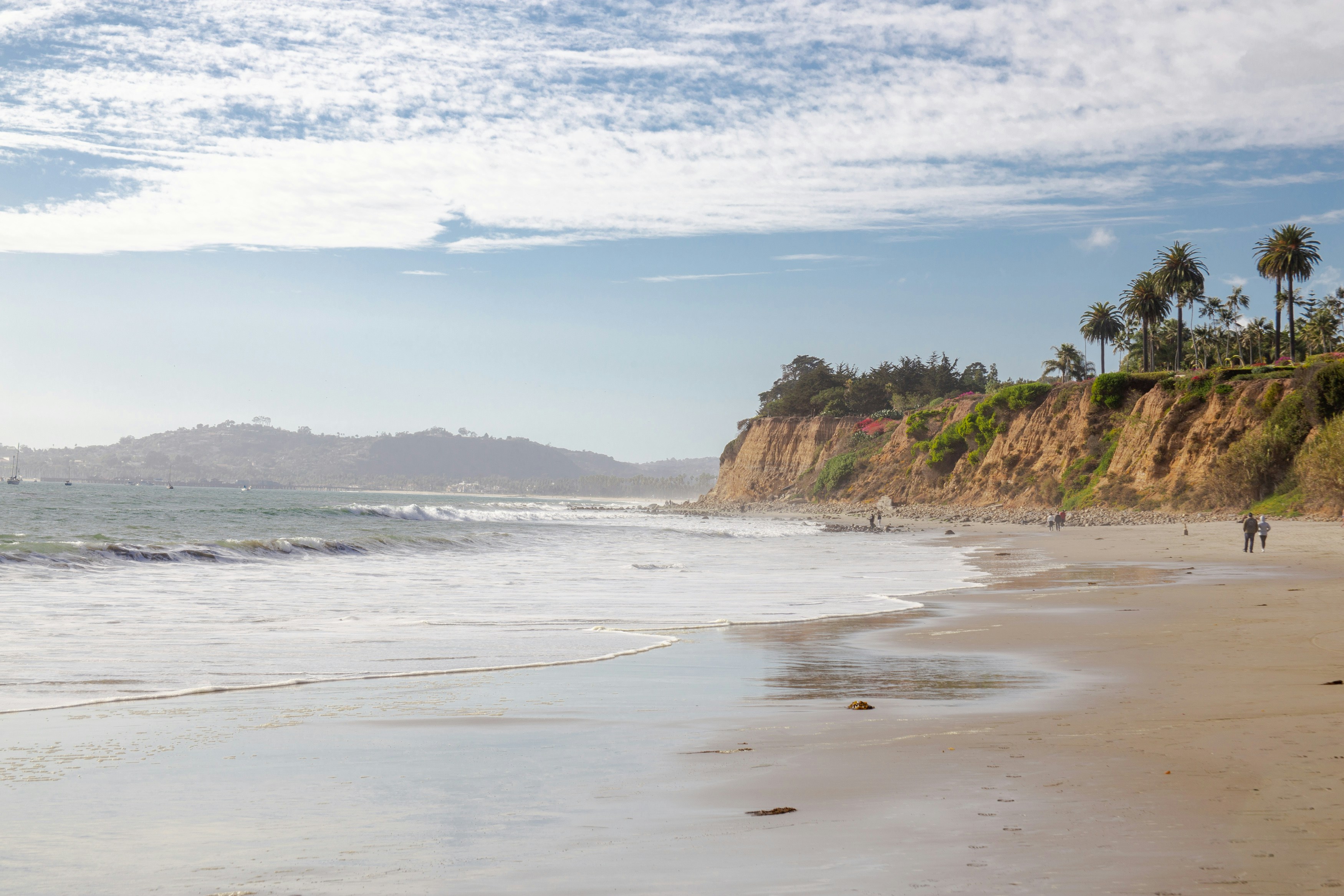
Vancouver, British Columbia, Canada
Vancouver is a delicious juxtaposition of urban sophistication and on-your-doorstep wilderness adventure. The mountains and seascape make the city an outdoor playground for hiking, skiing, kayaking, cycling, and sailing—and so much more—while the cuisine and arts scenes are equally diverse, reflecting the makeup of Vancouver’s ethnic (predominantly Asian) mosaic. Vancouver is consistently ranked as one of the world’s most livable cities, and it’s easy for visitors to see why. It’s beautiful, it’s outdoorsy, and there’s a laidback West Coast vibe. On the one hand, there’s easy access to a variety of outdoor activities, a fabulous variety of beaches, and amazing parks. At the same time, the city has a multicultural vitality and cosmopolitan flair. The attraction is as much in the range of food choices—the fresh seafood and local produce are some of North America’s best—as it is in the museums, shopping, and nightlife.Vancouver’s landscaping also adds to the city’s walking appeal. In spring, flowerbeds spill over with tulips and daffodils while sea breezes scatter scented cherry blossoms throughout Downtown; in summer office workers take to the beaches, parks, and urban courtyards for picnic lunches and laptop meetings. More than 8 million visitors each year come to Vancouver, Canada’s third-largest metropolitan area. Because of its peninsula location, traffic flow is a contentious issue. Thankfully, Vancouver is wonderfully walkable, especially in the downtown core. The North Shore is a scoot across the harbor, and the rapid-transit system to Richmond and the airport means that staying in the more affordable ’burbs doesn’t have to be synonymous with sacrificing convenience. The mild climate, exquisite natural scenery, and relaxed outdoor lifestyle keep attracting residents, and the number of visitors is increasing for the same reasons. People often get their first glimpse of Vancouver when catching an Alaskan cruise, and many return at some point to spend more time here.
Seattle, Washington, United States
Seattle is a scenic seaport city in western Washington, situated on an isthmus between Puget Sound to the west and Lake Washington to the east. It is the largest city in Washington. Five pioneer families from Illinois first settled the area in 1851, and named the town after a friendly Suquamish Indian chief. It was incorporated as a city in 1869, and grew quickly after the Great Northern Railway arrived in 1893, especially during the Alaska Gold Rush of 1897. When the Panama Canal opened in 1914, Seattle became a major Pacific port of entry, and today it is the region’s commercial and transportation hub and the centre of manufacturing, trade, and finance, with an estimated 684,451 residents as of 2015.
Astoria, Oregon, United States
Santa Barbara, California, United States
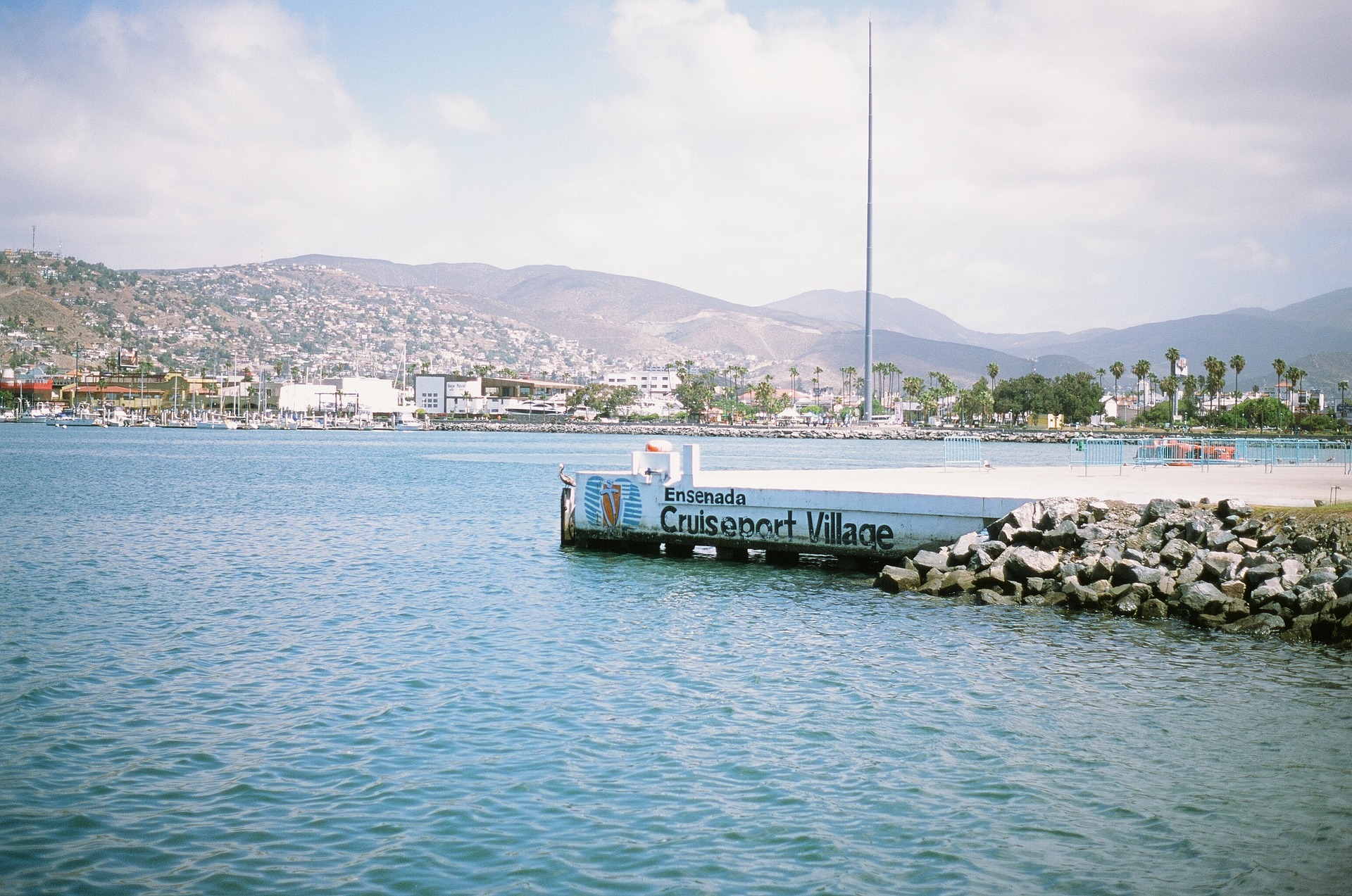
Ensenada, Mexico
Ensenada is a port city on the Pacific coast of Mexico’s Baja California peninsula. At its heart is the harbor and waterfront area with the Malecón promenade. Once a casino, the Riviera de Ensenada is now a cultural center. The nearby Museum of History and the Regional Historical Museum trace the area’s people and past. Migrating gray whales visit the waters offshore. Southwest of the city is La Bufadora blowhole.
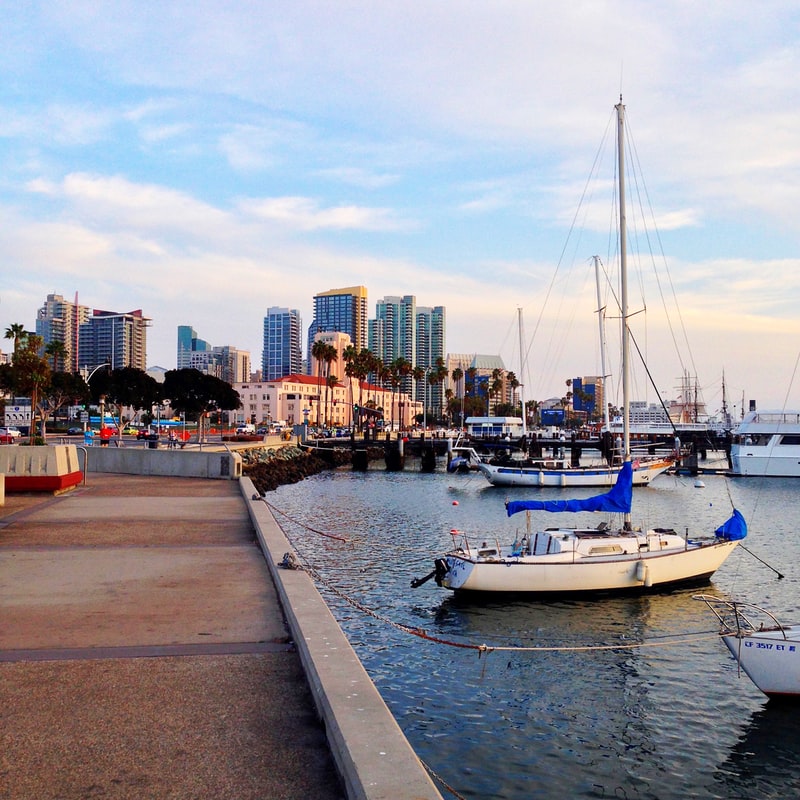
San Diego, California, United States
San Diego is a vacationer’s paradise, with year-round temperatures in the seventies and near-constant sunshine. One of America’s most family-friendly cities, San Diego is home to LEGOLAND, the New Children’s Museum, and the famous San Diego Zoo. Sunbathers and surfers are guaranteed to find their perfect beach, and foodies find delights in artisanal breweries, local bistros, and gourmet restaurants. From the Broadway excitement of La Jolla Playhouse to the European feel of Little Italy to the nouveau-chic of the Gaslamp Quarter, San Diego has something for everyone.
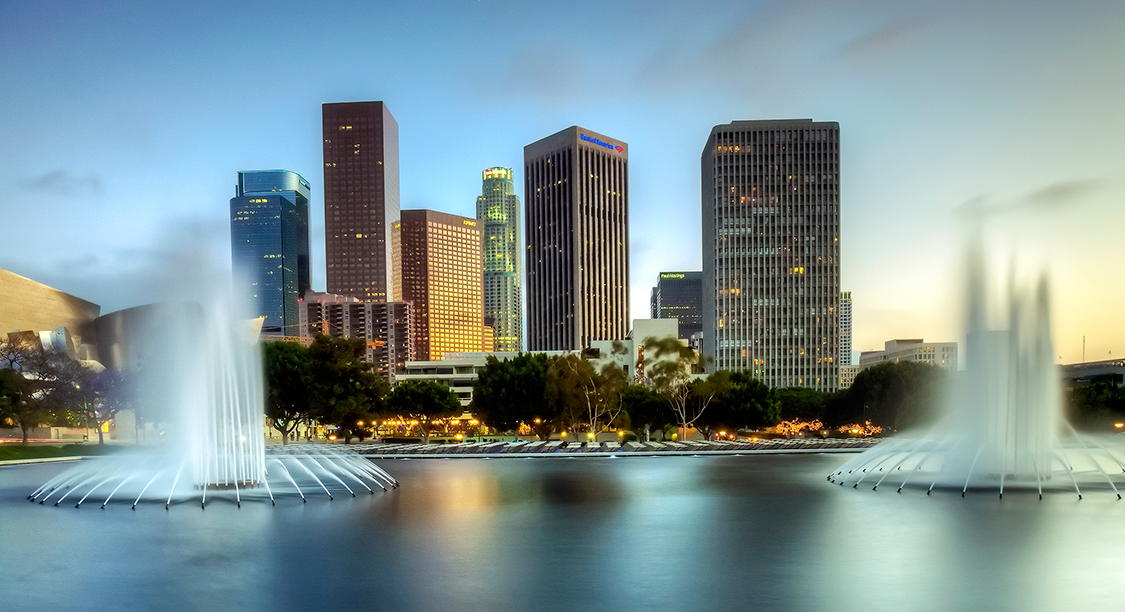
Los Angeles, California, United States
Home of the famous Hollywood sign and Walk of Fame, Los Angeles is the place to visit for anyone interested in film and television and hoping to get a glimpse at some famous actors and artists. Stroll down the Walk and enjoy the glamorous atmosphere and famous surroundings, or take a break on the Santa Monica pier and watch the sun set on the sea.
Ensenada, Mexico
Ensenada is a port city on the Pacific coast of Mexico’s Baja California peninsula. At its heart is the harbor and waterfront area with the Malecón promenade. Once a casino, the Riviera de Ensenada is now a cultural center. The nearby Museum of History and the Regional Historical Museum trace the area’s people and past. Migrating gray whales visit the waters offshore. Southwest of the city is La Bufadora blowhole.
San Diego, California, United States
San Diego is a vacationer’s paradise, with year-round temperatures in the seventies and near-constant sunshine. One of America’s most family-friendly cities, San Diego is home to LEGOLAND, the New Children’s Museum, and the famous San Diego Zoo. Sunbathers and surfers are guaranteed to find their perfect beach, and foodies find delights in artisanal breweries, local bistros, and gourmet restaurants. From the Broadway excitement of La Jolla Playhouse to the European feel of Little Italy to the nouveau-chic of the Gaslamp Quarter, San Diego has something for everyone.
Los Angeles, California, United States
Home of the famous Hollywood sign and Walk of Fame, Los Angeles is the place to visit for anyone interested in film and television and hoping to get a glimpse at some famous actors and artists. Stroll down the Walk and enjoy the glamorous atmosphere and famous surroundings, or take a break on the Santa Monica pier and watch the sun set on the sea.
Cabin Options
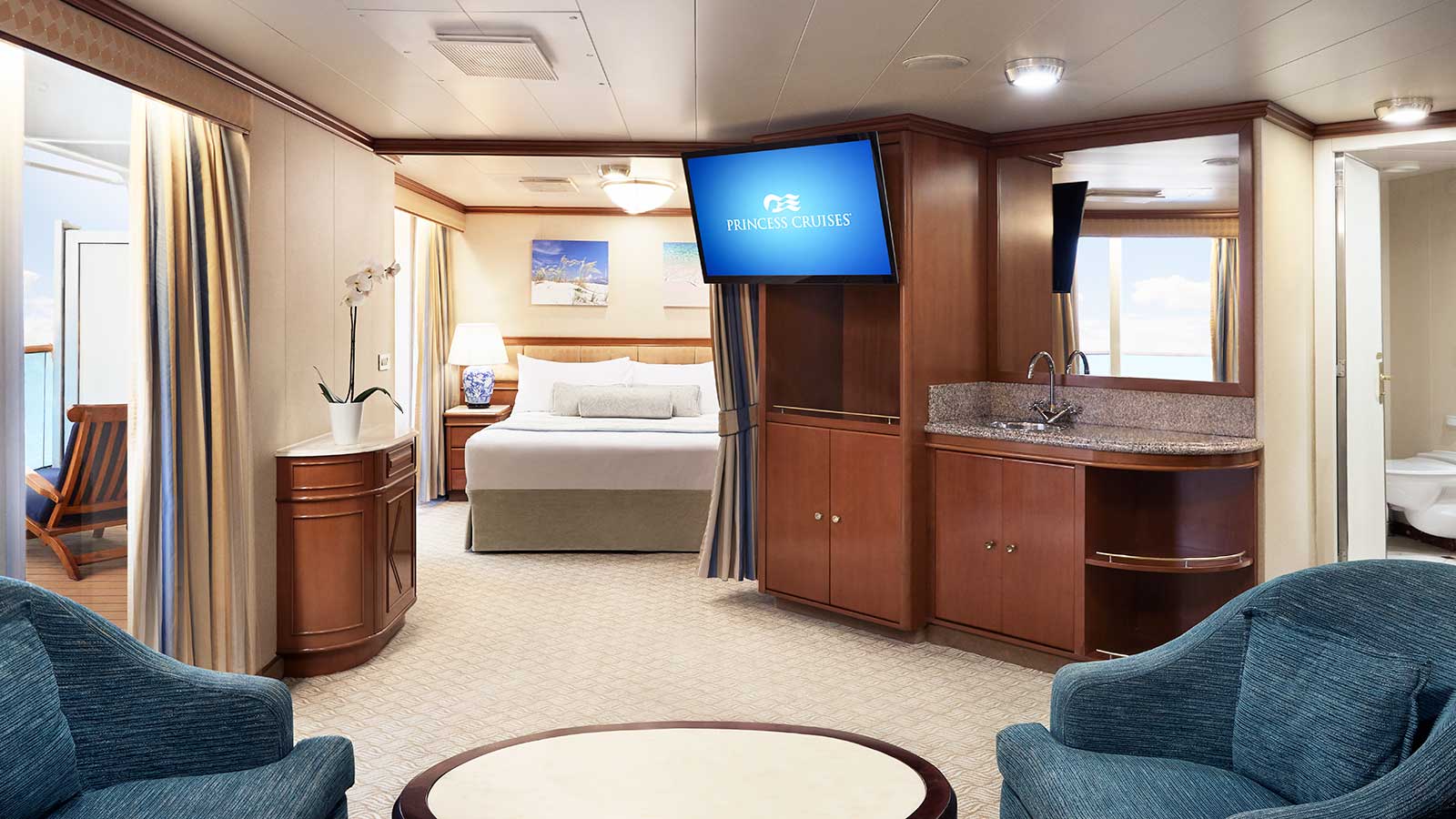
Suite
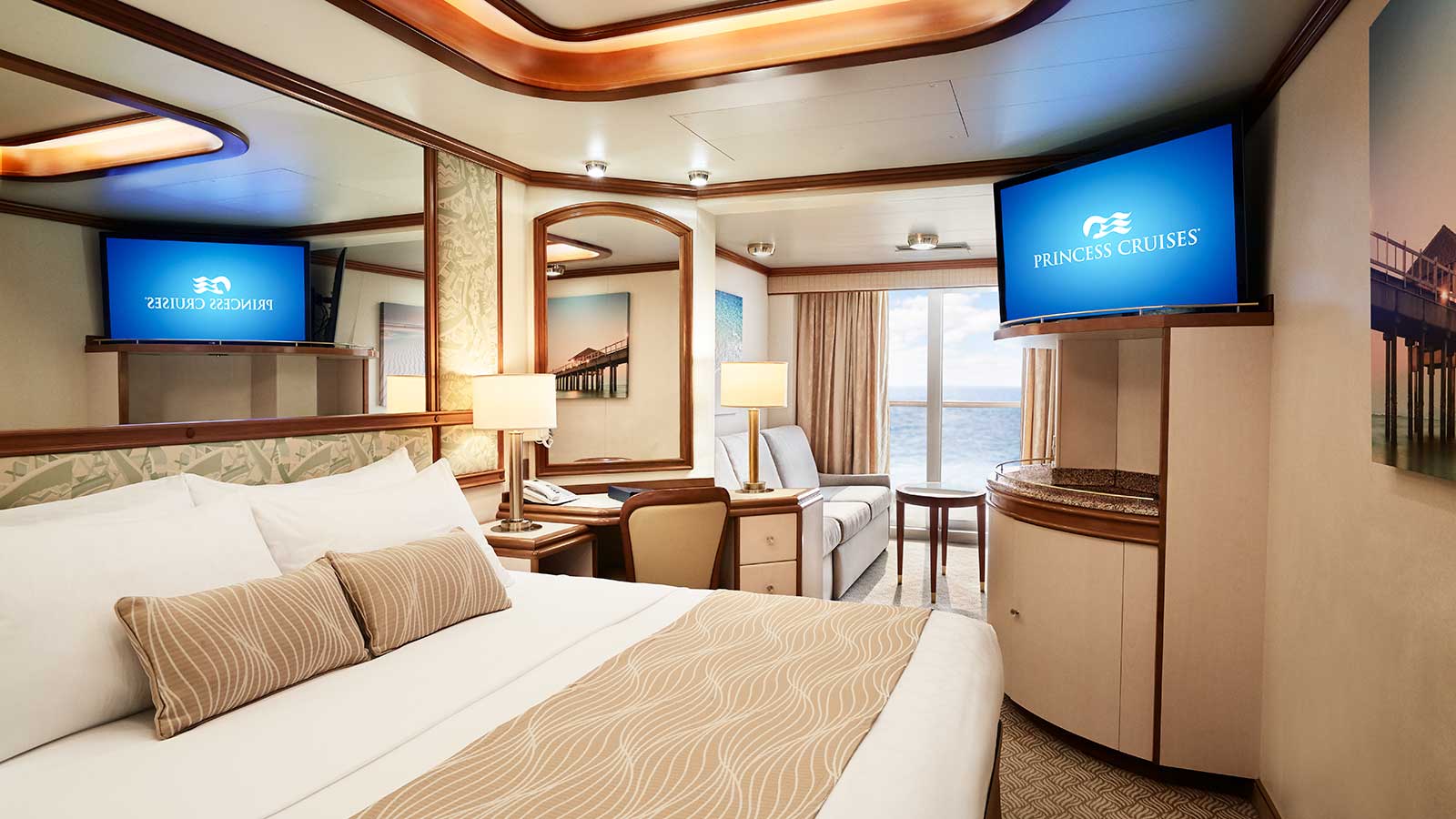
Reserve Collection
Mini-Suite
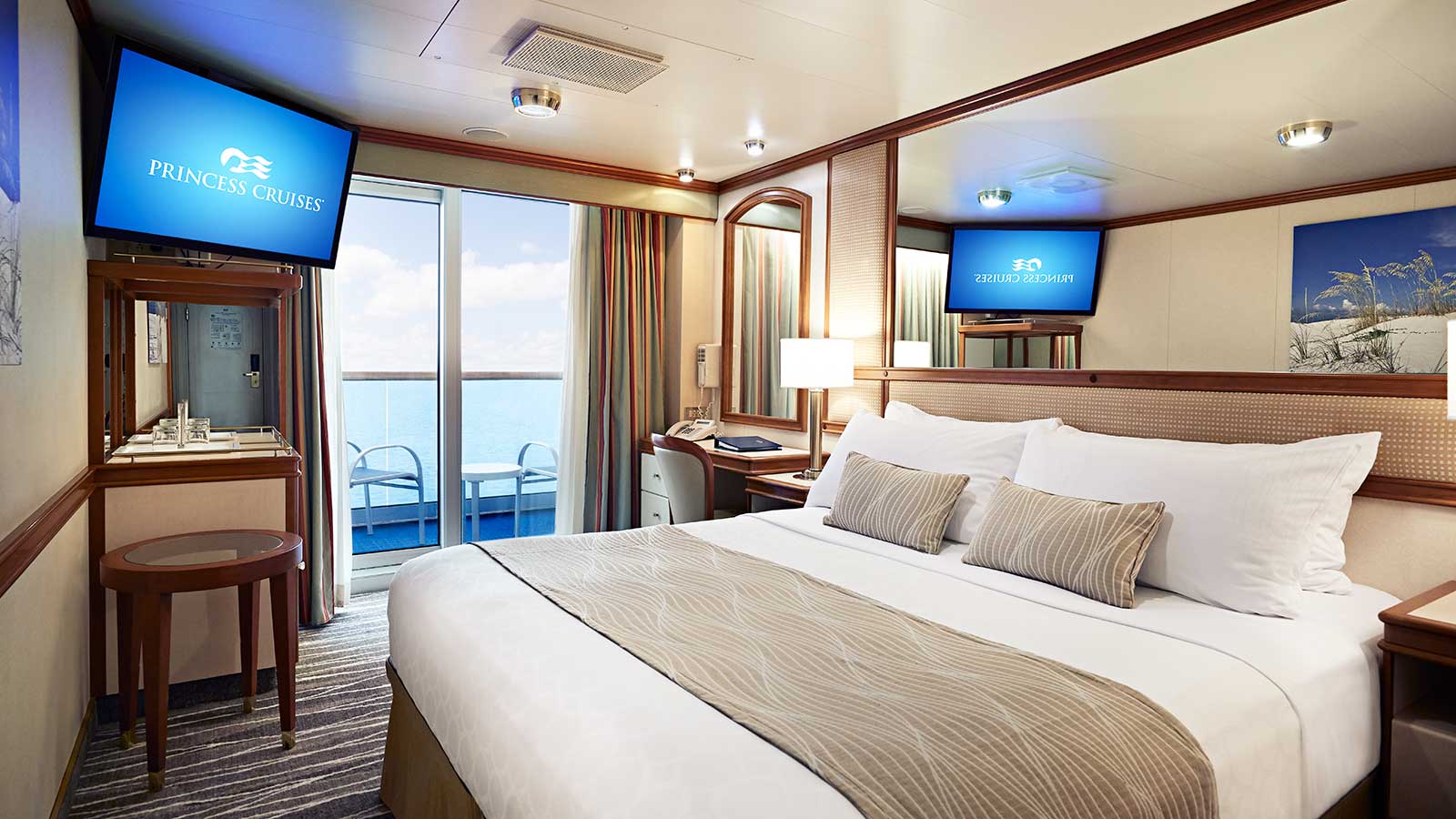
Balcony Staterooms
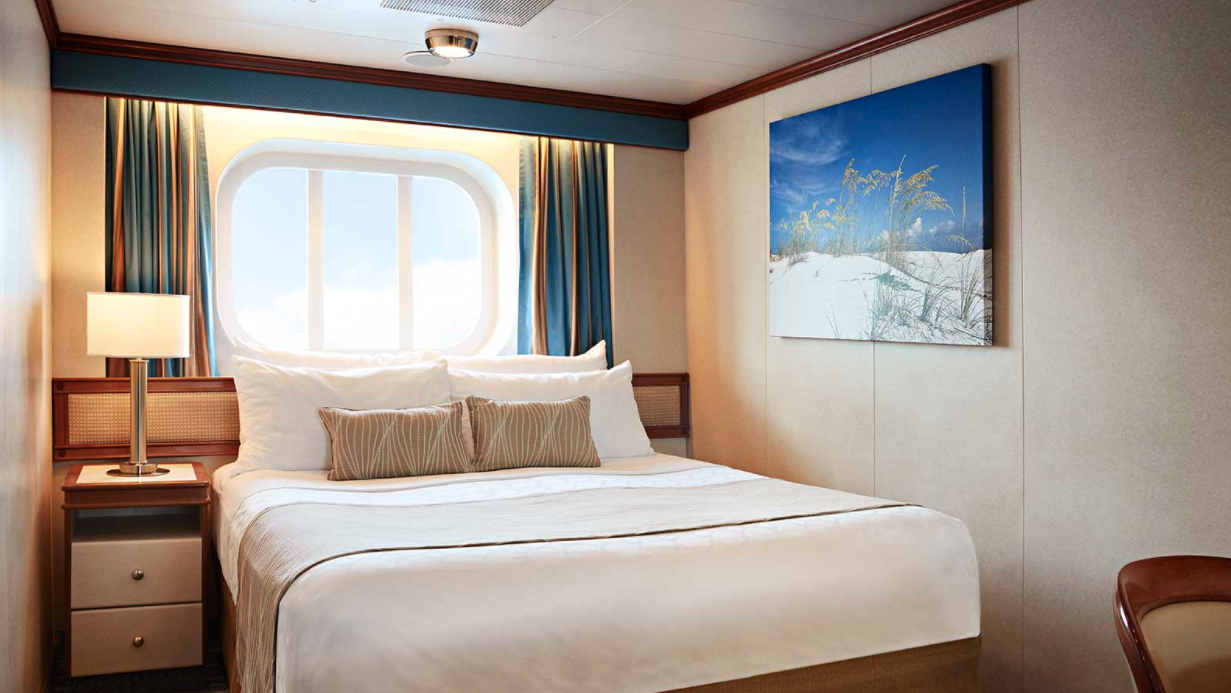
Oceanview Staterooms
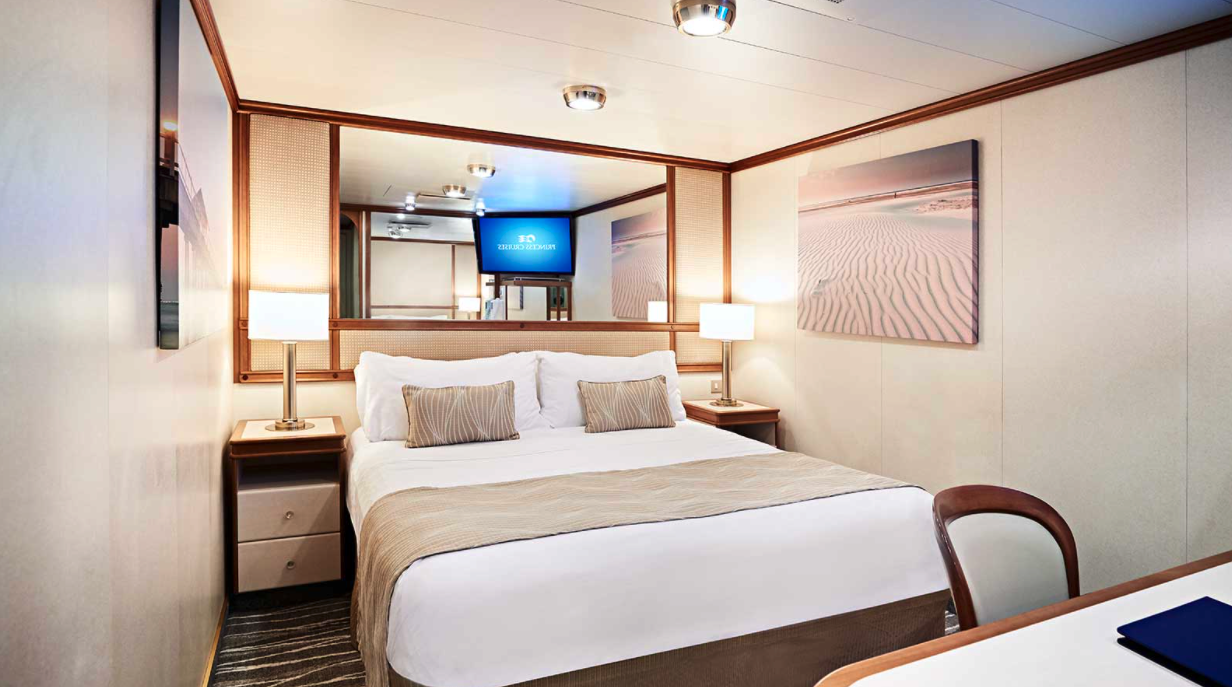
Interior
Ship Facilities
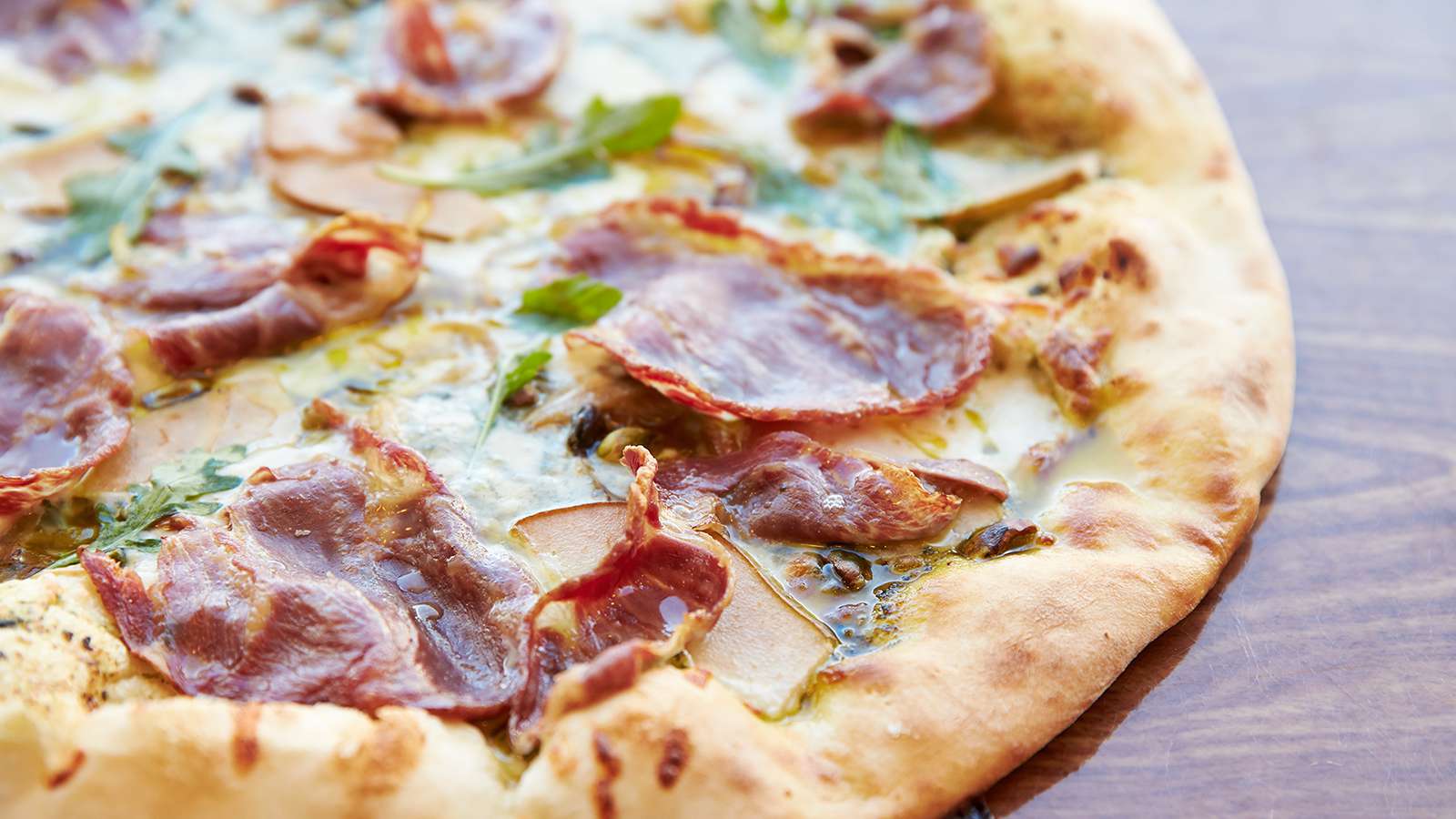
Princess Pizzeria
The Princess Pizzeria is conveniently located poolside for a casual bite while relaxing on deck or while watching Movies Under the Stars®. Serving the “Best Pizza at Sea” by USA TODAY, you’ll delight in the classic favourites like pepperoni and margarita, as well daily speciality pizzas.
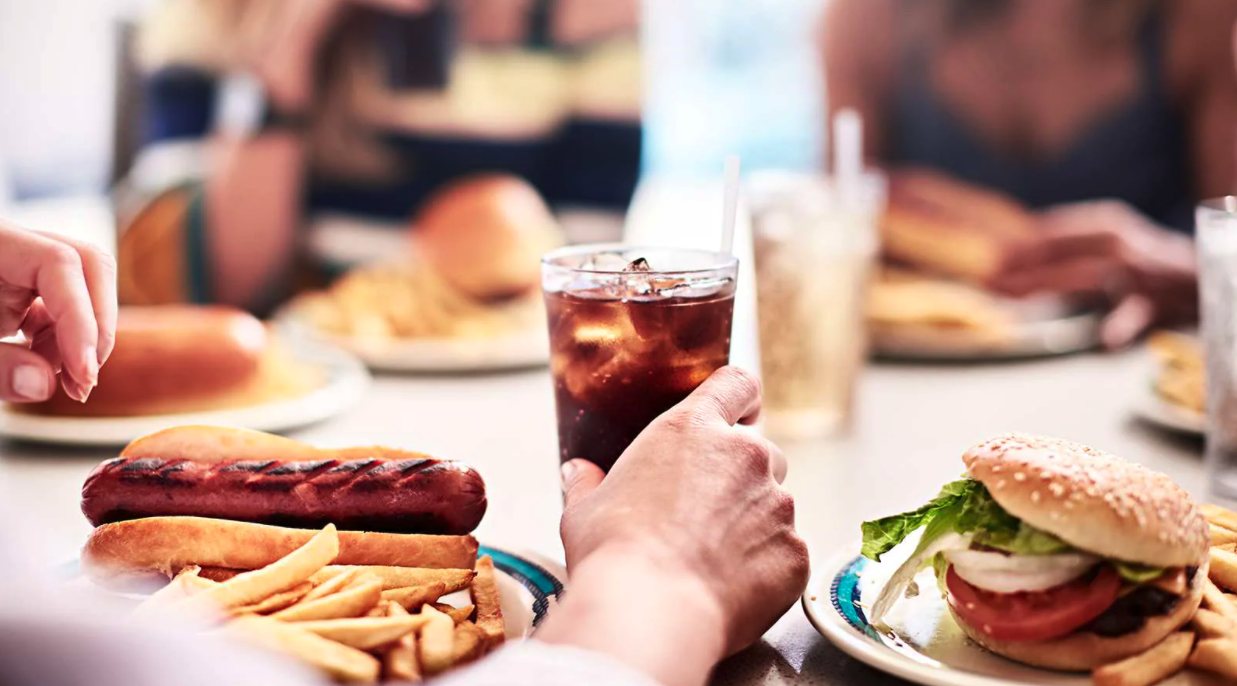
The Bar & Grill
Grilled Burgers and Dogs to Go
Follow your nose to the Deck Barbecue where the burgers are flipping and the hot dogs roasting, served with a variety of fixin’s and crisp fries. Veggie burgers, bratwurst and grilled chicken breast are also served and all are sure to hit the spot when you are relaxing out on deck.
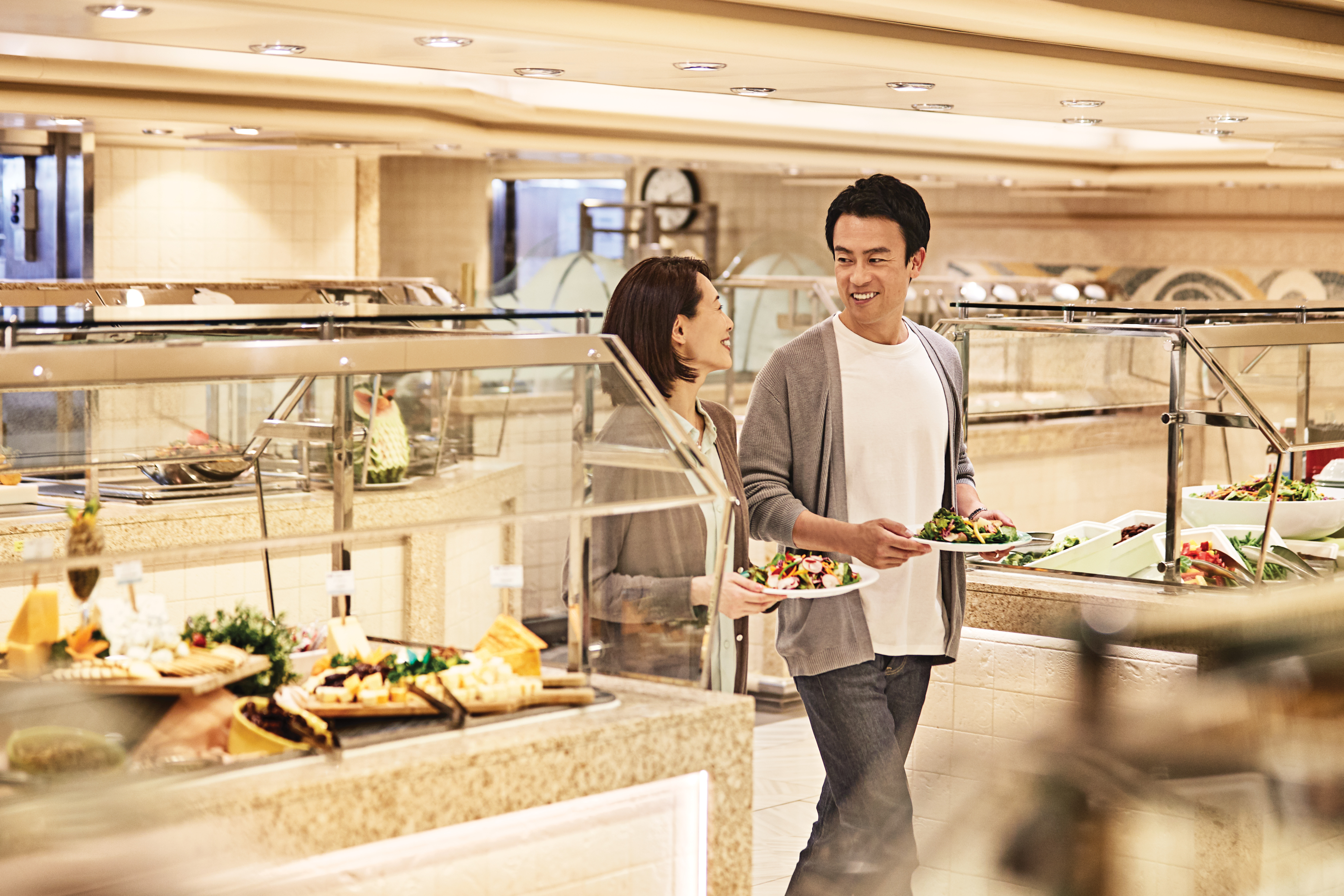
Horizon Court
An Ever-Changing Selection of Favourites
Horizon Court offers an endless selection that changes throughout the day to satisfy the most discriminating palate. Indulge in a delightful array of worldwide cuisine, freshly baked breads and regional comfort foods, in a casual setting at breakfast, lunch or dinner. Enjoy fresh fruits, signature pastas and desserts galore along with your favourite beverages and customisable features like create-your-own salads and sandwiches.
Beverage charges apply. Venues and menu items vary by ship and are subject to change.
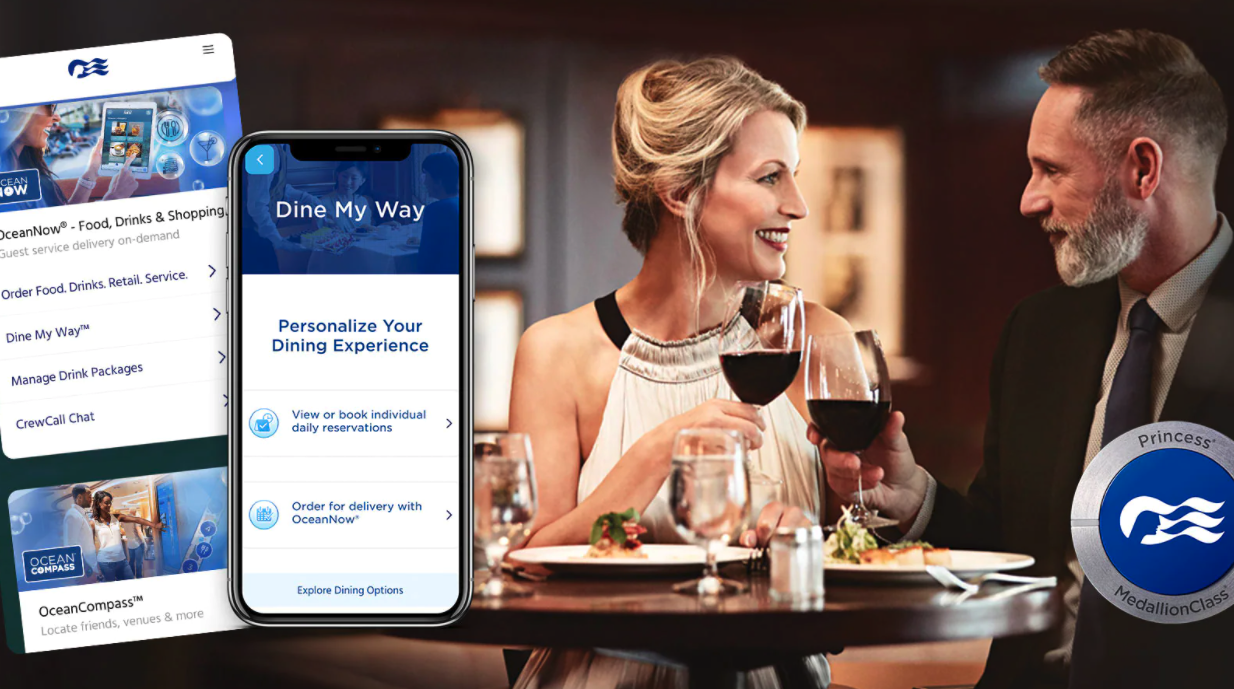
Dine My Way™
With this new offering, you can customise every aspect of mealtime. Make reservations for the main dining room or speciality restaurants at your preferred time each day. Fit in a formal dinner before a show, or order food and drinks to your poolside perch with OceanNow®. The choice really is up to you.
International Café
Sip and Snack Around the Clock
Open 24-hours a day, the International Café located in the Piazza is the place for an ever-changing array of small bite meals, treats and gourmet beverages. Grab a freshly baked croissant to start your day, snack on pies and quiche or choose from a wide variety of salads and sandwiches at lunchtime, and indulge in decadent desserts in the evening. Coffee and tea fans will love the New Grounds Crafted Coffee menu featuring a variety of speciality espresso-based drinks made from a custom blend of coffee beans, as well as iced tea fusions.
Chocolate Journeys℠
Indulge Your Chocolate Fantasies
There are few foods that inspire as much passion as chocolate. Our pastry chefs channeled their love of chocolate into handcrafted treats designed exclusively for our Chocolate Journeys℠ programme. These sweet creations combine premium quality chocolate with unique flavours and artful designs and can be found throughout the ship.
Sabatini's Italian Trattoria
A Taste of Italy, Enjoyed in Luxury
Our Italian speciality restaurant has been voted one of the “Best Cruise Ship Speciality Restaurants” at sea by USA TODAY. Savour Sabatini’s authentic offerings featuring signature pastas, Italian wines and an irresistible selection of delectable desserts, all celebrating our Italian culinary heritage.
Bayou Cafe & Steakhouse
Inspired Flavours From the “Big Easy”
The first New Orleans-inspired speciality restaurant at sea, Bayou Café & Steakhouse offers fresh and authentic Cajun and Creole cuisine, N’Awlins crawfish “mud bug” bisque, peel-and-eat shrimp, chicken and chorizo jambalaya, Porterhouse steak, crawfish and a host of fun drink selections. Enjoy one of the oldest culture-driven cooking styles in American history.
Chef's Table Experience
Exclusive Glimpse into the Princess Kitchen
Taking dining to a new level, the Chef’s Table Experience includes pre-dinner cocktails and hors d’oeuvres in the galley for you and a limited number of fellow guests. After your executive chef describes the specially designed menu for the night, participants are escorted to an intimate table for the main course, including pairing suggestions. Each couple receives a personalised autographed copy of Princess’ best-selling cookbook, a handwritten copy of the special menu and a complimentary photo.
Crab Shack
Succulent Shellfish from the Sea
Seafood lovers won’t want to miss this full crab shack experience. An intriguing bistro option housed within the Horizon Court buffet, Crab Shack diners can savour Bayou-style boiled crawfish and spicy sausage, popcorn shrimp, steaming clam chowder and a tantalising mixed steamer pot filled with snow crab, jumbo shrimp, clams and mussels.
Ultimate Balcony Dining
A Private Dining Room with a View
Choose a luxurious breakfast or experience the “ultimate” romantic dinner at sea: a sumptuous multi-course meal, including succulent lobster tail and juicy steak, your beverage of choice, hors d’oeuvres, all served right on the privacy of your own balcony by our dedicated waitstaff. Treat yourself to this unparalleled indulgence and savour food, views and memories that will never be forgotten.
24-hr Room Service
From Breakfast in Bed to a Late-Night Snack
We offer 24-hour complimentary room service when you want to enjoy a quiet moment in your cabin eating a delicious club sandwich or maybe that slice of chocolate fudge cake you can’t forget. Treat yourself to breakfast in bed, or stay in for an intimate dinner, and perhaps even cocktails, in the comfort of your stateroom. 24-hour room service is just a phone call away.
Charges apply on select menu items.
Discovery at SEA Enrichment Programmes
Princess has joined forces with Discovery™ to bring enriching new experiences on board and ashore with Discovery at SEA.
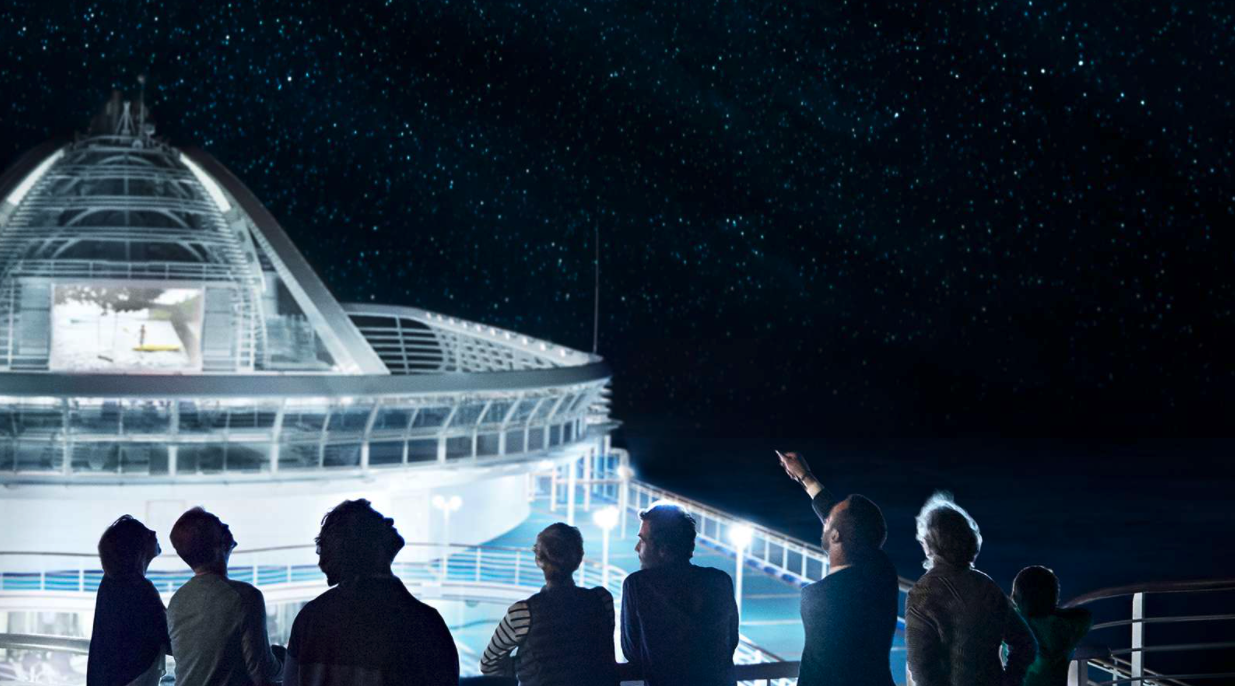
- On Board: There’s Stargazing on the top deck and activities inspired by hit shows, such as Shark Week, Finding Bigfoot, Deadliest Catch and more.
- Ashore: Get the most out of your holiday with Discovery™ and Animal Planet™ Recommended Tours- plus Exclusive tours only available from Princess.
Destination-Themed Activities
Live performances, music and dance lessons, local foods and more will give you a deeper connection to the places you visit. Depending on your itinerary, cruise activity options may include:
- Meet Alaskan lumberjacks with North to Alaska
- Hula dancing and ukulele lessons in Hawaii
- Street pan drum lessons in the Caribbean
- Mariachis on deck in Mexico
- Traditional Maori performance in New Zealand
- Brazilian samba dancers in South America
- Local dishes served in our main dining rooms

Encounters with Discovery at SEA
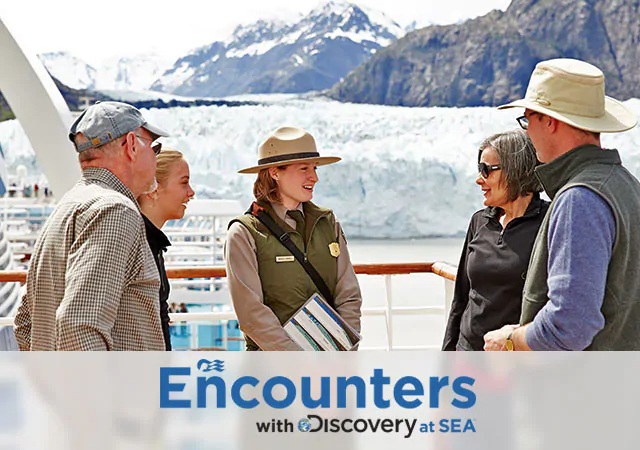
Get more out of your travels with engaging multi-media presentations by local destination experts, plus naturalists and specialists in their fields, who will enlighten you about the places you’ll visit.
Culinary Demonstrations & Wine Tastings
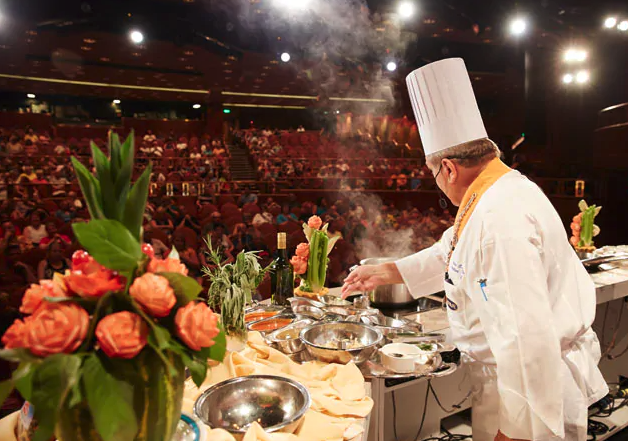
Learn how to prepare the gourmet specialities served on board. Or indulge in a special wine tasting with selections from regional vineyards, as well as varietals from around the globe.
Small Group Excursions
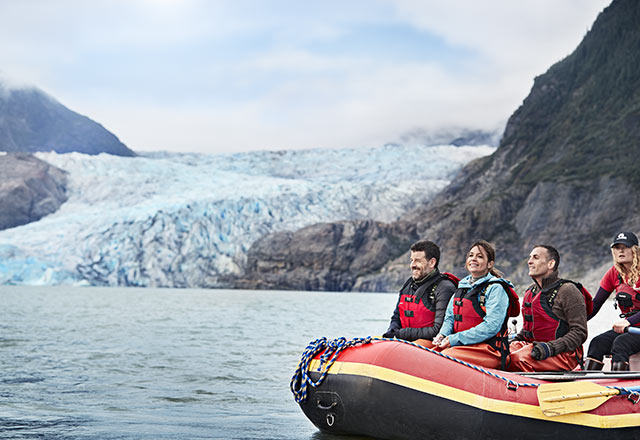
Many of our existing tours are limited to 25 guests or less. A budget-friendly option, our Small Group excursions enable you to connect with other travellers and your destination in an immersive and authentic way. Refer to “Group Size” when booking your excursions.
Excursions
Expertly curated, award-winning and varied, these excursions offer something for everyone, whether an adventure seeker, foodie or history lover.
Princess Book Club
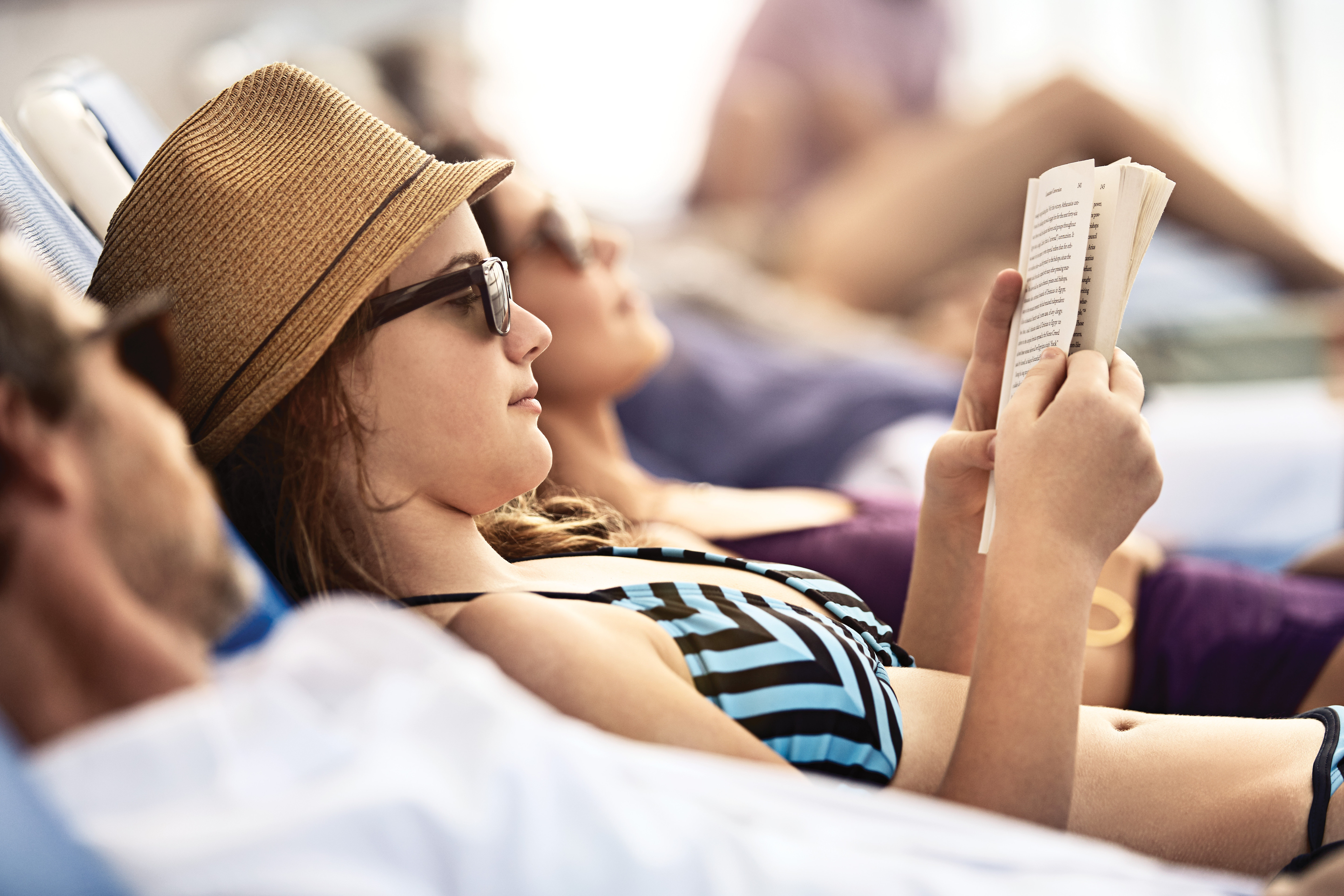
The Princess Cruises Book Club offers an opportunity to interact with fellow guests who share your passion for reading. Or you can visit our onboard library where you’ll find a wide selection, from classics to today’s best sellers.
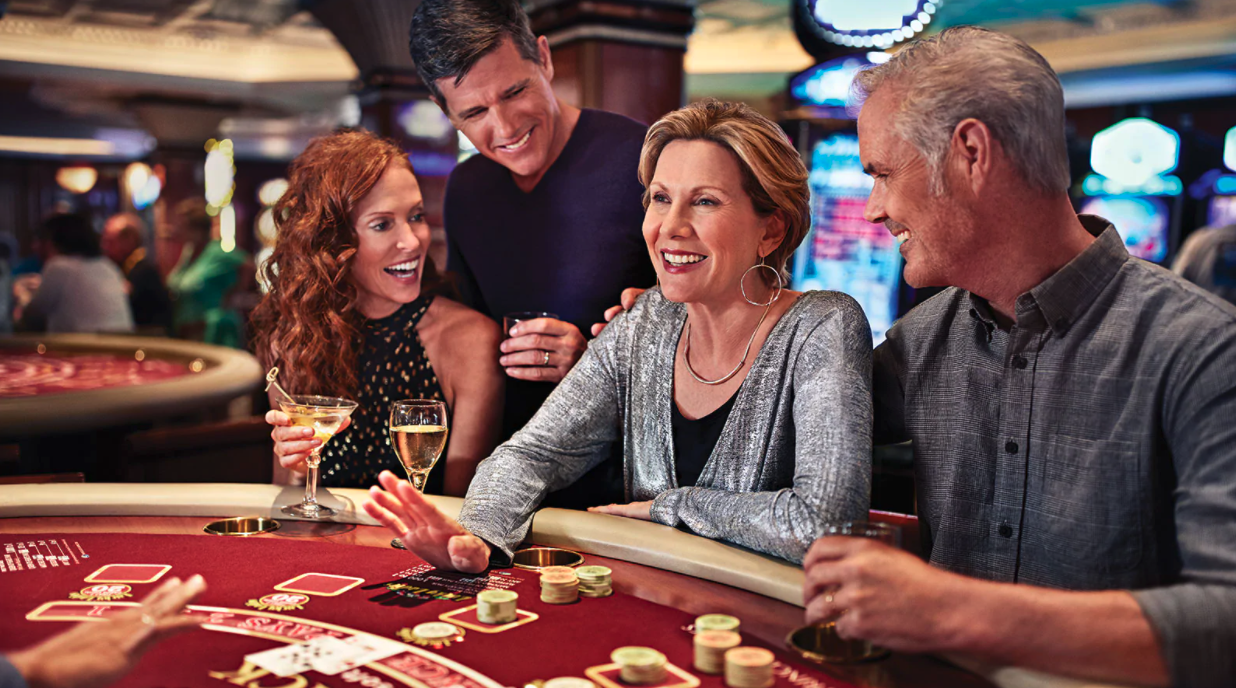
Vegas Style Casino
From gaming lessons to the latest slot machines to prize tournaments, our Casinos offer fun and excitement. If you enjoy blackjack, or “21,” and Texas Hold ‘Em, our tables play by Vegas rules and if you relish the challenge of roulette, we offer the American version.
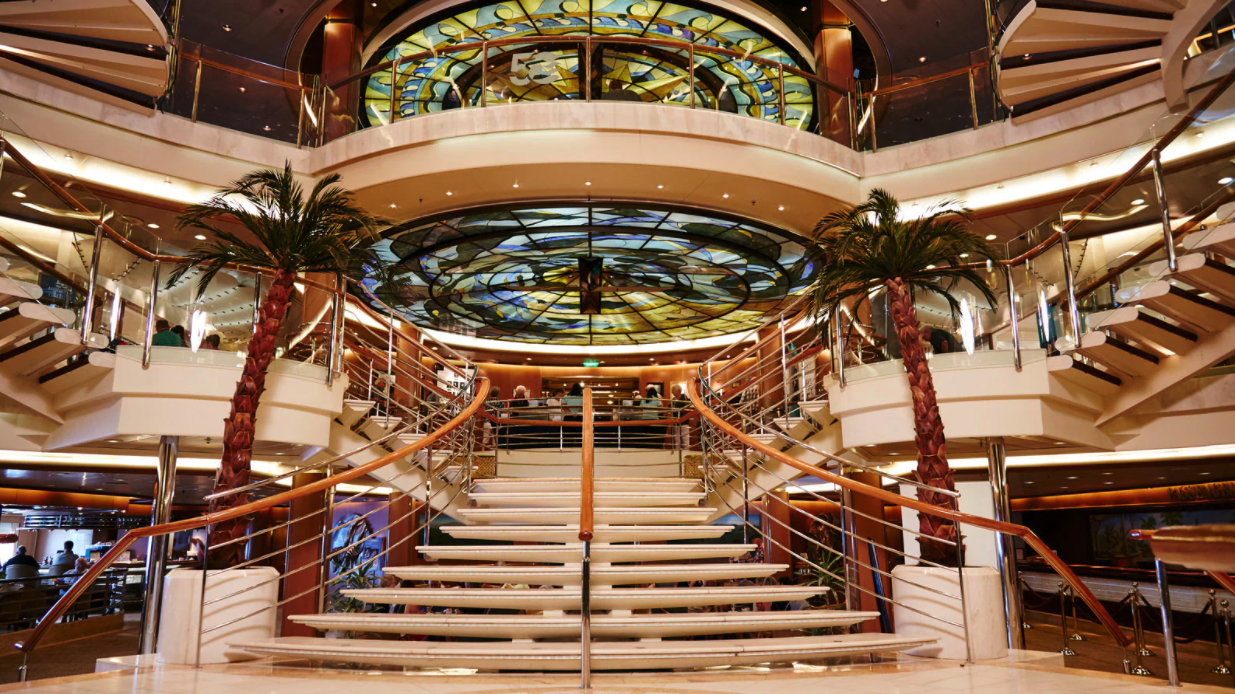
The Atrium
The Ship’s Heart and Soul
The inviting piazza-style grand Atrium shines as the stunning centrepiece of each ship, the epicentre of luxury, excitement and fun. Stop by anytime, day or night, to find musicians, jugglers, acrobats, food carvers and a variety of other performers. Soaring multi-stories with a circular marble floor, stained-glass dome and magnificent floating staircase, the Italian-inspired Atrium is an ideal setting for relaxation, people-watching or simply having a cocktail or coffee with a friend.
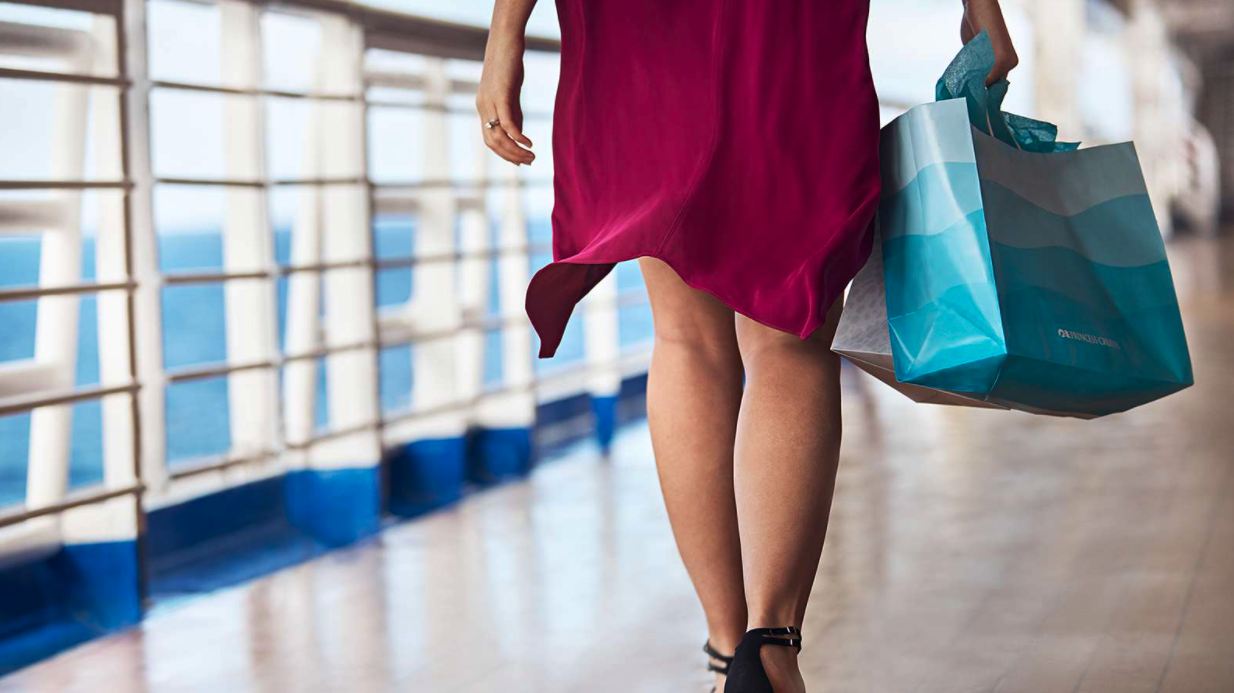
The Shops of Princess
Tax and Duty-free Shopping
It’s no surprise The Shops are awarded “Best Onboard Shopping” from Porthole magazine year after year. On board, you’ll find a fabulous range of fine merchandise from brands like Swarovski, Chanel, Estée Lauder, Clinique, Lancôme, Calvin Klein, Citizen and Tissot, plus local crafts, keepsakes and souvenirs. And everyday tax- and duty-free savings can add up to as much as 30% off suggested U.S. retail prices.
Art Gallery & Auctions
Art Lovers Rejoice—Enjoy Exquisite Art Aboard
Great art, like the destinations we visit, can be awe-inspiring. Peruse our extensive art gallery, or attend an art history lecture highlighting some of the world’s greatest masters. And don’t miss our exciting Champagne Art Auctions, which give you the chance to view and bid on a wide range of fine art, including pieces by famous artists like Thomas Kinkade, Peter Max, and Michael Godard. There is no charge to attend these lively events.
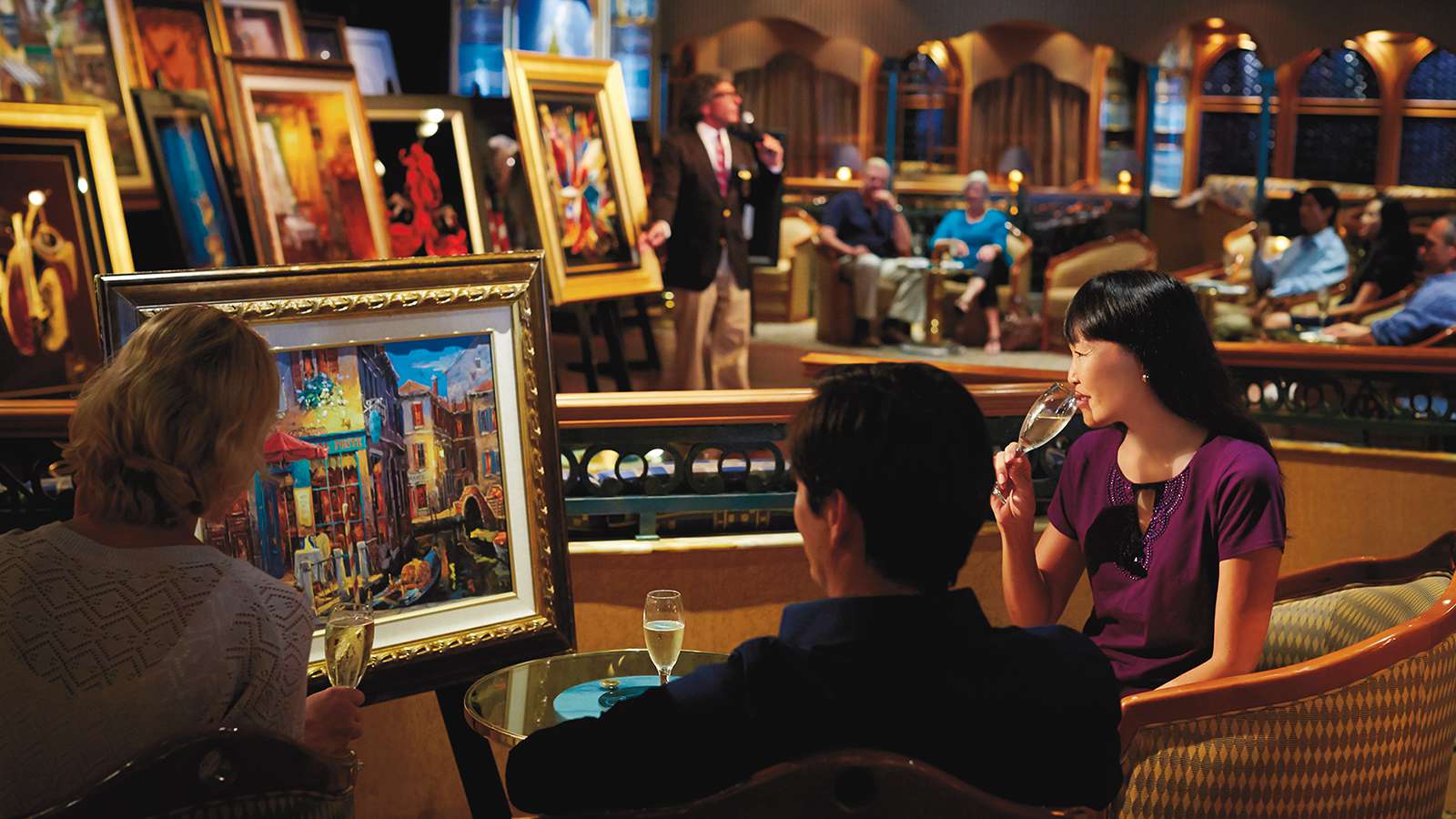
Photo Gallery
Take Home a Unique Photo Keepsake
Our staff of digital photographers helps capture the highlights of your cruise including onboard events, ports and scenery for lasting memories of your trip. Our studio locations are set up in the Atrium each evening and all formal and casual portraits are on display in the gallery the following day. Please ask our staff about portrait packages, reprints and canvas reproductions of your favourite photos!
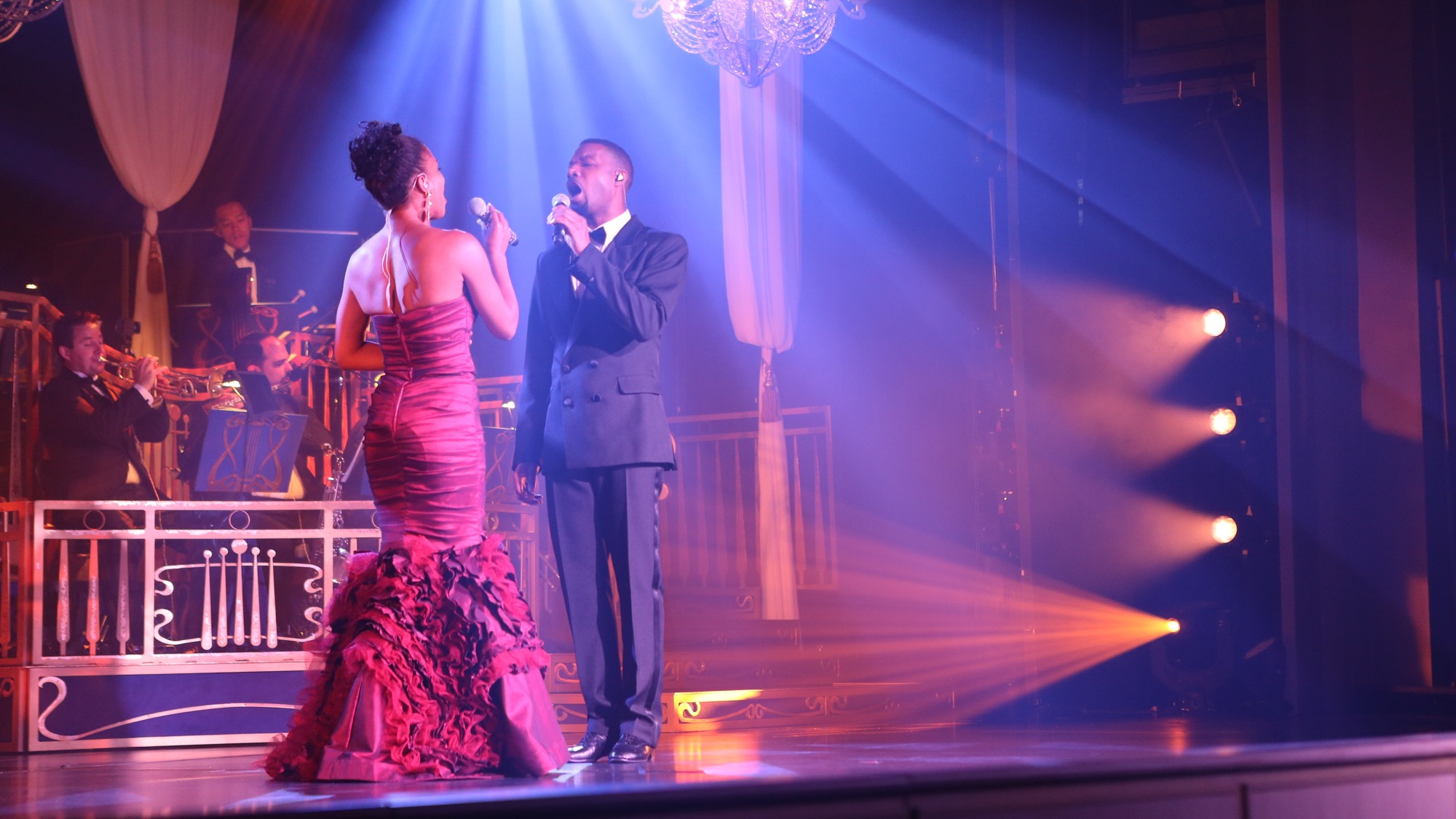
Princess Theatre
Broadway-Style Productions at Sea
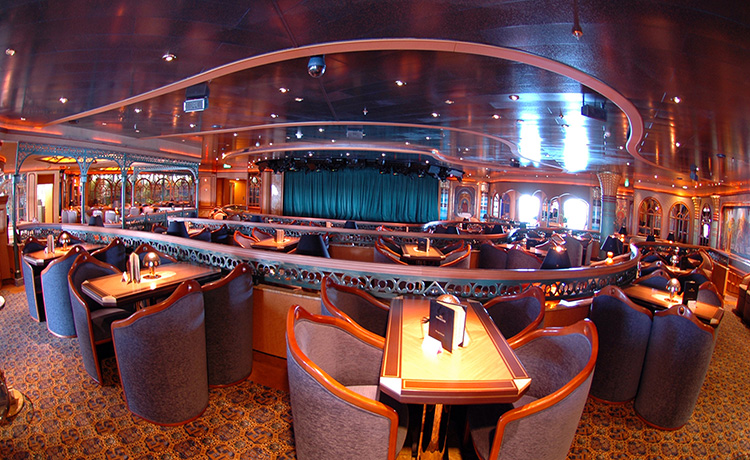
With dazzling stage sets, artists from around the globe, modern hits and timeless classics, the Princess Theatre, our largest theatre yet, showcases lavish, original productions with dynamic cast members in sumptuous surroundings. In this ultramodern theatre, relax in a plush seat with unobstructed sight lines as the velvet curtain goes up, a state-of-the-art lighting system illuminates the stage, and it’s on with the show!
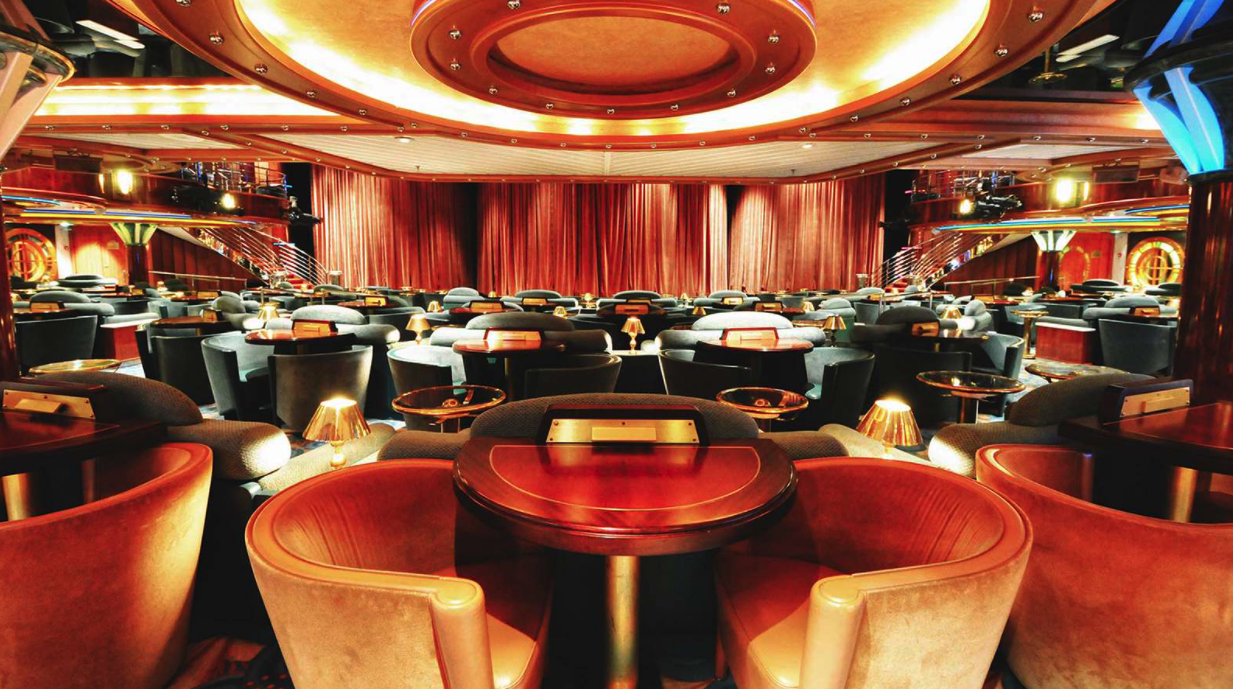
Universe Lounge
The Best Seat in the House is Yours!
It’s on with the show in this art deco style intimate theatre with dramatic lighting and three revolving stages creating an extraordinarily versatile performance venue. Settle into a comfortable seat and watch an engaging cooking class and demonstration, a trendy fashion show or expand your knowledge at an enrichment lecture series. Cabaret shows and full-scale theatrical productions will make it a night to remember.
Explorers Lounge
One of the Ship’s Coolest Hangouts
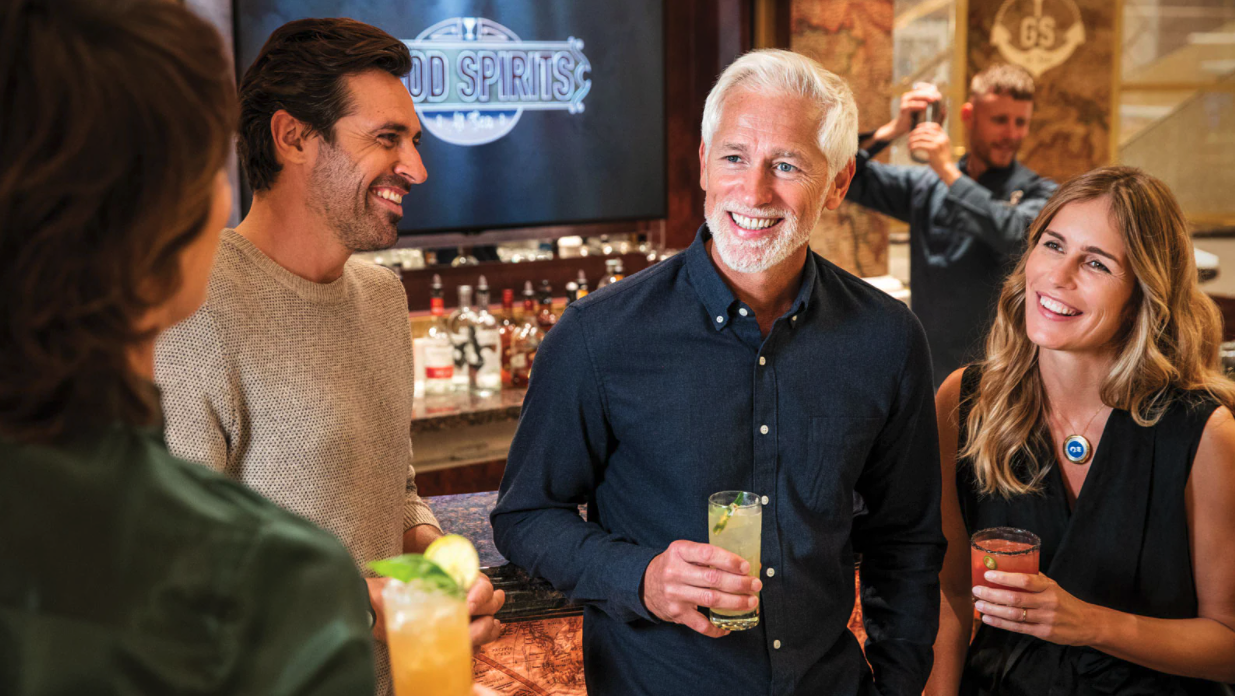
Want to just sit back with a cocktail and people watch? There’s plenty of seating and the bar menu features themed drinks from exotic destinations, speciality liqueurs and spirits offered nowhere else on board.
Good Spirits at Sea
Good Spirits, Good Stories
Good Spirits takes viewers around the globe in search of extraordinary everyday people, sharing stories of spirits and collecting farm-fresh, local ingredients to inspire one-of-a-kind cocktail creations. Immerse yourself in the region as skilled bartenders lead you through an immersive cocktail experience.
Movies Under The Stars
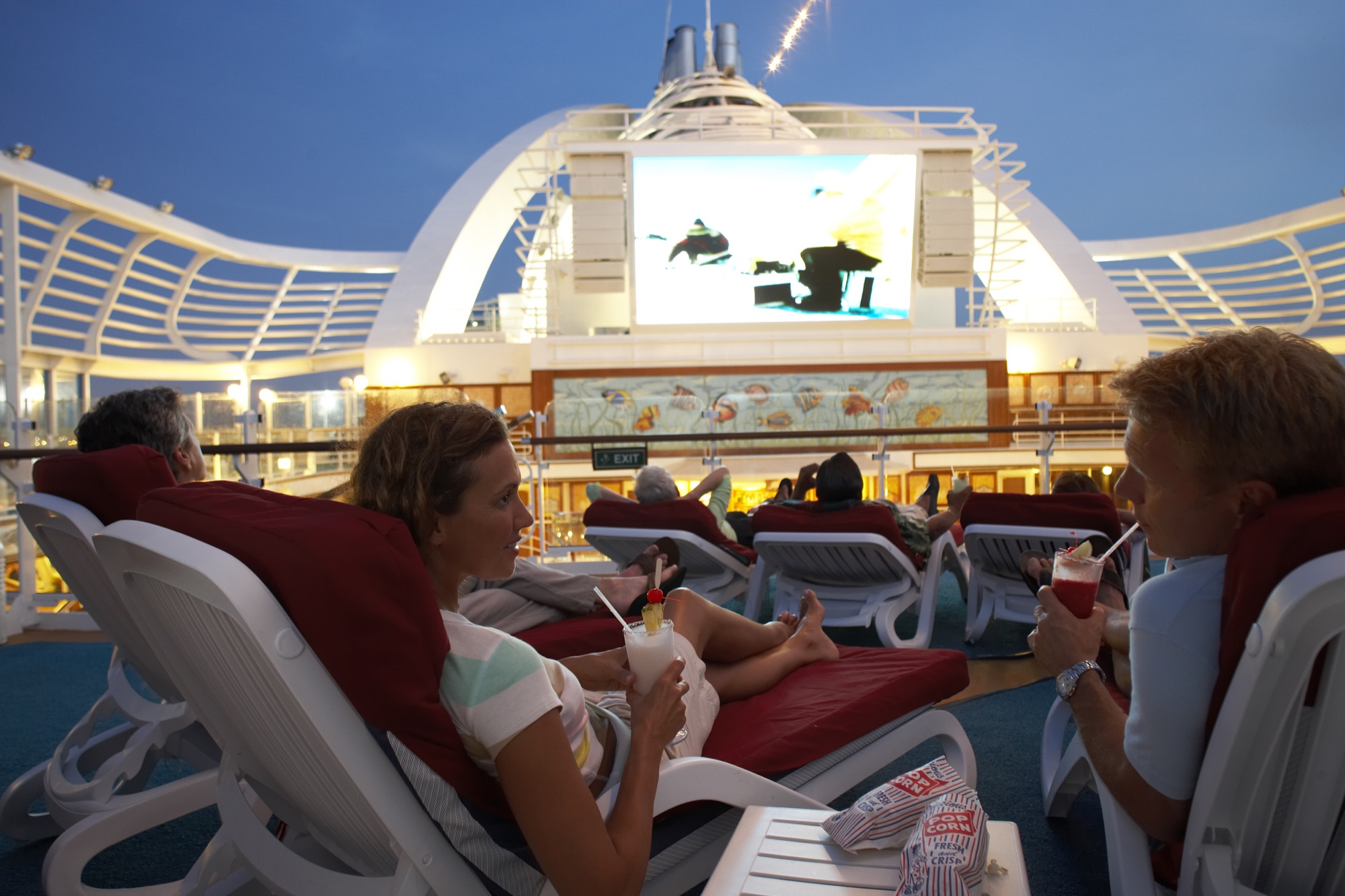
Boasting a giant screen 30% larger than Princess Cruises other ships, this signature poolside venue presents first-run movies, sporting events and concerts under the night sky, accompanied by complimentary fresh-popped popcorn. The 300 square foot theatre offers a unique opportunity to enjoy a blockbuster Hollywood movie against a backdrop of twinkling stars. Personal touches include comfortable chaise lounges, complimentary popcorn, warm cookies and milk, with cosy blankets in the evenings.
Wheelhouse Bar
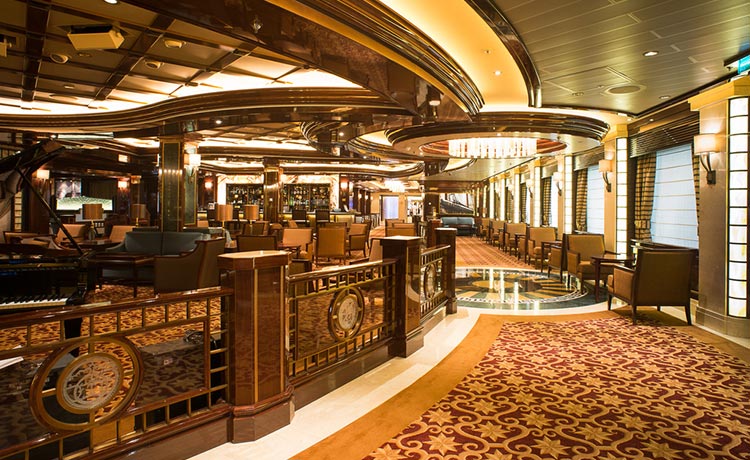
Step into the Wheelhouse Bar on-board for a taste of British tradition. You’ll find a menu of favourites advertised on chalkboards and displayed on counters for an authentic pub feel including fish & chips or a hearty Ploughman’s Lunch
Live piano entertainment and drinks in a club-like ambience.
Churchill Lounge
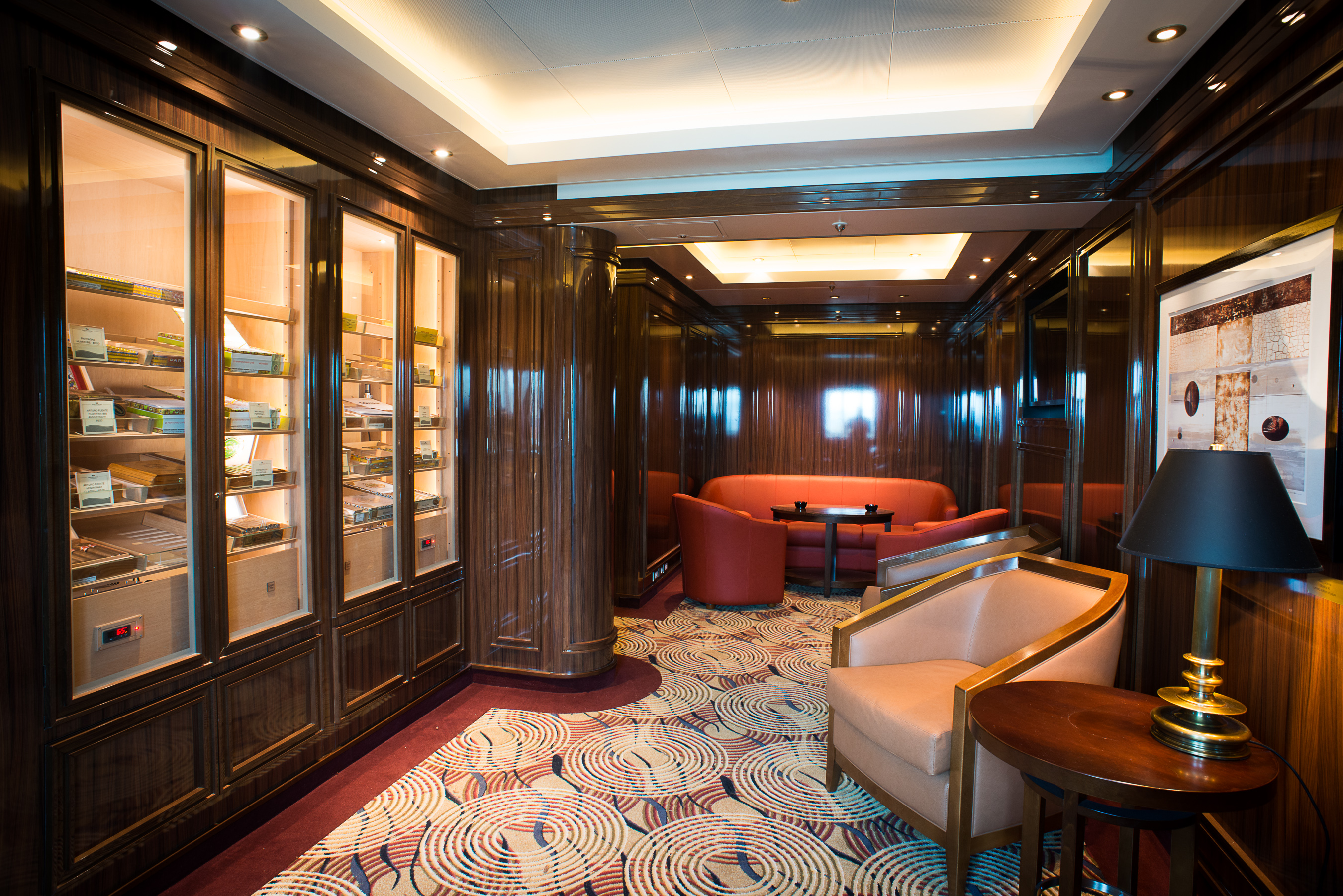
The Churchill Lounge, on the Promenade Deck, is the ship’s intimate smoking lounge where guests can also request a cognac from Crooners Bar next door to enjoy with their cigar.
Crooners Bar
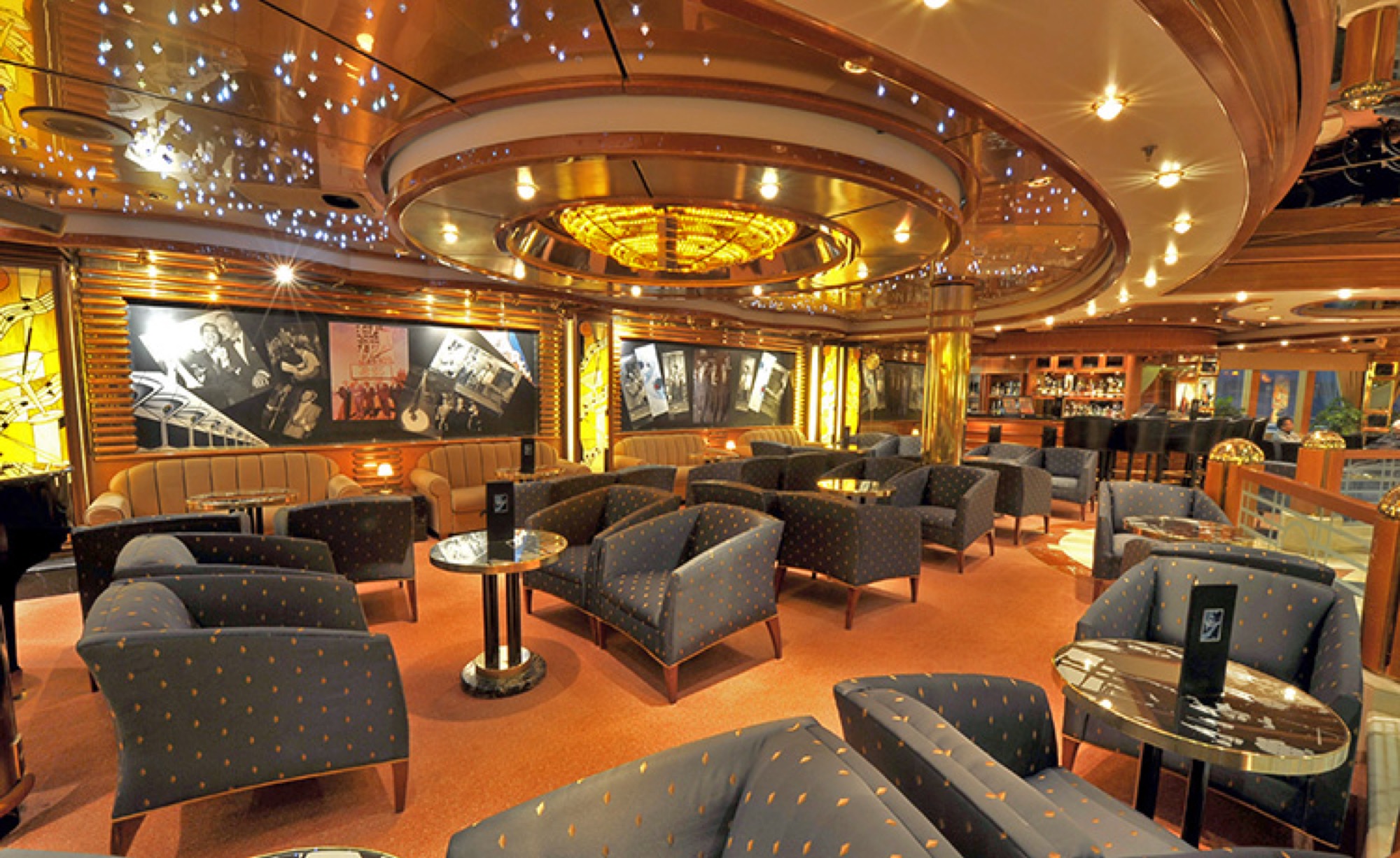
Offering an enticing menu of 75 martinis, plus entertainers at spectacular duelling glass pianos.
Freshwater Pools & Hot Tubs
Soak in a World of Relaxation
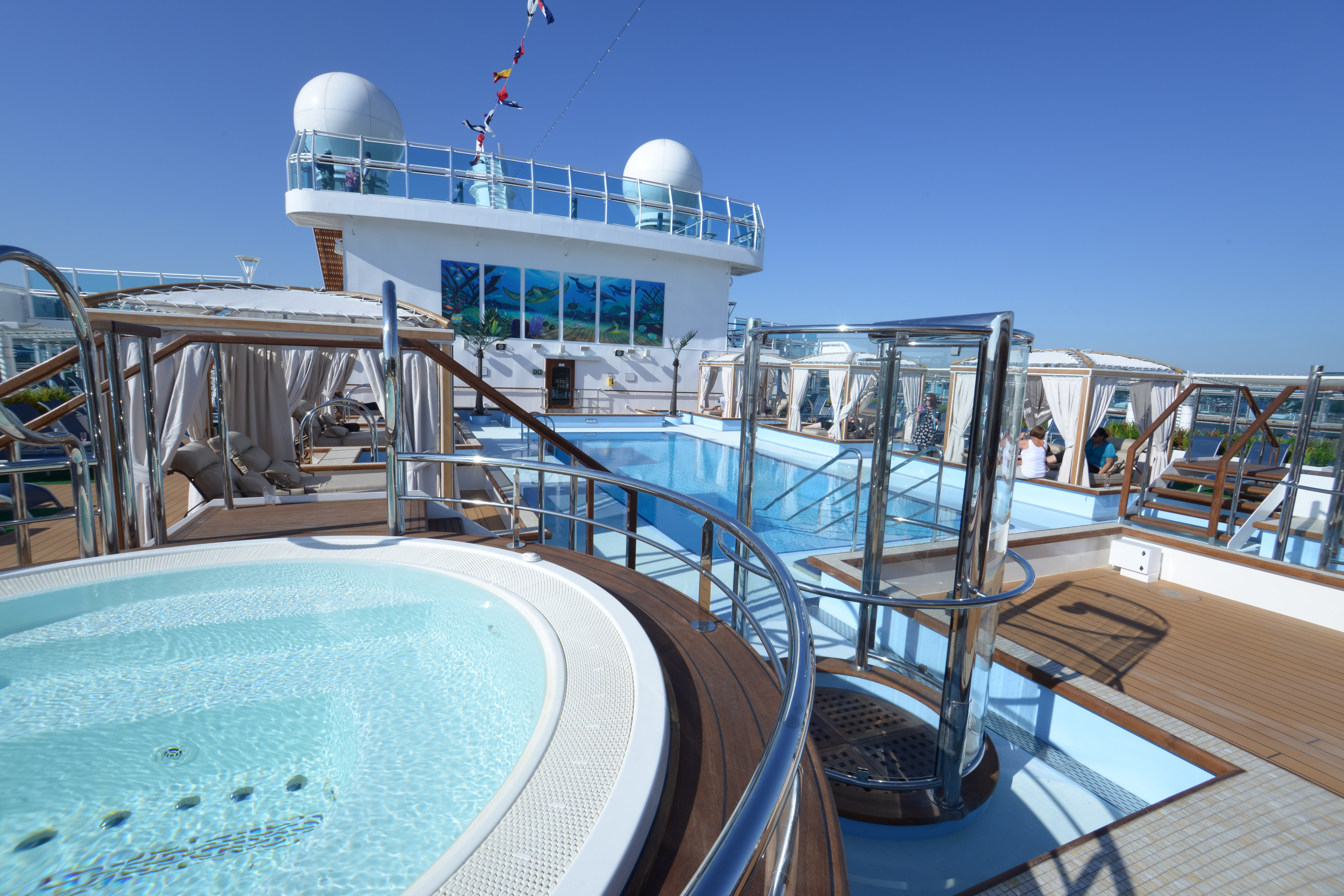
Take a dip in our sparkling freshwater pools and leave your everyday world behind. Unwind on a padded lounger and soak up the sun, catch up on reading, listen to music or dream of your next adventure on board or ashore. And what better way to relax and revitalise after a day exploring the world than a long soak in one of our whirling hot tubs. And don’t forget, there is always a server nearby to bring you a refreshing cocktail or favourite beverage.
Sports Centre
Get in the Game with a Variety of Activities
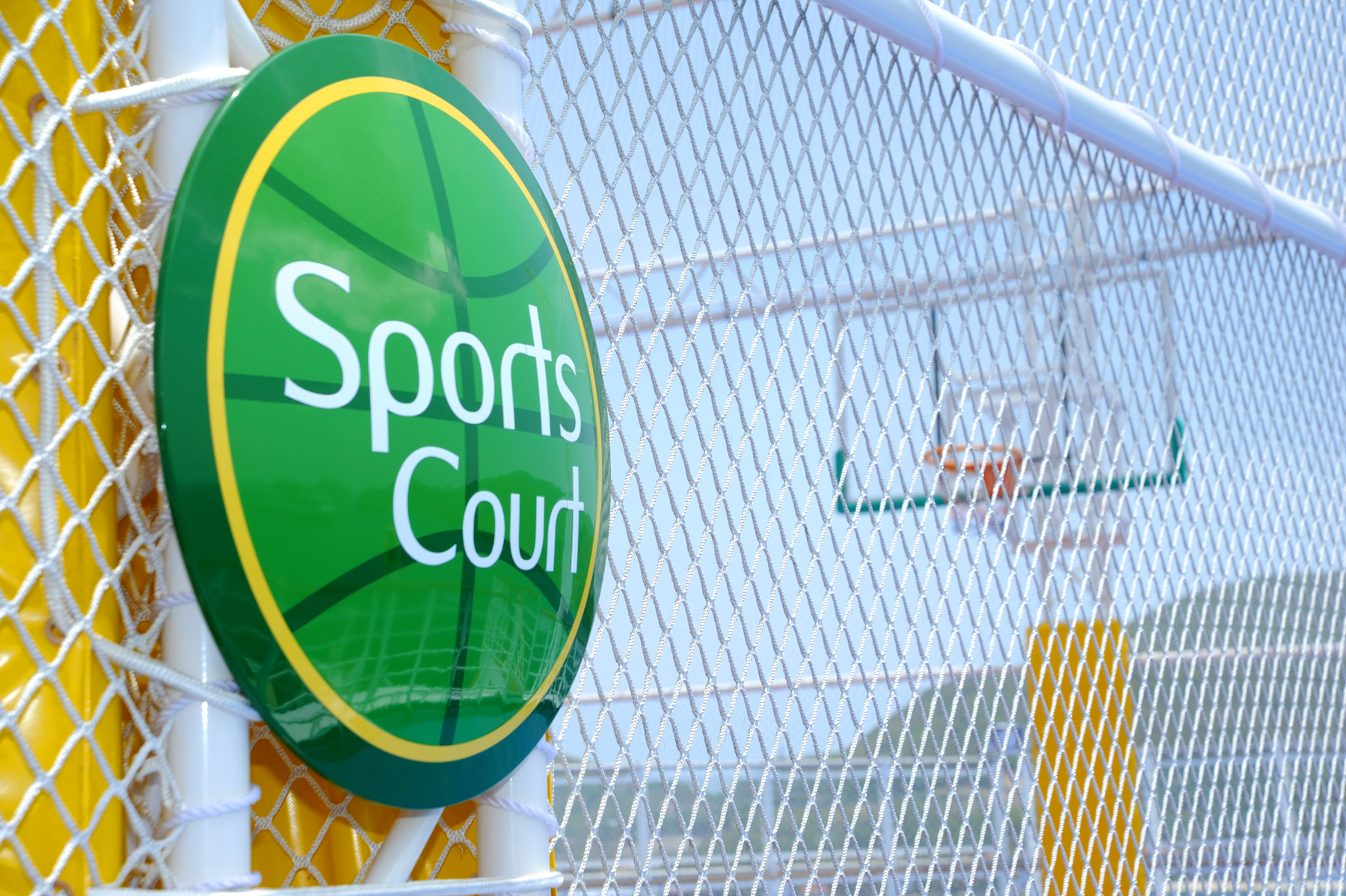
Feel the court under your feet and the thrill of victory as you sink the ball in for two points. No matter your athletic ability, there’s nothing like shooting a few hoops out in the middle of the ocean as you watch the sun set and the stars come out. Our Sports Court is not only set up for basketball but also for volleyball. Pick up a game, compete against fellow guests for bragging rights, or start your own dream team.
The Sanctuary
Relax in a Tranquil Retreat Just for Adults
Take a break and indulge in a private getaway at The Sanctuary, our exclusive adults-only retreat offering a relaxing alternative to the myriad outdoor activities and entertainment available elsewhere on the ship. With signature beverages, light meals, and al fresco massages, Serenity Stewards attend to your every need, whether it’s to be on hand to provide chilled face towels or Evian water atomisers.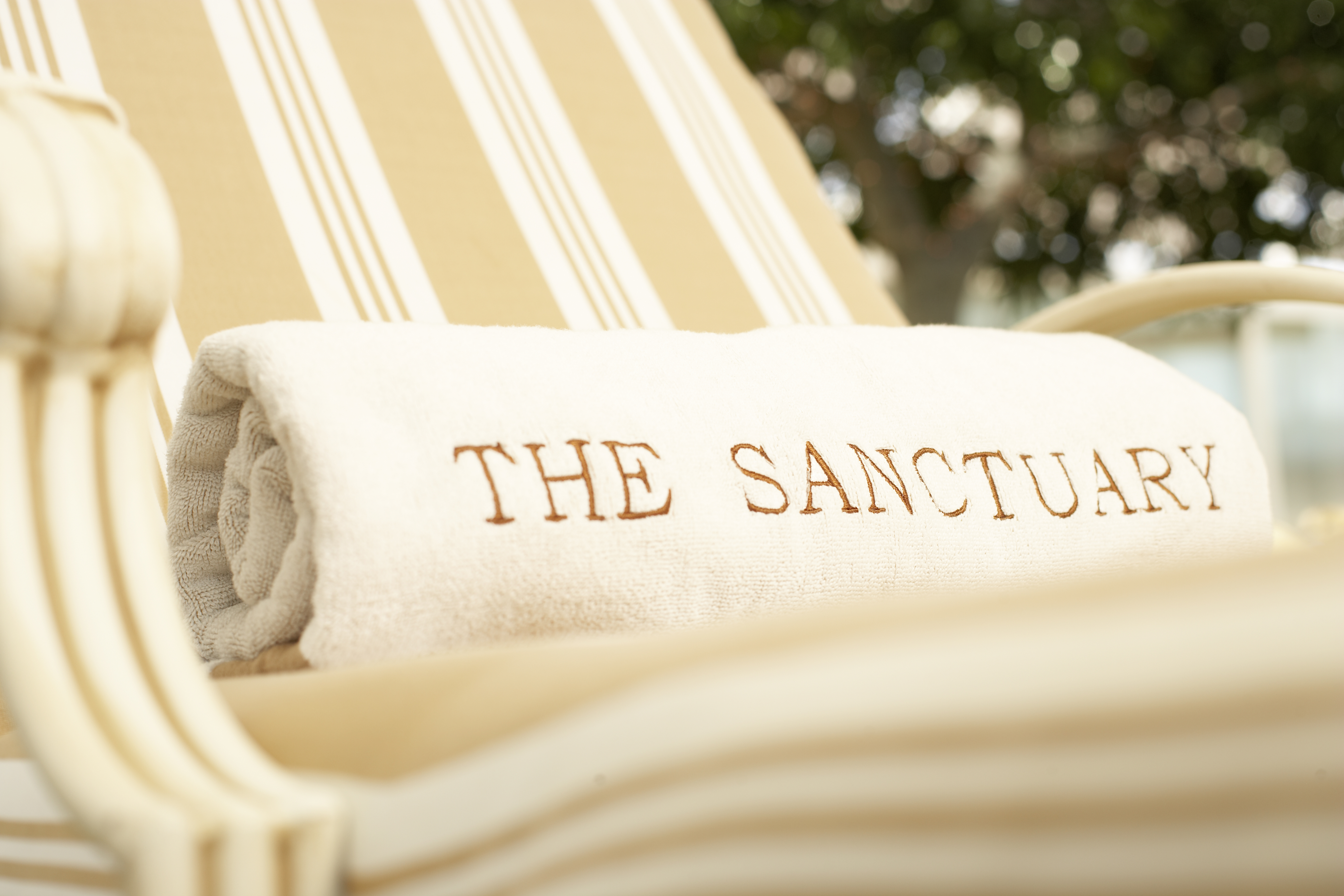
Lotus Spa® Fitness Centre
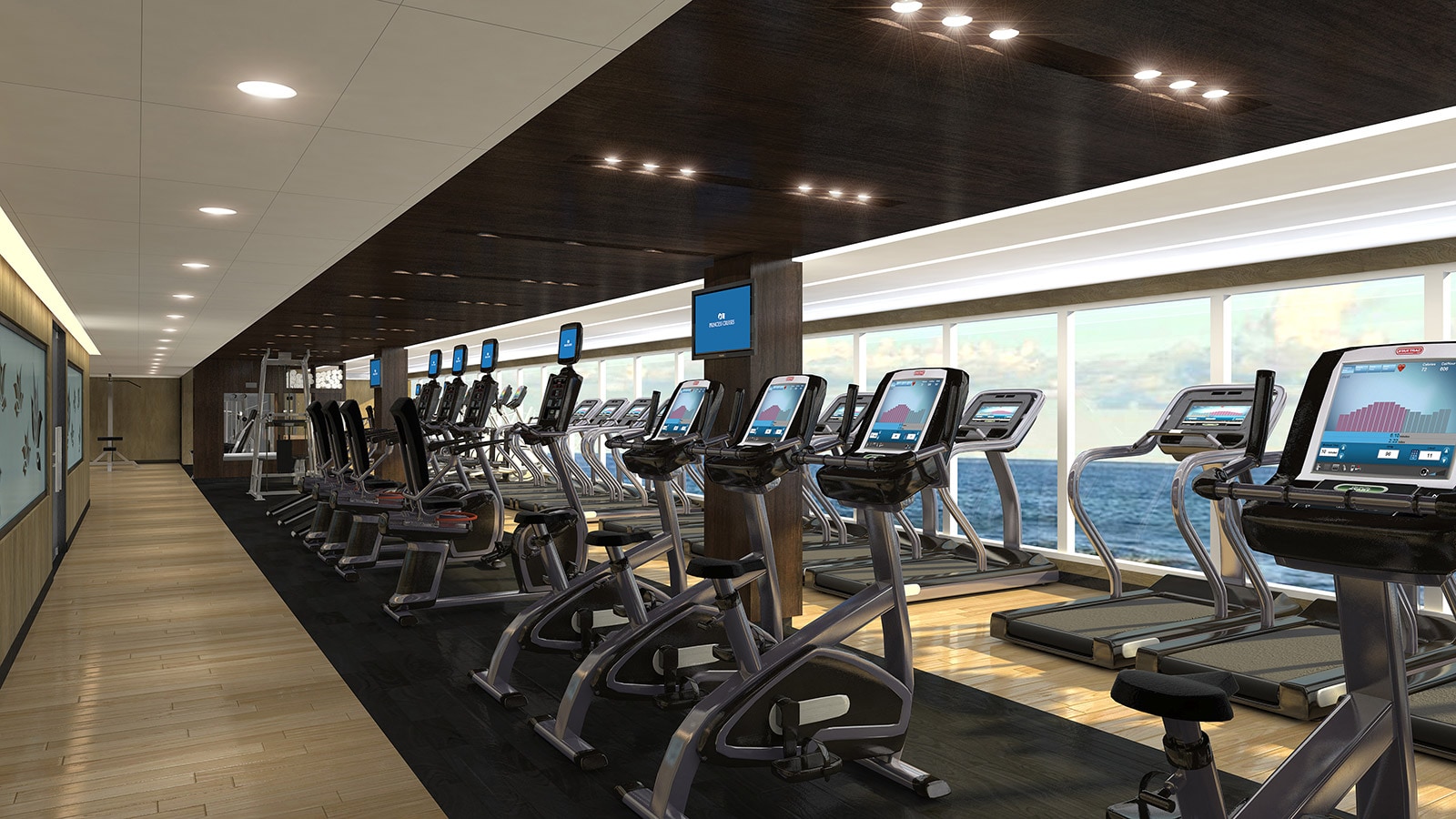
A Host of Ways to Get an Energising Workout
The Lotus Spa Fitness Centre offers fitness programmes designed to help you maximise your wellness with Tour de Cycle, personal training and classes such as Pilates, Yoga, Body Sculpt Boot Camp, Results Based Training and TRX suspension training. The Lotus Spa Fitness Centre also features state-of-the-art equipment so you can tone on your own.
Lotus Spa®
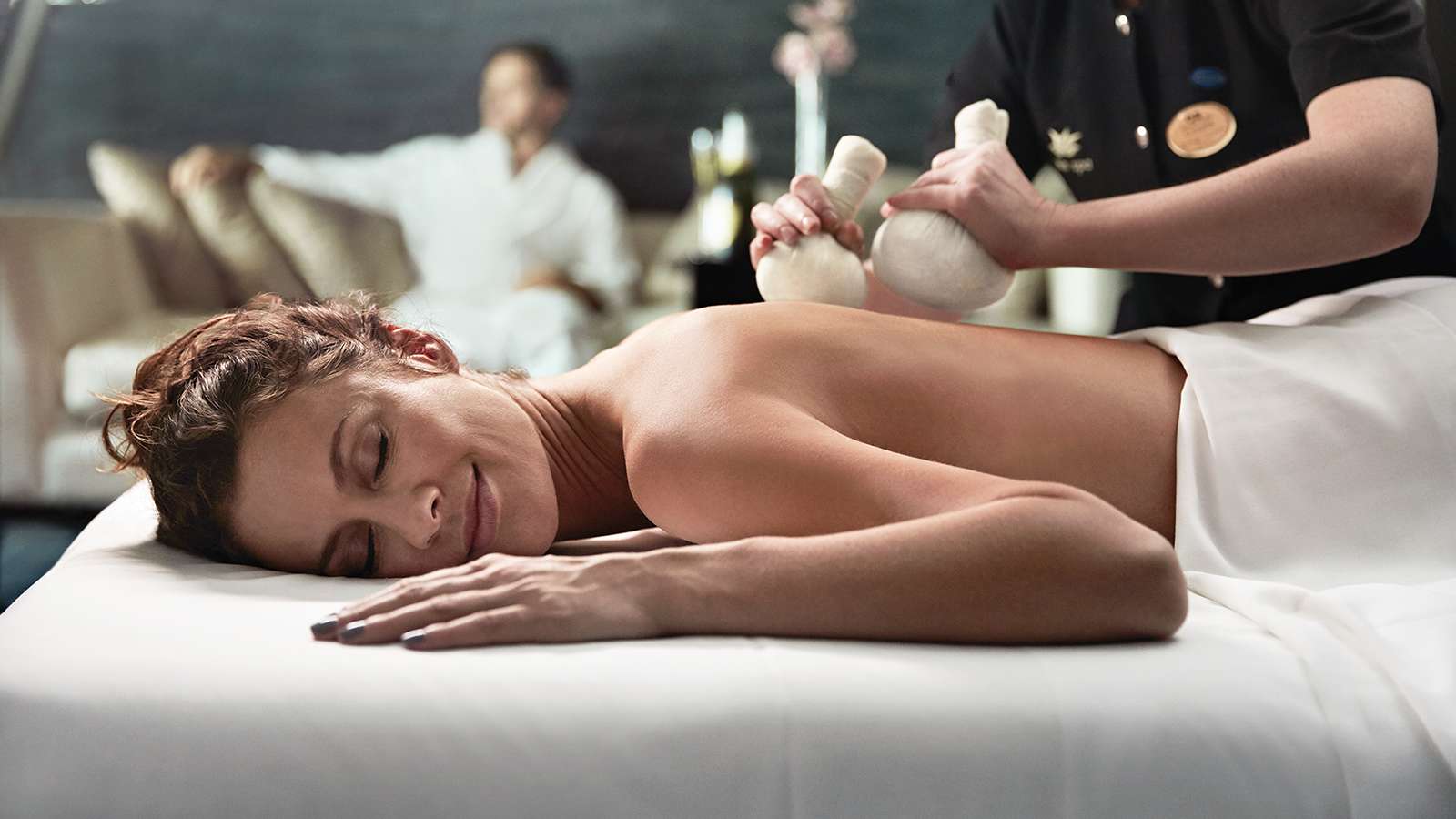
Go Ahead, Be Pampered – You Deserve It
Named “Best Spa on a Cruise Ship” by Spafinder Wellness 365™, the Lotus Spa® offers a variety of relaxing treatments, such as facials, aroma stone therapy massages, detoxifying ocean wraps and an aromatherapy thermal suite. Or get ready for a night on the town at the salon which features women’s styling colour, men’s haircuts and shaves, manicure and pedicure choices and teeth whitening.
Just For Kids 3-7
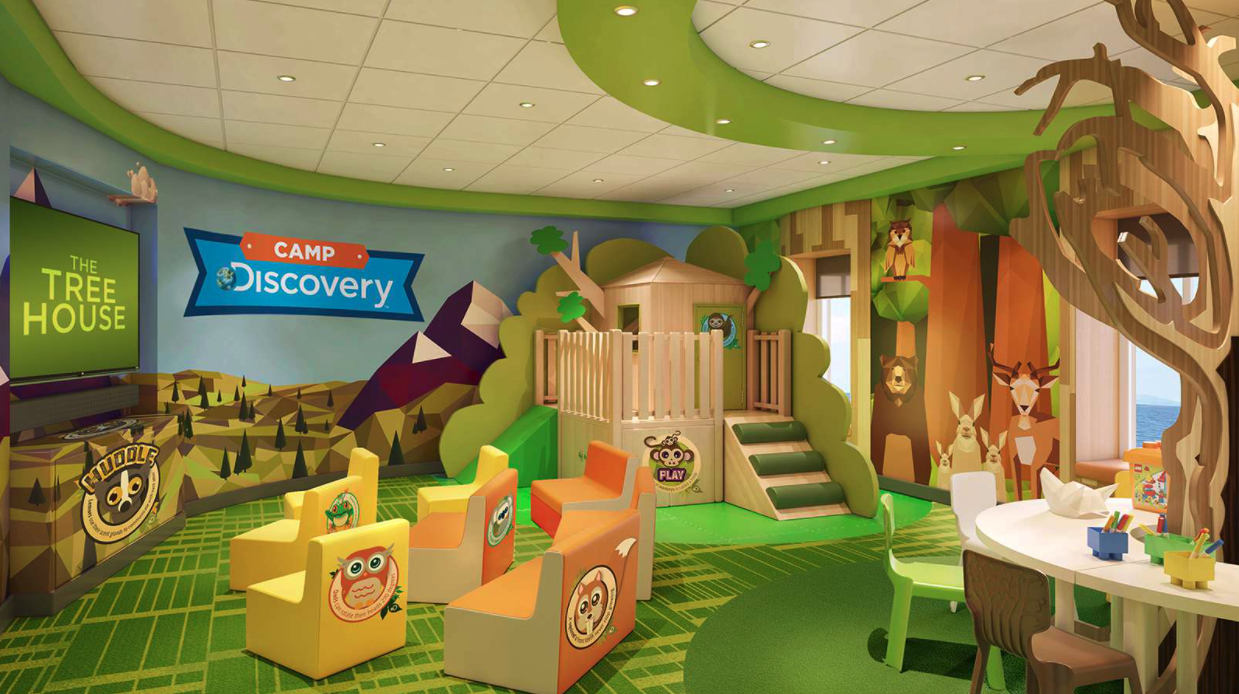
Explore the Treehouse
Even the littlest guests will delight in this whimsical, forest-themed world that inspires playtime and invites exploration. Kids, ages 3 to 7, can dance, enjoy pyjama movie nights, create art projects like Animal Planet™ puppets and masks or compete in a Lego® boat-building contest.
Just For Kids 8-12
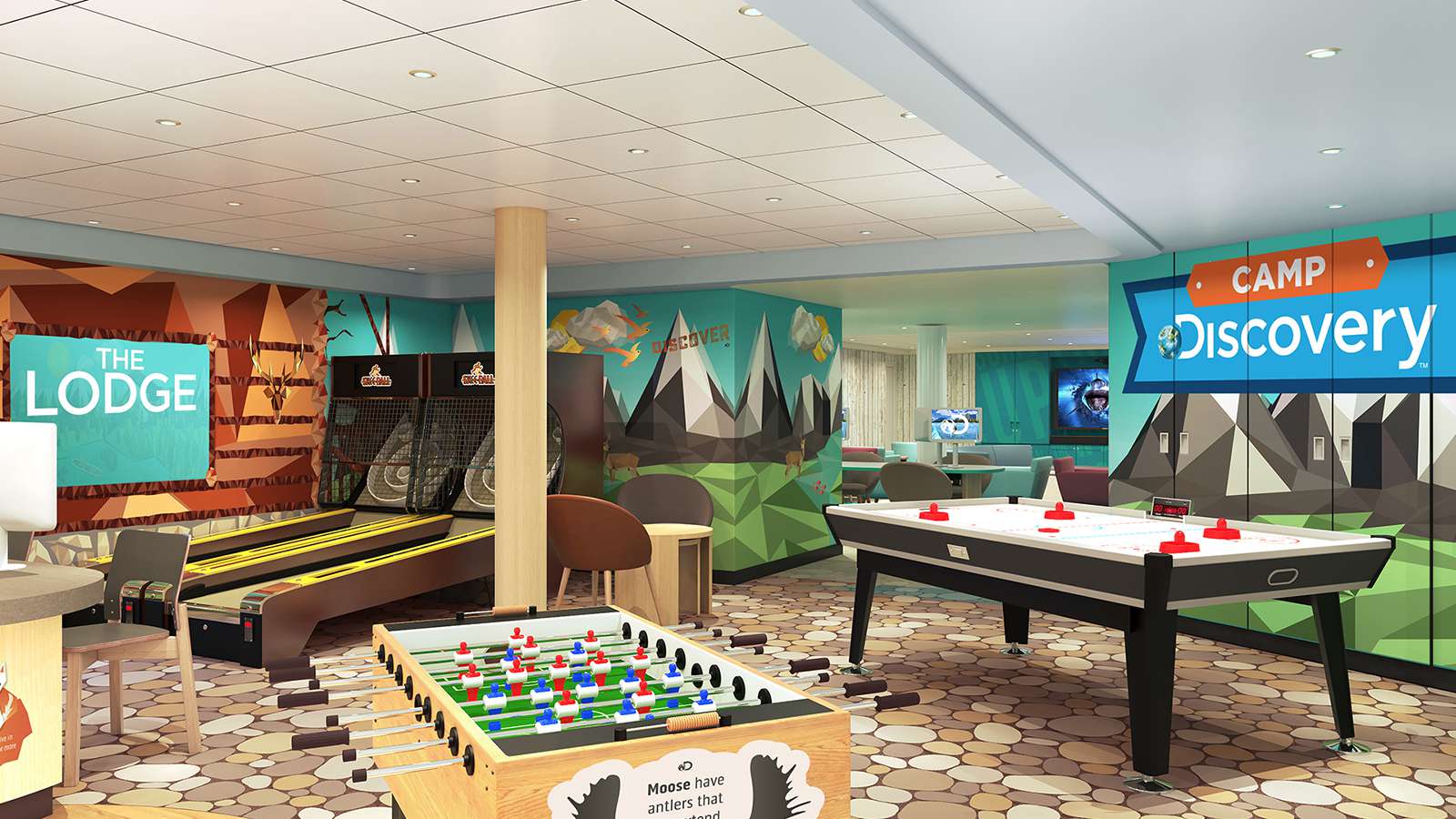
Step into the Lodge
Inspired by the great outdoors, this cozy centre keeps kids busy with games, dancing and kid-sized Olympic competitions. Their minds stay busy, too, with California Science Centre programmes like rocket building, or they can explore outer space with Stargazing and learning how to build a model roller coaster. Exciting events like talent shows, theme nights, and treasure hunts encourage new friendships and family togetherness.
Just For Teens 13-17
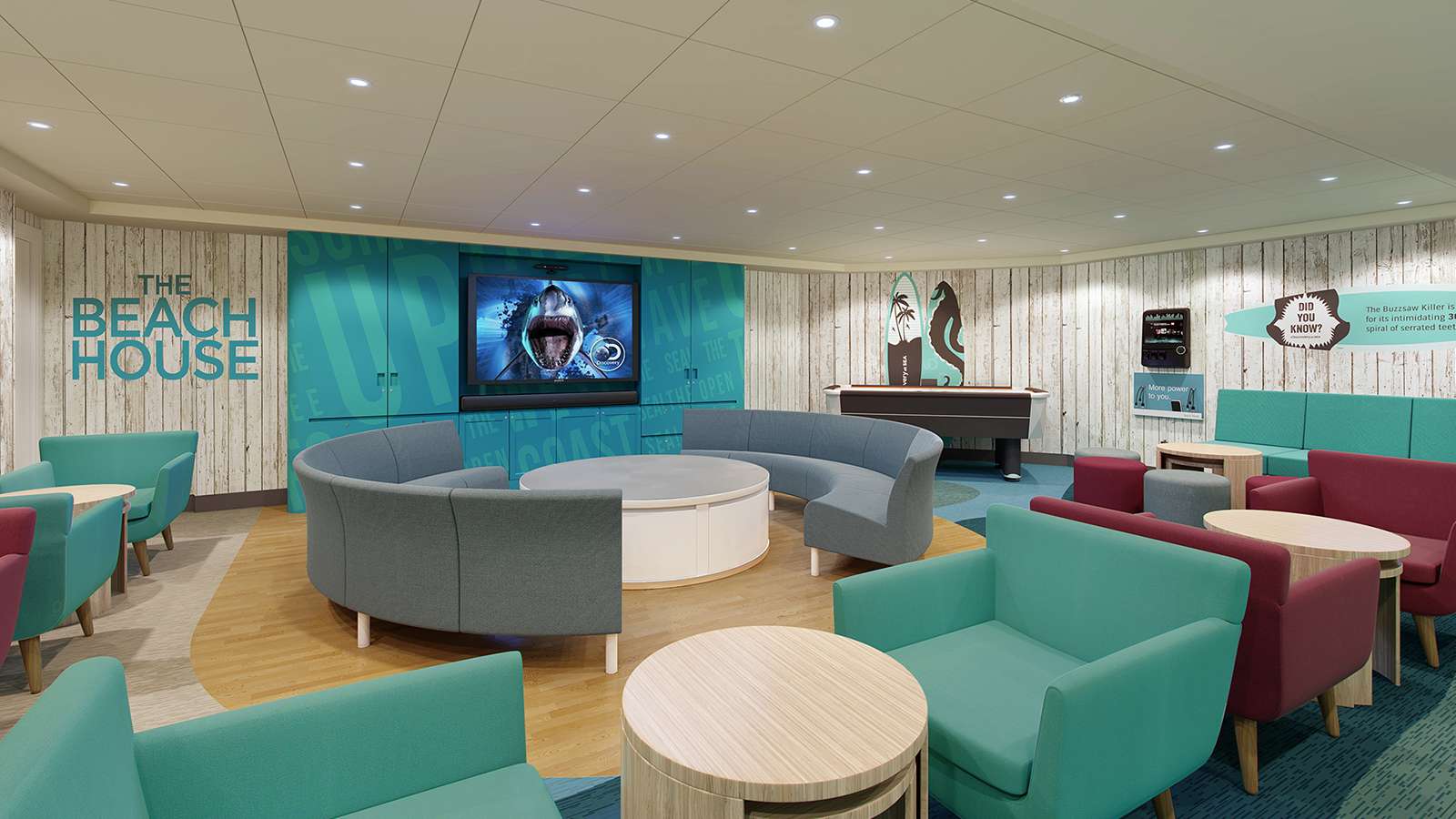
Hang Out in the Beach House
This contemporary lounge is “the place” for teens — perfect for hanging out and socialising with late-night movie viewing, hip hop dance classes, video game tournaments and sports competitions like dodgeball and basketball. But that’s just the beginning. They’ll dazzle on the red carpet with our Rock the Boat teens-only party, complete with awards and “mocktails.”
Princess Pizzeria
The Princess Pizzeria is conveniently located poolside for a casual bite while relaxing on deck or while watching Movies Under the Stars®. Serving the “Best Pizza at Sea” by USA TODAY, you’ll delight in the classic favourites like pepperoni and margarita, as well daily speciality pizzas.
The Bar & Grill
Grilled Burgers and Dogs to Go
Follow your nose to the Deck Barbecue where the burgers are flipping and the hot dogs roasting, served with a variety of fixin’s and crisp fries. Veggie burgers, bratwurst and grilled chicken breast are also served and all are sure to hit the spot when you are relaxing out on deck.
Horizon Court
An Ever-Changing Selection of Favourites
Horizon Court offers an endless selection that changes throughout the day to satisfy the most discriminating palate. Indulge in a delightful array of worldwide cuisine, freshly baked breads and regional comfort foods, in a casual setting at breakfast, lunch or dinner. Enjoy fresh fruits, signature pastas and desserts galore along with your favourite beverages and customisable features like create-your-own salads and sandwiches.
Beverage charges apply. Venues and menu items vary by ship and are subject to change.
Dine My Way™
With this new offering, you can customise every aspect of mealtime. Make reservations for the main dining room or speciality restaurants at your preferred time each day. Fit in a formal dinner before a show, or order food and drinks to your poolside perch with OceanNow®. The choice really is up to you.
International Café
Sip and Snack Around the Clock
Open 24-hours a day, the International Café located in the Piazza is the place for an ever-changing array of small bite meals, treats and gourmet beverages. Grab a freshly baked croissant to start your day, snack on pies and quiche or choose from a wide variety of salads and sandwiches at lunchtime, and indulge in decadent desserts in the evening. Coffee and tea fans will love the New Grounds Crafted Coffee menu featuring a variety of speciality espresso-based drinks made from a custom blend of coffee beans, as well as iced tea fusions.
Chocolate Journeys℠
Indulge Your Chocolate Fantasies
There are few foods that inspire as much passion as chocolate. Our pastry chefs channeled their love of chocolate into handcrafted treats designed exclusively for our Chocolate Journeys℠ programme. These sweet creations combine premium quality chocolate with unique flavours and artful designs and can be found throughout the ship.
Sabatini's Italian Trattoria
A Taste of Italy, Enjoyed in Luxury
Our Italian speciality restaurant has been voted one of the “Best Cruise Ship Speciality Restaurants” at sea by USA TODAY. Savour Sabatini’s authentic offerings featuring signature pastas, Italian wines and an irresistible selection of delectable desserts, all celebrating our Italian culinary heritage.
Bayou Cafe & Steakhouse
Inspired Flavours From the “Big Easy”
The first New Orleans-inspired speciality restaurant at sea, Bayou Café & Steakhouse offers fresh and authentic Cajun and Creole cuisine, N’Awlins crawfish “mud bug” bisque, peel-and-eat shrimp, chicken and chorizo jambalaya, Porterhouse steak, crawfish and a host of fun drink selections. Enjoy one of the oldest culture-driven cooking styles in American history.
Chef's Table Experience
Exclusive Glimpse into the Princess Kitchen
Taking dining to a new level, the Chef’s Table Experience includes pre-dinner cocktails and hors d’oeuvres in the galley for you and a limited number of fellow guests. After your executive chef describes the specially designed menu for the night, participants are escorted to an intimate table for the main course, including pairing suggestions. Each couple receives a personalised autographed copy of Princess’ best-selling cookbook, a handwritten copy of the special menu and a complimentary photo.
Crab Shack
Succulent Shellfish from the Sea
Seafood lovers won’t want to miss this full crab shack experience. An intriguing bistro option housed within the Horizon Court buffet, Crab Shack diners can savour Bayou-style boiled crawfish and spicy sausage, popcorn shrimp, steaming clam chowder and a tantalising mixed steamer pot filled with snow crab, jumbo shrimp, clams and mussels.
Ultimate Balcony Dining
A Private Dining Room with a View
Choose a luxurious breakfast or experience the “ultimate” romantic dinner at sea: a sumptuous multi-course meal, including succulent lobster tail and juicy steak, your beverage of choice, hors d’oeuvres, all served right on the privacy of your own balcony by our dedicated waitstaff. Treat yourself to this unparalleled indulgence and savour food, views and memories that will never be forgotten.
24-hr Room Service
From Breakfast in Bed to a Late-Night Snack
We offer 24-hour complimentary room service when you want to enjoy a quiet moment in your cabin eating a delicious club sandwich or maybe that slice of chocolate fudge cake you can’t forget. Treat yourself to breakfast in bed, or stay in for an intimate dinner, and perhaps even cocktails, in the comfort of your stateroom. 24-hour room service is just a phone call away.
Charges apply on select menu items.
Discovery at SEA Enrichment Programmes
Princess has joined forces with Discovery™ to bring enriching new experiences on board and ashore with Discovery at SEA.
- On Board: There’s Stargazing on the top deck and activities inspired by hit shows, such as Shark Week, Finding Bigfoot, Deadliest Catch and more.
- Ashore: Get the most out of your holiday with Discovery™ and Animal Planet™ Recommended Tours- plus Exclusive tours only available from Princess.
Destination-Themed Activities
Live performances, music and dance lessons, local foods and more will give you a deeper connection to the places you visit. Depending on your itinerary, cruise activity options may include:
- Meet Alaskan lumberjacks with North to Alaska
- Hula dancing and ukulele lessons in Hawaii
- Street pan drum lessons in the Caribbean
- Mariachis on deck in Mexico
- Traditional Maori performance in New Zealand
- Brazilian samba dancers in South America
- Local dishes served in our main dining rooms
Encounters with Discovery at SEA
Get more out of your travels with engaging multi-media presentations by local destination experts, plus naturalists and specialists in their fields, who will enlighten you about the places you’ll visit.
Culinary Demonstrations & Wine Tastings
Learn how to prepare the gourmet specialities served on board. Or indulge in a special wine tasting with selections from regional vineyards, as well as varietals from around the globe.
Small Group Excursions
Many of our existing tours are limited to 25 guests or less. A budget-friendly option, our Small Group excursions enable you to connect with other travellers and your destination in an immersive and authentic way. Refer to “Group Size” when booking your excursions.
Excursions
Expertly curated, award-winning and varied, these excursions offer something for everyone, whether an adventure seeker, foodie or history lover.
Princess Book Club
The Princess Cruises Book Club offers an opportunity to interact with fellow guests who share your passion for reading. Or you can visit our onboard library where you’ll find a wide selection, from classics to today’s best sellers.
Vegas Style Casino
From gaming lessons to the latest slot machines to prize tournaments, our Casinos offer fun and excitement. If you enjoy blackjack, or “21,” and Texas Hold ‘Em, our tables play by Vegas rules and if you relish the challenge of roulette, we offer the American version.
The Atrium
The Ship’s Heart and Soul
The inviting piazza-style grand Atrium shines as the stunning centrepiece of each ship, the epicentre of luxury, excitement and fun. Stop by anytime, day or night, to find musicians, jugglers, acrobats, food carvers and a variety of other performers. Soaring multi-stories with a circular marble floor, stained-glass dome and magnificent floating staircase, the Italian-inspired Atrium is an ideal setting for relaxation, people-watching or simply having a cocktail or coffee with a friend.
The Shops of Princess
Tax and Duty-free Shopping
It’s no surprise The Shops are awarded “Best Onboard Shopping” from Porthole magazine year after year. On board, you’ll find a fabulous range of fine merchandise from brands like Swarovski, Chanel, Estée Lauder, Clinique, Lancôme, Calvin Klein, Citizen and Tissot, plus local crafts, keepsakes and souvenirs. And everyday tax- and duty-free savings can add up to as much as 30% off suggested U.S. retail prices.
Art Gallery & Auctions
Art Lovers Rejoice—Enjoy Exquisite Art Aboard
Great art, like the destinations we visit, can be awe-inspiring. Peruse our extensive art gallery, or attend an art history lecture highlighting some of the world’s greatest masters. And don’t miss our exciting Champagne Art Auctions, which give you the chance to view and bid on a wide range of fine art, including pieces by famous artists like Thomas Kinkade, Peter Max, and Michael Godard. There is no charge to attend these lively events.
Photo Gallery
Take Home a Unique Photo Keepsake
Our staff of digital photographers helps capture the highlights of your cruise including onboard events, ports and scenery for lasting memories of your trip. Our studio locations are set up in the Atrium each evening and all formal and casual portraits are on display in the gallery the following day. Please ask our staff about portrait packages, reprints and canvas reproductions of your favourite photos!
Princess Theatre
Broadway-Style Productions at Sea
With dazzling stage sets, artists from around the globe, modern hits and timeless classics, the Princess Theatre, our largest theatre yet, showcases lavish, original productions with dynamic cast members in sumptuous surroundings. In this ultramodern theatre, relax in a plush seat with unobstructed sight lines as the velvet curtain goes up, a state-of-the-art lighting system illuminates the stage, and it’s on with the show!
Universe Lounge
The Best Seat in the House is Yours!
It’s on with the show in this art deco style intimate theatre with dramatic lighting and three revolving stages creating an extraordinarily versatile performance venue. Settle into a comfortable seat and watch an engaging cooking class and demonstration, a trendy fashion show or expand your knowledge at an enrichment lecture series. Cabaret shows and full-scale theatrical productions will make it a night to remember.
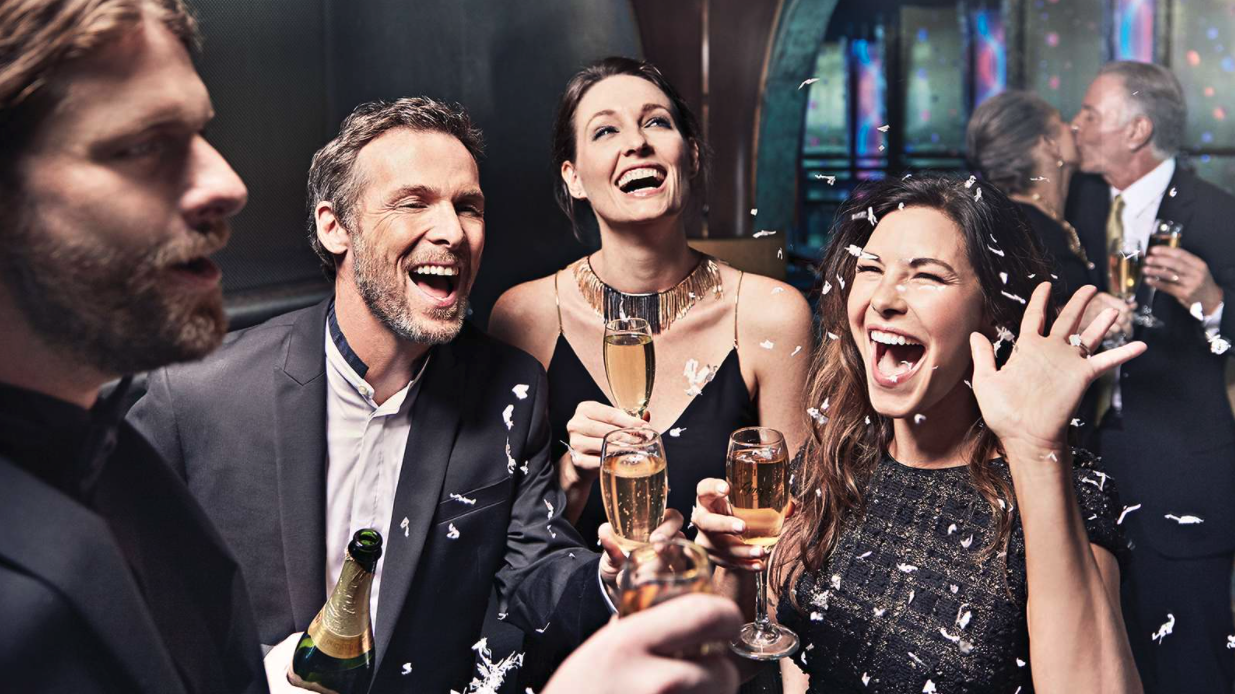
Explorers Lounge
One of the Ship’s Coolest Hangouts
Want to just sit back with a cocktail and people watch? There’s plenty of seating and the bar menu features themed drinks from exotic destinations, speciality liqueurs and spirits offered nowhere else on board.
Good Spirits at Sea
Good Spirits, Good Stories
Good Spirits takes viewers around the globe in search of extraordinary everyday people, sharing stories of spirits and collecting farm-fresh, local ingredients to inspire one-of-a-kind cocktail creations. Immerse yourself in the region as skilled bartenders lead you through an immersive cocktail experience.
Movies Under The Stars
Boasting a giant screen 30% larger than Princess Cruises other ships, this signature poolside venue presents first-run movies, sporting events and concerts under the night sky, accompanied by complimentary fresh-popped popcorn. The 300 square foot theatre offers a unique opportunity to enjoy a blockbuster Hollywood movie against a backdrop of twinkling stars. Personal touches include comfortable chaise lounges, complimentary popcorn, warm cookies and milk, with cosy blankets in the evenings.
Wheelhouse Bar
Step into the Wheelhouse Bar on-board for a taste of British tradition. You’ll find a menu of favourites advertised on chalkboards and displayed on counters for an authentic pub feel including fish & chips or a hearty Ploughman’s Lunch
Live piano entertainment and drinks in a club-like ambience.
Churchill Lounge
The Churchill Lounge, on the Promenade Deck, is the ship’s intimate smoking lounge where guests can also request a cognac from Crooners Bar next door to enjoy with their cigar.
Crooners Bar
Offering an enticing menu of 75 martinis, plus entertainers at spectacular duelling glass pianos.
Freshwater Pools & Hot Tubs
Soak in a World of Relaxation
Take a dip in our sparkling freshwater pools and leave your everyday world behind. Unwind on a padded lounger and soak up the sun, catch up on reading, listen to music or dream of your next adventure on board or ashore. And what better way to relax and revitalise after a day exploring the world than a long soak in one of our whirling hot tubs. And don’t forget, there is always a server nearby to bring you a refreshing cocktail or favourite beverage.
Sports Centre
Get in the Game with a Variety of Activities
Feel the court under your feet and the thrill of victory as you sink the ball in for two points. No matter your athletic ability, there’s nothing like shooting a few hoops out in the middle of the ocean as you watch the sun set and the stars come out. Our Sports Court is not only set up for basketball but also for volleyball. Pick up a game, compete against fellow guests for bragging rights, or start your own dream team.
The Sanctuary
Relax in a Tranquil Retreat Just for Adults
Take a break and indulge in a private getaway at The Sanctuary, our exclusive adults-only retreat offering a relaxing alternative to the myriad outdoor activities and entertainment available elsewhere on the ship. With signature beverages, light meals, and al fresco massages, Serenity Stewards attend to your every need, whether it’s to be on hand to provide chilled face towels or Evian water atomisers.
Lotus Spa® Fitness Centre
A Host of Ways to Get an Energising Workout
The Lotus Spa Fitness Centre offers fitness programmes designed to help you maximise your wellness with Tour de Cycle, personal training and classes such as Pilates, Yoga, Body Sculpt Boot Camp, Results Based Training and TRX suspension training. The Lotus Spa Fitness Centre also features state-of-the-art equipment so you can tone on your own.
Lotus Spa®
Go Ahead, Be Pampered – You Deserve It
Named “Best Spa on a Cruise Ship” by Spafinder Wellness 365™, the Lotus Spa® offers a variety of relaxing treatments, such as facials, aroma stone therapy massages, detoxifying ocean wraps and an aromatherapy thermal suite. Or get ready for a night on the town at the salon which features women’s styling colour, men’s haircuts and shaves, manicure and pedicure choices and teeth whitening.
Just For Kids 3-7
Explore the Treehouse
Even the littlest guests will delight in this whimsical, forest-themed world that inspires playtime and invites exploration. Kids, ages 3 to 7, can dance, enjoy pyjama movie nights, create art projects like Animal Planet™ puppets and masks or compete in a Lego® boat-building contest.
Just For Kids 8-12
Step into the Lodge
Inspired by the great outdoors, this cozy centre keeps kids busy with games, dancing and kid-sized Olympic competitions. Their minds stay busy, too, with California Science Centre programmes like rocket building, or they can explore outer space with Stargazing and learning how to build a model roller coaster. Exciting events like talent shows, theme nights, and treasure hunts encourage new friendships and family togetherness.
Just For Teens 13-17
Hang Out in the Beach House
This contemporary lounge is “the place” for teens — perfect for hanging out and socialising with late-night movie viewing, hip hop dance classes, video game tournaments and sports competitions like dodgeball and basketball. But that’s just the beginning. They’ll dazzle on the red carpet with our Rock the Boat teens-only party, complete with awards and “mocktails.”
About the Ship
Deck Plans
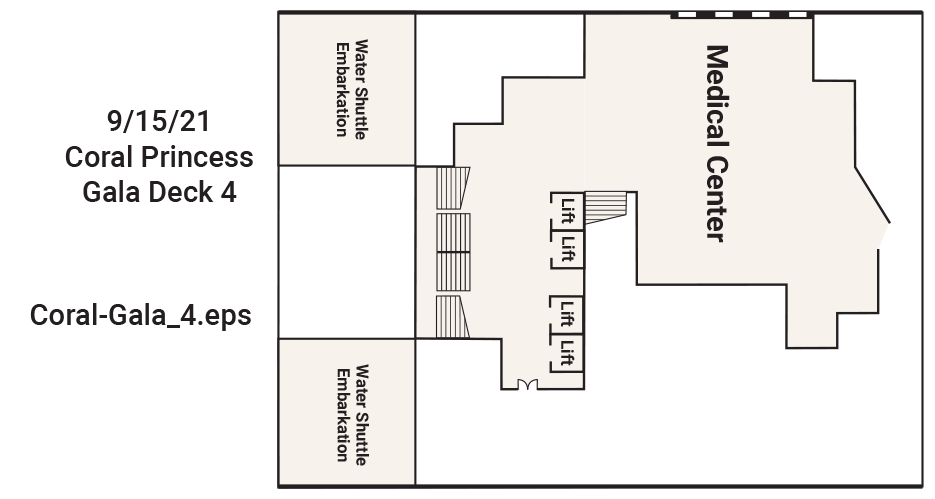
- Medical Centre

- Atrium
- Bordeaux Dining Room
- Captain’s Circle
- Future Cruise Sales
- La Patisserie
- Passenger Services
- Shore Excursions
- Interior Staterooms (4x wheelchair accessible)

- Explorers Lounge
- Photo Gallery
- Photo Kiosk
- Photo Shop
- Princess Theatre- Lower Level
- Provence Dining Room
- Shopping Host
- The Shops of Princess
- The Universe Lounge
- Oceanview Staterooms

- Bayou Café & Steakhouse
- Churchill Lounge
- Crooners Lounge & Bar
- Princess Fine Arts Gallery
- Princess Theatre
- Sabatini’s
- The Universe Lounge
- Wedding Chapel
- Wheelhouse Bar

- Interior Staterooms
- Oceanview Staterooms (8x wheelchair accessible)
- Balcony Staterooms
- Internet Café
- The Card Room
- The Library

- Interior Staterooms
- Ocean View Staterooms
- Balcony Staterooms
- Mini-Suite Staterooms
- Suite Staterooms

- Interior Staterooms
- Balcony Staterooms (4x wheelchair accessible)
- Mini-Suite Staterooms
- Suite Staterooms

- Interior Staterooms
- Oceanview Staterooms
- Balcony Staterooms (4x wheelchair accessible)
- Mini-Suite Staterooms

- Interior Staterooms
- Balcony Staterooms
- Mini-Suite Staterooms
- Youth Centre

- Beauty Salon
- Horizon Court
- Lido Bar
- Lido Pool & Hot Tubs
- Lotus Bar
- Lotus Pool & Hot Tubs
- Lotus Spa
- Massage
- Princess Pizzeria
- Swirls
- Teen Centre

- Princess Links
- The Grill & Bar
- Platinum Studio

- Deck Chess Set
- Shuffleboard
- Centre Court
- Splash Pool
- Medical Centre
- Atrium
- Bordeaux Dining Room
- Captain’s Circle
- Future Cruise Sales
- La Patisserie
- Passenger Services
- Shore Excursions
- Interior Staterooms (4x wheelchair accessible)
- Explorers Lounge
- Photo Gallery
- Photo Kiosk
- Photo Shop
- Princess Theatre- Lower Level
- Provence Dining Room
- Shopping Host
- The Shops of Princess
- The Universe Lounge
- Oceanview Staterooms
- Bayou Café & Steakhouse
- Churchill Lounge
- Crooners Lounge & Bar
- Princess Fine Arts Gallery
- Princess Theatre
- Sabatini’s
- The Universe Lounge
- Wedding Chapel
- Wheelhouse Bar
- Interior Staterooms
- Oceanview Staterooms (8x wheelchair accessible)
- Balcony Staterooms
- Internet Café
- The Card Room
- The Library
- Interior Staterooms
- Ocean View Staterooms
- Balcony Staterooms
- Mini-Suite Staterooms
- Suite Staterooms
- Interior Staterooms
- Balcony Staterooms (4x wheelchair accessible)
- Mini-Suite Staterooms
- Suite Staterooms
- Interior Staterooms
- Oceanview Staterooms
- Balcony Staterooms (4x wheelchair accessible)
- Mini-Suite Staterooms
- Interior Staterooms
- Balcony Staterooms
- Mini-Suite Staterooms
- Youth Centre
- Beauty Salon
- Horizon Court
- Lido Bar
- Lido Pool & Hot Tubs
- Lotus Bar
- Lotus Pool & Hot Tubs
- Lotus Spa
- Massage
- Princess Pizzeria
- Swirls
- Teen Centre
- Princess Links
- The Grill & Bar
- Platinum Studio
- Deck Chess Set
- Shuffleboard
- Centre Court
- Splash Pool