Featured Cabins
Itinerary
Southampton, England
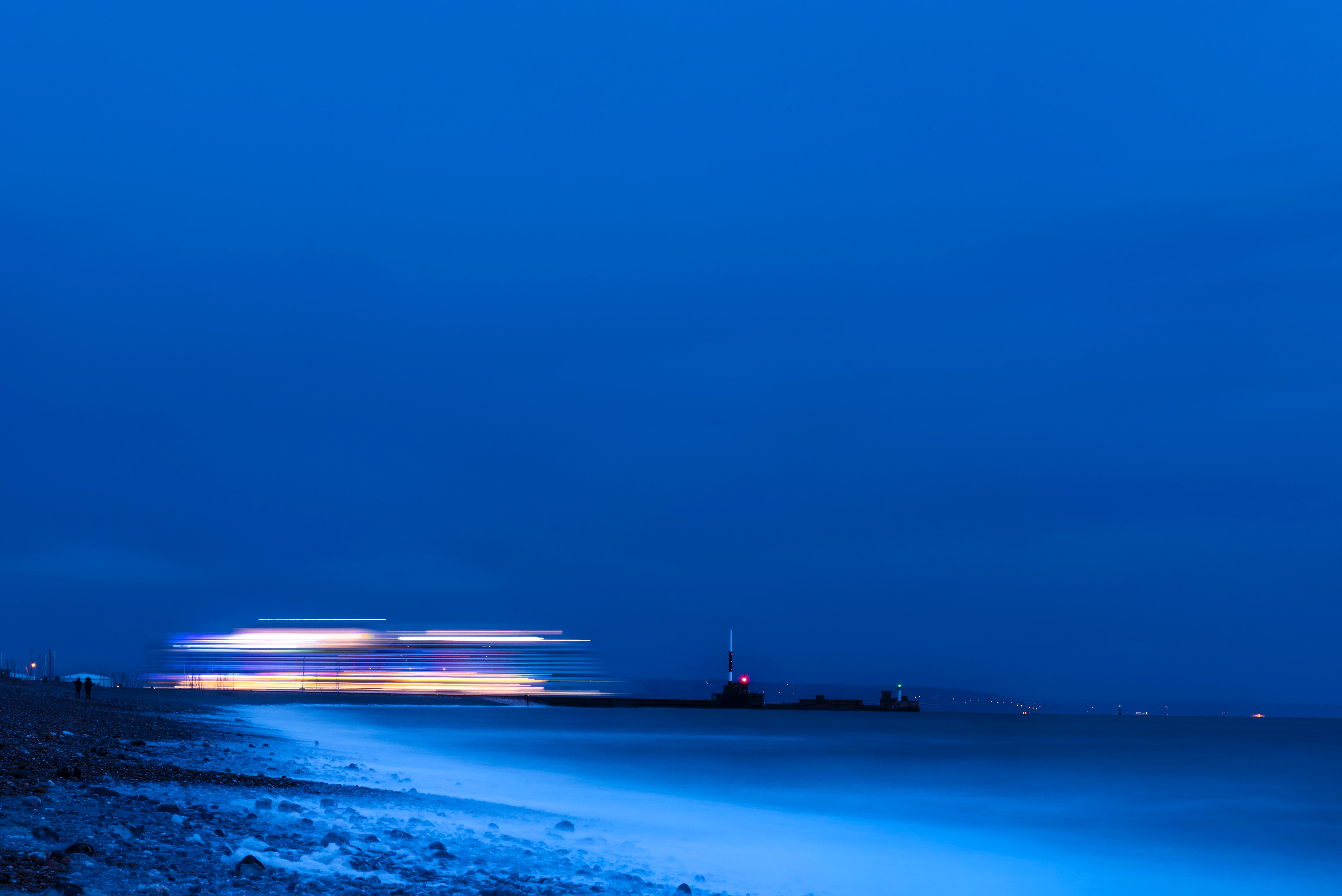
Lying near the head of Southampton Water, a peninsula between the estuaries of the Rivers Test and Itchen, Southampton is Britain’s largest cruise port. It has been one of England’s major ports since the Middle Ages, when it exported wool and hides from the hinterland and imported wine from Bordeaux. The city suffered heavy damage during World War Two and as a result the centre has been extensively rebuilt, but there are still some interesting medieval buildings including the Bargate, one of the finest city gatehouses in England.
Falmouth, England
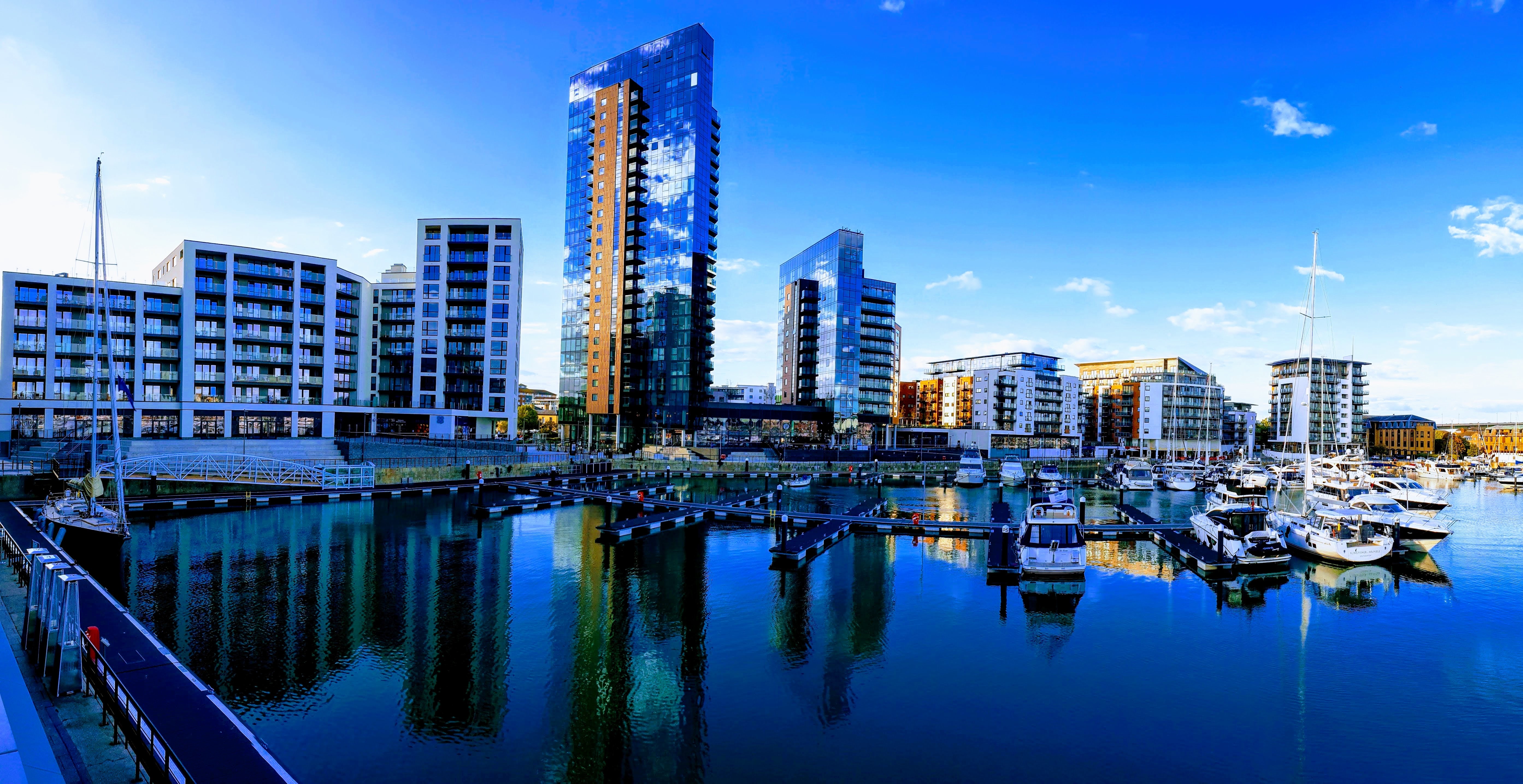
The bustle of this resort town’s fishing harbor, yachting center, and commercial port only adds to its charm. In the 18th century Falmouth was the main mail-boat port for North America, and in Flushing, a village across the inlet, you can see the slate-covered houses built by prosperous mail-boat captains. A ferry service now links the two towns. On Custom House Quay, off Arwenack Street, is the King’s Pipe, an oven in which seized contraband was burned.
Cobh, Ireland
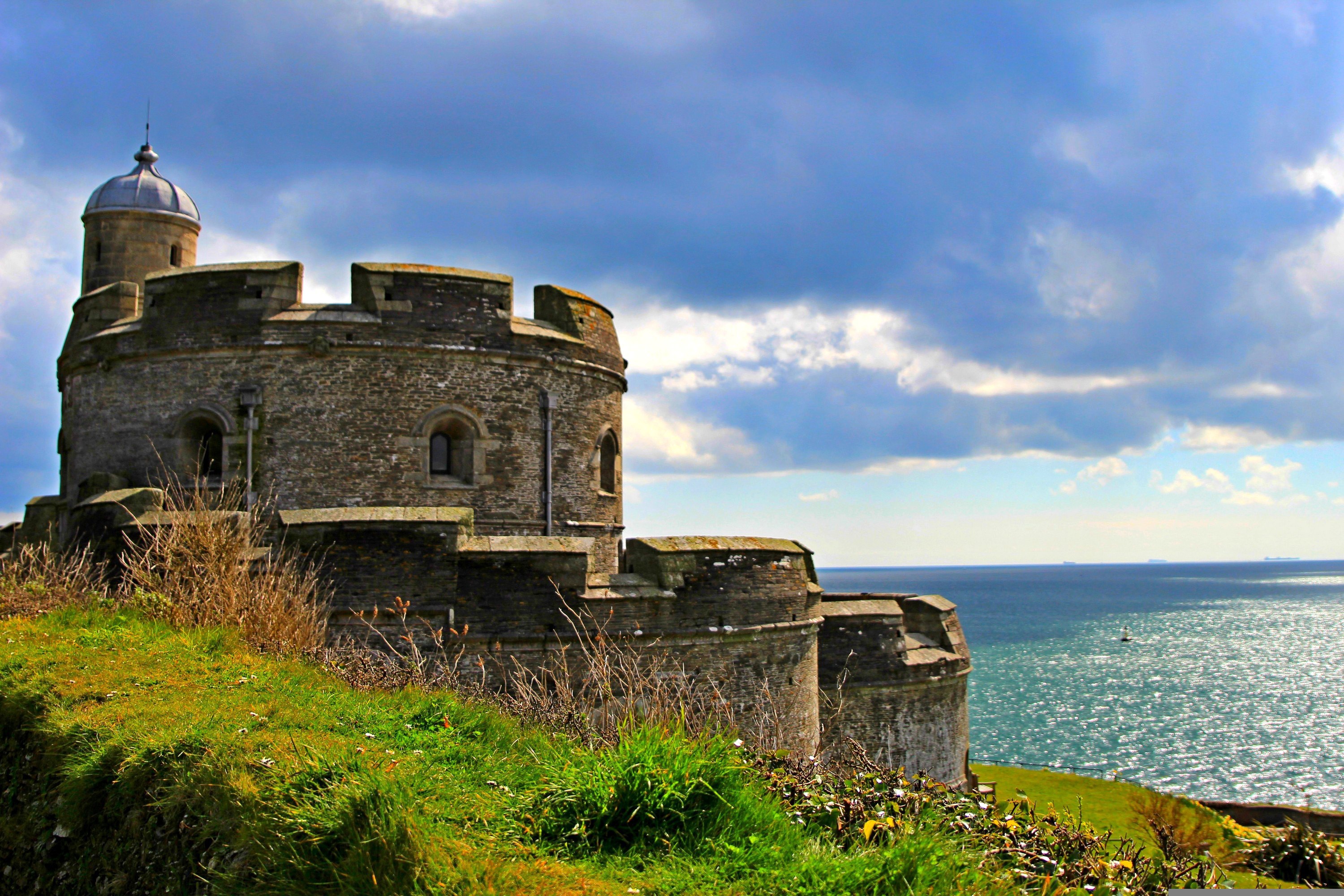
Cork City’s nearby harbor district has seen plenty of history. Cork Harbour’s draws include Fota Island—with an arboretum, a wildlife park, and the Fota House ancestral estate—and the fishing port of Cobh.
Liverpool, England
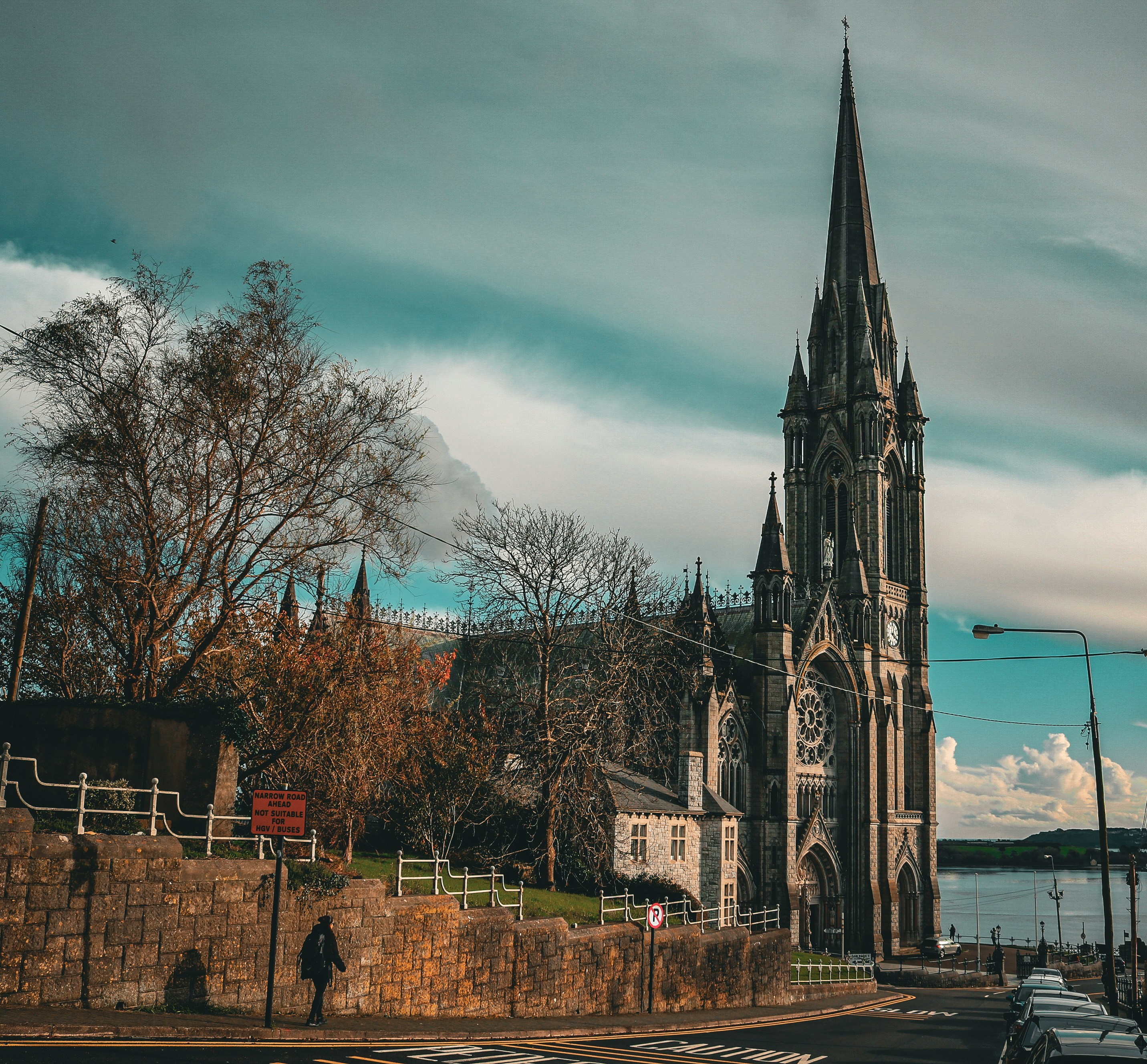
From world-class attractions and sports to legendary music, Liverpool offers old-world charm with modern sophistication, underpinned by a rich cultural history.
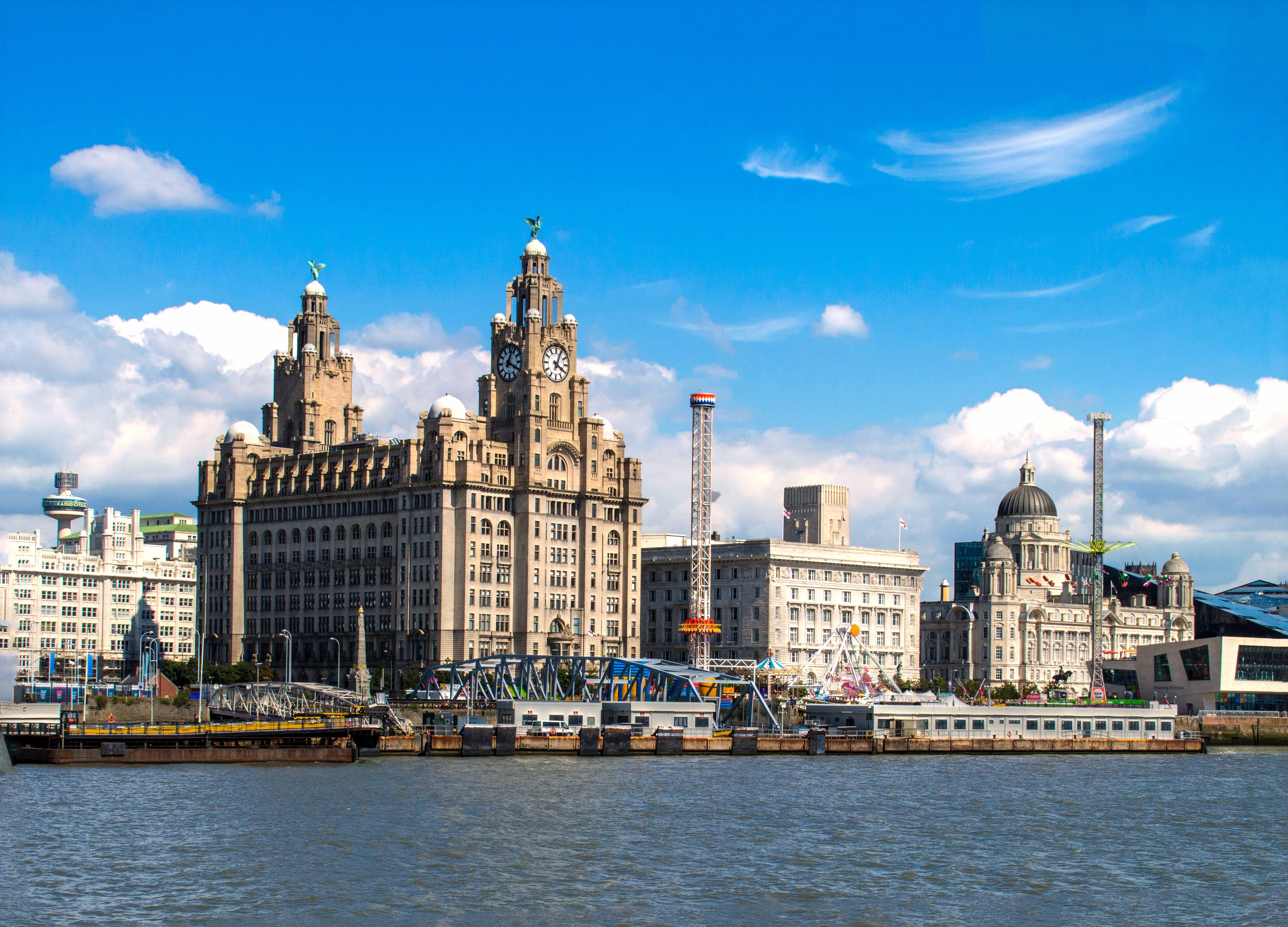
Belfast, Northern Ireland
Before English and Scottish settlers arrived in the 1600s, Belfast was a tiny village called Béal Feirste (“sandbank ford”) belonging to Ulster’s ancient O’Neill clan. With the advent of the Plantation period (when settlers arrived in the 1600s), Sir Arthur Chichester, from Devon in southwestern England, received the city from the English Crown, and his son was made Earl of Donegall. Huguenots fleeing persecution from France settled near here, bringing their valuable linen-work skills. In the 18th century, Belfast underwent a phenomenal expansion—its population doubled every 10 years, despite an ever-present sectarian divide. Although the Anglican gentry despised the Presbyterian artisans—who, in turn, distrusted the native Catholics—Belfast’s growth continued at a dizzying speed. The city was a great Victorian success story, an industrial boomtown whose prosperity was built on trade, especially linen and shipbuilding. Famously (or infamously), the Titanic was built here, giving Belfast, for a time, the nickname “Titanic Town.” Having laid the foundation stone of the city’s university in 1845, Queen Victoria returned to Belfast in 1849 (she is recalled in the names of buildings, streets, bars, monuments, and other places around the city), and in the same year, the university opened under the name Queen’s College. Nearly 40 years later, in 1888, Victoria granted Belfast its city charter. Today its population is nearly 300,000, tourist numbers have increased, and this dramatically transformed city is enjoying an unparalleled renaissance.This is all a welcome change from the period when news about Belfast meant reports about “the Troubles.” Since the 1994 ceasefire, Northern Ireland’s capital city has benefited from major hotel investment, gentrified quaysides (or strands), a sophisticated new performing arts center, and major initiatives to boost tourism. Although the 1996 bombing of offices at Canary Wharf in London disrupted the 1994 peace agreement, the ceasefire was officially reestablished on July 20, 1997, and this embattled city began its quest for a newfound identity.Since 2008, the city has restored all its major public buildings such as museums, churches, theaters, City Hall, Ulster Hall—and even the glorious Crown Bar—spending millions of pounds on its built heritage. A gaol that at the height of the Troubles held some of the most notorious murderers involved in paramilitary violence is now a major visitor attraction.Belfast’s city center is made up of three roughly contiguous areas that are easy to navigate on foot. From the south end to the north, it’s about an hour’s leisurely walk.
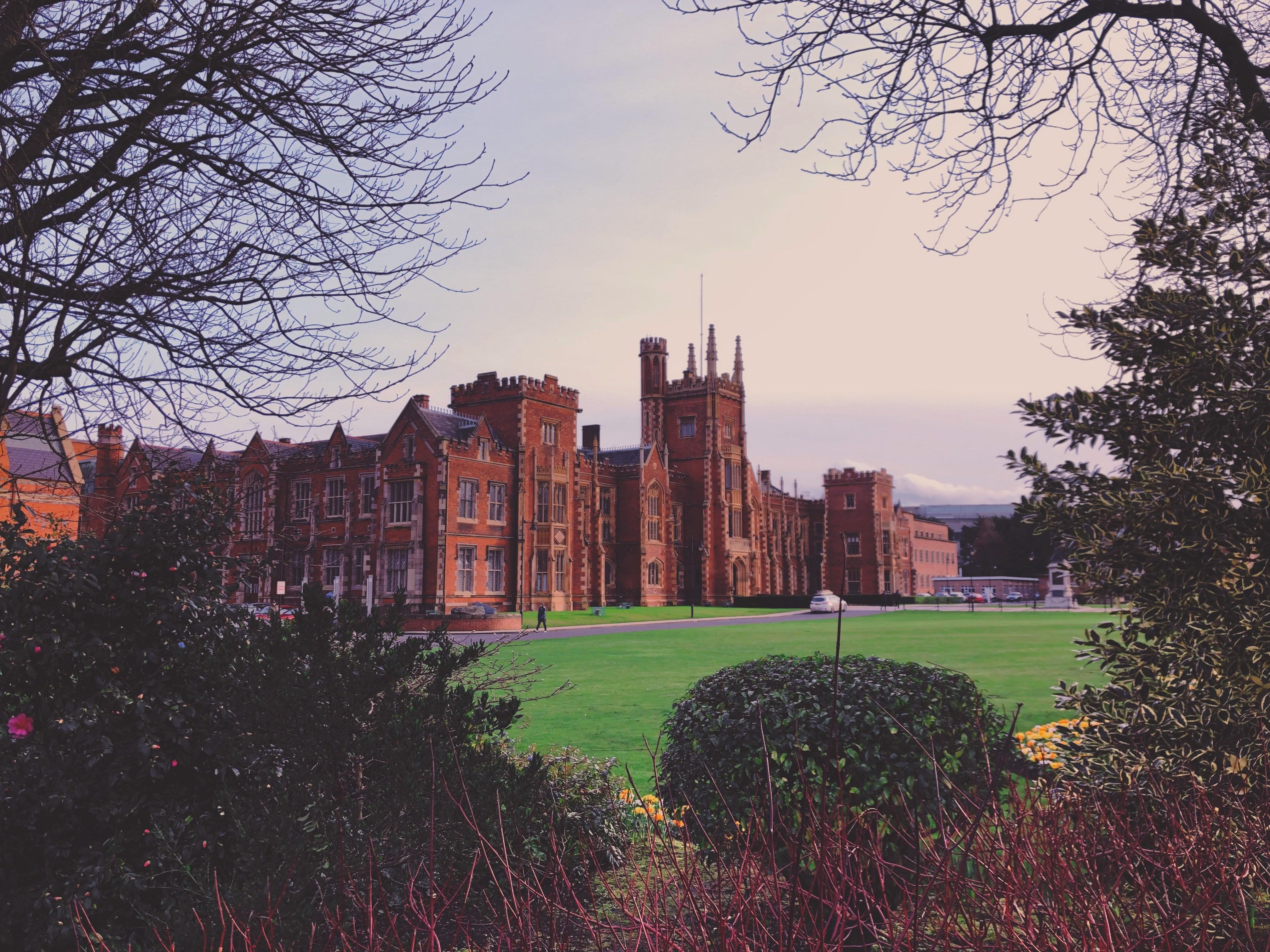
Greenock, Scotland
Trendy stores, a booming cultural life, fascinating architecture, and stylish restaurants reinforce Glasgow’s claim to being Scotland’s most exciting city. After decades of decline, it has experienced an urban renaissance uniquely its own. The city’s grand architecture reflects a prosperous past built on trade and shipbuilding. Today buildings by Charles Rennie Mackintosh hold pride of place along with the Zaha Hadid–designed Riverside Museum.Glasgow (the “dear green place,” as it was known) was founded some 1,500 years ago. Legend has it that the king of Strathclyde, irate about his wife’s infidelity, had a ring he had given her thrown into the river Clyde. (Apparently she had passed it on to an admirer.) When the king demanded to know where the ring had gone, the distraught queen asked the advice of her confessor, St. Mungo. He suggested fishing for it—and the first salmon to emerge had the ring in its mouth. The moment is commemorated on the city’s coat of arms.The medieval city expanded when it was given a royal license to trade; the current High Street was the main thoroughfare at the time. The vast profits from American cotton and tobacco built the grand mansions of the Merchant City in the 18th century. In the 19th century the river Clyde became the center of a vibrant shipbuilding industry, fed by the city’s iron and steel works. The city grew again, but its internal divisions grew at the same time. The West End harbored the elegant homes of the newly rich shipyard owners. Down by the river, areas like the infamous Gorbals, with its crowded slums, sheltered the laborers who built the ships. They came from the Highlands, expelled to make way for sheep, or from Ireland, where the potato famines drove thousands from their homes.During the 19th century the population grew from 80,000 to more than a million. And the new prosperity gave Glasgow its grand neoclassical buildings, such as those built by Alexander “Greek” Thomson, as well as the adventurous visionary buildings designed by Charles Rennie Mackintosh and others who produced Glasgow’s Arts and Crafts movement. The City Chambers, built in 1888, are a proud statement in marble and gold sandstone, a clear symbol of the wealthy and powerful Victorian industrialists’ hopes for the future.The decline of shipbuilding and the closure of the factories led to much speculation as to what direction the city would take now. The curious thing is that, at least in part, the past gave the city a new lease of life. It was as if people looked at their city and saw Glasgow’s beauty for the first time: its extraordinarily rich architectural heritage, its leafy parks, its artistic heritage, and its complex social history. Today Glasgow is a vibrant cultural center and a commercial hub, as well as a launching pad from which to explore the rest of Scotland, which, as it turns out, is not so far away. In fact, it takes only 40 minutes to reach Loch Lomond, where the other Scotland begins.
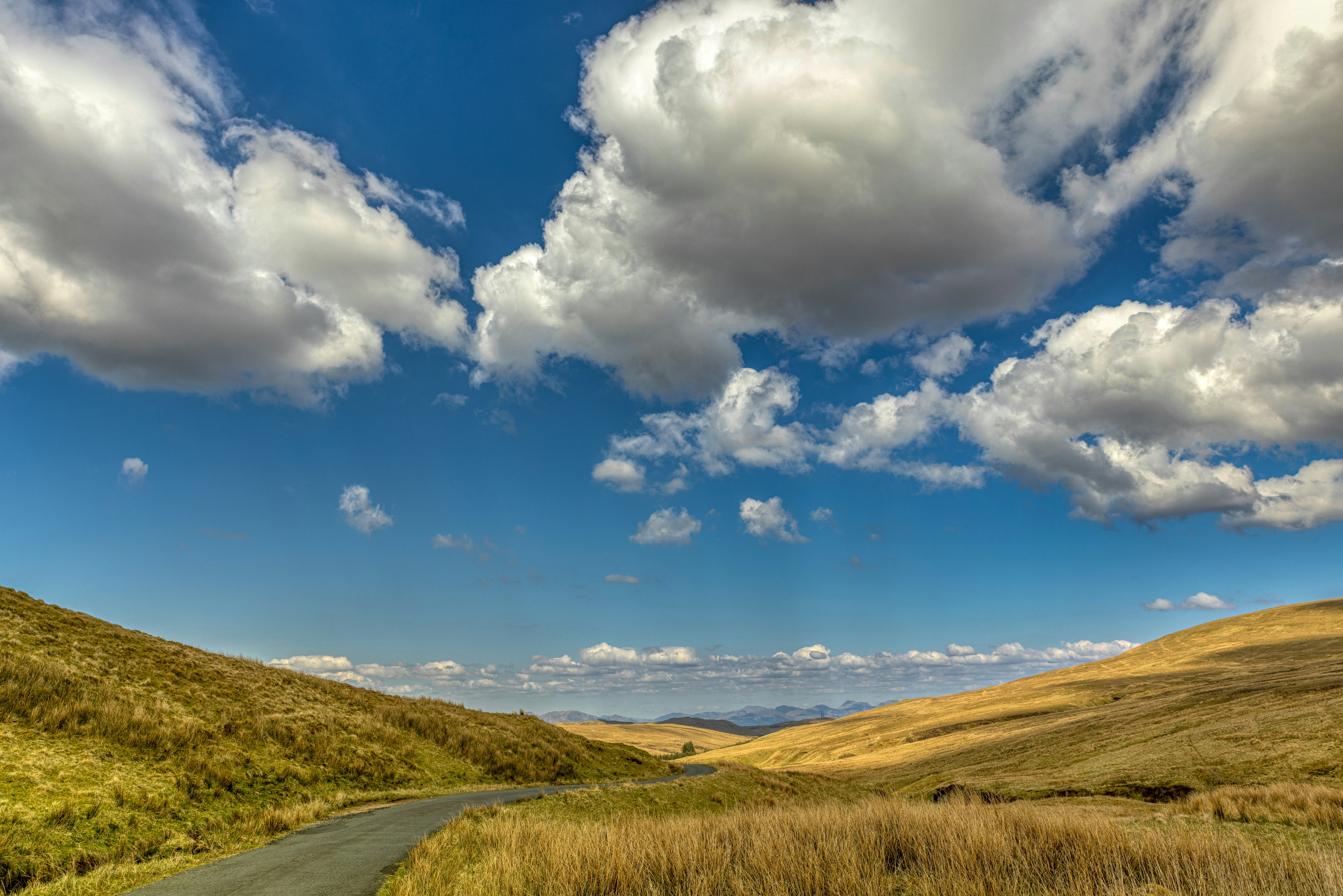
Southampton, England
Lying near the head of Southampton Water, a peninsula between the estuaries of the Rivers Test and Itchen, Southampton is Britain’s largest cruise port. It has been one of England’s major ports since the Middle Ages, when it exported wool and hides from the hinterland and imported wine from Bordeaux. The city suffered heavy damage during World War Two and as a result the centre has been extensively rebuilt, but there are still some interesting medieval buildings including the Bargate, one of the finest city gatehouses in England.
Falmouth, England
The bustle of this resort town’s fishing harbor, yachting center, and commercial port only adds to its charm. In the 18th century Falmouth was the main mail-boat port for North America, and in Flushing, a village across the inlet, you can see the slate-covered houses built by prosperous mail-boat captains. A ferry service now links the two towns. On Custom House Quay, off Arwenack Street, is the King’s Pipe, an oven in which seized contraband was burned.
Cobh, Ireland
Cork City’s nearby harbor district has seen plenty of history. Cork Harbour’s draws include Fota Island—with an arboretum, a wildlife park, and the Fota House ancestral estate—and the fishing port of Cobh.
Liverpool, England
From world-class attractions and sports to legendary music, Liverpool offers old-world charm with modern sophistication, underpinned by a rich cultural history.
Belfast, Northern Ireland
Before English and Scottish settlers arrived in the 1600s, Belfast was a tiny village called Béal Feirste (“sandbank ford”) belonging to Ulster’s ancient O’Neill clan. With the advent of the Plantation period (when settlers arrived in the 1600s), Sir Arthur Chichester, from Devon in southwestern England, received the city from the English Crown, and his son was made Earl of Donegall. Huguenots fleeing persecution from France settled near here, bringing their valuable linen-work skills. In the 18th century, Belfast underwent a phenomenal expansion—its population doubled every 10 years, despite an ever-present sectarian divide. Although the Anglican gentry despised the Presbyterian artisans—who, in turn, distrusted the native Catholics—Belfast’s growth continued at a dizzying speed. The city was a great Victorian success story, an industrial boomtown whose prosperity was built on trade, especially linen and shipbuilding. Famously (or infamously), the Titanic was built here, giving Belfast, for a time, the nickname “Titanic Town.” Having laid the foundation stone of the city’s university in 1845, Queen Victoria returned to Belfast in 1849 (she is recalled in the names of buildings, streets, bars, monuments, and other places around the city), and in the same year, the university opened under the name Queen’s College. Nearly 40 years later, in 1888, Victoria granted Belfast its city charter. Today its population is nearly 300,000, tourist numbers have increased, and this dramatically transformed city is enjoying an unparalleled renaissance.This is all a welcome change from the period when news about Belfast meant reports about “the Troubles.” Since the 1994 ceasefire, Northern Ireland’s capital city has benefited from major hotel investment, gentrified quaysides (or strands), a sophisticated new performing arts center, and major initiatives to boost tourism. Although the 1996 bombing of offices at Canary Wharf in London disrupted the 1994 peace agreement, the ceasefire was officially reestablished on July 20, 1997, and this embattled city began its quest for a newfound identity.Since 2008, the city has restored all its major public buildings such as museums, churches, theaters, City Hall, Ulster Hall—and even the glorious Crown Bar—spending millions of pounds on its built heritage. A gaol that at the height of the Troubles held some of the most notorious murderers involved in paramilitary violence is now a major visitor attraction.Belfast’s city center is made up of three roughly contiguous areas that are easy to navigate on foot. From the south end to the north, it’s about an hour’s leisurely walk.
Greenock, Scotland
Trendy stores, a booming cultural life, fascinating architecture, and stylish restaurants reinforce Glasgow’s claim to being Scotland’s most exciting city. After decades of decline, it has experienced an urban renaissance uniquely its own. The city’s grand architecture reflects a prosperous past built on trade and shipbuilding. Today buildings by Charles Rennie Mackintosh hold pride of place along with the Zaha Hadid–designed Riverside Museum.Glasgow (the “dear green place,” as it was known) was founded some 1,500 years ago. Legend has it that the king of Strathclyde, irate about his wife’s infidelity, had a ring he had given her thrown into the river Clyde. (Apparently she had passed it on to an admirer.) When the king demanded to know where the ring had gone, the distraught queen asked the advice of her confessor, St. Mungo. He suggested fishing for it—and the first salmon to emerge had the ring in its mouth. The moment is commemorated on the city’s coat of arms.The medieval city expanded when it was given a royal license to trade; the current High Street was the main thoroughfare at the time. The vast profits from American cotton and tobacco built the grand mansions of the Merchant City in the 18th century. In the 19th century the river Clyde became the center of a vibrant shipbuilding industry, fed by the city’s iron and steel works. The city grew again, but its internal divisions grew at the same time. The West End harbored the elegant homes of the newly rich shipyard owners. Down by the river, areas like the infamous Gorbals, with its crowded slums, sheltered the laborers who built the ships. They came from the Highlands, expelled to make way for sheep, or from Ireland, where the potato famines drove thousands from their homes.During the 19th century the population grew from 80,000 to more than a million. And the new prosperity gave Glasgow its grand neoclassical buildings, such as those built by Alexander “Greek” Thomson, as well as the adventurous visionary buildings designed by Charles Rennie Mackintosh and others who produced Glasgow’s Arts and Crafts movement. The City Chambers, built in 1888, are a proud statement in marble and gold sandstone, a clear symbol of the wealthy and powerful Victorian industrialists’ hopes for the future.The decline of shipbuilding and the closure of the factories led to much speculation as to what direction the city would take now. The curious thing is that, at least in part, the past gave the city a new lease of life. It was as if people looked at their city and saw Glasgow’s beauty for the first time: its extraordinarily rich architectural heritage, its leafy parks, its artistic heritage, and its complex social history. Today Glasgow is a vibrant cultural center and a commercial hub, as well as a launching pad from which to explore the rest of Scotland, which, as it turns out, is not so far away. In fact, it takes only 40 minutes to reach Loch Lomond, where the other Scotland begins.
Kirkwall, Orkney Islands, Scotland
In bustling Kirkwall, the main town on Orkney, there’s plenty to see in the narrow, winding streets extending from the harbor. The cathedral and some museums are highlights.
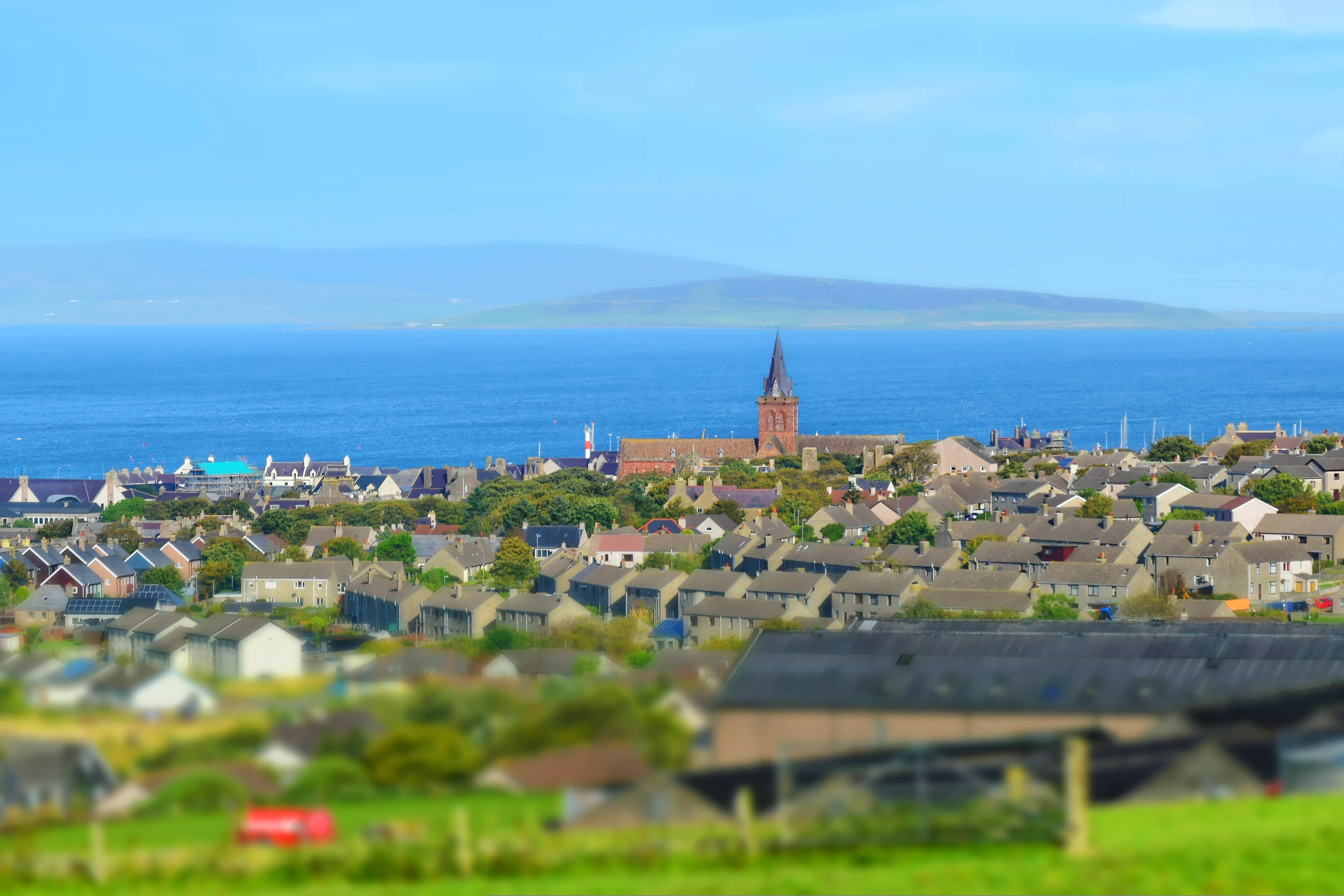
Invergordon, Scotland
The port of Invergordon is your gateway to the Great Glen, an area of Scotland that includes Loch Ness and the city of Inverness. Inverness, the capital of the Highlands, has the flavor of a Lowland town, its winds blowing in a sea-salt air from the Moray Firth. The Great Glen is also home to one of the world’s most famous monster myths: in 1933, during a quiet news week, the editor of a local paper decided to run a story about a strange sighting of something splashing about in Loch Ness. But there’s more to look for here besides Nessie, including inland lochs, craggy and steep-sided mountains, rugged promontories, deep inlets, brilliant purple and emerald moorland, and forests filled with astonishingly varied wildlife, including mountain hares, red deer, golden eagles, and ospreys.
Queensferry, Scotland
Queensferry, also called South Queensferry or simply “The Ferry”, is a town to the west of Edinburgh, Scotland. Traditionally a royal burgh of West Lothian,[3] it is now administered by the City of Edinburgh Council. It lies ten miles to the north-west of Edinburgh city centre, on the shore of the Firth of Forth between the Forth Bridge, Forth Road Bridge and the Queensferry Crossing.
Le Havre, France
Le Havre, founded by King Francis I of France in 1517, is located inUpper Normandy on the north bank of the mouth of the River Seine, which isconsidered the most frequented waterway in the world. Its port is ranked thesecond largest in France. The city was originally built on marshland andmudflats that were drained in the 1500’s. During WWII most of Le Havre wasdestroyed by Allied bombing raids. Post war rebuilding of the city followed thedevelopment plans of the well-known Belgian architect Auguste Perre. Thereconstruction was so unique that the entire city was listed as a UNESCO WorldHeritage Site in 2005.
Southampton, England
Lying near the head of Southampton Water, a peninsula between the estuaries of the Rivers Test and Itchen, Southampton is Britain’s largest cruise port. It has been one of England’s major ports since the Middle Ages, when it exported wool and hides from the hinterland and imported wine from Bordeaux. The city suffered heavy damage during World War Two and as a result the centre has been extensively rebuilt, but there are still some interesting medieval buildings including the Bargate, one of the finest city gatehouses in England.
Kirkwall, Orkney Islands, Scotland
In bustling Kirkwall, the main town on Orkney, there’s plenty to see in the narrow, winding streets extending from the harbor. The cathedral and some museums are highlights.
Invergordon, Scotland
The port of Invergordon is your gateway to the Great Glen, an area of Scotland that includes Loch Ness and the city of Inverness. Inverness, the capital of the Highlands, has the flavor of a Lowland town, its winds blowing in a sea-salt air from the Moray Firth. The Great Glen is also home to one of the world’s most famous monster myths: in 1933, during a quiet news week, the editor of a local paper decided to run a story about a strange sighting of something splashing about in Loch Ness. But there’s more to look for here besides Nessie, including inland lochs, craggy and steep-sided mountains, rugged promontories, deep inlets, brilliant purple and emerald moorland, and forests filled with astonishingly varied wildlife, including mountain hares, red deer, golden eagles, and ospreys.
Queensferry, Scotland
Queensferry, also called South Queensferry or simply “The Ferry”, is a town to the west of Edinburgh, Scotland. Traditionally a royal burgh of West Lothian,[3] it is now administered by the City of Edinburgh Council. It lies ten miles to the north-west of Edinburgh city centre, on the shore of the Firth of Forth between the Forth Bridge, Forth Road Bridge and the Queensferry Crossing.
Le Havre, France
Le Havre, founded by King Francis I of France in 1517, is located inUpper Normandy on the north bank of the mouth of the River Seine, which isconsidered the most frequented waterway in the world. Its port is ranked thesecond largest in France. The city was originally built on marshland andmudflats that were drained in the 1500’s. During WWII most of Le Havre wasdestroyed by Allied bombing raids. Post war rebuilding of the city followed thedevelopment plans of the well-known Belgian architect Auguste Perre. Thereconstruction was so unique that the entire city was listed as a UNESCO WorldHeritage Site in 2005.
Southampton, England
Lying near the head of Southampton Water, a peninsula between the estuaries of the Rivers Test and Itchen, Southampton is Britain’s largest cruise port. It has been one of England’s major ports since the Middle Ages, when it exported wool and hides from the hinterland and imported wine from Bordeaux. The city suffered heavy damage during World War Two and as a result the centre has been extensively rebuilt, but there are still some interesting medieval buildings including the Bargate, one of the finest city gatehouses in England.
Cabin Options
Interior Staterooms
Balcony Staterooms
Suite
Reserve Collection
Mini-Suite
Deluxe Balcony Staterooms
Ship Facilities
World Fresh Marketplace
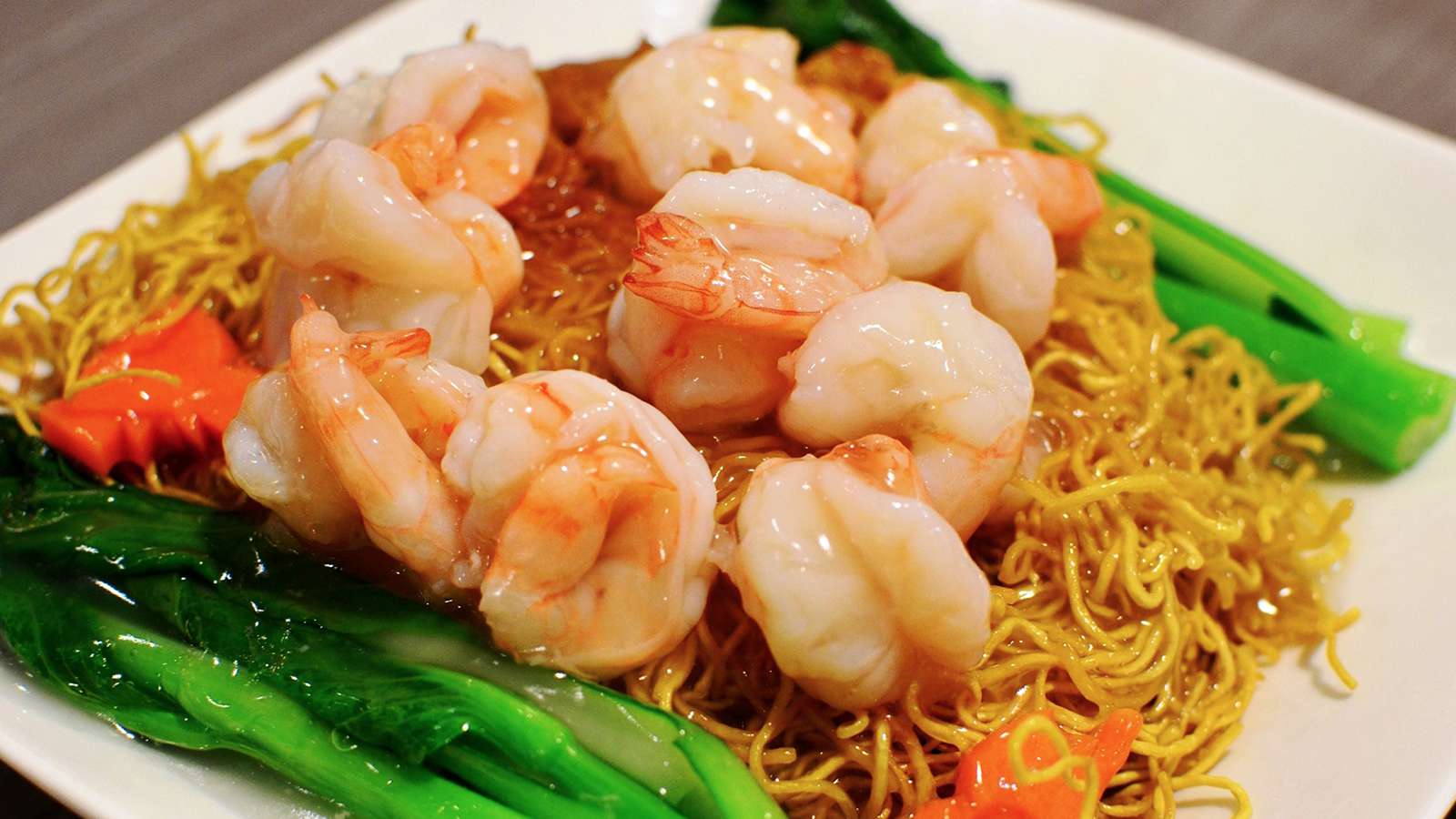
Whenever you visit, you’ll find plenty of well-balanced options to choose from. Stop by for breakfast and visit our gourmet pancake station, or enjoy one of our unique hot cereal offerings. At lunch, look for handcrafted sandwiches, regionally inspired dishes and soups, as well as our carvery selections. For dinner, there’s everything from international favourites, comfort foods, customised stir-fry or pasta, plus a multitude of fresh fruit and salad choices.
International Café
Sip and Snack Around the Clock
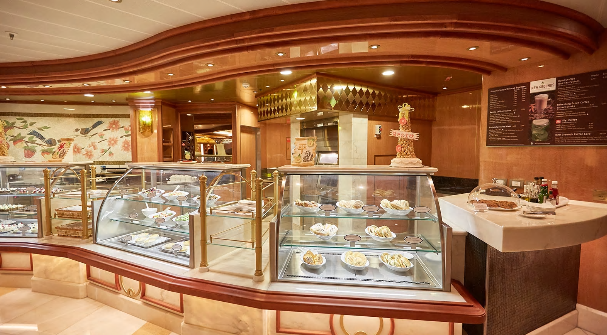
Open 24-hours a day, the International Café located in the Piazza is the place for an ever-changing array of small bite meals, treats and gourmet beverages. Grab a freshly baked croissant to start your day, snack on pies and quiche or choose from a wide variety of salads and sandwiches at lunchtime, and indulge in decadent desserts in the evening. Coffee and tea fans will love the New Grounds Crafted Coffee menu featuring a variety of speciality espresso-based drinks made from a custom blend of coffee beans, as well as iced tea fusions.
Alfredo's Pizzeria
Hand-Tossed Pizza, Hot Out of the Oven
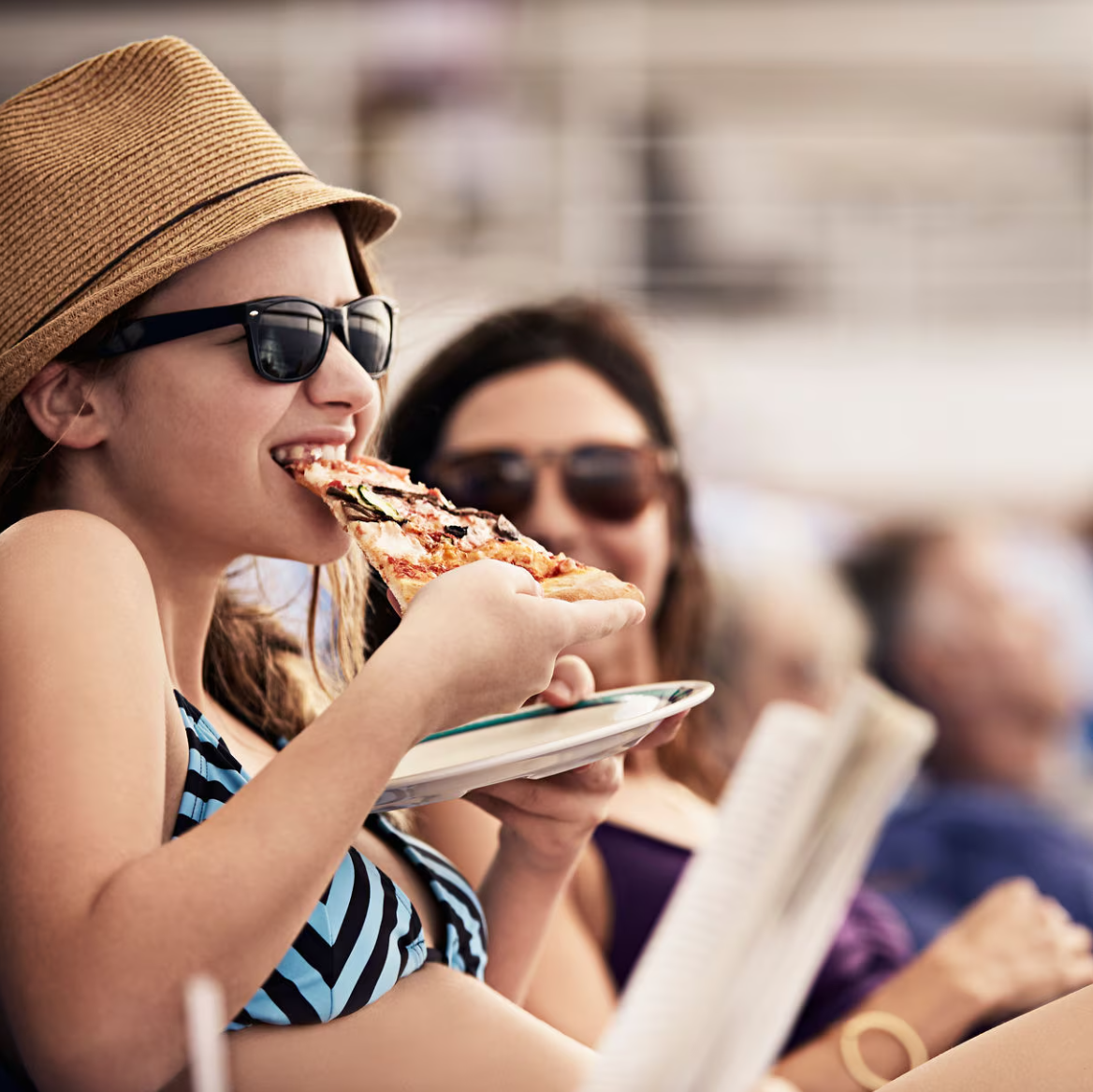
Named for our former Master Chef, Alfredo Marzi and voted “Best Pizza at Sea” by USA TODAY, this charming sit-down venue offers an enticing menu of freshly prepared individual-size pizzas along with beer and wines by the glass. The open kitchen design allows you to watch as the chefs create pizza by hand and serve them straight out of the oven.
Venues and menu items vary by ship and are subject to change.
Salty Dog Cafe
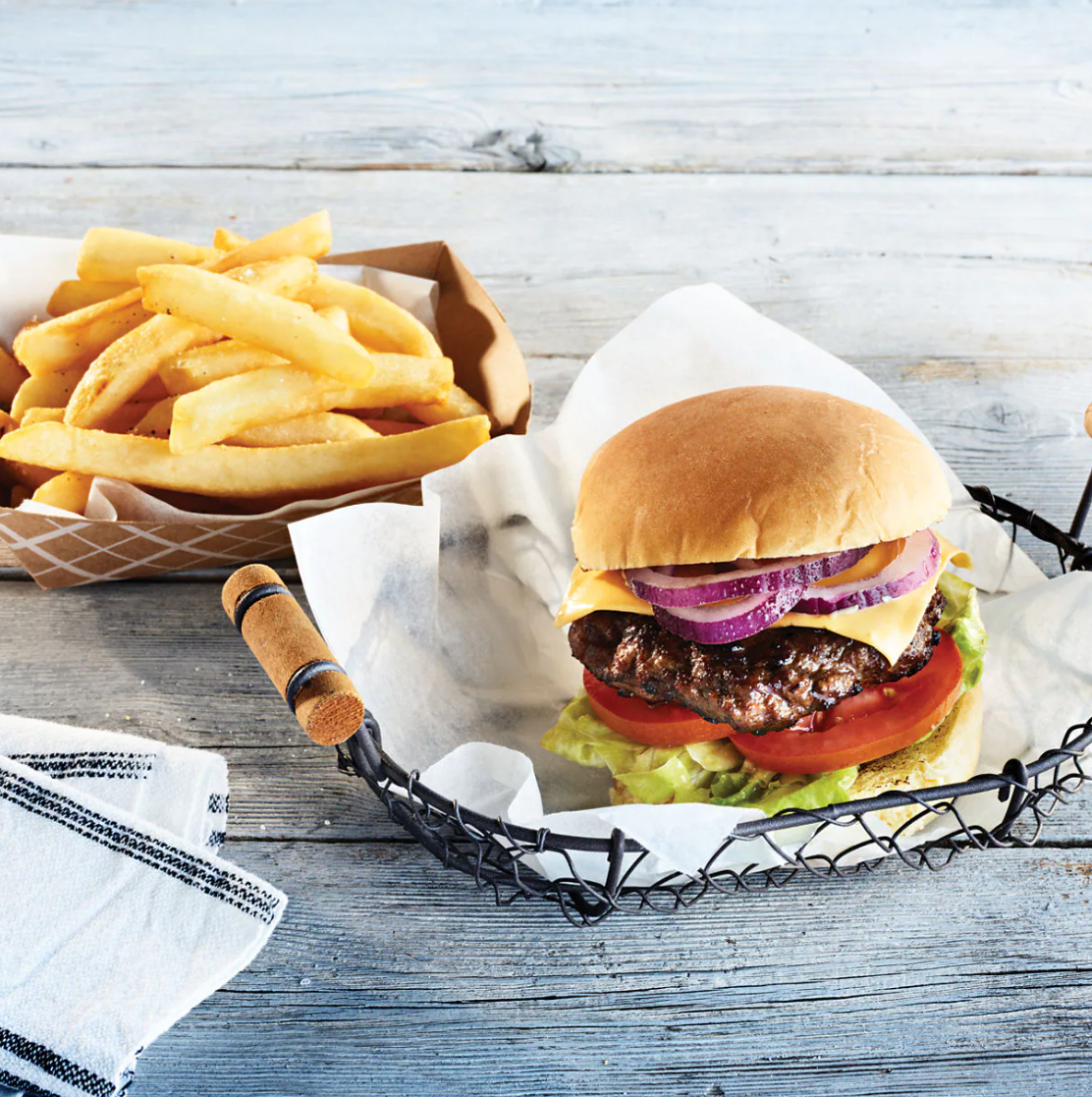
While you’re enjoying the fresh air on the top deck, treat yourself to one of our 100% handmade gourmet burgers served on made-from-scratch buns. Try crispy golden fries with chili or bacon and cheese for a real treat.
Alfredo’s Slice
Our top-deck pizzeria features a bold new look that sets the stage for tempting toppings and classic favorites. Try a slice of our award-winning signature Neapolitan-style pizza. Go simple and delicious with just cheese, or mix it up with a variety of toppings that change daily.
Crown Grill℠
Timeless Steakhouse Traditions
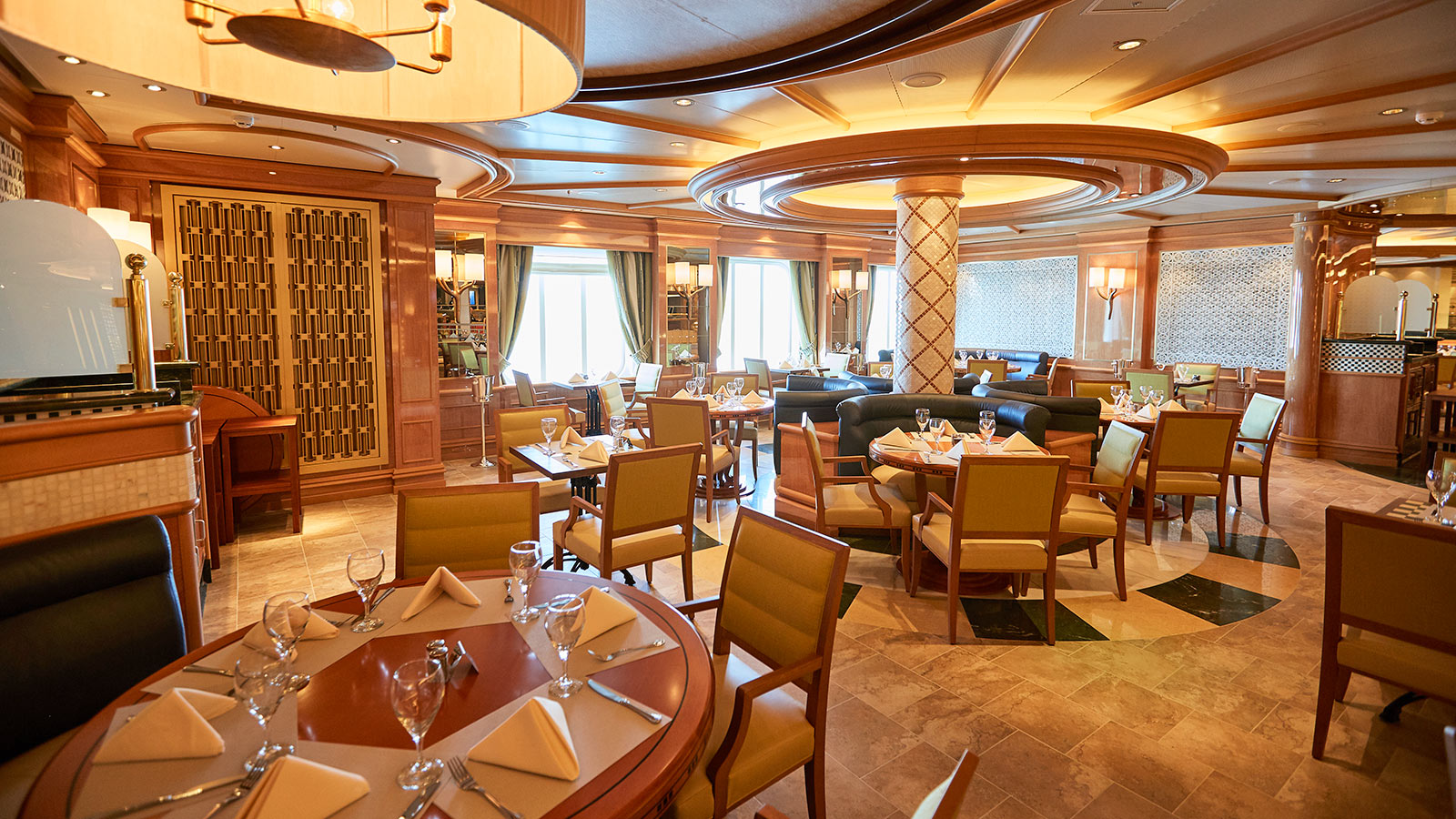
With a rich wood décor and a theatre-style kitchen, it’s no wonder Crown Grill was named among the “Best Cruise Ship Steakhouses” by USA TODAY. Featuring premium aged beef and fresh seafood items, this speciality restaurant offers an intimate dining experience in a classically elegant setting and an open kitchen where chefs prepare and cook to order top-quality cuts of beef, chops and seafood.
Additional charge applies.
Chef's Table Lumiere
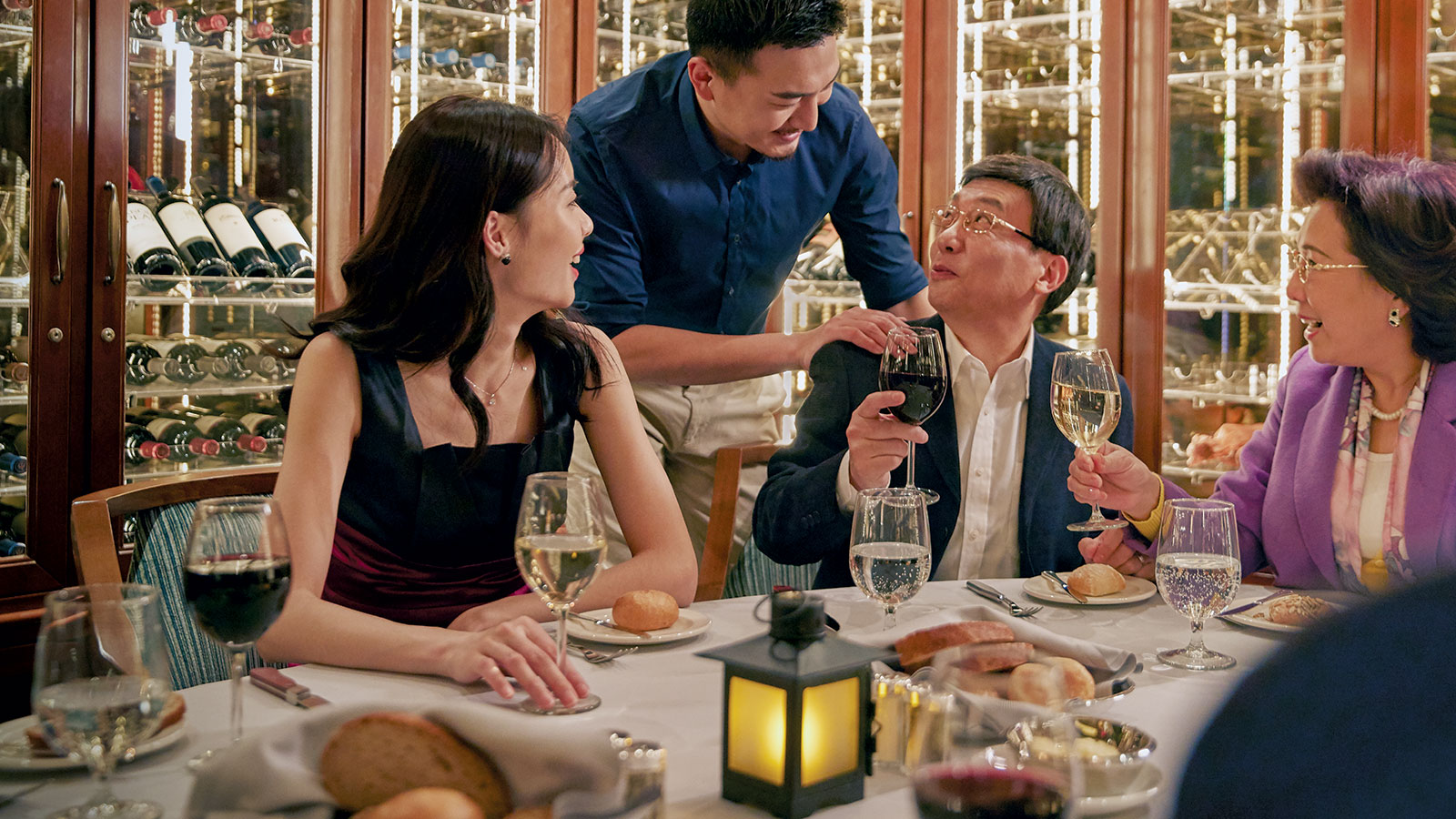
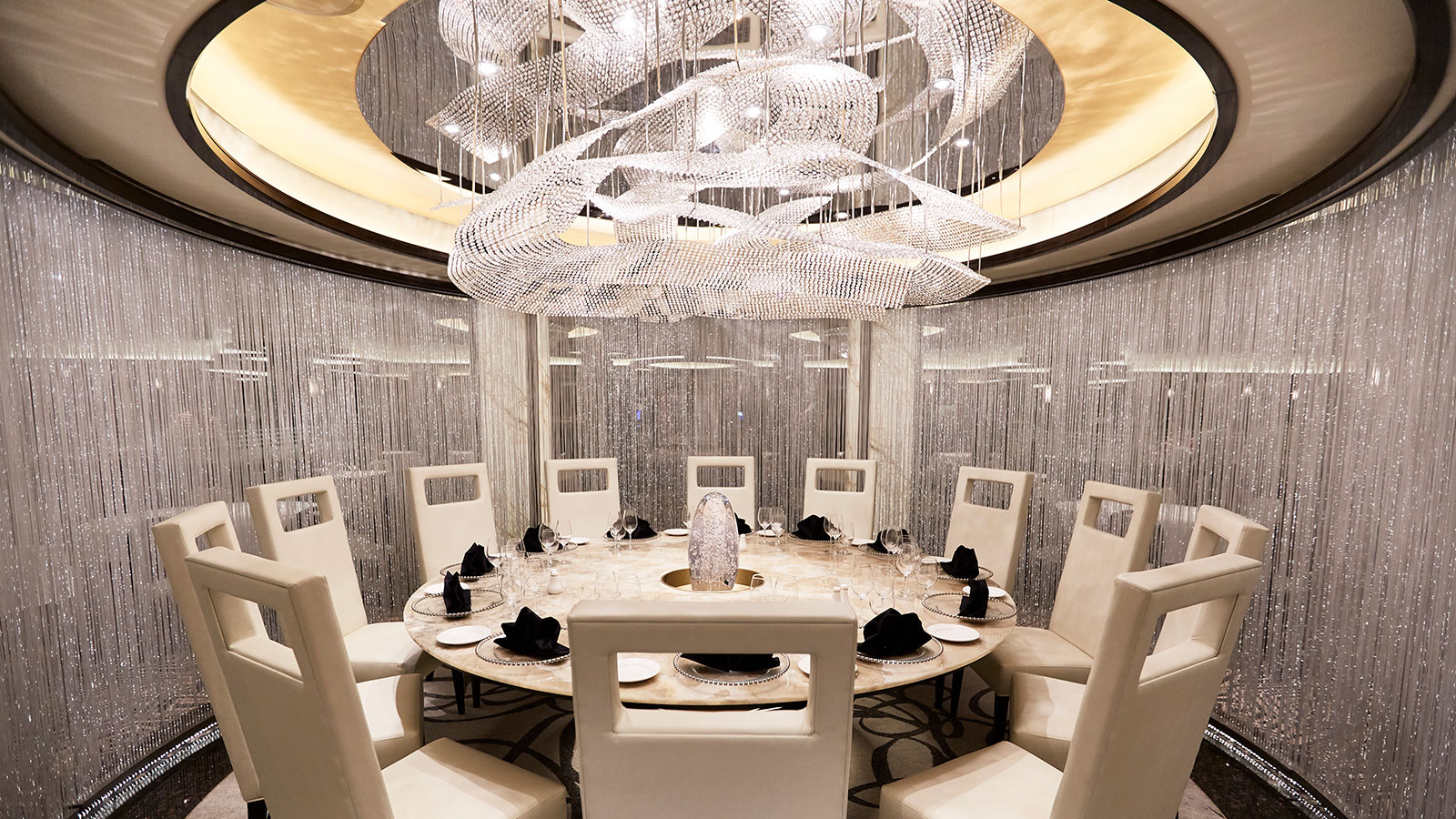
A Dazzling Dining Adventure
An extraordinary treat for both gastronomes and gourmet novices, the Chef’s Table Lumiere is a perfect culinary journey for any special occasion. Indulge in champagne and hors d’oeuvres, followed by an extravagant multi-course dinner created and hosted by the ship’s executive chef. Perfect for celebrating an anniversary or milestone, or just making your cruise holiday even more amazing.
Limited capacity, reservations required. Additional charge applies.
Ultimate Balcony Dining
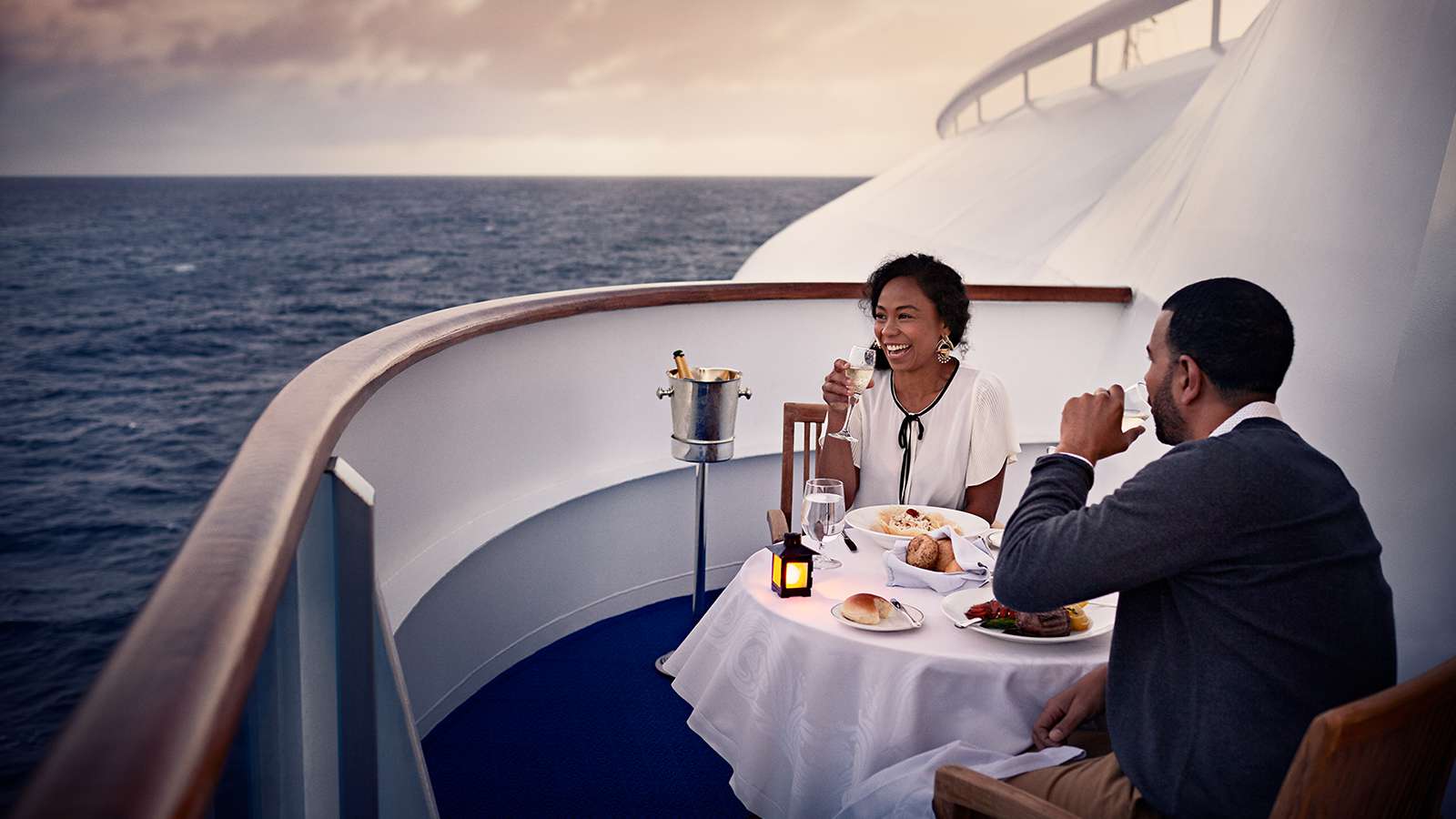
A PRIVATE DINING ROOM WITH A VIEW
Choose a luxurious breakfast or experience the “ultimate” romantic dinner at sea: a sumptuous multi-course meal, including succulent lobster tail and juicy steak, your beverage of choice, hors d’oeuvres, all served right on the privacy of your own balcony by our dedicated waitstaff. Treat yourself to this unparalleled indulgence and savour food, views and memories that will never be forgotten.
Ocean Terrace Sushi Bar
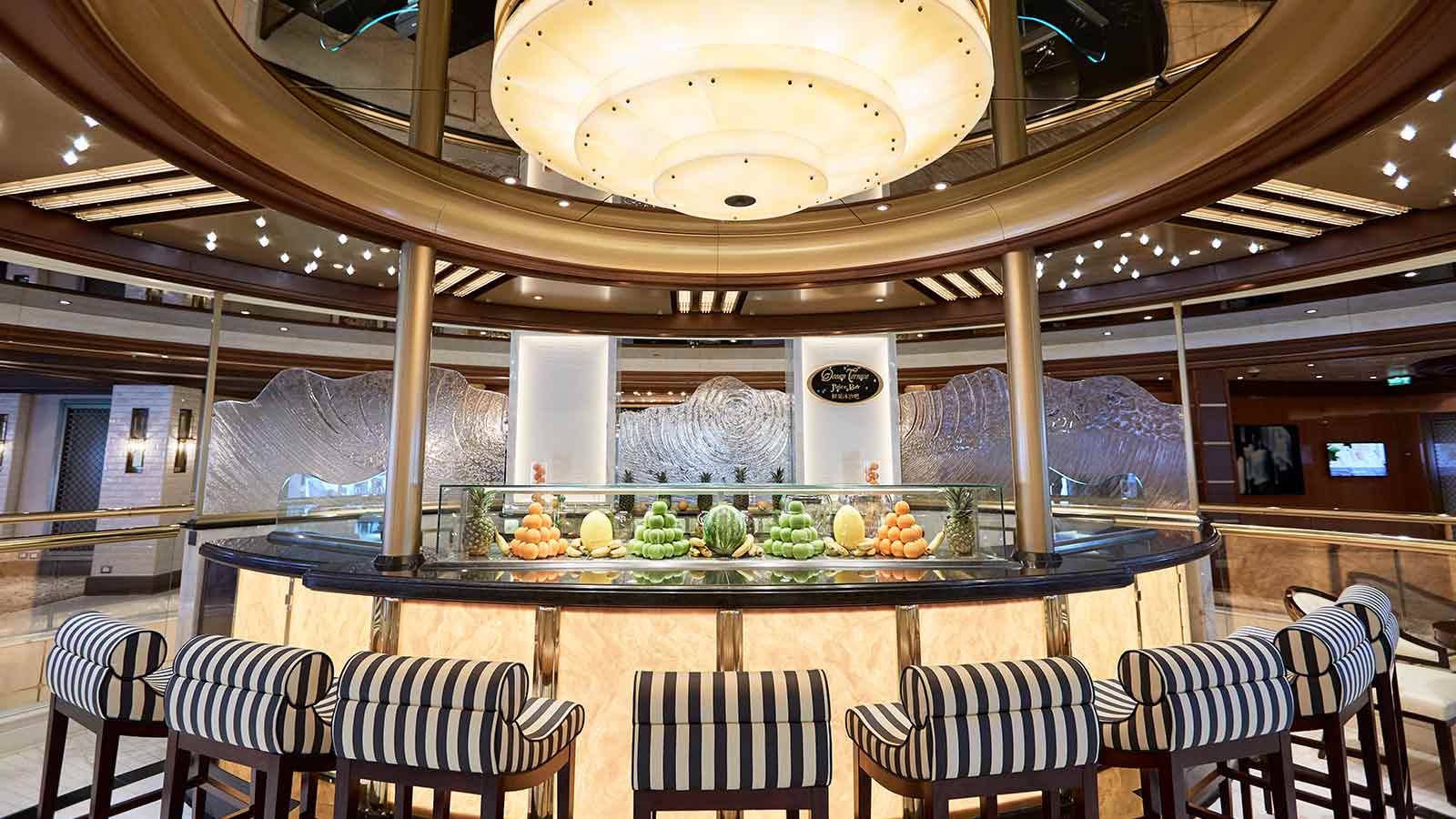
Ocean Terrace Sushi Bar: A contemporary sushi bar overlooking the Piazza, sushi lovers delight with expertly handcrafted sushi rolls, fresh nigiri or sashimi and maki rolls.
Dine My Way℠
Dine When, How and Where You Like
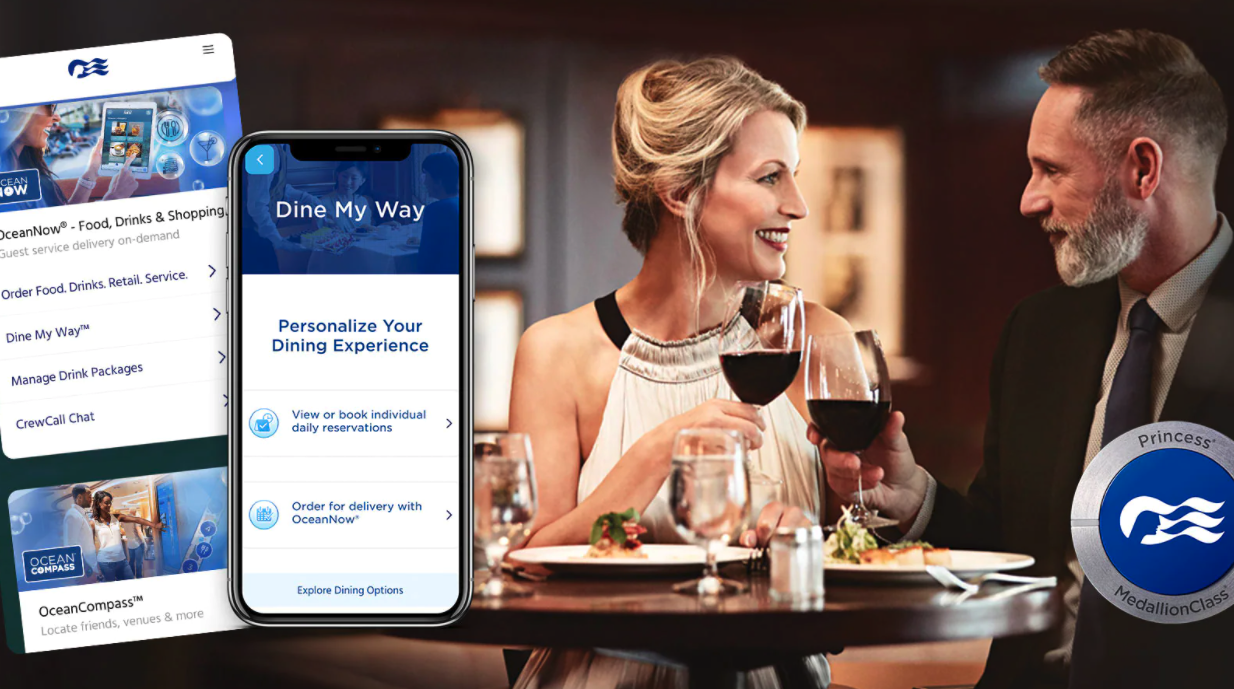
With this new offering, you can customise every aspect of mealtime. Make reservations for the main dining room or speciality restaurants at your preferred time each day. Fit in a formal dinner before a show, or order food and drinks to your poolside perch with OceanNow®. The choice really is up to you.
24-Hour Room Service
From Breakfast in Bed to a Late-Night Snack
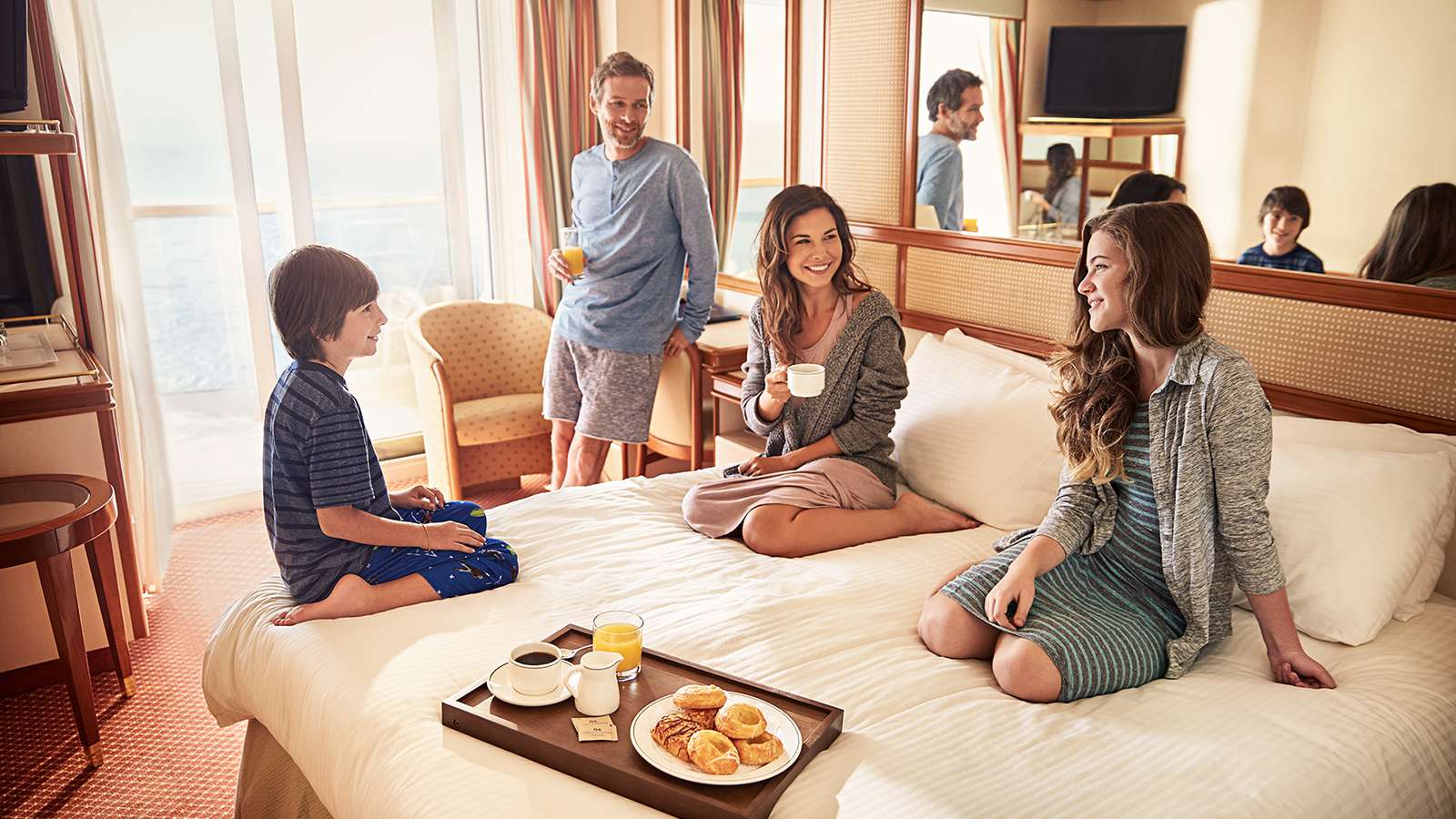
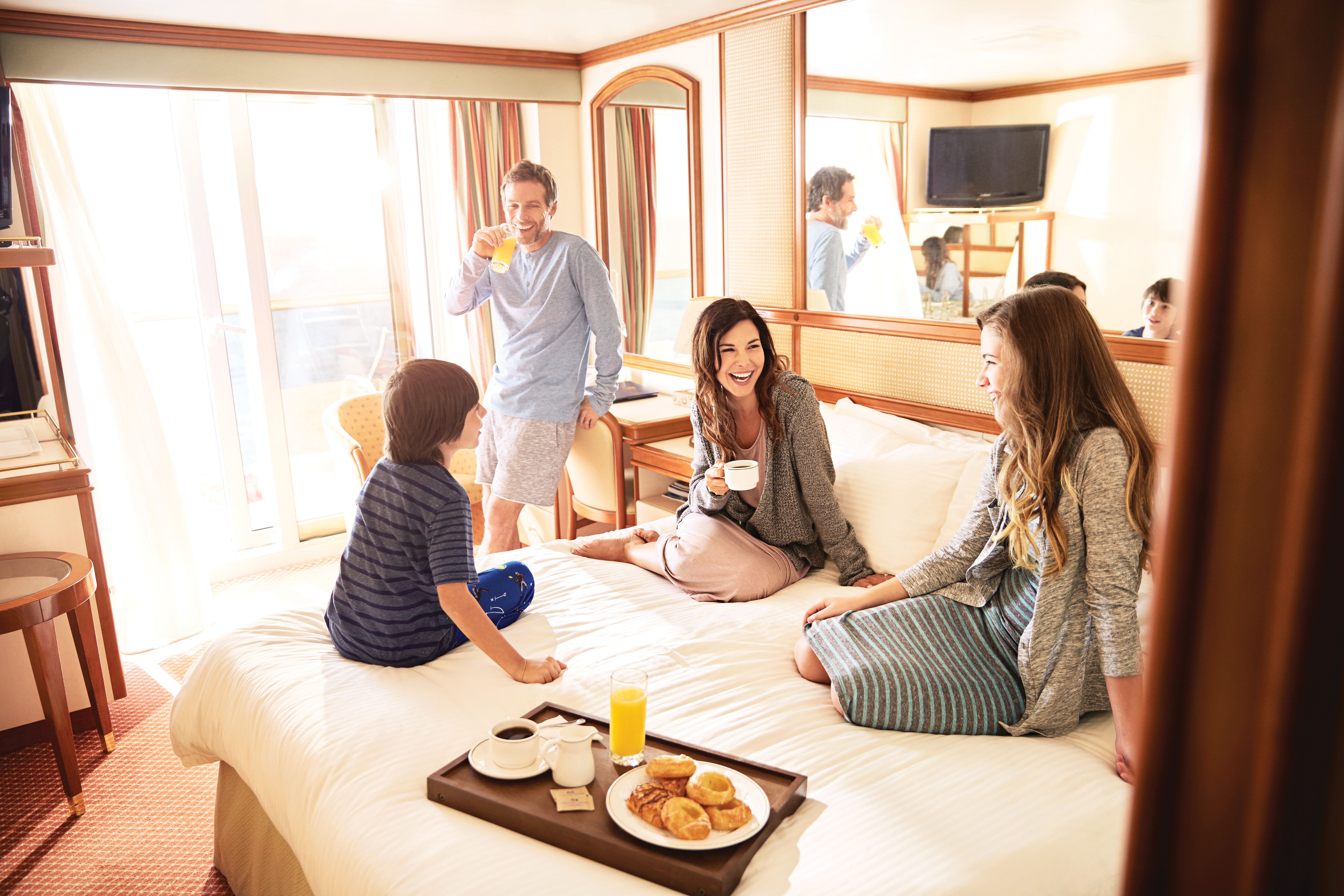
We offer 24-hour complimentary room service when you want to enjoy a quiet moment in your cabin eating a delicious club sandwich or maybe that slice of chocolate fudge cake you can’t forget. Treat yourself to breakfast in bed, or stay in for an intimate dinner, and perhaps even cocktails, in the comfort of your stateroom. 24-hour room service is just a phone call away.
Charges apply on select menu items.
From relaxing pursuits and enriching activities to world-class entertainment and gourmet cuisine, when you step aboard, you are setting a course for a world of wonderful new discoveries.
A wealth of diversions for nearly every interest – and mood
Movies Under the Stars®
A Reel Treat Day or Night
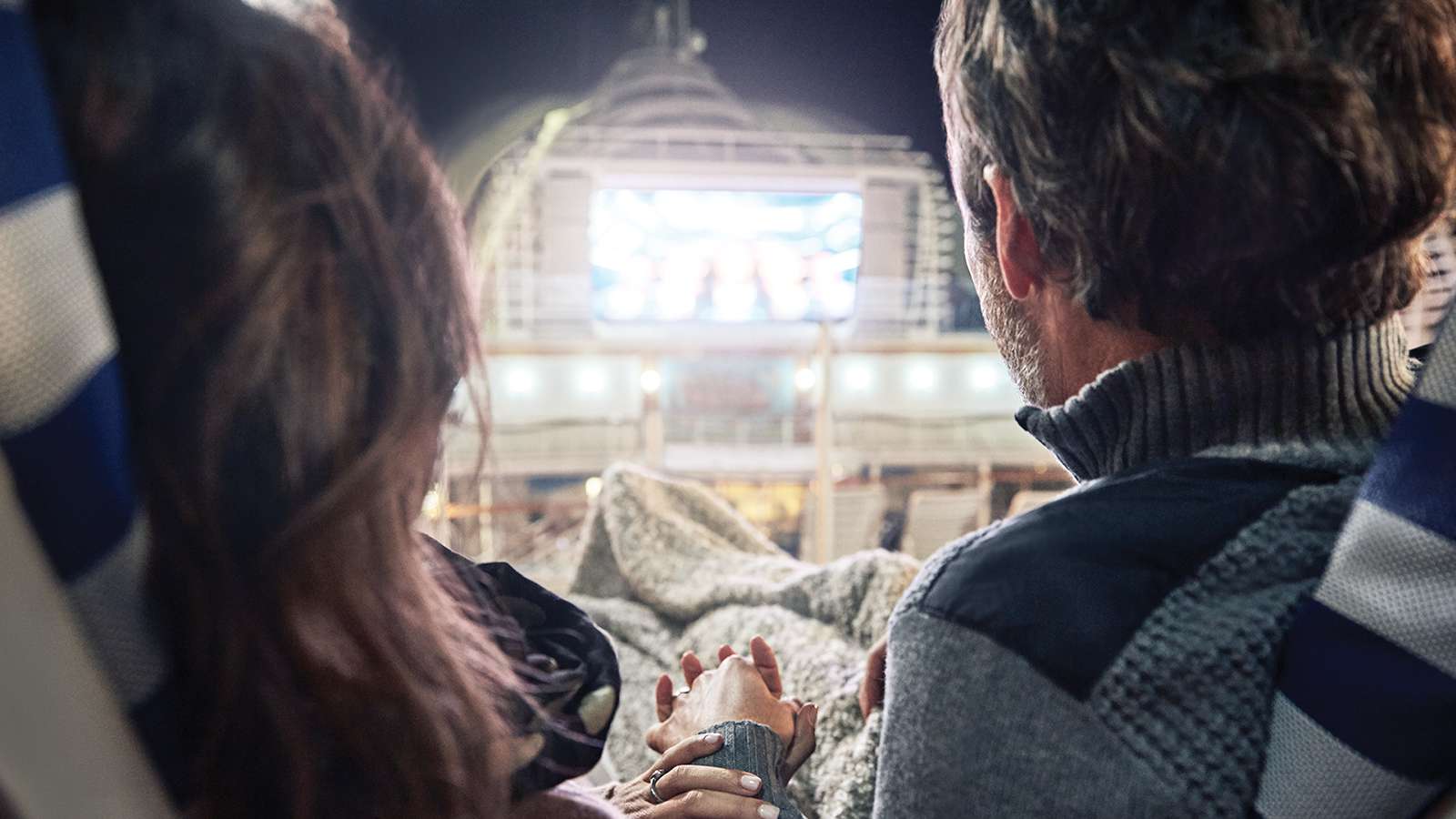
Throughout the day and night, our exclusive open-air poolside amphitheatre is the go-to destination for feature films, thrilling concerts and exciting sporting events such as live football games. Cozy up under a fleece blanket in the comfortable lounger and feast on complimentary fresh-popped popcorn in the evening or delicious cookies and milk during the day, and enjoy that exciting car chase or mystery thriller on the giant screen.
Music & Dancing
Dazzling Entertainment Every Day and Night
When it comes to music and dancing we’ve got everything that your musical palette may desire. Whether it’s tapping your toes to cover bands, singing along in the piano bar, relaxing to classical strings or dancing the night away in the nightclub, you’ll be satisfied!
Vegas Style Casino
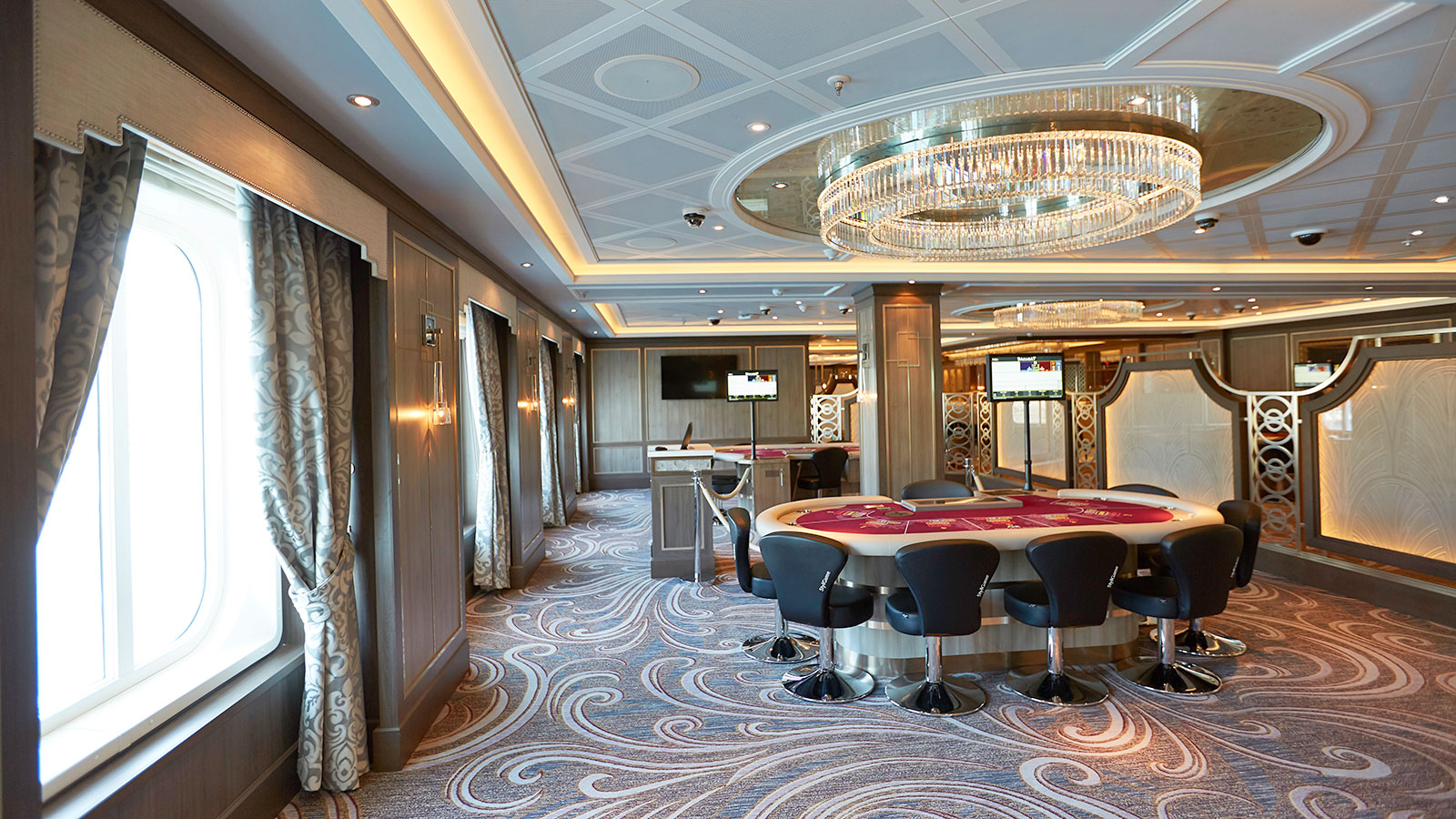
For Novices, Casual Players, or High Rollers
From gaming lessons to the latest slot machines to prize tournaments, our Casinos offer fun and excitement on the high seas! Up the ante with our posh table games that play by Vegas rules, including blackjack, three–card poker and midi–baccarat or take a few spins at the roulette wheel. For our high rollers, we offer an extensive VIP gaming space with restricted access.
Featured Guest Entertainers
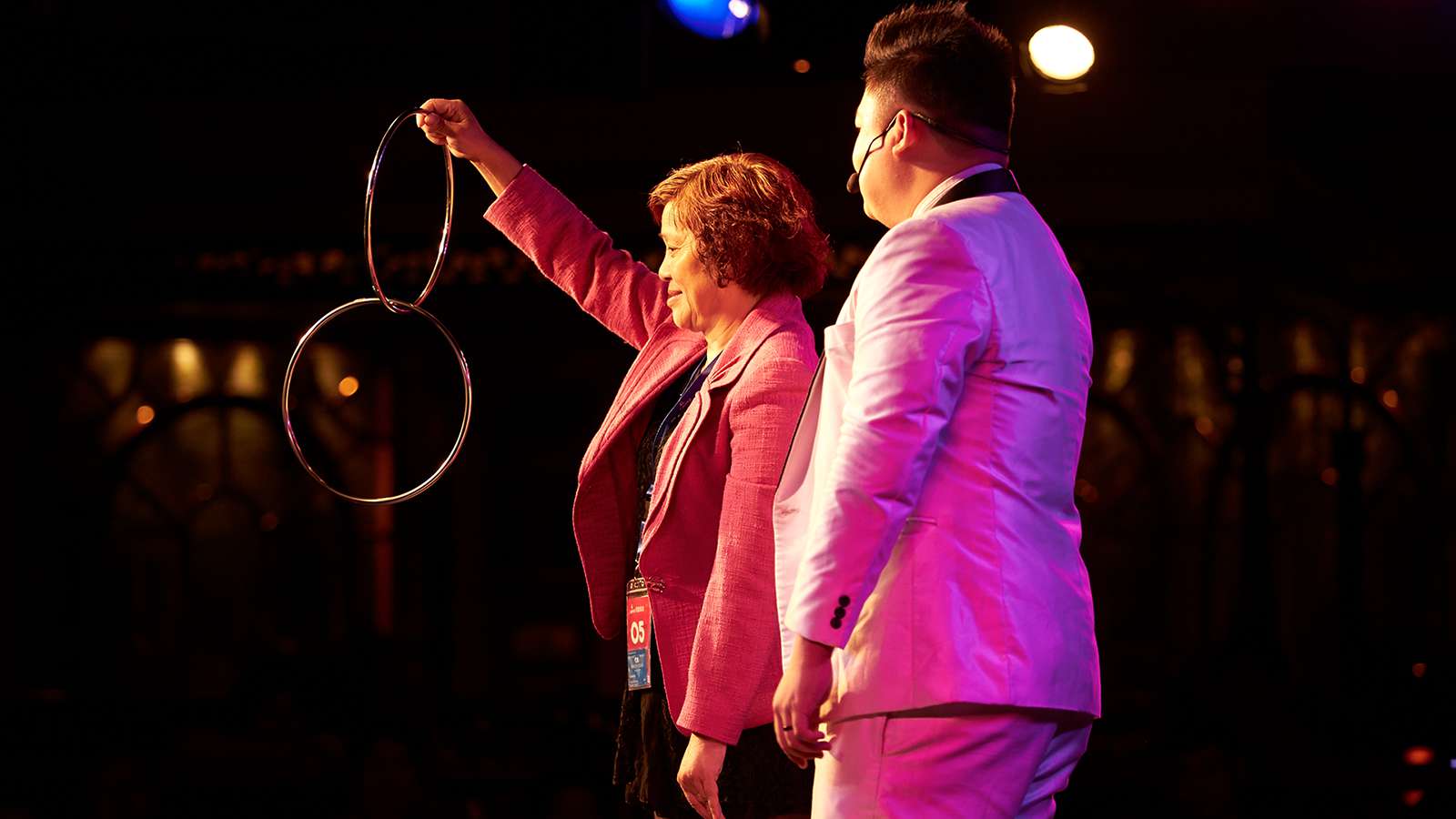
At Night, the Stars Shine Bright on Our Stages
Grab a seat, order a cocktail and be prepared to be entertained by our lineup of world class entertainers. From magic to comedy, singers to instrumentalists, jugglers to balancing acts and much, much more, we search the globe for top talent to be featured on our ships. So get ready to be amazed, entertained, mesmerised or just laugh the night away!
Princess Theatre
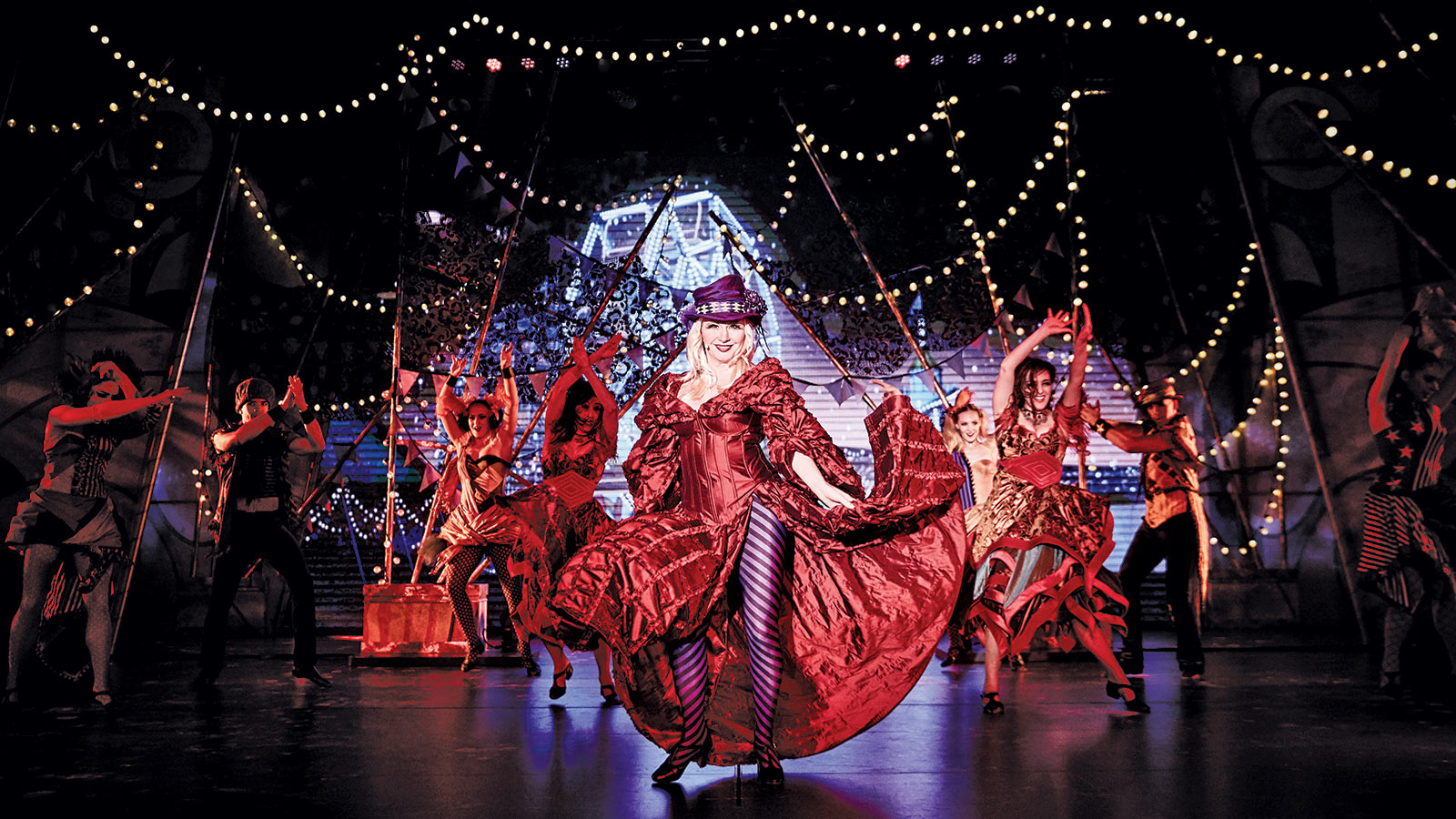
Broadway-Style Productions at Sea
With dazzling stage sets, artists from around the globe, modern hits and timeless classics, the Princess Theatre, our largest theatre yet, showcases lavish, original productions with dynamic cast members in sumptuous surroundings. In this ultramodern theatre, relax in a plush seat with unobstructed sight lines as the velvet curtain goes up, a state-of-the-art lighting system illuminates the stage, and it’s on with the show!
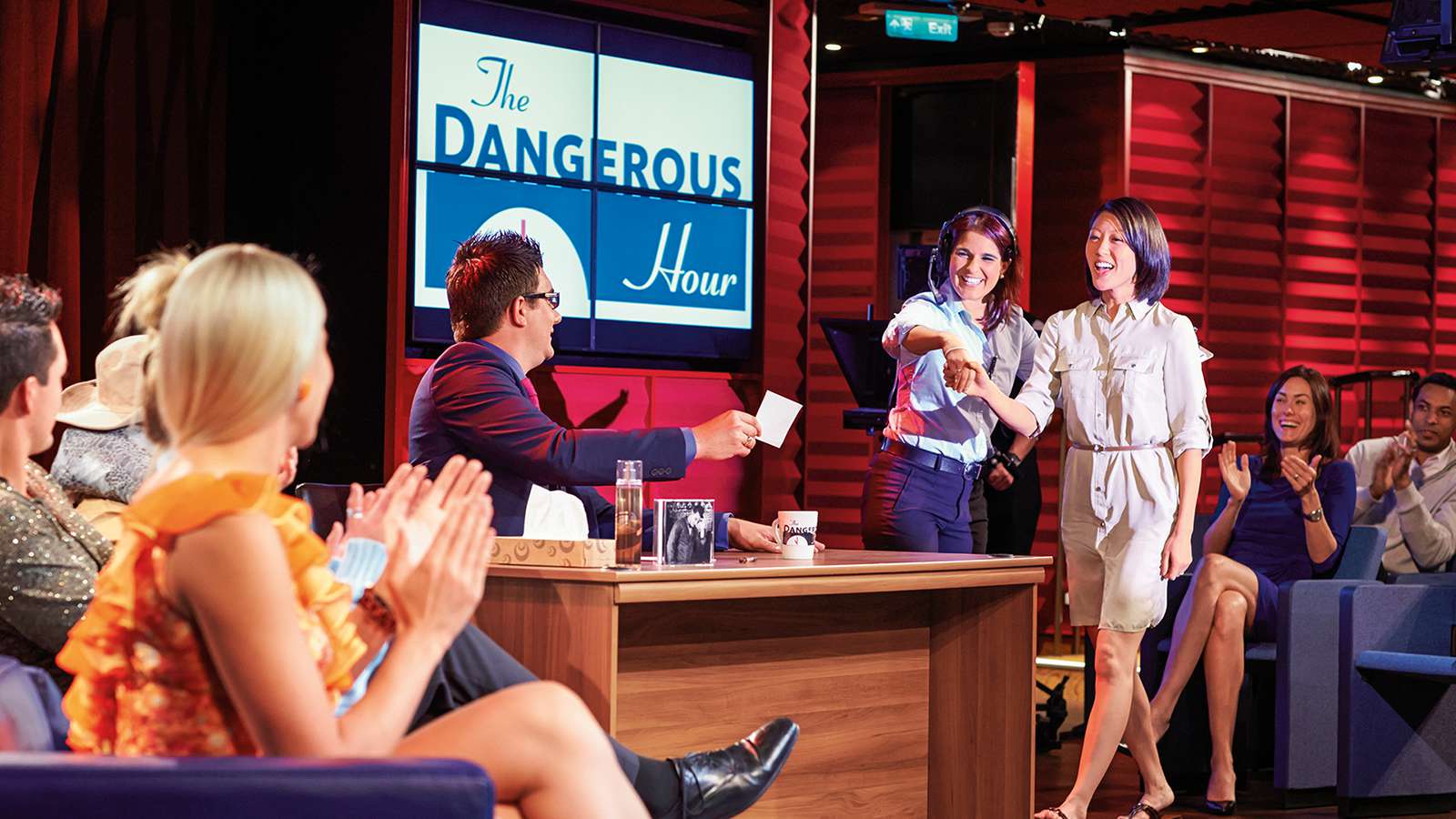
Princess Live!
Lights, Sound, Action!
Ever want to be part of a live television studio audience? Here’s your chance to be part of the fun or go behind-the-scenes of our onboard television shows*. Princess Live! provides non-stop entertainment throughout the day and each evening with interactive culinary shows, live concerts, and late night comedy and game shows. You can also see what it takes to put on a working television show, which airs in your stateroom.
*On select sailings.
Bars & Lounges
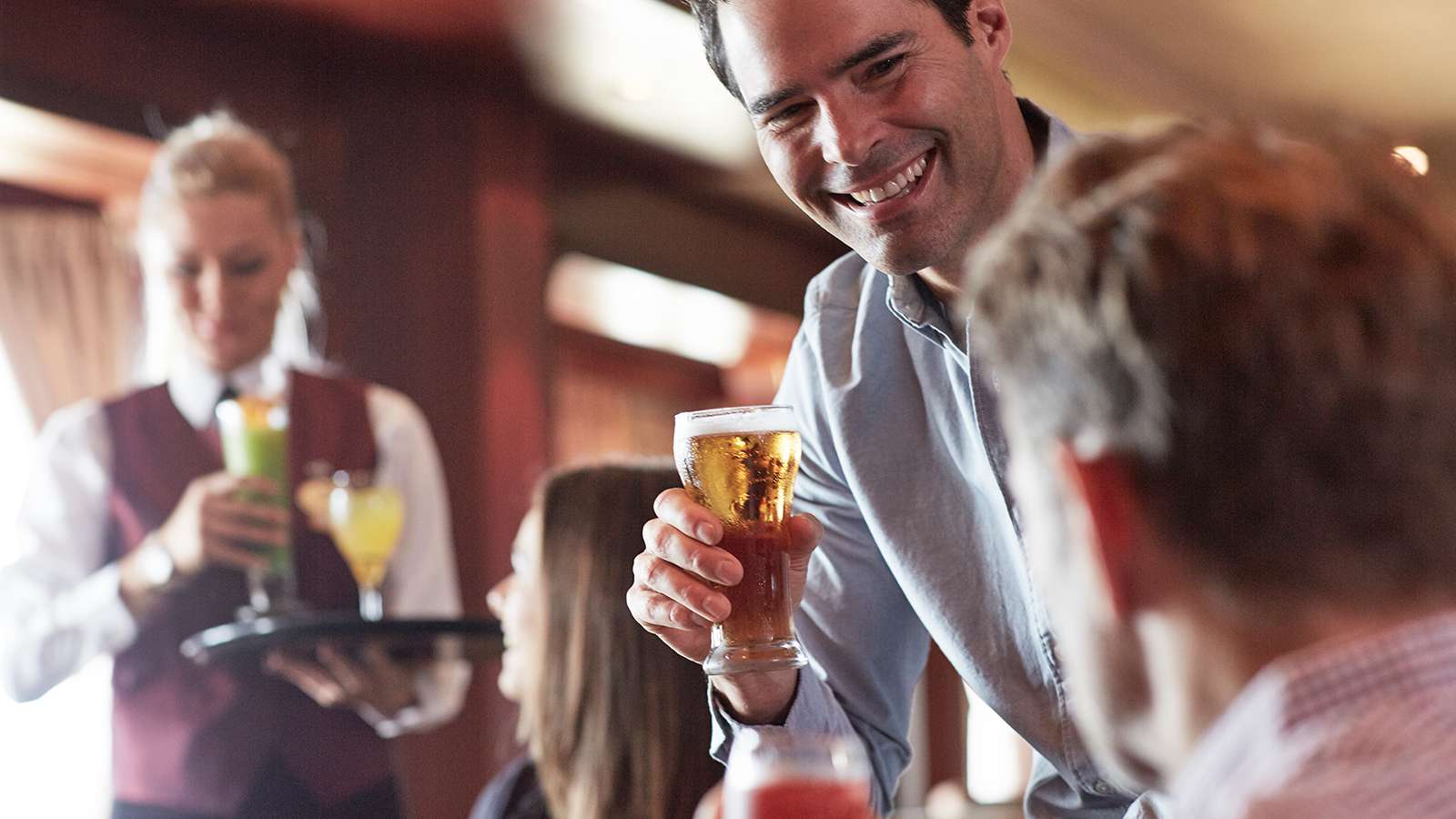
Thirst Quenchers for Every Taste
There’s a bar or lounge for just about every mood, each offering a wide array of colourful cocktails, cold brews, stellar wines and more. Tropical and refreshing or complex and ethereal, the spectacular creations prepared by Princess mixologists are celebrated by cocktail aficionados on cruises around the world. Explore a variety of refreshingly different tastes while watching a sunset or dancing to the latest tunes.
Vista Lounge
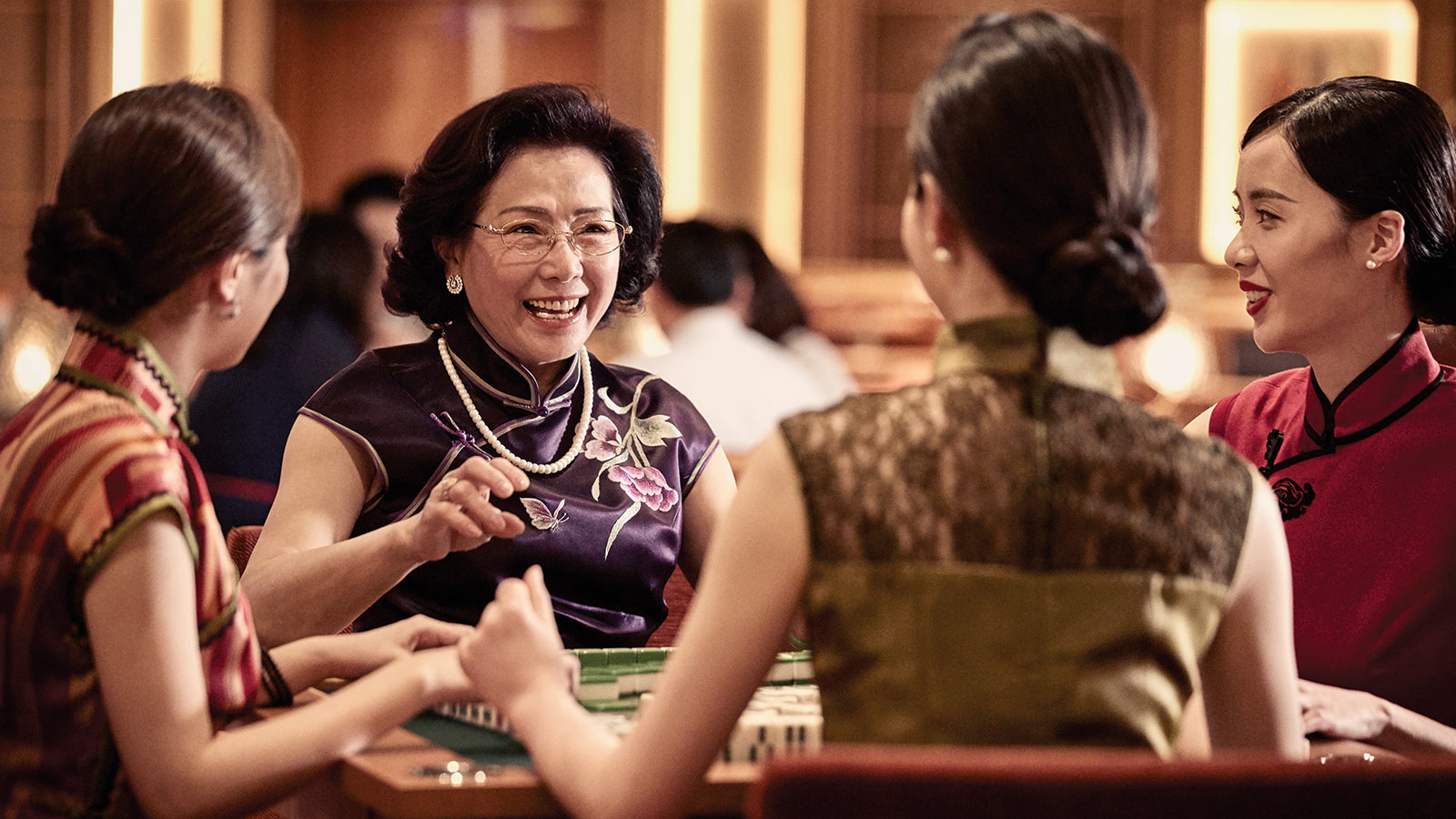
Enjoy an Endless Variety of Activities
Seating over 300 people, the Vista Lounge at the aft of the ship offers ample comfortable seating for quality time with family and friends over tea, plus 16 mahjong tables (some tables featuring advanced technology with 4-way tile distribution and automatic tile shuffling and organisation)! Here, you’ll also enjoy comedians, illusionists, and musicians performing on the large stage, as well as instructor-led classes and line dances.
The Shops of Princess
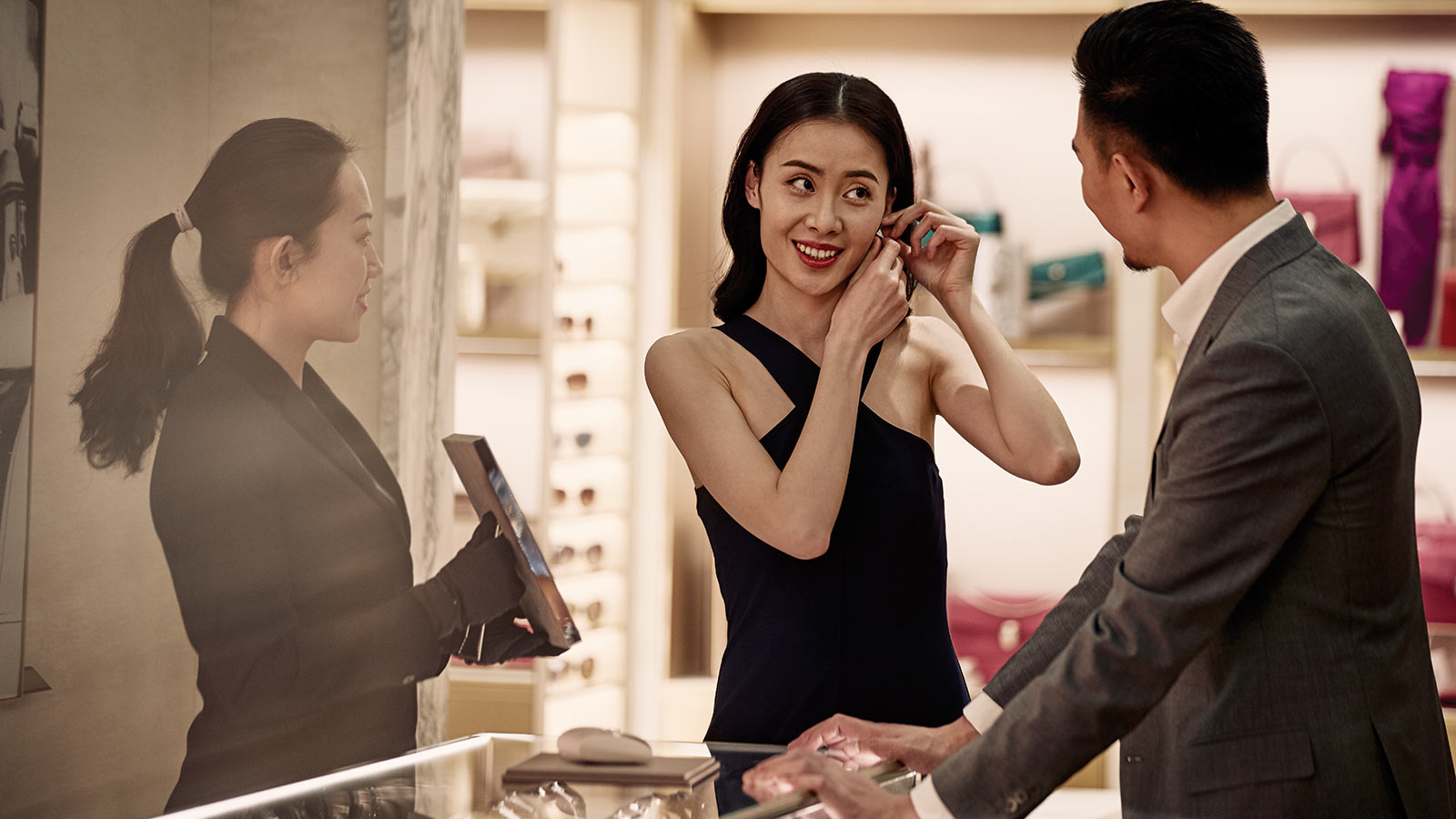
Tax and Duty-free Shopping
It’s no surprise The Shops of Princess are awarded “Best Onboard Shopping” from Porthole magazine year after year. You’ll find designer brand shops from Cartier, BVLGARI and Chopard, as well as luxury watches from OMEGA, Blancpain and Gucci. Plus, look forward to a range of fine merchandise from brands like Swarovski, Chanel, Estée Lauder, Clinique, Lancôme and Calvin Klein, in addition to local crafts and keepsakes. And everyday tax– and duty–free savings can add up to as much as 30% off suggested U.S. retail prices.
The Seawalk
Unparalleled Views of the Sea
A dramatic over-the-ocean glass walkway, the SeaWalk® is the first of its kind at sea. At 60 feet long, cantilevered 128 feet above the waves and extending 28 feet beyond the edge of the ship, it affords thrilling vistas of the ever-changing seascape. Just as the Captain can look through glass panels in the floor of the bridge, passengers can now share in that breathtaking experience. Across the ship, the SeaView Bar goes one step further with a glass panelled floor and drinks prepared during exciting shows with flair.
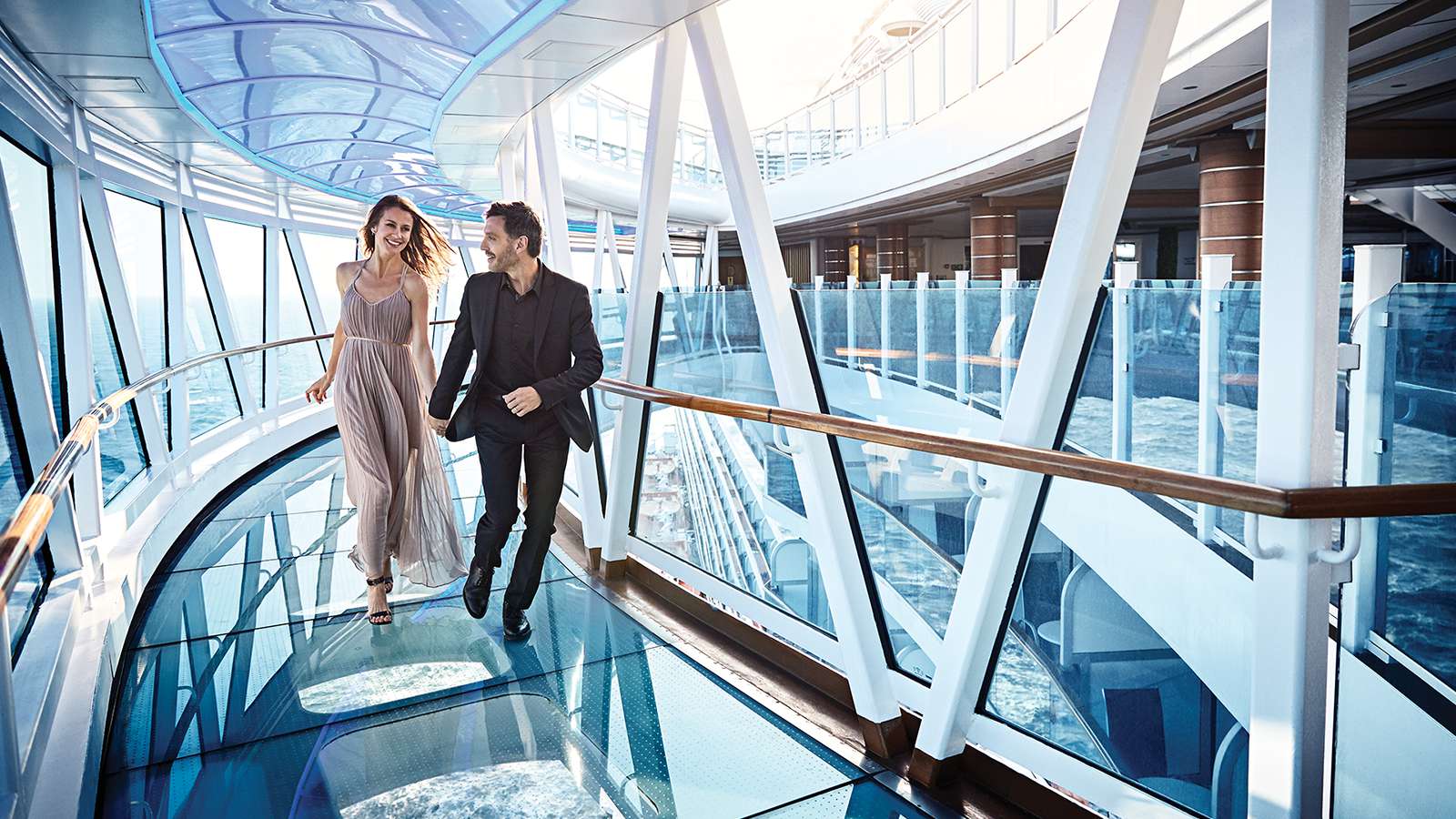
Photo Gallery
Take Home a Unique Photo Keepsake
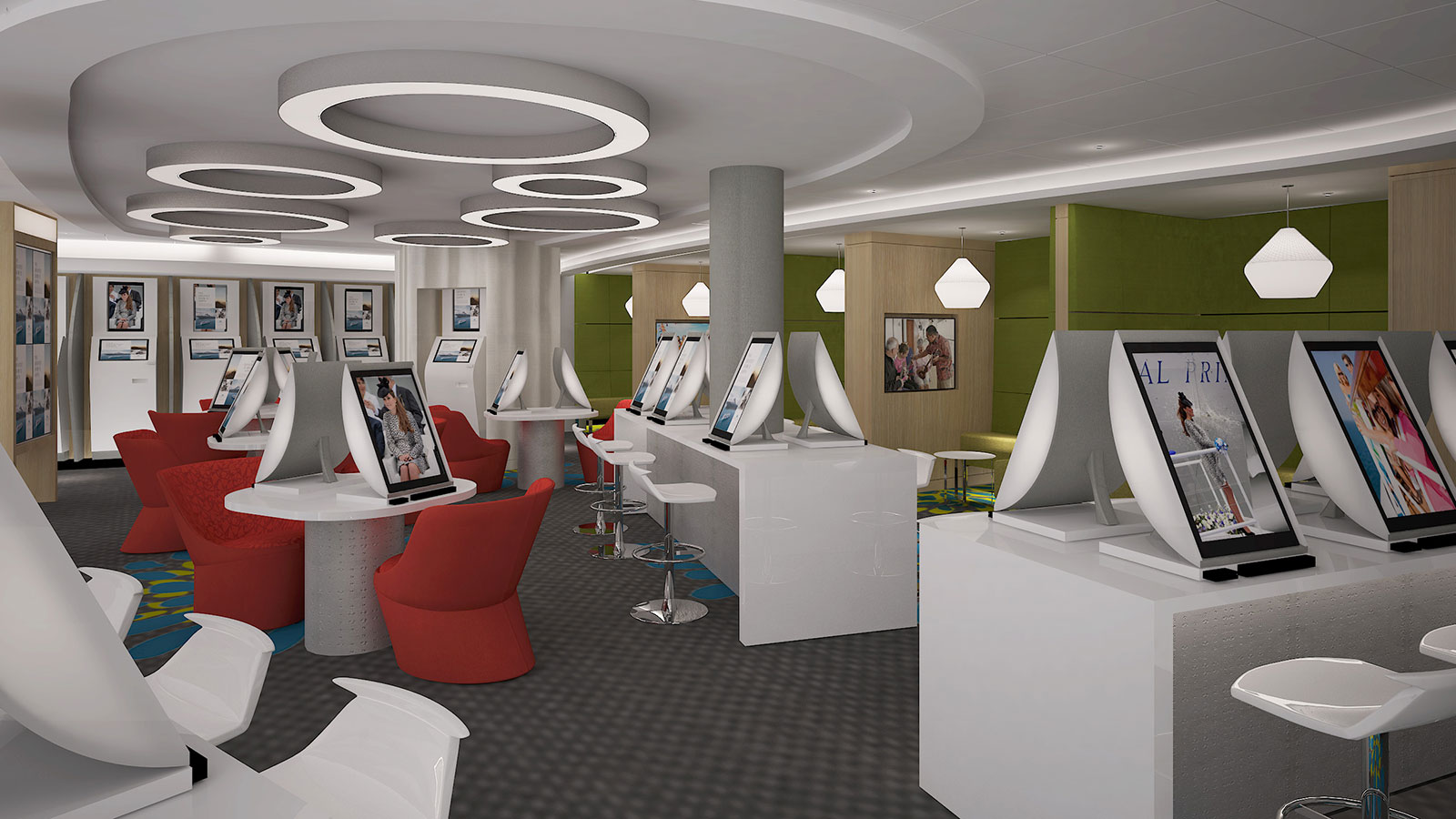
Our staff of digital photographers helps capture the highlights of your cruise including onboard events, ports and scenery for lasting memories of your trip. Our studio locations are set up in the Atrium each evening and all formal and casual portraits are on display in the gallery the following day. Please ask our staff about portrait packages, reprints and canvas reproductions of your favourite photos!
Fine Art Gallery
Well-presented Space Offers Intriguing Works
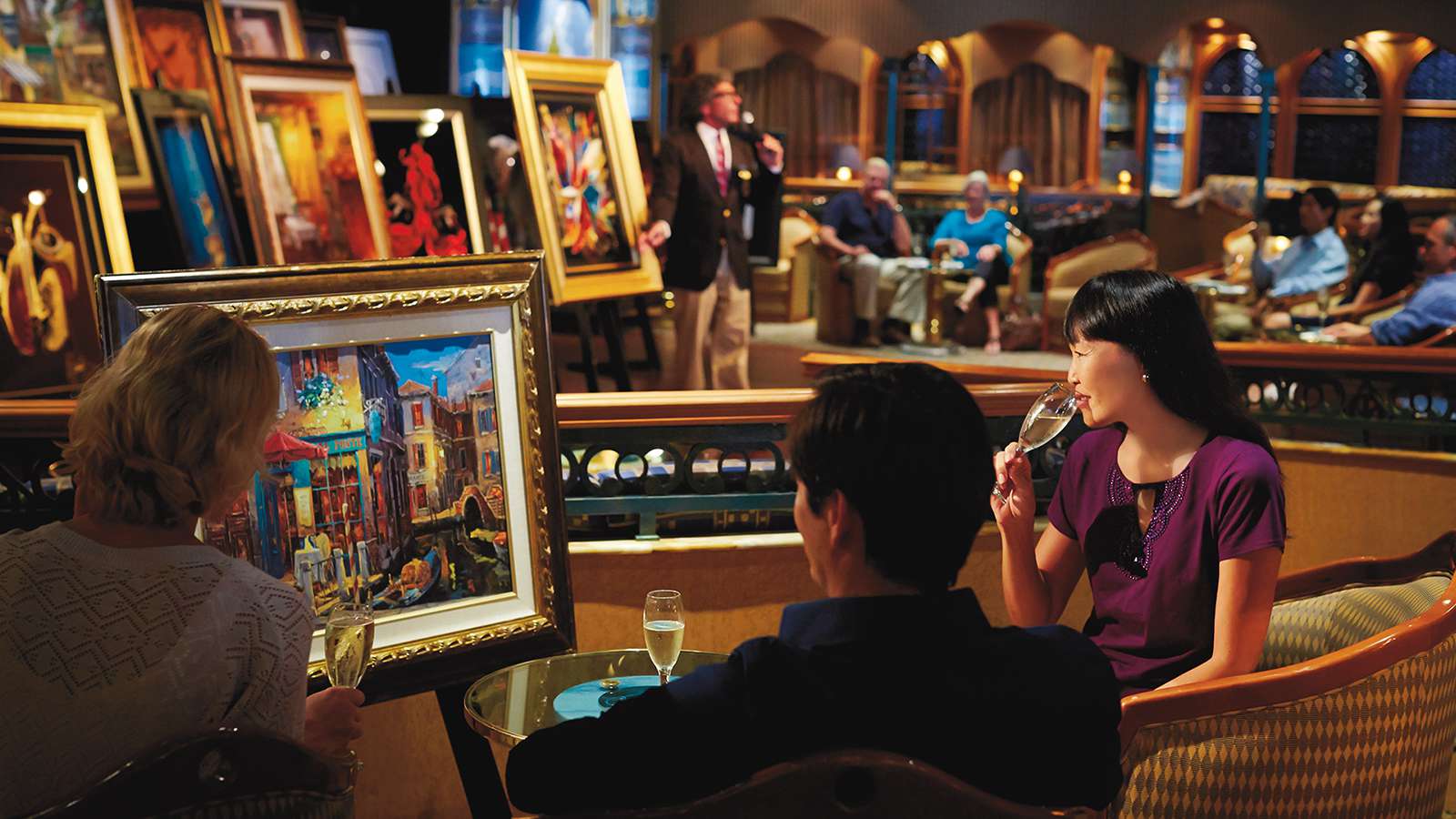
If you have a strong passion for fine art then stroll into our appointed gallery. If you have a passion for collecting art, then be sure to attend one of our art auctions. Our exciting Champagne Art Auctions give you the chance to view and bid on a wide range of fine art, including pieces by famous artists like Thomas Kinkade, Peter Max, and Michael Godard. There is no charge to attend these lively events.
The Atrium
The Ship’s Heart and Soul
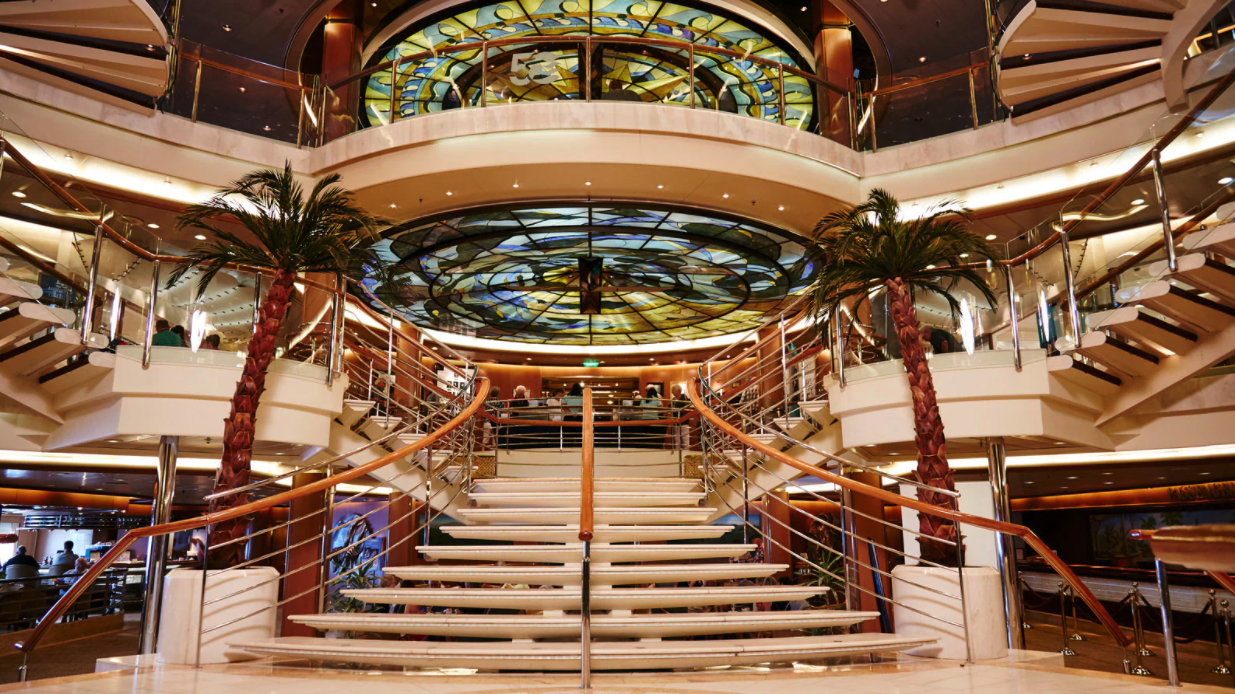
The inviting piazza-style grand Atrium shines as the stunning centrepiece of each ship, the epicentre of luxury, excitement and fun. Stop by anytime, day or night, to find musicians, jugglers, acrobats, food carvers and a variety of other performers. Soaring multi-stories with a circular marble floor, stained-glass dome and magnificent floating staircase, the Italian-inspired Atrium is an ideal setting for relaxation, people-watching or simply having a cocktail or coffee with a friend.
Crooners
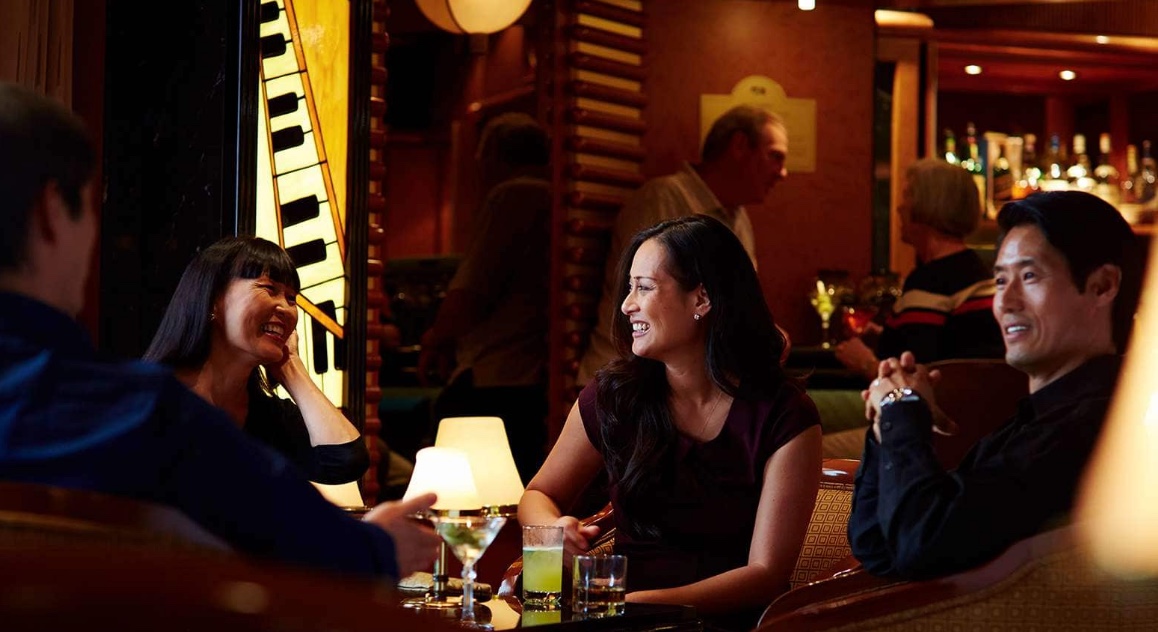
Marvellous Martinis and Melodies
Step into Crooners bar and be transported to the classic Sinatra era, made complete with a top notch pianist singing tunes and tickling the ivories. The “Rat Pack” atmosphere and famous menu of signature martinis, and old-school mixed drinks will have you crooning.
Hollywood Conservatory
Discover a Garden Paradise Above the Sea
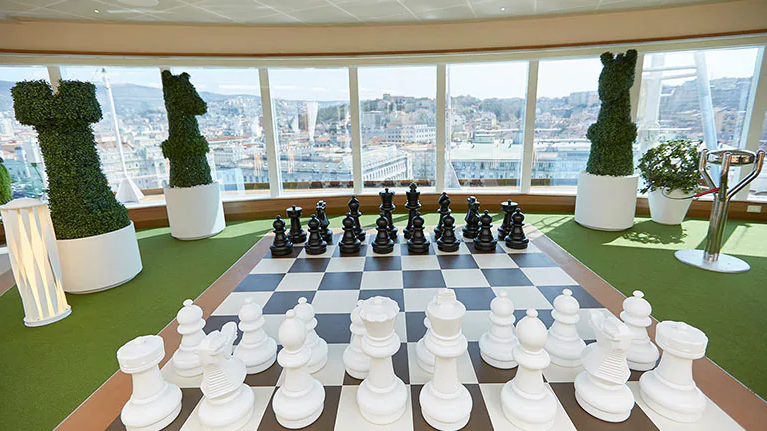
Stroll through our new indoor garden located 150 feet above the sparkling ocean. You’re welcomed by the sound of chirping birds, a lush garden environment and plush resort furniture. Listen to intimate musical performances by live musicians, and play a game of chess using life-sized pieces. A Wishing Wall, the first of its kind at sea, allows guests to share their dreams on a mosaic tile wall.
Hollywood Pool Club
Inspired by the Glamour of Hollywood
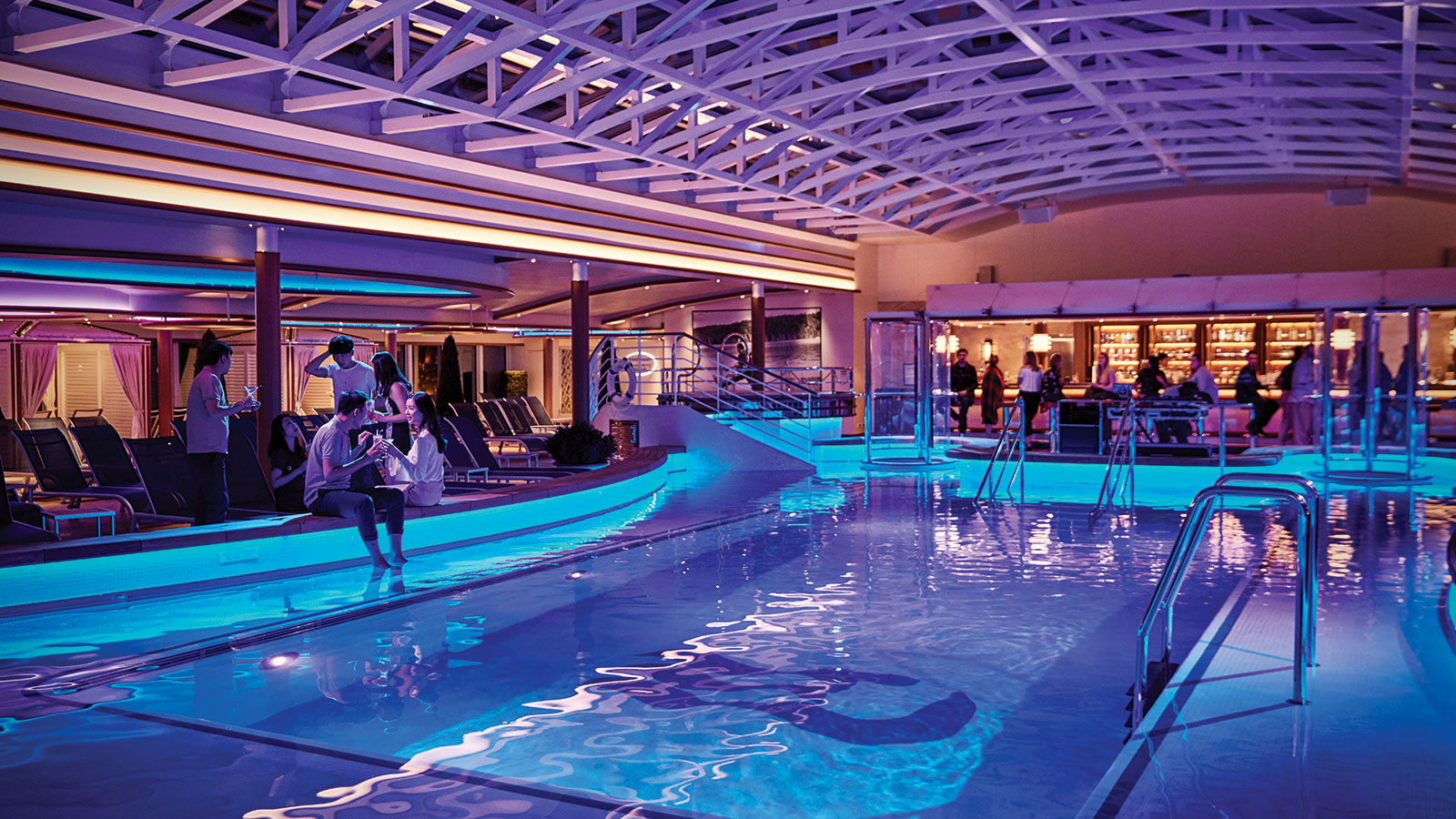
This covered pool offers a Hollywood chic-style environment day and night, year-round, surrounded by comfortable loungers, modern sculptures and topiaries. By day, relax in the freshwater pool or soak in the steaming hot tubs — the glass dome keeps both the water and the environment comfortable despite outside weather.
Princess Sports Central
Get in the Game with a Variety of Activities
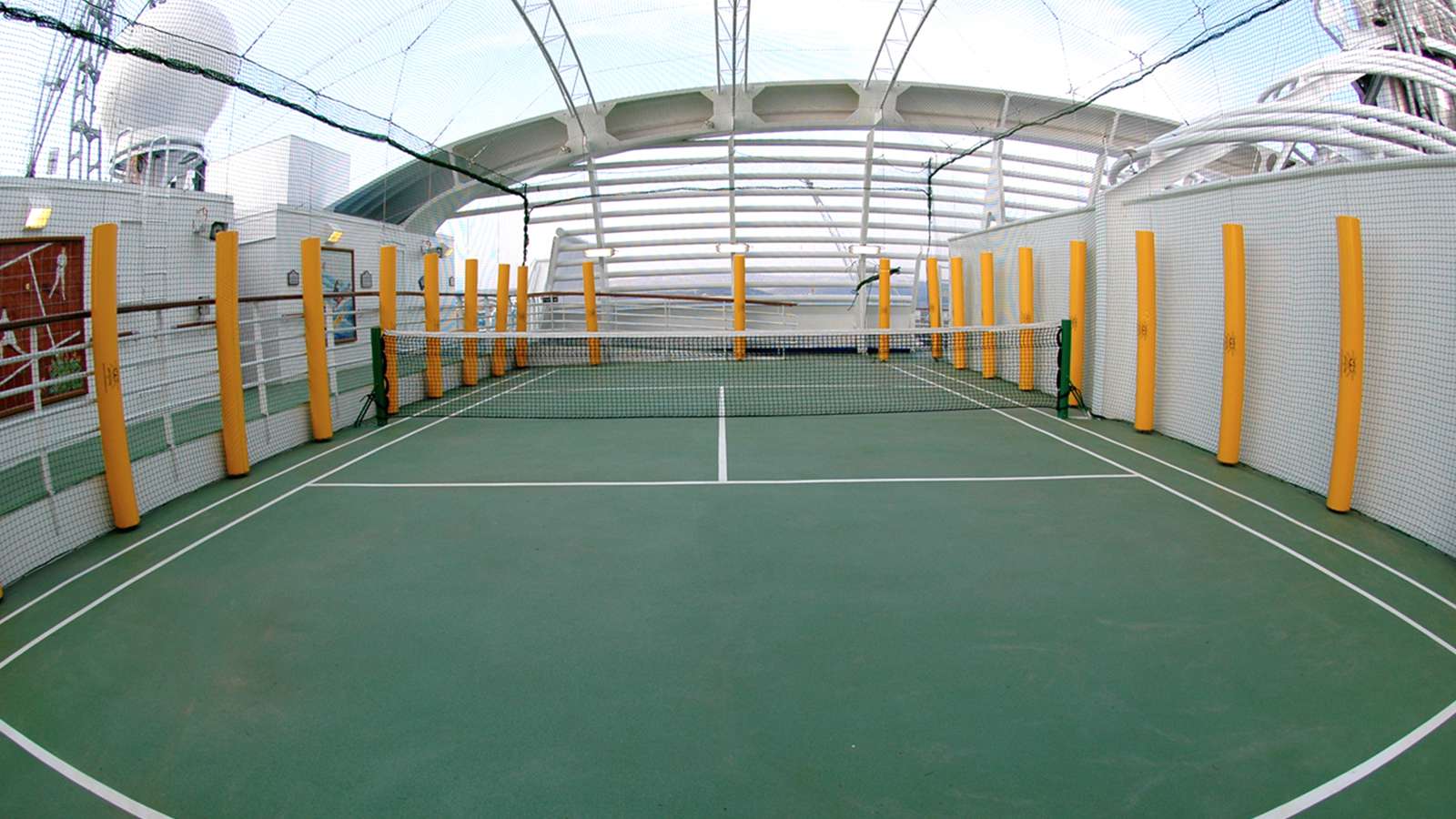
Whether you’re serving up some friendly competition with the family, missing your sports league back home or new to the game, Princess Sports Centre brings people together with shared athletic and recreational interests. Centre Court is great for basketball, tennis, volleyball and badminton. There’s also a miniature putting green and driving cage for golf enthusiasts, ping pong tables, bean bag toss and giant foosball.
Freshwater Pools & Hot Tubs
Soak in a World of Relaxation
Take a dip in our sparkling freshwater pools and leave your everyday world behind. Unwind on a padded lounger and soak up the sun, catch up on reading, listen to music or dream of your next adventure on board or ashore. And what better way to relax and revitalise after a day exploring the world than a long soak in one of our whirling hot tubs. And don’t forget, there is always a server nearby to bring you a refreshing cocktail or favourite beverage.
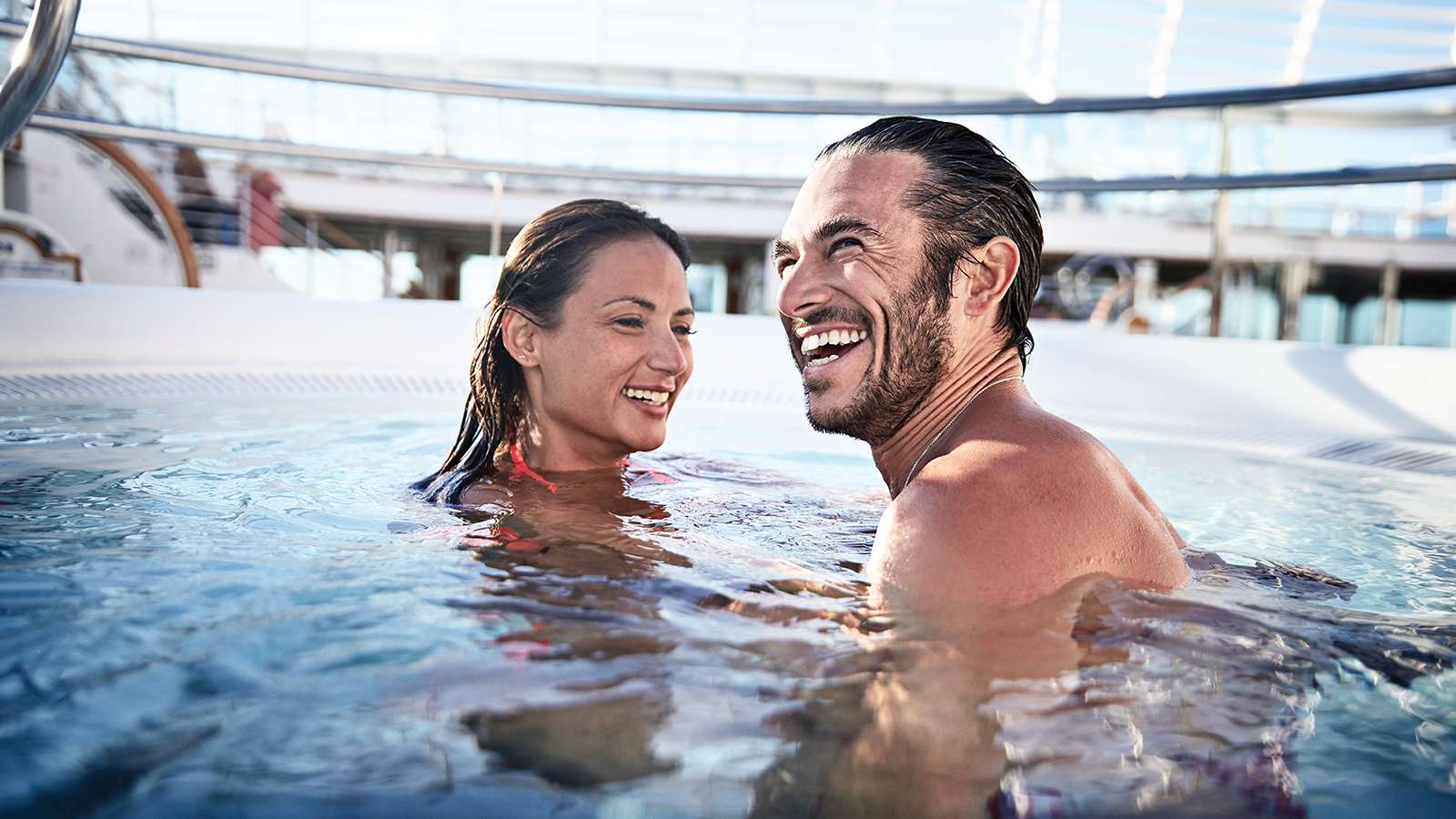
The Greens
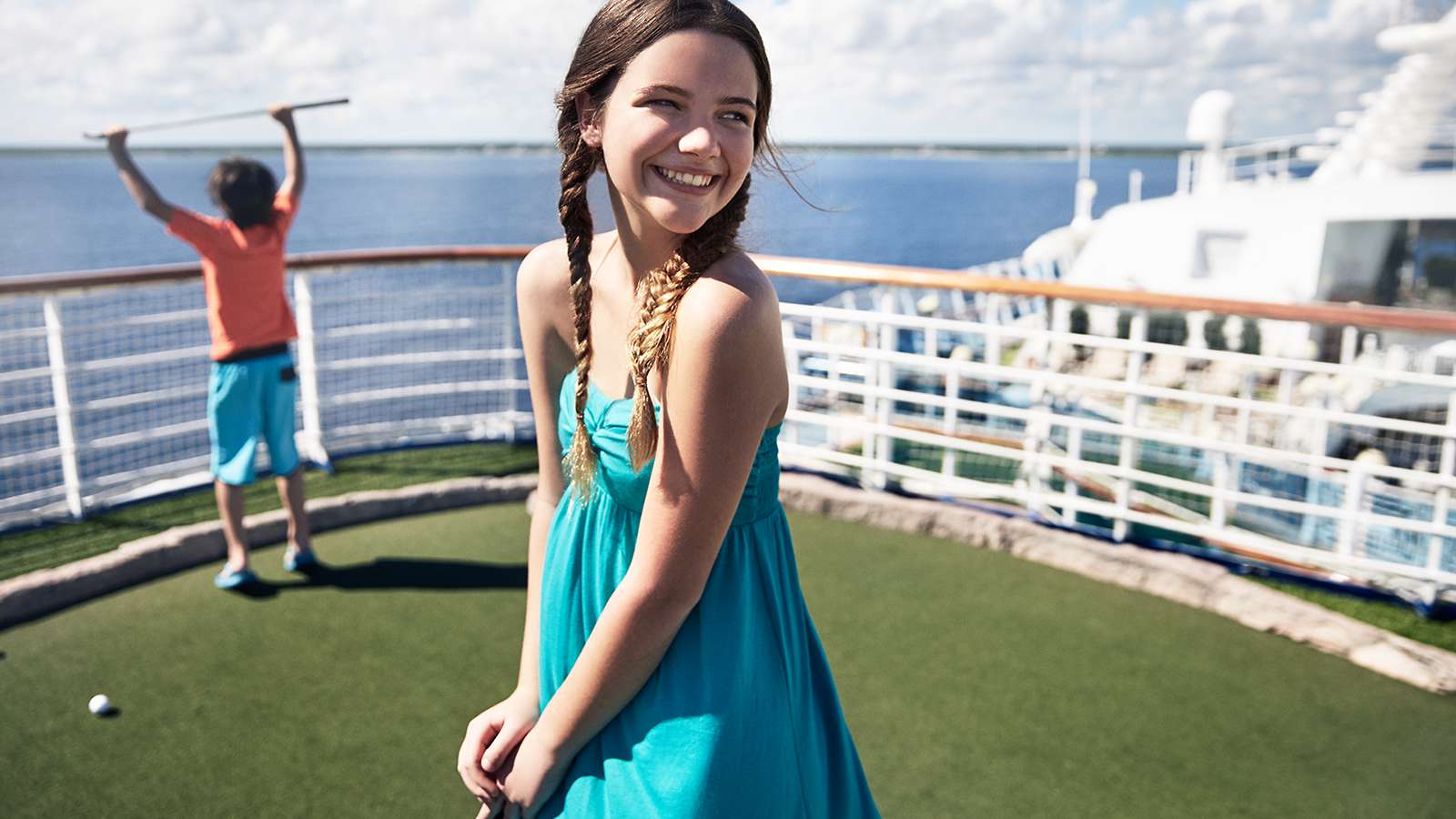
Practice Your Putt and Play like a Champion
Imagine playing on The Greens while surrounded by a beautiful blue ocean. Whether you’re a dabbler or a devoted disciple of the game, our nine-hole miniature putting course will put your finer golfing skills to the test.
Lotus Spa®
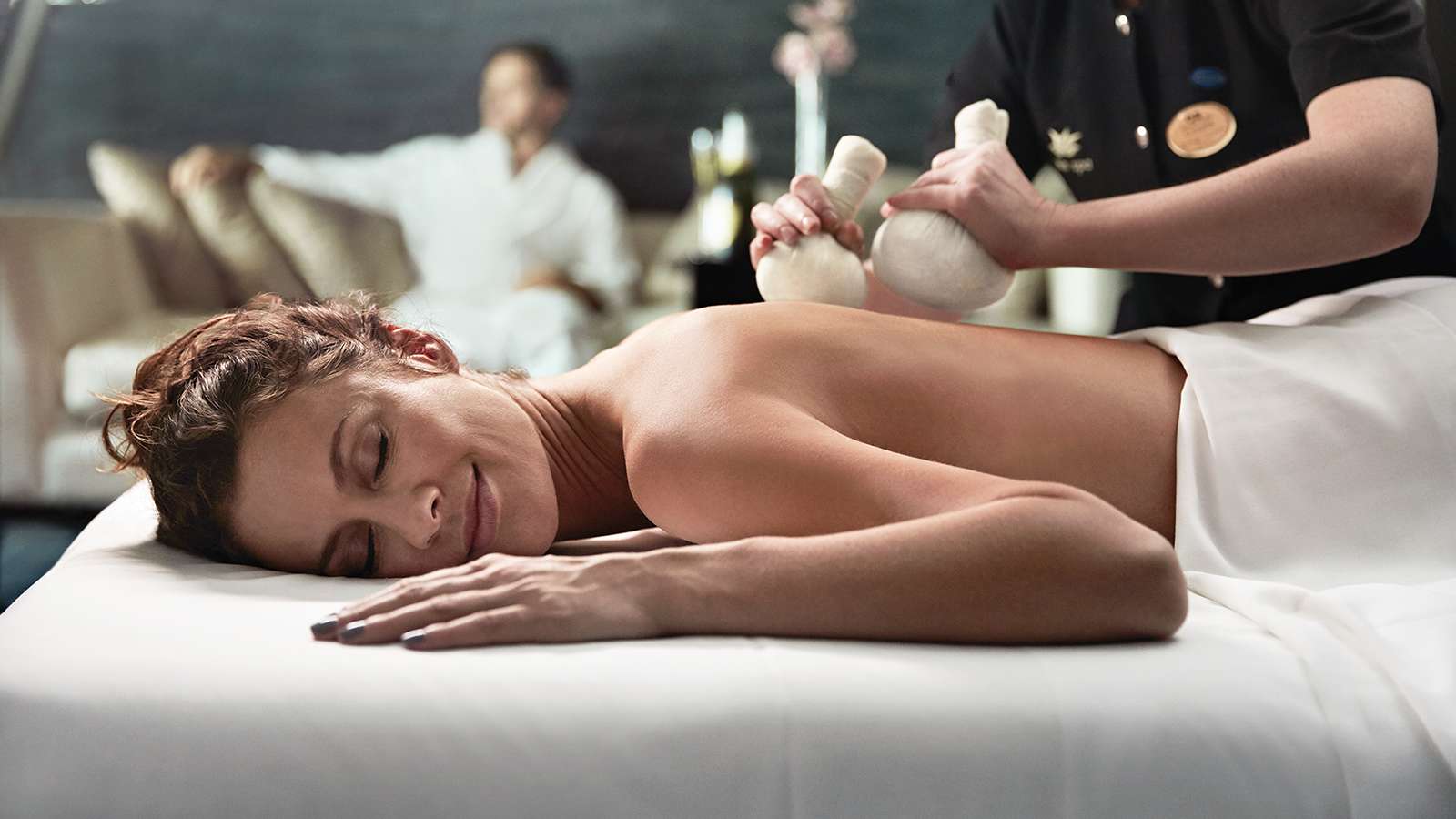
Go Ahead, Be Pampered – You Deserve It
Named “Best Spa on a Cruise Ship” by Spafinder Wellness 365™, the Lotus Spa® offers a variety of relaxing treatments, such as facials, aroma stone therapy massages, detoxifying ocean wraps and an aromatherapy thermal suite. Or get ready for a night on the town at the salon which features women’s styling colour, men’s haircuts and shaves, manicure and pedicure choices and teeth whitening.
Lotus Spa® Fitness Centre
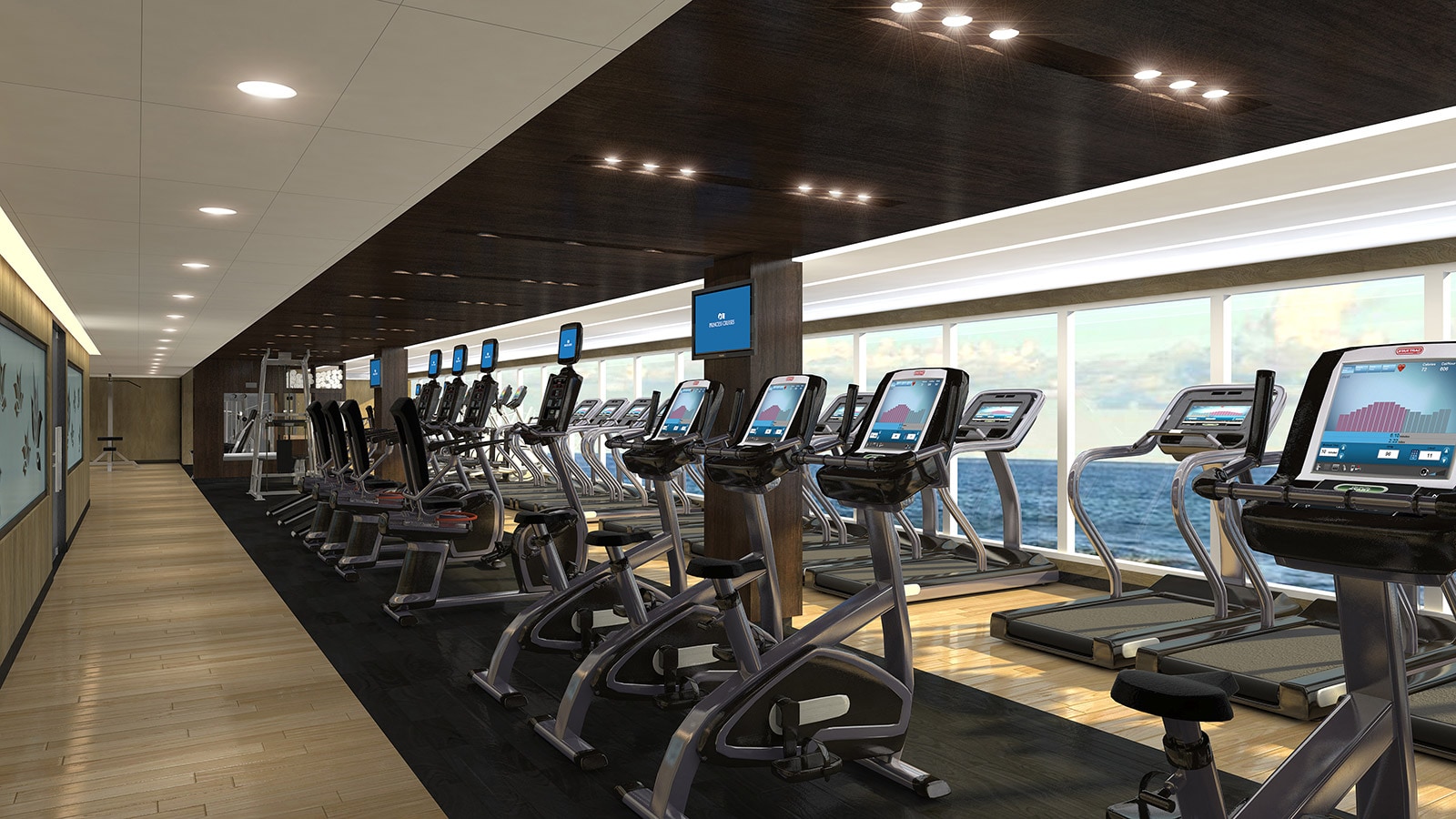
A Host of Ways to Get an Energising Workout
The Lotus Spa Fitness Centre offers fitness programmes designed to help you maximise your wellness with Tour de Cycle, personal training and classes such as Pilates, Yoga, Body Sculpt Boot Camp, Results Based Training and TRX suspension training. The Lotus Spa Fitness Centre also features state-of-the-art equipment so you can tone on your own.
The Enclave® at Lotus Spa®
Luxuriate in Our Largest-ever Thermal Suite
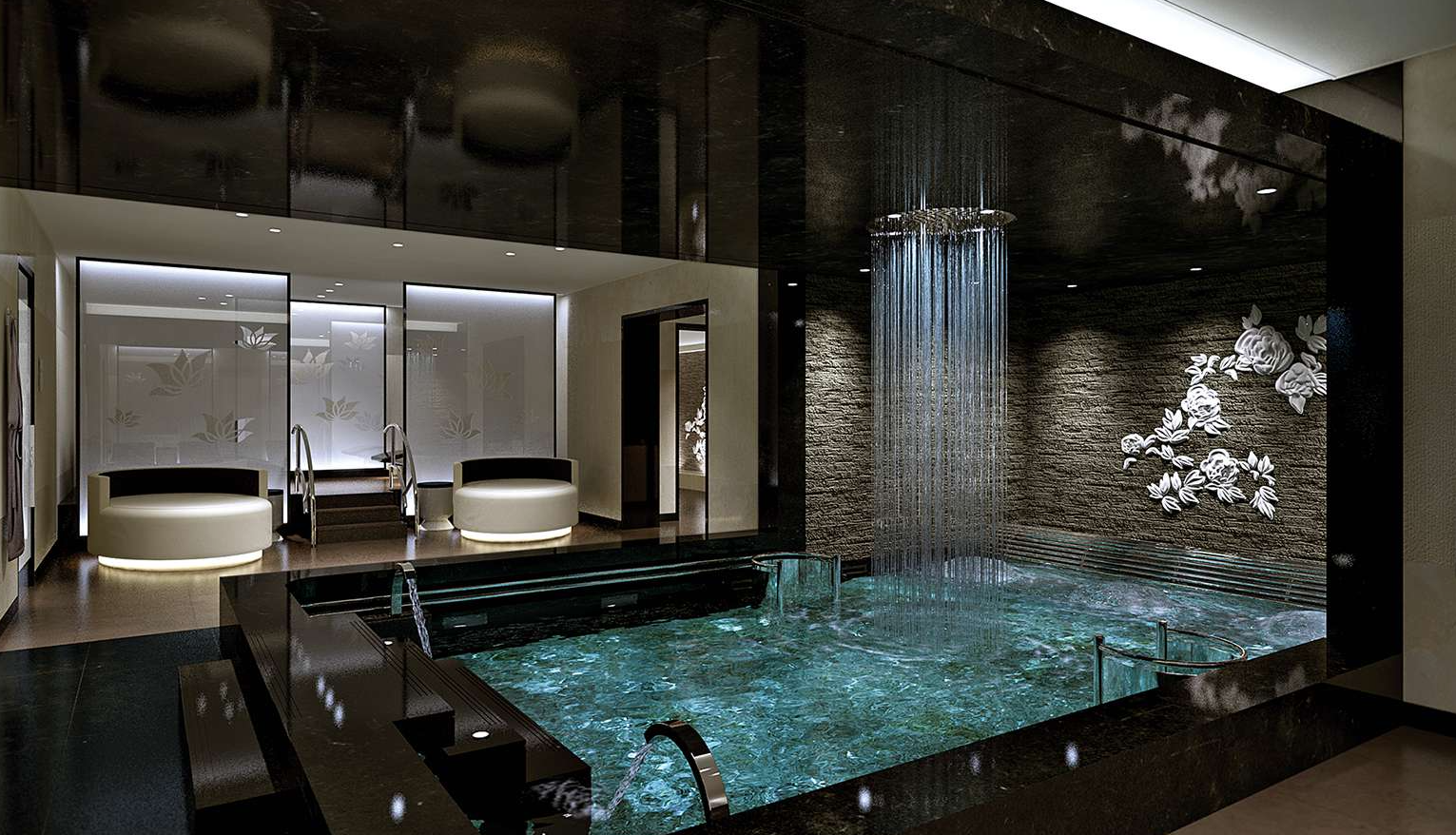
Open the door to The Enclave, home to Princess’ largest-ever thermal suite and a dramatic hydro-therapy pool with a cascading rain shower and therapeutic air jets. Relax on heated stone beds or soothing water beds. Features include: The Hammam – a Turkish-style steam bath, and from Roman times, the Caldarium –a light steam chamber infused with herbal aromas and the Laconium – a heated, dry chamber to help with purification and detoxification of the body.
Additional charges apply.
Just for Kids 3 – 7 The Treehouse
Step Inside for Fun ‘n Games
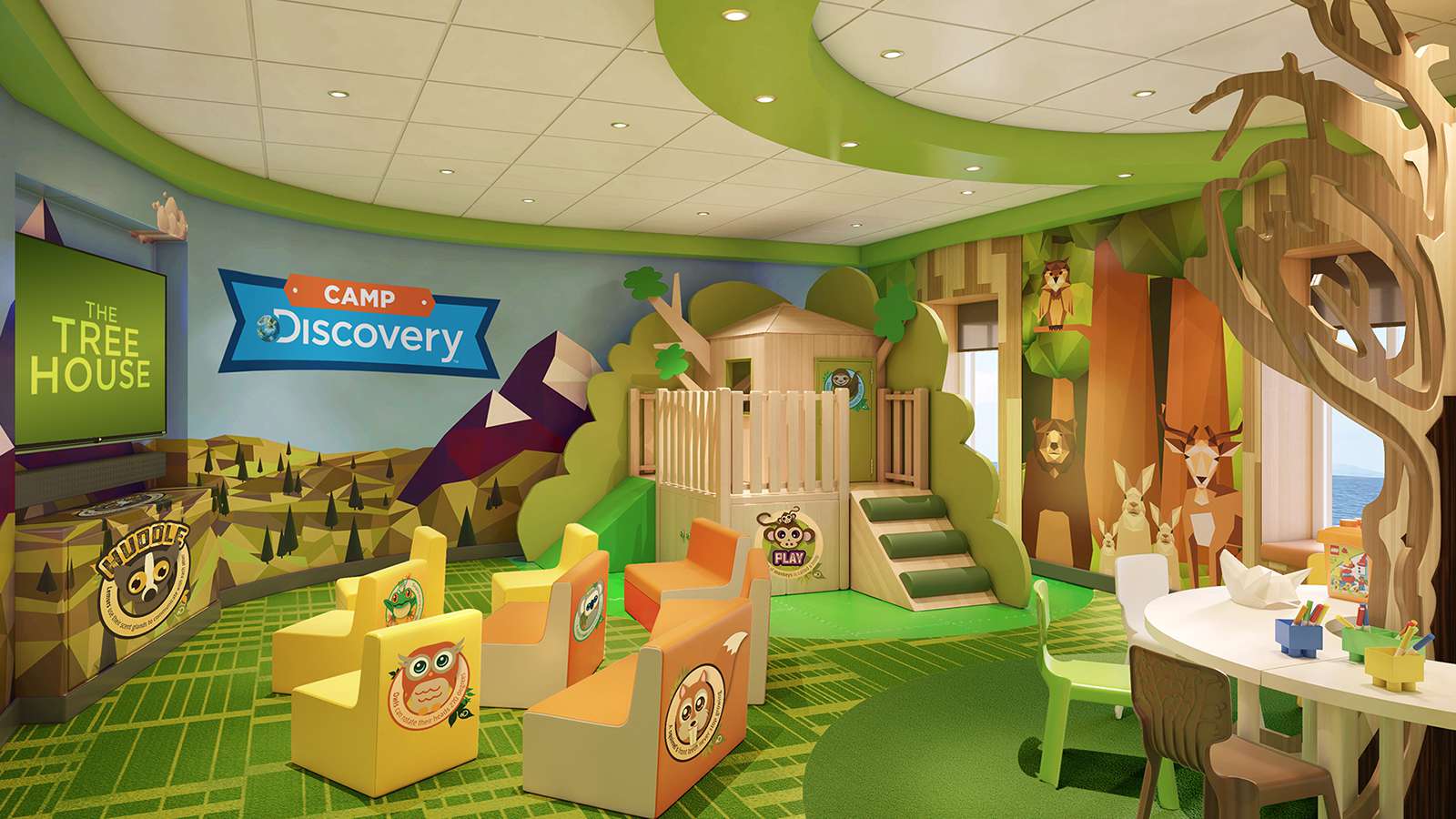
There may be no other spot on the high seas where kids can create scrumptious cakes and cupcakes in our JrCHEF@Sea class*, create a mini solar system, discover the science behind magic, learn about endangered animals and dive into hands-on experiments (on some voyages, they’ll even dissect a real fish!). Kids can also play sports, try their skills at PlayStation®, Nintendo Wii™ and XBOX Kinect consoles, join dance classes and more!
*Nominal charge
Just for Kids 8 – 12 The Lodge
Step Inside for Fun ‘n’ Games
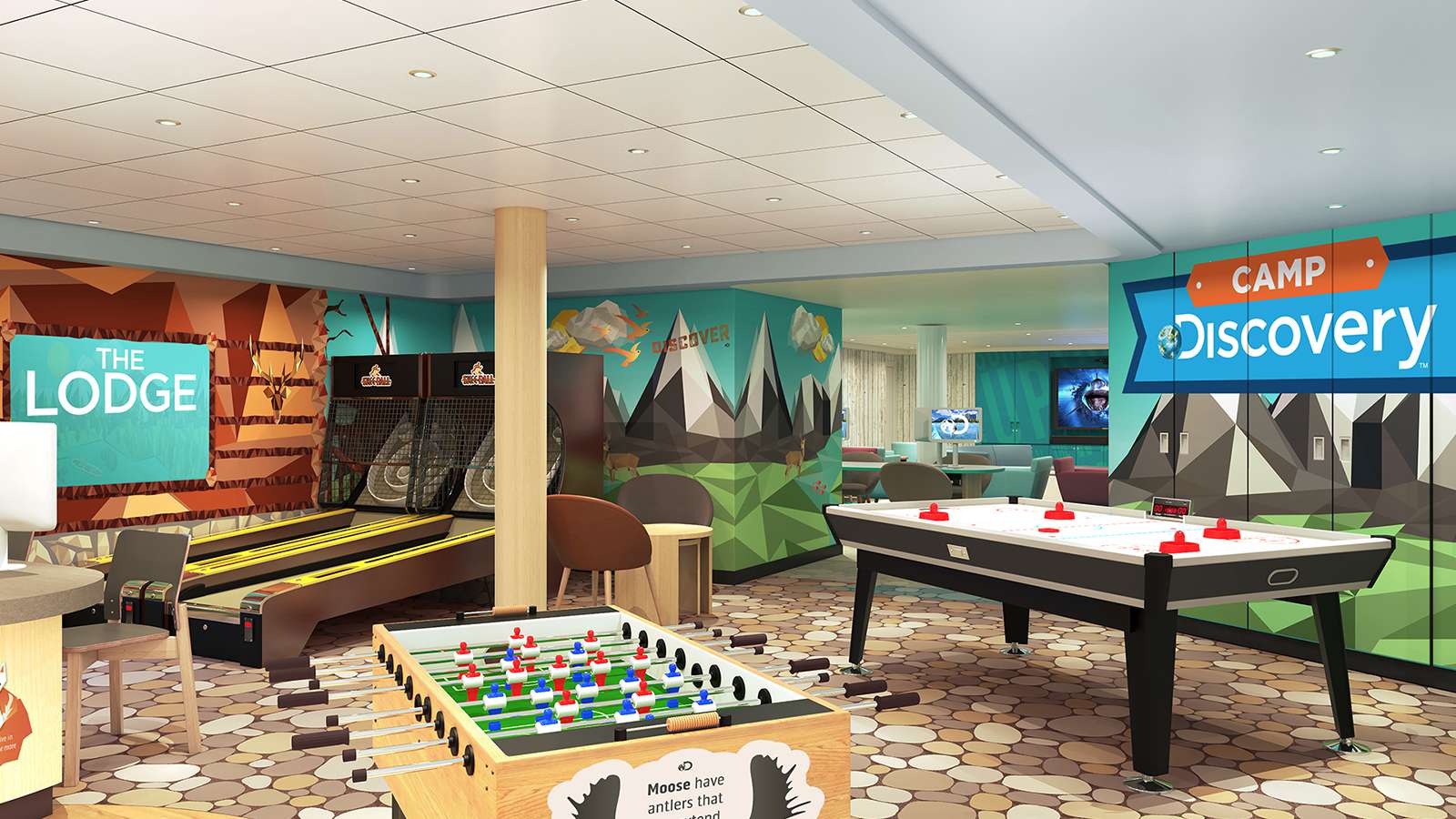
There may be no other spot on the high seas where kids can create scrumptious cakes and cupcakes in our JrCHEF@Sea class*, create a mini solar system, discover the science behind magic, learn about endangered animals and dive into hands-on experiments (on some voyages, they’ll even dissect a real fish!). Kids can also play sports, try their skills at PlayStation®, Nintendo Wii™ and Xbox Kinect™ consoles, join dance classes and more!
*Nominal charge
Just for Teens 13-17 The Beach House
Hang Out in the Beach House
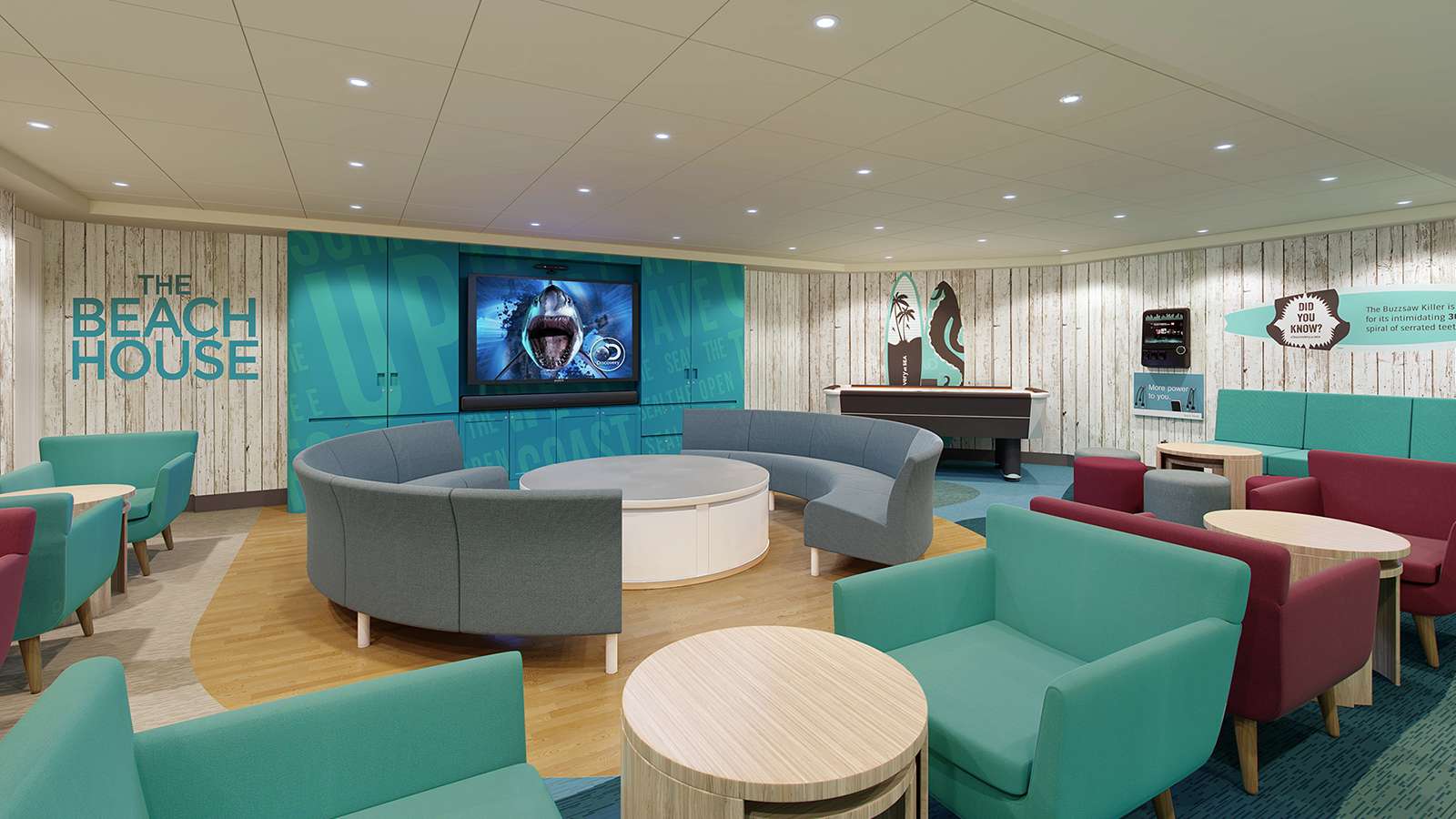
This contemporary lounge is “the place” for teens — perfect for hanging out and socialising with late-night movie viewing, hip hop dance classes, video game tournaments and sports competitions like dodgeball and basketball. But that’s just the beginning. They’ll dazzle on the red carpet with our Rock the Boat teens-only party, complete with awards and “mocktails.”
Family
Quality Time Together
Princess makes it easy to sail together in comfort. There is a wide selection of staterooms accommodating up to four guests, and you’ll enjoy substantial savings on your third and fourth guests. There are also connecting stateroom options, as well as Two Bedroom Family Suites, with room for up to eight guests, which offer more living space, a balcony and two bathrooms, including a full bath tub.
World Fresh Marketplace
Whenever you visit, you’ll find plenty of well-balanced options to choose from. Stop by for breakfast and visit our gourmet pancake station, or enjoy one of our unique hot cereal offerings. At lunch, look for handcrafted sandwiches, regionally inspired dishes and soups, as well as our carvery selections. For dinner, there’s everything from international favourites, comfort foods, customised stir-fry or pasta, plus a multitude of fresh fruit and salad choices.
International Café
Sip and Snack Around the Clock
Open 24-hours a day, the International Café located in the Piazza is the place for an ever-changing array of small bite meals, treats and gourmet beverages. Grab a freshly baked croissant to start your day, snack on pies and quiche or choose from a wide variety of salads and sandwiches at lunchtime, and indulge in decadent desserts in the evening. Coffee and tea fans will love the New Grounds Crafted Coffee menu featuring a variety of speciality espresso-based drinks made from a custom blend of coffee beans, as well as iced tea fusions.
Alfredo's Pizzeria
Hand-Tossed Pizza, Hot Out of the Oven
Named for our former Master Chef, Alfredo Marzi and voted “Best Pizza at Sea” by USA TODAY, this charming sit-down venue offers an enticing menu of freshly prepared individual-size pizzas along with beer and wines by the glass. The open kitchen design allows you to watch as the chefs create pizza by hand and serve them straight out of the oven.
Venues and menu items vary by ship and are subject to change.
Salty Dog Cafe
While you’re enjoying the fresh air on the top deck, treat yourself to one of our 100% handmade gourmet burgers served on made-from-scratch buns. Try crispy golden fries with chili or bacon and cheese for a real treat.
Alfredo’s Slice
Our top-deck pizzeria features a bold new look that sets the stage for tempting toppings and classic favorites. Try a slice of our award-winning signature Neapolitan-style pizza. Go simple and delicious with just cheese, or mix it up with a variety of toppings that change daily.
Crown Grill℠
Timeless Steakhouse Traditions
With a rich wood décor and a theatre-style kitchen, it’s no wonder Crown Grill was named among the “Best Cruise Ship Steakhouses” by USA TODAY. Featuring premium aged beef and fresh seafood items, this speciality restaurant offers an intimate dining experience in a classically elegant setting and an open kitchen where chefs prepare and cook to order top-quality cuts of beef, chops and seafood.
Additional charge applies.
Chef's Table Lumiere
A Dazzling Dining Adventure
An extraordinary treat for both gastronomes and gourmet novices, the Chef’s Table Lumiere is a perfect culinary journey for any special occasion. Indulge in champagne and hors d’oeuvres, followed by an extravagant multi-course dinner created and hosted by the ship’s executive chef. Perfect for celebrating an anniversary or milestone, or just making your cruise holiday even more amazing.
Limited capacity, reservations required. Additional charge applies.
Ultimate Balcony Dining
A PRIVATE DINING ROOM WITH A VIEW
Choose a luxurious breakfast or experience the “ultimate” romantic dinner at sea: a sumptuous multi-course meal, including succulent lobster tail and juicy steak, your beverage of choice, hors d’oeuvres, all served right on the privacy of your own balcony by our dedicated waitstaff. Treat yourself to this unparalleled indulgence and savour food, views and memories that will never be forgotten.
Ocean Terrace Sushi Bar
Ocean Terrace Sushi Bar: A contemporary sushi bar overlooking the Piazza, sushi lovers delight with expertly handcrafted sushi rolls, fresh nigiri or sashimi and maki rolls.
Dine My Way℠
Dine When, How and Where You Like
With this new offering, you can customise every aspect of mealtime. Make reservations for the main dining room or speciality restaurants at your preferred time each day. Fit in a formal dinner before a show, or order food and drinks to your poolside perch with OceanNow®. The choice really is up to you.
24-Hour Room Service
From Breakfast in Bed to a Late-Night Snack
We offer 24-hour complimentary room service when you want to enjoy a quiet moment in your cabin eating a delicious club sandwich or maybe that slice of chocolate fudge cake you can’t forget. Treat yourself to breakfast in bed, or stay in for an intimate dinner, and perhaps even cocktails, in the comfort of your stateroom. 24-hour room service is just a phone call away.
Charges apply on select menu items.
From relaxing pursuits and enriching activities to world-class entertainment and gourmet cuisine, when you step aboard, you are setting a course for a world of wonderful new discoveries.
A wealth of diversions for nearly every interest – and mood
Movies Under the Stars®
A Reel Treat Day or Night
Throughout the day and night, our exclusive open-air poolside amphitheatre is the go-to destination for feature films, thrilling concerts and exciting sporting events such as live football games. Cozy up under a fleece blanket in the comfortable lounger and feast on complimentary fresh-popped popcorn in the evening or delicious cookies and milk during the day, and enjoy that exciting car chase or mystery thriller on the giant screen.
Music & Dancing
Dazzling Entertainment Every Day and Night
When it comes to music and dancing we’ve got everything that your musical palette may desire. Whether it’s tapping your toes to cover bands, singing along in the piano bar, relaxing to classical strings or dancing the night away in the nightclub, you’ll be satisfied!
Vegas Style Casino
For Novices, Casual Players, or High Rollers
From gaming lessons to the latest slot machines to prize tournaments, our Casinos offer fun and excitement on the high seas! Up the ante with our posh table games that play by Vegas rules, including blackjack, three–card poker and midi–baccarat or take a few spins at the roulette wheel. For our high rollers, we offer an extensive VIP gaming space with restricted access.
Featured Guest Entertainers
At Night, the Stars Shine Bright on Our Stages
Grab a seat, order a cocktail and be prepared to be entertained by our lineup of world class entertainers. From magic to comedy, singers to instrumentalists, jugglers to balancing acts and much, much more, we search the globe for top talent to be featured on our ships. So get ready to be amazed, entertained, mesmerised or just laugh the night away!
Princess Theatre
Broadway-Style Productions at Sea
With dazzling stage sets, artists from around the globe, modern hits and timeless classics, the Princess Theatre, our largest theatre yet, showcases lavish, original productions with dynamic cast members in sumptuous surroundings. In this ultramodern theatre, relax in a plush seat with unobstructed sight lines as the velvet curtain goes up, a state-of-the-art lighting system illuminates the stage, and it’s on with the show!
Princess Live!
Lights, Sound, Action!
Ever want to be part of a live television studio audience? Here’s your chance to be part of the fun or go behind-the-scenes of our onboard television shows*. Princess Live! provides non-stop entertainment throughout the day and each evening with interactive culinary shows, live concerts, and late night comedy and game shows. You can also see what it takes to put on a working television show, which airs in your stateroom.
*On select sailings.
Bars & Lounges
Thirst Quenchers for Every Taste
There’s a bar or lounge for just about every mood, each offering a wide array of colourful cocktails, cold brews, stellar wines and more. Tropical and refreshing or complex and ethereal, the spectacular creations prepared by Princess mixologists are celebrated by cocktail aficionados on cruises around the world. Explore a variety of refreshingly different tastes while watching a sunset or dancing to the latest tunes.
Vista Lounge
Enjoy an Endless Variety of Activities
Seating over 300 people, the Vista Lounge at the aft of the ship offers ample comfortable seating for quality time with family and friends over tea, plus 16 mahjong tables (some tables featuring advanced technology with 4-way tile distribution and automatic tile shuffling and organisation)! Here, you’ll also enjoy comedians, illusionists, and musicians performing on the large stage, as well as instructor-led classes and line dances.
The Shops of Princess
Tax and Duty-free Shopping
It’s no surprise The Shops of Princess are awarded “Best Onboard Shopping” from Porthole magazine year after year. You’ll find designer brand shops from Cartier, BVLGARI and Chopard, as well as luxury watches from OMEGA, Blancpain and Gucci. Plus, look forward to a range of fine merchandise from brands like Swarovski, Chanel, Estée Lauder, Clinique, Lancôme and Calvin Klein, in addition to local crafts and keepsakes. And everyday tax– and duty–free savings can add up to as much as 30% off suggested U.S. retail prices.
The Seawalk
Unparalleled Views of the Sea
A dramatic over-the-ocean glass walkway, the SeaWalk® is the first of its kind at sea. At 60 feet long, cantilevered 128 feet above the waves and extending 28 feet beyond the edge of the ship, it affords thrilling vistas of the ever-changing seascape. Just as the Captain can look through glass panels in the floor of the bridge, passengers can now share in that breathtaking experience. Across the ship, the SeaView Bar goes one step further with a glass panelled floor and drinks prepared during exciting shows with flair.
Photo Gallery
Take Home a Unique Photo Keepsake
Our staff of digital photographers helps capture the highlights of your cruise including onboard events, ports and scenery for lasting memories of your trip. Our studio locations are set up in the Atrium each evening and all formal and casual portraits are on display in the gallery the following day. Please ask our staff about portrait packages, reprints and canvas reproductions of your favourite photos!
Fine Art Gallery
Well-presented Space Offers Intriguing Works
If you have a strong passion for fine art then stroll into our appointed gallery. If you have a passion for collecting art, then be sure to attend one of our art auctions. Our exciting Champagne Art Auctions give you the chance to view and bid on a wide range of fine art, including pieces by famous artists like Thomas Kinkade, Peter Max, and Michael Godard. There is no charge to attend these lively events.
The Atrium
The Ship’s Heart and Soul
The inviting piazza-style grand Atrium shines as the stunning centrepiece of each ship, the epicentre of luxury, excitement and fun. Stop by anytime, day or night, to find musicians, jugglers, acrobats, food carvers and a variety of other performers. Soaring multi-stories with a circular marble floor, stained-glass dome and magnificent floating staircase, the Italian-inspired Atrium is an ideal setting for relaxation, people-watching or simply having a cocktail or coffee with a friend.
Crooners
Marvellous Martinis and Melodies
Step into Crooners bar and be transported to the classic Sinatra era, made complete with a top notch pianist singing tunes and tickling the ivories. The “Rat Pack” atmosphere and famous menu of signature martinis, and old-school mixed drinks will have you crooning.
Hollywood Conservatory
Discover a Garden Paradise Above the Sea
Stroll through our new indoor garden located 150 feet above the sparkling ocean. You’re welcomed by the sound of chirping birds, a lush garden environment and plush resort furniture. Listen to intimate musical performances by live musicians, and play a game of chess using life-sized pieces. A Wishing Wall, the first of its kind at sea, allows guests to share their dreams on a mosaic tile wall.
Hollywood Pool Club
Inspired by the Glamour of Hollywood
This covered pool offers a Hollywood chic-style environment day and night, year-round, surrounded by comfortable loungers, modern sculptures and topiaries. By day, relax in the freshwater pool or soak in the steaming hot tubs — the glass dome keeps both the water and the environment comfortable despite outside weather.
Princess Sports Central
Get in the Game with a Variety of Activities
Whether you’re serving up some friendly competition with the family, missing your sports league back home or new to the game, Princess Sports Centre brings people together with shared athletic and recreational interests. Centre Court is great for basketball, tennis, volleyball and badminton. There’s also a miniature putting green and driving cage for golf enthusiasts, ping pong tables, bean bag toss and giant foosball.
Freshwater Pools & Hot Tubs
Soak in a World of Relaxation
Take a dip in our sparkling freshwater pools and leave your everyday world behind. Unwind on a padded lounger and soak up the sun, catch up on reading, listen to music or dream of your next adventure on board or ashore. And what better way to relax and revitalise after a day exploring the world than a long soak in one of our whirling hot tubs. And don’t forget, there is always a server nearby to bring you a refreshing cocktail or favourite beverage.
The Greens
Practice Your Putt and Play like a Champion
Imagine playing on The Greens while surrounded by a beautiful blue ocean. Whether you’re a dabbler or a devoted disciple of the game, our nine-hole miniature putting course will put your finer golfing skills to the test.
Lotus Spa®
Go Ahead, Be Pampered – You Deserve It
Named “Best Spa on a Cruise Ship” by Spafinder Wellness 365™, the Lotus Spa® offers a variety of relaxing treatments, such as facials, aroma stone therapy massages, detoxifying ocean wraps and an aromatherapy thermal suite. Or get ready for a night on the town at the salon which features women’s styling colour, men’s haircuts and shaves, manicure and pedicure choices and teeth whitening.
Lotus Spa® Fitness Centre
A Host of Ways to Get an Energising Workout
The Lotus Spa Fitness Centre offers fitness programmes designed to help you maximise your wellness with Tour de Cycle, personal training and classes such as Pilates, Yoga, Body Sculpt Boot Camp, Results Based Training and TRX suspension training. The Lotus Spa Fitness Centre also features state-of-the-art equipment so you can tone on your own.
The Enclave® at Lotus Spa®
Luxuriate in Our Largest-ever Thermal Suite
Open the door to The Enclave, home to Princess’ largest-ever thermal suite and a dramatic hydro-therapy pool with a cascading rain shower and therapeutic air jets. Relax on heated stone beds or soothing water beds. Features include: The Hammam – a Turkish-style steam bath, and from Roman times, the Caldarium –a light steam chamber infused with herbal aromas and the Laconium – a heated, dry chamber to help with purification and detoxification of the body.
Additional charges apply.
Just for Kids 3 – 7 The Treehouse
Step Inside for Fun ‘n Games
There may be no other spot on the high seas where kids can create scrumptious cakes and cupcakes in our JrCHEF@Sea class*, create a mini solar system, discover the science behind magic, learn about endangered animals and dive into hands-on experiments (on some voyages, they’ll even dissect a real fish!). Kids can also play sports, try their skills at PlayStation®, Nintendo Wii™ and XBOX Kinect consoles, join dance classes and more!
*Nominal charge
Just for Kids 8 – 12 The Lodge
Step Inside for Fun ‘n’ Games
There may be no other spot on the high seas where kids can create scrumptious cakes and cupcakes in our JrCHEF@Sea class*, create a mini solar system, discover the science behind magic, learn about endangered animals and dive into hands-on experiments (on some voyages, they’ll even dissect a real fish!). Kids can also play sports, try their skills at PlayStation®, Nintendo Wii™ and Xbox Kinect™ consoles, join dance classes and more!
*Nominal charge
Just for Teens 13-17 The Beach House
Hang Out in the Beach House
This contemporary lounge is “the place” for teens — perfect for hanging out and socialising with late-night movie viewing, hip hop dance classes, video game tournaments and sports competitions like dodgeball and basketball. But that’s just the beginning. They’ll dazzle on the red carpet with our Rock the Boat teens-only party, complete with awards and “mocktails.”
Family
Quality Time Together
Princess makes it easy to sail together in comfort. There is a wide selection of staterooms accommodating up to four guests, and you’ll enjoy substantial savings on your third and fourth guests. There are also connecting stateroom options, as well as Two Bedroom Family Suites, with room for up to eight guests, which offer more living space, a balcony and two bathrooms, including a full bath tub.
About the Ship
Deck Plans

Medical Center
- Water Shuttle Embarkation

- Beauty Salon
- Captain’s Circle Loyalty
- Future Cruise Planning
- Good Spirits at Sea
- Guest Services
- International Café
- Lotus Spa
- O’Malley’s Irish Pub
- Sabatini’s Italian Trattoria
- Shore Excursions Desk
- Symphony Dining Room
- The Piazza
- The Shops of Princess
- Treatment Rooms

- Alfredo’s Pizzeria
- Allegro Dining Room
- Bellini’s
- Chef’s Table Lumière
- Concerto Dining Room
- Captain’s Arcade
- Double Down Bar
- Fine Arts Gallery
- Good Spirits at Sea
- Grand Casino
- Internet Café
- Theater Lower Level

Crown Grill
- Crown Grill Bar
- Ocean Terrace Sushi
- OceanFront
- Photo Gallery
- Princess Live!
- Princess Live! Café
- The Catch by Rudi
- The Shops of Princess
- Vista Lounge

- Interior Staterooms (x2 Wheelchair Accessible Rooms)
- Balcony Staterooms
- Mini-Suites
- Suites

- Interior Staterooms (x6 Wheelchair Accessible Rooms)
- Balcony Staterooms (x4 Wheelchair Accessible Rooms)
- Suites

- Interior Staterooms
- Balcony Staterooms (x6 Wheelchair Accessible Rooms)
- Mini-Suites (x2 Wheelchair Accessible Rooms)
- Suites

- Interior Staterooms
- Balcony Staterooms (x6 Wheelchair Accessible Rooms)
- Mini-Suites (x2 Wheelchair Accessible Rooms)
- Suites

- Interior Staterooms
- Balcony Staterooms (x6 Wheelchair Accessible Rooms)
- Mini-Suites (x2 Wheelchair Accessible Rooms)
- Suites

Concierge Lounge
- Meeting Suite
- Interior Staterooms
- Balcony Staterooms
- Mini-Suites
- Suites (x1 Wheelchair Accessible Room)

- Interior Staterooms
- Balcony Staterooms
- Mini-Suites
- Suites

- Alfredo’s Slice
- Fountain Pool
- Fountain Pool Bar
- SeaWalk
- Swirls Ice Cream Bar
- The Bakery
- The Bistro
- The Salty Dog Cafe
- Wake View Bar
- World Fresh Marketplace
- Interior Staterooms
- Balcony Staterooms
- Mini-Suite Staterooms

Fitness Center
- Hollywood Club Bar
- Hollywood Conservatory
- Hollywood Pool Club
- Table Tennis
- The Beach House Teen Lounge
- The Driving Range
- The Treehouse

- Center Court
- Bullseye Range
- Movies Under The Stars

- The Greens Mini Golf
Medical Center
- Water Shuttle Embarkation
- Beauty Salon
- Captain’s Circle Loyalty
- Future Cruise Planning
- Good Spirits at Sea
- Guest Services
- International Café
- Lotus Spa
- O’Malley’s Irish Pub
- Sabatini’s Italian Trattoria
- Shore Excursions Desk
- Symphony Dining Room
- The Piazza
- The Shops of Princess
- Treatment Rooms
- Alfredo’s Pizzeria
- Allegro Dining Room
- Bellini’s
- Chef’s Table Lumière
- Concerto Dining Room
- Captain’s Arcade
- Double Down Bar
- Fine Arts Gallery
- Good Spirits at Sea
- Grand Casino
- Internet Café
- Theater Lower Level
Crown Grill
- Crown Grill Bar
- Ocean Terrace Sushi
- OceanFront
- Photo Gallery
- Princess Live!
- Princess Live! Café
- The Catch by Rudi
- The Shops of Princess
- Vista Lounge
- Interior Staterooms (x2 Wheelchair Accessible Rooms)
- Balcony Staterooms
- Mini-Suites
- Suites
- Interior Staterooms (x6 Wheelchair Accessible Rooms)
- Balcony Staterooms (x4 Wheelchair Accessible Rooms)
- Suites
- Interior Staterooms
- Balcony Staterooms (x6 Wheelchair Accessible Rooms)
- Mini-Suites (x2 Wheelchair Accessible Rooms)
- Suites
- Interior Staterooms
- Balcony Staterooms (x6 Wheelchair Accessible Rooms)
- Mini-Suites (x2 Wheelchair Accessible Rooms)
- Suites
- Interior Staterooms
- Balcony Staterooms (x6 Wheelchair Accessible Rooms)
- Mini-Suites (x2 Wheelchair Accessible Rooms)
- Suites
Concierge Lounge
- Meeting Suite
- Interior Staterooms
- Balcony Staterooms
- Mini-Suites
- Suites (x1 Wheelchair Accessible Room)
- Interior Staterooms
- Balcony Staterooms
- Mini-Suites
- Suites
- Alfredo’s Slice
- Fountain Pool
- Fountain Pool Bar
- SeaWalk
- Swirls Ice Cream Bar
- The Bakery
- The Bistro
- The Salty Dog Cafe
- Wake View Bar
- World Fresh Marketplace
- Interior Staterooms
- Balcony Staterooms
- Mini-Suite Staterooms
Fitness Center
- Hollywood Club Bar
- Hollywood Conservatory
- Hollywood Pool Club
- Table Tennis
- The Beach House Teen Lounge
- The Driving Range
- The Treehouse
- Center Court
- Bullseye Range
- Movies Under The Stars
- The Greens Mini Golf