Featured Cabins
Itinerary
Yokohama, Japan
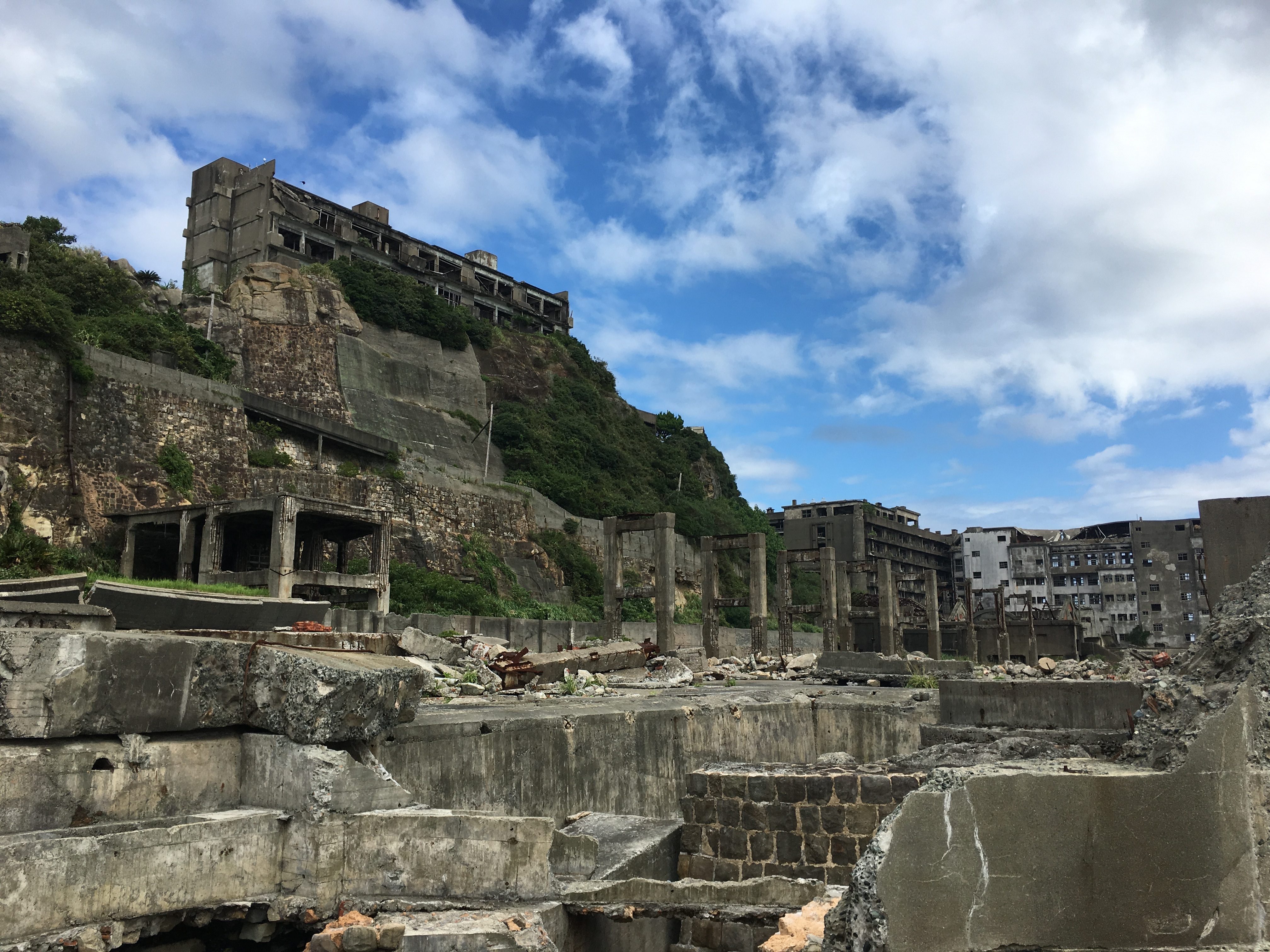
In 1853, a fleet of four American warships under Commodore Matthew Perry sailed into the bay of Tokyo (then Edo) and presented the reluctant Japanese with the demands of the U.S. government for the opening of diplomatic and commercial relations. The following year Perry returned and first set foot on Japanese soil at Yokohama—then a small fishing village on the mudflats of Tokyo bay. Two years later New York businessman Townsend Harris became America’s first diplomatic representative to Japan. In 1858 he was finally able to negotiate a commercial treaty between the two countries; part of the deal designated four locations—one of them Yokohama—as treaty ports. In 1859 the shogunate created a special settlement in Yokohama for the growing community of merchants, traders, missionaries, and other assorted adventurers drawn to this exotic new land of opportunity. The foreigners (predominantly Chinese and British, plus a few French, Americans, and Dutch) were confined here to a guarded compound about 5 square km (2 square miles)—placed, in effect, in isolation—but not for long. Within a few short years the shogunal government collapsed, and Japan began to modernize. Western ideas were welcomed, as were Western goods, and the little treaty port became Japan’s principal gateway to the outside world. In 1872 Japan’s first railway was built, linking Yokohama and Tokyo. In 1889 Yokohama became a city; by then the population had grown to some 120,000. As the city prospered, so did the international community and by the early 1900s Yokohama was the busiest and most modern center of international trade in all of East Asia. Then Yokohama came tumbling down. On September 1, 1923, the Great Kanto Earthquake devastated the city. The ensuing fires destroyed some 60,000 homes and took more than 40,000 lives. During the six years it took to rebuild the city, many foreign businesses took up quarters elsewhere, primarily in Kobe and Osaka, and did not return. Over the next 20 years Yokohama continued to grow as an industrial center—until May 29, 1945, when in a span of four hours, some 500 American B-29 bombers leveled nearly half the city and left more than half a million people homeless. When the war ended, what remained became—in effect—the center of the Allied occupation. General Douglas MacArthur set up headquarters here, briefly, before moving to Tokyo; the entire port facility and about a quarter of the city remained in the hands of the U.S. military throughout the 1950s. By the 1970s Yokohama was once more rising from the debris; in 1978 it surpassed Osaka as the nation’s second-largest city, and the population is now inching up to the 3.5 million mark. Boosted by Japan’s postwar economic miracle, Yokohama has extended its urban sprawl north to Tokyo and south to Kamakura—in the process creating a whole new subcenter around the Shinkansen Station at Shin-Yokohama. The development of air travel and the competition from other ports have changed the city’s role in Japan’s economy. The great liners that once docked at Yokohama’s piers are now but a memory, kept alive by a museum ship and the occasional visit of a luxury vessel on a Pacific cruise. Modern Large as Yokohama is, the central area is very negotiable. As with any other port city, much of what it has to offer centers on the waterfront—in this case, on the west side of Tokyo Bay. The downtown area is called Kannai (literally, “within the checkpoint”); this is where the international community was originally confined by the shogunate. Though the center of interest has expanded to include the waterfront and Ishikawa-cho, to the south, Kannai remains the heart of town. Think of that heart as two adjacent areas. One is the old district of Kannai, bounded by Basha-michi on the northwest and Nippon-odori on the southeast, the Keihin Tohoku Line tracks on the southwest, and the waterfront on the northeast. This area contains the business offices of modern Yokohama. The other area extends southeast from Nippon-odori to the Moto-machi shopping street and the International Cemetery, bordered by Yamashita Koen and the waterfront to the northeast; in the center is Chinatown, with Ishikawa-cho Station to the southwest. This is the most interesting part of town for tourists. Whether you’re coming from Tokyo, Nagoya, or Kamakura, make Ishikawa-cho Station your starting point. Take the South Exit from the station and head in the direction of the waterfront.
Nagasaki, Japan
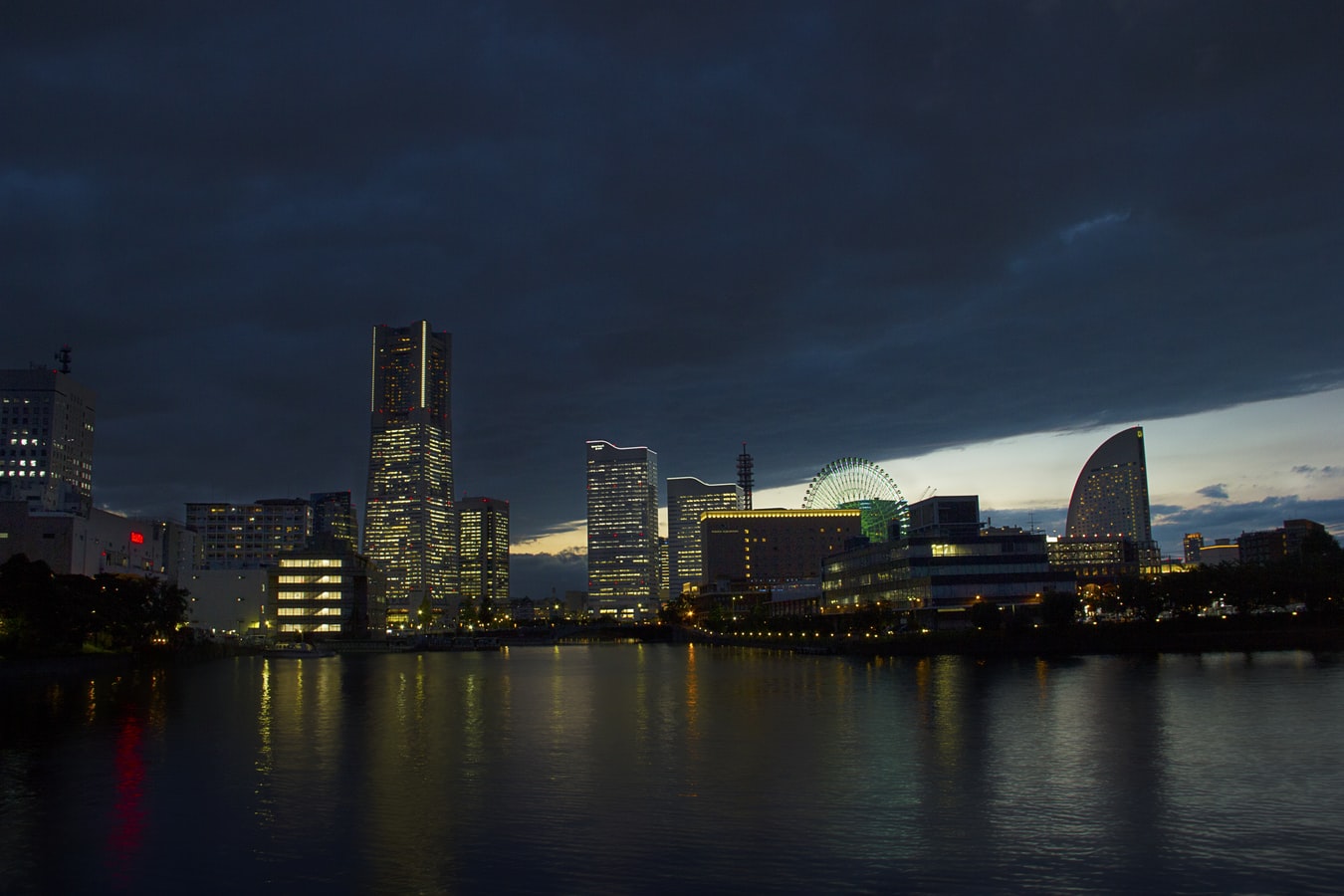
Nagasaki city has developed into one of the most important port cities in Japan. During Japan’s period of isolation in the 17th century, Nagasaki played a prominent role in foreign trade relation and only a very few ports were open to restricted numbers of foreign traders. Even though Holland was a major country who conducted trading during this period, Dutch people were only allowed to stay in Dejima Island and were not allowed to have contact with the Japanese people. Today, you will still find the strong influence of Dutch and Chinese culture in the city which is very different from all other cities in Japan. In the more recent history, Nagasaki became the second city after Hiroshima to be destroyed by an atomic bomb towards the end of World War II. From the visit to Atomic bomb museum and peace memorial park, people could understand how chaotic the situation was and the agony that the people in the days have experienced from the damage inflicted by the atomic bomb. It continues to appeal to the world with their wish for world peace.
Busan, South Korea
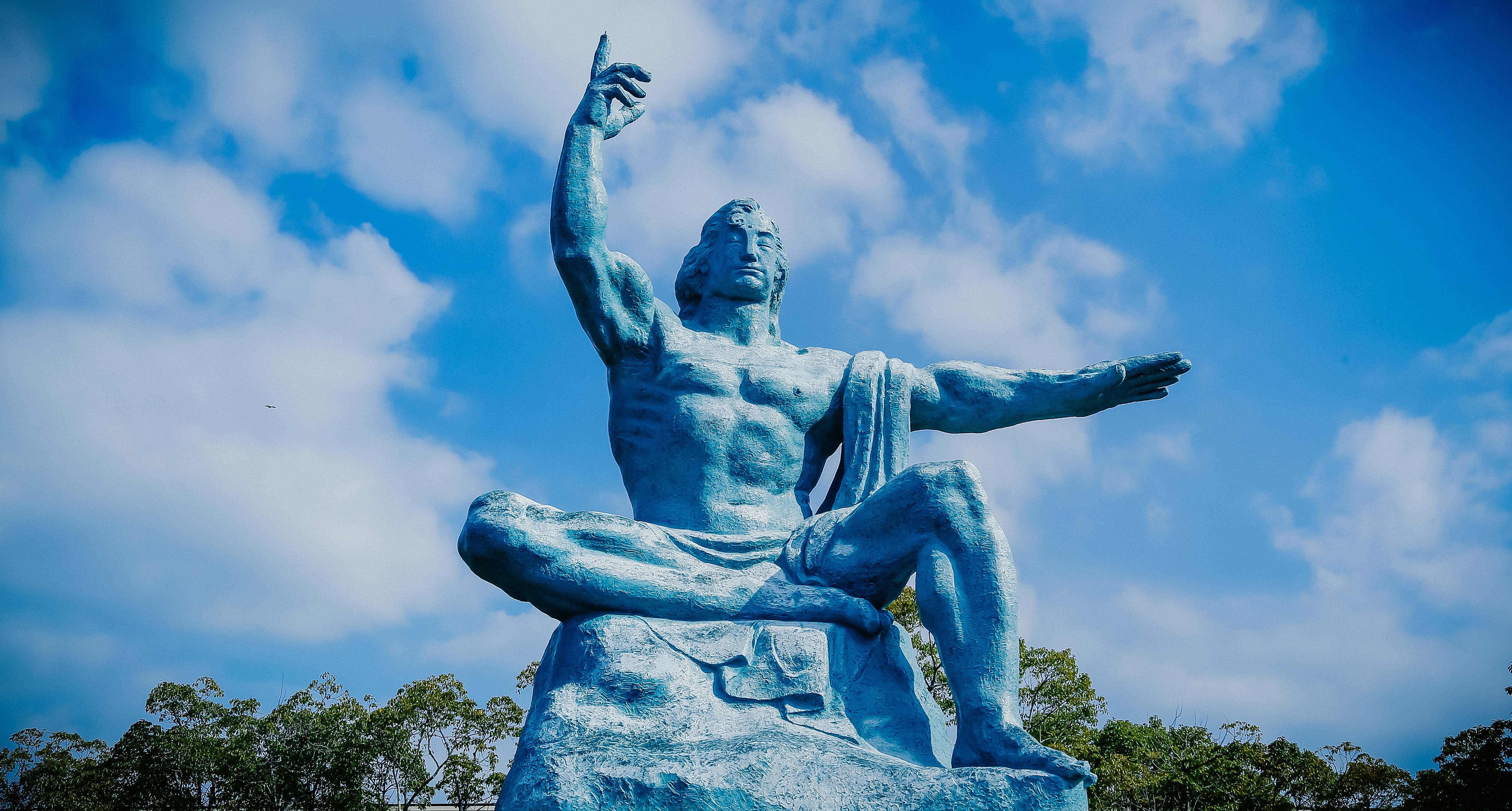
White-sand city beaches and hot-spring resorts may not be everyone’s first image of Korea, but these are what Koreans flock to Busan for all year. And there are plenty of opportunities for rest, relaxation, retail therapy, and even a touch of glamour every October with the Busan International Film Festival. Busan’s beaches are the big summertime draw but there is plenty to be seen year round. Quintessential experiences include taking some rest and relaxation at a local spa and exploring the Beomeosa temple complex.
Sakaiminato, Japan
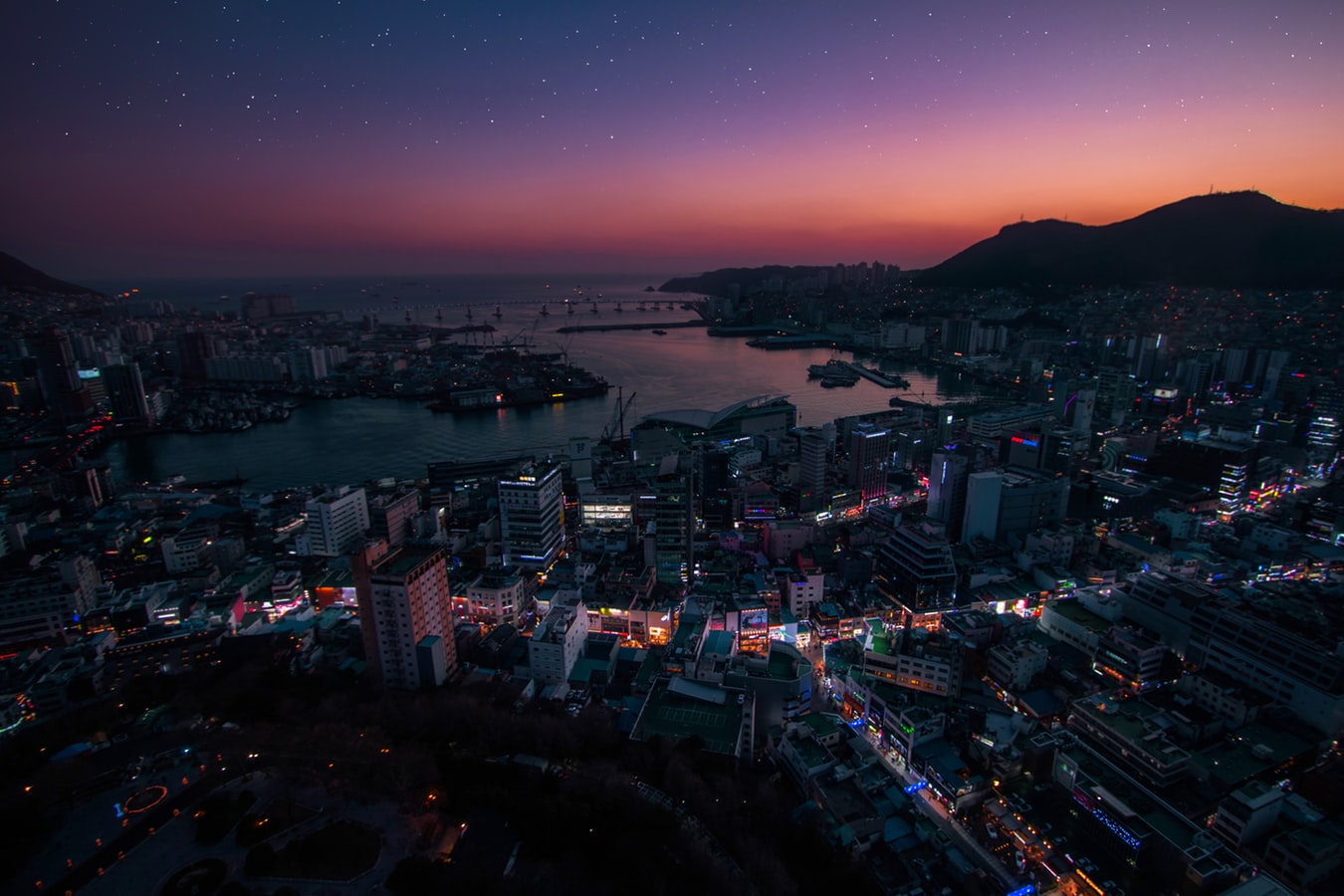
Sakaiminato is a small city almost totally surrounded by water: the Sea of Japan to the east, the Sakai Channel to the north and Lake Nakaumi to the west. Across the lake the towns of Matsue and Yasugi offer interesting experiences. Matsue is known as the “Town of Water” next to scenic Lake Shinji and Lake Nakaumi. It has one of the very few wooden castles that still remain in Japan. Touring the castle and boat rides on the Horikawa River and the castle’s moat are popular. Yasugi has the Adachi Museum of Art, a private museum that houses one of the finest collections of contemporary Japanese paintings, but also has a 165,000 square metres garden –with plants and rocks collected by the museum’s founder. Six different gardens show different scenarios depending on the season. These gardens have been selected as “Japan’s best garden” for several years.
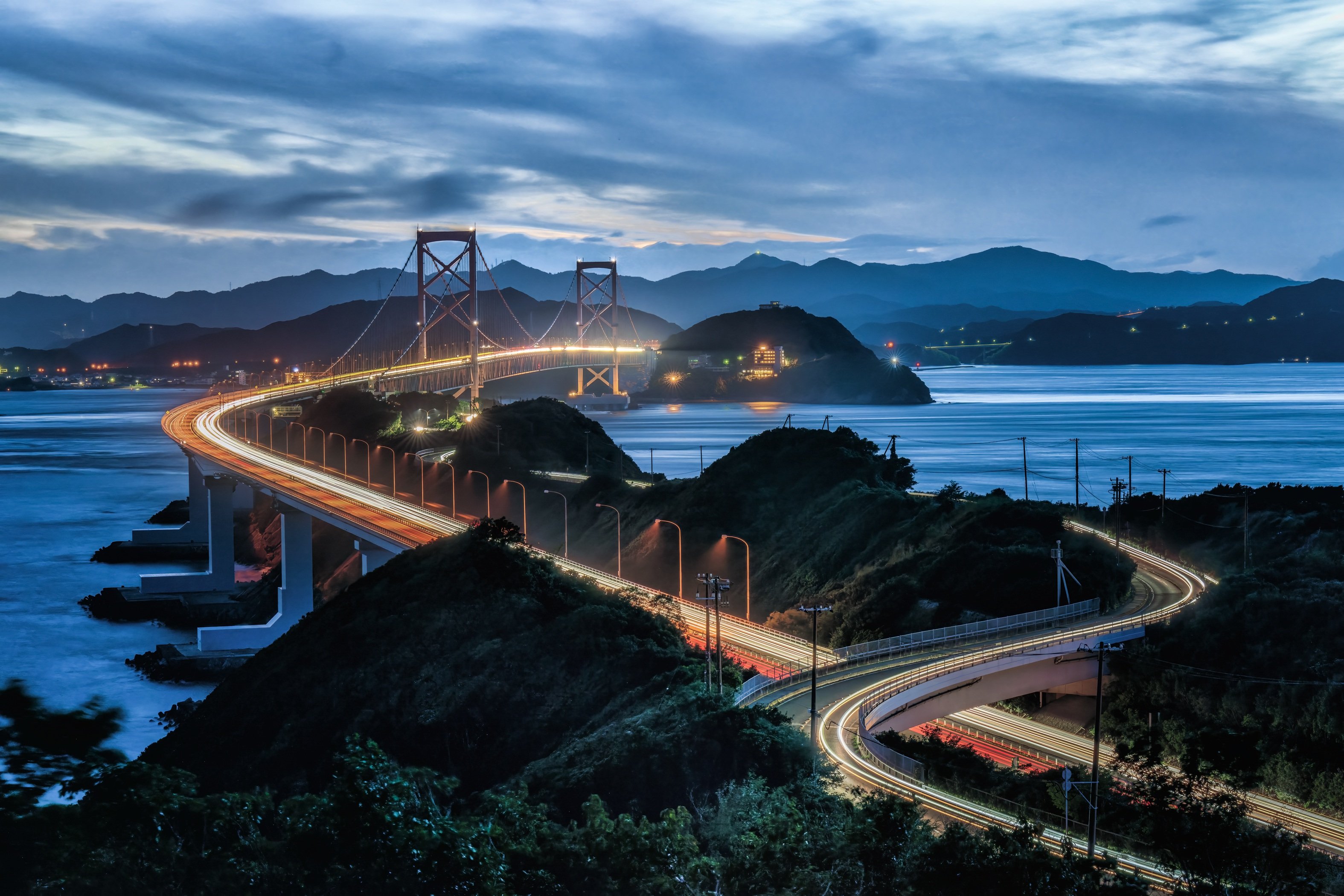
Tsuruga, Japan
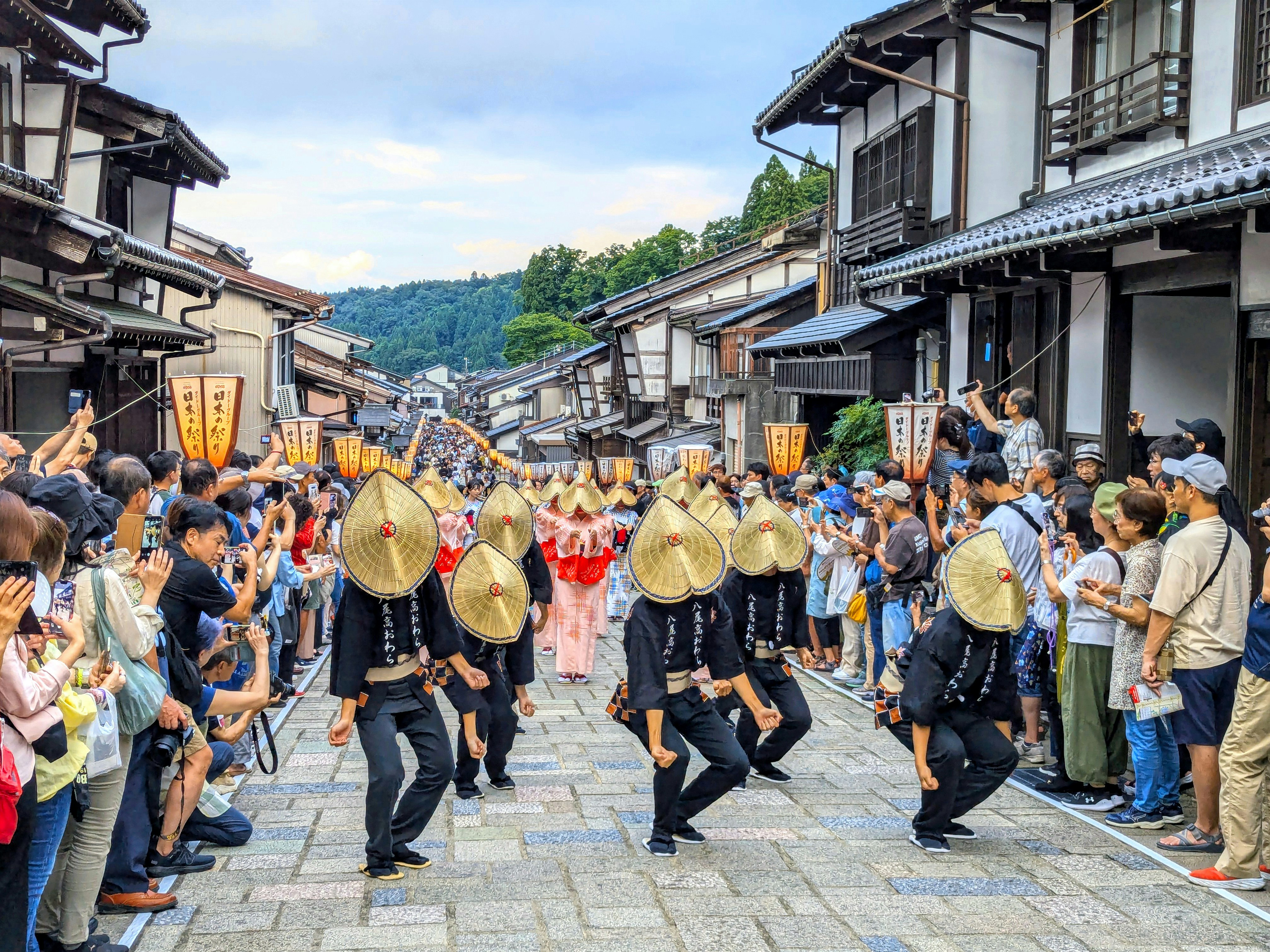
Toyama, Japan
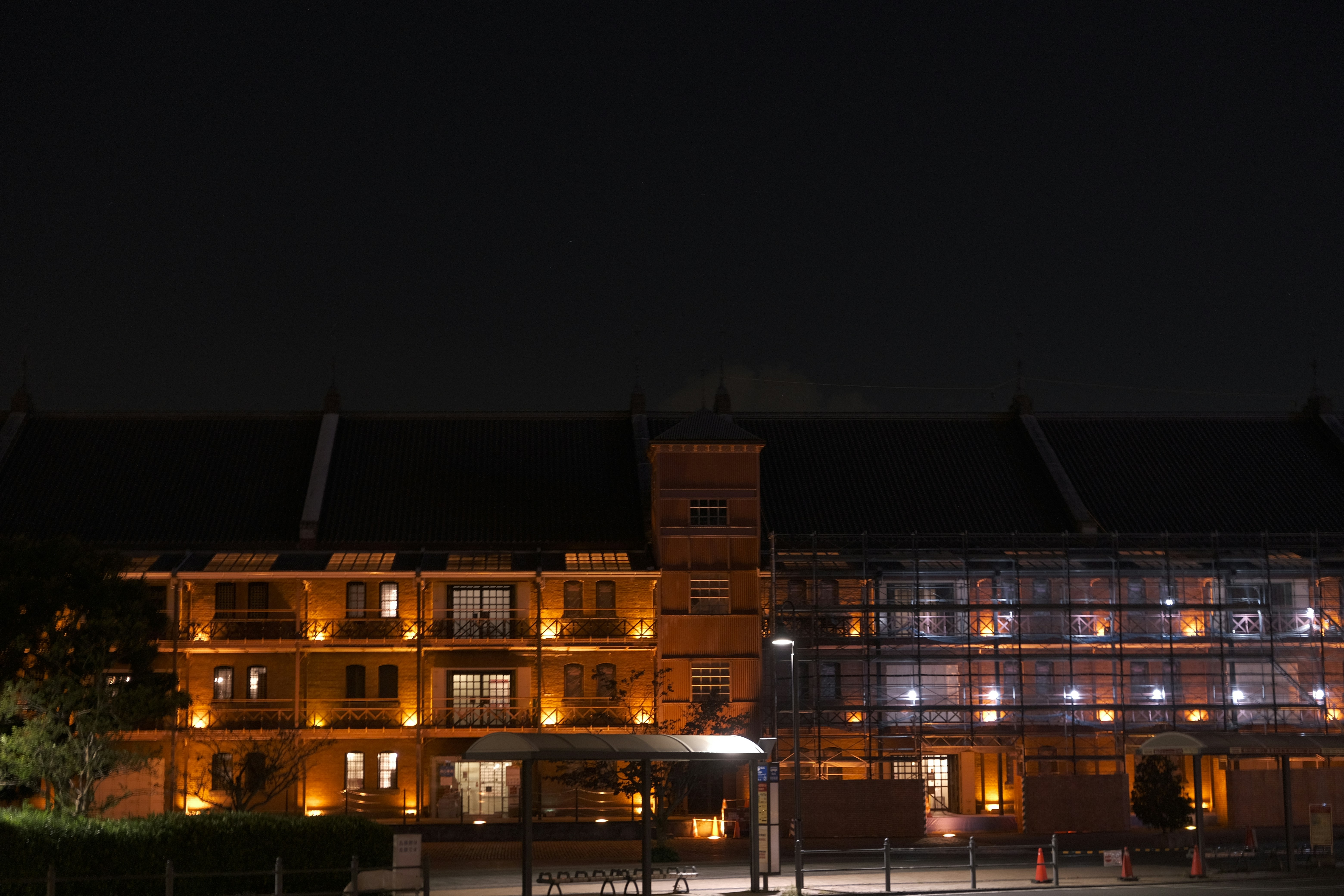
Yokohama, Japan
In 1853, a fleet of four American warships under Commodore Matthew Perry sailed into the bay of Tokyo (then Edo) and presented the reluctant Japanese with the demands of the U.S. government for the opening of diplomatic and commercial relations. The following year Perry returned and first set foot on Japanese soil at Yokohama—then a small fishing village on the mudflats of Tokyo bay. Two years later New York businessman Townsend Harris became America’s first diplomatic representative to Japan. In 1858 he was finally able to negotiate a commercial treaty between the two countries; part of the deal designated four locations—one of them Yokohama—as treaty ports. In 1859 the shogunate created a special settlement in Yokohama for the growing community of merchants, traders, missionaries, and other assorted adventurers drawn to this exotic new land of opportunity. The foreigners (predominantly Chinese and British, plus a few French, Americans, and Dutch) were confined here to a guarded compound about 5 square km (2 square miles)—placed, in effect, in isolation—but not for long. Within a few short years the shogunal government collapsed, and Japan began to modernize. Western ideas were welcomed, as were Western goods, and the little treaty port became Japan’s principal gateway to the outside world. In 1872 Japan’s first railway was built, linking Yokohama and Tokyo. In 1889 Yokohama became a city; by then the population had grown to some 120,000. As the city prospered, so did the international community and by the early 1900s Yokohama was the busiest and most modern center of international trade in all of East Asia. Then Yokohama came tumbling down. On September 1, 1923, the Great Kanto Earthquake devastated the city. The ensuing fires destroyed some 60,000 homes and took more than 40,000 lives. During the six years it took to rebuild the city, many foreign businesses took up quarters elsewhere, primarily in Kobe and Osaka, and did not return. Over the next 20 years Yokohama continued to grow as an industrial center—until May 29, 1945, when in a span of four hours, some 500 American B-29 bombers leveled nearly half the city and left more than half a million people homeless. When the war ended, what remained became—in effect—the center of the Allied occupation. General Douglas MacArthur set up headquarters here, briefly, before moving to Tokyo; the entire port facility and about a quarter of the city remained in the hands of the U.S. military throughout the 1950s. By the 1970s Yokohama was once more rising from the debris; in 1978 it surpassed Osaka as the nation’s second-largest city, and the population is now inching up to the 3.5 million mark. Boosted by Japan’s postwar economic miracle, Yokohama has extended its urban sprawl north to Tokyo and south to Kamakura—in the process creating a whole new subcenter around the Shinkansen Station at Shin-Yokohama. The development of air travel and the competition from other ports have changed the city’s role in Japan’s economy. The great liners that once docked at Yokohama’s piers are now but a memory, kept alive by a museum ship and the occasional visit of a luxury vessel on a Pacific cruise. Modern Large as Yokohama is, the central area is very negotiable. As with any other port city, much of what it has to offer centers on the waterfront—in this case, on the west side of Tokyo Bay. The downtown area is called Kannai (literally, “within the checkpoint”); this is where the international community was originally confined by the shogunate. Though the center of interest has expanded to include the waterfront and Ishikawa-cho, to the south, Kannai remains the heart of town. Think of that heart as two adjacent areas. One is the old district of Kannai, bounded by Basha-michi on the northwest and Nippon-odori on the southeast, the Keihin Tohoku Line tracks on the southwest, and the waterfront on the northeast. This area contains the business offices of modern Yokohama. The other area extends southeast from Nippon-odori to the Moto-machi shopping street and the International Cemetery, bordered by Yamashita Koen and the waterfront to the northeast; in the center is Chinatown, with Ishikawa-cho Station to the southwest. This is the most interesting part of town for tourists. Whether you’re coming from Tokyo, Nagoya, or Kamakura, make Ishikawa-cho Station your starting point. Take the South Exit from the station and head in the direction of the waterfront.
Nagasaki, Japan
Nagasaki city has developed into one of the most important port cities in Japan. During Japan’s period of isolation in the 17th century, Nagasaki played a prominent role in foreign trade relation and only a very few ports were open to restricted numbers of foreign traders. Even though Holland was a major country who conducted trading during this period, Dutch people were only allowed to stay in Dejima Island and were not allowed to have contact with the Japanese people. Today, you will still find the strong influence of Dutch and Chinese culture in the city which is very different from all other cities in Japan. In the more recent history, Nagasaki became the second city after Hiroshima to be destroyed by an atomic bomb towards the end of World War II. From the visit to Atomic bomb museum and peace memorial park, people could understand how chaotic the situation was and the agony that the people in the days have experienced from the damage inflicted by the atomic bomb. It continues to appeal to the world with their wish for world peace.
Busan, South Korea
White-sand city beaches and hot-spring resorts may not be everyone’s first image of Korea, but these are what Koreans flock to Busan for all year. And there are plenty of opportunities for rest, relaxation, retail therapy, and even a touch of glamour every October with the Busan International Film Festival. Busan’s beaches are the big summertime draw but there is plenty to be seen year round. Quintessential experiences include taking some rest and relaxation at a local spa and exploring the Beomeosa temple complex.
Sakaiminato, Japan
Sakaiminato is a small city almost totally surrounded by water: the Sea of Japan to the east, the Sakai Channel to the north and Lake Nakaumi to the west. Across the lake the towns of Matsue and Yasugi offer interesting experiences. Matsue is known as the “Town of Water” next to scenic Lake Shinji and Lake Nakaumi. It has one of the very few wooden castles that still remain in Japan. Touring the castle and boat rides on the Horikawa River and the castle’s moat are popular. Yasugi has the Adachi Museum of Art, a private museum that houses one of the finest collections of contemporary Japanese paintings, but also has a 165,000 square metres garden –with plants and rocks collected by the museum’s founder. Six different gardens show different scenarios depending on the season. These gardens have been selected as “Japan’s best garden” for several years.
Tsuruga, Japan
Toyama, Japan
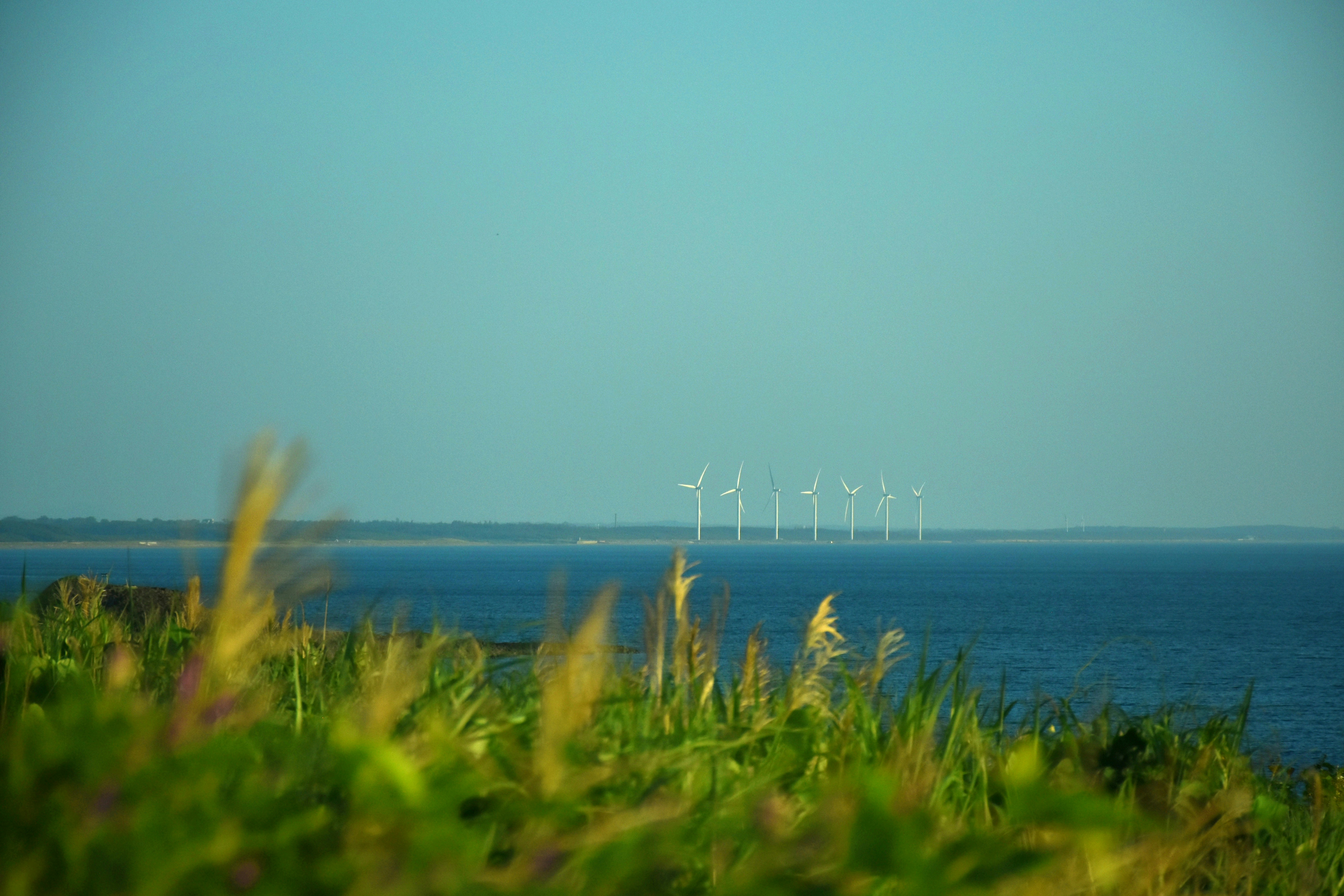
Akita, Japan
Yokohama, Japan
In 1853, a fleet of four American warships under Commodore Matthew Perry sailed into the bay of Tokyo (then Edo) and presented the reluctant Japanese with the demands of the U.S. government for the opening of diplomatic and commercial relations. The following year Perry returned and first set foot on Japanese soil at Yokohama—then a small fishing village on the mudflats of Tokyo bay. Two years later New York businessman Townsend Harris became America’s first diplomatic representative to Japan. In 1858 he was finally able to negotiate a commercial treaty between the two countries; part of the deal designated four locations—one of them Yokohama—as treaty ports. In 1859 the shogunate created a special settlement in Yokohama for the growing community of merchants, traders, missionaries, and other assorted adventurers drawn to this exotic new land of opportunity. The foreigners (predominantly Chinese and British, plus a few French, Americans, and Dutch) were confined here to a guarded compound about 5 square km (2 square miles)—placed, in effect, in isolation—but not for long. Within a few short years the shogunal government collapsed, and Japan began to modernize. Western ideas were welcomed, as were Western goods, and the little treaty port became Japan’s principal gateway to the outside world. In 1872 Japan’s first railway was built, linking Yokohama and Tokyo. In 1889 Yokohama became a city; by then the population had grown to some 120,000. As the city prospered, so did the international community and by the early 1900s Yokohama was the busiest and most modern center of international trade in all of East Asia. Then Yokohama came tumbling down. On September 1, 1923, the Great Kanto Earthquake devastated the city. The ensuing fires destroyed some 60,000 homes and took more than 40,000 lives. During the six years it took to rebuild the city, many foreign businesses took up quarters elsewhere, primarily in Kobe and Osaka, and did not return. Over the next 20 years Yokohama continued to grow as an industrial center—until May 29, 1945, when in a span of four hours, some 500 American B-29 bombers leveled nearly half the city and left more than half a million people homeless. When the war ended, what remained became—in effect—the center of the Allied occupation. General Douglas MacArthur set up headquarters here, briefly, before moving to Tokyo; the entire port facility and about a quarter of the city remained in the hands of the U.S. military throughout the 1950s. By the 1970s Yokohama was once more rising from the debris; in 1978 it surpassed Osaka as the nation’s second-largest city, and the population is now inching up to the 3.5 million mark. Boosted by Japan’s postwar economic miracle, Yokohama has extended its urban sprawl north to Tokyo and south to Kamakura—in the process creating a whole new subcenter around the Shinkansen Station at Shin-Yokohama. The development of air travel and the competition from other ports have changed the city’s role in Japan’s economy. The great liners that once docked at Yokohama’s piers are now but a memory, kept alive by a museum ship and the occasional visit of a luxury vessel on a Pacific cruise. Modern Large as Yokohama is, the central area is very negotiable. As with any other port city, much of what it has to offer centers on the waterfront—in this case, on the west side of Tokyo Bay. The downtown area is called Kannai (literally, “within the checkpoint”); this is where the international community was originally confined by the shogunate. Though the center of interest has expanded to include the waterfront and Ishikawa-cho, to the south, Kannai remains the heart of town. Think of that heart as two adjacent areas. One is the old district of Kannai, bounded by Basha-michi on the northwest and Nippon-odori on the southeast, the Keihin Tohoku Line tracks on the southwest, and the waterfront on the northeast. This area contains the business offices of modern Yokohama. The other area extends southeast from Nippon-odori to the Moto-machi shopping street and the International Cemetery, bordered by Yamashita Koen and the waterfront to the northeast; in the center is Chinatown, with Ishikawa-cho Station to the southwest. This is the most interesting part of town for tourists. Whether you’re coming from Tokyo, Nagoya, or Kamakura, make Ishikawa-cho Station your starting point. Take the South Exit from the station and head in the direction of the waterfront.
Akita, Japan
Yokohama, Japan
In 1853, a fleet of four American warships under Commodore Matthew Perry sailed into the bay of Tokyo (then Edo) and presented the reluctant Japanese with the demands of the U.S. government for the opening of diplomatic and commercial relations. The following year Perry returned and first set foot on Japanese soil at Yokohama—then a small fishing village on the mudflats of Tokyo bay. Two years later New York businessman Townsend Harris became America’s first diplomatic representative to Japan. In 1858 he was finally able to negotiate a commercial treaty between the two countries; part of the deal designated four locations—one of them Yokohama—as treaty ports. In 1859 the shogunate created a special settlement in Yokohama for the growing community of merchants, traders, missionaries, and other assorted adventurers drawn to this exotic new land of opportunity. The foreigners (predominantly Chinese and British, plus a few French, Americans, and Dutch) were confined here to a guarded compound about 5 square km (2 square miles)—placed, in effect, in isolation—but not for long. Within a few short years the shogunal government collapsed, and Japan began to modernize. Western ideas were welcomed, as were Western goods, and the little treaty port became Japan’s principal gateway to the outside world. In 1872 Japan’s first railway was built, linking Yokohama and Tokyo. In 1889 Yokohama became a city; by then the population had grown to some 120,000. As the city prospered, so did the international community and by the early 1900s Yokohama was the busiest and most modern center of international trade in all of East Asia. Then Yokohama came tumbling down. On September 1, 1923, the Great Kanto Earthquake devastated the city. The ensuing fires destroyed some 60,000 homes and took more than 40,000 lives. During the six years it took to rebuild the city, many foreign businesses took up quarters elsewhere, primarily in Kobe and Osaka, and did not return. Over the next 20 years Yokohama continued to grow as an industrial center—until May 29, 1945, when in a span of four hours, some 500 American B-29 bombers leveled nearly half the city and left more than half a million people homeless. When the war ended, what remained became—in effect—the center of the Allied occupation. General Douglas MacArthur set up headquarters here, briefly, before moving to Tokyo; the entire port facility and about a quarter of the city remained in the hands of the U.S. military throughout the 1950s. By the 1970s Yokohama was once more rising from the debris; in 1978 it surpassed Osaka as the nation’s second-largest city, and the population is now inching up to the 3.5 million mark. Boosted by Japan’s postwar economic miracle, Yokohama has extended its urban sprawl north to Tokyo and south to Kamakura—in the process creating a whole new subcenter around the Shinkansen Station at Shin-Yokohama. The development of air travel and the competition from other ports have changed the city’s role in Japan’s economy. The great liners that once docked at Yokohama’s piers are now but a memory, kept alive by a museum ship and the occasional visit of a luxury vessel on a Pacific cruise. Modern Large as Yokohama is, the central area is very negotiable. As with any other port city, much of what it has to offer centers on the waterfront—in this case, on the west side of Tokyo Bay. The downtown area is called Kannai (literally, “within the checkpoint”); this is where the international community was originally confined by the shogunate. Though the center of interest has expanded to include the waterfront and Ishikawa-cho, to the south, Kannai remains the heart of town. Think of that heart as two adjacent areas. One is the old district of Kannai, bounded by Basha-michi on the northwest and Nippon-odori on the southeast, the Keihin Tohoku Line tracks on the southwest, and the waterfront on the northeast. This area contains the business offices of modern Yokohama. The other area extends southeast from Nippon-odori to the Moto-machi shopping street and the International Cemetery, bordered by Yamashita Koen and the waterfront to the northeast; in the center is Chinatown, with Ishikawa-cho Station to the southwest. This is the most interesting part of town for tourists. Whether you’re coming from Tokyo, Nagoya, or Kamakura, make Ishikawa-cho Station your starting point. Take the South Exit from the station and head in the direction of the waterfront.
Cabin Options
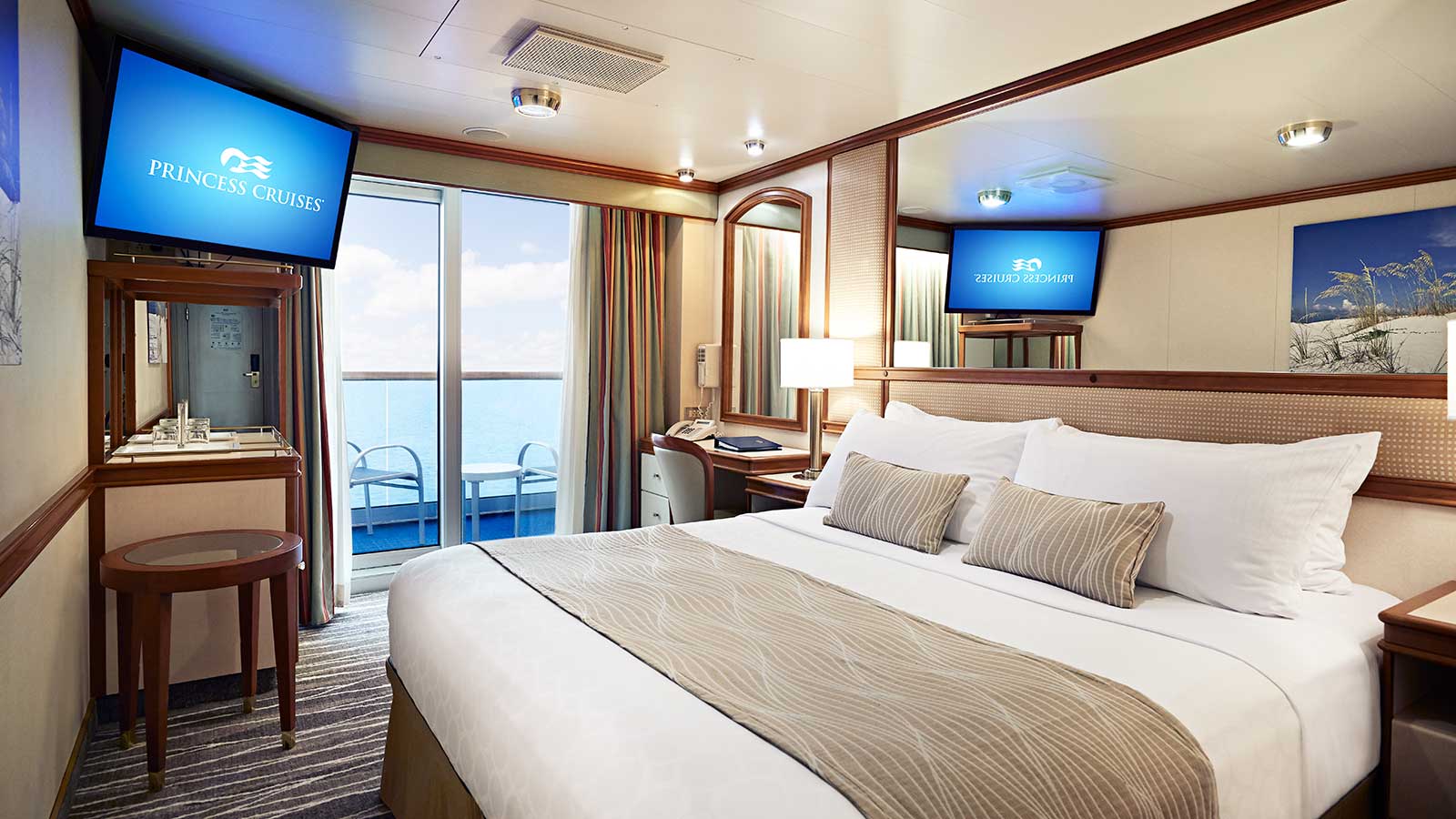
Balcony
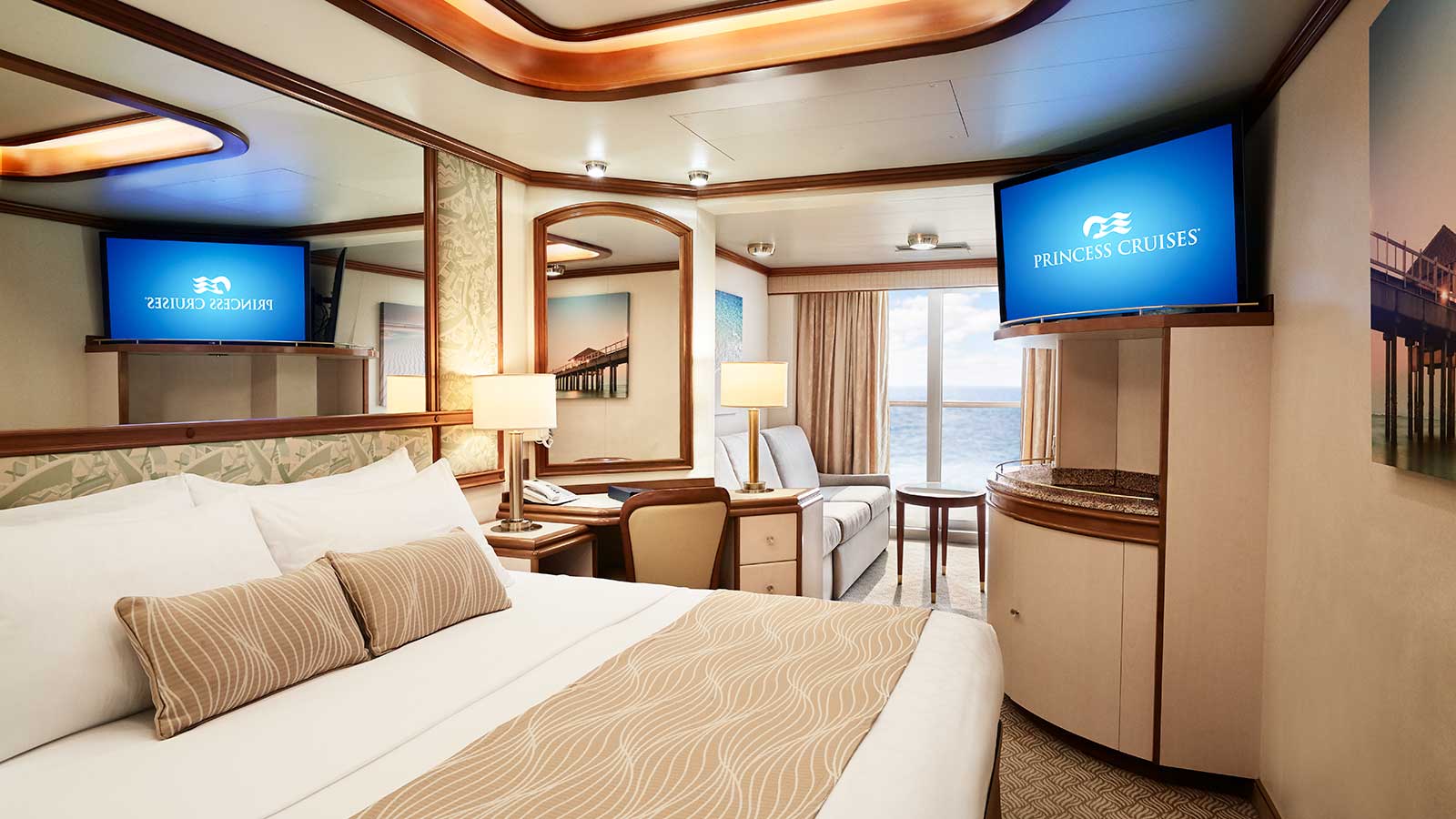
Mini-Suite
Reserve Collection
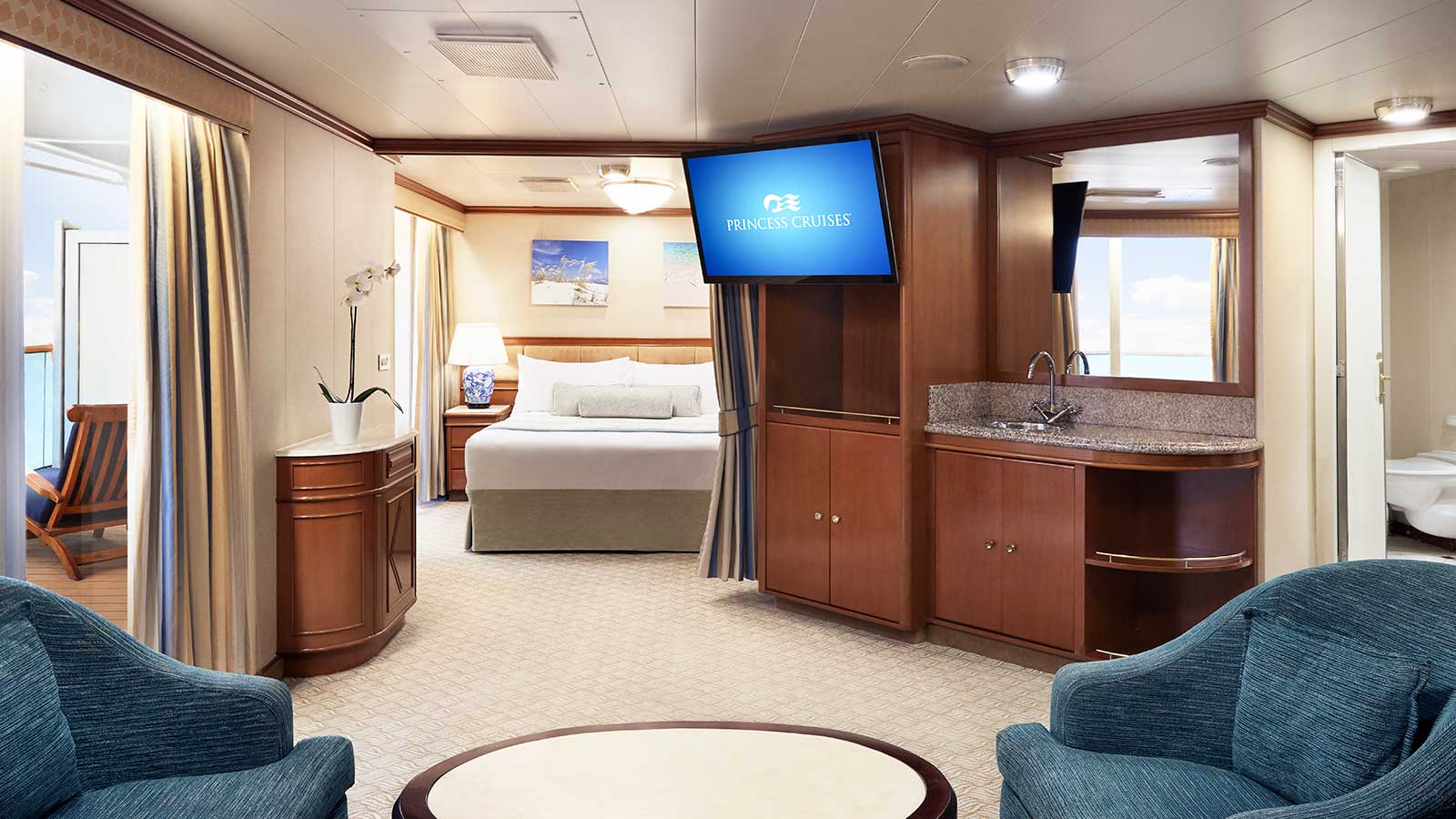
Suite
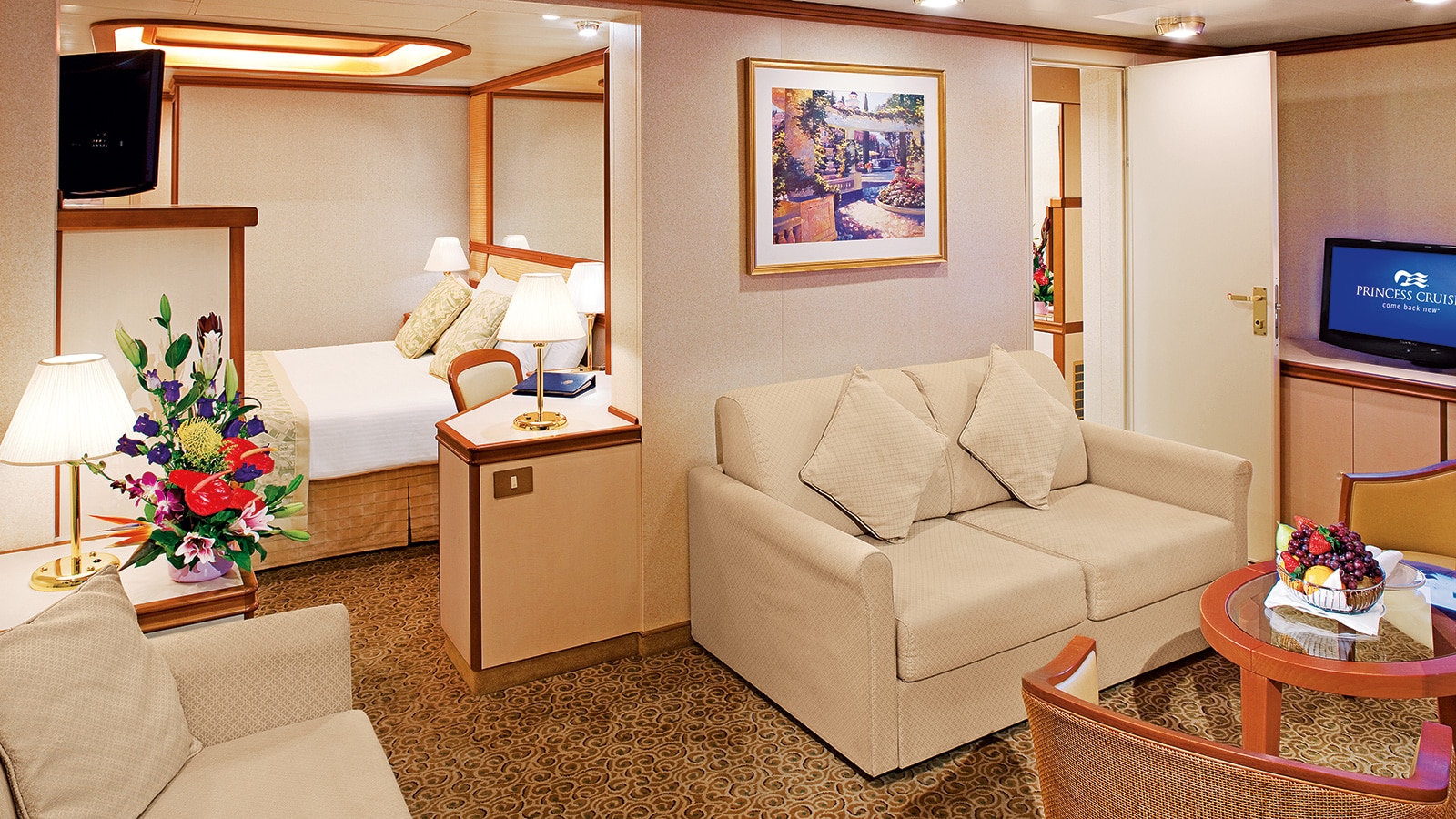
Two Bedroom Family Suite
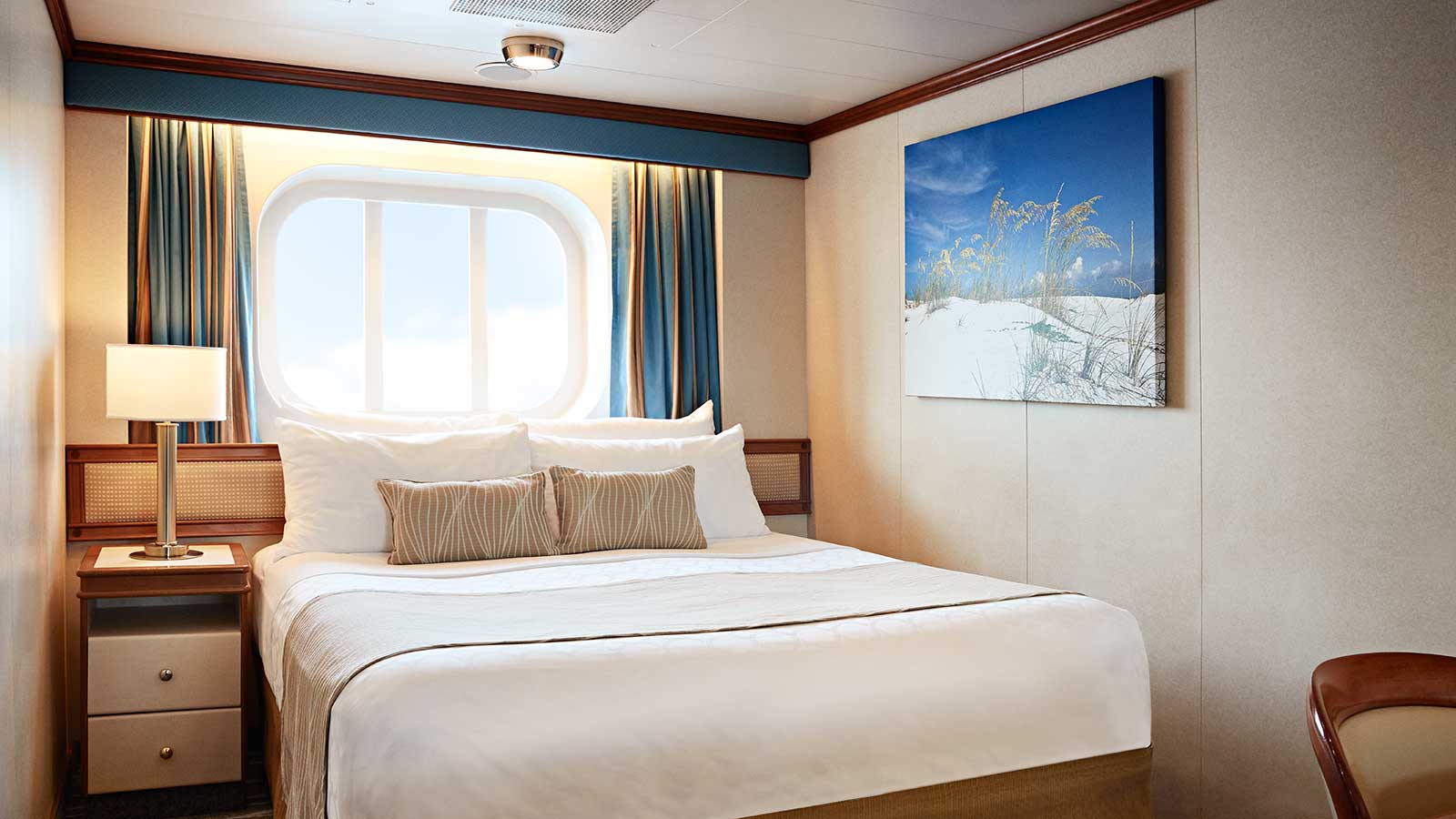
Oceanview
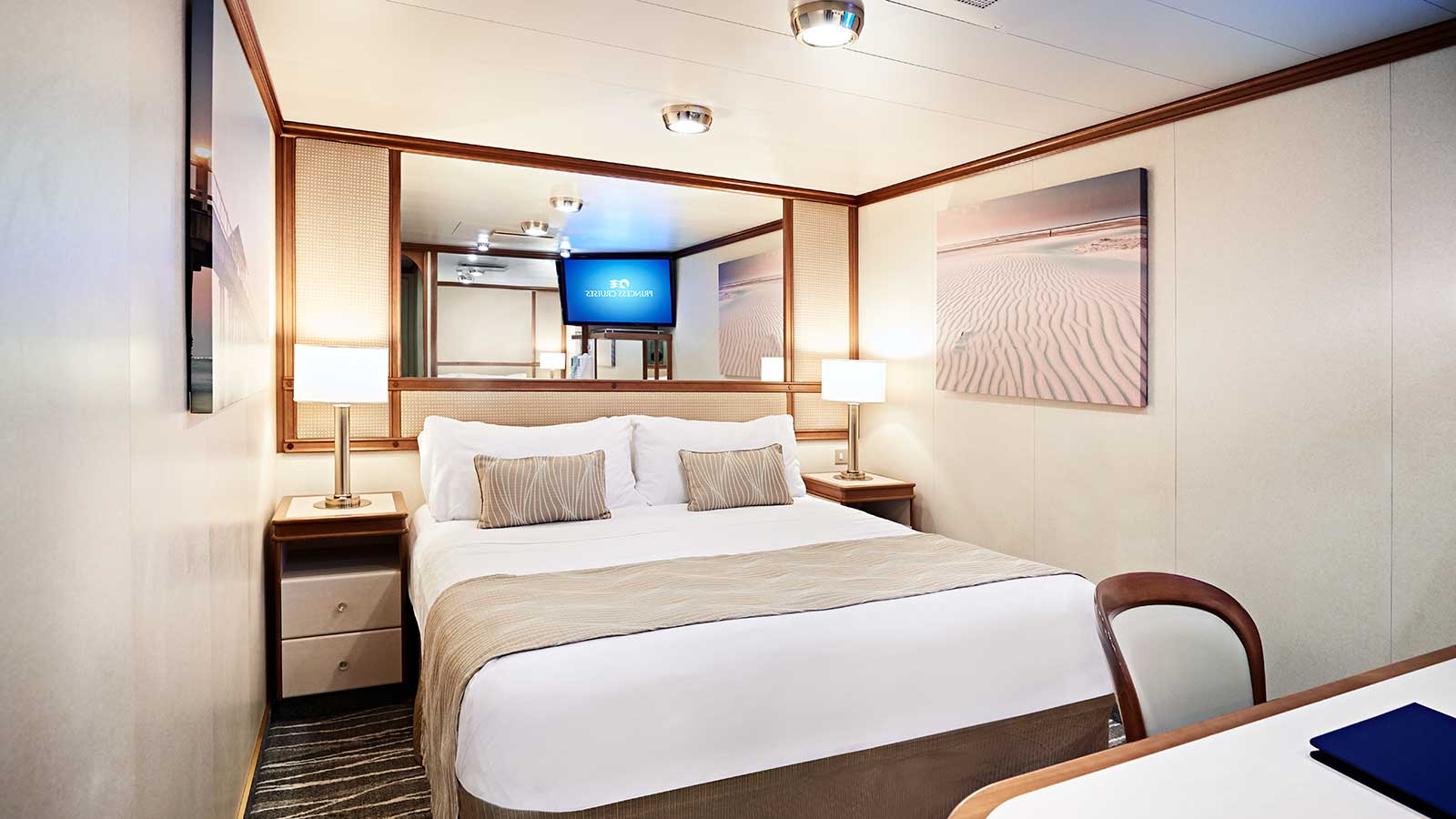
Interior
Ship Facilities
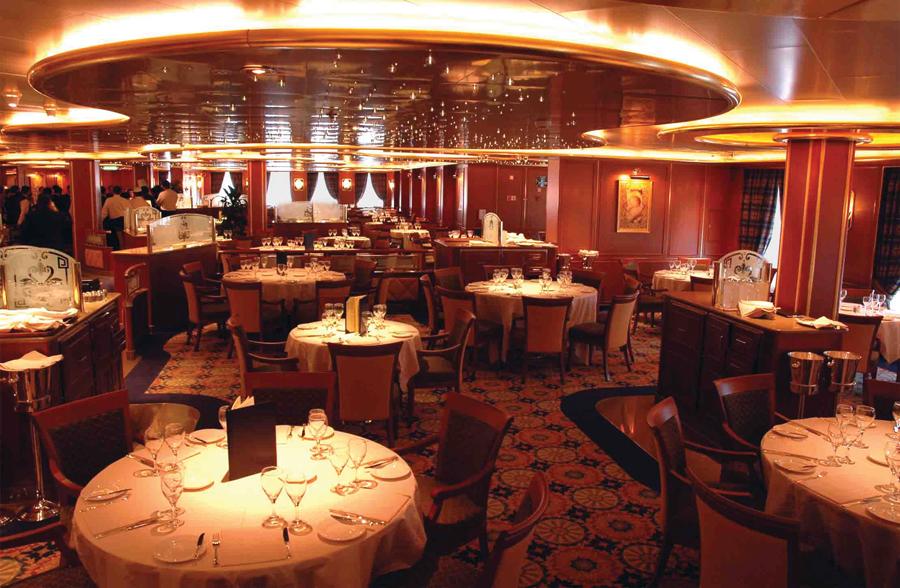
International Dining Room
For guests who prefer the traditional cruise ship dining experience, the ship offers a main dining room option in which they can enjoy having the same dining time, waiter and table mates each evening.
The International Dining Room on the 6th Deck serves open seating breakfast and lunch and traditional seating for dinner.
Open from around 7am to 9am for waiter served breakfast and 12 to 1.30pm on sea days for lunch, dinner seating is either 5.30pm or 8pm.
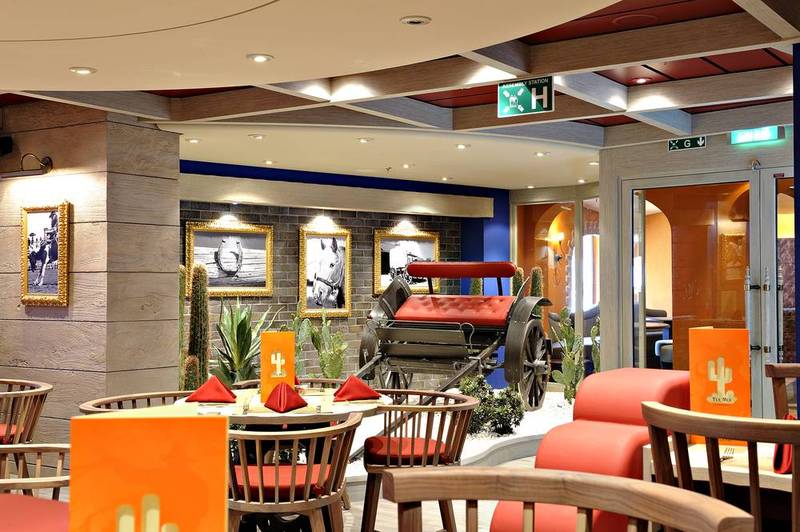
Santa Fe Dining Room
The Santa Fe Dining room is open for anytime dining at dinner time between 5.30pm and 10pm.
Santa Fe’s speciality is chicken or steak fajitas.
The option of an ‘always available menu’ is also provided including steaks, chicken breast and salmon, along with healthy options.
The Santa Fe Dining Room is on the 6th Deck of the Diamond Princess.
Vivaldi Dining Room
The Vivaldi Dining Room is open for traditional dining at 5.30pm or anytime dining between 8pm and 10pm.
The Vivaldi Dining Room is on the 5th Deck of the Diamond Princess.
The menu for all the main dining rooms serve the same four course dinner options with set choices with the exception of one speciality dish specific to each room.
The option of an ‘always available menu’ is also provided including steaks, chicken breast and salmon, along with Lotus Spa healthy options.
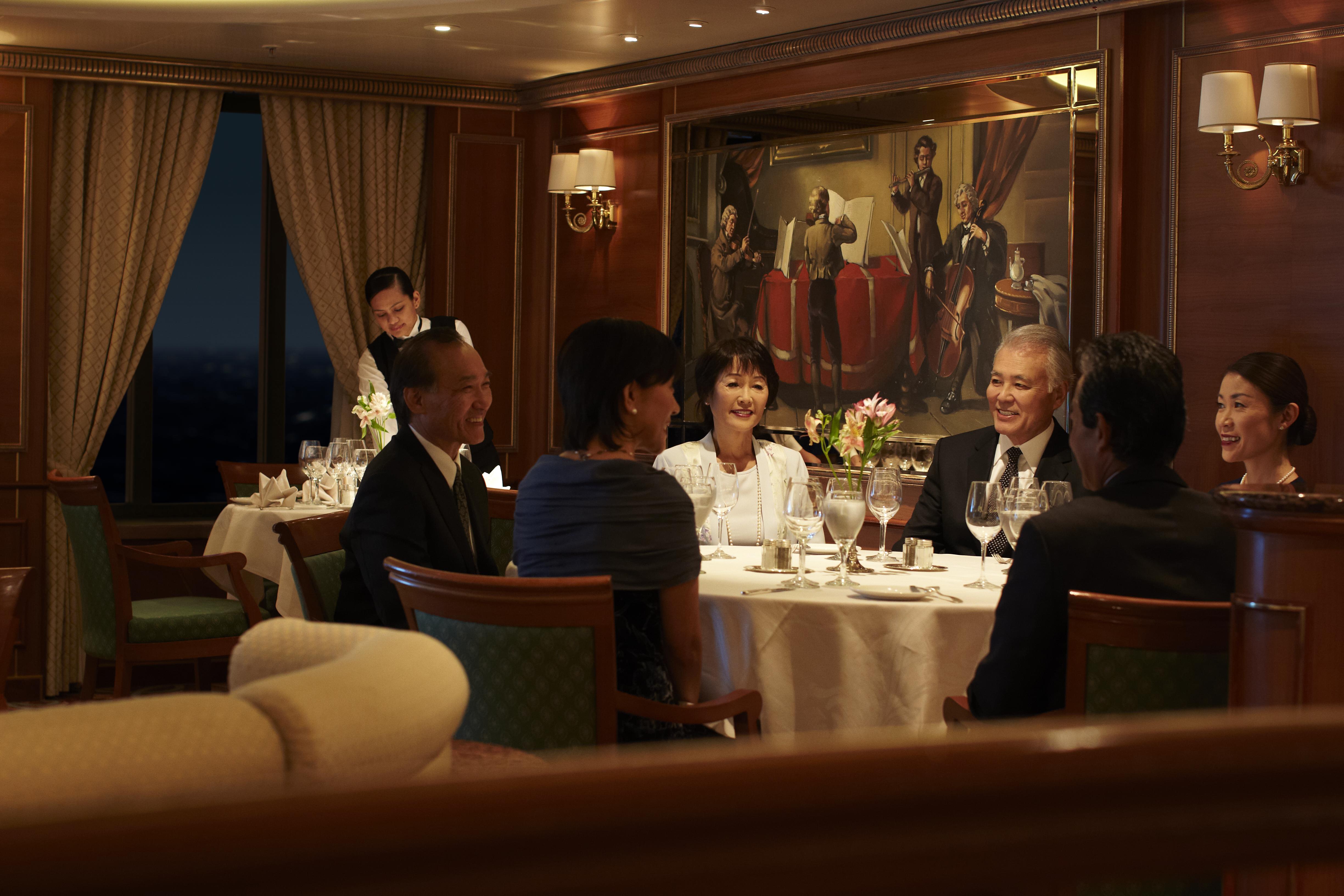
Horizon Court
Our World Fresh Marketplace menu is offered in Horizon Court. Enjoy an endless selection that changes throughout the day to satisfy the most discriminating palate. Indulge in a delightful array of worldwide cuisine, freshly baked breads and regional comfort foods, in a casual setting at breakfast, lunch or dinner. Enjoy fresh fruits, signature pastas and desserts galore along with your favourite beverages and customisable features like create-your-own salads and sandwiches.
Beverage charges apply. Venues and menu items vary by ship and are subject to change.
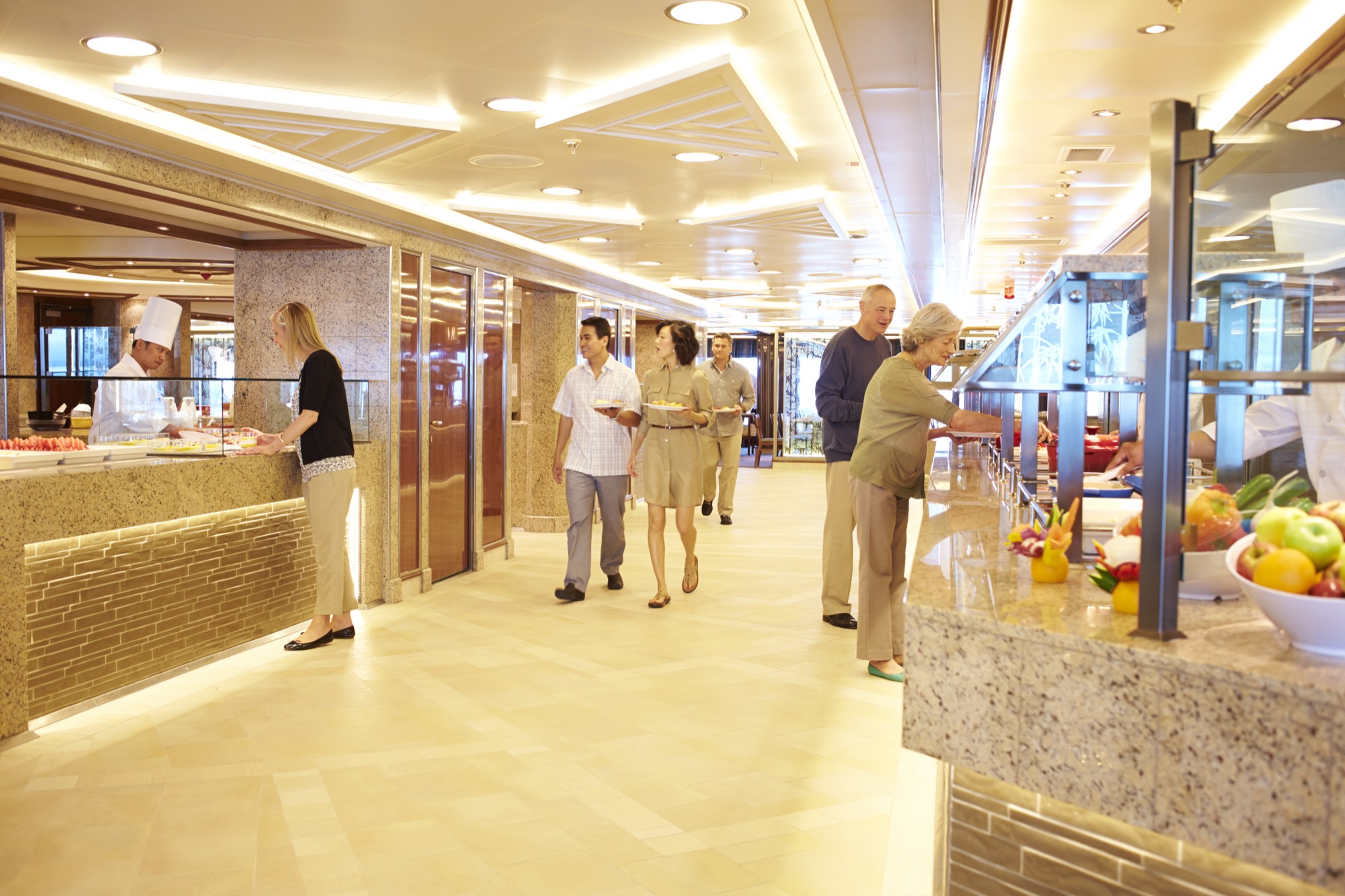
Pacific Moon & Savoy Dining Rooms
The Savoy Dining Room on the Diamond Princess is one of the dining rooms open on certain days for lunch serving a traditional British pub style lunch, and for anytime dining at dinner time between 5.30pm and 10pm.
The British style pub lunch is served between 11.30am and 2pm and includes classics such as steak and kidney pie and bangers and mash with bread and butter pudding for dessert and a selection of drinks ranging from Bass and Guinness to Strongbow cider.
The Pacific Moon Dining Room on the ship is open for afternoon tea from 3.30pm to 4.30pm and anytime dining at dinner time between 5.30pm and 10pm.
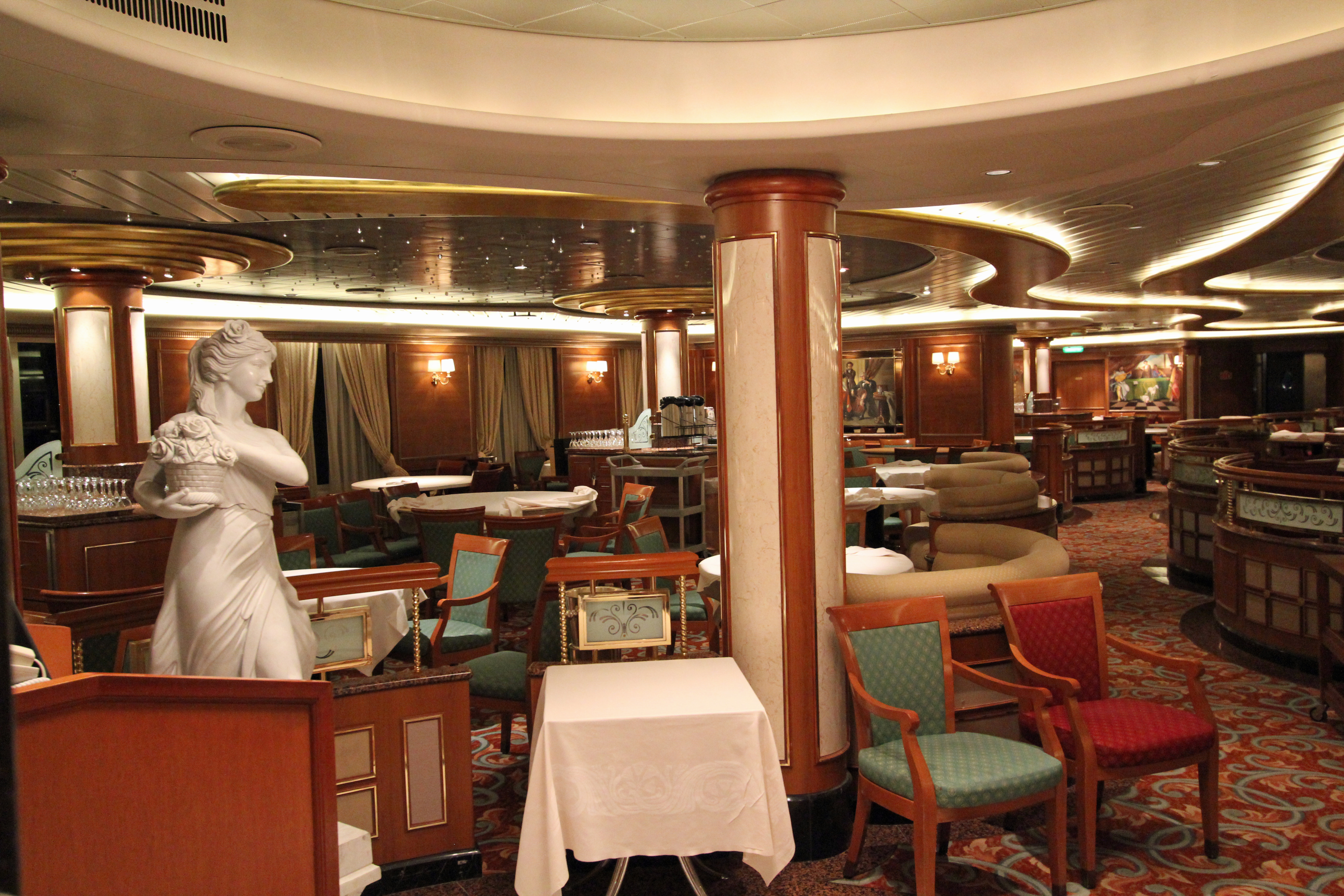
Sabatini's℠
Our Italian speciality restaurant has been voted one of the “Best Cruise Ship Speciality Restaurants” at sea by USA TODAY. Savour Sabatini’s authentic offerings featuring signature pastas, Italian wines and an irresistible selection of delectable desserts, all celebrating our Italian culinary heritage.
Additional charges apply. Menu items may vary by ship and are subject to change.
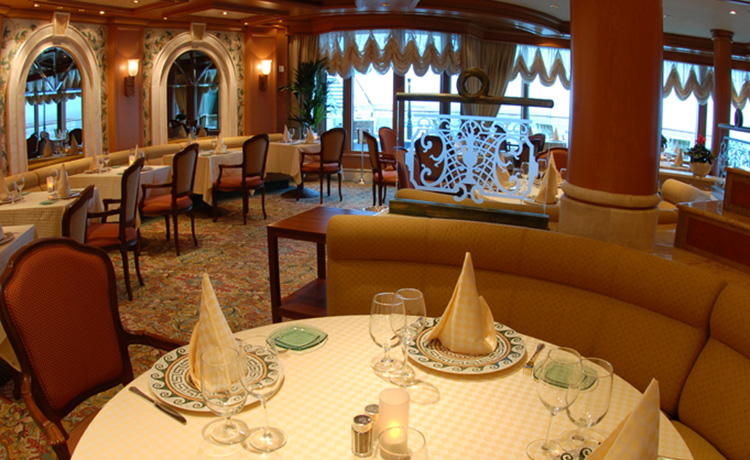
Chef's Table Experience
Taking dining to a new level, the Chef’s Table Experience includes pre-dinner cocktails and hors d’oeuvres in the galley for you and a limited number of fellow guests. After your executive chef describes the specially designed menu for the night, participants are escorted to an intimate table for the main course, including pairing suggestions. Each couple receives a personalised autographed copy of Princess’ best-selling cookbook, a handwritten copy of the special menu and a complimentary photo.
Limited capacity, reservations required. Additional charge applies.
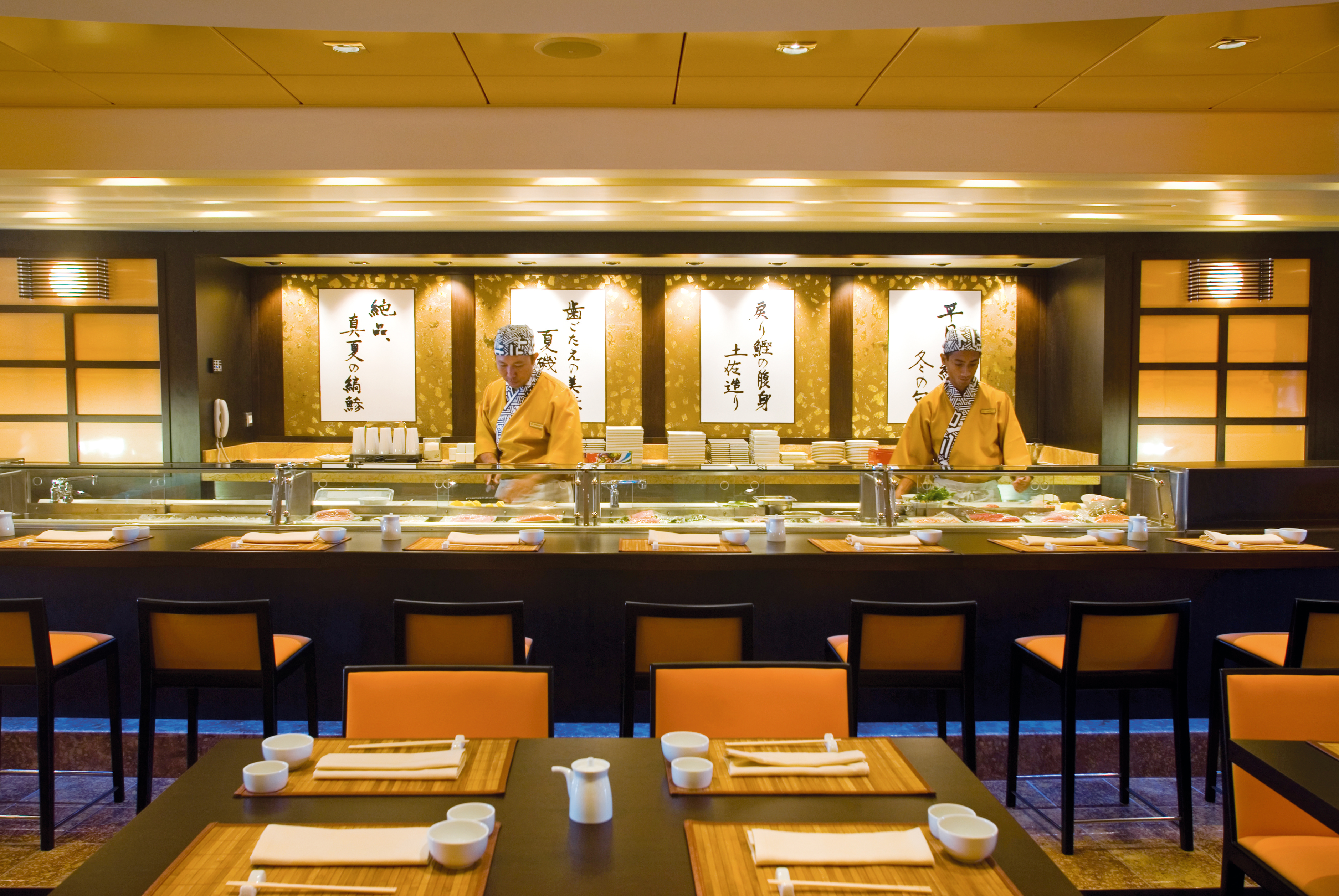
Kai Sushi
An exquisitely decorated traditional sushi bar, serving up sushi and sashimi expertly prepared before your eyes. Dine at the sushi bar or enjoy an elegant restaurant experience.
Additional charge applies.
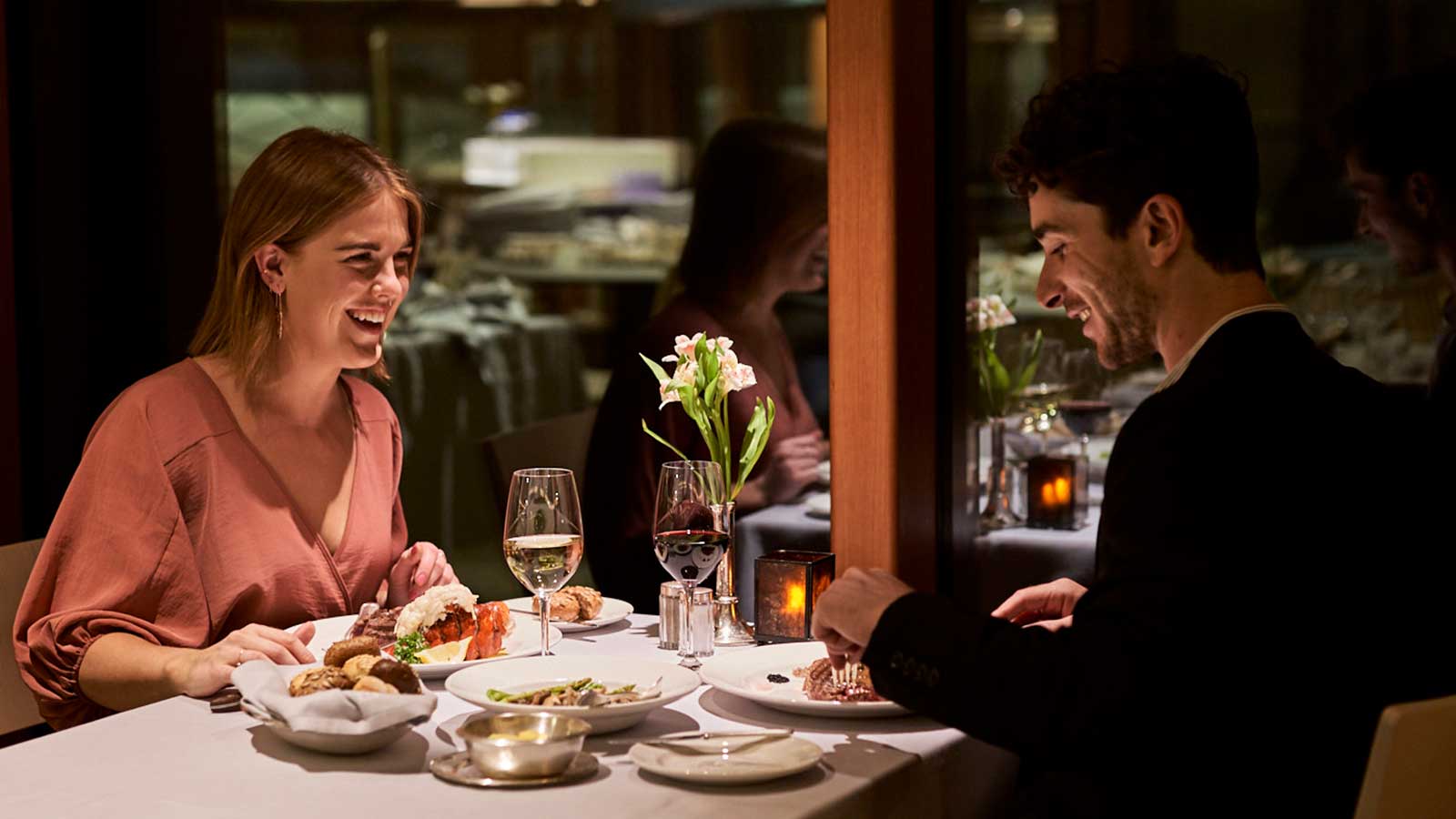
Sterling Steakhouse℠
Additional charges apply. Menu items may vary by ship and are subject to change.
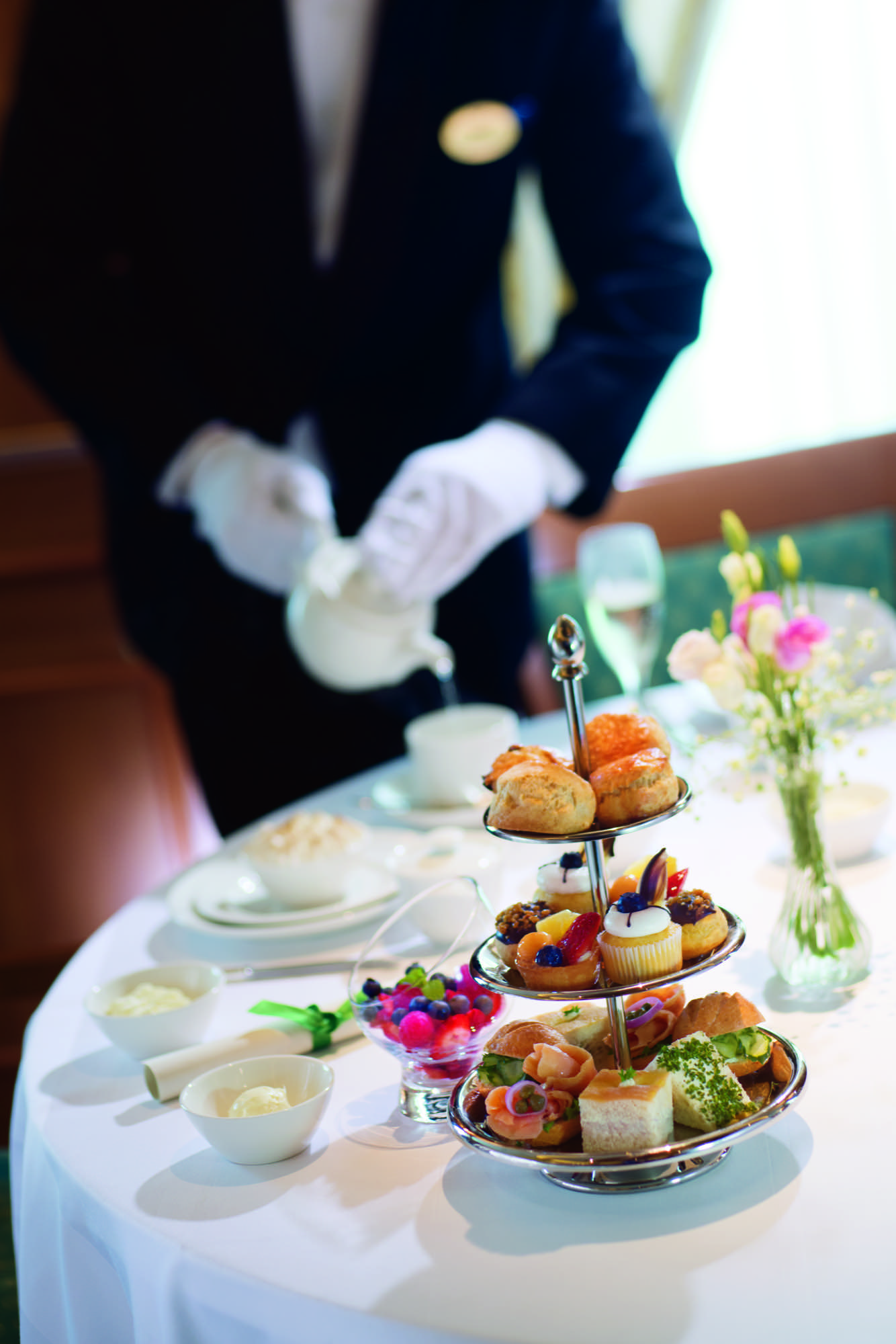
Afternoon Tea
All ships offer Princess’ trademark British-style afternoon tea daily, complete with tablecloths, gleaming Samovars, easy listening music in the background, and tea boxes for herbal and speciality teas. Guests can enjoy freshly prepared finger sandwiches, cookies, biscuits and cakes served by white-gloved waiters in smart, formal attire.
Tea service can also be enjoyed al fresco on the Promenade Deck as waiters stroll the deck with a fully stocked tea cart.
Ultimate Balcony Dining
Choose a luxurious breakfast or experience the “ultimate” romantic dinner at sea: a sumptuous multi-course meal, including succulent lobster tail and juicy steak, your beverage of choice, hors d’oeuvres, all served right on the privacy of your own balcony by our dedicated waitstaff. Treat yourself to this unparalleled indulgence and savour food, views and memories that will never be forgotten.
Additional charges apply.
Room Service
From Breakfast in Bed to a Late-Night Snack
We offer 24-hour complimentary room service when you want to enjoy a quiet moment in your cabin eating a delicious club sandwich or maybe that slice of chocolate fudge cake you can’t forget. Treat yourself to breakfast in bed, or stay in for an intimate dinner, and perhaps even cocktails, in the comfort of your stateroom. 24-hour room service is just a phone call away.
Charges apply on select menu items.
La Patisserie
Trident Grill
Prego Pizzeria
Chocolate Journeys℠
Indulge Your Chocolate Fantasies
There are few foods that inspire as much passion as chocolate. Our pastry chefs channeled their love of chocolate into handcrafted treats designed exclusively for our Chocolate Journeys℠ programme. These sweet creations combine premium quality chocolate with unique flavours and artful designs and can be found throughout the ship.
Dine My Way℠
Dine When, How and Where You Like
With this new offering, you can customise every aspect of mealtime. Make reservations for the main dining room or speciality restaurants at your preferred time each day. Fit in a formal dinner before a show, or order food and drinks to your poolside perch with OceanNow®. The choice really is up to you.
Explorer's Lounge
Explorers Lounge on the 7th Deck is Diamond Princess’ second entertainment venue with its own dance floor, bar serving wine and cocktails and stage.
Entertainment on offer ranges from trivia quizzes during the day to comedians, live bands and themed nights in the evening.
Wheelhouse Bar
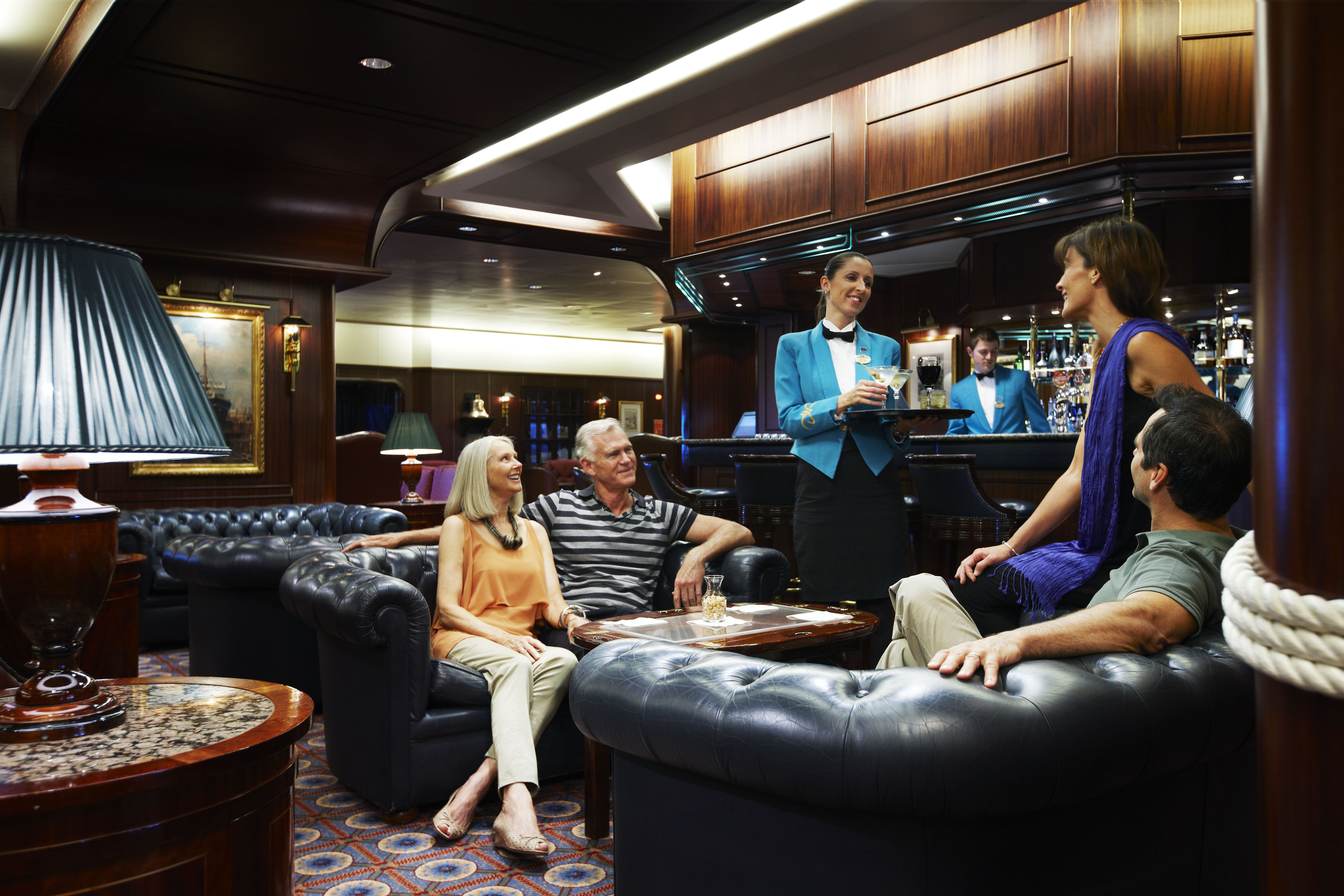
The Wheelhouse bar, located on the 7th Deck outside the theatre, serves premium beers, wines and spirits and is decorated in the style of a gentleman’s club with leather armchairs and nautical artefacts.
It has its own dance floor, bar and stage where live music is played from.
Crooners Bar
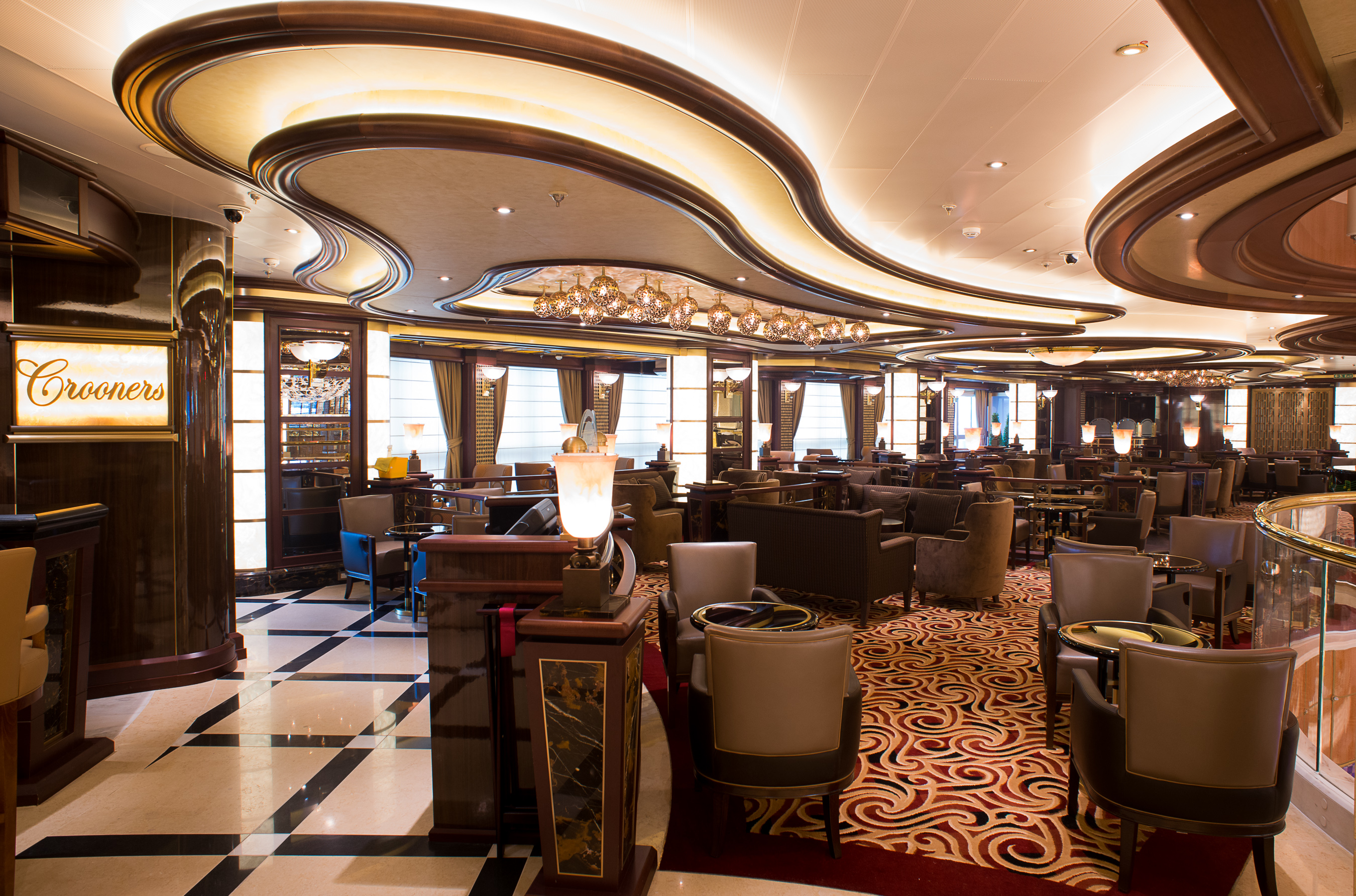
The Crooners Lounge and Bar, located midship on deck 7 opens from 1pm onwards and is reminiscent of a classic Martini bar.
Evening entertainment features live piano music with requests and name that tune elements. Here they also offer an enticing menu of 75 martinis, plus entertainers at spectacular duelling glass pianos.
Princess Theatre
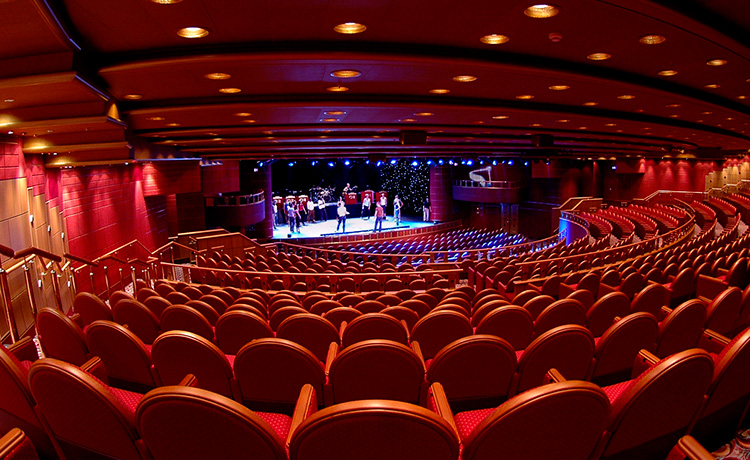
With dazzling stage sets, artists from around the globe, modern hits and timeless classics, the Princess Theatre, our largest theatre yet, showcases lavish, original productions with dynamic cast members in sumptuous surroundings. In this ultramodern theatre, relax in a plush seat with unobstructed sight lines as the velvet curtain goes up, a state-of-the-art lighting system illuminates the stage, and it’s on with the show!
Movies Under The Stars
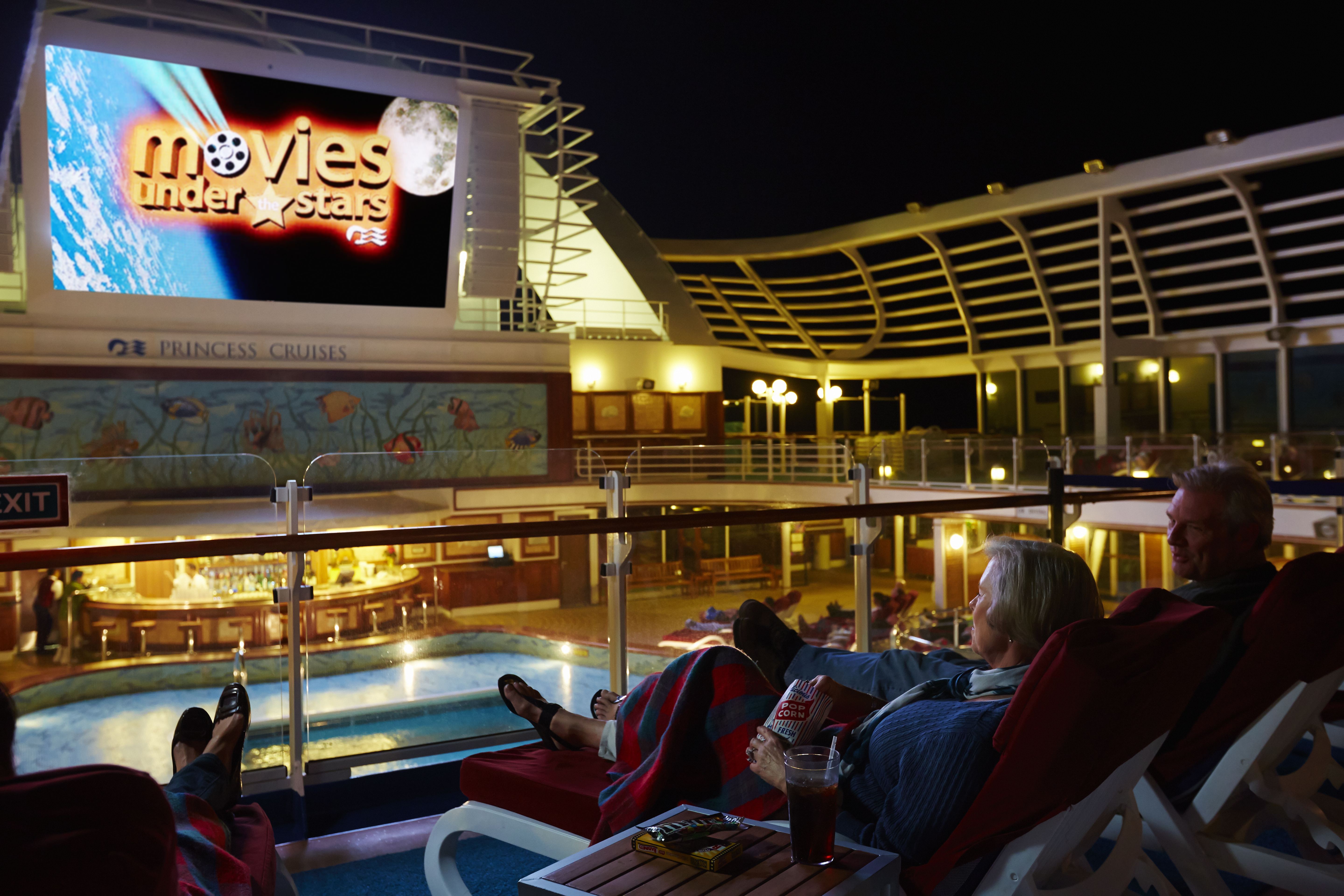
Throughout the day and night, our exclusive open-air poolside amphitheater is the go-to destination for feature films, thrilling concerts and exciting sporting events such as live football games. Cozy up under a fleece blanket in the comfortable lounger and feast on complimentary fresh-popped popcorn in the evening or delicious cookies and milk during the day, and enjoy that exciting car chase or mystery thriller on the giant screen.
Vegas Style Casino
From gaming lessons to the latest slot machines to prize tournaments, our Casinos offer fun and excitement. If you enjoy blackjack, or “21,” and Texas Hold ‘Em, our tables play by Vegas rules and if you relish the challenge of roulette, we offer the American version.
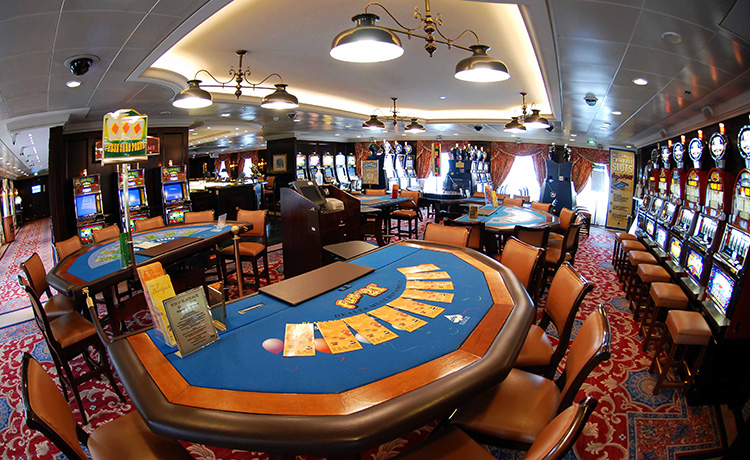
Skywalkers Nightclub
Hot music and cool cocktails set to a DJ spinning popular club tunes is the ideal setting for a night of dancing. Gleaming, ultra modern and ultra cool, this hot spot invites a little stargazing while the colourful neon dance floor invites everyone to get up and boogie down. Boasting panoramic views from its vantage point 15 decks above the sea, it’s the perfect place for dancing and socialising.
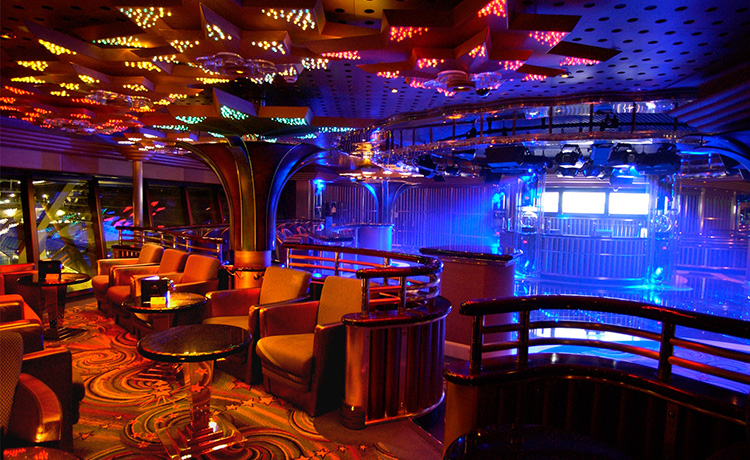
Club Fusion
When the sun goes down and the moon comes up, it’s time to get your feet movin’ and your heart pumpin’ at Club Fusion. A little eclectic and a whole lot of fun, the dance floor lights and booming sound system invite you to get up and show off your moves and grooves. Karaoke contests, live performances and theme-parties like “60s British Invasion” are just a few of the nightly events that will have you on your feet.
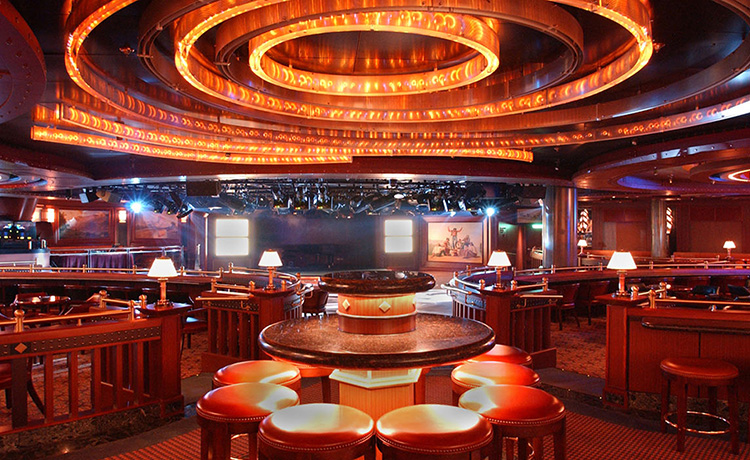
Churchills
Smoking a cigar doesn’t have to be a reminder of another era — at Churchill’s you can puff on your favourite stogie among like-minded aficionados. Churchill’s is a hidden gem where the cozy, pub-like atmosphere invites cigar and cigarette smokers to sit down with a refreshing drink, their favourite smoke and enjoy the evening. Located near the casino, the comfortable lounge is decked out with humidors and high quality cigars for sale.
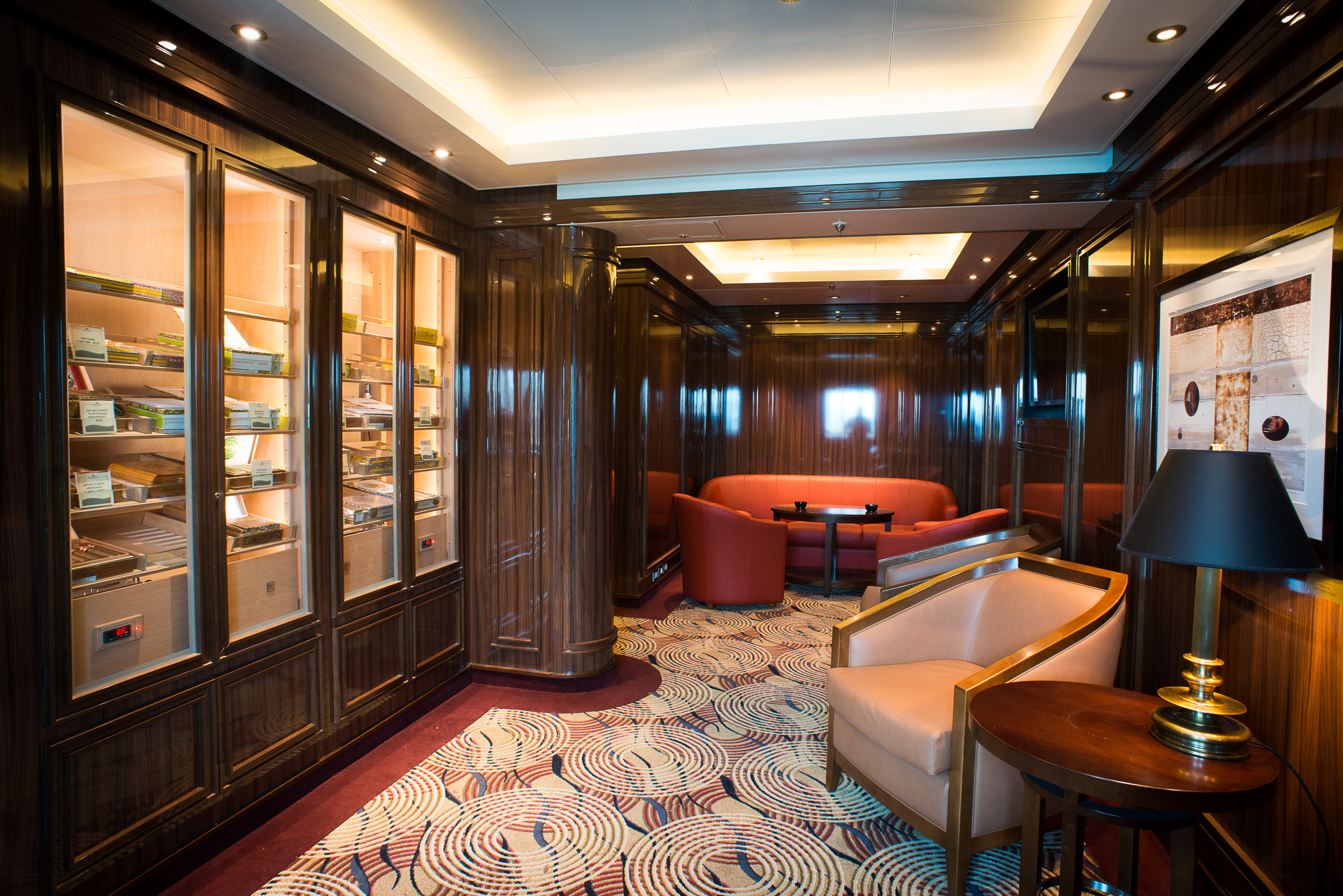
Internet Café & Library
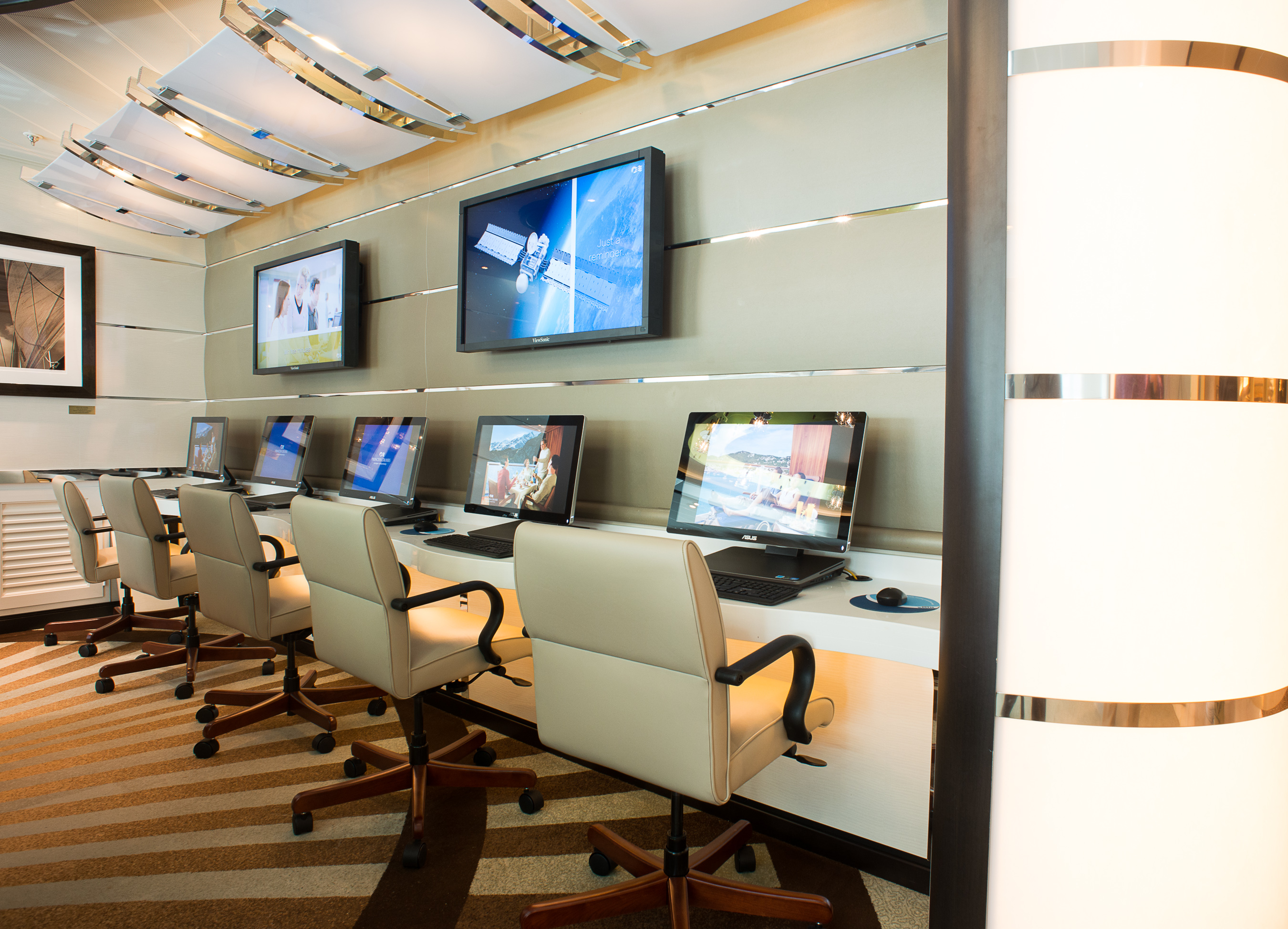
Our Internet Café is filled with computers so it’s easy to access your mail account or browse the Internet for world news, sports and stock trading. Or bring your own electronic devices and access the Internet through our improved onboard wireless service. The Internet Café is open 24 hours a day. For those looking to absorb more traditional media, our onboard library is fully stocked with up to 2,000 books, many specifically tailored to your itinerary as well as the classics and best sellers.
The Shops of Princess
It’s no surprise The Shops are awarded “Best Onboard Shopping” from Porthole magazine year after year. On board, you’ll find a fabulous range of fine merchandise from brands like Swarovski, Chanel, Estée Lauder, Clinique, Lancôme, Calvin Klein, Citizen and Tissot, plus local crafts, keepsakes and souvenirs. And everyday tax- and duty-free savings can add up to as much as 30% off suggested U.S. retail prices.
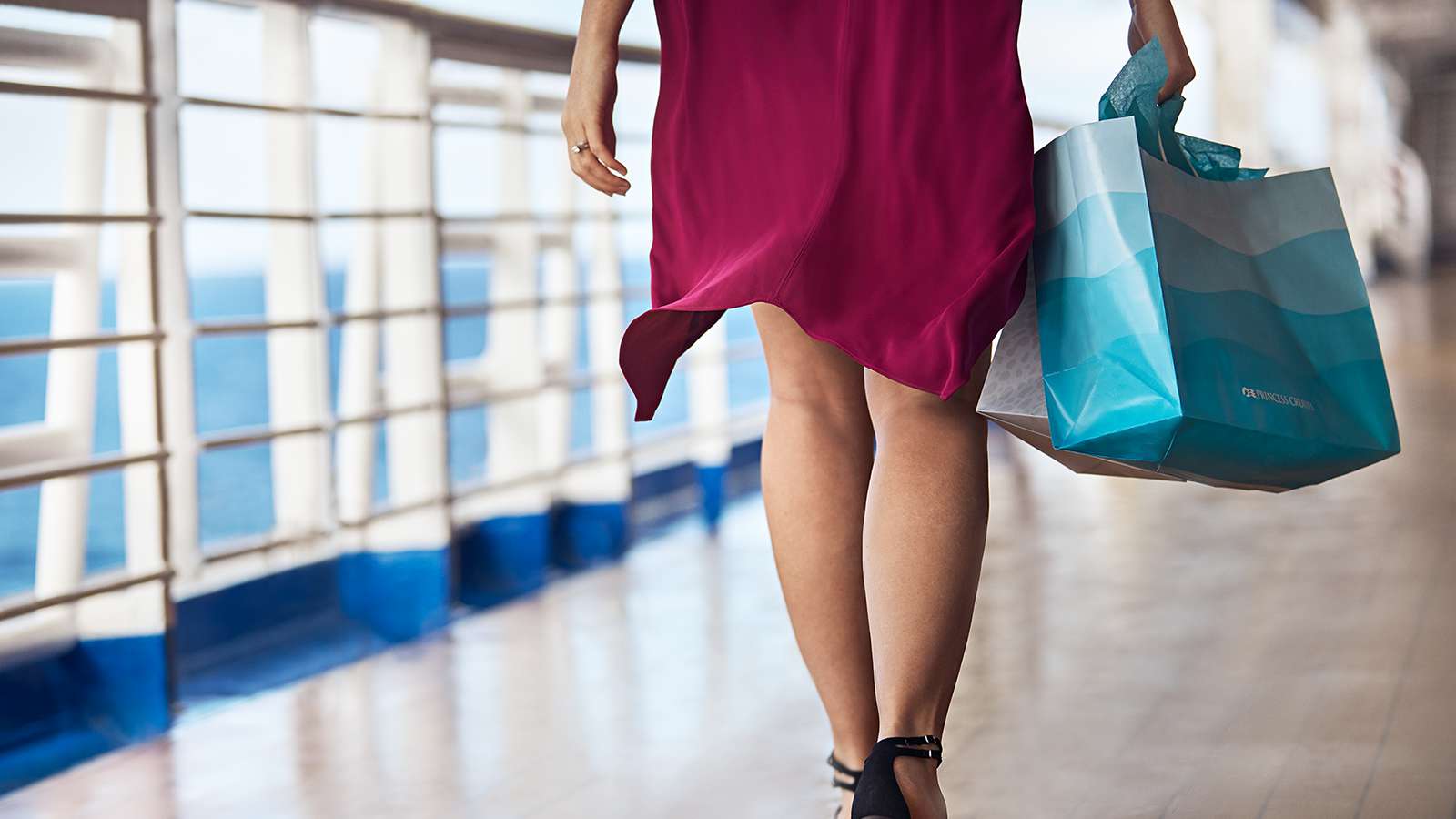
Photo Gallery
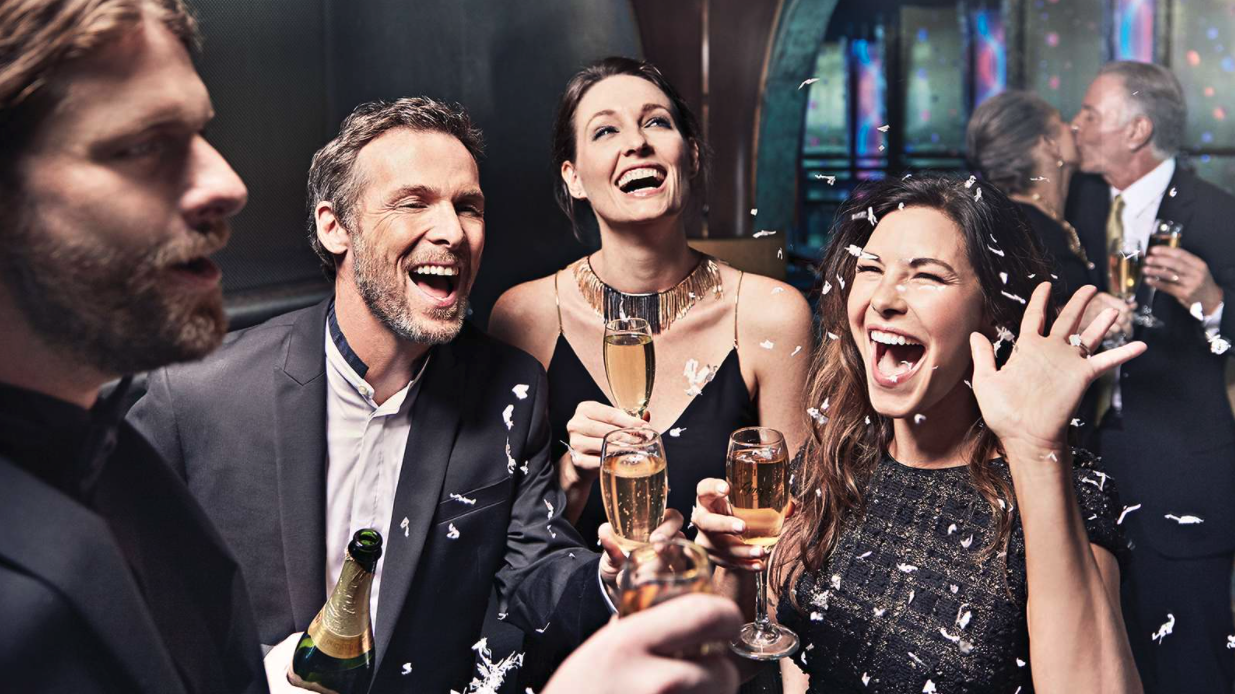
Our staff of digital photographers helps capture the highlights of your cruise including onboard events, ports and scenery for lasting memories of your trip. Our studio locations are set up in the Atrium each evening and all formal and casual portraits are on display in the gallery the following day. Please ask our staff about portrait packages, reprints and canvas reproductions of your favourite photos!
Pool Bars
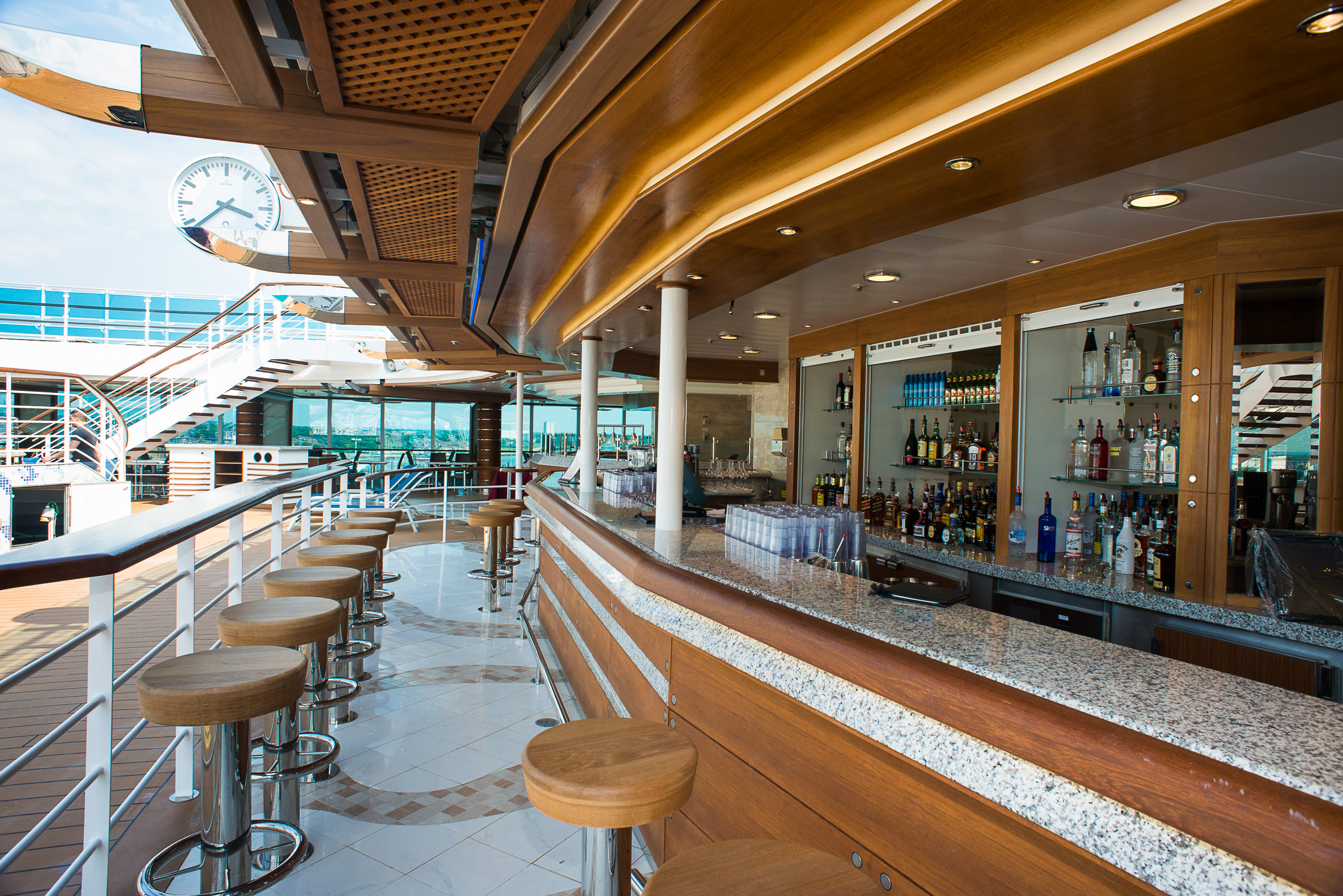
The Mermaids Tail bar serves the Neptune pool area and is located forward of the 14th Deck.
It also sells a small selection of sweets and chocolates, for guests to purchase whilst watching the movies under the stars at night on the large overhead TV screen.
The Oasis Bar serves the Sports Deck (16) and is located aft of the deck in between the two hot tubs.
Outrigger Bar is an outside bar aft of the 14th Deck serving the Horizon Terrace sundeck and pool below.
Calypso Bar serves the Calypso pool midship on the 14th Deck also.
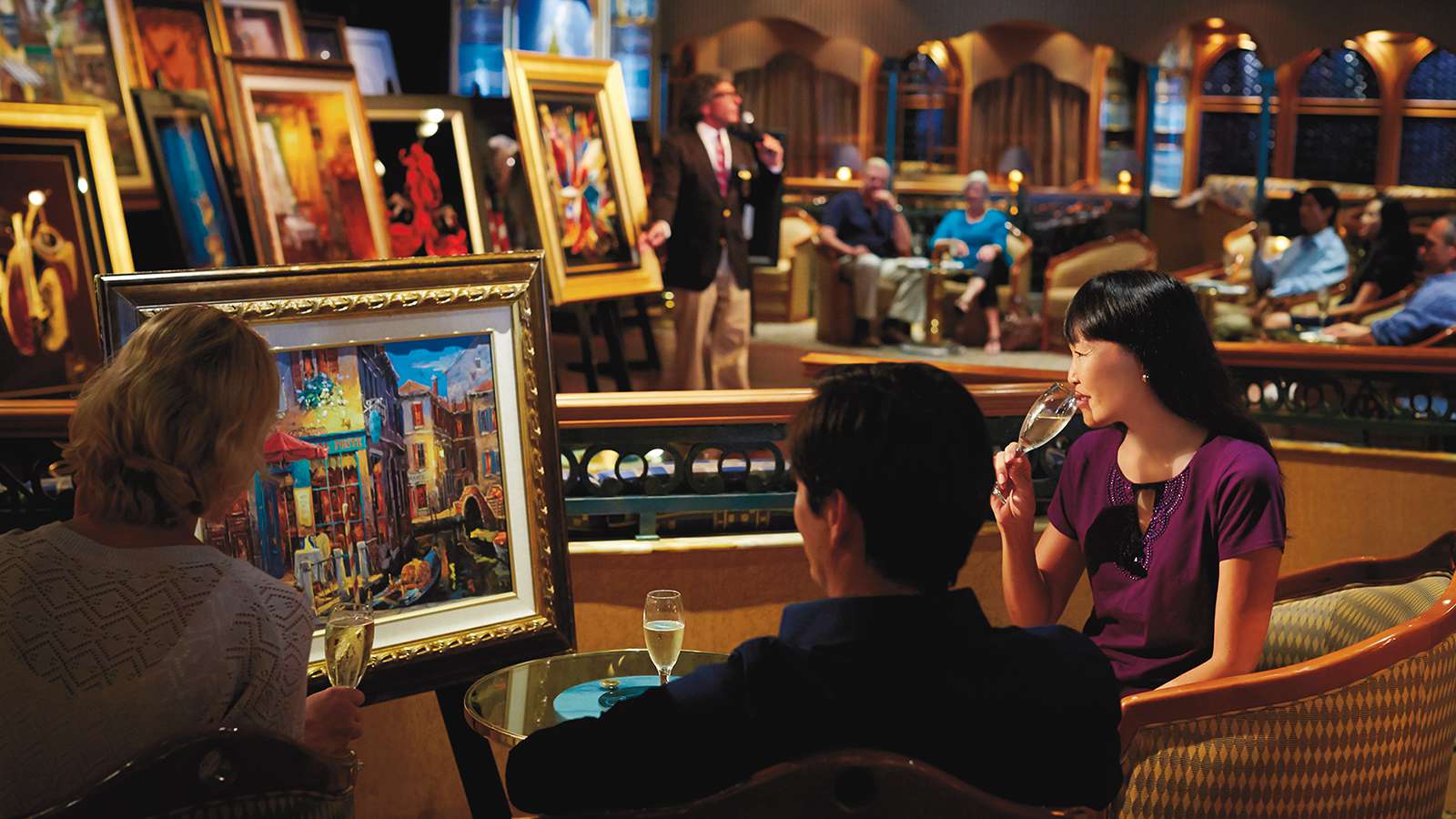
Art Gallery & Auctions
Platinum Photography Studio

Music & Dancing
Festivals of the World
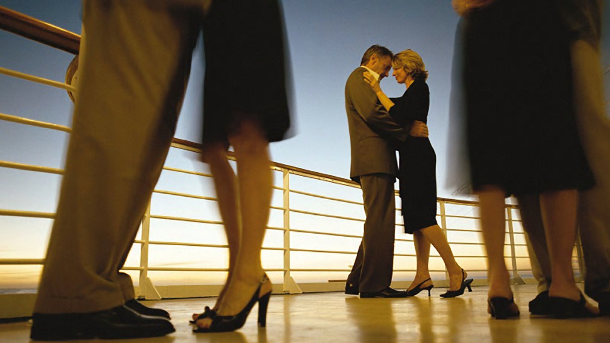
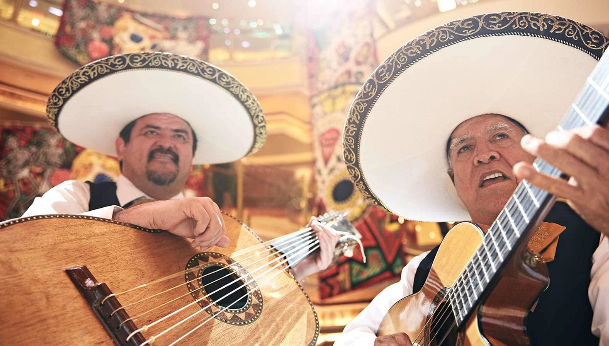
There’s nothing like a Princess party to bring people together. Our Festivals of the World hosts onboard events that celebrate timeless traditions from nearly every corner of the globe.* Parties and dancing, lively music and folkloric performances, enriching activities, themed movies and speciality shopping are just some of the ways our Festivals of the World come to life! From Oktoberfest to Rio’s Carnival, Festivals of the World is a gala event you won’t want to miss.
*On select sailings.
Freshwater Pools & Hot Tubs
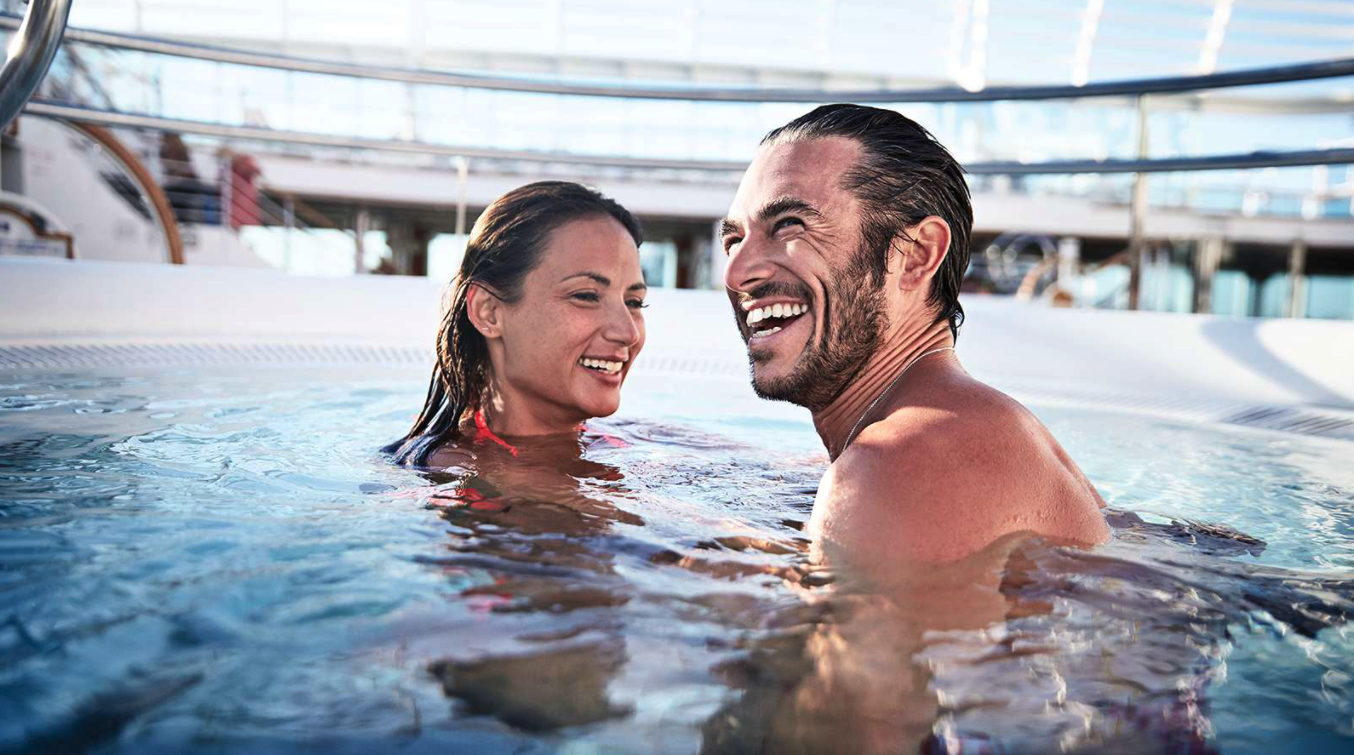
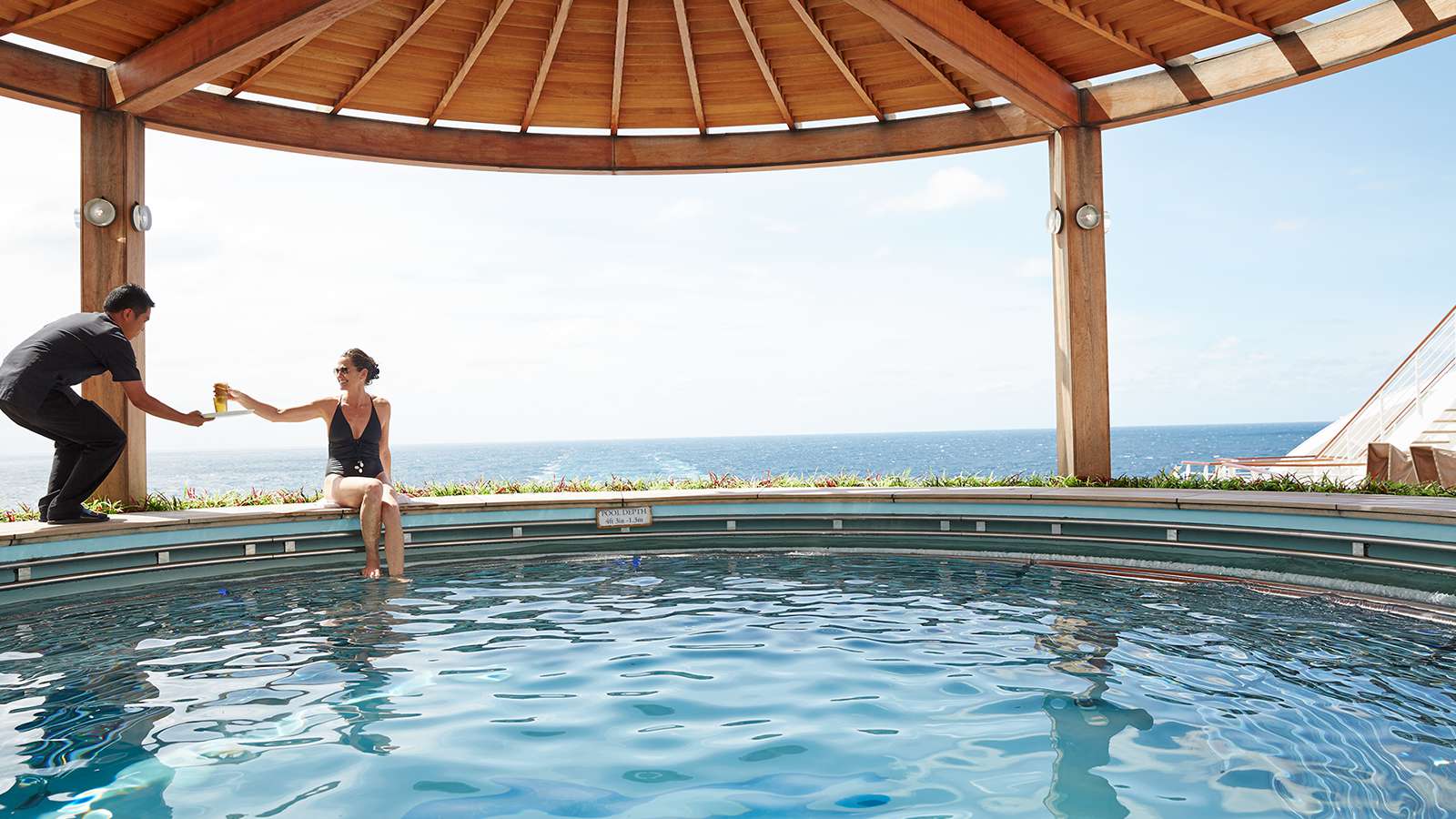
Take a dip in our sparkling freshwater pools and leave your everyday world behind. Unwind on a padded lounger and soak up the sun, catch up on reading, listen to music or dream of your next adventure on board or ashore. And what better way to relax and revitalise after a day exploring the world than a long soak in one of our whirling hot tubs. And don’t forget, there is always a server nearby to bring you a refreshing cocktail or favourite beverage.
Sports & Fitness Centre
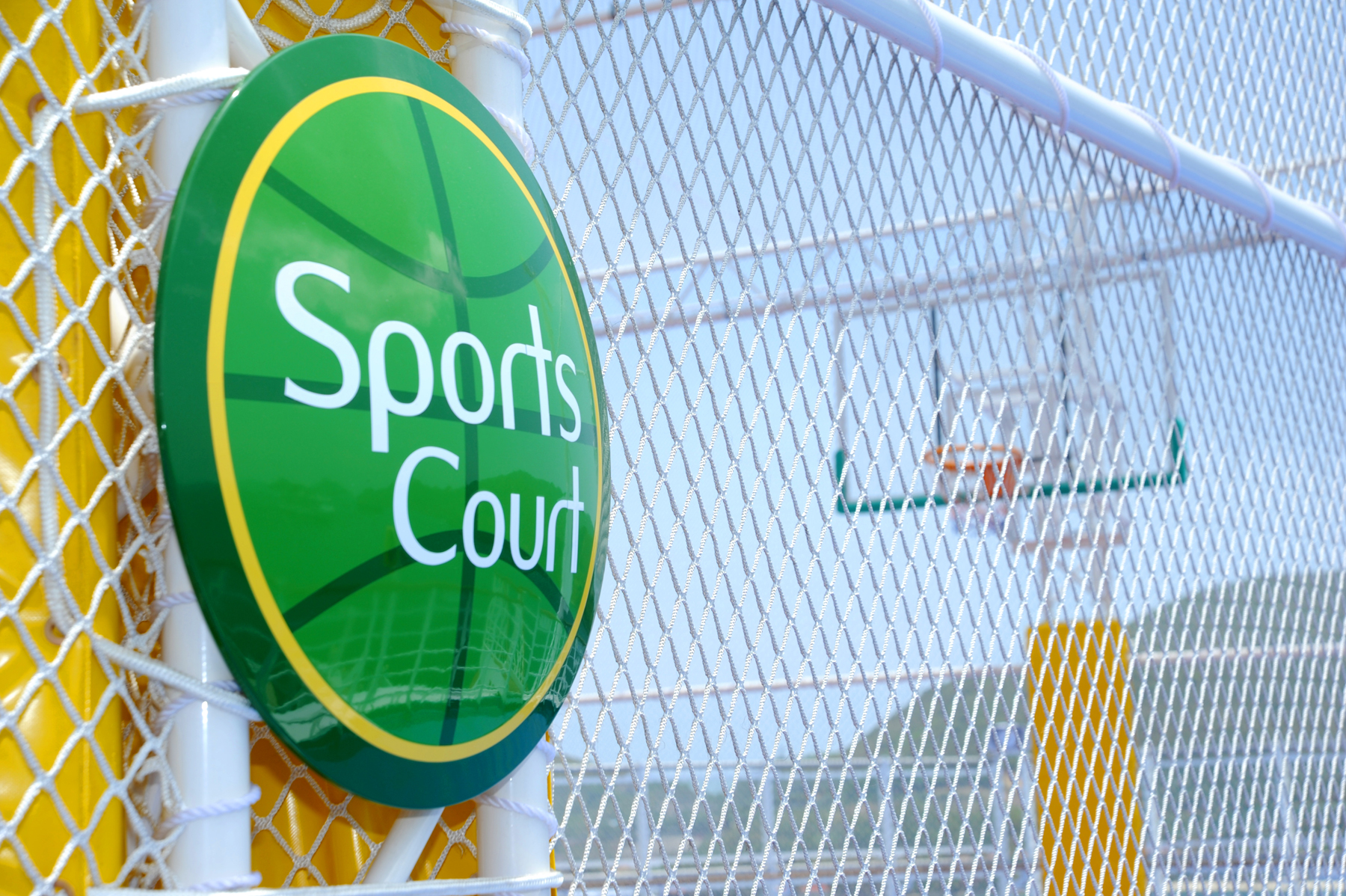
Feel the court under your feet and the thrill of victory as you sink the ball in for two points. No matter your athletic ability, there’s nothing like shooting a few hoops out in the middle of the ocean as you watch the sun set and the stars come out. Our Sports Court is not only set up for basketball but also for volleyball. Pick up a game, compete against fellow guests for bragging rights, or start your own dream team.
The Sanctuary
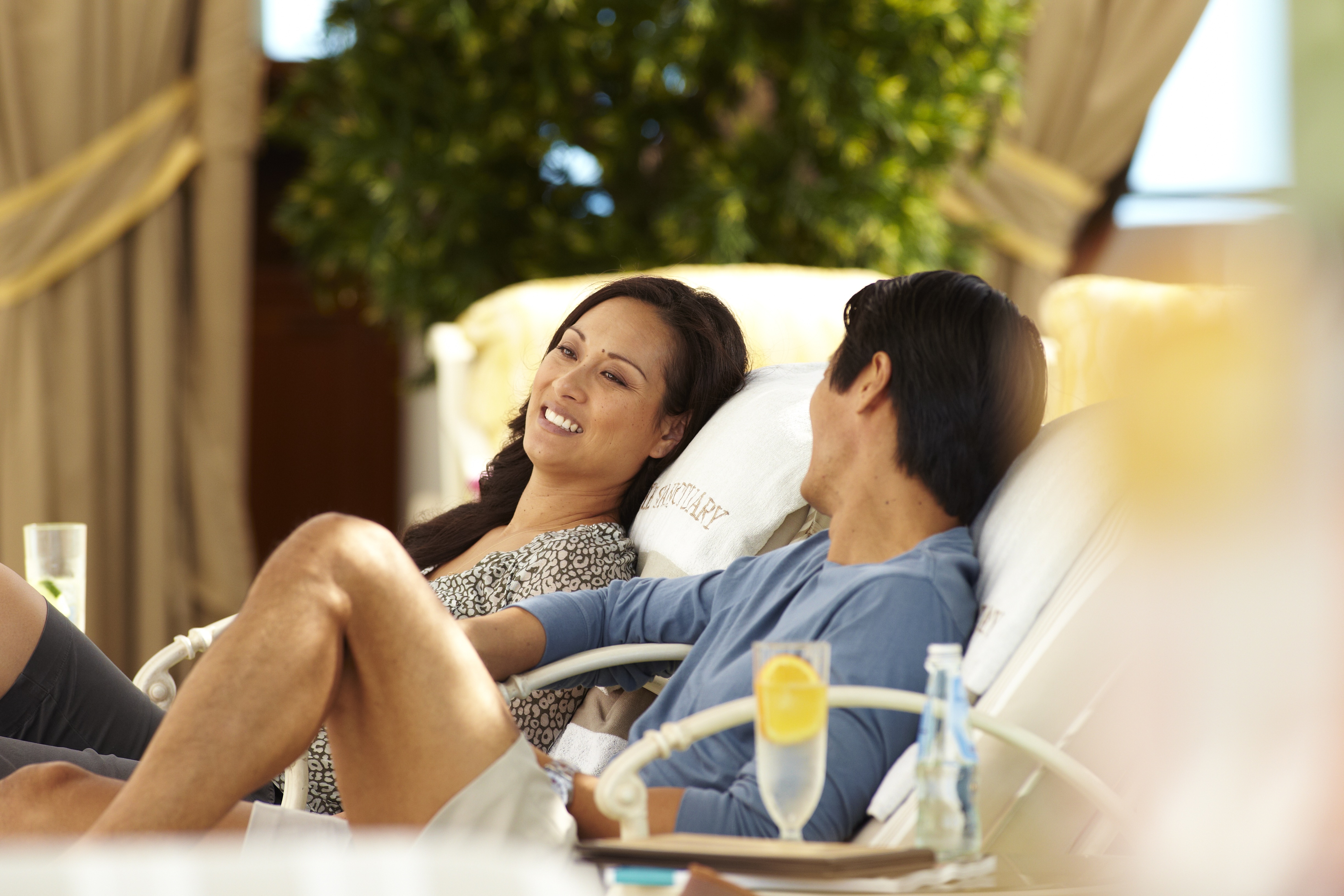
Take a break and indulge in a private getaway at The Sanctuary, our exclusive adults-only retreat offering a relaxing alternative to the myriad outdoor activities and entertainment available elsewhere on the ship. With signature beverages, light meals, and al fresco massages, Serenity Stewards attend to your every need, whether it’s to be on hand to provide chilled face towels or Evian water atomisers.
Lotus Spa®
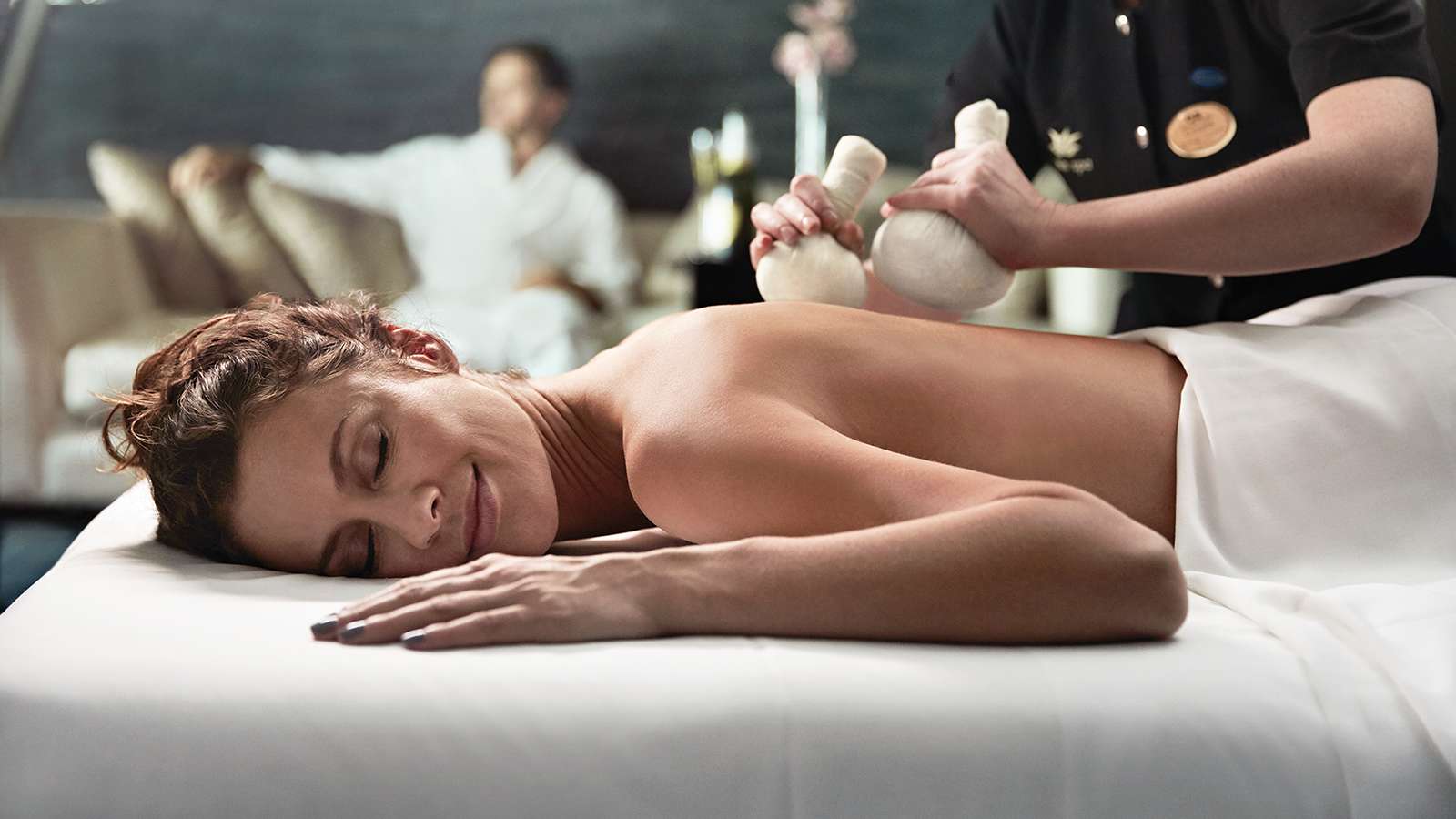
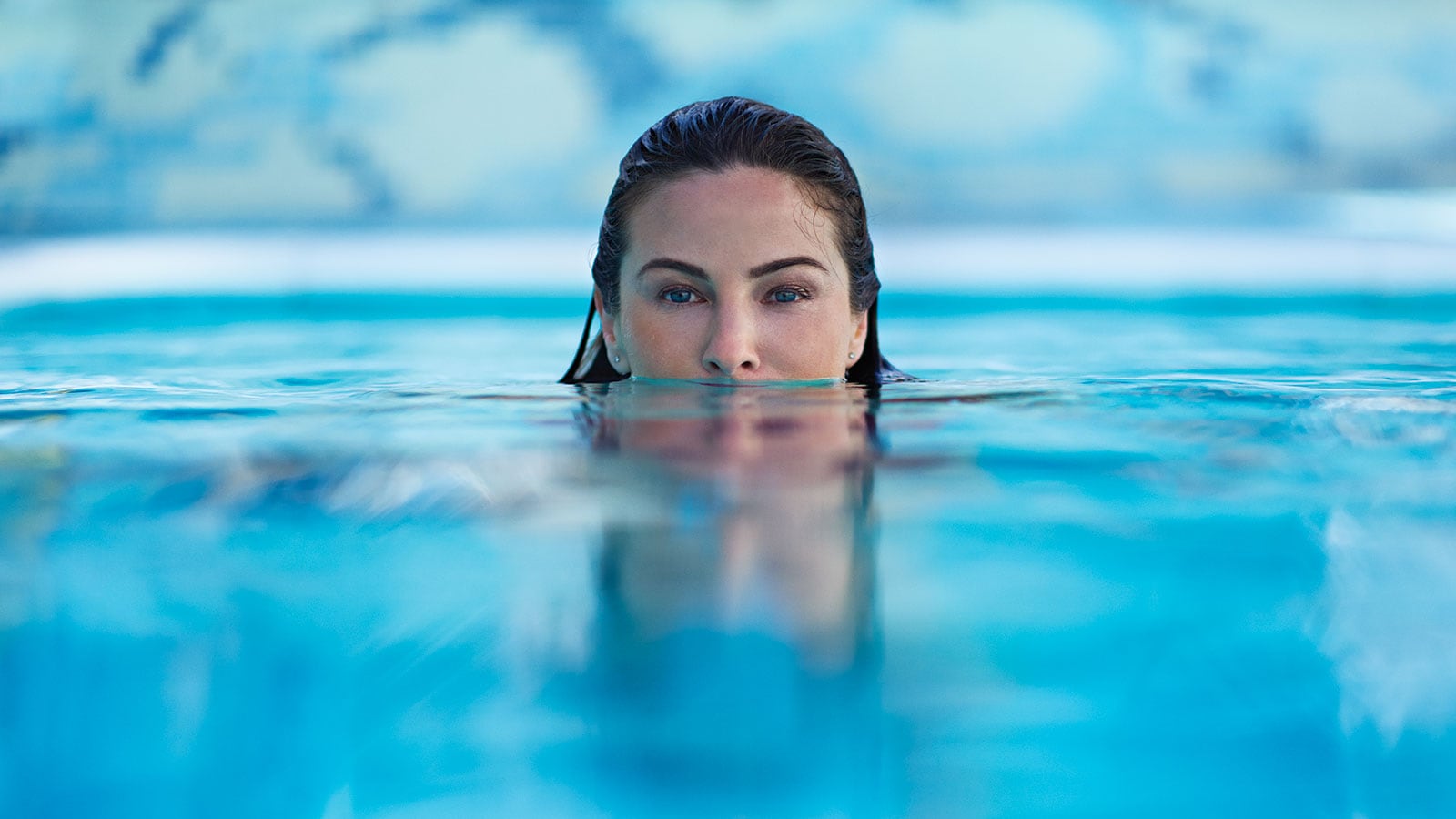
Named “Best Spa on a Cruise Ship” by Spafinder Wellness 365™, the Lotus Spa® offers a variety of relaxing treatments, such as facials, aroma stone therapy massages, detoxifying ocean wraps and an aromatherapy thermal suite. Or get ready for a night on the town at the salon which features women’s styling colour, men’s haircuts and shaves, manicure and pedicure choices and teeth whitening.
Lotus Spa® Fitness Centre
IZUMI Japanese Bath
Conservatory
Just for Kids 3-7
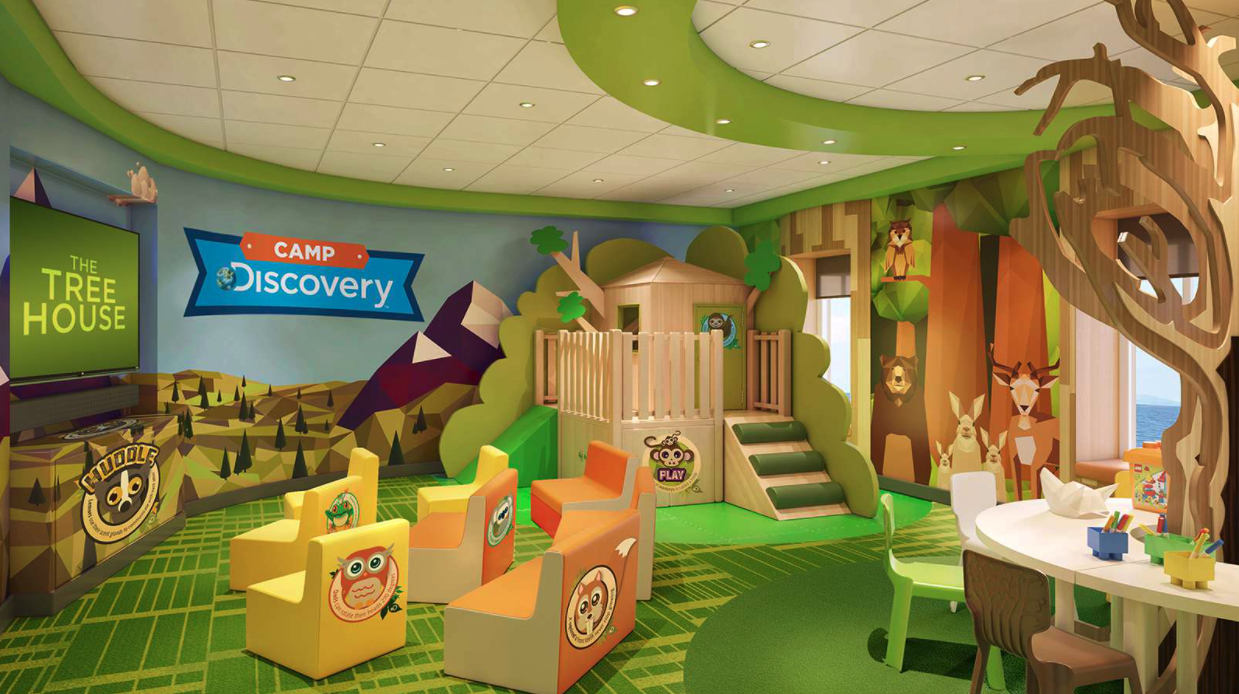
Even the littlest guests will delight in this whimsical, forest-themed world that inspires playtime and invites exploration. Kids, ages 3 to 7, can dance, enjoy pyjama movie nights, create art projects like Animal Planet™ puppets and masks or compete in a Lego® boat-building contest.
Just for Kids 8-12
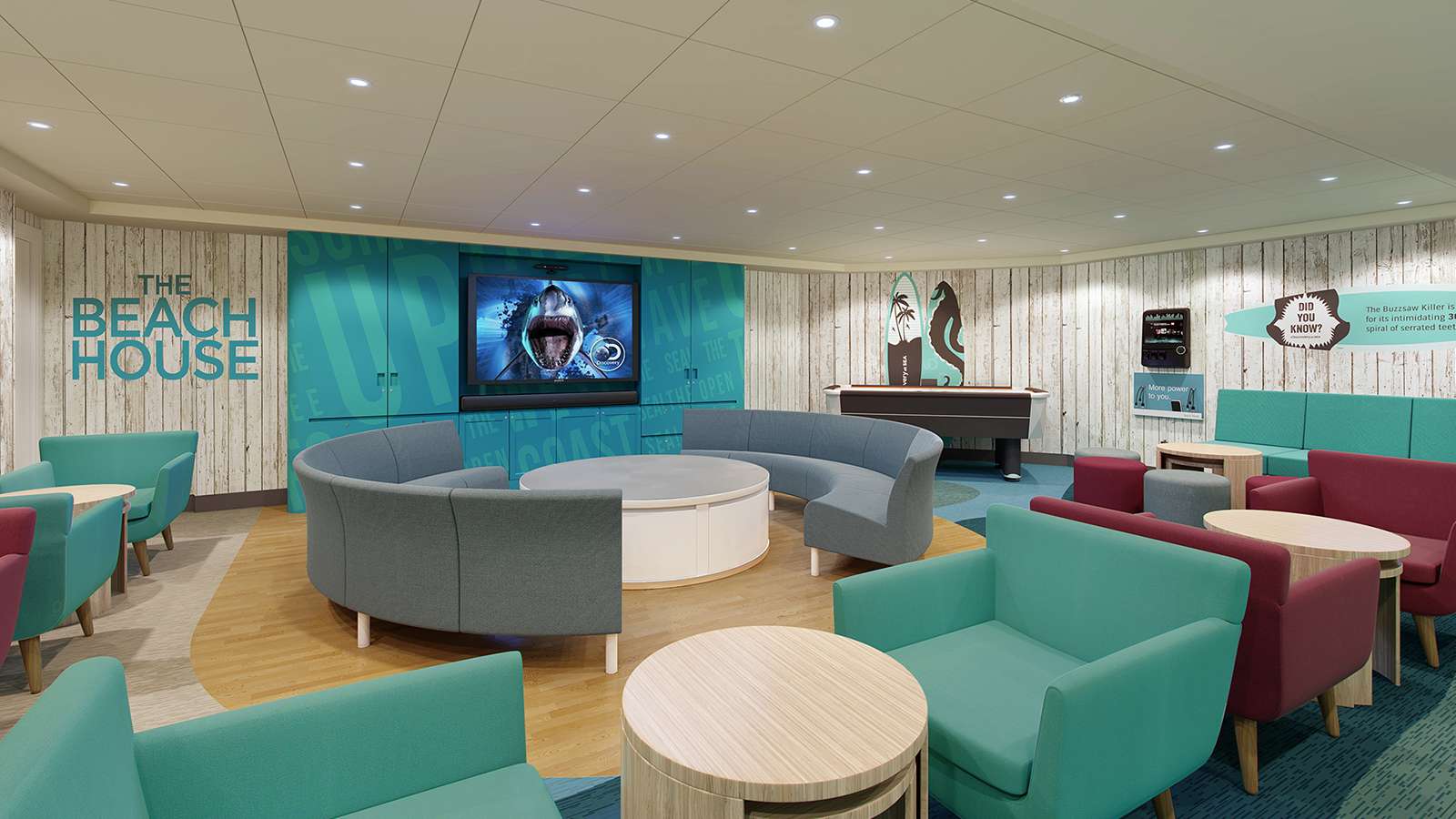
Just for Teens 13-17
International Dining Room
For guests who prefer the traditional cruise ship dining experience, the ship offers a main dining room option in which they can enjoy having the same dining time, waiter and table mates each evening.
The International Dining Room on the 6th Deck serves open seating breakfast and lunch and traditional seating for dinner.
Open from around 7am to 9am for waiter served breakfast and 12 to 1.30pm on sea days for lunch, dinner seating is either 5.30pm or 8pm.
Santa Fe Dining Room
The Santa Fe Dining room is open for anytime dining at dinner time between 5.30pm and 10pm.
Santa Fe’s speciality is chicken or steak fajitas.
The option of an ‘always available menu’ is also provided including steaks, chicken breast and salmon, along with healthy options.
The Santa Fe Dining Room is on the 6th Deck of the Diamond Princess.
Vivaldi Dining Room
The Vivaldi Dining Room is open for traditional dining at 5.30pm or anytime dining between 8pm and 10pm.
The Vivaldi Dining Room is on the 5th Deck of the Diamond Princess.
The menu for all the main dining rooms serve the same four course dinner options with set choices with the exception of one speciality dish specific to each room.
The option of an ‘always available menu’ is also provided including steaks, chicken breast and salmon, along with Lotus Spa healthy options.
Horizon Court
Our World Fresh Marketplace menu is offered in Horizon Court. Enjoy an endless selection that changes throughout the day to satisfy the most discriminating palate. Indulge in a delightful array of worldwide cuisine, freshly baked breads and regional comfort foods, in a casual setting at breakfast, lunch or dinner. Enjoy fresh fruits, signature pastas and desserts galore along with your favourite beverages and customisable features like create-your-own salads and sandwiches.
Beverage charges apply. Venues and menu items vary by ship and are subject to change.
Pacific Moon & Savoy Dining Rooms
The Savoy Dining Room on the Diamond Princess is one of the dining rooms open on certain days for lunch serving a traditional British pub style lunch, and for anytime dining at dinner time between 5.30pm and 10pm.
The British style pub lunch is served between 11.30am and 2pm and includes classics such as steak and kidney pie and bangers and mash with bread and butter pudding for dessert and a selection of drinks ranging from Bass and Guinness to Strongbow cider.
The Pacific Moon Dining Room on the ship is open for afternoon tea from 3.30pm to 4.30pm and anytime dining at dinner time between 5.30pm and 10pm.
Sabatini's℠
Our Italian speciality restaurant has been voted one of the “Best Cruise Ship Speciality Restaurants” at sea by USA TODAY. Savour Sabatini’s authentic offerings featuring signature pastas, Italian wines and an irresistible selection of delectable desserts, all celebrating our Italian culinary heritage.
Additional charges apply. Menu items may vary by ship and are subject to change.
Chef's Table Experience
Taking dining to a new level, the Chef’s Table Experience includes pre-dinner cocktails and hors d’oeuvres in the galley for you and a limited number of fellow guests. After your executive chef describes the specially designed menu for the night, participants are escorted to an intimate table for the main course, including pairing suggestions. Each couple receives a personalised autographed copy of Princess’ best-selling cookbook, a handwritten copy of the special menu and a complimentary photo.
Limited capacity, reservations required. Additional charge applies.
Kai Sushi
An exquisitely decorated traditional sushi bar, serving up sushi and sashimi expertly prepared before your eyes. Dine at the sushi bar or enjoy an elegant restaurant experience.
Additional charge applies.
Sterling Steakhouse℠
Additional charges apply. Menu items may vary by ship and are subject to change.
Afternoon Tea
All ships offer Princess’ trademark British-style afternoon tea daily, complete with tablecloths, gleaming Samovars, easy listening music in the background, and tea boxes for herbal and speciality teas. Guests can enjoy freshly prepared finger sandwiches, cookies, biscuits and cakes served by white-gloved waiters in smart, formal attire.
Tea service can also be enjoyed al fresco on the Promenade Deck as waiters stroll the deck with a fully stocked tea cart.
Ultimate Balcony Dining
Choose a luxurious breakfast or experience the “ultimate” romantic dinner at sea: a sumptuous multi-course meal, including succulent lobster tail and juicy steak, your beverage of choice, hors d’oeuvres, all served right on the privacy of your own balcony by our dedicated waitstaff. Treat yourself to this unparalleled indulgence and savour food, views and memories that will never be forgotten.
Additional charges apply.
Room Service
From Breakfast in Bed to a Late-Night Snack
We offer 24-hour complimentary room service when you want to enjoy a quiet moment in your cabin eating a delicious club sandwich or maybe that slice of chocolate fudge cake you can’t forget. Treat yourself to breakfast in bed, or stay in for an intimate dinner, and perhaps even cocktails, in the comfort of your stateroom. 24-hour room service is just a phone call away.
Charges apply on select menu items.
La Patisserie
Trident Grill
Prego Pizzeria
Chocolate Journeys℠
Indulge Your Chocolate Fantasies
There are few foods that inspire as much passion as chocolate. Our pastry chefs channeled their love of chocolate into handcrafted treats designed exclusively for our Chocolate Journeys℠ programme. These sweet creations combine premium quality chocolate with unique flavours and artful designs and can be found throughout the ship.
Dine My Way℠
Dine When, How and Where You Like
With this new offering, you can customise every aspect of mealtime. Make reservations for the main dining room or speciality restaurants at your preferred time each day. Fit in a formal dinner before a show, or order food and drinks to your poolside perch with OceanNow®. The choice really is up to you.
Explorer's Lounge
Explorers Lounge on the 7th Deck is Diamond Princess’ second entertainment venue with its own dance floor, bar serving wine and cocktails and stage.
Entertainment on offer ranges from trivia quizzes during the day to comedians, live bands and themed nights in the evening.
Wheelhouse Bar
The Wheelhouse bar, located on the 7th Deck outside the theatre, serves premium beers, wines and spirits and is decorated in the style of a gentleman’s club with leather armchairs and nautical artefacts.
It has its own dance floor, bar and stage where live music is played from.
Crooners Bar
The Crooners Lounge and Bar, located midship on deck 7 opens from 1pm onwards and is reminiscent of a classic Martini bar.
Evening entertainment features live piano music with requests and name that tune elements. Here they also offer an enticing menu of 75 martinis, plus entertainers at spectacular duelling glass pianos.
Princess Theatre
With dazzling stage sets, artists from around the globe, modern hits and timeless classics, the Princess Theatre, our largest theatre yet, showcases lavish, original productions with dynamic cast members in sumptuous surroundings. In this ultramodern theatre, relax in a plush seat with unobstructed sight lines as the velvet curtain goes up, a state-of-the-art lighting system illuminates the stage, and it’s on with the show!
Movies Under The Stars
Throughout the day and night, our exclusive open-air poolside amphitheater is the go-to destination for feature films, thrilling concerts and exciting sporting events such as live football games. Cozy up under a fleece blanket in the comfortable lounger and feast on complimentary fresh-popped popcorn in the evening or delicious cookies and milk during the day, and enjoy that exciting car chase or mystery thriller on the giant screen.
Vegas Style Casino
From gaming lessons to the latest slot machines to prize tournaments, our Casinos offer fun and excitement. If you enjoy blackjack, or “21,” and Texas Hold ‘Em, our tables play by Vegas rules and if you relish the challenge of roulette, we offer the American version.
Skywalkers Nightclub
Hot music and cool cocktails set to a DJ spinning popular club tunes is the ideal setting for a night of dancing. Gleaming, ultra modern and ultra cool, this hot spot invites a little stargazing while the colourful neon dance floor invites everyone to get up and boogie down. Boasting panoramic views from its vantage point 15 decks above the sea, it’s the perfect place for dancing and socialising.
Club Fusion
When the sun goes down and the moon comes up, it’s time to get your feet movin’ and your heart pumpin’ at Club Fusion. A little eclectic and a whole lot of fun, the dance floor lights and booming sound system invite you to get up and show off your moves and grooves. Karaoke contests, live performances and theme-parties like “60s British Invasion” are just a few of the nightly events that will have you on your feet.
Churchills
Smoking a cigar doesn’t have to be a reminder of another era — at Churchill’s you can puff on your favourite stogie among like-minded aficionados. Churchill’s is a hidden gem where the cozy, pub-like atmosphere invites cigar and cigarette smokers to sit down with a refreshing drink, their favourite smoke and enjoy the evening. Located near the casino, the comfortable lounge is decked out with humidors and high quality cigars for sale.
Internet Café & Library
Our Internet Café is filled with computers so it’s easy to access your mail account or browse the Internet for world news, sports and stock trading. Or bring your own electronic devices and access the Internet through our improved onboard wireless service. The Internet Café is open 24 hours a day. For those looking to absorb more traditional media, our onboard library is fully stocked with up to 2,000 books, many specifically tailored to your itinerary as well as the classics and best sellers.
The Shops of Princess
It’s no surprise The Shops are awarded “Best Onboard Shopping” from Porthole magazine year after year. On board, you’ll find a fabulous range of fine merchandise from brands like Swarovski, Chanel, Estée Lauder, Clinique, Lancôme, Calvin Klein, Citizen and Tissot, plus local crafts, keepsakes and souvenirs. And everyday tax- and duty-free savings can add up to as much as 30% off suggested U.S. retail prices.
Photo Gallery
Our staff of digital photographers helps capture the highlights of your cruise including onboard events, ports and scenery for lasting memories of your trip. Our studio locations are set up in the Atrium each evening and all formal and casual portraits are on display in the gallery the following day. Please ask our staff about portrait packages, reprints and canvas reproductions of your favourite photos!
Pool Bars
The Mermaids Tail bar serves the Neptune pool area and is located forward of the 14th Deck.
It also sells a small selection of sweets and chocolates, for guests to purchase whilst watching the movies under the stars at night on the large overhead TV screen.
The Oasis Bar serves the Sports Deck (16) and is located aft of the deck in between the two hot tubs.
Outrigger Bar is an outside bar aft of the 14th Deck serving the Horizon Terrace sundeck and pool below.
Calypso Bar serves the Calypso pool midship on the 14th Deck also.
Art Gallery & Auctions
Platinum Photography Studio
Music & Dancing
Festivals of the World
There’s nothing like a Princess party to bring people together. Our Festivals of the World hosts onboard events that celebrate timeless traditions from nearly every corner of the globe.* Parties and dancing, lively music and folkloric performances, enriching activities, themed movies and speciality shopping are just some of the ways our Festivals of the World come to life! From Oktoberfest to Rio’s Carnival, Festivals of the World is a gala event you won’t want to miss.
*On select sailings.
Freshwater Pools & Hot Tubs
Take a dip in our sparkling freshwater pools and leave your everyday world behind. Unwind on a padded lounger and soak up the sun, catch up on reading, listen to music or dream of your next adventure on board or ashore. And what better way to relax and revitalise after a day exploring the world than a long soak in one of our whirling hot tubs. And don’t forget, there is always a server nearby to bring you a refreshing cocktail or favourite beverage.
Sports & Fitness Centre
Feel the court under your feet and the thrill of victory as you sink the ball in for two points. No matter your athletic ability, there’s nothing like shooting a few hoops out in the middle of the ocean as you watch the sun set and the stars come out. Our Sports Court is not only set up for basketball but also for volleyball. Pick up a game, compete against fellow guests for bragging rights, or start your own dream team.
The Sanctuary
Take a break and indulge in a private getaway at The Sanctuary, our exclusive adults-only retreat offering a relaxing alternative to the myriad outdoor activities and entertainment available elsewhere on the ship. With signature beverages, light meals, and al fresco massages, Serenity Stewards attend to your every need, whether it’s to be on hand to provide chilled face towels or Evian water atomisers.
Lotus Spa®
Named “Best Spa on a Cruise Ship” by Spafinder Wellness 365™, the Lotus Spa® offers a variety of relaxing treatments, such as facials, aroma stone therapy massages, detoxifying ocean wraps and an aromatherapy thermal suite. Or get ready for a night on the town at the salon which features women’s styling colour, men’s haircuts and shaves, manicure and pedicure choices and teeth whitening.
Lotus Spa® Fitness Centre
IZUMI Japanese Bath
Conservatory
Just for Kids 3-7
Even the littlest guests will delight in this whimsical, forest-themed world that inspires playtime and invites exploration. Kids, ages 3 to 7, can dance, enjoy pyjama movie nights, create art projects like Animal Planet™ puppets and masks or compete in a Lego® boat-building contest.
Just for Kids 8-12
Just for Teens 13-17
About the Ship
Deck Plans

- Medical Centre

- Captain’s Circle
- Future Cruise Sales
- Grand Plaza
- Internet Café
- Lobby Bar
- Princess Fine Arts Gallery
- Savoy Dining Room
- Shore Excursions
- The Library
- Vivaldi Dining Room
- Interior Staterooms
- Oceanview Staterooms

- Grand Casino
- Guest Services
- International Dining Room
- Pacific Moon Dining Room
- Princess Theatre
- Santa Fe Dining Room
- The Shops of Princess
- Wake View Bar
- Wedding Chapel
- Churchill Lounge
- Oceanview Staterooms

- Club Fusion
- Crooners Bar
- Explorers Lounge
- Kai Sushi
- Photo Gallery
- Princess Theatre
- Promenade Galleria
- Sabatini’s
- The Shops of Princess
- Wheelhouse Bar

- Interior Staterooms (5x wheelchair accessible)
- Balcony Staterooms
- Suites
- Mini-Suites
- Oceanview Staterooms (4x wheelchair accessible)

- Interior Staterooms
- Balcony Staterooms
- Suites
- Mini-Suites

- Interior Staterooms (1x wheelchair accessible)
- Balcony Staterooms (4x wheelchair accessible)
- Oceanview Staterooms
- Suites

- Interior Staterooms
- Oceanview Staterooms
- Balcony Staterooms (4x wheelchair accessible)
- Suites

- Terrace Pool
- Interior Staterooms (3x wheelchair accessible)
- Balcony Staterooms (4x wheelchair accessible)
- Suites

- Calypso Bar
- Calypso Reef & Pool
- Horizon Court
- Horizon Terrace
- Hot Tubs
- Mermaid’s Tail
- Neptune’s Reef & Pool
- Outrigger Bar
- Prego Pizzeria
- Sterling Steakhouse
- Swirls
- Trident Grill
- Interior Staterooms (2x wheelchair accessible)
- Balcony Staterooms

- Aerobics
- Bar
- Beauty Salon
- Fitness Centre
- IZUMI Japanese Bath
- Lap Pool
- Lotus Spa
- Massage
- Movies Under The Stars
- Sauna
- Splash Pool
- Teen Centre
- The Conservatory
- Tradewinds
- Youth Centre

- Deck Chess Set
- Hot Tubs
- Oasis Bar
- Platinum Studio
- Princess Links
- Shuffleboard
- The Oasis
- The Sanctuary

- Skywalkers Nightclub
- Sports Court
- Medical Centre
- Captain’s Circle
- Future Cruise Sales
- Grand Plaza
- Internet Café
- Lobby Bar
- Princess Fine Arts Gallery
- Savoy Dining Room
- Shore Excursions
- The Library
- Vivaldi Dining Room
- Interior Staterooms
- Oceanview Staterooms
- Grand Casino
- Guest Services
- International Dining Room
- Pacific Moon Dining Room
- Princess Theatre
- Santa Fe Dining Room
- The Shops of Princess
- Wake View Bar
- Wedding Chapel
- Churchill Lounge
- Oceanview Staterooms
- Club Fusion
- Crooners Bar
- Explorers Lounge
- Kai Sushi
- Photo Gallery
- Princess Theatre
- Promenade Galleria
- Sabatini’s
- The Shops of Princess
- Wheelhouse Bar
- Interior Staterooms (5x wheelchair accessible)
- Balcony Staterooms
- Suites
- Mini-Suites
- Oceanview Staterooms (4x wheelchair accessible)
- Interior Staterooms
- Balcony Staterooms
- Suites
- Mini-Suites
- Interior Staterooms (1x wheelchair accessible)
- Balcony Staterooms (4x wheelchair accessible)
- Oceanview Staterooms
- Suites
- Interior Staterooms
- Oceanview Staterooms
- Balcony Staterooms (4x wheelchair accessible)
- Suites
- Terrace Pool
- Interior Staterooms (3x wheelchair accessible)
- Balcony Staterooms (4x wheelchair accessible)
- Suites
- Calypso Bar
- Calypso Reef & Pool
- Horizon Court
- Horizon Terrace
- Hot Tubs
- Mermaid’s Tail
- Neptune’s Reef & Pool
- Outrigger Bar
- Prego Pizzeria
- Sterling Steakhouse
- Swirls
- Trident Grill
- Interior Staterooms (2x wheelchair accessible)
- Balcony Staterooms
- Aerobics
- Bar
- Beauty Salon
- Fitness Centre
- IZUMI Japanese Bath
- Lap Pool
- Lotus Spa
- Massage
- Movies Under The Stars
- Sauna
- Splash Pool
- Teen Centre
- The Conservatory
- Tradewinds
- Youth Centre
- Deck Chess Set
- Hot Tubs
- Oasis Bar
- Platinum Studio
- Princess Links
- Shuffleboard
- The Oasis
- The Sanctuary
- Skywalkers Nightclub
- Sports Court