Featured Cabins
Itinerary
Buenos Aires, Argentina
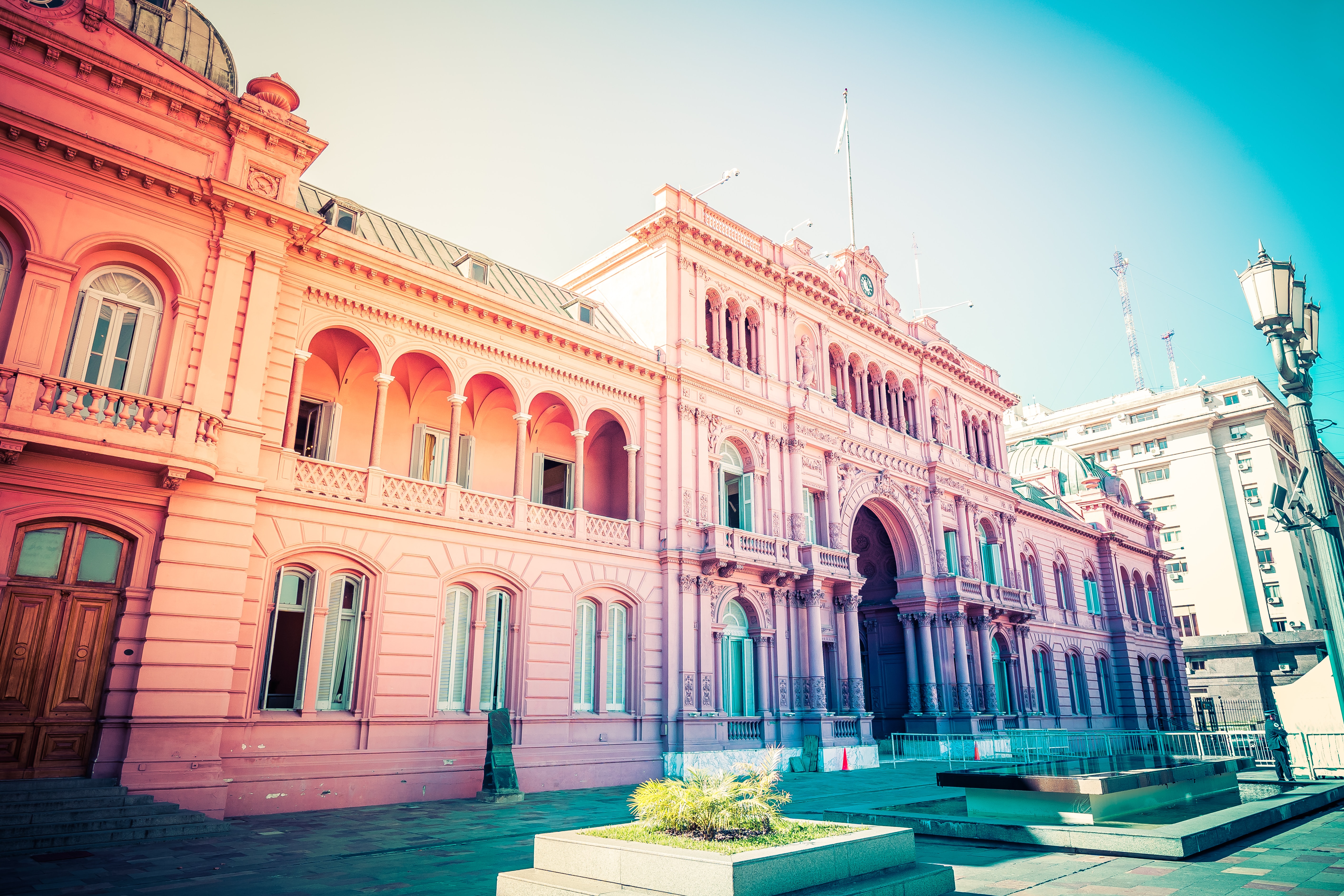
Glamorous and gritty, Buenos Aires is two cities in one. What makes Argentina’s capital so fascinating is its dual heritage—part European, part Latin American. Plaza de Mayo resembles a grand square in Madrid, and the ornate Teatro Colón would not be out of place in Vienna. But you’ll know you’re in South America by the leather shoes for sale on cobbled streets and impromptu parades of triumphant soccer fans. Limited-production wines, juicy steaks, and ice cream in countless flavors are among the old-world imports the city has perfected.
Ushuaia, Argentina
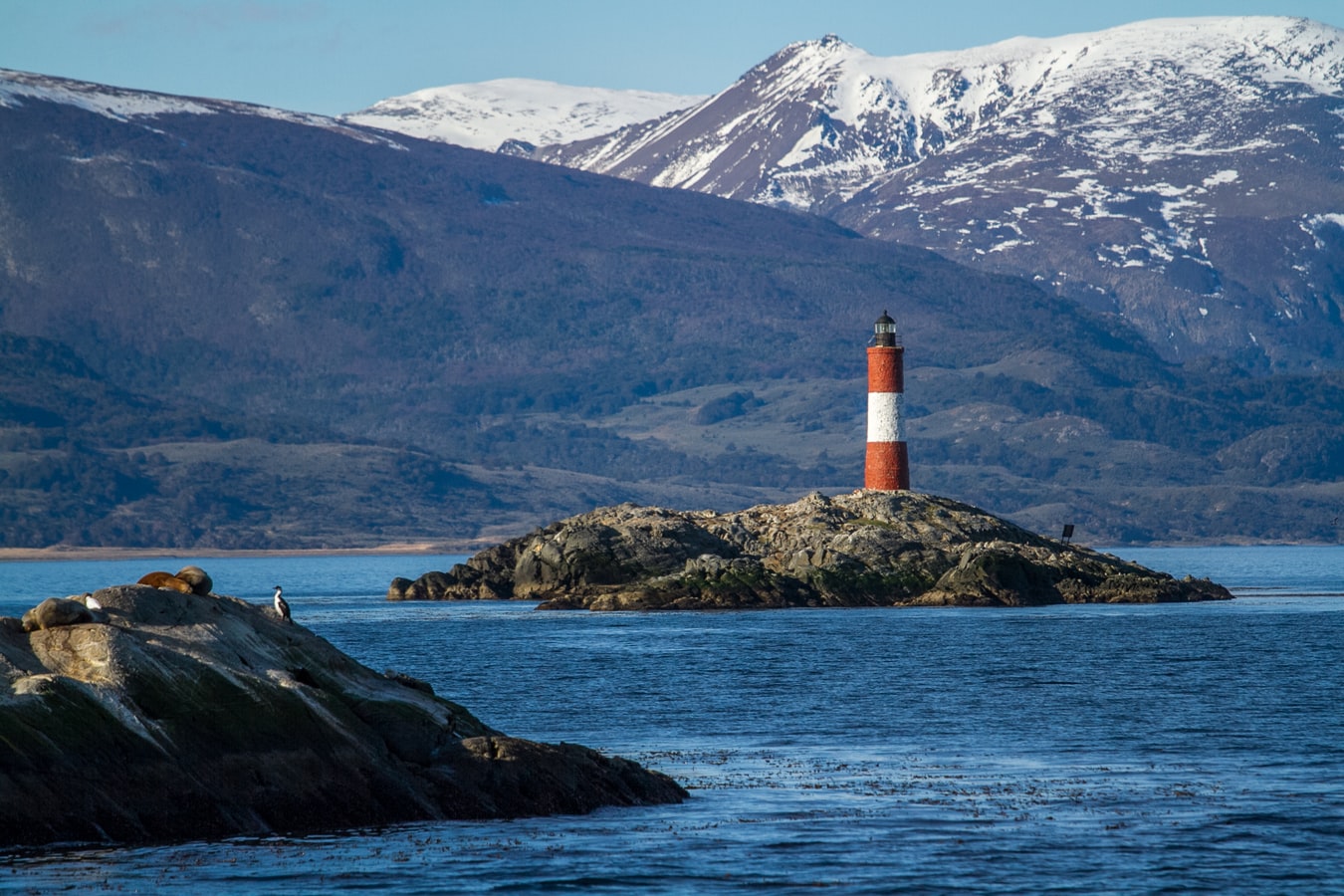
At 55 degrees latitude south, Ushuaia (pronounced oo-swy-ah) is closer to the South Pole than to Argentina’s northern border with Bolivia. It is the capital and tourism base for Tierra del Fuego, the island at the southernmost tip of Argentina.Although its stark physical beauty is striking, Tierra del Fuego’s historical allure is based more on its mythical past than on rugged reality. The island was inhabited for 6,000 years by Yámana, Haush, Selk’nam, and Alakaluf Indians. But in 1902 Argentina, eager to populate Patagonia to bolster its territorial claims, moved to initiate an Ushuaian penal colony, establishing the permanent settlement of its most southern territories and, by implication, everything in between.When the prison closed in 1947, Ushuaia had a population of about 3,000, made up mainly of former inmates and prison staff. Today the Indians of Darwin’s “missing link” theory are long gone—wiped out by diseases brought by settlers and by indifference to their plight—and the 60,000 residents of Ushuaia are hitching their star to tourism.The city rightly (if perhaps too loudly) promotes itself as the southernmost city in the world (Puerto Williams, a few miles south on the Chilean side of the Beagle Channel, is a small town). You can make your way to the tourism office to get your clichéd, but oh-so-necessary, “Southernmost City in the World” passport stamp. Ushuaia feels like a frontier boomtown, at heart still a rugged, weather-beaten fishing village, but exhibiting the frayed edges of a city that quadrupled in size in the ’70s and ’80s and just keeps growing. Unpaved portions of Ruta 3, the last stretch of the Pan-American Highway, which connects Alaska to Tierra del Fuego, are finally being paved. The summer months (December through March) draw more than 120,000 visitors, and dozens of cruise ships. The city is trying to extend those visits with events like March’s Marathon at the End of the World and by increasing the gamut of winter activities buoyed by the excellent snow conditions.A terrific trail winds through the town up to the Martial Glacier, where a ski lift can help cut down a steep kilometer of your journey. The chaotic and contradictory urban landscape includes a handful of luxury hotels amid the concrete of public housing projects. Scores of “sled houses” (wooden shacks) sit precariously on upright piers, ready for speedy displacement to a different site. But there are also many small, picturesque homes with tiny, carefully tended gardens. Many of the newer homes are built in a Swiss-chalet style, reinforcing the idea that this is a town into which tourism has breathed new life. At the same time, the weather-worn pastel colors that dominate the town’s landscape remind you that Ushuaia was once just a tiny fishing village, snuggled at the end of the Earth.As you stand on the banks of the Canal Beagle (Beagle Channel) near Ushuaia, the spirit of the farthest corner of the world takes hold. What stands out is the light: at sundown the landscape is cast in a subdued, sensual tone; everything feels closer, softer, and more human in dimension despite the vastness of the setting. The snowcapped mountains reflect the setting sun back onto a stream rolling into the channel, as nearby peaks echo their image—on a windless day—in the still waters.Above the city rise the last mountains of the Andean Cordillera, and just south and west of Ushuaia they finally vanish into the often-stormy sea. Snow whitens the peaks well into summer. Nature is the principal attraction here, with trekking, fishing, horseback riding, wildlife spotting, and sailing among the most rewarding activities, especially in the Parque Nacional Tierra del Fuego (Tierra del Fuego National Park).
Drake Passage Seas
At Sea
Antarctic Convergence, Antarctica
Antarctic Convergence, Antarctica
Antarctic Convergence, Antarctica
Antarctic Convergence, Antarctica
Antarctic Convergence, Antarctica
Drake Passage Seas
At Sea
Buenos Aires, Argentina
Glamorous and gritty, Buenos Aires is two cities in one. What makes Argentina’s capital so fascinating is its dual heritage—part European, part Latin American. Plaza de Mayo resembles a grand square in Madrid, and the ornate Teatro Colón would not be out of place in Vienna. But you’ll know you’re in South America by the leather shoes for sale on cobbled streets and impromptu parades of triumphant soccer fans. Limited-production wines, juicy steaks, and ice cream in countless flavors are among the old-world imports the city has perfected.
Cabin Options
Balcony Suite
Penthouse Suite
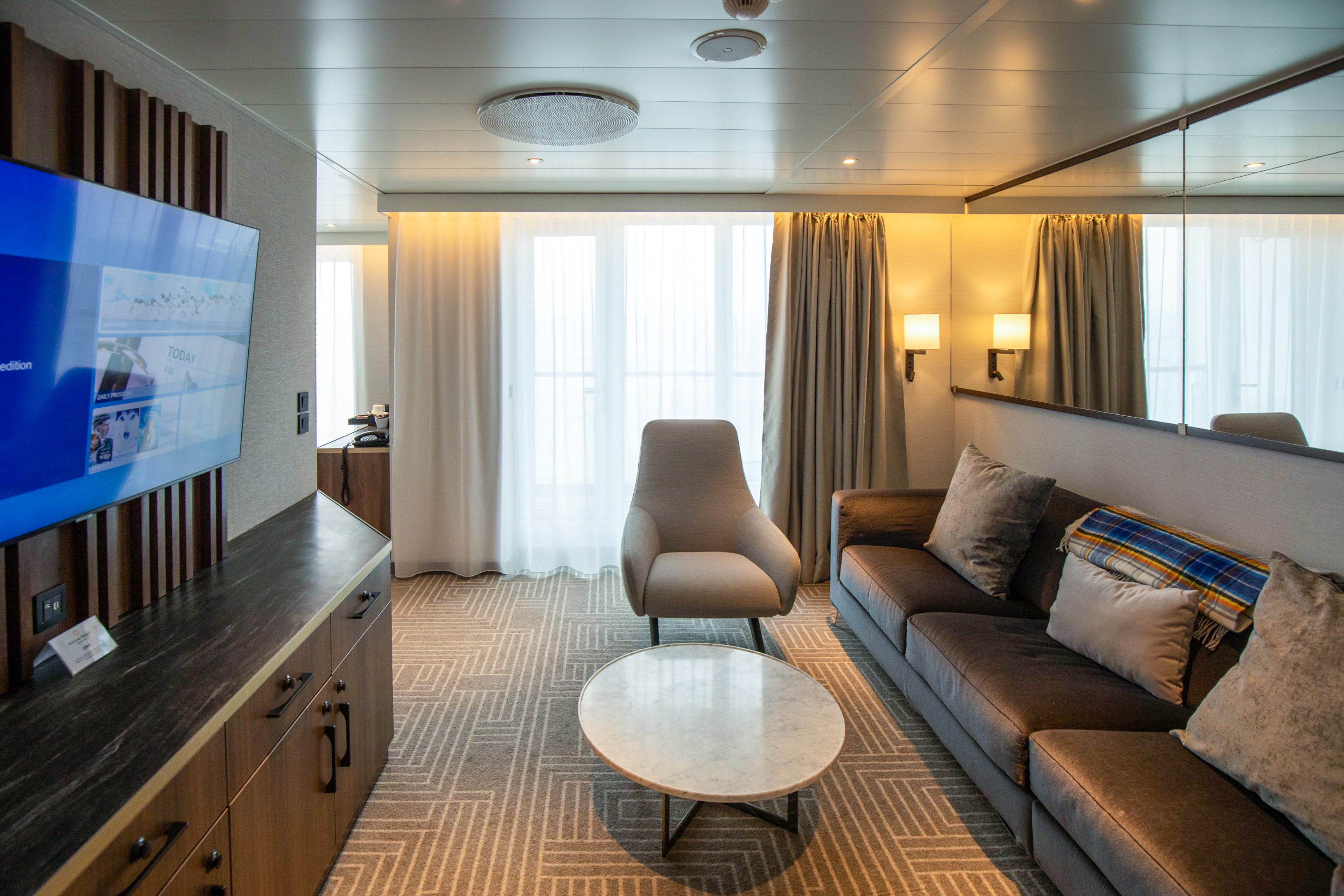
Ultra Suite
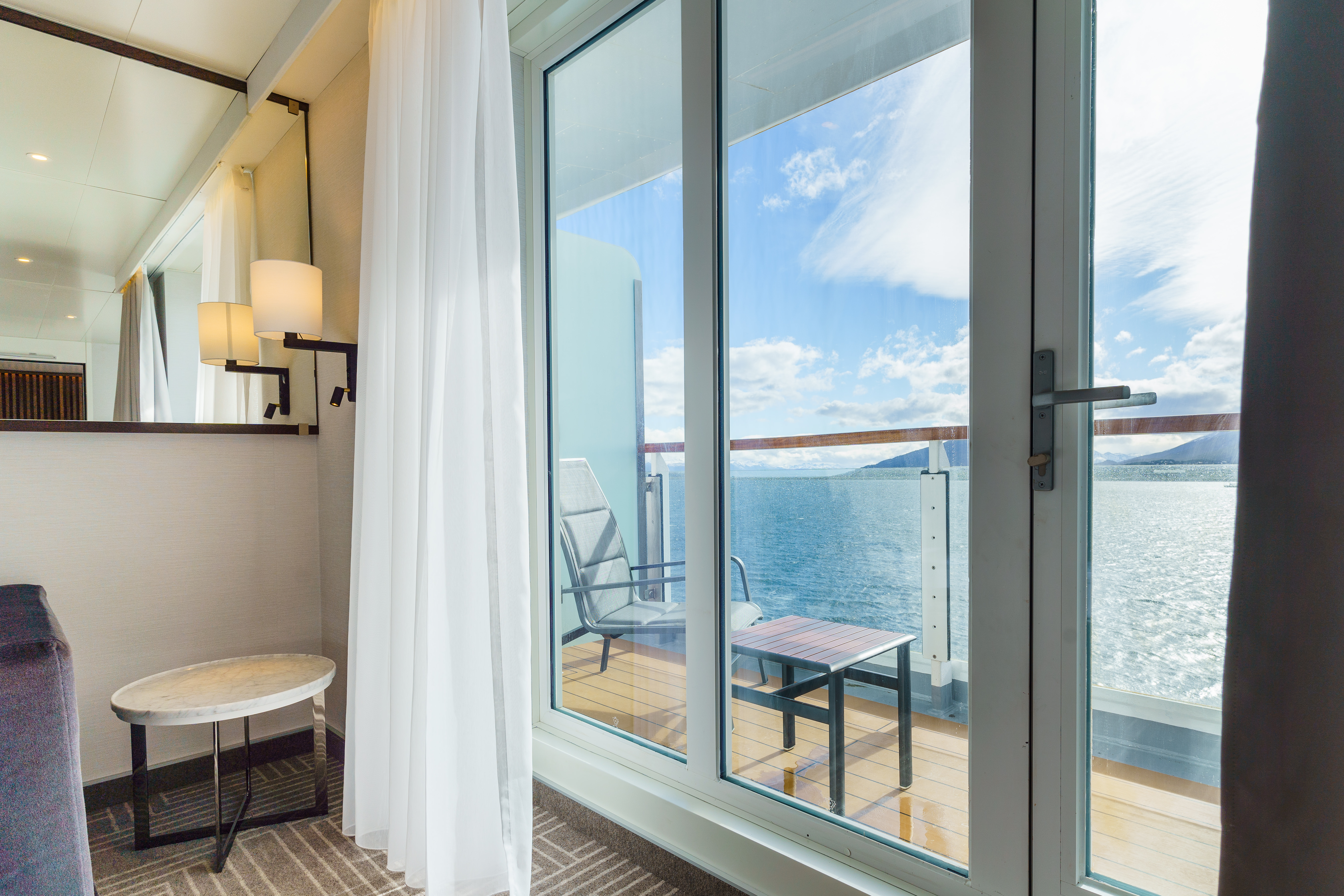
Owner's Suite
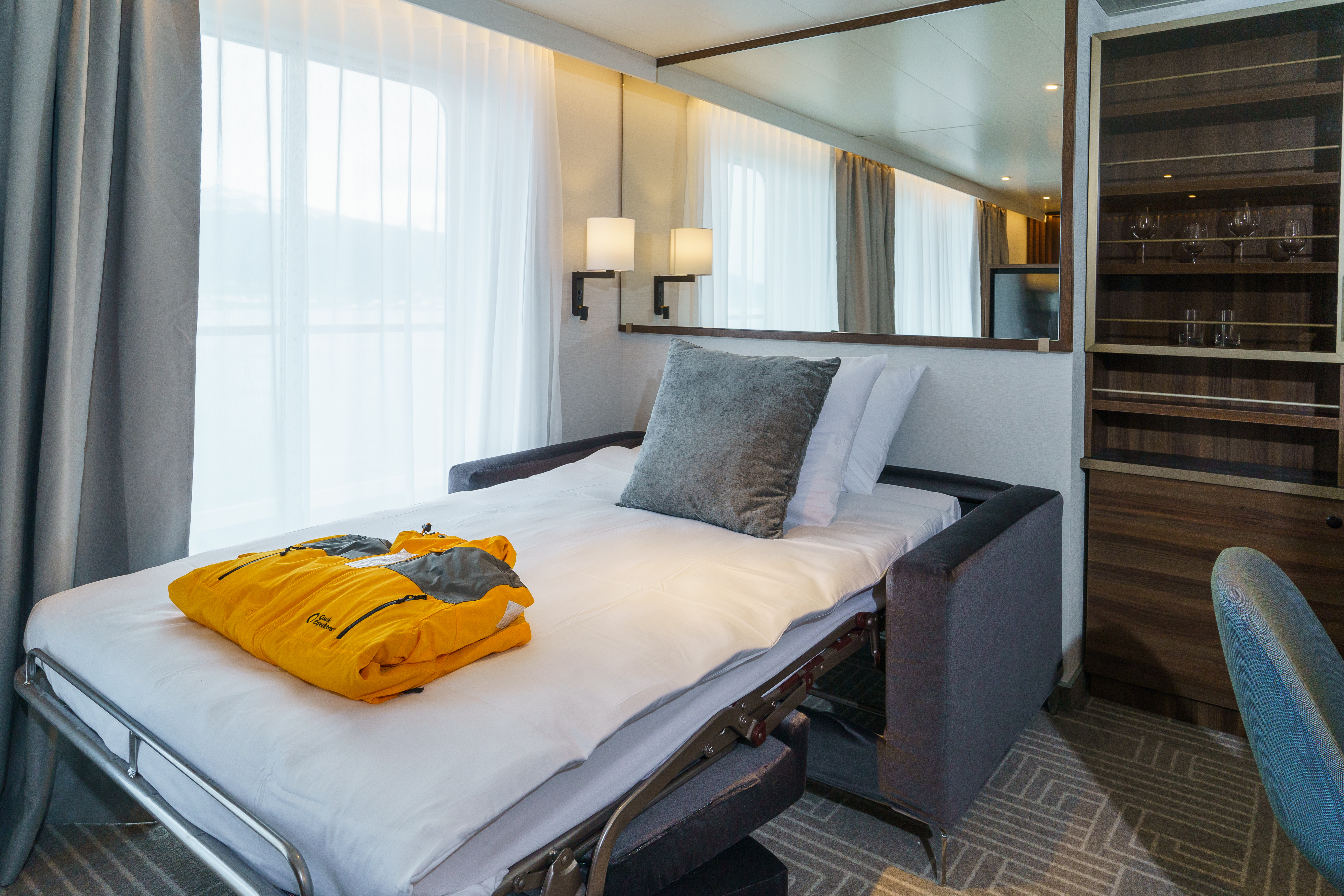
Terrace Suite
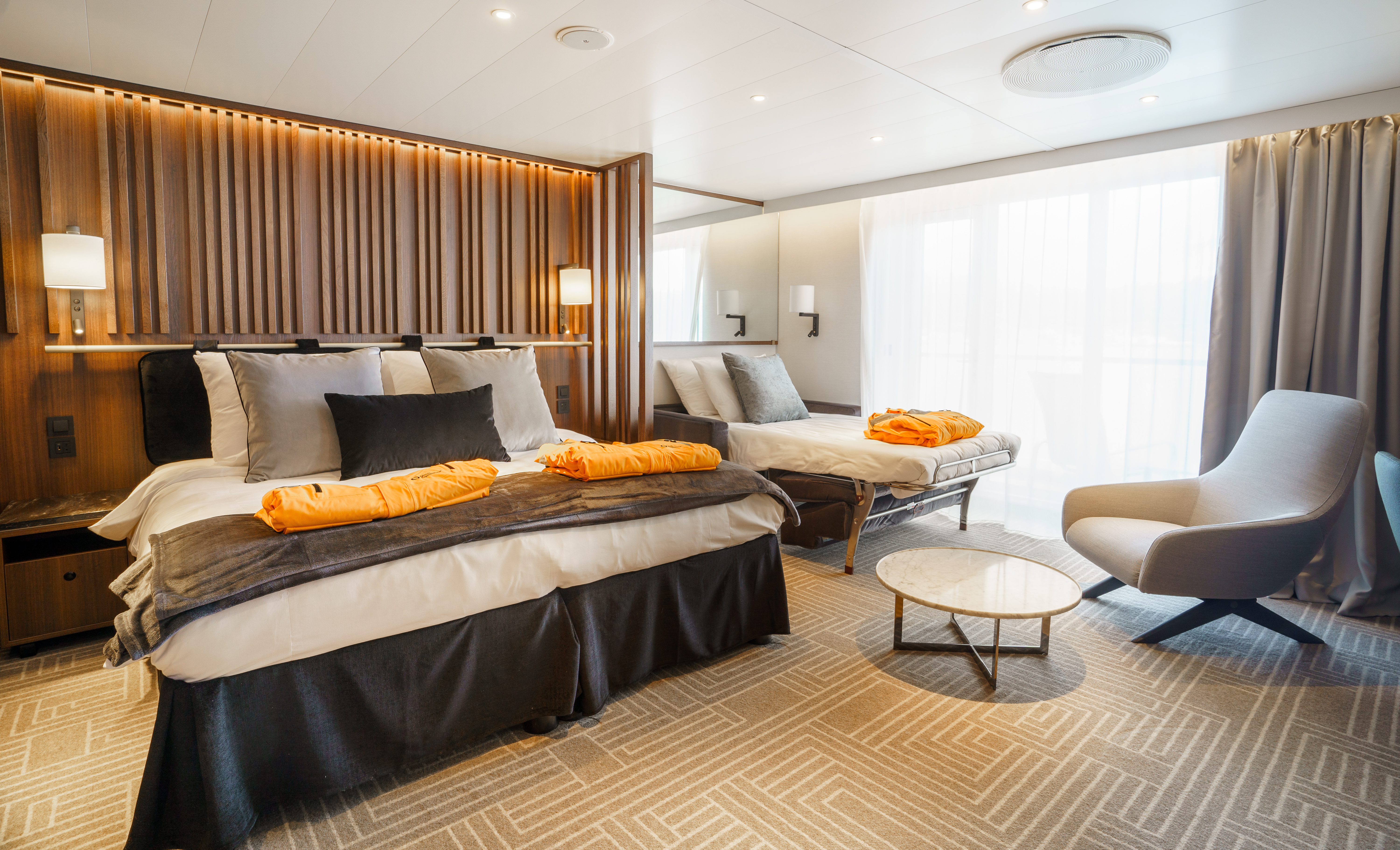
Deluxe Balcony Suite
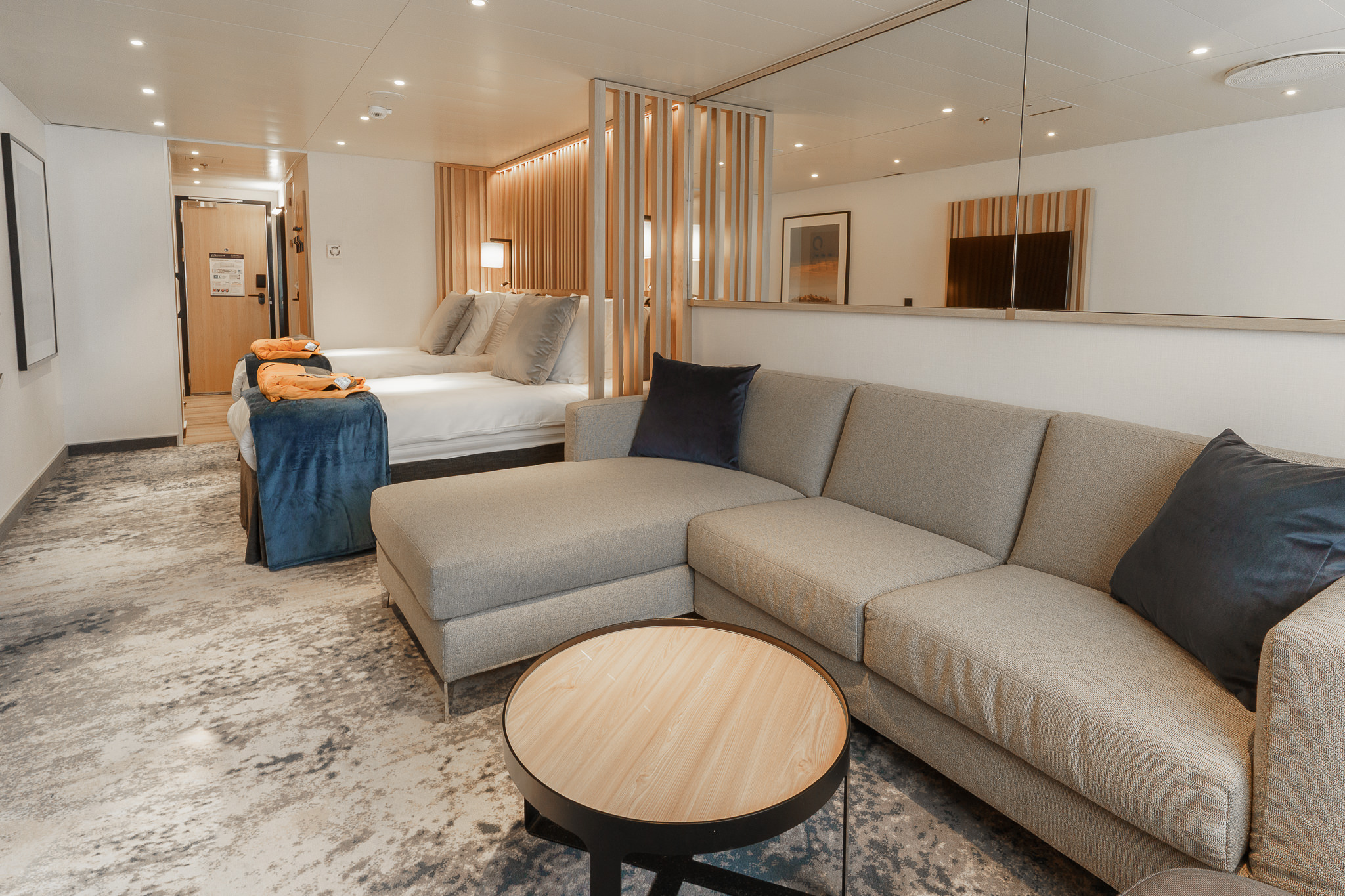
Explorer Suite
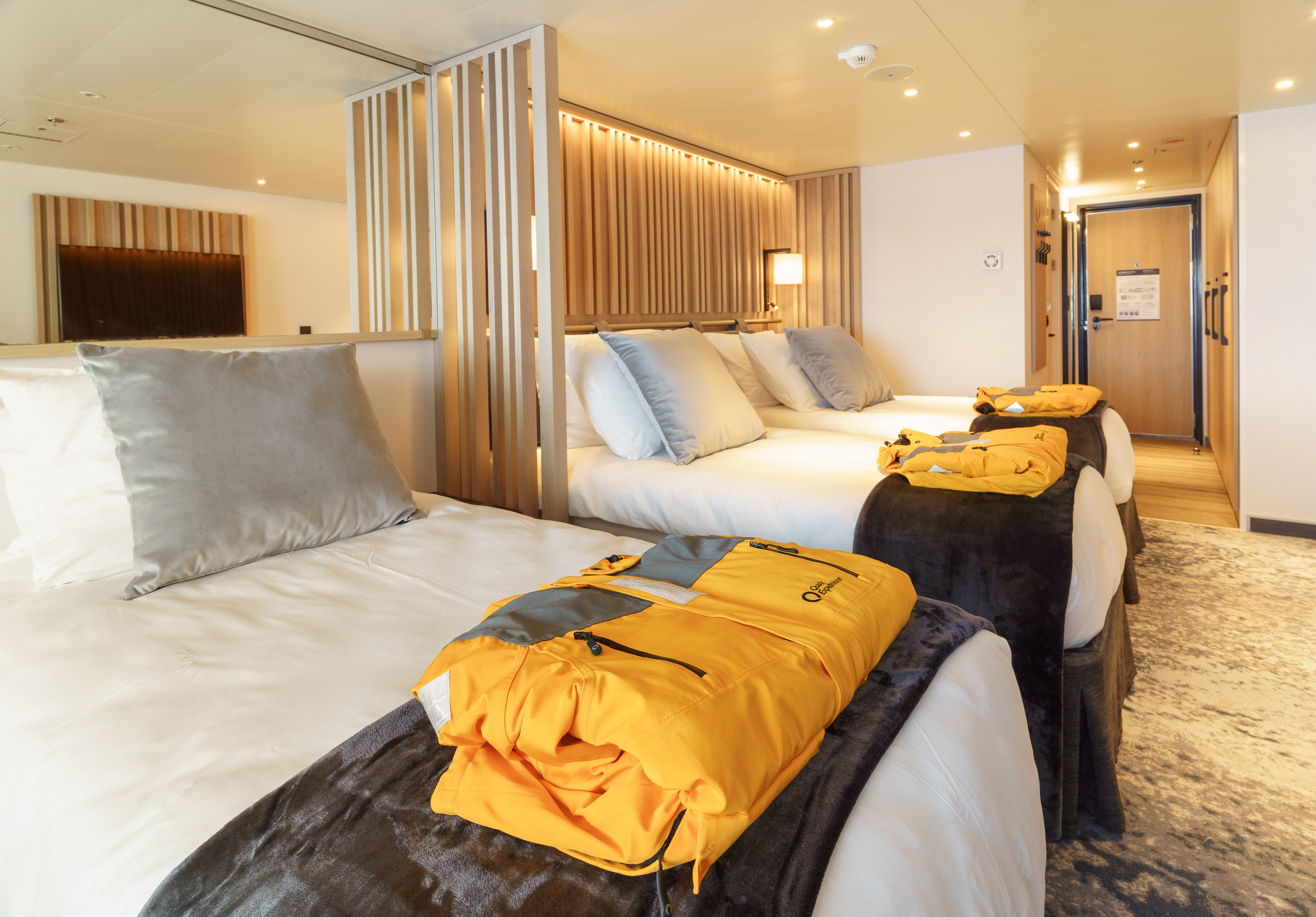
Explorer Triple
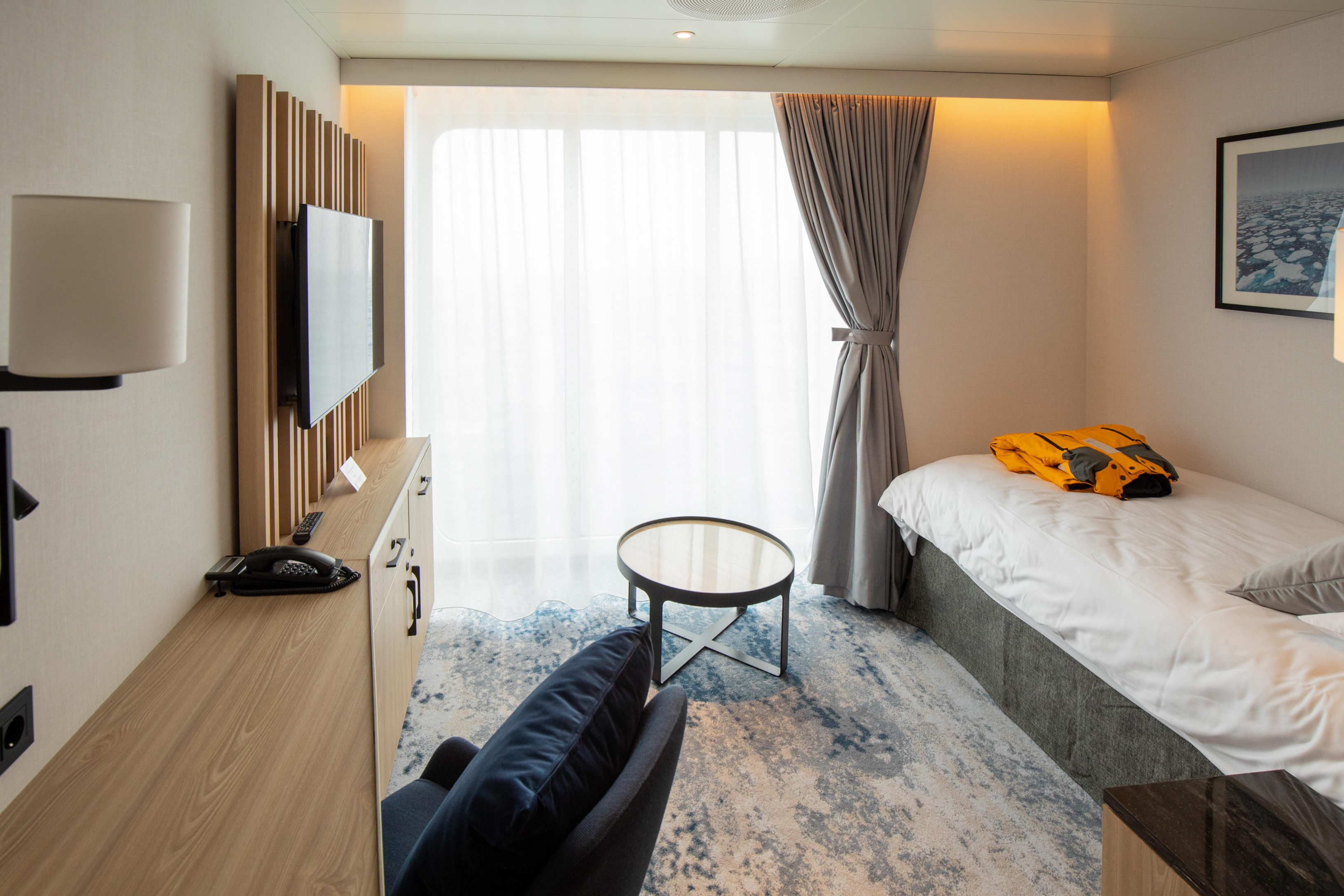
Solo Panorama
Ship Facilities
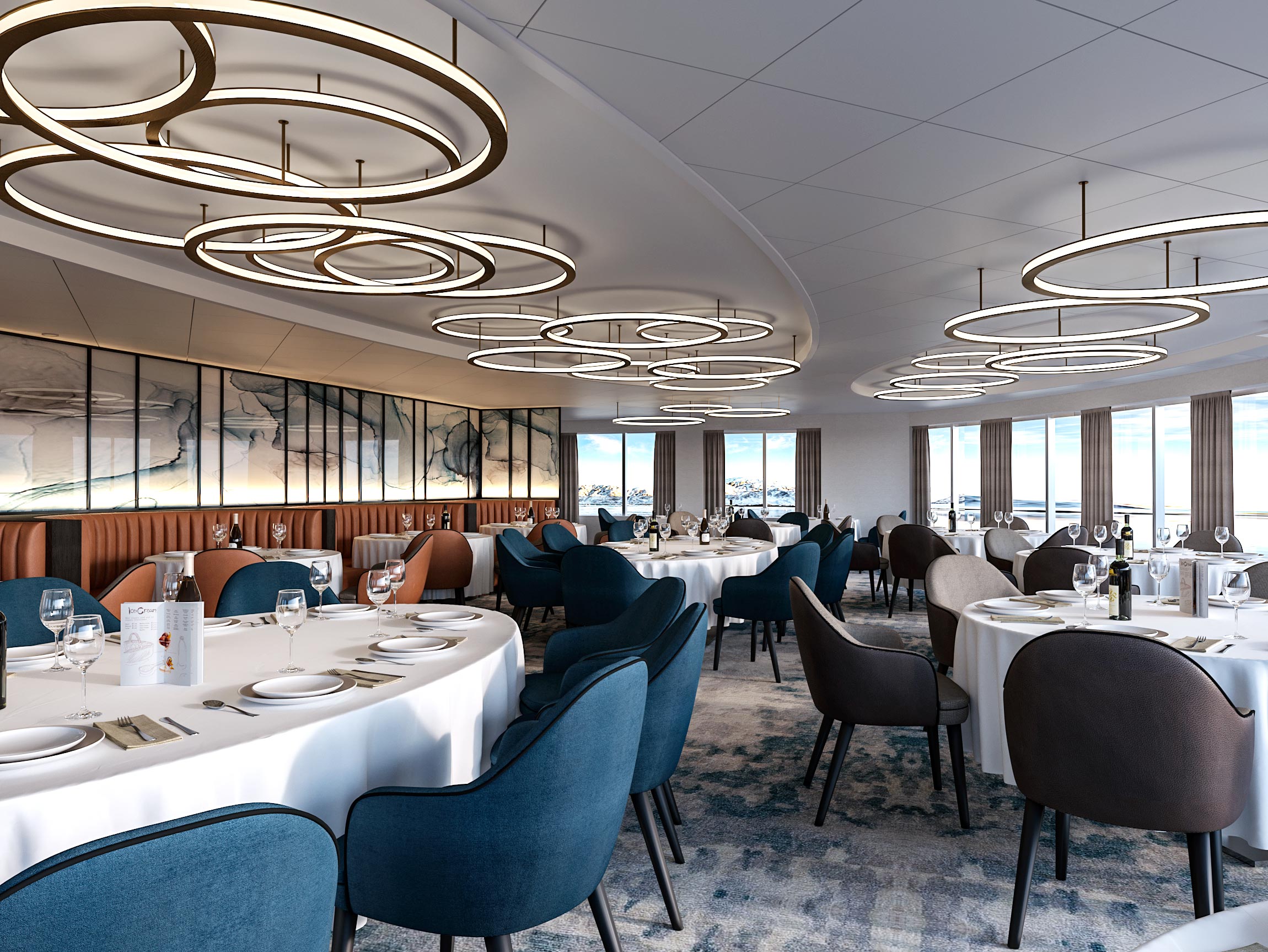
Balena
Featuring table tops that accommodate 2 to 10, guests can enjoy a quiet dinner with a loved one or join a larger table of new friends. Guests will also enjoy views from every seat in addition to direct access to the wraparound deck.
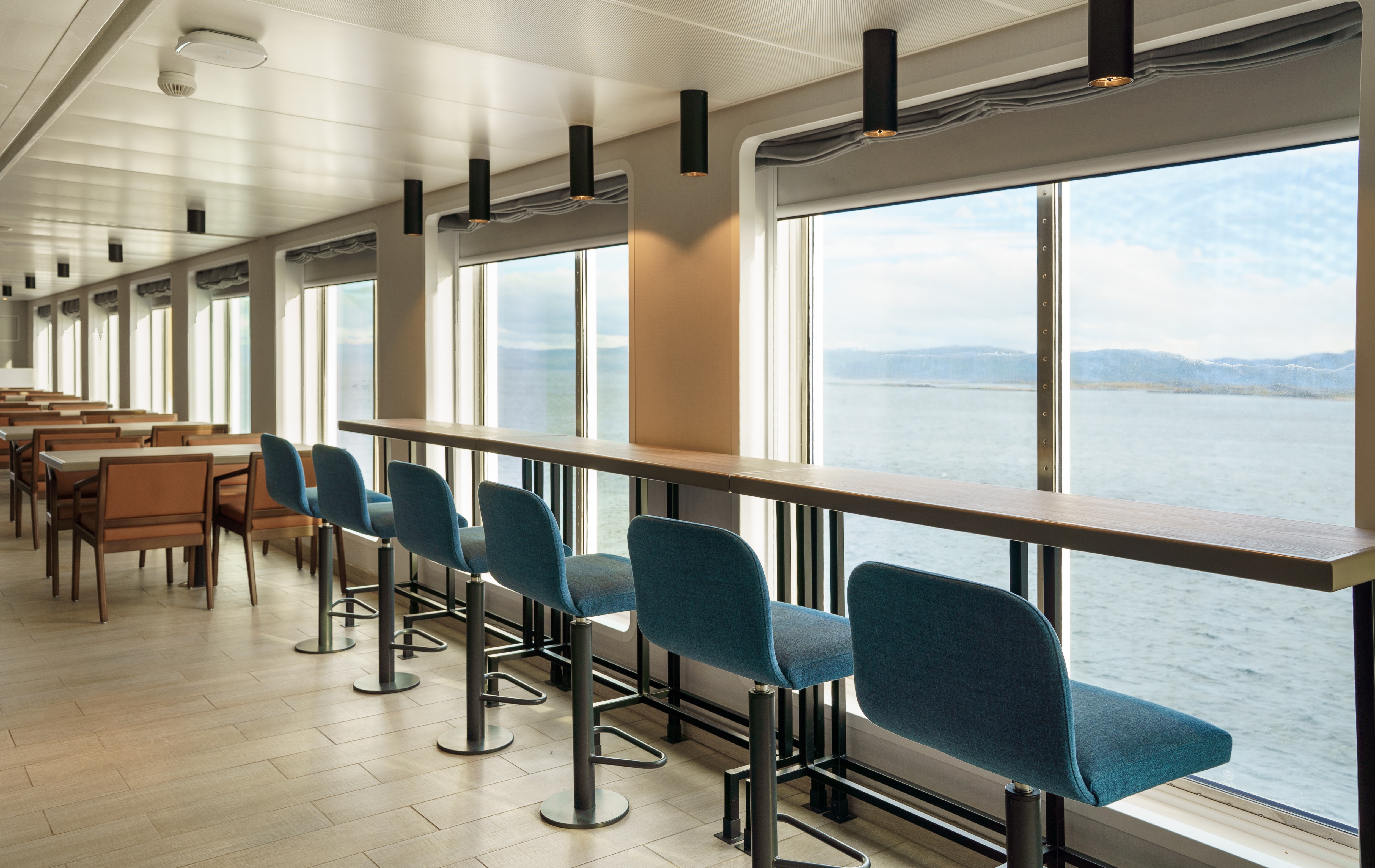
Bistro 487
Guests can enjoy a meal in the Bistro which offers an indoor/outdoor dining experience. Perfect for enjoying the polar landscapes.
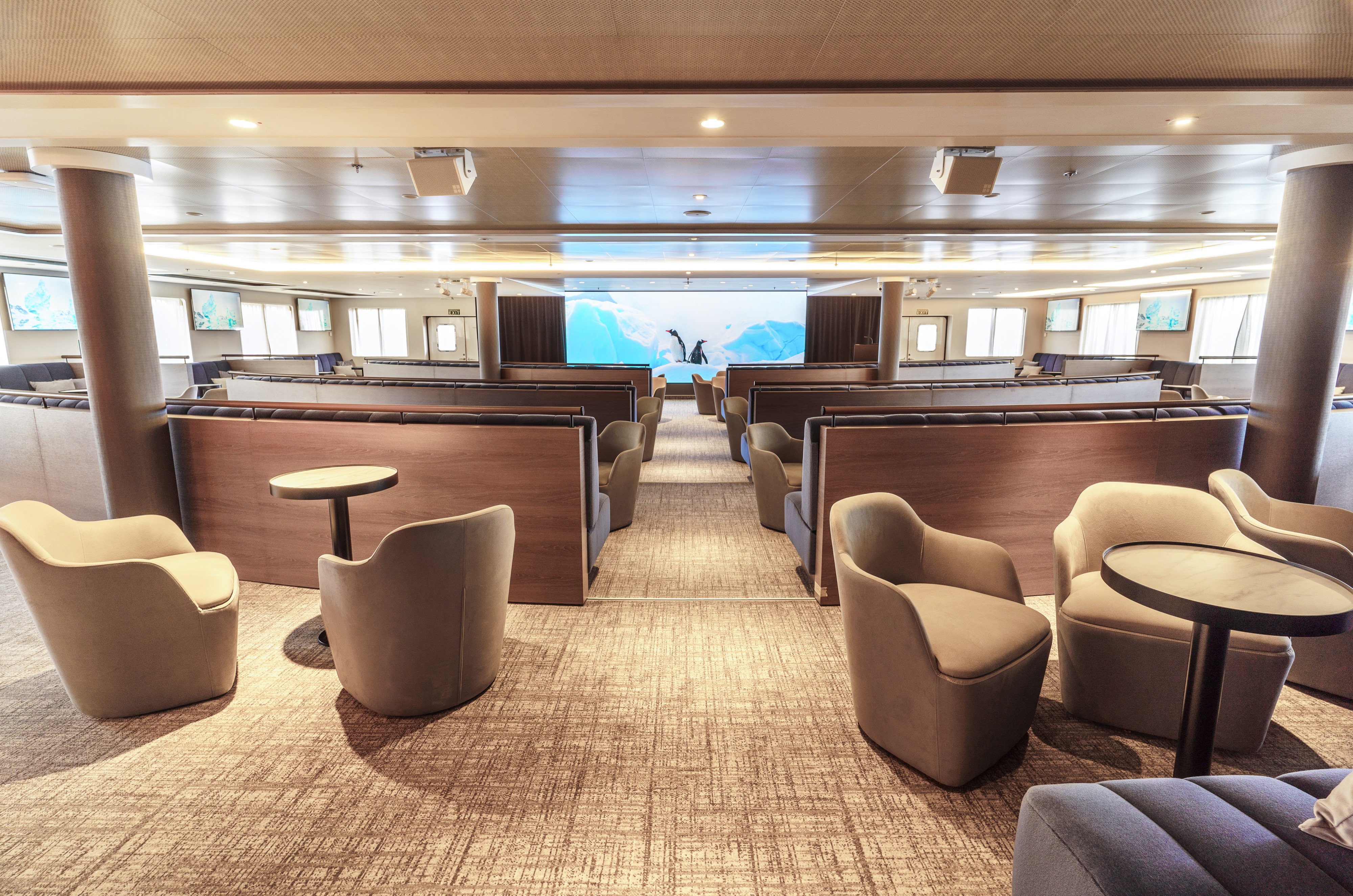
Ambassador Theater
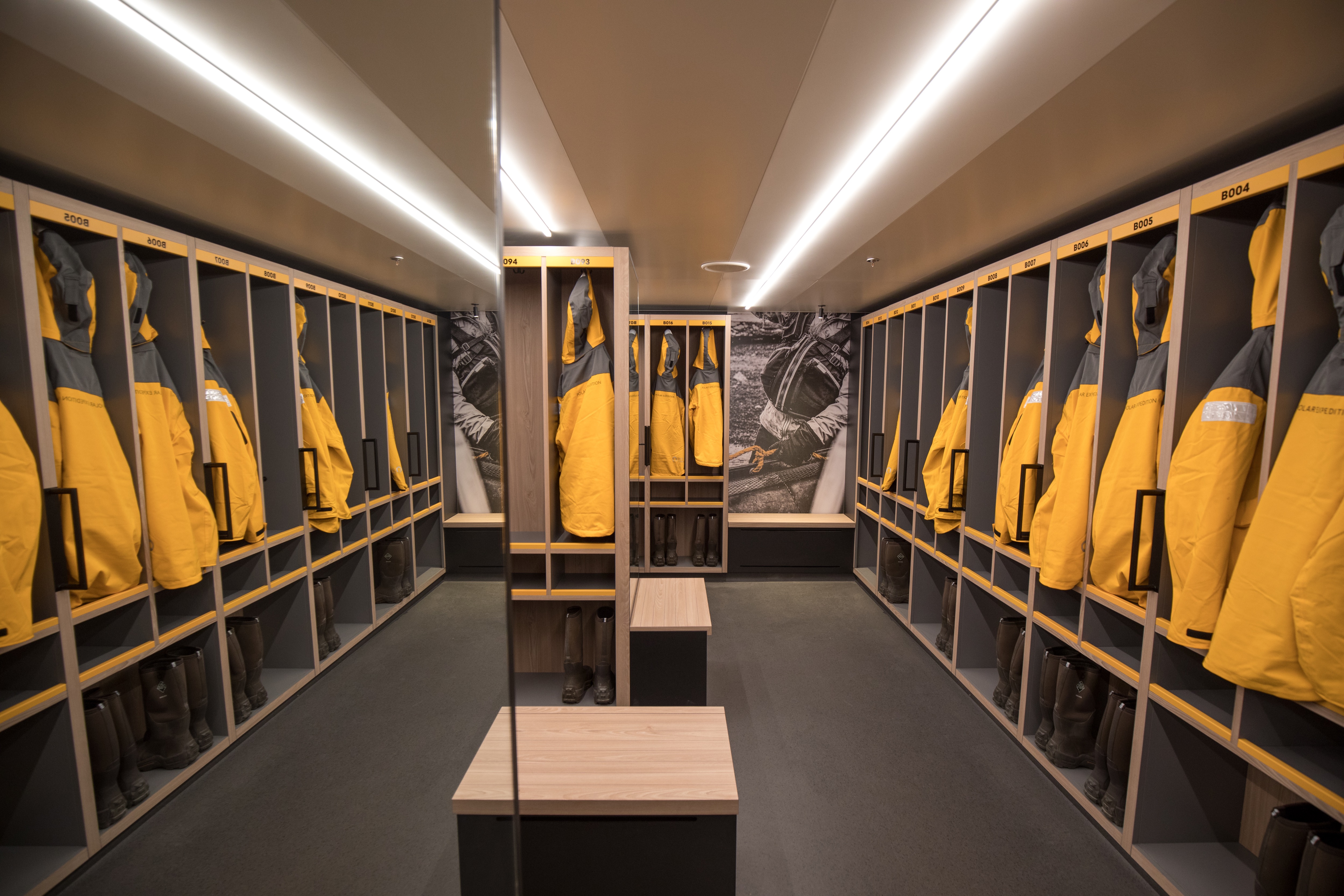
Ready Room
Designed for efficiency—with wider hallways, plenty of seating, and conveniently located bathrooms—our two ready rooms allow guests to quickly change in and out of their expedition gear.
Zodiac Cruising
Zodiacs are used for transferring you ashore, transporting your luggage when necessary and for taking you ocean-level cruising among icebergs, whales and seabirds. During the expedition, you will visit remote and isolated sites that are accessible only by Zodiac.
These large, heavy-duty inflatable vessels are extremely safe and were specially designed for expedition work. Zodiacs are the workhorses of Polar expeditions. Separate air compartments retain a large reserve of buoyancy even if these sturdy boats are damaged. Their flat bottom design permits the craft to land directly onto the cobble and ice-strewn beaches that you will encounter on your Polar expedition.
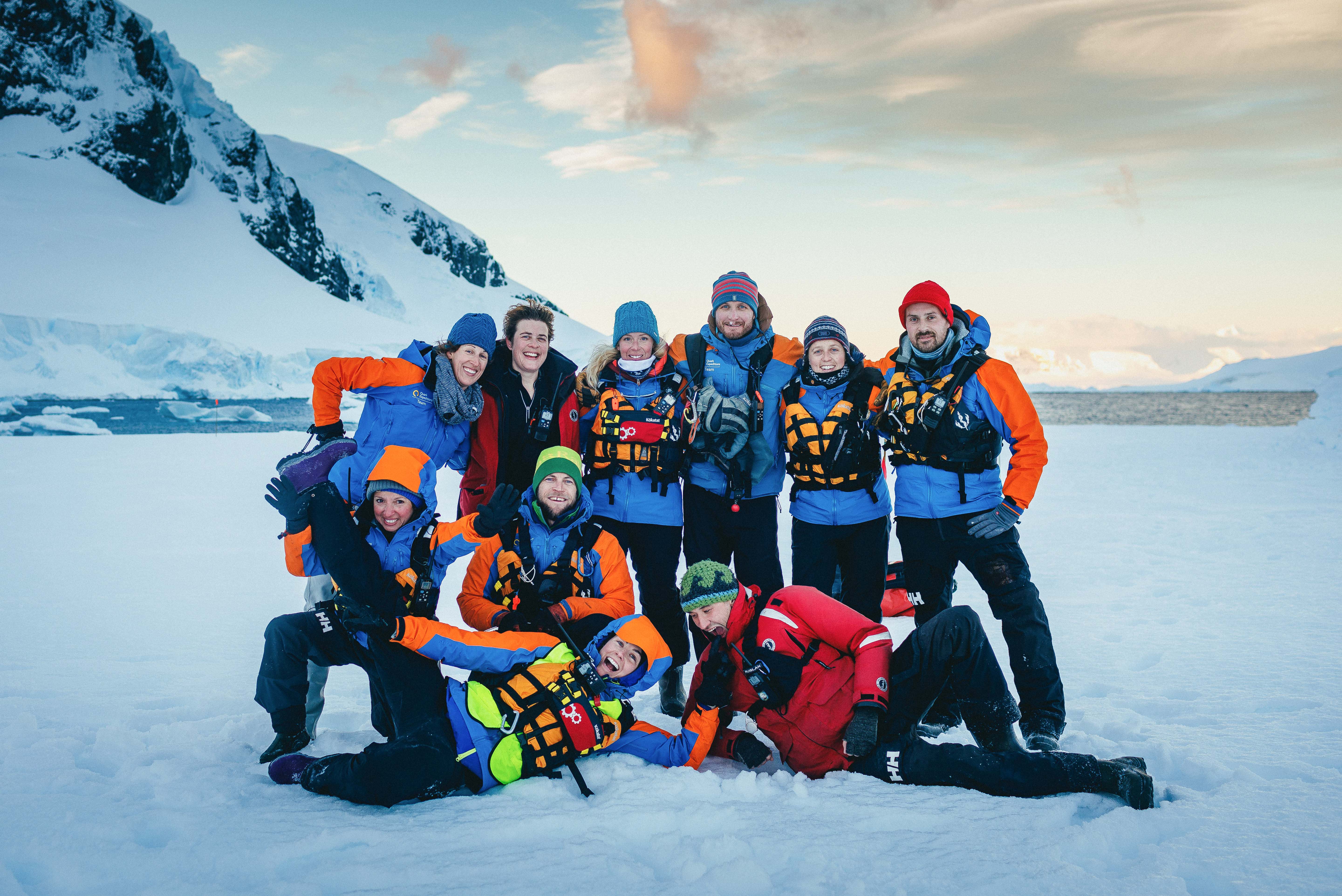
Expedition Team
Twin Engine Helicopters
Flightseeing aboard Ultramarine
While polar landscapes are spectacular from the sea, they’re even more stunning from the air, a view you can enjoy while seated in one of the two twin-engine helicopters stationed on Ultramarine. Typically in groups of 7 to 9, you will experience an unforgettable aerial∘ tour of the Arctic during a 10- to 15-minute flightseeing excursion∘ that’s included in the cost of the voyage. Additional helicopter activities may also be available for purchase onboard. Please note: all helicopter operations are weather- and logistics-dependent.
Sea Kayaking
Sea kayaking is offered on all of our departures and you require no previous experience to enjoy this activity. Our sea kayaks are the ideal means by which to get some good exercise and explore the cliffs and shores of the various visitor sites around the archipelago. A typical cruise week offers great opportunities to go kayaking around secluded coves, shores, mangrove estuaries and beautiful beaches. Galapagos penguins, flightless cormorants, sea lions and many other animals can be seen up close on a kayak and even as they swim.
Polar Plunge
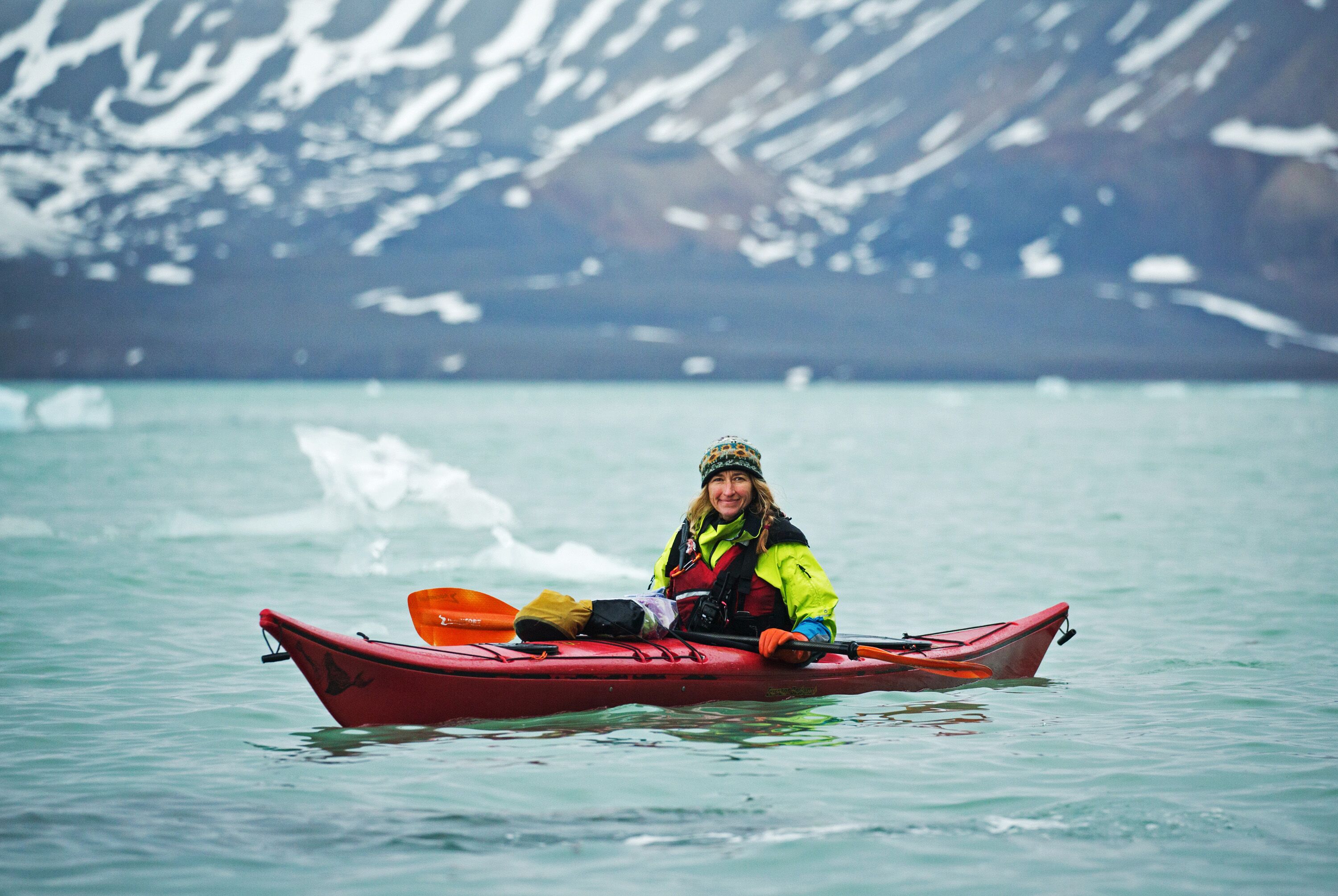
The Polar Plunge is scheduled once during each voyage. Throughout the journey, the Expedition Leader and Captain constantly monitor conditions in order to choose the optimal time and location. The Polar Plunge sometimes takes place onshore or, in many cases, from the gangway or Zodiac. All participants wear a tethered harness and plunge into the polar waters from the side of Zodiac or safety of the gangplank cheered on, of course, by fellow passengers and Expedition Team.
Safety is paramount—the onboard physician always attends the Polar Plunge. Guides in survival gear circle the area in Zodiacs as guests take their turn jumping or cannon-balling into the polar waters.
Paddling Excursion
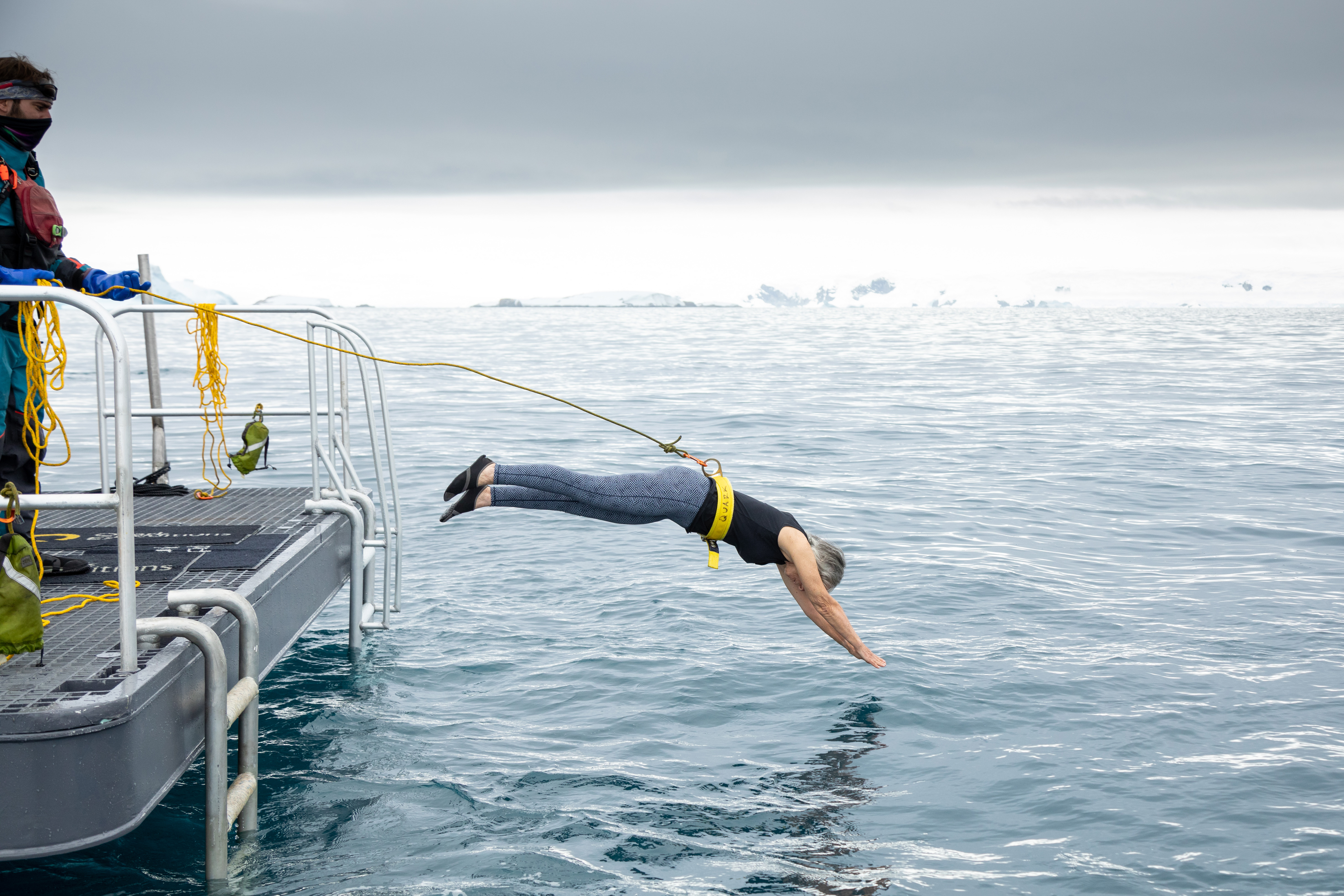
Explore the ocean from a more intimate vantage point on a sit-on-top kayak. No experience is required to manoeuvre these very stable kayaks, allowing you to enjoy an unforgettable experience on the water, taking in breathtaking landscapes and wildlife. Whether it’s your first time in a kayak or you want greater flexibility to try other Adventure options, this shorter excursion is for you.
Paddling in the Polar Regions is highly weather-dependent and a one-time experience. Your kayak guides will attempt to take you out on the water for 1-1.5 hours of paddling. Offered on most voyages, spaces are limited. All equipment, guides and instructions are provided by Quark.
Pricing subject to change based on season. Please proceed to checkout or contact a Polar Travel Adviser for more details.
Camping
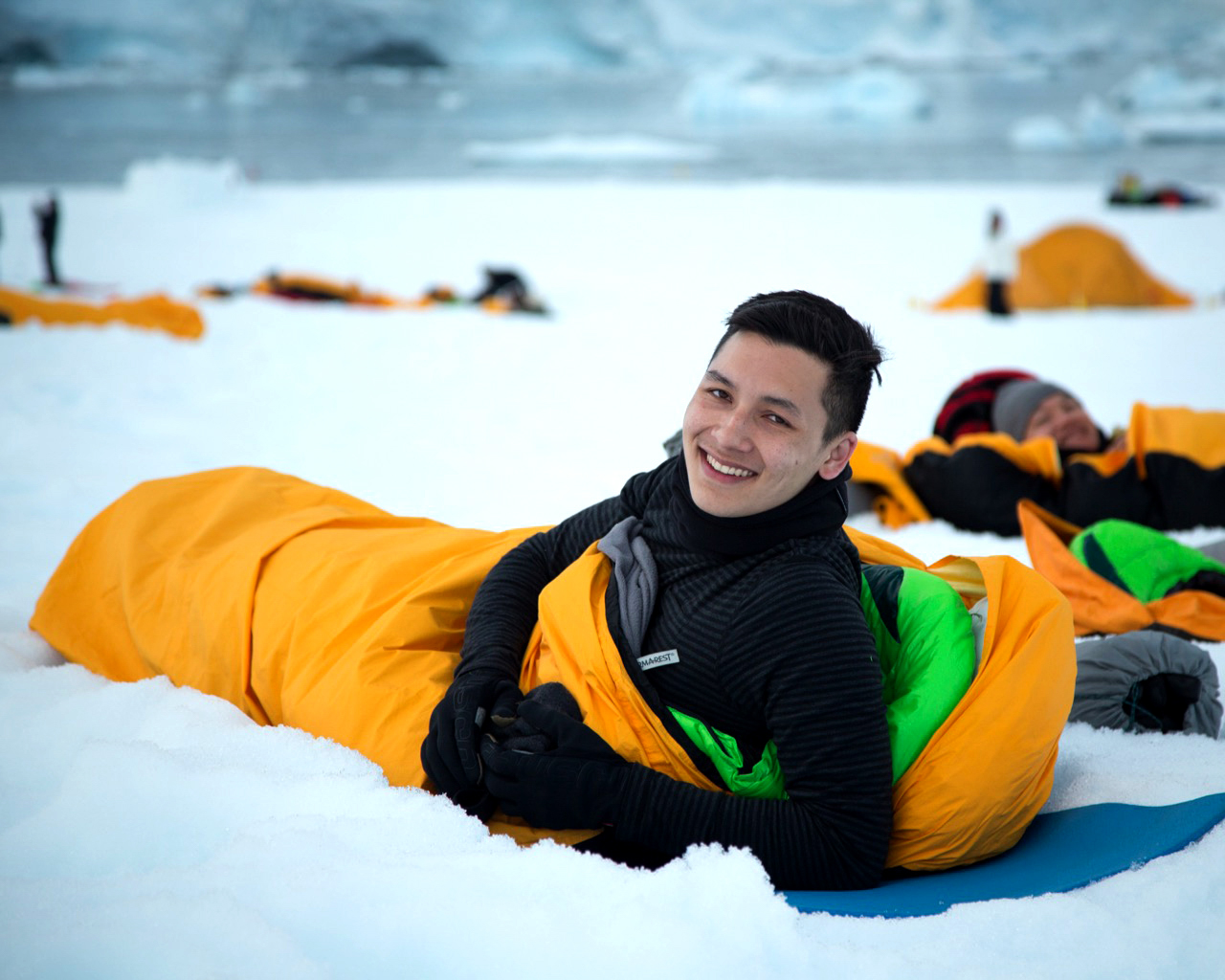
Imagine for a moment, staring at the stars in the indigo glow of an Antarctic night as you bed down for the night outside in the elements. The buzz of your daily life becomes a distant memory as you listen to the bray of penguin, the ethereal calls of the Weddell sea – even the exhalation of a humpback whale. And then you fall asleep.
Antarctic Camping with Quark Expeditions is an unforgettable experience. After dinner onboard, you’ll be escorted ashore by Zodiac to camp out on the snow for the night in your ready-to-roll bivy sack (tents can be used upon request). Once you decide on your spot, you set up camp and enjoy the peace as the Antarctic night unfolds.
Camping in Antarctica is limited to 50 participants, all of whom will be briefed beforehand on the principals of basic camping. Prior to you settling down for the night, Quark Expeditions staff will prepare the site, including setting up a perimeter in safe, flat to gently-sloping and beautiful site. You’re free to choose where (within the perimeters) you want to settle down for the night.
Hiking
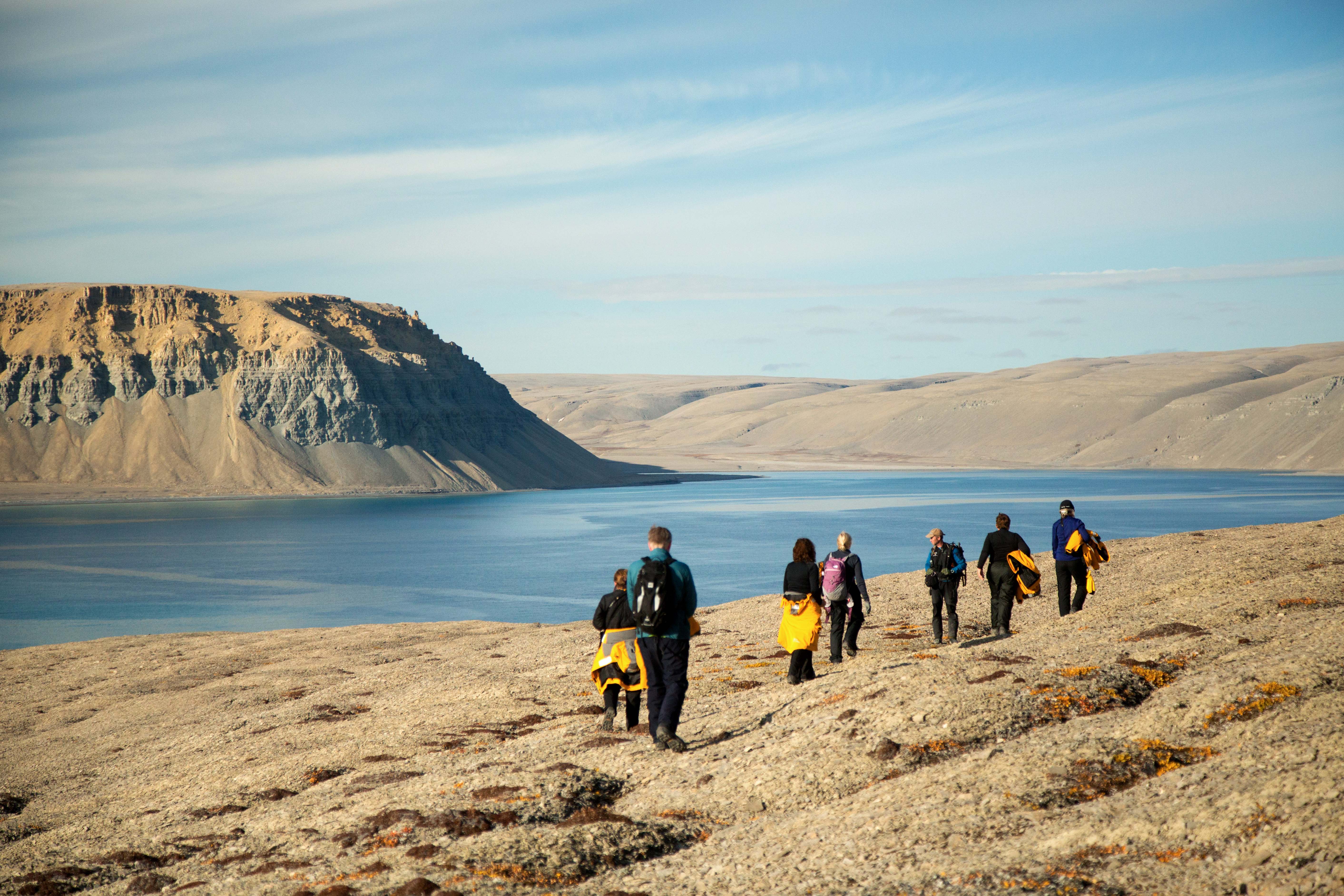
Hiking in the polar regions differs from your typical trail experience. Here, in a tree-less terrain, you are the tallest figure on the landscape as you walk over spongy tundra, crusty snow or sandy beaches in remotes parts of the Arctic and Antarctica. Stepping ashore anywhere in the polar regions means you’re not a distant observer.
Our organized hikes range from short jaunts to the top of lookouts or visits to see wildlife or longer walks of several kilometers over ice and rock and snow. Hiking excursions may last from two to three hours with plenty of time for photographs of wildlife, learning moments from your experienced guides, or just time to stand back and admire the incredible polar surroundings.
No experience is necessary but participants should be able to get in and out of a Zodiac and walk on uneven terrain. Hiking options are tailored to all interests and abilities, from those who want to contemplate the landscape in silence to photographers who want that perfect image to energetic travelers who want to summit a peak in the hopes of seeing wildlife in their natural habitat.
Exclusive Heli-Landing
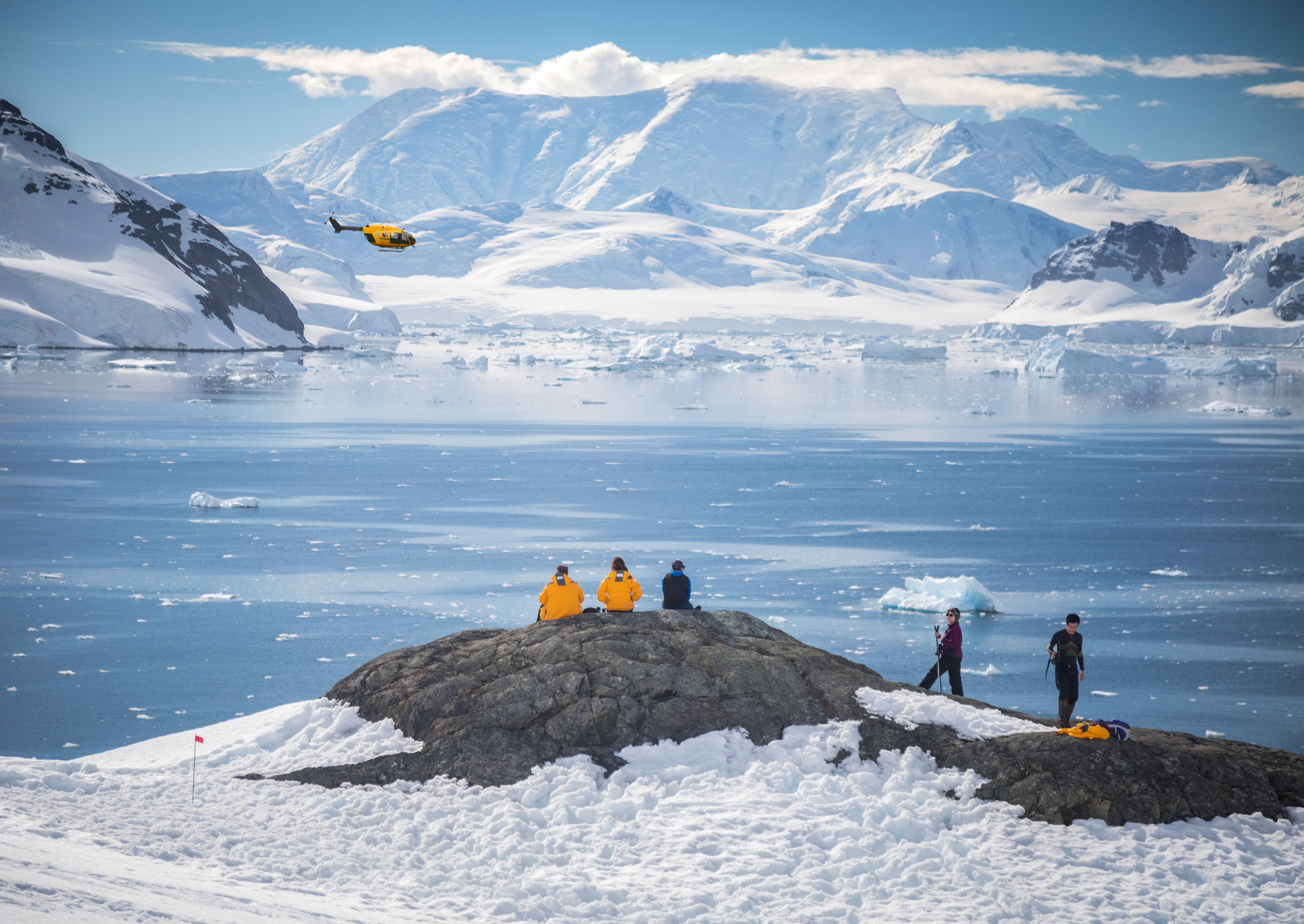
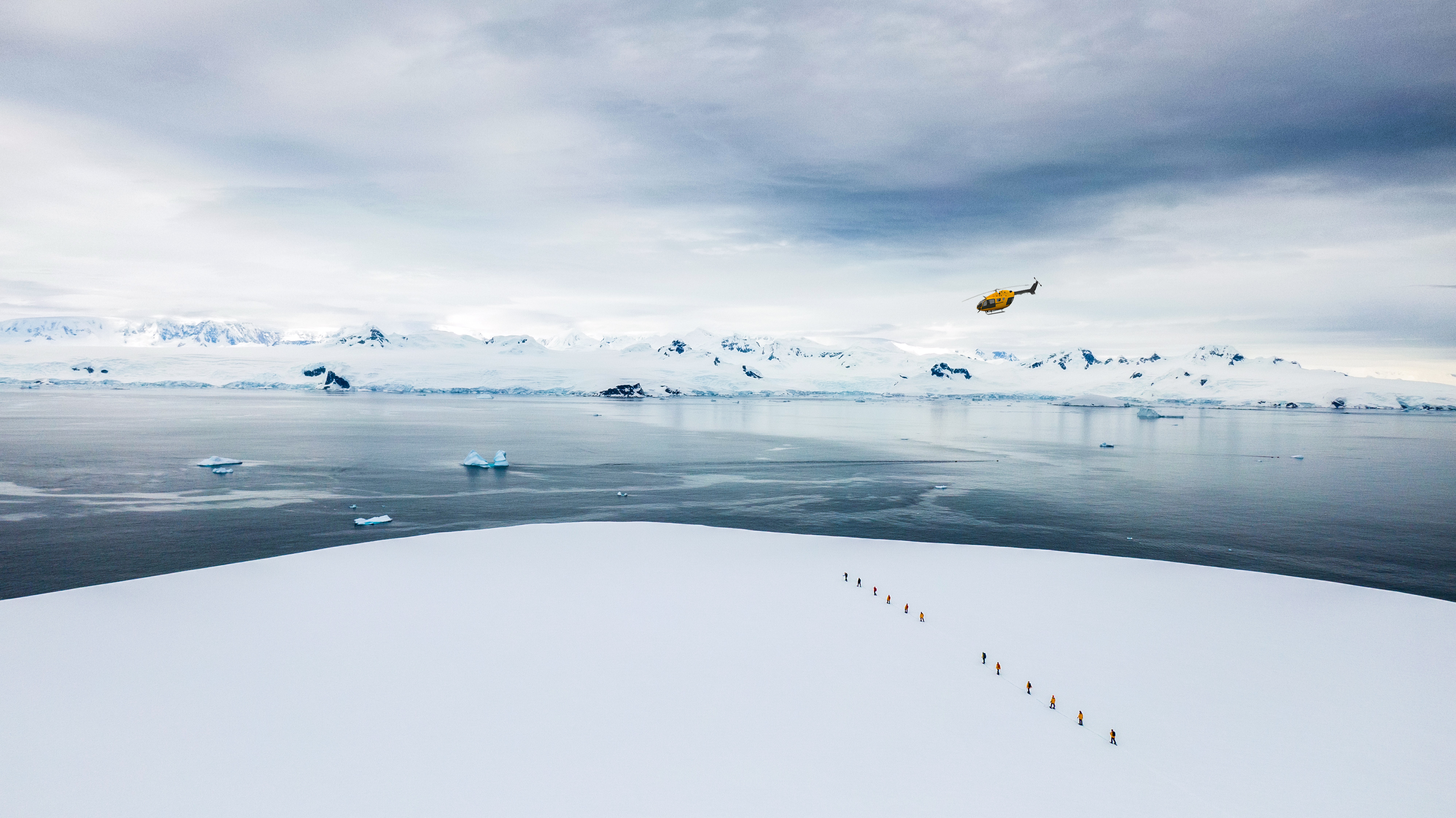
Imagine setting foot in an area of the Antarctic that can only be safely accessed by helicopter. With a small group of fellow passengers and expert guides, you’ll board one of Ultramarine’s two twin-engine helicopters to soar off to an exclusive polar site where no ships can navigate. Expect stunning bird’s-eye views during your flight, and then, upon arrival, simply sit back, relax and take in the splendor of the Antarctic from “the best seat in the house”: glacial amphitheaters, breath-taking summits, and more. Traveling in groups of 12 with no more than 4 groups (48 guests) at a time on each landing, you’ll have time to relax and quietly reflect on the beauty of your polar surroundings, after which you’ll be picked up by the helicopters in the same location and returned to Ultramarine.
Each heli-landing experience is uniquely curated by our expedition team, taking conditions and location capacity into consideration.
Alpine Heli-Trekking
Let us take you on an active adventure high up in the Antarctic Peninsula. You’ll be part of an intimate group of adventurers to board one of Ultramarine’s two twin-engine helicopters for a trekking excursion in an area only safely accessed by air. The helicopter flight alone rewards guests with unforgettable views of the expansive polar landscape down below. On land, during an invigorating walk, hike or snowshoe trek (depending on conditions), you’ll be rewarded with equally stunning views of remote ridgelines, glaciated terrain, and snow-topped peaks. This once-in-a-lifetime heli-adventure will leave you marveling at the overwhelming beauty of the Antarctic.
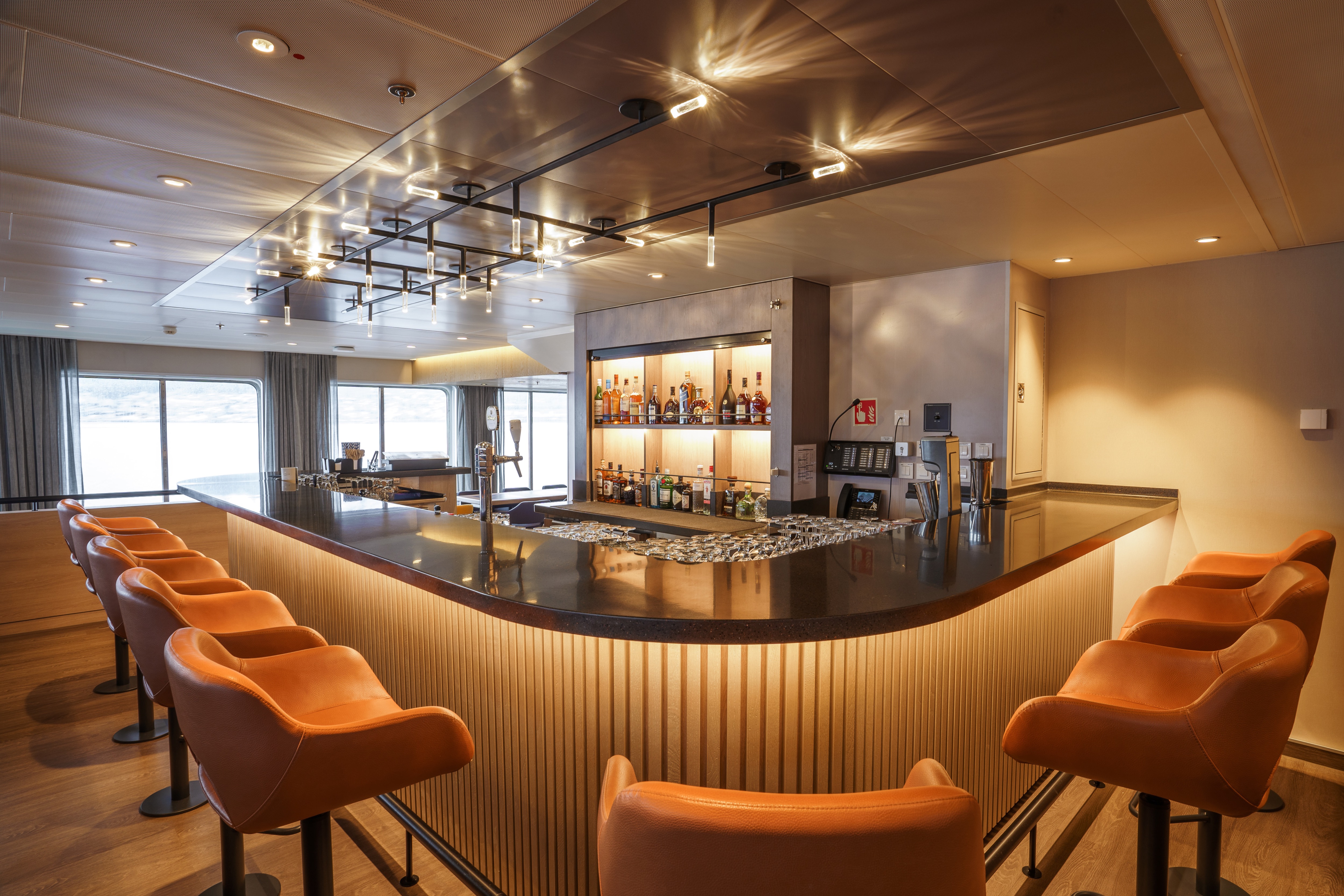
Panorama Lounge and Bar
Enclosed in glass and featuring unobstructed views, the Panorama Lounge and Bar allows guests to relax indoors while staying connected to the awe-inspiring landscapes drifting by. It serves as a cozy gathering point where guests can sip a glass of wine, engage in great conversation, indulge in a board game, or socialize at the bar—and, later in the evening, bust a move on the dance floor.
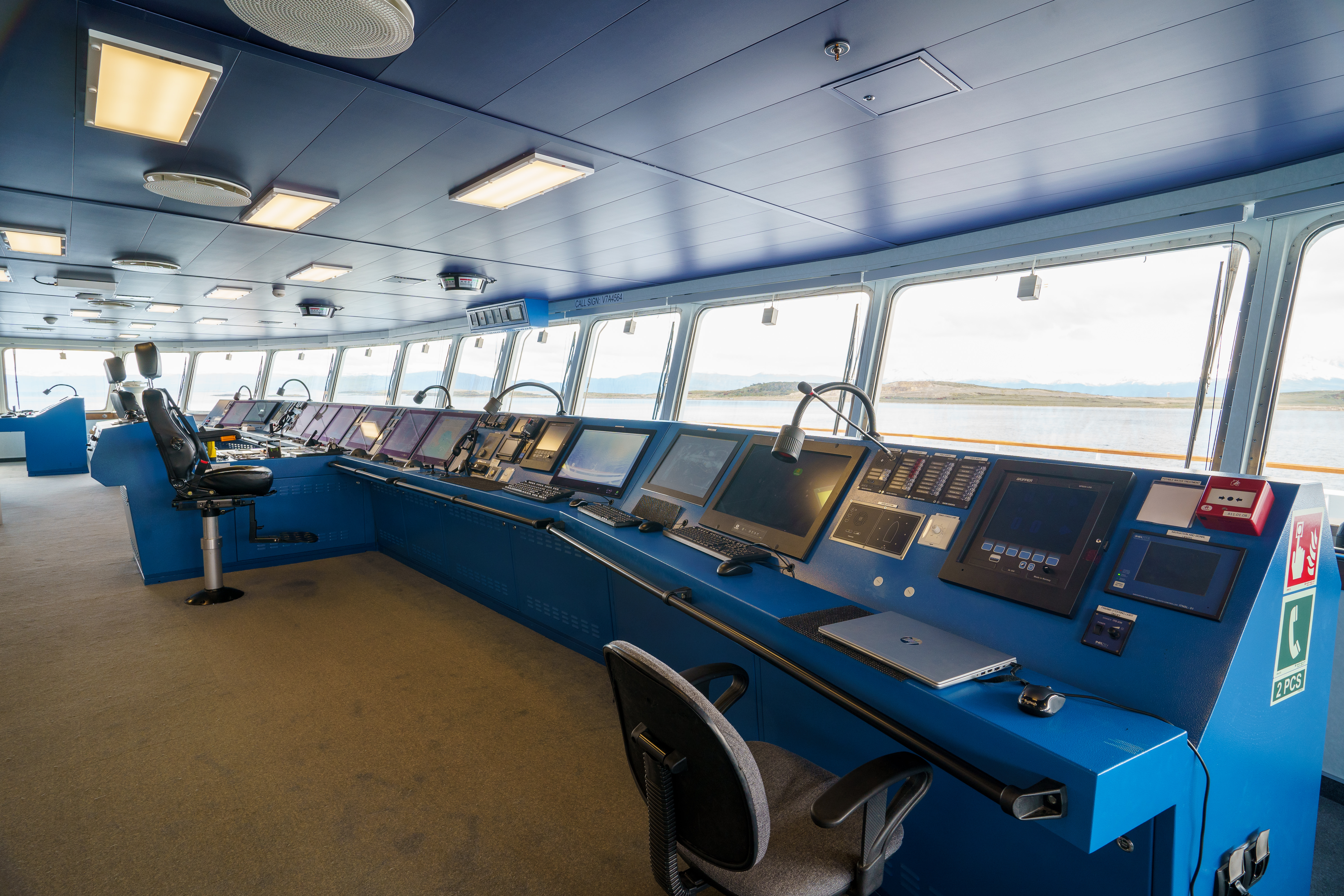
Bridge
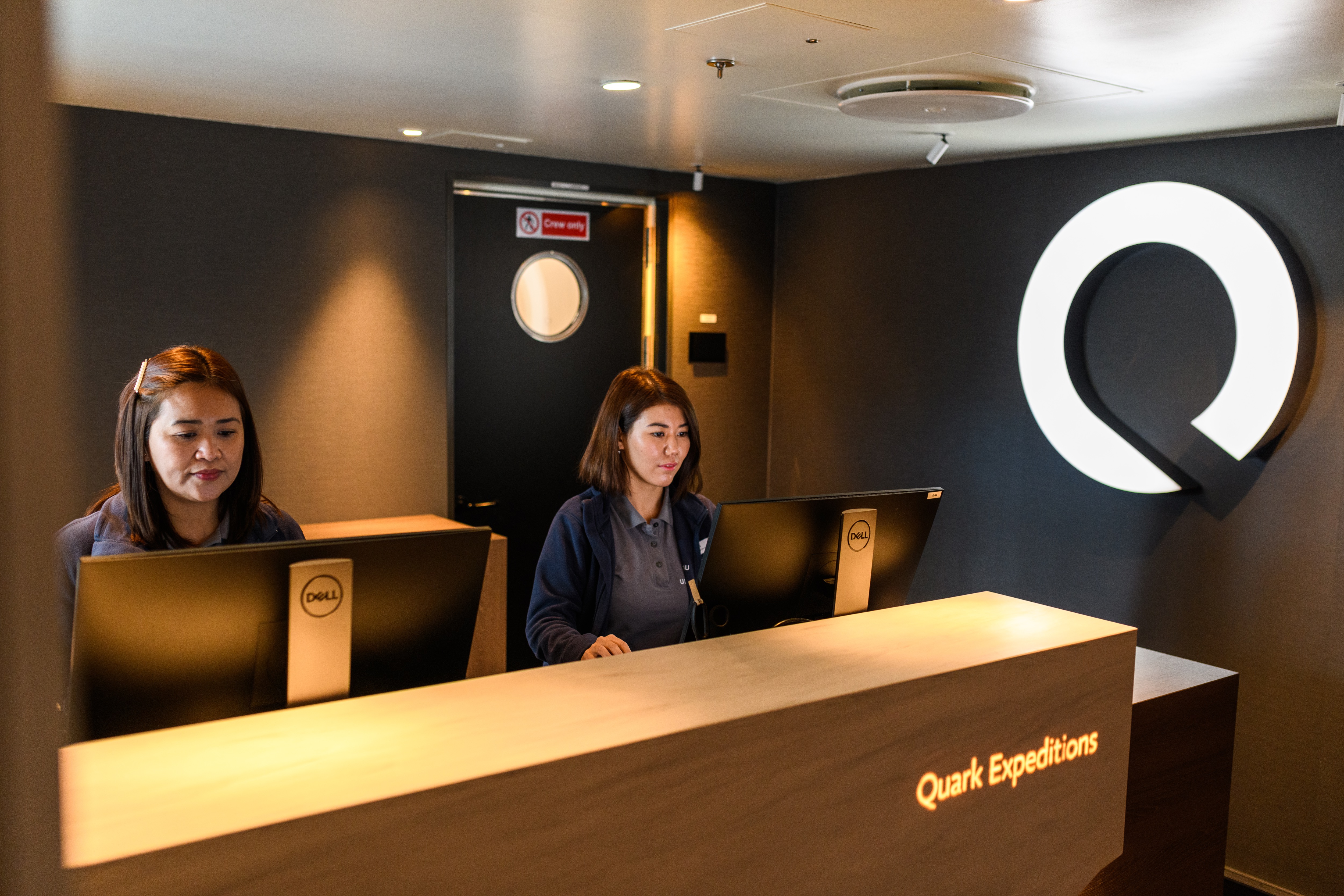
Reception
A crew member is available at reception to assist you or answer any questions during posted hours. You can purchase internet or email access cards and phone cards here, arrange for a wake-up call or settle your accounts at the end of the voyage.
Polar Boutique
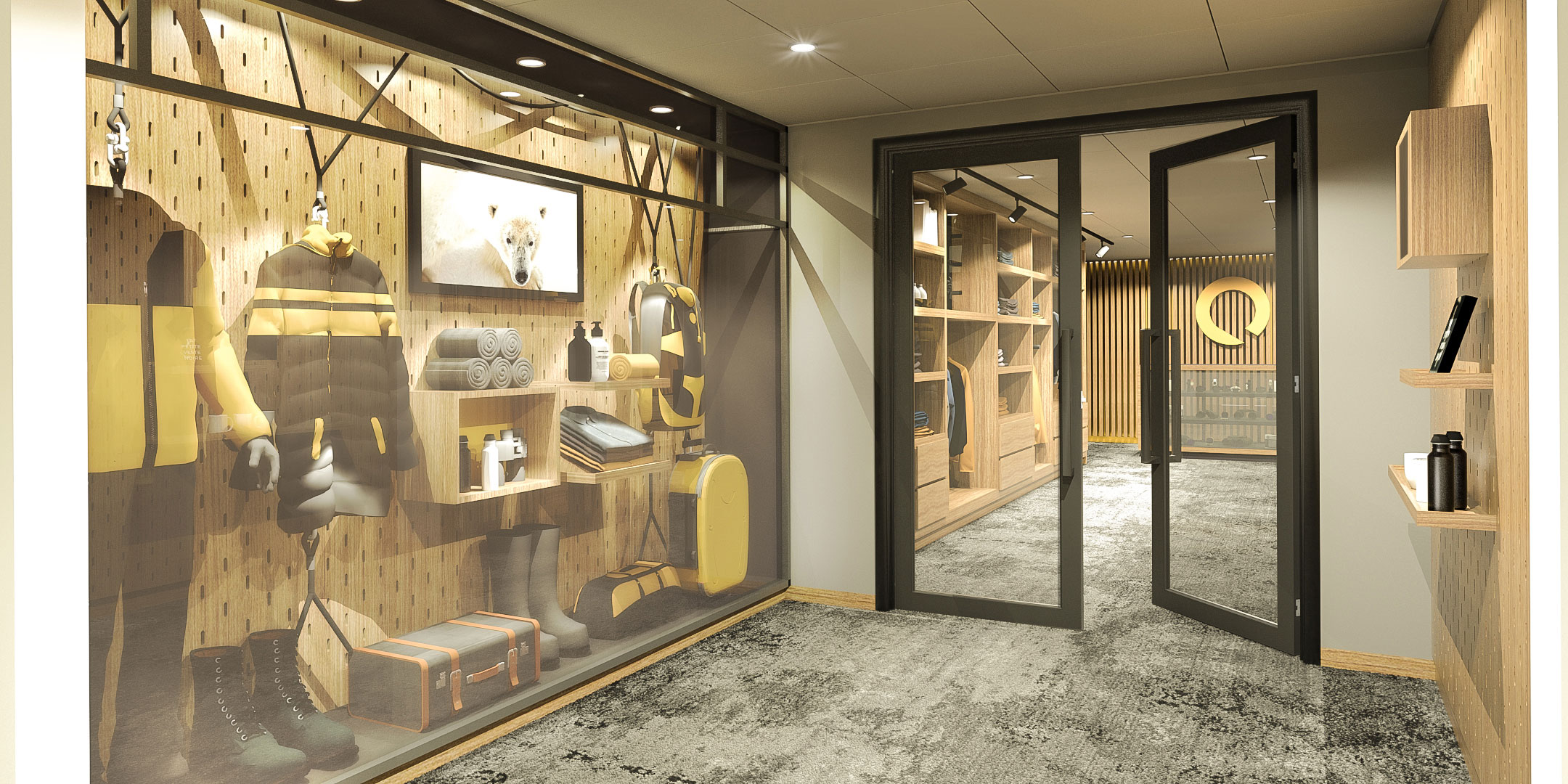
If you forgot any essentials or need a little souvenir from your voyage, the Polar Boutique on Deck 3 is our onboard gift shop. Opening hours will vary based on the daily expedition activities.
Gifts and souvenirs are great to bring home as mementos of your polar expedition. In addition to small souvenirs, our Polar Boutique offers a selection of expedition gear, including base layer clothing, waterproof pants, gloves and more.
Library
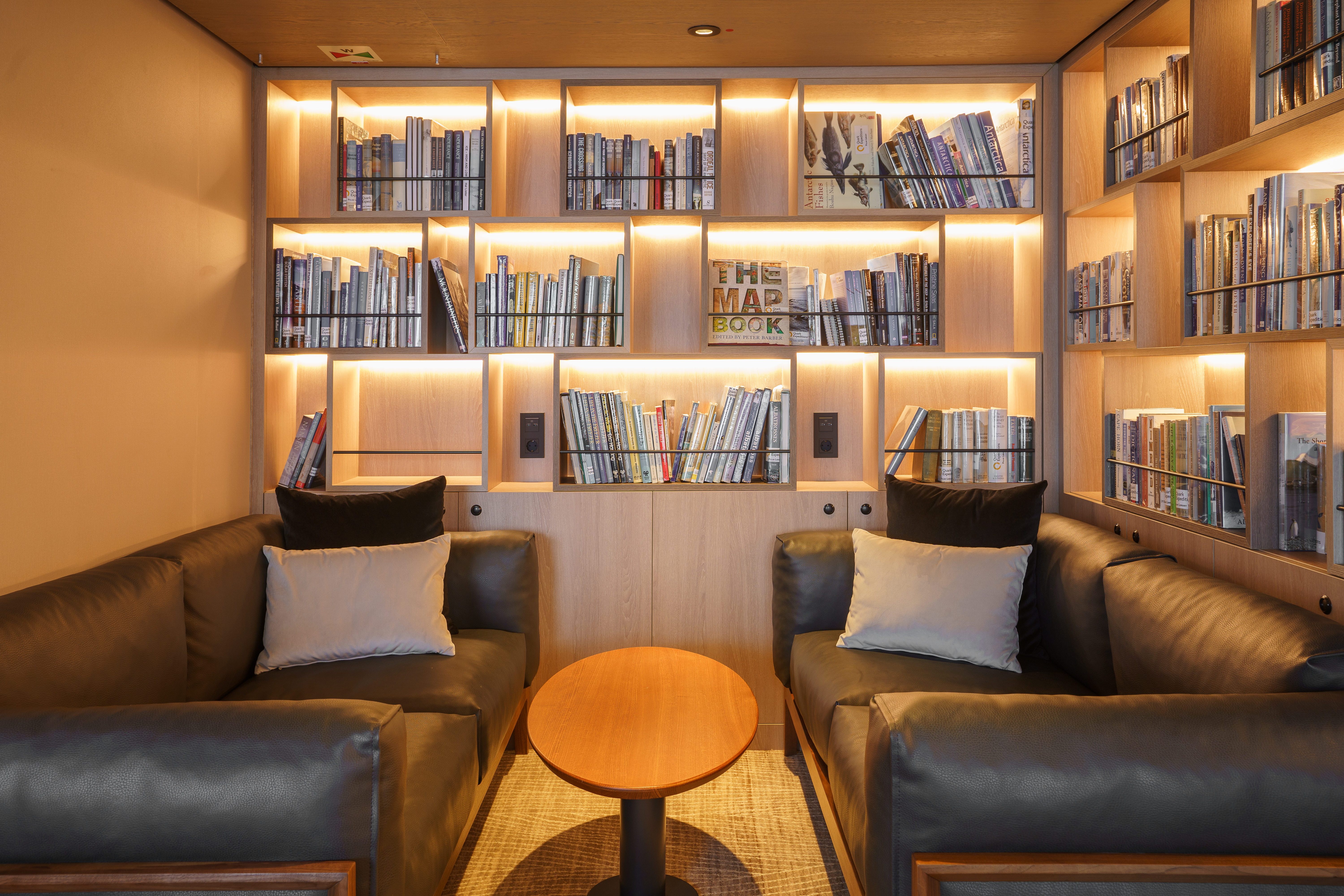
Located on Deck 7, the library offers a large collection of field guides, picture books and reference books, and also includes a selection of games for your entertainment. The Ultramarine collection includes books in multiple languages covering subjects like wildlife, history, marine biology, ecology and geology.
Tundra Spa
Tundra Sauna
Fitness Center
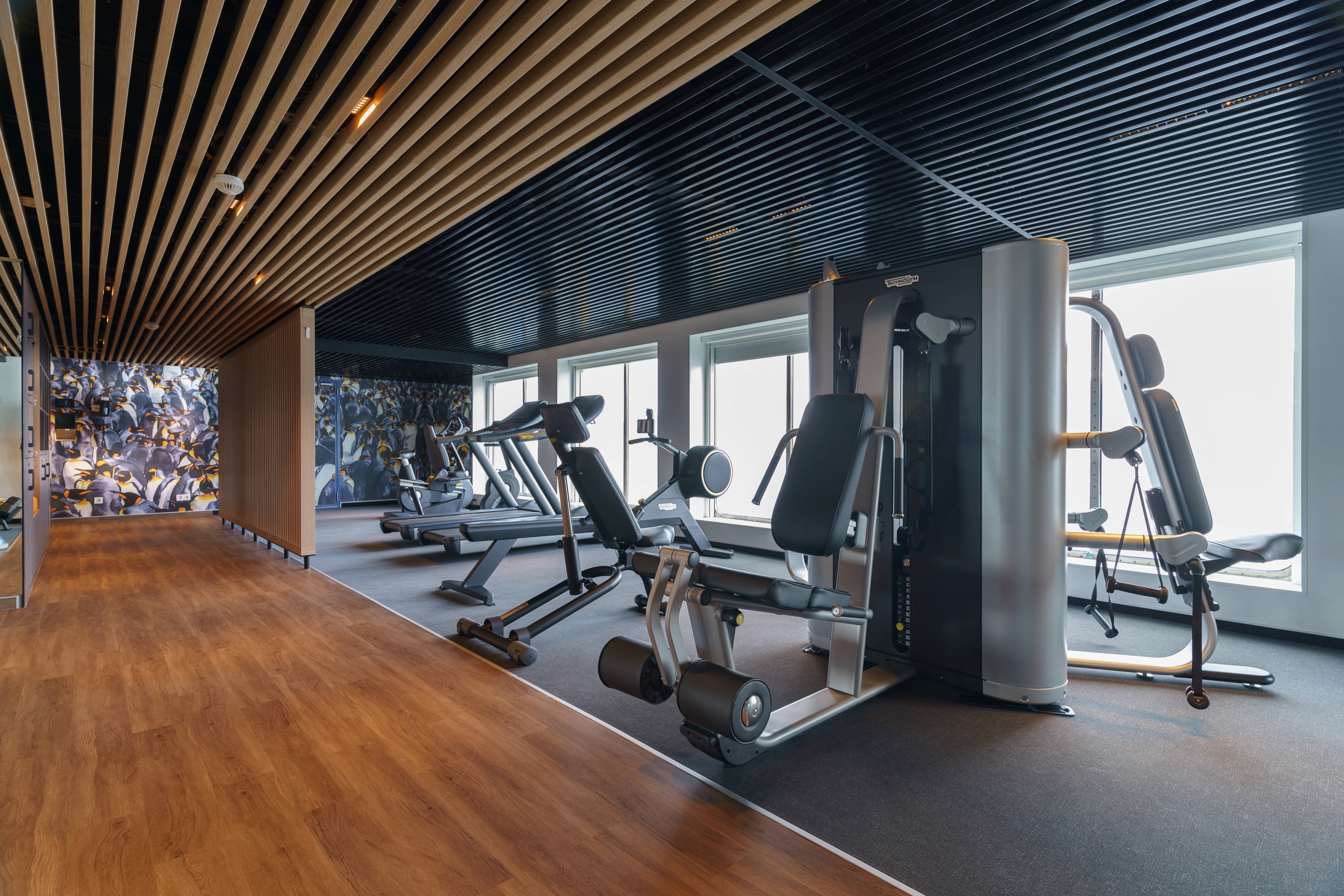
There are no dedicated children’s facilities onboard.
Balena
Featuring table tops that accommodate 2 to 10, guests can enjoy a quiet dinner with a loved one or join a larger table of new friends. Guests will also enjoy views from every seat in addition to direct access to the wraparound deck.
Bistro 487
Guests can enjoy a meal in the Bistro which offers an indoor/outdoor dining experience. Perfect for enjoying the polar landscapes.
Ambassador Theater
Ready Room
Designed for efficiency—with wider hallways, plenty of seating, and conveniently located bathrooms—our two ready rooms allow guests to quickly change in and out of their expedition gear.
Zodiac Cruising
Zodiacs are used for transferring you ashore, transporting your luggage when necessary and for taking you ocean-level cruising among icebergs, whales and seabirds. During the expedition, you will visit remote and isolated sites that are accessible only by Zodiac.
These large, heavy-duty inflatable vessels are extremely safe and were specially designed for expedition work. Zodiacs are the workhorses of Polar expeditions. Separate air compartments retain a large reserve of buoyancy even if these sturdy boats are damaged. Their flat bottom design permits the craft to land directly onto the cobble and ice-strewn beaches that you will encounter on your Polar expedition.
Expedition Team
Twin Engine Helicopters
Flightseeing aboard Ultramarine
While polar landscapes are spectacular from the sea, they’re even more stunning from the air, a view you can enjoy while seated in one of the two twin-engine helicopters stationed on Ultramarine. Typically in groups of 7 to 9, you will experience an unforgettable aerial∘ tour of the Arctic during a 10- to 15-minute flightseeing excursion∘ that’s included in the cost of the voyage. Additional helicopter activities may also be available for purchase onboard. Please note: all helicopter operations are weather- and logistics-dependent.
Sea Kayaking
Sea kayaking is offered on all of our departures and you require no previous experience to enjoy this activity. Our sea kayaks are the ideal means by which to get some good exercise and explore the cliffs and shores of the various visitor sites around the archipelago. A typical cruise week offers great opportunities to go kayaking around secluded coves, shores, mangrove estuaries and beautiful beaches. Galapagos penguins, flightless cormorants, sea lions and many other animals can be seen up close on a kayak and even as they swim.
Polar Plunge
The Polar Plunge is scheduled once during each voyage. Throughout the journey, the Expedition Leader and Captain constantly monitor conditions in order to choose the optimal time and location. The Polar Plunge sometimes takes place onshore or, in many cases, from the gangway or Zodiac. All participants wear a tethered harness and plunge into the polar waters from the side of Zodiac or safety of the gangplank cheered on, of course, by fellow passengers and Expedition Team.
Safety is paramount—the onboard physician always attends the Polar Plunge. Guides in survival gear circle the area in Zodiacs as guests take their turn jumping or cannon-balling into the polar waters.
Paddling Excursion
Explore the ocean from a more intimate vantage point on a sit-on-top kayak. No experience is required to manoeuvre these very stable kayaks, allowing you to enjoy an unforgettable experience on the water, taking in breathtaking landscapes and wildlife. Whether it’s your first time in a kayak or you want greater flexibility to try other Adventure options, this shorter excursion is for you.
Paddling in the Polar Regions is highly weather-dependent and a one-time experience. Your kayak guides will attempt to take you out on the water for 1-1.5 hours of paddling. Offered on most voyages, spaces are limited. All equipment, guides and instructions are provided by Quark.
Pricing subject to change based on season. Please proceed to checkout or contact a Polar Travel Adviser for more details.
Camping
Imagine for a moment, staring at the stars in the indigo glow of an Antarctic night as you bed down for the night outside in the elements. The buzz of your daily life becomes a distant memory as you listen to the bray of penguin, the ethereal calls of the Weddell sea – even the exhalation of a humpback whale. And then you fall asleep.
Antarctic Camping with Quark Expeditions is an unforgettable experience. After dinner onboard, you’ll be escorted ashore by Zodiac to camp out on the snow for the night in your ready-to-roll bivy sack (tents can be used upon request). Once you decide on your spot, you set up camp and enjoy the peace as the Antarctic night unfolds.
Camping in Antarctica is limited to 50 participants, all of whom will be briefed beforehand on the principals of basic camping. Prior to you settling down for the night, Quark Expeditions staff will prepare the site, including setting up a perimeter in safe, flat to gently-sloping and beautiful site. You’re free to choose where (within the perimeters) you want to settle down for the night.
Hiking
Hiking in the polar regions differs from your typical trail experience. Here, in a tree-less terrain, you are the tallest figure on the landscape as you walk over spongy tundra, crusty snow or sandy beaches in remotes parts of the Arctic and Antarctica. Stepping ashore anywhere in the polar regions means you’re not a distant observer.
Our organized hikes range from short jaunts to the top of lookouts or visits to see wildlife or longer walks of several kilometers over ice and rock and snow. Hiking excursions may last from two to three hours with plenty of time for photographs of wildlife, learning moments from your experienced guides, or just time to stand back and admire the incredible polar surroundings.
No experience is necessary but participants should be able to get in and out of a Zodiac and walk on uneven terrain. Hiking options are tailored to all interests and abilities, from those who want to contemplate the landscape in silence to photographers who want that perfect image to energetic travelers who want to summit a peak in the hopes of seeing wildlife in their natural habitat.
Exclusive Heli-Landing
Imagine setting foot in an area of the Antarctic that can only be safely accessed by helicopter. With a small group of fellow passengers and expert guides, you’ll board one of Ultramarine’s two twin-engine helicopters to soar off to an exclusive polar site where no ships can navigate. Expect stunning bird’s-eye views during your flight, and then, upon arrival, simply sit back, relax and take in the splendor of the Antarctic from “the best seat in the house”: glacial amphitheaters, breath-taking summits, and more. Traveling in groups of 12 with no more than 4 groups (48 guests) at a time on each landing, you’ll have time to relax and quietly reflect on the beauty of your polar surroundings, after which you’ll be picked up by the helicopters in the same location and returned to Ultramarine.
Each heli-landing experience is uniquely curated by our expedition team, taking conditions and location capacity into consideration.
Alpine Heli-Trekking
Let us take you on an active adventure high up in the Antarctic Peninsula. You’ll be part of an intimate group of adventurers to board one of Ultramarine’s two twin-engine helicopters for a trekking excursion in an area only safely accessed by air. The helicopter flight alone rewards guests with unforgettable views of the expansive polar landscape down below. On land, during an invigorating walk, hike or snowshoe trek (depending on conditions), you’ll be rewarded with equally stunning views of remote ridgelines, glaciated terrain, and snow-topped peaks. This once-in-a-lifetime heli-adventure will leave you marveling at the overwhelming beauty of the Antarctic.
Panorama Lounge and Bar
Enclosed in glass and featuring unobstructed views, the Panorama Lounge and Bar allows guests to relax indoors while staying connected to the awe-inspiring landscapes drifting by. It serves as a cozy gathering point where guests can sip a glass of wine, engage in great conversation, indulge in a board game, or socialize at the bar—and, later in the evening, bust a move on the dance floor.
Bridge
Reception
A crew member is available at reception to assist you or answer any questions during posted hours. You can purchase internet or email access cards and phone cards here, arrange for a wake-up call or settle your accounts at the end of the voyage.
Polar Boutique
If you forgot any essentials or need a little souvenir from your voyage, the Polar Boutique on Deck 3 is our onboard gift shop. Opening hours will vary based on the daily expedition activities.
Gifts and souvenirs are great to bring home as mementos of your polar expedition. In addition to small souvenirs, our Polar Boutique offers a selection of expedition gear, including base layer clothing, waterproof pants, gloves and more.
Library
Located on Deck 7, the library offers a large collection of field guides, picture books and reference books, and also includes a selection of games for your entertainment. The Ultramarine collection includes books in multiple languages covering subjects like wildlife, history, marine biology, ecology and geology.
Tundra Spa
Tundra Sauna
Fitness Center
There are no dedicated children’s facilities onboard.
About the Ship
Deck Plans

- Ready Room
- Zodiacs
- Zodiacs Embarkation

- Explorer Suite
- Explorer Triple
- Reception
- Polar Boutique
- Expedition Desk
- Clinic

- Balcony Suite
- Deluxe Balcony Suite

- Balena Restaurant
- Ambassadors Theatre

- Bridge
- Deluxe Balcony Suite
- Balcony Suite
- Terrace Suite
- Owner’s Suite
- Ultra Suite
- Solo Panorama

- Panorama Bar & Lounge
- Library
- Sauna
- Tundra Spa
- Fitness Centre
- Bistro 487
- Studio
- Penthouse Suite

- Helipad
- Ready Room
- Zodiacs
- Zodiacs Embarkation
- Explorer Suite
- Explorer Triple
- Reception
- Polar Boutique
- Expedition Desk
- Clinic
- Balcony Suite
- Deluxe Balcony Suite
- Balena Restaurant
- Ambassadors Theatre
- Bridge
- Deluxe Balcony Suite
- Balcony Suite
- Terrace Suite
- Owner’s Suite
- Ultra Suite
- Solo Panorama
- Panorama Bar & Lounge
- Library
- Sauna
- Tundra Spa
- Fitness Centre
- Bistro 487
- Studio
- Penthouse Suite
- Helipad