Itinerary
Yokohama, Japan
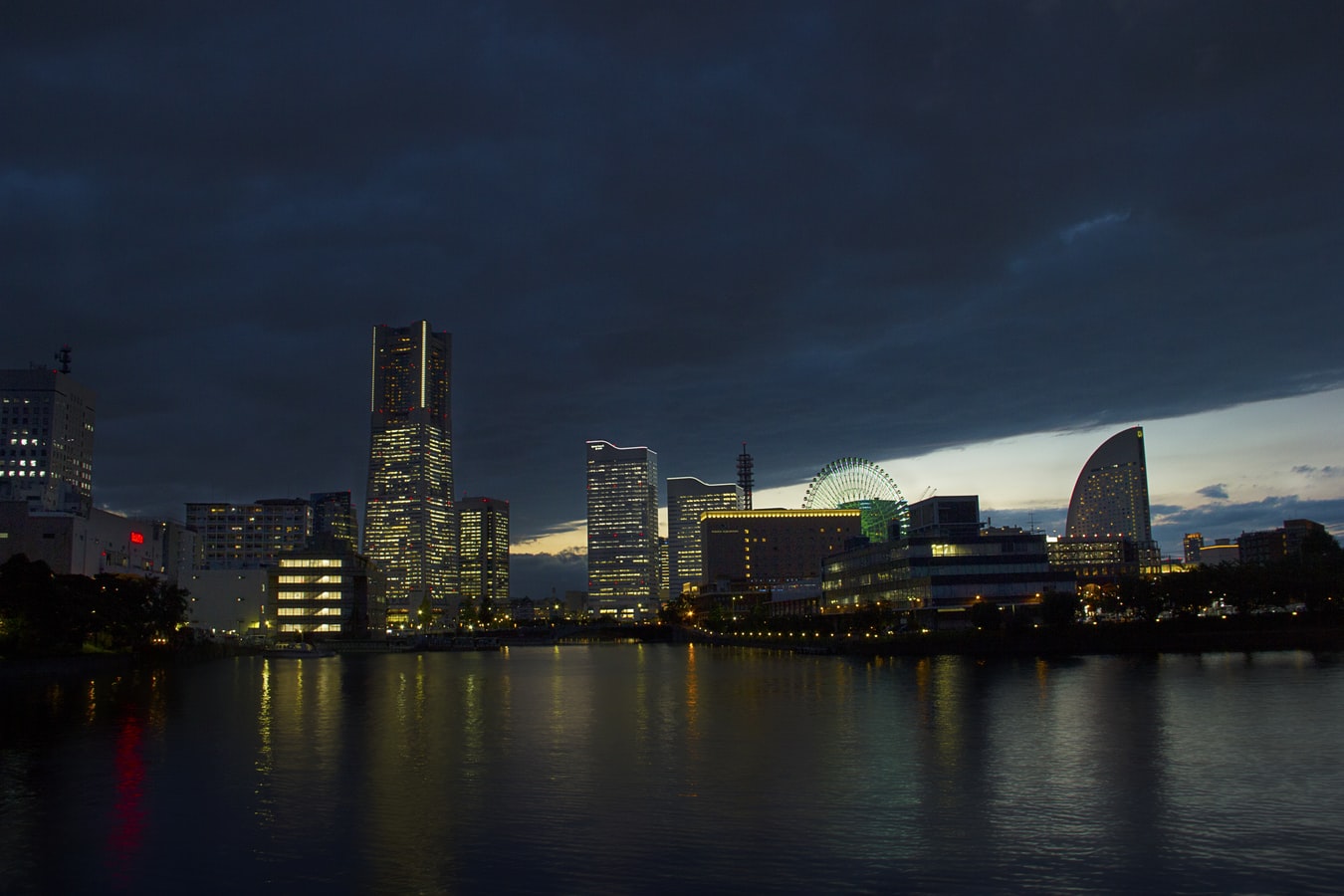
In 1853, a fleet of four American warships under Commodore Matthew Perry sailed into the bay of Tokyo (then Edo) and presented the reluctant Japanese with the demands of the U.S. government for the opening of diplomatic and commercial relations. The following year Perry returned and first set foot on Japanese soil at Yokohama—then a small fishing village on the mudflats of Tokyo bay. Two years later New York businessman Townsend Harris became America’s first diplomatic representative to Japan. In 1858 he was finally able to negotiate a commercial treaty between the two countries; part of the deal designated four locations—one of them Yokohama—as treaty ports. In 1859 the shogunate created a special settlement in Yokohama for the growing community of merchants, traders, missionaries, and other assorted adventurers drawn to this exotic new land of opportunity. The foreigners (predominantly Chinese and British, plus a few French, Americans, and Dutch) were confined here to a guarded compound about 5 square km (2 square miles)—placed, in effect, in isolation—but not for long. Within a few short years the shogunal government collapsed, and Japan began to modernize. Western ideas were welcomed, as were Western goods, and the little treaty port became Japan’s principal gateway to the outside world. In 1872 Japan’s first railway was built, linking Yokohama and Tokyo. In 1889 Yokohama became a city; by then the population had grown to some 120,000. As the city prospered, so did the international community and by the early 1900s Yokohama was the busiest and most modern center of international trade in all of East Asia. Then Yokohama came tumbling down. On September 1, 1923, the Great Kanto Earthquake devastated the city. The ensuing fires destroyed some 60,000 homes and took more than 40,000 lives. During the six years it took to rebuild the city, many foreign businesses took up quarters elsewhere, primarily in Kobe and Osaka, and did not return. Over the next 20 years Yokohama continued to grow as an industrial center—until May 29, 1945, when in a span of four hours, some 500 American B-29 bombers leveled nearly half the city and left more than half a million people homeless. When the war ended, what remained became—in effect—the center of the Allied occupation. General Douglas MacArthur set up headquarters here, briefly, before moving to Tokyo; the entire port facility and about a quarter of the city remained in the hands of the U.S. military throughout the 1950s. By the 1970s Yokohama was once more rising from the debris; in 1978 it surpassed Osaka as the nation’s second-largest city, and the population is now inching up to the 3.5 million mark. Boosted by Japan’s postwar economic miracle, Yokohama has extended its urban sprawl north to Tokyo and south to Kamakura—in the process creating a whole new subcenter around the Shinkansen Station at Shin-Yokohama. The development of air travel and the competition from other ports have changed the city’s role in Japan’s economy. The great liners that once docked at Yokohama’s piers are now but a memory, kept alive by a museum ship and the occasional visit of a luxury vessel on a Pacific cruise. Modern Large as Yokohama is, the central area is very negotiable. As with any other port city, much of what it has to offer centers on the waterfront—in this case, on the west side of Tokyo Bay. The downtown area is called Kannai (literally, “within the checkpoint”); this is where the international community was originally confined by the shogunate. Though the center of interest has expanded to include the waterfront and Ishikawa-cho, to the south, Kannai remains the heart of town. Think of that heart as two adjacent areas. One is the old district of Kannai, bounded by Basha-michi on the northwest and Nippon-odori on the southeast, the Keihin Tohoku Line tracks on the southwest, and the waterfront on the northeast. This area contains the business offices of modern Yokohama. The other area extends southeast from Nippon-odori to the Moto-machi shopping street and the International Cemetery, bordered by Yamashita Koen and the waterfront to the northeast; in the center is Chinatown, with Ishikawa-cho Station to the southwest. This is the most interesting part of town for tourists. Whether you’re coming from Tokyo, Nagoya, or Kamakura, make Ishikawa-cho Station your starting point. Take the South Exit from the station and head in the direction of the waterfront.
Hakodate, Japan
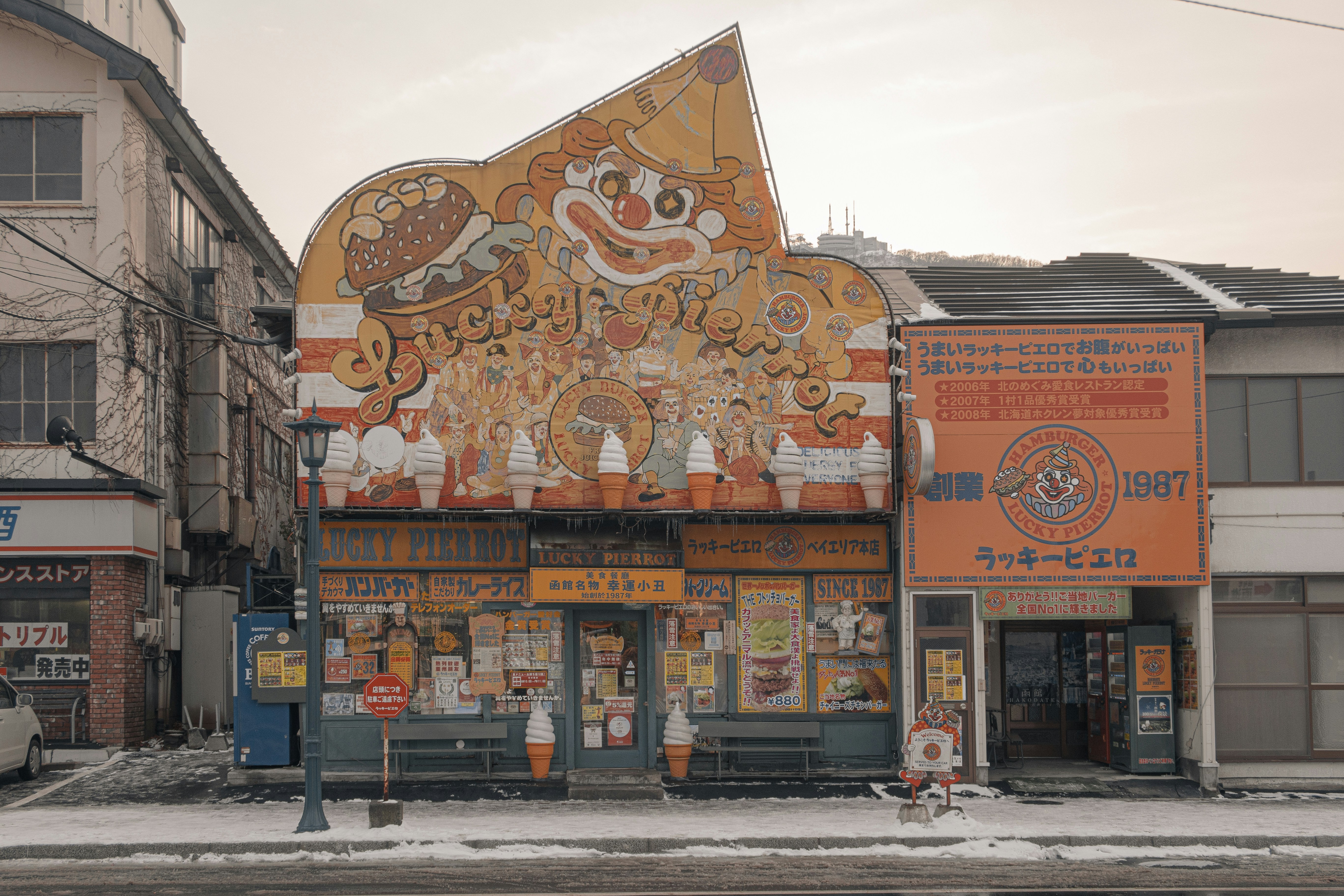
Facing out on two bays, Hakodate is a 19th-century port town, with clapboard buildings on sloping streets, a dockside tourist zone, streetcars, and fresh fish on every menu. In the downtown historic quarter, a mountain rises 1,100 feet above the city on the southern point of the narrow peninsula. Russians, Americans, Chinese, and Europeans have all left their mark; this was one of the first three Japanese ports the Meiji government opened up to international trade in 1859. The main sights around the foot of Mt. Hakodate can be done in a day, but the city is best appreciated with an overnight stay for the illumination in the historic area, the night views from either the mountain or the fort tower, and the fish market at dawn. City transport is easy to navigate and English information is readily available. Evening departure trains from Tokyo arrive here at dawn—perfect for fish-market breakfasts.
Aomori, Japan
Aomori’s main event is its Nebuta Matsuri Festival,held August 2 to 7. People come to see illuminated floats of gigantic samurai figures paraded through the streets at night. Aomori’s festival is one of Japan’s largest, and is said to celebrate the euphoria of post-battle victory, and is thus encouraged to be noisier and livelier than you may have been exposed to in other Japanese festivals. Dancers, called heneto, run alongside the floats, dancing crazily, and you’re encouraged to join in. Throughout the year you can enjoy delicious seafood from Aomori Bay, including Oma no Maguro (tuna of Oma), as well as delicious fruits and vegetables (particularly garlic). And come every summer, the town cuts loose to throw the decidedly wild Nebuta Matsuri festival, a frenzied, utterly unaccountable period when normal gets thrown to the wind.

Muroran, Japan
Yokohama, Japan
In 1853, a fleet of four American warships under Commodore Matthew Perry sailed into the bay of Tokyo (then Edo) and presented the reluctant Japanese with the demands of the U.S. government for the opening of diplomatic and commercial relations. The following year Perry returned and first set foot on Japanese soil at Yokohama—then a small fishing village on the mudflats of Tokyo bay. Two years later New York businessman Townsend Harris became America’s first diplomatic representative to Japan. In 1858 he was finally able to negotiate a commercial treaty between the two countries; part of the deal designated four locations—one of them Yokohama—as treaty ports. In 1859 the shogunate created a special settlement in Yokohama for the growing community of merchants, traders, missionaries, and other assorted adventurers drawn to this exotic new land of opportunity. The foreigners (predominantly Chinese and British, plus a few French, Americans, and Dutch) were confined here to a guarded compound about 5 square km (2 square miles)—placed, in effect, in isolation—but not for long. Within a few short years the shogunal government collapsed, and Japan began to modernize. Western ideas were welcomed, as were Western goods, and the little treaty port became Japan’s principal gateway to the outside world. In 1872 Japan’s first railway was built, linking Yokohama and Tokyo. In 1889 Yokohama became a city; by then the population had grown to some 120,000. As the city prospered, so did the international community and by the early 1900s Yokohama was the busiest and most modern center of international trade in all of East Asia. Then Yokohama came tumbling down. On September 1, 1923, the Great Kanto Earthquake devastated the city. The ensuing fires destroyed some 60,000 homes and took more than 40,000 lives. During the six years it took to rebuild the city, many foreign businesses took up quarters elsewhere, primarily in Kobe and Osaka, and did not return. Over the next 20 years Yokohama continued to grow as an industrial center—until May 29, 1945, when in a span of four hours, some 500 American B-29 bombers leveled nearly half the city and left more than half a million people homeless. When the war ended, what remained became—in effect—the center of the Allied occupation. General Douglas MacArthur set up headquarters here, briefly, before moving to Tokyo; the entire port facility and about a quarter of the city remained in the hands of the U.S. military throughout the 1950s. By the 1970s Yokohama was once more rising from the debris; in 1978 it surpassed Osaka as the nation’s second-largest city, and the population is now inching up to the 3.5 million mark. Boosted by Japan’s postwar economic miracle, Yokohama has extended its urban sprawl north to Tokyo and south to Kamakura—in the process creating a whole new subcenter around the Shinkansen Station at Shin-Yokohama. The development of air travel and the competition from other ports have changed the city’s role in Japan’s economy. The great liners that once docked at Yokohama’s piers are now but a memory, kept alive by a museum ship and the occasional visit of a luxury vessel on a Pacific cruise. Modern Large as Yokohama is, the central area is very negotiable. As with any other port city, much of what it has to offer centers on the waterfront—in this case, on the west side of Tokyo Bay. The downtown area is called Kannai (literally, “within the checkpoint”); this is where the international community was originally confined by the shogunate. Though the center of interest has expanded to include the waterfront and Ishikawa-cho, to the south, Kannai remains the heart of town. Think of that heart as two adjacent areas. One is the old district of Kannai, bounded by Basha-michi on the northwest and Nippon-odori on the southeast, the Keihin Tohoku Line tracks on the southwest, and the waterfront on the northeast. This area contains the business offices of modern Yokohama. The other area extends southeast from Nippon-odori to the Moto-machi shopping street and the International Cemetery, bordered by Yamashita Koen and the waterfront to the northeast; in the center is Chinatown, with Ishikawa-cho Station to the southwest. This is the most interesting part of town for tourists. Whether you’re coming from Tokyo, Nagoya, or Kamakura, make Ishikawa-cho Station your starting point. Take the South Exit from the station and head in the direction of the waterfront.
Hakodate, Japan
Facing out on two bays, Hakodate is a 19th-century port town, with clapboard buildings on sloping streets, a dockside tourist zone, streetcars, and fresh fish on every menu. In the downtown historic quarter, a mountain rises 1,100 feet above the city on the southern point of the narrow peninsula. Russians, Americans, Chinese, and Europeans have all left their mark; this was one of the first three Japanese ports the Meiji government opened up to international trade in 1859. The main sights around the foot of Mt. Hakodate can be done in a day, but the city is best appreciated with an overnight stay for the illumination in the historic area, the night views from either the mountain or the fort tower, and the fish market at dawn. City transport is easy to navigate and English information is readily available. Evening departure trains from Tokyo arrive here at dawn—perfect for fish-market breakfasts.
Aomori, Japan
Aomori’s main event is its Nebuta Matsuri Festival,held August 2 to 7. People come to see illuminated floats of gigantic samurai figures paraded through the streets at night. Aomori’s festival is one of Japan’s largest, and is said to celebrate the euphoria of post-battle victory, and is thus encouraged to be noisier and livelier than you may have been exposed to in other Japanese festivals. Dancers, called heneto, run alongside the floats, dancing crazily, and you’re encouraged to join in. Throughout the year you can enjoy delicious seafood from Aomori Bay, including Oma no Maguro (tuna of Oma), as well as delicious fruits and vegetables (particularly garlic). And come every summer, the town cuts loose to throw the decidedly wild Nebuta Matsuri festival, a frenzied, utterly unaccountable period when normal gets thrown to the wind.
Muroran, Japan
Crossing the International Date Line
No additional details available for this day.
Vancouver, British Columbia, Canada
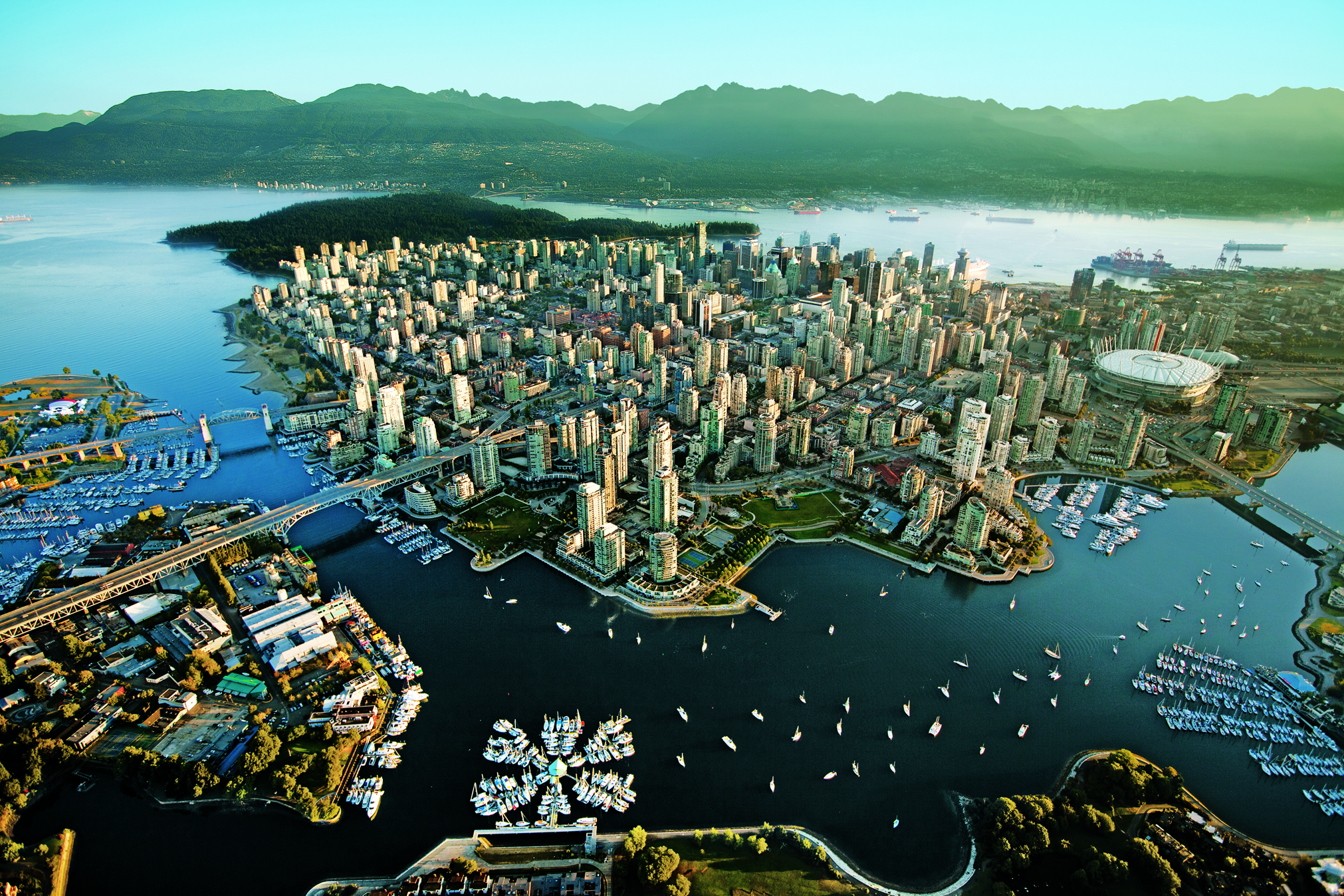
Vancouver is a delicious juxtaposition of urban sophistication and on-your-doorstep wilderness adventure. The mountains and seascape make the city an outdoor playground for hiking, skiing, kayaking, cycling, and sailing—and so much more—while the cuisine and arts scenes are equally diverse, reflecting the makeup of Vancouver’s ethnic (predominantly Asian) mosaic. Vancouver is consistently ranked as one of the world’s most livable cities, and it’s easy for visitors to see why. It’s beautiful, it’s outdoorsy, and there’s a laidback West Coast vibe. On the one hand, there’s easy access to a variety of outdoor activities, a fabulous variety of beaches, and amazing parks. At the same time, the city has a multicultural vitality and cosmopolitan flair. The attraction is as much in the range of food choices—the fresh seafood and local produce are some of North America’s best—as it is in the museums, shopping, and nightlife.Vancouver’s landscaping also adds to the city’s walking appeal. In spring, flowerbeds spill over with tulips and daffodils while sea breezes scatter scented cherry blossoms throughout Downtown; in summer office workers take to the beaches, parks, and urban courtyards for picnic lunches and laptop meetings. More than 8 million visitors each year come to Vancouver, Canada’s third-largest metropolitan area. Because of its peninsula location, traffic flow is a contentious issue. Thankfully, Vancouver is wonderfully walkable, especially in the downtown core. The North Shore is a scoot across the harbor, and the rapid-transit system to Richmond and the airport means that staying in the more affordable ’burbs doesn’t have to be synonymous with sacrificing convenience. The mild climate, exquisite natural scenery, and relaxed outdoor lifestyle keep attracting residents, and the number of visitors is increasing for the same reasons. People often get their first glimpse of Vancouver when catching an Alaskan cruise, and many return at some point to spend more time here.
Crossing the International Date Line
No additional details available for this day.
Vancouver, British Columbia, Canada
Vancouver is a delicious juxtaposition of urban sophistication and on-your-doorstep wilderness adventure. The mountains and seascape make the city an outdoor playground for hiking, skiing, kayaking, cycling, and sailing—and so much more—while the cuisine and arts scenes are equally diverse, reflecting the makeup of Vancouver’s ethnic (predominantly Asian) mosaic. Vancouver is consistently ranked as one of the world’s most livable cities, and it’s easy for visitors to see why. It’s beautiful, it’s outdoorsy, and there’s a laidback West Coast vibe. On the one hand, there’s easy access to a variety of outdoor activities, a fabulous variety of beaches, and amazing parks. At the same time, the city has a multicultural vitality and cosmopolitan flair. The attraction is as much in the range of food choices—the fresh seafood and local produce are some of North America’s best—as it is in the museums, shopping, and nightlife.Vancouver’s landscaping also adds to the city’s walking appeal. In spring, flowerbeds spill over with tulips and daffodils while sea breezes scatter scented cherry blossoms throughout Downtown; in summer office workers take to the beaches, parks, and urban courtyards for picnic lunches and laptop meetings. More than 8 million visitors each year come to Vancouver, Canada’s third-largest metropolitan area. Because of its peninsula location, traffic flow is a contentious issue. Thankfully, Vancouver is wonderfully walkable, especially in the downtown core. The North Shore is a scoot across the harbor, and the rapid-transit system to Richmond and the airport means that staying in the more affordable ’burbs doesn’t have to be synonymous with sacrificing convenience. The mild climate, exquisite natural scenery, and relaxed outdoor lifestyle keep attracting residents, and the number of visitors is increasing for the same reasons. People often get their first glimpse of Vancouver when catching an Alaskan cruise, and many return at some point to spend more time here.
Vancouver, British Columbia, Canada
Vancouver is a delicious juxtaposition of urban sophistication and on-your-doorstep wilderness adventure. The mountains and seascape make the city an outdoor playground for hiking, skiing, kayaking, cycling, and sailing—and so much more—while the cuisine and arts scenes are equally diverse, reflecting the makeup of Vancouver’s ethnic (predominantly Asian) mosaic. Vancouver is consistently ranked as one of the world’s most livable cities, and it’s easy for visitors to see why. It’s beautiful, it’s outdoorsy, and there’s a laidback West Coast vibe. On the one hand, there’s easy access to a variety of outdoor activities, a fabulous variety of beaches, and amazing parks. At the same time, the city has a multicultural vitality and cosmopolitan flair. The attraction is as much in the range of food choices—the fresh seafood and local produce are some of North America’s best—as it is in the museums, shopping, and nightlife.Vancouver’s landscaping also adds to the city’s walking appeal. In spring, flowerbeds spill over with tulips and daffodils while sea breezes scatter scented cherry blossoms throughout Downtown; in summer office workers take to the beaches, parks, and urban courtyards for picnic lunches and laptop meetings. More than 8 million visitors each year come to Vancouver, Canada’s third-largest metropolitan area. Because of its peninsula location, traffic flow is a contentious issue. Thankfully, Vancouver is wonderfully walkable, especially in the downtown core. The North Shore is a scoot across the harbor, and the rapid-transit system to Richmond and the airport means that staying in the more affordable ’burbs doesn’t have to be synonymous with sacrificing convenience. The mild climate, exquisite natural scenery, and relaxed outdoor lifestyle keep attracting residents, and the number of visitors is increasing for the same reasons. People often get their first glimpse of Vancouver when catching an Alaskan cruise, and many return at some point to spend more time here.
Vancouver, British Columbia, Canada
Vancouver is a delicious juxtaposition of urban sophistication and on-your-doorstep wilderness adventure. The mountains and seascape make the city an outdoor playground for hiking, skiing, kayaking, cycling, and sailing—and so much more—while the cuisine and arts scenes are equally diverse, reflecting the makeup of Vancouver’s ethnic (predominantly Asian) mosaic. Vancouver is consistently ranked as one of the world’s most livable cities, and it’s easy for visitors to see why. It’s beautiful, it’s outdoorsy, and there’s a laidback West Coast vibe. On the one hand, there’s easy access to a variety of outdoor activities, a fabulous variety of beaches, and amazing parks. At the same time, the city has a multicultural vitality and cosmopolitan flair. The attraction is as much in the range of food choices—the fresh seafood and local produce are some of North America’s best—as it is in the museums, shopping, and nightlife.Vancouver’s landscaping also adds to the city’s walking appeal. In spring, flowerbeds spill over with tulips and daffodils while sea breezes scatter scented cherry blossoms throughout Downtown; in summer office workers take to the beaches, parks, and urban courtyards for picnic lunches and laptop meetings. More than 8 million visitors each year come to Vancouver, Canada’s third-largest metropolitan area. Because of its peninsula location, traffic flow is a contentious issue. Thankfully, Vancouver is wonderfully walkable, especially in the downtown core. The North Shore is a scoot across the harbor, and the rapid-transit system to Richmond and the airport means that staying in the more affordable ’burbs doesn’t have to be synonymous with sacrificing convenience. The mild climate, exquisite natural scenery, and relaxed outdoor lifestyle keep attracting residents, and the number of visitors is increasing for the same reasons. People often get their first glimpse of Vancouver when catching an Alaskan cruise, and many return at some point to spend more time here.
Cabin Options
Royal Loft Suite
Owner's Loft Suite
Ultimate Family Suite
Grand Loft Suite
Sky Loft Suite
Grand Suite – 2 Bedroom
Owner's Suite – 1 Bedroom
Grand Suite with Large Balcony – 1 Bedroom
Grand Suite – 1 Bedroom
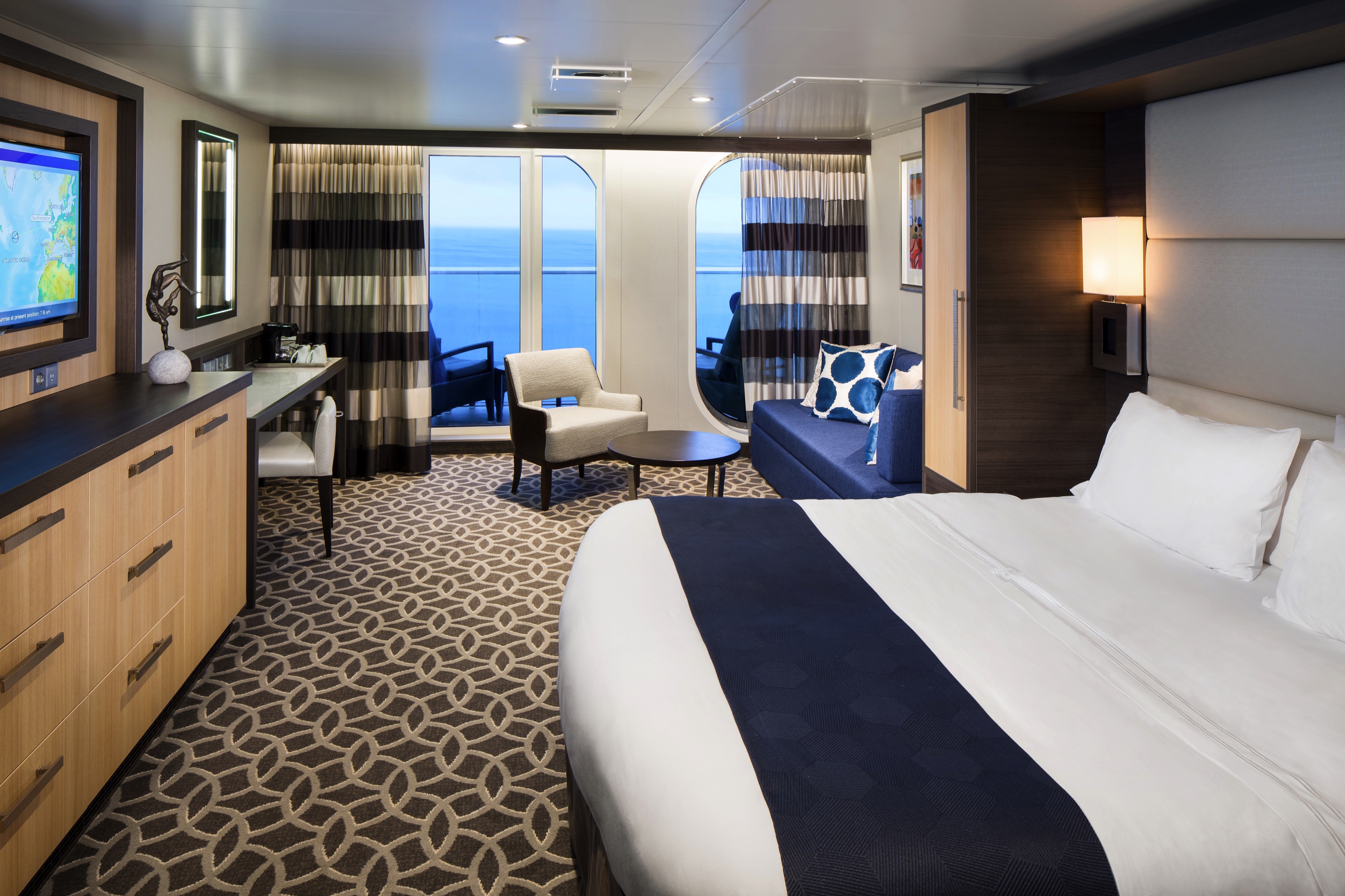
Sky Junior Suite
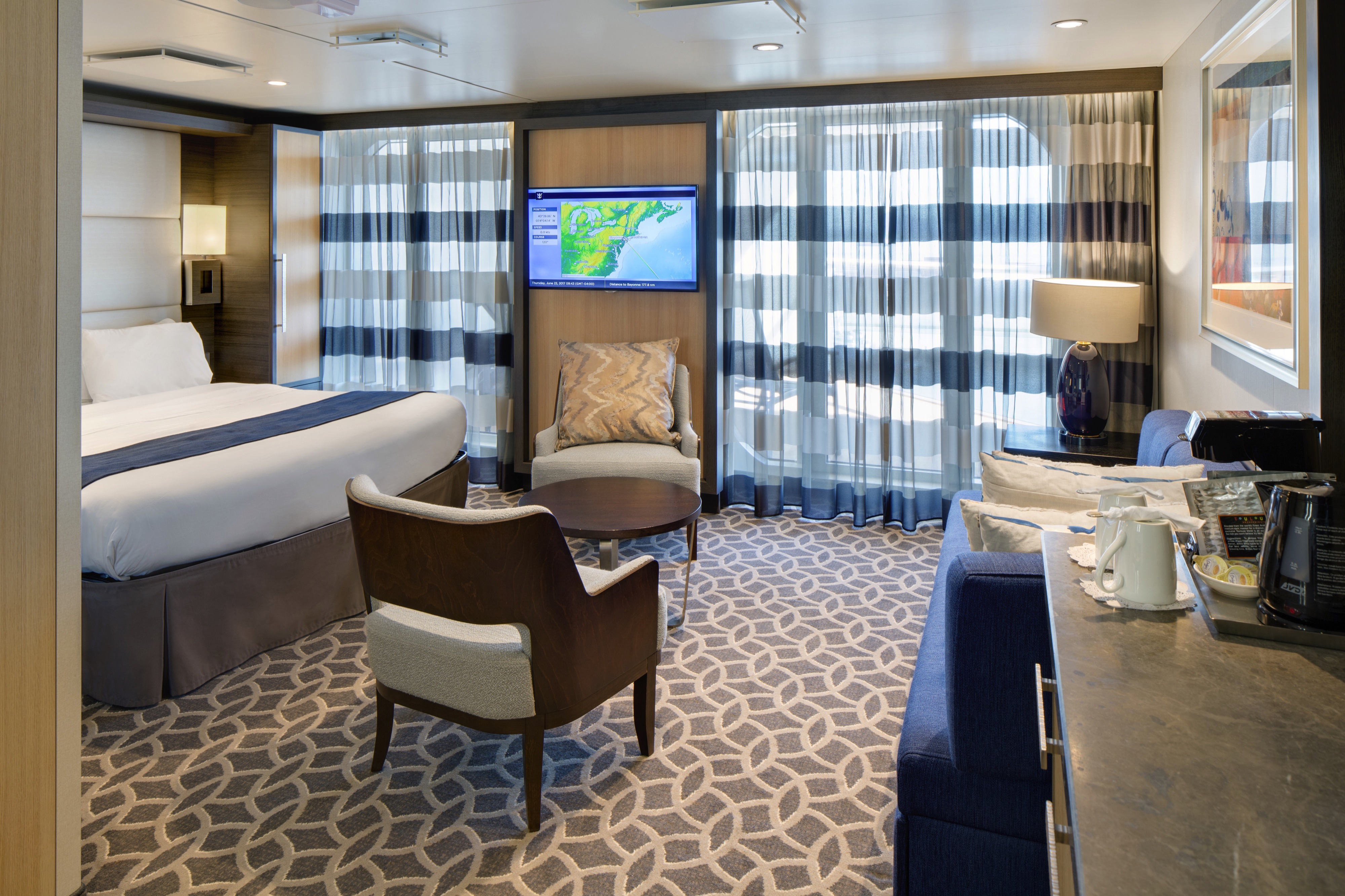
Junior Suite with Large Balcony
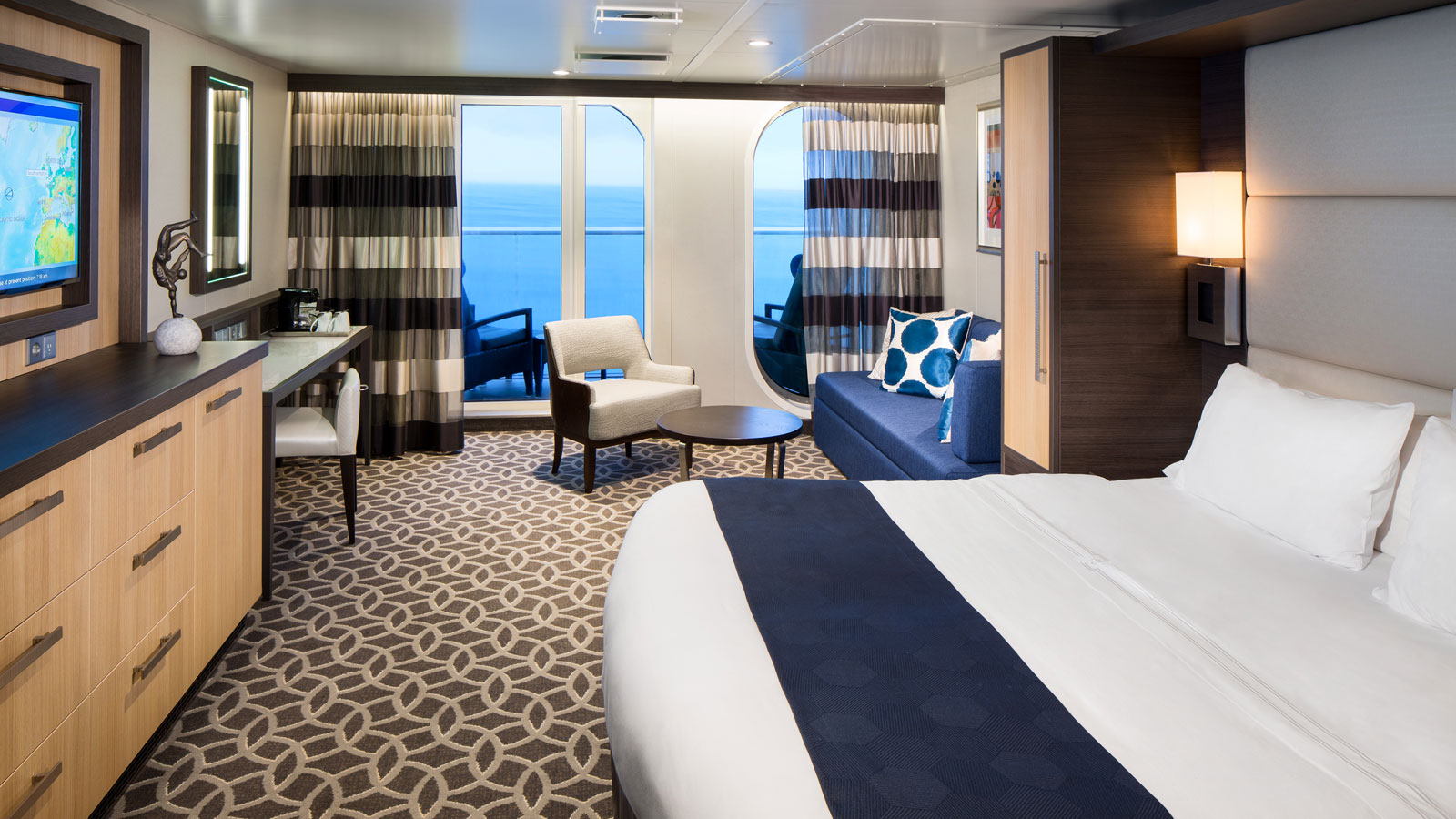
Sunset Junior Suite
Junior Suite

Ocean View Panoramic Suite (No Balcony)
Junior Suite Guarantee
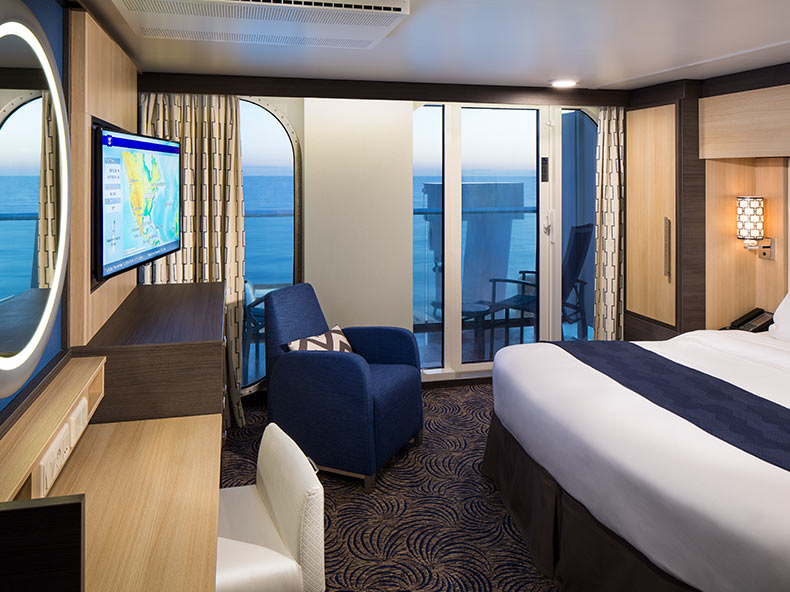
Ocean View with Large Balcony
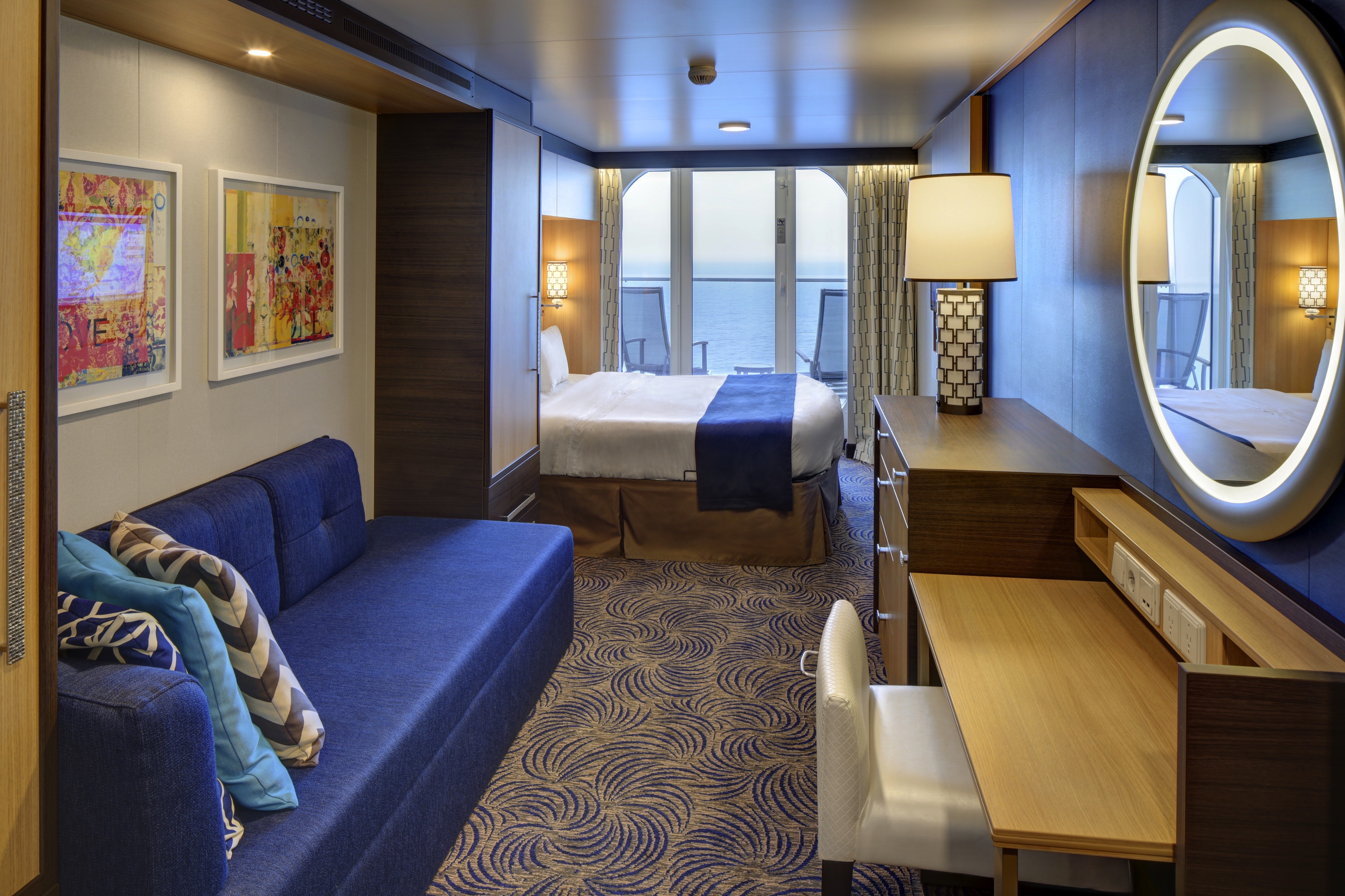
Connecting Ocean View Balcony
Ocean View Balcony
Obstructed Ocean View Balcony

Studio Ocean View Balcony
Spacious Ocean View Balcony
Ocean View Stateroom with Balcony Guarantee
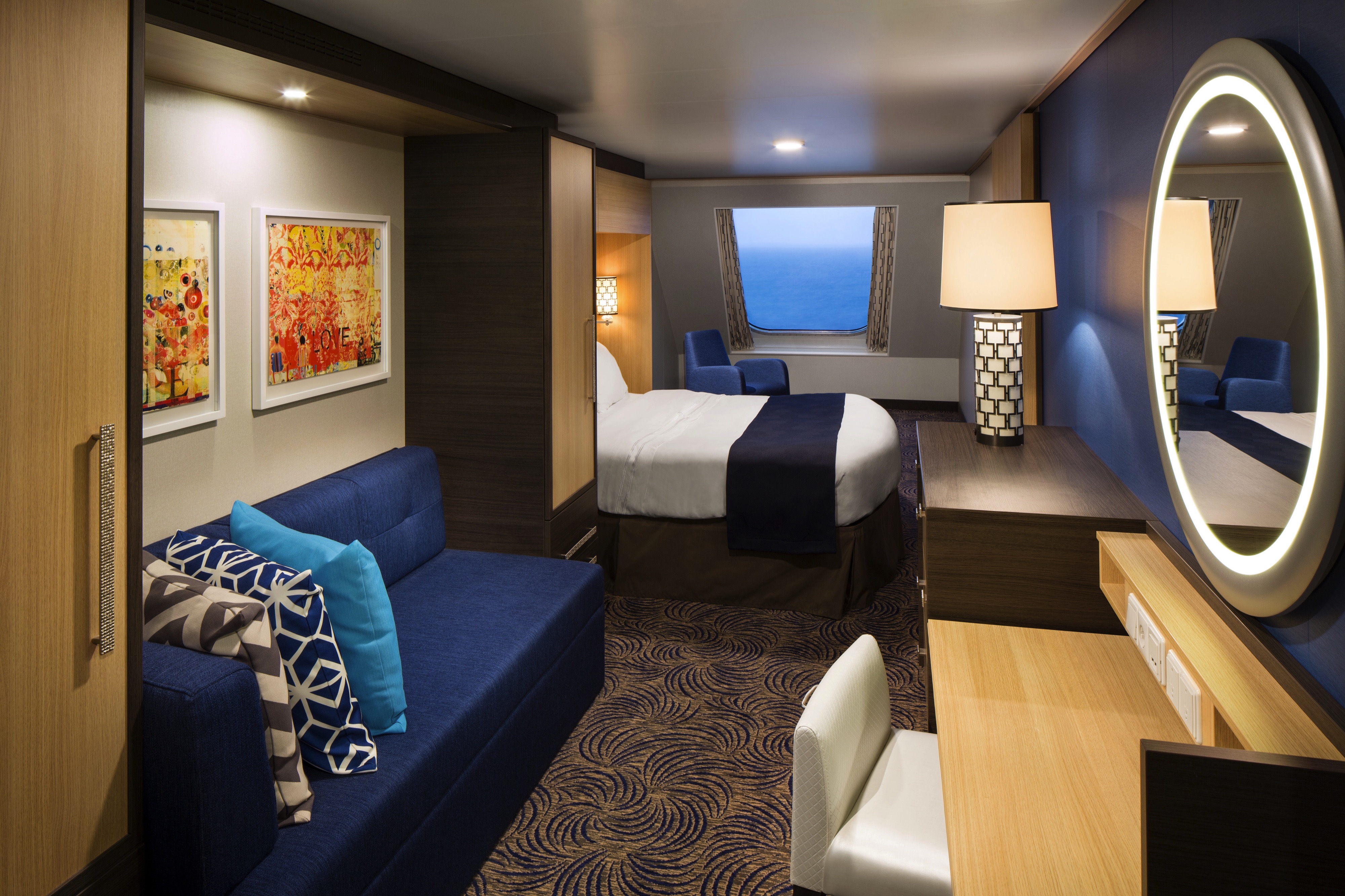
Spacious Ocean View
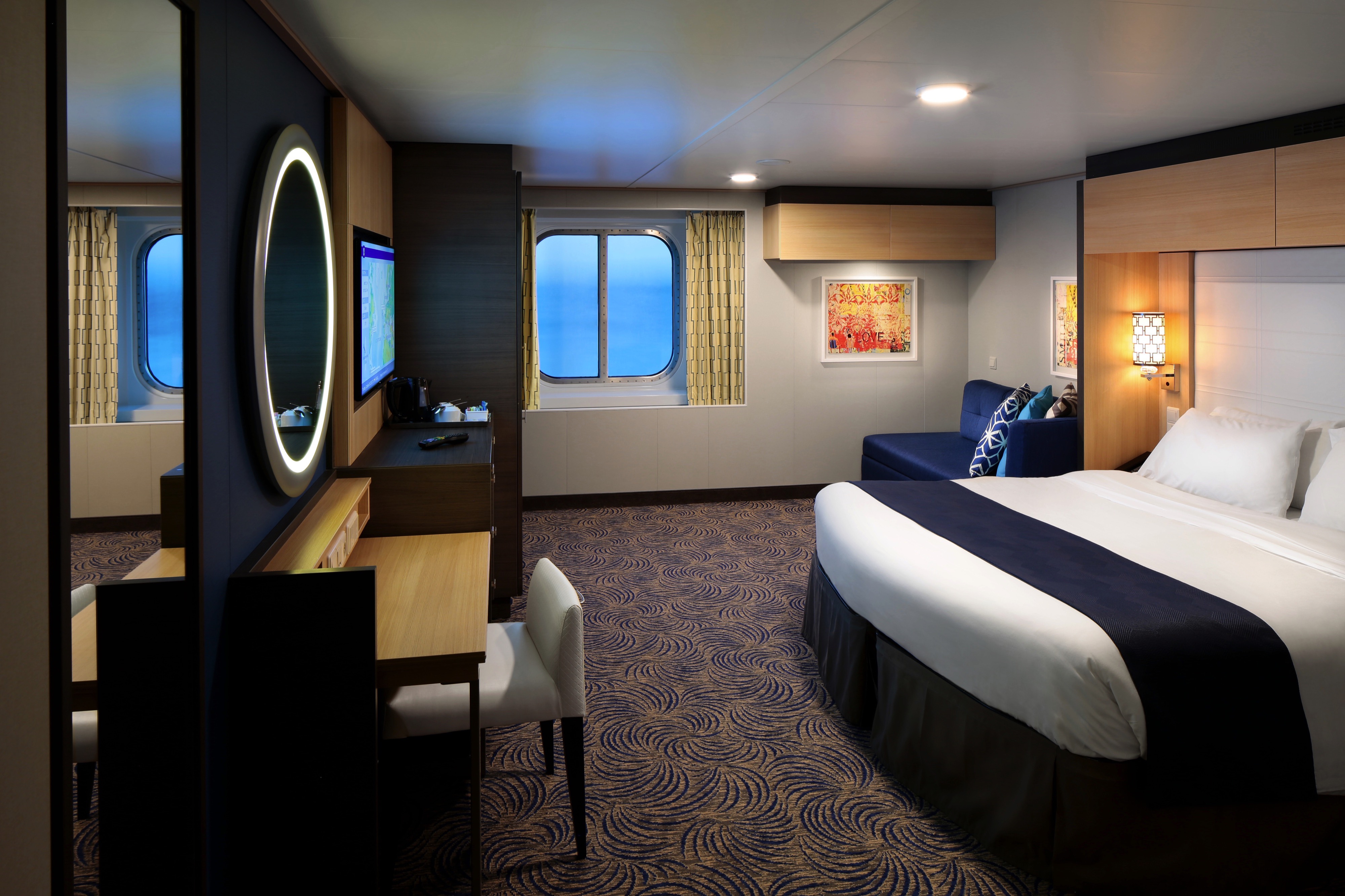
Ocean View
Ocean View Stateroom Guarantee
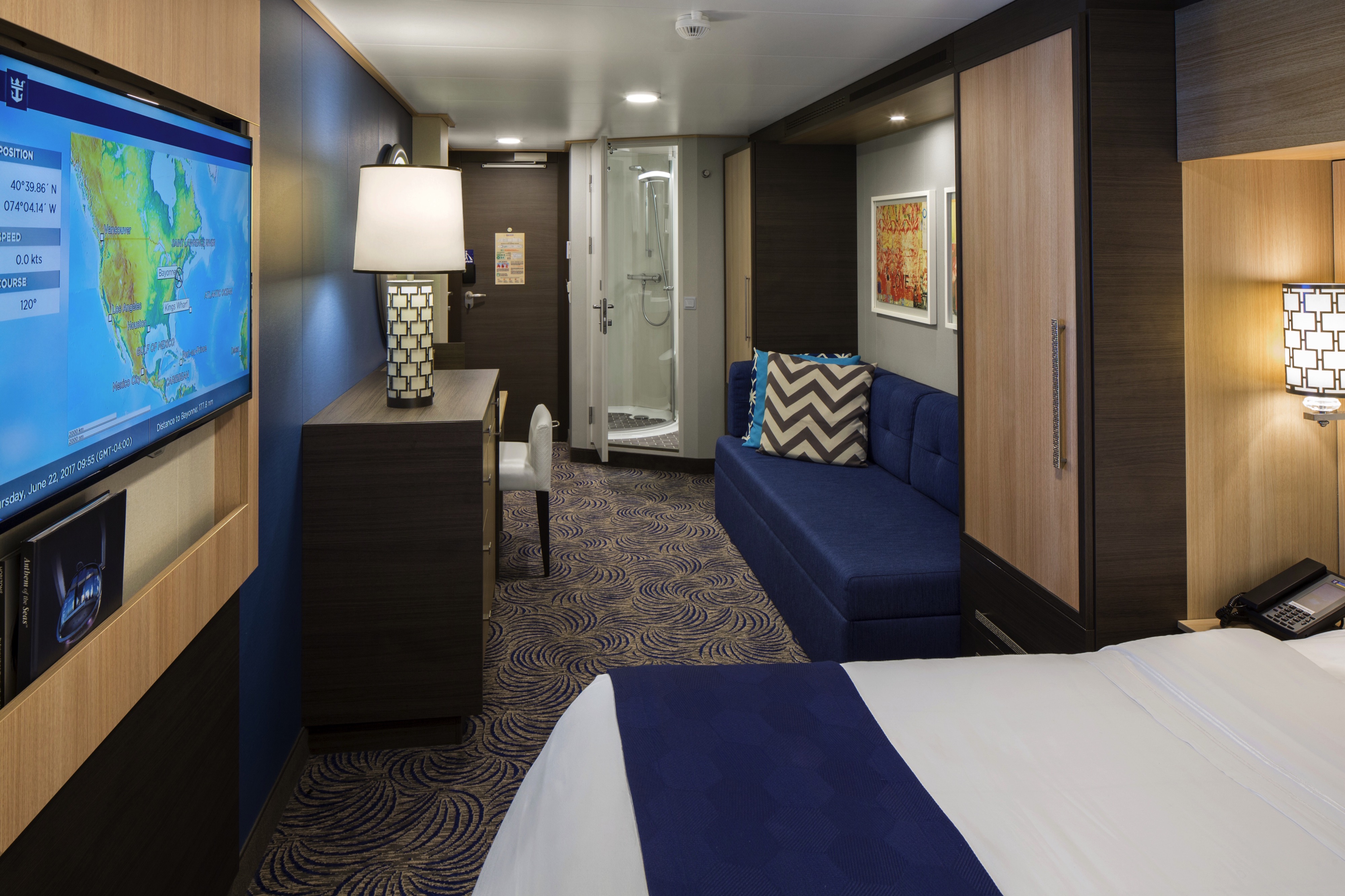
Connecting Interior
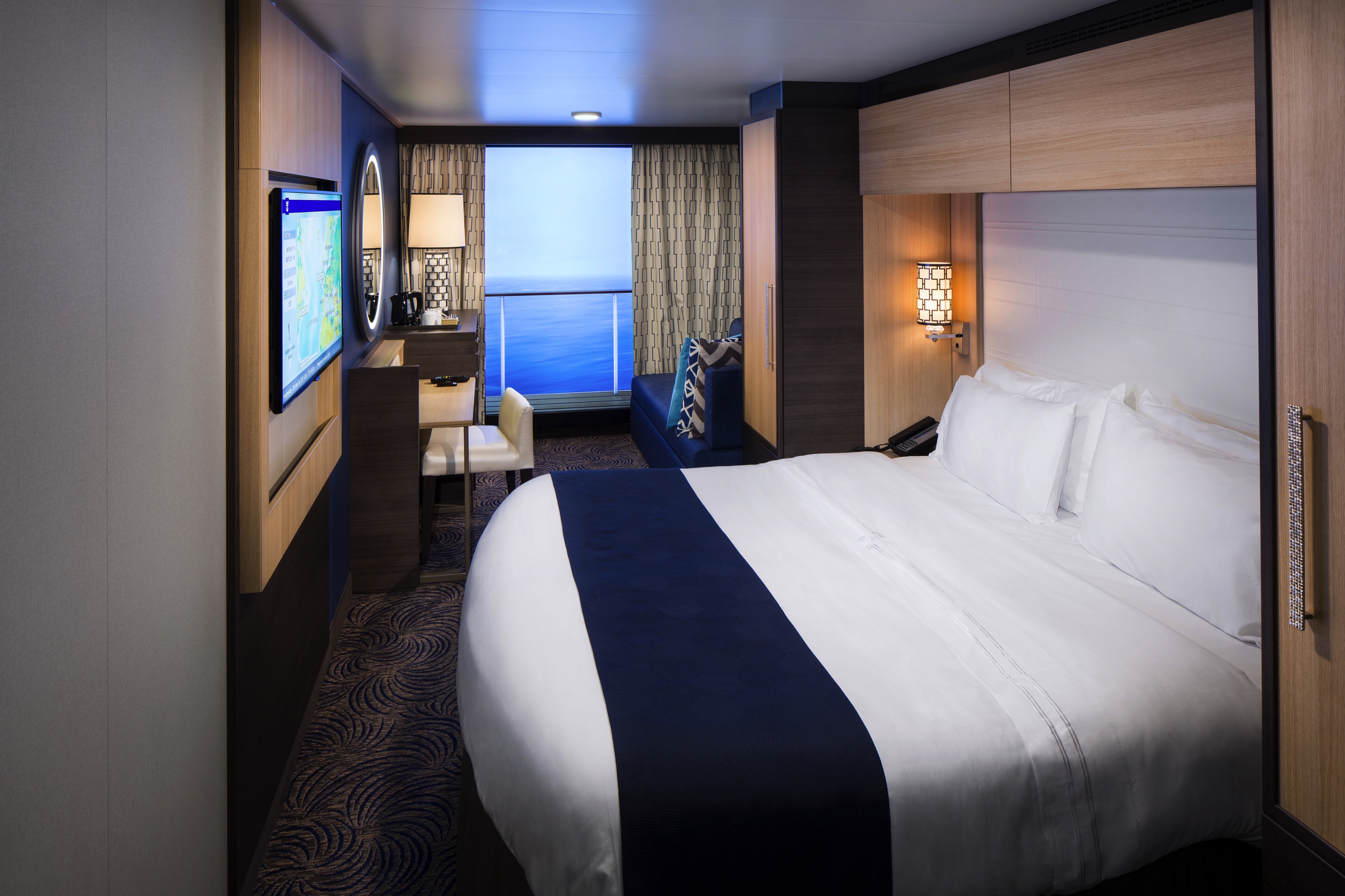
Interior with Virtual Balcony
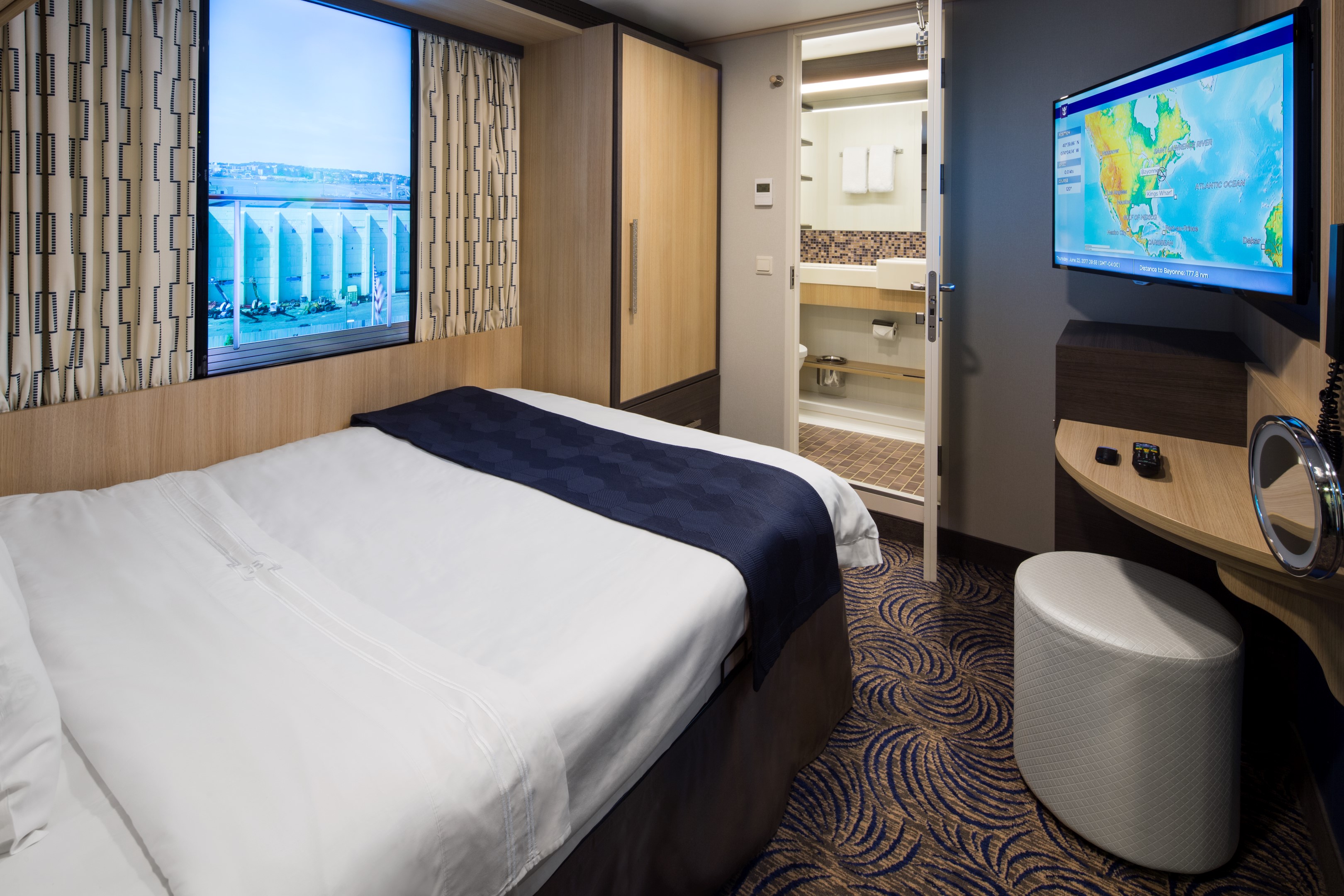
Studio Interior
Interior Stateroom Guarantee
Ship Facilities
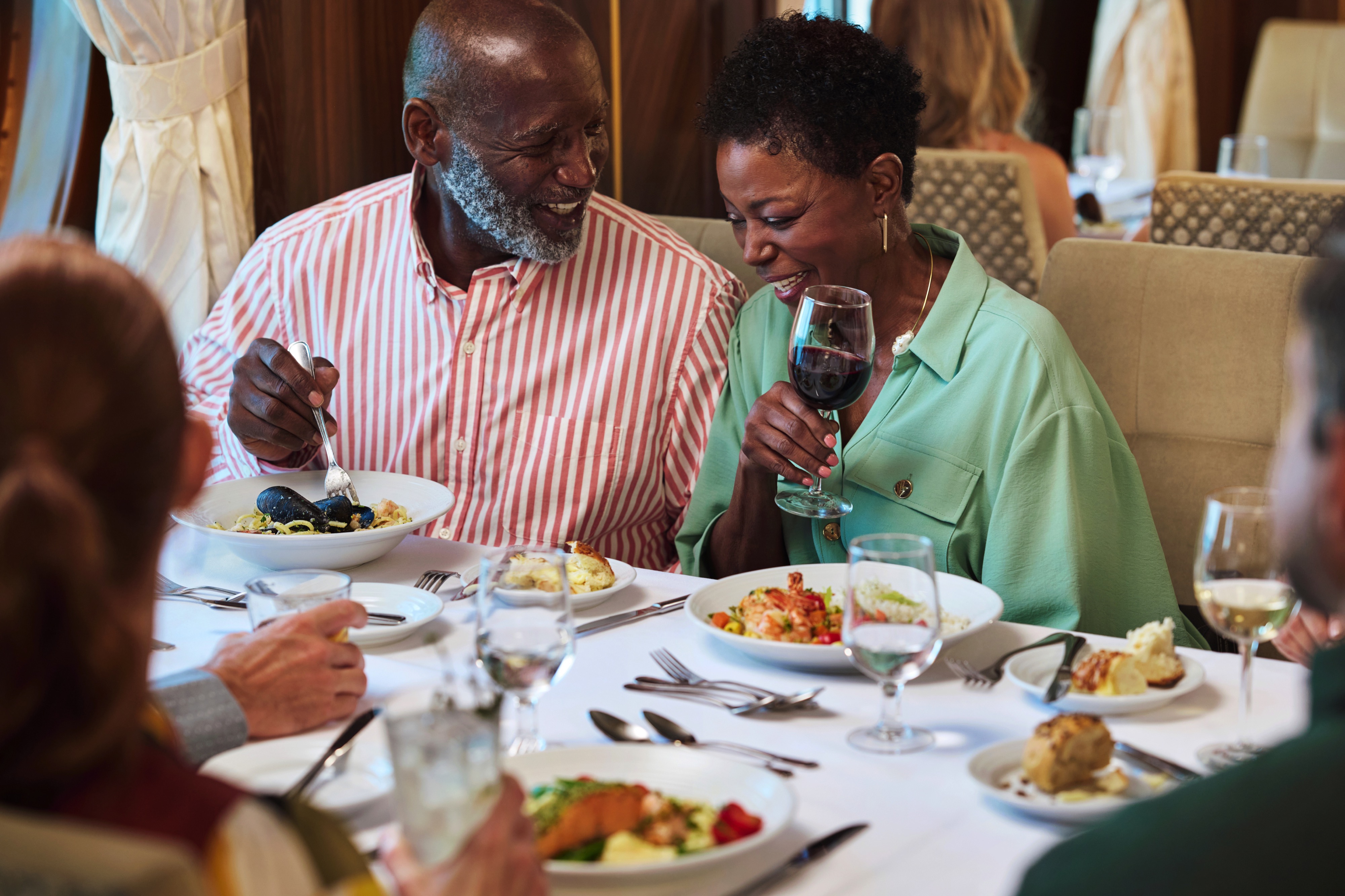
Main Dining Room
GOURMET COURSES
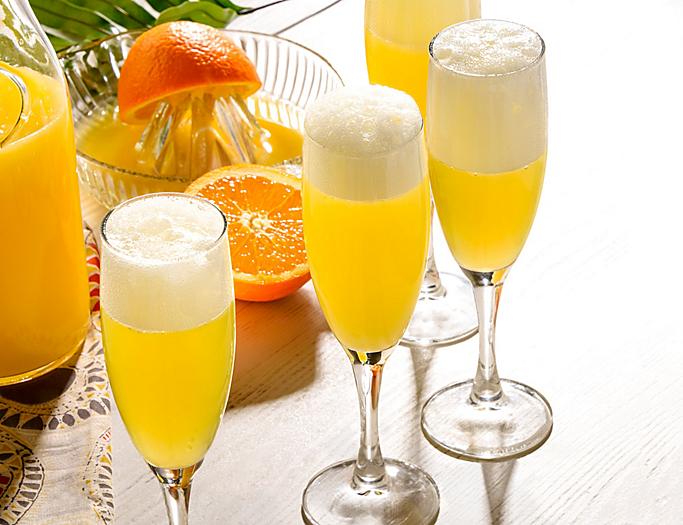
In the Main Dining Room, you can experience flavours that take you from Jamaica to Jaipur, a rotating menu of delicious dishes always offering something unexpected. A multi-level restaurant that in the morning is the perfect spot to enjoy a hearty brunch paired with refreshing mimosas, at dinnertime transforms into a world class dining experience with a menu that invites you to taste your way around the world course by course.
ATTIRE
Smart Casual
MENU HIGHLIGHTS
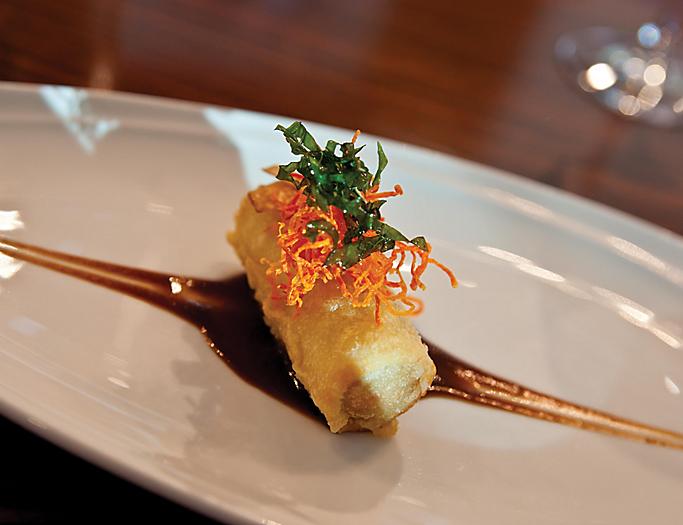
Many of the dishes on the Main Dining Room’s menu rotate each night, which means you could go an entire week without ever repeating a course. Every meal here begins with something delicious from the starters section of the menu — like savoury duck terrine layered with apricot chutney on toasted sourdough bread, a flaky Vidalia onion tart baked with whipped eggs, cream, and smoked bacon, or spiced eggplant and Kalamata olive tartare prepared with red pepper hummus and served on crispy garlic bread. Then, choose from international entrees like Moroccan spiced ahi tuna served over mint couscous, sautéed spinach and tequila peppers with a cool yogurt vinaigrette. Or mojo-marinated bone-in pork loin paired with sweet potatoes, broccoli and a cumin-citrus reduction. Dessert is also worth getting excited about, with options like sweet cream-soaked tres leches, home-style carrot cake with cream cheese frosting, and a light and fluffy Grand Marnier soufflé.
NOTE
Food offerings may differ by ship and sailing.
PRO TIP
The food in the Main Dining Room is complimentary, and you can order as many courses as you like.
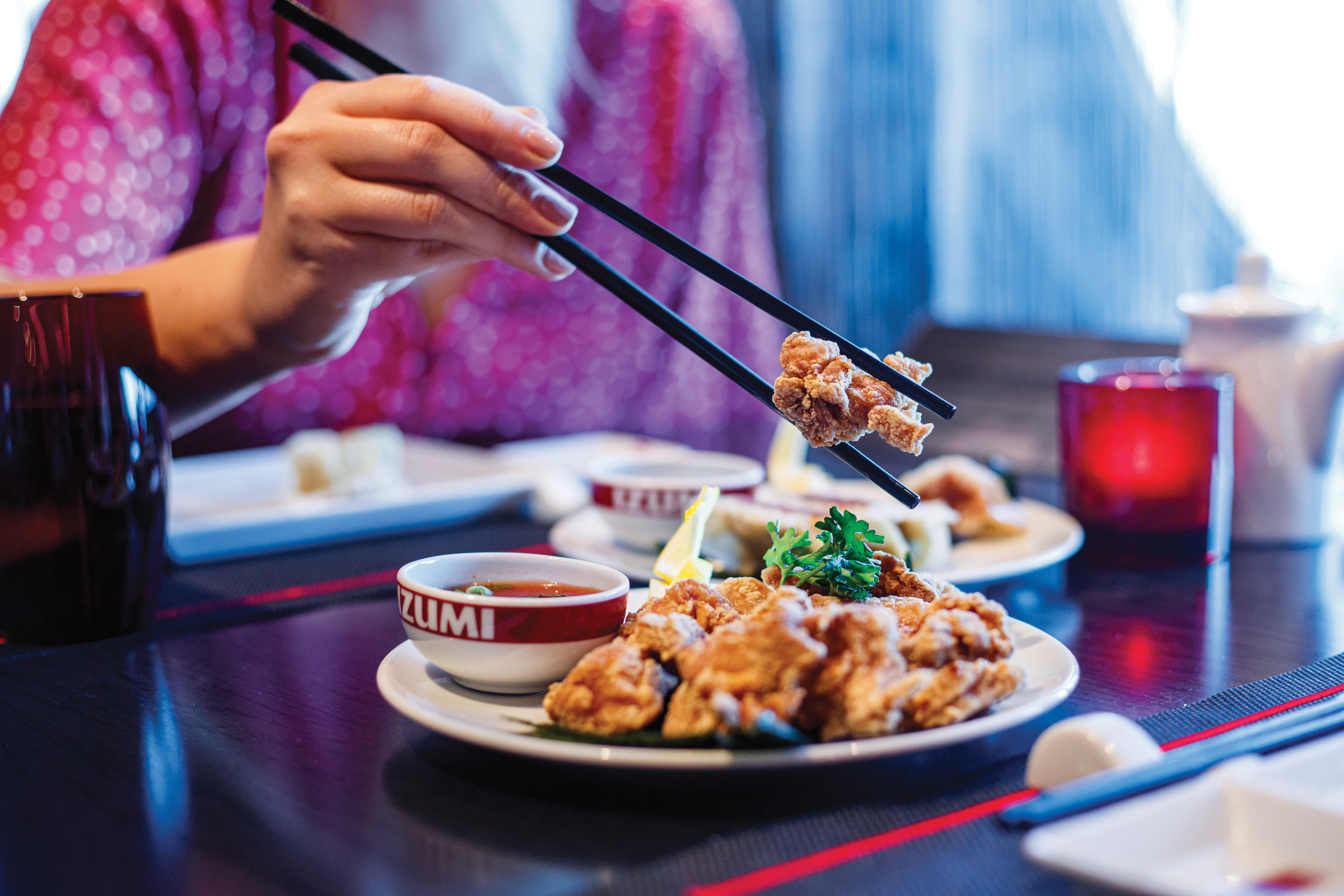
Izumi Teppanyaki℠
Hello Hibachi
With tempting delights prepared tableside, Izumi Teppanyaki dials up the Japanese dining experience. Bond with your crew over the showmanship of an expert chef working right at your table, preparing favourites like tiger prawns, scallops, beef tenderloin and vegetable fried rice. Hibachi masters put on a high-energy spectacle of sharp knives – and sharper wit – that will have you laughing all night long.
Attire
Smart Casual
How to reserve
My Royal Cruise or Royal App
MENU HIGHLIGHTS
Every meal at Izumi Teppanyaki begins with craveworthy complimentary starters like crisp greens with tangy ginger dressing, piping hot miso soup, flavoursome vegetable fried rice and tart Japanese pickles. You can also order some appetisers to share, like jumbo crispy softshell crab or fresh assorted sashimi to prep your palate for the main event – teppanyaki main courses cooked right at your table. You can choose from combinations that include chicken breast paired with tiger shrimp or NY strip steak, sea scallops or abalone paired with lobster or a splurge-worthy cut of top-quality Wagyu A4 beef. For dessert, you’ll have your pick of sweet treats ranging from freshly cut fruit to crispy, chewy sesame balls and a refreshing chilled mochi sampler.
PRO TIP
Want to pair your meal with the perfect sip? Ask to see a cocktail or sake menu.
Solarium Bistro Restaurant
FLAVOUR THAT’S ALWAYS FRESH
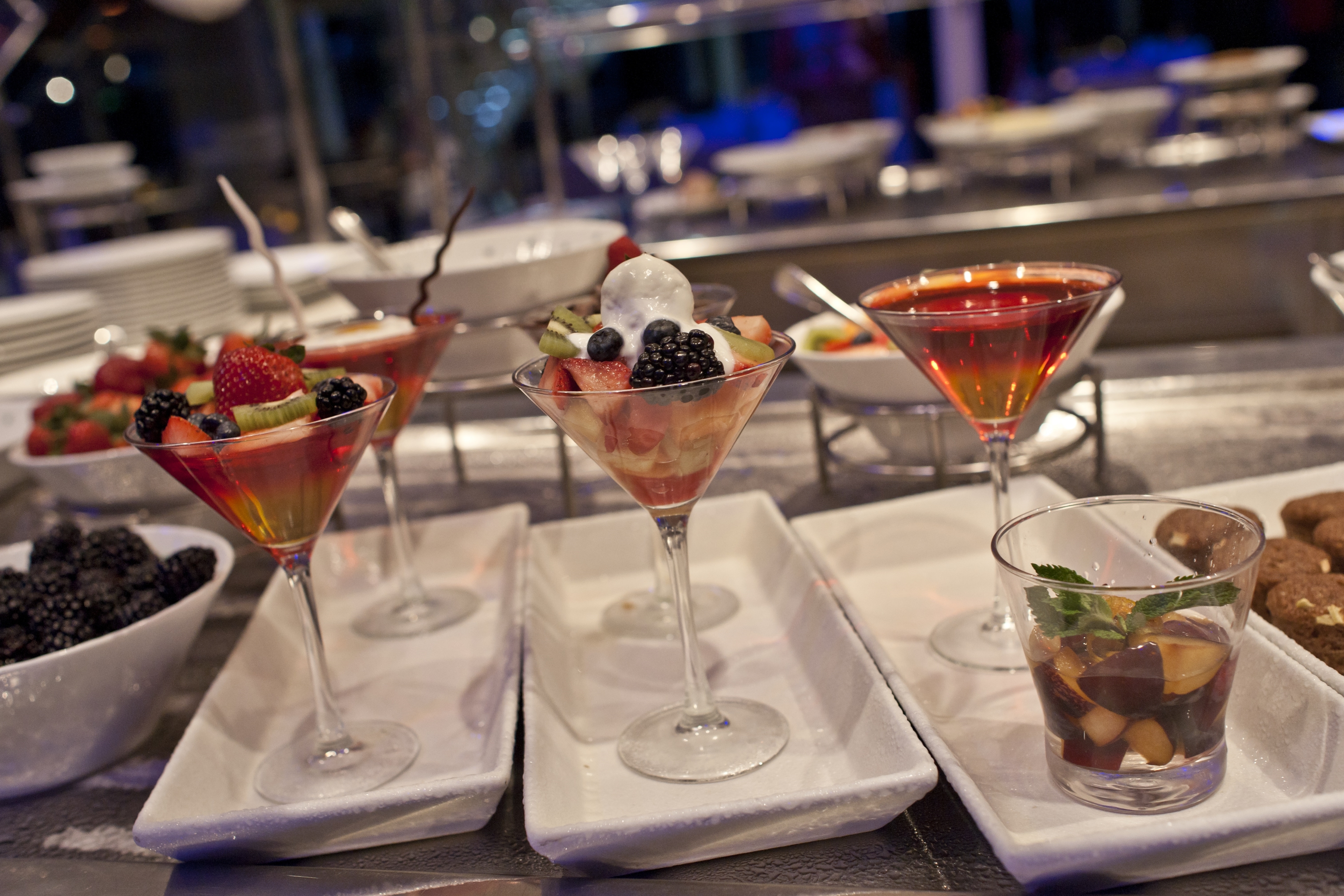
Emphasising fresh ingredients and Mediterranean flavours for breakfast, lunch and dinner, Solarium Bistro offers a bright and breezy gastronomic getaway at sea. Serve yourself from stations piled high with Med-inspired dishes and savour every bite inside or al fresco beneath the sun – or the stars.
ATTIRE
Casual
FOR CHINA SAILINGS ONLY:
Solarium Bistro becomes Hot Pot on China sailings.
MENU HIGHLIGHTS
At Solarium Bistro, every dish highlights freshness and flavour. Pop by in the morning for breakfast staples like creamy yoghurt and seasonal fruit, eggs and grilled sausage, and continental classics like bagels and pastries. At lunch, Solarium Bistro will transport you to some of the top culinary capitals along the Mediterranean coast and beyond. Tuck into fresh mussels and crisp Greek salad. Nibble on pita bread spread thick with homemade tzatziki and babaghanoush. Savour tender lamb chops with a cool mint jus or succulent lobster with tangy citrus butter. And treat yourself to sweet surprises, like fluffy loukoumades soaked in honey and creamy panna cotta à la Romana.
PRO TIP
In addition to the items on the menu and at the buffet, you’ll sometimes find surprise dishes that rotate from time to time. Keep an eye out for those.
Please Note: A cover charge may apply for a la carte dinner.
Coastal Kitchen
CRAVINGS FROM THE COAST
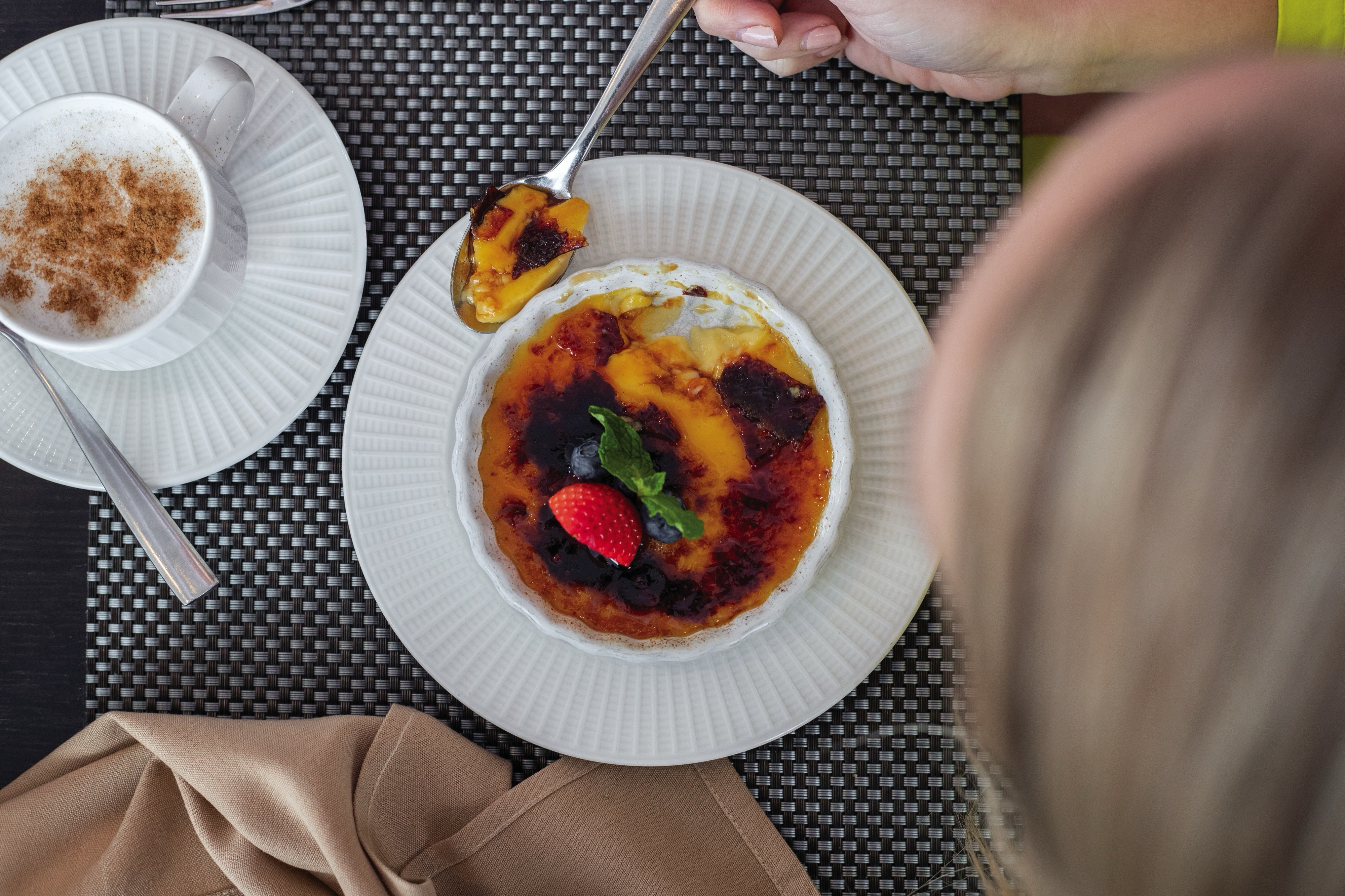
Exclusively for suite guests, Coastal Kitchen fuses Mediterranean influences with farm-fresh flavours from California. The menu is filled with Pacific Coast favourites and Med-inspired starters.
ATTIRE
Smart Casual
RESTRICTIONS
Access to Coastal Kitchen is reserved exclusively for guests staying in qualifying Suites. Pinnacle Club members may enjoy meals in Coastal Kitchen, subject to availability.
NOTE
Reservation Recommended
MENU HIGHLIGHTS
Start your day with one of the delicious offerings from Coastal Kitchen’s breakfast menu – like a filling frittata with feta cheese and spinach, decadent French toast with syrup and caramelised bananas, or a light Mediterranean plate of pan tomàquet, hummus, prosciutto and Manchego cheese. During lunch, try the signature Margherita flatbread, heaped with buffalo mozzarella, vine-ripe tomato and fresh basil, or a tender herb-crusted chicken breast paired with roasted squash, Provencal tomatoes and tangy lemon essence. And at dinner time, start with an order of Escargots a la bourguignonne in simmering butter with garlic and parsley. Then try the Roasted veal tenderloin, served in a vin jaune sauce with green pea puree, sweet caramelised onions and broad beans. End your meal on a sweet note with fresh hand-cut seasonal fruit or an airy rosewater Panna cotta with kiwi coulis and almond tuile.
PRO TIP
The menu at Coastal Kitchen rotates frequently; allowing you to try different delights throughout your cruise.
Chef's Table
AS VIP AND INTIMATE AS CAN BE
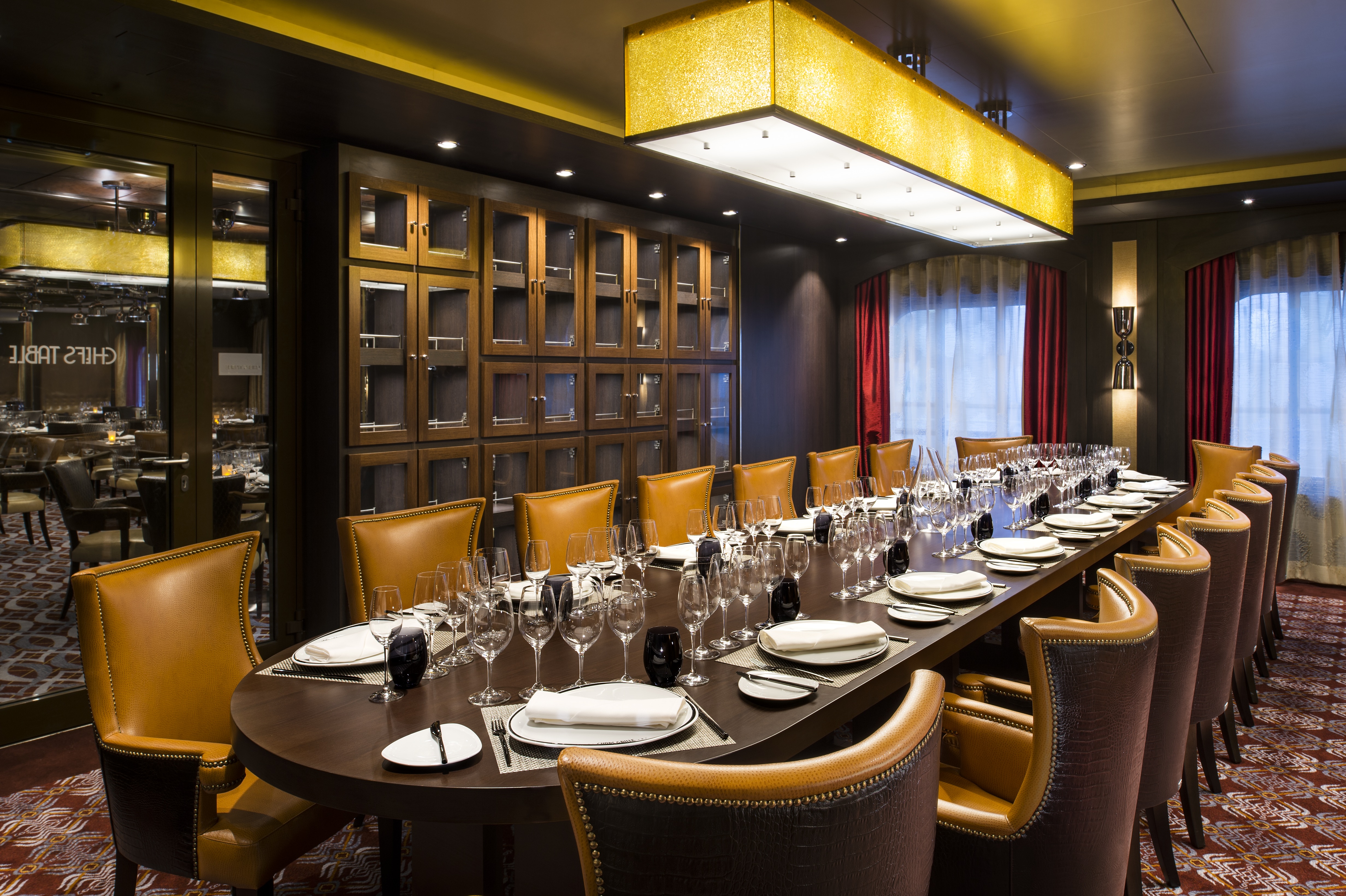
Welcome to Chef’s Table, the most exclusive and elevated dining experience on our fleet. Join an intimate group of fellow foodies on a private epicurean journey led by the ship’s Chef de Cuisine. You’ll sit down to a white tablecloth dinner spotlighting five exquisite courses that range from scallop carpaccio with yuzu vinaigrette, to grilled filet mignon served with truffle potato puree — each expertly paired with the perfect wine to highlight every flavour on the menu.
ATTIRE
Formal
NOTE
Available on select sailings.
MENU HIGHLIGHTS
Start your meal with the Scallop carpaccio, served with yuzu vinaigrette and crispy quinoa. Then transition to the Smoked tomato soup, sprinkled with garlic focaccia croutons and parmesan. Seafood lovers rave about the Maine lobster salad, flavoured with pineapple, cilantro, and vanilla dressing, and the Roasted branzino paired with grilled vegetables and lemon confit. Blending peanut butter ganache, Valrhona chocolate mousse, and salted caramel gelato, our signature dessert, The world, is the ultimate sweet ending.
PRO TIP
Each dish is paired with a somm-selected glass of premium red or white wine.
Sorrento's Pizza
PIZZA WITH MORE PIZZAZZ
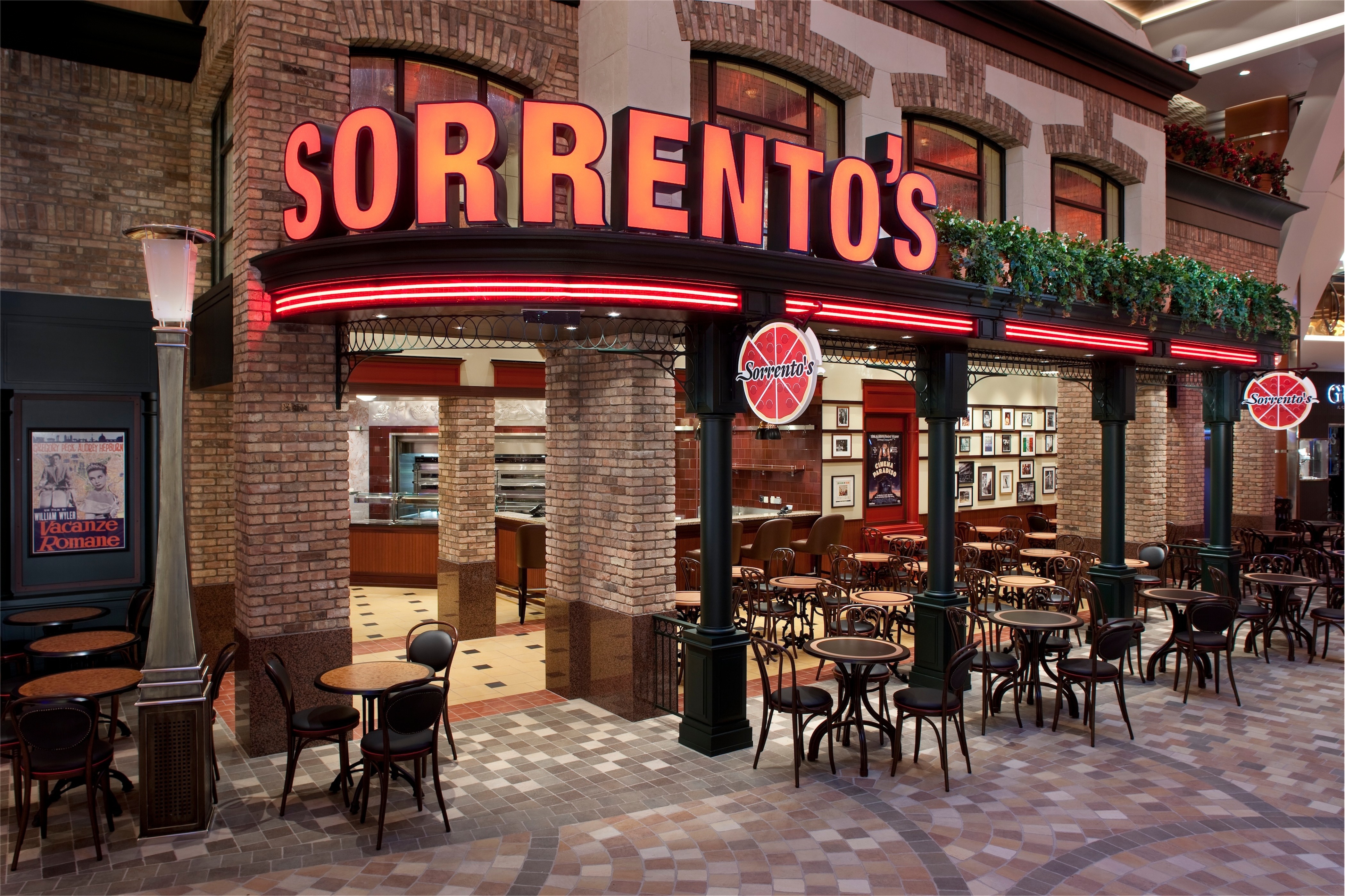
There’s nothing more satisfying than a great slice of pizza — and Royal Caribbean has spent years perfecting the recipe at Sorrento’s. Whether you’re into classics, like cheese and Margherita, or specialty pies, like the meat-loaded Carnivore or the pineapple, bacon and BBQ-infused Caribbean Dream, Sorrento’s serves up perfection in every slice.
ATTIRE
Casual
MENU HIGHLIGHTS
There’s no wrong way to do pizza at Sorrento’s — all the pies here are equally delicious. If you’re a traditionalist, go for a slice of classic cheese or Margherita, topped with sweet basil leaves. Want to spice things up? The pepperoni pie brings just the right amount of heat. If you’re craving something a little heartier, try the aptly-named Carnivore, which comes loaded with meat, or a slice of the sweet and smoky BBQ chicken pizza. For something totally out of the ordinary, don’t miss the Caribbean Dream. Sprinkled with bacon, pineapple and BBQ, every bite channels major island vibes.
PRO TIP
Sorrento’s is open late, which makes it one of the best spots for an after-hours bite.
Windjammer
TASTE YOUR WAY AROUND THE WORLD
The Windjammer is your go-to restaurant for tantalising global flavours served as complimentary. Like just-pressed paninis packed with all your favourite meats and cheeses. Flaky pastries fresh from the oven and omelettes however you like them. And hearty mains that run the gamut from crispy buttermilk fried chicken to Vietnamese braised Ho Chi Minh pork.
ATTIRE
Casual
MENU HIGHLIGHTS
Whatever kind of dish you’re in the mood for, you’ll find something tasty worth trying at the Windjammer. Pop in during the morning for scrambled egg Bhurji served with roti, or home-style crispy chicken and waffles. Refuel in between adventures with a refreshing watermelon and feta salad or classic fish and chips. Or sample your way from Italy to India with dishes like traditional chicken marsala, savoury pork vindaloo, tangy duck a l’Orange and flavourful Caribbean goat curry.PRO TIP
There are plenty of gluten-free and vegetarian options offered.
RESTRICTIONS
Fully-covered shoes and shirts required.
NOTE
Food options may differ by sailing.
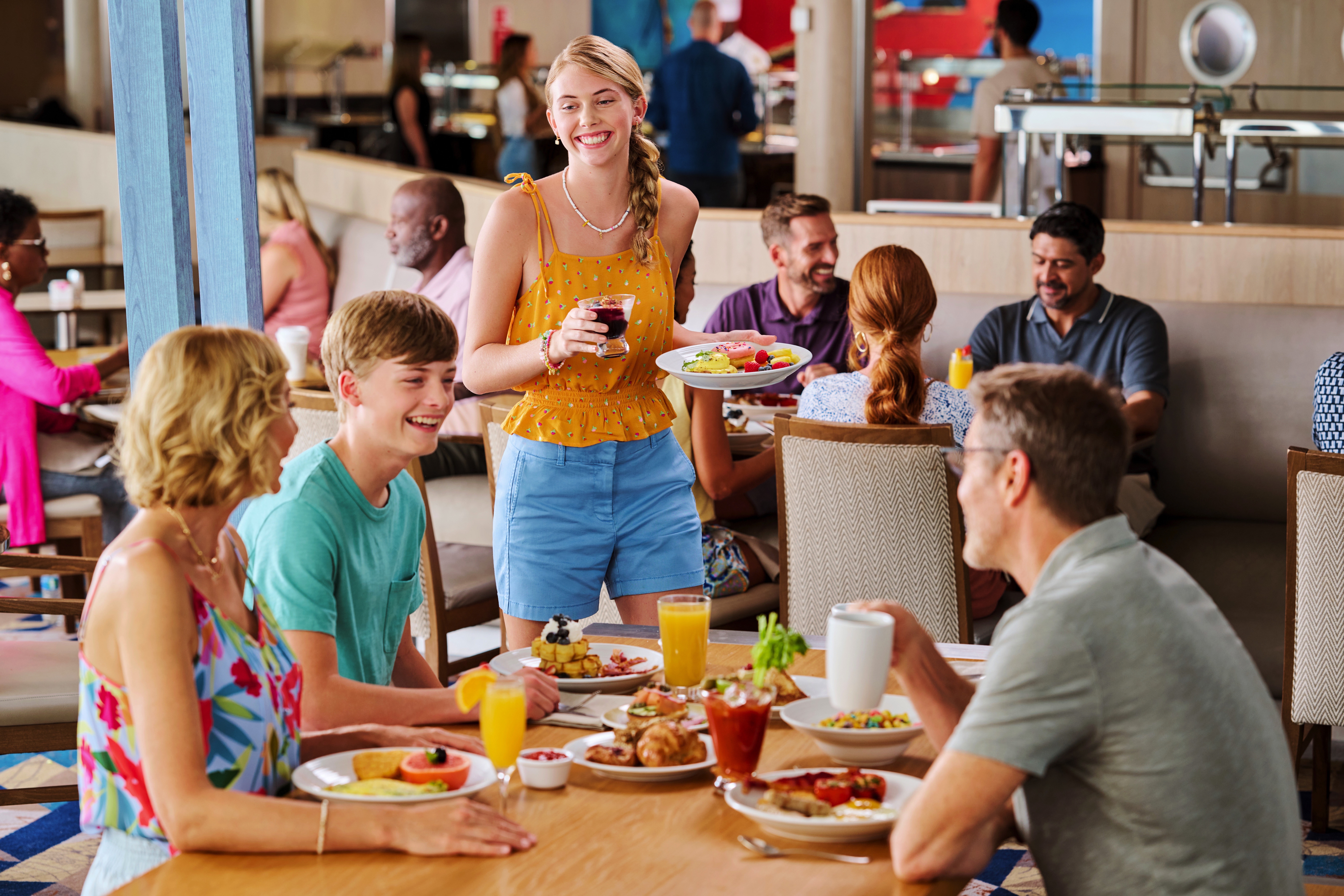
Dog House
CRAFTED HOT DOGS WITH A TWIST
Everybody loves a great hot dog. Some like theirs served the classic way — between toasted buns with a drizzle of mustard, ketchup and relish. Others prefer theirs course-ground and sprinkled with sauerkraut, Old-World style. And some like hot dogs crafted with a creative twist — like a chicken sausage flavoured with juicy apple. Whatever kind of foot long you fancy, Dog House serves up the best sausages at sea.
ATTIRE
Casual
MENU HIGHLIGHTS
If you’re a traditionalist, go for the Coney Island dog, made with classic American beef. Or opt for authentic old-world flavour with a German Thuringer made from finely minced pork. Want to change things a bit? Try The Big Apple, a chicken sausage cooked with apple for a subtle burst of sweetness. Or bite into The Smoke House, a pork Bratwurst seasoned with traditional spices for just a hint of heat. No matter which sausage (or sausages) you choose, they all pair perfectly with a side of home-style potato salad or refreshing coleslaw..
PRO TIP
Customise your hot dog at Dog House with a wide variety of condiments and toppings – all available for you to help yourself.
NOTE
Both on port and sea days, Dog House closes at 7 p.m.
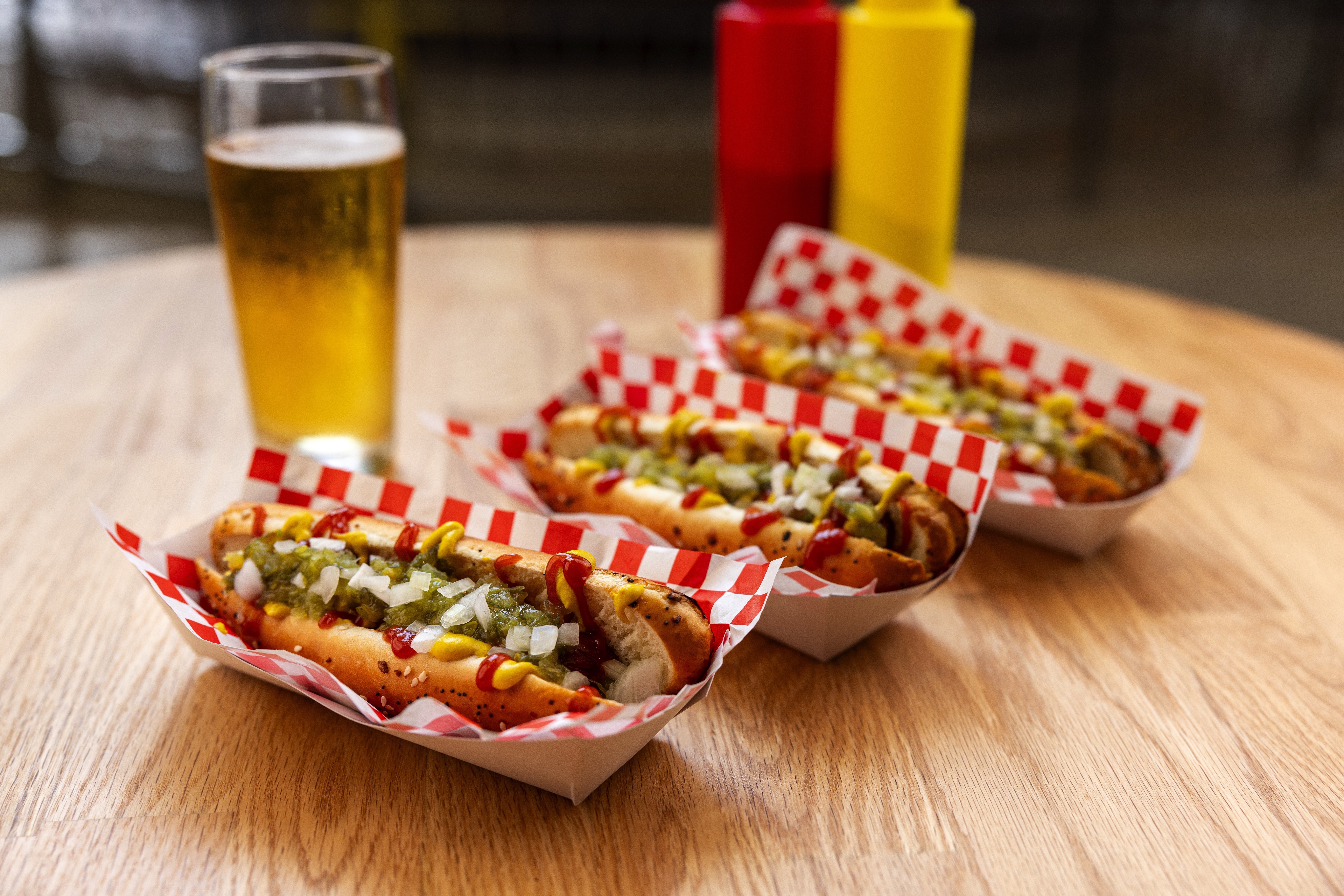
Giovanni’s℠ Italian Kitchen
Indulge in Italia
Sunday supper is served every day at Giovanni’s Italian Kitchen. The menu highlights Old-World classics, including veal meatballs in Romana sauce, pappardelle with rich radicchio cream or hand-tossed pizzas, delivered straight from the oven. And ask a sommelier on staff to suggest the perfect pairing from a wine list that ranges from Sangiovese to Super Tuscan.
Attire
Casual
How to reserve
My Royal Cruise or Royal App
MENU HIGHLIGHTS
Heaped with mortadella, porchetta, fresh mozzarella and more, Giovanni’s assorted meat and cheese platter is the perfect way to start a meal among friends and family. If you love the taste of truffle, try the caprese salad – a beautiful globe of truffle burrata served over rocket, heirloom tomatoes, pesto, balsamic glaze and fresh basil oil. The classic lasagna is also a must-try, oven-baked and layered with tasty Bolognese sauce, cottage cheese and mozzarella. And if you’re craving a pizza, the 12-inch pizzas here do not disappoint. Stick with a traditional Margherita or primavera, or mix things up with the truffle and eggs, topped with bacon, eggs, pecorino and white truffle oil.
PRO TIP
The most popular items have hearts drawn next to them on the menu. Keep an eye out for these can’t-miss dishes.
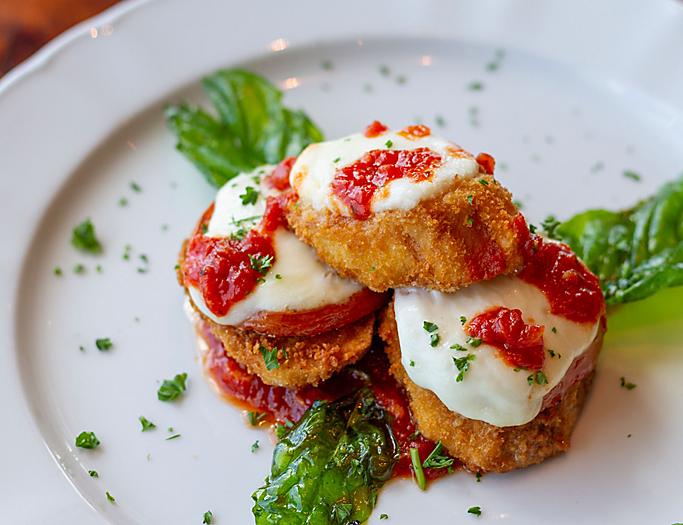
Chops Grille℠
CLASSIC AMERICAN STEAKHOUSE
For more than a decade, the chefs at Chops Grille have specialised in serving up quality, hand-cut meat. Dinner at this hallmark Royal Caribbean specialty restaurant goes far beyond the typical steakhouse experience, though, with reimagined classics like succulent Maine lobster, gruyere cheese tater tots, white truffle-scented mushroom soup, and of course, expertly prepared prime beef.
ATTIRE
Smart Casual
INSIDER TIP
Open for lunch on sea days only.
MENU HIGHLIGHTS
The best way to begin a meal at Chops Grille is with the charred beef carpaccio, sliced thin and served rare with fresh arugula, Parmesan cheese, and truffle mustard dressing. If you’re a seafood lover, upgrade your menu with one of the restaurant’s chilled seafood towers — each comes with jumbo shrimp, green-lipped mussels, clams, Jonah crab claws, and Maine lobster. As far as entrees go, the tender filet is one of the most popular items on the menu. If nine ounces is a bit too much for you, opt for the smaller 6-ounce petite filet — it packs in just as much flavour as the standard cut. If you’re a traditionalist, complement your meal with an order of steaming Yukon Gold mashed potatoes and creamed spinach, or change things up with Chops’ signature gruyere cheese tater tots and truffled French fries. And don’t forget to save room for a refreshing slice of tart key lime meringue pie or classic New York cheesecake, served with raspberries and lemon confit.
PRO TIP
The chefs at Chops Grille will hand cut, season, and grill each steak to your specifications. When in doubt, don’t be afraid to ask for the chef’s recommendation.
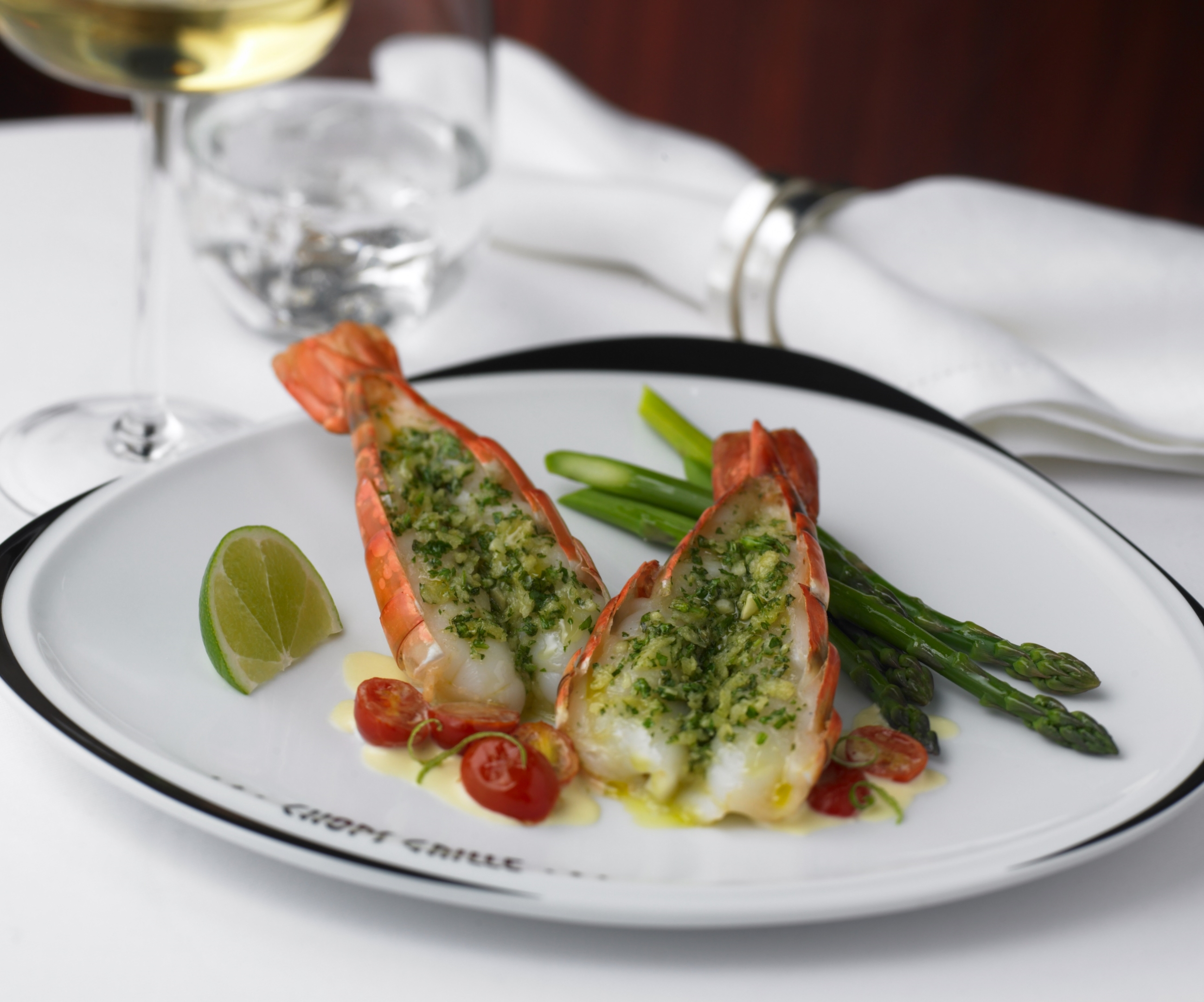
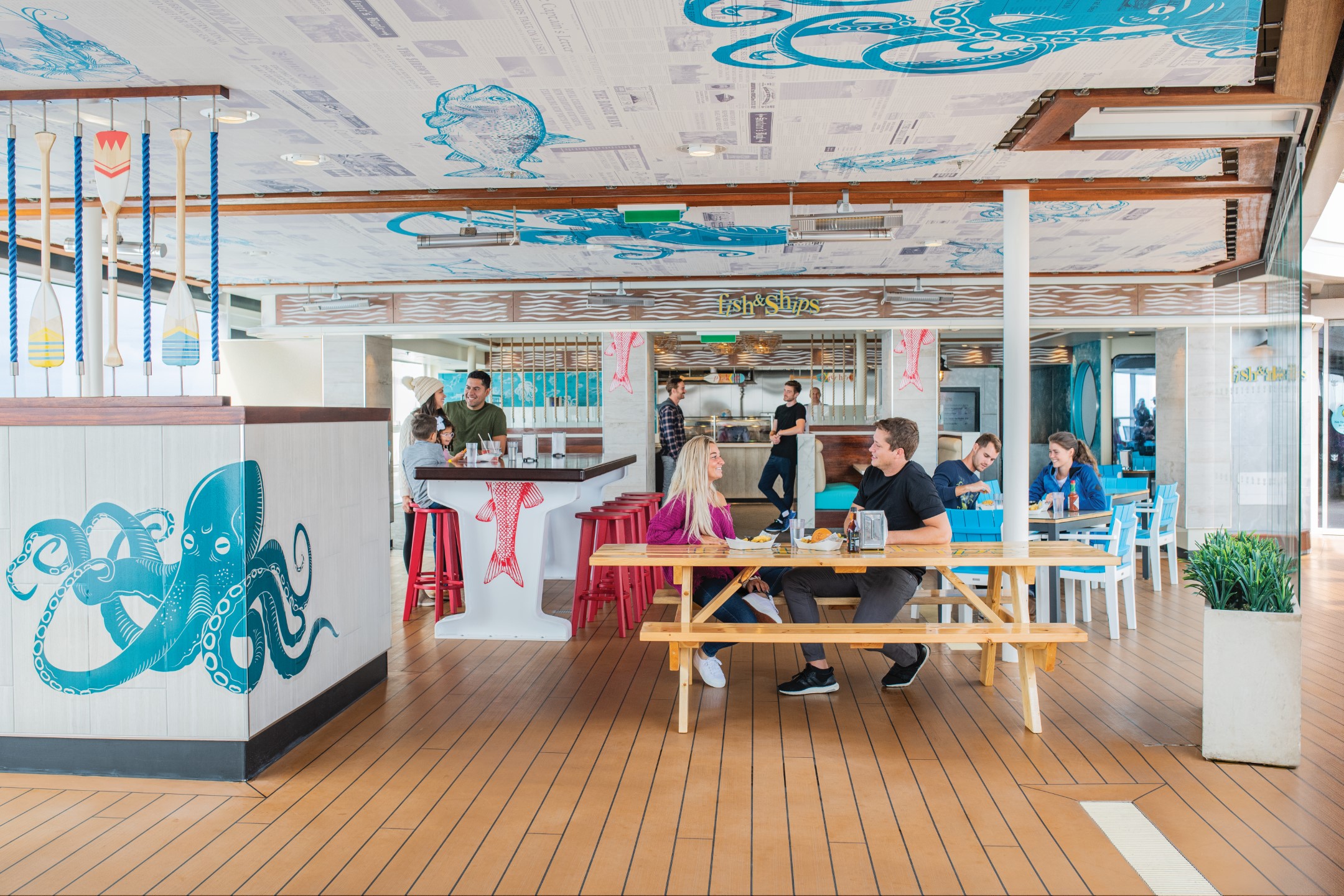
Fish & Ships℠
GOLDEN FRIED GOODNESS
Savour delicious fare at Fish & Ships℠, a seaside seafood spot that’s just steps from the pool. No need to travel to England for a basket of freshly battered cod and hand cut fries. You can get the British classic comfort food right here, plus crispy calamari, savoury battered sausage and even a frosty pint of brew.
ATTIRE
Casual
MENU HIGHLIGHTS
The most famous item on the menu at Fish & Ships℠ is hands down the classic Fish & Chips – golden-battered cod fried to perfection and served with mushy peas, just like they do in the UK. Other standouts include the crispy fried calamari – a great option if you’re sharing with friends – and the hearty house lobster roll, served with a side of signature chips. If you’re craving something other than seafood, try the battered sausage – it’s as flavoursome as it is filling. And make sure you save space in your tummy for a bite of the restaurant’s famous deep-fried chocolate bar.
PRO TIP
If you’re just fuelling up on your way to another onboard activity, no problem – ask for your meal to take away.
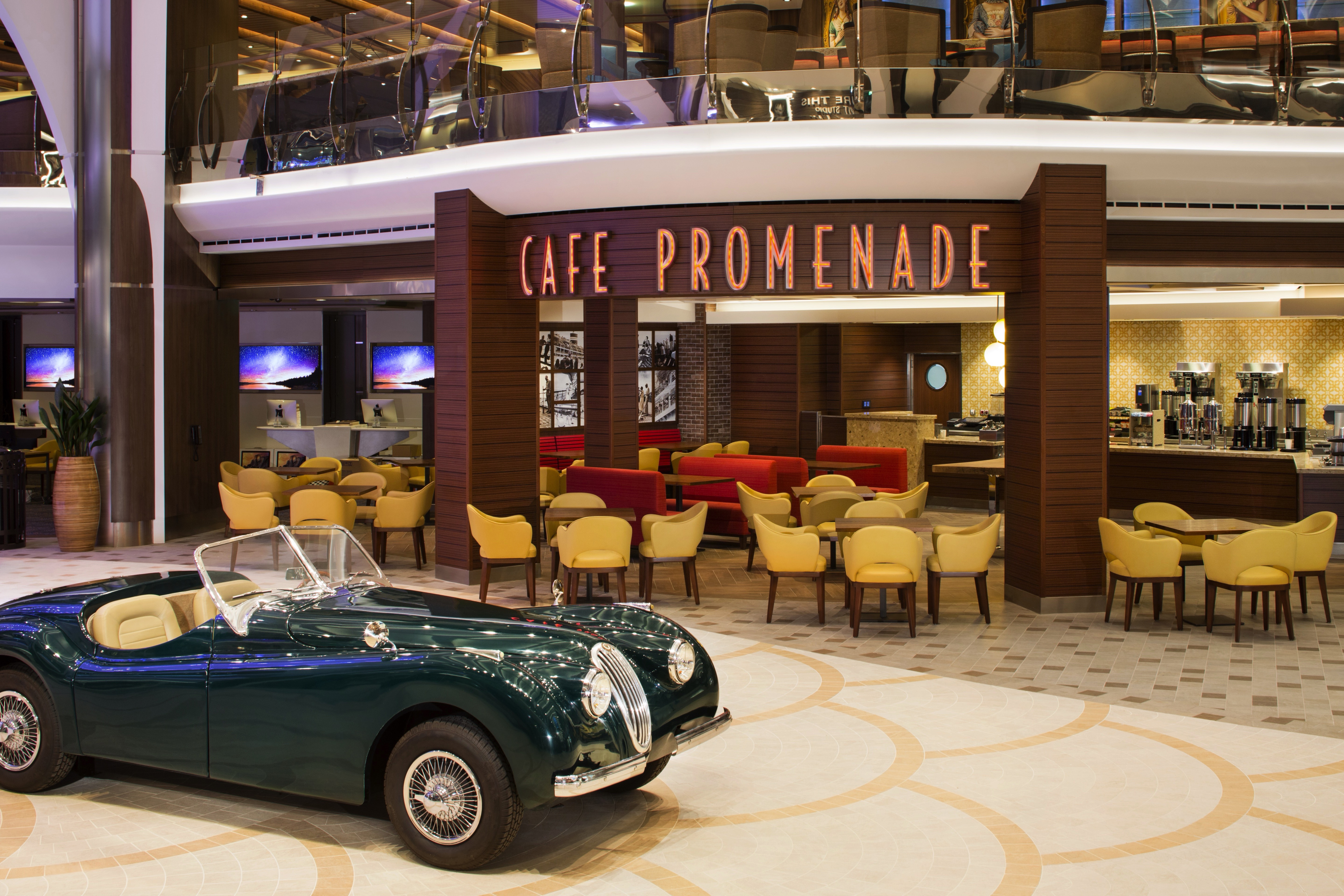
Café Promenade
CAFÉ ALL DAY
When it comes to quick and easy come-and-go eats, there’s no better place than Café Promenade. This casual, complimentary hotspot bustles 24 hours a day, so you can drop by any time — whether it’s for a steaming cup of coffee and a warm glazed cinnamon bun in the morning, or late-night bites like fried artichoke, spicy marinated cheese, and savoury meatballs from behind the counter after working up an appetite on the dance floor.
ATTIRE
Casual
MENU HIGHLIGHTS
If you’re looking for a satisfying way to start your day, pair a cup of rich Royal Roast with a flaky croissandwich — stuffed with deli meats and crisp lettuce — or your favourite breakfast pastry. At lunchtime, it’s all about the flavourful chicken roti wrap and the New Orleans-style muffuletta, piled high with cold cuts and cheese. If you love a good antipasti platter, try the prosciutto with melon combo, or the pesto-grilled tomato. And if you have a sweet tooth, the decadent Mudcakes, creamy Willy Wonka pies, and fluffy round Led Zeppoles will make you come back for seconds.
PRO TIP
Some sandwiches, antipasti and desserts rotate daily, so stop by often to see what’s new.
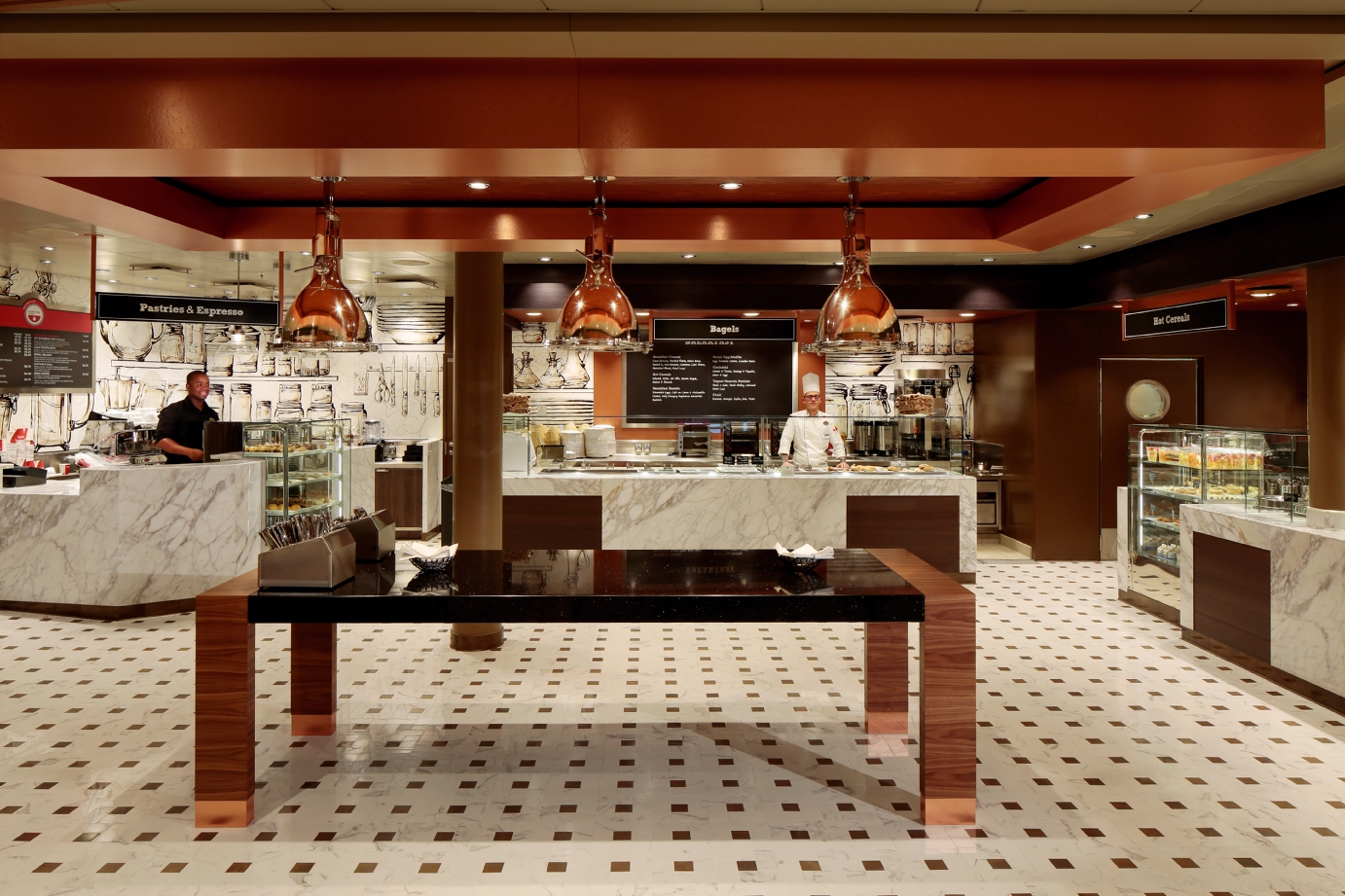
Silk
Weave your way through a vibrant tapestry of pan-Asian flavours as diverse and nuanced as the Far East itself. Every tapestry tells a story – and this one brings together the greatest characters in the history of exotic cuisine.
Turmeric, cumin and red chili in a slow-cooked lamb curry. Ginger and sesame on crusted tuna. Sake-glazed salmon and teriyaki steak. On an eclectic yet balanced menu inspired by Chinese, Japanese, Thai, Vietnamese and Indian cooking.

The Cafe @Two70
GOURMET MARKETPLACE
The Café@Two70 is a gourmet marketplace where every meal comes with a side of captivating views. Choose from a variety of savoury hot-pressed sandwiches, crisp custom-made salads, homemade soups and more – all packed up picnic-style, so you can enjoy them while looking out of floor-to-ceiling windows in Two70® or anywhere else onboard.
ATTIRE
Casual
MENU HIGHLIGHTS
If you’re looking to fuel up for a day filled with adventure, pop into the Café@Two70 in the morning and order a breakfast burrito. The original comes with scrambled eggs, chili con carne and mozzarella cheese, but you can ask for a vegetarian version if you prefer. If you’re craving something crisp and refreshing, the Thai chicken noodle salad is a winner. It’s got tender grilled chicken served over mixed greens with peppers, mandarin oranges, toasted almonds and glass noodles, all tossed in a tangy sesame-peanut dressing. Cheese toastie lovers can choose from three different riffs on the classic, including a three-cheese melt that layers gruyere, aged white cheddar and blue cheese on rye bread, a harvest version with smoked ham, juicy green apples and brie on raisin-multigrain and a B&B that’s loaded with crispy bacon, creamy blue cheese and crunchy green onions on sourdough.
PRO TIP
The Café@Two70 also offers some tasty sweet treats – see what’s available at the counter.
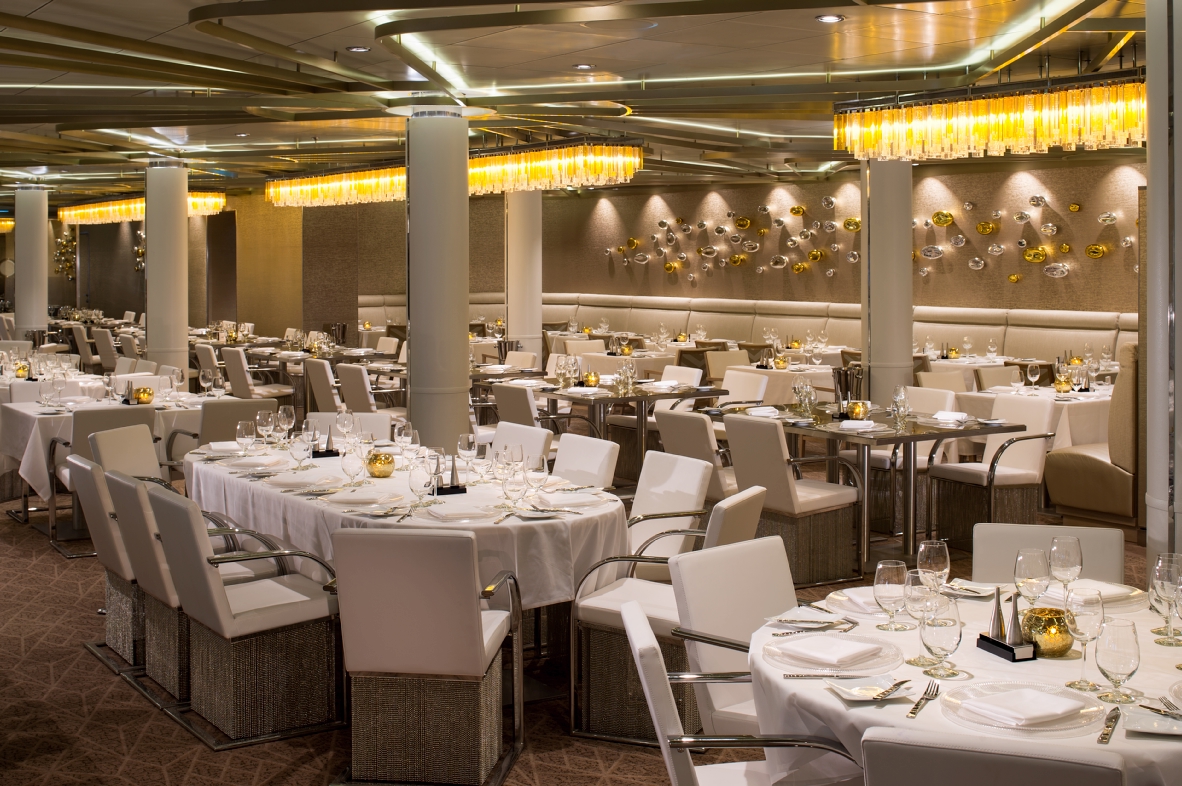
Chic
The height of contemporary cuisine is realised at Chic, where the freshest ingredients of the wild are evolved for a modern palate. Proteins that pack a punch—beef rib-eye, lamb chops, Mediterranean sea bass—are treated to the delicate drizzle of sauces made from scratch. Salt is sea salt. Cream is crème. And truffles mingle with champagne for a butter sauce that surpasses all expectation.
Most intriguing: The first dry-aged steaks at sea, each hand-selected and aged for nearly four weeks to achieve the pinnacle of flavor, tenderness and aroma. This prime beef is joined by Maine lobster, veal Parmesan, grilled branzino and more succulent dishes paired with addictive sides and irresistible desserts.
Room Service
DELICIOUS DELIVERED TO YOUR DOOR
Want to savour a meal in the comfort of your stateroom? Order delicious in-room dining any time — day or night. Tuck into breakfast in bed with a fresh omelet or a steaming stack of pancakes. Or enjoy an intimate date night in after a long day of adventure onboard and ashore. Room service makes it easy to treat your taste buds without having to set foot outside your door.
NOTE
Room service menu may differ by sailing.
MENU HIGHLIGHTS
The continental breakfast items on the room service menu are complimentary, but you can also upgrade with fried eggs or an omelet if you want something a little heartier. You can even make brunch boozy with mimosas or the Ultimate Bloody Mary. If you’re ordering lunch or dinner, choose from flavourful finger foods like crispy chicken tenders, a melt-in-your-mouth grilled cheese sandwich, hot dogs your way, or the much-loved Royal Burger — it’s eight ounces of prime Wagyu beef topped with crispy bacon and aged cheddar on a toasted bun. The creamy classic tomato soup, grilled quesadilla, and fried chicken wings are also guest favourites..
PRO TIP
Cruising with kids? There’s a section on the menu just for them with simple but delicious sandwiches and tasty sides.
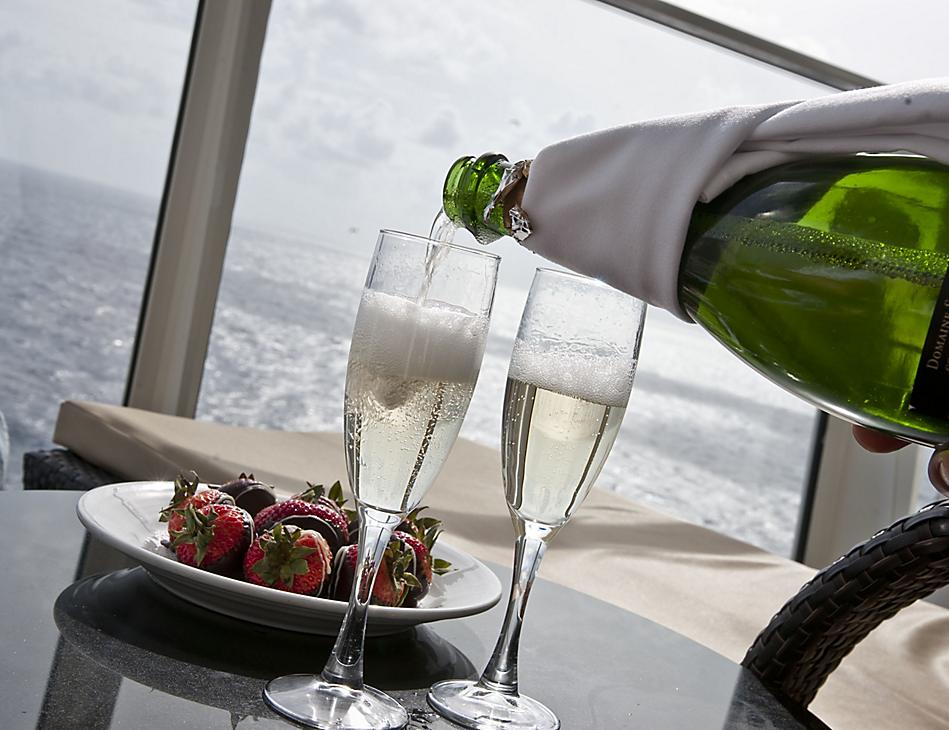
Shore Excursions & Guided Tours
Whether you dream of trailblazing through the Alaskan tundra, learning how to whip up traditional Mediterranean dishes on the Greek isles, or sampling rum at centuries-old distilleries in the Caribbean, you’ll find the world is brimming with full day adventures — and nobody takes you deeper than Shore Excursions. Explore every shore your way with excursions and guided shore trips designed to thrill all kinds of traveler, from couples craving a little extra romance to families looking to bond over bucket list moments. No matter what kind of vacation experience you’re after, you’ll find new and exciting ways to make memories on your next getaway with a Shore Excursion. Unleash your inner explorer and discover bold new ways to connect with the people, culture and places around you as you cruise from one unforgettable port of call to another.
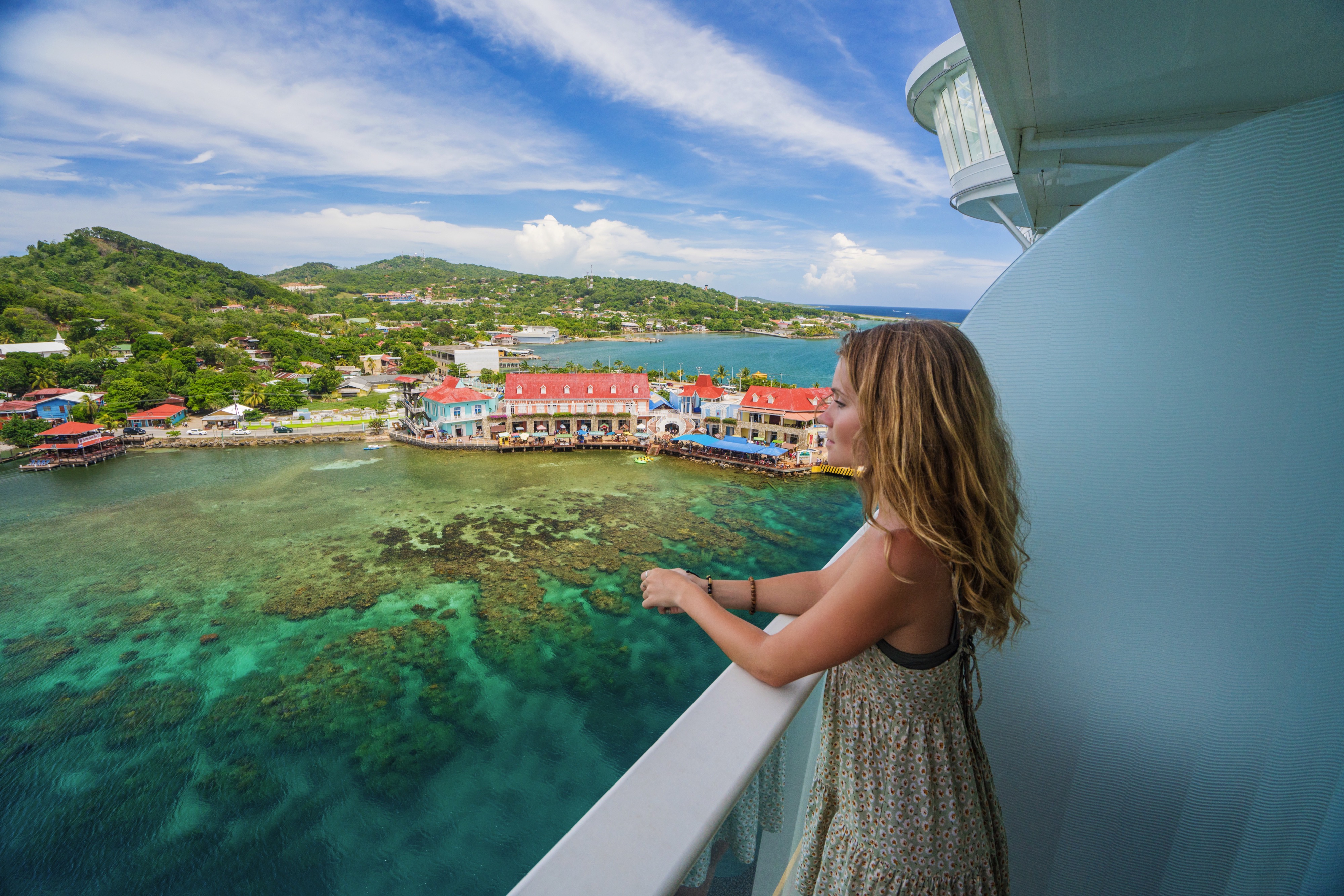
Private Journeys
For those looking for a more personalized adventure, there’s Private Journeys. Our Destination Insiders leverage extensive knowledge and years of travel expertise to hand craft one-of-a-kind private tours with you in mind. You can customise an existing tour that catches your eye, or work with an Insider to create an exclusive tour experience that’s completely unique to you or a small group. Celebrating a special occasion, chasing a lifelong dream or looking for ways to rediscover a favourite destination? Private Journeys are at your service.

Europe Excursions
When you explore Europe’s ancient cities, every arch and alleyway tells a story. In Sicily, you can bike across the rim of Mount Etna, which the ancient Greeks believed was home to the legendary Cyclops. In Spain, learn how to prepare tapas like a true Malagan, then savour every single bite. And venture deeper into nature – literally – as you explore the magnificent Lipa Cave in Montenegro. Wherever your journey takes you, these experiences will make every moment memorable.
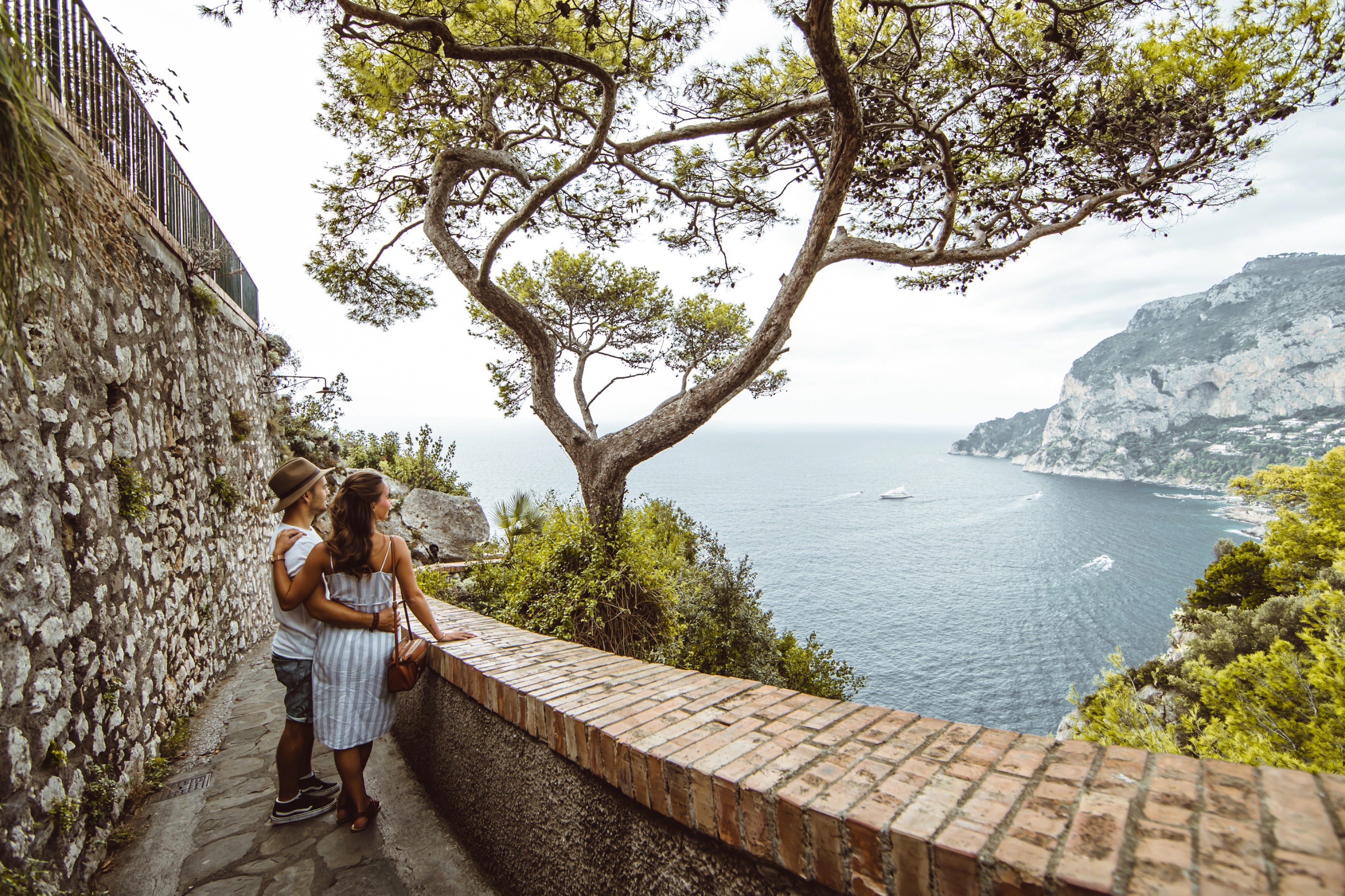
Snorkel Excursions
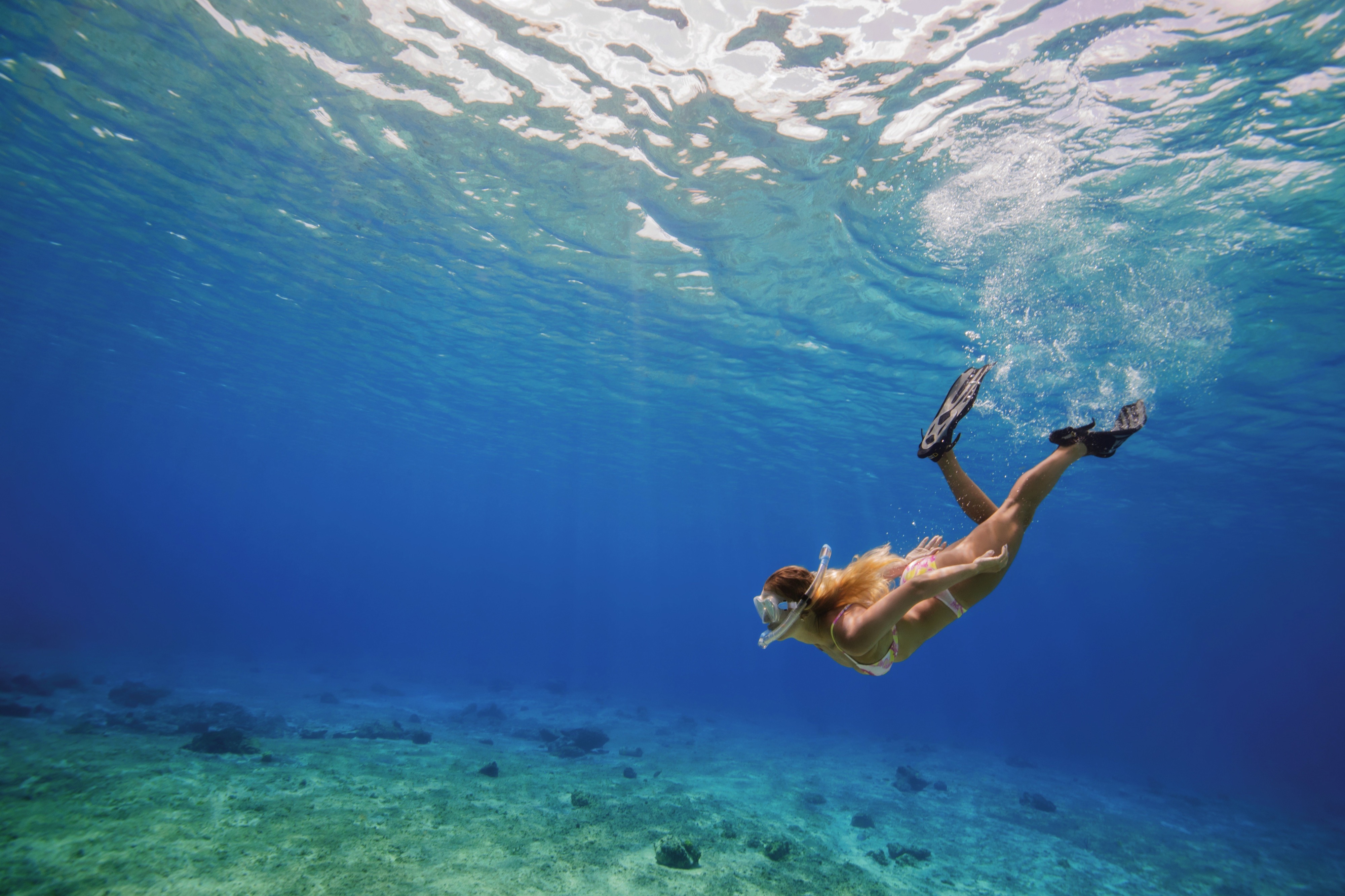
Take your adventure underwater and discover a whole world that’s teeming with life. Swim with turtles and manta rays, float over vibrant reefs and explore colorful coral forests on a snorkelling excursion designed to bring you up close with the ocean’s most beautiful natural treasures.
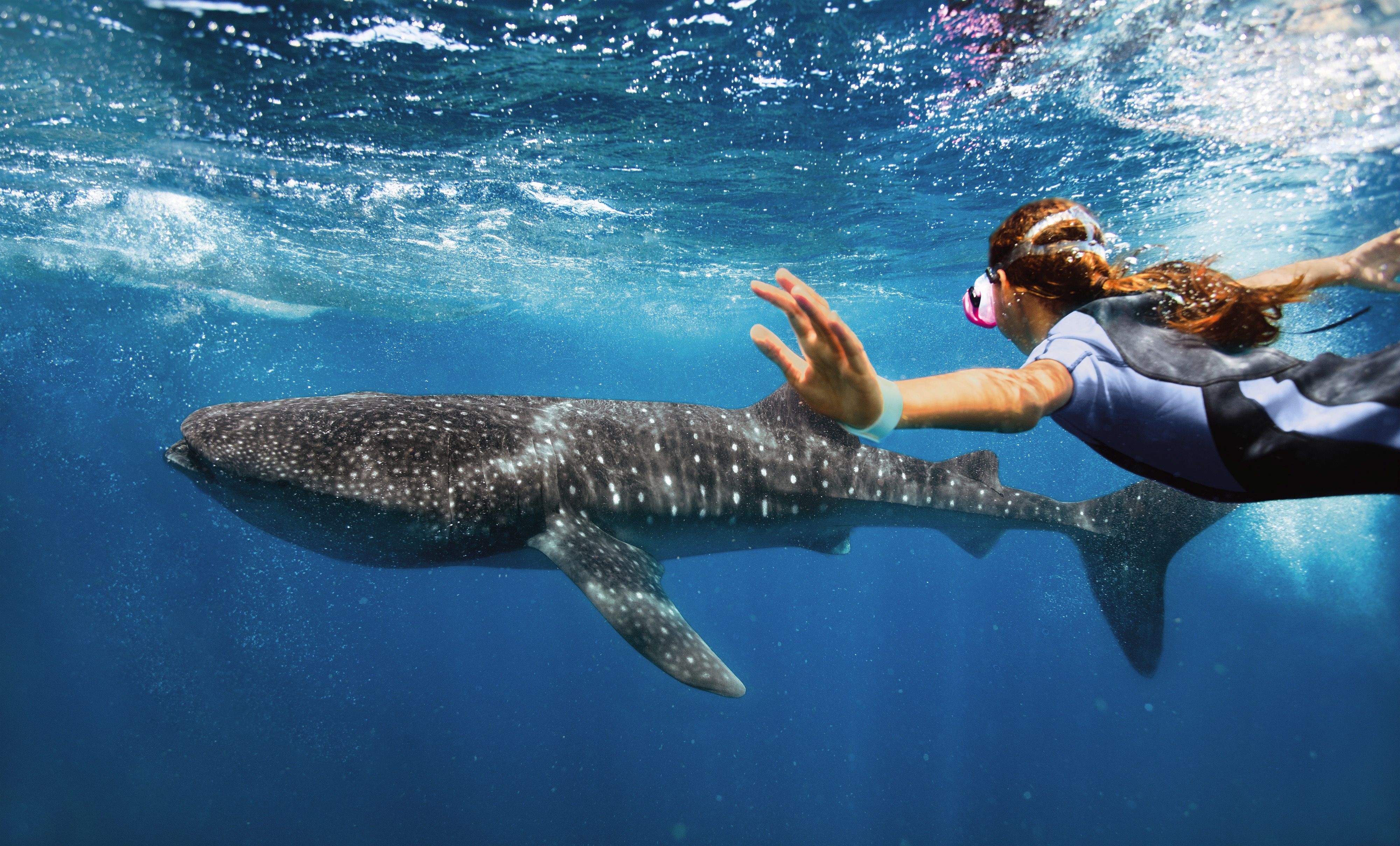
Scuba Excursions
There’s no better way to explore the beauty beneath the waves than on a guided scuba excursion. Dive deep below the surface of the sea with a certified expert and weave through brilliant coral colonies, scour centuries-old shipwrecks and come face-to-face with exotic aquatic critters.
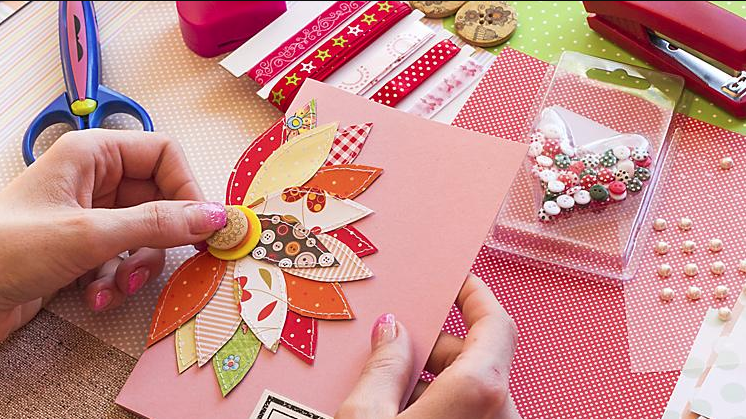
Scrapbooking
CHALK, PAPER, SCISSORS
Make your memories last. The perfect DIY project for scrapbook newbies and aficionados.
Guest Lectures
TOPICAL TALKS
Come hear the experts talk about various trending topics during our Guest Lecture series.

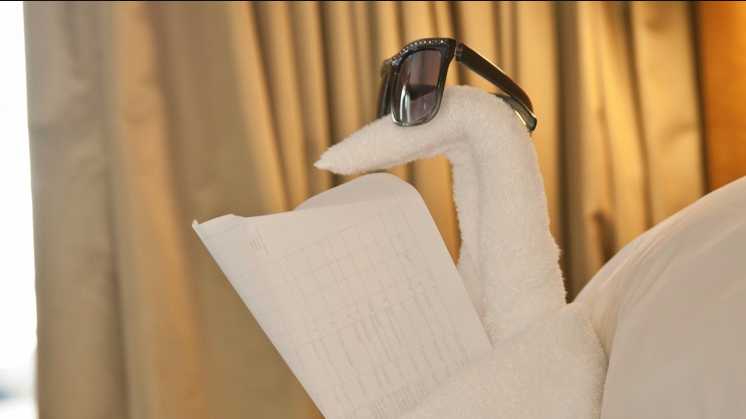
Folding Artistry
BEHOLDEN FOR FOLDING
Get the low-down on folding techniques from the staff that makes the best towel animals at sea.
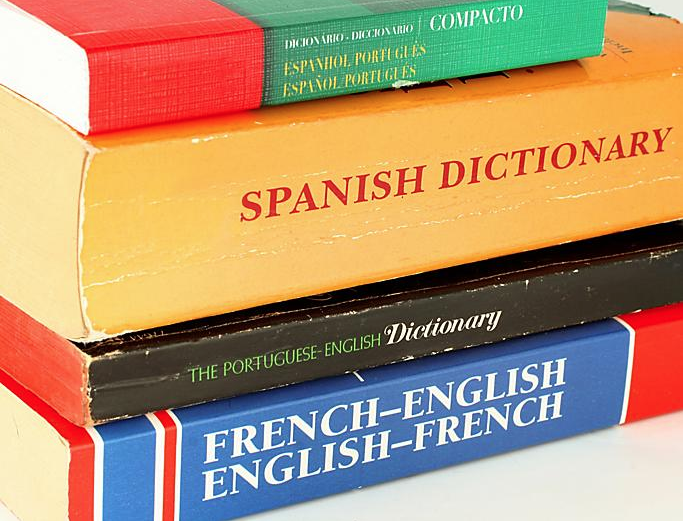
Learn A Language
CIAO, HOLA, SALUT!
Learn a new language so you can mingle with the locals.
NOTE
Classes vary by ship and itinerary
Wine Tasting
A VINTAGE JOURNEY
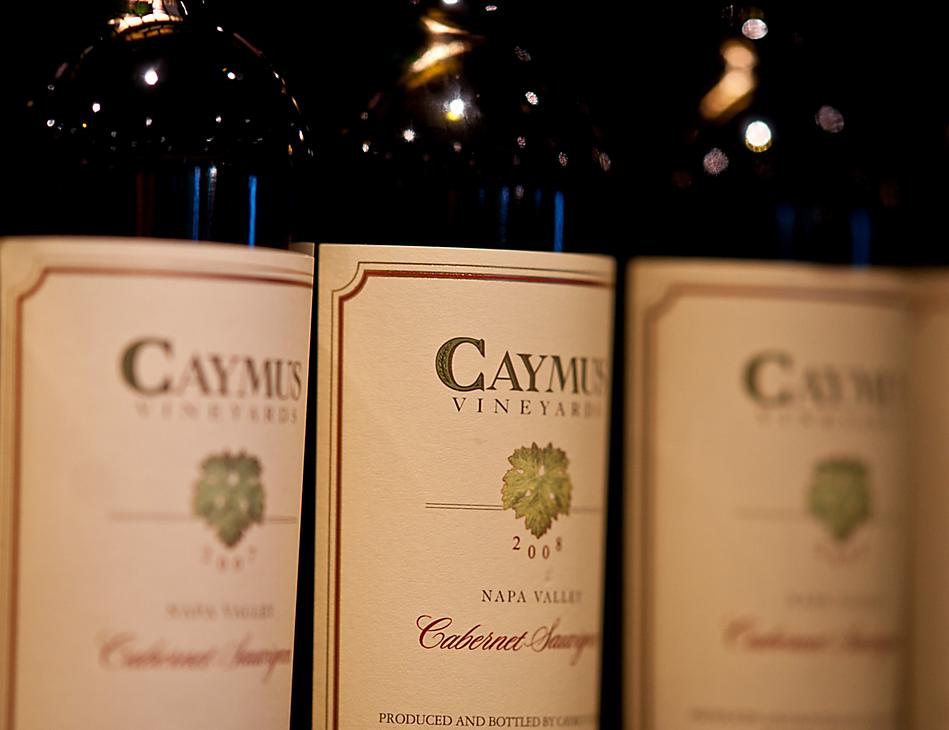
Learn how to use your senses to distinguish and savour the complexity of fine wines, from cabernets to ports, and syrah to chardonnay. Fee applies.
Dance Classes
Dance Classes
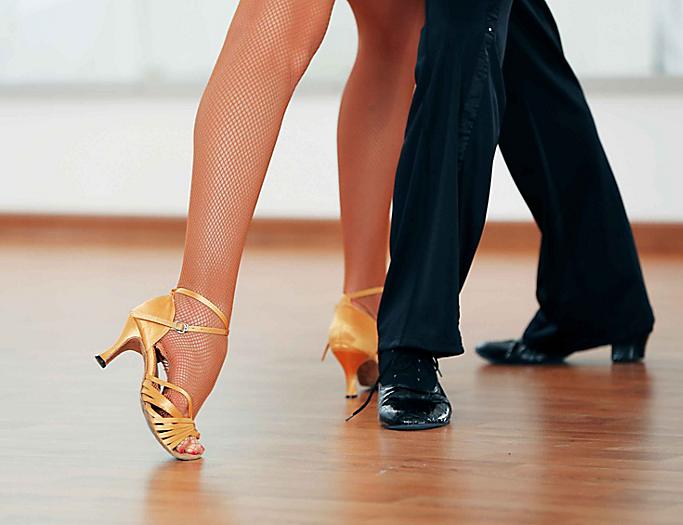
Shall we dance? – Bust out your dancing shoes and learn new moves from skilled instructors.
Salsa Dancing
The Hottest Hot Spot Anywhere – Follow the Latin beat and find yourself in Boleros, a night-time hot spot where you can keep up with live music and cool down with a mojito or caipirinha.
DISCLAIMER – Images might not be accurate depictions of the venue. Venue appearance varies by ship.
Sushi-Making Class
ROLL WITH IT
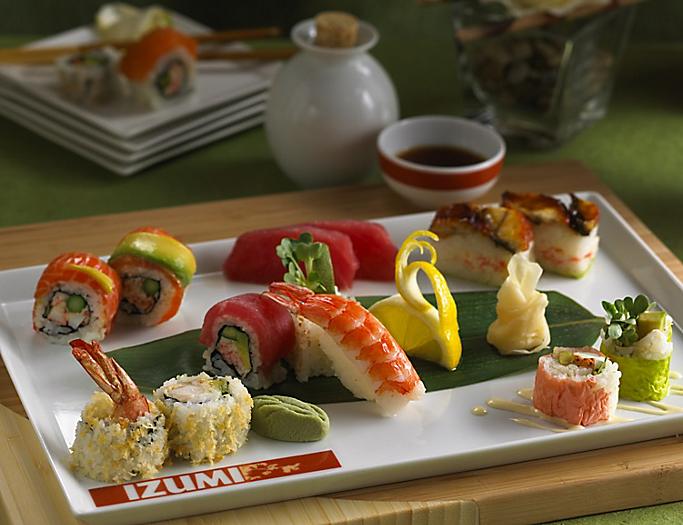
Make your own Far East feast. Our sushi chefs will teach you how to prepare a hand-rolled lunch.
HOW TO RESERVE
Cruise Planner
Art Auctions
ART AND SOUL
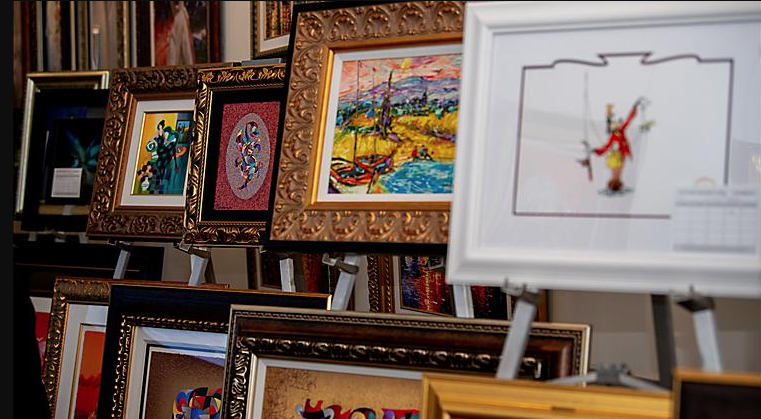
Enjoy a champagne toast at the Art Gallery, followed by some fast and furious bidding among fellow art enthusiasts. Whether you’re a seasoned collector or a curious first-timer, our onboard auctions are a great way to add some thrills to your day and a new masterpiece to your collection.
Sip, Tour Brunch
RISE & DINE
Catch a glimpse of the magic that happens in the kitchen on an exclusive behind-the-scenes tour of the galley with the Chef. Then take your taste buds on an exceptional brunch in a dining room, where you can indulge in spectacular eats paired with unlimited sparkling wine.
RESTRICTIONS
To enjoy our sparkling wine, you must be 21+ on sailings from North America, 18+ on sailings from South America, Europe, Asia, Australia and New Zealand.
HOW TO RESERVE
Cruise Planner
NOTE
Closed-toe shoes are required
All Access Tours
GO BEHIND THE SCENES
Get to see how the staff and crew bring the Royal Caribbean experience to life.
HOW TO RESERVE
Cruise Planner
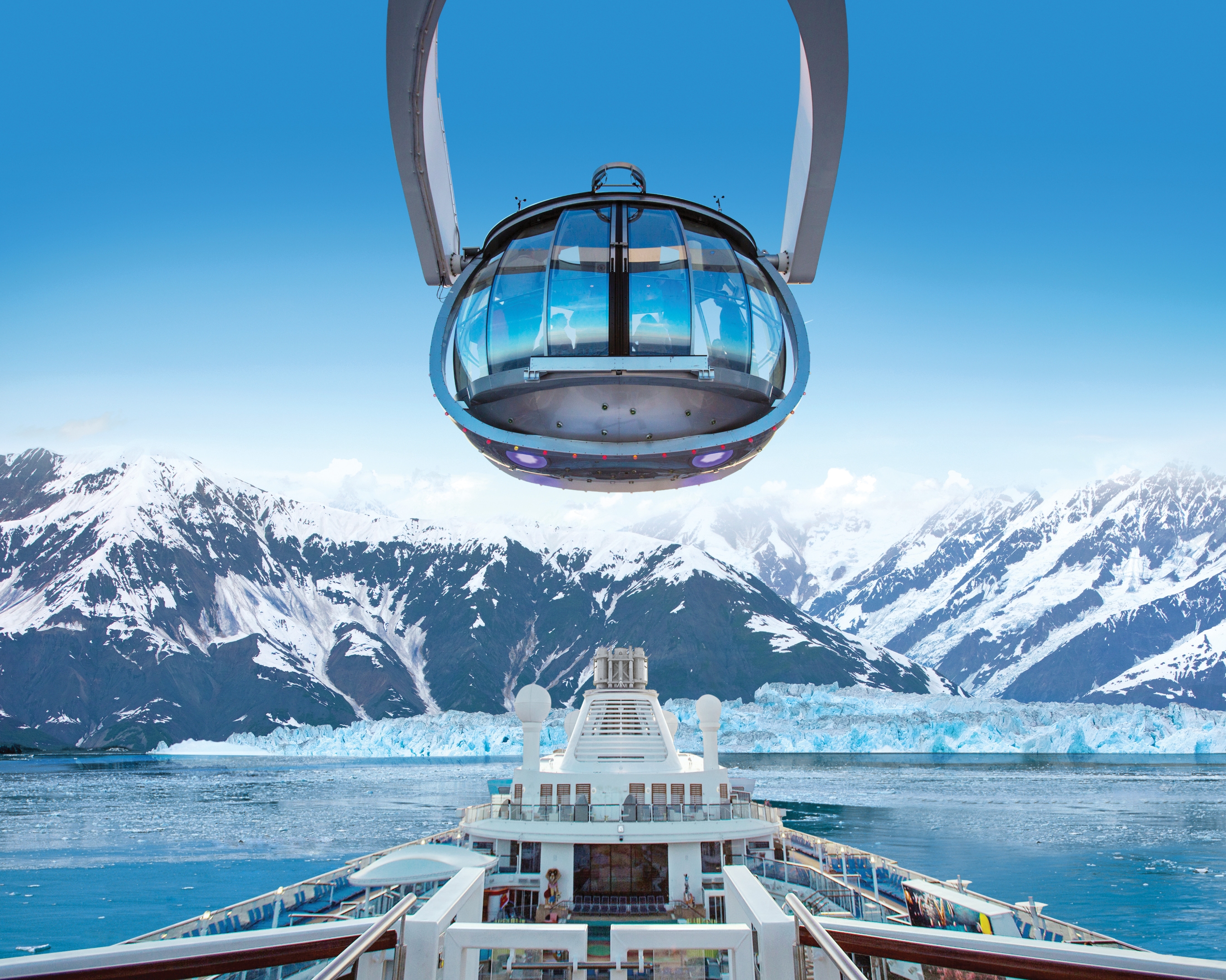
North Star®
It’s time to raise the bar on adventure – with 360-degree views of the world from 100 metres above sea level in the North Star® observation capsule – winner of the Guinness World Record for tallest viewing deck on a cruise ship.
RESTRICTIONS
Must be at least 107 cm tall, or 122 cm to ride alone, and weight a maximum of 136 kg. THE SKY’S THE LIMIT
HOW TO RESERVE
Cruise Planner
FEES MAY APPLY
Prices are subject to change and may vary by market and sailing.
QUANTUM OF THE SEAS® UPDATE
The North Star onboard Quantum of the Seas is currently not available for guests to enjoy. We apologise for the inconvenience.
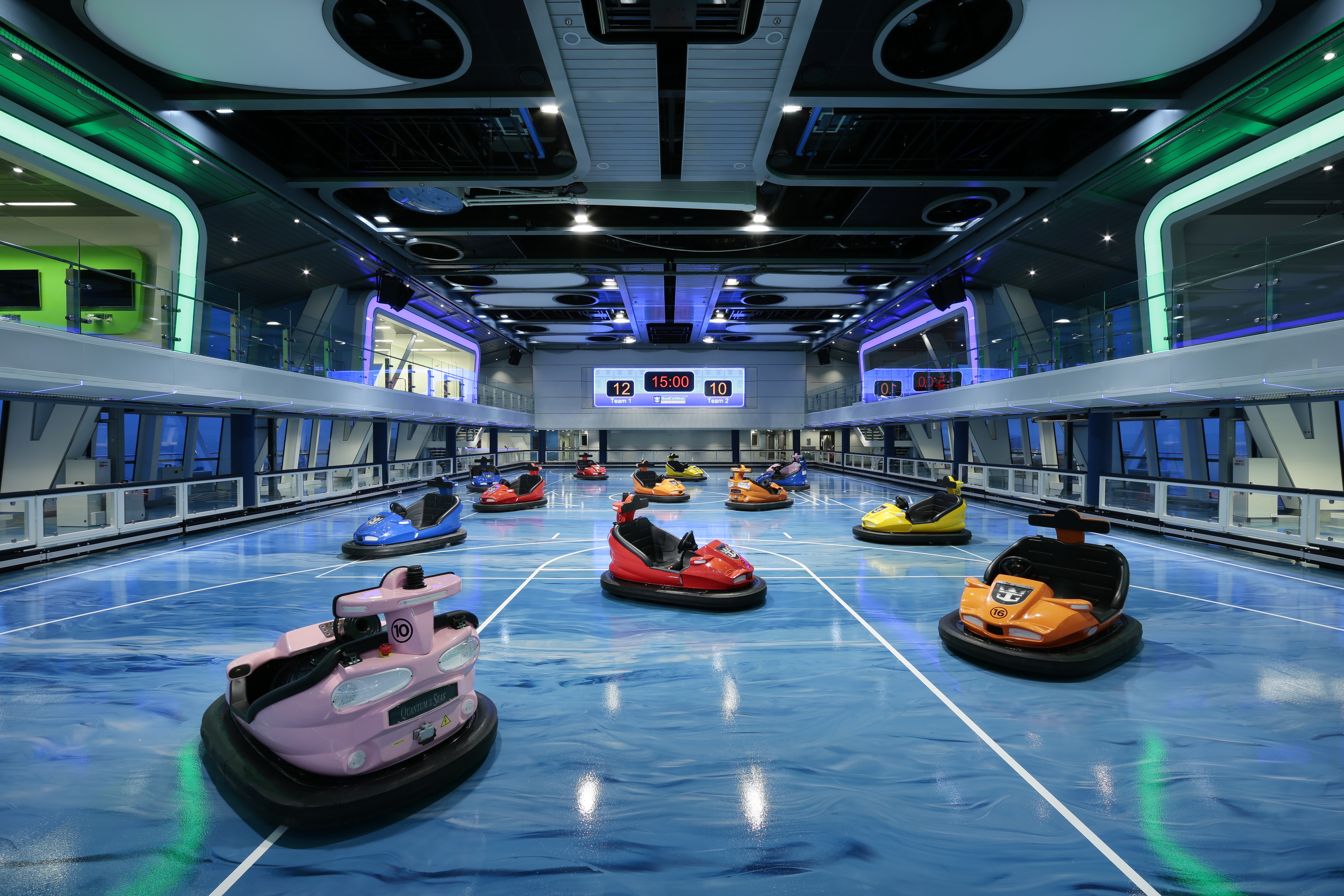
SeaPlex®
HAVE THE PLAYTIME OF YOUR LIFE
The largest indoor active space at sea is only on Royal Caribbean®. Basketball and dodgem cars – it’s the first time you’ll ever play like this on a cruise.
NOTE
Some activities may have a charge
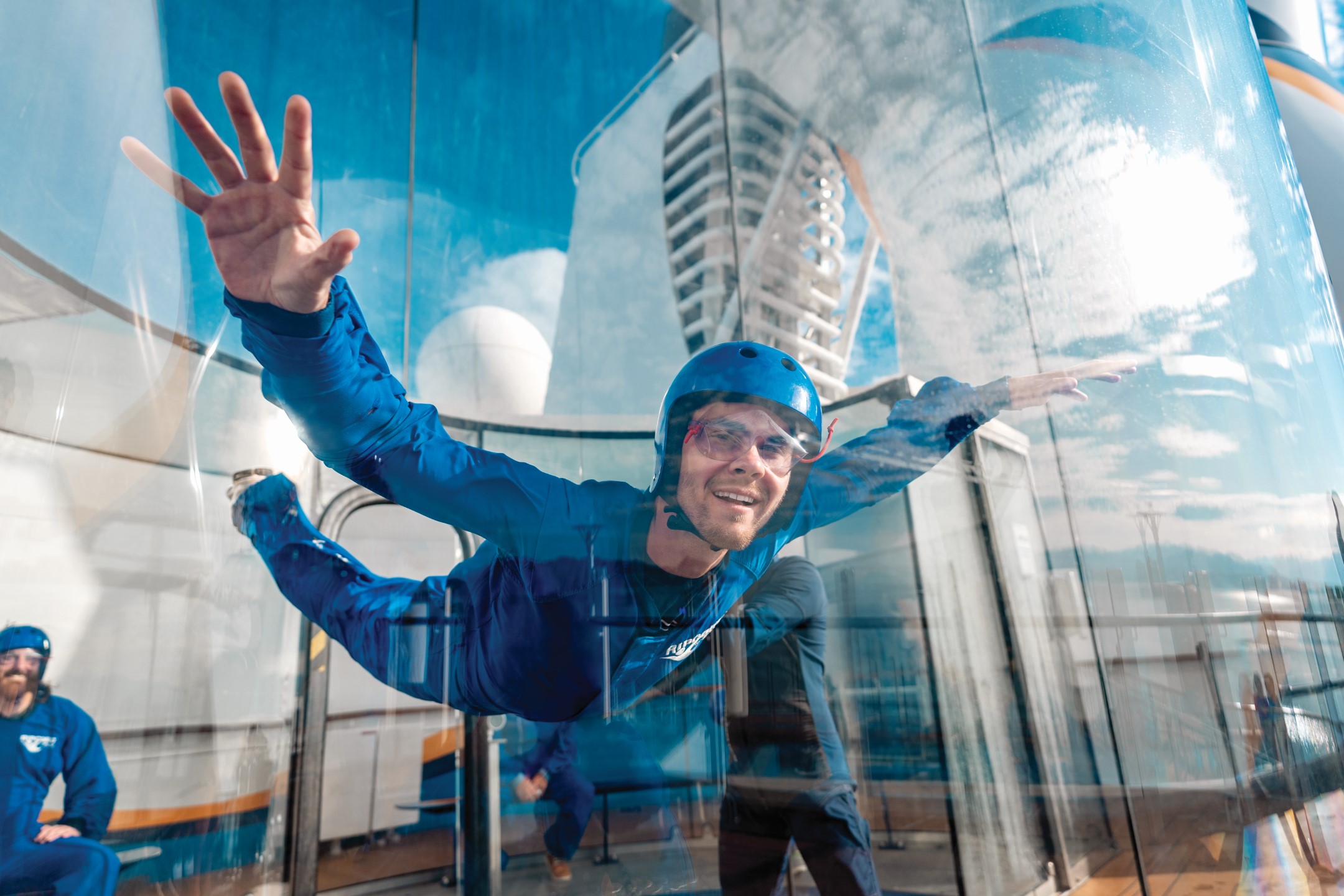
RipCord® by iFLY®
GRAVITY-DEFYING FUN
There’s no rush in the world like skydiving – and on the RipCord® by iFLY® simulator you can feel the freedom of freefall without even leaving the deck.
RESTRICTIONS
Must be 3 years old, weight less than 103 kg if shorter than 6’ or less than 93 kg if 6’ and taller.
HOW TO RESERVE
Cruise Planner or Onboard
FEES MAY APPLY
Prices are subject to change and may vary by market and sailing.
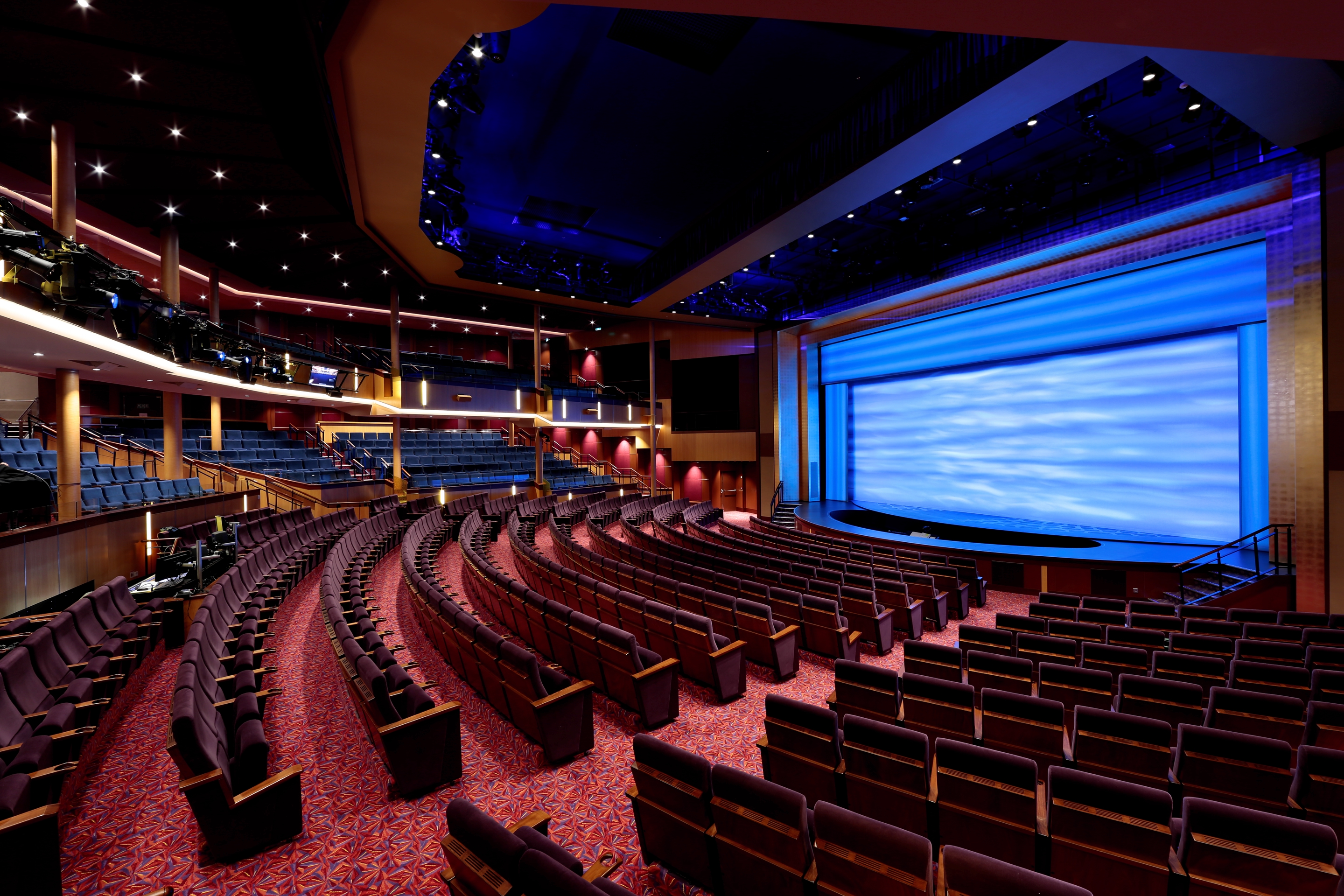
The Royal Theatre
The stage that started it all: The Royal Theatre. For 45 years, this is where artists have danced, sung and wowed audiences across six continents. And now on Ovation of the Seas, they’ll take it to new heights.
Spectra’s Cabaret
Life is a Cabaret – Experiential cinema comes alive to the sound of pop culture anthems in this mind-bending mix of music and tech. Welcome to Spectra’s Cabaret.
The Beautiful Dream
Dream a little dream – Anything can happen in the land of dreams, where secret desires and fears lie tucked away in our subconscious – anything at all, including our wildest adventures. In this spellbinding onboard theatre show, one man is visited by his departed soulmate while he sleeps, plunging him into the greatest adventure of his life. Will his secret fears keep him from loving again? Find out in The Beautiful Dream.
How to reserve: Cruise Planner – Booking Required
Live. Love. Legs
Thrilling Theatrics – From lavish costumes and vocal performances to jaw-dropping aerial acrobatics, engage all your senses in Live. Love. Legs.
How to reserve: Cruise Planner – Booking Required
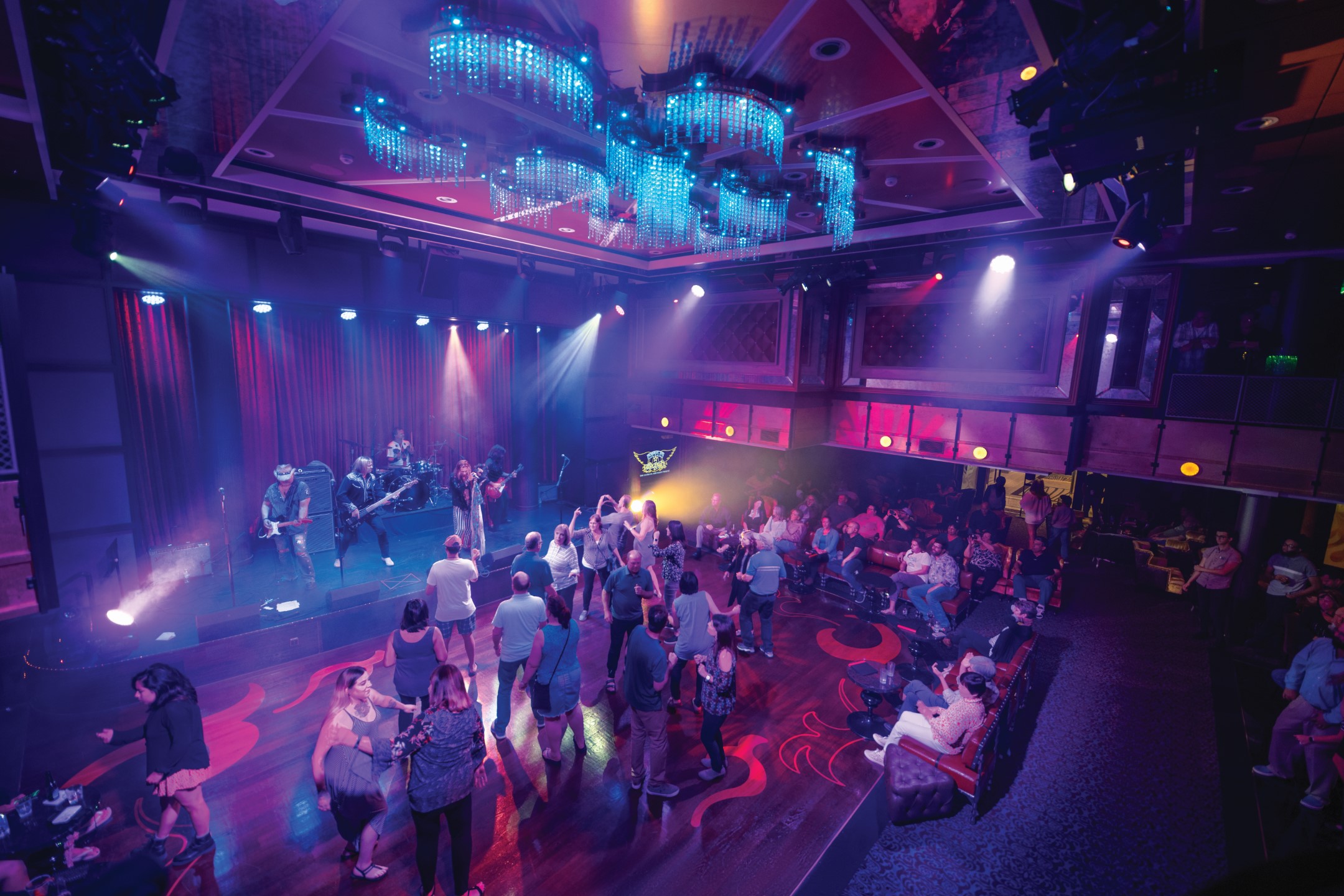
Music Hall
GO HALL OUT TONIGHT
The set list is always changing at Music Hall. Get a front row view from anywhere on the dance floor while cover bands rock like the real thing – or take in the scene in an intimate hideaway corner with your favourite cocktails. This is the premier place for live music lovers.
ATTIRE
Casual
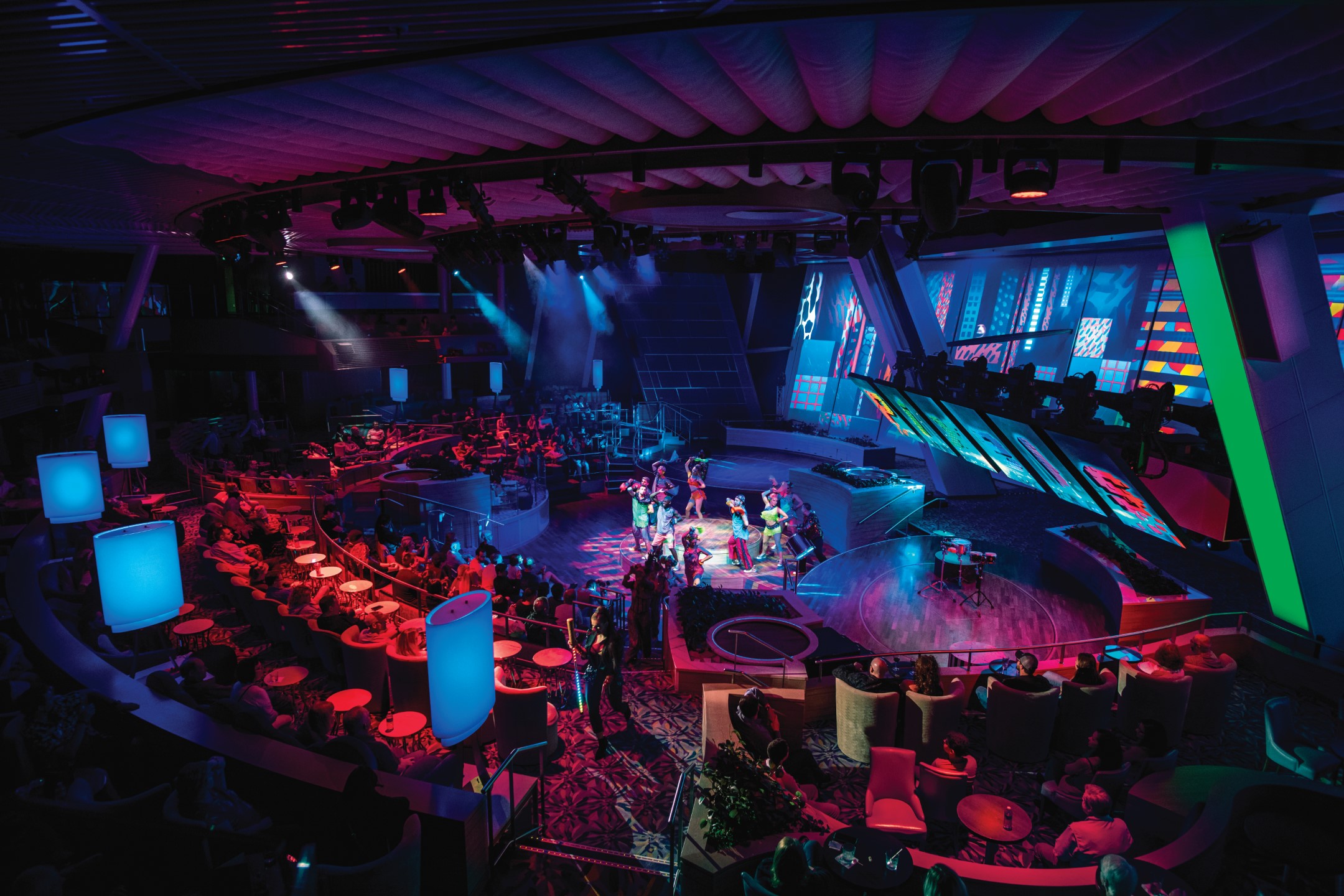
Two70®
AHH-INSPIRING IN ANY LIGHT
By day, it’s an open area living room with panoramic views through windows two decks high. By night, the lights go down, the windows become screens and the space comes alive with aerialists, robots and much more. This is Two70® – a place that can take you anyplace.
HOW TO RESERVE
Cruise Planner or Onboard
Casino
BET ON BIG ACTION

It’s the lights of the slots, the sound of a fresh deck being shuffled and the roar when the dice come up right. Players love Casino Royale℠ – a slice of Vegas right on board every ship. Explore thousands of square metres of games, from penny slots to poker tables to roulette. Take part in complimentary sessions to learn how to play the most popular games, or show off your skills at a tournament at sea.
RESTRICTIONS
18+
Crown Lounge
A ROYAL RETREAT
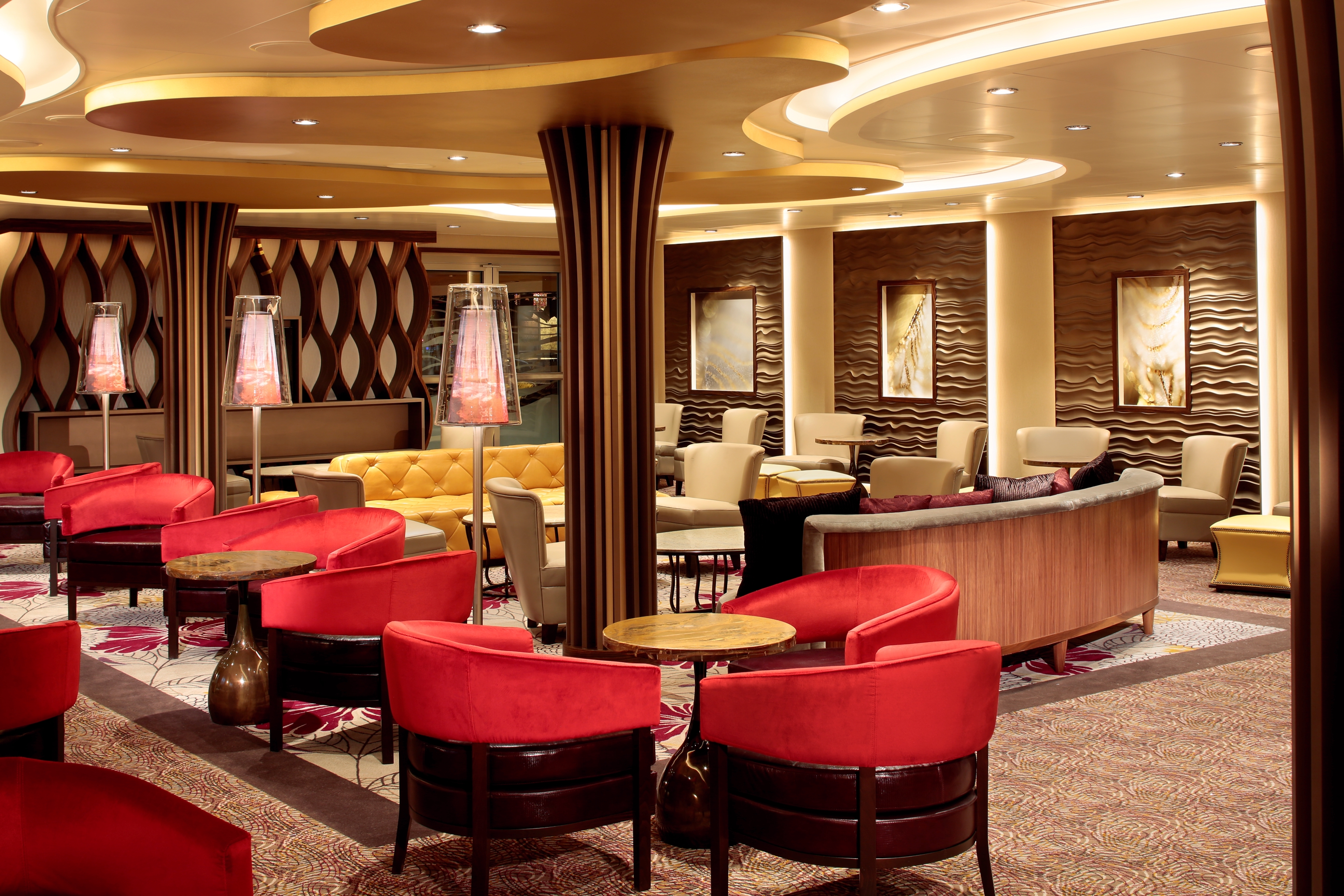
Royal Caribbean created the exclusive Crown Lounge to celebrate our brand’s legacy, our roots and our commitment to our most loyal guests.
ATTIRE
Smart Casual
RESTRICTIONS
Exclusive for Diamond, Diamond Plus and Pinnacle Club Crown & Anchor® Society members. Access cannot be extended to include friends and family. Minors must be always accompanied by a parent or guardian.
PRO TIP
You can redeem your complimentary drink vouchers at any time of the day in any bar and lounge onboard (excluding Starbucks and Bionic Bar) – this also includes Perfect Day at CocoCay® and Labadee®.
NOTE
On Spectrum of the Seas®, Diamond, Diamond Plus and Pinnacle Club members have access to the Silver Lounge in the absence of a Crown Loung
Daily drink vouchers must be redeemed for all drink requests except self-serve speciality coffee
Vintages
UNCORK ADVENTURE & RAISE A GLASS
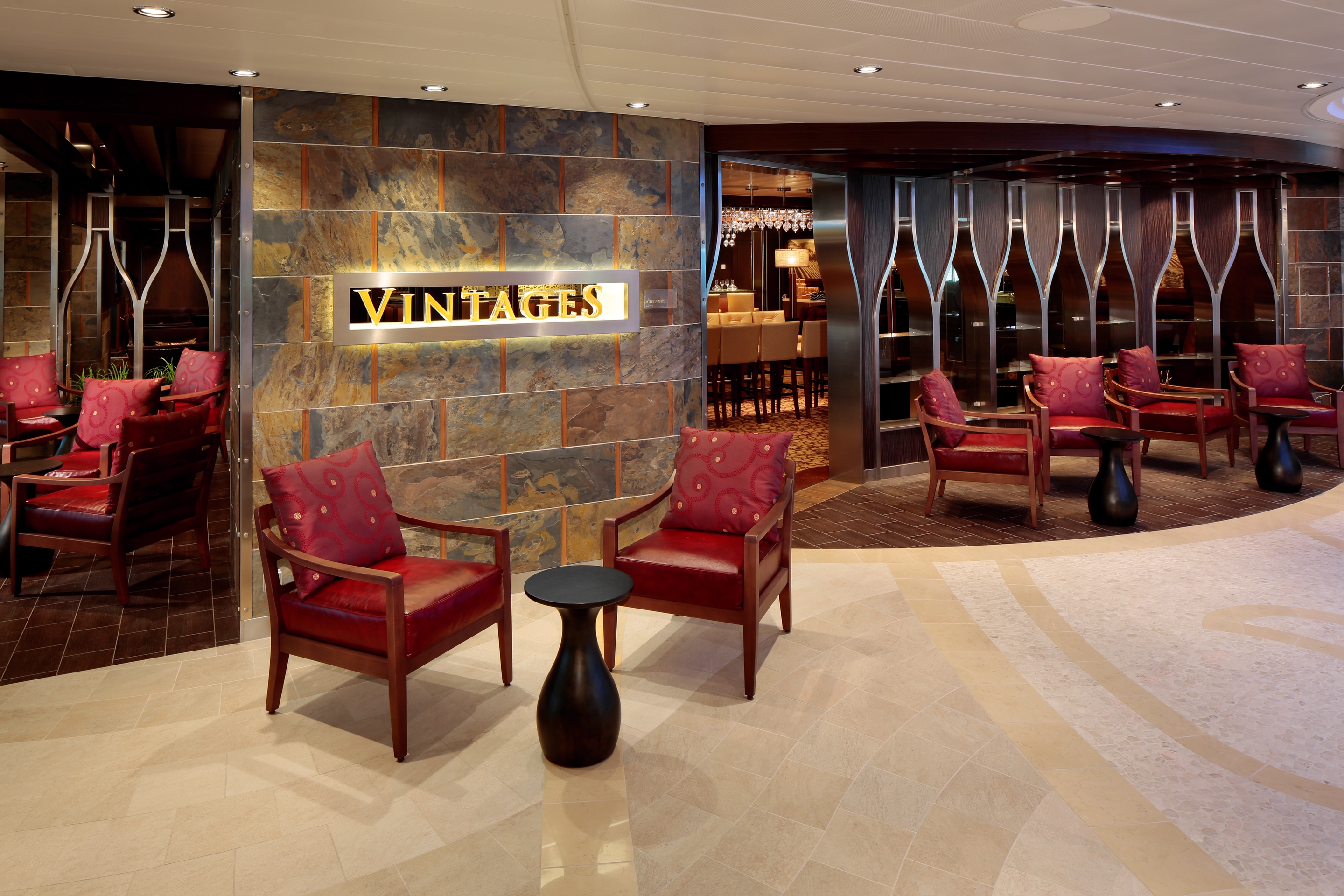
Whether it’s malbec, merlot, riesling or pinot grigio, you’re sure to find all your beloved reds or whites at Vintages wine bar. From France to California, the wide world of wine is well-represented through extensive partnerships with top winemakers, including some exclusive bottles you won’t find anywhere else.
MENU HIGHLIGHTS
Deciding what to drink at Vintages all depends on your own personal preferences. If you love a great reisling, try a glass of light and fruity Dürnberg from Austria. If sauvignon blanc is more your speed, the menu at Vintages offers several great options from Marlborough, New Zealand. Those looking for something richer and more full-bodied should try Two Hands’ “Gnarly Dudes” shiraz from Barossa Valley, South Africa, or a glass of Cheval des Andes from Mendoza, Argentina — a balanced blend of Malbec grapes and Bordeaux varietals. Celebrating a special occasion or just want to dial up your evening with something bubbly? Choose between delicious prosecco from Veneto, cava from Catalonia, or brut and brut rosé from Champagne.
PRO TIP
Check the menu or ask your bartender about wine specials, offered daily.
Shopping
SHOP IT LIKE IT’S HOT
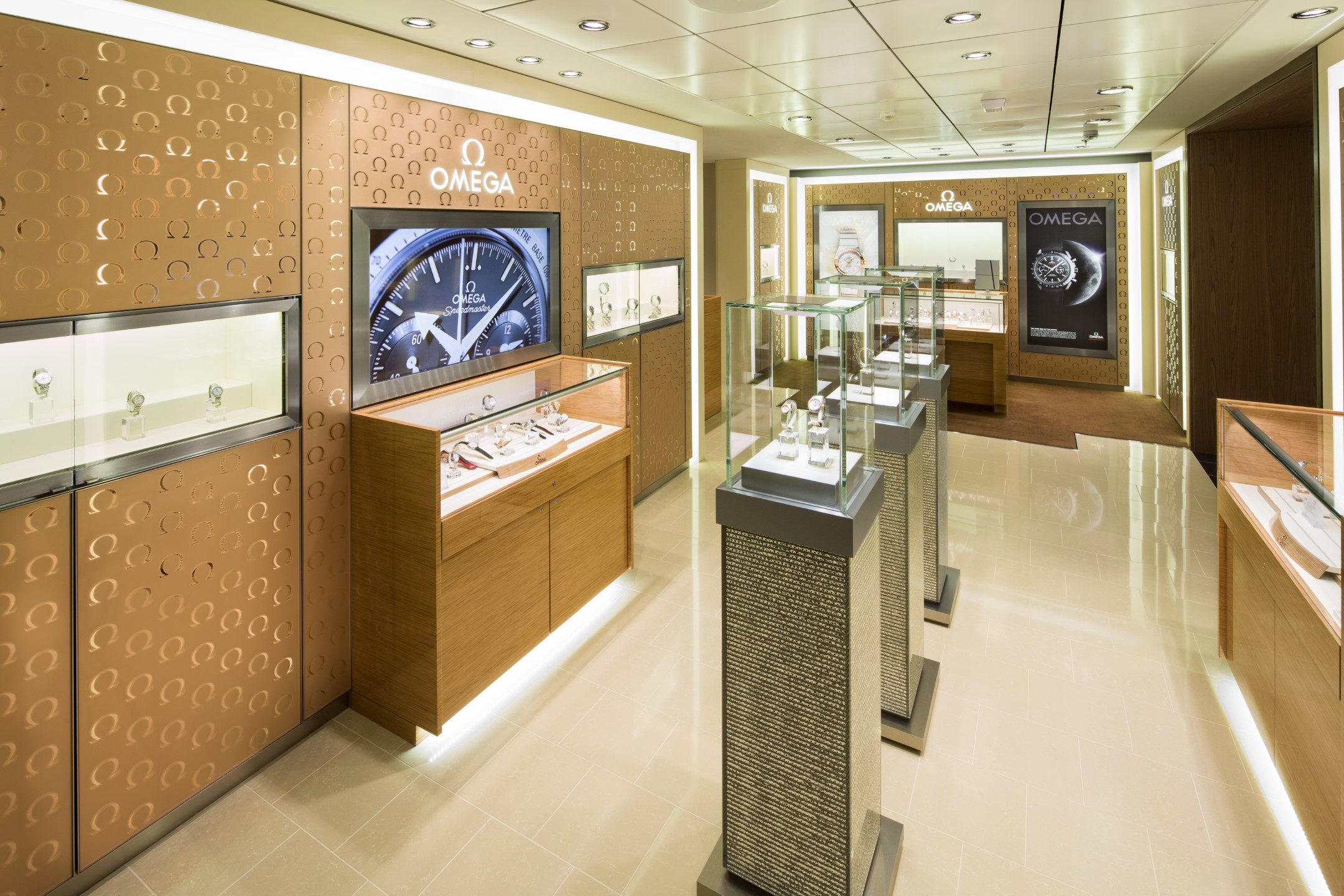
Stroll through the shops on board and score finds from Swiss timepieces and fine jewellery to designer handbags. Plus alcoholic drinks, beauty products and more.
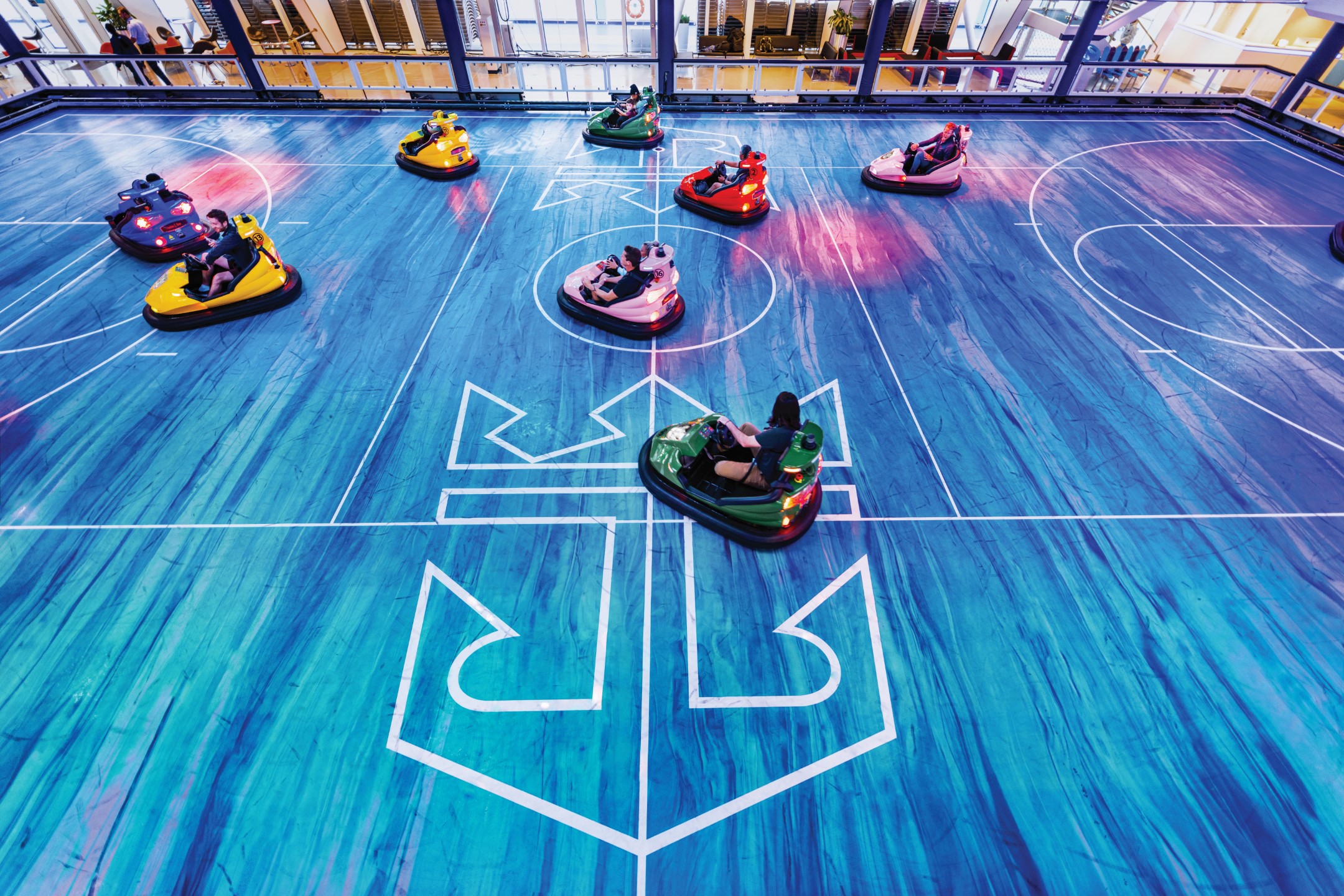
Dodgem Cars
BUMP FOR JOY
Buckle up and take the wheel for non-stop fun on the only dodgem cars at sea. Rush hour gets a thrilling spin at the largest indoor activity space ever to set sail – SeaPlex®.
RESTRICTIONS
Must be 5 years old and 107 cm tall to ride with a guardian or 8 years and 122 cm tall to ride alone
INSIDER TIPS
*Fees apply to China sailings. Prices are subject to change.
Rock Climbing Wall
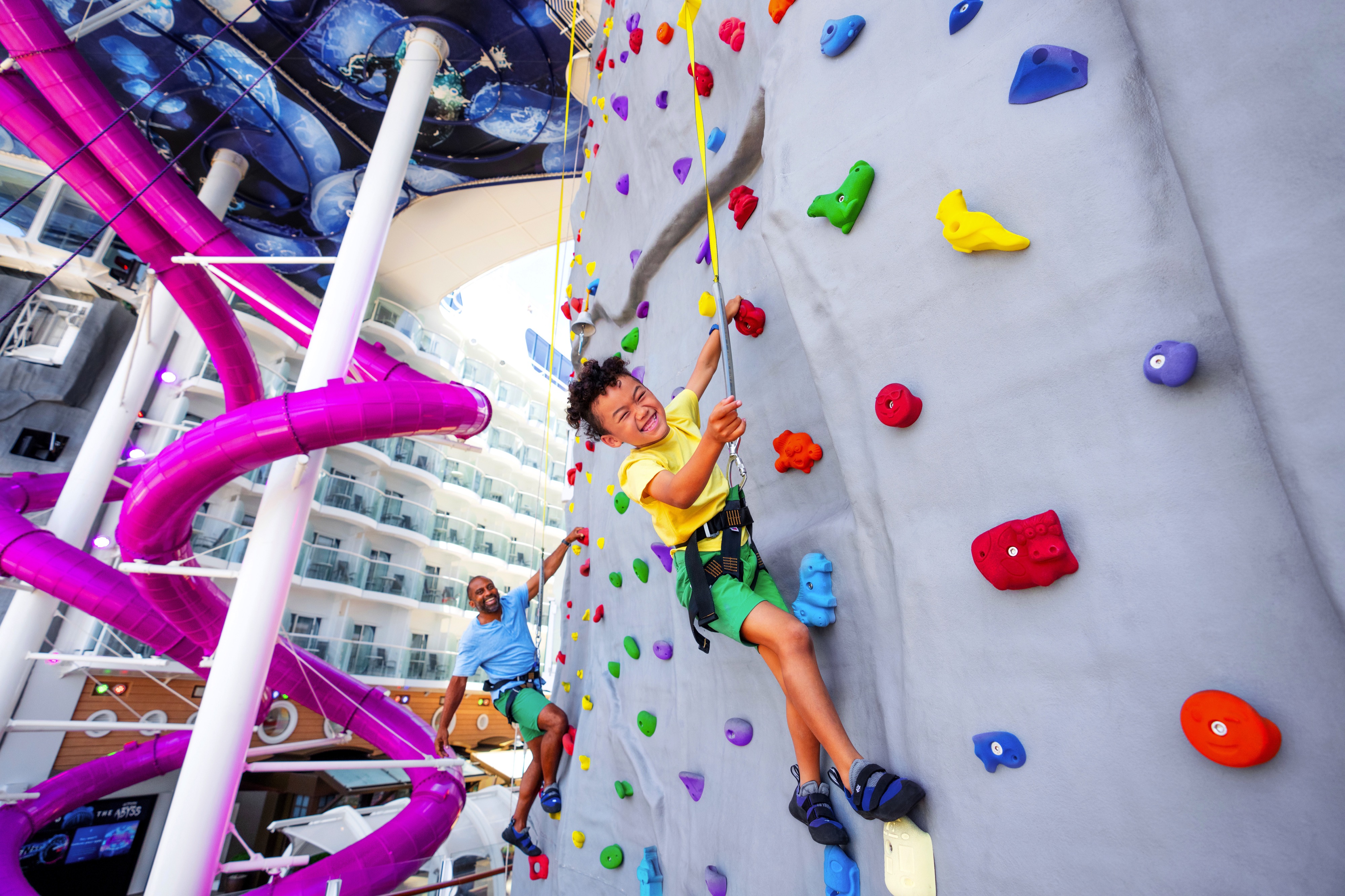
A BOLDER BOULDER
Rise to the occasion and take on the signature Rock Climbing Wall. From beginners to speed climbers, everyone can enjoy an unparalleled view from 12 metres (40 feet) above deck. Included in your fare, no reservation required.
RESTRICTIONS
6 years old
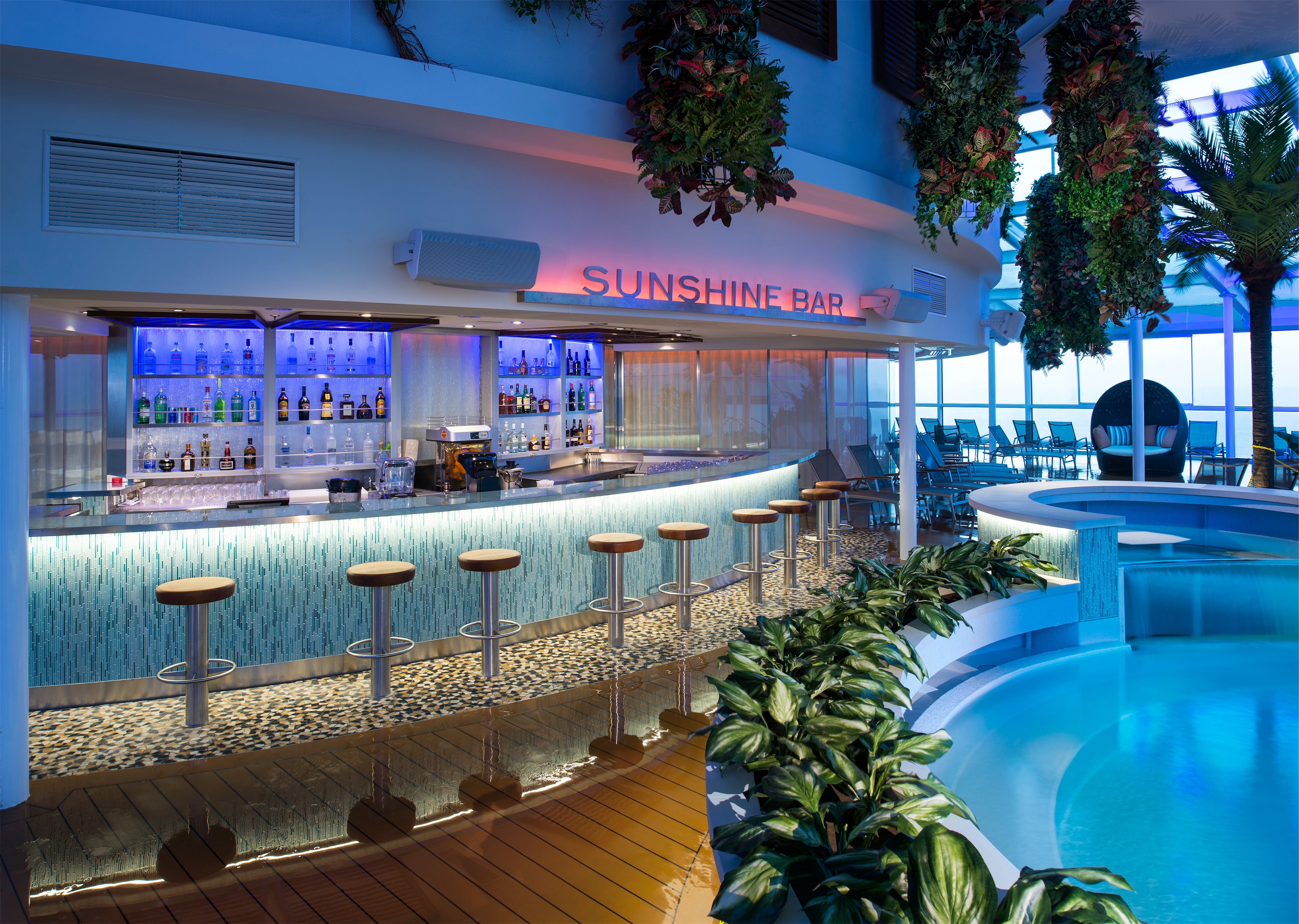
Sunshine Bar
FROM CRAFT SMOOTHIES TO CRAFT COCKTAILS
At Sunshine Bar within the Solarium, you can select treats from a tempting menu of fresh juices and antioxidant-rich smoothies. Or slip into an island state of mind with one of Sunshine Bar’s creative cocktails. Whatever you’re in the mood for, Sunshine Bar has a drink to satisfy every craving.
HOW TO PURCHASE
Beverage Package or A La Carte
FOR CHINA SAILINGS ONLY
Access to the Sunshine Bar is limited to guests sailing on Junior Suites and above, Crown & Anchor Society Diamond and above members and Royal Premier guests.
AGE RESTRICTION
21+ on sailings from North America, 18+ on sailings from South America, Europe, Asia, Australia and New Zealand.
MENU HIGHLIGHTS
The drink menu at Sunshine Bar spotlights a wide selection of classic and creative cocktails, each rooted in all the major spirits. If vodka is your go-to base, try the tart and tangy grapefruit caipiroska or a classic Moscow Mule. If you prefer rum-soaked sips while you’re on vacation, order a ginger-spiked Dark and Stormy or a sweet and fruity coconut mango daiquiri. All about the gin? You’ll find plenty of options in that department. The blood orange negroni is a tasty twist on the Italian classic, and the Royal Singapore Sling — flavoured with with blackberry brandy, citrus mix, grenadine and a splash of soda — is a guest favourite.
PRO TIP
You can use your Specialty Beverage Package when ordering drinks at Sunshine Bar.
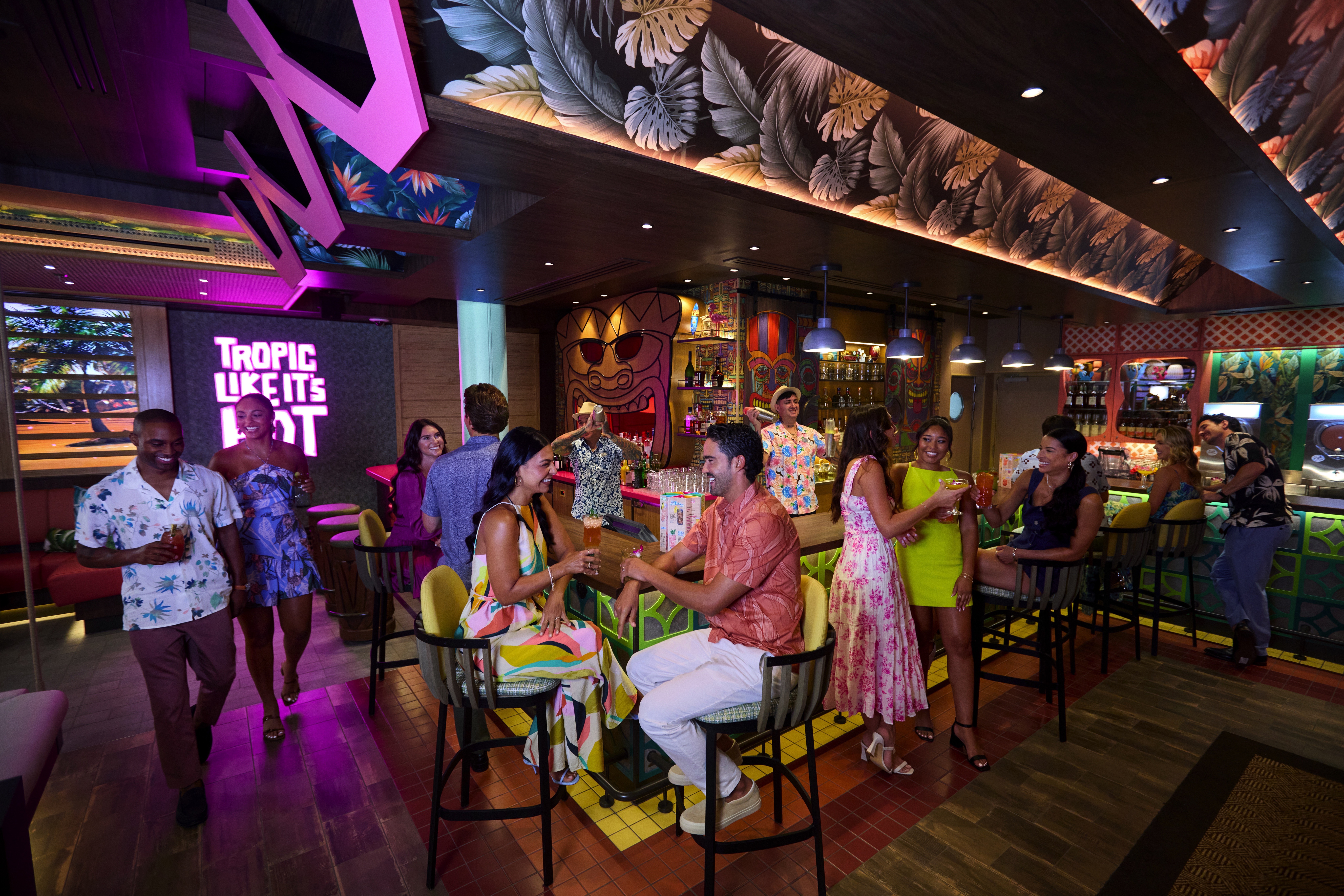
Pesky Parrot℠
Let’s Rum-Ba
Laid back paradise is a vibe at the Pesky Parrot, a new bar to put you in a Caribbean state of mind. This exotic enclave on the Royal Promenade is the perfect tropical spot to kick off your getaway with fruit-based concoctions made with rum, tequila and gin. And frozen drinks that flow like island waterfalls will keep you coming back, again and again. With unexpected surprises to match your colourful cocktails, you’ll never know what awaits you at this lively watering hole – so choose your drink wisely.
Restrictions
To consume alcohol, you must be 21+ on sailings from North America, and 18+ on sailings from South America, Europe, Asia, Australia and New Zealand.
Sound Cellar℠
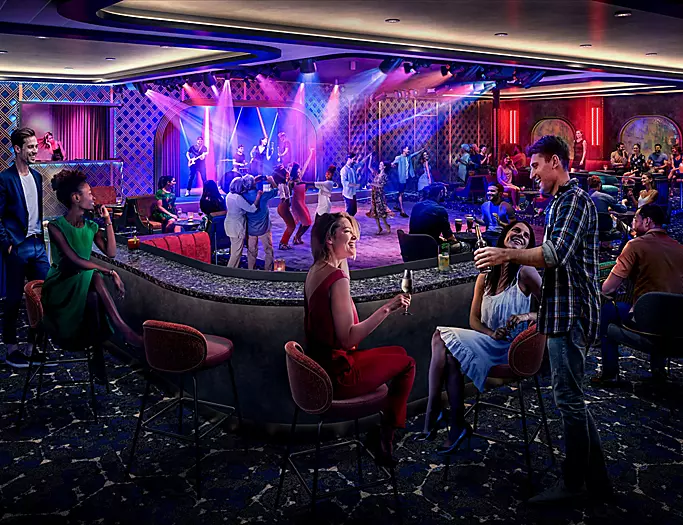
The New Venue For Epic Tunes
Turn up the volume on late-night music in the all-new, first-of-its-kind Sound Cellar. This is a venue tuned for all kinds of shows – a Hollywood-style scene bringing non-stop wows. Like electric sessions with the house band, covering your favourite jams. And DJ-fuelled beats that will keep you on your feet all night long. Rev up any adventure – or wind down with an epic nightcap – in this groovy wonderland, only on the newly Amplified Ovation of the Seas®.
Restrictions
21+ on sailings from North America, 18+ on sailings from South America, Europe, Asia, Australia and New Zealand.
Schooner Bar
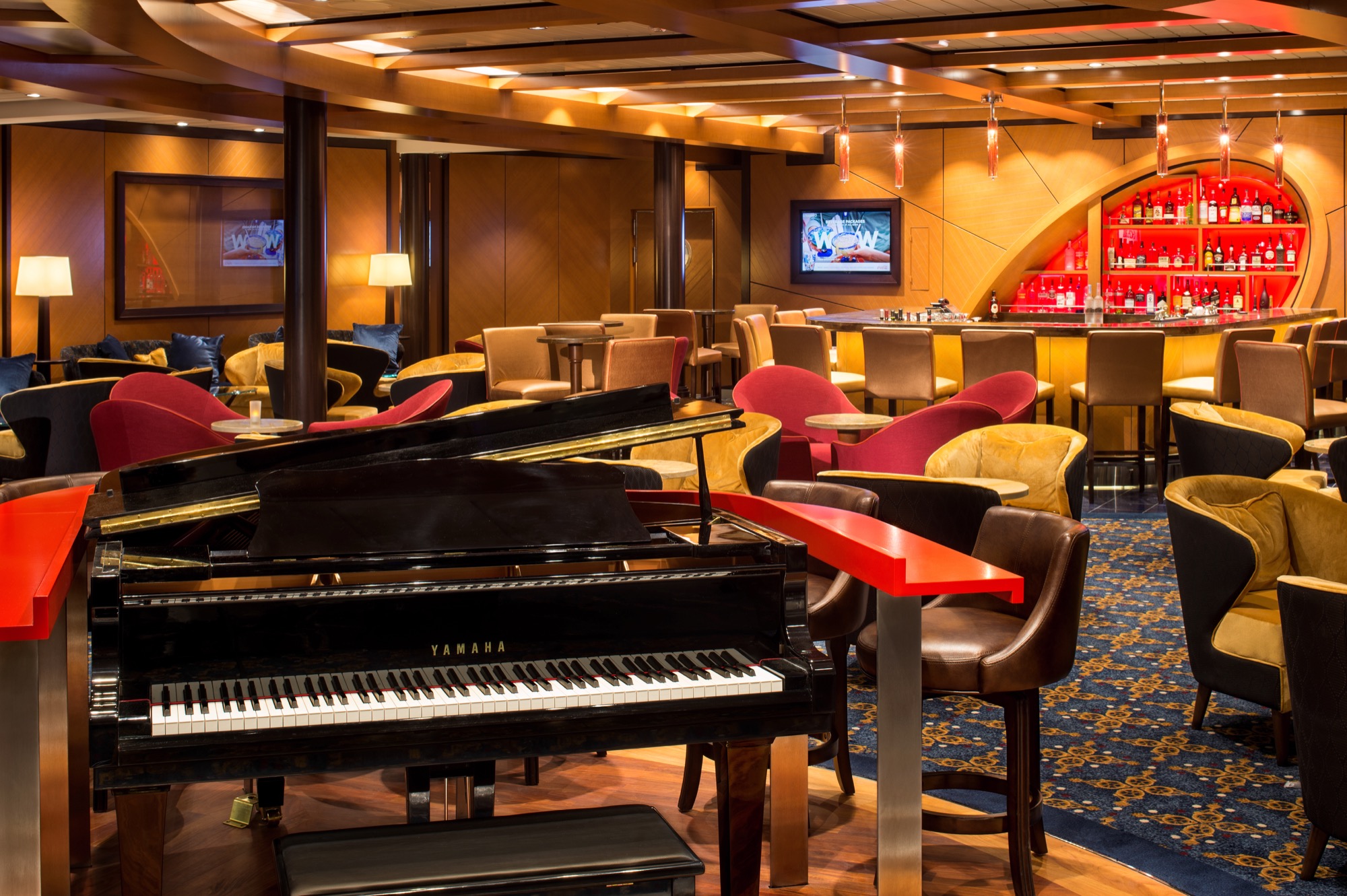
LIVE MUSIC & MASTERFUL MIXING
Wrap up your night at Schooner Bar, where perfectly mixed cocktails and live entertainment come together in a warm-lit nautical-themed lounge. Cozy up in a seat under the mast, by the portholes, or right by the gleaming grand piano. The sing-along’s about to being.
HOW TO PURCHASE
Beverage Package or A La Carte
AGE RESTRICTION
21+ on sailings from North America, 18+ on sailings from South America, Europe, Asia, Australia and New Zealand.
MENU HIGHLIGHTS
If you love a great old fashioned, you’ll find five versions of it on the menu at Schooner Bar, including a tropical twist that blends muddled cherries and pineapple with orange bitters and Malibu Coconut rum, and an innovative New Fashioned that brings in pink grapefruit, fresh raspberries, and a little bit of Southern Comfort. You can also dial up your night with a glamorous champagne cocktail, topped with Domaine Chandon and sweetened with an Angostura-doused sugar cube. Or sip your way across the Caribbean with a Zacapa rum-spiked daiquiri, shaken hard and double-strained, or a classic Papa Doble, prepared with Bacardi Superior rum, lychee and grapefruit juice. If you’re a fan of the Tom Collins, you’ll find that, too — plus four additional versions that each spotlight a different spirit.
PRO TIP
Up for something different? Let the bartender know what your favourite spirit is, and ask them to whip you up a surprise.
FlowRider®
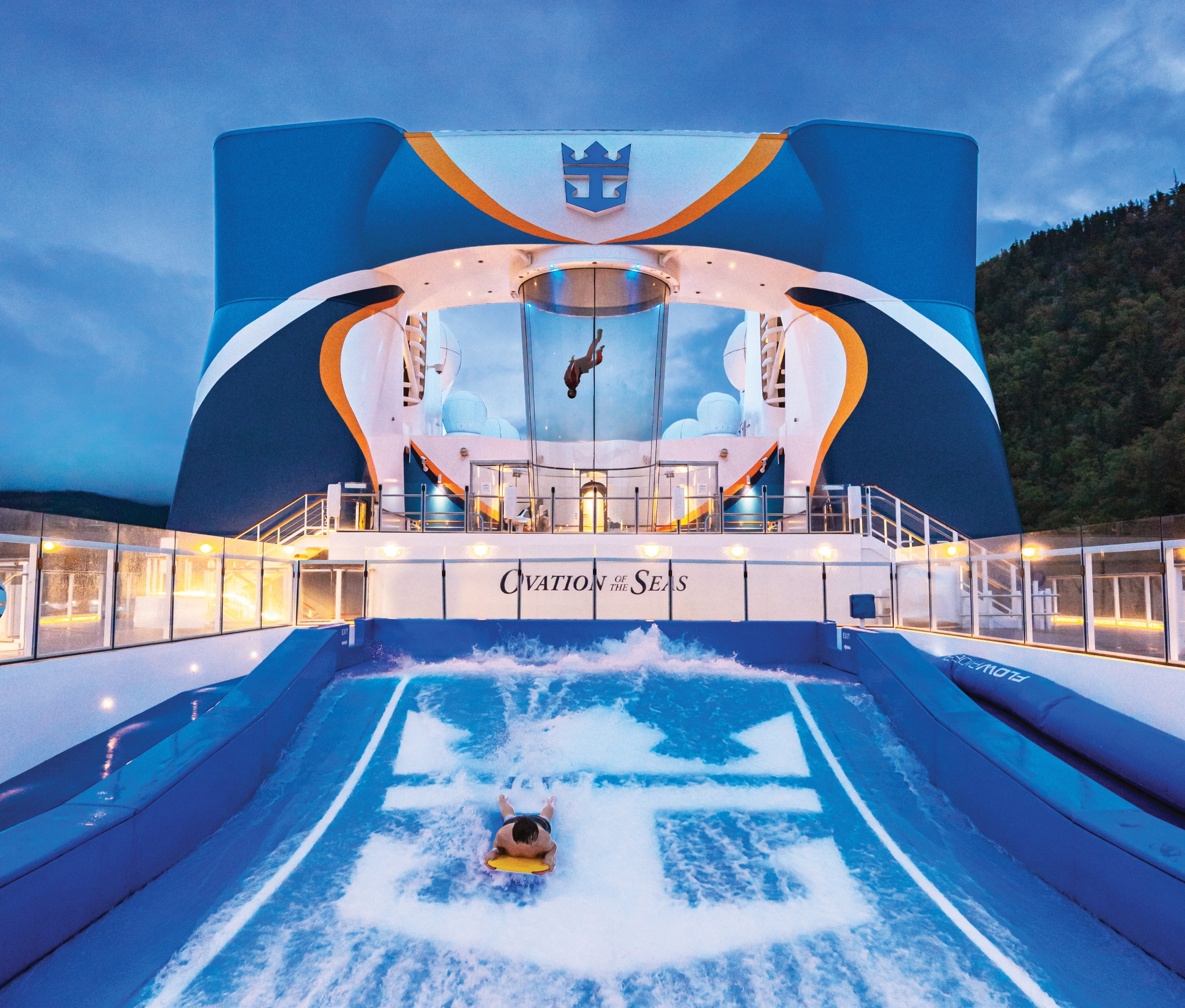
NOW BOARDING FOR ADVENTURE
Grab your board and get ready for 100,000 litres of rushing amazingness headed your way. The surf’s always up on the 12-metre-long FlowRider® surf simulator.
RESTRICTIONS
Boogie board height requirement: 1.32 metres, stand up 1.47 metres
HOW TO RESERVE
Cruise Planner
PRIVATE SESSIONS
3 prices for sessions: $69, $345, $552
Two70 Bar
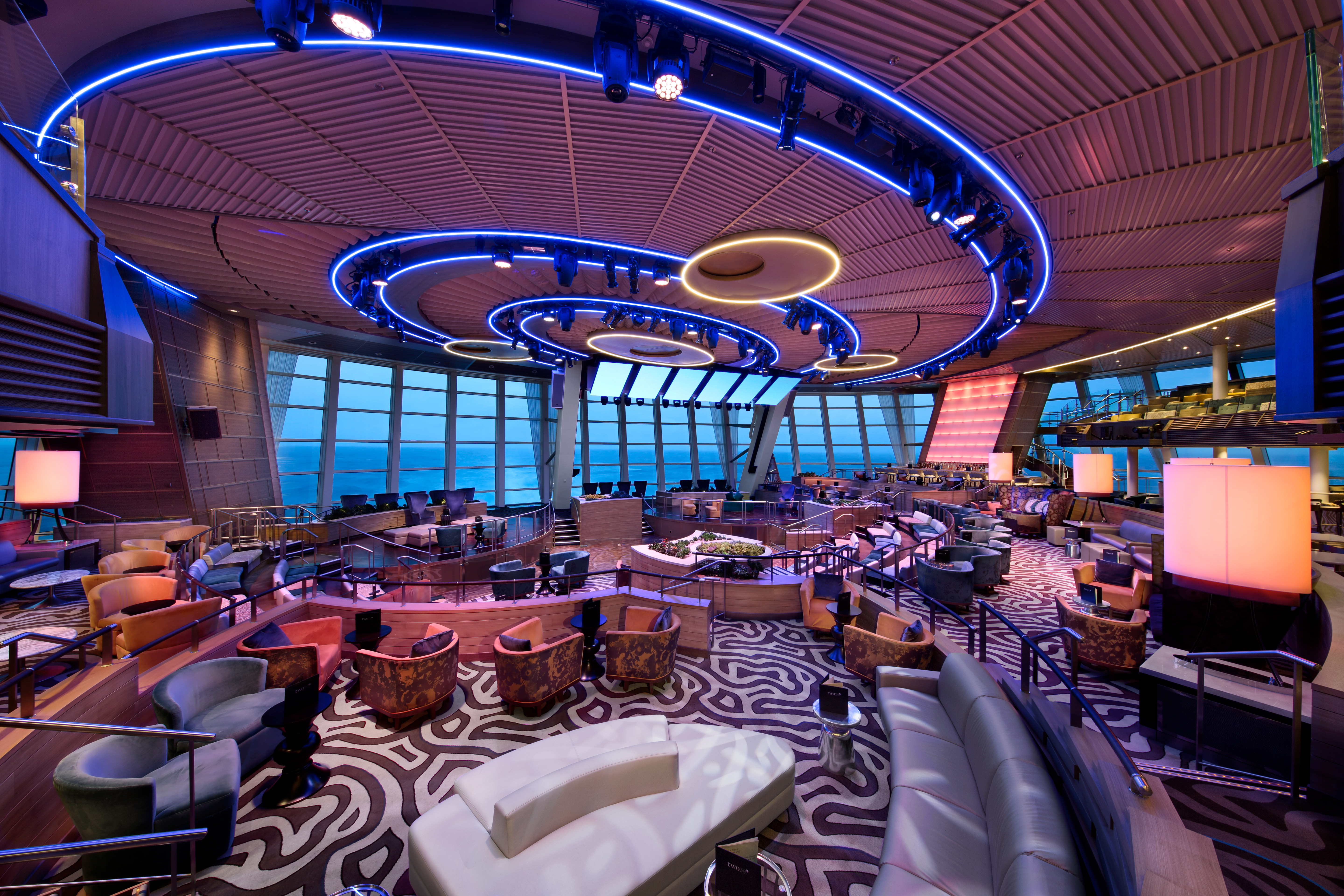
STUNNING VIEWS MEET STUNNING SIPS
Grab a hand-crafted cocktail at Two70 Bar and start gazing because you never know what you’ll see. In the evening, live entertainment pairs with amazing multimedia visuals across a floor-to-ceiling wall of windows. When evening turns to night, Two70® transforms into a nightclub that keeps the party going strong. Raise a glass to that.
HOW TO PURCHASE
Beverage Package or A La Carte
AGE RESTRICTION
21+ on sailings from North America, 18+ on sailings from South America, Europe, Asia, Australia and New Zealand.
MENU HIGHLIGHTS
If you’re in the mood for something bubbly and elegant, try the Balancing Act. It’s a deconstructed Kir Royale with Domaine Chandon and frothy crème de cassis foam. Craving something strong, smoky, and decadent? The Smoke and Mirrors spotlights Maker’s Mark bourbon stirred with hickory-smoked syrup and served on the rocks over dry ice with a dash of bitters. And if you have a sweet tooth, go for the High Wired — a unique rendition of the classic apple martini that blends Chivas Rigal 12-year whisky with butterscotch schnapps and apple juice. For those who prefer to skip the spirits, the mocktails at Two70 Bar are just as delicious as their spirited counterparts. Guests love the Polyesian Punch, made with a blend of South Pacific juices and topped with lemon and lime soda.
PRO TIP
Two70® hosts some incredible entertainment at night — make sure to check your Cruise Compass for a full schedule of shows.
Game Shows
BRING YOUR GAME FACE
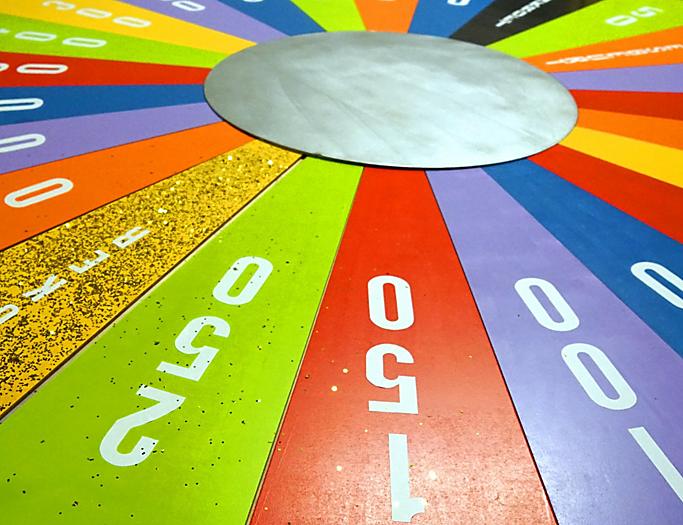
Bring your skills for game time thrills. This is your chance to land a starring role in our interactive Game Shows.
Pool Bar
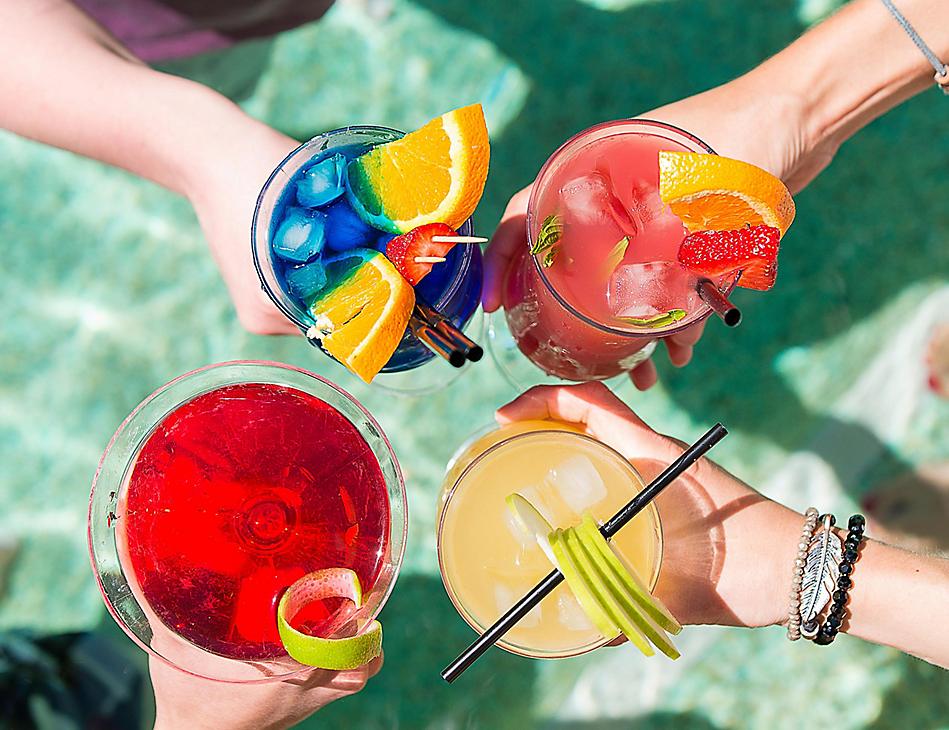
HYDRATE AT THE POOLSIDE BAR
You don’t have to stray too far from your comfy poolside lounger to enjoy a cool and creamy piña colada, a tropical Mai Tai, a glass of bubbly, or your favourite ice cold brew — just pull up a chair at the Pool Bar.
HOW TO PURCHASE
Beverage Package or A La Carte
AGE RESTRICTION
21+ on sailings from North America, 18+ on sailings from South America, Europe, Asia, Australia and New Zealand.
MENU HIGHLIGHTS
Whether your go-to spirit is vodka, gin, tequila, whiskey or rum, you’ll find something delicious to sip on at the Pool Bar. Tequila lovers should definitely try the Royal Citrus Ritatini, made with Avion Silver, Cointreau and fresh lime, or the Smokey Rita — a twist on the classic marg that spotlights Del Maguey Vida Blanco mezcal, triple sec, orange juice and margarita mix. If you’re more into whiskey or bourbon, opt for a classic Manhattan or a Rob Roy, both blended with just the right amount of sweet vermouth. And if you’re in the mood for something ginny, try the blood orange negroni — elevated with a small splash of blood orange, it’ll transport you straight to the storied bars of Florence, where this classic aperitif was born.
PRO TIP
If you don’t want to leave your lounger, an attendant can bring your order to you from the bar.
Outdoor Film Nights
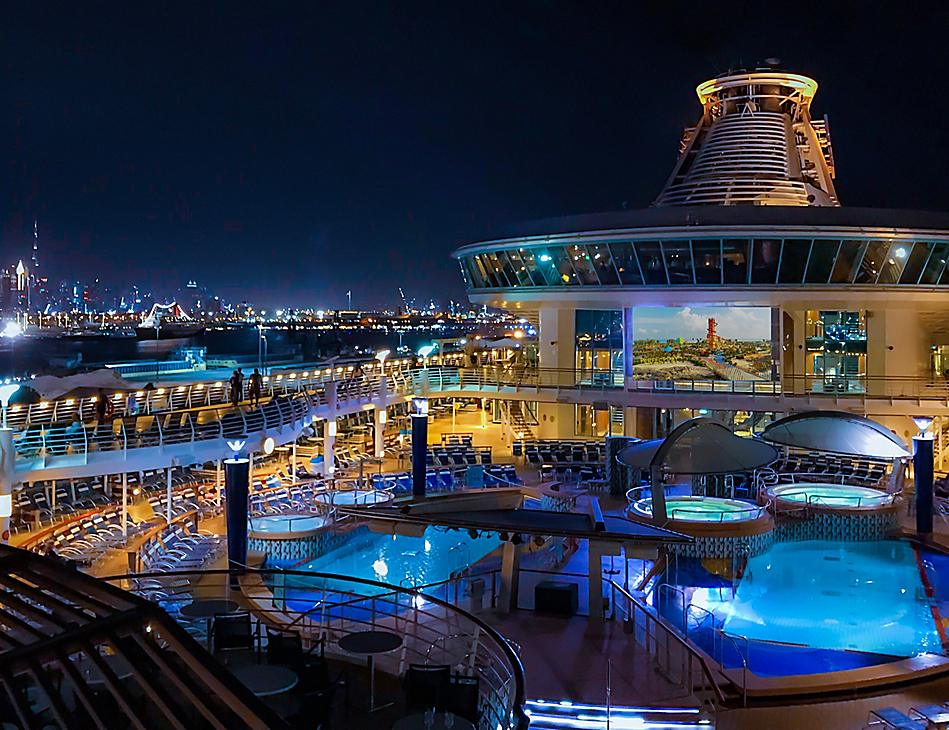
WATCH A DIVE-IN FILM
Watch newly released films and major sporting events the way they were meant to be seen – on a 20.4 m2 outdoor film screen above the main pool area. On selected ships.
NOTE
Weather permitting
Boleros
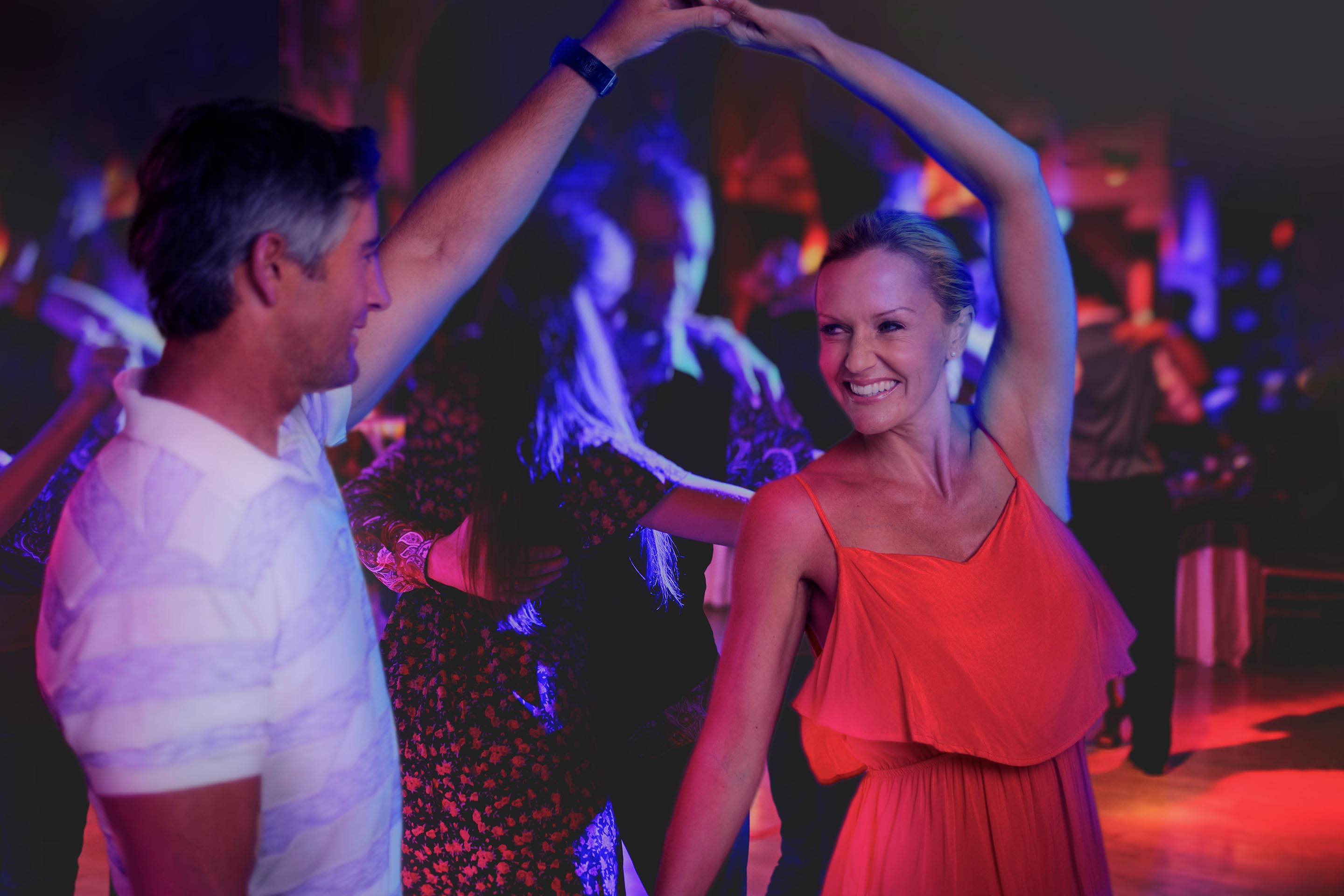
SHAKE IT LIKE A CAIPIRINHA
Whether you’re stopping by for an after-dinner drink or joining the salsa-stepping party, nighttime sizzles at Boleros. This Latin-themed club serves up Cuban mojitos, Brazilian caipirinhas and your favourite classic cocktails to the sound of a four-piece band playing salsa, cumbia, merengue, samba and more.
HOW TO PURCHASE
Beverage Package or A La Carte
AGE RESTRICTION
21+ on sailings from North America, 18+ on sailings from South America, Europe, Asia, Australia and New Zealand.
MENU HIGHLIGHTS
You can’t go wrong with a classic mojito at Boleros, but everything on the cocktail menu here is worth trying. If you like your drinks on the fruitier side, try the kiwi caipirinha or the Fruitful Hurricane, made with white and dark rums, orange juice, lime juice, sugar syrup and grenadine. Want something a little more intense? You’ll love the Smokey Sunrise, which blends Del Maguey Vida mezcal agave nectar, orange juice and grenadine. If you’re a traditionalist, go for the Dark Cuba Libre, a simple yet delicious trio of Bacardi 8 rum, lime juice and coke. Or mix things up with a bubbly Sombrero Cooler, made with silver tequila, orange juice, agave nectar and sparkling wine.
PRO TIP
If you don’t want to miss a single beat, check your Cruise Compass for the band’s performance schedule at Boleros.
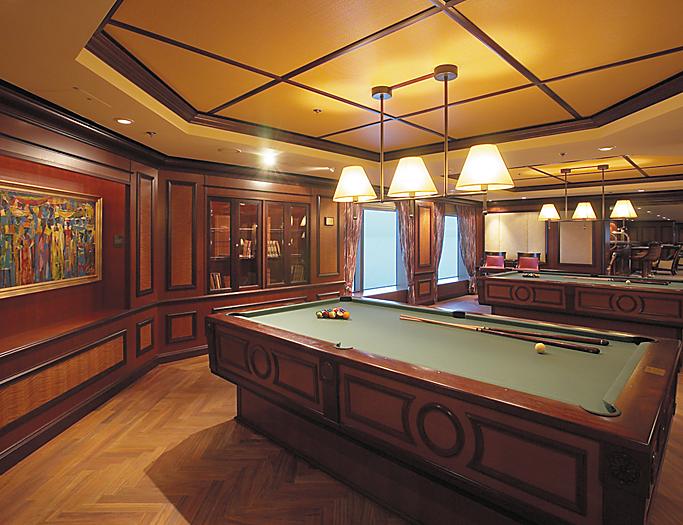
Pool Table
GIVE ME A CUE
Challenge friends and family to a game of pool on self-levelling tables.
NOTE
Location varies by ship
RESTRICTIONS MAY APPLY
Age and time restrictions may apply depending on location
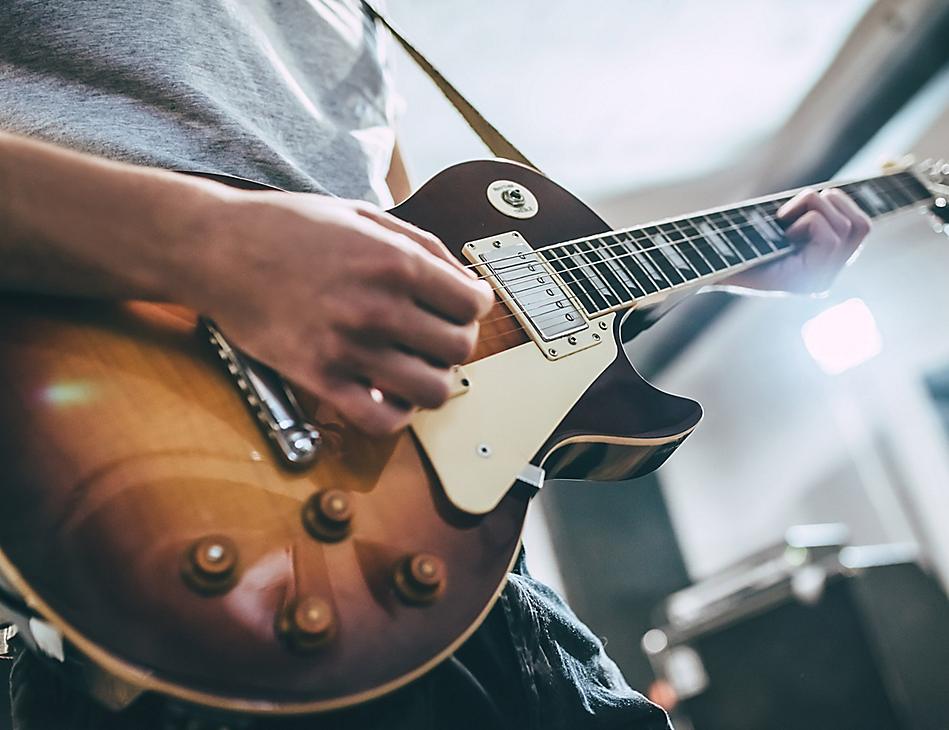
Live Bands
THEY’RE PLAYING YOUR SONG
Select the genre you like and you’re likely to find a band of talented musicians onboard to match, from live jazz to cover bands, quartets, Latin and acoustic performers across the fleet nightly.
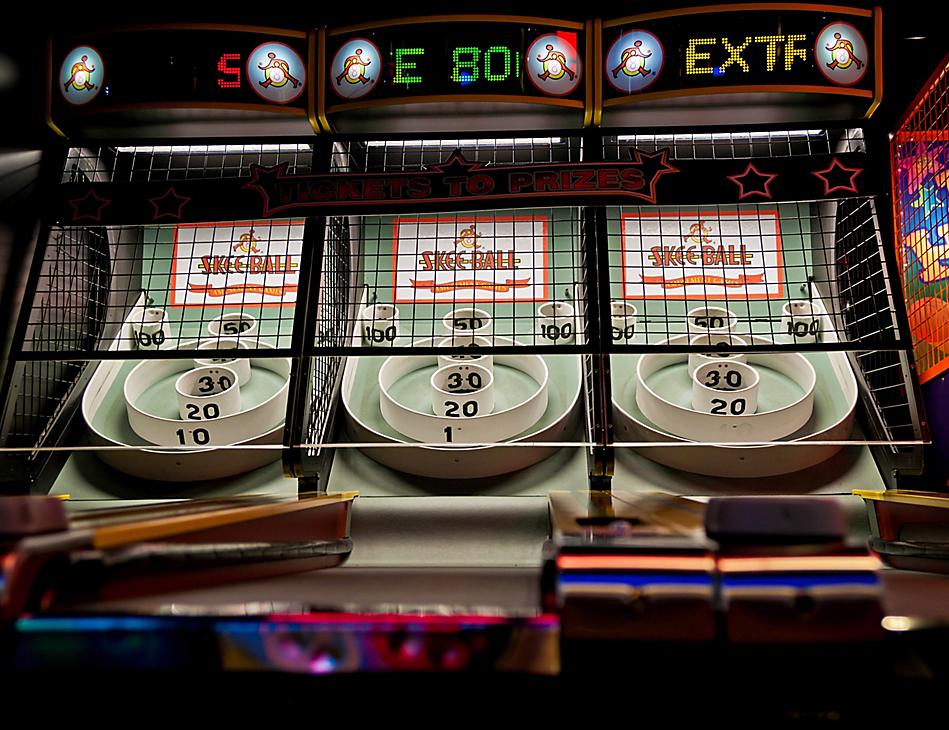
Arcade
GAME ON
Blips, bleeps, clangs and cheers. Play to win in a classic arcade atmosphere with timeless games, plus the latest at the Royal Caribbean Arcade.
NOTE
Individual games and arcade layout vary by ship.
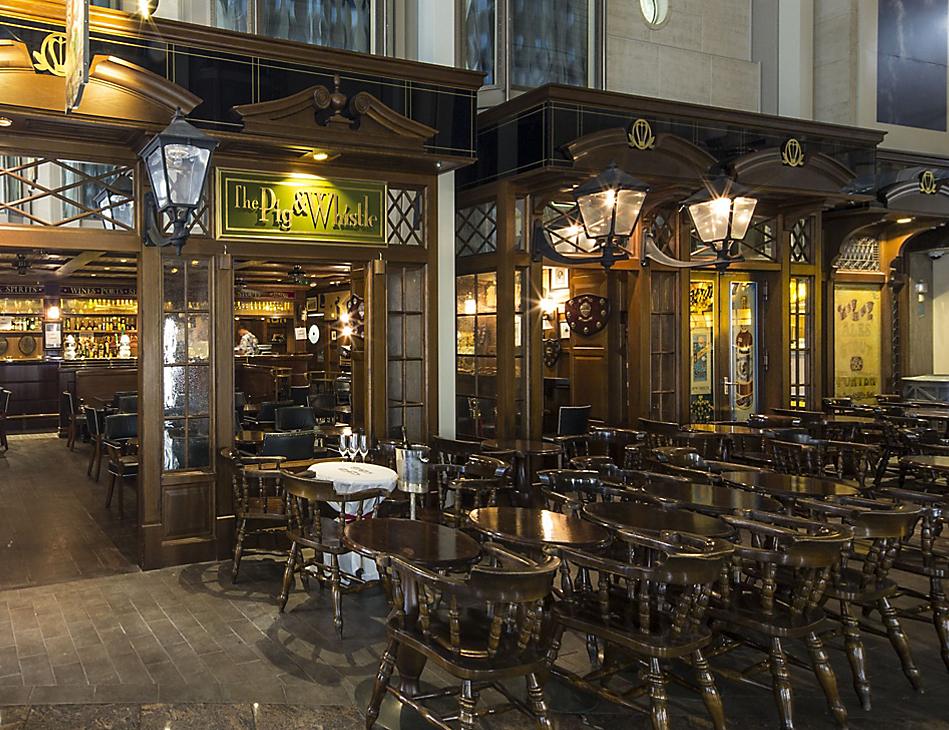
English Pub
PINTS AND POURS FOR EVERY SHORE
If you’re looking to grab a pint, this fleetwide favourite is the spot. Pop-up musical performances keep the vibe here is as lively as London, and the pub’s impressive drink menu offers a sweeping selection of beers that range from ales to lagers, with UK-themed cocktails and an inspired collection of spirits.
HOW TO PURCHASE
Beverage Package or A La Carte
AGE RESTRICTION
21+ on sailings from North America, 18+ on sailings from South America, Europe, Asia, Australia and New Zealand.
MENU HIGHLIGHTS
The English Pub is best known for its wide and diverse selection of beers, but you can also order up a mean cocktail here. If you want something smooth yet strong, go for the James Bond Martini. It’s a powerhouse triad of Belvedere vodka, Beefeater gin, and Lillet Blanc. If you love bourbon, try the Buffalo Manhattan, which swaps out whiskey for Buffalo Trace with sweet vermouth and a splash of Angostura bitters. And if you’re having trouble deciding between spirits, order the Boston Iced Tea Party, made with Tanqueray gin, Bacardi Superior rum, Absolut vodka, triple sec, and sweet and sour mix. Want to try something really different? Ask for a beertini or cockt-ale —mixed drinks infused with brews to create one-of-a-kind libations you can savor slowly..
PRO TIP
If you’re new to the beer world, check the menu. Some include guides to help you navigate all the different beer styles and flavours.
Night Life
SUN GOES DOWN, WE TURN UP
The sun has retired for the day – but you don’t have to, thanks to entertainment across the ship. You’ve got plans tonight, with dancing, laughs and live music at bars, clubs and lounges that never require a cover charge. It’s like the ultimate night out on the town – but you never have to leave the ship.

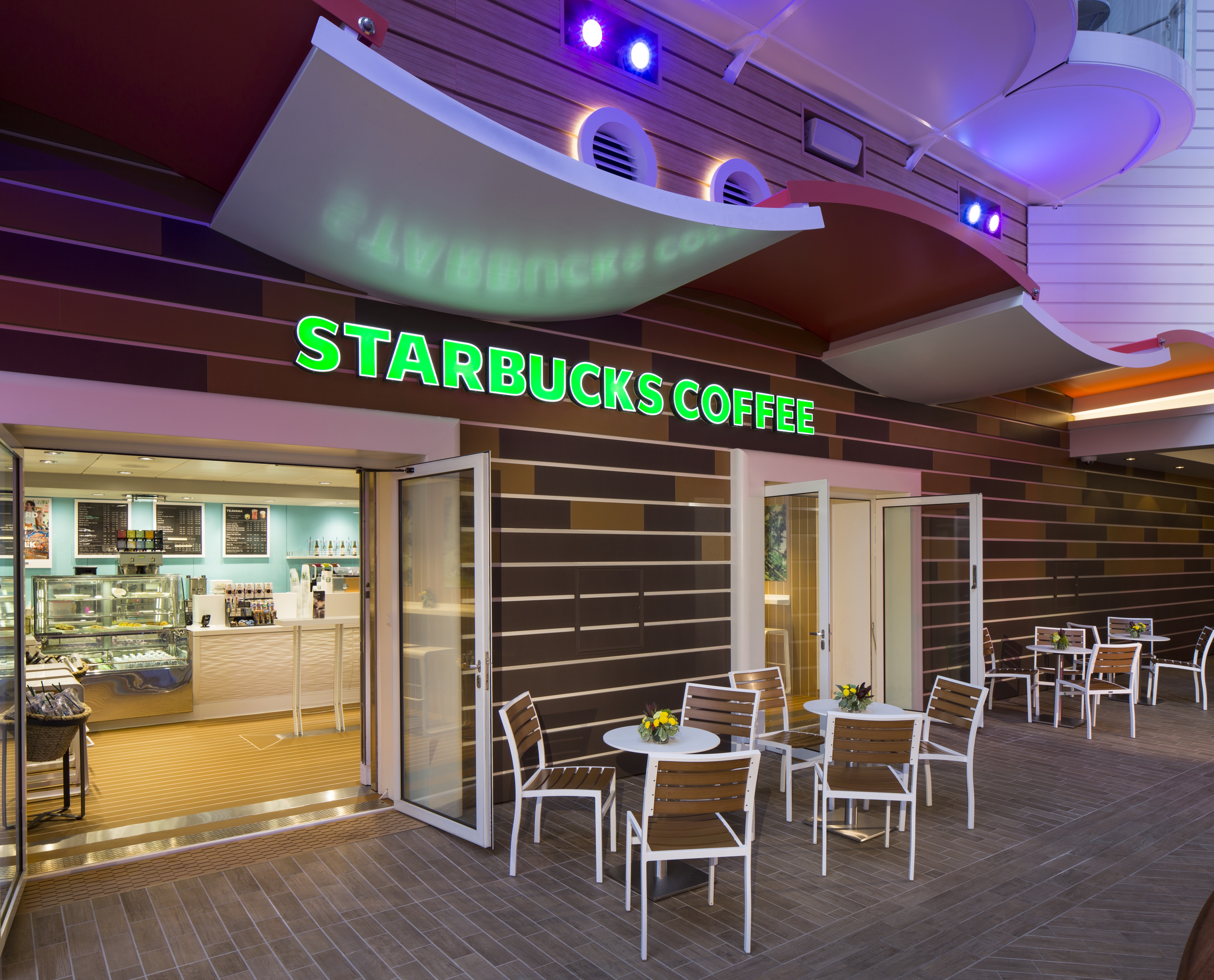
Starbucks
A LATTE TO LOVE
Enjoy all your Starbucks® favourites – from Macchiatos to Frappuccinos®, plus an extensive menu of drinks and pastries whenever the mood strikes you. Whatever you’re craving, you won’t have to go a single day without your morning iced coffee or your mid-afternoon flat white.
Attire
Casual
MENU INTRO
At Starbucks® you’ll find classic teas and coffees, plus creative caffeinated speciality drinks like the iconic Frappuccino®. The menu also offers grab-and-go pastries and savoury snacks.
PRO TIP
The Starbucks® onboard offer seasonal and holiday drinks just like your favourite Starbucks® locations on land.
Note
Layout and location vary by ship.
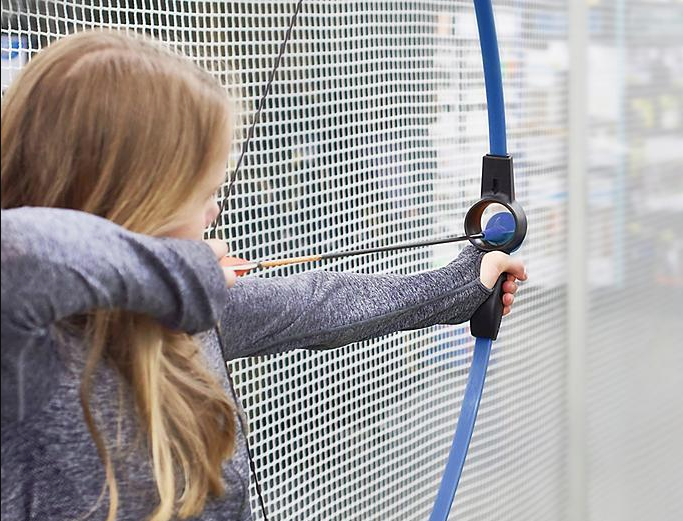
Archery
HIT THE MARK
Master your bow and arrow skills with our onboard archery experience, offered indoors, with cutting-edge equipment designed to be enjoyed by all ages. No worries if you’re a novice – practice makes perfect, and you can take aim as much as you like.
NOTE
Closed-toe shoes are required
Captain's Welcome Aboard Reception
MEET THE CAPTAIN
Join the Captain in an unforgettable reception to welcome you aboard. You’ll get to meet with the him or her and take a photo. Afterwards, the Captain will give a special welcome speech.
ATTIRE
Formal

70s Disco Party
GET YOUR GROOVE ON
Dust off those platform shoes because we’re taking it back to the old school with a 70s disco party. Get ready for funky beats, far out moves and flashback fun.

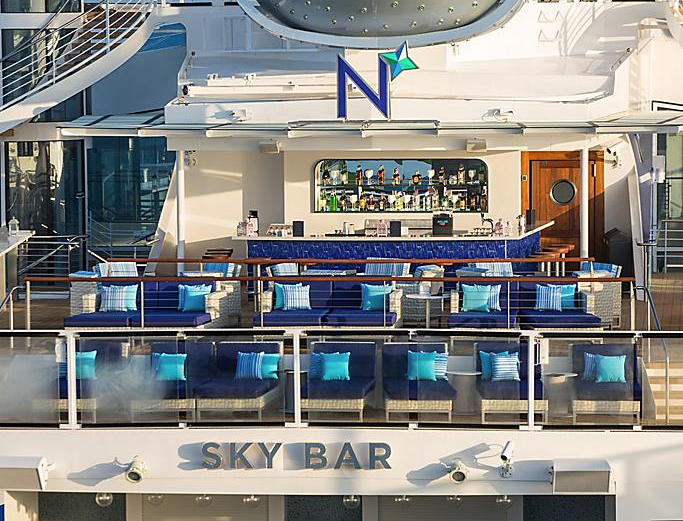
North Star Bar
RAISE THE BAR
After you’ve taken a ride on the North Star℠, featuring brilliant 360º views from 300 feet above sea level, celebrate your unforgettable ascent with something sparkling, mixed, frosty, or tropical. At North Star Bar, the sips are just as impressive as the sights.
HOW TO PURCHASE
Beverage Package or A La Carte
AGE RESTRICTION
21+ on sailings from North America, 18+ on sailings from South America, Europe, Asia, Australia and New Zealand.
MENU HIGHLIGHTS
The menu at North Star Bar offers something for every wine lover, but it’s the cocktails that really steal the spotlight. If you want something sparkling, you have several options to choose from. Like the Errai, which blends Patron Silver tequila and strawberry puree with Domaine Chandon and a sprinkle of black pepper. Or the Lodestar, a refreshing mix of Belvedere pink grapefruit vodka and melon liqueur topped with sparkling wine. If you prefer classic, spirit-forward cocktails, try the Dark N’ Stormy, made in the traditional style with Gosling’s dark rum, fresh lime and ginger beer. Or go for the Manhattan, made by cooling Maker’s Mark bourbon over ice and then pouring it into a vermouth-misted glass. If you like your cocktails on the sweeter, fruitier side, order a Passion in the City. It’s a winning combination of passion fruit puree, Chambord raspberry liqueur, and Belvedere vodka.
PRO TIP
Rides in the North Star℠ are complimentary — and so is your seat at the North Star Bar.
Shush! Silent Party
SILENT STEPPING
Head over to this silent disco party for a battle of the DJs that is full of fun and laughs. With your headphones on, just choose your favourite channel and start grooving to the music that moves you.
AGE RANGE
18 and up

Theme Nights
TOTAL TIME WARP
From bell-bottoms to togas, themed nights and parties onboard transcend time.

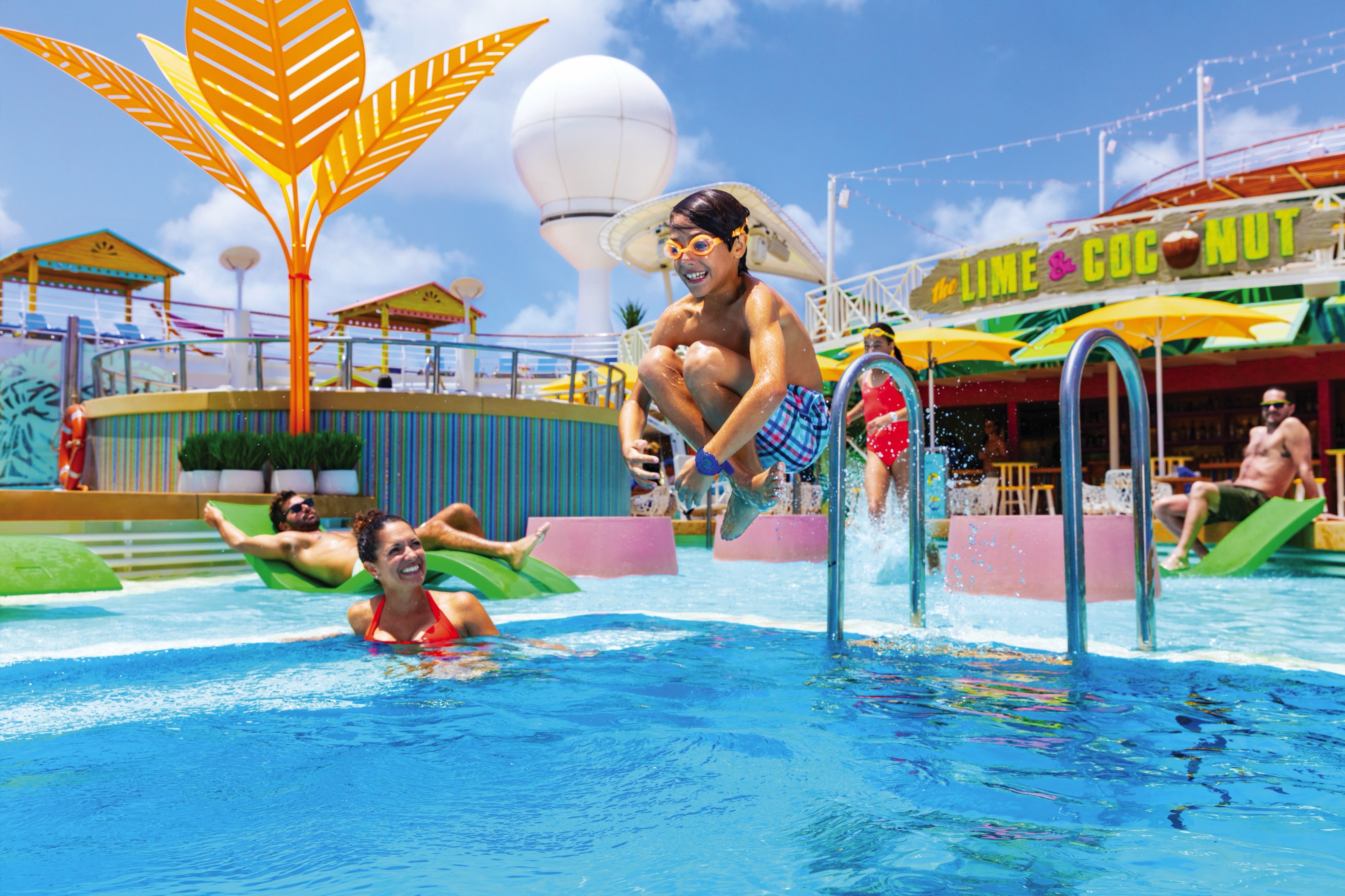
Pool Deck
H2OH YES WE DID
Forget everything you thought you knew about pool days. The newly reimagined pool deck takes things to the next level with more space, more vibes and more ways to soak up the sun. The pool itself has doubled in size, giving you even more room to lounge, swim and stay close to the water. The Lime and Coconut℠ bar brings a laid-back Caribbean energy across three decks with a front-row seat to all the poolside action. Hot tubs are perched up high for ocean views that can’t fail to impress. And when hunger kicks in, you’re just steps away from quick-and-tasty bites like burgers and tacos – so you can stay relaxed, right where you are.
Solarium
SUN AND SERENITY
Slip away to this adults-only indoor and outdoor retreat. The Solarium is your slice of paradise, with soothing whirlpools, warm sunshine and a refreshing water mist.
RESTRICTIONS
18+ years old
DISCLAIMER
Images might not be accurate depictions of the venue. Venue appearance varies by ship.
Spa & Fitness Centre
AHH INSPIRING
A luxurious sanctuary offering signature treatments, medi-spa services and a full-service salon to make you glow from the inside out. Browse our spa menu for pricing.
RESTRICTIONS
16 and above
HOW TO RESERVE
Cruise Planner or Onboard
Fitness Classes
EXERCISE YOUR OPTIONS
Start a healthy new habit or keep your fitness routine on track. VitalitySM Fitness Center© has an array of the most popular training classes including yoga, Pilates, spinning, sculpting and more. Trained instructors make it easy for everyone to have a great time and get fit. Fees apply for some classes.
RESTRICTIONS
16 and above
HOW TO RESERVE
Cruise Planner or Onboard
Sports Court
Passengers can also enjoy the ship’s fantastic sporting facilities, which include: an ice rink, a golf simulator, a jogging track, as well as basketball and volleyball courts. Thrill seekers can also try out the impressive rock climbing wall.
Table Tennis
IT’S A PADDLE BATTLE
Challenge family, friends and fellow passengers to an action-packed game of table tennis.
Pickleball
PICK UP PICKLEBALL
Introducing pickleball at sea! Whether you’re a total beginner or pickleball pro, grab a paddle and take on America’s fastest-growing sport. Discover for yourself why it’s so easy to get hooked on this fun, fast-paced game for all ages.
GOOD TO KNOW
Pickleball was invented in 1965 on Bainbridge Island, a short ferry ride from Seattle, Washington.
Currently, more than 4.8 million people are playing the sport in the United States.
Unlike tennis or ping-pong balls, pickleball balls have holes.
Adventure Ocean®
SMALL HANDS ON DECK
‘Are we there yet?’ is a thing of the past. We keep every child entertained with games, events, age-appropriate activities and more in our award-winning Youth Program.
AGE RANGE
3-11 years
INSIDER TIPS
Adventure Ocean space varies by ship
Splashaway Bay℠
FUN BY THE GALLON
The fun comes in gallons. This bigger, better kids’ aqua park features slides, water cannons, waterfalls and more. And when the drench bucket gets full, everyone gets wet.
RESTRICTIONS
Potty Trained is required. Children cannot be wearing a nappy.
To enter the slide: Maximum weight is 136 kg/21 st 6 lb and minimum height is 106.7 cm/3’6″.
NOTE
Swimwear is required
Main Dining Room
GOURMET COURSES
In the Main Dining Room, you can experience flavours that take you from Jamaica to Jaipur, a rotating menu of delicious dishes always offering something unexpected. A multi-level restaurant that in the morning is the perfect spot to enjoy a hearty brunch paired with refreshing mimosas, at dinnertime transforms into a world class dining experience with a menu that invites you to taste your way around the world course by course.
ATTIRE
Smart Casual
MENU HIGHLIGHTS
Many of the dishes on the Main Dining Room’s menu rotate each night, which means you could go an entire week without ever repeating a course. Every meal here begins with something delicious from the starters section of the menu — like savoury duck terrine layered with apricot chutney on toasted sourdough bread, a flaky Vidalia onion tart baked with whipped eggs, cream, and smoked bacon, or spiced eggplant and Kalamata olive tartare prepared with red pepper hummus and served on crispy garlic bread. Then, choose from international entrees like Moroccan spiced ahi tuna served over mint couscous, sautéed spinach and tequila peppers with a cool yogurt vinaigrette. Or mojo-marinated bone-in pork loin paired with sweet potatoes, broccoli and a cumin-citrus reduction. Dessert is also worth getting excited about, with options like sweet cream-soaked tres leches, home-style carrot cake with cream cheese frosting, and a light and fluffy Grand Marnier soufflé.
NOTE
Food offerings may differ by ship and sailing.
PRO TIP
The food in the Main Dining Room is complimentary, and you can order as many courses as you like.
Izumi Teppanyaki℠
Hello Hibachi
With tempting delights prepared tableside, Izumi Teppanyaki dials up the Japanese dining experience. Bond with your crew over the showmanship of an expert chef working right at your table, preparing favourites like tiger prawns, scallops, beef tenderloin and vegetable fried rice. Hibachi masters put on a high-energy spectacle of sharp knives – and sharper wit – that will have you laughing all night long.
Attire
Smart Casual
How to reserve
My Royal Cruise or Royal App
MENU HIGHLIGHTS
Every meal at Izumi Teppanyaki begins with craveworthy complimentary starters like crisp greens with tangy ginger dressing, piping hot miso soup, flavoursome vegetable fried rice and tart Japanese pickles. You can also order some appetisers to share, like jumbo crispy softshell crab or fresh assorted sashimi to prep your palate for the main event – teppanyaki main courses cooked right at your table. You can choose from combinations that include chicken breast paired with tiger shrimp or NY strip steak, sea scallops or abalone paired with lobster or a splurge-worthy cut of top-quality Wagyu A4 beef. For dessert, you’ll have your pick of sweet treats ranging from freshly cut fruit to crispy, chewy sesame balls and a refreshing chilled mochi sampler.
PRO TIP
Want to pair your meal with the perfect sip? Ask to see a cocktail or sake menu.
Solarium Bistro Restaurant
FLAVOUR THAT’S ALWAYS FRESH
Emphasising fresh ingredients and Mediterranean flavours for breakfast, lunch and dinner, Solarium Bistro offers a bright and breezy gastronomic getaway at sea. Serve yourself from stations piled high with Med-inspired dishes and savour every bite inside or al fresco beneath the sun – or the stars.
ATTIRE
Casual
FOR CHINA SAILINGS ONLY:
Solarium Bistro becomes Hot Pot on China sailings.
MENU HIGHLIGHTS
At Solarium Bistro, every dish highlights freshness and flavour. Pop by in the morning for breakfast staples like creamy yoghurt and seasonal fruit, eggs and grilled sausage, and continental classics like bagels and pastries. At lunch, Solarium Bistro will transport you to some of the top culinary capitals along the Mediterranean coast and beyond. Tuck into fresh mussels and crisp Greek salad. Nibble on pita bread spread thick with homemade tzatziki and babaghanoush. Savour tender lamb chops with a cool mint jus or succulent lobster with tangy citrus butter. And treat yourself to sweet surprises, like fluffy loukoumades soaked in honey and creamy panna cotta à la Romana.
PRO TIP
In addition to the items on the menu and at the buffet, you’ll sometimes find surprise dishes that rotate from time to time. Keep an eye out for those.
Please Note: A cover charge may apply for a la carte dinner.
Coastal Kitchen
CRAVINGS FROM THE COAST
Exclusively for suite guests, Coastal Kitchen fuses Mediterranean influences with farm-fresh flavours from California. The menu is filled with Pacific Coast favourites and Med-inspired starters.
ATTIRE
Smart Casual
RESTRICTIONS
Access to Coastal Kitchen is reserved exclusively for guests staying in qualifying Suites. Pinnacle Club members may enjoy meals in Coastal Kitchen, subject to availability.
NOTE
Reservation Recommended
MENU HIGHLIGHTS
Start your day with one of the delicious offerings from Coastal Kitchen’s breakfast menu – like a filling frittata with feta cheese and spinach, decadent French toast with syrup and caramelised bananas, or a light Mediterranean plate of pan tomàquet, hummus, prosciutto and Manchego cheese. During lunch, try the signature Margherita flatbread, heaped with buffalo mozzarella, vine-ripe tomato and fresh basil, or a tender herb-crusted chicken breast paired with roasted squash, Provencal tomatoes and tangy lemon essence. And at dinner time, start with an order of Escargots a la bourguignonne in simmering butter with garlic and parsley. Then try the Roasted veal tenderloin, served in a vin jaune sauce with green pea puree, sweet caramelised onions and broad beans. End your meal on a sweet note with fresh hand-cut seasonal fruit or an airy rosewater Panna cotta with kiwi coulis and almond tuile.
PRO TIP
The menu at Coastal Kitchen rotates frequently; allowing you to try different delights throughout your cruise.
Chef's Table
AS VIP AND INTIMATE AS CAN BE
Welcome to Chef’s Table, the most exclusive and elevated dining experience on our fleet. Join an intimate group of fellow foodies on a private epicurean journey led by the ship’s Chef de Cuisine. You’ll sit down to a white tablecloth dinner spotlighting five exquisite courses that range from scallop carpaccio with yuzu vinaigrette, to grilled filet mignon served with truffle potato puree — each expertly paired with the perfect wine to highlight every flavour on the menu.
ATTIRE
Formal
NOTE
Available on select sailings.
MENU HIGHLIGHTS
Start your meal with the Scallop carpaccio, served with yuzu vinaigrette and crispy quinoa. Then transition to the Smoked tomato soup, sprinkled with garlic focaccia croutons and parmesan. Seafood lovers rave about the Maine lobster salad, flavoured with pineapple, cilantro, and vanilla dressing, and the Roasted branzino paired with grilled vegetables and lemon confit. Blending peanut butter ganache, Valrhona chocolate mousse, and salted caramel gelato, our signature dessert, The world, is the ultimate sweet ending.
PRO TIP
Each dish is paired with a somm-selected glass of premium red or white wine.
Sorrento's Pizza
PIZZA WITH MORE PIZZAZZ
There’s nothing more satisfying than a great slice of pizza — and Royal Caribbean has spent years perfecting the recipe at Sorrento’s. Whether you’re into classics, like cheese and Margherita, or specialty pies, like the meat-loaded Carnivore or the pineapple, bacon and BBQ-infused Caribbean Dream, Sorrento’s serves up perfection in every slice.
ATTIRE
Casual
MENU HIGHLIGHTS
There’s no wrong way to do pizza at Sorrento’s — all the pies here are equally delicious. If you’re a traditionalist, go for a slice of classic cheese or Margherita, topped with sweet basil leaves. Want to spice things up? The pepperoni pie brings just the right amount of heat. If you’re craving something a little heartier, try the aptly-named Carnivore, which comes loaded with meat, or a slice of the sweet and smoky BBQ chicken pizza. For something totally out of the ordinary, don’t miss the Caribbean Dream. Sprinkled with bacon, pineapple and BBQ, every bite channels major island vibes.
PRO TIP
Sorrento’s is open late, which makes it one of the best spots for an after-hours bite.
Windjammer
TASTE YOUR WAY AROUND THE WORLD
The Windjammer is your go-to restaurant for tantalising global flavours served as complimentary. Like just-pressed paninis packed with all your favourite meats and cheeses. Flaky pastries fresh from the oven and omelettes however you like them. And hearty mains that run the gamut from crispy buttermilk fried chicken to Vietnamese braised Ho Chi Minh pork.
ATTIRE
Casual
MENU HIGHLIGHTS
Whatever kind of dish you’re in the mood for, you’ll find something tasty worth trying at the Windjammer. Pop in during the morning for scrambled egg Bhurji served with roti, or home-style crispy chicken and waffles. Refuel in between adventures with a refreshing watermelon and feta salad or classic fish and chips. Or sample your way from Italy to India with dishes like traditional chicken marsala, savoury pork vindaloo, tangy duck a l’Orange and flavourful Caribbean goat curry.PRO TIP
There are plenty of gluten-free and vegetarian options offered.
RESTRICTIONS
Fully-covered shoes and shirts required.
NOTE
Food options may differ by sailing.
Dog House
CRAFTED HOT DOGS WITH A TWIST
Everybody loves a great hot dog. Some like theirs served the classic way — between toasted buns with a drizzle of mustard, ketchup and relish. Others prefer theirs course-ground and sprinkled with sauerkraut, Old-World style. And some like hot dogs crafted with a creative twist — like a chicken sausage flavoured with juicy apple. Whatever kind of foot long you fancy, Dog House serves up the best sausages at sea.
ATTIRE
Casual
MENU HIGHLIGHTS
If you’re a traditionalist, go for the Coney Island dog, made with classic American beef. Or opt for authentic old-world flavour with a German Thuringer made from finely minced pork. Want to change things a bit? Try The Big Apple, a chicken sausage cooked with apple for a subtle burst of sweetness. Or bite into The Smoke House, a pork Bratwurst seasoned with traditional spices for just a hint of heat. No matter which sausage (or sausages) you choose, they all pair perfectly with a side of home-style potato salad or refreshing coleslaw..
PRO TIP
Customise your hot dog at Dog House with a wide variety of condiments and toppings – all available for you to help yourself.
NOTE
Both on port and sea days, Dog House closes at 7 p.m.
Giovanni’s℠ Italian Kitchen
Indulge in Italia
Sunday supper is served every day at Giovanni’s Italian Kitchen. The menu highlights Old-World classics, including veal meatballs in Romana sauce, pappardelle with rich radicchio cream or hand-tossed pizzas, delivered straight from the oven. And ask a sommelier on staff to suggest the perfect pairing from a wine list that ranges from Sangiovese to Super Tuscan.
Attire
Casual
How to reserve
My Royal Cruise or Royal App
MENU HIGHLIGHTS
Heaped with mortadella, porchetta, fresh mozzarella and more, Giovanni’s assorted meat and cheese platter is the perfect way to start a meal among friends and family. If you love the taste of truffle, try the caprese salad – a beautiful globe of truffle burrata served over rocket, heirloom tomatoes, pesto, balsamic glaze and fresh basil oil. The classic lasagna is also a must-try, oven-baked and layered with tasty Bolognese sauce, cottage cheese and mozzarella. And if you’re craving a pizza, the 12-inch pizzas here do not disappoint. Stick with a traditional Margherita or primavera, or mix things up with the truffle and eggs, topped with bacon, eggs, pecorino and white truffle oil.
PRO TIP
The most popular items have hearts drawn next to them on the menu. Keep an eye out for these can’t-miss dishes.
Chops Grille℠
CLASSIC AMERICAN STEAKHOUSE
For more than a decade, the chefs at Chops Grille have specialised in serving up quality, hand-cut meat. Dinner at this hallmark Royal Caribbean specialty restaurant goes far beyond the typical steakhouse experience, though, with reimagined classics like succulent Maine lobster, gruyere cheese tater tots, white truffle-scented mushroom soup, and of course, expertly prepared prime beef.
ATTIRE
Smart Casual
INSIDER TIP
Open for lunch on sea days only.
MENU HIGHLIGHTS
The best way to begin a meal at Chops Grille is with the charred beef carpaccio, sliced thin and served rare with fresh arugula, Parmesan cheese, and truffle mustard dressing. If you’re a seafood lover, upgrade your menu with one of the restaurant’s chilled seafood towers — each comes with jumbo shrimp, green-lipped mussels, clams, Jonah crab claws, and Maine lobster. As far as entrees go, the tender filet is one of the most popular items on the menu. If nine ounces is a bit too much for you, opt for the smaller 6-ounce petite filet — it packs in just as much flavour as the standard cut. If you’re a traditionalist, complement your meal with an order of steaming Yukon Gold mashed potatoes and creamed spinach, or change things up with Chops’ signature gruyere cheese tater tots and truffled French fries. And don’t forget to save room for a refreshing slice of tart key lime meringue pie or classic New York cheesecake, served with raspberries and lemon confit.
PRO TIP
The chefs at Chops Grille will hand cut, season, and grill each steak to your specifications. When in doubt, don’t be afraid to ask for the chef’s recommendation.
Fish & Ships℠
GOLDEN FRIED GOODNESS
Savour delicious fare at Fish & Ships℠, a seaside seafood spot that’s just steps from the pool. No need to travel to England for a basket of freshly battered cod and hand cut fries. You can get the British classic comfort food right here, plus crispy calamari, savoury battered sausage and even a frosty pint of brew.
ATTIRE
Casual
MENU HIGHLIGHTS
The most famous item on the menu at Fish & Ships℠ is hands down the classic Fish & Chips – golden-battered cod fried to perfection and served with mushy peas, just like they do in the UK. Other standouts include the crispy fried calamari – a great option if you’re sharing with friends – and the hearty house lobster roll, served with a side of signature chips. If you’re craving something other than seafood, try the battered sausage – it’s as flavoursome as it is filling. And make sure you save space in your tummy for a bite of the restaurant’s famous deep-fried chocolate bar.
PRO TIP
If you’re just fuelling up on your way to another onboard activity, no problem – ask for your meal to take away.
Café Promenade
CAFÉ ALL DAY
When it comes to quick and easy come-and-go eats, there’s no better place than Café Promenade. This casual, complimentary hotspot bustles 24 hours a day, so you can drop by any time — whether it’s for a steaming cup of coffee and a warm glazed cinnamon bun in the morning, or late-night bites like fried artichoke, spicy marinated cheese, and savoury meatballs from behind the counter after working up an appetite on the dance floor.
ATTIRE
Casual
MENU HIGHLIGHTS
If you’re looking for a satisfying way to start your day, pair a cup of rich Royal Roast with a flaky croissandwich — stuffed with deli meats and crisp lettuce — or your favourite breakfast pastry. At lunchtime, it’s all about the flavourful chicken roti wrap and the New Orleans-style muffuletta, piled high with cold cuts and cheese. If you love a good antipasti platter, try the prosciutto with melon combo, or the pesto-grilled tomato. And if you have a sweet tooth, the decadent Mudcakes, creamy Willy Wonka pies, and fluffy round Led Zeppoles will make you come back for seconds.
PRO TIP
Some sandwiches, antipasti and desserts rotate daily, so stop by often to see what’s new.
Silk
Weave your way through a vibrant tapestry of pan-Asian flavours as diverse and nuanced as the Far East itself. Every tapestry tells a story – and this one brings together the greatest characters in the history of exotic cuisine.
Turmeric, cumin and red chili in a slow-cooked lamb curry. Ginger and sesame on crusted tuna. Sake-glazed salmon and teriyaki steak. On an eclectic yet balanced menu inspired by Chinese, Japanese, Thai, Vietnamese and Indian cooking.
The Cafe @Two70
GOURMET MARKETPLACE
The Café@Two70 is a gourmet marketplace where every meal comes with a side of captivating views. Choose from a variety of savoury hot-pressed sandwiches, crisp custom-made salads, homemade soups and more – all packed up picnic-style, so you can enjoy them while looking out of floor-to-ceiling windows in Two70® or anywhere else onboard.
ATTIRE
Casual
MENU HIGHLIGHTS
If you’re looking to fuel up for a day filled with adventure, pop into the Café@Two70 in the morning and order a breakfast burrito. The original comes with scrambled eggs, chili con carne and mozzarella cheese, but you can ask for a vegetarian version if you prefer. If you’re craving something crisp and refreshing, the Thai chicken noodle salad is a winner. It’s got tender grilled chicken served over mixed greens with peppers, mandarin oranges, toasted almonds and glass noodles, all tossed in a tangy sesame-peanut dressing. Cheese toastie lovers can choose from three different riffs on the classic, including a three-cheese melt that layers gruyere, aged white cheddar and blue cheese on rye bread, a harvest version with smoked ham, juicy green apples and brie on raisin-multigrain and a B&B that’s loaded with crispy bacon, creamy blue cheese and crunchy green onions on sourdough.
PRO TIP
The Café@Two70 also offers some tasty sweet treats – see what’s available at the counter.
Chic
The height of contemporary cuisine is realised at Chic, where the freshest ingredients of the wild are evolved for a modern palate. Proteins that pack a punch—beef rib-eye, lamb chops, Mediterranean sea bass—are treated to the delicate drizzle of sauces made from scratch. Salt is sea salt. Cream is crème. And truffles mingle with champagne for a butter sauce that surpasses all expectation.
Most intriguing: The first dry-aged steaks at sea, each hand-selected and aged for nearly four weeks to achieve the pinnacle of flavor, tenderness and aroma. This prime beef is joined by Maine lobster, veal Parmesan, grilled branzino and more succulent dishes paired with addictive sides and irresistible desserts.
Room Service
DELICIOUS DELIVERED TO YOUR DOOR
Want to savour a meal in the comfort of your stateroom? Order delicious in-room dining any time — day or night. Tuck into breakfast in bed with a fresh omelet or a steaming stack of pancakes. Or enjoy an intimate date night in after a long day of adventure onboard and ashore. Room service makes it easy to treat your taste buds without having to set foot outside your door.
NOTE
Room service menu may differ by sailing.
MENU HIGHLIGHTS
The continental breakfast items on the room service menu are complimentary, but you can also upgrade with fried eggs or an omelet if you want something a little heartier. You can even make brunch boozy with mimosas or the Ultimate Bloody Mary. If you’re ordering lunch or dinner, choose from flavourful finger foods like crispy chicken tenders, a melt-in-your-mouth grilled cheese sandwich, hot dogs your way, or the much-loved Royal Burger — it’s eight ounces of prime Wagyu beef topped with crispy bacon and aged cheddar on a toasted bun. The creamy classic tomato soup, grilled quesadilla, and fried chicken wings are also guest favourites..
PRO TIP
Cruising with kids? There’s a section on the menu just for them with simple but delicious sandwiches and tasty sides.
Shore Excursions & Guided Tours
Whether you dream of trailblazing through the Alaskan tundra, learning how to whip up traditional Mediterranean dishes on the Greek isles, or sampling rum at centuries-old distilleries in the Caribbean, you’ll find the world is brimming with full day adventures — and nobody takes you deeper than Shore Excursions. Explore every shore your way with excursions and guided shore trips designed to thrill all kinds of traveler, from couples craving a little extra romance to families looking to bond over bucket list moments. No matter what kind of vacation experience you’re after, you’ll find new and exciting ways to make memories on your next getaway with a Shore Excursion. Unleash your inner explorer and discover bold new ways to connect with the people, culture and places around you as you cruise from one unforgettable port of call to another.
Private Journeys
For those looking for a more personalized adventure, there’s Private Journeys. Our Destination Insiders leverage extensive knowledge and years of travel expertise to hand craft one-of-a-kind private tours with you in mind. You can customise an existing tour that catches your eye, or work with an Insider to create an exclusive tour experience that’s completely unique to you or a small group. Celebrating a special occasion, chasing a lifelong dream or looking for ways to rediscover a favourite destination? Private Journeys are at your service.
Europe Excursions
When you explore Europe’s ancient cities, every arch and alleyway tells a story. In Sicily, you can bike across the rim of Mount Etna, which the ancient Greeks believed was home to the legendary Cyclops. In Spain, learn how to prepare tapas like a true Malagan, then savour every single bite. And venture deeper into nature – literally – as you explore the magnificent Lipa Cave in Montenegro. Wherever your journey takes you, these experiences will make every moment memorable.
Snorkel Excursions
Take your adventure underwater and discover a whole world that’s teeming with life. Swim with turtles and manta rays, float over vibrant reefs and explore colorful coral forests on a snorkelling excursion designed to bring you up close with the ocean’s most beautiful natural treasures.
Scuba Excursions
There’s no better way to explore the beauty beneath the waves than on a guided scuba excursion. Dive deep below the surface of the sea with a certified expert and weave through brilliant coral colonies, scour centuries-old shipwrecks and come face-to-face with exotic aquatic critters.
Scrapbooking
CHALK, PAPER, SCISSORS
Make your memories last. The perfect DIY project for scrapbook newbies and aficionados.
Guest Lectures
TOPICAL TALKS
Come hear the experts talk about various trending topics during our Guest Lecture series.
Folding Artistry
BEHOLDEN FOR FOLDING
Get the low-down on folding techniques from the staff that makes the best towel animals at sea.
Learn A Language
CIAO, HOLA, SALUT!
Learn a new language so you can mingle with the locals.
NOTE
Classes vary by ship and itinerary
Wine Tasting
A VINTAGE JOURNEY
Learn how to use your senses to distinguish and savour the complexity of fine wines, from cabernets to ports, and syrah to chardonnay. Fee applies.
Dance Classes
Dance Classes
Shall we dance? – Bust out your dancing shoes and learn new moves from skilled instructors.
Salsa Dancing
The Hottest Hot Spot Anywhere – Follow the Latin beat and find yourself in Boleros, a night-time hot spot where you can keep up with live music and cool down with a mojito or caipirinha.
DISCLAIMER – Images might not be accurate depictions of the venue. Venue appearance varies by ship.
Sushi-Making Class
ROLL WITH IT
Make your own Far East feast. Our sushi chefs will teach you how to prepare a hand-rolled lunch.
HOW TO RESERVE
Cruise Planner
Art Auctions
ART AND SOUL
Enjoy a champagne toast at the Art Gallery, followed by some fast and furious bidding among fellow art enthusiasts. Whether you’re a seasoned collector or a curious first-timer, our onboard auctions are a great way to add some thrills to your day and a new masterpiece to your collection.
Sip, Tour Brunch
RISE & DINE
Catch a glimpse of the magic that happens in the kitchen on an exclusive behind-the-scenes tour of the galley with the Chef. Then take your taste buds on an exceptional brunch in a dining room, where you can indulge in spectacular eats paired with unlimited sparkling wine.
RESTRICTIONS
To enjoy our sparkling wine, you must be 21+ on sailings from North America, 18+ on sailings from South America, Europe, Asia, Australia and New Zealand.
HOW TO RESERVE
Cruise Planner
NOTE
Closed-toe shoes are required
All Access Tours
GO BEHIND THE SCENES
Get to see how the staff and crew bring the Royal Caribbean experience to life.
HOW TO RESERVE
Cruise Planner
North Star®
It’s time to raise the bar on adventure – with 360-degree views of the world from 100 metres above sea level in the North Star® observation capsule – winner of the Guinness World Record for tallest viewing deck on a cruise ship.
RESTRICTIONS
Must be at least 107 cm tall, or 122 cm to ride alone, and weight a maximum of 136 kg. THE SKY’S THE LIMIT
HOW TO RESERVE
Cruise Planner
FEES MAY APPLY
Prices are subject to change and may vary by market and sailing.
QUANTUM OF THE SEAS® UPDATE
The North Star onboard Quantum of the Seas is currently not available for guests to enjoy. We apologise for the inconvenience.
SeaPlex®
HAVE THE PLAYTIME OF YOUR LIFE
The largest indoor active space at sea is only on Royal Caribbean®. Basketball and dodgem cars – it’s the first time you’ll ever play like this on a cruise.
NOTE
Some activities may have a charge
RipCord® by iFLY®
GRAVITY-DEFYING FUN
There’s no rush in the world like skydiving – and on the RipCord® by iFLY® simulator you can feel the freedom of freefall without even leaving the deck.
RESTRICTIONS
Must be 3 years old, weight less than 103 kg if shorter than 6’ or less than 93 kg if 6’ and taller.
HOW TO RESERVE
Cruise Planner or Onboard
FEES MAY APPLY
Prices are subject to change and may vary by market and sailing.
The Royal Theatre
The stage that started it all: The Royal Theatre. For 45 years, this is where artists have danced, sung and wowed audiences across six continents. And now on Ovation of the Seas, they’ll take it to new heights.
Spectra’s Cabaret
Life is a Cabaret – Experiential cinema comes alive to the sound of pop culture anthems in this mind-bending mix of music and tech. Welcome to Spectra’s Cabaret.
The Beautiful Dream
Dream a little dream – Anything can happen in the land of dreams, where secret desires and fears lie tucked away in our subconscious – anything at all, including our wildest adventures. In this spellbinding onboard theatre show, one man is visited by his departed soulmate while he sleeps, plunging him into the greatest adventure of his life. Will his secret fears keep him from loving again? Find out in The Beautiful Dream.
How to reserve: Cruise Planner – Booking Required
Live. Love. Legs
Thrilling Theatrics – From lavish costumes and vocal performances to jaw-dropping aerial acrobatics, engage all your senses in Live. Love. Legs.
How to reserve: Cruise Planner – Booking Required
Music Hall
GO HALL OUT TONIGHT
The set list is always changing at Music Hall. Get a front row view from anywhere on the dance floor while cover bands rock like the real thing – or take in the scene in an intimate hideaway corner with your favourite cocktails. This is the premier place for live music lovers.
ATTIRE
Casual
Two70®
AHH-INSPIRING IN ANY LIGHT
By day, it’s an open area living room with panoramic views through windows two decks high. By night, the lights go down, the windows become screens and the space comes alive with aerialists, robots and much more. This is Two70® – a place that can take you anyplace.
HOW TO RESERVE
Cruise Planner or Onboard
Casino
BET ON BIG ACTION
It’s the lights of the slots, the sound of a fresh deck being shuffled and the roar when the dice come up right. Players love Casino Royale℠ – a slice of Vegas right on board every ship. Explore thousands of square metres of games, from penny slots to poker tables to roulette. Take part in complimentary sessions to learn how to play the most popular games, or show off your skills at a tournament at sea.
RESTRICTIONS
18+
Crown Lounge
A ROYAL RETREAT
Royal Caribbean created the exclusive Crown Lounge to celebrate our brand’s legacy, our roots and our commitment to our most loyal guests.
ATTIRE
Smart Casual
RESTRICTIONS
Exclusive for Diamond, Diamond Plus and Pinnacle Club Crown & Anchor® Society members. Access cannot be extended to include friends and family. Minors must be always accompanied by a parent or guardian.
PRO TIP
You can redeem your complimentary drink vouchers at any time of the day in any bar and lounge onboard (excluding Starbucks and Bionic Bar) – this also includes Perfect Day at CocoCay® and Labadee®.
NOTE
On Spectrum of the Seas®, Diamond, Diamond Plus and Pinnacle Club members have access to the Silver Lounge in the absence of a Crown Loung
Daily drink vouchers must be redeemed for all drink requests except self-serve speciality coffee
Vintages
UNCORK ADVENTURE & RAISE A GLASS
Whether it’s malbec, merlot, riesling or pinot grigio, you’re sure to find all your beloved reds or whites at Vintages wine bar. From France to California, the wide world of wine is well-represented through extensive partnerships with top winemakers, including some exclusive bottles you won’t find anywhere else.
MENU HIGHLIGHTS
Deciding what to drink at Vintages all depends on your own personal preferences. If you love a great reisling, try a glass of light and fruity Dürnberg from Austria. If sauvignon blanc is more your speed, the menu at Vintages offers several great options from Marlborough, New Zealand. Those looking for something richer and more full-bodied should try Two Hands’ “Gnarly Dudes” shiraz from Barossa Valley, South Africa, or a glass of Cheval des Andes from Mendoza, Argentina — a balanced blend of Malbec grapes and Bordeaux varietals. Celebrating a special occasion or just want to dial up your evening with something bubbly? Choose between delicious prosecco from Veneto, cava from Catalonia, or brut and brut rosé from Champagne.
PRO TIP
Check the menu or ask your bartender about wine specials, offered daily.
Shopping
SHOP IT LIKE IT’S HOT
Stroll through the shops on board and score finds from Swiss timepieces and fine jewellery to designer handbags. Plus alcoholic drinks, beauty products and more.
Dodgem Cars
BUMP FOR JOY
Buckle up and take the wheel for non-stop fun on the only dodgem cars at sea. Rush hour gets a thrilling spin at the largest indoor activity space ever to set sail – SeaPlex®.
RESTRICTIONS
Must be 5 years old and 107 cm tall to ride with a guardian or 8 years and 122 cm tall to ride alone
INSIDER TIPS
*Fees apply to China sailings. Prices are subject to change.
Rock Climbing Wall
A BOLDER BOULDER
Rise to the occasion and take on the signature Rock Climbing Wall. From beginners to speed climbers, everyone can enjoy an unparalleled view from 12 metres (40 feet) above deck. Included in your fare, no reservation required.
RESTRICTIONS
6 years old
Sunshine Bar
FROM CRAFT SMOOTHIES TO CRAFT COCKTAILS
At Sunshine Bar within the Solarium, you can select treats from a tempting menu of fresh juices and antioxidant-rich smoothies. Or slip into an island state of mind with one of Sunshine Bar’s creative cocktails. Whatever you’re in the mood for, Sunshine Bar has a drink to satisfy every craving.
HOW TO PURCHASE
Beverage Package or A La Carte
FOR CHINA SAILINGS ONLY
Access to the Sunshine Bar is limited to guests sailing on Junior Suites and above, Crown & Anchor Society Diamond and above members and Royal Premier guests.
AGE RESTRICTION
21+ on sailings from North America, 18+ on sailings from South America, Europe, Asia, Australia and New Zealand.
MENU HIGHLIGHTS
The drink menu at Sunshine Bar spotlights a wide selection of classic and creative cocktails, each rooted in all the major spirits. If vodka is your go-to base, try the tart and tangy grapefruit caipiroska or a classic Moscow Mule. If you prefer rum-soaked sips while you’re on vacation, order a ginger-spiked Dark and Stormy or a sweet and fruity coconut mango daiquiri. All about the gin? You’ll find plenty of options in that department. The blood orange negroni is a tasty twist on the Italian classic, and the Royal Singapore Sling — flavoured with with blackberry brandy, citrus mix, grenadine and a splash of soda — is a guest favourite.
PRO TIP
You can use your Specialty Beverage Package when ordering drinks at Sunshine Bar.
Pesky Parrot℠
Let’s Rum-Ba
Laid back paradise is a vibe at the Pesky Parrot, a new bar to put you in a Caribbean state of mind. This exotic enclave on the Royal Promenade is the perfect tropical spot to kick off your getaway with fruit-based concoctions made with rum, tequila and gin. And frozen drinks that flow like island waterfalls will keep you coming back, again and again. With unexpected surprises to match your colourful cocktails, you’ll never know what awaits you at this lively watering hole – so choose your drink wisely.
Restrictions
To consume alcohol, you must be 21+ on sailings from North America, and 18+ on sailings from South America, Europe, Asia, Australia and New Zealand.
Sound Cellar℠
The New Venue For Epic Tunes
Turn up the volume on late-night music in the all-new, first-of-its-kind Sound Cellar. This is a venue tuned for all kinds of shows – a Hollywood-style scene bringing non-stop wows. Like electric sessions with the house band, covering your favourite jams. And DJ-fuelled beats that will keep you on your feet all night long. Rev up any adventure – or wind down with an epic nightcap – in this groovy wonderland, only on the newly Amplified Ovation of the Seas®.
Restrictions
21+ on sailings from North America, 18+ on sailings from South America, Europe, Asia, Australia and New Zealand.
Schooner Bar
LIVE MUSIC & MASTERFUL MIXING
Wrap up your night at Schooner Bar, where perfectly mixed cocktails and live entertainment come together in a warm-lit nautical-themed lounge. Cozy up in a seat under the mast, by the portholes, or right by the gleaming grand piano. The sing-along’s about to being.
HOW TO PURCHASE
Beverage Package or A La Carte
AGE RESTRICTION
21+ on sailings from North America, 18+ on sailings from South America, Europe, Asia, Australia and New Zealand.
MENU HIGHLIGHTS
If you love a great old fashioned, you’ll find five versions of it on the menu at Schooner Bar, including a tropical twist that blends muddled cherries and pineapple with orange bitters and Malibu Coconut rum, and an innovative New Fashioned that brings in pink grapefruit, fresh raspberries, and a little bit of Southern Comfort. You can also dial up your night with a glamorous champagne cocktail, topped with Domaine Chandon and sweetened with an Angostura-doused sugar cube. Or sip your way across the Caribbean with a Zacapa rum-spiked daiquiri, shaken hard and double-strained, or a classic Papa Doble, prepared with Bacardi Superior rum, lychee and grapefruit juice. If you’re a fan of the Tom Collins, you’ll find that, too — plus four additional versions that each spotlight a different spirit.
PRO TIP
Up for something different? Let the bartender know what your favourite spirit is, and ask them to whip you up a surprise.
FlowRider®
NOW BOARDING FOR ADVENTURE
Grab your board and get ready for 100,000 litres of rushing amazingness headed your way. The surf’s always up on the 12-metre-long FlowRider® surf simulator.
RESTRICTIONS
Boogie board height requirement: 1.32 metres, stand up 1.47 metres
HOW TO RESERVE
Cruise Planner
PRIVATE SESSIONS
3 prices for sessions: $69, $345, $552
Two70 Bar
STUNNING VIEWS MEET STUNNING SIPS
Grab a hand-crafted cocktail at Two70 Bar and start gazing because you never know what you’ll see. In the evening, live entertainment pairs with amazing multimedia visuals across a floor-to-ceiling wall of windows. When evening turns to night, Two70® transforms into a nightclub that keeps the party going strong. Raise a glass to that.
HOW TO PURCHASE
Beverage Package or A La Carte
AGE RESTRICTION
21+ on sailings from North America, 18+ on sailings from South America, Europe, Asia, Australia and New Zealand.
MENU HIGHLIGHTS
If you’re in the mood for something bubbly and elegant, try the Balancing Act. It’s a deconstructed Kir Royale with Domaine Chandon and frothy crème de cassis foam. Craving something strong, smoky, and decadent? The Smoke and Mirrors spotlights Maker’s Mark bourbon stirred with hickory-smoked syrup and served on the rocks over dry ice with a dash of bitters. And if you have a sweet tooth, go for the High Wired — a unique rendition of the classic apple martini that blends Chivas Rigal 12-year whisky with butterscotch schnapps and apple juice. For those who prefer to skip the spirits, the mocktails at Two70 Bar are just as delicious as their spirited counterparts. Guests love the Polyesian Punch, made with a blend of South Pacific juices and topped with lemon and lime soda.
PRO TIP
Two70® hosts some incredible entertainment at night — make sure to check your Cruise Compass for a full schedule of shows.
Game Shows
BRING YOUR GAME FACE
Bring your skills for game time thrills. This is your chance to land a starring role in our interactive Game Shows.
Pool Bar
HYDRATE AT THE POOLSIDE BAR
You don’t have to stray too far from your comfy poolside lounger to enjoy a cool and creamy piña colada, a tropical Mai Tai, a glass of bubbly, or your favourite ice cold brew — just pull up a chair at the Pool Bar.
HOW TO PURCHASE
Beverage Package or A La Carte
AGE RESTRICTION
21+ on sailings from North America, 18+ on sailings from South America, Europe, Asia, Australia and New Zealand.
MENU HIGHLIGHTS
Whether your go-to spirit is vodka, gin, tequila, whiskey or rum, you’ll find something delicious to sip on at the Pool Bar. Tequila lovers should definitely try the Royal Citrus Ritatini, made with Avion Silver, Cointreau and fresh lime, or the Smokey Rita — a twist on the classic marg that spotlights Del Maguey Vida Blanco mezcal, triple sec, orange juice and margarita mix. If you’re more into whiskey or bourbon, opt for a classic Manhattan or a Rob Roy, both blended with just the right amount of sweet vermouth. And if you’re in the mood for something ginny, try the blood orange negroni — elevated with a small splash of blood orange, it’ll transport you straight to the storied bars of Florence, where this classic aperitif was born.
PRO TIP
If you don’t want to leave your lounger, an attendant can bring your order to you from the bar.
Outdoor Film Nights
WATCH A DIVE-IN FILM
Watch newly released films and major sporting events the way they were meant to be seen – on a 20.4 m2 outdoor film screen above the main pool area. On selected ships.
NOTE
Weather permitting
Boleros
SHAKE IT LIKE A CAIPIRINHA
Whether you’re stopping by for an after-dinner drink or joining the salsa-stepping party, nighttime sizzles at Boleros. This Latin-themed club serves up Cuban mojitos, Brazilian caipirinhas and your favourite classic cocktails to the sound of a four-piece band playing salsa, cumbia, merengue, samba and more.
HOW TO PURCHASE
Beverage Package or A La Carte
AGE RESTRICTION
21+ on sailings from North America, 18+ on sailings from South America, Europe, Asia, Australia and New Zealand.
MENU HIGHLIGHTS
You can’t go wrong with a classic mojito at Boleros, but everything on the cocktail menu here is worth trying. If you like your drinks on the fruitier side, try the kiwi caipirinha or the Fruitful Hurricane, made with white and dark rums, orange juice, lime juice, sugar syrup and grenadine. Want something a little more intense? You’ll love the Smokey Sunrise, which blends Del Maguey Vida mezcal agave nectar, orange juice and grenadine. If you’re a traditionalist, go for the Dark Cuba Libre, a simple yet delicious trio of Bacardi 8 rum, lime juice and coke. Or mix things up with a bubbly Sombrero Cooler, made with silver tequila, orange juice, agave nectar and sparkling wine.
PRO TIP
If you don’t want to miss a single beat, check your Cruise Compass for the band’s performance schedule at Boleros.
Pool Table
GIVE ME A CUE
Challenge friends and family to a game of pool on self-levelling tables.
NOTE
Location varies by ship
RESTRICTIONS MAY APPLY
Age and time restrictions may apply depending on location
Live Bands
THEY’RE PLAYING YOUR SONG
Select the genre you like and you’re likely to find a band of talented musicians onboard to match, from live jazz to cover bands, quartets, Latin and acoustic performers across the fleet nightly.
Arcade
GAME ON
Blips, bleeps, clangs and cheers. Play to win in a classic arcade atmosphere with timeless games, plus the latest at the Royal Caribbean Arcade.
NOTE
Individual games and arcade layout vary by ship.
English Pub
PINTS AND POURS FOR EVERY SHORE
If you’re looking to grab a pint, this fleetwide favourite is the spot. Pop-up musical performances keep the vibe here is as lively as London, and the pub’s impressive drink menu offers a sweeping selection of beers that range from ales to lagers, with UK-themed cocktails and an inspired collection of spirits.
HOW TO PURCHASE
Beverage Package or A La Carte
AGE RESTRICTION
21+ on sailings from North America, 18+ on sailings from South America, Europe, Asia, Australia and New Zealand.
MENU HIGHLIGHTS
The English Pub is best known for its wide and diverse selection of beers, but you can also order up a mean cocktail here. If you want something smooth yet strong, go for the James Bond Martini. It’s a powerhouse triad of Belvedere vodka, Beefeater gin, and Lillet Blanc. If you love bourbon, try the Buffalo Manhattan, which swaps out whiskey for Buffalo Trace with sweet vermouth and a splash of Angostura bitters. And if you’re having trouble deciding between spirits, order the Boston Iced Tea Party, made with Tanqueray gin, Bacardi Superior rum, Absolut vodka, triple sec, and sweet and sour mix. Want to try something really different? Ask for a beertini or cockt-ale —mixed drinks infused with brews to create one-of-a-kind libations you can savor slowly..
PRO TIP
If you’re new to the beer world, check the menu. Some include guides to help you navigate all the different beer styles and flavours.
Night Life
SUN GOES DOWN, WE TURN UP
The sun has retired for the day – but you don’t have to, thanks to entertainment across the ship. You’ve got plans tonight, with dancing, laughs and live music at bars, clubs and lounges that never require a cover charge. It’s like the ultimate night out on the town – but you never have to leave the ship.
Starbucks
A LATTE TO LOVE
Enjoy all your Starbucks® favourites – from Macchiatos to Frappuccinos®, plus an extensive menu of drinks and pastries whenever the mood strikes you. Whatever you’re craving, you won’t have to go a single day without your morning iced coffee or your mid-afternoon flat white.
Attire
Casual
MENU INTRO
At Starbucks® you’ll find classic teas and coffees, plus creative caffeinated speciality drinks like the iconic Frappuccino®. The menu also offers grab-and-go pastries and savoury snacks.
PRO TIP
The Starbucks® onboard offer seasonal and holiday drinks just like your favourite Starbucks® locations on land.
Note
Layout and location vary by ship.
Archery
HIT THE MARK
Master your bow and arrow skills with our onboard archery experience, offered indoors, with cutting-edge equipment designed to be enjoyed by all ages. No worries if you’re a novice – practice makes perfect, and you can take aim as much as you like.
NOTE
Closed-toe shoes are required
Captain's Welcome Aboard Reception
MEET THE CAPTAIN
Join the Captain in an unforgettable reception to welcome you aboard. You’ll get to meet with the him or her and take a photo. Afterwards, the Captain will give a special welcome speech.
ATTIRE
Formal
70s Disco Party
GET YOUR GROOVE ON
Dust off those platform shoes because we’re taking it back to the old school with a 70s disco party. Get ready for funky beats, far out moves and flashback fun.
North Star Bar
RAISE THE BAR
After you’ve taken a ride on the North Star℠, featuring brilliant 360º views from 300 feet above sea level, celebrate your unforgettable ascent with something sparkling, mixed, frosty, or tropical. At North Star Bar, the sips are just as impressive as the sights.
HOW TO PURCHASE
Beverage Package or A La Carte
AGE RESTRICTION
21+ on sailings from North America, 18+ on sailings from South America, Europe, Asia, Australia and New Zealand.
MENU HIGHLIGHTS
The menu at North Star Bar offers something for every wine lover, but it’s the cocktails that really steal the spotlight. If you want something sparkling, you have several options to choose from. Like the Errai, which blends Patron Silver tequila and strawberry puree with Domaine Chandon and a sprinkle of black pepper. Or the Lodestar, a refreshing mix of Belvedere pink grapefruit vodka and melon liqueur topped with sparkling wine. If you prefer classic, spirit-forward cocktails, try the Dark N’ Stormy, made in the traditional style with Gosling’s dark rum, fresh lime and ginger beer. Or go for the Manhattan, made by cooling Maker’s Mark bourbon over ice and then pouring it into a vermouth-misted glass. If you like your cocktails on the sweeter, fruitier side, order a Passion in the City. It’s a winning combination of passion fruit puree, Chambord raspberry liqueur, and Belvedere vodka.
PRO TIP
Rides in the North Star℠ are complimentary — and so is your seat at the North Star Bar.
Shush! Silent Party
SILENT STEPPING
Head over to this silent disco party for a battle of the DJs that is full of fun and laughs. With your headphones on, just choose your favourite channel and start grooving to the music that moves you.
AGE RANGE
18 and up
Theme Nights
TOTAL TIME WARP
From bell-bottoms to togas, themed nights and parties onboard transcend time.
Pool Deck
H2OH YES WE DID
Forget everything you thought you knew about pool days. The newly reimagined pool deck takes things to the next level with more space, more vibes and more ways to soak up the sun. The pool itself has doubled in size, giving you even more room to lounge, swim and stay close to the water. The Lime and Coconut℠ bar brings a laid-back Caribbean energy across three decks with a front-row seat to all the poolside action. Hot tubs are perched up high for ocean views that can’t fail to impress. And when hunger kicks in, you’re just steps away from quick-and-tasty bites like burgers and tacos – so you can stay relaxed, right where you are.
Solarium
SUN AND SERENITY
Slip away to this adults-only indoor and outdoor retreat. The Solarium is your slice of paradise, with soothing whirlpools, warm sunshine and a refreshing water mist.
RESTRICTIONS
18+ years old
DISCLAIMER
Images might not be accurate depictions of the venue. Venue appearance varies by ship.
Spa & Fitness Centre
AHH INSPIRING
A luxurious sanctuary offering signature treatments, medi-spa services and a full-service salon to make you glow from the inside out. Browse our spa menu for pricing.
RESTRICTIONS
16 and above
HOW TO RESERVE
Cruise Planner or Onboard
Fitness Classes
EXERCISE YOUR OPTIONS
Start a healthy new habit or keep your fitness routine on track. VitalitySM Fitness Center© has an array of the most popular training classes including yoga, Pilates, spinning, sculpting and more. Trained instructors make it easy for everyone to have a great time and get fit. Fees apply for some classes.
RESTRICTIONS
16 and above
HOW TO RESERVE
Cruise Planner or Onboard
Sports Court
Passengers can also enjoy the ship’s fantastic sporting facilities, which include: an ice rink, a golf simulator, a jogging track, as well as basketball and volleyball courts. Thrill seekers can also try out the impressive rock climbing wall.
Table Tennis
IT’S A PADDLE BATTLE
Challenge family, friends and fellow passengers to an action-packed game of table tennis.
Pickleball
PICK UP PICKLEBALL
Introducing pickleball at sea! Whether you’re a total beginner or pickleball pro, grab a paddle and take on America’s fastest-growing sport. Discover for yourself why it’s so easy to get hooked on this fun, fast-paced game for all ages.
GOOD TO KNOW
Pickleball was invented in 1965 on Bainbridge Island, a short ferry ride from Seattle, Washington.
Currently, more than 4.8 million people are playing the sport in the United States.
Unlike tennis or ping-pong balls, pickleball balls have holes.
Adventure Ocean®
SMALL HANDS ON DECK
‘Are we there yet?’ is a thing of the past. We keep every child entertained with games, events, age-appropriate activities and more in our award-winning Youth Program.
AGE RANGE
3-11 years
INSIDER TIPS
Adventure Ocean space varies by ship
Splashaway Bay℠
FUN BY THE GALLON
The fun comes in gallons. This bigger, better kids’ aqua park features slides, water cannons, waterfalls and more. And when the drench bucket gets full, everyone gets wet.
RESTRICTIONS
Potty Trained is required. Children cannot be wearing a nappy.
To enter the slide: Maximum weight is 136 kg/21 st 6 lb and minimum height is 106.7 cm/3’6″.
NOTE
Swimwear is required
About the Ship
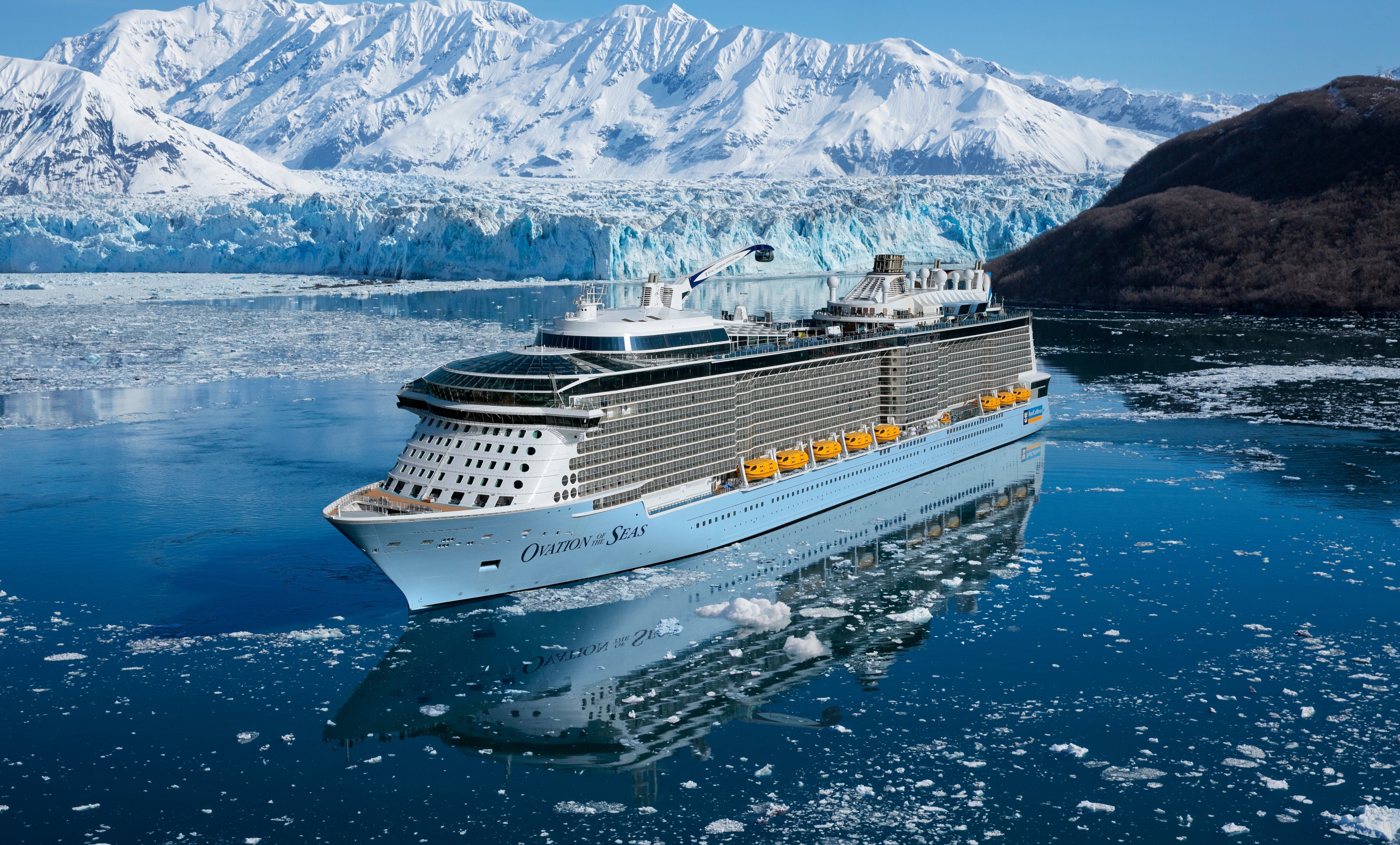
Deck Plans

- Music Hall
- Casino Royale®
- The Grande
- Chic
- Ocean View
- Ocean View Accessible – x8 Staterooms
- Interior with Virtual Balcony

- The Royal Theatre
- Body & Beauty
- La Mer
- Crown Lounge
- Sundials
- Korean Beauty
- Music Hall
- Prince & Greene
- Bling!
- Swarovski
- Trunk Show
- English Pub
- Regalia Fine Jewellery
- Sorrento’s
- La Patisserie
- Café Promenade
- Michael Kors
- Royal Esplanade
- Port Merchants
- Kate Spade
- Boleros
- Guest Services
- Silk
- American Icon Grill

- The Royal Theatre
- Photo Gallery
- Chops Grille
- Schooner Bar
- Chef’s Table
- Izumi
- Bionic Bar
- Royal Esplanade
- Wonderland
- Shore Excursions Information Desk
- Jamie’s Italian
- The Via
- Omega
- Cartier
- Vintages
- Next Cruise
- Café Two70°℠
- Two70°℠

- Two70°℠
- Library
- The Workshop
- Grand Suite with Large Balcony – 1 Bedroom
- Junior Suite
- Junior Suite with Large Balcony
- Ocean View Balcony
- Obstructed Ocean View Balcony
- Studio Ocean View Balcony
- Studio Interior

- Grand Suite with Large Balcony – 1 Bedroom
- Junior Suite
- Junior Suite with Large Balcony
- Ocean View with Large Balcony
- Ocean View Balcony
- Ocean View Balcony Accessible – x4 Staterooms
- Obstructed Ocean View Balcony
- Studio Ocean View Balcony
- Interior with Virtual Balcony
- Studio Interior

- Owner’s Loft Suite
- Grand Suite with Large Balcony – 1 Bedroom
- Grand Suite – 1 Bedroom
- Junior Suite
- Junior Suite with Large Balcony
- Grand Loft Suite
- Royal Loft Suite
- Sky Loft Suite
- Junior Suite Accessible – x1Staterooms
- Connecting Oceanview Balcony
- Ocean View with Large Balcony
- Ocean View Balcony
- Obstructed Ocean View Balcony
- Spacious Ocean View
- Interior with Virtual Balcony
- Studio Interior
- Connecting Interior

- Grand Suite – 2 Bedroom
- Grand Suite – 1 Bedroom
- Junior Suite
- Junior Suite with Large Balcony
- Ocean View Balcony Accessible – x4 Staterooms
- Connecting Oceanview Balcony
- Ocean View with Large Balcony
- Ocean View Balcony
- Spacious Ocean View
- Interior with Virtual Balcony
- Studio Interior
- Interior with Virtual Balcony Accessible – x4 Staterooms
- Connecting Interior

- Grand Suite – 2 Bedroom
- Grand Suite – 1 Bedroom
- Junior Suite
- Junior Suite with Large Balcony
- Grand Loft Suite
- Sky Loft Suite
- Connecting Oceanview Balcony
- Ocean View with Large Balcony
- Ocean View Balcony
- Spacious Ocean View
- Interior with Virtual Balcony
- Studio Interior
- Interior with Virtual Balcony Accessible – x4 Staterooms
- Connecting Interior

- Adventure Ocean®
- Grand Suite – 1 Bedroom
- Junior Suite
- Junior Suite with Large Balcony
- Owner’s Suite – 1 Bedroom
- Ocean View with Large Balcony
- Ocean View Balcony
- Connecting Oceanview Balcony
- Spacious Ocean View
- Interior with Virtual Balcony Accessible – x2 Staterooms
- Connecting Interior
- Interior with Virtual Balcony
- Studio Interior

- Adventure Ocean®
- Concierge Club
- Grand Suite – 1 Bedroom
- Junior Suite with Large Balcony
- Owner’s Suite – 1 Bedroom
- Ocean View with Large Balcony
- Ocean View Balcony
- Connecting Oceanview Balcony
- Interior with Virtual Balcony
- Studio Interior

- Conference Centre
- Grand Suite with Large Balcony – 1 Bedroom
- Junior Suite
- Junior Suite with Large Balcony
- Ocean View with Large Balcony
- Ocean View Balcony
- Obstructed Ocean View Balcony
- Connecting Oceanview Balcony
- Interior with Virtual Balcony Accessible – x1 Stateroom
- Connecting Interior
- Interior with Virtual Balcony
- Studio Interior

- Solarium
- Sunshine Bar
- Solarium Bistro
- Sea Trek
- Whirlpools
- Pool
- Pool Bar
- Sky Bar
- Outdoor Pool
- Outdoor Movie Screen
- Splashaway Bay
- Fish & Ships
- The Living Room
- Coastal Kitchen
- Windjammer Market Place

- Vitality at Sea Spa
- Spa Reception
- Running Track
- North Star®
- North Star Bar
- Fuel Teen Disco
- Arcade
- Seaplex®
- Seaplex Doghouse
- Rock Climbing Wall

- Vitality at Sea Fitness Centre
- The Studio
- North Star®
- Seaplex®
- RipCord by iFly®
- Flowrider®
- Music Hall
- Casino Royale®
- The Grande
- Chic
- Ocean View
- Ocean View Accessible – x8 Staterooms
- Interior with Virtual Balcony
- The Royal Theatre
- Body & Beauty
- La Mer
- Crown Lounge
- Sundials
- Korean Beauty
- Music Hall
- Prince & Greene
- Bling!
- Swarovski
- Trunk Show
- English Pub
- Regalia Fine Jewellery
- Sorrento’s
- La Patisserie
- Café Promenade
- Michael Kors
- Royal Esplanade
- Port Merchants
- Kate Spade
- Boleros
- Guest Services
- Silk
- American Icon Grill
- The Royal Theatre
- Photo Gallery
- Chops Grille
- Schooner Bar
- Chef’s Table
- Izumi
- Bionic Bar
- Royal Esplanade
- Wonderland
- Shore Excursions Information Desk
- Jamie’s Italian
- The Via
- Omega
- Cartier
- Vintages
- Next Cruise
- Café Two70°℠
- Two70°℠
- Two70°℠
- Library
- The Workshop
- Grand Suite with Large Balcony – 1 Bedroom
- Junior Suite
- Junior Suite with Large Balcony
- Ocean View Balcony
- Obstructed Ocean View Balcony
- Studio Ocean View Balcony
- Studio Interior
- Grand Suite with Large Balcony – 1 Bedroom
- Junior Suite
- Junior Suite with Large Balcony
- Ocean View with Large Balcony
- Ocean View Balcony
- Ocean View Balcony Accessible – x4 Staterooms
- Obstructed Ocean View Balcony
- Studio Ocean View Balcony
- Interior with Virtual Balcony
- Studio Interior
- Owner’s Loft Suite
- Grand Suite with Large Balcony – 1 Bedroom
- Grand Suite – 1 Bedroom
- Junior Suite
- Junior Suite with Large Balcony
- Grand Loft Suite
- Royal Loft Suite
- Sky Loft Suite
- Junior Suite Accessible – x1Staterooms
- Connecting Oceanview Balcony
- Ocean View with Large Balcony
- Ocean View Balcony
- Obstructed Ocean View Balcony
- Spacious Ocean View
- Interior with Virtual Balcony
- Studio Interior
- Connecting Interior
- Grand Suite – 2 Bedroom
- Grand Suite – 1 Bedroom
- Junior Suite
- Junior Suite with Large Balcony
- Ocean View Balcony Accessible – x4 Staterooms
- Connecting Oceanview Balcony
- Ocean View with Large Balcony
- Ocean View Balcony
- Spacious Ocean View
- Interior with Virtual Balcony
- Studio Interior
- Interior with Virtual Balcony Accessible – x4 Staterooms
- Connecting Interior
- Grand Suite – 2 Bedroom
- Grand Suite – 1 Bedroom
- Junior Suite
- Junior Suite with Large Balcony
- Grand Loft Suite
- Sky Loft Suite
- Connecting Oceanview Balcony
- Ocean View with Large Balcony
- Ocean View Balcony
- Spacious Ocean View
- Interior with Virtual Balcony
- Studio Interior
- Interior with Virtual Balcony Accessible – x4 Staterooms
- Connecting Interior
- Adventure Ocean®
- Grand Suite – 1 Bedroom
- Junior Suite
- Junior Suite with Large Balcony
- Owner’s Suite – 1 Bedroom
- Ocean View with Large Balcony
- Ocean View Balcony
- Connecting Oceanview Balcony
- Spacious Ocean View
- Interior with Virtual Balcony Accessible – x2 Staterooms
- Connecting Interior
- Interior with Virtual Balcony
- Studio Interior
- Adventure Ocean®
- Concierge Club
- Grand Suite – 1 Bedroom
- Junior Suite with Large Balcony
- Owner’s Suite – 1 Bedroom
- Ocean View with Large Balcony
- Ocean View Balcony
- Connecting Oceanview Balcony
- Interior with Virtual Balcony
- Studio Interior
- Conference Centre
- Grand Suite with Large Balcony – 1 Bedroom
- Junior Suite
- Junior Suite with Large Balcony
- Ocean View with Large Balcony
- Ocean View Balcony
- Obstructed Ocean View Balcony
- Connecting Oceanview Balcony
- Interior with Virtual Balcony Accessible – x1 Stateroom
- Connecting Interior
- Interior with Virtual Balcony
- Studio Interior
- Solarium
- Sunshine Bar
- Solarium Bistro
- Sea Trek
- Whirlpools
- Pool
- Pool Bar
- Sky Bar
- Outdoor Pool
- Outdoor Movie Screen
- Splashaway Bay
- Fish & Ships
- The Living Room
- Coastal Kitchen
- Windjammer Market Place
- Vitality at Sea Spa
- Spa Reception
- Running Track
- North Star®
- North Star Bar
- Fuel Teen Disco
- Arcade
- Seaplex®
- Seaplex Doghouse
- Rock Climbing Wall
- Vitality at Sea Fitness Centre
- The Studio
- North Star®
- Seaplex®
- RipCord by iFly®
- Flowrider®