Featured Cabins
Itinerary
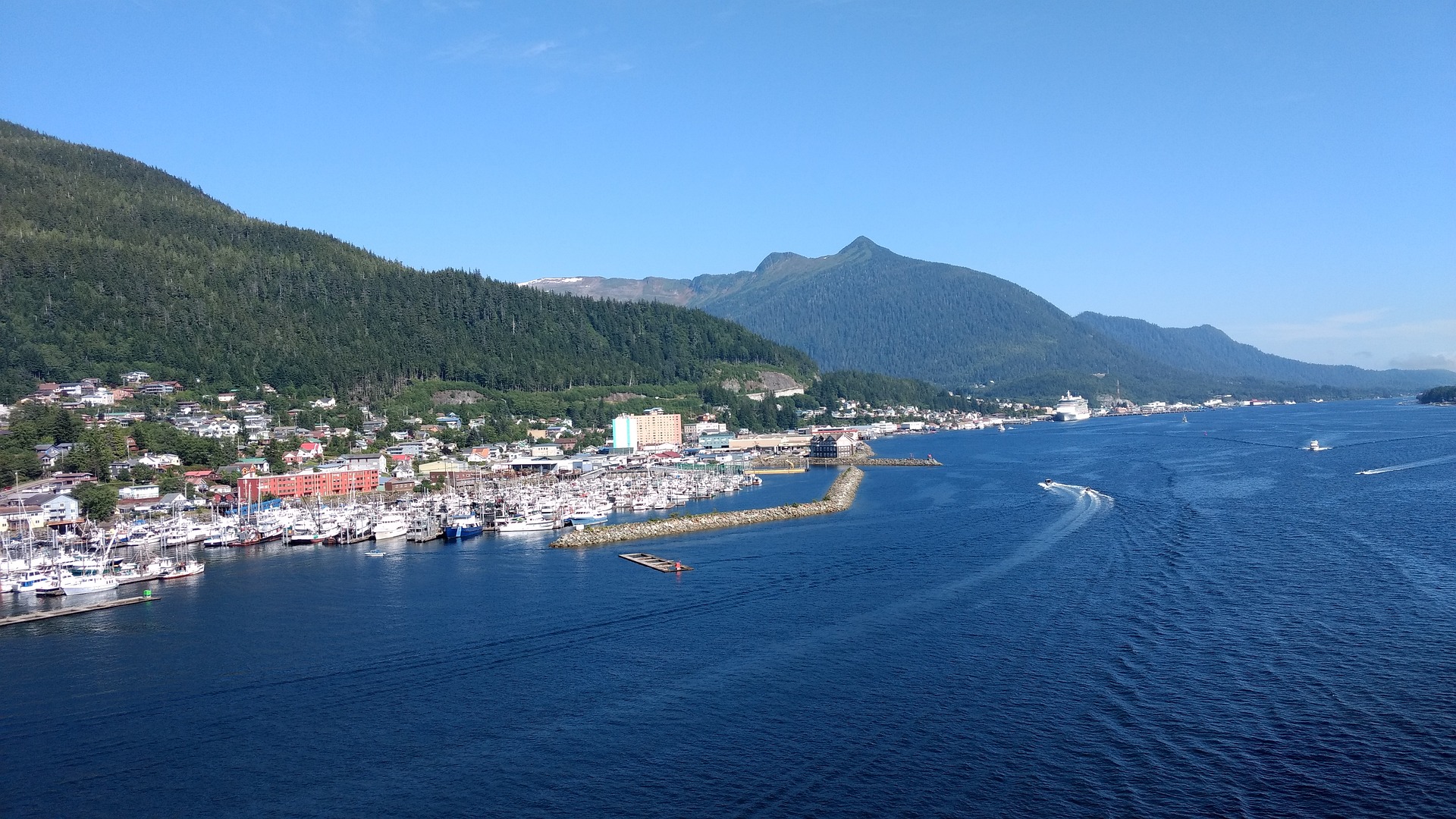
Vancouver, British Columbia, Canada
Vancouver is a delicious juxtaposition of urban sophistication and on-your-doorstep wilderness adventure. The mountains and seascape make the city an outdoor playground for hiking, skiing, kayaking, cycling, and sailing—and so much more—while the cuisine and arts scenes are equally diverse, reflecting the makeup of Vancouver’s ethnic (predominantly Asian) mosaic. Vancouver is consistently ranked as one of the world’s most livable cities, and it’s easy for visitors to see why. It’s beautiful, it’s outdoorsy, and there’s a laidback West Coast vibe. On the one hand, there’s easy access to a variety of outdoor activities, a fabulous variety of beaches, and amazing parks. At the same time, the city has a multicultural vitality and cosmopolitan flair. The attraction is as much in the range of food choices—the fresh seafood and local produce are some of North America’s best—as it is in the museums, shopping, and nightlife.Vancouver’s landscaping also adds to the city’s walking appeal. In spring, flowerbeds spill over with tulips and daffodils while sea breezes scatter scented cherry blossoms throughout Downtown; in summer office workers take to the beaches, parks, and urban courtyards for picnic lunches and laptop meetings. More than 8 million visitors each year come to Vancouver, Canada’s third-largest metropolitan area. Because of its peninsula location, traffic flow is a contentious issue. Thankfully, Vancouver is wonderfully walkable, especially in the downtown core. The North Shore is a scoot across the harbor, and the rapid-transit system to Richmond and the airport means that staying in the more affordable ’burbs doesn’t have to be synonymous with sacrificing convenience. The mild climate, exquisite natural scenery, and relaxed outdoor lifestyle keep attracting residents, and the number of visitors is increasing for the same reasons. People often get their first glimpse of Vancouver when catching an Alaskan cruise, and many return at some point to spend more time here.
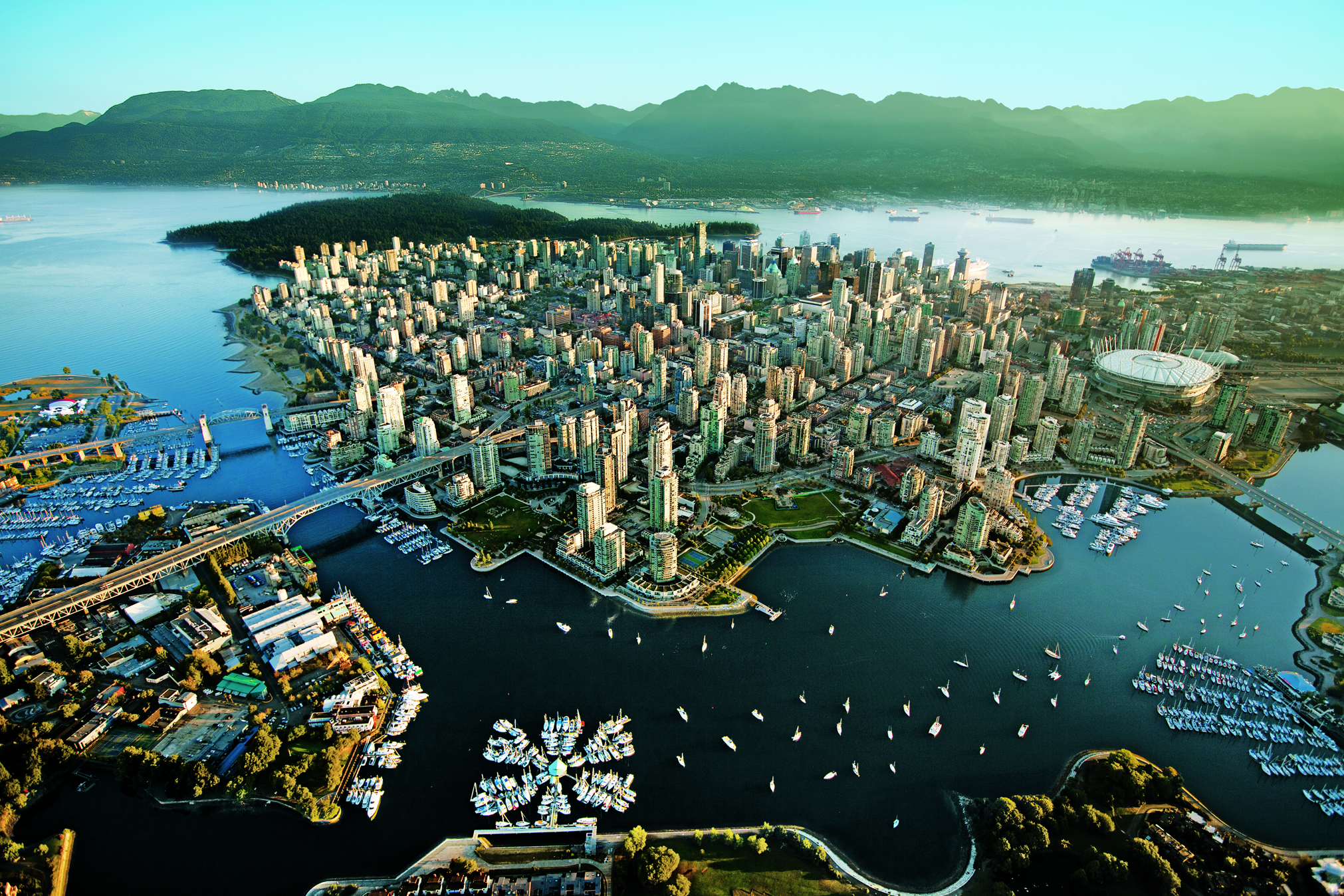
Cruising Inside Passage, U.S.A
No additional details available for this day.
Ketchikan, Alaska, United States
Ketchikan is famous for its colorful totem poles, rainy skies, steep–as–San Francisco streets, and lush island setting. Some 13,500 people call the town home, and, in the summer, cruise ships crowd the shoreline, floatplanes depart noisily for Misty Fiords National Monument, and salmon-laden commercial fishing boats motor through Tongass Narrows. In the last decade Ketchikan’s rowdy, blue-collar heritage of logging and fishing has been softened by the loss of many timber-industry jobs and the dramatic rise of cruise-ship tourism. With some effort, though, visitors can still glimpse the rugged frontier spirit that once permeated this hardscrabble cannery town. Art lovers should make a beeline for Ketchikan: the arts community here is very active. Travelers in search of the perfect piece of Alaska art will find an incredible range of pieces to choose from.The town is at the foot of 3,000-foot Deer Mountain, near the southeastern corner of Revillagigedo (locals shorten it to Revilla) Island. Prior to the arrival of white miners and fishermen in 1885, the Tlingit used the site at the mouth of Ketchikan Creek as a summer fish camp. Gold discoveries just before the turn of the 20th century brought more immigrants, and valuable timber and commercial fishing resources spurred new industries. By the 1930s the town bragged that it was the “salmon-canning capital of the world.” You will still find some of Southeast’s best salmon fishing around here. Ketchikan is the first bite of Alaska that many travelers taste. Despite its imposing backdrop, hillside homes, and many staircases, the town is relatively easy to walk through. Favorite downtown stops include the Spruce Mill Development shops and Creek Street. A bit farther away you’ll find the Totem Heritage Center. Out of town (but included on most bus tours) are two longtime favorites: Totem Bight State Historical Park to the north and Saxman Totem Park to the south.

Juneau, Alaska, United States
Juneau, Alaska’s capital and third-largest city, is on the North American mainland but can’t be reached by road. Bounded by steep mountains and water, the city’s geographic isolation and compact size make it much more akin to an island community such as Sitka than to other Alaskan urban centers, such as Fairbanks or Anchorage. Juneau is full of contrasts. Its dramatic hillside location and historic downtown buildings provide a frontier feeling, but the city’s cosmopolitan nature comes through in fine museums, noteworthy restaurants, and a literate and outdoorsy populace. The finest of the museums, the Alaska State Museum, is scheduled to reopen in May 2016 on its old site as the expanded Alaska State Library, Archives, and Museum (SLAM) following several years of planning and exhibit research. Another new facility, the Walter Soboleff Center, offers visitors a chance to learn about the indigenous cultures of Southeast Alaska–-Tlingit, Haida, and Tsimshian. Other highlights include the Mt. Roberts Tramway, plenty of densely forested wilderness areas, quiet bays for sea kayaking, and even a famous drive-up glacier, Mendenhall Glacier. For goings-on, pick up the Juneau Empire (www.juneauempire.com), which keeps tabs on state politics, business, sports, and local news.

Skagway, Alaska, United States
Located at the northern terminus of the Inside Passage, Skagway is a one-hour ferry ride from Haines. By road, however, the distance is 359 miles, as you have to take the Haines Highway up to Haines Junction, Yukon, then take the Alaska Highway 100 miles south to Whitehorse, and then drive a final 100 miles south on the Klondike Highway to Skagway. North-country folk call this sightseeing route the Golden Horseshoe or Golden Circle tour, because it passes a lot of gold-rush country in addition to spectacular lake, forest, and mountain scenery.The town is an amazingly preserved artifact from North America’s biggest, most-storied gold rush. Most of the downtown district forms part of the Klondike Gold Rush National Historical Park, a unit of the National Park System dedicated to commemorating and interpreting the frenzied stampede of 1897 that extended to Dawson City in Canada’s Yukon.Nearly all the historic sights are within a few blocks of the cruise-ship and ferry dock, allowing visitors to meander through the town’s attractions at whatever pace they choose. Whether you’re disembarking from a cruise ship, a ferry, or a dusty automobile fresh from the Golden Circle, you’ll quickly discover that tourism is the lifeblood of this town. Unless you’re visiting in winter or hiking into the backcountry on the Chilkoot Trail, you aren’t likely to find a quiet Alaska experience around Skagway.
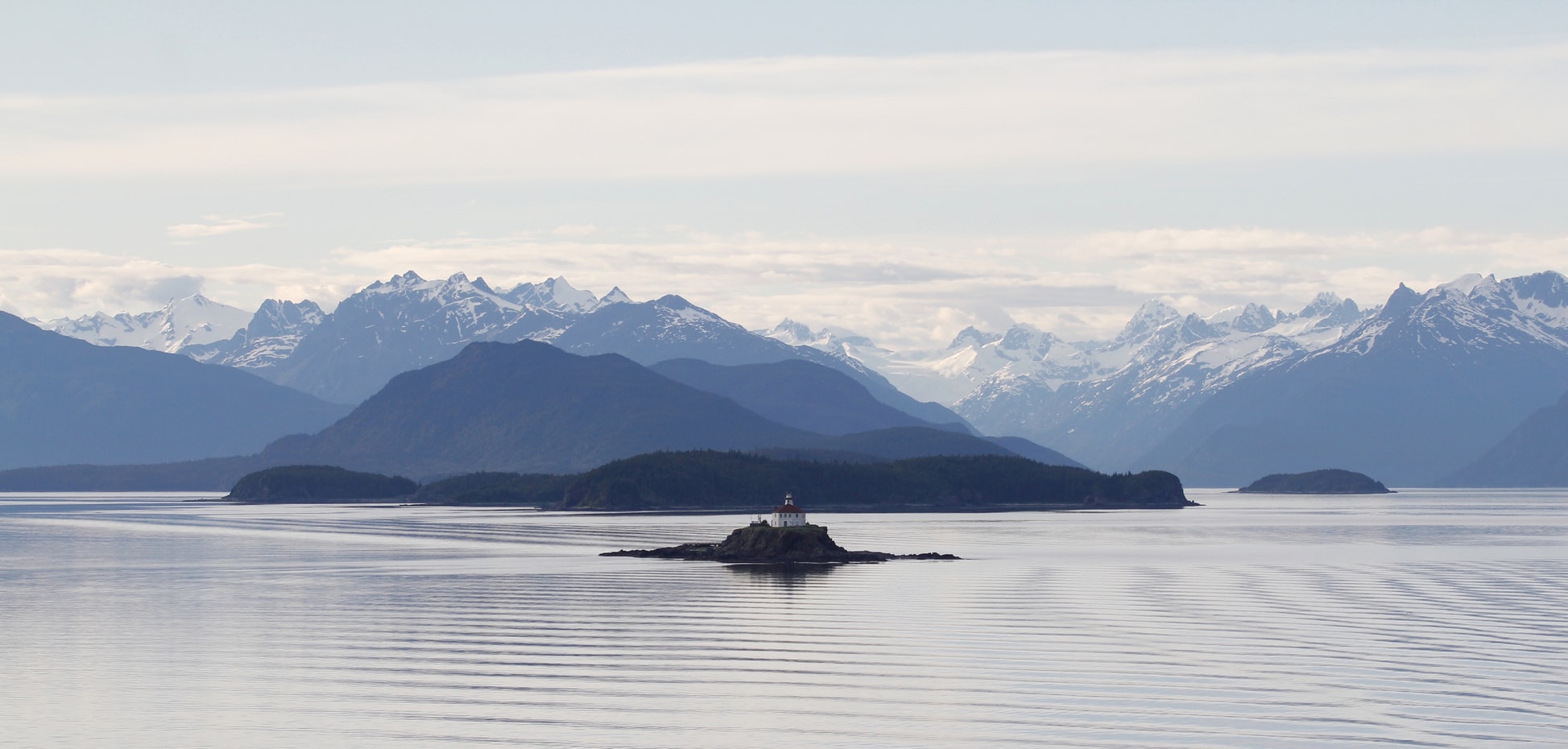
Icy Strait Point, United States
Since Icy Strait Point opened in 2004, Hoonah has attracted more visitors, particularly those who arrive by cruise ship. The port is centered around the restored salmon cannery, which now houses a museum, local arts and crafts shops, restaurants, and a mid-1930s cannery line display. Outside is the world’s largest and highest zip line at 5,330 feet long, featuring a 1,300-foot vertical drop—a thrilling ride with fantastic views of the surrounding mountains and ocean. If you’re looking for more relaxing mountaintop views, book a gondola ride that will whisk you up into the mountains for some leisurely hiking and stellar sightseeing. Icy Strait Point houses several restaurants where visitors can dine on freshly caught seafood while taking in the waterfront views. A range of excursions are available at Icy Strait Point catering primarily to cruise ship passengers, from Alaska Native dance performances to bear viewing and whale watching.

Cruising by Hubbard Glacier, Alaska
No additional details available for this day.
Vancouver, British Columbia, Canada
Vancouver is a delicious juxtaposition of urban sophistication and on-your-doorstep wilderness adventure. The mountains and seascape make the city an outdoor playground for hiking, skiing, kayaking, cycling, and sailing—and so much more—while the cuisine and arts scenes are equally diverse, reflecting the makeup of Vancouver’s ethnic (predominantly Asian) mosaic. Vancouver is consistently ranked as one of the world’s most livable cities, and it’s easy for visitors to see why. It’s beautiful, it’s outdoorsy, and there’s a laidback West Coast vibe. On the one hand, there’s easy access to a variety of outdoor activities, a fabulous variety of beaches, and amazing parks. At the same time, the city has a multicultural vitality and cosmopolitan flair. The attraction is as much in the range of food choices—the fresh seafood and local produce are some of North America’s best—as it is in the museums, shopping, and nightlife.Vancouver’s landscaping also adds to the city’s walking appeal. In spring, flowerbeds spill over with tulips and daffodils while sea breezes scatter scented cherry blossoms throughout Downtown; in summer office workers take to the beaches, parks, and urban courtyards for picnic lunches and laptop meetings. More than 8 million visitors each year come to Vancouver, Canada’s third-largest metropolitan area. Because of its peninsula location, traffic flow is a contentious issue. Thankfully, Vancouver is wonderfully walkable, especially in the downtown core. The North Shore is a scoot across the harbor, and the rapid-transit system to Richmond and the airport means that staying in the more affordable ’burbs doesn’t have to be synonymous with sacrificing convenience. The mild climate, exquisite natural scenery, and relaxed outdoor lifestyle keep attracting residents, and the number of visitors is increasing for the same reasons. People often get their first glimpse of Vancouver when catching an Alaskan cruise, and many return at some point to spend more time here.
Cruising Inside Passage, U.S.A
No additional details available for this day.
Ketchikan, Alaska, United States
Ketchikan is famous for its colorful totem poles, rainy skies, steep–as–San Francisco streets, and lush island setting. Some 13,500 people call the town home, and, in the summer, cruise ships crowd the shoreline, floatplanes depart noisily for Misty Fiords National Monument, and salmon-laden commercial fishing boats motor through Tongass Narrows. In the last decade Ketchikan’s rowdy, blue-collar heritage of logging and fishing has been softened by the loss of many timber-industry jobs and the dramatic rise of cruise-ship tourism. With some effort, though, visitors can still glimpse the rugged frontier spirit that once permeated this hardscrabble cannery town. Art lovers should make a beeline for Ketchikan: the arts community here is very active. Travelers in search of the perfect piece of Alaska art will find an incredible range of pieces to choose from.The town is at the foot of 3,000-foot Deer Mountain, near the southeastern corner of Revillagigedo (locals shorten it to Revilla) Island. Prior to the arrival of white miners and fishermen in 1885, the Tlingit used the site at the mouth of Ketchikan Creek as a summer fish camp. Gold discoveries just before the turn of the 20th century brought more immigrants, and valuable timber and commercial fishing resources spurred new industries. By the 1930s the town bragged that it was the “salmon-canning capital of the world.” You will still find some of Southeast’s best salmon fishing around here. Ketchikan is the first bite of Alaska that many travelers taste. Despite its imposing backdrop, hillside homes, and many staircases, the town is relatively easy to walk through. Favorite downtown stops include the Spruce Mill Development shops and Creek Street. A bit farther away you’ll find the Totem Heritage Center. Out of town (but included on most bus tours) are two longtime favorites: Totem Bight State Historical Park to the north and Saxman Totem Park to the south.
Juneau, Alaska, United States
Juneau, Alaska’s capital and third-largest city, is on the North American mainland but can’t be reached by road. Bounded by steep mountains and water, the city’s geographic isolation and compact size make it much more akin to an island community such as Sitka than to other Alaskan urban centers, such as Fairbanks or Anchorage. Juneau is full of contrasts. Its dramatic hillside location and historic downtown buildings provide a frontier feeling, but the city’s cosmopolitan nature comes through in fine museums, noteworthy restaurants, and a literate and outdoorsy populace. The finest of the museums, the Alaska State Museum, is scheduled to reopen in May 2016 on its old site as the expanded Alaska State Library, Archives, and Museum (SLAM) following several years of planning and exhibit research. Another new facility, the Walter Soboleff Center, offers visitors a chance to learn about the indigenous cultures of Southeast Alaska–-Tlingit, Haida, and Tsimshian. Other highlights include the Mt. Roberts Tramway, plenty of densely forested wilderness areas, quiet bays for sea kayaking, and even a famous drive-up glacier, Mendenhall Glacier. For goings-on, pick up the Juneau Empire (www.juneauempire.com), which keeps tabs on state politics, business, sports, and local news.
Skagway, Alaska, United States
Located at the northern terminus of the Inside Passage, Skagway is a one-hour ferry ride from Haines. By road, however, the distance is 359 miles, as you have to take the Haines Highway up to Haines Junction, Yukon, then take the Alaska Highway 100 miles south to Whitehorse, and then drive a final 100 miles south on the Klondike Highway to Skagway. North-country folk call this sightseeing route the Golden Horseshoe or Golden Circle tour, because it passes a lot of gold-rush country in addition to spectacular lake, forest, and mountain scenery.The town is an amazingly preserved artifact from North America’s biggest, most-storied gold rush. Most of the downtown district forms part of the Klondike Gold Rush National Historical Park, a unit of the National Park System dedicated to commemorating and interpreting the frenzied stampede of 1897 that extended to Dawson City in Canada’s Yukon.Nearly all the historic sights are within a few blocks of the cruise-ship and ferry dock, allowing visitors to meander through the town’s attractions at whatever pace they choose. Whether you’re disembarking from a cruise ship, a ferry, or a dusty automobile fresh from the Golden Circle, you’ll quickly discover that tourism is the lifeblood of this town. Unless you’re visiting in winter or hiking into the backcountry on the Chilkoot Trail, you aren’t likely to find a quiet Alaska experience around Skagway.
Icy Strait Point, United States
Since Icy Strait Point opened in 2004, Hoonah has attracted more visitors, particularly those who arrive by cruise ship. The port is centered around the restored salmon cannery, which now houses a museum, local arts and crafts shops, restaurants, and a mid-1930s cannery line display. Outside is the world’s largest and highest zip line at 5,330 feet long, featuring a 1,300-foot vertical drop—a thrilling ride with fantastic views of the surrounding mountains and ocean. If you’re looking for more relaxing mountaintop views, book a gondola ride that will whisk you up into the mountains for some leisurely hiking and stellar sightseeing. Icy Strait Point houses several restaurants where visitors can dine on freshly caught seafood while taking in the waterfront views. A range of excursions are available at Icy Strait Point catering primarily to cruise ship passengers, from Alaska Native dance performances to bear viewing and whale watching.
Cruising by Hubbard Glacier, Alaska
No additional details available for this day.
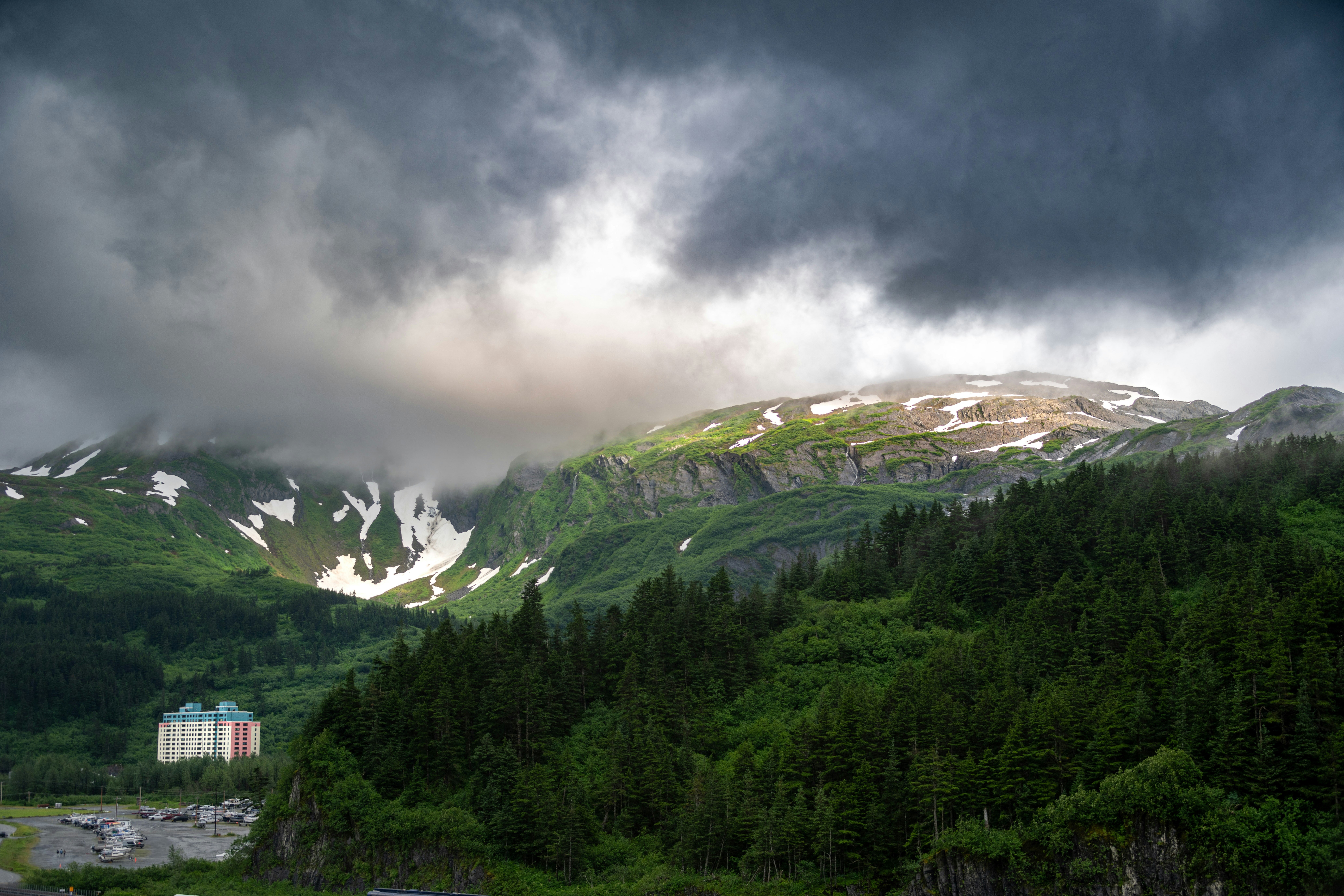
Whittier, United States
The tiny city of Whittier has just over 200 residents. It’s around 58 miles southeast of Anchorage in Alaska.
Cruising by Hubbard Glacier, Alaska
No additional details available for this day.
Sitka, Alaska, United States
It’s hard not to like Sitka, with its eclectic blend of Alaska Native, Russian, and American history and its dramatic and beautiful open-ocean setting. This is one of the best Inside Passage towns to explore on foot, with St. Michael’s Cathedral, Sheldon Jackson Museum, Castle Hill, Sitka National Historical Park, and the Alaska Raptor Center topping the must-see list.Sitka was home to the Kiksádi clan of the Tlingit people for centuries prior to the 18th-century arrival of the Russians under the direction of territorial governor Alexander Baranof, who believed the region was ideal for the fur trade. The governor also coveted the Sitka site for its beauty, mild climate, and economic potential; in the island’s massive timber forests he saw raw materials for shipbuilding. Its location offered trading routes as far west as Asia and as far south as California and Hawaii. In 1799 Baranof built St. Michael Archangel—a wooden fort and trading post 6 miles north of the present town.Strong disagreements arose shortly after the settlement. The Tlingits attacked the settlers and burned their buildings in 1802. Baranof, however, was away in Kodiak at the time. He returned in 1804 with a formidable force—including shipboard cannons—and attacked the Tlingits at their fort near Indian River, site of the present-day 105-acre Sitka National Historical Park, forcing many of them north to Chichagof Island.By 1821 the Tlingits had reached an accord with the Russians, who were happy to benefit from the tribe’s hunting skills. Under Baranof and succeeding managers, the Russian-American Company and the town prospered, becoming known as the Paris of the Pacific. The community built a major shipbuilding and repair facility, sawmills, and forges, and even initiated an ice industry, shipping blocks of ice from nearby Swan Lake to the booming San Francisco market. The settlement that was the site of the 1802 conflict is now called Old Sitka. It is a state park and listed as a National Historic Landmark.The town declined after its 1867 transfer from Russia to the United States, but it became prosperous again during World War II, when it served as a base for the U.S. effort to drive the Japanese from the Aleutian Islands. Today its most important industries are fishing, government, and tourism.
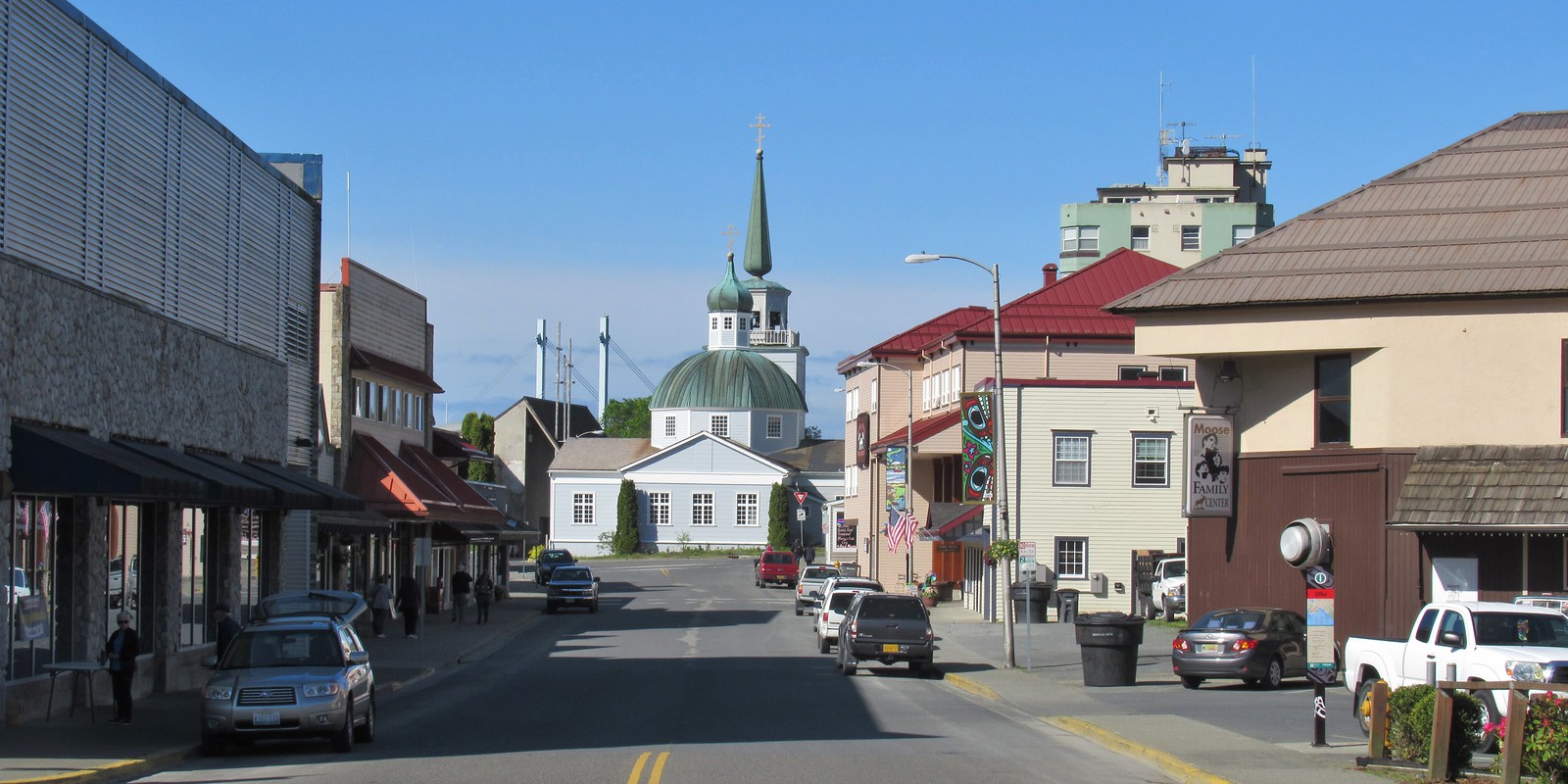
Cruising Holkham Bay Glacier Fjords
No additional details available for this day.
Klawock, Alaska, United States
Klawock is a city in Prince of Wales–Hyder Census Area, in the U.S. state of Alaska, on the west coast of Prince of Wales Island, on Klawock Inlet, across from Klawock Island. The population was 755 at the 2010 census, down from 854 in 2000.
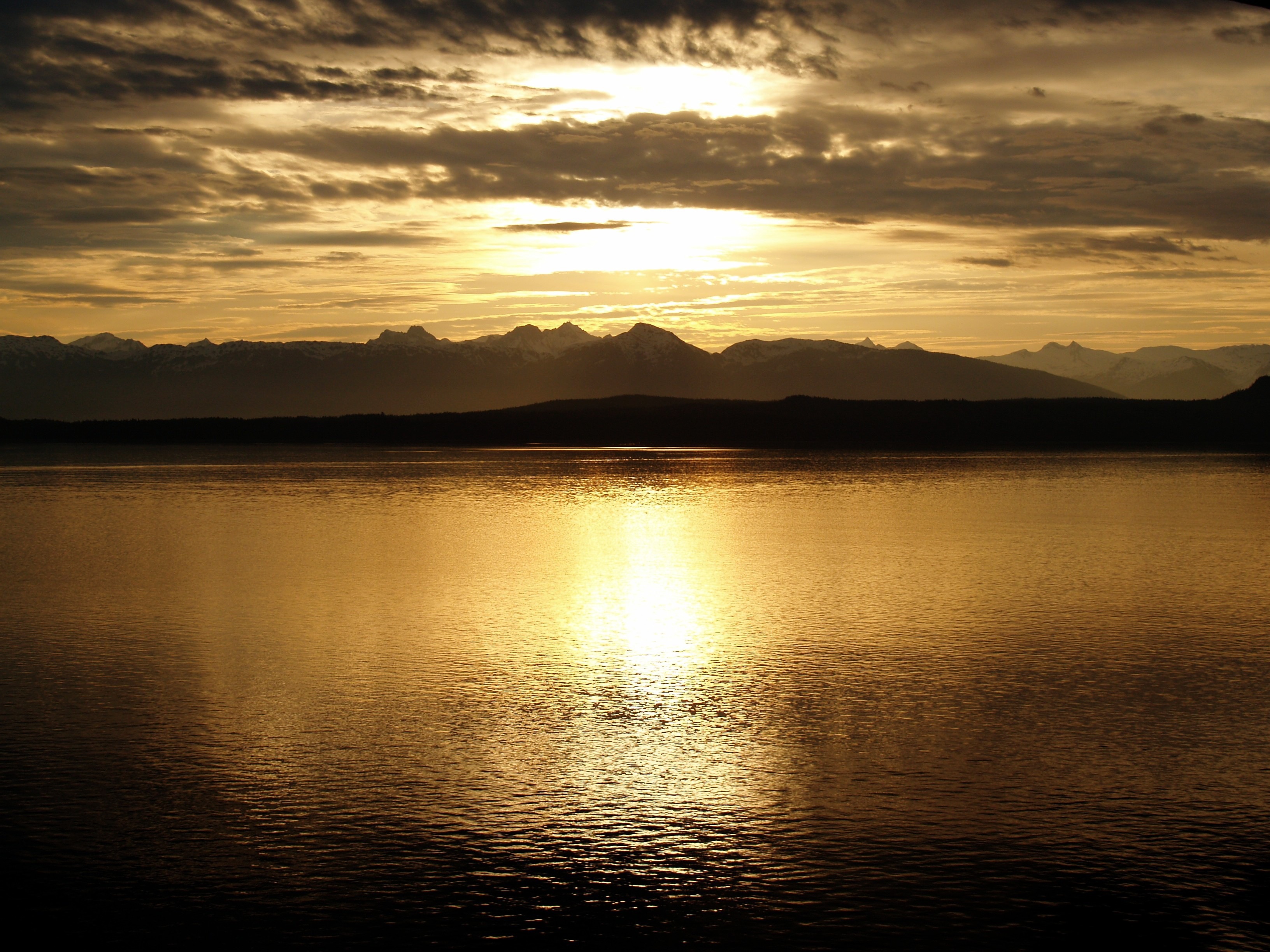
Cruising the Outside Passage
No additional details available for this day.
Victoria, British Columbia, Canada
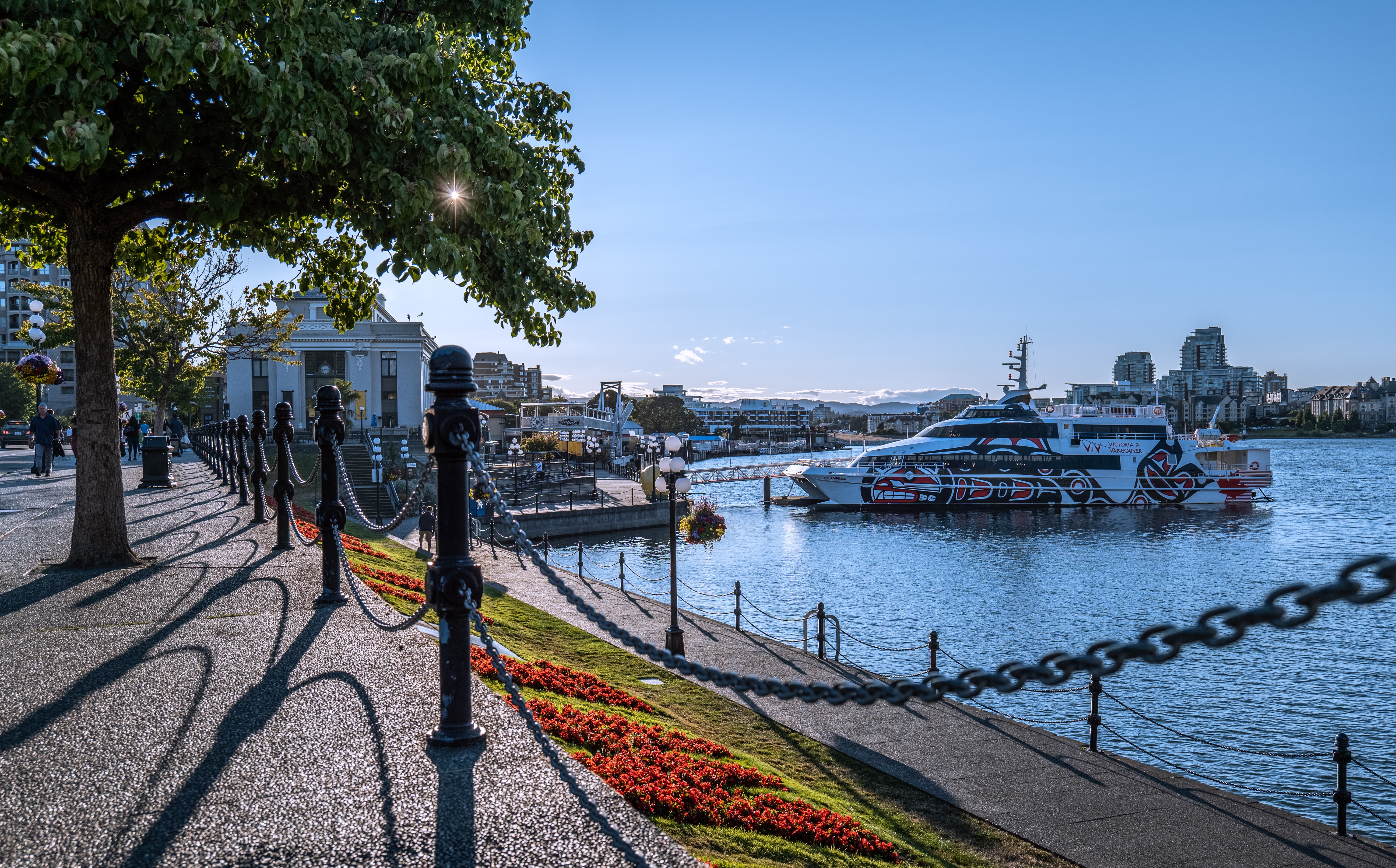
Victoria, the capital of a province whose license plates brazenly label it “The Best Place on Earth,” is a walkable, livable seaside city of fragrant gardens, waterfront paths, engaging museums, and beautifully restored 19th-century architecture. In summer, the Inner Harbour—Victoria’s social and cultural center—buzzes with visiting yachts, horse-and-carriage rides, street entertainers, and excursion boats heading out to visit pods of friendly local whales. Yes, it might be a bit touristy, but Victoria’s good looks, gracious pace, and manageable size are instantly beguiling, especially if you stand back to admire the mountains and ocean beyond. At the southern tip of Vancouver Island, Victoria dips slightly below the 49th parallel. That puts it farther south than most of Canada, giving it the mildest climate in the country, with virtually no snow and less than half the rain of Vancouver. The city’s geography, or at least its place names, can cause confusion. Just to clarify: the city of Victoria is on Vancouver Island (not Victoria Island). The city of Vancouver is on the British Columbia mainland, not on Vancouver Island. At any rate, that upstart city of Vancouver didn’t even exist in 1843 when Victoria, then called Fort Victoria, was founded as the westernmost trading post of the British-owned Hudson’s Bay Company. Victoria was the first European settlement on Vancouver Island, and in 1868 it became the capital of British Columbia. The British weren’t here alone, of course. The local First Nations people—the Songhees, the Saanich, and the Sooke—had already lived in the areas for thousands of years before anyone else arrived. Their art and culture are visible throughout southern Vancouver Island. You can see this in private and public galleries, in the totems at Thunderbird Park, in the striking collections at the Royal British Columbia Museum, and at the Quw’utsun’Cultural and Conference Centre in nearby Duncan. Spanish explorers were the first foreigners to explore the area, although they left little more than place names (Galiano Island and Cordova Bay, for example). The thousands of Chinese immigrants drawn by the gold rushes of the late 19th century had a much greater impact, founding Canada’s oldest Chinatown and adding an Asian influence that’s still quite pronounced in Victoria’s multicultural mix. Despite its role as the provincial capital, Victoria was largely eclipsed, economically, by Vancouver throughout the 20th century. This, as it turns out, was all to the good, helping to preserve Victoria’s historic downtown and keeping the city largely free of skyscrapers and highways. For much of the 20th century, Victoria was marketed to tourists as “The Most British City in Canada,” and it still has more than its share of Anglo-themed pubs, tea shops, and double-decker buses. These days, however, Victorians prefer to celebrate their combined indigenous, Asian, and European heritage, and the city’s stunning wilderness backdrop. Locals do often venture out for afternoon tea, but they’re just as likely to nosh on dim sum or tapas. Decades-old shops sell imported linens and tweeds, but newer upstarts offer local designs in hemp and organic cotton. And let’s not forget that fabric prevalent among locals: Gore-Tex. The outdoors is ever present here. You can hike, bike, kayak, sail, or whale-watch straight from the city center, and forests, beaches, offshore islands, and wilderness parklands lie just minutes away. A little farther afield, there’s surfing near Sooke, wine touring in the Cowichan Valley, and kayaking among the Gulf Islands.
Whittier, United States
The tiny city of Whittier has just over 200 residents. It’s around 58 miles southeast of Anchorage in Alaska.
Cruising by Hubbard Glacier, Alaska
No additional details available for this day.
Sitka, Alaska, United States
It’s hard not to like Sitka, with its eclectic blend of Alaska Native, Russian, and American history and its dramatic and beautiful open-ocean setting. This is one of the best Inside Passage towns to explore on foot, with St. Michael’s Cathedral, Sheldon Jackson Museum, Castle Hill, Sitka National Historical Park, and the Alaska Raptor Center topping the must-see list.Sitka was home to the Kiksádi clan of the Tlingit people for centuries prior to the 18th-century arrival of the Russians under the direction of territorial governor Alexander Baranof, who believed the region was ideal for the fur trade. The governor also coveted the Sitka site for its beauty, mild climate, and economic potential; in the island’s massive timber forests he saw raw materials for shipbuilding. Its location offered trading routes as far west as Asia and as far south as California and Hawaii. In 1799 Baranof built St. Michael Archangel—a wooden fort and trading post 6 miles north of the present town.Strong disagreements arose shortly after the settlement. The Tlingits attacked the settlers and burned their buildings in 1802. Baranof, however, was away in Kodiak at the time. He returned in 1804 with a formidable force—including shipboard cannons—and attacked the Tlingits at their fort near Indian River, site of the present-day 105-acre Sitka National Historical Park, forcing many of them north to Chichagof Island.By 1821 the Tlingits had reached an accord with the Russians, who were happy to benefit from the tribe’s hunting skills. Under Baranof and succeeding managers, the Russian-American Company and the town prospered, becoming known as the Paris of the Pacific. The community built a major shipbuilding and repair facility, sawmills, and forges, and even initiated an ice industry, shipping blocks of ice from nearby Swan Lake to the booming San Francisco market. The settlement that was the site of the 1802 conflict is now called Old Sitka. It is a state park and listed as a National Historic Landmark.The town declined after its 1867 transfer from Russia to the United States, but it became prosperous again during World War II, when it served as a base for the U.S. effort to drive the Japanese from the Aleutian Islands. Today its most important industries are fishing, government, and tourism.
Cruising Holkham Bay Glacier Fjords
No additional details available for this day.
Klawock, Alaska, United States
Klawock is a city in Prince of Wales–Hyder Census Area, in the U.S. state of Alaska, on the west coast of Prince of Wales Island, on Klawock Inlet, across from Klawock Island. The population was 755 at the 2010 census, down from 854 in 2000.
Cruising the Outside Passage
No additional details available for this day.
Victoria, British Columbia, Canada
Victoria, the capital of a province whose license plates brazenly label it “The Best Place on Earth,” is a walkable, livable seaside city of fragrant gardens, waterfront paths, engaging museums, and beautifully restored 19th-century architecture. In summer, the Inner Harbour—Victoria’s social and cultural center—buzzes with visiting yachts, horse-and-carriage rides, street entertainers, and excursion boats heading out to visit pods of friendly local whales. Yes, it might be a bit touristy, but Victoria’s good looks, gracious pace, and manageable size are instantly beguiling, especially if you stand back to admire the mountains and ocean beyond. At the southern tip of Vancouver Island, Victoria dips slightly below the 49th parallel. That puts it farther south than most of Canada, giving it the mildest climate in the country, with virtually no snow and less than half the rain of Vancouver. The city’s geography, or at least its place names, can cause confusion. Just to clarify: the city of Victoria is on Vancouver Island (not Victoria Island). The city of Vancouver is on the British Columbia mainland, not on Vancouver Island. At any rate, that upstart city of Vancouver didn’t even exist in 1843 when Victoria, then called Fort Victoria, was founded as the westernmost trading post of the British-owned Hudson’s Bay Company. Victoria was the first European settlement on Vancouver Island, and in 1868 it became the capital of British Columbia. The British weren’t here alone, of course. The local First Nations people—the Songhees, the Saanich, and the Sooke—had already lived in the areas for thousands of years before anyone else arrived. Their art and culture are visible throughout southern Vancouver Island. You can see this in private and public galleries, in the totems at Thunderbird Park, in the striking collections at the Royal British Columbia Museum, and at the Quw’utsun’Cultural and Conference Centre in nearby Duncan. Spanish explorers were the first foreigners to explore the area, although they left little more than place names (Galiano Island and Cordova Bay, for example). The thousands of Chinese immigrants drawn by the gold rushes of the late 19th century had a much greater impact, founding Canada’s oldest Chinatown and adding an Asian influence that’s still quite pronounced in Victoria’s multicultural mix. Despite its role as the provincial capital, Victoria was largely eclipsed, economically, by Vancouver throughout the 20th century. This, as it turns out, was all to the good, helping to preserve Victoria’s historic downtown and keeping the city largely free of skyscrapers and highways. For much of the 20th century, Victoria was marketed to tourists as “The Most British City in Canada,” and it still has more than its share of Anglo-themed pubs, tea shops, and double-decker buses. These days, however, Victorians prefer to celebrate their combined indigenous, Asian, and European heritage, and the city’s stunning wilderness backdrop. Locals do often venture out for afternoon tea, but they’re just as likely to nosh on dim sum or tapas. Decades-old shops sell imported linens and tweeds, but newer upstarts offer local designs in hemp and organic cotton. And let’s not forget that fabric prevalent among locals: Gore-Tex. The outdoors is ever present here. You can hike, bike, kayak, sail, or whale-watch straight from the city center, and forests, beaches, offshore islands, and wilderness parklands lie just minutes away. A little farther afield, there’s surfing near Sooke, wine touring in the Cowichan Valley, and kayaking among the Gulf Islands.
Vancouver, British Columbia, Canada
Vancouver is a delicious juxtaposition of urban sophistication and on-your-doorstep wilderness adventure. The mountains and seascape make the city an outdoor playground for hiking, skiing, kayaking, cycling, and sailing—and so much more—while the cuisine and arts scenes are equally diverse, reflecting the makeup of Vancouver’s ethnic (predominantly Asian) mosaic. Vancouver is consistently ranked as one of the world’s most livable cities, and it’s easy for visitors to see why. It’s beautiful, it’s outdoorsy, and there’s a laidback West Coast vibe. On the one hand, there’s easy access to a variety of outdoor activities, a fabulous variety of beaches, and amazing parks. At the same time, the city has a multicultural vitality and cosmopolitan flair. The attraction is as much in the range of food choices—the fresh seafood and local produce are some of North America’s best—as it is in the museums, shopping, and nightlife.Vancouver’s landscaping also adds to the city’s walking appeal. In spring, flowerbeds spill over with tulips and daffodils while sea breezes scatter scented cherry blossoms throughout Downtown; in summer office workers take to the beaches, parks, and urban courtyards for picnic lunches and laptop meetings. More than 8 million visitors each year come to Vancouver, Canada’s third-largest metropolitan area. Because of its peninsula location, traffic flow is a contentious issue. Thankfully, Vancouver is wonderfully walkable, especially in the downtown core. The North Shore is a scoot across the harbor, and the rapid-transit system to Richmond and the airport means that staying in the more affordable ’burbs doesn’t have to be synonymous with sacrificing convenience. The mild climate, exquisite natural scenery, and relaxed outdoor lifestyle keep attracting residents, and the number of visitors is increasing for the same reasons. People often get their first glimpse of Vancouver when catching an Alaskan cruise, and many return at some point to spend more time here.
Vancouver, British Columbia, Canada
Vancouver is a delicious juxtaposition of urban sophistication and on-your-doorstep wilderness adventure. The mountains and seascape make the city an outdoor playground for hiking, skiing, kayaking, cycling, and sailing—and so much more—while the cuisine and arts scenes are equally diverse, reflecting the makeup of Vancouver’s ethnic (predominantly Asian) mosaic. Vancouver is consistently ranked as one of the world’s most livable cities, and it’s easy for visitors to see why. It’s beautiful, it’s outdoorsy, and there’s a laidback West Coast vibe. On the one hand, there’s easy access to a variety of outdoor activities, a fabulous variety of beaches, and amazing parks. At the same time, the city has a multicultural vitality and cosmopolitan flair. The attraction is as much in the range of food choices—the fresh seafood and local produce are some of North America’s best—as it is in the museums, shopping, and nightlife.Vancouver’s landscaping also adds to the city’s walking appeal. In spring, flowerbeds spill over with tulips and daffodils while sea breezes scatter scented cherry blossoms throughout Downtown; in summer office workers take to the beaches, parks, and urban courtyards for picnic lunches and laptop meetings. More than 8 million visitors each year come to Vancouver, Canada’s third-largest metropolitan area. Because of its peninsula location, traffic flow is a contentious issue. Thankfully, Vancouver is wonderfully walkable, especially in the downtown core. The North Shore is a scoot across the harbor, and the rapid-transit system to Richmond and the airport means that staying in the more affordable ’burbs doesn’t have to be synonymous with sacrificing convenience. The mild climate, exquisite natural scenery, and relaxed outdoor lifestyle keep attracting residents, and the number of visitors is increasing for the same reasons. People often get their first glimpse of Vancouver when catching an Alaskan cruise, and many return at some point to spend more time here.
Cabin Options
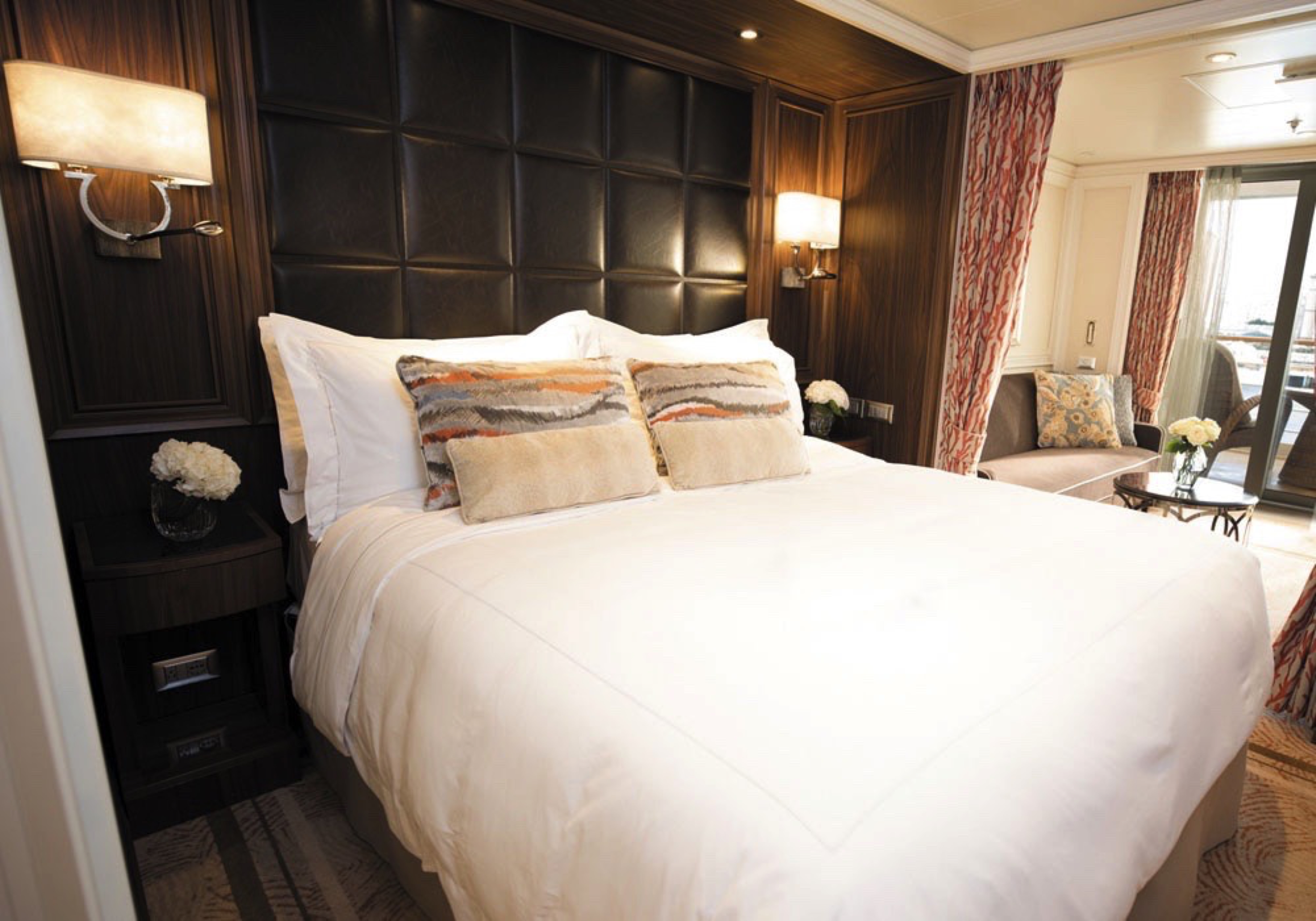
Veranda Suite
Deluxe Veranda Suite
Serenity Suite
Concierge Suite
Penthouse Suite
Explorer Suite
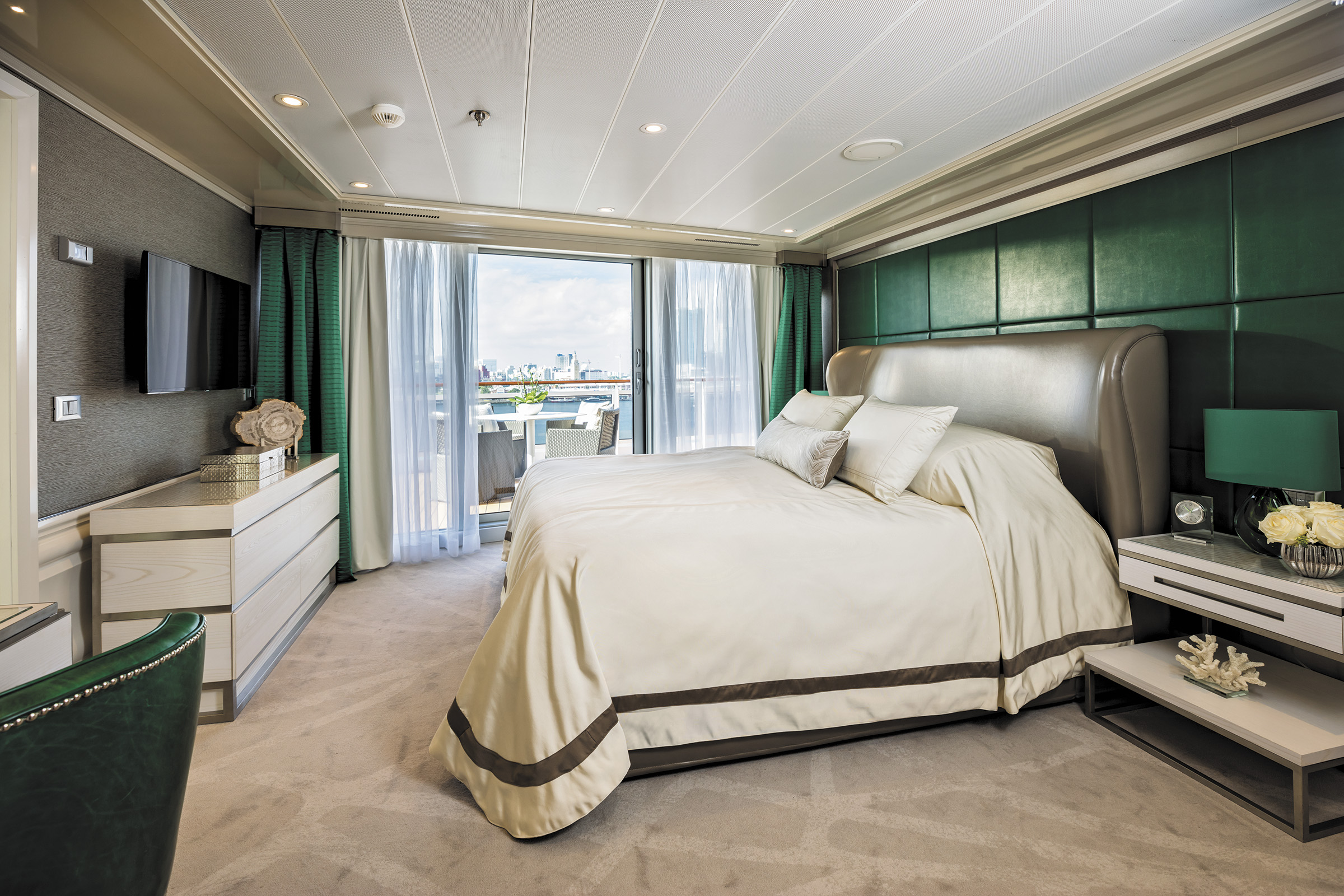
Grand Suite

Regent Suite
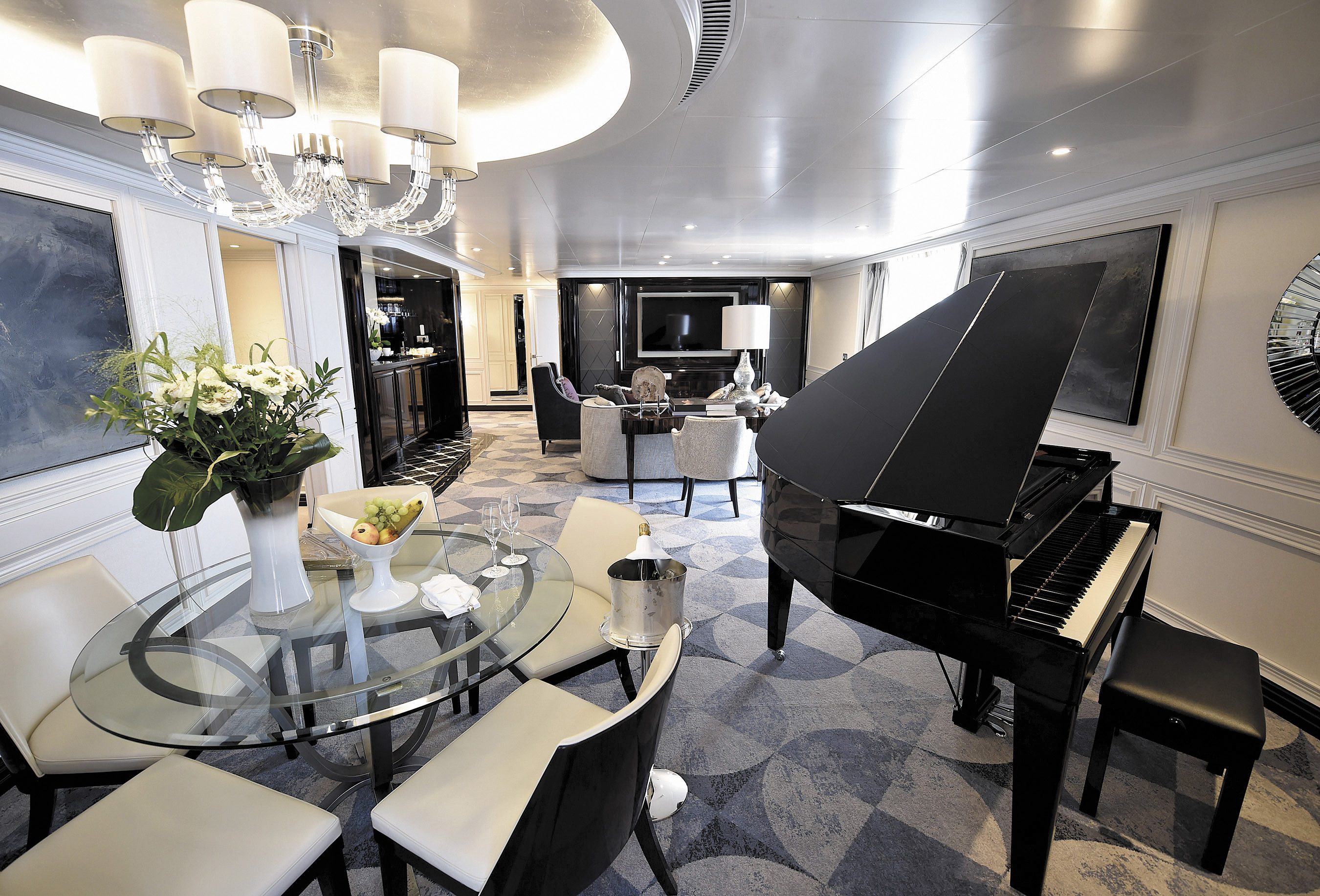
Signature Suite
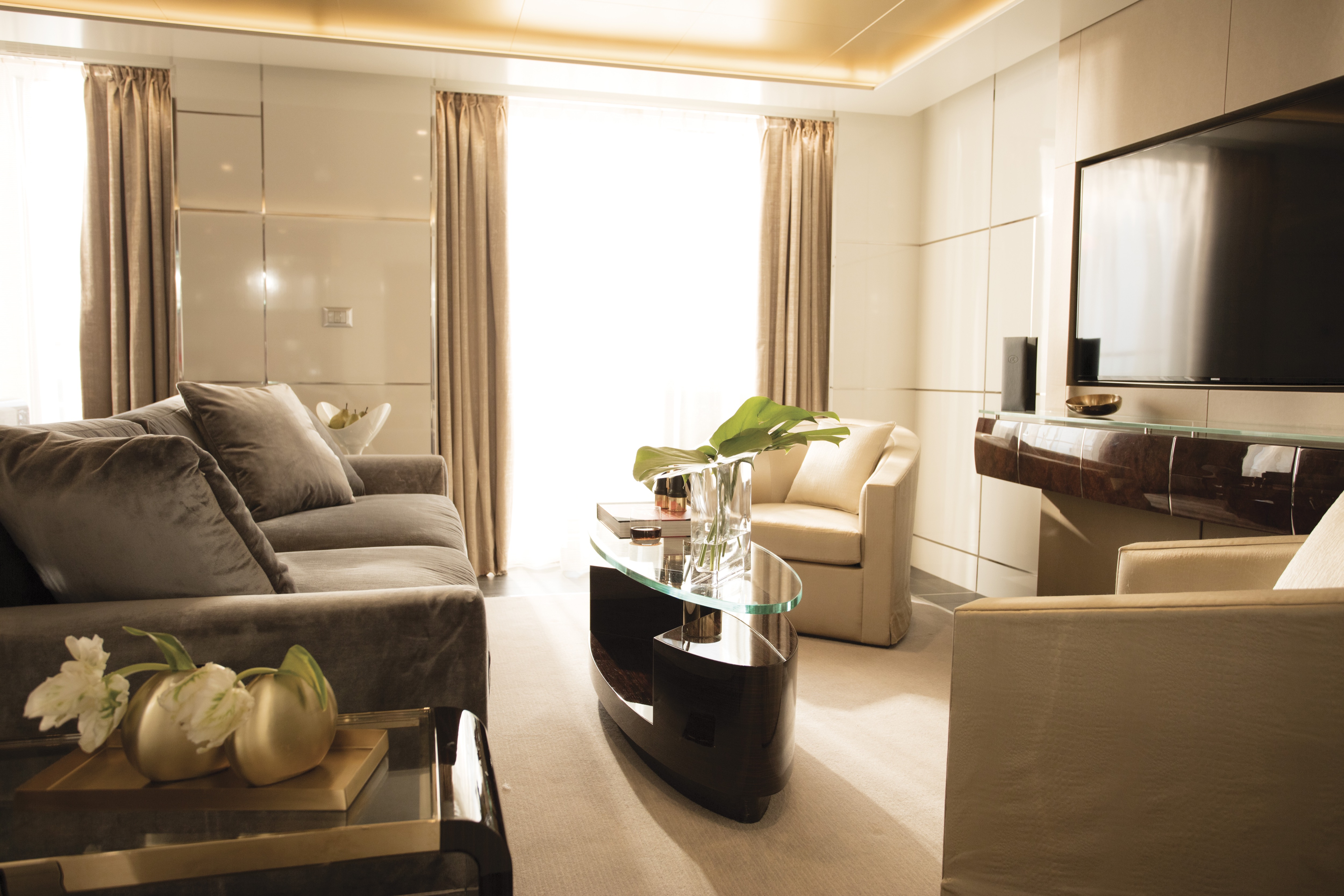
Seven Seas Suite
Ship Facilities
Pacific Rim
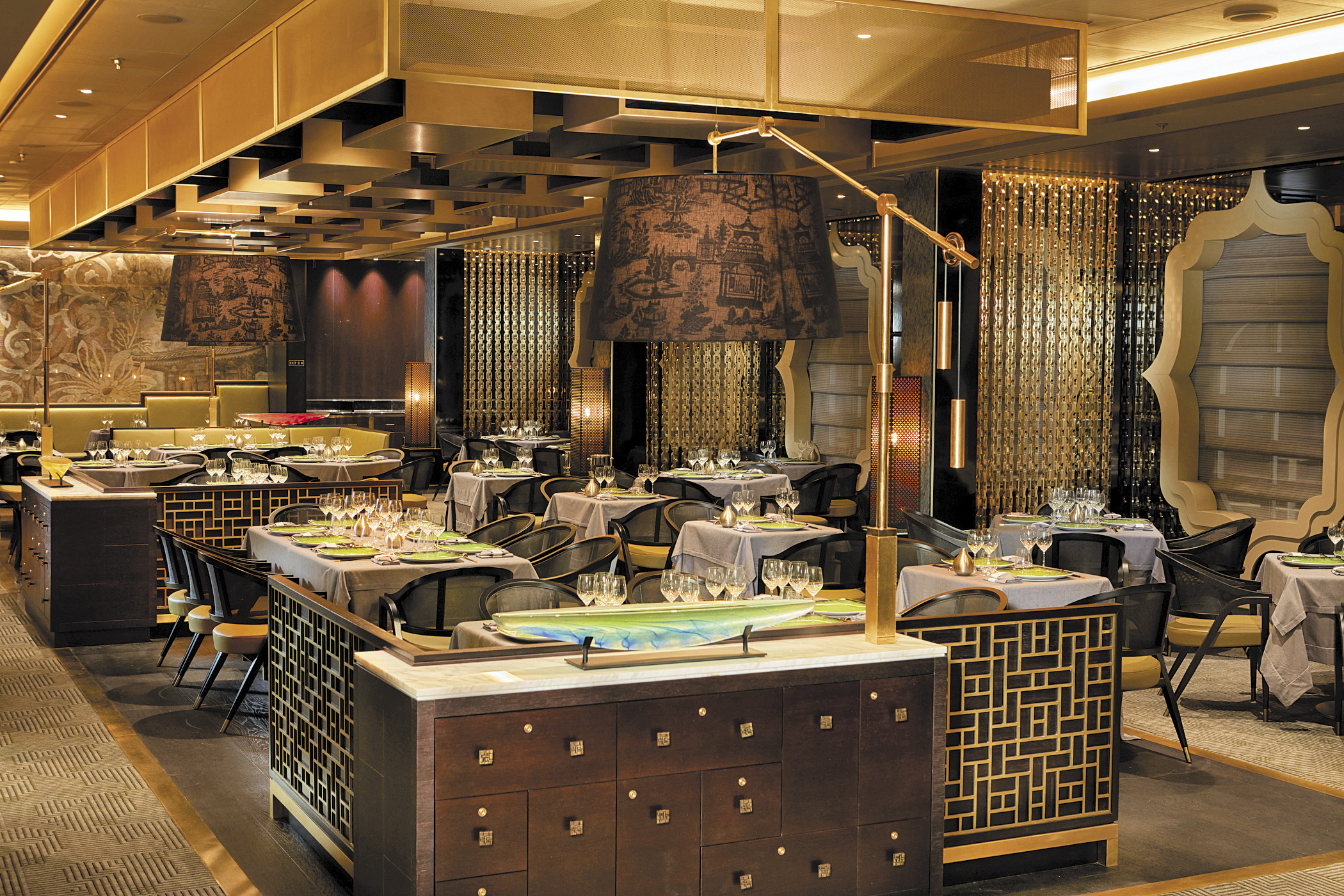
Walk past the Tibetan Prayer wheel at the Pacific Rim entrance and be prepared for an evening of culinary perfection with an array of Pan-Asian flavors and dishes. An elegantly exotic eatery.
Maximise your sense of the exotic as you pass a large Tibetan Prayer wheel on your way into Pacific Rim, our dining masterpiece that celebrates the culinary traditions of Asia. Taking a seat beneath huge lanterns and a hand-painted mural covering the entire back wall, you’ll receive a signature cocktail and the promise of an extraordinary culinary journey. Be sure to check out the ocean views through Pacific Rim’s lotus-shaped windows.
Compass Rose
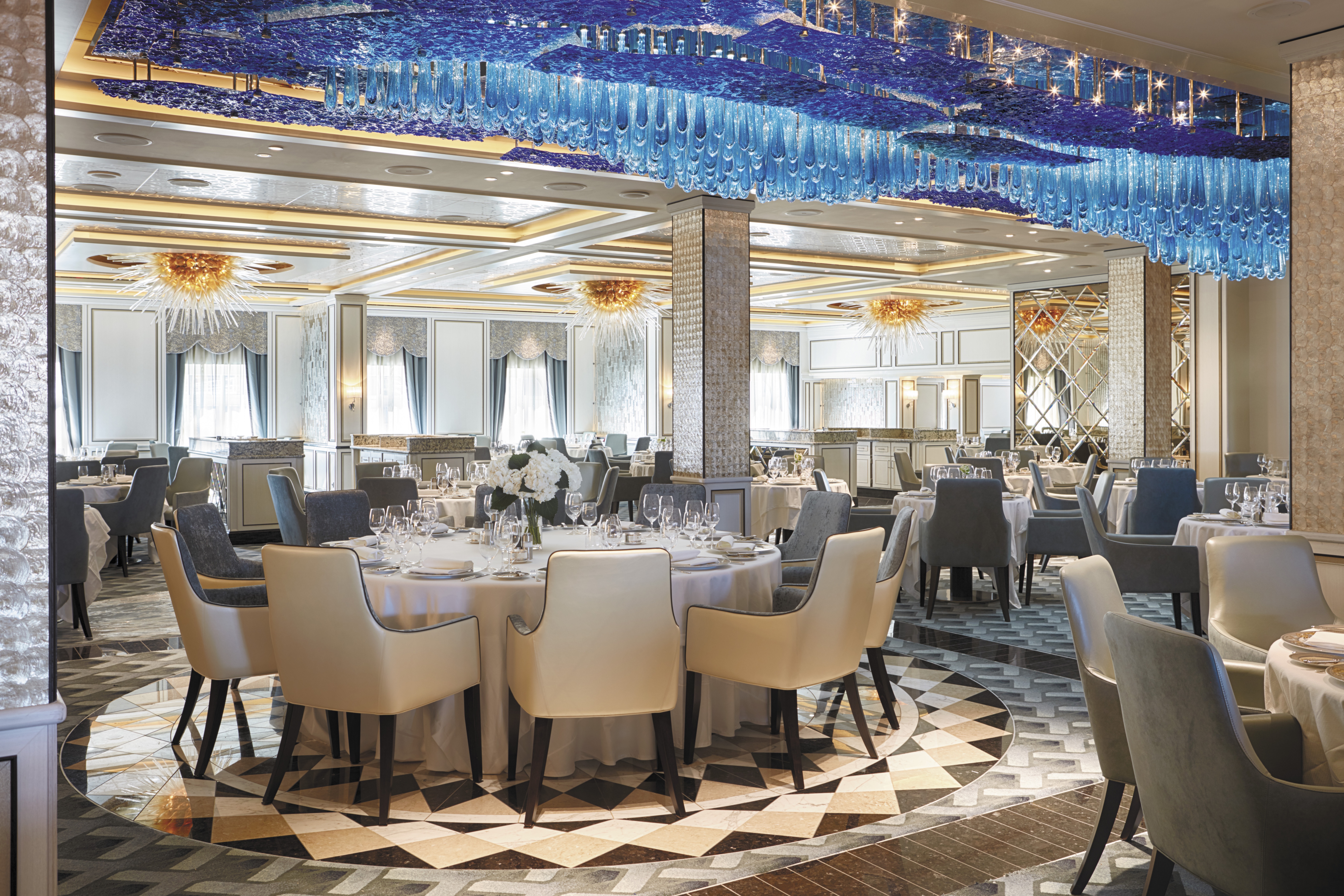
The wondrous colors outside Seven Seas Explorer® are no match for the vivid cobalt-blue glass installation on the ceiling of our elegant Compass Rose, a perfect setting for breakfast and dinner.
We are pleased to re-introduce the elegantly enhanced Compass Rose, the largest specialty restaurant across our fleet. Ensuring a tantalizing mix of new and familiar items on every visit, the new lunch and dinner menus offer a vast selection to meet your discerning tastes. Exclusively aboard Seven Seas Mariner®, Seven Seas Voyager®, and Seven Seas Navigator® for lunch, you may choose from a robust list of appetizers and main courses from our specialty restaurants. And across our fleet for dinner, you have the unique ability to design your very own entrée from preferred sides, sauces, pastas and main features of beef, poultry and fish. This is in addition to sinfully indulgent desserts made by talented bakers and pastry chefs. With daily changing menus, the refreshed Compass Rose offers more choices than ever before.
Pool Grill
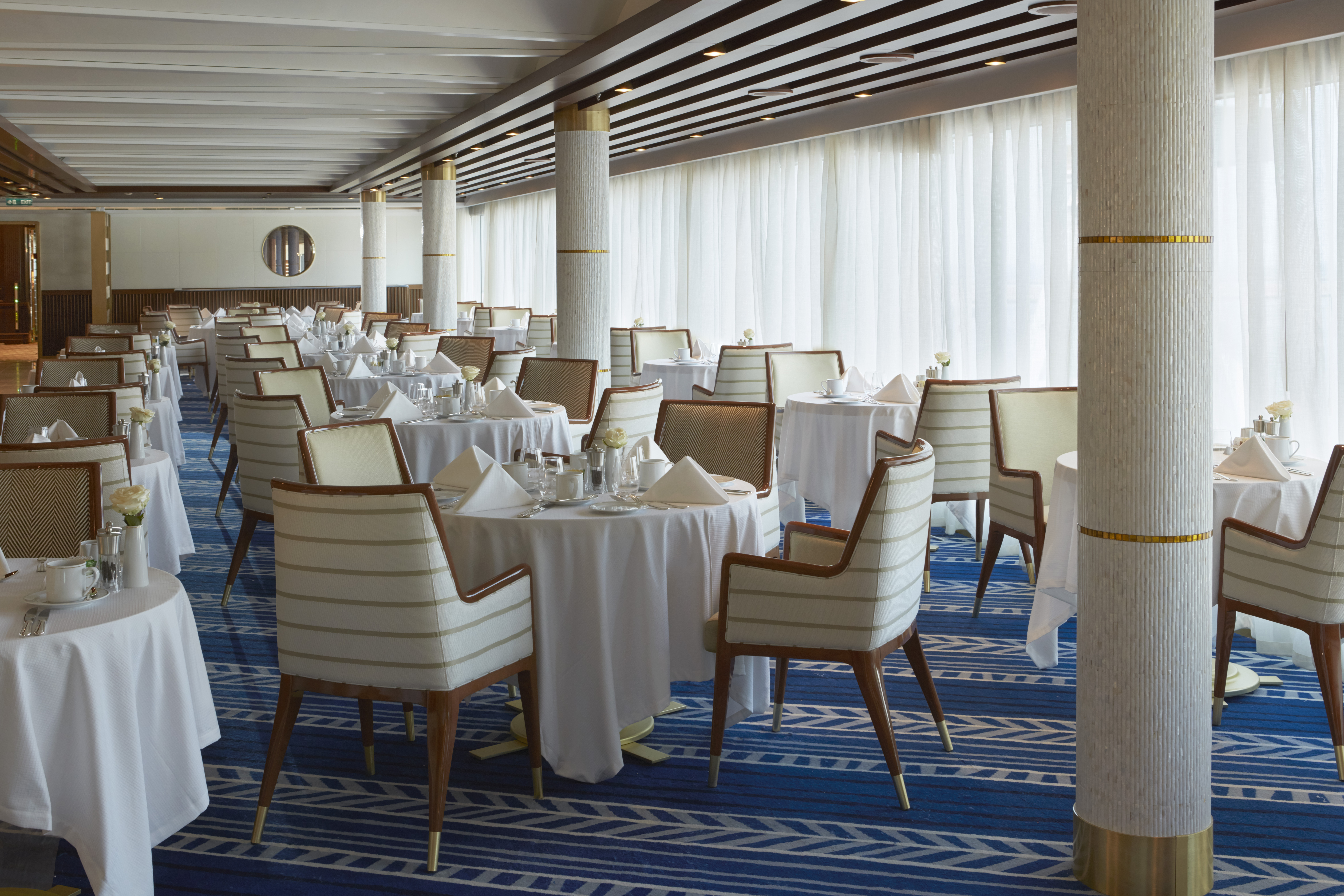
When you desire a quick bite after sunbathing or swimming in the pool, our Pool Grill is the place for grilled-to-order burgers, seafood, sandwiches, even hand-dipped ice cream sprinkled with tasty toppings.
The Pool Grill is truly a come-as-you-are venue. Enjoy this casual dining experience whether you’re getting a bite after sunbathing or swimming in the pool. The Pool Grill is open-air, yet abundantly shaded for comfortable dining at lunch or dinner. Enjoy grilled-to-order burgers, grilled seafood, sandwiches, and fresh salads. Treat yourself to milkshakes and malts or an old-fashioned hand-dipped ice cream dessert with toppings.
La Veranda
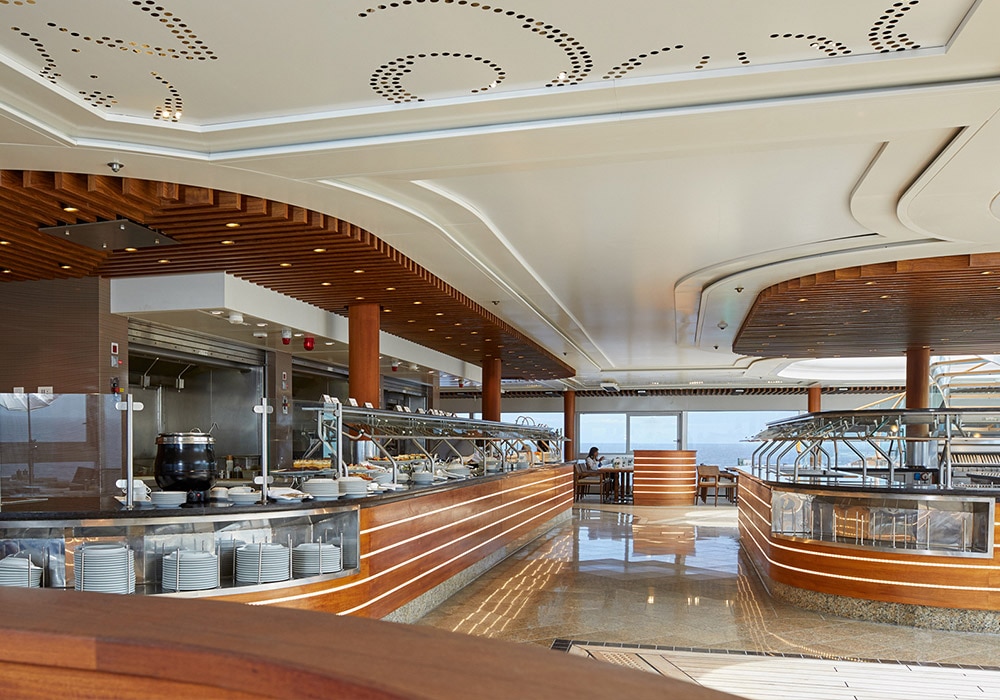
Located on Deck 11 aft, guests take in stunning ocean views while enjoying elegant breakfast and lunch buffets in the chic indoor dining room or al fresco on the shaded, open-air deck.
Take in stunning ocean views while enjoying elegant breakfast and lunch buffets in the chic indoor dining room or al fresco on the shaded, open-air deck. Breakfasts include traditional favorites, as well as a made-to-order omelet station, a variety of fresh fruits and pastries, along with daily specials, like fluffy Belgian waffles with fresh blueberry compote. For lunch indulge in an array of choices from a bountiful salad bar, gourmet sandwiches, hot carving stations and delicious desserts.
Prime 7
From perfectly aged New York strip, porterhouse and succulent filet mignon to smoked salmon with a phenomenal tamarind-whiskey sauce, Prime 7 elevates classic American fare to lofty heights.
A true classic in every sense, Prime 7 sets a new standard in steakhouse fare with its contemporary interpretation of an American classic. Handsomely decorated with supple leather wing-back chairs, burnished woods and rich earth-toned fabrics, Prime 7 exudes a distinct, intimate elegance. This is sophistication redefined, a luxurious setting to enjoy classic steakhouse cuisine with a modern flair.
All the traditional starters are here, including Jumbo Lump Crab Cakes, Classic Steak Tartare, and Clam Chowder. Of course, beef is the undisputed star, and it is aged for a minimum of 40 days to ensure the ultimate tenderness and juiciness. New York Strip, Porterhouse Steak and succulent Filet Mignon only touch upon the selections. Mouthwatering alternatives include Applewood Smoked Salmon and Dover Sole.
Reservations Required
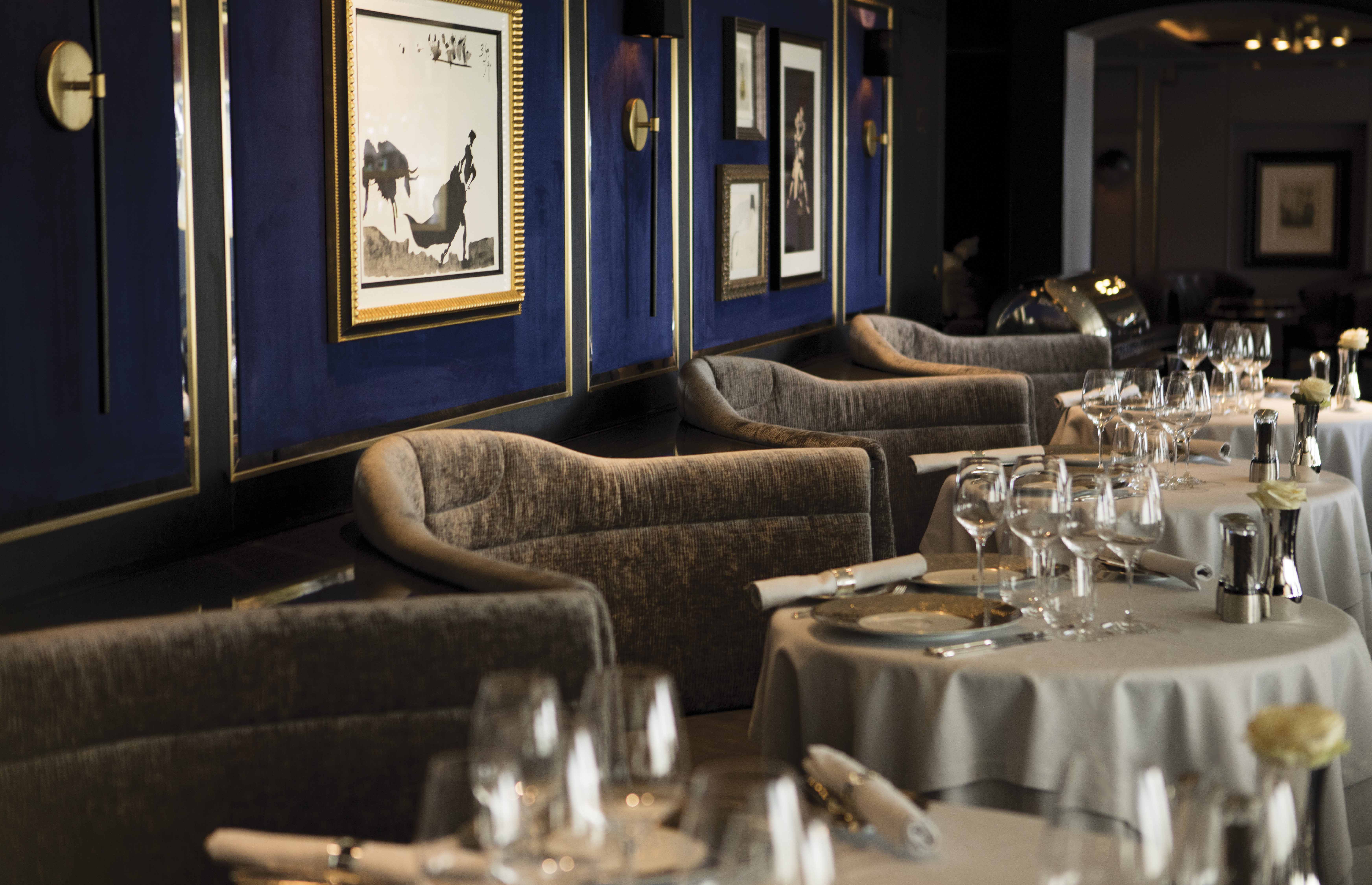
Sette Mari at La Veranda
Enjoy an extensive menu of authentic antipasti and Italian specialties served á la carte and paired with fine Italian wines. All dishes are prepared with the freshest gourmet ingredients and served by our attentive waiters.
Each evening, La Veranda transforms into Sette Mari at La Veranda, a casual, intimate dining experience. Choose from authentic Italian specialties inspired by family recipes that span generations, or opt for something with a modern twist like a spice-crusted tuna steak with braised endive, polenta and salmoriglio. Savour it all with a perfectly paired Tuscan wine. Sette Mari at La Veranda is open for dinner only.
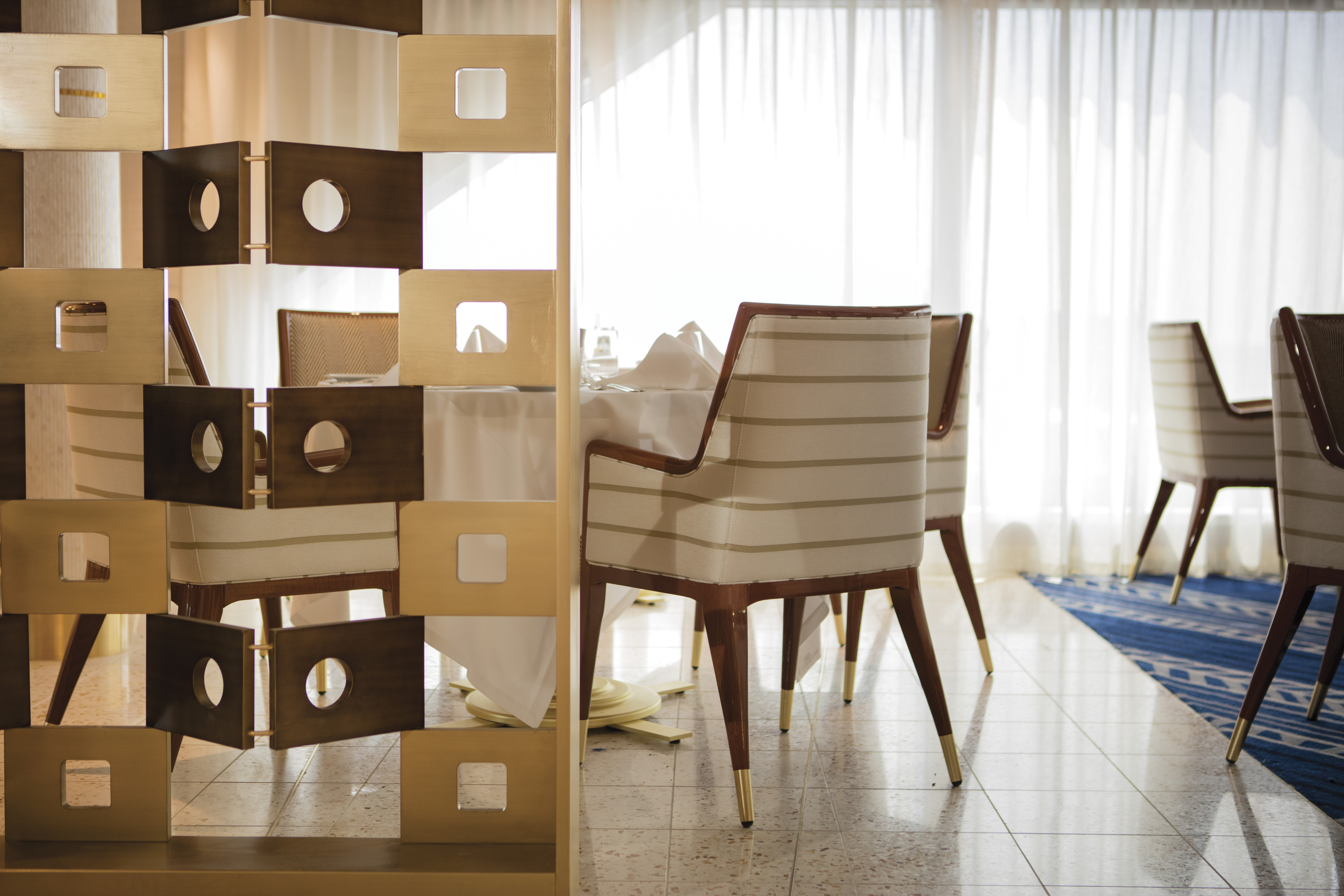
Chartreuse
A restaurant with a modern French menu and attention to detail you’ll notice in its Parisian décor, expertly prepared dishes and wait staff. About the closest thing to a Parisian culinary gem on the high seas.
Chartreuse evokes memories of a chic Parisian fine dining restaurant discovered during an evening stroll. Wherever you are seated in this regal restaurant, you will be treated to a succulent dinner while enjoying incredible ocean views. The restaurant ambiance is complemented by a menu that features modern French dishes. Available on Seven Seas Grandeur™, Seven Seas Splendor®, Seven Seas Explorer®, Seven Seas Mariner® and Seven Seas Voyager® with reservations each evening for dinner, and open for lunch on Seven Seas Explorer on alternate port days. French bistro style food is offered.
Reservations Required
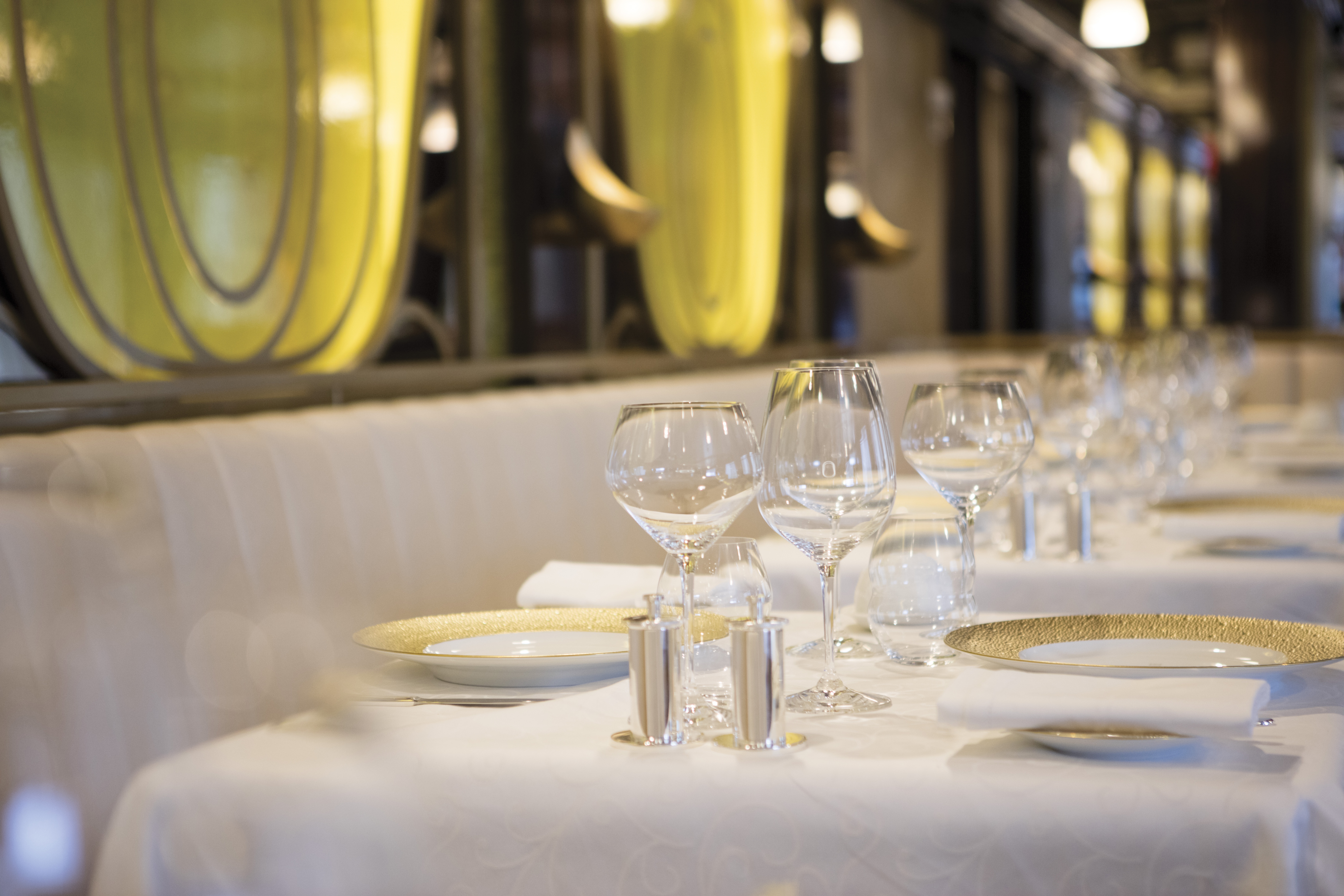
Coffee Connection
Grab a barista-made coffee, check the headlines of international newspapers or choose from a variety of handmade pastries in our cozy café which is open throughout the day.
Enjoy complimentary coffee drinks prepared by our baristas, as well as delicious pastries, gourmet sandwiches and homemade cookies. Whether perusing international newspapers or simply taking in an always spectacular view, our café is the perfect place to relax, converse and enjoy coffee and snacks throughout the day.
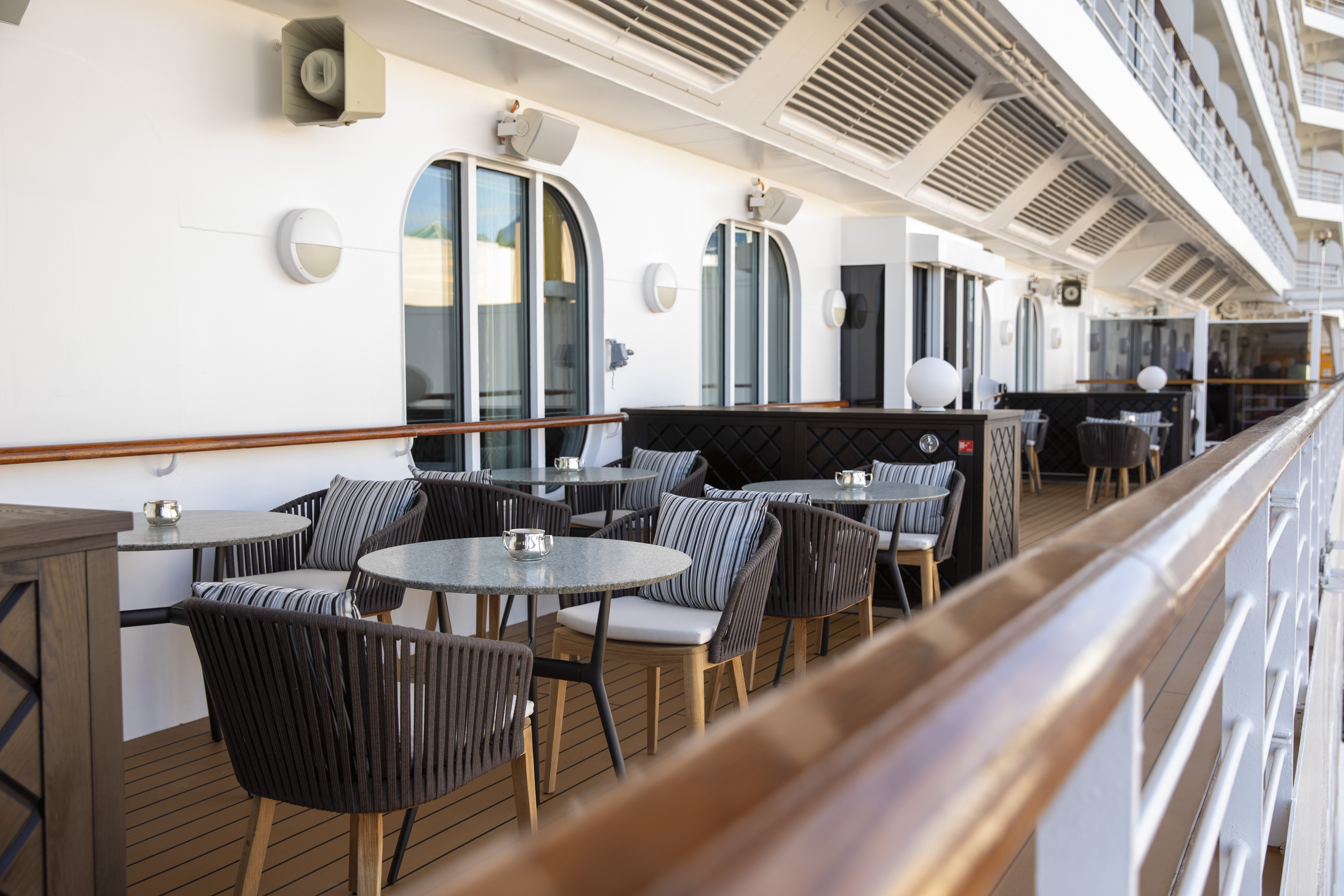
Room Service
Knowing that guests sometimes prefer to simply dine in the comfort of their suites, we offer room service around the clock. Select from an extensive room service menu and the wait staff will promptly serve your order in the comfort of your suite. During normal dining hours, guests may also order from the Compass Rose menu, which changes daily and features Continental, vegetarian, and kosher cuisines. Dinners will be graciously served course-by-course.
The Study
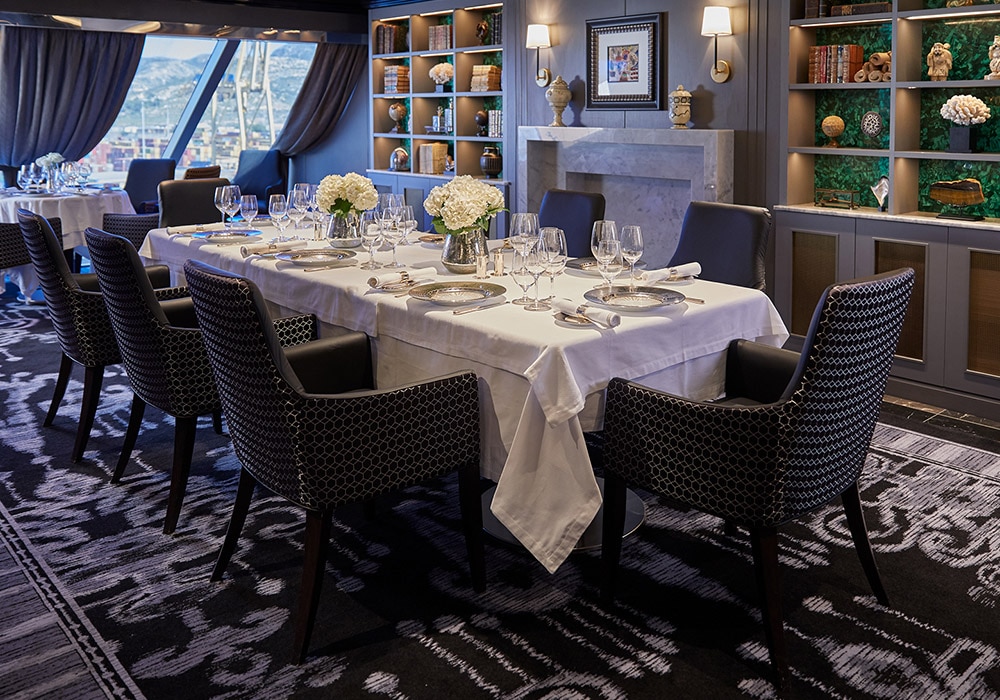
Guests of the most luxurious suite on the high seas — the Regent Suite on Seven Seas Explorer® — have exclusive access to The Study, a private, ornately decorated dining room that seats up to 12 guests.
In an atmosphere that’s reminiscent of a personal library in an elegant, stately home, Regent Suite guests may gather in The Study to privately dine on meals from the adjacent Chartreuse and Prime 7 restaurants. Such an exclusive opportunity further establishes the Regent Suite on Seven Seas Explorer® as the pre-eminent luxury accommodation on the high seas.
Gourmet Explorer Tours
Our distinctive Gourmet Explorer Tours, offered exclusively aboard Seven Seas Explorer, allows guests the unique opportunity to experience the culinary culture of the world’s most delicious destinations. From savouring the authentic flavours of a region to learning new techniques in local cooking classes, guests can choose from a variety of optional tours that take them to local markets to find exotic spices, sample delicious wines at breathtaking estates and savour gourmet meals expertly prepared by renowned chefs. Due to their unique itineraries, Gourmet Explorer tours require a discounted, supplementary charge.
Regent Choice Shore Excursions
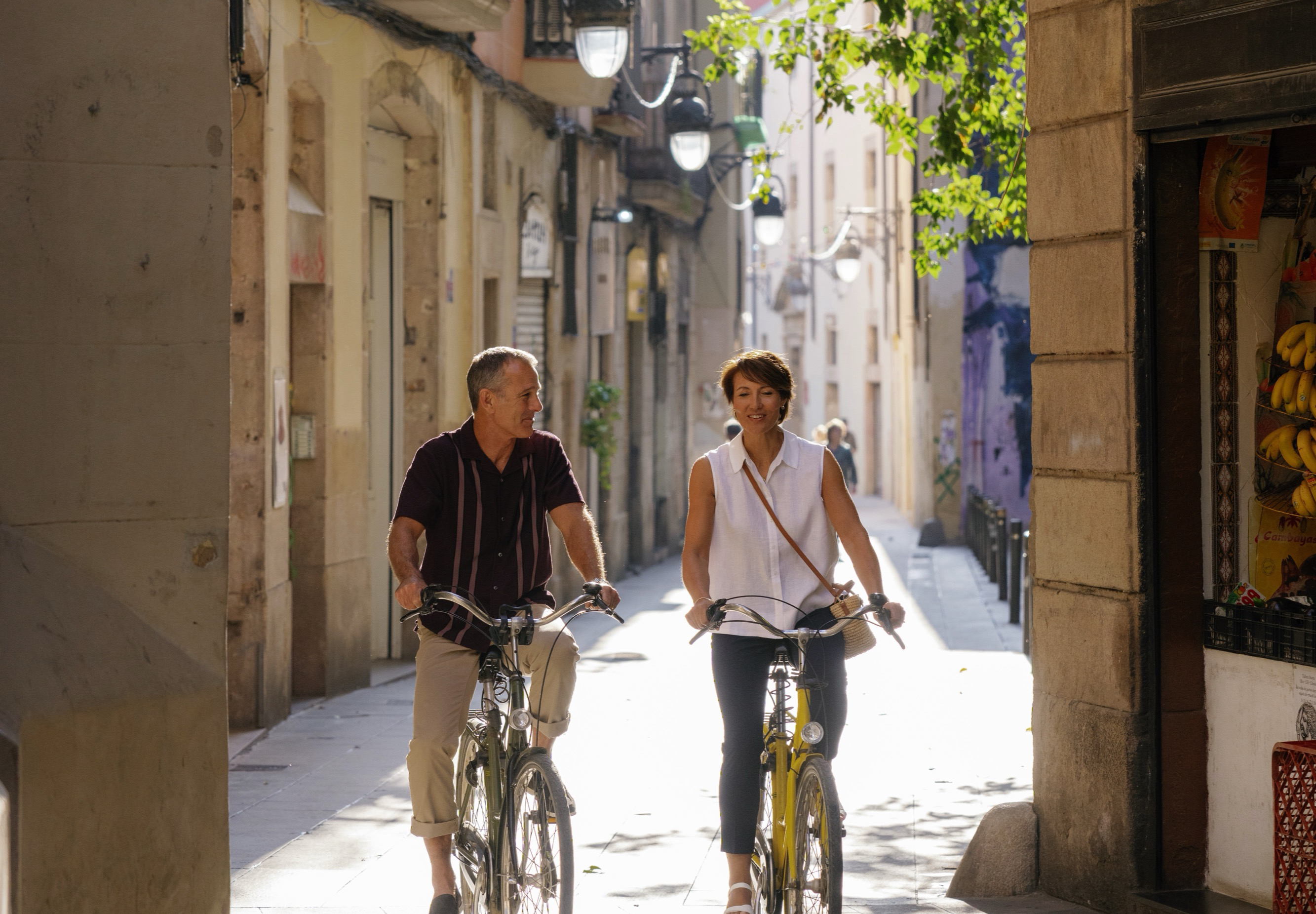
Take your experience to another level with the select itineraries and smaller group tours offered by our Regent Choice Shore Excursions. These unique opportunities require a discounted, supplementary charge and invite you to discover the heights of travel, from our Gourmet Explorer Tours to special experiences that take you off the beaten path.
As the name suggests, these excursions work a little harder to engage your explorer spirit. Unique itineraries and smaller groups create more personal experiences… and memories of a lifetime.
UNIQUE, UNPARALLELED EXPERIENCES
Soaring over Alaskan forests and mountains via helicopter en route to feeling the majesty of Mendenhall Glacier beneath your feet. Discover the best our world has to offer through the unparalleled experiences you’ll enjoy with Regent Choice Shore Excursions.
Enhance your shoreside experience with a Regent Choice Small Group tour. Hosting up to 16 guests, these tours provide a more intimate experience and allow for more personal engagement with your knowledgeable guide.
Culinary Arts Kitchen
Step into a welcoming environment, reminiscent of the world’s distinguished culinary institutions in both layout and design, with workstations fully equipped with top-of-the-line induction cooktops, stainless steel sinks and a comprehensive collection of cooking essentials. Guests attending classes in the Culinary Arts Kitchen will receive highly individualised, hands-on instruction. The curriculum will appeal to a wide range of tastes and cater to all levels of aptitude, from beginner to experienced chefs.
Taste, learn and share with the Culinary Arts Kitchen and Regent Seven Seas Cruises®.
Please note: Classes vary by destination and voyage to view voyages and availability click here.
Join expert chefs in a state-of-the-art teaching kitchen on board Seven Seas GrandeurTM, Seven Seas Splendor® or Seven Seas Explorer®. Learn to prepare authentic local recipes, and savour the flavours of the regions you are visiting.
From Our Kitchen, To Yours
Executive Chef and Director of Culinary Enrichment, Kathryn Kelly, has travelled throughout the world, tasting and exploring the many different cuisines and the cultures that create them. Her experience and expertise make her a natural fit to develop the curriculum for the Culinary Arts Kitchen. Exclusively aboard Seven Seas Grandeur®, Seven Seas Splendor®, Seven Seas Explorer® and Seven Seas Prestige™.
The Culinary Arts Kitchen provides everything you need to elevate your culinary skills in a welcoming environment inspired by France’s finest cooking schools. Designed with both style and functionality, the space features fully equipped workstations complete with top-of-the-line induction cooktops, stainless steel sinks, and a comprehensive collection of cooking essentials. Whether you’re a novice in the kitchen or a seasoned chef, you’ll enjoy highly personalised, hands-on instruction from expert instructors.
Culinary Classes Details
ARABESQUE
Based on the travels of Executive Chef Kelly in Morocco and Turkey, this cruise ship cooking class explores the trending culinary traditions and recipes of two ancient and revered cuisines. Learn the basics of tagine cookery and gain an appreciation for how the foods of these two great countries have influenced modern world gastronomy. Learn how to make nut milks and preserved lemons – prized in the Arabesque region and around the world. These cuisines are a favourite amongst our chefs, and the recipes are beyond delicious.
ANYTIME BRUNCH FAVOURITES
Whether celebrating the weekend with a group of friends, spending Sunday watching your favourite sports team or gathering the family for the holidays, brunch is always a great meal for casual, comforting and delicious dishes. Brunch is also a meal we want to host effortlessly, so our chefs have assembled their favorite crowd-pleasing recipes that make brunch a breeze to host. Not a meal to be served without spectacular drinks, this culinary class also features favourite mid-day libations.
BEYOND PATAGONIAN DELICIOUSNESS
The culinary world has its eyes on the cuisine of the Patagonia region. Regarded as the hot new cuisine, chefs have travelled to these remote parts to learn the secrets of Argentine grilling, as well as Chilean roasting and baking. Attend this cook-out class that features delicious and hearty dishes that you will definitely want to make at home to impress your friends. No meal in Patagonia is complete without wine, so a special focus will be made on sampling and pairing the region’s varietals.
BOUNTY OF THE SEA
Fish is something we often order when dining out, but rarely feel comfortable making at home. In this class technique-driven class, master the basics of fish cookery: sauté and grill, deep poach, shallow poach, curing, baking, and healthy pan fry. Your Chef Instructor shares personal tips for purchasing fish from your local fish monger and adding more variety to your favourite fish choices.
EPICURIAN SAFARI
Embark on a culinary safari around the diverse countries of Africa. Enjoy mastering dishes from Morocco, such as tagine and b’stilla. Then head south and learn the secrets of mouth-watering grilled meats from South Africa and Namibia. Like all great safaris, this adventure begins with a delicious and artisan-created gin and tonic.
FIESTA ON THE HIGH SEAS
If you love Mexican food, but are reluctant to cook it at home, then this class is for you! Taking inspiration from Spanish tapas, this class provides a robust menu for a tasty Mexican snacking party, including a lesson on how to make the perfect Mexican cocktails.
FRESH HEALTHY COMFORT KITCHEN
This class was designed in collaboration with Canyon Ranch® with a focus on healthy eating. Discover the secrets and methods for preparing foods that are flavourful, comforting, plentiful…and good for you. From ingredients to cooking methods, learn the many ways you can maintain a healthy kitchen — while serving fabulous food — at home.
LA TECHNIQUE FRANCAISE
As the cuisine against which all others are compared, this class is designed around the pillars of classic French culinary technique. Learn the difference between French bistro and haute cuisine as you explore the various regional cuisines of France. Steeped in the fundamentals this class focuses on classic techniques designed to elevate your kitchen skills at home. Sample two French wines and learn the art of pairing French food and wine.
MASTER OF FIRE, HEAT & GRILL
Mastering the skill of cooking with high heat — whether on a grill or in a sauté pan — is at the core of this popular cruise ship cooking class. From achieving the perfect sear marks on a rib eye to bringing forth the flavour-enhancing char of a grilled flatbread, your Chef Instructor teaches techniques for perfect high heat cooking every time. Also learn how to use a digital thermometer, achieving internal cooking temperatures and the pillars of perfect protein cookery.
MASTERING KNIFE SKILLS
Regent Seven Seas Cruises® partnered with Zwilling Company, the makers of the chef-favorite J.A. Henckels knives, to develop one of our top guest-requested classes: Mastering Knife Skills. You’ll get a chef’s look at a complete pantry of knives and enjoy the chance to try out a few chef knives to discover the best option for you. You’ll also learn how to sharpen and maintain this essential kitchen tool, practice various knife cuts and discover how to safely use the mandolin slicer. At the conclusion of your class, you’ll receive a special Knife Skills certificate along with a savings voucher for your favourite Zwilling Company knives.
MEDITERRANEAN MELODY
The Mediterranean is revered for its cuisine and this culinary class allows you to take a virtual trip around region, celebrating signature dishes of Greece, Israel, France, Spain, Italy, Turkey, and Morocco. Each class is a reflection of your Chef Instructor’s personal favourites from their years of tasting and travelling across the Mediterranean. Expand your food and wine repertoire as part of this enrichment programme.
NORTHERN LIGHTS
Our chefs have collected their favourite recipes from Finland, Iceland and Norway to create this class that matches culinary delights to the extraordinary sight of the Northern Lights. In recent years, the culinary world has followed these trending cuisines as many of the world’s most revered chefs fuse traditional recipes with innovative ingredients and cooking methods. A highlight of the class is our signature sparkling cocktail celebrating the auroras.
PASTA PASTA PASTA
This class is a celebration of the mouthwatering mainstay dish of Italian cuisine — pasta. Pasta is traditionally served for lunch or at dinner as the second course, or secondi, in most Italian homes. Learn the fundamentals of making this dish in a traditional way, from dry and fresh pasta to pasta cookery and favourite sauces, and impress your friends and family with this new skill when you return home.
PERFECTLY SAUCED & TOSSED
Most chefs will confess that the secret to finishing most dishes is the sauce — sometimes taking years to achieve. A perfectly executed sauce is as elemental to French cuisine as a great dressing is to a composed salad. This class focuses on the nuisances of sauces and emulsions, all while mastering some delicious dishes. If you have ever wanted to learn the secrets of the classic French pan sauce or understanding the magic of vinegars and extra virgin olive oil, then this is the class for you.
A TASTE OF SPAIN
For centuries, beginning with the migration of the Moors followed by the explorers returning to Spain from the New World, Spain has held court as the epicenter of the culinary universe. Modern Spanish chefs have transformed traditional dishes through molecular gastronomy while maintaining a reverence for traditional tapas and dishes like Valencian paella. Learn to enlighten your home kitchen with some of Spain’s signature dishes, wines and of course — the festive Sangria.
SIMPLE & ELEGANT DINNER PARTY
Our Chef Instructors are frequently asked about their personal favourite dishes that they enjoy making at home. In response, they assembled some of those simple yet elegant recipes to transform the Culinary Arts Kitchen into an elegant dinner party. Take what you learn to your home kitchen and impress your friends when you return by hosting your own dinner party, complete with exquisite wine pairings.
THE CONTENTED VIKING
Culinary historians have seen a renewed interested in the Viking diet in recent years with the emergence in popularity of lower carbohydrate diets, such as the Paleo Diet. The diet of modern Nordic countries continues to feature clean, sustainable and seasonal food. In this class learn about recipes that are famously celebrated at the top restaurants across Denmark, Norway and Sweden. Indulging in the Swedish Glogg is reason enough to join the class!
THE PERFECT PAIR
As luxury travellers, we indulge in fine wines paired with delicious food, which is the main focus of this class. Whether you are interested in learning how to properly select the right wine for your preferred dish or are searching for the right meal to pair with your absolute favourite wine, this class will expand your horizons. Your curriculum includes cooking several recipes and then pairing them with wines to explore how different varietals complement the dishes.
YAYA’S GREEK FEAST
Greeks are famous for their home-cooked, savory and generously portioned meals with family gathered — singing, dancing and eating! Greek recipes are passed down from Yaya (grandmother) by showing rather than writing down recipes. So, we recreated those hands-on recipes from our favorite yayas from Santorini, Crete, Rhodes, Corfu, and Athens for this popular cooking class. Learn to make healthy, comforting Greek-inspired dishes, imbibe in our favorite Cretan Rose cocktail and plan your next party around the recipes you master.
1493: THE FOODIES’S NEW WORLD
Delight in learning about the evolution of the Mediterranean cuisine when new ingredients were introduced after the Portuguese and Spanish returned from exploring “The New World.” Discover the way tomatoes, potatoes, corn, peppers, chocolate, blueberries, and zucchini (to name a few) found their way into the Mediterranean diet and changed their traditional dishes for the better.
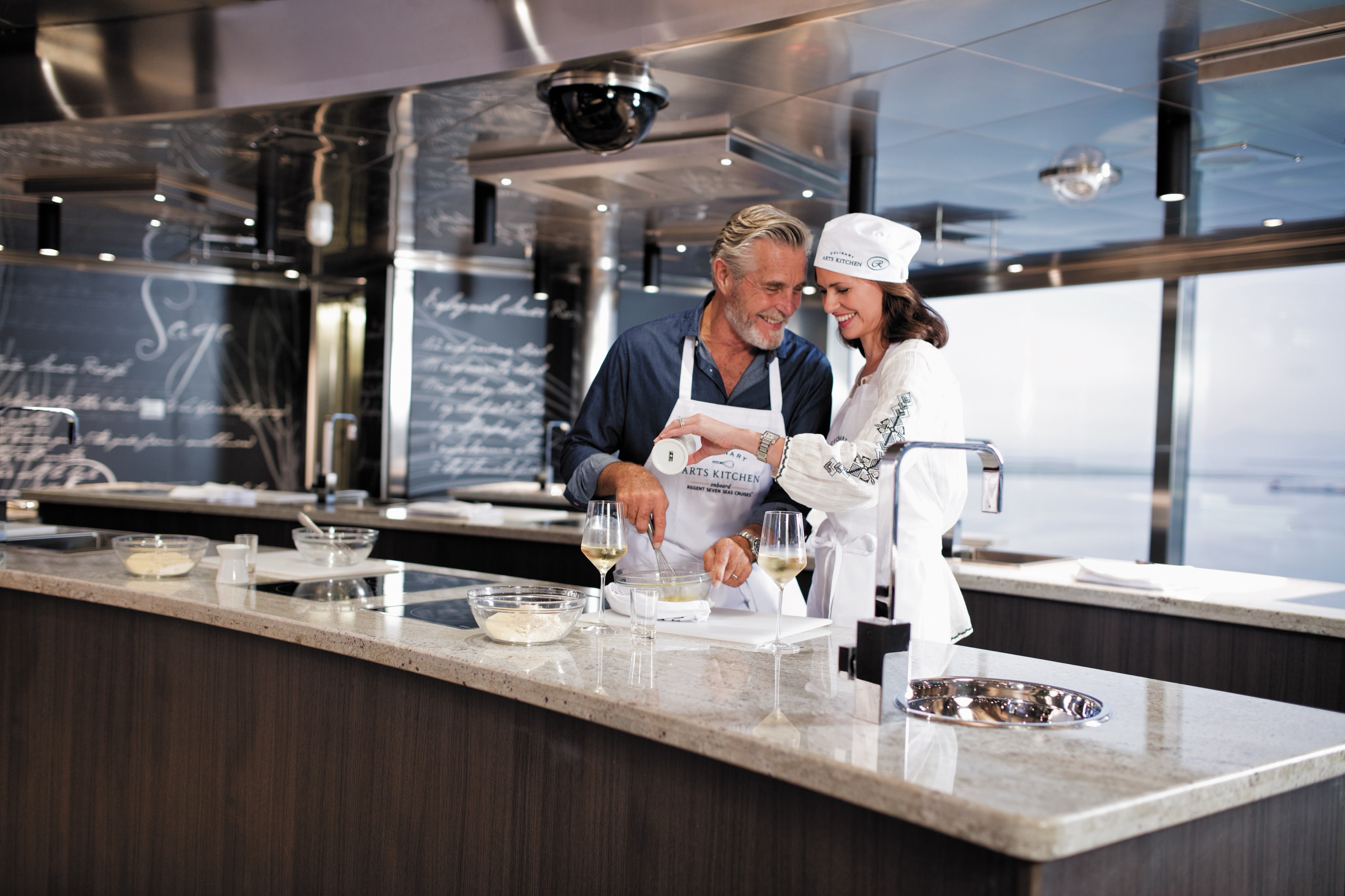
Eco-Connect Tours
Eco-Connect Tours invite you to discover and experience how local communities and groups are endeavouring to conserve, sustain and improve the environments they live in.
Engage with local groups and businesses to learn about how they are transforming the world around them while experiencing the impact of their efforts first-hand.
CONNECT & GROW
Our Eco-Connect Tours provide enriching opportunities to interact with and learn from local communities around the world as they work to conserve and sustain their surrounding environments.
Discover the valuable and beautiful flora and fauna of places like Costa Rica, Vietnam and Australia. Sample the products of sustainable farming practices in regions like France, New Zealand and Argentina. Absorb the inspiring innovations in energy production at facilities in Portugal, Iceland and Japan. This is only a sampling of the more than 150 unique Eco-Connect Tours we offer.
Reinvigorate your love for the world around you with these insightful experiences — many of which are available as part of our FREE Unlimited Shore Excursions.
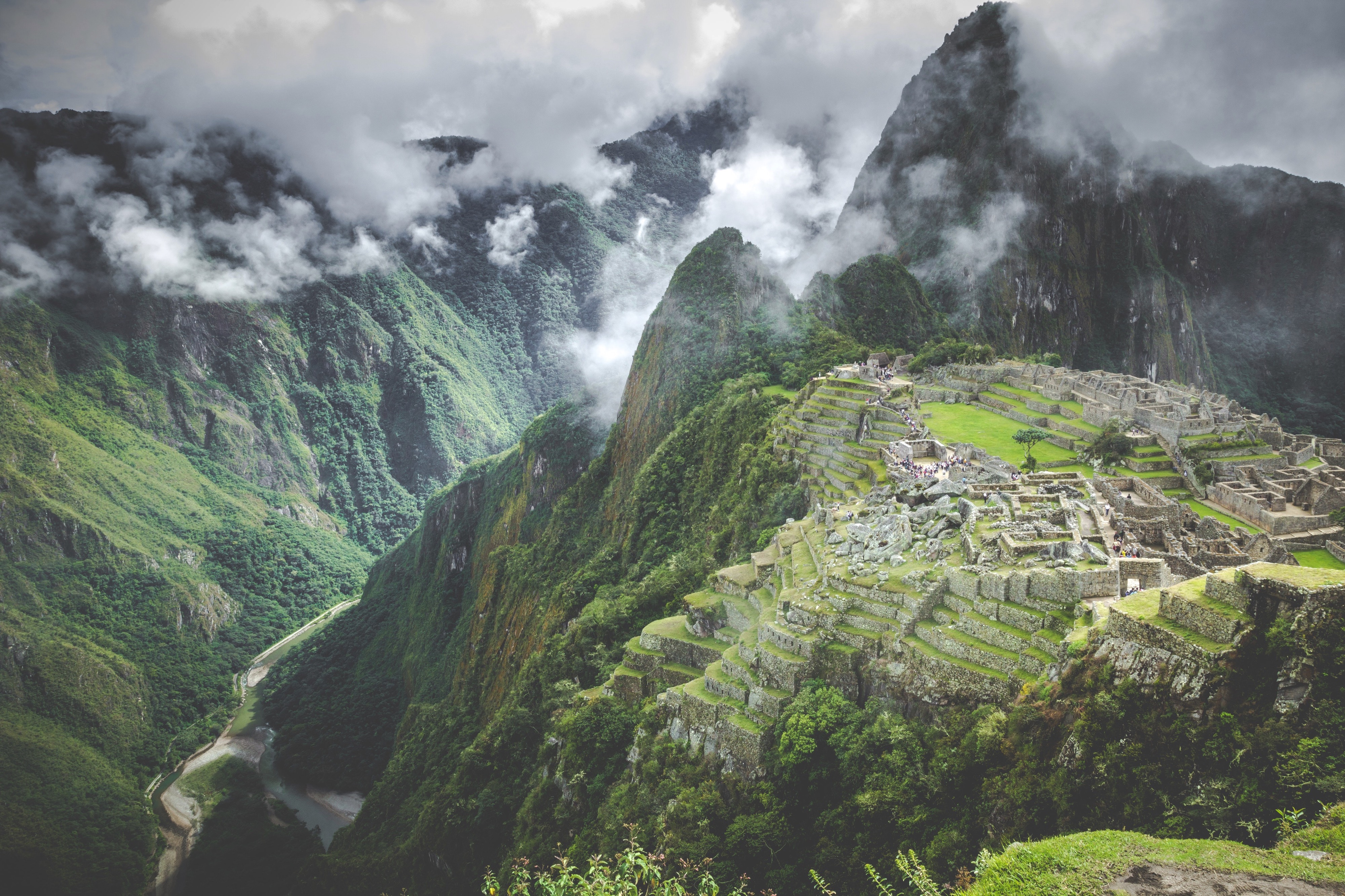
Behind The Design Tours
Every captivating design has a story to tell. Join us as we go Behind the Design to explore how and why some of the world’s great architectural designs came to be.
Glimpse behind the scenes of some of the most captivating and brilliant designs around the world.
BRILLIANT ARCHITECTURAL ACHIEVEMENTS
Our Behind the Design Tours invite guests to go beyond the surface and into the beauty of the design processes and inspirations that made some of the world’s most fascinating architectural structures.
Explore a myriad of architectural marvels across Europe and the Mediterranean, including buildings like the Munchmuseet in Oslo, Norway, the MuCEM in Marseille, France, Toree Glòries in Barcelona, and many more. This is only a sampling of the Behind the Design Tours available, with many more to come.
Expand your appreciation for architecture and design with these intriguing explorations — many of which are available as part of our FREE Unlimited Shore Excursions.
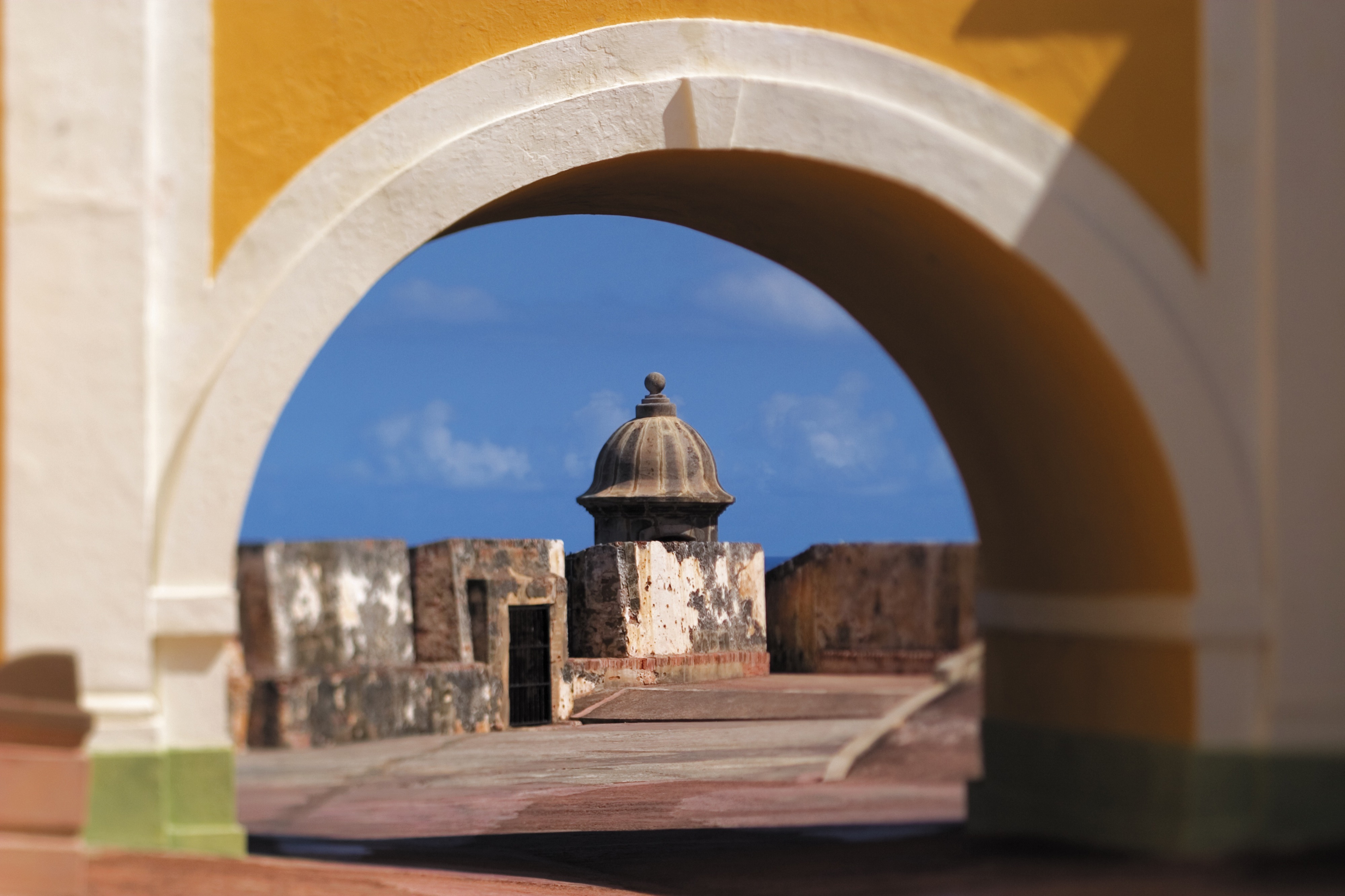
Go Local Tours
Uncover off-the-beaten-path experiences with our Go Local Tours providing a more direct way for you to learn the culture of a destination through the communities within. Spend a day at a family-owned goat farm in the countryside of Andalusia to learn the generations-old way of making cheese or observe skilled, local artists in their personal studios on Palma de Mallorca. Experience the world through the eyes of those who actually live there and discover the best of what you didn’t know about your favourite destinations with Go Local Tours.
Sometimes the best solution for the well-traveled guest and anyone looking to uncover off-the-beaten-path places and experiences is to start thinking like a local.
CULTURAL DISCOVERY
Go Local Tours provide a more direct way for you to experience the culture of a destination through the communities within. Spend a day at a family-owned goat farm in the countryside of Andalusia to learn the generations-old way of making cheese, discover the joy of fishing with the residents of Portofino or observe skilled local artists in their personal studios on Palma de Mallorca. Many Go Local tours are part of our Unlimited Shore Excursions, while some require a discounted, supplementary charge. Experience the world through the eyes of those who actually live there and discover the best of what you didn’t know about your favourite destination with Go Local Tours.
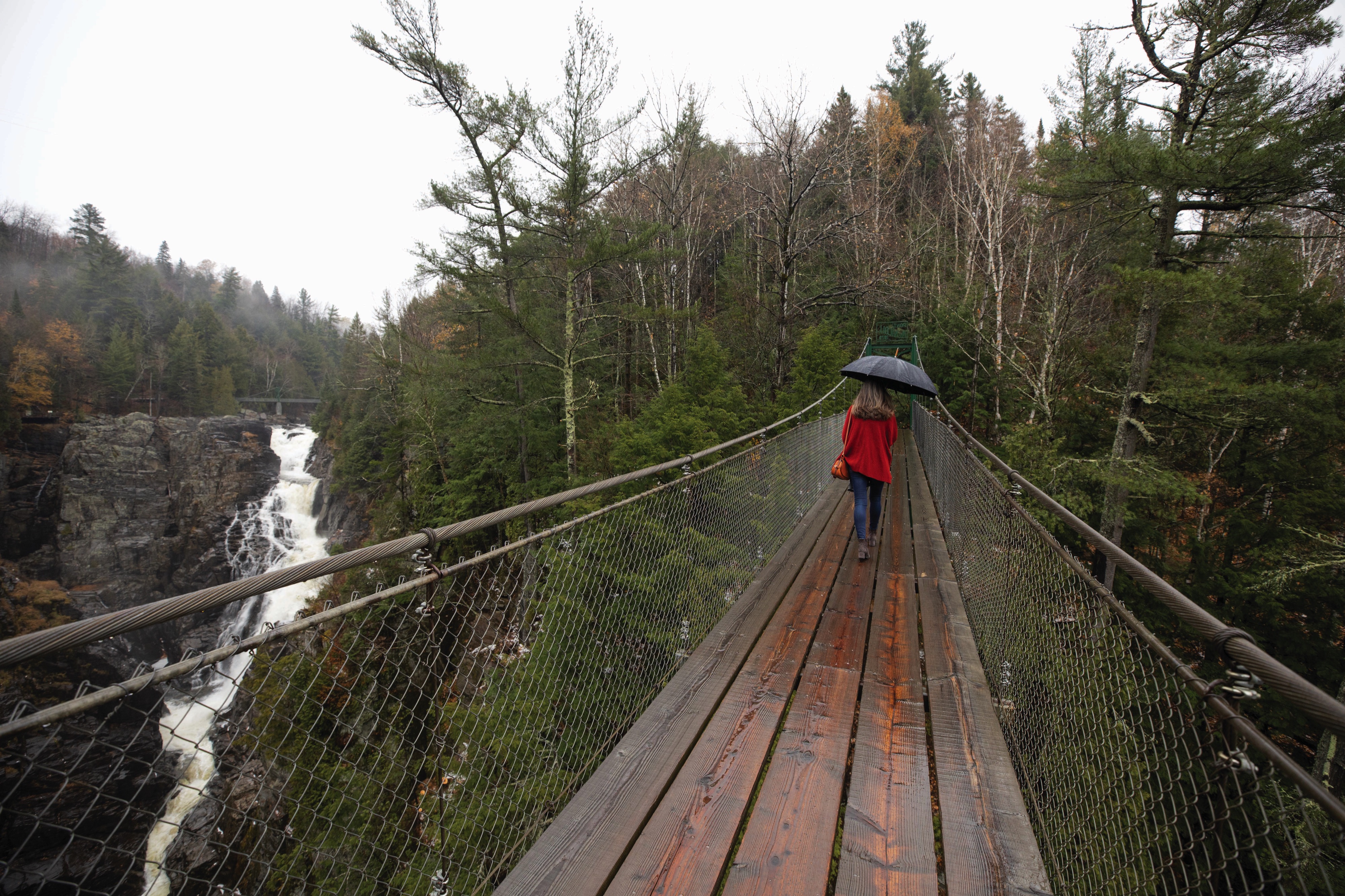
In-Port Overnights
Evenings provide a different view of a city as the streets light up and the locals unwind. Discover the fun of a destination’s nightlife and enjoy more time ashore with more overnights in ports across every region of the world.
LET THE NIGHTTIME SET YOU FREE
Celebrate sunsets and ease into moonrises as locals cut loose and skylines twinkle in the world’s great cities. You’re free to pursue your passions – from elegant dining to after-hour museum tours. It’s not just port cities that transform after dark. Regent in-port overnighters do, too. After the exhilaration of daytime excursions, sunset releases you to do as you please and sway to a city’s rhythms.

Spotlight Voyages
Explore your destination through special excursions and onboard experiences tailored to the spotlighted theme of your cruise. Hear from captivating speakers, renowned in their respective fields across multiple areas of interest, from culinary masters to renowned vintners to entertainment icons and beyond.
Embark on a journey of discovery with our Spotlight Voyages — tailored experiences designed to ignite your passions and curiosities. Whether you’re a wine enthusiast or a gourmand, these immersive cruises promise unforgettable adventures. Imagine savoring dishes made by award-winning Chefs, mastering your swing alongside a golf pro on legendary courses, or delving into the history of Fabergé eggs.
Don’t miss these one-of-a-kind onboard and shoreside opportunities. Mention promotional or offer code “SPO” when booking to unlock complimentary Spotlight Voyage programming.
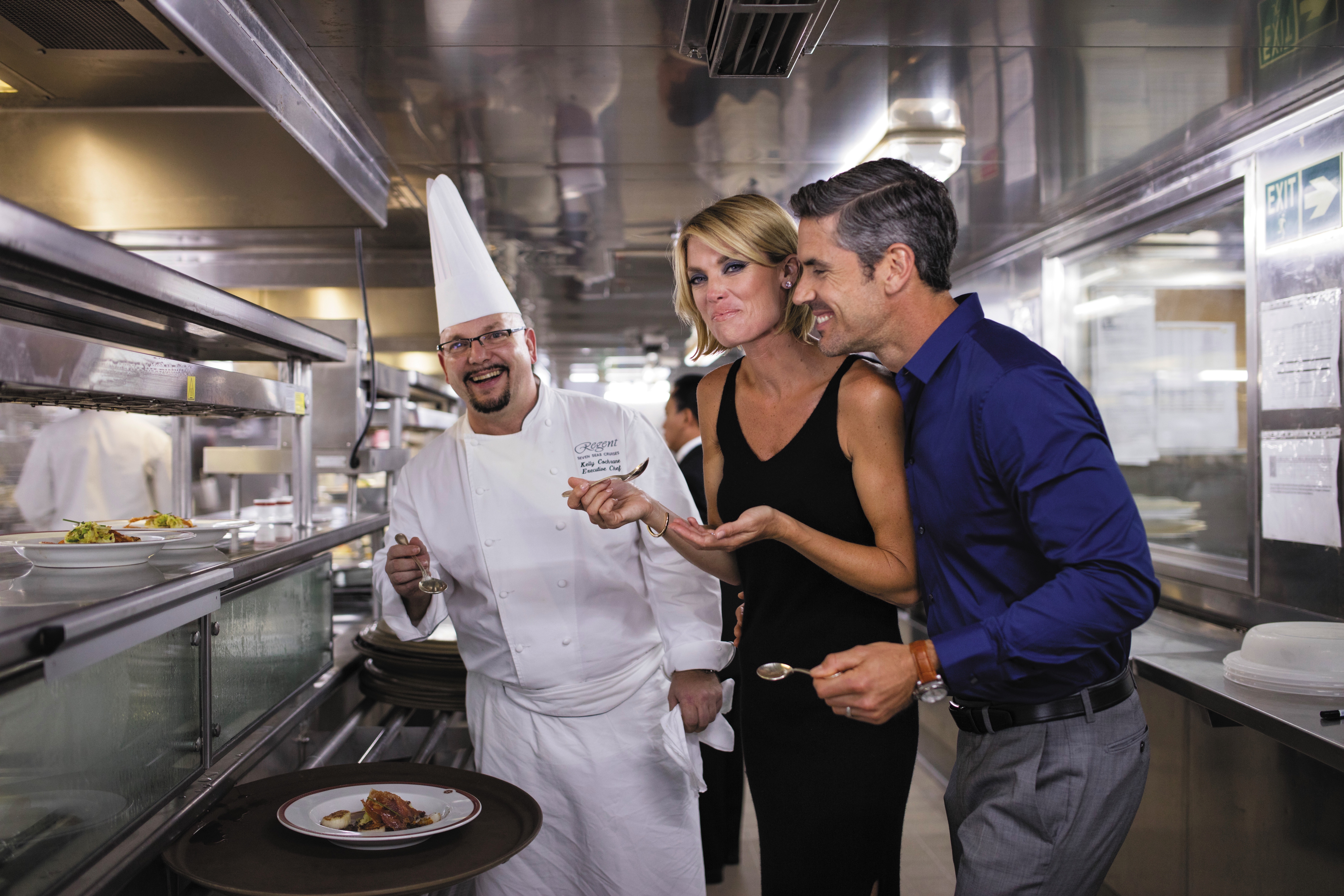
Unlimited Shore Excursions Included
Every destination we sail to harbours treasured experiences waiting to be unearthed. And there’s no better way to dig in than by taking advantage of our hallmark inclusion of thousands of wonderful, Unlimited Shore Excursions.
MAKE YOUR VACATION YOUR OWN
When your feet touch the ground, your cruise enters a new dimension. What’s your preference? Exploring the world’s great cities? Immersing yourself in local culture? Or indulging your inner beach bum? Over 4,500 Unlimited Shore Excursions across every region of the world allow you to embrace it all.
Wherever you’re traveling, opportunities to maximise memories abound. Whether it’s urban adventures brimming with history, architecture and culture or escapes to natural wonders that stagger the senses, our Unlimited Shore Excursions guarantee your vacation will be like no other. Start dreaming today.
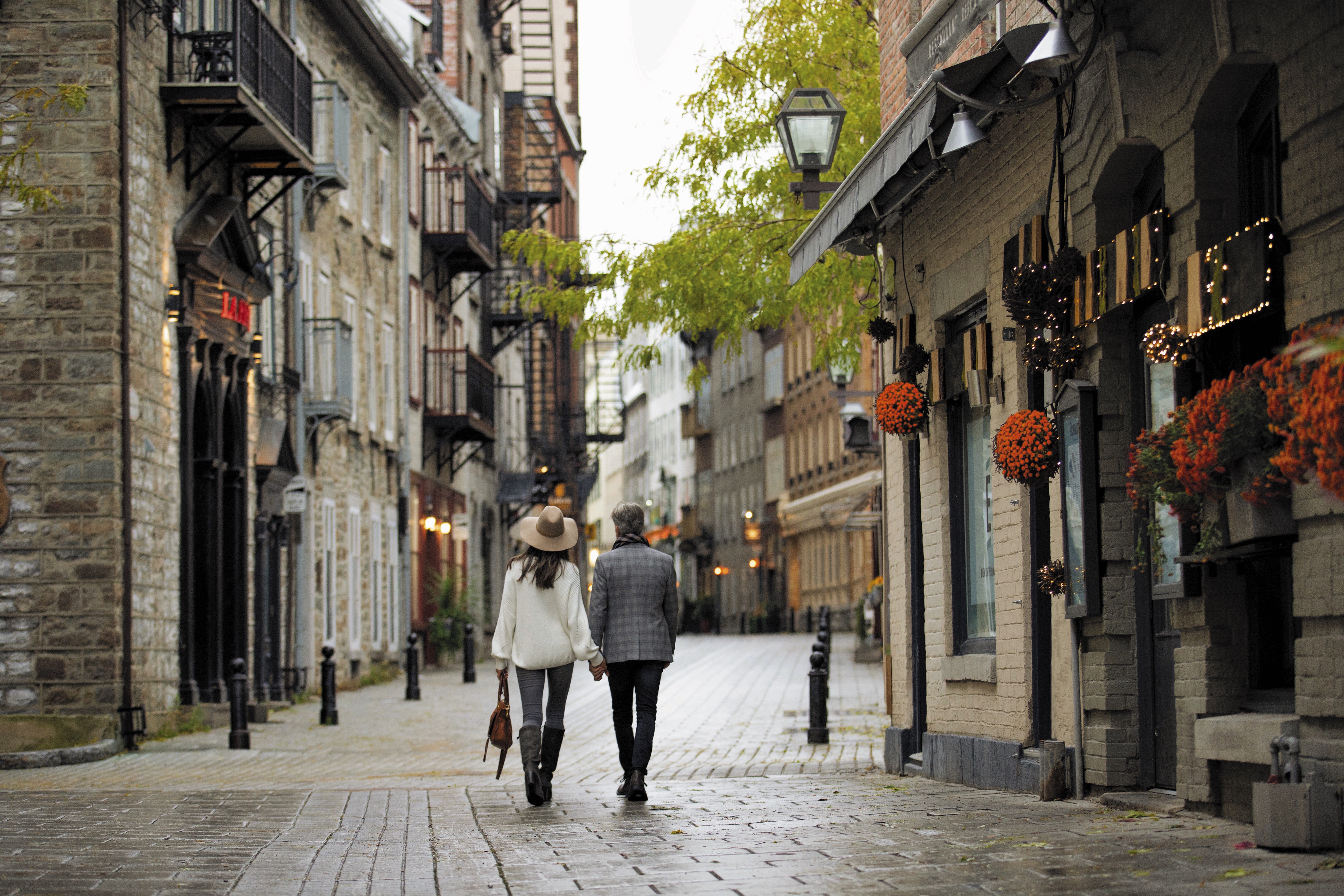
Epicurean Explorer Tours
Taste the cultures of the world with our specially curated, Master Chef-led, Epicurean Explorer Tours, unique to sailings aboard Seven Seas Splendor® and Seven Seas Explorer®. Be treated to a particularly French dining experience with Michelin-starred Master Chef René Bérard at his private estate along with a Provençal cooking demonstration in Provence or be led through the open-air, seaside market in Nice and partake in an exquisite lunch at Château Eza in Eze. Please your palate and expand your culinary knowledge with each of our delectable Epicurean Explorer Tours.
Outside of a stellar local expert, our noses may be our best guides to places beloved by foodies. Market spices drifting on a breeze, sizzling street foods, wine poured in a sun-kissed vineyard – these smells forever recall a destination as much as any photo or souvenir.
CHEF-LED SHORESIDE EXCURSIONS
Allow our chefs to be your guides on these specially crafted small-group experiences. Discover vibrant ancient markets, sample world-class restaurants, incorporate new learnings in the kitchen, and more. Exclusive aboard Seven Seas Explorer®, Seven Seas Splendor® and Seven Seas Grandeur™, these curated tours require a discounted supplementary charge.
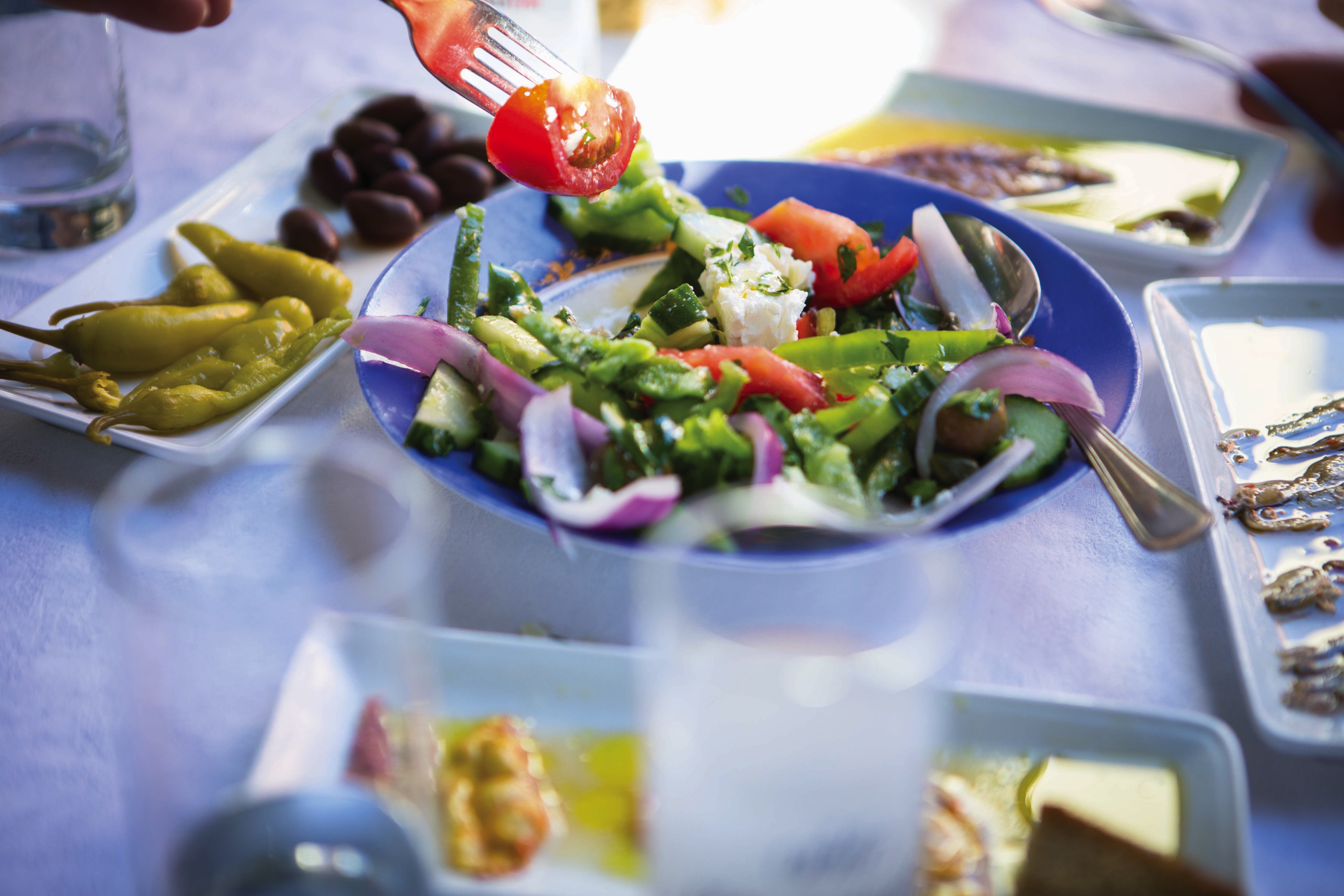
Serene Spa & Wellness™ Tours
Transcend the moment as you expand your mind and strengthen your body with a Serene Spa & Wellness Tours. Soak in a restorative, mineral-rich thermal spring in Rome or centre your chi with a taiji (tai chi) class on a beautiful and serene beach on Palma de Mallorca. Be refreshed by a Mediterranean breeze as you calm your mind and strengthen your focus through a yoga class overlooking the seaside town of Taormina. Restore and heal your mind, body and soul as you travel throughout the world with our Serene Spa & Wellness Tours.
To further enhance your vacation, our Wellness program allows you to enjoy a holistic experience from beginning to end, from complimentary fitness classes and healthy gourmet cuisine on board to Wellness Tours.
A HOLISTIC, REJUVENATING DISCOVERY
These tours allow you to discover the incredible destinations we visit while maintaining your active and healthy lifestyle. Practice yoga against a stunning backdrop in Taormina, learn about apitherapy, a school of alternative medicine based on bee products, or practice meditation on the idyllic island of Palma de Mallorca. Many Wellness Tours are part of our FREE Unlimited Shore Excursions, while some require a discounted, supplementary charge.
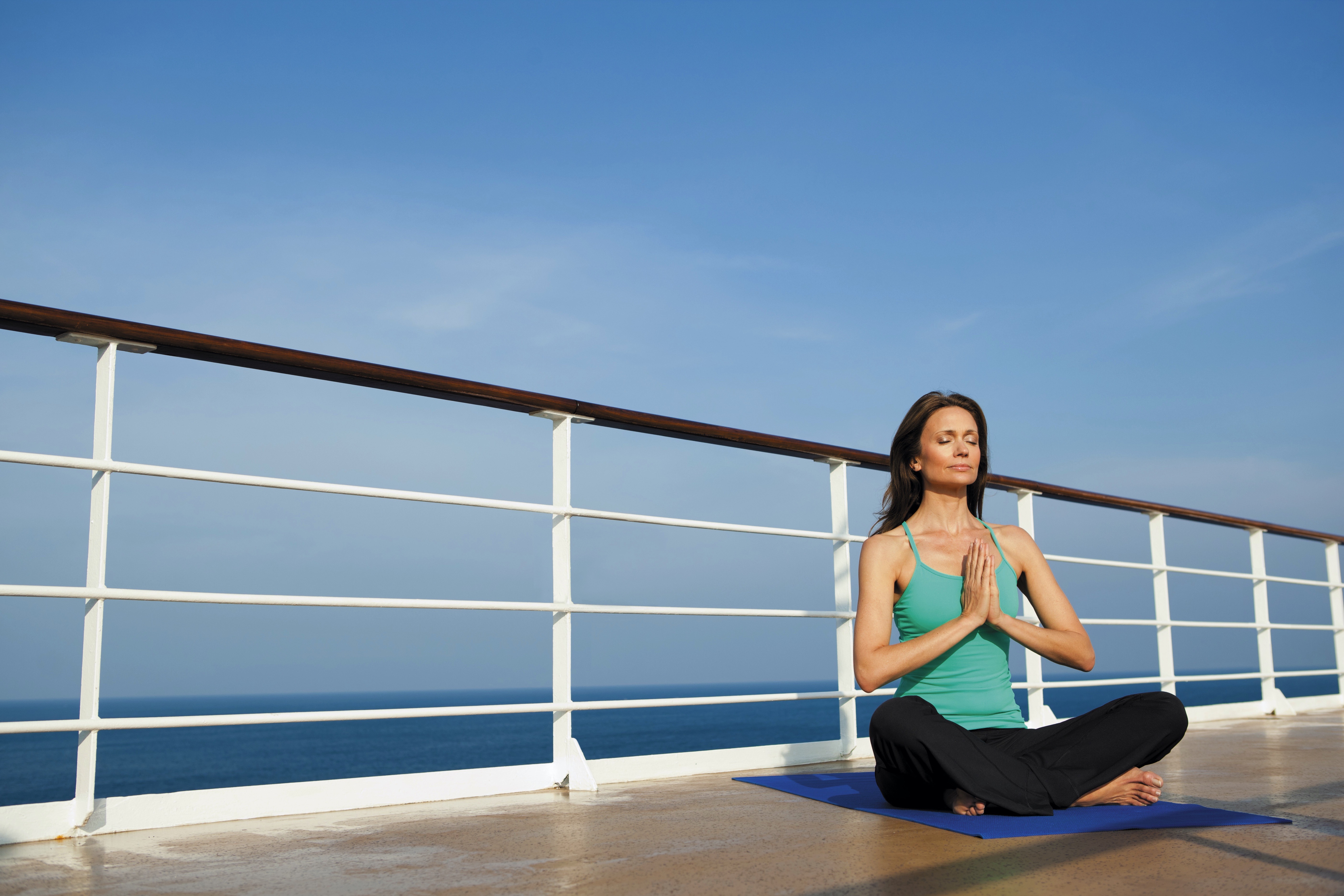
Executive Collection & Bespoke Travel Arrangements
Envision your perfect day of sightseeing and exploring your destination exactly as you’d like… Creating your own, customised excursions is possible. Whether you’re looking to engage a private vehicle from our Executive Collection with a personal driver and/or English-speaking guide or hoping to develop a truly bespoke experience with our elite concierge team, we welcome the opportunity to help you create your perfect journey.
You choose the locales – we’ll provide the private transport. Our Executive Collection frees you to explore ports of call with a driver and/or English-speaking guide, the ultimate way to maximise your time onshore. Whether heading out to a city’s outskirts or taking off along spectacular coastlines, you’ll accrue lifelong memories by the mile (or kilometre).
MAKE YOUR VACATION YOUR OWN
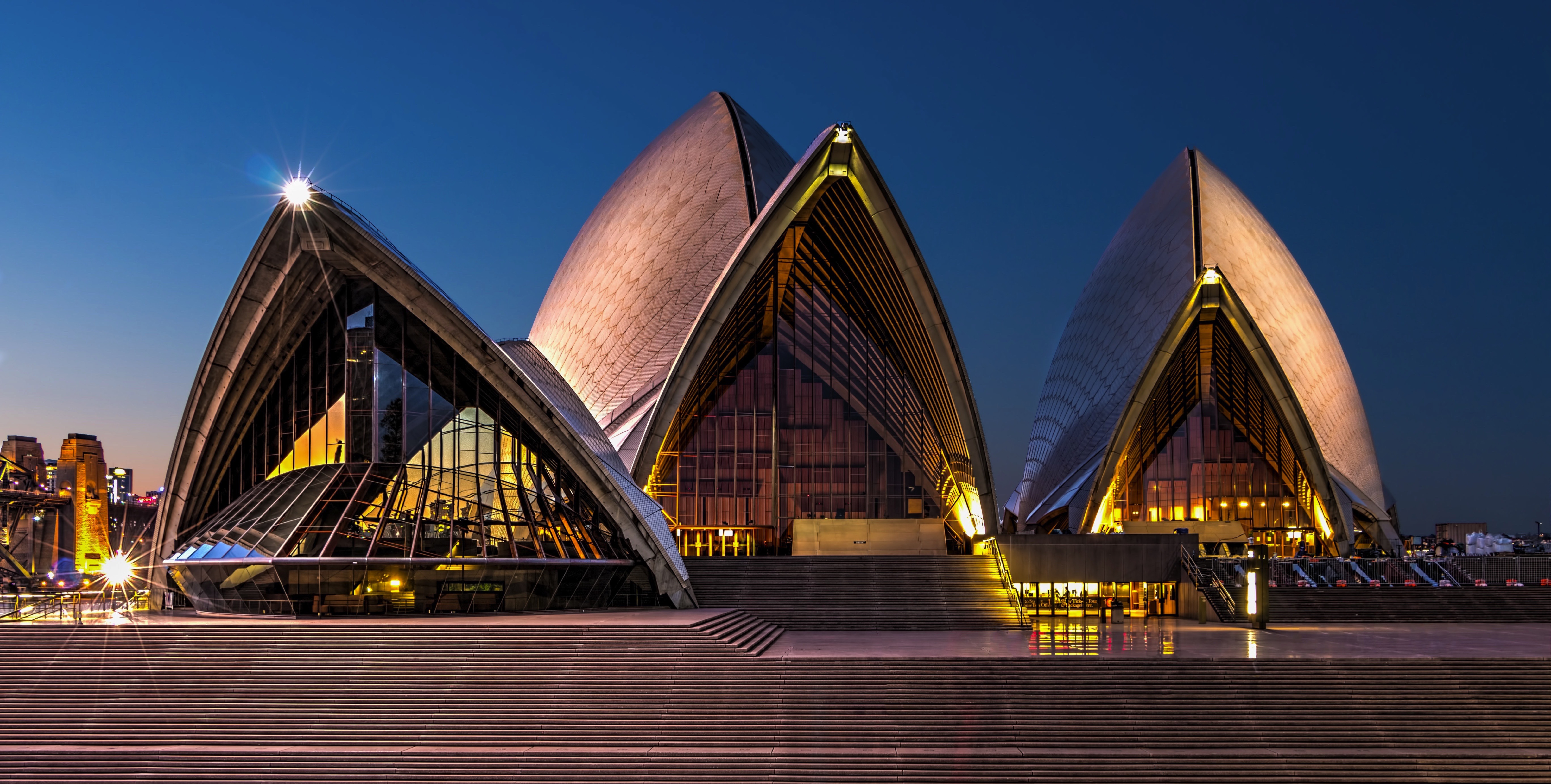
Excitement builds each time a Regent Seven Seas’ cruise ship approaches a port city. Let your excitement skyrocket with a car, driver and/or English-speaking guide awaiting you onshore. Where do you go? Across the Charles River to explore Cambridge, Boston’s academic neighbour? Along Monaco’s famed Formula 1 route? Across Sydney’s iconic Harbour Bridge? Only you know for sure.
Customise Your Journey
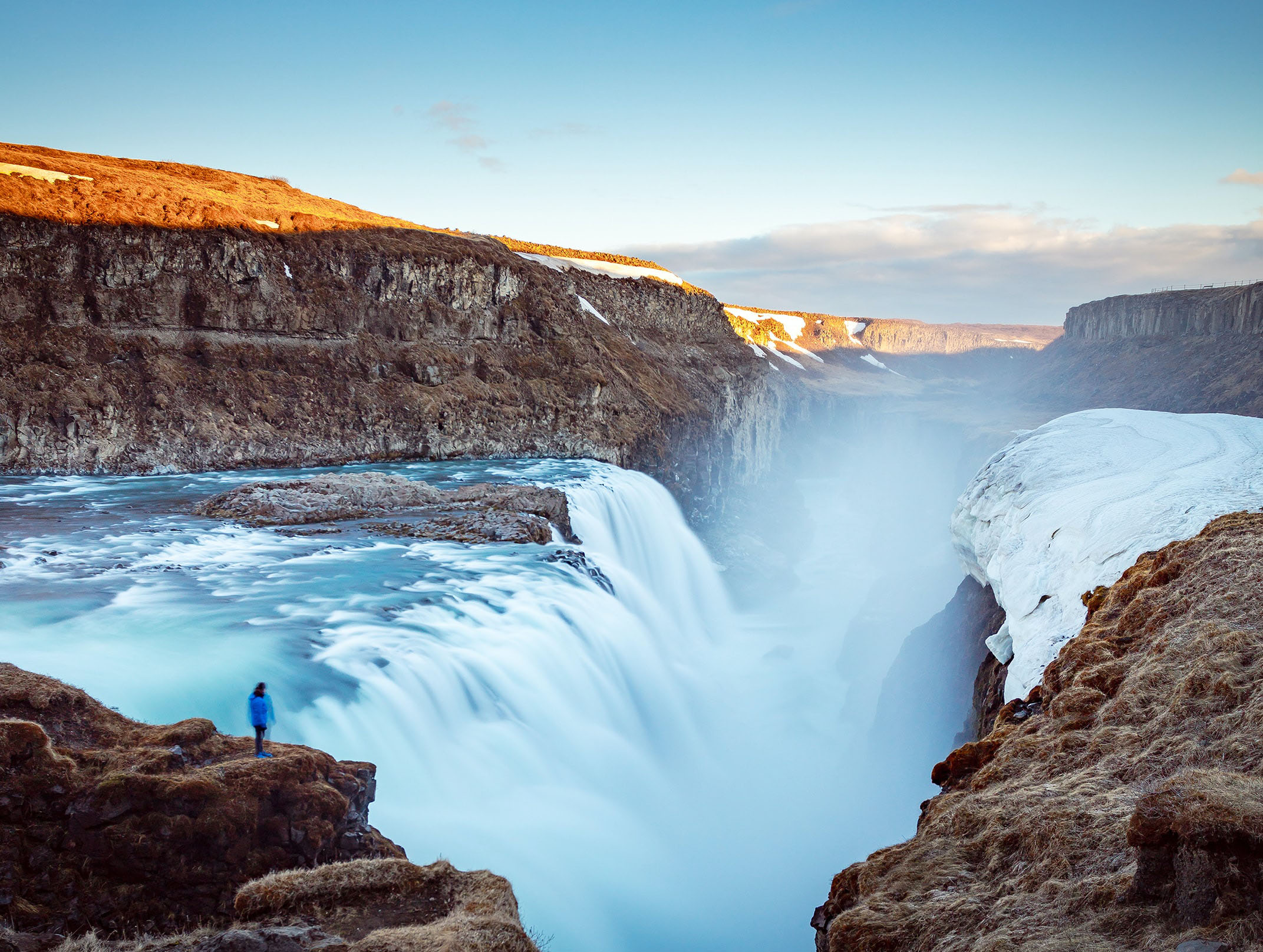
Enhance your cruise by adding another layer of luxury to your travel with any of the multiple options we offer. Select from a variety of enhancements like immersive Land and Overland Programs, Pre- and Post-Cruise Hotel Programs and air upgrades.
PERSONALISED CRUISE EXPERIENCE
Take your all-inclusive luxury travel to the next level by personalising it. Select from a variety of enhancements like our Regent Choice Shore Excursions, Pre- and Post-Cruise Hotel Programmes and air upgrades. Embark on a specially-designed, luxury vacation that offers an experience unlike any other as you explore the cultures, sights and cuisines of your destination. Enjoy it all with The World’s Most Inclusive Luxury Experience® across air, land and sea.
Featured Guest Entertainers & Speakers
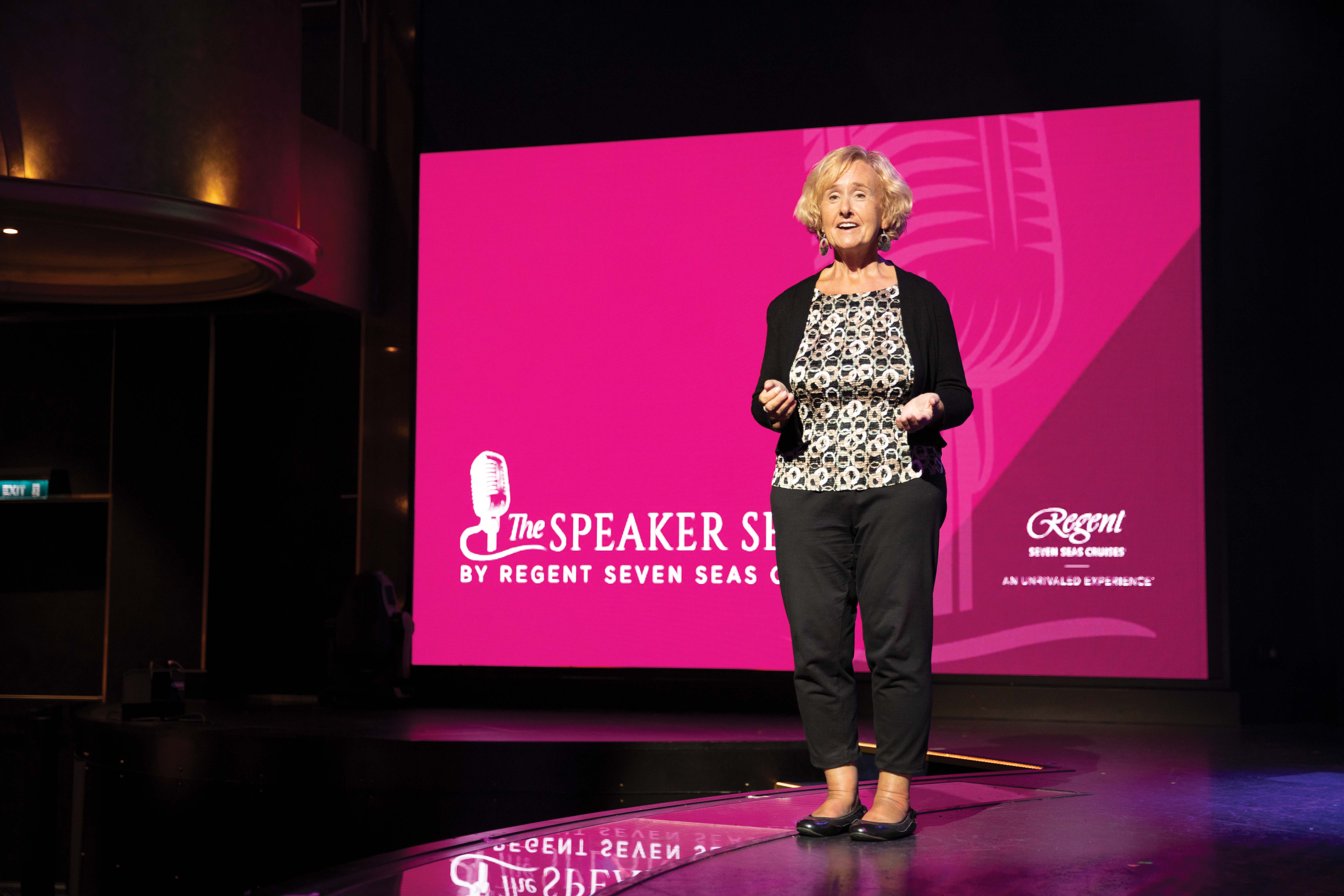
Experience world-class entertainment and engage with esteemed experts on a journey of inspiration and discovery. This immersive experience invites you to delve into meaningful dialogue, while each performance is thoughtfully curated to captivate and uplift. Throughout your voyage, enjoy a front-row seat to brilliance.
When you travel with a distinguished guest Speaker, knowledge sets sail with you. Engage with esteemed experts, from celebrated art historians and acclaimed authors to former diplomats and cultural icons. This immersive experience invites you to delve into meaningful dialogue and connect personally with our Speakers throughout your entire journey.
Featured Guest Entertainers and Speakers are scheduled in advance and are subject to change without notice due to unforeseen circumstances beyond our control.
Bridge at Sea
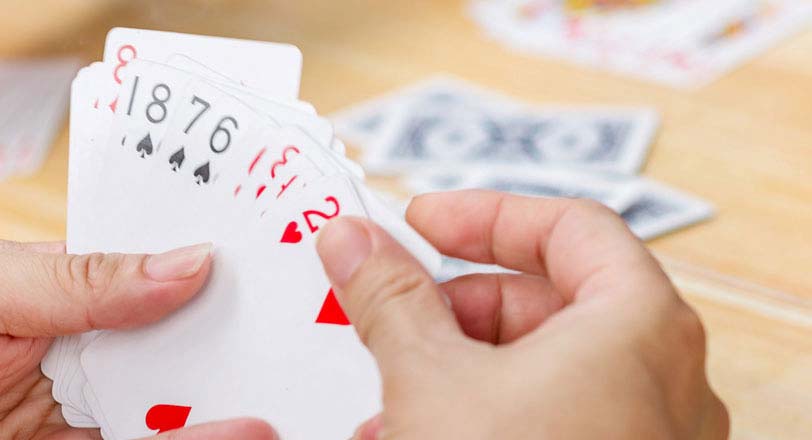
Enjoy social and competitive Bridge play on select voyages. ACBL Certified Bridge Masters sail with guests to provide professional instruction and host games for all levels.
luxury is in the cards
Enjoy social and competitive Bridge play on more than 93 of Bridge at Sea Voyages aboard The World’s Most Luxurious Fleet®. Sail to breathtaking destinations alongside Bridge Masters, who provide professional instruction and host games for all levels — in addition to being knowledgeable and entertaining professionals. Our ships are ACBL Certified, which means you can accumulate master points while cruising to the places you’ve always dreamed of exploring.
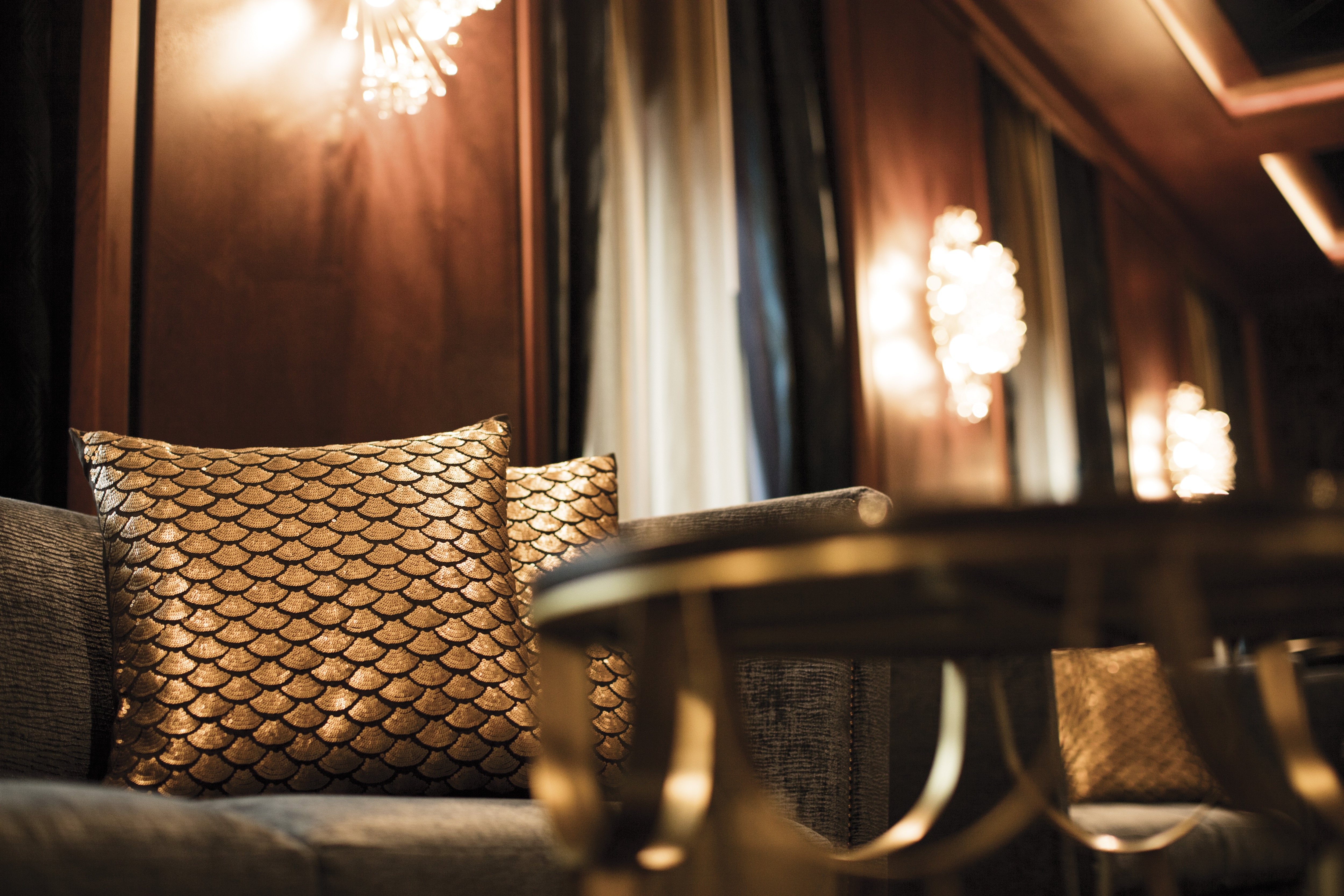
Explorer Lounge
The perfect spot to begin or end an evening, our Explorer Lounge inspires intimate conversations over perfectly mixed cocktails at an elegant, black marble bar while resident musicians play soothing live music.
With rich mahogany wood columns, heavy leather chairs and deep blue fabrics, the atmosphere here is conducive to intimate conversations and bonhomie. Relax to familiar tunes and special requests performed by our resident musicians from an intimate stage arched with a golden proscenium. A perfect spot to meet new friends for a pre- or post-dinner cocktail at the elegant, black marble bar.
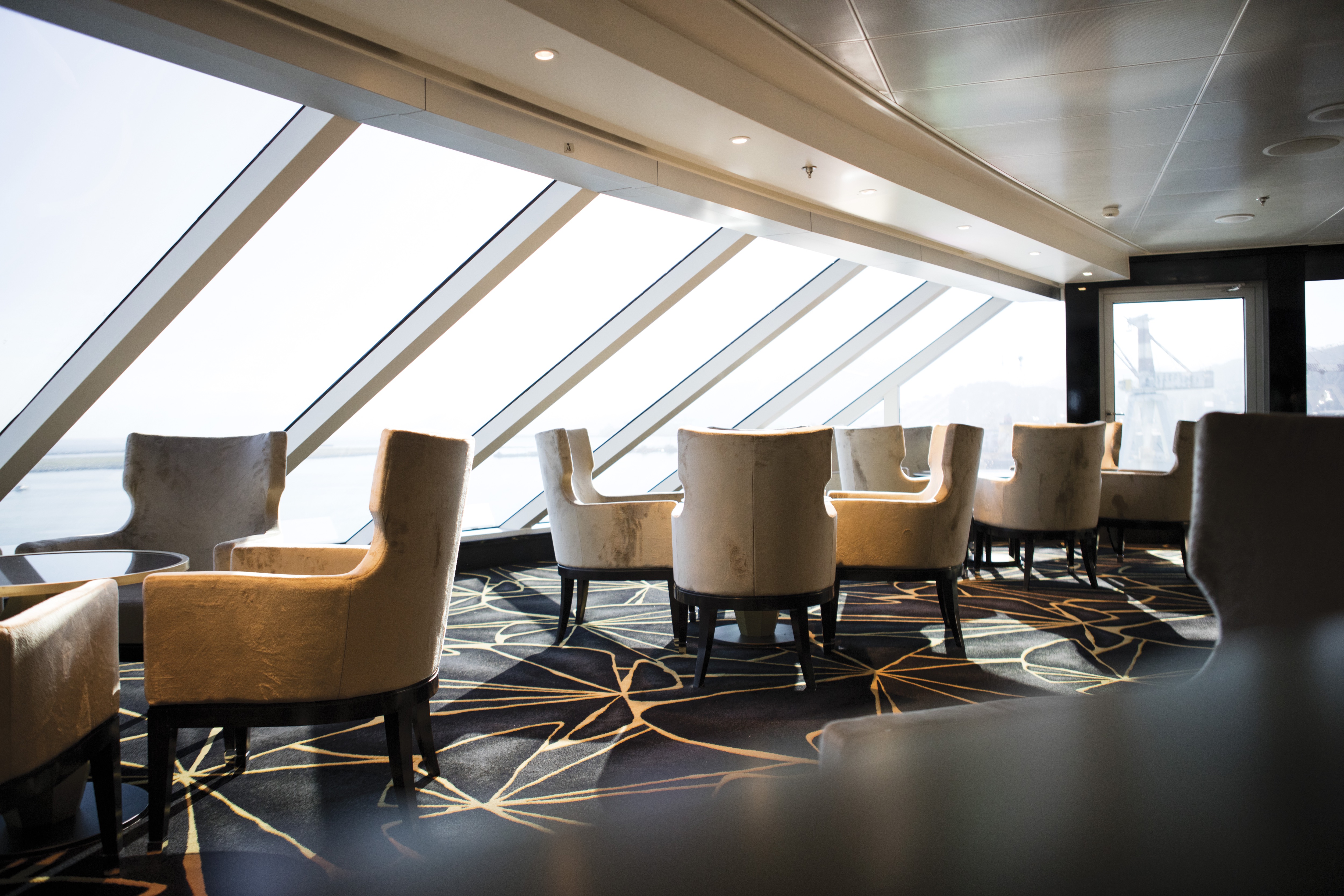
Observation Lounge
With musicians performing throughout the day and night, captivating décor and floor-to-ceiling windows, you’ll be instantly drawn to this chic yet comfortable lounge as you unwind with a cocktail and jovial conversation.
Walk through a black and gold-lit tunnel and be instantly captivated. This chic yet comfortable lounge features an impressive bar, dazzling geometric ceiling, ample seating and floor-to-ceiling windows that create a magical atmosphere. Musicians perform throughout the day, creating an alluring vibe that sets just the right mood as you unwind with a pre-dinner cocktail or satisfying nightcap.
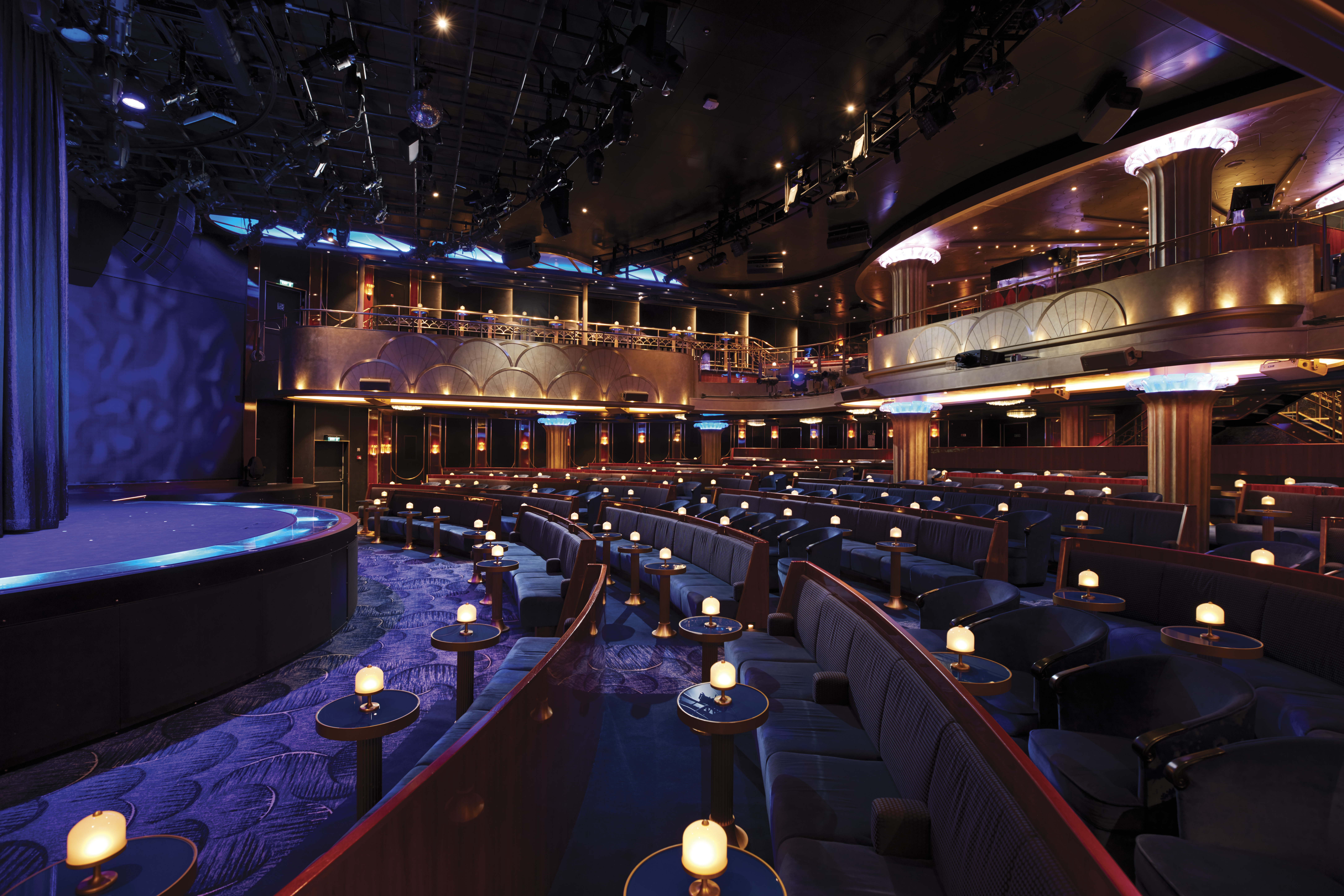
Constellation Theater
Even before the lights drop and a lavishly staged, high-energy show begins, you’re greeted by a Gatsby-esque atmosphere of glamor and sophistication as you enter our Constellation Theatre.
A dazzling staircase mosaic creates a Gatsby-esque atmosphere as you enter our Constellation Theater, a space so grand it takes up two decks. Perfectly tiered for pleasing sightlines and furnished with plush seating, the main show lounge is an intimate venue without a bad seat in the house. Performances vary from full-scale musical revues to rousing singalongs, all backed by our incredible, five-piece Regent Signature Orchestra.
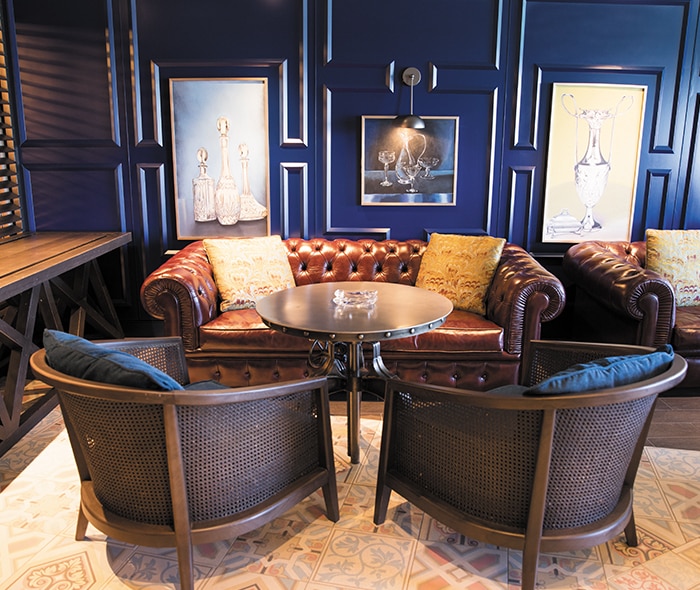
Connoisseur Club
Engage in spirited conversation with new friends in an elegant hideaway that calls to mind gentleman’s clubs of old. An elegant throwback where cigars are savored, you’ll take to like a favorite cardigan.
Maybe it’s the deep blue walls that give the Connoisseur Club such a gentile, old-fashioned feel. Or maybe it’s the collection of impossible comfortable leather armchairs. Whatever it is, this is a relaxing spot for you and new friends to enjoy a fine cigar and sip cognac (both are available for purchase) in classic gentleman’s club environs. Smoking is permitted in the club.
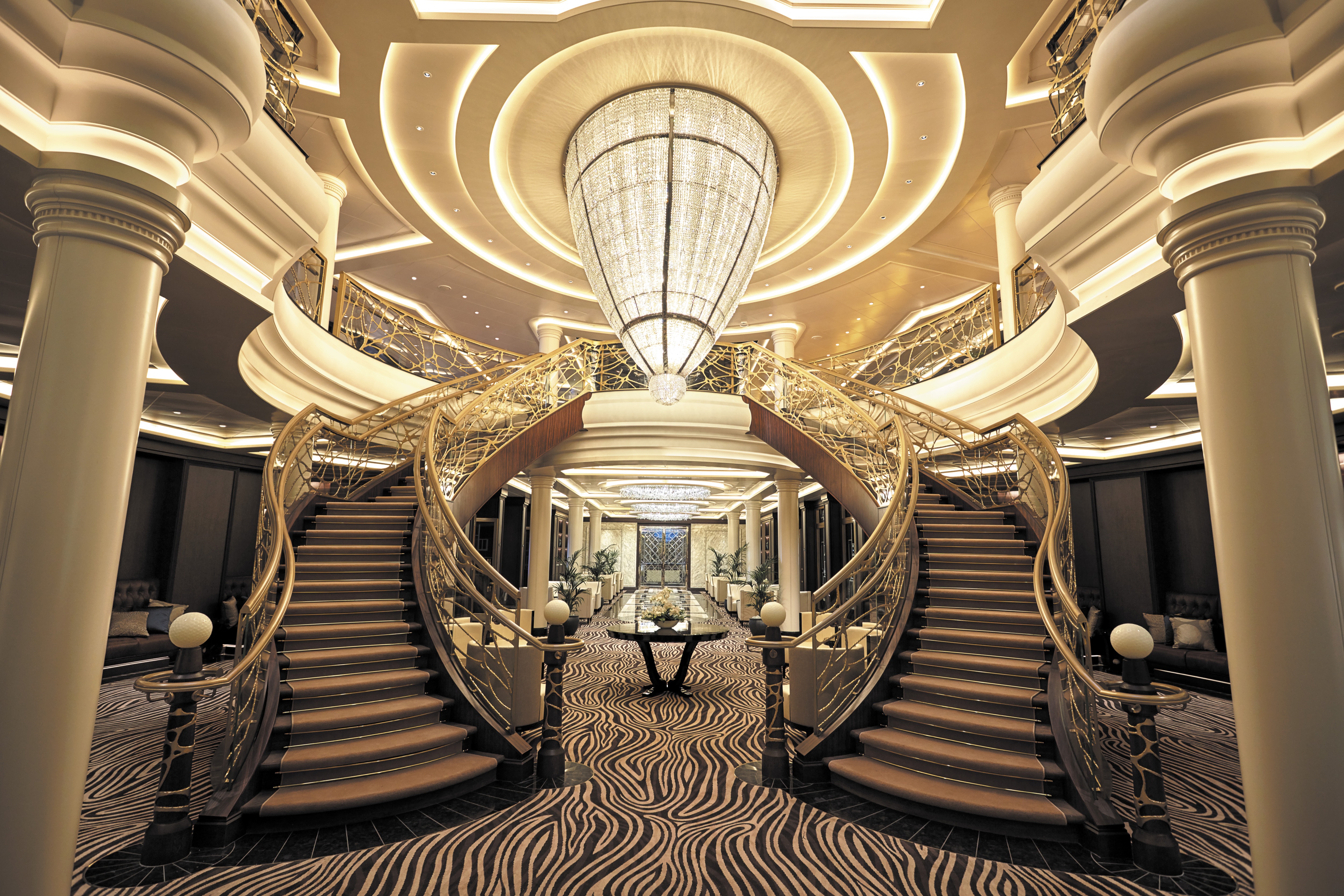
Atrium
Simply put, the Atrium is the very heart of Seven Seas Explorer®. Natural light cascades from above but it’s a magnificent chandelier shining like a glowing star that steals the show.
Often described as the crossroads of the ship, our Atrium is an inspiring testament to the grandeur of luxury ocean travel. Cascading stairwells make it a natural gathering place for guests, but convenience alone doesn’t begin to describe its magnetic appeal. On Seven Seas Explorer® a spectacular chandelier hovers like a glowing star, enhancing the natural light shining down from far above.
The Casino
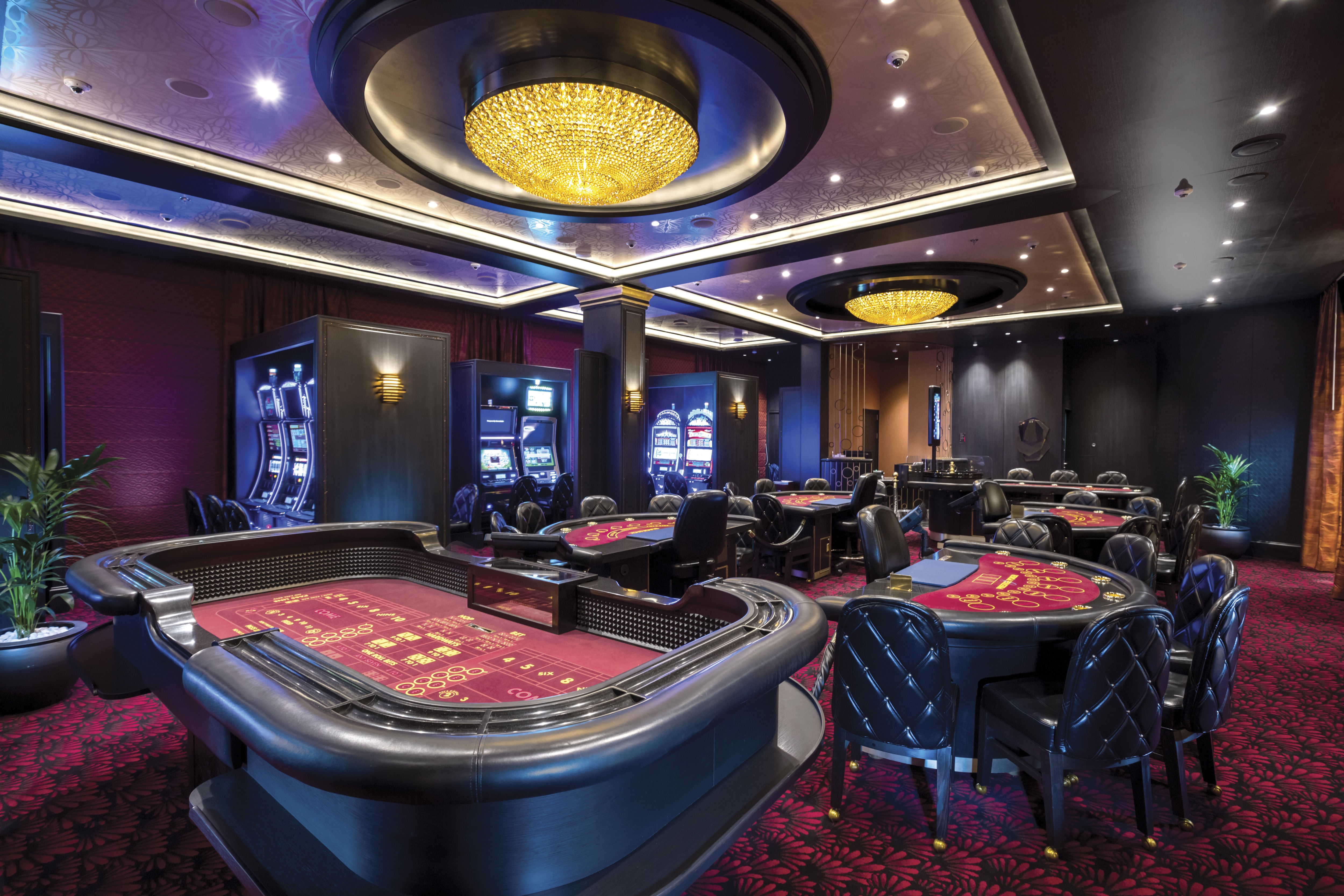
Enjoy the elegance and excitement of a Monte Carlo-style casino. Stride through the Casino’s glass doors to an elegant setting abuzz with Blackjack, roulette, poker, as well as slot machines.
Get a taste of Monte Carlo excitement at our Casino directly across from the equally inspiring Explorer Lounge. Walk through glass doors into an elegant setting bustling with games of chance that include Blackjack, roulette, poker, as well as slot machines. The Casino is open every day at sea when not restricted by territorial border limits.
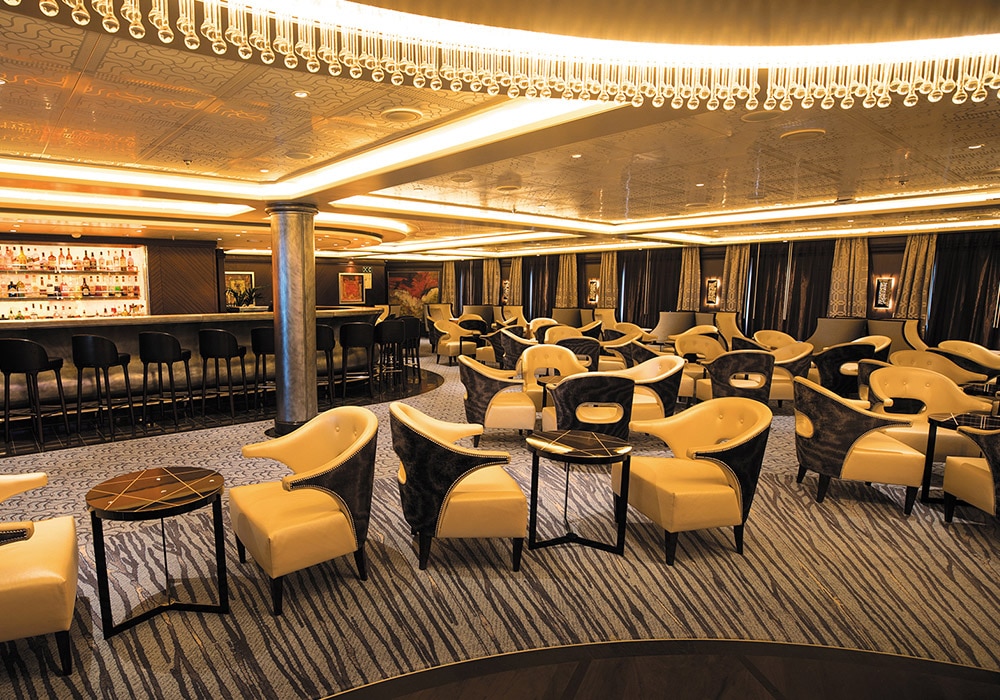
Meridian Lounge
A popular spot for informal gatherings over impromptu cocktails, you may find yourself here after a thrilling theater experience. Meridian Lounge is a spacious, friendly space with an expansive bar and live music at night.
Situated along a lively hallway, Meridian Lounge is a natural place to gather with others for an afternoon or early evening cocktail. Elegantly appointed and comfortably furnished, it boasts an expansive bar and relaxed armchairs that beckon conversation. A popular spot to catch your breath after a dazzling Constellation Theatre show, this lively spot invites you to extend your evening with virtuoso performances by resident musicians.
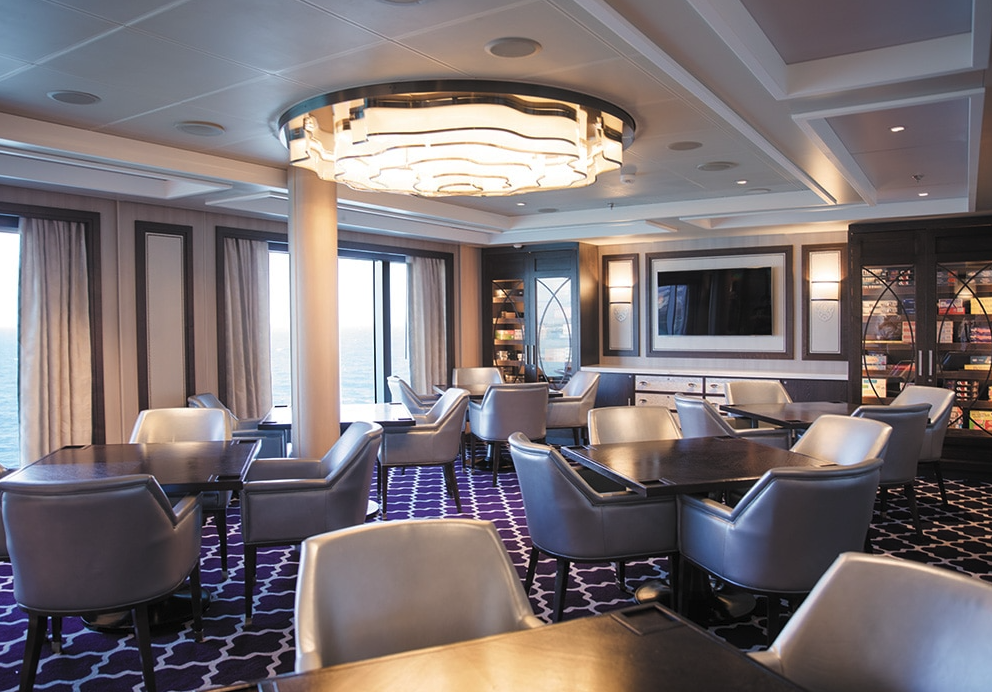
Card Room
Clubby and comfortable, our Card Room is a charming spot for you and new friends to gather for friendly competition in elegant surroundings.
An inviting and tranquil oasis dedicated to the pure pleasure of playing games. Our beautifully decorated Card Room sits across from Observation Lounge, and it’s not unusual for guests to go from one fun space to the other. Gather your favourite teammates in the Card Room for a lively afternoon or evening of board games, a social game of Bridge or to participate in an ACBL Tournament on select voyages.
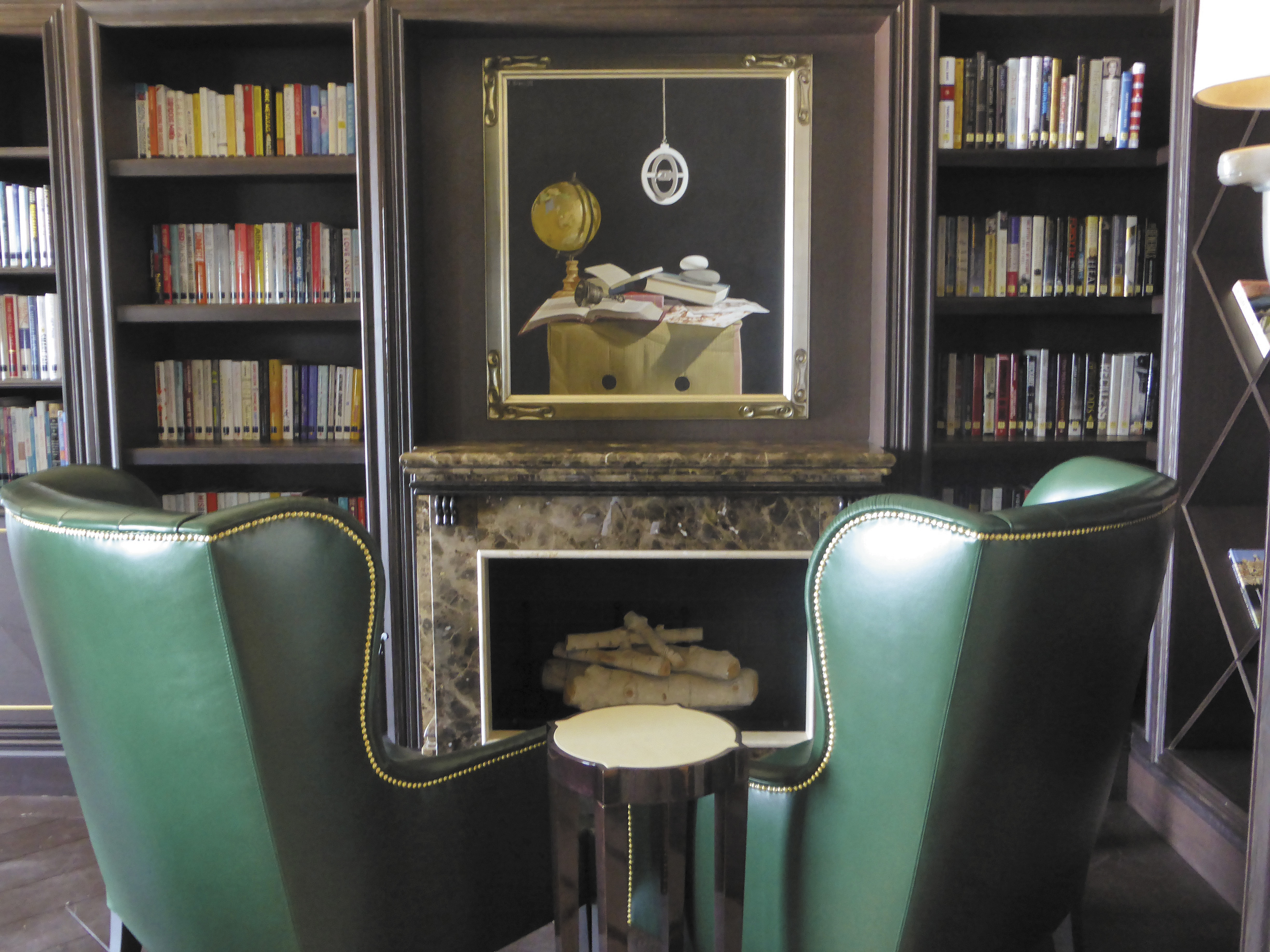
Library
Choose from a large selection of reading material in our Library, a relaxing retreat dedicated to calming the senses as well as stimulating the brain.
Well-stocked and exceedingly comfortable, you’ll immediately feel at ease within the Library’s calm setting. Browse a vast collection of volumes, from destination-specific guide books to best-selling mysteries to classics of literature, on a variety of comfortable chairs. Conveniently located across from the Card Room, our library is a welcoming, low-key treasure you just may find hard to leave.
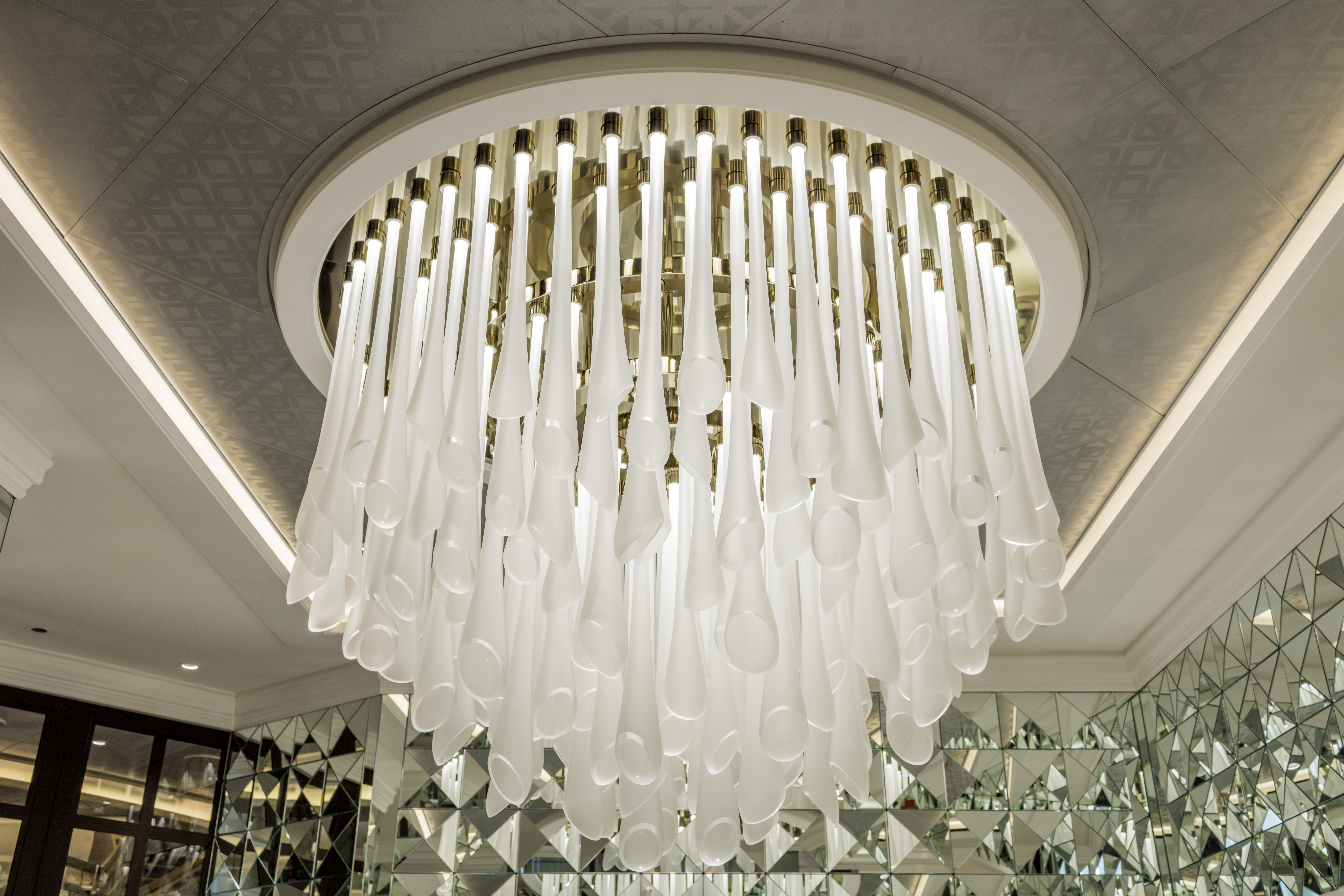
Boutique
Perhaps it’s a dress to wear for dinner or a piece of jewellery that calls your name. Our boutique items are carefully selected, providing you with quality handbags, fragrances and clothes to give as gifts… or give yourself.
Whether looking for something special to wear for dinner or a memento for friends and family back home, you’re bound to be tempted by the designer garments and fashionable accessories in our shops. Relax as you browse a wide range of items – upscale handbags to exclusive fragrances to fine jewellery and more – in an intimate and unhurried setting.
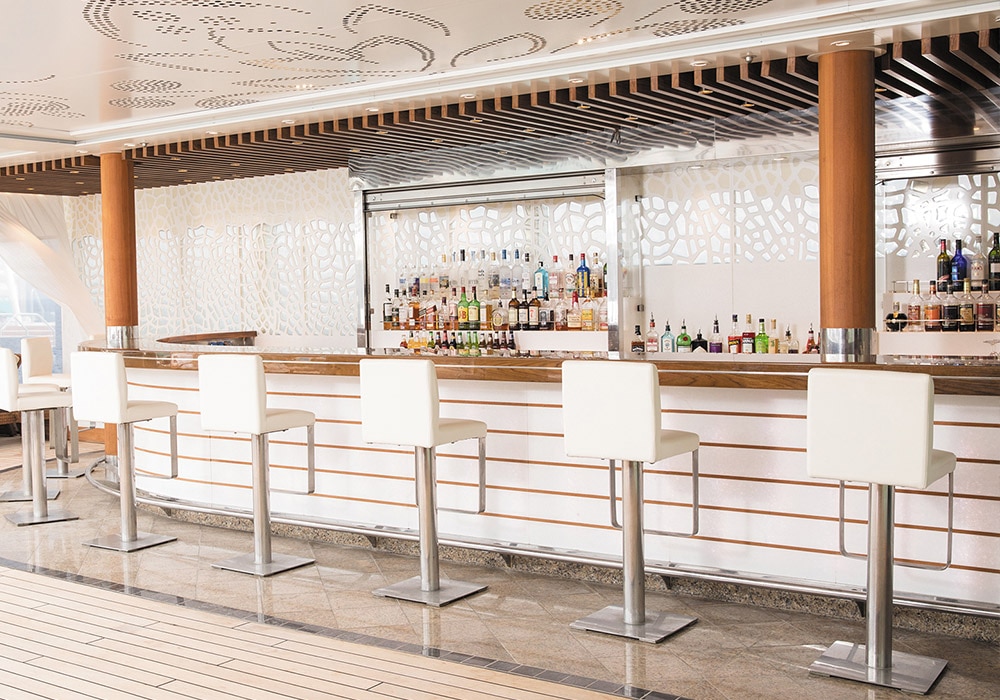
Pool Bar
Very few things equate to a pure vacation activity more than sitting at our Pool Bar. Make new friends while sipping a cocktail or frozen drink in the most laid-back atmosphere imaginable.
When you envision an activity you’re only likely to do while on vacation, sipping a frozen drink at a pool bar onboard a glorious cruise ship is probably near the top of the list. You can tick that box at our Pool Bar, where you and new friends can enjoy leisurely conversation over cocktails and frozen drinks in a delightfully relaxed atmosphere.
Business Centre
For those who’ve chosen to leave their laptops at home, desktop computers are available at our staffed Business Centre. Of course, you may access WiFi without charge throughout the entirety of the ship.
If you prefer to travel without a laptop, our staffed Business Center offers desktop computers that allow you to access your emails and browse the Internet. Printer access is available for a nominal fee. Seven Seas Explorer® provides WiFi access throughout the ship, allowing you to connect to the Internet with whatever device you’ve brought on board.

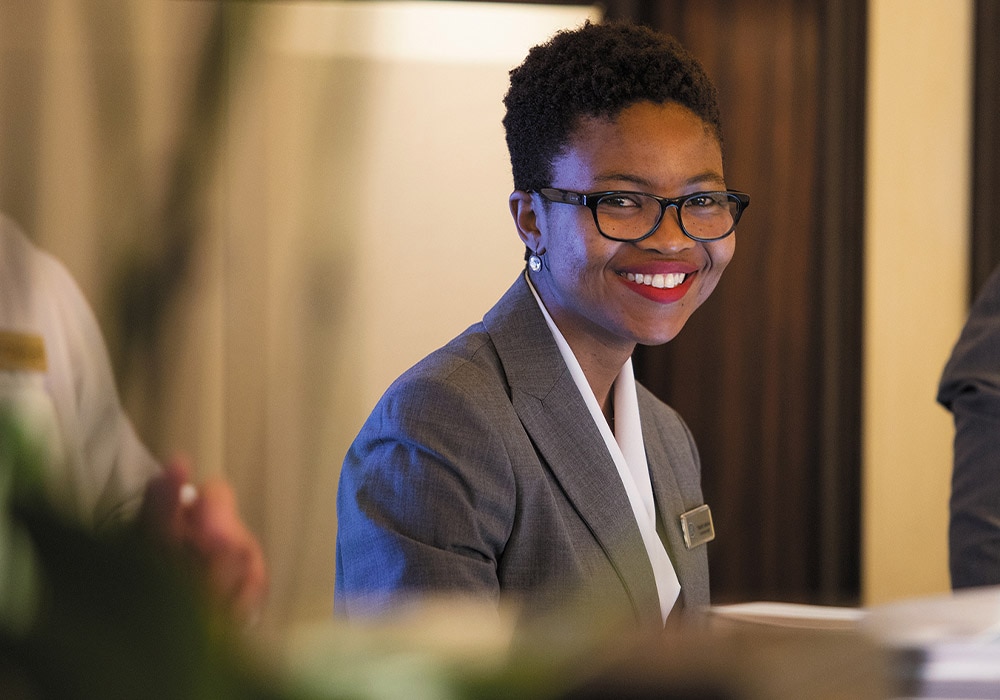
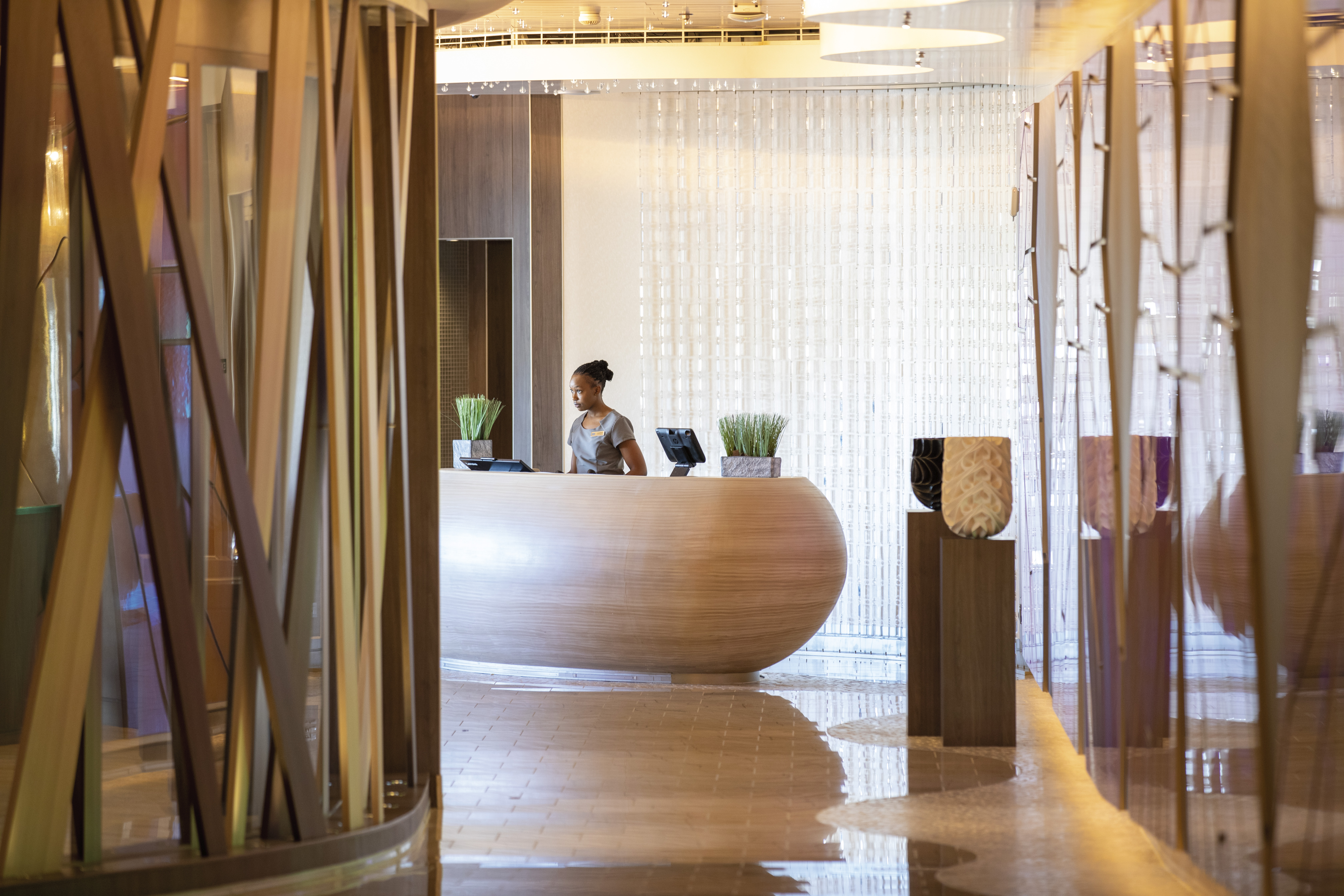
Reception & Concierge/General Manager
Turn to the Reception Desk for answers to questions about your Seven Seas Explorer® experience. Our knowledgeable staff is available day and night. You may also contact the ship’s Concierge here.
Our Reception Desk is the place to turn to have your every wish, whim and want fulfilled any time of day or night. Our knowledgeable, personable staff will welcome your questions and work to ensure your Seven Seas Explorer® experience is everything you want it to be. The ship’s Concierge may also be contacted at the Reception Desk.
While cruise-related issues are first submitted to Reception/Concierge, you can be assured that a General Manager is on hand to resolve issues to your satisfaction.
Accountability is a critical aspect of providing you with an unrivalled experience on Regent Seven Seas Cruises®. As a guest you’ll always know where to find our General Manager, whose sole responsibility is making sure things are running as they should — and that includes providing you with superior customer service.
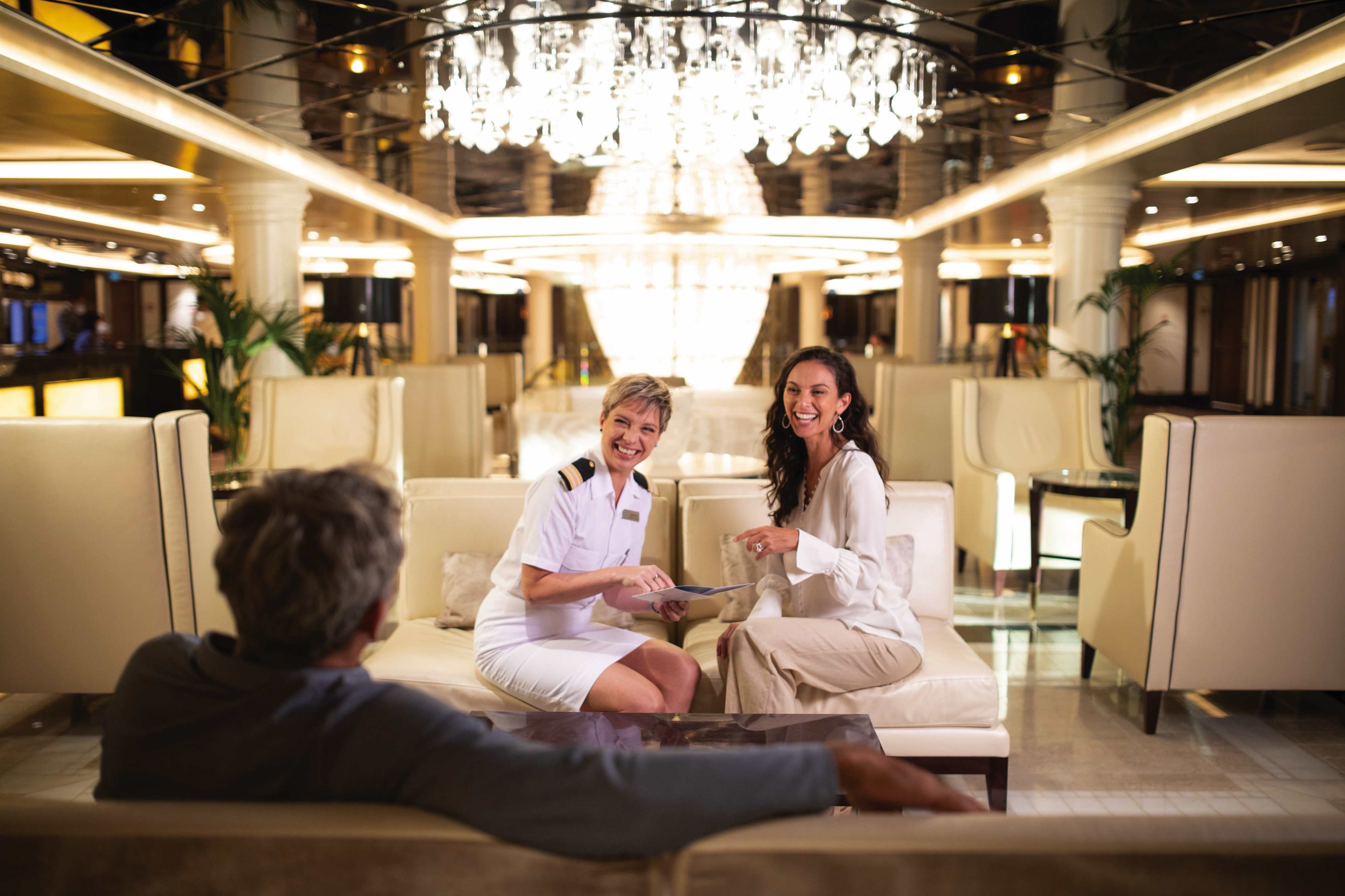
Destination Services
A great resource if you’re keen on making the most of your time in port cities. Visit Destination Services to book a FREE Unlimited Shore Excursion or unique, small-group Regent Choice Shore Excursion.
Whether you’re interested in a tour from our FREE Unlimited Shore Excursion menu or a customisable Regent Choice Shore Excursion, our staff at Destination Services is ready to help you make the most of your time in port cities. Head here for assistance with tailor-made pre-and post-cruise programs, from a simple stay in a luxurious hotel to a 3-night extension that includes private tours of coveted destinations.
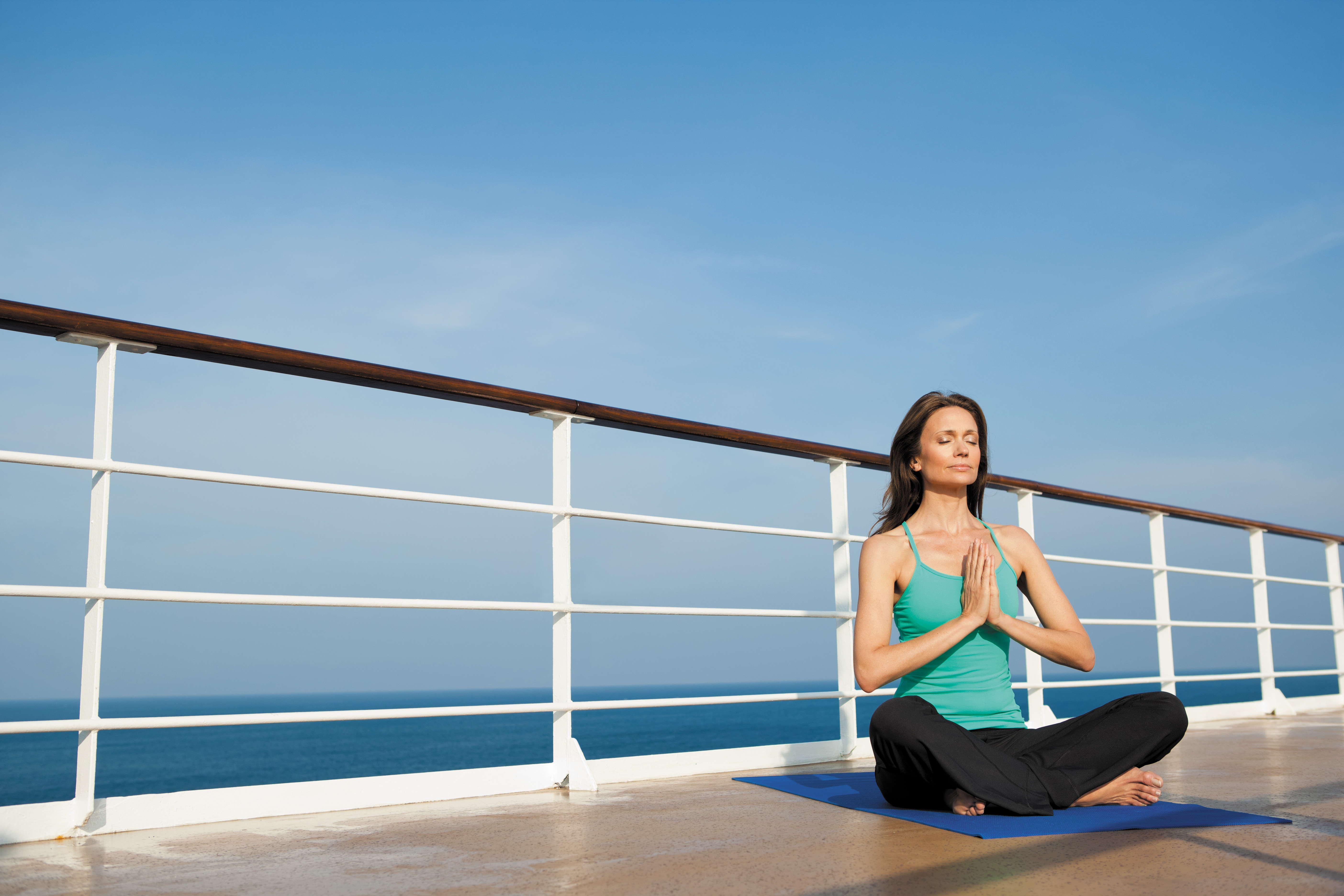
Serene Spa & Wellness™
A globally inspired, tranquil haven of health, beauty and wellness, our spa offers restorative treatments and activities that incorporate globally sourced, natural ingredients to soothe both the body and mind.
Serene Spa & Wellness™ is a globally inspired, tranquil haven of health, beauty and wellness, offering restorative treatments and activities to soothe both the body and mind. Strengthen and elevate as you engage with a variety of treatments and services designed to enhance your whole being, from massages, and body wraps to facials, manicures and pedicures and exclusive treatments curated especially for Regent Seven Seas Cruises®.
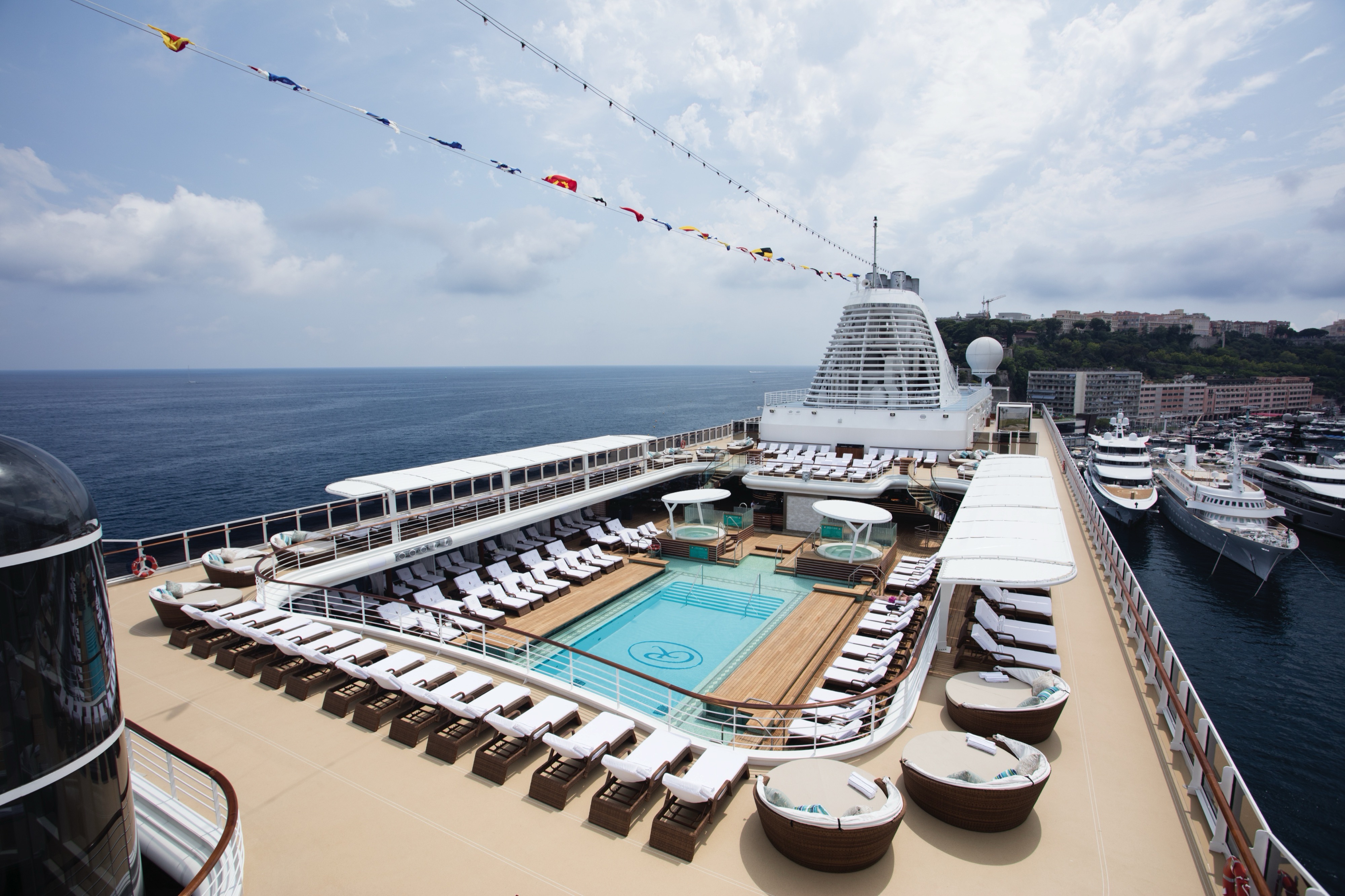
Pool Deck
On days you wish to lounge by a pool, head here. You’ll be greeted by a Pool Deck with an unforgettable vista, elegant teak accents and an amiable crew offering cold drinks and lounge chairs with plush towels.
When the call of a glistening pool with an unforgettable vista beckons, head to our Pool Deck. Outfitted in teak accents which make it one of the most elegant at sea, the Pool Deck features a lavish pool and two whirlpools. You’ll also find an amiable and dedicated crew standing by to provide refreshing beverages and lounge chairs with plush towels.
Sports Deck
Practice your golf swing, go for a jog around the track, or gather some new friends for a spirited (but fun) game of bocce ball, all while taking in stunning views and fresh, ocean air.
You may visit our Sports Deck after a relaxing visit to Serene Spa & Wellness™ to jog a few laps around our track or practice your fairway golf swing. Then again, you could head up to Deck 12 after an afternoon cocktail to take on new friends in games of bocce ball or paddle tennis. Whatever you do, you’ll enjoy the freshest ocean air and vistas you’ll never forget.

Infinity Pool
What better way to relax your body and mind than in a refreshing pool with dramatic views every way you turn? Discover this and an inviting teak-deck terrace for yourself, just outside Serene Spa and Wellness™.
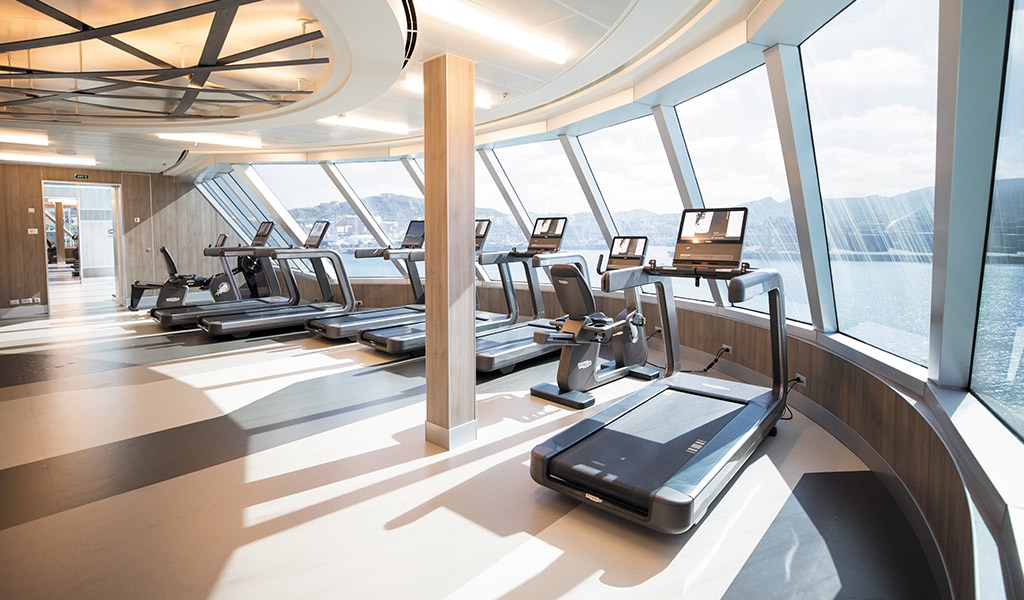
Fitness Centre
Look after yourself at sea. Take part in Pilates, yoga and aerobics classes or help yourself to spinning bikes, dumbbells, treadmills, Technogym Strength Machines, workout mats and step benches. For guests 16 and over.
Serene Spa & Wellness™ fitness experts lead popular exercise classes, such as Pilates, yoga and meditation and are on hand to offer advice and demonstrate the use of fitness equipment. Equipment includes spinning bikes, dumbbells, treadmills, Technogym Strength Machines, workout mats and step benches. One-on-one training can be arranged with a fitness instructor. Guests under the age of 16 are not permitted in the Fitness Center.
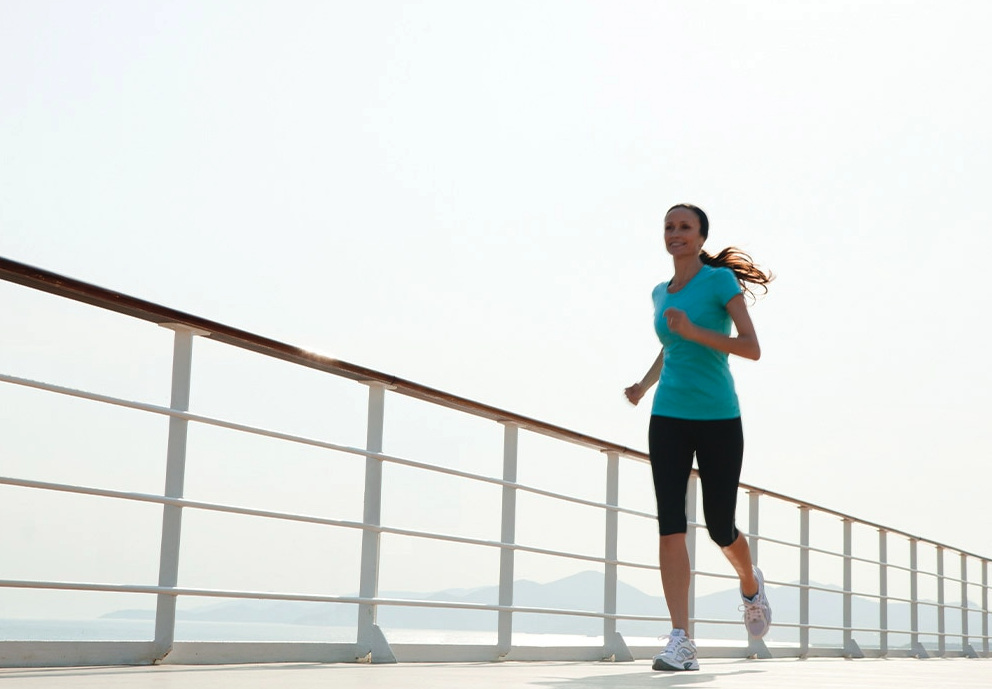
Jogging Track
If you have a regular walking or running routine, fear not – your healthy habit can be maintained while cruising the high seas. Regardless of the speed you traverse our track, dramatic views and fresh air await.
Whether you prefer to start your day with a brisk jog or wait until later and get in an afternoon walk, our Track is a popular destination for those who’ve developed active lifestyles back on dry land. Onboard Seven Seas Explorer® it’s an outstanding place to get your heart pumping while enjoying unforgettable ocean vistas.
Golf Net
If the mood strikes to work on your fairway swing, head to our Golf Net. All equipment is provided for you to practice your swing while soaking up the most glorious views imaginable.
The glorious ocean vistas you’ll admire every day won’t necessarily have you thinking of golf course fairways, but if you find yourself wishing you could be practicing your fairway swing, head to our Golf Net. All the clubs and golf balls you need are available. Who knows? Maybe you’ll return home from your voyage with a few kinks worked out of your golf swing.

Bocce Court
Gather some friends and engage in a game originated in 5,000 BC. Our Bocce Court has the requisite equipment – a pallina and 8 larger balls – for you to engage in a spirited contest as the sun sets.
The originators of bocce ball 7,000 years ago couldn’t have imagined their simple game being played high atop a glorious ocean liner… but you’ll be able to do more than imagine while playing it onboard Seven Seas Explorer®. Bocce ball – also known as Italian lawn bowling – is played with a pallina and 8 larger balls, all of course provided.
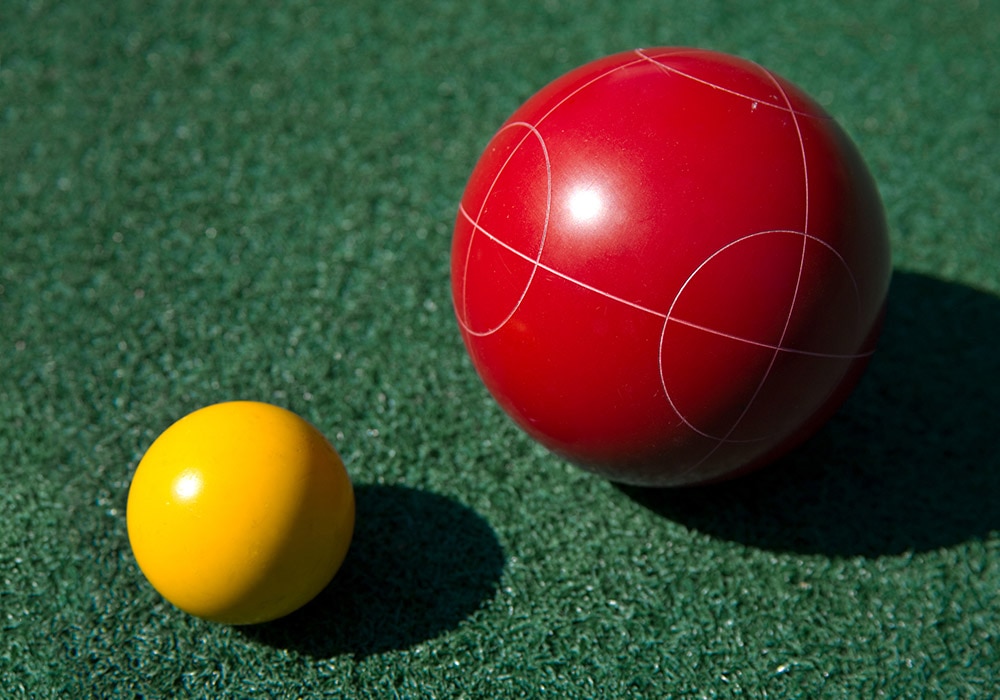
Shuffleboard
Probably the game most associated with cruise ships, shuffleboard onboard Seven Seas Explorer® is a more dramatic affair. High atop your ship, you won’t mind awaiting your turn as you take in glorious horizon views.
This isn’t the sleepy version of shuffleboard. From high atop Seven Seas Explorer®, you’ll be enchanted by ocean vistas stretching horizon to horizon as you engage in a game that dates back to 15th-century England. All equipment is well-maintained and available for use — all you have to do is bring a team, or perhaps join one in need of a player.
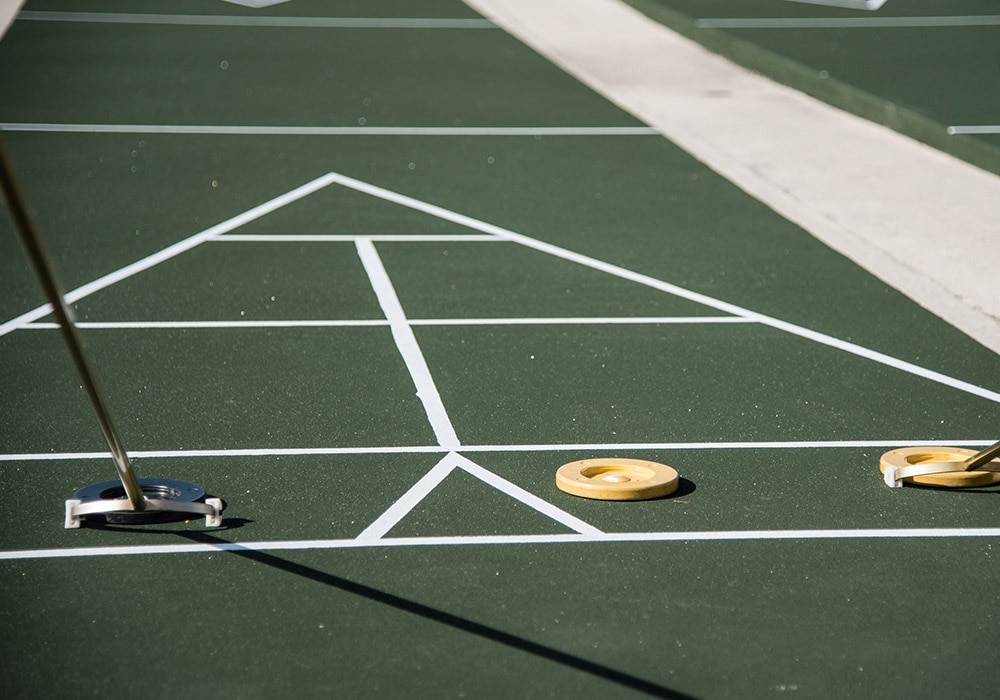
Paddle Tennis Court
Our completely screened and well-maintained paddle tennis court will beckon you and your teammates to win at all costs – or simply enjoy a fun game of paddle tennis or two.
One look at our Paddle Tennis Court and you’ll know it’s a place of serious competition. All the equipment you need is nearby, the court is completely screened and the surface is immaculate. Whether you find yourself in a tense match or something more leisurely, you and your fellow players will be enjoying fresh ocean air and fantastic views from high atop your ship.

Putting Green
Not nearly as serious as the Golf Net, our Putting Greens invite you to gather friends – perhaps after an afternoon cocktail – for a spirited round of putt-putt golf or two.
While the Golf Net is meant to help you improve your fairway swing, our Putting Greens are less about self-improvement than group fun as your ship travels from one destination to another. A popular pastime is gathering friends after an afternoon cocktail and heading to the top deck of Seven Seas Explorer® for a spirited competition as twilight approaches and a delicious dinner in one of our stellar restaurants looms.
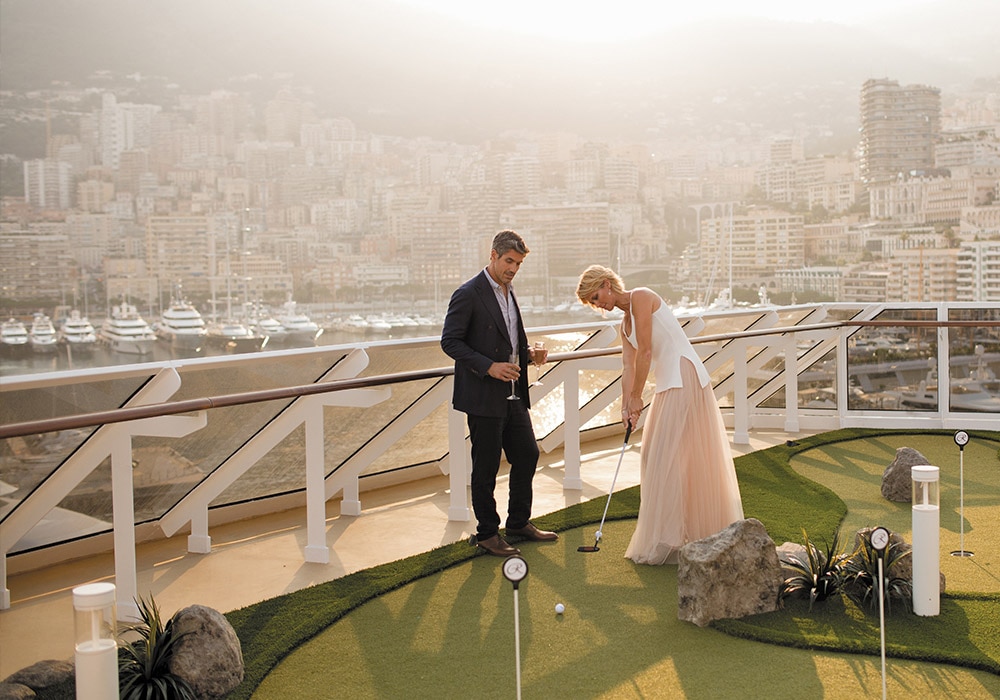
Club Mariner
Families with young travellers will enjoy our Club Mariner Youth Program on select voyages. Children ages 5 to 17 can participate in a range of specialised activities, from mini-putt tournaments to dance parties to movie nights. Each program is designed and supervised by friendly and professional youth counsellors.
Club Mariner is available on select sailings only. Please ask your travel professional for details.
Pacific Rim
Walk past the Tibetan Prayer wheel at the Pacific Rim entrance and be prepared for an evening of culinary perfection with an array of Pan-Asian flavors and dishes. An elegantly exotic eatery.
Maximise your sense of the exotic as you pass a large Tibetan Prayer wheel on your way into Pacific Rim, our dining masterpiece that celebrates the culinary traditions of Asia. Taking a seat beneath huge lanterns and a hand-painted mural covering the entire back wall, you’ll receive a signature cocktail and the promise of an extraordinary culinary journey. Be sure to check out the ocean views through Pacific Rim’s lotus-shaped windows.
Compass Rose
The wondrous colors outside Seven Seas Explorer® are no match for the vivid cobalt-blue glass installation on the ceiling of our elegant Compass Rose, a perfect setting for breakfast and dinner.
We are pleased to re-introduce the elegantly enhanced Compass Rose, the largest specialty restaurant across our fleet. Ensuring a tantalizing mix of new and familiar items on every visit, the new lunch and dinner menus offer a vast selection to meet your discerning tastes. Exclusively aboard Seven Seas Mariner®, Seven Seas Voyager®, and Seven Seas Navigator® for lunch, you may choose from a robust list of appetizers and main courses from our specialty restaurants. And across our fleet for dinner, you have the unique ability to design your very own entrée from preferred sides, sauces, pastas and main features of beef, poultry and fish. This is in addition to sinfully indulgent desserts made by talented bakers and pastry chefs. With daily changing menus, the refreshed Compass Rose offers more choices than ever before.
Pool Grill
When you desire a quick bite after sunbathing or swimming in the pool, our Pool Grill is the place for grilled-to-order burgers, seafood, sandwiches, even hand-dipped ice cream sprinkled with tasty toppings.
The Pool Grill is truly a come-as-you-are venue. Enjoy this casual dining experience whether you’re getting a bite after sunbathing or swimming in the pool. The Pool Grill is open-air, yet abundantly shaded for comfortable dining at lunch or dinner. Enjoy grilled-to-order burgers, grilled seafood, sandwiches, and fresh salads. Treat yourself to milkshakes and malts or an old-fashioned hand-dipped ice cream dessert with toppings.
La Veranda
Located on Deck 11 aft, guests take in stunning ocean views while enjoying elegant breakfast and lunch buffets in the chic indoor dining room or al fresco on the shaded, open-air deck.
Take in stunning ocean views while enjoying elegant breakfast and lunch buffets in the chic indoor dining room or al fresco on the shaded, open-air deck. Breakfasts include traditional favorites, as well as a made-to-order omelet station, a variety of fresh fruits and pastries, along with daily specials, like fluffy Belgian waffles with fresh blueberry compote. For lunch indulge in an array of choices from a bountiful salad bar, gourmet sandwiches, hot carving stations and delicious desserts.
Prime 7
From perfectly aged New York strip, porterhouse and succulent filet mignon to smoked salmon with a phenomenal tamarind-whiskey sauce, Prime 7 elevates classic American fare to lofty heights.
A true classic in every sense, Prime 7 sets a new standard in steakhouse fare with its contemporary interpretation of an American classic. Handsomely decorated with supple leather wing-back chairs, burnished woods and rich earth-toned fabrics, Prime 7 exudes a distinct, intimate elegance. This is sophistication redefined, a luxurious setting to enjoy classic steakhouse cuisine with a modern flair.
All the traditional starters are here, including Jumbo Lump Crab Cakes, Classic Steak Tartare, and Clam Chowder. Of course, beef is the undisputed star, and it is aged for a minimum of 40 days to ensure the ultimate tenderness and juiciness. New York Strip, Porterhouse Steak and succulent Filet Mignon only touch upon the selections. Mouthwatering alternatives include Applewood Smoked Salmon and Dover Sole.
Reservations Required
Sette Mari at La Veranda
Enjoy an extensive menu of authentic antipasti and Italian specialties served á la carte and paired with fine Italian wines. All dishes are prepared with the freshest gourmet ingredients and served by our attentive waiters.
Each evening, La Veranda transforms into Sette Mari at La Veranda, a casual, intimate dining experience. Choose from authentic Italian specialties inspired by family recipes that span generations, or opt for something with a modern twist like a spice-crusted tuna steak with braised endive, polenta and salmoriglio. Savour it all with a perfectly paired Tuscan wine. Sette Mari at La Veranda is open for dinner only.
Chartreuse
A restaurant with a modern French menu and attention to detail you’ll notice in its Parisian décor, expertly prepared dishes and wait staff. About the closest thing to a Parisian culinary gem on the high seas.
Chartreuse evokes memories of a chic Parisian fine dining restaurant discovered during an evening stroll. Wherever you are seated in this regal restaurant, you will be treated to a succulent dinner while enjoying incredible ocean views. The restaurant ambiance is complemented by a menu that features modern French dishes. Available on Seven Seas Grandeur™, Seven Seas Splendor®, Seven Seas Explorer®, Seven Seas Mariner® and Seven Seas Voyager® with reservations each evening for dinner, and open for lunch on Seven Seas Explorer on alternate port days. French bistro style food is offered.
Reservations Required
Coffee Connection
Grab a barista-made coffee, check the headlines of international newspapers or choose from a variety of handmade pastries in our cozy café which is open throughout the day.
Enjoy complimentary coffee drinks prepared by our baristas, as well as delicious pastries, gourmet sandwiches and homemade cookies. Whether perusing international newspapers or simply taking in an always spectacular view, our café is the perfect place to relax, converse and enjoy coffee and snacks throughout the day.
Room Service
Knowing that guests sometimes prefer to simply dine in the comfort of their suites, we offer room service around the clock. Select from an extensive room service menu and the wait staff will promptly serve your order in the comfort of your suite. During normal dining hours, guests may also order from the Compass Rose menu, which changes daily and features Continental, vegetarian, and kosher cuisines. Dinners will be graciously served course-by-course.
The Study
Guests of the most luxurious suite on the high seas — the Regent Suite on Seven Seas Explorer® — have exclusive access to The Study, a private, ornately decorated dining room that seats up to 12 guests.
In an atmosphere that’s reminiscent of a personal library in an elegant, stately home, Regent Suite guests may gather in The Study to privately dine on meals from the adjacent Chartreuse and Prime 7 restaurants. Such an exclusive opportunity further establishes the Regent Suite on Seven Seas Explorer® as the pre-eminent luxury accommodation on the high seas.
Gourmet Explorer Tours
Our distinctive Gourmet Explorer Tours, offered exclusively aboard Seven Seas Explorer, allows guests the unique opportunity to experience the culinary culture of the world’s most delicious destinations. From savouring the authentic flavours of a region to learning new techniques in local cooking classes, guests can choose from a variety of optional tours that take them to local markets to find exotic spices, sample delicious wines at breathtaking estates and savour gourmet meals expertly prepared by renowned chefs. Due to their unique itineraries, Gourmet Explorer tours require a discounted, supplementary charge.
Regent Choice Shore Excursions
Take your experience to another level with the select itineraries and smaller group tours offered by our Regent Choice Shore Excursions. These unique opportunities require a discounted, supplementary charge and invite you to discover the heights of travel, from our Gourmet Explorer Tours to special experiences that take you off the beaten path.
As the name suggests, these excursions work a little harder to engage your explorer spirit. Unique itineraries and smaller groups create more personal experiences… and memories of a lifetime.
UNIQUE, UNPARALLELED EXPERIENCES
Soaring over Alaskan forests and mountains via helicopter en route to feeling the majesty of Mendenhall Glacier beneath your feet. Discover the best our world has to offer through the unparalleled experiences you’ll enjoy with Regent Choice Shore Excursions.
Enhance your shoreside experience with a Regent Choice Small Group tour. Hosting up to 16 guests, these tours provide a more intimate experience and allow for more personal engagement with your knowledgeable guide.
Culinary Arts Kitchen
Step into a welcoming environment, reminiscent of the world’s distinguished culinary institutions in both layout and design, with workstations fully equipped with top-of-the-line induction cooktops, stainless steel sinks and a comprehensive collection of cooking essentials. Guests attending classes in the Culinary Arts Kitchen will receive highly individualised, hands-on instruction. The curriculum will appeal to a wide range of tastes and cater to all levels of aptitude, from beginner to experienced chefs.
Taste, learn and share with the Culinary Arts Kitchen and Regent Seven Seas Cruises®.
Please note: Classes vary by destination and voyage to view voyages and availability click here.
Join expert chefs in a state-of-the-art teaching kitchen on board Seven Seas GrandeurTM, Seven Seas Splendor® or Seven Seas Explorer®. Learn to prepare authentic local recipes, and savour the flavours of the regions you are visiting.
From Our Kitchen, To Yours
Executive Chef and Director of Culinary Enrichment, Kathryn Kelly, has travelled throughout the world, tasting and exploring the many different cuisines and the cultures that create them. Her experience and expertise make her a natural fit to develop the curriculum for the Culinary Arts Kitchen. Exclusively aboard Seven Seas Grandeur®, Seven Seas Splendor®, Seven Seas Explorer® and Seven Seas Prestige™.
The Culinary Arts Kitchen provides everything you need to elevate your culinary skills in a welcoming environment inspired by France’s finest cooking schools. Designed with both style and functionality, the space features fully equipped workstations complete with top-of-the-line induction cooktops, stainless steel sinks, and a comprehensive collection of cooking essentials. Whether you’re a novice in the kitchen or a seasoned chef, you’ll enjoy highly personalised, hands-on instruction from expert instructors.
Culinary Classes Details
ARABESQUE
Based on the travels of Executive Chef Kelly in Morocco and Turkey, this cruise ship cooking class explores the trending culinary traditions and recipes of two ancient and revered cuisines. Learn the basics of tagine cookery and gain an appreciation for how the foods of these two great countries have influenced modern world gastronomy. Learn how to make nut milks and preserved lemons – prized in the Arabesque region and around the world. These cuisines are a favourite amongst our chefs, and the recipes are beyond delicious.
ANYTIME BRUNCH FAVOURITES
Whether celebrating the weekend with a group of friends, spending Sunday watching your favourite sports team or gathering the family for the holidays, brunch is always a great meal for casual, comforting and delicious dishes. Brunch is also a meal we want to host effortlessly, so our chefs have assembled their favorite crowd-pleasing recipes that make brunch a breeze to host. Not a meal to be served without spectacular drinks, this culinary class also features favourite mid-day libations.
BEYOND PATAGONIAN DELICIOUSNESS
The culinary world has its eyes on the cuisine of the Patagonia region. Regarded as the hot new cuisine, chefs have travelled to these remote parts to learn the secrets of Argentine grilling, as well as Chilean roasting and baking. Attend this cook-out class that features delicious and hearty dishes that you will definitely want to make at home to impress your friends. No meal in Patagonia is complete without wine, so a special focus will be made on sampling and pairing the region’s varietals.
BOUNTY OF THE SEA
Fish is something we often order when dining out, but rarely feel comfortable making at home. In this class technique-driven class, master the basics of fish cookery: sauté and grill, deep poach, shallow poach, curing, baking, and healthy pan fry. Your Chef Instructor shares personal tips for purchasing fish from your local fish monger and adding more variety to your favourite fish choices.
EPICURIAN SAFARI
Embark on a culinary safari around the diverse countries of Africa. Enjoy mastering dishes from Morocco, such as tagine and b’stilla. Then head south and learn the secrets of mouth-watering grilled meats from South Africa and Namibia. Like all great safaris, this adventure begins with a delicious and artisan-created gin and tonic.
FIESTA ON THE HIGH SEAS
If you love Mexican food, but are reluctant to cook it at home, then this class is for you! Taking inspiration from Spanish tapas, this class provides a robust menu for a tasty Mexican snacking party, including a lesson on how to make the perfect Mexican cocktails.
FRESH HEALTHY COMFORT KITCHEN
This class was designed in collaboration with Canyon Ranch® with a focus on healthy eating. Discover the secrets and methods for preparing foods that are flavourful, comforting, plentiful…and good for you. From ingredients to cooking methods, learn the many ways you can maintain a healthy kitchen — while serving fabulous food — at home.
LA TECHNIQUE FRANCAISE
As the cuisine against which all others are compared, this class is designed around the pillars of classic French culinary technique. Learn the difference between French bistro and haute cuisine as you explore the various regional cuisines of France. Steeped in the fundamentals this class focuses on classic techniques designed to elevate your kitchen skills at home. Sample two French wines and learn the art of pairing French food and wine.
MASTER OF FIRE, HEAT & GRILL
Mastering the skill of cooking with high heat — whether on a grill or in a sauté pan — is at the core of this popular cruise ship cooking class. From achieving the perfect sear marks on a rib eye to bringing forth the flavour-enhancing char of a grilled flatbread, your Chef Instructor teaches techniques for perfect high heat cooking every time. Also learn how to use a digital thermometer, achieving internal cooking temperatures and the pillars of perfect protein cookery.
MASTERING KNIFE SKILLS
Regent Seven Seas Cruises® partnered with Zwilling Company, the makers of the chef-favorite J.A. Henckels knives, to develop one of our top guest-requested classes: Mastering Knife Skills. You’ll get a chef’s look at a complete pantry of knives and enjoy the chance to try out a few chef knives to discover the best option for you. You’ll also learn how to sharpen and maintain this essential kitchen tool, practice various knife cuts and discover how to safely use the mandolin slicer. At the conclusion of your class, you’ll receive a special Knife Skills certificate along with a savings voucher for your favourite Zwilling Company knives.
MEDITERRANEAN MELODY
The Mediterranean is revered for its cuisine and this culinary class allows you to take a virtual trip around region, celebrating signature dishes of Greece, Israel, France, Spain, Italy, Turkey, and Morocco. Each class is a reflection of your Chef Instructor’s personal favourites from their years of tasting and travelling across the Mediterranean. Expand your food and wine repertoire as part of this enrichment programme.
NORTHERN LIGHTS
Our chefs have collected their favourite recipes from Finland, Iceland and Norway to create this class that matches culinary delights to the extraordinary sight of the Northern Lights. In recent years, the culinary world has followed these trending cuisines as many of the world’s most revered chefs fuse traditional recipes with innovative ingredients and cooking methods. A highlight of the class is our signature sparkling cocktail celebrating the auroras.
PASTA PASTA PASTA
This class is a celebration of the mouthwatering mainstay dish of Italian cuisine — pasta. Pasta is traditionally served for lunch or at dinner as the second course, or secondi, in most Italian homes. Learn the fundamentals of making this dish in a traditional way, from dry and fresh pasta to pasta cookery and favourite sauces, and impress your friends and family with this new skill when you return home.
PERFECTLY SAUCED & TOSSED
Most chefs will confess that the secret to finishing most dishes is the sauce — sometimes taking years to achieve. A perfectly executed sauce is as elemental to French cuisine as a great dressing is to a composed salad. This class focuses on the nuisances of sauces and emulsions, all while mastering some delicious dishes. If you have ever wanted to learn the secrets of the classic French pan sauce or understanding the magic of vinegars and extra virgin olive oil, then this is the class for you.
A TASTE OF SPAIN
For centuries, beginning with the migration of the Moors followed by the explorers returning to Spain from the New World, Spain has held court as the epicenter of the culinary universe. Modern Spanish chefs have transformed traditional dishes through molecular gastronomy while maintaining a reverence for traditional tapas and dishes like Valencian paella. Learn to enlighten your home kitchen with some of Spain’s signature dishes, wines and of course — the festive Sangria.
SIMPLE & ELEGANT DINNER PARTY
Our Chef Instructors are frequently asked about their personal favourite dishes that they enjoy making at home. In response, they assembled some of those simple yet elegant recipes to transform the Culinary Arts Kitchen into an elegant dinner party. Take what you learn to your home kitchen and impress your friends when you return by hosting your own dinner party, complete with exquisite wine pairings.
THE CONTENTED VIKING
Culinary historians have seen a renewed interested in the Viking diet in recent years with the emergence in popularity of lower carbohydrate diets, such as the Paleo Diet. The diet of modern Nordic countries continues to feature clean, sustainable and seasonal food. In this class learn about recipes that are famously celebrated at the top restaurants across Denmark, Norway and Sweden. Indulging in the Swedish Glogg is reason enough to join the class!
THE PERFECT PAIR
As luxury travellers, we indulge in fine wines paired with delicious food, which is the main focus of this class. Whether you are interested in learning how to properly select the right wine for your preferred dish or are searching for the right meal to pair with your absolute favourite wine, this class will expand your horizons. Your curriculum includes cooking several recipes and then pairing them with wines to explore how different varietals complement the dishes.
YAYA’S GREEK FEAST
Greeks are famous for their home-cooked, savory and generously portioned meals with family gathered — singing, dancing and eating! Greek recipes are passed down from Yaya (grandmother) by showing rather than writing down recipes. So, we recreated those hands-on recipes from our favorite yayas from Santorini, Crete, Rhodes, Corfu, and Athens for this popular cooking class. Learn to make healthy, comforting Greek-inspired dishes, imbibe in our favorite Cretan Rose cocktail and plan your next party around the recipes you master.
1493: THE FOODIES’S NEW WORLD
Delight in learning about the evolution of the Mediterranean cuisine when new ingredients were introduced after the Portuguese and Spanish returned from exploring “The New World.” Discover the way tomatoes, potatoes, corn, peppers, chocolate, blueberries, and zucchini (to name a few) found their way into the Mediterranean diet and changed their traditional dishes for the better.
Eco-Connect Tours
Eco-Connect Tours invite you to discover and experience how local communities and groups are endeavouring to conserve, sustain and improve the environments they live in.
Engage with local groups and businesses to learn about how they are transforming the world around them while experiencing the impact of their efforts first-hand.
CONNECT & GROW
Our Eco-Connect Tours provide enriching opportunities to interact with and learn from local communities around the world as they work to conserve and sustain their surrounding environments.
Discover the valuable and beautiful flora and fauna of places like Costa Rica, Vietnam and Australia. Sample the products of sustainable farming practices in regions like France, New Zealand and Argentina. Absorb the inspiring innovations in energy production at facilities in Portugal, Iceland and Japan. This is only a sampling of the more than 150 unique Eco-Connect Tours we offer.
Reinvigorate your love for the world around you with these insightful experiences — many of which are available as part of our FREE Unlimited Shore Excursions.
Behind The Design Tours
Every captivating design has a story to tell. Join us as we go Behind the Design to explore how and why some of the world’s great architectural designs came to be.
Glimpse behind the scenes of some of the most captivating and brilliant designs around the world.
BRILLIANT ARCHITECTURAL ACHIEVEMENTS
Our Behind the Design Tours invite guests to go beyond the surface and into the beauty of the design processes and inspirations that made some of the world’s most fascinating architectural structures.
Explore a myriad of architectural marvels across Europe and the Mediterranean, including buildings like the Munchmuseet in Oslo, Norway, the MuCEM in Marseille, France, Toree Glòries in Barcelona, and many more. This is only a sampling of the Behind the Design Tours available, with many more to come.
Expand your appreciation for architecture and design with these intriguing explorations — many of which are available as part of our FREE Unlimited Shore Excursions.
Go Local Tours
Uncover off-the-beaten-path experiences with our Go Local Tours providing a more direct way for you to learn the culture of a destination through the communities within. Spend a day at a family-owned goat farm in the countryside of Andalusia to learn the generations-old way of making cheese or observe skilled, local artists in their personal studios on Palma de Mallorca. Experience the world through the eyes of those who actually live there and discover the best of what you didn’t know about your favourite destinations with Go Local Tours.
Sometimes the best solution for the well-traveled guest and anyone looking to uncover off-the-beaten-path places and experiences is to start thinking like a local.
CULTURAL DISCOVERY
Go Local Tours provide a more direct way for you to experience the culture of a destination through the communities within. Spend a day at a family-owned goat farm in the countryside of Andalusia to learn the generations-old way of making cheese, discover the joy of fishing with the residents of Portofino or observe skilled local artists in their personal studios on Palma de Mallorca. Many Go Local tours are part of our Unlimited Shore Excursions, while some require a discounted, supplementary charge. Experience the world through the eyes of those who actually live there and discover the best of what you didn’t know about your favourite destination with Go Local Tours.
In-Port Overnights
Evenings provide a different view of a city as the streets light up and the locals unwind. Discover the fun of a destination’s nightlife and enjoy more time ashore with more overnights in ports across every region of the world.
LET THE NIGHTTIME SET YOU FREE
Celebrate sunsets and ease into moonrises as locals cut loose and skylines twinkle in the world’s great cities. You’re free to pursue your passions – from elegant dining to after-hour museum tours. It’s not just port cities that transform after dark. Regent in-port overnighters do, too. After the exhilaration of daytime excursions, sunset releases you to do as you please and sway to a city’s rhythms.
Spotlight Voyages
Explore your destination through special excursions and onboard experiences tailored to the spotlighted theme of your cruise. Hear from captivating speakers, renowned in their respective fields across multiple areas of interest, from culinary masters to renowned vintners to entertainment icons and beyond.
Embark on a journey of discovery with our Spotlight Voyages — tailored experiences designed to ignite your passions and curiosities. Whether you’re a wine enthusiast or a gourmand, these immersive cruises promise unforgettable adventures. Imagine savoring dishes made by award-winning Chefs, mastering your swing alongside a golf pro on legendary courses, or delving into the history of Fabergé eggs.
Don’t miss these one-of-a-kind onboard and shoreside opportunities. Mention promotional or offer code “SPO” when booking to unlock complimentary Spotlight Voyage programming.
Unlimited Shore Excursions Included
Every destination we sail to harbours treasured experiences waiting to be unearthed. And there’s no better way to dig in than by taking advantage of our hallmark inclusion of thousands of wonderful, Unlimited Shore Excursions.
MAKE YOUR VACATION YOUR OWN
When your feet touch the ground, your cruise enters a new dimension. What’s your preference? Exploring the world’s great cities? Immersing yourself in local culture? Or indulging your inner beach bum? Over 4,500 Unlimited Shore Excursions across every region of the world allow you to embrace it all.
Wherever you’re traveling, opportunities to maximise memories abound. Whether it’s urban adventures brimming with history, architecture and culture or escapes to natural wonders that stagger the senses, our Unlimited Shore Excursions guarantee your vacation will be like no other. Start dreaming today.
Epicurean Explorer Tours
Taste the cultures of the world with our specially curated, Master Chef-led, Epicurean Explorer Tours, unique to sailings aboard Seven Seas Splendor® and Seven Seas Explorer®. Be treated to a particularly French dining experience with Michelin-starred Master Chef René Bérard at his private estate along with a Provençal cooking demonstration in Provence or be led through the open-air, seaside market in Nice and partake in an exquisite lunch at Château Eza in Eze. Please your palate and expand your culinary knowledge with each of our delectable Epicurean Explorer Tours.
Outside of a stellar local expert, our noses may be our best guides to places beloved by foodies. Market spices drifting on a breeze, sizzling street foods, wine poured in a sun-kissed vineyard – these smells forever recall a destination as much as any photo or souvenir.
CHEF-LED SHORESIDE EXCURSIONS
Allow our chefs to be your guides on these specially crafted small-group experiences. Discover vibrant ancient markets, sample world-class restaurants, incorporate new learnings in the kitchen, and more. Exclusive aboard Seven Seas Explorer®, Seven Seas Splendor® and Seven Seas Grandeur™, these curated tours require a discounted supplementary charge.
Serene Spa & Wellness™ Tours
Transcend the moment as you expand your mind and strengthen your body with a Serene Spa & Wellness Tours. Soak in a restorative, mineral-rich thermal spring in Rome or centre your chi with a taiji (tai chi) class on a beautiful and serene beach on Palma de Mallorca. Be refreshed by a Mediterranean breeze as you calm your mind and strengthen your focus through a yoga class overlooking the seaside town of Taormina. Restore and heal your mind, body and soul as you travel throughout the world with our Serene Spa & Wellness Tours.
To further enhance your vacation, our Wellness program allows you to enjoy a holistic experience from beginning to end, from complimentary fitness classes and healthy gourmet cuisine on board to Wellness Tours.
A HOLISTIC, REJUVENATING DISCOVERY
These tours allow you to discover the incredible destinations we visit while maintaining your active and healthy lifestyle. Practice yoga against a stunning backdrop in Taormina, learn about apitherapy, a school of alternative medicine based on bee products, or practice meditation on the idyllic island of Palma de Mallorca. Many Wellness Tours are part of our FREE Unlimited Shore Excursions, while some require a discounted, supplementary charge.
Executive Collection & Bespoke Travel Arrangements
Envision your perfect day of sightseeing and exploring your destination exactly as you’d like… Creating your own, customised excursions is possible. Whether you’re looking to engage a private vehicle from our Executive Collection with a personal driver and/or English-speaking guide or hoping to develop a truly bespoke experience with our elite concierge team, we welcome the opportunity to help you create your perfect journey.
You choose the locales – we’ll provide the private transport. Our Executive Collection frees you to explore ports of call with a driver and/or English-speaking guide, the ultimate way to maximise your time onshore. Whether heading out to a city’s outskirts or taking off along spectacular coastlines, you’ll accrue lifelong memories by the mile (or kilometre).
MAKE YOUR VACATION YOUR OWN
Excitement builds each time a Regent Seven Seas’ cruise ship approaches a port city. Let your excitement skyrocket with a car, driver and/or English-speaking guide awaiting you onshore. Where do you go? Across the Charles River to explore Cambridge, Boston’s academic neighbour? Along Monaco’s famed Formula 1 route? Across Sydney’s iconic Harbour Bridge? Only you know for sure.
Customise Your Journey
Enhance your cruise by adding another layer of luxury to your travel with any of the multiple options we offer. Select from a variety of enhancements like immersive Land and Overland Programs, Pre- and Post-Cruise Hotel Programs and air upgrades.
PERSONALISED CRUISE EXPERIENCE
Take your all-inclusive luxury travel to the next level by personalising it. Select from a variety of enhancements like our Regent Choice Shore Excursions, Pre- and Post-Cruise Hotel Programmes and air upgrades. Embark on a specially-designed, luxury vacation that offers an experience unlike any other as you explore the cultures, sights and cuisines of your destination. Enjoy it all with The World’s Most Inclusive Luxury Experience® across air, land and sea.
Featured Guest Entertainers & Speakers
Experience world-class entertainment and engage with esteemed experts on a journey of inspiration and discovery. This immersive experience invites you to delve into meaningful dialogue, while each performance is thoughtfully curated to captivate and uplift. Throughout your voyage, enjoy a front-row seat to brilliance.
When you travel with a distinguished guest Speaker, knowledge sets sail with you. Engage with esteemed experts, from celebrated art historians and acclaimed authors to former diplomats and cultural icons. This immersive experience invites you to delve into meaningful dialogue and connect personally with our Speakers throughout your entire journey.
Featured Guest Entertainers and Speakers are scheduled in advance and are subject to change without notice due to unforeseen circumstances beyond our control.
Bridge at Sea
Enjoy social and competitive Bridge play on select voyages. ACBL Certified Bridge Masters sail with guests to provide professional instruction and host games for all levels.
luxury is in the cards
Enjoy social and competitive Bridge play on more than 93 of Bridge at Sea Voyages aboard The World’s Most Luxurious Fleet®. Sail to breathtaking destinations alongside Bridge Masters, who provide professional instruction and host games for all levels — in addition to being knowledgeable and entertaining professionals. Our ships are ACBL Certified, which means you can accumulate master points while cruising to the places you’ve always dreamed of exploring.
Explorer Lounge
The perfect spot to begin or end an evening, our Explorer Lounge inspires intimate conversations over perfectly mixed cocktails at an elegant, black marble bar while resident musicians play soothing live music.
With rich mahogany wood columns, heavy leather chairs and deep blue fabrics, the atmosphere here is conducive to intimate conversations and bonhomie. Relax to familiar tunes and special requests performed by our resident musicians from an intimate stage arched with a golden proscenium. A perfect spot to meet new friends for a pre- or post-dinner cocktail at the elegant, black marble bar.
Observation Lounge
With musicians performing throughout the day and night, captivating décor and floor-to-ceiling windows, you’ll be instantly drawn to this chic yet comfortable lounge as you unwind with a cocktail and jovial conversation.
Walk through a black and gold-lit tunnel and be instantly captivated. This chic yet comfortable lounge features an impressive bar, dazzling geometric ceiling, ample seating and floor-to-ceiling windows that create a magical atmosphere. Musicians perform throughout the day, creating an alluring vibe that sets just the right mood as you unwind with a pre-dinner cocktail or satisfying nightcap.
Constellation Theater
Even before the lights drop and a lavishly staged, high-energy show begins, you’re greeted by a Gatsby-esque atmosphere of glamor and sophistication as you enter our Constellation Theatre.
A dazzling staircase mosaic creates a Gatsby-esque atmosphere as you enter our Constellation Theater, a space so grand it takes up two decks. Perfectly tiered for pleasing sightlines and furnished with plush seating, the main show lounge is an intimate venue without a bad seat in the house. Performances vary from full-scale musical revues to rousing singalongs, all backed by our incredible, five-piece Regent Signature Orchestra.
Connoisseur Club
Engage in spirited conversation with new friends in an elegant hideaway that calls to mind gentleman’s clubs of old. An elegant throwback where cigars are savored, you’ll take to like a favorite cardigan.
Maybe it’s the deep blue walls that give the Connoisseur Club such a gentile, old-fashioned feel. Or maybe it’s the collection of impossible comfortable leather armchairs. Whatever it is, this is a relaxing spot for you and new friends to enjoy a fine cigar and sip cognac (both are available for purchase) in classic gentleman’s club environs. Smoking is permitted in the club.
Atrium
Simply put, the Atrium is the very heart of Seven Seas Explorer®. Natural light cascades from above but it’s a magnificent chandelier shining like a glowing star that steals the show.
Often described as the crossroads of the ship, our Atrium is an inspiring testament to the grandeur of luxury ocean travel. Cascading stairwells make it a natural gathering place for guests, but convenience alone doesn’t begin to describe its magnetic appeal. On Seven Seas Explorer® a spectacular chandelier hovers like a glowing star, enhancing the natural light shining down from far above.
The Casino
Enjoy the elegance and excitement of a Monte Carlo-style casino. Stride through the Casino’s glass doors to an elegant setting abuzz with Blackjack, roulette, poker, as well as slot machines.
Get a taste of Monte Carlo excitement at our Casino directly across from the equally inspiring Explorer Lounge. Walk through glass doors into an elegant setting bustling with games of chance that include Blackjack, roulette, poker, as well as slot machines. The Casino is open every day at sea when not restricted by territorial border limits.
Meridian Lounge
A popular spot for informal gatherings over impromptu cocktails, you may find yourself here after a thrilling theater experience. Meridian Lounge is a spacious, friendly space with an expansive bar and live music at night.
Situated along a lively hallway, Meridian Lounge is a natural place to gather with others for an afternoon or early evening cocktail. Elegantly appointed and comfortably furnished, it boasts an expansive bar and relaxed armchairs that beckon conversation. A popular spot to catch your breath after a dazzling Constellation Theatre show, this lively spot invites you to extend your evening with virtuoso performances by resident musicians.
Card Room
Clubby and comfortable, our Card Room is a charming spot for you and new friends to gather for friendly competition in elegant surroundings.
An inviting and tranquil oasis dedicated to the pure pleasure of playing games. Our beautifully decorated Card Room sits across from Observation Lounge, and it’s not unusual for guests to go from one fun space to the other. Gather your favourite teammates in the Card Room for a lively afternoon or evening of board games, a social game of Bridge or to participate in an ACBL Tournament on select voyages.
Library
Choose from a large selection of reading material in our Library, a relaxing retreat dedicated to calming the senses as well as stimulating the brain.
Well-stocked and exceedingly comfortable, you’ll immediately feel at ease within the Library’s calm setting. Browse a vast collection of volumes, from destination-specific guide books to best-selling mysteries to classics of literature, on a variety of comfortable chairs. Conveniently located across from the Card Room, our library is a welcoming, low-key treasure you just may find hard to leave.
Boutique
Perhaps it’s a dress to wear for dinner or a piece of jewellery that calls your name. Our boutique items are carefully selected, providing you with quality handbags, fragrances and clothes to give as gifts… or give yourself.
Whether looking for something special to wear for dinner or a memento for friends and family back home, you’re bound to be tempted by the designer garments and fashionable accessories in our shops. Relax as you browse a wide range of items – upscale handbags to exclusive fragrances to fine jewellery and more – in an intimate and unhurried setting.
Pool Bar
Very few things equate to a pure vacation activity more than sitting at our Pool Bar. Make new friends while sipping a cocktail or frozen drink in the most laid-back atmosphere imaginable.
When you envision an activity you’re only likely to do while on vacation, sipping a frozen drink at a pool bar onboard a glorious cruise ship is probably near the top of the list. You can tick that box at our Pool Bar, where you and new friends can enjoy leisurely conversation over cocktails and frozen drinks in a delightfully relaxed atmosphere.
Business Centre
For those who’ve chosen to leave their laptops at home, desktop computers are available at our staffed Business Centre. Of course, you may access WiFi without charge throughout the entirety of the ship.
If you prefer to travel without a laptop, our staffed Business Center offers desktop computers that allow you to access your emails and browse the Internet. Printer access is available for a nominal fee. Seven Seas Explorer® provides WiFi access throughout the ship, allowing you to connect to the Internet with whatever device you’ve brought on board.
Reception & Concierge/General Manager
Turn to the Reception Desk for answers to questions about your Seven Seas Explorer® experience. Our knowledgeable staff is available day and night. You may also contact the ship’s Concierge here.
Our Reception Desk is the place to turn to have your every wish, whim and want fulfilled any time of day or night. Our knowledgeable, personable staff will welcome your questions and work to ensure your Seven Seas Explorer® experience is everything you want it to be. The ship’s Concierge may also be contacted at the Reception Desk.
While cruise-related issues are first submitted to Reception/Concierge, you can be assured that a General Manager is on hand to resolve issues to your satisfaction.
Accountability is a critical aspect of providing you with an unrivalled experience on Regent Seven Seas Cruises®. As a guest you’ll always know where to find our General Manager, whose sole responsibility is making sure things are running as they should — and that includes providing you with superior customer service.
Destination Services
A great resource if you’re keen on making the most of your time in port cities. Visit Destination Services to book a FREE Unlimited Shore Excursion or unique, small-group Regent Choice Shore Excursion.
Whether you’re interested in a tour from our FREE Unlimited Shore Excursion menu or a customisable Regent Choice Shore Excursion, our staff at Destination Services is ready to help you make the most of your time in port cities. Head here for assistance with tailor-made pre-and post-cruise programs, from a simple stay in a luxurious hotel to a 3-night extension that includes private tours of coveted destinations.
Serene Spa & Wellness™
A globally inspired, tranquil haven of health, beauty and wellness, our spa offers restorative treatments and activities that incorporate globally sourced, natural ingredients to soothe both the body and mind.
Serene Spa & Wellness™ is a globally inspired, tranquil haven of health, beauty and wellness, offering restorative treatments and activities to soothe both the body and mind. Strengthen and elevate as you engage with a variety of treatments and services designed to enhance your whole being, from massages, and body wraps to facials, manicures and pedicures and exclusive treatments curated especially for Regent Seven Seas Cruises®.
Pool Deck
On days you wish to lounge by a pool, head here. You’ll be greeted by a Pool Deck with an unforgettable vista, elegant teak accents and an amiable crew offering cold drinks and lounge chairs with plush towels.
When the call of a glistening pool with an unforgettable vista beckons, head to our Pool Deck. Outfitted in teak accents which make it one of the most elegant at sea, the Pool Deck features a lavish pool and two whirlpools. You’ll also find an amiable and dedicated crew standing by to provide refreshing beverages and lounge chairs with plush towels.
Sports Deck
Practice your golf swing, go for a jog around the track, or gather some new friends for a spirited (but fun) game of bocce ball, all while taking in stunning views and fresh, ocean air.
You may visit our Sports Deck after a relaxing visit to Serene Spa & Wellness™ to jog a few laps around our track or practice your fairway golf swing. Then again, you could head up to Deck 12 after an afternoon cocktail to take on new friends in games of bocce ball or paddle tennis. Whatever you do, you’ll enjoy the freshest ocean air and vistas you’ll never forget.
Infinity Pool
What better way to relax your body and mind than in a refreshing pool with dramatic views every way you turn? Discover this and an inviting teak-deck terrace for yourself, just outside Serene Spa and Wellness™.
Fitness Centre
Look after yourself at sea. Take part in Pilates, yoga and aerobics classes or help yourself to spinning bikes, dumbbells, treadmills, Technogym Strength Machines, workout mats and step benches. For guests 16 and over.
Serene Spa & Wellness™ fitness experts lead popular exercise classes, such as Pilates, yoga and meditation and are on hand to offer advice and demonstrate the use of fitness equipment. Equipment includes spinning bikes, dumbbells, treadmills, Technogym Strength Machines, workout mats and step benches. One-on-one training can be arranged with a fitness instructor. Guests under the age of 16 are not permitted in the Fitness Center.
Jogging Track
If you have a regular walking or running routine, fear not – your healthy habit can be maintained while cruising the high seas. Regardless of the speed you traverse our track, dramatic views and fresh air await.
Whether you prefer to start your day with a brisk jog or wait until later and get in an afternoon walk, our Track is a popular destination for those who’ve developed active lifestyles back on dry land. Onboard Seven Seas Explorer® it’s an outstanding place to get your heart pumping while enjoying unforgettable ocean vistas.
Golf Net
If the mood strikes to work on your fairway swing, head to our Golf Net. All equipment is provided for you to practice your swing while soaking up the most glorious views imaginable.
The glorious ocean vistas you’ll admire every day won’t necessarily have you thinking of golf course fairways, but if you find yourself wishing you could be practicing your fairway swing, head to our Golf Net. All the clubs and golf balls you need are available. Who knows? Maybe you’ll return home from your voyage with a few kinks worked out of your golf swing.
Bocce Court
Gather some friends and engage in a game originated in 5,000 BC. Our Bocce Court has the requisite equipment – a pallina and 8 larger balls – for you to engage in a spirited contest as the sun sets.
The originators of bocce ball 7,000 years ago couldn’t have imagined their simple game being played high atop a glorious ocean liner… but you’ll be able to do more than imagine while playing it onboard Seven Seas Explorer®. Bocce ball – also known as Italian lawn bowling – is played with a pallina and 8 larger balls, all of course provided.
Shuffleboard
Probably the game most associated with cruise ships, shuffleboard onboard Seven Seas Explorer® is a more dramatic affair. High atop your ship, you won’t mind awaiting your turn as you take in glorious horizon views.
This isn’t the sleepy version of shuffleboard. From high atop Seven Seas Explorer®, you’ll be enchanted by ocean vistas stretching horizon to horizon as you engage in a game that dates back to 15th-century England. All equipment is well-maintained and available for use — all you have to do is bring a team, or perhaps join one in need of a player.
Paddle Tennis Court
Our completely screened and well-maintained paddle tennis court will beckon you and your teammates to win at all costs – or simply enjoy a fun game of paddle tennis or two.
One look at our Paddle Tennis Court and you’ll know it’s a place of serious competition. All the equipment you need is nearby, the court is completely screened and the surface is immaculate. Whether you find yourself in a tense match or something more leisurely, you and your fellow players will be enjoying fresh ocean air and fantastic views from high atop your ship.
Putting Green
Not nearly as serious as the Golf Net, our Putting Greens invite you to gather friends – perhaps after an afternoon cocktail – for a spirited round of putt-putt golf or two.
While the Golf Net is meant to help you improve your fairway swing, our Putting Greens are less about self-improvement than group fun as your ship travels from one destination to another. A popular pastime is gathering friends after an afternoon cocktail and heading to the top deck of Seven Seas Explorer® for a spirited competition as twilight approaches and a delicious dinner in one of our stellar restaurants looms.
Club Mariner
Families with young travellers will enjoy our Club Mariner Youth Program on select voyages. Children ages 5 to 17 can participate in a range of specialised activities, from mini-putt tournaments to dance parties to movie nights. Each program is designed and supervised by friendly and professional youth counsellors.
Club Mariner is available on select sailings only. Please ask your travel professional for details.
About the Ship
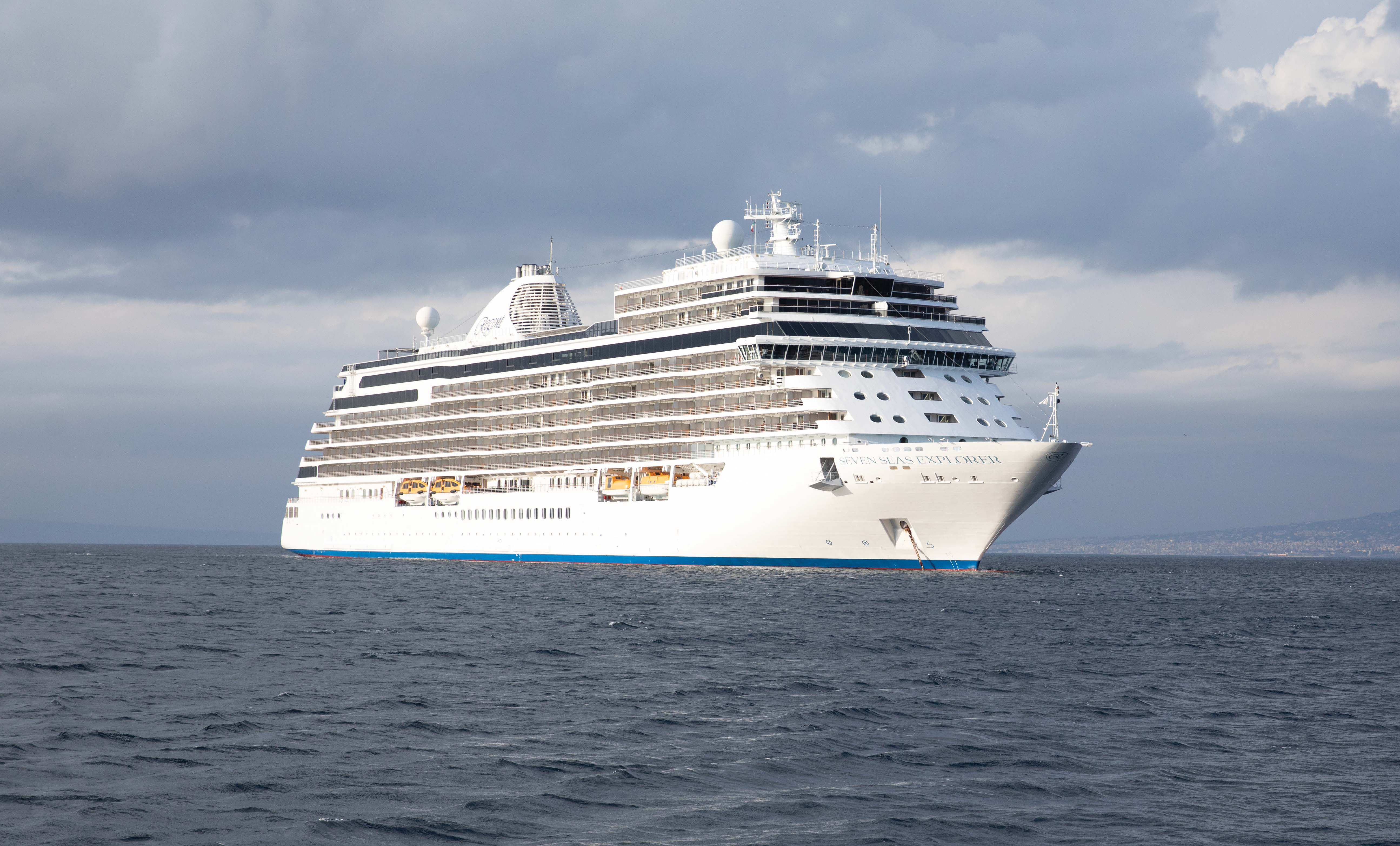
Deck Plans

- Constellation Theatre
- Boutiques
- Explorer Lounge
- Atrium
- The Casino
- Compass Rose

- Constellation Theatre
- General Manager
- Business Centre
- Destination Services
- Atrium
- Reception & Concierge
- Meridian Lounge
- Coffee Connection
- Pacific Rim
- Serene Spa & Wellness
- Infinity Pool

- Fitness Centre
- Penthouse Suites
- Concierge Suites
- Deluxe Veranda Suites
- Veranda Suites
- Launderette

- Penthouse Suites
- Seven Seas Suites
- Serenity Suites
- Concierge Suites
- Veranda Suites
- Deluxe Veranda Suites
- Grand Suites (Aft)

- Penthouse Suites
- Seven Seas Suites
- Signature Suites
- Concierge Suites
- Serenity Suites
- Deluxe Veranda Suites

- Grand Suites
- Penthouse Suites
- Serenity Suites
- Explorer Suites
- Concierge Suites
- Deluxe Veranda Suites

- Concierge Suites
- Explorer Suites
- Penthouse Suites
- Grand Suites (Forward)
- Serenity Suites
- Chartreuse
- Prime 7
- The Study

- Observation Lounge
- Card Room
- Connoisseur Club
- Library
- Culinary Arts Kitchen
- Pool Bar
- Smoking Area
- Pool Deck
- Pool Grill
- La Veranda/Sett Mari
- La Veranda

- Grand Suites
- Penthouse Suites
- Explorer Suites
- Concierge Suites
- Jogging Track
- Golf Nets
- Sports Deck
- Shuffle Board
- Bocce Court
- Paddle Tennis Court
- Putting Green

- Regent Suite
- Penthouse Suites
- Concierge Suites
- Constellation Theatre
- Boutiques
- Explorer Lounge
- Atrium
- The Casino
- Compass Rose
- Constellation Theatre
- General Manager
- Business Centre
- Destination Services
- Atrium
- Reception & Concierge
- Meridian Lounge
- Coffee Connection
- Pacific Rim
- Serene Spa & Wellness
- Infinity Pool
- Fitness Centre
- Penthouse Suites
- Concierge Suites
- Deluxe Veranda Suites
- Veranda Suites
- Launderette
- Penthouse Suites
- Seven Seas Suites
- Serenity Suites
- Concierge Suites
- Veranda Suites
- Deluxe Veranda Suites
- Grand Suites (Aft)
- Penthouse Suites
- Seven Seas Suites
- Signature Suites
- Concierge Suites
- Serenity Suites
- Deluxe Veranda Suites
- Grand Suites
- Penthouse Suites
- Serenity Suites
- Explorer Suites
- Concierge Suites
- Deluxe Veranda Suites
- Concierge Suites
- Explorer Suites
- Penthouse Suites
- Grand Suites (Forward)
- Serenity Suites
- Chartreuse
- Prime 7
- The Study
- Observation Lounge
- Card Room
- Connoisseur Club
- Library
- Culinary Arts Kitchen
- Pool Bar
- Smoking Area
- Pool Deck
- Pool Grill
- La Veranda/Sett Mari
- La Veranda
- Grand Suites
- Penthouse Suites
- Explorer Suites
- Concierge Suites
- Jogging Track
- Golf Nets
- Sports Deck
- Shuffle Board
- Bocce Court
- Paddle Tennis Court
- Putting Green
- Regent Suite
- Penthouse Suites
- Concierge Suites