Featured Cabins
Itinerary
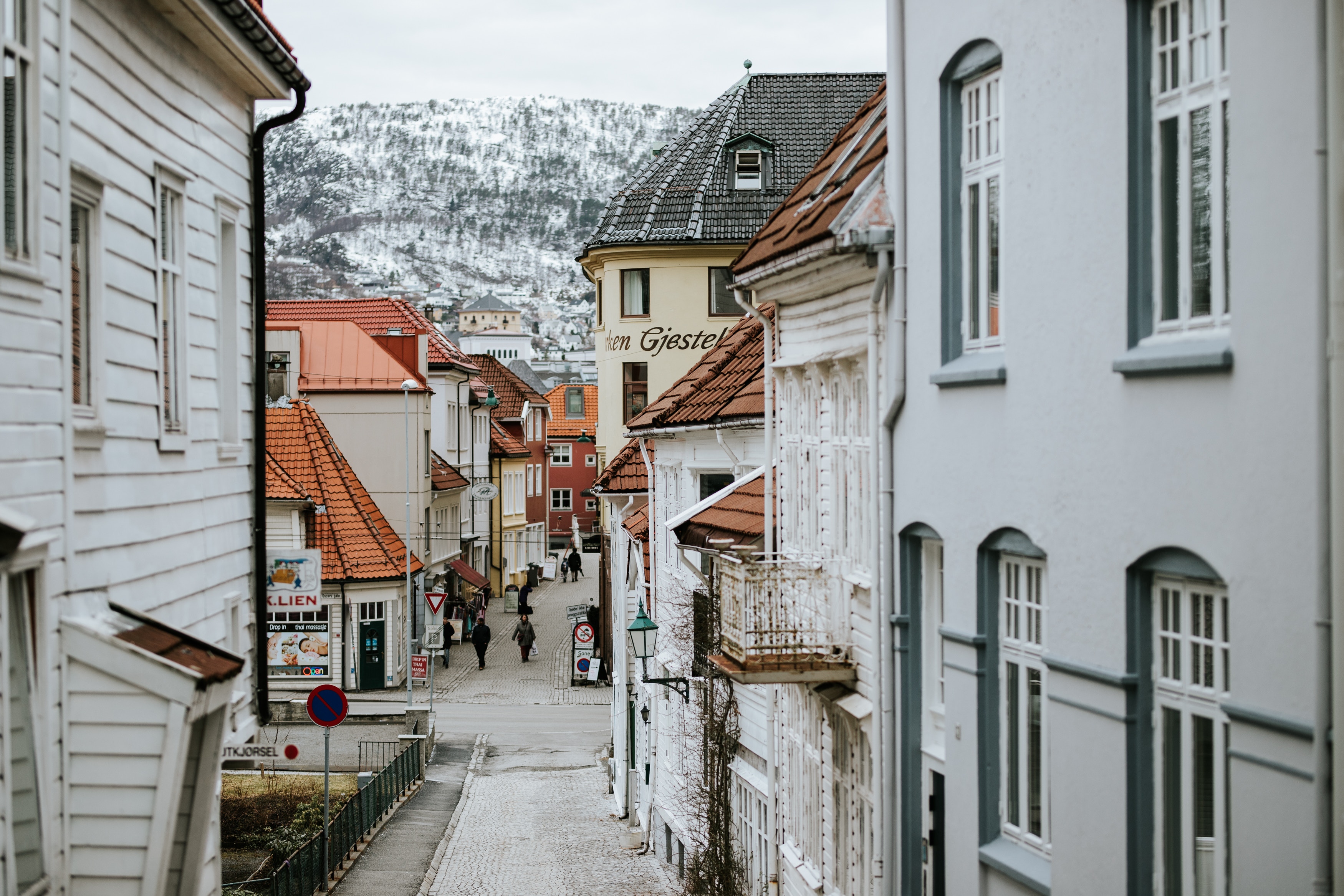
Oslo, Norway
Oslo is the capital of Norway and is also its largest city, situated at the head of Oslo Fjord and surrounded by hills and forests. Home to some 50 museums and full of galleries, cafés, a sculpture park and the Royal Palace, this vibrant city with its handsome 19th-century buildings and wide streets has much to offer. Its history dates back 1,000 years, and includes a rich seafaring heritage that ranges from the Viking era to Thor Heyerdahl’s Kon Tiki expedition. Discover more about this exciting city on our varied selection of excursions.
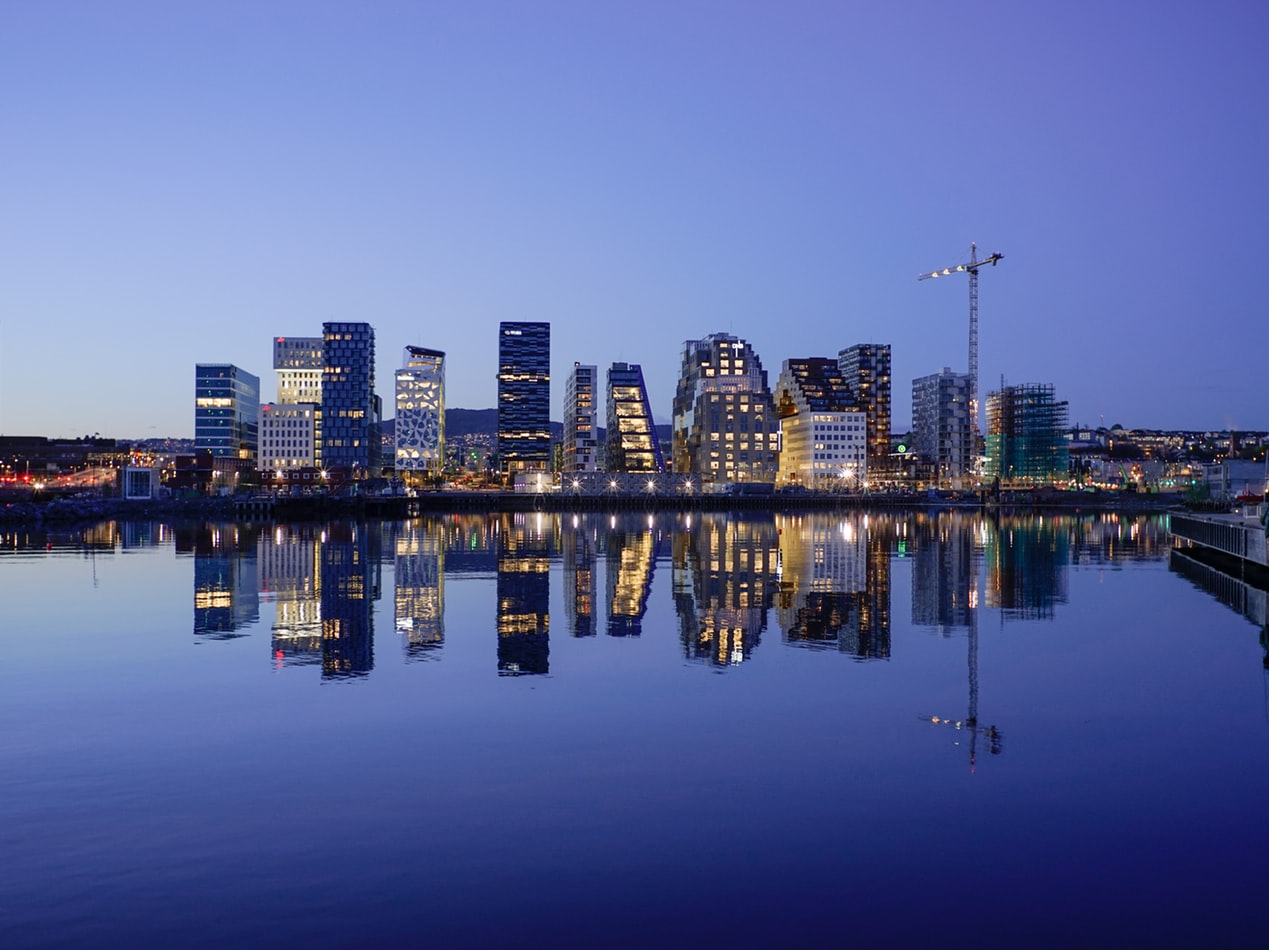
Mandal, Norway
No additional details available for this day.
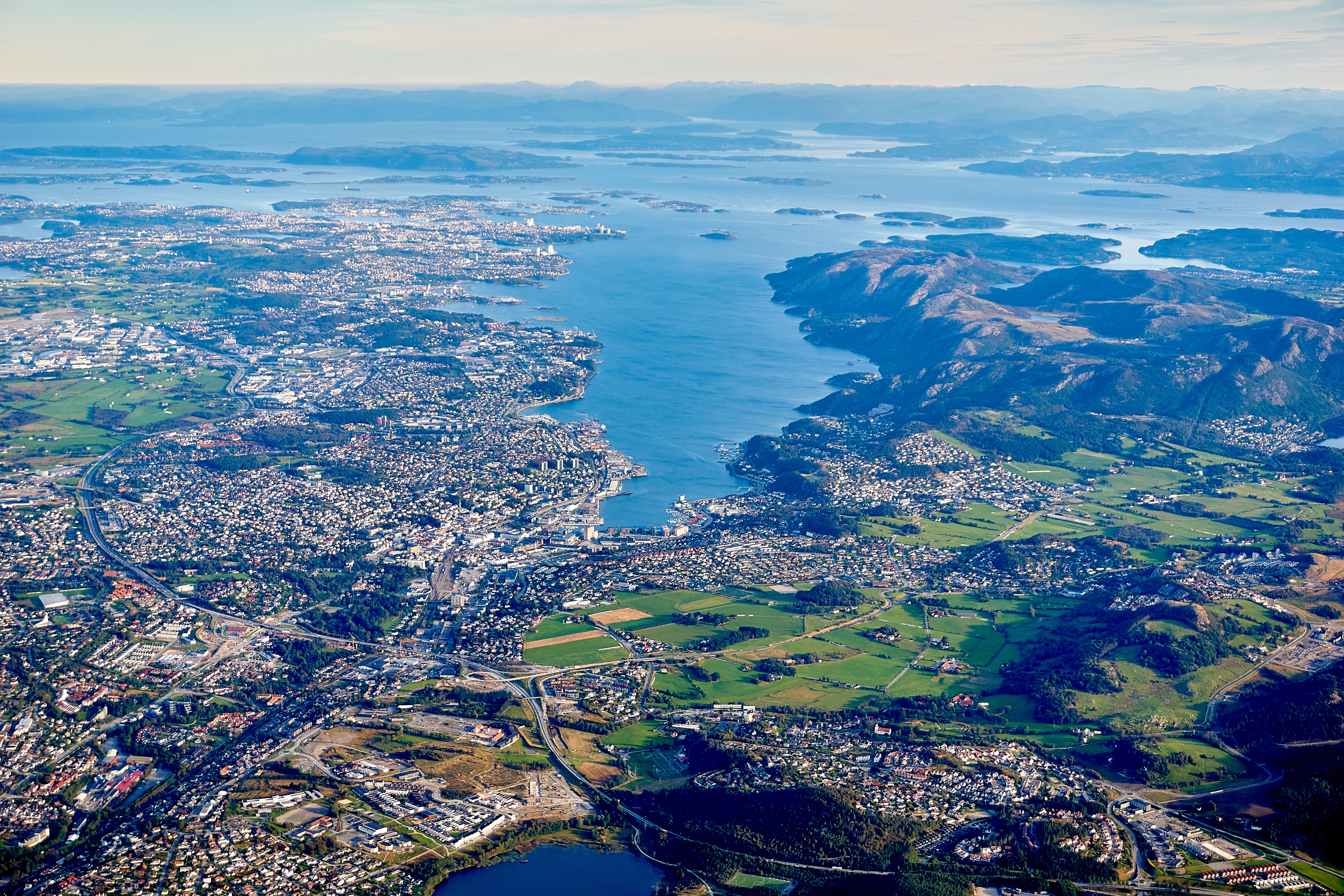
Stavanger, Norway
Overlooking the Atlantic Ocean, Stavanger flourished in the 19th century as a fishing port. While other towns in Norway have suffered with the decline of this industry, Stavanger has kept its economy booming by diversifying, first into shipbuilding and now into oil. These two contrasting industries have created a city of two halves – a modern area of high-rise buildings and a historic centre with cobbled streets and old wooden houses. The city centre was the birthplace of Alexander Kielland, one of the great 19th-century Norwegian novelists. Stavanger Cathedral, dating from 1125, is an impressive building and the only medieval cathedral in Norway that has not been substantially altered since it was first built. From Stavanger you can explore the attractive blue waters of Lysefjord, surrounded by cliffs and striking rock formations, and also visit Hafrsfjord where the Viking King Harald won an important battle that started the Unification of Norway. Those preferring to explore on their own may wish to visit the interesting Petroleum Museum.
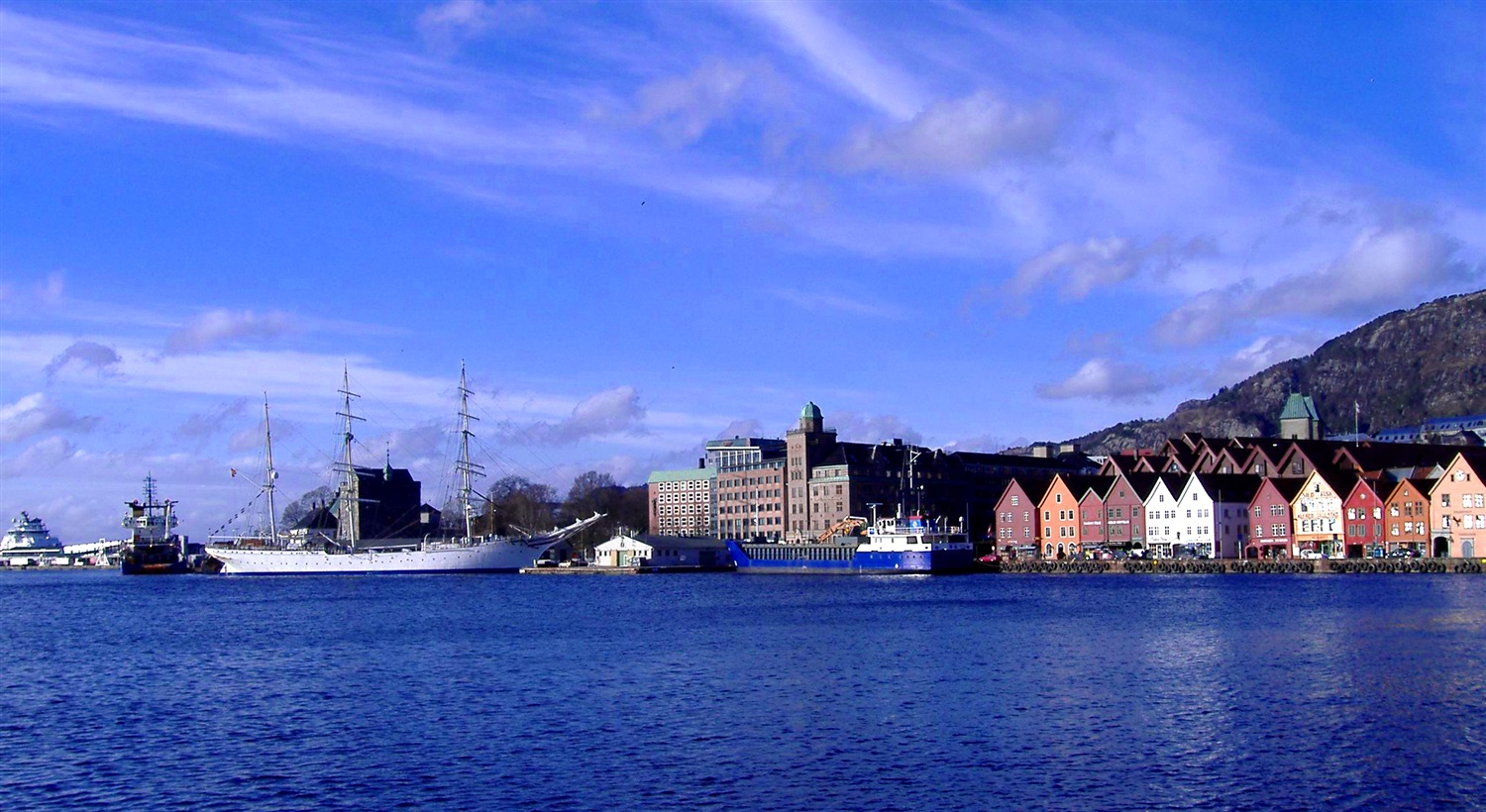
Bergen, Norway
Surrounded by mountains and sparkling fjords, the waterside city of Bergen has a spectacular setting. There has been a settlement here since medieval times and the colourful waterfront buildings of the Hanseatic wharf, known as Bryggen, are testament to its fascinating history of trade. As Norway’s best known medieval settlement, the Bryggen is listed by UNESCO as a World Heritage Site. Our comprehensive selection of excursions allows you to discover the many sides of Bergen, such as the fish market and narrow cobbled streets, as well as stunning views of the city from the summit of Mt Fløyen. Alternatively, those who have visited the city previously may like to experience one of the tours that travel further afield. Just 300 yards from the main piers, you will find the Fortress Museum (Fesningsmuseum), which has an interesting collection of objects related to World War II.
Geiranger, Norway
The Geirangerfjord, which made the UNESCO World Heritage List in 2005, is Norway’s most spectacular and perhaps best-known fjord. The 16-km-long (10-mile-long), 960-foot-deep Geirangerfjord’s most stunning attractions are its roaring waterfalls—the Seven Sisters, the Bridal Veil, and the Suitor. Perched on mountain ledges along the fjord, deserted farms at Skageflå and Knivsflå are being restored and maintained by local enthusiasts.The village of Geiranger, at the end of the fjord, is home to fewer than 300 year-round residents, but in spring and summer its population swells to 5,000 due to visitors traveling from Hellesylt to the east. In winter, snow on the mountain roads often makes the village isolated.
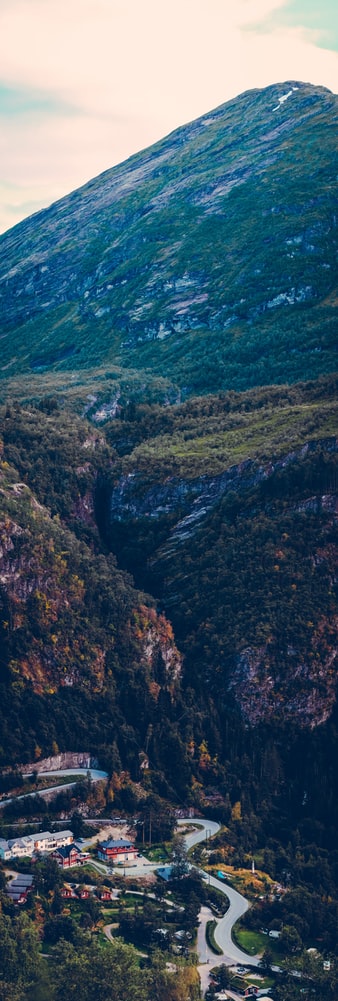
Ålesund, Norway
The coastal town of Ålesund is the commercial capital of the Møre og Romsdal district. But more important, it is noted for its characteristic Jugendstil (Art Nouveau) buildings, which some claim make Ålesund one of the most beautiful towns in Norway. This Art Nouveau style emerged when the town was completely rebuilt after a devastating fire in 1904 destroyed nearly 800 buildings and left 10,000 residents homeless. It is said that the fire started by a tipped oil lamp. Rebuilding was carried out with the help of many young, foreign architects who added their own flourishes to the architectural blend of German Jugendstil and Viking roots. Today, narrow streets are crammed with buildings topped with turrets, spires and gables that bear decorations of dragonheads and curlicues. As one of the few remaining Art Nouveau towns in the world, in 1998 Ålesund was awarded the coveted Houens National Memorial Prize for the preservation of its unique architecture.
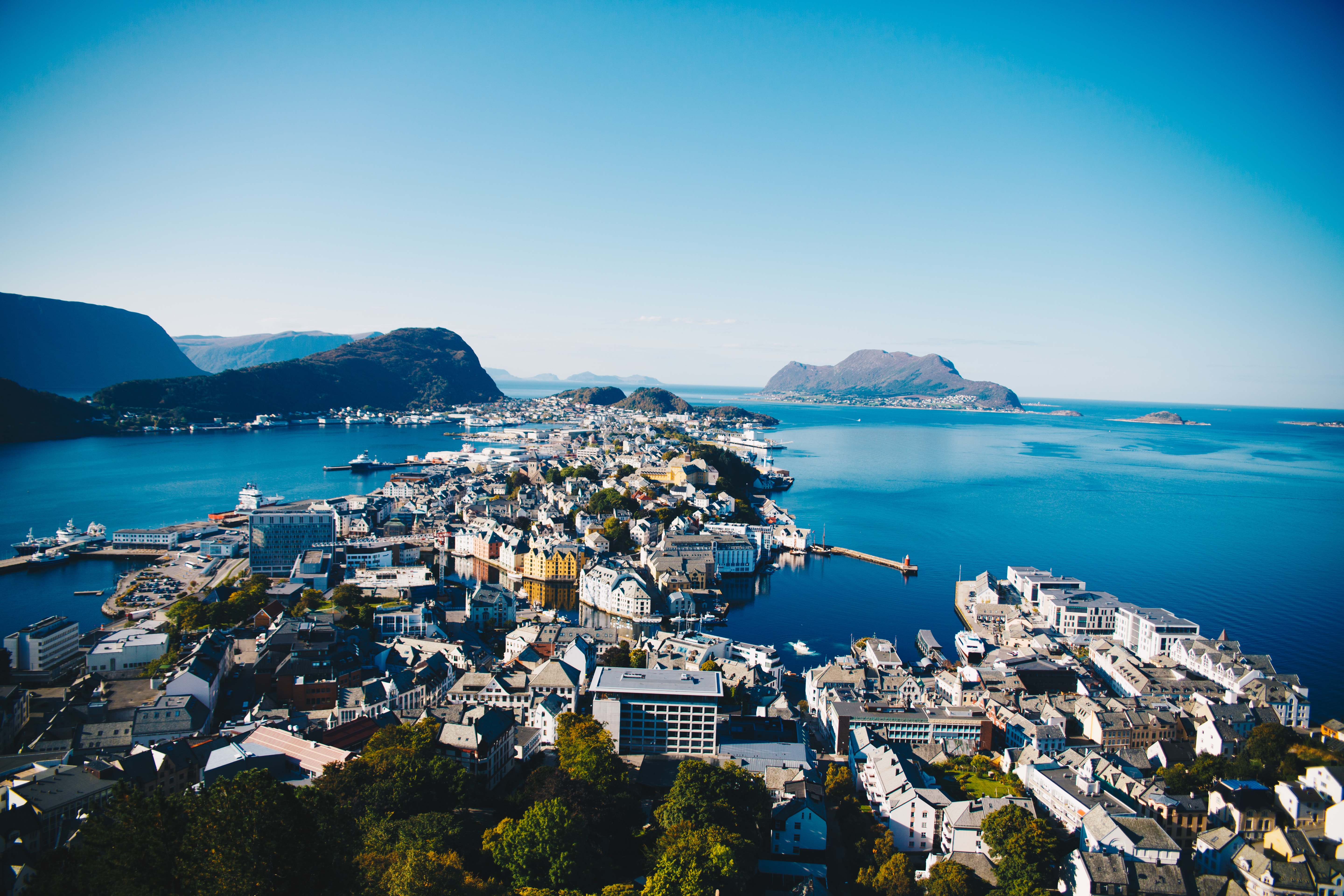
Ålesund, Norway
The coastal town of Ålesund is the commercial capital of the Møre og Romsdal district. But more important, it is noted for its characteristic Jugendstil (Art Nouveau) buildings, which some claim make Ålesund one of the most beautiful towns in Norway. This Art Nouveau style emerged when the town was completely rebuilt after a devastating fire in 1904 destroyed nearly 800 buildings and left 10,000 residents homeless. It is said that the fire started by a tipped oil lamp. Rebuilding was carried out with the help of many young, foreign architects who added their own flourishes to the architectural blend of German Jugendstil and Viking roots. Today, narrow streets are crammed with buildings topped with turrets, spires and gables that bear decorations of dragonheads and curlicues. As one of the few remaining Art Nouveau towns in the world, in 1998 Ålesund was awarded the coveted Houens National Memorial Prize for the preservation of its unique architecture.
Oslo, Norway
Oslo is the capital of Norway and is also its largest city, situated at the head of Oslo Fjord and surrounded by hills and forests. Home to some 50 museums and full of galleries, cafés, a sculpture park and the Royal Palace, this vibrant city with its handsome 19th-century buildings and wide streets has much to offer. Its history dates back 1,000 years, and includes a rich seafaring heritage that ranges from the Viking era to Thor Heyerdahl’s Kon Tiki expedition. Discover more about this exciting city on our varied selection of excursions.
Mandal, Norway
No additional details available for this day.
Stavanger, Norway
Overlooking the Atlantic Ocean, Stavanger flourished in the 19th century as a fishing port. While other towns in Norway have suffered with the decline of this industry, Stavanger has kept its economy booming by diversifying, first into shipbuilding and now into oil. These two contrasting industries have created a city of two halves – a modern area of high-rise buildings and a historic centre with cobbled streets and old wooden houses. The city centre was the birthplace of Alexander Kielland, one of the great 19th-century Norwegian novelists. Stavanger Cathedral, dating from 1125, is an impressive building and the only medieval cathedral in Norway that has not been substantially altered since it was first built. From Stavanger you can explore the attractive blue waters of Lysefjord, surrounded by cliffs and striking rock formations, and also visit Hafrsfjord where the Viking King Harald won an important battle that started the Unification of Norway. Those preferring to explore on their own may wish to visit the interesting Petroleum Museum.
Bergen, Norway
Surrounded by mountains and sparkling fjords, the waterside city of Bergen has a spectacular setting. There has been a settlement here since medieval times and the colourful waterfront buildings of the Hanseatic wharf, known as Bryggen, are testament to its fascinating history of trade. As Norway’s best known medieval settlement, the Bryggen is listed by UNESCO as a World Heritage Site. Our comprehensive selection of excursions allows you to discover the many sides of Bergen, such as the fish market and narrow cobbled streets, as well as stunning views of the city from the summit of Mt Fløyen. Alternatively, those who have visited the city previously may like to experience one of the tours that travel further afield. Just 300 yards from the main piers, you will find the Fortress Museum (Fesningsmuseum), which has an interesting collection of objects related to World War II.
Geiranger, Norway
The Geirangerfjord, which made the UNESCO World Heritage List in 2005, is Norway’s most spectacular and perhaps best-known fjord. The 16-km-long (10-mile-long), 960-foot-deep Geirangerfjord’s most stunning attractions are its roaring waterfalls—the Seven Sisters, the Bridal Veil, and the Suitor. Perched on mountain ledges along the fjord, deserted farms at Skageflå and Knivsflå are being restored and maintained by local enthusiasts.The village of Geiranger, at the end of the fjord, is home to fewer than 300 year-round residents, but in spring and summer its population swells to 5,000 due to visitors traveling from Hellesylt to the east. In winter, snow on the mountain roads often makes the village isolated.
Ålesund, Norway
The coastal town of Ålesund is the commercial capital of the Møre og Romsdal district. But more important, it is noted for its characteristic Jugendstil (Art Nouveau) buildings, which some claim make Ålesund one of the most beautiful towns in Norway. This Art Nouveau style emerged when the town was completely rebuilt after a devastating fire in 1904 destroyed nearly 800 buildings and left 10,000 residents homeless. It is said that the fire started by a tipped oil lamp. Rebuilding was carried out with the help of many young, foreign architects who added their own flourishes to the architectural blend of German Jugendstil and Viking roots. Today, narrow streets are crammed with buildings topped with turrets, spires and gables that bear decorations of dragonheads and curlicues. As one of the few remaining Art Nouveau towns in the world, in 1998 Ålesund was awarded the coveted Houens National Memorial Prize for the preservation of its unique architecture.
Ålesund, Norway
The coastal town of Ålesund is the commercial capital of the Møre og Romsdal district. But more important, it is noted for its characteristic Jugendstil (Art Nouveau) buildings, which some claim make Ålesund one of the most beautiful towns in Norway. This Art Nouveau style emerged when the town was completely rebuilt after a devastating fire in 1904 destroyed nearly 800 buildings and left 10,000 residents homeless. It is said that the fire started by a tipped oil lamp. Rebuilding was carried out with the help of many young, foreign architects who added their own flourishes to the architectural blend of German Jugendstil and Viking roots. Today, narrow streets are crammed with buildings topped with turrets, spires and gables that bear decorations of dragonheads and curlicues. As one of the few remaining Art Nouveau towns in the world, in 1998 Ålesund was awarded the coveted Houens National Memorial Prize for the preservation of its unique architecture.
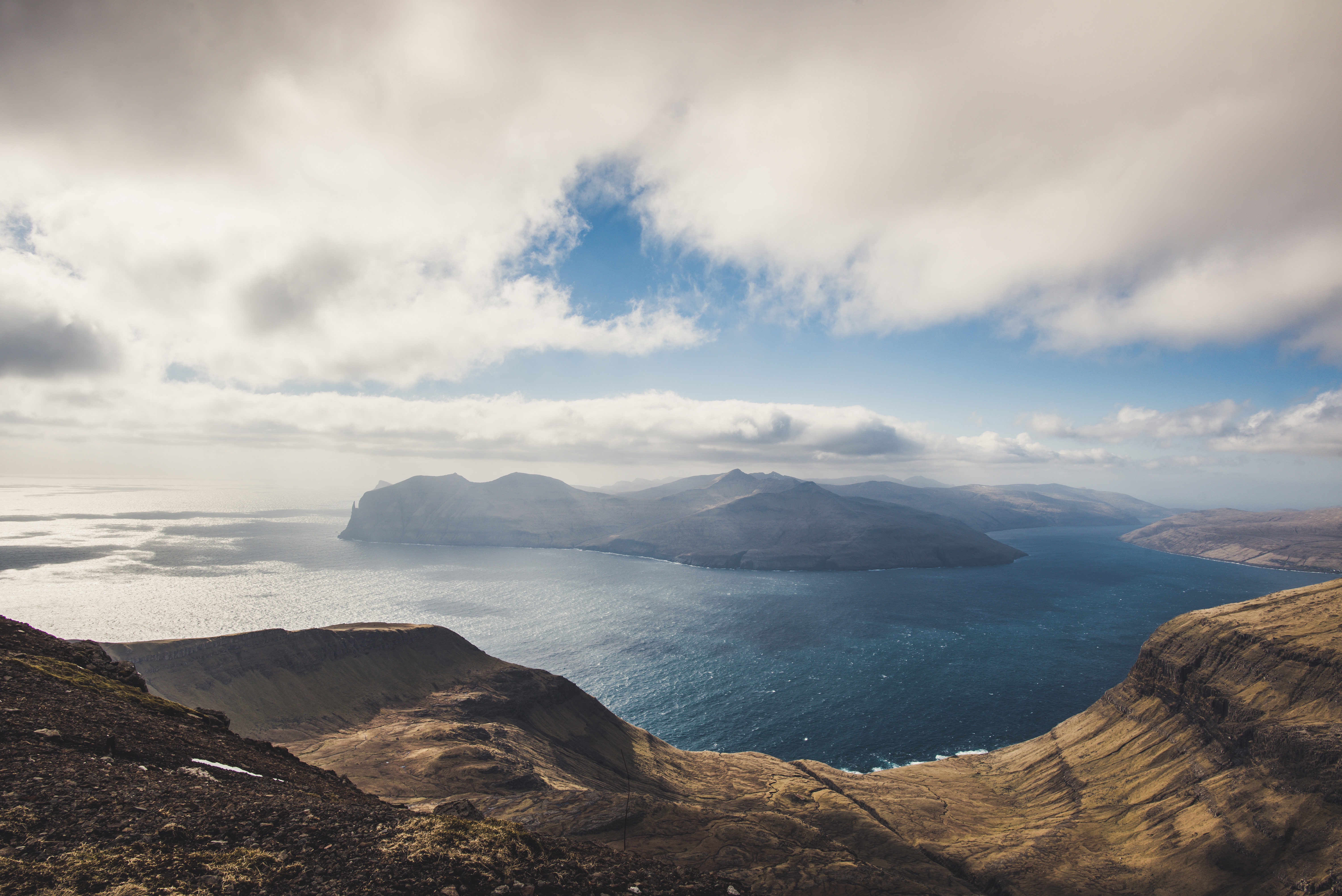
Tórshavn, Faroe Islands
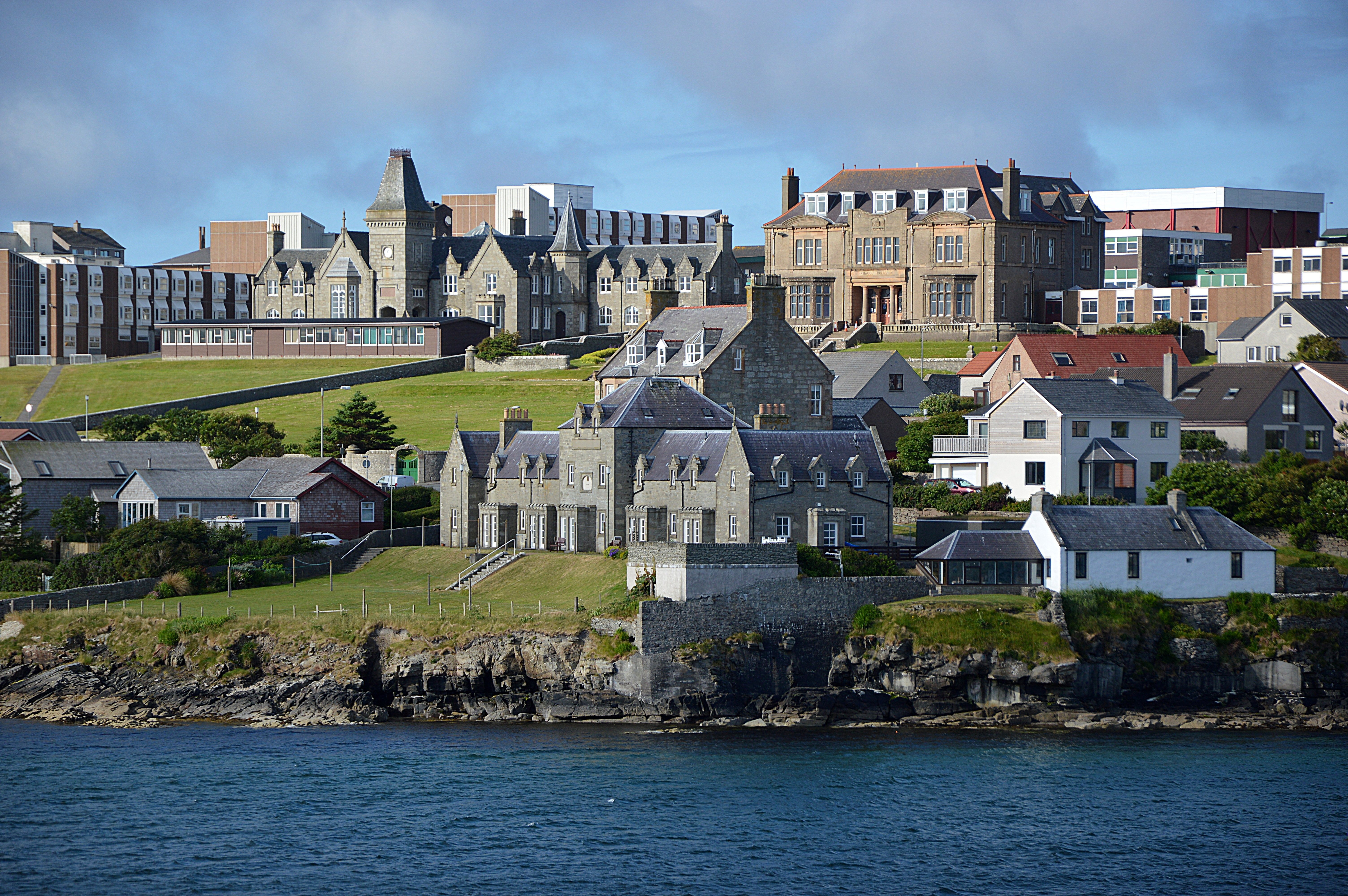
Lerwick, Shetland Islands, Scotland
Founded by Dutch fishermen in the 17th century, Lerwick today is a busy town and administrative center. Handsome stone buildings—known as lodberries—line the harbor; they provided loading bays for goods, some of them illegal. The town’s twisting flagstone lanes and harbor once heaved with activity, and Lerwick is still an active port today. This is also where most visitors to Shetland dock, spilling out of cruise ships, allowing passengers to walk around the town.
Kirkwall, Orkney Islands, Scotland
In bustling Kirkwall, the main town on Orkney, there’s plenty to see in the narrow, winding streets extending from the harbor. The cathedral and some museums are highlights.
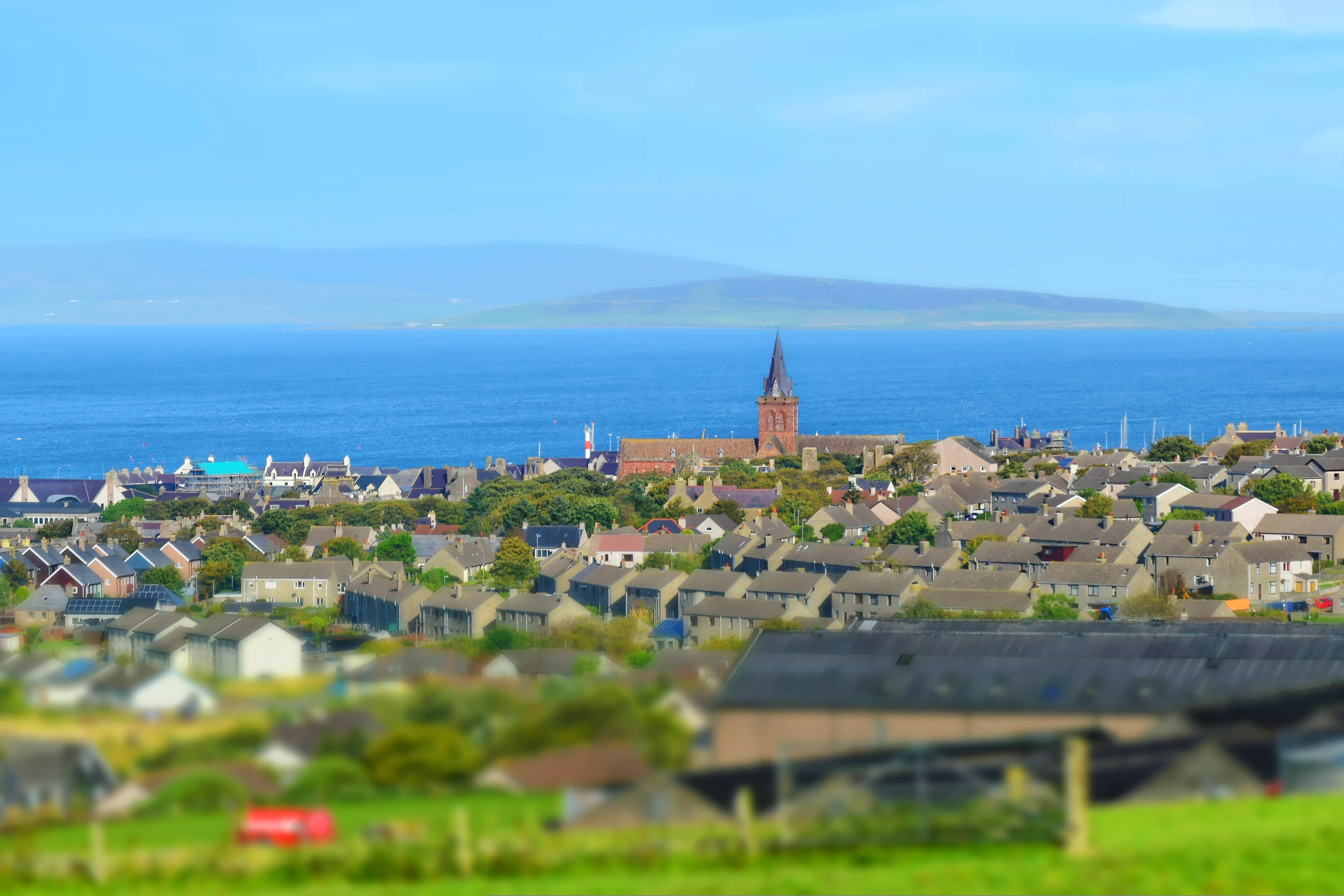
Cruising the South Atlantic Ocean
No additional details available for this day.
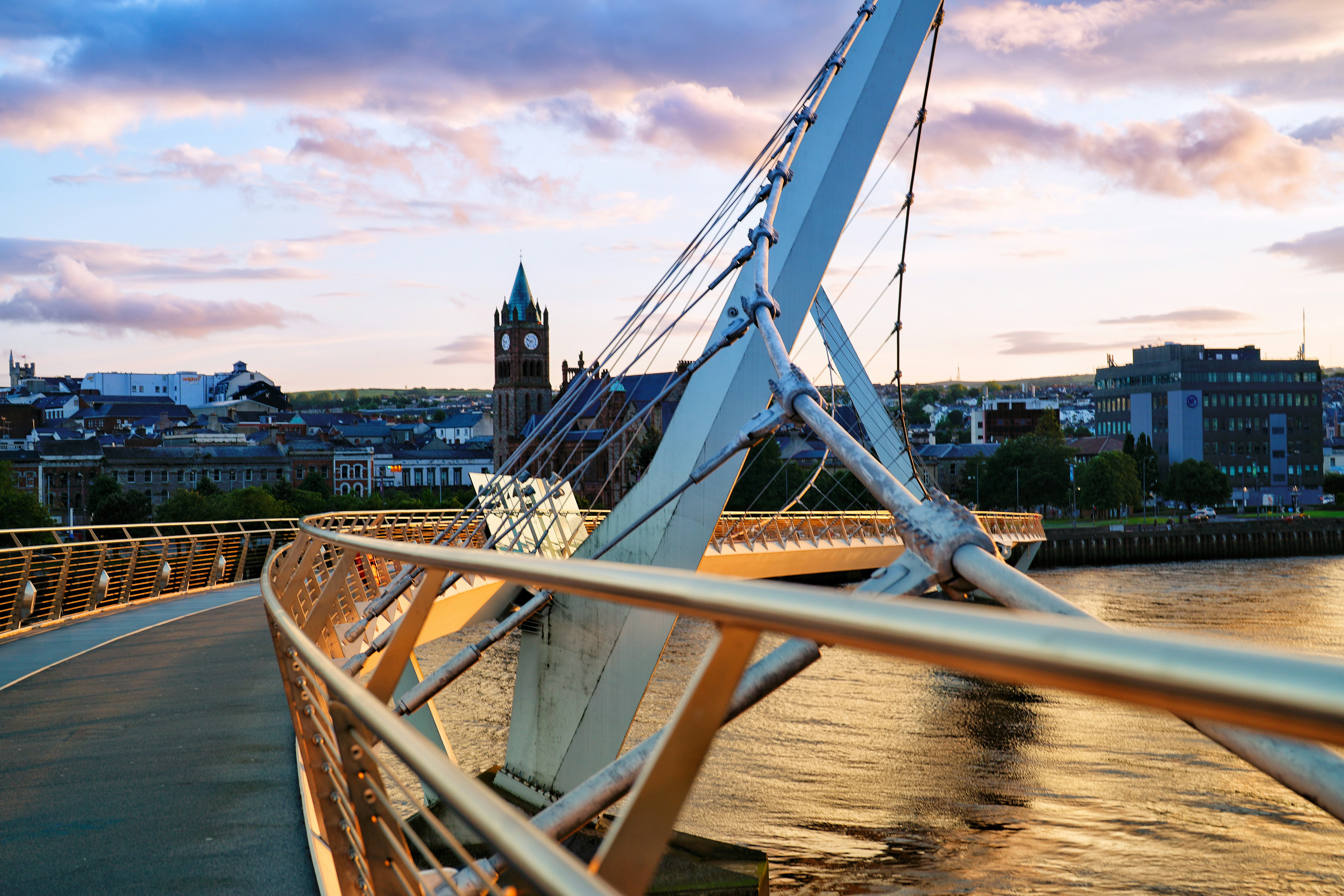
Londonderry, Northern Ireland
Nestled behind lofty city walls, Londonderry is a destination of culture, which boasts an increasingly envied reputation. This Northern Irish city is still riding on the momentum of a fantastic 2013, when it was named as UK City of Culture, and singled out as one of Lonely Planet’s top 5 destinations to visit. The wonderfully preserved city walls are perhaps Londonderry’s most treasured charm, and they encircle 1,450 years of history, and are over 400 years old. The walls came to the fore of the city’s history during the Siege of Derry, back in 1688 – when King James’s forces attacked, causing mass starvation and suffering over 105 days of stalemate. It takes approximately an hour to wander the entire circuit of the walls, and see their seven gates, and you’ll absorb a feast of information along the way. View the mighty cannons that boomed during the siege, or stop into one of the plentiful cafes, should you need a little refreshment before continuing your journey. St. Columb’s Cathedral, which dates back to 1633, towers over the walled city, and is one of the city’s most significant historic sites. Its dreamy spire contains a set of bells that have peeled out melodies here since 1638, making them Ireland’s oldest.
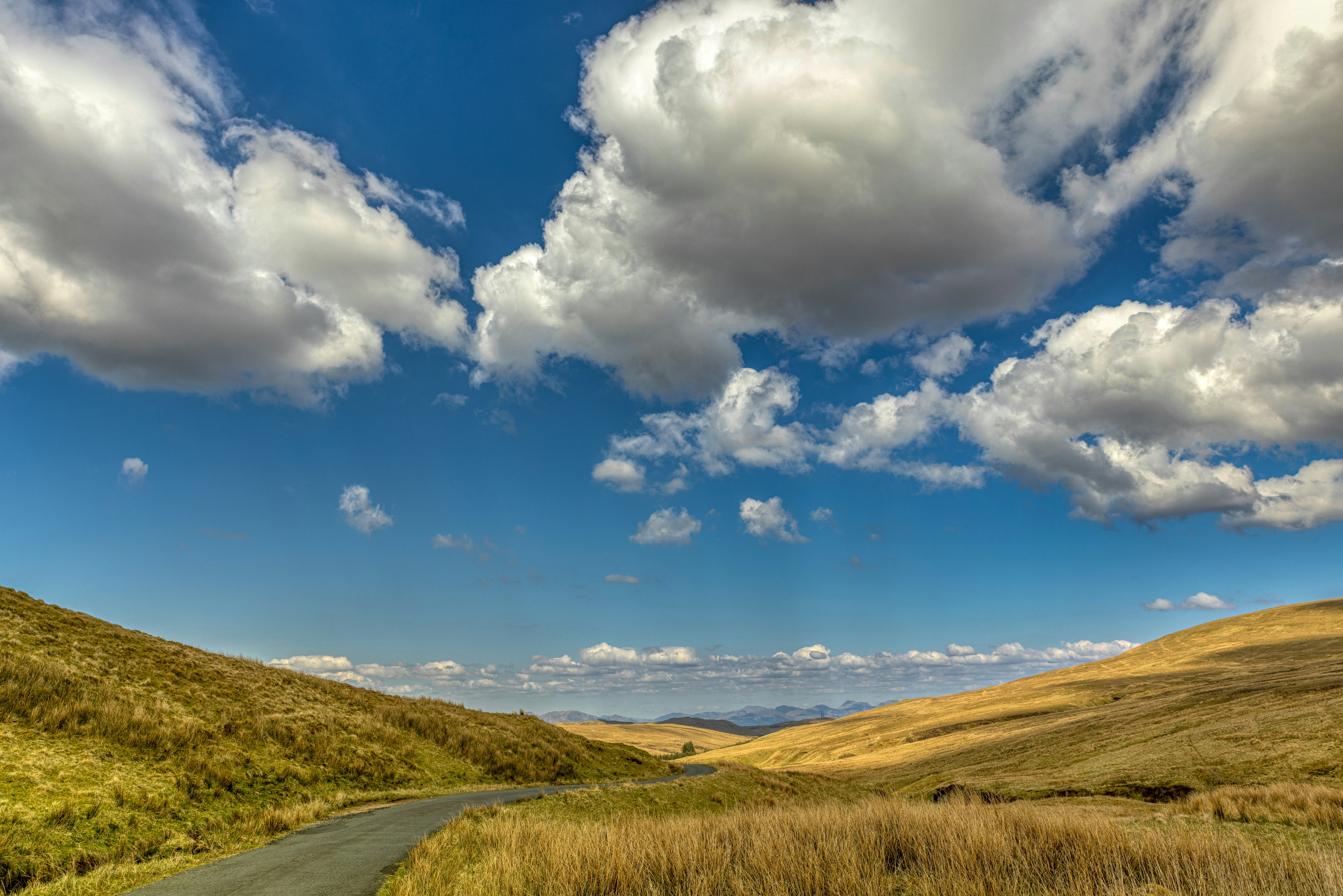
Greenock, Scotland
Trendy stores, a booming cultural life, fascinating architecture, and stylish restaurants reinforce Glasgow’s claim to being Scotland’s most exciting city. After decades of decline, it has experienced an urban renaissance uniquely its own. The city’s grand architecture reflects a prosperous past built on trade and shipbuilding. Today buildings by Charles Rennie Mackintosh hold pride of place along with the Zaha Hadid–designed Riverside Museum.Glasgow (the “dear green place,” as it was known) was founded some 1,500 years ago. Legend has it that the king of Strathclyde, irate about his wife’s infidelity, had a ring he had given her thrown into the river Clyde. (Apparently she had passed it on to an admirer.) When the king demanded to know where the ring had gone, the distraught queen asked the advice of her confessor, St. Mungo. He suggested fishing for it—and the first salmon to emerge had the ring in its mouth. The moment is commemorated on the city’s coat of arms.The medieval city expanded when it was given a royal license to trade; the current High Street was the main thoroughfare at the time. The vast profits from American cotton and tobacco built the grand mansions of the Merchant City in the 18th century. In the 19th century the river Clyde became the center of a vibrant shipbuilding industry, fed by the city’s iron and steel works. The city grew again, but its internal divisions grew at the same time. The West End harbored the elegant homes of the newly rich shipyard owners. Down by the river, areas like the infamous Gorbals, with its crowded slums, sheltered the laborers who built the ships. They came from the Highlands, expelled to make way for sheep, or from Ireland, where the potato famines drove thousands from their homes.During the 19th century the population grew from 80,000 to more than a million. And the new prosperity gave Glasgow its grand neoclassical buildings, such as those built by Alexander “Greek” Thomson, as well as the adventurous visionary buildings designed by Charles Rennie Mackintosh and others who produced Glasgow’s Arts and Crafts movement. The City Chambers, built in 1888, are a proud statement in marble and gold sandstone, a clear symbol of the wealthy and powerful Victorian industrialists’ hopes for the future.The decline of shipbuilding and the closure of the factories led to much speculation as to what direction the city would take now. The curious thing is that, at least in part, the past gave the city a new lease of life. It was as if people looked at their city and saw Glasgow’s beauty for the first time: its extraordinarily rich architectural heritage, its leafy parks, its artistic heritage, and its complex social history. Today Glasgow is a vibrant cultural center and a commercial hub, as well as a launching pad from which to explore the rest of Scotland, which, as it turns out, is not so far away. In fact, it takes only 40 minutes to reach Loch Lomond, where the other Scotland begins.
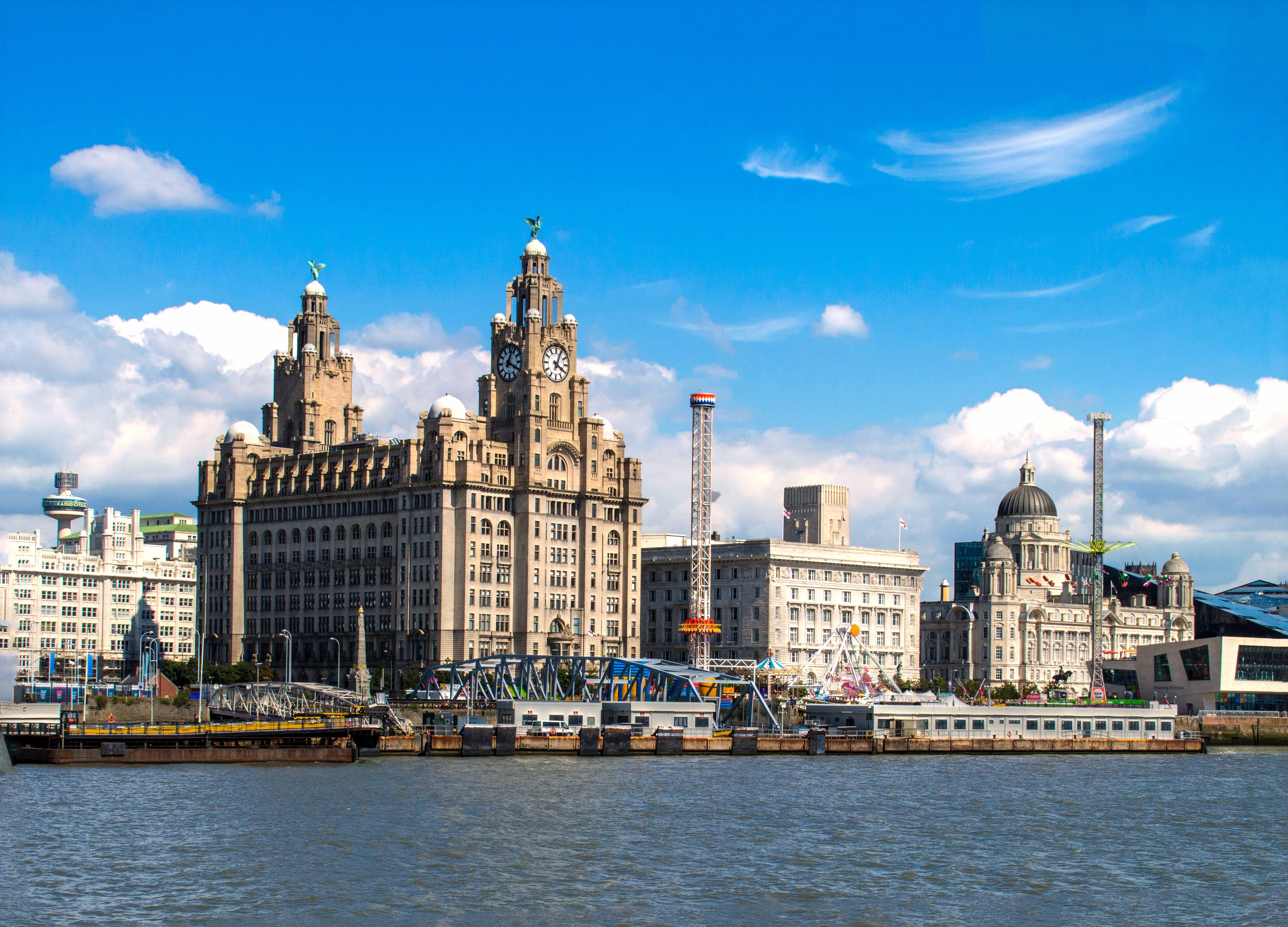
Liverpool, England
From world-class attractions and sports to legendary music, Liverpool offers old-world charm with modern sophistication, underpinned by a rich cultural history.
Tórshavn, Faroe Islands
Lerwick, Shetland Islands, Scotland
Founded by Dutch fishermen in the 17th century, Lerwick today is a busy town and administrative center. Handsome stone buildings—known as lodberries—line the harbor; they provided loading bays for goods, some of them illegal. The town’s twisting flagstone lanes and harbor once heaved with activity, and Lerwick is still an active port today. This is also where most visitors to Shetland dock, spilling out of cruise ships, allowing passengers to walk around the town.
Kirkwall, Orkney Islands, Scotland
In bustling Kirkwall, the main town on Orkney, there’s plenty to see in the narrow, winding streets extending from the harbor. The cathedral and some museums are highlights.
Cruising the South Atlantic Ocean
No additional details available for this day.
Londonderry, Northern Ireland
Nestled behind lofty city walls, Londonderry is a destination of culture, which boasts an increasingly envied reputation. This Northern Irish city is still riding on the momentum of a fantastic 2013, when it was named as UK City of Culture, and singled out as one of Lonely Planet’s top 5 destinations to visit. The wonderfully preserved city walls are perhaps Londonderry’s most treasured charm, and they encircle 1,450 years of history, and are over 400 years old. The walls came to the fore of the city’s history during the Siege of Derry, back in 1688 – when King James’s forces attacked, causing mass starvation and suffering over 105 days of stalemate. It takes approximately an hour to wander the entire circuit of the walls, and see their seven gates, and you’ll absorb a feast of information along the way. View the mighty cannons that boomed during the siege, or stop into one of the plentiful cafes, should you need a little refreshment before continuing your journey. St. Columb’s Cathedral, which dates back to 1633, towers over the walled city, and is one of the city’s most significant historic sites. Its dreamy spire contains a set of bells that have peeled out melodies here since 1638, making them Ireland’s oldest.
Greenock, Scotland
Trendy stores, a booming cultural life, fascinating architecture, and stylish restaurants reinforce Glasgow’s claim to being Scotland’s most exciting city. After decades of decline, it has experienced an urban renaissance uniquely its own. The city’s grand architecture reflects a prosperous past built on trade and shipbuilding. Today buildings by Charles Rennie Mackintosh hold pride of place along with the Zaha Hadid–designed Riverside Museum.Glasgow (the “dear green place,” as it was known) was founded some 1,500 years ago. Legend has it that the king of Strathclyde, irate about his wife’s infidelity, had a ring he had given her thrown into the river Clyde. (Apparently she had passed it on to an admirer.) When the king demanded to know where the ring had gone, the distraught queen asked the advice of her confessor, St. Mungo. He suggested fishing for it—and the first salmon to emerge had the ring in its mouth. The moment is commemorated on the city’s coat of arms.The medieval city expanded when it was given a royal license to trade; the current High Street was the main thoroughfare at the time. The vast profits from American cotton and tobacco built the grand mansions of the Merchant City in the 18th century. In the 19th century the river Clyde became the center of a vibrant shipbuilding industry, fed by the city’s iron and steel works. The city grew again, but its internal divisions grew at the same time. The West End harbored the elegant homes of the newly rich shipyard owners. Down by the river, areas like the infamous Gorbals, with its crowded slums, sheltered the laborers who built the ships. They came from the Highlands, expelled to make way for sheep, or from Ireland, where the potato famines drove thousands from their homes.During the 19th century the population grew from 80,000 to more than a million. And the new prosperity gave Glasgow its grand neoclassical buildings, such as those built by Alexander “Greek” Thomson, as well as the adventurous visionary buildings designed by Charles Rennie Mackintosh and others who produced Glasgow’s Arts and Crafts movement. The City Chambers, built in 1888, are a proud statement in marble and gold sandstone, a clear symbol of the wealthy and powerful Victorian industrialists’ hopes for the future.The decline of shipbuilding and the closure of the factories led to much speculation as to what direction the city would take now. The curious thing is that, at least in part, the past gave the city a new lease of life. It was as if people looked at their city and saw Glasgow’s beauty for the first time: its extraordinarily rich architectural heritage, its leafy parks, its artistic heritage, and its complex social history. Today Glasgow is a vibrant cultural center and a commercial hub, as well as a launching pad from which to explore the rest of Scotland, which, as it turns out, is not so far away. In fact, it takes only 40 minutes to reach Loch Lomond, where the other Scotland begins.
Liverpool, England
From world-class attractions and sports to legendary music, Liverpool offers old-world charm with modern sophistication, underpinned by a rich cultural history.
Belfast, Northern Ireland
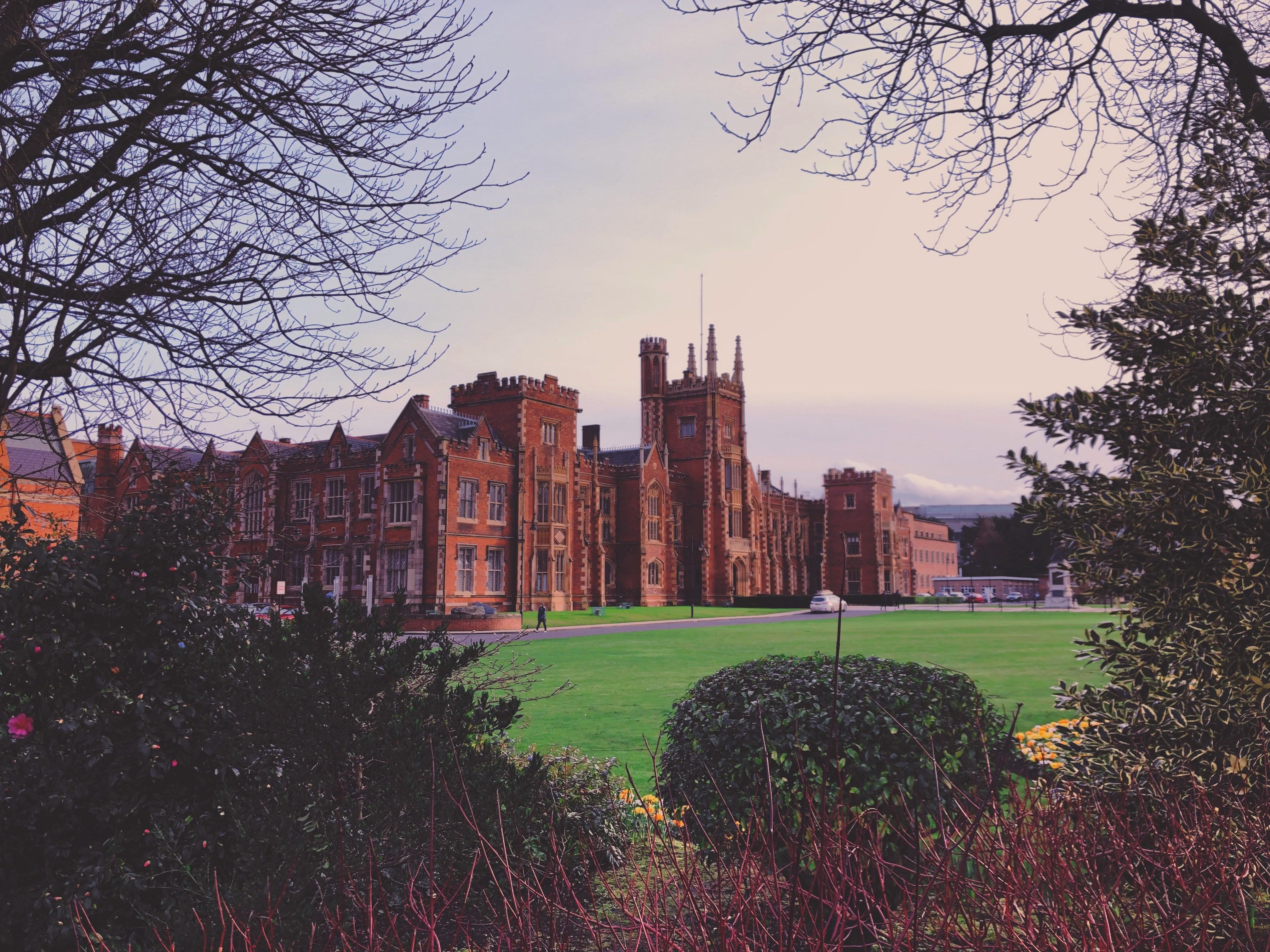
Before English and Scottish settlers arrived in the 1600s, Belfast was a tiny village called Béal Feirste (“sandbank ford”) belonging to Ulster’s ancient O’Neill clan. With the advent of the Plantation period (when settlers arrived in the 1600s), Sir Arthur Chichester, from Devon in southwestern England, received the city from the English Crown, and his son was made Earl of Donegall. Huguenots fleeing persecution from France settled near here, bringing their valuable linen-work skills. In the 18th century, Belfast underwent a phenomenal expansion—its population doubled every 10 years, despite an ever-present sectarian divide. Although the Anglican gentry despised the Presbyterian artisans—who, in turn, distrusted the native Catholics—Belfast’s growth continued at a dizzying speed. The city was a great Victorian success story, an industrial boomtown whose prosperity was built on trade, especially linen and shipbuilding. Famously (or infamously), the Titanic was built here, giving Belfast, for a time, the nickname “Titanic Town.” Having laid the foundation stone of the city’s university in 1845, Queen Victoria returned to Belfast in 1849 (she is recalled in the names of buildings, streets, bars, monuments, and other places around the city), and in the same year, the university opened under the name Queen’s College. Nearly 40 years later, in 1888, Victoria granted Belfast its city charter. Today its population is nearly 300,000, tourist numbers have increased, and this dramatically transformed city is enjoying an unparalleled renaissance.This is all a welcome change from the period when news about Belfast meant reports about “the Troubles.” Since the 1994 ceasefire, Northern Ireland’s capital city has benefited from major hotel investment, gentrified quaysides (or strands), a sophisticated new performing arts center, and major initiatives to boost tourism. Although the 1996 bombing of offices at Canary Wharf in London disrupted the 1994 peace agreement, the ceasefire was officially reestablished on July 20, 1997, and this embattled city began its quest for a newfound identity.Since 2008, the city has restored all its major public buildings such as museums, churches, theaters, City Hall, Ulster Hall—and even the glorious Crown Bar—spending millions of pounds on its built heritage. A gaol that at the height of the Troubles held some of the most notorious murderers involved in paramilitary violence is now a major visitor attraction.Belfast’s city center is made up of three roughly contiguous areas that are easy to navigate on foot. From the south end to the north, it’s about an hour’s leisurely walk.
Dun Laoghaire, Ireland
Cobh, Ireland
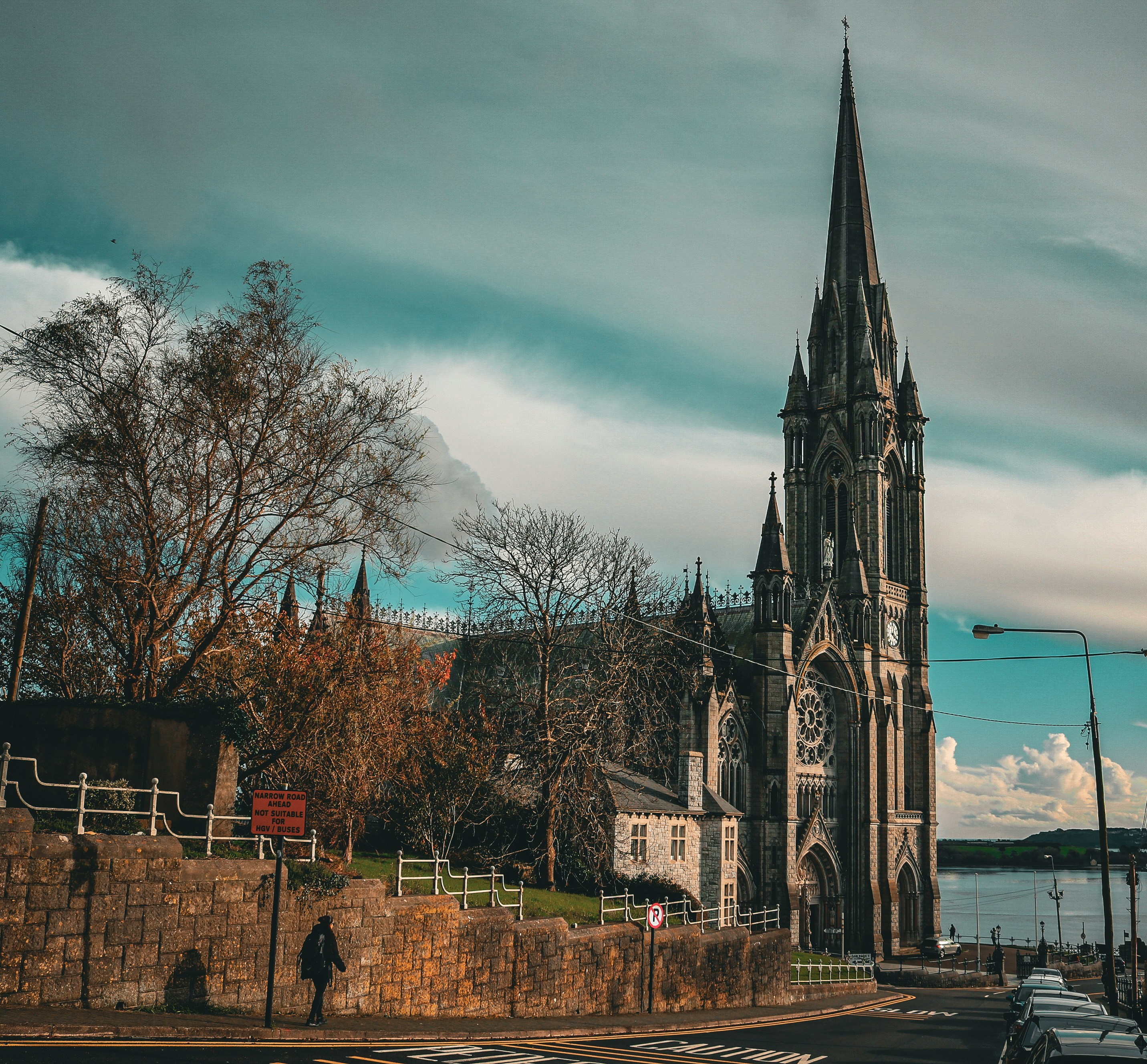
Cork City’s nearby harbor district has seen plenty of history. Cork Harbour’s draws include Fota Island—with an arboretum, a wildlife park, and the Fota House ancestral estate—and the fishing port of Cobh.
Cruising the South Atlantic Ocean
No additional details available for this day.
Zeebrugge, Belgium
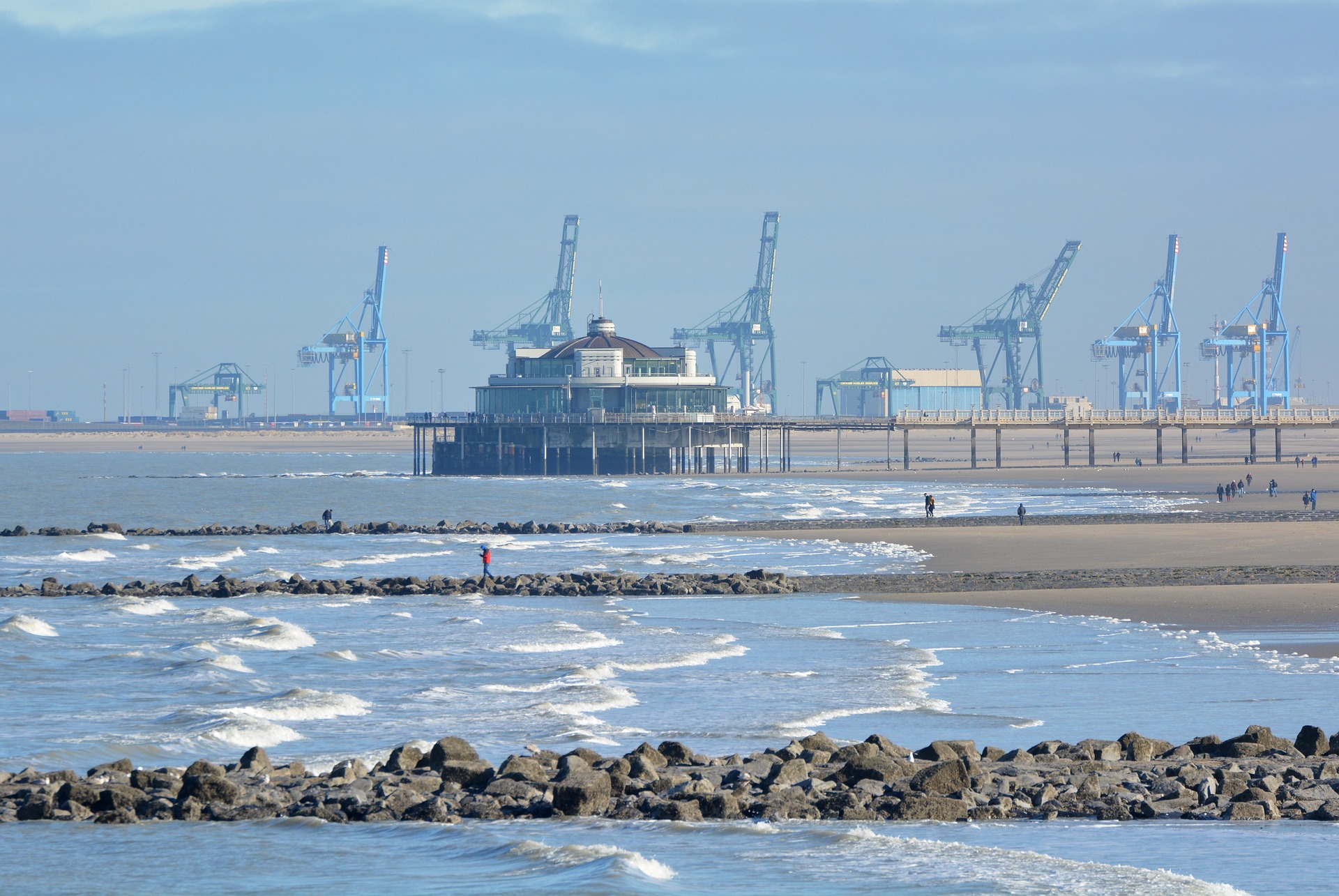
In 1895 work began to construct a new seaport and harbour next to the tiny village of Zeebrugge, situated on the North Sea coast. Today the fast-expanding port of Zeebrugge is one of the busiest in Europe and its marina is Belgium’s most important fishing port. Many attempts were made to destroy this important port during both World Wars. Zeebrugge is ideally located for discovering the historic city of Bruges, and delightful seaside resorts with long sandy beaches can be visited by using the trams that run the whole length of the Belgian coast. Please note that no food may be taken ashore in Belgium. We shall not be offering shuttle buses to Bruges, but you may visit the city on an optional excursion: those visiting Bruges should note that there may be quite a long walk from the coach to the town centre.
Amsterdam, Netherlands
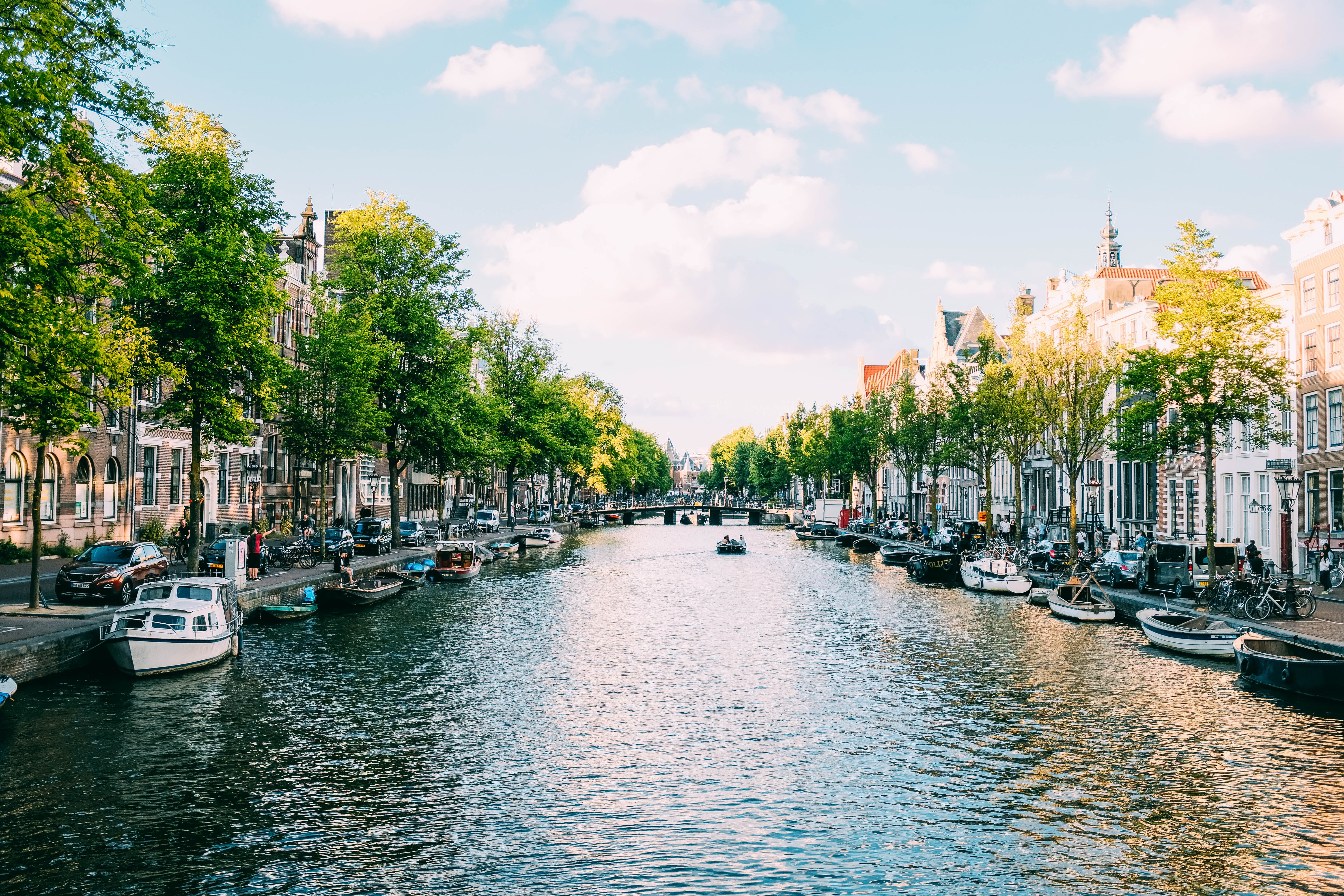
Amsterdam combines the unrivaled beauty of the 17th-century Golden Age city center with plenty of museums and art of the highest order, not to mention a remarkably laid-back atmosphere. It all comes together to make this one of the world’s most appealing and offbeat metropolises in the world. Built on a latticework of concentric canals like an aquatic rainbow, Amsterdam is known as the City of Canals—but it’s no Venice, content to live on moonlight serenades and former glory. Quite the contrary: on nearly every street here you’ll find old and new side by side—quiet corners where time seems to be holding its breath next to streets like neon-lit Kalverstraat, and Red Light ladies strutting by the city’s oldest church. Indeed, Amsterdam has as many lovely facets as a 40-carat diamond polished by one of the city’s gem cutters. It’s certainly a metropolis, but a rather small and very accessible one. Locals tend to refer to it as a big village, albeit one that happens to pack the cultural wallop of a major world destination. There are scores of concerts every day, numerous museums, summertime festivals, and, of course, a legendary year-round party scene. It’s pretty much impossible to resist Amsterdam’s charms. With 7,000 registered monuments, most of which began as the residences and warehouses of humble merchants, set on 160 man-made canals, and traversed by 1,500 or so bridges, Amsterdam has the largest historical inner city in Europe. Its famous circle of waterways, the grachtengordel, was a 17th-century urban expansion plan for the rich and is a lasting testament to the city’s Golden Age. This town is endearing because of its kinder, gentler nature—but a reputation for championing sex, drugs, and rock ’n’ roll does not alone account for Amsterdam’s being one of the most popular destinations in Europe: consider that within a single square mile the city harbors some of the greatest achievements in Western art, from Rembrandt to Van Gogh. Not to mention that this is one of Europe’s great walking cities, with so many of its treasures in the untouted details: tiny alleyways barely visible on the map, hidden garden courtyards, shop windows, floating houseboats, hidden hofjes(courtyards with almshouses), sudden vistas of church spires, and gabled roofs that look like so many unframed paintings. And don’t forget that the joy lies in details: elaborate gables and witty gable stones denoting the trade of a previous owner. Keep in mind that those XXX symbols you see all over town are not a mark of the city’s triple-X reputation. They’re part of Amsterdam’s official coat of arms—three St. Andrew’s crosses, believed to represent the three dangers that have traditionally plagued the city: flood, fire, and pestilence. The coat’s motto (“Valiant, determined, compassionate”) was introduced in 1947 by Queen Wilhelmina in remembrance of the 1941 February Strike in Amsterdam—the first time in Europe that non-Jewish people protested against the persecution of Jews by the Nazi regime.
Belfast, Northern Ireland
Before English and Scottish settlers arrived in the 1600s, Belfast was a tiny village called Béal Feirste (“sandbank ford”) belonging to Ulster’s ancient O’Neill clan. With the advent of the Plantation period (when settlers arrived in the 1600s), Sir Arthur Chichester, from Devon in southwestern England, received the city from the English Crown, and his son was made Earl of Donegall. Huguenots fleeing persecution from France settled near here, bringing their valuable linen-work skills. In the 18th century, Belfast underwent a phenomenal expansion—its population doubled every 10 years, despite an ever-present sectarian divide. Although the Anglican gentry despised the Presbyterian artisans—who, in turn, distrusted the native Catholics—Belfast’s growth continued at a dizzying speed. The city was a great Victorian success story, an industrial boomtown whose prosperity was built on trade, especially linen and shipbuilding. Famously (or infamously), the Titanic was built here, giving Belfast, for a time, the nickname “Titanic Town.” Having laid the foundation stone of the city’s university in 1845, Queen Victoria returned to Belfast in 1849 (she is recalled in the names of buildings, streets, bars, monuments, and other places around the city), and in the same year, the university opened under the name Queen’s College. Nearly 40 years later, in 1888, Victoria granted Belfast its city charter. Today its population is nearly 300,000, tourist numbers have increased, and this dramatically transformed city is enjoying an unparalleled renaissance.This is all a welcome change from the period when news about Belfast meant reports about “the Troubles.” Since the 1994 ceasefire, Northern Ireland’s capital city has benefited from major hotel investment, gentrified quaysides (or strands), a sophisticated new performing arts center, and major initiatives to boost tourism. Although the 1996 bombing of offices at Canary Wharf in London disrupted the 1994 peace agreement, the ceasefire was officially reestablished on July 20, 1997, and this embattled city began its quest for a newfound identity.Since 2008, the city has restored all its major public buildings such as museums, churches, theaters, City Hall, Ulster Hall—and even the glorious Crown Bar—spending millions of pounds on its built heritage. A gaol that at the height of the Troubles held some of the most notorious murderers involved in paramilitary violence is now a major visitor attraction.Belfast’s city center is made up of three roughly contiguous areas that are easy to navigate on foot. From the south end to the north, it’s about an hour’s leisurely walk.
Dun Laoghaire, Ireland
Cobh, Ireland
Cork City’s nearby harbor district has seen plenty of history. Cork Harbour’s draws include Fota Island—with an arboretum, a wildlife park, and the Fota House ancestral estate—and the fishing port of Cobh.
Cruising the South Atlantic Ocean
No additional details available for this day.
Zeebrugge, Belgium
In 1895 work began to construct a new seaport and harbour next to the tiny village of Zeebrugge, situated on the North Sea coast. Today the fast-expanding port of Zeebrugge is one of the busiest in Europe and its marina is Belgium’s most important fishing port. Many attempts were made to destroy this important port during both World Wars. Zeebrugge is ideally located for discovering the historic city of Bruges, and delightful seaside resorts with long sandy beaches can be visited by using the trams that run the whole length of the Belgian coast. Please note that no food may be taken ashore in Belgium. We shall not be offering shuttle buses to Bruges, but you may visit the city on an optional excursion: those visiting Bruges should note that there may be quite a long walk from the coach to the town centre.
Amsterdam, Netherlands
Amsterdam combines the unrivaled beauty of the 17th-century Golden Age city center with plenty of museums and art of the highest order, not to mention a remarkably laid-back atmosphere. It all comes together to make this one of the world’s most appealing and offbeat metropolises in the world. Built on a latticework of concentric canals like an aquatic rainbow, Amsterdam is known as the City of Canals—but it’s no Venice, content to live on moonlight serenades and former glory. Quite the contrary: on nearly every street here you’ll find old and new side by side—quiet corners where time seems to be holding its breath next to streets like neon-lit Kalverstraat, and Red Light ladies strutting by the city’s oldest church. Indeed, Amsterdam has as many lovely facets as a 40-carat diamond polished by one of the city’s gem cutters. It’s certainly a metropolis, but a rather small and very accessible one. Locals tend to refer to it as a big village, albeit one that happens to pack the cultural wallop of a major world destination. There are scores of concerts every day, numerous museums, summertime festivals, and, of course, a legendary year-round party scene. It’s pretty much impossible to resist Amsterdam’s charms. With 7,000 registered monuments, most of which began as the residences and warehouses of humble merchants, set on 160 man-made canals, and traversed by 1,500 or so bridges, Amsterdam has the largest historical inner city in Europe. Its famous circle of waterways, the grachtengordel, was a 17th-century urban expansion plan for the rich and is a lasting testament to the city’s Golden Age. This town is endearing because of its kinder, gentler nature—but a reputation for championing sex, drugs, and rock ’n’ roll does not alone account for Amsterdam’s being one of the most popular destinations in Europe: consider that within a single square mile the city harbors some of the greatest achievements in Western art, from Rembrandt to Van Gogh. Not to mention that this is one of Europe’s great walking cities, with so many of its treasures in the untouted details: tiny alleyways barely visible on the map, hidden garden courtyards, shop windows, floating houseboats, hidden hofjes(courtyards with almshouses), sudden vistas of church spires, and gabled roofs that look like so many unframed paintings. And don’t forget that the joy lies in details: elaborate gables and witty gable stones denoting the trade of a previous owner. Keep in mind that those XXX symbols you see all over town are not a mark of the city’s triple-X reputation. They’re part of Amsterdam’s official coat of arms—three St. Andrew’s crosses, believed to represent the three dangers that have traditionally plagued the city: flood, fire, and pestilence. The coat’s motto (“Valiant, determined, compassionate”) was introduced in 1947 by Queen Wilhelmina in remembrance of the 1941 February Strike in Amsterdam—the first time in Europe that non-Jewish people protested against the persecution of Jews by the Nazi regime.
Cabin Options
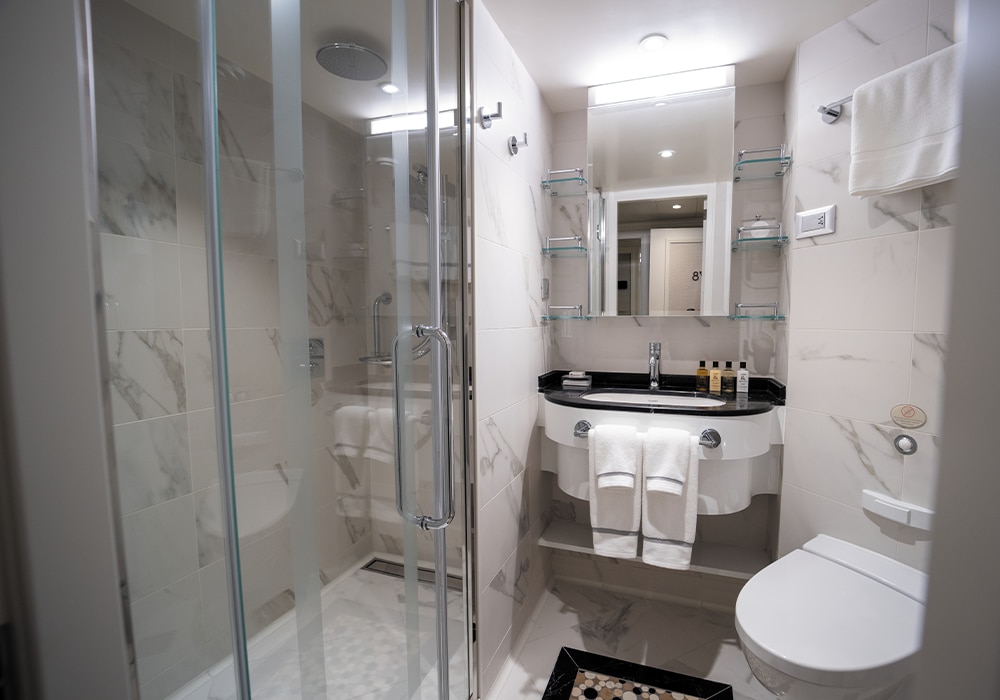
Veranda Suite
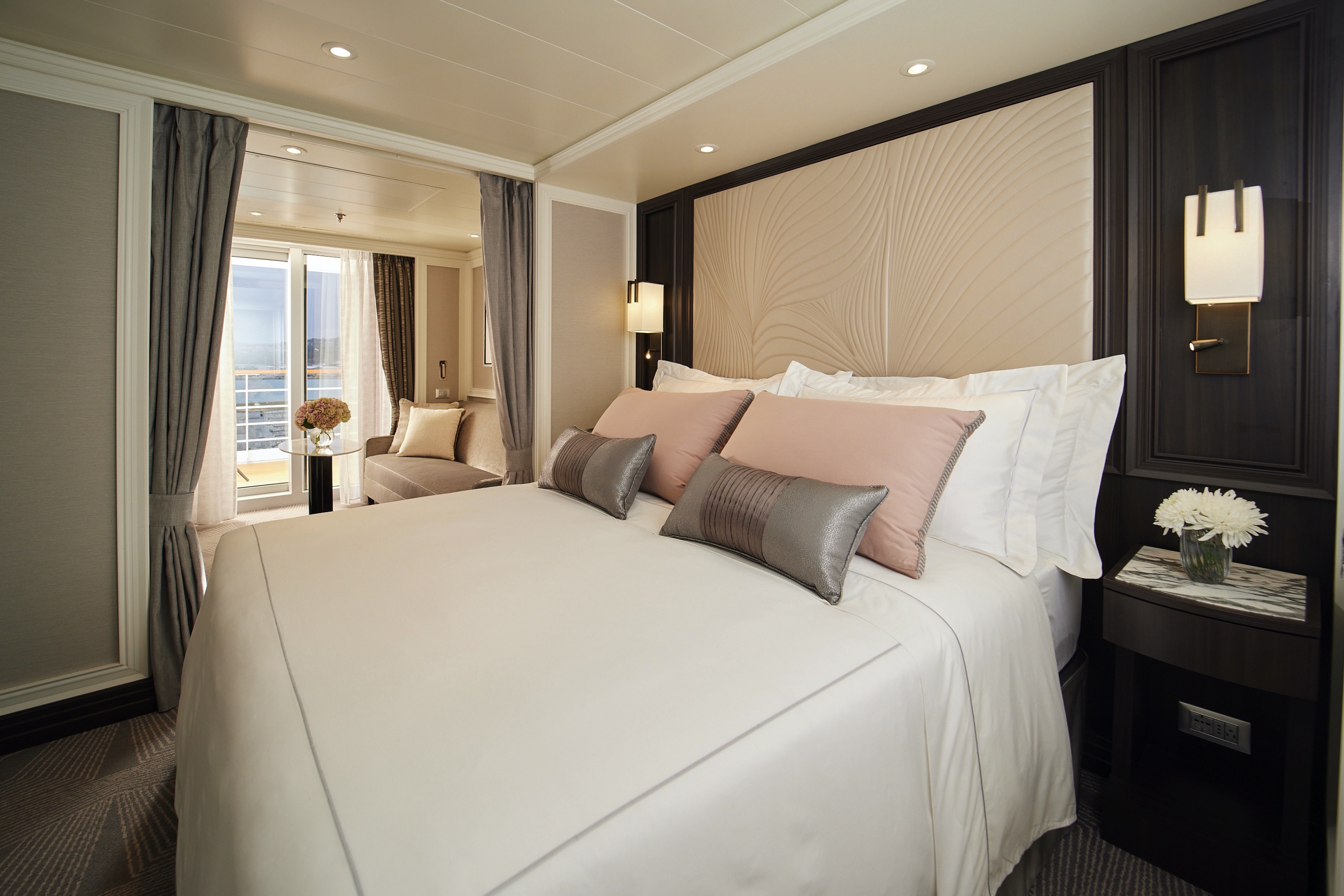
Deluxe Veranda Suite
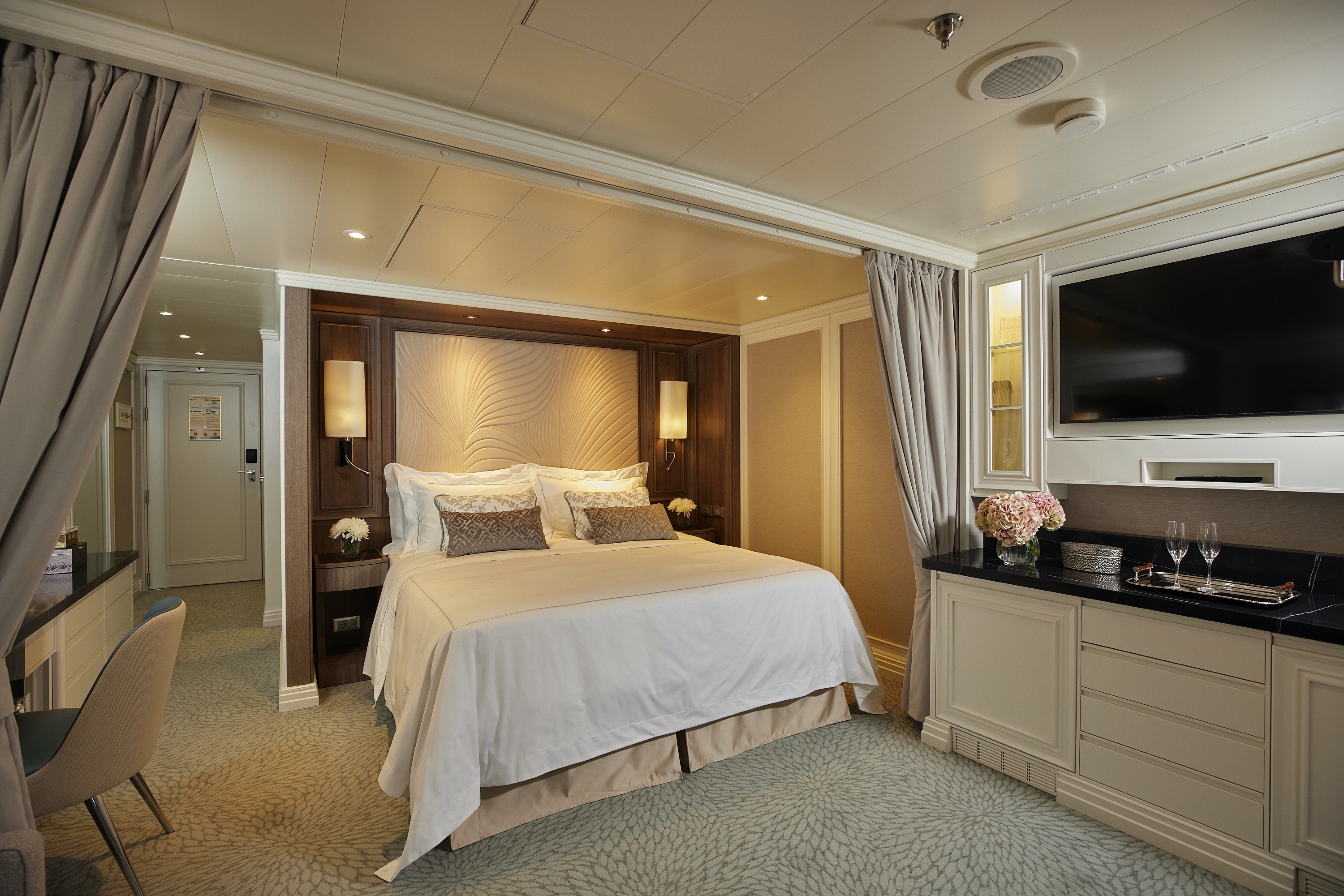
Serenity Suite
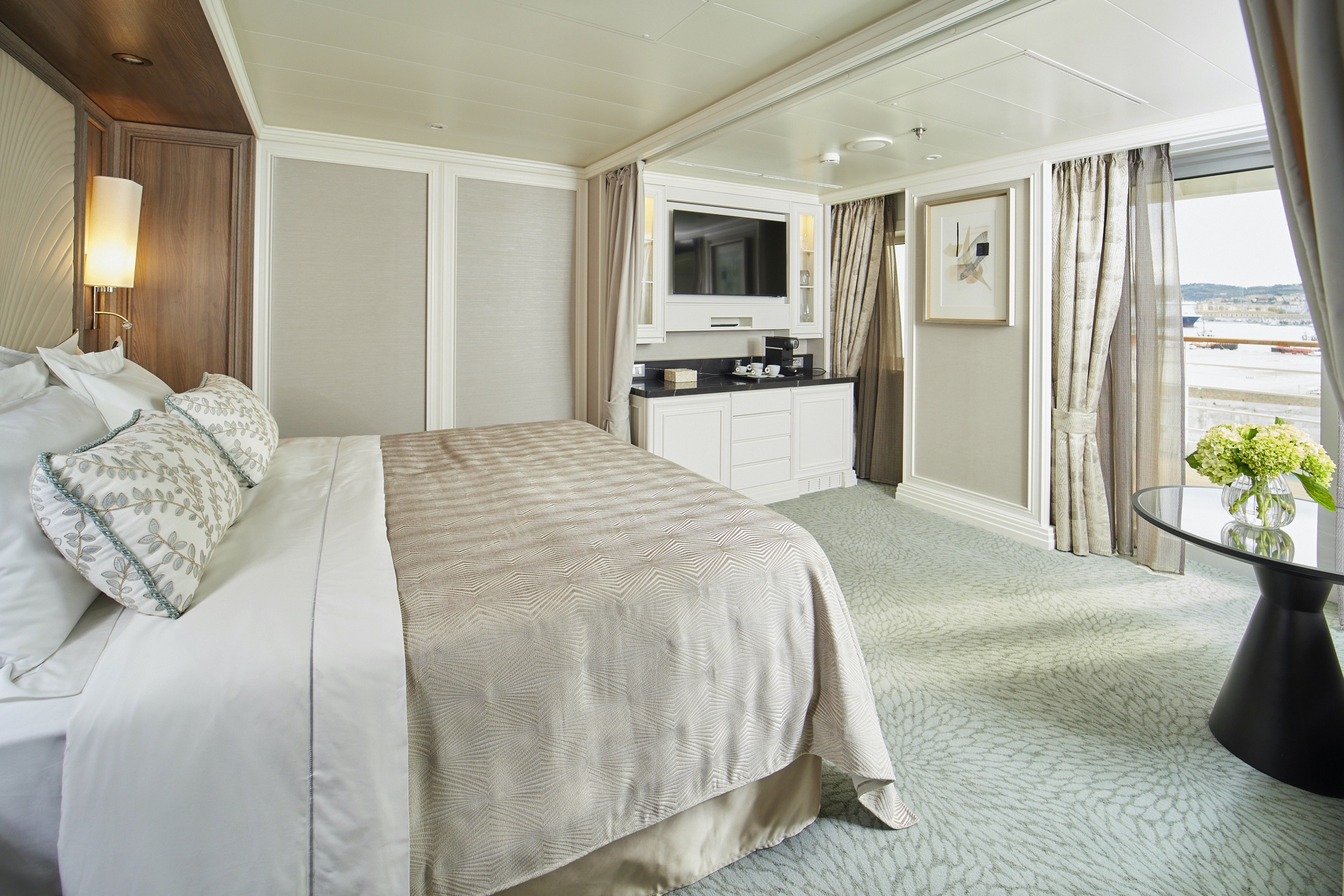
Concierge Suite
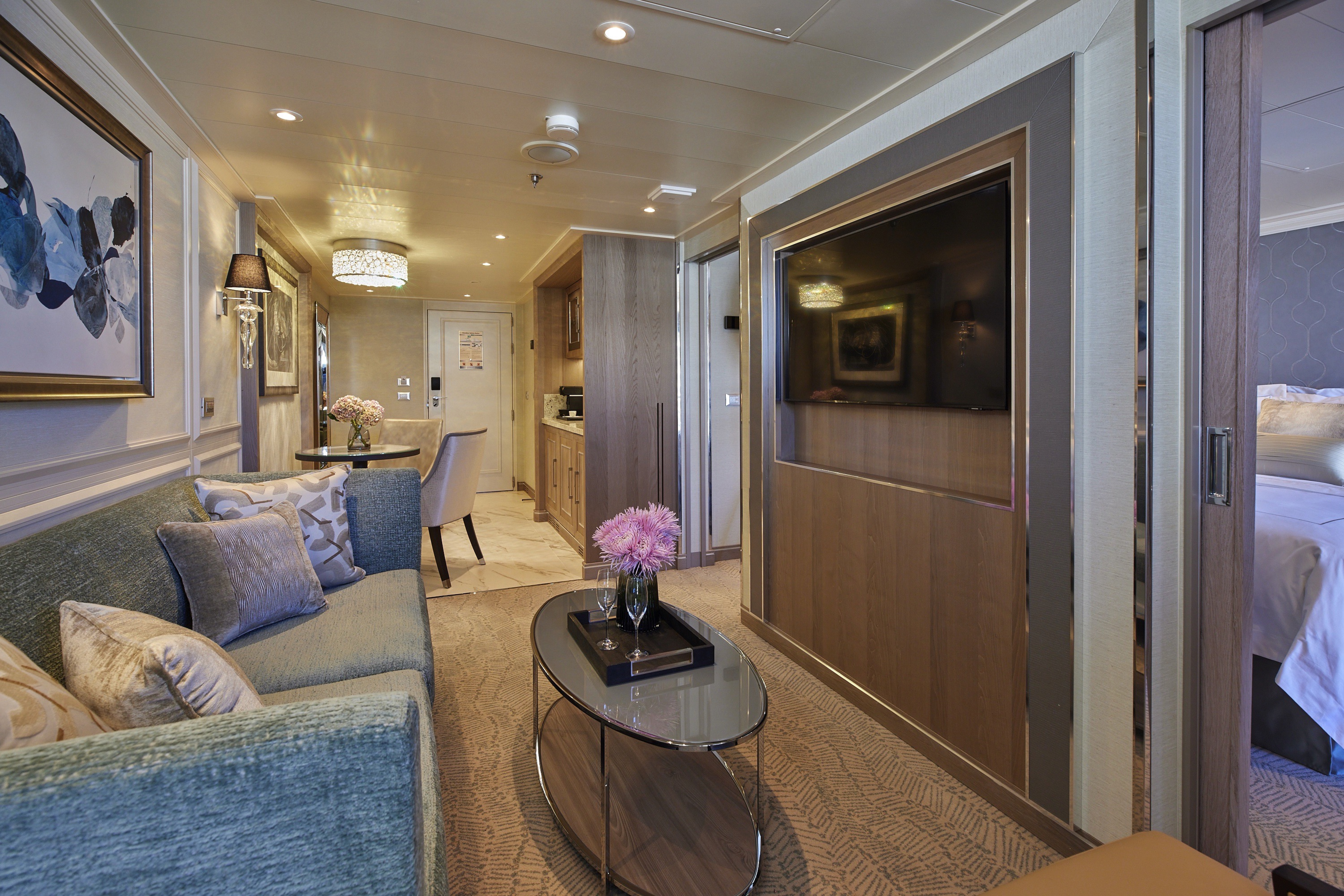
Penthouse Suite
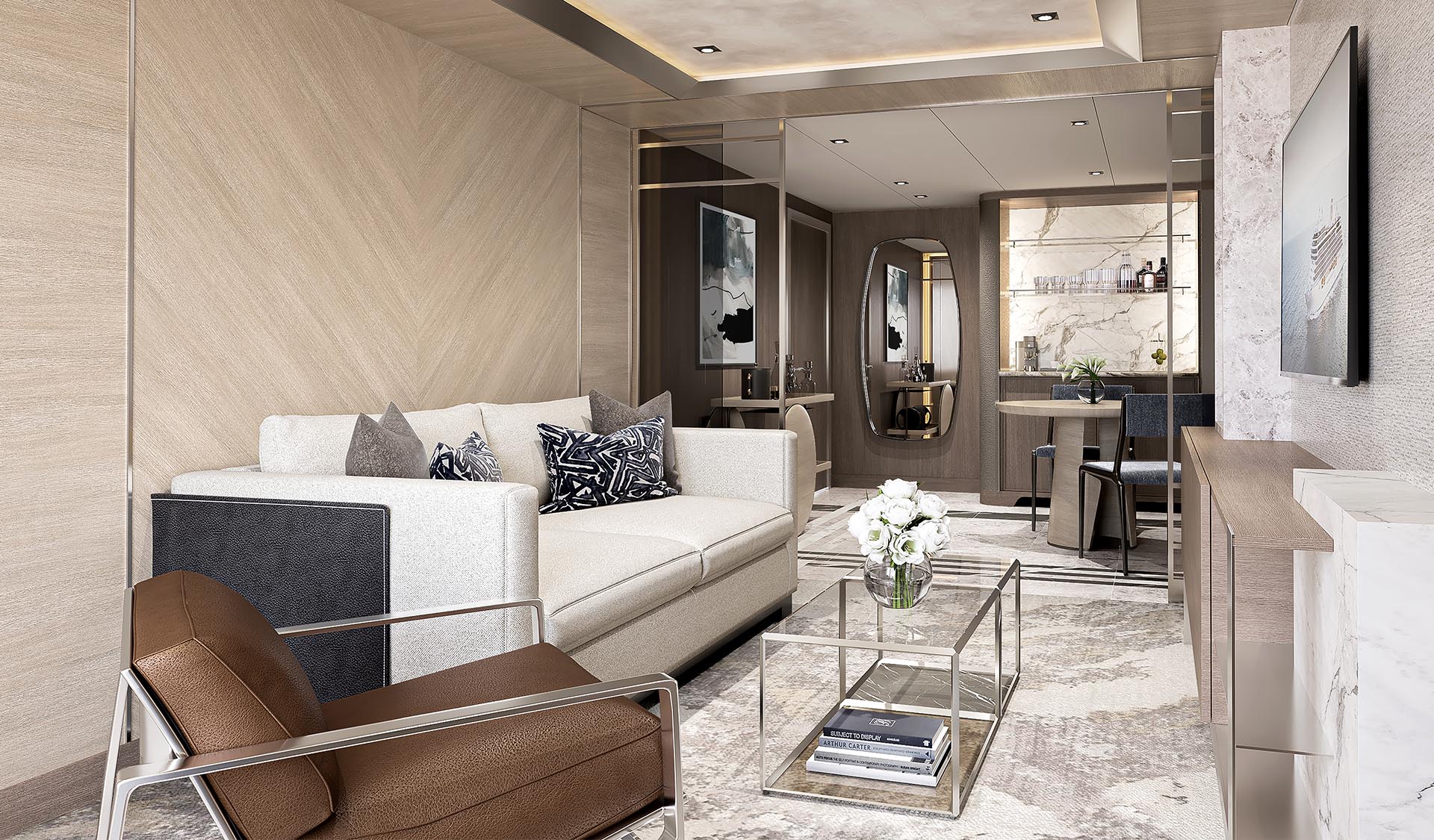
Seven Seas Suite
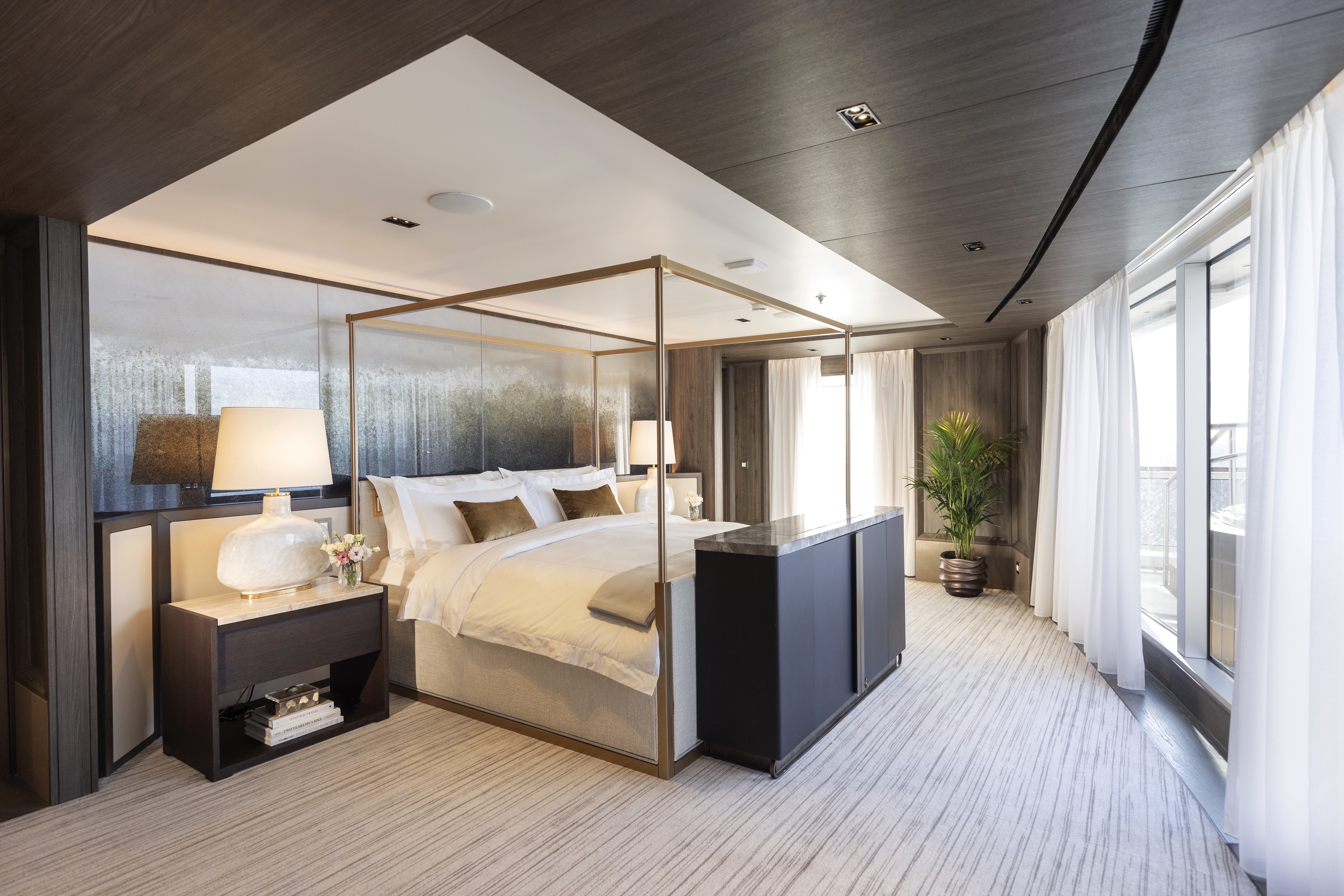
Regent Suite
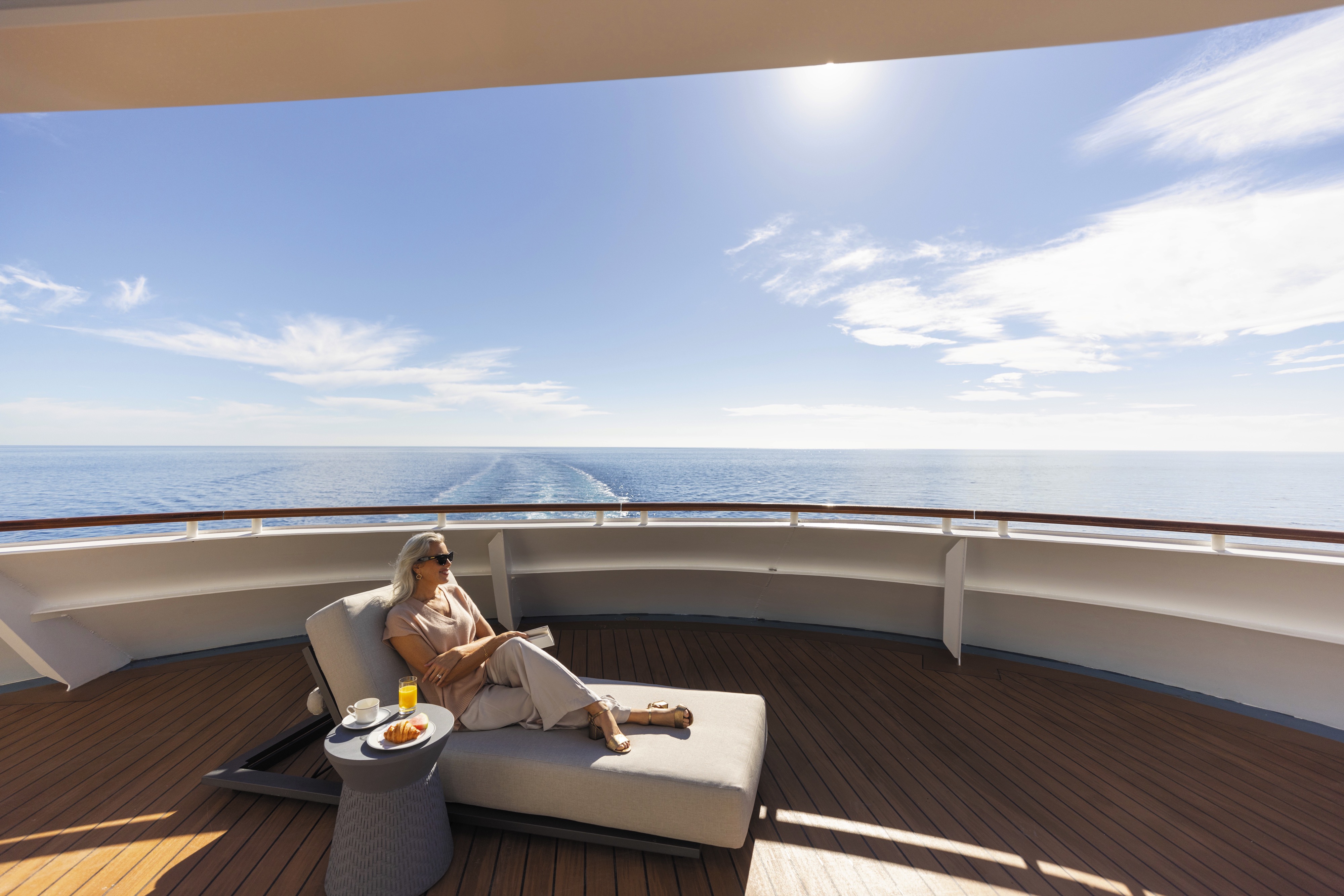
Signature Suite
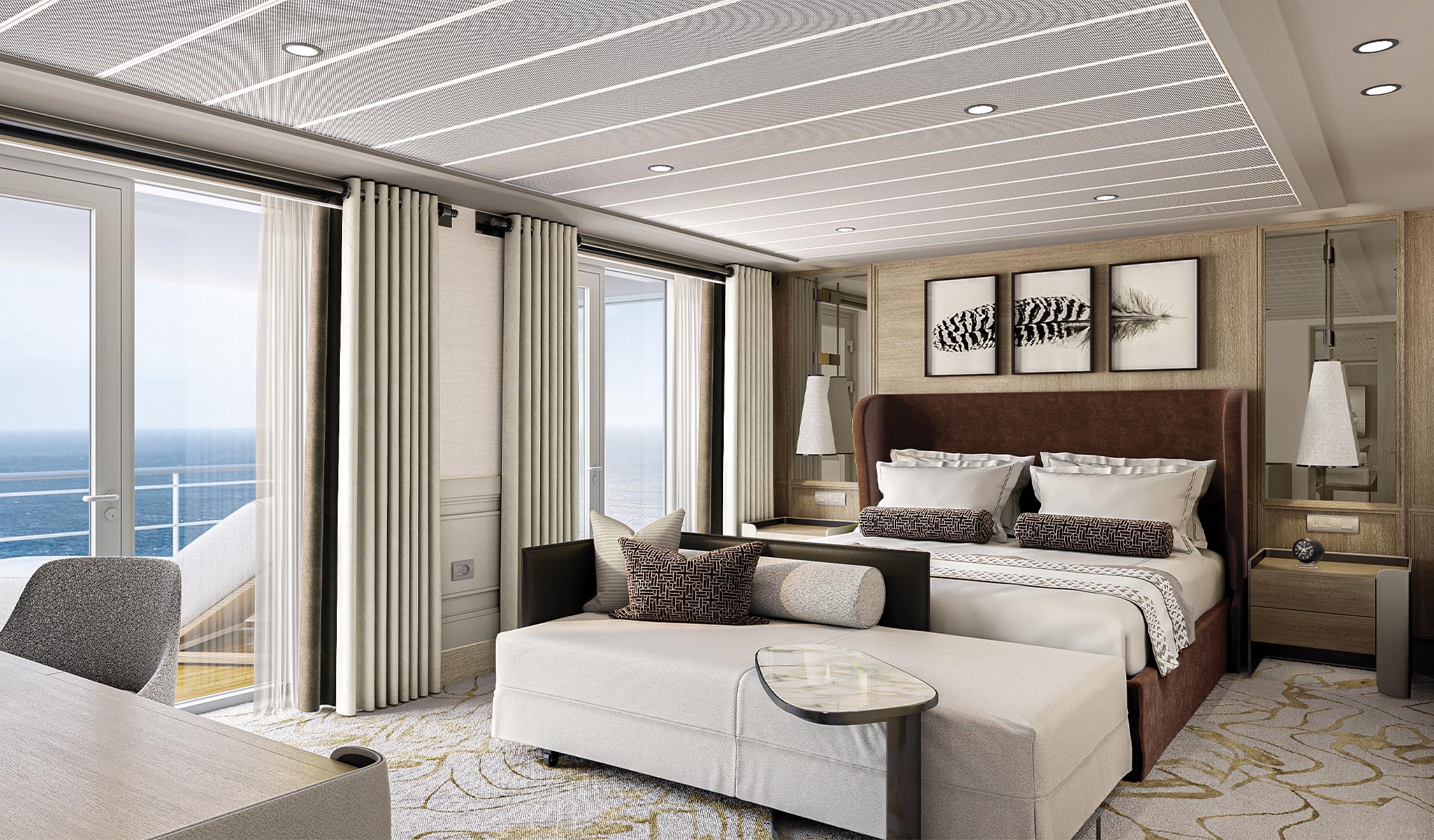
Grand Suite
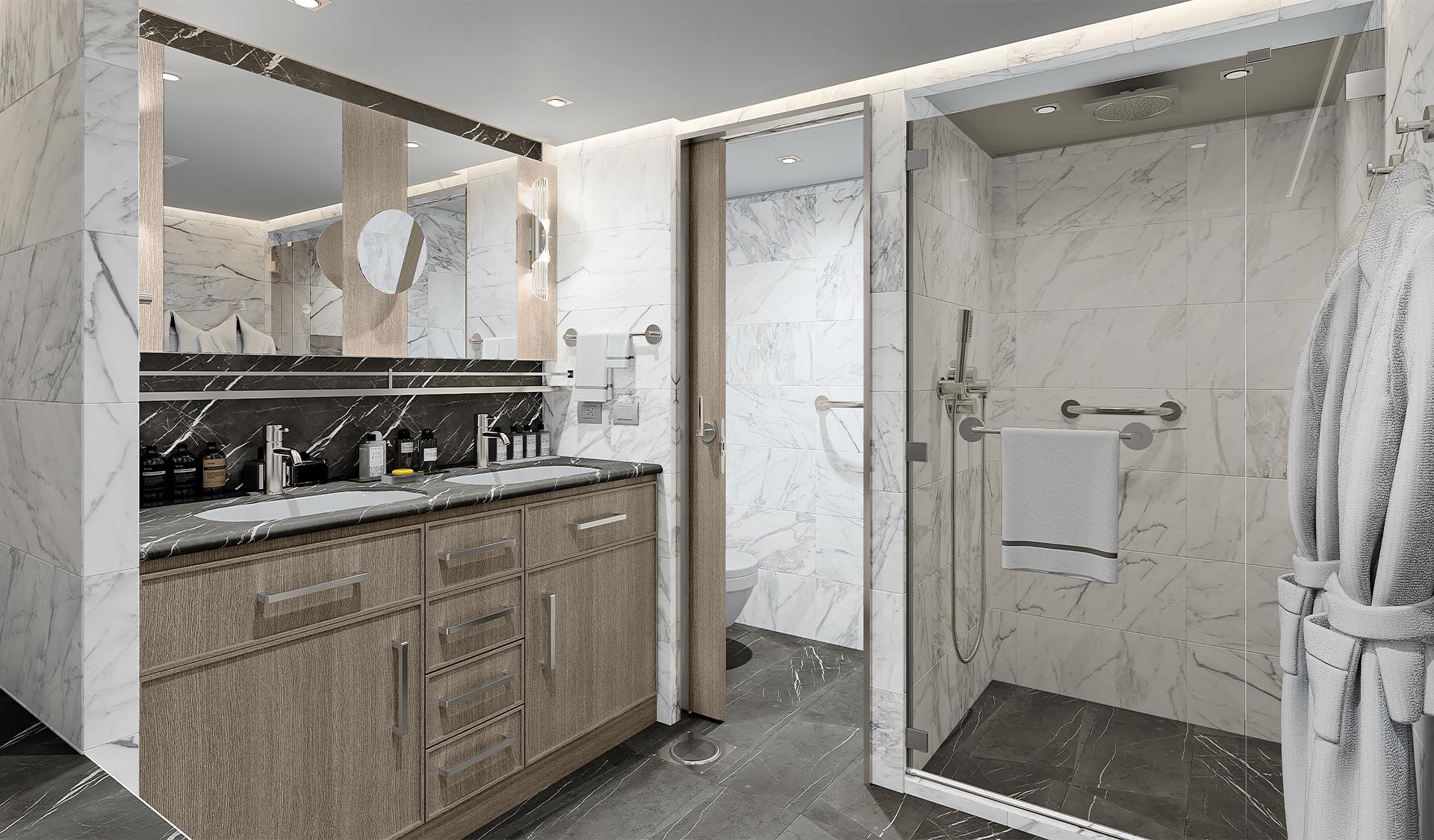
Grandeur Suite
Ship Facilities
Compass Rose
Our largest specialty restaurant on a ship full of spectacular dining options. Design your very own entrée from preferred sides, sauces, pastas and main features of beef, poultry and fish. Dessert? Decadent, of course.
We are pleased to re-introduce the elegantly enhanced Compass Rose, the largest specialty restaurant across our fleet. Ensuring a tantalizing mix of new and familiar items on every visit, the new lunch and dinner menus offer a vast selection to meet your discerning tastes. Exclusively aboard Seven Seas Mariner®, Seven Seas Voyager®, and Seven Seas Navigator® for lunch, you may choose from a robust list of appetizers and main courses from our specialty restaurants. And across our fleet for dinner, you have the unique ability to design your very own entrée from preferred sides, sauces, pastas and main features of beef, poultry and fish. This is in addition to sinfully indulgent desserts made by talented bakers and pastry chefs. With daily changing menus, the refreshed Compass Rose offers more choices than ever before.
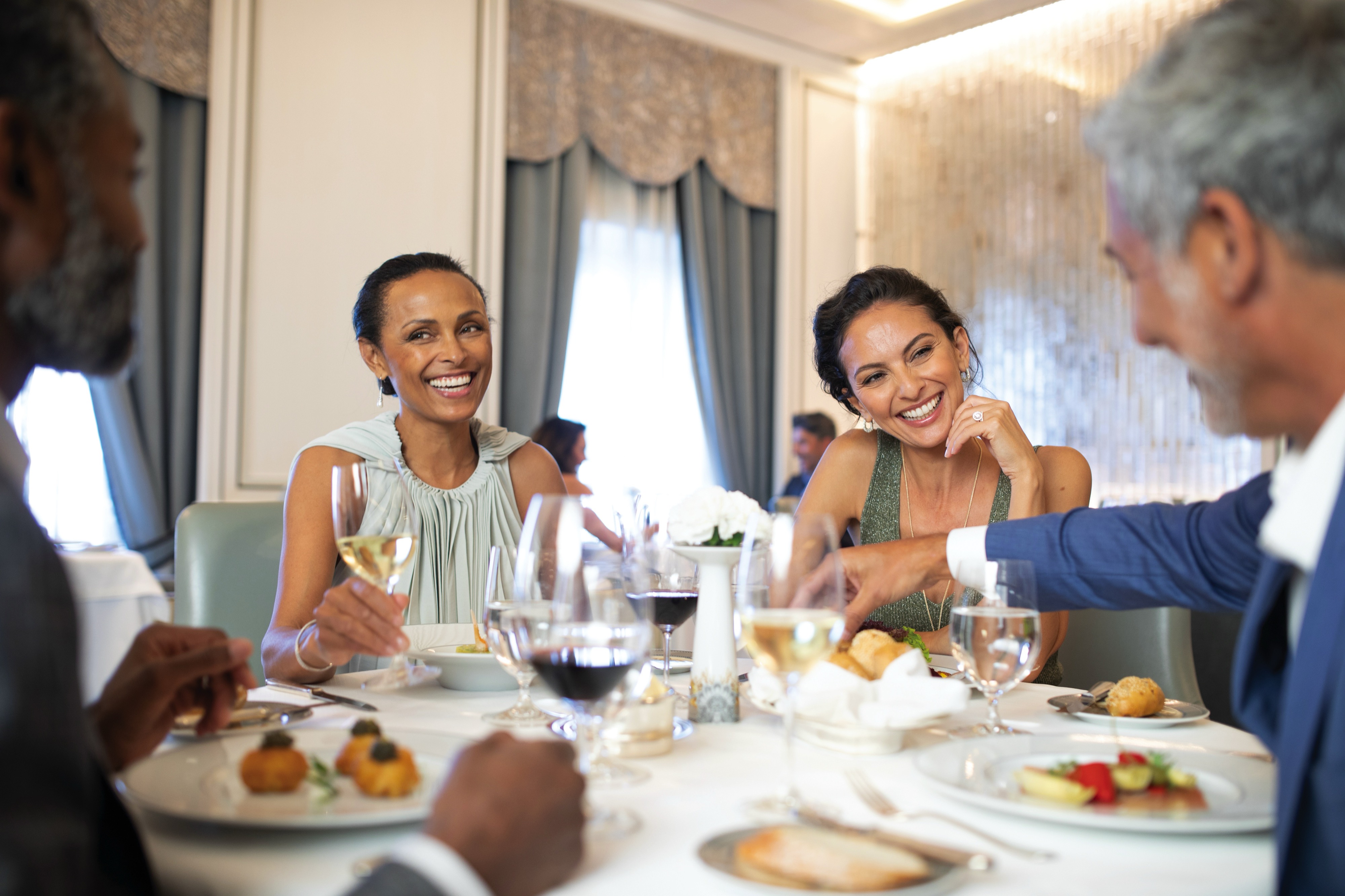
Chartreuse
Classic French fare with a modern twist – and glorious ocean views. If Chartreuse seems familiar, you may have once stumbled upon a chic, fine-dining restaurant on a Champs-Elysees side street. A fantasy you can taste.
Chartreuse evokes memories of a chic Parisian fine dining restaurant discovered during an evening stroll. Wherever you are seated in this regal restaurant, you will be treated to a succulent dinner while enjoying incredible ocean views. The restaurant ambiance is complemented by a menu that features modern French dishes. Available on Seven Seas Grandeur™, Seven Seas Splendor®, Seven Seas Explorer®, Seven Seas Mariner® and Seven Seas Voyager® with reservations each evening for dinner, and open for lunch on Seven Seas Explorer on alternate port days. French bistro style food is offered.
Reservations Required
Prime 7
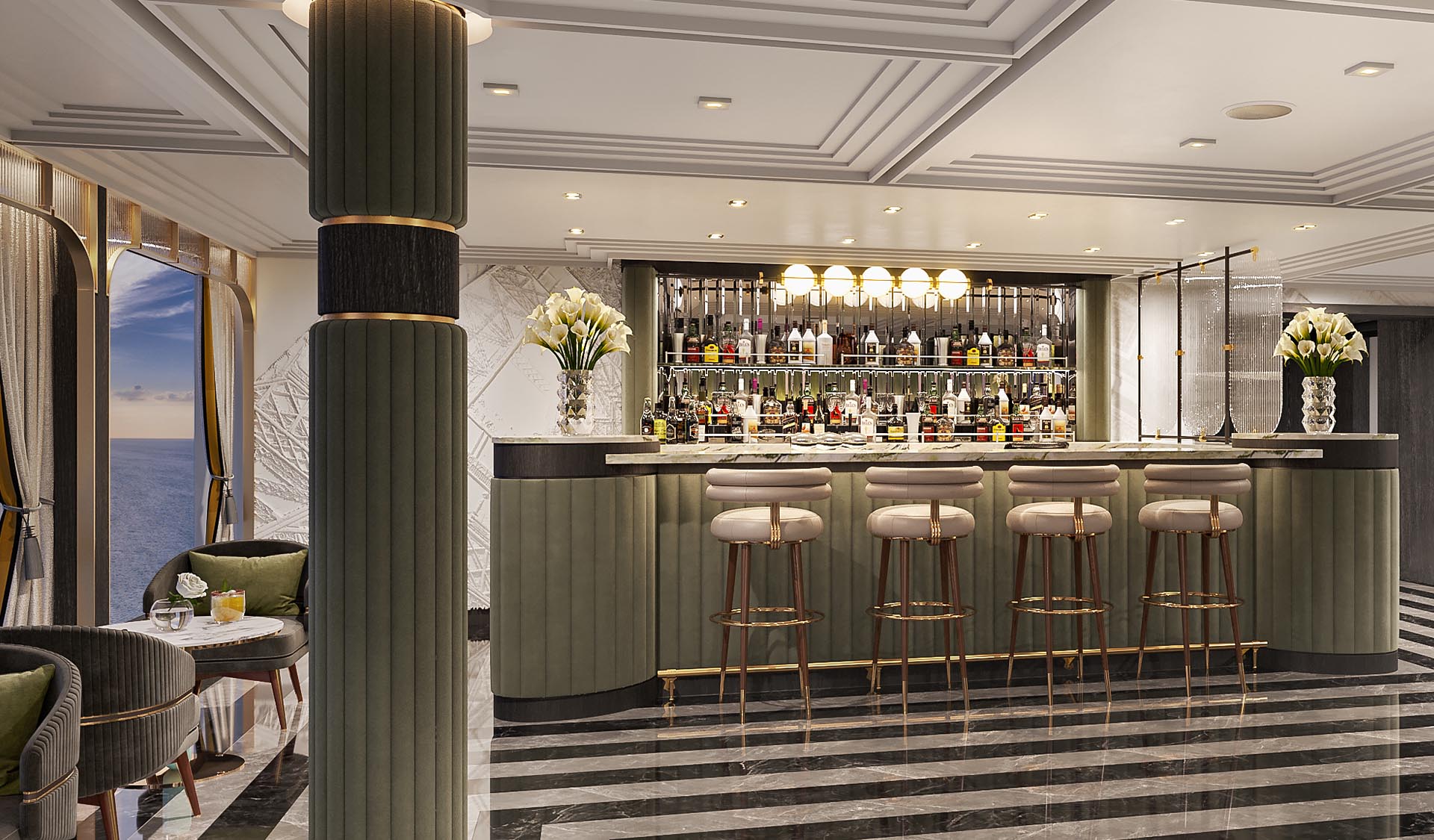
From perfectly aged New York strip, porterhouse and succulent filet mignon to smoked salmon with a phenomenal tamarind-whiskey sauce, Prime 7 elevates classic American fare to lofty heights.
A true classic in every sense, Prime 7 sets a new standard in steakhouse fare with its contemporary interpretation of an American classic. Handsomely decorated with supple leather wing-back chairs, burnished woods and rich earth-toned fabrics, Prime 7 exudes a distinct, intimate elegance. This is sophistication redefined, a luxurious setting to enjoy classic steakhouse cuisine with a modern flair.
All the traditional starters are here, including Jumbo Lump Crab Cakes, Classic Steak Tartare, and Clam Chowder. Of course, beef is the undisputed star, and it is aged for a minimum of 40 days to ensure the ultimate tenderness and juiciness. New York Strip, Porterhouse Steak and succulent Filet Mignon only touch upon the selections. Mouthwatering alternatives include Applewood Smoked Salmon and Dover Sole.
Reservations Required
Pacific Rim
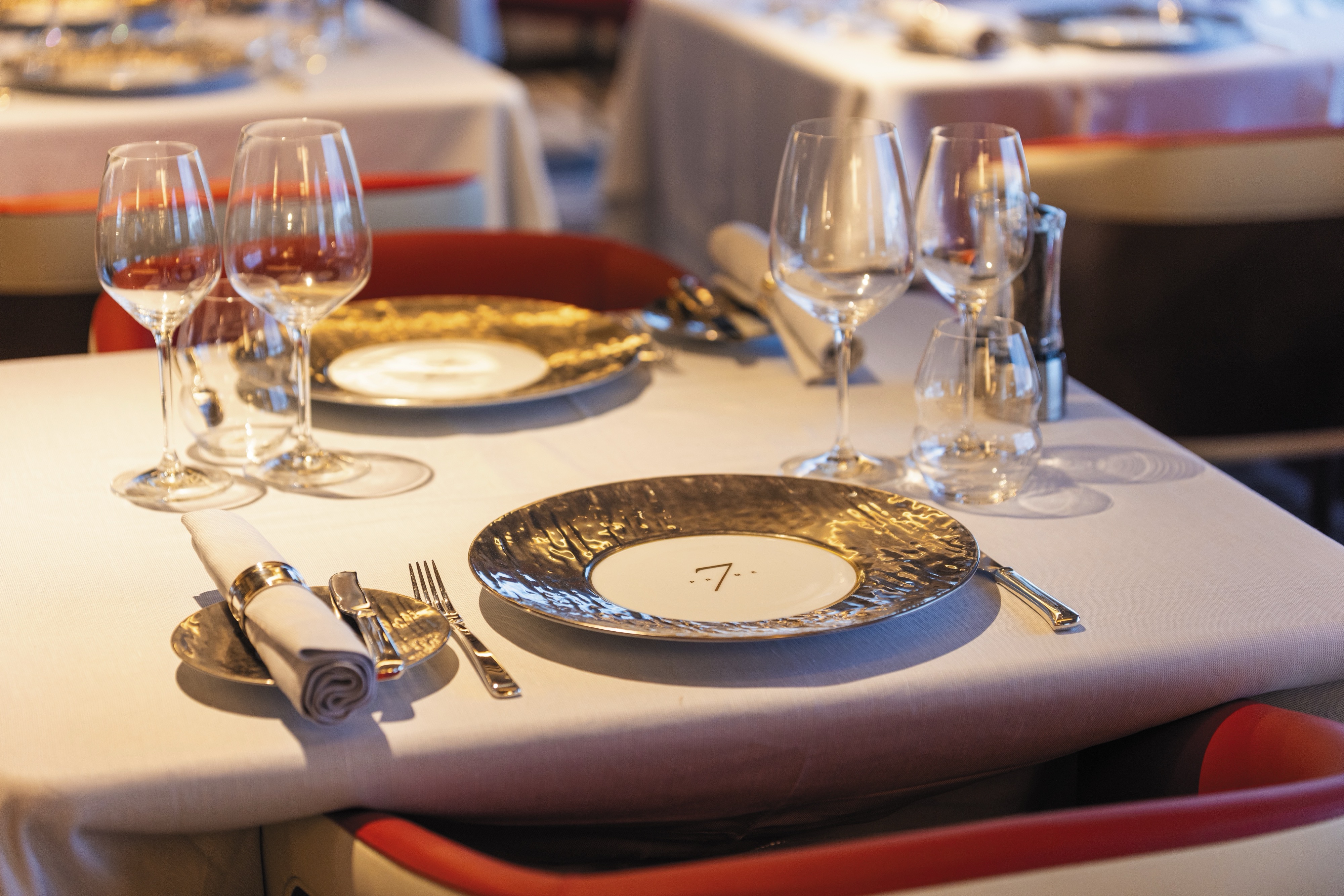
Prepare to be delighted by a perfect balance of delicious flavors and Zen-like ambiance. Amid dimly lit architectural details and lotus-shaped windows, dine Pan-Asian creations like Korean barbecue lamb chops and wok-fried beans.
Coffee Connection
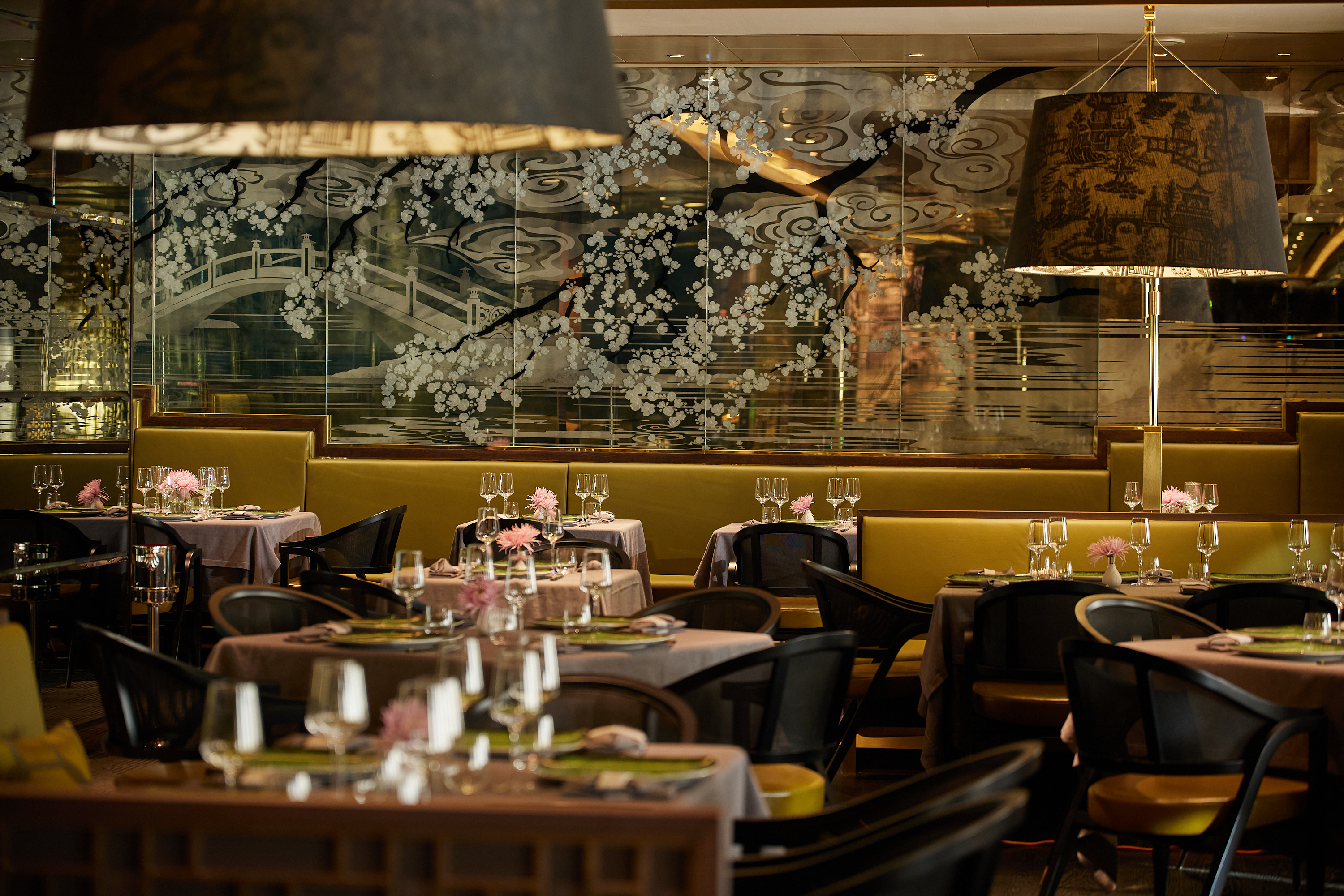
So much more than a great spot for coffee – this specially designed Coffee Connection is a chic metropolitan café with an ocean view that’s impossible to beat.
Sette Mari at la Veranda
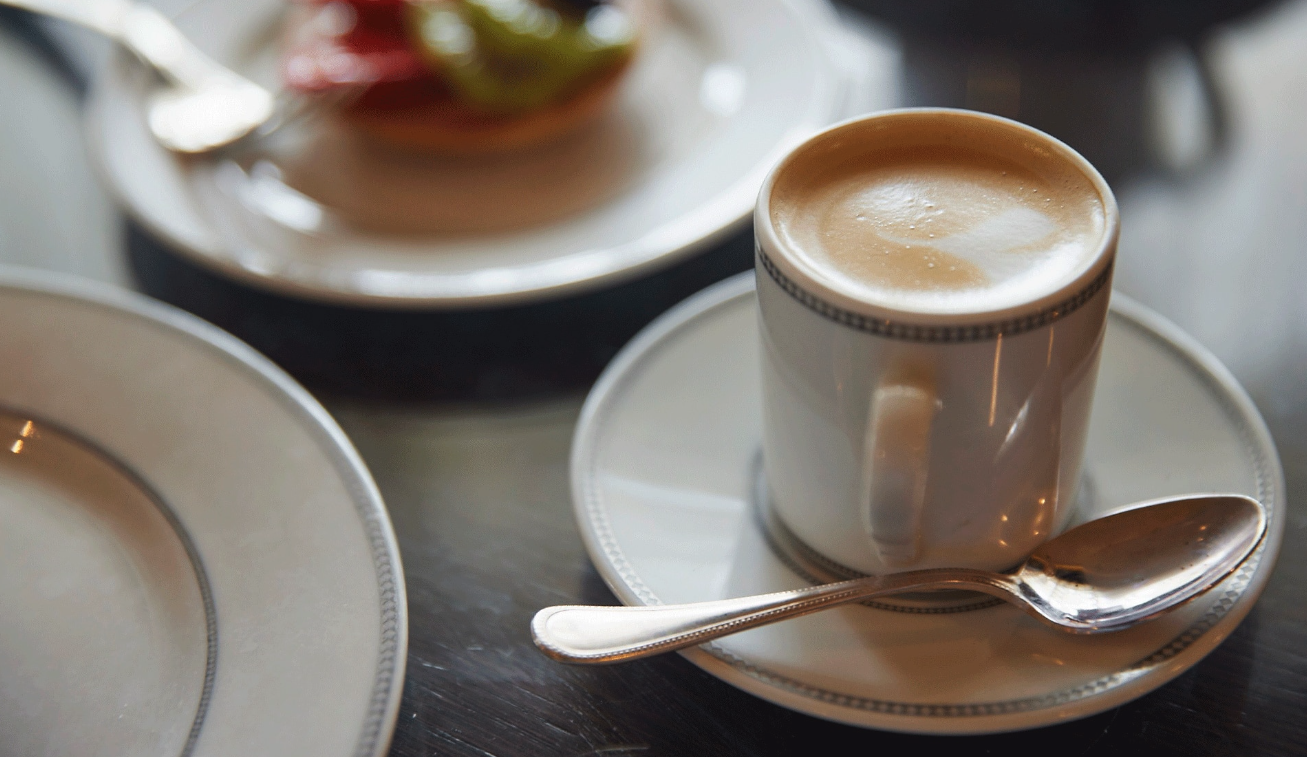
Settle into cozy, over-water alcoves for classic Italian specialties made with care. From old-school classics to modern cuisine, your Sette Mari meal will linger long as a perfect combination of atmosphere and flavor.
Each evening, La Veranda transforms into Sette Mari at La Veranda, a casual, intimate dining experience. Enjoy an extensive menu of authentic antipasti and Italian specialties served á la carte and paired with fine Italian wines — complimentary of course. Delectable dishes are prepared á la minute by our talented chefs using only the freshest gourmet ingredients and served by our attentive waiters. Sette Mari at La Veranda is open for dinner only.
Pool Grill
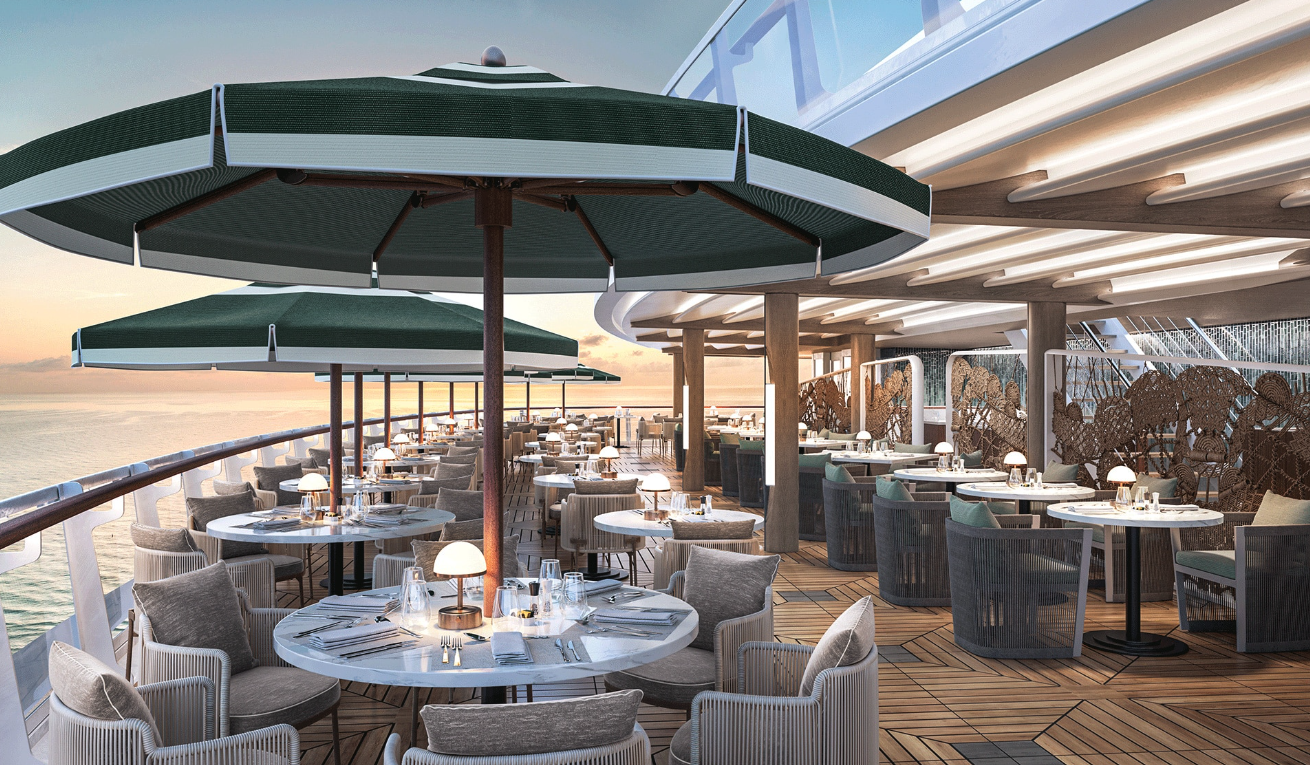
Al fresco dining with views of the world’s best-loved landscapes. Be inspired by the environs around Seven Seas Grandeur™ while enjoying cuisines that include handcrafted pizzas, regional barbecues and old-fashioned desserts.
The Pool Grill is truly a come-as-you-are venue. Enjoy this casual dining experience whether you’re getting a bite after sunbathing or swimming in the pool. The Pool Grill is open-air, yet abundantly shaded for comfortable dining at lunch or dinner. Enjoy grilled-to-order burgers, grilled seafood, sandwiches, and fresh salads. Treat yourself to milkshakes and malts or an old-fashioned hand-dipped ice cream dessert with toppings.
La Veranda
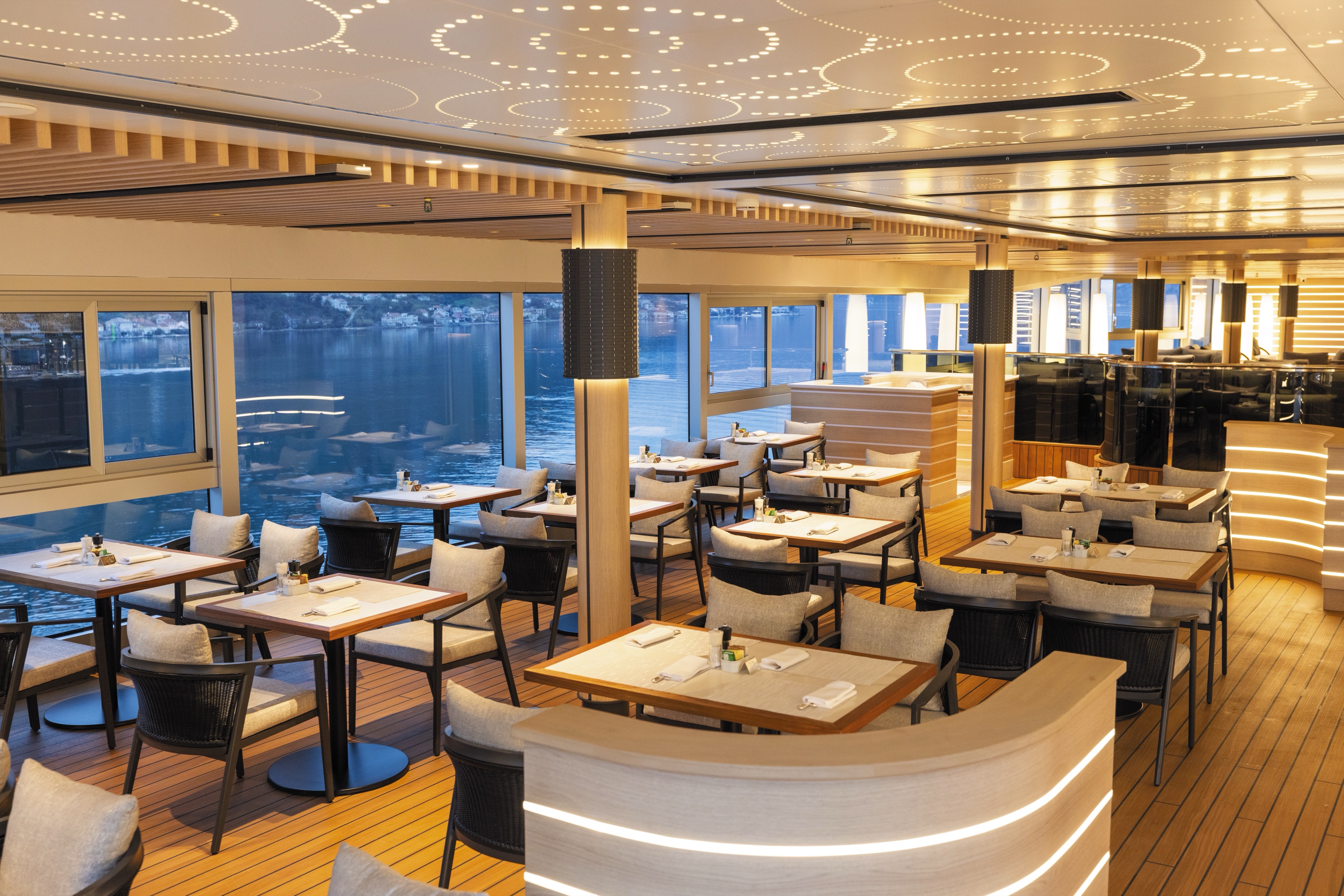
Greet your days on the high seas with sumptuous breakfasts and shimmering ocean views. La Veranda features quiet alcoves, made-to-order omelets and, for late risers, tasty lunch buffets that include hot carving stations.
Take in stunning ocean views while enjoying elegant breakfast and lunch buffets in the chic indoor dining room or al fresco on the shaded, open-air deck. Breakfasts include traditional favorites, as well as a made-to-order omelet station, a variety of fresh fruits and pastries, along with daily specials, like fluffy Belgian waffles with fresh blueberry compote. For lunch indulge in an array of choices from a bountiful salad bar, gourmet sandwiches, hot carving stations and delicious desserts.
The Study
Hosting a maximum of twelve guests, discerning gourmands are met with the style and sophistication they would expect from an intimate epicurean experience aboard Regent Seven Seas Cruises®.
Room Service
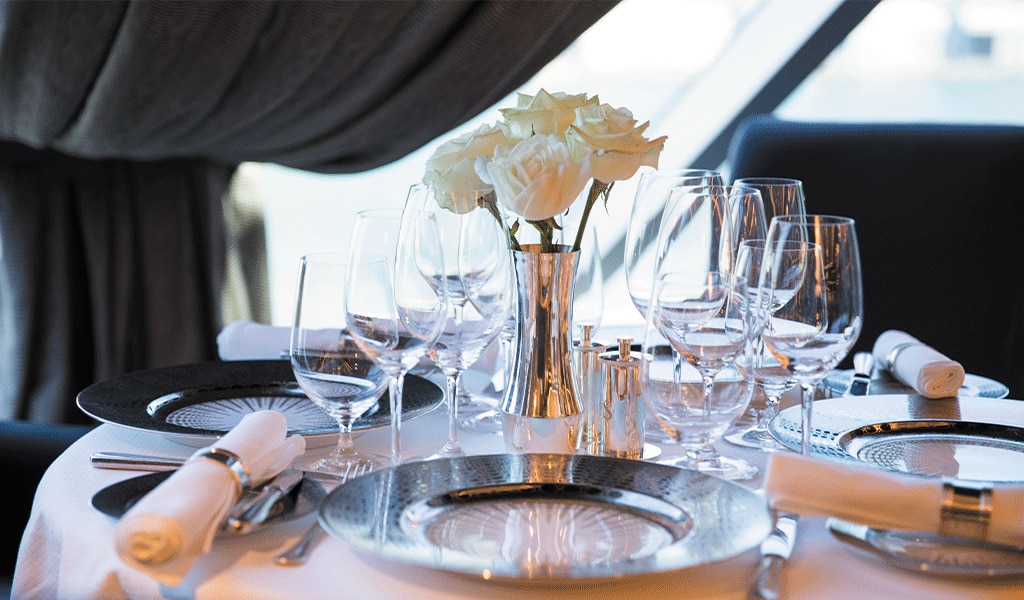
Knowing that guests sometimes prefer to simply dine in the comfort of their suites, we offer room service around the clock. Select from an extensive room service menu and the wait staff will promptly serve your order in the comfort of your suite. During normal dining hours, guests may also order from the Compass Rose menu, which changes daily and features Continental, vegetarian, and kosher cuisines. Dinners will be graciously served course-by-course.
Gourmet Explorer Tours
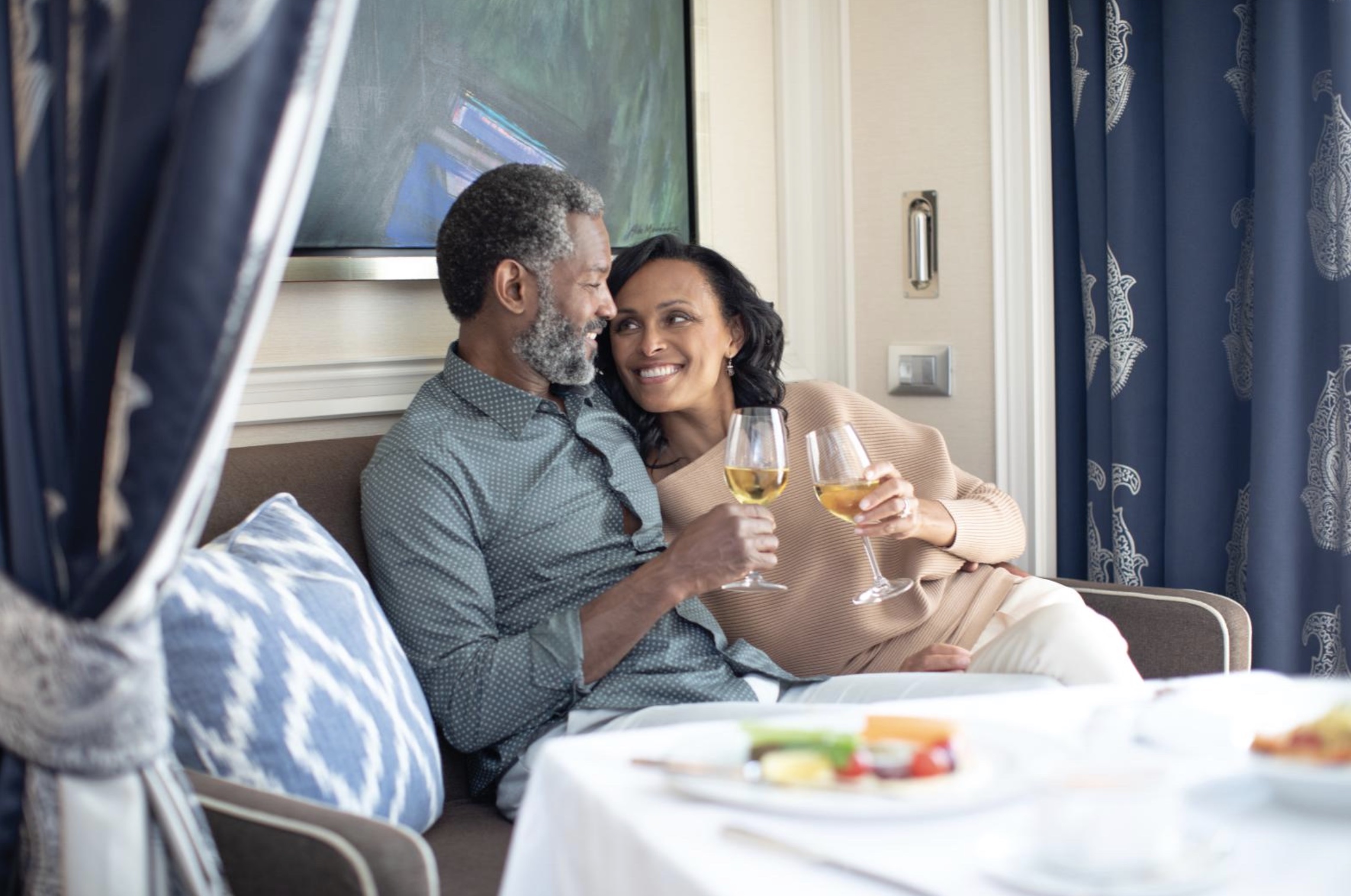
Our distinctive Gourmet Explorer Tours, offered exclusively aboard Seven Seas Explorer, allows guests the unique opportunity to experience the culinary culture of the world’s most delicious destinations. From savouring the authentic flavours of a region to learning new techniques in local cooking classes, guests can choose from a variety of optional tours that take them to local markets to find exotic spices, sample delicious wines at breathtaking estates and savor gourmet meals expertly prepared by renowned chefs. Due to their unique itineraries, Gourmet Explorer tours require a discounted, supplementary charge.
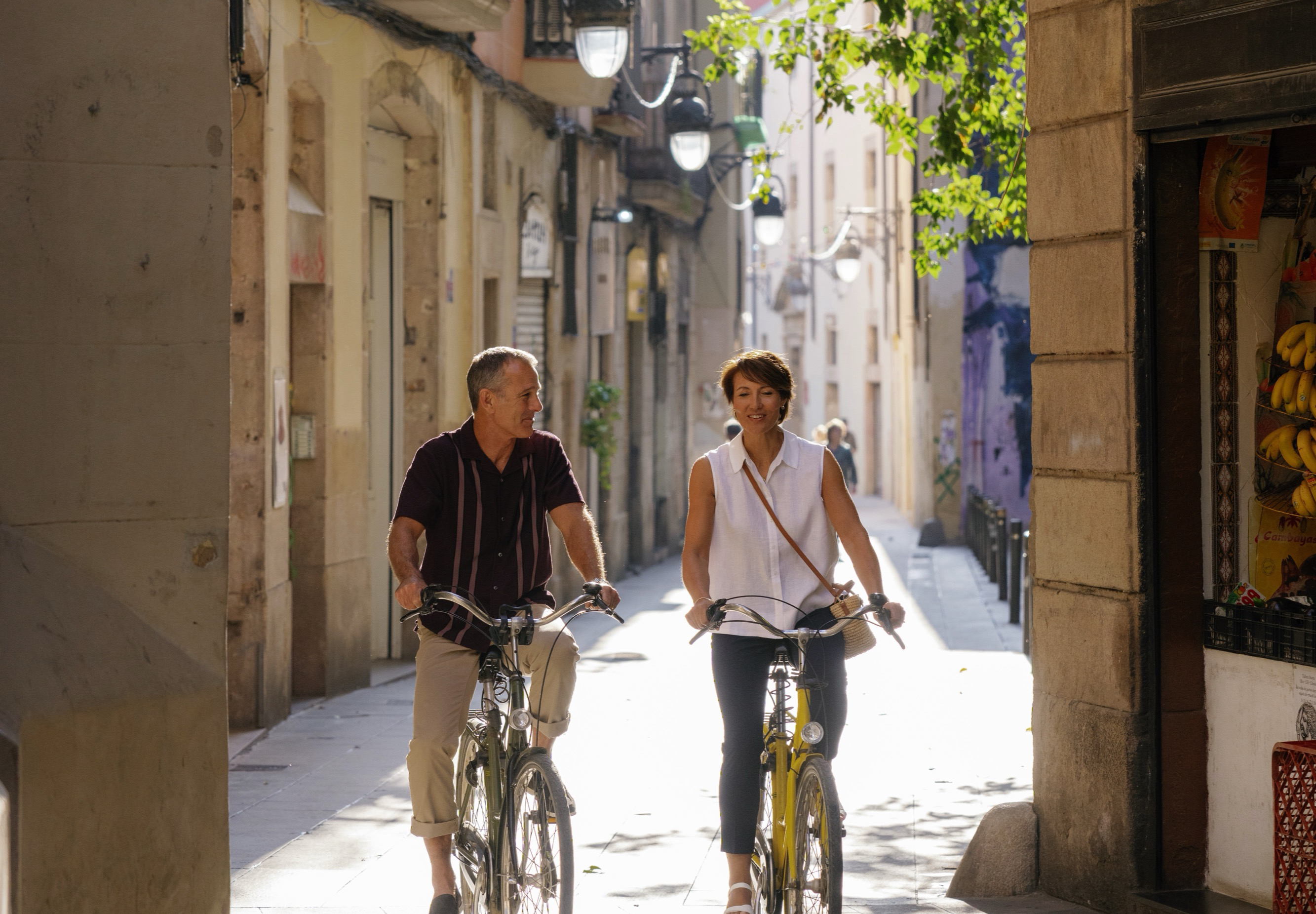
Regent Choice Shore Excursions
Take your experience to another level with the select itineraries and smaller group tours offered by our Regent Choice Shore Excursions. These unique opportunities require a discounted, supplementary charge and invite you to discover the heights of travel, from our Gourmet Explorer Tours to special experiences that take you off the beaten path.
As the name suggests, these excursions work a little harder to engage your explorer spirit. Unique itineraries and smaller groups create more personal experiences… and memories of a lifetime.
UNIQUE, UNPARALLELED EXPERIENCES
Soaring over Alaskan forests and mountains via helicopter en route to feeling the majesty of Mendenhall Glacier beneath your feet. Discover the best our world has to offer through the unparalleled experiences you’ll enjoy with Regent Choice Shore Excursions.
Enhance your shoreside experience with a Regent Choice Small Group tour. Hosting up to 16 guests, these tours provide a more intimate experience and allow for more personal engagement with your knowledgeable guide.
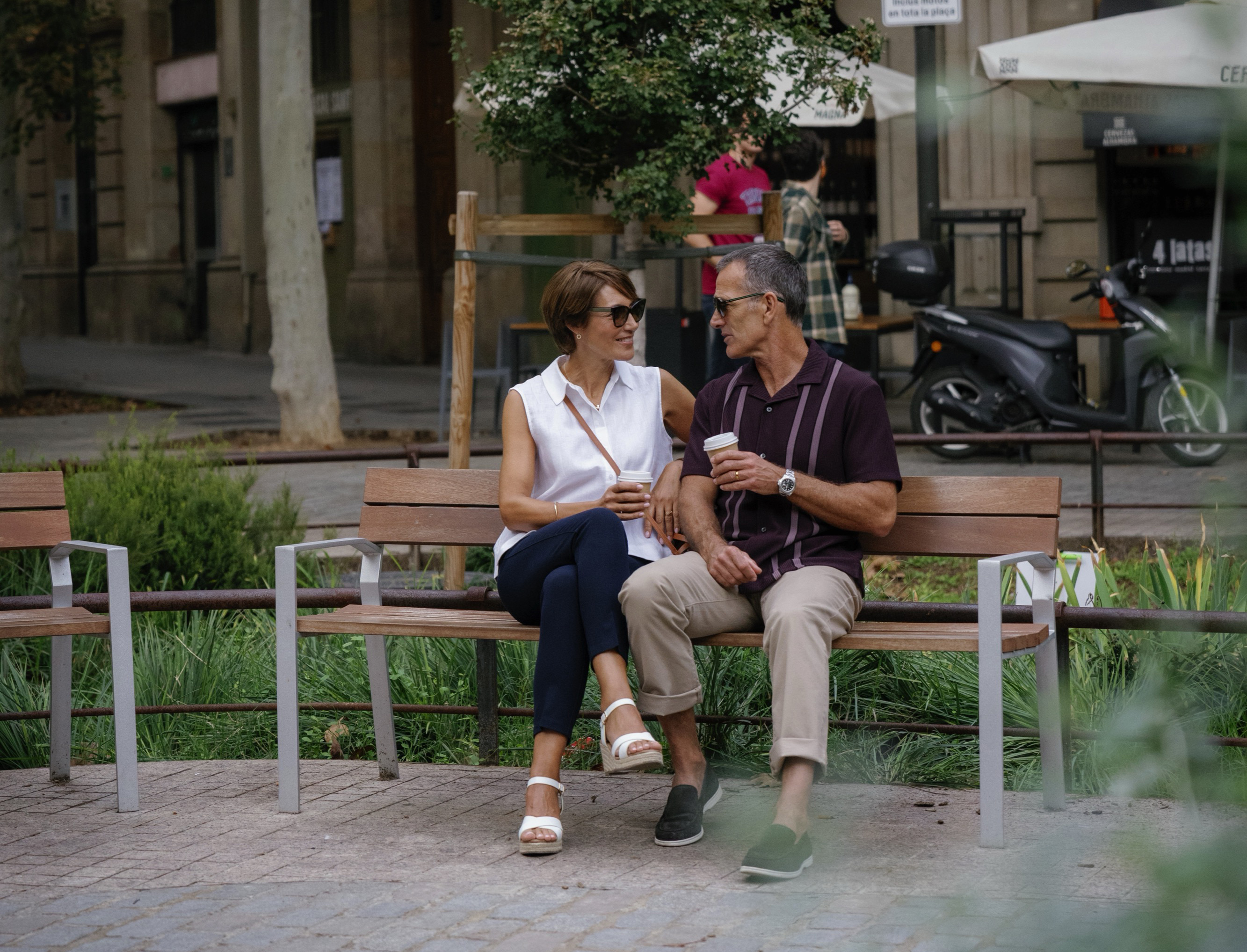
Culinary Arts Kitchen
Step into a welcoming environment, reminiscent of the world’s distinguished culinary institutions in both layout and design, with workstations fully equipped with top-of-the-line induction cooktops, stainless steel sinks and a comprehensive collection of cooking essentials. Guests attending classes in the Culinary Arts Kitchen will receive highly individualised, hands-on instruction. The curriculum will appeal to a wide range of tastes and cater to all levels of aptitude, from beginner to experienced chefs.
Taste, learn and share with the Culinary Arts Kitchen and Regent Seven Seas Cruises®.
Please note: Classes vary by destination and voyage to view voyages and availability click here.
Join expert chefs in a state-of-the-art teaching kitchen on board Seven Seas GrandeurTM, Seven Seas Splendor® or Seven Seas Explorer®. Learn to prepare authentic local recipes, and savour the flavours of the regions you are visiting.
From Our Kitchen, To Yours
Executive Chef and Director of Culinary Enrichment, Kathryn Kelly, has travelled throughout the world, tasting and exploring the many different cuisines and the cultures that create them. Her experience and expertise make her a natural fit to develop the curriculum for the Culinary Arts Kitchen. Exclusively aboard Seven Seas Grandeur®, Seven Seas Splendor®, Seven Seas Explorer® and Seven Seas Prestige™.
The Culinary Arts Kitchen provides everything you need to elevate your culinary skills in a welcoming environment inspired by France’s finest cooking schools. Designed with both style and functionality, the space features fully equipped workstations complete with top-of-the-line induction cooktops, stainless steel sinks, and a comprehensive collection of cooking essentials. Whether you’re a novice in the kitchen or a seasoned chef, you’ll enjoy highly personalised, hands-on instruction from expert instructors.
Culinary Classes Details
ARABESQUE
Based on the travels of Executive Chef Kelly in Morocco and Turkey, this cruise ship cooking class explores the trending culinary traditions and recipes of two ancient and revered cuisines. Learn the basics of tagine cookery and gain an appreciation for how the foods of these two great countries have influenced modern world gastronomy. Learn how to make nut milks and preserved lemons – prized in the Arabesque region and around the world. These cuisines are a favourite amongst our chefs, and the recipes are beyond delicious.
ANYTIME BRUNCH FAVOURITES
Whether celebrating the weekend with a group of friends, spending Sunday watching your favourite sports team or gathering the family for the holidays, brunch is always a great meal for casual, comforting and delicious dishes. Brunch is also a meal we want to host effortlessly, so our chefs have assembled their favorite crowd-pleasing recipes that make brunch a breeze to host. Not a meal to be served without spectacular drinks, this culinary class also features favourite mid-day libations.
BEYOND PATAGONIAN DELICIOUSNESS
The culinary world has its eyes on the cuisine of the Patagonia region. Regarded as the hot new cuisine, chefs have travelled to these remote parts to learn the secrets of Argentine grilling, as well as Chilean roasting and baking. Attend this cook-out class that features delicious and hearty dishes that you will definitely want to make at home to impress your friends. No meal in Patagonia is complete without wine, so a special focus will be made on sampling and pairing the region’s varietals.
BOUNTY OF THE SEA
Fish is something we often order when dining out, but rarely feel comfortable making at home. In this class technique-driven class, master the basics of fish cookery: sauté and grill, deep poach, shallow poach, curing, baking, and healthy pan fry. Your Chef Instructor shares personal tips for purchasing fish from your local fish monger and adding more variety to your favourite fish choices.
EPICURIAN SAFARI
Embark on a culinary safari around the diverse countries of Africa. Enjoy mastering dishes from Morocco, such as tagine and b’stilla. Then head south and learn the secrets of mouth-watering grilled meats from South Africa and Namibia. Like all great safaris, this adventure begins with a delicious and artisan-created gin and tonic.
FIESTA ON THE HIGH SEAS
If you love Mexican food, but are reluctant to cook it at home, then this class is for you! Taking inspiration from Spanish tapas, this class provides a robust menu for a tasty Mexican snacking party, including a lesson on how to make the perfect Mexican cocktails.
FRESH HEALTHY COMFORT KITCHEN
This class was designed in collaboration with Canyon Ranch® with a focus on healthy eating. Discover the secrets and methods for preparing foods that are flavourful, comforting, plentiful…and good for you. From ingredients to cooking methods, learn the many ways you can maintain a healthy kitchen — while serving fabulous food — at home.
LA TECHNIQUE FRANCAISE
As the cuisine against which all others are compared, this class is designed around the pillars of classic French culinary technique. Learn the difference between French bistro and haute cuisine as you explore the various regional cuisines of France. Steeped in the fundamentals this class focuses on classic techniques designed to elevate your kitchen skills at home. Sample two French wines and learn the art of pairing French food and wine.
MASTER OF FIRE, HEAT & GRILL
Mastering the skill of cooking with high heat — whether on a grill or in a sauté pan — is at the core of this popular cruise ship cooking class. From achieving the perfect sear marks on a rib eye to bringing forth the flavour-enhancing char of a grilled flatbread, your Chef Instructor teaches techniques for perfect high heat cooking every time. Also learn how to use a digital thermometer, achieving internal cooking temperatures and the pillars of perfect protein cookery.
MASTERING KNIFE SKILLS
Regent Seven Seas Cruises® partnered with Zwilling Company, the makers of the chef-favorite J.A. Henckels knives, to develop one of our top guest-requested classes: Mastering Knife Skills. You’ll get a chef’s look at a complete pantry of knives and enjoy the chance to try out a few chef knives to discover the best option for you. You’ll also learn how to sharpen and maintain this essential kitchen tool, practice various knife cuts and discover how to safely use the mandolin slicer. At the conclusion of your class, you’ll receive a special Knife Skills certificate along with a savings voucher for your favourite Zwilling Company knives.
MEDITERRANEAN MELODY
The Mediterranean is revered for its cuisine and this culinary class allows you to take a virtual trip around region, celebrating signature dishes of Greece, Israel, France, Spain, Italy, Turkey, and Morocco. Each class is a reflection of your Chef Instructor’s personal favourites from their years of tasting and travelling across the Mediterranean. Expand your food and wine repertoire as part of this enrichment programme.
NORTHERN LIGHTS
Our chefs have collected their favourite recipes from Finland, Iceland and Norway to create this class that matches culinary delights to the extraordinary sight of the Northern Lights. In recent years, the culinary world has followed these trending cuisines as many of the world’s most revered chefs fuse traditional recipes with innovative ingredients and cooking methods. A highlight of the class is our signature sparkling cocktail celebrating the auroras.
PASTA PASTA PASTA
This class is a celebration of the mouthwatering mainstay dish of Italian cuisine — pasta. Pasta is traditionally served for lunch or at dinner as the second course, or secondi, in most Italian homes. Learn the fundamentals of making this dish in a traditional way, from dry and fresh pasta to pasta cookery and favourite sauces, and impress your friends and family with this new skill when you return home.
PERFECTLY SAUCED & TOSSED
Most chefs will confess that the secret to finishing most dishes is the sauce — sometimes taking years to achieve. A perfectly executed sauce is as elemental to French cuisine as a great dressing is to a composed salad. This class focuses on the nuisances of sauces and emulsions, all while mastering some delicious dishes. If you have ever wanted to learn the secrets of the classic French pan sauce or understanding the magic of vinegars and extra virgin olive oil, then this is the class for you.
A TASTE OF SPAIN
For centuries, beginning with the migration of the Moors followed by the explorers returning to Spain from the New World, Spain has held court as the epicenter of the culinary universe. Modern Spanish chefs have transformed traditional dishes through molecular gastronomy while maintaining a reverence for traditional tapas and dishes like Valencian paella. Learn to enlighten your home kitchen with some of Spain’s signature dishes, wines and of course — the festive Sangria.
SIMPLE & ELEGANT DINNER PARTY
Our Chef Instructors are frequently asked about their personal favourite dishes that they enjoy making at home. In response, they assembled some of those simple yet elegant recipes to transform the Culinary Arts Kitchen into an elegant dinner party. Take what you learn to your home kitchen and impress your friends when you return by hosting your own dinner party, complete with exquisite wine pairings.
THE CONTENTED VIKING
Culinary historians have seen a renewed interested in the Viking diet in recent years with the emergence in popularity of lower carbohydrate diets, such as the Paleo Diet. The diet of modern Nordic countries continues to feature clean, sustainable and seasonal food. In this class learn about recipes that are famously celebrated at the top restaurants across Denmark, Norway and Sweden. Indulging in the Swedish Glogg is reason enough to join the class!
THE PERFECT PAIR
As luxury travellers, we indulge in fine wines paired with delicious food, which is the main focus of this class. Whether you are interested in learning how to properly select the right wine for your preferred dish or are searching for the right meal to pair with your absolute favourite wine, this class will expand your horizons. Your curriculum includes cooking several recipes and then pairing them with wines to explore how different varietals complement the dishes.
YAYA’S GREEK FEAST
Greeks are famous for their home-cooked, savory and generously portioned meals with family gathered — singing, dancing and eating! Greek recipes are passed down from Yaya (grandmother) by showing rather than writing down recipes. So, we recreated those hands-on recipes from our favorite yayas from Santorini, Crete, Rhodes, Corfu, and Athens for this popular cooking class. Learn to make healthy, comforting Greek-inspired dishes, imbibe in our favorite Cretan Rose cocktail and plan your next party around the recipes you master.
1493: THE FOODIES’S NEW WORLD
Delight in learning about the evolution of the Mediterranean cuisine when new ingredients were introduced after the Portuguese and Spanish returned from exploring “The New World.” Discover the way tomatoes, potatoes, corn, peppers, chocolate, blueberries, and zucchini (to name a few) found their way into the Mediterranean diet and changed their traditional dishes for the better.
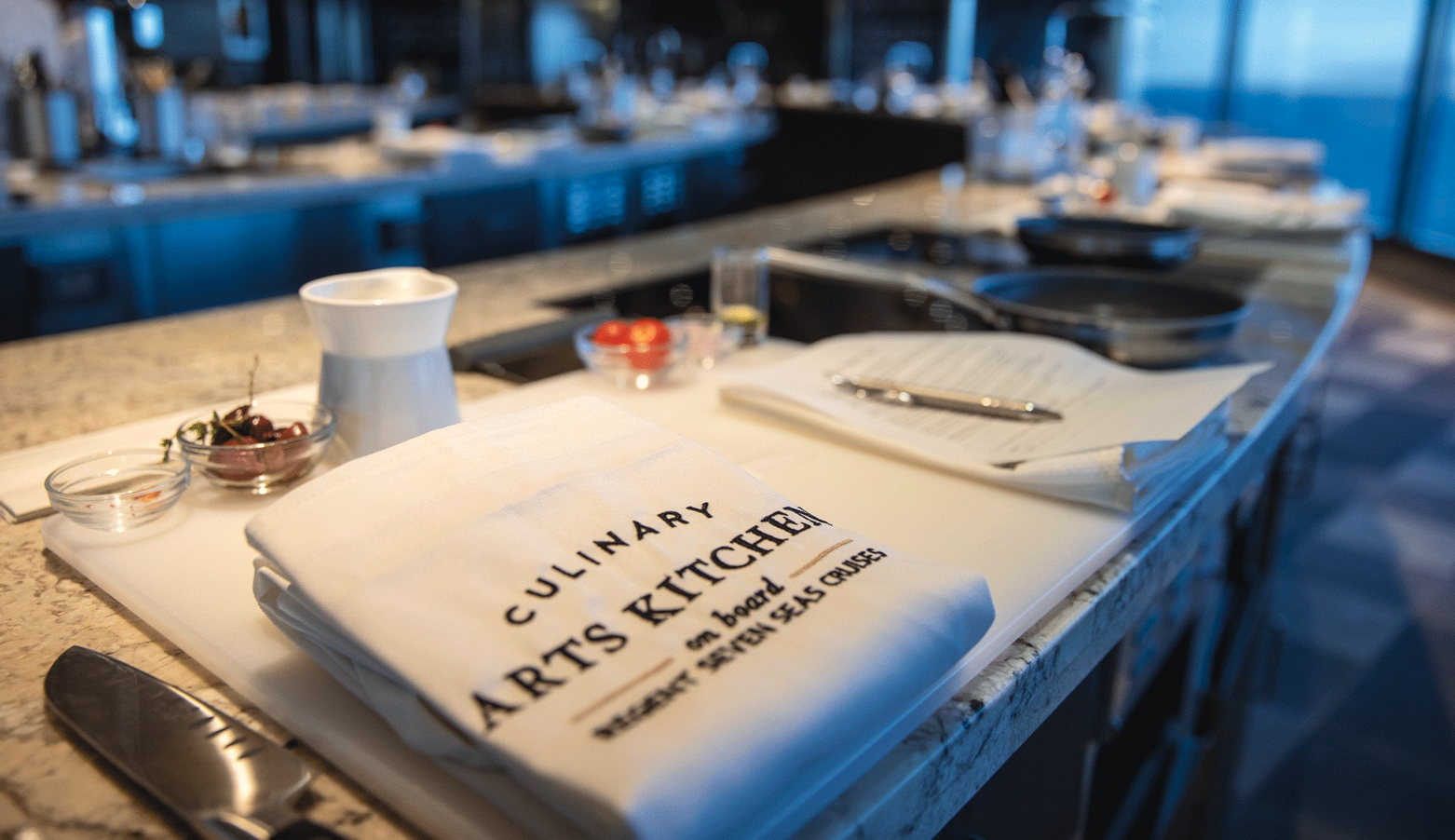
Unlimited Shore Excursions Included
Every destination we sail to harbours treasured experiences waiting to be unearthed. And there’s no better way to dig in than by taking advantage of our hallmark inclusion of thousands of wonderful, Unlimited Shore Excursions.
MAKE YOUR VACATION YOUR OWN
When your feet touch the ground, your cruise enters a new dimension. What’s your preference? Exploring the world’s great cities? Immersing yourself in local culture? Or indulging your inner beach bum? Over 4,500 Unlimited Shore Excursions across every region of the world allow you to embrace it all.
Wherever you’re traveling, opportunities to maximise memories abound. Whether it’s urban adventures brimming with history, architecture and culture or escapes to natural wonders that stagger the senses, our Unlimited Shore Excursions guarantee your vacation will be like no other. Start dreaming today.
Eco-Connect Tours
Eco-Connect Tours invite you to discover and experience how local communities and groups are endeavouring to conserve, sustain and improve the environments they live in.
Engage with local groups and businesses to learn about how they are transforming the world around them while experiencing the impact of their efforts first-hand.
CONNECT & GROW
Our Eco-Connect Tours provide enriching opportunities to interact with and learn from local communities around the world as they work to conserve and sustain their surrounding environments.
Discover the valuable and beautiful flora and fauna of places like Costa Rica, Vietnam and Australia. Sample the products of sustainable farming practices in regions like France, New Zealand and Argentina. Absorb the inspiring innovations in energy production at facilities in Portugal, Iceland and Japan. This is only a sampling of the more than 150 unique Eco-Connect Tours we offer.
Reinvigorate your love for the world around you with these insightful experiences — many of which are available as part of our FREE Unlimited Shore Excursions.
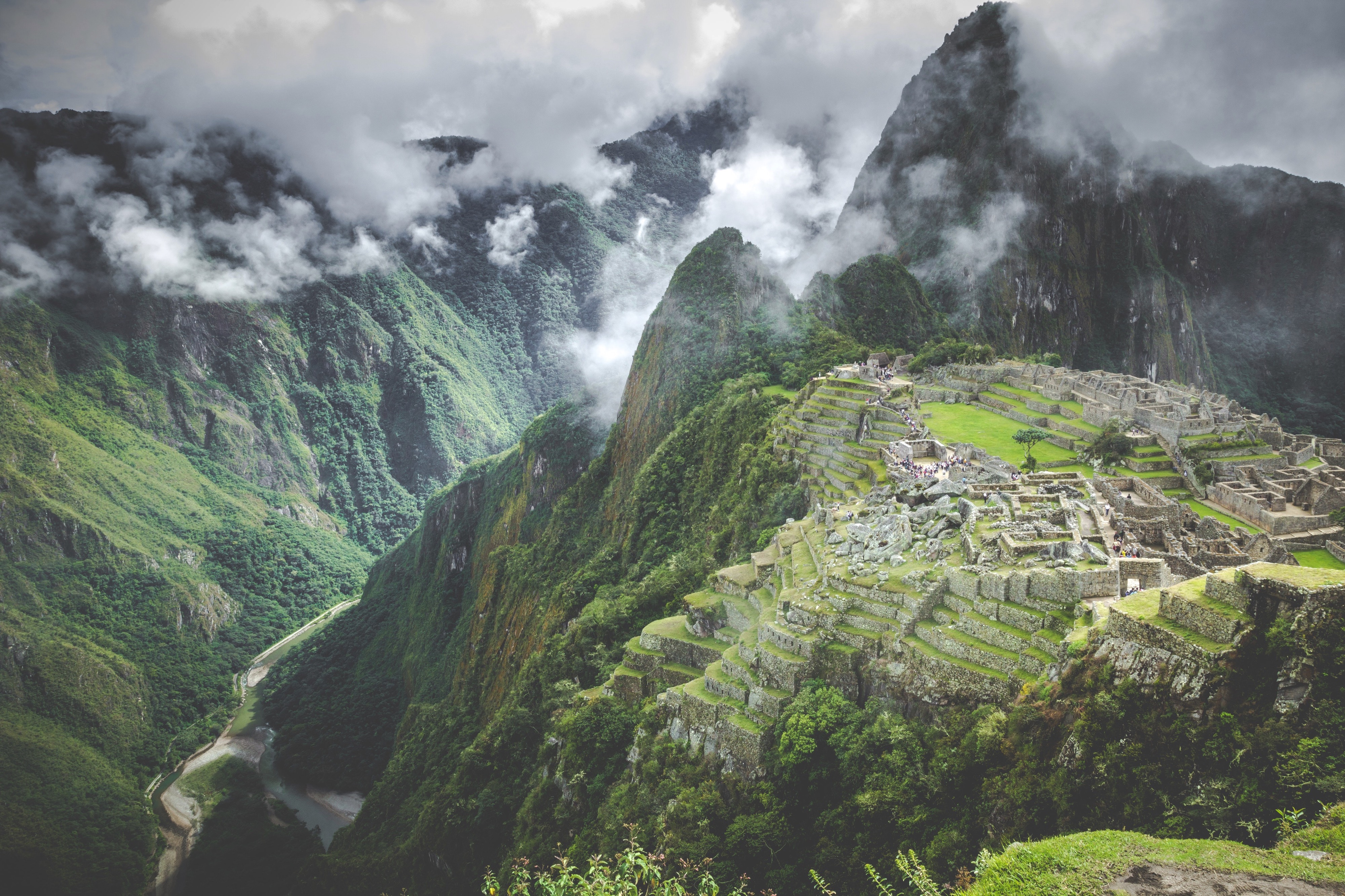
Behind The Design Tours
Every captivating design has a story to tell. Join us as we go Behind the Design to explore how and why some of the world’s great architectural designs came to be.
Glimpse behind the scenes of some of the most captivating and brilliant designs around the world.
BRILLIANT ARCHITECTURAL ACHIEVEMENTS
Our Behind the Design Tours invite guests to go beyond the surface and into the beauty of the design processes and inspirations that made some of the world’s most fascinating architectural structures.
Explore a myriad of architectural marvels across Europe and the Mediterranean, including buildings like the Munchmuseet in Oslo, Norway, the MuCEM in Marseille, France, Toree Glòries in Barcelona, and many more. This is only a sampling of the Behind the Design Tours available, with many more to come.
Expand your appreciation for architecture and design with these intriguing explorations — many of which are available as part of our FREE Unlimited Shore Excursions.
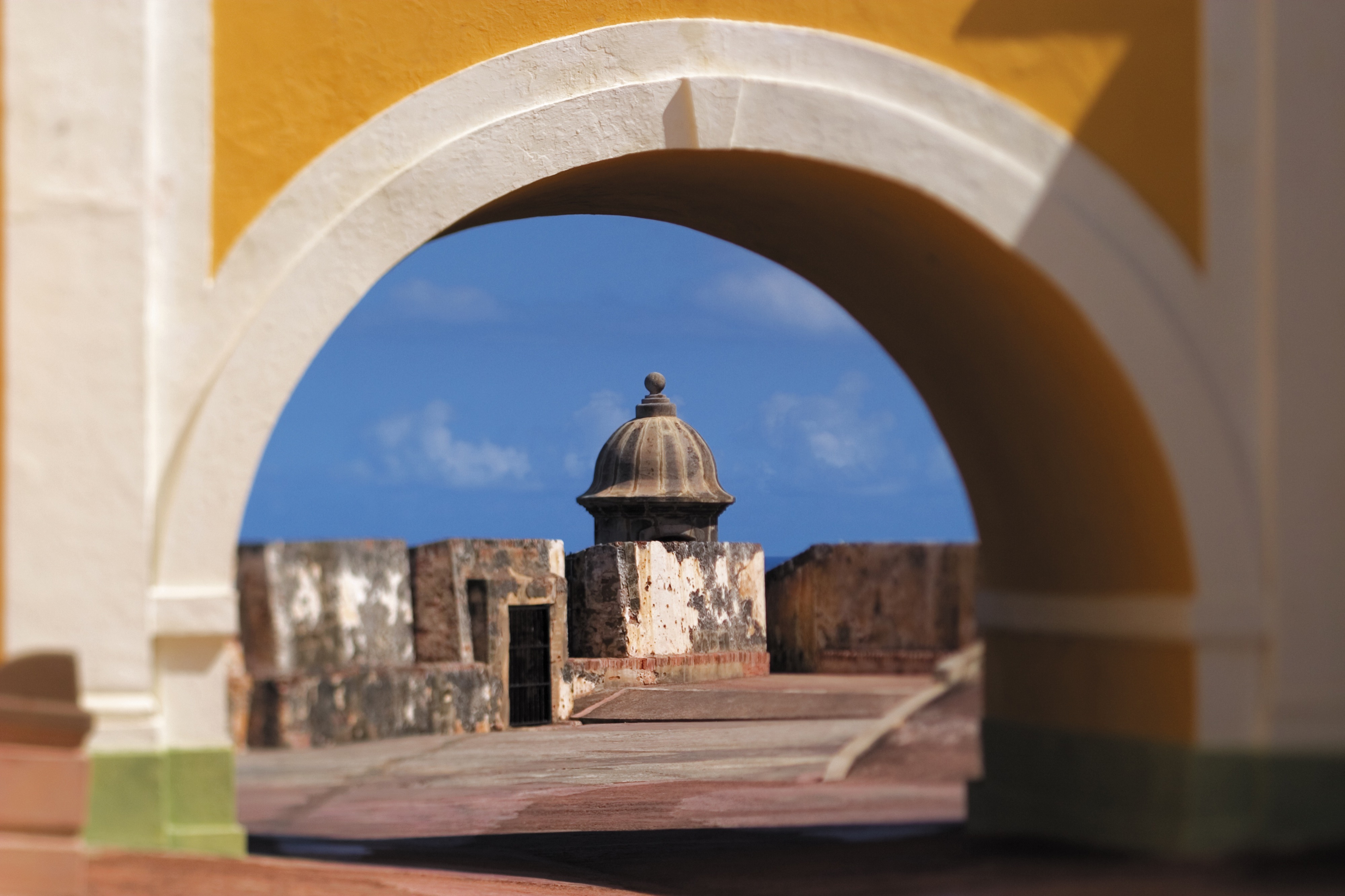
Go Local Tours
Uncover off-the-beaten-path experiences with our Go Local Tours providing a more direct way for you to learn the culture of a destination through the communities within. Spend a day at a family-owned goat farm in the countryside of Andalusia to learn the generations-old way of making cheese or observe skilled, local artists in their personal studios on Palma de Mallorca. Experience the world through the eyes of those who actually live there and discover the best of what you didn’t know about your favourite destinations with Go Local Tours.
Sometimes the best solution for the well-traveled guest and anyone looking to uncover off-the-beaten-path places and experiences is to start thinking like a local.
CULTURAL DISCOVERY
Go Local Tours provide a more direct way for you to experience the culture of a destination through the communities within. Spend a day at a family-owned goat farm in the countryside of Andalusia to learn the generations-old way of making cheese, discover the joy of fishing with the residents of Portofino or observe skilled local artists in their personal studios on Palma de Mallorca. Many Go Local tours are part of our Unlimited Shore Excursions, while some require a discounted, supplementary charge. Experience the world through the eyes of those who actually live there and discover the best of what you didn’t know about your favourite destination with Go Local Tours.
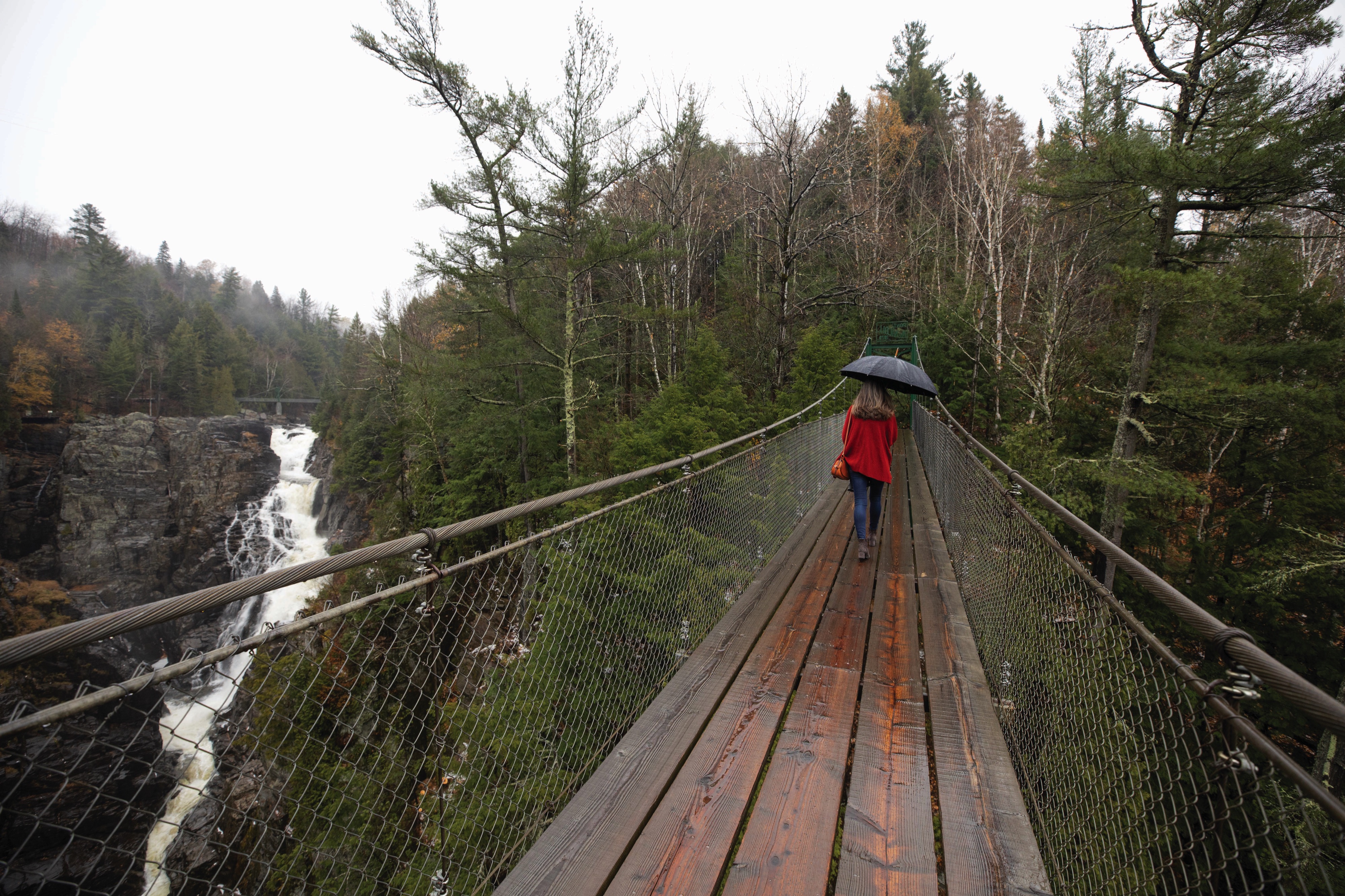
Serene Spa & Wellness™ Tours
Transcend the moment as you expand your mind and strengthen your body with a Serene Spa & Wellness Tours. Soak in a restorative, mineral-rich thermal spring in Rome or centre your chi with a taiji (tai chi) class on a beautiful and serene beach on Palma de Mallorca. Be refreshed by a Mediterranean breeze as you calm your mind and strengthen your focus through a yoga class overlooking the seaside town of Taormina. Restore and heal your mind, body and soul as you travel throughout the world with our Serene Spa & Wellness Tours.
To further enhance your vacation, our Wellness program allows you to enjoy a holistic experience from beginning to end, from complimentary fitness classes and healthy gourmet cuisine on board to Wellness Tours.
A HOLISTIC, REJUVENATING DISCOVERY
These tours allow you to discover the incredible destinations we visit while maintaining your active and healthy lifestyle. Practice yoga against a stunning backdrop in Taormina, learn about apitherapy, a school of alternative medicine based on bee products, or practice meditation on the idyllic island of Palma de Mallorca. Many Wellness Tours are part of our FREE Unlimited Shore Excursions, while some require a discounted, supplementary charge.
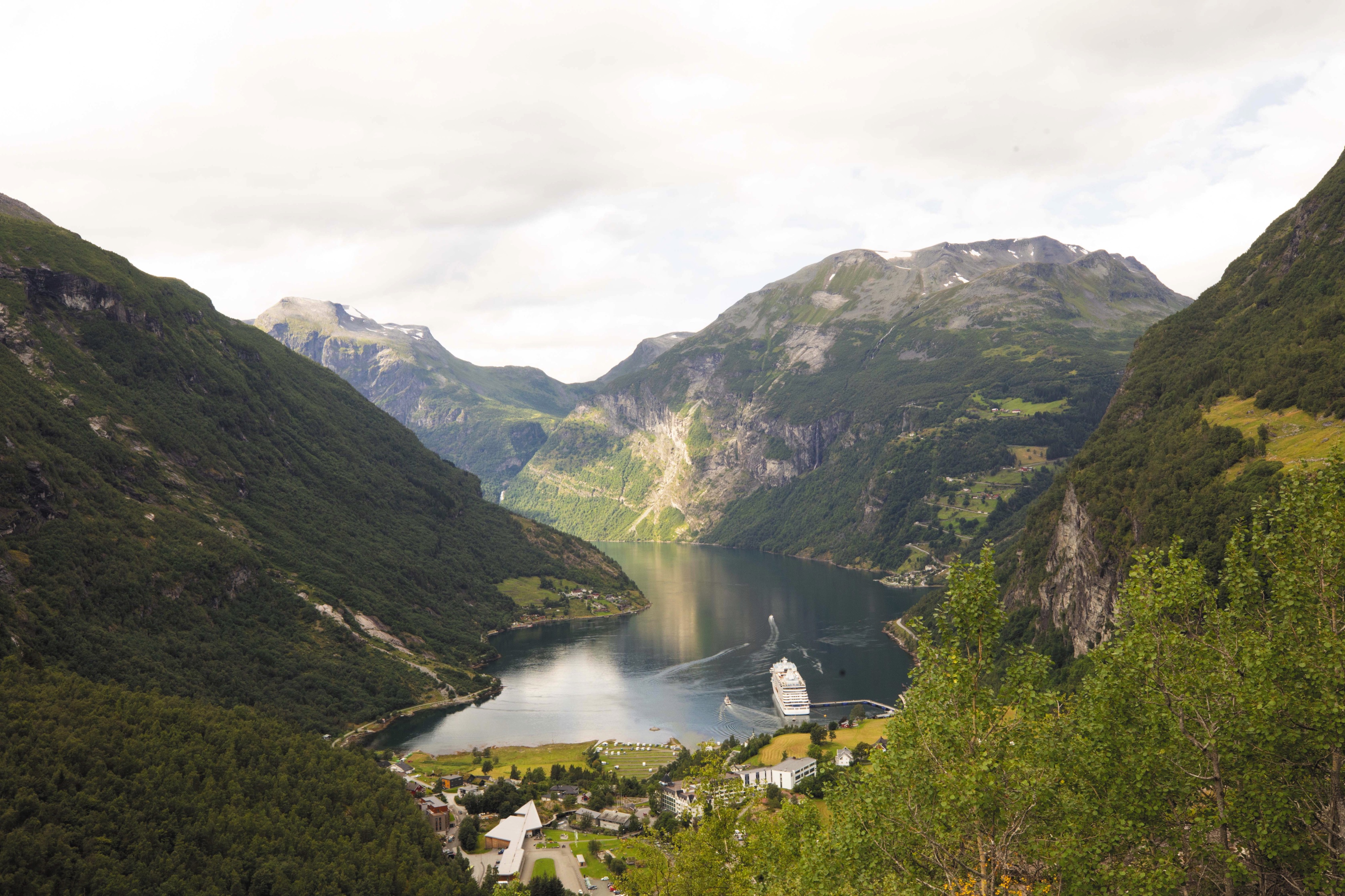
In-Port Overnights
Evenings provide a different view of a city as the streets light up and the locals unwind. Discover the fun of a destination’s nightlife and enjoy more time ashore with more overnights in ports across every region of the world.
LET THE NIGHTTIME SET YOU FREE
Celebrate sunsets and ease into moonrises as locals cut loose and skylines twinkle in the world’s great cities. You’re free to pursue your passions – from elegant dining to after-hour museum tours. It’s not just port cities that transform after dark. Regent in-port overnighters do, too. After the exhilaration of daytime excursions, sunset releases you to do as you please and sway to a city’s rhythms.
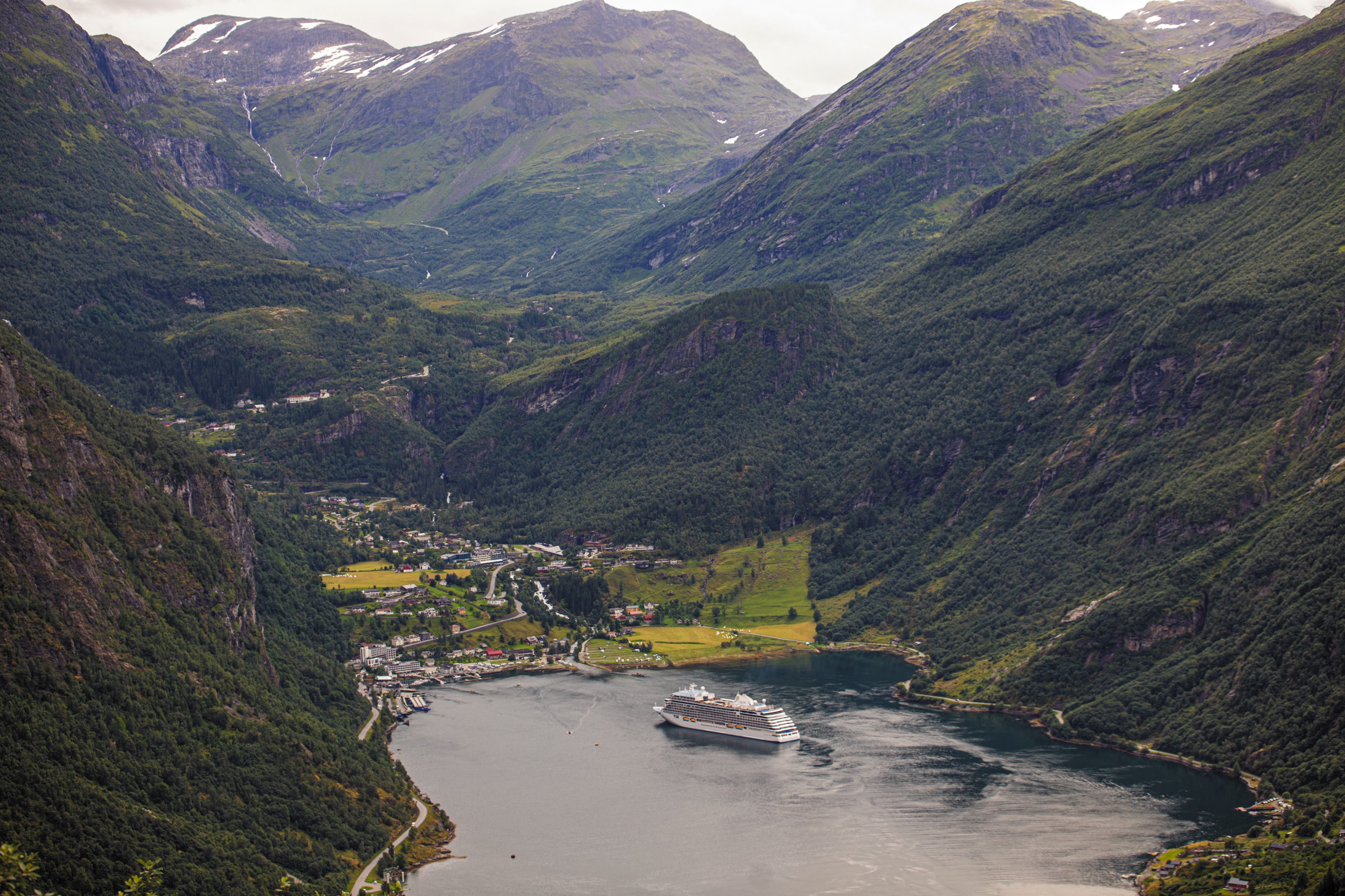
Spotlight Voyages
Explore your destination through special excursions and onboard experiences tailored to the spotlighted theme of your cruise. Hear from captivating speakers, renowned in their respective fields across multiple areas of interest, from culinary masters to renowned vintners to entertainment icons and beyond.
Embark on a journey of discovery with our Spotlight Voyages — tailored experiences designed to ignite your passions and curiosities. Whether you’re a wine enthusiast or a gourmand, these immersive cruises promise unforgettable adventures. Imagine savoring dishes made by award-winning Chefs, mastering your swing alongside a golf pro on legendary courses, or delving into the history of Fabergé eggs.
Don’t miss these one-of-a-kind onboard and shoreside opportunities. Mention promotional or offer code “SPO” when booking to unlock complimentary Spotlight Voyage programming.
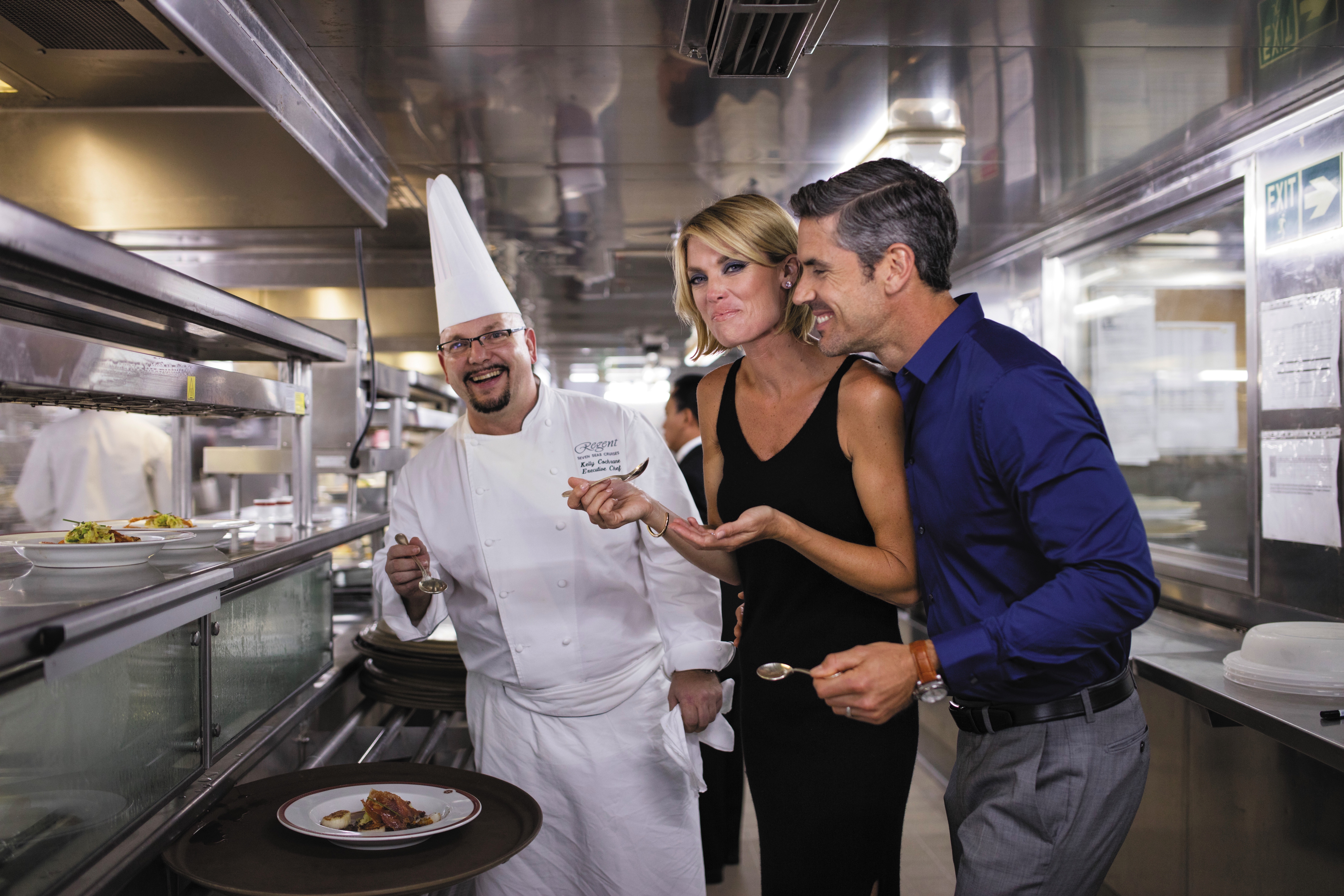
Epicurean Explorer Tours
Taste the cultures of the world with our specially curated, Master Chef-led, Epicurean Explorer Tours, unique to sailings aboard Seven Seas Splendor® and Seven Seas Explorer®. Be treated to a particularly French dining experience with Michelin-starred Master Chef René Bérard at his private estate along with a Provençal cooking demonstration in Provence or be led through the open-air, seaside market in Nice and partake in an exquisite lunch at Château Eza in Eze. Please your palate and expand your culinary knowledge with each of our delectable Epicurean Explorer Tours.
Outside of a stellar local expert, our noses may be our best guides to places beloved by foodies. Market spices drifting on a breeze, sizzling street foods, wine poured in a sun-kissed vineyard – these smells forever recall a destination as much as any photo or souvenir.
CHEF-LED SHORESIDE EXCURSIONS
Allow our chefs to be your guides on these specially crafted small-group experiences. Discover vibrant ancient markets, sample world-class restaurants, incorporate new learnings in the kitchen, and more. Exclusive aboard Seven Seas Explorer®, Seven Seas Splendor® and Seven Seas Grandeur™, these curated tours require a discounted supplementary charge.
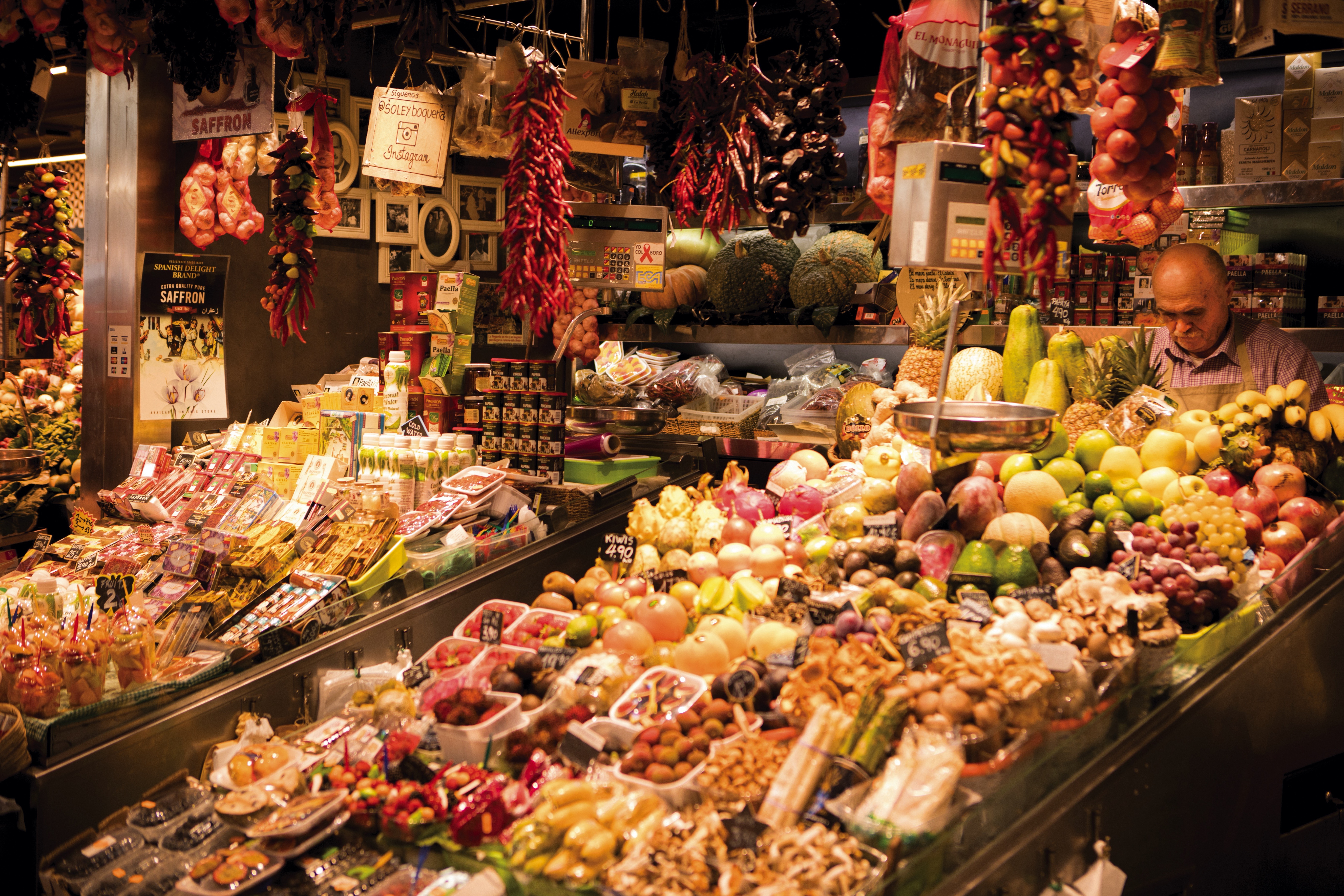
Executive Collection & Bespoke Travel Arrangements
Envision your perfect day of sightseeing and exploring your destination exactly as you’d like… Creating your own, customised excursions is possible. Whether you’re looking to engage a private vehicle from our Executive Collection with a personal driver and/or English-speaking guide or hoping to develop a truly bespoke experience with our elite concierge team, we welcome the opportunity to help you create your perfect journey.
You choose the locales – we’ll provide the private transport. Our Executive Collection frees you to explore ports of call with a driver and/or English-speaking guide, the ultimate way to maximise your time onshore. Whether heading out to a city’s outskirts or taking off along spectacular coastlines, you’ll accrue lifelong memories by the mile (or kilometre).
MAKE YOUR VACATION YOUR OWN
Excitement builds each time a Regent Seven Seas’ cruise ship approaches a port city. Let your excitement skyrocket with a car, driver and/or English-speaking guide awaiting you onshore. Where do you go? Across the Charles River to explore Cambridge, Boston’s academic neighbour? Along Monaco’s famed Formula 1 route? Across Sydney’s iconic Harbour Bridge? Only you know for sure.
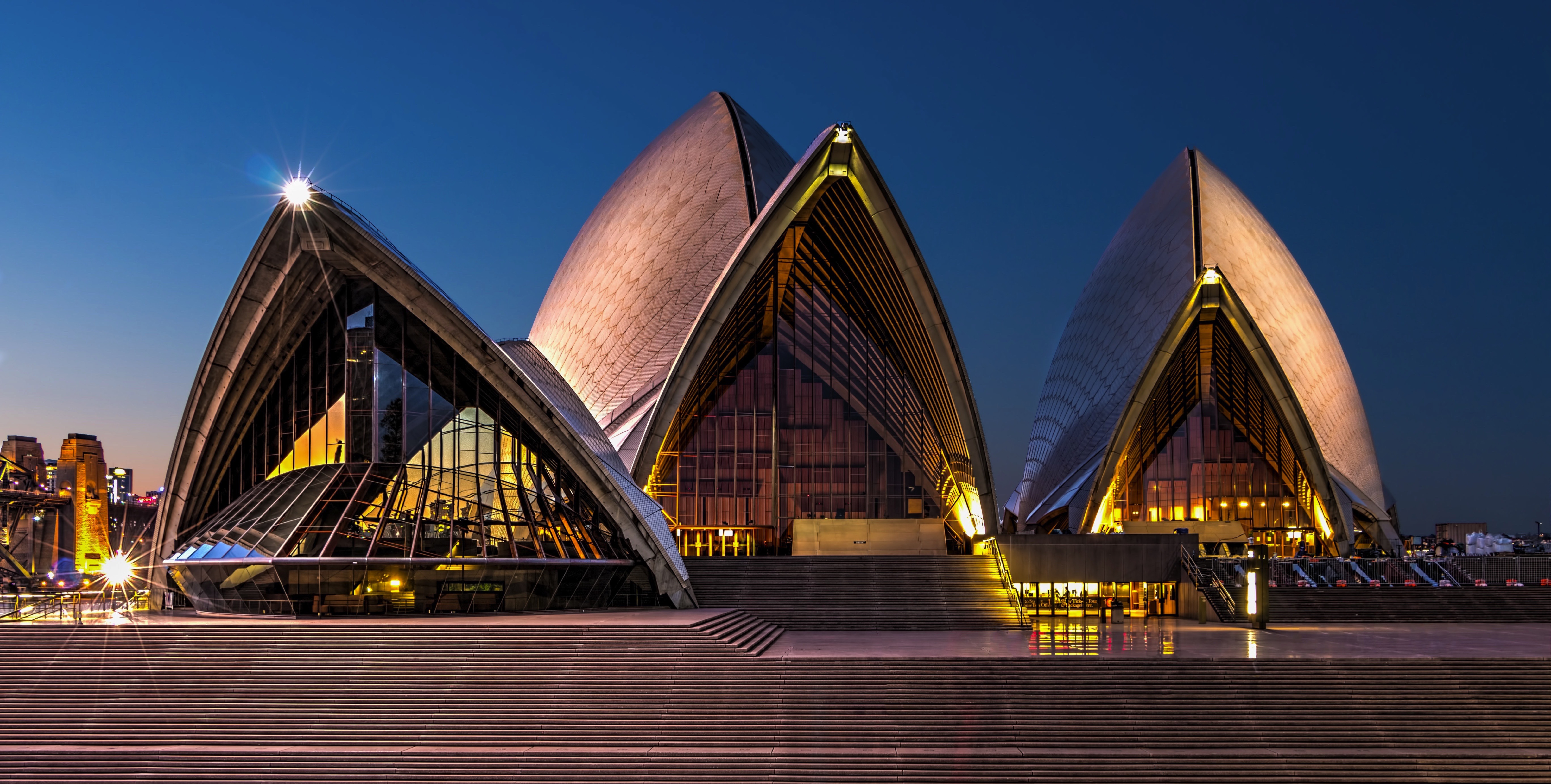
Customise Your Journey
Enhance your cruise by adding another layer of luxury to your travel with any of the multiple options we offer. Select from a variety of enhancements like immersive Land and Overland Programs, Pre- and Post-Cruise Hotel Programs and air upgrades.
PERSONALISED CRUISE EXPERIENCE
Take your all-inclusive luxury travel to the next level by personalising it. Select from a variety of enhancements like our Regent Choice Shore Excursions, Pre- and Post-Cruise Hotel Programmes and air upgrades. Embark on a specially-designed, luxury vacation that offers an experience unlike any other as you explore the cultures, sights and cuisines of your destination. Enjoy it all with The World’s Most Inclusive Luxury Experience® across air, land and sea.
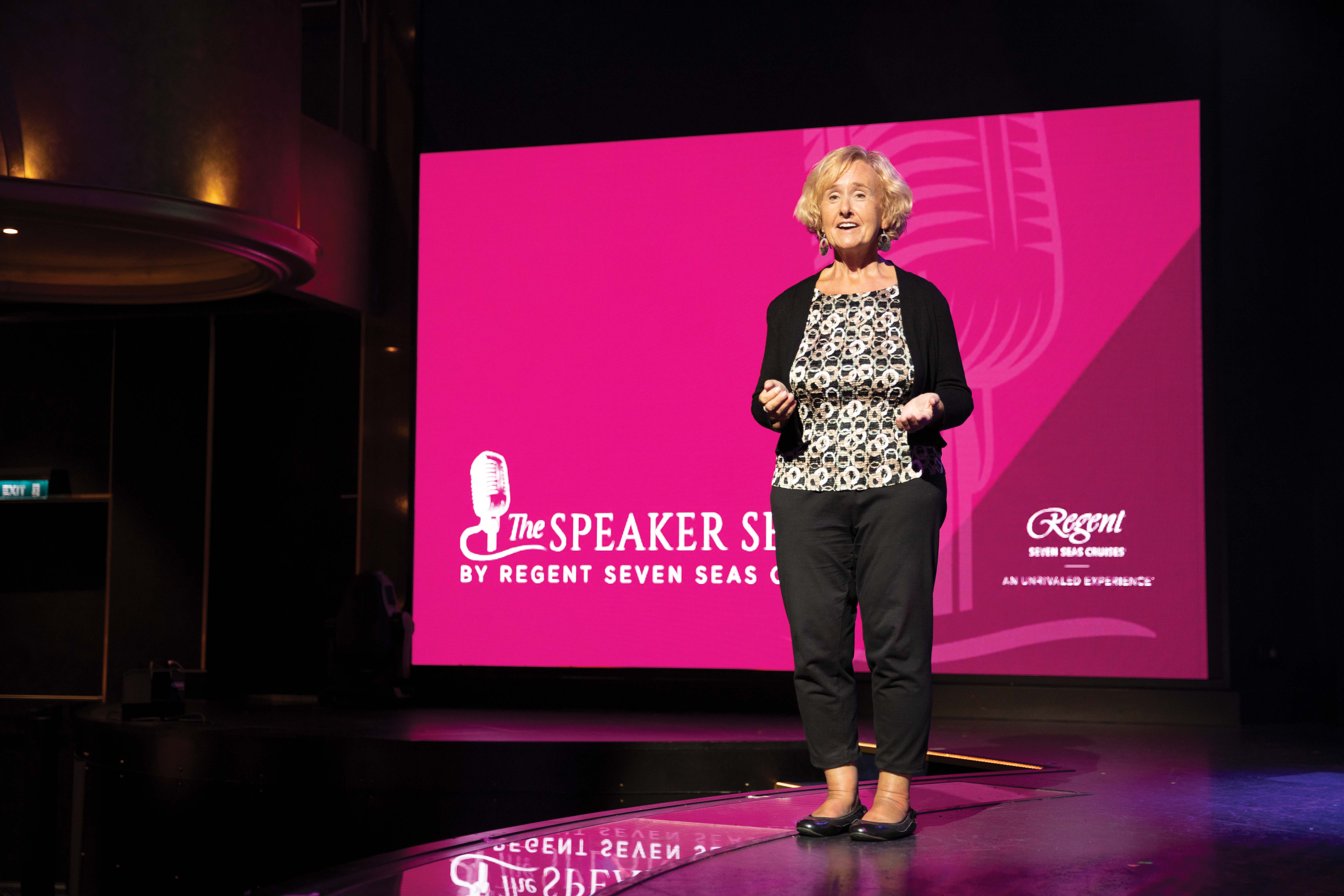
Featured Guest Entertainers & Speakers
Experience world-class entertainment and engage with esteemed experts on a journey of inspiration and discovery. This immersive experience invites you to delve into meaningful dialogue, while each performance is thoughtfully curated to captivate and uplift. Throughout your voyage, enjoy a front-row seat to brilliance.
When you travel with a distinguished guest Speaker, knowledge sets sail with you. Engage with esteemed experts, from celebrated art historians and acclaimed authors to former diplomats and cultural icons. This immersive experience invites you to delve into meaningful dialogue and connect personally with our Speakers throughout your entire journey.
Featured Guest Entertainers and Speakers are scheduled in advance and are subject to change without notice due to unforeseen circumstances beyond our control.
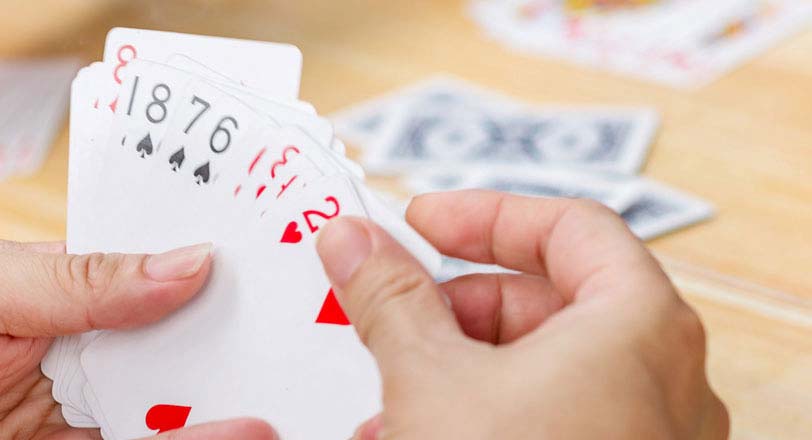
Bridge at Sea
Enjoy social and competitive Bridge play on select voyages. ACBL Certified Bridge Masters sail with guests to provide professional instruction and host games for all levels.
luxury is in the cards
Enjoy social and competitive Bridge play on more than 93 of Bridge at Sea Voyages aboard The World’s Most Luxurious Fleet®. Sail to breathtaking destinations alongside Bridge Masters, who provide professional instruction and host games for all levels — in addition to being knowledgeable and entertaining professionals. Our ships are ACBL Certified, which means you can accumulate master points while cruising to the places you’ve always dreamed of exploring.
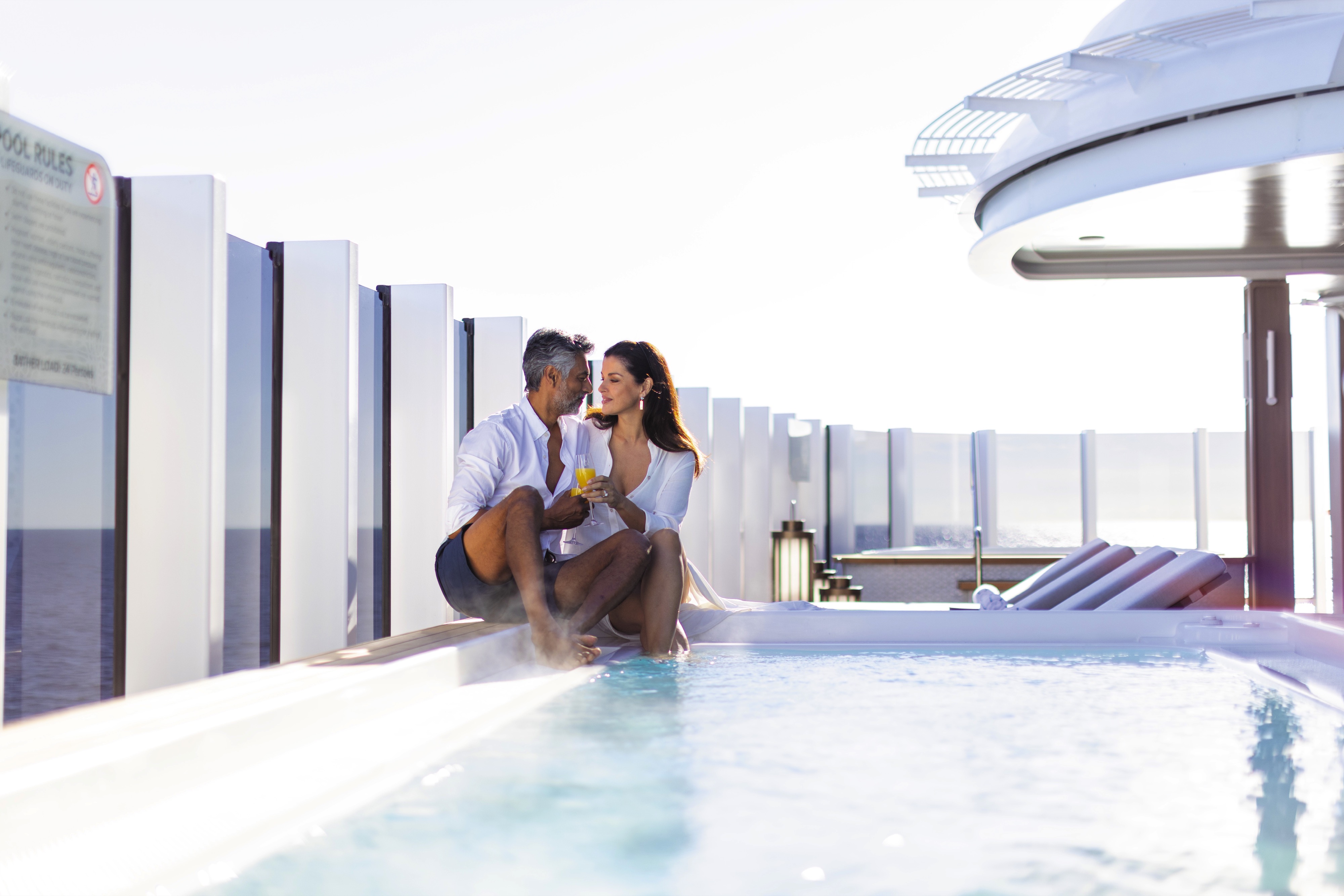
Pool Deck
The elegant Pool Deck on board Seven Seas Grandeur® is the ideal size for basking in the beauty of each day while sailing. Be it a dip in the refreshing pool or relaxing on a lounger with your favorite drink.
Grandeur Lounge
There’s no better way to whet your appetite for dinner than at this ship’s namesake lounge. Its elegant design will coax you into a state of relaxed bliss over signature cocktails and soulful sounds.
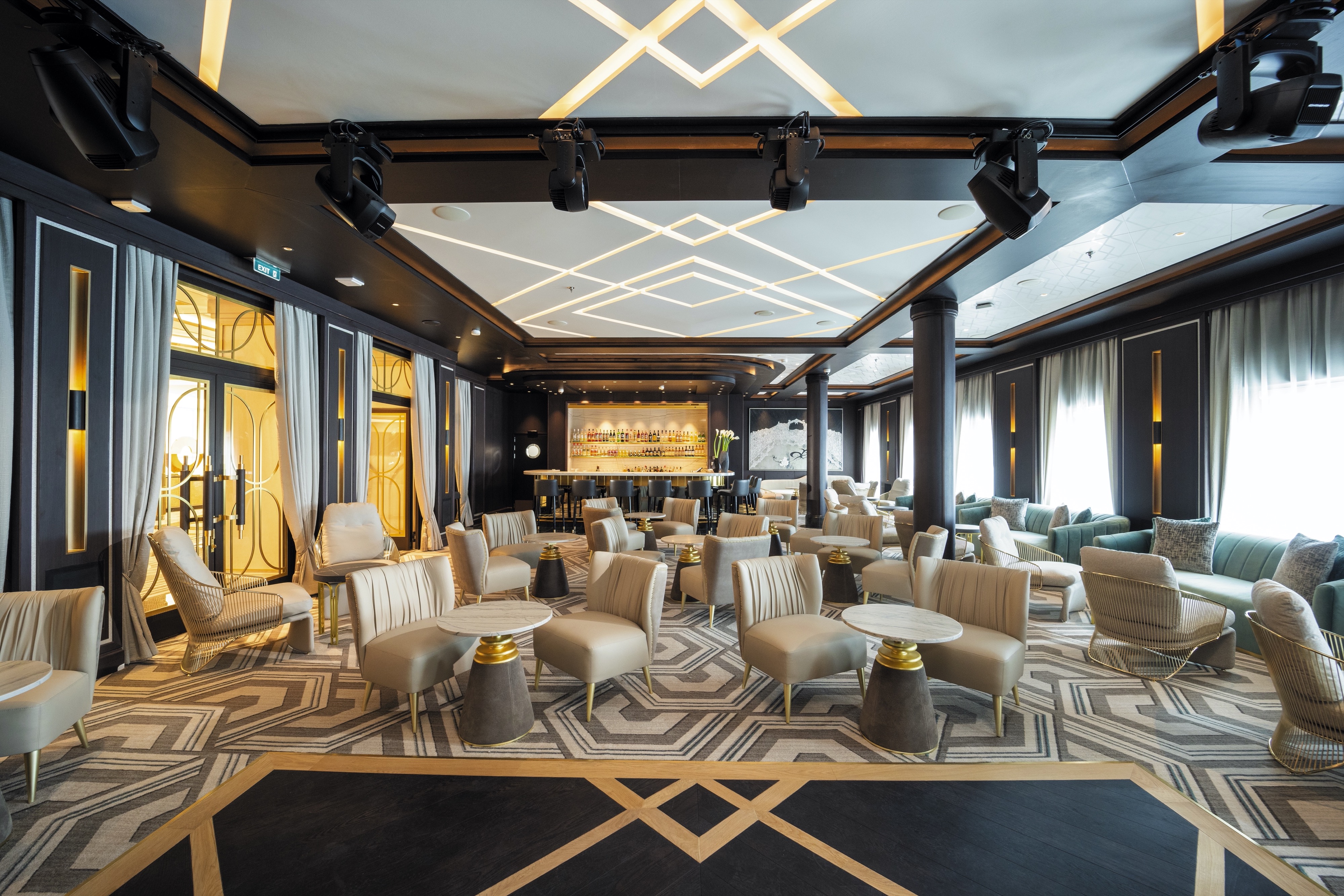
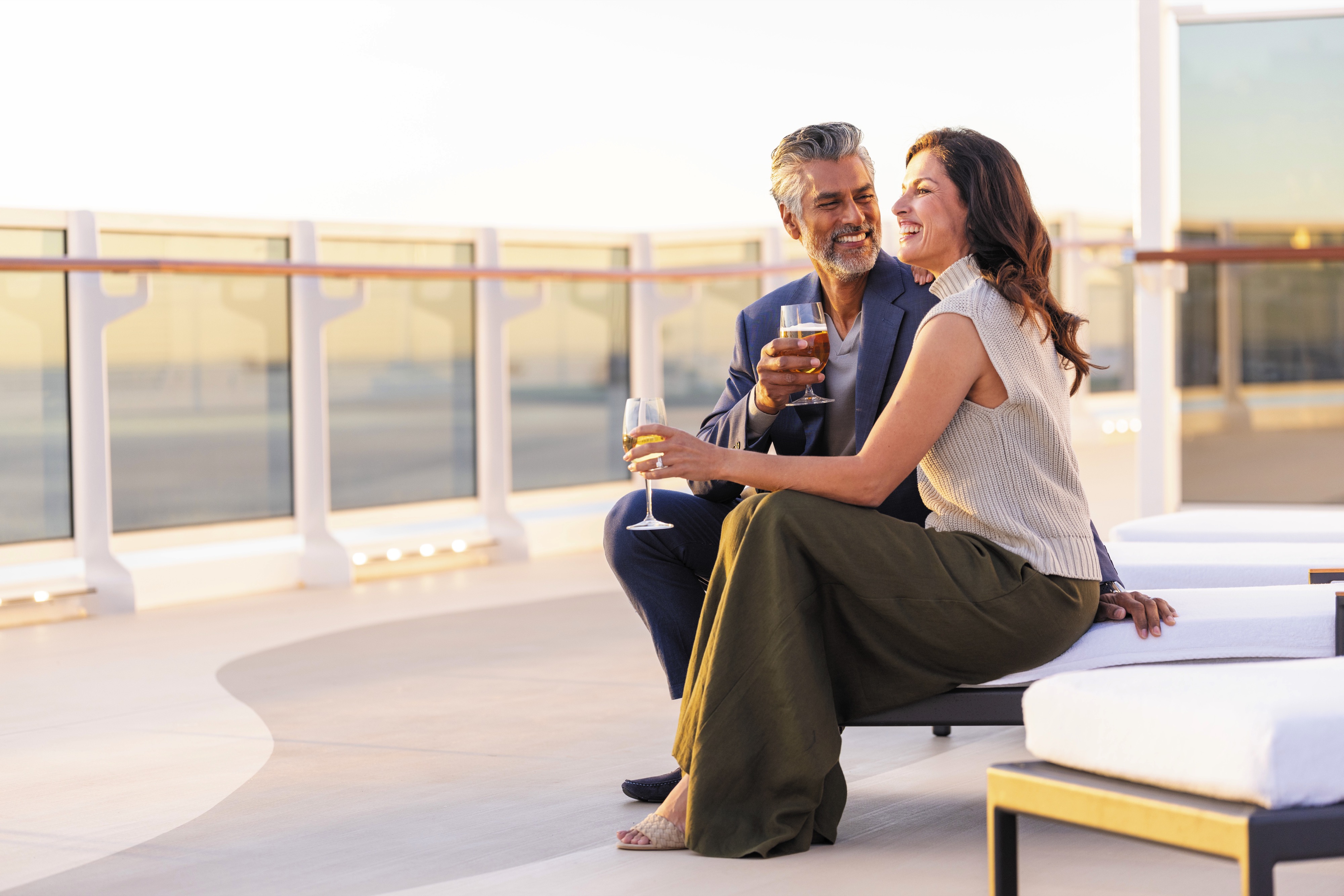
Pool Bar
Very few things equate to a pure vacation activity more than sitting at our Pool Bar. Make new friends while sipping a cocktail or frozen drink in the most laid-back atmosphere imaginable.
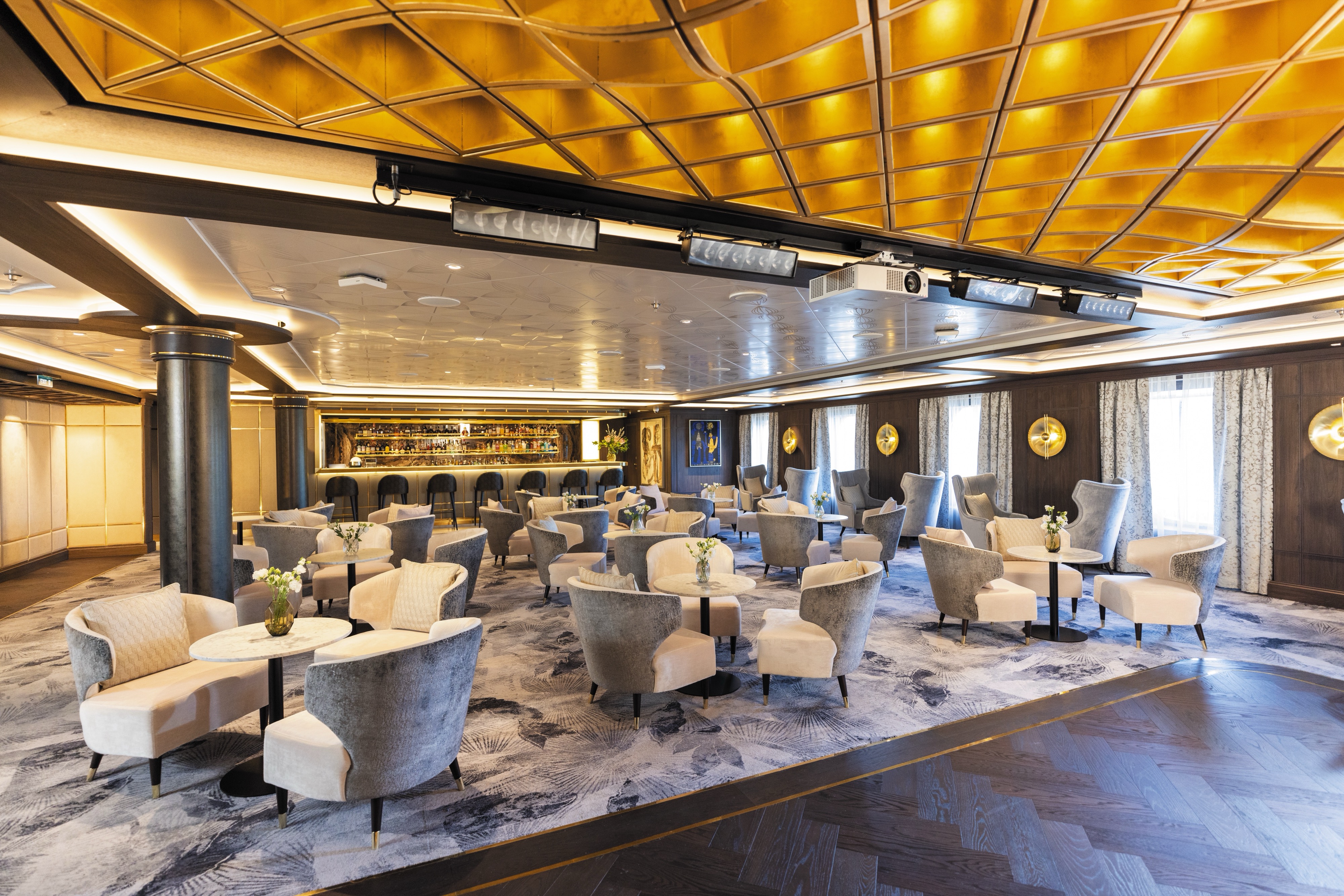
Meridian Lounge
With an expansive bar and relaxed armchairs, this is an ideal spot to gather with new friends for a cocktail, especially after an exciting theater performance that simply must be discussed at length.
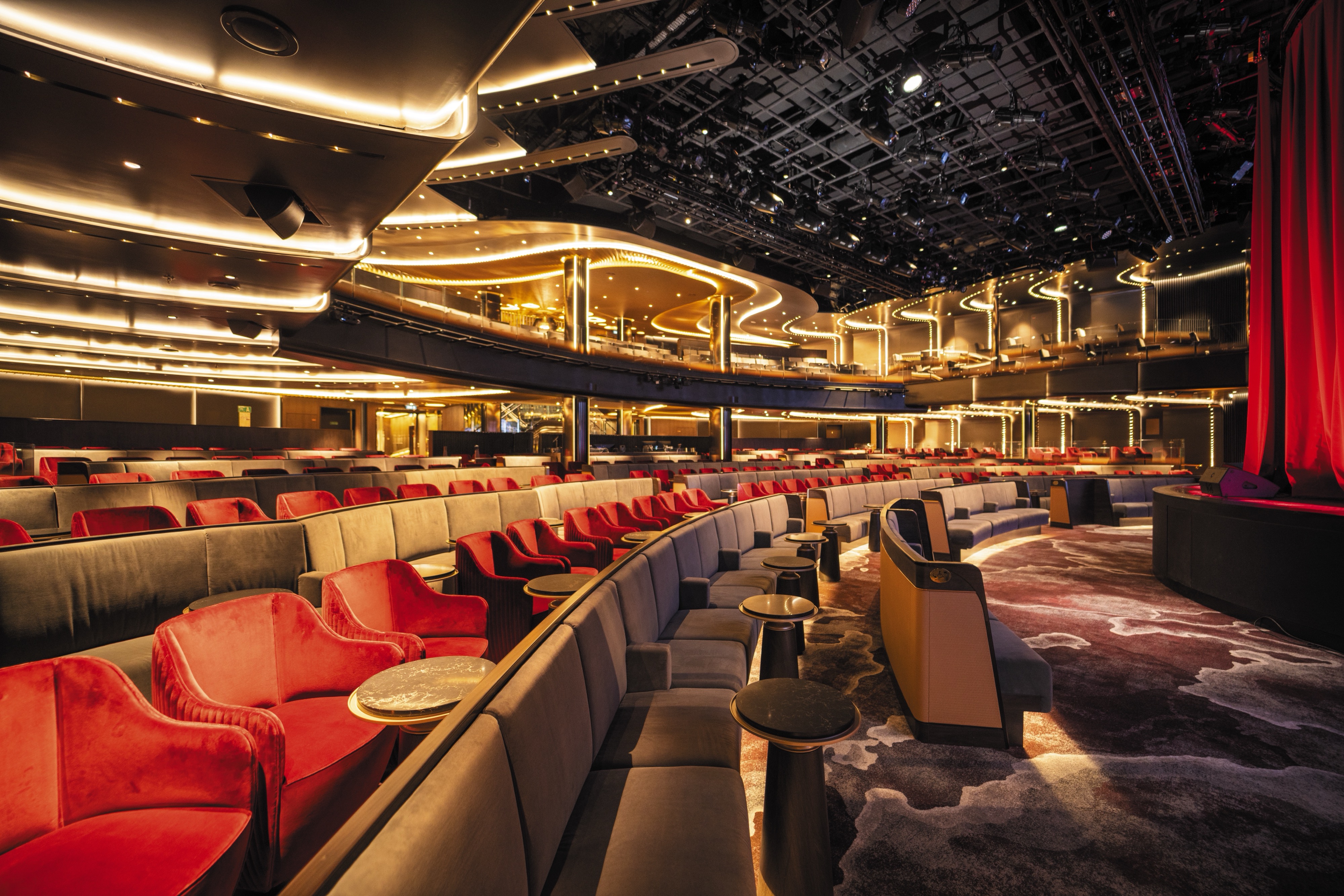
Constellation Theater
Thrill to nightly performances in our glorious, two-deck-high theater. Plush seating and pleasing sightlines free you to focus on our lavishly staged, high-energy shows produced by our own team of Broadway professionals.
Observation Lounge
Every evening on Seven Seas Grandeur will be one to remember. As the lights go on from the stage to the dance floor, this stunning vessel takes on a new life with live productions, high-caliber musicians, guest entertainers, intimate lounges and more.
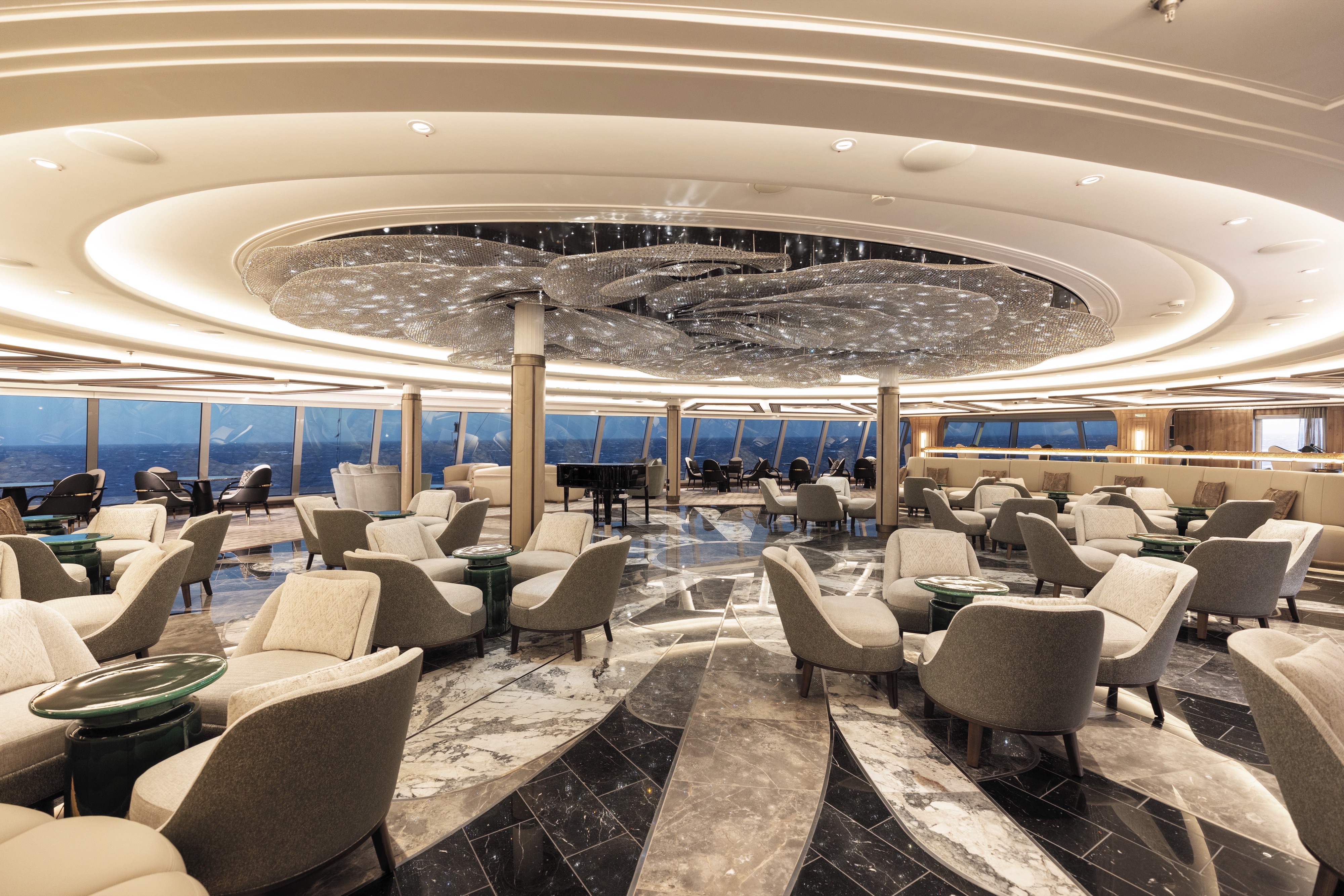
Boutiques
Browse a well-curated selection of duty-free designer clothes, jewelry, perfume and more at the onboard boutiques. Then fuel up with an espresso from an onboard café or unwind at a wine tasting in one of the lounges.
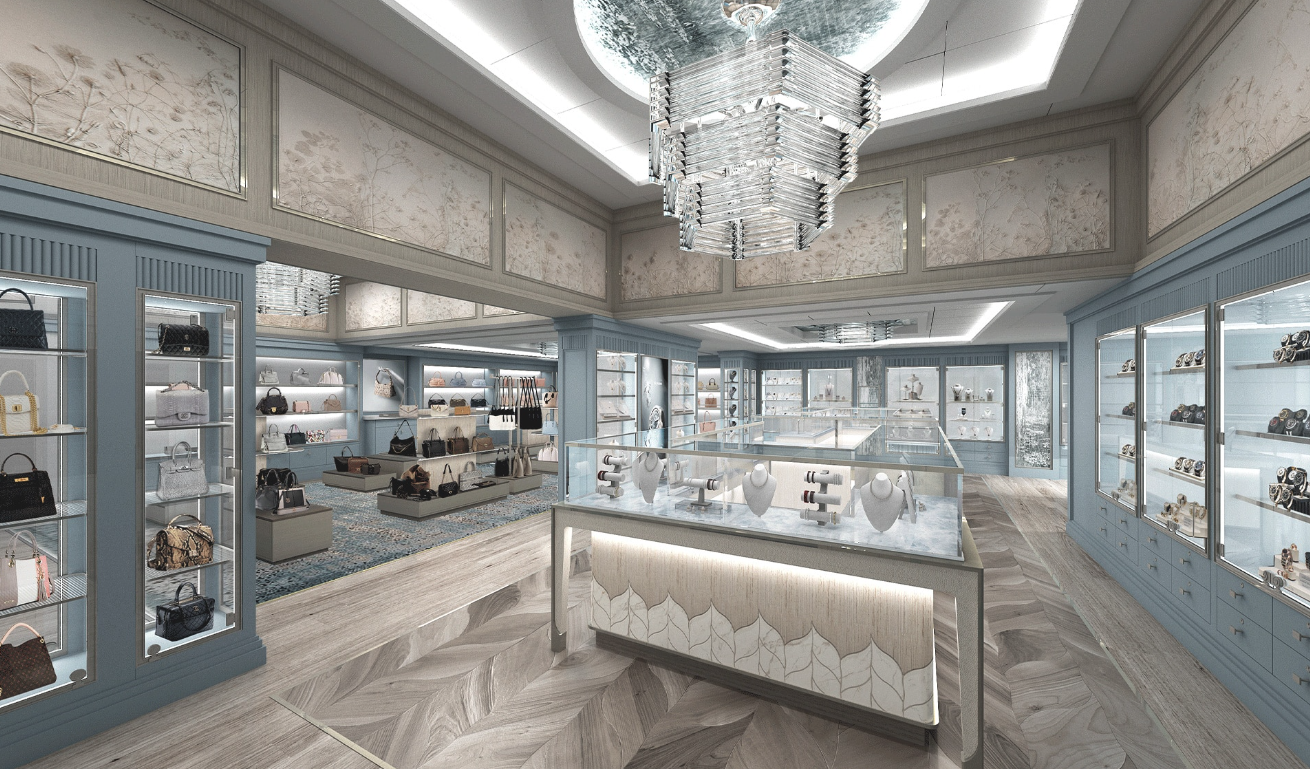
Atrium
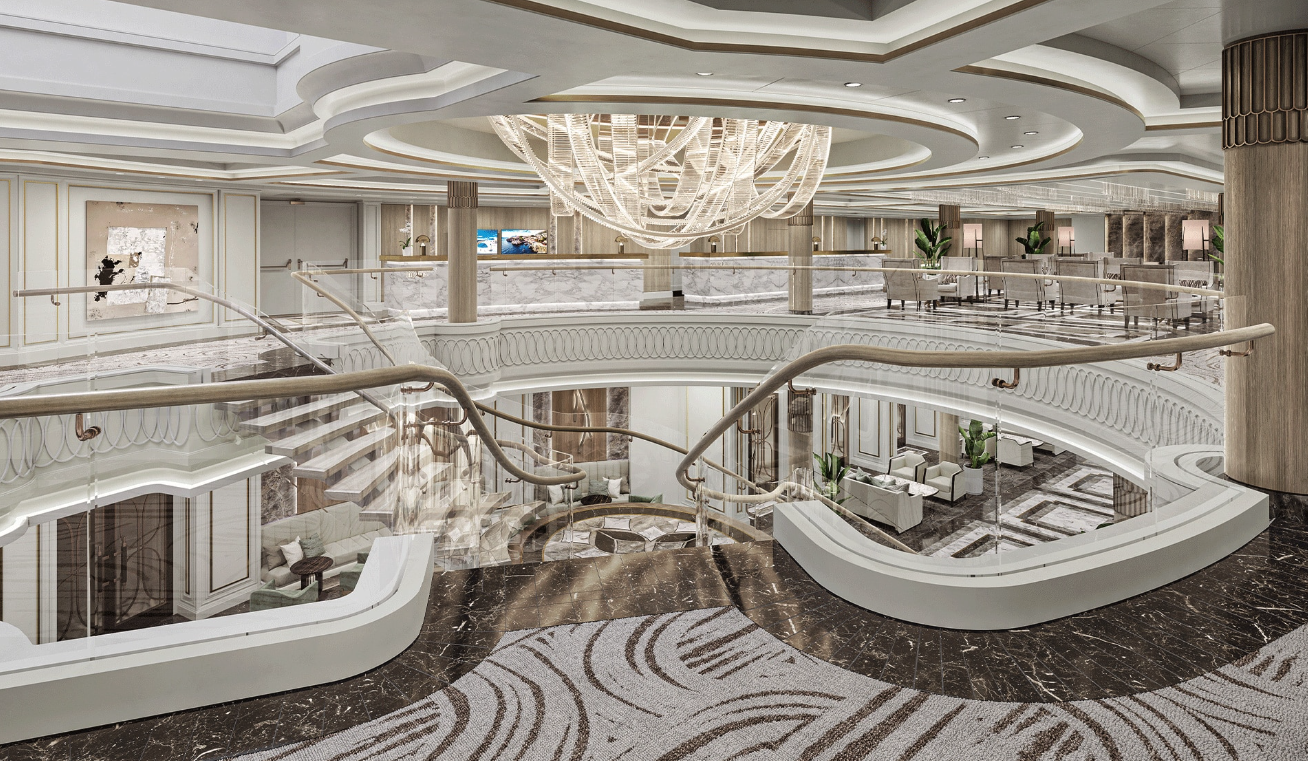
Simply put, the Atrium is the very heart of Seven Seas Grandeur™. With a magnificent chandelier above, the grand staircase descends to Compass Rose, our signature restaurant, creating a grand entrance.
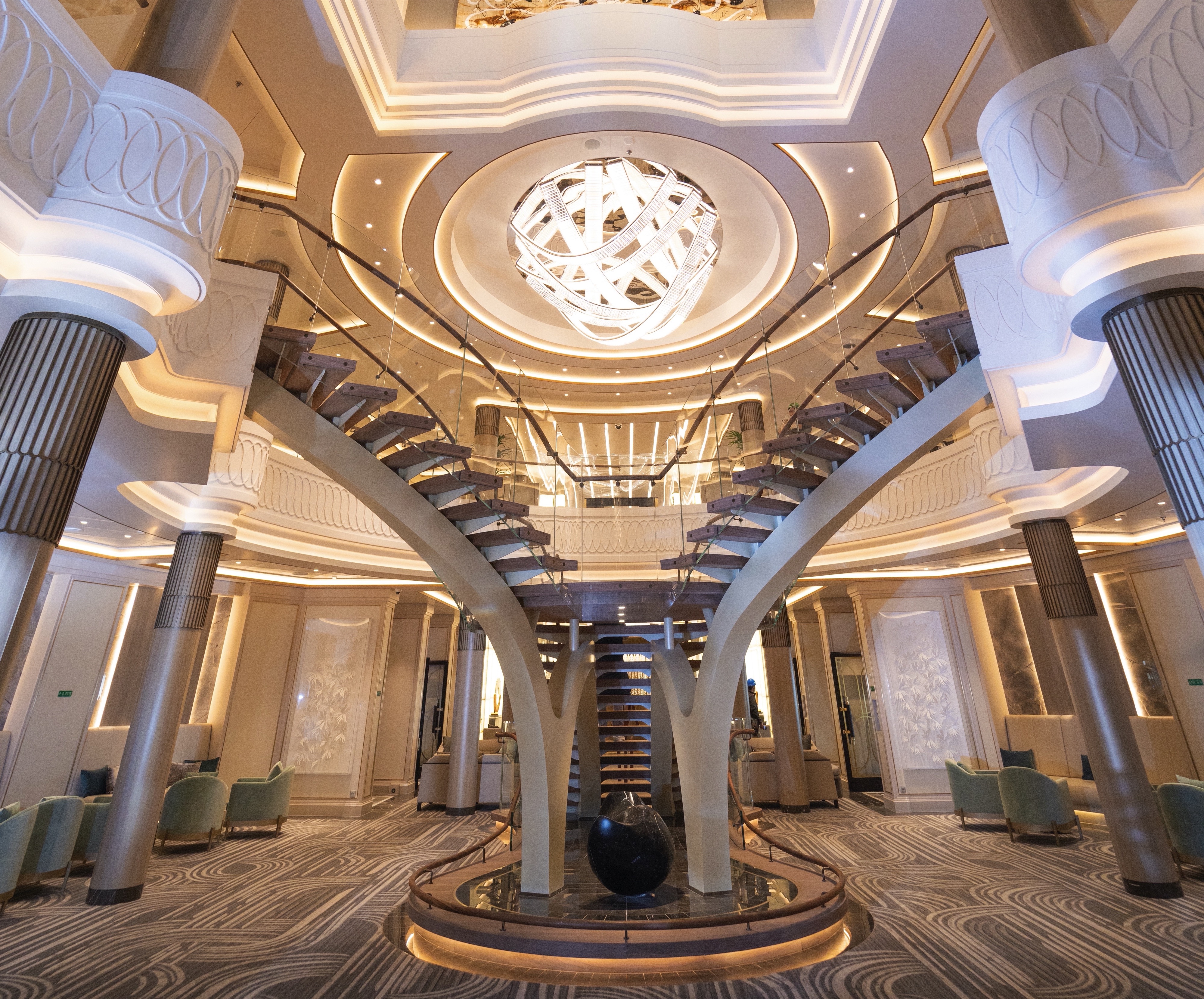
The Casino
Step into an intimate, sophisticated environment filled with fun and excitement. Challenge friends at the poker table, take on the house in a thrilling game of blackjack or sip a cocktail and watch the action unfold.
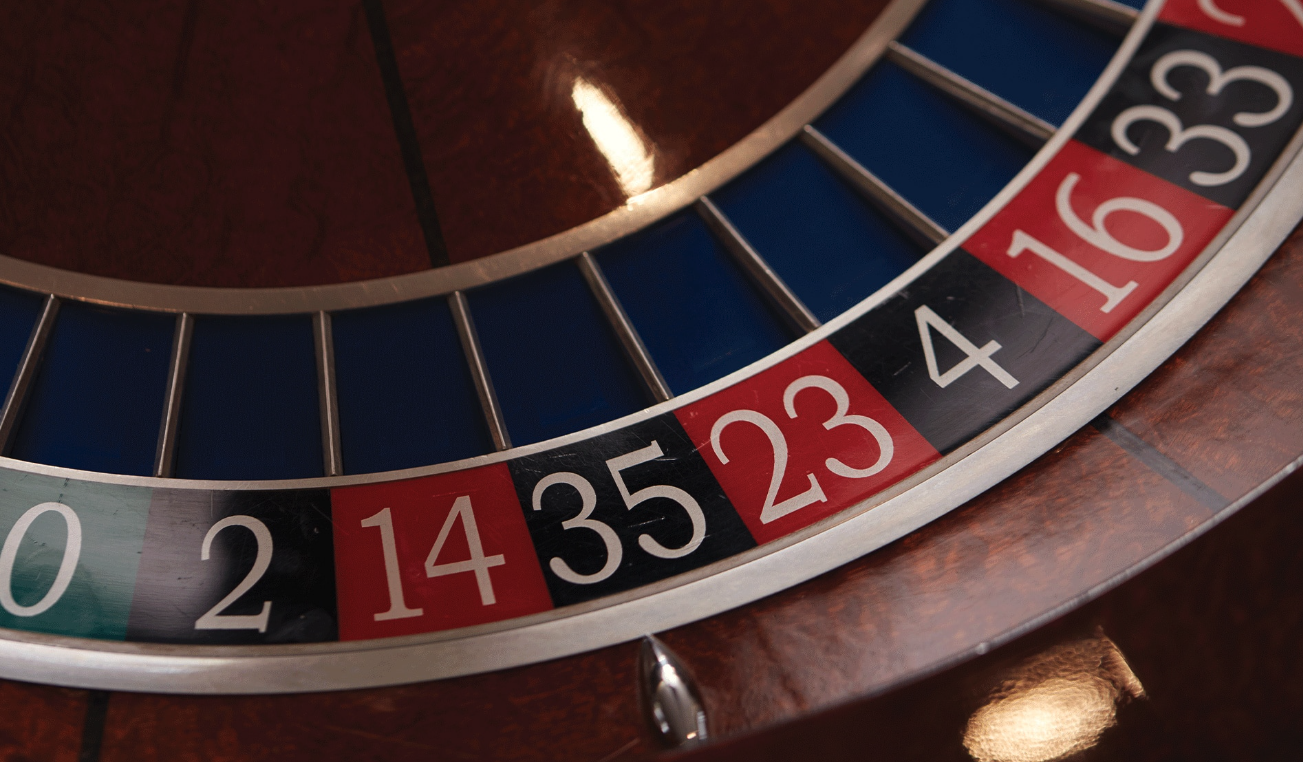
Business Centre
For those who’ve chosen to leave their laptops at home, desktop computers are available at our staffed Business Center. Of course, you may access WiFi without charge throughout the entirety of Seven Seas Grandeur™.

Destination Services
The place for you to arrange onshore activities, whether one of our INCLUDED Unlimited Shore Excursions or a unique, small-group Regent Choice Shore Excursion. All staff are eager to provide the assistance you need.
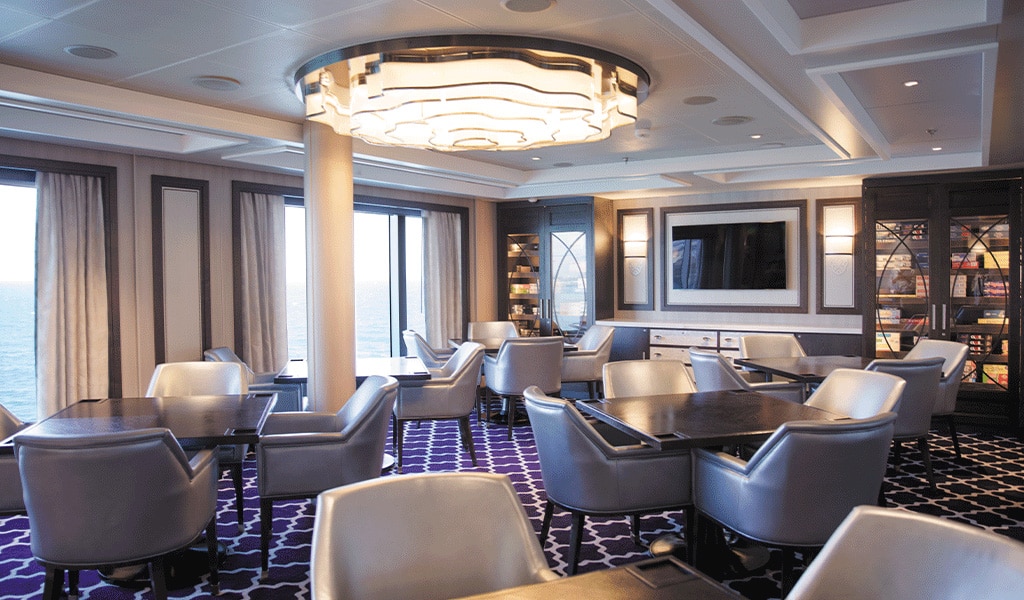
Card Room
Seeking friendly competition? This jovial room has a clubby charm that’s both inviting and tranquil. Gather some friends for board games or Bridge, or maybe a tournament.
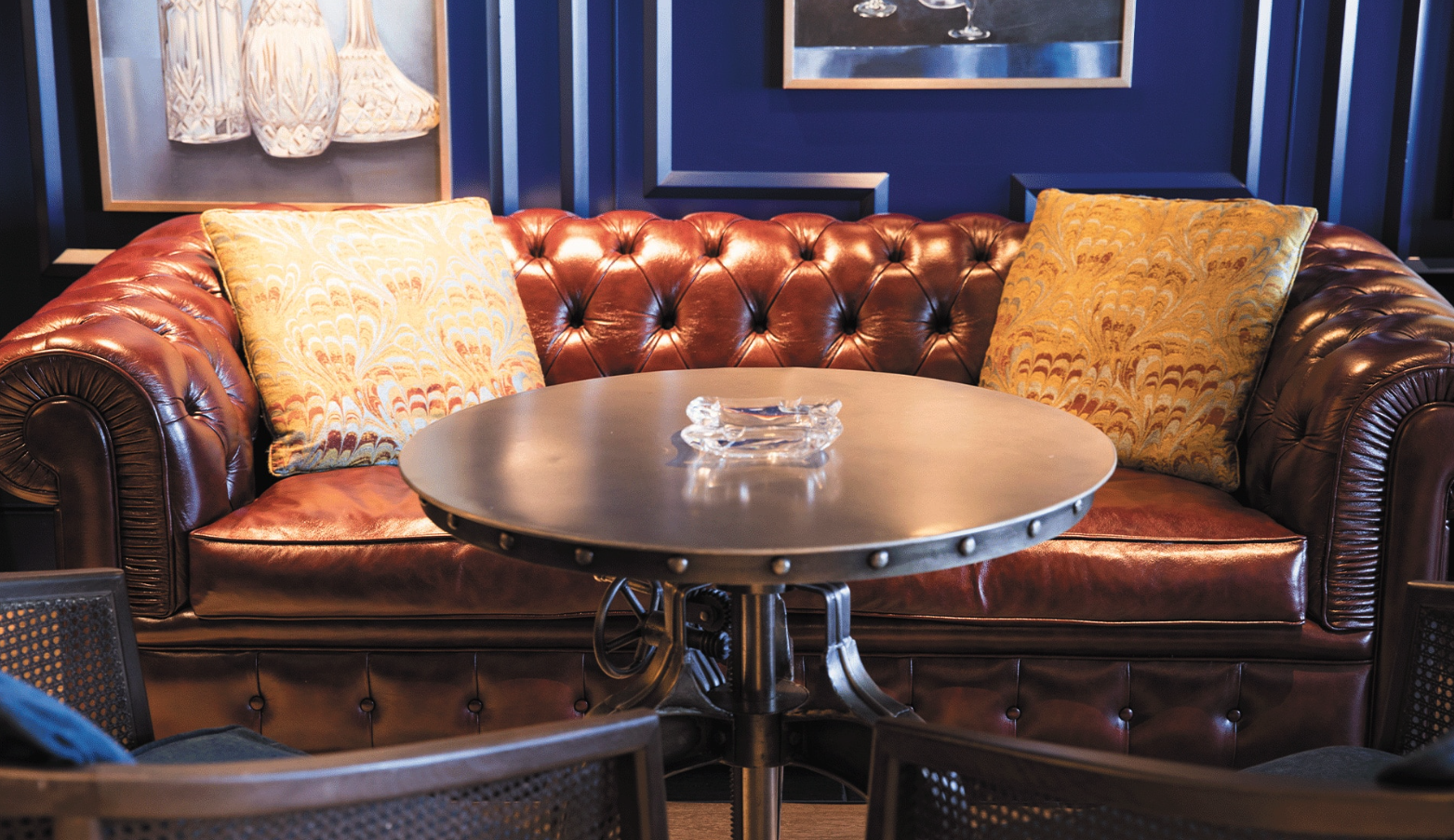
Connoisseur Club
A very modern space with oversize leather armchairs and signature works of art, this guest favorite is more than its décor. You’ll immediately take to its low-key elegance, perhaps over a fine cigar and meaningful conversation.
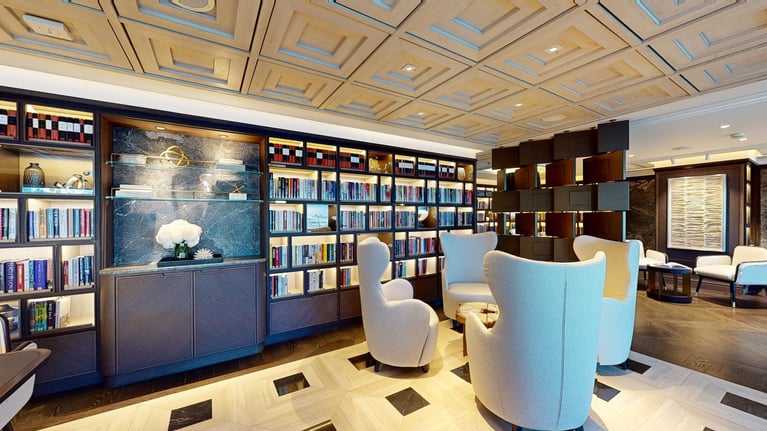
Library
Step into our welcoming and well-stocked library for a relaxing respite. Browse volumes ranging from destination-specific guidebooks to best-selling mysteries and classic literature.
General Manager/Reception
While cruise-related issues are first submitted to Reception/Concierge, you can be assured that a General Manager is on hand to resolve issues to your satisfaction.
Our welcoming Reception Desk is open 24 hours a day and our staff is happy to answer your questions and provide any general assistance you may need.
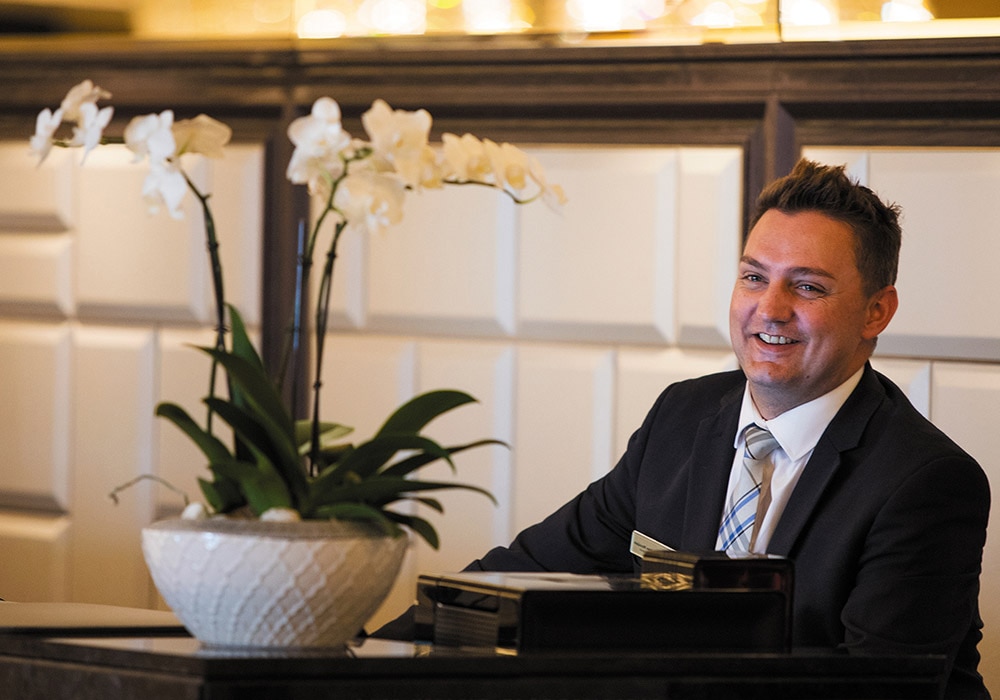
Serene Spa & Wellness™
Serene Spa & Wellness™ is a globally inspired, tranquil haven of health, beauty and wellness, offering restorative treatments and activities to soothe both the body and mind. Strengthen and elevate as you engage with a variety of treatments curated especially for Regent Seven Seas Cruises®.
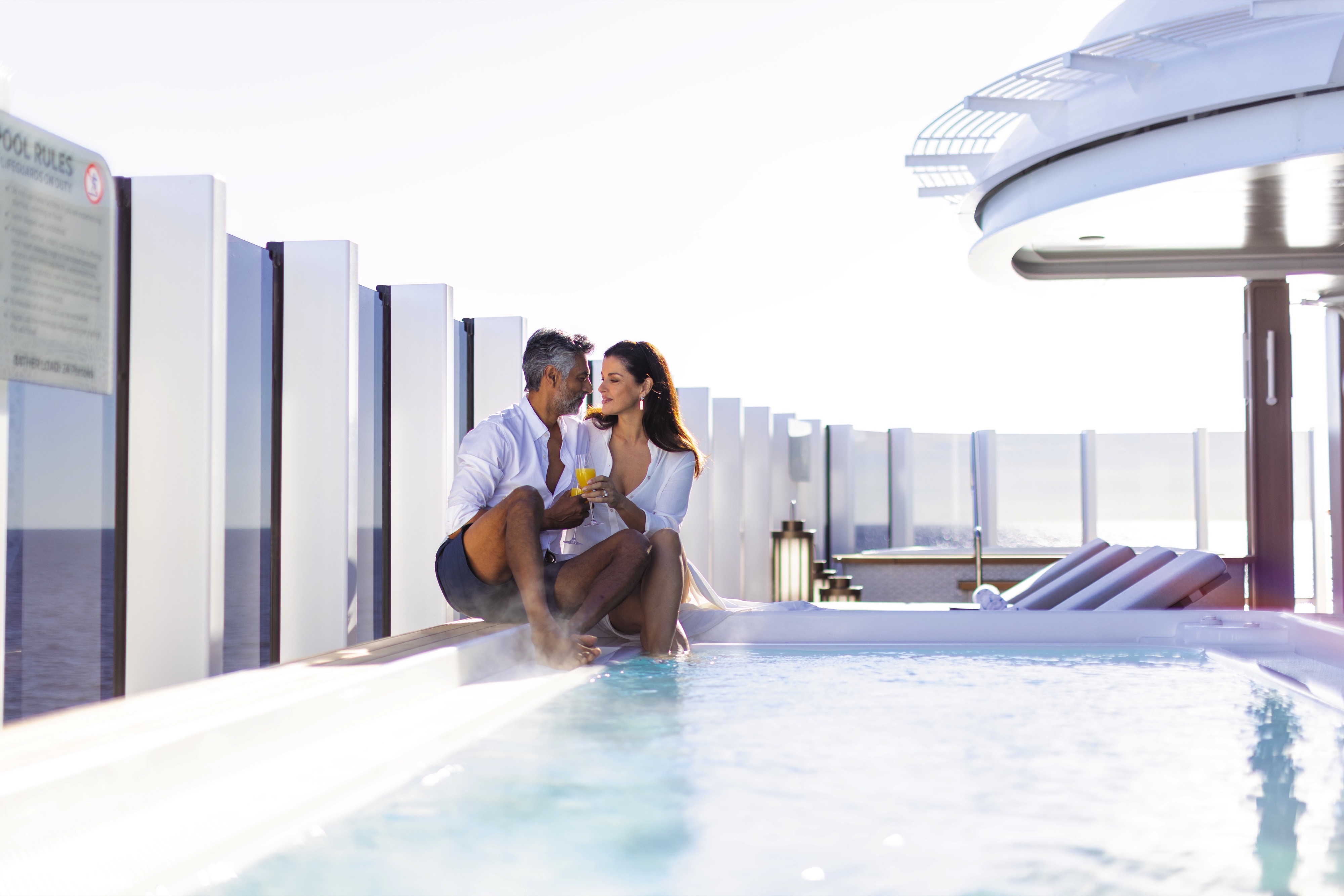
Fitness Centre
Look after yourself at sea. Take part in Pilates, yoga and aerobics classes or help yourself to spinning bikes, dumbbells, treadmills, Technogym Strength Machines, workout mats and step benches. For guests 16 and over.
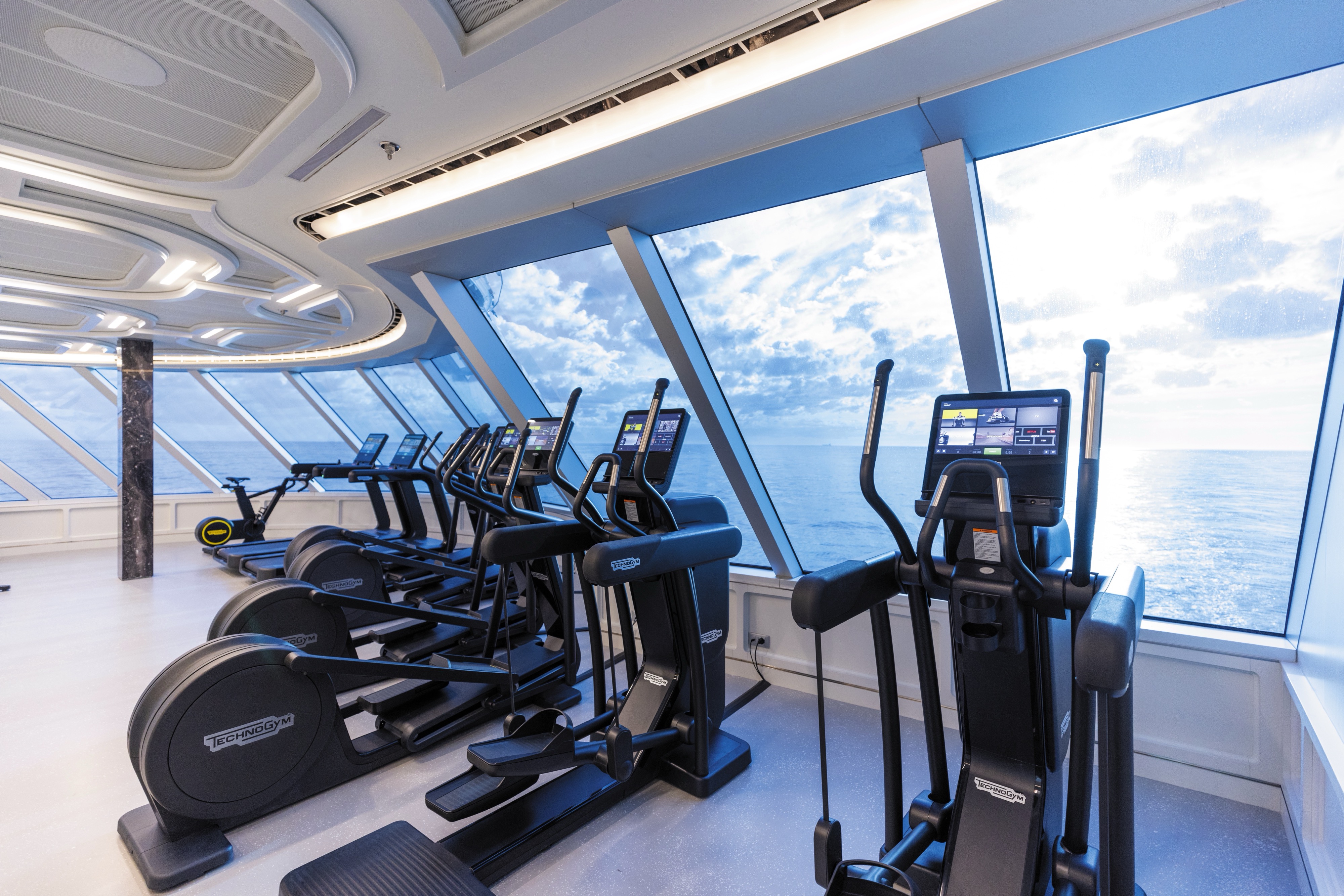
Infinity-Edge Plunge Pool
Go for a swim, stay for the views. Wherever you are in our Infinity-Edge Plunge Pool the views are dramatic, as the pool contours to the stern of the ship.
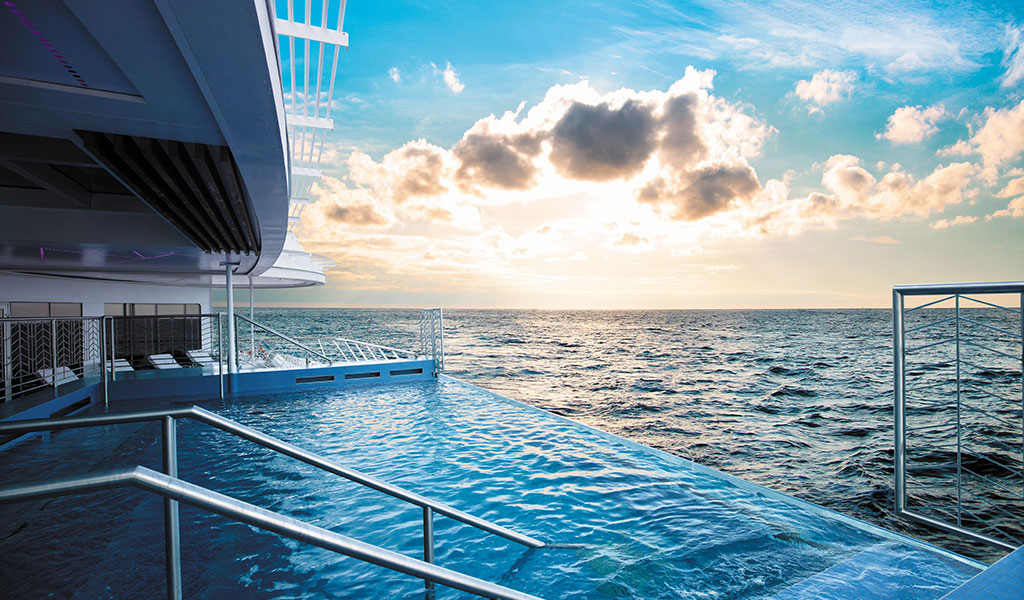
Jogging Track & Recreation
If you have a regular walking or running routine, fear not – your healthy habit can be maintained while cruising the high seas. Regardless of the speed you traverse our track, magnificent views await.

Sports Deck
Practice your golf swing, go for a jog around the track, or gather some new friends for a spirited (but fun) game of bocce ball, all while taking in stunning views and fresh, ocean air.
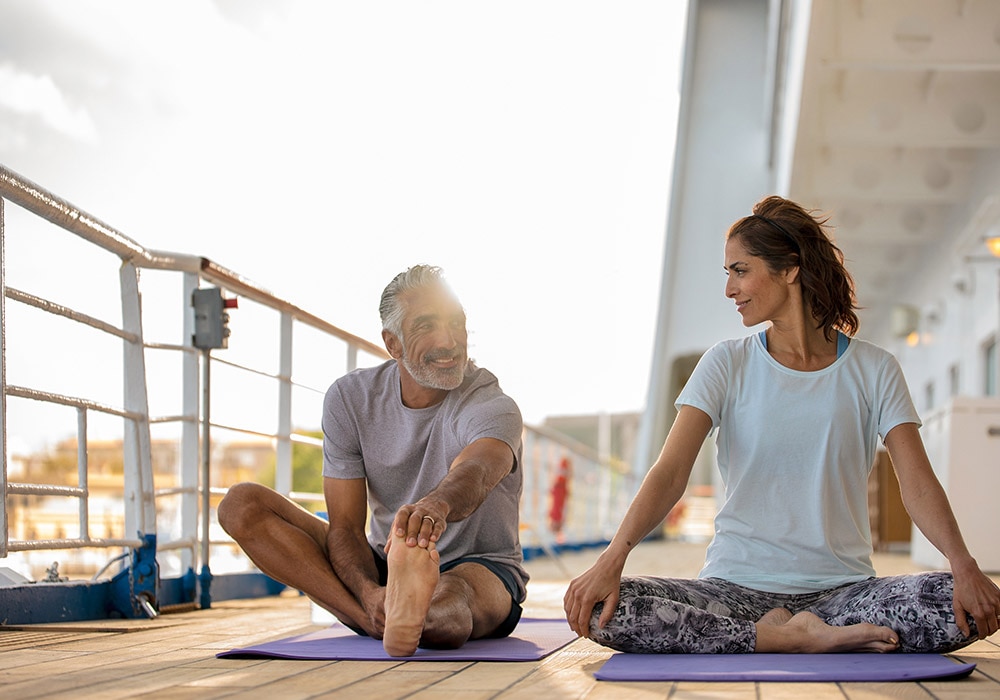
Putting Green
Not nearly as serious as the Golf Net, our Putting Greens invite you to gather friends – perhaps after an afternoon cocktail – for a spirited round of putt-putt golf or two.
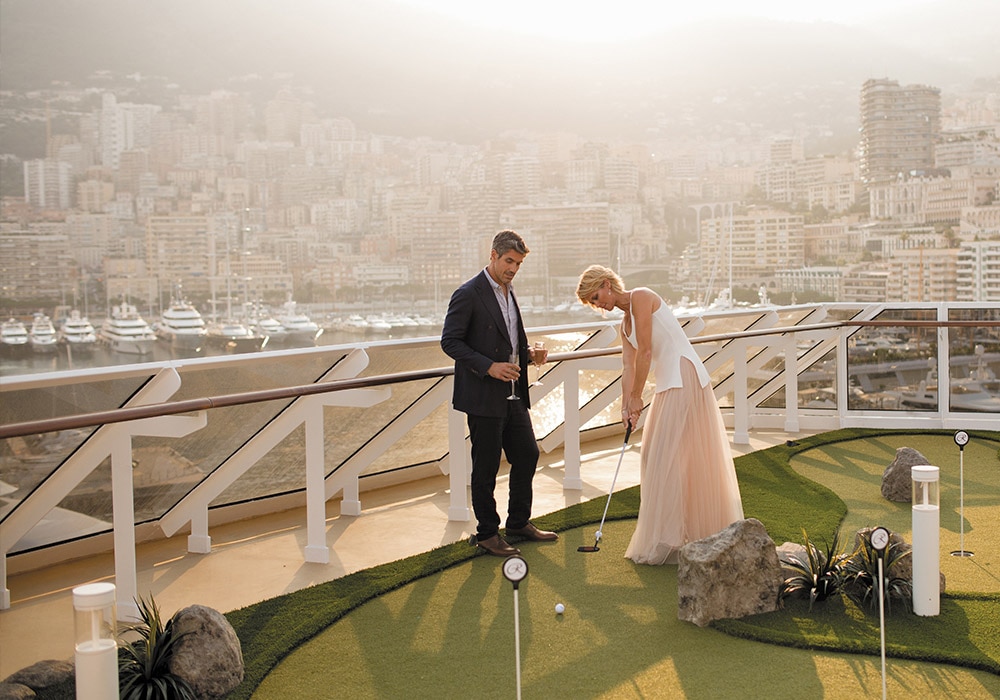
Heated Jacuzzis
The perfect retreat for relaxation and rejuvenation, the Pool Deck features a lavish pool and two heated Jacuzzis (whirlpools). Unwind in the warm, soothing waters while enjoying the vistas.
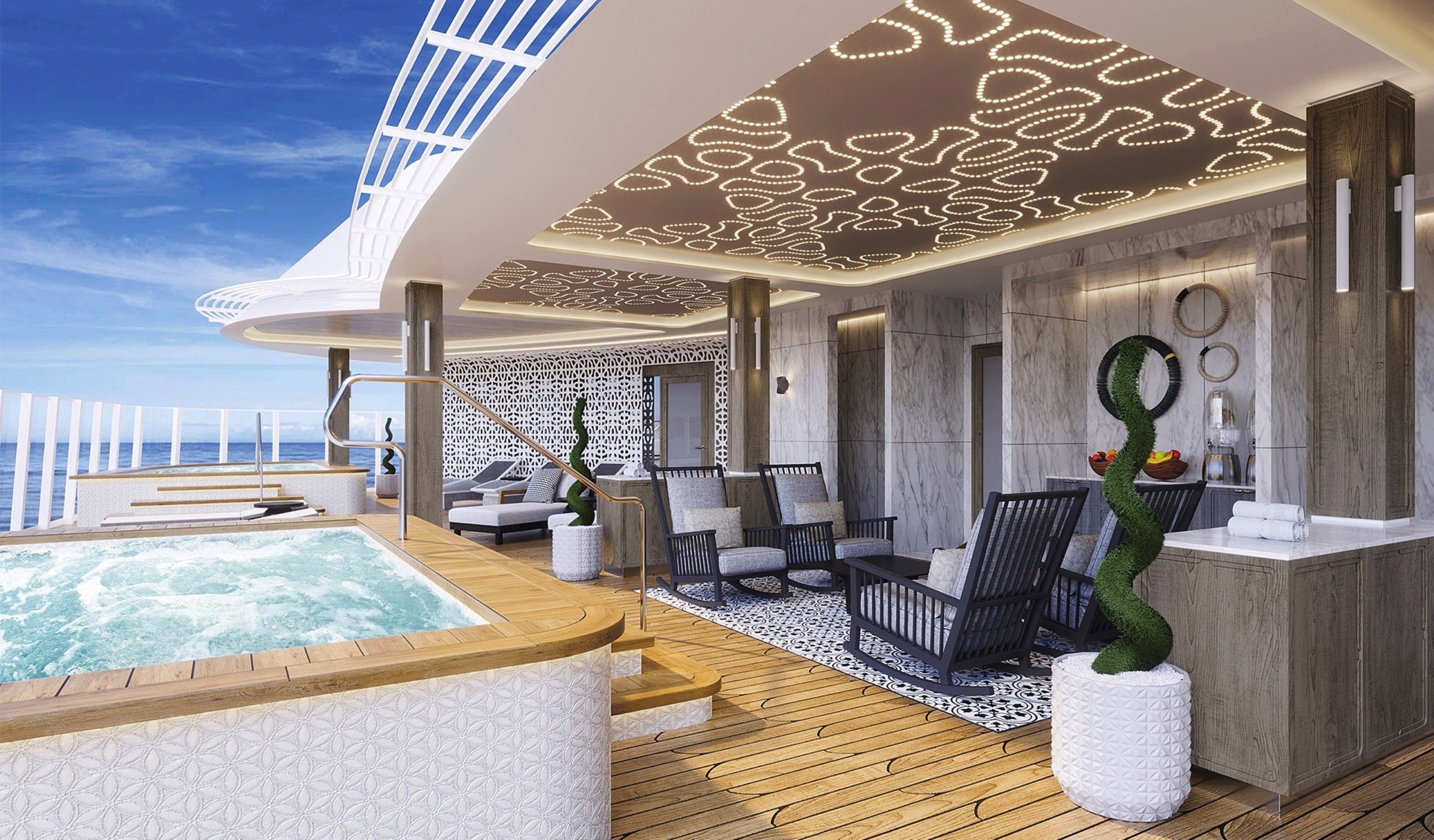
Golf Net
If the mood strikes to work on your fairway swing, head to our Golf Net. All equipment is provided for you to practice your swing while soaking up the most glorious views imaginable.

Shuffleboard
Probably the game most associated with cruise ships, shuffleboard onboard Seven Seas Grandeur™ is a more dramatic affair. High atop your ship, you won’t mind awaiting your turn as you take in glorious horizon views.

Bocce Court
Gather some friends and engage in a game originated in 5,000 BC. Our Bocce Court has the requisite equipment – a pallina and 8 larger balls – for you to engage in a spirited contest as the sun sets.
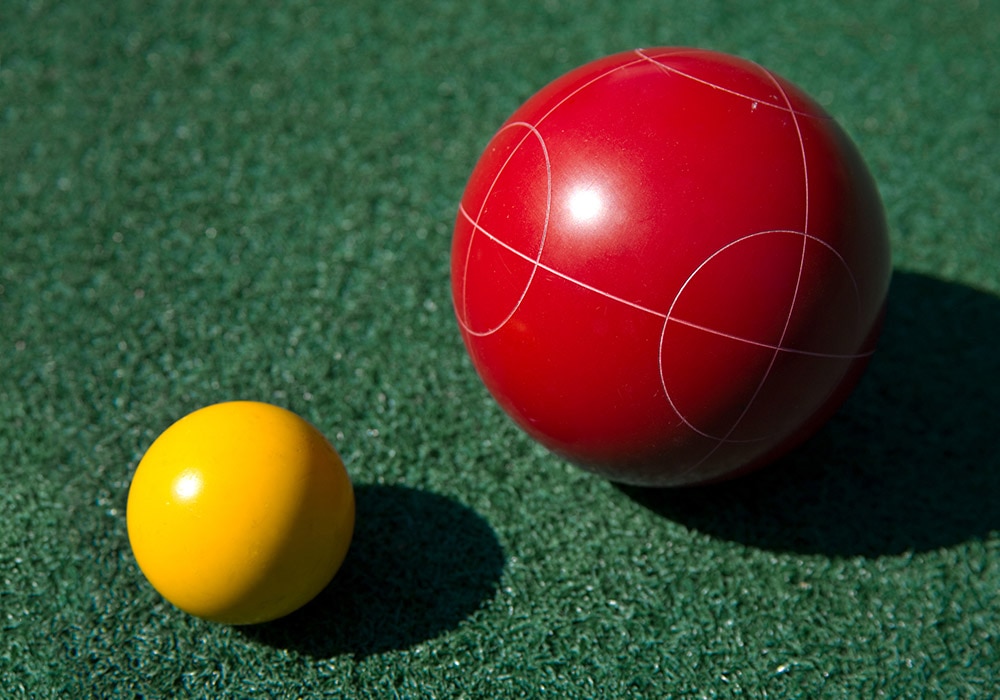
Paddle Tennis Court
Our completely screened and well-maintained paddle tennis court will beckon you and your teammates to win at all costs – or simply enjoy a fun game of paddle tennis or two.

Club Mariner
Families with young travellers will enjoy our Club Mariner Youth Program on select voyages. Children ages 5 to 17 can participate in a range of specialised activities, from mini-putt tournaments to dance parties to movie nights. Each program is designed and supervised by friendly and professional youth counsellors.
Club Mariner is available on select sailings only. Please ask your travel professional for details.
Compass Rose
Our largest specialty restaurant on a ship full of spectacular dining options. Design your very own entrée from preferred sides, sauces, pastas and main features of beef, poultry and fish. Dessert? Decadent, of course.
We are pleased to re-introduce the elegantly enhanced Compass Rose, the largest specialty restaurant across our fleet. Ensuring a tantalizing mix of new and familiar items on every visit, the new lunch and dinner menus offer a vast selection to meet your discerning tastes. Exclusively aboard Seven Seas Mariner®, Seven Seas Voyager®, and Seven Seas Navigator® for lunch, you may choose from a robust list of appetizers and main courses from our specialty restaurants. And across our fleet for dinner, you have the unique ability to design your very own entrée from preferred sides, sauces, pastas and main features of beef, poultry and fish. This is in addition to sinfully indulgent desserts made by talented bakers and pastry chefs. With daily changing menus, the refreshed Compass Rose offers more choices than ever before.
Chartreuse
Classic French fare with a modern twist – and glorious ocean views. If Chartreuse seems familiar, you may have once stumbled upon a chic, fine-dining restaurant on a Champs-Elysees side street. A fantasy you can taste.
Chartreuse evokes memories of a chic Parisian fine dining restaurant discovered during an evening stroll. Wherever you are seated in this regal restaurant, you will be treated to a succulent dinner while enjoying incredible ocean views. The restaurant ambiance is complemented by a menu that features modern French dishes. Available on Seven Seas Grandeur™, Seven Seas Splendor®, Seven Seas Explorer®, Seven Seas Mariner® and Seven Seas Voyager® with reservations each evening for dinner, and open for lunch on Seven Seas Explorer on alternate port days. French bistro style food is offered.
Reservations Required
Prime 7
From perfectly aged New York strip, porterhouse and succulent filet mignon to smoked salmon with a phenomenal tamarind-whiskey sauce, Prime 7 elevates classic American fare to lofty heights.
A true classic in every sense, Prime 7 sets a new standard in steakhouse fare with its contemporary interpretation of an American classic. Handsomely decorated with supple leather wing-back chairs, burnished woods and rich earth-toned fabrics, Prime 7 exudes a distinct, intimate elegance. This is sophistication redefined, a luxurious setting to enjoy classic steakhouse cuisine with a modern flair.
All the traditional starters are here, including Jumbo Lump Crab Cakes, Classic Steak Tartare, and Clam Chowder. Of course, beef is the undisputed star, and it is aged for a minimum of 40 days to ensure the ultimate tenderness and juiciness. New York Strip, Porterhouse Steak and succulent Filet Mignon only touch upon the selections. Mouthwatering alternatives include Applewood Smoked Salmon and Dover Sole.
Reservations Required
Pacific Rim
Prepare to be delighted by a perfect balance of delicious flavors and Zen-like ambiance. Amid dimly lit architectural details and lotus-shaped windows, dine Pan-Asian creations like Korean barbecue lamb chops and wok-fried beans.
Coffee Connection
So much more than a great spot for coffee – this specially designed Coffee Connection is a chic metropolitan café with an ocean view that’s impossible to beat.
Sette Mari at la Veranda
Settle into cozy, over-water alcoves for classic Italian specialties made with care. From old-school classics to modern cuisine, your Sette Mari meal will linger long as a perfect combination of atmosphere and flavor.
Each evening, La Veranda transforms into Sette Mari at La Veranda, a casual, intimate dining experience. Enjoy an extensive menu of authentic antipasti and Italian specialties served á la carte and paired with fine Italian wines — complimentary of course. Delectable dishes are prepared á la minute by our talented chefs using only the freshest gourmet ingredients and served by our attentive waiters. Sette Mari at La Veranda is open for dinner only.
Pool Grill
Al fresco dining with views of the world’s best-loved landscapes. Be inspired by the environs around Seven Seas Grandeur™ while enjoying cuisines that include handcrafted pizzas, regional barbecues and old-fashioned desserts.
The Pool Grill is truly a come-as-you-are venue. Enjoy this casual dining experience whether you’re getting a bite after sunbathing or swimming in the pool. The Pool Grill is open-air, yet abundantly shaded for comfortable dining at lunch or dinner. Enjoy grilled-to-order burgers, grilled seafood, sandwiches, and fresh salads. Treat yourself to milkshakes and malts or an old-fashioned hand-dipped ice cream dessert with toppings.
La Veranda
Greet your days on the high seas with sumptuous breakfasts and shimmering ocean views. La Veranda features quiet alcoves, made-to-order omelets and, for late risers, tasty lunch buffets that include hot carving stations.
Take in stunning ocean views while enjoying elegant breakfast and lunch buffets in the chic indoor dining room or al fresco on the shaded, open-air deck. Breakfasts include traditional favorites, as well as a made-to-order omelet station, a variety of fresh fruits and pastries, along with daily specials, like fluffy Belgian waffles with fresh blueberry compote. For lunch indulge in an array of choices from a bountiful salad bar, gourmet sandwiches, hot carving stations and delicious desserts.
The Study
Hosting a maximum of twelve guests, discerning gourmands are met with the style and sophistication they would expect from an intimate epicurean experience aboard Regent Seven Seas Cruises®.
Room Service
Knowing that guests sometimes prefer to simply dine in the comfort of their suites, we offer room service around the clock. Select from an extensive room service menu and the wait staff will promptly serve your order in the comfort of your suite. During normal dining hours, guests may also order from the Compass Rose menu, which changes daily and features Continental, vegetarian, and kosher cuisines. Dinners will be graciously served course-by-course.
Gourmet Explorer Tours
Our distinctive Gourmet Explorer Tours, offered exclusively aboard Seven Seas Explorer, allows guests the unique opportunity to experience the culinary culture of the world’s most delicious destinations. From savouring the authentic flavours of a region to learning new techniques in local cooking classes, guests can choose from a variety of optional tours that take them to local markets to find exotic spices, sample delicious wines at breathtaking estates and savor gourmet meals expertly prepared by renowned chefs. Due to their unique itineraries, Gourmet Explorer tours require a discounted, supplementary charge.
Regent Choice Shore Excursions
Take your experience to another level with the select itineraries and smaller group tours offered by our Regent Choice Shore Excursions. These unique opportunities require a discounted, supplementary charge and invite you to discover the heights of travel, from our Gourmet Explorer Tours to special experiences that take you off the beaten path.
As the name suggests, these excursions work a little harder to engage your explorer spirit. Unique itineraries and smaller groups create more personal experiences… and memories of a lifetime.
UNIQUE, UNPARALLELED EXPERIENCES
Soaring over Alaskan forests and mountains via helicopter en route to feeling the majesty of Mendenhall Glacier beneath your feet. Discover the best our world has to offer through the unparalleled experiences you’ll enjoy with Regent Choice Shore Excursions.
Enhance your shoreside experience with a Regent Choice Small Group tour. Hosting up to 16 guests, these tours provide a more intimate experience and allow for more personal engagement with your knowledgeable guide.
Culinary Arts Kitchen
Step into a welcoming environment, reminiscent of the world’s distinguished culinary institutions in both layout and design, with workstations fully equipped with top-of-the-line induction cooktops, stainless steel sinks and a comprehensive collection of cooking essentials. Guests attending classes in the Culinary Arts Kitchen will receive highly individualised, hands-on instruction. The curriculum will appeal to a wide range of tastes and cater to all levels of aptitude, from beginner to experienced chefs.
Taste, learn and share with the Culinary Arts Kitchen and Regent Seven Seas Cruises®.
Please note: Classes vary by destination and voyage to view voyages and availability click here.
Join expert chefs in a state-of-the-art teaching kitchen on board Seven Seas GrandeurTM, Seven Seas Splendor® or Seven Seas Explorer®. Learn to prepare authentic local recipes, and savour the flavours of the regions you are visiting.
From Our Kitchen, To Yours
Executive Chef and Director of Culinary Enrichment, Kathryn Kelly, has travelled throughout the world, tasting and exploring the many different cuisines and the cultures that create them. Her experience and expertise make her a natural fit to develop the curriculum for the Culinary Arts Kitchen. Exclusively aboard Seven Seas Grandeur®, Seven Seas Splendor®, Seven Seas Explorer® and Seven Seas Prestige™.
The Culinary Arts Kitchen provides everything you need to elevate your culinary skills in a welcoming environment inspired by France’s finest cooking schools. Designed with both style and functionality, the space features fully equipped workstations complete with top-of-the-line induction cooktops, stainless steel sinks, and a comprehensive collection of cooking essentials. Whether you’re a novice in the kitchen or a seasoned chef, you’ll enjoy highly personalised, hands-on instruction from expert instructors.
Culinary Classes Details
ARABESQUE
Based on the travels of Executive Chef Kelly in Morocco and Turkey, this cruise ship cooking class explores the trending culinary traditions and recipes of two ancient and revered cuisines. Learn the basics of tagine cookery and gain an appreciation for how the foods of these two great countries have influenced modern world gastronomy. Learn how to make nut milks and preserved lemons – prized in the Arabesque region and around the world. These cuisines are a favourite amongst our chefs, and the recipes are beyond delicious.
ANYTIME BRUNCH FAVOURITES
Whether celebrating the weekend with a group of friends, spending Sunday watching your favourite sports team or gathering the family for the holidays, brunch is always a great meal for casual, comforting and delicious dishes. Brunch is also a meal we want to host effortlessly, so our chefs have assembled their favorite crowd-pleasing recipes that make brunch a breeze to host. Not a meal to be served without spectacular drinks, this culinary class also features favourite mid-day libations.
BEYOND PATAGONIAN DELICIOUSNESS
The culinary world has its eyes on the cuisine of the Patagonia region. Regarded as the hot new cuisine, chefs have travelled to these remote parts to learn the secrets of Argentine grilling, as well as Chilean roasting and baking. Attend this cook-out class that features delicious and hearty dishes that you will definitely want to make at home to impress your friends. No meal in Patagonia is complete without wine, so a special focus will be made on sampling and pairing the region’s varietals.
BOUNTY OF THE SEA
Fish is something we often order when dining out, but rarely feel comfortable making at home. In this class technique-driven class, master the basics of fish cookery: sauté and grill, deep poach, shallow poach, curing, baking, and healthy pan fry. Your Chef Instructor shares personal tips for purchasing fish from your local fish monger and adding more variety to your favourite fish choices.
EPICURIAN SAFARI
Embark on a culinary safari around the diverse countries of Africa. Enjoy mastering dishes from Morocco, such as tagine and b’stilla. Then head south and learn the secrets of mouth-watering grilled meats from South Africa and Namibia. Like all great safaris, this adventure begins with a delicious and artisan-created gin and tonic.
FIESTA ON THE HIGH SEAS
If you love Mexican food, but are reluctant to cook it at home, then this class is for you! Taking inspiration from Spanish tapas, this class provides a robust menu for a tasty Mexican snacking party, including a lesson on how to make the perfect Mexican cocktails.
FRESH HEALTHY COMFORT KITCHEN
This class was designed in collaboration with Canyon Ranch® with a focus on healthy eating. Discover the secrets and methods for preparing foods that are flavourful, comforting, plentiful…and good for you. From ingredients to cooking methods, learn the many ways you can maintain a healthy kitchen — while serving fabulous food — at home.
LA TECHNIQUE FRANCAISE
As the cuisine against which all others are compared, this class is designed around the pillars of classic French culinary technique. Learn the difference between French bistro and haute cuisine as you explore the various regional cuisines of France. Steeped in the fundamentals this class focuses on classic techniques designed to elevate your kitchen skills at home. Sample two French wines and learn the art of pairing French food and wine.
MASTER OF FIRE, HEAT & GRILL
Mastering the skill of cooking with high heat — whether on a grill or in a sauté pan — is at the core of this popular cruise ship cooking class. From achieving the perfect sear marks on a rib eye to bringing forth the flavour-enhancing char of a grilled flatbread, your Chef Instructor teaches techniques for perfect high heat cooking every time. Also learn how to use a digital thermometer, achieving internal cooking temperatures and the pillars of perfect protein cookery.
MASTERING KNIFE SKILLS
Regent Seven Seas Cruises® partnered with Zwilling Company, the makers of the chef-favorite J.A. Henckels knives, to develop one of our top guest-requested classes: Mastering Knife Skills. You’ll get a chef’s look at a complete pantry of knives and enjoy the chance to try out a few chef knives to discover the best option for you. You’ll also learn how to sharpen and maintain this essential kitchen tool, practice various knife cuts and discover how to safely use the mandolin slicer. At the conclusion of your class, you’ll receive a special Knife Skills certificate along with a savings voucher for your favourite Zwilling Company knives.
MEDITERRANEAN MELODY
The Mediterranean is revered for its cuisine and this culinary class allows you to take a virtual trip around region, celebrating signature dishes of Greece, Israel, France, Spain, Italy, Turkey, and Morocco. Each class is a reflection of your Chef Instructor’s personal favourites from their years of tasting and travelling across the Mediterranean. Expand your food and wine repertoire as part of this enrichment programme.
NORTHERN LIGHTS
Our chefs have collected their favourite recipes from Finland, Iceland and Norway to create this class that matches culinary delights to the extraordinary sight of the Northern Lights. In recent years, the culinary world has followed these trending cuisines as many of the world’s most revered chefs fuse traditional recipes with innovative ingredients and cooking methods. A highlight of the class is our signature sparkling cocktail celebrating the auroras.
PASTA PASTA PASTA
This class is a celebration of the mouthwatering mainstay dish of Italian cuisine — pasta. Pasta is traditionally served for lunch or at dinner as the second course, or secondi, in most Italian homes. Learn the fundamentals of making this dish in a traditional way, from dry and fresh pasta to pasta cookery and favourite sauces, and impress your friends and family with this new skill when you return home.
PERFECTLY SAUCED & TOSSED
Most chefs will confess that the secret to finishing most dishes is the sauce — sometimes taking years to achieve. A perfectly executed sauce is as elemental to French cuisine as a great dressing is to a composed salad. This class focuses on the nuisances of sauces and emulsions, all while mastering some delicious dishes. If you have ever wanted to learn the secrets of the classic French pan sauce or understanding the magic of vinegars and extra virgin olive oil, then this is the class for you.
A TASTE OF SPAIN
For centuries, beginning with the migration of the Moors followed by the explorers returning to Spain from the New World, Spain has held court as the epicenter of the culinary universe. Modern Spanish chefs have transformed traditional dishes through molecular gastronomy while maintaining a reverence for traditional tapas and dishes like Valencian paella. Learn to enlighten your home kitchen with some of Spain’s signature dishes, wines and of course — the festive Sangria.
SIMPLE & ELEGANT DINNER PARTY
Our Chef Instructors are frequently asked about their personal favourite dishes that they enjoy making at home. In response, they assembled some of those simple yet elegant recipes to transform the Culinary Arts Kitchen into an elegant dinner party. Take what you learn to your home kitchen and impress your friends when you return by hosting your own dinner party, complete with exquisite wine pairings.
THE CONTENTED VIKING
Culinary historians have seen a renewed interested in the Viking diet in recent years with the emergence in popularity of lower carbohydrate diets, such as the Paleo Diet. The diet of modern Nordic countries continues to feature clean, sustainable and seasonal food. In this class learn about recipes that are famously celebrated at the top restaurants across Denmark, Norway and Sweden. Indulging in the Swedish Glogg is reason enough to join the class!
THE PERFECT PAIR
As luxury travellers, we indulge in fine wines paired with delicious food, which is the main focus of this class. Whether you are interested in learning how to properly select the right wine for your preferred dish or are searching for the right meal to pair with your absolute favourite wine, this class will expand your horizons. Your curriculum includes cooking several recipes and then pairing them with wines to explore how different varietals complement the dishes.
YAYA’S GREEK FEAST
Greeks are famous for their home-cooked, savory and generously portioned meals with family gathered — singing, dancing and eating! Greek recipes are passed down from Yaya (grandmother) by showing rather than writing down recipes. So, we recreated those hands-on recipes from our favorite yayas from Santorini, Crete, Rhodes, Corfu, and Athens for this popular cooking class. Learn to make healthy, comforting Greek-inspired dishes, imbibe in our favorite Cretan Rose cocktail and plan your next party around the recipes you master.
1493: THE FOODIES’S NEW WORLD
Delight in learning about the evolution of the Mediterranean cuisine when new ingredients were introduced after the Portuguese and Spanish returned from exploring “The New World.” Discover the way tomatoes, potatoes, corn, peppers, chocolate, blueberries, and zucchini (to name a few) found their way into the Mediterranean diet and changed their traditional dishes for the better.
Unlimited Shore Excursions Included
Every destination we sail to harbours treasured experiences waiting to be unearthed. And there’s no better way to dig in than by taking advantage of our hallmark inclusion of thousands of wonderful, Unlimited Shore Excursions.
MAKE YOUR VACATION YOUR OWN
When your feet touch the ground, your cruise enters a new dimension. What’s your preference? Exploring the world’s great cities? Immersing yourself in local culture? Or indulging your inner beach bum? Over 4,500 Unlimited Shore Excursions across every region of the world allow you to embrace it all.
Wherever you’re traveling, opportunities to maximise memories abound. Whether it’s urban adventures brimming with history, architecture and culture or escapes to natural wonders that stagger the senses, our Unlimited Shore Excursions guarantee your vacation will be like no other. Start dreaming today.
Eco-Connect Tours
Eco-Connect Tours invite you to discover and experience how local communities and groups are endeavouring to conserve, sustain and improve the environments they live in.
Engage with local groups and businesses to learn about how they are transforming the world around them while experiencing the impact of their efforts first-hand.
CONNECT & GROW
Our Eco-Connect Tours provide enriching opportunities to interact with and learn from local communities around the world as they work to conserve and sustain their surrounding environments.
Discover the valuable and beautiful flora and fauna of places like Costa Rica, Vietnam and Australia. Sample the products of sustainable farming practices in regions like France, New Zealand and Argentina. Absorb the inspiring innovations in energy production at facilities in Portugal, Iceland and Japan. This is only a sampling of the more than 150 unique Eco-Connect Tours we offer.
Reinvigorate your love for the world around you with these insightful experiences — many of which are available as part of our FREE Unlimited Shore Excursions.
Behind The Design Tours
Every captivating design has a story to tell. Join us as we go Behind the Design to explore how and why some of the world’s great architectural designs came to be.
Glimpse behind the scenes of some of the most captivating and brilliant designs around the world.
BRILLIANT ARCHITECTURAL ACHIEVEMENTS
Our Behind the Design Tours invite guests to go beyond the surface and into the beauty of the design processes and inspirations that made some of the world’s most fascinating architectural structures.
Explore a myriad of architectural marvels across Europe and the Mediterranean, including buildings like the Munchmuseet in Oslo, Norway, the MuCEM in Marseille, France, Toree Glòries in Barcelona, and many more. This is only a sampling of the Behind the Design Tours available, with many more to come.
Expand your appreciation for architecture and design with these intriguing explorations — many of which are available as part of our FREE Unlimited Shore Excursions.
Go Local Tours
Uncover off-the-beaten-path experiences with our Go Local Tours providing a more direct way for you to learn the culture of a destination through the communities within. Spend a day at a family-owned goat farm in the countryside of Andalusia to learn the generations-old way of making cheese or observe skilled, local artists in their personal studios on Palma de Mallorca. Experience the world through the eyes of those who actually live there and discover the best of what you didn’t know about your favourite destinations with Go Local Tours.
Sometimes the best solution for the well-traveled guest and anyone looking to uncover off-the-beaten-path places and experiences is to start thinking like a local.
CULTURAL DISCOVERY
Go Local Tours provide a more direct way for you to experience the culture of a destination through the communities within. Spend a day at a family-owned goat farm in the countryside of Andalusia to learn the generations-old way of making cheese, discover the joy of fishing with the residents of Portofino or observe skilled local artists in their personal studios on Palma de Mallorca. Many Go Local tours are part of our Unlimited Shore Excursions, while some require a discounted, supplementary charge. Experience the world through the eyes of those who actually live there and discover the best of what you didn’t know about your favourite destination with Go Local Tours.
Serene Spa & Wellness™ Tours
Transcend the moment as you expand your mind and strengthen your body with a Serene Spa & Wellness Tours. Soak in a restorative, mineral-rich thermal spring in Rome or centre your chi with a taiji (tai chi) class on a beautiful and serene beach on Palma de Mallorca. Be refreshed by a Mediterranean breeze as you calm your mind and strengthen your focus through a yoga class overlooking the seaside town of Taormina. Restore and heal your mind, body and soul as you travel throughout the world with our Serene Spa & Wellness Tours.
To further enhance your vacation, our Wellness program allows you to enjoy a holistic experience from beginning to end, from complimentary fitness classes and healthy gourmet cuisine on board to Wellness Tours.
A HOLISTIC, REJUVENATING DISCOVERY
These tours allow you to discover the incredible destinations we visit while maintaining your active and healthy lifestyle. Practice yoga against a stunning backdrop in Taormina, learn about apitherapy, a school of alternative medicine based on bee products, or practice meditation on the idyllic island of Palma de Mallorca. Many Wellness Tours are part of our FREE Unlimited Shore Excursions, while some require a discounted, supplementary charge.
In-Port Overnights
Evenings provide a different view of a city as the streets light up and the locals unwind. Discover the fun of a destination’s nightlife and enjoy more time ashore with more overnights in ports across every region of the world.
LET THE NIGHTTIME SET YOU FREE
Celebrate sunsets and ease into moonrises as locals cut loose and skylines twinkle in the world’s great cities. You’re free to pursue your passions – from elegant dining to after-hour museum tours. It’s not just port cities that transform after dark. Regent in-port overnighters do, too. After the exhilaration of daytime excursions, sunset releases you to do as you please and sway to a city’s rhythms.
Spotlight Voyages
Explore your destination through special excursions and onboard experiences tailored to the spotlighted theme of your cruise. Hear from captivating speakers, renowned in their respective fields across multiple areas of interest, from culinary masters to renowned vintners to entertainment icons and beyond.
Embark on a journey of discovery with our Spotlight Voyages — tailored experiences designed to ignite your passions and curiosities. Whether you’re a wine enthusiast or a gourmand, these immersive cruises promise unforgettable adventures. Imagine savoring dishes made by award-winning Chefs, mastering your swing alongside a golf pro on legendary courses, or delving into the history of Fabergé eggs.
Don’t miss these one-of-a-kind onboard and shoreside opportunities. Mention promotional or offer code “SPO” when booking to unlock complimentary Spotlight Voyage programming.
Epicurean Explorer Tours
Taste the cultures of the world with our specially curated, Master Chef-led, Epicurean Explorer Tours, unique to sailings aboard Seven Seas Splendor® and Seven Seas Explorer®. Be treated to a particularly French dining experience with Michelin-starred Master Chef René Bérard at his private estate along with a Provençal cooking demonstration in Provence or be led through the open-air, seaside market in Nice and partake in an exquisite lunch at Château Eza in Eze. Please your palate and expand your culinary knowledge with each of our delectable Epicurean Explorer Tours.
Outside of a stellar local expert, our noses may be our best guides to places beloved by foodies. Market spices drifting on a breeze, sizzling street foods, wine poured in a sun-kissed vineyard – these smells forever recall a destination as much as any photo or souvenir.
CHEF-LED SHORESIDE EXCURSIONS
Allow our chefs to be your guides on these specially crafted small-group experiences. Discover vibrant ancient markets, sample world-class restaurants, incorporate new learnings in the kitchen, and more. Exclusive aboard Seven Seas Explorer®, Seven Seas Splendor® and Seven Seas Grandeur™, these curated tours require a discounted supplementary charge.
Executive Collection & Bespoke Travel Arrangements
Envision your perfect day of sightseeing and exploring your destination exactly as you’d like… Creating your own, customised excursions is possible. Whether you’re looking to engage a private vehicle from our Executive Collection with a personal driver and/or English-speaking guide or hoping to develop a truly bespoke experience with our elite concierge team, we welcome the opportunity to help you create your perfect journey.
You choose the locales – we’ll provide the private transport. Our Executive Collection frees you to explore ports of call with a driver and/or English-speaking guide, the ultimate way to maximise your time onshore. Whether heading out to a city’s outskirts or taking off along spectacular coastlines, you’ll accrue lifelong memories by the mile (or kilometre).
MAKE YOUR VACATION YOUR OWN
Excitement builds each time a Regent Seven Seas’ cruise ship approaches a port city. Let your excitement skyrocket with a car, driver and/or English-speaking guide awaiting you onshore. Where do you go? Across the Charles River to explore Cambridge, Boston’s academic neighbour? Along Monaco’s famed Formula 1 route? Across Sydney’s iconic Harbour Bridge? Only you know for sure.
Customise Your Journey
Enhance your cruise by adding another layer of luxury to your travel with any of the multiple options we offer. Select from a variety of enhancements like immersive Land and Overland Programs, Pre- and Post-Cruise Hotel Programs and air upgrades.
PERSONALISED CRUISE EXPERIENCE
Take your all-inclusive luxury travel to the next level by personalising it. Select from a variety of enhancements like our Regent Choice Shore Excursions, Pre- and Post-Cruise Hotel Programmes and air upgrades. Embark on a specially-designed, luxury vacation that offers an experience unlike any other as you explore the cultures, sights and cuisines of your destination. Enjoy it all with The World’s Most Inclusive Luxury Experience® across air, land and sea.
Featured Guest Entertainers & Speakers
Experience world-class entertainment and engage with esteemed experts on a journey of inspiration and discovery. This immersive experience invites you to delve into meaningful dialogue, while each performance is thoughtfully curated to captivate and uplift. Throughout your voyage, enjoy a front-row seat to brilliance.
When you travel with a distinguished guest Speaker, knowledge sets sail with you. Engage with esteemed experts, from celebrated art historians and acclaimed authors to former diplomats and cultural icons. This immersive experience invites you to delve into meaningful dialogue and connect personally with our Speakers throughout your entire journey.
Featured Guest Entertainers and Speakers are scheduled in advance and are subject to change without notice due to unforeseen circumstances beyond our control.
Bridge at Sea
Enjoy social and competitive Bridge play on select voyages. ACBL Certified Bridge Masters sail with guests to provide professional instruction and host games for all levels.
luxury is in the cards
Enjoy social and competitive Bridge play on more than 93 of Bridge at Sea Voyages aboard The World’s Most Luxurious Fleet®. Sail to breathtaking destinations alongside Bridge Masters, who provide professional instruction and host games for all levels — in addition to being knowledgeable and entertaining professionals. Our ships are ACBL Certified, which means you can accumulate master points while cruising to the places you’ve always dreamed of exploring.
Pool Deck
The elegant Pool Deck on board Seven Seas Grandeur® is the ideal size for basking in the beauty of each day while sailing. Be it a dip in the refreshing pool or relaxing on a lounger with your favorite drink.
Grandeur Lounge
There’s no better way to whet your appetite for dinner than at this ship’s namesake lounge. Its elegant design will coax you into a state of relaxed bliss over signature cocktails and soulful sounds.
Pool Bar
Very few things equate to a pure vacation activity more than sitting at our Pool Bar. Make new friends while sipping a cocktail or frozen drink in the most laid-back atmosphere imaginable.
Meridian Lounge
With an expansive bar and relaxed armchairs, this is an ideal spot to gather with new friends for a cocktail, especially after an exciting theater performance that simply must be discussed at length.
Constellation Theater
Thrill to nightly performances in our glorious, two-deck-high theater. Plush seating and pleasing sightlines free you to focus on our lavishly staged, high-energy shows produced by our own team of Broadway professionals.
Observation Lounge
Every evening on Seven Seas Grandeur will be one to remember. As the lights go on from the stage to the dance floor, this stunning vessel takes on a new life with live productions, high-caliber musicians, guest entertainers, intimate lounges and more.
Boutiques
Browse a well-curated selection of duty-free designer clothes, jewelry, perfume and more at the onboard boutiques. Then fuel up with an espresso from an onboard café or unwind at a wine tasting in one of the lounges.
Atrium
Simply put, the Atrium is the very heart of Seven Seas Grandeur™. With a magnificent chandelier above, the grand staircase descends to Compass Rose, our signature restaurant, creating a grand entrance.
The Casino
Step into an intimate, sophisticated environment filled with fun and excitement. Challenge friends at the poker table, take on the house in a thrilling game of blackjack or sip a cocktail and watch the action unfold.
Business Centre
For those who’ve chosen to leave their laptops at home, desktop computers are available at our staffed Business Center. Of course, you may access WiFi without charge throughout the entirety of Seven Seas Grandeur™.
Destination Services
The place for you to arrange onshore activities, whether one of our INCLUDED Unlimited Shore Excursions or a unique, small-group Regent Choice Shore Excursion. All staff are eager to provide the assistance you need.
Card Room
Seeking friendly competition? This jovial room has a clubby charm that’s both inviting and tranquil. Gather some friends for board games or Bridge, or maybe a tournament.
Connoisseur Club
A very modern space with oversize leather armchairs and signature works of art, this guest favorite is more than its décor. You’ll immediately take to its low-key elegance, perhaps over a fine cigar and meaningful conversation.
Library
Step into our welcoming and well-stocked library for a relaxing respite. Browse volumes ranging from destination-specific guidebooks to best-selling mysteries and classic literature.
General Manager/Reception
While cruise-related issues are first submitted to Reception/Concierge, you can be assured that a General Manager is on hand to resolve issues to your satisfaction.
Our welcoming Reception Desk is open 24 hours a day and our staff is happy to answer your questions and provide any general assistance you may need.
Serene Spa & Wellness™
Serene Spa & Wellness™ is a globally inspired, tranquil haven of health, beauty and wellness, offering restorative treatments and activities to soothe both the body and mind. Strengthen and elevate as you engage with a variety of treatments curated especially for Regent Seven Seas Cruises®.
Fitness Centre
Look after yourself at sea. Take part in Pilates, yoga and aerobics classes or help yourself to spinning bikes, dumbbells, treadmills, Technogym Strength Machines, workout mats and step benches. For guests 16 and over.
Infinity-Edge Plunge Pool
Go for a swim, stay for the views. Wherever you are in our Infinity-Edge Plunge Pool the views are dramatic, as the pool contours to the stern of the ship.
Jogging Track & Recreation
If you have a regular walking or running routine, fear not – your healthy habit can be maintained while cruising the high seas. Regardless of the speed you traverse our track, magnificent views await.
Sports Deck
Practice your golf swing, go for a jog around the track, or gather some new friends for a spirited (but fun) game of bocce ball, all while taking in stunning views and fresh, ocean air.
Putting Green
Not nearly as serious as the Golf Net, our Putting Greens invite you to gather friends – perhaps after an afternoon cocktail – for a spirited round of putt-putt golf or two.
Heated Jacuzzis
The perfect retreat for relaxation and rejuvenation, the Pool Deck features a lavish pool and two heated Jacuzzis (whirlpools). Unwind in the warm, soothing waters while enjoying the vistas.
Golf Net
If the mood strikes to work on your fairway swing, head to our Golf Net. All equipment is provided for you to practice your swing while soaking up the most glorious views imaginable.
Shuffleboard
Probably the game most associated with cruise ships, shuffleboard onboard Seven Seas Grandeur™ is a more dramatic affair. High atop your ship, you won’t mind awaiting your turn as you take in glorious horizon views.
Bocce Court
Gather some friends and engage in a game originated in 5,000 BC. Our Bocce Court has the requisite equipment – a pallina and 8 larger balls – for you to engage in a spirited contest as the sun sets.
Paddle Tennis Court
Our completely screened and well-maintained paddle tennis court will beckon you and your teammates to win at all costs – or simply enjoy a fun game of paddle tennis or two.
Club Mariner
Families with young travellers will enjoy our Club Mariner Youth Program on select voyages. Children ages 5 to 17 can participate in a range of specialised activities, from mini-putt tournaments to dance parties to movie nights. Each program is designed and supervised by friendly and professional youth counsellors.
Club Mariner is available on select sailings only. Please ask your travel professional for details.
About the Ship
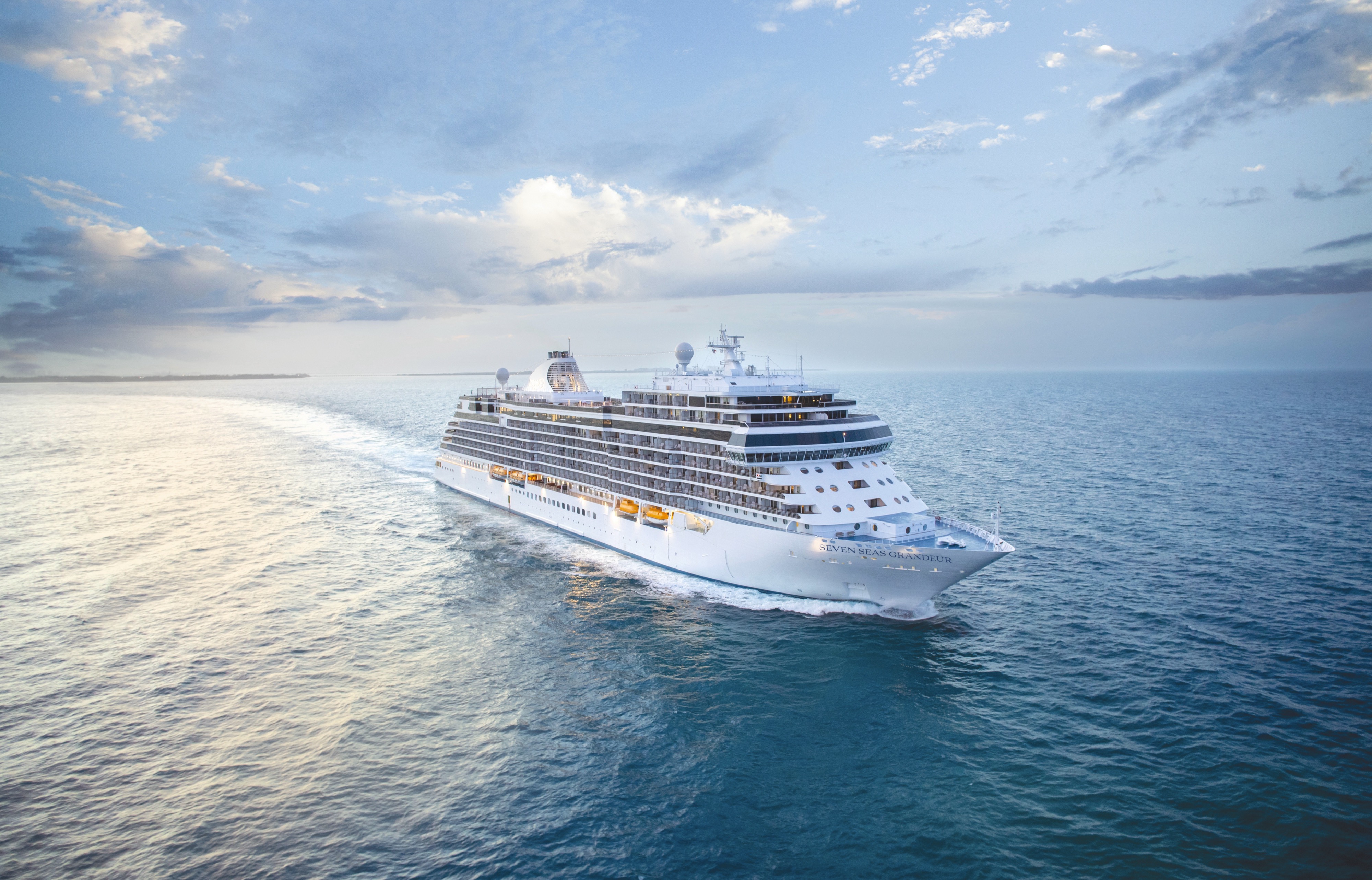
Deck Plans

- Constellation Theatre
- Boutiques
- Atrium
- Grandeur Lounge
- The Casino
- Compass Rose

- Atrium
- Coffee Connection
- Constellation Theatre
- Infinity-Edge Plunge Pool
- Meridian Lounge
- Pacific Rim
- Serene Spa & Wellness
- Business Center
- General Manager
- Destination Services
- Reception & Concierge
- Heated Jacuzzi

- Fitness Centre
- Penthouse Suites
- Concierge Suites
- Deluxe Veranda Suites
- Veranda Suites
- Launderette

- Seven Seas Suites
- Penthouse Suites
- Serenity Suites
- Concierge Suites
- Veranda Suites
- Grand Suites
- Deluxe Veranda Suites
- Launderette
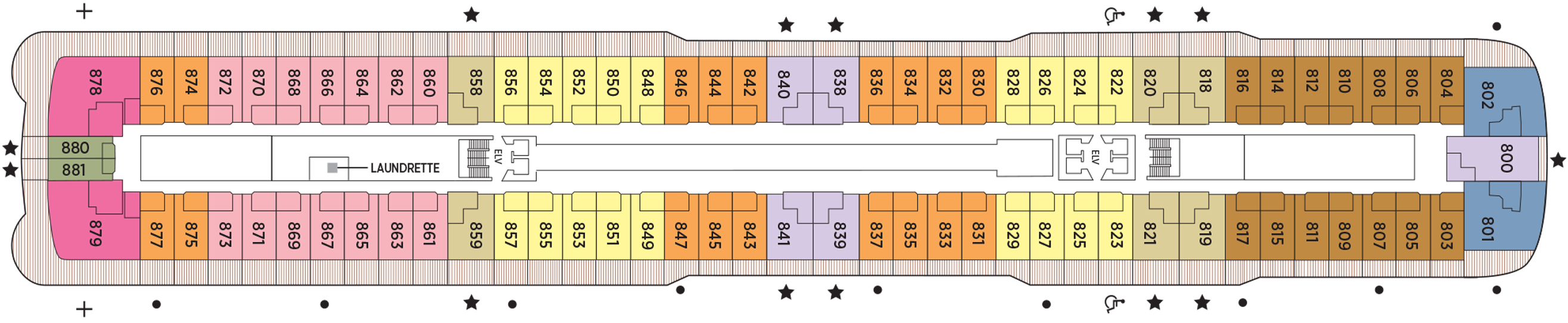
- Launderette
- Penthouse Suites
- Seven Sea Suites
- Signature Suites
- Seven Seas Suites
- Concierge Suites
- Serenity Suites
- Deluxe Veranda Suites
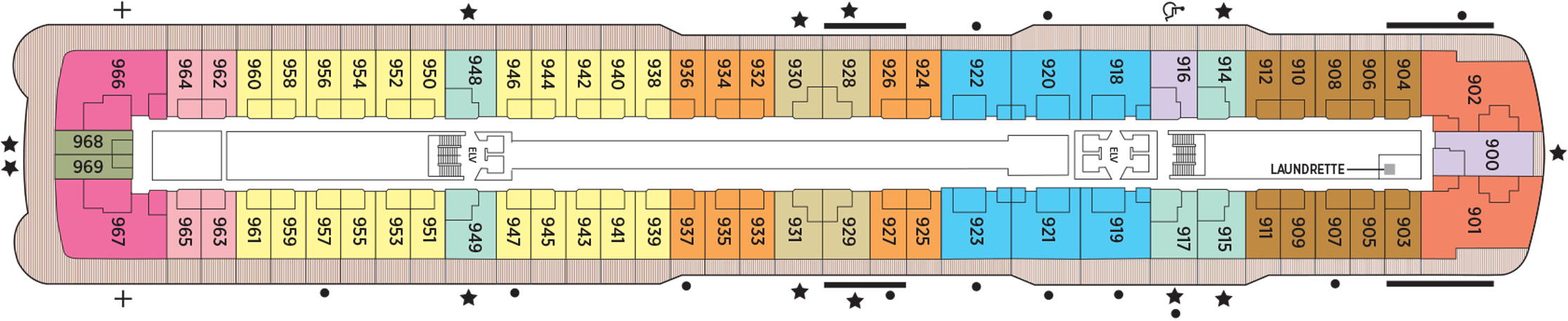
- Concierge Suites
- Penthouse Suites
- Grand Suites
- Grandeur Suites
- Serenity Suites
- Deluxe Veranda Suites
- Launderette

- The Study
- Chartreuse
- Prime 7
- Bridge
- Concierge Suites
- Superior Suites
- Penthouse Suites
- Grand Suites
- Grandeur Suites

- La Veranda / Sette Mari
- La Veranda
- Pool Grill
- Infinity-Edge Plunge Pool
- Smoking Area
- Pool Bar
- Culinary Arts Kitchen
- Connoisseur Club
- Library
- Observation Lounge
- Card Room
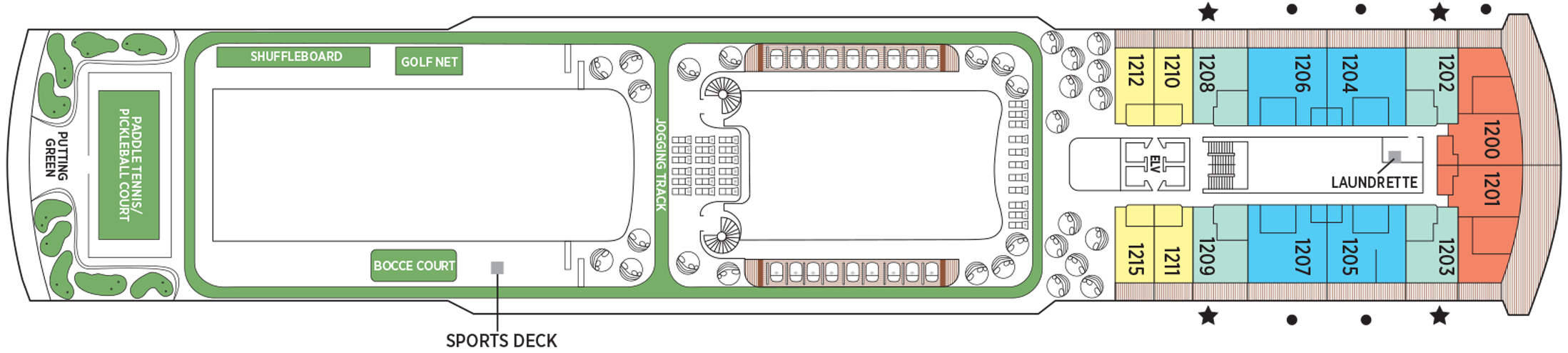
- Putting Green
- Shuffleboard
- Golf Net
- Bocce Court
- Paddle Tennis Court
- Sports Deck
- Jogging Track
- Concierge Suites
- Penthouse Suites
- Grandeur Suites
- Grand Suites

- Regent Suite
- Concierge Suites
- Penthouse Suites
- Constellation Theatre
- Boutiques
- Atrium
- Grandeur Lounge
- The Casino
- Compass Rose
- Atrium
- Coffee Connection
- Constellation Theatre
- Infinity-Edge Plunge Pool
- Meridian Lounge
- Pacific Rim
- Serene Spa & Wellness
- Business Center
- General Manager
- Destination Services
- Reception & Concierge
- Heated Jacuzzi
- Fitness Centre
- Penthouse Suites
- Concierge Suites
- Deluxe Veranda Suites
- Veranda Suites
- Launderette
- Seven Seas Suites
- Penthouse Suites
- Serenity Suites
- Concierge Suites
- Veranda Suites
- Grand Suites
- Deluxe Veranda Suites
- Launderette
- Launderette
- Penthouse Suites
- Seven Sea Suites
- Signature Suites
- Seven Seas Suites
- Concierge Suites
- Serenity Suites
- Deluxe Veranda Suites
- Concierge Suites
- Penthouse Suites
- Grand Suites
- Grandeur Suites
- Serenity Suites
- Deluxe Veranda Suites
- Launderette
- The Study
- Chartreuse
- Prime 7
- Bridge
- Concierge Suites
- Superior Suites
- Penthouse Suites
- Grand Suites
- Grandeur Suites
- La Veranda / Sette Mari
- La Veranda
- Pool Grill
- Infinity-Edge Plunge Pool
- Smoking Area
- Pool Bar
- Culinary Arts Kitchen
- Connoisseur Club
- Library
- Observation Lounge
- Card Room
- Putting Green
- Shuffleboard
- Golf Net
- Bocce Court
- Paddle Tennis Court
- Sports Deck
- Jogging Track
- Concierge Suites
- Penthouse Suites
- Grandeur Suites
- Grand Suites
- Regent Suite
- Concierge Suites
- Penthouse Suites