Featured Cabins
Itinerary
Civitavecchia, Italy
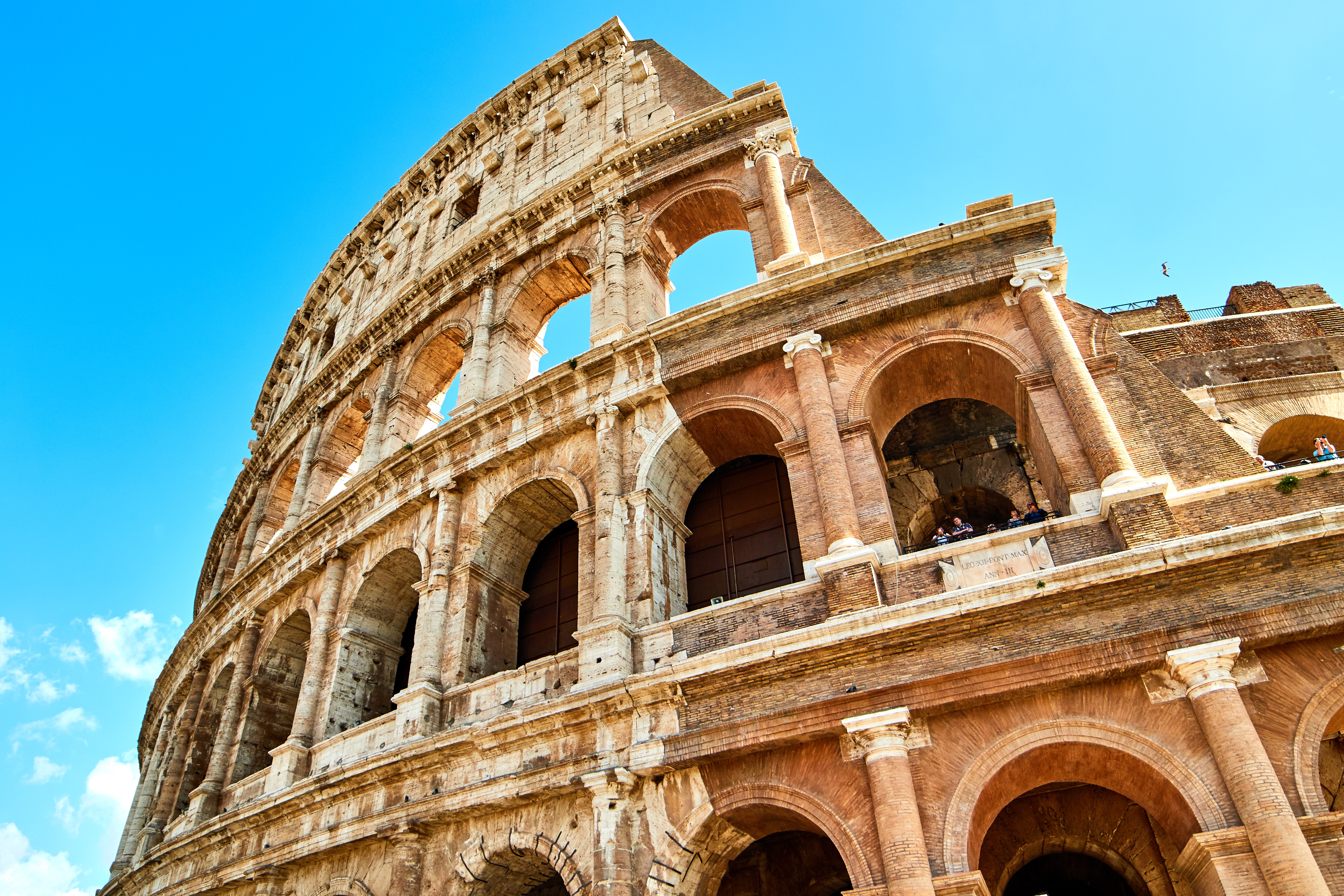
Italy’s vibrant capital lives in the present, but no other city on earth evokes its past so powerfully. For over 2,500 years, emperors, popes, artists, and common citizens have left their mark here. Archaeological remains from ancient Rome, art-stuffed churches, and the treasures of Vatican City vie for your attention, but Rome is also a wonderful place to practice the Italian-perfected il dolce far niente, the sweet art of idleness. Your most memorable experiences may include sitting at a caffè in the Campo de’ Fiori or strolling in a beguiling piazza.
Cruising the Tyrrhenian Sea
Valletta, Malta
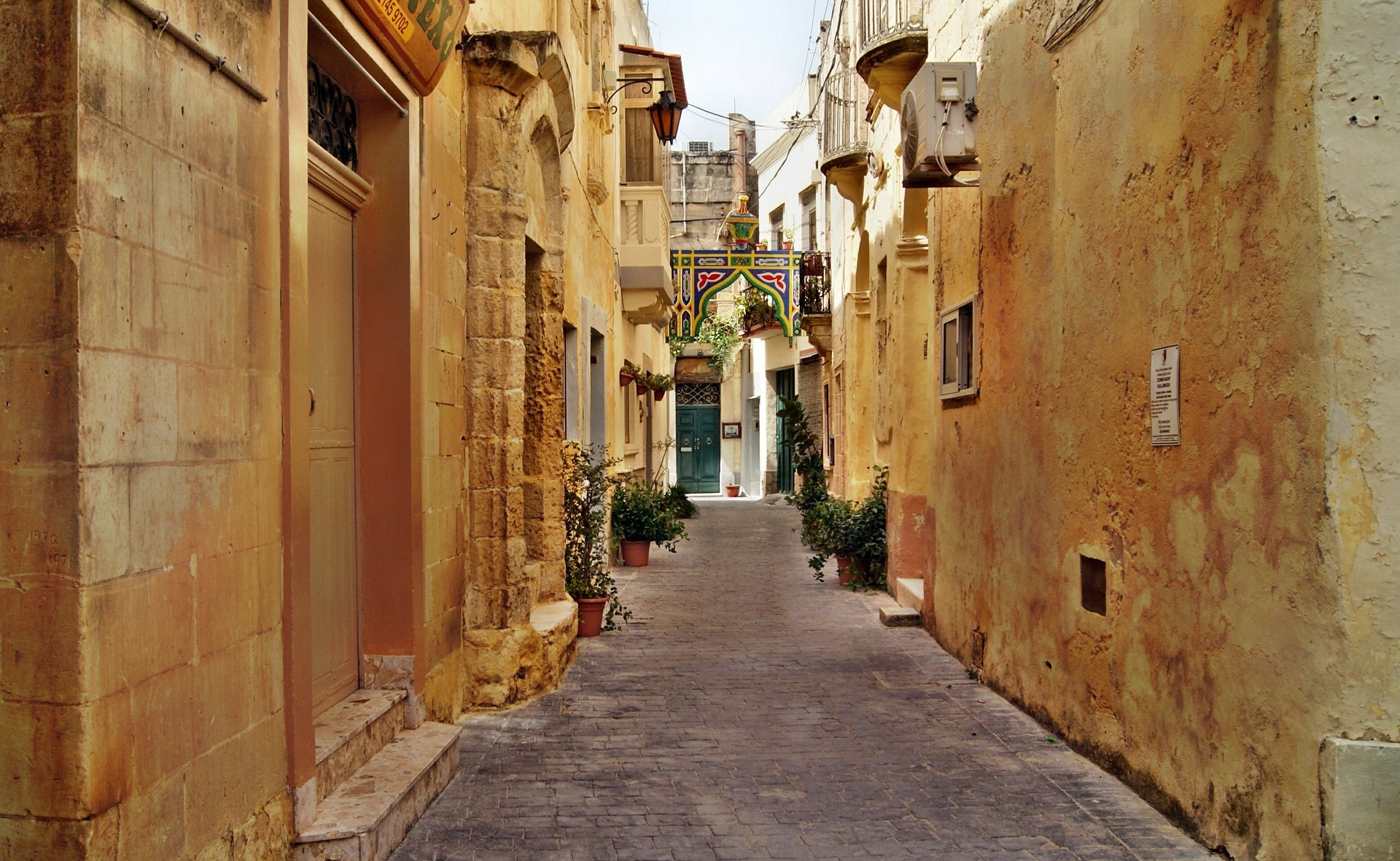
Malta’s capital, the minicity of Valletta, has ornate palaces and museums protected by massive fortifications of honey-color limestone. Houses along the narrow streets have overhanging wooden balconies for people-watching from indoors. Generations ago they gave housebound women a window on the world of the street. The main entrance to town is through the City Gate (where all bus routes end), which leads onto Triq Repubblika (Republic Street), the spine of the grid-pattern city and the main shopping street. Triq Mercante (Merchant Street) parallels Repubblika to the east and is also good for strolling. From these two streets, cross streets descend toward the water; some are stepped. Valletta’s compactness makes it ideal to explore on foot. City Gate and the upper part of Valletta are experiencing vast redevelopment that includes a new Parliament Building and open-air performance venue. The complex, completed mid-2013, has numerous pedestrian detours in place along with building noise and dust. Before setting out along Republic Street, stop at the tourist information office on Merchant Street for maps and brochures.
La Goulette, Tunisia
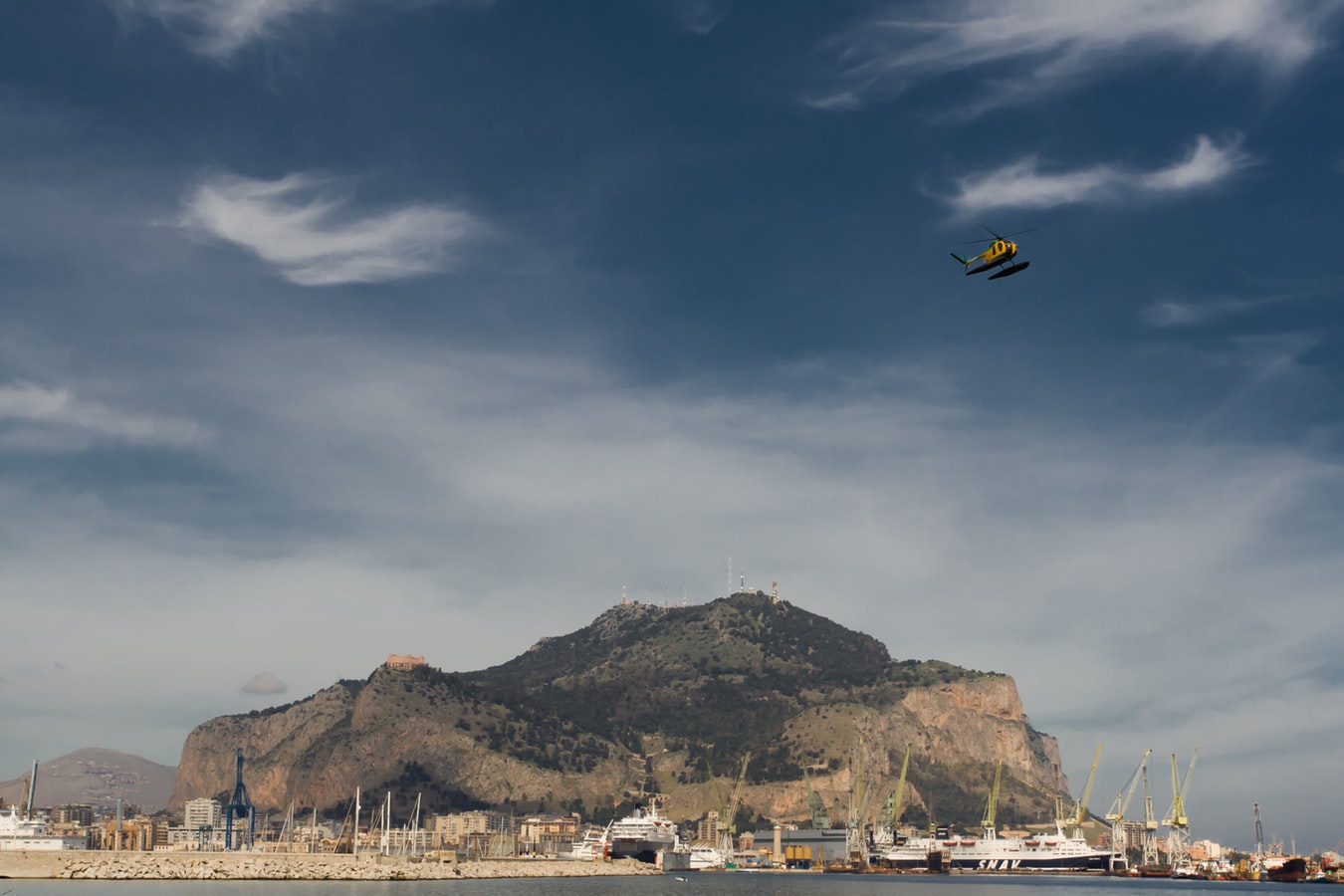
Palermo, Italy
Once the intellectual capital of southern Europe, Palermo has always been at the crossroads of civilization. Favorably situated on a crescent-shaped bay at the foot of Monte Pellegrino, it has attracted almost every culture touching the Mediterranean world. To Palermo’s credit, it has absorbed these diverse cultures into a unique personality that is at once Arab and Christian, Byzantine and Roman, Norman and Italian. The city’s heritage encompasses all of Sicily’s varied ages, but its distinctive aspect is its Arab-Norman identity, an improbable marriage that, mixed in with Byzantine and Jewish elements, created some resplendent works of art. No less noteworthy than the architecture is Palermo’s chaotic vitality, on display at some of Italy’s most vibrant outdoor markets, public squares, street bazaars, and food vendors, and above all in its grand climax of Italy’s most spectacular passeggiata (the leisurely social stroll along the principal thoroughfare).
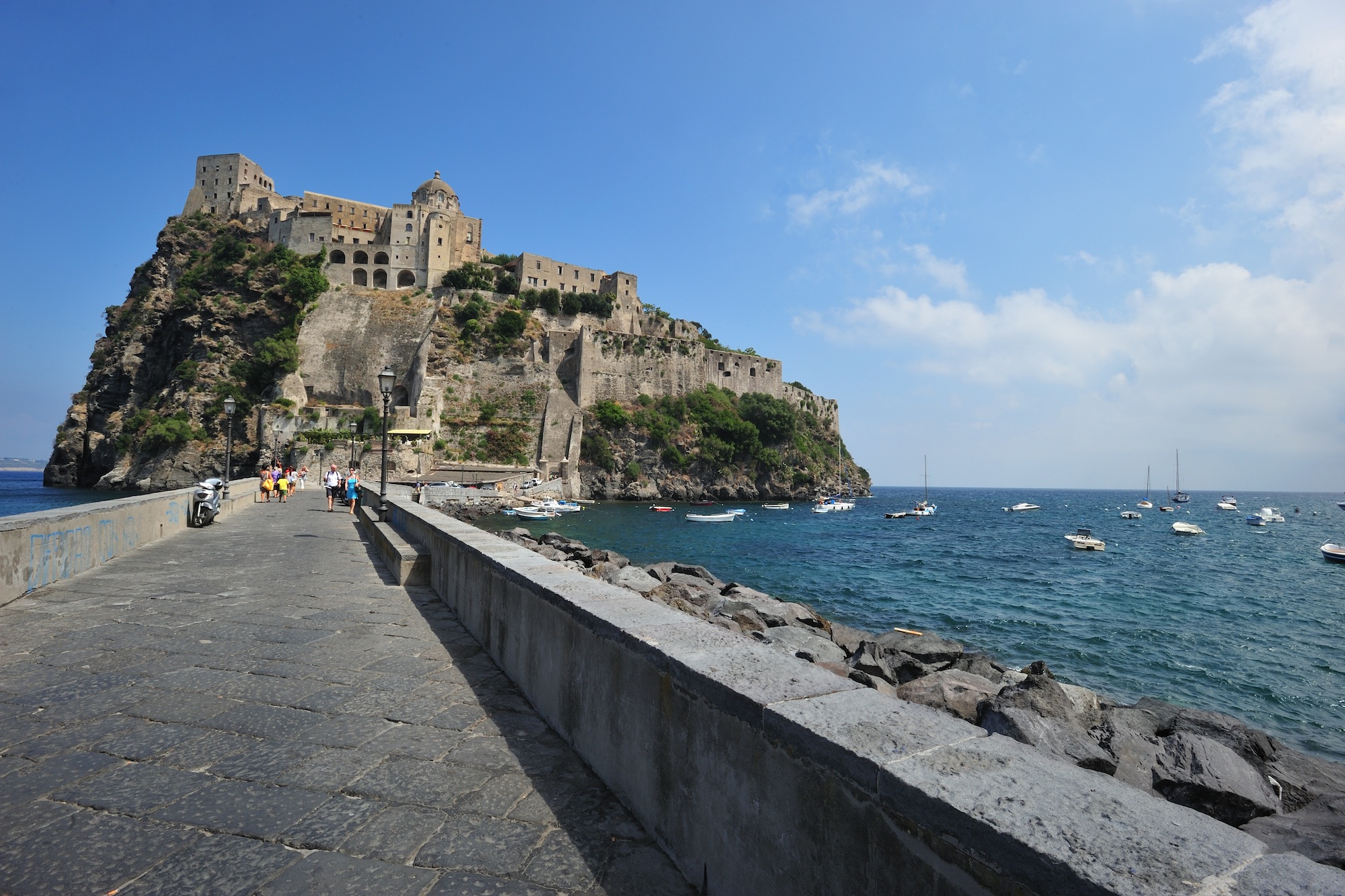
Naples, Italy
Naples, in the Campania region, is Italy’s third largest city. Its claim to fame is the spectacular location along one of the world’s most splendid bays, backed by the perfect cone of Mount Vesuvius. In addition to its beautiful setting, Naples’ surprises with other outstanding attractions such as the Royal Palace, San Carlos Opera House, the impressive National Archaeological Museum and the Castel Nuovo, dating from the 13th-century. The city’s central area is best explored on foot. Chaotic traffic conditions make driving around the city a very frustrating experience. Naples provides a convenient starting point for trips to such favored destinations as Pompeii, Herculaneum and Mount Vesuvius. The Isle of Capri can be reached via a 45-minute hydrofoil service. The region of Campania was home to Greeks settlers some 300 years before Rome was founded. Pompeii, too, was a Greek town before being conquered by the Romans during the 5th century BC. It was under the Romans that Pompeii flourished and grew prosperous. When Mount Vesuvius erupted in 79 AD, the population of 20,000 was wiped out, but dozens of buildings were preserved under layers of cinder more than 20 feet deep. The most important finds from Pompeii are displayed in Naples’ National Archaeological Museum. A visit here will no doubt enhance a visit to ancient Pompeii.
Cruising the Tyrrhenian Sea
Livorno, Italy
Livorno is a gritty city with a long and interesting history. In the early Middle Ages it alternately belonged to Pisa and Genoa. In 1421 Florence, seeking access to the sea, bought it. Cosimo I (1519–74) started construction of the harbor in 1571, putting Livorno on the map. After Ferdinando I de’ Medici (1549–1609) proclaimed Livorno a free city, it became a haven for people suffering from religious persecution; Roman Catholics from England and Jews and Moors from Spain and Portugal, among others, settled here. The Quattro Mori (Four Moors), also known as the Monument to Ferdinando I, commemorates this. (The statue of Ferdinando I dates from 1595, the bronze Moors by Pietro Tacca from the 1620s.)In the following centuries, and particularly in the 18th, Livorno boomed as a port. In the 19th century the town drew a host of famous Britons passing through on their grand tours. Its prominence continued up to World War II, when it was heavily bombed. Much of the town’s architecture, therefore, postdates the war, and it’s somewhat difficult to imagine what it might have looked like before. Livorno has recovered from the war, however, as it’s become a huge point of departure for container ships, as well as the only spot in Tuscany for cruise ships to dock for the day.Most of Livorno’s artistic treasures date from the 17th century and aren’t all that interesting unless you dote on obscure baroque artists. Livorno’s most famous native artist, Amedeo Modigliani (1884–1920), was of much more recent vintage. Sadly, there’s no notable work by him in his hometown.There may not be much in the way of art, but it’s still worth strolling around the city. The Mercato Nuovo, which has been around since 1894, sells all sorts of fruits, vegetables, grains, meat, and fish. Outdoor markets nearby are also chock-full of local color. The presence of Camp Darby, an American military base just outside town, accounts for the availability of many American products.If you have time, Livorno is worth a stop for lunch or dinner at the very least.
Toulon, France
Palamós, Spain
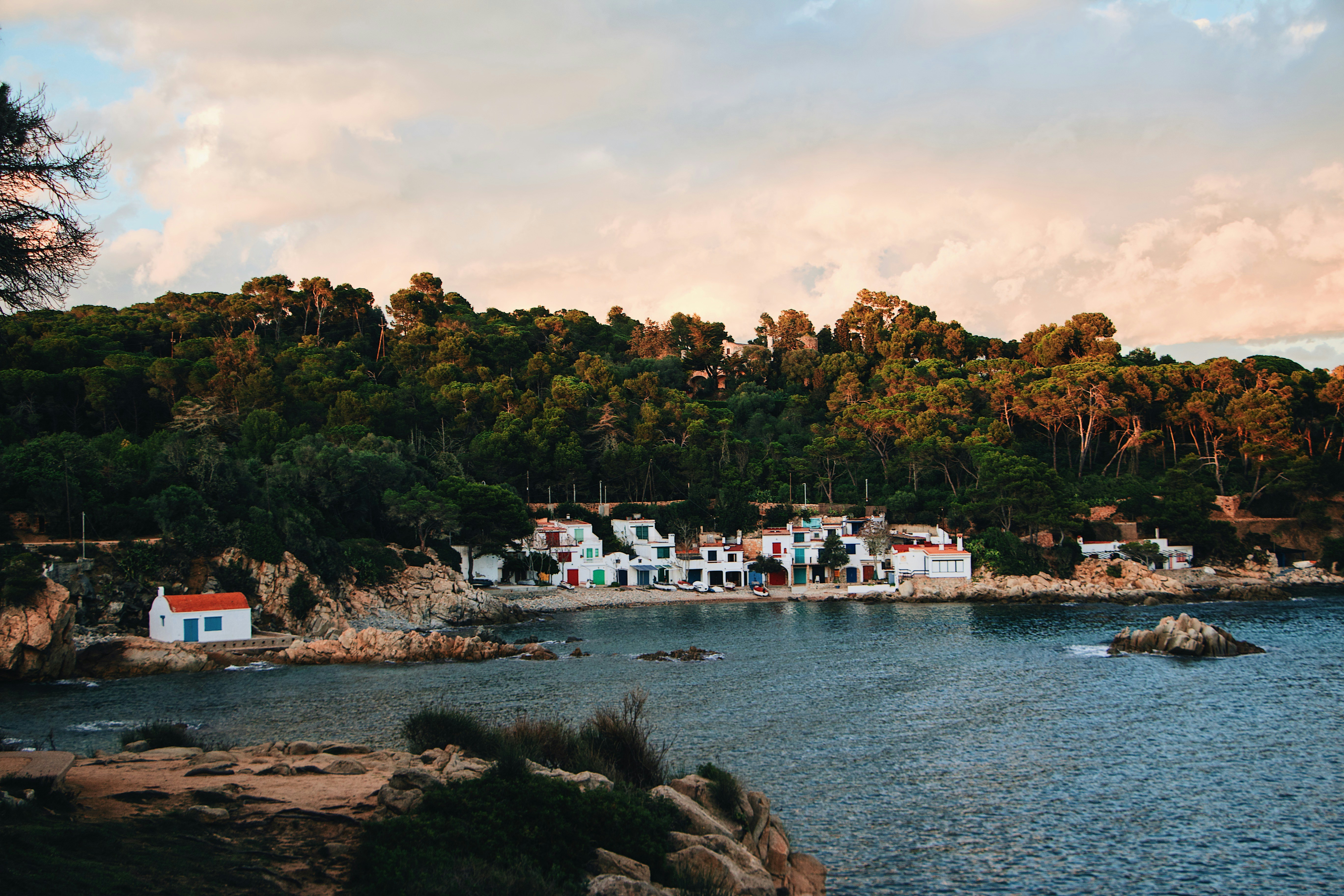
One of the best ways to arrive in Catalonia is by sea, especially via the Costa Brava. This coastline, also known as the Rugged or Wild Coast, stretches from Blanes to the French border. Its name aptly refers to the steep cliff of ancient twisted rocks, which runs its entire length and is bounded inland by the Catalan mountain ranges. The intensity of the coast’s colour, the ruggedness of the rocks and the scent of the plants all combine to add to its attraction. The history of this region is long and varied. Traces can be found of the advanced culture of the Iberians, Greeks, Romans, Visigoths and Arabs. With Wilfred I and the independence of Catalan countries, the Catalan dynasty was born. Later, in 1479, Catalonia became a part of unified Spain following the marriage of Isabel, Queen of Castile, and Fernando, King of Aragon. The port of Palamos, some 36 miles northeast of Barcelona, has been in existence for nearly 700 years thanks to its location on one of the deepest natural bays in the western Mediterranean. The town itself is the southernmost of a series of resorts popular with sun worshippers. For the most part, Palamos has managed to retain some of the charm of a fishing village. The port also serves as a gateway to such inland locations as Girona, the capital of the province. Art lovers may want to visit Figueras, famous for its bizarre Teatre-Museu Dali, the foremost of a series of sites associated with the eccentric surrealist artist, Salvador Dali. If you choose to stay in Palamos, you can enjoy the pleasant atmosphere of the town or spend some time at a nearby beach. The town has a long seagoing tradition and busy harbour. The fish auction, prompted by the arrival of the fishing boats, is a spectacle worth seeing. The Fishing Museum illustrates the history and the life of the families who live off the sea.
Barcelona, Spain
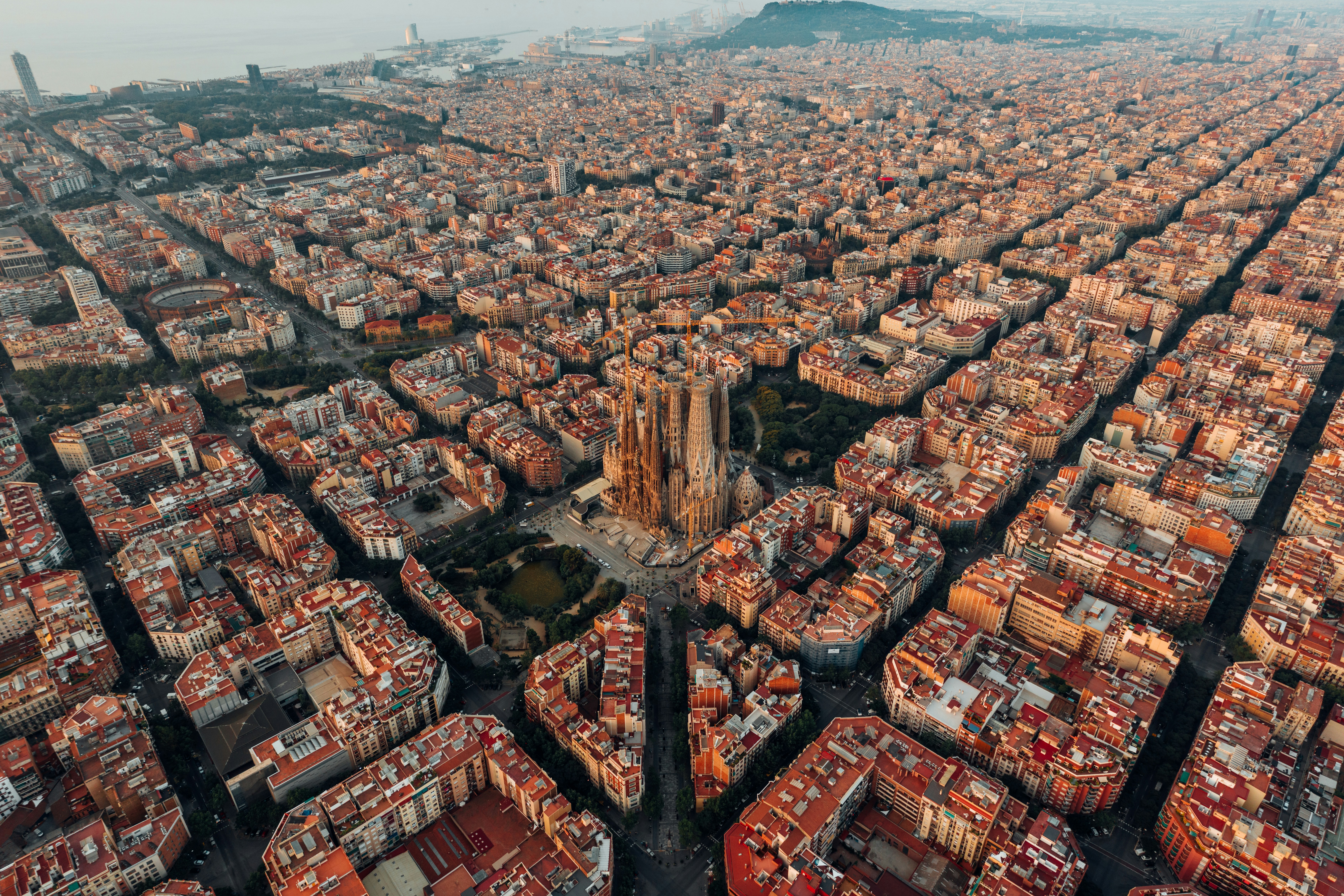
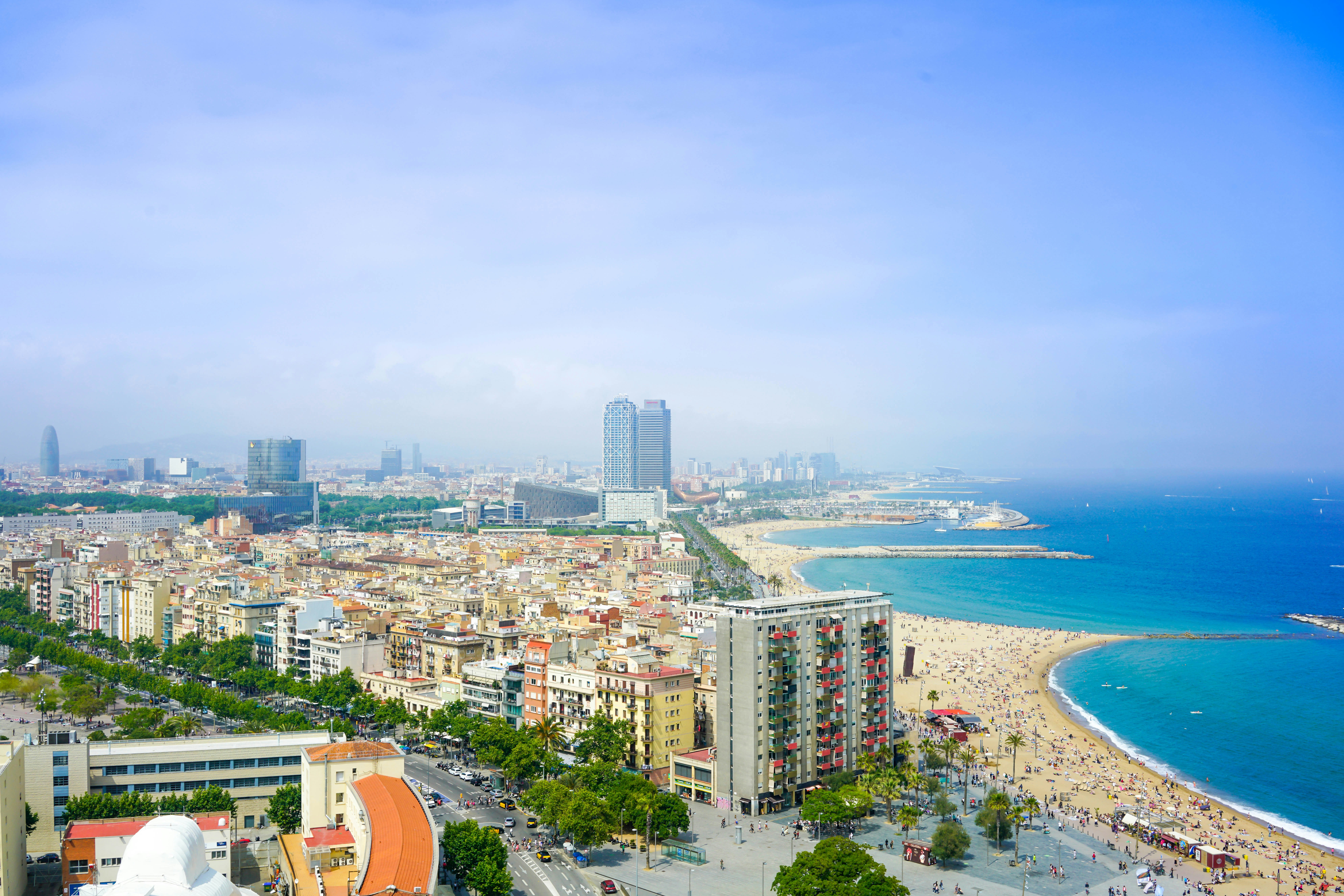
The infinite variety of street life, the nooks and crannies of the medieval Barri Gòtic, the ceramic tile and stained glass of Art Nouveau facades, the art and music, the throb of street life, the food (ah, the food!)—one way or another, Barcelona will find a way to get your full attention. The capital of Catalonia is a banquet for the senses, with its beguiling mix of ancient and modern architecture, tempting cafés and markets, and sun-drenched Mediterranean beaches. A stroll along La Rambla and through waterfront Barceloneta, as well as a tour of Gaudí’s majestic Sagrada Famíliaand his other unique creations, are part of a visit to Spain’s second-largest city. Modern art museums and chic shops call for attention, too. Barcelona’s vibe stays lively well into the night, when you can linger over regional wine and cuisine at buzzing tapas bars.
Cabin Options
Deluxe Window Suite
Deluxe Veranda Suite
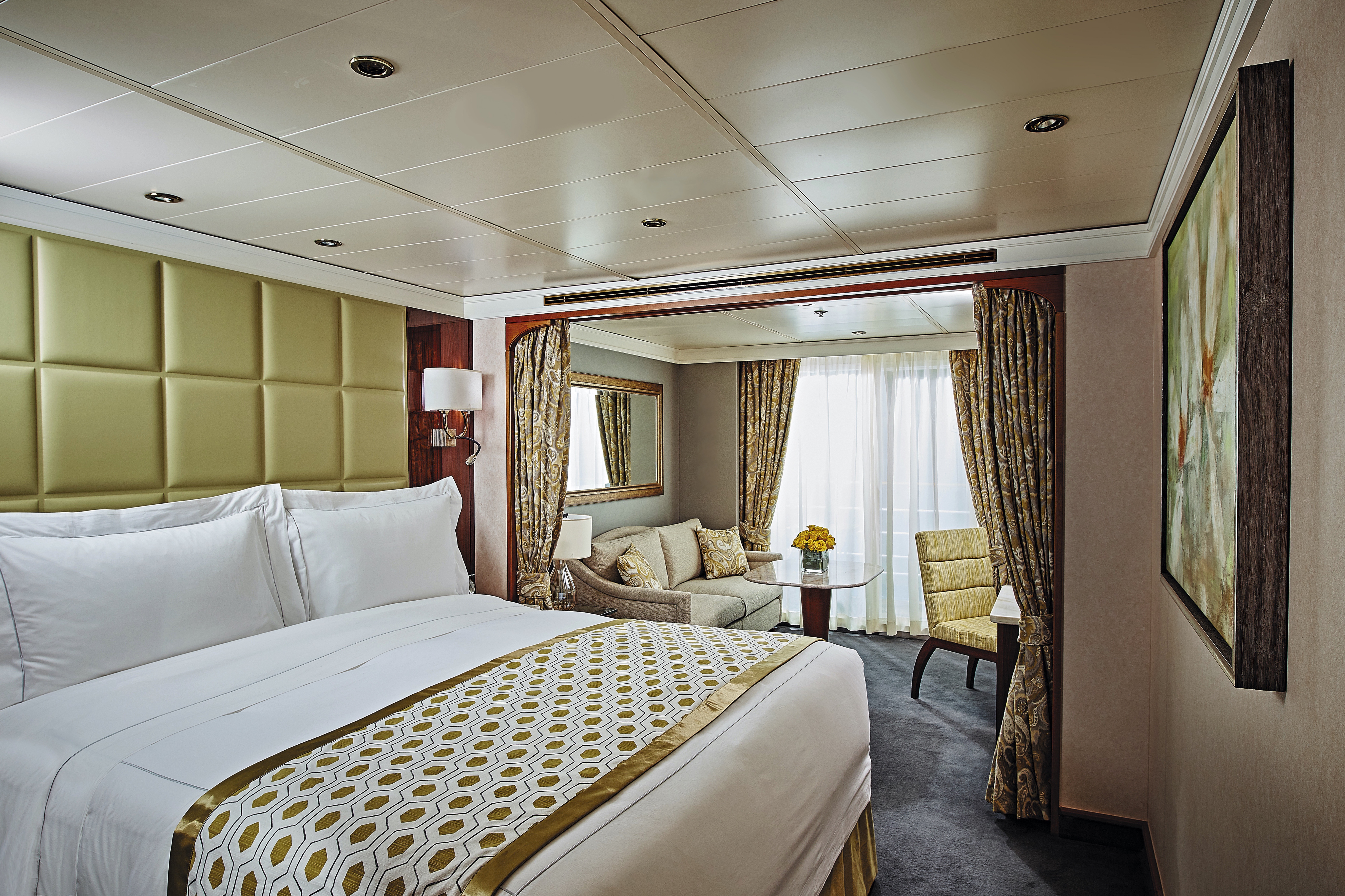
Concierge Suite
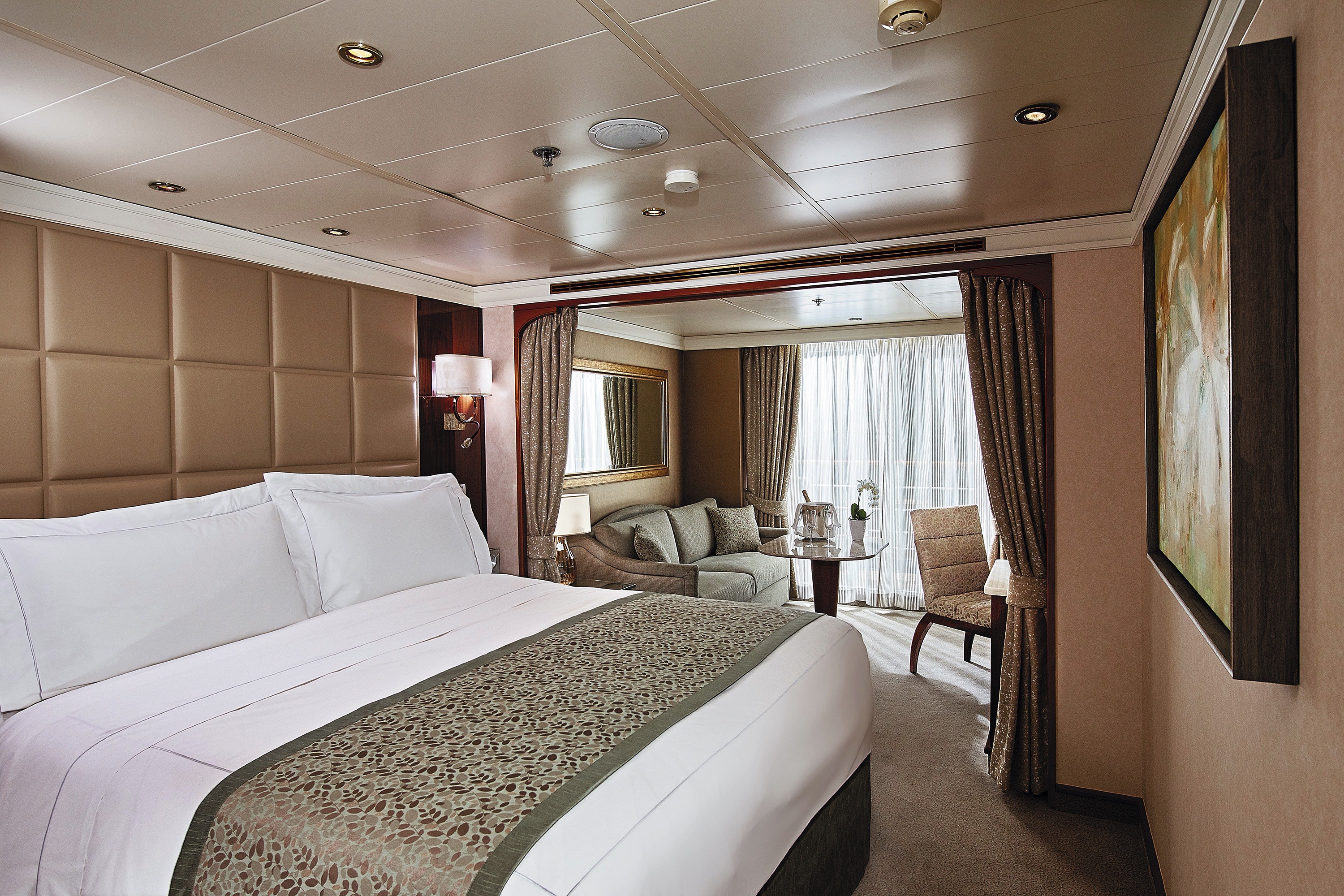
Penthouse Suite
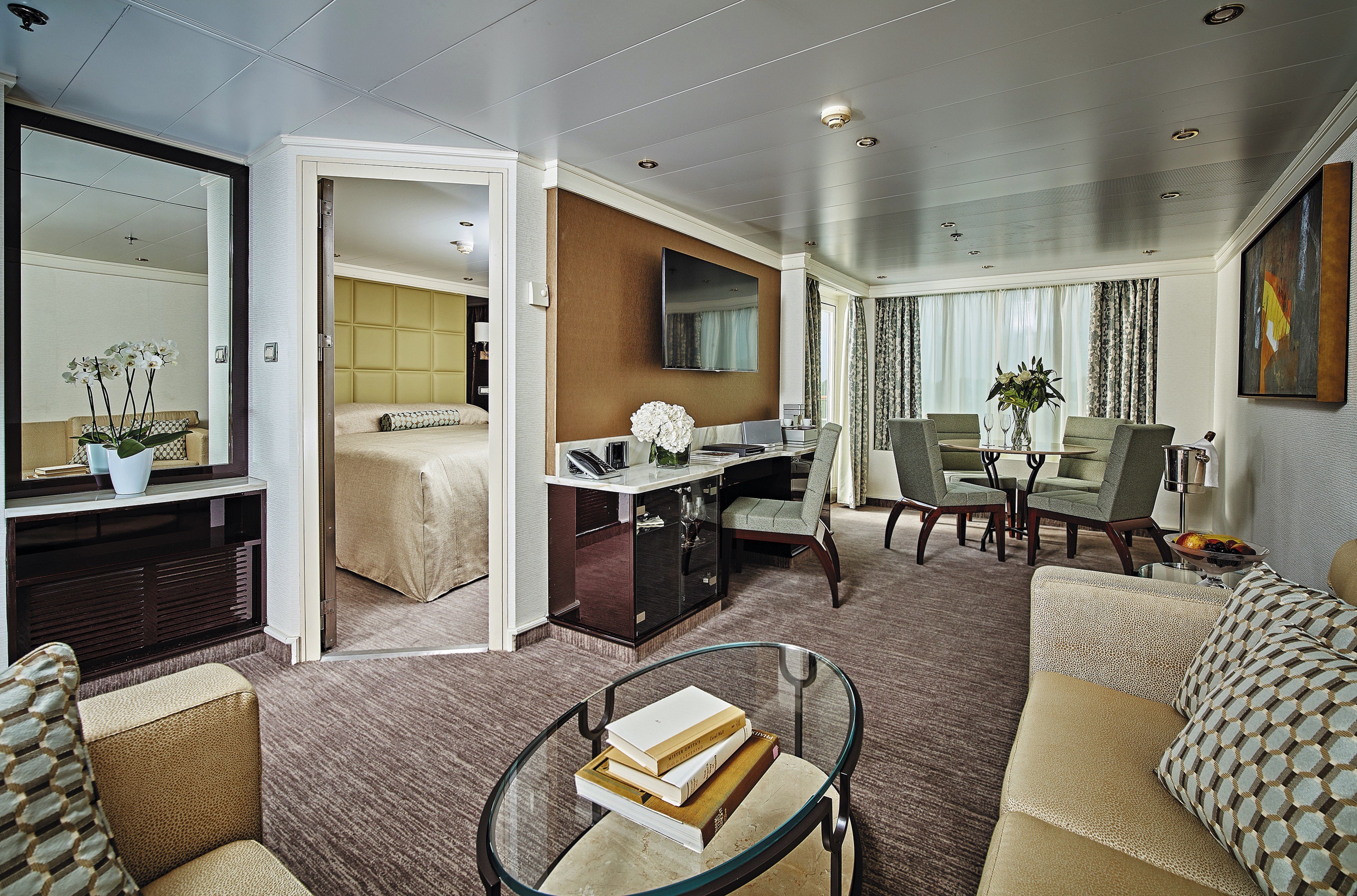
Navigator Suite
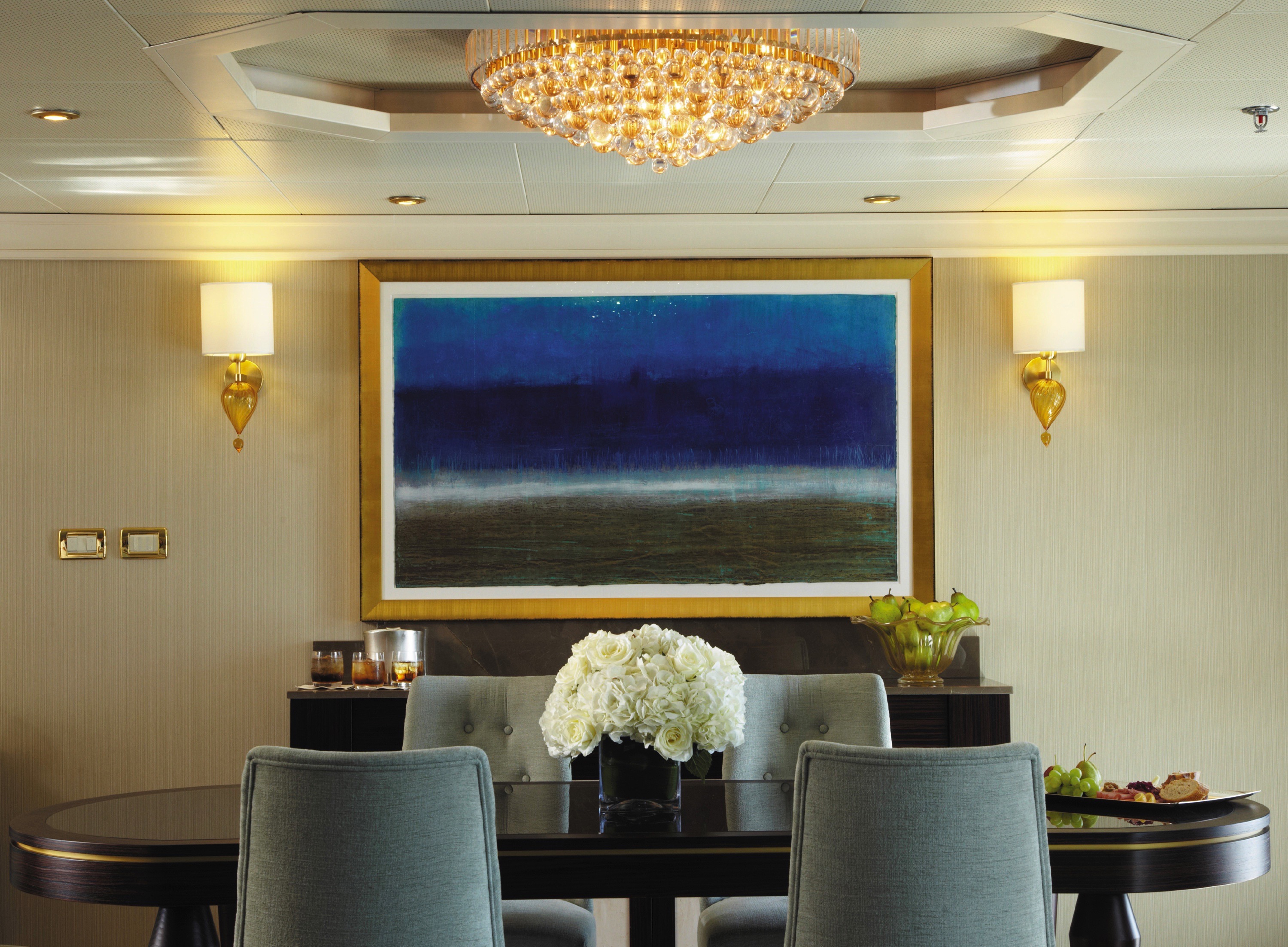
Grand Suite
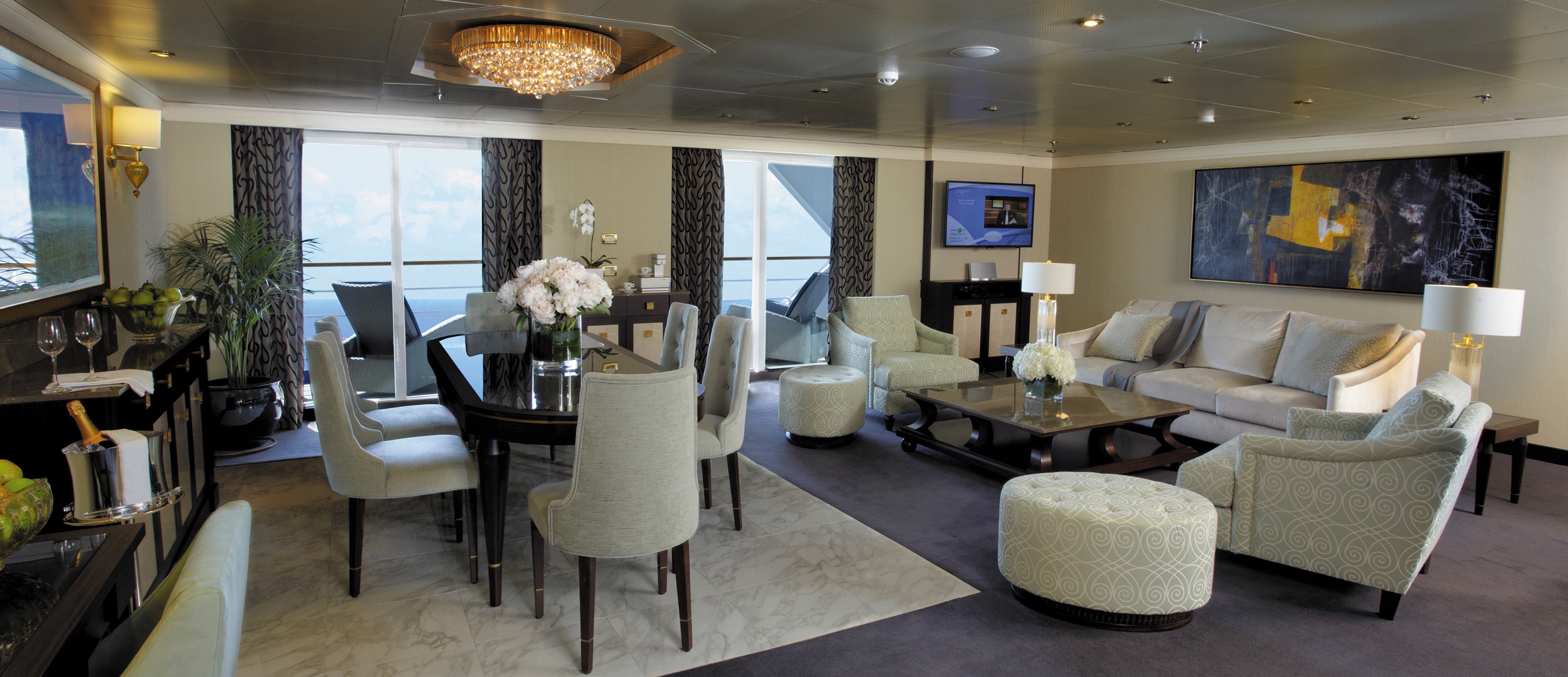
Signature Suite
Ship Facilities
Prime 7
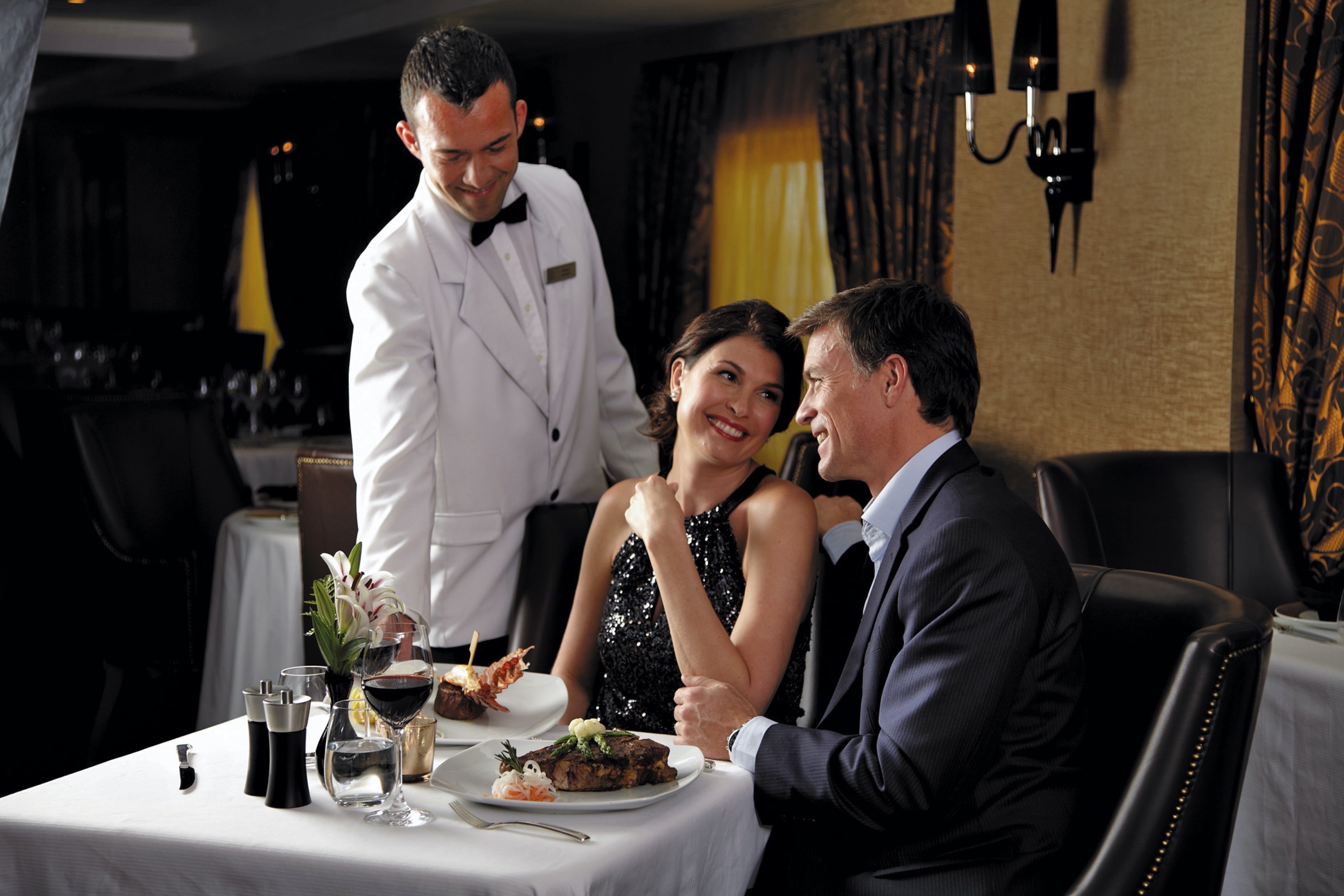
From perfectly aged prime New York strip, porterhouse and succulent filet mignon to smoked salmon with a phenomenal tamarind-whiskey sauce, Prime 7 is a contemporary American steakhouse done right.
A true classic in every sense, the newly refurbished Prime 7 on Seven Seas Navigator® is the epitome of luxury dining. Dark imperial blue walls accented with gold, light leather chairs and rich wood finishes provide a refined and elegant backdrop for prime steaks and seafood. Large artwork, marble sculptures and intricately patterned floors enhance the décor. Enjoy a cocktail at the bar before savouring a succulent filet mignon or côte de boeuf.
Compass Rose
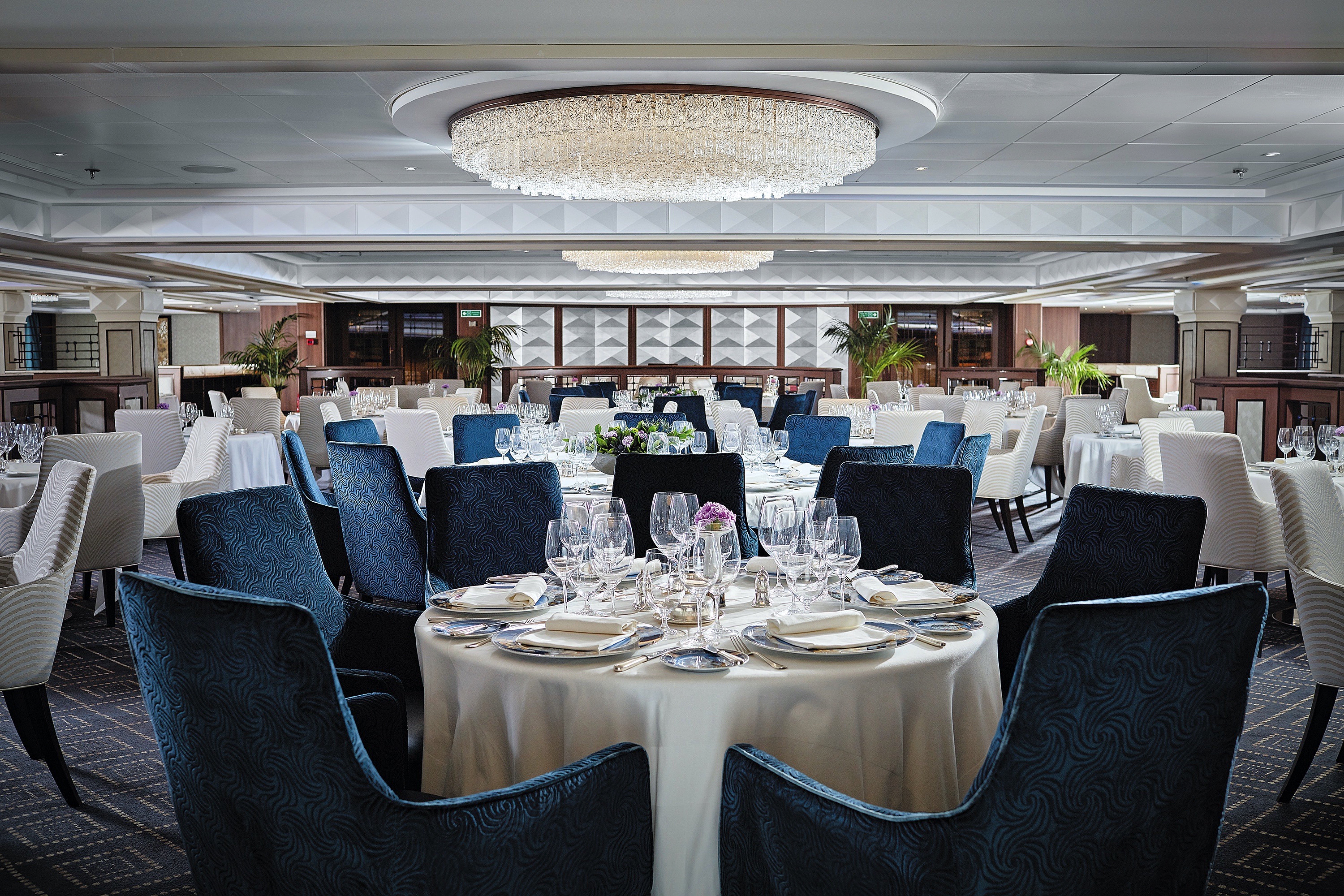
Whether you arrive for breakfast, lunch or dinner, you can look forward to European-inspired Continental cuisine served in a beautifully refined atmosphere decorated in blues and silvers with stunning Versace tableware.
As the flagship restaurant aboard each of our ships, the wonderfully spacious Compass Rose serves breakfast, lunch and dinner and features an exceptional variety of European-inspired Continental cuisine, as well as flavourful vegetarian and kosher dishes. Elegantly decorated in blues and silvers with stunning Versace tableware, Compass Rose delights with a beautifully refined atmosphere bathed in natural light during the day.
La Veranda
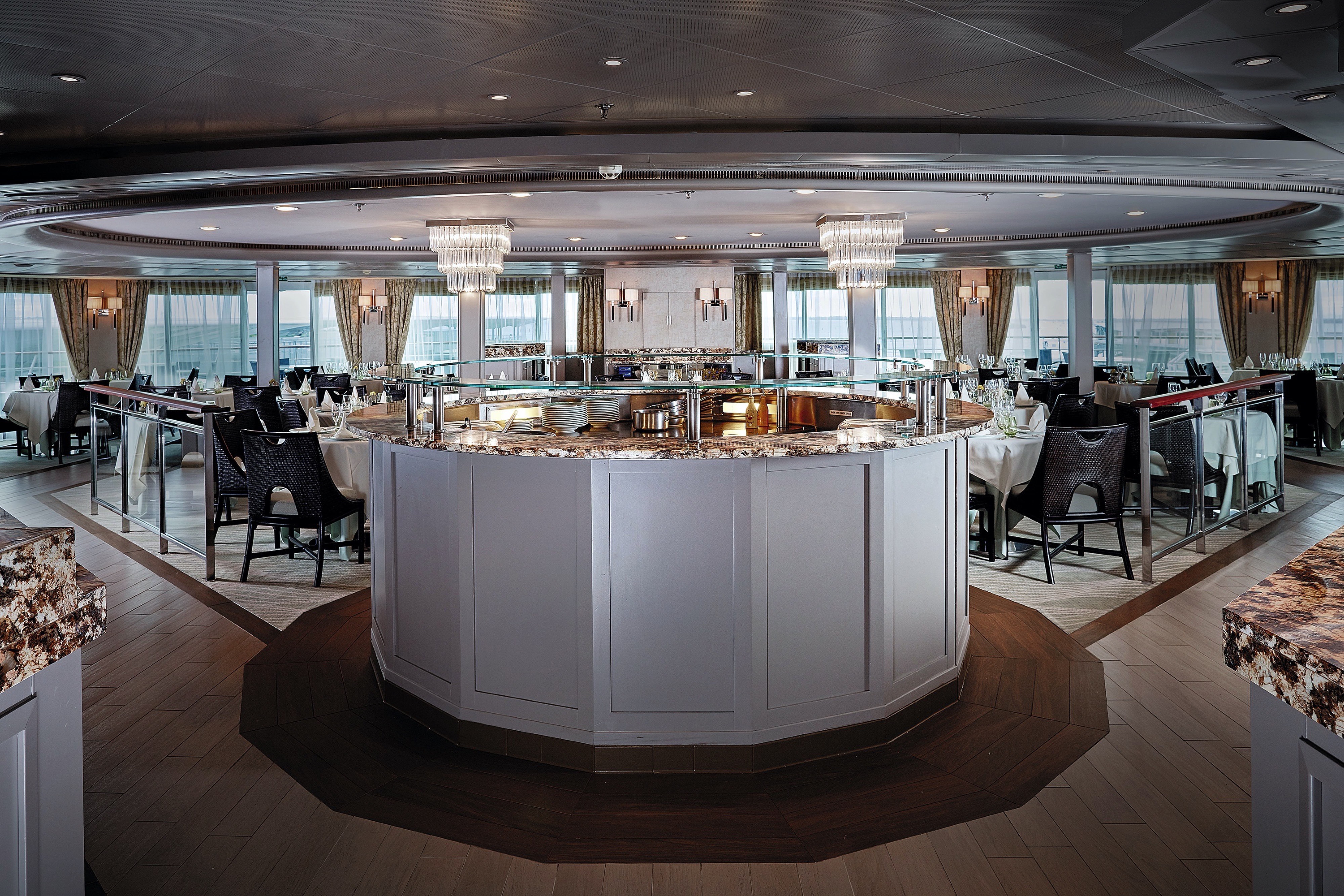
Greet your days on the high seas with sumptuous breakfasts and shimmering ocean views. La Veranda features quiet alcoves, made-to-order omelettes and, for late risers, tasty lunch buffets that include hot carving stations.
Begin your day with breakfast at La Veranda and you’ll forever believe it really is the most important meal of the day. Take in gorgeous ocean views from quiet alcoves jutting out over an iridescent sea while savouring made-to-order omelettes and other specialties. Late risers can tuck into enhanced lunch buffets indoors or al fresco on a shaded, open-air deck. Lunches feature a variety of delectable selections, including hot carving stations.
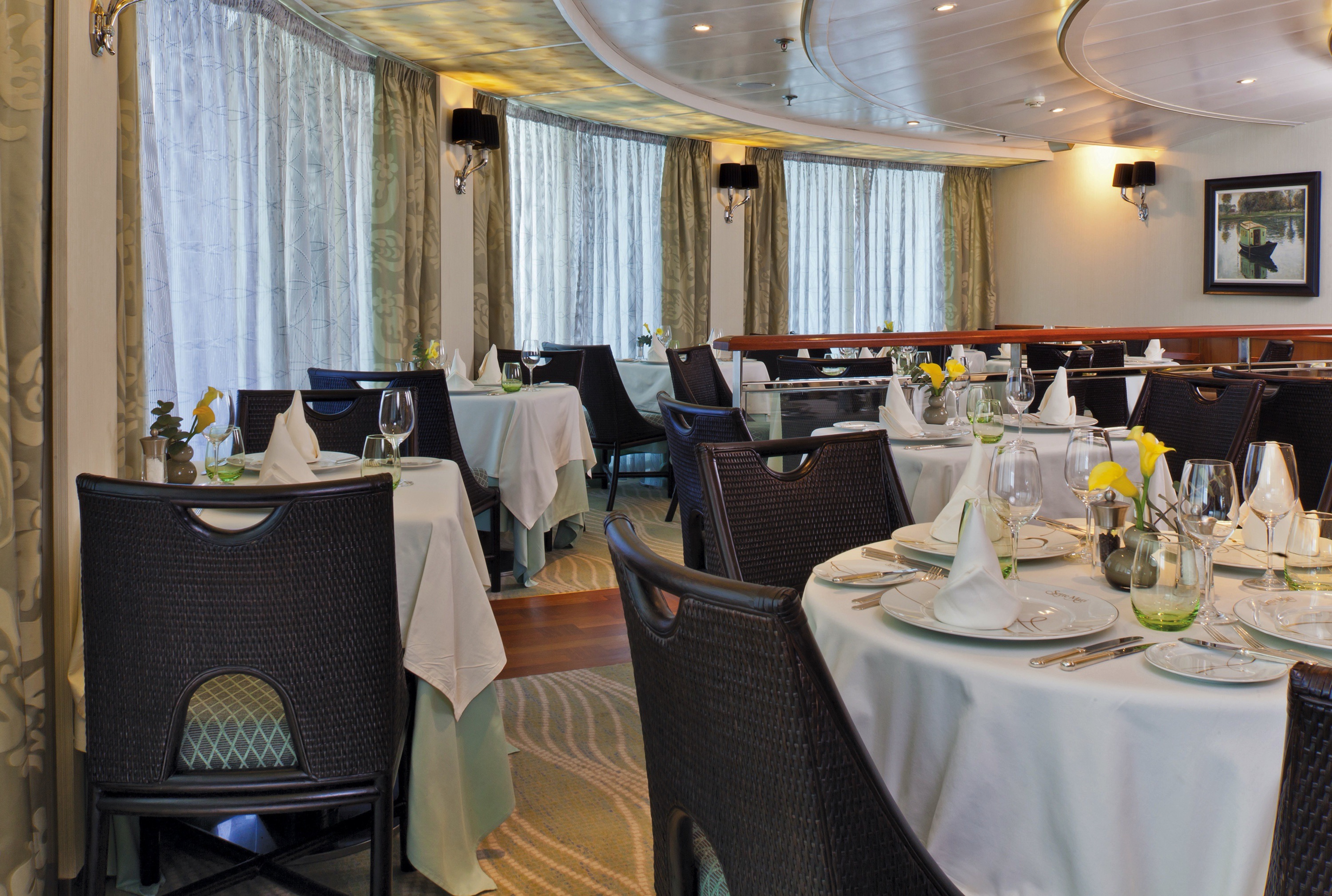
Sette Mari at La Veranda
Enjoy an extensive menu of authentic antipasti and Italian specialties served á la carte and paired with fine Italian wines. All dishes are prepared with the freshest gourmet ingredients and served by our attentive waiters.
Pool Grill
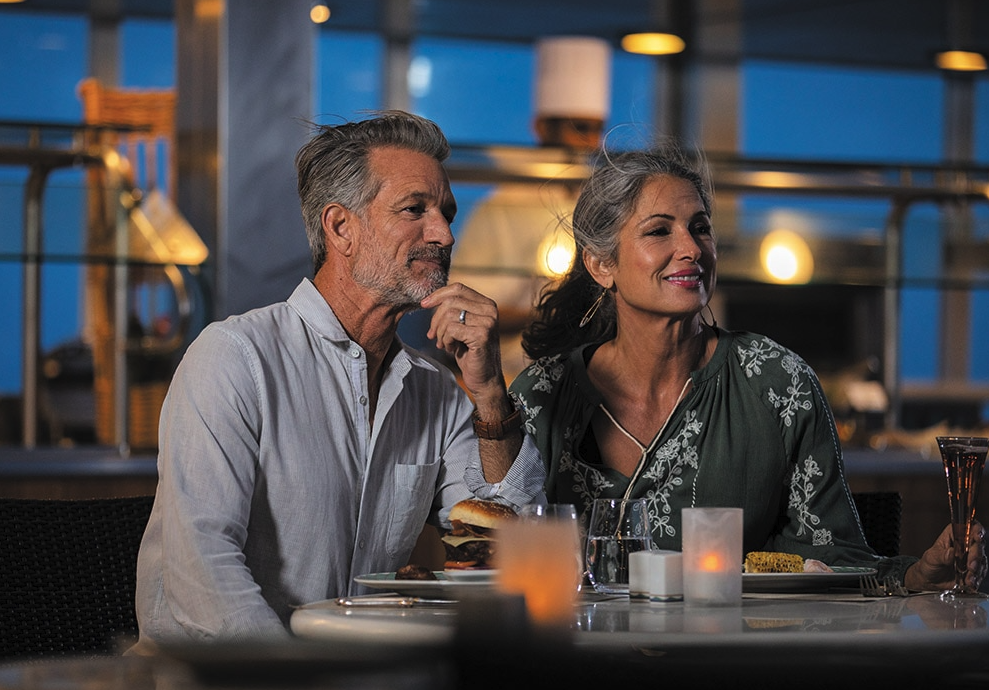
After sunbathing or swimming in the pool, you may be in the mood for grilled-to-order burgers, seafood, sandwiches, even hand-dipped ice cream with sprinkles. Our Pool Grill will satisfy your comfort food cravings.
The Pool Grill is truly a come-as-you-are venue. Enjoy this casual dining experience whether you’re getting a bite after sunbathing or swimming in the pool. The Pool Grill is open-air, yet abundantly shaded for comfortable dining at lunch or dinner. Enjoy grilled-to-order burgers, grilled seafood, sandwiches, and fresh salads. Treat yourself to milkshakes and malts or an old-fashioned hand-dipped ice cream dessert with toppings.
Coffee Connection & Club.com
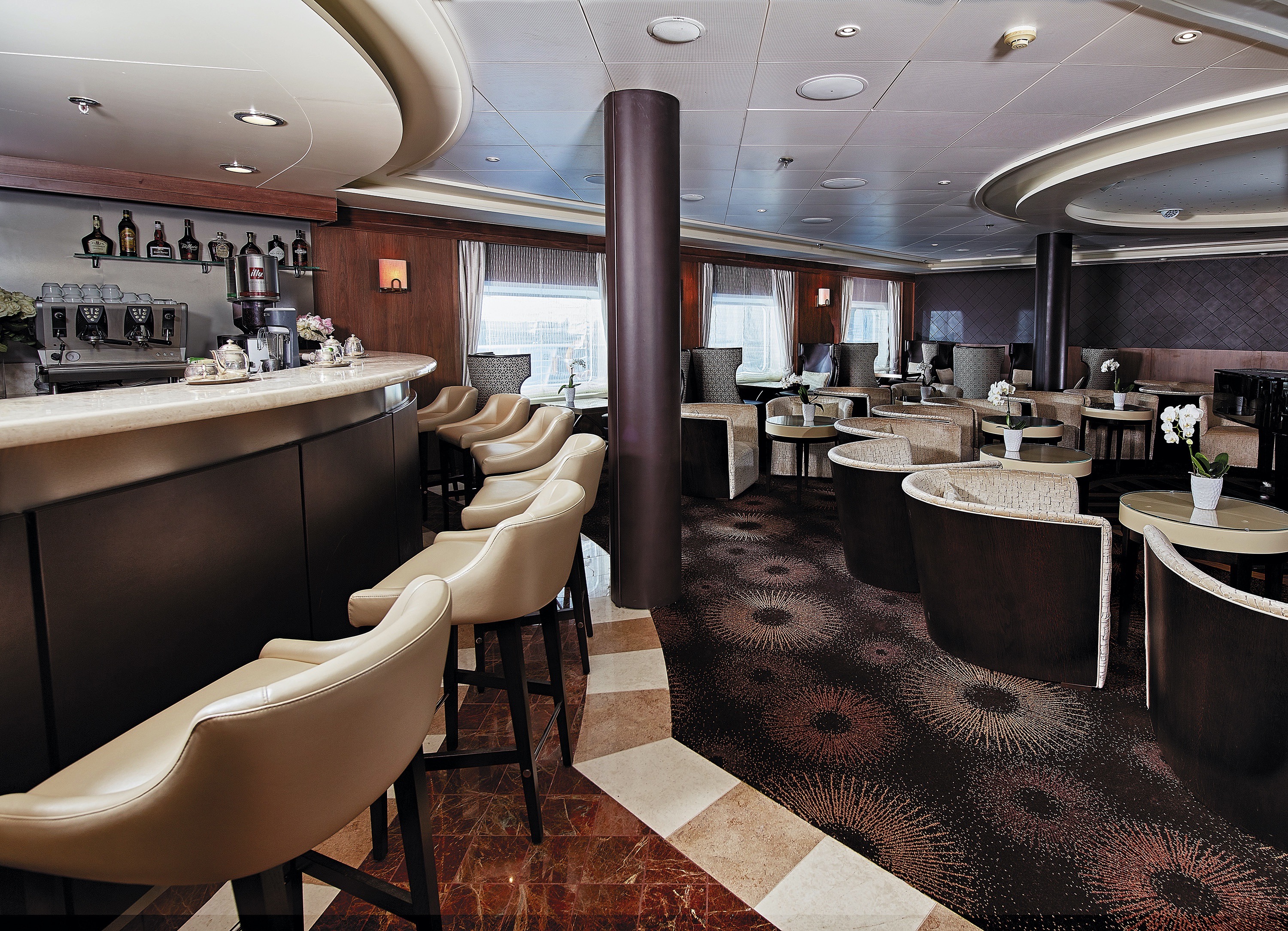
Grab an expertly made coffee, check the headlines of international newspapers or enjoy handmade pastries in our cozy café which is open throughout the day.
Enjoy complimentary coffee drinks prepared by our baristas, as well as delicious pastries, gourmet sandwiches and homemade cookies. Whether perusing international newspapers or simply taking in an always spectacular view, our café is the perfect place to relax, converse and enjoy coffee and snacks throughout the day.
Room Service
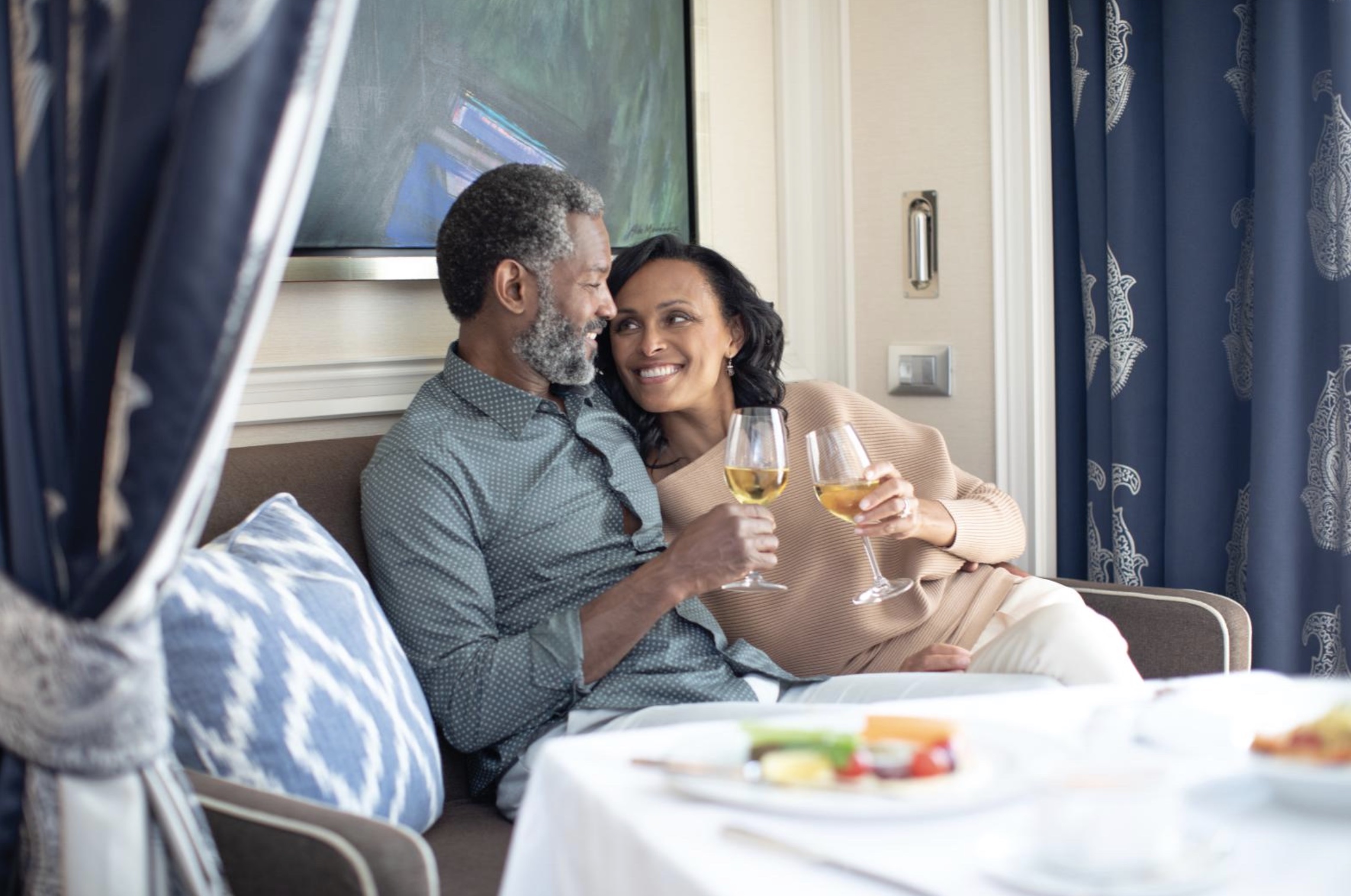
Enjoy delectable appetisers, main courses and desserts in your suite 24 hours a day. During dinner hours, delight in ordering dishes made to your exact taste from the expansive Compass Rose menu.
Gourmet Explorer Tours
Our distinctive Gourmet Explorer Tours, offered exclusively aboard Seven Seas Explorer, allows guests the unique opportunity to experience the culinary culture of the world’s most delicious destinations. From savouring the authentic flavours of a region to learning new techniques in local cooking classes, guests can choose from a variety of optional tours that take them to local markets to find exotic spices, sample delicious wines at breathtaking estates and savour gourmet meals expertly prepared by renowned chefs. Due to their unique itineraries, Gourmet Explorer tours require a discounted, supplementary charge.
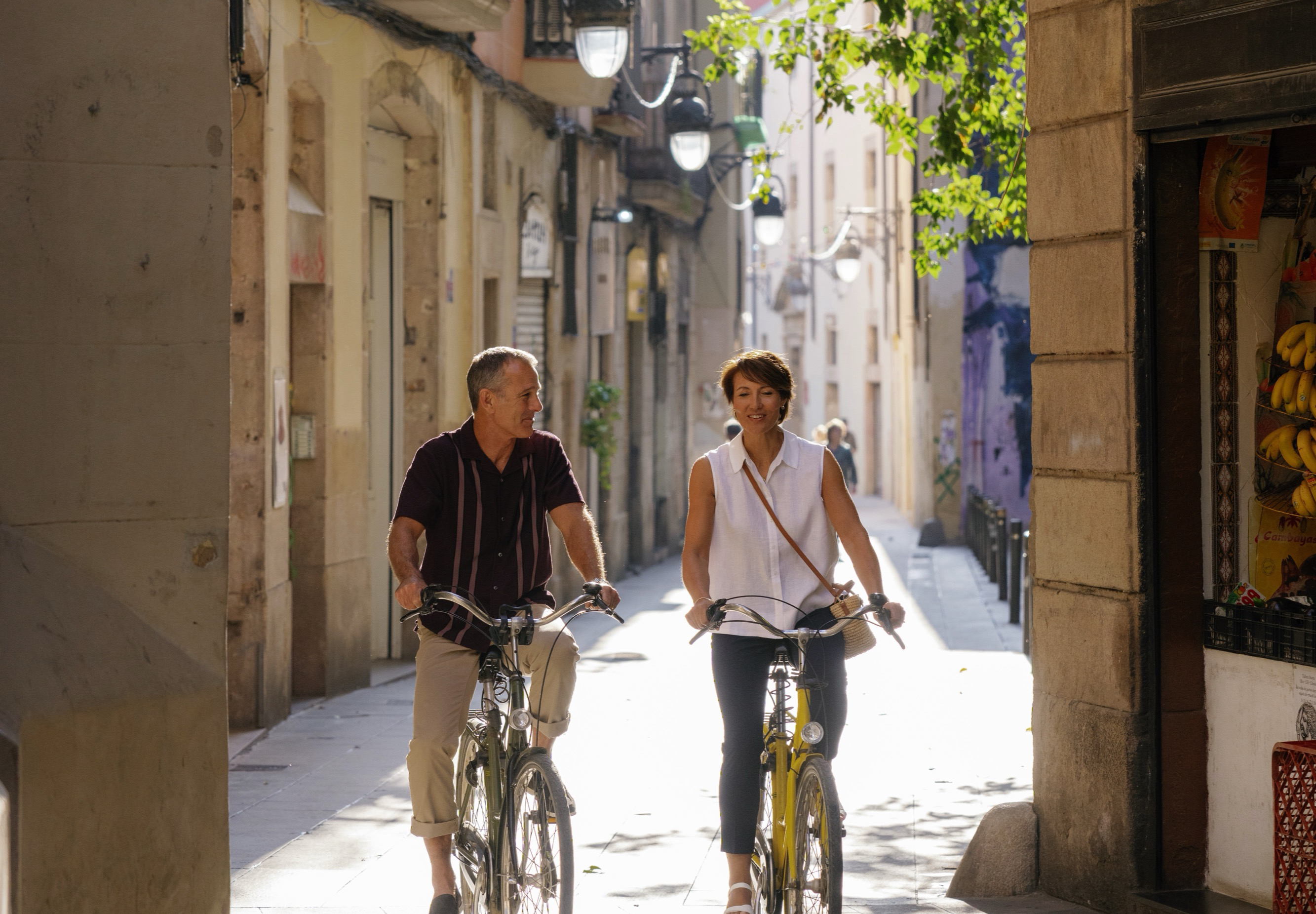
Unlimited Shore Excursions Included
Every destination we sail to harbours treasured experiences waiting to be unearthed. And there’s no better way to dig in than by taking advantage of our hallmark inclusion of thousands of wonderful, Unlimited Shore Excursions.
MAKE YOUR VACATION YOUR OWN
When your feet touch the ground, your cruise enters a new dimension. What’s your preference? Exploring the world’s great cities? Immersing yourself in local culture? Or indulging your inner beach bum? Over 4,500 Unlimited Shore Excursions across every region of the world allow you to embrace it all.
Wherever you’re traveling, opportunities to maximise memories abound. Whether it’s urban adventures brimming with history, architecture and culture or escapes to natural wonders that stagger the senses, our Unlimited Shore Excursions guarantee your vacation will be like no other. Start dreaming today.
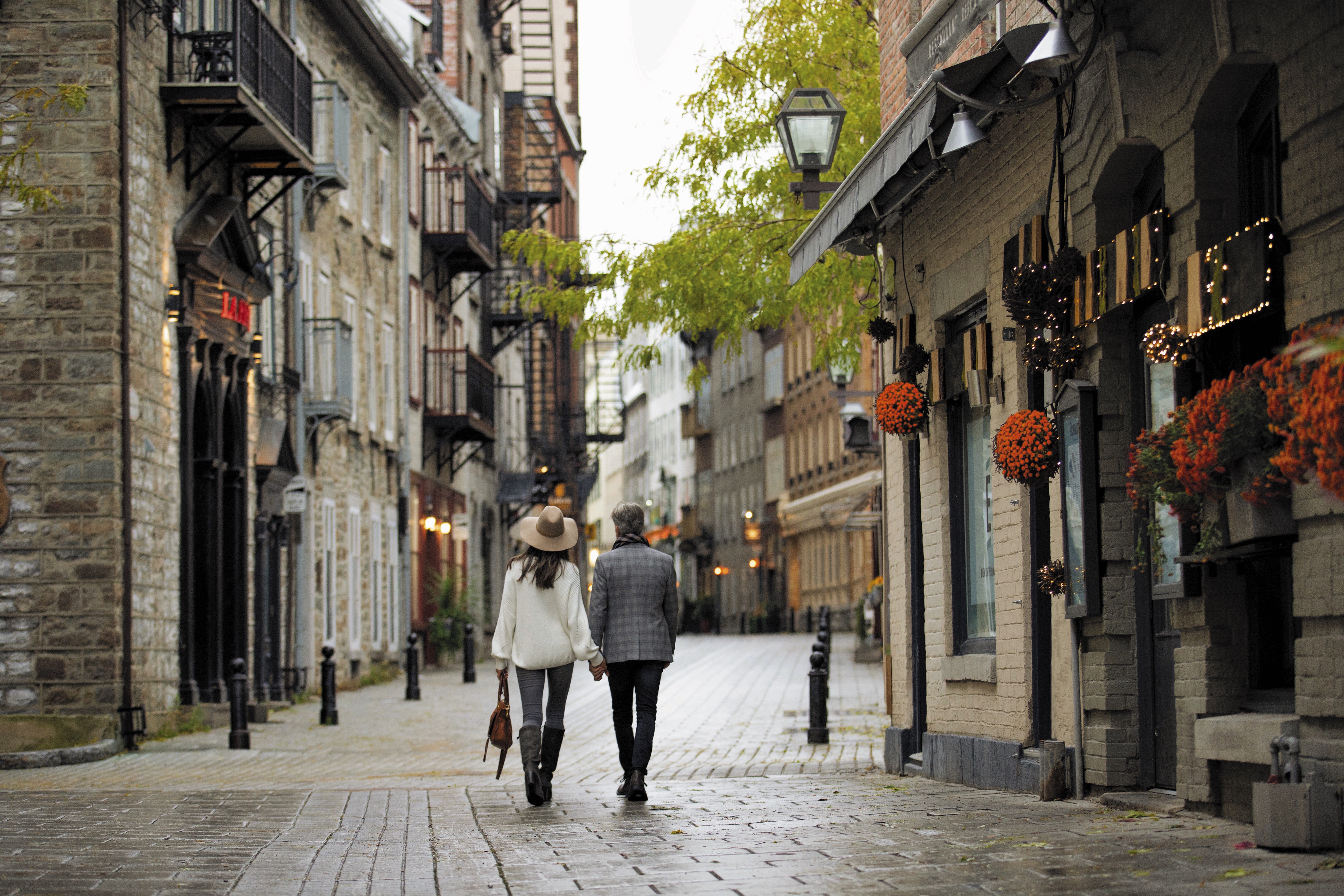
Regent Choice Shore Excursions
Take your experience to another level with the select itineraries and smaller group tours offered by our Regent Choice Shore Excursions. These unique opportunities require a discounted, supplementary charge and invite you to discover the heights of travel, from our Gourmet Explorer Tours to special experiences that take you off the beaten path.
As the name suggests, these excursions work a little harder to engage your explorer spirit. Unique itineraries and smaller groups create more personal experiences… and memories of a lifetime.
UNIQUE, UNPARALLELED EXPERIENCES
Soaring over Alaskan forests and mountains via helicopter en route to feeling the majesty of Mendenhall Glacier beneath your feet. Discover the best our world has to offer through the unparalleled experiences you’ll enjoy with Regent Choice Shore Excursions.
Enhance your shoreside experience with a Regent Choice Small Group tour. Hosting up to 16 guests, these tours provide a more intimate experience and allow for more personal engagement with your knowledgeable guide.
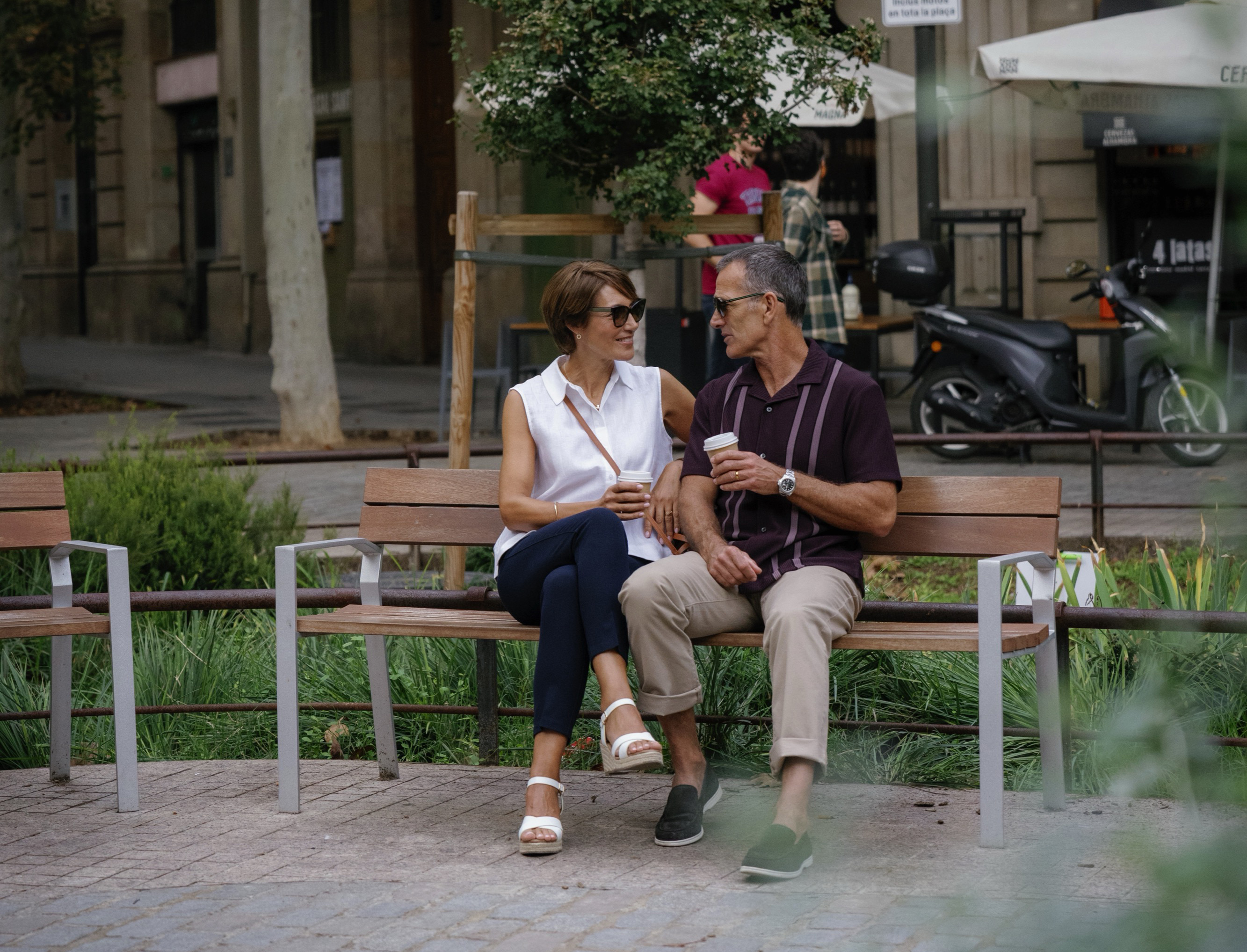
Eco-Connect Tours
Eco-Connect Tours invite you to discover and experience how local communities and groups are endeavouring to conserve, sustain and improve the environments they live in.
Engage with local groups and businesses to learn about how they are transforming the world around them while experiencing the impact of their efforts first-hand.
CONNECT & GROW
Our Eco-Connect Tours provide enriching opportunities to interact with and learn from local communities around the world as they work to conserve and sustain their surrounding environments.
Discover the valuable and beautiful flora and fauna of places like Costa Rica, Vietnam and Australia. Sample the products of sustainable farming practices in regions like France, New Zealand and Argentina. Absorb the inspiring innovations in energy production at facilities in Portugal, Iceland and Japan. This is only a sampling of the more than 150 unique Eco-Connect Tours we offer.
Reinvigorate your love for the world around you with these insightful experiences — many of which are available as part of our FREE Unlimited Shore Excursions.
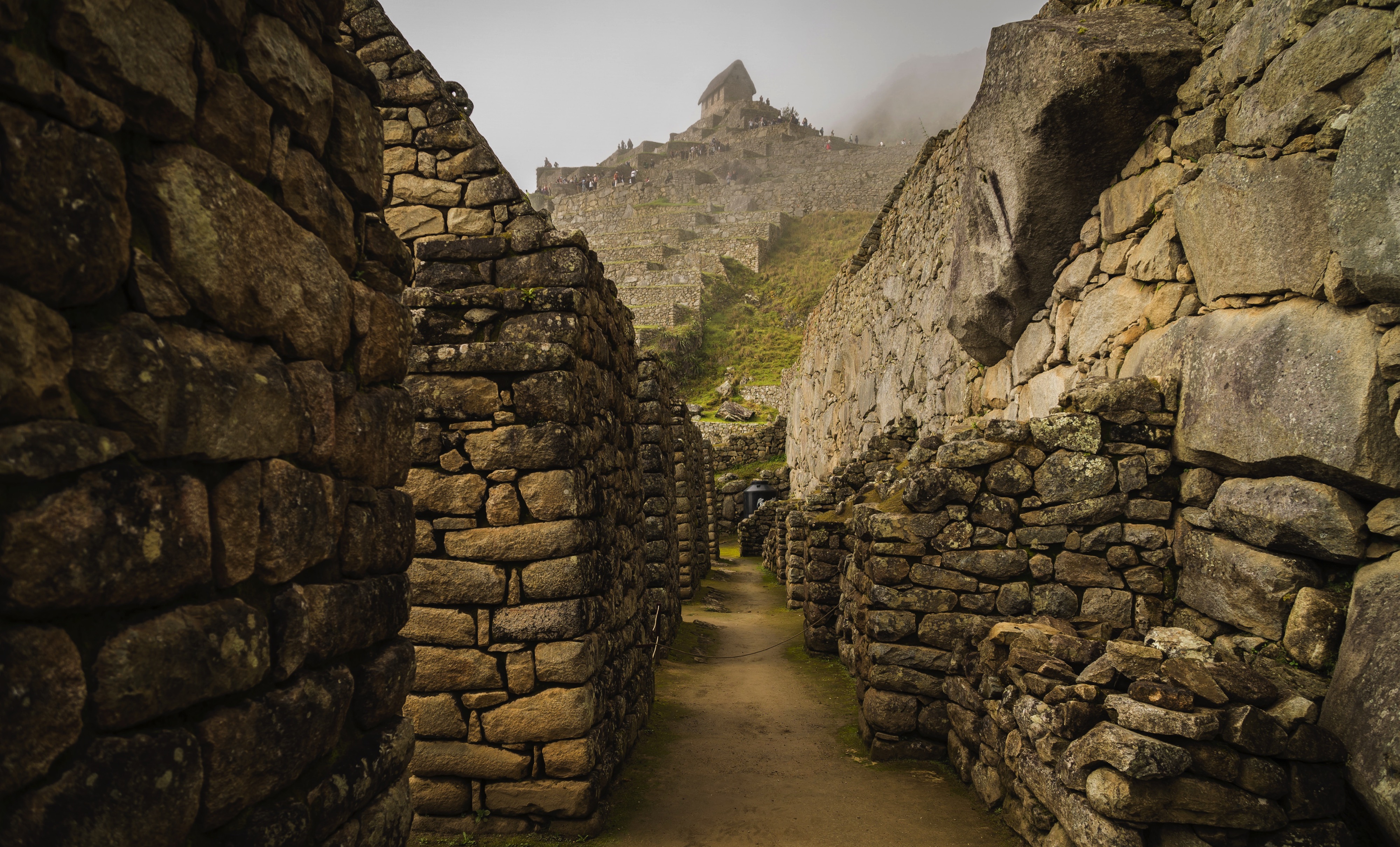
Behind The Design Tours
Every captivating design has a story to tell. Join us as we go Behind the Design to explore how and why some of the world’s great architectural designs came to be.
Glimpse behind the scenes of some of the most captivating and brilliant designs around the world.
BRILLIANT ARCHITECTURAL ACHIEVEMENTS
Our Behind the Design Tours invite guests to go beyond the surface and into the beauty of the design processes and inspirations that made some of the world’s most fascinating architectural structures.
Explore a myriad of architectural marvels across Europe and the Mediterranean, including buildings like the Munchmuseet in Oslo, Norway, the MuCEM in Marseille, France, Toree Glòries in Barcelona, and many more. This is only a sampling of the Behind the Design Tours available, with many more to come.
Expand your appreciation for architecture and design with these intriguing explorations — many of which are available as part of our FREE Unlimited Shore Excursions.
Go Local Tours
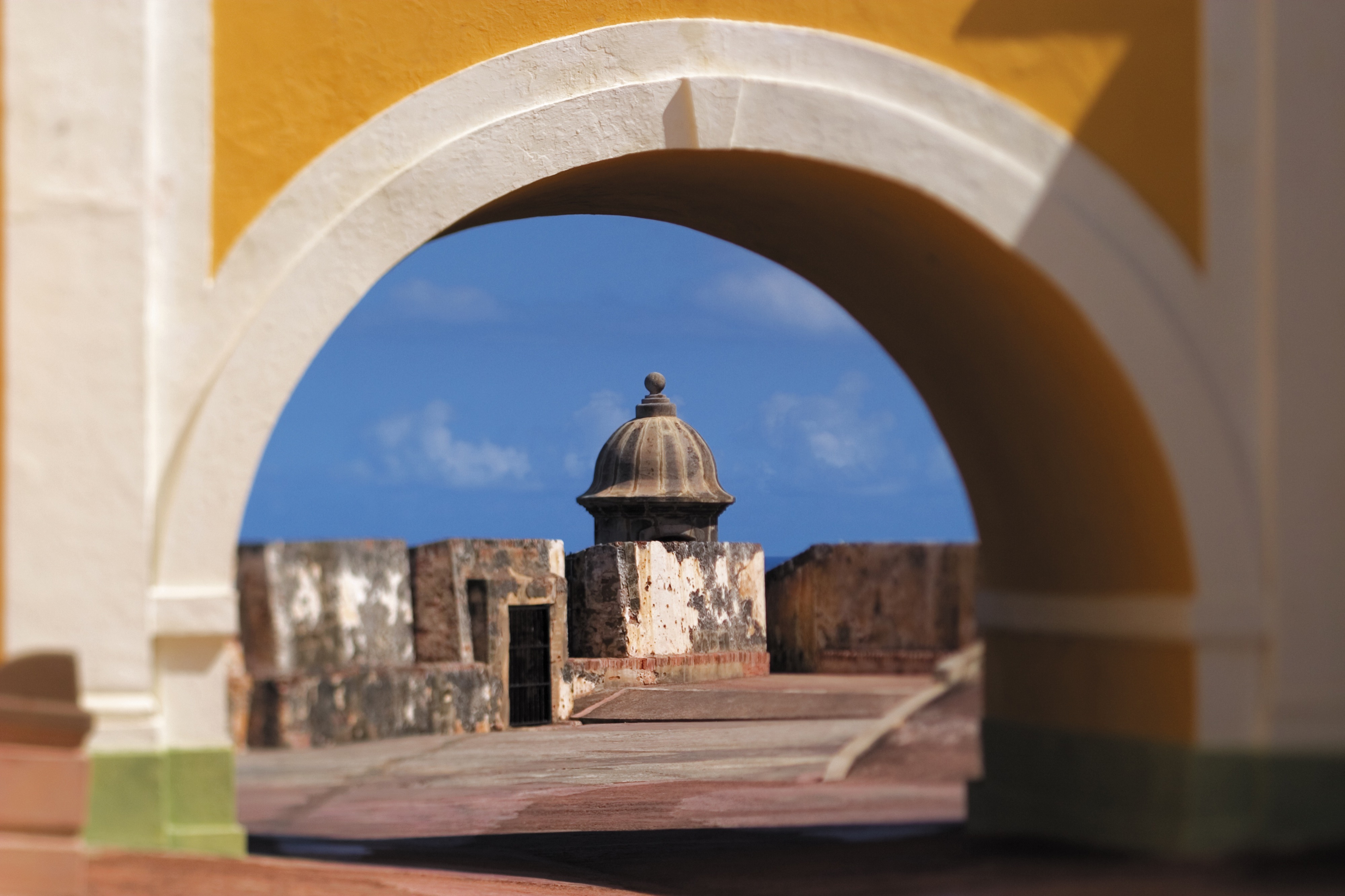
Uncover off-the-beaten-path experiences with our Go Local Tours providing a more direct way for you to learn the culture of a destination through the communities within. Spend a day at a family-owned goat farm in the countryside of Andalusia to learn the generations-old way of making cheese or observe skilled, local artists in their personal studios on Palma de Mallorca. Experience the world through the eyes of those who actually live there and discover the best of what you didn’t know about your favourite destinations with Go Local Tours.
Sometimes the best solution for the well-traveled guest and anyone looking to uncover off-the-beaten-path places and experiences is to start thinking like a local.
CULTURAL DISCOVERY
Go Local Tours provide a more direct way for you to experience the culture of a destination through the communities within. Spend a day at a family-owned goat farm in the countryside of Andalusia to learn the generations-old way of making cheese, discover the joy of fishing with the residents of Portofino or observe skilled local artists in their personal studios on Palma de Mallorca. Many Go Local tours are part of our Unlimited Shore Excursions, while some require a discounted, supplementary charge. Experience the world through the eyes of those who actually live there and discover the best of what you didn’t know about your favourite destination with Go Local Tours.
Serene Spa & Wellness™ Tours
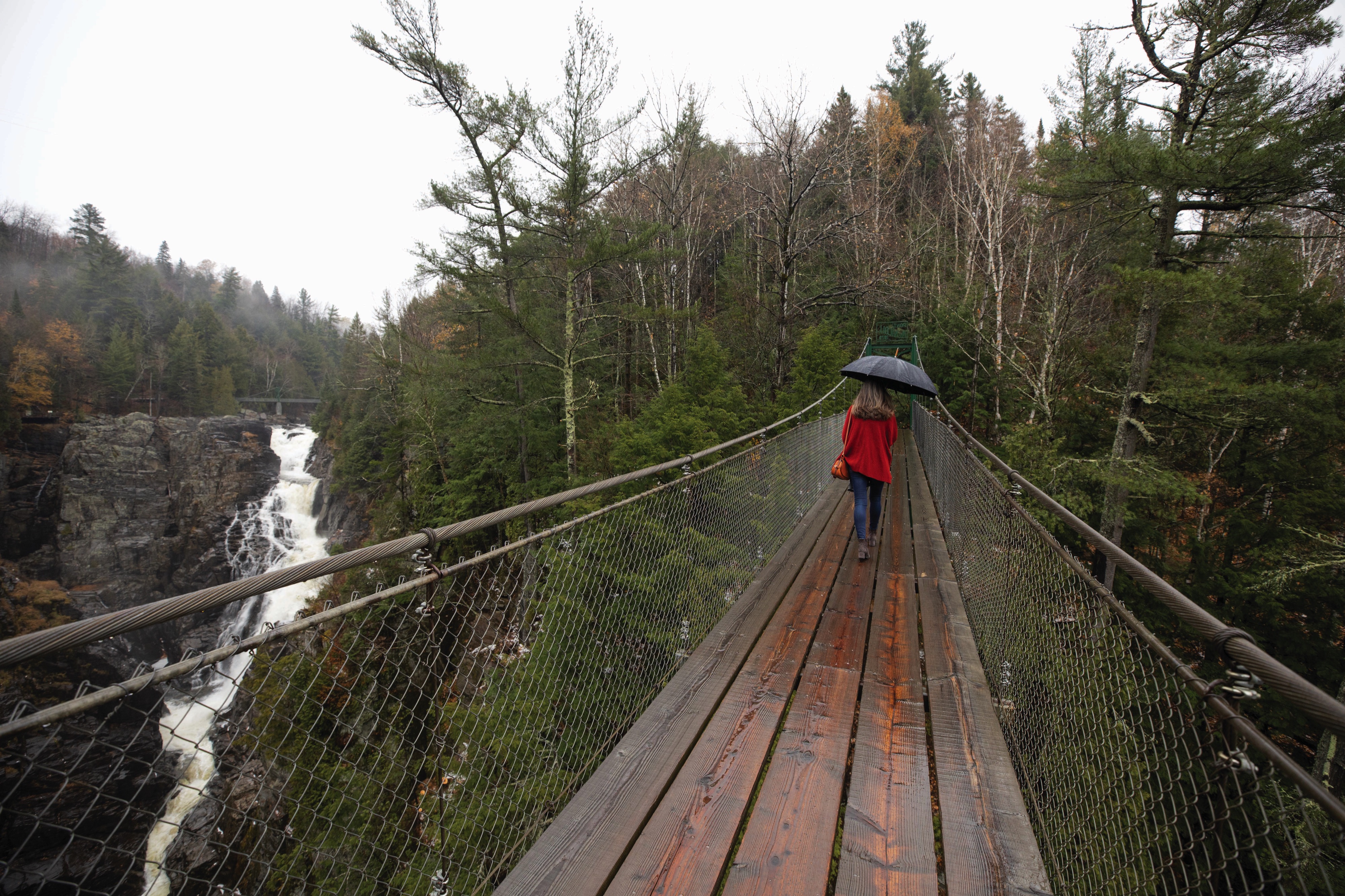
Transcend the moment as you expand your mind and strengthen your body with a Serene Spa & Wellness Tours. Soak in a restorative, mineral-rich thermal spring in Rome or centre your chi with a taiji (tai chi) class on a beautiful and serene beach on Palma de Mallorca. Be refreshed by a Mediterranean breeze as you calm your mind and strengthen your focus through a yoga class overlooking the seaside town of Taormina. Restore and heal your mind, body and soul as you travel throughout the world with our Serene Spa & Wellness Tours.
To further enhance your vacation, our Wellness program allows you to enjoy a holistic experience from beginning to end, from complimentary fitness classes and healthy gourmet cuisine on board to Wellness Tours.
A HOLISTIC, REJUVENATING DISCOVERY
These tours allow you to discover the incredible destinations we visit while maintaining your active and healthy lifestyle. Practice yoga against a stunning backdrop in Taormina, learn about apitherapy, a school of alternative medicine based on bee products, or practice meditation on the idyllic island of Palma de Mallorca. Many Wellness Tours are part of our FREE Unlimited Shore Excursions, while some require a discounted, supplementary charge.
In-Port Overnights
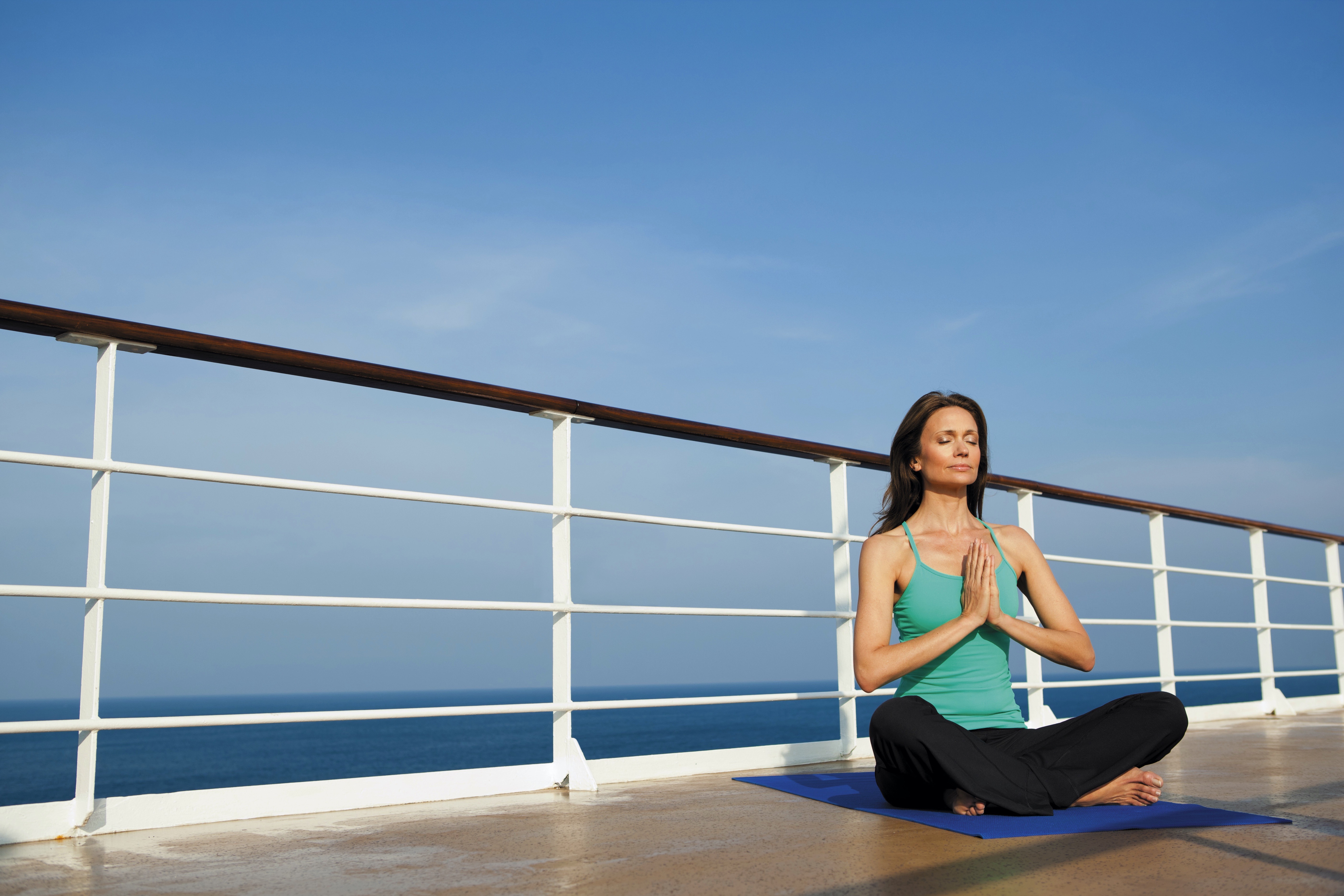
Evenings provide a different view of a city as the streets light up and the locals unwind. Discover the fun of a destination’s nightlife and enjoy more time ashore with more overnights in ports across every region of the world.
LET THE NIGHTTIME SET YOU FREE
Celebrate sunsets and ease into moonrises as locals cut loose and skylines twinkle in the world’s great cities. You’re free to pursue your passions – from elegant dining to after-hour museum tours. It’s not just port cities that transform after dark. Regent in-port overnighters do, too. After the exhilaration of daytime excursions, sunset releases you to do as you please and sway to a city’s rhythms.
Spotlight Voyages
Explore your destination through special excursions and onboard experiences tailored to the spotlighted theme of your cruise. Hear from captivating speakers, renowned in their respective fields across multiple areas of interest, from culinary masters to renowned vintners to entertainment icons and beyond.
Embark on a journey of discovery with our Spotlight Voyages — tailored experiences designed to ignite your passions and curiosities. Whether you’re a wine enthusiast or a gourmand, these immersive cruises promise unforgettable adventures. Imagine savoring dishes made by award-winning Chefs, mastering your swing alongside a golf pro on legendary courses, or delving into the history of Fabergé eggs.
Don’t miss these one-of-a-kind onboard and shoreside opportunities. Mention promotional or offer code “SPO” when booking to unlock complimentary Spotlight Voyage programming.
Executive Collection & Bespoke Travel Arrangements
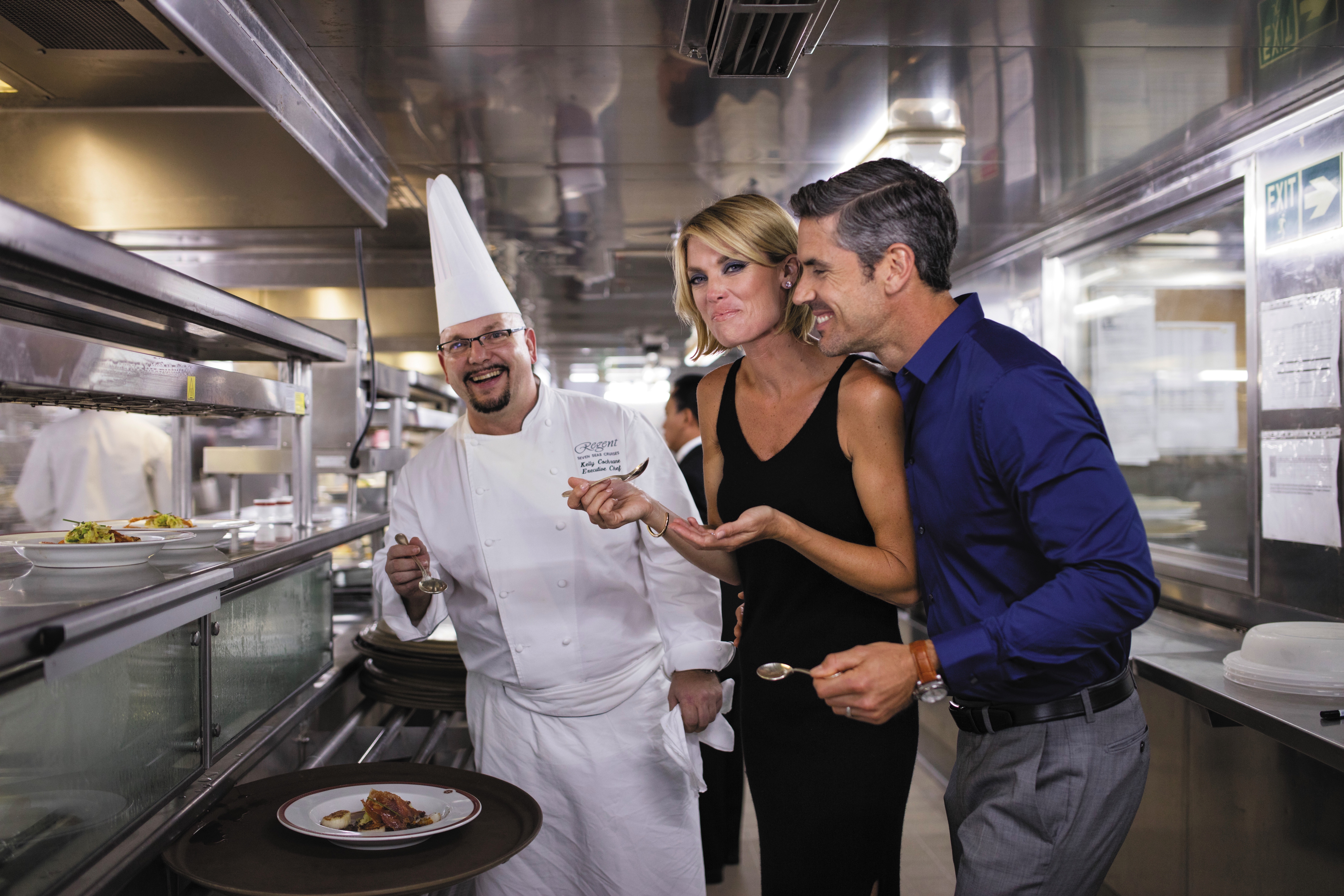
Envision your perfect day of sightseeing and exploring your destination exactly as you’d like… Creating your own, customised excursions is possible. Whether you’re looking to engage a private vehicle from our Executive Collection with a personal driver and/or English-speaking guide or hoping to develop a truly bespoke experience with our elite concierge team, we welcome the opportunity to help you create your perfect journey.
You choose the locales – we’ll provide the private transport. Our Executive Collection frees you to explore ports of call with a driver and/or English-speaking guide, the ultimate way to maximise your time onshore. Whether heading out to a city’s outskirts or taking off along spectacular coastlines, you’ll accrue lifelong memories by the mile (or kilometre).
MAKE YOUR VACATION YOUR OWN
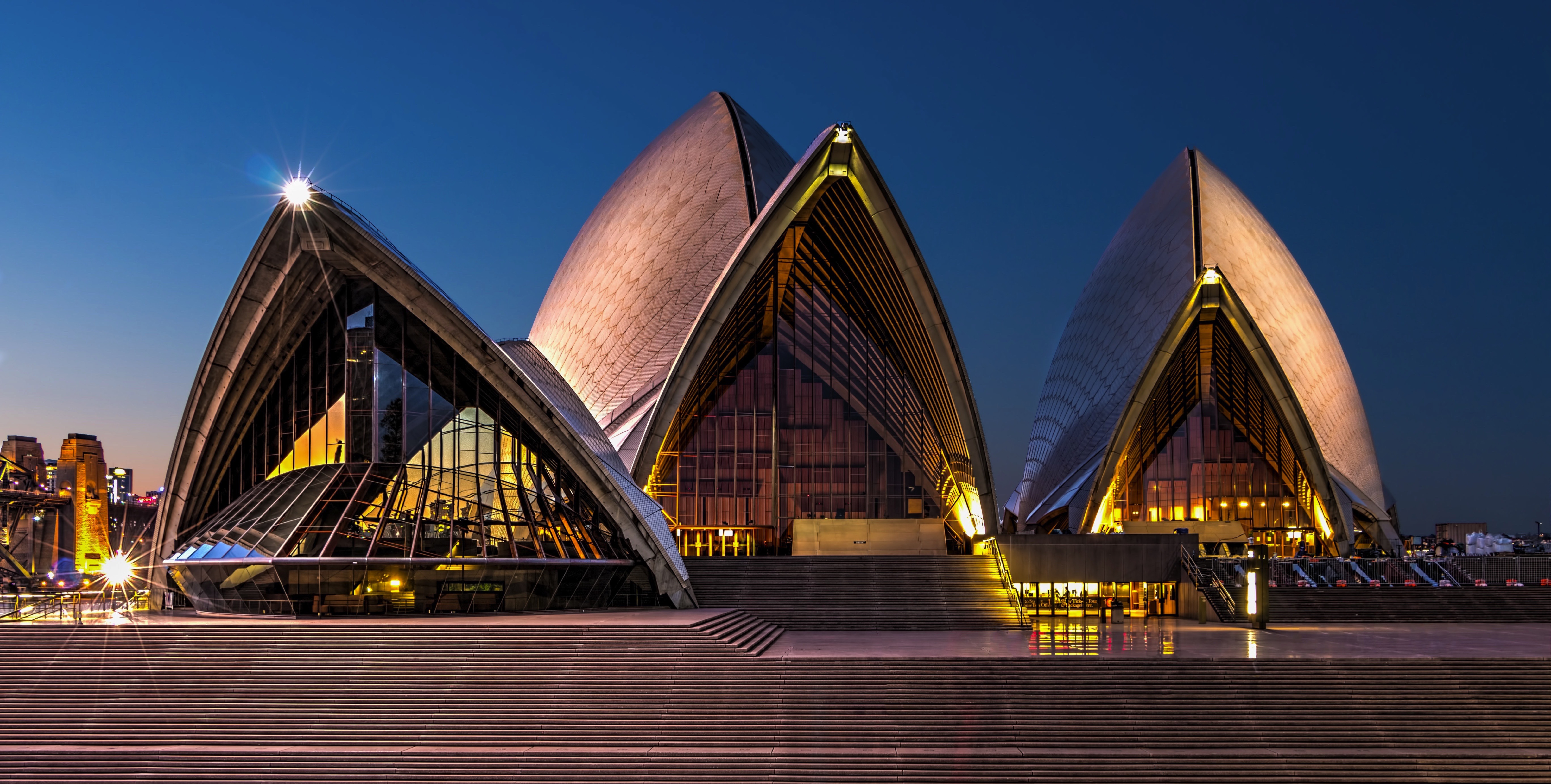
Excitement builds each time a Regent Seven Seas’ cruise ship approaches a port city. Let your excitement skyrocket with a car, driver and/or English-speaking guide awaiting you onshore. Where do you go? Across the Charles River to explore Cambridge, Boston’s academic neighbour? Along Monaco’s famed Formula 1 route? Across Sydney’s iconic Harbour Bridge? Only you know for sure.
Customise Your Journey
Enhance your cruise by adding another layer of luxury to your travel with any of the multiple options we offer. Select from a variety of enhancements like immersive Land and Overland Programs, Pre- and Post-Cruise Hotel Programs and air upgrades.
PERSONALISED CRUISE EXPERIENCE
Take your all-inclusive luxury travel to the next level by personalising it. Select from a variety of enhancements like our Regent Choice Shore Excursions, Pre- and Post-Cruise Hotel Programmes and air upgrades. Embark on a specially-designed, luxury vacation that offers an experience unlike any other as you explore the cultures, sights and cuisines of your destination. Enjoy it all with The World’s Most Inclusive Luxury Experience® across air, land and sea.
Featured Guest Entertainers & Speakers
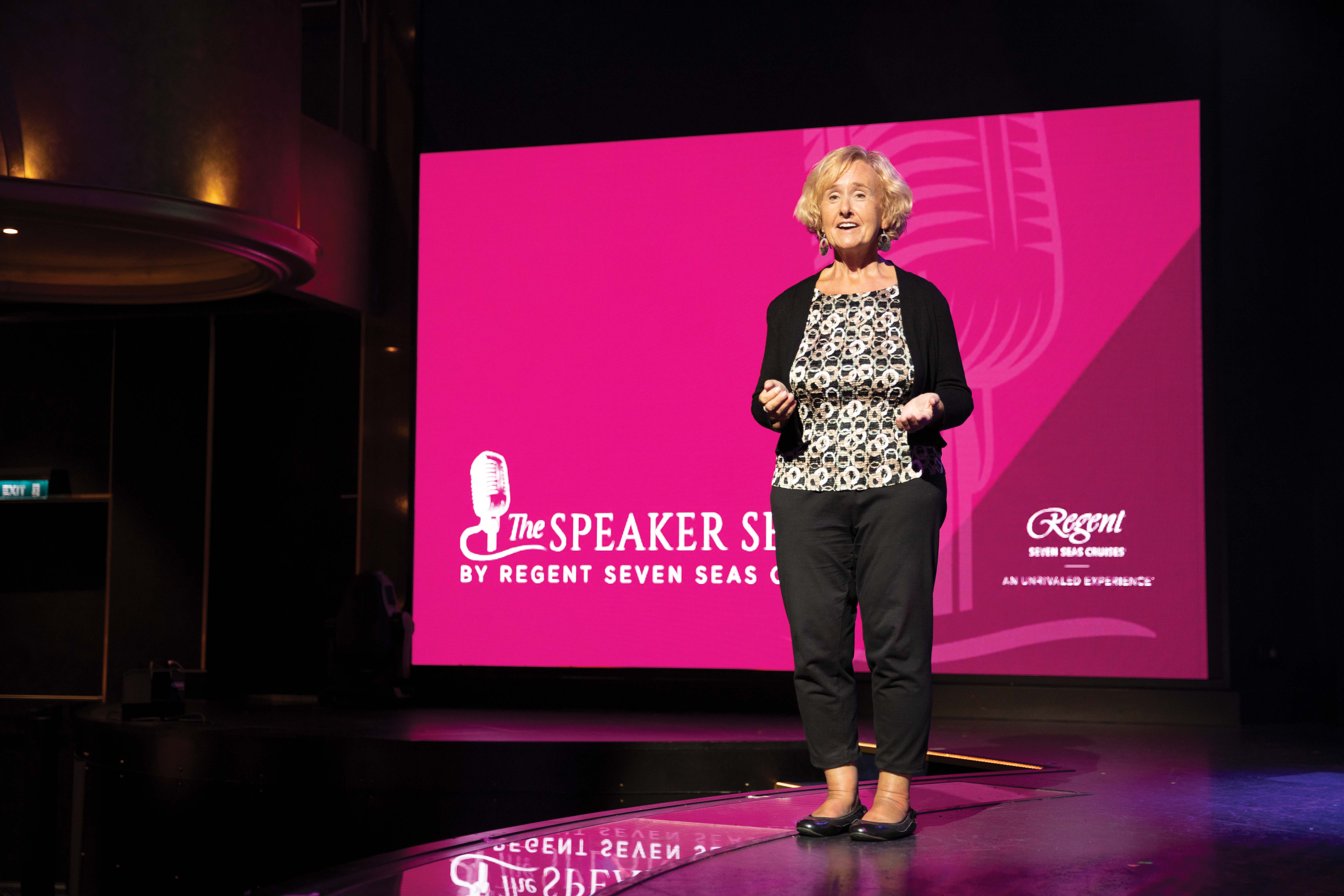
Experience world-class entertainment and engage with esteemed experts on a journey of inspiration and discovery. This immersive experience invites you to delve into meaningful dialogue, while each performance is thoughtfully curated to captivate and uplift. Throughout your voyage, enjoy a front-row seat to brilliance.
When you travel with a distinguished guest Speaker, knowledge sets sail with you. Engage with esteemed experts, from celebrated art historians and acclaimed authors to former diplomats and cultural icons. This immersive experience invites you to delve into meaningful dialogue and connect personally with our Speakers throughout your entire journey.
Featured Guest Entertainers and Speakers are scheduled in advance and are subject to change without notice due to unforeseen circumstances beyond our control.
Bridge at Sea
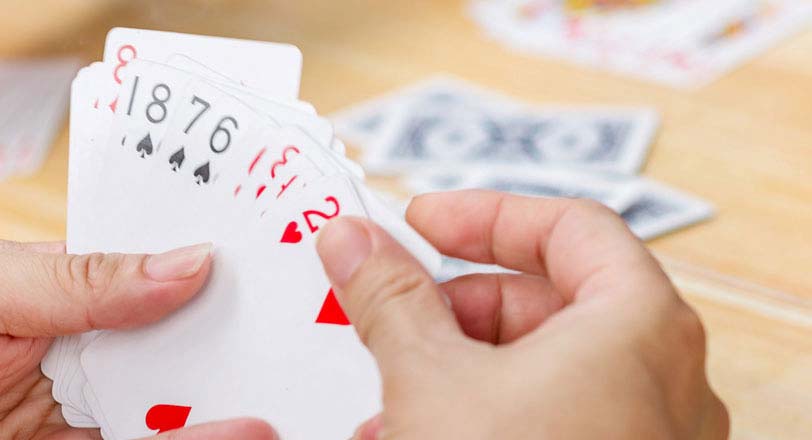
Enjoy social and competitive Bridge play on select voyages. ACBL Certified Bridge Masters sail with guests to provide professional instruction and host games for all levels.
luxury is in the cards
Enjoy social and competitive Bridge play on more than 93 of Bridge at Sea Voyages aboard The World’s Most Luxurious Fleet®. Sail to breathtaking destinations alongside Bridge Masters, who provide professional instruction and host games for all levels — in addition to being knowledgeable and entertaining professionals. Our ships are ACBL Certified, which means you can accumulate master points while cruising to the places you’ve always dreamed of exploring.
Stars Lounge
A popular meeting place throughout the day, Stars Lounge is also the perfect spot to grab a cocktail before or after taking in another jaw-dropping evening performance at the nearby Seven Seas Lounge.
Completely reimagined in light dusty rose and champagne tones highlighted with gold, Stars Lounge is a stellar place to meet new friends. Marble tables glimmer beneath evening dance floor lights where guests can enjoy cocktails and dancing before dinner. The lounge is a popular spot for theatregoers to celebrate the excitement generated by that night’s performance at the nearby Constellation Theatre.
Navigator Lounge
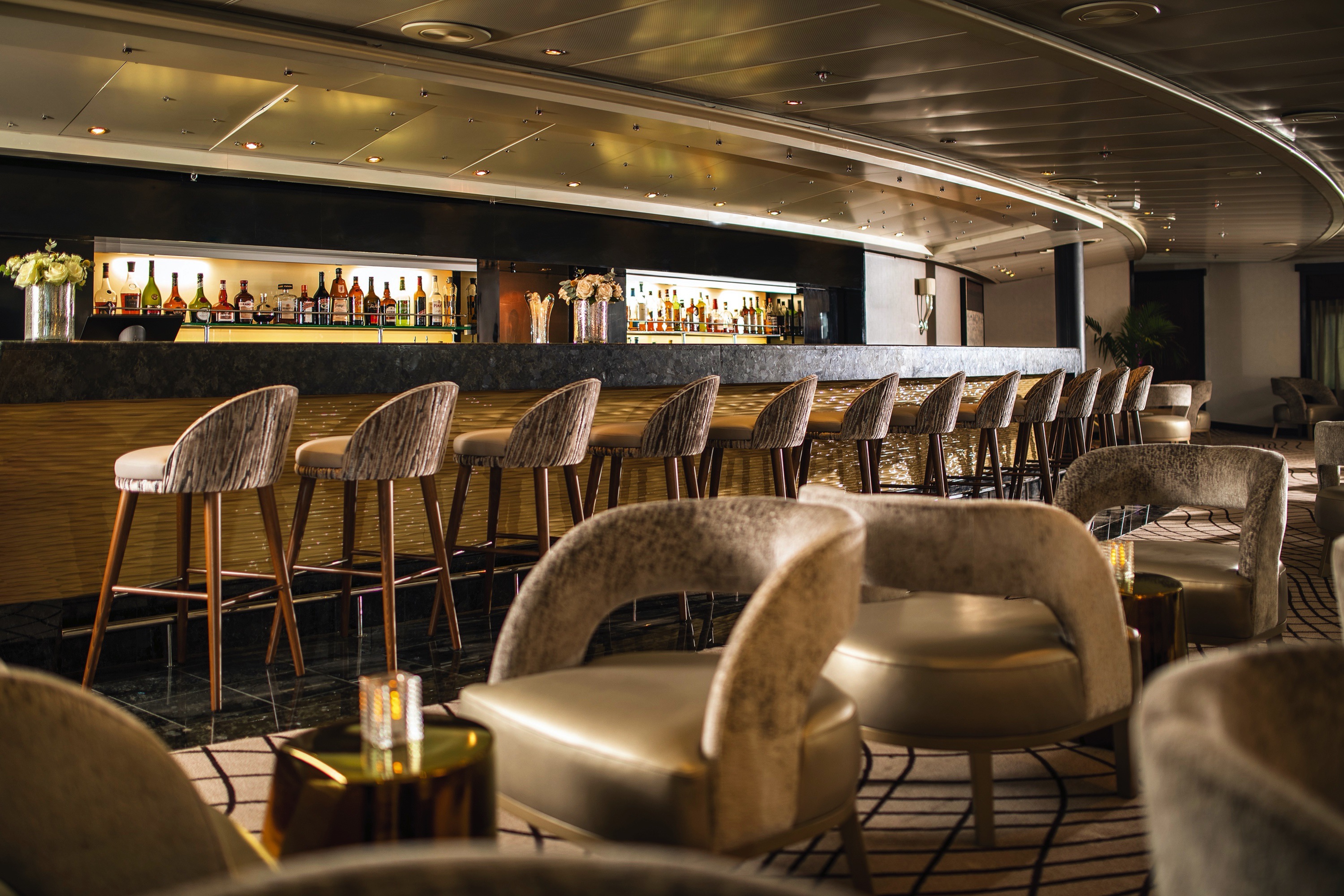
Now with additional space to enjoy barista-made coffee during the day and expertly poured cocktails later on, this centrally located lounge is a popular spot to rendezvous with friends and fellow travelers.
Galileo's
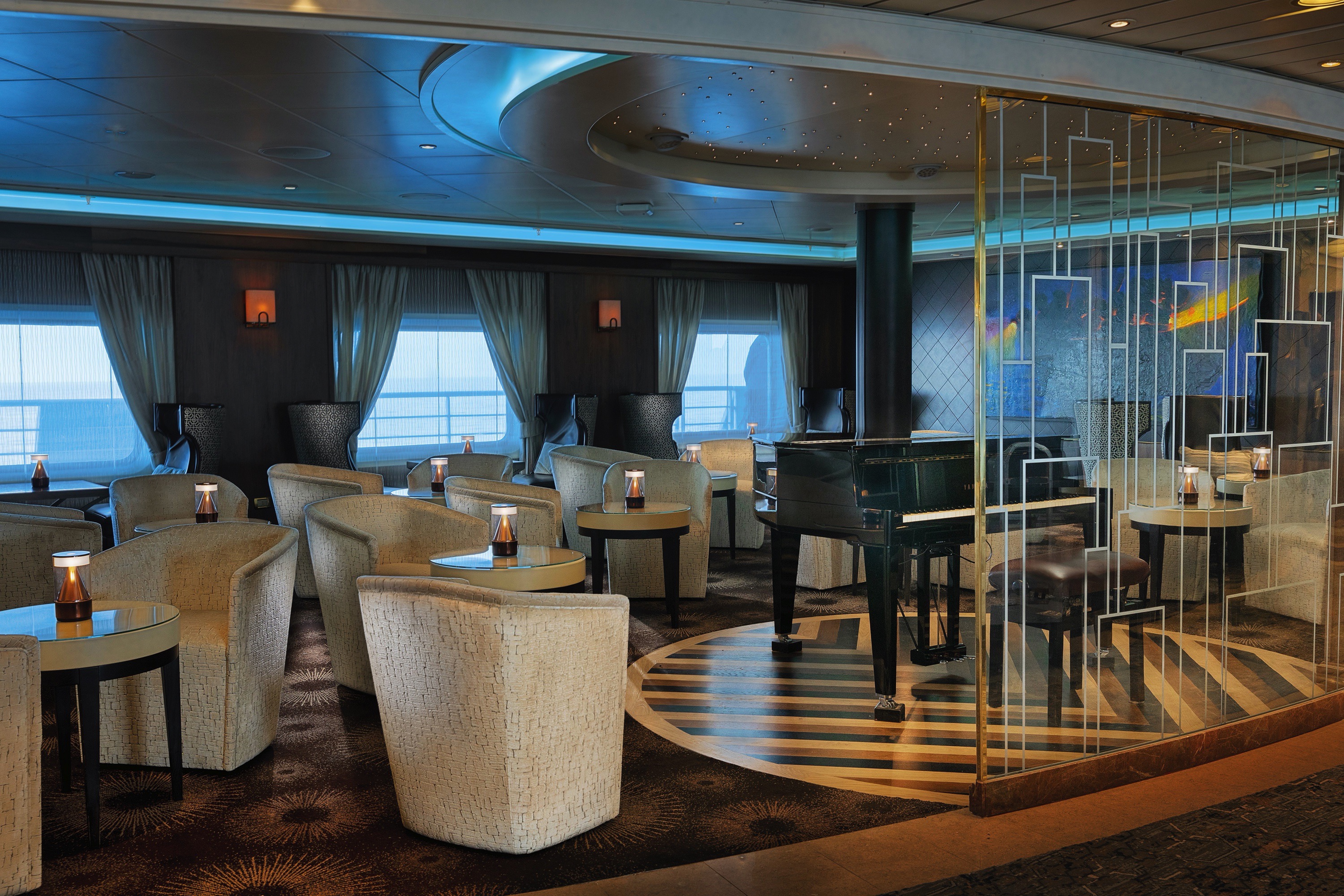
Discover why this charming lounge has been a long-time favorite with guests. With its spectacular aft views and celestial-inspired interior, Galileo’s is perfect for relaxing with a cocktail and singing along to favorite songs.
An ideal spot for cocktails or to simply relax and unwind with an after-dinner drink, Galileo’s pulls you in with a shimmering, blue-themed interior. Resident musicians entertain with familiar tunes in the afternoon as well as before and after dinner, and the dance floor comes alive when the night sky fills with stars outside. Game shows, night entertainment and live musical events are featured regularly.
Seven Seas Lounge
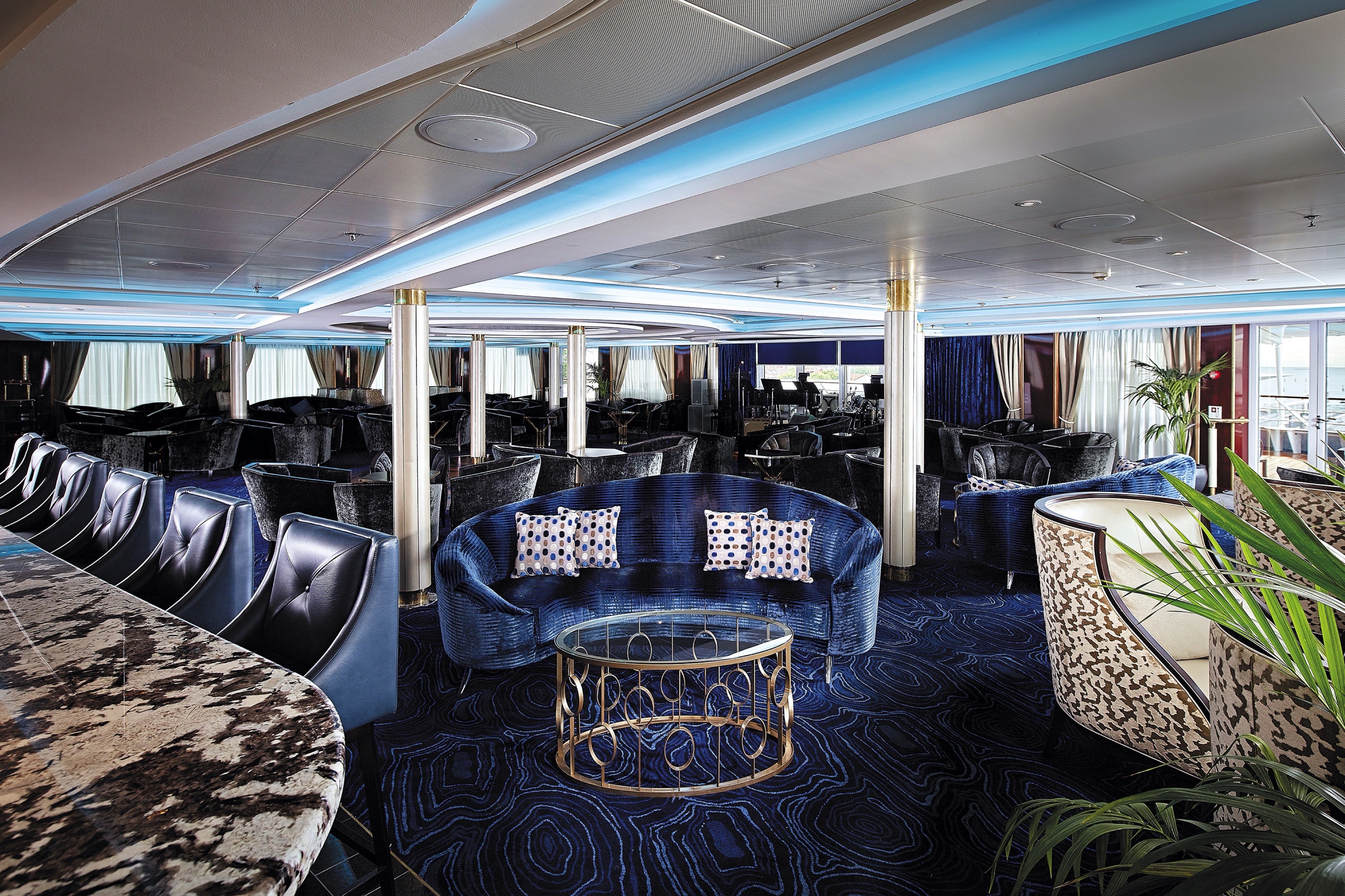
Perfectly tiered for unobstructed viewing and furnished with plush seating, the main show lounge is an intimate venue without a bad seat in the house. The phenomenal entertainment performed here varies from full-scale musical revues to rousing cabaret shows, all backed by our incredible, five-piece Regent Signature Orchestra.
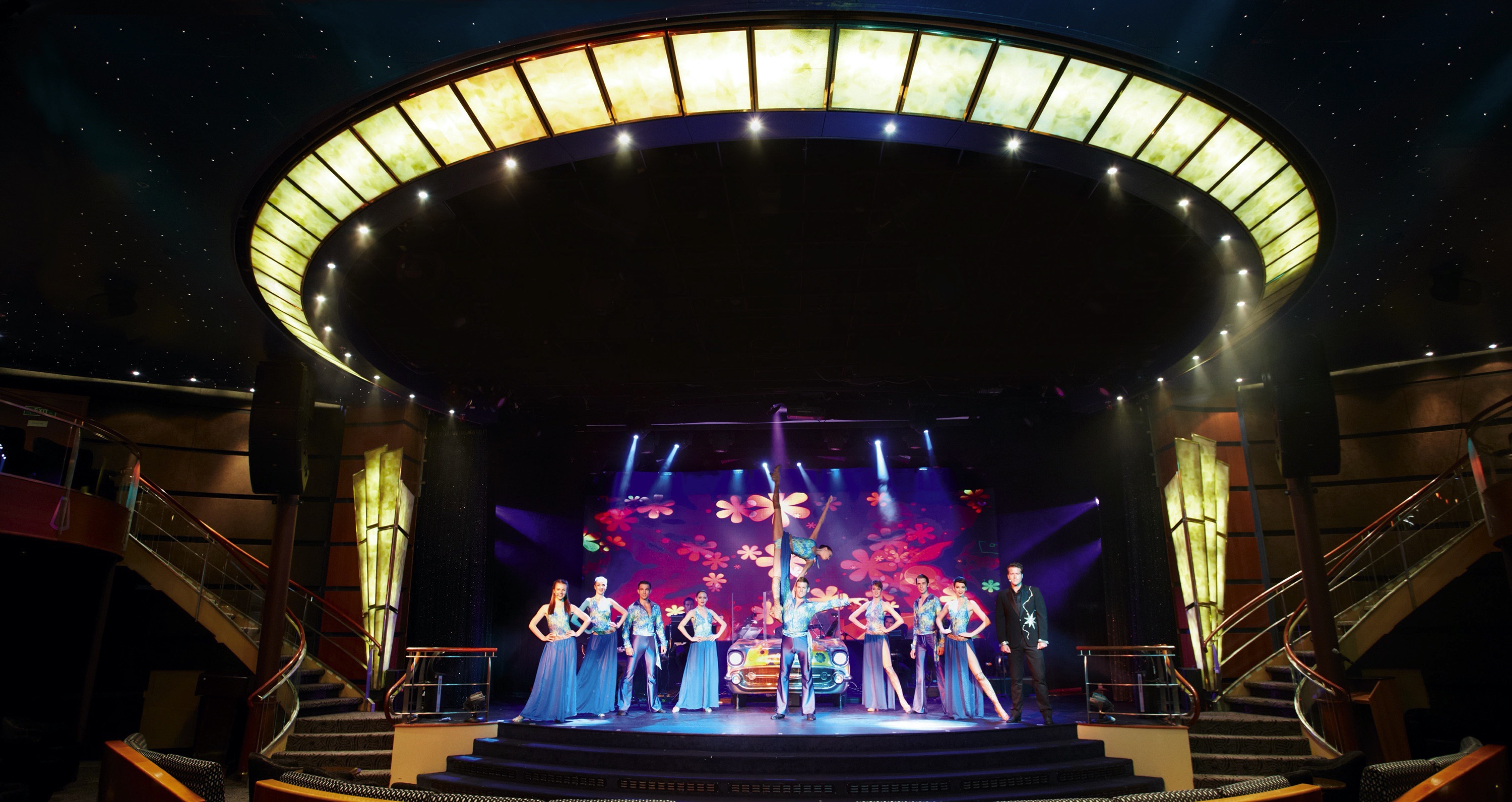
The Casino
Enjoy the elegance and excitement of a Monte Carlo-style casino. Stride through the Casino’s glass doors to an elegant setting abuzz with Blackjack, roulette, poker, and a full craps table, as well as slot machines.
Get a taste of Monte Carlo excitement at our Casino directly across from the equally inspiring Explorer Lounge. Walk through glass doors into an elegant setting bustling with games of chance that include Blackjack, roulette, poker, and a full craps table, as well as slot machines. The Casino is open every day at sea when not restricted by territorial border limits.
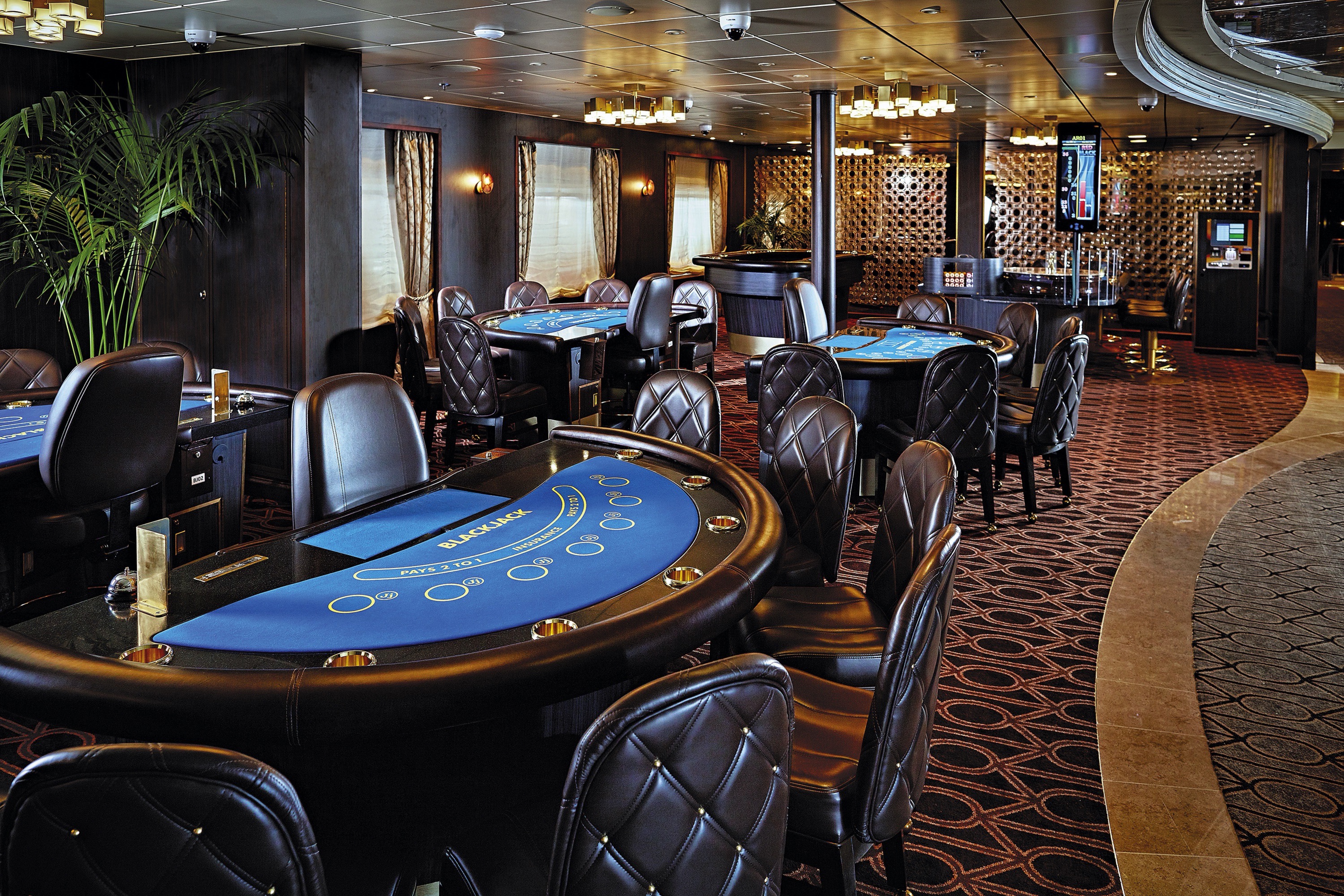
Library
Browse a vast collection of volumes, from destination-specific guide books to best-selling mysteries to classics of literature, upon a variety of comfortable chairs in our cozy Library.
Well-stocked and offering comfort for the body and mind, you’ll discover our Library is a most elegant setting for reading and relaxing. Curl up with a classic novel or best-selling mystery, play a strategic game of chess or simply soak up the ambience of a sumptuous reading room. Regardless of what brings you here, our library is a welcoming, low-key treasure you just may find hard to leave.
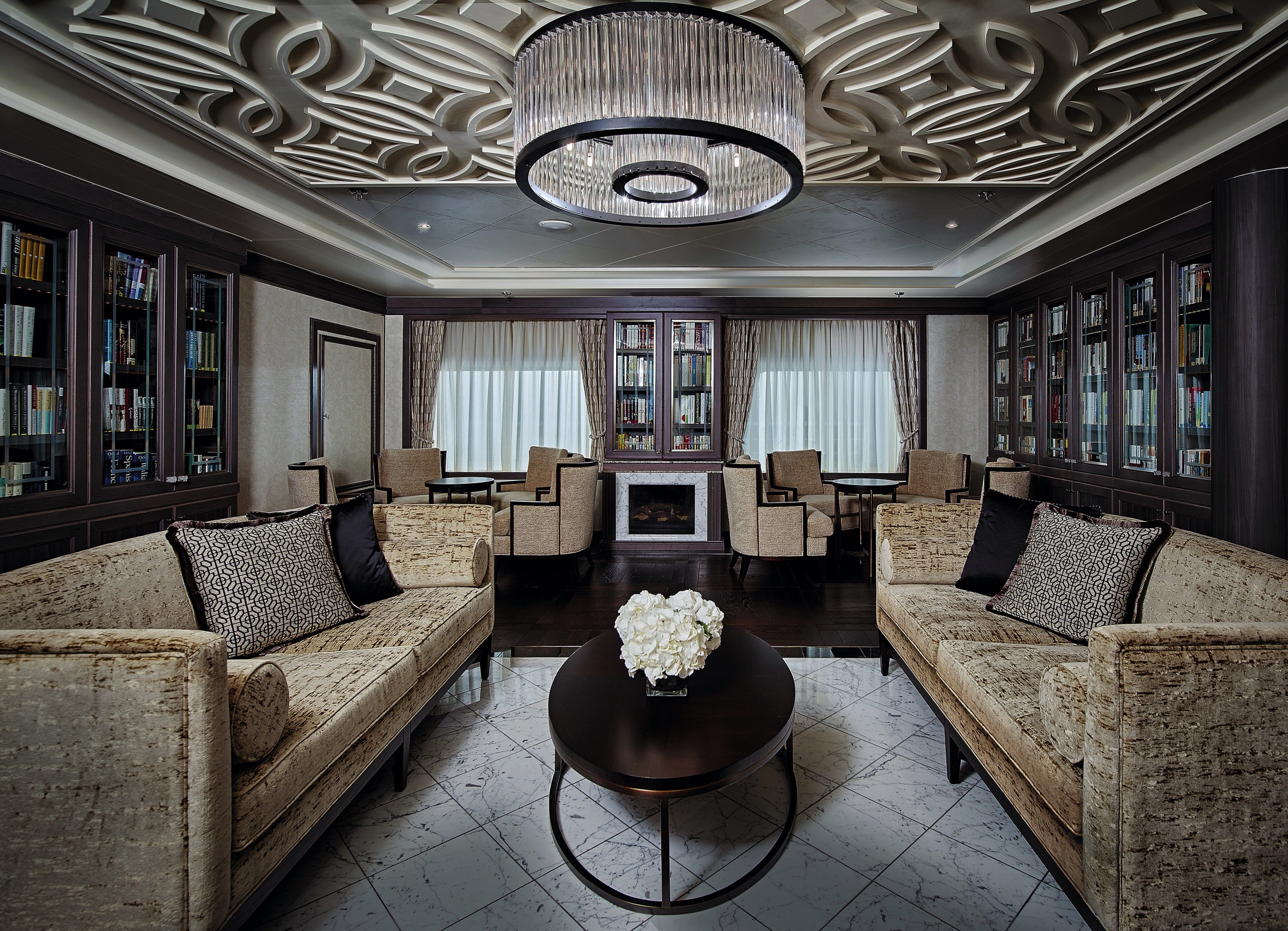
Boutiques
Whether it’s designer evening wear, handbags, fragrances or a smart gift, our boutique items are carefully selected and of the highest quality. The same may be said of our personable staff.
Stop into our boutiques and browse a wide range of items — upscale handbags to exclusive fragrances to fine jewellery — in an intimate and unhurried setting. You’ll also find clothing, Regent Seven Seas Cruises® logo wear and gift items to share with friends and family. Our boutiques are staffed by friendly salespeople. Opening hours vary and are printed in the Passages daily newsletter.\
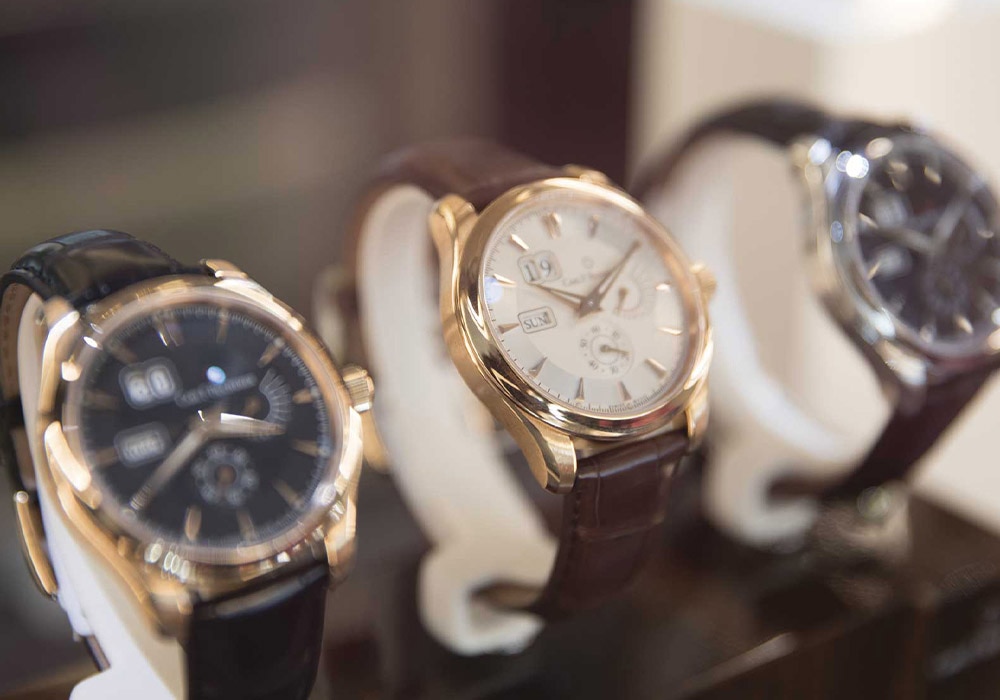
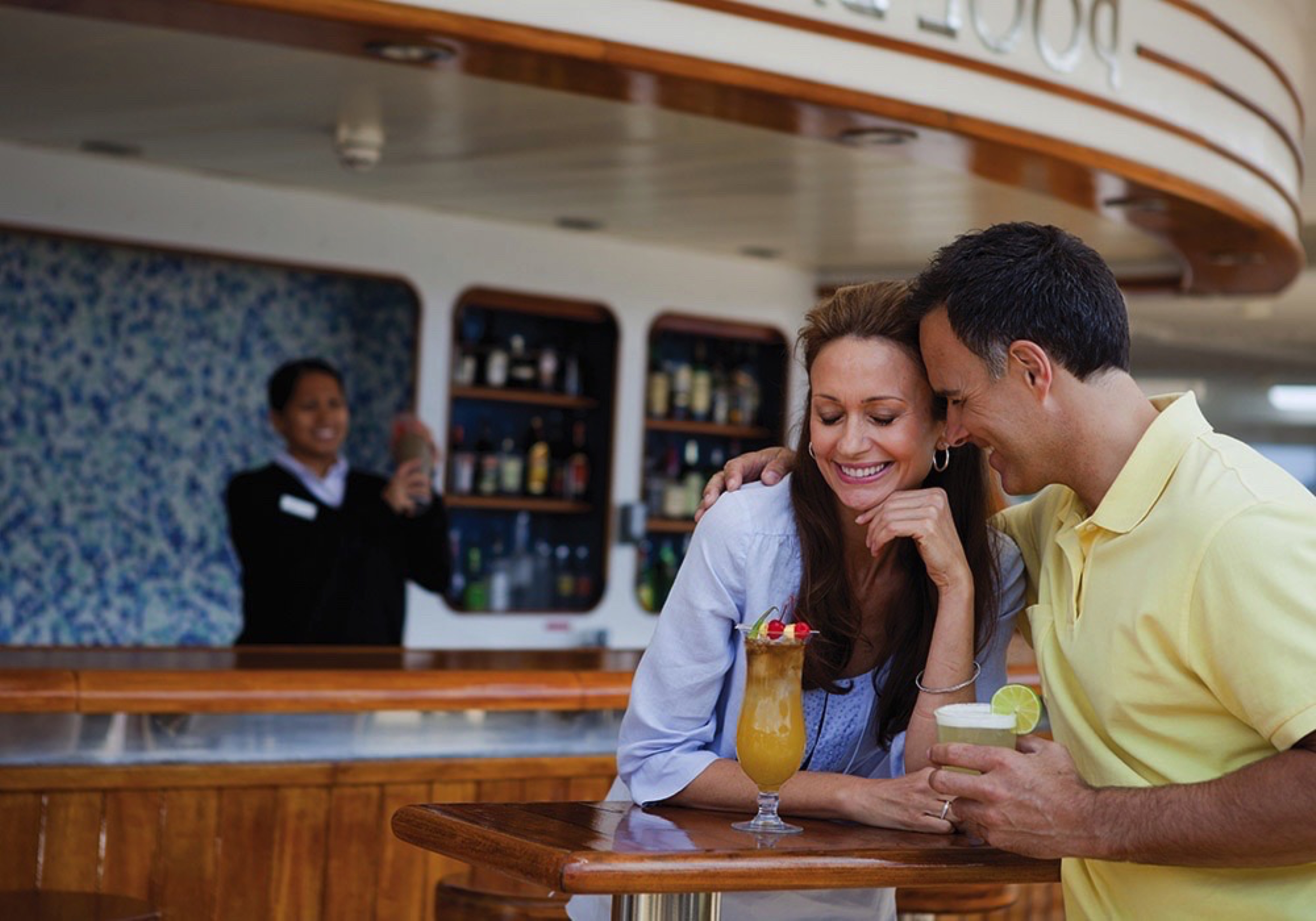
Pool Bar
Very few things equate to a pure vacation activity more than sitting at our Pool Bar. Make new friends while sipping a cocktail or frozen drink in the most laid-back atmosphere imaginable.
When you envision an activity you’re only likely to do while on vacation, sipping a frozen drink at a pool bar onboard a glorious cruise ship is probably near the top of the list. You can tick that box at our Pool Bar, where you and new friends can enjoy leisurely conversation over cocktails and frozen drinks in a delightfully relaxed atmosphere.
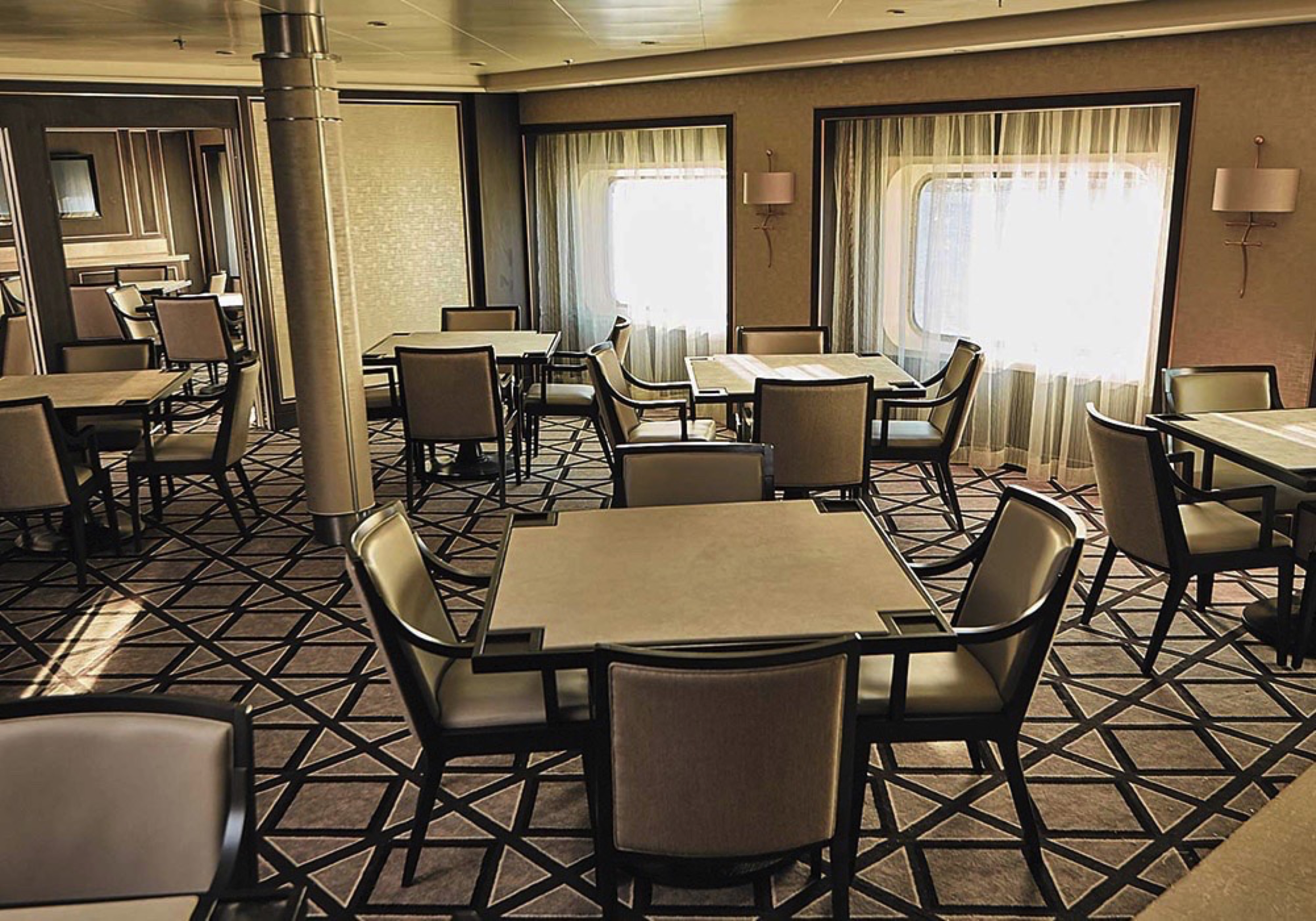
Card & Conference Room
Gather your favourite teammates in the Card Room for a lively afternoon or evening of cards, board games or a social game of Bridge. The spaces, which may be combined, are also designed to host conferences.
Two complete Card and Conference Rooms can be used for everything from bridge lectures and tournaments to corporate meetings and special events. Gather with a few friends for an afternoon or evening of fun competition with board games, cards and more. Larger groups may increase space by removing the dividing door and combining both rooms.
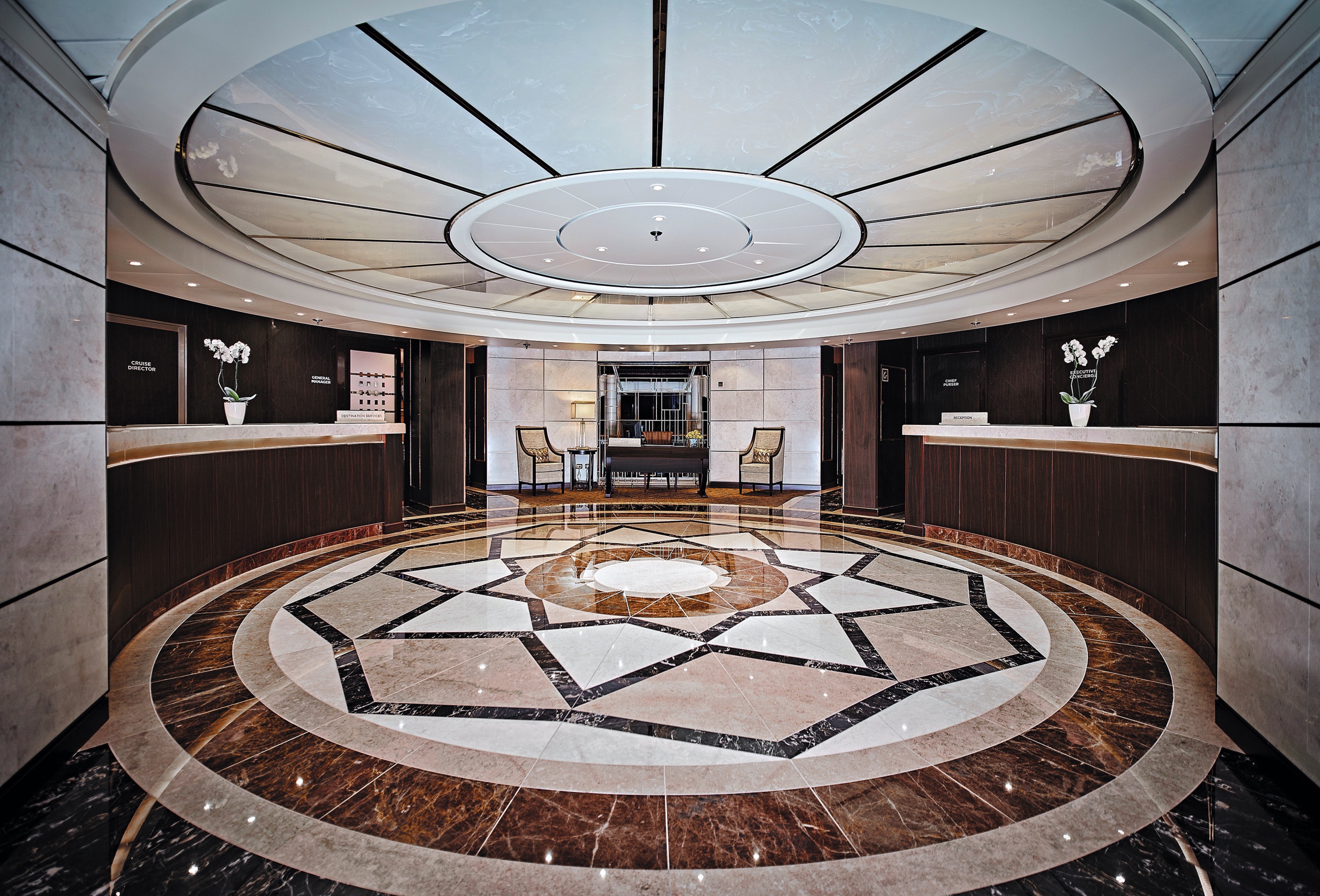
Reception & Concierge
Our knowledgeable Reception staff is available around the clock to answer your questions and ensure your pleasure with your Seven Seas Navigator® voyage. Reception is also where you may contact the ship’s Concierge.
Our welcoming Reception Desk is open 24 hours a day and staffed by personable, knowledgeable men and women who are happy to answer your questions and provide any general assistance you may need. Reception is also where you may contact the ship’s Concierge. Postcards and letters may be dropped off here as well; they’ll be delivered to the postal service at the next port of call.
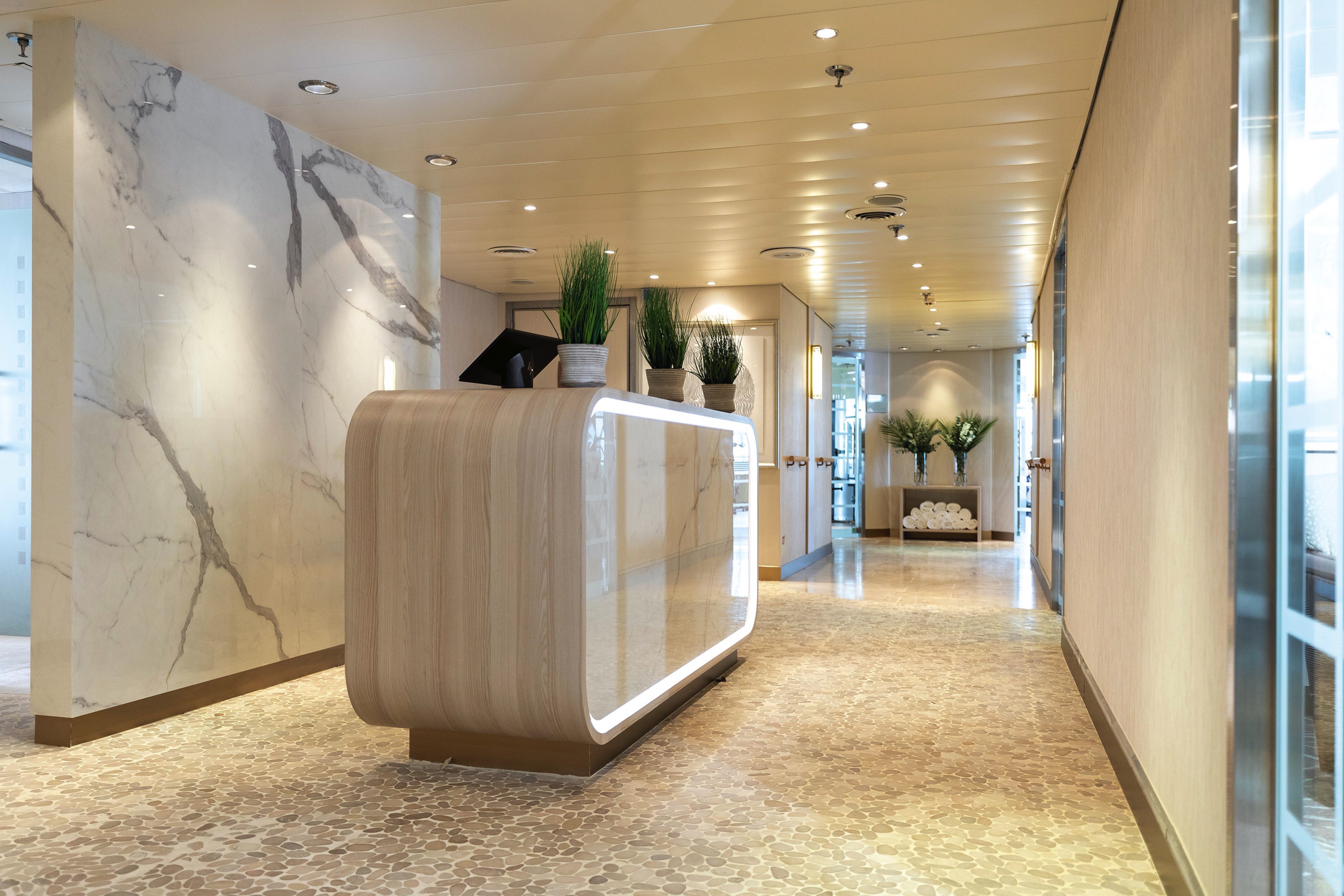
Destination Services
Whether you’re interested in a tour from our FREE Unlimited Shore Excursion menu or a unique, small-group Regent Choice Shore Excursion, our staff at Destination Services is ready to assist.
If the road to a richer life is paved with the lessons of new discoveries, our Destination Services is a great place to start. Learn about the adventures available to suit every taste and comfort level during your voyage from our dedicated staff. They can arrange unique shore excursions designed for smaller groups or assist with tailor-made pre-and post-cruise programs, from a simple stay in a luxurious hotel to a 3-night extension in a remote locale.
Serene Spa & Wellness™
Enrich your travel with Serene Spa & Wellness™, a globally inspired, tranquil haven of health, beauty and wellness. Relax and restore aching muscles, moisturize and rejuvenate your skin, and both strengthen and elevate your body and mind as you engage with a variety of treatments and services designed to enhance your whole being.
A holistic array of treatments and services has been thoughtfully developed to promote mental and physical rejuvenation. Indulge in massages, body wraps, facials, manicures, hair services and more, including exclusive treatments curated especially for Regent Seven Seas Cruises®.
Guests can reserve treatments at Serene Spa & Wellness™ by contacting our spa representatives at 1.877.718.4244 or SereneSpa@rssc.com between 60 to 7 days prior to sailing.
BODY & BEAUTY
Experience the best of destination-inspired body and beauty treatments. We utilize globally sourced, natural ingredients which capture the essence of indigenous secrets and unique traditions from around the world that have long shown the ability to promote health and balance for the whole self. Relieve muscle tension and rejuvenate the body with a Ying Yang Balancing Massage or enjoy a Sea Lavender and Samphire Body Polish to moisturize and rejuvenate your skin.
PHYSICAL FITNESS
Our professional fitness experts offer training and guidance on the levels of activity best suited to your personal needs and desires. Engage one-on-one with our experts about your personal goals and how to enrich your lifestyle, both on board and at home. A mix of group fitness classes, from yoga to spinning, invite you to challenge yourself, whatever your fitness level.
HEALTHY CUISINE
Savor the best of world cuisine wherever you’re sailing with Serene Spa & Wellness™ Selections. Drawn from our globally inspired approach to healthy living, these culinary dishes are as flavorful as they are nutritious. An extensive array of innovative options is available across our fleet, featuring exquisite dishes influenced by a myriad of global fares, including our truly innovative plant-based cuisine.
MINDFUL LIVING
Years of research on traditional methods from around the globe, centered on creating a healthy and mindful lifestyle, have led us to develop a blend of offerings to balance both body and mind. Experience a more holistic approach to your wellbeing through treatments like functional stretching, reflexology and meditation to achieve new levels of peace and harmony as you travel.
WELLNESS TOURS
Perhaps the most enriching way to center yourself is through experiencing the beauty and presence of some of the world’s most incredible destinations. Serene Spa & Wellness™ Tours are curated excursions designed to enhance wellness through immersive experiences that invite you to embrace the peace and wonder found in each moment.
Fitness Centre
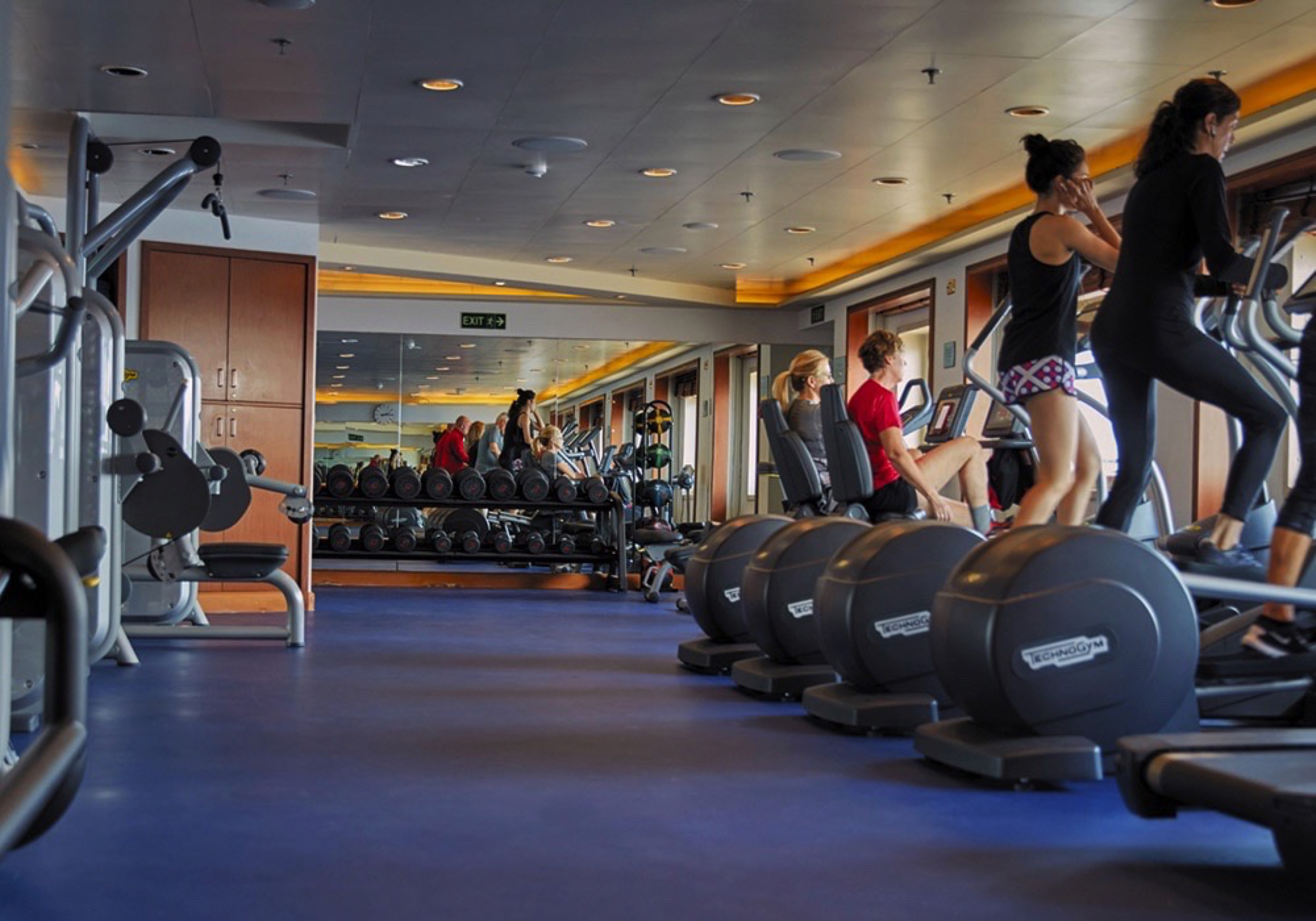
Look after yourself at sea. Take part in Pilates, yoga and aerobics classes or help yourself to spinning bikes, dumbbells, treadmills, Technogym Strength Machines, workout mats and step benches. For guests 16 and over.
Serene Spa & Wellness™ fitness experts lead popular exercise classes, such as Pilates, yoga and meditation and are on hand to offer advice and demonstrate the use of fitness equipment. Equipment includes spinning bikes, dumbbells, treadmills, Technogym Strength Machines, workout mats and step benches. One-on-one training can be arranged with a fitness instructor. Guests under the age of 16 are not permitted in the Fitness Centre.
Pool Deck
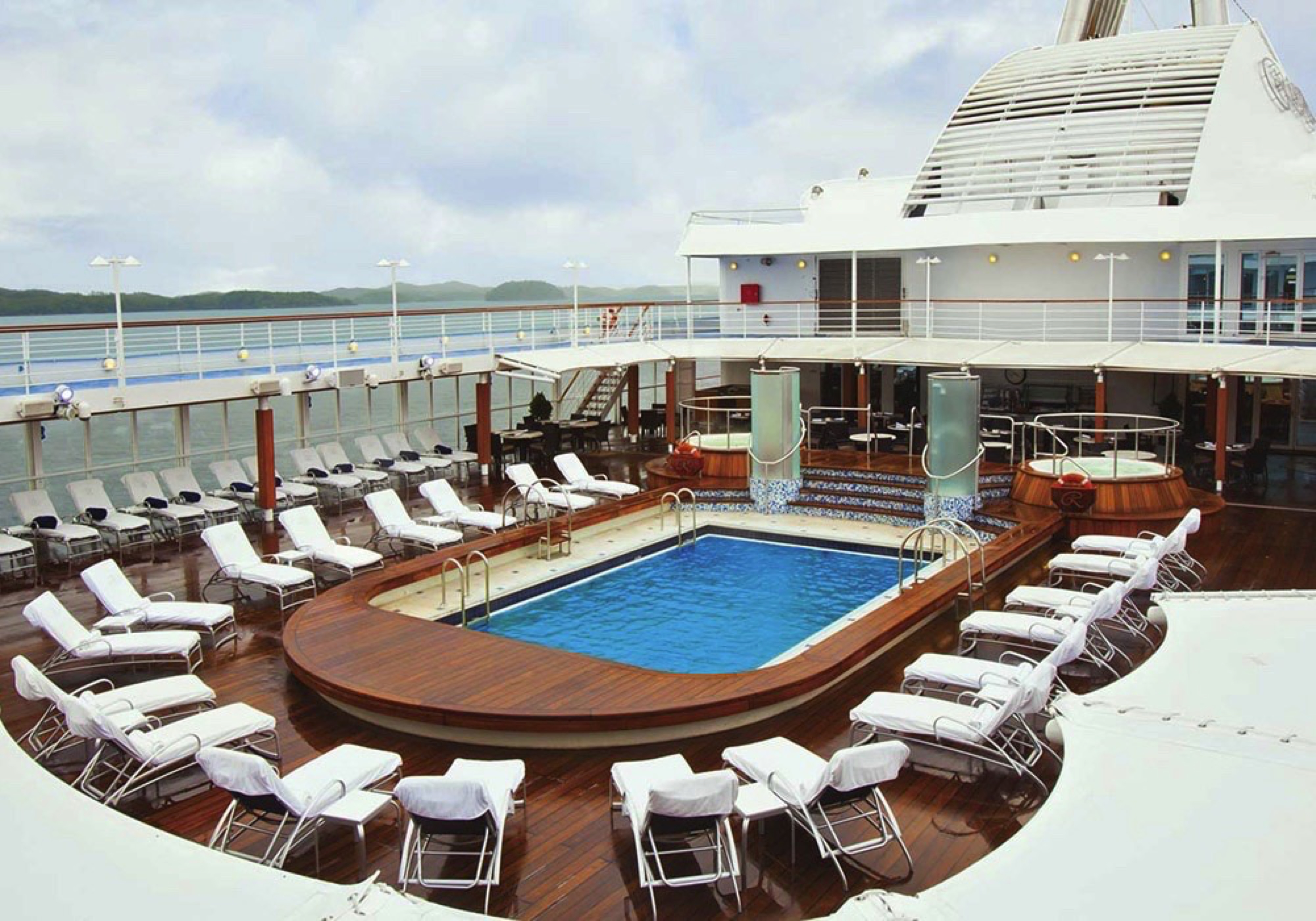
For those days when nothing but sitting poolside will do, head to our Pool Deck. You’ll be greeted by an inviting space with unforgettable views, teak accents and an amiable crew offering cold drinks and lounge chairs.
Our Pool Deck features a large heated pool, two whirlpools and table tennis. Surrounded by luxurious teak accents, you’ll be consistently awestruck by the pool’s magnificent vistas high upon Seven Seas Navigator®. You’ll also be impressed by our amiable and dedicated crew, who stand at the ready to provide refreshing beverages and lounge chairs.
Mini Golf
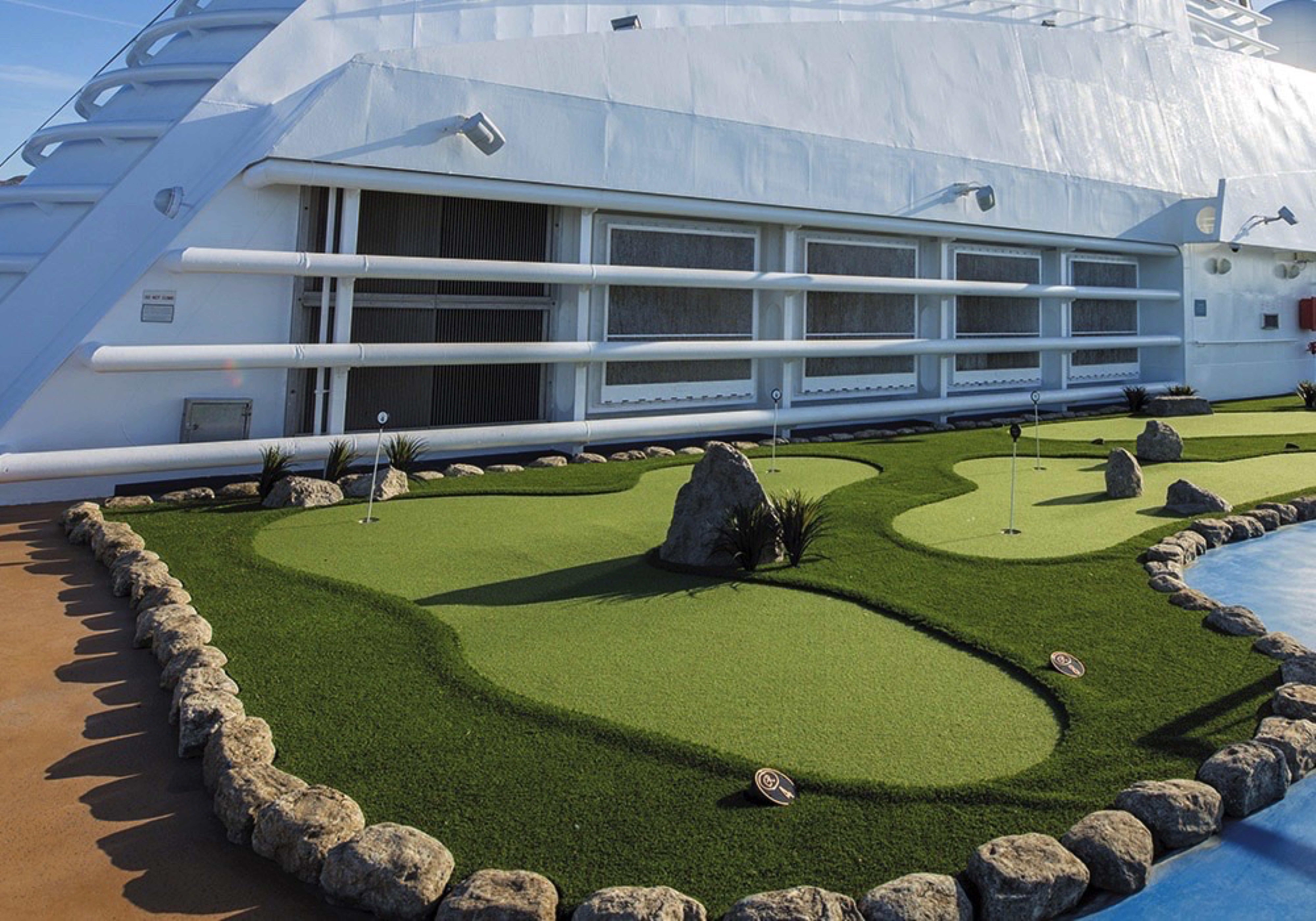
Our Putting Greens invite you to gather friends — perhaps after an afternoon cocktail — for a spirited round of putt-putt golf or two.
While the Golf Net is meant to help you improve your fairway swing, our Putting Greens are less about self-improvement than group fun as your ship travels from one destination to another. A popular pastime is gathering friends after an afternoon cocktail and heading to the top deck of Seven Seas Navigator® for a spirited competition as twilight approaches and a delicious dinner in one of our stellar restaurants looms.
Jogging Track
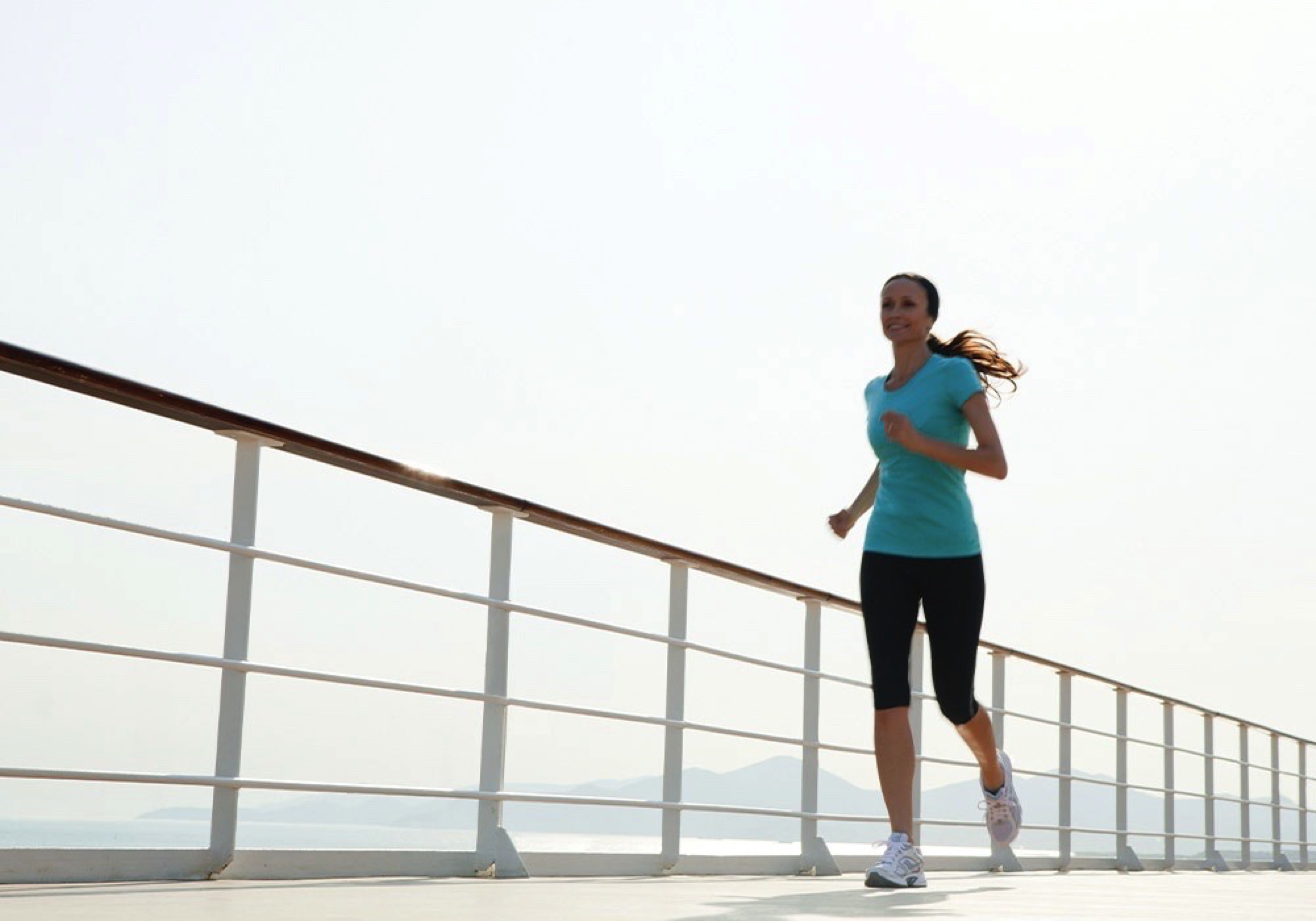
If you have a regular walking or running routine, fear not – your healthy habit can be maintained while cruising the high seas. Regardless of the speed you traverse our track, dramatic views and fresh air await.
Whether you prefer to start your day with a brisk jog or wait until later and get in an afternoon walk, our Track is a popular destination for those who’ve developed active lifestyles back on dry land. Onboard Seven Seas Mariner® it’s an outstanding place to get your heart pumping while enjoying unforgettable ocean vistas.
Club Mariner
Families with young travellers will enjoy our Club Mariner Youth Program on select voyages. Children ages 5 to 17 can participate in a range of specialised activities, from mini-putt tournaments to dance parties to movie nights. Each program is designed and supervised by friendly and professional youth counsellors.
Club Mariner is available on select sailings only. Please ask your travel professional for details.
Prime 7
From perfectly aged prime New York strip, porterhouse and succulent filet mignon to smoked salmon with a phenomenal tamarind-whiskey sauce, Prime 7 is a contemporary American steakhouse done right.
A true classic in every sense, the newly refurbished Prime 7 on Seven Seas Navigator® is the epitome of luxury dining. Dark imperial blue walls accented with gold, light leather chairs and rich wood finishes provide a refined and elegant backdrop for prime steaks and seafood. Large artwork, marble sculptures and intricately patterned floors enhance the décor. Enjoy a cocktail at the bar before savouring a succulent filet mignon or côte de boeuf.
Compass Rose
Whether you arrive for breakfast, lunch or dinner, you can look forward to European-inspired Continental cuisine served in a beautifully refined atmosphere decorated in blues and silvers with stunning Versace tableware.
As the flagship restaurant aboard each of our ships, the wonderfully spacious Compass Rose serves breakfast, lunch and dinner and features an exceptional variety of European-inspired Continental cuisine, as well as flavourful vegetarian and kosher dishes. Elegantly decorated in blues and silvers with stunning Versace tableware, Compass Rose delights with a beautifully refined atmosphere bathed in natural light during the day.
La Veranda
Greet your days on the high seas with sumptuous breakfasts and shimmering ocean views. La Veranda features quiet alcoves, made-to-order omelettes and, for late risers, tasty lunch buffets that include hot carving stations.
Begin your day with breakfast at La Veranda and you’ll forever believe it really is the most important meal of the day. Take in gorgeous ocean views from quiet alcoves jutting out over an iridescent sea while savouring made-to-order omelettes and other specialties. Late risers can tuck into enhanced lunch buffets indoors or al fresco on a shaded, open-air deck. Lunches feature a variety of delectable selections, including hot carving stations.
Sette Mari at La Veranda
Enjoy an extensive menu of authentic antipasti and Italian specialties served á la carte and paired with fine Italian wines. All dishes are prepared with the freshest gourmet ingredients and served by our attentive waiters.
Pool Grill
After sunbathing or swimming in the pool, you may be in the mood for grilled-to-order burgers, seafood, sandwiches, even hand-dipped ice cream with sprinkles. Our Pool Grill will satisfy your comfort food cravings.
The Pool Grill is truly a come-as-you-are venue. Enjoy this casual dining experience whether you’re getting a bite after sunbathing or swimming in the pool. The Pool Grill is open-air, yet abundantly shaded for comfortable dining at lunch or dinner. Enjoy grilled-to-order burgers, grilled seafood, sandwiches, and fresh salads. Treat yourself to milkshakes and malts or an old-fashioned hand-dipped ice cream dessert with toppings.
Coffee Connection & Club.com
Grab an expertly made coffee, check the headlines of international newspapers or enjoy handmade pastries in our cozy café which is open throughout the day.
Enjoy complimentary coffee drinks prepared by our baristas, as well as delicious pastries, gourmet sandwiches and homemade cookies. Whether perusing international newspapers or simply taking in an always spectacular view, our café is the perfect place to relax, converse and enjoy coffee and snacks throughout the day.
Room Service
Enjoy delectable appetisers, main courses and desserts in your suite 24 hours a day. During dinner hours, delight in ordering dishes made to your exact taste from the expansive Compass Rose menu.
Gourmet Explorer Tours
Our distinctive Gourmet Explorer Tours, offered exclusively aboard Seven Seas Explorer, allows guests the unique opportunity to experience the culinary culture of the world’s most delicious destinations. From savouring the authentic flavours of a region to learning new techniques in local cooking classes, guests can choose from a variety of optional tours that take them to local markets to find exotic spices, sample delicious wines at breathtaking estates and savour gourmet meals expertly prepared by renowned chefs. Due to their unique itineraries, Gourmet Explorer tours require a discounted, supplementary charge.
Unlimited Shore Excursions Included
Every destination we sail to harbours treasured experiences waiting to be unearthed. And there’s no better way to dig in than by taking advantage of our hallmark inclusion of thousands of wonderful, Unlimited Shore Excursions.
MAKE YOUR VACATION YOUR OWN
When your feet touch the ground, your cruise enters a new dimension. What’s your preference? Exploring the world’s great cities? Immersing yourself in local culture? Or indulging your inner beach bum? Over 4,500 Unlimited Shore Excursions across every region of the world allow you to embrace it all.
Wherever you’re traveling, opportunities to maximise memories abound. Whether it’s urban adventures brimming with history, architecture and culture or escapes to natural wonders that stagger the senses, our Unlimited Shore Excursions guarantee your vacation will be like no other. Start dreaming today.
Regent Choice Shore Excursions
Take your experience to another level with the select itineraries and smaller group tours offered by our Regent Choice Shore Excursions. These unique opportunities require a discounted, supplementary charge and invite you to discover the heights of travel, from our Gourmet Explorer Tours to special experiences that take you off the beaten path.
As the name suggests, these excursions work a little harder to engage your explorer spirit. Unique itineraries and smaller groups create more personal experiences… and memories of a lifetime.
UNIQUE, UNPARALLELED EXPERIENCES
Soaring over Alaskan forests and mountains via helicopter en route to feeling the majesty of Mendenhall Glacier beneath your feet. Discover the best our world has to offer through the unparalleled experiences you’ll enjoy with Regent Choice Shore Excursions.
Enhance your shoreside experience with a Regent Choice Small Group tour. Hosting up to 16 guests, these tours provide a more intimate experience and allow for more personal engagement with your knowledgeable guide.
Eco-Connect Tours
Eco-Connect Tours invite you to discover and experience how local communities and groups are endeavouring to conserve, sustain and improve the environments they live in.
Engage with local groups and businesses to learn about how they are transforming the world around them while experiencing the impact of their efforts first-hand.
CONNECT & GROW
Our Eco-Connect Tours provide enriching opportunities to interact with and learn from local communities around the world as they work to conserve and sustain their surrounding environments.
Discover the valuable and beautiful flora and fauna of places like Costa Rica, Vietnam and Australia. Sample the products of sustainable farming practices in regions like France, New Zealand and Argentina. Absorb the inspiring innovations in energy production at facilities in Portugal, Iceland and Japan. This is only a sampling of the more than 150 unique Eco-Connect Tours we offer.
Reinvigorate your love for the world around you with these insightful experiences — many of which are available as part of our FREE Unlimited Shore Excursions.
Behind The Design Tours
Every captivating design has a story to tell. Join us as we go Behind the Design to explore how and why some of the world’s great architectural designs came to be.
Glimpse behind the scenes of some of the most captivating and brilliant designs around the world.
BRILLIANT ARCHITECTURAL ACHIEVEMENTS
Our Behind the Design Tours invite guests to go beyond the surface and into the beauty of the design processes and inspirations that made some of the world’s most fascinating architectural structures.
Explore a myriad of architectural marvels across Europe and the Mediterranean, including buildings like the Munchmuseet in Oslo, Norway, the MuCEM in Marseille, France, Toree Glòries in Barcelona, and many more. This is only a sampling of the Behind the Design Tours available, with many more to come.
Expand your appreciation for architecture and design with these intriguing explorations — many of which are available as part of our FREE Unlimited Shore Excursions.
Go Local Tours
Uncover off-the-beaten-path experiences with our Go Local Tours providing a more direct way for you to learn the culture of a destination through the communities within. Spend a day at a family-owned goat farm in the countryside of Andalusia to learn the generations-old way of making cheese or observe skilled, local artists in their personal studios on Palma de Mallorca. Experience the world through the eyes of those who actually live there and discover the best of what you didn’t know about your favourite destinations with Go Local Tours.
Sometimes the best solution for the well-traveled guest and anyone looking to uncover off-the-beaten-path places and experiences is to start thinking like a local.
CULTURAL DISCOVERY
Go Local Tours provide a more direct way for you to experience the culture of a destination through the communities within. Spend a day at a family-owned goat farm in the countryside of Andalusia to learn the generations-old way of making cheese, discover the joy of fishing with the residents of Portofino or observe skilled local artists in their personal studios on Palma de Mallorca. Many Go Local tours are part of our Unlimited Shore Excursions, while some require a discounted, supplementary charge. Experience the world through the eyes of those who actually live there and discover the best of what you didn’t know about your favourite destination with Go Local Tours.
Serene Spa & Wellness™ Tours
Transcend the moment as you expand your mind and strengthen your body with a Serene Spa & Wellness Tours. Soak in a restorative, mineral-rich thermal spring in Rome or centre your chi with a taiji (tai chi) class on a beautiful and serene beach on Palma de Mallorca. Be refreshed by a Mediterranean breeze as you calm your mind and strengthen your focus through a yoga class overlooking the seaside town of Taormina. Restore and heal your mind, body and soul as you travel throughout the world with our Serene Spa & Wellness Tours.
To further enhance your vacation, our Wellness program allows you to enjoy a holistic experience from beginning to end, from complimentary fitness classes and healthy gourmet cuisine on board to Wellness Tours.
A HOLISTIC, REJUVENATING DISCOVERY
These tours allow you to discover the incredible destinations we visit while maintaining your active and healthy lifestyle. Practice yoga against a stunning backdrop in Taormina, learn about apitherapy, a school of alternative medicine based on bee products, or practice meditation on the idyllic island of Palma de Mallorca. Many Wellness Tours are part of our FREE Unlimited Shore Excursions, while some require a discounted, supplementary charge.
In-Port Overnights
Evenings provide a different view of a city as the streets light up and the locals unwind. Discover the fun of a destination’s nightlife and enjoy more time ashore with more overnights in ports across every region of the world.
LET THE NIGHTTIME SET YOU FREE
Celebrate sunsets and ease into moonrises as locals cut loose and skylines twinkle in the world’s great cities. You’re free to pursue your passions – from elegant dining to after-hour museum tours. It’s not just port cities that transform after dark. Regent in-port overnighters do, too. After the exhilaration of daytime excursions, sunset releases you to do as you please and sway to a city’s rhythms.
Spotlight Voyages
Explore your destination through special excursions and onboard experiences tailored to the spotlighted theme of your cruise. Hear from captivating speakers, renowned in their respective fields across multiple areas of interest, from culinary masters to renowned vintners to entertainment icons and beyond.
Embark on a journey of discovery with our Spotlight Voyages — tailored experiences designed to ignite your passions and curiosities. Whether you’re a wine enthusiast or a gourmand, these immersive cruises promise unforgettable adventures. Imagine savoring dishes made by award-winning Chefs, mastering your swing alongside a golf pro on legendary courses, or delving into the history of Fabergé eggs.
Don’t miss these one-of-a-kind onboard and shoreside opportunities. Mention promotional or offer code “SPO” when booking to unlock complimentary Spotlight Voyage programming.
Executive Collection & Bespoke Travel Arrangements
Envision your perfect day of sightseeing and exploring your destination exactly as you’d like… Creating your own, customised excursions is possible. Whether you’re looking to engage a private vehicle from our Executive Collection with a personal driver and/or English-speaking guide or hoping to develop a truly bespoke experience with our elite concierge team, we welcome the opportunity to help you create your perfect journey.
You choose the locales – we’ll provide the private transport. Our Executive Collection frees you to explore ports of call with a driver and/or English-speaking guide, the ultimate way to maximise your time onshore. Whether heading out to a city’s outskirts or taking off along spectacular coastlines, you’ll accrue lifelong memories by the mile (or kilometre).
MAKE YOUR VACATION YOUR OWN
Excitement builds each time a Regent Seven Seas’ cruise ship approaches a port city. Let your excitement skyrocket with a car, driver and/or English-speaking guide awaiting you onshore. Where do you go? Across the Charles River to explore Cambridge, Boston’s academic neighbour? Along Monaco’s famed Formula 1 route? Across Sydney’s iconic Harbour Bridge? Only you know for sure.
Customise Your Journey
Enhance your cruise by adding another layer of luxury to your travel with any of the multiple options we offer. Select from a variety of enhancements like immersive Land and Overland Programs, Pre- and Post-Cruise Hotel Programs and air upgrades.
PERSONALISED CRUISE EXPERIENCE
Take your all-inclusive luxury travel to the next level by personalising it. Select from a variety of enhancements like our Regent Choice Shore Excursions, Pre- and Post-Cruise Hotel Programmes and air upgrades. Embark on a specially-designed, luxury vacation that offers an experience unlike any other as you explore the cultures, sights and cuisines of your destination. Enjoy it all with The World’s Most Inclusive Luxury Experience® across air, land and sea.
Featured Guest Entertainers & Speakers
Experience world-class entertainment and engage with esteemed experts on a journey of inspiration and discovery. This immersive experience invites you to delve into meaningful dialogue, while each performance is thoughtfully curated to captivate and uplift. Throughout your voyage, enjoy a front-row seat to brilliance.
When you travel with a distinguished guest Speaker, knowledge sets sail with you. Engage with esteemed experts, from celebrated art historians and acclaimed authors to former diplomats and cultural icons. This immersive experience invites you to delve into meaningful dialogue and connect personally with our Speakers throughout your entire journey.
Featured Guest Entertainers and Speakers are scheduled in advance and are subject to change without notice due to unforeseen circumstances beyond our control.
Bridge at Sea
Enjoy social and competitive Bridge play on select voyages. ACBL Certified Bridge Masters sail with guests to provide professional instruction and host games for all levels.
luxury is in the cards
Enjoy social and competitive Bridge play on more than 93 of Bridge at Sea Voyages aboard The World’s Most Luxurious Fleet®. Sail to breathtaking destinations alongside Bridge Masters, who provide professional instruction and host games for all levels — in addition to being knowledgeable and entertaining professionals. Our ships are ACBL Certified, which means you can accumulate master points while cruising to the places you’ve always dreamed of exploring.
Stars Lounge
A popular meeting place throughout the day, Stars Lounge is also the perfect spot to grab a cocktail before or after taking in another jaw-dropping evening performance at the nearby Seven Seas Lounge.
Completely reimagined in light dusty rose and champagne tones highlighted with gold, Stars Lounge is a stellar place to meet new friends. Marble tables glimmer beneath evening dance floor lights where guests can enjoy cocktails and dancing before dinner. The lounge is a popular spot for theatregoers to celebrate the excitement generated by that night’s performance at the nearby Constellation Theatre.
Navigator Lounge
Now with additional space to enjoy barista-made coffee during the day and expertly poured cocktails later on, this centrally located lounge is a popular spot to rendezvous with friends and fellow travelers.
Galileo's
Discover why this charming lounge has been a long-time favorite with guests. With its spectacular aft views and celestial-inspired interior, Galileo’s is perfect for relaxing with a cocktail and singing along to favorite songs.
An ideal spot for cocktails or to simply relax and unwind with an after-dinner drink, Galileo’s pulls you in with a shimmering, blue-themed interior. Resident musicians entertain with familiar tunes in the afternoon as well as before and after dinner, and the dance floor comes alive when the night sky fills with stars outside. Game shows, night entertainment and live musical events are featured regularly.
Seven Seas Lounge
Perfectly tiered for unobstructed viewing and furnished with plush seating, the main show lounge is an intimate venue without a bad seat in the house. The phenomenal entertainment performed here varies from full-scale musical revues to rousing cabaret shows, all backed by our incredible, five-piece Regent Signature Orchestra.
The Casino
Enjoy the elegance and excitement of a Monte Carlo-style casino. Stride through the Casino’s glass doors to an elegant setting abuzz with Blackjack, roulette, poker, and a full craps table, as well as slot machines.
Get a taste of Monte Carlo excitement at our Casino directly across from the equally inspiring Explorer Lounge. Walk through glass doors into an elegant setting bustling with games of chance that include Blackjack, roulette, poker, and a full craps table, as well as slot machines. The Casino is open every day at sea when not restricted by territorial border limits.
Library
Browse a vast collection of volumes, from destination-specific guide books to best-selling mysteries to classics of literature, upon a variety of comfortable chairs in our cozy Library.
Well-stocked and offering comfort for the body and mind, you’ll discover our Library is a most elegant setting for reading and relaxing. Curl up with a classic novel or best-selling mystery, play a strategic game of chess or simply soak up the ambience of a sumptuous reading room. Regardless of what brings you here, our library is a welcoming, low-key treasure you just may find hard to leave.
Boutiques
Whether it’s designer evening wear, handbags, fragrances or a smart gift, our boutique items are carefully selected and of the highest quality. The same may be said of our personable staff.
Stop into our boutiques and browse a wide range of items — upscale handbags to exclusive fragrances to fine jewellery — in an intimate and unhurried setting. You’ll also find clothing, Regent Seven Seas Cruises® logo wear and gift items to share with friends and family. Our boutiques are staffed by friendly salespeople. Opening hours vary and are printed in the Passages daily newsletter.\
Pool Bar
Very few things equate to a pure vacation activity more than sitting at our Pool Bar. Make new friends while sipping a cocktail or frozen drink in the most laid-back atmosphere imaginable.
When you envision an activity you’re only likely to do while on vacation, sipping a frozen drink at a pool bar onboard a glorious cruise ship is probably near the top of the list. You can tick that box at our Pool Bar, where you and new friends can enjoy leisurely conversation over cocktails and frozen drinks in a delightfully relaxed atmosphere.
Card & Conference Room
Gather your favourite teammates in the Card Room for a lively afternoon or evening of cards, board games or a social game of Bridge. The spaces, which may be combined, are also designed to host conferences.
Two complete Card and Conference Rooms can be used for everything from bridge lectures and tournaments to corporate meetings and special events. Gather with a few friends for an afternoon or evening of fun competition with board games, cards and more. Larger groups may increase space by removing the dividing door and combining both rooms.
Reception & Concierge
Our knowledgeable Reception staff is available around the clock to answer your questions and ensure your pleasure with your Seven Seas Navigator® voyage. Reception is also where you may contact the ship’s Concierge.
Our welcoming Reception Desk is open 24 hours a day and staffed by personable, knowledgeable men and women who are happy to answer your questions and provide any general assistance you may need. Reception is also where you may contact the ship’s Concierge. Postcards and letters may be dropped off here as well; they’ll be delivered to the postal service at the next port of call.
Destination Services
Whether you’re interested in a tour from our FREE Unlimited Shore Excursion menu or a unique, small-group Regent Choice Shore Excursion, our staff at Destination Services is ready to assist.
If the road to a richer life is paved with the lessons of new discoveries, our Destination Services is a great place to start. Learn about the adventures available to suit every taste and comfort level during your voyage from our dedicated staff. They can arrange unique shore excursions designed for smaller groups or assist with tailor-made pre-and post-cruise programs, from a simple stay in a luxurious hotel to a 3-night extension in a remote locale.
Serene Spa & Wellness™
Enrich your travel with Serene Spa & Wellness™, a globally inspired, tranquil haven of health, beauty and wellness. Relax and restore aching muscles, moisturize and rejuvenate your skin, and both strengthen and elevate your body and mind as you engage with a variety of treatments and services designed to enhance your whole being.
A holistic array of treatments and services has been thoughtfully developed to promote mental and physical rejuvenation. Indulge in massages, body wraps, facials, manicures, hair services and more, including exclusive treatments curated especially for Regent Seven Seas Cruises®.
Guests can reserve treatments at Serene Spa & Wellness™ by contacting our spa representatives at 1.877.718.4244 or SereneSpa@rssc.com between 60 to 7 days prior to sailing.
BODY & BEAUTY
Experience the best of destination-inspired body and beauty treatments. We utilize globally sourced, natural ingredients which capture the essence of indigenous secrets and unique traditions from around the world that have long shown the ability to promote health and balance for the whole self. Relieve muscle tension and rejuvenate the body with a Ying Yang Balancing Massage or enjoy a Sea Lavender and Samphire Body Polish to moisturize and rejuvenate your skin.
PHYSICAL FITNESS
Our professional fitness experts offer training and guidance on the levels of activity best suited to your personal needs and desires. Engage one-on-one with our experts about your personal goals and how to enrich your lifestyle, both on board and at home. A mix of group fitness classes, from yoga to spinning, invite you to challenge yourself, whatever your fitness level.
HEALTHY CUISINE
Savor the best of world cuisine wherever you’re sailing with Serene Spa & Wellness™ Selections. Drawn from our globally inspired approach to healthy living, these culinary dishes are as flavorful as they are nutritious. An extensive array of innovative options is available across our fleet, featuring exquisite dishes influenced by a myriad of global fares, including our truly innovative plant-based cuisine.
MINDFUL LIVING
Years of research on traditional methods from around the globe, centered on creating a healthy and mindful lifestyle, have led us to develop a blend of offerings to balance both body and mind. Experience a more holistic approach to your wellbeing through treatments like functional stretching, reflexology and meditation to achieve new levels of peace and harmony as you travel.
WELLNESS TOURS
Perhaps the most enriching way to center yourself is through experiencing the beauty and presence of some of the world’s most incredible destinations. Serene Spa & Wellness™ Tours are curated excursions designed to enhance wellness through immersive experiences that invite you to embrace the peace and wonder found in each moment.
Fitness Centre
Look after yourself at sea. Take part in Pilates, yoga and aerobics classes or help yourself to spinning bikes, dumbbells, treadmills, Technogym Strength Machines, workout mats and step benches. For guests 16 and over.
Serene Spa & Wellness™ fitness experts lead popular exercise classes, such as Pilates, yoga and meditation and are on hand to offer advice and demonstrate the use of fitness equipment. Equipment includes spinning bikes, dumbbells, treadmills, Technogym Strength Machines, workout mats and step benches. One-on-one training can be arranged with a fitness instructor. Guests under the age of 16 are not permitted in the Fitness Centre.
Pool Deck
For those days when nothing but sitting poolside will do, head to our Pool Deck. You’ll be greeted by an inviting space with unforgettable views, teak accents and an amiable crew offering cold drinks and lounge chairs.
Our Pool Deck features a large heated pool, two whirlpools and table tennis. Surrounded by luxurious teak accents, you’ll be consistently awestruck by the pool’s magnificent vistas high upon Seven Seas Navigator®. You’ll also be impressed by our amiable and dedicated crew, who stand at the ready to provide refreshing beverages and lounge chairs.
Mini Golf
Our Putting Greens invite you to gather friends — perhaps after an afternoon cocktail — for a spirited round of putt-putt golf or two.
While the Golf Net is meant to help you improve your fairway swing, our Putting Greens are less about self-improvement than group fun as your ship travels from one destination to another. A popular pastime is gathering friends after an afternoon cocktail and heading to the top deck of Seven Seas Navigator® for a spirited competition as twilight approaches and a delicious dinner in one of our stellar restaurants looms.
Jogging Track
If you have a regular walking or running routine, fear not – your healthy habit can be maintained while cruising the high seas. Regardless of the speed you traverse our track, dramatic views and fresh air await.
Whether you prefer to start your day with a brisk jog or wait until later and get in an afternoon walk, our Track is a popular destination for those who’ve developed active lifestyles back on dry land. Onboard Seven Seas Mariner® it’s an outstanding place to get your heart pumping while enjoying unforgettable ocean vistas.
Club Mariner
Families with young travellers will enjoy our Club Mariner Youth Program on select voyages. Children ages 5 to 17 can participate in a range of specialised activities, from mini-putt tournaments to dance parties to movie nights. Each program is designed and supervised by friendly and professional youth counsellors.
Club Mariner is available on select sailings only. Please ask your travel professional for details.
About the Ship
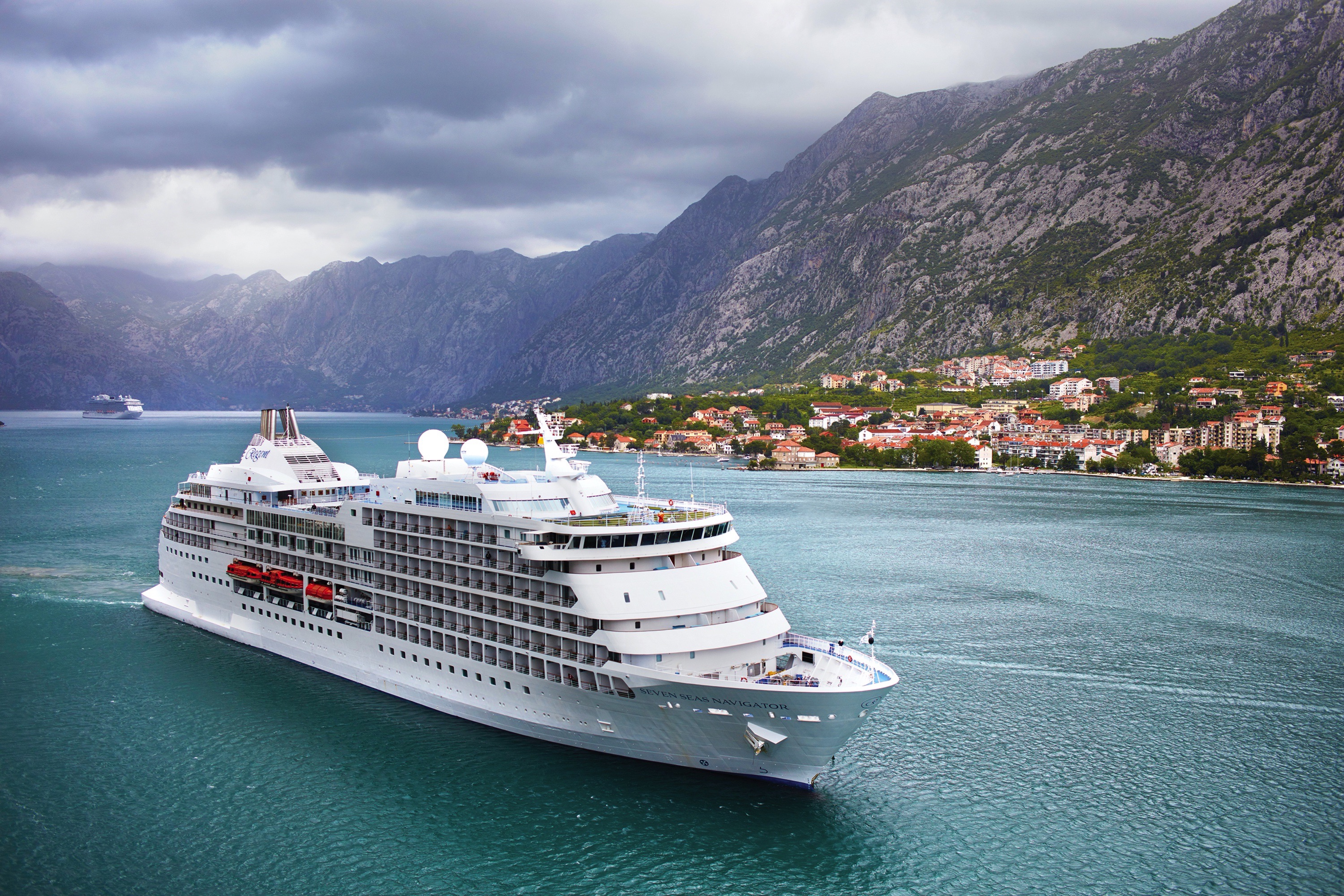
Deck Plans

- Compass Rose
- Launderette
- Deluxe Window Suites

- Destination Services
- Reception
- Navigator Lounge
- Coffee Connection & Club.com
- Library
- Card & Conference Room
- Stars Lounge
- Seven Seas Lounge (Lower Level)
- Penthouse Suite
- Deluxe Veranda Suite
- Deluxe Window Suite

- Boutiques
- The Casino
- Seven Seas Lounge (Upper Level)
- Grand Suite
- Concierge Suite
- Deluxe Veranda Suite

- Grand Suites
- Concierge Suites
- Deluxe Veranda Suites
- Launderette

- Signature Suites
- Penthouse Suites
- Navigator Suites
- Deluxe Veranda Suites
- Launderette

- Pool Bar
- Pool Grill
- Prime 7
- La Veranda
- Sette Mari at La Veranda
- Pool Deck
- Launderette
- Signature Suites
- Penthouse Suites

- Galileo’s Lounge
- Laundrette
- Jogging Track
- Penthouse Suites
- Navigator Suite

- Mini Golf
- Fitness Centre
- Shuffleboard
- Serene Spa & Wellness™
- Compass Rose
- Launderette
- Deluxe Window Suites
- Destination Services
- Reception
- Navigator Lounge
- Coffee Connection & Club.com
- Library
- Card & Conference Room
- Stars Lounge
- Seven Seas Lounge (Lower Level)
- Penthouse Suite
- Deluxe Veranda Suite
- Deluxe Window Suite
- Boutiques
- The Casino
- Seven Seas Lounge (Upper Level)
- Grand Suite
- Concierge Suite
- Deluxe Veranda Suite
- Grand Suites
- Concierge Suites
- Deluxe Veranda Suites
- Launderette
- Signature Suites
- Penthouse Suites
- Navigator Suites
- Deluxe Veranda Suites
- Launderette
- Pool Bar
- Pool Grill
- Prime 7
- La Veranda
- Sette Mari at La Veranda
- Pool Deck
- Launderette
- Signature Suites
- Penthouse Suites
- Galileo’s Lounge
- Laundrette
- Jogging Track
- Penthouse Suites
- Navigator Suite
- Mini Golf
- Fitness Centre
- Shuffleboard
- Serene Spa & Wellness™