Featured Cabins
Itinerary
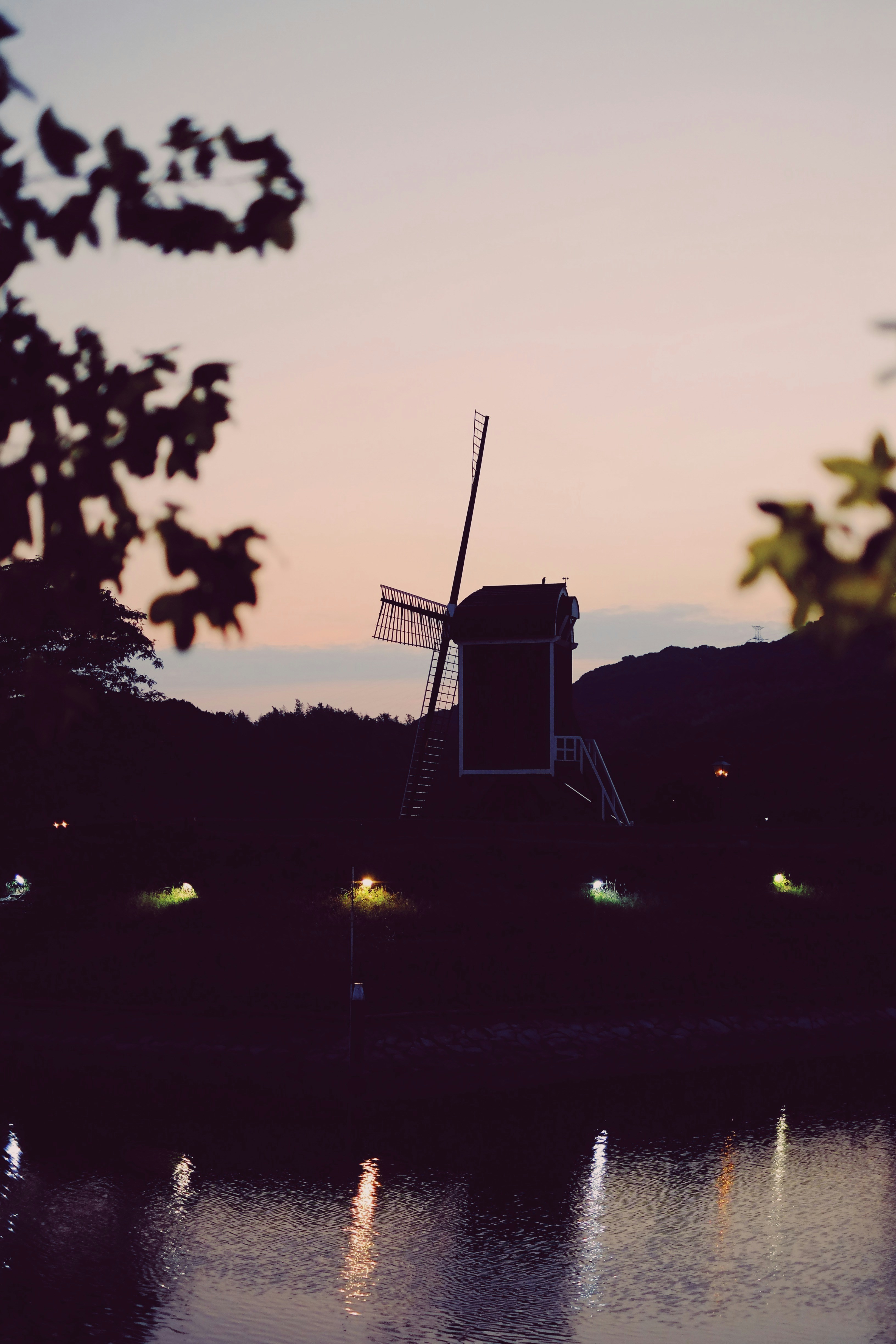
Tokyo, Japan
Lights, sushi, manga! Sprawling, frenetic, and endlessly fascinating, Japan’s capital is a city of contrasts. Shrines and gardens are pockets of calm between famously crowded streets and soaring office buildings. Mom-and-pop noodle houses share street space with Western-style chain restaurants and exquisite fine dining. Shopping yields lovely folk arts as well as the newest electronics. And nightlife kicks off with karaoke or sake and continues with techno clubs and more. Whether you seek the traditional or the cutting edge, Tokyo will provide it.
At Sea
No additional details available for this day.
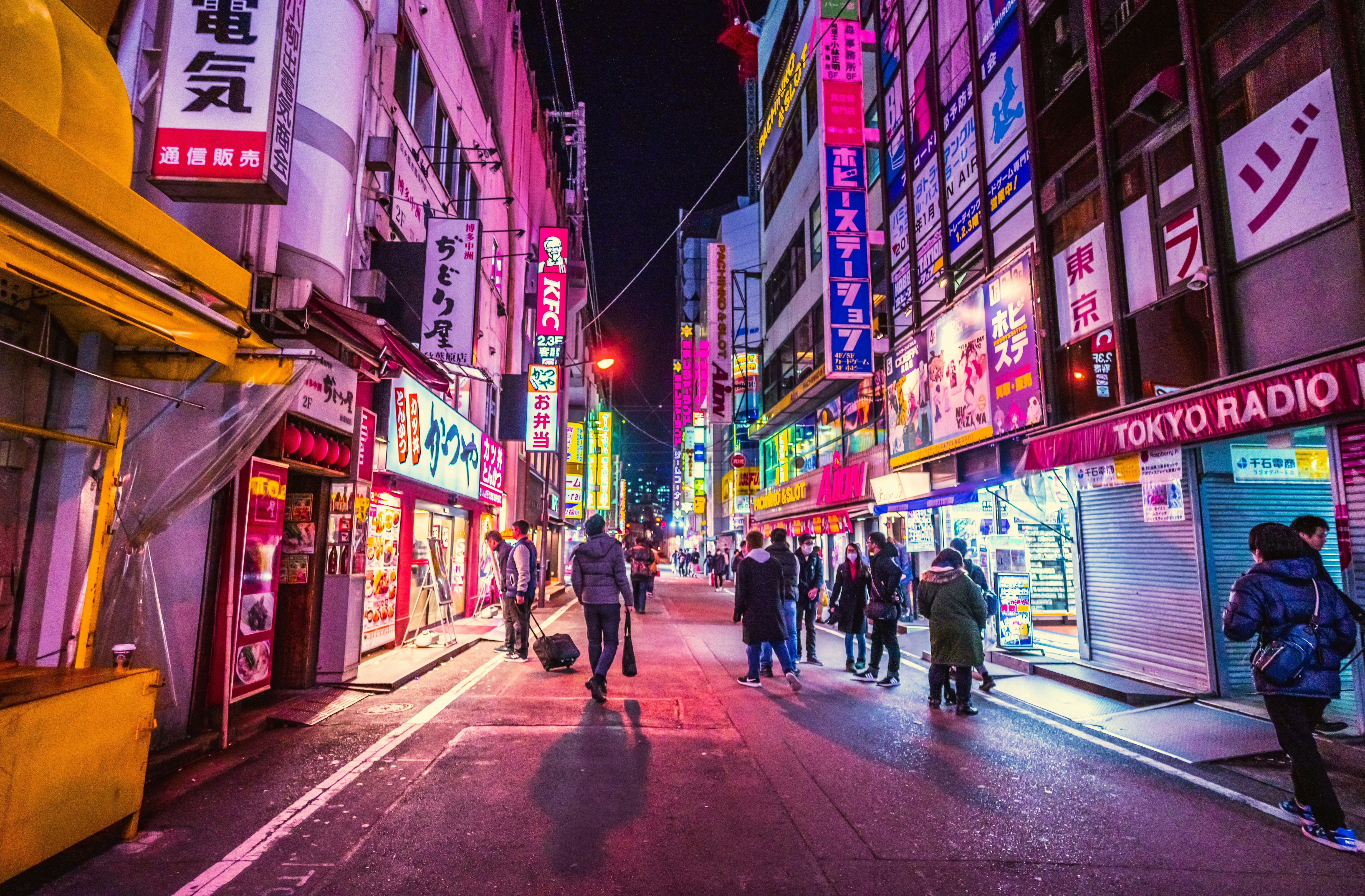
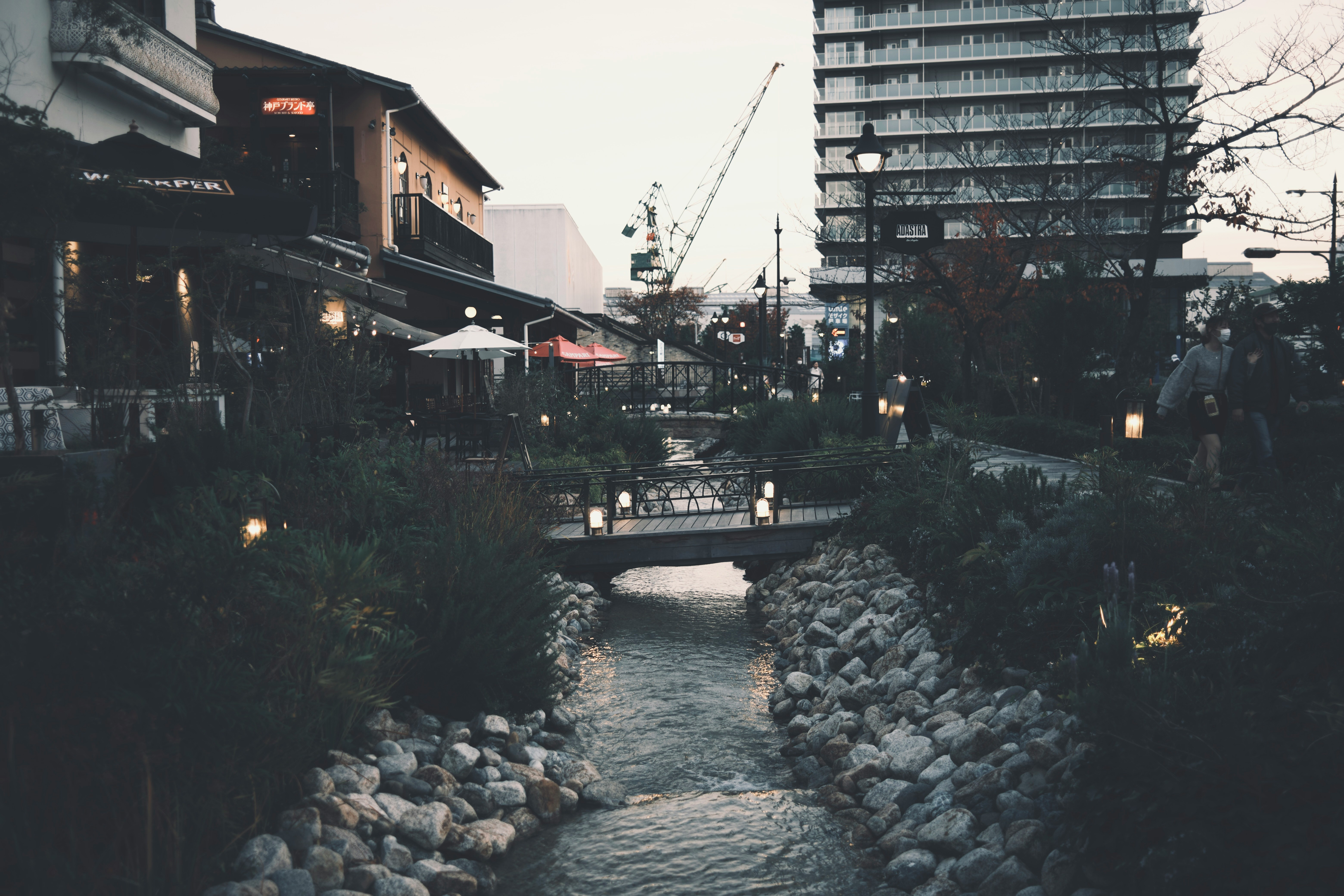
Kobe, Japan
Located on the calm waters of the Inland Sea, Kobe has served as an important port town for hundreds of years. It was one of the first harbours to accept foreign traders in 1868 when Japan was just emerging from its centuries of isolation. What followed was a surge of Western trade and exports. Today, Kobe is quite multicultural, with expatriates from 98 different nations in residence, providing a cultural diversity most easily visible in restaurants serving every kind of cuisine, including the now world famous Kobe beef. The Great Hanshin Earthquake of 1995 set back Kobe’s development, but not for long. Kobe emerged more vibrant than before – with additional attractions, hotels and urban redevelopment, and only a few remnants of the extensive damage. It is a cosmopolitan place with lively shopping arcades, interesting museums, great restaurants, and a port that is still at the heart of things. Kobe is well known for its nightlife, in an intimate quarter of neon lights, cosy bars and sophisticated nightclubs. It also serves as the gateway to the ancient Japanese capitals of Kyoto and Nara.
At Sea
No additional details available for this day.
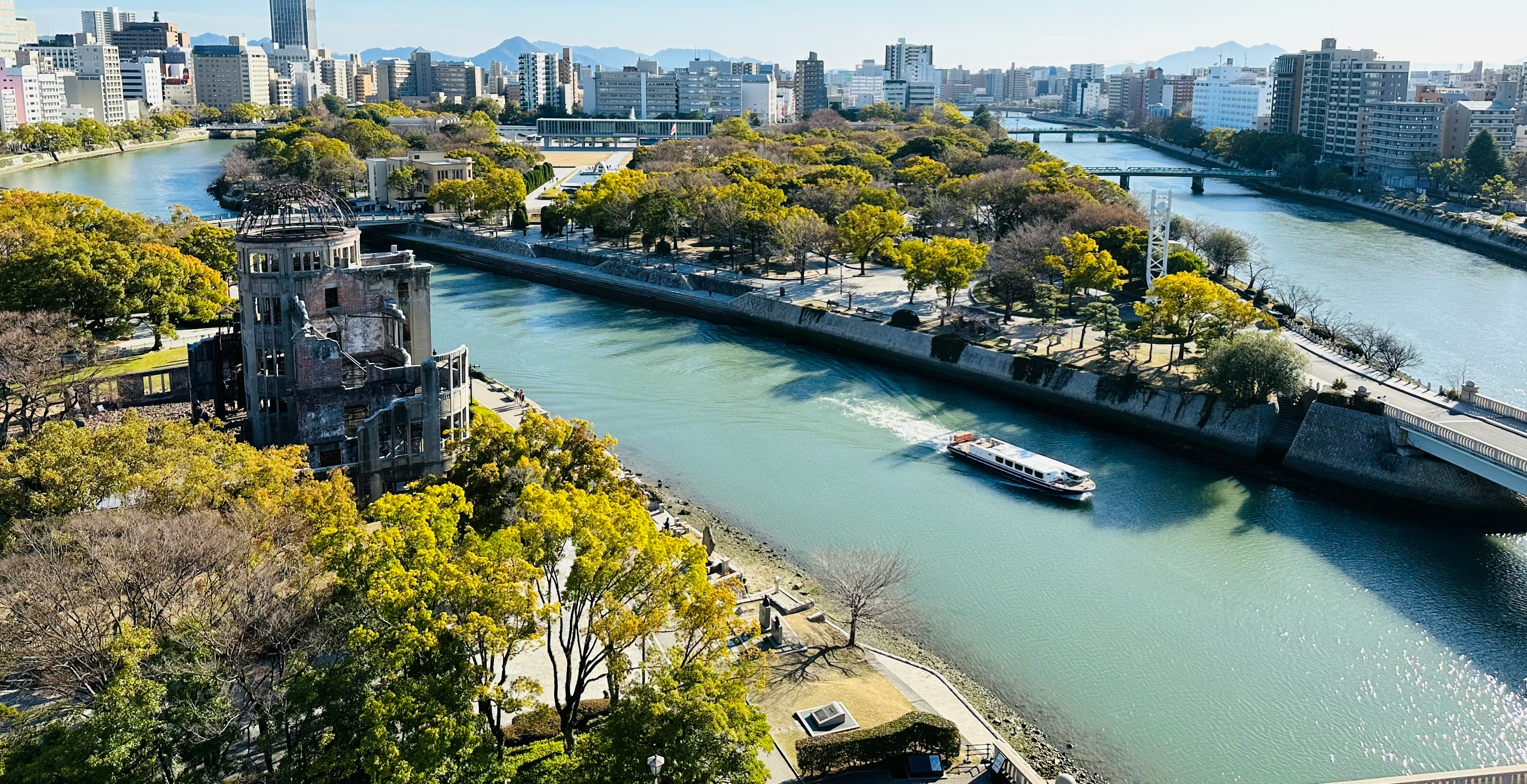
Hiroshima, Japan
History buffs will want to write home Hiroshima. Despite being devastated in 1945, this Japanese city is known to all for its commitment peace – its ruin on the 6th August 1945 led to the end of the war and today, the Peace Memorial (a UNESCO World Heritage Site) , is a constant reminder of the destruction that war brings. A walk in the leafy boulevards of Peace Memorial Park brings quiet contemplation. The Flames of Peace – set in the park’s central feature pond – burn brightly and will continue to do so until all the nuclear bombs I the world have been destroyed. There are many other inspiring messages of hope around the city too; the Children’s’ Peace Monument just north of the park is a homage to little Sadako Sasaki, who was just two in 1945. When she developed leukemia in 1956, she believed that if she folded 1,000 paper cranes – a symbol of longevity and happiness in Japan – she would recover. Sadly she died before she finished her task but her classmates finished the rest. It is impossible to ignore the events of 1945 in Hiroshima, but this is far from a depressing place. The great efforts that have been made in rebuilding of the city over the years have given Hiroshima a vibrant, eclectic edge, with the downtown shopping area and street food stalls being well worth a visit. The proximity to Miyajima and its iconic, impressive, Torii gate should not be overlooked either. If you are lucky enough to visit during the unpredictable and short-lived Sakura (cherry blossom) season, then the extraordinary sight of the delicate pink blossom floating across the water to the red gate, means you can consider yourself one of the luckiest people on the planet.
Fukuoka, Japan
Busan, South Korea
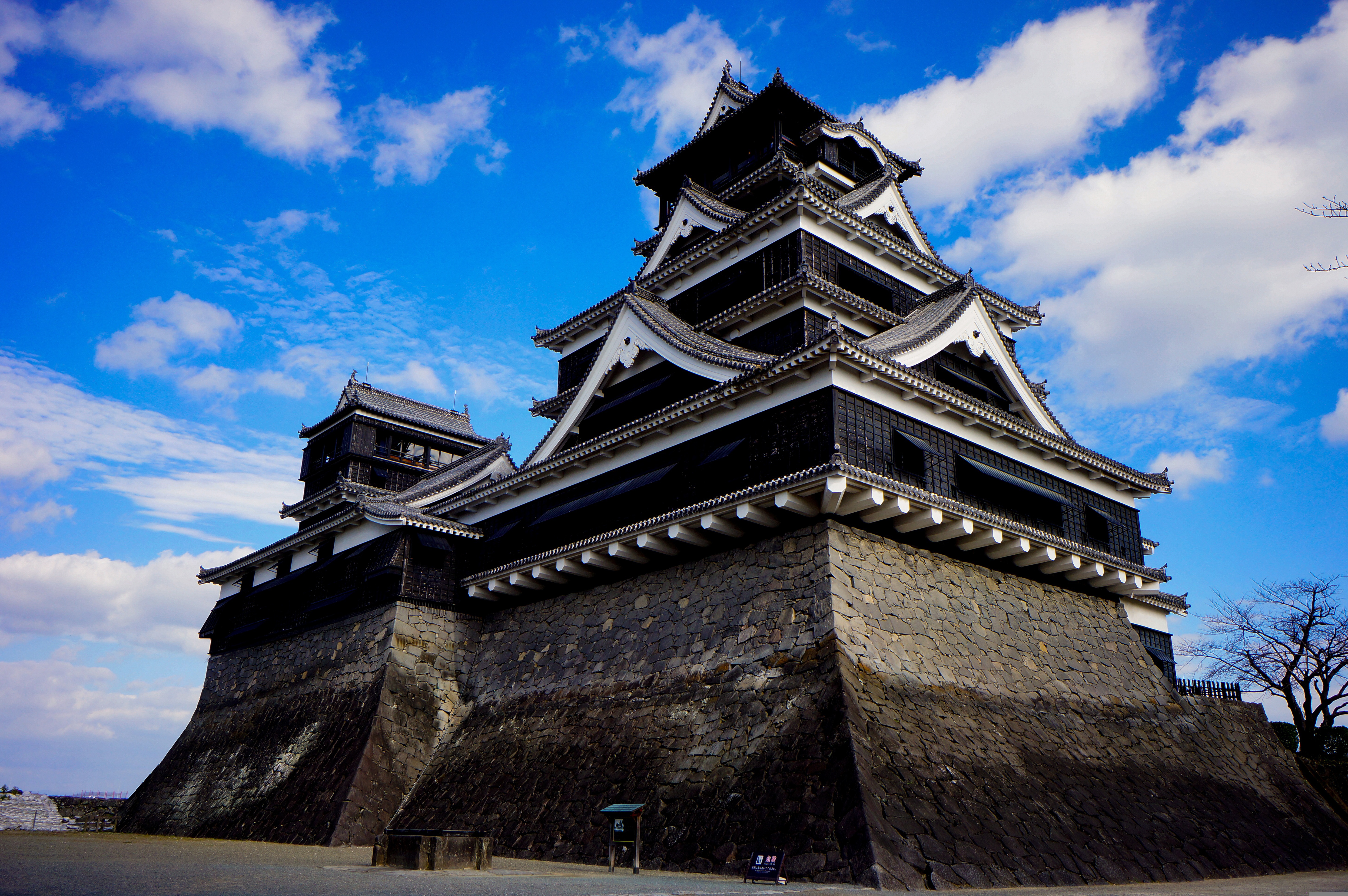
White-sand city beaches and hot-spring resorts may not be everyone’s first image of Korea, but these are what Koreans flock to Busan for all year. And there are plenty of opportunities for rest, relaxation, retail therapy, and even a touch of glamour every October with the Busan International Film Festival. Busan’s beaches are the big summertime draw but there is plenty to be seen year round. Quintessential experiences include taking some rest and relaxation at a local spa and exploring the Beomeosa temple complex.
Tokyo, Japan
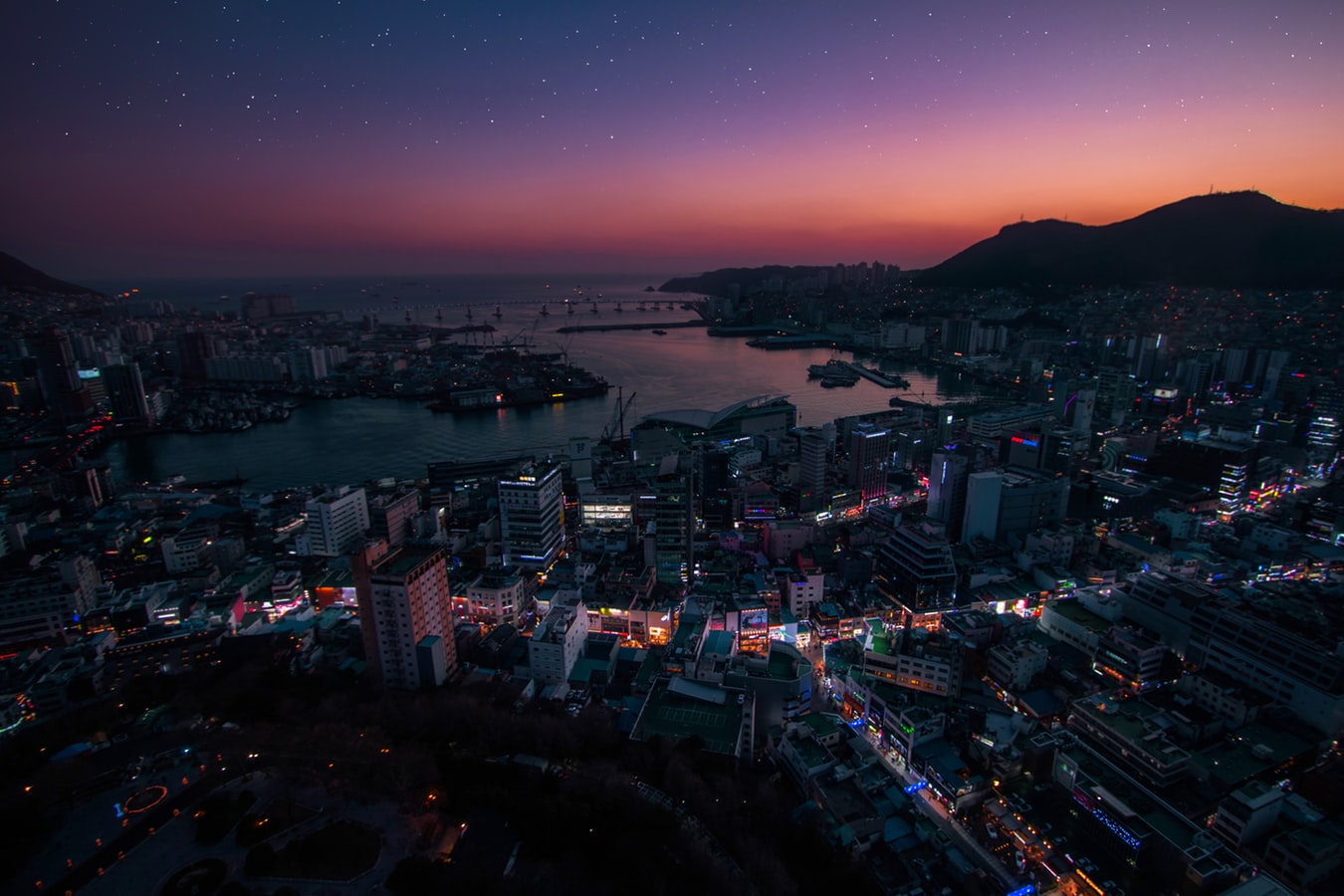
Lights, sushi, manga! Sprawling, frenetic, and endlessly fascinating, Japan’s capital is a city of contrasts. Shrines and gardens are pockets of calm between famously crowded streets and soaring office buildings. Mom-and-pop noodle houses share street space with Western-style chain restaurants and exquisite fine dining. Shopping yields lovely folk arts as well as the newest electronics. And nightlife kicks off with karaoke or sake and continues with techno clubs and more. Whether you seek the traditional or the cutting edge, Tokyo will provide it.
At Sea
No additional details available for this day.
Kobe, Japan
Located on the calm waters of the Inland Sea, Kobe has served as an important port town for hundreds of years. It was one of the first harbours to accept foreign traders in 1868 when Japan was just emerging from its centuries of isolation. What followed was a surge of Western trade and exports. Today, Kobe is quite multicultural, with expatriates from 98 different nations in residence, providing a cultural diversity most easily visible in restaurants serving every kind of cuisine, including the now world famous Kobe beef. The Great Hanshin Earthquake of 1995 set back Kobe’s development, but not for long. Kobe emerged more vibrant than before – with additional attractions, hotels and urban redevelopment, and only a few remnants of the extensive damage. It is a cosmopolitan place with lively shopping arcades, interesting museums, great restaurants, and a port that is still at the heart of things. Kobe is well known for its nightlife, in an intimate quarter of neon lights, cosy bars and sophisticated nightclubs. It also serves as the gateway to the ancient Japanese capitals of Kyoto and Nara.
At Sea
No additional details available for this day.
Hiroshima, Japan
History buffs will want to write home Hiroshima. Despite being devastated in 1945, this Japanese city is known to all for its commitment peace – its ruin on the 6th August 1945 led to the end of the war and today, the Peace Memorial (a UNESCO World Heritage Site) , is a constant reminder of the destruction that war brings. A walk in the leafy boulevards of Peace Memorial Park brings quiet contemplation. The Flames of Peace – set in the park’s central feature pond – burn brightly and will continue to do so until all the nuclear bombs I the world have been destroyed. There are many other inspiring messages of hope around the city too; the Children’s’ Peace Monument just north of the park is a homage to little Sadako Sasaki, who was just two in 1945. When she developed leukemia in 1956, she believed that if she folded 1,000 paper cranes – a symbol of longevity and happiness in Japan – she would recover. Sadly she died before she finished her task but her classmates finished the rest. It is impossible to ignore the events of 1945 in Hiroshima, but this is far from a depressing place. The great efforts that have been made in rebuilding of the city over the years have given Hiroshima a vibrant, eclectic edge, with the downtown shopping area and street food stalls being well worth a visit. The proximity to Miyajima and its iconic, impressive, Torii gate should not be overlooked either. If you are lucky enough to visit during the unpredictable and short-lived Sakura (cherry blossom) season, then the extraordinary sight of the delicate pink blossom floating across the water to the red gate, means you can consider yourself one of the luckiest people on the planet.
Fukuoka, Japan
Busan, South Korea
White-sand city beaches and hot-spring resorts may not be everyone’s first image of Korea, but these are what Koreans flock to Busan for all year. And there are plenty of opportunities for rest, relaxation, retail therapy, and even a touch of glamour every October with the Busan International Film Festival. Busan’s beaches are the big summertime draw but there is plenty to be seen year round. Quintessential experiences include taking some rest and relaxation at a local spa and exploring the Beomeosa temple complex.
Sasebo, Japan
Kagoshima, Japan
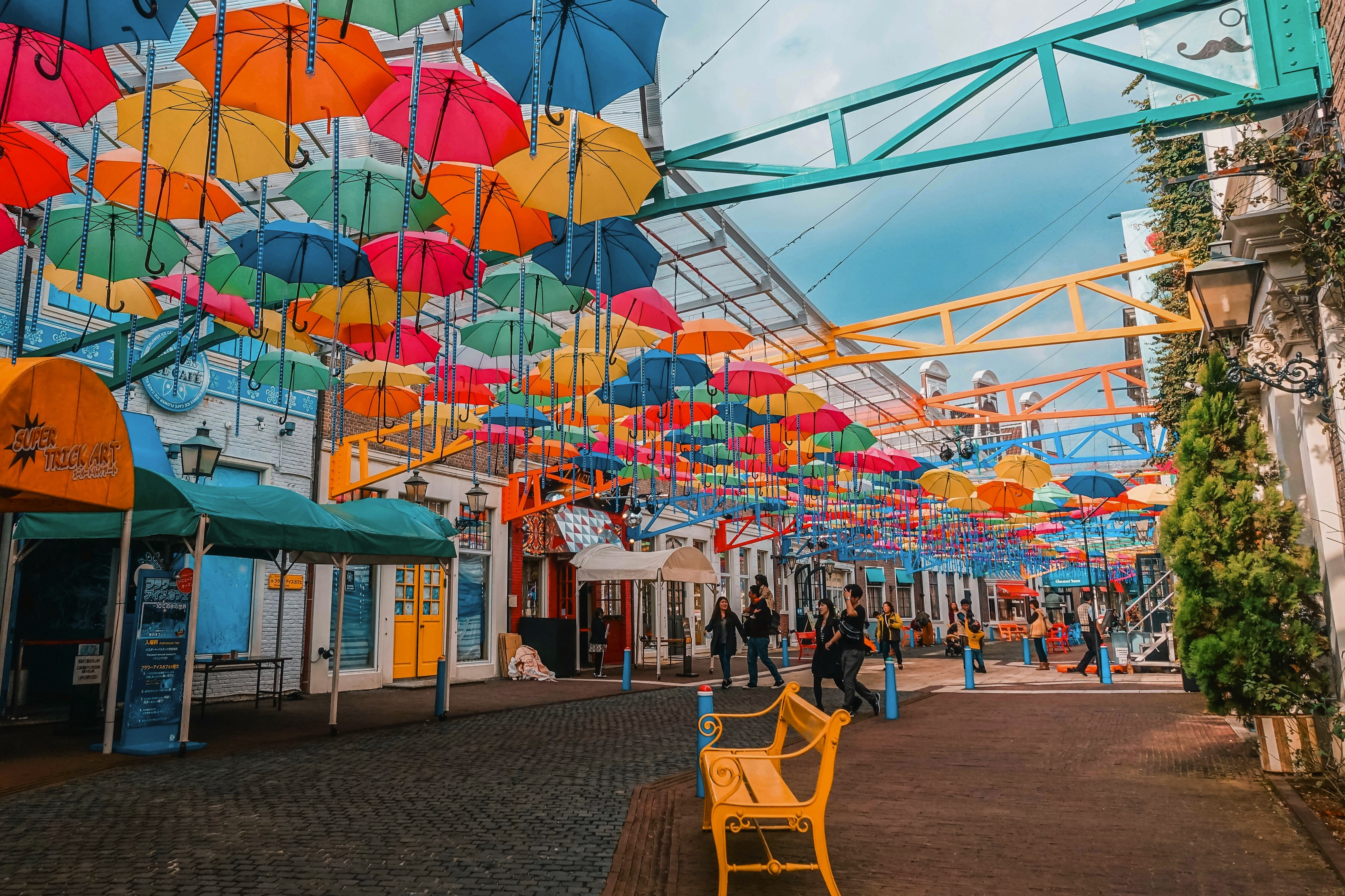
Kagoshima city is the capital of Kagoshima prefecture and also Kyushu’s southernmost major city. This city is often compared to its Italian sister city Naples, due to its’s similarities such as mild climate and active volcano, Sakurajima. Sakurajima is one of the most renowned active volcanos not only in Japan but also in the whole entire world. This smoking Sakurajima is centred in Kinko Bay and is one of the main symbols of this prefecture. We cannot talk about Sakurajima without the history of continuous eruption. Sakurajima used to be an isolated island; however, the land has banded together with Osumi peninsula from the eruption in 1914. You may have a chance to see the smoke coming from the top of Sakurajima depending on the weather condition. Not only does the scenery of Sakurajima represent the beauty of Kagoshima City but Senganen garden is also symbolic to elegance in the Kagoshima region. This Japanese garden was constructed by a feudal lord, Mitsuhisa Shimazu, as a guest house of the Kagoshima castle which attracts many visitors for its splendid view.

At Sea
No additional details available for this day.
Tokyo, Japan
Lights, sushi, manga! Sprawling, frenetic, and endlessly fascinating, Japan’s capital is a city of contrasts. Shrines and gardens are pockets of calm between famously crowded streets and soaring office buildings. Mom-and-pop noodle houses share street space with Western-style chain restaurants and exquisite fine dining. Shopping yields lovely folk arts as well as the newest electronics. And nightlife kicks off with karaoke or sake and continues with techno clubs and more. Whether you seek the traditional or the cutting edge, Tokyo will provide it.
Sasebo, Japan
Kagoshima, Japan
Kagoshima city is the capital of Kagoshima prefecture and also Kyushu’s southernmost major city. This city is often compared to its Italian sister city Naples, due to its’s similarities such as mild climate and active volcano, Sakurajima. Sakurajima is one of the most renowned active volcanos not only in Japan but also in the whole entire world. This smoking Sakurajima is centred in Kinko Bay and is one of the main symbols of this prefecture. We cannot talk about Sakurajima without the history of continuous eruption. Sakurajima used to be an isolated island; however, the land has banded together with Osumi peninsula from the eruption in 1914. You may have a chance to see the smoke coming from the top of Sakurajima depending on the weather condition. Not only does the scenery of Sakurajima represent the beauty of Kagoshima City but Senganen garden is also symbolic to elegance in the Kagoshima region. This Japanese garden was constructed by a feudal lord, Mitsuhisa Shimazu, as a guest house of the Kagoshima castle which attracts many visitors for its splendid view.
At Sea
No additional details available for this day.
Tokyo, Japan
Lights, sushi, manga! Sprawling, frenetic, and endlessly fascinating, Japan’s capital is a city of contrasts. Shrines and gardens are pockets of calm between famously crowded streets and soaring office buildings. Mom-and-pop noodle houses share street space with Western-style chain restaurants and exquisite fine dining. Shopping yields lovely folk arts as well as the newest electronics. And nightlife kicks off with karaoke or sake and continues with techno clubs and more. Whether you seek the traditional or the cutting edge, Tokyo will provide it.
Cabin Options

The Terrace Suite
The Signature Suite
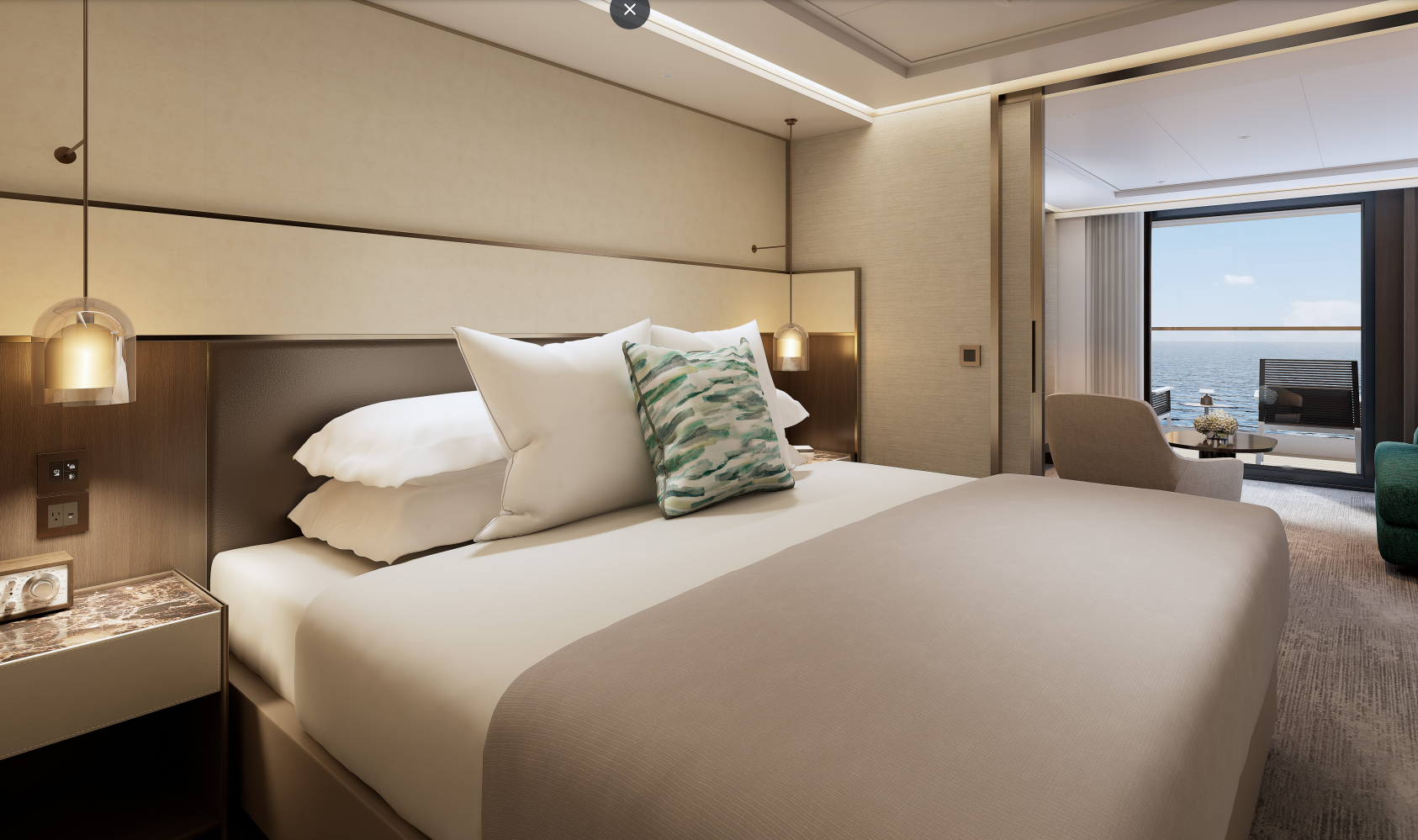
The Grand Suite
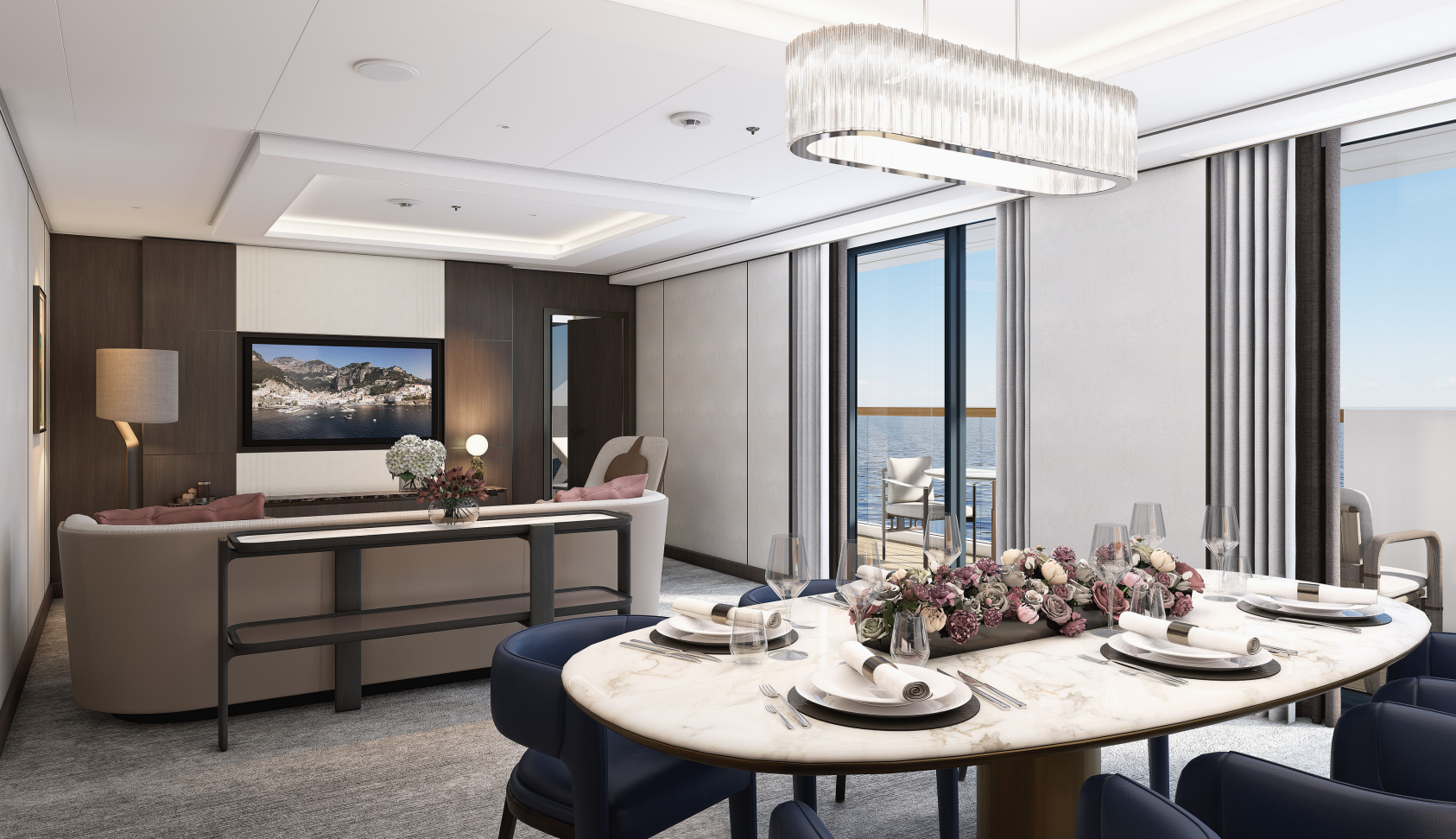
The View Suite
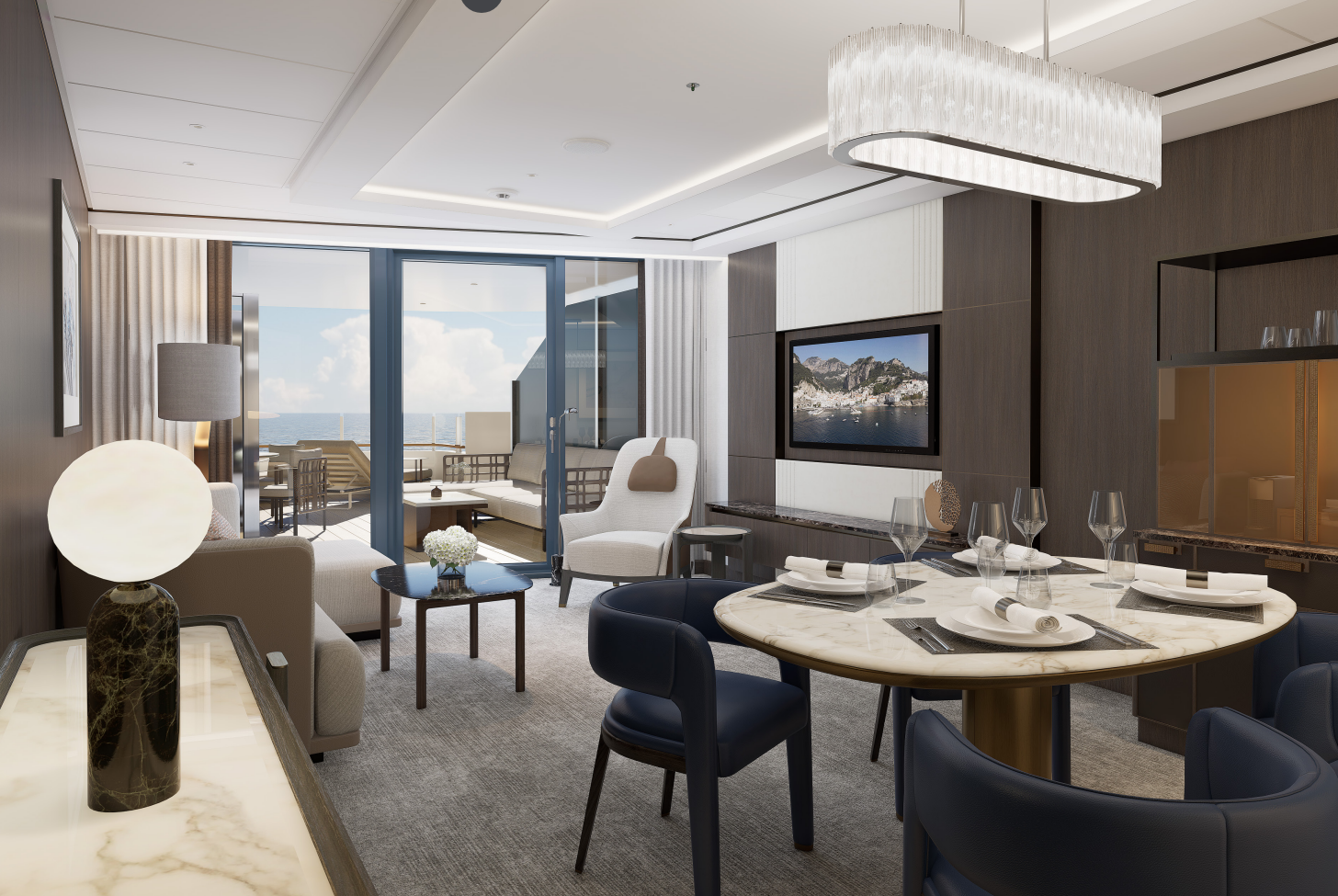
The Luminara Suite
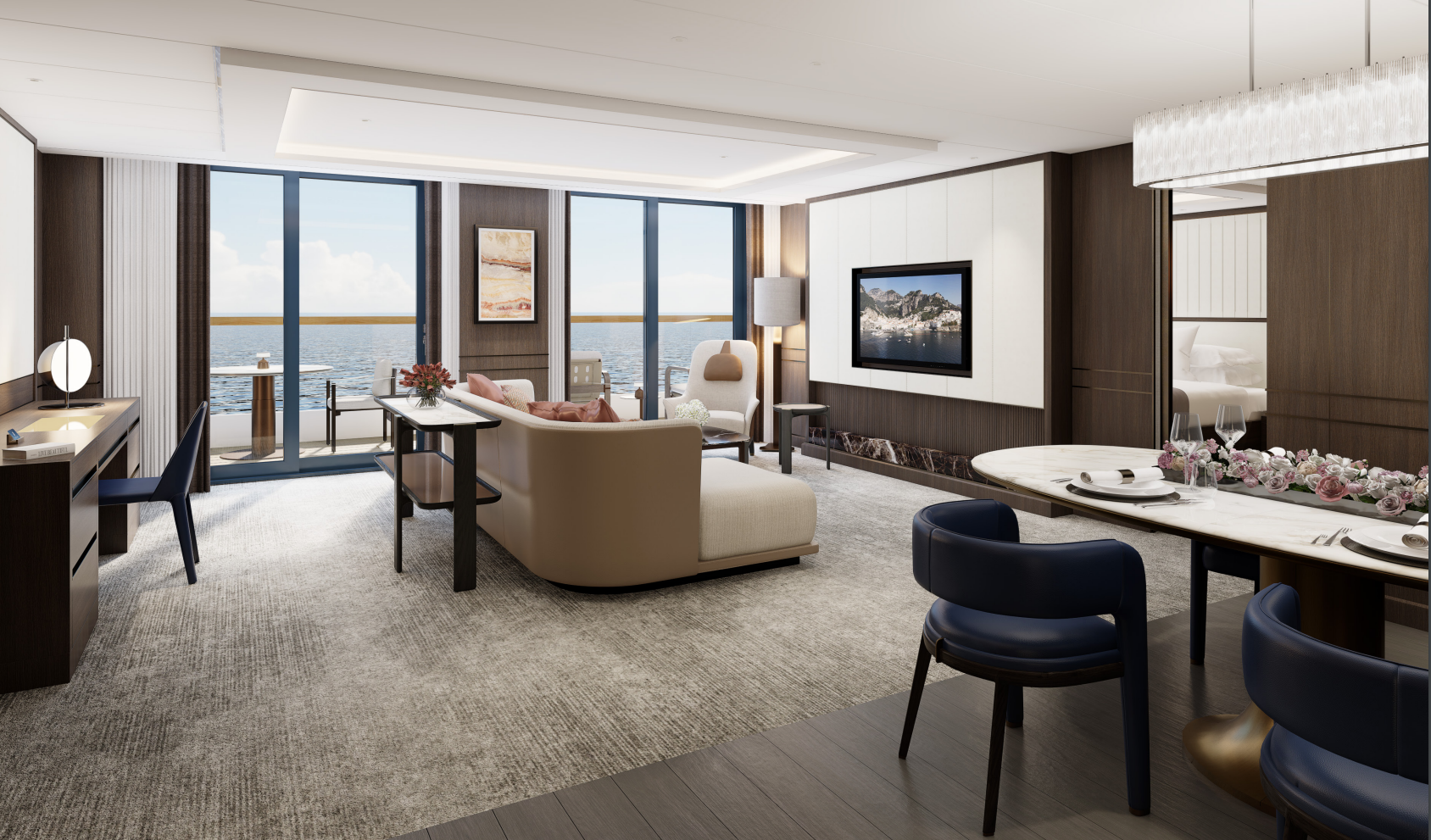
The Residential Suite
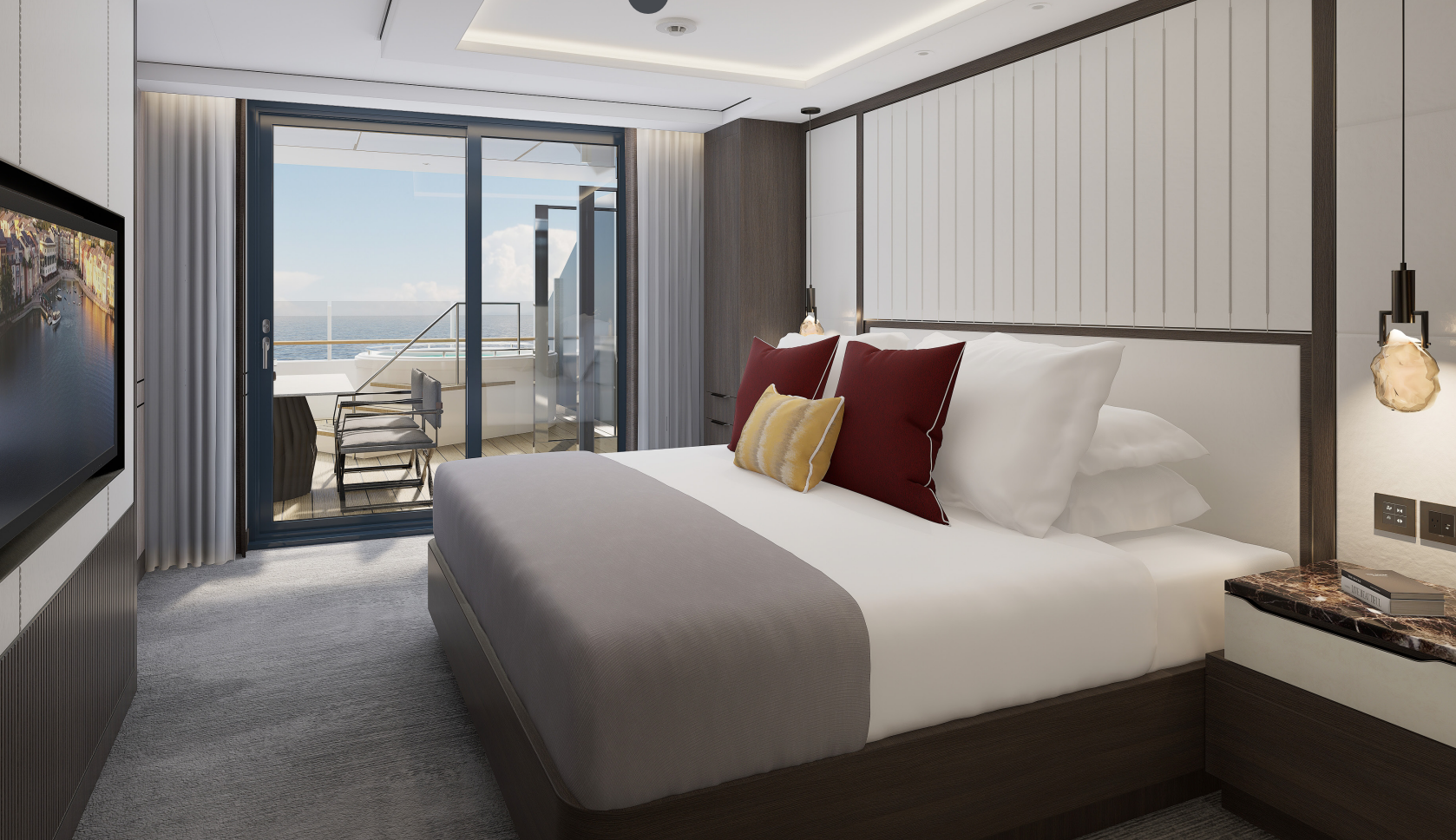
The Concierge Suite
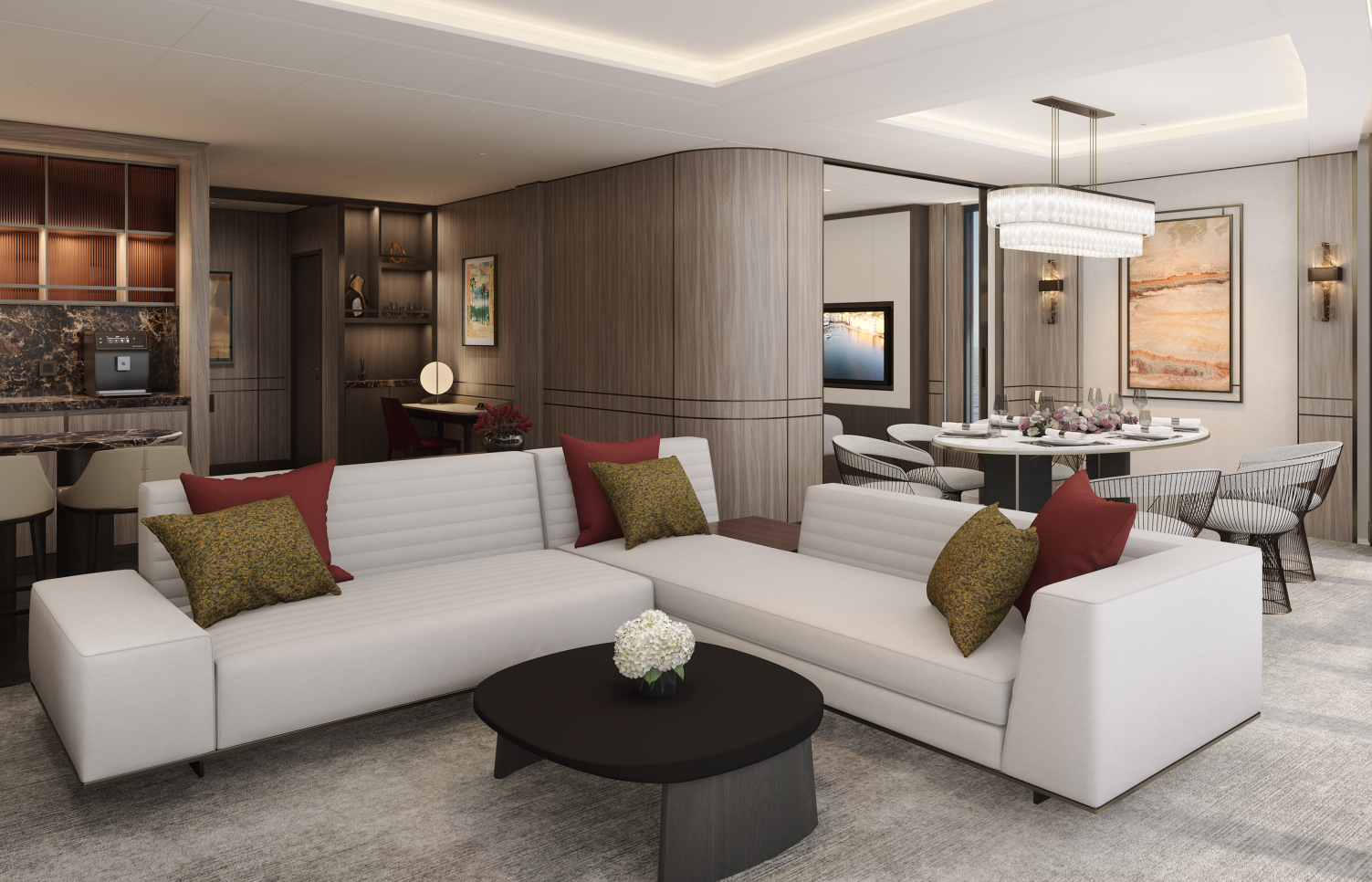
Owner's Suite
Ship Facilities
Main Dining Room
Spacious yet intimate, the main restaurant features an ever-changing menu of dishes inspired by the diverse regions that Luminara explores.

Fine Dining
Elegant and modern in design, the specialty dining experience offers decadent tasting menus featuring exquisite cuisine deeply rooted in Italian traditions.
Dining Privee
Join friends at a private enclave within Tides for an exclusive dining experience, the perfect setting for celebratory dinners and other special events.
Asian Fusion
Have a seat at the sushi bar or grab a table indoors or alfresco to savor creative interpretations of Southeast Asian cuisine.
Beach House
Dine indoors or alfresco on Latin-inspired cuisine, complemented by craft beers, bold wines and an elevated tequila selection, in this elegant yet relaxed space evoking a chic beach club.
Mistral
Just steps from the Main Pool, Mistral invites you to a celebration of timeless Mediterranean cuisine.
The Living Room
This comfortable gathering place with a library transforms from a coffee bar to a cocktail lounge with live music at night and serves ready-made treats throughout the day.
The Boutique
Designer apparel, jewelry and leather goods entice shoppers, as do the collaborations with local artisans showcasing their work in select ports.
The Observation Lounge & Terrace
Panoramic views of the sea and shore provide the perfect backdrop for relaxing, socializing and sunbathing.
The Humidor
Sip a fine cognac and enjoy an exceptional selection of hand-rolled cigars showcased in a state-of-the-art humidor.
Marina Terrace
Enjoy drinks and light bites with views of the sea on a spacious terrace just steps above the Marina.
The Main Pool & Pool Bar
Relax on a comfortable chaise, sun yourself on the pool’s tanning ledge, or cool off with a dip in the water at The Pool Deck, an inviting space at any time of day.
The Ritz-Carlton Spa®
Luminara..Listen to the gentle lap of waves while reclining on a massage table, savoring a therapeutic spa treatment from the private terrace of one of our treatment rooms. Inspired by the destinations we visit and curated to fulfill your needs, our treatments feature the finest ESPA products to awaken the senses, refresh the body and renew the spirit. Arrive early, stay a while and drift away into relaxation aboard your oasis at sea.
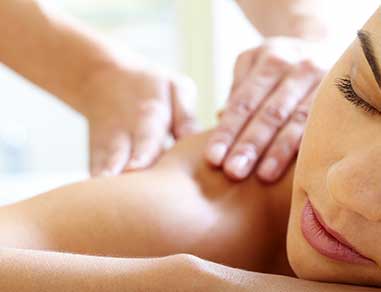
The Fitness Studio
The Fitness Studio is home to a health and wellness program that integrates fitness and spa with lectures and nutrition that can be customized for each guest. From personal training to sunrise yoga and mat Pilates, each voyage has opportunities to maintain a healthy lifestyle. With a selection of machines such as bikes, rowers and ellipticals as well as free weights and other equipment, guests can take their regular exercise routine onboard.
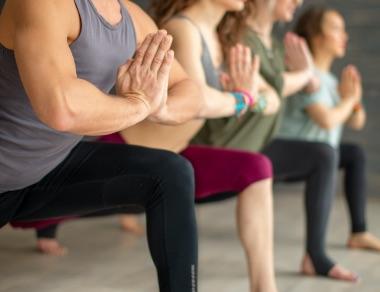
Barber & Salon Services
The Salon offers a variety of beauty and hair services including manicure and pedicure treatments, hair consultations, cutting, styling and blow drying. Next door at The Barber, gentlemen can enjoy a close shave or invigorating facial before heading ashore to explore the port feeling refreshed and revitalised.

Infinity Pool
An extension of the Beach House, the aft Infinity Pool features comfortable loungers and views that stretch as far as the horizon.
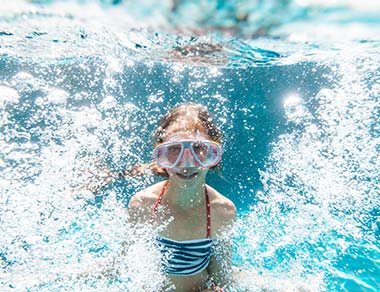
Ritz Kids®
Ritz Kids is an educational and fun-filled programs that encourage kids to explore the world around them.
Main Dining Room
Spacious yet intimate, the main restaurant features an ever-changing menu of dishes inspired by the diverse regions that Luminara explores.
Fine Dining
Elegant and modern in design, the specialty dining experience offers decadent tasting menus featuring exquisite cuisine deeply rooted in Italian traditions.
Dining Privee
Join friends at a private enclave within Tides for an exclusive dining experience, the perfect setting for celebratory dinners and other special events.
Asian Fusion
Have a seat at the sushi bar or grab a table indoors or alfresco to savor creative interpretations of Southeast Asian cuisine.
Beach House
Dine indoors or alfresco on Latin-inspired cuisine, complemented by craft beers, bold wines and an elevated tequila selection, in this elegant yet relaxed space evoking a chic beach club.
Mistral
Just steps from the Main Pool, Mistral invites you to a celebration of timeless Mediterranean cuisine.
The Living Room
This comfortable gathering place with a library transforms from a coffee bar to a cocktail lounge with live music at night and serves ready-made treats throughout the day.
The Boutique
Designer apparel, jewelry and leather goods entice shoppers, as do the collaborations with local artisans showcasing their work in select ports.
The Observation Lounge & Terrace
Panoramic views of the sea and shore provide the perfect backdrop for relaxing, socializing and sunbathing.
The Humidor
Sip a fine cognac and enjoy an exceptional selection of hand-rolled cigars showcased in a state-of-the-art humidor.
Marina Terrace
Enjoy drinks and light bites with views of the sea on a spacious terrace just steps above the Marina.
The Main Pool & Pool Bar
Relax on a comfortable chaise, sun yourself on the pool’s tanning ledge, or cool off with a dip in the water at The Pool Deck, an inviting space at any time of day.
The Ritz-Carlton Spa®
Luminara..Listen to the gentle lap of waves while reclining on a massage table, savoring a therapeutic spa treatment from the private terrace of one of our treatment rooms. Inspired by the destinations we visit and curated to fulfill your needs, our treatments feature the finest ESPA products to awaken the senses, refresh the body and renew the spirit. Arrive early, stay a while and drift away into relaxation aboard your oasis at sea.
The Fitness Studio
The Fitness Studio is home to a health and wellness program that integrates fitness and spa with lectures and nutrition that can be customized for each guest. From personal training to sunrise yoga and mat Pilates, each voyage has opportunities to maintain a healthy lifestyle. With a selection of machines such as bikes, rowers and ellipticals as well as free weights and other equipment, guests can take their regular exercise routine onboard.
Barber & Salon Services
The Salon offers a variety of beauty and hair services including manicure and pedicure treatments, hair consultations, cutting, styling and blow drying. Next door at The Barber, gentlemen can enjoy a close shave or invigorating facial before heading ashore to explore the port feeling refreshed and revitalised.
Infinity Pool
An extension of the Beach House, the aft Infinity Pool features comfortable loungers and views that stretch as far as the horizon.
Ritz Kids®
Ritz Kids is an educational and fun-filled programs that encourage kids to explore the world around them.
About the Ship

Deck Plans

- The Marina Terrace
- The Marina
- Main Dining Room
- Fine Dining
- Dining Privee
- Wine Vault
- Medical Centre

- The Ritz Carlton Spa
- Asian Fusion
- The Fitness Studio
- Ritz Kids® / The Meeting Room
- Women Steam and Sauna
- Men Steam and Sauna
- The Relaxation Room
- Launderette
- The Barber
- The Salon
- Guest Services

- The Living Room
- Beach House
- Infinity Pool
- The Humidor
- The Boutique
- Terrace Suites
- The Pool

- The Concierge Suite
- The Luminara Suite
- The Grand Suite
- The Signature Mid Suite
- The Signature Suite
- The Terrace Mid Suite
- The Terrace Suite

- The Owner’s Suite
- The Concierge Suite
- The Residential Suite
- The View Suites
- The Grand Suites
- The Signature Mid Suites
- The Signature Suites
- The Terrace Mid Suites
- The Terrace Suites

- The Owners Suite
- The Concierge Suite
- The Grand Suite
- The Signature Mid Suite
- The Signature Suite
- The Terrace Mid Suites

- The Observation Lounge & Terrace
- The Owner’s Suite
- The Concierge Suite
- The Grand Suite
- The Signature Mid Suite
- The Signature Suite
- The Terrace Mid Suite
- The Terrace Suite

- Mistral
- Mistral Bar
- The Pool
- The Pool Bar
- Sun Deck
- The Marina Terrace
- The Marina
- Main Dining Room
- Fine Dining
- Dining Privee
- Wine Vault
- Medical Centre
- The Ritz Carlton Spa
- Asian Fusion
- The Fitness Studio
- Ritz Kids® / The Meeting Room
- Women Steam and Sauna
- Men Steam and Sauna
- The Relaxation Room
- Launderette
- The Barber
- The Salon
- Guest Services
- The Living Room
- Beach House
- Infinity Pool
- The Humidor
- The Boutique
- Terrace Suites
- The Pool
- The Concierge Suite
- The Luminara Suite
- The Grand Suite
- The Signature Mid Suite
- The Signature Suite
- The Terrace Mid Suite
- The Terrace Suite
- The Owner’s Suite
- The Concierge Suite
- The Residential Suite
- The View Suites
- The Grand Suites
- The Signature Mid Suites
- The Signature Suites
- The Terrace Mid Suites
- The Terrace Suites
- The Owners Suite
- The Concierge Suite
- The Grand Suite
- The Signature Mid Suite
- The Signature Suite
- The Terrace Mid Suites
- The Observation Lounge & Terrace
- The Owner’s Suite
- The Concierge Suite
- The Grand Suite
- The Signature Mid Suite
- The Signature Suite
- The Terrace Mid Suite
- The Terrace Suite
- Mistral
- Mistral Bar
- The Pool
- The Pool Bar
- Sun Deck