Featured Cabins
Itinerary
Tokyo, Japan
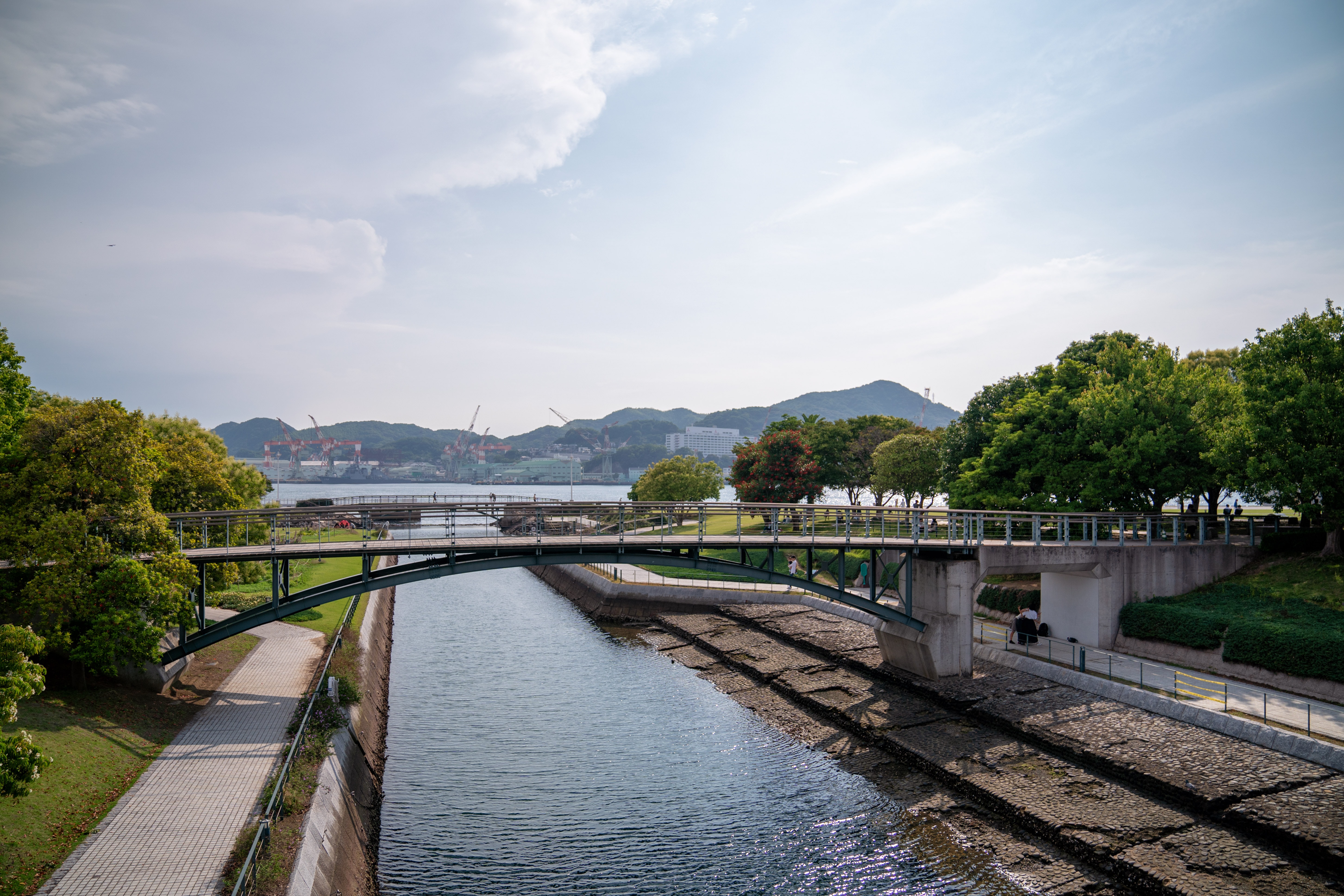
Lights, sushi, manga! Sprawling, frenetic, and endlessly fascinating, Japan’s capital is a city of contrasts. Shrines and gardens are pockets of calm between famously crowded streets and soaring office buildings. Mom-and-pop noodle houses share street space with Western-style chain restaurants and exquisite fine dining. Shopping yields lovely folk arts as well as the newest electronics. And nightlife kicks off with karaoke or sake and continues with techno clubs and more. Whether you seek the traditional or the cutting edge, Tokyo will provide it.
At Sea
Kobe, Japan
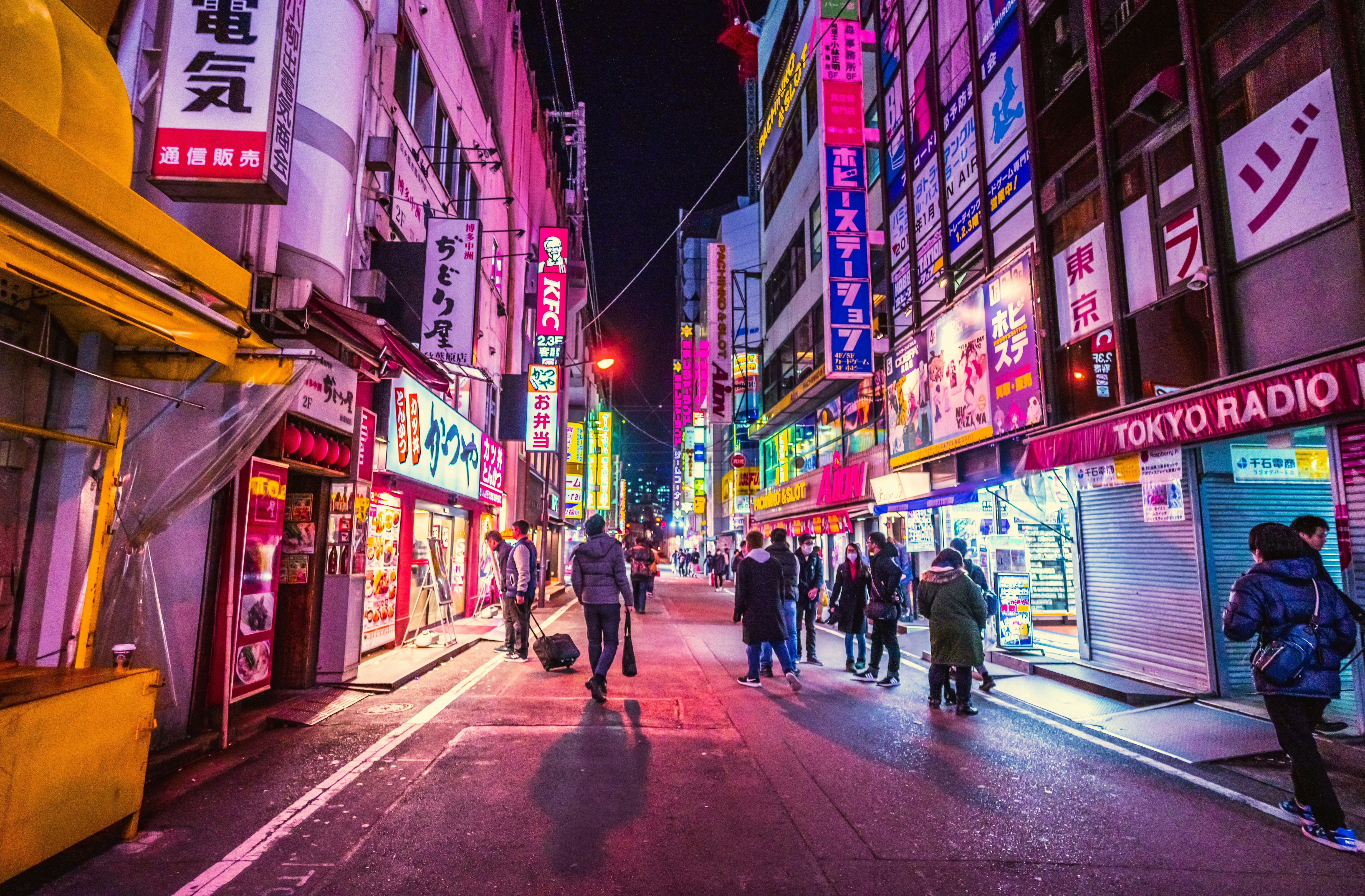
Located on the calm waters of the Inland Sea, Kobe has served as an important port town for hundreds of years. It was one of the first harbours to accept foreign traders in 1868 when Japan was just emerging from its centuries of isolation. What followed was a surge of Western trade and exports. Today, Kobe is quite multicultural, with expatriates from 98 different nations in residence, providing a cultural diversity most easily visible in restaurants serving every kind of cuisine, including the now world famous Kobe beef. The Great Hanshin Earthquake of 1995 set back Kobe’s development, but not for long. Kobe emerged more vibrant than before – with additional attractions, hotels and urban redevelopment, and only a few remnants of the extensive damage. It is a cosmopolitan place with lively shopping arcades, interesting museums, great restaurants, and a port that is still at the heart of things. Kobe is well known for its nightlife, in an intimate quarter of neon lights, cosy bars and sophisticated nightclubs. It also serves as the gateway to the ancient Japanese capitals of Kyoto and Nara.
At Sea
Nagasaki, Japan
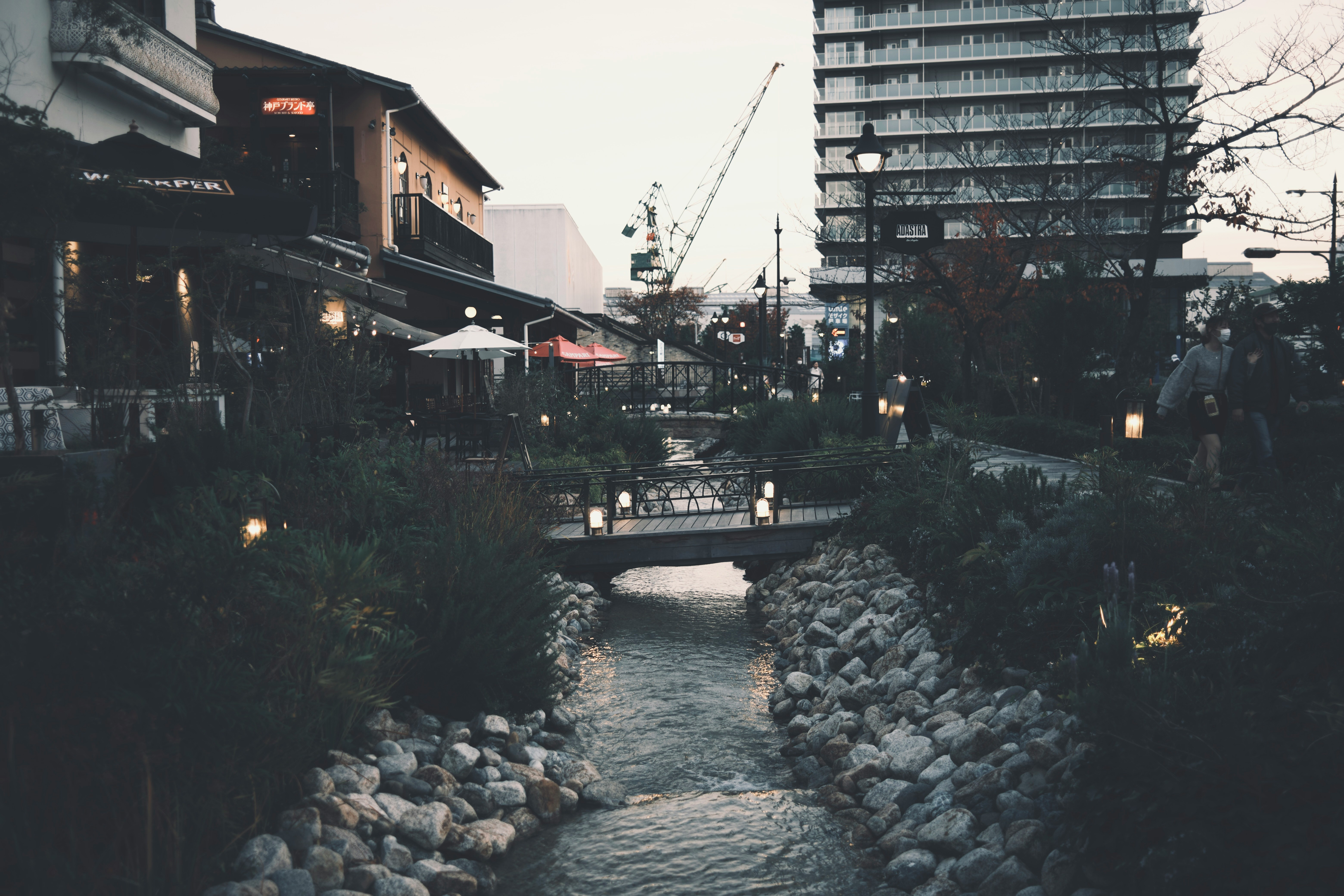
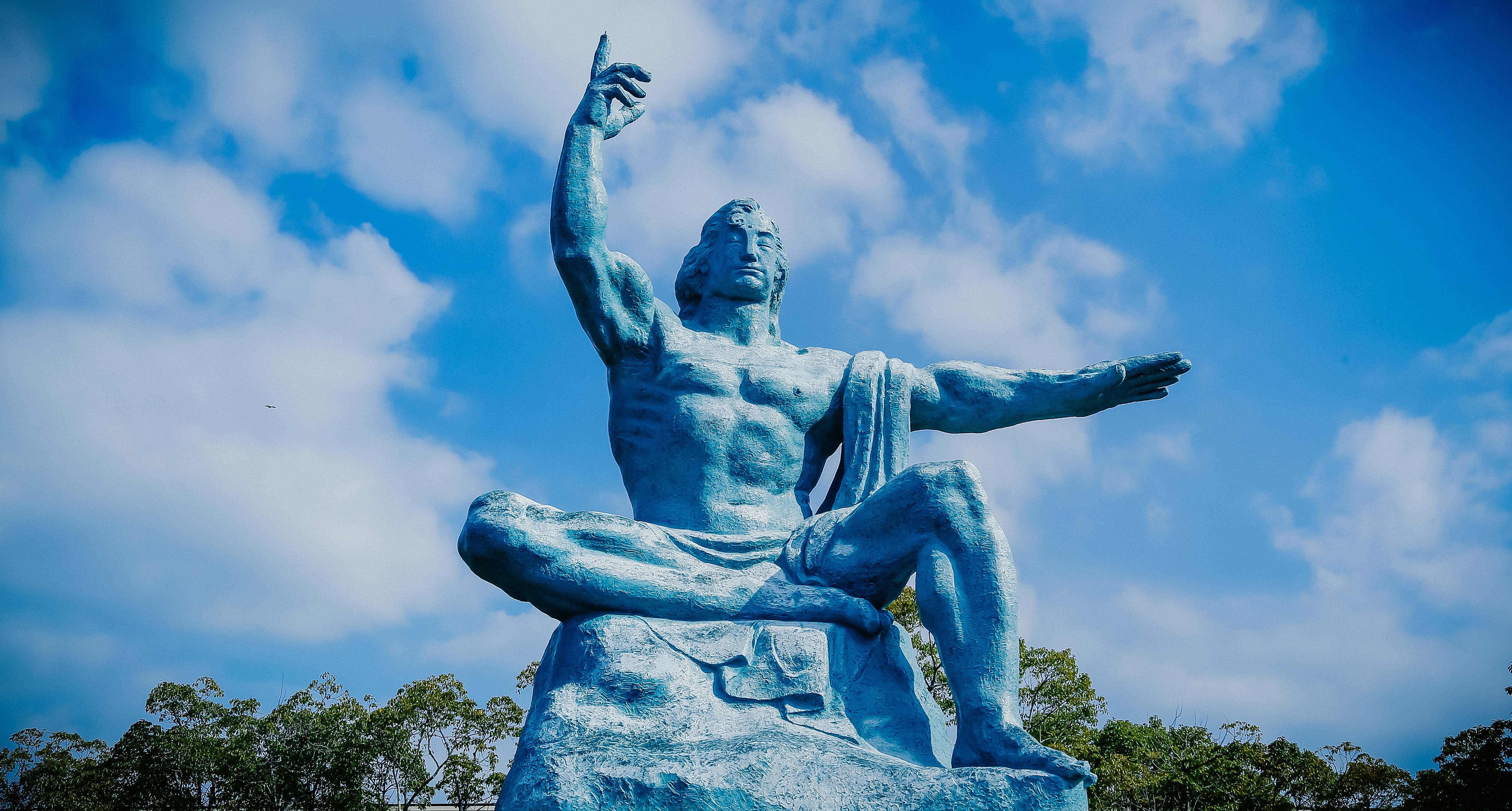
Nagasaki city has developed into one of the most important port cities in Japan. During Japan’s period of isolation in the 17th century, Nagasaki played a prominent role in foreign trade relation and only a very few ports were open to restricted numbers of foreign traders. Even though Holland was a major country who conducted trading during this period, Dutch people were only allowed to stay in Dejima Island and were not allowed to have contact with the Japanese people. Today, you will still find the strong influence of Dutch and Chinese culture in the city which is very different from all other cities in Japan. In the more recent history, Nagasaki became the second city after Hiroshima to be destroyed by an atomic bomb towards the end of World War II. From the visit to Atomic bomb museum and peace memorial park, people could understand how chaotic the situation was and the agony that the people in the days have experienced from the damage inflicted by the atomic bomb. It continues to appeal to the world with their wish for world peace.
At Sea
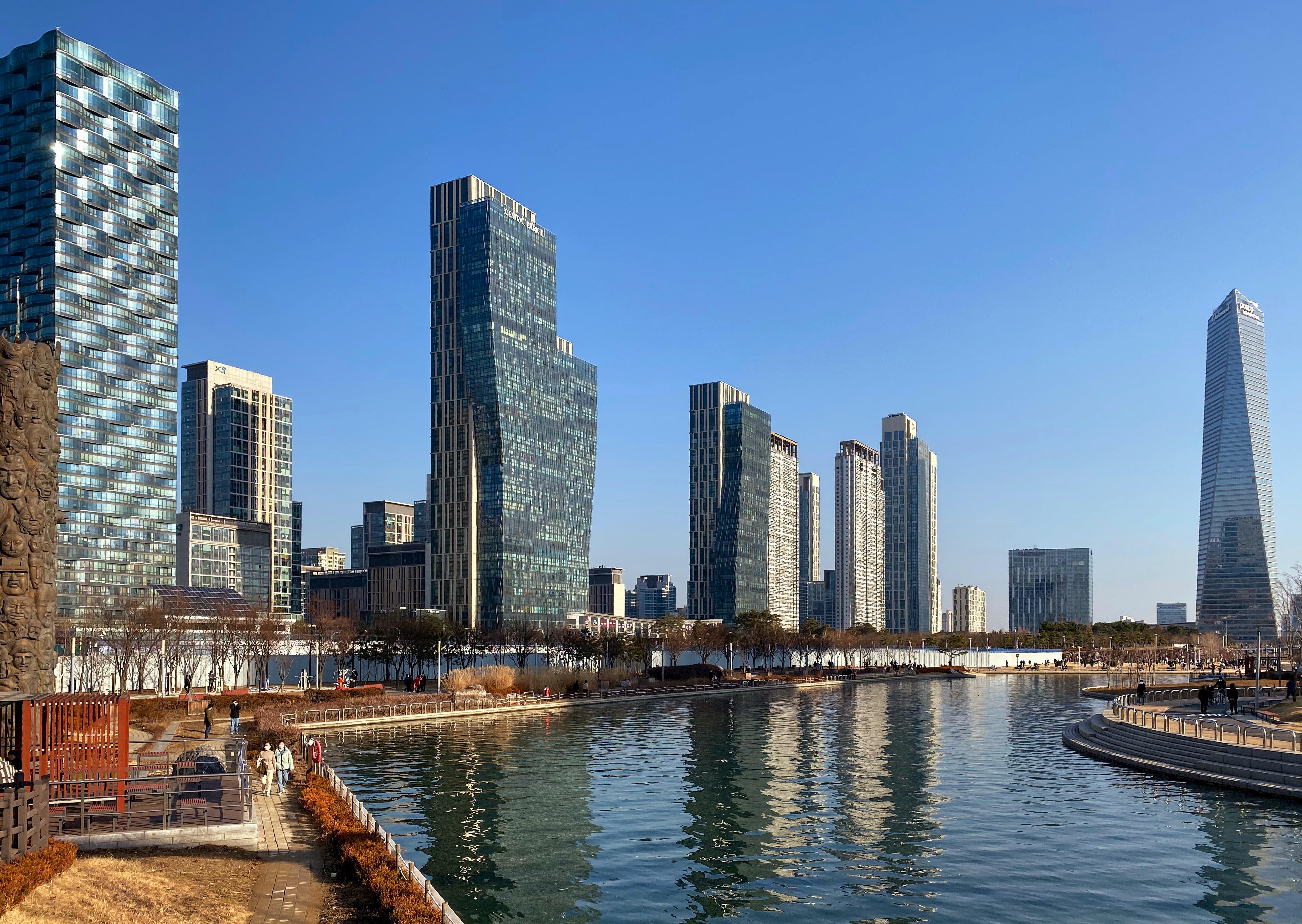
Incheon, South Korea
At Sea
Shanghai, China
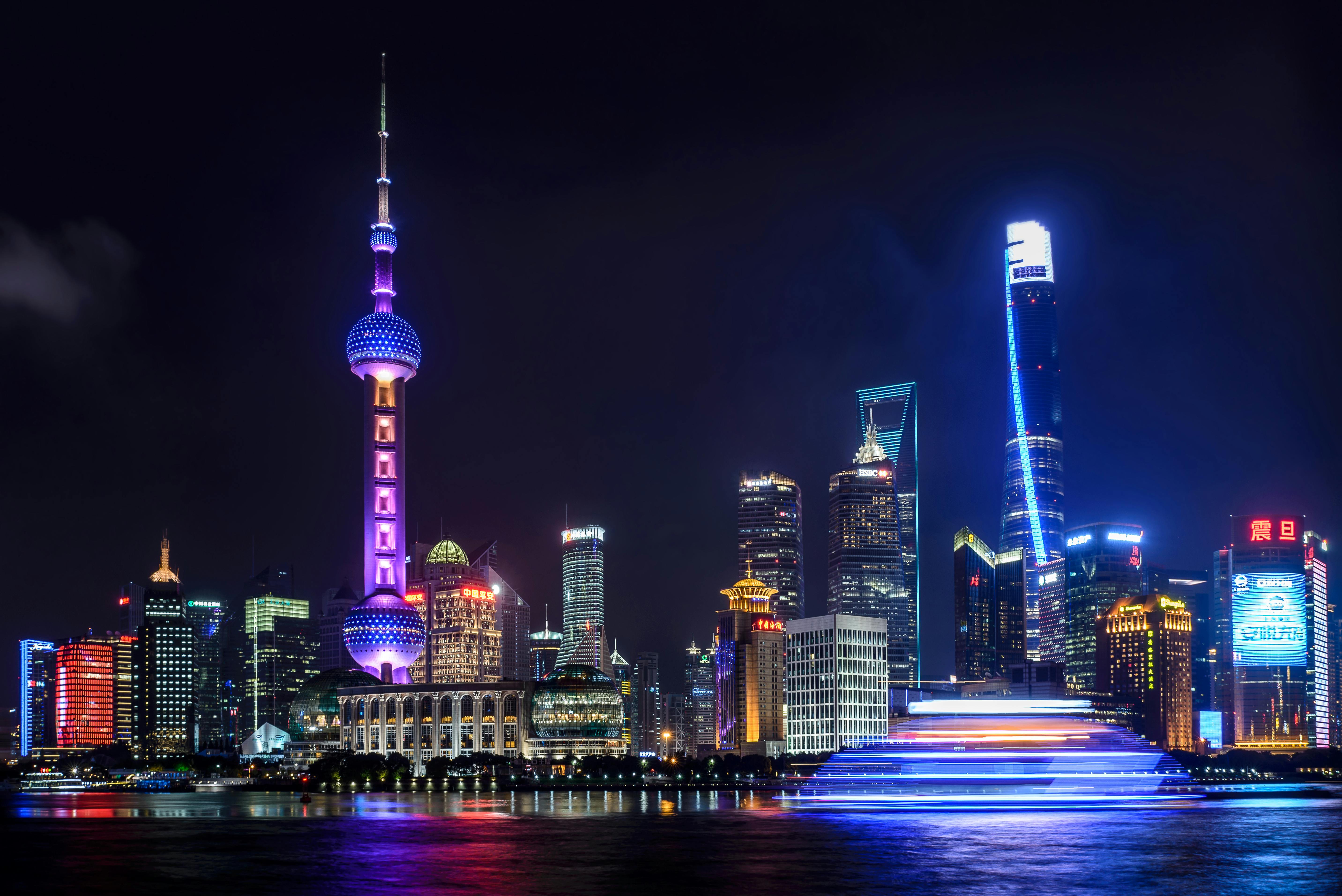
Shanghai is a city of two faces. It is home to some of the world’s tallest skyscrapers, miles of luxury goods shops, and scores of trendy bars and restaurants. But look just beyond the main streets and you’ll find narrow alleyways packed with traditional lane houses, where laundry billows from bamboo poles, and local communities are alive and well.Shanghai has always been China’s most Westernized city. In its heyday, Shanghai had the best nightlife, the greatest architecture, and the strongest business in Asia. Nearly a century later, after extreme tumult and political upheaval, it’s back on top.Shanghai’s charm lies not in a list of must-see sites, but in quiet, tree-lined streets, the Bund’s majestic colonial buildings, sweet boutiques, and a dizzying array of places to eat and drink, from literal hole-in-the-walls to celebrity chef restaurants.Today, Shanghai has nearly 24 million people, the skyscrapers keep getting taller, the metro keeps getting longer, and the historical buildings continue to evade the wrecking ball. For how much longer is anyone’s guess.
Shanghai, China
Shanghai is a city of two faces. It is home to some of the world’s tallest skyscrapers, miles of luxury goods shops, and scores of trendy bars and restaurants. But look just beyond the main streets and you’ll find narrow alleyways packed with traditional lane houses, where laundry billows from bamboo poles, and local communities are alive and well.Shanghai has always been China’s most Westernized city. In its heyday, Shanghai had the best nightlife, the greatest architecture, and the strongest business in Asia. Nearly a century later, after extreme tumult and political upheaval, it’s back on top.Shanghai’s charm lies not in a list of must-see sites, but in quiet, tree-lined streets, the Bund’s majestic colonial buildings, sweet boutiques, and a dizzying array of places to eat and drink, from literal hole-in-the-walls to celebrity chef restaurants.Today, Shanghai has nearly 24 million people, the skyscrapers keep getting taller, the metro keeps getting longer, and the historical buildings continue to evade the wrecking ball. For how much longer is anyone’s guess.
At Sea
At Sea
Hong Kong, Hong Kong
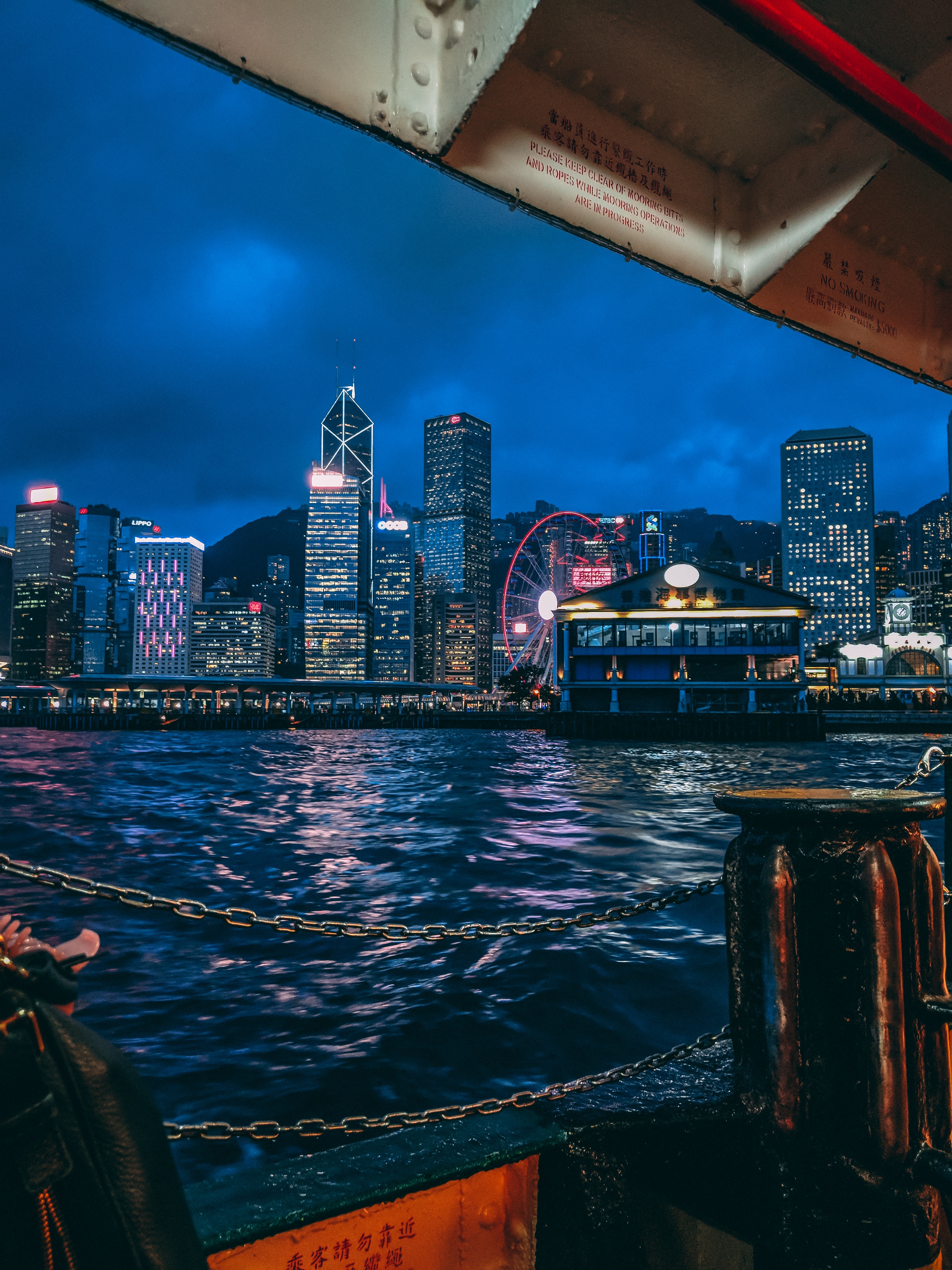
The Hong Kong Island skyline, with its ever-growing number of skyscrapers, speaks to ambition and money. Paris, London, even New York were centuries in the making, while Hong Kong’s towers, bright lights, and glitzy shopping emporia weren’t yet part of the urban scene when many of the young investment bankers who fuel one of the world’s leading financial centers were born. Commerce is concentrated in the glittering high-rises of Central, tucked between Victoria Harbor and forested peaks on Hong Kong Island’s north shore. While it’s easy to think all the bright lights are the sum of today’s Hong Kong, you need only walk or board a tram for the short jaunt west into Western to discover a side of Hong Kong that is more traditionally Chinese but no less high-energy. You’ll discover the real Hong Kong to the east of Central, too, in Wan Chai, Causeway Bay, and beyond. Amid the residential towers are restaurants, shopping malls, bars, convention centers, a nice smattering of museums, and—depending on fate and the horse you wager on—one of Hong Kong’s luckiest or unluckiest spots, the Happy Valley Racecourse. Kowloon sprawls across a generous swath of the Chinese mainland across Victoria Harbour from Central. Tsim Sha Tsui, at the tip of Kowloon peninsula, is packed with glitzy shops, first-rate museums, and eye-popping views of the skyline across the water. Just to the north are the teeming market streets of Mong Kok and in the dense residential neighborhoods beyond, two of Hong Kong’s most enchanting spiritual sights, Wong Tai Sin Temple and Chi Lin Nunnery. As you navigate this huge metropolis (easy to do on the excellent transportation network), keep in mind that streets are usually numbered odd on one side, even on the other. There’s no baseline for street numbers and no block-based numbering system, but street signs indicate building numbers for any given block.
Cabin Options

The Terrace Suite
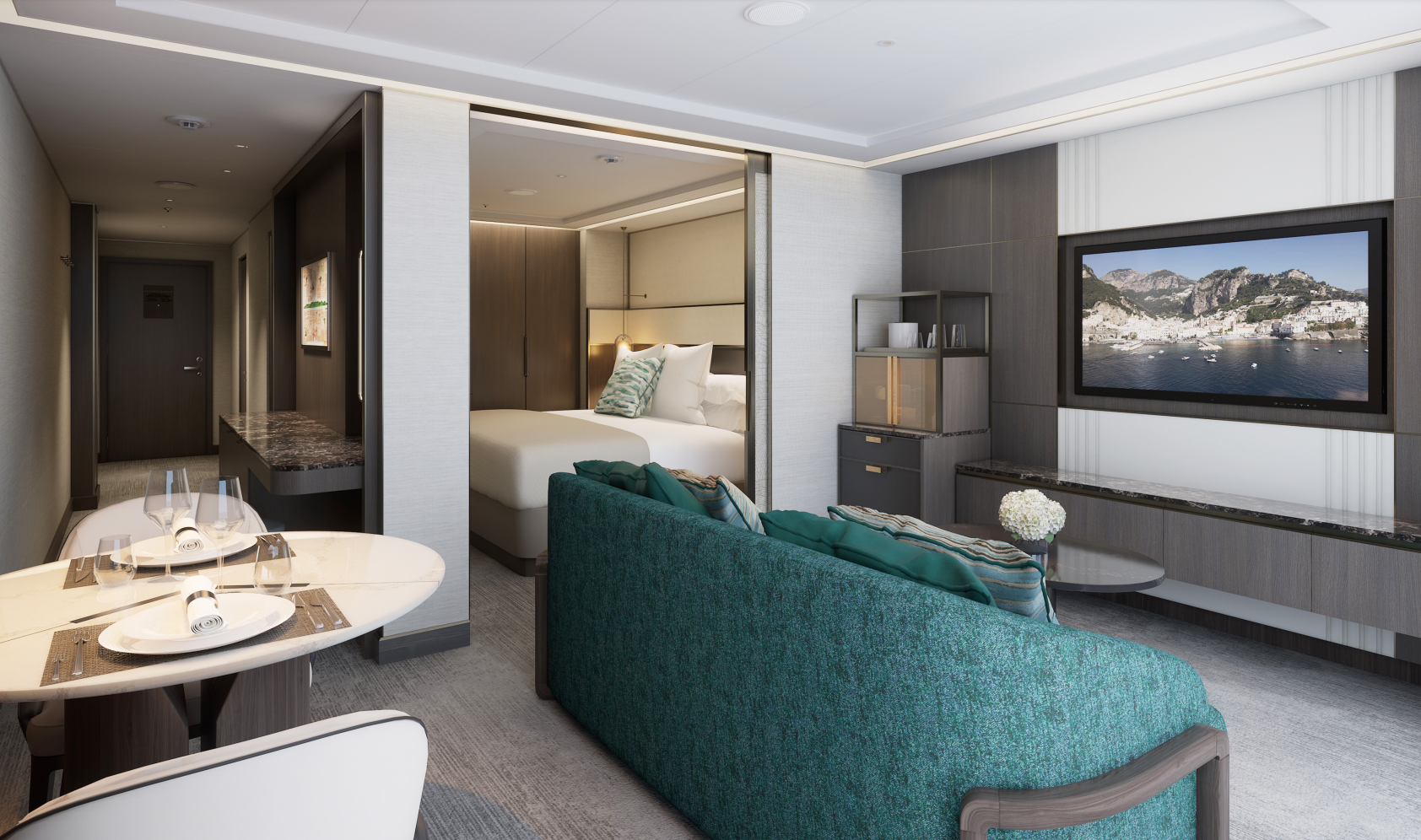
The Signature Suite
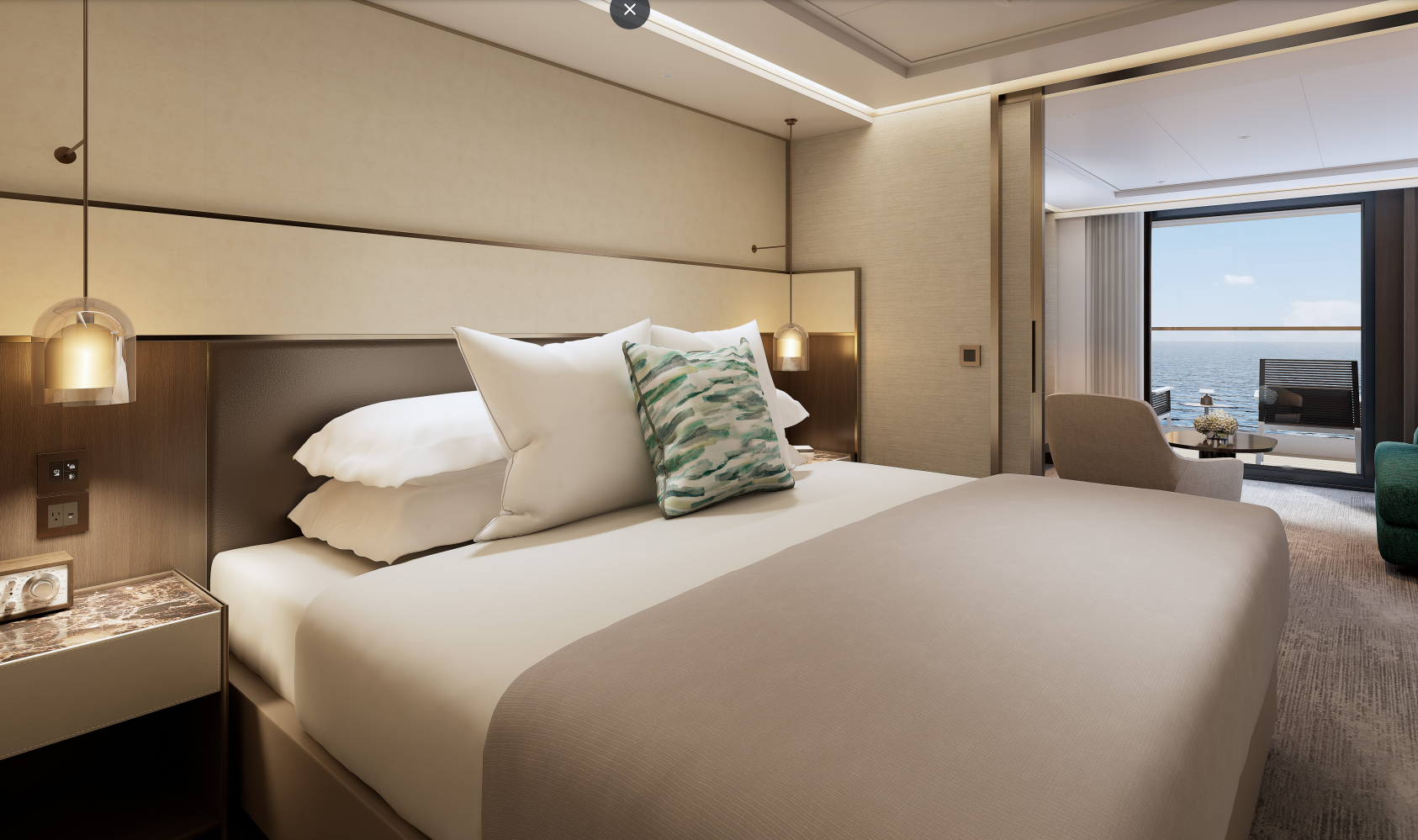
The Grand Suite
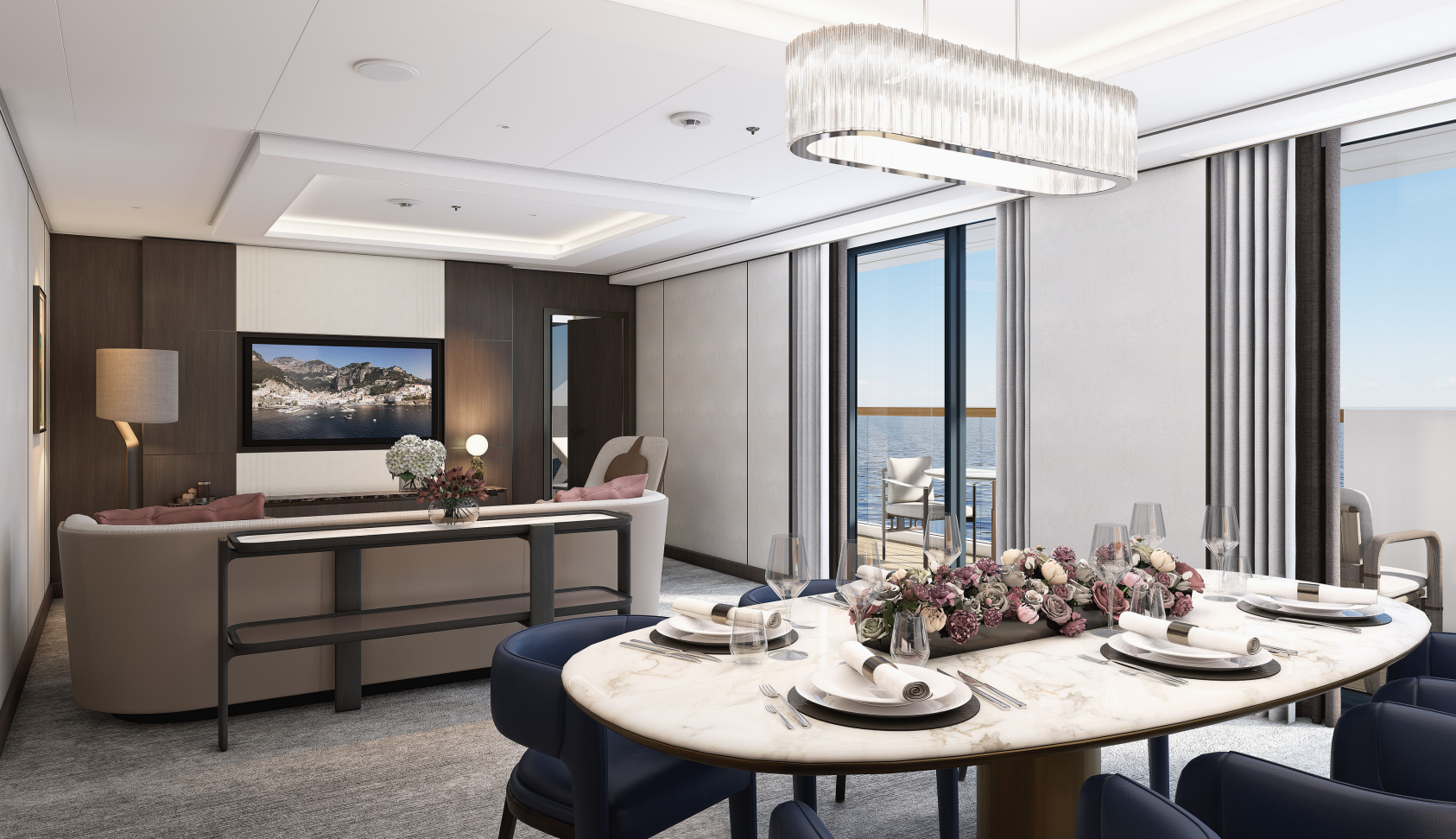
The View Suite
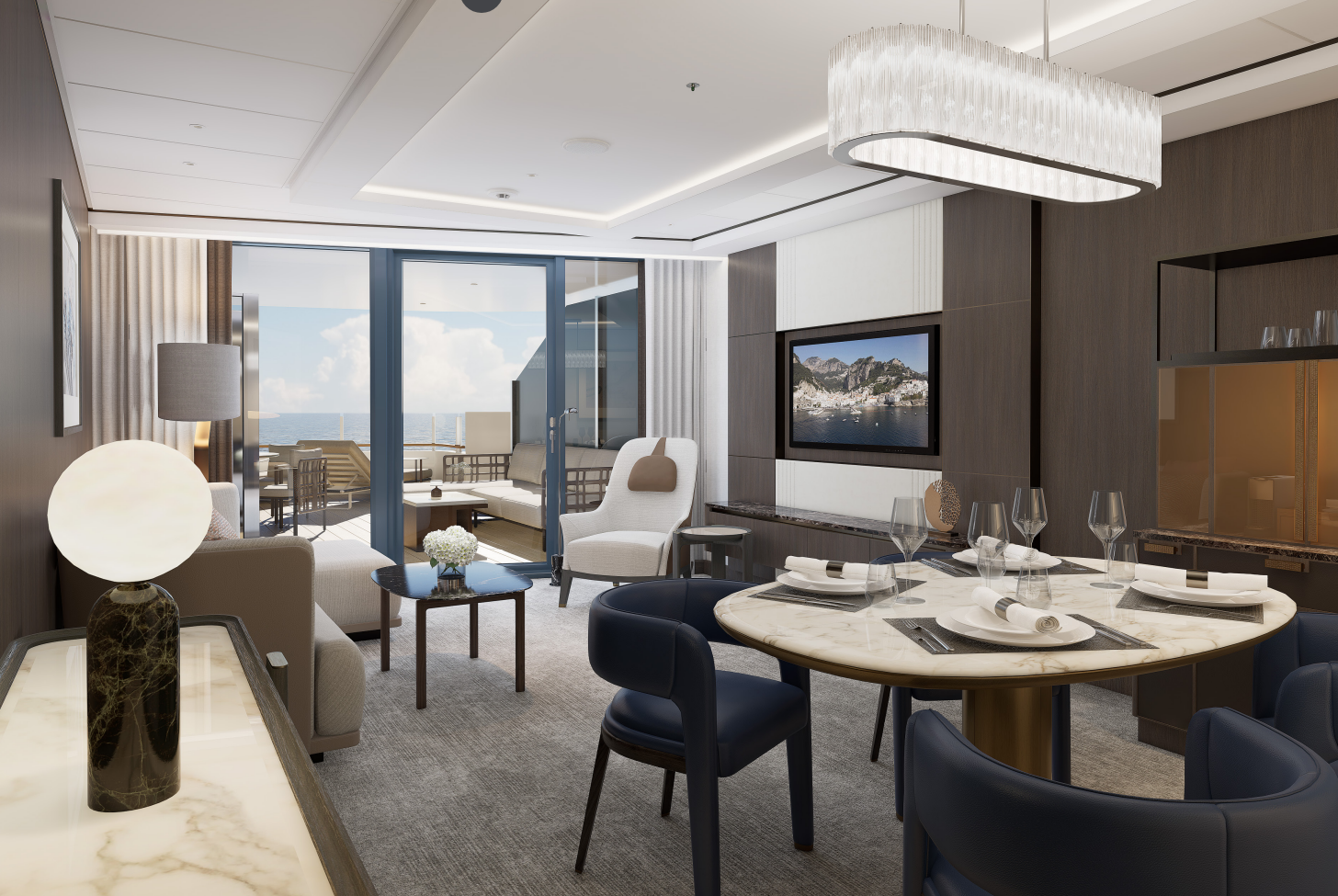
The Luminara Suite
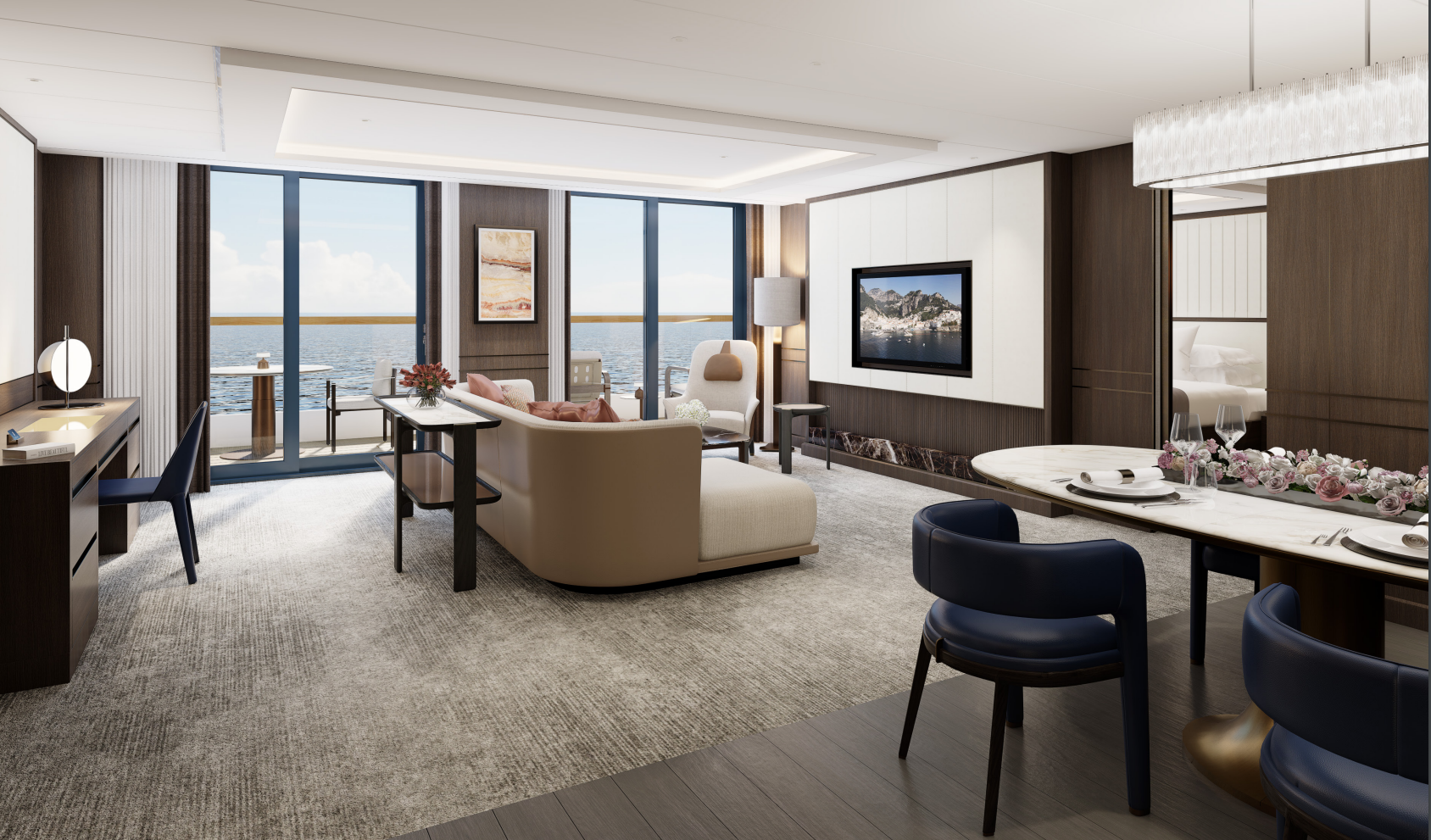
The Residential Suite
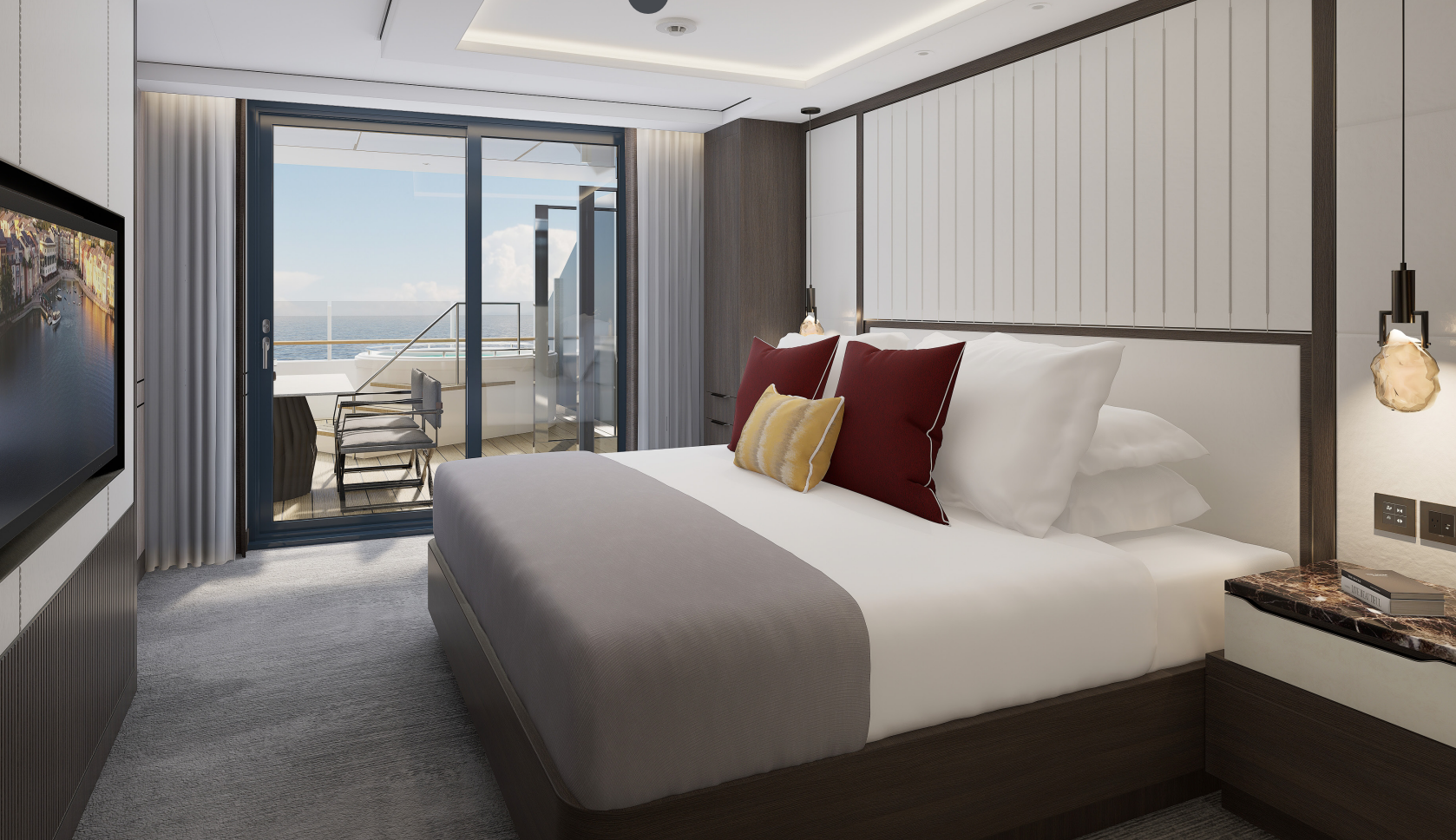
The Concierge Suite
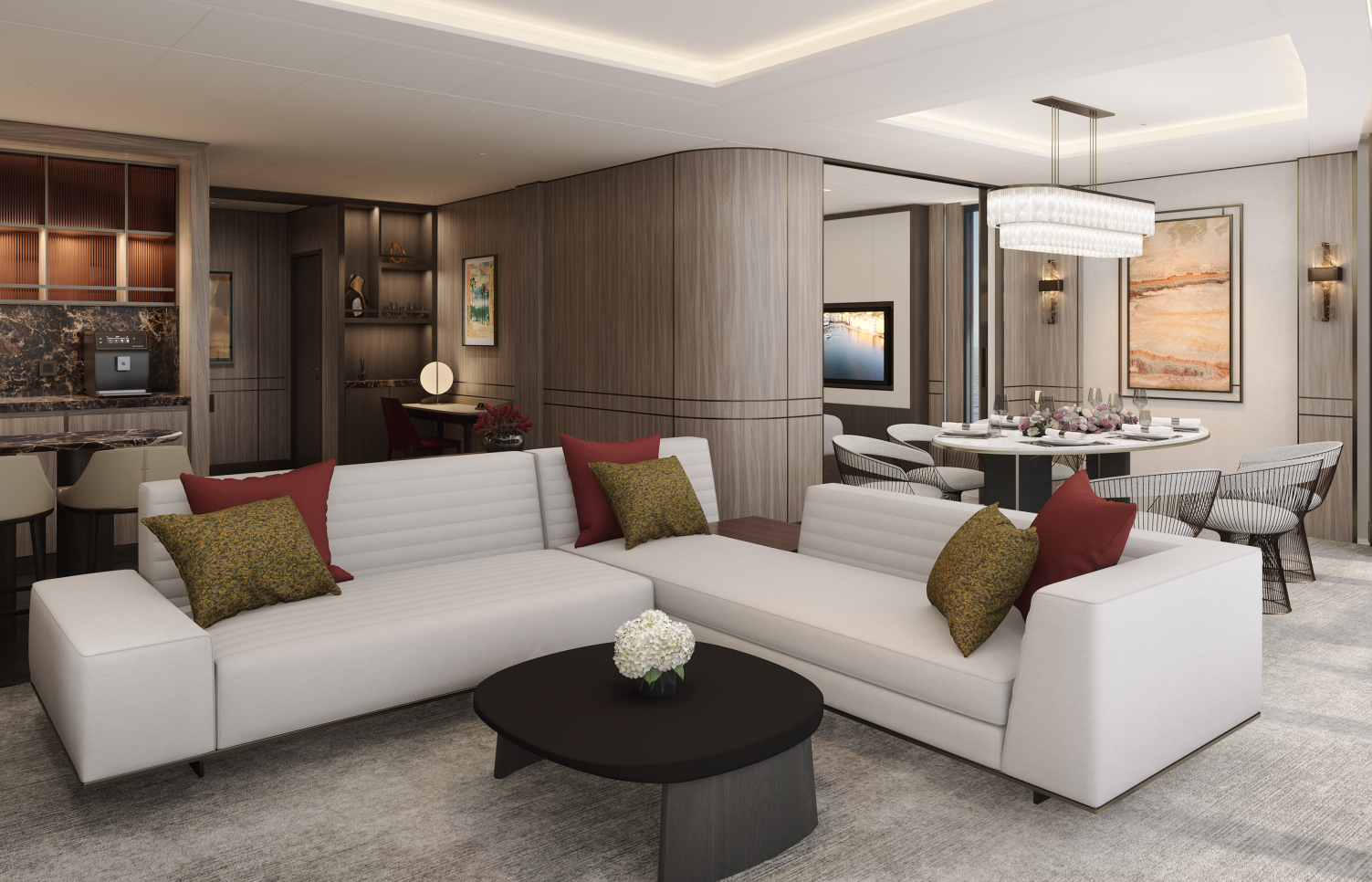
Owner's Suite
Ship Facilities
Azur On Luminara
Designed with an inviting balance of privacy and connection, Azur is the spacious main restaurant aboard Luminara. Intimate seating, warm lighting and a relaxed sense of ease set the tone for quiet meals or shared moments. Evolving menus draw on regional flavors and seasonal ingredients for dining with connection to the destinations.
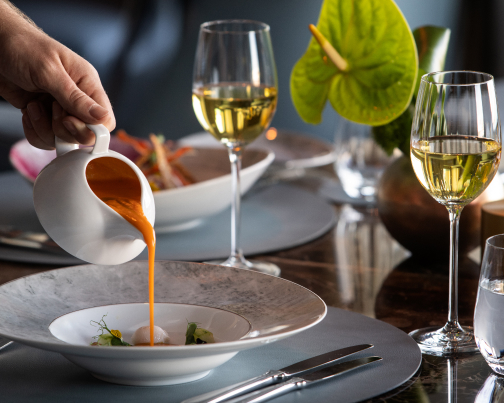
Dining Privée
Dining Privée is an intimate enclave within Azur, ideal for celebratory dinners, hosted gatherings or an evening with friends. Soft lighting and refined finishes create a warm, contemporary ambiance. Curated menus reflect the seasonal approach and regions explored aboard Luminara, offering a personal, elevated private dining experience.
Charges apply.

Seta Su Luminara
Created with Michelin-starred Chef Fabio Trabocchi, Seta Su Luminara offers a contemporary expression of Italian cuisine that feels both rooted and modern. Fresh seafood, prime cuts and handmade pastas highlight pristine ingredients, complemented by thoughtful wine pairings. Warm breads, fine olive oils and seasonal truffles complete an intimate, elevated dining experience.
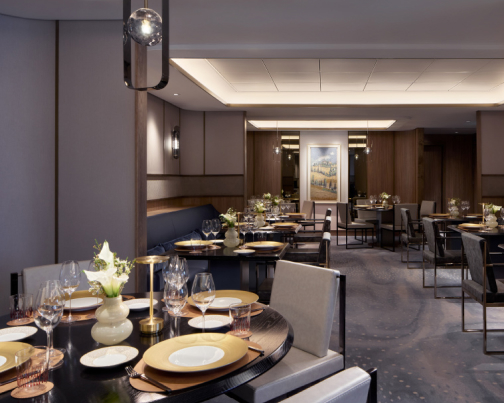
Haesu Bit
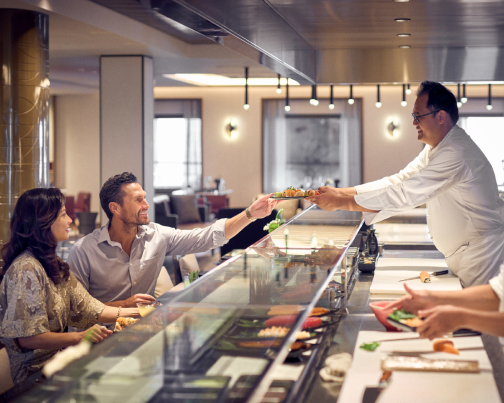
Haesu Bit is a vibrant, contemporary venue where Asian flavors are reimagined with thoughtful craft. A central sushi bar showcases precise artistry, while indoor and open-air seating suit leisurely lunches or intimate dinners. Drawing from Japanese, Vietnamese, Thai, Korean and Cantonese traditions, the menu offers fresh sushi, aromatic bowls and expertly cooked Wagyu in a setting designed for discovery.
Beach House
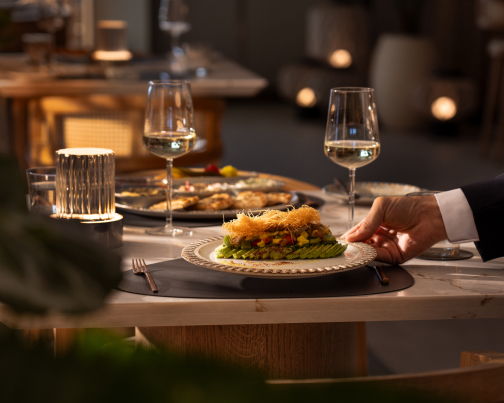
Beach House blends bright, airy interiors with an expansive pool deck, creating an effortless setting for Middle Eastern–inspired cuisine. Developed with Michelin-starred Chef Michael Mina, the menu highlights vibrant spices and light, refreshing shareable dishes paired with craft beers, bold wines and an elevated tequila selection, as well as specialty cocktails and mocktails.
Mistral
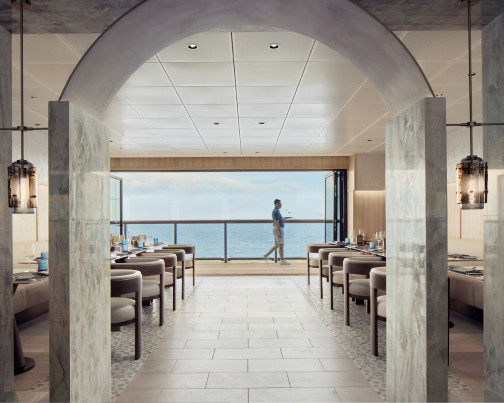
Mistral welcomes guests for relaxed lunches or romantic dinners al fresco. Its Mediterranean-inspired menu highlights fresh local catches, handmade pastas, crisp salads, and grilled prime cuts. With spacious indoor and outdoor seating and views that mirror the surrounding sea and sky, it’s one of the yacht’s most inviting settings for dining.
The Living Room
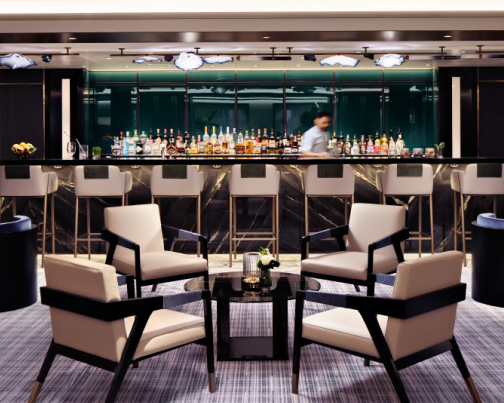
The Living Room Café and Bar is a warm, inviting gathering place throughout the day. Mornings begin with freshly roasted coffee and pastries at the espresso counter, while daytime brings treats ideal for moments between activities. As evening settles in, the space offers a relaxed setting for a quiet drink or light bite.
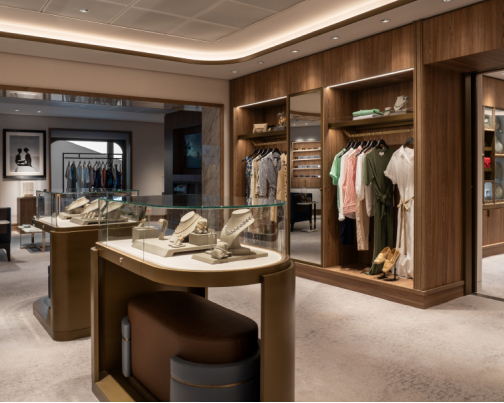
The Boutique
The Boutique features a curated selection of high-end sportswear, designer apparel, jewelry and leather goods, offering guests the opportunity to explore thoughtfully chosen pieces throughout their journey. On select voyages, the shopping experience is enhanced by exclusive collaborations with local artisans who share their craft and present distinctive creations inspired by the regions visited.
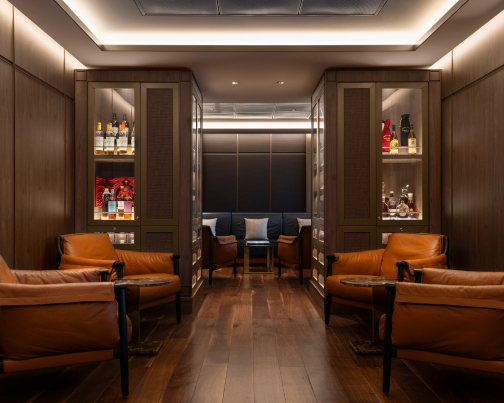
The Humidor
The Humidor is an intimate, quietly sophisticated setting for unhurried moments at day’s end. Guests can enjoy fine cognacs, single malts and other aged spirits while exploring a curated selection of hand-rolled cigars showcased in a state-of-the-art humidor. Warm and nuanced, it’s a welcoming place for reflection or relaxed conversation.
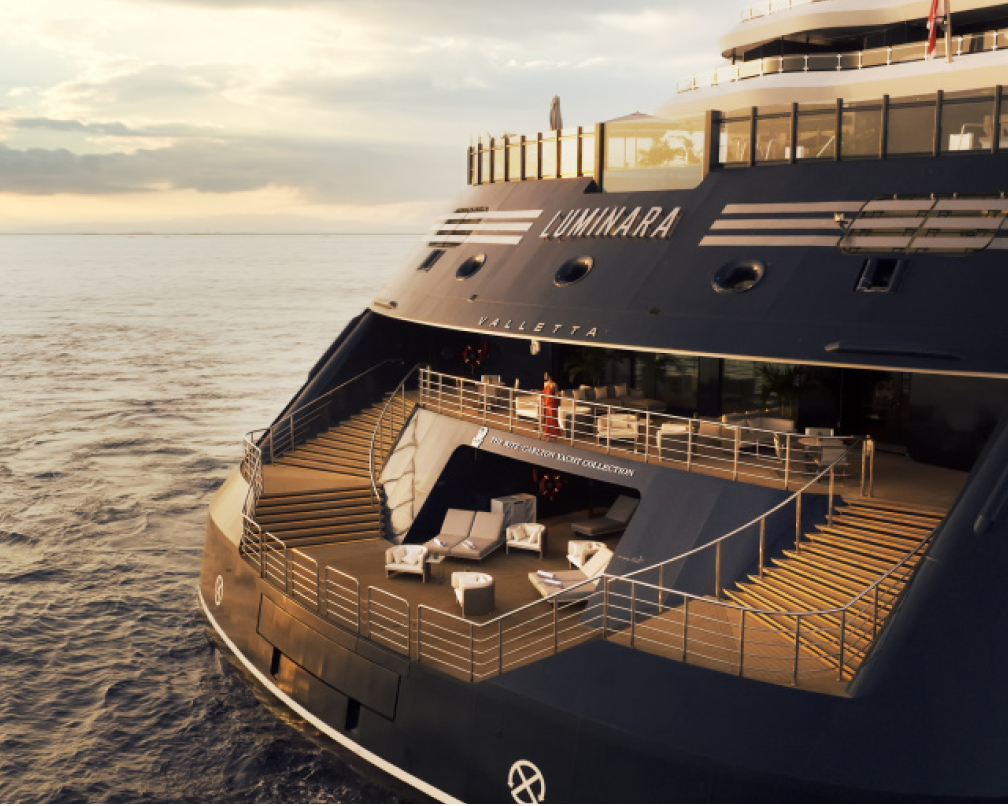
Marina Terrace
Nestled at the water’s edge, the Marina offers an inviting place to unwind while at anchor, with sun loungers and an exciting selection of water toys for time on the sea. Just above, the Marina Terrace provides a refined open-air setting for handcrafted cocktails and light bites, creating an effortless transition from water activities to leisurely afternoons overlooking the horizon.
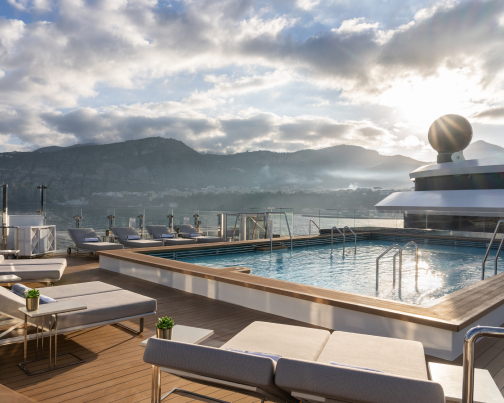
The Main Pool & Pool Bar
The Pool offers panoramic views and a relaxed setting for unwinding throughout the day. Guests can enjoy all-day dining, frozen treats and drinks from the nearby bar, or settle into sunbeds, banquettes, tanning ledges and whirlpools. Gentle misting sprays add a cooling touch, while generous sundecks invite reading, resting or simply taking in the sea and sky.
The Ritz-Carlton Spa®
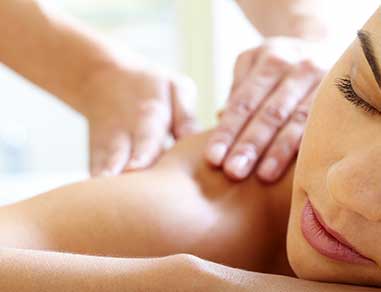
Unwind with expert massages, restorative facials and globally inspired treatments in a tranquil setting designed for ease and renewal. The spa invites guests to slow down, relax and immerse themselves in soothing aromas, calming rituals and thoughtful care that enhance every journey.
Beach House Pool
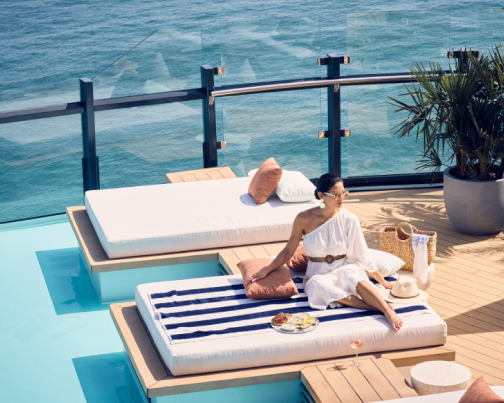
The Beach House Pool offers a relaxed, sun-dappled setting just steps from the water, ideal for unwinding before or after a meal. Comfortable loungers, gentle breezes and easy access to light bites and refreshing drinks create a leisurely rhythm throughout the day. Smaller and more intimate than the main pool, it provides a calm retreat for reading, resting, or enjoying quiet moments outdoors.
The Fitness Studio
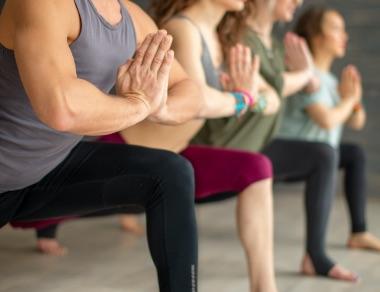
The Fitness Studio offers a holistic approach to wellbeing, with personalized guidance, movement-focused programming and optional lectures that support a healthy voyage. A selection of Technogym equipment enables familiar routines or new forms of exercise, all within a calm, contemporary setting designed for strengthening, stretching and reconnecting with the body.
Barber & Salon Services
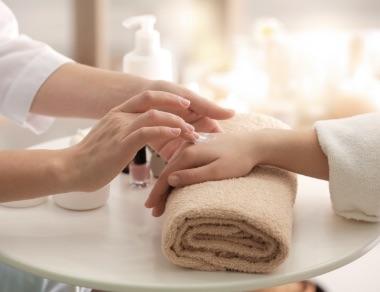
The Salon offers a variety of beauty and hair services including manicure and pedicure treatments, hair consultations, cutting, styling and blow drying. Next door at The Barber, gentlemen can enjoy a close shave or invigorating facial before heading ashore to explore the port feeling refreshed and revitalised.
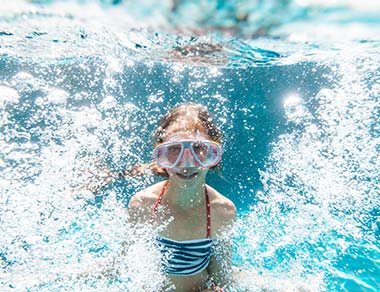
Ritz Kids®
Ritz Kids® is a dedicated program for families designed to inspire curiosity and creativity. Guided by engaging, age-appropriate activities, children can learn about the natural world and enjoy time with new friends. With its bright, inviting environment and attentive supervision, Ritz Kids® provides young travelers with a place to discover, play and connect.
Azur On Luminara
Designed with an inviting balance of privacy and connection, Azur is the spacious main restaurant aboard Luminara. Intimate seating, warm lighting and a relaxed sense of ease set the tone for quiet meals or shared moments. Evolving menus draw on regional flavors and seasonal ingredients for dining with connection to the destinations.
Dining Privée
Dining Privée is an intimate enclave within Azur, ideal for celebratory dinners, hosted gatherings or an evening with friends. Soft lighting and refined finishes create a warm, contemporary ambiance. Curated menus reflect the seasonal approach and regions explored aboard Luminara, offering a personal, elevated private dining experience.
Charges apply.
Seta Su Luminara
Created with Michelin-starred Chef Fabio Trabocchi, Seta Su Luminara offers a contemporary expression of Italian cuisine that feels both rooted and modern. Fresh seafood, prime cuts and handmade pastas highlight pristine ingredients, complemented by thoughtful wine pairings. Warm breads, fine olive oils and seasonal truffles complete an intimate, elevated dining experience.
Haesu Bit
Haesu Bit is a vibrant, contemporary venue where Asian flavors are reimagined with thoughtful craft. A central sushi bar showcases precise artistry, while indoor and open-air seating suit leisurely lunches or intimate dinners. Drawing from Japanese, Vietnamese, Thai, Korean and Cantonese traditions, the menu offers fresh sushi, aromatic bowls and expertly cooked Wagyu in a setting designed for discovery.
Beach House
Beach House blends bright, airy interiors with an expansive pool deck, creating an effortless setting for Middle Eastern–inspired cuisine. Developed with Michelin-starred Chef Michael Mina, the menu highlights vibrant spices and light, refreshing shareable dishes paired with craft beers, bold wines and an elevated tequila selection, as well as specialty cocktails and mocktails.
Mistral
Mistral welcomes guests for relaxed lunches or romantic dinners al fresco. Its Mediterranean-inspired menu highlights fresh local catches, handmade pastas, crisp salads, and grilled prime cuts. With spacious indoor and outdoor seating and views that mirror the surrounding sea and sky, it’s one of the yacht’s most inviting settings for dining.
The Living Room
The Living Room Café and Bar is a warm, inviting gathering place throughout the day. Mornings begin with freshly roasted coffee and pastries at the espresso counter, while daytime brings treats ideal for moments between activities. As evening settles in, the space offers a relaxed setting for a quiet drink or light bite.
The Boutique
The Boutique features a curated selection of high-end sportswear, designer apparel, jewelry and leather goods, offering guests the opportunity to explore thoughtfully chosen pieces throughout their journey. On select voyages, the shopping experience is enhanced by exclusive collaborations with local artisans who share their craft and present distinctive creations inspired by the regions visited.
The Humidor
The Humidor is an intimate, quietly sophisticated setting for unhurried moments at day’s end. Guests can enjoy fine cognacs, single malts and other aged spirits while exploring a curated selection of hand-rolled cigars showcased in a state-of-the-art humidor. Warm and nuanced, it’s a welcoming place for reflection or relaxed conversation.
Marina Terrace
Nestled at the water’s edge, the Marina offers an inviting place to unwind while at anchor, with sun loungers and an exciting selection of water toys for time on the sea. Just above, the Marina Terrace provides a refined open-air setting for handcrafted cocktails and light bites, creating an effortless transition from water activities to leisurely afternoons overlooking the horizon.
The Main Pool & Pool Bar
The Pool offers panoramic views and a relaxed setting for unwinding throughout the day. Guests can enjoy all-day dining, frozen treats and drinks from the nearby bar, or settle into sunbeds, banquettes, tanning ledges and whirlpools. Gentle misting sprays add a cooling touch, while generous sundecks invite reading, resting or simply taking in the sea and sky.
The Ritz-Carlton Spa®
Unwind with expert massages, restorative facials and globally inspired treatments in a tranquil setting designed for ease and renewal. The spa invites guests to slow down, relax and immerse themselves in soothing aromas, calming rituals and thoughtful care that enhance every journey.
Beach House Pool
The Beach House Pool offers a relaxed, sun-dappled setting just steps from the water, ideal for unwinding before or after a meal. Comfortable loungers, gentle breezes and easy access to light bites and refreshing drinks create a leisurely rhythm throughout the day. Smaller and more intimate than the main pool, it provides a calm retreat for reading, resting, or enjoying quiet moments outdoors.
The Fitness Studio
The Fitness Studio offers a holistic approach to wellbeing, with personalized guidance, movement-focused programming and optional lectures that support a healthy voyage. A selection of Technogym equipment enables familiar routines or new forms of exercise, all within a calm, contemporary setting designed for strengthening, stretching and reconnecting with the body.
Barber & Salon Services
The Salon offers a variety of beauty and hair services including manicure and pedicure treatments, hair consultations, cutting, styling and blow drying. Next door at The Barber, gentlemen can enjoy a close shave or invigorating facial before heading ashore to explore the port feeling refreshed and revitalised.
Ritz Kids®
Ritz Kids® is a dedicated program for families designed to inspire curiosity and creativity. Guided by engaging, age-appropriate activities, children can learn about the natural world and enjoy time with new friends. With its bright, inviting environment and attentive supervision, Ritz Kids® provides young travelers with a place to discover, play and connect.
About the Ship

Deck Plans

- The Marina Terrace
- The Marina
- SETA SU Luminara
- AZUR on Luminara
- Dining Privee
- Wine Vault
- Medical Centre

- The Ritz Carlton Spa
- Haesu Bit
- The Fitness Studio
- Women Steam and Sauna
- Men Steam and Sauna
- The Relaxation Room
- Launderette
- The Barber
- The Salon
- The Cove
- Guest Services

- The Living Room
- Beach House
- Infinity Pool
- The Humidor
- The Boutique
- Terrace Suites
- The Pool

- The Concierge Suite
- The Luminara Suite
- The Grand Suite
- The Signature Mid Suite
- The Signature Suite
- The Terrace Mid Suite
- The Terrace Suite

- The Owner’s Suite
- The Concierge Suite
- The Residential Suite
- The View Suites
- The Grand Suites
- The Signature Mid Suites
- The Signature Suites
- The Terrace Mid Suites
- The Terrace Suites

- The Owners Suite
- The Concierge Suite
- The Grand Suite
- The Signature Mid Suite
- The Signature Suite
- The Terrace Mid Suites
- The Terrace Mid Suite

- Art Bar
- The Owner’s Suite
- The Concierge Suite
- The Grand Suite
- The Signature Mid Suite
- The Signature Suite
- The Terrace Mid Suite
- The Terrace Suite

- Mistral
- Mistral Bar
- The Pool
- The Pool Bar
- Sun Deck
- The Marina Terrace
- The Marina
- SETA SU Luminara
- AZUR on Luminara
- Dining Privee
- Wine Vault
- Medical Centre
- The Ritz Carlton Spa
- Haesu Bit
- The Fitness Studio
- Women Steam and Sauna
- Men Steam and Sauna
- The Relaxation Room
- Launderette
- The Barber
- The Salon
- The Cove
- Guest Services
- The Living Room
- Beach House
- Infinity Pool
- The Humidor
- The Boutique
- Terrace Suites
- The Pool
- The Concierge Suite
- The Luminara Suite
- The Grand Suite
- The Signature Mid Suite
- The Signature Suite
- The Terrace Mid Suite
- The Terrace Suite
- The Owner’s Suite
- The Concierge Suite
- The Residential Suite
- The View Suites
- The Grand Suites
- The Signature Mid Suites
- The Signature Suites
- The Terrace Mid Suites
- The Terrace Suites
- The Owners Suite
- The Concierge Suite
- The Grand Suite
- The Signature Mid Suite
- The Signature Suite
- The Terrace Mid Suites
- The Terrace Mid Suite
- Art Bar
- The Owner’s Suite
- The Concierge Suite
- The Grand Suite
- The Signature Mid Suite
- The Signature Suite
- The Terrace Mid Suite
- The Terrace Suite
- Mistral
- Mistral Bar
- The Pool
- The Pool Bar
- Sun Deck