Featured Cabins
Itinerary
Athens, Greece
Arrival in Athens – We’ll arrive in Athens and transfer to the hotel for your overnight stay.
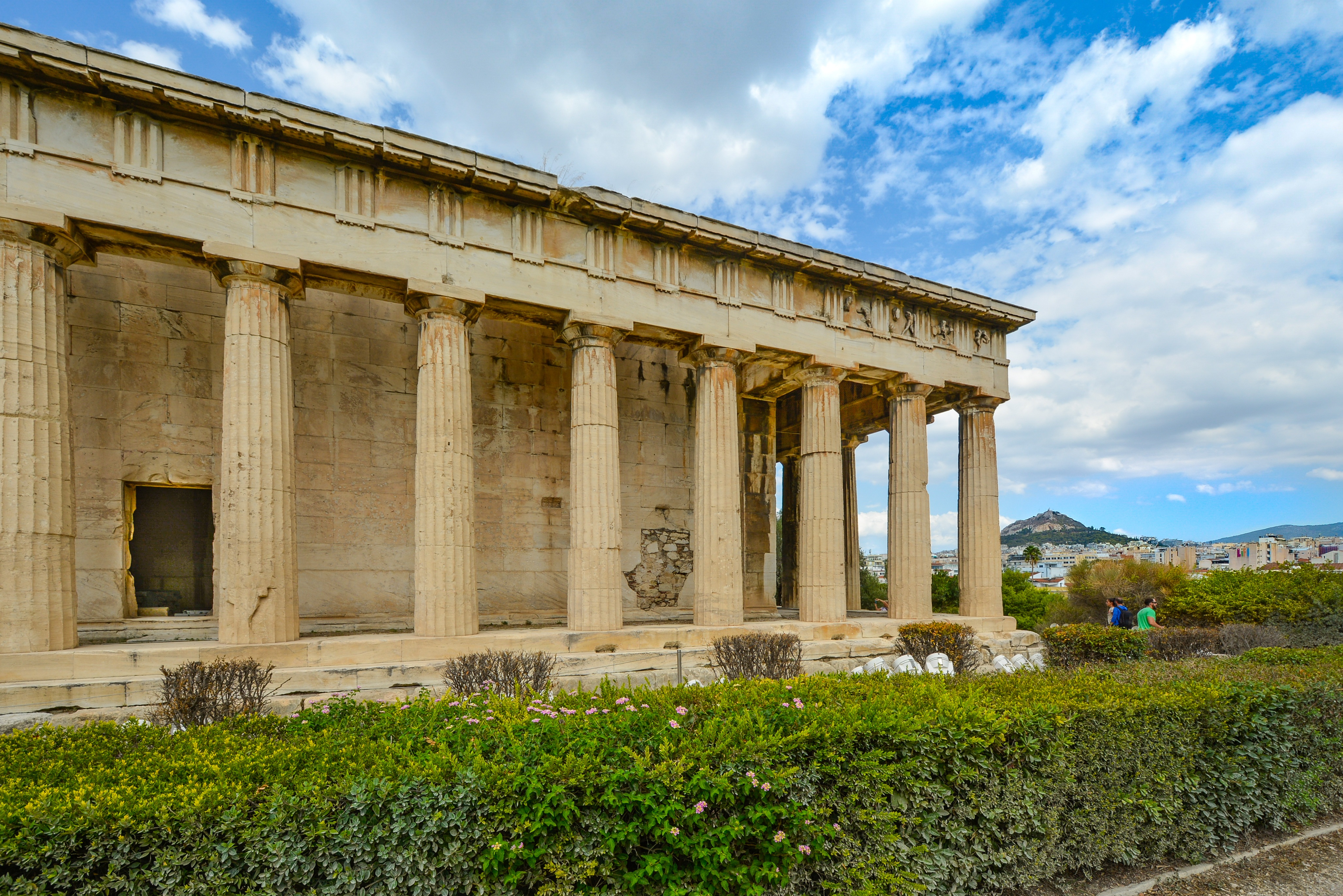
Athens sits just five miles from the Bay of Phaleron, an inlet of the Aegean – a place of history, myth and legend. Athens itself is one of the world’s oldest cities. The city was once the centre of ancient Greece and still houses 5th-century landmarks, such as the Acropolis and Parthenon, which stand tall over the city. Enjoy the rest of the day at leisure (flight time permitting) exploring the vibrant and cosmopolitan capital houses, museums and modern neighbourhoods. There’s a real café culture in the city and plenty of restaurants to choose from for dinner this evening. Not sure where to go? Don’t worry, your expert Tour Manager will be on hand to offer recommendations.
Athens, Greece
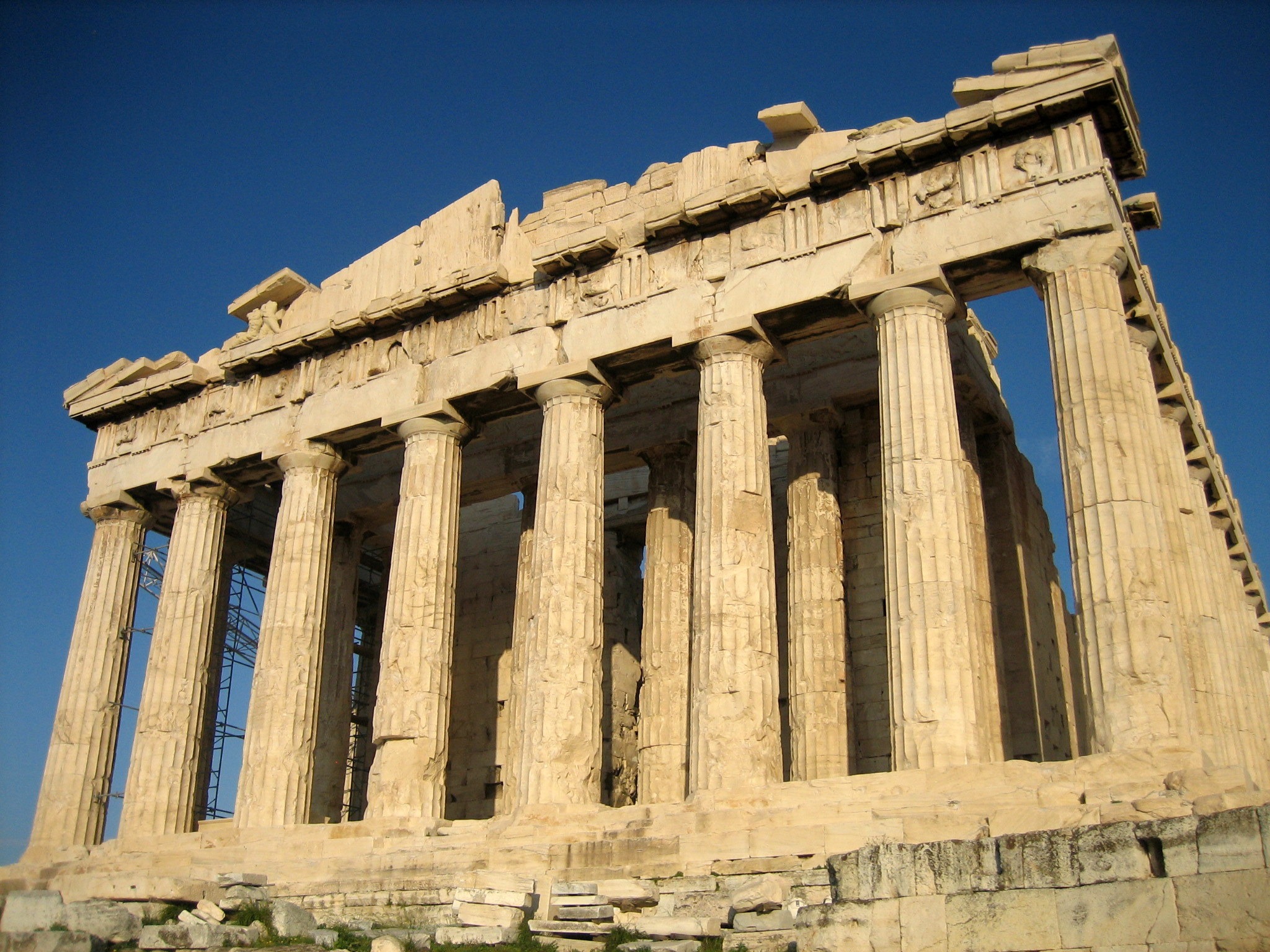
Athens – This morning, we’ll enjoy a tour of Athens, including a visit to the Acropolis. This UNESCO World Heritage site is the most striking and complete ancient Greek monument complex still in existence. Sitting atop the Acropolis is the Parthenon, an ancient religious temple the Athenians built for the Greek goddess Athena. Its white marble columns and perfect symmetry dominate the skyline as we ascend the hill.
Continue to the old district of Plaka where you can explore independently and enjoy some free time for lunch. This area dates back to the late 18th century when Athens was barely more than a small village beneath the Acropolis. Despite its humble beginnings, it is now a delightful neighbourhood filled with neo-classical buildings, balconies adorned with vibrant geraniums, and quaint tavernas lining the cobblestone streets. Afterwards, we’ll head to the port of Piraeus to board Star Flyer. You will have the rest of the afternoon to get comfortable in your cabin and indulge in the first of many delicious dinners on board.
Náfplion, Greece
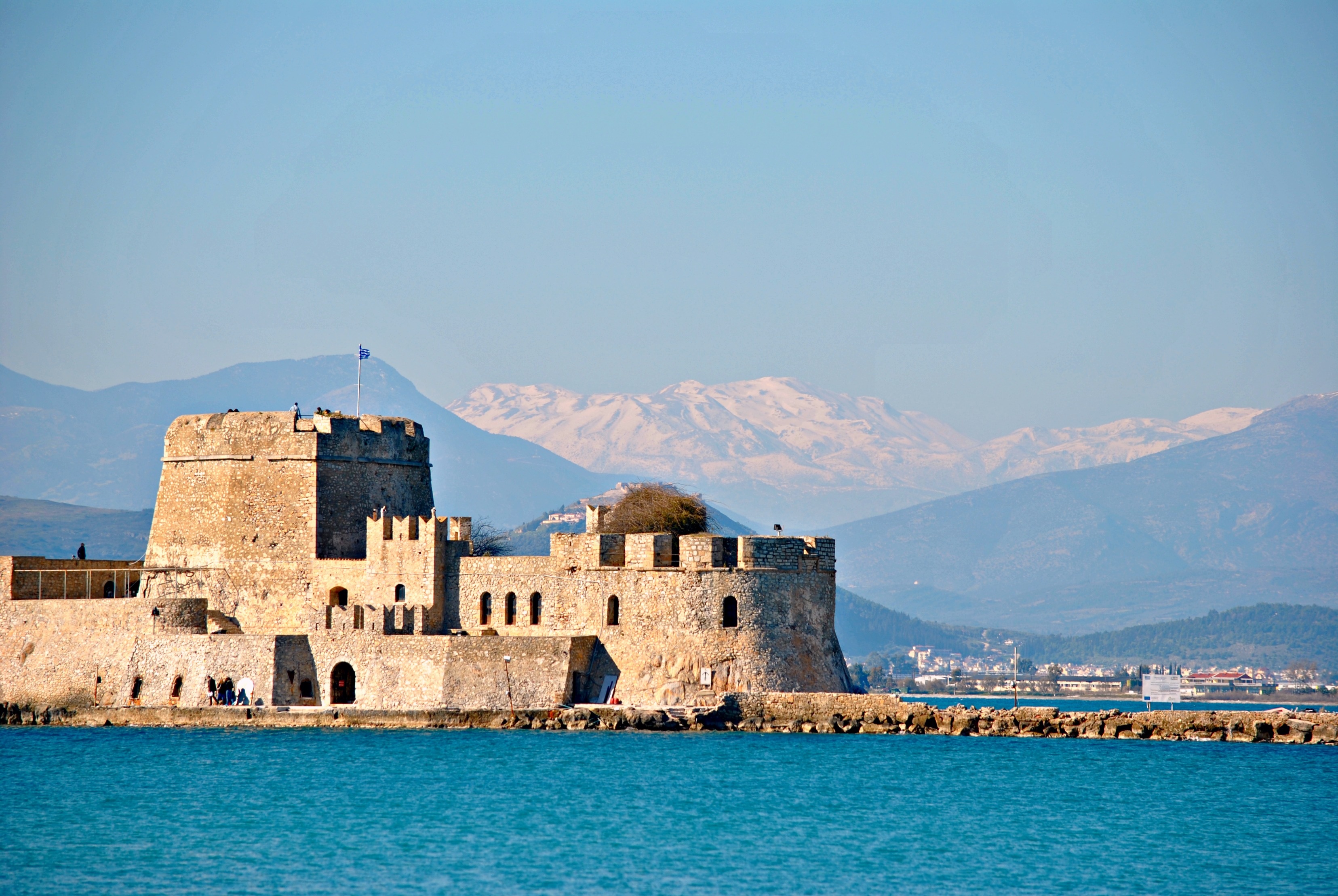
Oraia (beautiful) is the word Greeks use to describe Nafplion. The town’s old section, on a peninsula jutting into the gulf of Argos, mixes Greek, Venetian, and Turkish architecture; narrow streets, often just broad flights of stone stairs, climb the slopes beneath the walls of Acronafplia. Tree-shaded plazas surround neoclassic buildings. The Palamidi fortress—an elegant display of Venetian might from the early 1700s—guards the town. Nafplion deserves at least a leisurely day of your undivided attention, and you may want to spend several days or a week here and use the city as the base from which to explore the many surrounding ancient sights.
Monemvasía, Greece
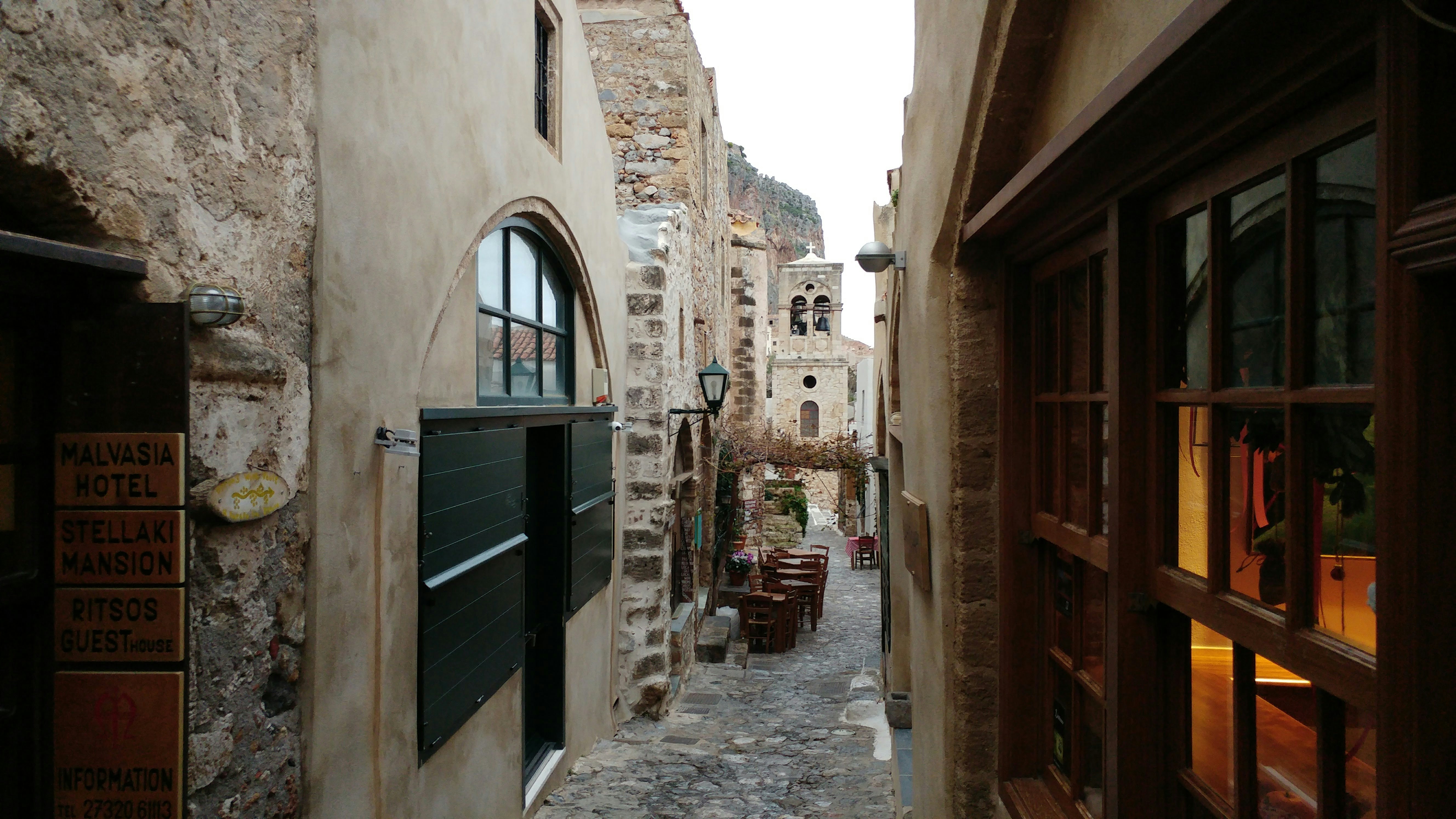
Monemvasia boasts a varied and colorful history that can be traced to the 8th-century when Greeks fleeing the Slav invasion of Lakonia found refuge here. In its heyday it controlled sea travel between the Levant and European shores. The wall-encircled Lower Town extends along the slopes of a 985-foot-high crag that projects into the sea on the east side of the Peloponnese. For centuries an impressive stronghold, population dwindled as the inhabitants moved to the mainland. But with the beginning of a restoration program aimed to preserve Monemvasia’s heritage, the Lower Town experienced a new lease on life, and people have begun to return. The Upper Town is situated on top of the Rock of Monemvasia. It is reached via a zigzagging, paved lane. An almost impregnable bastion in earlier days, it has been uninhabited for centuries, but still manages to preserve its magnificent appearance. Visitors today can explore the remains of the ancient citadel-castle and visit the church of Hagia Sofia. From the summit there is also a fantastic view of the surrounding area.
Pýlos, Greece
Pylos* – Located in the south of the Peloponnese peninsular, Pylos is historically known by its Italian name, Navarino. Rich in olive groves, pine forests, little-known beaches and archaeological treasures, it offers the perfect blend of leisure and culture. Spread across gentle slopes, Pylos town and harbour is peaceful with cobblestone streets, trees, sidewalk cafés and little boutiques. But don’t let the town’s laid-back charm fool you, it was once the stage for a bloody battle and there are endless places to visit while we’re here.
In mythology, Pylos was the home of the son of Poseidon – Neleus, and his son Nestor, a leader in the Trojan Wars. Our tour takes us to the ruins of Nestor’s Palace high on the bleached hilltop of Ano Englianos. Although it was destroyed by fire, it’s still considered to be one of the best-preserved Mycenaean palaces in Greece (a testament to the building quality). As if the views of the coastline here weren’t impressive enough, hundreds of clay tablets bearing inscriptions were found with a rare text – known as Linear B – at the site, preserving knowledge almost lost to the fire.
With a full day in port, you can also enjoy some free time to wander Pylos at your leisure this afternoon.
*Ship is expected to anchor at this port and guests will be tendered ashore.
At Sea
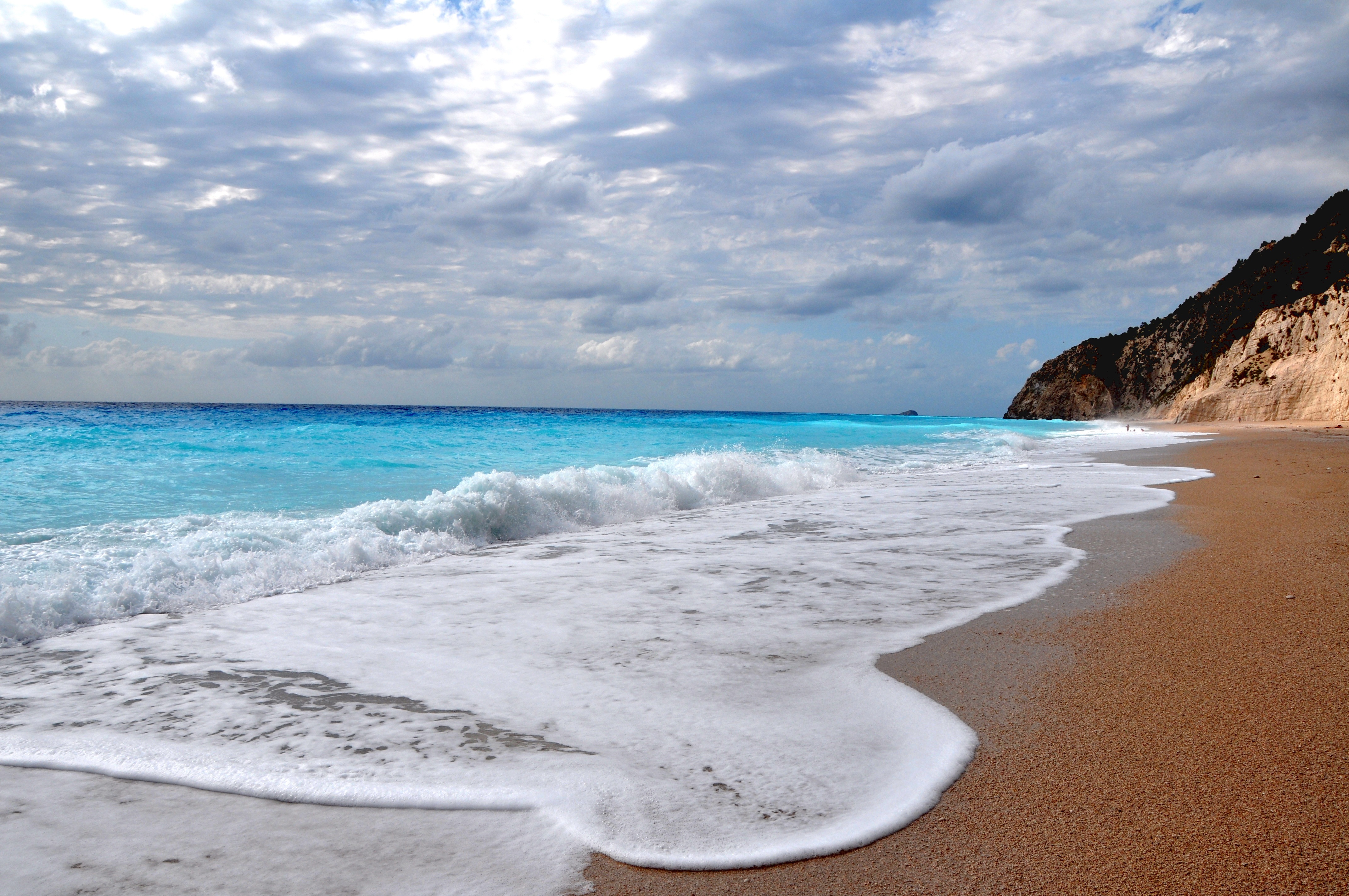
At Sea – Experience life at sea today with a full day on board. Whether you’re a seasoned sailor or just finding your sea legs, we think you’ll agree – nothing beats life on the high seas.
You’ll wake up slowly to the hypnotic murmur of the waves and enjoy a leisurely breakfast, watching the scenery change as we sail. The sun loungers on the deck are the perfect place to crack open that book you’ve been meaning to read, and you can always cool off with a dip in one of the saltwater pools. When it’s time to rehydrate, you’ll be in great company at the open-air Tropical Bar. It’s the social hub of the ship. And lunch on board is the opportune moment to swap highlights with your fellow explorers. You might even have a chance to climb the crow’s nest for a birds-eye view of the ocean (pun intended) – all with a harness, of course!
While the rest of the holiday may be a whistlestop tour of the greatest archaeological and architectural finds in the Med, today we give you permission to be blissfully idle. So, you can put your feet up – there’s no formality here – and enjoy the balmy summer breeze as it breathes life into the canvas above on our adventure through the Mediterranean.
Taormina, Italy
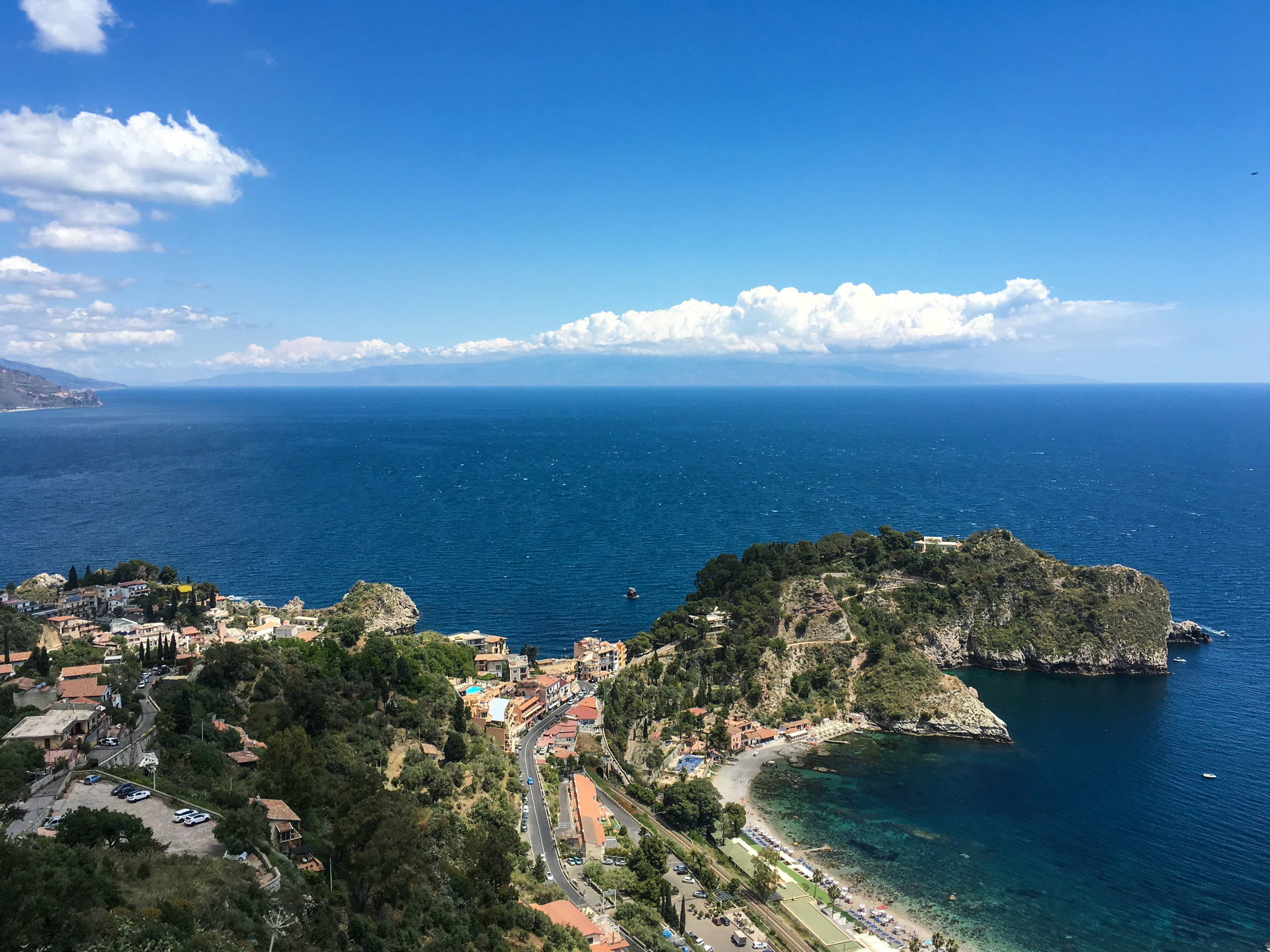
The medieval cliff-hanging town of Taormina is overrun with tourists, yet its natural beauty is still hard to dispute. The view of the sea and Mt. Etna from its jagged cactus-covered cliffs is as close to perfection as a panorama can get—especially on clear days, when the snowcapped volcano’s white puffs of smoke rise against the blue sky. Writers have extolled Taormina’s beauty almost since it was founded in the 6th century BC by Greeks from nearby Naxos; Goethe and D. H. Lawrence were among its well-known enthusiasts. The town’s boutique-lined main streets get old pretty quickly, but the many hiking paths that wind through the beautiful hills surrounding Taormina promise a timeless alternative. A trip up to stunning Castelmola (whether on foot or by car) should also be on your itinerary.
Athens, Greece
Arrival in Athens – We’ll arrive in Athens and transfer to the hotel for your overnight stay.
Athens sits just five miles from the Bay of Phaleron, an inlet of the Aegean – a place of history, myth and legend. Athens itself is one of the world’s oldest cities. The city was once the centre of ancient Greece and still houses 5th-century landmarks, such as the Acropolis and Parthenon, which stand tall over the city. Enjoy the rest of the day at leisure (flight time permitting) exploring the vibrant and cosmopolitan capital houses, museums and modern neighbourhoods. There’s a real café culture in the city and plenty of restaurants to choose from for dinner this evening. Not sure where to go? Don’t worry, your expert Tour Manager will be on hand to offer recommendations.
Athens, Greece
Athens – This morning, we’ll enjoy a tour of Athens, including a visit to the Acropolis. This UNESCO World Heritage site is the most striking and complete ancient Greek monument complex still in existence. Sitting atop the Acropolis is the Parthenon, an ancient religious temple the Athenians built for the Greek goddess Athena. Its white marble columns and perfect symmetry dominate the skyline as we ascend the hill.
Continue to the old district of Plaka where you can explore independently and enjoy some free time for lunch. This area dates back to the late 18th century when Athens was barely more than a small village beneath the Acropolis. Despite its humble beginnings, it is now a delightful neighbourhood filled with neo-classical buildings, balconies adorned with vibrant geraniums, and quaint tavernas lining the cobblestone streets. Afterwards, we’ll head to the port of Piraeus to board Star Flyer. You will have the rest of the afternoon to get comfortable in your cabin and indulge in the first of many delicious dinners on board.
Náfplion, Greece
Oraia (beautiful) is the word Greeks use to describe Nafplion. The town’s old section, on a peninsula jutting into the gulf of Argos, mixes Greek, Venetian, and Turkish architecture; narrow streets, often just broad flights of stone stairs, climb the slopes beneath the walls of Acronafplia. Tree-shaded plazas surround neoclassic buildings. The Palamidi fortress—an elegant display of Venetian might from the early 1700s—guards the town. Nafplion deserves at least a leisurely day of your undivided attention, and you may want to spend several days or a week here and use the city as the base from which to explore the many surrounding ancient sights.
Monemvasía, Greece
Monemvasia boasts a varied and colorful history that can be traced to the 8th-century when Greeks fleeing the Slav invasion of Lakonia found refuge here. In its heyday it controlled sea travel between the Levant and European shores. The wall-encircled Lower Town extends along the slopes of a 985-foot-high crag that projects into the sea on the east side of the Peloponnese. For centuries an impressive stronghold, population dwindled as the inhabitants moved to the mainland. But with the beginning of a restoration program aimed to preserve Monemvasia’s heritage, the Lower Town experienced a new lease on life, and people have begun to return. The Upper Town is situated on top of the Rock of Monemvasia. It is reached via a zigzagging, paved lane. An almost impregnable bastion in earlier days, it has been uninhabited for centuries, but still manages to preserve its magnificent appearance. Visitors today can explore the remains of the ancient citadel-castle and visit the church of Hagia Sofia. From the summit there is also a fantastic view of the surrounding area.
Pýlos, Greece
Pylos* – Located in the south of the Peloponnese peninsular, Pylos is historically known by its Italian name, Navarino. Rich in olive groves, pine forests, little-known beaches and archaeological treasures, it offers the perfect blend of leisure and culture. Spread across gentle slopes, Pylos town and harbour is peaceful with cobblestone streets, trees, sidewalk cafés and little boutiques. But don’t let the town’s laid-back charm fool you, it was once the stage for a bloody battle and there are endless places to visit while we’re here.
In mythology, Pylos was the home of the son of Poseidon – Neleus, and his son Nestor, a leader in the Trojan Wars. Our tour takes us to the ruins of Nestor’s Palace high on the bleached hilltop of Ano Englianos. Although it was destroyed by fire, it’s still considered to be one of the best-preserved Mycenaean palaces in Greece (a testament to the building quality). As if the views of the coastline here weren’t impressive enough, hundreds of clay tablets bearing inscriptions were found with a rare text – known as Linear B – at the site, preserving knowledge almost lost to the fire.
With a full day in port, you can also enjoy some free time to wander Pylos at your leisure this afternoon.
*Ship is expected to anchor at this port and guests will be tendered ashore.
At Sea
At Sea – Experience life at sea today with a full day on board. Whether you’re a seasoned sailor or just finding your sea legs, we think you’ll agree – nothing beats life on the high seas.
You’ll wake up slowly to the hypnotic murmur of the waves and enjoy a leisurely breakfast, watching the scenery change as we sail. The sun loungers on the deck are the perfect place to crack open that book you’ve been meaning to read, and you can always cool off with a dip in one of the saltwater pools. When it’s time to rehydrate, you’ll be in great company at the open-air Tropical Bar. It’s the social hub of the ship. And lunch on board is the opportune moment to swap highlights with your fellow explorers. You might even have a chance to climb the crow’s nest for a birds-eye view of the ocean (pun intended) – all with a harness, of course!
While the rest of the holiday may be a whistlestop tour of the greatest archaeological and architectural finds in the Med, today we give you permission to be blissfully idle. So, you can put your feet up – there’s no formality here – and enjoy the balmy summer breeze as it breathes life into the canvas above on our adventure through the Mediterranean.
Taormina, Italy
The medieval cliff-hanging town of Taormina is overrun with tourists, yet its natural beauty is still hard to dispute. The view of the sea and Mt. Etna from its jagged cactus-covered cliffs is as close to perfection as a panorama can get—especially on clear days, when the snowcapped volcano’s white puffs of smoke rise against the blue sky. Writers have extolled Taormina’s beauty almost since it was founded in the 6th century BC by Greeks from nearby Naxos; Goethe and D. H. Lawrence were among its well-known enthusiasts. The town’s boutique-lined main streets get old pretty quickly, but the many hiking paths that wind through the beautiful hills surrounding Taormina promise a timeless alternative. A trip up to stunning Castelmola (whether on foot or by car) should also be on your itinerary.
Siracuse, Sicily, Italy
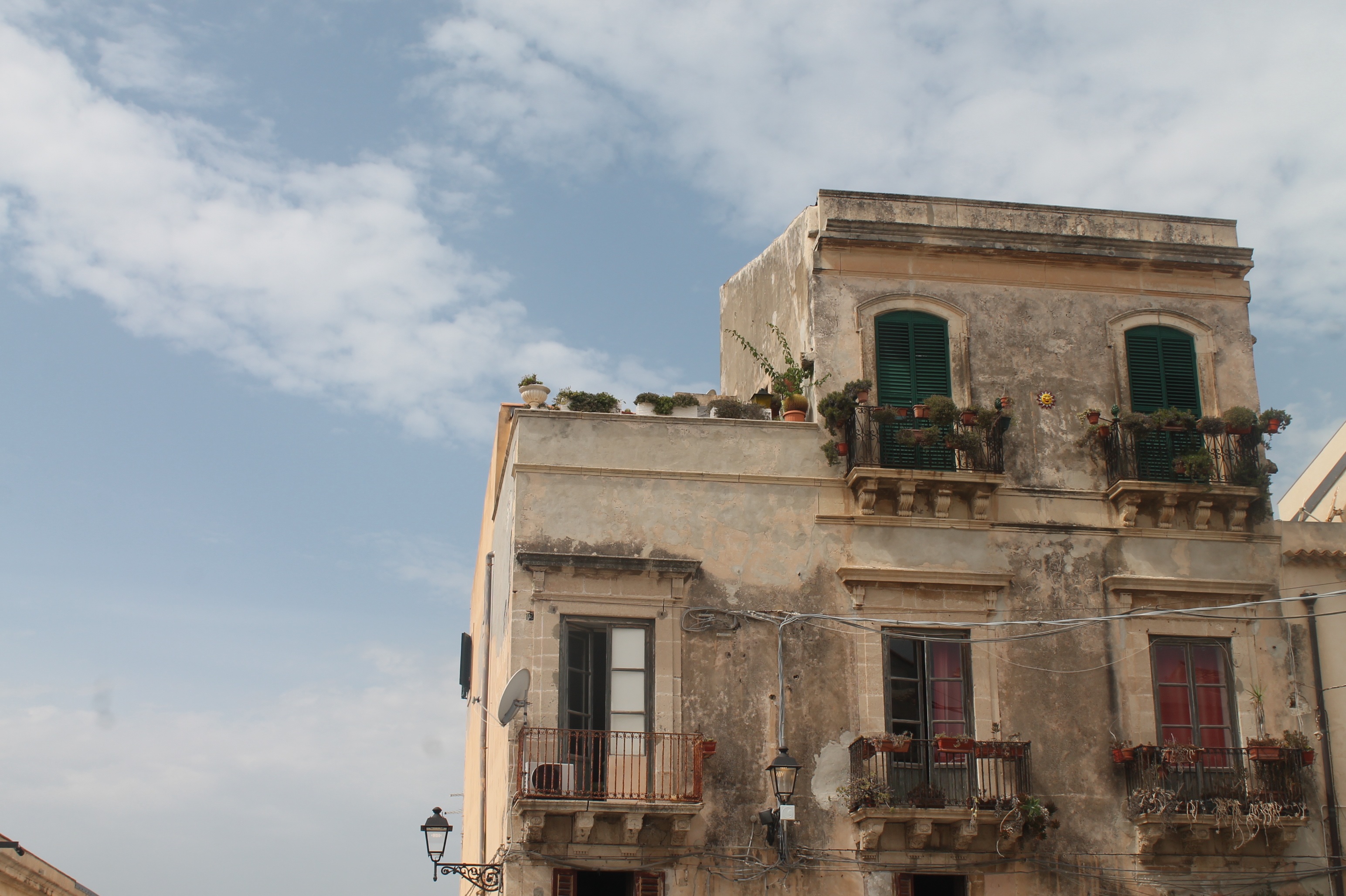
Siracusa, known to English speakers as Syracuse, is a wonder to behold. One of the great ancient capitals of Western civilization, the city was founded in 734 BC by Greek colonists from Corinth and soon grew to rival, and even surpass, Athens in splendor and power. It became the largest, wealthiest city-state in the West and a bulwark of Greek civilization. Although Siracusa lived under tyranny, rulers such as Dionysius filled their courts with Greeks of the highest cultural stature—among them the playwrights Aeschylus and Euripides, and the philosopher Plato. The Athenians, who didn’t welcome Siracusa’s rise, set out to conquer Sicily, but the natives outsmarted them in what was one of the greatest military campaigns in ancient history (413 BC). The city continued to prosper until it was conquered two centuries later by the Romans.Present-day Siracusa still has some of the finest examples of Baroque art and architecture; dramatic Greek and Roman ruins; and a Duomo that’s the stuff of legend—a microcosm of the city’s entire history in one building. The modern city also has a wonderful, lively, Baroque old town worthy of extensive exploration, as well as pleasant piazzas, outdoor cafés and bars, and a wide assortment of excellent seafood. There are essentially two areas to explore in Siracusa: the Parco Archeologico (Archaeological Zone), on the mainland; and the island of Ortygia, the ancient city first inhabited by the Greeks, which juts out into the Ionian Sea and is connected to the mainland by two small bridges. Ortygia is becoming increasingly popular with tourists, and is starting to lose its old-fashioned charm in favor of modern boutiques.Siracusa’s old nucleus of Ortygia, a compact area, is a pleasure to amble around without getting unduly tired. In contrast, mainland Siracusa is a grid of wider avenues. At the northern end of Corso Gelone, above Viale Paolo Orsi, the orderly grid gives way to the ancient quarter of Neapolis, where the sprawling Parco Archeologico is accessible from Viale Teracati (an extension of Corso Gelone). East of Viale Teracati, about a 10-minute walk from the Parco Archeologico, the district of Tyche holds the archaeological museum and the church and catacombs of San Giovanni, both off Viale Teocrito (drive or take a taxi or city bus from Ortygia). Coming from the train station, it’s a 15-minute trudge to Ortygia along Via Francesco Crispi and Corso Umberto. If you’re not up for that, take one of the free electric buses leaving every 10 minutes from the bus station around the corner.
Gozo Island, Malta
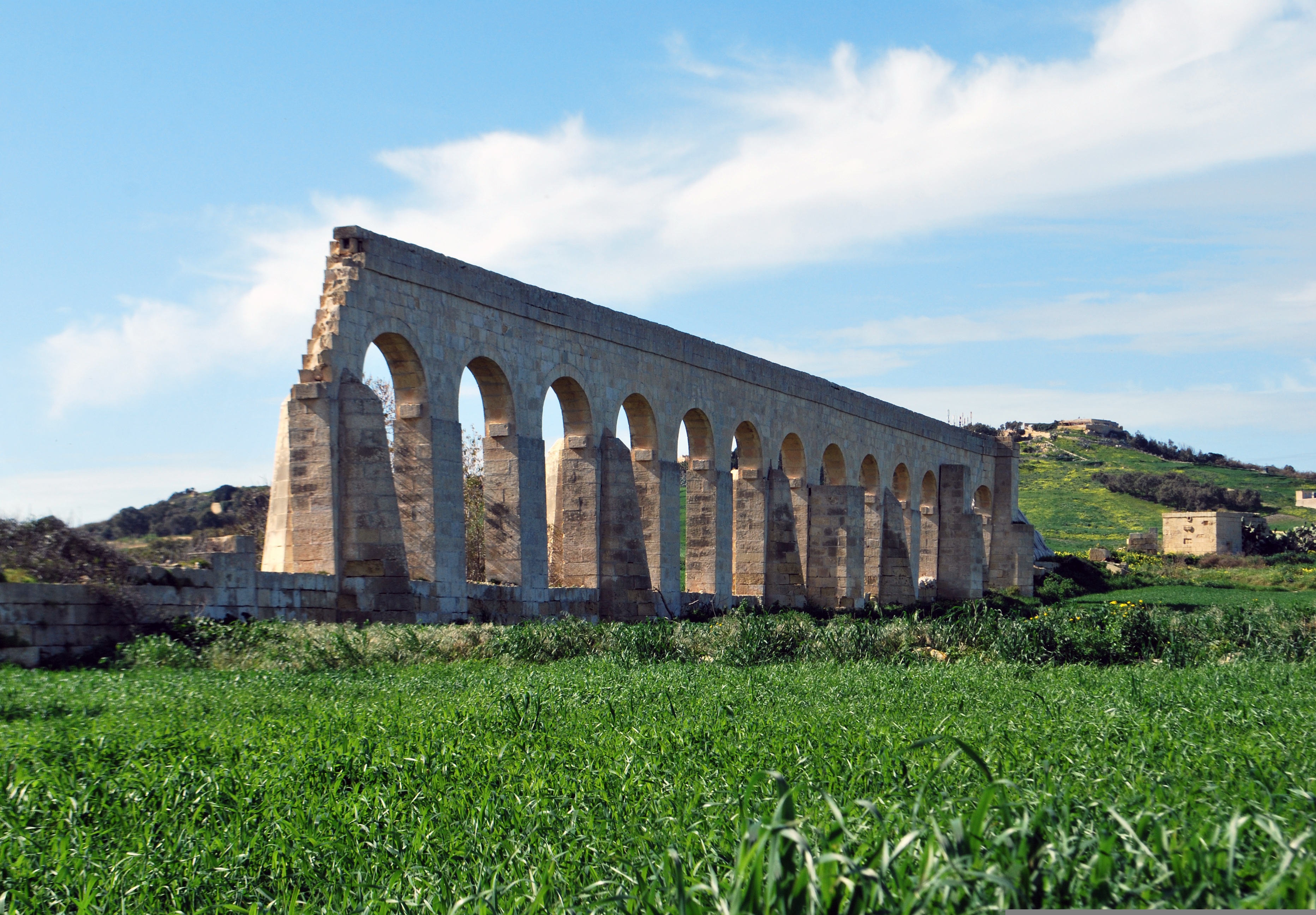
Malta is situated approximately 58 miles (about 93 kilometres) south of Sicily, and approximately 179 miles (about 288 kilometres) north of Africa. The Maltese Archipelago lies at the centre of the Mediterranean. Gozo, the ‘Isle of Calypso’, is a unique island that forms a part of the Maltese Archipelago, and is famous for its mythical legends, folklore and crafts. Some parts of Gozo are still undiscovered and unspoilt. The southern part of the island facing Malta is low-lying, but it rises near the coast and forms the vertical cliffs of Ta’ Cenc that jut out like a bastion into the sea. Several narrow valleys cut through and dissect the plateau; the best-known being Xlendi.
Valletta, Malta
Malta’s capital, the minicity of Valletta, has ornate palaces and museums protected by massive fortifications of honey-color limestone. Houses along the narrow streets have overhanging wooden balconies for people-watching from indoors. Generations ago they gave housebound women a window on the world of the street. The main entrance to town is through the City Gate (where all bus routes end), which leads onto Triq Repubblika (Republic Street), the spine of the grid-pattern city and the main shopping street. Triq Mercante (Merchant Street) parallels Repubblika to the east and is also good for strolling. From these two streets, cross streets descend toward the water; some are stepped. Valletta’s compactness makes it ideal to explore on foot. City Gate and the upper part of Valletta are experiencing vast redevelopment that includes a new Parliament Building and open-air performance venue. The complex, completed mid-2013, has numerous pedestrian detours in place along with building noise and dust. Before setting out along Republic Street, stop at the tourist information office on Merchant Street for maps and brochures.
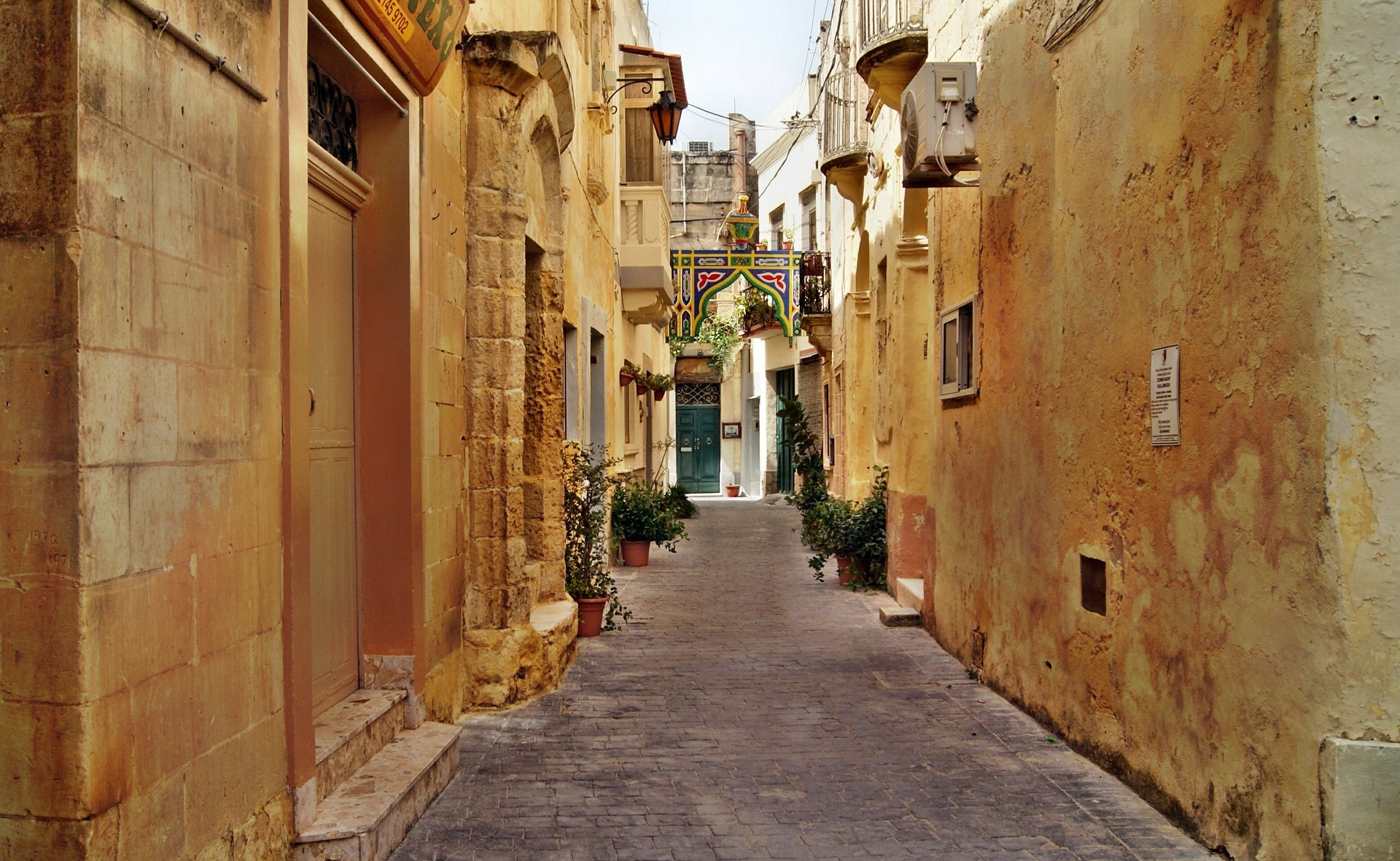
Valletta, Malta
Malta’s capital, the minicity of Valletta, has ornate palaces and museums protected by massive fortifications of honey-color limestone. Houses along the narrow streets have overhanging wooden balconies for people-watching from indoors. Generations ago they gave housebound women a window on the world of the street. The main entrance to town is through the City Gate (where all bus routes end), which leads onto Triq Repubblika (Republic Street), the spine of the grid-pattern city and the main shopping street. Triq Mercante (Merchant Street) parallels Repubblika to the east and is also good for strolling. From these two streets, cross streets descend toward the water; some are stepped. Valletta’s compactness makes it ideal to explore on foot. City Gate and the upper part of Valletta are experiencing vast redevelopment that includes a new Parliament Building and open-air performance venue. The complex, completed mid-2013, has numerous pedestrian detours in place along with building noise and dust. Before setting out along Republic Street, stop at the tourist information office on Merchant Street for maps and brochures.
Siracuse, Sicily, Italy
Siracusa, known to English speakers as Syracuse, is a wonder to behold. One of the great ancient capitals of Western civilization, the city was founded in 734 BC by Greek colonists from Corinth and soon grew to rival, and even surpass, Athens in splendor and power. It became the largest, wealthiest city-state in the West and a bulwark of Greek civilization. Although Siracusa lived under tyranny, rulers such as Dionysius filled their courts with Greeks of the highest cultural stature—among them the playwrights Aeschylus and Euripides, and the philosopher Plato. The Athenians, who didn’t welcome Siracusa’s rise, set out to conquer Sicily, but the natives outsmarted them in what was one of the greatest military campaigns in ancient history (413 BC). The city continued to prosper until it was conquered two centuries later by the Romans.Present-day Siracusa still has some of the finest examples of Baroque art and architecture; dramatic Greek and Roman ruins; and a Duomo that’s the stuff of legend—a microcosm of the city’s entire history in one building. The modern city also has a wonderful, lively, Baroque old town worthy of extensive exploration, as well as pleasant piazzas, outdoor cafés and bars, and a wide assortment of excellent seafood. There are essentially two areas to explore in Siracusa: the Parco Archeologico (Archaeological Zone), on the mainland; and the island of Ortygia, the ancient city first inhabited by the Greeks, which juts out into the Ionian Sea and is connected to the mainland by two small bridges. Ortygia is becoming increasingly popular with tourists, and is starting to lose its old-fashioned charm in favor of modern boutiques.Siracusa’s old nucleus of Ortygia, a compact area, is a pleasure to amble around without getting unduly tired. In contrast, mainland Siracusa is a grid of wider avenues. At the northern end of Corso Gelone, above Viale Paolo Orsi, the orderly grid gives way to the ancient quarter of Neapolis, where the sprawling Parco Archeologico is accessible from Viale Teracati (an extension of Corso Gelone). East of Viale Teracati, about a 10-minute walk from the Parco Archeologico, the district of Tyche holds the archaeological museum and the church and catacombs of San Giovanni, both off Viale Teocrito (drive or take a taxi or city bus from Ortygia). Coming from the train station, it’s a 15-minute trudge to Ortygia along Via Francesco Crispi and Corso Umberto. If you’re not up for that, take one of the free electric buses leaving every 10 minutes from the bus station around the corner.
Gozo Island, Malta
Malta is situated approximately 58 miles (about 93 kilometres) south of Sicily, and approximately 179 miles (about 288 kilometres) north of Africa. The Maltese Archipelago lies at the centre of the Mediterranean. Gozo, the ‘Isle of Calypso’, is a unique island that forms a part of the Maltese Archipelago, and is famous for its mythical legends, folklore and crafts. Some parts of Gozo are still undiscovered and unspoilt. The southern part of the island facing Malta is low-lying, but it rises near the coast and forms the vertical cliffs of Ta’ Cenc that jut out like a bastion into the sea. Several narrow valleys cut through and dissect the plateau; the best-known being Xlendi.
Valletta, Malta
Malta’s capital, the minicity of Valletta, has ornate palaces and museums protected by massive fortifications of honey-color limestone. Houses along the narrow streets have overhanging wooden balconies for people-watching from indoors. Generations ago they gave housebound women a window on the world of the street. The main entrance to town is through the City Gate (where all bus routes end), which leads onto Triq Repubblika (Republic Street), the spine of the grid-pattern city and the main shopping street. Triq Mercante (Merchant Street) parallels Repubblika to the east and is also good for strolling. From these two streets, cross streets descend toward the water; some are stepped. Valletta’s compactness makes it ideal to explore on foot. City Gate and the upper part of Valletta are experiencing vast redevelopment that includes a new Parliament Building and open-air performance venue. The complex, completed mid-2013, has numerous pedestrian detours in place along with building noise and dust. Before setting out along Republic Street, stop at the tourist information office on Merchant Street for maps and brochures.
Valletta, Malta
Malta’s capital, the minicity of Valletta, has ornate palaces and museums protected by massive fortifications of honey-color limestone. Houses along the narrow streets have overhanging wooden balconies for people-watching from indoors. Generations ago they gave housebound women a window on the world of the street. The main entrance to town is through the City Gate (where all bus routes end), which leads onto Triq Repubblika (Republic Street), the spine of the grid-pattern city and the main shopping street. Triq Mercante (Merchant Street) parallels Repubblika to the east and is also good for strolling. From these two streets, cross streets descend toward the water; some are stepped. Valletta’s compactness makes it ideal to explore on foot. City Gate and the upper part of Valletta are experiencing vast redevelopment that includes a new Parliament Building and open-air performance venue. The complex, completed mid-2013, has numerous pedestrian detours in place along with building noise and dust. Before setting out along Republic Street, stop at the tourist information office on Merchant Street for maps and brochures.
Cabin Options
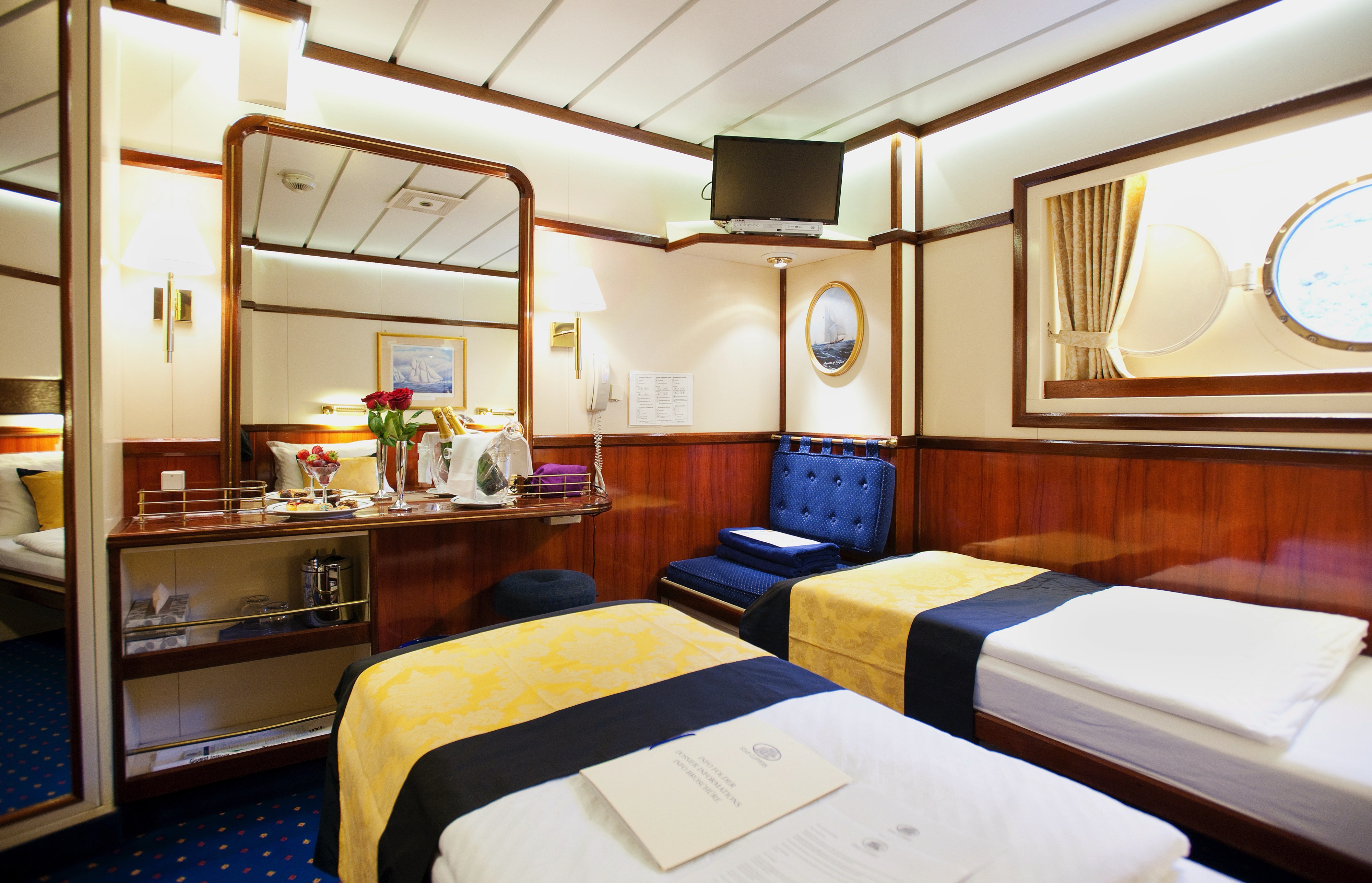
Category 5 – Outside Cabins
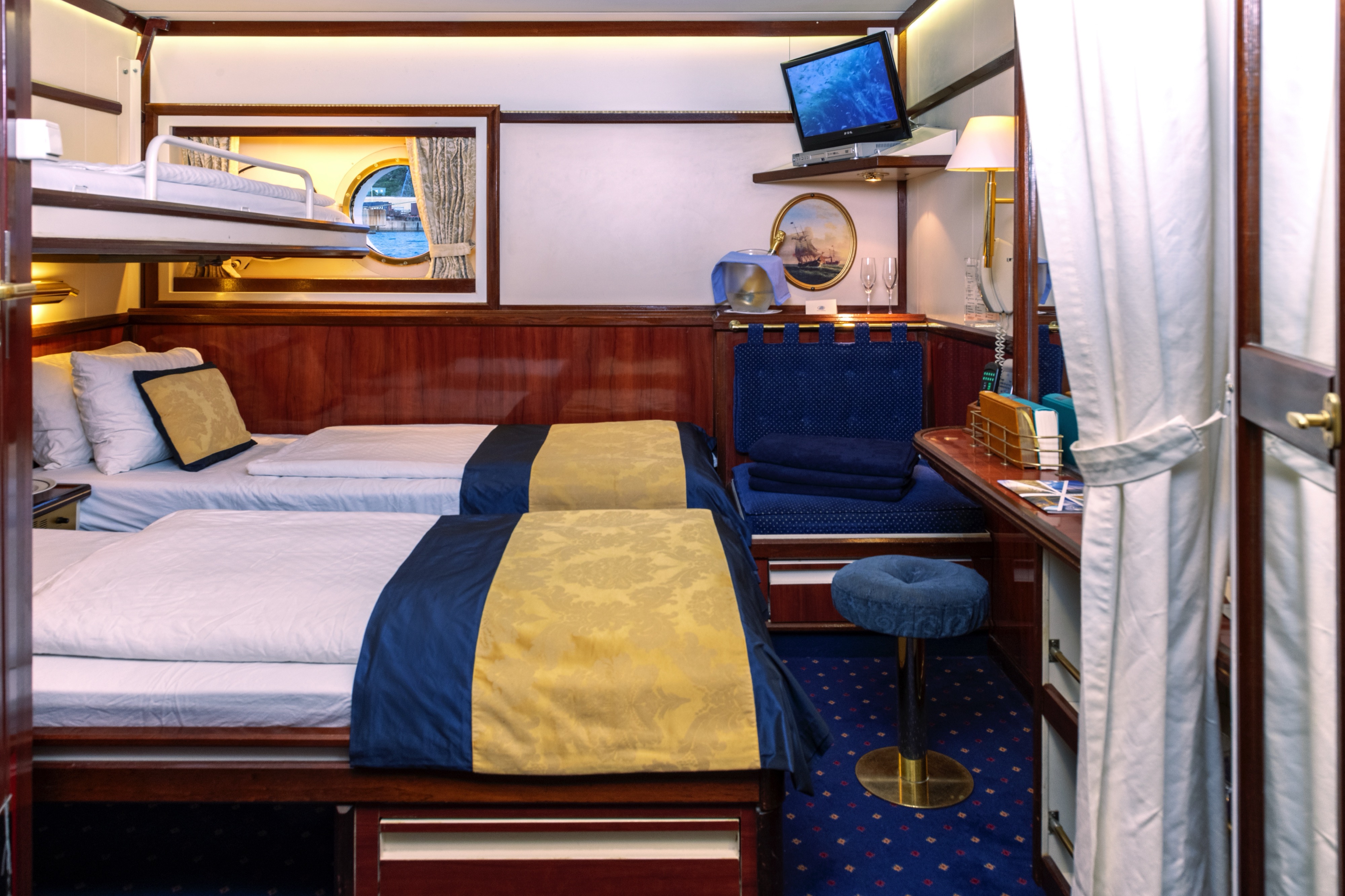
Category 4 – Outside Cabins
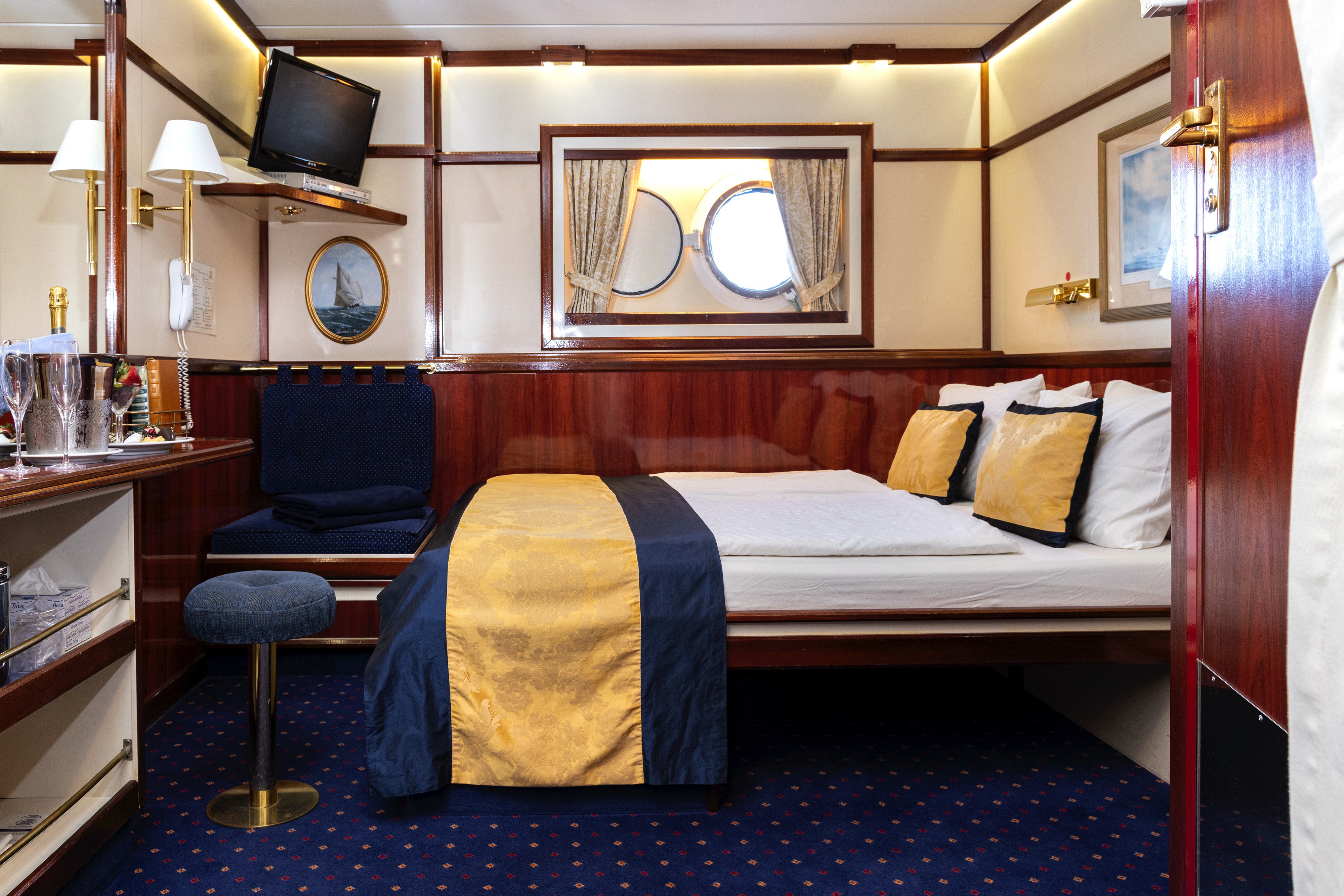
Category 3 – Outside Cabins
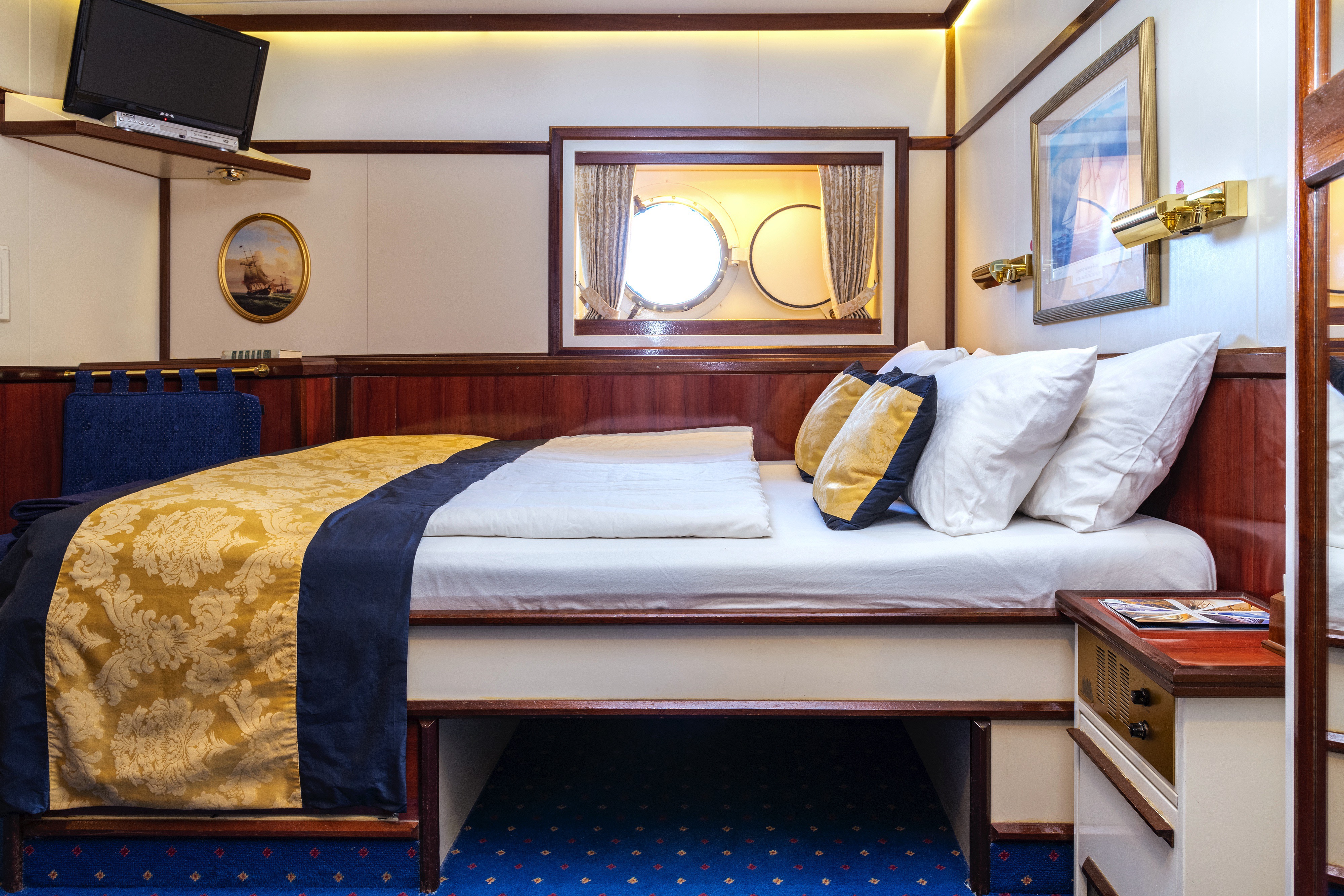
Category 2 – Large Outside Cabins
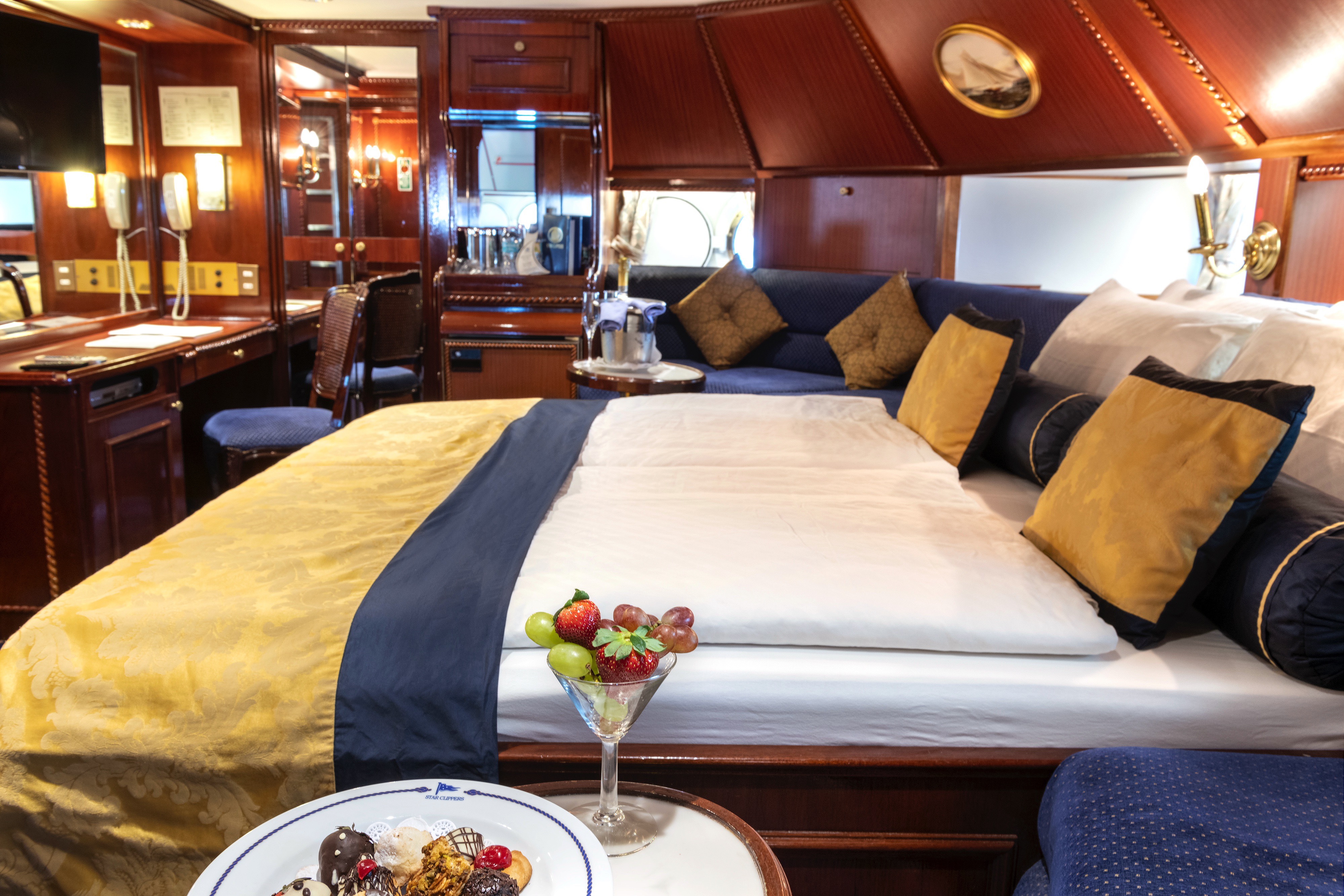
Owner's Cabin
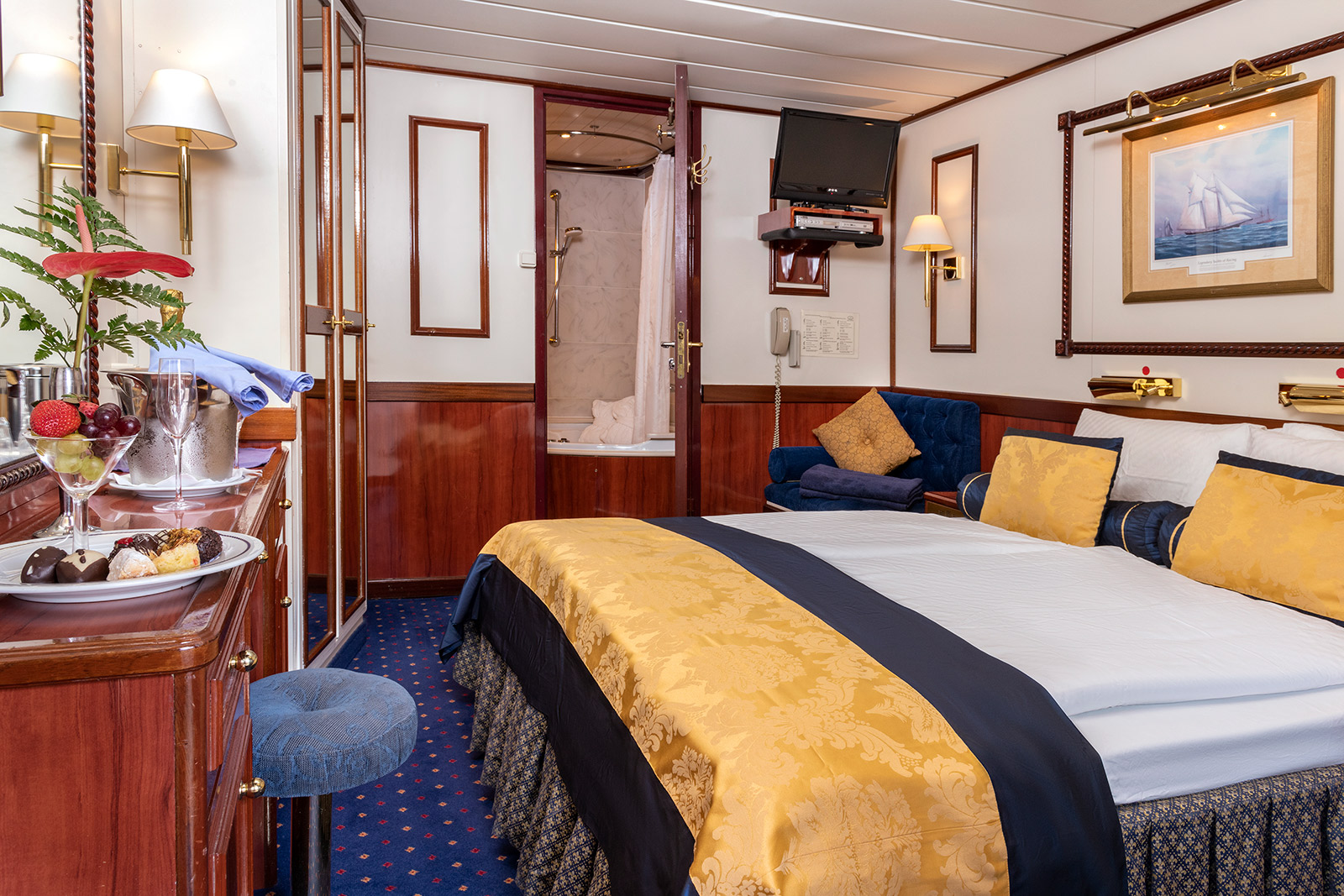
Category 1 – Deluxe Deck Cabins
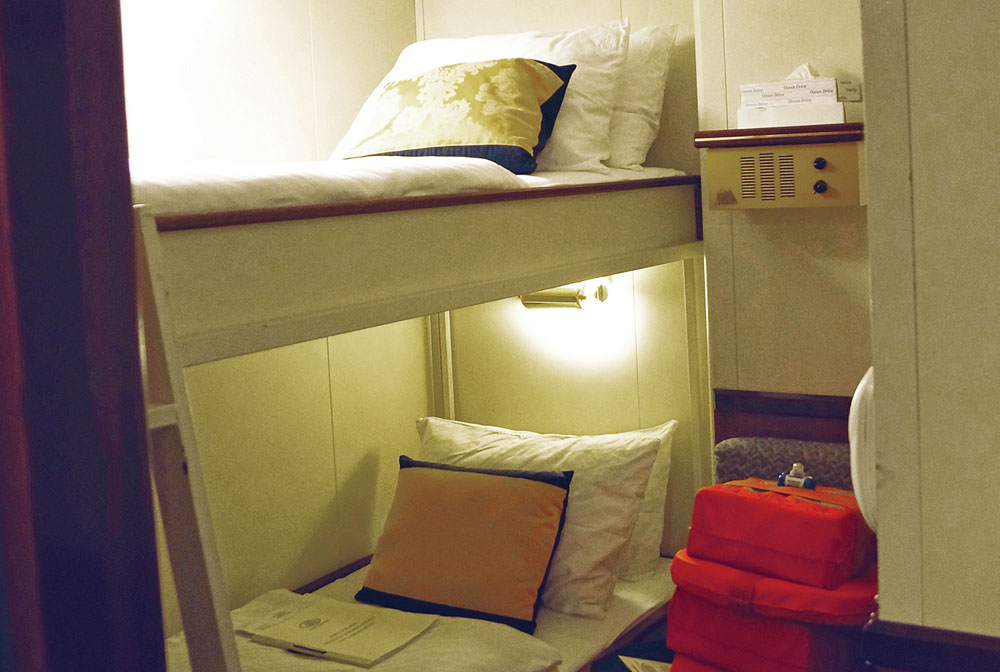
Category 6 Cabins
Ship Facilities
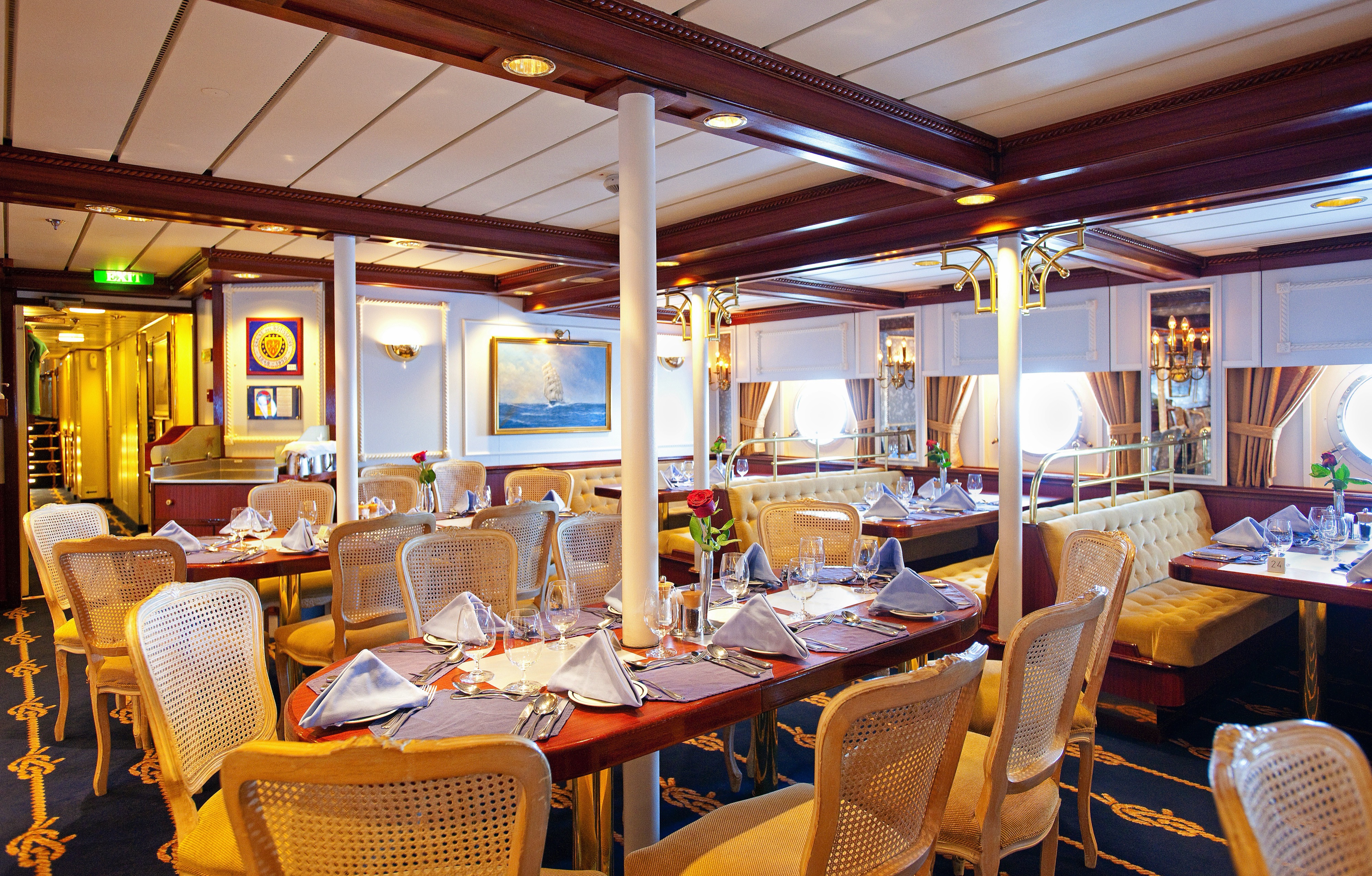
Clipper Dining Room
When you rise, help yourself to a continental breakfast with Parisian croissants or sweet Danish pastries. Or savour a full breakfast with fresh tropical fruit and crisp bacon, grilled sausage and omelettes cooked to order in the dining room.
At lunch, a marvellous buffet of seafood, salads and grilled favourites awaits your pleasure. If the day includes a stop at one of the paradisical islands we frequent, you might also be treated to a succulent outdoor barbecue on shore.
When evening comes, our elegantly appointed dining room becomes the setting for the chef’s finest culinary presentations, designed to please the eye and the palate, complemented by a selection of equally fine wines.
You’ll find our service to be friendly and gracious, befitting a tasteful restaurant. Of course, we would not presume to dictate your seating preferences. On all three ships, you are free to dine when and with whomever you wish – including with our officers, who join our guests in the dining room most nights. The dress code? No need for formal gowns and black tie, casual elegance is the order of the day and every single night.
Watersports
Sailing with Star Clippers is a unique experience!
Explore new horizons, push your boundaries & enjoy a range of nautical activities! Make the most of our complimentary water sports program and learn a wide variety of nautical activities, supervised by our officers & crew.
Water sports for all tastes!
On beach stops our sports team can offer you: kayaks, paddle boards and dinghies as well as water skiing and windsurfing. Enjoy your favourite water sports during the cruise or take the opportunity to try something new.
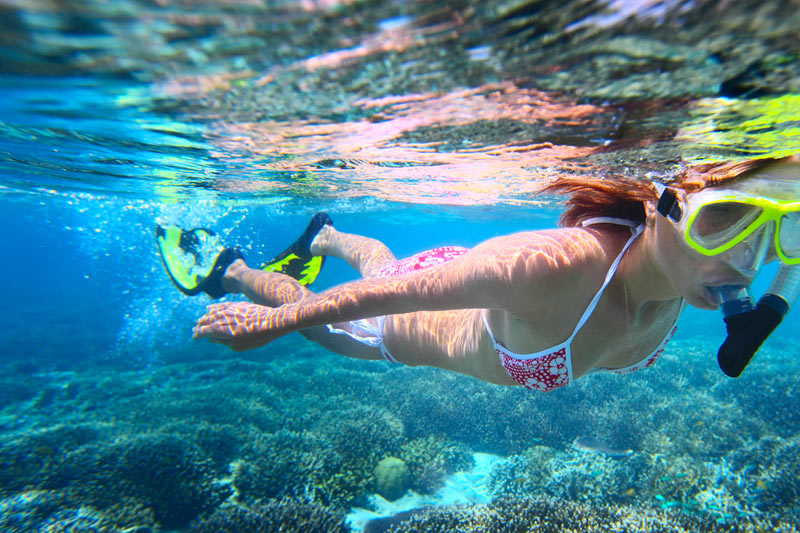
Snorkelling
Close your eyes and imagine you are soaking up the sun on a white sandy beach in the Caribbean; crystal clear waters invite you to explore the underwater world of coral reefs and colourful tropical fish. Star Clippers hands out snorkelling equipment to all passengers upon arrival on board, so all you have to do is dive in and explore.
Sailor for a day!
Life on the ocean is one big adventure! Discover the sailing techniques used by our marine experts. Our crew will help you to hoist the sails, climb the mast, and tie marine knots. You will learn the names of the different sails and how to use a sextant. When evening comes and the velvety darkness is punctuated by stars, our officers will show you how to navigate at night with the help of the stars.
Exclusive Sailing Destinations
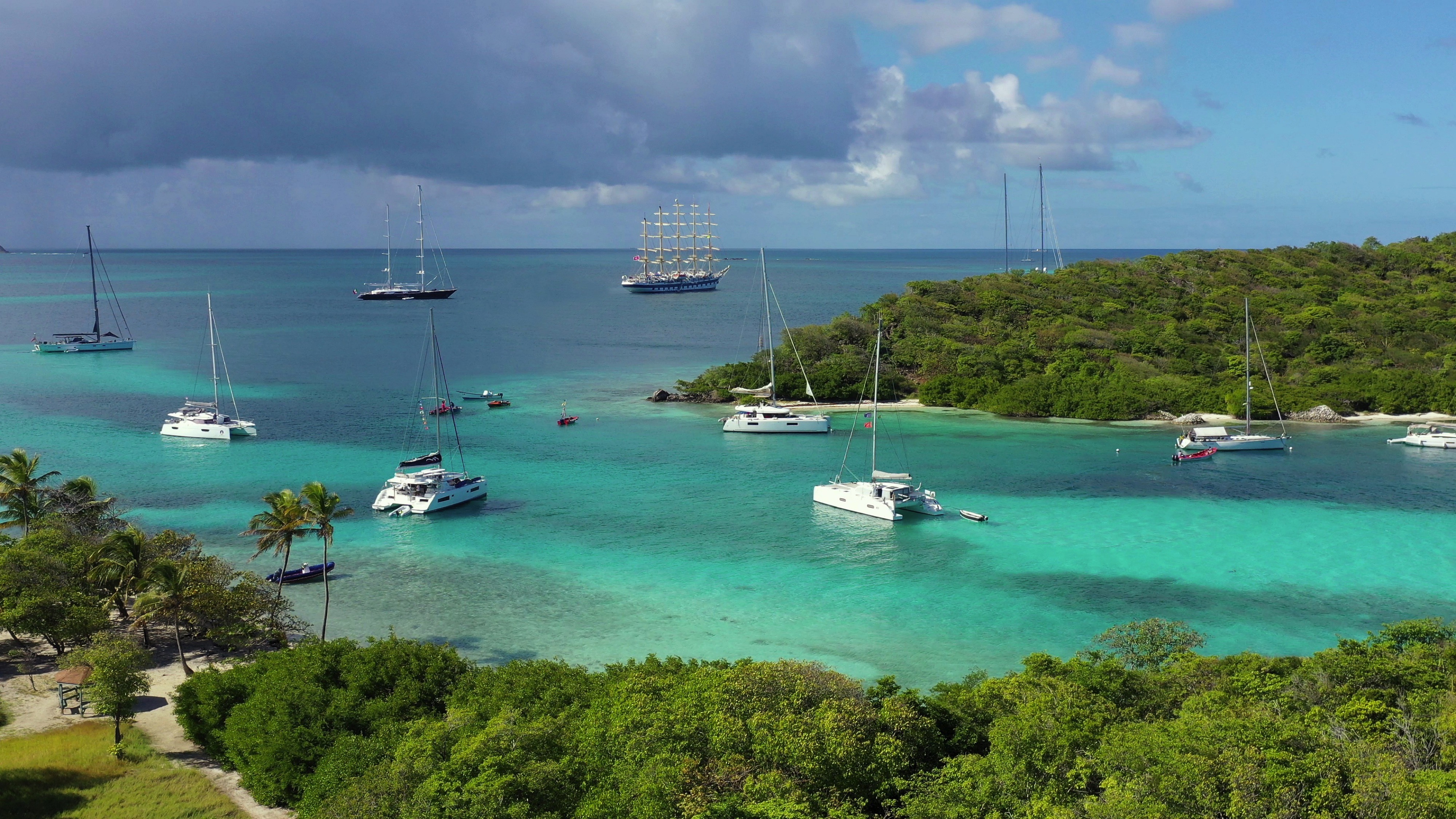
Star Clippers takes you to the most beautiful beaches in the Caribbean, the Mediterranean and Southeast Asia, far from all the crowds and congested harbours.
Our tenders or zodiac service allow you to go ashore in comfort and disembark either in port or directly on the beach, so you are free to set off and explore each destination. On Royal Clipper, a specially designed marine platform can be lowered to sea level, so you can enjoy water sports directly from the ship!
Shore Excursions
A wide variety of exceptional shore excursions are offered in the many extraordinary destinations Star Clippers visits around the world to enhance your journey. Don’t miss your opportunity to immerse yourself in the local history, culture, art, architecture and beauty located in each region by taking advantage of these carefully crafted tours offering an insight into the locale’s true identity. Of course, all shore excursions are optional, and you can chose which one you’d like or just explore on your own. The staff is available for suggestions and sign up is done right on board, in most cases. For a preview of what is offered in each port, you can find the details right on our website.
Themed Cruises
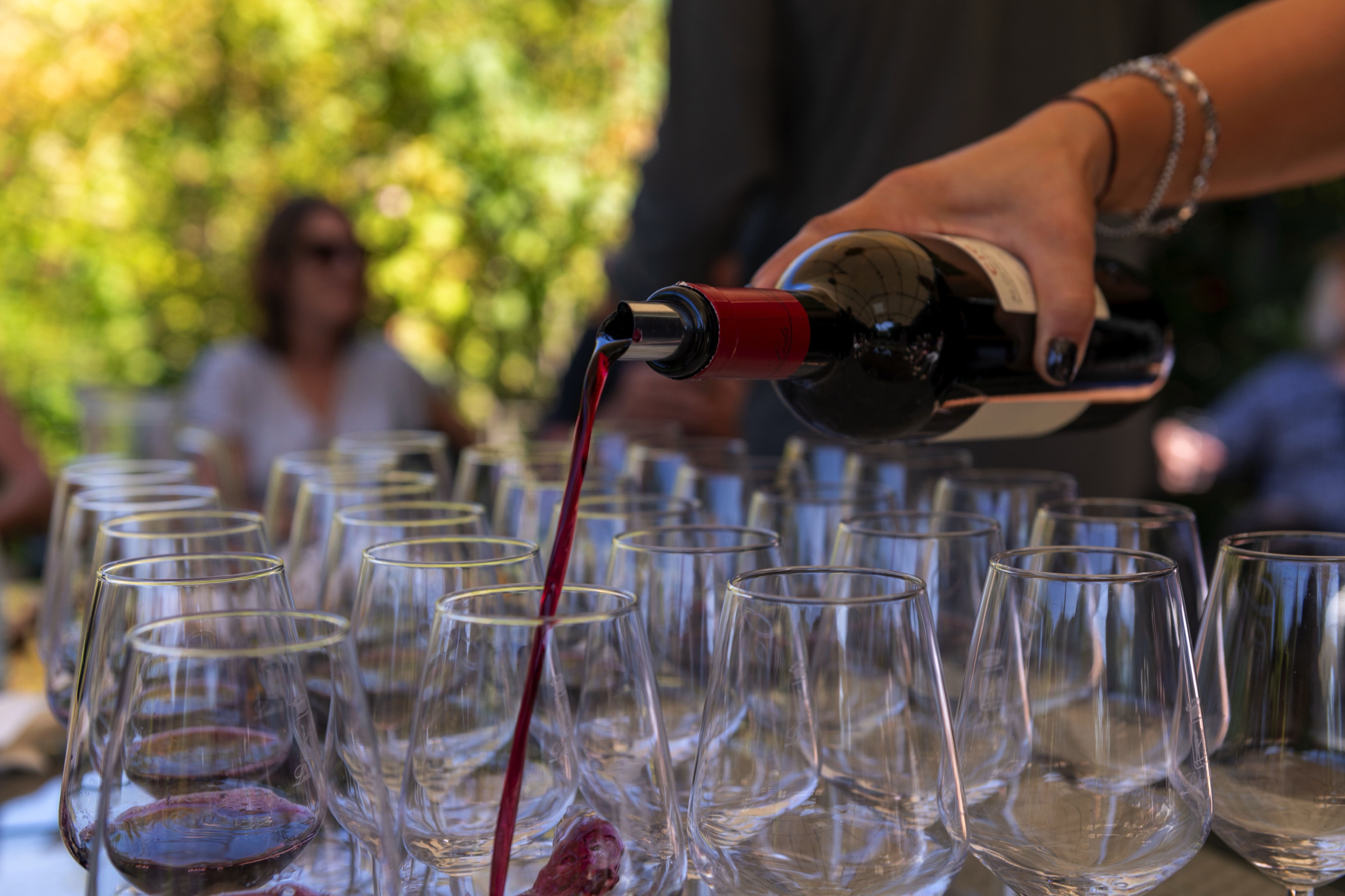
For travelers seeking a deeper, more immersive cruise experience, theme cruises offer a unique opportunity to indulge in personal passions while sailing to stunning destinations. These specially curated voyages bring together experts in various fields—gastronomy, wine, wellness, and more—to enhance the journey with exclusive events and activities.
On select sailings, guests will have the chance to learn from renowned chefs, sommeliers, yoga teachers, and wellness specialists, each bringing a wealth of expertise to the onboard experience. Enjoy engaging lectures, hands-on cooking demonstrations, and expertly guided wine tastings, all designed to inspire and educate. Wellness enthusiasts can benefit from expert-led sessions focused on relaxation, mindfulness, and holistic well-being, including yoga classes tailored for all skill levels.
Whether you’re a food and wine connoisseur, a yoga enthusiast, or someone looking to unwind and rejuvenate, a theme cruise offers a memorable way to connect with like-minded travelers while deepening your knowledge in a relaxed, elegent setting.
Lookout Stations
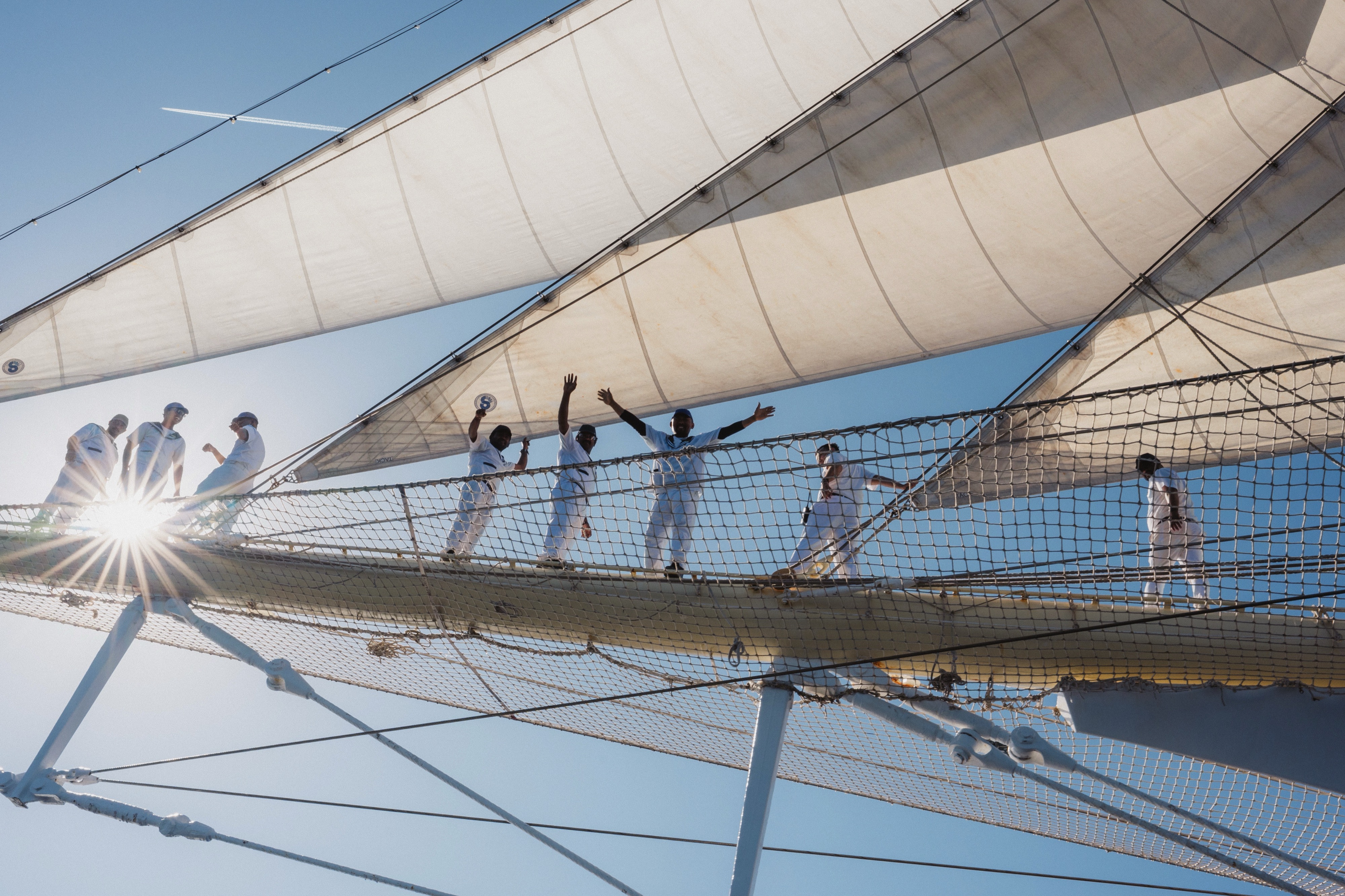
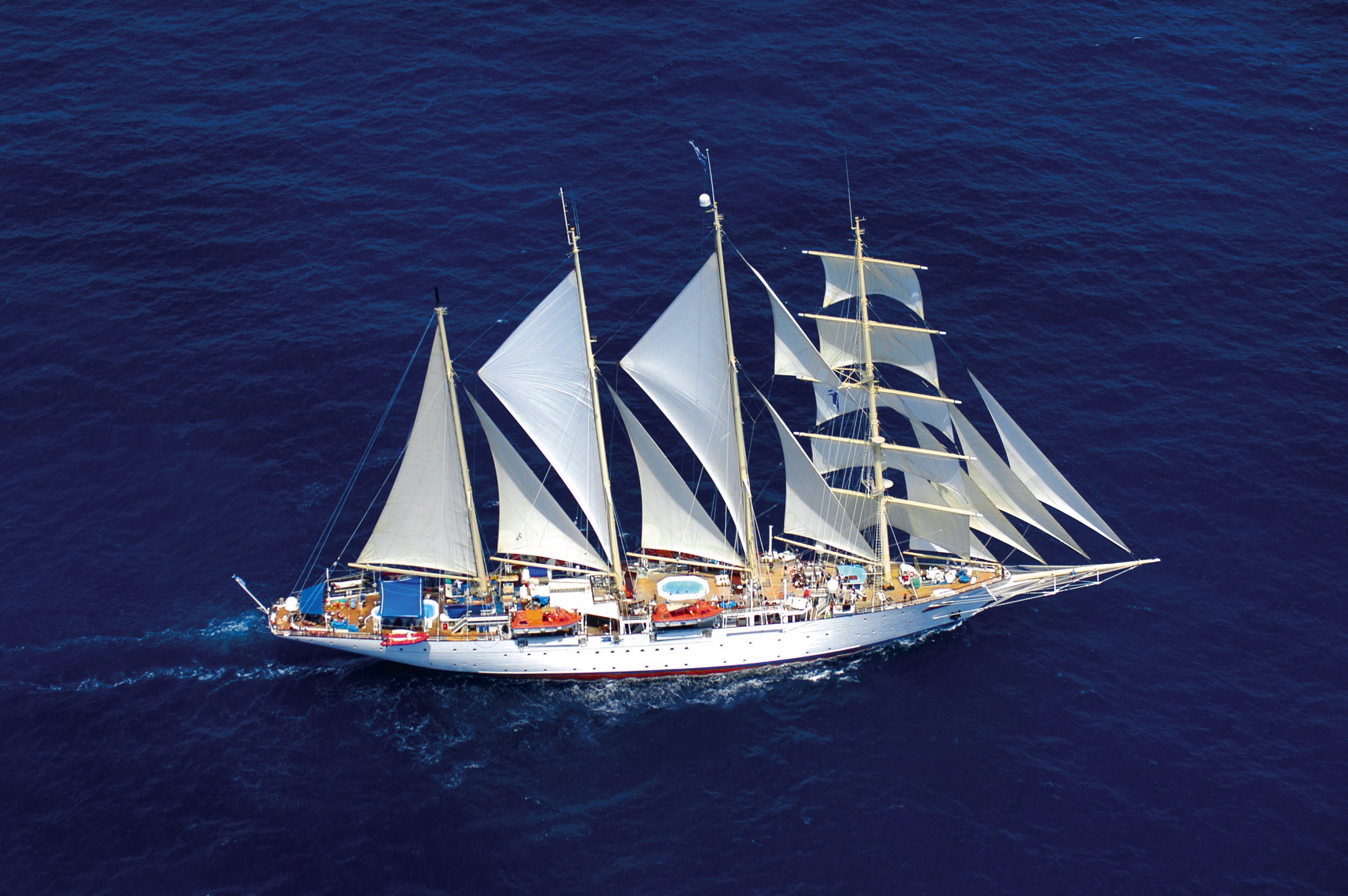
Lookout stations have been created at the first yardarm on each of the masts. Equipped with high safety rails, and a comfortable teak settee for lounging at ease, passengers can observe all the action below and out to the edge of the horizon. Passengers wishing to climb to the lookout posts slip on a ship supplied safety vest tethered to a watchful crew member on the deck, who keeps the safety line secured as they make the easy ascent up one of the ratlines. All three Star Clippers ships offer this exciting activity that is bound to be one of the highlights of a Star Clippers cruise.
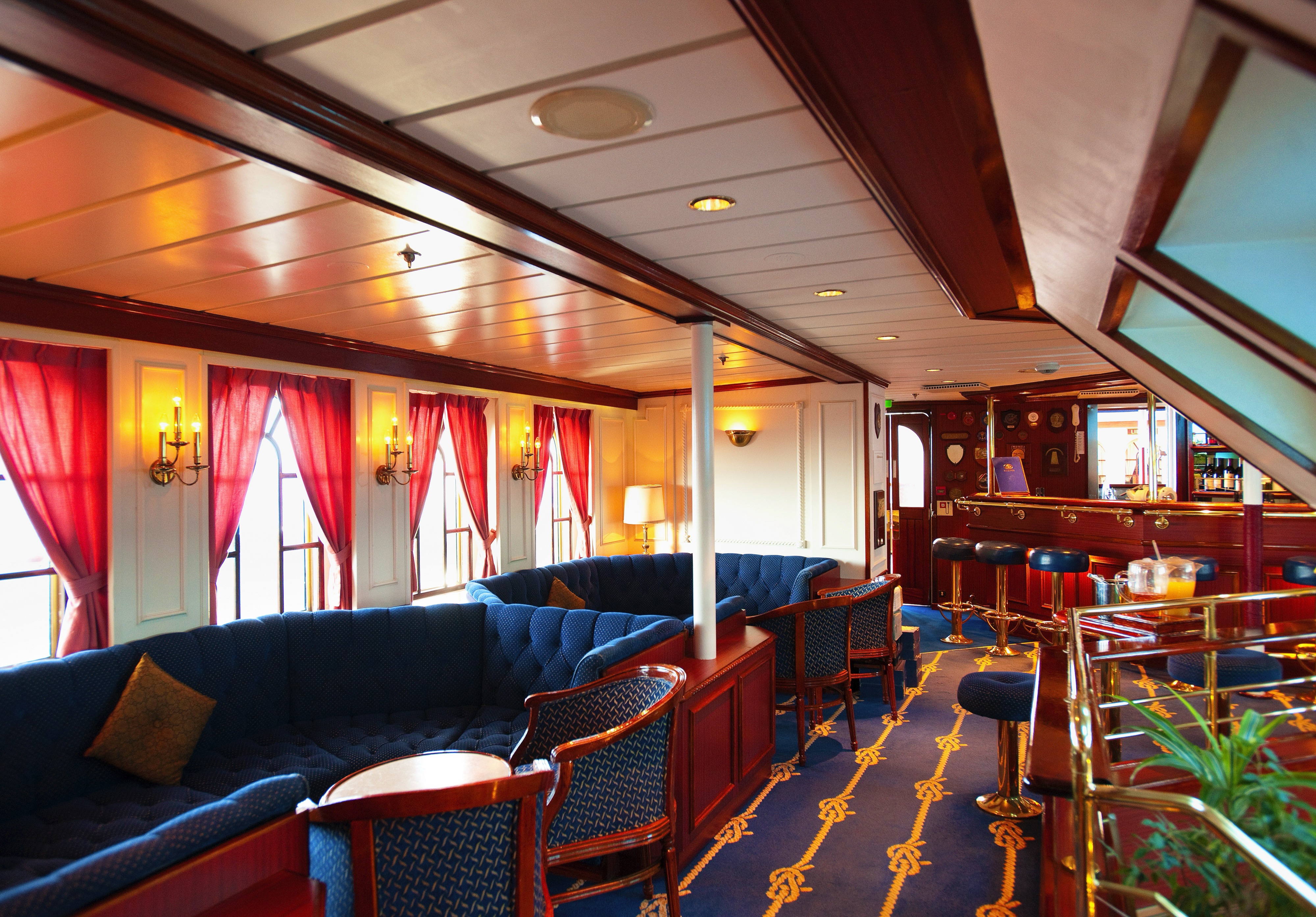
Piano Bar and Lounge
If your time isn’t taken up by searching out distant lands from the crow’s nest or enjoying a lovingly prepared meal in the dining room; you can always take a seat in the Observation Lounge. Gather round the piano bar and join in singing a few favourites.
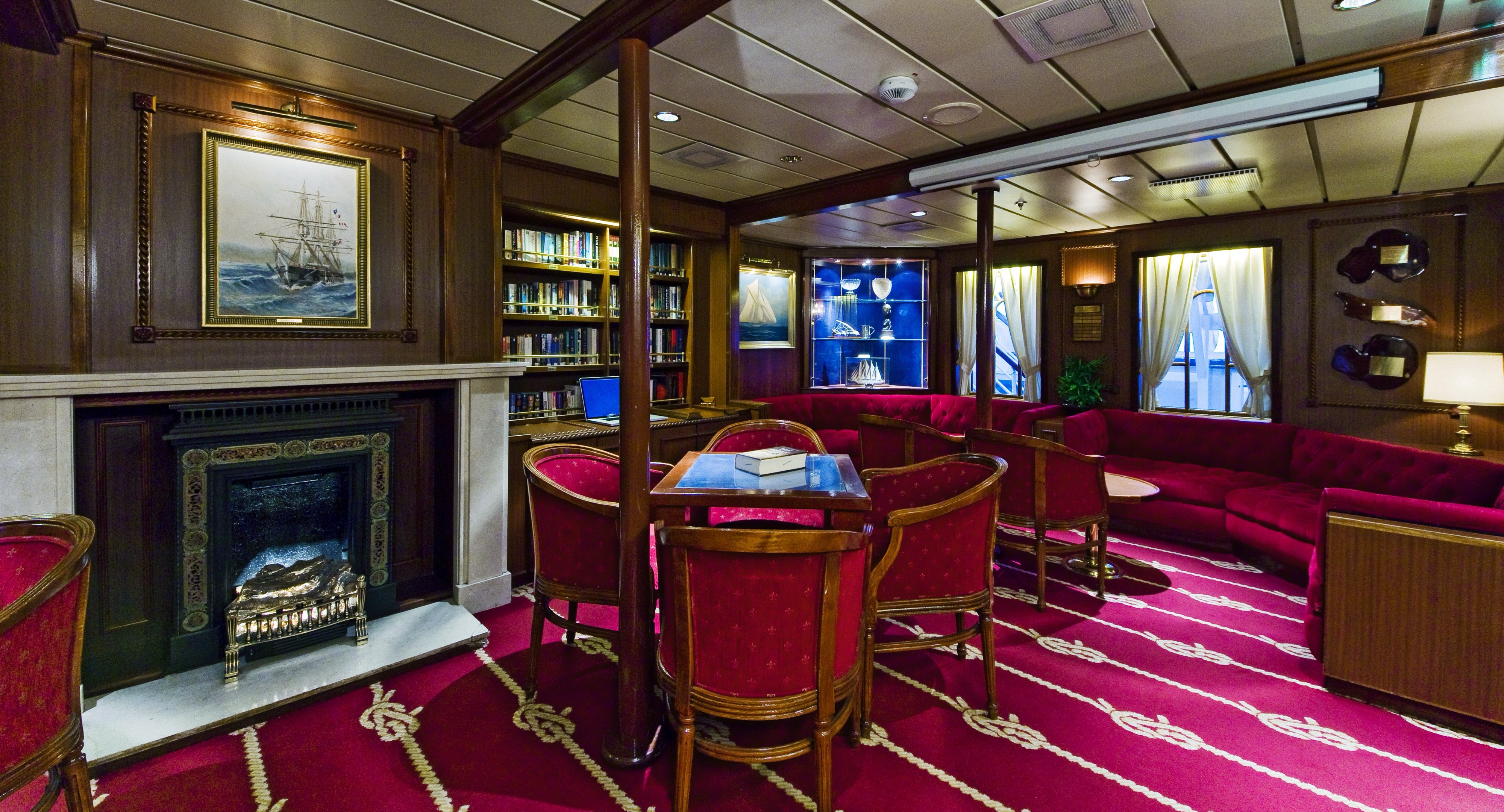
Library
Edwardian style library with an Époque fireplace. The library offers reference books , art books, and novels in several languages. There is also a selection of board games and comfortable seating so that you can relax and enjoy some quiet time if you so wish.
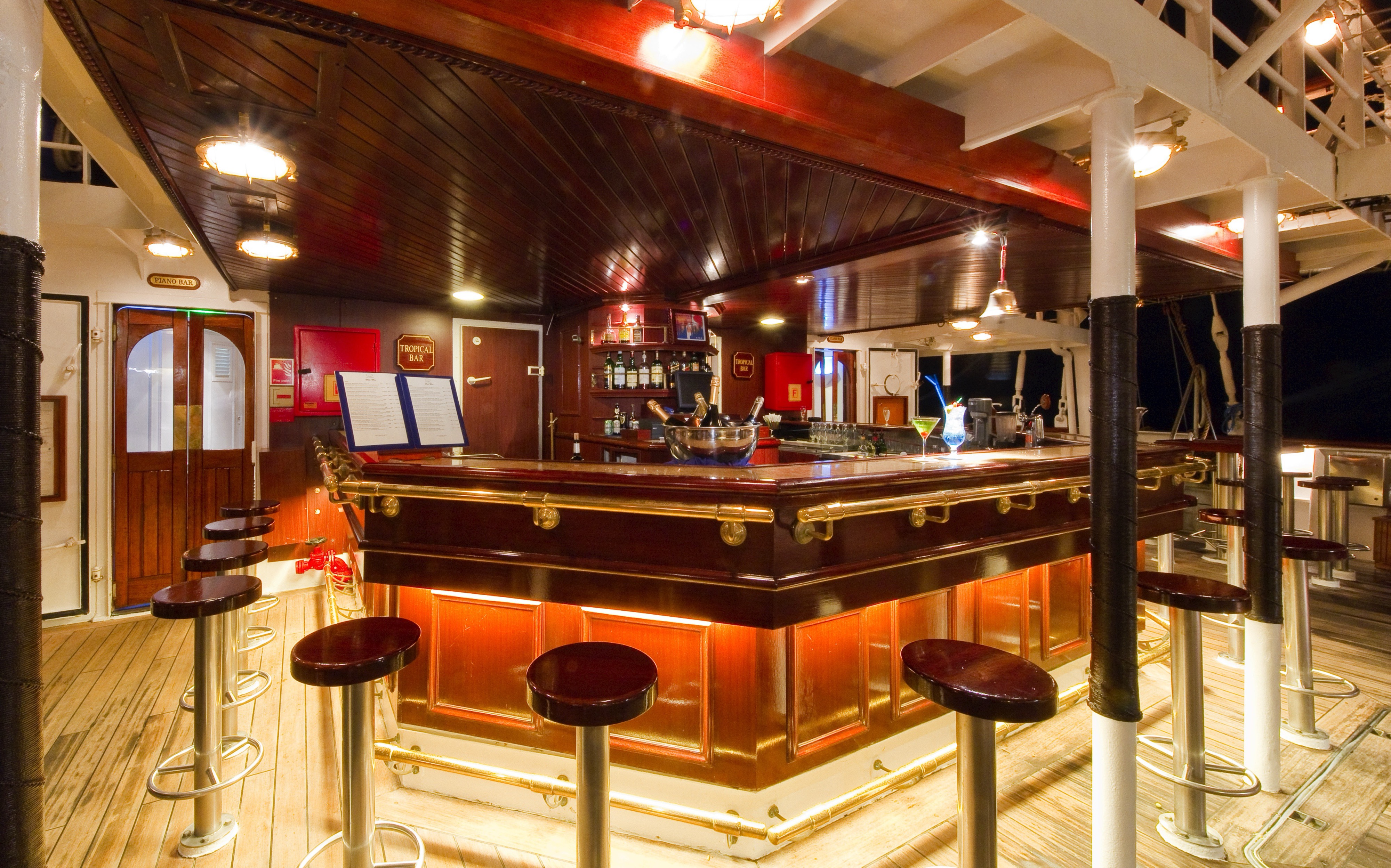
Tropical Bar
The indoor-outdoor Tropical Bar is situated on the Main Deck at the heart of the ship where passengers congregate throughout the day and into the wee hours of the night. This area can accommodate everyone on board and is the center for the nightly entertainment program as well as the focal point for all on-board activity and events.
Sloop Shop
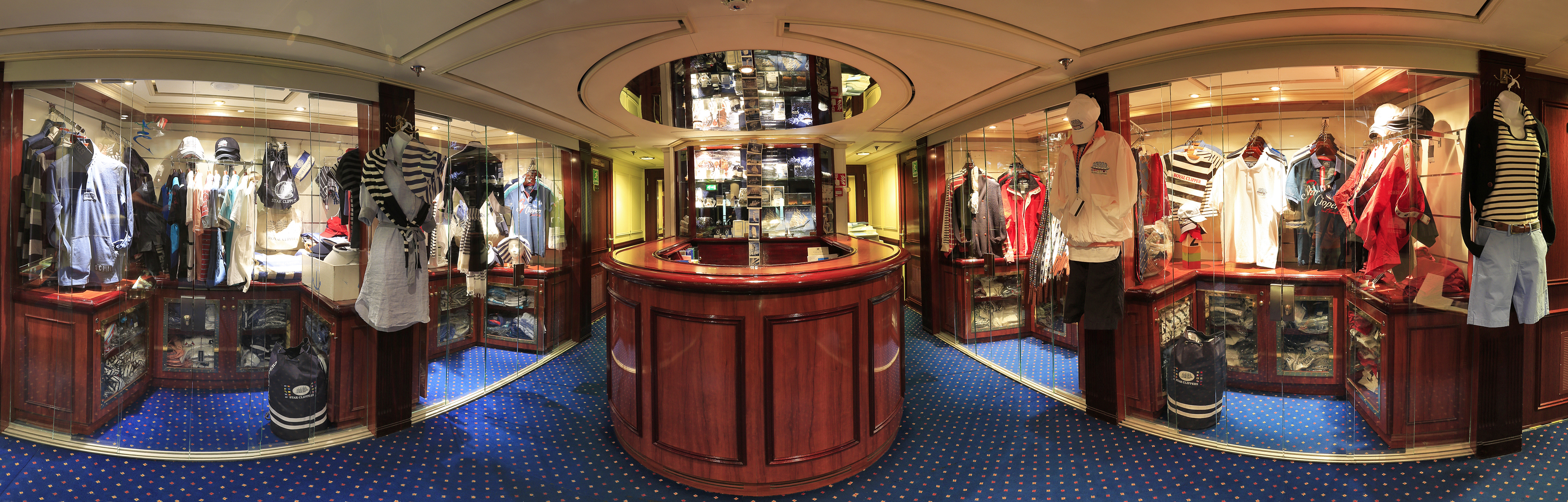
It is located on the Clipper Deck aft of the Dining Room. Head here when you need toothpaste, sunscreen, Internet & WiFi cards and all those other day-to-day items you can’t do without. There is also a tasteful selection of cruise wear, souvenirs and gifts. If you need something and you don’t see it displayed, please ask. They might just have it. The shop is open every day (except on embarkation day) from 8:30 a.m. to 9:00 p.m. and depending on the times of call and customs regulations.
Local Music and Arts
An authentic taste of the local music and arts
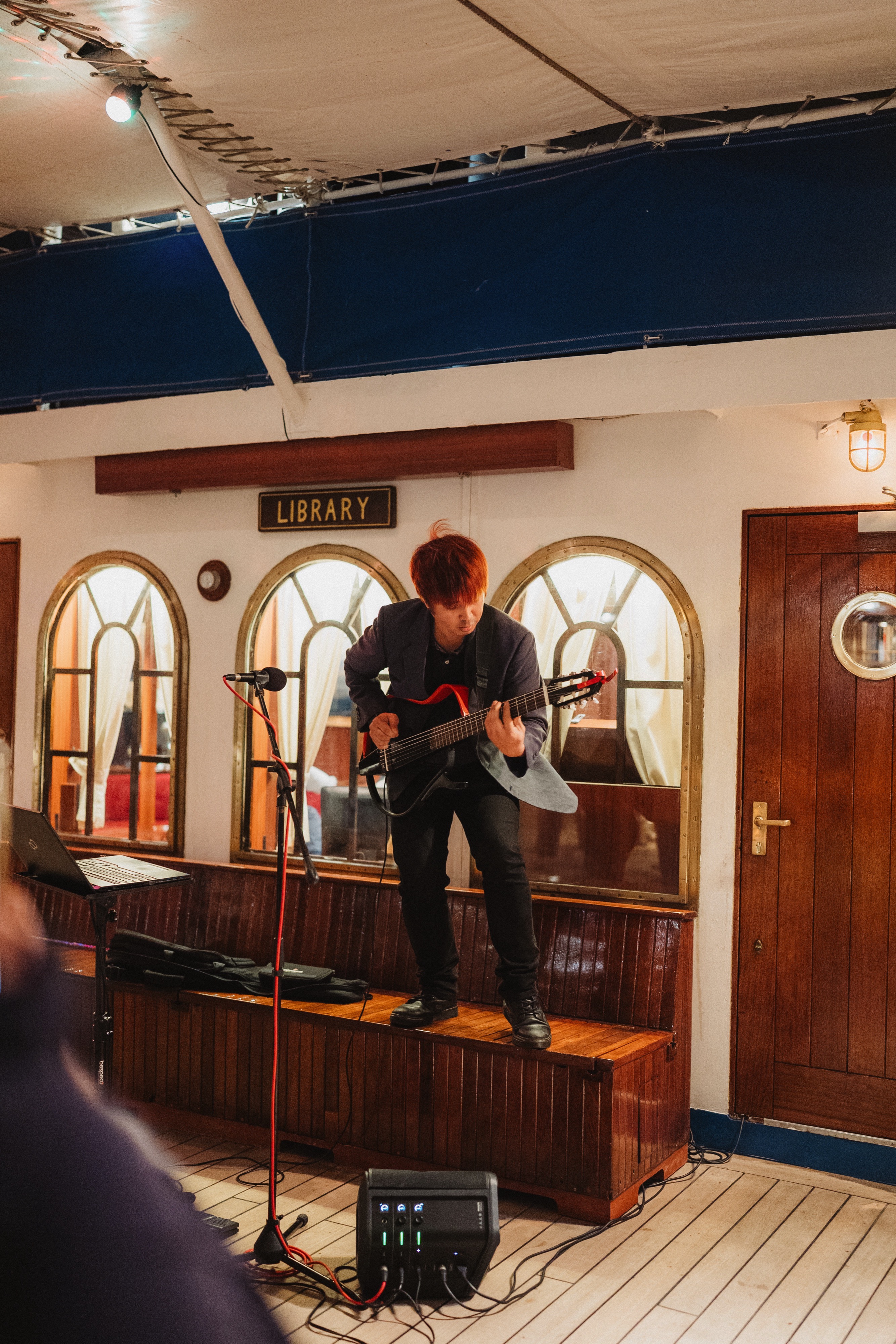
To entertain you at certain ports, we invite local performers, folk groups or musicians to liven up your evenings on board and our crew members are always ready to entertain you with games and nautical activities.
So rather than enduring another Broadway show, you can enjoy the conviviality of fellow shipmates while a live band plays tropical tunes from a real paradise.
Swimming Pools
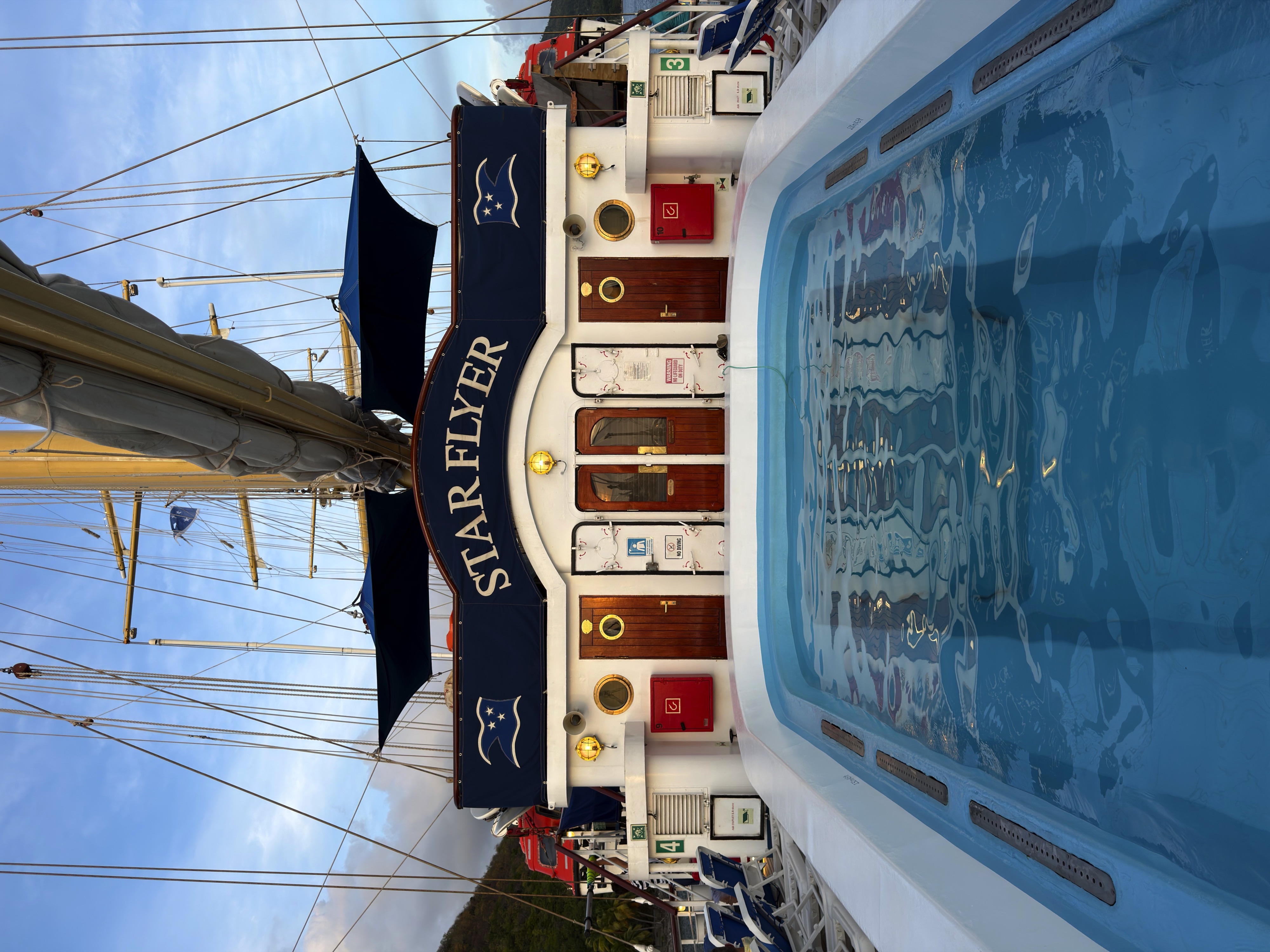
Star Clippers’ ships have two or three swimming pools located on the Sun Deck. When the weather permits, they are filled with sea water.
Gymnastic Classes
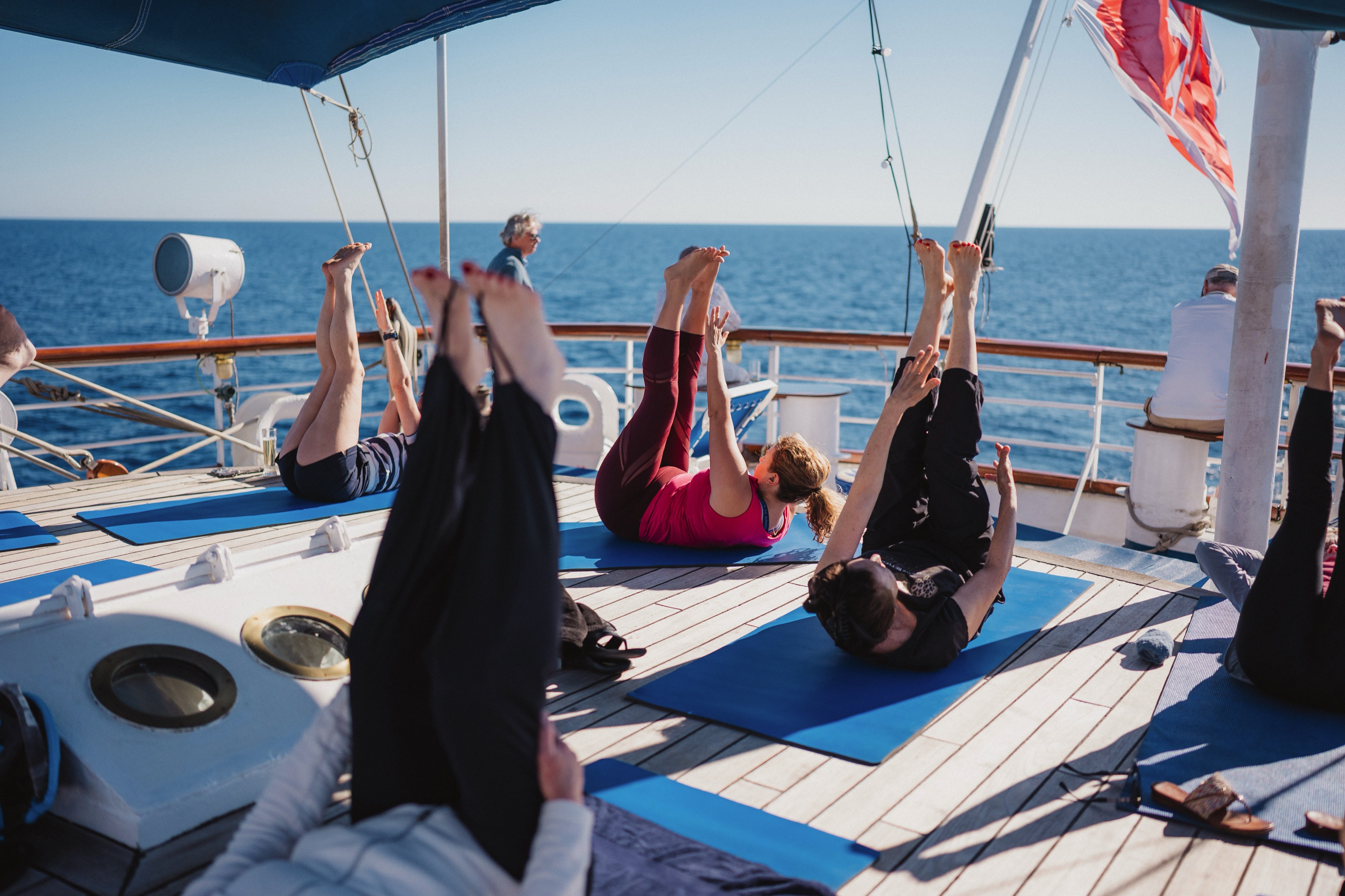
Activities such as morning gymnastic classes, swimming in one of the on-board pools, or taking part of the exciting shore excursions are always an option for passengers.
Please be advised there are no children’s or teens facilities onboard.
Clipper Dining Room
When you rise, help yourself to a continental breakfast with Parisian croissants or sweet Danish pastries. Or savour a full breakfast with fresh tropical fruit and crisp bacon, grilled sausage and omelettes cooked to order in the dining room.
At lunch, a marvellous buffet of seafood, salads and grilled favourites awaits your pleasure. If the day includes a stop at one of the paradisical islands we frequent, you might also be treated to a succulent outdoor barbecue on shore.
When evening comes, our elegantly appointed dining room becomes the setting for the chef’s finest culinary presentations, designed to please the eye and the palate, complemented by a selection of equally fine wines.
You’ll find our service to be friendly and gracious, befitting a tasteful restaurant. Of course, we would not presume to dictate your seating preferences. On all three ships, you are free to dine when and with whomever you wish – including with our officers, who join our guests in the dining room most nights. The dress code? No need for formal gowns and black tie, casual elegance is the order of the day and every single night.
Watersports
Sailing with Star Clippers is a unique experience!
Explore new horizons, push your boundaries & enjoy a range of nautical activities! Make the most of our complimentary water sports program and learn a wide variety of nautical activities, supervised by our officers & crew.
Water sports for all tastes!
On beach stops our sports team can offer you: kayaks, paddle boards and dinghies as well as water skiing and windsurfing. Enjoy your favourite water sports during the cruise or take the opportunity to try something new.
Snorkelling
Close your eyes and imagine you are soaking up the sun on a white sandy beach in the Caribbean; crystal clear waters invite you to explore the underwater world of coral reefs and colourful tropical fish. Star Clippers hands out snorkelling equipment to all passengers upon arrival on board, so all you have to do is dive in and explore.
Sailor for a day!
Life on the ocean is one big adventure! Discover the sailing techniques used by our marine experts. Our crew will help you to hoist the sails, climb the mast, and tie marine knots. You will learn the names of the different sails and how to use a sextant. When evening comes and the velvety darkness is punctuated by stars, our officers will show you how to navigate at night with the help of the stars.
Exclusive Sailing Destinations
Star Clippers takes you to the most beautiful beaches in the Caribbean, the Mediterranean and Southeast Asia, far from all the crowds and congested harbours.
Our tenders or zodiac service allow you to go ashore in comfort and disembark either in port or directly on the beach, so you are free to set off and explore each destination. On Royal Clipper, a specially designed marine platform can be lowered to sea level, so you can enjoy water sports directly from the ship!
Shore Excursions
A wide variety of exceptional shore excursions are offered in the many extraordinary destinations Star Clippers visits around the world to enhance your journey. Don’t miss your opportunity to immerse yourself in the local history, culture, art, architecture and beauty located in each region by taking advantage of these carefully crafted tours offering an insight into the locale’s true identity. Of course, all shore excursions are optional, and you can chose which one you’d like or just explore on your own. The staff is available for suggestions and sign up is done right on board, in most cases. For a preview of what is offered in each port, you can find the details right on our website.
Themed Cruises
For travelers seeking a deeper, more immersive cruise experience, theme cruises offer a unique opportunity to indulge in personal passions while sailing to stunning destinations. These specially curated voyages bring together experts in various fields—gastronomy, wine, wellness, and more—to enhance the journey with exclusive events and activities.
On select sailings, guests will have the chance to learn from renowned chefs, sommeliers, yoga teachers, and wellness specialists, each bringing a wealth of expertise to the onboard experience. Enjoy engaging lectures, hands-on cooking demonstrations, and expertly guided wine tastings, all designed to inspire and educate. Wellness enthusiasts can benefit from expert-led sessions focused on relaxation, mindfulness, and holistic well-being, including yoga classes tailored for all skill levels.
Whether you’re a food and wine connoisseur, a yoga enthusiast, or someone looking to unwind and rejuvenate, a theme cruise offers a memorable way to connect with like-minded travelers while deepening your knowledge in a relaxed, elegent setting.
Lookout Stations
Lookout stations have been created at the first yardarm on each of the masts. Equipped with high safety rails, and a comfortable teak settee for lounging at ease, passengers can observe all the action below and out to the edge of the horizon. Passengers wishing to climb to the lookout posts slip on a ship supplied safety vest tethered to a watchful crew member on the deck, who keeps the safety line secured as they make the easy ascent up one of the ratlines. All three Star Clippers ships offer this exciting activity that is bound to be one of the highlights of a Star Clippers cruise.
Piano Bar and Lounge
If your time isn’t taken up by searching out distant lands from the crow’s nest or enjoying a lovingly prepared meal in the dining room; you can always take a seat in the Observation Lounge. Gather round the piano bar and join in singing a few favourites.
Library
Edwardian style library with an Époque fireplace. The library offers reference books , art books, and novels in several languages. There is also a selection of board games and comfortable seating so that you can relax and enjoy some quiet time if you so wish.
Tropical Bar
The indoor-outdoor Tropical Bar is situated on the Main Deck at the heart of the ship where passengers congregate throughout the day and into the wee hours of the night. This area can accommodate everyone on board and is the center for the nightly entertainment program as well as the focal point for all on-board activity and events.
Sloop Shop
It is located on the Clipper Deck aft of the Dining Room. Head here when you need toothpaste, sunscreen, Internet & WiFi cards and all those other day-to-day items you can’t do without. There is also a tasteful selection of cruise wear, souvenirs and gifts. If you need something and you don’t see it displayed, please ask. They might just have it. The shop is open every day (except on embarkation day) from 8:30 a.m. to 9:00 p.m. and depending on the times of call and customs regulations.
Local Music and Arts
An authentic taste of the local music and arts
To entertain you at certain ports, we invite local performers, folk groups or musicians to liven up your evenings on board and our crew members are always ready to entertain you with games and nautical activities.
So rather than enduring another Broadway show, you can enjoy the conviviality of fellow shipmates while a live band plays tropical tunes from a real paradise.
Swimming Pools
Star Clippers’ ships have two or three swimming pools located on the Sun Deck. When the weather permits, they are filled with sea water.
Gymnastic Classes
Activities such as morning gymnastic classes, swimming in one of the on-board pools, or taking part of the exciting shore excursions are always an option for passengers.
Please be advised there are no children’s or teens facilities onboard.
About the Ship
Deck Plans
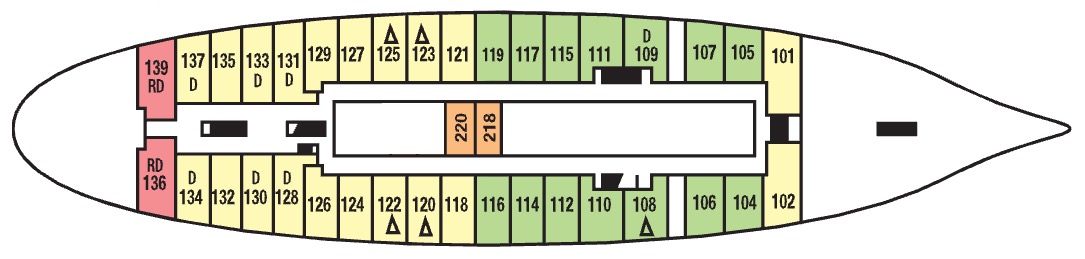
- Category 3 – Outside Cabins
- Category 4 – Outside Cabins
- Category 5 – Outside Cabins
- Category 6 – Inside Cabins
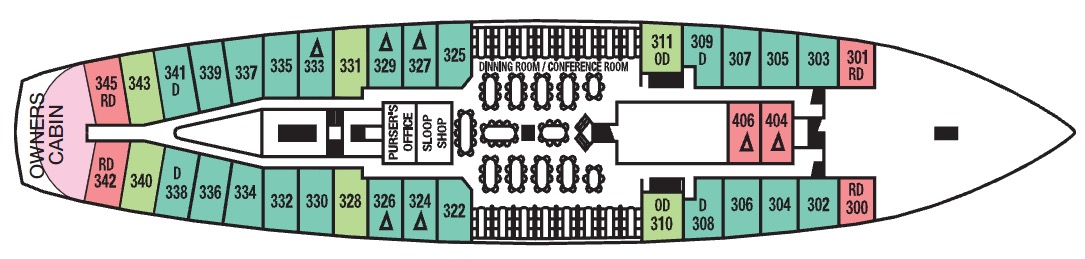
- Dining Room
- Conference Room
- Sloop Shop
- Purser’s Office
- Owner’s Cabin – Deluxe Outside Cabin
- Category 2 – Large Outside Cabins
- Category 3 – Outside Cabins
- Category 5 – Inside or Outside Cabins
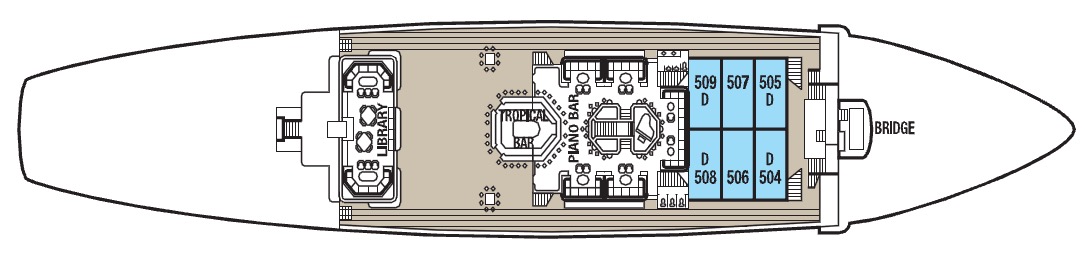
- Library
- Tropical Bar
- Piano Bar
- Bridge
- Category 1 Deluxe Deck Cabins
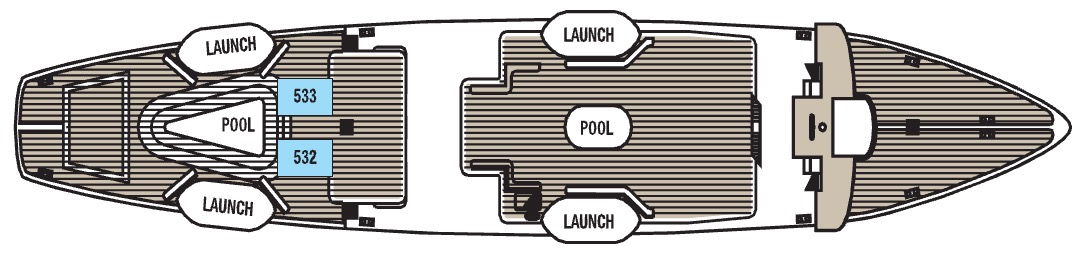
- Pools
- Category 1 Deluxe Deck Cabins
Launch Docks
- Category 3 – Outside Cabins
- Category 4 – Outside Cabins
- Category 5 – Outside Cabins
- Category 6 – Inside Cabins
- Dining Room
- Conference Room
- Sloop Shop
- Purser’s Office
- Owner’s Cabin – Deluxe Outside Cabin
- Category 2 – Large Outside Cabins
- Category 3 – Outside Cabins
- Category 5 – Inside or Outside Cabins
- Library
- Tropical Bar
- Piano Bar
- Bridge
- Category 1 Deluxe Deck Cabins
- Pools
- Category 1 Deluxe Deck Cabins
Launch Docks