
Itinerary
In Flight
Departure
Delhi, India
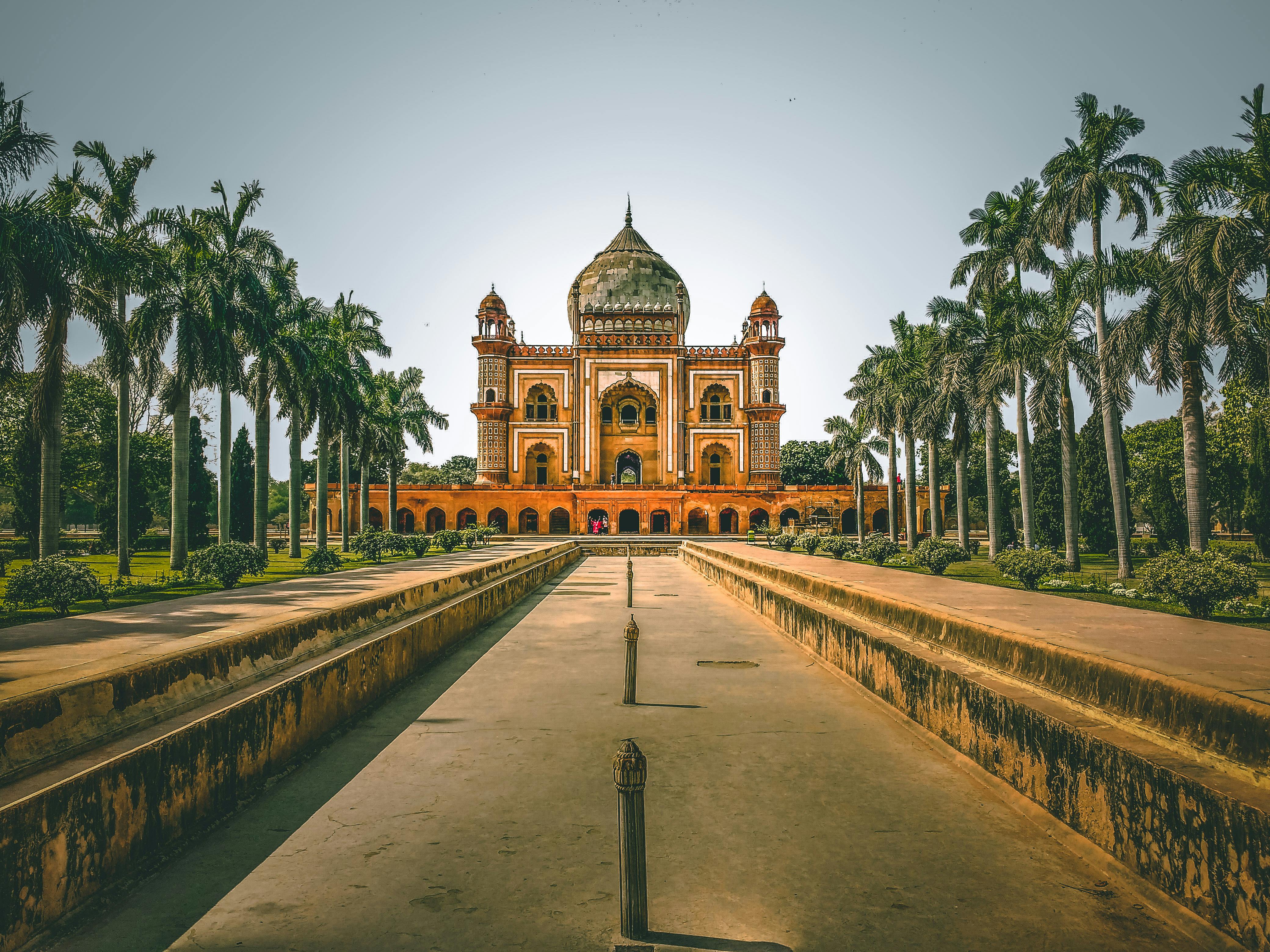
Arrival in New Delhi – On arrival, we transfer to the five-star Le Meridien Hotel for one night. After a short rest we commence our guided tour of New Delhi. The city centre, designed by Sir Edwin Lutyens in 1911, is bisected by wide, tree-lined avenues, a hub which clearly reflects the Raj legacy and home to the former Viceroy’s Palace, now the Presidential Palace.
Heading down the imposing Rajpath, we pass India Gate and the Parliament building. We’ll visit some of Delhi’s older monuments, including the Qutub Minaret, started in 1199, which is the tallest stone built tower in India.
A buffet dinner is included tonight.
Delhi, India
Old Delhi – This morning we continue our city tour, first visiting Old Delhi, starting with the Raj Ghat, a fittingly simple memorial to Mahatma Gandhi. We also visit the Gurudwara Bangla Sahib Temple, one of the most prominent Sikh gurdwaras – or Sikh house of worship – in Delhi.
We leave Delhi in the afternoon for our drive to Agra, arriving at our four-star Oberoi Trident hotel, in the late afternoon.
Taj Mahal, Agra
Taj Mahal – We rise early to catch the sun rising over the Taj Mahal. In the soft morning light, as the mist rises from the Yamuna River behind it, the Taj Mahal seems to float, mirage-like, above the surrounding landscape. A combination of extraordinary beauty, symmetry and history makes this wonder of the world one of the most amazing monuments on the planet and you will have plenty of time to admire it from all angles.
Moving on, we continue our tour with a visit to the vast red sandstone Agra Fort. Completed in 1573, it was the headquarters of the Mughal Empire, boasting vast size and opulence, its buildings make it more of a walled palace than a fort.
In the evening you have the option of completing a wonderful day with another visit to the Taj Mahal, to witness the shrine at sunset.
Personalise your holiday –
Moonlight Garden and Baby Taj
Moonlight Garden lies north of the Taj Mahal complex on the opposite side of the Yamuna River and was built to align perfectly with the Taj Mahal. We will get the chance to explore the gardens which also offer some amazing views of the Taj Mahal.
After this we will visit “Itmad-ud-Daula Tomb” which is built completely in white marble and is often described as a “jewel box” and also called the “Baby Taj”.
From £19pp
Please contact us for more information and to add the above experience to your booking.
Fatehpur Sikri, India
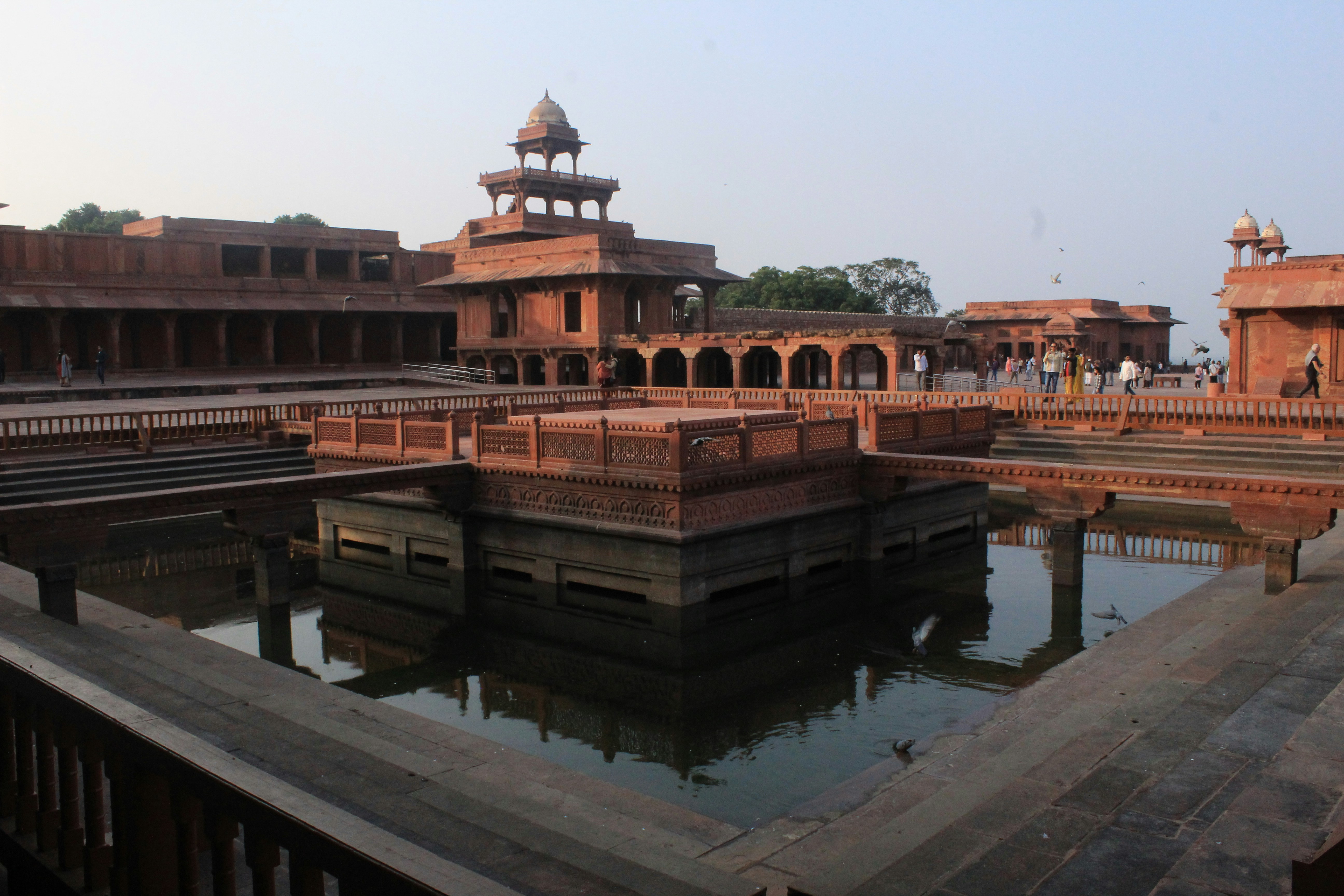
Fatehpur Sikri – Leaving Agra this morning we continue towards the ancient, abandoned city of Fatehpur Sikri, built in 1571, as Emperor Akbar’s imperial capital. Although it was mysteriously abandoned just 15 years later, it remains in a remarkable state of preservation, with numerus palaces, wide courtyards and beautiful carvings.
We stop for lunch (included) at the the Laxmi Vilas Palace in Bharat before going on to the railway station to catch the Shatabdi Express for our comfortable two-and-a-half-hour journey to Ranthambore National Park.
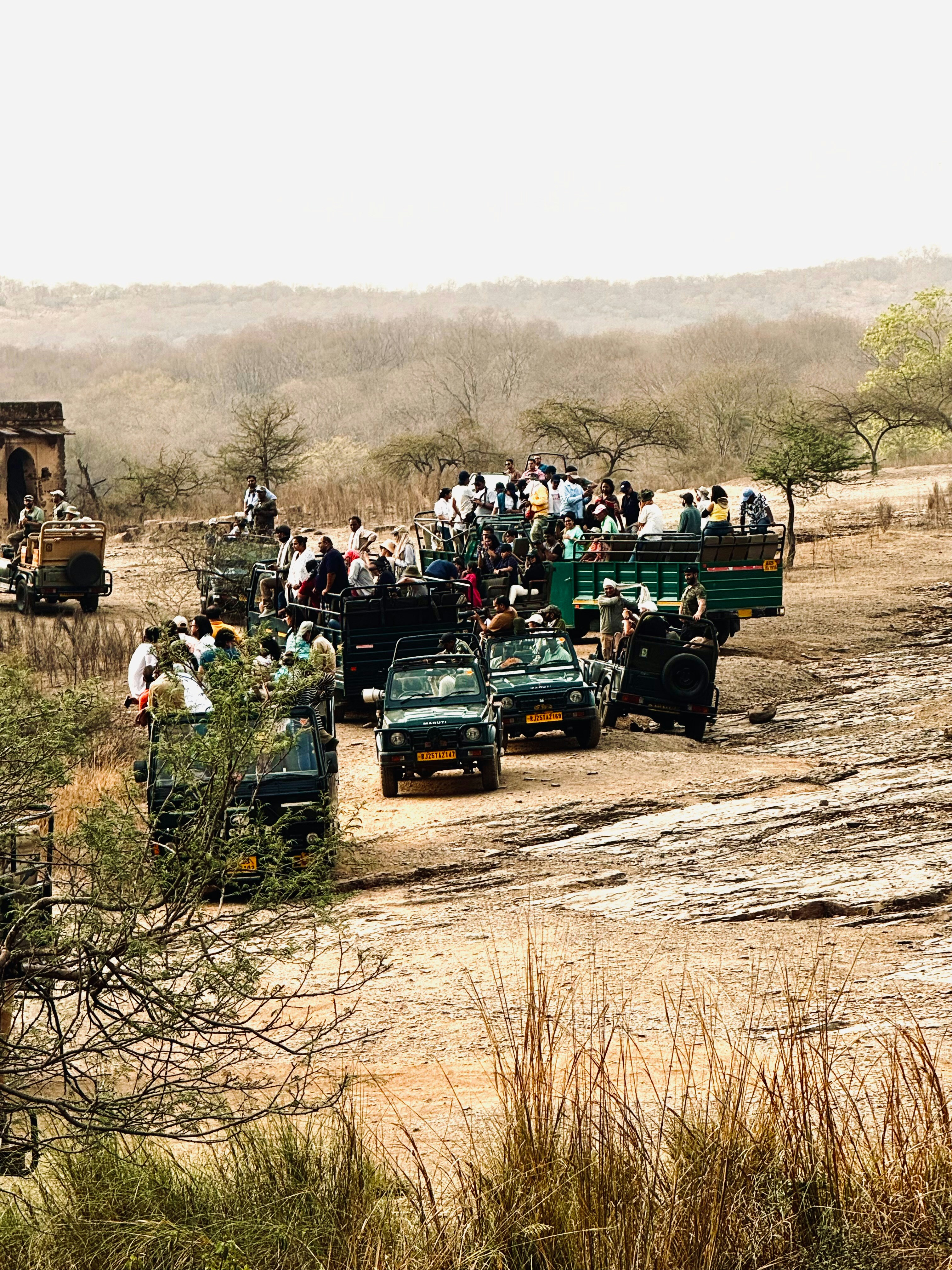
Originally the private hunting preserve of Maharajahs, its 400 square kilometres of forested rolling hills, valleys and lakes form a unique ecosystem. Started in 1973, India’s famous Tiger Project was created to protect the country’s tiger population. Despite many difficulties, the tigers of Ranthambore have survived and numbers have stabilised.
Ranthambore National Park, India
Ranthambore National Park, India, is a renowned wildlife sanctuary in Rajasthan, celebrated for its population of Bengal tigers. Nestled amidst the Aravalli and Vindhya hills, it offers a dramatic landscape of dense forests, ancient ruins, and serene lakes. Visitors can embark on thrilling safaris to spot tigers, leopards, and diverse flora and fauna. Key attractions include the majestic Ranthambore Fort and picturesque Padam Talao lake. Ranthambore’s blend of rich wildlife, historical sites, and natural beauty make it a premier destination for nature enthusiasts and photographers.
Jaipur, India
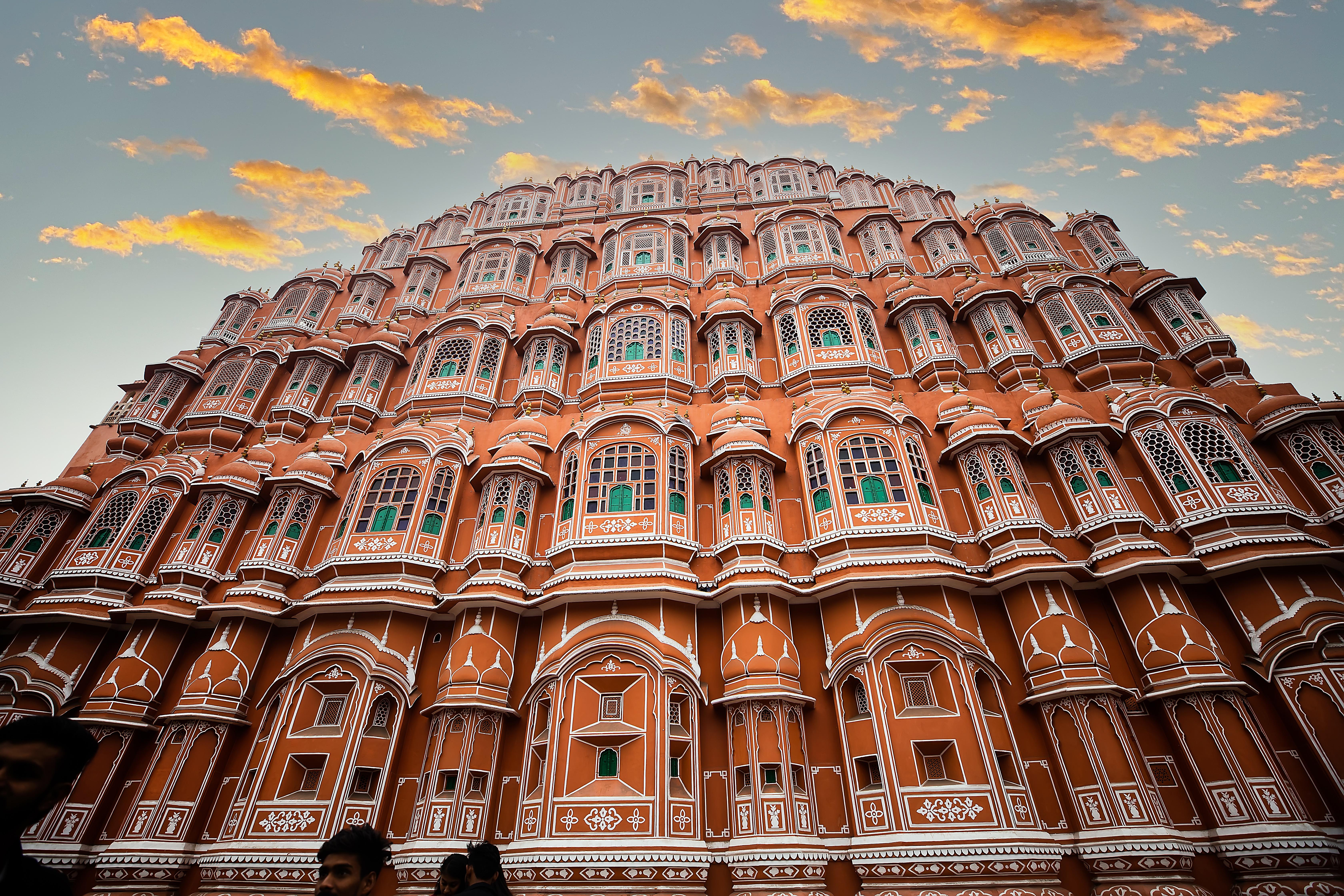
Jaipur, the capital of Rajasthan, India, is known as the “Pink City” for its iconic pink-hued buildings. Founded in 1727 by Maharaja Sawai Jai Singh II, Jaipur is famed for its rich history, majestic architecture, and vibrant culture. Key landmarks include the City Palace, Hawa Mahal, and Amer Fort, showcasing Rajput and Mughal architectural brilliance. The city, a UNESCO World Heritage Site, is also known for the Jantar Mantar observatory. Jaipur’s bustling markets offer exquisite jewellery, textiles, and handicrafts, while its festivals, music, dance, and cuisine reflect the region’s cultural richness and diversity.
Amber Fort, India
Amber Fort – This morning another highlight, on a tour of highlights: you’ll visit the immense Amber Fort, located in the hills just a short drive out of Jaipur. Sampling all the most fascinating sights, our guided tour includes the sections reserved for the Maharajah’s wives and concubines as well as the remarkable hall of mirrors, with tiny delicate convex mirrors embedded like a mosaic in the walls and ceilings.
Alsisar, Alsisar
Rajasthan – Heading north deeper into rural Rajasthan, we’ll pass small villages and towns on our way to the Sekhawati region of the state and the village of Alsisar. Once part of India’s Silk Road, over the years the merchants here grew very rich, building luxurious mansions known as ‘havelis’ to display their wealth with magnificent frescoed walls. Though most have been abandoned, the imposing and luxurious residence of the local kings has been lovingly restored as a Heritage hotel.
This afternoon we’ll take a guided walk through the village to explore the best examples of the havelis and see the locals going about their day.
New Delhi, India
New Delhi, the capital of India, is a bustling metropolis blending rich history with modernity. Known for its grand architecture, New Delhi houses iconic landmarks like India Gate, Rashtrapati Bhavan, and Qutub Minar, a UNESCO World Heritage Site. The city showcases the Mughal legacy through monuments like Humayun’s Tomb and the Red Fort. New Delhi is also a cultural hub, hosting vibrant festivals, diverse cuisines, and bustling markets like Chandni Chowk. As the political and administrative heart of India, it features wide avenues, lush gardens, and a dynamic urban lifestyle, embodying the essence of contemporary India.
Delhi, India
Return home